All posts in “Sports and Outdoors”

The Best New Knives and EDC of December 2019

The days are shorter, and the temperatures are dipping quickly. In some places, snowflakes are already flying, and ski mountains are already opening. While your favorite outdoor brands are at the ready with a new crop of recently launched down jackets and outerwear, knife companies maintain their slow roll of continuous releases that don’t necessarily align with the season.

Recently, Zero Tolerance made its first slip joint, Benchmade updated a classic design, Grovemade released the perfect desk knife and more.

Zero Tolerance 0230

It’s hard to believe that a veteran company like Zero Tolerance didn’t have a slip joint in its catalog until the 0230. With a carbon fiber weave handle, the knife has a slightly tactical look, but it maintains the old school appeal that the construction often imparts. Adding to that is a sheepsfoot blade that’s 2.6 inches long and made of CPM 20CV steel.

The James Brand Carter

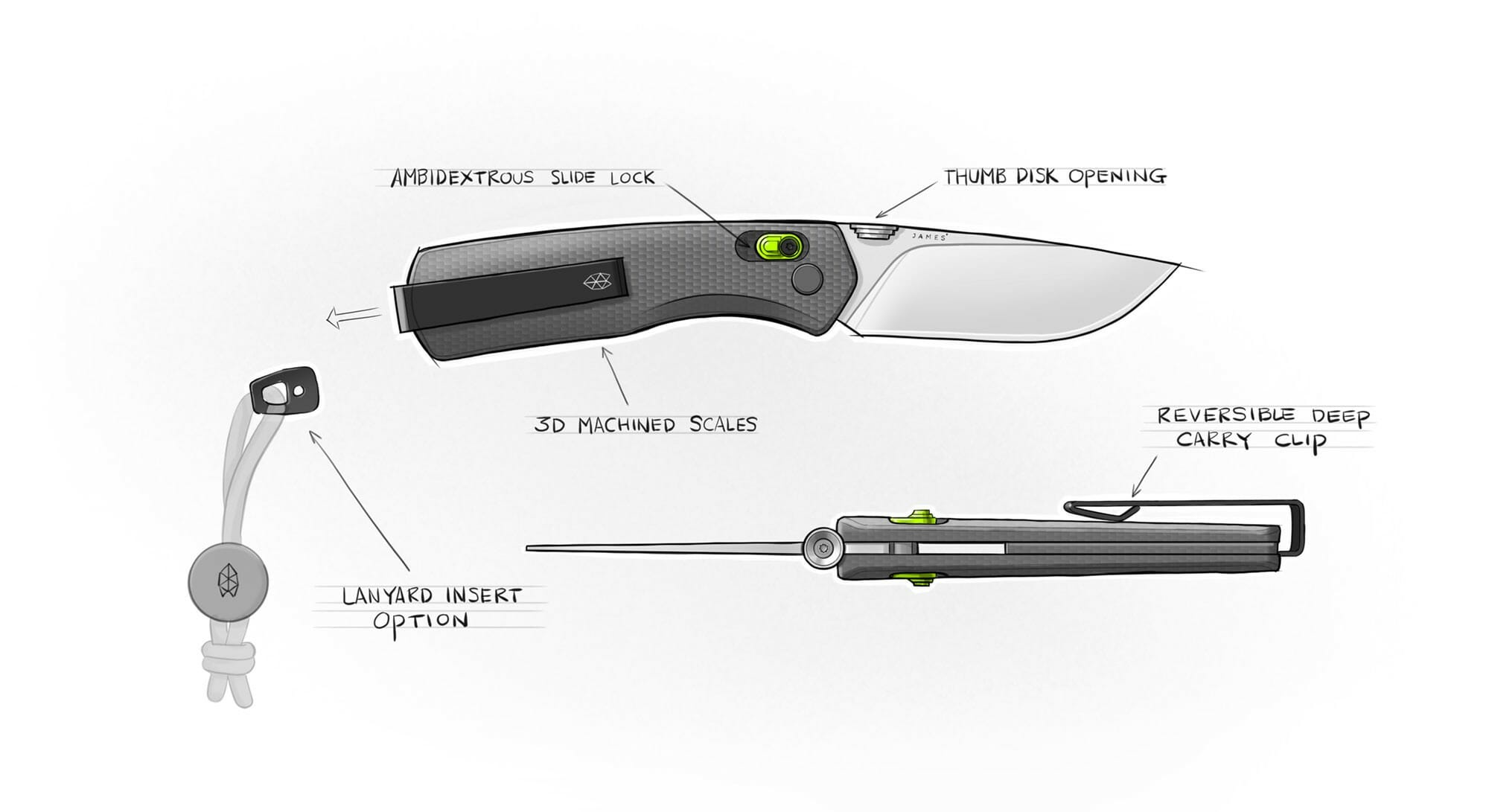
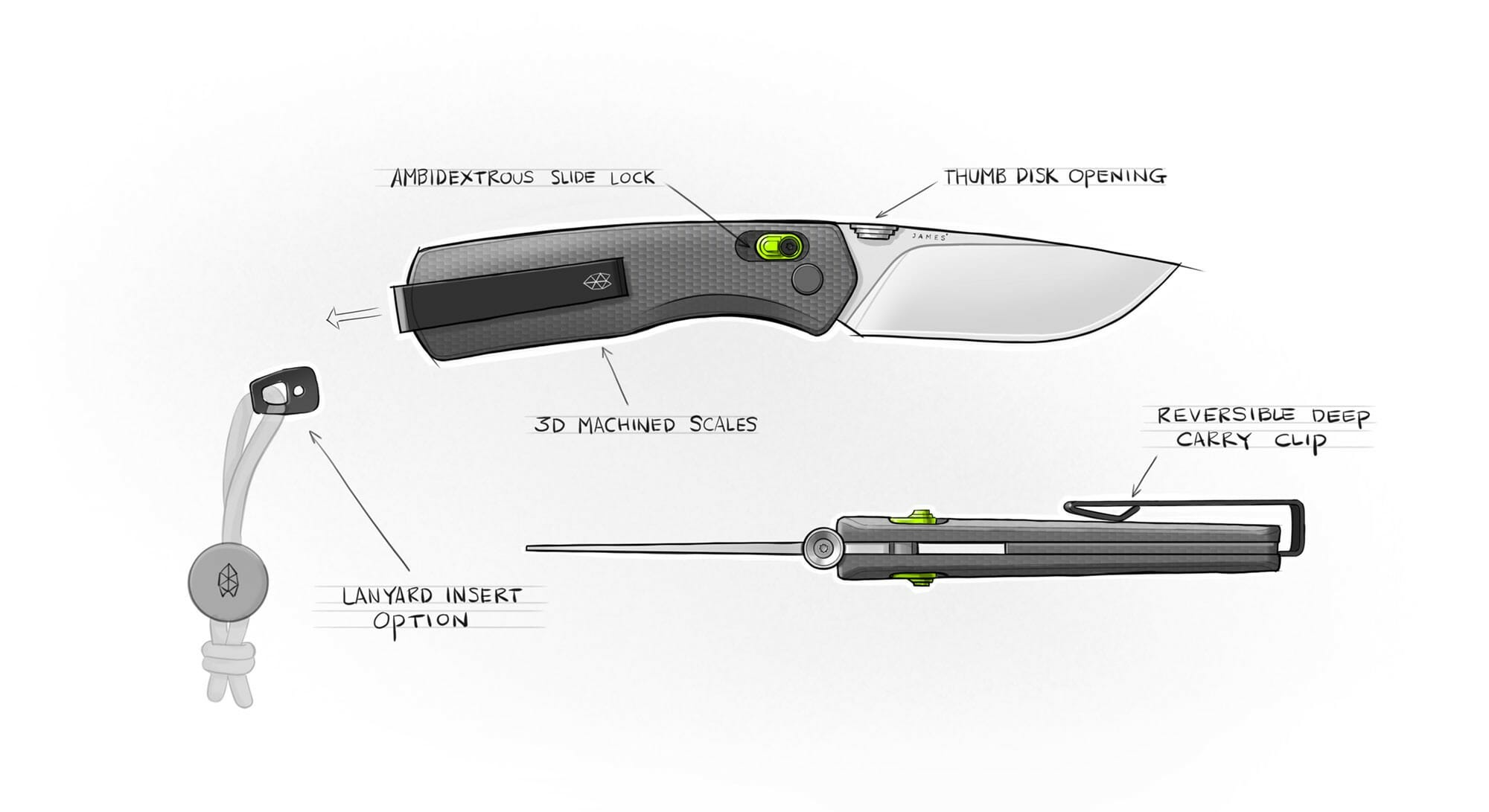
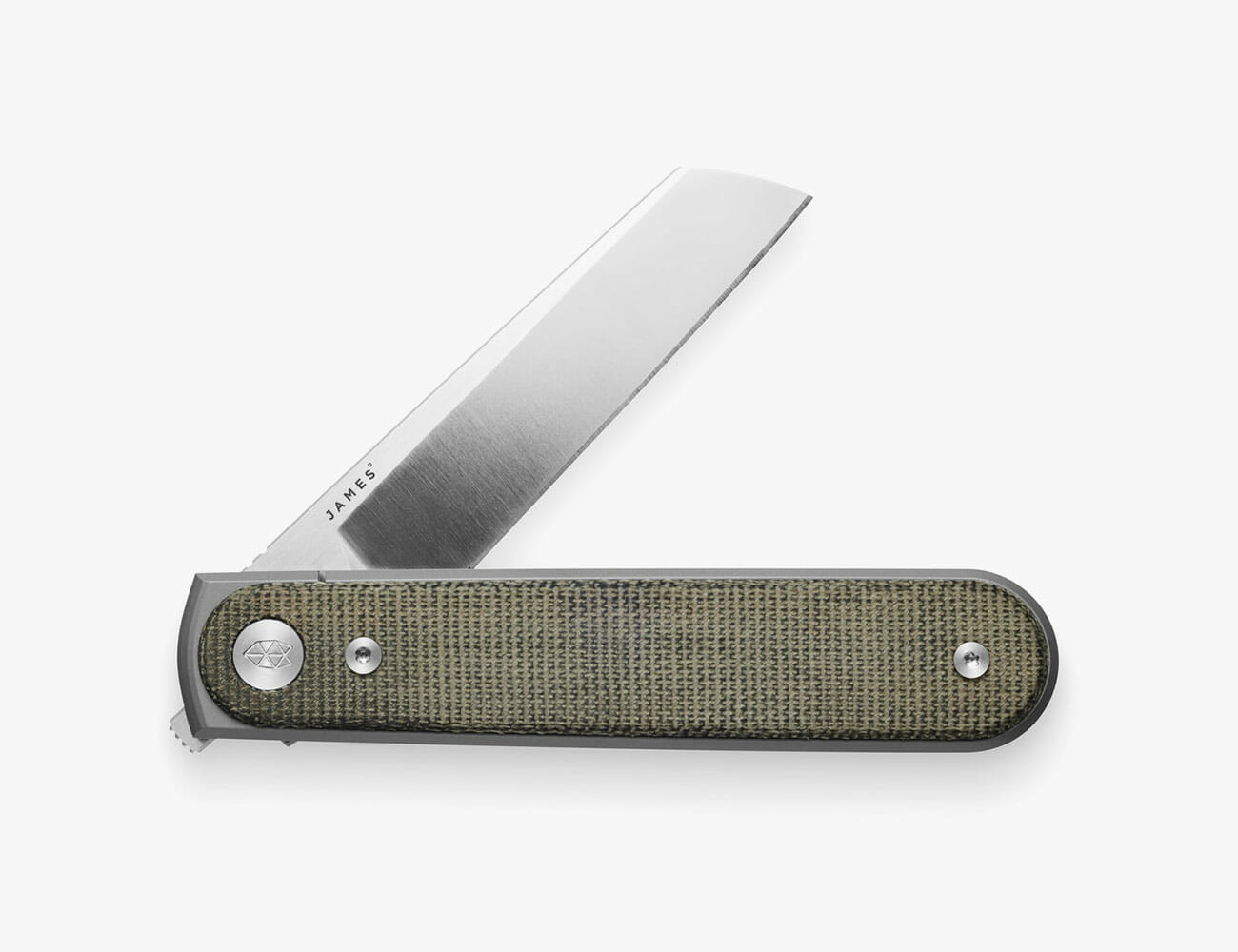
Even at $139, the Carter is a bargain. Why? Because it comes with machined G10 or Micarta handle scales, a clip that seats the knife low in a pocket (or an included loop if you prefer a lanyard), and a drop-point blade made of VG-10 steel, which is known for its high degree of corrosion resistance. So no, it isn’t a $30 hardware store buy, but that’s because its ingredients are top-grade.

Alliance Designs Bangarang

Alliance Designs works with knife makers around the world to create production models of blades that would otherwise be custom (and also quite expensive). That makes some of the most premium blades more obtainable for collectors who are just starting, and who actually want to use the knives they buy.

One of its most recent releases is the Bangarang, a knife it worked with Matthew Christensen to create. The folding knife has a 3.1-inch blade with a curved edge and is available with handles made of a variety of materials from carbon fiber to Micarta.

Benchmade 535-1901 Bugout

The 535-1901 Bugout might be an otherwise ordinary EDC folding knife with a plain edge drop-point blade if it weren’t for its unique handle. Benchmade used G10, a common synthetic option for knife handles, but included a blue base that shows through the material’s hazy transparency. It makes for a totally different aesthetic than the black handle, steel blade we’re used to in a knife like this.

Grovemade Task Knife

If you needed a challenge to your conception of what a knife is, look to Grovemade’s Task Knife. You might call the Task Knife a fixed blade, but really it’s a solid-state tool made of a chunk of steel or brass. With a seamless transition from handle to blade, it has a sculptural appeal that makes it perfect for a desk. As such, Grovemade created the Task Knife for deskside jobs, like opening packages.

Note: Purchasing products through our links may earn us a portion of the sale, which supports our editorial team’s mission. Learn more here.

These Vintage Military Uniforms Feature the Forerunners of Modern Performance Materials

It’s difficult to overemphasize the influence of military kit on modern-day performance athletic clothing. The battlefield is the ultimate testing ground for materials and design, and the innovations in uniform development mirror in importance those that occurred in ballistics, airpower, seapower and even tactics. As time passes, these innovations subsequently trickle down into the civilian market, giving rise to hi-tech performance clothing that, to the average consumer, seems to have been conceived out of thin air. The reality, of course, is far different.

At Silverman’s, a London-based supplier of military kit established in 1946, there is a special reverence for early military kit. Indeed, the company’s facilities are chock full of it, bursting with vintage surplus mostly invisible to the consumer who wanders in off the streets in search of a new pair of work boots or an insulated jacket. But there are gems to be found amongst all the detritus of war, some of which are just too cool not to show here.

Look closely and you’ll quickly see the through-lines between this gear, developed for soldiers to execute daring missions behind enemy lines, and modern gear that makes use of similar technology, whether for sweat wicking, thermal insulation, fire retardation or other purposes. Strikingly modern in feel and construction, some of these vintage pieces look and feel like they could have been manufactured today.

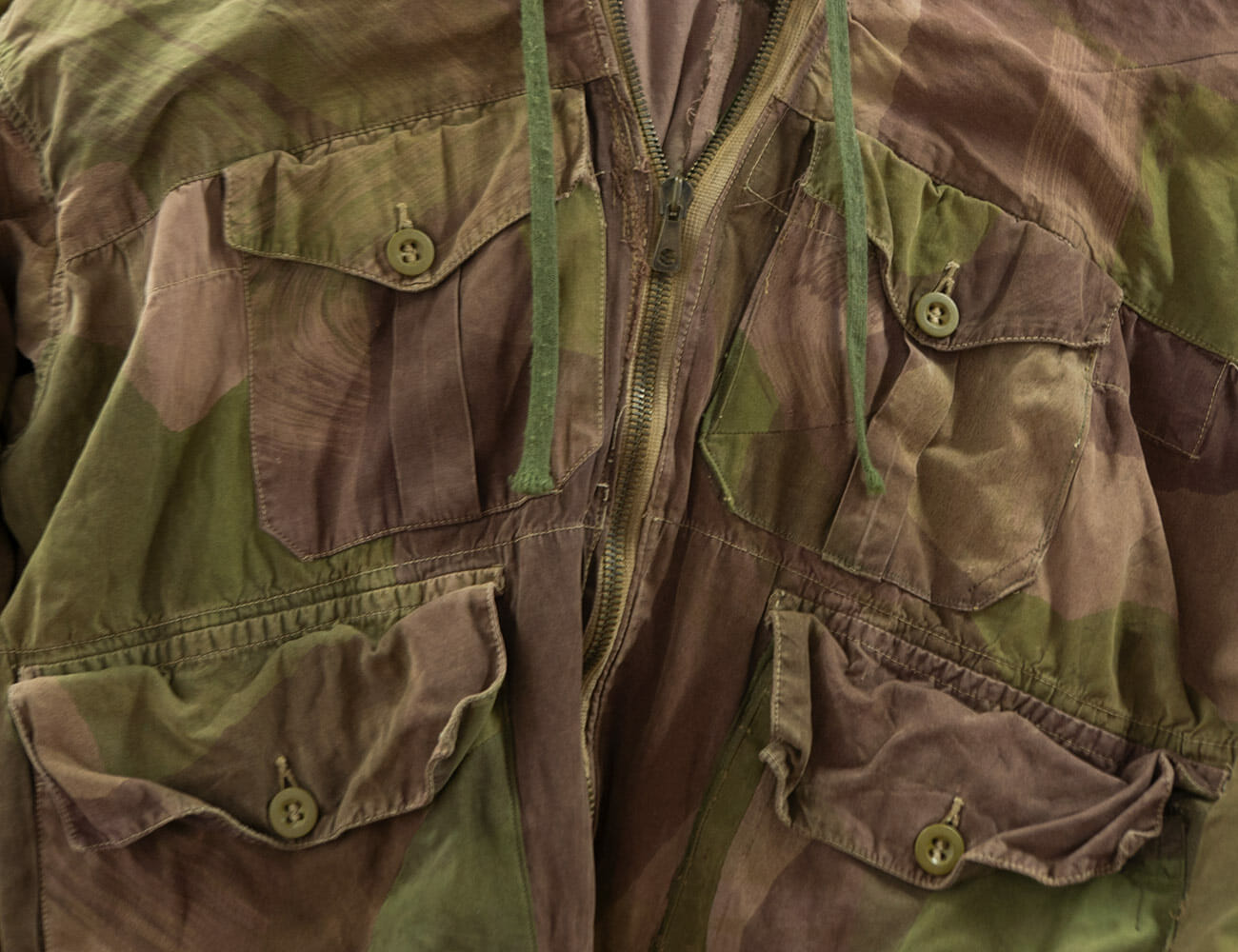
1940s Camouflage SAS Smock

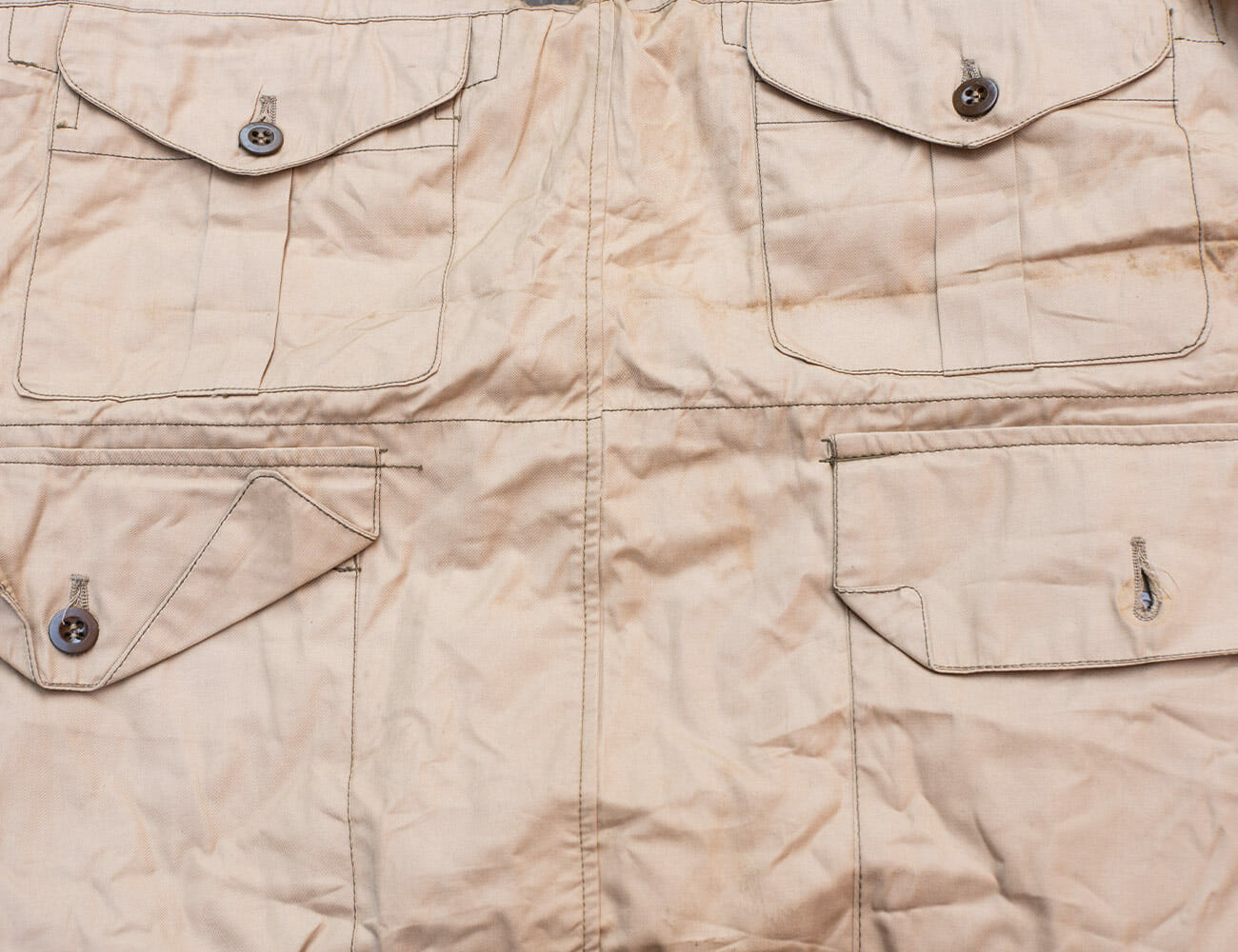
A windproof smock issued to the Special Air Service in the 1940 during the Second World War, this garment was originally a pull-over design with a gusset present at the neck, but was later modified with a zipper. It’s made of gabardine, a tight-weave cotton that swells when wet to prevent further water ingress and is also quick-drying (compare to modern Coolmax from DuPont). The camouflage pattern is a broad-stroke design first introduced in 1942.

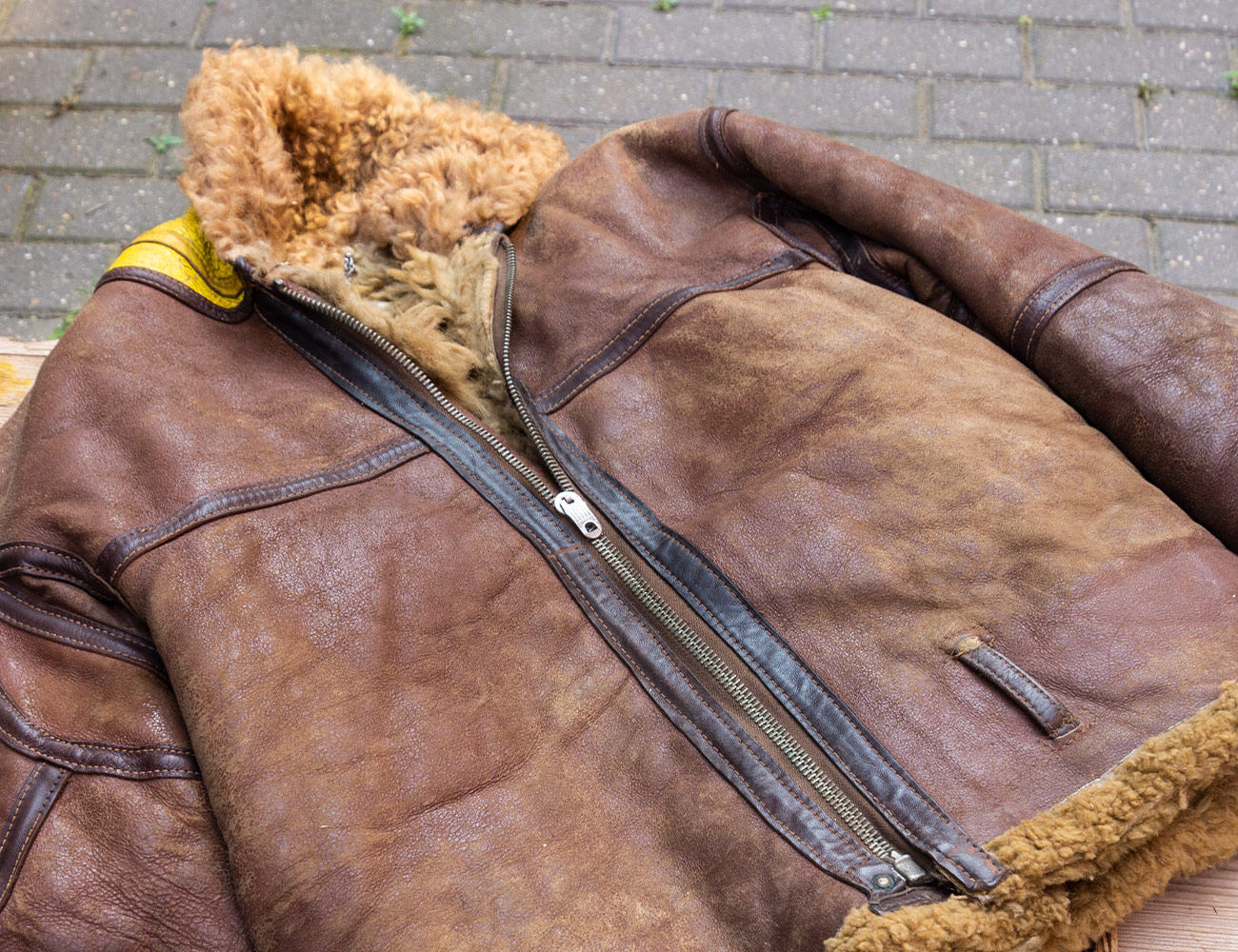
WWII-Era Irvin Sheepskin Pilot’s Jacket

Made especially for the Fleet Air Arm, Coast Command and Air Sea Rescue, these special pilot’s jackets were made of sheepskin and featured yellow hoods for identifying downed pilots in the water. The hood was also particularly warm for defense against extreme weather conditions, and these jackets were often spotted being worn near the British coast in winter. Though sheepskin is a decidedly organic material, it gained popularity during the Second World War for its insulating and moisture-wicking properties. (PolarTec, developed in the 1970s, has many of the advantages of wool, seen in the lining of this jacket, without the bulk and discomfort).

1942 Windproof SAS Smock

British officer David Stirling conceived of the idea for the Special Air Service while recuperating in a Cairo Hospital in 1941. This windproof smock, dated to 1942, dates from the time of the North African campaign, when his forces wreaked havoc against German and Italian targets. The smock is made of gabardine cotton, similar to the camouflage version above, though this one has not been modified with a zipper and is in largely new condition. The gabardine has a strangely modern feel, despite the material’s invention in the late 19th century.

Air Ministry Dual Purpose Smock

Not many details are available regarding this garment manufactured by G.Q. Parachute Company, but the design is that of a step-in smock used for parachuting. Possibly copied from a similar German design, it may be the forerunner to the Denison parachute smock (see below) that was in widespread use up until its replacement by the “Smock, Parachutist DPM” in the 1970s.

Denison Smock

The classic parachutist’s smock, made of heavyweight twill, so effective and distinctive that it was broadly adapted and still in continuous use following World War II. Developed during the War, it was made with a half-zip at the neck and a crotch flap, as it was intended to be worn over the soldier’s battle dress uniform but under his equipment-bearing web gear. A green denim oversmock was then worn over the web gear, to prevent it from snagging on a parachute. Highly collectible and rare in this condition, the Denison was used by the British Parachute Regiment, Special Operations Executive agents and others.

Special Reconnaissance Jacket

Rarer than hen’s teeth, this special jacket belonged to an officer of the Green Jackets CORC(A), Covert Observation and Reporting Company (Airborne). Though not vintage, it’s a modern example of the mix of old school materials (wool) with modern tech (fire-retardant materials — perhaps Nomex).

Used in the mountains of northern Iraq, it’s made of natural wool to prevent sweat freezing at night and causing hypothermia, as recon operations require sitting absolutely still for potentially days on end. The garment is also fire-retardant and features a special dog tag. Notice also the pouch sowed up-side down — this makes access to the pocket’s contents easier to access when lying in a prone position. The jacket’s airborne wings are perhaps the rarest variant in the British order of battle.

Note: Purchasing products through our links may earn us a portion of the sale, which supports our editorial team’s mission. Learn more here.

The Most Successful Bags on Kickstarter Just Got Better

“Complete overhaul” typically alludes to one thing – past failures. If a company decides to remake a product from the ground up, it’s a safe bet that the product wasn’t functioning, lasting, or selling well. Why spend the resources to fix something that isn’t broken, right? Every once in awhile, though, that isn’t the case.

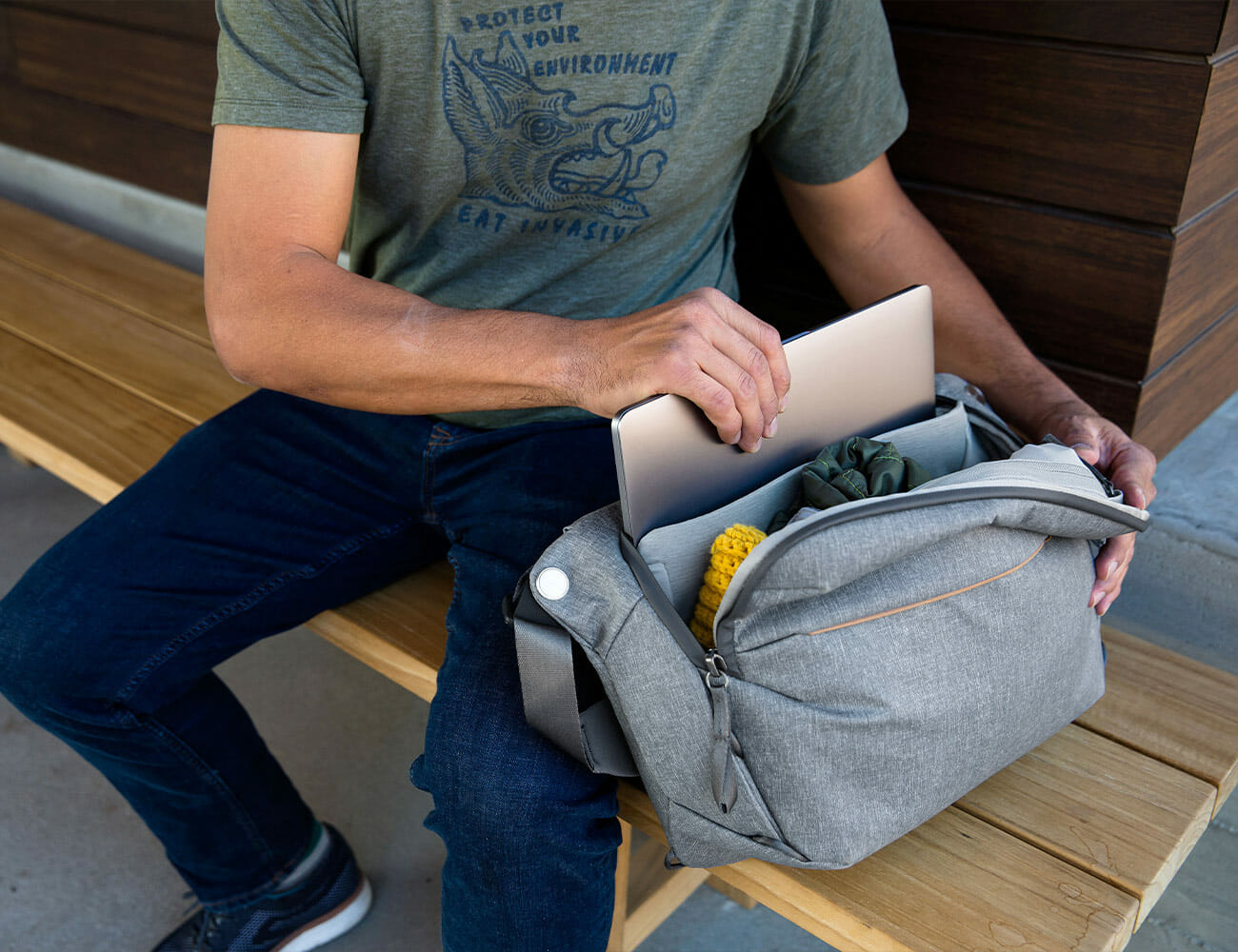
Today, Peak Design launches the updated version of its Everyday line: a backpack, messenger bag, sling, and tote for travelers, commuters, hikers, cafe-goers, students and photographers. The San Francisco-based company is renowned for innovative and sleek designs, winning seven major awards and numerous smaller accolades for the Everyday line alone. Since 2011, Peak Design has raised over $15 million on six different Kickstarter campaigns too, with $6.5 million coming from the original Everyday line.

Not only has that record made Peak Design the most successful Kickstarter company in history, but it also helped the brand build a feverishly loyal base of consumers. It’s a community that readily offers what Art Viger, Peak Design’s Lead Designer, jokingly describes as “more feedback than we often know what to do with.” But Peak Design certainly doesn’t ignore it. Integrating this swath of knowledge into a new product, like the Everyday V2 line, takes time. Curious how the team invested years of R&D into an already beloved bag collection, we called Viger to learn more about how they did it.

Q: What is Everyday V2?
A: The V2 line distills everything that made the original packs great, plus everything we’ve learned in the last couple of years through feedback, new hires, new ideas and new inputs. The company has grown, and the design team has vastly improved since we made the original pack. We are now better at reimagining products that are better, faster, and stronger while staying true to the original goals of the Everyday line.

Q: What were those goals?
A: The Everyday line has always been about crossover versatility. Most other camera bag companies basically make a camera bag and then try to make it not look like a camera bag. We see this differently. We wanted a bag that offered protection, organization and carrying function, but one that isn’t necessarily for camera gear. For instance, Everyday’s access is what resonated with customers – not just photographers.

Q: What are the major changes in V2?
A: The new version is a complete overhaul. Almost everything has changed. The silhouette of the pack may look the same, but the actual design and engineering have little to no carryover. The patterning approach is quite different, with complex, darted panels. We eliminated topstitching, meaning the new packs have reduced opportunity for loose threads or seams to fail. This also reduces water entry points. Less bulk, too.

Q: Any difference in the materials you’re using?
A: Yes, a lot. All of the fabrics are updated. We have Bluesign approved coating on most of the fabric. Most of the major fabrics are recycled, and we now employ solution dying on some of the colorways. We’re working really hard to make our packs more sustainable on many levels. We use a lot of stretch materials, which helps with pocketing and organization.

Q: What were the biggest challenges in the process?
A: By far, trying not to mess up a good thing. The original bags have won major design and industry awards, and more importantly, our customers love them. We’ve had incredibly positive reviews. To be honest, we were terrified to mess up a good thing but felt a need to update the packs to a new level of design. The biggest challenge was distilling what makes V1 great and not deviating from that. That’s really hard to do while taking some big design swipes and redesigning from the group up. We wanted to remove and add features without disappointing people on both sides.

Q: How many new versions of the bags did you work through?
A: Some bags have as many as 20 revisions until we get to a final design. Typically after seven or eight iterations, we format freeze, and the rest of the prototypes are all about refinement. Then testing begins – UV testing, cycle testing, basically just beat it up and find the weak points that break first. Eventually, you get a golden sample, which you use as the mold for production. All of our bags are made from that.

Q: What’s the biggest sustainability improvement?
A: Honestly, probably the zipper. It sounds silly, but zippers are where most bags fail, and then get thrown away. We’ve tested the new zipper thousands of times, and it still hasn’t shown wear and tear. Broken zippers put bags in landfills. They are super hard to repair or replace. The longer bags last, the longer we can use them, and the fewer people have to buy.

Note: Purchasing products through our links may earn us a portion of the sale, which supports our editorial team’s mission. Learn more here.

I Can’t F***ing Believe How F***ing Light This New Mountain Bike Is

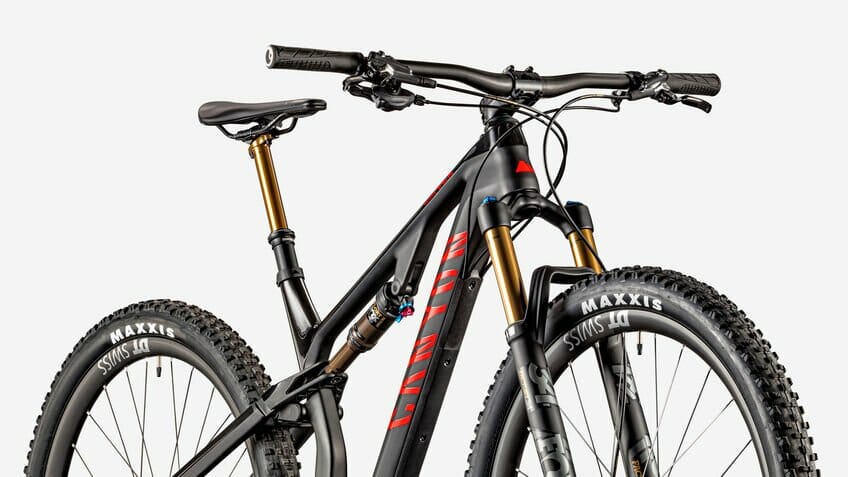
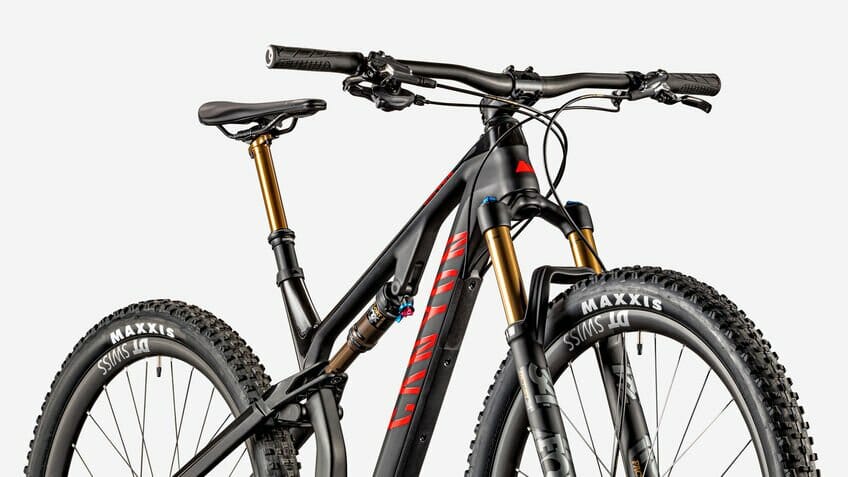
For some outdoor activities, weight is not that critical. Does a streamlined ski jacket or hiking daypack really make or break the fun? Probably not. However, when it comes to pedaling (and, let’s be honest, occasionally pushing) a mountain bike up back-breaking inclines before sending it over cheeky berms, into steep drops and off gnarly kickers, every ounce matters. Which is why we’re stoked about the recently announced Canyon Neuron CF SLX 9.0 LTD, which clocks in at less than 26 pounds.

As you might guess, Canyon didn’t really skimp on the componentry. Out of the box, it’s rocking smooth Shimano XTR shifting, lively full Fox suspension (plus a dropper post) and durable DT Swiss carbon wheels. The drivetrain is 1×12, a set-up we’ve come to swear by over the past few months of riding, and there’s more than five inches of joint-saving travel on those shocks. The frame alone is half a pound lighter than its predecessor, the Neuron CF SL, a feat achieved through the use of special 40T UD carbon fibers, which simultaneously increase the tensile strength of the main frame and rear triangle.

Is it the lightest mountain bike ever? The $11,000 S-Works Epic AXS, among others, might raise an eyebrow at that claim. But at a price point of $6,499, this new Neuron is both lighter and cheaper than one of our recent favorites, Trek’s Fuel EX 9.9, which starts at $7,500 and weighs a hair over 29 pounds. Granted, that bike has its own strong points, like luxe SRAM and Fox componentry and almost a half-inch more travel. But if you want to fly without totally grounding your bank account, the Neuron makes quite a case. We can’t wait to test it ourselves.

Remembering Jake Burton, the Godfather of Snowboarding

A version of this article originally appeared in Issue 11 of Gear Patrol Magazine as part of a collection of profiles on well-known garage-born brands. Subscribe today

On November 21, 2019, Jake Burton Carpenter, founder of Burton Snowboards and a pioneer of snowboarding, passed away at age 65 due to complications caused by testicular cancer. Here is the story of how he turned snowboarding into a worldwide phenomenon, in brief.

A quaint New England barn in idyllic Londonderry, Vermont, is a key site in Burton company legend — and while it’s true that’s where Jake Burton Carpenter crafted his iconic early prototypes combining board and binding, the idea that laid the groundwork for the snowboarding revolution actually took root on Long Island golf courses.

Growing up on Long Island, Carpenter longed to surf but more often found himself on powder during family ski trips to Vermont. At age 14 he rode a Snurfer, a toy monoski with a rope handle, and was utterly hooked. Carpenter shredded local golf courses near his childhood home and hills near his school; he and his friends even souped-up boards with fins and makeshift bindings. Then there was college, and a Manhattan finance job. Only in 1977 did Carpenter resolve to truly send it, plunking his savings — and his passion — into Burton Boards. The rest is snowboarding history.

Today, with nearly 400 employees, Burton holds half the market share of what has grown into a $400 million industry that spans the globe.

This Is the Instant Coffee That Himalayan Climbers Swear By

Adrian Ballinger’s brunch conversations aren’t like yours or mine. Instead of talking about the dumb thing he might’ve said last night at a bar, or how many reruns of The Office he recently plowed through, he’s more likely to chat about slightly less casual topics, like climbing the world’s tallest mountains without oxygen. It was during such an affair on a deck in Mendoza, Argentina that Ballinger, after previously dismissing the idea, decided he wanted to give K2 a try.

At 28,251 feet tall, K2 is the world’s second-tallest mountain. Its nickname is “the Savage Mountain,” and it’s both more technical and less predictable than Mt. Everest. It also has less infrastructure than Everest, making it harder to get to (Ballinger’s eventual journey involved planes, a Jeep ride through Pakistan and a 10-day trek). Roughly one of every four climbers who attempt K2 perishes, compared to approximately one in 15 for Everest.

Climbing the mountain without supplemental oxygen increases the risk dramatically, so while Ballinger seemingly decided to tackle K2 in the same way one might set a plan to attend a matinee, he didn’t do so lightly. Ballinger had previously topped Everest without oxygen in 2017, a feat he says “pushed me so far.”

“There’s no way anyone can climb this mountain this year.”

The K2 endeavor began, even as mountaineering standards go, with uncertainty. Amongst Pakistani high altitude workers, Sherpa and foreigners, there were roughly 200 climbers on the mountain in 2019, a record high that doubled the previous figure. Snow depths were also at a 30-year high and, because of warming temperatures, it “was just falling off the mountains everywhere,” Ballinger says. Not to mention that he had contracted a stomach parasite on the 10-day trek to Base Camp.

The conditions spurred Ballinger and his team — including Carla Perez, a mountain guide and the first South American woman to summit Everest without oxygen, and another Ecuadorian climber named Esteban “Topo” Mena — to get to work. They began to test routes and make acclimatization rotations (“the goal is basically to go as high as you can to where your body’s really suffering, and that stimulates a chemical response to build new red blood cells,” Ballinger explains.)

As the window for climbing the mountain narrowed, teams working with oxygen began their ultimate push and didn’t return with good news. “Teams were coming back from going up and saying, ‘There’s no way anyone can climb this mountain this year,’” Ballinger recalls. The snow was too deep. Ballinger and Perez and Mena watched through binoculars as one team after another made 50 inconsequential feet of progress before retreating. The next day those teams declared the season over and left.

But Ballinger stayed. And someone new showed up: a Nepali climber and former Gurkha in the British Army named Nirmal “Nims” Purja (you’ve probably seen the viral photo he snapped of the lineup at the top of Everest). Purja’s goal was to tick off K2 as part of a marathon mission to climb every mountain over 8,000 meters (roughly 26,247 feet, there are 14 of them) in under seven months.

“He was like a fresh injection of energy,” Ballinger says. The teams joined forces, with Purja’s oxygen-using crew placing ropes and Ballinger’s group carrying gear and providing support.

And then the wind picked up. “It was blowing probably 80 miles an hour plus above 8,000 meters,” Ballinger says. “Wind is often bad in the mountains, but in this case, it turned out to be good.” The gusts had the effect of removing every flake of the high snow barrier that forced back every other climber on the mountain. Ballinger describes it as a “dream scenario.”

On July 24, both teams (“and one random Iranian, no-oxygen climber, just a crusher”) summited. What took Purja’s team, with oxygen, four and a half hours, required more than 11 for Ballinger, Perez and Mena. They spent a chunk of that time in a zone called The Bottleneck, beneath a 400-foot tall ice wall that Ballinger says is “constantly dropping blocks that are anywhere between like, microwave-sized and cabin-sized.”

It might not be possible to empathize with climbers like Ballinger fully. They exist on a separate plane, if only for a relatively short time. He describes the moment of clearing the ice wall as when “I knew I wasn’t going to die,” and the emotional release of attaining K2’s summit as a clash between “Wow, I’m really happy, and wow, I probably need to get the fuck out of here.”

But we can comprehend the expedition’s facts. Arrival at Base Camp on July 1. Summit on July 24. Twenty-five hours of climbing on summit day. Twelve-thousand vertical feet of climbing between Base Camp and summit. Weight at start: 148 pounds. Weight at finish: 127 pounds. “I got the shit kicked out of me, for sure.” We believe it.

Adrian Ballinger’s Packing List

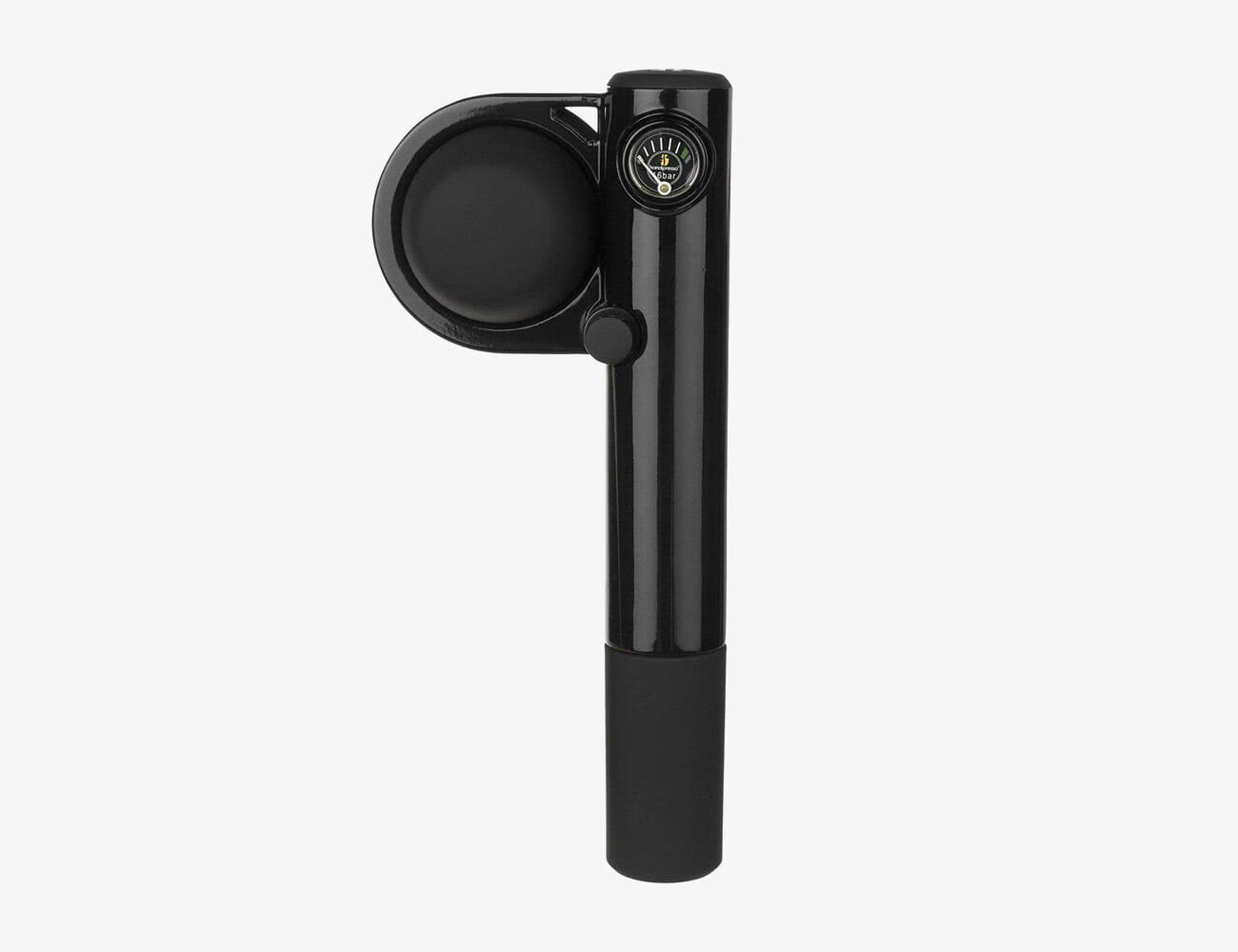
Handpresso Pump Espresso Machine

I’m a total coffee geek and rely on coffee throughout these climbs. It’s really effective at high altitude in that it keeps our heart rate a little higher than normal. For trained athletes at altitudes, a lot of times, our heart rates are too low, especially when we’re hanging in camp. When our heart rates drop, we get more headaches, nausea and difficulty sleeping. Up until the highest days on the mountain, I carry a Handpresso, which makes a really high-end espresso from either pods or loose grounds. It only weighs a few ounces.

Alpine Start Instant Coffee

Alpine Start makes high-quality instant coffee in single pouches and jars. Every climber I know uses it above Camp Three, where it just isn’t tactical to carry a Handpresso anymore. It’s instant, and now it comes in different flavors.

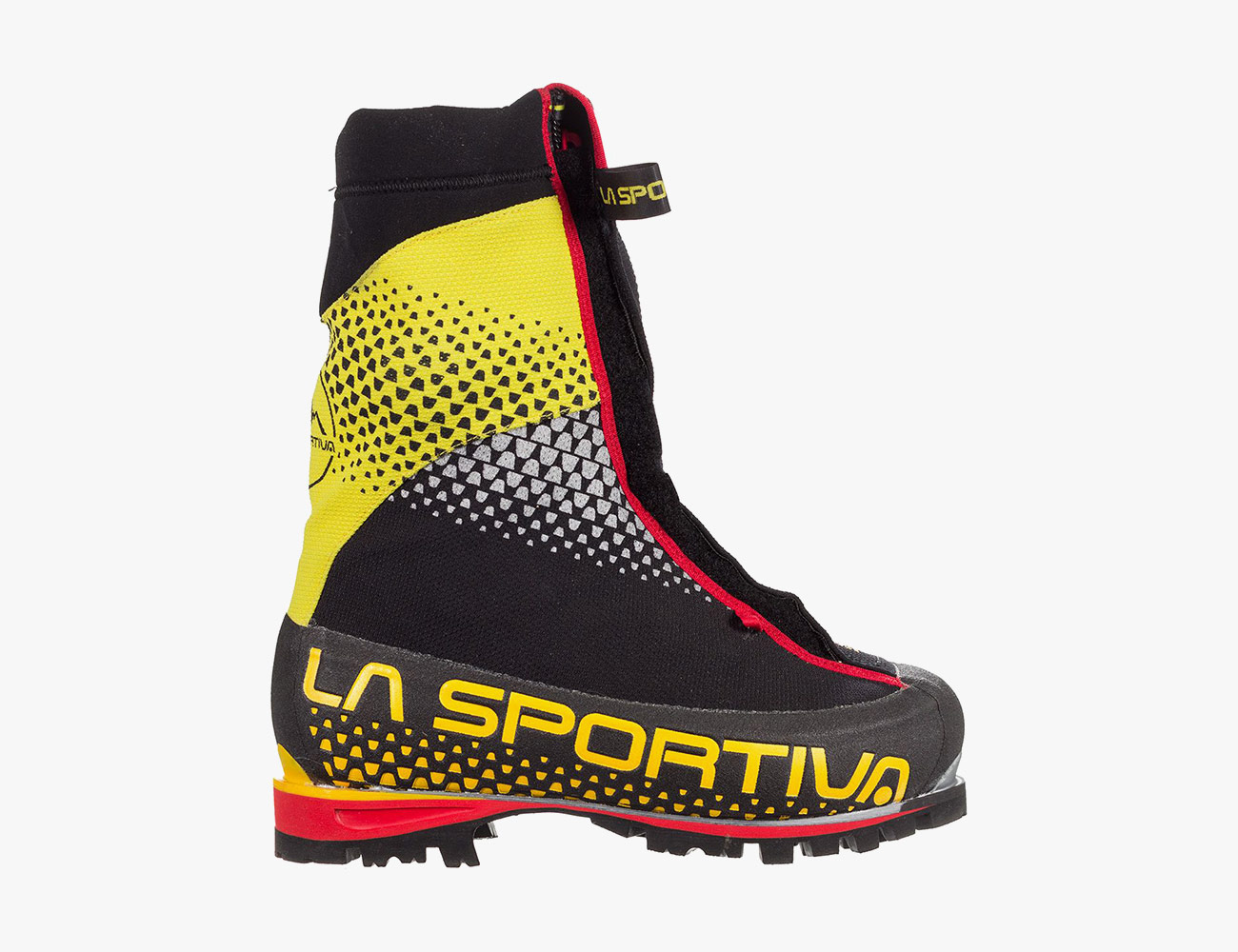
La Sportiva G2 SM Boot

It’s not their warmest boot, that’s called the Olympus Mons. I still wore that on summit day on K2. But the G2 SM is almost as warm but way lighter, and it climbs so much better than any other big mountain boot I’ve ever had. It looks more like a technical climbing shoe than a huge moon boot, which is what a lot of the other high altitude boots are. You can actually rock climb well in it. I brought it thinking I’d only wear it to 6,000 or 7,000 meters, but I ended up wearing it until 8,000 meters.

Eddie Bauer Katabatic 3 Tent

Eddie Bauer built this tent and went through so many rounds of product development with their athletes. The best way I can describe it is like, no matter how scary and dangerous it feels outside — huge drops, big winds, big snowstorms — I could get into this tent on the tiniest ledges on K2 and feel safe and let down my guard and actually relax. That’s invaluable on a big mountain.

Eddie Bauer IgniteLite Stretch Reversible Jacket

It’s a synthetic ultralight puffy. The reason I love it is because it functioned on every level of the trip for me, starting with 40 hours of flying to Pakistan when it was my pillow in economy class. And then once I was trekking in it, it became my main cool-weather outer layer. And then once I got high on the mountain, because it’s synthetic and can handle sweat and moisture, it became an underlayer beneath my down suit. I used it every day on a two-month expedition.

Garmin InReach Mini

I used to just carry a satellite phone, but the Mini changed the game. It links to my phone, it’s tiny and I never think about it in my pack. The battery lasts forever, and I can text like normal with all my friends and family. It’s the only thing I brought on all of my acclimatization rotations above Base Camp and on my summit push. It’s how we received our weather forecasts from our Swiss meteorologist, it’s how I stayed in touch with Emily [Harrington, Ballinger’s girlfriend, a five-time sport climbing national champ], and I did a lot more communication this year than I did on past trips.

Favre-Leuba Bivouac 9000

It’s called the Bivouac 9000 because it’s super burly, weather-proof, waterproof; all the things you would expect. It’s really different than any other piece of gear that I’ve carried in the past because it’s a fully mechanical Swiss watch. No battery. On these big trips when every other device that tells time and has an altimeter dies — like a GPS watch or my iPhone — having one thing that still tells me time and helps me manage how many hours I’ve been out climbing and whether I’m hydrating and eating food, when dark is coming, how many hours I’ve been in extreme conditions without oxygen… I found it invaluable.

Note: Purchasing products through our links may earn us a portion of the sale, which supports our editorial team’s mission. Learn more here.

I Can’t Believe How F’-ing Light This Affordable New Mountain Bike Is

For some outdoor activities, weight is not that critical. Does a streamlined ski jacket or hiking daypack really make or break the fun? Probably not. However, when it comes to pedaling (and, let’s be honest, occasionally pushing) a mountain bike up back-breaking inclines before sending it over cheeky berms, into steep drops and off gnarly kickers, every ounce matters. Which is why we’re stoked about the recently announced Canyon Neuron CF SLX 9.0 LTD, which clocks in at less than 26 pounds.

As you might guess, Canyon didn’t really skimp on the componentry. Out of the box, it’s rocking smooth Shimano XTR shifting, lively full Fox suspension (plus a dropper post) and durable DT Swiss carbon wheels. The drivetrain is 1×12, a set-up we’ve come to swear by over the past few months of riding, and there’s more than five inches of joint-saving travel on those shocks. The frame alone is half a pound lighter than its predecessor, the Neuron CF SL, a feat achieved through the use of special 40T UD carbon fibers, which simultaneously increase the tensile strength of the main frame and rear triangle.

Is it the lightest mountain bike ever? The $11,000 S-Works Epic AXS, among others, might raise an eyebrow at that claim. But at a price point of $6,499, this new Neuron is both lighter and cheaper than one of our recent favorites, Trek’s Fuel EX 9.9, which starts at $7,500 and weighs a hair over 29 pounds. Granted, that bike has its own strong points, like luxe SRAM and Fox componentry and almost a half-inch more travel. But if you want to fly without totally grounding your bank account, the Neuron makes quite a case. We can’t wait to test it ourselves.

Here’s the Pool Toy a Pro Surfer Takes Out Into Big Waves

Jamie O’Brien is not quite normal. While other pro surfers follow the competition circuit on the hunt for a world title and others probe the Earth’s coastal nooks and crannies in search of the perfect wave, you’re more likely to find O’Brien at his home wave, Bonzai Pipeline. Perhaps dressed as a caveman. Or surfing the famous wave on a blow-up couch he bought at Walmart.

O’Brien documents all of the mayhem on his YouTube channel, which has drawn hundreds of thousands of subscribers. “It’s funny how our YouTube channel has taken off,” he muses. “We’ll get more views than an edit that someone will put up and they’ll spend a ton of money on it. We’re trying to show the world that surfing’s not as serious as everyone portrays it to be.” That agenda comes through in videos that are more reminiscent of Jackass than a dreamy surf flick.

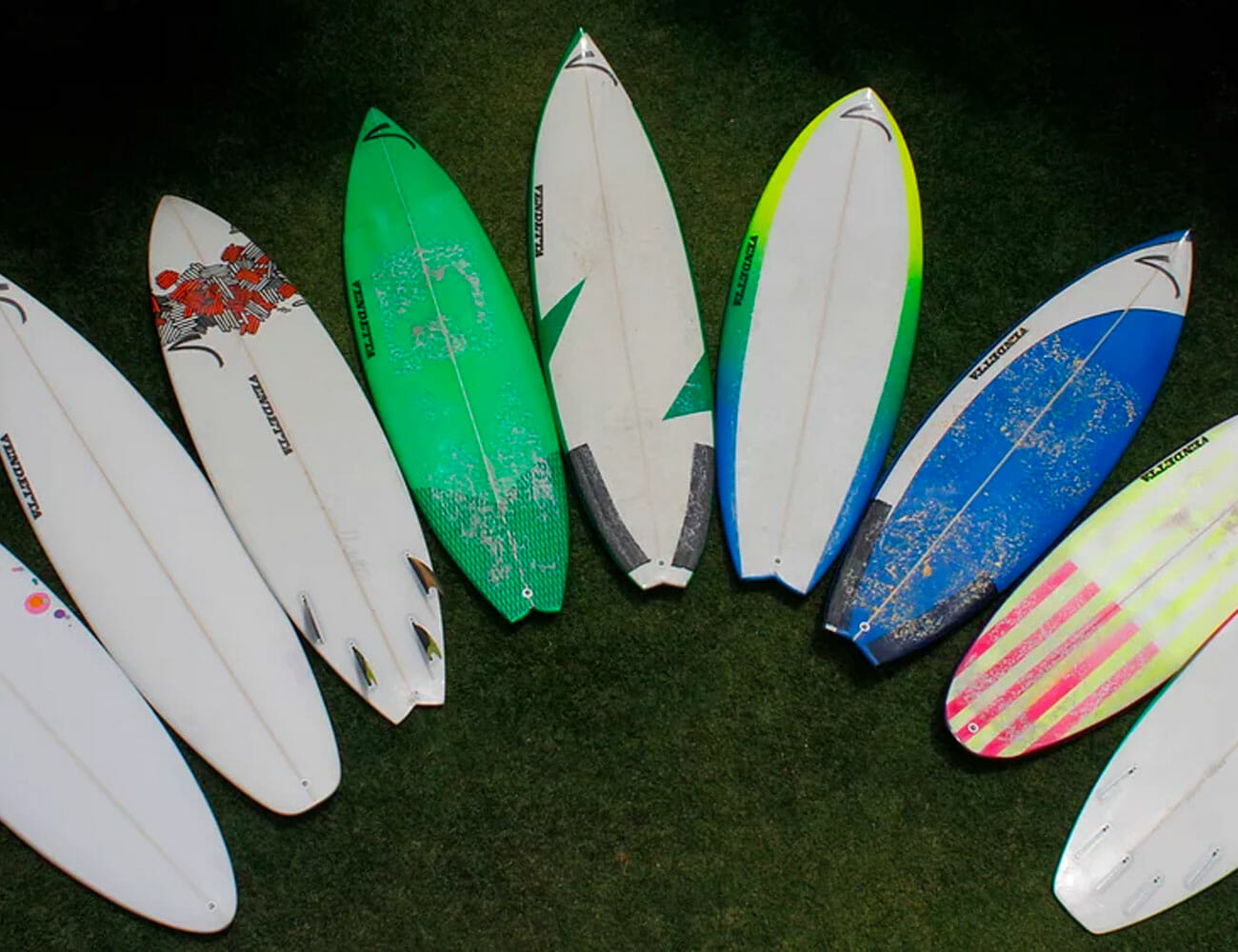
O’Brien does compete a little though; he and his crew recently won Red Bull Party Wave by riding a knee-high wave on a giant, roughly 800-pound board. And he travels too; earlier this year, he and his team ventured to Bali, not to seek out the flawless waves the Indonesian island is known for but to go on vacation and have some fun. Of course, even low-stakes travel can produce hiccups — O’Brien seemed to hold in his frustration while recounting how his group arrived at the airport to face an extra charge of $165 for each surfboard they traveled with (nine in total).

Once in Bali, though, everything ran smoothly. “We ended up surfing this small wave in Bali called Dreamline. I think when people see a pro surfer and their crew going to film something, they think they’re going to get these big crazy perfect waves, and we went total opposite,” he recalls. There was no shortage of antics, either, mainly involving foam surfboards and a few inflatable pool toys from a convenience store. When it came time to fly home, O’Brien and his friends blew off their nickel-and-diming airline and bought tickets to Australia instead (and didn’t have to pay extra for their boards, either).

O’Brien is an atypical pro surfer, and as such, the packing list for a trip to Bali might not be what you’d expect.

Jamie O’Brien’s Packing List

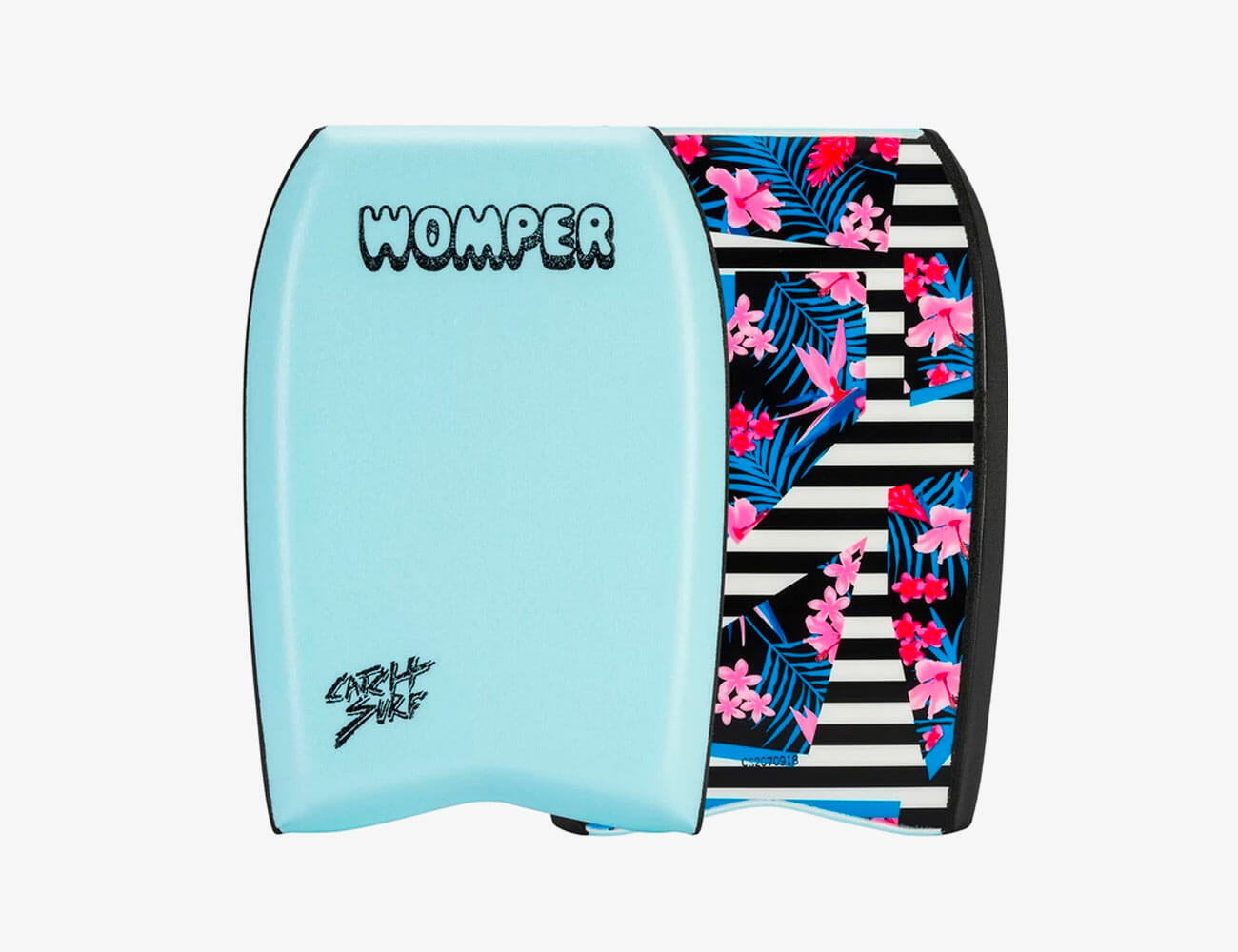
Catch Surf Womper

It’s like a mini boogie board that you use for hand planing in body surfing. I brought some fins so if the waves ended up being knee-high, I could still get barrelled.

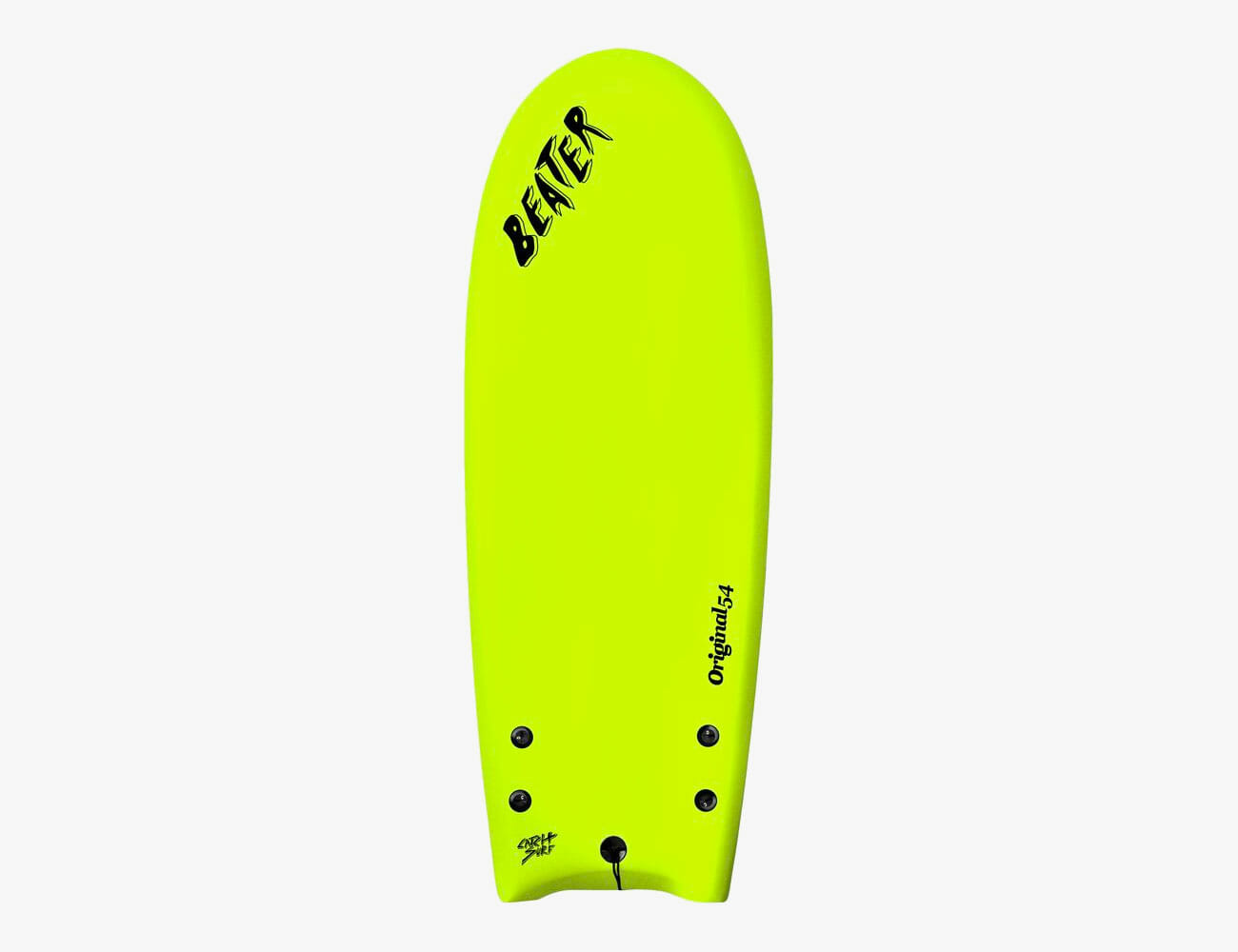
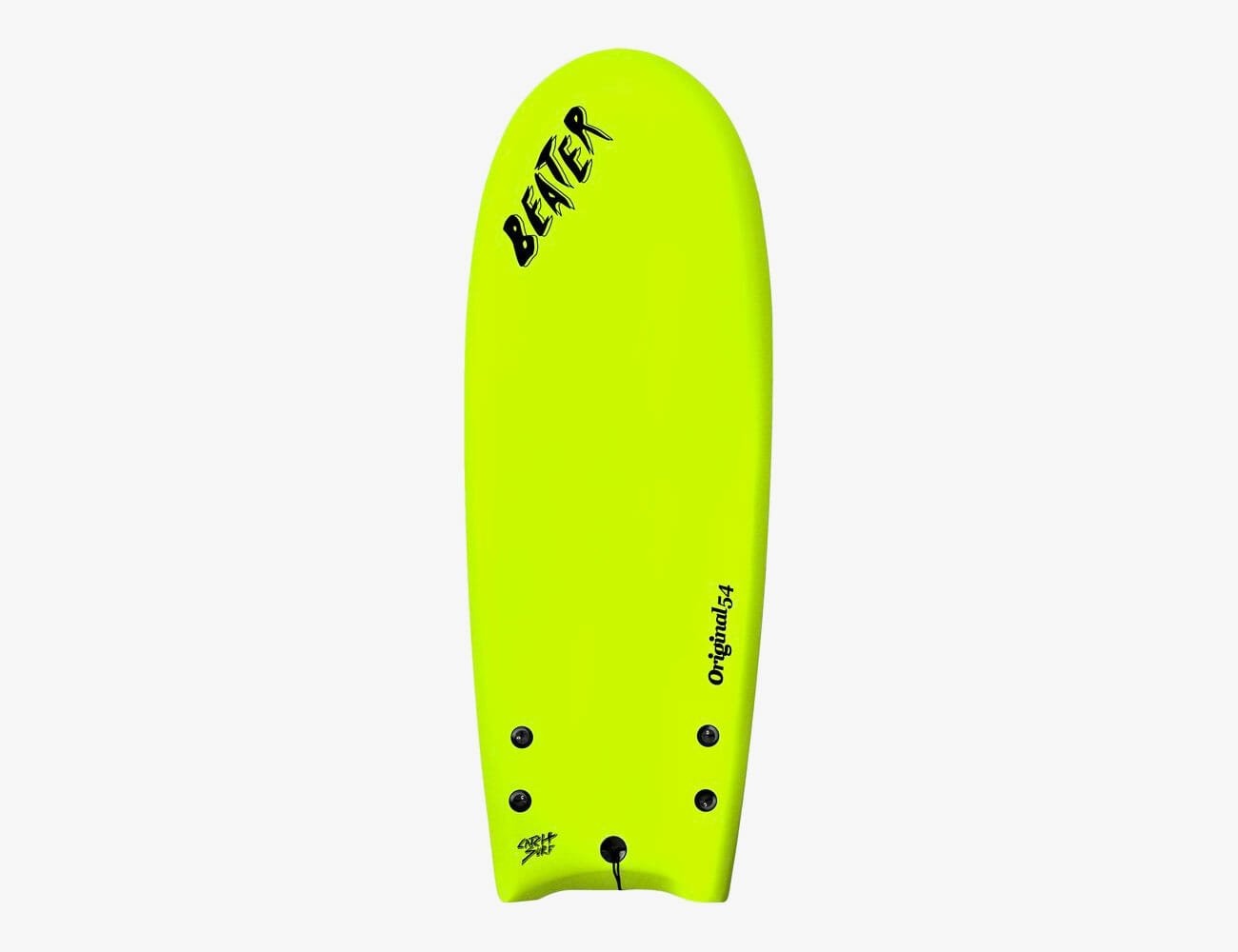
Catch Surf Beater

It has no fins, and you ride it kind of like a stand-up boogie board. From doing six or seven 360s on one wave to running people over — but it doesn’t matter because you don’t have fins — it’s just a cool board to have in your board bag. Even though I paid $165 to get it over there — it was just like, you deal with price. I’ve been bringing it on a lot more trips, but I’d never brought one to Bali.

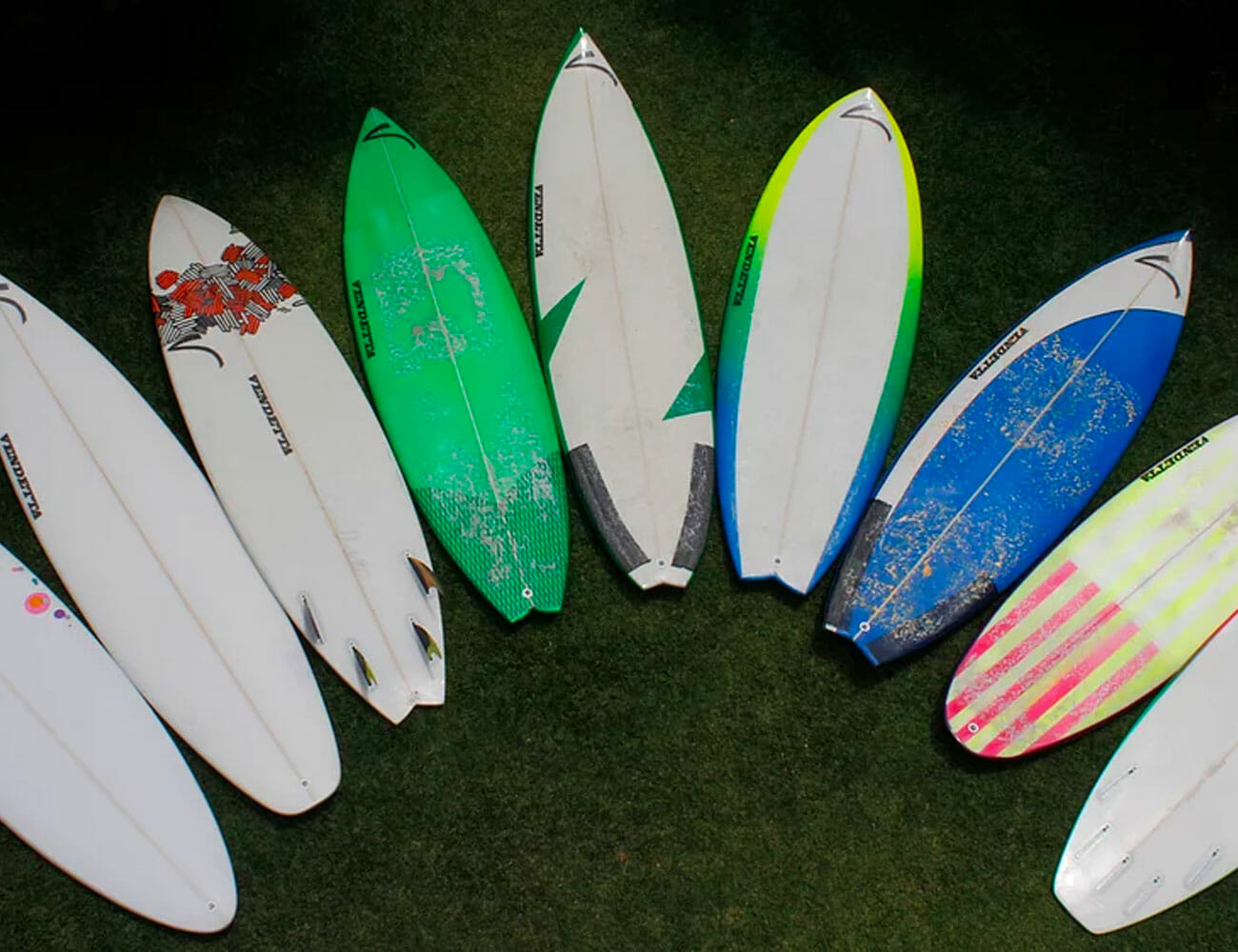
Vendetta 9’0″ Single Fin Log

Bringing my girlfriend’s board was a good idea. The waves were small most of the trip, so we got to surf together a lot and have a good time. And at the same time, being able to film it all and everyone’s reaction, I loved it.

Forgotten Item: Fin Screw

I forgot the screw to screw in [my girlfriend’s] fin. Trick tip: if you have the plane ticket, you put it in between the fin and the board, and you jam the fin in and rip the sides of the plane ticket out. The paper swells, and then you don’t need a screw, and your fin stays in.

Ride Anything Hat

It’s so hot over there; it’s so nice to change your hat. If you only brought one hat to Bali, that thing would get so grimy. We started making these last year. It’s a nice, comfortable five-panel hat. I love the term “Ride Anything” because that’s literally what we do, it really fits the script of who we are.

Inflatable Pool Tubes

I bought a bunch of floaties from the ABC store for about $3 each. We brought them down to the beach, and the next thing you know, we’re going over the falls and getting barreled on inflatables. It was so much fun, and we got so much use out of them. And none of them popped — it was pretty amazing, people were baffled.

Note: Purchasing products through our links may earn us a portion of the sale, which supports our editorial team’s mission. Learn more here.

Yeti’s Pricey New Cooler Might Be Its Best Yet

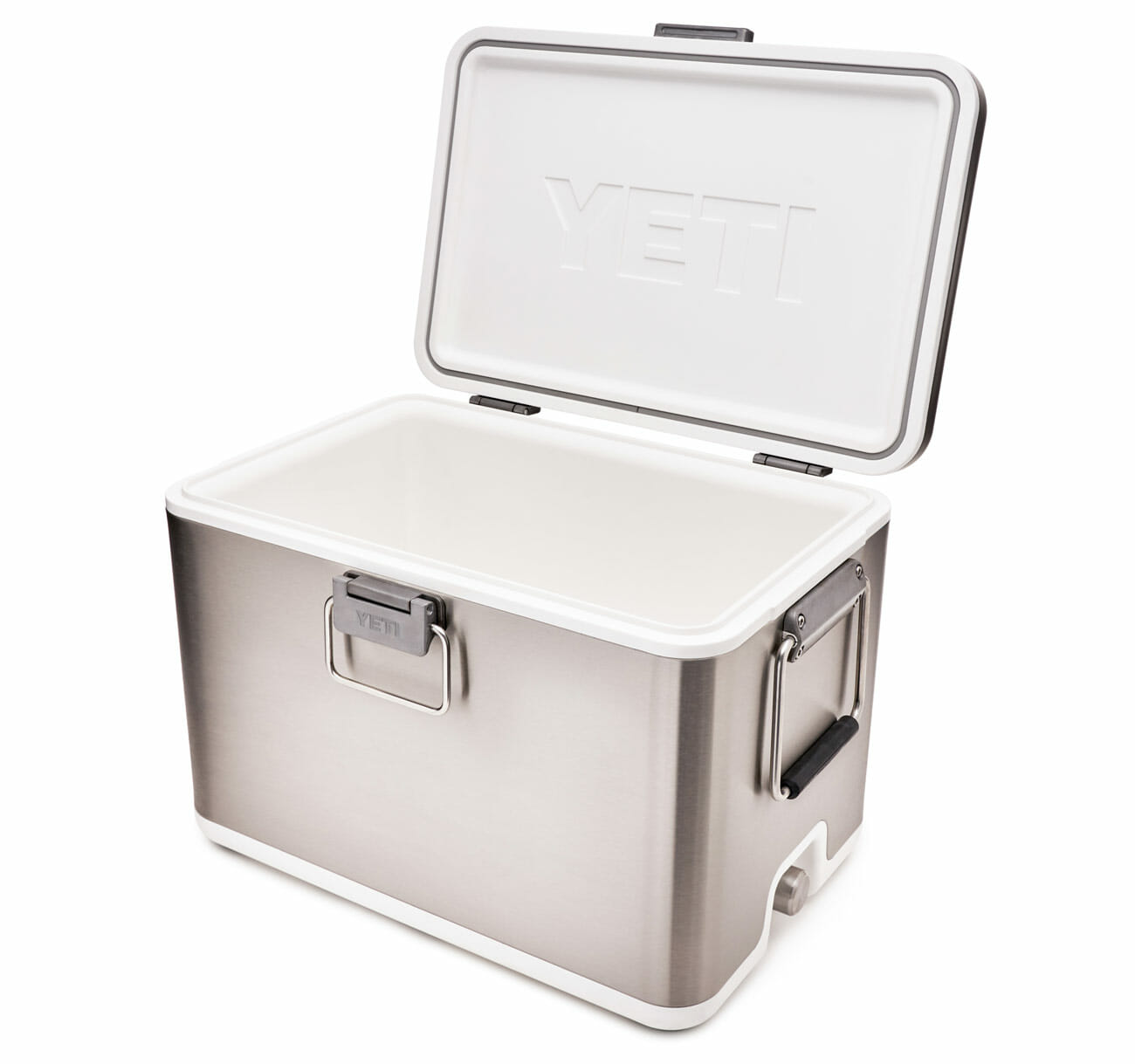
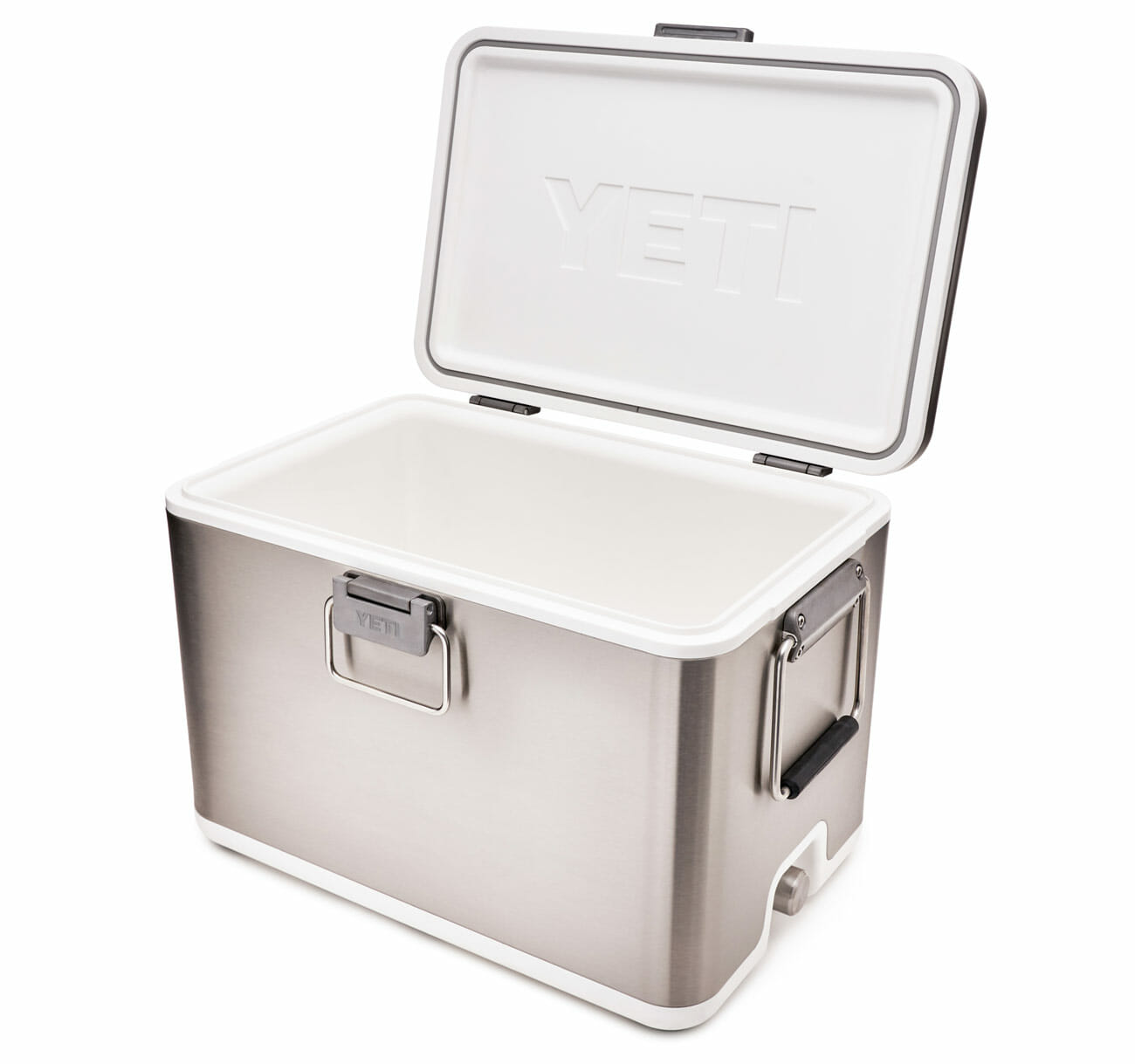
Yeti will always be known for its coolers. They’re how the company got its start; its founders wanted to create a cooler durable enough to stand on while fishing and ended up with the Tundra. They’re also how the company earned a reputation for unparalleled durability. But in over a decade of operation, Yeti hasn’t made a new hard-sided since its very first (it has, however, iterated on the Tundra during that time). So it’s big news that the company has announced a new, stainless steel-sided, vacuum-insulated cooler called the V Series.

The V Series comes with the bold, superlative claims that Yeti is known for: unprecedented ice retention, incredible durability. Yeti notes that the kitchen-grade steel box, which features a single central stainless steel latch and requisite drain, is a retro nod to the past. At the same time, it combines the tech the company uses to make its vacuum-insulated drinkware with the construction of the original Tundra to create something entirely new.

It should also be noted that the V Series cooler is roughly the same size as its Tundra 45 (think of this as typical ice chest size), but its interior is more in line with the larger Tundra 75. It’s capable of holding 65 pounds of ice — or 46 cans of beer with a 2:1 ice-to-can ratio by volume. That’s thanks to more efficient insulation that not only works better but also allows for thinner walls. It might make the V Series Yeti’s best cooler yet, but at $800, it’s also its most expensive.

The Yeti V Series will be available on December 5.

Want a Premium Pocket Knife? Start with This One

The James Brand’s knives aren’t known as affordable; not, at least, next to the blades you might pick up at a gas station or hardware store for $20. So when we say that the company’s new knife, a folder called the Carter (no relation to Jay-Z), is the best value the company has created in a pocket knife yet, you have to remember that its flagship knife, the Chapter, costs $300. You also have to remember that cheap knives are made of cheap materials, and The James Brand has no desire to utilize them (take its titanium key carabiner as an example).

All this is to say that even at $139, the Carter is a bargain — once you look underneath the hood. It comes with machined G10 or Micarta handle scales, a clip that thoughtfully positions the knife low in the pocket — plus an included loop if a lanyard is more your style — and a simple sliding lock mechanism that, until recently, was inaccessible to knife makers because Benchmade owned the patent to the Axis Lock.

But it’s in the blade, the core of any knife, that the Carter makes its case. “We spend a lot of time looking at the trade-off in steel upgrades and what they’re going to mean to folks in terms of performance and cost,” says Ryan Coulter, The James Brand’s founder. “We try to focus on actual use.”

That’s how the team landed on a Japanese steel called VG-10. While it’s still more affordable than very high-end knife steels, VG-10 exhibits a high grade of corrosion resistance. In Japan, it’s commonly used in chef’s knives because of that very element, which helps blades stand up to the corrosive environment of cuisine commonly characterized by saltwater and seafood. VG-10’s high edge retention is equally important in the kitchen (think: slicing fillets and chopping bone) and translates fluently to the needs of everyday carry users.

You can’t get a VG-10 knife for $20, plain and simple. And certainly not one that’s bolstered by all of the other elements The James Brand packed into the Carter. So if you’re used to $20 pocket knives, or even $50 pocket knives, you have to look at the Carter (and any other high-end knife) through a different frame. Think of it as an introduction to premium knives — a gateway knife, if you will.

Soft Sells: How Snowboard Boots Got Stuck in the Past

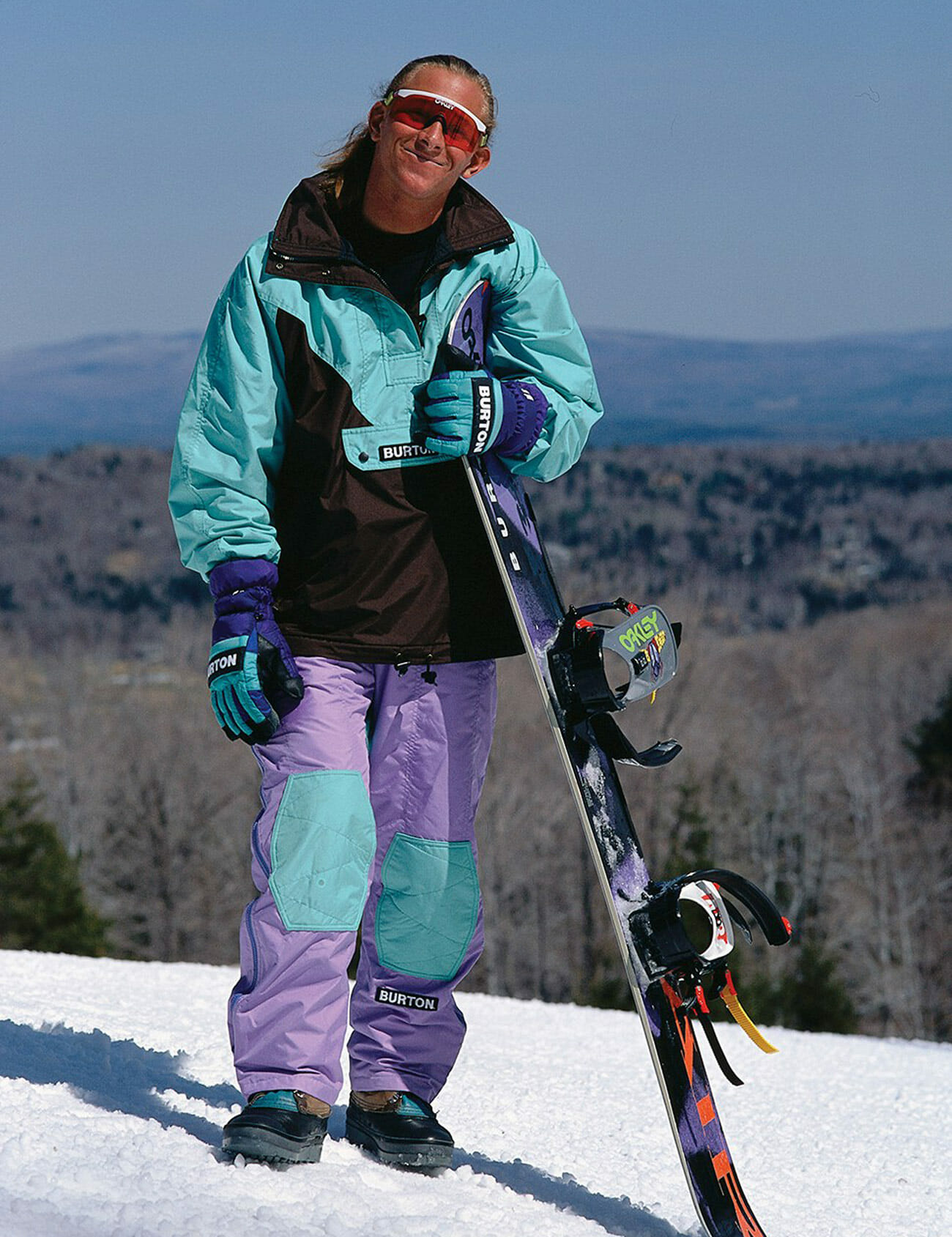
In the mid-’90s, John Martin had a single quote written on a notecard tacked to a small cork board hanging above his desk along with a few autographs and thank-you notes from pro snowboarders. It was his inspiration board. The senior product development engineer for K2 Snowboards wanted to preserve the words of snowboarding pioneer and big mountain legend Jim Zellers, who once told him, “When my kids grow up, they will not be riding soft boots.”

At the time, Martin was developing K2 Clickers, the strapless snowboard binding system that allowed riders to step onto a metal baseplate that interfaced with their boots, without having to sit or bend over to crank down flimsy ratchet straps going across their toes and ankles. The idea was to make transitions from chairlift to riding faster and less cumbersome while building the support into the boot itself, rather than relying on the external plastic “highbacks” of traditional bindings.

Instead of embracing injection-molded plastic and the ability to dial in flex patterns and pivot points like ski boots, the snowboard industry has never evolved past glorified skate shoes that sacrifice durability, performance and innovation. Here’s why…

Burton, Switch and a few other companies were leaning toward similar products that provided better comfort, performance and ease of use. For the previous 15 or so years since the dawn of snowboarding, riders had mostly gotten by wearing Sorels or other duck boots beefed up with ski boot liners and other homemade hacks, like pieces of wiffle ball bats or heated-up plastic buckets, for added stability.

As the sport evolved, some snowboarders, including Jim Zellers, modified Koflach mountaineering boots while others embraced hard plastic ski boots on metal plate bindings. The ski boots were popular amongst alpine racers on stiff carving boards with lots of sidecut along with freestyle pros like Damian Sanders. 

“Damian has always been an innovator and a tinkerer,” says his brother Chris, former owner of Avalanche snowboards. “He took his new seven-hundred-dollar ski boots into the garage and cut away everything that got in the way of his freestyle riding. Could he have just used a soft boot and highback binding? Not with that board, apparently… We all followed his lead and cut up our boots in different ways. The toe-heel precision of the ‘hardboot/plate binding’ combination transferred energy to the edge in ways other systems weren’t able to do. Watching the team test the gear started to make me feel we weren’t so far from the performance of skiing.”


Damian Sanders showing what a hard boot and a Vuarnet headband can do for a man’s shred game.

Bigger companies like Burton, K2, Salomon and Rossignol all did their own tinkering with this idea. Burton’s Innsbruck, Austria office was still designing and making hard snowboard boots in Italy for their European team well into the ’90s. 

“For a few years, [K2] worked with Dalbello on a Clicker system with basically ski boots,” says John Martin, who was involved in ten different snowboard boot patents. “The issue with that was, it was actually harder to put metal hardware into plastic ski boots at the time. It would rip out and be a technical nightmare and ended up being massively heavy.”

Casualties of Culture War

But while R&D labs were poised to continue innovating hard boot and step-in systems, snowboard culture in the ’90s was looking in the opposite direction.

“The hard boots lost out because back in the day, there was that stigma that hard boots were skiing and we didn’t want to be considered anything that’s skiing,” says longtime pro — and K2 Clicker rider — Chris Engelsman. 

“Snowboarding allowed us to wear boots we could hike and drive in,” says Sanders. “The boards and bindings were simple and light compared to ski [boots]… And snowboarders weren’t skiers. We weren’t just skiing sideways; we thought we were a revolution. We needed to make it clear: Dad skied. We rode.”

Burton employees used to joke that if founder and owner Jake Burton couldn’t drive his stick shift BMW in a boot, they weren’t going to make it.

This tribal sense of defiance — of marginalized snowboarders bucking ski areas’ efforts to ban them from the precious slopes of snobby skiers — carried over to the shop experience. Young, rebellious boarders didn’t want to spend twice as much money on boots that made you walk like a giraffe and required heat molding and custom fit footbeds and a bunch of other expensive aftermarket crap to prevent them from being torturously uncomfortable. The first thing skiers did after stumbling up the steps to the après bar was remove their boots and massage their sore, swollen feet. Meanwhile, snowboarders were already dancing in the soft, pillowy boots they’d been riding in all day.

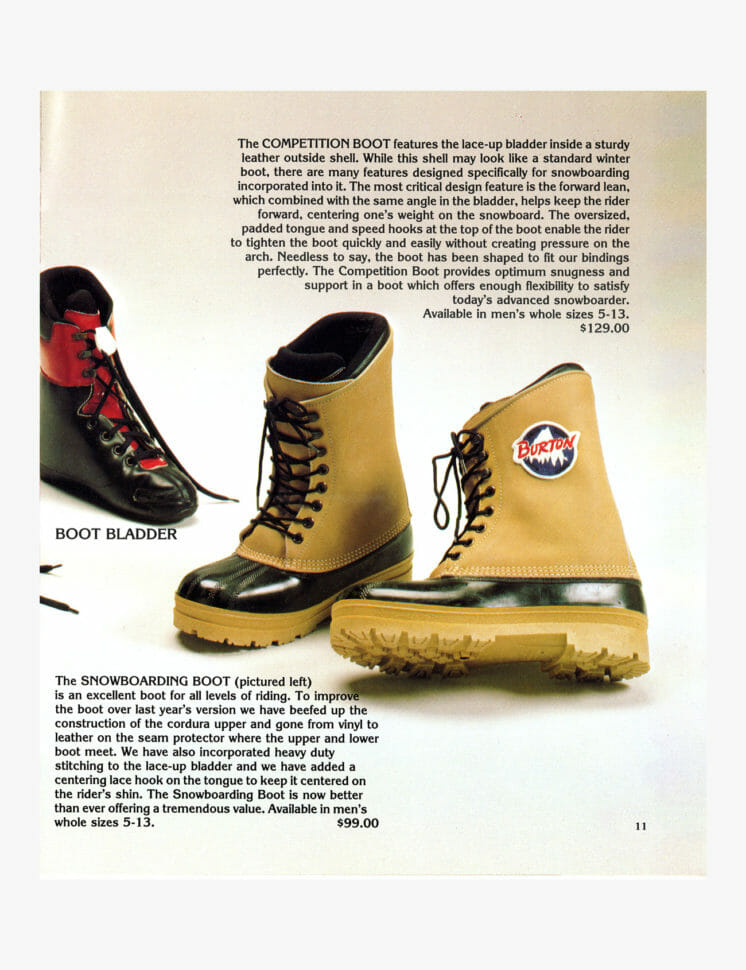
Early Burton boot ad

“People wanted comfort when they put the boot on in the shop, even if it broke down in a few seasons,” says Martin. “So companies lightened up their requirements for durability.” Northwave was known for boots packed with so much soft padding they felt like slippers, which propelled sales despite their rapid deterioration.

“Snowboard boots are the one part of the three-part package that you can try in the store,” says Eric Gaisser, longtime director of the boot category at Burton. “ThirtyTwo came out with an EVA rubber sole that was even lighter and less stiff… We used to joke that these kids at Mt. Hood would barely even tie their boots.” Burton employees also used to joke that if founder and owner Jake Burton couldn’t drive his stick shift BMW in a boot, they weren’t going to make it.

Hard boots were still alive and well in Europe, but snowboarding was always a US-based revolution, with surfing and skateboarding culture leading the trends. And the bulgy, glorified skate shoe was cementing itself as the standard boot model for years to come.

In 1999, K2 acquired Seattle rival Ride Snowboards — along with their notoriously anti-Clicker staff, who influenced the decision to put more money into strap systems and less into step-ins. The boots still lacked the articulation of regular boots being made with softer and lighter foam soles and didn’t get the design resources they needed to improve. 

“The Clickers died a slow death and sales tapered,” says Martin.

Hard boots were still alive and well in Europe, but snowboarding was always a US-based revolution, with surfing and skateboarding culture leading the trends. And the bulgy, glorified skate shoe was cementing itself as the standard boot model for years to come.

From Snow Beach, edited by Alex Dymond, published by powerHouse Books

“With snowboarding culture, I always found it hard to introduce new technologies,” recalls Greg Dean, who led Burton’s design engineering group from 2003 to 2008. “It seemed like there could have been the next step forward in step-ins by fixing the comfort and performance, but the industry just went backwards and adopted the old system. There’s a certain amount of hero worshiping with the pro riders and they’re very influential over what products can make it into the marketplace… In snowboarding, graphics drove sales more than anything. We’d put a great new technology into a board, and I saw more people getting excited about the new graphics of that year.”

Aside from lacking the all-important cool factor, hard boots have always been extremely expensive to manufacture. The cost of a mold for each size of each boot model can be close to $100,000. Why spend all that money on new tooling and injection-molded plastic when you can make cheaper, oversized sneakers out of leather, stitching and glue and pay pros to say they’re the best? Then they’d fall apart after a season or two of hard riding and customers would have to buy a new pair.

Modern-Day Mods

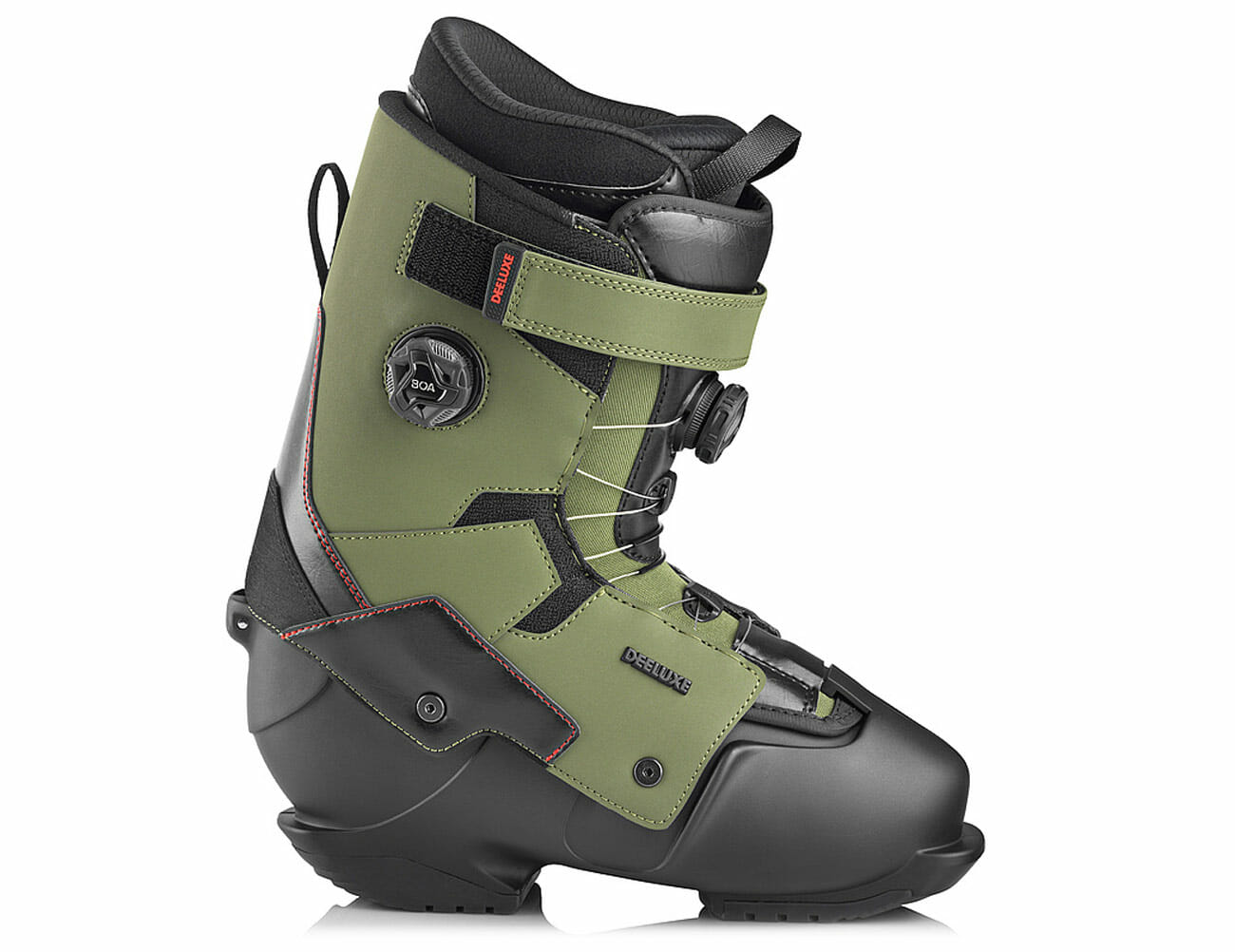
Fast forward 20 years and snowboard boots don’t look all that different. Most innovations have focused on lacing and closure mechanisms like BOA dials and Burton’s two-part Speed Lace system, along with a few internal ankle-harnessing features. Very few, including the ThirtyTwo MTB, Deeluxe Spark XVe and Fitwell Backcountry, have stiff (albeit heavier) Vibram soles and/or walk modes, but they’re still using leather, stitching and glue — and losing their structural integrity over time.

Relegated to the bottom shelf at trade shows in early 2019, the Ground Control is a new soft boot upper on a hard boot sole released by Austria-based Deeluxe to appeal to the resurgent carving market. The hybrid boot made a small splash with its potential for precision in power transfer, though its BOA dial, heavy weight (close to five pounds each), and incompatibility with splitboard setups are major limitations  — and it lacks the precise flex patterns achievable with ski boots. Still, it’s a start.

The Deeluxe Ground Control boot

“Snowboard boots had revolutionary design updates that happened more than a decade ago and since then, they’ve kind of stopped evolving,” Michael Fox, a longtime snowboard boot developer who’s worked for K2, Burton, ThirtyTwo, DC and Adidas, said in an interview with German sneaker youtube channel Turnschuh.tv in 2016. “I feel it’s really time for the snowboard boot to take another evolutionary step.”

Ski boots, meanwhile, have reaped the benefits of much lighter, more durable plastics, mountain-ready outsoles, and sophisticated buckling systems with articulating walk modes and even lateral flex profiles. The technology has improved so much that in the backcountry, where snowboarders use splitboards to ascend mountains before riding down them, there’s been a surge of riders modifying alpine touring ski boots for snowboarding. 

“Skiers had leather boots a long time ago, but they don’t anymore for good reasons. Someday snowboarders might realize how much extra energy they’re expending with soft boots in the backcountry, trying to kick steps and sidehill without any leverage.”

These setups can shed up to 2.5 pounds per foot, leverage better edging on uphill traverses and attach to crampons much more securely than soft boots, allowing riders to kick steps into steeper slopes when bootpacking and, with the right modifications, ride in a more predictable and precise way than they can in soft boots. Weight, durability and performance matter a lot more in the backcountry than during in-bounds resort riding, and, as Dean notes, “the backcountry folks have always been more in tune with new technology.”

But even top-level splitboard guides and splitboard mountaineers (who aren’t getting dropped directly on top of their lines from helicopters) still have to spend hours modifying hard boots to get them to work for snowboarding. This DIY process involves relocating buckles to better hold the ankle in place, dremeling release cuts in the lower shell and drilling holes in the cuff to enhance flexibility, and altering the walk mode tolerance to allow a level of front-to-back mobility that ski boots aren’t designed to have but snowboarders demand.

The Atomic Backland Ultimate boot

Despite all this garage ingenuity, the reality is that, according to the Snowsports Industry Association, 81.2 percent of the 7.8 million snowboarders in the US ride 10 or fewer days a season, mostly in-bounds — not 150 days in technical mountaineering terrain. As it stands, they’re unlikely to spend five of those days tweaking and dialing in the fit of a new boot, and they’re still more likely to buy the comfiest thing they slip their foot into at the store.

Southern California skate culture and what’s left of snowboard media is still driving most of the industry’s influence alongside pro freestyle riders, which leaves little incentive for companies to innovate expensive boots that don’t need replacing after a couple seasons. The industry is lagging to meet the boot demands of splitboarders, but backcountry touring is such a small subset of snowboarding that it’s of little surprise.

The Path Not Taken

To this day, some see hard boots as the path not taken, leaving snowboard boot technology stranded in the past while boards and bindings progressed. What would we be riding now if we had successfully integrated the whole binding support system into the structure of the boot over the past two decades?

John Keffler has an idea. The Colorado-based father of three and rocket scientist on NASA’s Mars Rover Project somehow manages a side hustle running Phantom Splitboard Bindings, made for hard boots, with a CNC machine in his garage. In addition to his custom-designed splitboard connector hooks, toe pieces for touring, heel risers (for added leverage on steeps), fixed angle baseplates (to save weight), and heel and toe bail bindings with no straps, Keffler has his own hard boot modification kit for the Dynafit TLT6 boot and a spring-loaded forward/backward flex mechanism for the Atomic Backland

His whole boot and binding system is several pounds lighter than soft boot options, more durable, faster to lock in — and he believes he can achieve the same amount of flex found in any soft boot on the market with the proper modifications. “Skiers had leather boots a long time ago, but they don’t anymore for good reasons,” he says. “Someday snowboarders might realize how much extra energy they’re expending with soft boots in the backcountry, trying to kick steps and sidehill without any leverage.” 

Courtesy of John Keffler

Keffler collaborated on a custom toe piece with Spark R&D, one of two main splitboard binding companies for soft boots that continues to develop their own hard boot system to meet this creeping demand.

While Keffler’s technology is years ahead of anything being mass produced on the market, his resources and support are limited. Ski boot companies could easily swap out a few parts in their existing boot configurations to work great for snowboarding, but why would they go through that hassle to maybe sell a few thousand units? The snowboard industry is still too hampered by the technology-blind cool factor that leaves them far too insecure to be seen wearing anything that looks like a ski boot.

Although Phantoms are primarily used for splitboarding, legendary freestyle pro Chad Otterstrom can be found cruising through the terrain park in modified Atomic Backlands and Phantoms while jibbing rails, boosting out of the halfpipe, and spinning and flipping off jumps of all sizes. Comments on the videos range from awe to confusion, with tributes to Damian Sanders appearing alongside the words of freestyle pro and Vans team rider Pat Moore, who jeered: “What the hell are you riding?”

Erig Gaisser at Burton thinks there could be a future in a hybrid sort of boot, especially with advancements in 3D printing allowing them to try out new prototypes the same day they’re conceived.

“For that to come out, it’s going to take someone who is a big player like us or Salomon or K2… someone with deep pockets to invest in some development like that,” he says. “A smaller brand wouldn’t spend the time to do that.”

In 2017, Burton brought back a major update to their step-in system called the Step On with a smoother interface that’s less likely to get clogged up with ice and snow but still uses a soft boot with a soft sole and external binding highback.

Will progressive hard boot technology in the niche backcountry market make enough of a splash to push the snowboard boot industry into a better product for the future? Will the masses come to appreciate how much a walk mode saves your knees while trudging through the parking lot or how much power transfer you get from riding with a stiffer sole?

“The geometry of a snowboard is pretty set, but there’s still a lot of options for how you attach yourself to the board,” says Dean.

“The market is more ready than ever for hard boot technology,” adds Martin. “[Ski] boots have gotten softer… it’s a matter of what company is going to get into that.”

Ultimately, the sway of influencers driving consumer demand will supersede R&D potential and available technology. What would it take for professional icons like Travis Rice, Bryan Iguchi or Jake Blauvelt — who all get paid to push their own pro model soft boots — to join the call for a high-performance, flexible, comfortable plastic boot for the downhill? In the words of Jim Zellers: “If the pros are gonna do it, it’s gonna happen. If Jeremy Jones ever switched over, it’s really about what comes out of his mouth.”

Meanwhile, Zeller’s kids are in college and they’re still riding soft boots.

Note: Purchasing products through our links may earn us a portion of the sale, which supports our editorial team’s mission. Learn more here.


Yeti’s Pricey New Cooler Might Be Its Best

Yeti will always be known for its coolers. They’re how the company got its start; its founders wanted to create a cooler durable enough to stand on while fishing and ended up with the Tundra. They’re also how the company earned a reputation for unparalleled durability. But in over a decade of operation, Yeti hasn’t made a new hard-sided since its very first (it has, however, iterated on the Tundra during that time). That is, until recently, when the company announced a new, stainless steel-sided, vacuum insulated cooler called the V Series.

The V Series comes with the bold, superlative claims that Yeti is known for: unprecedented ice retention, incredible durability. Yeti notes that the kitchen-grade steel box, which features a single central stainless steel latch and requisite drain, is a retro nod to the past. At the same time, it combines the tech the company uses to make its vacuum insulated drinkware with the construction of the original Tundra to create something entirely new.

It should also be noted that the V Series cooler is roughly the same size as its Tundra 45 (think of this as typical ice chest size), but its interior — it can hold 65 pounds of ice — is more in line with the larger Tundra 75. That’s thanks to more efficient insulation that not only works better but also allows for thinner walls. It might make the V Series Yeti’s best cooler yet, but at $800, it’s also its most expensive.

The Yeti V Series will be available on December 5.

Want a Premium Pocket Knife? Start with This

The James Brand’s knives aren’t known as affordable; not, at least, next to the blades you might pick up at a gas station or hardware store for $20. So when we say that the company’s new knife, a folder called the Carter (no relation to Jay-Z), is the best value the company has created in a pocket knife yet, you have to remember that its flagship knife, the Chapter, costs $300. You also have to remember that cheap knives are made of cheap materials, and The James Brand has no desire to utilize them (take its titanium key carabiner as example).

All this is to say that even at $139, the Carter is a bargain — once you look underneath the hood. It comes with machined G10 or Micarta handle scales, a clip that thoughtfully positions the knife low in the pocket — plus an included loop if a lanyard is more your style — and a simple sliding lock mechanism that, until recently, was inaccessible to knife makers because Benchmade owned the patent (it calls it the Axis Lock).

But it’s in the blade, the core of any knife, that the Carter makes its case. “We spend a lot of time looking at the trade-off in steel upgrades and what they’re going to mean to folks in terms of performance and cost,” says Ryan Coulter, The James Brand’s founder. “We try to focus on actual use.”

That’s how the team landed on a Japanese steel called VG-10. While it’s still more affordable than very high-end knife steels, VG-10 exhibits a high grade of corrosion resistance. In Japan, it’s commonly used in chef’s knives because of that very element, which helps blades stand up to the corrosive environment of cuisine commonly characterized by saltwater and seafood. VG-10’s high edge retention is equally important in the kitchen (think: slicing fillets and chopping bone) and translates fluently to the needs of everyday carry users.

You can’t get a VG-10 knife for $20, plain and simple. And certainly not one that’s bolstered by all of the other elements The James Brand packed into the Carter. So if you’re used to $20 pocket knives, or even $50 pocket knives, you have to think about the Carter (and any other high-end knife) through a different frame. Think of it as an introduction to premium knives, a gateway knife.

These Are Three of the Best Hydration Packs On the Market for Trekking, Hiking and Military Use

In 1989, a trained EMT and competitive cycler named Michael Eidson created a makeshift hydration system using an IV bag filled with water, a tube sock and a clothes pin. Several months later, he began selling an improved version of this product, the first of the now-famous CamelBak. American soldiers began using his system during the First Gulf War, and by the time Bear Stearns Merchant Banking bought the company for $210 million in 2004 (and subsequently resold several times), it was well poised to fill enormous government contracts for hydration systems to various militaries around the world.

These days, such portable hydration systems that make use of a bladder-and-tube design are so widespread and ubiquitous that we hardly give them a second thought: Indeed, so many options abound that it can be overwhelming to differentiate one from the other. A water-filled sack held in a backpack-like pack with a tube coming out of it is basically the same thing no matter who makes it, no?

Sort of. As it is with many product categories, it’s the small differences that differentiate one hydration system from another. How big is the bladder? What materials are used, and do they provide taste-free water? Does the pack integrate with military load-bearing systems easily, such as PALS webbing (a type of grid patchwork that allows for the attachment of different types of gear)? Is it comfortable to wear for many hours at a time?

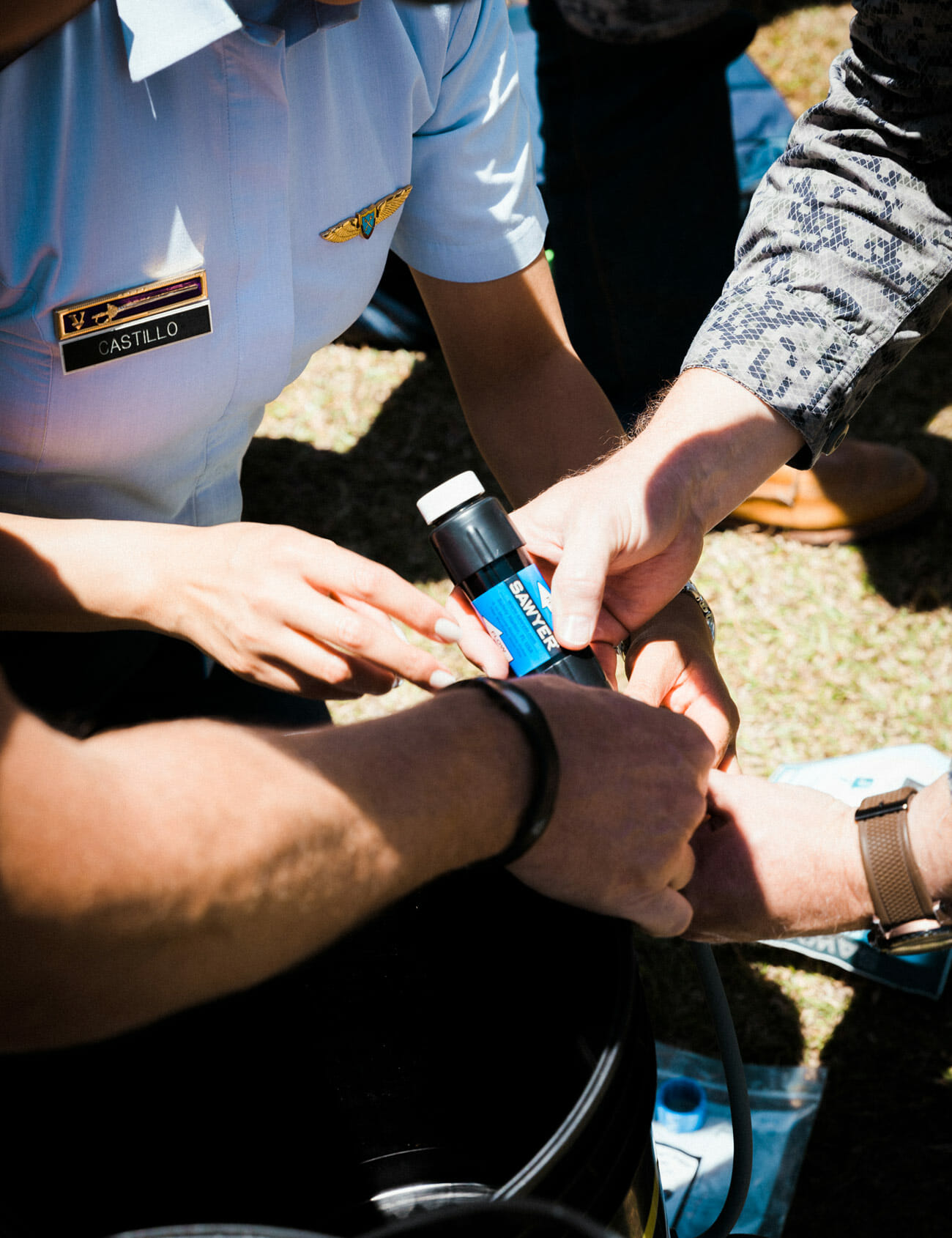
We found a convenient testing ground for three hydration systems in Colombia recently, which we visited with Waves for Water, an American NGO dedicated to bringing in clean water solutions to areas affected by natural disasters, conflict and remoteness. With support from Panerai, the Swiss-owned dive watch manufacturer with Italian military origins, Waves for Water brought in Sawyer water filtration systems to a remote village outside Medellin, and Gear Patrol had the opportunity to tag along and witness the mission firsthand.

The Competition

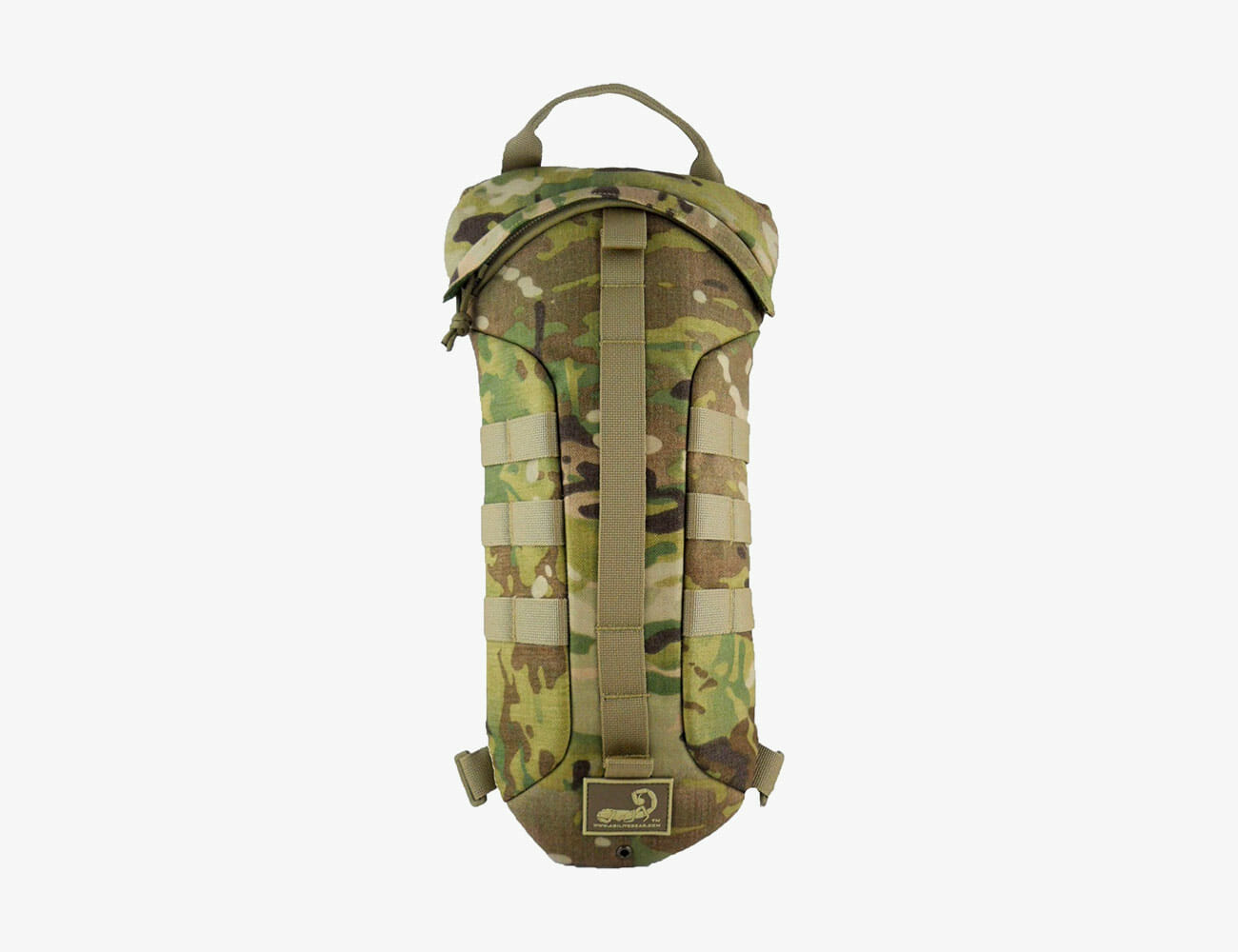
Agilite Edge 3L Hydration Pack

The Edge 3L from Israeli company Agilite is a more traditional system in the sense that it’s a tall 3L back with included shoulder straps. Agilite primarily builds military products, and the Edge 3L can be integrated with MOLLE (Modular Lightweight Load-Bearing Equipment)-style vests and plate carriers. However it’s not a compact design like the Rider or the Armorbak.

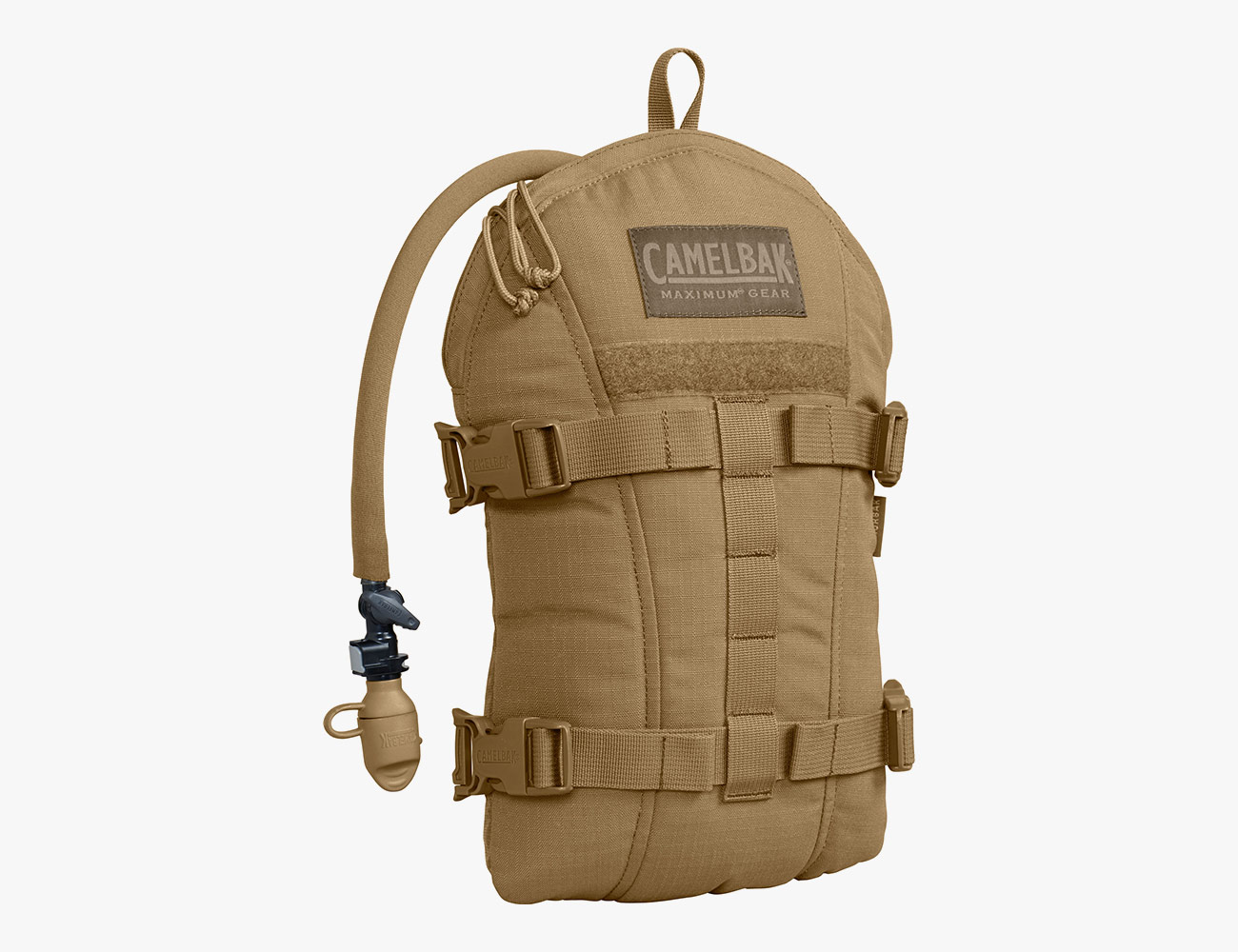
The CamelBak Armorbak

The Armorbak is similar to the Source Rider in that it’s optimized for use with military MOLLE systems. It doesn’t provide shoulder straps for use as a backpack like the Rider, but this isn’t its chief purpose. It uses a 3L bladder and 500D Double-rip Cordura® Fabric to ensure a tough build quality.

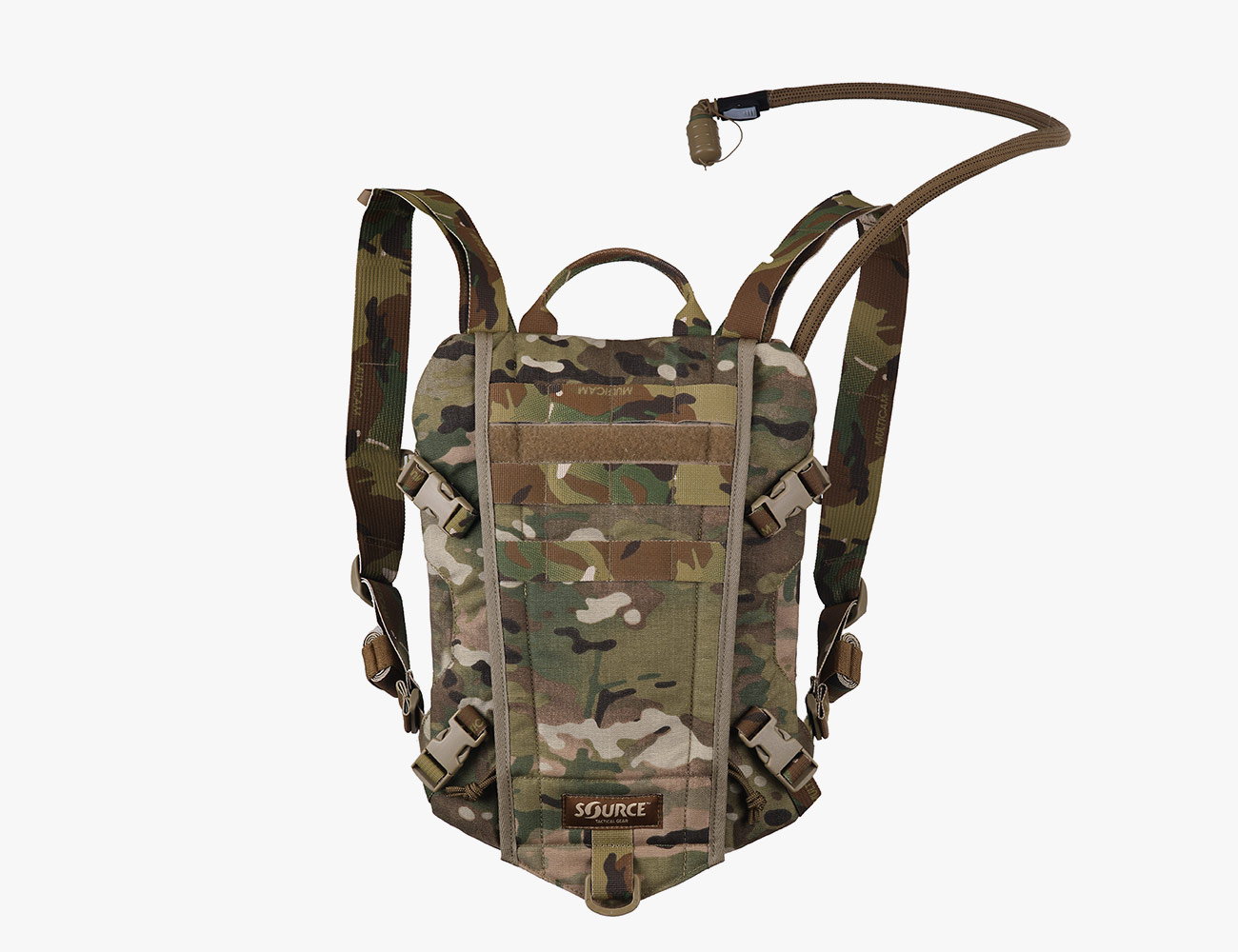
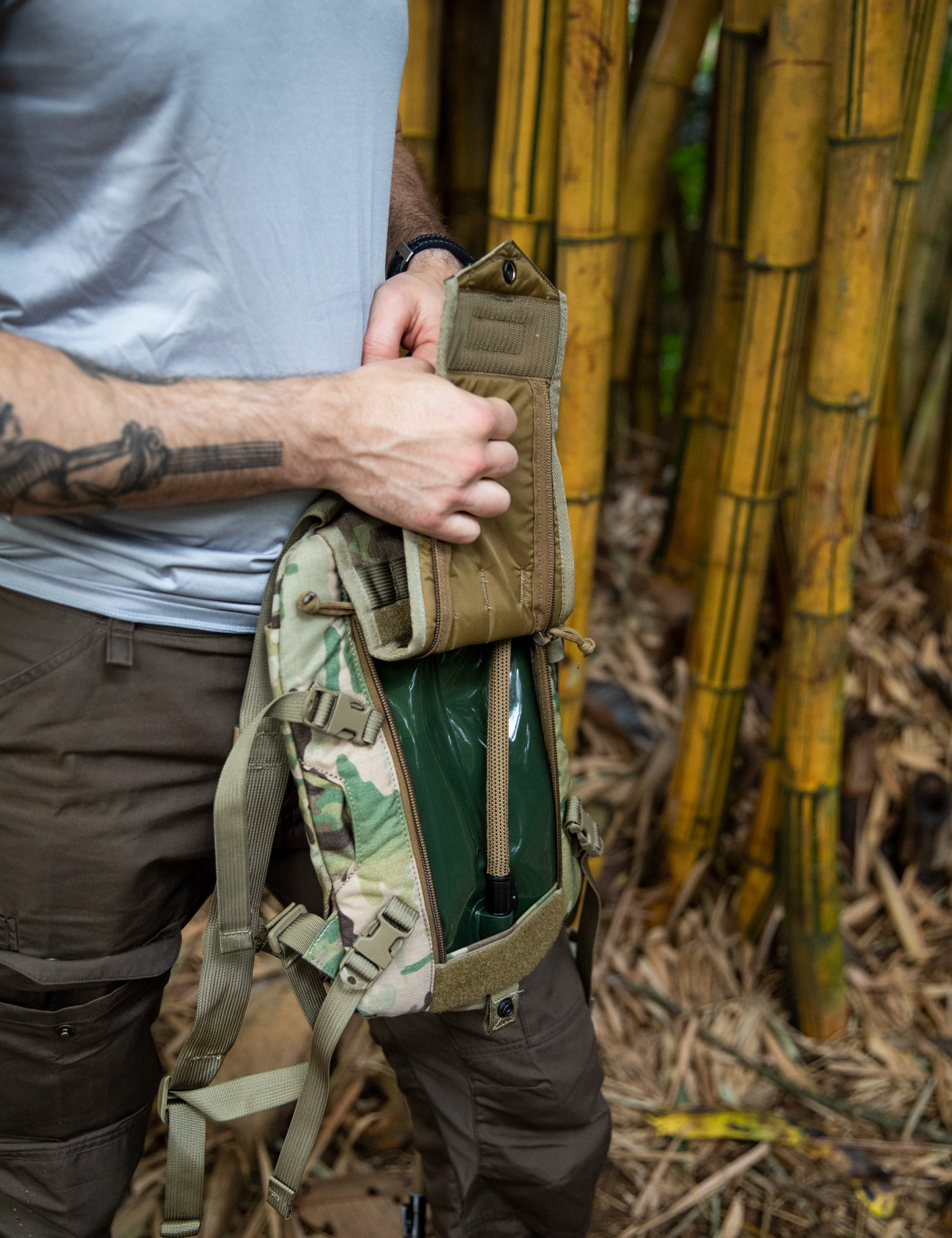
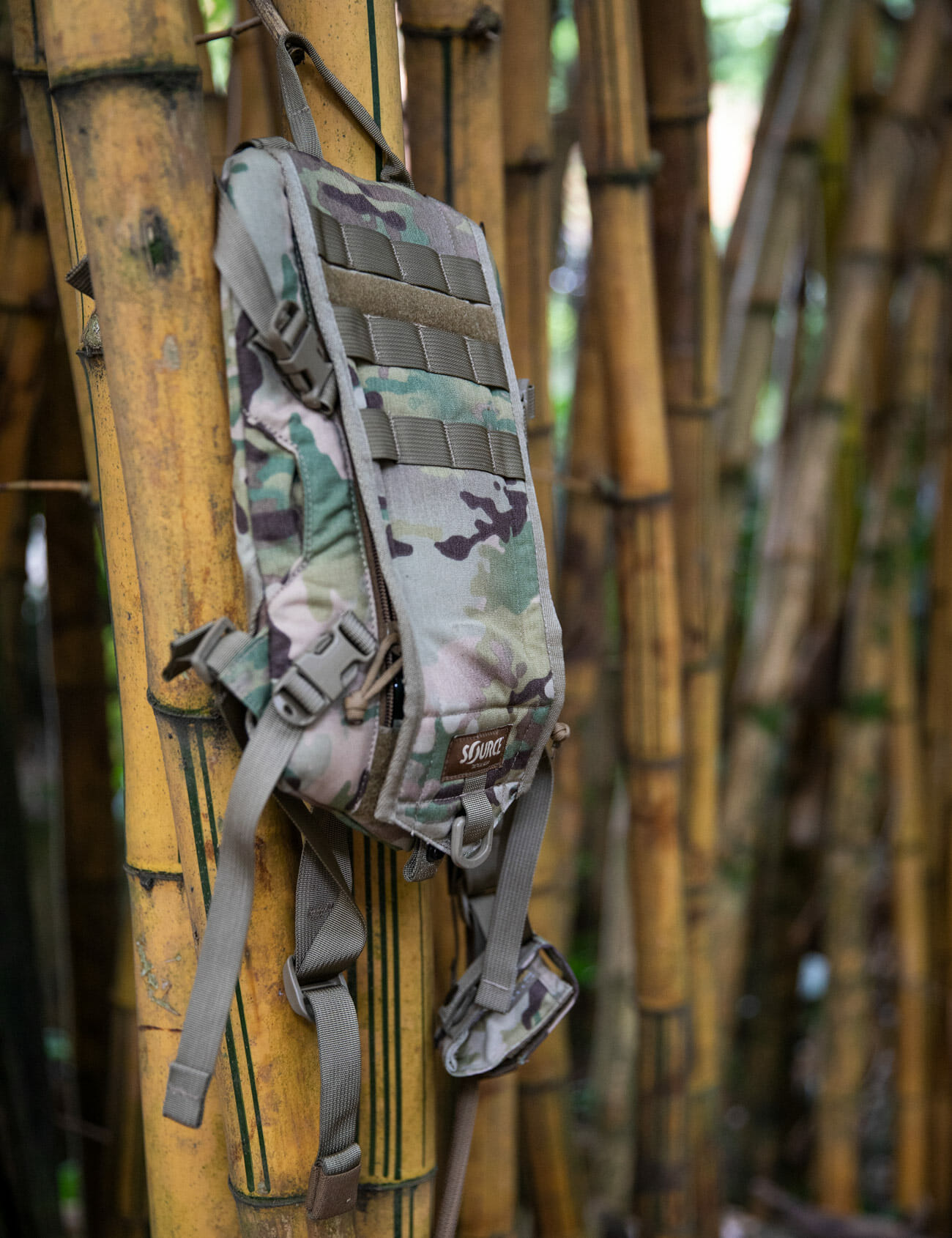
The Source Hydration Rider 3L

Israel-based Source Hydration’s Rider is a natural evolution of the original CamelBak system. More compact than many hydration products, it still provides 3L of water in a Cordura 500 pack that can be used as a backpack or attached to a multitude of vest and armor carriers, which is ideal for military use.

The Test

Fit

The Agilite Edge ships in several configurations, and the user has the choice of including shoulder straps, padded shoulder straps or no shoulder straps. I was given the padded strap-version for testing, and worn as a pack, it featured probably the most comfortable fit of the three systems. If you’re in the military and you wanted to use the entire system within the pack portion of an equipment vest or plate carrier, it would be better to remove the hydration sleeve and simply use that, as the cover itself is tall. If your vest doesn’t have a pack, you could simply attach the Edge to your MOLLE gear.

The ArmorBak doesn’t include shoulder straps for use as a pack, but is rather intended for integration with a modular system such as MOLLE. In a pinch, you can toss the entire ArmorBak in a traditional backpack, which works just fine. But either integrated with MOLLE gear or used within the pack on an equipment vest, this system fits well due to its compact design — you don’t have to remove the bladder from the pack itself if you so choose.

The Source Rider is similar to the ArmorBak but features shoulder straps that tuck into the pack itself when not in use. Though they aren’t padded like the available straps on the Edge, they do provide a comfortable fit when wearing the Rider as a pack. Alternatively, as the Rider is moderately compact, you could fit the entire system in the pack of an equipment vest, or attach it to web gear.

Quality

The Agilite Edge is manufactured from 1000D mil-spec tactical nylon with plastic hardware and uses an oversized zipper to open and close the hydration reservoir compartment. The particular reservoir used is made by Hydrapak, an American company that specializes in hydration tech. It’s made of heavy-weight TPU with welded seams and, critically, features an internal divider, key to redistributing the water volume such that the bladder is less susceptible to bursting. While there’s nothing technologically novel to the Edge, it’s made of first-grade materials and tough enough for military use.

The Camelbak Armorbak is made from 500D double-rip Cordura, and the reservoir is divided, similar to that of the Agilite Edge. The zipper on the hydration reservoir sleeve, though not as large as that of the Agilite model, is still heavy-duty (there are actually two zippers on this model), and the plastic hardware for direct attachment to plate carrier systems is heavy duty and robust. The bladder includes a convenient push-button system for quickly and easily disconnecting both the hose and mouthpiece, and the on/off valve is well-constructed.

The Source Rider 3L is also constructed from 500D Cordura with a nylon liner. The zippers used are heavy-duty YKK and the MOLLE-attachment hardware is acetal thermoplastic. The included straps, while not passed like those of Agilite, are constructed of double-lengths of nylon and designed to fold away into an included pocket when the system is in use on a tactical vest, so it’s understandable that they wouldn’t be as thick. Very similar to construction and quality to the Agilite and Camelback models, the Source is well built and made especially for tactical settings.

Comfort

Considered on its own, 3L of water isn’t particularly heavy, but carried for long periods of time along with other gear, this much water certainly makes its presence known. To that end, the optional padded shoulder straps that ship with the Agilite Edge are a welcome addition to the design — they attach and remoive easily, are comfortable and render a full load of water significantly less cumbersome.

As the Camelback Armorbak is made to either attach directly to a plate carrier or equipment vest (it can, alternatively, be stored inside a backpack) and doesn’t include backpack straps, I can’t comment on its effectiveness as a pack. Camelbak does, of course, have plenty of models in its catalog with this functionality.

Because the Source Rider’s backpack straps are meant to be store in an internal pocket when not in use, they’re not padded, and thus not as comfortable as those of the Edge. However, a padded shoulder strap isn’t the point, here — rather, adaptability is key, and in that sense, the straps are sufficiently comfortable to carry a load of water for short periods of time.

Utility

The utility factor is chiefly what differentiates one hydration system from another, to my mind. I’ve used different models over many years of hiking, and several different models in the military, and it’s truly the little design tweaks that will keep one particular system parked in my grab-and-go kit and another relegated to the bottom of a storage bin — or a rubbage bin.

The Agilite Edge’s (available in four colors) different K Series strap options are a great touch — I wish more hydration systems offered these add-ons at point-of-sale. The padded straps are highly comfortable and have built-in loops for feeding the hydration tube down your shoulder, as well as D-rings for hanging extra gear. Reinforced stitching and perforations for increased breathability on the shoulders are also appreciated.

The pack attaches to MOLLE-equipped vests and plate carriers via a strap system — this is easy to work with and though I didn’t have the chance to test it on my own equipment vest on this trip, I did try it on a different MOLLE vest, which worked well. Additional webbing on the front of the system provide attachment points for miscellaneous MOLLE gear.

The main compartment for the hydration sleeve opens and closes via an oversize, heavy-duty YKK zipper, which should never snag, and there are two openings near the top of the compartment for feeding through the hose so it can rest on either shoulder. The Hydrapak sleeve itself features an internal divider, which I’ve noticed is a feature on most current-generation hydration systems for good reason — previously, bladders that were simply one large “sack” full of three liters of water were highly susceptible to bursting. (I once broke three identical bladders in the military, one after the other, when each one either fell from a short height onto a hard surface or simply experienced too much pressure.) The divider ensures any one portion of the bladder doesn’t have too much water volume in it and won’t burst.

The fill design features a slider top, in which the reservoir snaps shut and then an integrated “clip” slides over top in order to seal the bag. Personally, I don’t care for this design and much prefer one in which the reservoir is accessed via a screw-top. When you’re part of a platoon (let alone a company) of forty soldiers who have exactly ten minutes to fill their hydration reservoirs from a mobile water system, I wouldn’t want to be fumbling with this system, and would prefer a screw-top.

However, I’ve seen this clip-top design in several hydration systems lately (including on both the Agilite and the Source models reviewed here), and since both of these are military designs, it may well be that I’m missing something — perhaps because the opening is larger the thought process is that these are easier to fill quickly, or that (more likely) they tend to leak less than a screw-top design. As used by a civilian, this system strikes me as easily operable, but again, I personally prefer a screw-top.

All this being said, the Hydrapak reservoir is otherwise very well made, with an internal divider, a fill capacity gauge for measuring precise water levels, and an easy on-off bite valve. Constructed from BPA- and PVC-free, abrasion-ressitant TPU with welded seams and increased elasticity, the reservoir is sturdy enough to be used frozen and up to temperatures of 140° F. Had I need to use the sleeve on its own within a pack on a load-bearing best, it would certainly work fine, but the tall form makes designs like these difficult to fit into certain packs. Overall, I think this is a great hydration system for hiking and trekking, but slightly less suited to use with load-bearing gear in a military setting.

The Camelback Armorbak (available in two colors) is made specifically for integration with a load-bearing vest, and as such I can’t comment on its utility as a backpack. However I did use it within another backpack, as I wasn’t utilizing any load-bearing kit on this trip, and in this regard it worked perfectly — the compact design means that it doesn’t poke out the top of your pack the way some conventional 3L designs tend to do. (I did attach the Armorbak to another load-bearing vest for fit purposes, and the Direct Armor Attachment System clips work well — rather than utilizing a strap system, these simply open and hook into the webbing on MOLLE-equipped vests.) A convenient hook-and-loop patch allows you to put an identifying tag on the system front for easy ID.

The Armorbak reservoir has the screw-top design that I prefer, with the benefit of a heavy plastic “handle” for easy purchase during filling. There’s also a capacity gauge for measuring up to 3L of water, a quick-release system for the hose attachment (which also seals when the hose is removed) and easy-to-use on-off regulator for the bite valve, which is itself removable. Two zippers ensure that the reservoir is easy to quickly remove from the pack itself (those small details again…), and a reinforced window allows the hose to thread through. Overall, this was an incredibly simple and effective design, and if you don’t require backpack straps, it’s perfect for integration with MOLLE gear or a backpack.

The Source Rider 3L (available in five colors, including three camo patterns) sits somewhere between Agilite and Camelbak designs, being meant for integration into a load-bearing vest but featuring integrated straps for use as a shoulder-borne pack that conveniently tuck away when not in use. These straps feature built-in elastic enclosures for keeping excess material out of the way after adjusting the strap — a smart design feature and much better than the alternative, which is gaffer tape — as well as a sternum strap for load distribution and carrying stability.

Attachment to load-bearing MOLLE gear is accomplished via a strap system, though these straps don’t feature elastic enclosures on the ends. Again, I didn’t have the opportunity to test the system with my load-bearing vest, but did try it on another MOLLE-equipped vest, to which it attached easily. The flap for the reservoir pocket features a hook-and-loop attachment point for a name tag and MOLLE webbing for attaching other gear, as well as a snap, hook-and-loop and dual zippers for secure closure. Interestingly, this flap is situated on the front of the system rather than the top to facilitate easy removal of the reservoir if the system is integrated into a vest. Again, smart design.

The internal reservoir doesn’t feature a water gauge, but does have an internal divider, a quick-release hose that terminates in a quick-release bit valve with a twistable on-off feature, and the entire thing opens with a clip system. (Moreover, it’s a compact design, rather than a tall one, which I appreciated) Again, while I personally prefer the screw-top closure system, these clip closures are proving more and more popular, and I have to imagine that we’ll be seeing more of them in the future. I do wish, however, that there was a way to better hold the reservoir when filling it, such as on the Camelback system, and that it fit better into the pack. Overall, this was my least favorite reservoir.

There are four different openings in the pack itself through which to feed the hose — two at the top, and one on either side. There are also hook-and-look straps for securing the hose to either shoulder strap and, brilliantly, a small magnetic clip on the hose itself. Using this, you can clip the hose to your uniform top or vest and simply remove it for drinking, snapping it back into place when you’re done using the magnet. This is the only system I’ve seen with this feature, and it’s a nice extra touch. Also included with the system is s bottle converter, allowing you to hook up the hose to a 2L bottle rather than the reservoir, should the need arise. This converter comes in a Cordura pack that’s integratabtle with MOLLE systems.

Verdict Each of these three systems is suited to a slightly different end user: the Agilite Edge is best, to my mind, as a standalone pack; the Armorbak works best via integration into a load-bearing vest or within a backpack; and the Source Rider falls somewhere in the middle, with integrated straps that allow use as a backpack but a compact design that lends itself well to vest integration.

Screw-type or clip-type closures are a matter of personal preference, but my personal ideal hydration system actually lies somewhere between these products. (It’s essentially the Source Rider with the Armorbak’s bladder.) That being said, for the hiker or trekker, the Rider or the Edge are both worthy hydration systems, though the available padded straps on the Edge add more comfort. For the soldier utilizing a load-bearing vest, the Armorbak is probably sufficient, though if he or she ever wants to use the system as a standalone product, the Rider would be more ideal.

Each of these systems is largely well designed, and worked well for short treks and hiking. Look out for another, shorter test in which we put these to real military use nest summer.

Agilite, CamelBak and Source Hydration provided these products for review.

Read More Gear Patrol Reviews

Hot takes and in-depth reviews on noteworthy, relevant and interesting products. Read the Story
Note: Purchasing products through our links may earn us a portion of the sale, which supports our editorial team’s mission. Learn more here.
Everything You Need to Run in the Dark Now That Daylight Saving Time Is Over

The end of Daylight Saving Time may have given us an extra hour of sleep, but it also means that the sun will now set an hour earlier. For most of us, it’ll be dark before it’s time to leave the office, but that’s no excuse to pack up the running shoes until springtime. However, it can be dangerous to go running at night, as you’re never quite as visible as you think. Before you go, you need gear that helps you stand out.

“Lights should be seen 360 degrees around you when you run at night, so just a headlamp is not enough,” Paul Ronto, competitive runner and content director at RunRepeat.com, says. “Even with a headlamp, pedestrians are really hard to see from a vehicle.”

To be extra safe, you should have a front light, rear strobe and at least one side light (usually on the side that’s closest to traffic). Reflective gear also helps increase visibility. “I would not advise only having lights or reflective gear, I think it’s crucial to have both,” Ronto says. “With drivers so distracted these days, it’s crucial to be hyper-visible.”

When picking out your clothes, opt for bright colors like white or yellow. Brighter colors are easier to spot than dark colors by car lights. And tall white socks are great to wear on night runs since drivers tend to pick up the motion before anything else. Your legs are what’s moving the most when you’re out on a run.

Lastly, stay on guard. Be extra cautious when crossing the street, do not expect drivers to stop for you as they would during the day (even if you are crossing at a crosswalk), and if you prefer to run with music, either listen with one headphone in or at a super low volume so you can stay aware of your surroundings. Pack your ID, phone and some cash; tell someone you’re heading out under the cloak of darkness and then hit the streets. There’s no reason to ditch your nightly runs if you enjoy them and they work with your schedule; just be sure to have the proper gear to stay visible — and alive.

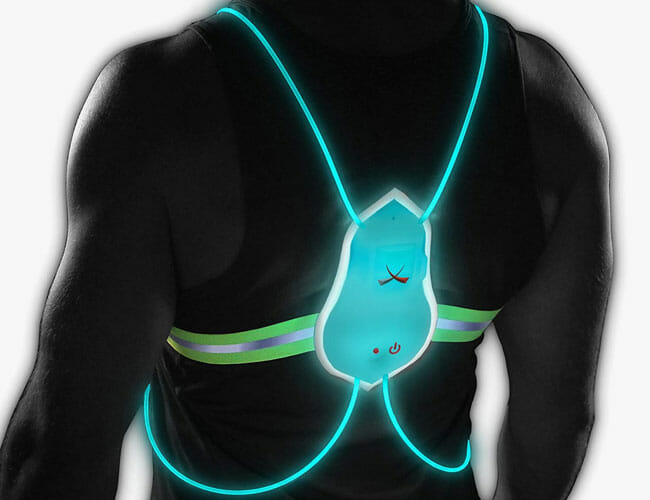
Tracer360 Reflective Vest

Reflective vests can be an uncomfortable added layer, but the high-quality mesh and elastic in this one reduces the fabric-to-body contact so you can have a chafe-free experience. “With six fluorescent colors outlining this vest, your visibility will be at its highest, ensuring that you’re protected and seen by motorists and vehicles during your night run,” says Caleb Backe, CPT and wellness expert for Maple Holistics.

Nathan Reflective Convertible Glove/Mitt


Your hands might be the best place for an extra dash of visibility. As you crank your arms, gloves or mittens will catch any light that crosses your path and make drivers more aware of you with that movement. The reflective graphics that Nathan included here look good too, and the glove-mitten hybrid design makes these versatile across a range of cold temperatures.

Knuckle Lights

These knuckle lights “will guide your way through those dimly lit streets and ensure that you see any potential obstacles in front of you to prevent injury,” says Backe. Thanks to adjustable silicone straps and wide flood beams, you’ll be comfortable and visible, too.

BioLite HeadLamp 330


Unlike most headlamps, BioLite’s HeadLamp 330 has its power source at the rear. That keeps the design minimal and makes for a low-profile light that doesn’t bounce, even during hard workouts in the dark. What’s more, the light has multiple modes and is fully integrated into the fabric strap, so you don’t have a chunk of plastic or any clips on your forehead while you put in the miles. It also charges via Micro-USB and has a reflective accent on the rear.

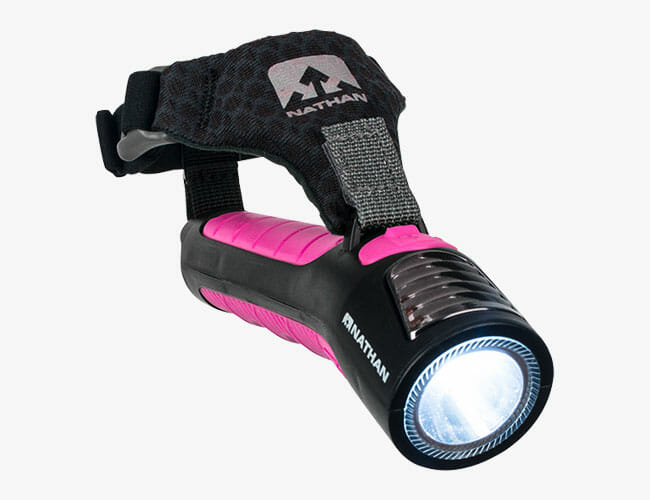
Nathan Zephyr Fire 100 Hand Torch LED Light

While a headlamp will keep you seen, and help you see, a flashlight adds another layer of protection. This one has a small harness, so you can illuminate the trail or flash it towards traffic easily without worrying about dropping it throughout your run.

Road ID

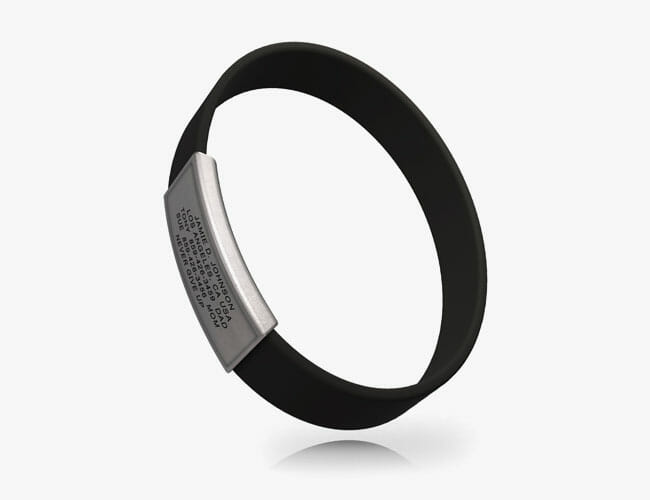
“RoadID is a cheap option that prints your emergency contact info, blood type or any other information you think is important to share onto a small, lightweight bracelet,” Ronto says. If God forbid you get hurt out there, the RoadID will help medical personnel know all the critical things needed to properly assist you.

Nathan Reflective Ankle Band

Take reflective gear a step further by pairing your vest with ankle bands, a cheap, low-tech option to improve visibility. “The nice part about reflective gear is it takes no batteries, and as you move different areas reflect light at different times, making you hyper-visible,” says Ronto.

Nathan TrailMix Plus Insulated 2 Hydration Belt

“This insulated hydration belt is a convenient, lightweight solution that makes it easy to access your hydration and essential items,” says Ryan Raskin, triathlete, running coach and category director at RECREATIONiD.com. It’s important to carry an ID and cellphone in the event of an emergency, and this belt allows you to carry both without messing up your performance.

Petzl Bindi Headlamp

This compact and ultra-light rechargeable headlamp is ideal for night running. The thin headband adjusts easily and can also be worn around the neck. And there are three lighting modes: proximity, movement and distance, along with red lighting to preserve night vision while not blinding others during group runs.

SPIbeams LED Hat

Think of this hat as a more comfortable headlamp. It’s battery operated and has a convenient on/off switch, along with breathable material. It’s great for night runs in the heat as you’ll stay nice and cool as well as safe.

Ciele LRCap Night Right Allover


Don’t want bulbs in your brim? Ciele, the maker of some of our favorite running hats, has a full line of reflective caps that don’t skimp on style. Take this one, which uses reflectivity in a pattern to enhance its design rather than turn it into something that looks like safety gear.

KT Tape Pro


Maybe you already use KT Tape to support your muscles and joints during a run. If so, upgrade to the Pro roll, which features built-in reflectivity, for your dawn and dusk sessions for additional visibility. (And if you run with a backpack, you can slap cheaper 3M reflective tape on it for a quick DIY solution.)

Note: Purchasing products through our links may earn us a portion of the sale, which supports our editorial team’s mission. Learn more here.
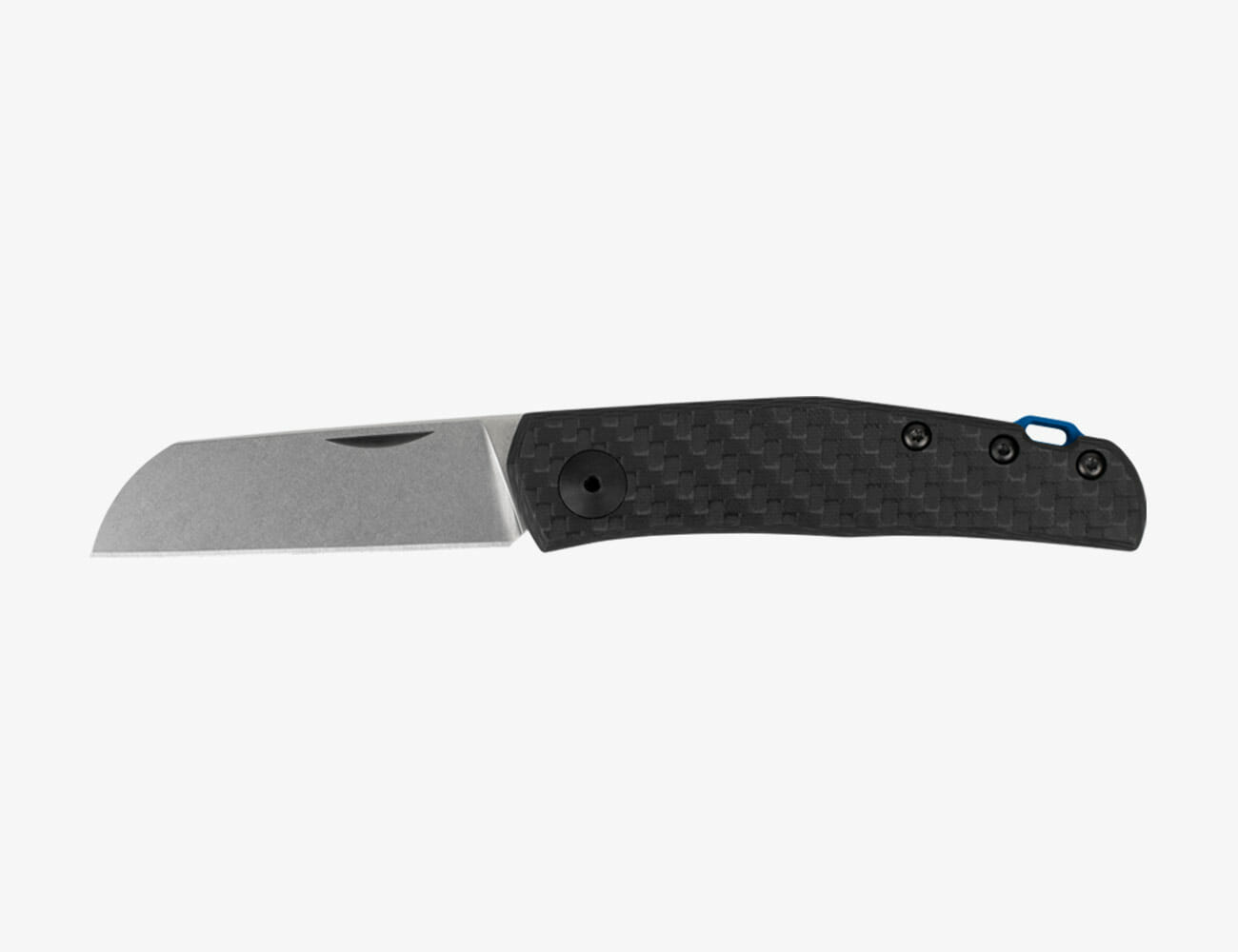
The Best New Knives and EDC of November 2019

Fall is here, and we’re all digging into our closets in search of fleeces, down jackets and outerwear. Thankfully, if you’ve lost any of those items in the seasonal shuffle, every brand we know just revealed updated collections for fall and winter. Meanwhile, the companies making pocket knives and EDC tools don’t wait for the seasons to change — they roll out new products all year long.

Recently, Leatherman released a magnetic knife, SOG revealed a limited edition EDC folder, Tops mashed up two distinct styles and more.

The James Brand Duval

The James Brand’s latest folder, the Duval, expertly addresses the gentleman’s knife category. It isn’t a classification with strict guidelines, but most agree that a slim profile, high-quality materials and a blade under three inches are requisite. The Duval fits the bill: it has a 2.6-inch sheepsfoot blade made of Crucible S35VN steel and a titanium frame available with rosewood or Micarta handles. There’s also an even flashier Damascus steel blade option.

Leatherman Free K Series

The K Series is the final installment in Leatherman’s magnetic Free Collection. If a typical multi-tool emphasizes pliers, the K Series underscores the knife. The blade in question is 3.3 inches long, made of 420HC stainless steel, and comes in a sheepsfoot shape that’s available with a plain edge or partially serrated. The handle contains additional implements too: an awl, package opener, bottle opener, pry tool, screwdrivers and, in the slightly bigger K4, spring-action scissors.

SOG Limited-Edition Twitch II

Only recently did SOG start releasing knives with colorful handles. The company’s roots are very much in military Bowie-style fixed blades, but it has begun making a play for the EDC crowd. The pocketable Twitch II, with its drop-point, assisted-opening blade, isn’t entirely new, but these limited-edition versions with cobalt and olive handles are.

Tops Knives Poker

The Poker is an unlikely mash-up of two seemingly opposed styles. It’s at once a kiridashi, a Japanese utility blade made for artisan work like woodworking and leather crafting, and a karambit, which comes from martial arts and is denoted by the ring on the Poker’s handle. The knife has a short 2.5-inch blade and Micarta handles, weighs 2.7 ounces and comes complete with a Kydex sheath.

Opinel No. 8 Ellipse

Opinel’s No. 8 folding knife is a classic. That’s because its design is simple, with a wood handle and collar that locks the 3.35-inch blade in either an open or closed position. The limited-edition Ellipse doesn’t change those details, but it does enhance the design with an ebony handle that’s inlaid with a narrow, curved line of aluminum leaf. Opinel stamped the blade of each Ellipse with a number and its crowned hand mark for ultimate authenticity.

Note: Purchasing products through our links may earn us a portion of the sale, which supports our editorial team’s mission. Learn more here.
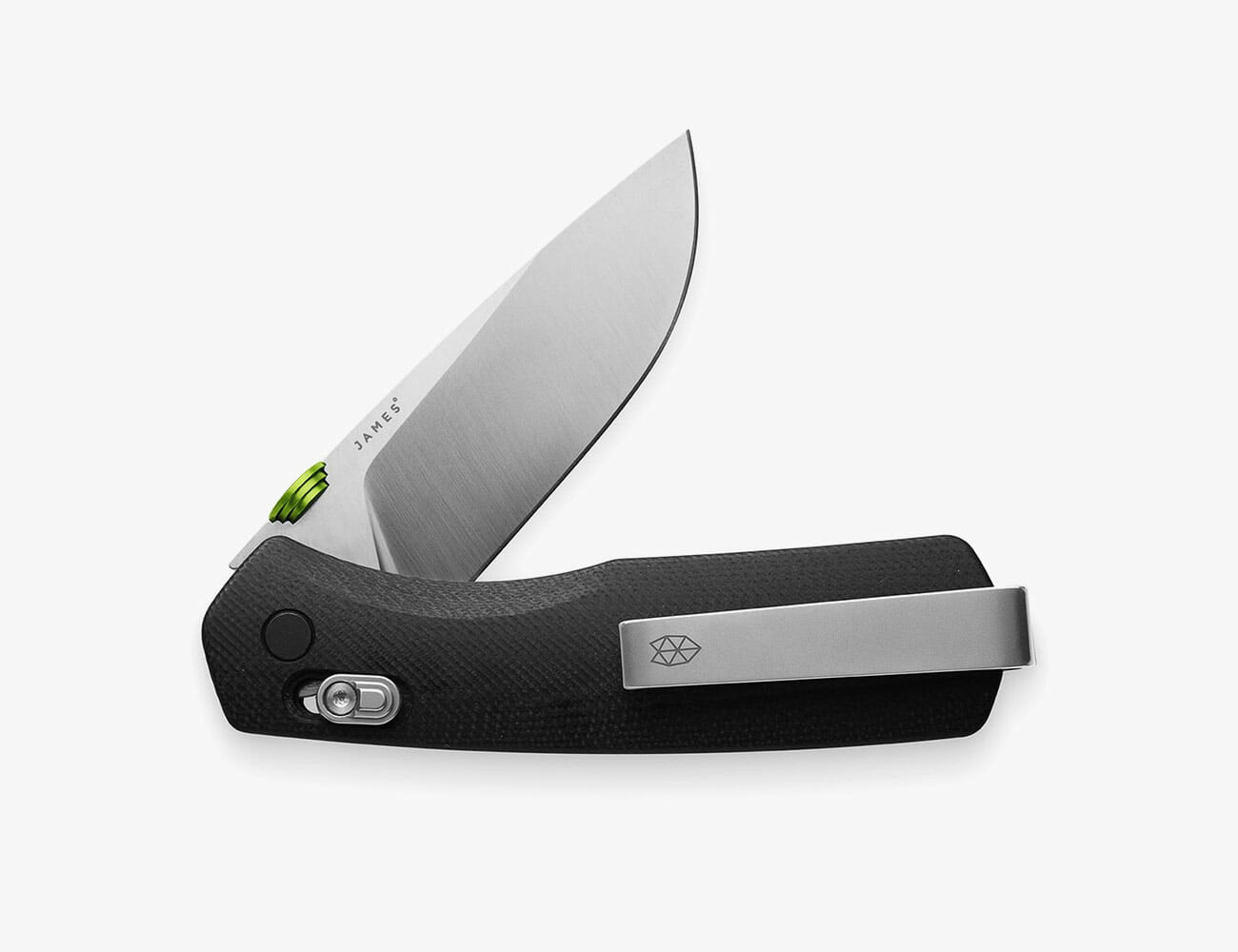
I Ran the NYC Marathon Without Training — Here’s What I Learned

Humans are good at many things, but we — some of us, anyway — are particularly specialized to do two of them: planning, and running long distances. The marathon combines both skills into one grueling package. It’s a 26.2-mile test of technique, endurance and willpower, one that can push body and mind to their limits. (Remember that legend has it the first guy to ever run one collapsed dead at the end.)

I’ve been running for exercise and fun since high school, but I’ve never tried competition, group events — or a distance of more than eight miles with any regularity. The longest run I’d made in my life was 12.5 miles, and that left me staggering and drained. But when the kind folks at Michelob’s Team Ultra hit Gear Patrol up to see if anyone in our office was interested in participating in New York’s famous version of the world’s best-known endurance race, I signed up tout suite.

See, the New York City Marathon is a beast unto itself in the running world. It’s not just 26-miles-and-change of asphalt and cement; it’s a chance to be the center of attention at the center of the universe. Hundreds of thousands of people crowd the sidelines almost every step of the way, cheering you on like you’re starting for the Yankees, the Rangers and (a less sucky version of) the Knicks all at once. Live bands and DJs line the route. For a few hours, the greatest city in the world peels off its calluses and reveals the good-natured soul beneath it all — and the runners get the best seat in the house. There was no way I wasn’t going to do it.

But I was going to do it my way. While serious marathoners do extensive training — precise workout regimens, careful diet plans, personal training sessions and app-based preparation — I decided to follow the Barney Stinson Method of Marathon Preparation. Here’s how you run a marathon. Step 1: You start running. Step 2: There is no step 2.

My normal life involves running three or four miles three or four nights a week. Plus, I’ve spent many a day walking 10, 15 or 20 miles through the streets of New York. How tough could a few more miles at a couple more miles per hour be? Just keep putting one foot in front of the other like animals have been doing for 350 million years; there’s beer waiting for you at the end of it.

So with a headful of nonchalance and a heartful of maximum effort, I knocked out the New York City Marathon. Here’s what I learned along the way.

1. Know the Distance

OK, fine, I did a little bit of preparation. In addition to my normal workout routine, I took a day a few weeks before marathon Sunday and attempted to run the equivalent distance. I only managed to run about 60 percent of it, but it still proved to be one of the best decisions I made in the lead-up to the race.

Pre-running (slash pre-walking) the equivalent of the marathon gave me the chance to better pace myself when race day came. I had a general idea of how far I’d come, and how far I still had to go. Better yet, it took away the looming fear of the unknown that comes with running your first marathon, the irrational flare-up that comes every time somebody gives you a surprised look when you mention your plans to bust ass for 26.2 miles. As The Little Engine That Could showed us all, there’s nothing like jumping from I think I can, I think I can to I know I can, I know I can.

If you don’t have the endurance yet to run it, then walk it. Or grab that fancy Specialized off the wall and ride 26.2 at an easy pace. Hell, hop on a Segway and zoom it. No matter how you do it, any means of understanding the distance when traveling at a human pace will pay off on race day when you’re rationing out your muscles and willpower.

2. Gear Up

Sure, humans have been walking and running long distances since the mid-Pleistocene, back in the days when Gear Patrol’s purview would have been limited to a section called “Fire” and a section called “Rocks.” But as the old Virginia Slims ads used to say, we’ve come a long way, baby. Human ingenuity has created all sorts of equipment that makes covering long distances easier (if not easy; that’s what cars are for).

I ran the NYC Marathon in a pair of Brooks Ghost 11 sneakers, which served adequately; they were fine for the first two-thirds of the course, but by mile 20, my feet were crying enough to make me wonder if I should have gone for some Nike VaporFly NEXT% hoof-covers instead. I knew I’d be holding my iPhone a lot during the race to take pictures, so I popped it into an OtterBox hard case to protect it in the event I wiped out. And with race day temperatures in the mid-50s, I popped a short-sleeve Under Armour T-shirt beneath the singlet that Team Ultra had kindly branded with my full name, enabling bystanders to clarify which Will they were cheering on.

3. Know Yourself

Gear Patrol’s own runner extraordinaire Meg Lappe offered a key piece of advice in the days ahead of the marathon: don’t vary things up on race day. Whatever habits you’ve adopted during your training (or lack thereof), stick with them for the big event.

If you don’t chug water while you normally run, don’t try and guzzle down tons of it at once. That goes double for food; if your body’s not used to eating when you’re on the move, don’t try and down PowerBars on the course, or they may wind up splattered on your feet a few minutes later. (I don’t normally get hungry during a run, but I caved and sucked down a couple of the Honey Stinger energy gels being offered by the kind volunteers; I still can’t decide whether the added energy was worth the stomachache.) If you like listening to Lizzo and Taylor Swift when you run for fun, don’t switch over to Anthrax and Metallica to pump yourself up for those 42 klicks. Familiarity is your friend.

4. Have Fun

If you’re reading this story and actually considering running a marathon without formally training for it, odds are good you’re not going to set any sort of record. So instead of trying to squeeze every possible second out of your body, why not dial it back a bit and enjoy the ride, so to speak?

After all, 26 miles gives you a lot of time to think, and a lot of sights to see. Especially in New York City, where the route carries you through all five boroughs (though, admittedly, Staten Island and the Bronx effectively get token stretches) and where there’s literally something new to see every time you turn your head. It’s worth running the NYC marathon just to see all the clever signs people come up with to cheer you — yes, you! — along with. (“Pain is just the French word for bread” was the most common witty one I saw.)

I may not have set a record, but I got to see New York at its best. “The city seen from the Queensboro Bridge is always the city seen for the first time, in its first wild promise of all the mystery and the beauty in the world,” F. Scott Fitzgerald observed; I can vouch for that sentiment — and tell you that’s doubly so when you’re hoofing towards it on that roadway Gatsby drove across. I ran past Ben Stiller, two feet away from him as he cheered me on. I ran past a hundred places you’ve seen in movies and a thousand places where peoples’ lives have changed forever. That’s the beauty of the New York City Marathon.

Oh, and for the record: I finished in 4 hours and 49 minutes.

Brooks Ghost 11

OtterBox Defender Series Screenless Edition Case

Under Armour MK-1 Men’s Short Sleeve Shirt

Honey Stinger Organic Energy Gels Variety Pack

Note: Purchasing products through our links may earn us a portion of the sale, which supports our editorial team’s mission. Learn more here.
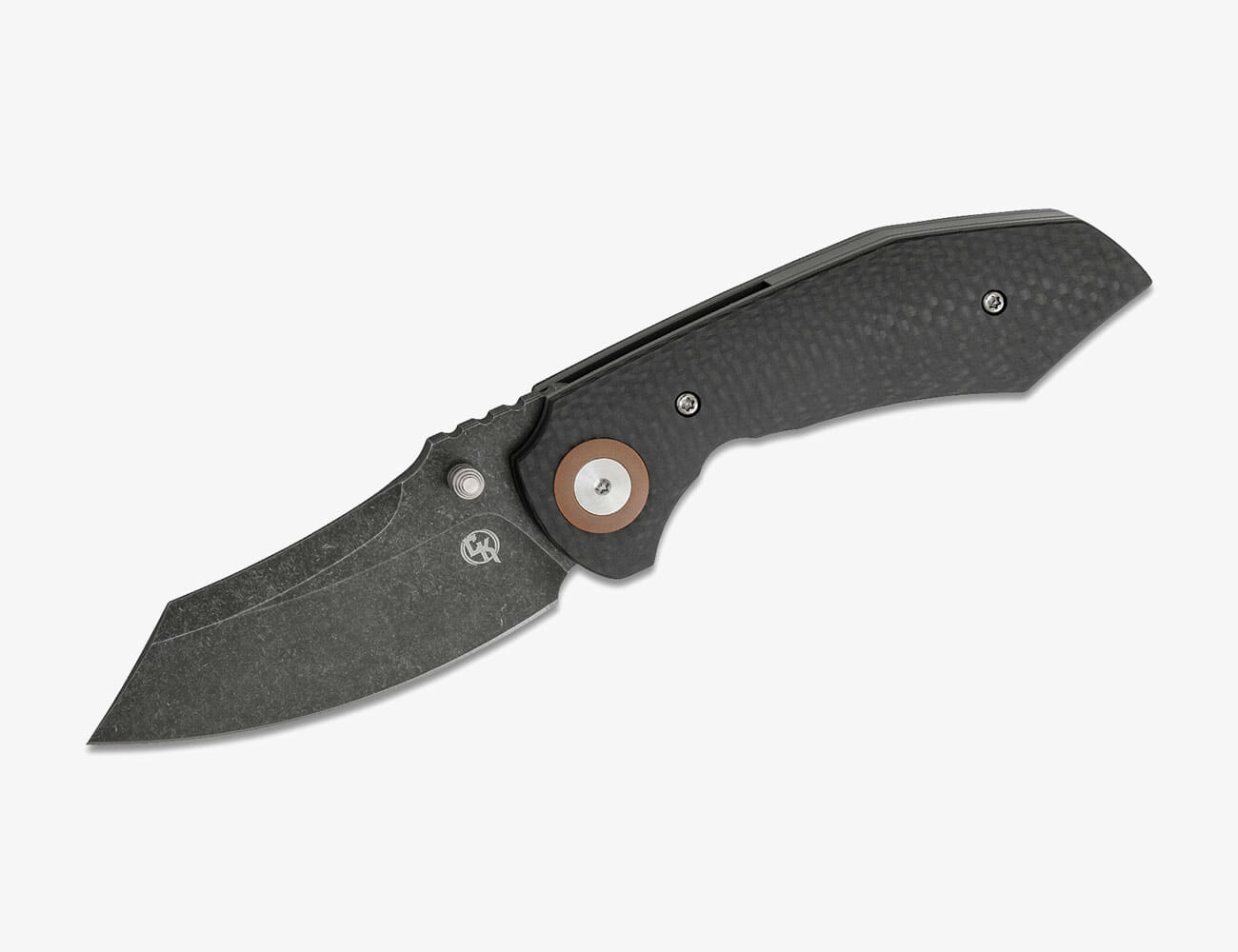
Everything Pro Surfer Jamie O’Brien Packs for a Surf Trip

Jamie O’Brien is not quite normal. While other pro surfers follow the competition circuit on the hunt for a world title and others probe the Earth’s coastal nooks and crannies in search of the perfect wave, you’re more likely to find O’Brien at his home wave, Bonzai Pipeline. Perhaps dressed as a caveman. Or surfing the famous wave on a blow-up couch he bought at Walmart.

O’Brien documents all of the mayhem on his YouTube channel, which has drawn hundreds of thousands of subscribers. “It’s funny how our YouTube channel has taken off,” he muses. “We’ll get more views than an edit that someone will put up and they’ll spend a ton of money on it. We’re trying to show the world that surfing’s not as serious as everyone portrays it to be.” That agenda comes through in videos that are more reminiscent of Jackass than a dreamy surf flick.

O’Brien does compete a little though; he and his crew recently won Red Bull Party Wave by riding a knee-high wave on a giant, roughly 800-pound board. And he travels too; earlier this year, he and his team ventured to Bali, not to seek out the flawless waves the Indonesian island is known for but to go on vacation and have some fun. Of course, even low-stakes travel can produce hiccups — O’Brien seemed to hold in his frustration while recounting how his group arrived at the airport to face an extra charge of $165 for each surfboard they traveled with (nine in total).

Once in Bali, though, everything ran smoothly. “We ended up surfing this small wave in Bali called Dreamline. I think when people see a pro surfer and their crew going to film something, they think they’re going to get these big crazy perfect waves, and we went total opposite,” he recalls. There was no shortage of antics, either, mainly involving foam surfboards and a few inflatable pool toys from a convenience store. When it came time to fly home, O’Brien and his friends blew off their nickel-and-diming airline and bought tickets to Australia instead (and didn’t have to pay extra for their boards, either).

O’Brien is an atypical pro surfer, and as such, the packing list for a trip to Bali might not be what you’d expect.

Jamie O’Brien’s Packing List

Catch Surf Womper

It’s like a mini boogie board that you use for hand planing in body surfing. I brought some fins so if the waves ended up being knee-high, I could still get barrelled.

Catch Surf Beater

It has no fins, and you ride it kind of like a stand-up boogie board. From doing six or seven 360s on one wave to running people over — but it doesn’t matter because you don’t have fins — it’s just a cool board to have in your board bag. Even though I paid $165 to get it over there — it was just like, you deal with price. I’ve been bringing it on a lot more trips, but I’d never brought one to Bali.

Vendetta 9’0″ Single Fin Log

Bringing my girlfriend’s board was a good idea. The waves were small most of the trip, so we got to surf together a lot and have a good time. And at the same time, being able to film it all and everyone’s reaction, I loved it.

Forgotten Item: Fin Screw

I forgot the screw to screw in [my girlfriend’s] fin. Trick tip: if you have the plane ticket, you put it in between the fin and the board, and you jam the fin in and rip the sides of the plane ticket out. The paper swells, and then you don’t need a screw, and your fin stays in.

Ride Anything Hat

It’s so hot over there; it’s so nice to change your hat. If you only brought one hat to Bali, that thing would get so grimy. We started making these last year. It’s a nice, comfortable five-panel hat. I love the term “Ride Anything” because that’s literally what we do, it really fits the script of who we are.

Inflatable Pool Tubes

I bought a bunch of floaties from the ABC store for about $3 each. We brought them down to the beach, and the next thing you know, we’re going over the falls and getting barreled on inflatables. It was so much fun, and we got so much use out of them. And none of them popped — it was pretty amazing, people were baffled.

Note: Purchasing products through our links may earn us a portion of the sale, which supports our editorial team’s mission. Learn more here.

Military Veterans Have Used This Portable Water Filter to Bring Clean Water to Millions of People

Large watch companies have the financial capacity to support all sorts of projects and initiatives, most of which are inevitably horological. However, there are certain endeavors and causes that are only tangentially related to timekeeping but whose values align with those of a particular brand, and this is how Gear Patrol recently found itself down in Colombia on a mission sponsored by Panerai.

The famed watchmaker with Italian military origins supports an NGO called Waves for Water, which was founded by ex-pro surfer Jon Rose and brings in clean water solutions to areas around the world affected by disaster, conflict, draught and more. Within Waves for Water is the Clean Water Corps, staffed by military veterans (the majority of whom are American) who have transitioned out of soldiering and into volunteer work. Panerai’s support of Waves for Water (herein “W4W”) allowed them to begin an initiative in a remote village in Colombia to bring in filters and train the local villagers how to use them.

There was no special, limited edition watch involved with the W4W partnership, the proceeds of which are partially donated to the NGO — Panerai simply became aware of W4W’s mission and reached out to Jon Rose, and this how the relationship began. While it’s fair to examine outside motivations from large companies that support charitable causes — one can argue that doing “good” is always good PR — the fact remains that without their corporate sponsors, organizations such as W4W would be unable to complete their mission, and their mission is a noble one: To date, W4W has implemented over 155 clean water programs in 48 countries, handed out 150,000 filtrations systems, dug bore-hole wells and rainwater harvesting systems, and impacted an estimated 3.75 million people. Panerai clearly recognized this nobility of mission and chose to support a cause that aligned with their values as a brand.
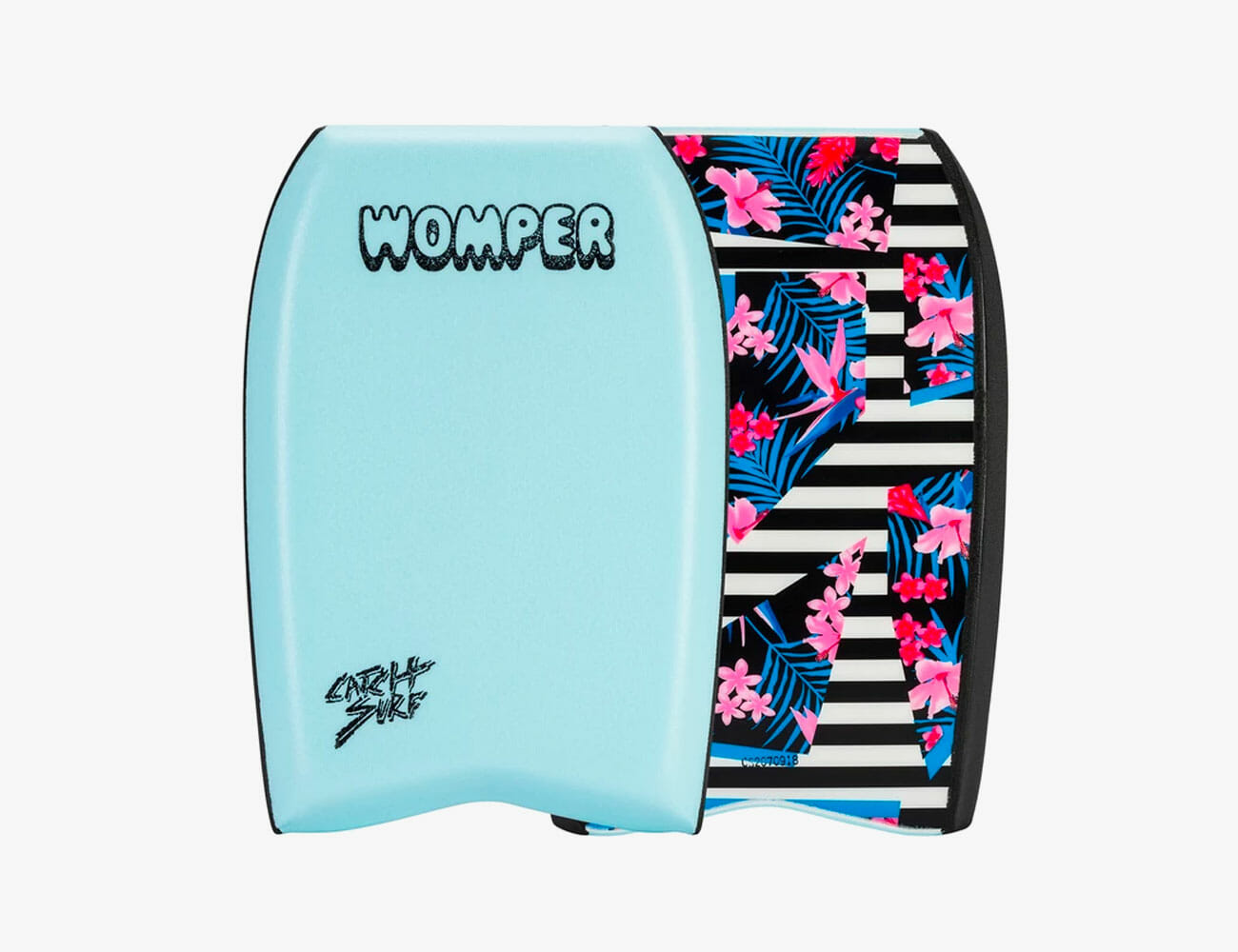
W4W’s mission relies not on Panerai watches, but on Panerai itself and companies like it for funding. Panerai, for its part, is a company whose wares were designed to function in and around water, and thus the idea of an NGO whose purpose is to bring the gift of water and of life to those who need it is pretty damn “on-brand” for them. (That the NGO was founded by an ex-pro surfer, and that the Clean Water Corps is staffed by military veterans, certainly doesn’t hurt.)

All this being said, the real gear-related star of the show was a simple water filter. Without this filter, much less could be accomplished in the way of implementing clean water solutions in remote areas, and it’s a testament to the effectiveness of this one particular model that W4W has been so successful in its mission.

The Sawyer Filter

Filters aren’t the only way that W4W brings clean water solutions into areas that need it — they will also dig wells and implement rainwater harvesting. But a simple, portable filter is the easiest, most expedient to treat water in remote areas, and one can rid water of cholera, salmonella, giardia, e. coli, and typhoid. After testing numerous filtration systems, W4W settled on a model manufactured by American company Sawyer that’s portable, easy to clean, lightweight, and powerful enough to remove 99.99% of bacteria and protozoa from water, as well as 100% of microplastics.
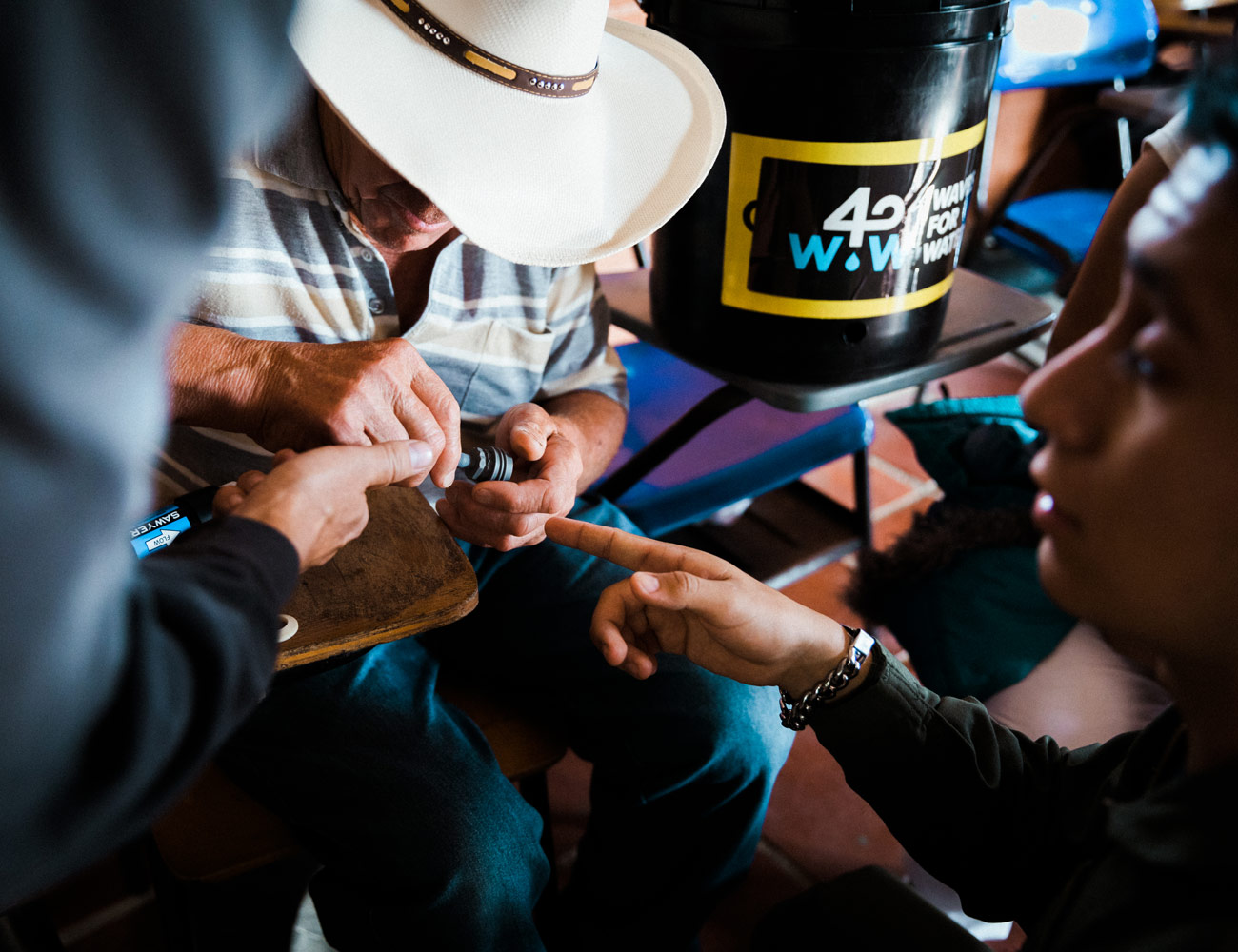
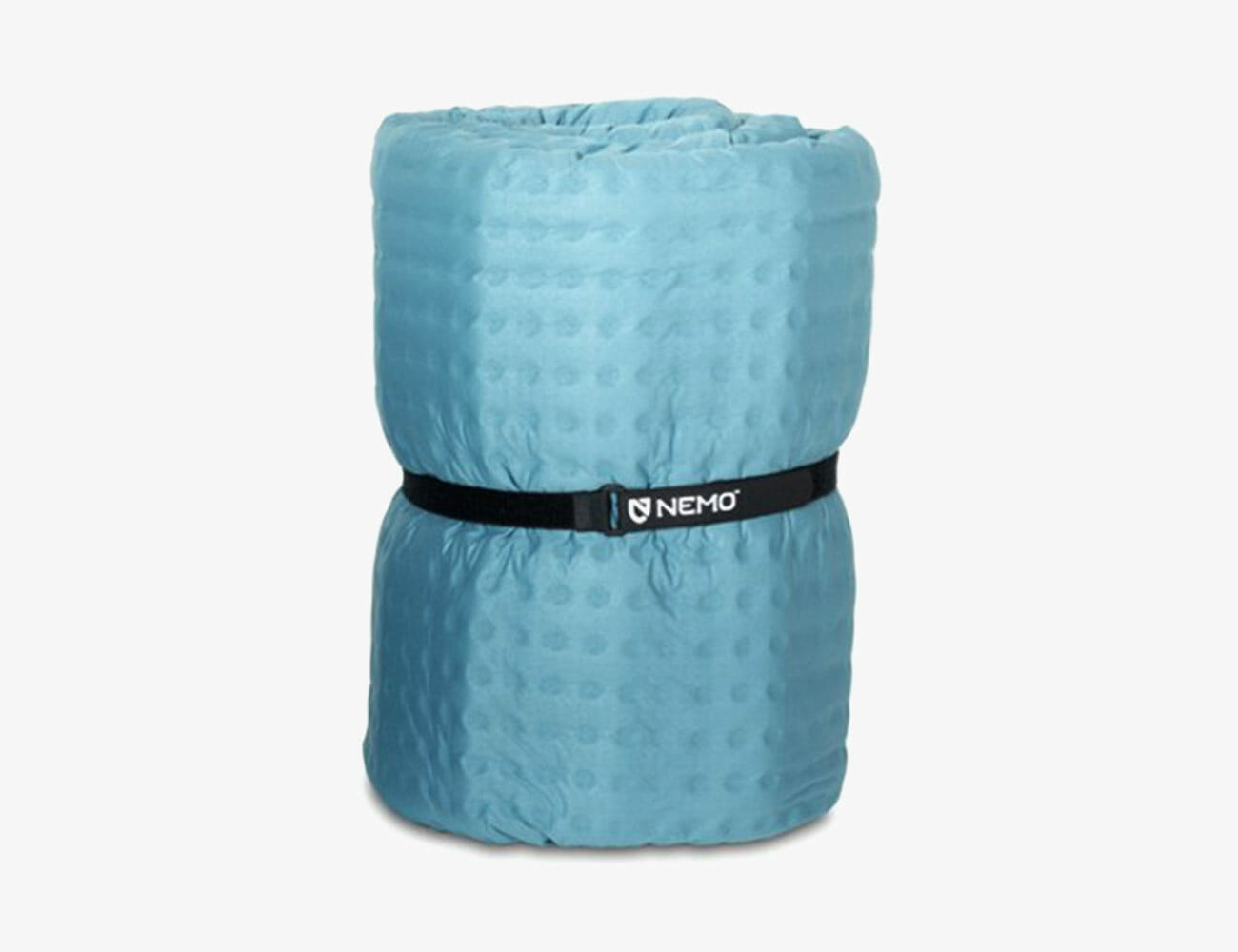
The filter contains myriad tiny “u”-shaped hollow fibers that trap bacteria and contaminants while allowing filtered water to quickly pass through. Because the filter is certified down to 0.1 microns, harmful bacteria and protozoa become trapped in the spaghetti-like fibers and only clean water is passed. Incredibly, the filters have a 1,000,000-gallon cleaning capacity and sufficient flow rate for 100 people in a day over a 5-year period. Run in a family system for a group of 5 people, this means a lifetime of 20 years per unit if properly maintained.

Sawyer’s all-in-one emergency bucket and faucet adaptor kit (which includes a filter) retails for $50 and arrives in a small plastic pouch. Once in-country, Clean Water Corps personnel will buy locally available buckets and transport them to the area where clean water is needed. (For travelers, Sawyer offers a Mini Water Filtration System for $20 that doesn’t include bucket or faucet adaptors).

The filter implementation is then simple — a demonstration is given to the locals on how to drill a small hole near the bottom of each bucket (this can be done by hand with an included bit), and how to attach the filter to the end of a small piece of tubing. A few easy installations of the pieces included in the kit and voila — instant clean water.

The beauty of the Sawyer filter is in its simplicity and its effectiveness — Clean Water Corps and W4W personnel have returned to afflicted areas to find water filter systems working years after their initial implementation. The trick lies simply in effectively teaching someone how to use and maintain the system properly — once this is done, the gift of life through clean water is forever given.

Of course, the filter system isn’t perfect — it can’t separate chemical, heavy metal, mineral, and viral contaminants from water, which require different types of filtration solutions such as rain catchment or wells. But for the vast majority of cases, this small piece of kit, which can easily fit in a backpack, or even a pocket, is enough to change someone’s life forever. We mostly take clean water for granted in places like the United States, where almost everyone has easy access to it by simply turning on the tap in the kitchen.

However, for roughly 11% of the world’s population (or 790 million people), access to clean water isn’t a given. In conflict zones, places that are prone to natural disaster, or in remote villages or towns, clean water doesn’t flow from a tap. There are several ways to give people access to clean water, and portable filtration is only one of them, but it’s amongst the most elegant, easy-to-implement solutions to one of humanity’s greatest challenges.

Having traveled throughout many countries in the world in myriad remote areas, we’ve used water filtration solutions firsthand, long before encountering Waves for Water or the Clean Water Corps. Some are clunky and only partially effective, while others are more elegant. Having seen the Sawyer product in use by the Clean Water Corps in Colombia, however, we can’t imagine there being better validation for its effectiveness.

My Favorite New Piece of Camping Gear Isn’t Ultra Light, It’s Massive

A few years ago, I asked Lou Whittaker, the mountaineer who led the first American ascent of the Mt. Everest’s North Col, what he thought the most important advancement in gear has been in the past few decades. “Weight is the main factor,” he told me. “Everything from your hat and gloves and boots — the lighter it gets, the better.”

Making outdoor gear lighter and smaller without sacrificing technical prowess has been the industry’s lodestar for decades. There have been a few watershed moments in the lightweight-packable story — such as when Eddie Bauer (the man, not the brand) came up with the Skyliner down jacket in the 1930s, and when Charles Cole made the Five Tennie and created the approach shoe in the 1980s. But mostly, the process of shaving tenths of ounces off tents, sleeping bags, jackets and everything else has been a slow, continuous plod.

And yet, even as the industry opens its arms to embrace lifestyle gear that makes its case in vibes rather than technical prowess — think chunky, retro hiking boots and sleeping bags with arm holes and hoods — the assault on size and weight continues. Just this year, Therm-a-Rest released the UberLite, an inflatable sleeping pad that’s 2.5 inches thick when full yet deflates and rolls up into a wad the size of a can of Coke; it weighs 8.8 ounces in its standard size.

I’ve backpacked and camped with the UberLite, and it’s a truly remarkable piece of gear. But allow me to make an alternative assertion: most of us don’t need a sleeping pad that small. In fact, we might be better served by buying the biggest one we can find. Coincidentally, or maybe instinctively, Nemo Equipment released such a piece of equipment this year, too.

The mastodonic mattress is called the Roamer. It’s four inches thick with a hearty filling of self-inflating foam and it’s lined with soft fabric on top and a more durable cover on bottom. It weighs over five pounds (more than most backpacking tents) and it comes in two sizes: the 25- by 76-inch “Long Wide” and the 30- by 80-inch “XL Wide.” It is neither lightweight nor packable, at least not by the outdoor gear world’s current standards. But it is awesome.

Let me explain. I’ve been camping for my entire life, in places as near to home as Upstate New York and as far-flung as the bush of New Zealand. I’ve gone on trips that require me to carry everything I needed to survive for nine days in a single backpack; that’s where a pad like the UberLite proves its merit. But unfortunately, those adventures are few and far between, and more often than not I make camp a few miles, or a few feet, from my car.

I’m not alone here, either. Most of the adventure stories published in magazines and made into films involve the epic; their protagonists travel to places few people ever go. As sponsors of these endeavors, many outdoor brands reinforce the notion that this is how we use outdoor gear (although the message is shifting). But I’d bet my dust-covered bank account more sleeping bags are brought to music festivals than Himalayan peaks.

In 2015, the number of visitors to US National Parks spilled over 300 million, and by 2016 it was already at 330. But according to a recent report by KOA, only eight percent of those who went camping in 2018 spent the night in the backcountry, while 65 percent chose to stay at campgrounds.

I don’t know about you, but when I camp at a campground, I become a goldfish. I expand in response to the space that I have, and I absolutely fill my car with gear. It doesn’t matter how many nights I’m staying, I bring it all, with no regard to packed size or trail weight specs.

This is where the Roamer shines. It makes no apology for its bulk, because giving up small size in exchange for more comfort is an easy bargain for most of us to make. And the oversized pad isn’t really competing with ones like the UberLite anyways; it doesn’t want to go backpacking.

Instead, it offers a comfier and yes, more packable, alternative to the cheap, heavy and ever-poppable plastic air mattresses you might buy at Walmart. Come to think of it, compared to those products, the Roamer does continue that old light-packable story after all.