All posts in “Sports and Outdoors”

The 10 Best Outdoor Products of 2019

 This story is part of the GP100, our annual roundup of the best products of the year. To see the full list of winners, grab the latest issue of Gear Patrol Magazine.

For products to stand out in the outdoor space, they usually have to nail at least one of a few key superlatives: lightest, smallest, quickest. And while some of the year’s best releases do just that, others simply go against the grain. From a sleeping pad that’s intentionally big to a surfboard made of sheep’s wool, the best outdoor products might even make you wonder which superlatives really matter.

Products are listed alphabetically.

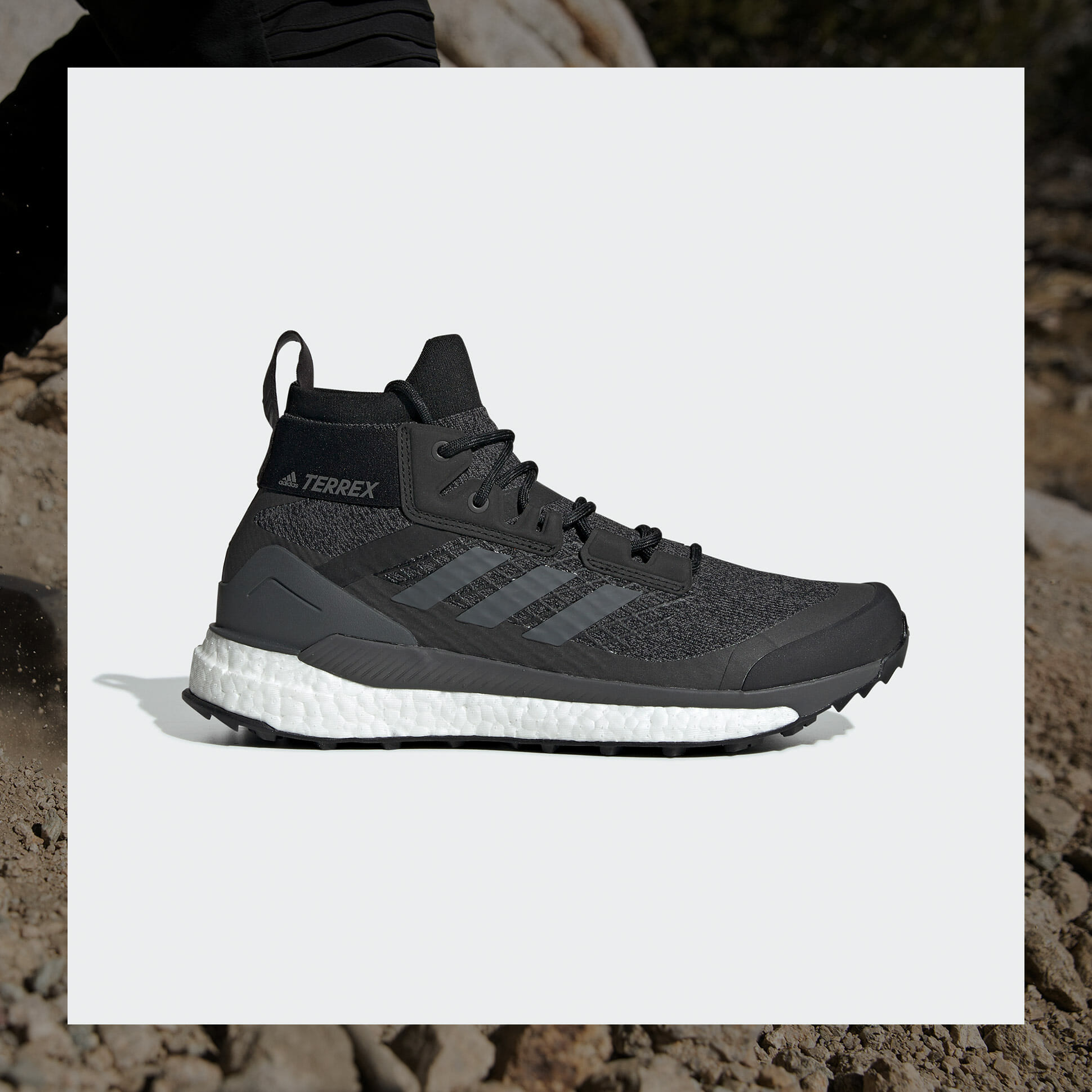
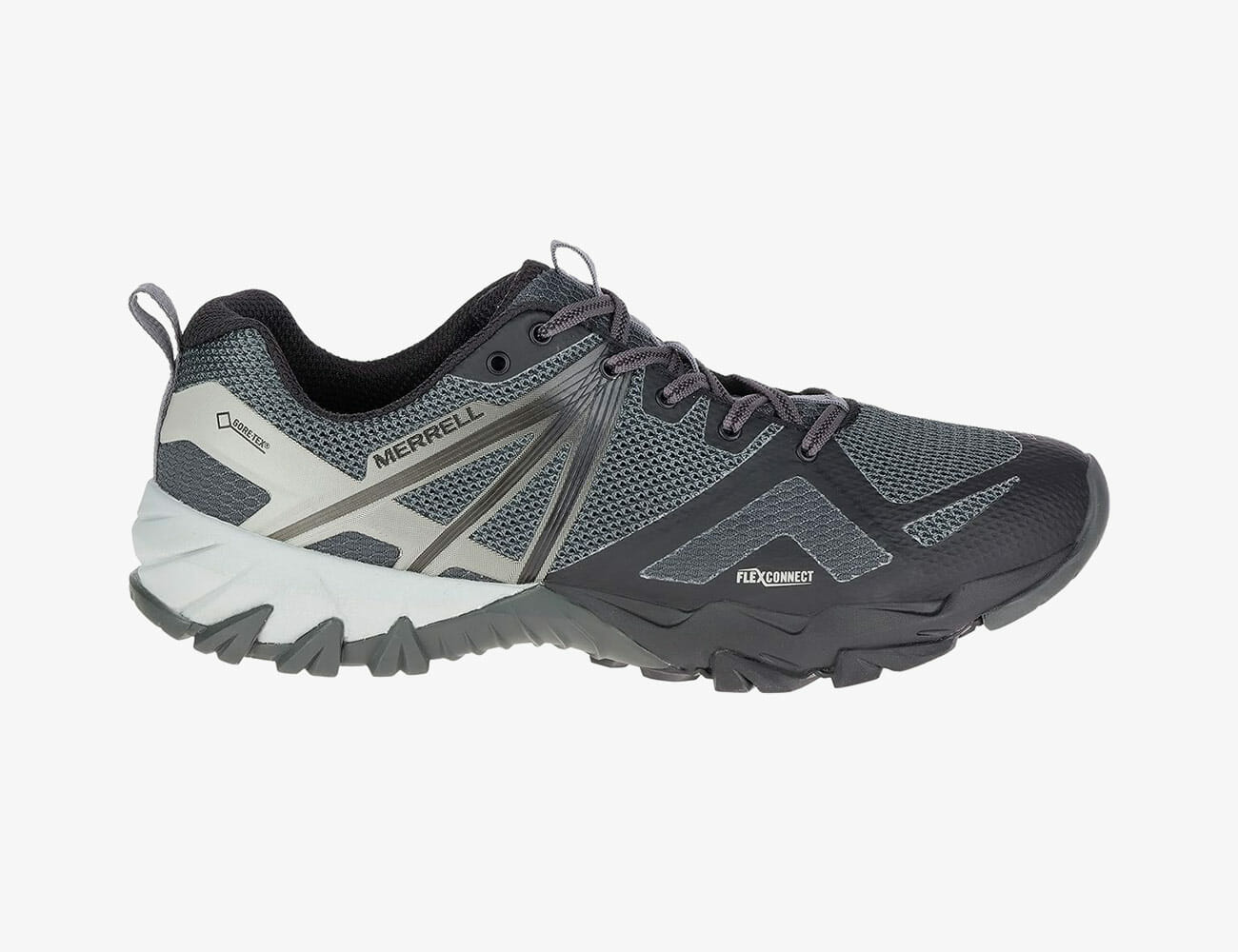
Adidas Terrex Free Hiker

As evidenced by the wave of Canada Goose jackets status-symboling down city streets these days, outdoor products and urban style trends continue to cross paths. At the confluence of function and fashion reside excellent items like the Adidas Terrex Free Hiker. This clever, sneaker-fied hiking shoe finds itself equally comfortable at both clubs and campsites. Active ingredients? Foot-hugging Primeknit uppers, energy-returning Boost foam soles and funky styling rarely seen on trails.

Weight: 13.5 ounces
Collaboration: Continental rubber outsole
Bonus: Waterproof Gore-Tex for an extra $50
Price: $200

Further Reading
Here’s a Sneak Peek at the New Adidas Ultraboost 20 Running Shoe
The Best Hiking Boots of 2019

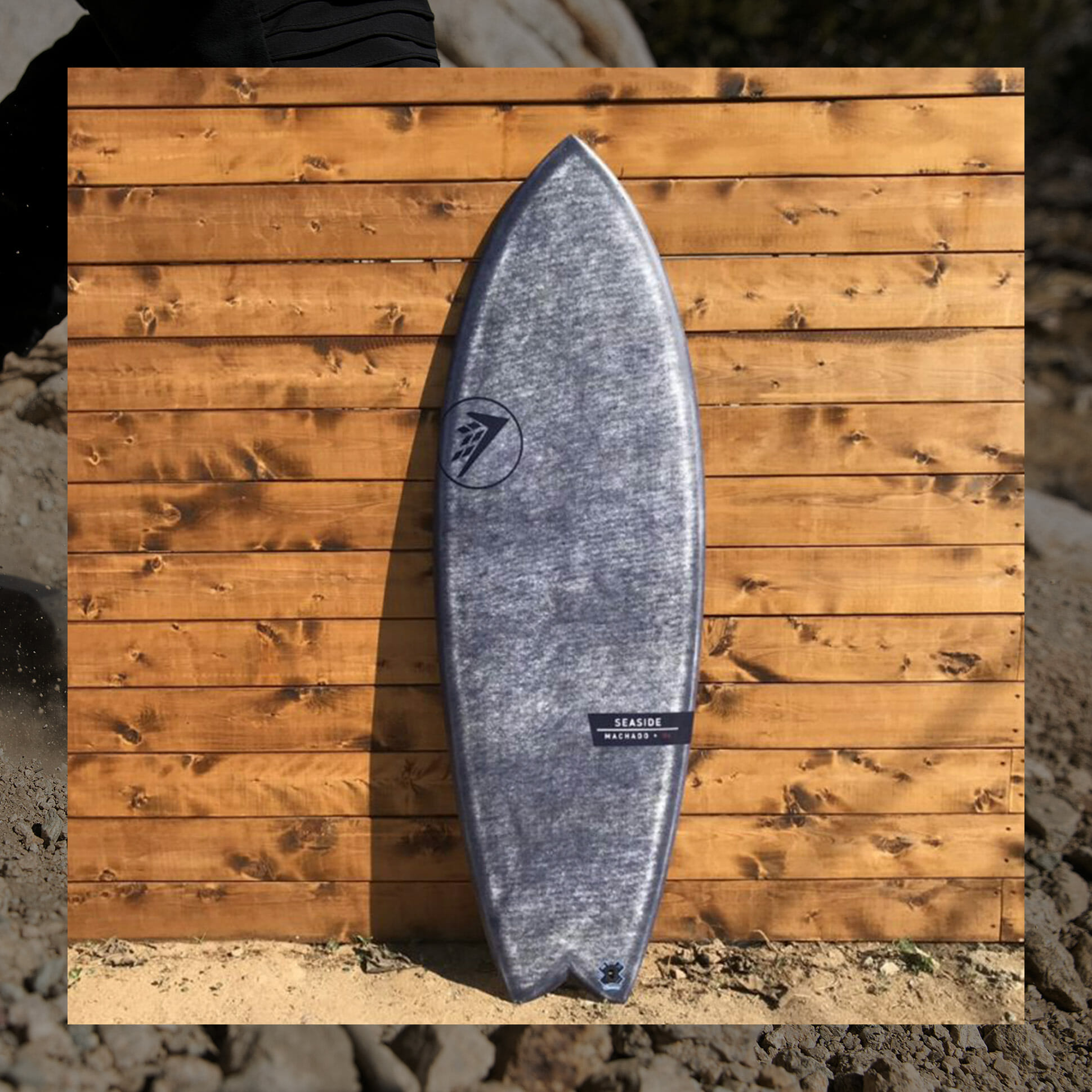
Firewire Woolight Seaside

For all the “connecting with nature” allure it touts, surfing’s dirty secret is that most wetsuits and boards feature materials derived from fossil fuels that are harmful to the environment. Case in point: petroleum-based fiberglass fabric makes up nearly every board’s outer shell. For the Woolight Seaside, Firewire replaced that material with wool sheared ethically from New Zealand sheep — introducing the surf world to a naturally occurring alternative to unsustainable fiberglass. 

Sizes Available: 5’2″ – 6’1″
Volumes Available: 26.5 – 46.5 liters
Fin Setup: Quad
Price: $840

Further Reading
What the Hell Is a Wool Surfboard?
Yes, You Want Wool Swim Trunks. Here’s Why

Watch Now: The 10 Best Outdoors Products of 2019

[embedded content]

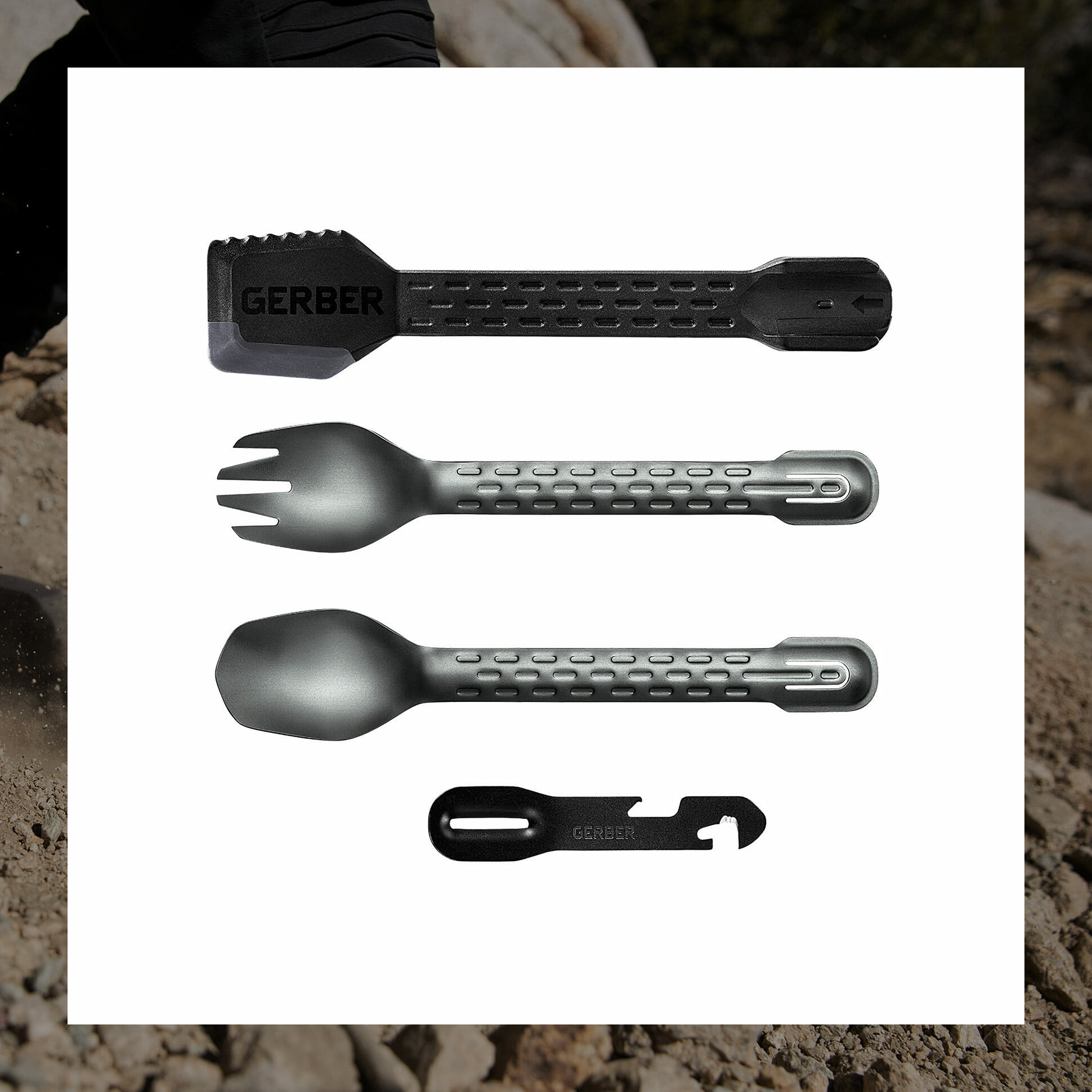
Gerber Compleat

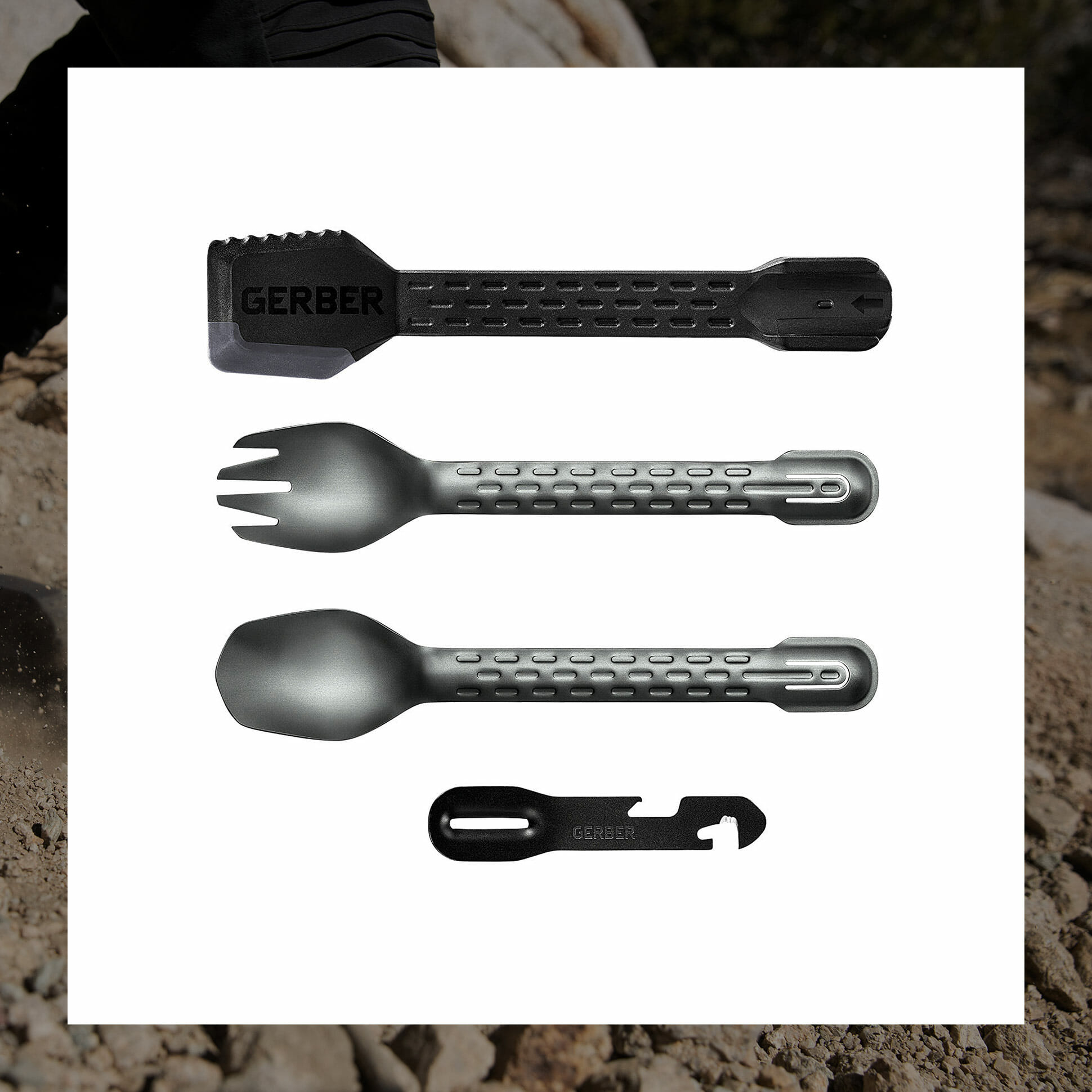
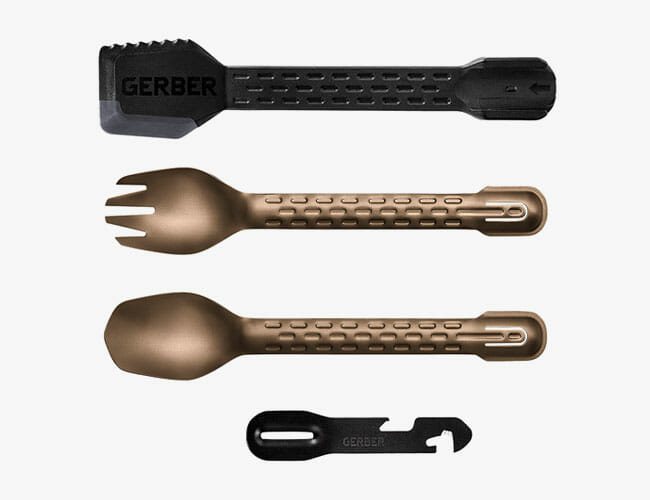
The spork became a camp cutlery classic by uniting spoon and fork. But in doing so, sporks diminish the effectiveness of both utensils. The Compleat avoids this master-of-none trap; not only does it boast a separate spoon and fork, but also it has a dual-edge spatula (one edge serrated, the other rubberized) and a peeler-equipped tool that opens bottles, packages and cans. Slide the fork or spoon’s handle into the spatula for the coup de grâce: tongs.

Weight: 2.3 ounces
Materials: Heat-resistant nylon and anodized aluminum
Total Number of Implements: 8
Price: $30

Further Reading
Why You Should Never Bring a Spork Camping
The 6 Best Dehydrated Meals for Backcountry Dining

Igloo Recool

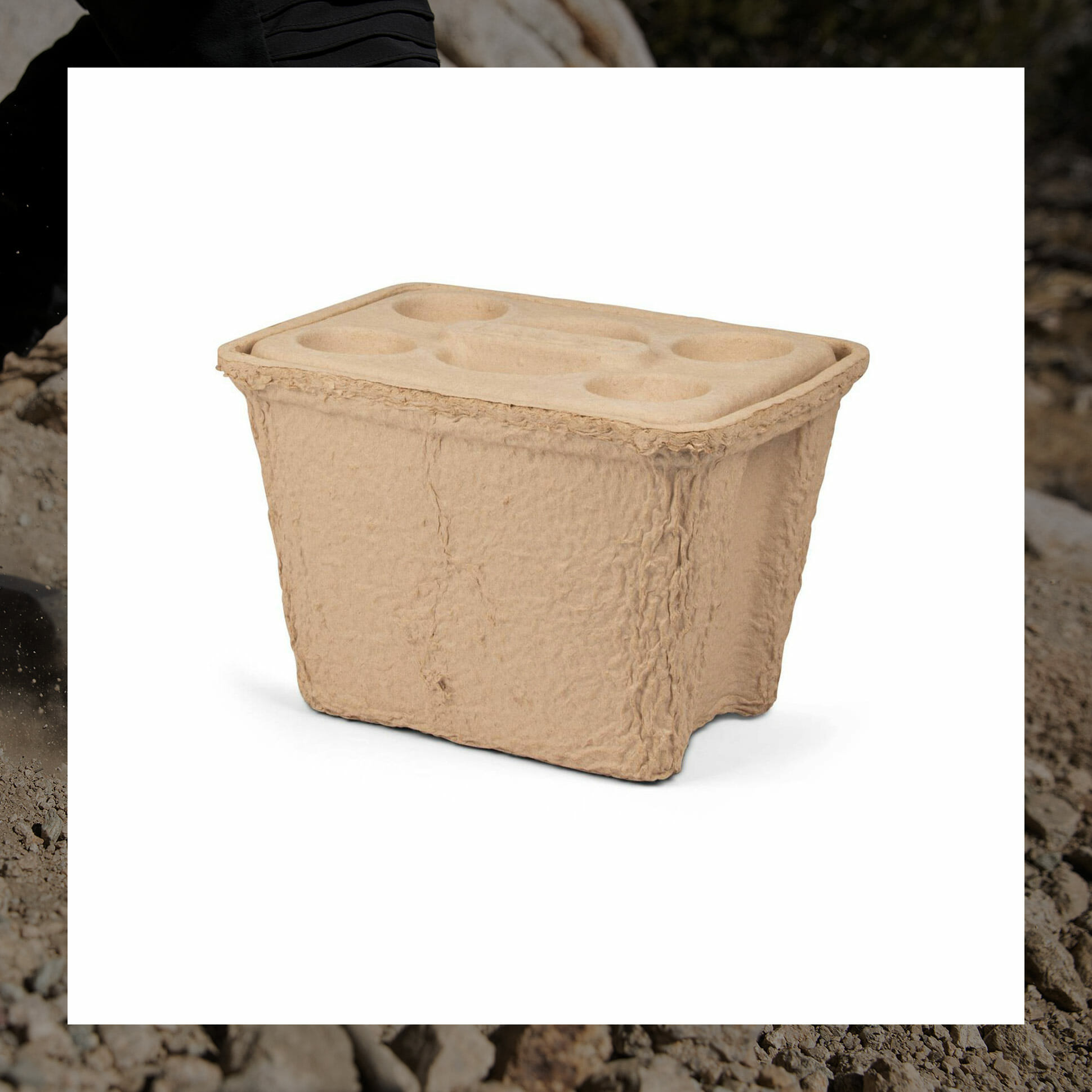
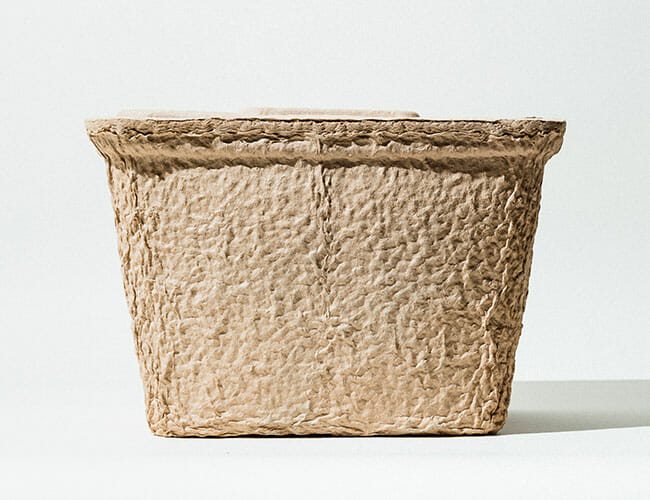
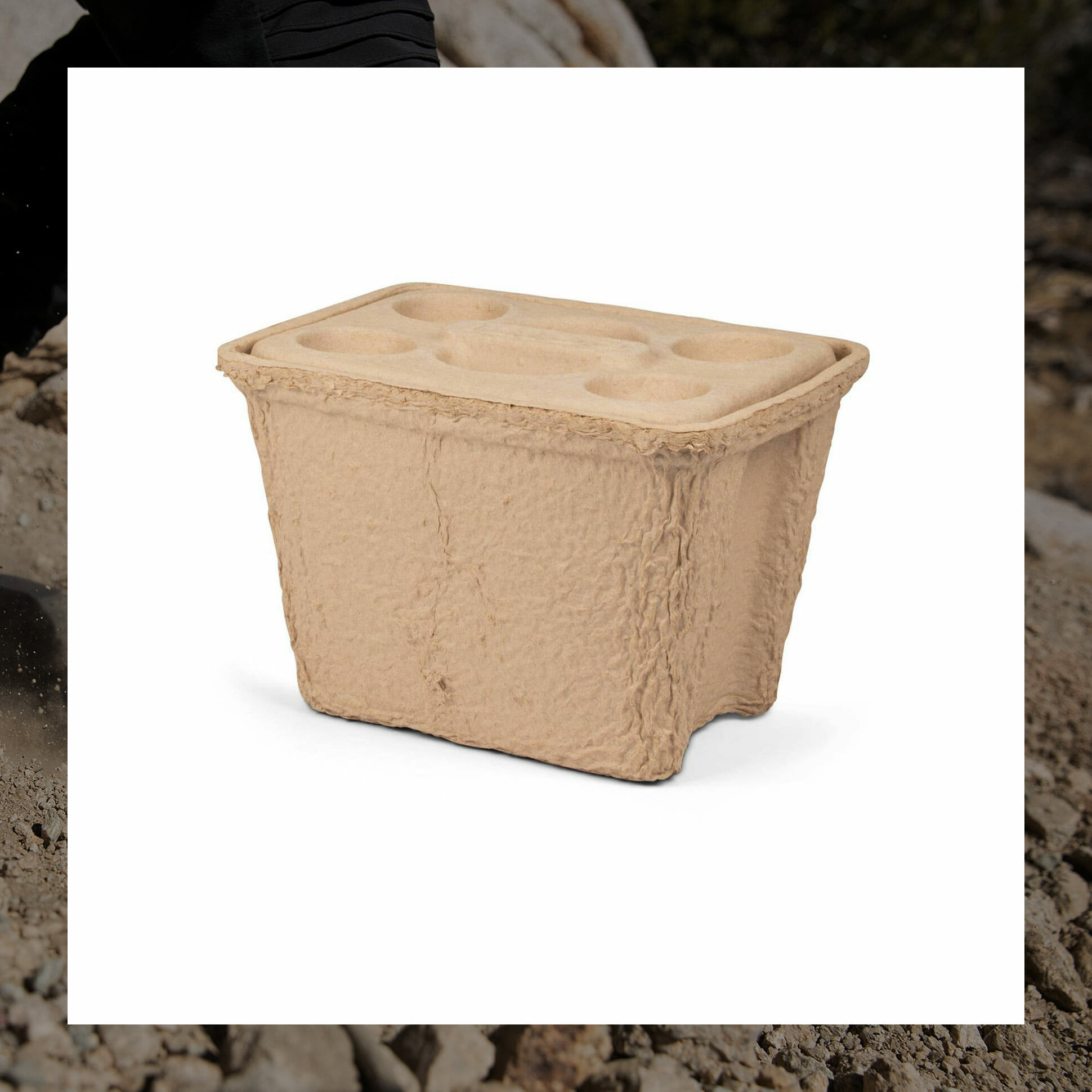
As the mega-cooler wars between Yeti and its imitators rage on, Igloo is taking a different approach. The Recool — an entirely recycled-material, biodegradable 16-quart cooler — provides an Earth-friendly alternative to those pervasive Styrofoam units found at every gas station. Sturdy and reusable, it keeps beer ice-cold all day long. While it might not replace the giant ice chest in your truck bed, it’s easily the best, most conscientious cheap cooler around.

Weight: 1.6 pounds
Material: Compostable recycled paper
Capacity: 16 quarts (or 20 12-ounce cans)
Price: $10

Further Reading
Why You Should Care About Igloo’s New $10 Cooler
The 14 Best Coolers of 2019

Yamaha Adventure Pro powered by Magellan

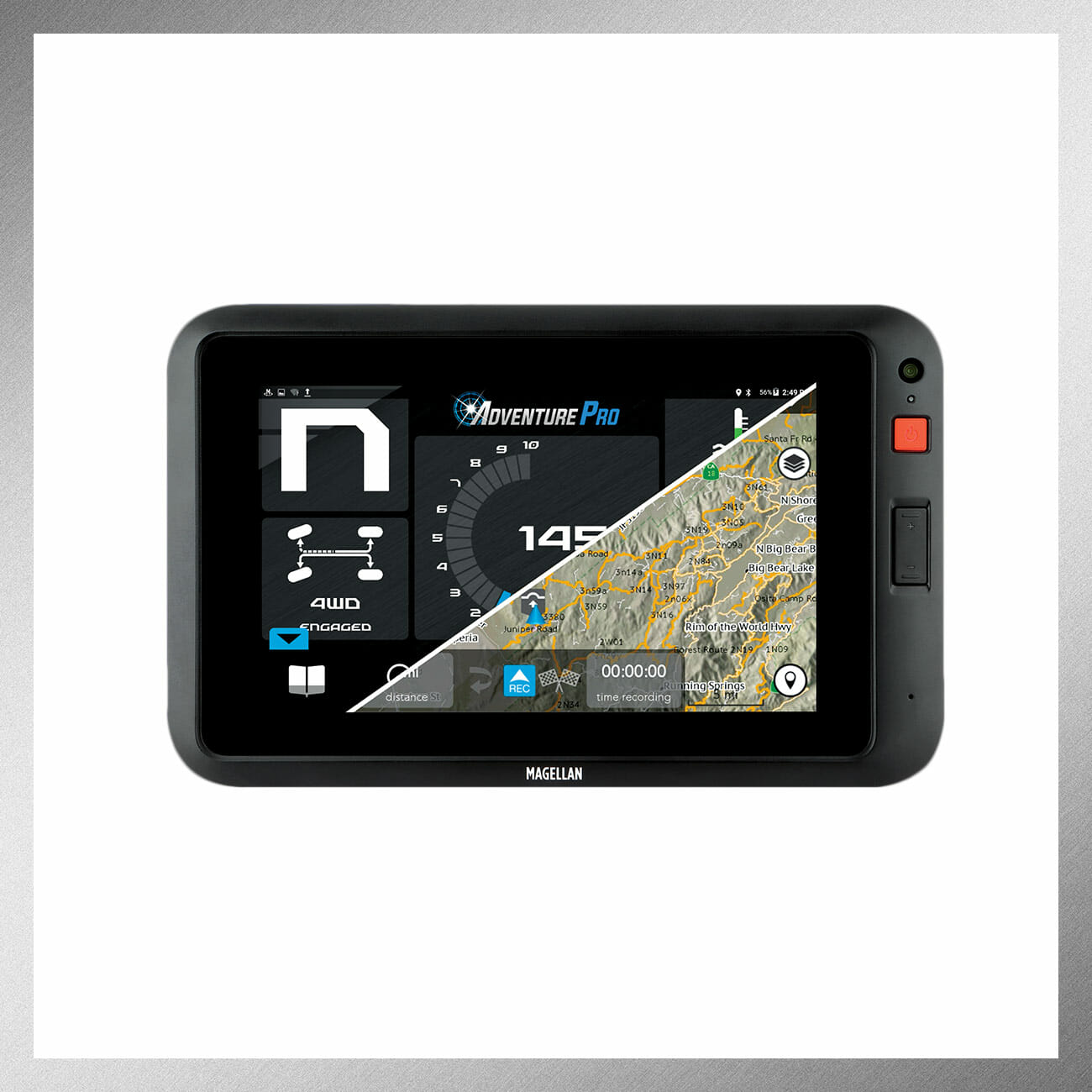
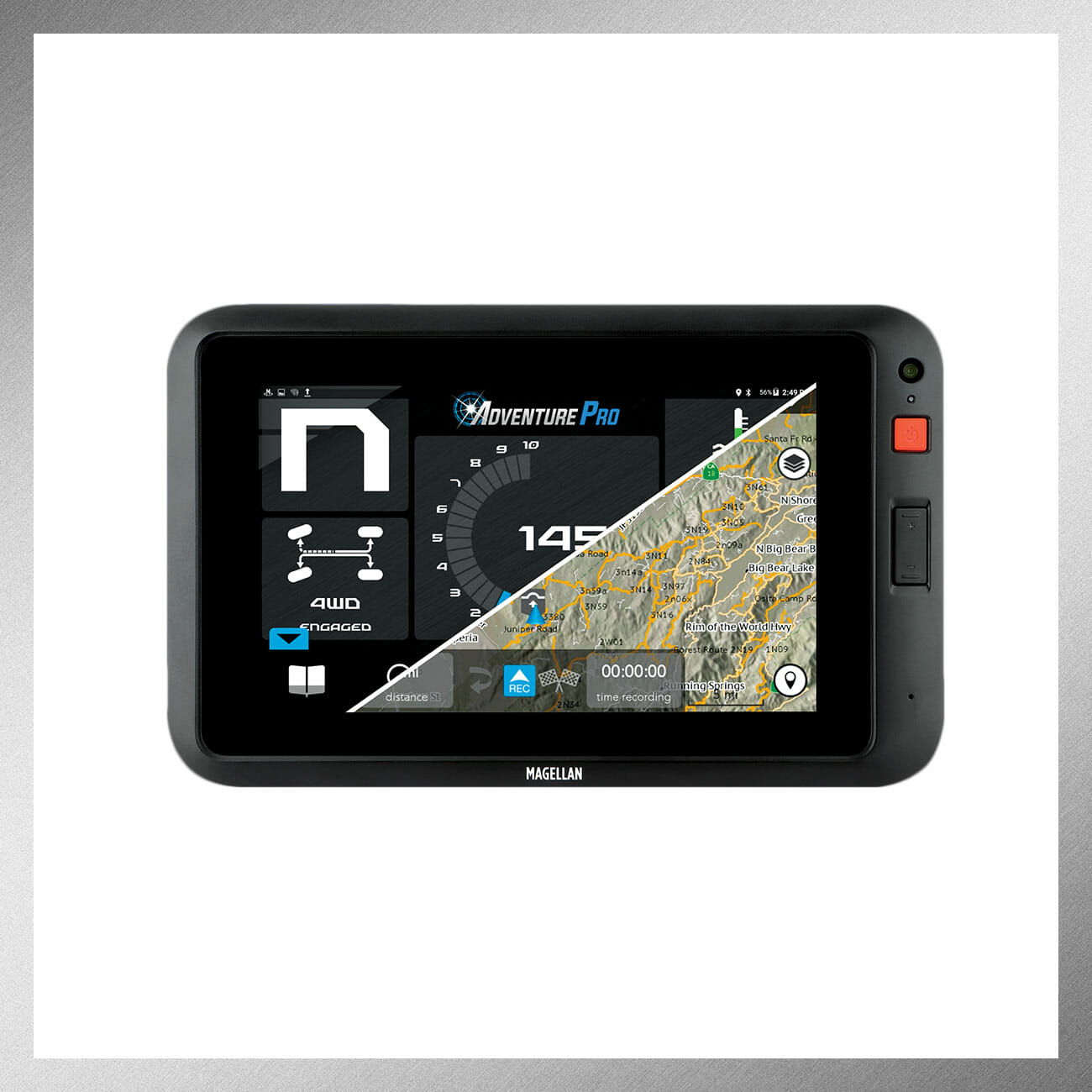
The Adventure Pro is an advanced adventure tool that will help you explore further with your Yamaha. And you can share your experiences with friends and family along the way, too, thanks to its social media integration. The Adventure Pro also features GPS mapping and navigation, as well as online adventure planning — making it even easier to share your latest journey. Buy Now: $749+

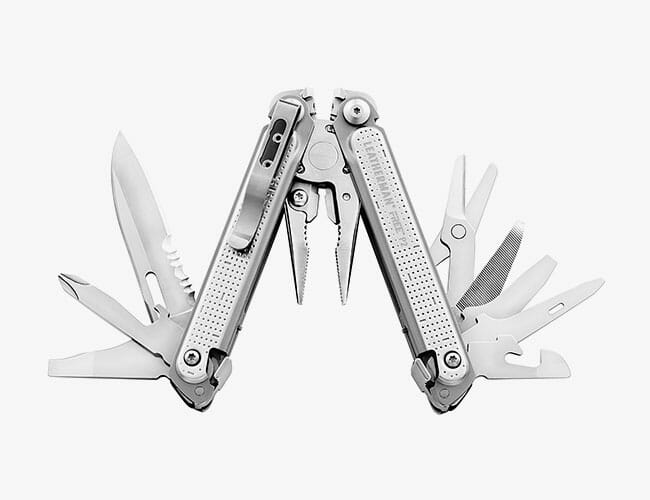
Leatherman Free P2

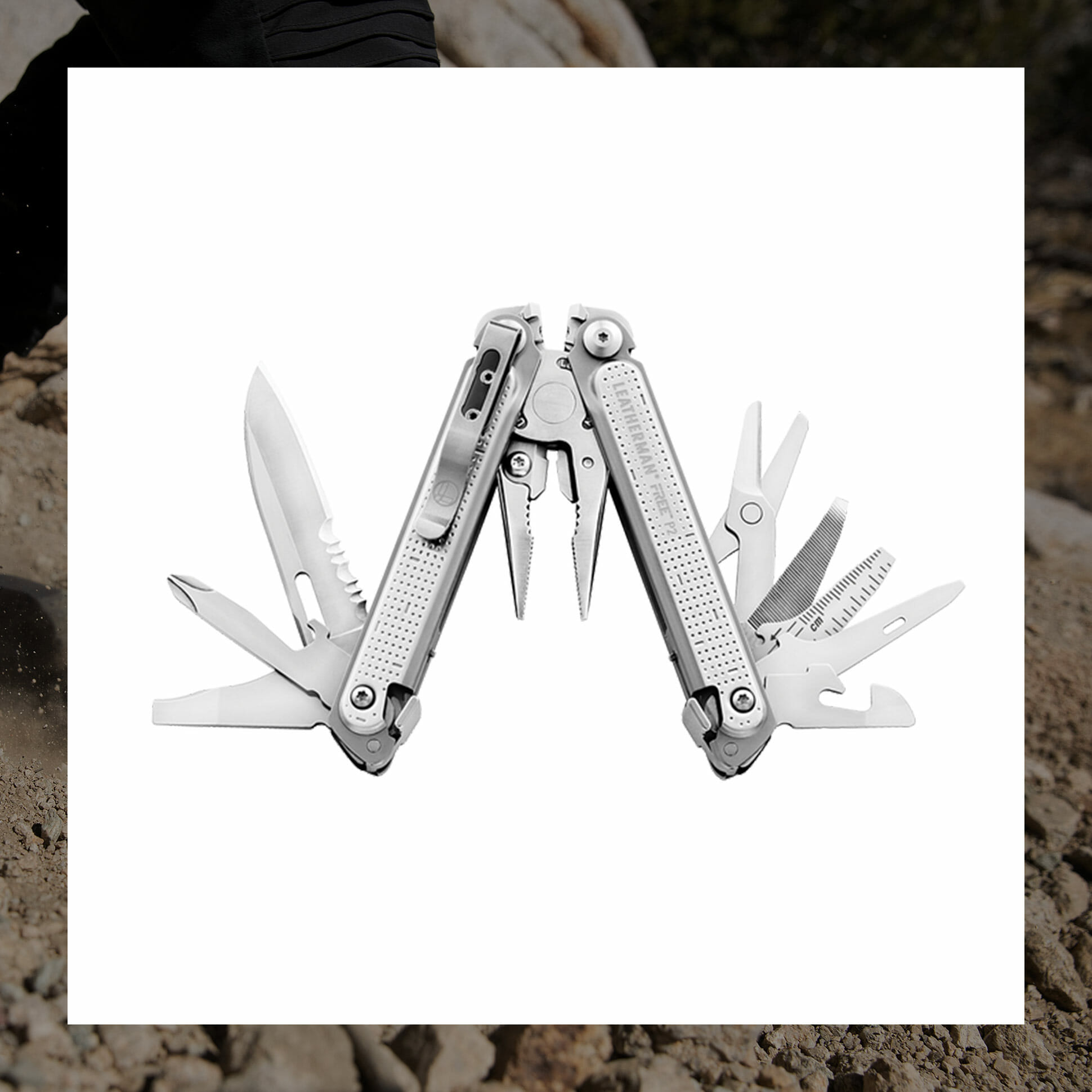
Like its predecessors, the P2 is a plier-centric implement with handy functions that swivel out of its handles. The difference? Internal magnets allow the Free P2 — and its big brother, the P4, which adds saw and serrated-knife blades — to stay closed until the magnets are disengaged with a firm flick of the thumb, at which point the handles butterfly open without friction and lock with a satisfying click. The internal tools swivel open by pushing on tiny nubs, instead of wedging fingernails into annoying little knicks. The result? You can deploy every single tool using one hand.

Weight: 7.6 ounces
Knife Blade Length: 2.76 inches
Number of Tools: 19
Price: $120

Further Reading
The Best Multi-Tools Available
Everything You Need to Know About Leatherman’s New Multi-Tools

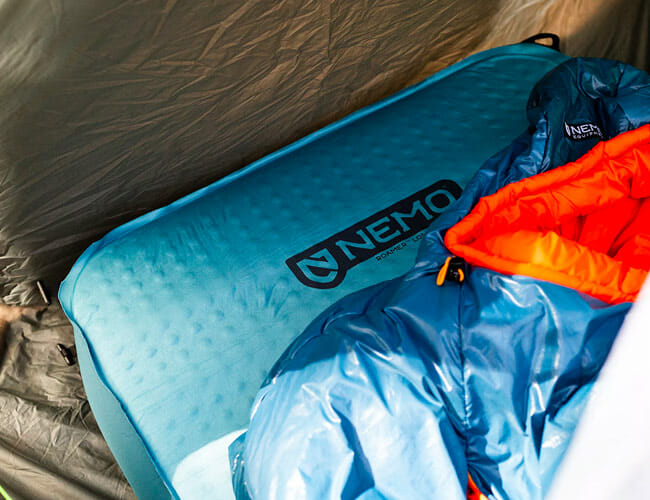
Nemo Equipment Roamer

Sleeping pads keep shrinking, with the slimmest ones now packing down to the size of a soup can. But does smaller + lighter = better? Nemo says no with the Roamer, which addresses a camping reality: most of us make basecamp near our vehicles, so why not bring the most luxurious pad available? This pad self-inflates, is available in two sizes and is still lighter and comfier than the blow-up air mattress you might otherwise stuff into a tent. Sweet dreams.

Material: 50-denier stretch fabric, polyester top
Weight: 5 pounds, 3 ounces
Lets You Sleep Like: The happiest baby ever
Price: $210+

Further Reading
My Favorite New Piece of Camping Gear Isn’t Ultralight, It’s Massive
This New Tent Is for People Who Don’t Like Camping

Salomon S/Lab Ultra 2

The first iteration of the S/Lab Ultra was widely available, but Salomon really made it for one person: world-class ultra-runner François D’Haene, who used it to win 50-plus-mile races (and set the speed record on the 211-mile John Muir Trail). Salomon has since gone slightly more egalitarian, releasing this pared-down design with a lighter yet more durable upper. Nonetheless, the streamlined profile, close fit and all-terrain tread remain, making this version the ultimate trail running shoe.

Weight: 10 ounces
Drop: 8mm
Waterproofing: None
Price: $180

Further Reading
All the Tips and Gear You Need to Transition Into Trail Running
5 Trail Running Tips and Tricks a Top Ultra Runner Swears By

Specialized Turbo Kenevo Expert

Editor’s Pick

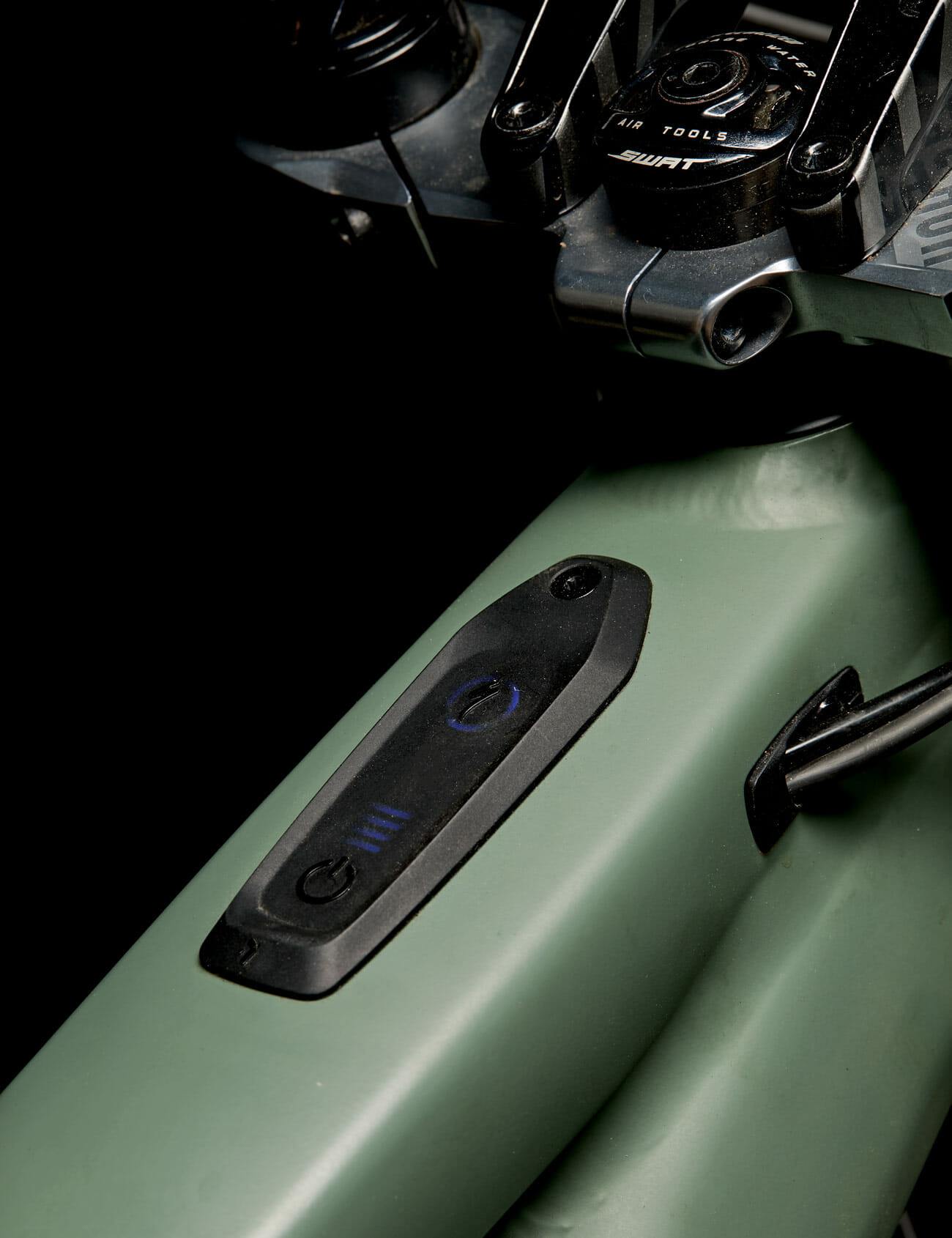
A few years ago, early electric mountain bikes promised to revolutionize the sport. But that promise was overblown, because …well, they sucked. Specialized’s new Turbo Kenevo Expert leads the charge of the third generation of E-MTBs — the first ones that don’t. It’s designed to rip down hills and climb up them again with equal aplomb. Like a Leatherman, it can do things you probably never will, but it’s cool to think you might.

Frame: M5 premium aluminum
Battery: 700 watt-hours
Travel: 180mm (7.1 inches)
Price: $8,225

Further Reading
Are Electric Mountain Bikes Ruining Trail Systems?
I Thought I Knew How to Mountain Bike — Then I Went To Mountain Bike Camp

The James Brand Hell Gap

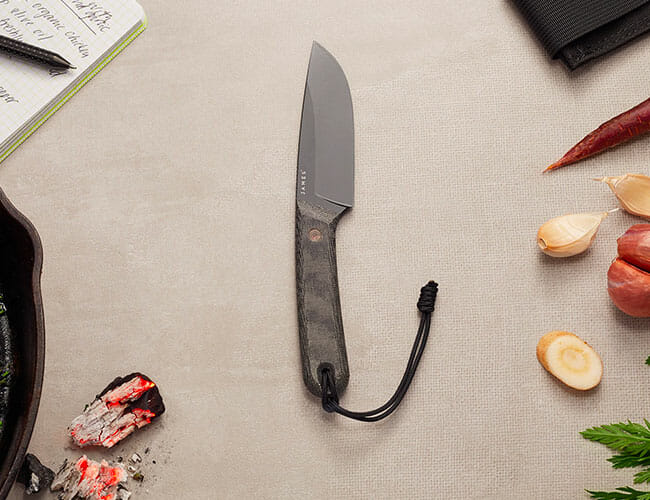
When you can buy a knife at the hardware store for $20, why would you spend $300 on a fixed blade you intend to prep a campfire meal with? Simple. Because a cheap knife won’t last. But the Hell Gap, with its purebred Crucible S35VN, micarta construction and timeless good looks, will. Plus, its distinctly non-tactical dress and reasonable size make it a joy to deploy at home, too.

Weight: 3.1 ounces
Length: 7.8 inches
Blade: 3.8-inch drop-point full-tang
Price: $299

Further Reading
This Is the Fixed-Blade Knife to Make You Want a Fixed-Blade Knife
Everything You Need to Know About Pocket Knives

The North Face A-Cad FutureLight Jacket

To create an ultra-breathable jacket, The North Face harnessed a process called nanospinning (a.k.a. electrospinning), in which liquid polyurethane is extruded through more than 200,000 microscopic nozzles into impossibly thin threads. Those threads are overlaid atop each other to create a lattice with thousands of gaps too small for water to penetrate, yet big enough to promote airflow. Laminate that membrane to fabric, and voilà: a truly waterproof-breathable snowboarding jacket like the A-Cad. Or a running jacket. Or the perfect mountaineering shell. With FutureLight, they’re all better equipped to handle the rigors — and weather — of outdoor sports.

Materials: 100% recycled polyester with brushed tricot backer and DWR finish
Weight: 2 pounds, 1 ounce (size medium)
Ideal Use Conditions: Whatever comes your way
Price: $599

Further Reading
How The North Face Will Change Everything You Wear Outside
8 of the Best New Pieces of Winter Outerwear
Note: Purchasing products through our links may earn us a portion of the sale, which supports our editorial team’s mission. Learn more here.

A daily magazine of immersive stories, deals, buying advice, product-forward editorial, and reports from far-flung places.

More by Gear Patrol | Follow on Facebook · Instagram · Twitter · Contact via Email

This Is the Only Running Tee I’ll Ever Need

One hundred miles and 30 days later, the Black Diamond Rhythm Tee only shows one sign of distress: a tiny tear caused by a tree branch in the backcountry of Golden, Colorado. I’ve been running in this tee — a wool shirt designed for high-output activity — over the last month and I’m positive I’ll continue reaching for it in all seasons (but winter) for biking and hiking, too.

This isn’t like other wool shirts. My first thought when I was handed the Black Diamond Rhythm Tee was that it was just a textile swatch — it’s that light. But, no matter its weight (or lack thereof), it still performs like wool, which is a good thing, especially if you’re running in the Colorado foothills, where days often start brisk and quickly become scorchers. Wool shirts have a broad thermal range to keep up with this type of weather — they keep you warm when it’s cool and vice versa — and, bonus, they’re less likely to chafe than polyester shirts.

The Rhythm Tee came to be as part of a collection at Black Diamond created with input from alpine runner and athlete Joe Grant, known for biking to all of Colorado’s 14ers and summiting each one. Needless to say, the Rhythm tee is made for high-output and sweat-inducing activities. “I always try to choose gear that I can forget about when I’m out in the elements and that doesn’t hinder the experience,” Grant says. “The Rhythm Tee is soft to the touch, very light and breathable, and has plenty of stretch.”

To gain that stretch, Black Diamond uses an innovative yarn called Nuyarn in the Rhythm tee, in which Australian Merino wool is loosely wrapped around a nylon core, giving it unsurpassed stretch and rebound. So, when the shirt is pulled, the wool straightens out but doesn’t stretch out, allowing it to return to its shape once the core rebounds. This construction also traps tiny air between the core and wool, delivering more warmth from less material, and keeping the wool fibers intact, so it’s softer against the skin.

On a recent long run, I wore the Rhythm Tee around and atop a table mesa in Golden — picture huge hills with steep sides and a mushroom flat top. The trails were full of hikers, bikers, runners (and rattlesnakes), all out to soak up the sun and warm air. The 700 feet of incline to the top had me sweating almost immediately, and by mid-run, beads of it were visible on my chest. The shirt never felt bogged down by the moisture or stuck to my skin, except between my back and my running vest, a fairly common issue (and no fault of the shirt’s) due to a lack of space between the two.

Just as quickly as I started sweating, the weather conditions changed. As I descended the trail into the shadow of the mesa’s wall, the temperature dropped about twenty degrees. Yet, the light-and-thin wool kept me warm enough to avoid any uncomfortable shivering as my sweat dried. After my two-hour run, I stopped at a bar in town for a post-run drink. And, by the time I finished my tea and limeade concoction, the inside of the shirt was dry. The shirt also tamped down some minor annoyances that stack up over time: the close fit kept it from flapping in the breeze and its stretch freed me from a tug of war with a full hydration vest.

After sub-five-mile runs, I’ve hung the shirt by an open window, hopped in the shower and found it dry by the time I finished. I can usually wear it multiple times before even thinking about washing it because wool resists odor-causing bacteria. It may be the only running (and travel) shirt I ever need.

|

The Woolmark Company provided this product for review.

Kind of Obsessed: I Found the Perfect Carry-On Weekender

I’m constantly traveling for my job, and few weekenders have ever impressed me. Now, I’ve found the perfect travel pack. Read the Story

20 Products That Rocked the Fitness World in 2019

This roundup is part of This Year in Gear, a look back at the year’s most notable releases. To stay on top of all the latest product news, subscribe to our daily Dispatch newsletter.

Adidas Alphaedge 4D

Price: $300
From: adidas.com

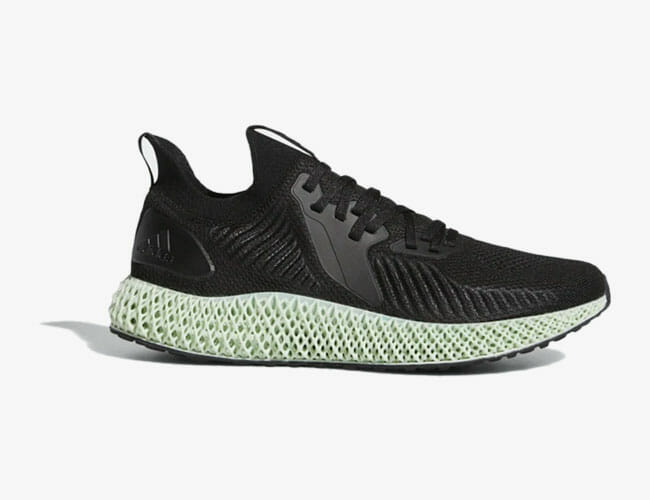
Beyond making a statement with its evolving technology (Adidas culled athlete data to tailor the support) and mint green color pop, this 3D-printed sneaker suits runners and gym-goers alike thanks to a flexible upper.

|

Asics GlideRide

Price: $150+
From: amazon.com

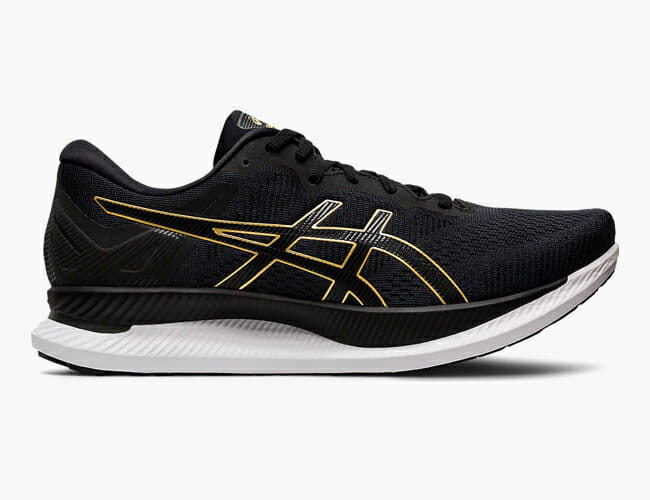
Like MetaRide (see below), Glide Ride has a rockered sole designed to propel runners from one step to the next. But to make that feeling less alien, Asics reduced the sole’s curve and increased the midsole’s cushioning, creating a more approachable introduction to a new way of running.

|

Asics MetaRide

Price: $240+
From: amazon.com

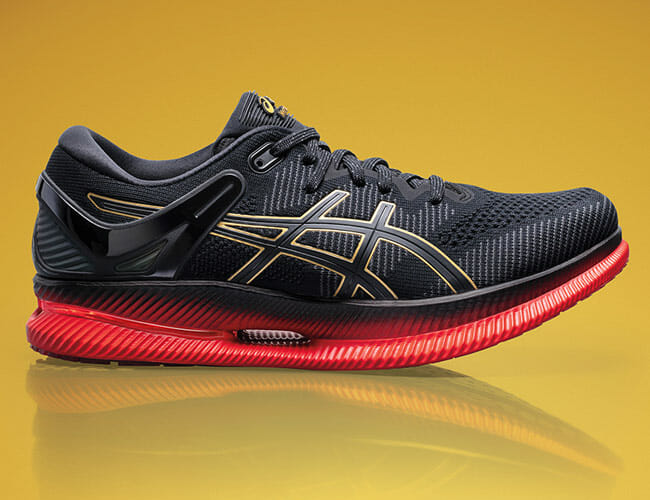
Targeted at heel strikers, this innovative running shoe combines a stable base with an energy-efficient rocker for a truly unusual sensation.

|

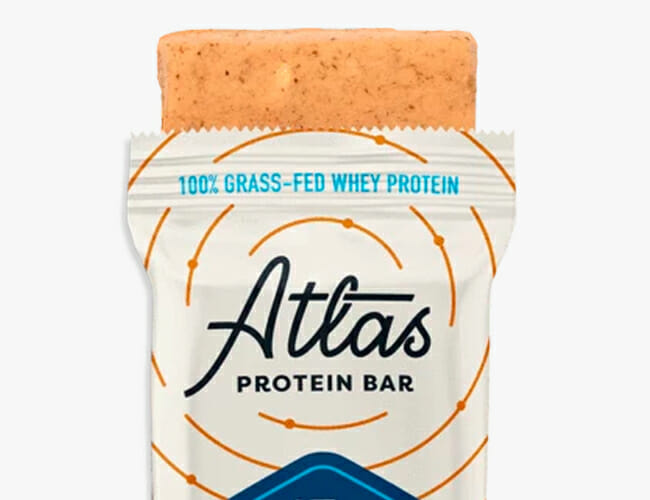
Atlas Protein Bars

Price: $30
From: atlasbars.com

Looking for a tasty, keto-friendly protein bar? All six Atlas flavors feature 15 grams of protein and no more than 3 grams of sugar and 5 grams of net carbs.

|

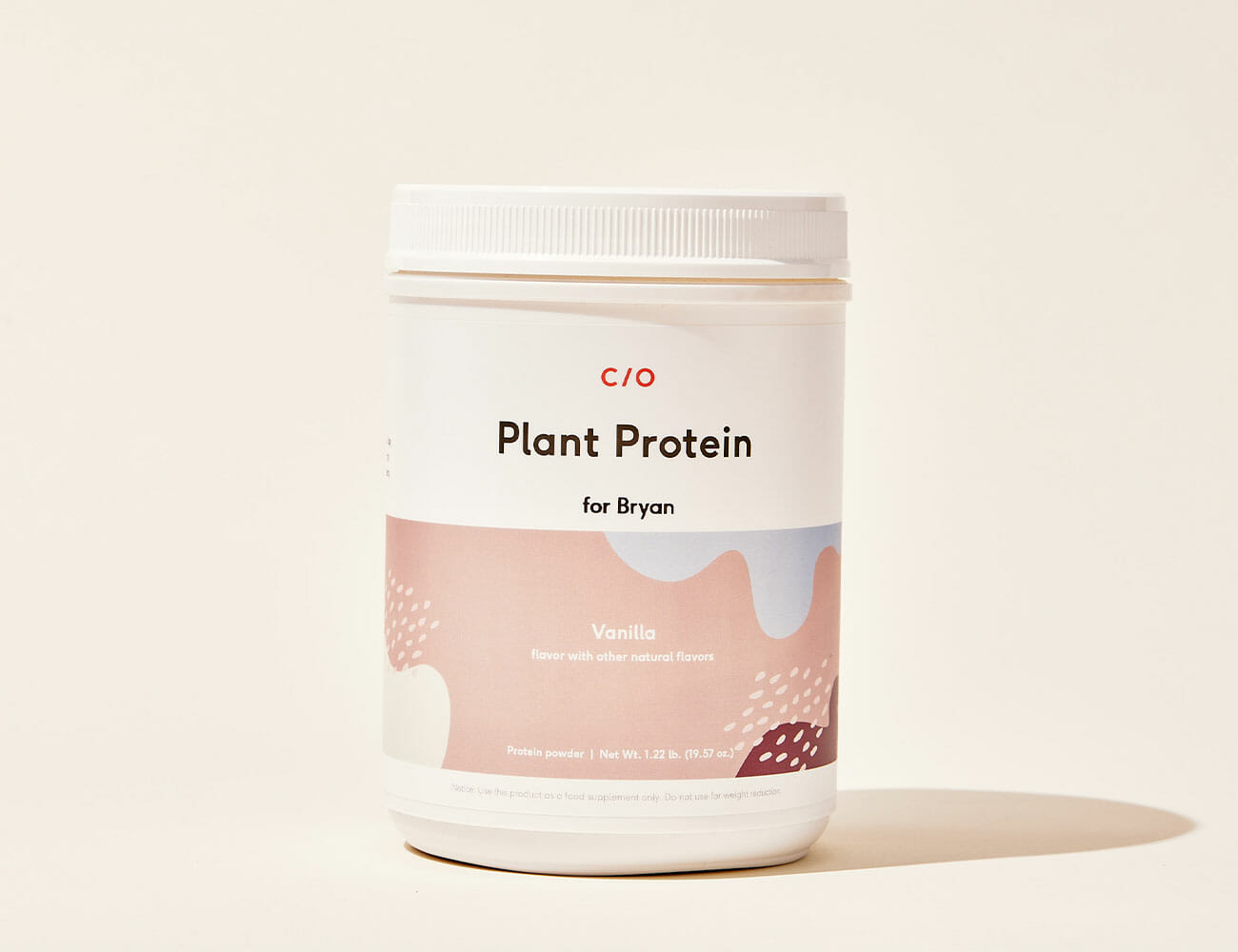
Care/of Protein Powder

Price: $15+
From: takecareof.com

Finding the perfect protein powder for your workout level and diet can be tricky, but Care/of wants to make it simple. The brand launched customizable protein powders — both whey and plant — to help you hit your fitness goals.

|

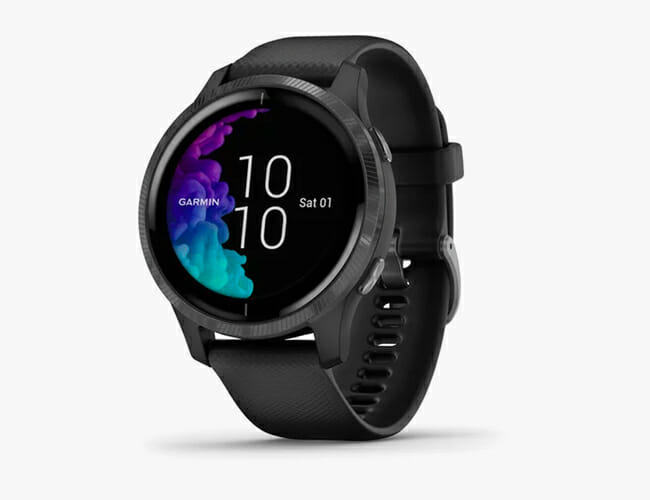
Garmin Venu

Price: $300
From: buy.garmin.com

The Venu is Garmin’s most elegant and approachable fitness tracker yet. The looks speak for themselves, but the product also has a bunch of features that make using it borderline effortless.

|

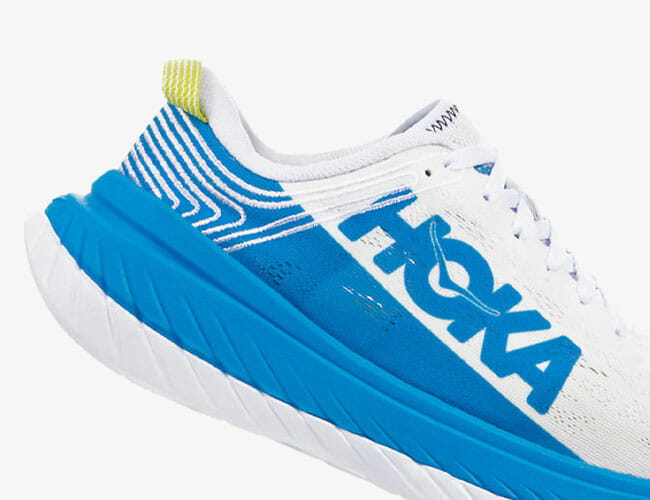
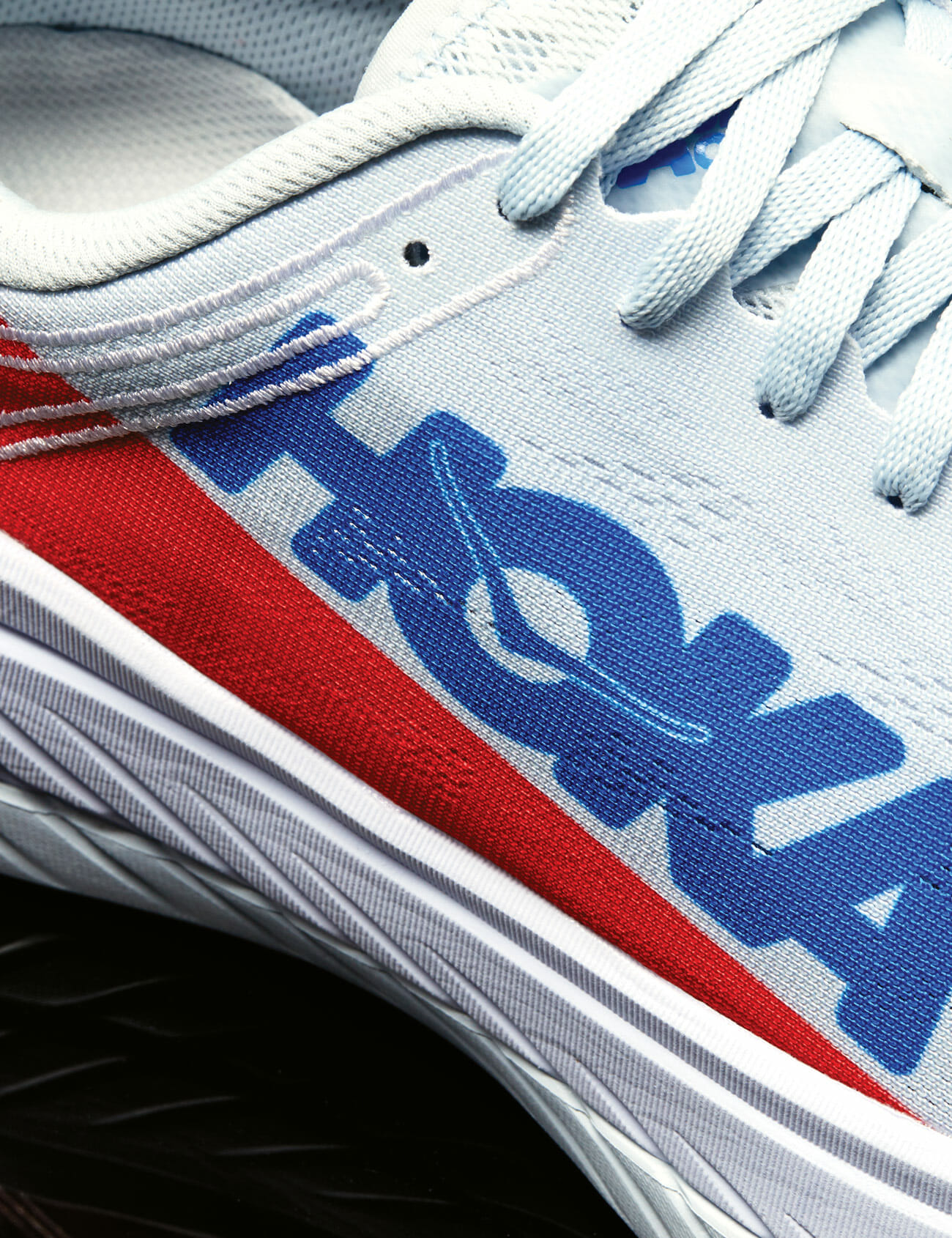
Hoka One One Carbon X

Price: $180
From: hokaoneone.com

Unlike carbon-ated competitors from Nike and New Balance, Hoka One One’s light but supportive entry into the space is intended for every runner, not just elites. That’s part of the reason we named it the best fitness product of 2019.

|

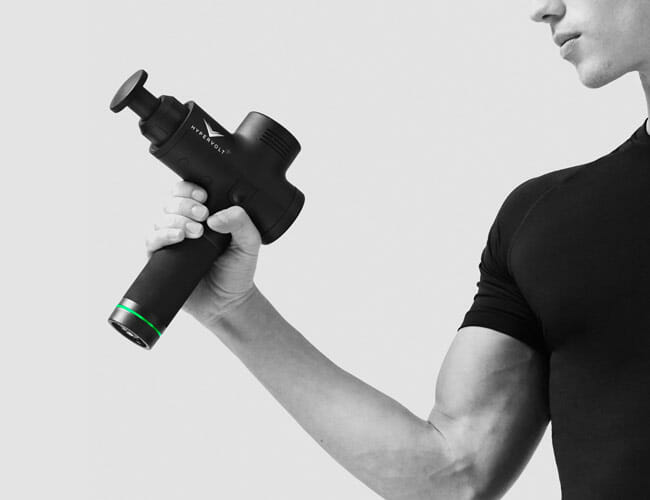
Hyperice Hypervolt Plus

Price: $399
From: bestbuy.com

This upgrade over one of our favorite 2018 products, the original Hypervolt, is 30 percent more intense, meaning you can really dig into your muscles and hit the deep tissues.

|

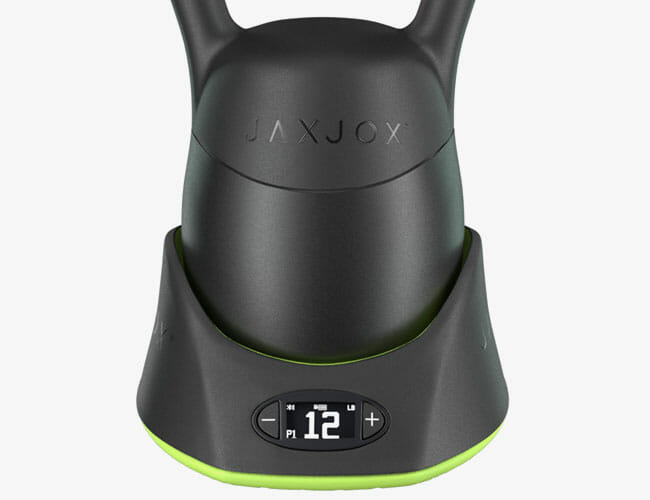
JaxJox KettlebellConnect

Price: $199
From: jaxjox.com

The KettlebellConnect is six kettlebells in one (12, 18, 24, 30, 36 and 42 pounds). Change the number on the digital display and watch it add or subtract interior weights in seconds.

|

Lululemon License to Train Collection

Price: $19+
From: shop.lululemon.com

When you’re in the gym, all you really care about is being able to focus on, say, tightening your transverse abdominus without getting hung up on your duds — and that’s where this stuff delivers. These clothes are so well constructed, you’ll feel like you’re wearing nothing at all.

|

Maurten Gel 100 Caf 100

Price: $50
From: maurten.com

Maurten’s hydrogels deliver carbohydrates faster and in greater quantities than similar drinks and gels. The latest iteration, Gel 100 Caf 100, contains 100 milligrams of caffeine in addition to 25 grams of carbs.

|

Nike Air Zoom Terra Kiger 5

Price: $104
From: nike.com

In addition to light, responsive React foam, this trail running shoe includes a perforated mesh upper for breathability and draining, a segmented rock plate and toe reinforcement that isn’t too stiff or heavy.

|

Nike Joyride Run Flyknit

Price: $130+
From: nike.com

If you hate running, these are the shoes for you. Why? With each step you take, thousands of tiny TPE beads move around to adjust to your foot strike, mimicking the feeling of soft sand, minus the extra soreness at the end.

|

Nike Waffle Racer

Price: $85
From: nike.com

Ever aware of its past — and the public’s appetite for it — Nike has reintroduced this iconic shoe. The latest version’s got some modern touches, including a memory foam sockliner and dual-density foam midsole.

|

Nuun Rest

Price: $7
From: nuunlife.com

Rest includes all the hallmarks of Nuun’s other products but is designed to be taken at bedtime. Two key ingredients, magnesium and tart cherry extract powder, promote recovery while you sleep.

|

Nyrvana Smart Chocolate

Price: $PRICE
From: nyrvana.com

What makes these truffles so special? Dark chocolate, yes, but also a host of “brain-enhancing” Nootropics, plus metabolism-boosting coconut oil and (THre) Natural Sweetener, which adds sweetness without the buzz-killing sugar crash.

|

Path Projects Prospect PX2

Price: $49
From: RETAILER.com

Path Projects made a mission of creating better running apparel, but its latest pair of shorts is perfect for hitting the gym too.

|

Theragun G3PRO

Price: $599
From: bestbuy.com

The third iteration of this high-end percussion massage gun boasts six different soft, smooth attachments designed for personal and professional use — and makes 50 percent less noise than its predecessor.

|

TRX Rocker

Price: $50+
From: store.trxtraining.com

With its spiky, medieval-looking edges, the TRX Rocker appears borderline sadistic, and that’s kind of the point. Rock into such hard-to-target areas as the hamstrings, quads and calves with that section, and it’s like turning a Swedish massage into a deep-tissue session

|

Under Armour UA Rush

Price: $40+
From: underarmour.com

This collection of fitted tees, long-sleeve shirts and workout tights is cut from Celliant fabric, infused with minerals designed to re-absorb the body’s energy in a productive way when working out.

|

Note: Purchasing products through our links may earn us a portion of the sale, which supports our editorial team’s mission. Learn more here.

A daily magazine of immersive stories, deals, buying advice, product-forward editorial, and reports from far-flung places.

More by Gear Patrol | Follow on Facebook · Instagram · Twitter · Contact via Email

30 Things That Made Camping Better in 2019

This roundup is part of This Year in Gear, a look back at the year’s most notable releases. To stay on top of all the latest product news, subscribe to our daily Dispatch newsletter.

Igloo Recool

Price: $10
From: rei.com

Igloo, the maker of the iconic Sportsman cooler, wants to eliminate single-use styrofoam coolers by creating one that’s reusable and completely biodegradable. The Recool holds 20 cans and keeps ice frozen for 12 hours.

|

Gerber Compleat

Price: $28
From: amazon.com

In one 2.3-ounce package, the Compleat packs a fork, spoon, dual-edge — one serrated, one rubberized — spatula and a tiny tool that campers can use to open bottles, packages, and cans that also peels vegetables.

|

Yeti Rambler 24oz Mug

Price: $30
From: yeti.com

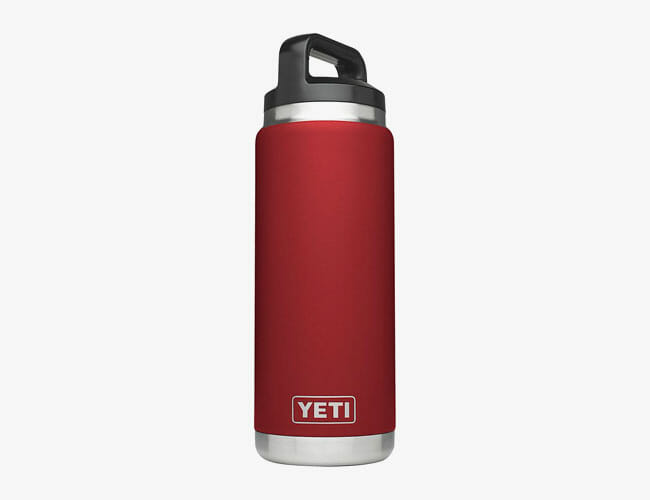
Built with the same specs as its water bottles (kitchen-grade stainless steel, double-wall vacuum insulation) the Rambler 24oz is Yeti’s take on the beer mug, but caffeine lovers will also find it suitable for an XL portion of medium roast.

|

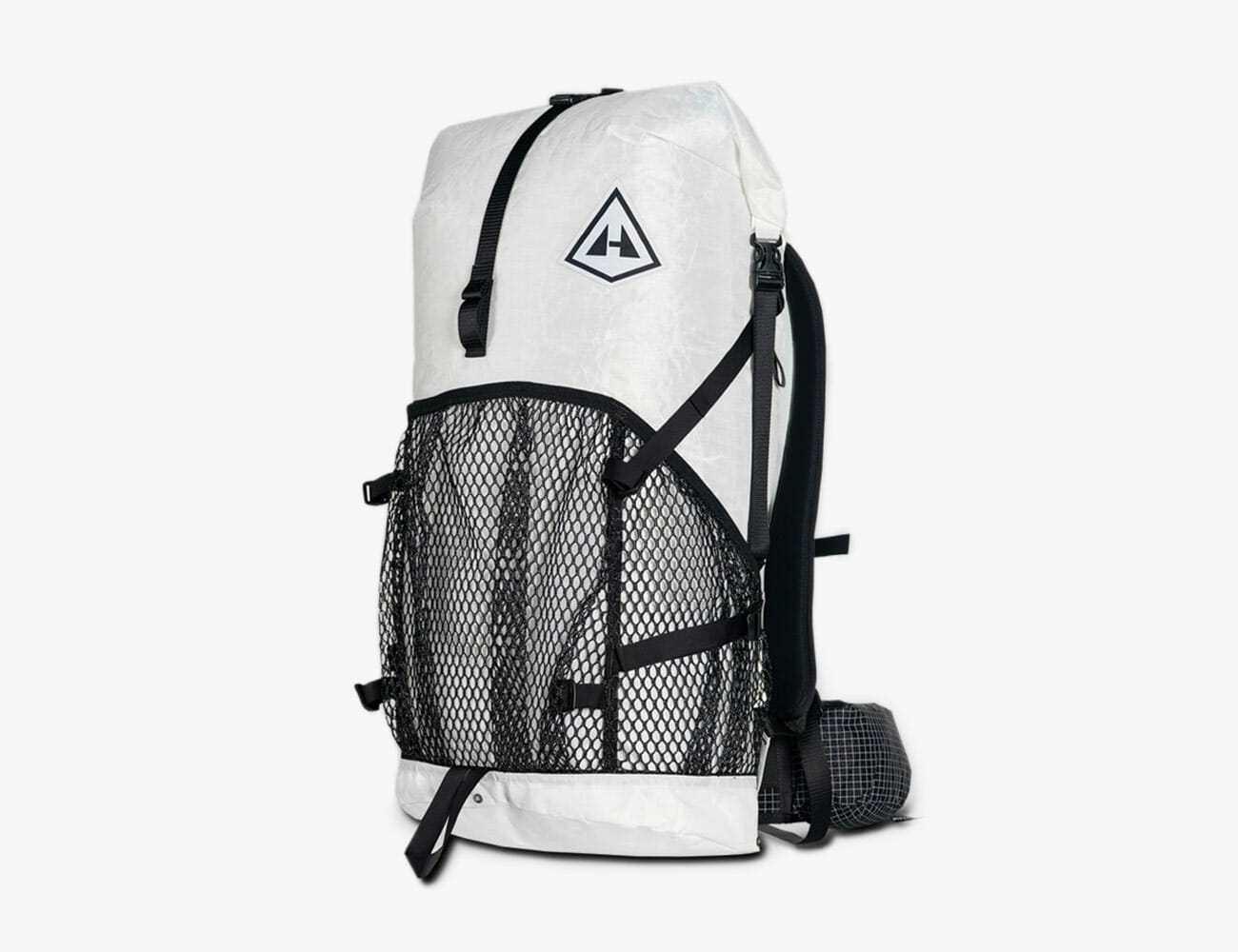
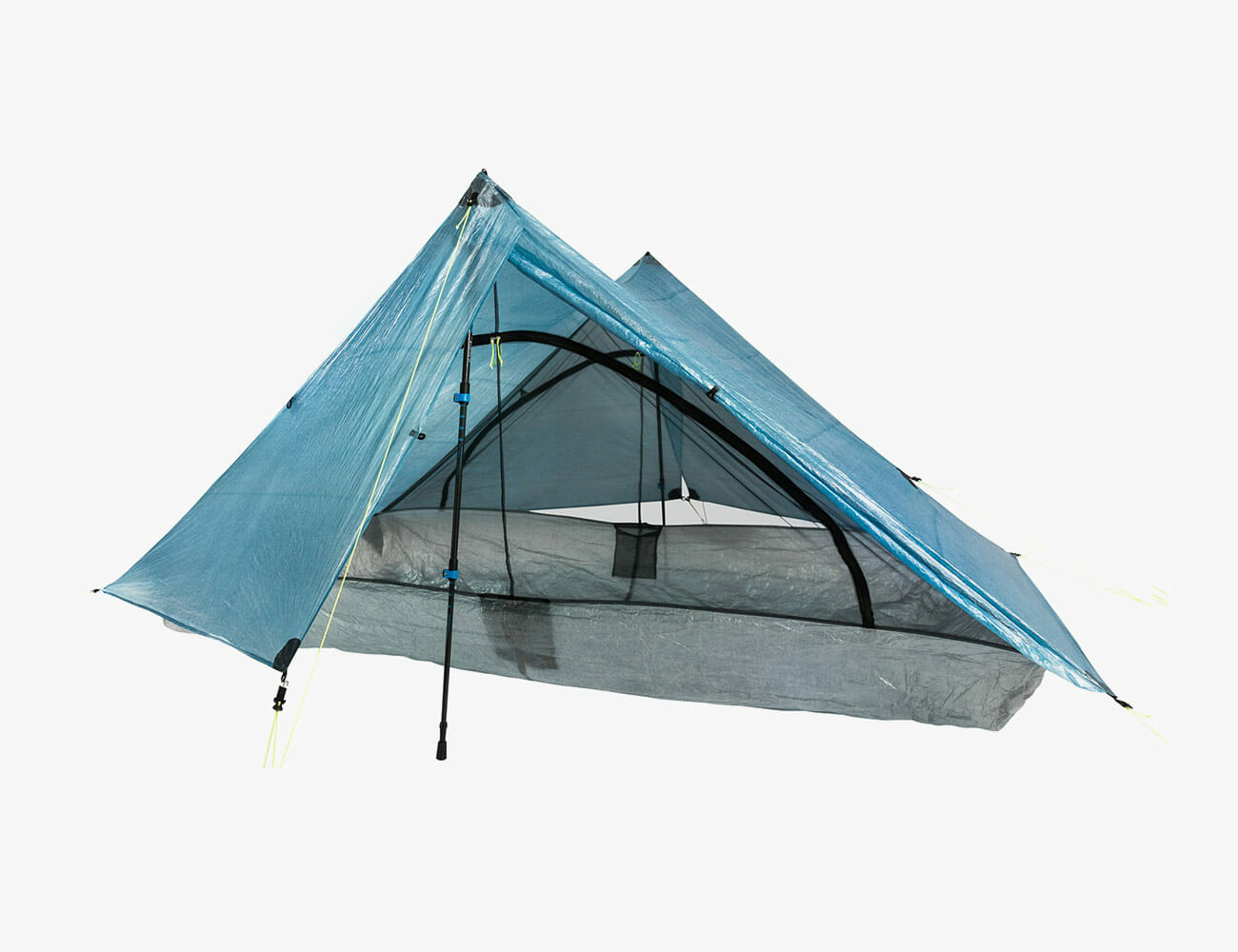
Hyperlite Mountain Gear Dirigo 2

Price: $675
From: hyperlitemountaingear.com

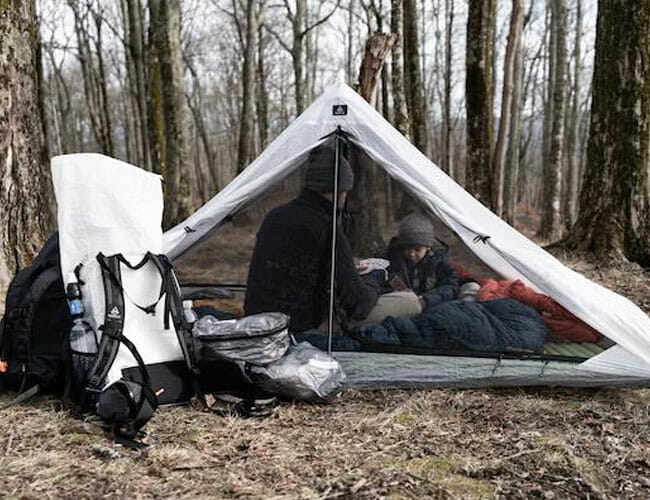
Compared to Hyperlite Mountain Gear’s previous shelters, the Dirigo is almost complex, but everything about the Dyneema tent serves to bring more simplicity to ultralight camping.

|

Burr Lined Jacket

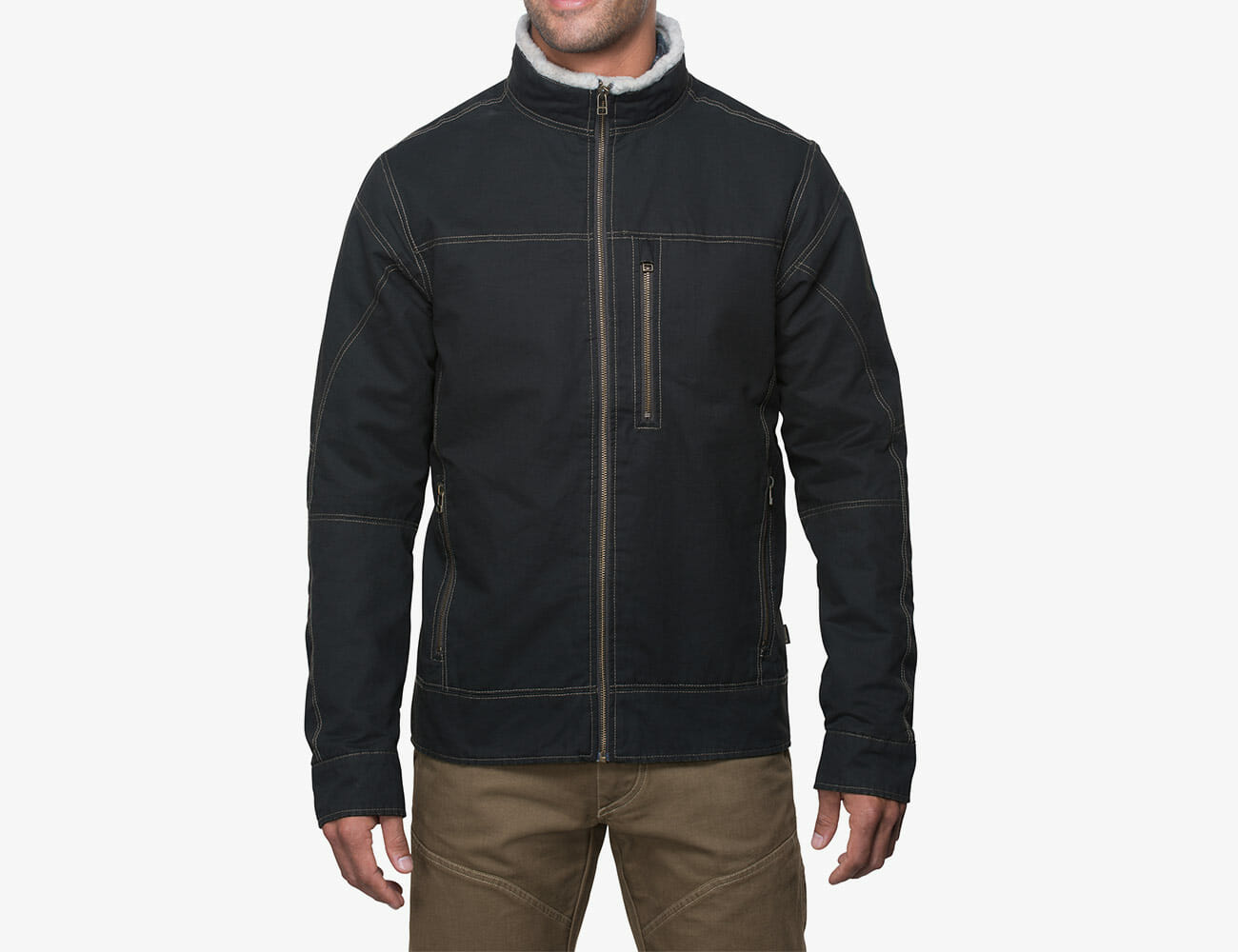
Combat the winter elements with KÜHL’s Burr Lined Jacket, designed for those long demanding workdays outdoors. The Italian Berber fleece and thermal lining keep you nice and toasty while the abrasion-resistant exterior takes the bite out of the harsh north wind. It’s tailored to let you move, and its patina will only get better with age. Learn More: Here

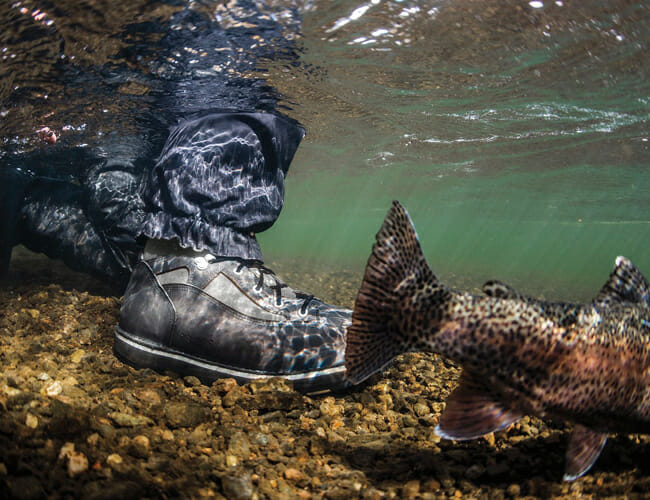
Patagonia x Danner Wading Boots

Price: $449+
From: patagonia.com

Patagonia worked with Danner in its first-ever product collaboration: two fly fishing boots, one called the Foot Tractor ($499+), and another called the River Salt ($449).

|

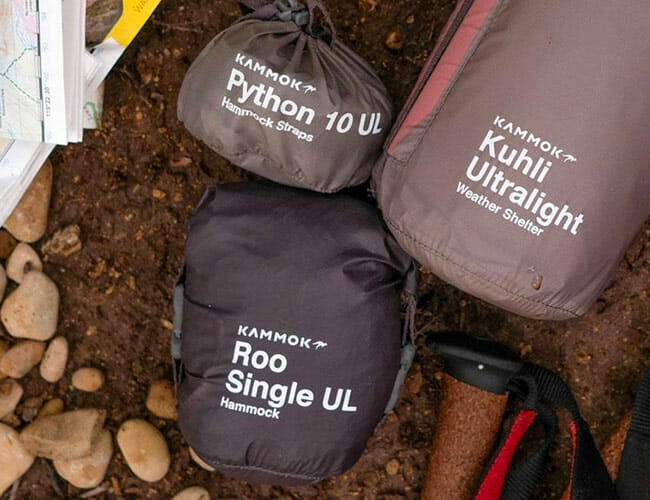
Kammok Ultralight Collection

Price: $39+
From: kammok.com

The centerpiece of Kammok’s new ultralight collection is the Roo Single UL, a one-person hammock that weighs just 5.6 ounces, packs down smaller than a grapefruit, and can hold up to 300 pounds.

|

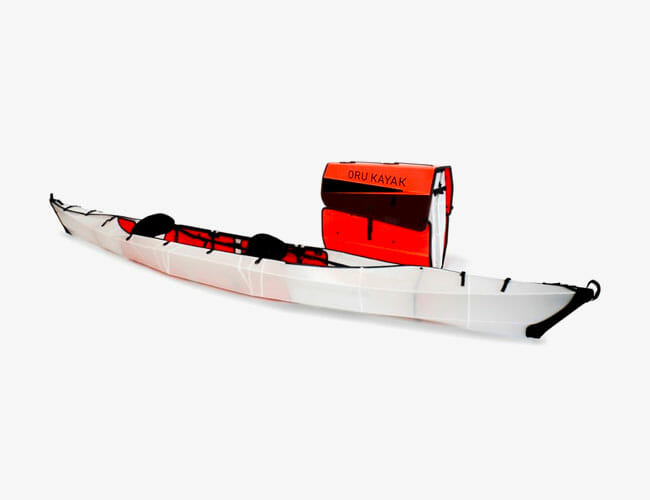
Oru Haven

Price: $1,999
From: rei.com

Like all of Oru’s kayaks, the two-person Haven is built on the concepts of origami and transforms from box to boat in 10 minutes.

|

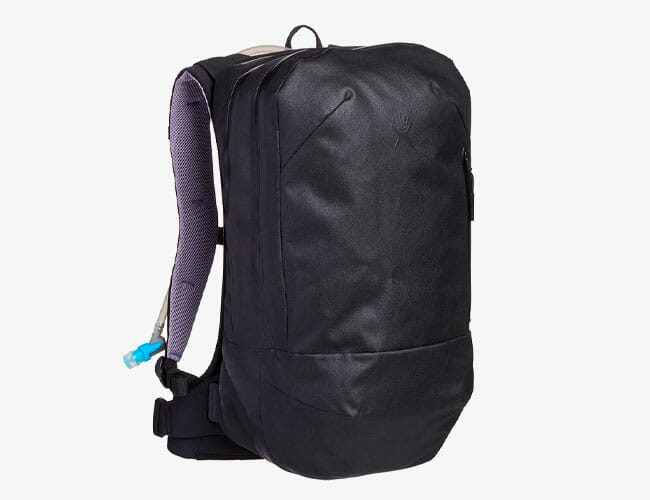
Hydro Flask Journey Hydration Packs

Price: $165+
From: amazon.com

Hydro Flask’s Journey series features bags with 3-liter sweat-proof bladders that fit into reflective-lined neoprene sleeves within the bags themselves, keeping your water cold for four-plus hours at a time.

|

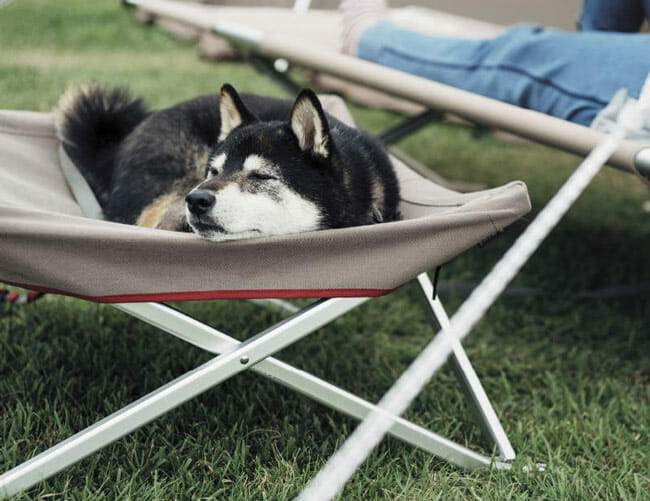
Snow Peak Dog Cot

Price: $129
From: amazon.com

The Dog Cot is an elevated platform for your dog to sleep on. Snow Peak used the same construction that it employs in one of its beach chairs to create the folding armature.

|

Leatherman Free P Series

Price: $120+
From: amazon.com

The Free P2 and P4 are multi-tools you’ll recognize; pliers are the central implement (hence the “P” moniker), and a suite of other tools swivel out of the handles. The key difference here is that, unlike older models like the Wave, Free tools integrate a magnetic construction that makes opening and using the tool significantly easier.

|

Nemo Equipment Roamer

Price: $210+
From: amazon.com

The Roamer is four inches thick with a hearty filling of self-inflating foam, and it’s lined with soft fabric on top and a more durable cover on the bottom.

|

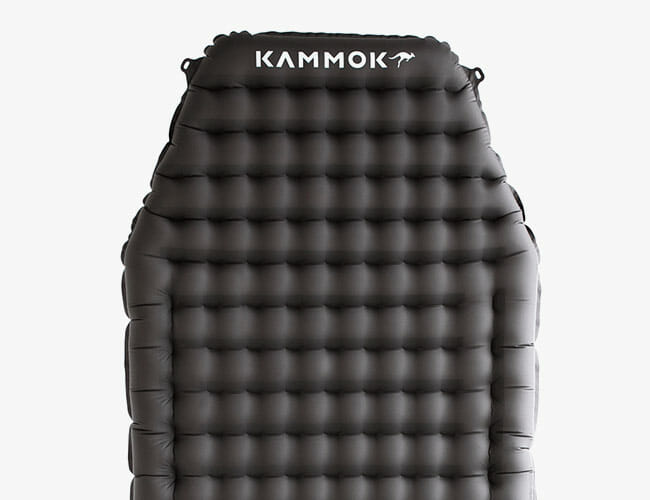
Kammok Pongo Sleeping Pad

Price: $139
From: kammok.com

Like many backpacking sleeping pads, the Pongo is inflatable, swelling to a thickness of three inches to provide comfort and insulation against the ground. Unlike those pads, the Pongo has a unique shape that prioritizes comfort (and sleeping in hammocks, too).

|

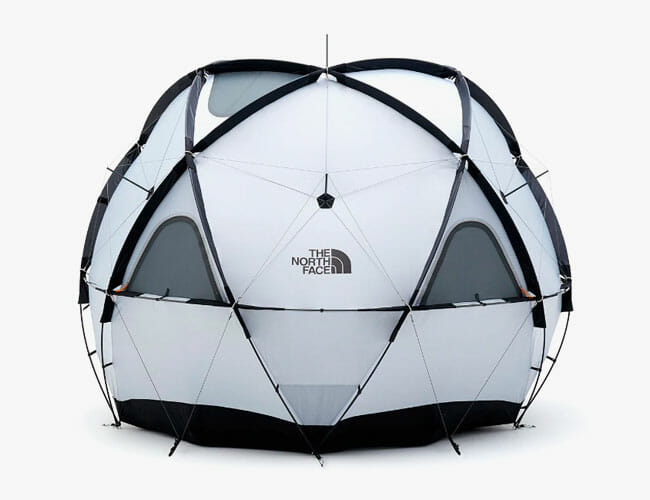
The North Face Geodome

Price: $2,000
From: thenorthface.com

The Geodome stands up with six poles in winds blowing as fast as 60 miles per hour, meeting The North Face’s standards for expedition use. That said, the Geodome is more impressive from a design perspective than a backcountry use one.

|

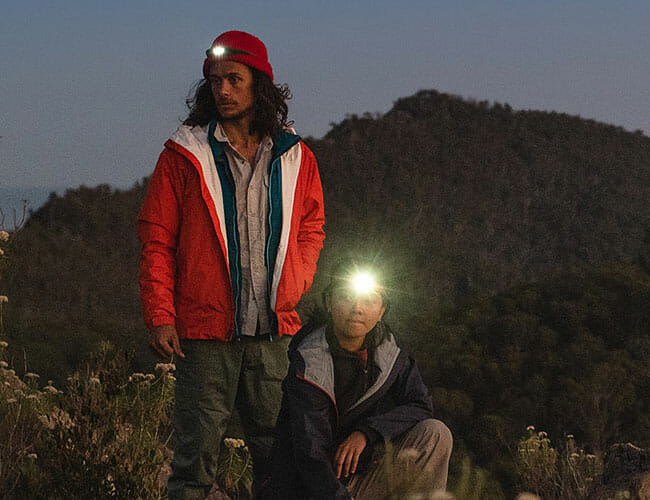
Knog Bandicoot

Price: $35
From: amazon.com

The Knog Bandicoot is just 60 grams, lighter than most headlamps we’ve used in the past, and since it’s mostly silicone, there are no water worries; you can wear in the rain for your long run, and it’ll still shine bright.

|

Snow Peak Kojin Grill

Price: $730
From: snowpeak.com

The Snow Peak Kojin Grill will instantly upgrade your future backyard BBQs thanks to its sleek design and three-layer interior.

|

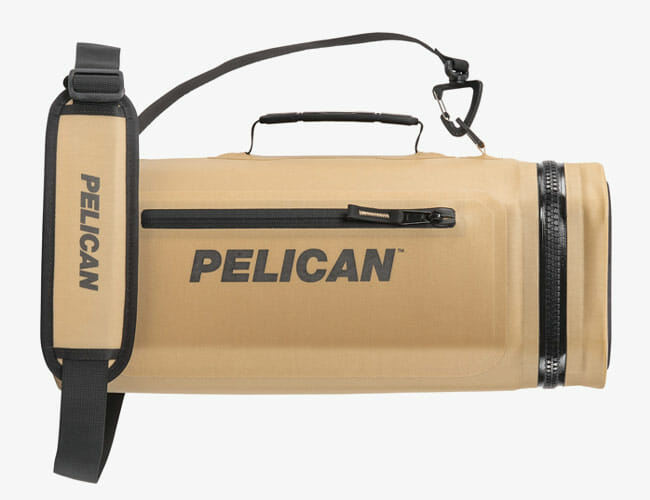
Pelican Dayventure Sling

Price: $150
From: amazon.com

Pelican’s Dayventure Sling is a soft-sided cooler that comes in a form we’ve never seen before: a capsule-shaped cylinder with a shoulder strap for carrying (or, a sling, as its name explicitly states).

|

Rxbar Oatmeal

Price: $35 (12 pack)
From: amazon.com

Like its bars and nut butter, Rxbar’s oatmeal lists every ingredient on its packaging. Egg whites, almonds, dates and gluten-free oats are the base of each recipe, creating a breakfast with a 12-gram helping of protein.

|

Patagonia Provisions Spicy Buffalo Jerky

Price: $10
From: patagoniaprovisions.com

Patagonia’s food sub-brand Provisions adjusted its 100 percent grass-fed American bison jerky recipe to give a little more kick.

|

Adidas Free Hiker GTX

Price: $250
From: backcountry.com

Adidas upgraded its sneaker-hiking boot hybrid with a crucial feature for walking on trails: a waterproof Gore-Tex liner.

|

Smartwool Intraknit

Price: $120+
From: rei.com

Smartwool took a hint from the 3D knit uppers that Nike and Adidas are using in their high-end running shoes to create a line of base layers that don’t have irritating seams.

|

Yeti Hopper M30

Price: $300
From: amazon.com

Yeti redesigned its soft-sided cooler with a wide-mouth opening and a strip of super-strong magnets that provide an extra level of security and temperature retention.

|

Uncharted Supply Co. Rapid Raft

Price: $400
From: unchartedsupplyco.com

Uncharted Supply adapted a design it made for the US military to create the Rapid Raft, which weighs three pounds and shrinks down to a wad small enough to fit in a backpack.

|

Patagonia Fleecelab

Price: $39+
From: patagonia.com

With Fleecelab, Patagonia is getting creative with its plushest material. You won’t find some new version of its classic snap pullover here, but you will see a retro-inspired shell hoodie, a shawl collar jacket and a chore coat.

|

Snow Peak Entry Pack TS

Price: $1,100
From: snowpeak.com

Snow Peak frames the Entry Pack as a gateway into its unique vision of camping. It sleeps five people comfortably and includes an attached vestibule that’s tall enough to stand up in and act as an outdoor living room.

|

Patagonia Nano Puff Earflap Cap

Price: $59
From: patagonia.com

Patagonia’s Nano Puff Jacket is an incredibly versatile, lightweight-yet-warm and not-too-expensive layer that’s become ubiquitous in cities and mountain towns alike. Now it’s a hat too.

|

Electric JJF12

Price: $200+
From: electriccalifornia.com

Available in three colorways, the new JJF12 sunnies boast a featherweight frame with a double-action hinge, Polarized Pro lenses and a unique removable eye shield that protects against sun, wind, water and dust.

|

Hyperlite Mountain Prism Pack

Price: $395
From: hyperlitemountaingear.com

The Prism Pack is Hyperlite Mountain Gear’s most feature-adorned bag to date and still weighs in under 30 ounces.

|

Yeti V Series

Price: $800
From: yeti.com

The V Series is Yeti’s first stainless steel-sided, vacuum-insulated cooler.

|

Oakley Clifden

Price: $196
From: amazon.com

With the launch of the Clifden, Oakley is aiming to plant its flag on another category: mountaineering.

|

Brunton Standard Transit

Price: $500
From: brunton.com

Like the pro-grade compasses it makes for the US military, Brunton’s limited edition Standard Transit is durable, accurate, and both water and dust resistant.

|

Note: Purchasing products through our links may earn us a portion of the sale, which supports our editorial team’s mission. Learn more here.

A daily magazine of immersive stories, deals, buying advice, product-forward editorial, and reports from far-flung places.

More by Gear Patrol | Follow on Facebook · Instagram · Twitter · Contact via Email

15 Excellent Bags, Backpacks and Collections That Launched in 2019

This roundup is part of This Year in Gear, a look back at the year’s most notable releases. To stay on top of all the latest product news, subscribe to our daily Dispatch newsletter.

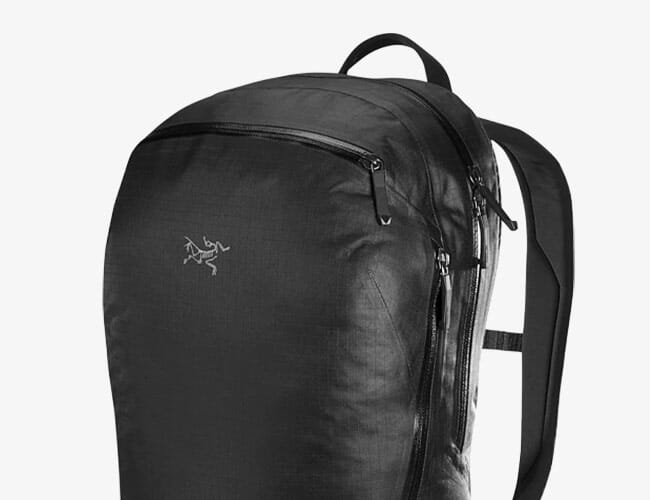
Arc’teryx Granville Line

Price: $169+
From: arcteryx.com

Arc’teryx’s new Granville line is an updated take on the sleek urban-inspired Veilance line for the commuter. These minimalist bags transition seamlessly from city to mountain, just like the rest of Arc’teryx’s jackets and fleeces.

|

Avo Drybag

Price: $133
From: yourdew.com

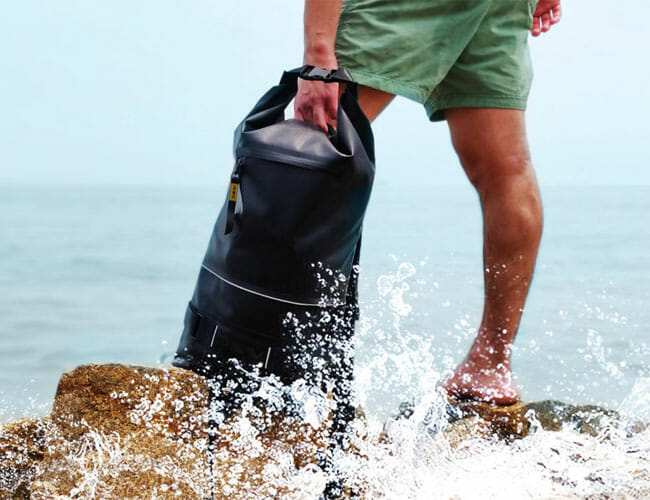
Most drybags are minimalist by design, but the Avo adjusts that conception in the hopes of boosting versatility — the bag has exterior pockets for small items, a water bottle sleeve, a foam bottom for impact resistance, a laptop sleeve and the safety-first reflective detailing of a commuter pack.

|

Bellroy Sling

Price: $99
From: amazon.com

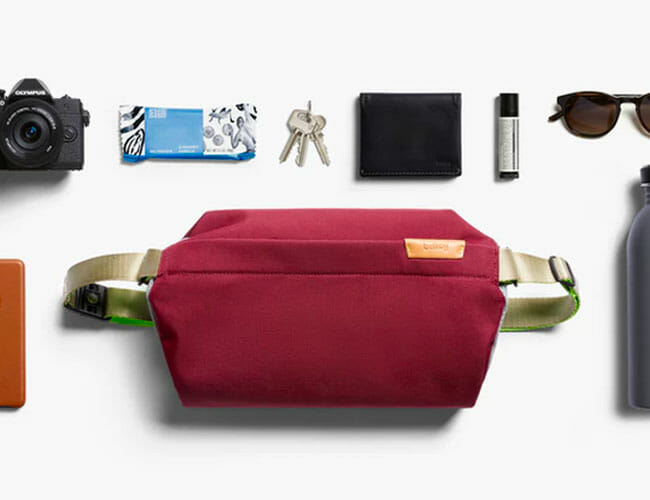
Like its wallets and backpacks, Bellroy’s Sling is notably minimal yet exceedingly intelligent in design. While a backpack might leave you with lots of unused space, the Sling keeps everything you need to carry tight and neat.

|

Black Ember Forge

Price: $265
From: blackember.com

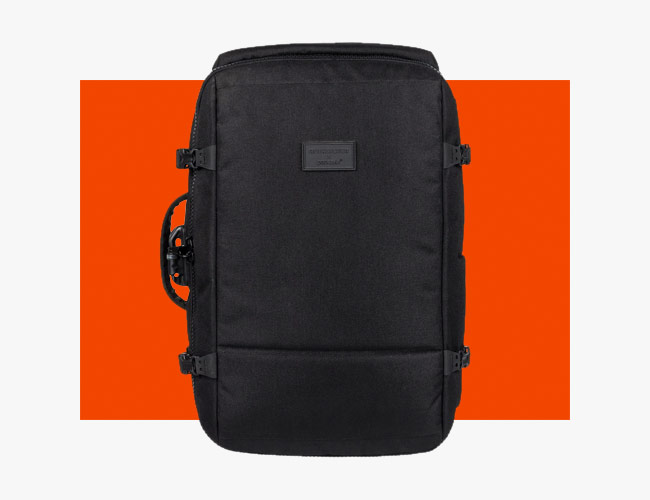
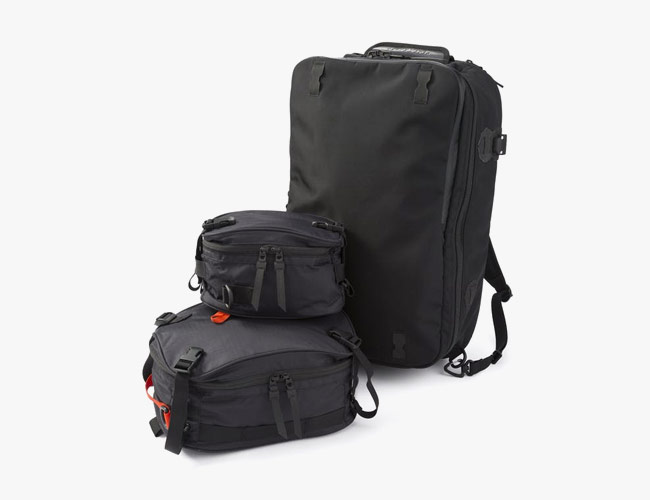
Black Ember is known for its modular backpacks that do everything, and the latest bag will continue that trend. If you travel all the time, this bag will quickly win you over with its intuitive packing sections and handy uses.

|

Evergoods Civic Half Zip 22L

Price: $159
From: evergoods.us

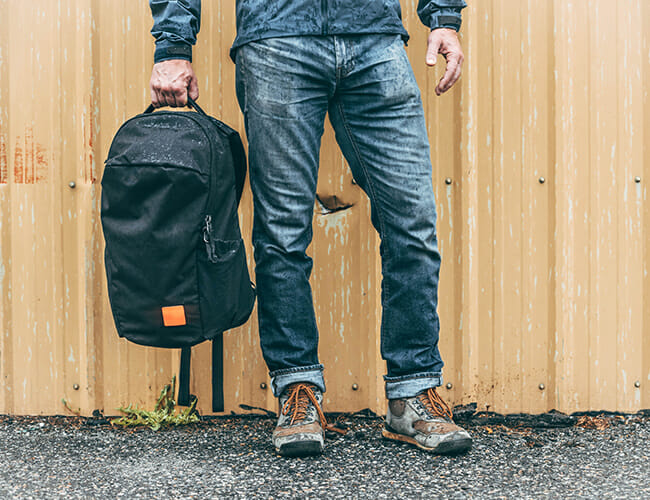
The Half Zip’s shape, the location of its pockets and its mountaineering-grade fabrics can only be appreciated through use. This is at once a backpack you know, that you’ve carried since grade school, and also something entirely new with the potential to improve how you lug stuff from point to point.

|

Filson Rugged Suede Backpack

Price: $595
From: filson.com

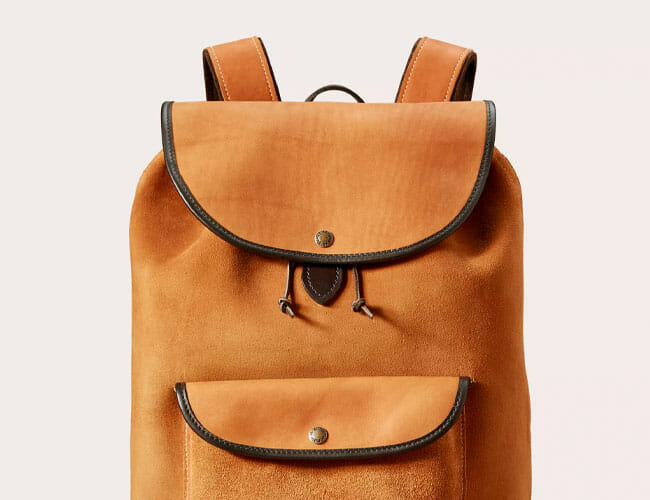
Made with North American hides, thickened in the cold and tanned in Chicago by Horween, the Rugged Suede Backpack will stand up to decades of hard use.

|

Hyperlite Mountain Gear Prism Pack

Price: $335
From: hyperlitemountaingear.com

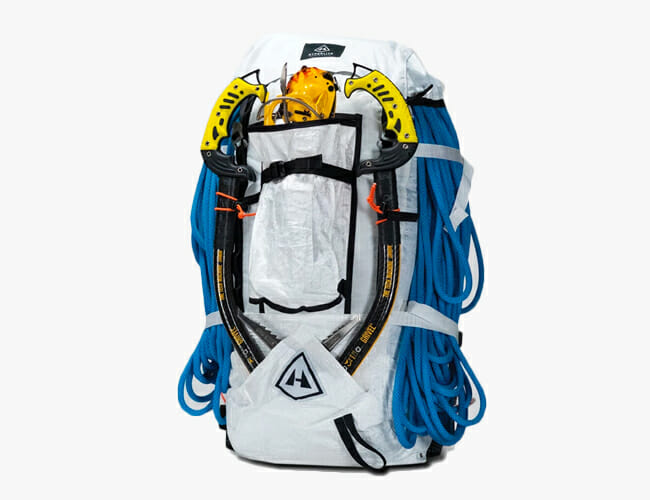
The Prism is the most traditional-looking backpack that Hyperlite has put out to date. And while Hyperlite made the Prism specifically with ice climbing in mind, thanks to its bevy of smart features, it’ll serve you well on other adventures too.

|

Kammok Burro Packs

Price: $29+
From: kammok.com

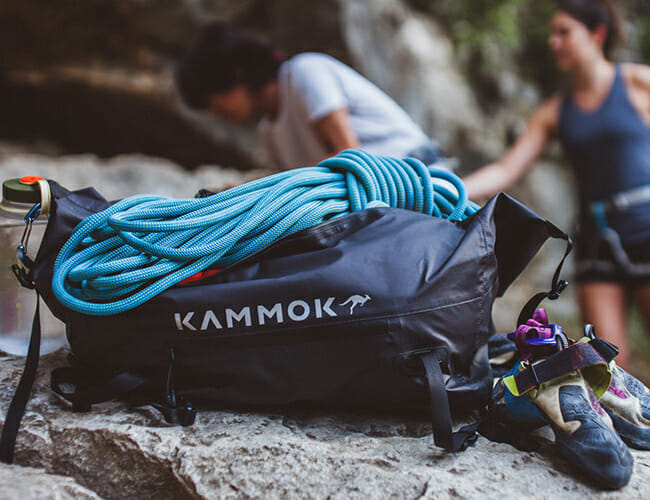
Made with the company’s custom Adamas fabric (a 70-denier ripstop nylon with a laminate core and a PU coating), these bags are sleek and lightweight yet rugged and weatherproof. They’re also versatile, making them the type of pack you might use in a city Monday through Friday and carry to a summit on the weekend.

|

Mystery Ranch Urban Assault 24L

Price: $165
From: huckberry.com

Mystery Ranch updated the Urban Assault’s design to make it even more functional for life around town in a new 24-liter model. The military pack maker took advantage of that extra space in the main compartment with more internal sleeves and pockets for all the other things you carry every day.

|

Osprey Katari Hydration Packs

Price: $55+
From: rei.com

Osprey is well-known for its hiking backpacks, but its latest bags are for mountain biking. So while there’s an airmesh backpanel and soft shoulder straps, Osprey skipped things that might get in the way while you’re hunched over the handlebars, like a hipbelt.

|

Patagonia Planing Collection

Price: $79+
From: patagonia.com

The standout feature of each bag is its ability to keep your ocean-soaked gear separate from anything that you don’t want to get wet. Even in the smallest pack, there’s enough space for a laptop, towels, snacks and a change of clothes.

|

Peak Design Everyday V2 Bags

Price: $80+
From: peakdesign.com

When Peak Design launched its Everyday bag collection on Kickstarter, it earned $6.5 million. Now those bags are getting an upgrade.

|

Rapha Bike Bags

Price: $65+
From: rapha.cc

If you’re thinking about planning a bike packing trip, or just getting into bike commuting, these packs will make your life a lot easier thanks to the instant organization they’ll add.

|

RMU BRFCS

Price: $185
From: huckberry.com

Rocky Mountain Underground, or RMU for short, is a ski company, but its BRFCS is a contender in the realm of adventure travel bags. It can be carried like its namesake, with backpack straps and a stow-away hipbelt or as a shoulder bag.

|

The North Face DynoCarry Collection

Price: $100+
From: backcountry.com

This series of four innovative backpacks uses a system called DynoCarry to facilitate unmatched and uncomplicated adjustability. Example: tug on one piece of webbing and both shoulder straps to adjust and equalize the full load.

|

Note: Purchasing products through our links may earn us a portion of the sale, which supports our editorial team’s mission. Learn more here.

A daily magazine of immersive stories, deals, buying advice, product-forward editorial, and reports from far-flung places.

More by Gear Patrol | Follow on Facebook · Instagram · Twitter · Contact via Email

24 of the Best Knives That Came Out This Year

This roundup is part of This Year in Gear, a look back at the year’s most notable releases. To stay on top of all the latest product news, subscribe to our daily Dispatch newsletter.

Spyderco Ikuchi

Price: $130
From: amazon.com

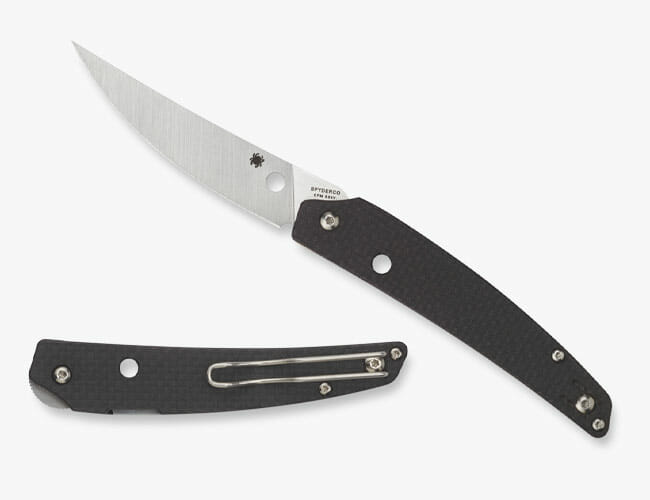
Designed by Paul Alexander, a Ph.D.-holding mechanical engineer and a lifelong knife enthusiast, Spyderco’s Ikuchi is a long and skinny pocket knife that looks quite different from the brand’s other knives. The folder features a satin-finished CPM S30V stainless steel blade modeled after a scalpel – very precise. When closed, the blade completely disappears into the curved handle.

|

Krudo Knives Karsino10

Price: $165
From: krudoknives.com

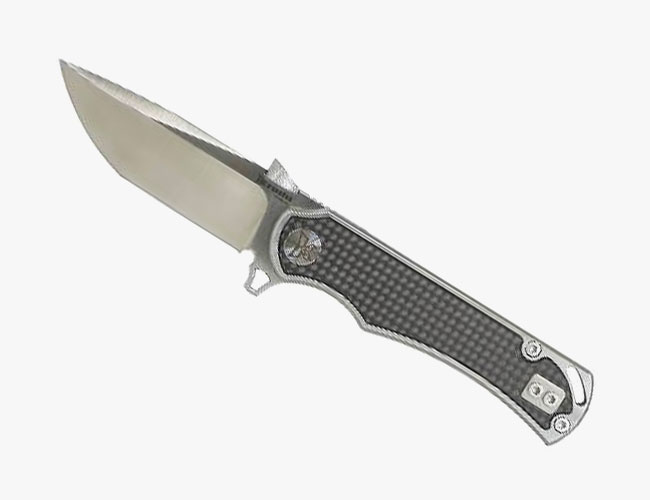
Louis Krudo, the designer and founder behind Krudo Knives, sketched the first iteration of the KARSIN010 on a napkin. That drawing eventually became two knives, both of which use what’s perhaps the most apparent feature: a full-sized thumb stud that Krudo calls a “thumb wedge.” Practicality is the goal here, but the result is a pocket knife that might’ve come out of the pages of a steam-punk graphic novel.

|

The James Brand Chapter

>

Price: $295
From: Gear Patrol Store

In 2019, The James Brand upgraded its very first blade, the Chapter. The new version looks identical to the old one, but it includes some crucial upgrades. First off, its blade is made of Crucible S35VN steel, a high-end material prized by custom makers for its corrosion resistance and edge retention, which adds to the blade’s longevity. The James Brand also added ceramic bearings for a smoother open and close, and a lockface to add durability to the framelock mechanism that the knife uses.

|

WESN Allman

Price: $135+
From: huckberry.com

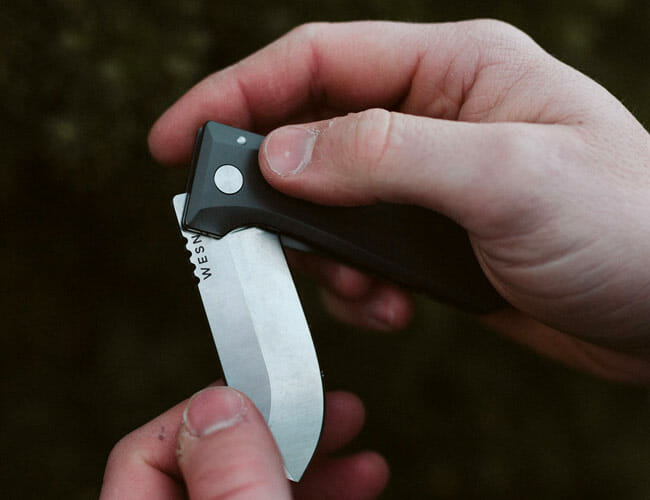
For the Allman, WESN used premium materials like S35VN steel and titanium or G10 handle scales in a construction that’s both pretty and simple. The folder uses a flipper tab for quick deployment and a liner lock for in-use security.

|

Alliance Designs Ice Lite

Price: $259
From: urbanedcsupply.com

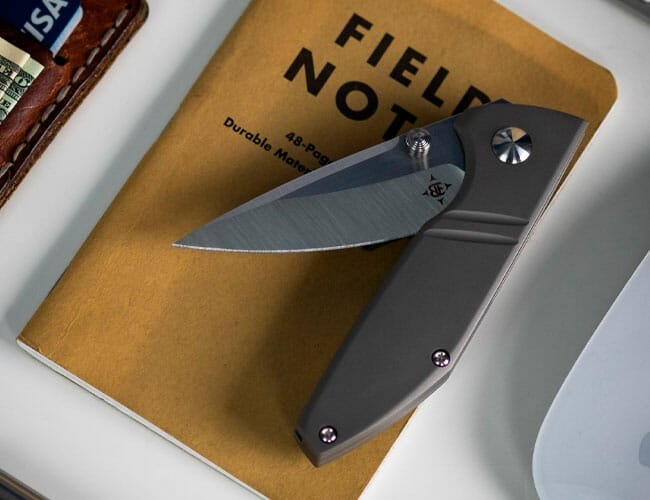
Alliance Designs works with makers to produce custom designs on a mass scale. It created the Ice Lite with Brian Efros, whose designs are clean, refined and well-suited to contemporary everyday carry trends. The knife’s shape is best described as a straight back (characterized by a straight spine and an edge that curves up to meet it at the tip).

|

Civivi Plethiros

Price: $74
From: amazon.com

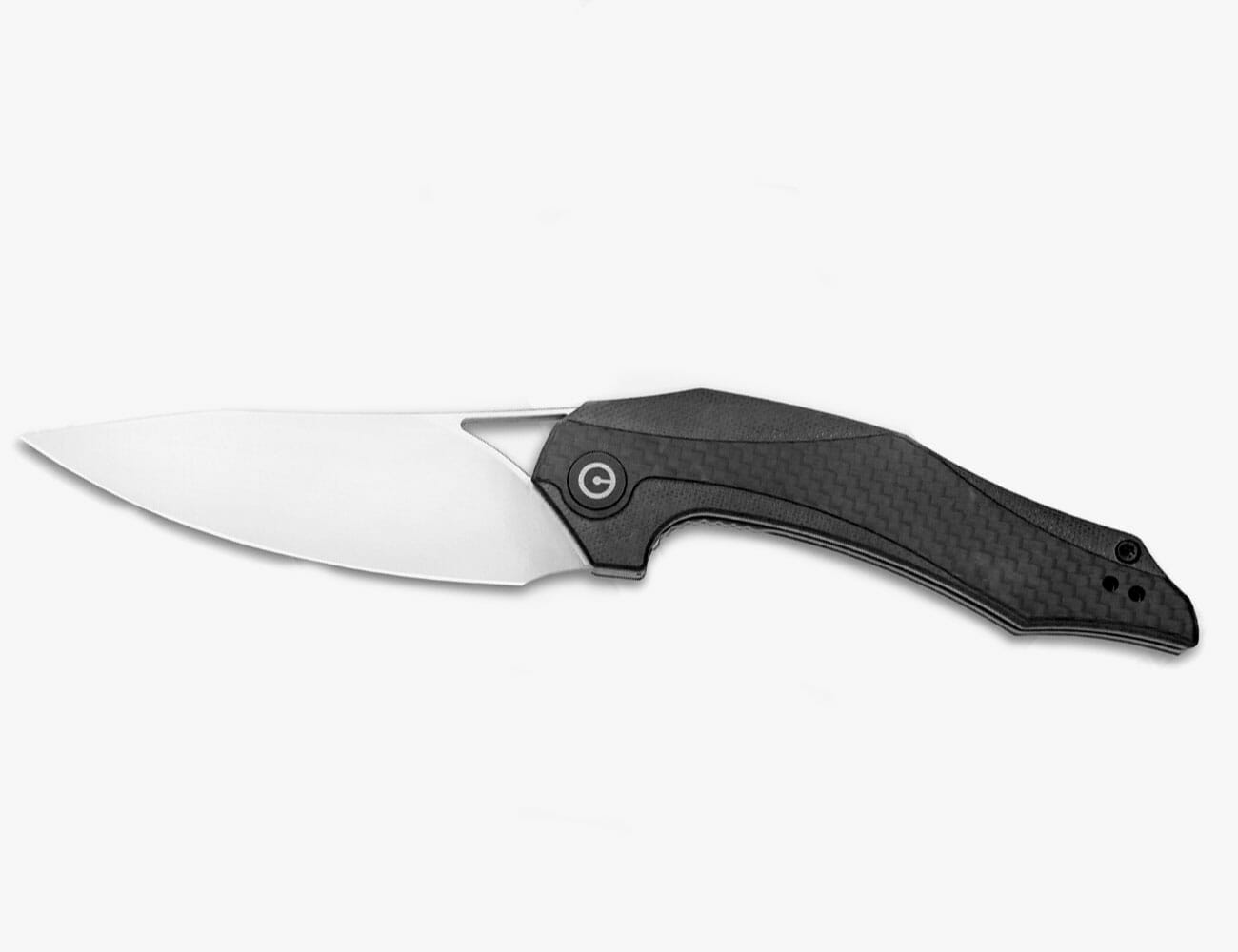
What’s really striking about Civivi’s Plethiros is how well it preserves knife designer Elijah Isham’s style. The use of various materials, the sharp angles within them and the somewhat-offset blade are all hallmarks of his, and they help make the knife feel unique and futuristic.

|

Quiet Carry Current

Price: $185+
From: quietcarry.com

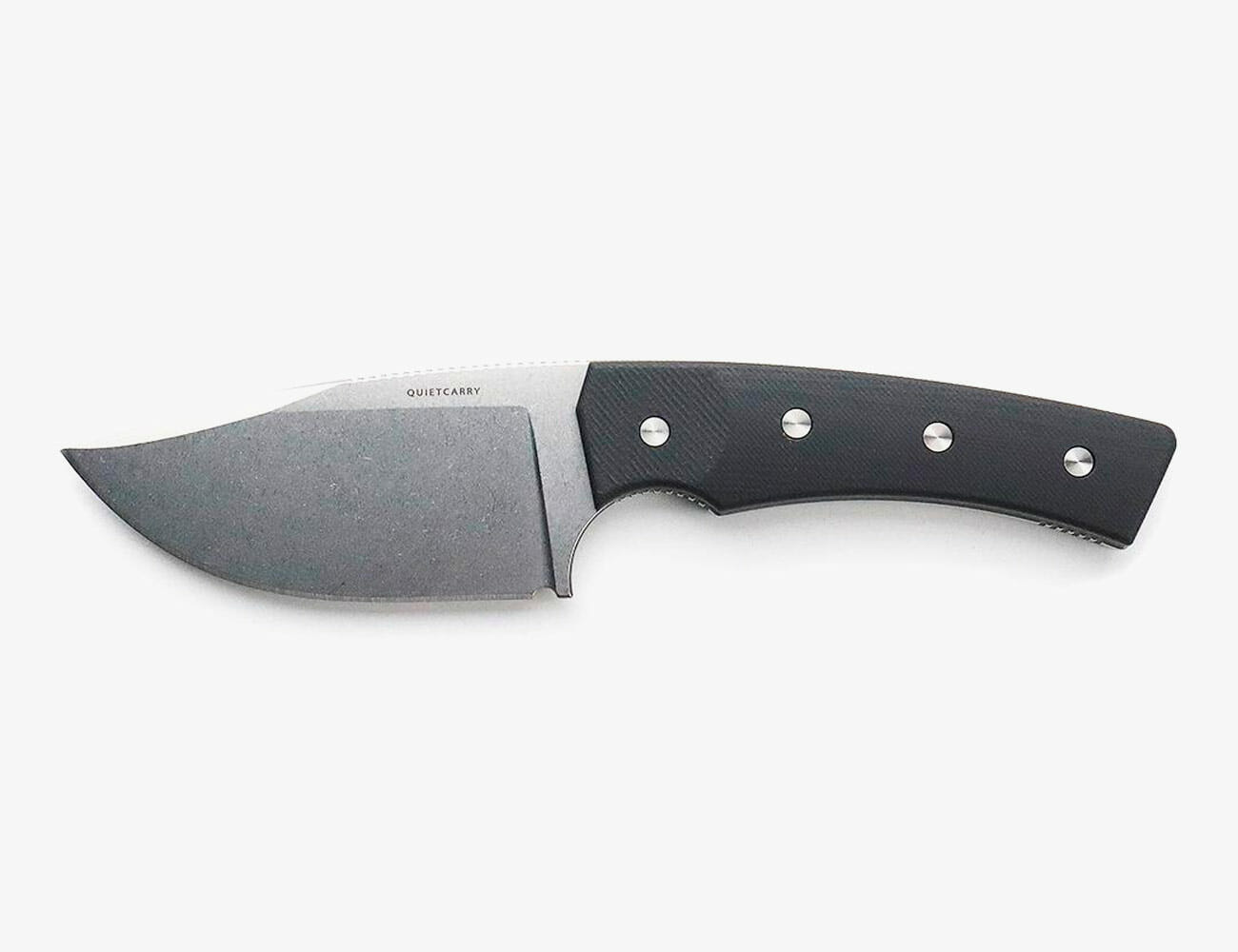
Many fixed-blade knives come with a specific purpose — filleting a freshly caught fish, hacking through dense vegetation — buy Quiet Carry aims for versatility with its everyday take on the category.

|

Spyderco Dragonfly 2 Emerson

Price: $68
From: amazon.com

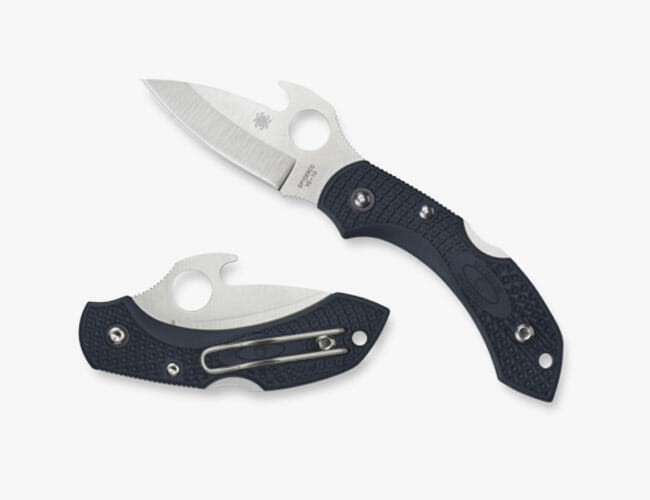
Spyderco modified one of its popular compact pocket knives, the Dragonfly 2, with a unique and uncommon feature called an Emerson Opener. An Emerson Opener is a small hook built onto a knife’s spine that’s positioned close to the handle. To use it, the wielder simply clips the knife onto a pocket in a tip-up position, and when he or she draws it out, the hook catches on the fabric, and the blade opens.

|

The James Brand Hell Gap

Price: $299
From: thejamesbrand.com

Can a fixed-blade knife be considered EDC? That depends on your definition of “everyday.” “In looking at the idea of everyday carry, we had to open up our aperture. For a bunch of people, everyday carry does mean a fixed blade knife,” admits Ryan Coulter, The James Brand’s founder, noting that a primary reason for making the Hell Gap was customer demand. “We can be a little bit more open-minded than we had initially been.” The Hell Gap is meant to complement the folding knife that you already use, not replace it.

|

Horizon Knives Lyra

Price: $79+
From: indiegogo.com

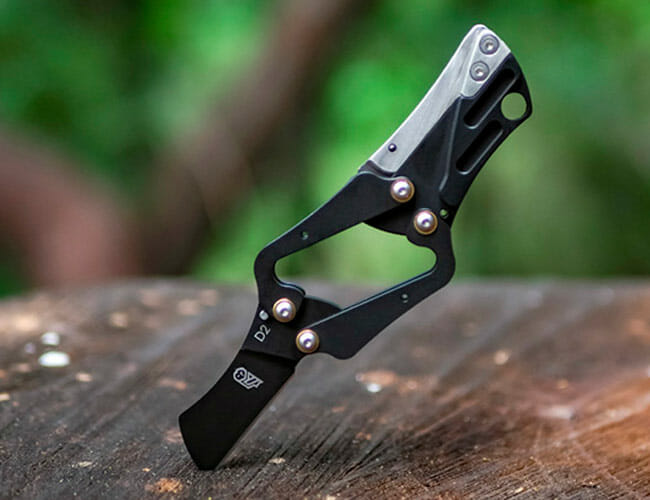
Closed, the Lyra doesn’t look like a knife at all. It’s flat-ish and sort of circular, and with a two-inch diameter, it isn’t much larger than a coin. Instead of pivoting backward out of a handle like traditional folding knives, the Lyra launches forward on its hinges, transforming from its circular shape to a Z shape and then to a full-handled blade.

|

Benchmade EDC Edge Maintenance Tool

Price: $54
From: amazon.com

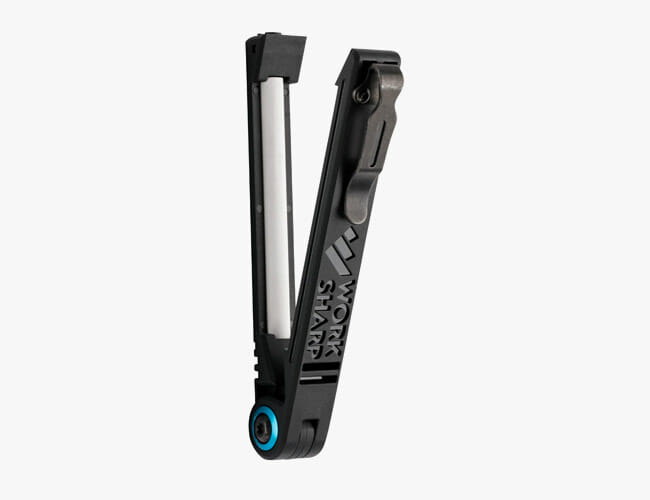
Benchmade’s Edge Maintenance Tool has everything you need to quickly put an edge on your favorite knife – including a ceramic rod and a leather strop – in a compact, pocketable form. It even has a clip, just like your favorite knife.

|

Helle Kletten

Price: $169
From: bladehq.com

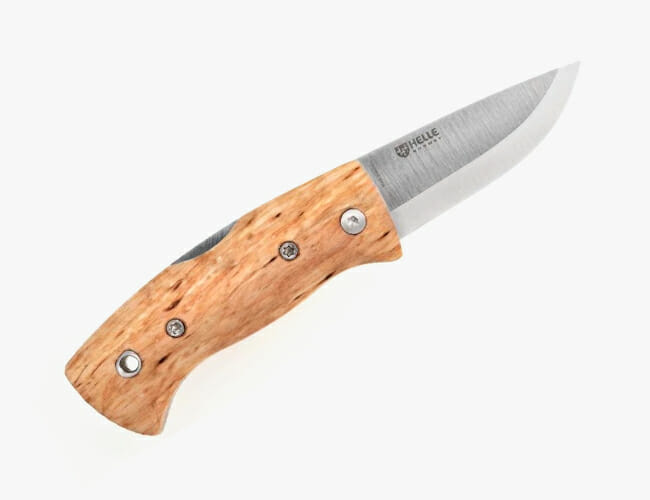
Helle is a Norwegian knife brand that’s been in operation since 1932, but it didn’t release a truly EDC-focused blade until the Kletten. The folding pocket knife has a 2.1-inch drop-point blade made of Helle’s triple laminated stainless steel and a handle made of curly birch wood, and it weighs just three ounces.

|

Leatherman Free T Series

Price: $40+
From: amazon.com

Leatherman’s T Series should be considered as a contemporary Swiss Army Knife. The T2 ($40) boasts eight tools, including a straight blade, package opener and multiple screwdrivers. Then there’s its big brother, the T4 ($60), which adds handy staples such as scissors, tweezers and a nail file for a total of 12.

|

CRKT XOC

Price: $750
From: crkt.com

CRKT made the XOC — pronounced “shock” — in a limited batch of 200. Each one is huge. Its blade, which is made of CTS-XHP steel, a type that emphasizes a practical balance between corrosion resistance and hardness, is 4.258 inches long. That may not sound too substantial until you handle the thing: launch it open with its flipper tab to extend it to its full 10.375-inch extent, and you feel like a toddler holding your dad’s favorite hunting knife.

|

Cut Throat x WRKMN Moon Landing Knives

To celebrate the 50th anniversary of the moon landing, Cut Throat Knives teamed up with WRKMN to create two moon landing knives, one for the kitchen and one for the pocket, with handles made of resin featuring imagery from an actual scan of the moon’s surface.

Filson Mesquite Collection

Price: $85+
From: filson.com

Filson released a collection of folders that lean steadily on classic American hunting knife designs. One is a small fixed blade, and the other is a drop-point folder that comes in two lengths — one with an EDC-oriented 2.75-inch blade and the other with 3.75 inches of steel for more serious work.

|

GiantMouse ACE Clyde

Price: $154
From: bladehq.com

GiantMouse blends the aesthetic of two highly regarded custom knife makers, Jesper Voxnaes and Jens Ansø, into premium production models that don’t cost as much as a custom but have a far higher degree of quality than what’s typically produced en masse. The Clyde is a perfect example of what that looks like.

|

The James Brand Duval

Price: $275
From: huckberry.com

The Duval is the perfect example of a gentleman’s knife (a knife with a slim profile, relatively short — under three inches — blade, high-quality materials and elegant aesthetic). It’s a folding pocket knife with a 2.6-inch sheepsfoot blade made of Crucible S35VN stainless steel. The James Brand built it with a handle that tapers gently into the blade and is available with rosewood, green Micarta or titanium scales.

|

CRKT Panache

Price: $295
From: crkt.com

Another CRKT limited run, the Panache was designed by the revered Ken Onion. His inspiration for the knife comes from the angled contours of stealth bombers, a notion that materializes in hard, geometric angles in the spine of the blade, its titanium handle and the grippy carbon-fiber inlay.

|

The James Brand Ellis G10

Price: $99
From: thejamesbrand.com

Previously, the Ellis’s unadorned handle scales were only available in anodized aluminum, but The James Brand recently revealed a new option that uses grippy G10.

|

Victorinox Outdoor Master

Price: $119+
From: amazon.com

Victorinox, the maker of the famous Swiss Army Knife, revealed the Outdoor Master, its first fixed blade. (Technically, the company’s kitchen knives are fixed blades, but this is its first utility-driven multi-purpose tool.) The knife comes in two sizes — one with a 3.4-inch blade and another that measures out to a smaller 2.8 inches.

|

Opinel No. 8 Ebony Ellipse

Price: $120
From: huckberry.com

Pocket knives don’t get much more basic than Opinel’s No. 8, but simplicity is precisely why it has become a classic. Opinel created a limited-edition version of the No. 8 called the Ellipse that features an ebony handle with an aluminum leaf inlay. Ebony is an exotic hardwood prized for its durability and dark hue (it’s commonly used for fingerboards in guitars for those same reasons).

|

The James Brand Carter

Price: $139
From: huckberry.com

Even at $139, the Carter is a bargain. Why? Because it comes with machined G10 or Micarta handle scales, a clip that seats the knife low in a pocket (or an included loop if you prefer a lanyard), and a drop-point blade made of VG-10 steel, which is known for its high degree of corrosion resistance.

|

CRKT Provoke Imperial White

Price: $200
From: crkt.com

CRKT’s Provoke might be the most innovative knife of the year. To honor the newest film in the Star Wars franchise, the company made a new version of the blade in an Imperial White colorway.

|

Note: Purchasing products through our links may earn us a portion of the sale, which supports our editorial team’s mission. Learn more here.

Tanner Bowden is a staff writer at Gear Patrol covering all things outdoors and fitness. He is a graduate of the National Outdoor Leadership School and a former wilderness educator. He lives in Brooklyn but will always identify as a Vermonter.

More by Tanner Bowden | Follow on Instagram · Contact via Email

The Winter Solstice Happened. Here’s Everything You Need for Running in the Dark

The end of Daylight Saving Time may have given us an extra hour of sleep, but it also means that the sun will now set an hour earlier. For most of us, it’ll be dark before it’s time to leave the office, but that’s no excuse to pack up the running shoes until springtime. However, it can be dangerous to go running at night, as you’re never quite as visible as you think. Before you go, you need gear that helps you stand out.

“Lights should be seen 360 degrees around you when you run at night, so just a headlamp is not enough,” Paul Ronto, competitive runner and content director at RunRepeat.com, says. “Even with a headlamp, pedestrians are really hard to see from a vehicle.”

To be extra safe, you should have a front light, rear strobe and at least one side light (usually on the side that’s closest to traffic). Reflective gear also helps increase visibility. “I would not advise only having lights or reflective gear, I think it’s crucial to have both,” Ronto says. “With drivers so distracted these days, it’s crucial to be hyper-visible.”

When picking out your clothes, opt for bright colors like white or yellow. Brighter colors are easier to spot than dark colors by car lights. And tall white socks are great to wear on night runs since drivers tend to pick up the motion before anything else. Your legs are what’s moving the most when you’re out on a run.

Lastly, stay on guard. Be extra cautious when crossing the street, do not expect drivers to stop for you as they would during the day (even if you are crossing at a crosswalk), and if you prefer to run with music, either listen with one headphone in or at a super low volume so you can stay aware of your surroundings. Pack your ID, phone and some cash; tell someone you’re heading out under the cloak of darkness and then hit the streets. There’s no reason to ditch your nightly runs if you enjoy them and they work with your schedule; just be sure to have the proper gear to stay visible — and alive.

Tracer360 Reflective Vest

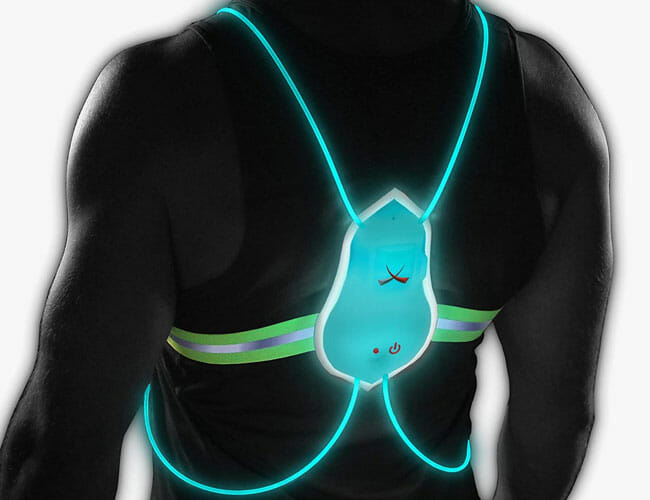
Reflective vests can be an uncomfortable added layer, but the high-quality mesh and elastic in this one reduces the fabric-to-body contact so you can have a chafe-free experience. “With six fluorescent colors outlining this vest, your visibility will be at its highest, ensuring that you’re protected and seen by motorists and vehicles during your night run,” says Caleb Backe, CPT and wellness expert for Maple Holistics.

Nathan Reflective Convertible Glove/Mitt


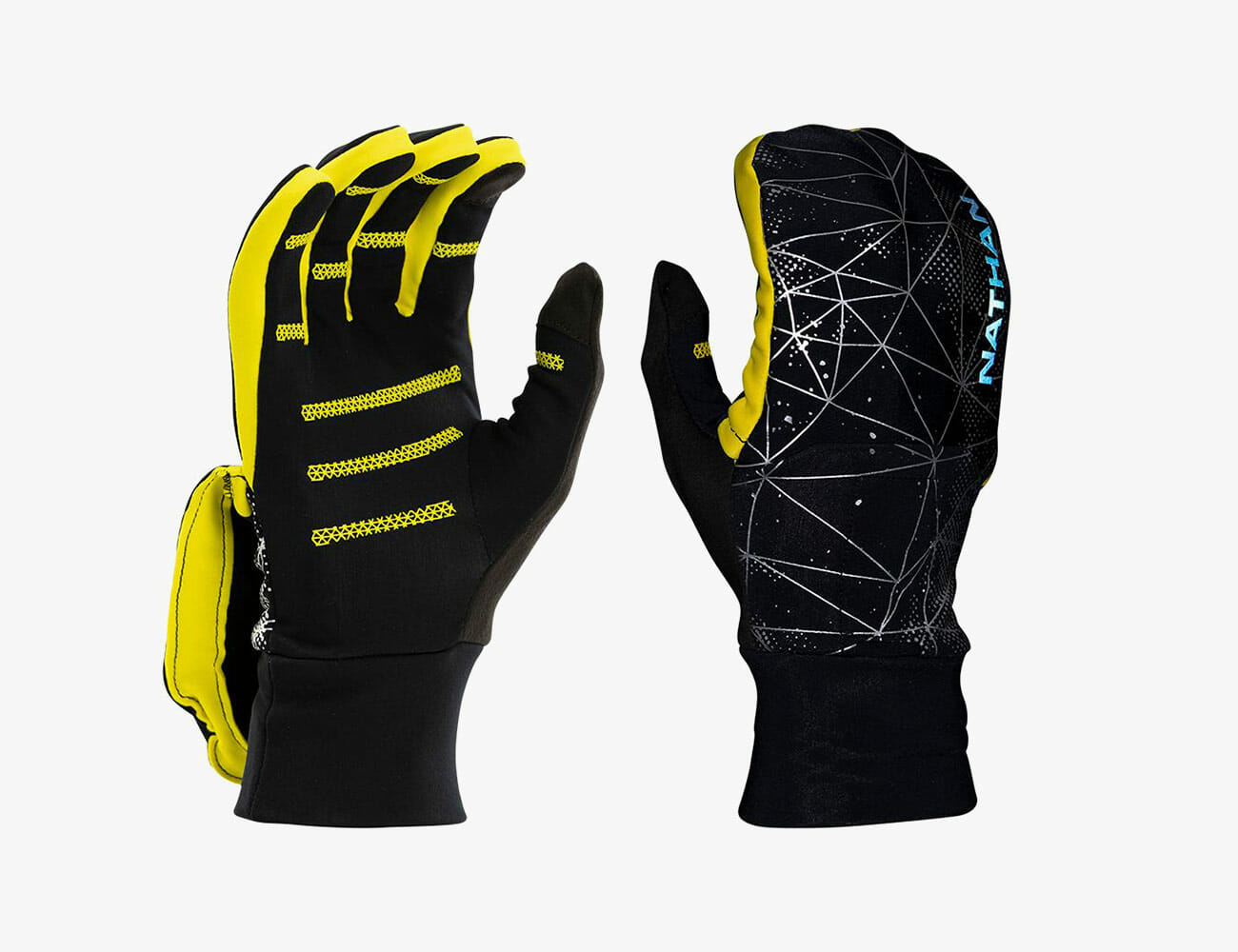
Your hands might be the best place for an extra dash of visibility. As you crank your arms, gloves or mittens will catch any light that crosses your path and make drivers more aware of you with that movement. The reflective graphics that Nathan included here look good too, and the glove-mitten hybrid design makes these versatile across a range of cold temperatures.

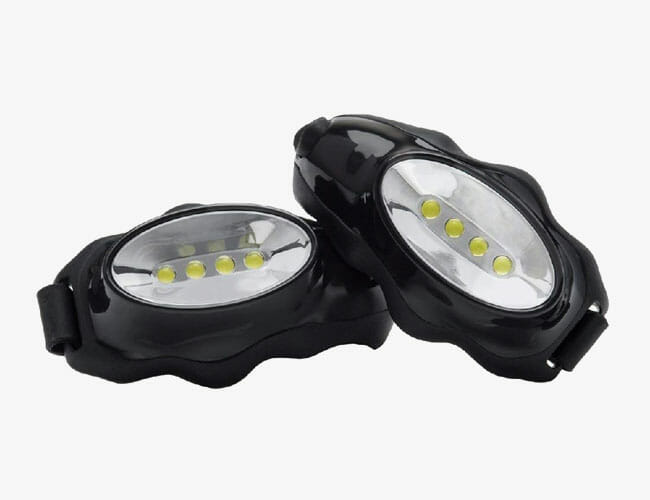
Knuckle Lights

These knuckle lights “will guide your way through those dimly lit streets and ensure that you see any potential obstacles in front of you to prevent injury,” says Backe. Thanks to adjustable silicone straps and wide flood beams, you’ll be comfortable and visible, too.

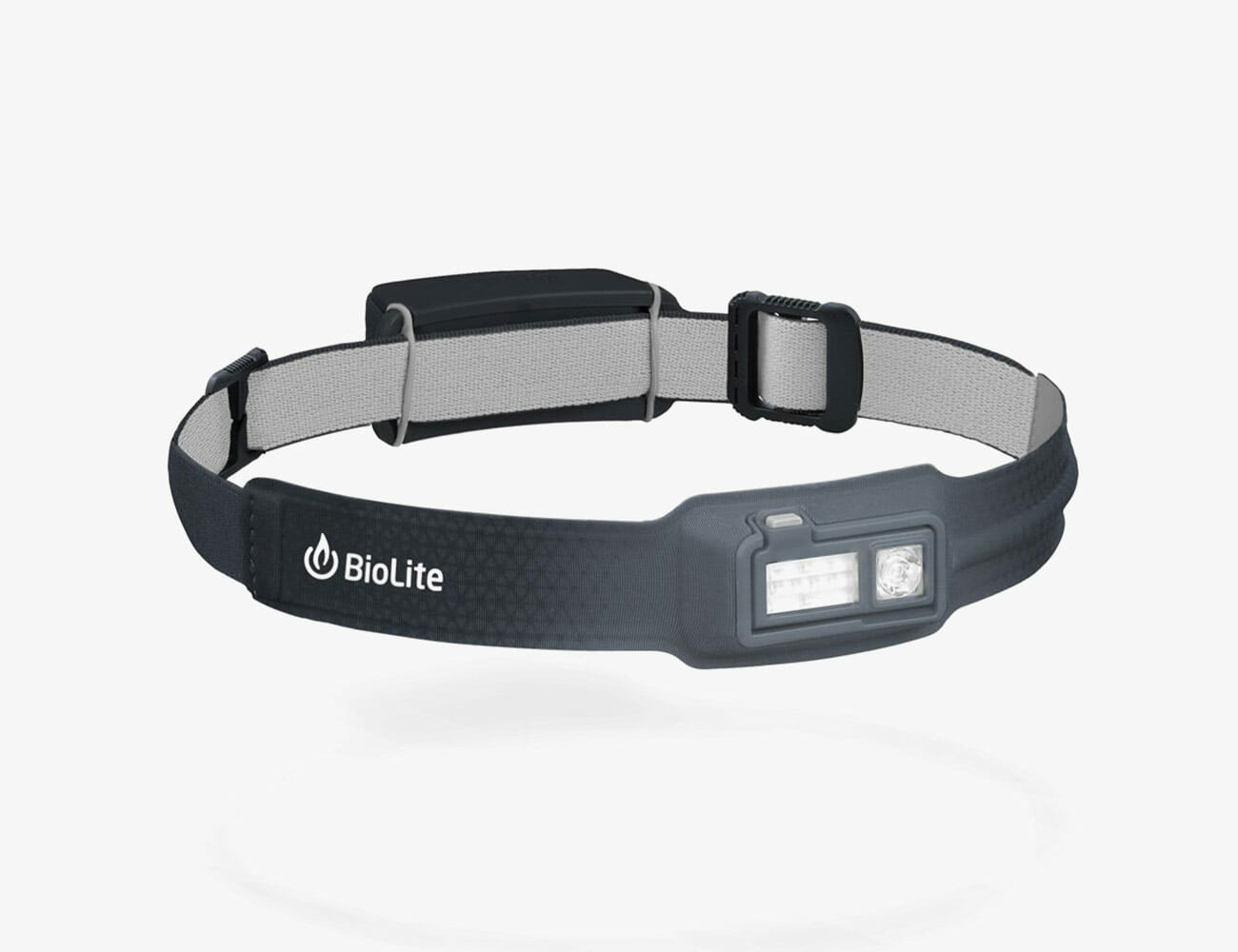
BioLite HeadLamp 330


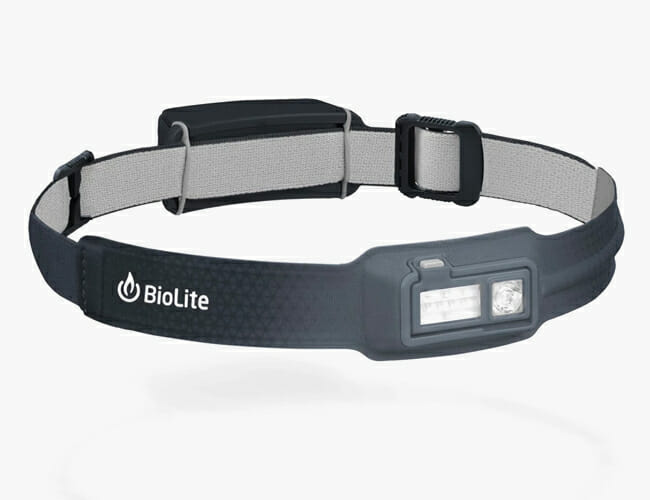
Unlike most headlamps, BioLite’s HeadLamp 330 has its power source at the rear. That keeps the design minimal and makes for a low-profile light that doesn’t bounce, even during hard workouts in the dark. What’s more, the light has multiple modes and is fully integrated into the fabric strap, so you don’t have a chunk of plastic or any clips on your forehead while you put in the miles. It also charges via Micro-USB and has a reflective accent on the rear.

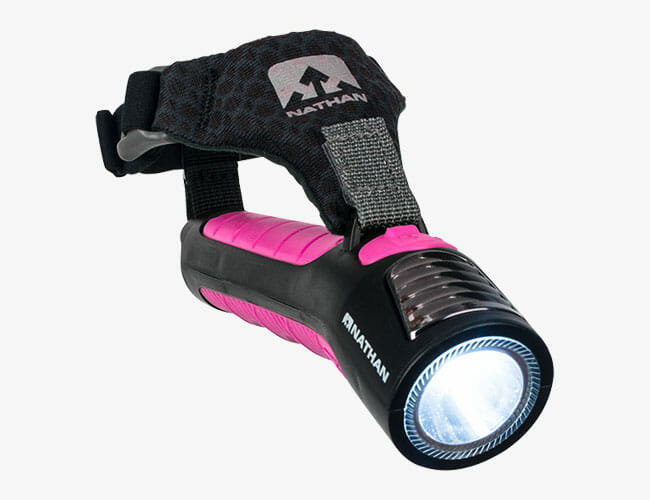
Nathan Zephyr Fire 100 Hand Torch LED Light

While a headlamp will keep you seen, and help you see, a flashlight adds another layer of protection. This one has a small harness, so you can illuminate the trail or flash it towards traffic easily without worrying about dropping it throughout your run.

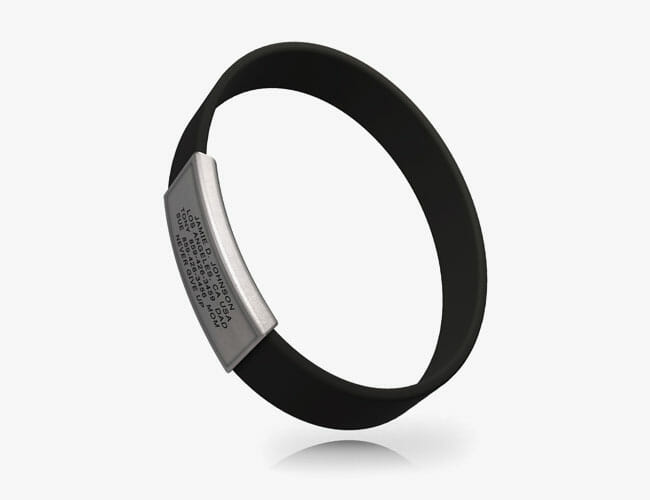
Road ID

“RoadID is a cheap option that prints your emergency contact info, blood type or any other information you think is important to share onto a small, lightweight bracelet,” Ronto says. If God forbid you get hurt out there, the RoadID will help medical personnel know all the critical things needed to properly assist you.

Nathan Reflective Ankle Band

Take reflective gear a step further by pairing your vest with ankle bands, a cheap, low-tech option to improve visibility. “The nice part about reflective gear is it takes no batteries, and as you move different areas reflect light at different times, making you hyper-visible,” says Ronto.

Nathan TrailMix Plus Insulated 2 Hydration Belt

“This insulated hydration belt is a convenient, lightweight solution that makes it easy to access your hydration and essential items,” says Ryan Raskin, triathlete, running coach and category director at RECREATIONiD.com. It’s important to carry an ID and cellphone in the event of an emergency, and this belt allows you to carry both without messing up your performance.

Petzl Bindi Headlamp

This compact and ultra-light rechargeable headlamp is ideal for night running. The thin headband adjusts easily and can also be worn around the neck. And there are three lighting modes: proximity, movement and distance, along with red lighting to preserve night vision while not blinding others during group runs.

SPIbeams LED Hat

Think of this hat as a more comfortable headlamp. It’s battery operated and has a convenient on/off switch, along with breathable material. It’s great for night runs in the heat as you’ll stay nice and cool as well as safe.

Ciele LRCap Night Right Allover


Don’t want bulbs in your brim? Ciele, the maker of some of our favorite running hats, has a full line of reflective caps that don’t skimp on style. Take this one, which uses reflectivity in a pattern to enhance its design rather than turn it into something that looks like safety gear.

KT Tape Pro


Maybe you already use KT Tape to support your muscles and joints during a run. If so, upgrade to the Pro roll, which features built-in reflectivity, for your dawn and dusk sessions for additional visibility. (And if you run with a backpack, you can slap cheaper 3M reflective tape on it for a quick DIY solution.)

Note: Purchasing products through our links may earn us a portion of the sale, which supports our editorial team’s mission. Learn more here.

Tanner Bowden is a staff writer at Gear Patrol covering all things outdoors and fitness. He is a graduate of the National Outdoor Leadership School and a former wilderness educator. He lives in Brooklyn but will always identify as a Vermonter.

More by Tanner Bowden | Follow on Instagram · Contact via Email

The 8 Best Buying Guides for the Outdoorsman

Gear Patrol Studios

Gear Patrol Studios is the creative partnership arm of Gear Patrol. Select advertising has been crafted on behalf of brands to help tailor their message for readers. These sections are demarcated with sponsored flags. Learn More

Affiliate Disclosure

Gear Patrol participates in various affiliate marketing programs, which means we may get paid commissions on editorially chosen products purchased through our links to retailer sites including the Gear Patrol Store. Learn More

What You Need to Surf in Nebraska

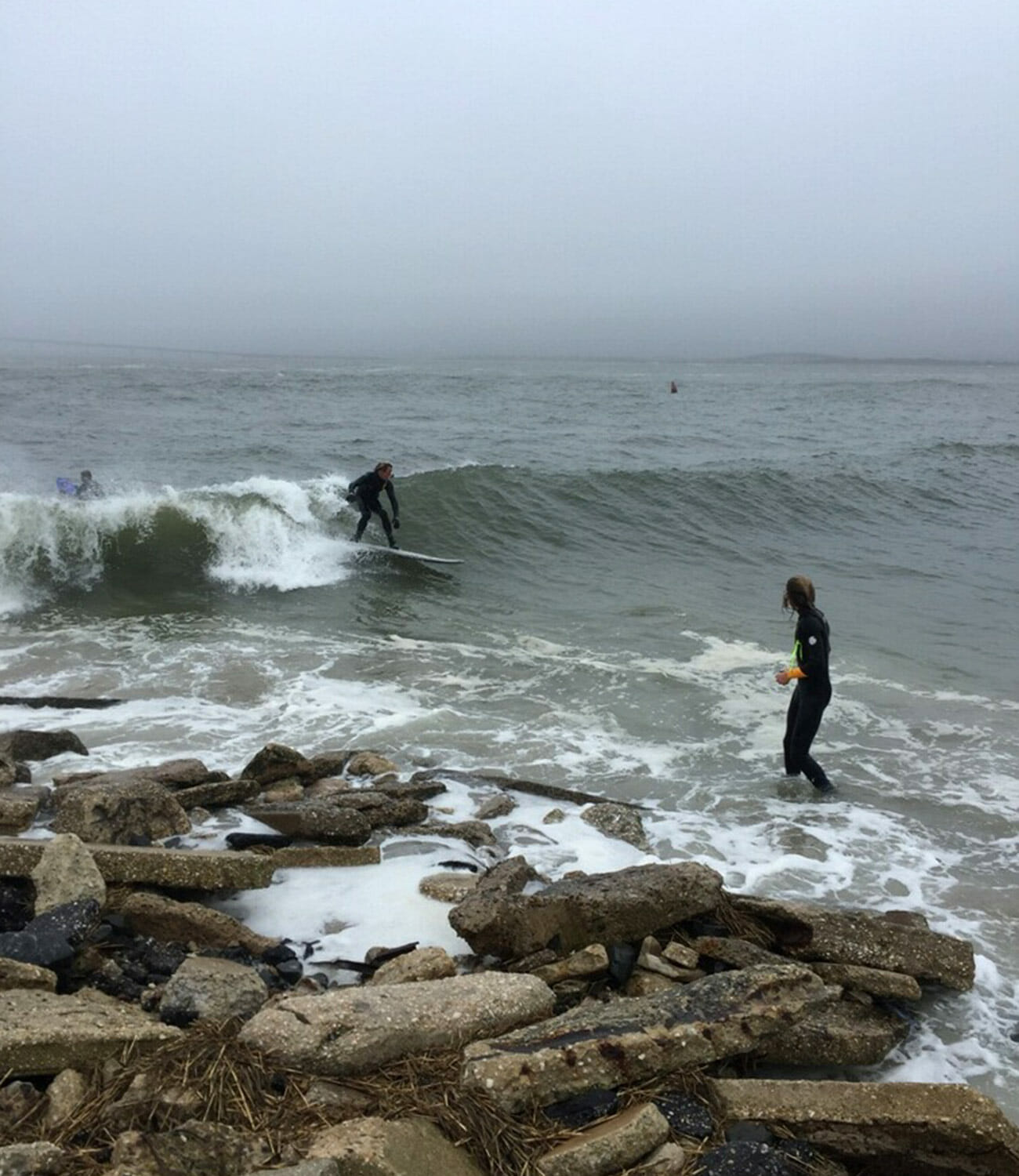
You don’t need much to go surfing. Just a board, a bathing suit, some wax and an ocean. But for professional surfer and vlogger Ben Graeff (aka Ben Gravy) the ocean isn’t a requisite part of the formula.

Earlier this year, Gravy surfed in Alaska, completing a three-year endeavor to catch a wave in all 50 US states. In doing so, he became the first known person to tick them all off. Surfing in all 50 states is as difficult of a task as it sounds, and Gravy experienced plenty of ups and downs in the pursuit. Then there are those obvious, lingering questions like, where the hell does one “surf” in a flat, oceanless state, like Nebraska?

“I ended up surfing in a wave pool in a water park,” Gravy admits. “In the beginning, I didn’t want to do any wave pools, I wanted to keep it 100 percent natural. By the time I got down to it, Nebraska was so impossible and so flat that I literally just had to settle for a wave pool.”

Finding waves to surf in landlocked states was obviously the biggest challenge of all. Rivers and lakes can offer up surprisingly good waves from time to time, but they can’t be counted on in every single state.

[embedded content]

Gravy has long been infatuated with weird waves, but in recent years he’s found a niche for himself in the surfing world as the guy who is known for seeking out what traditional surfers might call novelty waves. Gravy regularly surfs on – and films, because he’s a YouTube vlogger with a channel of 90k+ subscribers – abnormal waves that break behind ferries or in unlikely places as well as unique waves like the one under the Golden Gate Bridge or Kelly Slater’s man-made swell.

But even for a veteran novelty wave surfer like Gravy, the 50 state challenge became a difficult multi-year mission. Missouri required three separate trips, and his final visit served as the moment when Gravy thought the journey might come to an abrupt end. While surfing a standing wave — a stationary wave that continuously breaks in one spot — in the Missouri River, Gravy experienced an intense hold down that almost had drastic consequences.

“Thank God I held onto my surfboard – it spun me out and spit me out the back of the wave. Afterward, I lost it.”

“It’s a super, super wide river and the wave was three or four feet tall — pretty gnarly. It’s a kayaking wave. It’s like this big foam ball and then this really tight transition. So I hopped on my 8-foot soft surfboard just thinking I was going to pop up and little did I know once you get into the wave it just nose dives you because the transition is so tight. You need a really shortboard.”

Gravy ended up getting sucked over the back and pulled down into the hydraulic — the turbid, violent eddy that creates a standing wave. “It flipped me upside down and spun me around a couple of times. Thank God I held onto my surfboard – it spun me out and spit me out the back of the wave. Afterward, I lost it. I had a panic attack, broke down crying. And I was in Missouri by myself, 20 hours from home with no one I knew anywhere near me. I just hightailed it straight home.”

While anyone might’ve rightfully given up on the journey then, Gravy pushed forward. The unusual uniqueness of each experience kept his spirits going — no two places were the same and no two waves he came across were alike. And surfing in each state brought with it memorable interactions with locals, many of which who had never witnessed surfing. When Gravy eventually broke his rule and surfed the wave pool in Nebraska, he incidentally introduced a group of kids to surfing for the first time.

“There was this little summer camp going on and I introduced like 50 kids at that camp to surfing for the first time,” Gravy says. “The experience itself really made up for the fact that it wasn’t a natural wave. They had never even seen surfing before.”

Most people won’t visit all 50 states in a lifetime, let alone surf in every single one in three years’ time. But even having traveled to all of them, Gravy realized over the journey that he can’t picture himself anywhere but his home state of New Jersey.

“When I started the journey,” he says, “I really wanted to get out there and live on the road. And throughout it, I learned that I love where I came from and I love where I live. When you’re in Montana and you get sucked over the falls and hit a rock in a river and your leg is bruised and you’re hating life, you can’t drive home because it’s 30 hours away.”

The endeavor also showed him anything is possible: “This mission taught me that anyone can accomplish anything they want to. I set out on this journey thinking it was impossible and I did it through hard work. Whatever you want, it’s doable.”

To surf a novelty wave in just one state, Gravy had to outfit himself with the proper gear. Hauling surfboards, cameras and all kinds of wetsuits around the country for three years, Gravy dialed in his kit precisely to the necessary items. Still, it’s not a short list. As Gravy describes it, “You need your entire quiver and you need to be ready for anything.”

Ben Gravy’s Packing List

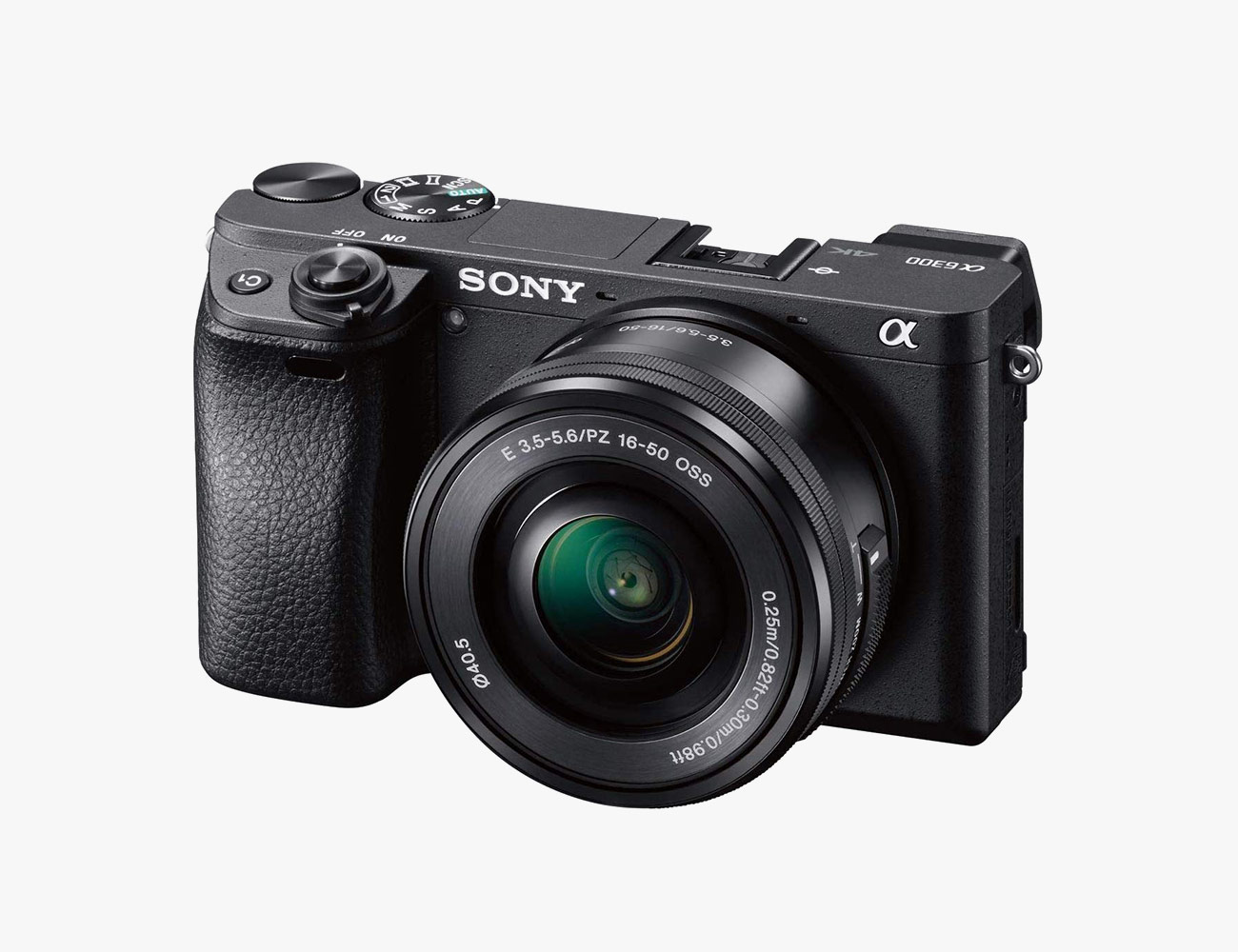
Sony Alpha a6300


“I shoot on a Sony A6300, their mirrorless DSLR. And then everything else is on a GoPro Hero7. That’s basically my main camera set-up. I mean, they’re just so easy. At any moment I can bust out either those cameras, turn them on and I know that they’re ready to go. When I’m doing the vlog, it’s I have to be in the moment and ready to shoot at any point.”

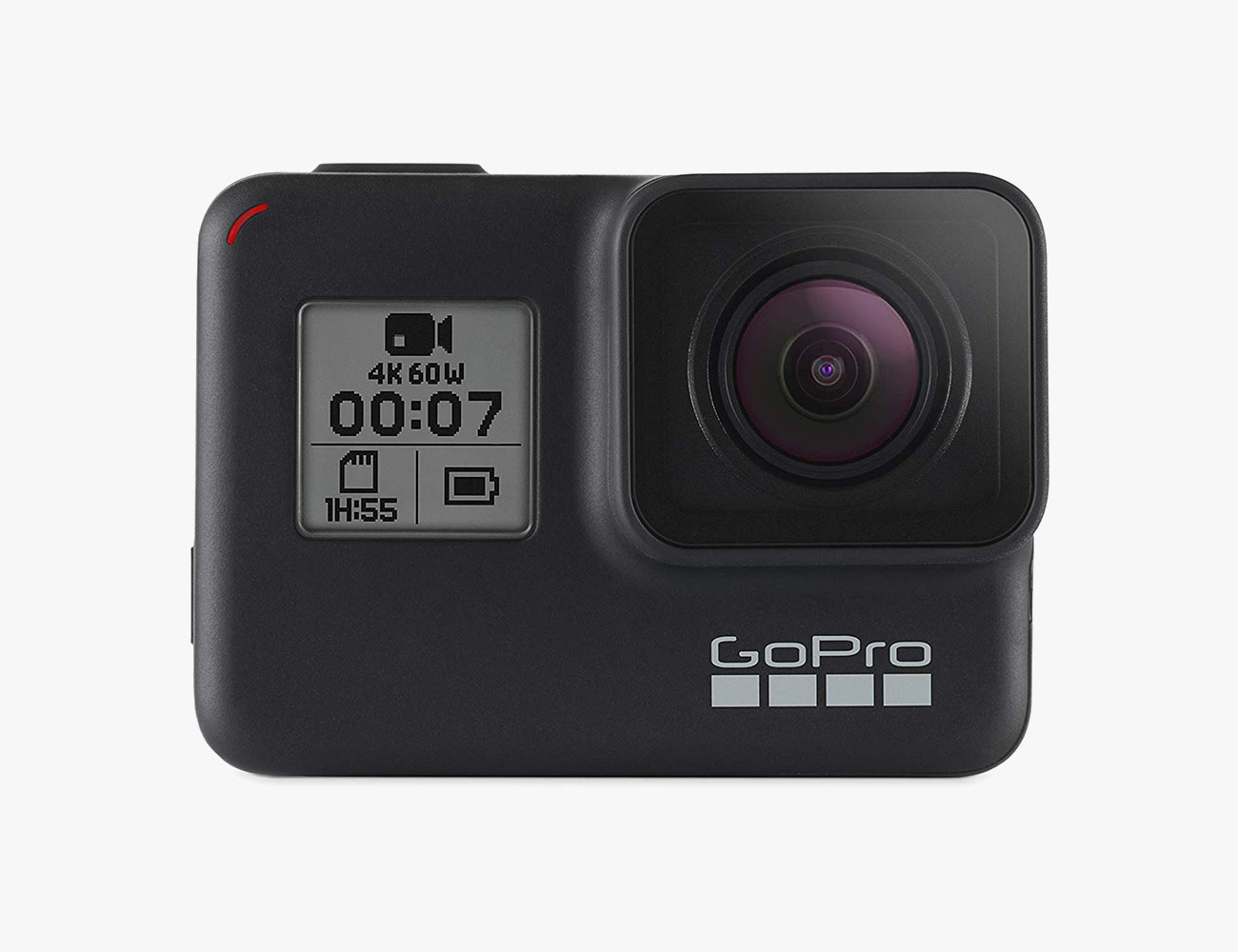
GoPro HERO7 Black


“I love the GoPro because it’s so small I can take it on the board with me because it’s waterproof. On a lot of these rivers I had to paddle out into the middle of the river to find the wave and I couldn’t bring another camera with me. I would do the mouth mount and sometimes I would do the nose mount on the board facing at me. And that was really good for me because I can capture a lot of talking points as I was going.”

Apple 15-Inch MacBook Pro


“My laptop of choice is a MacBook Pro, 15-inch. I bring that everywhere I go. I learned [to edit] in Final Cut, and I actually went to film school. But I’ve been editing for the past year in iMovie. It literally cuts out all the stress of rendering and makes it that much easier for me to put a vlog out. I export at 1080, I don’t even do 2K or 4K. It does the job.”

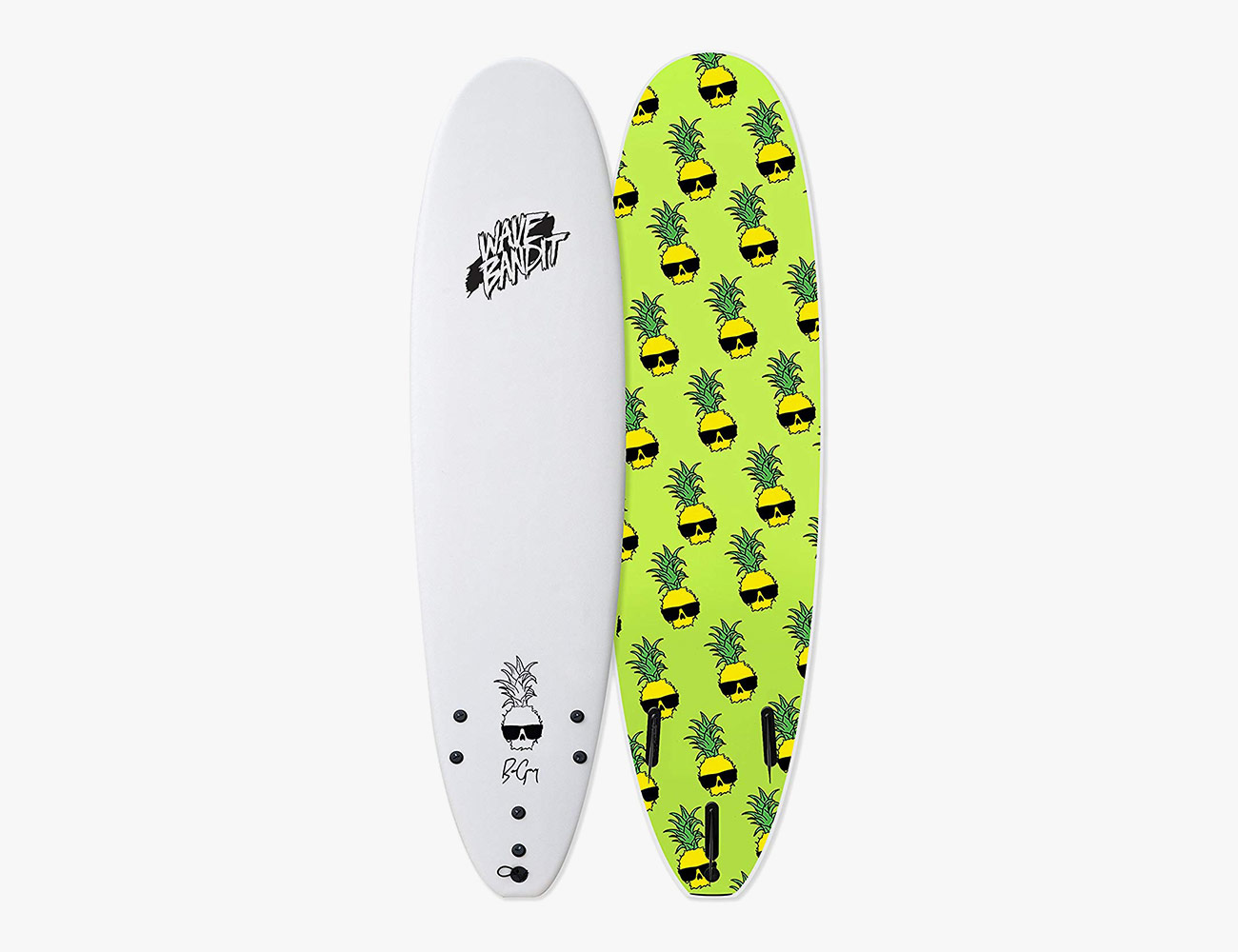
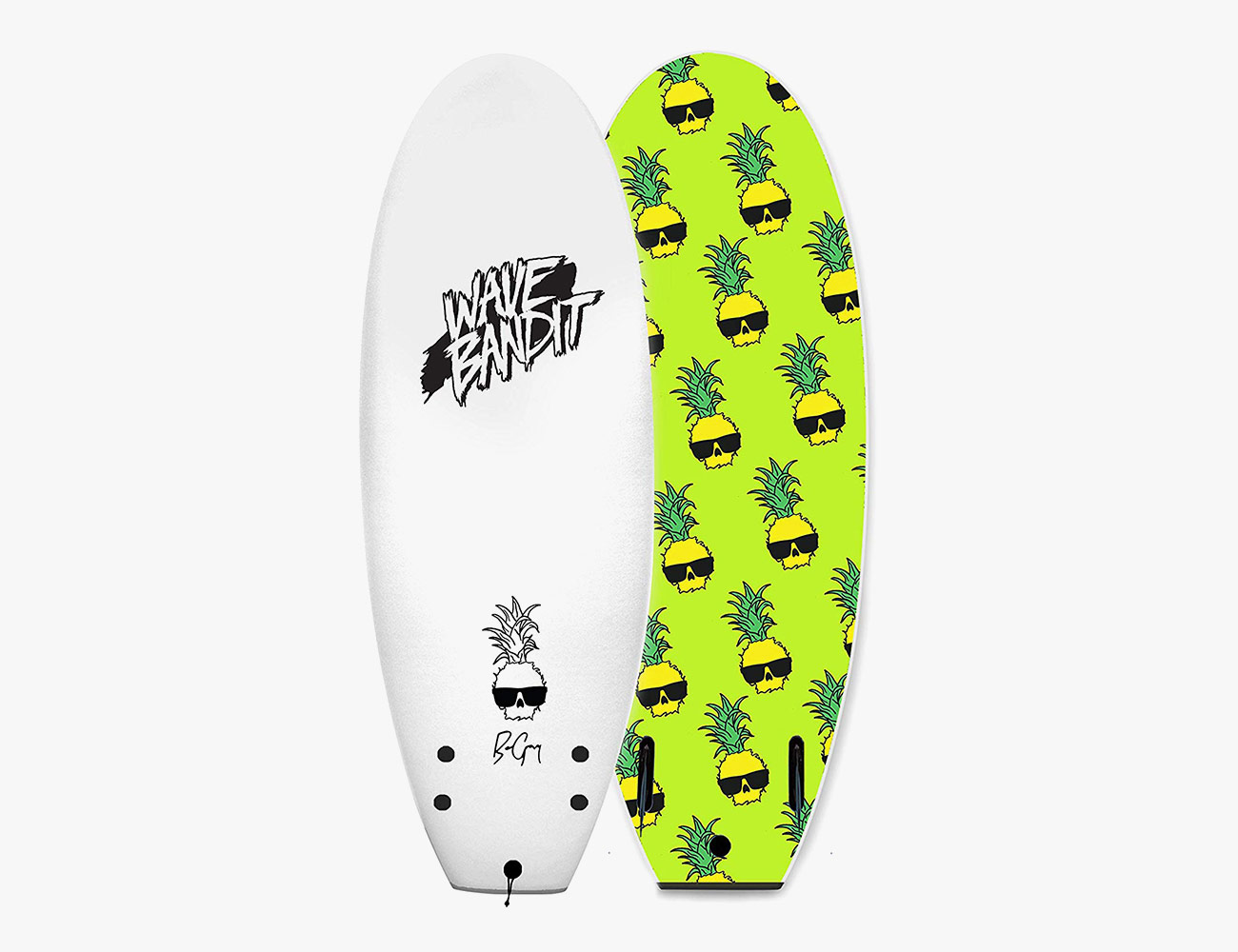
Wave Bandit Easy Rider x Ben Gravy 8’0″


“I used it on most of the rivers, it’s the perfect board for small river waves.”

Wave Bandit Performer Mini x Ben Gravy 4’10”


“This is also a Ben Gravy model and I use it for the bigger river waves when you need a shorter board. My problem is I hit the bottom a lot so the softboard can withstand that better.”

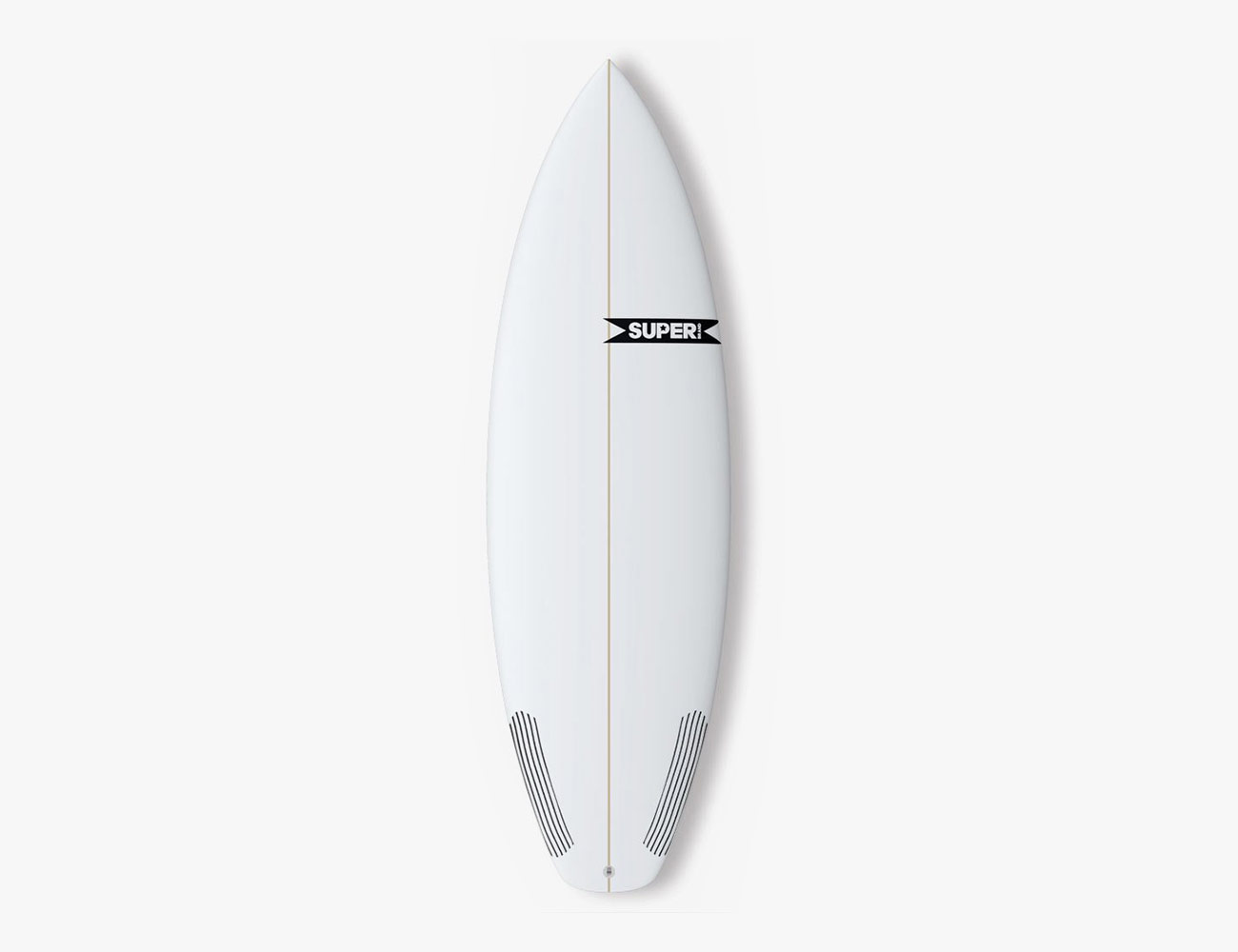
Super Surfboards El Slammo Semi Pro


“The good thing about my board is it’s an all-around small wave board. It’s for waves that are two to five feet. It’s got a nice wide tail and has enough volume to carry you through small waves, but it also can perform if the waves get to head high or a little overhead. I ride it as a Future Fins quad setup most of the time, especially when it’s barreling.”

Hyperflex 3/2mm VYRAL Wetsuit


“I would also always wear 2mm reef booties because of the ground in the rivers. They’re from Hyperflex, the VYRAL. It’s their new lightweight suit. I love that hometown vibe.”

Creatures of Leisure Board Bag


“This is a really nice bag that easily fits three or four boards and it has little rollies on it. The coolest thing about it is it has these clasps that you can pull so the bag is smaller and tightens down. Then when I roll up to the [check-in] counter it looks like maybe I do only have one board in there, instead of six.”

Wave Bandit Ben Gravy Pineapple All Day Trunk


“I literally never take them off.”

Wave Bandit Ben Gravy Pineapple Backpack


“I can put my laptop in the laptop slot. I have all my cords in the top and my camera can go in the front and then my clothes in the bottom part. I actually went to Alaska with the boardbag and just this backpack.”

Sector 9 Dream Gravy Semi Pro Skateboard


“I usually bring my skateboards. It’s a pool board but it’s got cruiser wheels on it. I love skating, it just hurts too much. I bring it everywhere I go.”

Yamaha APXT2 Guitar


“I bought this for myself for my birthday for like $200. I bought it because it’s small and compact — I absolutely love it.”

Note: Purchasing products through our links may earn us a portion of the sale, which supports our editorial team’s mission. Learn more here.

Ryan Brower serves as a Project Coordinator for Editorial Operations and also writes about beer and surfing for Gear Patrol. He lives in Brooklyn, loves the ocean and almost always has a film camera handy.

More by Ryan Brower | Follow on Instagram · Contact via Email

It’s Cold AF out so Here’s a Guide to Some of the Best New Parkas

We’ve been hearing a lot about innovative new parkas lately, but didn’t think too much about them till we stepped outside this morning and holy f*ck it’s officially cold. If you’re feeling that chill — and hey, why else would you be reading this story? — now’s the time to invest in a parka that’ll keep you toasty for years to come. So here are four new ones blowing up our radar, each with its own unique features to suit different kinds of people and needs.

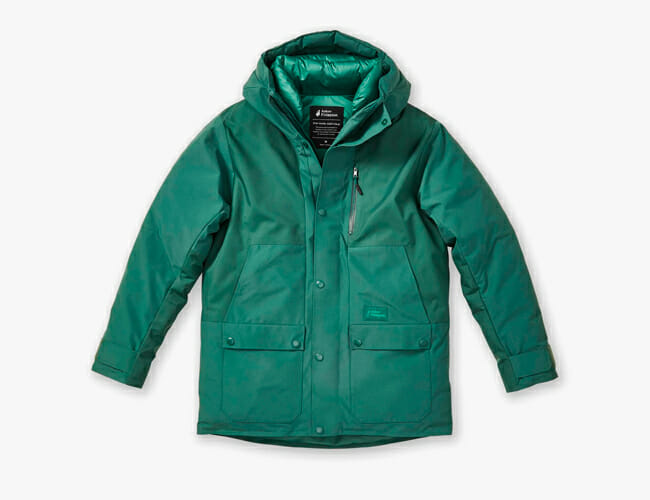
Askov Finlayson The Winter Parka

Best Climate Advocate Parka 

Minneapolis-based Askov Finlayson bills itself as “the world’s first climate positive outerwear brand.” Say what? It’s true, in a way. The brand offsets 110 percent of its carbon impact with donations to organizations fighting climate change. Whether that strikes a chord or not, The Winter Parka will help you fight inclement weather, thanks to 3M Thinsulate 100 percent recycled synthetic insulation, rated comfortable to 20 degrees below. AF also offers a lifetime warranty and a “One Winter Guarantee,” meaning if you somehow do freeze your tookus of wearing this thing, you can return it for a full refund.

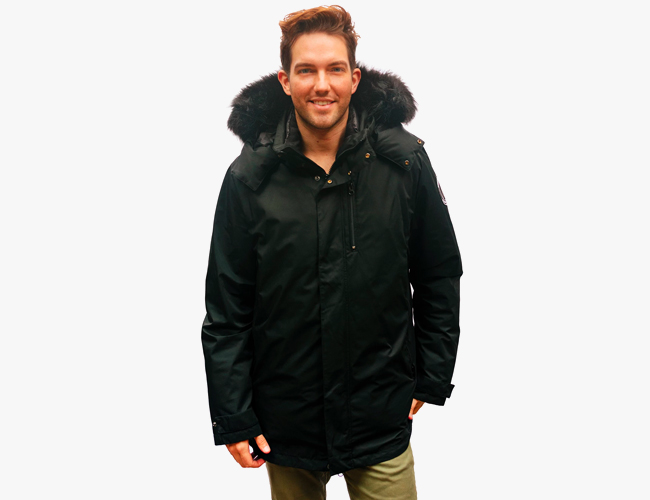
Down Official 3-in-1 Daniel Parka

Best Versatile Parka

DOWN Official is on a mission to take Canada Goose down on a number of factors, including cost, production process and quality. At a cost of $399, this parka is definitely winning in that first category, but what about the others? The jacket is filled with certified responsibly sourced down and boasts a water-repellant shell, “Airpod stash pocket” and removable hood. Plus it’s a 3-in-1, and while this jacket style can be polarizing, getting such a versatile combo at such an affordable price point is a pretty enticing proposition.

Eddie Bauer Superior Tailgate Parka

Best Parka for Not Dying in a Parking Lot While Waiting for the Jets to Lose

If ever a parka were designed specifically for the way most people use one, this Eddie Bauer offering is it. Sure, some of us are racing sled dogs and snowshoeing in the backcountry, but many of us are simply rocking these jackets in and around urban areas and stadiums, and the Superior Parka is here for that. Among other features, this coat packs a built-in seat cushion, two bottle openers, a detachable koozie, removable food-grade pocket, hidden pocket for stashing a flask, a clear ticket pocket, a high pile fleece-lined back lining and a fur-lined split hood. Any questions?

Voormi Wolf Creek Parka

Best Sub-Zero Conditions Parka

Steve Mazzucchi is Gear Patrol’s outdoors and fitness editor. Outside the office, you can find him mountain biking, snowboarding, motorcycling or sipping a dram of Laphroaig and daydreaming about such things.

More by Steve Mazzucchi | Follow on Facebook · Instagram · Twitter · Contact via Email

The 11 Best Synthetic Down Jackets of 2020

Last Updated December, 2019: We’ve updated our guide of the best synthetic down jackets with the 13 best picks for Winter 2020. Prices and links have also been updated.

Synthetic down has traditionally been regarded as a cheaper, less effective alternative to the real thing, but thanks to advances in technology, synthetics have come into their own, rivaling goose down in many areas and even surpassing it in durability and water resistance. Technologies like Polartec’s Alpha fiber, developed for military use, or Columbia’s proprietary TurboDown, a mix of synthetic materials and goose down, are finding their way into a wider range of products. The result of all this innovation is that consumers in 2020 have access to synthetic jackets that are warmer, better ventilated, lighter and more durable than ever. The fake stuff is here to stay, and that’s a good thing.

The 11 Best Synthetic Down Jackets of 2020

Synthetic Insulated Jackets 101

Patagonia Macro Puff

Editor’s Choice

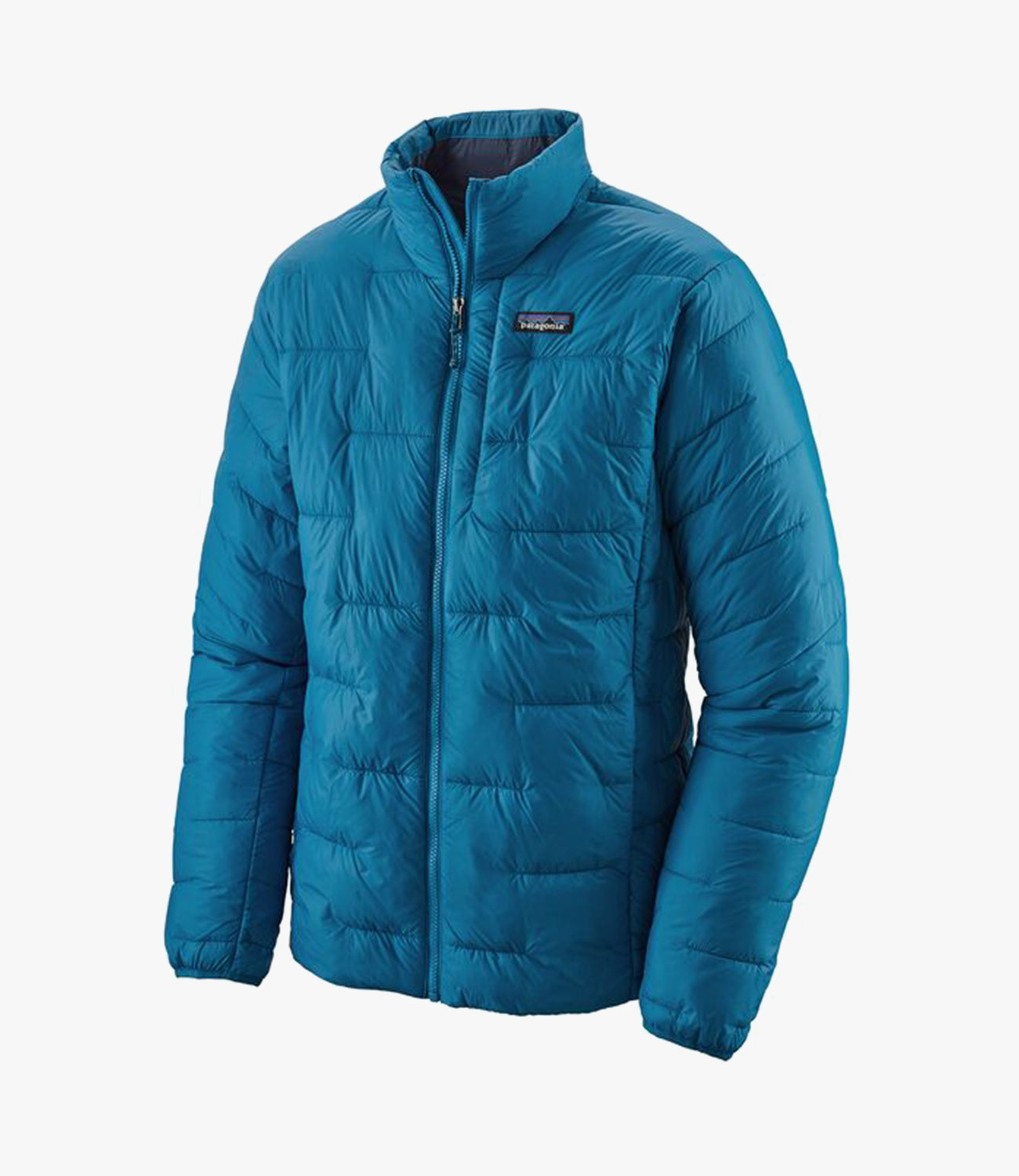
It was challenging to decide which of Patagonia’s PlumaFill-filled jackets we like best. In the end, the newer Macro Puff takes home the honor, unseating the Micro Puff as our choice for the best synthetic insulation jacket. The key difference between this jacket and that? The Macro has more of it.

The results of that change might be obvious: the jacket is both bigger and warmer. We were concerned that it would be too warm for daily wear, but after testing it through autumn’s shifting temperatures, we were surprised to find that isn’t the case. PlumaFill has proven itself yet again to be remarkably versatile insulation.

The Macro Puff is different from the Micro in a few other important ways. The most impactful of those is that it has an entirely different fit that’s less athletic (meaning, it’s looser and longer). That might make it more appealing for people who plan to wear it as an everyday jacket around town or as an outer layer during activity when the weather allows for it. The Macro Puff also has two drop-in style interior pockets in addition to its dual hand and single chest pocket, which are great for stashing bulkier items like winter gloves or a hat.

Weight: 13.2oz
Fill Material: 100% polyester PlumaFill
Shell Material: 0.8oz 10-denier 100% recycled nylon ripstop
Waterproofing: DWR finish

Arc’teryx Atom LT

Best Do-It-All Jacket

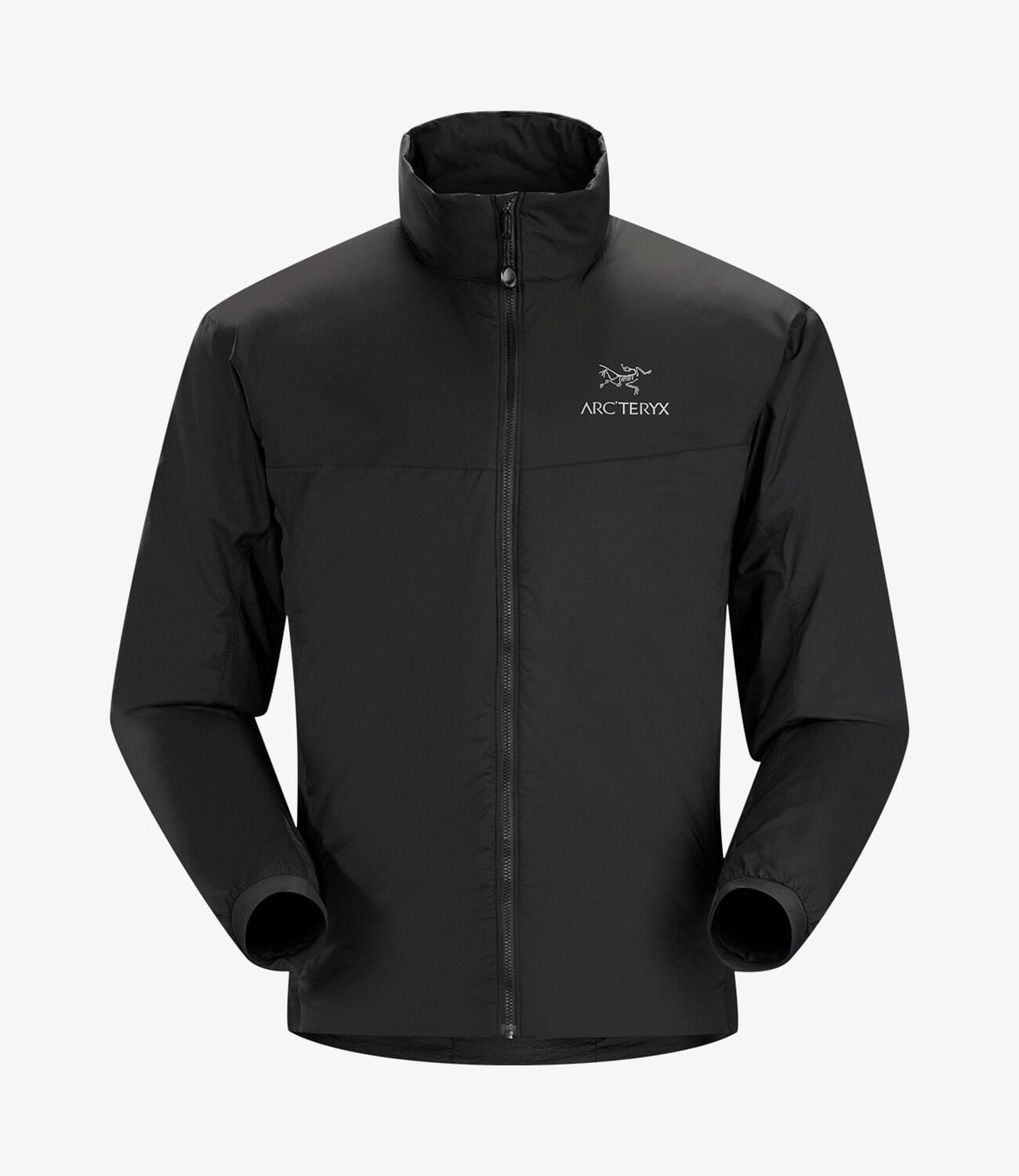
The Atom LT is made with breathable Coreloft insulation, which functions better than down when placed under a shell. Combined with a hydrophobic finish, it does a lot to keep the wearer from getting damp from either weather or exertion. Polartec stretch side panels keep the LT flexible. It’s lighter, snugger fitting, and less bulky than other jackets on this list, which makes the LT an ideal middle layer.

In design and function, the LT is about as simple as it gets, but that’s a good thing. It’s a no-frills insulating layer that’s there when you need it and doesn’t look half bad if when you move from outdoor adventure to local watering hole. The side panels breathe exceedingly well thanks to the aforementioned Polartec stretch panels. We’ve used this jacket for everything from travel, to rock climbing, to snowboarding, to hiking and it still looks the exact same as the day we bought it.

Weight: 13.4 oz
Fill Material: 60g Coreloft
Shell Material: 20D Tyono, Polartec Power Stretch with Hardface Technology (88% polyester, 12% elastane)
Waterproofing: DWR finish

Rab Xenon X

Best No-Frills Jacket:

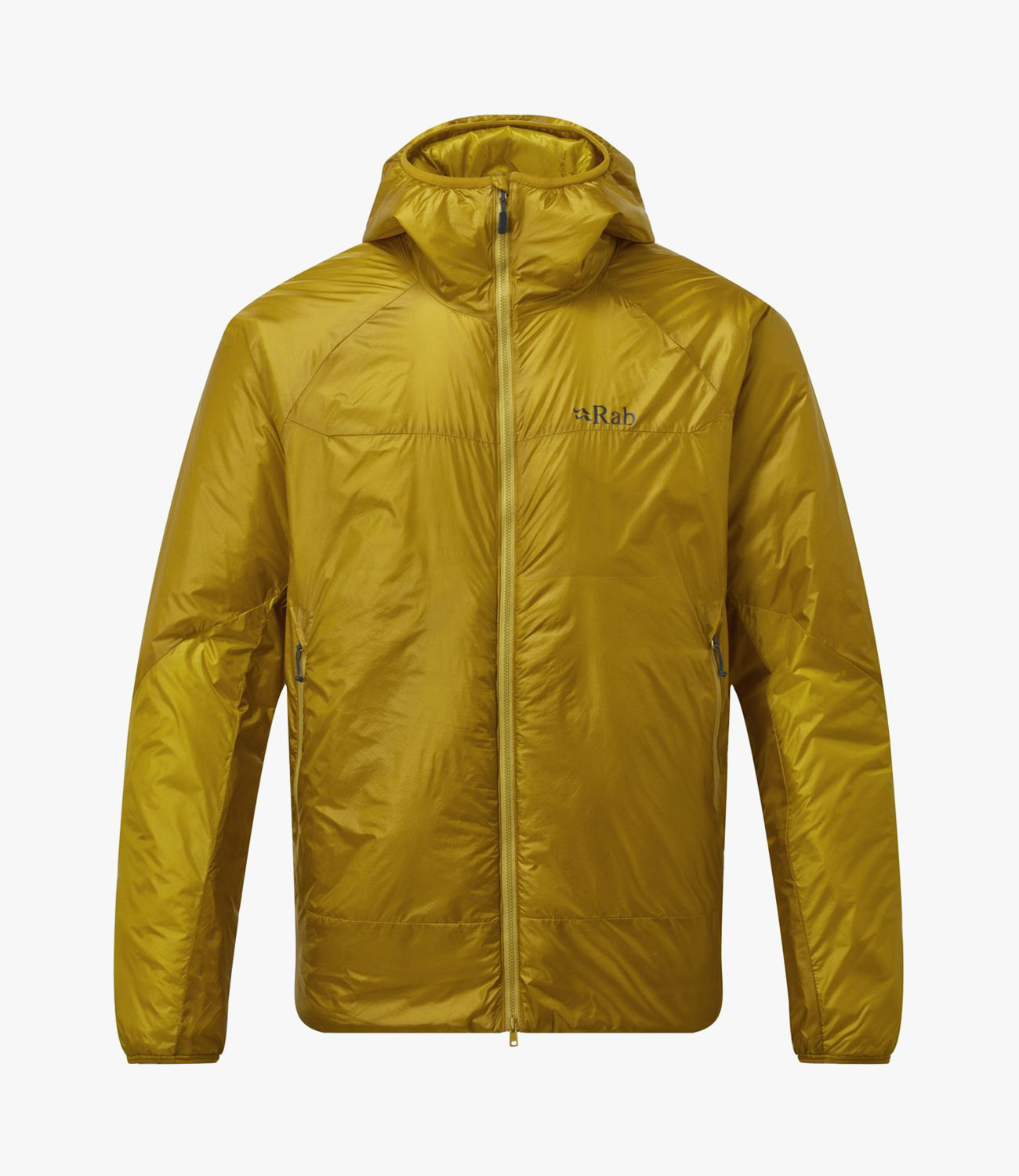
UK-based Rab Equipment is a mountaineering brand to its core, but that doesn’t mean its innovative technical outerwear can’t be leveraged for use closer to sea level. The Xenon X is the brand’s premier synthetic insulated jacket and it’s dead simple. It’s an insulated jacket with a water resistant shell and that’s it. But it’s also one of the warmest jackets we tested thanks to a hefty serving of Primaloft Gold. The fit can be a bit boxy if wearing on its own, but if you tend to layer over a fleece or other bulky base and midlayers, go true to size.

Weight: 14oz
Fill Material: PrimaLoft Gold
Shell Material: Pertex Quantum
Waterproofing: DWR finish

Patagonia Micro Puff

Best Ultralight Jacket

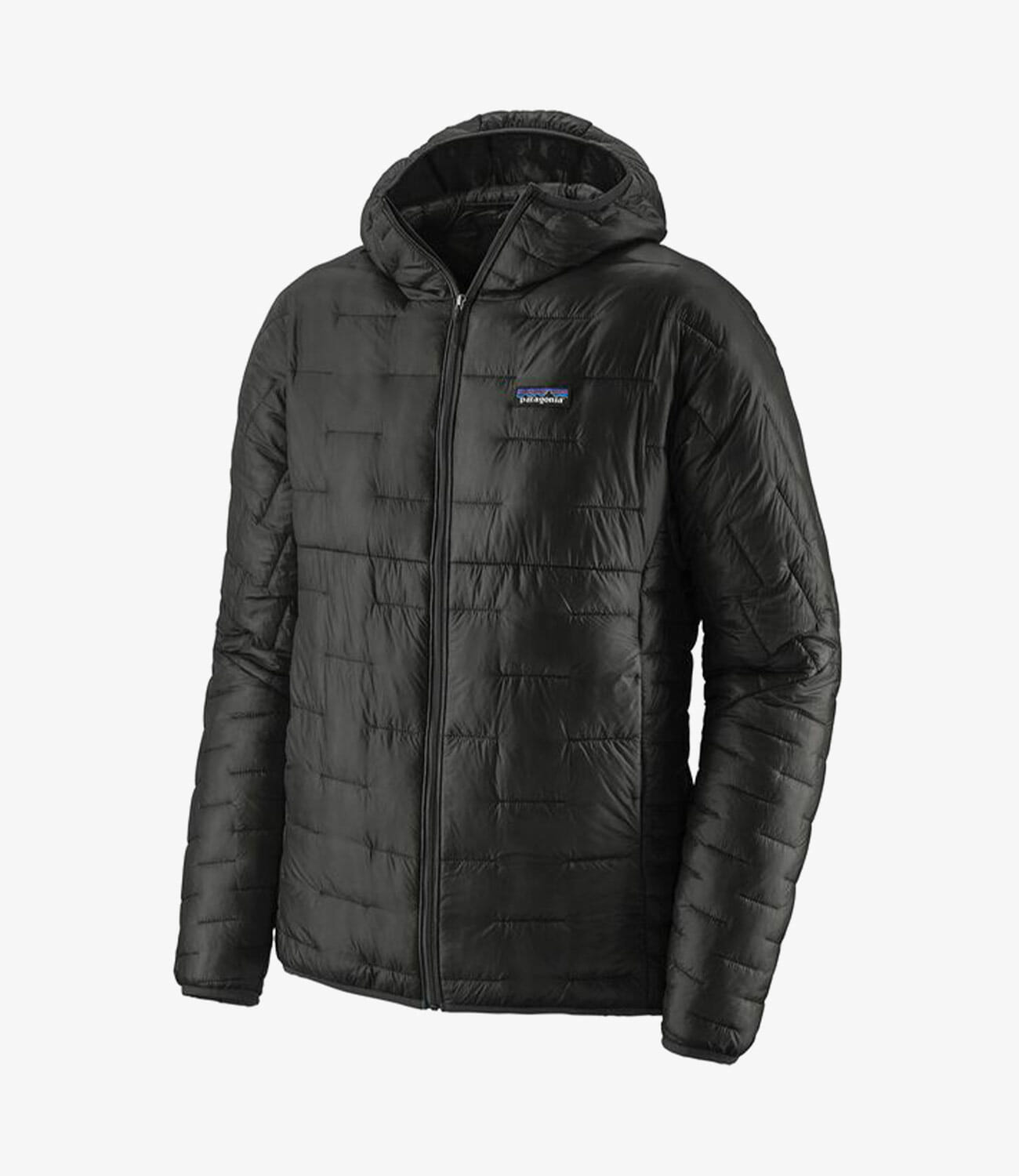
The Micro Puff the lightest jacket Patagonia has ever made. On the outside, it looks just like any other synthetic insulation jacket, with just a little extra sheen. The outer shell is constructed from a super lightweight, water-repellent ripstop nylon called Pertex Quantum. Instead of using horizontal baffles, as it does with many of its down jackets, or the quilted design exemplified in its Nano Puff, Patagonia applied a unique stitching pattern to create a mostly-continuous maze of channels that prevent the insulation from bunching. The real innovation is on the inside: Patagonia developed a new type of insulation called PlumaFill that’s made up of down-mimicking polyester fibers that are secured together in one continuous, fluffy line.

The result is a jacket super lightweight jacket that doesn’t quite feel like an “ultralight” jacket — it still has two zippered hand pockets and two interior mesh pouch pockets. Jackets that spare no detail when cutting back on weight don’t have these useful everyday features. The Micro Puff is slightly pricier than Patagonia’s other synthetic puffies, but if you’re looking jacket that’s exceptionally lightweight and warm at the same time, this is a great option.

For a more detailed description of the Micro Puff Hoody, read our in depth review.

Weight: 9.3oz
Fill Material: 65-g PlumaFill, 100% polyester
Shell Material: 10-D nylon ripstop Pertex Quantum
Waterproofing: DWR finish

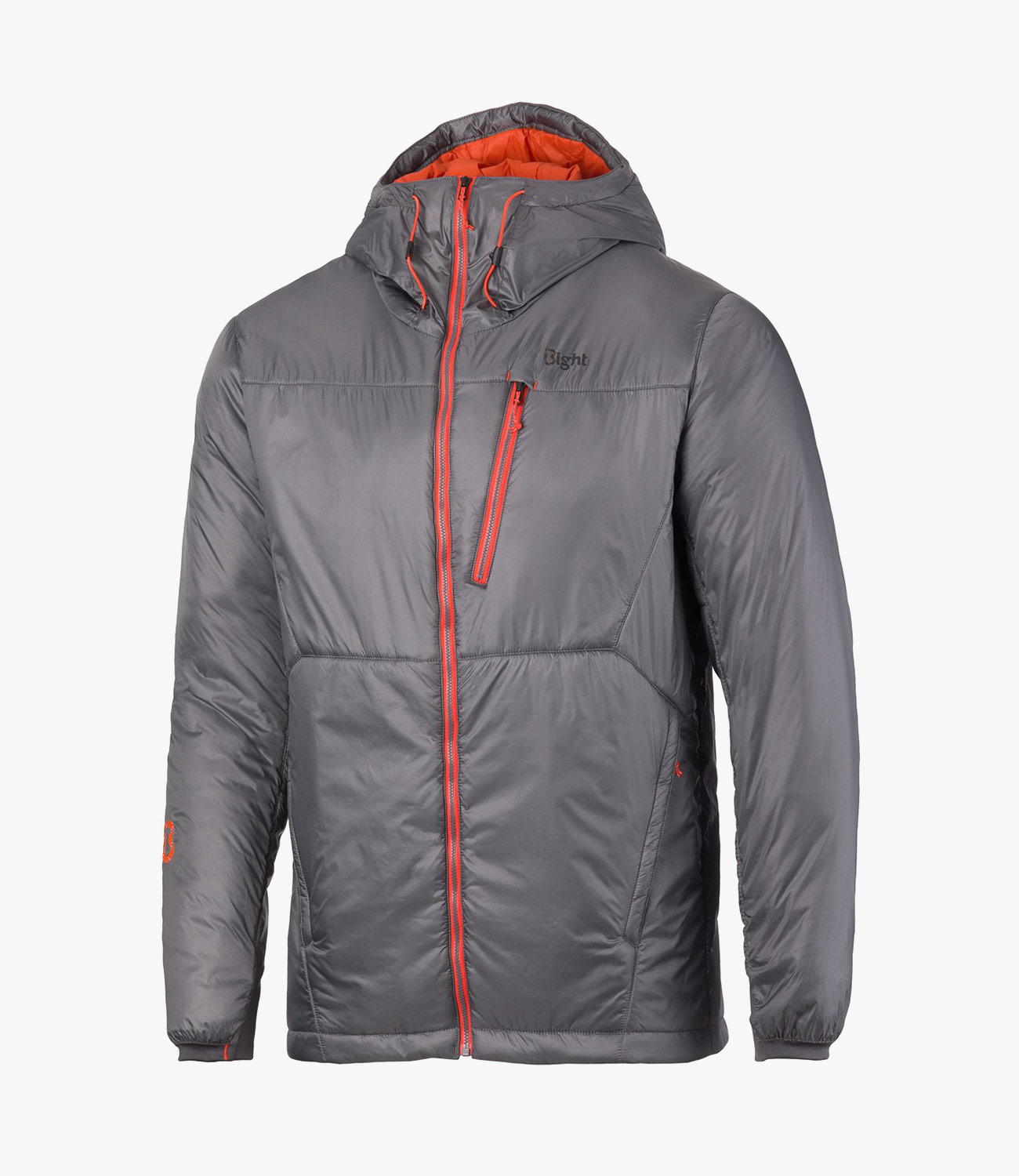
Bight Swelter

Best Heavy Jacket

Bight Gear, formerly known as MtnLogic, takes a group approach to designing and building outdoor gear. That team consists of the 60-plus guides who work at Rainier Mountaineering Inc., the guide service that’s affiliated with the company. Many of these guides spend more than half the year on mountains, and their collective knowledge and preferences are reflected in each piece that Bight produces.

As a product of that process, the Swelter Jacket is designed as a super-warm insulating piece that can be used as a mid-layer during outings that involve lots of exposure to the elements or as an outer layer in more mild conditions. The guides’ input contributed to many of the features that make the jacket great (even when you’re not attached to a rope on a glacier). One such feature is a slightly longer length that prevents cold spots between upper and lower layers, as well as the inclusion of stretch panels on the cuffs that let you throw the jacket in quickly without taking gloves off. The jacket is filled with Polartec Power Fill, which is made up of 80 percent post-consumer recycled materials and makes this jacket one of the warmest on this list.

Weight: 18.7oz
Fill Material: Polartec Power Fill
Shell Material: 20d ripstop nylon
Waterproofing: DWR finish

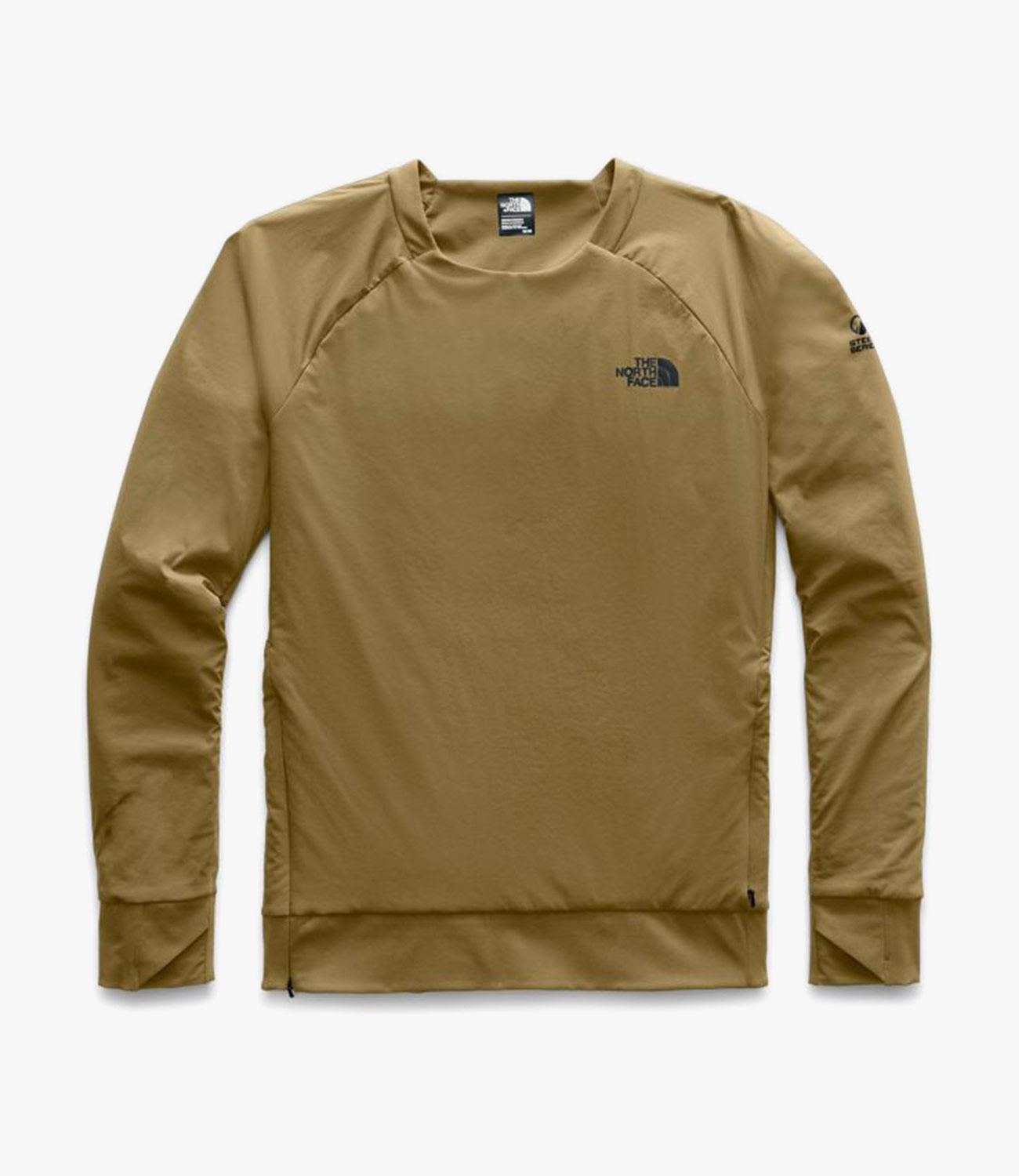
The North Face Ventrix Mid Layer

Best Mid Layer

Inside the Ventrix Mid Layer is Ventrix, The North Face’s proprietary active insulation. We’ve been fans of Ventrix insulation since it came out in fall 2017, and it’s been a staple on this list since. Here’s how it works: like other types of active insulation, Ventrix is highly breathable, but unlike those other fills, it has laser-cut perforations that open and close with motion. When you’re idle, the perforations remain closed, thereby trapping heat. When you’re active, the perforations stretch open to release heat.

The Mid Layer is one of The North Face’s newer implementations of Ventrix. It’s a crewneck pullover with a polyester shell that isn’t overly technical — it doesn’t have the sheen that many insulated jackets have, and it doesn’t have stitched baffles. That makes it great for wearing as a warm indoor layer, but thanks to Ventrix insulation, it’s perfect for things like ski touring and hiking.

Weight: 11.3oz
Fill Material: 100% polyester stretch Ventrix
Shell Material: nylon ripstop, recycled polyester, elastane
Waterproofing: DWR finish

Houdini Add-In Jacket

Best Jacket for Cities

The Add-In Jacket’s longer cut gives cold weather warmth a stylish edge that makes it perfect for life in towns and cities. The jacket’s hem falls roughly at mid-thigh, so it isn’t as long as a trench coat but still provides a crucial extension of insulation below the beltline. But the best thing about the Add-In isn’t style; it’s versatility.

Houdini designed the Add-In as a layering piece that could handily accompany other jackets like its One Parka or awesomely weird Cloud. As such, the Add-In contains a Goldilocks-sized fill of Primaloft Gold Active+ insulation, which you might otherwise find in jackets for activities like skiing or hiking. It keeps the Add-In from becoming bulky and makes it perfect for cool to cold temperatures, which, for many, will make this jacket appropriate for all but winter’s worst days.

Weight: 16.4oz
Fill Material: PrimaLoft Gold Active+
Shell Material: polyester
Waterproofing: DWR finish

Norrøna Røldal Thermo100

Best Insulated Hoodie

There aren’t many insulated hoodies out there, and Norrøna made it easy to choose the best with its Røldal Thermo100. The jacket is packed with many of the same technical features present in Norrøna’s mountain outerwear. For example, PrimaLoft Gold insulation, a water-resistant nylon shell, stretchy cuffs and two-way side zippers that make the Thermo100 easy to get into and also act as vents. It’s the warmest hoodie we own.

Weight: 27.3oz
Fill Material: PrimaLoft Gold
Shell Material: polyester
Waterproofing: DWR finish

Outdoor Research Vigor Hybrid

Best Lightweight Active Jacket

There is such a thing as too much jacket. For instance, when you’re running, hiking, climbing or mountain biking. That’s why Outdoor Research made the Vigor Hybrid an active-use jacket that limits its insulation to key zones — the rest is grid fleece — to keep the body warm while allowing it to breathe.

The Vigor’s insulation is noteworthy by itself. It’s called VerticalX Air, and it’s made up of vertically oriented fibers that are better at transporting moisture away from the body than typical synthetic insulation. The fibers also trap air, which equates to warmth. The Vigor is probably too light for an around-town jacket, but it’s perfect for high-output activities. (If you need a little more heat, check out Outdoor Research’s Refuge Air Jacket, which also has VerticalX Air.)

Weight: 12oz
Fill Material: 100% polyester
Shell Material: nylon, polyester, spandex
Waterproofing: none

L.L.Bean Packaway Jacket

Best Budget Jacket

In the synthetic jacket category, L.L.Bean’s Packaway is cheap, but that doesn’t mean it’s low quality. The jacket is filled with PrimaLoft Gold insulation — the same stuff found inside Patagonia’s ever-popular Nano Puff Jacket — that’s enhanced with Cross Core technology, which was initially developed for NASA and uses aerogels to increase warmth without doing the same to weight. It’s water- and wind-resistant, with a recycled polyester shell and two hand warmer pockets as well as exterior and interior chest pockets. All this makes for a jacket that’s just as warm, packable and fully-featured as many others that are so often called best, but for half the price.

Weight: n/a
Fill Material: 60-gram PrimaLoft Gold with Cross Core technology
Shell Material: 100% recycled polyester
Waterproofing: DWR finish

Hill City Thermal Light Shirt Jacket

Best Insulated Shirt Jacket

When Gap Inc. launched its new men’s brand Hill City, everyone (including us) was quick to boil it down to a male version of the company’s women’s athleisure brand, Athleta. It is that in many ways, but in testing out a sampling of the collection in New York’s Adirondack Park, we discovered that it’s also highly-considered and in many cases highly technical. One of our favorite pieces is the Thermal Light Shirt Jacket.

Unlike the rest of the jackets on this list, Hill City went with more of a style angle here. The shirt jacket closes with snap buttons and has a collar that lies flat and away from the chin. But in every other regard, the Thermal Light is built like a synthetic jacket: it has a stretchy water-repellent exterior made of nylon and spandex and is filled with warm PrimaLoft Gold Active+ insulation. It’s lightweight and scrunches up into a backpack at the end of the day. It’s not what you’d wear to the top of a mountain, but that’s precisely why we like it.

Weight: n/a
Fill Material: PrimaLoft Gold Active+
Shell Material: 87% nylon, 13% spandex
Waterproofing: DWR finish
The 11 Best Synthetic Down Jackets of 2020

Synthetic Insulated Jackets 101

What to Know Before You Buy a Synthetic Down Jacket

Down vs. Synthetic

The best insulating piece, whether it’s a jacket or a sleeping bag, must be warm, light and easily packable. Down and synthetic-filled products both offer these qualities, but there are pros and cons to each.

Down comes from the layers under protective exterior feathers of geese and ducks — it works for them while they float and fly around every winter, so of course, it keeps us warm as well. But when natural down gets wet, it clumps and loses a lot of its heat-retaining ability. Also worth noting: although big efforts have been made by a lot of brands and outfitters such as Patagonia and The North Face, not all down is sourced ethically, and animal cruelty can become part of natural down insulation’s production chain.

Synthetic insulation is our attempt to mimic natural down’s insulation power with polyester fibers arranged in different sizes that cluster and trap heat much like the real thing. Synthetic down really does insulate well, without losing packability or the light weight of natural down — not to mention it’s hypoallergenic. One trade-off is that synthetic down weighs slightly more by volume (and insulating ability) than natural down, so synthetic-filled gear tends to be marginally heavier and more bulky. On the flip side of the coin, synthetic down is less prone to clumping when it gets wet, so in mixed weather conditions it might be a safer bet.

In terms of labeling, if a jacket just says “down” it’s definitely natural down insulation. You might see fancy terms added in, like Mountain Hardwear’s proprietary Q.Shield waterproofing treatment, but if it’s “down,” it’s still the real deal. You should also know that although the industry is still improving and innovating ways to make down more water-resistant, no feathers are truly waterproof. Synthetic insulation goes by a lot of names, depending on the brands associated with it, but synthetic down insulation will never be labeled as down unless it’s a clearly labeled mixture of real and synthetic materials

Not sure which is right for you? If you’re going somewhere cold but mostly dry, natural down is probably the way to go, but it will probably be more expensive. Go for synthetic if there’s a fair chance of getting wet, or if your true first concern is getting a break on the price.

Active Insulation

Until Patagonia released its Nano Air Jacket in 2014, active insulation flew below the radar (the concept was first introduced by Polartec in late 2012). Now there are enough companies making apparel that’s both warm and breathable that active insulation can officially be considered as its own category.

Technically, active insulation is a type of synthetic insulation, (a water-resistant alternative to down), but because of some fundamental differences that make it unique, active should be considered on its own. The technology draws its name from its intended use — active insulation garments are insulating pieces that are meant to be worn during activity (unlike, for example, a down jacket one might throw on after activity, once the body starts to cool down).

Every active piece has one feature in common: they’re incredibly breathable. How this is achieved depends on the insulation used in the jacket, and every company uses a different version. Some are proprietary, like Patagonia’s FullRange insulation, and some, such as Polartec’s Alpha insulation, which was originally developed for the US Special Forces, are sourced by a range of companies.

As with other types of synthetic insulation, active insulation is highly water-resistant and compressible. In comparison to regular synthetic insulation, active is the most breathable form of synthetic insulation available today thanks to a construction that prevents the migration of fibers within the piece while allowing for extra stretch and superior moisture management. Many active pieces are designed with an exterior shell that’s also more breathable but is often softer and less water-repellent than what’s found in other synthetic apparel.

All active insulation, no matter the brand, is designed to prevent lots of layer swaps so that it can be worn throughout the entirety of an activity like hiking, climbing or skiing.

How To Wash Your Synthetic Down Jacket

Most people take their synthetic down jacket for granted, expecting it to perform the same, year after year without any maintenance. Over time though, your jacket becomes compacted and dirty, which inhibits its loft and makes the jacket less warm. To clean your jacket, revitalize its warmth and get it ready for all your adventures, follow our simple guide.

Put your jacket into a washing machine without an agitator. It is easiest to do this at a laundromat, but if your home washer is of the large, front-loading variety, feel free to toss it in there. If you use a washing machine with an agitator, you run the risk of tearing open your jacket — so avoid agitators at all costs.

Wash with Nikwax Tech Wash. Though there are other good tech washes out there (namely Granger’s), we recommend using Nikwax’s Tech Wash. Add the Tech Wash directly into the washing machine, using about three ounces. Follow the directions on the care label of your jacket for specific temperature and cycle settings.

Switch your jacket to the dryer and add tennis balls. Move your jacket over to the dryer, but before you turn it on, add in a package of new tennis balls. As the drier spins, the tennis balls will bounce around inside the drum, breaking up any clumps of insulation and helping dry the jacket completely. This also helps to restore the loft in the synthetic fibers. As for dryer settings, low heat for a long period of time is the name of the game.

Pause the dryer and manually break up any clumps. Every twenty minutes or so, pause the dryer and manually work out larger clumps of insulation. While the tennis balls work well to help break up clumps, you’ll need to put some extra effort in to break them up completely.

Tumble dry until the jacket is completely dry. Dry the jacket until it is dry the entire way through. While moist synthetic insulation still functions well, it’s prone to mold, which will lead to a stinky jacket.

The Gear You Need
Nikwax Tech Wash $10
Tennis Balls $10

Note: Purchasing products through our links may earn us a portion of the sale, which supports our editorial team’s mission. Learn more here.

Tanner Bowden is a staff writer at Gear Patrol covering all things outdoors and fitness. He is a graduate of the National Outdoor Leadership School and a former wilderness educator. He lives in Brooklyn but will always identify as a Vermonter.

More by Tanner Bowden | Follow on Instagram · Contact via Email

The 12 Best Down Jackets of 2020

Last updated December 2019: Prices and links have been updated to reflect current availability.

Down is warm enough that ducks and geese can swim in freezing water and light enough that they can fly. It’s those two qualities that also make it arguably the best form of insulation yet devised for outdoor apparel. Down’s warmth, low weight and ability to compress make it the perfect material for activities like skiing, mountaineering and backpacking (it’s also great for just cruising around the city, too). Advances in chemical treatments also mean that down jackets are more resistant to down’s mortal enemy, moisture, than ever before. From lifestyle wear to burly mountaineering layers, down jackets are lighter, tougher and more water resistant than ever. These 12 jackets are perfect for every activity, from walking your dog on frigid January mornings to conserving warmth and energy at Camp Four.

The Best Down Jackets of 2020

Down Jackets 101

Mountain Hardwear Super/DS StretchDown Hooded Jacket

Editor’s Choice:

We consider our list of the best down jackets of the year to be exhaustive, but throughout the year, we tested many more that you won’t see here. Down jackets have existed as functional outdoor protection for decades, and while the central concept that guides their design — ultralight warmth — hasn’t changed over the years, companies are still finding new ways to make them more functional than ever.

Mountain Hardwear is one of those companies. Instead of adhering to the iconic horizontal baffle design, it used a meandering pattern and a woven construction to disperse the down throughout the coat, thereby increasing durability and stretch while minimizing cold spots. The Super/DS StretchDown also uses a stretchier shell fabric that’s less shiny than traditional down coats, making it more approachable for those trying to avoid looking too “outdoorsy.” The sum of all these features is a down jacket with a vast range of applications. Mountain Hardwear may have built it for rock climbing, but the Super/DS StretchDown Hooded Jacket can function anywhere. Plus, with a price tag that’s less than $300, it’s also very affordable.

Weight: 17 ounces
Fill Material: Q.Shield responsibly-sourced down; 90% goose down, 10% goose feather
Fill Power: 800
Shell Material: Toray I-Tube (85% nylon, 15% elastane)
Waterproofing: DWR

The North Face Summit L3 Down Hoodie

Best Do-It-All Down Jacket

Summit Series represents the most technical apparel and equipment that The North Face can cook up. These are the tents that are used as Himalayan base camps, the one-piece suits that look as suitable for outer space as for high peaks. It’s not just marketing chatter either; The North Face outfits its ambassador athletes in this stuff so that they’re better equipped to explore the places in the world we might only see in the pages of National Geographic, and when it sent its team to Antarctica this summer, it kitted them out in the L3 Down Hoodie.

In an expedition kit, the L3 is more of a mid-layer, which means it’s perfect for the rest of us who tend to explore less extreme latitudes. It’s the classic down jacket, made thoughtfully in every way: it’s lightweight with 800-fill down and a ripstop exterior, includes two hand pockets, an adjustable hem and an adjustable hood. It has a much wider range of motion than we expected and is treated with a DWR finish. The best thing though? The cuffs, which are soft and stretchy and more comfortable than what the rest of the field uses.

Weight: 13.4 ounces
Fill Material: responsibly-sourced goose down
Fill Power: 800
Shell Material: nylon
Waterproofing: DWR

Mountain Hardwear Phantom Down Hoody

Best No-Frills Down Jacket

By “no-frills,” we mean that the Phantom is exactly what a down jacket should be. It’s warm, thanks to its 800-fill water-resistant down interior and very packable. Its features are sparse: just a hood, two hand pockets and an adjustable hem.

The minimalism here is a holdover from the Phantom’s predecessor, Mountain Hardwear’s popular Ghost Whisperer, which the company developed in close collaboration with Swiss mountaineer Ueli Steck. Steck desired the lightest warm layer imaginable, so Mountain Hardwear made it – the Ghost Whisperer is only 8.3 ounces. The Phantom isn’t much heavier though – it weighs in at 9.9 ounces – but it is more durable thanks to a new shell. That makes it great for anyone looking for a very lightweight jacket, whether you’re bagging peaks or not.

Weight: 9.9 ounces
Fill Material: goose down
Fill Power: 800
Shell Material:20D Pertex (100% nylon)
Waterproofing: XXX

Montbell Plasma 1000

Best Ultralight Jacket

If you aren’t familiar with Montbell, you should be. They are one of our favorite ultralight brands, making high-quality sleeping bags in addition to down jackets. That reputation held up through testing the Plasma 1000, and we weren’t disappointed. At first, the aesthetics of the Plasma 1000 can be jarring. The MVDS (Mojave Desert) colorway likely touches closely on spaceman for some tastes, but it grows on you. Simply picking up the jacket can be shocking too — even the lightest lightweight rain jackets are heavier. Exaggerations aside, when you toss it up in the air it’ll float gently back down, like a feather. And despite its lean stature, the Plasma is toasty warm and packs down into a tiny stuff sack that fits in its pocket. We took the jacket on a shoulder season camping trip and were glad we did. It took up virtually zero space in a pack and was warm enough to extend a sunset hike into the dark.

Weight: 4.8 ounces
Fill Material: Power EX Down
Fill Power: 1000
Shell Material: 7-denier Ballistic Airlight rip-stop nylon
Waterproofing: DWR

Jöttnar Fjörm

Best Heavy Down Jacket

Jöttnar’s tagline is “Conquer Giants,” and that’s exactly what this expedition-class down jacket was built to do. The Fjörm is big, puffy, and most of all, warm. It’s filled with just under ten ounces of DownTek’s responsibly-sourced, water-resistant, 850-fill goose down — that’s a lot of warmth, but the jacket is still incredibly lightweight and compressible (it packs down into what seems like an impossibly-small stuff sack). That much warmth may be overkill for shoulder season use, but the jacket still breathes well enough to be worn in temperatures just above freezing and is certainly suited to go far below that mark.

Despite the Fjörm’s size, it doesn’t feel bulky, as some expedition jackets tend to. It’s also incredibly comfortable, and Jöttnar improved the cuffs (small yet key points of jacket-on-skin abrasion) with the addition of a fleece lining. A drawcord waist, extra-large internal gear pocket, helmet-compatible hood, and two-way zipper give the Fjörm serious (and practical) mountain chops. But while this jacket may be built to equip high elevation adventures, its undeniable warmth and comfort make it suitable for wear in cities that see their fair share of frigid temperatures (like New York, for example).

Weight: 9.7 ounces
Fill Material: DownTek hydrophobic goose down, synthetic fill in cuffs and neck
Fill Power: 850
Shell Material: nylon
Waterproofing: DWR

Rab Infinity Light Jacket

Best Down Jacket for Windy Places

For years, the presence of a Gore-Tex tag on a product has signified best-in-class waterproofing. With the recent launch of Gore-Tex Infinium, the label means more (Infinium tags are also white instead of black). In Rab’s Infinity Light Jacket, which is still one of the few down jackets to utilize Infinium, it means superior windproofing and breathability. That combo makes it ideal for getting out and active in super-cold temperatures. Rab made it with mountaineers in mind, but it’s perfect for mountain towns and frigid cities too.

Weight: 1 pound 2.5 ounces
Fill Material: Nikwax hydrophobic down
Fill Power: 800
Shell Material: nylong with Gore-Tex Infinium and Gore-Tex Windstopper
Waterproofing: Gore-Tex Infinium (water-repellant)

Norrona Lyngen

Best Down Jacket for Cities

Not everybody is into the look of technical winter gear. The materials that make jackets warm and waterproof are often shiny or brightly-colored and covered in pockets and zippers, making wearers look like they’re headed to the mountains when they might just be commuting to the office. Gore-Tex launched its Infinium with remedying this stigma in mind. With Infinium, lifestyle drives performance, and technical fabrics might not look like technical fabrics, even though they’re still highly weather-proof and breathable.

It’s true for Norrona’s Lyngen down jacket. Its outer shell is water-repellant and fully windproof, but unlike many of the other options here, it doesn’t have the characteristic sheen of ripstop nylon. Instead, it looks and feels more like a thin layer of leather. But style isn’t the Lyngen’s only play; that same material is incredibly breathable (Norrona built this jacket with ski touring in mind) and it’s filled with a hearty load of 850-fill, responsibly-sourced down. It’s very warm as a result — warm enough to wear as an outer layer in Northern Hemisphere towns during the dead of winter.

Weight: 17 ounces
Fill Material: responsibly-sourced down
Fill Power: 850
Shell Material: Gore-Tex Infinium
Waterproofing: Gore-Tex Infinium (water-repellant)

Black Diamond Vision Parka

Most Durable Down Jacket

Black Diamond emphasizes two things in the Vision: warmth and durability. The former is a given, but down jackets, particularly the lightweight, packable ones, are known for outer shells that are far from tear-resistant. So Black Diamond worked with a company in Japan to create a liquid crystal polymer coating that makes the Vision significantly more durable.

The coating works wonders for rock climbers scraping up against a granite, but it also comes in handy when you accidentally scuff up against a wall in town or intentionally bash your way through brush on a hike. Oh, and the Vision is warm. Really warm. It’s Black Diamond’s warmest down jacket to date.

Weight: 1 pound 4.5 ounces
Fill Material: goose down
Fill Power: 800
Shell Material: 20D nylon liquid crystal polymer ripstop
Waterproofing: DWR

Blackyak Bakosi

Best Active Down Jacket

The Bakosi is far from the typical down jacket. Some of its unique features are obvious — like the two deep mesh pockets that are on its front or the lightweight grid fleece hood. They’re a departure from the “normal” image of what a down jacket looks like, but they have real-world application in mind. That hood, for instance, is more form-fitting than a down-filled one and doesn’t inhibit field of vision. It also fits under a helmet or stretches over a baseball cap.

But the Bakosi excels with features that are less visible — specifically, a body-mapped construction that combines both down and synthetic insulation as well as stretch paneling. The idea behind this is that the body retains and vents heat differently in different locations. For instance, the arms don’t need as much insulation, so Blackyak shrunk the baffles here and added less fill. Goose down is used on the upper section of the jacket to provide maximum warmth while the lower region is filled with synthetic Primaloft Gold, which is also water-resistant. The back is extra stretchy and filled with Polartec Alpha, another synthetic insulation that’s highly breathable — this helps with that sweaty back issue you might experience while climbing or hiking. It’s a complex construction (which contributes to its high price tag) but it’s also incredibly well thought-out, and more importantly, it works.

Weight: 21 ounces
Fill Material: traceable goose down, Primaloft Gold, Polartec Alpha
Fill Power: 750
Shell Material: Cordura ripstop nylon, Cordura 4-way stretch fabric, Polartec Power Grid fleece
Waterproofing: DWR

REI 650 Down Jacket 2.0

Best Budget Down Jacket

The middle ground between price and quality is a small plot, but REI figured out how to land there with its 650 Down Jacket 2.0. For only $100, this jacket is lightweight and provides plenty of warmth for use as a mid-layer on colder days and an outer layer when it’s slightly more temperate. The jacket is relatively unadorned – it has two zippered hand pockets and two interior drop-in pockets, and that’s it for features. For even more warmth and a more technical set of features, upgrade to REI’s Magma 850 Down Hoodie 2.0, which is an equally good deal at $219.

Weight: 11 ounces
Fill Material: power down
Fill Power: 650
Shell Material: recycled nylon taffeta
Waterproofing: DWR

Foehn Robson Down Hoody

Best Down Pullover

Familiarize yourself with Foehn. The small brand, which draws its name from the type of warm wind that can develop on the leeward side of mountain ranges, produces a small collection of apparel with rock climbing in mind while paying close attention to style — everything that the brand makes is suitable for city life too. Foehn’s most well-known piece is the Brise Pant, which raised more than $70,000 on Kickstarter, but its down jacket is equally-worthy of high praise.

Unlike many of the other jackets on this list, the Robson is a pullover. It doesn’t use the common quarter-zip construction either, favoring a zipper on the side to accommodate entry and exit instead. This keeps the jackets face — a matte, Japanese-made stretch fabric treated with DWR — plain, like a sweatshirt. It makes for a stylish profile that’s sure to draw compliments (and questions about who makes it). But the Robson isn’t all looks; it’s plenty warm with a substantial helping of 800-fill down and includes laser-cut underarm vents that aid breathability during high-output activities.

Fill Material: responsibly-sourced down
Fill Power: 800
Shell Material: Nylon
Waterproofing: DWR

Marmot West Rib Parka

Most Innovative Down Jacket

Like Jöttnar’s Fjörm, Black Diamond’s Vision and Rab’s Infinity Light, the West Rib is a big, puffy parka for the coldest conditions. Marmot achieved furnace-level warmth in an unconventional way, though; in addition to employing the horizontal baffles standard in down jackets, it created a new technology that it’s calling WarmCube.

Unzip the West Rib, and you’ll see where the name comes from – the jacket’s interior is lined with rectangular pods of 800-fill down. Each one is separate from the others, which creates a system of channels that hold in lots of warmth. Toward the exterior of the jacket, Marmot used synthetic insulation to add a layer of weather resistance, and all of that is held in with a new durable and weatherproof diamond weave shell material from Pertex.

Down jacket essentials are also present in the West Rib, including inner mesh pockets, two exterior chest pockets, two exterior hand pockets, a two-way zipper, adjustable hem and oversized hood. The sum of all these parts: a wildly warm layer capable of guarding against the worst conditions imaginable.

Weight: 2 pounds
Fill Material: goose down and 3M Thermal R 40 gram synthetic insulation
Fill Power: 800
Shell Material: Pertex Quantum 100% nylon diamond ripstop
Waterproofing: water resistant
The Best Down Jackets of 2020

Down Jackets 101

What to Know Before You Buy a Down Jacket

An Intro to Down

Down is found in layers underneath the rougher outer feathers of ducks and geese — it’s what keeps them warm while floating around all winter, so, naturally, it will keep us warm too. Despite that, moisture is the undoing of down, causing it to clump up and lose its heat-retaining qualities. It also should be noted that while large-scale efforts have been made by big brands such as Patagonia and The North Face, not all down is ethically sourced, and animal cruelty does happen.

Fill Powers Decoded

Down fill powers are numerical ratings that usually range anywhere from about 450 to 900. This number comes from a standardized test in which an ounce of down is compressed in a graduated cylinder and then measured for volume in cubic inches; that volume is the fill rating. An ounce of 900-fill down occupies more space (and thus traps more air and provides more warmth) than an ounce of 600-fill down. The two samples weigh the same, but one takes up more space and can trap more air, which means more warmth.

What this boils down to is the idea that a higher fill power means more warmth for less weight. It’s important to note that two jackets or sleeping bags may have different fill ratings while providing the same amount of warmth — the difference is that whichever has the higher rating will pack down to a smaller size because less material is needed to get the same amount of warmth. High down fill powers tend to come with a heftier price tag, so consider what you’re going to use a product for when getting into those loftier feathers.

How To Wash Your Down Jacket

Most people take their down jacket for granted, expecting it to perform the same year after year without any maintenance. Over time though, down becomes compacted and dirty, which inhibits its loft and makes the jacket less warm. To clean your jacket, revitalize its warmth and get it ready for all your adventures, follow our simple guide.

Put your jacket into a washing machine without an agitator. It is easiest to do this at a laundromat, but if your home washer is of the large, front-loading variety, feel free to toss it in there. If you use a washing machine with an agitator, you run the risk of tearing open your jacket or clumping the down in large balls inside — so avoid agitators at all costs.

Wash with Nikwax Down Wash. Though there are other good down washes out there (namely Granger’s), we recommend using Nikwax’s Down Wash. Add the Down Wash directly into the washing machine, using about three ounces. Follow the directions on the care label of your jacket for specific temperature and cycle settings.

Switch your jacket to the dryer and add tennis balls. Move your jacket over to the dryer, but before you turn it on, add in a package of new tennis balls. As the drier spins, the tennis balls will bounce around inside the drum, breaking up any clumps of down and helping dry the jacket completely. This also helps to restore the loft in the down feathers. As for dryer settings, low heat for a long period of time is the name of the game.

Pause the dryer and manually break up any clumps. Every twenty minutes or so, pause the dryer and manually work out larger clumps of down. While the tennis balls work well to help break up clumps, you’ll need to put some extra effort in to break them up completely.

Tumble dry until the jacket is completely dry. Dry the jacket until it is dry the entire way through. Not only does moist down function terribly as an insulator, it’s also prone to mold, which will lead to a stinky jacket.

The Gear You Need
Nikwax Down Wash $11
Tennis Balls $10

Note: Purchasing products through our links may earn us a portion of the sale, which supports our editorial team’s mission. Learn more here.

Tanner Bowden is a staff writer at Gear Patrol covering all things outdoors and fitness. He is a graduate of the National Outdoor Leadership School and a former wilderness educator. He lives in Brooklyn but will always identify as a Vermonter.

More by Tanner Bowden | Follow on Instagram · Contact via Email

This Is the Best Gear to Go Hiking in the Winter

Gear Patrol Studios

Gear Patrol Studios is the creative partnership arm of Gear Patrol. Select advertising has been crafted on behalf of brands to help tailor their message for readers. These sections are demarcated with sponsored flags. Learn More

Affiliate Disclosure

Gear Patrol participates in various affiliate marketing programs, which means we may get paid commissions on editorially chosen products purchased through our links to retailer sites including the Gear Patrol Store. Learn More

The 8 Best Snowboards of 2020

Last Updated December 2019: We’ve updated our guide to the best snowboards with the eight best picks for Winter 2020. Prices and links have also been updated.

The 8 Best Snowboards of 2020

Everything You Need to Know About Buying a Snowboard

Like a lot of American technological innovations, the snowboard was borne of inspired tinkering. An engineer from Michigan, Sherman Poppen, fabricated the first modern board in 1965 by bolting two kids’ skis together and attaching a rope to the unit. The rope helped riders — initially, his daughters — control the sans-binding board. His wife named the product, conflating “snow” and “surfer” — and just like that the Snurfer was born.

Fast forward more than 50 years, and while you can still get a Snurfer, snowboards have evolved in a way Poppen could not have dreamed. There are boards out there for literally every kind of riding imaginable, and choices galore.

Don’t get paralyzed by the options, though. Just do your homework and choose well. The right choice will reap daily dividends on the mountain, helping make each turn a little sweeter. Here are eight new boards we love, plus some info and tips to ensure epic good times whenever you hit the slopes.

Burton Deep Thinker

Best Overall Snowboard

First, some backstory: this board is the pro model for one of the most stylish riders ever, Danny Davis. And the graphics are courtesy of one of the first artists to bring graffiti to the masses, Keith Haring. 

Although Haring’s work pops on the page and screen, seeing it in person is next level. Same goes for this deck. Ride this thing to death for a few seasons and then retire it to the wall of your ski condo or loft.  

Because whether you’re chasing powder off-piste or railing groomers on the corduroy, the Burton Deep Thinker makes days in the mountains better. The directional camber is responsive without being catchy, carbon strands plus the hybrid camber profile add tons of pop for park fun and side hits, and innovative edges grip the ice well.

The directional hybrid camber— traditional camber that’s set back, with an uplifted nose —  is firm, without being insanely stiff, and loves high speeds. A narrow waist plus a deep sidecut makes for a board that’s great for railing fast giant slalom-type turns on the groomers. Although you can ride it switch, it’s not ideal for doing so all day long. 

Carbon embedded in the fiberglass matched with this aggressive hybrid camber profile translates into a board with lots of energy — a powerful board for riders who love going fast and searching for side hits all day long. 

Now, a little bit about those edges. The brand asserts its Frostbite edges, were “introduced by Burton long before all the hypelong before all the hype about wavy ‘serrated knife’ edges.” On ice, the edge hold — edges that extend out slightly beneath your front and rear bindings — is admirable. Not the holy grail of Mervin’s Magne-traction, but close.  

Great for all-mountain riding and just as great in powder, the Deep Thinker is a playful, versatile board that begs you turn the whole mountain into a terrain park. It just happens to be one of the prettiest decks Burton has ever released, too. 

K2 Broadcast
Best Budget Snowboard

When it comes to “budget” boards, there’s not a huge difference between entry-level and pro-level. Most company’s entry-level boards start at $400-$450 and max out around $600. Sure, some boards cost $1K and more, but unless it’s custom — hello, Franco Snowshapes — the qualitative upgrades once you head north of the $600 neighborhood are incremental at best.

And snowboarding’s dirty little secret: some sponsored riders prefer the inexpensive decks. 

The Broadcast is a new-ish — released last winter —  freeride shape from the folks at K2, a company that’s been making skis for decades and was one of the first to embrace the fat ski movement for powder skis. The Broadcast is one of our favorite freeride boards for 2019. The fact that it’s about $200 less than some similar boards is just gravy.

The directional hybrid shape leans more on camber than reverse camber, making the Broadcast incredibly responsive. Best for riders who are intermediate and above, the Broadcast loves being ridden fast, and that camber ensures that the deck has plenty of pop. Get this board if you have a taste for craft beer, but a PBR budget.

Endeavor Archetype
Best Powder Snowboard

The biggest change in the world of pow boards in the last five years? Boards designed for face shots and deep days are also great for ripping groomers and all-the-pow-has-been-skied-out crud. 

You’ll see riders all over the US rocking decks like the Jones Storm Chaser, Lib Tech’s T. Rice Orca and other fat ‘n’ stubby options on the mountain weeks after the last storm. They’re especially common at resorts like California’s Mammoth Mountain, which regularly gets more than 400 inches of annual snowfall and caters to a lot of folks from SoCal who don board shorts and stand sideways in the water when they’re not on the slopes.

Endeavor’s Archetype has a different DNA. The boutique brand’s been building decks for almost two decades. Vancouver-based pro boarder Max Jenke founded the brand in 2001. Like other small brands — think Venture and Weston — the build quality is top-notch.

Stiff as three fingers of High West Whiskey … with two cubes of ice: just right for railing GS turns at speed and boosting off side hits or big hits. That’s largely thanks to directional camber with a significant 20 cm of sidecut.

On power days, the swallowtail helps you get a little deeper. Sliding your bindings back is easy as can be thanks to Burton’s EST system, which requires fewer bolts. 

This board is for experienced riders. And its aesthetic is a nod to race cars. It’s built to go fast and at your limit, and when you throw it on the rack, it looks speedy standing still, just like the race cars in the paddock at Le Mans and Nürburgring. Because when you think about it, lapping a great run is a lot like car racing. Going ’round and ’round, capturing all the fun.

GNU Head Space
Best Park Snowboard

Although pro models are few and far between these days, the Head Space is one of two pro models for Forest Bailey. Like fellow Mervin athlete Jamie Lynn, Bailey is an artist and his handiwork adorns his freestyle deck. 

It’s hard to tell at first glance, but the Head Space is asymmetrical, a design approach that GNU has been honing for years. The thought behind it? Since snowboarders stand sideways, heelside and toeside turns are different biomechanically. Accordingly, each side of the board is shaped to optimize each type of turn: a deeper sidecut on the heelside and more shallow one on the toeside.

The Head Space includes a hybrid camber with mellow rocker between the feet and camber in front and behind the bindings. With soft flex, the board doesn’t beat you up in crappy conditions. And a core that’s a combination of sustainably harvested aspen and paulownia wood delivers plenty of pop.

Size-wise, it’s available in four lengths: 149. 152, 155, and 158. The 152 and 155 are also available in wide versions. 

It’s also a great deal — $460— almost claim our best budget board honors. You’ll have a few more bucks left over for $12 beers at the mountain.

Weston Logger

Best Freestyle Snowboard

The Logger’s been one our go-to decks for years and years. That’s mostly thanks to its versatility. The Logger is a fun and fast all-mountain freestyle board that’s down for a good time, no matter where you take it. And the true-twin is so well balanced that sizing down doesn’t cost you high-speed stability. 

We usually ride a 160 cm, give or take, but we love our lil’ 155 cm Logger. Flex-wise, the Logger is smack dab in the middle. Weston calls it a 5 out of 10 and they ain’t wrong. 

Like past versions, the latest Logger features a flat profile with blunted nose and tail, sintered base, and wood core. New for this season, Weston weaved carbon through the snowboard’s core from the top sheet to the base and back. The result? More pop than Blink 182’s back catalog.  

Polyurethane sidewalls provide additional dampening and durability, and the four-year warranty is one of the best in the business.

Venture Storm

Best Splitboard

Built by a small crew in Silverton, Colorado, Venture’s snowboards just feel boutique. Strap in and you get a sense that you’re riding a board that was built with love in the mountains. That may sound hippy-dippy, but we’ll bet you a nice, life-affirming crystal that if you test-ride one, you’ll feel the same.

Silverton is home to Silverton Mountain, which offers some of the gnarliest lift-accessed terrain in the world. Named for an iconic peak in the San Juan Mountains with a 13,487-foot summit, the Storm is the tool for ascending and descending mountains like this one.

Also available as a solid board, the Storm boasts a redesigned core for this winter. Like its Colorado brethren Never Summer, Venture boards are typically overbuilt. Those extra grams add durability in spades, but the new core shaves some weight.

It’s not Venture’s stiffest split (that would be the Odin), but the Storm is stiff without beating you up. Like most boards in the test, the Storm features hybrid camber, with a bit of a twist. Instead of camber between the feet, the Storm is flat. This profile is great for powder, but it can be a little squirrelly during run-outs when snow conditions get variable.

The soft nose provides insane amounts of float when the pow gets deep, though, and the moderate sidecut will put a smile on your face. Oh, and for folks who care about carbon footprint, the Venture workshop is 100-percent solar powered.

Lib Tech MC Snake Kink

Best All-Mountain Snowboard

When it comes to keeping it weird, no one does a better job than Lib Tech and its sister company, GNU. Both brands cruise under the Mervin Manufacturing umbrella, founded decades ago and still run by Pete Saari and Mike Olson. And they continue to push the envelope with technology, innovating reverse camber tech more than a decade ago, perhaps the most significant bit of snowboard tech in history. 

They’re the longtime board sponsor of the best freerider in the world, Travis Rice, and they hold onto their athletes more than any other snowboard company. No surprise, then, that Matt Cummins has the longest-running pro model in snowboarding’s history — his first model was released almost 30 years ago in 1991. Since then, every year has meant a new model. The MC Snake Kink is his latest creation. This freeride deck is a mighty quiver killer, good for all mountain charging, park partying and pow. Lots of pow. And it comes in a one-size-fits-most 159 cm.

The directional deck loves aggressive riding. With killer dampening, the MC Snake Kink is incredibly stable. And the significant sidecut matched with Mervin’s patented MagneTraction — wavy edges to increase edgehold — means sheer ice ain’t a death sentence. 

Although the name of the MC Snake Kink may sound like Cummins’ hip hop nome de plume, the moniker tells us a bit about the board. MC: Cummins’ initials. Snake: Short for snake run, the concrete version of a banked slalom course, upon which this board excels. Kink: the shape of the nose.

The MC Snake Kink looks different than any other Mervin board thanks to the graphics.

“I am super pumped to see this come to life,” quoth Cummins. “Damian Fulton did the artwork. We are all super stoked he was interested! Damian is the creator of the Radical Rick comics that ran in BMX PLUS. He also held the position of VP Art director at Marvel Comics for years.” 

Forget about Marvel for a sec. Radical Rick has a special place in the hearts of most BMXers from a certain era. Look closely and you’ll see the textured top sheet includes six-petaled daisies. 

Such a pretty board, whether it’s on your feet or hanging above a fireplace in a ski condo — after a few years of use, of course. 

Ride Berzerker

Best Advanced Snowboard

The Berzerker has been a staple in Ride’s lineup for a handful of years and is nipped and tucked almost as often as Cardi B. That’s because it’s the pro model for Pacific Northwest heavy hitter Jake Blauvelt, who binges on big, burly lines the way Quevo buys bling. 

With a new redesign this year, the Berzerker is still stiff, but less so than past iterations. And that’s good for riders who don’t ride like Jake — just about all of us. Because a little softness goes a long way in making turns a little bit more comfortable and fun. Especially when you’re not riding at Mach 10 speeds. 

Before looking at the lineage of the Berzerker, it’s good to know about Jake’s background. He’s an old east coaster with a penchant for stiff boards that were so quick from rail to rail that they were twitchy. Typically, that’s fun for your first hour, when you’re chomping at the bit and well-rested. Less so if you’re riding from first chair to last, and you just want to cruise for most of the afternoon. 

This year’s Berzerker is still racecar quick from edge to edge. But it’s now more manageable, riding just about as light as other top freeride decks like the Jones Flagship, Burton Flight Attendant or Lib Tech EJack Knife. 

The significant change is the Berzerker is now a directional carver that’s as at home on the hard and fast corduroy of New York’s Hunter (Huntah!) Mountain as it is in Vail’s back bowls and the deep powder paradise of Mt. Stevens. Sure, it’s doesn’t handle riding switch as well as previous verisons. But if you’re willing to give up some switch performance for better turns when you’re riding in your dominant stance, put the Berzerker on your shortlist. 

The new shape makes it even better than it was in the past on powder days. Originally the board’s did not have taper at all, “because I really like how no taper gives you better turn initiation,” said Blauvelt. 

Faster turn initiation is great and all, but it comes at a cost: reduced performance in pow. Lack of taper makes it tougher to get back on your tail because you have to push down added surface area. That’s one reason some powder-oriented boards still have a swallowtail: that V-shape of a tail translates to less surface area, making it easier to get your weight back and keep in there. 

The latest edition includes a healthy 8 mm of taper and tightens up the radius of the sidecut. The latter helps maintain quick turn initiation, which is great if that’s what you’re into — something similar to what motorcycle folks call “flickable.”

Blauvelt still uses “twitch” to describe the board’s handling. He uses that term positively. If you’re someone who does the same or desires something super quick, demo this deck.

Terms to Know

Backcountry: Terrain outside resort boundaries.
Base: The bottom of the snowboard that slides on the snow.
Corduroy: The tracks left by a snowcat after grooming a trail. The grooves in the snow look like corduroy pants.
Directional: A board shape where the riders stance is off-center, typically set-back a few inches.
Duckfooted: A stance angle featuring both sets of toes pointing outward. More common for freestyle riders and riders who ride a lot of switch stance.
Edge: The metal edges that run the perimeter of the snowboard.
Effective Edge: The length of steel edge that contacts the snow when making turns.
Flat Camber: A board profile that’s neither concave nor flat.
Flex: The stiffness or lack of stiffness of a snowboard. There are two types of flex. Longitudinal flex refers to the stiffness of the board from tip to tail. Torsional flex refers to the stiffness of the width of the board.
Float: The ability of a board to stay on top of deep snow
Freeride: A style of riding focused on groomers, backcountry, and powder. Freestyle: A style of snowboarding that includes a mix of terrain park and non-terrain park riding.
Goofy: Riding with your right foot in front of your left.
Hybrid Camber: A snowboard shape that mixes reverse camber and hybrid camber profiles.
MagneTraction: A trademarked serrated metal edge on boards built by Mervin manufacturing, the parent company of GNU and Lib Tech. This is for better edgehold on ice. Other manufacturers have their own versions.
Pow: Short for powder. Fresh snow.
Rocker: The opposite of camber. Often called reverse camber.
Regular footed: Riding with your left foot in front of your right.
Reverse Camber: A snowboard shape that looks like a banana that’s concave between the tip and tail. Sometimes called “rocker” because a board with reverse camber looks like it can rock back and forth.
Shovel: Lifted sections of the board at the tip and tail.
Sidecut: The radius of the edge that runs alongside a snowboard.
Sidecountry: Terrain that’s outside resort boundaries that’s accessible from the resort.
Traditional Camber: A snowboard shape similar to a mustache AKA convex between the tip and tail.
Splitboard: A board that split into two ski-like shapes so riders can ascend the mountain like an XC skier and reassemble when it’s time to descend.
Twin tip: A board with an identically shaped nose and tail.
Waist: The most narrow part of a board between the bindings.

Understanding the Construction of a Snowboard

Building a snowboard is a lot like making a good burger. Although new and better ingredients can improve both burgers and snowboards, the process of making them hasn’t changed much.

“Board construction has remained basically the same for the last 20 years. By that, I mean there is a polyethylene plastic running base with an edge surrounding it. There is a layer of fiberglass. A wood core. A layer of fiberglass and a plastic topsheet. Those basic materials haven’t changed much. But there’s been a lot of innovation in each of the specific materials that has really driven the ride performance and the weight of the boards that we see in the market today,” said Senior Design Engineer at Burton Snowboards, Scott Seward.

One of the most important parts of your board is the core. Typically built from wood — different types change the flavor of the ride. Many manufacturers even utilize a handful of different trees in a single core. Many Lib Tech boards include three different types of wood. Some manufacturers build cores from foam. Builders sculpt cores. Thinner in areas where you need more flex and thicker in areas where you don’t. Unlike a burger, you should never see your board’s core. “If the customer ever sees the core, then I’ve done my job wrong,” said Seward.

Sustainably grown cores are more popular than ever. Monitored by Forest Stewardship Council (FSC), the FSC “ensures that products come from responsibly managed forests that provide environmental, social and economic benefits,” according to the council’s website.

Next up, the “buns” — in the form of the base. These high-tech plastics are placed in a mold with the board’s edges. Gummy paper or a strong glue helps the edges bond with the base.

The “cheese and condiments” are layers of fiberglass. Operative word: fiber. The layout of the weave of this cloth affects the ride quality of your board. Adding epoxy to the cloth turns this into fiberglass, and there’s a layer on each side of the core. Higher-end boards often have carbon stringers — narrow strips of carbon fiber running the length of the board for added stiffness and pop.

Epoxy covers each layer, holding the board and its pieces together. This isn’t your grandfather’s nasty, toxic epoxy. One of the more recent innovations by folks at companies like Lib Tech and Burton is bio-based epoxy. You can’t understate the importance of epoxy because it holds the board together, bringing its character to life.

After the second layer of epoxy, the board is ready for the topsheet. Once that’s added, the top is inserted into the mold and sent to the press where heat and pressure will do the work of the grill, bonding all of the layers together as well as setting the camber profile of the board.

Although heavy machinery is critical to building snowboards, there’s a lot of craftsmanship mixed in. “Most people are surprised at how much hand-work is done,” said Seward.

The board’s in the press for about 10 minutes. Once removed, the board goes to finishing, where craftsmen remove excess material and add sidecuts. After that, the board is ground down, to remove excess resin. After a handful of grinds, the board is either waxed or shipped.

Looking into his glass ball, Seward sees boards with a smaller carbon footprint.

“The future of snowboarding is going to see more innovation of sustainable manufacturing,” said Seward.

How to Pick a Snowboard

Picking a snowboard can be tough. With so much many different styles of boards available, paralysis of choice is a real threat if you aren’t honest with yourself. But, if you know what you want, the world is your oyster.

Before even wading into the waist-high selection of what’s available, it’s important to think about how and where you ride.

“There’s such a broad spectrum of riding styles and riding preferences, that people get to find out what’s really in their heart and soul as to where they want to find themselves on the mountain. Once you’ve figured that out, you’ll want to start looking for what’s a better tool for that discipline or trying to cover as many disciplines as possible with one snowboard,” says General Manager of Wave Rave in Mammoth Lakes, Tim Gallagher.

Most shops worth their salt will ask you a handful of questions, like: Where’s your home mountain? What type of riding do you want to do with this board? Is this board going to be a do-everything board or is it filling a specific need in your quiver? Where do you normally ride? Is there a style of riding or is there a rider you want to emulate?

They’ll also ask about your foot size and weight. The former question will ensure your board is the appropriate width. Not too narrow, so your toes and heels are hanging off the sides and not too wide, because that can make a board feel sluggish.

One of the best ways to find a good match is to do your homework and find a shop you trust. “There’s some misinformation out there. A lot of people are educating themselves. It’s not always good info. Come into a shop with an open mind, accept some guidance and try before you buy if you can,” says Gallagher. The value of a good shop is paramount. Utilize its brain trust. Another good move for folks who really like to be thorough? Talk to more than one salesperson.

Demoing a few boards is one of the best ways to ensure you make the right choice. Most good shops let customers apply part of the cost of a demo towards a purchase. Most narrow their choices down to three boards or less. “If there’s more than that, you don’t know what they want,” says Tucker Zink, the General Manager at Darkside in Killington, Vermont that includes a demo fleet of about 75 decks. Darkside’s slopeside location in Killington makes demoing boards easy because customers don’t have to leave the hill to switch up boards.

It’s also worth asking the shop near the mountain you ride the most about their most popular board. Last year at Darkside, that was Burton’s Deep Thinker, an aggressive all mountain board with some of the coolest graphics in history — artwork by skateboard legend Mark Gonzales. That deck was followed closely by a similar board: a Lib Tech Travis Rice model (he probably has more pro models per year than any snowboarder in history).

At Wave Rave, the Jones Storm Chaser was last year’s best seller. At first glance, that’s a bit surprising. It’s a powder board with a short swallowtail. Designed by surfboard shaper Chris Christenson, the Storm Chaser is inspired by the shapes of fast gliding surfboards. And many riders in Mammoth use it as their daily driver, making surfy turns down the hill all winter long on corduroy, through crud and in powder.

Part of the popularity of the Storm Chaser in Mammoth is due to the mountain’s location. The 3,500-acre resort is about five to seven hours away from some of the most popular surf spots in Southern California, so it attracts lots of surfers, many of whom love to mimic riding waves when they’re in the snow.

But that doesn’t mean, pow and the new shorter but wider boards are just for So Cal surfers. At Darkside, they sell plenty of these boards as well, many to folks who travel out west to ride. Others appreciate the short turning radius that makes these boards great for riding trees.

“There’s no right or wrong way to snowboard. If you’re having fun and you’re exploring the mountain, and you’re pushing yourself, you’re doing it right,” said Gallagher.

Note: Purchasing products through our links may earn us a portion of the sale, which supports our editorial team’s mission. Learn more here.


The Year’s Best Fitness Product Makes Every Runner Feel Elite

This story is part of the GP100, our annual roundup of the best products of the year. To see the full list of winners, grab the latest issue of Gear Patrol Magazine.

Add the word “carbon” to any running shoe nowadays and two things are likely to happen: the price tag will double and everyone will want it. (Heck, you’re probably reading this article because it’s about a carbon-fiber shoe.) The hype machine really got rolling two years ago, when Nike’s Vaporfly 4% gained celebrity-level popularity with its embedded carbon-fiber plate, prompting other brands to rush their own carbon-fiber shoes to market.

Funny thing is, Nike wasn’t the first to enhance a running shoe with carbon fiber; in the early 2000s, Adidas added a carbon-fiber plate to the racing-focused AdiStar, dubbing it the AdiStar ProPlate. So why aren’t we talking about that shoe today?

At under nine ounces, the Carbon X is considerably lighter than your normal everyday training shoe, while still delivering that all-important stable ride.

Well, Nike’s marketing team did a fantastic job promoting the Vaporfly 4%’s benefits through its staged attempt to break the two-hour marathon barrier, “Breaking 2”; the shoe was almost as big a star as marathoner Eliud Kipchoge, the 2016 Olympic champ and official world-record holder (with a 2:01:39 set at the 2018 Berlin Marathon) who was striving to accomplish the feat.

On top of that, an independent team of University of Colorado researchers confirmed the shoe’s time-shaving benefits. Not surprisingly, serious runners began believing it would propel them toward quicker times.

Further Reading
Hoka One One Launches What Could Be Its Fastest Running Shoe Yet
The Hoka One One Carbon X: A Race Day Shoe for the Everyman

Fast-forward two years, both Hoka and New Balance have released carbon-plated running shoes as well. However, comparing the 4% to the Hoka Carbon X or New Balance 5280 because they all have carbon-fiber plates is like comparing a car, motorcycle and speedboat because they all have engines. So what’s the difference and which one is best for you? Short answer: it depends.

Shoes like these are typically designed for very specific purposes. The New Balance 5280, for example, is intended for mile road races — hence the name 5280, the number of feet in a mile. Fittingly, it’s the shoe that eight-time Fifth Avenue Mile champ Jenny Simpson has worn while winning the prestigious race down that famous stretch of Manhattan pavement the past two years.

The Nike Vaporfly 4%, despite the promise of immediately cutting four percent off a marathon time, is better-suited to elite speedsters, as its geometry favors efficient runners with a mid-to-forefoot strike pattern. The studies confirming its four percent efficiency gains have largely been done on front-of-the-pack racers with near-flawless form, leaving it unclear whether the average runner would actually see the same improvements.

Then there’s the Hoka One One Carbon X, a maximum-cushioned runner with a carbon-fiber plate sandwiched in the midsole. Unlike the others, this shoe is inherently stable, while mimicking the quick-footed feeling of a racing sneaker.

“We’ve always prided ourselves on being a brand that includes as many people as possible,” says Matthew Head, the brand’s director of design. “If you go to a marathon, quite often you start to see Hoka towards the back of the pack,” he adds.

Those back-of-the-pack runners often resort to the heavyweight trainers they use daily come race time, but every ounce counts. Studies show lighter shoes can mean faster times, with one quantifying a 0.78 percent improvement in finishing time per 100 grams (3.53 ounces) cut over 3,000 meters. At under nine ounces, the Carbon X is considerably lighter than your normal everyday training shoe, while still delivering that all-important stable ride.

Hoka’s classic rocker geometry: a curvature of the outsole that acts like the rails of a rocking chair to propel you forward and help you move smoothly through the gait cycle.

But how does that carbon-fiber plate increase efficiency? When Adidas was developing the ProPlate, lead researcher Darren Stefanyshyn hypothesized that, as your toes bend when hitting the ground and pushing off again, you lose a small amount of energy. The carbon-fiber plate supports your toes, keeping them straight — thus saving that otherwise-lost juice.

Asked if Hoka had done any lab studies to test efficiency gains on the Carbon X, Head demurs. “We’ve done independent lab testing, but we don’t look specifically for efficiency gains,” he says. “We want to make sure it’s performing as a Hoka, ensuring we are getting the characteristics we want.”

Those characteristics are achieved via Hoka’s classic rocker geometry — a curvature of the outsole that acts like the rails of a rocking chair to propel you forward and help you move smoothly through the gait cycle.

“When touching down on the heel, it minimizes deceleration, or that jolt through the body,” Head says. “And when you take off, it maximizes acceleration.” The curved carbon plate amplifies this feeling, an unseen force gently nudging you forward with each stride.

Bottom line: don’t try to compare the Nike to the Hoka — or four percent gains versus unclaimed ones — just because these shoes both boast a carbon-fiber plate. One shoe is not better than the other. It’s more about what you need in a running shoe, and what you plan to do with it.

And the beauty of the Carbon X is that it isn’t designed for elites on race day; it’s an all-inclusive, everyday shoe that’s bouncy and fun and probably the brand’s best iteration of rocker tech yet. In other words, it just might be the most democratic high-performance running shoe ever made.

Heel-Toe Drop: 5mm
Weight: 8.7 ounces
Use Case: Road running and racing
Price: $180

Note: Purchasing products through our links may earn us a portion of the sale, which supports our editorial team’s mission. Learn more here.
Could This Be the Most Innovative New Knife of 2019?

Earlier this year, a knife maker named Joe Caswell created waves by introducing an entirely unique take on the folding pocket knife with a blade called the Morphing Karambit. Instead of folding downward into its handle, the knife uses a mechanism that draws the blade up and out, allowing users to not only open it with one hand but also to do so while maintaining a full grip on the handle. That innovation on its own makes the Morphing Karambit notable and helped it earn over $350,000.

Around the time of that Kickstarter campaign, Caswell dropped a hint that a major knife brand might bring his design to life as a more affordable production model, and CRKT just revealed that it would be the company to do that. Its version of the Morphing Karambit is called the Provoke, and it’s almost identical to the original but uses less-premium materials to create a more approachable price.

CRKT and Caswell have dubbed the distinctive opening mechanism “Kinematic,” and while it remains to be seen whether or not it’ll show up in future designs and different types of knives, the karambit makes a suitable point of entry since it can be held with the blade pointing back. Historically, karambits, which were created in Indonesia, have been used as weapons but it’s believed that they took after the sickle and were originally used for agricultural purposes, with the claw-like shape designed for slicing vegetation and churning up the earth. Today, karambits are used for everything, from martial arts to emergency response to outdoor survival. Caswell has already proven that with a little creative thinking karambits can find mass appeal, and CRKT clearly believes the same.

The Best Outdoor Products of 2019

 This story is part of the GP100, our annual roundup of the best products of the year. To see the full list of winners, grab the latest issue of Gear Patrol Magazine.

For products to stand out in the outdoor space, they usually have to nail at least one of a few key superlatives: lightest, smallest, quickest. And while some of the year’s best releases do just that, others simply go against the grain. From a sleeping pad that’s intentionally big to a surfboard made of sheep’s wool, the best outdoor products might even make you wonder which superlatives really matter.

Products are listed alphabetically.

Adidas Terrex Free Hiker

As evidenced by the wave of Canada Goose jackets status-symboling down city streets these days, outdoor products and urban style trends continue to cross paths. At the confluence of function and fashion reside excellent items like the Adidas Terrex Free Hiker. This clever, sneaker-fied hiking shoe finds itself equally comfortable at both clubs and campsites. Active ingredients? Foot-hugging Primeknit uppers, energy-returning Boost foam soles and funky styling rarely seen on trails.

Weight: 13.5 ounces
Collaboration: Continental rubber outsole
Bonus: Waterproof Gore-Tex for an extra $50
Price: $200

Further Reading
Here’s a Sneak Peek at the New Adidas Ultraboost 20 Running Shoe
The Best Hiking Boots of 2019

Firewire Woolight Seaside

For all the “connecting with nature” allure it touts, surfing’s dirty secret is that most wetsuits and boards feature materials derived from fossil fuels that are harmful to the environment. Case in point: petroleum-based fiberglass fabric makes up nearly every board’s outer shell. For the Woolight Seaside, Firewire replaced that material with wool sheared ethically from New Zealand sheep — introducing the surf world to a naturally occurring alternative to unsustainable fiberglass. 

Sizes Available: 5’2″ – 6’1″
Volumes Available: 26.5 – 46.5 liters
Fin Setup: Quad
Price: $840

Further Reading
What the Hell Is a Wool Surfboard?
Yes, You Want Wool Swim Trunks. Here’s Why

Watch Now: The 10 Best Outdoors Products of 2019

[embedded content]

Gerber Compleat

The spork became a camp cutlery classic by uniting spoon and fork. But in doing so, sporks diminish the effectiveness of both utensils. The Compleat avoids this master-of-none trap; not only does it boast a separate spoon and fork, but also it has a dual-edge spatula (one edge serrated, the other rubberized) and a peeler-equipped tool that opens bottles, packages and cans. Slide the fork or spoon’s handle into the spatula for the coup de grâce: tongs.

Weight: 2.3 ounces
Materials: Heat-resistant nylon and anodized aluminum
Total Number of Implements: 8
Price: $30

Further Reading
Why You Should Never Bring a Spork Camping
The 6 Best Dehydrated Meals for Backcountry Dining

Igloo Recool

As the mega-cooler wars between Yeti and its imitators rage on, Igloo is taking a different approach. The Recool — an entirely recycled-material, biodegradable 16-quart cooler — provides an Earth-friendly alternative to those pervasive Styrofoam units found at every gas station. Sturdy and reusable, it keeps beer ice-cold all day long. While it might not replace the giant ice chest in your truck bed, it’s easily the best, most conscientious cheap cooler around.

Weight: 1.6 pounds
Material: Compostable recycled paper
Capacity: 16 quarts (or 20 12-ounce cans)
Price: $10

Further Reading
Why You Should Care About Igloo’s New $10 Cooler
The 14 Best Coolers of 2019

Yamaha Adventure Pro powered by Magellan

The Adventure Pro is an advanced adventure tool that will help you explore further with your Yamaha. And you can share your experiences with friends and family along the way, too, thanks to its social media integration. The Adventure Pro also features GPS mapping and navigation, as well as online adventure planning — making it even easier to share your latest journey. Buy Now: $749+

Leatherman Free P2

Like its predecessors, the P2 is a plier-centric implement with handy functions that swivel out of its handles. The difference? Internal magnets allow the Free P2 — and its big brother, the P4, which adds saw and serrated-knife blades — to stay closed until the magnets are disengaged with a firm flick of the thumb, at which point the handles butterfly open without friction and lock with a satisfying click. The internal tools swivel open by pushing on tiny nubs, instead of wedging fingernails into annoying little knicks. The result? You can deploy every single tool using one hand.

Weight: 7.6 ounces
Knife Blade Length: 2.76 inches
Number of Tools: 19
Price: $120

Further Reading
The Best Multi-Tools Available
Everything You Need to Know About Leatherman’s New Multi-Tools

Nemo Equipment Roamer

Sleeping pads keep shrinking, with the slimmest ones now packing down to the size of a soup can. But does smaller + lighter = better? Nemo says no with the Roamer, which addresses a camping reality: most of us make basecamp near our vehicles, so why not bring the most luxurious pad available? This pad self-inflates, is available in two sizes and is still lighter and comfier than the blow-up air mattress you might otherwise stuff into a tent. Sweet dreams.

Material: 50-denier stretch fabric, polyester top
Weight: 5 pounds, 3 ounces
Lets You Sleep Like: The happiest baby ever
Price: $210+

Further Reading
My Favorite New Piece of Camping Gear Isn’t Ultralight, It’s Massive
This New Tent Is for People Who Don’t Like Camping

Salomon S/Lab Ultra 2

The first iteration of the S/Lab Ultra was widely available, but Salomon really made it for one person: world-class ultra-runner François D’Haene, who used it to win 50-plus-mile races (and set the speed record on the 211-mile John Muir Trail). Salomon has since gone slightly more egalitarian, releasing this pared-down design with a lighter yet more durable upper. Nonetheless, the streamlined profile, close fit and all-terrain tread remain, making this version the ultimate trail running shoe.

Weight: 10 ounces
Drop: 8mm
Waterproofing: None
Price: $180

Further Reading
All the Tips and Gear You Need to Transition Into Trail Running
5 Trail Running Tips and Tricks a Top Ultra Runner Swears By

Specialized Turbo Kenevo Expert

Editor’s Pick

A few years ago, early electric mountain bikes promised to revolutionize the sport. But that promise was overblown, because …well, they sucked. Specialized’s new Turbo Kenevo Expert leads the charge of the third generation of E-MTBs — the first ones that don’t. It’s designed to rip down hills and climb up them again with equal aplomb. Like a Leatherman, it can do things you probably never will, but it’s cool to think you might.

Frame: M5 premium aluminum
Battery: 700 watt-hours
Travel: 180mm (7.1 inches)
Price: $8,225

Further Reading
Are Electric Mountain Bikes Ruining Trail Systems?
I Thought I Knew How to Mountain Bike — Then I Went To Mountain Bike Camp

The James Brand Hell Gap

When you can buy a knife at the hardware store for $20, why would you spend $300 on a fixed blade you intend to prep a campfire meal with? Simple. Because a cheap knife won’t last. But the Hell Gap, with its purebred Crucible S35VN, micarta construction and timeless good looks, will. Plus, its distinctly non-tactical dress and reasonable size make it a joy to deploy at home, too.

Weight: 3.1 ounces
Length: 7.8 inches
Blade: 3.8-inch drop-point full-tang
Price: $299

Further Reading
This Is the Fixed-Blade Knife to Make You Want a Fixed-Blade Knife
Everything You Need to Know About Pocket Knives

The North Face A-Cad FutureLight Jacket

To create an ultra-breathable jacket, The North Face harnessed a process called nanospinning (a.k.a. electrospinning), in which liquid polyurethane is extruded through more than 200,000 microscopic nozzles into impossibly thin threads. Those threads are overlaid atop each other to create a lattice with thousands of gaps too small for water to penetrate, yet big enough to promote airflow. Laminate that membrane to fabric, and voilà: a truly waterproof-breathable snowboarding jacket like the A-Cad. Or a running jacket. Or the perfect mountaineering shell. With FutureLight, they’re all better equipped to handle the rigors — and weather — of outdoor sports.

Materials: 100% recycled polyester with brushed tricot backer and DWR finish
Weight: 2 pounds, 1 ounce (size medium)
Ideal Use Conditions: Whatever comes your way
Price: $599

Further Reading
How The North Face Will Change Everything You Wear Outside
8 of the Best New Pieces of Winter Outerwear
Note: Purchasing products through our links may earn us a portion of the sale, which supports our editorial team’s mission. Learn more here.

The Year’s Best Outdoor Product Is Revolutionizing Mountain Biking

This story is part of the GP100, our annual roundup of the best products of the year. To see the full list of winners, grab the latest issue of Gear Patrol Magazine.

Mountain biking is an exercise in compromise. If you want to ride down a hill, you have to ride up it. And if you want to ride up a hill, you have to worry about the weight of your bike — and all those body-busting climbs. If you don’t want to worry about that weight and those climbs, you could shuttle, but then you have to knock elbow pads with a dozen other sweaty people in the back of a grimy minivan, and that gets old fast.

A few years ago, bikes with electric motors promised the end of those grimy-van days. But that promise was overblown, because early electric mountain bikes…well, they sucked. They were heavy, the batteries got in the way of pedaling, and they needed special, cruddy wheels. Second-generation e-mountain bikes were a bit better designed, but their bottom brackets had to be dropped to keep all that weight down low — meaning just as things were getting rad, you buried a crank and wound up braking with your face.

The bike’s three levels of electric assistance amplify your power by up to 410 percent, allowing you to tackle lines that would seem ridiculous on just about any other bike.

Specialized’s new Turbo Kenevo Expert leads the charge of the third generation of E-MTBs — the first ones that don’t suck. It’s designed to rip down hills and climb up them again with equal aplomb. Like a Leatherman, it can do things you probably never will, but it’s cool to think you might.

Now, any bike weighing 53 pounds won’t exactly be deft; it’s going to demand some changes in technique. But the Expert excels when you point it straight down a chute, release the brakes, hit the dropper post lever to lower your seat, swing your backside over the rear wheel and hope for the best. Its specs showcase its intention to conquer the gnarliest of trails: the wide bars, short stem and frame that’s stiffer, lighter and longer than previous editions all contribute to high-speed stability. Thanks to a new design, the rear axle travels backwards as the suspension compresses, helping you deal with big, angular rocks and logs. Ride this bike like a monster truck, and you’ll be blown away with what you can make it over.

Further Reading
Are Electric Mountain Bikes Ruining Trail Systems?
I Thought I Knew How to Mountain Bike — Then I Went To Mountain Bike Camp

But the Expert’s not just a downhill bomber. The design team rethought the geometry, shifting angles and weight distribution to improve pedaling efficiency and control on steep climbs, so shuttling back up the hill doesn’t suck all the fun out of sending it down. The bike’s three levels of electric assistance (Eco, Sport and Turbo) amplify your power by up to 410 percent, allowing you to tackle lines that would seem ridiculous on just about any other bike. Even better, the power spools out smoothly; it doesn’t lurch forward before seizing, like many e-bikes do. The battery is better, too: Specialized claims a 40 percent improvement in range over previous models, enough to sustain even the longest days of riding.

With the user-friendly Mission Control app, you can monitor the motor and battery, make adjustments and maximize efficiency. For example, you can regulate the pedal-assist level to last the duration of your ride, so you’re not stuck sweating after running out of juice on the final climb of the day. And if you’d prefer to keep your phone in your hip pack, there’s also a handy LED indicator light on the top tube next to the power button, so you can easily monitor your battery charge level.

Thanks to a new design, the rear axle travels backwards as the suspension compresses, helping you deal with big, angular rocks and logs.

Speaking of that battery: a common hang-up with e-mountain bikes is that they use a very specific removal key, one that inevitably disappears and leaves you searching for it between the car seats while your friends are cracking post-ride beers. Thankfully, the Expert’s power pack pops out with a simple Allen wrench, helping you get to the cooler more quickly. (And you will need to pop the battery out of the downtube to recharge it, because if the bike isn’t too filthy to bring inside after a day of riding, you’re doing it wrong.)

All of these advancements, of course, do nothing to prevent one of the worst parts of riding an e-bike: other riders accusing you of cutting corners, a critique that often involves the phrase “earn your turns.” But let’s face it — that’s bogus. You earn your turns by riding responsibly and doing trail maintenance, not muscling up hills. And if you have a permanent injury that hampers your riding capability, or if you’re new to cycling, or if you’re getting up in years but still want to rip with the kids, nobody should tell you that you haven’t “earned” the right to do so.

The Turbo Kenevo Expert opens mountain biking up to those who may not have been able to embrace it before, and that should be celebrated. So whether you fall into one of those aforementioned groups — or you love conquering rock gardens and chutes but hate sweaty vans — this exceptional e-bike is worth a long, lingering look.

Frame: M5 premium aluminum
Battery: 700 watt-hours
Travel: 180mm (7.1 inches)
Price: $8,225

Note: Purchasing products through our links may earn us a portion of the sale, which supports our editorial team’s mission. Learn more here.
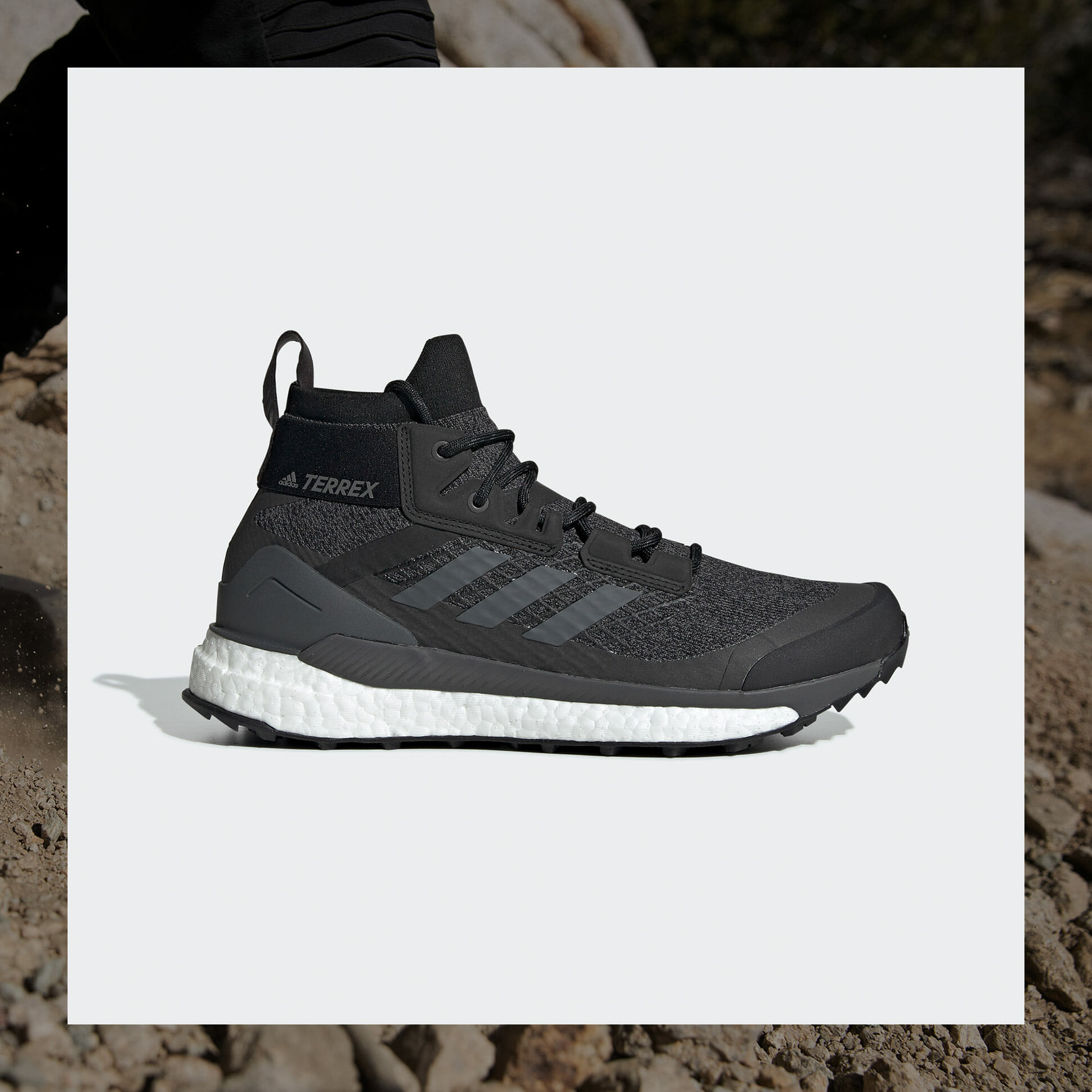
This Is the Ultralight Backpack an Ex-Soldier Used to Hike 7,900 Miles

After he was discharged from the Army in 2004, Will Robinson went home to New Orleans, but the Iraq War followed him there. Large crowds sparked bouts of anxiety while depression seized control of him, making it hard to even leave home. As the symptoms of post-traumatic stress disorder intensified, the walls of his life began to close Robinson in.

“It got worse and worse,” he says. “At that point in life, I had to make a drastic change and do something if I ever wanted to be even remotely close to the person I once was.”

Robinson stumbled upon the movie Wild in 2016, jogging his memory from time as a soldier when he had read about the Pacific Crest Trail. From there, everything transpired quickly. In the following days, he learned all he could about the 2,650-mile footpath while beginning to amass the gear he would need to complete the trek. Only a few weeks later, he took his first step on the PCT in Southern California.

Before that moment, Robinson had never been backpacking. His battle with PTSD was still ongoing, too. That made the first stretch of the trail trying for the 38-year-old, but he slowly began to notice that life on the trail was indeed transforming him.

“People in the hiking community had a way of making me feel welcome and accepted, regardless of what quirks we all had,” he says. “I immediately saw in myself I was capable of so much. That’s how I got hooked.”

An injury sidelined Robinson that season on the PCT, but the lessons learned and the progress he made brought him back the next year. From the southern terminus, he thru-hiked the trail, and the following year completed the same feat on the nearly 2,200-mile Appalachian Trail.

In September, Robinson completed the Continental Divide Trail, which snakes 3,100 miles up the spine of the Rocky Mountains from New Mexico to Montana, becoming the first male African-American to complete all three trails, which are together known as the Triple Crown of Hiking. Completing the challenge is an achievement in itself; Robinson counts himself among less than 400 people to have accomplished and reported the feat to the American Long Distance Hiking Association-West, the organization that catalogs Triple Crown completions.

Robinson has no plans to hang up his hiking boots either. In February 2020, he’ll tackle the 800-mile Arizona Trail before beginning the North Country Trail, an unfinished footpath from North Dakota to Vermont that totals around 4,600 miles — only a handful of people have thru-hiked it so far.

For Robinson, the decision to keep hiking is easy — he sees it as his therapy. But he also feels that he can serve as an example of diversity and inclusion in the outdoor community. With the attention he’s gotten from his recent Triple Crown, he believes he can motivate other people of color to get out on the trails. “I’m honored to be the first African-American male to attain a Triple Crown,” he says. “What comes with that is a responsibility of making sure I’m not the last to hike the big three.”

Will Robinson’s Packing List

Hyperlite Mountain Gear 2400 Windrider 40L

“There are no bells and whistles on this pack — just what you need. Still, you couldn’t ask for more: it’s made out of Dyneema fabric, so it’s waterproof even in torrential downpours, it disperses weight well and it’s comfortable.”

Merrell MQM Flex

“I average anywhere between 600 to 700 miles with these shoes. They’ve been great for every terrain type: desert, long road walks or snowy mountain tops.”

Zpacks Duplex

“It looks like you could easily destroy it, but it’s built like a bomb shelter. It stands up to snow, wind and extreme heat. I shared this tent with another hiker on the CDT, so it was great to have that double entry.”

Katabatic Gear Flex 22

“I could never do another hike without this quilt. You can use it as a blanket, or close up the footbox to have it be closer to a mummy [sleeping bag]. With the straps and attachments, it’s easy to make a seal on cold nights.”

MSR PocketRocket

“Since my pack is only 40 liters, space is a premium. But the PocketRocket is tiny and, paired with a small pot, it doesn’t take up too much space. It gets water boiling fast.”

Merrell Ridgevent Thermo Jacket

“With the Ridgevent, I have a great temperature all day long. Unlike other jackets, I never had to take it on and off because of overheating.”

Therm-a-Rest NeoAir Xlite

“This was way more comfortable and held in more heat than I expected. I had great nights of sleep on it.”

Sawyer Squeeze Filtration System

“It’s so convenient and easy to keep in my hip belt pocket, so I can grab it fast. It’s easy to clean out in towns when you need to.”

Guthook Guides

“On the app, there are all the waypoints listed with mileages so you know how far it is to the next water source or town. It’s set up to be very user-friendly.”

|

Note: Purchasing products through our links may earn us a portion of the sale, which supports our editorial team’s mission. Learn more here.
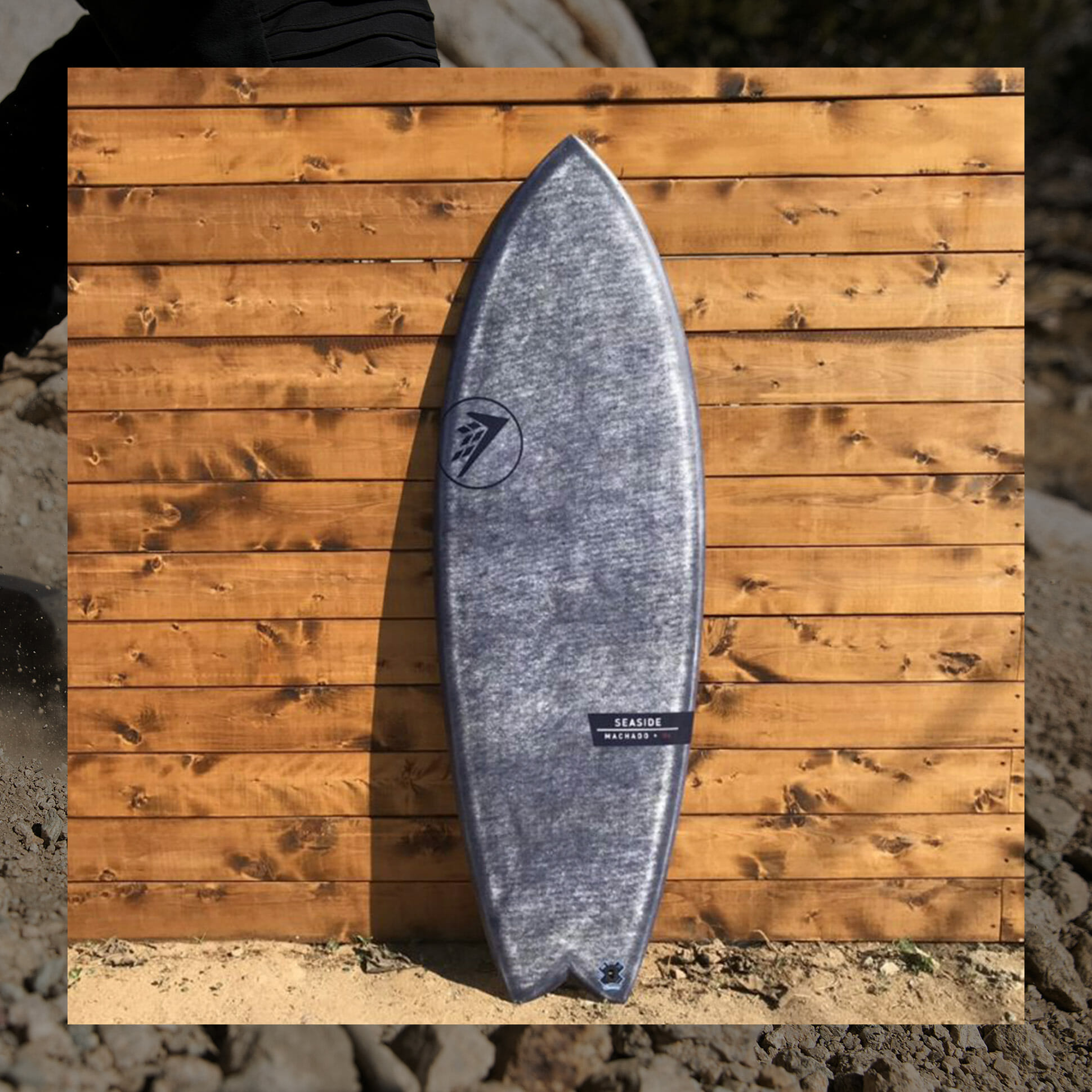
The 9 Best Headlamps for Any Adventure

Keeping your hands free while lighting the trail on your next outdoor adventure is a must. And while that flashlight duct taped to your head might be a wallet-friendly solution, there are much more elegant and functional products out there. When you’re out on the trail at night, whether you planned to be or not, your headlamp becomes the most important part of your kit. You could have the best backpack, or the best hiking boots, but without a headlamp you might as well stay at home. Whether you’re a backcountry skier gearing up for your next heli-skiing trip or just looking to walk the dog at night, these headlamps have you covered.

Understanding Headlamp Specs

We’ve outlined the key specs for each headlamp in this guide, but it’s important to know how to read them correctly. In a store, a headlamp will typically be displayed with its lumens front-and-center on its packaging. This is slightly deceiving, and you wouldn’t be blamed for assuming that the number of lumens a headlamp is capable of emitting is equivalent to its overall power. This is true, to an extent.

These specs refer to light emitted by the headlamp at its most powerful setting. The catch is that many headlamps have a burst mode, which may only be operational for a short period. So, a headlamp claiming 500 lumens may only emit that much light for a period as short as 10 seconds.

The good news is, headlamp manufacturers are generally very transparent with this information, providing detailed charts and graphs on how long a light will last at a given strength. In this guide, we detail each headlamp’s maximum light output as a measurement of lumens in its most powerful setting. Similarly, maximum runtime refers to how long each light will last on its lowest setting.

Black Diamond Spot325

Editor’s Choice

The Spot325 is great because it’s simple, but that doesn’t mean it’s basic. The headlamp uses three AAA batteries (which you’ll be able to find pretty much anywhere on the planet), and it’s fully waterproof. The main light is 325 lumens, which emits a beam to a claimed range of 80 meters (about 262 feet) and is easily dimmable. There’s also a red night vision setting.
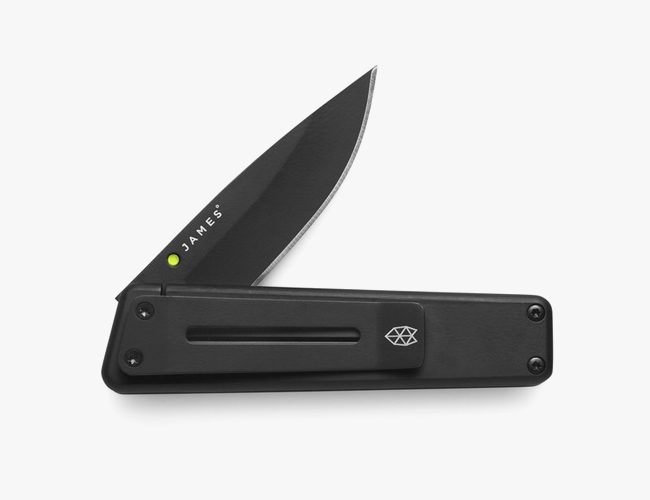
Black Diamond equipped the Spot with its PowerTap Technology, which lets you cycle swap between two modes quickly by tapping the side of the lamp housing. It’s a feature that strays toward gimmicky but is actually very useful for reading and cooking, among other things. Another smart feature is a lock mode that prevents the light from turning on in your backpack and killing the batteries (you only forget to use that function once).

We’ve tested this headlamp at park-in campsites, on the top of Mt. Rainier and over the grill during backyard get-togethers. It’s performed impressively in all situations and truly is a well-rounded light. But the great part about the Spot is that for all this functionality, it’s still only $40.

Power Source: 3 AAA batteries
Max Output: 325 lumens
Max Runtime: 200 hours
Weight: 3 ounces

BioLite HeadLamp 330

Most Comfortable Headlamp

BioLite’s HeadLamp 330 separates the light from the battery, positioning the latter behind the head. The primary purpose of doing that is to avoid bouncing during activities like running by keeping the bulb lightweight. BioLite didn’t stop there either though; it integrated the bulb apparatus into the HeadLamp 330’s all-fabric strap, so there’s no plastic rubbing against the skin of your forehead. Beyond that, the HeadLamp 330 has all features you’d want in a light: four light modes including red flood, white flood, spot (with dimming) and strobe, splash-resistance, a lock mode and Micro USB recharging.

Power Source: rechargeable 900 mAh, 3.4 Wh Li-on battery
Max Output: 330 lumens
Max Runtime: 40 hours
Weight: 2.43 ounces

Coast FL75

Best Lumen to Price Ratio

Portland, Oregon-based Coast makes some of the brightest and most durable headlamps on the market. The FL75 is one of its latest releases, which is capable of pumping out a massive 430 lumens and comes with an IPX4 weatherproof rating. Its construction facilitates switching between different beam outputs with the twisting of a bezel — no repetitive tapping necessary — and there’s a separate button to engage the red LED. Impact resistance was also a priority for the design of this light, but if you aren’t sold on the durability, the FL75 is backed by Coast’s lifetime guarantee.

Power Source: 3 AAA batteries
Max Output: 435 lumens
Max Runtime: 17 hours
Weight: 3.7 ounces

Petzl Actik

Most Versatile Headlamp

Petzl’s Actik headlamp features an easy-to-locate, large push button that toggles the lamp off and on and allows access to a proximity bulb, wider flood light, and a red LED that can operate in solid or strobe mode. The headband comes with a safety whistle attached and can be washed easily after long hikes or runs. Petzl also gave the Actik the ability to get its power from either three AAA batteries or a rechargeable Core, which is a nice bit of versatility. If you want a slightly brighter headlamp, upgrade to the Actic Core, which has 450 lumens for $70 and all of the same features.

Power Source: 3 AAA batteries or Petzl Core
Max Output: 300 lumens
Max Runtime: 80 hours
Weight: 3.25 ounces

Black Diamond Icon

Best High-Output Headlamp

Combining a 500-lumen maximum output with Black Diamond’s durability is a recipe for a great headlamp — thus, the new Icon. If you’re looking for the highest quality at a reasonable price, this is it. IP67 rated, the Icon can be submerged down to 1 meter underwater for 30 minutes and still operate perfectly.

Power Source: 4 AA batteries
Max Output: 500 lumens
Max Runtime: 200 hours
Weight: 10.6 ounces

Princeton Tec Snap

Best Modular Headlamp

Princeton Tec is well known for its high-output lights, but the Snap makes its case through an innovative modular construction. The light unit connects to the strap with a magnet, which allows you to quickly disengage the Snap to use it as a standalone lantern or a bike light (with its included mount accessories). The modular construction doesn’t diminish the Snap’s stats either – it has three modes, dimming capability and an IPX4 waterproof rating.

Power Source: 3 AAA batteries
Max Output: 300 lumens
Max Runtime: 162 hours
Weight: 3.5 ounces

Petzl Reactik+

Most Innovative Headlamp

Petzl has long been an innovator when it comes to headlamp technology, and its latest tech is reflected in the Reactik+. This headlamp features reactive — hence the name — lighting that automatically dims or brightens the bulb based on ambient lighting conditions. The Reactik+ also comes readily-compatible with Petzl’s proprietary Bluetooth mobile app, which allows you to custom-tune your headlamp to your specifications from your phone. Monitor battery life, control output, and set it up for specific, pre-programmed activities or create your own. You can even write out a message that the headlamp will convert into Morse code.

Power Source: 1800 mAh Lithium-Ion rechargeable battery (included)
Max Output: 300 lumens
Max Runtime: 60 hours
Weight: 4.06 ounces

Light & Motion Seca 2000 Race

Best Headlamp for Fast Activities

If you ever imagined a headlamp that’s as powerful as the average car headlight, the Light & Motion Seca 2000 Sport is the answer to your prayers. With a blinding max output of 2,000 lumens, the Seca is the perfect headlamp for high-speed after-dark activities like skiing and mountain biking. It’s waterproof and comes with a full set of mounts that’ll let you integrate it into whatever sport you need it for.

Power Source: Lithium Ion
Max Output: 2,000 lumens
Max Runtime: 6 hours
Weight: 12.52 ounces

BioLite PowerLight Mini

Best Headlamp Alternative

Camp lighting usually boils down to two options: headlamp or lantern. BioLite’s PowerLight Mini is a little bit of both. Unlike the cylindrical construction characteristic of most lanterns, it’s a rectangle. It has a rotating metal clip that can act as a hanger or kickstand-like support. That clip can also be used to secure the PowerLight Mini to a shirt or pocket though, which is why we’re pointing it out on this list. No, it’s not a headlamp, but it can be used similarly, and like some of the great lights on this list, it’s affordable, offers a variety of brightness settings and can even be used as a backup battery to charge your tech accessories.

Power Source: 1350 mAh Li-on, USB Rechargeable
Max Output: 135 lumens
Max Runtime: 52 hours
Weight: 2.82 ounces
The Best Hiking Boots Available

Unlike concrete sidewalks and gravel paths, the trail calls for hardened and supportive footwear to combat dirt, mud, jagged rocks and streams. The answer is hiking boots and hiking shoes, and these are the best available. Read the Story

Note: Purchasing products through our links may earn us a portion of the sale, which supports our editorial team’s mission. Learn more here.