All posts in “Reviews”

Hyundai Veloster N Review: A Very Worthy and Affordable Hot Hatch

Hyundai has dabbled in road rockets before, most notably with the nice but weakly styled Tiburon sports car. Now it brings is ascendant N package to the United States with the new Veloster. It’s a fast little machine that’s seriously engineered to be driven hard, and to deliver considerable value for the modest investment. It’s a car you can have fun with, from a brand that younger performance enthusiasts might have forgotten about.

The Good: There’s a lot to love here: the six-speed manual transmission with rev-matching, the variable exhaust note, the adjustable chassis control and the launch control. But most importantly is the legitimately respectable — and safe — track handling. It’s a blast on the track and the street. It’s also got crisp lines and cool design touches to set it apart from the standard Veloster without looking like it fell of the Fast & Furious prop trailer.

Who It’s For: The Hyundai Veloster N is overwhelmingly targeted toward younger import-tuner enthusiasts who want to be able to show up for track days but still go to work and take it to the mall. It’s an affordable car — notably one that’s engineered for continued affordability — but it delivers much more than you might expect in spite of this.

Watch Out For: If you’re expecting a truly off-the-charts acoustic performance, don’t get your hopes up too high. The exhaust note is perfectly well tuned and aggressive — in N-mode the ignition timing changes to ensure that you get more crackly feedback at the right time — but you have to work to hear it inside the cabin while driving. Of the sensations I experienced on the track and in some brisk street driving, acoustics was the least memorable — which is honestly exactly how you want it.

Alternatives: The world of performance compacts is the knottiest of auto subcultures. You can build your own, essentially, out of anything, really, simply by upgrading parts. Or buy right out of the box. The most oft-spoken competitors would be the Volkswagen GTI at the lower end of the price range, starting at $26,415; and the Ford Focus RS, which enters the picture at a hefty $41,120; and the Subaru WRX, which ranges from $27,195 to $41,395 for the legendary STI trim.

Review: Thunderhill Raceway, located about an hour north of Sacramento, California, is a fantastic gem: fast, packed with surprises, and blessed with terrain challenges that match the rolling countryside around it and give the famed Laguna Seca Corkscrew, not all that far away, a run for its money. Testing the Veloster N here and on the roads that surround it was a unique thrill.

Of course, it was only a thrill because the car itself could handle the challenges. Hyundai describes the N as a “corner rascal,” and while a bit of a snicker-inducing term, it’s pretty accurate. For starters, they produced an appropriately stiff structure and a suspension that reacts immediately to every twist to keep the car flat, elevating the “roll center” in the front and lowering it in the rear to enhance mechanical traction — or the role of the suspension in handling performance. But they also made it all accessible to those who want to get the most out of the car but who may not have the experience just yet.

This overwhelmingly comes via the N’s excellent dynamic response, specifically making it predictable and stable so noobs don’t embarrass themselves — or worse — at track days, yet also tight enough to raise the eyebrows of veteran drivers. Other measures they took to achieve this include a precisely modulate clutch — the car is only available with a manual transmission, thank heaven — that allows the driver to sense the engagement readily without snapping their foot off. That’s attached to a transmission with a short-throw shifter that snaps precisely into each gear and rev-matching, both of which provide the kind of feedback and quickness you need on a track. (For those who prefer to heel/toe their way around the turns, you can disable the rev-matching feature.) It is a front-drive car, of course, so there is some torque-steer present, given that all the power goes through the same wheels that steer the car. During a briefing before our drive, the company said they deliberately left some of that in to enhance the feeling of power on the road, going so far as to describe it as “a feature, not a problem.” That’s a bit of a stretch, but we kind of see the point. To be generous about it, having a little bit of uncertainty in the drive can actually enhance the experience. A bit.

The car also has a better-balanced engine, with new bushings to ensure that the powertrain movement doesn’t throw you, and well-cooled brakes to keep them going longer. Notably, they didn’t go for drilled Brembo brakes, as they’re generally too expensive, but instead engineered them in-house, which keeps the replacement prices low as you rack up the harder miles on the track.

The net of all this is a car that you can push much harder than you might expect. At Thunderhill, the two blind crests that are the hallmarks of the track — both of which arc menacingly to the right just as you’re going over — would ordinarily cause front-drive racers to go a bit weak in the knees, but the Veloster N took them brilliantly, enabling me to go through faster and faster each time. I did have one or two moments of instability in those spots, as the car’s weight came off at the vertical apex of the hill, but it landed solidly and with nary a wiggle to show for it. It was both fun and hairy, which is a great combination of sensations on a track.

On the street, the N is all about pushing and maintaining your speed, and whipping back and forth along the deserted country roads of inland California was in some ways even more fun than the track. The car had ample power in reserve — you can get it with 275 horsepower or 250, though I have no idea why you’d opt for the latter — allowing you to keep climbing through the tach and the speedometer as much as you dare. It was just as exhilarating, and proof that Hyundai did its job well with this carefully crafted and thoughtfully conceived little machine.

Verdict: Last year, the purest, least adulterated fun I had in any of the vehicles I drove — and that includes a Bugatti Chiron and about a dozen other supercars — was in the Honda Civic Type-R, a mean, angry little track-ready monster. I’m not saying it’s better than those other cars, but it was just the most low-stress/high-reward, tossable, silly fun I had all year. This year, the winner of that title goes to the Veloster N. It’s perhaps not surprising that they’re both in the same category, but it is a bit surprising that Hyundai coughed up such a solid and sophisticated champ that still feels a bit like a toy, in the right way.

What Others Are Saying:

• “In order to provide the full touring-car-for-the-road effect, special attention was paid to the exhaust note. We’re not just talking about special baffling, either – though there’s that, too – in N mode the ignition timing changes just so you can get more pop-pop-pop on the overrun. N mode is the most hardcore of the four drive modes (along with Eco, Normal and Sport; there’s actually five if you include N-Custom) on offer; so hardcore, in fact, that it gets its own steering-wheel-mounted activation button.” — Dan Heyman, AutoTrader

• “Performance cars have never been Hyundai’s specialty in the U.S. The Genesis Coupe couldn’t keep its spot on the roster; the Veloster struggles to sell a thousand units a month. But the Veloster N is the product to create new believers, and it absolutely deserves a place at the hot hatch table.” — Jonathon Ramsey, The Drive

• “The Veloster N is wildly fun on the street and able to deliver serious lap performance on the track, all without giving up much if any of the civility and usability that makes standard Velosters great everyday-drivers. It’s neither a fun street car that falls apart on a circuit, nor is it an intense track-day toy that abuses you on your commute. Most of all, the Veloster is a strong endorsement that the fledgling N division knows how to build one seriously fun machine.” — Jake Holmes, Roadshow

Key Specs

Engine: 2.0-liter turbocharged four-cylinder
Transmission: Six-speed manual with tunable rev-matching
Horsepower: 250 (275 optional)
Torque: 260 lb-ft
Fuel Economy: 28 mph combined
Price: $28,000 (est.) with Stanard Package; $30,000 (est.) with Performance Package

Hyundai hosted us and provided this product for review.

Read More Gear Patrol Reviews

Hot takes and in-depth reviews on noteworthy, relevant and interesting products. Read the Story
Note: Purchasing products through our links may earn us a portion of the sale, which supports our editorial team’s mission. Learn more here.

Airstream Nest Review: A Modern, Luxurious Molded Fiberglass Trailer

The Airstream Nest is the company’s first molded fiberglass offering in its storied history. The 16-foot trailer, which slots between the company’s pint-sized Basecamp and more classic Sport, is simple to tow, low-maintenance and appealing on the eyes. Its genesis is in Nest Caravans, an Oregon-based company started by designer Robert Johans, which Airstream purchased and brought in-house in March 2016. The result of the collaboration is a clever, modern trailer with the classic Airstream design identity.

The Good: The Nest embodies the sublime Airstream panache, turning heads everywhere from the Whole Foods parking lot to the campground. It’s almost disarmingly simple to tow, and it seemed to “tuck in” behind my Land Rover Discovery as I snaked my way up Highway 1. The interior is minimal but smart, and generous windows flood the trailer with light.

Who It’s For: An active, all-weather outdoors enthusiast who prefers to travel light.

Watch Out For: Airstream has long enjoyed a reputation for interior quality and craftsmanship, so I was a bit surprised to find a couple of red flags inside the Nest. The fridge door was latched into place before my drive but fell completely off its hinges at some point during my four-hour highway commute, leaving hardware and a few groceries splayed out on the floor. Additionally, I found that the galley’s upper cabinets had slid their way open during the drive, dropping some items from the pantry.

A necessary caveat though — the loaner trailers for media are used by a variety of folks in a variety of settings, and shouldn’t be understood as “brand new.” (Was my fridge boobytrapped by another writer? Will we ever know?)

Alternatives: There are a handful of cheaper, less glamorous fiberglass trailers available on the market that don’t carry the mystique of the Airstream name, like the Escape or the Lil Snoozy. There are also a few models, like the Happier Camper HC1, that may appeal to the #vanlife crowd in the same way as the Nest. The Oliver Legacy Elite likely slots closest to the Nest in terms of build quality and layout.

Other compact travel trailers include:

Oliver Legacy Elite 18’ ($47,950 base)

Escape 17’ ($19,200 base)

Winnebago Minnie Drop ($21,153 base)

Happier Camper HC1 ($18,950 base)

Review: Airstream founder Wally Byam was clever. A man of deep ambition, eccentric habits and a timeless eye for design, he formed Airstream in 1931 and jettisoned the idea of a marketing department. Instead, as Karen Flett explains in her 2017 book about the company, Byam created a “Way of Life Department.” Nearly 90 years later, in an era of tiny homes and mobile living, the 16-foot fiberglass Nest is a relevant step forward and proves the trailer maker hasn’t lost its ideals.

The origin story of the Nest traces back to Robert Johans, an Oregon-based designer whose company, Nest Caravans, spent a decade restoring and redesigning fiberglass trailers. Johans, acting on what he saw as a gap in the travel trailer market, posted online some concept drawings of a modern fiberglass trailer. They caught the eye of Airstream designer Bryan Thompson (who is responsible for another forward-thinking design: the Airstream Basecamp trailer), and Airstream eventually purchased Nest Caravans in 2016.

Airstream had toyed with fiberglass before. In 1952, Byam even developed, and shelved, a prototype fiberglass trailer before continuing forward with the company’s iconic aluminum design. The affinity to the material makes sense — it’s durable and insulates better than aluminum. It’s also relatively low-maintenance and dent-resistant. And, in the case of the Nest, the material offers the flexibility for a compelling, attractive design.

“To be perfectly blunt, the aesthetic and quality levels of most product available within the travel trailer segment of the RV industry is horrible and hasn’t changed significantly in 50 years,” Robert Johans said in an interview with Bend Design in 2016. “I find that bewildering. Other than Airstream, no other manufacturer targets a high-end, design-savvy consumer.”

In a campground full of boxy trailers scrawled with maximalist, multicolored graphics, as it was where I stayed on the California coast 40 miles south of Big Sur, the Airstream Nest sticks out just like its aluminum forebears. It has a mid-century modern flair, mashing up retro-futurism with Danish minimalism to produce something that John Lautner might have loved, were he called to the outdoors. The two-tone color scheme on the exterior is sharp and simple. Light floods the interior, thanks to the ski-goggle shaped front and multiple skylights. The kitchen and bathroom are both perfectly functional and adequate, though we cooked outside mostly and our campsite had a pit toilet across the way. Still, simply having those options was a welcomed luxury and one less thing to consider while making a mad dash out of town and into the wilderness on Friday morning.

The automatic awning is another nice touch, and the attached strip of LEDs is perhaps the most underrated convenience feature, eliminating the need for any lanterns around the campsite (you can flip off the lights with your phone too once you’re settled by the fire). We did not use hookups, and the battery and propane kept the fridge running and USB plugs working all weekend. We could have also used climate control if we wanted (we did not). The water tank proved to be adequate for a couple showers and liberal toilet use. One gripe — at $46k, it would seem fair to include some type of automatic or hydraulic leveling system.

Now that I’ve brought money into it — I’d argue the best thing about the outdoors is that it’s available at any price point. Nature is a great equalizer, where a hand-me-down tent and a pair of hiking boots give you the same fresh air as a fifth-wheel with a wet bath. Taken with that view, it’s can be hard to justify the cost of the Nest. But alas, there is no shame in paying good money for well-made things, and Airstream can point to decades of quality as a way to justify the price tag.

The Nest is seemingly made for convenient, instant and Instagrammable adventure. Had I not been following Airstream closely, it’s conceivable that my first time seeing this trailer would be on a travel blog or an Instagram hashtag like #wanderlust or #vanlife. Maybe it’s cliched, but those Instagrammers could also be on to something. It’s restorative to be outdoors, and it can feel more instantly accessible when you have the right bits of modern convenience built into your rig. I like to engage with nature, and I might even like it more when I can sleep on a queen bed with a comfortable mattress (Tuft & Needle, in this case, by the way).

I hitched up the Airstream Nest in the middle of Los Angeles on Friday at 11 am. By 4 pm, I had powered up Highway 1, and I was overlooking a coastal bluff, surrounded by live oak trees, readying a campfire. It was a weekend where I was hungry, maybe even desperate, for some time in nature and the Nest provided with almost no effort on my part.

Verdict: The Airstream Nest somehow wedges a queen bed, kitchenette, shower, toilet, and ample storage into its 16-foot shell, giving the trailer camper everything they need and nothing they don’t. It’s well-designed, beautifully appointed and, perhaps most importantly, very convenient for living and towing. That being said, the trailer is decidedly a luxury — its $45,900 base price might be tough to justify for some when sleeping under the stars can be free.

What Others Are Saying:

• “Like opting for a luxury car over a mainstream model, the Nest has an unquantifiable appeal that simply makes it feel special.” – Greg Fink, Car and Driver

• “The departure from aluminum is a risk for Airsteam, because it could dilute its iconic image. But it needs to build cheaper options for a new breed of travelers.” – Jack Stewart, Wired

2018 Airstream Nest Key Specs

Length: 16’ 7”
Unit base weight (with LP and batteries): 3,400 lbs
Fresh water tank: 24 gallons
Sleeping capacity: 2
Interior windows and skylights: 8

Airstream provided this product for review.

Read More Gear Patrol Reviews

Hot takes and in-depth reviews on noteworthy, relevant and interesting products. Read the Story
Note: Purchasing products through our links may earn us a portion of the sale, which supports our editorial team’s mission. Learn more here.

iPhone XR Review: The “Cheap” iPhone Doesn’t Feel Cheap at All

The iPhone XR ($749+) is Apple’s wildcard for 2018, as the company notorious for selling super-premium smartphones is now asking its loyal consumers to consider buying its cheaper iPhone. The answer isn’t quite as straightforward as you might think. The iPhone XR is uncannily similar to the higher-end iPhone XS. It has the same A12 bionic processor, same swipe gestures and almost the same look and feel.

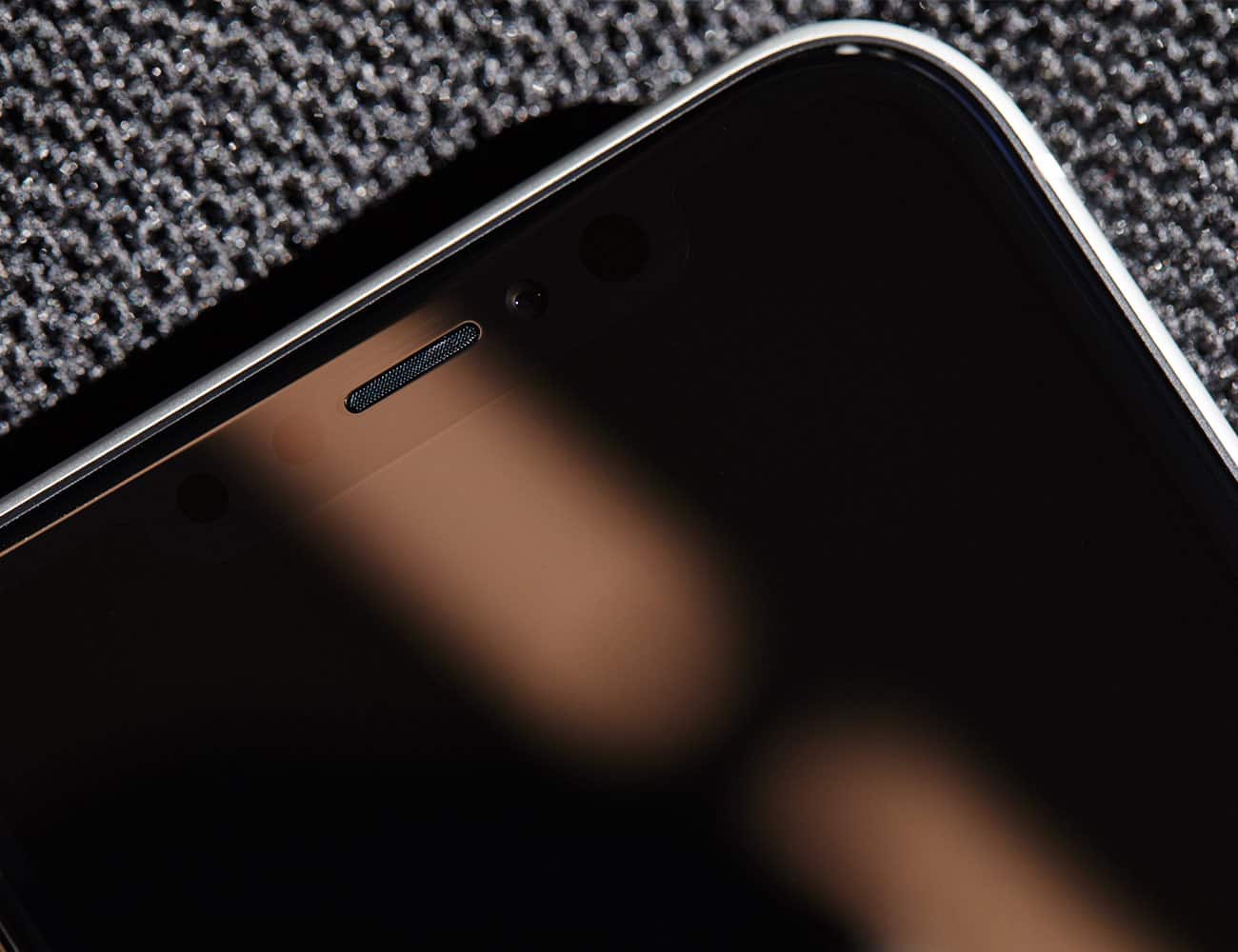
The primary differences have to do with size and the screens. The XR is a Goldilocks iPhone, as its 6.1-inch display slots perfectly between the 5.8-inch and 6.5-inch displays of the iPhone XS and iPhone XS Max, respectively. But it has a cheaper LCD display, rather than the OLED display found on the iPhone XS, meaning it doesn’t have the same pixel density, the colors won’t be as bright, and the blacks won’t be as dark – basically it won’t look as nice as the iPhone XS’s display. Maybe more significantly, the iPhone XR’s LCD display requires more prominent bezels, so the screen doesn’t stretch all the way to the edges as it does with the iPhone XS.

The iPhone XR is still capable of capturing Portrait mode photos, even without a telephoto lens, and the result is almost the same.

Then there are the cameras. The iPhone XR has the same front camera system and almost the same rear-facing camera system. The iPhone XR’s rear-facing setup has the same wide-angle camera as the iPhone XS, with Smart HDR, but it lacks the second telephoto camera. This has some drawbacks, as zoomed-in photos and videos will inevitably not look as crisp on the iPhone XR. And because you only get a 5x digital zoom, whereas the iPhone XS gets a 10x digital zoom, you won’t be able to zoom as close to your subjects. That said, you might realize that you don’t take that many zoomed-in photos anyway. I rarely ever take them, personally. Also, despite the omission of the telephoto camera, the iPhone XR can still shoot Portrait mode photos with its wide-angle camera.

The iPhone XR has an aluminum frame, instead of a stainless steel, and is available in six color options: white, black, blue, coral, yellow and red. It still has a glass front and back so it can wirelessly charge, but it’s liable to break just as easily. And there’s no 512GB capacity option for the iPhone XR (256GB is the highest).

The Good: You’re getting virtually the same user experience and camera capabilities as the iPhone XS for $250 less. There are more color options. Supports wireless charging. And the battery life is better than any other iPhone in recent memory.

Who It’s For: Anybody who wants the iPhone XS, but can’t justify paying the extra $250 for a slightly better screen, a telephoto lens and 3D Touch.

Watch Out For: $749 still isn’t cheap. The display isn’t as beautiful as the iPhone XS, and the zoom capabilities of the camera aren’t as good, either. No 3D touch. No headphone jack. It’s water-resistant, but not as water-resistant as the iPhone XS. And in some odd twist of fate, Apple isn’t selling its own “Apple-branded” cases for the iPhone XR – you’ll have to buy third-party cases (although Apple does sell some of these of its website and stores).

Alternatives: If you’re looking to get a cheap iPhone and don’t really care about Face ID, the new swipe gestures or top-of-the-line camera – you just want something with iMessage and to enough storage so don’t see the “iPhone storage full” message – you can still get the iPhone 7/7 Plus ($449+, $569+) and iPhone 8/8 Plus ($599+, $699+) for less.

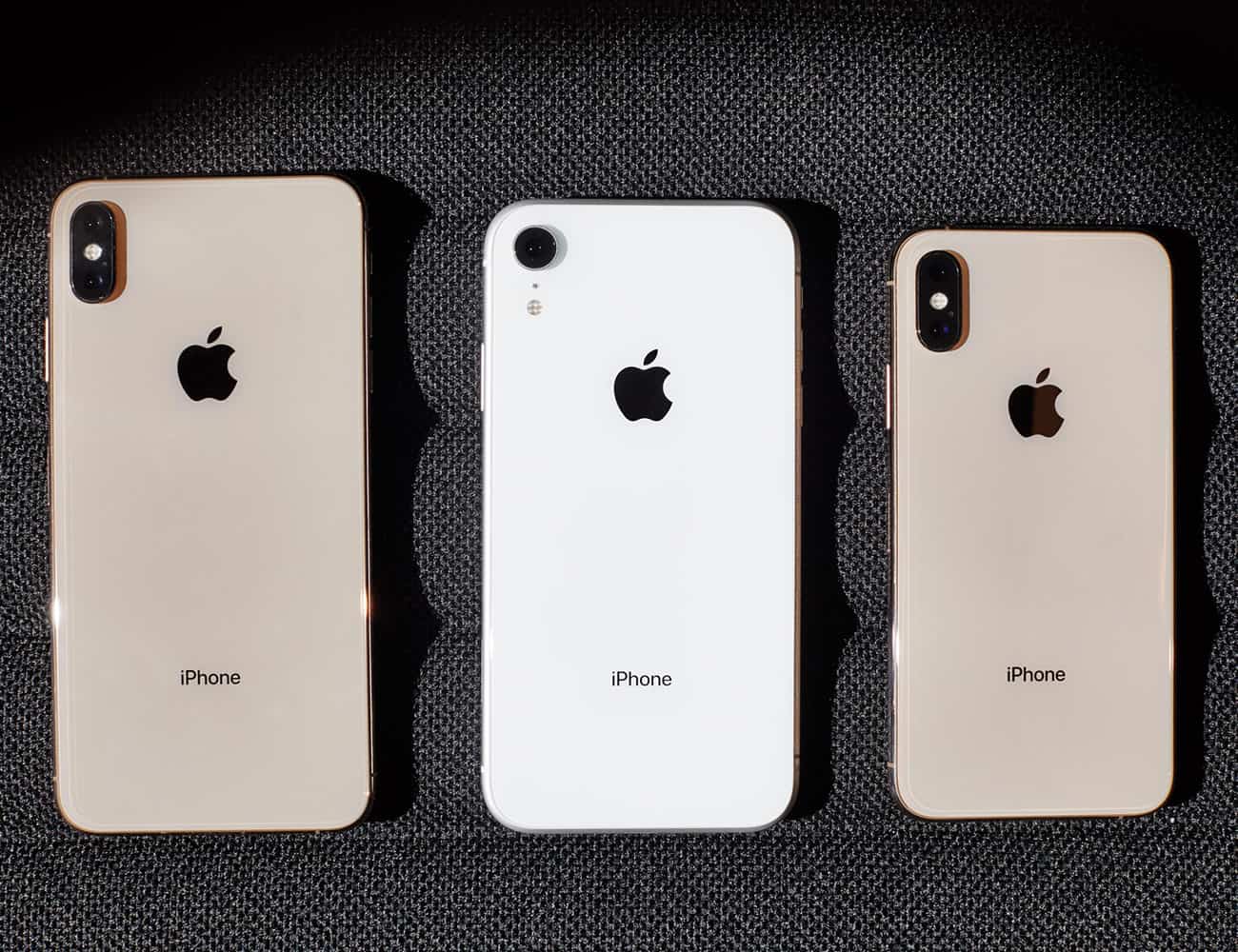
Size comparisson: iPhone XS Max, iPhone XR and iPhone XS (from left to right)

Review: The iPhone XS and the iPhone XR are way more similar than they are different – that’s a fact. As somebody who has spent the better part of the last week with both phones, I can tell you that both feel like new iPhones. The experience is virtually identical, as they both utilize the same swipe gestures and rely on Face ID to unlock; essentially, if you’re upgrading from an iPhone 8 or older (which all had a Home button), these are going to feel like radical upgrades. That said, there are obvious differences that make the iPhone XS better than the iPhone XR. And the iPhone XS is definitively the better iPhone, which is why Apple priced it $250 higher (or more), but I found that when breaking down these differences it felt more like nitpicking than anything else.

The first differences that I noticed were the size, feel and look of the iPhone XR. I had been carrying around the iPhone XS for the previous three weeks and, frankly, the iPhone XR feels like a big-screen smartphone. I know, at 6.1-inches, it’s the middle-sized smartphone between the iPhone XS and iPhone XS Max, but it’s noticeably larger and feels denser than the iPhone XS (which already isn’t that small). Essentially, if you’re looking for a small-screen smartphone, the iPhone XR isn’t it.

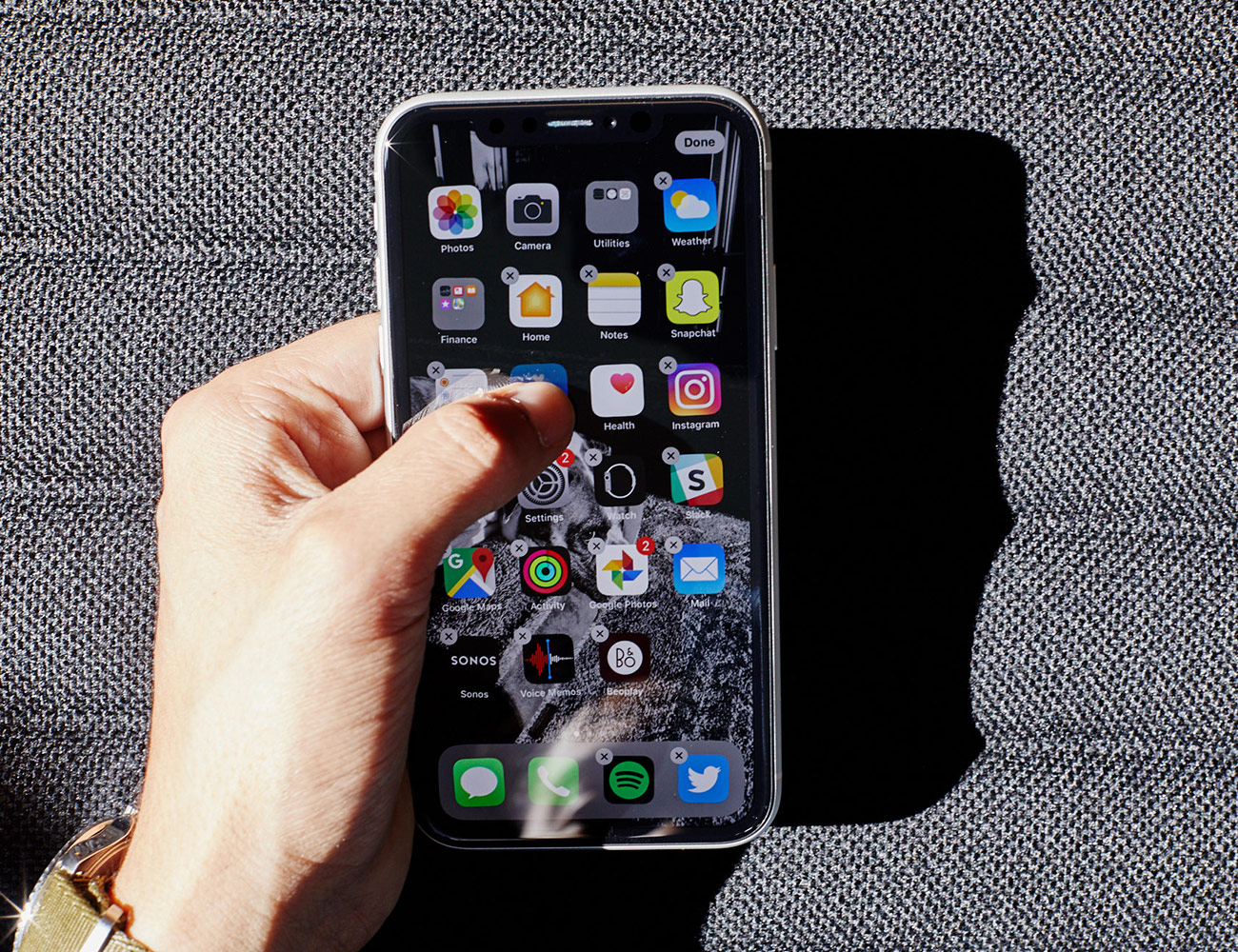
Now, the bezels. It’s been well-documented why the iPhone XR can’t have the same edge-to-edge display of the iPhone XS – extra space is required to house the backlit LEDs in iPhone XR’s LCD display, where the iPhone XS’s OLED display is more flexible and doesn’t need that extra space – but it’s honestly not that big of difference. Yes, when holding the two phones side by side, you can definitely notice that the iPhone XR has a black border running around it, but I honestly stopped noticing it when the iPhone XS wasn’t around to directly compare against it. Again, it’s not that big of a deal.

Bezel comparisson: iPhone XR and iPhone XS (from left to right)

Along with these bezels, the most striking difference between the iPhone XS and the iPhone XR is the display. The OLED display on the iPhone XS is definitely better than that LCD display on the iPhone XR, and that will surprise nobody. It’s more detailed, brighter and has better contrast. Plus, it looks basically just as good if you’re looking at it straight on or from an angle. While with the iPhone XR, there’s a noticeable drop in brightness when you tilt the screen.

Again, this is nitpicking. Apple’s LCD displays are notoriously very good and a lot of people – actually most people – won’t care if the tint of their screen shifts a little when you tilt it. In fact, they’ll probably find it normal as all LCD displays basically have this issue. The iPhone 8 and iPhone 7 do the same thing. (Also, who looks at their iPhone from an angle anyway?) But for people who spend a lot of time on their phone on Instagram, editing photos or streaming shows or movies on apps like Netflix or Hulu, the iPhone XS looks better. It’s also worth noting that the iPhone XR doesn’t support Dolby Vision and HDR video playback, which the iPhone XS does.

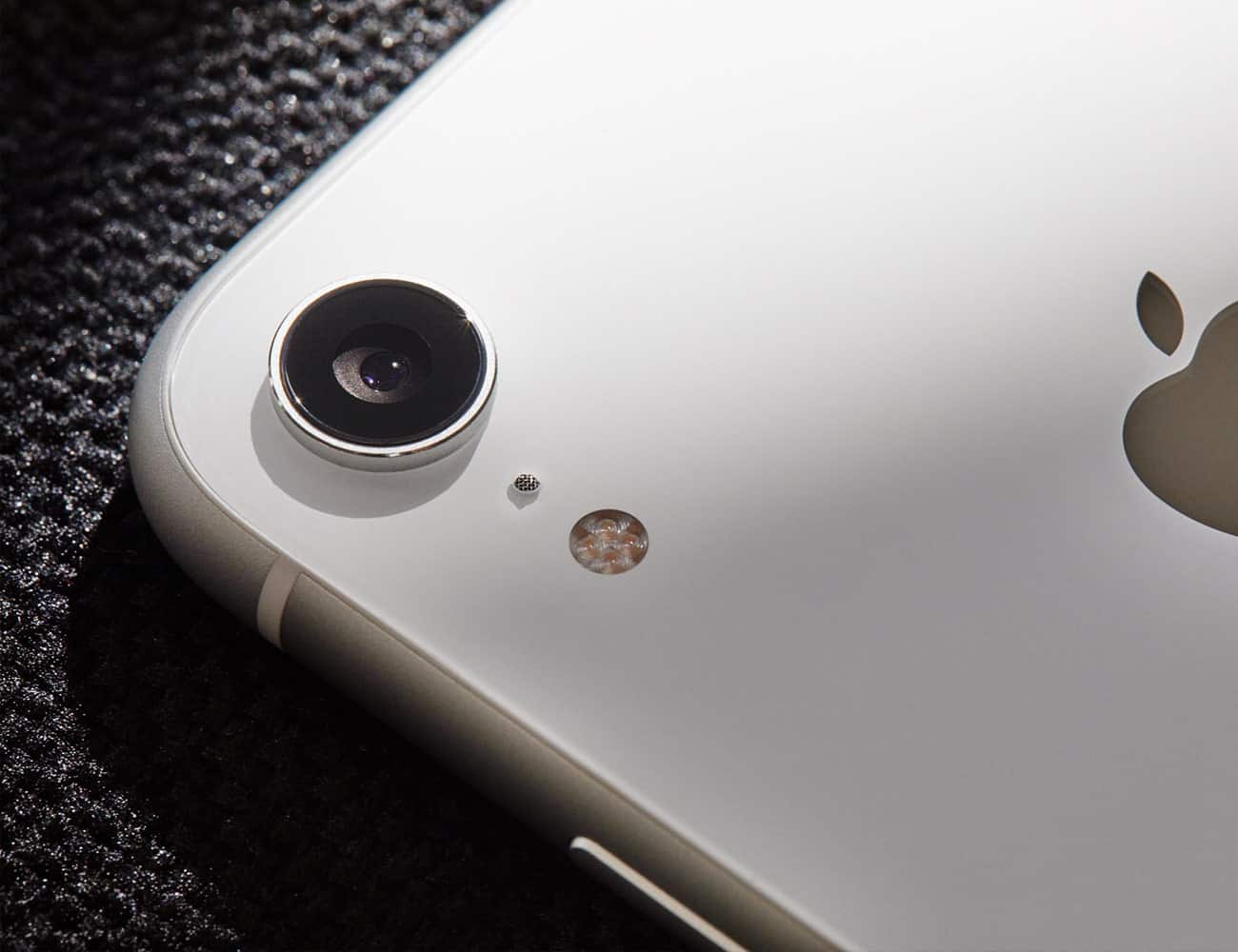
The iPhone XR has the same exact wide-angle rear-facing camera as the iPhone XS. It just lacks a telephoto lens, which really only impacts the iPhone XR with zoom.

I think a lot of people (myself included) assumed that the biggest compromise on the iPhone XR would be with its camera – that it wasn’t going to be anywhere near as good as the iPhone XS – and that’s simply not true. They share the same exact front camera system, so they take the same selfies. And even though there’s only one rear-facing camera on the iPhone XR, it’s the same wide-angle camera as the iPhone XS, which is the main camera that most people use anyway. If you’re not taking a lot of zoomed-in photos, there’s a good chance that you probably won’t even notice the omission of the telephoto camera.

One of the main responsibilities of the telephoto camera on the iPhone XS, other than zoom, is to create the depth that you see in Portrait mode photos. Without the telephoto camera, the iPhone XR is still actually able to shoot Portrait mode photos, relying on its wide-angle camera and software instead, and the results are almost identical. In the office, we found that Portrait mode on the iPhone XS was a little better, mainly because the background blur looks smoother and there was a little better contrast. It’s a weird thing, but a side effect of using its wide-angle camera to shoot Portrait mode photos, instead of the telephoto camera on the iPhone XS, is that iPhone XR is able to capture better Portrait mode photos when the lighting isn’t that great. I’m not sure who takes Portrait mode photos in low-light situations – probably not many people – but it’s the one area that the iPhone XR camera actually outperforms the iPhone XS. But only just by a little.

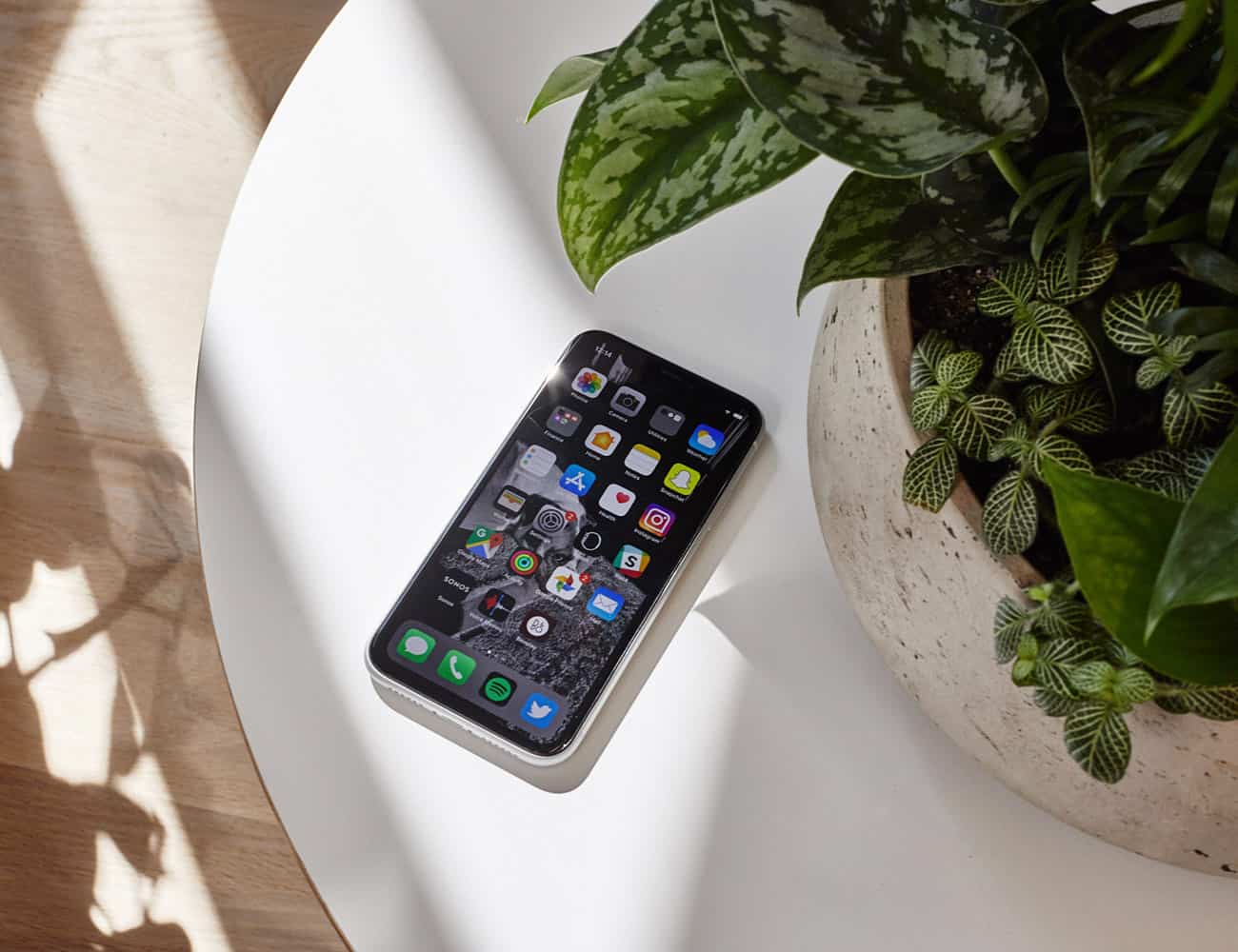
At a quick glance, the iPhone XR looks very similar to the iPhone XS and iPhone XR. It has larger bezels and less beautiful display, but if you’re not directly comparing the different phones next to each other, you probably won’t notice.

The cameras on the iPhone XS and iPhone XR both use Apple’s new Smart HDR system, so the photos are going to have the same overall look and feel. As The Verge‘s Nilay Patel points out in his review, “smart HDR flattens highlights and lifts shadows to make everything look evenly lit, and that process can reduce detail and make photos look a little bit artificial.” This means you’re going to take more “useable” photos, but they might not look as accurate as, say photos taken on the Google Pixel 3. You might like it this effect or you might not, but it’s an effect that’s exclusive to the iPhone XR. It’s “a new iPhone thing” in general.

There are other little sacrifices that the iPhone XR makes. One such one is the loss of 3D Touch, which is the function on the iPhone XS (and iPhone X before it) that shows a quick-action menu screen when you long press on an app, or gives you a quick preview you’re in an app. It’s a little thing that’s useful on the iPhone XS, but I don’t think many people will miss it.

The iPhone XR does not have 3D Touch, like the iPhone XS, but it’s a feature that most people won’t miss all that much.

If there are two things that the iPhone XR has over its higher-end brethren, it’s battery life and color choices. The former is the more impressive of the two, as you’re definitely going to get more life out of the iPhone XR’s larger battery. Wired’s Lauren Goode even states in her review that, even after extensive use, the iPhone XR almost lasted an entire weekend. As for color choice, it’s a nice homage to the iPhone 5c from years past. But ultimately you should cover it up with a case anyway; it’s glass and it’ll break real easily.

Verdict: Apple doesn’t make cheap phones and the iPhone XR definitely isn’t cheap. It doesn’t look or feel cheap. And, at $749, it’s certainly not cheap. But at $250 less than the iPhone XS, with very little compromise, it should give buyers pause: do you need Apple’s flagship smartphone after-all? There will be, of course, customers who just need the absolute “best” iPhone, no matter the cost. That’ll be either the iPhone XS and iPhone XS Max. But for many many others, the iPhone XR will be the more practical alternative.

The front-facing camera on the iPhone XR is exactly the same as the iPhone XS, so you’ll get the same Face ID experience.

What Others Are Saying:

• “All that said, I’ve always been a fan of how accurate and balanced Apple’s LCDs are compared to the OLEDs on most Android phones, and the XR is definitely another Apple LCD. If you’re coming from an iPhone 6, 7, or 8, it will look very familiar. But it’s simply not as good as Apple’s OLEDs. It doesn’t have the deep black levels or infinite contrast of the iPhone XS, it doesn’t support HDR or Dolby Vision video playback, and, in general, you can always see the border between the bezel and the edge of the display, even with a dark background. Even with Apple’s True Tone color calibration turned on, it’s always a little warmer than my XS. And there’s that off-axis color shift and shimmer.” — Nilay Patel, The Verge

• “The difference here isn’t about the XS models being A-team phones and the XR being a B-team phone. It’s more like the XS models are a bit luxurious — an extra camera, stainless steel frames instead of aluminum, OLED instead of LCD — and the XR is a bit more practical. But they’re all on the A-team in terms of quality and performance. The XR is actually better in some ways, notably battery life and low-light Portrait Mode photography.” — John Gruber, Daring Fireball

• “Apple has created an iPhone that delivers 95 percent of the high-end iPhone XS experience at 75 percent of the cost. Yes, there are compromises: The screen and the camera take small steps back from the XS models, along with a few other feature nips and tucks. But in using the XR for nearly a week after living with the XS, the only feature I truly missed was the rear camera telephoto lens. ” — Scott Stein, CNET

Key Specs

Size: 6.1-inch
Display: LCD Multi-Touch display
Processor: A12 Bionic chip, next-generation Neural Engine
Rear Camera:: 12-megapixel wide-angle camera (ƒ/1.8), digital zoom up to 5x
Front Camera: 7-megapixel camera (ƒ/2.2)
Colors: white, black, blue, yellow, coral, red
Capacity: 64, 128, 256 GB
Other features: Rated IP67, wireless charging, FaceID, Portrait mode

Apple provided this product for review.

Note: Purchasing products through our links may earn us a portion of the sale, which supports our editorial team’s mission. Learn more here.

This $100 Soundbar Produces Very Impressive Audio Quality For Its Price

As televisions continue to get thinner and thinner and put a greater emphasis on picture quality over anything else. As such, sacrifices will naturally be made – and usually sound quality is the first to go. Manufacturers know that most people willing to spend around $1,000 on a nice television are probably also willing to pay for a decent soundbar (also, “sound bar”), too. That’s probably why most television manufacturers also make their own home theater equipment. Vizio, Samsung, LG and Sony are all prime examples – it’s a business model that works. And it could add a couple hundred bucks (or more) to your television setup.

Even though Anker doesn’t make televisions, it just got into the soundbar business with the Soundcore Infini ($100). If you aren’t familiar with Anker’s recent activity, the company has its hand in more than just portable power. It still makes power banks and charging cables, but Anker also makes smart security cameras, smart vacuums, other tech accessories – all priced so that they’re really affordable – and it has a whole division dedicated to audio. In fact, its true wireless earbuds, the Zolo Liberty, and noise-canceling headphones, the Soundcore Space NC, are some of the best audio products in their price range.

There Soundcore Infini has some pretty high expectations, too. It’s a 2.1 channel soundbar that costs $100, which is really cheap compared to everything else – but how does it sound?

The Good: The obvious is price, but the audio quality that you’re getting for under $100 is also quite impressive. The bass is punchy. And the midrange and treble are quite clear when played at medium volumes, which is what I suspect most people to listen to this soundbar set to. Setting it up to your TV is simple, and built-in Bluetooth is convenient. The soundbar can be mounted or left on a media console. It looks inconspicuous.

Who They’re For: It’s a solid entry-level soundbar for small rooms and for people living in apartments. It’s the ideal size for those with a television that’s between 42- and 55-inches.

Watch Out For: No HDMI ARC, so you’ll need to use the soundbar’s separate remote to control volume. There are no audio out ports so, for instance, you can’t hook it up to a receiver and integrate into a larger surround sound system (you can’t connect to wired speakers or an external subwoofer). It doesn’t support the latest surround sound technologies, such as Dolby Atmos or DTS:X. When played at high volumes, the separation of the midrange and highs can get a bit murky. Also, at high volumes, the dialogue in movies can get a little overpowered.

Alternatives: In this price range you really don’t have too many options. If you’re looking for a little extra quality, the Vizio SB3621 ($180) is a 2.1-channel that’s really well-reviewed and comes with a wireless subwoofer. The Polk Command Bar ($250) is also a great, but pricer option and it comes with Alexa built-in. And if you’re willing to spend a little more, and you want to integrate with your home’s Sonos system, the Sonos Beam ($399) is a good option, too.

Review: In many ways I feel like I’m the perfect person for the Soundcore Infini soundbar. True, I have a nice setup in my room – Vizio 4K M-Series, Yamaha receiver and Q Acoustics bookshelf speakers – but my roommate and I share a common room with an entertainment system that’s bare bones. We have a 50-inch Sharp television from several years ago and that’s fit. The sound on the television is terrible, but then again, we live in a cramped New York City apartment and don’t need it to be that good. Still, better would be nice.

For the past few weeks we’ve been testing Anker’s newest soundbar out and it did exactly what I hoped – it improved the audio on our TV. Not only was it louder, but the pass was punchy and it just made watching football games and the baseball playoffs that much more enjoyable. The nicest thing, for me, was that the soundbar had built-in Bluetooth so I could listen to podcasts and music in the morning out loud. Again, this wasn’t anything revolutionary as most new soundbars can stream Bluetooth audio. And I have a number of smart small speakers in my apartment that could do exactly the same thing, but not sound quite as good.

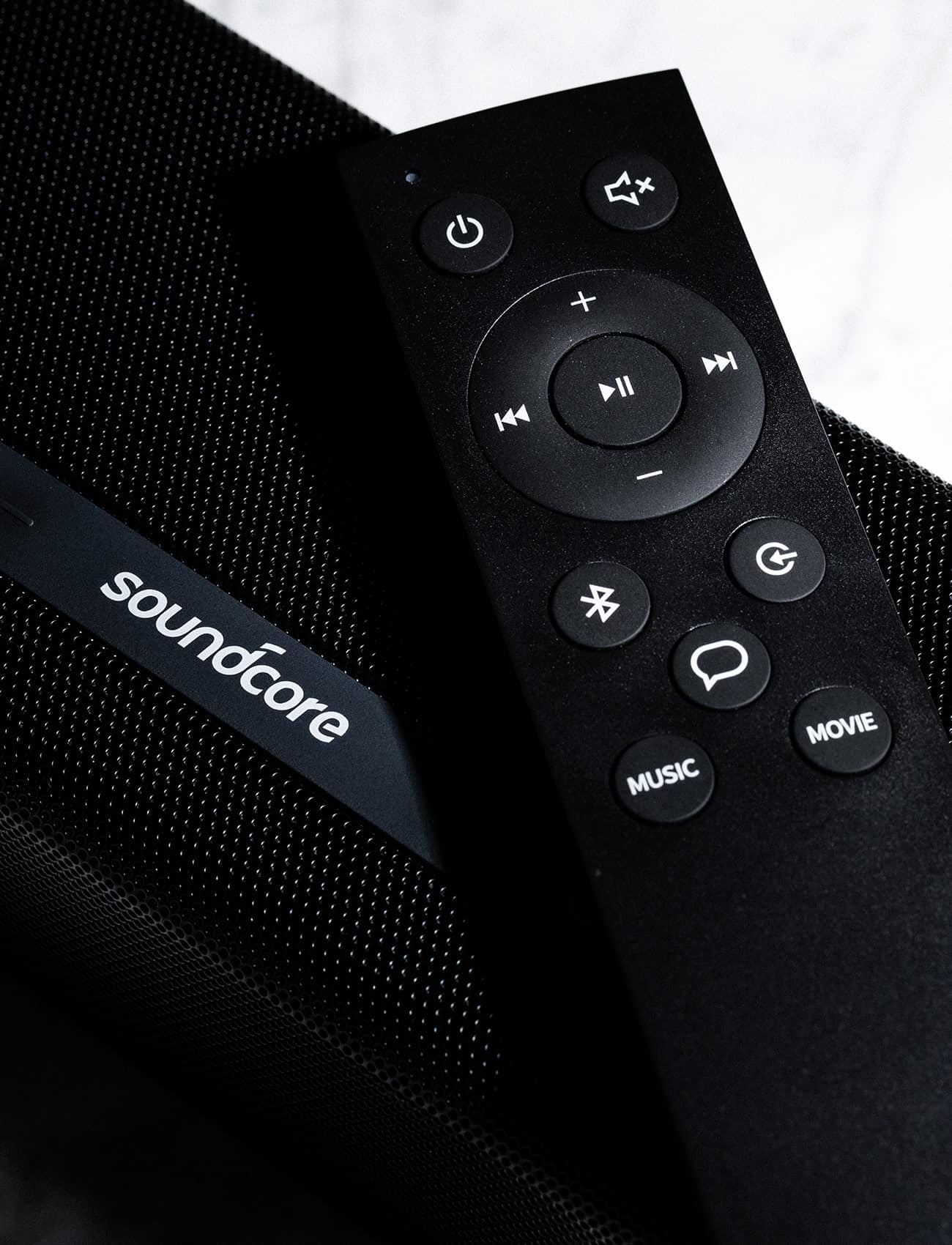
Obviously, a $100 soundbar is only going to get you so far. I wouldn’t get the Soundcore Infini soundbar if you have any plans of a home theater system – it’s a one-stop shop and doesn’t integrate with a multi-channel system. There’s no support for Dolby Atmos or DTS:X, so you’re not going to get really immersive sound. And there’s no HDMI ARC option. The downside with this is you can’t control the volume with any other remotes, aside from the one that comes with Soundcore Infini, meaning you’re going to be juggling your tv remote, cable remote and soundbar remote to control your system – it can feel like a lot.

If I was to be super critical of the sound quality, I thought that Soundcore Infini sounded best at low and medium volumes, which is how I would imagine most people would listen to it. When I started playing it loudly, the bass – which is very powerful and impressive considering there are two woofers built into this relatively small soundbar – tended to overpower everything else, especially dialogue in movies. The soundbar handled highs surprisingly well, too, but for some reason, I thought vocals and instruments sounded noticeably better when streaming music (via Bluetooth) rather than when watching sports or movies on the TV.

Verdict: I think it’s important to temper expectations with the Soundcore Infini. It’s a decent soundbar, but a very good soundbar considering its price – and for those who simply want to improve the sound quality of their television, it’s perfect. It also adds a pretty good-sounding Bluetooth speaker centrally in the home. That said, don’t expect a state-of-the-art soundbar that will blow you away with features and immersive sound.

What Others Are Saying:

• “We actually like the performance of this. At first, we had to remind ourselves that the price tag is only $99, so it wasn’t going to compete with some of the more expensive solutions we have come across. Keeping this in mind as we put it through its tests, it started to grow on us. The final opinion really comes down to the user, and what your ears are looking for in a speaker. Some people like a lot of bass, some like a lot of volume, a focus on highs, full range and so on. This speaker focuses on sheer volume and crisp highs.” – Jeffrey B, Poc Network

• “This sense of accuracy further extends to the midrange. Unlike most other speakers in the sub-$100 price range, the mids remain clear and concise without any undue compression or distortion. The fact that Anker can offer this level of midrange fidelity in a speaker that retails for just $99 is staggering, to say the least.” – Carroll Moore, Major HiFi

• “You might think such a tiny collection of drivers would have trouble reproducing convincing cinema sound — and you’d be right. But it’s not a lack of punch or power that keeps the Infini from outclassing the sound performance of competing bars (or even upper crest TVs). It does a poor job of keeping things balanced, forcing you to choose between muffled or tinny sound.” – Ryan Waniata , Digital Trends

Key Specs

Soundbar: integrated 2.1 channel
Drivers: 2 x 3-inch subwoofers, 2 x 1.5-inch tweeters, 2 x bass ports
Output: 100-watt
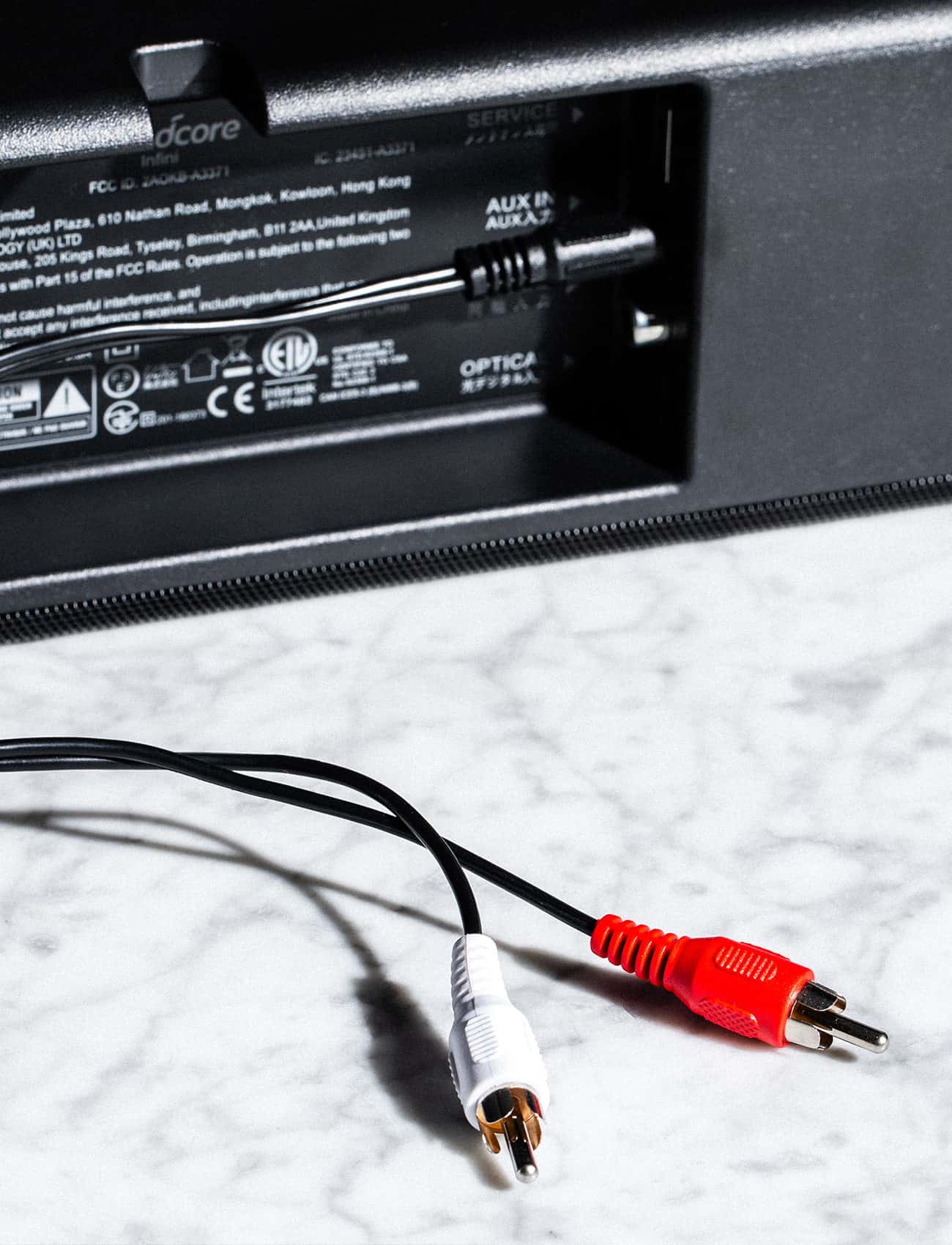
Connectivity: Bluetooth 4.2, digital optical input, digital coax input, aux, USB-A

Read More Gear Patrol Reviews

Hot takes and in-depth reviews on noteworthy, relevant and interesting products. Read the Story

Note: Purchasing products through our links may earn us a portion of the sale, which supports our editorial team’s mission. Learn more here.

Review: Peloton Releases a Treadmill for People Who Hate Treadmills

Peloton, a brand that’s earned a cult-like following around the world, thanks to its stationary bikes for your home gym, is releasing a high-tech treadmill. It doesn’t ship until this fall, but we were granted early access to give it a test run.

The Good: Everything you love about the Peloton bike is now also available on the Tread. Streaming live classes (up to 10 a day) are visible on a 32″ HD touchscreen, and with strength workouts incorporated into each workout, you can follow along both on and off the Tread. Think Beyond the Ride classes, but now off the treadmill.

The machine itself is made up of 59 individual slats designed to be cushiony and smooth. The slats are similar to a Woodway (which is at the more luxurious side of the treadmill spectrum) as opposed to running on one belt. And the ride does feel good — at no point during or after did I feel pain in my feet or knees. The side panel is covered in a grey fabric that matches the sound bar on the screen. “Early on, we decided we wanted to do a lot better to incorporate it into the home and not just put plastic and metal everywhere,” Maureen Coiro, Senior Product Manager of Hardware for Peloton, says. It has a zipper, so you can store your floor mat, resistance bands, and smaller weights.

Once you hop on and are ready to run, there are two knobs on the handrails — one on each side. On your right is the speed dial and on your left is the incline. Both are very sensitive and seem intuitive. Why haven’t treadmill creators done this before? There’s no hard pressing a button to get your speed up to the number you want. And if you want to stop, you just spin the dial toward you, or press the one actual button on the machine.
The screen holds all the streaming and on-demand workouts from trainers Robin Arzon and Rebecca Kennedy. Scroll through the classes, pick the one you want and then off you go. Since you are working both on and off the Tread, the machine will tell you what extras you need like weights, mat, etc. It’s best to have them close by since you don’t want to run to the other side of the room to collect your weights during the short rest time. The workouts I’ve tested were each about 20 minutes long, taught by Kennedy or Oliver Lee, and was broken down into 10 minutes on the Tread and 10 minutes off.

So, was it hard? The more time I spend on the treadmill, the more comfortable I get with it and the faster I run. While I might not be sweating immediately, I’m certainly sweating by the time I hop off the treadmill to launch into the second half of the workout. The constant back of forth from the treadmill to floor forces your body to work hard and gives you a surprising burst of energy each time you complete a session and jump into the next. I can’t wait to test out some of the longer classes and the ones that are 100% on the treadmill.

Some fun extras I appreciated: There’s a proper warm up and cool down, which you often don’t get in class, and a pop-up with the names of each song. You can see the playlist beforehand, so if there’s a song you hate, you can just skip to the next workout with tunes you enjoy. There’s also a manual mode, which is great to include for off-the-treadmill work: Think sled pushes.

Who They’re For: Both newbie runners and advanced runners will appreciate the treadmill and its class options. The trainers provide a barometer for how you should feel (Kennedy gave me a 1 to 10 rating after each sprint) and then also provide a range of speeds for walking, jogging and sprinting.

If you love the Peloton bike, you’ll likely love the treadmill. And if you love running, but hate the treadmill, this is also enticing. The leaderboard draws you in, the video connection is great, and the constant addition of classes means you’ll never be bored.

Watch Out For: You’ll have to get used to listening to the trainer as you move from the treadmill to the mat. I couldn’t always see the screen (mostly due to glare), but you are able to move the face of the screen up or down to help with visibility. My mat was right next to the treadmill, whereas at home, I’d situate my mat behind the treadmill so I’m looking directly at the screen.

Treadmills range in price from $900 to up over $7000, so $3995 is on the slightly higher end of the spectrum. If you’re someone who can hop on the treadmill and run five miles on your own, you can save a lot of money if you don’t need a trainer or coach to motivate you and provide you with workouts, which is really one of the major draws of this machine. You have to pay a subscription to get unlimited classes (currently bike subscribers pay $39 a month). Since classes in NYC range from $20 to $40, this subscription will quickly pay for itself, especially considering there are both on treadmill and off treadmill classes.

The mat and weights that I used at the lab do not come with the treadmill. If you already have a home gym, you likely already have some weights and a yoga mat, but if not, it’s an additional expense. And then you’ll need enough space for the Tread and accessories.

Alternatives:

There really isn’t anything else out there like this in the market. There are certainly cheaper treadmills, but not many come with the opportunity for unlimited classes. The closest you can get to emulating the experience is if you already own a treadmill (or head to the gym) and then use an app like Aaptiv or Studio to listen to a workout on the treadmill.

What Others Are Saying:

• “When developing the Tread, one of the things Coiro and the rest of the design team loathed about competitor units were the buttons. After all, there’s nothing worse than jumping on a treadmill and being forced to hit the “up” button a million times to get to the speed you want. It’s also difficult to accurately hit buttons if you’re sprinting along at full tilt. To solve this problem, the Tread features a knob on each side of the handrails, one for speed and one for incline. You can crank the Tread to a max speed of 12 miles an hour and up to 15 degrees of incline. The knobs are big and chunky, easy to grab on the fly. (There’s still a button in the center of each dial, the press of which adds one unit to your speed or incline.).” — Sean Evans, Men’s Health

• “Peloton has made home fitness more convenient and high-tech than ever. The Tread is no exception – it’s easy and fun to use, and I stayed motivated throughout the workout. But space is an issue. While The Tread isn’t going to make the squeeze into a boxy New York apartment, it’s a good solution for anyone who doesn’t have a boutique fitness class at their doorstep.” — Mary Hanbury, Business Insider

Key Specs

Footprint: 6′ x 2.7′
Dimensions: 72.5″ L x 32.5″ W x 72″ H
Slat Belt: 67″ L x 20″ W
Screen: 32″ diagonal
Exercise mat: 2′ x 4′
Speed: 0-12.5 mph
Incline: 0-15% grade

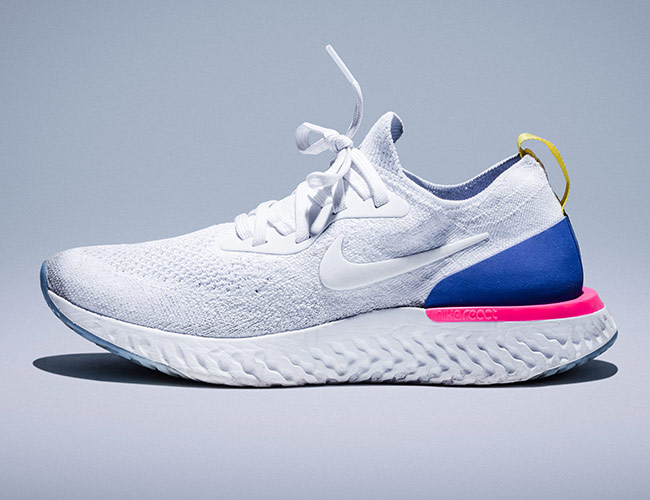
Review: Nike Epic React

The Epic React running shoe performs well in practically all conditions, but are they the right shoe for you? Read the Story

These Are My Favorite Noise-Canceling Headphones Under $100

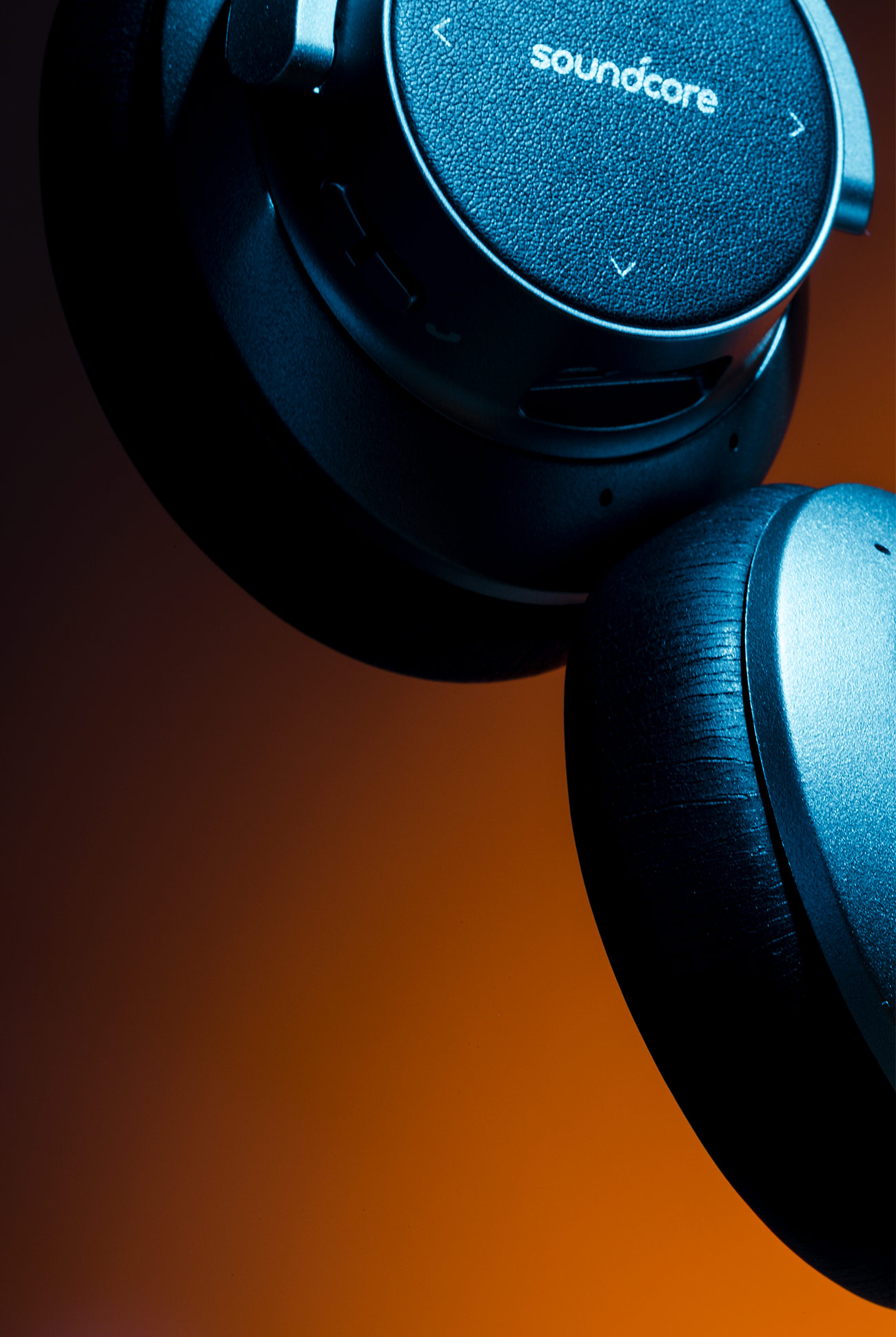
Anker remains an industry leader in portable batteries, wall chargers and other smartphone accessories, but the company has branched out in the last year; it now makes for some of our favorite portable projectors, Bluetooth speakers and true wireless earbuds. The common theme that runs throughout all their products, no matter what is it, is good quality at a really good price. Take the Anker Soundcore Space NC ($99), the company’s first ever pair of wireless active noise-canceling headphones, for example. A pair of these over-ear headphones costs just under $100.

In the past, most of Anker’s other affordable audio products have been well reviewed, but the Soundcore Space NC feels different. Anker has done Bluetooth headphones before, but never over-ear models. Not only that, but the Soundcore Space NC marks the first time that the company has dabbled in active noise-canceling, a territory that has been dominated by Bose and, more recently, Sony. But at just $99, Anker’s Soundcore Space NCs aren’t really competing with wireless ANC headphones that cost between $300-$400. Instead, they’re in a category all their own.

The Good: The Soundcore Space NC headphones are extremely affordable and deliver better-than-average sound quality. They’re very comfortable, too, and have a collapsible design making them easy to travel with. The battery life, even in wireless and ANC modes, is exceptional. The natural, passive noise isolating ability of the headphones is pretty good. The headphones are backed by a “worry-free” 18-month warranty.

Who They’re For: Anybody who wants comfortable wireless over-ear headphones, and who doesn’t want to spend big. They’re some of the cheapest active noise-canceling headphones you’re likely to find, although their ANC ability doesn’t stack up to much more expensive models.

Watch Out For: You won’t be blown away by their active noise-canceling ability; it handles low-frequency noises decently and actually does an admirable job of attenuating background music, but you can still hear conversations, especially in office settings, loud and clear. With the ANC turned on, it muddles the mid-range so most audio tracks don’t sound nearly as good. As far as looks go, the headphones are pretty generic looking. They also have pretty prominent branding on the earcups and headband. Charges via micro-USB, which feels dated.

Alternatives: If you’re looking for the best wireless active noise-canceling headphones, you’re going to have to spend 2x, 3x or 4x more than what these Ankers cost. You can find our favorite wireless ANC headphones here.

Review: These days, it’s difficult to not trust that Anker is going to deliver a quality product. Of its recent audio products, I’ve been thoroghly impressed with its wireless running headphones, the SoundBuds Slim ($26), its true wireless earbuds, the Zolo Liberty ($99), and its newest portable Bluetooth speaker, the Anker Soundcore Flare ($60). And to be honest, the Anker Soundcore Space NC were just as impressive.

The sound quality on these headphones is definitely decent. Over the last week, I’ve put the Soundcore Space NC through my usual tests, streaming mostly London Grammar, Grouplove and Led Zepplin, and all the tracks sounded good — on par with my Apple AirPods ($159), but with better passive noise-isolation. The midrange and treble are loud and clear. And while the bass isn’t as punchy as over-ear models by Beats and Bose, it’s definitely still there.

Now, while the audio quality is there, the active noise-canceling of these headphones leaves something to be desired. As I mentioned before, I mostly wore these headphones around the office. We usually have background music playing, mostly jazz, and the headphones were are able to noticeably attenuate that music. The ANC also worked well while I was walking home from the office, on things like passing cars. However, conversations of any kind were still loud and clear. I could hear my colleagues talking, 10 feet away, as if the ANC wasn’t even turned on.

There were a few features with the Soundcore Space NCs that weren’t great, however. I’m not the biggest fan of swipe gestures in general — I’m more of a “button guy” — but the swipe gestures on these headphones, which are located on the right earcup and can be used to play/pause, adjust volume and skip tracks, aren’t nearly as intuitive or responsive as on other wireless ANC headphones, such as the Sony WH-1000XM2. I had to swipe and hold to do any of those things, and they didn’t always work (especially play/pause). That said, there were times where weirdly responsive; when adjusting the headphones off, I’d graze the right earcup with my hand and the track would pause or skip. It was just a little frustrating. Another little thing that I learned pretty quickly was that you have to hold the power button, for a second or more, to pair the headphones to my iPhone each time. You can’t just tab and go. The same is true with the “phone” button when answering and hanging up phone calls.

As they’re just $99, they don’t have a lot of the other features found in higher-end models. There’s no companion app, which is both good and bad in my opinion, so you can’t adjust EQ settings. There’s no ambient noise mode to better year your surroundings. There aren’t any optical sensors to detect when you put on and take off the headphones. And there’s no integrated virtual assistant, like Alexa or Google Assistant, which seems the in vogue thing to do for other headphone manufacturers.

Verdict: I can’t overstate this: the Anker Soundcore Space NCs are some of the most comfortable over-ear headphones that I’ve ever worn. They have a killer battery life. If you can get over the generic aesthetic and sometimes frustrating swipe gestures, these are a real no-brainer buy. They’re good wireless over-ear headphones, with decent noise-canceling abilities, at a ridiculously affordable price.

What Others Are Saying:

• “Anker makes a lot of promises about the Soundcore Space NC, most of which it lives up to. I was extremely impressed with the battery life, for example. Anker promises 20 hours of wireless playback with ANC enabled, and 50 hours of wired ANC-enabled playback. In my experience, this is about right. It’s nice not having to worry about your headphones dying on you mid-week, especially if you’re as bad as I am at remembering to charge things. Over the testing period, I think I’ve only had to fully recharge the cans once..” — Matthew Hughes, The Next Web

• “There are few headphones that are universally loved. But at $99, the Anker Soundcore Space NC might just be the final word in noise-canceling and wireless sound. Add to this a fantastic sound quality and you have one sure-fire headphone, folks.” — Carroll Moore, Major Hi-Fi

• “I listened to the Space NC through numerous apps and phones and found they took some getting used to. Straight out of the box, the Space NC are tuned a bit too much toward the bass end of the spectrum. While bass was tight and punchy, mids and highs fell a bit flat. R&B and electronic music shined via the Space NC, but I was not impressed with the sound of rock or metal. Acoustic and vocal performances had a warm sound that at times came across as overly compressed.” — Eric M. Zeman , Phone Scoop

Key Specs

Type: Over-Ear, wireless active noise-canceling headphones
Drivers: 40mm dynamic
Connectivity: Bluetooth 4.1
Battery: 20 hours in wireless NC mode, 50 hours in wired NC mode
Companion app: None

Read More Gear Patrol Reviews

Hot takes and in-depth reviews on noteworthy, relevant and interesting products. Read the Story

Note: Purchasing products through our links may earn us a portion of the sale, which supports our editorial team’s mission. Learn more here.

BioLite Made a Good Fire Pit and an Awesome Grill

Usually, technology can be considered at odds with nature. Nature prefers to crush screens, drench batteries and inject sand and dirt into circuit boards. But BioLite is a company that has staked its name on bringing the two to harmony. BioLite is best described as a tech company — it’s based in Brooklyn, not Boulder — but the products it creates are all designed for use in the wilds beyond the city.

Its flagship is the CampStove, a cylindrical backpacking stove that burns twigs instead of gas and sports an onboard electrical unit that optimizes the flames, eliminates smoke and charges anything that uses a USB. BioLite’s other products follow this same line of function in the field; there are Bluetooth-enabled lanterns, portable batteries and solar energy units for off-grid living.

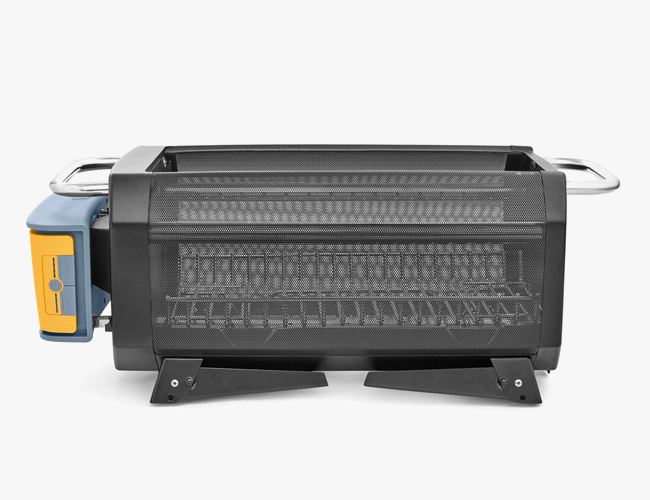
Then there’s the FirePit. It’s like the CampStove in a lot of ways, but bigger: flames are housed in a closed container and an external battery-powered unit injects air into them to make them burn better, meaning, with less smoke. There’s also a grill top for cooking, and yep, it charges your phone too.

The Good: It’s a campfire without smoke — need I say more? I will anyway. The portable FirePit deploys in backyards, parking lots, at beaches or campsites. The air jet-optimized burn does work, making optimal flames well in reach for even the most outdoor-impaired of us. Oh yeah, and you can cook on it, and charge your phone, at the same time.

Who It’s For: Everyone, pure and simple.

Watch Out For: My biggest disappointment with the FirePit is that, unlike BioLite’s CampStove 2, its air and battery system don’t create a closed loop with the fire to maintain its charge. The CampStove 2 has a complete thermoelectric system that lets it turn the heat from the flames into energy, which it stores in its battery, which is also used to power a fan — you never have to charge it. The FirePit doesn’t have that, so you have to remember to keep its power unit charged up.

One more thing — the FirePit contains its flames in a box-like apparatus, so it doesn’t give off nearly as much heat as a regular campfire. Some people may like being able to cozy right up to the flames though, which is possible even when they’re at full roar.

Alternatives: Nothing marries tech and hardware quite like the FirePit. The closest you’ll get is something like Solo Stove’s Bonfire ($300), which also uses engineered airflow to maximize flames and minimize smoke or Primus’ Kamoto ($93), but neither have onboard thermoregulation systems like BioLite’s machine, and they aren’t optimized for grilling.

Review: There’s something about fire that makes it mesmerizing. Maybe it’s the complicated and unpredictable movements that are unlinked to any mathematical formula; perhaps it’s some vestige of evolutionary memory embedded in our DNA. Whatever it is, it’s undeniable that something is comforting about circling a campfire, either in the woods or a backyard, and BioLite has brought that experience into the 21st century with the FirePit.

Portable fire pits aren’t new, but the FirePit looks nothing like those that have come before. It’s oblong and rectangular, and perches on four legs, like a claw-foot bathtub that holds fire instead of water. At one end is a big orange electrical unit that powers the machine’s patented airflow system and marks its core innovation — air is injected into the flames to create the most efficient and smoke-free fire possible.

I’m generally skeptical of anything that complicates outdoor experiences (especially when batteries and Bluetooth are involved). “What’s wrong with a regular campfire?” I say. “The smoke!” BioLite retorts. Fair enough; I’ve had smoke sting my eyes and follow me around a campfire circle despite many pleas of “white rabbit” uttered to the fire gods. Firepits of the stone-ring variety are also definitively stationary, so there’s that admission too.

So, on a recent evening that turned out to be the first cool one of the season, I gathered a group of friends to my house with the promise of a campfire, and delivered it to them with the FirePit. Lighting a fire inside of it is just like any other: start with tinder (paper), then build on that with smaller fuel — tipi or log cabin, your choice — before moving to full-sized logs (the FirePit has room for four of those). The critical additional step is starting up the air jets on “low” once the flames get going. At this point, a soft whir like that of an airplane engine becomes audible, and the flames begin to dance a step or two faster than usual.

I’ll admit that I built our fire hastily, and if it weren’t for the FirePit’s 51 strategically-placed air jets, it probably would’ve needed a full demolition and reconstruction. But the jets fanned its life force to full blaze and allowed me to amplify its size much faster than I would’ve done with a standard, more fragile fire.

During this early burn stage, there was smoke present, but once the FirePit got going the air jets performed the task of combusting as they were designed to do and our flames burned smoke-free. As the night deepened and our pile of wood shrank, we noticed that the FirePit lacked something else: heat. It wasn’t completely devoid of its temperature, but the invisible aura of warmth that always accompanies live flames was severely diminished by the barrier of its container, forcing us to huddle in like moths to a lightbulb. The upside: you can roast marshmallows without doing the same to your hands at the same time.

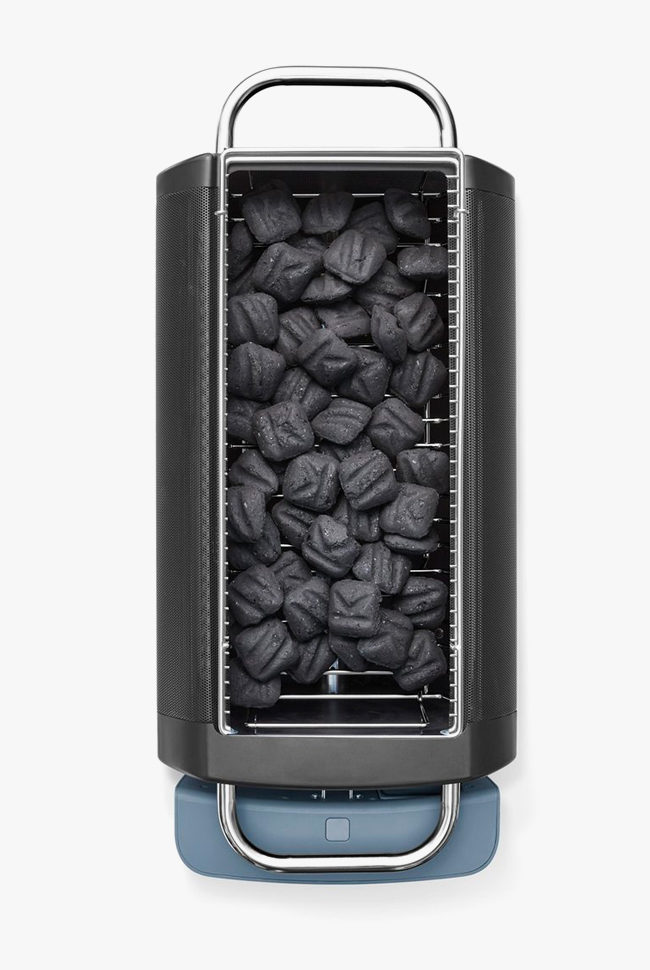
The FirePit’s role as a cooking machine is underplayed, in part due to its straightforward name. On a separate evening, I filled it with charcoal instead of firewood, cranked up the air jets and placed an entire rack of ribs and on its included grill grate. As with my previous fire, I was surprised at the speed in which I was able to cook a full meal for five, even given the limited area of the FirePit’s cooking surface. It put my basic charcoal burner to shame.

Verdict: The FirePit doesn’t replace a campfire — I don’t think any portable fire container can — but it does a fantastic job at mimicking one and making it portable in a way that no other product has done before. The improved combustion provided by its air jet system makes fire maintenance a cinch and speeds up cooking. I didn’t miss the sting of the smoke, but I did miss the intensity of the heat. That said, the FirePit is an adequate stand-in in backyards and parking lots where a ring of stones isn’t available.

What Others Are Saying:

• “You won’t be able to show off your Bear Grylls skills with a Bluetooth-enabled fan gently nudging your flames up to cooking height. But you also won’t be spraying noxious flammable liquids everywhere, either, or smelling like smoke for days. That seems like a more-than-decent tradeoff to me.” — Adrienne So, Wired

• “Doubling as both an excellent fire pit and an amazing grill, the FirePit will be the perfect partner for fun evenings outdoors. You’ll appreciate how easy it makes it to get a fire going or to start a nice even bed of coals, and you’ll enjoy cooking on it, then standing around it later to stay warm.” — Wes Siler, Outside

• “If you’re considering a casual grill, the BioLite FirePit is a great option to expand your possibilities from grilling to flames and chilling. Keep in mind though, it’s only an 18-inch high cooking surface. While there’s a minimum amount of tech involved here, the app-controlled fan helps get things up to temp quickly and lets you sculpt the flame output to some degree. The X-Ray Mesh exterior is great for a combination of safety and visibility, while the overall package is easy to lug about.” — Jon Turi, Engadget

Key Specs

Burn time: 24 hours low; 10 hours medium; 5 hours high
Weight: 19.8 pounds
Output: USB A
Input: Micro USB

Read More Gear Patrol Reviews

Hot takes and in-depth reviews on noteworthy, relevant and interesting products. Read the Story

Note: Purchasing products through our links may earn us a portion of the sale, which supports our editorial team’s mission. Learn more here.

The New Rolls-Royce Cullinan SUV Is a Sure-Footed Hulk and Glamorous to a Fault

Meet the first SUV from the storied ne plus ultra scion of wealth and power. Cullinan, from Rolls-Royce, is a nearly 6,000 pound, high-class bruiser, long-awaited by the top one percent of the One Percent, who have evidently been clamoring for the same thing everybody else wants when car shopping — SUVs — but a stratospherically better version. It’s a properly good trail-whipper — if not a true rock-crawler — that delivers its raw power with panache. Owners won’t blink at the $320,000 price of entry, and the public will likely argue, for a while anyway, about the success of its design, but the British marque has produced exactly what it should have. This is a product that stretches its boundaries while remaining faithful to the brand.

The Good: The Cullinan glides beautifully down any road, and floats like a cloud over trails. The simplified off-road controls — literally, just a button that says “Off-Road” — help limit confusion or uncertainty, while ensuring that the car can deftly manage any rough or low-friction surface. But the inside is a sight to behold. It is roomy, plush and truly special in a way no other SUV can match. It’s also powerful, accelerating to 60 mph in less than six seconds and coughing up 630 lb-ft of torque at just 1,600 rpm, meaning you can power your way out of any mess despite the car’s bigness.

Who They’re For: Oh my, this is a loaded question. It’s clearly for fantastically wealthy estate types, high-profile athletes and celebrities, and assorted entrepreneurs and executives who simply groove on the Rolls-Royce vibe. (It’s not for serious off-roader junkies or anyone who thinks for a second they’re going to climb back in this thing after scampering up a mountain trail in the rain, with their dogs.) But here’s who else it’s for: those who like their luxury with a bit of edge or artfulness to it. Rolls-Royce is the only car company in the world that can really get away with such things as two-tone finishes (okay, also $2.6 million Bugattis), rich leather tones, sparkly chrome trim seeded throughout the interior and exterior and customized interior surfaces adorned with anything from colorful modern-art designs to leafy naturalist etchings. Whatever you like, Rolls will deliver, and deliver it well. This is true because the Rolls-Royce design can truly support such artistic ambitions. It’s not a coincidence that the cars draw creative minds as much as they do those with more, shall we say, imperialist intent. Or just rich folk with kids. Whatever.

Watch Out For: The Cullinan, while opulent and capable, lacks many of the features that younger buyers might crave, whether driver aids like lane-keeping and semi-autonomous highway driving or electronic gizmos in the infotainment system. I suppose there’s something to be said for any Rolls-Royce being an escape from such earthly sirens, but these cars nevertheless exist in the real world, occupied by real people with smartphones, long miles to drive and an appreciation for cool and surprising new features. Their lack seems out of place.

Alternatives: There aren’t many SUV’s that can truly come close to the Cullinan in terms of presence, luxury and design grandeur. The Bentley Bentayga certainly does, followed by the Land Rover Range Rover and, at a distant third, the Cadillac Escalade. [Editor’s Note: Lincoln’s Navigator is somewhere high in that mix.] The Lamborghini Urus doesn’t really count in this category, as it’s a different kettle of fish. Anything else in the world doesn’t even merit being whispered in the same breath as Cullinan.

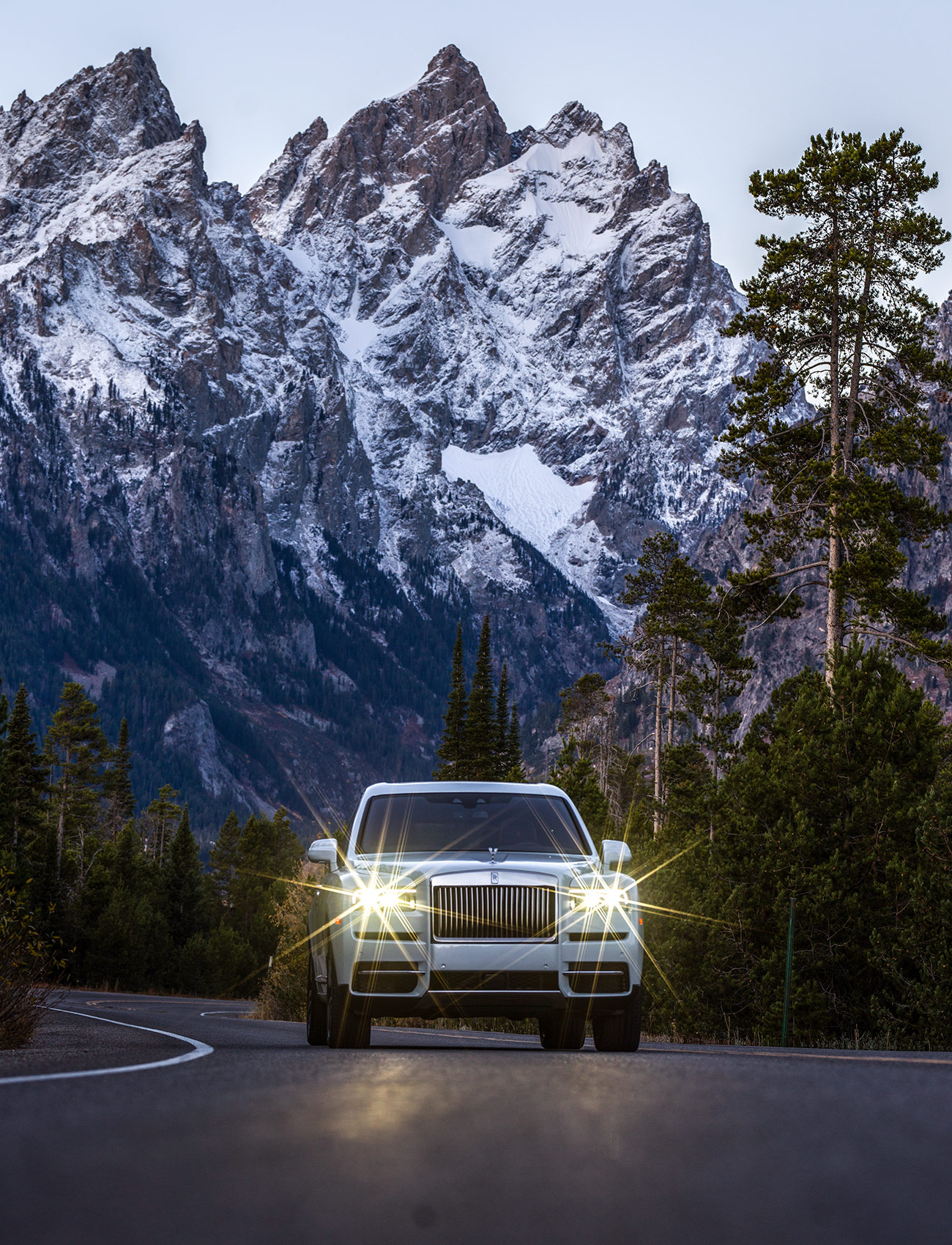
Review: Visually, there’s a lot to process with Cullinan. It wouldn’t be entirely wrong, first of all, to state that it’s a jacked-up Phantom, the company’s flagship model. They’re built on the same all-aluminum platform, dubbed “The Architecture of Luxury,” and from the front, the cars exert similarly commanding presences. But Cullinan necessarily has a very distinct design approach, given the challenge of a taller vehicle and the more voluminous cargo space out back. The sloping rear glass, subtle creasing and notably chiseled surfaces lend the car the aristocratic aura that fully flat or fully arced surfaces couldn’t possess. Varied surfaces add interest and beg for exploration. You can’t take your eyes off it. So the rear views are in many ways the most compelling in this car, since they’re surprising, rugged, nicely proportioned and don’t entirely betray the car’s status. Up front, however, things change with the imposing chrome grill, capped by the iconic Spirit of Ecstasy hood ornament. By now that view is both a glorified signature and polarizing statement. It’s what makes Cullinan look a bit odd on the trails, but perfectly at home on the boulevards of Miami, Los Angeles and New York — and any other major global metropolis.

I wouldn’t, however, describe it as a particularly serious machine. My metric for this is simply whether an SUV would look appropriately determined while caravanning dignitaries or spies to important treaty signings or James Bondian urban assaults. The answer, of course, is that it won’t displace the Range Rover as the go-to tool of macho marauding, nor will it kick GMC Yukons to curb while punching through the Mexican border with DEA gunslingers in the next Sicario installment. The Cullinan, as with all Rolls-Royces, is much too celebratory and indiscreet to possess any whiff of menace in such contexts.

As for its placement in polite society, reactions are mixed. I drove the car during the media launch in Jackson Hole, an area of Wyoming steeped in both wealth and earthy ruggedness. From the back, it fit in brilliantly; from the front, it broadcast its status in a way that doesn’t quite gel with the local gestalt. But it is what it is, and it’s a Rolls-Royce, friends. Fortunately, the car was for most everyone a joy to behold: a big, glamorous beast that brought far more smiles than it did curt sneers, of which there were indeed one or two. The fact that it’s an SUV seemed to draw the most curiosity, and in many ways, it made the Cullinan something of an equalizer, even if it is priced 10 times beyond most of our SUV budgets. Rolls-Royce claims it’s the most-anticipated Rolls in the company’s history, which means, of course, that the rich really are just like us. They all want SUV’s!

A drive around the block and up the mountain will seal the deal with most of the Cullinan-curious. The ride is magnificent — appropriately cushioned without being too floaty, and quite firm in its power delivery. The twin-turbo V12 makes sure of this thanks to its diesel-like torque delivery, pumping 630 lb-ft at just 1,600 RPM. That means it will muscle its way up most inclines, with the all-wheel-drive (a first for Rolls-Royce) expertly flicking power among the wheels as needed for traction. This comes with the press of a single “Off-Road” button, which elevates the air suspension a few inches and preps the all-wheel-drive for wilder variations in traction, including activating the car’s ability to actively push wheels down for maximum traction. The system’s torquey low-speed crawling helps maintain careful momentum uphill, which its hill-descent control keeps things in check on the way down, allowing for cruise-control-like adjustments of the speed based on the terrain and slope. In our climb up Snow King, right in Jackson, being in a Rolls provided a quirky thrill, but no hints of uncertainty as to its capability. We went up the Sno-Cat trails, but an engineer riding with us assured me it could climb straight up if we wanted to — this on the steepest ski slope in the United States.

Inside, the Cullinan is perfectly engineered for sensational experiences at all four corners, with firm, generous seating, excellent visibility for all and, of course, a pretty great sound system. If kids are in the back, they’ll have the optional touchscreen entertainment systems at their fingertips, while elder statesmen can enjoy airliner-like moving maps of their drive while being chauffeured about. It’s all very comfortable and pleasurable and precisely what you’d want from this vehicle, no matter what kind of approach you’re contemplating.

Verdict: There’s no disputing that this is the most outrageously luxurious SUV on planet Earth. The fact that it somehow achieves this while also avoiding the kiss-of-death label “soft-roader” is a credit to the company’s commitment to, at the very least, bailing its ballers out of trouble when they go axle-deep in the sand. It’s a powerful and sure-footed hulk, and glamorous to a fault. It’s up to you to decide whether you really want to trot this thing into the wild, but if you do, you’ll have the satisfaction of knowing it’s absolutely the most fantastic thing on the trail.

What Others Are Saying:

• “Cullinan is a highly measured, seriously considered sport utility that feels every bit a Rolls-Royce, with more versatility than you might expect from a brand whose last ventures into the genre date back to T.E. Lawrence, better known as Lawrence of Arabia, who battled Turks in the desert with a fleet of nine armored Silver Ghosts. Cullinan’s armor may be more stylistic than literal. But it does an indomitable job of insulating its occupants from the wilds of the world while presenting a stoic outward face to skeptics and admirers alike.” — Basem Wasef, Automobile

• “The car lacks any fancy locking differentials and doesn’t offer anything so crude as a selectable low-range transfer case. But, with 627 pound-feet of torque available at just 1,600 rpm, it’s quite happy to claw its way up very steep inclines at very low speeds, even on the bespoke, 22-inch, road-oriented Continental ContiSportContact 5 tires. The trails we climbed were mostly gravel, generally dry and, to be honest, wouldn’t trouble most light-duty SUVs. However, few if any other vehicles could make the summit while offering that kind of comfort.” — Tim Stevens, Roadshow

• “Further driving, both behind the wheel and as a passenger, revealed a car the onroad manners of which are so composed that I actually fell asleep (not while driving, mind you). Subsequent long stretches of dirt road showed that while the ride isn’t as silky smooth as it had been onroad – even magic carpets have limits – the large and splendid beast remains composed and comfortable. Protective cladding along the door sills, as well as chrome cladding just above it, are angled such that stones will be deflected away from the sheet metal. — Mark Vaughn, Autoweek

2019 Rolls-Royce Cullinan Key Specs

Engine: 6.75 liter twin-turbo V12
Horsepower: 563
Torque: 630 lb-ft at 1600 rpm
Weight: 5,864 lbs
Top speed: 155 mph
Fuel economy: 18.8 mpg combined

Read More Gear Patrol Reviews

Hot takes and in-depth reviews on noteworthy, relevant and interesting products. Read the Story

Note: Purchasing products through our links may earn us a portion of the sale, which supports our editorial team’s mission. Learn more here.

This Wearable Health Tracker Doesn’t Look Like a Wearable At All

VSP Global is the largest vision healthcare company on the planet, with over 88 million members. Its innovation wing, The Shop, is where its creative team of designers and biomedical engineers have free rein to create products that push future eyewear technologies to the limit. In the past, they’ve collaborated with Google on Google Glass and with Nike and Zeiss Optics on The Wing, a pair of really aerodynamic (and expensive) glasses for Olympic-level sprinters. I’ve been testing one of their latest innovations, Level, which is a wearable fitness tracker that doesn’t look like a typical wearable fitness tracker – Level looks like a nice, normal pair of eyeglasses.

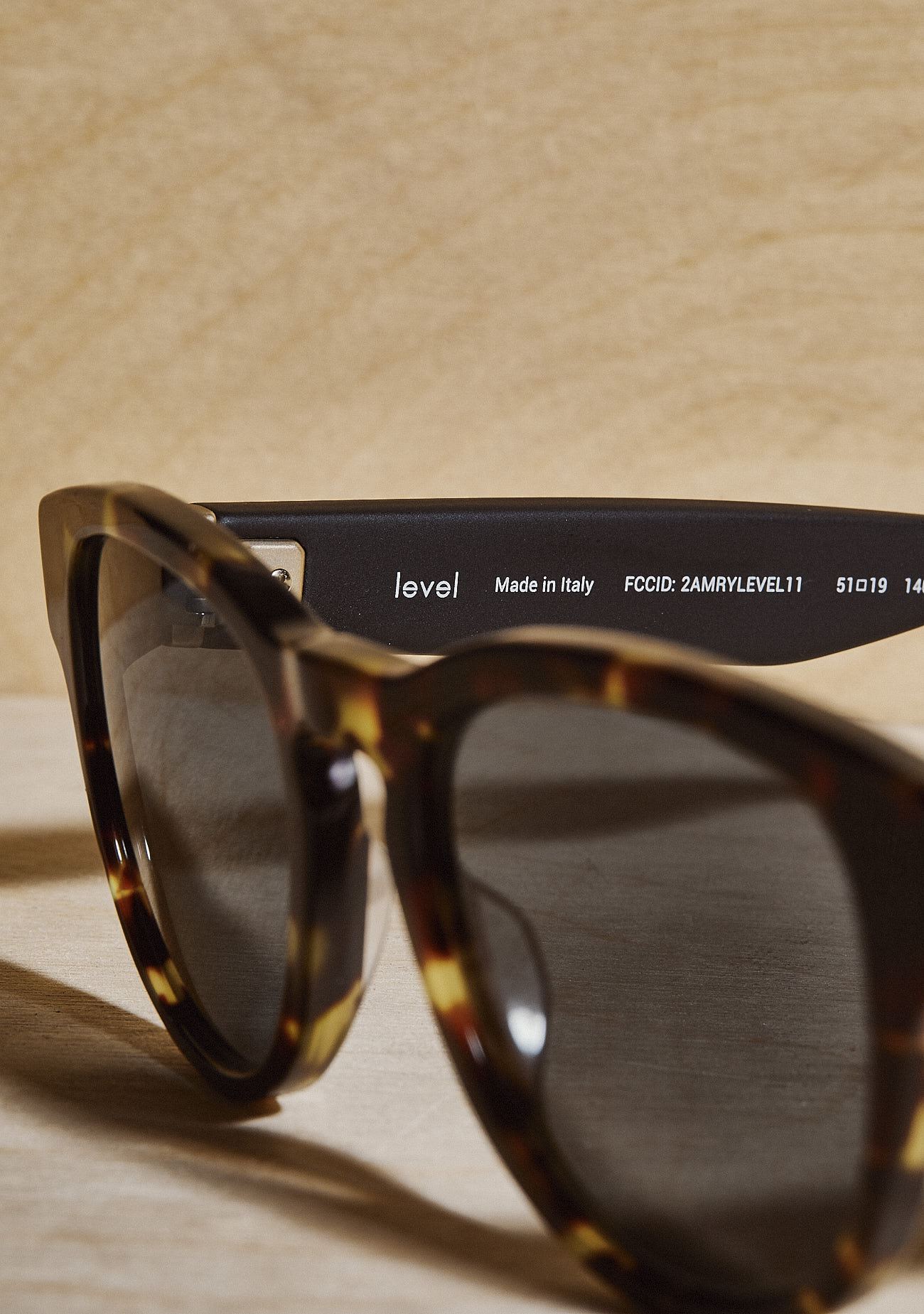
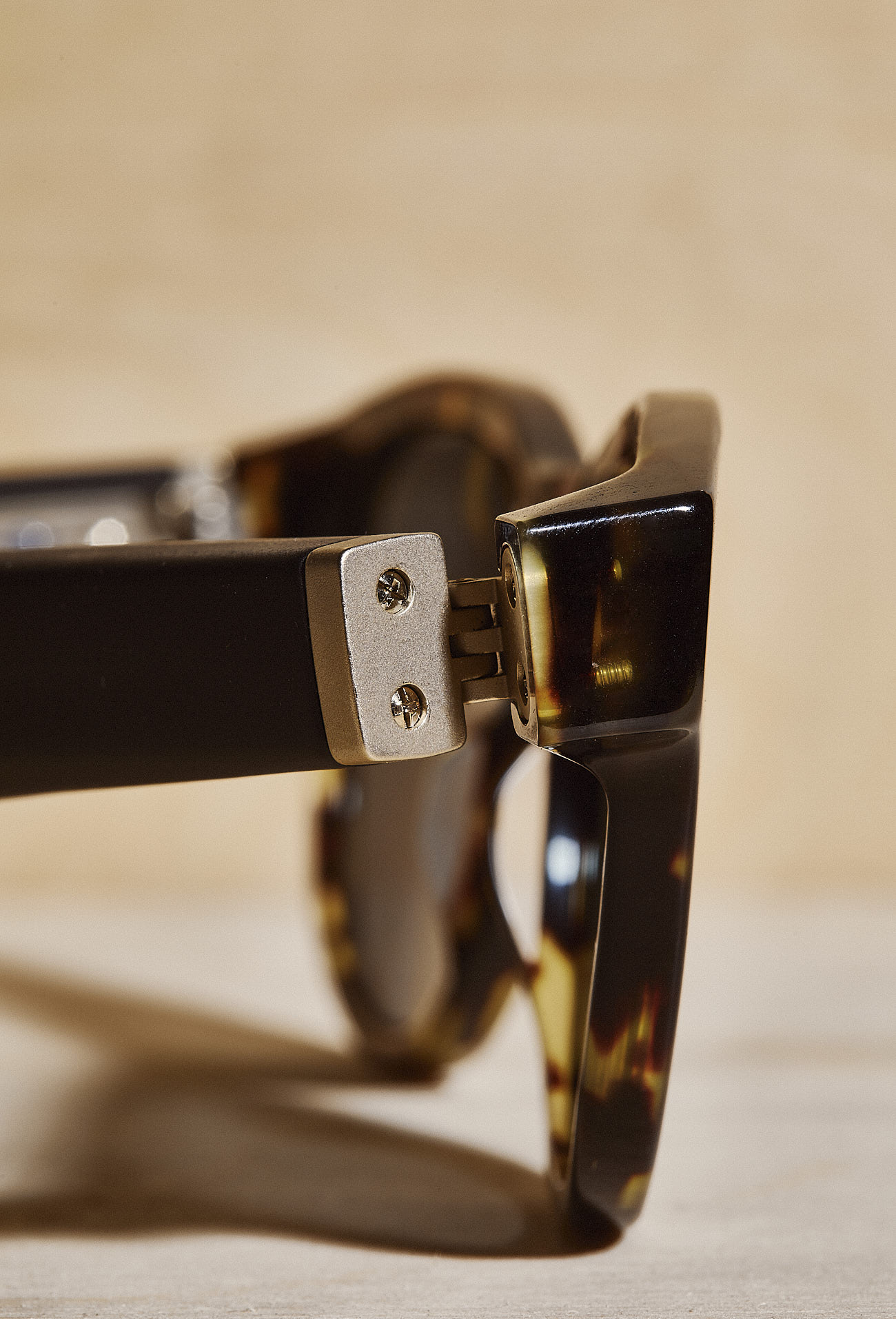
Marchon, owned by VSP Global, is one of the world’s biggest eyewear manufacturers, and Level glasses are designed in the same factories with the same detail and fine materials as the company’s Italian-made glasses. What sets Level apart is that in one of its arms are housed a suite of sensors and tech: gyroscope, accelerometer, magnetometer, Bluetooth and battery. (The other arm is weighted to evenly balance the frames.) The frames aren’t designed to be an advanced fitness tracker, like an Apple Watch. There’s no built-in GPS or heart-rate sensors; instead, Level is more of a wellness tracker. It can track your steps, distance traveled, overall active minutes and even how many calories you burn throughout the day. The companion app can send you push notifications to encourage you to walk more to reach your step goals and earn more points. Yes, points. They are what make Level more unique than its competition.

Each day wearers can earn a maximum of two points if they achieve both their daily steps goal and daily stretch goal. When they reach 50 total points, VSP Global, who has partnered with the charitable organization Eyes of Hope, will give a free comprehensive eye exam and a pair of eyeglasses (if needed) to a person-in-need: either a veteran, a person affected by homelessness, a child or an elderly person. In the Level app, you select which group of people you want to help by achieving your fitness goals. The thinking behind this, beyond pure altruism, is that some people can’t motivate themselves to be active; however, if they know that they could also help somebody else by being active, that might provide extra incentive.

Level is both a simple gadget and a nice pair of eyeglasses. It’s water-resistant, charges via micro-USB (in the joint) and has roughly a five-day battery life. On the eyewear side, Level comes in three different options for frames – check them out, here – and each costs $270 without prescription lenses.

Editor’s Note: To get a better understanding of The Shop, you can check out the original article that I wrote about them in May 2017, here.)

The Good: Level is a wearable that you don’t have to think about – you just wake up, put on your glasses and then go about your day. It looks and feels like traditional eyeglasses and no, it doesn’t scream, “Hey, I’m wearing a fitness tracker on my face!” The battery life is excellent. Just like a lot of eyewear, they are very customizable. You can get them with prescription and/or polarized lens, or even photochromic lenses that are clear when you’re inside, but automatically darken when exposed to sunlight. The app is simple to use and accurately tracks your metrics. There are several frames to choose between. Also, by simply wearing Level every day you can also help those who are less fortunate.

Who They’re For: At the moment, you need to be one of 88 million VSP Vision Care members to use Level and go through your eyewear doctor to order. They’re only available in select cities for now: Sacramento, DC, Denver, Seattle, Portland, LA and Minneapolis.

Watch Out For: Don’t expect this to be an elite-level fitness tracker. There’s no heart-rate sensor or built-in GPS. The app requires you to open it a few times a day, or else you won’t receive activity updates about your activity throughout the day. If you’re interested in buying Level, you need to be VSP member and go through your doctor – it’s not as simple as going online and clicking “buy.”

Alternatives: The term “smart glasses” can go one of a few ways. There are augmented reality glasses, like Microsoft Hololens, Vuzix Blade AR and Intel’s Vaunt, but none of those look like glasses you’d wear as part of your normal wardrobe. And there are Bluetooth-enabled glasses like the Oakley Radar Pace or even Snap Spectacles, which can coach you to fitness or take photos, respectively. But again, both look and feel rather tech-y. Level, on the other hand, feel the like Ray Bans or Oakley glasses that you wear every day.

Review: Full disclosure: I don’t normally wear eyewear. I’m in my late 20s and still have pretty-near perfect vision, but the team behind the Level smart glasses reached out to me, partially because I had done a story on The Shop last year, but more importantly because you don’t need to normally wear eyeglasses to appreciate Level. It’s a wearable – that’s how I treated them. My loaner pair were sunglasses and didn’t have prescription lenses, which allowed for easy testing despite my not being the ideal use-case. While Level smart glasses are meant to be worn all day long, I only wore them while I was outside. Still, I was able to track my data, though because I didn’t wear them constantly, in a two-week period I was only able to reach my daily steps goal – 10,000 steps – on a few different occasions.

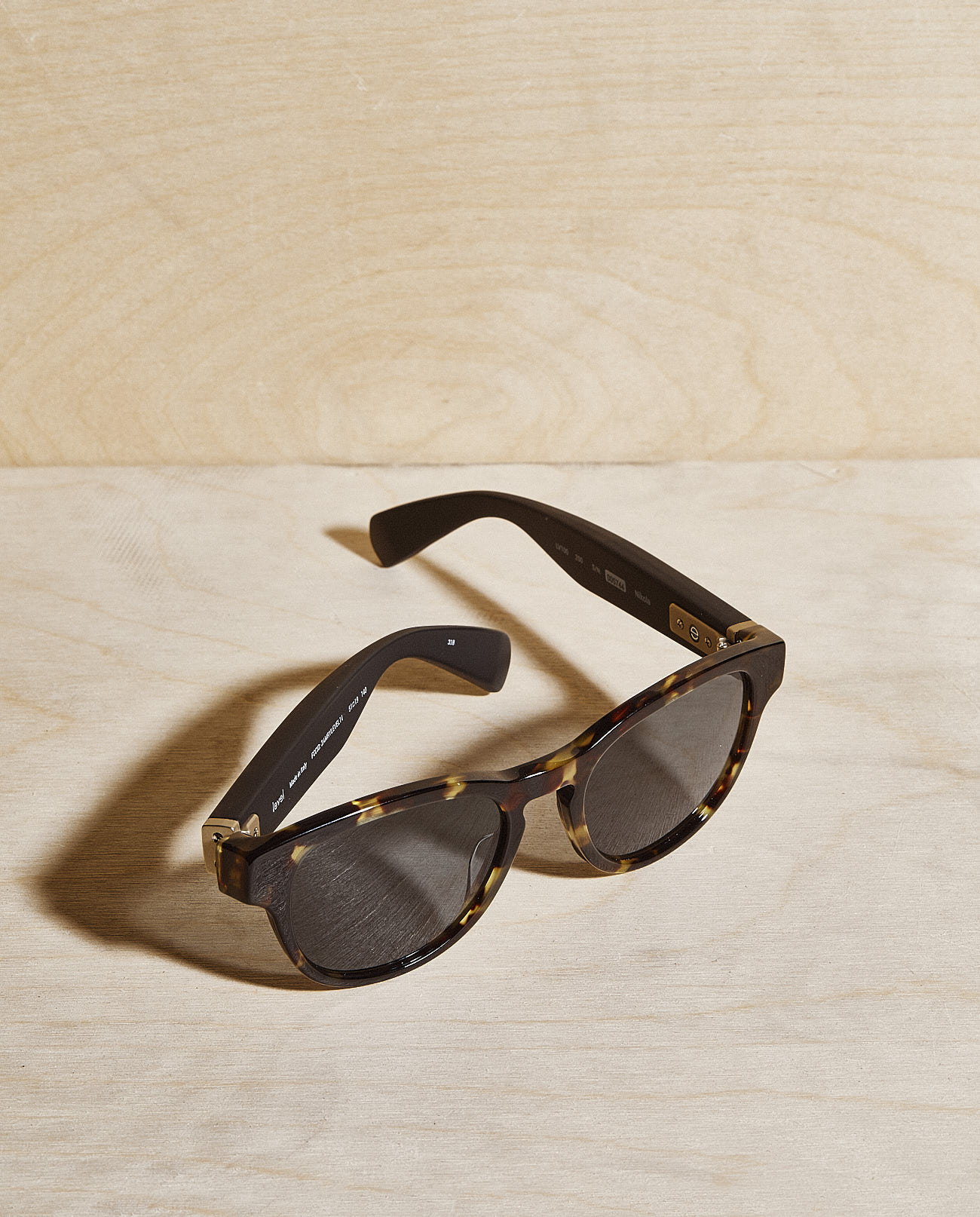
I think it’s important to judge these Level smart glasses on two different merits: one, how they are as a piece of fashion and two, how they are as a gadget. The first is easy: as eyewear, Level blend right in and look like a normal pair of glasses (in my case, sunglasses). In my few weeks of wearing them – I wore the Nikola frames (pictured) – no one mentioned they looked weird. That’s because they don’t. I wore them to my cousin’s wedding and while hiking in Arizona and the fact that they were smart glasses was never brought up. Heck, I almost forgot.

There are things that remind you that Level aren’t standard eyeglasses, of course. They are definitely heavier, but you only really notice this weight difference when you pick them up. They don’t look much bulkier than other eyewear. And when you’re wearing them, they are evenly weighted and don’t feel heavy on your face – I had no issue wearing them for hours at a time. The app, which can send your smartphone occasional updates throughout the day, is the only further reminder that you’re wearing smart glasses.

Level is a good gadget too. As I mentioned before, Level is simple. It tracks steps, calories and somewhat vaguely named “active minutes” – and that’s it. In general, I found that it does a good job of tracking these things. In fact, if you talk to the people behind Level they’ll tell you it does as good a job (or better) at tracking these basic metrics than wrist-bound wearables like the Apple Watch, because glasses are worn centrally on your axis and there’s less noise or movement from extremities.

However, the main issue I found was in using the app to track my progress and overall goals. The wearer is required to open the companion app every 12 hours; if they don’t, the app will automatically log them out and stop pushing notifications to their smartphone. The glasses will still track activity as long as they have battery life, however – which is actually really good, lasting around five days. I rarely opened the app, so I was frustrated, but when I mentioned this to the team behind Level, their answer actually made sense. It boils down to privacy.

VSP Global is a healthcare company that has to comply with HIPAA standards and, because of that, they are legally obligated to treat Level’s data as personal health information: private. This is why you have to create an account through your email, rather than through Facebook or Instagram or any other social platform. The data is the wearer’s and Level isn’t sharing it with anybody. This is also why, if you’re inactive for over 12 hours, the app will automatically make you sign in again from scratch. The app won’t autofill anything for you.

Verdict: Level are really nice, high-quality eyeglasses. They’re also a simply-yet-reliable wearable. Remember, there’s no built-in GPS or heart-rate sensors, and the glasses shouldn’t be expected to track any activities other than running or walking. But if you want to track everyday wellness, and to make sure that you’re at least moving around – Level works well and looks really good, too. Just make sure to open that app more often than every 12 hours.

Key Specs

Frames: Minsky, Hedy, Nikola
Sensors: gyroscope, accelerometer, magnetometer, Bluetooth
Battery: five days
Port: micro-USB

Read More Gear Patrol Reviews

Hot takes and in-depth reviews on noteworthy, relevant and interesting products. Read the Story

Note: Purchasing products through our links may earn us a portion of the sale, which supports our editorial team’s mission. Learn more here.

The 2019 Ducati Scrambler Icon Cannot Be Beat In Terms of the Joy-to-Cost Ratio

The 2019 Scrambler Icon is the second generation of a bike that lit a fire under the whole retro-style motorcycle movement back in 2015. Since then nearly every manufacturer has come out with a competitive model and the neo-retro marketplace has grown crowded, leaving riders spoiled for choice. All the competition has forced Ducati to up its game, and while it’s more of a refresh than an entirely new model, the 2019 Scrambler Icon has been improved in key areas. It remains accessibly priced and un-intimidating to ride, but still retains the character one would expect from a Ducati.

The Good: A much more comfortable seat means time spent riding the Scrambler Icon no longer comes with a major tradeoff. You can now fully enjoy hours on the bike in a comfortable ergonomic riding position without shifting around or standing up regularly to avoid the old set, that had all the plushness of a budget airline cushion. It was a simple fix, but a damn essential one and it totally changes the riding experience.

Who It’s For: tTe Scrambler Icon exists to mint new riders and give novices an entry point to the Ducati family, but there’s plenty here for experienced riders to enjoy too. Anyone looking for a reliable runabout for urban or countryside use will find the bike well suited to the task, and it’s happy to be wrung out when the road gets curvy. After all, it’s still a Ducati.

Watch Out For: The upgraded Kayaba suspension setup might be a bit softly sprung for some veteran riders, especially in curves. When standing up I always found the heel of my boot resting on the exhaust pipe, an issue with many bikes in the Scrambler line — it’d be nice if they moved the pipe back so this wasn’t the case. More substantial foot pegs would go a long way for standing comfort too, as the standard pegs aren’t all that comfortable for an extended period of time. A universal gripe among our riding group was the placement of the kickstand, which is hidden and requires a glance back to properly palce your foot and bring it down on the first try.

Alternatives: As I mentioned before, riders considering a retro style scrambler are spoiled for choice these days. There are a whole lot of alternatives in the segment overall, but for right around or under $10k the Moto Guzzi V7III Rough, Triumph Street Scrambler and Yamaha SCR 950 are solid alternatives. However, the Icon is the freshest of the bunch and definitely packs the most tech.

Moto Guzzi V7III Rough ($9,190)

Triumph Street Scrambler ($10,800)

Yamaha SCR 950 ($8,699)

Review: Given that it was my first time in Tuscany my head was on a constant swivel as we cruised through one real-life watercolor after another. Fortunately, I was immediately comfortable on the Icon so letting my gaze stray from time to time wasn’t problematic.

After our initial run up and over a gradual grade that featured curves with varying degrees of sharpness, I was ready to open the bike up on the way back. The Icon is a quick study and as such, you can get right to having a damn good time on it instead of wondering what its true nature is. I’m not saying I know the Icon inside and out after just a day, but rather that it’s strengths and weaknesses are so apparent that it allows you to relax and just enjoy the ride. First and foremost, the Icon isn’t physically challenging. I’m 5’10 and 160 pounds and felt like I had complete dominion over all 417 pounds of the bike. I could comfortably rest my feet on the ground when stopped as well as maneuver the bike in tight spaces and uneven surfaces with ease. Sure, that’s what one would expect from a bike geared towards riders of all abilities, but there are plenty of manufacturers who fall short of making an entry level model so easy to operate while retaining a legitimately exciting riding experience.

Having quickly achieved a solid level of mental comfort, I took stock of the ergonomics, which were excellent. The BMX style bars are right where they should be, the seat is easy to settle into and I never really had to shift my weight around to be in the right spot. The brake and clutch levers are both adjustable, although they were very much both to my liking as they were — something I come to appreciate more and more as I ride a greater variety of bikes. All the necessary buttons are in the right place as well, from the turn signal to the horn, and I never found myself needing to glance down to see if I was going to hit what I needed to. The gauge cluster position is retained from the first-gen Icon, which is fine since it is perfectly legible even with a quick glance. I didn’t get to test out the new Ducati Multimedia system which allows you to view incoming calls, see messages and change songs via a Bluetooth receiver that goes under the seat, but I imagine it’s a nice feature to have if you’re planning to use the Icon for regular commuting.

As I would learn during the second portion of our riding day, the Scrambler team made damn sure there was plenty of classic Ducati character in this bike. With a stomach full of fresh pasta tiramisu, I set out towards the back of our pack. It quickly became apparent that the afternoon pace was to be a quicker one. I watched as veteran riders began to brake later and lean further over as we hustled through the Italian countryside. As their confidence in pushing the bike grew so did mine, and before long I found myself up towards the front of the group weaving through the hills at a good clip.x

I didn’t set out to test the Bosch cornering ABS system outright, but I was happy to have it come into play when I heard the immediately recognizable sound of an Italian bus horn coming from the far side of a blind corner. Whether the honk was justified or not, it allowed me to find out that cornering ABS is indeed black magic — and the fact that it’s on an entry level bike is a game changer. Braking hard and safely mid-turn isn’t the kind of excitement riders typically seek out, but let me tell you it’ll get your ticker pumping real quick. The more traditional pursuit of a thrill won’t disappoint either as the Icon feels plenty fast with power tapering off around 6,000 RPM. Obviously, the point of the bike isn’t straight-line speed, but that doesn’t mean it won’t put some wind in your sails.

It’s hard to beat the well-balanced formula the Scrambler team has come up with here — an approachable, stylish bike that’ll never get boring.

Verdict: With the addition of an impressive Bosch cornering ABS system that’s trickled all the way down from the flagship Panigale V4S, the Ducati Scrambler Icon has raised the bar for entry level bikes. It’s not that the system itself automatically makes the bike a whole new kind of machine, but rather that it stands as an example of the commitment Ducati has made to having this be a no-excuses bike. In terms of joy-to-cost ratio, the Scrambler Icon cannot be beat.

What Others Are Saying:

• “Ducati is doing what Harley-Davidson wishes it could do right now: appeal to younger generation of riders. They’ve done this by creating an entirely separate brand within the brand, all without losing sight of who they are and where they’ve come from. Ride the Scambler Icon to the land of joy, where youth and honest motorcycling reign.” – Sam Bendall, The Drive

• “It’s easy to brush off the Land of Joy marketing campaign as hipster fluff when seeing the displays and events in the States, but when listening to the idea behind the Scrambler described passionately and thoroughly by Ducati staffers from Bologna, the message is conveyed clearly and genuinely.” – Ryan Adams, Motorcycle

Key Specs

Engine: 803 Desmodromic Air Cooled L-Twin
Transmission: six-speed Chain Drive
Horsepower: 73
Torque: 49 lb-ft
Weight: 417 lbs

Read More Gear Patrol Reviews

Hot takes and in-depth reviews on noteworthy, relevant and interesting products. Read the Story

Note: Purchasing products through our links may earn us a portion of the sale, which supports our editorial team’s mission. Learn more here.

This Tiny Device Attaches to Your Clothing and Tracks Your Stress Levels

Your breath is a powerful tool. Studies have shown that your breath can help control your response to stress, thus helping with your physical and mental health. While breathing can help calm your body physically, learning your body’s stress cues enables you to respond more accurately and calmly to stress. That’s the premise behind Spire’s Health Tags — a breath tracker that monitors the rhythms of your breathing. It can show when you’re stressed, tense, calm and focused, and all in a dog-tag-sized sticker that attaches to your clothing.

The Good: Spire’s Health Tags are small, a breeze to apply and simple to use. It takes seconds to sync your data, and the app gives you as many or as few notifications as you would like. Just peel off the sticker from the back of each tag and press and hold on your boxers or pants waistband. You can wash and dry the tag for up to two years. It’s invisible once on and doesn’t bother those with sensitive skin (in my experience).

Who They’re For: Built for those who are obsessed with their health, this two-inch by one-inch tag also appeals to those who are interested in fitness data but can’t be bothered to wear something on their wrists. If you’re not a Garmin, Apple or Suunto watch lover, we understand. Seiko and Rolex guys will appreciate the wrist space this tracker provides. If you’re getting into monitoring your health data, the Spire Health Tags provide you with active minutes and sleep, two of the most basic (and most needed) fitness stats.

On the other end of the spectrum, health nuts who are obsessed with data and having the latest and greatest piece of technology will appreciate the minute details that went into creating Health Tags. Using your breath, Spire will monitor your calm, focus and tense minutes, sending you reminders throughout the day to work on your breathing if your nervous system puts out a fight or flight emergency. If you’re a superuser of any watch or tracker, these Tags can give you even more information than what you’re getting from your phone right now.

Watch Out For: Health Tags come in a single pack ($50), a three-pack ($129) or an eight-pack ($299). Spire sent me an eight-pack, and throughout the past month, I have yet to stick them all onto clothing. While $299 is comparable to many fitness trackers and less than many GPS trackers, it can be a steep purchase if you’re looking for a way to dip your toes into fitness and health tracking.

I experienced some issues with my sleep tracking during the first week, which then cleared itself up. I was notified that my sleep wasn’t tracking from the night before, but then my sleep data would later register, confusing me and my stats. When I spoke with Jonathan Palley, CEO of Spire, he mentioned this is fixed — as well as a handful of other user-reported bugs. I had to deal with the app not being able to find my Health Tags, but besides one time (while I was writing this), I didn’t have any other Bluetooth connectivity issues.

Once you attach these Tags to your clothes, they are pretty tricky to remove. I was nervous about flying with them because I wasn’t sure how it would show up in security. When I tried to pull it off before my flight, I couldn’t get the Tags to move an inch.

Alternatives: There aren’t that many apps or trackers that base everything off of your breathing alone. For sleep tracking, you can try the Nokia Health or iFit, but both rely on movement and heart rate. Apple, Garmin and Suunto watches all rely on wrist-based heart rate, which pales in comparison to the amount of data gleaned from your lungs and breath rate.

Review: When I first heard about Spire’s Health Tags, I was incredibly skeptical. I test a lot of wearables, each boasting new stats and updated technology that’s guaranteed to help me become faster, stronger and more aware of every single movement I make. The Spire Health Tag is the first tracker I’ve tested that focuses solely on my breath. For years, I’ve heard whisperings of the data my breath can tell me. Breathing is tied pretty closely to mindfulness, and sleep, but developers and tech companies haven’t quite bridged the gap between fitness, health and breathing — until Spire.

About a month ago, Spire sent me the eight-pack of trackers, and I hopped on the phone with them to get the low down. I learned how studies have shown that sensing respiration patterns can reduce symptoms of distress and that negative affect generally decreases while using something like this. I opened up my package of eight and attached them to my clothing. Pop the Tag out of the packaging — set in there like a pack of gum — peel off the back sticker and press firmly into the waistband of your pants, underwear or pajamas, then forget about it. The tracker needs to be in contact with your core to track breathing and movement. The entire process, including downloading the app, and connecting all eighty of the Tags took all of five minutes.

As for how it works? “What we measure is called thoracic expansion, which is what happens when you take a breath,” Palley says. “The muscles that facilitate breathing are below your rib cage, and those expand and contract, so our sensors sense that force.” From that force, the Tag can differentiate between your calm, tense, focus and sleep stages. “When you’re tense, you breathe faster, and more erratically. Your brain is preparing for stress and sucking in oxygen, so you get a very erratic breathing pattern.” When you’re focused, you’re actually in a state of stress, but it’s good stress. “When you’re in the zone and feeling good [about whatever you’re doing] our bodies are activated, we’re not in a calm state, but because we’re focused and confident with what we’re doing, our breathing is faster but very stable. The variability is low.” And then when you’re calm, your breathing is slow with a low variability rate.

After a month of using Spire, I was able to draw a correlation between my meditation moments and my minutes of calm. I could also feel the buzz of the Tag against my core when I started getting tense — which happened during meetings, conversations and other moments that I wasn’t always aware of, until I felt the vibration. Each time I was reminded to start breathing deeper and slower. While I still haven’t figured out the key to lowering stress, I do like that the Tags help me track when I am stressed, even if I don’t realize immediately.

Beyond your mental state, the Tags can also tell when you’re exercising (activity) and when you’re sleeping. The Spire Health Tags use respiratory rate variability and breath rate as well to alert you to a change. During sleep, ‘your breathing becomes more regular, and the variability of breathing goes down as you fall asleep,” Palley says. “For many reasons, we’re more accurate than wrist trackers because we look at the shape of your breath.” It’s how you breathe in and out in a certain way. “That shape becomes regular, and once you cross a certain threshold, you’re asleep,” Palley added. REM and deep sleep are slightly different. “When you go into REM sleep, your breathing rate changes dramatically, the shape of your breath stays similar, but the rate is affected by your dreams. Your breathing reacts to your dream,” Palley notes. Think about those times you fall asleep and then feel like you’re falling and quickly jolt awake. Your breathing is stilted at that point. In a deep sleep, your breathing is perfectly regular. “You’re the perfect metronome,” Palley explains. At the end of every sleep (shown in the app as the day before) you can compare your awake, light sleep, REM sleep and deep sleep minutes to your average, as well as look at how many times you wake up during the night.

While the app doesn’t provide me with any takeaways per say, I sign up for all the LiveInsights that I can. Between three categories (stress, sleep and activity), I register to get notifications every time my breathing gets tense, tips about maintaining healthy sleep habits as well as a notice if I’m sitting for too long. The overall picture of my health is one that doesn’t compare me to anyone else, rather, the app provides me with my averages, so I can evaluate and think about what I want to do to change my stress-inducing habits. In the app right now, there’s no way to look at a stressful moment and record it as something like ‘review’ or ‘conversation with the boss,’ but when I asked Palley about future integration, he sounded hopeful. “Right now, if you go into the detailed view, we have these meaningful moments, but we are working on integrating it into calendars.” Right now, you have to compare it with your calendar, but an update is in the works to add that automatically.

Verdict: If you want a tracker to set and forget, this is the one for you. While I’m a long time fan of my Apple Watch, I never wear it at night, so having the sleep data with the Tags opens up a new dataset rife for comparison. The Breathe feature on my Apple Watch is one of my favorite parts, so having an entire app dedicated just to my breath was fascinating and helpful. Tags can help you establish patterns and evaluate what triggers stress, so you can get to the root of the problem. The Tags buzzed during obvious stressful times — interviews and reviews, but also during conversations I wouldn’t have customarily categorized as stressful. It helped me learn and ‘tag’ those times, plus was a reminder to start breathing more normally again to slow my fight or flight response.

If you’re someone who continually craves more data about your health, the Spire Health Tags are a solid place to start. The stats the Tags provide are way more thorough and unique as compared to many other fitness trackers. I’m especially excited to watch as the app continues to update and change to see what new features the Spire Health Tag will offer.

Spire provided this product for testing purposes.

Read More Gear Patrol Reviews

Hot takes and in-depth reviews on noteworthy, relevant and interesting products. Read the Story

Note: Purchasing products through our links may earn us a portion of the sale, which supports our editorial team’s mission. Learn more here.

Google Pixel 3 Review: Why Can’t My iPhone Do That?

Though it lacked some of the hardware bells and whistles found on the latest iPhones or other premium Android devices, last year’s Pixel 2 still took the best photos of any smartphone, despite featuring what many would consider a simple single-camera system by today’s standards. Now the Pixel 3 aims to extend its lead in mobile photography using a similar playbook.

Both the new Pixel 3 ($799+) and Pixel 3 XL ($899+) feature two 8-megapixel cameras in the front, including a new wider angle option for group selfies. But like the previous models, each variant still sports just a single 12-megapixel camera in the back, albeit with an upgraded sensor. However, more radical upgrades are found under-the-hood, in the form of Google’s exceptional AI and machine learning technology that improves the camera and powers many other cutting-edge features, including a new amazing solution for screening calls from unrecognized numbers.

In even better news, both models finally boast premier hardware specs like a glass back design for wireless charging and modern edge-to-edge OLED screens (that thankfully aren’t marred by blue tinting issues again), despite costing noticeably less than the competition. The only difference between the two size options boils down to bezels. The top of the “XL” features a fairly obtrusive notch that houses the phone’s front-facing camera array and speaker, leaving the rest of the screen free to stretch all the way to the corners. But if the look bothers you, there is an option to hide the notch via a software setting.

Speaking of software, like all Google-branded smartphones in the past, the Pixel 3 ships with the latest “pure” version of Android, meaning its free of third-party bloatware and should receive software updates as fast as Google releases them.

The Google Pixel 3 and Pixel 3 XL are available for pre-order and will officially go on sale starting October 18. They are available exclusively on Verizon or unlocked through Google directly.

|

The Good: The Pixel 3 and Pixel 3 XL are smartphones primed for photographers and Android purists, alike. Both the front and rear camera systems are better than their Pixel 2 predecessors – that’s saying a lot. And higher-quality photos and videos are now easier to capture, thanks to a bunch of new camera features (more details below). Pixels are the also only smartphones equipped with free unlimited high-res photo and video storage through Google Photos, so you don’t need to worry about running out of space. Both versions of the Pixel 3 have bigger and nicer displays, and support wireless charging finally. As for other features, there are a bunch but the coolest one is that you can have Google Assistant answer and screen calls for you; this way you don’t have to answer phone numbers that you don’t recognize. Also, at $799+ and $899+, the Pixel 3 and Pixel 3 XL are around $200 cheaper than Apple’s and Samsung’s flagship smartphones.

Who They’re For: Anybody looking for a smartphone with the best camera system. The new Pixel 3 also offers the purest and most up to date Android experience of any phone. They’re also great for anybody who is deeply invested in Google’s ecosystem of apps or growing line of smart home devices.
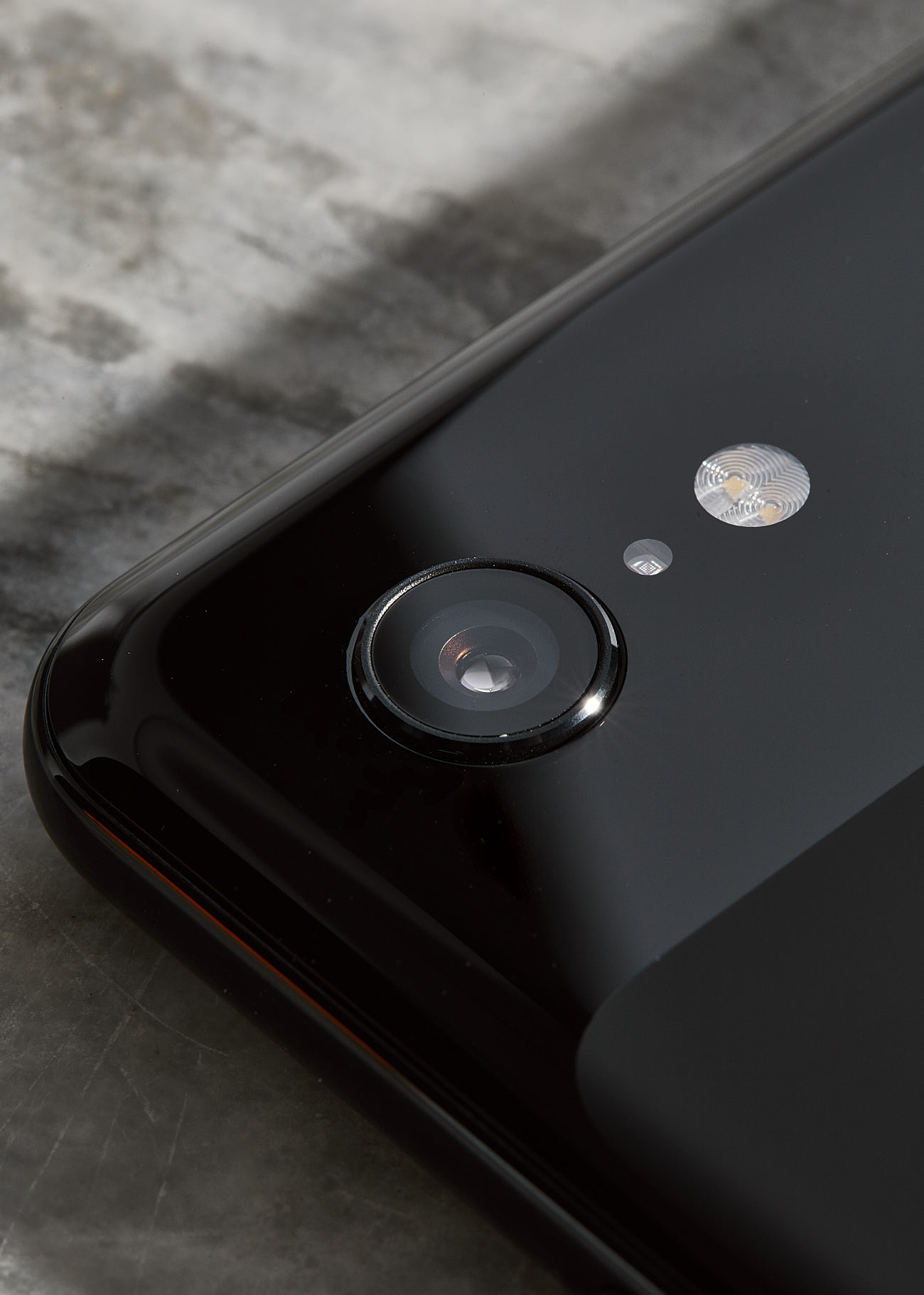
The Pixel 3 has a single-lens rear camera system, just like the Pixel 2, but thanks to an upgraded sensor and some pretty impressive AI and machine learning skills, the Pixel 3’s camera can capture high-quality photos and videos that other flagship smartphones can’t.

Watch Out For: Google still can’t compete with the luxurious aesthetics of Apple and Samsung, so despite being the best Pixel ever made, neither size feels or looks as nice as other flagship options. Their displays aren’t as bright or beautiful as the ones in the iPhone XS and Samsung Galaxy S9 either. A fingerprint sensor on the rear is still the only way you can biometrically unlock the Pixel 3 as well, which feels primitive now. Finally, some of the phone’s coolest touted features, like Night Sight and Driving mode, aren’t available immediately at launch. And per usual, the Pixel 3 is a Verizon exclusive, meaning if you’re tied into another carrier’s upgrade plan, you’re up the creek without a paddle.

Alternatives: Google’s flagship merits comparison to the latest flagships by Apple and Samsung. Both size options of the Pixel 3, however, are noticeably cheaper compared to devices like the Samsung Galaxy Note 9 or iPhone XS. In fact, the price of Pixel 3 is actually more in line with the upcoming iPhone XR ($749+) , which is cheaper because its cameras and display aren’t as nice as the flagship iPhone XS. In this regard, the Pixel 3 poses an interesting question for the next wave of budget-conscious iPhone shoppers: do they want a down-graded iPhone or would they consider switching to a flagship Android, with more features and a better camera system than even Apple’s top-tier models? (The iPhone XR won’t be out until late October 2018, and we haven’t had a chance to test it yet. Until then, we can’t definitely know how it’ll stack up to the iPhone XS or the Pixel 3.)

Review: It seems a bit of a disservice to say that the Pixel 3 and Pixel 3 XL are all about their cameras, but they also mostly are. (And let’s be honest, the camera is the number one thing most smartphone shoppers care about.) That’s not a knock but rather a testament to just how good the photo/video skills of Google’s new smartphones are. Now, most of the camera improvements on the Pixel 3 are software related – and that’s both a bit cool and frustrating. It shows, once again, Google’s serious lead in AI, which enables the Pixel line to offer better performance from one camera than other smartphone manufacturers deliver with two. It also means though that a lot of the new camera features of the Pixel 3 could have probably been rolled out to the Pixel 2 – but they won’t be. That said, many of the Pixel 3’s photo improvements do leverage the upgraded sensor and new dual-front cameras.
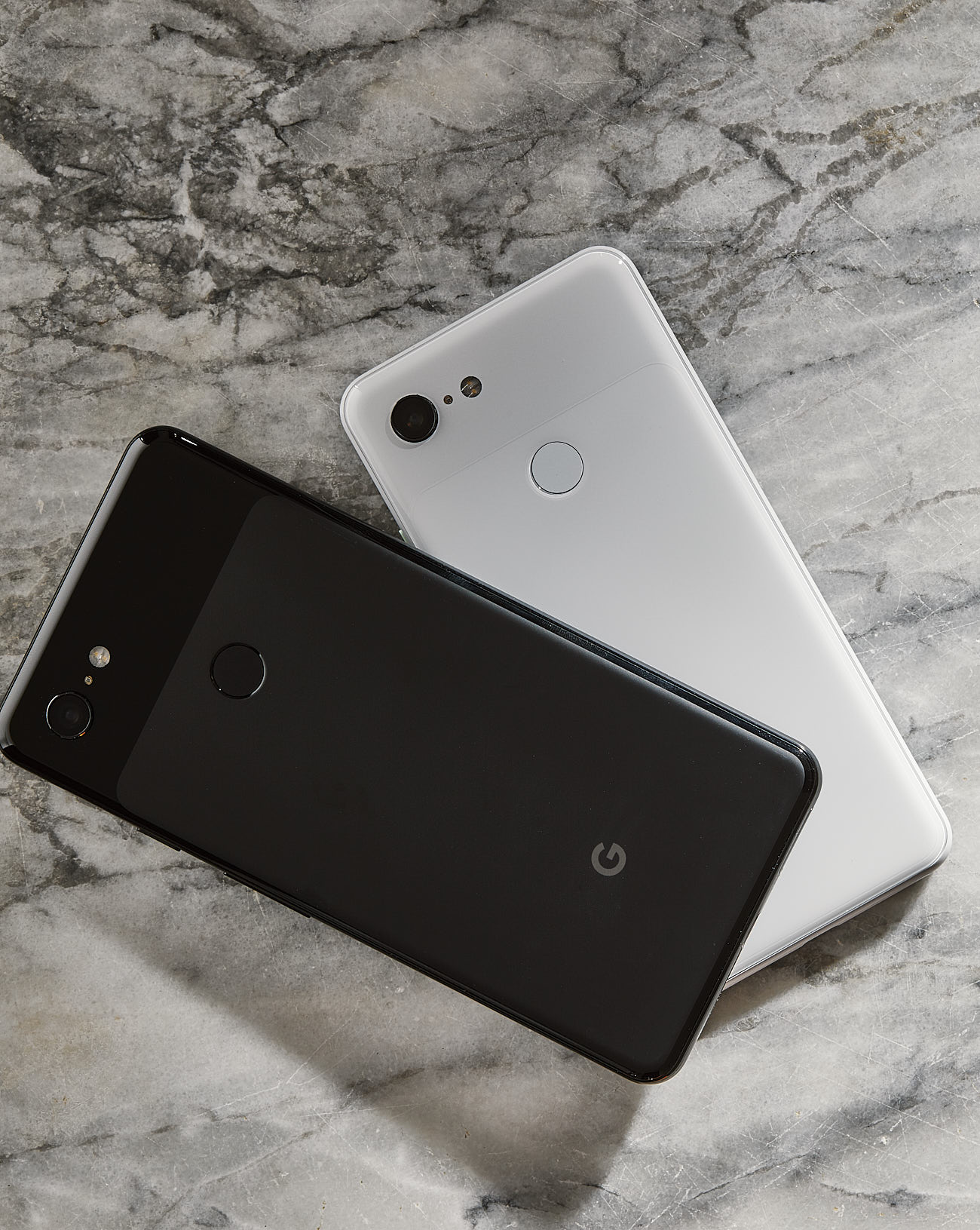
The Pixel 3 and 3 XL are Google’s first smartphones with an all-glass design and can support wireless charging. They’re available in three colors: Just Black, Clearly White, Not Pink.

I’m not going to do a deep dive into all the Pixel 3’s new camera features – although I will detail the ones that I found the most useful. Some of these new features, with admittedly over-the-top names like “Top Shot” and “Playground,” might sound a little gimmicky. But despite the names, a lot them are also pretty cool. Some, not so much. Here’s a brief primer on the new camera features in the Pixel 3 and Pixel 3 XL:

Top Shot: in normal “camera” mode, the Pixel 3 captures a burst of photos right before and after you click the shutter button and then lets you pick which one looks best. This only works with motion photos, for example, if you’re taking photos of a group of people moving around, kids playing at the park or cars driving.

Photobooth: during selfies and when in “Photobooth” mode, the Pixel 3 can tell if you’re looking at the camera or smiling and it will then automatically take a photo (a.k.a. there’s no need to hit the shutter button).

Night Sight: this is ideal for low-light photography. The camera takes several long exposure photos and then combines them into one excellent nighttime photo. (This feature is not available at launch and I was unable to test it.)

Group Selfies: this takes advantage of the new wide-angle front-facing selfie lens and, instead of the normal fish-eye effect or having people get cut out of frame, you’re able to get a 184-percent wider field of view to include more people in the shot.

Fused Video Stabilization: allows you to shoot super smooth videos, in up to 4K resolution, so your handheld videos look like you’re using a gimbal or tripod.

Super Res Zoom: when taking a photo of somebody or something in the distance, you can zoom in and focus on the subject, and the camera will cancel out normal handshake. You’re basically able to take sharper and better zoomed in photos without the aid of a second telephoto lens.

Motion Auto Focus: This feature lets users select a subject (person, car, dog, etc.) to lock on to and keeps it in focus as long as it stays in frame. Essentially, you can take clear and in-focus photos, one right after the other, even if what you’re shooting isn’t standing perfectly still.

A number of these modes and settings really impressed me. Pretty much all flagship smartphone cameras have built-in video stabilization in 2018, but the Pixel 3’s ‘Fused Video Stabilization’ is the best I’ve tested and a clear upgrade over the performance offered by the Pixel 2. I’ve only had the Pixel 3 for a few days, but shooting videos on the subway, in cars and just generally walking around, the videos were so smooth that they honestly looked like I used a professional rig – but no, just my hand (normally very shaky) and the Pixel 3. This video stabilization effected ‘Super Res Zoom’ in much of the same way. I was able to zoom in on something, take a photo, and what would’ve normally been a little bit blurry on my iPhone XS or Galaxy Note 9 was very clear and sharp. The ‘Motion Auto Focus,’ was extremely useful, too. In the camera app, all you have to do is tap the subject that you want to capture and the camera does a pretty great job of staying locked on. I tracked my colleagues as the rolled (in chairs) around the office, my friend’s dogs as they ran wild in a park, and cars that drove slowing through NYC traffic. Pretty much every time I wasn’t in Portrait mode, I was taking advantage of one of those new camera features on the Pixel 3 – yes, they made a big difference.

The ‘Group Selfies’ and ‘Top Shot’ features both worked pretty well, but I don’t think either are the game changers that Google made them out to be at its keynote presentation (you can watch, here). Sure, for people who take a lot of group selfies, or just much want more background in their selfies, ‘Group Selfies’ does as advertised – you get more. However, I’m not one of those people. I found ‘Top Shot’ decent too, but I didn’t take advantage of it as much as I thought I would. The idea is sound – the camera is intelligent enough to detect if somebody or something in the photo is blurry or not looking as good as it could be (like if somebody is blinking or looking away from the camera) but it only really works well when the motion icon is turned “on.” For whatever reason, I had motion turned to “auto,” and it didn’t capture multiple shots unless there was a lot of motion. It’s also worth reiterating that ‘Top Shot’ doesn’t work in Portrait mode and that other manufacturers like Samsung have launched something similar.

There’s also ‘Google Lens,’ which is a feature that allows the Pixel 3’s camera to identify things like plants, certain foods, significant landmarks (like the Empire State Building), and even translate texts, just by opening the camera app, switching to its specific mode and focusing on the subject you’re trying to identify. ‘Lens Suggestions’ does something similar, but with URLs, QR codes or business cards. Both features are pretty interesting, as the camera does all the processing itself (with the help of Pixel Visual Core) and doesn’t need an internet connection to work. However, both are very limited and hit-or-miss. It could identify several business cards and fruits, but not the more abstract plants in my parents’ home.

Maybe the most intriguing new camera feature on the Pixel 3, Night Sight, is the one that I wasn’t able to test. Google is expected to roll out a software update later this year to enable it, and if it works the way Google claims it does, it could make the Pixel 3 by-far-and-away the best smartphone camera for low-light photography. There’s a risk these nighttime photos could look oversaturated and fake, of course, so I’m not going to get too excited until I get to test it out.

I’m not a photography expert, and we’ll do another in-depth camera comparison in the near future, but in the last few days I’ve taken similar photos with the Pixel 3, iPhone XS and the Galaxy Note 9 – and the Pixel 3 is the clear winner in my eyes. Photos are sharper and more detailed, especially compared to the iPhone XS. Over this past week, I took Portrait mode photos with the iPhone XS and Pixel of my dog and family (my dad and brother) and the difference couldn’t be more stark. The iPhone is all about balancing out the contrast, while the Pixel photos showed way more contrast, depth and detail. The Pixel also appears to capture light in a more natural way.

But the Pixel 3 is more than just a great smartphone camera. It’s also arguably the best Android smartphone you can buy. It runs the latest Android operating system, Pie, which not all the latest Samsung devices ship with. There’s no bloatware (proprietary apps that you’ll never use and can’t delete). And it comes with valuable exclusive features. The most interesting one is a call screening feature. Instead of accepting or rejecting a call, the Pixel 3 gives you a third option: “screen your call.” When selected, Google Assistant answers your call for you – it sounds like an automated messaging system – and transcribes the conversation (what Google Assistant and the person on the other line are saying) in real time for you. Google created it as essentially a filter for telemarketers, spammers and numbers that you just don’t recognize – and it works really well. (Although, whenever I used it, the people calling just thought it was an answering machine and promptly hung up without leaving a message.)

In terms of other features, I just scratched the service of what the Pixel 3. Essentially, Google integrated its Google Assistant into most aspects of the Pixel 3 and you can initiate a lot of different things with your voice. Google also brought features that some other Androids have already had, like a Do Not Disturb mode (called “Shhh”) that automatically mutes notifications when you flip the Pixel 3 over, so the screen rests flat on a table or desk. And there will be a Driving mode, where the Pixel 3 can detect when you’re in a car and it’ll automatically mute notifications. (Although, Driving mode is another feature that isn’t available at launch.)
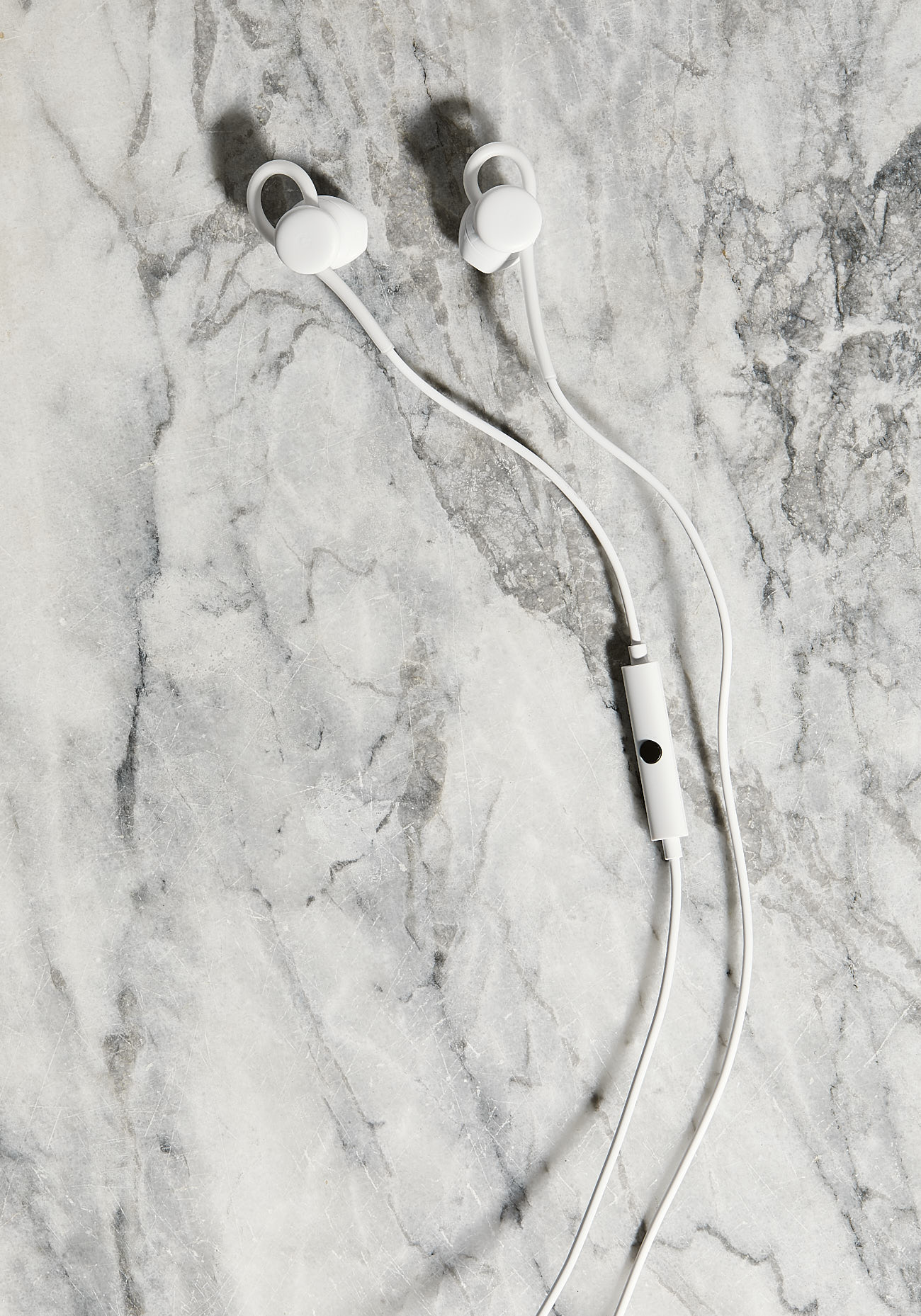
There’s no headphone jack on the Pixel 3, but it does ship with USB-C headphones. If you’re wondering why that’s special – the Pixel 2 did not.

Of the two new Pixel 3 size variants, the smaller Pixel 3 is the one that standouts the most. It has less to do with the Pixel 3 being better than the Pixel 3 XL – it’s not, as they’re identical in everything except for screen size and battery – but that the Pixel 3 doesn’t have the same expectations as its larger sibling. Most people buy bigger smartphones for entertainment; they want to watch shows and videos, as well as play games. Both versions, even though they’re OLEDs, don’t have as bright and as nice displays as the latest iPhones and Samsung smartphones. Also, the notch on the Pixel 3 XL, which the smaller Pixel 3 doesn’t have, isn’t as functional and can look awkward in certain apps.

Basically, if you’re looking for a big-screen smartphone, the Pixel 3 XL doesn’t stand out as much from the pack. And its elite camera and lower starting price might not be enough for those who want a big and bright display. The Pixel 3, on the other hand, feels like the perfect Android smartphone for anybody who wants a smaller phone, high-end features and convenience, and the best overall camera of any smartphone.

Verdict: The Pixel 3 and Pixel 3 XL aren’t perfect. They don’t feel quite as premium as the latest iPhone or Samsung smartphones. And they’re a Verizon exclusive (although anybody can buy an unlocked version), so anybody tied to another carrier’s upgrade plan is kind of stifled. On the flip-side, Google’s latest smartphones do many things by-far-and-away better than anybody else. The front and back camera systems are straight-up ridiculous, better and more accurate than any other smartphone I’ve used based on my initials tests. And they come with features that photographers will love, such as the ability to save RAW and JPEG files, and free unlimited high-res image and video cloud storage via Google Photos. There are almost too many smart and Google Assistant-enabled features to name, as well.

The killer feature, however, might be price. At $200+ less than other flagship smartphones, while still having an even better camera, the Pixel 3 should be a tempting option for any price conscious buyer, regardless of whether they’ve been an Android or iPhone user in the past. Listen, I don’t necessarily think that the Pixel 3 is the iPhone killer that people will inevitably make it out to be. But I do think that its camera, along with its new AI features – especially call screening – are going to have a lot of people asking: why can’t my iPhone do that?

Key Specs

Display: 5.5-inch full screen OLED (Pixel 3), 6.3-inch full screen OLED (Pixel 3 XL)
Rear Camera: 12.2-megapixel dual-pixel (f/1.8)
Front Cameras: dual 8-megapixel wide-angle (f/2.2) and standard (f/1.8)
Processor: Snapdragon 845
Storage: 4GB or 128GB (Pixel 3), 64GB or 128GB (Pixel 3 XL)
OS: Android P
Colorways: Just Black, Clearly White, Not Pink
Best New Camera Features: Motion Auto Focus, Fused Video Stabilization, Super Res Zoom, Night Sight (potentially)

|

Read More Gear Patrol Reviews

Hot takes and in-depth reviews on noteworthy, relevant and interesting products. Read the Story

Note: Purchasing products through our links may earn us a portion of the sale, which supports our editorial team’s mission. Learn more here.

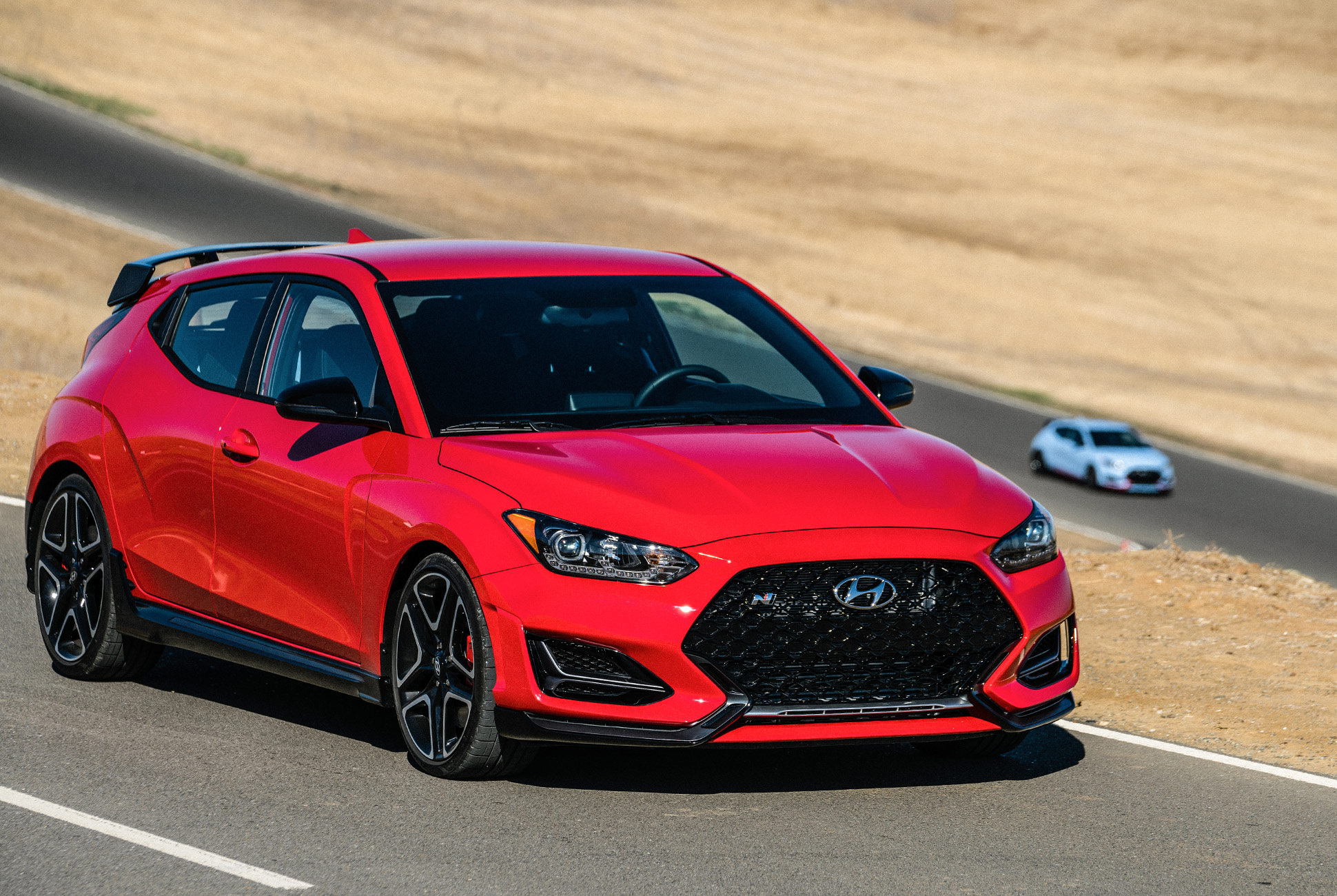
The 575-Horsepower Range Rover SVR Is an Exercise in Pure Indulgence

The Range Rover Sport SVR is the most powerful and agile vehicle produced by the historic luxury SUV manufacturer. It is a Range Rover at its most extreme in terms of speed, handling, presence and premium interior appointments.

The Good: Fantastic performance, in spite of its size. Visibility is excellent and the panoramic sunroof enhances the experience. Great acceleration matched by a sweet exhaust note, backed up by quality handling. When not pushed to the edge, the Range Rover Sport SVR reverts to a comfortable lounge on wheels.

Who It’s For: Anyone looking to make a splash. There’s a surprising amount of competition in this luxury sport SUV segment, and this one certainly leans towards the more outgoing shopper.

Watch Out For: The infotainment system is woefully laggy – most steering wheel inputs change contextually depending on what system you’re using, but even those have odd, slow-to-muddled responses. Though loaded with cameras for parking scenarios, which you’ll very much need, they’re hard to use on the fly. The Bentley Bentayga might up the Range Rover in sophistication, and the Porsche Cayenne has possibly the most refined sportiness of all these, but the Range Rover doesn’t seem to take itself as serious, thus coming across as more fun.

Alternatives: This particular segment caters to an uncompromising crowd, one that wants utility, sportiness, and luxury in one package, and they’re willing to pay for it. As such, there’s more than a few vehicles that can challenge the Range Rover Sport SVR. These include:

BMW X5 M ($101,700, base)

Bentley Bentayga V8 (approx. $168,000, base)

Porsche Cayenne Turbo ($124,600, base)

Review: I keep coming back to the word “decadent” each time I look at the Range Rover Sport SVR. Even in a traditionally subtle grey, the whole thing oozes flash, thanks to its carbon fiber accents and generally massive presence. This is only amplified when I think about the 575-horsepower supercharged V8 under the giant ventilated hood. Like a thick, quadruple-chocolate dessert, it’s layers of unnecessary indulgence, and I absolutely loved it.

This is hardly the first SUV to cater to the uncompromising demand for utility vehicles that also perform like sports sedans, can handle a modicum of rough terrain and are luxurious enough to arrive at a film premiere. It keeps in good company with cars like the Bentley Bentayga, BMW X5 M and the wildly successful Porsche Cayenne Turbo. But those vehicles seem to have a level of seriousness about them that the SVR lacks. It feels unapologetically ridiculous and is all the better for it.

Attuned to more road-going activities than off-road wandering, the Range Rover Sport rocks a modern, sleek exterior made all the more aggressive with the SVR’s ventilated carbon fiber composite hood. Additional carbon fiber touches round out the look, adding the sporty-looking material to the grille, side vents and door mirrors. Further accents will be found throughout, as well as SVR badging and red brake calipers to complete the look. Even in one of the subtler grey paint jobs, the SVR managed to turn a few heads during my time with it, even in during the few instances where I didn’t have the active exhaust dialed up to its loudest setting.

The SVR doesn’t look dressed for a safari like the Range Rovers of old. It’s not even that suited for formal occasions. Instead, the Range Rover Sport SVR is dressed for a night out of dinner, club-hopping and lounge… lounging.

As such, like anyone still in their evening party attire the next day, the SVR is awfully conspicuous during daily errands, though it doesn’t make it any less fun or capable. With seats for five, even a fully-laden SVR has about 25 cubic feet of cargo space. There’s ample headroom and legroom for all, and befitting a car descended from exploratory vehicles, the visibility from all angles is stellar.

It’s the interior where the Range Rover begins to falter. This isn’t due to lack of comfort or really any design choices. The interior is quite sleek, but a byproduct of this streamlining is an infotainment system that puts a run in the SVR’s stockings.

The Touch Pro Duo is the two-screen touch interface in which Land Rover packs all the car’s features. You get the usual media, navigation and car settings on the 10-inch main screen, but it’s supplemented by a smaller screen directly beneath it. This shares some of the burden by accommodating some phone and music options, but its also tied into the climate control and drive select settings.

Relegating a majority of commands to a touchscreen looks great on paper and, for sure, there are tons of features that don’t need their own physical button, but the execution ends up being far trickier than anticipated. To be fair, there are physical knobs for temperature controls and radio volume, as well as buttons for the Range Rover’s different terrain-traversing settings, but both screens end up demanding far more driver attention than they should be, and that’s when it works right.

Putting aside the other quirks of this system for a moment, the ultimate issue of the interface is that there’s significant input lag on just about everything. Tapping or swiping has that half second of delay or slow transition to the menu you wanted to activate. It doesn’t seem like a lot but this lag would be annoying even on a handheld tablet, let alone in a car. Furthermore, fractions of a driver’s attention are precious and are already stretched thin when an all-touch-everything interface holds all the systems you need. It doesn’t let up on the steering-wheel-mounted buttons either, which inexplicably suffer from the same issue. Doing things on the fly is very much a chore, and the car needs a good solid static setup session before rolling out. Having a co-pilot doesn’t hurt, either.

To lend a hand or not, it won’t be difficult to lure additional occupants to join you in the SVR. In its most docile stance, the car still makes itself known, both visibly and audibly, but it’s well-behaved, particularly for passengers. Comfort mode provides a smooth, luxury experience with a soft ride and gentle acceleration. For the driver, the steering softens up, and the whole experience notably contrasts its performance settings.

Though street-capable, the SVR is still a Range Rover, providing preset modes ready for snow, mud, sand or rock-crawling. Hill descent is standard, as is all-wheel drive, and the SUV can wade through 33.5 inches of water, though, that’s akin to taking your dressiest boots through a hike in the woods.

Supposing you heard of a secret race track only accessible in the woods and you used the Range Rover’s all-terrain tackling tricks to get there, the SVR is pretty much ready to traverse that, too. First off, the supercharged 5.0-liter V8 has an impressive 575 horsepower and 526 pound-feet of torque to offer up, launching the car from 0 to 60 in 4.3 seconds, according to Land Rover. This routes through an eight-speed automatic with paddle shifters, and rides on a chassis enhanced over other Sport iterations. Dialed up to Track, the car’s eager to launch up to its 176 mph top speed.

In its most aggressive setting, the V8 is unchained and throttle response is snappy. The surge forward is enhanced by the unadulterated roar of the wide-open active exhaust, and – to my great surprise – the handling was there to put it all to use. Thanks to Land Rover’s Special Vehicle Operations, the SVR has improved damping hardware to better control the body in instances of heavy braking or sharp turns. This translates into an SUV that suddenly feels lighter and smaller than it actually is. On drives through back roads, I kept finding instances to test the SVR through corners I didn’t think it’d be able to take without great effort, only to be delighted that the car managed them just fine. And forget the highway, putting your foot down transforms the SVR into a tidal wave of furious metal.

“It doesn’t have to do any of this,” I kept saying to myself. As if the standard Range Rover or Sport needed to have supercar power and track-ready handling. But I was glad that it did. In essence, it became an impenetrable luxury terrarium that provided the most serene capsule for me and my guests, all while traversing through all sorts of the different environments we came across, urban, rural and everything in-between. All that extra enhances even the most mundane duties an SUV can be tasked with. It’s unbelievably extra in every way (including price), and it’s equally as satisfying.

Verdict: The Range Rover Sport SVR is an exercise in pure indulgence. All the extra horsepower and handling capabilities are far beyond what’s expected or required, which makes it an unapologetic delight. Throw in its built-in off-road capabilities and it’s a luxury cocoon ready to carry you through any situation.

What Others Are Saying:

• “Although it is far from what we would regard as a genuine performance car in anything other than its astonishing acceleration, it is still remarkably well rounded.” – Mike Duff, Car and Driver

• “The Touch Pro Duo interface… [is] frustratingly slow to respond, as were the gauge cluster menus when using the steering wheel controls.” – Kyle Cheromcha, The Drive

• “It sounds quick, it feels quick, it is quick, equally at home running hard in the left lane on the freeway as it is storming an open, sweeping two-lane back road. This is a Range Rover with the grunt, the grip, and the brakes of a genuine performance car.” – Angus MacKenzie, Motor Trend

2018 Range Rover Sport SVR Key Specs

Engine: 5.0-liter supercharged V8
Transmission: eight-Speed Automatic
Horsepower: 575
Torque: 516 lb-ft
Weight: 5,093 lbs
0-60: 4.3 seconds
Top Speed: 176 mph

Read More Gear Patrol Reviews

Hot takes and in-depth reviews on noteworthy, relevant and interesting products. Read the Story

Note: Purchasing products through our links may earn us a portion of the sale, which supports our editorial team’s mission. Learn more here.
Spire Health Tag Review: Just Tag, Breathe and Go

Your breath is a powerful tool. Studies have shown that your breath can help control your response to stress, thus helping with your physical and mental health. While breathing can help calm your body physically, learning your body’s stress cues enables you to respond more accurately and calmly to stress. That’s the premise behind Spire’s Health Tags — a breath tracker that monitors the rhythms of your breathing. It can show when you’re stressed, tense, calm and focused, and all in a dog-tag-sized sticker that attaches to your clothing.

The Good: Spire’s Health Tags are small, a breeze to apply and simple to use. It takes seconds to sync your data, and the app gives you as many or as few notifications as you would like. Just peel off the sticker from the back of each tag and press and hold on your boxers or pants waistband. You can wash and dry the tag for up to two years. It’s invisible once on and doesn’t bother those with sensitive skin (in my experience).

Who They’re For: Built for those who are obsessed with their health, this two-inch by one-inch tag also appeals to those who are interested in fitness data but can’t be bothered to wear something on their wrists. If you’re not a Garmin, Apple or Suunto watch lover, we understand. Seiko and Rolex guys will appreciate the wrist space this tracker provides. If you’re getting into monitoring your health data, the Spire Health Tags provide you with active minutes and sleep, two of the most basic (and most needed) fitness stats.

On the other end of the spectrum, health nuts who are obsessed with data and having the latest and greatest piece of technology will appreciate the minute details that went into creating Health Tags. Using your breath, Spire will monitor your calm, focus and tense minutes, sending you reminders throughout the day to work on your breathing if your nervous system puts out a fight or flight emergency. If you’re a superuser of any watch or tracker, these Tags can give you even more information than what you’re getting from your phone right now.

Watch Out For: Health Tags come in a single pack ($50), a three-pack ($129) or an eight-pack ($299). Spire sent me an eight-pack, and throughout the past month, I have yet to stick them all onto clothing. While $299 is comparable to many fitness trackers and less than many GPS trackers, it can be a steep purchase if you’re looking for a way to dip your toes into fitness and health tracking.

I experienced some issues with my sleep tracking during the first week, which then cleared itself up. I was notified that my sleep wasn’t tracking from the night before, but then my sleep data would later register, confusing me and my stats. When I spoke with Jonathan Palley, CEO of Spire, he mentioned this is fixed — as well as a handful of other user-reported bugs. I had to deal with the app not being able to find my Health Tags, but besides one time (while I was writing this), I didn’t have any other Bluetooth connectivity issues.

Once you attach these Tags to your clothes, they are pretty tricky to remove. I was nervous about flying with them because I wasn’t sure how it would show up in security. When I tried to pull it off before my flight, I couldn’t get the Tags to move an inch.

Alternatives: There aren’t that many apps or trackers that base everything off of your breathing alone. For sleep tracking, you can try the Nokia Health or iFit, but both rely on movement and heart rate. Apple, Garmin and Suunto watches all rely on wrist-based heart rate, which pales in comparison to the amount of data gleaned from your lungs and breath rate.

Review: When I first heard about Spire’s Health Tags, I was incredibly skeptical. I test a lot of wearables, each boasting new stats and updated technology that’s guaranteed to help me become faster, stronger and more aware of every single movement I make. The Spire Health Tag is the first tracker I’ve tested that focuses solely on my breath. For years, I’ve heard whisperings of the data my breath can tell me. Breathing is tied pretty closely to mindfulness, and sleep, but developers and tech companies haven’t quite bridged the gap between fitness, health and breathing — until Spire.

About a month ago, Spire sent me the eight-pack of trackers, and I hopped on the phone with them to get the low down. I learned how studies have shown that sensing respiration patterns can reduce symptoms of distress and that negative affect generally decreases while using something like this. I opened up my package of eight and attached them to my clothing. Pop the Tag out of the packaging — set in there like a pack of gum — peel off the back sticker and press firmly into the waistband of your pants, underwear or pajamas, then forget about it. The tracker needs to be in contact with your core to track breathing and movement. The entire process, including downloading the app, and connecting all eighty of the Tags took all of five minutes.

As for how it works? “What we measure is called thoracic expansion, which is what happens when you take a breath,” Palley says. “The muscles that facilitate breathing are below your rib cage, and those expand and contract, so our sensors sense that force.” From that force, the Tag can differentiate between your calm, tense, focus and sleep stages. “When you’re tense, you breathe faster, and more erratically. Your brain is preparing for stress and sucking in oxygen, so you get a very erratic breathing pattern.” When you’re focused, you’re actually in a state of stress, but it’s good stress. “When you’re in the zone and feeling good [about whatever you’re doing] our bodies are activated, we’re not in a calm state, but because we’re focused and confident with what we’re doing, our breathing is faster but very stable. The variability is low.” And then when you’re calm, your breathing is slow with a low variability rate.

After a month of using Spire, I was able to draw a correlation between my meditation moments and my minutes of calm. I could also feel the buzz of the Tag against my core when I started getting tense — which happened during meetings, conversations and other moments that I wasn’t always aware of, until I felt the vibration. Each time I was reminded to start breathing deeper and slower. While I still haven’t figured out the key to lowering stress, I do like that the Tags help me track when I am stressed, even if I don’t realize immediately.

Beyond your mental state, the Tags can also tell when you’re exercising (activity) and when you’re sleeping. The Spire Health Tags use respiratory rate variability and breath rate as well to alert you to a change. During sleep, ‘your breathing becomes more regular, and the variability of breathing goes down as you fall asleep,” Palley says. “For many reasons, we’re more accurate than wrist trackers because we look at the shape of your breath.” It’s how you breathe in and out in a certain way. “That shape becomes regular, and once you cross a certain threshold, you’re asleep,” Palley added. REM and deep sleep are slightly different. “When you go into REM sleep, your breathing rate changes dramatically, the shape of your breath stays similar, but the rate is affected by your dreams. Your breathing reacts to your dream,” Palley notes. Think about those times you fall asleep and then feel like you’re falling and quickly jolt awake. Your breathing is stilted at that point. In a deep sleep, your breathing is perfectly regular. “You’re the perfect metronome,” Palley explains. At the end of every sleep (shown in the app as the day before) you can compare your awake, light sleep, REM sleep and deep sleep minutes to your average, as well as look at how many times you wake up during the night.

While the app doesn’t provide me with any takeaways per say, I sign up for all the LiveInsights that I can. Between three categories (stress, sleep and activity), I register to get notifications every time my breathing gets tense, tips about maintaining healthy sleep habits as well as a notice if I’m sitting for too long. The overall picture of my health is one that doesn’t compare me to anyone else, rather, the app provides me with my averages, so I can evaluate and think about what I want to do to change my stress-inducing habits. In the app right now, there’s no way to look at a stressful moment and record it as something like ‘review’ or ‘conversation with the boss,’ but when I asked Palley about future integration, he sounded hopeful. “Right now, if you go into the detailed view, we have these meaningful moments, but we are working on integrating it into calendars.” Right now, you have to compare it with your calendar, but an update is in the works to add that automatically.

Verdict: If you want a tracker to set and forget, this is the one for you. While I’m a long time fan of my Apple Watch, I never wear it at night, so having the sleep data with the Tags opens up a new dataset rife for comparison. The Breathe feature on my Apple Watch is one of my favorite parts, so having an entire app dedicated just to my breath was fascinating and helpful. Tags can help you establish patterns and evaluate what triggers stress, so you can get to the root of the problem. The Tags buzzed during obvious stressful times — interviews and reviews, but also during conversations I wouldn’t have customarily categorized as stressful. It helped me learn and ‘tag’ those times, plus was a reminder to start breathing more normally again to slow my fight or flight response.

If you’re someone who continually craves more data about your health, the Spire Health Tags are a solid place to start. The stats the Tags provide are way more thorough and unique as compared to many other fitness trackers. I’m especially excited to watch as the app continues to update and change to see what new features the Spire Health Tag will offer.

Spire provided this product for testing purposes.

Read More Gear Patrol Reviews

Hot takes and in-depth reviews on noteworthy, relevant and interesting products. Read the Story

Note: Purchasing products through our links may earn us a portion of the sale, which supports our editorial team’s mission. Learn more here.
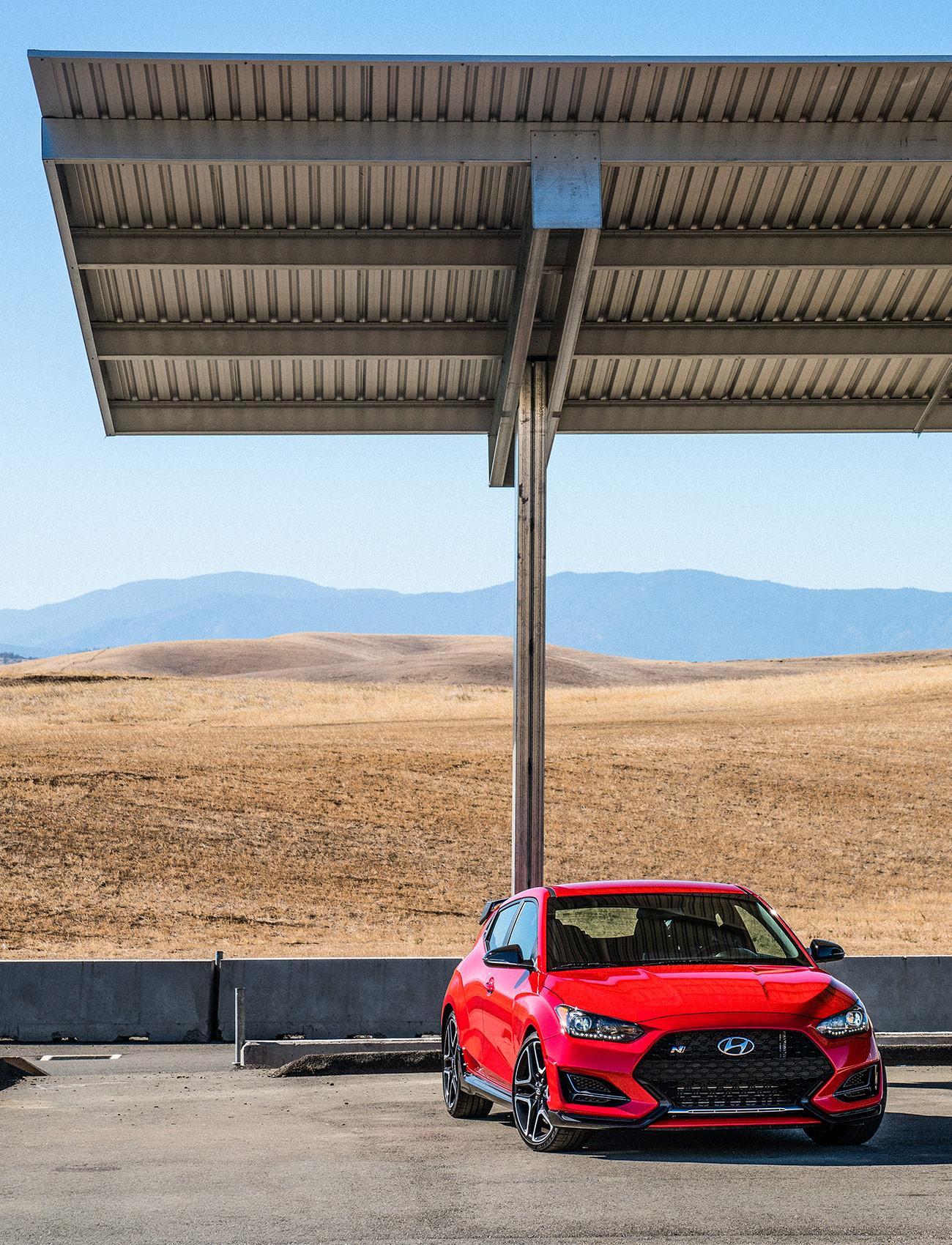
The Volkswagen Sportwagen Is a Longer, Better Golf – the Ultimate Automotive Achievement

The Volkswagen Golf SportWagen is the full station wagon version of VW’s iconic Golf hatchback. It offers the hatchback’s trademark quickness and handling with more cargo space provided by an extra foot in length. It’s the cheaper of Volkswagen’s two Golf wagon variants. It does not come with the AllTrack’s raised suspension, off-road body cladding and standard all-wheel drive.

The Good: Quick acceleration. Precise steering and cornering. SUV-level cargo space. Premium-feeling interior. Available six-speed manual.

Who It’s For: Discerning and enthusiastic drivers on a budget who need cargo space and hold their noses up at buying a crossover. Manual transmission diehards.

Watch Out For: 4Motion fuel economy underwhelms. Low ride height. Beige cloth interior shows dirt.

Alternatives: Other true station wagon options with a starting price under $27,000 include:

• Subaru Outback ($26,345, base)

• Mini Clubman ($24,900, base)

• Volkswagen Golf AllTrack ($25,955, base)

Review: The Volkswagen Golf may be the ultimate automotive achievement. The iconic German hatchback has an unbroken production run spanning nearly 50 years with only modest tweaks. It’s the perfect combination of practicality, affordability and fun. Well, not quite perfect. Kids have a lot of things now. Some buyers need a bit more space in the boot. Volkswagen has them covered with the one foot longer Golf SportWagen.

The Sportwagen had simple goals. Keep the pep and precision handling from the normal length Golf. Add more cargo space. Volkswagen, for the most part, achieved them. Like a proper Volkswagen, the Golf SportWagen provides the premium driving experience for its segment and price point.

I own a Golf SportWagen. My daily driver is a 2016 S with a manual and FWD; I took a hard look at the newest model year Sportwagen with my wife. How did it compare with her old Ford Escape? I had trouble getting the keys back from her.

The Golf SportWagen is a driver’s car. To describe it in a word, it’s smooth. The steering is responsive. It corners deftly. It has substantial relative torque (184lb-ft) and a turbocharger. I’m a manual transmission man, but VW’s automatic felt intuitive and accelerated evenly. The AWD on my tester was almost imperceptible. It felt grippier off the line than my car, though that could have been the brand new Hankook tires. The SportWagen is not fast per se. But, it’s quick – two-ish seconds faster 0-60 than the base Subaru Outback – which is what matters in everyday driving.

Car writers can sound creepy writing about suspensions. I don’t want to refer to a car as “buttery” or “supple.” But, the SportWagen delivers a comfortable ride. My tester handled atrocious Michigan roads for a week without complaint. Ditto for a year spent with my 2016 model. The latter endured rutted dirt roads and cobbles on a trip to Nantucket with notable serenity.

Driving aside, the SportWagen is practical and crossover-SUV practical. The extra foot permits an additional 12.8 cubic feet of cargo space over the standard Golf with the seats folded. That volume places the SportWagen ahead of the GMC Terrain and Mitsubishi Outlander and a hair short of the Ford Escape. Anecdotally, I fit a week’s worth of luggage for three, two dogs, baby gear, miscellaneous household items and some beer cases on a recent road trip with room to spare and without obstructing my visibility. For families, the latch points are easy to access. For whatever reason, VW shoulder straps have a lot more give than others, perfect for installing a car seat that way.

Does the Golf SportWagen look cool? Not exactly. From some angles, it looks like a standard Golf. From other angles, it looks like a sporty, aerodynamic wagon. From a couple of angles, it looks a bit dowdy and wide-assed. The Sportwagen is simple and there’s nothing aggressive going on (headlights excepted). If you need some macho off-road body cladding, the more expensive Golf AllTrack may be your option. Where the SportWagen excels is on the interior. VW makes cheap look expensive. It’s well-designed. It feels like you entered an Audi. It draws unsolicited compliments.

The Golf SportWagen is good value. It undercuts most wagons and crossover SUV competitors on the front end. My SportWagen S with 4Motion tester totaled to $25,930 – lower than a base Subaru Outback. Opting for the manual or FWD can bring that sticker price below $25,000. You won’t get the Subaru resale and residual value on the back end. VW crazies are after those sweet refurbished diesel wagons. But, that can also be a positive, if you’re looking to score a lightly used model.

Fuel economy is a mixed bag. Dieselgate left the SportWagen with one engine option, the trusty 1.8L four-cylinder. FWD versions (25/34 mpg) are on par with wagon and crossover competitors. The 4Motion hurts the efficiency. EPA rated my tester at 22/29 mpg and 24 mpg combined. I exceeded that in the wild, according to the car. My tester got about 27-28 mpg combined over a week of moderate, mostly city driving. My 2016 FWD manual gets about 30 under normal conditions and 40-plus on extended freeway trips.

Not all is perfect. The SportWagen can feel strained under a full passenger load (or with one relatively heavy passenger). You are low to the ground. Visibility out from the car is fine; it’s seeing around the “commanding” crossovers and trucks around you that can be an issue. The seat height can also be more trouble than a crossover for the older and less nimble. Choose the darker interior. I have the lighter one. Dogs, children, beverages, and other miscellaneous fluids will leave their mark.

VW did announce some changes for 2019. I disqualified the Golf SportWagen from our best value family car conversation because you could not get both 4Motion and driver assistance features on the S trim. That conundrum has been resolved. AWD SportWagens will keep the 1.8L, but FWD versions will get the more efficient 1.4L engine from the Jetta, with only 147hp. Softening that blow, however, will be the torque. The 1.4L will produce the same 184lb-ft of torque and the 1.8L will get a bump to 199 lb-ft.

Verdict: Not everyone can afford a Volvo V90CC. For the rest of us wagon-loving drivers out there, there’s the Volkswagen Golf SportWagen. There may be valid reasons to opt for the competition in this price range. The driving experience won’t be one of them.

What Others Are Saying:

• “True, wagons have fallen out of fashion, and it’s unlikely that the SportWagen’s looks alone will inspire the envy of onlookers. But anyone who watches the SportWagen swallow a Home Depot haul will have no choice but to be impressed.” – Annie White, Car and Driver https://www.caranddriver.com/reviews/2018-volkswagen-golf-sportwagen-in-depth-model-review

• “With predictable styling and a classic demeanor, the 2018 Golf SportWagen isn’t going to make people stop and stare. Yet to those who understand what this little wagon was meant to do, to those folks, it will be one of the most beautiful vehicles on the road today.” – Mike Musto, Auto Nation http://autonationdrive.com/2018-volkswagen-golf-sportwagen-review/

• “Its dynamics remain a step ahead of competitors, but the Golf SportWagen lags behind the field when it comes to fuel economy and safety features, which may turn off some buyers.” – Brian Wong, Cars.com https://www.usatoday.com/story/money/cars/2018/04/21/review-volkswagens-golf-sportwagen-puts-sport-into-wagon/536756002/

2018 Volkswagen Golf SportWagen S w/4Motion Key Specs

Engine: 1.8L I4 Turbo
Transmission: six-Speed Automatic
Horsepower: 170
Torque: 184 lb-ft
Weight: 3,325lbs
0-60: 7.0 Seconds

Read More Gear Patrol Reviews

Hot takes and in-depth reviews on noteworthy, relevant and interesting products. Read the Story

Note: Purchasing products through our links may earn us a portion of the sale, which supports our editorial team’s mission. Learn more here.

Review: The New Apple Watch Is the Best Smartwatch You Can Buy, And That Might Be Its Only Problem

Last year, the big upgrade Apple made to the Series 3 (now $279+) Apple Watch was the addition of LTE capability. Pay your cellular provider an extra $10-ish each month, and you could use cell data to receive calls, texts and emails, plus, stream Apple Music on your wrist – all without your iPhone nearby. There were other subtle upgrades (it was better fitness tracker and Siri could speak) but the design of the Series 3 was basically the same as the Series 2 (now defunct) and Series 1 before it. That changed with the Series 4 ($399+).

The Series 4 is the first Apple Watch to have a real hardware redesign (although it still has a square look and rounded edges like its predecessors). It has a 30-percent larger, edge-to-edge display. It has a snappy new processor and it comes in two new sizes, 40mm and 44mm, that are both noticeably thinner than the Series 3’s 38mm and 42mm sizes. The speakers, antennas (for cell reception) and fitness sensors have all been improved, too. And the solid red dot that was on the rotating crown of the Series 3, which indicated that it was an LTE model, is now a thin red circle on the Series 4.

There are two other features that make the Series 4 different. First, there’s fall detection. With the improved gyroscope and accelerometer, the Series 4 is able to distinguish between a real fall and a fake one, and if it detects a real fall it’ll ask you if you need help. It can call emergency services or an emergency contact (and it’ll also siren really loud).

The other new feature is that the Series 4 is the first Apple Watch to have an electrical heart sensor (ECG or EKG). Run the ECG app (FDA-approved) and place a finger on the watch’s crown, and Series 4 will be able to measure the electrical charges across your heart and thus will act as a basic test (but won’t replace an actual doctor and electrocardiogram) for potential cardiac problems. In the demo Apple did at its keynote this function looked really nice, but the EKG app and feature won’t be available until a software upcomes later this year (so I wasn’t able to test it.)

|

The Good: The Apple Series 4 is an all-around better version of Series 3, which had been the previous best smartwatch you could buy, meaning that the Series 4 is now, hands down, the best smartwatch you can buy. It’s an exceptionally good fitness tracker with all the sensors you’d want, including GPS and a heart-rate sensor. And for Apple Music subscribers, it’s great for running because you can listen to music with or without your iPhone nearby; you can download playlists on both the LTE and GPS models. The battery life is decent, lasting roughly 1.5 days, and you can initiate Siri without pressing any buttons; just say “Hey Siri” as you would with your iPhone (although this is a feature of WatchOS 5, not exclusively Series 4). The fall detection works surprising well and it’s pretty difficult to fool it. And the rotating crown has haptic feedback now, so you get a little buzz everytime you scroll between apps, which is nice.

Who It’s For: Anybody with a Series 1 or Series 2 Apple Watch should definitely consider upgrading. The difference in the display, speed and all-around functionality, not to mention battery life with the new WatchOS, is night-and-day compared to Apple Watches that are several years old. If you bought a Series 3 within the past year, you have a more difficult decision to make. The Series 4 is definitely better and has a “cool factor” that the Series 3 lacks, but you probably won’t notice that big of a difference.

Watch Out For: It’s expensive. The smallest (40mm) and cheapest Series 4 starts at $399, but if you want the larger model (44mm) that goes up to $429. And both of those are GPS-only models. If you want a Series 4 with LTE, that starts at $499. The ECG app and feature isn’t available yet. And even though the fall detection works well on the Series 4, I feel like it would be superfluous for most people.

Alternatives: The obvious alternative is the Apple Watch Series 3 ($279+), which is now considerably cheaper than the Series 4. It’s not as pretty or fast, but it’s still an excellent fitness tracker and all-around smartwatch.

Review: I’ve worn the Series 3 pretty extensively over the past year, testing it for a few months when it first came out (before moving on to test another smartwatch) and then taking it to Squaw Valley to see how it worked as a ski tracker. Heck, it’s my smartwatch of choice when I’m off the clock – I love it. That said, never in the past year has somebody come up to me and asked me about it, which I’m guessing is because it looked like any previous Apple Watch. Well, in the two weeks of testing the Series 4 I’ve had over a handful of people – including two strangers – ask me if they could look at it.

Even though the Series 4 is conspicuously different than the Series 3, it also, as I mentioned before, feels very much like an Apple Watch has in the past. It’s faster, yes. Its screen is prettier, yes. Its speaker louder and its connectivity is better, yes and yes. But none of those things change the way you interact with the Apple Watch every day that much. What I’m saying is that basically, after a few hours of using the Series 4, I kind of unconsciously forgot that I was wearing the new Apple Watch rather than the one that I was wearing for most of the past year.

I think part of the reason why the Series 4 and the Series 3 feel so similar is that I use them in basically the same ways. As a runner and an Apple Music subscriber, I can leave my iPhone at home and still listen to music. And I can answer calls, some iMessages and check notifications quickly, without having to reach for my iPhone. The new features that only the Series 4 can take advantage of, ECG monitoring and fall detection – I don’t think I’m the person to best utilize them. As 29-year old whose is healthy and works out, I’m not too concerned about my heart health. (Also, I couldn’t test it out if I wanted because the ECG app isn’t out yet.) And I’m not too concerned about falling and hurting myself.

The fall detection works impressively, though. To test it out, I laid a bunch of couch cushions on the ground and tried to fall as naturally as I could. If I did it well enough, I got the “It looks like you’ve taken a hard fall” alert. (For a more interesting demonstration, I suggest watching the Wall Street Journal‘s video, featuring some real-life stuntwomen.) However, I exercised with the Series 4 for two weeks and took it hiking when I was in Arizona for a destination wedding (fancy!) and I only triggered it once. And that one time was when I was watching a soccer game – I’m a big Liverpool FC fan – and one of our strikers missed an open goal, so I slammed the floor with my fists in frustration. My watch buzzed and asked me if I had fallen. LOL.

While neat, I don’t think the fall detection feature on the Series 4 is for typical Apple Watch wearers. It’d probably be a good alternative to Life Alert for elderly folks who live by themselves, but then there’s the issue of charging every day-and-a-half – and I can’t picture many grandparents I know doing that. That said, I do think fall detection could be a great feature for aggressive athletes or people who are constantly doing dangerous outdoor activities, like mountain biking or climbing. For most people, like me, however, I don’t think it’s something they’ll use very often.

The Series 4 does have a few other features that I found charming. The haptic feedback of the rotating crown, in particular, is nice because it makes scrolling and landing on the app you want easier and more accurate. To get the most out of the new haptic feedback, however, you should probably switch the app layout from the default honeycomb grid to a list view. And you can do this by going to the Home screen and long-press on the honeycomb app layout.

Apple’s new motion-graphic watch face, which was designed specifically for the Series 4, is pretty too; it makes the watch look like it’s on fire or that you’re staring into a well of antiquity. (Also interesting watching the video of how Apple made this watch face, here.)

Verdict: The Series 4 is the best smartwatch ever. That’s clear to me. Its main problem is that last year’s Series 3 is also still so damn good. (And now it’s relatively cheap, too.) Because of that, most people who own a Series 3 won’t notice that much of a difference between their current Apple Watch and the new Series 4 – besides its fancy display and new slender design, of course. There’s also the issue that Series 4’s most hyped new features, fall detection and ECG, won’t impact how the majority of Apple Watch users use it; Apple has clearly targeted the older generation here, making the Apple Watch more universal, which is great but ultimately it didn’t affect my experience much. The Series 4 is wonderful, beautiful and easy upgrade for anybody with an Apple Watch Series 2 or older, but the conundrum comes for those who currently have a Series 3. $399+ isn’t super cheap, after all.

What Others Are Saying:

• “Still, the new Apple Watch is perhaps one of the most significant developments in wearable gadgets in years. People with heart problems can easily use the EKG app to take electrocardiograms whenever they sense something abnormal, without the rigmarole I went through. And the data can be shared immediately with their doctor, which could open a conversation about next steps, like going in for a visit or modifying treatment. For everyone else who doesn’t have a confirmed heart condition, this feature will not immediately be a selling point.” — Brian X. Chen, The New York Times

• “The Series 4 feels like it has been through a needed maturation process, with refinements to the screen, the battery, the cellular connectivity and more. And its new potentially lifesaving EKG and fall-detection features make it desirable for people who might well remember the Eisenhower administration.” — Joanna Stern, Wall Street Journal

• “The Series 4 displays take up so much more of the face of the watches that the new 40mm watch’s display is larger than the display on the old 42 mm models — the new small watch has a larger display than the old large watch..” — John Gruber, Daring Fireball

Key Specs

Size: 40mm or 44mm
Chip: W3 Apple wireless chip
Sensors: barometric altimeter, gyroscope, accelerometer, optical and electical heart sensors
OS: watchOS 5
Connectivity: Bluetooth 5.0
Battery: Up to 18 hours
Water resistant: 50 meters

|

Note: Purchasing products through our links may earn us a portion of the sale, which supports our editorial team’s mission. Learn more here.

Now You Can Send Texts from the Woods… with Satellites!

Among our fears of entering the wilderness — bears, snakes, witches — getting stranded is perhaps the most rational. It doesn’t happen often, but when it does, it can be disastrous. Thankfully, there are a host of companies making GPS-enabled devices to prevent precisely that scenario, and serve as SOS beacons should things go awry.

Spot might be the most popular of the bunch. For years its simple beacons have provided backcountry-goers with the ability to call for help with the push of a button and to send pre-programmed messages to loved ones back home. This year it complicated things (in a good way) with the Spot X, a keyboard-equipped device that lets users send and receive texts and emails via satellite as well as create breadcrumb trails and waypoints for navigation.

The Good: The Spot X stands apart as the only GPS device currently available that can send and receive text messages and emails via satellite without the presence of a phone connected via Bluetooth. That means you only have to worry about keeping one device charged, which is a boon given the rate that a cell phone’s battery drops when service is unavailable. Additionally, the Spot X comes with an assigned US cell phone number, which means that anybody with it can send text messages to it.

Who It’s For: Frequent backcountry travelers. If your outdoor pursuits don’t take you beyond the local trails that you know quite well, you might not need a Spot device (especially if those areas are in cell service). But, if you’re the type to frequent genuinely off-grid locations, either by yourself or with a group, Spot X can prove to be a critical layer of safety for you and assurance for others.

Watch Out For: The Spot X has a host of fun features (the ability to share your adventures on social media, for instance) but it’s still primarily a tool for safety in the backcountry, not a gadget like your smartphone. Navigating its user interface with its arrow buttons is a bit clunky, and punching in messages with the tiny and stiff letter buttons will immediately flush up memories of texting on a flip phone. A more serious flaw is that messages sent to the device are deleted after 72 hours of it being off, so users should know this and plan to sync messages frequently if using Spot X as a primary means of communication. Also, be aware that Spot devices (and most other GPS units) require a monthly subscription fee that offers different tiers of service, just like cell phone plans.

Alternatives: Garmin’s inReach Mini ($350), which also came out this year, is the closest competitor. It’s pricier, but it’s also smaller and maintains the ability to send and receive text messages, albeit with a cell phone on-hand. Garmin’s larger inReach Explorer+ ($450) also has this capability.

Review: An emergency beacon is one of those things that can seem like excess for all but those who are participating in National Geographic-style expeditions; they’re not. Our team learned this during a recent trip to New York’s Adirondacks, a hiking destination consisting of over six million acres. The mountains are small in comparison to the famous peaks of the west, but they’re remote — even some of the nearby towns and villages still don’t have cell coverage — and characterized by fast-changing weather that can put even the most experienced hikers in perilous situations.

The peak that we decided to tackle was Mt. Marcy, the tallest in the state. Mt. Marcy is a highly-trafficked peak, and we planned carefully (and even postponed our trip due to unforeseen weather conditions) before attempting it. We didn’t expect to need the Spot X’s emergency functions and stuck to the trail map instead of its somewhat rudimentary wayfinding capabilities, although we did use it to confirm our location using coordinates. The 14-mile trail offered close to zero cell phone reception though, which made it an ideal place to test the Spot X’s other functions, which are newer and less-proven by the company’s older devices.

Two-way texting is the newest feature to debut on a Spot (also commonly referred to as Find Me Spots or EPIRBs). The machine, which is about the size of a Blackberry but with a big antenna, can accomplish this because it not only has access to the Globalstar satellite network but also has an assigned US cell phone number, functions like an older phone in many ways. When you want to send a message, you navigate to a list of contacts, select one, and begin the timely task of typing it in using its tiny and stiff keyboard.

Contacts have to be added prior using Spot’s online interface — you can’t just punch them straight into the device like you would your cell phone. It’s not a step you can miss because the Spot X does require setup, and its manual is very straightforward on guiding you through this process (I did it in about 15 minutes the night before our hike). That’s okay, too, because you don’t buy a Spot X for carefree texting on the trail, you buy it for safety concerns.

I programmed three contacts into our Spot X: my cell phone, my email and my girlfriend’s cell phone. I subscribed all of these to “Check In,” a pre-programmed message (I chose “Everything all good! This is where I am”) that can be sent with the push of a button along with GPS coordinates that show the user’s location on Google Maps. An hour into our hike, I sent one of these digital pigeons on its way and was later notified of a response: “Glad everything is okay, but I think you have the wrong number,” it read. I had not, it turned out, forewarned my girlfriend that she might receive our coordinates from time to time (she’s so nice).

Her response validated the Spot X’s primary calling card: the ability to receive messages. She sent it from her iPhone, from an office building in Manhattan and it reached me on top of a saddle between two peaks during our approach. I checked my phone to confirm that cell service was nonexistent — I received these “Check In” messages later when we went back to town. Then I slowly punched a reply into the Spot X’s keyboard, wishing for half a second that it came with T9.

Verdict: Plain and simple, Spot X works. An SOS button is something you never want to use, but the ability to send and receive text messages from the bottom of a ravine or a remote summit, where cell phone service is nonexistent, is something of a marvel. The device itself is somewhat clunky, but that’s okay — it’s a safety tool, not an iPhone.

What Others Are Saying:

• “Finally, a device that will send texts independently, without a linked smartphone. In that niche, the X indeed delivers. It is the only device to do so. However, the improvements offered by the X are eclipsed by the nearly simultaneous release of the tiny Garmin InReach Mini. The Mini is much smaller than the SPOT. It requires your smartphone for efficient texting, but the signal coverage is better.” — Jediah Porter, Outdoor Gear Lab

• “This product would be so much better it was just a streamlined satellite-based two-way SMS (only) messaging device with an SOS capability, pre-defined messages, ad hoc text messaging, and tracking, that didn’t require a computer to activate and use. I think SPOT underestimated how difficult it is to implement a new graphical user interface from scratch on proprietary hardware. They’ve also missed the boat in not integrating the device with Smartphones, which have become the defacto single device that most backcountry users and travelers want to use instead of a proprietary unit.” — Philip Werner, Section Hiker

• “As a standalone device, it should provide easy two-way communication and tracking from nearly anywhere on the globe at a price many can afford. And ultimately, that should help provide more peace of mind when far off the grid.” — Sean McCoy, Gear Junkie

Key Specs

Weight: 6.8 ounces
Battery Life: Up to 240 hours, depending on mode
Subscription Required: Yes, starting at $12/month

Read More Gear Patrol Reviews

Hot takes and in-depth reviews on noteworthy, relevant and interesting products. Read the Story

Note: Purchasing products through our links may earn us a portion of the sale, which supports our editorial team’s mission. Learn more here.
Volkswagen Tiguan Review: The Style You’d Expect from VW but None of the Charm

The Tiguan is Volkswagen’s redesigned compact crossover SUV. With a longer wheelbase, expanded cabin space and sedate style, it is more stately than the first generation, still sold for now as the “Tiguan LImited.” The Tiguan was designed specifically for the American customer, with all that entails.

The Good: Classy exterior for a crossover. Clean, premium feeling interior. Tons of space in the trunk and the first two rows of the cabin.

Who It’s For: Explicitly, the American compact crossover SUV buyer. The Tiguan buyer wants style and practicality and has little concern with driving dynamics, leaving the pavement, or maximizing value for the price point.

Watch Out For: Soft steering. Inconsistent acceleration. Tiny, borderline useless third row of seats. A conspicuous lack of fun.

Alternatives: Other family-oriented compact crossover SUVs in this price range include:

Honda CR-V ($24,250, base)

Toyota Rav4 ($24,660, base)

Subaru Forester ($24,295 base)

Review: Volkswagen debuted the redesigned Tiguan with a meteor commercial. The SUV held a large amount of stuff, and it took an apocalyptic external scenario to make driving the Tiguan feel exciting. That is a fair summation. The Tiguan is not a terrible car – it’s just boring. You expect more from a “Tiger Iguana” than a ferocious yawn.

German companies know how to build drivers’ cars, even on a Volkswagen budget. The scariest phrase to read in a German manufacturer press release is “designed specifically for the needs of American customers.” American customers aren’t flying around the Nürburgring. They want room in the caboose and for their cabooses. They want cup holders and USB ports. They need the car to stay straight on the way to Costco. The Tiguan is, indeed, what Germans think American customers want.

I’ll start with the good. The Tiguan is smart looking. It’s not stylish per se. But, it looks like a sane, rational adult designed it. The lines are clean. The proportions are correct. There’s nothing weird, aggressive, or neon. That sobriety is refreshing in the crossover SUV market. The Tiguan also has a clean, considered Volkswagen interior that somehow makes cheap materials feel more expensive than they are. Looks alone will be enough for many buyers.

To be honest, though, the revamp may have been overkill. If the first generation Tiguan was your kooky, fun friend from college who needed some refinement, the second generation is him a decade later, 20 pounds heavier, and prattling on about his middle management job. Objectively, he’s more useful and suited to requirements. But, you kind of liked him better before.

The Tiguan is quite practical. The cabin is spacious and comfortable. Large people fit. Average-sized folks have almost too much space to move around. The second-row bench seat can recline and move back and forth seven inches. It does have a third row, technically. But, that third row serves little functional purpose. It is the smallest I have seen on a vehicle. As an average-sized male, I could not close the second row back up. I could barely fit across the two seats horizontally. When you fold down that tiny, useless third row, however, you get a capacious trunk. I was able to lay my son’s behemoth stroller flat and vertically and still had enough space for a full grocery shop.

Charm fades when you shift the Tiguan into drive. The second generation is longer, heavier and less powerful (down to 184hp from 200hp) than the first. It handles like it. Many fun to drive cars share Volkswagen’s famed MQB platform. The Tiguan is not one of them.

The steering felt soft and imprecise, a particular sin for a Volkswagen. My Sportwagen dives right into sharp turns. In the Tiguan, I found myself slow banking in the middle of an intersection. The throttle was finicky. Neither my wife nor I could find consistency with it during a week of driving. Rapid acceleration felt jerky with the engine’s auto stop/start, turbo lag and the more than occasional premature upshift. Sometimes the acceleration caught the turbo full bore. Sometimes things were normal. It was never predictable.

One could forgive the Tiguan’s imprecise driving dynamics – crossover buyers tend not to be performance driving enthusiasts – if the car, say, got good gas mileage. It doesn’t. EPA rated my FWD tester for 24mpg combined. The FWD version of the Honda CR-V, for comparison, gets 30 mpg combined.

VW does offer an array of driver assistance features with the Tiguan. Those include forward collision warning, autonomous emergency braking with pedestrian monitoring and a blind spot monitor with rear traffic alert. That’s an $850 option on the S trim and supposed to be included with the SE. My SE tester, somehow, did not have them. It did include the $1,200 panoramic sunroof package. Normally, I don’t care for sunroofs because I don’t look straight up while driving, I don’t notice any ambient natural light and they don’t make the car feel like a convertible. I don’t like presenting an inviting target for divebombing birds. This one did a decent job damping down the road noise and left me sweating because it was 87 and humid.

Pressed for an overall driving impression from the Tiguan, my wife responded: “it’s fine.” I understood what she meant. The Tiguan looks like a Volkswagen. It’s practical like a Volkswagen. It offers the most disengaged, utterly unmemorable driving experience I have ever experienced in a Volkswagen. I was not sad to see the Tiguan go after a week. A couple times I forgot I had it and had to walk back inside to swap keys.

The Tiguan may be “enough” for the Crossover SUV market. But, there are more fun crossovers. There are more efficient crossovers. There are more capable crossovers. There are cheaper crossovers. Some, such as the Honda CR-V and the Subaru Forester are all of the above.

Verdict: The Tiguan looks like a Volkswagen. It’s practical like a Volkswagen. It has none of the precise driving and charm one would expect from a Volkswagen. The noteworthy part is just how forgettable it is. There are better options in the Crossover SUV market. There are more economical options. There are options that are both.

What Others Are Saying:

• “The problem is that this two-ton package (when the driver is in place) is propelled by an overwhelmed 184-hp 2.0-liter turbo-four engine. And despite its 221 lb-ft of torque being routed through a strong eight-speed automatic, the Tiguan’s engine rarely feels comfortable when pressed at speed.” – Mark Rechtin, Motor Trend

• “A good compact crossover is like a good winter coat: it’s nothing to get excited about, but its ability to satisfy several functions can be very pleasing. The 2018 Volkswagen Tiguan is like a good winter coat.” – Robert Duffer, Chicago Tribune

• “Volkswagen, hungry for US-market sales in the wake of a public-image nightmare, has done what’s needed to make the Tiguan more appealing to American crossover shoppers: make it bigger and more comfortable.” – Murilee Martin, Autoweek

2018 VW Tiguan SE Key Specs

Engine: 2.0L turbocharged inline-four
Transmission: 8-speed automatic
Horsepower: 184
Torque: 221 lb-ft
Weight: 3,777 lbs
0-60: 8.2 seconds
Fuel Economy: 22/27/24 mpg

Read More Gear Patrol Reviews

Hot takes and in-depth reviews on noteworthy, relevant and interesting products. Read the Story

Note: Purchasing products through our links may earn us a portion of the sale, which supports our editorial team’s mission. Learn more here.

Can Ford’s ST Treatment Actually Make a Boring Family Hauler Fun?

Ford wants to stay cool and relevant to all car shoppers, even as the American giant turns almost all its attention away from cars and focuses on SUVs. The 2019 Edge ST is meant to straddle the line between maximum cargo space plus a providing a comfortable ride and providing corner-carving handling with the spirit of a muscle car. In that sense, the Edge ST ushers in a new era for Ford, as it dabbles with the idea of a muscle SUV.

The Good: Until now, the sky has been the limit when it comes to cramming horsepower into an SUV. The only problem: the best ones often carry nosebleed prices. The Ford Edge ST is a more affordable alternative for SUV shoppers whose budget doesn’t stretch to the realms of Porsche and Range Rover.

Who It’s For: The Edge ST could help save marriages. Rather than being forced to ditch that beloved sports car for something infinitely more practical – and deathly dull – this Ford sport-utility offers a dose of Mustang-like attitude in a handier wrapper. The rear seat is spacious, the cargo area is huge and the performance (mostly) lives up to the hype.

Watch Out For: Affordable doesn’t mean inexpensive. The Edge ST carries a starting price of $43,350, before factoring in options. When it’s fully loaded with every available convenience and safety feature, the price of the Edge ST can easily zoom past $50,000. Also, why doesn’t 335 horsepower feel more exciting? The culprit: a curb-weight in excess of 4,400 pounds.

Alternatives: Luckily for Ford, the Edge ST doesn’t have many direct rivals. Other performance SUVs cost thousands more once you start adding options. Except they also carry far more prestigious luxury badges than this blue oval product.

2018 Porsche Macan ($48,850, base)
2018 Alfa Romeo Stelvio ($43,290, base)
2019 BMW X4 ($51,445, base)

Verdict: The 2019 Edge ST is a sporty mainstream SUV that stands out from the crowd. It has usable performance but never punishes you with a rock-solid ride or hair-trigger gas pedal. If anything, the 335-horsepower 2.7-liter turbocharged four-cylinder feels a little too tame. Still, Ford estimates the run from 0-60 mph takes less than six seconds.

Review: The 2019 Ford Edge ST shows that Ford engineers aren’t concentrating all their collective brain power on cupholders and USB outlets. Earlier this year, when Ford announced it would stop selling sedans in the U.S. market within the next 4-5 years, the automotive world wondered what that would mean with regard to the company’s future offerings.

Thankfully, one of the few non-SUV reprieves was granted to the Mustang, the automaker’s muscle car mainstay for more than 50 years. With a refreshed Edge SUV now arriving at dealerships, the timing was right for Ford to prove it’s still a company that cares about horsepower and handling – even when the vehicle is wrapped in a sport-utility shell.

From the outside, the Edge ST announces its intentions with a gloss-black grille and side window surrounds, along with body-colored mirrors and LED headlights and fog lamps. There are six colors available, though no matter when exterior color you choose, you’re going to get a black leather cabin to match.

While I’d love to see a little more choice in terms of interior colors, the Edge is a pleasant place to spend hours behind the wheel. The ST-specific front seats are nicely bolstered, without looking or feeling too boy-racer. The infotainment system is also vastly more intuitive and easy to use than some of Ford’s most recent systems. Only the lower half of the center console, which looks surprisingly devoid of buttons (and style) seemed out of place.

In many ways, the Edge ST nicely manages the balancing act between family-hauler and speed machine. The 335hp provided by the 2.7L four-cylinder engine is enough to get the Edge ST down the road quickly, and with little hesitation. Strangely, Ford doesn’t quote exact figures when it comes to acceleration, though the company does say the Edge ST will sprint from 0-60 mph in “less than” six seconds. The substantial weight of the Edge ST – a whopping 4,477 pounds – makes this figure all the more impressive. Top speed is pegged at 130 mph.

On the open roads outside of Park City, Utah, the engine sometimes felt too well-behaved for its own good. Unless you press the Sport button, located in the center of the rotary gearbox control, the Edge ST doesn’t deliver much in the way of exhaust growl and grumble. Maybe that’s another reason why the impression of speed is eerily muted?

You can use the paddle shifters fitted to the steering wheel, except they’re small and plasticky, with the tactile feel of a mid-1990s video game controller. That being said, the eight-speed automatic transmission does a fine job when left to its own devices. With four-wheel drive fitted as standard, the Edge ST returns a 17 mpg in city driving and 24 mpg on the highway. For comparison, a 2018 Porsche Macan powered by a 252-horsepower 2.0L turbo four-cylinder delivers 20 mpg city, 25 mpg highway.

Powering through winding country roads, the handling is accurate and lets you place the Edge ST exactly where you want it. The suspension has been specially tuned for the ST and you can tell Ford didn’t want to go overboard when it came to firming up the ride. The ride is stable and comfortable, even with the 21-inch wheels and Pirelli P Zero summer tires fitted to our test models. These bigger wheels and stickier tires come with the optional ST Performance Brake Package ($2,695), which also includes performance brake pads, calipers painted Colorado Red, and 13.6-inch ventilated front and rear discs. If you don’t need such an aggressive footprint or massive stopping power, 20-inch alloys are standard and all-season tires are available.

We couldn’t talk about a Ford SUV and not mention some boring stuff. Luckily for the 2019 Edge, the boring stuff is pretty impressive. The 39.2 cubic feet of cargo capacity behind the second-row seats is cavernous; the rear seat is also useful by adults. Standard safety equipment includes forward collision warning with dynamic brake support, automatic emergency braking with pedestrian detection, blind spot monitors, rearview camera, lane keep assist, automatic high beams and rear cross-traffic alert.

So yes, the Edge ST is a Ford SUV that provides some true driving thrills, along with enough cabin room for runs to soccer practice and trips to IKEA. As a family vehicle, it has enough menace to be the cool alternative to other me-too SUVs.

2019 Ford Edge ST Key Specs

Engine: 2.7-liter turbocharged four-cylinder
Transmission: eight-speed automatic;all-wheel drive
Horsepower: 335
Torque: 380 lb-ft
Weight: 4,477 pounds
0-60: Top Speed: 130 mph

Read More Gear Patrol Reviews

Hot takes and in-depth reviews on noteworthy, relevant and interesting products. Read the Story

Note: Purchasing products through our links may earn us a portion of the sale, which supports our editorial team’s mission. Learn more here.

Bulova’s Dive Watch Reissue Offers Convincing Vintage Design at a Reasonable Price

The name “Devil Diver” might not mean much to your average Joe, but say that around a watch geek, and you’ll see their ears perk up. The Bulova Devil Diver isn’t an iconic watch in the way that maybe a Rolex Sub, or an Omega Speedmaster is. But to the enthusiast crowd, it’s well-known as both 1) an idiosyncratic — thanks to its depth resistance listed out in “666 feet,” rather than “200 meters” — and ubiquitous dive watch from the ’60s and ’70s, and 2) a relative bargain on the vintage watch market, even today, as prices steadily grow for such things.

Given the popularity of vintage watches (and old divers in particular), it’d only make sense that Bulova would capitalize upon this with a reissue of the original Oceanographer “Devil Diver.” And the brand essentially did this twice; once with a limited, spot-on recreation of a vintage reference with the help of the vintage watch nuts at Analog/Shift, and a second time with a slightly less accurate (though cheaper) mainstream model that most enthusiasts will actually end up getting their hands on. The watch here is the latter, and while Bulova had to make some design compromises, it’s still a watch worth gawking at.

The Good: What’s astounding about this watch is that, despite its low price point, it does not skimp on detailed design work, and much of it will be to the delight of vintage watch enthusiasts. It’s the small vintage cues that make the difference, notably the elements on the dial and the feel of the bracelet. Factor in the fact that the watch runs an automatic movement, and you have a hell of a lot of dive watch for just under $800.

Who They’re For: That said, you can get a decent example of a vintage Devil Diver for around the same price as the reissue, so what’s the benefit of getting this one? Well, you can actually dive with it, for one. So those who like the vintage look want to actually use the watch in some capacity, even if its just a dip in the pool, can wear the new model with confidence. Outside the water, it’s as eye-catching as any tool watch you can get under a grand, so you can feel good about “desk diving” with it, too.

Watch Out For: Arguably the biggest drawback with the mainstream version compared to the limited edition is the ballooning in size to 44mm, compared to 40mm, which was the size of the original watch. Thais may deter some purists, but fortunately, the cushion case wears relatively small, though it’s still a noticeably large watch. Other than that, I have a quibble with the placement of the spring bars. If you decide to swap in a Nato — as one usually does at some point with a dive watch — you’re gonna have to swap out the “fat” spring bars that come with the watch for narrower ones just to get the Nato to slide through. And even then it’s a tight squeeze, necessitating a little bending of the spring bar to accommodate a strap, especially if it’s a thicker “seatbelt” type.

One more thing: because this watch uses a Miyota 812A — which uses an “indirect” seconds hand — the seconds hand will pause or “stutter” when the watch is shaken or undergoes any sudden movement. There’s nothing wrong with the watch and, according to Worn & Wound this doesn’t affect accuracy — it’s merely a small, aesthetic oddity.

Alternatives: If you want a cheaper option but the Bulova’s basic aesthetic, Seiko’s beloved “Turtle” reissue is a good alternative, as it features the same type of cushion case and a much lower price ($495). That said, you’re going to miss out on a lot of the Bulova’s finer vintage details. If you don’t mind paying a bit more, Zodiac’s Super Sea Wolf 53 ($1,095+) is another accurate recreation of a vintage dive watch icon, and at 40mm it’ll wear much smaller if you’re put off by the Devil Diver’s rotund proportions.

Review: A watch is just one of those things you can’t truly appreciate until you see it in person, but that goes doubly so for the Bulova Devil Diver. This is a watch that, more than pretty much any other dive watch in its price range, seems to put details above all else. Start, for instance with the dial: the most prominent elements here are the applied hour indices that are comprised of clear plots filled with lume, and held on by tiny pegs at the bottom. There are much simpler ways to apply lume to a dial, but if Bulova went that route, it wouldn’t look like a reproduction of the original, and we wouldn’t be here talking about it.

The same could be said about the applied Bulova logo at the 12 o’clock position which, in a similarly retro move, appears to be cut from one piece of metal rather than from separate letters. This sits on a matte black dial which, in certain light, casts an almost navy blue-like hue. This is adorned with red crosshairs (matching the red on the bezel), and the text at six o’clock is convincingly old-school. Even the font on the date wheel — an element that could easily be phoned in — looks like Bulova pulled it from the original model (and the wheel utilizes a date magnifier, a design facet rarely seen on modern watches.

Given how much attention was paid to these details, it feels like a bit of a letdown that the watch comes in at 44mm, presumably to appease most of the watch market that tends to prefer larger-sized timepieces. Fortunately, the watch wears somewhat smaller than the actual measurements would suggest thanks to a cushion case design, which wears comfortably, but the watch still has a significant wrist presence. Also aiding in comfort is the bracelet, which unlike many modern watch bracelets feels thin, light and flexible. This means it not only conforms to the wrist well, but it’s also a great update of the Devil Diver’s old bracelet design.

Inside the watch is a Miyota 821-D automatic. This may be another turn-off for enthusiasts who’d prefer to see the Swiss-made Sellita used in the Limited Edition used in the mainstream model, but considering that Miyota, like Bulova, is owned by Citizen, it’s one of the reasons the brand can make these watches in larger quantities at a lower price. Given everything else you get for the money, there’s not a damn thing wrong with that at all.

Verdict: At the end of the day, the Devil Diver is another entrant in the ever-expanding field of sub-$1,000 dive watches. We have an incredible amount of choice in this area, so one has to ask exactly why you’d go with the Bulova. You’d be hard-pressed to find a diver at the Devil Diver’s price that so accurately recreates past vintage cues, and this is enough to make it stand out amongst its cohorts. For those of us intrigued by vintage design but who don’t have the patience to deal with an actual vintage watch, the Devil Diver occupies an excellent middle ground.

What Others Are Saying:

• “The heritage field is pretty crowded these days, and it’s getting more so with every passing year…and I am so pleased to see a company like Bulova entering the fray and really hitting a home run with the Devil Diver series. ” — Christopher McNeill, Worn & Wound

Key Specs

Movement: Miyota 821-D
Winding: Automatic
Case size: 44mm
Water resistance: 666ft (200 meters)
Functions: Time and date

Read More Gear Patrol Reviews

Hot takes and in-depth reviews on noteworthy, relevant and interesting products. Read the Story

Note: Purchasing products through our links may earn us a portion of the sale, which supports our editorial team’s mission. Learn more here.