All posts in “Reviews”

This Home Gym Setup Created by a Navy Seal Is All You Need. Here’s Why.

With the launch of the TRX Home2, you can finally bring the Navy SEAL-approved workout system home with you. The TRX Home2 is the ultimate at-home (or outdoor) workout tool. All you need is an anchor that will hold your weight; then you can break a sweat any time, any place. I took the TRX to my home to see how it fared in a New York City apartment.

The Good: With the purchase of every TRX Home2 system comes a free 12-month membership to the TRX app‘s cache of workouts. It’s relatively easy to set up, and the variety of exercises will keep you motivated for days. If you don’t have a gym membership, this could be your new go-to. With a five year warranty and a TRX concierge, any help you need with setup or use is at your fingertips.

Who It’s For: Anyone who is looking for a way to stay active. The TRX Home2 is an easy way to work every muscle in your body. It’s a fitness tool that forces your body to work harder — thanks to its gravity-based bodyweight training. Since the TRX suspends your body in the air, your core is continuously firing. Pro athletes use this tool, but it’s an easy workout to adapt to any fitness level.

Watch Out For: If you’ve never used a TRX system before, I’d recommend checking out the ‘Find a Gym or Coach’ section in the app. While there are videos to accompany every single workout, feet placement and body alignment aren’t a focus. It can be an intimidating tool to use at home without any live human instruction, so to ensure you’re executing each move correctly, I recommend seeking out a coach as a beginner. A trainer can also help with modifications in case you have any injuries. One simple modification is to move closer or farther away from the anchor point.

I struggled with the time provided during the app workouts to raise and lower the straps. There are three lengths: high, medium and low, but a typical workout has you swapping back and forth between them. Dropping them is a breeze, but getting them both back up to the highest point took me a few tries, and often longer than the 15 seconds provided. With time it gets more comfortable, but initially, your 15-minute workout might take 20-minutes with all the pauses to tweak the straps.

Alternatives: The at-home workout market is pretty saturated with DVDs and apps galore. In a similar vein to the TRX Home2, ClassPass Live launched earlier this year and all you need is a Chromecast and heart rate monitor ($70), plus a monthly ($15) or annual subscription ($99, includes starter kit). At a much higher price point, Peloton sells its bike along with a membership to live and pre-recorded classes ($1,995 for the bike, $39/month subscription) and this fall, the offerings will expand with the new Tread treadmill.

Review: I’ve used TRX straps in classes at Equinox, Orangetheory, Flex and Exceed Physical Culture in New York, so I’m familiar with how to use the straps. But the straps have always been set up for me, so finding a spot to hook them up was a little intimidating. It sat in a box for a while next to my bed because I wasn’t quite sure what to anchor it to, which in hindsight is silly — a door is the most accessible starting point.

From start to finish, it took 15 minutes — and that’s including hanging the straps, downloading the app, registering my set and activating my 12-month membership. Right out of the box, I downloaded the TRX app first on my iPad, which looked funny, so I swapped over to my phone and was welcomed by Randy Hetrick, a former Navy SEAL and the founder of TRX. While there is a small pamphlet on how to hang the straps, there aren’t explicit directions in the app or the box. It took me a few tries to figure out what exactly to connect to what. You can either use the suspension anchor or door anchor. I opted for the door anchor, which is no larger than a deck of cards, but somehow managed to hold all of my weight.

The directions in the box also include directions for the seven basic movements that are repeated in a variety of ways throughout each of the workouts: Push, Pull, Plank, Rotate, Hinge, Lunge and Squat. The directions explain exactly where the straps should be, foot placement, how far to bend or lower, and where to keep your gaze. If you dedicate time to walk through the instructions, you’ll feel confident with any move. I breezed over this, simply because I’ve worked out on the TRX before, but for beginners, this is incredibly helpful.

If you’ve used TRX before, or use it in a gym setting regularly, you can likely make up your workouts (rows, push-ups, plank holds, etc.). But if you’re looking for something a little different, the app is incredibly helpful. I was never bored of the workouts thanks to six categories of activity (functional training, flexibility, cycling, high intensity, running and suspension workouts). The app also gives you the ability to schedule a workout. I loved that you could select a plan for the month and the app will remind you when it’s time to break a sweat. Classes range from six minutes to 50-minutes.

Verdict: This workout is all bodyweight, and is adjustable with a step forward or backward. There’s no limit to how much you can challenge yourself, and thanks to a super simple setup and ease of use, there are hardly any downsides. As someone who has been trying to lift weights more and build strength, this is just the tool I needed. The variety of workouts in the app goes beyond just suspension training, meaning you have access to top trainers and athletes in their respective fields.

What Others Are Saying:

• “The best thing about the TRX is how light it is and the versatility of exercises you can use it for. There are a bunch of different exercises you can use the TRX with you can’t use with any other piece of fitness equipment. Some of my clients aren’t able to use kettlebells are barbells. Current or past injuries allow the TRX to be a fantastic substitute.With any kind of functional training, you’re going to be treating your body as an entire connected system. This is a much more efficient way to train your body. Especially compared to machines when you treat your body as individual pieces.” — Josh Schlottman, Trainer Josh Fitness

• “TRX training is never boring. I was constantly blown away and excited about the endless exercises you can do on two simple straps. And while my gym training is usually more legs and stomach than it is arms, the TRX combined them all without me giving it much thought.” — Amy Packham, Huffington Post

Read More Gear Patrol Reviews

Hot takes and in-depth reviews on noteworthy, relevant and interesting products. Read the Story
Note: Purchasing products through our links may earn us a portion of the sale, which supports our editorial team’s mission. Learn more here.

This Isn’t a Typical Universal Remote. It’s a Master of Your TV’s Domain

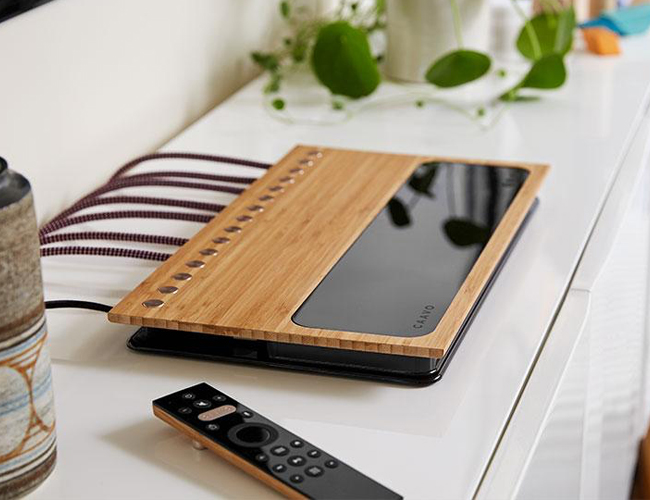
When Caavo ($399) was first announced in early 2017, it was quickly prophesized to be the ultimate universal remote to for your TV. The elegant set-top box has eight HDMI ports, designed to fit all the devices you normally plug into your TV, such as gaming consoles, streaming sticks, Blu-Ray or DVD players, a cable box. Using the Caavo remote you’re able to control all those devices. No more having to grab the TV’s remote to switch inputs; no more having to juggle between all your different wireless remotes. (Nor do you have to worry about charging them or replacing batteries.) The Caavo remote also has “voice search,” similar to an Apple TV remote, so you can quickly find TV shows and movies across all your apps. It has the promise of smart speaker support, too. Right now it works with Alexa (though it’s still in beta), with Google Assistant and Siri support expected sometime in the near future. The device is available now for $399.

The Good: The Caavo remote is pretty wonderful. It’s elegant, sharing a similar wooden finish as the Caavo, and it’s very easy to use — a large silver button brings you back to the Caavo home screen, allowing you to select the device you want to use — and it can control any of your devices’ menu screens, including an Apple TV, Xbox One and cable box. Also, the remote’s battery life lasts months, instead of a few days like most of my other wireless remotes. The Caavo itself can connect a great number of devices. It works with 4K TVs. It’s a great cord management solution, too.

Who They’re For: The Caavo is designed for a particular type of person. They should have a number of devices connected to their TV and want one remote to control them all. They also probably need to have a pretty nice TV and entertainment system, as the Caavo is an elegant-but-expensive set-top box.

Watch Out For: The setup process can be tedious. It requires you to unplug everything from your TV, plug them all into the Caavo, and then you have to go through individual processes so that the Caavo actually recognizes each device for what it is. If the Caavo doesn’t recognize the device, it can’t control it. This was the case with my retro gaming console, the Analogue Super Nt. Caavo is designed to control your external devices, not your smart TV’s operating system; if you have a Roku smart TV, Caavo won’t be able to control that or its integrated apps. The biggest strike against Caavo is that it doesn’t support HDR, nor does it support audio technologies like or Dolby Atmos or DTS:X; this means that it won’t be able to get the most out of most new TVs. Lastly, $399 is expensive.

Alternatives: Caavo is a pretty unique product, offering complete control of your TV. The alternatives would be Logitech’s Harmony Elite ($350) universal remote, but that’s a device more designed to control your home entertainment system and smart home devices; it’s also not nearly as elegant as the Caavo.

Review: For the better part of the last month, a Caavo review unit has been integrated into my home entertainment system. Located below my TV, a 55-inch Vizio M-Series (2017), I had several devices plugged into it, including an Apple TV (4th gen), Xbox One, Verizon Fios cable box, Roku streaming stick and Analogue Super Nt. As mentioned above, the Analogue Super Nt was the only device that the Caavo wasn’t able to control at all.

Aside from an hour-long setup process, and one slight problem syncing with my Xbox One (I ended up having to tweak the resolution in my Xbox’s “Settings”), the Caavo was remarkably easy to use. Voice search worked well, too; holding down the mic button on the remote I would say “Watch Troy: Fall of a City” and it would direct me right to Netflix on my Apple TV, which is where I had been watching the show. If you watch Netflix primarily on your Xbox One or PS4, however, Caavo is unable to go too deep into the menus of those systems, so it wouldn’t be able to go directly to a show or TV show, through voice search, if you use a game console as your primary streaming device.

The remote is really the star of Caavo’s show. It’s effortless in operation. You simply press a button to turn the Caavo on, select the device you want to use in the menus screen, and that device turns on. If you want to switch to another device, like go from an Xbox One to an Apple TV, you just hit the main Caavo button again, select the Apple TV and it switches to it, same as you would when switching inputs on the TV remote. The old device remains on. Then you can easily shut off every device that you’re using simultaneously, by hitting the remote’s power button.

Verdict: Caavo is an elegant product that attempts to solve a simple problem: with so many devices connected to a modern TV, there are way too many remotes to control all of them. Caavo, effectively, is a sophisticated HDMI switch that allows one remote controls all your TV’s devices. And it does a really great job, for the most part, but it comes with a lot of little problems that end up adding to a lot. Even though it supports 4K, it doesn’t support any HDR technology, which most new 4K TVs and other premium streaming devices are likely to have. This means you’re paying a premium for a device that doesn’t support all your TV’s premium features, and that won’t make a lot of sense for most people. It also can’t really control your smart TV’s built-in apps, so if that’s how you mainly stream shows and apps, Caavo isn’t for you. Lastly, it’s not great with retro gaming consoles. That said if you have a 4K TV, or even a regular 1080p TV, and a lot of devices connected to it, Caavo can help simplify your “many remote” problem in a way that no other universal remote can. It’s cool, for sure, just not perfect yet. And for that price, you kind of expect perfect.

What Others Are Saying:

• “Once you’re up and running, you can just use the Caavo remote to control all your devices like normal, you can issue voice commands, and you can install a Caavo Alexa skill to control things that way. You can also use your original remotes at will; because the Caavo knows what’s going on on-screen, it never gets confused.” — Nilay Patel, The Verge

• “Caavo’s real game-changing asset is its remote. Using only a directional pad and a few other buttons, like Home and Back, I was able to navigate the menus of all six of my different streaming devices and game consoles, opening apps and browsing as I pleased. It’s remarkable how well it maps control and buttons for each device, even working with my old plasma TV flawlessly. Occasionally there was a bit of lag or something went wrong, but showstopping crashes were rare.” — Jeffery Van Camp, Wired

• “This first generation of Caavo amply demonstrates what the platform can do, and I’d love to see the next version: hopefully cheaper, with perhaps less visual flair, and actual support for HDR. If that happens, Harmony will have a problem on its hands.” — David Katzmaier, CNET

Key Specs

Size: 410 x 232 x 31 mm
HDMI: eight inputs, one output; HDMI 2.0, HDCP 2.2. 4K 60Hz
USB: two outputs for power only; 1A per port
Ethernet: 100Mbps
IR: 3.5mm IR out
Audio formats: PCM, either Channels, 24 bits, 192kHz, Dolby Digital and Dolby Digital Plus up to eight channels and up to 192kHz, DTS up to eight channels and up to 192kHz
Video formats: max YUV420 4K (3840×2160) 8-bit at 60Hz and RGB/YUV444/YUV422 4K (3840×2160) 8-bit at 30Hz

Read More Gear Patrol Reviews

Hot takes and in-depth reviews on noteworthy, relevant and interesting products. Read the Story
Note: Purchasing products through our links may earn us a portion of the sale, which supports our editorial team’s mission. Learn more here.

Review: Hasselblad’s Medium-Format Colossus Is a Master of Detail and Color

Every camera sensor is woven with microscopic threads of blackness, thousands of vertical and horizontal lines draped across the sensor that do nothing at all to help you capture a stunning image. These are the spaces between the pixels. No matter how small the pixels become or how large the sensor, they’ll always be there, leaving the camera to interpolate the colors and content contained in those dead spaces. It’s this conflict that creates the moiré pattern you often see in situations where the detail density of the subject exceeds the resolution of the sensor.

For the most part, that’s fine. Few photographers really worry about that level of detail. Unless, of course, you’re trying to capture exactly that level of detail — if you’re, say, shooting classic cars or archiving precious artwork or, in my case, trying to document a fragile family heirloom before too many more years take their toll on it.

That heirloom isn’t a vintage Rolex or a turn-of-the-(previous)-century dress. It’s a model airplane. A U.S. Air Force F-15 Eagle, to be precise—large, gorgeously built from an expensive kit by my father two decades ago, just before he died suddenly from undiagnosed heart and brain disease. He did a fantastic job on the model, with precision painting and decal work, as well as solid construction from nose to tail, wingtip to wingtip. That was his way. He spent his lifetime building scale model airplanes — most of which actually flew — and was a skilled craftsman. This model, now starting to weaken and fade as time marches on, is the only evidence I have of his lifelong passion.

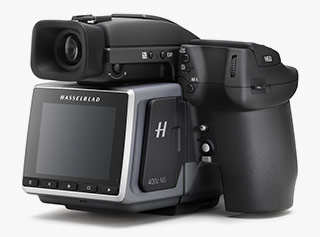
Hasselblad H6D-400C MS

Sensor: CMOS, 100 megapixels (11600 × 8700 pixels)
Image Size: single-shot (100MP), 4-shot (100MP), 6-shot (400MP)
ISO: 64, 100, 200, 400, 800, 1600, 3200, 6400, 12800
Shutter Speed: 60 minutes to 1/2000 sec
Color Definition: 16 bit; Dynamic range approx. 15 stops
Weight: 77 ounces
Price: $47,000 (body only)

So when offered the chance to try out Hasselblad’s new H6D-400c MS — a 400 megapixel, $47,000 camera that solves the knotty sensor resolution problem by automatically moving the sensor around to plug those gaps — I knew exactly what I’d want to shoot with it: Dad’s airplane. Its slightly yellowing decals and degrading glue signaled the need.

Because the 400c isn’t exactly a point-and-shoot camera, and indeed requires tethering to a robust computer to best manage the shooting and process images on the fly, I had to transport the model to Hasselblad’s New York office. I gingerly pulled it out of its home in a plexiglass display case, carefully wrapped it into a box stuffed with whispy slivers of foam rubber — the packaging equivalent of baby’s breath — and drove two hours across what turned out to be rain-slicked highways and heavily potholed streets into New York City, fearing the whole way that the model would be dust by the time I arrived.

The 400c includes a 100-megapixel medium-format sensor that’s standard in all H6D’s. Its bonus trick is its ability to physically move the sensor in one-pixel or 1/2-pixel increments over four or six shots and then merge the images together.

It wasn’t, thankfully. I pulled it out at the Hasselblad office, placed it on a pedestal to shoot, and it looked fantastic. Dan Wang, the company’s representative and resident 400c maestro, set up the lights and navigated me through the minutiae of what’s called multi-shot photography. The 400c includes a 100-megapixel medium-format sensor that’s standard in all H6D’s. Its bonus trick is its ability to physically move the sensor in one-pixel or 1/2-pixel increments over four or six shots and then merge the images together. The four-shot mode captures 100 megapixels, 579-megabyte TIFF files from four images shot in one-megapixel steps in a square pattern. The full six-shot mode adds extra horizontal and vertical shots displaced by 1/2 a megapixel, generating a 400 megapixel, 2.4 gigabyte TIFF file without the dead spots, and thus possessing truer colors and details.

single-shot mode on the left; 6-shot mode on the right.

With dad’s model, you can see the camera’s power in the details. The yellowing of the decals, though unflattering, is still an important nuance, and it can be detected much better when photographed in color-enhancing six-shot mode. Details in vents, panels, and even inside the cockpit — visible through the not quite optical-grade plastic canopy — are crisp and complex. Even the imperfections in the paintwork, which are intrinsic to model building, come across not as flaws but as character elements, which fade at a distance, giving the model the realism people crave. In these images, it doesn’t look like a “real” F-15 up close. It looks like something an actual human built.

Most of those interested in actually acquiring these cameras, as you might expect, are going to be institutions or the professionals who shoot for them. After all, it requires a stable shooting environment — ideally with concrete floors, as a creaky footstep or even the vibrations from a truck driving by can wreck the shooting process. And, again, it’s a $47,000 camera body that can produce single images that are each 2.4 gigabytes in size, so it requires some computer horsepower to manage. But the results? Well, I think Dad would approve.

Hasselblad’s History in Space

50 amazing images from NASA’s Mercury, Gemini and Apollo missions captured on Hasselblad Cameras. Read the Story

Water, Coffee, Minerals — Third Wave Water Is Peak Coffee Nerdery

When we start buying boxes that look like cigarette boxes in order to make a mineral-ideal cup of coffee, it’s worth asking ourselves, “Have we gone too far?” With Third Wave Water’s improbable appearance on Shark Tank, preceded by similarly improbable Kickstarter success before that, the answer seemed like a firm no. The product promises to improve your coffee’s flavor and balance by way of a specific amount of minerals that, allegedly, are most conducive to brewing truly great coffee. With the guidance of seasoned coffee professional Chloe Langham, alumni of Metropolis, Stumptown and current coffee educator at Toby’s Estate Brew School, I decided to dissect the need and value of such water, and if Third Wave’s coffee water-perfecting packets actually work.

The Good: “When you’re brewing a cup of coffee, you need water with a specific mineral content to get the most-rounded flavor,” Langham says. “Basically, water is the catalyst that extracts coffee’s flavor, coffee grinds are porous and each pore has different flavor compounds waiting for extraction. Those compounds can only be broken down and brought into the coffee with certain minerals, and Third Wave’s packets put those minerals in your water at home.”

I made cups of coffee in my New York apartment using tap water, bottled water, distilled water and Third Wave-treated distilled water and, to my surprise, could tell a fairly significant difference. Langham, whose used Third Wave Water packets at home and work, expounded:

“It definitely ups the flavor complexity of the coffee. You’ll notice more delicate notes without having coffee that lacks body, and it will act as a balancing agent so you don’t get a cup that tastes overly bitter, acidic or light — it’s sort of the simplest solution and very effective at what it does. It’s pretty remarkable, the level of complexity, intensity and balance it brings to a cup of coffee.”

It’s also used and endorsed by a U.S. Coffee Championship winner.

Who They’re For: Someone in between the everyday drinker and enthusiast, who’s also willing to invest more time and thought into making mornings a bit better. I’m by no means an expert and was pleasantly surprised to taste a discernible difference between the cups I tested (between the Third Wave-treated cup and tap, specifically).

“I don’t know if the average consumer will be like ‘oh my god this is such a huge difference,’” Langham jokes, “but this isn’t just for professionals to make better coffee at home or people with degrees in chemistry.”

Watch Out For: Because the premise here is to reach the ideal mix of minerals to pull those tiny pockets of flavor from your coffee grind, and Third Wave Water’s ingredients are static minerals and not their own filtering agent, the problem is: how do you use it with tap water that has its own mineral makeup that varies drastically from region to region? Langham put it to me this way:

“In New York, the water is soft, meaning it’s very low in minerals and could use the added minerals from Third Wave. But in Los Angeles, the water is hard, meaning it’s already got plenty of minerals in there. Adding more will result in coffee that drowns out the more delicate flavors.”

So what is the intrepid coffee geek to do if he or she lives in a place with water with high mineral content? For best results, go distilled.

“It’s definitely best used with distilled water because it’s just the right amount of everything you’d need — it adds to the water but it won’t filter out what’s already there. They recommend you use it with spring or filtered water, but I think for best results distilled is where it’s at,” Langham says.

If you’re so inclined — like, really inclined — you can develop an understanding of the water hardness in your area using the U.S. Geological Survey’s 2016 Water Hardness guide.

Alternatives: Seeing as the commercial filters cafes install between their water lines and brew machines are both exceedingly expensive and tedious to maintain, their viability is more or less limited to the professional space. The same story goes for reverse osmosis machines, which take tap water and remove all solids in it.

Peak Water, a filtration jug co-designed by a guy who wrote an entire book on coffee water, recently launched on Kickstarter and looks promising, but it maintains one important difference. “It’s good for the opposite of what Third Wave is good for,” Langham says. “It doesn’t add any minerals to the water, but it filters out all the stuff you don’t want and leaves you with the ideal mix.”

Essentially, the Peak Water jug can fix water with too many minerals. But if it doesn’t already have the baseline minerals, you’re not going to get much out of it.

Review: It should be noted I am not a trained barista or coffee professional, but I do drink my fair share of coffee.

I tested Third Wave Water by making multiple cups of coffee using New York tap water, typical bottled spring water, distilled water and Third Wave-treated distilled water using the same bean grind setting, amount of beans, water temperature and pour time for each. Upon tasting, there is significant differentiation between cups of Third Wave-treated water and others, evenly aligning with our expert’s analysis. Plain old distilled water has very little body to it and barely carried real coffee taste (it tasted more like someone mixed hot water with already brewed coffee). New York City tap is famously soft (low in minerals), and provided a better cup overall than distilled. The bottled spring water produced the most bitter of each water type, which Langham said was likely due to an excess of mineral content, but was still more enjoyable than tap or distilled alone. Finally, Third Wave-treated water brought about a more dainty cup — one I could pick up on flavors other than bitter and acidic.

As far as use goes, the instructions plastered on their website and label are about all you need to know: Mix, Shake, Brew. There’s not much more to be said on ease of use.

Verdict: It’s an odd product. Reason tells me you should make coffee with whatever water you have access to or, if you live in a place with less than stellar tap, just grab gallons of whatever your grocery store has. But Third Wave is so inexpensive and so simple to use, and it genuinely does have an effect. Coffee was brighter and more palatable when black, and I was yearning less for cream than I typically do with coffee at home. If you’re up for a cheap weekend experiment that will make you feel equal parts barista and Bill Nye, love coffee and want to simultaneously impress and confuse visitors, it’s worth a shot. If you’re into coffee out of need and don’t want more steps added to the morning routine, look elsewhere — this isn’t your innovation.

What Others Are Saying:
• “Third Wave Water is a great product for home brewers who want to enjoy consistently great coffee at home but don’t have access to an expensive water filtration system. Although buying distilled water and the mineral packets will add to the cost of your morning cup, we think the taste benefits more than make up for the $2 it takes to make a gallon of Third Wave Water.” — Michael Butterworth, The Coffee Compass

• “Saw the product on Shark Tank, and thought we would give it a try. However, we have not found any difference in the taste of our coffee at all. Perhaps this is because we live in New York City and have very good water there. Have tried it both with distilled water and filtered tap water, and it all tastes the same. May make a big difference to perhaps a more discerning palette or where the tap water is not as good.” — David Kritchman, Amazon Review

• “Amazing! I’ve been trying make a nearly perfect cup of coffee at home for a couple years now. I always thought water quality was my issue. Tried a bunch of different bottled waters from Fiji, Evian to Ozarks etc.. my coffee always came out with a little bitter. No more, this product is the solution to bland, bitter coffee. Take your cup to the next level and since I’m a huge nerd, I figured out it only ads about $0.17 cost to your coffee experience.” — Staci Miller, Amazon Review

Want to Go Deeper? How to Make the Best Cup of Coffee in the U.S.

From Dylan Siemans, winner of the Brewers Cup at the 2017 U.S. Coffee Championships. Read the Story

Note: Purchasing products through our links may earn us a portion of the sale, which supports our editorial team’s mission. Learn more here.

The Best Minimalist Leather Wallet Is Stitch-Free

I started using a minimalist wallet eight years ago. Years of sitting on a chunky bi-fold, spending long hours driving across the Western US, had taken a toll on my back. Thick wallets throw your hips out of alignment and can lead to any number of lower-back issues, so before the pain I was experiencing got worse, I decided to slim-down my everyday carry.

Along with positive health effects, investing in a slim-wallet or card holder is a lot like decluttering your life. You get rid of receipts and punch-cards you don’t need, you throw away gift cards with low balances, you realize what you actually need to use on daily basis. Over the years, I’ve used a number of different leather card holders with both glued and stitched constructions. They each developed a unique patina with use, but over time seams or stitching failed and they became unusable.

Last fall, Arc’Teryx Veilance released its take on the minimalist leather wallet. Unlike existing styles, the construction produced a stitchless wallet that was both incredibly slim and highly durable. If you think this sounds to good to be true, you’re in the same boat I was in. I had to check it out myself to see if this wallet really stood up to the claims.

The Good: This wallet is incredibly slim, has a simple design, and it can hold up to eight cards. Despite its understated profile, it’s a hardwearing, water-resistant wallet that will stand up to years of daily use. The Veilance-spec Horween leather is designed to resist an obvious patina over time, so this wallet will continue to look distinct as years pass.

Who It’s For: From the design to the actual capacity, this is a wallet for minimalists. If you’re a lover of card-holders or you’re looking to slim your bi-fold wallet, you’ll enjoy this Veilance piece. No matter your style, you’ll find this wallet easy to carry with its lack of obtrusive branding.

Watch Out For: This wallet takes a little while to break in and is a little stiff from the first use. Though it can hold up to eight cards, don’t expect that out of the box. Start with four cards, then stretch it to six and try for eight in a month or two. If you’re someone who loves to carry lots of cash around, this may not be the wallet for you (alternatively, you could carry fewer cards and have room for a few bills). Like other Veilance products, this wallet has a higher price point than many other cardholders. You get what you pay for, though, and the unique leather and progressive design is exceptional.

Alternatives: In the world of laminated wallets, there are a few options. Discommon offered a thermoformed leather card holder with a grey tweed interior for $125, but sadly, it is no longer in stock. Another solid option if you like the profile of laminated wallets is the Ion wallet from Pioneer Carry. Unlike the Veilance and Discommon options, this one is made from an off-brand Dyneema and costs $60. If you want a leather card holder and don’t care about progressive constructions, you can pick up a stitched leather card holder from Red Wing Heritage for $99 or from Billykirk for $65.

Review: A few months ago, Arc’Teryx Veilance Chief Brand Director Takanori Kasuga was walking me through the brand’s latest collection. As expected, the outerwear was second-to-none, but when I saw Veilance’s stitchless Casing Card Wallet, I was skeptical. The last stitchless leather cardholder I owned from Il Busetto fell apart after eight months of use and ended up in pieces in the top drawer of my dresser. Taka sensed my reservations and pulled out his personal Casing Card Wallet which he had been using for well over a year. The wallet had stretched to accommodate the shape of his cards but showed no signs of structural failure. This, I learned, was because Veilance utilized a lamination process that fixed the leather to a durable nylon backing.

“What we were able to achieve was something that’s so smooth, so flat, and so streamline — in a way that’s completely non-reliant on any sort of sewn processes,” said Lars McKinnon, the Head Designer of Veilance. “It’s an entirely laminated process, but it’s also, inherently, a very strong construction.” For the wallet, Veilance worked with technical soft goods designer Shane Ellis who also worked on the Oculus Go, Apple’s leather iPhone case and Patagonia’s Ascensionist Pack, among other things. The design features fine-grain, water-resistant Horween leather developed especially for Veilance. Hides are precisely split and laser cut before the lamination process. The construction is very clean, though the wallet’s edges are left unfinished (likely the best choice for the product to age gracefully). The two card slots are tight and feel like they can hold a couple cards each, but will stretch with time to accommodate up to four cards each.

When I received the Casing Card Wallet in the mail, it arrived in a flat black envelope. I honestly didn’t expect the wallet to be inside, but upon pulling a tab, the wallet slid out. The leather felt luxurious — supple and smooth — and like other leather card holders, it took a few weeks to crease and break in. The wallet comfortably held the card I needed for daily use (credit card, metro card, driver’s license) along with a few bills for buying lunch from street vendors. The nicest thing about this wallet, other than the ridiculously low profile, is it can be whatever you want it to be. It can be your daily carry, your business card holder or an extra wallet for travel. It won’t seem out of place if you wear a suit to work, you’re into technical apparel or you’re a vintage clothing fanatic. This versatility sets it apart from many other card holders on the market, and its construction guarantees you’ll use it for years to come.

Verdict: If you’ve got the money, this is one of the best leather card holders you can buy. At the price-point, it is admittedly a luxury, but it offers a number of things that other options do not. Its stitchless construction and water-resistant leather give it an edge up on durability, and its lack of branding and simple design make it highly versatile. If you need a super-slim profile wallet, and you want to invest in leather, this is the cardholder for you.

What Others Are Saying:

• “The Arc’teryx Veilance wallets deliver a clean combination of progressive construction and premium materials. They look and feel great, exuding a minimalist style that’s sure to draw admiring glances. However, like any design, there’s room for improvement such as reexamining how the crinkling comes through and making access easier. Overall, these wallets are an exciting development in Arc’teryx’s design direction and we’re keen to see where they’ll lead.” — Andy Fallshaw, Carryology

• “It’s refreshing, then, to see someone like Arc’teryx Veilance shake things up with their new Leather Goods collection. The amount of attention to detail that went into these wallets is genuinely impressive.” — J.D. DiGiovanni, HiConsumption

• “I could go on and on about the card wallet, but the short of it is that it’s very compact for how luxe and durable it feels, but it isn’t exactly the smallest in its class (bested by the Discommon x Venn thermoformed wallet). It looks super sleek and timeless but one issue is that because of its symmetric design and lack of external branding, you have no visual cue to know at-a-glance which cards will be on what side. Maecenas.” — Bernard Capulong, Reddit

Key Specs

Weight: 20 g
Material: Veilance-spec water-resistant Horween leather
Card Slots: Two
Capacity: Up to eight cards

Read More Gear Patrol Reviews

Hot takes and in-depth reviews on noteworthy, relevant and interesting products. Read the Story

Note: Purchasing products through our links may earn us a portion of the sale, which supports our editorial team’s mission. Learn more here.

This Is the Only Fitness Tracker I Actually Want to Wear All Day

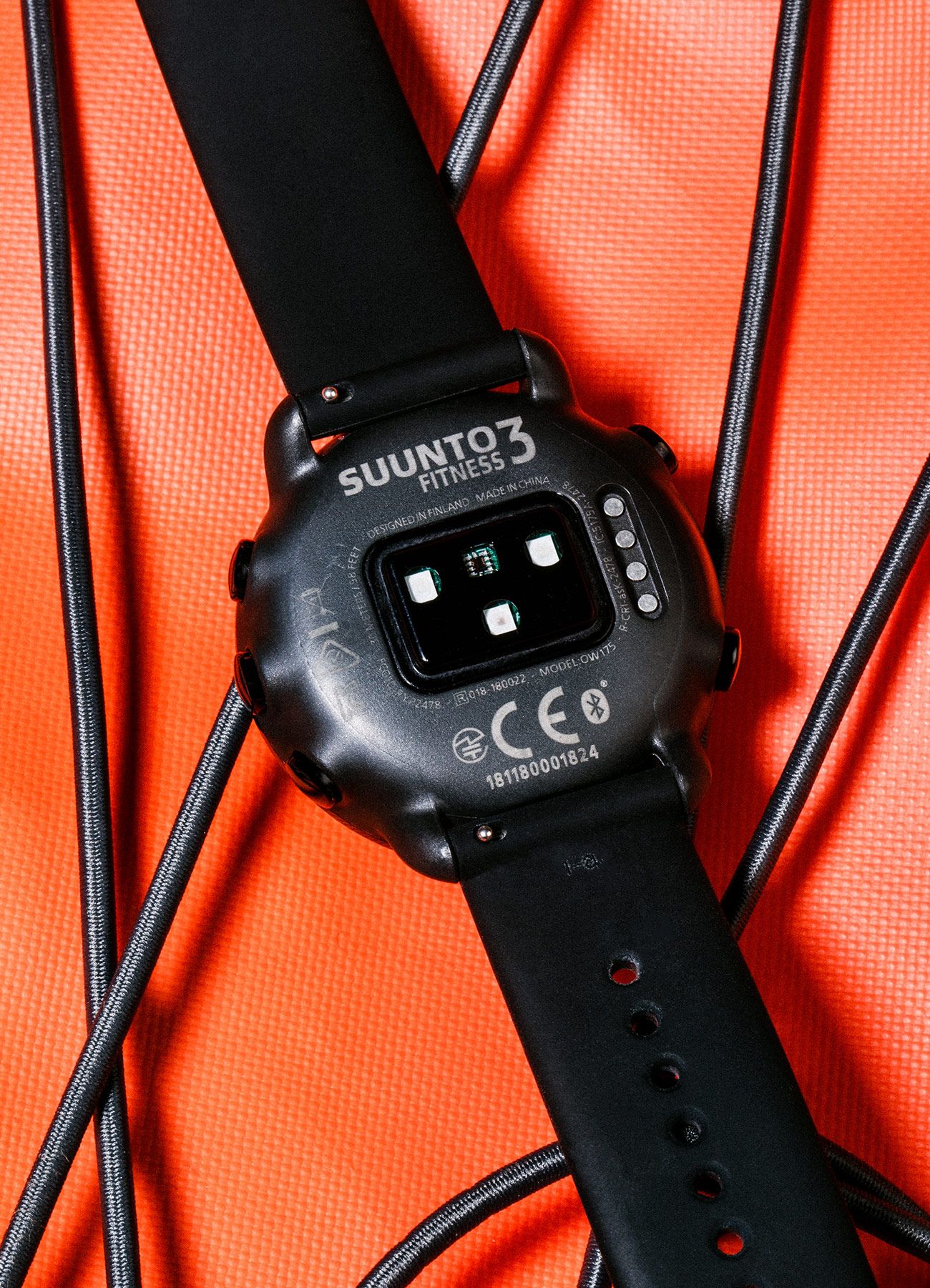
After wearing the Suunto 3 Fitness for around two weeks, I’ve tested it out in a variety of situations; everything from bike commuting to sprints to weight lifting. As long as I carried my phone with me, I could count on the watch to monitor my every move — including my sleep. It’s an easy-to-wear watch that can go everywhere from the track to the shower to the pool.

The Good: The Suunto 3 Fitness is a lightweight and comfortable fitness tracker that’s user-friendly for runners and gym-goers alike. The sheer number of pre-loaded activities and the option for adaptive training plans will help any individual reach their goal. It also pairs with an all-new Suunto app to make usage seamless.

Who They’re For: Everyday athletes who love to swim, fish, hike, bike, roller skate, and canoe will love the variety the 3 Fitness offers. The option to choose from over 65 unique activities (including open water swim and CrossFit) makes it easy to keep track of exactly what activities you’ve done each week. The built-in training plan aspect adjusts to your activity, helping even beginner athletes know when to tone it down. If you always carry your phone with you, this is an easy tracker to adapt to your routine.

Watch Out For: Compared to other Suunto models, like the Spartan Trainer Wrist HR, the 3 Fitness doesn’t have a built-in GPS unit or a touchscreen. You have to use the five buttons located around the watch face to navigate through settings, log a workout and see your training plan for the day.

When charging, I found the battery to be a bit finicky. I had to clip and un-clip the charger a few times to get the watch to recognize it. Take that with a grain of salt though, since I was testing one of the first available models.

Alternatives: In terms of other watches without GPS and at similar price points, the Fitbit Versa ($200), Garmin vivomove ($200) and the Apple Watch Series 1 ($249) all don’t have GPS, but work well when hooked up to your phone — and then track you using the GPS on that.

The Review: In the two weeks I wore the 3 Fitness, I logged 22 workouts and traveled 73 miles — the majority of which I was running. The circular watch face looks more like an actual watch compared to the Apple Watch 3 I normally wear, which encouraged me to wear it more, rather than just for activities. One of my favorite things about this new watch is how easy it is to log activities, no matter what class I attended.

I ran, biked, attended an indoor cycling class, did regular yoga and hot yoga and hit the gym — and still didn’t even hit a third of the pre-loaded activities. The 3 Fitness really shines in its ability to track a variety of sports — something Suunto is great at executing, but normally in a much heavier and thicker watch. Since the 3 Fitness doesn’t include GPS, I had to carry my phone with me at all times (and open up the app just to get a GPS signal), but I always carry it anyways, so it wasn’t a bother.

The adaptive training plan is one of the coolest features, especially since it changes after every workout. With just five clicks, I can see my weekly plan, which currently includes three training days, how hard I have to push myself (moderate, very hard, hard) and how many minutes I need to train. I really liked that after each workout the plan automatically changed. Using wrist-based heart rate, the watch calculates your VO2 max to create a unique plan to help you improve your fitness. As someone who isn’t very good at taking rest days, I found this extremely helpful. This watch will tell you to take days off, which for optimal fitness, is important.

To further encourage users to relax, the watch tracks sleep and stress and will tell you how many hours you need to recover after each workout. My sleep is rated on a scale of poor to moderate, plus you can see your beats per minute average each night, which for a heart rate training geek, is pretty cool. All of this aggregates in the app but is also easy to see on the watch face.

The Verdict: I’m a big fan of watches that track a bit of everything (including swimming!), and I like that the 3 Fitness encourages me to take a day off. With other watches it can feel like a bit of a rat race, trying to one-up myself every day, every week, every month. The 3 Fitness reminds me to take a deep breath and give myself a rest day, which is important, too. We can all use a little bit more recovery these days.

What Others Are Saying:

• “Ultimately though, it’s still a Suunto Spartan series watch from a feature standpoint (sans-GPS). So all the common features you’d expect like activity tracking (steps/sleep), as well as interaction with mobile phones, and of course historical sports stats are all there. And Suunto says there’s quite a bit more phone-based integration coming down the pipe that they’ll detail in the future.” — DC Rainmaker, DC Rainmaker

• “The ‘Big Deal’ with adaptive training plans is that they theoretically optimize your training intensities, durations and rest days dynamically. So if you OVER-achieve one day then the next day’s session adapts. Adaptive training plans will become more commonplace over the next few years and can be based on ‘time-in-zone’, Intensity minutes or more complex measures like HRV.” — The 5K Runner, the5Krunner.com

Key Specs
Battery Life: Up to 40 hours without GPS, rechargable
Weight: 36 grams
Bezel Material: Stainless steel
Strap Material: Silicone
Water proof: Up to 30 meters

What the Heck Is a PowerDot and How Do You Use One?

A Bluetooth controlled device that fits in the palm of your hand and has the power to help you recover faster, prevent muscle atrophy and even work out your muscles for you? We found it a bit hard to believe that such a thing exists. The PowerDot Uno is a wireless, FDA-cleared, lightweight device that massages practically every muscle in your body through electric stimulation. The technology gently contracts your muscles the same way physical therapists or doctors can with more extensive tools — all from the comfort of your home. But is it worth the price?

The Good: The PowerDot took all of five minutes to set up and use. The app is incredibly straightforward and walks you through everything you need to know. The stimulation programs include light, active, extended recovery, massage and warm up — and an additional five workouts: muscle or strength endurance, resistance, strength or explosive strength. Alternatively, you can focus on a specific complaint like ankle pain or a tight back. The PowerDot hooks up to two electrodes via a cable and then is attached to your leg, arm, back, torso, etc. via sticky pads. The app makes electronic stimulation accessible to everyone, and the entire device fits in a box no larger than an over-ear headphone case, so it’s easy to carry.

Who It’s For: Serious athletes will enjoy the PowderDot as a recovery and supplemental exercise tool, but everyday athletes will see benefits as well. The accessibility is part of what makes the PowerDot a great for everyone.

Watch Out For: If you’re not going to use a tool like this every day or are intimidated by it (I was, too!) the $249 price is pretty high. If you want to work both sides of your body at once, you’ll need to purchase the Duo (two PowerDots), which will run you $449. While the company offers a monthly payment plan, it’s still pricey.

The place where I am most sore is usually my upper back or traps, and with the PowerDot it was tough to reach those spots. While the images in the app are helpful to see exactly where to apply the electrodes, I still found myself double (and triple) checking the placement in the mirror to have it match the image.

Alternatives: There aren’t many app-based muscle stimulation systems out there. Other electrical stimulation units exist, like the TENS Unit and Muscle Stimulator ($500) or Compex Sport Elite Muscle Stimulator ($650), but none are as portable as the PowerDot.

The Review: Initially, I was attracted to the PowerDot because of its recovery benefits. Electronic muscle stimulation can potentially help increase strength, reduce recovery time and muscle soreness. While I workout seven days a week, if I go hard at a track workout on a Tuesday, it’s possible for me to still be sore on Thursday, which can slow down my other workouts.

Downloading the PowerDot app was painless, and connecting the two sensors (I tested the Duo) was a breeze. After politely reading through (read: zooming) 20-plus warning labels asking me everything about my medical history (do you have cancerous lesions, bad circulation, are you pregnant?), I finally arrived at the menu. Before starting any program, you should check with your doctor, especially with something like this — even though the PowerDot does a sufficient job raising any risks it poses. In the app, I promised never to get it wet, use it while sleeping, or use it stupidly, like on either side of my body at the same time (like a defibrillator).

Next, I told the app what I wanted to focus on — increase strength and improve flexibility — plus how often I exercise, and what prevents me from working out (with options ranging from a lack of motivation to muscle fatigue). Then I immediately jumped into a massage session.
After an intense run, I was particularly sore in my calves, so I immediately snapped the two PowerDots onto the rectangular sticky pads and plugged in the two electrodes. The pads are neoprene-like in their flexibility and continued to stick after two full weeks of use. Following the instructions on the app, I placed the pads on the back of my calves and waited for the electrode cables to connect via Bluetooth — then hit start.

Intensity wise, the electrodes start at 0.0 and go up to 100. I never ventured higher than 15. The app tells you to stop increasing the intensity when you can see your muscles moving, so I would set it and let it work through the 20 to 30-minute session. As for how it feels, it’s like a slight pinprick at first, nothing intense, just small little shocks. But as I upped the intensity, I felt a tingling sensation that became more powerful. While I’m not ticklish, I’ve heard that it can feel that way as well. I toyed around with the intensity: on my quads, calves and hamstrings, 10 or above was tolerable, but on my forearms and biceps, nine was too grueling.

After a handful of sessions, I was able to set up the PowerDot and proceed to do other things at the same time — everything from brushing my teeth to washing dishes. While the PowerDot app encourages users to sit and relax, I found it hard to sit still and focus solely on recovery.

While I did try the resistance training, it was frustrating that I couldn’t move during the ‘workout.’ I’d rather get up and lift weights than sit still and have my muscles stimulated. Plus, you do not break a sweat while the electrodes are working. I’ll stick with hitting the gym or treadmill for my workouts, but I’ve started packing this little machine in my bag to take with me everywhere. It’s always a good time for a massage, right?

The Verdict: I was very skeptical of the PowerDot at first and was a bit nervous to use it. I’ve never worked with a physical therapist that uses something like this, so I didn’t know what to expect. While I didn’t think the machine was going to hurt, I wasn’t quite sure how it was going to feel. After using it for a little over two weeks, I now throw it in my gym bag and use when I can. I also love showing others how to use it. It’s a bit unusual and not something people see every day, so it’s a fun tool to bring along. I’m comfortable with it and plan on reaching for it after a long week of workouts to prevent soreness and help my legs and arms stay fresh.

What Others Are Saying:

• “PowerDot is an FDA approved, app-based muscle stimulation system that helps give you results you actually need when whittling away at your gut: active recovery and muscle stimulation. PowerDot works by gently contracting your muscles with the same electronic stimulation (EMS) technology used by physical therapists and doctors today. It’s portable, lightweight and can be used any time, any place when you just choose your recovery mode and push ‘”play” on the app.” — Lauren Steele, Men’s Health

• “With limited mobility, though, you’re probably short on exercise options. I spent the last week using the PowerDot, an FDA-approved electric muscle stimulator. You attach the electrode pads to the area you’d like to stimulate, and then use an app on your phone to select a predefined program. It’s small enough to fit in a jacket pocket. You can manually adjust the intensity along the way. Basically, you can stimulate your muscles and potentially speed your recovery process without moving your arm at all.” — Brent Rose, Wired

Key Specs
Battery Life: 3 hours, rechargeable

POC’s New Road Bike Helmet Could Be Its Best Product Yet

I’ve been a fan of POC helmets for a long time. The Tectal (and the Trabec before that) has been my go-to mountain bike helmet since it launched. The Auric Cut has been my go-to backcountry snowboard helmet since its inception, and recent testing of the 2019 Obex SPIN snow helmet only further cemented my affinity for the Swedish brand’s cranium cases. But the one missing piece has been POC’s road cycling helmets. While the Octal is serviceable, it leaves much to be desired. When the opportunity presented itself to give POC’s new Ventral road cycling helmet a thorough test, I hoped that it would solve the Octal’s shortcomings — and perhaps cement POC’s monopoly of my head protection.

The Good: POC’s Ventral is one of the best road helmets that POC has made to date. In the past, many have criticized the appearance of POC helmets, dubbing them “bulbous” or saying that they sat too high on the head. The Ventral is a distinct departure from that aesthetic and blends aerodynamics, ventilation and safety perfectly. Instead of the plastic MIPS liners of many top-end road bike helmets, the Ventral features POC’s SPIN pads that reduce rotational forces and help mitigate the chances of concussion. That, coupled with a few other key features, makes the Ventral one of the best helmets we’ve tested to date.

Who It’s For: There’s no question that the Ventral is for serious road cyclists. Its price point puts it out of reach of most casual cyclists, and its performance advantages won’t be felt by those in the beginner or intermediate stages of their road cycling obsession. If you’ve been curious about trying out a helmet from the new “semi-aero” category, the POC Ventral is a great place to start.

Watch Out For: In truth, there isn’t much to knock on the Ventral. The price is a bit steep in comparison to other helmets in the same category at $290. Besides that, the only other thing worth calling out is that the strap splitters that come down around the ears are not easily adjusted. With a bit of fiddling, you can get them into a reasonable spot, but they’re fixed and, adjustment can only go so far.

Alternatives: There are a handful of competitors to the Ventral in the semi-aero category. The most obvious alternative is the Specialized S-Works Evade ($250), but even though you’ll save $40, you’ll take a 47g weight penalty. The MET Manta ($247) is also a great alternative, but it’s difficult to find at retail stores in the U.S. and is sparsely offered to U.S. consumers online.

Review: At first glance, it’s easy to mistake POC’s Ventral for a helmet designed specifically for aero-cycling pursuits. A profile view of the helmet is not unlike the POC Octal Aero, POC’s purpose-built aero helmet. But for a helmet that shares many characteristics with its more wind-tunnel friendly brethren, the Ventral couldn’t be more different.

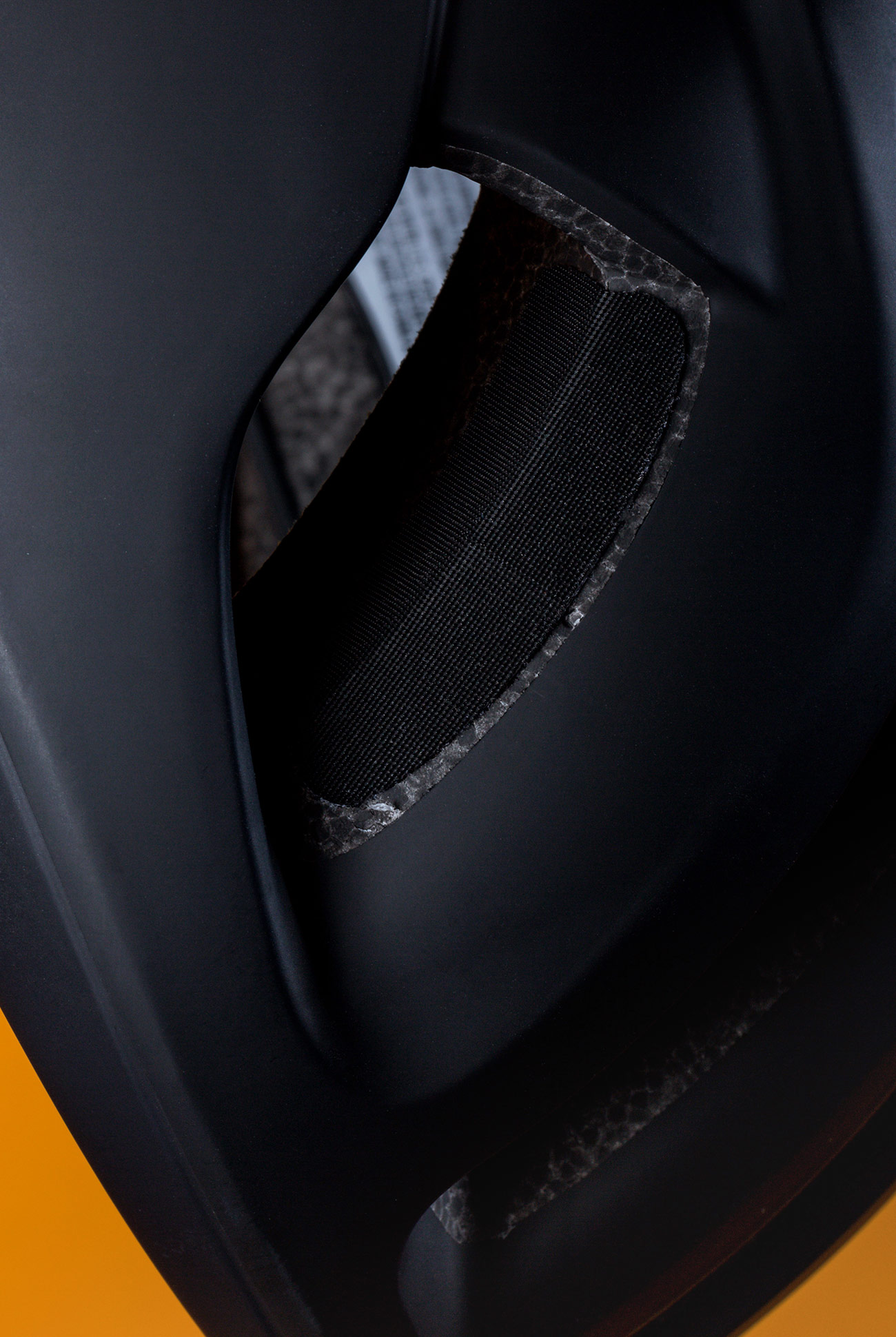
POC designed the Ventral specifically to channel air through the helmet instead of around it. This allows it to pick up some of the aerodynamic advantages of the Octal Aero without sacrificing breathability. In fact, the Ventral (hence the name) features nine vents and stays cool even on warm days.

In the rear of the helmet is a dial closure system that contracts and expands to fit a variety of head shapes. It is also adjustable from inside the helmet, allowing the dial closure to move either higher or lower on the back of your head to get a more custom fit.

But perhaps the best features of the Ventral are two sticky rubber pads that line the outermost vents on the front of the helmet. One of my biggest pet peeves with cycling helmets is that none of them have a decent place to put your sunglasses. They either don’t fit, or fit so loosely that they pop right out as soon as you start bobbing and moving around on a steep climb. These two sticky rubber pads solve this issue completely. Regardless of brand (we tested five different ones), the rubber pads kept the sunglasses from moving around and falling out. It’s such a simple feature, but one that has a profound impact on the functionality and performance of the helmet.

Verdict: There’s a lot to love about the Ventral. Even beyond the performance characteristics and smart, innovative features, the helmet just looks good. It’s sleek, minimal, and is a step in the right direction for POC in terms of aesthetics. I’ve been a fan of POC’s mountain bike helmets for a long time (the Tectal is my current go-to; the Trabec before that), but this is the first POC road helmet that I’ve been truly smitten with. In fact, I think the sticky rubber pads in the vents are the single best feature I’ve tested on a product so far this year.

What Others Are Saying:

• “The Ventral isn’t just a big step forward from the Octal Aero; it’s quite a nice road helmet on its own, period.” — James Huang, Cycling Tips

• “Overall, the Ventral has quickly become one of our go-to helmets for everything from fast group rides to a day on gravel roads and trails. In large part that’s due to its versatility. But above all, it is a comfortable helmet that looks sharp — black matches everything, after all.” — Spencer Powlison, Velo News

Key Specs

Weight: 250 g
Impact foam: EPS foam, SPIN rotational protection system
Fit adjustment: Rear dial adjustment system
Available colors: Black, White, Gray, Blue

Read More Gear Patrol Reviews

Hot takes and in-depth reviews on noteworthy, relevant and interesting products. Read the Story
Note: Purchasing products through our links may earn us a portion of the sale, which supports our editorial team’s mission. Learn more here.

This Is the Ultimate Travel Jacket for Variable Weather

Explorer and philanthropist David de Rothschild cares deeply about nature. With his lifestyle brand the Lost Explorer, he makes sustainable garments and wellness products aimed at facilitating people’s immersion into the natural world. “What we want to do is try and encourage people to travel and explore,” he said. “We want to try and encourage people to look at nature through a different lens — look at it through the lens of excitement and look at it with a sense of awe and wonder.” The brand’s new Aardvark jacket is designed with the traveler in mind and is windproof, waterproof and breathable.

The jacket utilizes c_change, a membrane that adapts to changing temperatures, from the Swiss textile-innovator Schoeller. “Membranes have existed for many years, but we made one which can be water and windproof, breathable, adaptable to a wearer’s activity level and the temperature around the wearer,” said Roland Lottenbach, the head of R & D for Coatings and Finishings division at Schoeller. “It opens to let warmth out, and when it’s colder, keep the warmth in. It’s also hydrophilic, which means that it releases sweat as liquid and not just gas, so you never feel damp either.” A jacket that changes for your comfort seemed futuristic and almost too good to be true, so I had to get my hands on it to see for myself.

The Good: This jacket windproof, waterproof and highly breathable. If you’re looking for a shell to protect you in variable weather conditions, this one is ideal. The jacket’s breathability changes depending on temperatures and activity, keeping you comfortable, no matter the situation. The design is understated and tasteful, and the grey wool weave appears far less tech-y than other waterproof jackets. For those concerned with sustainability, this jacket utilizes sustainable materials (wool) and the c_change technology has “below detectable levels” of PFOA and PFOS.

Who Its For: This is the ideal travel jacket for someone who needs a waterproof shell but wants something that doesn’t scream “mountain bro.” It excels in variable weather conditions and is suited for transitional temperatures. If you care about the planet, this jacket addresses sustainability more than other jackets with similar features.

Watch Out For: The price of this jacket is steep compared to other waterproof breathable shells. While it offers good breathability, that may not justify the increased price for certain people. Because of the nature of the c_change technology, the membrane is less breathable when it’s colder. According to Stephen Kerns, Schoeller’s president, this is the tradeoff to producing a high-performance membrane that is sustainable. The jacket doesn’t have a two-way zipper — this is more standard for rain shells — so if you need a lower zipper, you should probably look elsewhere. Also, the hood is streamlined and doesn’t feature the extended bill that some coats have. In heavy rain conditions, this could be more of an issue.

Alternatives: If you’re looking to give c_change a try, you can grab Aether’s Altitude shell for $675. It’s a fine example of this technology in use, but it skews more mountain-y than the Aardvark jacket. If you want a more city-to-mountain hybrid jacket, Mission Workshop makes a hooded blazer — really more a tailored jacket — called the Remi, which retails for $785. If you’d rather try other waterproof and breathable membranes that approach the category differently than Schoeller, there are numerous options at a range of price points that include Dermizax NX, eVent, Gore-Tex Pro and Polartec NeoShell technologies.

Review: Spring weather in New York City is incredibly undecided this year. A sunny 70-degree day was followed by a day of rain in the 40s. It’s snowed and sleeted. It’s been balmy and temperate. Needless to say, it’s been the perfect weather to test the Aardvark jacket from the Lost Explorer. The jacket, which utilizes c_change technology from Swiss textile innovator Schoeller, is waterproof, windproof and highly breathable. The c_change technology is a sustainable membrane based on biomimicry. Inspired by a fir cone, the design’s pores open and close to regulate temperature. “c_change reacts in a similar way to changing conditions. With a temperature rise from 10 to 20 degrees Celsius (50 to 68 degrees Fahrenheit), the moisture vapor transport increases by 50 percent,” said Stephen Kerns, the President of Schoeller. “Similarly, the polymer structure of the membrane contracts when the temperature drops and heat retention increases so that protection and comfort are guaranteed under all weather conditions.”

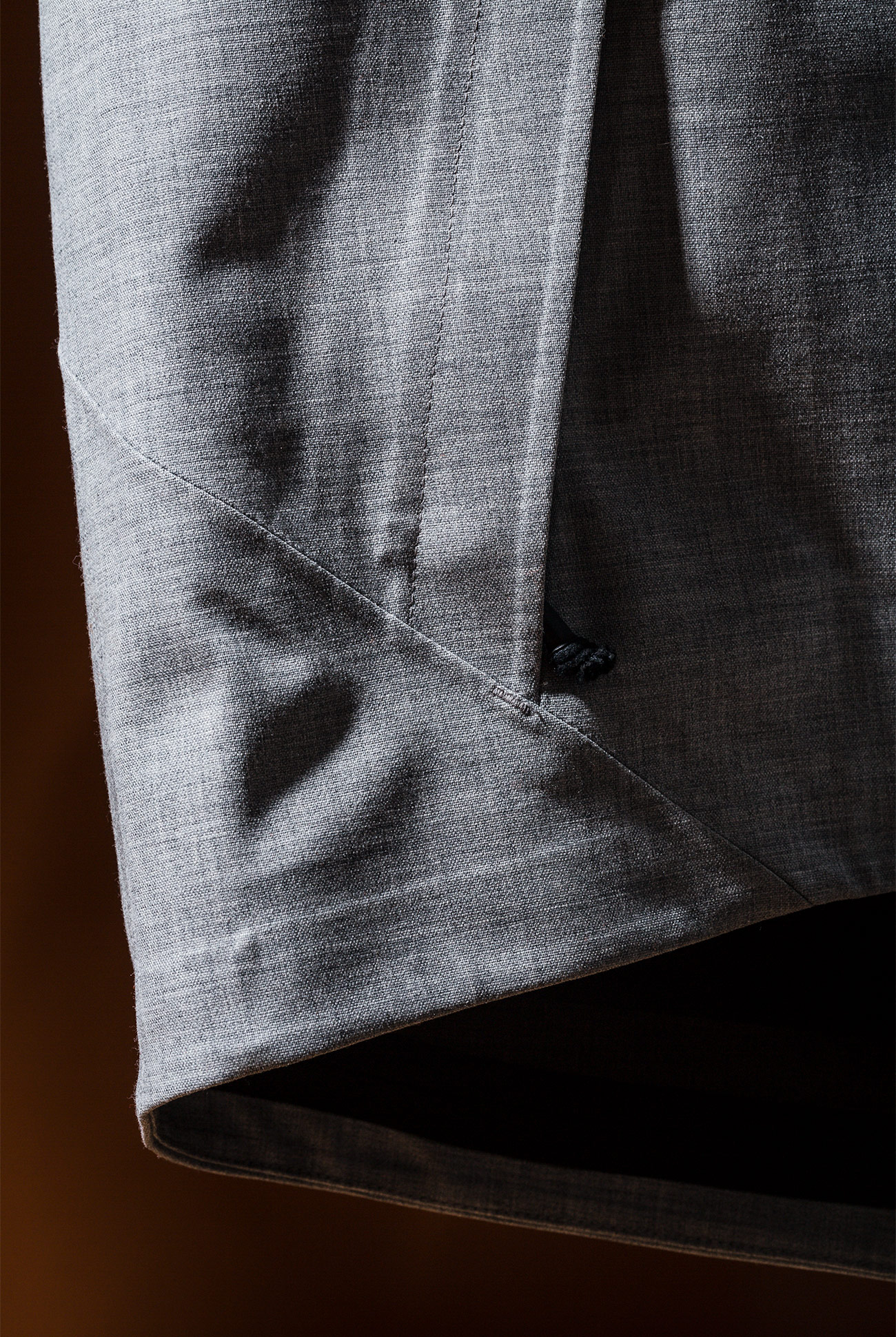
The Aardvark has a minimalist design that was easy to incorporate into my daily wear. The shell has a merino wool weave, which looks decidedly less tech-y than other rain jackets, and didn’t seem out of place with my jeans and boots. It is very lightweight and has a good range of movement. I was able to layer under it when the days were cooler, but the jacket’s ample inner pockets made storing necessities — keys, wallet, phone — very easy. No matter the weather, the Aardvark kept me dry and comfortable. Unlike other shells that seem appropriate for certain temperature zones, I wore the jacket on both moderately warm days and cool days and I never wished for something different.

Verdict: Though pricey, this jacket is an ideal waterproof shell for travelers. Because of the c_change technology, it will keep you comfortable in a range of climates and weather conditions. The merino wool weave is more appropriate for casual settings than other tech-y shells and you can easily incorporate this jacket into your existing wardrobe. The sustainable aspects of the jacket, while not the sole focus, are important. And, if you have the money to support brands that focus on environmentally-friendly product, it would be more than appropriate to do so.

What Others Are Saying About Schoeller c_change Technology:

• “Many have found this technology preferable over GORE-TEX as it tends to be more breathable, and offers stretch, for a more flexible comfortable fit.” — Ski Weekend

• “[c_change] sounds impressive and it actually delivers. I will go as far as to say that it is bloody amazing.” — TR McGowran, road.cc

• “The target consumer for c_change, Kerns says, is someone looking for the ultimate comfort and waterproofness in stylish laminates, which range from “outdoor pursuits to urban sophistication in our new Cosmopolitan collection.’” — Tucker Bowe, Gear Patrol

Key Specs

Membrane Technology: Schoeller c_change
Shell: Three-layer with 59% merino wool
Closure: One-way zipper
Exterior Pockets: Two front slash pocket, one back zip-pouch pocket
Interior Pockets: Two chest zip-pockets, one electronics pouch

Read More Gear Patrol Reviews

Hot takes and in-depth reviews on noteworthy, relevant and interesting products. Read the Story
Note: Purchasing products through our links may earn us a portion of the sale, which supports our editorial team’s mission. Learn more here.

Your New Favorite Casual Pants Blend Tradition and Comfort

In recent years, a healthy number of brands have embraced drawstring pants. Along with the requisite drawstring, most of these styles supplement elastic at the waist for added comfort. And that’s the key to these new pants from Outerknown: they’re easy-fitting, good-feeling and relaxed. The laid-back nature doesn’t imply sloppiness, though, and the silhouette is much closer to a traditional chino than a sweatpant. This gives the hybrid pant a wealth of versatility, appropriate in a wide range of casual settings. The question, of course, is whether a pant that blends opposing styles comes off as gimmicky. So, to see if this style is more than just the sum of its parts, I got my hands on a pair.

The Good: First and foremost, these pants are very comfortable. The silhouette has a roomier top and is tapered from the knee to ankle, so you have space in the thighs and crotch but an overall appearance that’s not baggy. The elastic waistband adds orders of magnitude to the comfort level, giving you a pant that is forgiving where you need it. The nine-ounce fabric has a drape that is similar to chinos you’ve worn before, and it is garment dyed for a gently-loved feel.

The Paz pants are made from organic cotton, which uses 90 percent less water to grow than conventional cotton and supports natural biodiversity. Even the button on these pants is sustainable (it’s made from Oceanworks recycled ocean plastic). While the materials are better for the planet, these pants are just as easy to care for a normal pair of chinos — just machine wash cold and tumble dry low. Another major plus for these pants is the price: similar styles cost almost twice as much.

Who They’re For: This pant is for the guy who wants something more casual than a chino, but more respectable than a sweatpant. If you have a laid-back office, this is a great weekday pant, but if the man is enforcing a dress code, get a pair for the weekend. You can wear them to the beach in the morning and out to dinner in the evening.

Watch Out For: These pants have a mock fly, so don’t buy them expecting a functional fly. This design detail makes these pants appear more like a chino but doesn’t sacrifice the integrity of the elastic waistband or the comfort of a pant-front unadulterated by zippers or buttons. Another thing to look out for: the inside of the waistband has two heavy-duty metal eyelets made from plated brass for the drawstring — though the metal shouldn’t bother most people, the plating composition could bother those with super-sensitive skin or metal allergies. The rest is just personal preference. If you’re a person who uses two back pockets religiously, these aren’t the pants for you. They’ve got a single back pocket on the right side, and the left side is unadorned.

Alternatives: In the genre of pants that feature elastic-waistbands with drawstrings, you have a range of tasteful options. For $10 less, you can pick up a pair of Mollusk’s Jeffrey pants. The silhouette and drape of these are notably more casual and breezy, making them less versatile than the Paz pant. For $87 more, you can pick up a pair ripstop pants from Pilgrim Surf Supply, or for $102 you can get a similar style from Albam. At the $225 + price point, you get into 100 percent linen pants from brands like 120% and Altea. If you’re looking for a linen alternative, Outerknown’s Verano Beach Pant is cut from a hemp-cotton blend and costs just $98.

Review: Outerknown offers a wide array of pants that offer an alternative to denim. This was a conscious decision for designer John Moore. “When we launched Outerknown, Kelly [Slater] said in one of our first interviews that Outerknown wouldn’t do denim because it’s such a dirty business,” he said. In the three years since the brand launched, things have changed a bit. Outerknown is doing denim, in a sustainable collaboration with Levi’s, and the brand has expanded its non-denim offerings to almost 10 different styles. New this year, the Paz pant walks the line between Outerknown’s sweatpants and the brand’s more traditional chinos.

Outerknown specializes in well-made, tasteful and sustainable casual wear, and these pants seem to epitomize that ethos. Cut from nine-ounce “Z” twill organic cotton, they feel like a more traditional chino and have the heft to stand up to a range of activities. Customers can feel good investing in an organic product — it saves a ridiculous amount of freshwater and supports regional biodiversity because of the lack of pesticides used in cultivation. The fabric is garment dyed and has a soft touch; these pants feel and look like an old favorite (without any rips or tears). While the waistband and cut are focused on comfort, these pants have a few practical design features as well. They feature two ample front slash pockets and a back button flap pocket.

The danger many brands face when trying to produce a chino-sweatpant hybrid is the garment ends up looking like medical scrubs. Thanks to the close attention to the fabric finish and the silhouette, Outerknown’s Paz pants avoid this pitfall. Worn with an untucked shirt, they pass as traditional chinos, and the pant’s agreeable waist become your dirty secret. For a more relaxed look, let the drawstrings hang free and embrace the design’s natural nonchalance. Outerknown has nailed the versatile, casual pant with this style and the price point it sits at is far more agreeable than other comparable options.

Verdict: While the drawstring style may not be for everyone, it’s hard to argue with the comfort. The Paz pant combines traditional design elements and features suited for comfort into an ideal everyday pant. It’s the best of both worlds. If you want to add an easygoing element to your wardrobe while still looking good, this is the pant for you. Some people may wince at the near-$100 price tag, but believe me, you’re getting a solid deal. The components are good, the construction is good and the fit and feel are second-to-none.

What Others Are Saying:

• “These are definitely one of my favorite pants. Beyond comfy. I have had people specifically stop and ask me about them/looking for this type of loose/casual-comfort pant that you can wear (without wearing sweatpants all day).” — Xavier Ramirez, Instagram

• “The new design is the latest launch from Outerknown, offering up a classic approach with modern flair, providing something like a woven sweat pant, ideal for a rugged yet comfortable feel.” — Jesse James, stupidDOPE

• “…so cozy!” — John Moore, Instagram

Key Specs

Fit: Relaxed
Fabric: 9oz organic cotton “Z” twill
Waist: Elastic with a drawstring
Colors: Army, Shadow, Khaki, Cobalt
Sizes: S, M, L, XL

Read More Gear Patrol Reviews

Hot takes and in-depth reviews on noteworthy, relevant and interesting products. Read the Story

Note: Purchasing products through our links may earn us a portion of the sale, which supports our editorial team’s mission. Learn more here.

Finally a Legit Driver’s Car Again, the Jetta Is Absolutely Worth Considering

Dieselgate may have been the best thing that could have happened to Volkswagen. Hear me out. The obnoxiously named “scandal” humbled the company in front of the entire world — perhaps exactly what VW needed. They’d been chasing Toyota’s number-one spot hard, and in doing the company and vehicle-quality suffered. After years of uninspired offerings with lackluster quality, it seems VW is back to doing what they do best: making affordable but distinctly German vehicles (built with the North American market in mind).

The Jetta has always done well here in the U.S. and apart from the Civic, I can think of no other car that car people are likely to have such a strong personal connection to. They have, for instance, been ubiquitous in high school and college parking lots since the model was introduced in 1979 as a two-door sedan replacement for the Beetle. While the Mk1 and Mk2 may have been the chariot of choice for tweed jacket wearing self-proclaimed “cool professors,” the Mk3 and Mk4 cast a wide net and became the apple of many an adolescent eye.

While I realize the prevalence of Jettas in my own life story is largely due in part to geographic and socioeconomic factors, think about your own connections to the Jetta. Chances are you’ve been in one at the very least, if not driven or owned one. It’s one of those cars that’s just part of life in America. So for VW to go and completely rework a car that’s part of the collective consciousness is a damn big deal. Fortunately, they seem to have gotten it quite right on nearly all fronts.

The Good: VW’s modular MQB platform has already proven itself as a great base for a vehicle (Audi’s A3 and TT share it too). Now that it underpins the Jetta, the car is instantly better than the version. Volkswagen has also wrapped a big ‘ol security blanket around it in the form of a six-year/72,000 mile transferable warranty, which certainly inspires confidence in the product. There’s a new sound-system tuned by Beats Audio that I found to be surprisingly nice given the middling quality of their headphones and home audio products. The 400-watt system did many of my favorite tracks justice, producing clean punchy lows and crisp highs. It did lack the meaty mid-range of a truly great system, but I wouldn’t expect to find that in a car at this price point anyway. It’s a system that gets the job done and then some, which is important in this segment.

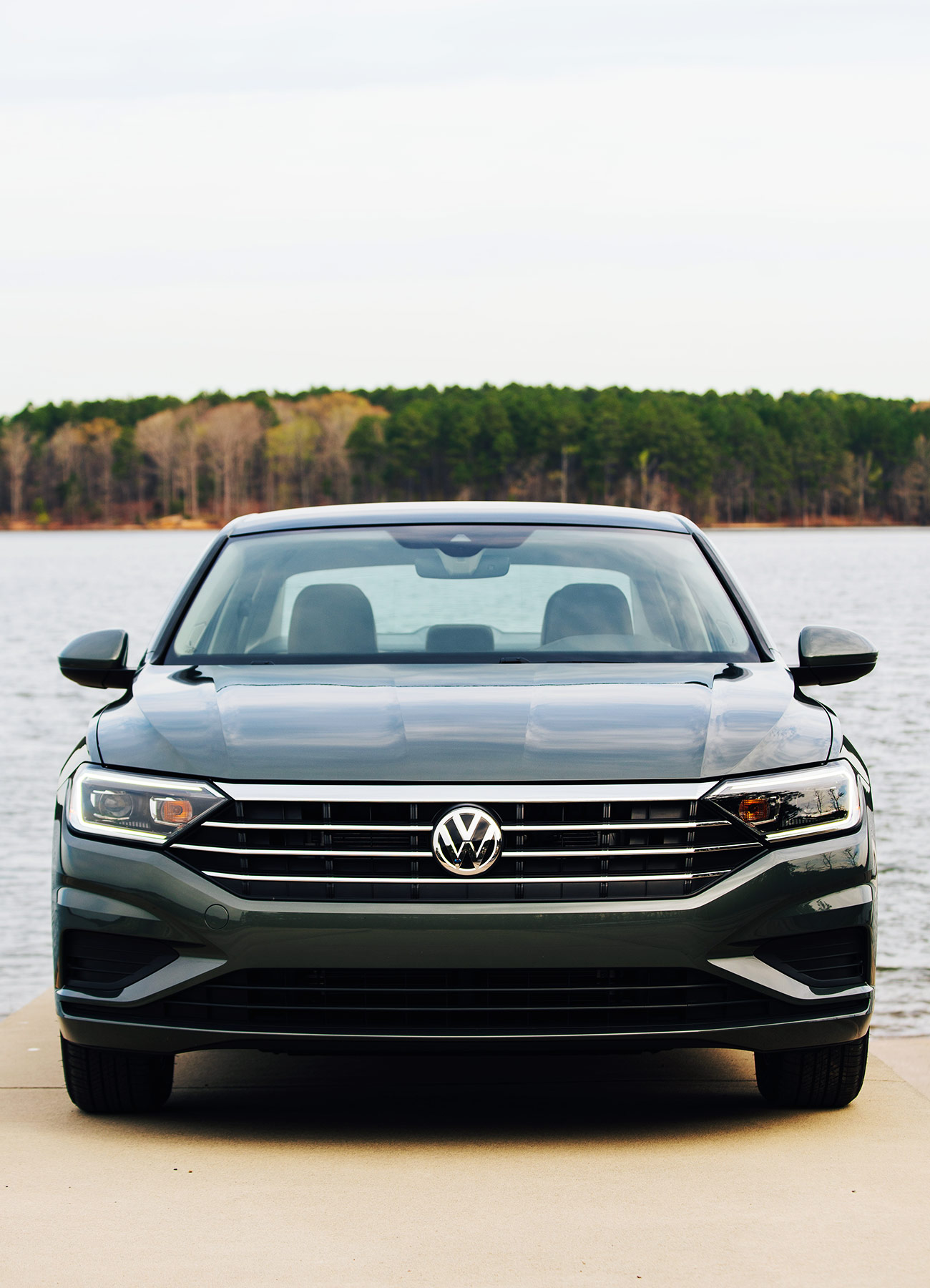
In terms of looks, I’m just happy VW decided to let the Jetta stand out a bit. For too long the car has been easily lost in a crowd; now, with that big ‘ol grille and sharp lines running down the side, it’s no longer a mystery compact. Though I only saw them functioning in the daytime, the new LED headlights look mighty sharp too. Styling is always subjective of course, but what VW has done is match the premium feel and equipment with a premium look. Even a base model Jetta S looks good, which couldn’t be said of the last few generations.

Who It’s For: It’s been about a decade since I’ve really thought the Jetta deserved to be called “the people’s car,” but with the changes they’ve brought to the 2019 model, it’s fair to say that it is indeed for everyone. Those looking for legitimate German engineering at a low cost of entry can once again turn to the Jetta to satisfy their desire for a solid vehicle. So can young professionals, old professionals, college graduates, college dropouts, teens with means and thrifty fifty-somethings. Are you environmentally-minded but don’t want to roll around in a boring economy car? Get a Jetta and drive it in ECO mode. Do you enjoy feeling some kind of connection to the road, and are you liberal with your right foot? Get a Jetta and drive it in SPORT mode. Just want something properly safe that also looks sharp but not overwrought? Get a Jetta S with a six-speed manual and add the Forward Collision and Blind Spot Monitoring package. Whatever kind of driver you are, there is or soon will be a Jetta variant for you.

Watch Out For: As is often the case with German automakers, be aware of what options are included with each trim level. For example, don’t assume that the top of the line SEL trim comes with power seats and navigation, because it doesn’t. (If you want those luxuries you have to opt for the SEL Premium.) Also, though the R-Line trim sports the differential out of the current generation Jetta GLI, it has neither paddle shifters nor the selectable Sport and Custom modes available in the SEL. I’m told that equipment is reserved the upcoming GLI which will be “really exciting” and “something impressive” according to a VW spokesperson.

Alternatives: In terms of fit and finish, only the Mazda 3 and Subaru Impreza are on par with the Jetta. The Honda Civic is the closest competitor in the field of driving dynamics and if it’s outright value you’re looking for all bets are off because Hyundai and KIA both have quality cars that are worth a look depending on what your buying parameters are. There’s also a new Toyota Corolla on the horizon that is apparently going to move it away from being a simple appliance. Most notably, given its new Audi-shared platform and updated looks, fit and finish and performance, you’d be wise to cross shop the Jetta with small premium cars, possibly saving yourself a ton of cash in the process.

Review: As I set out on my drive, I couldn’t help but think about the last Jetta I’d driven. It was a white over beige 2012 S manual model with no options — basic as it comes. That car felt absolutely anemic, its 1.4L turbo struggling to keep up with requests from the gas pedal. I’d been concerned about the fact that this new Jetta also runs a 1.4L turbo making just 157-hp, but its 184 lb-ft of torque gave me a shred of hope.

That shred grew considerably as I merged onto the highway with the Sport driving mode selected and gearbox in S too. (No, it’s not a redundant move, the selected driving mode is independent of the gearbox mode. You could drive around in Eco with the gearbox in S, though I don’t know why you would want to as standard shifts are still plenty snappy when you’re being green.) The eight-speed automatic is programmed well, save for the fact that it gets confused when suddenly dropped to S for passing maneuvers. Heavy throttle application followed by quickly letting off the pedal causes the tach needle to hang a few seconds longer than it should, a problem remedied by choosing your own gears with the transmission’s manual mode.

While following the gently meandering roads of rural North Carolina I was provided ample time to further ponder my past experiences with Jettas. Would any of my buddies who had owned Mk6s and Mk7s consider returning to the brand now that VW has finally delivered on the promise of a more grown up and driver-focused Jetta? Where does this Jetta fall in the history of the model?

I continued down a road with some halfway entertaining elevation changes and curvature. Finally, there was some terrain that should offer up some real feedback. I’m happy to say that not only was road feel information relayed to my hands and butt, but it was all positive. It was by no means a sports car-telepathic experience where I felt totally in sync with the car, but it wasn’t numb like the last Jetta I drove, or the one before that — or the bulk of this car’s competition. The Honda Civic remains the gold standard for slow-yet-fun cars in this segment; however, the Jetta is now a worthy adversary. I can’t wait to see what the new Jetta GLI is like given the nature of the regular Jetta.

Not since the Mk5 Jetta have I considered it to be a driver’s car at the core, but that’s now changed. It’s apparent from the moment you get inside and see the new geometric dash angled towards the left seat that VW is doing justice to their old tagline “Drivers Wanted.” The angle is so pronounced that it’s reminiscent of classic BMWs in that it really creates a commanding cockpit feel for the driver and says ‘don’t touch my radio dials’ to the passenger. I liked it a lot, as did just about everyone I talked to at the launch. I can only hope the average consumer will too.

Verdict: I went into this drive really skeptical because of Volkswagen’s reputation as of late. I’d had a hard time getting behind the brand for awhile even prior to all that emissions business coming to light — they just weren’t the Volkswagen that I came of age with. This car, however, is a huge step in the right direction and looking out beyond the 2019 Jetta there appears to be a relatively clear path forward. It’ll be interesting to see what the public reaction to this car is. That said, a return to form for Volkswagen hinges on a generation of people who weren’t around in the “Das Auto” days. What they primarily know about Volkswagen is that the company was caught lying to their customers — a mighty hurdle to overcome. Fortunately for VW the new Jetta is poised to change that perception, and all people have to do is give them a shot.

Key Specs

Opting for the top of the line SEL Premium gets you comfy sport seats that are ventilated, and starting mid-2018 a Cold Weather Package that includes heated rear seats, a heated steering wheel, remote start and heated washer nozzles will be standard. A lot of goodies for $27,000.

Engine: 1.4 litre turbocharged inline 4 cylinder
Transmission: six-speed manual; eight-speed automatic
Horsepower: 147 horsepower
Torque: 184 ft-lbs
Number Of Interior Lighting Colors: 10!
Fuel Economy: 30 city/40 highway

You Could Get an Audi A4, or You Could Buy the New Volkswagen Passat GT and Save $7,000

Based on a concept Volkswagen brought to Automobility LA in 2016, Wolfsburg gave the new sporty Passat GT the green light. Read the Story

Note: Purchasing products through our links may earn us a portion of the sale, which supports our editorial team’s mission. Learn more here.

Review: Klipsch’s 61-Year-Old Speakers Still Sound Like a Dream

First introduced in 1957, Klipsch Heresy floor-standing speakers have become cultural icons. They’ve remained stalwart in Klipsch’s lineup over their 61-year existence and are rivaled in clout by only the Klipschorn and La Scala. As multi-room audio and wireless hi-fi become ubiquitous in the stereo speaker market, however, heritage speakers like the Heresys have become less convenient for most people. And as one of those people, who has a decked out Sonos system at home, complete with several Play:1 and Play:5 speakers, and a Playbar, I wanted to try out an old-school sound system and experience the difference.

The Good: There’s a lot to love about the Heresy III (Klipsch’s most recent iteration of the speaker). They aren’t too big; even in a small New York apartment, the speakers leave ample floor space and act as something of a statement piece. The sound quality is also impeccable; there’s a reason they’ve been in the Klipsch portfolio for so long. For a floor standing pair of speakers like the Heresys, the speakers have an unusually high sensitivity (this means that they can produce quality sound on less power than similar speakers). Each speaker is built by hand in Klipsch’s Hope, Arkansas factory and comes in three finishes: walnut, cherry and black ash.

Who They’re For: In truth, the Heresys are not for everyone. Most will find them to be overkill for their space, but they’d be wrong. Even at low volumes, the speakers produce clear and clean audio and don’t necessitate being played at deafening volumes. If you’re interested in giving your audio system a serious upgrade, or are looking for a pair of speakers to build a system around, the Klipsch Heresy is worth looking into.

Watch Out For: While the sensitivity of the Heresy is unusually high, you still need a decent amount of power to run them. You’ll need some sort of quality speaker amp to route the Heresy through before you attach to your receiver. If you’re in need of an amp, we recommend the following: Monoprice Pure Tube Stereo Amplifier, McIntosh Labs MC2301 and the Sonos Connect:AMP. They also tend to be a bit light on deep bass punch, so if you’re looking for a hard-hitting setup you’ll need to supplement a subwoofer.

Alternatives: If space and price are no issue, the larger and pricier Klipsch Cornwall IIIs are hard to beat. Alternatively, great deals on vintage Klipsch Heresy and Heresy II speakers can be had with a bit of patience on eBay.

Review: Even with the awesome sound quality and insane convenience of Sonos speakers, they leave something to be desired on the design-side; they’re a bit cold. It’s the reason I added Soundskins to all of my Sonos speakers, to make them blend more seamlessly into my space. It’s a decidedly modern way to get a better-looking speaker. But in truth, the best way to get a modern speaker in a retro-looking skin is to look to the past in the first place: Klipsch’s Heresy III floor-standing speakers.

Even those non-audiophiles, or simply those who are less nerdy about hi-fi than I, can appreciate the Heresy III speakers. It’s hard to argue against its classic appearance and heritage-tinged sound quality. Even if you never turn them on, they are the first thing someone notices in a room — and when you do turn them on, their clean, crisp sound can impress even the most discerning speaker aficionados. Even in places where the speaker loses a bit of composure (rock played towards the top of its volume threshold), it’s still fun. It’s a bit like driving a Ford Raptor. It’s refined in all the right places, but becomes unbridled and rowdy when you really turn it up.

While I can’t speak to the speaker’s performance in a cinema or TV application, I can only imagine that it performs equally well. Though as mentioned before, I’d recommend supplementing a subwoofer for truly immersive sound.

Verdict: It’s true, for a speaker with a 12-inch woofer, I expected a bit more out of the bass tones. But for what is classified as a “compact” speaker, you won’t find a better value. The form and sound of the speaker are elegant, and when you want to bring the noise the Heresy III delivers.

What Others Are Saying:

• “Play any well-recorded piece of music, turn up the volume, and you’ll be treated to something rare, the full dynamic jolts that no small speaker can ever approach.” — Steven Guttenberg, CNET

• “The Heresy can play louder and with lower distortion than a host of rear-horn-loaded full-range drivers, many of which are handicapped by a short voice coil and thus poor excursion capability. It is a godsend for music lovers in search of a tube- friendly high-sensitivity speaker. ” — Dick Olsher, The Absolute Sound

Key Specs

Frequency response: 58Hz – 20kHz
Sensitivity: 99dB @ 2.83V / 1m
Peak power handling: 400 watts
Nominal impedence: 8 ohms compatible

Read More Gear Patrol Reviews

Hot takes and in-depth reviews on noteworthy, relevant and interesting products. Read the Story

Note: Purchasing products through our links may earn us a portion of the sale, which supports our editorial team’s mission. Learn more here.

Recovering from an Injury or Workout? This Is the One Tool You Need

You likely know HyperIce for its vibrating foam roller, the HyperIce Vyper. The brand takes recovery seriously and wants to help you stay loose for whatever life throws at you next — from running a marathon to a beer crawl. Its latest rehab device is the HyperVolt, which looks a bit like a hairdryer, but is actually a high-tech massage therapy tool designed for athletes. Professionals like Lindsey Vonn and Blake Griffin swear by vibration therapy to help them increase range of motion and recover faster after competition — but it’s not just for pro athletes.

The Good: The HyperVolt is portable, feels great and isn’t as loud as its competitors. It’s easy to use, helps everyday athletes recover and increases performance. It’s a top-notch performance tool that makes vibration therapy accessible to everyday athletes. The four interchangeable head options provide a variety of pressures and touch points for you to massage your muscles.

Who They’re For: The athlete looking to up his or her performance. Studies have shown that massage therapy in the form of vibration can be beneficial to muscular systems and tendons because it mimics exercise and positively influences muscle function and coordination. Studies have also shown that some forms of vibration therapy offer comparable effects to mild exercise, which is what you should be doing on your days off.

Watch Out For: Don’t place your fingers too close to the edge of the swappable head — in testing, I found that it’s possible to pinch your skin in the mechanism. While the motor is quieter than the TheraGun (more on that later), it’s still not as quiet as your electric. I used it in an office environment, and people were more than a bit inquisitive about what the noise was. While it’s too loud for an open office, it likely wouldn’t bother anyone if you used it behind a closed door and tucked away in a nook.

The machine weighs in at 2.5 pounds, which is deceivingly heavy when you’re lugging it around in your gym bag or suitcase. And at $349, it’s not cheap.

Alternatives: While there is a variety of vibrating foam rollers on the market — like the HyperIce Vyper ($200), NextRoller Electric Vibrating Foam Roller ($100) and TriggerPoint Grid Vibe ($100) — there aren’t many vibration therapy devices like the HyperVolt. The hand-held application of this one is unique. It’s similar to the TheraGun but differentiates itself in a few key areas.

The Verdict: The HyperVolt is something you would typically find at physical therapy offices or recovery and rehab classes, but now the technology is available to everyone. Sure, there are recovery classes offered at studios like reCover and Tone House that incorporate vibration therapy, but with recovery becoming an integral part of the everyday athlete’s routine, it’s important for the technology to be accessible at home. The HyperIce HyperVolt claims to help relieve muscle pain, stiffness and soreness, increase range of motion, circulation and blood flow — and it delivers. Using the HyperVolt to warm up and cool down can prime your body for a tough workout and help return oxygen to your muscles afterward — which further aids in recovery.

It comes with four attachments: a 2-inch sphere, an arrow-shaped nub, a two-pronged bit and a hammer tip; each is easy to remove with a slight twist. Each head provides a different pressure and stimulation that allows the user to get deep into IT bands, glutes and other hard to reach muscle tissues.

Compared to the G2PRO TheraGun, there are a few major differences. Price for one: $599 for the TheraGun, and $350 for the HyperVolt. The TheraGun arrives in a carrying case (which the HyperVolt lacks), with four interchangeable heads — similar in shape and material to the HyperVolt — along with two battery packs with a wall charger. The TheraGun’s rotating arm allows you to get at hard to reach muscles that the HyperVolt does not. Despite these shortcomings, I found I was more likely to toss the HyperVolt in my gym bag.

When powered on, the HyperVolt glows around the base of the removable battery that also acts as the hand grip. In the past month that I’ve been testing it, I failed to drain the battery completely. It makes sense, given that the most I’m using for is 10 minutes a day, and according to HyperIce it’s supposed to last for up to three hours on a single charge.

The HyperVolt offers three intensities and is slightly heavier than the TheraGun, which weighs in at 2 pounds and 7.6 ounces. TheraGun has just one speed, but a smaller handle for a variety of hand shapes and sizes. As for how each feels? When used at the same time on separate legs, there’s little to distinguish between them. If you’re looking for the latest and greatest recovery tool that’s not going to break the bank, the HyperVolt is for you. Your muscle fibers will thank you tomorrow.

What Others Are Saying:

• “We’ve recently become converts to the handheld vibrating massager, thanks to the TheraGun G2 Pro. But, it’s just so damn loud that we can’t really use it in any normal setting—the office is a no-no, as is our small apartment when the baby is sleeping. That device’s steep price ($599) is also a drawback. But, the Hypervolt alleviates those issues. It’s whisper-quiet, by comparison: Sure, it’s noisier than a foam roller but doesn’t sound like an industrial power tool, and definitely won’t wake up the neighbors.” — Jeff Dengate, Men’s Journal

• “Speaking of where to use what, this is not the second coming of the magic wand, at least not out of the box. You could certainly get creative by modifying some of the heads, but this hurts when you accidentally bounce it off your spine- you don’t want it anywhere more sensitive than that. Hypervolt is so powerful that the benefits and effects are immediate, even on the “low” setting. It’s no impulse purchase at its $350 MSRP, but you can’t really put a price on getting rid of pain, and far less effective home massagers can easily get more expensive than Hypervolt, and are all more cumbersome and not portable. If you’re regularly paying up for massages, rolling out muscle pain, or leaning in to your massage chair to try to increase its power, Hypervolt is absolutely worth a look.” — Shane Roberts, LifeHacker.com

Key Specs
Battery Life: 3 hours, rechargeable

John Mayer’s PRS Silver Sky Captures the Magic of Vintage Guitars

On March 5, guitar maker Paul Reed Smith announced a new John Mayer signature guitar called the Silver Sky. The design is immediately familiar to guitarists, inspired by Mayer’s instrument of choice for the majority of his career, the Fender Stratocaster. Though this instrument takes cues from vintage ’63 and ’64 Strats, it is not just another Fender copy. Mayer and PRS spent over two years designing the guitar, starting from the ground up to maximize playability and function.

In 2014, nine years after the debut of Mayer’s best-selling signature Fender model, the singer-songwriter announced his split from the brand. Since then, he played numerous PRS guitars on stage for both solo concerts and engagements with Dead and Company. The past two summers, he collaborated with PRS on the Private Stock Super Eagle and the Private Stock Super Eagle II, $11,500 guitars he used to channel aspects of Jerry Garcia’s tone. His signature model, which is offered with a far more accessible $2,300 price tag, started as an idea almost a decade ago. “I had an idea for a guitar — and this goes back about 10 years — a guitar that is sort of the future of the classic [Strat] design,” Mayer said in a recent livestream.

Since its announcement, message boards have been buzzing about the guitar: is it just a blatant Strat copy? Why’d it take so long to design? What, if anything makes it better than a high-end Fender? To answer some of the more pressing questions, I got my hands on a Silver Sky and tested it for a week.

The Good: For Strat players, this guitar will feel and sound very familiar. If you’re accustomed to the design idiom and sonic palette, you’ll be at home. Tonally, the guitar is even across all registers and has a bright sound that is neither brittle nor harsh. As you’d expect from PRS instruments, the guitar has great intonation and the pitches are clear and focused throughout the fretboard — this is a precision instrument. Each position on the five-way pickup switch occupies its own rich aural landscape which can be shaded additionally with the volume knob and two tone controls. As a whole, the guitar is incredibly responsive to touch and right-hand nuance.

As for the neck? It’s got a 25.5-inch scale length, a 7.25-inch fretboard radius and a more substantial shape. The PRS acoustic frets (smaller than what you find on other PRS electrics) and a lower action make this guitar effortlessly playable, out of the box. For the price, this guitar is a great value for the right player — the build quality is top tier and the sonic palette is ample.

Who Its For: As the $2,300 sticker price suggests, this is an instrument for serious amateurs and professionals. Many of the nuances of this guitar would be lost on beginners and some intermediate players, though they would certainly appreciate the playability. More advanced players will be able to fully utilize what the guitar has to offer. This is an instrument for single-coil lovers; if you currently play Strats, you’d dig it. If you’re someone who buys a Strat and immediately upgrades the pickups and tweaks the set-up, consider this stock PRS before going down the rabbit hole again.

Watch Out For: There’s nothing inherently wrong with the Silver Sky, but there may be things certain players don’t like. People who like v-shape necks or thin necks would not like this neck shape. Also, those who need jumbo frets won’t be as comfortable with this instrument. As per Mayer’s wishes, the bridge is set-up flush to the body, so the tremolo only goes down in pitch. If you’re someone who prefers a floating bridge, this is something you can adjust on your own. The guitar comes in Tesla colors — Frost, Horizon, Onyx and Tungsten — so don’t expect a sunburst or flame-top, at least for now.

Alternatives: There a few new Strat-style guitars in this ballpark. You can pay a little less and get a Fender American Elite Stratocaster or a Suhr Classic Pro guitar — both fine instruments. Or you can pay a little more and get a K-line Springfield or a LsL Saticoy. Though these guitars each bring something unique to the table, they approach the instrument from a different perspective than the Silver Sky. In the next price tier, you’ll get into instruments from Fender’s Custom Shop (alternately, you can find comparably-priced Custom Shop guitars on the second-hand market).

Review: In a recent livestream, Mayer shared the principles that guided the Silver Sky’s design. “This is a part of a larger conversation about going into a guitar that’s been around for 60 years and going, ‘What’s still valid and what’s still vital and what can you go in and modify?’” he said. “And Paul Reed Smith and I went in and our saying was sort of this: ‘You take 100 Strats and two or three of them are magic. The question is, what makes those magic and how do you replicate that so you get 100 out of 100 guitars that are magic?’”

I already had expectations upon receiving this guitar — PRS makes some of the best guitars on the market — but that quote added another element: magic. Paul Reed Smith is known for being able to replicate precision and beauty, so I was curious how the company could bottle the magic of vintage guitars from the mid-’60s.

For a week, I tested this guitar with a Fender ‘65 Princeton Reverb Reissue amp. I tested it with and without pedals, and for the sake of this review, I’ll focus on the time spent playing it directly into the amp. Before playing a note, I immediately noticed the shape of the neck. It was thicker and a touch more substantial than other Strats I own, and it felt immediately comfortable in my hand. After plugging in, the first thing I noticed was the quality of sound. It was bright and focused, but not tinny or harsh. Individual notes were focused and precise while retaining a warm, harmonically rich quality. Notes spoke evenly across all registers and the intonation was great, out-of-the-box.

The pickups each offered distinctive tonal differences, and I found myself exploring the range of colors available when tweaking tone and volume knobs in each position on the five-way pickup switch. Along with having very nuanced controls, the pickups are very responsive to right-hand touch. Subtleties in pick attack and degrees of pressure from right-hand fingers plucking the strings were easy to discern. In a way, the guitar is transparent; it highlights everything you put into it. The Silver Sky features PRS acoustic frets, a smaller fret-wire similar to that used on vintage instruments. Whether playing dense chordal passages, single-note runs or double-stop licks, I didn’t struggle against the instrument — it was easy and fun to play.

With the Silver Sky, PRS manages to blend the quality and precision the brand is known for with the best elements of vintage instruments. Imagine you could cherry-pick your favorite frequencies from a vintage Strat and ditch the wonky ones. Pair that with a vintage-inspired neck profile and modern contoured body, and you’ll get the Silver Sky. Unlike vintage guitars from the ‘60s, it’s a roadworthy instrument that costs a fraction of the price. If that’s not magic, it’s something close. “This has a lot to do with taking what my favorite ’64 Strat is,” Mayer said in his livestream. “Taking the overall sensibility and tone of that guitar and giving it to people so that it becomes not something that’s impossible to get for most people. I just love the idea of bringing it down to a place of accessibility for people. And I think to a certain extent that’s really happened. Paul is a scientist as much as he is an artist.”

Verdict: This is a lot of guitar for the price. If you’re in the market for a top-tier guitar in the Strat wheelhouse, the Silver Sky should be on the top of your list. It’s got the responsive evenness that PRS is known for and a clear, focused single-coil sound that is hard to beat. You’ve got a lot of colors to play with tonally, and the instrument feels great in-hand. While the guitar sounds this great out of the box, I can’t wait to hear how it will age with a decade or two of playing.

What Others Are Saying:

• “I do know that all these parts together make a really great instrument — it’s really impressive… [The Silver Sky], for a brand new guitar, feels very comfortable, like an old friend.” — John Bohlinger, Premier Guitar

• “It doesn’t feel like a PRS at all… [But], this is not a Strat. Everybody’s saying it, but actually, this is less like a Strat than a lot of other [guitars]. It does have characteristics of three-single-coil-pickup guitars… I’d go so far as to say, this might be the first PRS I’d get.” — Peter Honoré, Andertons Music Co

• “I can tell that this guitar was built for somebody who is an amp driver… This doesn’t holler at you the way [the PRS McCarty] 594 does. It’s clear, it’s clean, it’s transparent, it really wants you to dig in and fight a little for it.” — Michael Palmisano, Guitargate

Key Specs

Body: Alder
Neck: Maple
Fretboard: Indian Rosewood
Nut: Bone
Bridge: Steel Tremolo
Tuners: Vintage Style, Locking
Pickups: 635JM

Read More Gear Patrol Reviews

Hot takes and in-depth reviews on noteworthy, relevant and interesting products. Read the Story
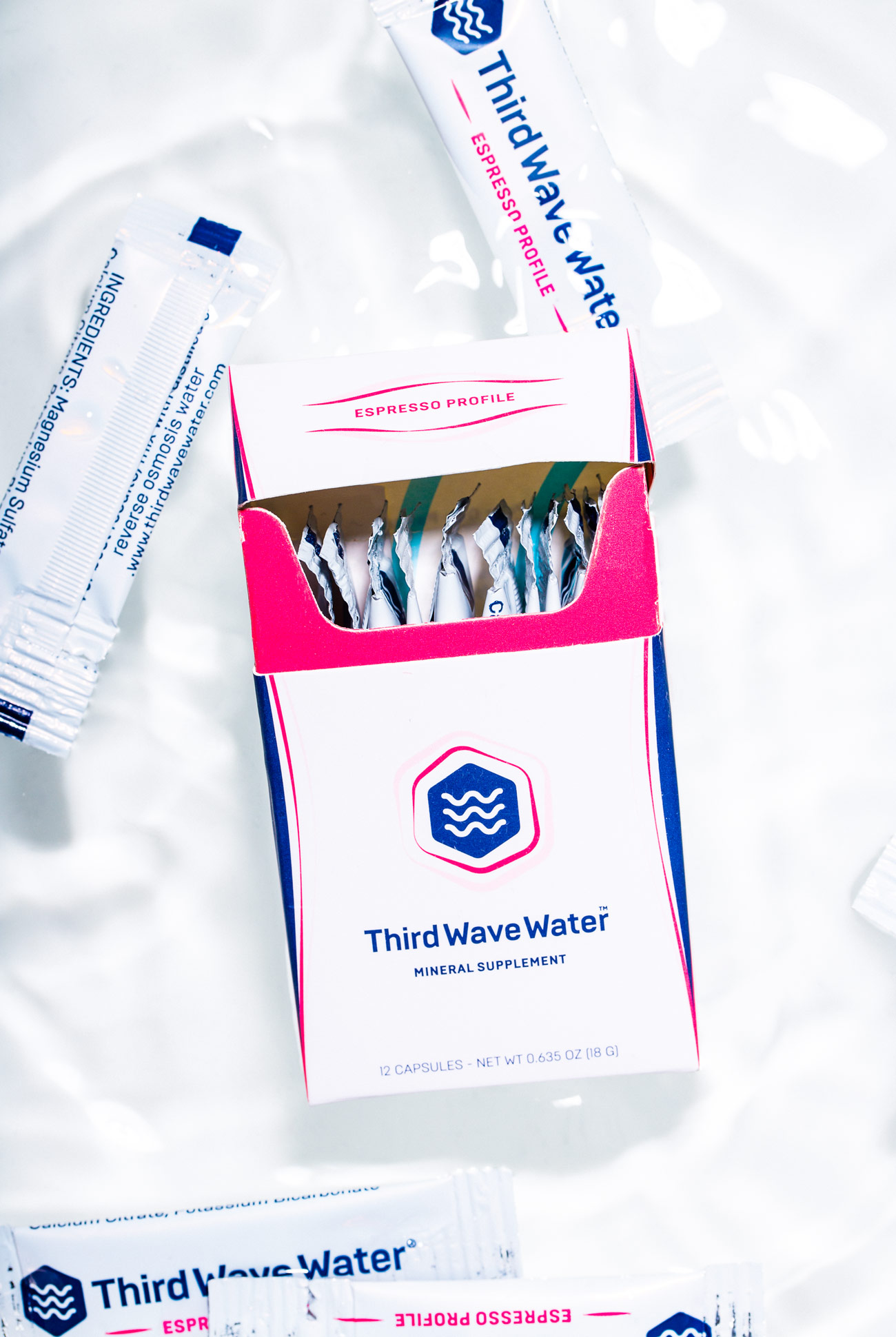
Note: Purchasing products through our links may earn us a portion of the sale, which supports our editorial team’s mission. Learn more here.

Vitamix’s Cheapest Blender Doesn’t Skimp On Performance

Ask any home cook what the best blender money can buy is and they’ll likely say, almost reflexively, a Vitamix (even if they haven’t ever used one or observed one in action). The American company’s approach is comprehensive — design, multi-functionality, customer service, warranty and ease-of-use are accounted for with every model, new and old. But the 5200, the brand’s longstanding unofficial flagship, is still $450 from its website.

Released in 2017, Vitamix’s Explorian line, and the E310 model, is a response to the real pressure from competitors making similarly powerful blenders at a fraction of the Vitamix price point. The E310 is $100 more affordable than the 5200, and promises virtually identical blending prowess, marking Vitamix’s first concerted effort to lower the point of entry for a full-sized, badass blender. Does the E310’s stack up to Vitamix’s classic 5200 blender and a cavalcade of lower-priced brands’ models?

The Good: Without a doubt, the E310’s performance stacks up to its predecessor. The 5200’s main selling point is an ability to pulverize virtually anything into whatever consistency you wish — chunks of veggies diced in 10 seconds; soups made, cold produce to piping hot, in six minutes; homemade frozen yogurt in 60 seconds, creamy nut butters and so on. Yes, it can make you a really, really smooth smoothie, too.

After making curried carrot soup (recommended on Vitamix’s site), pistachio nut butter (it’s as incredible as it sounds) and way too many walnut and mint chocolate milkshakes with the two models side-by-side, the E310’s performance basically mirrored the 5200. On top of this, though both have similarly-sized bases, the E310’s container is almost three inches shorter (48 ounces) than the 5200’s (64 ounces), allowing it to fit snugly under my kitchen cabinets.

Who They’re For: Anyone who’s set on a Vitamix and just on the edge of buying the 5200 or other similar models, with price being the sole thought otherwise. It can do what the 5200 can do from a performance perspective, and it can be had for $100 less at full price.

Seeing as most folks who are considering dropping $300 or more on a blender likely plan to use it close to every day, it’s short (albeit less voluminous) container is more likely to slide into a corner on your counter.

Watch Out For: The E310 is indeed cheaper. The handle of the container is a slippery-when-wet plastic, where a rubberized grip is provided with the classic model. The knobs and switches on the base also lack the rubberized feel the 5200 provides. They’re covered by the same type of warranty, but the E310’s five-year warranty is two years briefer than the 5200’s. Final bit: at 48 ounces, if you plan to blend larger batches or have more mouths to feed the E310’s stock container (get the E320 for more room for the same price) may prove too tight.

Alternatives: By way of longer base warranties, more hardy, quality-of-life-improving materials and the potential to blend in greater volumes, the 5200 is a better blender, if only slightly. A new one will run you $100 more than the E310, but a manufacturer refurbished model can be had for less than a new E310 (we didn’t test the refurbed 5200, but reviews are overwhelmingly positive).

Outside of the Vitamix label, Oster’s Versa Pro Series blender has been offered up as a more affordable blender, if slightly less affordable. It’s also discounted on Amazon fairly frequently.

Verdict: The E310 is good. It shaves a healthy amount of cash off what is a luxury product and maintains that product’s performance integrity. Think of the E310 as a utilitarian, stripped-down 5200 — it’s without some smaller features but accomplishes what it needs to all the same.

What Others Are Saying:

• “There’s no other blender on the market today that balances price and value better than the E310. You could get a Vitamix Certified Reconditioned blender at similar pricing, but for some it’s an icky thought, and for others, it’s tough to find the right model at the right time at the right price since they are limited quantities. Being a brand new blender, the E310 availability will be way better than a Certified Reconditioned model, and it does offer the warranty extension to 8 years as well.” — Rick, Blender Reviews

• “The Vitamix E310 and the Vitamix 5200 are both solid 2-horsepower machines that will deliver nearly identical results in terms of blend quality… If you are blending smaller batches, I’d recommend the E310 — and the 5200 for larger blends. Keep in mind cabinet height if purchasing these – the 5200 is ~2.5-inches taller but could make all the difference when it comes to storing this on your countertop.” — Keith Knittel, Blend Guide

Key Specs

Dimensions: 11 x 8 x 18 inches
Blades: 3-inch laser-cut, stainless-steel blades
Horsepower: 2.0
Weight: 10.5 pounds
Cord: 4.5 feet (coiled in base of device)

Read More Gear Patrol Reviews

Hot takes and in-depth reviews on noteworthy, relevant and interesting products. Read Reviews

Note: Purchasing products through our links may earn us a portion of the sale, which supports our editorial team’s mission. Learn more here.

The Nuclear-Grade Aston Martin Vantage Is Exactly Why James Bond Doesn’t Drive a Porsche

The 2019 Aston Martin Vantage is the latest iteration of performance-oriented cars that have supplemented the marque’s gentlemanly grand touring lineage. Past Vantage models, including cars from the late ’70s and early 2000s, were typically offered as variants of the company’s flagship of the time, like the DB9. Aston Martin, now in the middle of a brilliant and categorically successful revival, is introducing all-new model after all-new model; the Vantage is its latest debut. The Vantage is a standalone car rather than a performance variant of an existing car; it does, however, borrow architecture from its big brother DB11 and an engine from AMG. The Vantage is the first car in Aston Martin history to offer an electronic differential; it is also one of the only production cars currently on offer that generates significant downforce. Its main competition is, unsurprisingly, the sports car benchmark: a Porsche 911.

The Good: The sound and the fury. Also, the sound and the feel. While I’m at it, the sound and the looks. Aston’s new Vantage is what I like to call a Very Good Car. It is purpose-built to stun every sense. Take one look at its distinctive and futuristic yet heritage-inspired shape and you’re intrigued; hear it start up, and its raucous V8 ignites in you a traditional muscle car lust; drive it and you understand how supportive of your wildest daredevil dreams a car can be. This is an all-new car meant to break into a heavily-contested segment, and it makes a massive statement. The Vantage’s fit and finish are extremely good. It pushes the boundaries between luxury and sport. Perhaps best of all, this does not feel like a brand new experiment; the Vantage feels so confident and solid and well-done that it may as well have always existed.

Who It’s For: The 911 guy who wants something more exclusive and traditional. Your buddy’s Porsche isn’t hand-built; plus, it’s shaped funny and the engine is in the wrong place. You want a very relatively rare and very fast sports car that’s nimble on the road and vicious on the track; one that’s got a V8 in front and a classic coupe profile. Something with heritage that’s also thoroughly, vividly modern. Something you can customize to your every whim; something British. Because James Bond doesn’t drive a Porsche.

Watch Out For: There’s road noise, though not an inappropriate amount for a muscly sports car. If you want an Aston Martin (you do) that’s quiet, you get (the utterly magnificent) DB11 V12. If you want a relatively quiet Aston Martin that is quite sporting, get the DB11 V8. If you want a true sports car from Aston Martin, you likely also don’t mind road noise; if you’ve driven a recent 911, you’ll notice about the same amount of decibels emanating from the german’s tires. This is a caveat, but also a total wash.

The car’s styling, which is a mix of 007’s movie-only DB10 and the current DB11, is forward thinking — a quality that’s always a bone of contention, especially among purists.

The Vantage is also more expensive than its direct competition: the 911 features a base price of #91,100, almost $60,000 lower than the Vantage. That cost delta isn’t entirely unjustified: for that extra change, you get a hand-built car that’s completely customizable. To be fair, if you start customizing things willy-nilly you’re going to pay quite a lot more than the base price.

Alternatives: The Porsche 911 is directly in the Vantage’s crosshairs. One of my favorite cars in recent memory is the (also British) Jaguar F-Type SVR which, with its 575 horsepower V8, is also a competitor. Audi’s civilized, mid-engine R8 (which now comes in rear-wheel drive) should also be cross-shopped if you’re in the market.

Review: The Vantage shares its architecture with the larger and more opulent DB11, and it also uses an engine and tech developed by Mercedes-AMG. Those bits coalesce into a marvelous package that feels totally planted on the road or track at all times, and provide copious power and agility that’s needed to compete in this segment. This engine sharing isn’t Aston selling out; it’s a smart move by CEO Andy Palmer, and likely the easiest way for the company to continue its aggressive growth. Regardless, it’s a fine motor. There’s power in abundance every time your foot summons any. It’s smooth and sounds unhinged — my favorite combination.

Styling is the only sticking point I’ve identified with the Vantage — it’s costly and loud, yes, but those qualities are completely expected and as such don’t matter at all. I’m personally quite partial to every last line on the Aston, especially after being given a detailed talk about the car by Chief Creative Officer Marek Reichman. (Listening to an artist wax thoroughly about the golden proportion tends to do that.) Still, I understand the criticism: the headlights are unusually small and the front of the hood strikes a different shape than most cars, what with there being no readily discernible grille. My advice to detractors is to acknowledge that this is an all-new sports car by one of the most reasonably forward-thinking brands in the world — like it or not now, this car heralds in its own small way the future of design language.

I started my drive on the Portimao Circuit in Portugal to see just how sporting the lusciously, vividly green cars could manage themselves in the hands of a far-less-than-professional “racing driver” (me). The track was…wet. (That color is called Lime Essence, by the way.) Portugal, which hadn’t seen a drop of rain for the better part of the previous year, was being hammered by a weeks-long deluge from above, and the water did not spare us one moment. This made clocking 160 mph on the straight at full-tilt nerve-racking but also very easy. The Vantage is extremely patient, coaxing every bit of applicable driving skill out of me and putting to good use: I became superhuman in the driver’s seat when I know for certain I am anything but.

I felt entirely confident behind the wheel, and found sightlines and road feel in abundance; the seats held me in place at every turn and all controls were intuitively placed. Moreover, the cars we drove at the track were fitted with an optional sport exhaust that sounded crazy-ferocious especially flat-out in top gear.

The next day, our contingent took to the still-soaked roads in Vantages fitted with the standard exhaust — twin pipes versus quad, and quieter — yet still sounded outrageously good. (My driving companion pointed out that it sounded so heavenly there may be no need to get the sport exhaust.) Even though the Vantage is not necessarily meant to be a grand tourer, it is very comfortable for longer stretches. The car is actually a hatchback (until the convertible comes along, anyway) and there’s a surprising amount of cargo room too.

The Vantage is happy on fun roads: it squirts past slower cars and squirms up mountain switchbacks readily and happily. The interior of our car was bedecked with more electric green accents, a look that won’t be for everyone. But again, if you’re buying an Aston Martin, you’re able to customize every last bit to your liking and you could just as easily make those shiny accents piano black as you could a gaudy fuchsia. I found the lime and black contrast inside exciting, like a superhero’s costume, and every last centimeter of space inside was treated to a tactile carnival of fine materials. The driver and passenger are swathed in technology without drowning in an overabundance of buttons and dials. Even quirky details, like the Aston Martin signature triangular PRDN push-button shifting array, doesn’t seem out of place.

Verdict: I can say a great many positive things about the Vantage, but chief among them is that it simply makes sense. Aston Martin is such a storied brand with a distinct through-line to its heritage — it would be easy to develop a car that betrays the brand’s elegant, opulent, perfectionist ethos with some unremarkable, rough-edged car. But in demarcating the Vantage as the “sporty” option in the lineup, opposite the DB11’s grace and grandiosity, the company has defined what it considers to be the luxury segment’s two-door bookends — and tied them together with a fundamental quality that is inarguably Aston Martin. True, the brand makes much wilder cars than the Vantage, but hypercars like the Vulcan and exotics like the One-77 are outliers. The everyday luxury-segment buyer (if such a person even exists), would be totally justified in having a DB11 for his daily driver and a Vantage for the weekends because the car exhibits the brand’s old-world sporting nature of decades past in a decidedly modern way — that forward thinking I mentioned earlier. More importantly, the Vantage is beyond a shot across Porsche’s bow; I’d call the Vantage a small-payload nuke. Especially in Lime Essence paint.

What Others Are Saying:

• “Aston describes the new design as James Bond’s DB10 enhanced by the menacing stance of a Vulcan. Mr. Palmer sums it up as the brand’s “hunter, a car with its nose on the ground.” What Aston had to hold back on its grand-touring DB11 was put into this model, resulting in a huge ducktail, and even larger grille, heavy venting on the side, and a carbon roof.” — Máté Petrány, Road & Track

• “This is not an Aston to be driven in a tuxedo – I don’t think you’d even wear a tie. This one’s got class, but it’s new money class. Open white shirt class. Take me out and drive me hard class. And for every dollop of class, there’s two of breathless boy racer. It’s going to ruffle some feathers about what it really means to wear that winged badge, and that seems to kind of be the point.” — Loz Blain, New Atlas

• “Few auto companies manage to produce such consistently good-looking cars as does Aston Martin. It is becoming increasingly hard to remember the last time the British sports-car specialist turned out something that wasn’t either handsome or gorgeous. It’s a streak that the new Vantage, set to go on sale early next year, definitely isn’t going to break.” — Mike Duff, Car and Driver

Engine: 4.0-liter, twin-turbo V8
Transmission: eight-speed automatic
Power: 503 horsepower
Torque: 505 lb-ft
Dry Weight: 3373 pounds
Top Speed: 195 mph
0-60: 3.6 seconds
The Porsche 911 GTS Is a Commute-Friendly Track Car

For an alternate opinion: Eric Adams thinks “Porsche has mastered the daily-use performance machine formula.” Read the Story

Note: Purchasing products through our links may earn us a portion of the sale, which supports our editorial team’s mission. Learn more here.

The Only Problem with This Skillet Nothing to Do with Cooking

There is no lack of diversity in cookware — cast-iron, enameled cast-iron, carbon steel, copper. Yet there is little dispute that a stainless steel skillet is the workhorse of the American kitchen, its throne built on a foundation of all-around performance, durability, versatility and no-fuss maintenance. What separates quality stainless steel from a mountain of low budget imposters is mostly materials, a bit of design and what kind of warranty you’re covered by.

After a successful Kickstarter campaign, Misen just recently began shipping its stainless steel cookware, which naturally includes a selection of skillets. The cookware, like the brand’s explosively successful chef’s knives, toe the line of premium-made-affordable. The brand elected to go the direct-to-consumer route in order to cut prices. The stainless steel skillet — and greater cookware line — looks like a worthy second effort. So, is it?

The Good: This is not a smokescreen of buzzwords and decent web page design — Misen’s second kitchen-improving project is certainly premium stainless steel cookware. Top and bottom layers of steel coat each piece, and three layers of fast-heating aluminum make up the core. I tested the 10-inch skillet and, at just under 3 pounds, it’s heavy; but not so much that it’s not easily maneuverable with one hand. Once properly heated, that weight helps it retain heat more effectively when fridge-cold ingredients make contact. I tested the piece’s ability to cook evenly by searing a chicken thigh in the middle, sides and in-between and saw virtually no difference in sear from one spot in the pan to another. This weight, and the overall quality of the materials used, also prevents warping at higher heats. Where many brands are forced to stamp their products with warnings about high heat cooking, Misen does not.

Who They’re For: Misen’s cookware is for the aspirational All-Clad owner with a mid-market budget. Misen may be the brand for you if you’re paying keen attention to consistency and like the things you work with to simply feel like quality.

Watch Out For: A structured and spelled-out support system is often a downfall of products looking to disrupt longstanding markets with big promises, and Misen is no different. There is no warranty for these pans, whereas many of the industry old-timers (and some newcomers) offer anything from five years to lifetime coverage.

Like many cookware makers, Misen advertises a handle that is slower to fry your fingers than others. It’s hollowed out (warning: the hole closest to the cooking surface caught a lot of grease when cooking and is hard to spot), which made me think it may delay finger-burning for a few extra minutes. However, set to the same heat as my budget skillet they became nigh-ungrabbable all of 30 seconds later. I suppose there’s an argument that could be useful, but the fact remains if you’re cooking for more than five minutes you’re going to use a mitt.

Alternatives: Like Misen, Made In Cookware is a fairly new operation, and operates in much the same way Misen does: direct-to-consumer, online only, five-ply design, mid-market prices. The difference in cooking between the two skillets was minimal — I preferred the Made In skillet’s ($69) handle and would give a very slight advantage to the Misen’s heat retention. But, Made In supports their steel with a lifetime warranty, where Misen does not offer a warranty. More broadly, Made In’s line also includes a non-stick skillet, where Misen is just stainless steel.

The Misen skillet easily out-seared and generally out-cooked my low budget Calphalon skillet and was very clearly not of that caliber, so I would not recommend skimping for cheap stainless if you’re a stickler for consistency.

Verdict: In a vacuum, the $65 Misen stainless steel skillet is a good cooking tool to use for just about anything you can fit in it. But the lack of warranty is a dark mark on an otherwise well-made and fairly-priced product, and because there are alternatives in the same price region to tangle with, Misen’s skillet is perhaps only worth it for those seeking a heavier, more even cooking experience and don’t fear damage or durability issues down the road.

Key Specs

Weight: 2.8 pounds
Diameter: 10 inches
Material: 5-ply stainless steel
Handle Length: 7.8 inches

Stainless Steel Is Good, But It Won’t Sear Like Cast-Iron

Excerpt of next up story. Read the Story

Note: Purchasing products through our links may earn us a portion of the sale, which supports our editorial team’s mission. Learn more here.

Tumi’s Brand-New Latitude Packing Case is Cavernous and Might Be Worth the Pricetag

Earlier this week, Tumi formally introduced its newest line of hardshell cases, the Latitude Collection. The line consists of five sizes, from Slim International Carry-On ($645) to Worldwide Trip Packing Case (not yet available). Tumi’s pitch: the Latitude is the brand’s “most durable lightweight hardside case yet.” That benchmark is achieved by utilizing complex materials for the shells: “layers of specially woven self-reinforced poly-propylene ballistic material” are designed to flex and bend under weight and due to bumps and bangs, but not to break. On a recent 10-day European trip through multiple countries, I hauled along the largest of the four available cases, the Extended Trip Packing Case, to see how well it performed in the wild.

The Good: This thing is incredibly light and smooth. Truthfully, typing out “nine pounds” makes the case seem heavier than it feels in person. The sheer size of it compared to its lack of mass is really impressive. Even more impressive is how it moves under load — the casters roll without any discernible friction and maneuver effortlessly with barely any input.

It’s also cavernous: I had to work to fill the case, and even then I left enough room for another half week of travel. I’m also partial to the Latitude’s looks. the woven shell material creates a carbon-fiber-esque appearance, and the wavy texture, which I’m sure is partially structural, also adds visual appeal.

Lastly, the case really is durable and strong. After being loaded in no fewer than six planes, four hotels and countless shuttle vans, there’s nary a nick to be seen. I was also victim of airline delays, and the Latitude provided my light-ish but full-size adult frame with a comfortable seat for hours on end. (It’s fun to zoom around on too.)

Who They’re For: Travelers who set off often and for two weeks at a time, and who never want to buy another suitcase ever again.

Watch Out For: It’s possible the Extended Trip Packing Case is too big for most sojourns. I was traveling through multiple climates and had to dress for a wide variety of events, from formal dinners to relaxed, casual travel days and business meetings in the middle. And, knowing that I had a large case at my disposal, I packed liberally. Still, there was room. Copious space is, of course, what the case is designed for, but the bigger problem is how space is utilized — it’s simply a big, vast, open receptacle. That’s good if you use packing cubes and other containers (I like Eagle Creek cubes and a Mack Weldon dopp kit) to organize your belongings. Otherwise, you’ll be forced to unpack completely every time you want something at the bottom.

Alternatives: The luggage world features a large price-point spectrum. Especially with direct-to-consumer brands stepping up to the plate in recent years, the competition is heavy especially when the baggage is lightweight. Rimowa, often considered the king of luxury aluminum luggage, introduced a polycarbonate line called Salsa Air a couple years back. This particular example is eight liters more capacious than the Tumi but $250 less expensive. It’s also lighter by about a pound. Away, the popular internet brand, also makes a very big check-in-size spinner, appropriately called The Large. It’s a pound heavier than the Tumi but holds almost 10 more liters and at $295 is far more affordable. Lastly, you could go with the AmazonBasics Hardside Spinner, which is dimensionally similar to the Tumi but weighs three-ish pounds more. However… it’s only $90.

Review: At $795, the Latitude is a far cry from bargain bin status, but while part of the price can be chalked up to brand equity, buyers really do get substantial quality for their cash. Not to mention respect: I was complimented many a time by my travel companions, many of whom are on the road more than they’re home and, consequently, know their suitcases. The Latitude feels really lovely to move about, but it looks the part. I’d definitely opt for the silver colorway, which sets it apart on the luggage carousel.

The telescoping handle is a three-stage affair, perfectly tailored to travelers of varying heights who also wish to take full advantage of physics. I also really enjoyed the integrated TSA lock, strange as that sounds, because its texture and sturdiness are well considered. It’s actually kind of nice to lock and unlock the case. But my favorite moment with the Latitude took place in Portugal, as my companions and I gathered at the carousel to await our luggage and mine came out first: a shiny, new Tumi. One friend in particular was so impressed he didn’t believe it was a genuine article and set off searching for the company’s signature tracking code. I gained some jet-set capital that morning.

Verdict: I like the Latitude a lot. The only way I could justify purchasing one this size, however, would be if I traveled much more than I do. And I travel pretty frequently. However, as far as ease of use, looks and personal cachet are concerned, the Extended Trip Packing Case is a winner. If I were to be more discerning, though, I’d have to really consider its competition, especially The Large by Away. With the savings, I could buy most of a substantial airline ticket. Still, if prestige and having cutting-edge suitcase tech is your goal, Tumi’s Latitude is the answer.

What Others Are Saying:

• “Each piece’s exterior shell is crafted through a manufacturing process called “layer method,” meaning these suitcases are hella strong, thanks to Tumi’s weaving process featuring their innovative Self-Reinforced Poly-Propylene fibers — the same material used in the auto industry.” — Kim Duong, Travel and Leisure

• “It gets squeezed between a hull and a dock. It rolls around in the back of a van. It rides on the back of a camel through a sandstorm. It [gets] tossed unceremoniously into the dirt at the top of a remote mountain—home to a humble monastery. It survives all these trials, proving it is both luxurious and durable. You will be persuaded, the camera insists.” — Gabriel Beltrone, Adweek

Key Specs

Height: 30 inches
Depth: 11.75 inches
Width:20.5 inches
Weight: 9 pounds
Capacity: 90 liters
Material: “TUMI Self Reinforced Polypropylene Ballistic”

Lotuff’s Extraordinary Leather Bags Are Made to Last a Lifetime (or Two)

I own two Lotuff bags — a duffel and a briefcase — and treasure both. But the company’s story is even more superior. Read the Story

Note: Purchasing products through our links may earn us a portion of the sale, which supports our editorial team’s mission. Learn more here.

The Range-Topping 2019 Ducati Scrambler 1100 Is Torquey, Tech-Filled and Supremely Poised

Expect the unexpected at all times: that’s my mindset when riding a motorcycle, and so far it has saved my ass on a handful of occasions. However, sometimes the unexpected thing is in the middle of a damn corner. I have no doubt that a lesser bike wouldn’t have been able to handle the crater hiding in the shadows of a sweeping left-hander I encountered while riding the 2019 Ducati Scrambler 1100. I had read the corner in my approach; my entry speed was right, my line was right, my lean angle was right and then, WHAM! The front wheel dropped into this black hole, then bounced back out at an angle, sending a shockwave through the bars up into my hands and arms.

By the time the sensation registered in my brain the rear wheel was already in the hole, where it seemed to ponder for a few seconds what to do next. It chose to leap out, slapping the pavement upon returning from the pit. Still, it didn’t jump out of line. And although it felt like I’d just grabbed ahold of an electric fence, I was good to roll on. While many things impressed me throughout my day riding the Scrambler 1100 Special, the fact that it remained poised through that whole scenario takes the cake.

The Good: At first glance the new 1100 doesn’t appear to be all that different than the other 50,000-plus bikes the Scrambler sub-brand has sold since 2015. However, when you look closer and read the spec sheet you realize a number of subtle, yet important changes have been made. The same basic heritage-inspired look forms the basis of the bike, but this time designer Jeremy Faraud started with a clean sheet of a paper — the result is a bike that is 100 percent new. It retains the knobby tires, banana seat and drop fuel tank indicative of the Scrambler, but they’ve all grown to fit the bigger personality of the 1100. More fuel capacity and a wider seat are among the most important changes because riders are going to want to go further and for longer periods of time on this updated bike.

Who They’re For: The rider who wants the best Scrambler will go right for the 1100, however it’s not just for those who want the range topping model. Anyone who wants a bike that is equally entertaining in corners as it is capable of facilitating extended adventures should have it on their list. With three selectable riding modes that make changes to power and traction, you have one bike that is a commuter, a cruiser and a canyon carver all in one. Those looking to drag a knee should seek out something else, as should the overlanding crowd. For the torque hungry rider who welcomes technology baked into their bike and isn’t worried about ponying up for it, the Scrambler 1100 is a perfect choice.

Watch Out For: The Scrambler 1100 is larger all around it may prove too much for some smaller riders who are attracted to the power. Seat height is now 31.8 inches and while I’m 5’11” I was able to stand flat footed when stopped, other slightly shorter riders will have trouble maneuvering in tight quarters.

Alternatives: You could drop roughly the same amount of coin on a number of similar options, but the most direct competition comes from BMW’s R-Nine T and Triumph’s Street Scrambler. Both of those bikes have similar integrity when it comes to style and performance. However, it seems Ducati has gone above and beyond to make the Scrambler 1100 the best value for the money in terms of it filling multiple roles.

Review: I couldn’t get enough of the tailpipe soundtrack. Whether on throttle or off, the two-into-one exhaust, which terminates with a terrific set of side by side mufflers, releases a simply joyous sound into the world. Rolling out of the powerband generates pops and burbles not entirely dissimilar from the sounds made by Ducati’s four-wheeled German relatives that wear four rings. I’m sure it’s no coincidence that our riding route featured a section with a number of tunnels and bits of road with high walls on either side. Twist the grip and the pipes let loose a throaty growl that becomes a wail as the revs climb higher. What I would have liked to know is how the optional Termignoni exhaust sounded, but a dead battery on the only bike outfitted with the exhaust kept it parked.

Reeling the 1100 in from a rapid clip is alarmingly easy, though not surprising given the dual 320mm Brembo discs mounted up front. In addition to running big discs with performance brake pads, the 1100 also boasts four different levels of selectable traction control (one of those being “off”), Bosch cornering ABS and three riding modes. Safety is absolutely as much a part of this bike as performance and, as you may have gathered from reading the introduction above, I’m rather pleased that’s the case. Fortunately, I didn’t get too familiar with all the other safety features.

One more thing I have to touch on is the riding position. A bike can be pretty as hell, make all the right noises and boast big power, but if it’s not comfortable to ride then it’s a miss. I’m happy to report the Scrambler 1100 is not a miss. At least not the 1100 Special. The lower taper bars that are specific to this bike make it easy to settle into just the right zone for touring and were comfortable for a highway tuck as well. The wider and taller seat rounds out the equation as it allows for multiple positions to be found. At the end of the day, my back wasn’t out of whack, my wrists weren’t aching and I wasn’t walking around like a toddler with a full diaper. I call that a win.

Verdict: Having not ridden any of the other Scrambler models myself I can’t definitively say that the 1100 Special is my favorite, but I can say it is the best. Through discussions with other journalists and Ducati employees it became clear that while the other models may be enjoyable, they are not without certain drawbacks such as fueling issues and concessions made on materials in order to keep costs down. No such criticisms were flung at the 1100 — that I heard — and I certainly didn’t have any complaints following my day in the saddle.

Of course, at the end of the day was already wondering about customization options; namely, the possibility of fitting the 1100 Special with the Ohlins suspension setup from the 1100 Sport. The brown seat, “Custom Grey” tank and chrome exhaust of the Special is more suited to my taste than “Viper Black” with yellow stripes color scheme of the Sport, and it’s hard to pass up Ohlins. Decisions, decisions. Regardless of which model you choose, there are plenty of factory customization options, including some bling from Rizoma in the form of pegs, brake fluid reservoir covers and a fuel tank cap.

What Others Are Saying:

• “The perfect primary balance of a large-displacement 90-degree Ducati twin is one of motorcycling’s great sensations. If you’ve never ridden one, there’s something almost organic feeling about the way the engine configuration translates reciprocating motion into visceral presence. The 1100 feels like a Ducati. Riding through oceanside tunnels and revving the throttle just to hear the holy thunder of the booming twin is really all the justification this bike needs, to be honest. Or maybe that’s just me. The 1100 sounds like a Ducati.” — Seth Richards, Cycle World

• “Slightly jumpy handling won’t worry most Scrambler owners because this is a bike that’s as much about the way it looks and how it’s put together. The 1100 has the kind of attention to detail that would make a Bimota owner proud: billet ali bar ends, braided steel brake hoses, digital dash, daytime running lights, adjustable suspension, quality fasteners, classy engine surface finishes and Brembos. The ‘X’ detail in the headlight mimics the tape scramblers had to put on to race back in the day.” — Michael Neeves, Motorcycle News

• “That distinctiveness remains, despite the 1100’s greater power, the Scrambler’s calling card. More and more bikers are seeking to individualize their bikes without having to resort to big-buck customizers. What has made the smaller Scramblers so successful for Ducati is that it is but the blank canvas that marks just the beginning of the new rider’s ownership experience. And that’s something all bikers can relate to, regardless of age or riding experience.” — David Booth, Driving

Key Specs

While the 1100 and 1100 Special get fully adjustable 45mm Marzocchi fork up front and a Kayaba monoshock with adjustable pre-load and rebound at the rear, the 1100 Sport gets a Ohlins hardware at both ends.

Engine: air-cooled 1,079 L-Twin
Transmission: six-speed; 1.85:1 ratio
Horsepower: 86
Torque: 65 ft-lbs
Weight: 454 pounds wet; 417 pounds dry
Frame: tubular steel trellis
Seat Height: 31.9 inches
Fuel Tank Capacity: 3.96 gallons

The 2018 Triumph Street Triple Gets Improvements To Take the Fight to Ducati

Triumph has refined and updated its signature triple-cylinder engine – just in time. Read the Story

Note: Purchasing products through our links may earn us a portion of the sale, which supports our editorial team’s mission. Learn more here.

Garmin’s Newest Running Watch Brings Music to the Table. But Should You Upgrade?

Garmin has set the standard for accurate and reliable GPS with its collection of running watches. The latest addition to its line is the Forerunner 645 Music, which was announced at the Consumer Electronics Show earlier this year. Its hallmark feature? Built-in music storage. But is the new music feature worth the price tag?

The Good: Garmin knows how to make great running watches. Its Forerunner has been at the front of the GPS category for serious runners since its inception. This new model does everything past models have done including tracking steps, calories, floors climbed, distance traveled, continuous heart rate data and recovery time. Plus, all of the hardcore running stats like GPS-distance, cadence, race predictor and performance condition outside, on the treadmill and indoor track. The newest 645 brings two new features to the table: Garmin Pay and built-in music. If you enjoy running untethered to a larger device like a cell phone, this could be your new running watch.

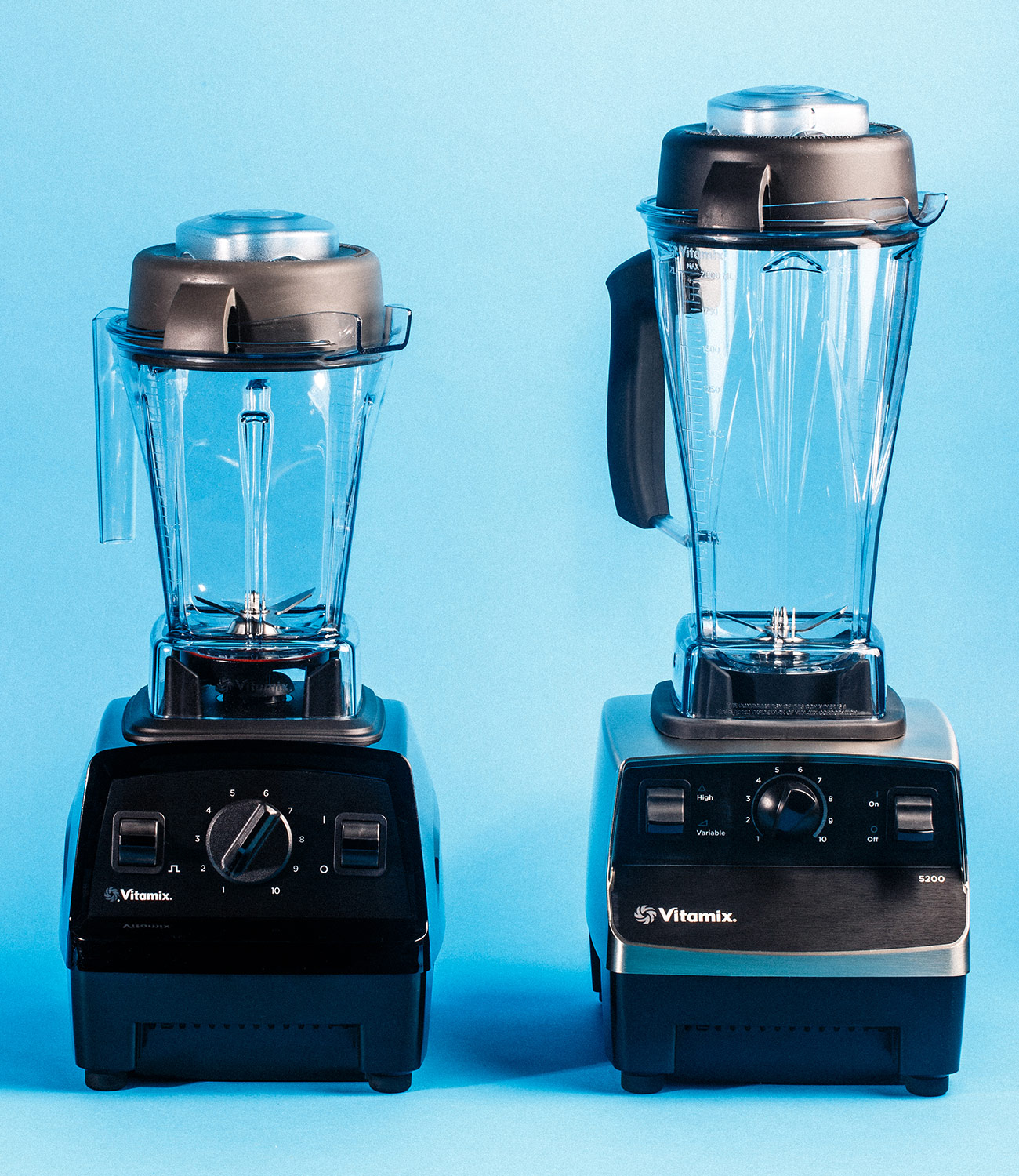
Who They’re For: Anyone who is excited to ditch their phone when they’re running, but still want to listen to music. Also, runners who dabble in cross training like swimming, strength training – even skiing and snowboarding.

Watch Out For: Getting music to play without carrying your phone with you is a bit tricky. If you have music saved on your computer, it takes all of two minutes to load that on the device, but if you use a streaming service (like Pandora or Spotify), you’ll have to go old-school and upload some MP3 files to get music on the watch. Garmin is partnering with iHeartRadio and Deezer, but the app to test iHeartRadio wasn’t done in time for this review. It should be out in the next week or so. If you always carry your phone on you when you run, it might make sense to save the $50 and get the standard 645 without music capabilities.

Unlike Garmin’s Vivoactive 3, the 645 isn’t touch-screen, which may or may not be an issue depending on what you’re used to or looking for. Lastly, $450 for the music version ($400 without) is a bit steep in comparison to the Fitbit Ionic at $300 and the Apple Watch Series 3 at $329.

Alternatives: Strong running watch competitors include the Apple Watch Series 3 ($329), Garmin Fenix 5X ($650), Fitbit Ionic ($299) or Samsung’s Gear Sport ($300). The Fitbit Blaze ($200) and the Garmin Vivosport ($199) are both less expensive and have similar features. Apple lets you stream music from Apple Music and the Fitbit Ionic offers Deezer and Pandora connections. The Samsung Gear Fit 2 and Gear Fit 2 Pro both offer the ability to save Spotify music on the watch.

The Verdict:
Starting from a visual standpoint, it’s all pretty standard for Garmin — meaning high-quality. There is a chemically strengthened glass lens, a stainless steel bezel and a comfortable quick-release silicone band in a variety of colors. Wearing it all day isn’t a hassle, and the watch face is smaller than the Forerunner 630 and the 935, making it even more visually pleasing since it’s not as obtrusive as some trackers.

Garmin excels in its GPS accuracy, and the Forerunner 645 Music lives up to the brand’s high standards. It’s the area where Garmin shines in a world of too many tracking options and similar devices.

Another feature that Garmin continues to improve is its constant heart rate monitoring. Athletes who want to improve physical fitness can use the all-day tool (even during sleep) to provide them with a better picture of their resting heart rate. It’s also helpful post-run for overlaying heart rate data over running pace — to see how fast and how hard you were pushing yourself. While wrist-based heart rate tracking isn’t always the most dependable, when compared to Wahoo’s TICKR Fit, a heart rate monitor armband, the variability during a workout was less than four beats.

Even though the heart rate sensor is running all day long, I found the battery life to be sufficient for a week’s worth of runs – keeping in mind that my weekly mileage is around 10 to 15 miles. While I definitely noticed some variation in the battery life, the GPS still worked accurately when the battery was low. And when the battery does run out, it charges speedily — less than 30 minutes to charge it up 40%.

Beyond the Forerunner’s standard features, the big draw is in its music capabilities. To take advantage of the built-in music storage (up to 500 songs), you first have to connect the watch to a computer to transfer songs over — you’ll also need a pair of Bluetooth wireless headphones. The pairing a pair of headphones was easy and took less than 10 minutes. It’s not the most intuitive process — I definitely had to pull out the manual — but the Apple AirPods connected no problem. Once they were connected, it was a breeze to control the music from the watch. Even if you like to run with a phone, but stick it in a pocket, the 645 allows you to skip, pause and turn the volume up without having to take out your phone.

But what about the Forerunner’s other new feature? Setting up Garmin Pay is extremely similar to setting up Apple Pay. It took all of eight minutes to get it to work, but it did take three tries and two different credit cards. The caveat is that I tested it on the first day Garmin rolled it out, but it now works flawlessly.

What Others Are Saying:

• “For a lot of people this watch will hit its mark, and especially do so over time as Garmin matures its music offerings. It’s finally getting the pieces in place for Garmin to eventually be able to compete in the core feature checklist of having music. Undoubtedly we’ll see them eventually bridge the music portion to other devices, it’s mostly just a matter of when.” — Ray Maker, DC Rainmaker

• “There’s no doubt that the Forerunner 645 Music is a powerful device and one that could intrigue all types of users— runners or not. It has all of the stellar features of the Vivoactive 3 along with additional run-tracking capabilities and music storage. The latter two features and the inclusion of Garmin Pay could make it an obvious choice for hardcore runners who have yearned for a Garmin device that lets them leave their smartphones at home during training.” — Valentina Palladino, Ars Technica

• “The Garmin Forerunner 645 Music is a nice step forward for the brand, but it’s more style over function. Battery life should be better for the price (and will, perhaps, improve with testing) and the musical element is too basic without the streaming services on board.” — Gareth Beavis, Tech Radar

Key Specs

Weight: 42.2 grams
Physical Size: 42.5 x 42.5 x 13.5 mm
Battery Life: Up to 7 days in smartwatch mode; Up to 5 hours in GPS mode
Water Rating: 5 ATM
Weight: 13mm