All posts in “Reviews”

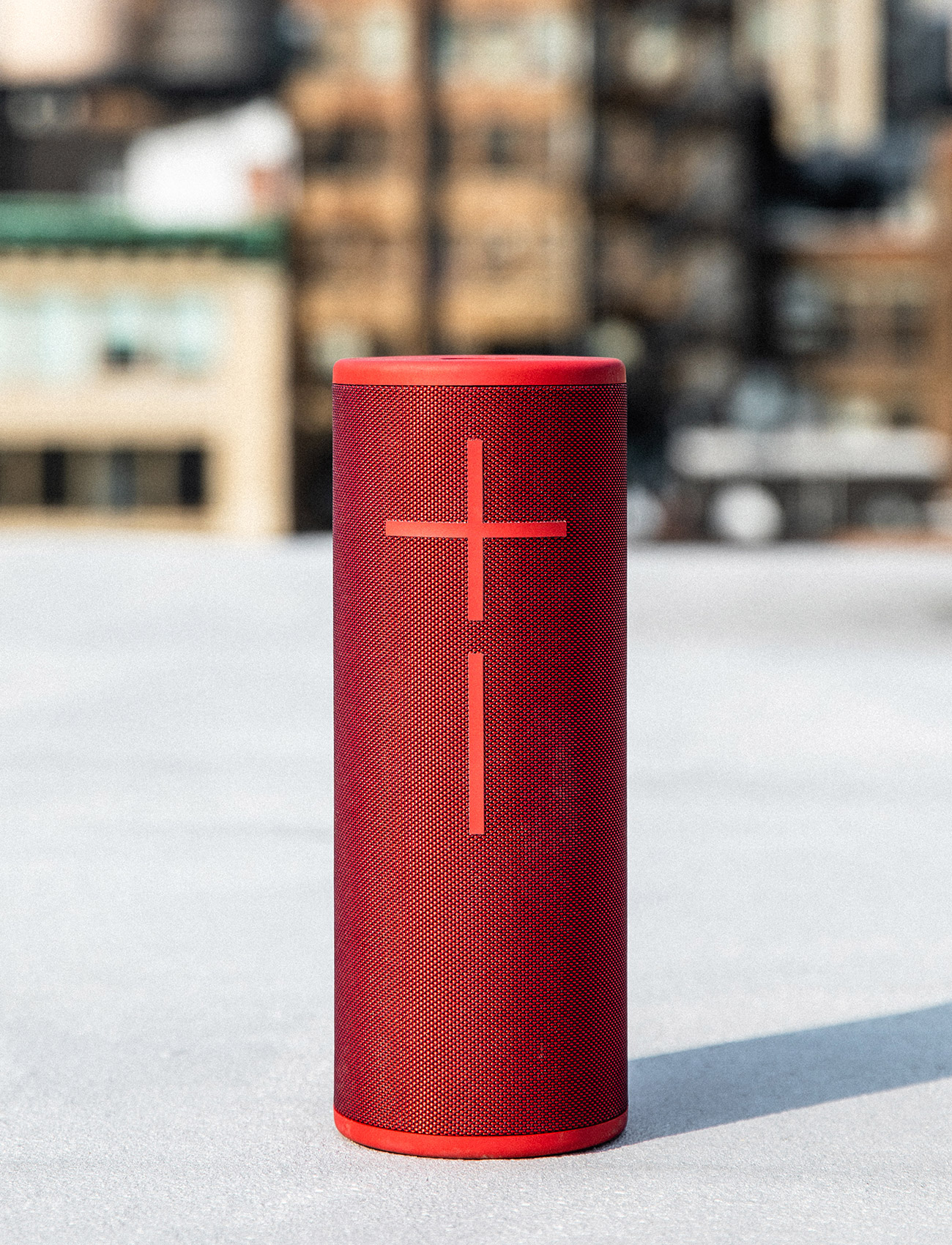
Ultimate Ears Boom 3 and Megaboom 3: Our New Favorite Bluetooth Speakers Under $200

The Ultimate Ears Boom 3 ($150) and Megaboom 3 ($200) are the company’s newest portable Bluetooth speakers, which have several subtle aesthetic changes from last year’s UE Boom 2 and Megaboom, including a two-toned outer fabric and “magic button” on top of the speaker that’s used for play/pause and skipping tracks (and a few other things for Apple Music subscribers). The audio quality and durability of the speakers have both been improved, albeit slightly. The biggest change, however, is the price – at launch, both the Boom 3 and Megaboom 3 are significantly more affordable than last year’s UE Boom 2 and Megaboom.

For clarity, there has never been a Megoboom 2 speaker. Ultimate Ears skipped that model to prevent confusion and align the Boom 3 and Megaboom 3 in the same generation of speaker.

|

The Good: These are arguably the best sounding Bluetooth speakers you can buy. I tested the Megaboom 3 directly against the Megablast and, despite being similarly sized speakers, the Megaboom 3 sounded noticeably better; it had better midrange separation and the overall audio sounded crisper. The “magic button” isn’t game-changing, but it’s admittedly nice to not have to touch your phone to change songs or pause tracks. Both the Boom 3 and Megaboom 3 float, which is new. Also, the charging port has been moved from the bottom of the speaker to the side, so you can charge and listen to each speaker simultaneously, which was a small design flaw in the Boom 2 and Megaboom.

Who They’re For: Anybody who wants a loud, great sounding Bluetooth speaker that’s also easy to use. If you have other Boom or Megaboom speakers, you’ll be able to pair them in a “party mode” feature.

Watch Out For: No Alexa. These aren’t wi-fi speakers, like UE’s Blast and Megablast, so there’s no integrated virtual assistant. The “playlists” feature only works with Apple Music and iTunes, and for Deezer Premium subscribers on Android – sorry Spotify subscribers. The UE Power Up charging dock ($40) is convenient, but needs to purchased separately.

Alternatives: Honestly, for the price you’re not going to find a better new Bluetooth speaker. The Bose SoundLink Revolve Plus ($299), Sony SRS-XB41 ($250) and the JBL Xtreme 2 ($300) are all more expensive than UE’s Megaboom 3, but don’t sound much better, in my opinion, if any better at all.

Review: If you can get over UE’s signature and huge “+” and “-” symbols, along with the speakers’ bright and playful colors, there’s really not a whole lot to dislike about the Boom 3 and Megaboom 3. I’ve been listening to the Megaboom 3 for the better part of two weeks and, as I mentioned above, I was able to directly compare it against UE’s Megablast speaker (with is integrated with Alexa). Frankly, the Megaboom 3 sounds noticeably better. It’s smaller and more affordable, too. If you don’t care about taking to Alexa, and you want a UE speaker, the Megaboom 3 is the way to go.

I wasn’t able to test out the UE Boom 3, but it’s basically just a smaller and more affordable version of the Megaboom 3. Both have the same features and ruggedness, so it basically comes down to sound quality – and with the larger and superior drivers, I’d have money on the Megaboom 3 sounding better too.

As far as upgrades over last year’s Bluetooth speakers, the Boom 2 and Megaboom, there are really only subtle improvements. The “magic button” is simple and useful. If you’re Apple Music subscriber, you can program playlists to start with a tap of this button, too, but it won’t help Spotify subscribers and, to be fair, it’s not a feature that most people will miss. I like the fact that both UE lets the Boom 3 and Megaboom 3 charge on the same wireless charger as last year, the Power Up charging dock, but more importantly, the micro-USB charging port is now on the side of the speakers so you don’t have to uncomfortably balance the speakers if you want to charge and listen to them.

Verdict: Ultimate Ears has been making some of my favorite Bluetooth speakers for years, and I’d argue that although the Boom 3 and Megaboom 3 aren’t game-changing, they’re definitely the company’s best-sounding pure Bluetooth speakers. They look good and are dead simple to use. Plus they have excellent battery life. Best of all, just because they’re brand new, doesn’t mean that they carry that “brand new” price tag.

Key Specs

UE Boom 3

Drivers: two 38mm 1.5-inch full range, 4 ohm; two 40mm x 80mm passive radiators
Frequency response: N/A
Max sound volume: 90 dB
Waterproof: IP67
Battery: Up to 15 hours

UE Megaboom 3

Drivers:: two 50mm 2-inch full range, 4 ohm; two 55mm x 86mm passive radiators
Frequency response: 60Hz -20kHz
Max sound volume: 90 dB
Waterproof: IP67
Battery: Up to 20 hours

|

Read More Gear Patrol Reviews

Hot takes and in-depth reviews on noteworthy, relevant and interesting products. Read the Story

Note: Purchasing products through our links may earn us a portion of the sale, which supports our editorial team’s mission. Learn more here.

Master & Dynamic’s True Wireless Earbuds Are Badass and Beautiful

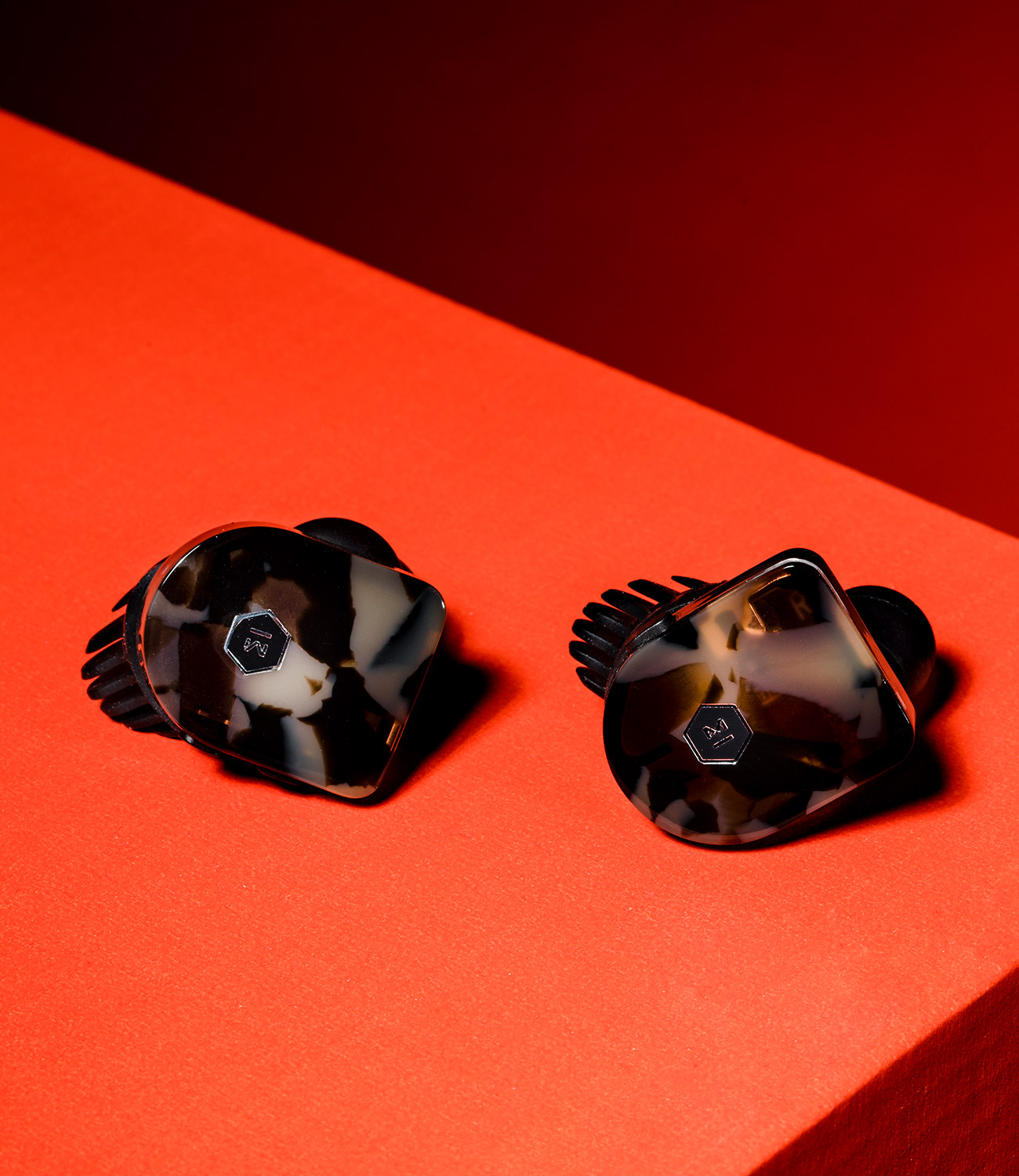
Master & Dynamic’s first pair of true wireless earbuds – the MW07s – don’t look like anything else out there. They’re made of stainless steel and handcrafted acetate, the latter being the same material used in high-end sunglasses. Each earbud packs a 10mm beryllium driver to deliver excellent and expansive sound. And the charging case, which charges via USB-C, is made of stainless steel and looks like it’s bulletproof. At $300, the MW07s are almost twice as expensive as Apple’s AirPods, but how do they compare?

The MW07s will be available this September. And you can order the acetate in four different colors: matte black, grey terrazzo, steel blue and tortoiseshell.

The Good: The MW07s look, feel and fit amazing. The earbuds come with swappable silicon earbuds and earwings so I never had any issues with them falling out. The audio quality is very good with a wide soundstage, which I really like. The tactile button controls on the actual earbuds are simple and straightforward to use. And the charging case is excellent; it charges with the same USB-C cable I use with my smartphone laptop, and it has LED lights to indicate its battery life, as well as the battery life of the individual earbuds. They have built-in optical sensors that, similar to AirPods, will play/pause the audio you’re listening to when you place or remove the earbuds from your ears. There’s no app to download or deal with – the MW07s work straight out of the box.

Who They’re For: Anybody who values great sound and design, and is willing to shell out $300 for a pair of true wireless earbuds. They’re OS agnostic, perfectly suited to work with an Android or iPhone. Even they are IPX4, I wouldn’t recommend working out or running in these earbuds.

Watch Out For: The obvious downside is price – the MW07s are at the tippy-top of the price range for true wireless earbuds. Other than that, the only real qualm I had was that a wall adapter wasn’t included in the box, which seems a little ridiculous for a pair of $300 earbuds.

Alternatives: In the $300 price range, there are several premium audio brands making true wireless earbuds. There are the new Sennheiser Momentum Earbuds, which I haven’t tested, as well as B&O’s Beoplay E8. If you’re looking for sport-focused earbuds, I’d recommend Sony’s WF-SP700Ns or Jabra’s Elite Active 65t. However, AirPods are still the best pair of true wireless earbuds, in terms of the total package (which includes price), especially if you have an iPhone.

Review: The most important thing to consider with any true wireless earbuds is fit, because if they don’t fit in your ears, well, they aren’t going to work for you. And pretty much every pair of true wireless earbuds that I’ve tested has fit differently. Jabra’s Elite Active 65t run tight, for example, while Bose’s SoundSport Free kind of hang out of your ears. We know that AirPods don’t fit in everybody’s ears. And for me, I know that something that looks like Bang & Olufsen’s Beoplay E8, they aren’t going to fit me well. Master & Dynamic’s MW07s fit me perfectly.

In the three weeks that I’ve been testing the MW07s I haven’t had one issue with the way they fit. And I don’t think that will be unique to me. Similar to Samsung’s IconX (2nd-gen) and Sony’s WF-SP700Ns, the MW07s take advantage of both silicone eartips and silicone earwings, so they grip in and around the ear cannel. And despite looking a little bulky when you hold in your hands, the MW07s fit neat and tidy; they don’t look they’re hanging out of your ears like Bose’s true wireless earbuds.

The MW07s are built with Master & Dynamic’s signature beryllium drivers and they sound pretty great. I’m not a true audiophile, but if you pressed me I’d say that the MW07s produce a slightly wider soundstage than AirPods – midrange and high frequencies are crisp and clear – but I’d also have to concede that the difference in sound quality between them and AirPods is subtle, hardly night and day. And that’s not a knock on the MW07s, but more of a testament to how great Apple’s two-year-old wireless earbuds still are.

Forget the high price tag of the MW07s for a second and, I swear, these are my favorite true wireless earbuds that I’ve tested.

Yes, a key feature of the MW07s is their excellent sound quality, but, for me, these earbuds are more about style and flair – “personality” – which they have heaps of. The MW07s are gorgeous, obviously, with an exterior made of beautiful acetate. The MW07s that I tested (which are photographed in this article) are grey terrazo, which I liked but if I could do it all over again I would probably opt for the steel blue; those look really special. And because the exteriors are cut from sheets of acetate, each earbud is going to look a bit different. So that’s neat.

Another standout feature is the charging case, which is made out of stainless steel and looks like a badass bullet case. Yes, it looks cool but it also feels better designed than pretty much all other charging cases that I’ve encountered. That’s because it has three LED lights built into its front, which light up different colors depending on its battery level. Green is full charged. Red is dead. And yellow is somewhere in-between. Also, the left- and right-most LED lights represents the power level of the left and right earbuds, while the middle LED light shows the battery level of the case. Again, it’s thoughtful and well-designed.

In terms of functionality, the MW07s just work. And I love that about them. They connect like any other Bluetooth device – there’s no quick pair feature, unfortunately – and from there they have built-in optical sensors and can automatically start/stop when you place or remove the earbuds from your earbuds, just like AirPods. There’s no app to deal with, which I found a godsend, although this also means that there’s no “Find My Earbuds” feature or the ability to tweak the earbuds’ EQ settings.

Forget the high price tag of the MW07s for a second and, I swear, these are my favorite true wireless earbuds that I’ve tested. They work and fit extremely well, plus the look and design of these blow AirPods and pretty much all other true wireless AirPods out of the water. Yes, $300 is very expensive, especially when you consider that the sound quality isn’t that much better/different than AirPods ($159) of Jabra’s Elite Active 65t ($180). However, you’re paying for more than just sound quality with MW07s. You’re paying for style and personality (and the higher-end materials). And just like some people will never understand buying a t-shirt that costs $50 when they can get “virtually” the same thing for $12, there will also be people who will never comprehend shelling out $300 for a pair true wireless earbuds.

Verdict: The MW07s feel refreshingly uncompromising. They’re beautiful and badass (especially with the charging case), and if you don’t like the expansive sound signature that Master & Dynamic is know for – well, tough luck. They are easy to use and will fit most people’s ears. The inclusion of the USB Type-C charging port makes them feel modern.

As far as the price, $300 is very expensive, especially when you consider that the sound quality isn’t that much different than AirPods ($159). However, you’re paying for more than just sound quality with MW07s. You’re paying for style and personality, and the high-end materials, of course. And if you value all that stuff, you’ll probably be over the moon with these MW07s.

Key Specs

Drivers: 10mm beryllium
Battery: 3.5-hour per earbud, 10 hours from the charging case
Connectivity: Bluetooth 4.2
Water Resistance: IPX4
Charge: USB Type-C
App: none

Read More Gear Patrol Reviews

Hot takes and in-depth reviews on noteworthy, relevant and interesting products. Read the Story

Note: Purchasing products through our links may earn us a portion of the sale, which supports our editorial team’s mission. Learn more here.

Is a Shirt that Keeps You from Sweating Worth It?

Many people in the clothing world are skeptical of so-called innovations in fabrics — myself included. The rise of athleisure and city-to-mountain apparel has created an influx of performance garments designed to bring the best qualities of activewear into a professional wardrobe. But much of the time, the products have been less than desirable. Shirts with stretch don’t age gracefully like a traditional oxford. Garments that tout moisture-wicking and waterproof technologies don’t seem to last more than a season before those properties wane. But there’s a new technology that may turn all those preconceptions around. It’s called 37.5 and it’s made to keep the humidity at your skin to a minimum, wicking moisture away from your body before it becomes liquid sweat. This has the ability to keep you both cool and dry at the same time. Sounds too good to be true? That’s what I thought, so I found the best example of the innovative material in a casual shirt offered by Mission Workshop and put it to the test.

The Good: Because this shirt doesn’t use a chemical finish, the performance features don’t wash out or break down (like is common with other performance-fabrics). The shirt is durable, machine washable and doesn’t feel overly tech-y. The best part about it is that it works, and keeps what would be uncomfortably sweaty commutes relatively dry.

Who They’re For: This shirt is ideal for the active working professional. Like to bike to work, but don’t like to pack a change of clothes? This shirt is for you. It’s also ideal for people who live in variable climates where weather can fluctuate from warm and sunny to cool and cloudy on the same day. Also, if you’re someone who’s prone to sweating, this shirt could be a welcome addition to your wardrobe.

Watch Out For: This shirt has a tailored silhouette, so refer to the size guide before buying. It also has a more substantial handfeel than traditional oxford shirts — this is to say, it’s unique and isn’t a direct swap for your favorite cotton button-down. The pocket design is also individual and takes a little getting used to for those who don traditional button-ups every day. The $175 price tag is definitely an investment, so make sure this shirt aligns with your lifestyle before picking one up.

Alternatives: There aren’t many other business-casual or casual button-up shirts that utilize 37.5 on the market yet. If you’re looking for a more professional option, Japanese brand Mr. Junko offers a dress shirt for around $40. If you’re looking for something decidedly more casual, Tommy Bahama offers a camp shirt for $135.

Review: This summer New York City was in fine form. Many stretches of incredibly humid days in the mid-90s made going out in Manhattan very unpleasant, to say the least. During the afternoon, buildings radiated heat and sidewalks exuded the unique damp funk of trash and urine. A multi-block walk to the subway station was cause enough to pack a change of clothes and a fresh stick of deodorant. Sound unpleasant? It was. But it was also the perfect opportunity to test the Hayes shirt from San Francisco-based Mission Workshop.

I was skeptical when first donning the slim-fit shirt because of its slightly heavier-than-normal weight. I’d been wearing breezy linen and hemp t-shirts all summer — this shirt was exactly what I’d been staying away from. The look, though, was work-appropriate and would also be fit for a night on the town (better, some would say, than a t-shirt). My normal subway line was delayed and I had to take an alternate line to work, complete with a longer-than-normal walk to the office. Walking through mid-morning Manhattan, I found myself oddly surprised. Though it was uncomfortably hot outside, I wasn’t sticking to my shirt. In fact, my torso was not beaded with sweat and I appeared office-ready without much to-do when I got into work. After a summer of sweating through shirts, this was quite the revelation. As the days passed, I experienced similar positive results on equally uncomfortable commutes.

Verdict: While many technical innovations in fabric can seem gimmicky or ineffective when added to an everyday wardrobe, 37.5 actually works without feeling overly tech-y. Mission Workshop was smart to incorporate this material into a versatile style that is work-appropriate and tailored. Though it doesn’t feel exactly like an oxford shirt, it offers far more tangible performance. It regulates your body temperature and keeps you dry whether you’re biking to work, walking through a sweltering city or stressing about a crucial meeting.

What Others Are Saying:

• “If you have the cash for a great shirt that will keep you cool in hot conditions then look no further than the Mission Workshop The Hayes Shirt. At $190 it may be your priciest shirt but it will probably be one of your most comfortable when the thermometer rises.” — Bennett Colvin, Active Gear Review

• “I definitely am a believer in 37.5. Manage your expectation: it’s not going to prevent you from sweating, but it’s definitely going to prevent a lot of that perspiration from turning into liquid sweat.” — Mission Workshop Reviews, YouTube

• “I love Oxford chambray button ups, and I’ve been searching for years (even before I came to MW) for a fabric that has that ‘textured-yet-refined’ oxford look but that also peforms well enough to carry the MW label. 37.5 was the key component that we were able to use to finally make it happen.” — Jeff Roberts, Reddit

Key Specs

Fabric: 60 percent cotton / 40 percent 37.5 Polyester
Care: Machine washable
Pockets: Side-entry chest pocket, pen pocket
Manufacture: USA

Read More Gear Patrol Reviews

Hot takes and in-depth reviews on noteworthy, relevant and interesting products. Read the Story

Note: Purchasing products through our links may earn us a portion of the sale, which supports our editorial team’s mission. Learn more here.

The Upstart Genesis G70 Is a Truly Worthy Competitor To Premium Sedans from Audi, BMW

The bold run at the premium-luxury segment from South Korea’s Genesis continues with the mid-sized G70, a spry and sporty model that in no way feels like the product of a novice carmaker. It’s just too good.

Of course, it’s not really a novice carmaker. The young brand — this is its third vehicle, and third sedan, in as many years — has the not-insignificant business chops, deep engineering bench and hefty funding of Hyundai Motors behind it, as well as the benefit of having had that parent company take the learning-curve hit with its largely unsuccessful (in the U.S. anyway) Equus sedan over the last decade. But still, it’s entering a ridiculously tough venue. Going up against the likes of Lexus, BMW, Audi and Mercedes for U.S. dollars — carmakers that are giving our own hometown heroes Cadillac and Lincoln plenty of grief — leaves very little margin for error. There can be no mistakes with their cars, no weak spots whatsoever in design, build or performance.

Has the G70, available in both a twin-turbo V6 or a turbocharged inline-four, got the chops to run with the big dogs — or, more specifically, the mid-sized dogs — in the shape of the BMW 3, the Mercedes C-Class, and Audi’s A4? Yeah, frankly, it does.

The Good: This is the lowest and widest car in its class, which means the seating position — also unusually low within the car — lends a true sports-car feel to the drive. It’s the first thing I noticed when I got in, and it generated an immediate visceral effect. It just felt right. The second thing I noticed: How that low center of gravity impacts handling. The car feels terrifically flat and steady, thanks in part to that quality. The visibility is also great, thanks to its modest A-pillars, the downward-curving hood and the increased road view generated by — again — that low stance. Also, I’m a big fan of the buttery-smooth six-speed manual transmission. It’s a rare treat in a mid-sized sedan these days — or any car, for that matter — and Genesis insiders confide there’s no business case for it. But it’s such a pleasure, and absolutely among the last truly modern cars you’ll be able to find with one. If the realities of sharing your car with friends and family preclude going all-in on rowing your own, the automatic is perfectly crisp and responsive, especially with the paddle shifters employed.

Who They’re For: The line-topping G90 two steps above the G70 is a proper luxury cruiser — a chauffer-ready waft-mobile that, like its S-Class, A8, and 7-Series counterparts — will ensure that you arrive at work refreshed. You’ll be in a safe place; cared for, with that glint of well-being in your eye. Good for you! The mid-range G80 — shorter, spryer-er — will energize you for your work day. You’ll arrive ready to take on the world, kick butt and still be your best self. With the G70 — well, you just won’t show up for work at all. Screw that. This is a driver’s car, so that’s what you’re going to do with it.

Watch Out For: The optional perforated, quilted, contrast-stitched leather seats look fantastic, but draw grit, crumbs and general schmutz like nobody’s business. Other than that, there’s precious little to complain about with this car, which is a testament to the seriousness with which Genesis is taking its craft.

Alternatives: As mentioned, this car is aimed squarely at the Audi A4, the Mercedes C-Class and the BMW 3-Series, so that’s your direct competitive set. But there are plenty more options, including the Cadillac ATS and ATS-V, the Lexus IS, the Acura ILX or TLX and even the Alfa Romeo Giulia. Indeed, those infernal crossovers aside, this is still the hottest segment among true driving enthusiasts.

Review: I drove the G70 in and around Monterey, California, during the annual Pebble Beach Concourse D’Elegance car show in late August. As you may know, this show — once primarily a vintage car show — is now ground zero for car porn of all stripes, from the classics to the rediscovered sleepers up through the mega-hypercars of today. My point is that there are plenty of cars to admire and ogle while here — yet somehow, this admittedly relatively mainstream luxe ride still drew its share of eyeballs. Partially that’s because people have known the car was coming, and my borrowed samples were among the first in public. (At least three gaggles of car nuts queried me about it, beyond the appreciative glances I received while driving.) But the other part of the equation is that it’s simply a lovely car, with nice proportions, clean lines and enough character to set it apart. The low and wide stance and the powerful grille also give it a subtly aggressive exterior look. People genuinely seemed to dig the car, and that bodes very well for it.

Of course, there’s only so much supercar traffic I can take, so I headed for Big Sur every chance I got. There the demanding curves — largely absent of traffic in the wee hours of Saturday morning — proved a fine match for the G70. Its light weight made it feel tossable without feeling like you couldn’t reel it back in when you needed, and its electrically assisted steering and responsive transmission, whether the manual or the automatic — I took each down there — were always ready to power me out of the turns, with the manual’s well-modulated clutch release effortlessly synced up and completely absent any audible or haptic hiccups during those rare moments of hesitation, while, say, second-guessing your gear selection and slipping into and then immediately out of one on the fly. That’s when you risk embarrassing yourself. The G70 never embarrassed me.

Both engines were easy to enjoy, with the four-cylinder producing barely any lag even if its 260 lb-ft of torque couldn’t quite keep up with the 376 lb-ft in the V6. Still, they each acquitted themselves well, if slightly differently, in the more dynamic stretches of CA-1. Both engines come with an AWD option, which can transfer power almost entirely to the rear wheels as necessary to maintain traction. You also have multiple modes depending on the model you get — including Comfort, Sport, Eco, and Custom — and there’s even have a launch control function in the rear-drive automatics.

Inside, the nicely firm leather and supportive seats kept me as planted as the car in Big Sur, and the overall quality is exceptional — easily competitive with the class-leaders from Germany. The 15-speaker, 600-watt Lexicon audio system, cranking from both my iPhone and Sirius XM, generated a robust and satisfying audio experience for my solo bombing runs down to Le Grande Sur, as nobody in their right mind actually calls it. The audio system has about as many modes as the car itself, which in turn has its own mix of trim levels available, including Advanced — counterintuitively, the base model — Elite and Prestige. So pay attention to what you’re doing when ordering (and driving) this car.

Verdict: Genesis has taken an interesting strategy in its lineup rollout. First, hit all three sedans, then the SUVs and crossovers — three of which are due by 2021 — that seem to be fueling so much demand among consumers. That means that, in short, if it can build its base with customers excited about what many argue is a fading body style — and, in fact, cut its teeth on that style — the SUVs and crossovers could be titanic home runs. What does that mean for the G70? Well, it means the third one is the charm, to twist a phrase, and this car has plenty of charm.

What Others Are Saying:

• “Lighter and nimbler than the Kia, it’s also more handsomely designed and better executed throughout. Its solid chassis, refined demeanor, and vice-free behavior when pressed hard all measure up to the high standards that prevail in this class.” — Kevin Wilson, Car and Driver

• “The V6 is the same engine used in the Genesis G80 Sport and Kia Stinger, but this may be the best application of it yet. The G70 is lighter than the other cars, and its chassis is well equipped to handle the engine’s power. The base four-cylinder engine is less thrilling, providing only adequate thrust. But that engine is available with the manual transmission and, because the four-banger weighs less than the V6, the front end feels more responsive in corners. So, while the V6 is more thrilling in a straight line, the four-cylinder offers a more rewarding overall driving experience.” — Stephen Edelstein, Digital Trends

• “So, the new 2019 Genesis G70 checks all the major luxury sport sedan boxes with attractive styling, a well-trimmed cabin filled with tech and extremely capable performance chops. But the question remains: Will it matter? To those who hold brand prestige in high regard, it likely won’t, because nothing will be able to rip them away from the Audi rings, BMW roundel or Mercedes three-pointed star. But for those looking to break from the crowd and want a genuinely competitive alternative, the G70 is certainly worth your consideration.” — Jon Wong, CNET Roadshow

Key Specs

Specifications: 2019 Genesis G70

Engines:  DOHC turbocharged inline four-cylinder; twin-turbo V6
Transmission: 8-speed automatic; 6-speed manual (2-liter only)
Horsepower: 252; 365
Torque: 260 lb-ft; 376 lb-ft
Weight: 3,580 lbs (RWD 2-liter) up to 3,887 lbs (AWD V6)

Price: TBA (est. $35,000 to $50,000)

Read More Gear Patrol Reviews

Hot takes and in-depth reviews on noteworthy, relevant and interesting products. Read the Story

Note: Purchasing products through our links may earn us a portion of the sale, which supports our editorial team’s mission. Learn more here.

Review: Master & Dynamic’s First Wireless Earbuds Are Badass and Beautiful

Master & Dynamic’s first pair of true wireless earbuds – the MW07s – don’t look like anything else out there. They’re made of stainless steel and handcrafted acetate, the latter being the same material used in high-end sunglasses. Each earbud packs a 10mm beryllium driver to deliver excellent and expansive sound. And the charging case, which charges via USB-C, is made of stainless steel and looks like it’s bulletproof. At $300, the MW07s are almost twice as expensive as Apple’s AirPods, but how do they compare?

The MW07s will be available this September. And you can order the acetate in four different colors: matte black, grey terrazzo, steel blue and tortoiseshell.

The Good: The MW07s look, feel and fit amazing. The earbuds come with swappable silicon earbuds and earwings so I never had any issues with them falling out. The audio quality is very good with a wide soundstage, which I really like. The tactile button controls on the actual earbuds are simple and straightforward to use. And the charging case is excellent; it charges with the same USB-C cable I use with my smartphone laptop, and it has LED lights to indicate its battery life, as well as the battery life of the individual earbuds. They have built-in optical sensors that, similar to AirPods, will play/pause the audio you’re listening to when you place or remove the earbuds from your ears. There’s no app to download or deal with – the MW07s work straight out of the box.

Who They’re For: Anybody who values great sound and design, and is willing to shell out $300 for a pair of true wireless earbuds. They’re OS agnostic, perfectly suited to work with an Android or iPhone. Even they are IPX4, I wouldn’t recommend working out or running in these earbuds.

Watch Out For: The obvious downside is price – the MW07s are at the tippy-top of the price range for true wireless earbuds. Other than that, the only real qualm I had was that a wall adapter wasn’t included in the box, which seems a little ridiculous for a pair of $300 earbuds.

Alternatives: In the $300 price range, there are several premium audio brands making true wireless earbuds. There are the new Sennheiser Momentum Earbuds, which I haven’t tested, as well as B&O’s Beoplay E8. If you’re looking for sport-focused earbuds, I’d recommend Sony’s WF-SP700Ns or Jabra’s Elite Active 65t. However, AirPods are still the best pair of true wireless earbuds, in terms of the total package (which includes price), especially if you have an iPhone.

Review: The most important thing to consider with any true wireless earbuds is fit, because if they don’t fit in your ears, well, they aren’t going to work for you. And pretty much every pair of true wireless earbuds that I’ve tested has fit differently. Jabra’s Elite Active 65t run tight, for example, while Bose’s SoundSport Free kind of hang out of your ears. We know that AirPods don’t fit in everybody’s ears. And for me, I know that something that looks like Bang & Olufsen’s Beoplay E8, they aren’t going to fit me well. Master & Dynamic’s MW07s fit me perfectly.

In the three weeks that I’ve been testing the MW07s I haven’t had one issue with the way they fit. And I don’t think that will be unique to me. Similar to Samsung’s IconX (2nd-gen) and Sony’s WF-SP700Ns, the MW07s take advantage of both silicone eartips and silicone earwings, so they grip in and around the ear cannel. And despite looking a little bulky when you hold in your hands, the MW07s fit neat and tidy; they don’t look they’re hanging out of your ears like Bose’s true wireless earbuds.

The MW07s are built with Master & Dynamic’s signature beryllium drivers and they sound pretty great. I’m not a true audiophile, but if you pressed me I’d say that the MW07s produce a slightly wider soundstage than AirPods – midrange and high frequencies are crisp and clear – but I’d also have to concede that the difference in sound quality between them and AirPods is subtle, hardly night and day. And that’s not a knock on the MW07s, but more of a testament to how great Apple’s two-year-old wireless earbuds still are.

Forget the high price tag of the MW07s for a second and, I swear, these are my favorite true wireless earbuds that I’ve tested.

Yes, a key feature of the MW07s is their excellent sound quality, but, for me, these earbuds are more about style and flair – “personality” – which they have heaps of. The MW07s are gorgeous, obviously, with an exterior made of beautiful acetate. The MW07s that I tested (which are photographed in this article) are grey terrazo, which I liked but if I could do it all over again I would probably opt for the steel blue; those look really special. And because the exteriors are cut from sheets of acetate, each earbud is going to look a bit different. So that’s neat.

Another standout feature is the charging case, which is made out of stainless steel and looks like a badass bullet case. Yes, it looks cool but it also feels better designed than pretty much all other charging cases that I’ve encountered. That’s because it has three LED lights built into its front, which light up different colors depending on its battery level. Green is full charged. Red is dead. And yellow is somewhere in-between. Also, the left- and right-most LED lights represents the power level of the left and right earbuds, while the middle LED light shows the battery level of the case. Again, it’s thoughtful and well-designed.

In terms of functionality, the MW07s just work. And I love that about them. They connect like any other Bluetooth device – there’s no quick pair feature, unfortunately – and from there they have built-in optical sensors and can automatically start/stop when you place or remove the earbuds from your earbuds, just like AirPods. There’s no app to deal with, which I found a godsend, although this also means that there’s no “Find My Earbuds” feature or the ability to tweak the earbuds’ EQ settings.

Forget the high price tag of the MW07s for a second and, I swear, these are my favorite true wireless earbuds that I’ve tested. They work and fit extremely well, plus the look and design of these blow AirPods and pretty much all other true wireless AirPods out of the water. Yes, $300 is very expensive, especially when you consider that the sound quality isn’t that much better/different than AirPods ($159) of Jabra’s Elite Active 65t ($180). However, you’re paying for more than just sound quality with MW07s. You’re paying for style and personality (and the higher-end materials). And just like some people will never understand buying a t-shirt that costs $50 when they can get “virtually” the same thing for $12, there will also be people who will never comprehend shelling out $300 for a pair true wireless earbuds.

Verdict: The MW07s feel refreshingly uncompromising. They’re beautiful and badass (especially with the charging case), and if you don’t like the expansive sound signature that Master & Dynamic is know for – well, tough luck. They are easy to use and will fit most people’s ears. The inclusion of the USB Type-C charging port makes them feel modern.

As far as the price, $300 is very expensive, especially when you consider that the sound quality isn’t that much different than AirPods ($159). However, you’re paying for more than just sound quality with MW07s. You’re paying for style and personality, and the high-end materials, of course. And if you value all that stuff, you’ll probably be over the moon with these MW07s.

Key Specs

Drivers: 10mm beryllium
Battery: 3.5-hour per earbud, 10 hours from the charging case
Connectivity: Bluetooth 4.2
Water Resistance: IPX4
Charge: USB Type-C
App: none

Read More Gear Patrol Reviews

Hot takes and in-depth reviews on noteworthy, relevant and interesting products. Read the Story

Note: Purchasing products through our links may earn us a portion of the sale, which supports our editorial team’s mission. Learn more here.

This Space-Age Technology Will Make Your Mountain Bike More Enjoyable

If you ride your mountain bike somewhere the terrain is constantly changing, dipping and climbing, dropping and punching uphill, Fox’s new Live Valve system is going to make your ride better. The electronic system opens and closes your shock and fork 100 times faster than a blink automatically, switching from open to closed independently as the terrain changes. With the system turned on, sensors read the terrain and the position of your bike in that terrain 1,000 times per second. When it senses a bump, it opens your suspension before that bump can be translated through the bike, to the handlebar and to you. On average, the system opens and closes suspension around 450 times per hour.

The Good: On my home trails, I find myself constantly flipping the climb/trail/descend switch on my rear shock for pedaling efficiency. It’s a 1,000-foot climb from the road to the trails at my home network. But the path up is crisscrossed and scattered with obstacles. The downhills also have uphills. I don’t usually mess with fork settings unless I am on a long road pedal between networks. But I constantly flick my rear shock between open and trail mode, at the same time trying to avoid clipping a tree with my bars, or bouncing off as my wheel strikes a rock.

With Live Valve on, I never had to think about changing my settings, I just focused on the trail, and the system did the work for me. Instead of slamming into a square-edged rock climbing with my shock locked, the system opened my locked-out shock and fork for a split second to absorb the bump in the road. On technical descents, Live Valve made landings as absorptive as possible, and adjusted to smooth out the trail whether I was bombing down a gulley, rolling a steep rock, or cruising flowy packed dirt.

I tested Fox Live Valve on a 27.5″ wheel Pivot Mach 5.5, a 140mm rear travel, 160mm front travel trail/enduro bike with wide 2.6″ tires. My first test was in Brevard, North Carolina, where I rode The Mach 5.5 with Live Valve on the slippery, rocky trails of Brevard as well as in sandy, rooty Dupont State Forest. Then I rode the Pivot 5.5 with Live Valve for four months on the steep punchy climbs, sometimes flowing sometimes jolting descents and matted roots of Vermont. Live Valve made riding the Pivot more efficient and more fun than it was to ride it with Live Valve turned off, or without the Live Valve system and manually adjusting the bike’s suspension.

With Live Valve, the front and rear shocks are adjusted independently. 90 percent of the time the shock opening is triggered by a signal from the fork, but if you’re manualing with your front wheel in the air, if you hit your rear wheel on a bump or obstacle, the system will activate from the rear. Pitch detection lets Fox decouple the front end from the rear so that a front impact doesn’t necessarily open the rear.

The system is agnostic as to what kind of bike it’s on — from XC to DH. The bike manufacturer has the final say on how Live Valve locks out or not. It’s totally tunable — bump threshold, timer and incline angle are all adjustable. But for now, only the bike manufacturer can control it, and there’s no plan to make tunability available to consumers.

Fox admits that no system is idiot proof, but the weak point in this system is comparable to what can go wrong on any bike. The rider can set their shock with the wrong pressure, tweak rebound settings to be too soft or too harsh, or can set the system to its extreme, which prevents the shocks from engaging except during the most extreme riding.

Who It’s For: Fox Live Valve is for any rider who switches their shock from open to trail or closed during a ride. Fox Live valve constantly adjusts your front and rear suspension settings when you’re climbing smooth trail, pushing up a rocky obstacle, descending, hucking, cornering and more. If you want your bike to do everything more efficiently, and with less bobbing around, this system is for you. Also, if you’ve ever locked out your suspension while you’re climbing, then wondered why the downhill was so jarring, answer: you forgot to open your suspension up before descending — Live Valve solves that problem.

Watch Out For: It’s an electronic system, which means you need to charge it every 16-20 hours according to Fox, which we found to be pretty accurate. If you forget to charge the Live Valve battery, you can postpone your ride slightly — the system takes 2.5 hours to fully charge, in 15 minutes you can juice up the battery enough for a two-hour ride. And if you do lose power during a ride, your suspension defaults to open, so it’s not the end of the world.

If you’re already running Di2, and you also run Live Valve, you’re going to have a lot of batteries strapped to your bike. Live Valve and Di2 cannot currently be run off the same battery.

Alternatives: Specialized and LaPierre both had systems that supposedly tuned suspension on the fly, but the Specialized system worked marginally, and the LaPierre system tuned the fork only not the fork and shock. There isn’t anything else on the market that effectively opens and closes the oil paths in a bike’s fork and shock in response to terrain and that helps all riders, regardless of skill, ride better. Prototypes of this system have been around for several years, but this is the first time Live Valve is available on a bicycle. For 2019, Fox also makes Live Valve for Ford Raptor Trucks, and for Polaris side by sides.
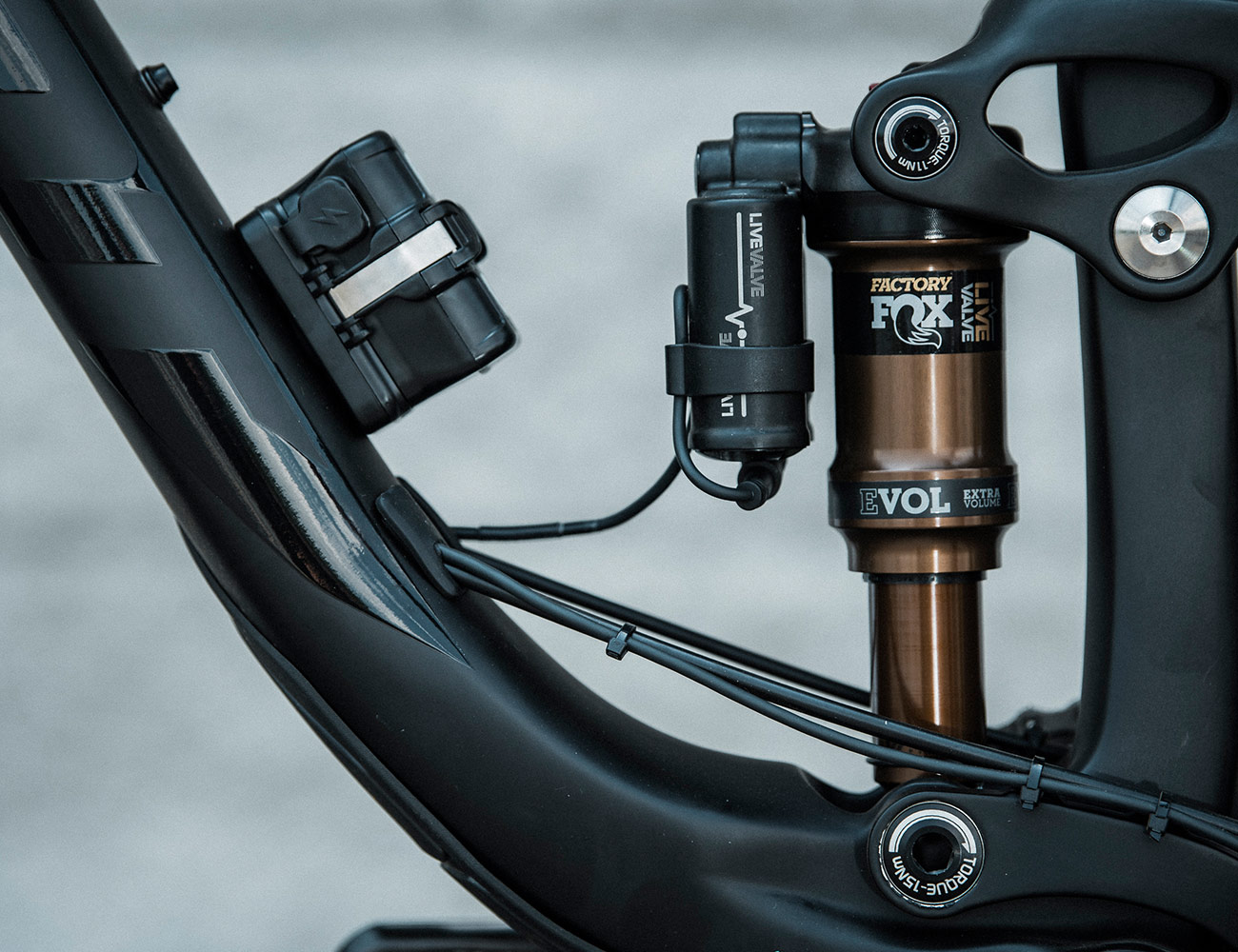
Review: Despite the popularity of Di2 electronic shifting, a booming e-bike market, sensors in our phones and on our handlebars to record our speed, heart rate and distance, some riders still wonder if electronics belong on mountain bikes. We think they do, when those electronics let us do things we can’t do mechanically in order to help us ride better and faster while having more fun. Live Valve makes any mountain bike more efficient and easier to control, and it prevents human error by always opening up your fork and shock on the downhill.

The components of Live Valve include a controller, battery, sensors, a latching solenoid that controls oil in the shock and fork cylinders and Fox’s algorithm, which controls how the data collected by the sensors opens and closes your suspension. The battery toggles the solenoid inside your shock and fork, opening and closing your suspension in a 25-millisecond pulse from the battery. Sag, your high and low-speed compression and rebound are set the same as with any other bike suspension setup. The system works the same in all Fox shocks and forks — only the valving is different.
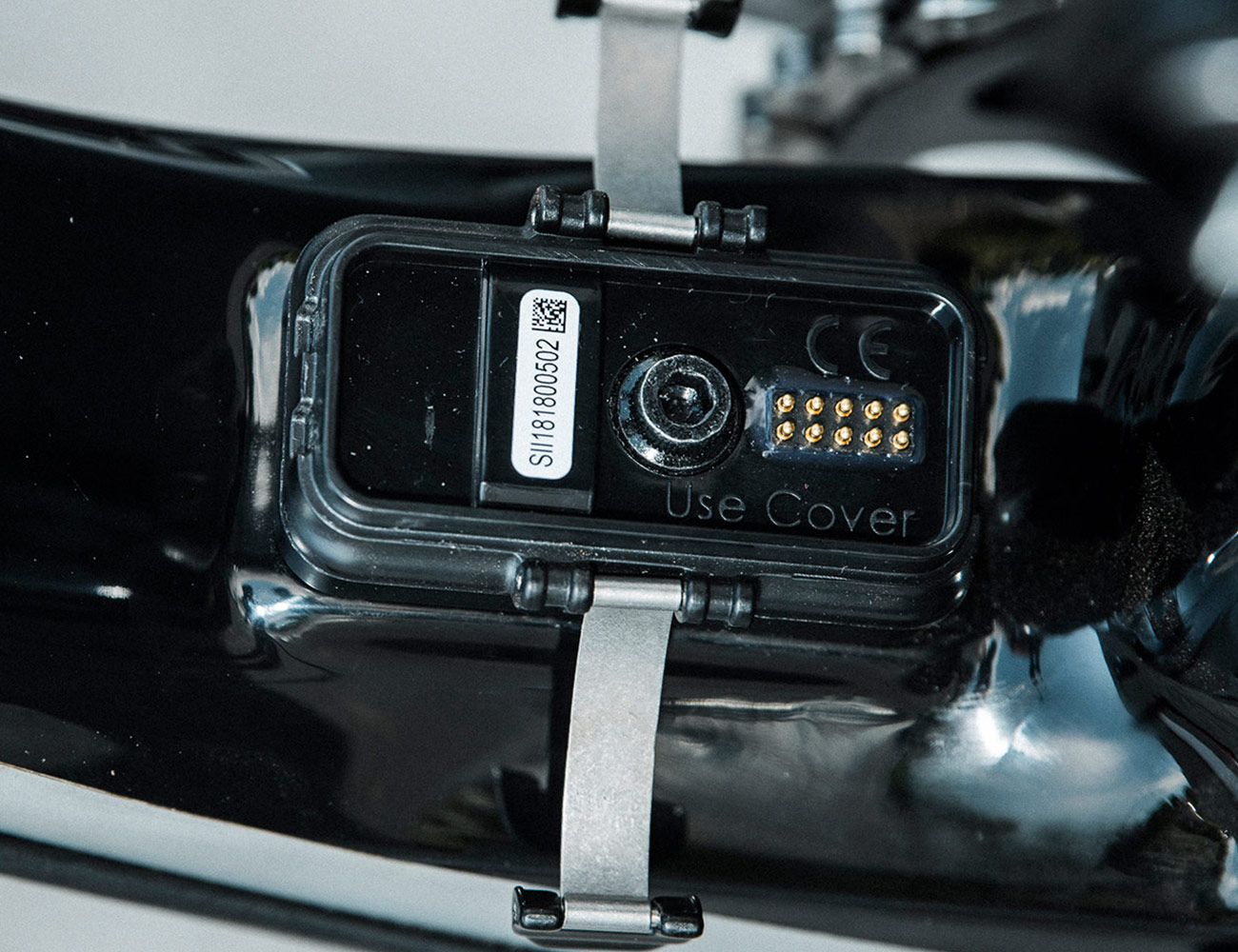
The frame-mounted controller holds a microprocessor and it allows the rider to turn the system on and off, and choose how completely the shock is open. Front and rear accelerometers measure gravity, and determine if the bike is going up, down or if it’s on flat ground.

A two-cell lithium-ion 7.4v 800 mAh battery powers the system. It can be removed for charging or can be charged on the bike via a standard micro USB cord.

Turn the system on by pressing the power button on the controller, and green LED lights illuminate to let you know that the system is active and indicate which of the five settings you’re in. A button above the power lets you toggle between settings. And when you press the power a second time, the system gives a red light and turns off. If you forget to turn the system off after your ride, it won’t drain the battery. If the controller doesn’t detect a bump for 1.5 hours, the system shuts down automatically, saving your settings and your battery.
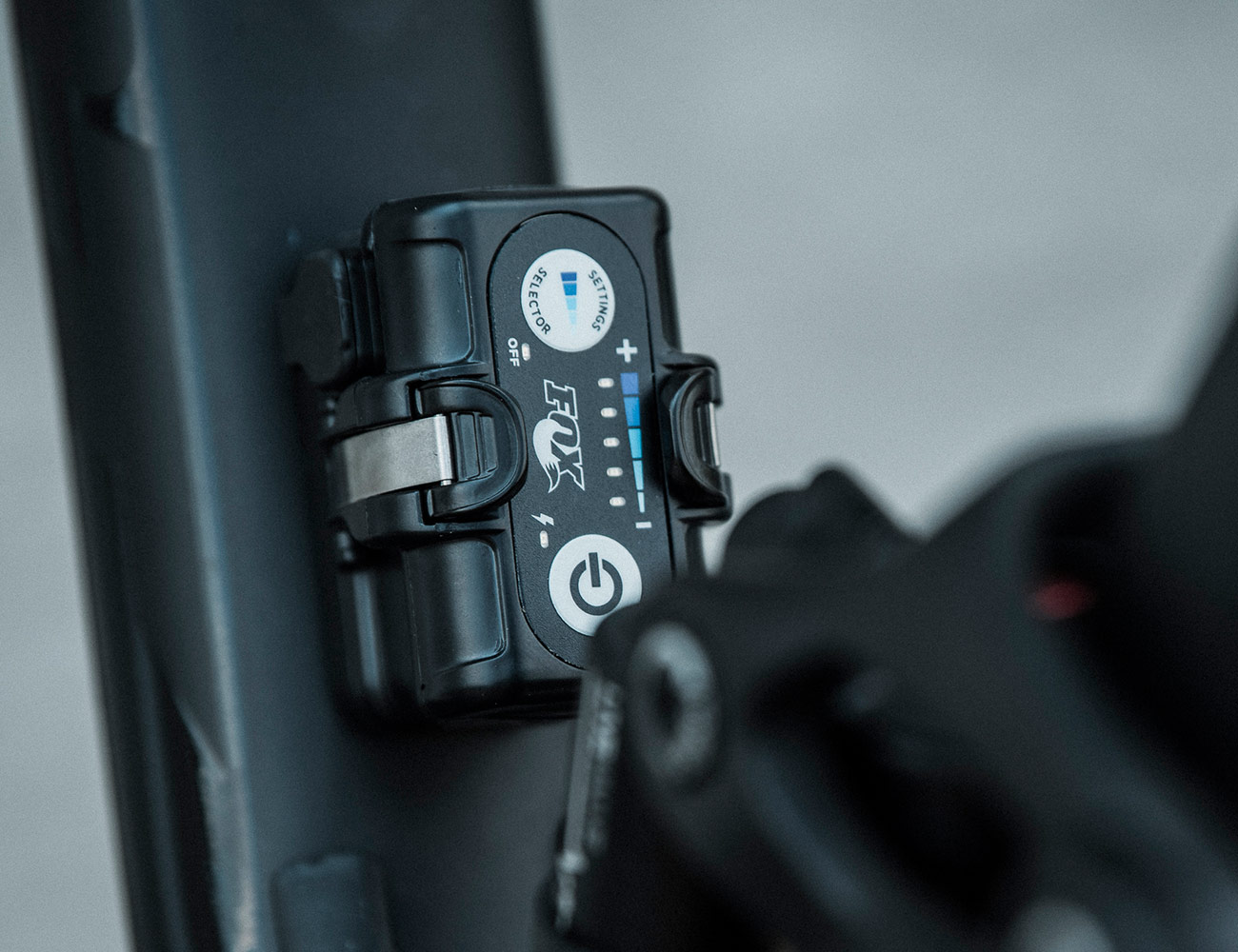
The five setting modes let you choose how big of a bump it takes to open up your shocks and how long your shocks stay open. Once you’ve chosen a mode, front and rear accelerometers read the terrain 1,000 times per second, recording acceleration from bumps and jumps 100 times faster than a blink, as well as detecting pitch. So Live Valve knows if you’re pedaling uphill or downhill, freefalling or traversing, and whether the terrain is bumpy or smooth. Every 1,000th of a second it determines your optimal suspension settings. When the front sensor detects bumps of a certain magnitude, it opens the front suspension and starts a half second timer. If the timer runs out and there are no more bumps detected, the system closes your suspension. If the front sensor detects another bump before the timer runs out, it resets the timer for another half second. If the timer ever expires as you throttle down a long rocky trail, the battery has only powered one opening.

It’s possible to crash and break a wire. And though mud, grime and water won’t affect the sensors or the system’s connectors, which look something like a headphone jack cord, they could, in theory, pop out. Unlike the Di2 system, which recommends a dedicated tool to reconnect finicky wires, the Fox Live Valve connectors can be quickly and easily reconnected or replaced.

And if you’re washing your muddy bike and leave the battery hatch open, and jam dirt into it or jet water into it, you could ruin the battery. Fox recommends not pressure washing the system — much like bike manufacturers recommend not pressure washing your bike at all. The system is rated to IPX 7, one of the most aggressive standards for water intrusion, which means you can submerge it in a meter of water for 30 minutes.

Verdict: I went into testing this system skeptical, and after riding it for four months, I wish I had it on all our bikes. It feels like a genie that knows your thoughts before you do, and that adjusts your bike’s suspension so that you can sail through your favorite trails with maximum enjoyment and minimal jolting.

Key Specs
Price: Add Live Valve to a bike from Rocky Mountain, Pivot, Giant or Scott and it’s $3,000 — if you’re running a 32 Step Cast or 34 fork. $3,125 for a Step Cast 34, and $3,250 for a Fox 36. Buy a bike with the system from Pivot, Scott or Giant, and you’ll pay around $1,800 more — similar to the cost of Di2 when it was introduced.
Fork Compatibility: Fox 32 and 34 Step Cast, Fox 34 and Fox 36 forks are all compatible
Weight: Just shy of two pounds. 72 grams for the battery, 104 grams for the controller and sensors, 466 grams for the Live Valve shock modifications and 249 grams for the damper. In total, it’s around 5 ounces heavier than Scott’s Genius cable-activated lockout.
Warranty: Fox’s warranty will be the same as on its other products — one year in the US and two years in Europe.
Read More Gear Patrol Reviews

Hot takes and in-depth reviews on noteworthy, relevant and interesting products. Read the Story

Note: Fox provided a Live Valve system to test for this review.
Note: Purchasing products through our links may earn us a portion of the sale, which supports our editorial team’s mission. Learn more here.

Can a Smartphone Take the Place of Your Desktop? Samsung Thinks So

The Galaxy Note 9 and the Galaxy Tab S4 are two of Samsung’s newest gadgets — but they’re also quite different. The Galaxy Note 9 is “the world’s most advanced smartphone,” according to Samsung, while the Galaxy Tab S4 is the best and most high-end 2-in-1 Android tablet that company has ever released. Despite each being impressive on its own — the Note 9 as a smartphone and the Tab S4 as a tablet — I wanted to see how both devices could work as a desktop computer. That’s right, a desktop.

You see, the Note 9 and the Tab S4 are unique devices because, for the first time, they come integrated with Samsung DeX. There’s no extra hardware. It’s just a feature that allows both devices to instantly connect to an external monitor. You can mirror their displays onto the external monitor or utilize a dual screen mode – similar to how I use an external monitor with MacBook Pro. For Samsung DeX to work, all you need is a small USB-C to HDMI adapter, a Note 9 or a Tab S4 and an external monitor. It’s plug and play. The idea is that Samsung wants you to be able to use its smartphone (Note 9) or tablet (Tab S4) more like a desktop computer, thus combining your mobile device with your actual workstation. That said, the Note 9 and the Tab S4 provide a pretty different desktop experience. I tested both.

|

Samsung Galaxy Note 9

The Samsung’s Galaxy Note 9 is a true power user’s smartphone phone. In terms of its design, feel, battery life and storage capacity it beats out even iPhone X, in my opinion. Its camera is excellent, too, and the versatility of the S Pen (it can act as a remote trigger for photos and presentations) adds a dimension that makes the Note 9 feel unique, even compared to previous Note smartphones. But Samsung also wants to the Note 9 to be a little pocket computer – and that, of course, relies on DeX mode.

In a nutshell, DeX mode on the Note 9 is pretty simple, but also fairly limited. It enables you to mirror your smartphone’s screen on an external monitor, which is convenient for running apps like Netflix from your phone or presenting documents from Google Spreadsheets and Google Docs. You can use the Note 9 as a trackpad, too, to navigate the screen. The newest and neatest feature of DeX on the Note 9 is that now there’s second-screen mode. This allows you to play a movie or presentation on the external monitor while using your phone normally. The idea is that you’ll be a more productive person, controlling two screens with one device. I watched shows while texting or scrolling through Instagram. So not really “productive,” but still cool.

There are a few problems with DeX mode on the Note 9, however. The main thing is that in order to get that “desktop feel,” you really need wireless mouse and keyboard, which costs extra and even then running apps won’t be as fast as they would be on your laptop or desktop. The Verge‘s Dan Seifert notes this in his review, as well. There’s also the completely predictable snafus of running Android apps on a bigger screen; many apps feel clunky and don’t fill up the monitor’s screen, for example.

Verdict: The Galaxy Note 9 is a marvelous smartphone for power users and Samsung enthusiasts. Its combination of beauty, performance, battery and huge storage easily make it one of the best smartphones of 2018. However, it’s not exactly the computer of the future. The integration of DeX Mode is useful in some cases, like watching shows, blowing up photos on the big screen or even showing presentations, but DeX mode on the Note 9 isn’t quite there yet. Slow apps that were optimized for the external monitor’s screen meant that it wasn’t long before I wanted to disconnect and just use the Note 9 as a phone again.

Samsung Galaxy Tab S4

The Samsung Galaxy Tab S4 is the company’s latest rival to Apple’s iPad Pro, but spec-wise, it’s not really fair to compare it against Apple’s latest iPad Pros. The Tab S4 isn’t nearly as powerful, nor does it have the same level of app offerings. One way that the Tab S4 does distinguish itself is DeX mode, which turns it into a kind of multitasking beast.

Unlike the Note 9 in DeX mode, the Tab S4 is able to run both Android apps and PC windows simultaneously. This is important because it makes everyday tasks easier. You’re able to drag and drop between Android apps and PC windows – I was able to drag photos from Google Photos app to a Dropbox web window – something you’re not normally able to do. You’re also able to resize Android apps so that they all fit on your screen, the same way you resize tabs from a web browser.

The other thing that the Tab S4 has going for it, which the Note 9 doesn’t, is that it can switch to DeX mode without an external monitor. There’s a quick access menu that lets you toggle between DeX and tablet modes, which is nice and pretty easy to figure out. Once again, however, the Tab S4 suffers from limited Android apps that are optimized for PC experience. Also, using DeX mode for long periods without a proper wireless mouse and keyboard will be frustrating.

Verdict: The Tab S4 feels closer to the desired desktop experience because DeX mode is significantly more versatile than the Note 9’s version of the same. The ability to run Android apps and PC windows simultaneously feels almost like a game changer. But the experience is still marred by a limited number of optimized apps. Also, to feel like a proper desktop you’re still going to want to invest in a wireless keyboard and mouse (which are both sold separately).

|

Read More Gear Patrol Reviews

Hot takes and in-depth reviews on noteworthy, relevant and interesting products. Read the Story

Note: Purchasing products through our links may earn us a portion of the sale, which supports our editorial team’s mission. Learn more here.
Reebok FloatRide Run Fast Pro Review: A Speedy Racer

The lightest-weight race day sneaker on the market is Reebok Floatride Run Fast Pro. It’s just 3.5 ounces — less than your iPhone. A high traction outsole, that looks a bit like little spikes, feels fast and grippy whether you’re on the track or road. Pick these up for your next 5K or 10K and get ready for a PR.

The Good: The biggest story with these shoes is that the FloatRide Run Fast Pro weighs less than your race day kit. “If you take shorts and a singlet, which is what most people race in, and put that on the scale, those two things weigh more than 100 grams,” Paul Astorino, senior director of specialized footwear at Reebok, says. 100 grams is equivalent to 3.52 ounces, just about what the shoe weighs. The upper is lightweight and breathable, and the Float foam is soft where you need it and firm enough to handle at least three marathons. The shoe isn’t made on a track spike last, but the unique-looking outsole definitely reminds me of track spikes — and they function similarly to grip in wet or damp conditions.

Who They’re For: While the brand says they are for anyone looking to run up to a marathon distance, I’d recommend you pick these up for your mile race, speedy track days and distances up to a half marathon.

Watch Out For: You’ve got about 100 miles of racing in this shoe. So if you’re wearing them for your three-mile tempo run twice a week, you’re going to rip through those miles relatively quickly. The point of shoes like these is to wear them on race day — that way you’re getting the most bang for your buck. The $250 price tag is pretty steep, no matter how you slice up those 100 miles. The Nike 4% are just as pricey (albeit hard to find), but if you want a shoe that’ll hold up to more than a handful of races (depending on your distance regiment) it’s worth looking into the Reebok FloatRide Run Fast — made with the same foam, but a different upper.

Alternatives: The most natural comparison is to the Nike 4% ($250) or the FloatRide Run Fast (at a slightly lower price point, but still lightweight; $140) or the New Balance 1400 ($100). Basically, any shoe that is advertised as a racing flat is a competitor to the Pro.

Review: When I unboxed the Pros, I was shocked at how lightweight they are. They feel paper-light. The sizing was spot on — for a racing flat I like the fit to be snug. Since I don’t have to worry about my feet swelling to the extent that they would for a half or full marathon distance, the slim fit is like a cocoon for fast days. However, there is also enough room for me to wear whatever socks I’m feeling that day.

When I first put them on, I was impressed with how comfortable my feet were. While the lack of heft around my feet reminded me of my spike-wearing track days in high school, there was still some support from the Float foam midsole. The issue many sneaker manufacturers run into is that it’s hard to make a cushioned and lightweight sneaker as one usually cancels out the other. The Pebax material is the game-changer. It has a lower density than other materials typically found in a midsole, like EVA, so it’s lighter, more flexible and impact-resistant — your first footfall feels the same as your finish line sprint. It’s got that high energy return feeling that every sneaker brand is chasing.

The FloatRide Run Fast Pro upper is all one piece and is exceptionally breathable. I wore them on a 90-degree day, and my feet felt free and breathable — largely due to a single-layer engineered mesh upper. I had no chafing issues — but I would recommend wearing socks. The tongue is attached to one side, so I had to play around with how much I could pull it over to the other side and make the top of my feet happy.

The nubby outsole is yet another unique piece of the Pro, and its design stems from “the chase for weight savings,” Astorino says. “Rubber is one of the heaviest compounds on the shoe.” The team at Reebok figured out how to glue little pods onto one piece (the outsole) and then stick that to the bottom of the shoe, so it’s just a .75 millimeter piece. “Each one of those little nubbies is a little piece of polyurethane molded together and popped on the bottom,” Astorino says. While it looks almost like a golf shoe, the spike-like PU pieces worked on every surface I tried from wet and dry roads, to wood slats, to concrete to grass.

After testing a lot of stability and trail shoes lately, I was very excited to take these for a couple of laps. First up was a speed workout with Mile High Track Club. We raced around Pier 25 stopping after each lap to mix it up with jumping jacks and burpees. The pavement was dashed with sand and dirt, and the outsole had no issues. Lateral movement was smooth as I weaved in and out of the pedestrians leisurely walking to the Grand Banks, an oyster bar on a boat docked at the end of the pier.

After some sprints, I was intrigued with how these would feel on a regular 5K run — nothing insanely fast, just a regular routine run. Another tester mentioned that the shoes crushed his calves during a three-mile tempo run, because of the lack of support — he enthusiastically endorsed them for speed workouts. I ran in the Pros on a hot and humid night where everything feels like it’s melting, including the bottom of your shoes and felt no difference underfoot. Often, shoes will feel slightly mushy after spending a lot of time in the heat, but this wasn’t an issue for the Pros. A couple of hill sprints during the run were no match for my fresh legs and speedy shoes. I felt sufficiently cushioned for a low key loop but did start to wonder how many miles I could put on the shoes before they wear out.

As I gear up for the Fifth Avenue Mile in early September, I’m going to keep these on the shelf until that day, but they’ve already convinced me. A lightweight track-spike-like sneaker is the right way to go.

Verdict: If you race miles and 5Ks, it’s worth taking a look at this sneaker. I’m planning to wear these for the upcoming Fifth Avenue Mile (in hopes of a speedier time). The $250 price tag is a bit steep, but unlike the Nike 4%, you can find these in stores and online. It’s worth checking out the FloatRide Run Fast that’s just $140 but has a similar outsole to the Pro. Competitive runners will appreciate the Pro’s spike-like sole and the paper-thin breathable upper. Just don’t wear these on your daily runs.

What Others Are Saying:

• “That is, until we get to the price. I obviously can’t tell you if it’s worth the $250 price of entry, but I imagine for most people it won’t be. To the Fast Pro’s credit – and to help justify the cost, certainly – the shoe does have some range. I’d be hesitant to recommend this for a marathon (though I may well try it), but any other distance is almost certainly a ‘go’ from me. Frankly, this is almost the perfect 5K/10K shoe, where I think the raw weight of the thing will get you to the finish faster than whatever propulsion system Nike’s baked into the Vaporfly. ” — Michael Ellenberger, Road Trail Run

Key Specs
Weight: 3.5 ounces
Heel Height: 15.5 mm
Forefoot Height: 12.5 mm
Heel-to-toe Drop: 3 mm

Reebok provided this product for testing purposes.

Read More Gear Patrol Reviews

Hot takes and in-depth reviews on noteworthy, relevant and interesting products. Read the Story

Note: Purchasing products through our links may earn us a portion of the sale, which supports our editorial team’s mission. Learn more here.

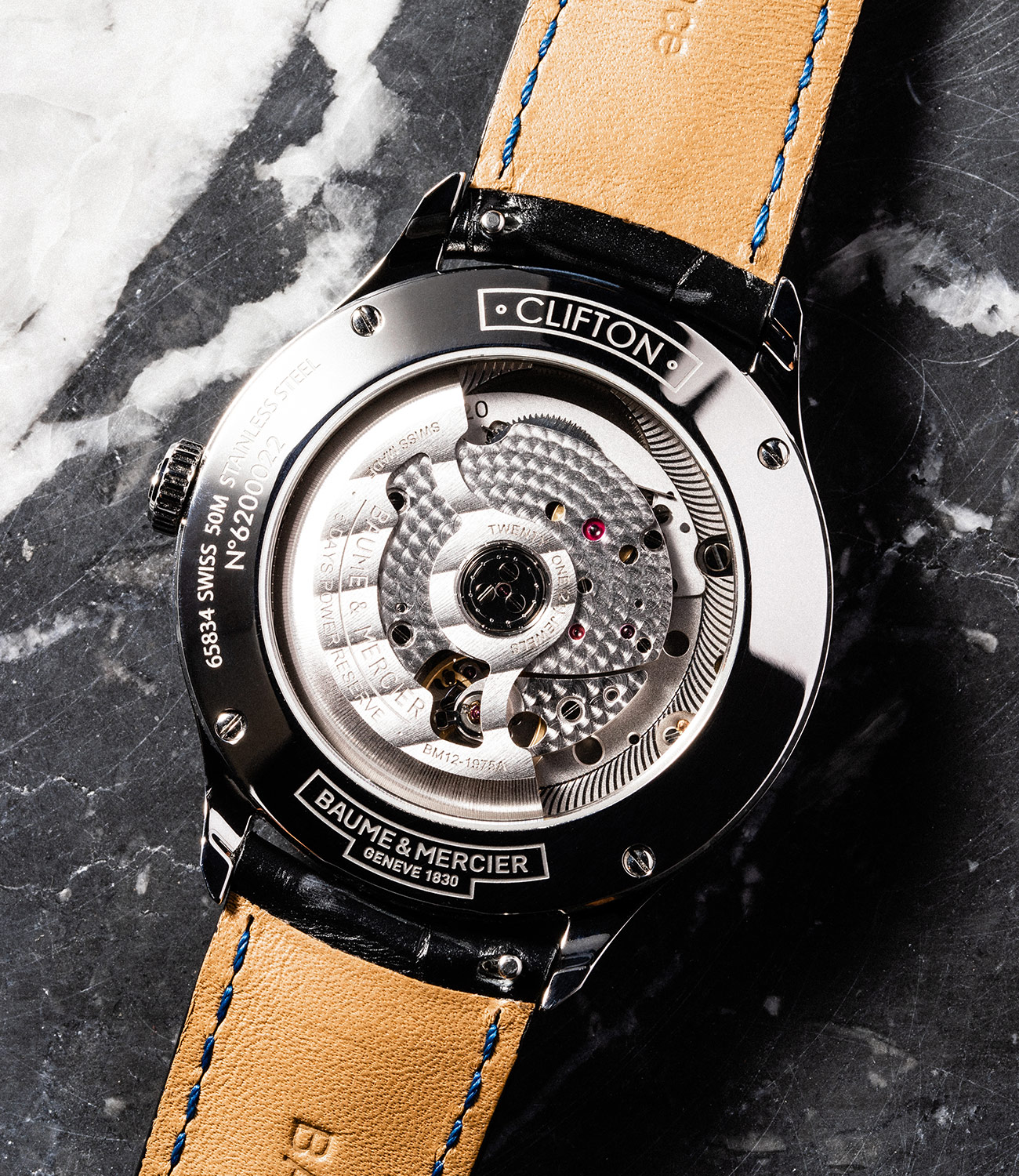
Review: Baume & Mercier’s New Chronometer Is One of the Most Impressive Watches In Its Price Range

Silicon has arisen in the last several years as a wonder material in watchmaking. First utilized in an escapement by independent watchmaker Ulysse Nardin in 2001, the material has surfaced in movements from watchmakers like Omega, Rolex and even Patek Philippe. Silicon is non-ferrous, so it easily mitigates the negative effects that magnetism has on a watch movement. Its low friction and light weight also mean that it’s more efficient and durable than metallic counterparts, and is thus conducive to a more accurate, more efficient and more durable watch.

In 2017, Baumer & Mercier became the first watchmaker in the Richemont group to offer a watch with a silicon escapement, the gold-cased, hand-winding Clifton Manual 1830. This is interesting if you’re familiar with Baume & Mercer’s standing within the greater Richemont lineup — the brand is decidedly entry-level for the group (which owns brands like A. Lange & Söhne and Panerai), and it’s better known for classically-styled watches that use third-party movements, rather than for technical innovation. Sure enough, however, this limited-edition watch represented a major first for one of the world’s largest watchmaking conglomerates, and it paved the way for this: the Clifton Baumatic COSC.

The Baumatic uses the same silicon escapement as the Clifton 1830, but adds automatic winding and ditches the gold case for one of stainless steel. Whereas the 1830 was a 10-piece, $14,350 limited edition, this new watch is a mainstream model with an accessible sub-$3,000 retail price.

The Good: On a technical level, the Baumatic is one of the most impressive watches at its price point. The watch boasts, in addition to COSC-rated accuracy, anti-magnetism up to 1,500 gauss and a five-day power reserve. You won’t find too many other watches with silicon escapements in this price range, and certainly not many with this kind of power reserve. Additionally, Baume & Mercier claims the watch can run long past the watch industry’s standard three-to-five-year service interval. The Rest of the Baumatic is fairly handsome and well-proportioned, too, but it’s the movement and the performance that it brings at this price that makes the Baumatic one of the most exciting watch releases of the year.

Who They’re For: Baume & Mercier is firmly rooted as an entry-level luxury brand and is likely trying to court newbie luxury watch owners. The extended service interval is certainly appealing to mechanical watch owners intimidated by maintenance, and the watch’s relatively simple design language plays to the idea of a high-end watch that can be worn in most settings. The entry-level luxury watch field, however, is a crowded one, and so buyers interested in technical specs will be most drawn to Baumatic COSC.

Watch Out For: I understand why Baume & Mercier wants to advertise the COSC-accuracy and super-long power reserve — I’ve made it pretty clear they’re two of the most impressive aspects of the watch — but the branding at six o’clock is a bit…extra. For a watch that attempts, visually, to keep things simple and legible, it seems like a distracting and unnecessary touch that clutters up the watch face. Additionally, I found myself wishing there was a bit of lume on here. Lume is something you’ll find on pretty much any watch these days, dressy or not, and it’s something you take for granted until it’s not there.

Alternatives: If you find the Clifton Baumatic too pricey, Tissot’s Ballade Powermatic 80 offers many of the same benefits as the Baume & Mercier for around $1,000. It too has a silicon escapement and boasts COSC accuracy, and its 80-hour power reserve is still impressive, though not quite a match for the Baumatic. For around the $2,000 mark, you can also get the Longines Record, which too is a certified chronometer and packs a silicon balance spring. The Longines, however, has a 64-hour power reserve. If you can do without the COSC accuracy, you can get a non-chronometer version of the Clifton Baumatic for a couple hundred dollars less.

Review: While the movement inside the Clifton Baumatic is, as ofthis writing, exclusive to Baume & Mercier, the brand, which has mainly relied on movements supplied from third-party producers, makes no claims about being a manufacture. Rather, the movement is the product of a partnership between the brand, ValFlurier — a Richemont-owned movement maker — and Richemont’s research center in Neuchâtel. With their help, Baume & Mercier has incorporated a silicon balance spring and a silicon escapement into the movement that are together largely responsible for the Baumatic’s impressive specs.

Of course, there’s more to this watch than its internals, and the movement’s relatively compact size (according to Hodinkee it’s about on par with an ETA 2824) is conducive to a well-proportioned watch. The Clifton Baumatic comes in at 40mm in diameter and 10.3mm thick, so while it’s not exactly an ultra-thin, it’s pleasingly slim and a perfect middle ground for most wearers. The case itself is simple and sleek, with curved lugs and a beveled edge that runs along the edge from north to south.

The dial has finishing to match the case; while in images, the Clifton appears to be a simple white, in person it has a glossy, almost porcelain-like sheen, with black accents providing a good deal of contrast. The lancet-style hands and polished applied indices also work well with the sort of neo-vintage aesthetic the watch has going on, and a crosshair design segmenting the dial is another throwback detail. Aesthetically, the Clifton Baumatic doesn’t really try to break new ground and that’s alright; its appeal is drawn from its versatility. Though the black alligator strap suggests a watch made for dressier environs, you can easily dress it down by swapping out any number of more casual straps.

Verdict: Ideally, the Clifton Baumatic acts as a launching pad for this incredible new movement. Baume & Mercer’s offerings range from overtly sporty to strictly formal, so there’s a likelihood we’ll see the movement pop up more styles in the future. Whether or not it does, however, the Baumatic now represents an impressive achievement and smart move on behalf of Richemont. Watch buyers are becoming increasingly value-conscious, and the Baumatic will offer buyers wanting to get into the Richemont group a technically impressive watch at a reasonable price.

What Others Are Saying:

• “Our first impression after seeing the watch in person is of a practical, well-designed, un-ostentatious wristwatch very much intended to function as a daily companion, and to run reliably over the long term.” — Jack Forster, Hodinkee

• “I don’t think Baume & Mercier’s mission is done. They have a good-performing modern automatic mechanical movement in a watch designed to look like something from yesterday. I think Baume & Mercier can push themselves to come up with contemporary (yet still elegant) watches designed to fit movements such as the BM12-1975A.” — Ariel Adams, A Blog to Watch

Key Specs

Movment: Baume & Mercier BM12-1975A automatic
Case size: 40mm diameter; 10.3mm thick
Water resistance: 50m
Features: Date; chronometer accuracy
Power reserve: 5 days

Read More Gear Patrol Reviews

Hot takes and in-depth reviews on noteworthy, relevant and interesting products. Read the Story

Note: Purchasing products through our links may earn us a portion of the sale, which supports our editorial team’s mission. Learn more here.
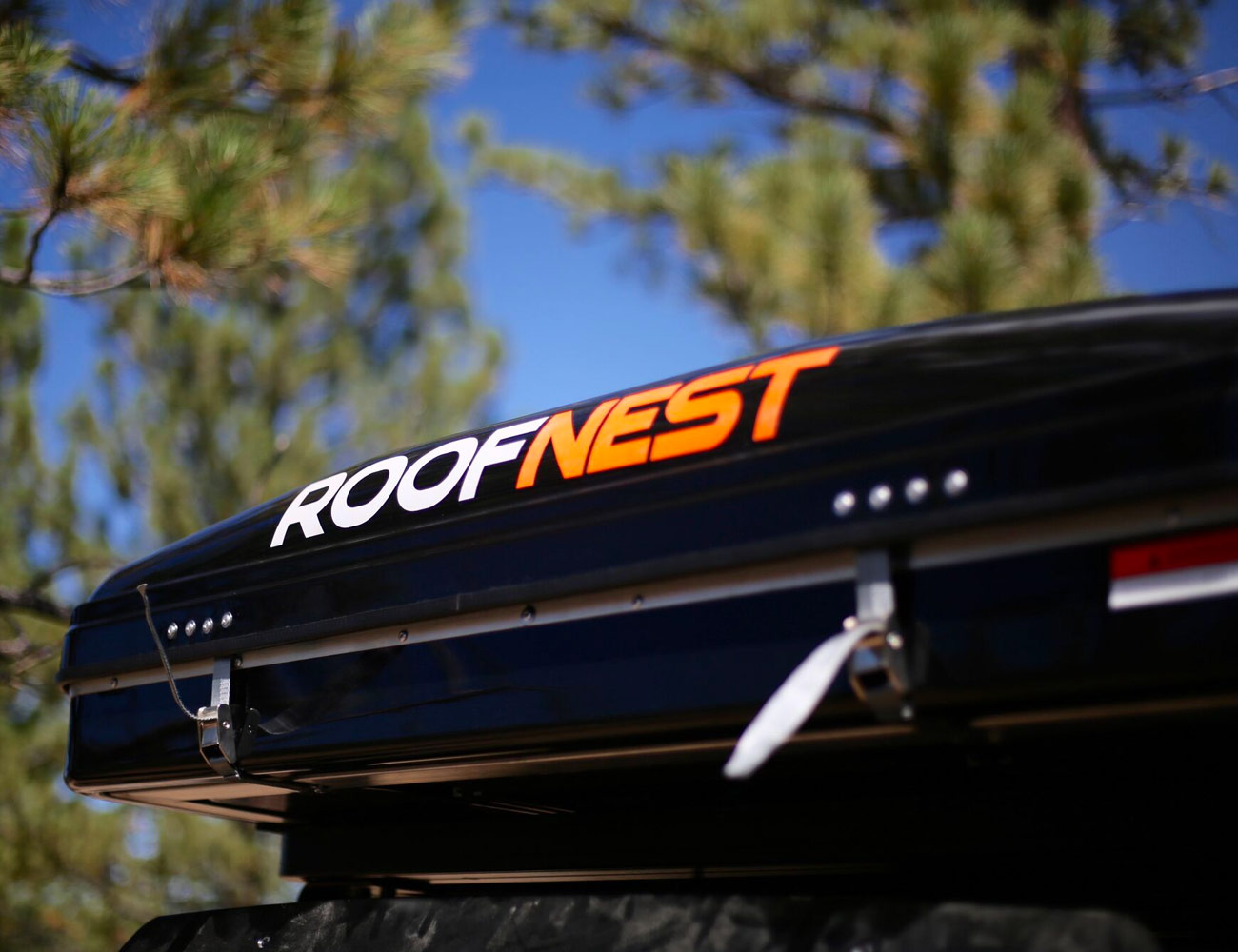
The Hard Shell Rooftop Tent Explorers Want — At a Steep Discount

The truth about the great outdoors is that it’s inherently uncomfortable. The bugs bite, the sun burns, the air chills and almost every task requires additional effort. Some revel in the discomfort, others loathe it; most agree that camping isn’t for everyone. While it’s true that certain aspects of adventure can’t be controlled, one of the pillars of a successful trip can be improved.

Picture your family camping trips as a kid or that one time your friend dragged you along with his family. There was probably a gas burning stove, a folding picnic table and the ubiquitous ground tent — how quaint. Today, the tables are more durable and the stoves are more compact, but the biggest difference is how we spend the night.

Tent technology has taken a huge leap in recent years. Backpackers can stuff a six-oz. domicile in their pocket and car campers can raise a four-walled fortress in 30 seconds. Admittedly, neither ultra-light nor ultra-plush tents are particularly cheap, but there are still ways to find a great deal. Roofnest is a newer player in the rooftop tent (RTT) arena – a segment that appeals most to overland enthusiasts and small families. As a hard shell tent manufacturer, Roofnest undercuts its competitors’ prices by a significant sum while touting the same features.

The Good: Nothing about the Roofnest Eagle is particularly revolutionary, but there are definitely some highlights. The fiber-reinforced ABS body is light and aerodynamic, easy to install and can accommodate two full size adults comfortably. Four zippered windows – one on each wall – permit excellent cross-breeze and side outlets allow ladder placement on either side of the vehicle. Quilted fabric lining keeps the inside of the tent very warm and looks pretty snazzy. The included telescoping ladder is the coolest I’ve sampled, with a wide, sturdy frame and dead-simple functionality. Interior storage is clever, with two detachable pocket organizers, a pair of coat hangers and netting over the center of the tent. Most compelling of all the Eagle’s selling points, though, is its price (more on that in the alternatives breakdown).

Who It’s For: Hard-shell RTTs make sense for those who don’t mind giving up their roof rack storage in exchange for one of the easiest sleep setups around. Advantages over ground tents are pretty clear: sleeping above ground affords security from critters, the days of fumbling with tent poles and stakes are over and you can store pillows, blankets and other sleepwear in your RTT semi-permanently. There are also a few perks over soft shell tents, including faster setup and teardown, improved aero-efficiency and a cleaner look. Roofnest offers its tents in a few shapes and sizes, but if you like your space or need room for a third guest (be it pup or child), you’ll want the flagship Eagle model.

Watch Out For: Roofnest doesn’t cut many corners, but I do have some concerns. Manufacturing in China is leagues better than it once was, but quality control still seems to be an issue. For example, the batch of tents mine was pulled from included a few units with defective gas struts. Stitching within the tent is acceptable, but there are errant patterns and loose threads in some places. Some of the rivets securing the external buckles to the tent are poorly installed. At 2.8 inches, the mattress is a little thin for adults over 150 pounds, and the foam padding retains its chemical odor long after unpacking for the first time. None of these elements are deal-breakers, but we can see where some additional cost may have gone into the development of rival tents.

Alternatives: Roofnest wants to swoop customers from two key competitors: James Baroud (out of Portugal) and Autohome (an Italian company). These two manufacturers have been in the game for longer and have much larger product portfolios. The most affordable tent of similar design and space from Autohome is its Airtop ($3,399); from James Baroud, you’ll be shopping its Evasion ($3,799). Roofnest’s Eagle enters the fray at a seriously compelling $2,695.

Mattress padding is more generous on both rivals — 3.0 inches for the Evasion and 3.5 inches for the Airtop. Both competitors also offer a third door opening/exit, which could come in handy if you have a pickup truck or prefer to exit the rear of the tent. The Evasion is shorter and narrower than the Airtop and Eagle, but is available in a larger size for $500 more. All manufacturers offer their tents in more than one color, but only Roofnest doesn’t charge for black paint. Both James Baroud and Autohome include a five-year warranty with every product, but Roofnest restricts coverage to one year.

Review: Out of the box, Roofnest’s Eagle and its included hardware installs easily onto a durable set of crossbars or an elevated rack. Our particular rooftop storage solution — a modular rack from Front Runner Outfitters — requires a unique mount and a couple wood slats to raise the tent over the rack’s lip. My Land Cruiser’s height certainly doesn’t ease the installation process, but with some help from Gearhead’s Garage, I can secure the tent in a couple hours.

I hang the tent a few inches off the back of the rack to leave some room at the front for firewood, gas tanks, or any other gear I wouldn’t want to store inside the truck. Despite the off-center positioning, the Eagle looks fantastic and doesn’t detract from the Cruiser’s classic style. After loading the rig with gear for our two-night trip, I hit the road, heading for California’s San Bernardino Mountains.

The drive to my campsite lets me test the tent’s aerodynamics and fuel economy impact. At speeds up to 75 mph (probably a good idea not to go faster than that with anything strapped to your roof), the Eagle creates some perceptible drag, but little wind noise. Factoring in traffic and a lot of elevation gain, the single mpg hit I see compared to runs without the tent is totally respectable.

Nearing our weekend digs, paved roads turn to dirt and rock. As the Cruiser rattles and undulates along the trail, the tent makes nary a peep from its perch. Finding a flat spot off the main road, I park the truck and get to work on the tent. After undoing four cam-locking buckles and pressing up at each end of the tent lid, the top rises with the help of internal gas struts. Pulling the telescoping ladder from its carry case, I hook the ends to one side of the tent and lock the steps in place. Unzipping the outer flaps at each window ushers a cool breeze through the tent. Just like that, our home away is set.

After a fun-filled day, I slink up the ladder and into the Eagle. An included LED lantern lights our bedtime preparations, and detachable organizers hold our keys, phone and loose items. Sleep comes quickly, but not before the tent warms with body heat. During the night, it’s hot enough inside to open a pair of opposing windows (which cools the interior back down quickly). At 175 pounds, I sink deep into the foam and only find a comfortable position on my back. A little extra padding would certainly be welcomed.

A lack of forethought means I’m not parked in any shade when the sun rises. The harsh light and rapidly rising interior temperature discourages us from lingering in the tent. On the bright side, I can indulge in a fresh cup of coffee and some gorgeous views a little earlier. After breakfast, our companions load up for a day of off-roading and exploration. After storing the ladder and closing the tent flaps, I simply pull down on the Eagle’s straps to close the lid. To complete the conversion, I tuck the loose fabric inside the tent and cinch down the buckles. The whole procedure takes two minutes.

Like the day before, the tent quietly bobs along during our unpaved exploits. Only as I drive under low-hanging trees do I adjust our line to avoid scraping the shell. Back at the campsite, I choose a better-shaded spot for the following morning and repeat the setup process. This time, though, the tent is more than three-degrees off-kilter. To fix the angle, I track down a flat rock, place it in front of one tire, and drive the Cruiser on top. Going forward, we’ll bring a leveling kit, but this does the trick for now.

The second night in the Roofnest is much like the first, but to prohibit overheating, I unzip two windows before turning in. This summertime solution proves ideal, and I pass the night in comfort. The shaded parking spot definitely cuts the morning light and heat, but the structure still becomes warm without a good breeze (much like a typical tent, to be fair). With 37 inches of headroom inside the tent, we can sit upright to change clothes easily. After tidying the cabin, I scurry outside to prep the tent for the journey home.

If this level of convenience gets old, it could only be because someone’s come up with a capsule-deployable tent or something equally revolutionary.

Verdict: Where it counts, the Roofnest Eagle is every bit the hard shell rooftop tent explorers want — at a steep discount. Take our advice: grab an Eagle and put those savings towards gear, gas and good times.

Read More Gear Patrol Reviews

Hot takes and in-depth reviews on noteworthy, relevant and interesting products. Read the Story

Note: Purchasing products through our links may earn us a portion of the sale, which supports our editorial team’s mission. Learn more here.
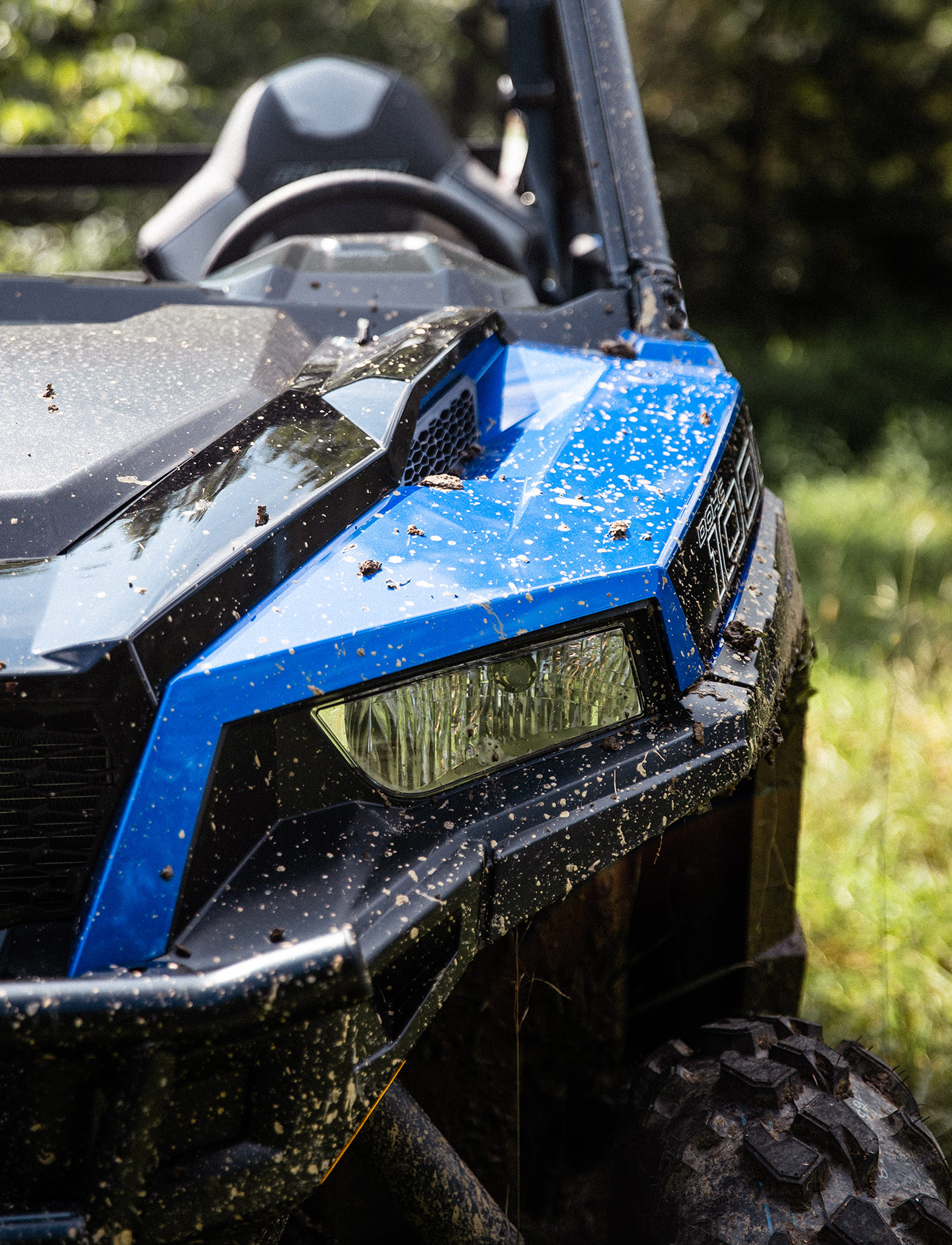
A Damn Fun, Affordable, Stripped-Down Overlander from Polaris: the Polaris General

When you think of side-by-sides or UTVs, you’ll most likely conjure up images of a roll cage jacked up on an arm’s length of suspension travel, shod with massive tires ripping around desert dunes and tearing through a mountain trail. Or, you’ll picture a seasoned ranch hand puttering along mending a fence or moving hay bails. If you’re in the market for a UTV it’s understandable to see one as too extreme, over the top and unnecessary and the other as dull and joyless. The Polaris General lives at the 50-yard line between the company’s performance-centric RZR and its workhorse Ranger.

The Good: Slinging the General around the surrounding trails and property at the Main Line Overland Festival, it quickly became abundantly clear how a UTV like the 180 horsepower Can-Am Maverick X3 XD S turbo was complete overkill. Unbelievably fun, yes. But, is that much power needed to entertain yourself on a gravel back road or rock crawling path? No. The 100 horsepower the General sends to all four of its wheels is more than enough to get the back end to step out, get you into all sorts of trouble and get you out of that trouble when you come face to face with a boulder or log crossing.

Who It’s For: Overlanders, and active lifestyle types. Considering it’s not too raucous, the General was designed with weekend warriors in mind. It has enough power to keep you on your toes, a utility bed, significant payload capacity, 1,500-lbs winch and the ability to add optional racks, cargo boxes, light bars and tougher rims.

Watch Out For: One problem with Polaris performance UTVs is they inherit the upright seating position from the Ranger. The proper posture works fine when you’re putting the machine to use as a docile cargo hauler, but the minute you want to switch to hooligan mode, the higher seat position multiplies the “we’re about to tip over” feeling.

When it comes to getting the machine optioned exactly as you need it, prices start to climb. The base model doesn’t come with much and a $1,500 jump to the Premium trim only gets you the 4,500-lbs winch, front bumper and painted body panels (which you’ll probably scratch up immediately). The $20,299 Deluxe edition buys you a roof, MTX sound Bar and Fox podium shocks on top of what the Premium offers. And that’s just the two-door model, the four-door starts at $21,299. So if you can live without the bells and whistles, the smart buy is to go with the base and add the roof, cargo boxes and racks, which start around $250.

Alternatives: The most direct competitor to the Polaris is the Can-AM Commander. It certainly looks more aggressive and has better base-level storage options, and the General-equivalent model price is $3,000 below the Polaris. However, the Polaris comes out on top with better suspension, more power and a higher cargo capacity, which, all things considered, are key aspects if whether you’re doing some light off-roading or hailing camp gear.

Review: Cutting through narrow trails, crawling over boulders, logs and splashing through boggy mud pits, the General seemed right at home on the dirty side of this year’s Mid Atlantic Overland Festival. But the machine’s dual personality is what sets it apart from the rest of the lineup. When it wasn’t thrashing trails or picking up a front wheel while the back two swung around, the UTV’s ‘utility’ shined through, hauling gear and taxiing people from one side of the campground to the other, to the bonfire and back again. When I wanted to have fun, I had fun. When I needed to tend to a few festival responsibilities, it was right there, willing and able, with one major caveat.

As much as the General champions being the 50-50 mix of the RZR and Ranger, I was split between the two- and four-seater depending on where I was going or what I needed to do. Going for the win at this year’s rock-crawl hill climb challenge or tackling the boulder-strewn trails along the property outskirts? Two-seater. Giving rides across the grounds to campsites, hauling a keg or two to the bonfire or putting the bed to use as skybox seating for the film festival? Four-seater. The longer wheelbase of the four-seater brought out the best of the utility side of the General, but on obstacle trails, the wince-inducing scrapes and slides of knee-high stones and logs along the side rails were enough to permanently appoint it to workhorse status.

Verdict: Just like a Jeep, as an affordable, stripped-down overlander, the General makes a lot of sense. Again, like a Jeep, the base model is incredibly capable fresh from the showroom floor. But if you want the real weekend warrior-mobile with Moab trail tackling suspension, light bars, roof racks, crash bars and cargo boxes, you’d better be prepared to shell out extra cash on top of the MSRP. The General will do what you ask of it and it’ll put a smile on your face the entire time, but that’s entry-level. If you want to make extracurricular overlanding activities easier, it’s pay to play.

What Others Are Saying:

• “On one particular day, we logged just over one hundred miles on some really tight, rough trails at Anthracite Outdoor Adventure Area in Coal Township, PA. The General was really comfortable, providing us with a comfortable ride and spoiling us with some kicking tunes streamed via Pandora through the Bluetooth MTX audio.” — Lance Schwartz, UTV Driver

2019 Polaris General 1000 EPS Key Specs
Two-seater
Engine: 999cc Twin Cylinder
Transmission: Automatic PVT
Horsepower: 100
Torque: 65 lb-ft
Payload Capacity: 1,100 lb
Weight: 1,491 lbs (dry)
Price: $16,299(base)

Four-seater
Engine: 999cc Twin Cylinder
Transmission: Automatic PVT
Horsepower: 100
Torque: 65 lb-ft
Payload Capacity: 1,280 lb
Weight: 1,857 lbs (dry)
Price: $21,299(base)

Read More Gear Patrol Reviews

Hot takes and in-depth reviews on noteworthy, relevant and interesting products. Read the Story

Note: Purchasing products through our links may earn us a portion of the sale, which supports our editorial team’s mission. Learn more here.

Ultimate Ears Boom 3 and Megaboom 3: UE’s Best Bluetooth Speakers, Starting at Just $150

The Ultimate Ears Boom 3 ($150) and Megaboom 3 ($200) are the company’s newest portable Bluetooth speakers, which have several subtle aesthetic changes from last year’s UE Boom 2 and Megaboom, including a two-toned outer fabric and “magic button” on top of the speaker that’s used for play/pause and skipping tracks (and a few other things for Apple Music subscribers). The audio quality and durability of the speakers have both been improved, albeit slightly. The biggest change, however, is the price – at launch, both the Boom 3 and Megaboom 3 are significantly more affordable than last year’s UE Boom 2 and Megaboom.

For clarity, there has never been a Megoboom 2 speaker. Ultimate Ears skipped that model to prevent confusion and align the Boom 3 and Megaboom 3 in the same generation of speaker.

|

The Good: These are arguably the best sounding Bluetooth speakers you can buy. I tested the Megaboom 3 directly against the Megablast and, despite being similarly sized speakers, the Megaboom 3 sounded noticeably better; it had better midrange separation and the overall audio sounded crisper. The “magic button” isn’t game-changing, but it’s admittedly nice to not have to touch your phone to change songs or pause tracks. Both the Boom 3 and Megaboom 3 float, which is new. Also, the charging port has been moved from the bottom of the speaker to the side, so you can charge and listen to each speaker simultaneously, which was a small design flaw in the Boom 2 and Megaboom.

Who They’re For: Anybody who wants a loud, great sounding Bluetooth speaker that’s also easy to use. If you have other Boom or Megaboom speakers, you’ll be able to pair them in a “party mode” feature.

Watch Out For: No Alexa. These aren’t wi-fi speakers, like UE’s Blast and Megablast, so there’s no integrated virtual assistant. The “playlists” feature only works with Apple Music and iTunes, and for Deezer Premium subscribers on Android – sorry Spotify subscribers. The UE Power Up charging dock ($40) is convenient, but needs to purchased separately.

Alternatives: Honestly, for the price you’re not going to find a better new Bluetooth speaker. The Bose SoundLink Revolve Plus ($299), Sony SRS-XB41 ($250) and the JBL Xtreme 2 ($300) are all more expensive than UE’s Megaboom 3, but don’t sound much better, in my opinion, if any better at all.

Review: If you can get over UE’s signature and huge “+” and “-” symbols, along with the speakers’ bright and playful colors, there’s really not a whole lot to dislike about the Boom 3 and Megaboom 3. I’ve been listening to the Megaboom 3 for the better part of two weeks and, as I mentioned above, I was able to directly compare it against UE’s Megablast speaker (with is integrated with Alexa). Frankly, the Megaboom 3 sounds noticeably better. It’s smaller and more affordable, too. If you don’t care about taking to Alexa, and you want a UE speaker, the Megaboom 3 is the way to go.

I wasn’t able to test out the UE Boom 3, but it’s basically just a smaller and more affordable version of the Megaboom 3. Both have the same features and ruggedness, so it basically comes down to sound quality – and with the larger and superior drivers, I’d have money on the Megaboom 3 sounding better too.

As far as upgrades over last year’s Bluetooth speakers, the Boom 2 and Megaboom, there are really only subtle improvements. The “magic button” is simple and useful. If you’re Apple Music subscriber, you can program playlists to start with a tap of this button, too, but it won’t help Spotify subscribers and, to be fair, it’s not a feature that most people will miss. I like the fact that both UE lets the Boom 3 and Megaboom 3 charge on the same wireless charger as last year, the Power Up charging dock, but more importantly, the micro-USB charging port is now on the side of the speakers so you don’t have to uncomfortably balance the speakers if you want to charge and listen to them.

Verdict: Ultimate Ears has been making some of my favorite Bluetooth speakers for years, and I’d argue that although the Boom 3 and Megaboom 3 aren’t game-changing, they’re definitely the company’s best-sounding pure Bluetooth speakers. They look good and are dead simple to use. Plus they have excellent battery life. Best of all, just because they’re brand new, doesn’t mean that they carry that “brand new” price tag.

Key Specs

UE Boom 3

Drivers: two 38mm 1.5-inch full range, 4 ohm; two 40mm x 80mm passive radiators
Frequency response: N/A
Max sound volume: 90 dB
Waterproof: IP67
Battery: Up to 15 hours

UE Megaboom 3

Drivers:: two 50mm 2-inch full range, 4 ohm; two 55mm x 86mm passive radiators
Frequency response: 60Hz -20kHz
Max sound volume: 90 dB
Waterproof: IP67
Battery: Up to 20 hours

|

Read More Gear Patrol Reviews

Hot takes and in-depth reviews on noteworthy, relevant and interesting products. Read the Story

Note: Purchasing products through our links may earn us a portion of the sale, which supports our editorial team’s mission. Learn more here.

2019 Chevrolet Camaro Turbo 1LE Review: A Track Pack That Continues the Hot Streak

Chevrolet has always been in the business of performance, be it in the grassroots drag racing of the ‘50s to the Le Mans wins Corvette has brought home year after year. With that said, the Chevrolet Camaro is probably overlooked when talking about the ideal track car. Unfair? Probably, but as it’s inexorably intertwined in the “American Muscle” battle with the Ford Mustang and Dodge Challenger – despite their numerous differences – it’s easy to understand why anything other than the range-topping ZL1 would escape people’s recollection.

These cars have evolved enough to render the stereotypes of them being (ahem) one trick ponies obsolete, and while this battle rages on, each of these examples of American performance has grown to be much more than the sum of its parts. In the case of the Camaro, it’s a finely balanced car that anyone giving it a pass is missing out on, and with the Camaro Turbo 1LE Chevrolet is making sure those looking at the low end of Camaro’s range have as much fun as those at the top end.

The Good: Despite what you may hear on other corners of the internet, the 2019 exterior refresh is a positive one that looks much better in person. Press photos don’t do it justice. At the very least, it grows on you.

Who It’s For: Anyone involved in autocross events, either in a competitive capacity or just recreational. Lightly powered, agile cars are fantastic track toys that allow drivers to have fun while lowering the skill and terror bar significantly, and the Turbo 1LE can certainly perform this role.

Watch Out For: Limited visibility, compact cabin, and a big trunk hindered by a narrow trunk opening.

Alternatives: Chevrolet is targeting track toys and other cars that focus on agility over power. Hot hatches like the Civic Type R are is its crosshairs with the Turbo 1LE, as well as the Subaru BRZ, and even sleeper hits like the Kia Stinger and Hyundai Veloster N.

Review: The whole ‘business of performance’ thing “… really translates from the track to the showroom,” says Camaro Chief Engineer Al Oppenheiser. This commitment is exemplified with the addition of the 1LE performance package to the 2.0-liter turbocharged Camaro, something previously exclusive to the V6 and V8 iterations. Chevrolet had a clear mission when it decided to give the low-end Camaro a 1LE makeover: make it a car people would want to take to the track, competing against autocross darlings like the Subaru BRZ and Ford Focus RS.

Debuting in 2016, the current generation Camaro is built on GM’s Alpha platform, worth mentioning here as the previous-gen Camaro was built on the Zeta platform, underpinnings designed for full-sized cars in overseas markets. The Alpha was designed for mid-sized-to-compact vehicles, and this translates to a Camaro that feels significantly more balanced than its predecessor.

This balance is particularly evident in the V6, something that is not lost with the Turbo 1LE. The 2.0-liter four-cylinder power plant puts out 275 horsepower and 295 pound-feet of torque, sending it to the rears by way of a six-speed manual gearbox. The 1LE adds some suspension components from the Camaro SS, a mechanical limited-slip differential and a track cooling package to maintain the temperature of said diff, along with the transmission and the engine oil. It’s also fitted with four-piston Brembo front brakes that sit behind 20-inch forged aluminum wheels that are shod in Goodyear Eagle F1 summer tires.

For 2019, all Camaros get a bit of a refresh. Changes to the front fascia aren’t wildly dramatic, but it’s distinct enough to split people’s reception of it down the middle. It looks better in person and it’s a sharp enough upgrade to make the previous front end look dated. There’s even some nice detail work like the grille mesh, which is polished on the face but grainy behind. The rear gets a set of neutral density tail lamps that work style-wise in that they don’t look like a cheap aftermarket hack job. Naturally, the satin black hood wrap is the standout L1E decoration. It’s a touch that suits the Camaro’s style so well that models without it suddenly look strange after prolonged exposure to the 1LE.

Setting out on the road, the sixth-gen Camaro foibles pronounce themselves. Space is precious in the cockpit, so packaging choices stick out like a sore thumb, good or bad. For instance, the armrest can barely fit a combination of a phone, its charging cable, and a pack of gum. Any door pockets are equally inconvenient and backseat space should only be used for cargo or to punish enemies. The same premium for space is applied to visibility. Between the high belt-line of the doors and the narrow rear windshield, the rear quarter blind spots are huge, leaving you to rely on the low-profile mirrors. Most of the car’s quirks are small enough to overlook on an individual basis, but they become hard to ignore as they add up. The interior of the Camaro isn’t a horrible place to spend your time, there are just more comfortable interiors in equally sporty cars.

Most of these issues become moot once the 1LE is put to the test on the track. The drive up to Washington’s Ridge Motorsport Park was nominal, save for the quibbles previously mentioned and the Goodyear Eagle F1 tires, which are eager to track with the grooves along the highway. At the course, the Turbo 1LE was able to put all that balance to good use. A new “track” setting in the drive select firms up the steering, loosens traction control restrictions and opens up the exhaust. My tester, set up with the 2LT trim, was equipped with a head-up display and PDR (personal data recorder) to record my laps with an overlay of telemetry. These two things were the icing on an already track-day prepped cake as the PDR recorded my experience to share afterward and the head-up display made eyeing my revs easier, which I had to do a lot.

275 hp is a modest amount of grunt, and though “right-sized” for things like autocross events or technical tracks such as RMP, a couple of instances left me wishing I had more. Specifically, instances where momentum was lost, either due to a hairpin or me not getting a section of the track just right. There was too little “maintenance throttle” to apply and smooth out my error. Other times, though, I was flat out, wishing I had more power as I watched the digital tachometer projected onto the windshield slowly climb. Shift point indicator lights come on very early, far from the redline, but at peak power. There’s still a ways to go, but engine output starts to drop off. Regardless, I found myself often languishing in this range, staying in gear because I’d be at a brake zone too soon to justify an upshift. In between those moments, the balance Chevy has managed to craft into the Camaro does a splendid job. There were no points where the Turbo 1LE didn’t do what was asked of it, and any errors were purely driver-based, not due to any fault of the car. Braking was sharper and deeper than expected, which was a pleasant surprise, and watching my laps recorded by the PDR, I saw that I could’ve braked harder still in some cases.

Speaking of brakes, if anything breaks with the Turbo 1LE on the track, you’re covered. Yep, all track-oriented Camaros – including this one – don’t void their warranty with track use, provided they stay unmodified. Maybe that’s the deal-breaker for some, but for the rest, that’s peace of mind. Trust me, Chevrolet is all too happy for your Camaro to be seen at as many autocross events you can take it to. Just don’t hit anything.

Verdict: The sixth generation Camaro has been a hit in each iteration that’s been churned out, and adding the 1LE performance package continues the streak, giving its low-end option purpose outside of being a cost-saving measure. It’s a solid choice for green drivers eager to learn performance basics on a rear-wheel-drive coupe with an agreeable price, a manual gearbox and a wallet-pleasing warranty. Others looking for a track-or-autocross toy to whip around without the desire to fiddle under the hood will find the 1LE a decent out-of-the-box option as well.

Key Specs: 2019 Chevrolet Camaro Turbo 1LE

Engine: 2.0L inline-four
Transmission: six-speed manual
Horsepower: 275
Torque: 295 ft-lbs
Weight: 3,354 lbs
0-60 mph: 5.4 seconds

Read More Gear Patrol Reviews

Hot takes and in-depth reviews on noteworthy, relevant and interesting products. Read the Story

Note: Purchasing products through our links may earn us a portion of the sale, which supports our editorial team’s mission. Learn more here.
Review: Polaroid’s Most Advanced Instant Camera Goes Digital, But Not Too Digital

The Polaroid OneStep+ ($160) is the company’s newest instant camera, and if you think it looks similar to its predecessor, the OneStep 2 ($100), that’s because it does – the two cameras are virtually identical. However, the OneStep+ adds way more advanced features that instant film enthusiasts will dig. It’s the first Polaroid instant camera to have two lenses, a portrait lens and the OneStep 2’s standard lens, so you can shoot super close-ups (from close as as one foot away) with background blur. It’s the first Polaroid instant camera to have built-in Bluetooth and also a companion app.

This app, called Polaroid Originals, allows photographers to shoot instant film photos in a number of different ways. They can shoot double exposures (two photos in a single frame) or with the “light painting” effect they can shoot photos with all kinds of crazy light effects. There’s a manual mode, too, that allows them to completely control things like the aperture and shutter speed, and they can also turn the flash on/off. And there’s also a self-timer mode, so you can set the OneStep+ down on a tripod or countertop and use your phone as a remote shutter button to take selfies. Essentially, it’s a more advanced instant film camera that gives photographers more creative options.

At $160, the OneStep+ is the most expensive instant camera that Polaroid makes, so to consider buying it you should probably be an advanced photographer or just somebody really into instant film photography. One such person is Jarry Truong, Gear Patrol’s Associate Videographer — I gave him the Polaroid OneStep+ and two sleeves of instant film (black and white) to play around with over this past weekend. Afterward, I asked him what he thought about the camera.

Question: What experience do you have shooting instant film cameras?

Jarry Truong: I use the Fuji Instax Wide. I have that as my personal camera, but I’ve used an older version of the Polaroid. My girlfriend has the original one. So you could say [the OneStep+] is a little mix of the competitor and Polaroid’s new version.

Q: So what are your initial thoughts about the OneStep+?

JT: It’s nice to have manual control over instant film. Instant film is usually a Pandora’s box when you open it. You don’t really know what you get until you shoot it. Now that you have control over things like double exposure or manual controls, it’s really nice. One downside that’s a little bit cumbersome, like you said, is that it’s weird having the phone out and then trying to compose your photo through the tiny viewfinder and still hit the shutter button on your phone. I’m not sure if that’s a UI/UX design problem, whereas it could be nice if you could set it to a specific mode that you want and then just hit the shutter button from your camera.

Q: Of the new features that you don’t normally get in an instant film camera, which was most interesting?

JT: I did enjoy Portrait mode – it was really nice. One caveat is that you do have to get pretty close for the background blur to come out, but it is really sharp and it’s a wonderful photo. It’s easy to switch into Portrait mode from Landscape mode, as it’s just a flick of a switch on top of the camera. The other modes are a little more difficult to get to just because you do have to pull out your phone.

Q: Did you try Manual mode in the app? What did you think?

JT: Yeah. It’s cool to see that you can meter. And you change the settings from aperture to shutter speed, and if you wanted to do double exposure, it’s in that Manual mode as well. One camera that a lot people weren’t a fan of was the Fuji Instax Square SQ10, and that’s because it went too digital. For an instant film camera that’s a big no-no. It’s taboo, basically, as you were able to see what you were shooting and then print it out. And you could even give it a color grade beforehand, by adding contrast or saturation, and that defeats the purpose of what instant film is to a lot of people.

Q: So you like that, with this camera, you don’t know how the photo is going to turn out?

Q: You want to shoot and then you kind of don’t know what you’re going to get. Just like using the double exposure [with this camera]. I didn’t know how it was going to look, but you kind of compose to what you think it will be. That’s the beauty of [using] film.

Read More Gear Patrol Reviews

Hot takes and in-depth reviews on noteworthy, relevant and interesting products. Read the Story

Note: Purchasing products through our links may earn us a portion of the sale, which supports our editorial team’s mission. Learn more here.

2019 GMC Sierra Denali 1500 Review: A Truck That Makes the Statement You Pay For

GMC unveiled the new Sierra Denali in March. The company set out with two clear intents. GMC wanted the Sierra Denali to be more than a rebadged Silverado. They wanted to do that by building a commanding, opulent, and tech-savvy truck that would “win the battle in the Home Depot parking lot.” I can’t vouch for the power dynamics at your local Home Depot. But, after sampling the redesigned truck at a media drive in Newfoundland, I can assert that GM largely succeded on both counts.

The Good: The truck incorporates clever engineering. The MultiPro tailgate performs six different functions, including a step rated to 375 pounds, two different load stop setups and a work surface. The CarbonPro box cuts 62 pounds (not that you would notice) and GM asserts it is virtually indestructible. There’s a multi-color Head Up Display that can show the speedometer, navigation and other data on the windshield.

The ProGrade Trailering System integrates with third-party trailers, making the process easier, safer and more secure. It has the retracting and rear articulating MultiPro Power Step from previous models. There are a myriad of camera views and Bluetooth features to accommodate multiple phones I did not have time to play with.

Despite all the tech, the Sierra Denali seldom feels over-engineered. Nothing feels more complicated than it need be. There are some decidedly low-tech features. The PRND shifter, blessedly, is a traditional stalk. GMC incorporated boot-sized footholds into the rear corners of the bumper for bed access.

Who It’s For: This is for the premium truck buyer. This person is affluent (starting MSRP: $58,000). He or she wants luxury SUV comfort with truck utility for yard work, home improvement projects or boat towing. Two rows of seats are plenty with the kids out of the house.

Watch Out For: The Sierra Denali’s “tall, proud stance” sacrifices visibility. The driver struggles seeing over the front end or off the passenger side. Parking and turning on an uphill gradient were tricky. When the tailgate is in load stop mode, the trusty rear backup camera faces the ground. We had to pull over my tester, turn off the car and remove the key fob to reset the blank information screen behind the steering wheel. I noticed that happen to at least one other truck.

Value and Alternatives: The truck I drove with the 6.2L V8 and the Denali Ultimate package priced out to $67,200. That’s on par with loaded versions of the rival Limited trims for the F150 and the Ram 1500. As in the mid-level market, marginal differences in price and features won’t overcome ingrained preferences. A luxed out Silverado High Country, with a discounted High Country Deluxe package, can be had for under $60,000, though you miss out on some fanciness.

Driving Impressions: The Sierra Denali adds the sumptuousness absent from the Chevy Silverado lineup. The leather, per GMC, is the finest available that met their durability constraints. The seats are cushy and supportive. The crew cab is notably spacious with a ton of storage. You may find yourself caressing that textural open-pore wood or unconsciously checking for that Cuban cigar that must be stashed in the glove box.

This truck does no masquerading. It’s large and in charge. That’s how it feels behind the wheel. While the Silverado got significantly lighter, the Sierra Denali still checks in at a robust 5,443 pounds with the short bed. You feel it in the corners, plentiful in Newfoundland. You feel it chugging up a hill, also plentiful in Newfoundland. Sport mode tightens the steering and permits more engine response. It does not morph the Sierra Denali into a GTI.

The 420hp 6.2L V8 felt adequate to the demands placed on it, which weren’t too taxing. Newfoundland speed limits off the freeway are a blistering 30mph. The 10-speed shifts were smooth, almost imperceptible. Highway overtakes were no trouble. The suspension damping performed decently on smooth (compared to Detroit) tarmac. I was not offered the base 5.3L V8 but suspect it would feel underpowered with this weight.

There are cars and trucks built for aggressive driving. The Sierra Denali is a cruiser. It’s built for traversing relatively straight highways between your primary and secondary residences. For most in this market, it will more than suffice.

Verdict: The Sierra Denali makes the statement you pay for. I would definitely upgrade to the 6.2L V8. The Denali Ultimate package is steep at $5,710. But, the HUD, the additional safety features, the power step and 22-inch polished aluminum wheels, if you’re into that sort of thing, may make it worth it.

2019 GMC Sierra Denali 1500 Key Specs

Engine: 6.2L V-8 with Dynamic Fuel Management
Transmission: 10-speed automatic; 4WD
Horsepower: 420
Torque: 460 lb-ft
Curb Weight: 5,443 pounds
Payload Capacity: 1,610 pounds
Trailering Capcity: 9,300 pounds
Price: $67,200 (as tested)

Read More Gear Patrol Reviews

Hot takes and in-depth reviews on noteworthy, relevant and interesting products. Read the Story

Note: Purchasing products through our links may earn us a portion of the sale, which supports our editorial team’s mission. Learn more here.
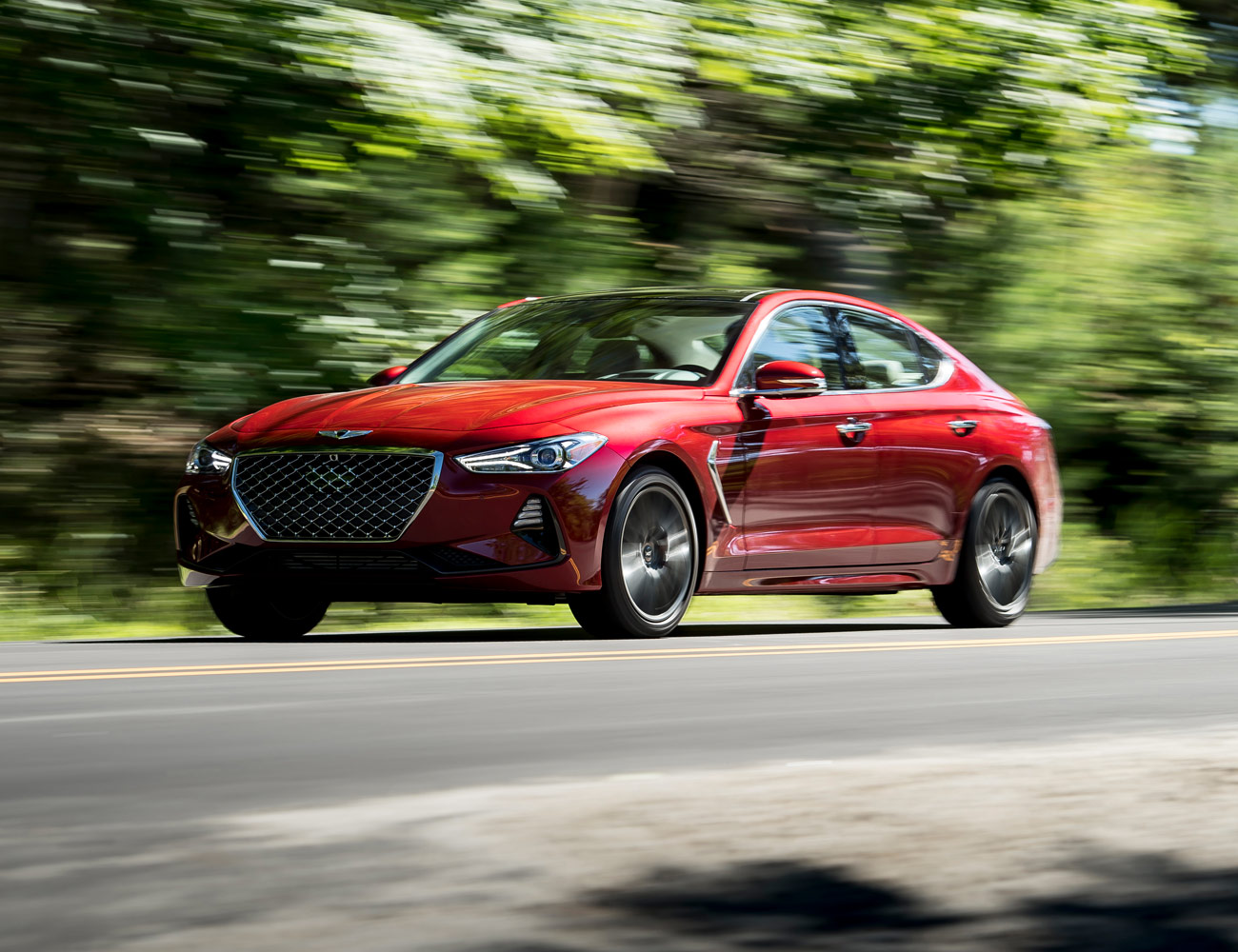
Review: Sony’s Newest Mini Projector Is the Sleek Travel Gadget You Only Maybe Want

Pico projectors are an admittedly niche category. After rising in popularity in 2015 and then experiencing a kind of lull in the years afterward, companies like Anker, Sony and LG are trying to make them cool again. Or rather, they’ve always been pretty cool, in my opinion, but pico projectors are now smaller, more versatile and able to produce better pictures these days. However, with smartphones and computers being so advanced and streaming devices being so readily available, a pico projector is a essential luxury gadget – it’s really only businessmen who want to projector presentations, frequent travelers who want to big a bigger viewing experience into their hotel rooms or simply lovers of niche tech who want to just like. Still, if those people are looking for a good pico projector, they’ve got a few choices.

Enter the Sony MP-CD1 ($369+). Released in 2018, it shares a similar look and design as the company’s 2015-released Sony MP-CL1A ($350) portable projector, but the main difference between the two is brightness. The MP-CD1 utilizes Texas Instruments’s DLP IntelliBright LED technology, enabling it to emit up to 105 lumens, in contrast to the MP-CL1A’s 32 lumens, meaning it’s much brighter. Additionally, the Sony MP-CD1 has an HDMI port for source connection, USB-A and USB-C ports for charging, and a 3.5mm jack, so you can easily to attach a separate speaker for improved audio.

The main competition for the MP-CD1 is the Anker Nebula Capsule. It’s completely different looking and is slightly cheaper than the MP-CD1, but its image quality – less than HD – is very similar. I reviewed the Nebula Capsule earlier this year and throughout this review, I compare the two pico projectors. Which should you buy?

| |

The Good: The Sony MP-CD1 looks sleeker and more stylish than many other portable projectors in this price range. It can almost fit in your pocket, as it’s only slightly bigger than the latest big-screen smartphones. It couldn’t be simpler to use – you just plug its HDMI (with an adapter) into your laptop, smartphone or gaming console and it projects the screen onto a wall. Its 5,000mAh battery is pretty decent, lasting for around 2.5 hours on a single charge. It can function as a portable power bank for your smartphone. And it charges via USB-C, so you can charge it with the same charger you use with your newer MacBook Pro or Android smartphone, or even your Nintendo Switch. The fan is quieter than other pico projectors.

Who They’re For: Like most portable projectors, the Sony MP-CD1 is best used as a travel gadget. It’s optimal for hooking up to a smartphone or laptop and blowing up videos or presentations on the big screen. The fact that it’s so slim, functions as a separate power bank and charges via USB-C, makes it a great addition for modern globetrotters or all-around gadget lovers.

Watch Out For: The Sony MP-CD1 might be extremely easy to use, but it lacks some pretty crucial features that other portable projectors have. There’s no wi-fi or built-in operating system to play content without a source. (The Nebula Capsule, comparatively, has an Android operating system so all you have to do is connect to wi-fi and you can stream content from Netflix, Hulu or YouTube.) There’s no Bluetooth either, so you can’t stream audio. There’s no remote. Its speakers are weak. There’s no volume dial, oddly, so you can’t adjust the volume on the projector. The picture is less than HD quality (which is about the same as other pico projectors) and the room needs to be really dark room for it to perform well.

Alternatives: The Anker Nebula Capsule is the obvious alternative. It’s a completely different form-factor, looking more like a soda can than a sleek portable projector, but it’s slightly cheaper and more versatile than the Sony MP-CD1. LG’s PH550 projector ($447+) is a larger and more expensive option, too.

Review: Portable mini projectors, or pico projectors, sky-rocketed in popularity in 2015. It’s been a few years, but the category and its technology seem to have finally caught up to 2018. They’re wireless. They’re small. And they can give you a screen way bigger than most people could fit in their homes. The problem is that with all the other gadgets in your bag – smartphone, laptop, power bank, gaming console – is there enough room for a pico projector? For most people, the answer is probably not. But for some, the answer is, maybe, yes.

For under $400, the Sony MP-CD1 is one of the most affordable pocketable projectors you can buy. Its main rival is the Anker Nebula Capsule ($348), which was also released earlier in 2018, but the two projectors couldn’t look or work any differently. Sony’s option is definitely sleeker and more packable, while the Anker option, with its built-in wifi and Android operating system.

Admittedly, the Sony MP-CD1 isn’t a standalone device like the Anker Nebula Capsule. In order to project anything on the Sony MP-CD1, you need to connect it (via HDMI) to something: your computer, laptop or gaming console. It’s really easy to do, and the projector comes with most of the necessary cables – some adapters need to be purchased separately – but this really is a projector and nothing else. The Anker Nebula Capsule, on the other hand, can run its own apps and stream its own content as long its connected to wi-fi.

I’ve tested and played around with quite a few of these portable mini projectors, and the Sony MP-CD1 is the brightest. None of their picture qualities will blow you away, however, as like many others the Sony MP-CD1 doesn’t come close to HD quality. If you’re thinking this little projector is going to replace your TV, then you probably don’t watch your TV very often. And like other pico projectors, the Sony MP-CD1 needs a dark environment to work well. If the room is at all bright, you’re probably going to be frustrated.

Two other things that I need to mention about the Sony MP-CD1. First, it’s a projector that you’re going to want to connect to a separate speaker – the built-in speakers on this thing simply aren’t very good. Fortunately, it’s super easy to daisy chain the projector to any speaker and instantly improve its audio. Secondly, there’s no built-in tripod so the only way to adjust the level of the screen is to stack it on top of something. A lot of these pico projectors suffer from this, but, again, it’s worth mentioning.

Verdict: There are a few things that the Sony MP-CD1 has going for it. It looks like a cool gadget. It’s extremely portable. It works as a separate portable power bank, too, and it charges via USB-C, which is great for anybody with a new-ish smartphone or laptop. It’s quiet, or at least quieter than other pico projectors so the fan won’t interfere with sound quality. Lastly, it’s super easy to use and its picture quality is on par with other similarly-priced pico projectors.

However, Sony MP-CD1 is not an all-in-one media player and it depends entirely on the other devices you have. This is a travel gadget, remember, not a home media system; and there won’t be many occasions (if any) where you’d want to use this thing instead of your TV. It’s ideal for businessmen who want to quickly throw something from their smartphone or laptop onto a big screen. Or if you have a streaming stick, like a Roku or Chromecast, you could plug it into this thing and it’ll work great. That said, $400 still seems like a lot for such a niche product and for that kind of money, you really want to make sure you’re going to use this thing a lot.

What Others Are Saying:

• “Crucially, it also has its own sound system, but don’t get excited. The chassis of the MP-CD1 itself is equipped only with a 1W speaker, which despite going to surprisingly loud volumes generally fails to deliver anything but vocals with any kind of width. Luckily, there’s a 3.5mm audio jack on the MP-CD1, so all audio can be routed to a separate wireless speaker. Place that speaker under the image and you’ve got a DIY home cinema.” — Jaime Carter, South China Morning Post

• “Image quality was middling and dull on the MP-CD1 at best. With only 105 lumens and a 400:1 contrast ratio, colorful pictures consistently felt dark and blown out. Blue colors looked more violet, and yellows took on a neon green appearance. And despite its manual focus option, the picture never felt very sharp. Images, however, consistently looked better than video throughout our testing. The projector is best for darkened rooms, rather than ones with ambient or full light.” — Suzanne Humphries, Top 10 Reviews

• “Setup is not as simple as it could be, and the lack of a volume rocker is bizarre, but the MP-CD1 produces reasonably impactful 80-inch still images and watchable movies. Does it do enough for the money? Probably not, but if you do give impromptu presentations and don’t want to depend on the quality of tech you find in offices and hotels, the MP-CD1 (preferably pimped-up with a small portable speaker and a wireless dongle) will do the job.” — Jamie Carter, TechRadar

Key specs

Screen size: up to 120-inches
Resolution: 854×480 pixels
Brightness: 105 Lumens
Battery: up to two hours
Ports: HDMI, USB-C (charge)

| |

Read More Gear Patrol Reviews

Hot takes and in-depth reviews on noteworthy, relevant and interesting products. Read the Story

Note: Purchasing products through our links may earn us a portion of the sale, which supports our editorial team’s mission. Learn more here.

2019 Dodge Challenger SRT Hellcat Redeye Widebody Review: A Five-Figure Death Punch With a Massive Name

Before driving a selection of Dodge’s latest Challengers, I fondly looked back on my past experiences with the stout two-door, particularly the SRT Hellcat. The first time I was tossed the keys to the supercharged tire killer I spent the majority of my week exploring remote roads outside of Los Angeles, charting my course mostly from gas station to gas station. Around town, I let the rear end step out whenever traffic conditions allowed, which meant lots of driving late night into the early morning hours. There was even a day trip to El Mirage dry lake bed where I intended to hunt down that 199 mph top speed, but only managed 179 – not bad for a manual transmission on a loose surface.

“I’m here for a good time, not a long time” I declared as I trotted over to a 2019 Challenger SRT Hellcat Redeye Widebody, which as it turns out is more of a mouthful than it is a handful. A surprisingly compliant chassis is just one of the many enjoyable aspects of Dodge’s seemingly brutal top-dog, as was demonstrated throughout my day driving it from Portland, Maine to Club Motorsports in Tamworth, NH and back. My past experiences with the Challenger in wide open spaces out west were a far cry from this go-round that was mostly cruising through quaint little towns like the one where I grew up in Southern Vermont. Still, even on the thin strips of asphalt that qualify as roads in parts of rural New England, the Redeye Widebody remained enjoyable and entertaining. However, it should come as no surprise that once the car is turned loose on a track, that’s where its capability can be fully appreciated.

The Good: When it comes to the Challenger overall, you’re truly spoiled for choice, starting with the available color spectrum: IndiGo Blue and Plum Crazy, Destroyer Grey and (my personal favorite) F8 Green.

The list of attractive qualities for the Hellcat Redeye specifically is also lengthy, but it’s the hardware and tricks I enjoy the most. First, there’s the new dual-snorkel hood (also found on the regular ol’717-hp Hellcat) that’s fully functional, wolfing down as much air as possible to feed the 2.7-liter supercharger borrowed from the Demon. In addition to the new hood, the Redeye makes use of a duct at the center of the inner driver side headlamp and a new inlet near the wheel liner to bring air-flow up 18 percent over last year’s Hellcat.

Keeping the high output V8 and the industry’s largest supercharger cool is what allows it to deliver up to 3.9 psi of boost at launch and max out at 14.5 psi. Assisting the air wrangling elements is the SRT Power Chiller and After-Run Chiller. The former lowers intake air temperature by sending A/C refrigerant to a chiller unit; then, it’s further cooled by air passing through the front radiator. Before that, frosty coolant flows to the heat exchangers in the supercharger. The latter minimizes the effects of heat soak by keeping the engine’s cooling fan and low-temperature circuit coolant pump running after the car is off. Additionally, you can track the supercharger coolant temperature, along with a myriad of other things, through the SRT Performance Pages included in the industry standout UConnect infotainment system. This is crucial information to have if you’re attempting to squeeze every bit of performance out of the car and gain an edge over your competition.

The Redeye makes use of eight heat exchangers in total so can execute many impressive, tire-annihilating launches or cruise all day long through sweltering, inhospitable locales. If you can keep your right foot under control, it’s rated at 22mpg highway. Of course it’s much more tempting to see if you can drain the fuel tank in just under 11 minutes, as Dodge claims is possible – that’s 1.43 gallons a minute. I find those numbers even more impressive than the 10.8 second quarter mile it’ll run with a trap speed of 131 mph. Get you a car that can do both right?

Who It’s For: Anyone who likes to smile regularly, and who likes a big scoop of more on top of their extra. Muscle car fans will continue to flock to it because it maintains all the character of a classic but includes modern conveniences like ventilated seats, adaptive cruise control and a damn good infotainment system.

Watch Out For: As is the case with most really fun toys, the Redeye doesn’t come cheap. A base SRT Hellcat runs $58,650, but adding Customer Preferred Package 27Z bumps the price up $11K; however, it also bumps the speedometer to 220mph, so you judge the value. The $6,000 Widebody Package is quite necessary as well as it adds 3.5 inches to the overall body width, making space for the 20×11 inch “Devil’s Rim” forged aluminum wheels that wear 305/35/ZR20 All-Season Performance or Pirelli P Zero summer tires ($695 for the set). You’ll need all the rubber you can get to keep the Redeye in line.

Alternatives: The Mustang and Camaro draw inspiration from their muscle car heritage but are now poised to duke it out with sports coupes on a global scale. The Challenger is content being the only domestic two-door that’s a true GT muscle car. I wouldn’t want to drive cross country in a Mustang or Camaro; I’d happily do so in a Challenger.

Given the massive amount of power the Hellcat Redeye makes and its roomy interior, true competition is comprised entirely of vehicles above its price bracket. It’s hard to imagine buyers cross shopping the Redeye with a Lexus LC500, BMW M6 or Audi RS5, let alone an AMG S63 Coupe, or *gulp* a Bentley Continental GT, but that’s the weight class which the Redeye punches up into. If comfort and power trump fit and finish, then it’s a no-brainer. You’ll win every drag race and have money left over to fill your tank a few times too.

Review: I’ve said it before and I’ll say it again, the Challenger is one of the most honest cars you can buy. It doesn’t try to be anything it’s not. It’s the polar opposite of the wheezing malaise-era muscle cars that over-promised and drastically under-delivered. For all the bravado and chest thumping automatically associated with the Challenger, it’s actually fairly laid back the majority of the time you’re driving it if you can behave yourself. Sure the Hellcat Redeye wears two screaming feline heads with a red jewel in their eye on either fender, but it does so with a wink and nod. Folks at FCA enjoy a good time and that really comes through in their products, especially their performance variants.

Splitting my time between rural two-lane roads and the exceptional blacktop playground that is Club Motorsports made for a well rounded day. A lesser track would have made for a rather hairy experience, but Club Motorsports was the perfect place to give the Redeye a go. Cut out the side of a damn mountain, the track offers incredible scenic views to go along with the 15 turns you need to navigate over 2.5 miles. There is 250 feet of elevation change to contend with as well, so you’ve got to be on it, regardless of what you’re driving. When what you’re driving happens to be a hefty muscle car with so much torque it just might wrinkle the road, you’ve got to be incredibly patient in addition to being hyper-focused.

Driving the Redeye is an exercise in restraint whether on the street or track, but given the layout of Club Motorsports, you have to be on your absolute best behavior to put down clean laps. If I’d been given carte blanche and an endless supply of tires I would have spent the majority of the day doing my best Chris Harris impression at every corner, but while going sideways in a Redeye is a hoot, it’s not much of an (ahem) challenge. Much more indicative of the SRT division’s engineering is the car’s ability to get around corners without much drama. The formula for navigating the not-straight sections of a track in the Redeye goes like this: accelerate hard, choose your line, brake harder than you accelerated, turn in, be surprised the nose is going right where you wanted it to, coast through your line, check your watch, lightly engage throttle, straighten the steering wheel, use the rest of the throttle and repeat.

Once you realize that a simple drop of the right foot results in a rumbling, guttural howl from the exhaust and delightful whine from the supercharger it becomes quite challenging to stay the course. I resigned myself to being responsible and was duly rewarded with a top speed of 130 mph down the back straight following a particularly well executed trip around the last corner. Getting even just one corner really right on a track is always highly satisfying, but in a car like the Redeye it’s truly special.

On the drive over to Club Motorsports and back I was afforded ample time to see what’s new in the way of interior bits. The answer: not much. That’s not necessarily a bad thing because while the interior of the Challenger could accurately be described as “sparse,” it’s also driver focused and there are soft touch materials in enough places that it doesn’t feel cheap. The thickness of the flat bottom steering wheel may be a bit much for some, as will the illuminated SRT logo at the base of it. However you could hardly have a dainty wheel paired with this car, it just wouldn’t feel right. The “more is more” theme continues with comfy, if not oversized, sport bucket seats that come covered in Houndstooth cloth at the base trim level and are available in three other styles. Given that I don’t exactly fill the seat and the side bolsters aren’t adjustable, I enjoyed having Alcantara inserts paired with either Nappa or Laguna leather trim to help hold me in place. The full Laguna leather seats do look the business in “Sepia” brown and I imagine they’ll age quite nicely too, so if you’re not a fan of Alcantara or just fit the seat profile better than I do, they’re a solid choice.

The drive over and back also yielded a number of opportunities to “lay a patch” as they say. One need not turn off traction control to do so, but with that pesky system shut down and a straight section of road absent other vehicles on hand, one could theoretically smoke out a small town.

Verdict: The Redeye is a victory lap in a contest with one participant, the vehicular equivalent of the guy who does “The Worm” on the dance floor at weddings. Sure it’s ridiculous, but it’s a hell of a party trick and never gets old. Most of all though, it’s proof that Dodge’s SRT folks are equally as studied in the dark arts of performance wizardry as their European counterparts; arguably, their results are more impressive given that they’re doing more with less. It’s been a decade since the Challenger came onto the scene and it’s only received minor cosmetic updates during that time. Why mess with a winning formula?

The Redeye that gets the spotlight as the most powerful Challenger in the family and in the segment overall. Is it the best of the bunch? That depends entirely upon what you value most in your muscle car. If it’s bragging rights, straight line power and the ability to do lurid burnouts anytime, anywhere, then the Redeye is the Challenger for you. Personally, I’d go for the new Challenger R/T Scat Pack Widebody with a six-speed manual transmission, but that’s another story entirely.

What Others Are Saying:

• “The big muscle car stands on its nose strongly enough make that monstrous rear-end wiggle just a bit under braking. The 4,492-pound beast feels surprisingly lively in that respect, but the rest of its track performance is more stoic.” — Tim Stevens, CNET

• “No, the big surprise is that this doesn’t feel like the lumbering beast I expected. Certainly, a Miata or something similarly nimble will feel more adept in the twists, but there’s a pleasing sense of involvement as you get confident making slow-then-surge progress.” — Chris Davies, Slash Gear

2019 Dodge Challenger SRT Hellcat Redeye Key Specs

Engine: 6.2-liter supercharged V8
Transmission: eight-speed automatic with paddle shifters
Horsepower: 797
Torque: 707 lb-ft
Weight: 4,492 lbs
0-60: 3.4 seconds
Top Speed: 203 mph
Price: $69,650 (base); $92,290 (as tested)

Read More Gear Patrol Reviews

Hot takes and in-depth reviews on noteworthy, relevant and interesting products. Read the Story

Note: Purchasing products through our links may earn us a portion of the sale, which supports our editorial team’s mission. Learn more here.
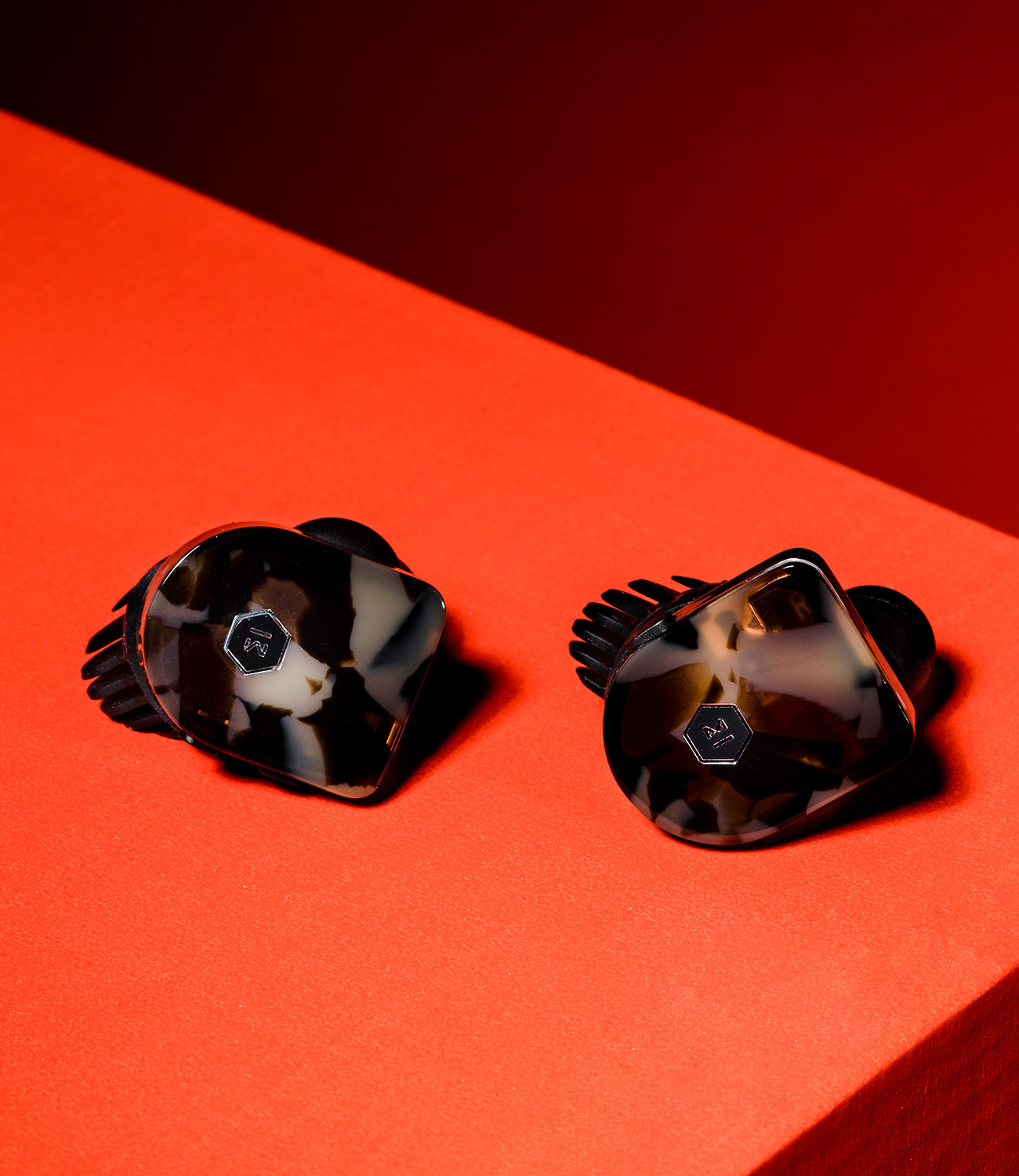
2019 Audi RS 5 Sportback Review: An All-Wheel Drive BMW Beater

While we’re forever bemoaning American disinterest in sport wagons, is it also now time to bemoan American disinterest in the humble coupe? If Audi’s sales figures are any indicator, perhaps. According to the company, sales of the A5 Sportback – a four-door hatchback – handily outpace sales of the original A5 coupe. It seems people prefer the versatility and ability to stuff three actual adults in back when necessary. (We’ll ignore the fact that the Sportback is just one designer’s digital click-and-drag away from being a sport wagon. Just hike up that back end and – oh, never mind…) For that reason, Audi is paying extra-special attention to the newest sport-tuned variant in its lineup, the comely RS 5 Sportback.

Not only has it given the RS 5 lots of love, but it’s showering that love overwhelmingly in the direction of North America, which it fully expects to be the strongest market for the mid-sized rocket. For that reason, U.S. media enjoyed the first glimpse of the machine on the roads outside Munich, as well as at its sprawling Audi Sport experience center, where we tossed it through a variety of challenges.

The Good: First, stellar handling and responsiveness. The RS 5 made quick work of the mountain roads in Bavaria, and felt nicely planted during straight-line assaults on the autobahn. Throw in the six-cylinder twin-turbo’s quick response in Dynamic mode and its throaty growl – though that’s enhanced inside by a window-vibrating augmentation system (seriously, a small transducer vibrates the windshield to use it as a speaker) – and you have a world-class sports machine. It’s also a looker, with subtly wavy character lines, more pronounced wheel arches compared to its donor model, a unique fascia just for this model with a matte-aluminum blade beneath the grille and a carbon-fiber rear diffuser. Inside, you have 22 cubic feet of storage thanks to the hatchback configuration, or up to 35 cubic feet if you fold the rear seats down. That’s significant and great for people who live in the real world.

My personal favorite option, however, is the green paint, a.k.a., Sonoma Green Metallic. It’s a glittery color that immediately conjures up something familiar from my childhood that I can’t quite put my finger on – a toy perhaps, or television show or a groovy custom van I may have seen back in the late ’70s – and which immediately bonds me to it. Can’t say the effect will be the same for you, but even objectively, it’s a cool color.

Who It’s For: Pricey performance coupes can send a certain message about their owners – their station in life, their aspirations, their fears – that could betray reality. You may come across as someone who really wants a sports car, deep down, but either can’t afford it or is grudgingly lugging the kiddos around, or people might assume you’re an older empty-nester or, on the other side, someone still young and monied enough to dig such cars but is hoping for a family soon and doesn’t really have enough friends to worry about needing those two extra doors. No other body style, save the minivan, comes freighted with quite so much anxiety. Four-door sport coupes bypass all that, are fundamentally cool and can be used to carry kids and friends, so nobody will assume one or the other. That’s you.

Watch Out For: There can be a little bit of wriggle in the car while taking long, arcing turns at (very) high speeds – above 150 mph – as we discovered on the unrestricted stretches of Autobahn outside Munich. Nothing major, but just a tendency for the car to bounce and pull a bit to the outside of your turn during transitions between throttle on and off, or while traversing inconsistencies in the road surfacing. Audi attributed this to the dynamic settings system dialing up the steering sensitivity, which means every microscopic flick manifests and magnifies itself when you’re cruising above 150 mph. So even this complaint – and it barely even rates as a quirk – is on me, and just a driver-adaptation issue. As you’ll see below, it felt fine otherwise.

Alternatives: Of the up-tuned sedans and coupes, BMW’s M, Mercedes’ AMG branch, and Audi’s RS certainly leads the way. The M3 is the closest facsimile, but is just a hair slower (3.9 seconds to 60, compared to 3.8) and a hair less powerful (425 hp to the RS 5’s 444), though a good chunk cheaper ($66,500 to start, to the Audi’s $74,200). Another obvious option is the Mercedes-AMG C 63 S Sedan, a 503-hp, V8-powered bruiser that roughly equals the RS 5 in acceleration and initial price.

Review: Any visit to Germany that involves a performance vehicle invariably also involves a visit to the unrestricted sections of the Autobahn, among the few places in the world you can truly open a vehicle up for… inspection. While fully legal, it still feels somehow illicit to us Americans, which only sweetens the experience. It also requires caution relative to other vehicles on the road and your own skills. At triple-digit speeds, things happen fast.

The RS 5 Sportback with the Dynamic Plus Package, which was included in our test vehicles and includes carbon-ceramic front brakes, opens up the top end from the standard, usually electronically limited 155 mph to 174 mph. I just kissed that, topping out at 168 mph before backing off due to traffic. Apart from the aforementioned dynamic in long turns, the car is fully planted at all speeds, with the carbon ceramic brakes inspiring great confidence should trouble arise. When it became necessary to scrub off speed with any sort of urgency from 165 or so, the car remained fully controlled with no hint that anything was about to get away from me. I’d grind down immediately to a reasonably sane 130, say, to let the traffic clear. When that did happen and my path to top-speed reopened, getting back on the throttle was a pure thrill, with the Tiptronic transmission responding briskly to gear selections and the engine growling heartily in the background.

In the German heartland of Bavaria, the assorted vehicle setting options came to the fore, with Dynamic setting me up for a withering run up the mountain and Comfort helping balance things out when we were just trying to chill a bit on the quieter stretches. In all cases, the Quattro all-wheel-drive system’s wide front/rear power distribution range (70:30 to 15:85), its sport rear differential and its overall ability to direct traction where it needs to be further inspired confidence.

I also saw this precise handling nicely billboarded in the wet when putting the car through a gauntlet of challenges at Audi Sport’s experience center near Munich. This included inducing understeer and oversteer, running a slalom and retaining control under emergency braking. Paying attention to the mechanics of each of these in real time – as opposed to just, say, instinctively throwing the back end out in a power slide – makes them harder to induce at first, but easier to grasp along the way. In that process, you also appreciate the vehicle’s responsiveness and the way you use it to retain control. In the RS 5, its finely tuned suspension, overall balance and variable-ratio steering meant that minimal inputs steered you successfully around obstacles, with less chance of over-correction on the other side.

Everything else about the car felt right for a sports-oriented Audi at this price, including the chunky flat-bottomed steering wheel, the firm leather seats and the stainless-steel pedals. For the audiophile gearheads out there looking to crank Kraftwerk’s Autobahn while tackling the Autobahn, the infotainment system is of course based on Audi’s MMI Navigation system, with full Apple CarPlay, Android Auto, Bluetooth and USB connectivity – whatever your pleasure. The RS-specific displays in Audi’s virtual cockpit include tire pressure and temperature, torque, horsepower, a g-force meter and a shift light indicator. During our top-speed runs, it was easy to keep tabs on the tach out of your peripheral vision, thanks to the dynamic, shifting-color displays that gave you the redline warnings.

Verdict: It’s an appropriately mean machine, but with brains. In fact, the RS 5 Sportback has a Ph.D. in performance, with a Master’s in fine arts – thanks to those gorgeous lines and the evocative paint jobs. It made me feel like a kid again, in more ways than one.

What Others Are Saying:

• “The mechanically downsized, dimensionally upsized Sportback easily finds its place in the RS 5 family. It’s a new species of premium compact sports sedan, one that blends the performance and handling of a coupe with the space, comfort, and tech normally found in a family car. The RS 5 Sportback isn’t as tail-happy as the BMW M3, and its V6 lacks the character of the Mercedes-AMG C63’s baritone V8, but it’s the dapper all-arounder enthusiasts seeking a daily driver will want to choose.” – Ronan Glon, Digital Trends

• “An eight-speed automatic handles shifting duties, and while you’d think a dual-clutch gearbox would be just the ticket for an RS model, I have no complaints about this ZF-sourced Tiptronic transmission. A conventional torque converter means off-the-line starts are as smooth as they are powerful, and when left to its own devices, the Tiptronic executes buttery shifts in Comfort mode and crisp, responsive cog-swaps when you’re giving it the beans in Dynamic.” – Steven Ewing, Road Show

• “The 2019 Audi RS 5 Sportback is a ridiculous grand tourer, disguised as a practical and accommodating family car. Pricing kicks off at just north of $74k, though as tested – and indeed as Audi expects most orders – you’re potentially looking at $20k more. That’s no small chunk of change, but neither is the RS 5 Sportback any ordinary performance car.” – Vincent Nguyen, Slashgear

Key Specs: 2019 Audi RS 5 Sportback

Engine: 2.9-liter twin-turbo six-cylinder biturbo
Transmission: eight-speed automatic transmission
Horsepower: 444
Torque: 443 lb-ft
0-60: in 3.8s
Top speed: 155 (174 with optional Dynamic Plus Package)

Read More Gear Patrol Reviews

Hot takes and in-depth reviews on noteworthy, relevant and interesting products. Read the Story

Note: Purchasing products through our links may earn us a portion of the sale, which supports our editorial team’s mission. Learn more here.
On Running Cloudace Review: Worth $200?

On Running has a cult-like following, especially in Europe. Its uniquely designed sneakers feature cloud-like puffs on the outsole, making them instantly recognizable. The Cloudace launched in June of this year, and we took it out in the mid-summer heat to get a feel for whether or not the latest update to the On Running portfolio is worth its price tag.

The Good: People love the feel of the On Running Cloud, one of the first sneakers the brand launched back in 2010. The Cloudace fits true to size and will hold up long after your training runs have subsided. Underfoot, the Cloudpods grip wet and uneven terrain without breaking a sweat. Designed by the Swiss, the running shoe is On’s most technical sneaker yet. The multi-layer upper features tape and practically no seams, so the lack of abrasion inside is a selling point.

Who They’re For: These are for runners who need a bit more support in their shoe. If you need an upper that will keep your feet in place, so you have more structure beneath your toes, this is the one for you. If you love On Running, you’re likely used to the ride of this shoe, and will appreciate the feel.

If you’re a design nerd who loves well-made products, look no further. An ISPO Gold Winner for 2018/2019, the Cloudace speaks to a specific aesthetically minded consumer. On puts a lot of thought into every single detail.

Watch Out For: For running sneakers that are eventually going to wear out, $200 is a hefty price to pay. The On Cloud is just $130, which makes it more in line with the typical sneakers on the market. It’s also heavy. Weighing in at 11 ounces, this is a pretty hefty sneaker. You might have to get used to the weight on longer runs.

Alternatives: If you want a sneaker with added cushioning underfoot, take a look at something like the Hoka One One Arahi 2 ($130) or the Brooks Levitate 2 ($150). Another stable option for longer distances would be the New Balance Fresh Foam 1080 v8 ($150).

Review: First, I’m not a runner that needs a stability shoe, so that took a few runs to get used to. However, when I first stepped into the shoes, they felt very tight and stable. They fit true to size, but definitely had more structure and heft to them compared to the Pegasus 35, which has been my go-to running shoe. They’re not quite as structured as the Asics Dynaflyte 3, which have a lot of support in the forefoot.

I wore these over cliffs while hiking, trail running, along wet roads post-rainstorm and on the treadmill. The grip was unparalleled. I never felt as if I was going to slip. The external TPU molded heel counter stabilizes with each step, but I didn’t necessarily feel it while I was running, which is a good thing.

The first time I put the shoes on, I wore them as a travel sneaker. They were lightweight enough to rock in the office and to run to the bus station, but also had a distinct stiff-feeling to them. I wear pretty thin socks when I run or walk around, but I had no issues walking around all day in the Cloudace. I did find that I needed to loosen the laces extensively so that I could have more breathing room in my midfoot. And it turned out that when I started running, I didn’t want to tighten them.

My first run was on an open road in upstate New York. The weather was ping-ponging back and forth between hot and humid and flash-flood rain. The roads were broken up into a mix of freshly paved sections, altered by winter storm-worn pieces and then bits of grass and gravel along the way. An initial downhill had me worrying that I was going to slide forward the entire time and have my toes bump up against the upper, but after a couple miles, they just seemed to disappear.

The tightness around my arch and forefoot felt more supportive than I am used to. Most of the sneakers I run in these days have a much thinner and looser upper (i.e. more breathable). While I can’t say I noticed a huge difference in how hot the toe box got compared to other lightweight uppers, I did find that during my research many complained about the lack of breathability. This could make for the perfect winter running shoe. The upper literally hugged my foot, but not in all the places you would think — the arch being one. I felt the most support around my bunions and right at the beginning of my arch. There’s not a ton of arch support in the sneakers, which means there’s also no pressure.

Another unique point of support is the sock liner. From the top of your arch to the edge of your toes, it’s very forgiving with every forefoot strike. From your arch down, the dual-density sock liner has an adaptive memory foam, which feels great. I felt this most acutely on the road and on the treadmill — there was plenty of cushion underfoot, yet the energy return (and push back) also felt natural.

On treadmill runs, the shoes didn’t feel slow or clunky, even as the speed inched closer and closer to 10.0. After sprints on the tread, I hopped down to the gym floor to see how the Cloudace would respond to weights, and for the most part, it does the trick. The only catch was during mountain climbers, I could feel the back of my heel slipping just a bit. Other than that, these make a great gym sneaker as well.

Verdict: These are the perfect shoes for someone who is looking to log a lot of miles. If you’re not racing for speed, the Cloudace is a good shoe swap for your long run days. The unique Cloudpod-support system is designed for miles, but it also works extremely well for hikers. If you’ve loved the other On Cloud sneakers, this pair is worth testing out as you continue to go the distance.

What Others Are Saying:

• “We liken it to a Humvee as it looks like it’s built to last and designed to take you to the farthest finish line. Once you put ’em on, you’ll feel every bit of why it’s priced at a premium. ON did themselves a favor by holding nothing back in terms of innovation.” — Swim Bike Run

• “The attention to detail, design-wise, is incredible. The lace aglets are printed with “put me On”, which is kinda cute, and the insole says “the Ace up your runner’s sleeve.” The upper is an engineered mesh, and there’s no stitching anywhere I could see. The On logos are reflective, and there’s the little Swiss flag on the outside of the right heel.” — Erin, Believe in the Run

• “The On Cloudace shoes are designed for those who need protection without sacrificing comfort and speed. These stability shoes offer support while still being lightweight. Once they are broken in, they are perfect for running long or short distances, walking, or use on light trails.” — Running Shoes Guru

Key Specs

Offset: 7mm
Weight: 11.8 ounces

Read More Gear Patrol Reviews

Hot takes and in-depth reviews on noteworthy, relevant and interesting products. Read the Story

Note: Purchasing products through our links may earn us a portion of the sale, which supports our editorial team’s mission. Learn more here.

Vivoactive 3 Music Review: A New Smart Watch With Impressive Features

The Vivoactive 3 Music is an update to the much-loved Vivoactive. Garmin has long created spot-on tracking watches for runners, but has struggled to find the perfect balance for someone who wants an everyday tracker. As with all things Garmin, the watch is moving in the right direction. With the Vivoactive 3 Music, you can put it on and forget about it, checking your data, steps and workout minutes later. I wore one for three weeks and had to charge it roughly four times, which compared to many other GPS-enabled tracking watches, is top-notch.

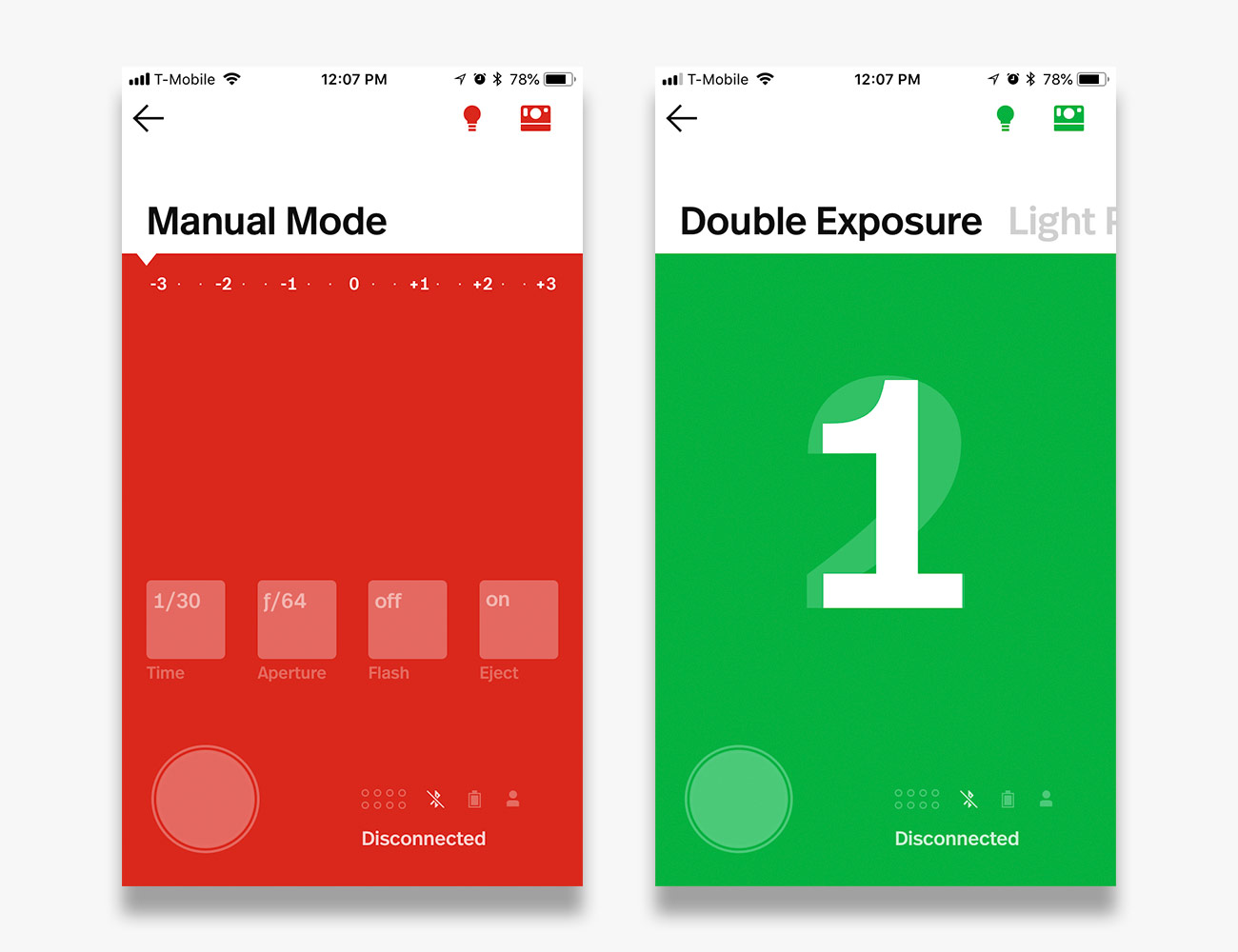
The Good: The battery life lasts for a solid four to five days, and that includes tracking activities. The watch claims to have a seven-day battery life, and if you’re not logging GPS miles, that’s likely possible. The advanced sleep technology is a welcome update with REM, deep sleep and the number of times you wake up at night, all in the app. You don’t have to press any buttons to let it know you’re going to sleep. Beyond that, the Vivoactive 3 Music is very similar to the Vivoactive 3. It’s the same easy-to-use and lightweight watch, now with the capability to hold up to 500 songs.

Who It’s For: The Garmin Vivoactive 3 Music is built for Vivoactive lovers who want to upgrade and people who want a watch they can wear every single day. Designed for weekend warriors and people who like to set it and forget it, this watch tracks everything you do from swimming to rowing to sleeping. You can even add machines at the gym like the elliptical or stair stepper and the watch will monitor your activity. And you can use Garmin Pay to leave your wallet at home while you’re working out.

Watch Out For: The Vivoactive is smart — just like Garmin’s of the past — and like the Garmin Forerunner 645 with music, it’s only as strong as your music apps. So if you don’t use iHeartRadio, Awa Music or KKbox, then you can’t store any music on the device it’s. I found that Spotify from my phone streamed just as well and connected as well with the watch as it does normally, but you still have to have your phone nearby.

The Garmin Vivoactive 3 Music has spot-on GPS tracking and great heart rate monitoring, but occasionally, when you use the HIIT feature or try to log an interval workout, the tracker is slightly off. You’ll have to pay close attention to your HR during rest periods to guarantee accuracy. But if a few HR beats off during your recovery doesn’t bother you, then overall, it’s totally fine.

Alternatives: There are many other Garmin models, like the Forerunner 645 (which also comes with the option for music that we reviewed. If you’re looking for the best GPS running watches, the Vivoactive 3 Music will do the trick, but there are better options that are more expensive (Forerunner 935 and Suunto Spartan Ultra for example). If you want a smart watch to wear all day long, the Fitbit Ionic ($330) or Apple Watch ($329) are both viable options. Another one worth mentioning (and at the exact same price) is the Samsung Gear Sport ($300). Samsung is also the official Spotify partner, so you can download Spotify playlists onto your watches.

Review: The Vivoactive 3 Music offers all the same features the Vivoactive 3 does, just with the capability to add music. And there is the additional feature of advanced sleep tracking. You still get Garmin Pay, pre-loaded workouts for everything you can imagine, VO2max estimation and stress monitoring. It seamlessly connected to my Apple iPhone and downloading new apps for the watch was a breeze through the Garmin IQ app.

As soon as I strapped the watch on, I didn’t give it a second thought, except when I needed to charge it. I could shower, run, bike, swim and sleep all without pressing a button. Granted you do have to tell it when you’re working out to get actual data points, but it does start auto tracking intensity minutes. Unlike other trackers I’ve worn, I didn’t have to tell it when I was jumping in the lake or hopping in the shower.

Physically, the watch is much lighter in weight than a Fenix 5 (85 g) or Fitbit Ionic (50 g), but roughly about the same as an Apple Watch (26.7 g for 38mm aluminum) and the Fitbit Versa (38 g). The all-black watch face is easy to read even in variable light conditions thanks to a backlight, which you can turn on or off for activity. It’s easy to download new watch faces from the app, and the chemically-strengthened glass didn’t show any scratches during my testing period. It worked with everything from dress shirts to t-shirts.

Some of the more unique features of the watch are the stress tracking and sleep tracking. Your phone tracks steps, standing hours and walking distance these days, so it’s nice to wear something 24/7 that monitors more than just that. Thanks to advanced sleep tracking, you won’t want to charge it at night, like many other GPS-trackers (unless it’s out of battery). Each morning, I could wake up, open the app and view my sleep details, which include deep, light, REM and awake times. On a blue and purple mood graph, I could check out how often I moved before I went to bed, as well as right before I awoke. I also use a Nokia Sleep Tracking Pad ($100), which lies flat under my mattress, and my total hours and minutes of sleep each night were typically within one minute of each other.

I was most impressed with the battery life. Over the course of three weeks, I only had to charge it four times. I normally run or workout every single day, and therefore am used to charging a watch every night, so this was impressive. I even wore it all week long at Outdoor Retailer and thought for sure it would die after those long days in the conference hall because of my morning workouts and constant fiddling with my phone, but it lasted all week. It goes from dead to 100 percent in roughly an hour and 46 minutes. I never charged for longer than two hours. It is relatively slow at first, but once it hits 60 percent, the quick charging begins.

GPS and fitness-wise, it’s a standard Garmin tracker. The barometric altimeter logs the number of floors you climb, and the GPS logs your distance. In New York City, I found it took roughly seven to 10 seconds to trigger the GPS, but you can always start the run without it. When I traveled upstate where there’s really no service, I simply started and stopped the watch over the course of a set distance so I could check out my pace. GPS accuracy, for the most part, was spot on, and I could check out my time, distance, calories, pace, elevation gain, speed, heart rate, cadence and heart rate post-run to track my progress.

Verdict: If you’re a Garmin fan, the music and advanced sleeping tracking might be worth it to upgrade from the Vivoactive 3 or from Vivoactive watches of the past. However, if you don’t use iHeartRadio, Deezer, Awa Music or Kkbox, it might be worth it just to use the Garmin Vivoactive 3. If you’re a Spotify listener, you can still stream the music anywhere you have service, as long as your phone is with you. However, if you’re looking to never carry your phone on a run and don’t need music, the Vivoactive 3 is for you.

What Others Are Saying:

• “Garmin’s long since argued that when selecting between something like a Fitbit and a Garmin watch, their own watches cater more towards the sports crowd than not. And that’s certainly true, you can easily see that within the sport modes that are offered and the depth of the data that comes from the watches. When competing against Apple, both Fitbit and Garmin tout their battery life – putting them at roughly a week between charges versus a day or two. Of course, neither company can compete against Apple in the depth of apps that the Apple Watch has. But as has been proven, neither really has to. Both companies are selling more smartwatches than ever before, despite the Apple Watch (with Garmin even recently overtaking Fitbit).” — Ray Maker, DCRainmaker.com

• “Unlike Garmin’s more hardcore Forerunner series, the Vivoactive 3 Music targets urbanites looking for a do-it-all device they can wear all day: at home, the office, the gym, and all points in between. Even at night, thanks to the inclusion of new Advanced Sleep Monitoring in Garmin Connect. It’s also swim and shower safe with a battery life of seven days in smartwatch mode, or five hours in GPS and Music mode.” — Thomas Ricker, The Verge

• “The Garmin Vivoactive 3 Music is the phone-free sports watch the Vivoactive 3 always wanted to be. Not only that, but on balance this is Garmin’s best smartwatch right now, and it finally looks the part. Serious runners will want to look to the Forerunner series, but the Vivoactive 3 is a great balance of sports and smarts.” — Hugh Langley, Wearble.com

Key Specs

Physical size: 43.1 x 43.1 x 13.6mm
Weight: 39.0 g
Water rating: 5 ATM

Read More Gear Patrol Reviews

Hot takes and in-depth reviews on noteworthy, relevant and interesting products. Read the Story

Note: Purchasing products through our links may earn us a portion of the sale, which supports our editorial team’s mission. Learn more here.