All posts in “Porsche”

The RUF GT Is the Porsche 911 GTS We Really Want

More Horsepower? Yes Please

The Porsche 911 GTS is an excellent car, one you might think could not be made any better. Well, the tuner company RUF Automobile GmbH is here to prove you wrong. RUF’s new GT car is based on the Porsche 991 generation of the 911 GTS. The company took the car and added a bit more power, among other things. 

The RUF GT comes with a 3.0 liter flat-six twin-turbo engine that makes a super-strong 515 hp and 476 lb-ft. That’s Porsche GT3 levels of power in a GTS. In other words, it’s just plain awesome. It makes the car good for a 0 to 62 mph run of 3.4 seconds. That’s a tenth of a second faster. The top speed also increased from 192 mph to 199 mph. While that might not seem like a dramatic shift in performance, they are notable numbers.

The car gets only a few styling changes. New equipment includes bumpers, air intakes, rear diffuser, and twin tailpipes. That’s all that’s altering the look of the car. If you really want to make some additions to your RUF GT you can add a new ducktail rear spoiler or a big fixed wing. The wheels for all of the RUF GTs are a unique five-spoke design. 

The changes to the Porsche aren’t life-altering, but they’re notable changes and worthy of some recognition. RUF does some seriously cool modifications to performance vehicles. The company brought two cars to the Geneva Motor Show: the vehicle profiled above and a special GTR Anniversary edition machine that’s a homage to the classic Yellowbird car. That car comes with a carbon fiber chassis and puts out 710 hp. All we know is that we want one of these machines from the German tuner company.

Leak Provides an Early Look at the Porsche 992 Turbo

A leaked image has given us our first look at the Porsche 992 Turbo. It is believed that this photo shows the new Porsche 992 Turbo on the production line at the Porsche factory. The source of the images is unclear yet the Turbo air intakes and quad exhaust tailpipes are a giveaway!

We weren’t expecting Porsche to release the new Turbo until September, possibly at the Frankfurt Motor Show 2019. Seeing (almost) fully exposed photos in February, leaked from the factory, seems very premature!

Porsche only recently released the 992 generation of the Porsche 911. It debuted at the Los Angeles Motor Show 2019 last November. The Cabriolet has recently been released and we weren’t expecting a great deal more until the launch of the entry-level Carrera 2 and Carrera 4 Coupe and Cabriolet in a few months.

The Turbo is usually the most powerful version of the ‘normal’ 911’s. The version before we get to the GT3 and RS models. There is very little information about what powers the 992 Turbo at the moment.

The photo shows the rear section of the car with the tell-tale 992 rear lights. Atop the rear decklid sits a spoiler. The photo isn’t entirely clear but this looks larger than the outgoing model. The bodywork is wider and the rear end gets a set of narrow quad tailpipes.

2020 Porsche 911 Turbo Leaked

The Images Look Straight from the Assembly Line

Here’s your first look at the 2020 Porsche 911 Turbo (992). The leak comes from an Instagram user named t_schleicher. Schleicher’s image provides what appears to be a very clear look of the upcoming car. It’s a gorgeous-looking version of the 911, and we’re more excited now than ever for it.

It’s easy to tell this is the new version of the 911, and if you compare it to the spy shots that are out there for the 911 Turbo, it looks like this could definitely be the real thing. As Carscoops notes, it has the squared-off quad exhaust tips, a unique rear bumper, and the rear wing seen in the test cars.

As far as powertrain options go, there’s not a whole lot of specific information out there. It will likely be a turbocharged version of the 3.8-liter flat-six engine. Carscoops suggests it could get as much as 600 hp, but that’s total speculation.

Past reports on the upcoming car indicated there would be electrified versions of the 911 eventually. Motor1 reported that wouldn’t come until 2022. An electrified 911 might sound like sacrilege to some, but with hybrid supercars looking to be the future, it’s really not a big shocker. Motor1 also reports the possibility of two hybrid variants. One could sit down by the Carrera while the other would sit higher in the lineup next to the 911 Turbo.

It will be interesting to see how the 911 Turbo is once Porsche officially releases photos and information about it. In the meantime, we’ll start at the image above and imagine what’s yet to come.

Lexus Is the Most Dependable Luxury Brand of 2019

J.D Power just released its 2019 U.S. Vehicle Dependability Study findings, and Lexus tops the list. Toyota’s luxury brand ranking the highest in dependability shouldn’t come as a surprise — this is the eighth year in a row Lexus earned top honors. What should raise a few red flags are a few industry firsts the study uncovered.

Now, 30-years running, J.D power’s study tallies up the number of problems experienced per 100 cars over the last 12 months by original owners of three-year-old vehicles. So 2019’s study is shining a light on 2016’s cars. The study scrutinizes 177 possible problems across the eight major categories: mid-size sedans, full-sized pickups, all the sizes of SUVs, etc. Then, each vehicle gets a score, using golf rules: the lower, the better.

With all the numbers crunched and Lexus in the number one spot, Toyota and Porsche tied for second. The Porsche 911 won the inaugural “Most Dependable Model” award. But, for the first time, mass-market brands like Toyota and GM outperformed luxury brands. J.D Power’s study also revealed Audi, BMW, Mercedes-Benz, Porsche and Volkswagen are better than the industry average for the first time in 30 years. If that doesn’t dismantle the urban legend of German cars being historically reliable, nothing will.

“Vehicle dependability continues to improve, but I wouldn’t say that everything is rosy,” said Dave Sargent, Vice President of Global Automotive at J.D. Power. “Vehicles are more reliable than ever, but automakers are wrestling with problems such as voice recognition, transmission shifts, and battery failures.” So it would seem manufacturers have the most mechanical kinks worked out, but the more technology we pack into our cars, the more we’re leaving up to a chance of failure. At least now you know the best bet is a Lexus.

Porsche Classic Rebuilds Carrera GT From Scratch

The Heart Wants What the Heart Wants

Porsche Classic has done some fantastic restorations of all kinds of Porsche vehicles, but the Carrera GT pictured here is a true stunner. The owner of the car commissioned Porsche Classic to not only restore the car but to completely strip it down and rebuild it to his specific instructions. That’s how it arrived at the beautiful one-off green machine you see before you.

The Carrera GT’s production ended about a dozen years ago, but the car is still a favorite among supercar enthusiasts. The V10 machine is one of Porsche’s most unique models. Now, this particular one stands out from the pack due to its perfect-in-our-eyes restoration.

To do what the owner of the car wanted, Porsche started by completely disassembling the car. It then refurbished or replaced every single part. Mechanics overhauled the engine, transmission, and chassis. The owner then chose an Oak Green Metallic paint from the 1970s that was never used on the Carrera GT. 

The wheels are a special BBS five-spoke made of magnesium. The five spokes were painted and the rim of the wheel was polished using a special method developed for this specific application. Porsche used real silver to get the rims to shine. After that, Porsche spent 350 hours working on all the carbon fiber parts.

When finished, the car was presented to the owner and showed at the Porsche Experience Center in Atlanta, GA. Porsche held an event with 100 people there and a symposium that coincided with the event. The star of the show, though, was undoubtedly the car.

Walter Röhrl Tests Porsche’s 718 Rally Concept at GP Ice Race in Austria

In Its Icy Element

Porsche plans to return to rally racing with a 718 Cayman GT4 Clubsport R-GT Rallye. The car came about because of the positive response Porsche received on a rally car concept that it sent out into the world. Before the official car comes, Porsche did some testing with its 718 Cayman GT4 Clubsport-based concept race car. The company let racing legend Walter Röhrl get behind the wheel at the GP Ice Race in Austria. 

In the video below, you can see Röhrl whipping the car through the track on the very low traction surface. It’s a feat that not many of us could pull off. It’s simply a wonderful thing to see such a beautiful car handled with such finesse. Also, it helps that the vehicle sounds so beautiful. The car comes with a 3.8-liter flat-6 that makes 425 hp. 

[embedded content]

The upcoming race car will be based on the new 718 and feature the car’s unique natural-fiber body panels, which help make it extremely lightweight. Porsche’s new rally car will compete in the FIA R-GT class when it’s finally finished. The car seen racing here is just the prototype and the testing was designed to help Porsche determine how to tweak the model for the actual production car. 

While the car in the video above is not the final production vehicle, it’s doubtful that many noticeable changes will be made. At this point, Porsche is just fine-tuning the model, and getting it ready for production. The company stated the car should come in 2020, and we can’t wait for it. 

Porsche Taycan GT3 Rendering Looks Awesome

Hopefully, Porsche Pays Attention

The Porsche Taycan will come to the market as one of the company’s most highly-anticipated models ever. It’s an important car, too. It has a fully electric powertrain and the rumors say 600 hp. It will have a range of around 310 miles and can charge up to 248 miles worth of its battery in just 15 minutes.

According to Autoweek, its 0-60 mph time should be 3.5 seconds and 124 mph should come in a quick 14 seconds. Not good enough? What about a GT3 version? A new rendering from Porsche Taycan EV Forum shows what the model could look like. It’s stunning, and if Porsche is paying attention it should take note. 

Will There be a Taycan GT3?

The Taycan will debut later this year, and when it does Porsche will have three versions of the vehicle. The Taycan, Taycan 4S, and Taycan Turbo. Because the vehicle is a fully electric machine and therefore can’t have turbos, we’re not really sure why Porsche will call one of the versions the Turbo.

The Turbo designation will likely just be for the higher-performance model. However, it seems that Porsche could have just come up with a different name, one that would have made sense. Anyway, the Taycan should be a riot on the road with that kind of horsepower, and it will show what Porsche plans to do as cars transition away from fossil fuels. 

With all that said, I sincerely hope the company chooses to make a GT3 version of the Taycan, and when that happens, I hope it looks as good as the rendering shown above. The model gets a revised front end with a new splitter, front fascia, and grille. The rear has a big wing on it. It looks fantastic, and with the interest in this model Porsche should consider something like it. 

Details on the New Porsche 911 GT3 RS Emerge

Get Ready for the Most Track-Capable GT3 RS Yet

Porsche is prepared to make the 992 version of the 911 GT3 RS the best it has ever been. According to Wheels magazine, quoted on Which Car the vehicle will be more of an evolutionary change rather than a revolution for the vehicle. Talking with 911 product line chief August Achleitner Wheels was able to get confirmation that Porsche won’t mess with the basic formula for the GT3 RS.

That means the car will still be rear-wheel drive, have a high-revving naturally aspirated engine, and be extremely lightweight. The engine will be similar to the 4.0-liter flat-six engine in the current car. However, it may receive a displacement bump. Despite the increase in cubic centimeters, the car will likely still car the engine a 4.0-liter, according to Achleitner.

Porsche 911 GT3 RS

Porsche 911 GT3 RS

As far as transmissions go, the car will get the 7-speed PDK. A manual will be optional, too. This should help the GT3 RS keep weight down rather than going with the heavier 8-speed automatic at Porsche’s disposal. Keeping the car lightweight, Porsche will also employ plenty of carbon fiber and a magnesium roof. 

Which Car notes that the focus of the new GT3 RS will be aerodynamics. The goal will be to increase both the possible top speed and cornering speed. Achleitner told Wheels the car would come with the latest technology, too. It would be available through the two 7-inch displays in the new car. The information displayed could be tailored to track use, giving the driver up-to-date data whenever he or she wants it. Sounds like the upcoming GT3 RS will be a real winner. 

Porsche 718 Cayman GT4 Clubsport R-GT Rally Car Confirmed

It Should Come in 2020

Porsche had a concept rally car based on the GT4 Clubsport racing car. At the time the company showed it off, it made it clear it was just a concept. Well, now Porsche will build a production 718 Cayman GT4 Clubsport R-GT Rallye. It should be ready for the rally race track in 2020. 

The company decided to actually make a rally car after the concept was well received at an ADAC rally race in Germany. Porsche said the response to the car was very positive. The concept was based on the old version of the Cayman GT4 Clubsport, but the production car will be based on the new 718 Gayman GT4 Clubsport that we previously covered. 

That means the rally car will get a 3.8-liter flat-six engine making 425 hp. The car comes with a 6-speed PDK transmission, sending all of the naturally aspirated engine’s power to the rear wheels. The car gets several body panels with natural fiber materials to keep its overall weight down. 

Porsche’s new rally car will compete in the FIA R-GT class. It’s a class designed for two-door cars based closely on street-legal sports cars. The cars also must have a power to weight ratio of 7.5-pounds per horsepower. That means the new Porsche rally car should compete with vehicles like the Aston Martin Vantage, Porsche 997 GT3, and Fiat 124 Abarth in the World Rally Championship, according to The Supercar Blog

Porsche says highlights of the racing class include the famous Monte Carlo Rally and the stages on the Mediterranean island of Corsica. Even if Porsche wasn’t actually racing the car, I’d watch it drive along those iconic stretches of road. The fact that the car is competing and will likely be a force to be reckoned with is icing on the cake. 

2019 Porsche 718 T Cayman & Boxster Revealed

Porsche Reveals 2019 718 Cayman T, 718 Boxster T

With the introduction of the 2019 718 Cayman T and Boxster T, it is clear that Porsche has taken a page out of the 911 playbook – and to great effect. The 911 T, which was released early in 2018, is a no-frills, purists version of the 911. In short, it is a spartan, stripped down version of the base-model Carrera, sparingly equipped with only the equipment necessary to create a completely driver-focused 911.

The warm reception of the aforementioned car has convinced Porsche that they should apply  this philosophy to their 718 lineup as well, also proving that Porsche appreciates and listens to its customers. This is not just good for public relations, but it is also good for business – a touring version of the affordable 718, truly means that this is a Porsche sports car for the masses.

Features and Highlights

Engine and Performance

Both the Cayman T and Boxster T will be equipped with the base-model 718’s mid-mounted 2.0L flat-four turbocharged engine, which produces 300-horsepower and 280 lb-ft of torque.

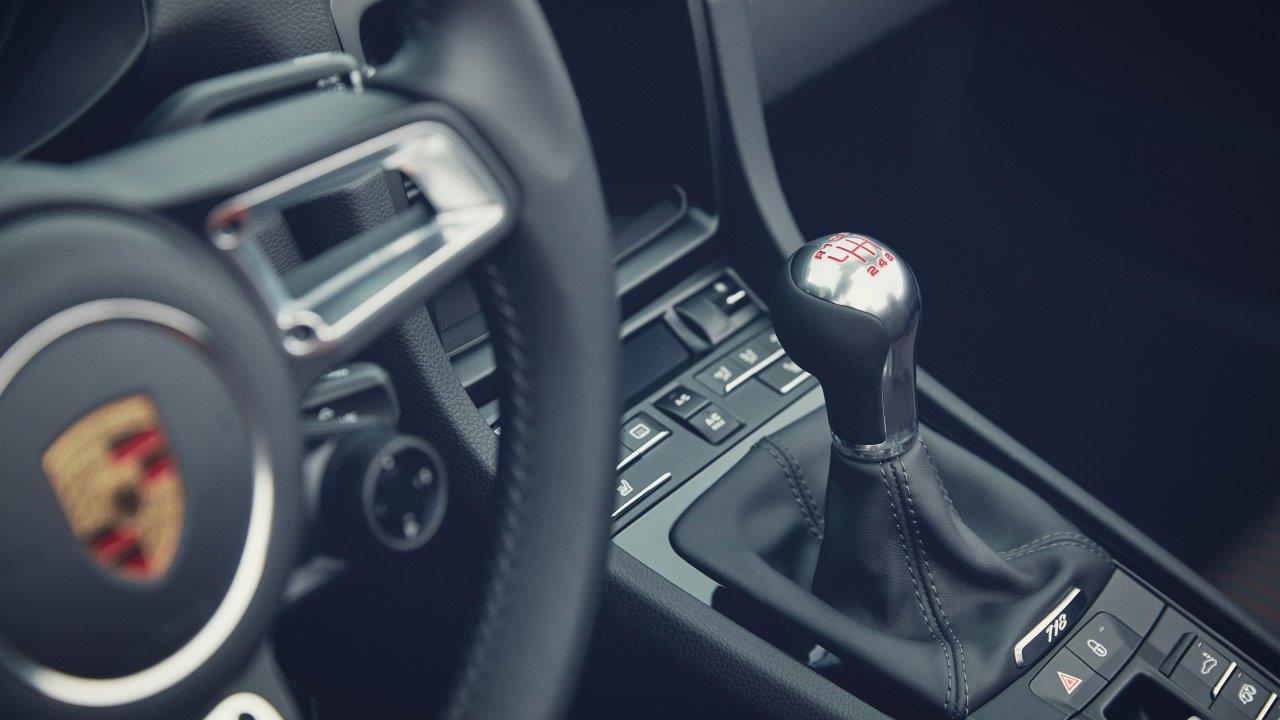
The 718 T will come standard with a 6-speed manual gearbox, and buyers will also have the option of outfitting the car with a PDK transmission. Respectively, the car will sprint from 0-60 mph in 4.9 seconds in the manual and 4.5 seconds in the PDK version’s Sport Plus mode, while top speed is 170 mph.

porsche-718-cayman

porsche-718-cayman

Chassis and Handling

As a result if its inherent philosophy, an un-optioned 718 T will weigh in at 1,350 kg, making it the lightest version in the lineup. The chassis is also 20mm lower to the ground than the base-model it has stripped down, and sits on lightweight 20” high-gloss titanium grey wheels.

In continuing to stay true to its word, the 718 T is equipped strictly with features that enhance the driving experience through a purist’s field of view. The 6-speed manual version of either car will come standard with Porsche Torque Vectoring and a mechanical locking rear axle differential.  For the first time, Porsche Active Suspension Management is available (and in this case, also standard) on a 718, with the latest Cayman and Boxster now able to benefit from this state-of-the-art the electronic damping system.

porsche-718-cayman

porsche-718-cayman

Interior and Exterior

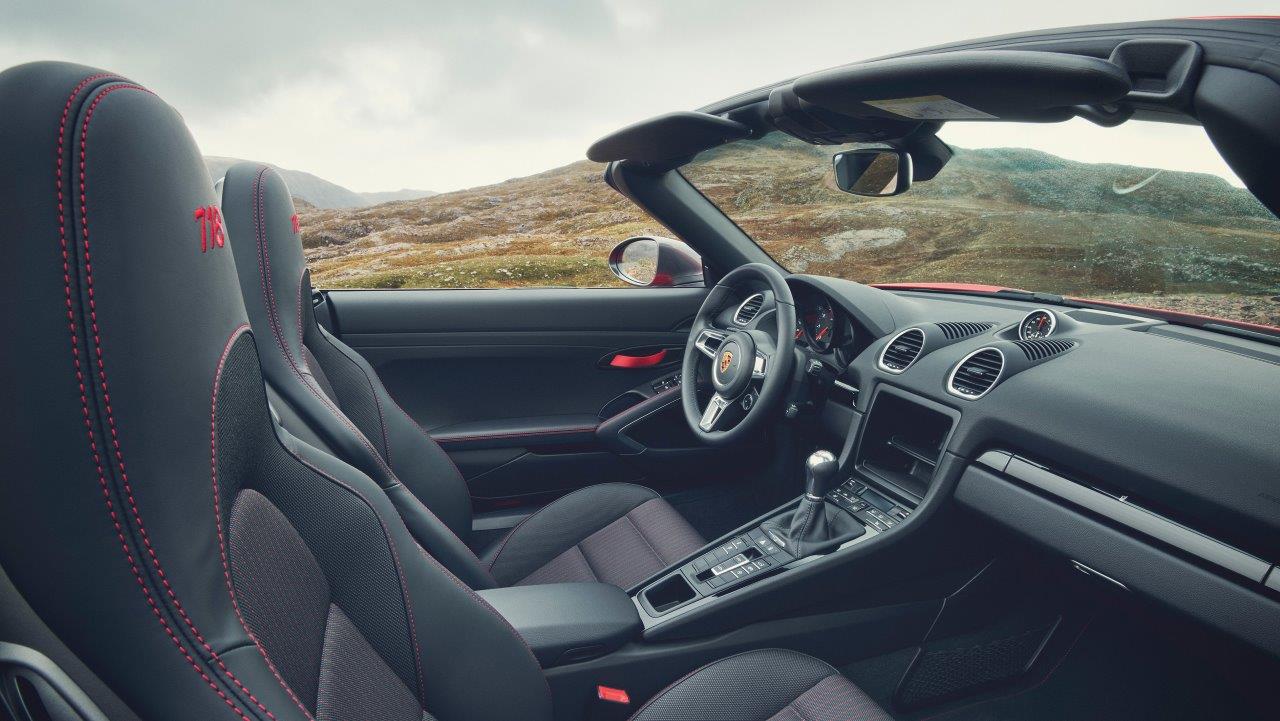
Inside the cockpit is a seamless continuation of the no-frills principles of the “T”, with door pull straps replacing the door handles, a leather-wrapped 360-millimeter GT sports steering wheel and two-way adjustable sport seats. My only surprise here is that the seats aren’t cloth, as leather doesn’t seem to buy into the ideals of spartan-ism so much – oh well.

Furthermore, the Porsche Communication Management module isn’t standard and a storage bin takes its spot instead. Adding it back is actually a no charge option, should you feel the need to restore a sense of relative convenience in the car. Other features that come standard are agate grey mirror shells, a shorter-throw gearbox, and Sport Chrono package (with the dashboard-mounted stopwatch included).

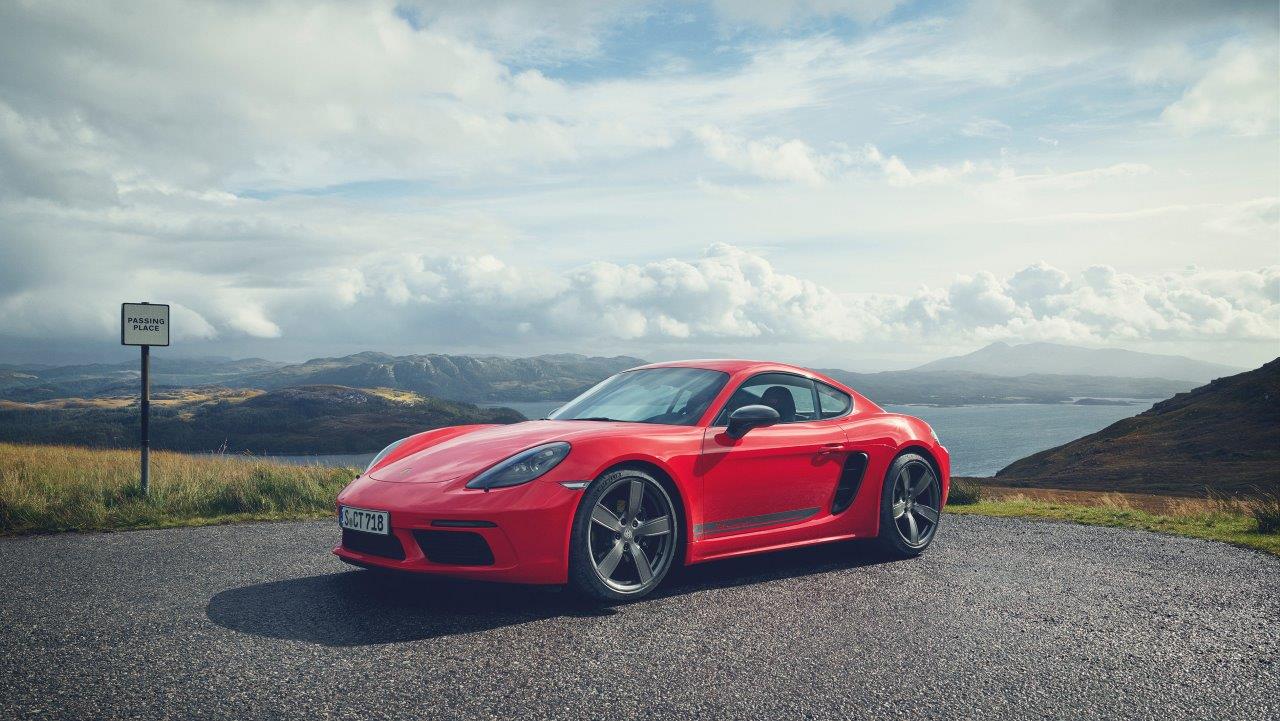
The 718 T will be visually differentiated from its stable-mates with retro-style graphics on each side of the car. To truly stand out, in addition to the standard palette, buyers can also opt for special-edition Lava Orange and Miami Blue paint jobs which are exclusive to the 718 T.

porsche-718-cayman

porsche-718-cayman

Verdict

I believe that the Porsche 718 T is a car we can all get excited for – and by all, I really mean everyone. With official pricing expected to start in the $60,000 USD range, the scenario of owning a true sports car – a Porsche sports car – is very attainable. In an age where large SUVs and crossovers address the necessities of today’s society and lifestyles, the 718 T opens the door for the midlife crisis to happen sooner than originally thought.

Similar to the 911 T, the 718 T will not be the fastest, most luxurious or even the cheapest of all the 718 variants. However, the car is a unique combination of features and nuances that add up to more than the sum of its parts. The T-wins are the perfect car for somebody who knows exactly what they want, and wants nothing more than that – the purist’s car.

Kudos to Porsche for continuing to take the words of their customers and fans to heart.

2019 Porsche 718 T Cayman Image Gallery

Porsche Reveals the 911 Cabriolet

Drop the Top and Drive

Porsche revealed the new 911 Cabriolet, and it marks the second version of the 992. The company claims the Cabriolet will be just as good to drive as the coupe. Removing the roof the car is supposed to have little impact on its chassis stiffness and curvy road prowess. 

Porsche will offer the Cabriolet in Carrera S and Carrera 4S versions to start. Eventually, the model will expand to other variations. That means if you want a 911 Cabriolet GTS or Turbo, you’ll be able to get it. Both rear and all-wheel-drive models will be offered. 

The car features Porsche’s new MMB platform. That means it will remain stiff even without its roof thanks to additional structural elements in the floor and firewall as well as the new engine mounts.

These new improvements allow Porsche to offer the Sports PDCC Chassis option. This was only offered on the coupe version of the 911 previously. Because the new Cabriolet is so stiff it can now handle the option. 

Roof and Performance

The 911 Cabriolet’s roof can go down in a quick 12 seconds. You can raise or lower it up to 31 mph, which is a nice feature. Porsche added magnesium structural elements to the drop top to keep it from ballooning at high speeds. When up, the car keeps the coupe’s overall shape well. If you drop it, the soft top folds down and has no cover, a feature typical for the brand. 

Powering the Cabriolet is the same impressive turbocharged flat-six engine that makes 443 hp and 390 lb-ft of torque. The base rear-drive car can do the 0 to 60 mph run in 3.9 seconds. With the optional Sport Chrono Package that drops to 3.7 seconds. The all-wheel-drive version knocks out a 0 to 60 mph sprint in 3.8 seconds. Again, with the Sport Chrono Package, it’s down further to 3.6 seconds. 

It sure sounds to me like you don’t lose much when you go with the 911 Cabriolet in terms of performance. You just gain the option to drop the top on a sunny day. 

Porsche 718 Cayman GT4 Clubsport Breaks Cover

A Track-Only Model to Thrill You

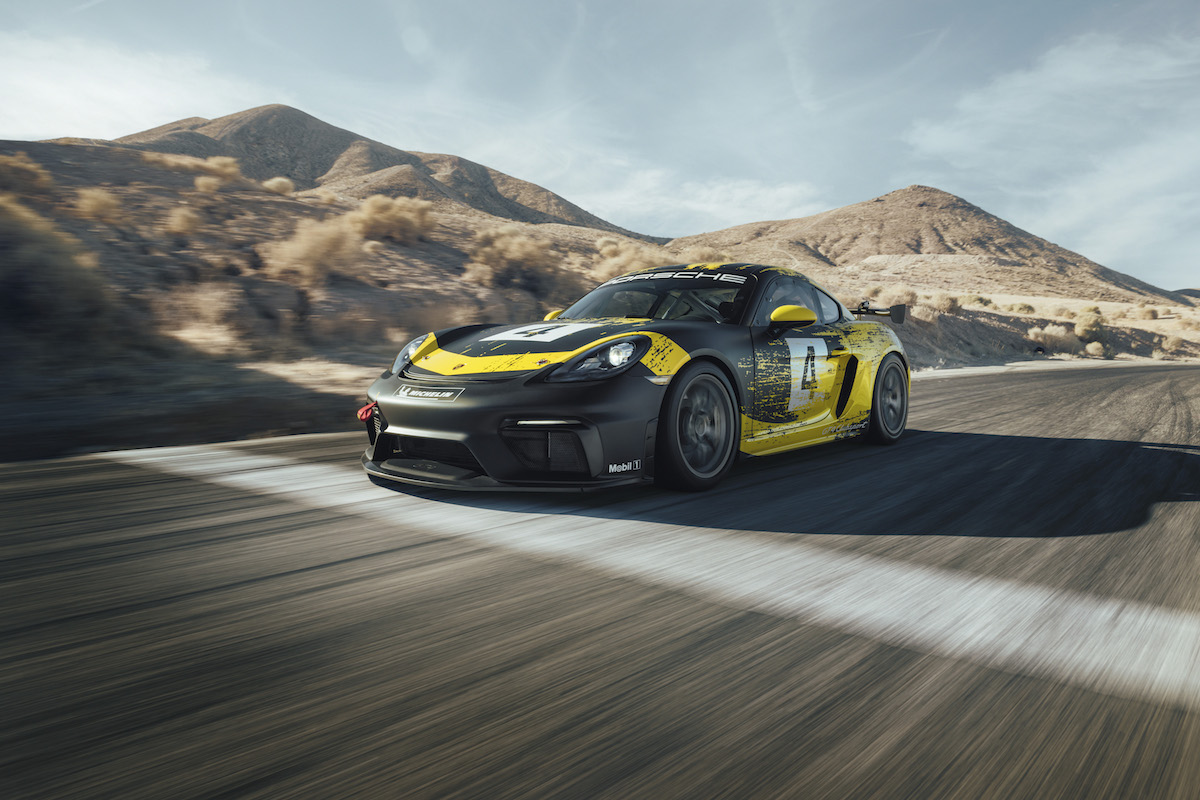
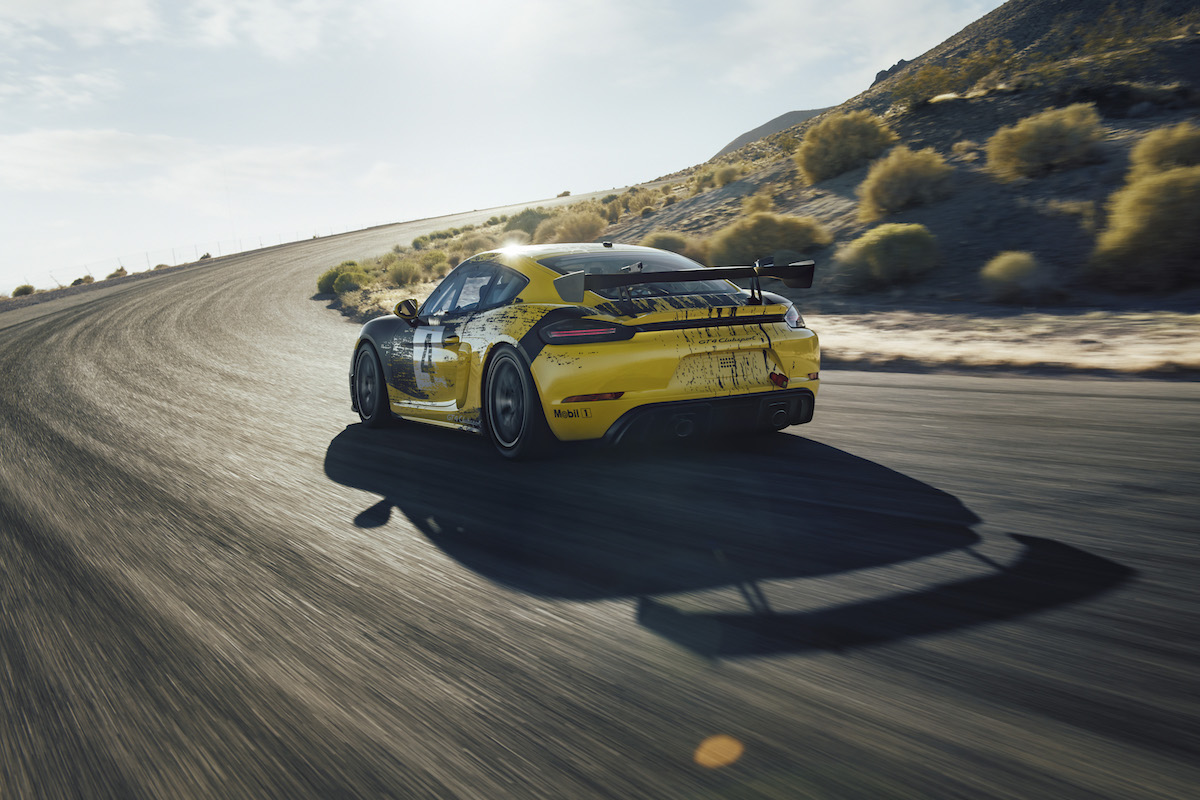
Prepared by Porsche Motorsports, the new 718 Cayman GT4 Clubsport is a track car that offers supreme performance chops. Porsche offers it in two forms: the “Trackday” model for amateur racers and the “Competition” model for national and international racing. 

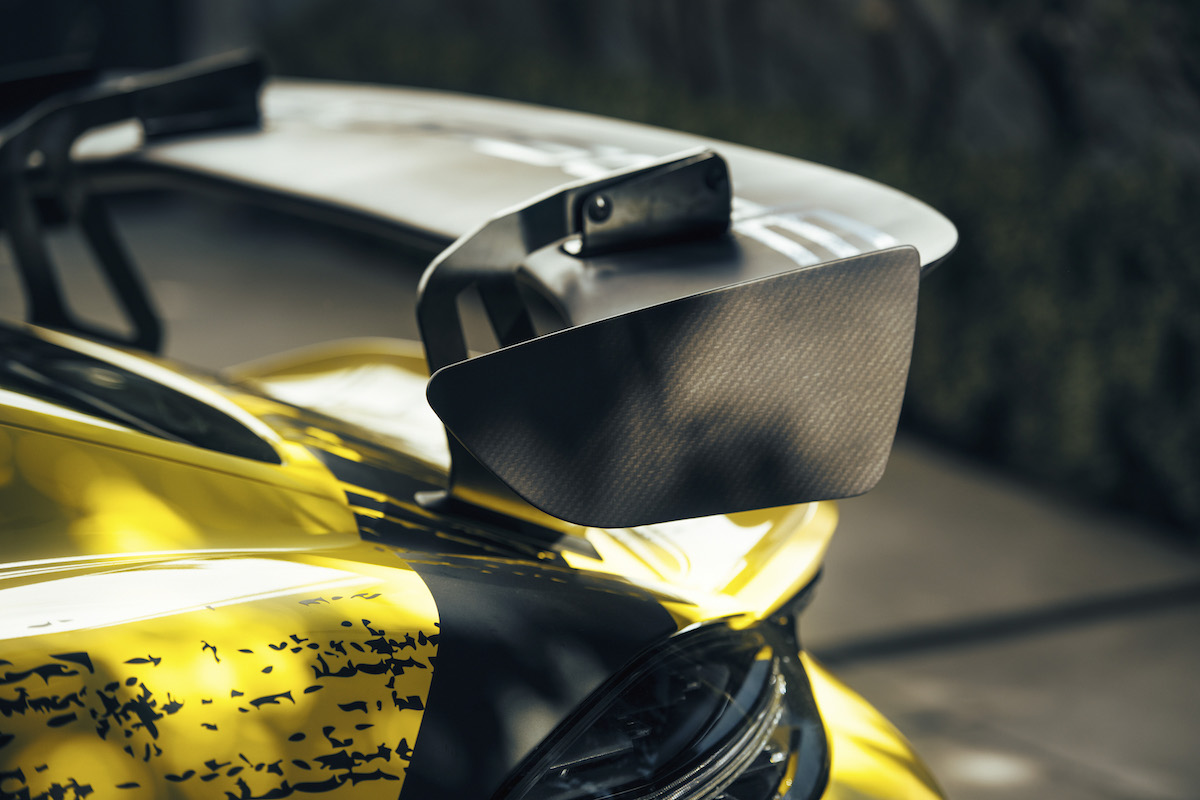
The Cayman GT4 Clubsport features natural-fiber composite material. This is a first of any production race car ever to use natural-fiber. Porsche crafted the doors and rear wing from an organic fiber mix. The company makes this mix from a unique blend of agricultural products. This gives the composite similar characteristics to carbon fiber. 

Around the back of the vehicle is the 3.8-liter flat-six engine that powers the car. It makes 425 hp, which is a boost of 40 hp from previous models. 

The Trackday version of the car gets non-adjustable shock absorbers; ABS, ESC, and traction control settings that are more forgiving; air conditioning; and some additional safety features. Porsche equipped the Competition model with three-stage adjustable shocks, 115-liter safety fuel tank, adjustable brake balance, integrated air-jack system, automatic fire extinguisher system, and a quick release racing steering wheel.

Both versions of the cars are available for order now and can be shipped anywhere in the world. The Trackday version starts at 134,000 Euro (about $152,000). The Competition version starts at 157,000 Euro (about $178,000).

Porsche 718 Cayman GT4 ClubsportPorsche 718 Cayman GT4 ClubsportPorsche 718 Cayman GT4 ClubsportPorsche 718 Cayman GT4 ClubsportPorsche 718 Cayman GT4 clubsportPorsche 718 Cayman GT4 clubsportPorsche 718 Cayman GT4 ClubsportPorsche 718 Cayman GT4 Clubsport

2019 Panamera GTS Sport Turismo

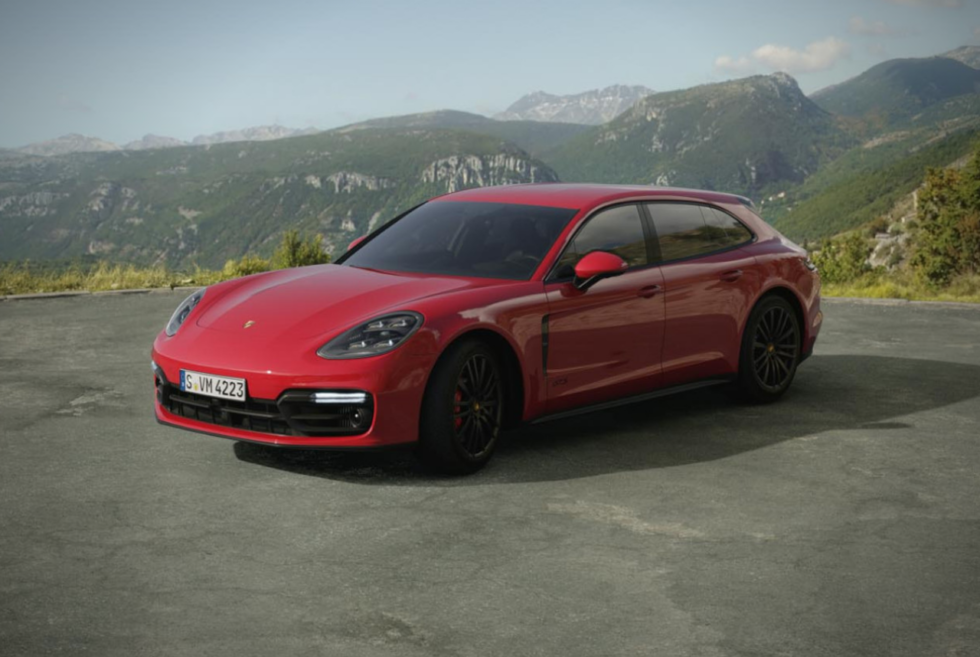
The 2019 Porsche four-door Panamera is getting a huge upgrade in the form of its very own GTS Sport Turismo variant. The ride, boasting a 4-liter twin-turbo V8, has 20 more horsepower and 73 lb-ft of torque than the standard model. It also features Porsche’s dual-clutch PDK transmission.

That means an acceleration of zero to 60 in just 4.1 seconds, with eight gears sending power to all four wheels. You can opt for the Sport Chrono Package to boost acceleration even further to zero to 60 in just 3.9 seconds. On top of that, you’re also getting an active air suspension with a reworked Active Suspension Management system. Plus a 10mm lower ride height and larger brakes on the front and rear. And don’t even worry about speed because this thing is fast. The top track speed is 179mph.

There’s also a new HUD system available inside, in addition to Alcantara-trimmed interior with aluminum accents throughout, giving the inside of the car a classic yet badass feel. Two models are available, the Panamera GTS and GTS Sport Turismo. Both models carry the SportsDesign package as standard, complete with distinctive front and rear fascia.

The adaptive rear spoiler of the Panamera GTS splits after extending, which in turn makes it much broader and ensures the lift in the rear axle is efficiently reduced. The GTS Turismo, on the other hand, features an adaptive roof spoiler to ensure exceptional driving stability. You can even opt for “GTS” logos on the lower edge of the front doors to complete the overall sporty look.

LEARN MORE HERE

2019 Porsche Cayenne Review: A Proper Porsche, and One You’ll Pay For

The Cayenne is Porsche’s larger mid-size luxury SUV. For its third generation, the self-described “sports car for five” has gotten lighter, faster, and more performance-inclined to distinguish itself from external competitors and similar internal competitors like the Audi Q8 and the Porsche Macan S.

The Good: Porsche designed it. Quick for an SUV. Excellent balance and low center of gravity. Responsive steering. Intuitive transmission. Notably comfortable front seats.

Who It’s For: Affluent SUV buyers who want Porsche cachet and performance. Perhaps a one-car Porsche enthusiast whose kids have outgrown the 911’s rear seat.

Watch Out For: Engine noise underwhelms. Standard suspension feels tight. The option tree gets pricey and borderline exploitative.

Alternatives: Other high-end European performance geared SUVs in this general price range include:
Range Rover Sport ($67,050, base)

Audi Q8 ($67,400, base)

BMW X5 ($60,700, base)

Review: The thing about driving a Porsche around Napa for a day is you can’t describe it as work. Social mores mandate at least a knowing smirk when you say that. We all know why. Porsche means premium, precisely engineered, and damn near perfect. When Porsche needed to redefine the Cayenne for its third generation (and differentiate it from its Audi Q8 cousin using the same MLB platform and engine) the answer was to play up just how much of a Porsche this midsize SUV is.

Porsche made the Cayenne more athletic. The SUV has gotten lighter (down 120lbs) from the last generation. The new 3.0L Turbo V6 in the base model generates more power (+35hp) and torque (37lb-ft) than the last model. Getting lighter, more powerful, and having the driving dynamics improved makes it faster. Every iteration of the Cayenne will do 0-60mph in under six seconds.

Porsche wants the Cayenne to look more like a Porsche. Truth be told, it looks similar to Gen 2. But, Porsche wants the wide shoulders to remind you of the 911’s characteristic, much fawned over back end. The new Cayenne also incorporates a number of performance features from other Porsches. It has staggered front and rear wheels, replacing the predecessor’s square alignment. It can be fitted with rear axle steering and launch control. The Cayenne will be the first Porsche fitted with proprietary Porsche Surface Coated Brakes (PSCB). These deliver most of the benefits of ceramics, cost much less, and leave a boss mirror finish.

Upping the Porsche quotient (surprise, surprise) produces an engaging SUV to drive. The Cayenne is quick. It is well-balanced. The steering is responsive. It has a low center of gravity and an impressive amount of grip. The transmission intuits what the driver wants seamlessly. It’s a keen corner taker. It behaves when bottled up behind a Subaru on a two-line highway. About the only criticism is the engine note which was either too mild or too mild to puncture the noise canceling glass.

Rest assured. Porsche did not go full-on “SAV” here. The Cayenne is still an SUV. The grab bag of Porsche sports car features available did not include the PDK transmission, because Porsche believes its 8-Speed Tiptronic is better for off-roading and towing. The Cayenne has multiple off-road terrain settings. The closest we got to testing them was ducking into a scenic roadside lookout for pictures.

The Adaptive Air Suspension is worth the expense. The standard one felt very tight and unforgiving on our morning tester with 21-inch wheels. The air suspension gives a smoother and more composed ride. Even when the car is being pushed, the copilot can settle into a notably comfy front seat for a post-lunch snooze.

I would lean toward taking the PSCB brakes as well. I found them too touchy starting out at slow speed. I missed how easily they stopped the car when I didn’t have them. The standard brakes are adequate. The PCSBs, as they should be for the cost, are better and look cool.

I didn’t futz with the infotainment system too much. The Cayenne has dual customizable 7-inch displays behind the wheel and a 12.3-inch tablet screen in the center. The design was clean. Menu progression was natural. I wish the big screen had been angled toward the driver slightly more.

Where the Cayenne offers the truest Porsche experience is when you reach for the checkbook. Porsche makes nearly everything, including many features most luxury cars would make standard, options. Those options get expensive in a hurry. Embark with me on a quick configurator journey.

Let’s add the air suspension ($4160) and the PSCB brakes ($3490). The latter require you to upgrade to at least 20 inch wheels ($1720 minimum). That alone is approaching $10,000. You probably want adaptive cruise control ($2000) and lane change assist ($950) on your kid transporter. Sunroof? That’s an additional ($1850). Want your car to remember your seat settings ($1900) and heat up during the winter? ($530 for just the front).

Does the performance stuff intrigue you? The Sport Chrono package for launch control and sport plus driving mode ($1130) is a must have. There’s the rear-axle steering ($1650) Do you plan to use your Cayenne for SUV stuff? That will be an additional off-road package ($2000) and tow rig ($660). Yeah, I dig that Biscay Blue Metallic paint ($800) too. This stuff only scratches the surface of the customization options.

Our lightly outfitted, base model tester vehicles were pricing out north of $80,000 for what, reminder, is the third best engine you can have in a Cayenne. That price tag factors into the perception. The Cayenne provides a great drive for an SUV. It’s an all-around, capable, and fun car. It’s recognizable as a Porsche. It’s more than a profitable placeholder in the Porsche lineup. But, an $80,000-plus or more car should have some outstanding quality that makes that expenditure feel justified. However improved or formidable, the Cayenne in the base trim doesn’t.

The Cayenne will be more than enough SUV for most buyers. Porsche will sell a number of them. The cachet from that Porsche emblem alone will keep many Cayenne customers happy. It better, because they are paying a steep premium for it.

Verdict: The Cayenne is a proper Porsche. It’s top notch engineering. It performs just about every task well. It will be more than enough for most buyers. But, a near $90,000 car, SUV or no, should give you the giggles. It should have one exceptional quality that excites you about spending that much money. The Cayenne didn’t.

What Others Are Saying:

• “It took Porsche 53 years to sell a million 911s. Porsche has sold 770,000 Cayennes in the 15 years since it was launched in 2002, and the millionth will probably be built in about three years. As much as we love and cherish the sports cars from Stuttgart, Porsche in the 21st century is the house that the Cayenne SUV built.” – Tony Quiroga, Car and Driver

• “If you’re willing to pay the premium, though, the new Cayenne delivers precisely what cargo-hauling Porsche fanboys consistently insist they want: an SUV that satisfies the sport part of the equation while offering a level of functionality and people-moving they can’t get in a 911 or 718. – Basem Wasef, Autoblog

2019 Porsche Cayenne Key Specs

Engine: 3.0L Turbo V6
Transmission: 8-Speed Tiptronic
Horsepower: 335hp
Torque: 332lb-ft
Weight: 4,377 lbs
0-60: 5.6sec (with Sport Chrono package)
Top Speed: 152mph

Porsche hosted us and provided this product for review.

Read More Gear Patrol Reviews

Hot takes and in-depth reviews on noteworthy, relevant and interesting products. Read the Story
Note: Purchasing products through our links may earn us a portion of the sale, which supports our editorial team’s mission. Learn more here.

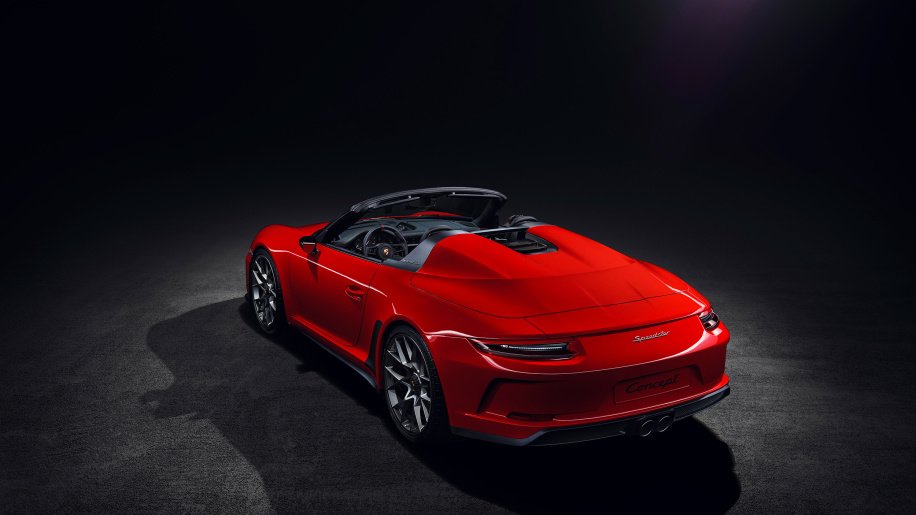
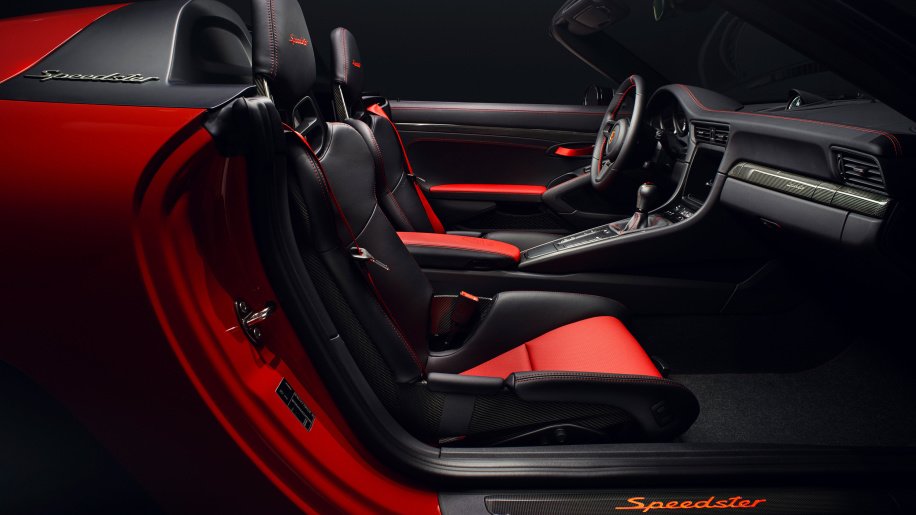
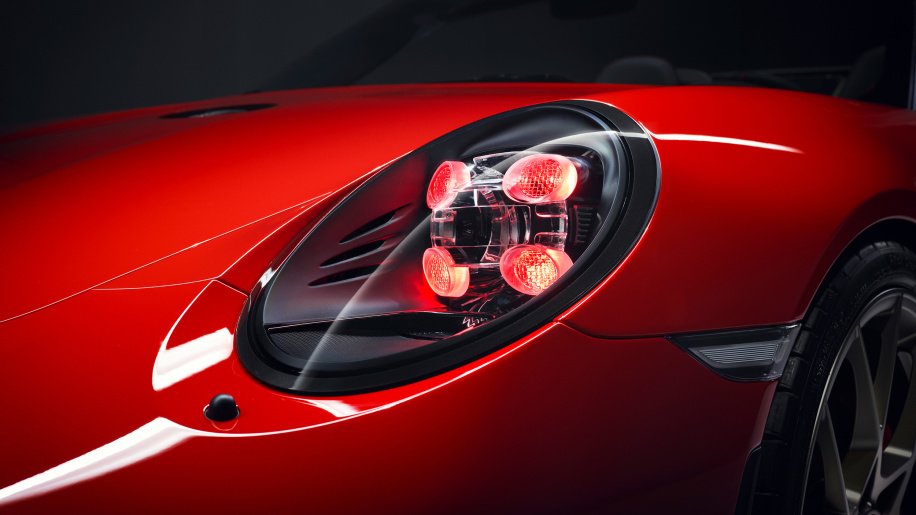
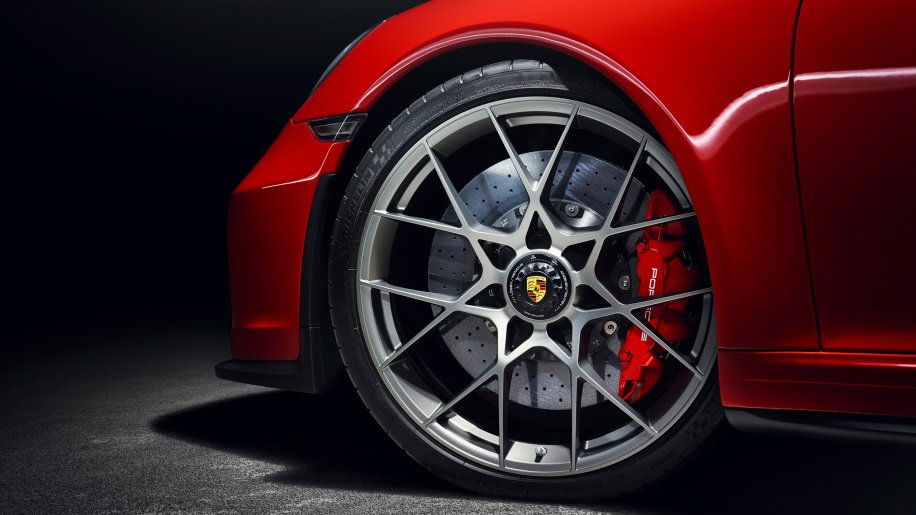
2019 Porsche 911 Speedster

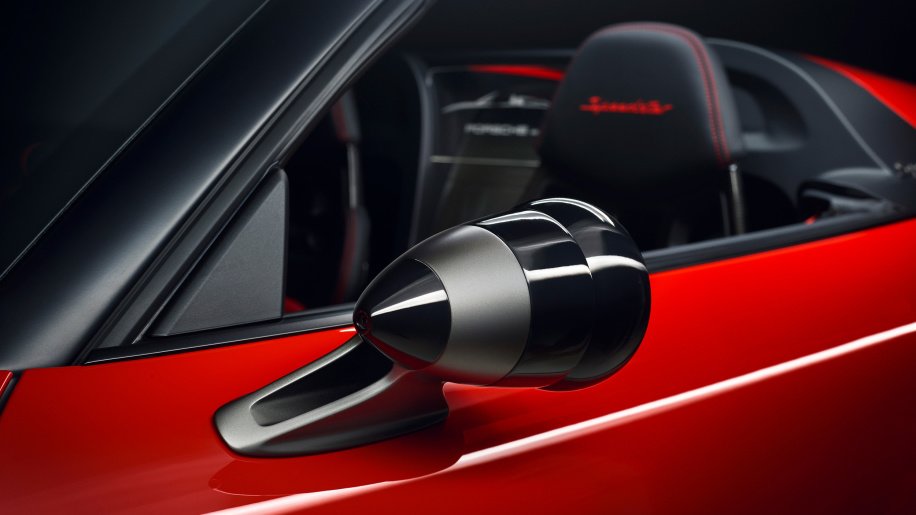
There’ll be only a few of these, so act fast if you want one. Porsche has now unwrapped the open-top 2019 911 Speedster. This was the concept car the automaker unveiled back in June, now greenlit for production.

The gorgeous two-seater model is going to be built as part of the line’s 70th anniversary, and it’ll also mark the end of the current-generation 911. Porsche is only making 1,948 units, though (owing to the fact that the first 356 was made in 1948), and the car will come in a Paris is Guards Red colorway, exactly like the 1988 911 Speedster.

Porsche based the car on the 911 Carrera 4 Cabriolet body shell then added a more aerodynamic windshield angle and shorter side windows. It should be noted that this isn’t just a minor revamp; Porsche Motorsport in Weissach developed this car, meaning it’s a more hardcore 991 iteration than you’d initially think. You’ll find 911 GT3 parts in the chassis, plus carbon fiber on the the fenders, the hood, and the engine cover. Meanwhile, the exhaust system and six-speed manual gearbox come from Porsche’s GT unit.

The 911 Speedster boasts a 500-horsepower flat-six engine, which was borrowed from the track star GT3. The six shifts through a six-speed manual transmission. The car also debuts Porsche’s new Heritage Design Packages, which should give customers a lot more personalization options.

Porsche is set to begin production during the first half of 2019. Pricing has yet to be determined, but this is a limited-edition model, so don’t expect it to be cheap.

LEARN MORE HERE

Photos courtesy of Porsche

2019 Porsche Macan S Review

As a lover of sports cars I have a huge admiration of Porsche and their two door sports cars. The Boxster and Cayman have mid-engined poise and balance like noting else in the segment and don’t even get me started on the brilliance of every 911 in the range from the T, to the GTS to the unhinged GT models. Porsche define sports cars and set an example to the rest on how things should be done.

But now there are far more Porsche models on offer. When the Cayenne launched way back when I was a wee little lad, the world thought that the Germans had gone mad. When the Panamera launched the world thought the designers had gone blind. Then followed the Macan, a car that was an instant hit, because the world had gone barmy and suddenly everyone wanted an SUV to clog up narrow city streets and school drop off zones.

This epidemic has continued and now we live in a world where Porsche sells more Macans than any other model. This is great for two simple reasons. The Macan is brilliant and selling shed loads of Macans, Panameras and Cayennes means that Porsche can reinvest profits into the cars that the rest of the world and I love them for – the bonkers things such as the GT2 RS et al.

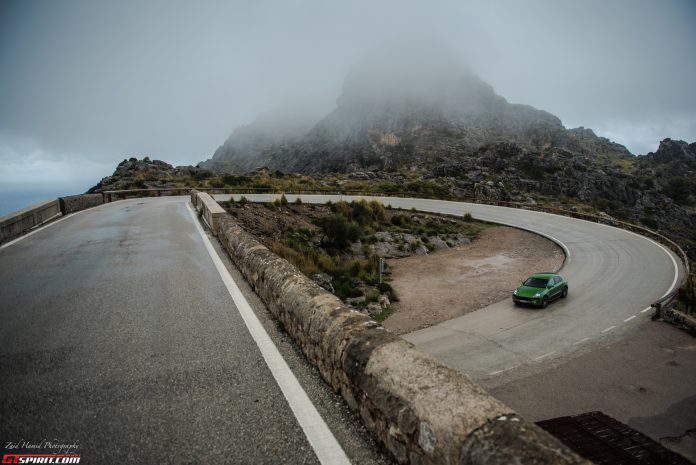
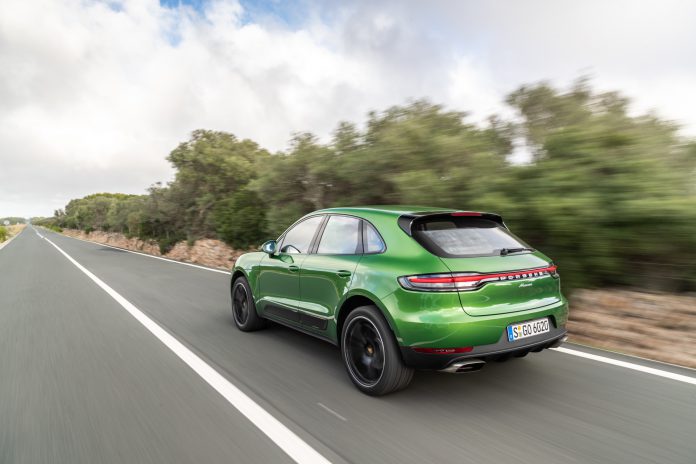
So the Macan is the bread winner, the golden child, the cash cow if you will – this makes it extremely important. It must be good and for this reason I flew to Mallorca to see what was what. Initial impressions are great – my buddy Philipp Rupprecht shot the official press pictures of the updated Macan and it looked great under the studio lights. The front end is not wildly different to the first gen car. The rear is a similar story, the most notable change being the lightsaber rear light beam that is now the norm on the buttocks of every Porsche. I liked the look of the old car, I love the look of the new one.

Enough of the styling, what this this new car like on the road? Porsche boldly opens the press materials with the statement that the new Macan is ‘the sports car in its segment’. The seating position immediately suggests that they are on to something – you sit nice and low and the steering wheel comes to meet you. It’s a little bizarre, but it is positive in a car that weighs 2,500 kilograms. The drivetrain continues the sporty connotations with a 3.0-litre petrol, twin-scroll turbocharged V6 nestled under the bonnet on the Macan S – this same unit can be found in the Cayenne and Panamera. This is, of course, linked to Porsche’s PDK which we all know to be sublime. Being an SUV, the power is fed to all four wheels via the PTM all-wheel drive system.

With 354 horsepower the Macan S is spritely for a midsized SUV sprinting to 100km/h in 5.1 seconds and ploughing onto a top speed of 225km/h. What is interesting is how the Macan S is able to be driven with gusto on twisty roads and manage its weight very well. The car I was driving was fitted with the Sport Chrono package meaning that features the drive mode switch. In Sport and Sport+ the air suspension is stiffened to fight body roll and works with the Porsche Stability Management systems to make this the most dynamically capable Macan yet. Furthermore, new engine mounts manage the movement of the engine.

There is a smidgen of feedback from the steering wheel, a feat for such a car, there is always a sense that you can feel what the chassis is doing beneath you. Driving the car for several hours a few things instantly became clear. The car is happy to be driven in anger and handles well for a car of this nature, but more importantly, it is a sublime and comfortable car to drive at a more leisurely pace. That being said, the sound of the engine in the upper half of the rev range is disappointing. It does not sound smooth, to the extent that it could pass as a diesel to the untrained ear.

The aforementioned air suspension irons out bumps and craters as if they were filled with marshmallow and it is extremely quiet and gentle on highway cruises. This is where Macans will almost entirely spend their lives – going to the supermarket, dropping children to and from schools and occasionally doing a longer drive on a long weekend or vacation.

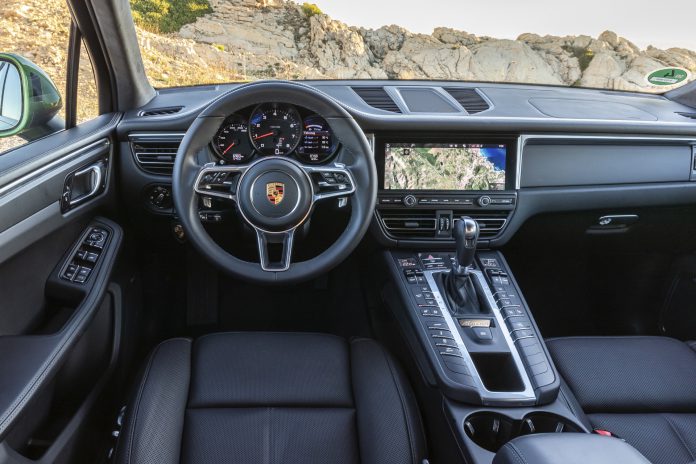
For tasks such as these the Macan shines. The interior, complete with Panamera like screen and displays is fantastic with fabulous materials and build quality. There is a small army of driver aids and tech and the updated styling, in and out will be a huge success. The Macan S is sure to still be the segment leader.

1963 Porsche 356 B 1600 Coupe

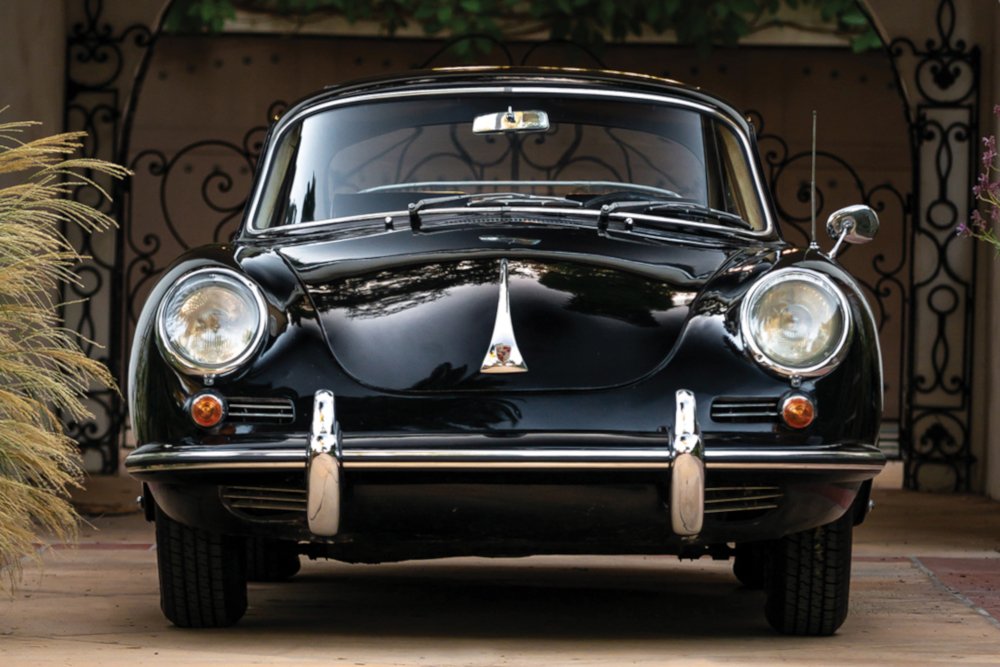
Ferdinand Porsche truly believed he could fuse a generously powered engine and a small body together and create the ultimate “fun” driver. And as the Porsche 356 proves, he was right.

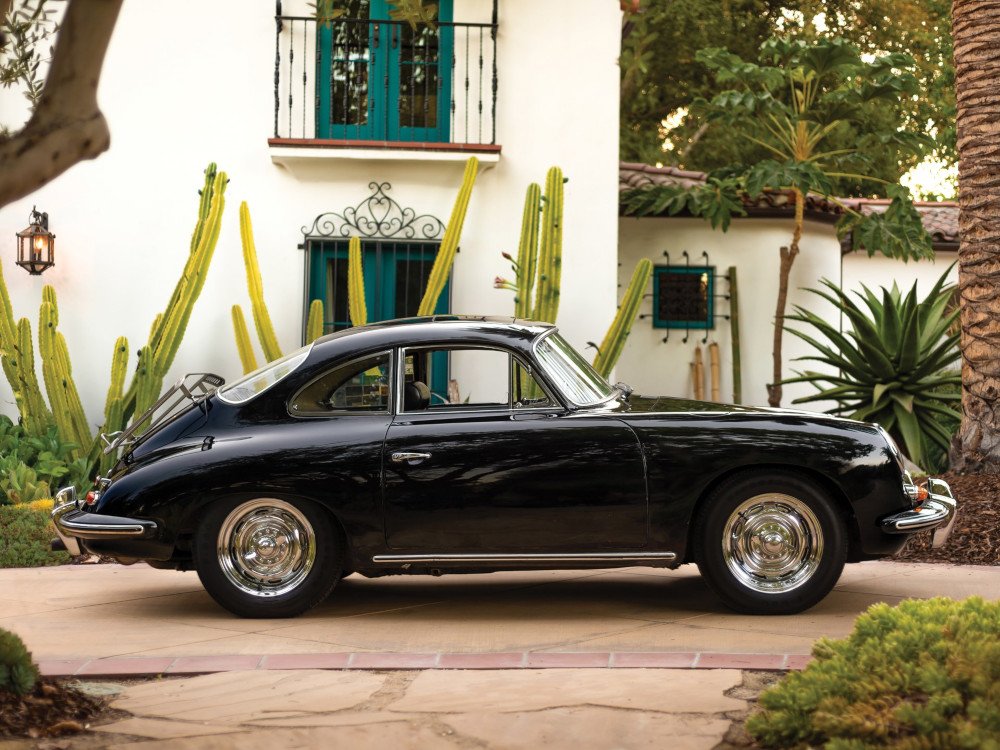
A bit of a history lesson: This lightweight rear-wheel-drive, rear-engine sports car was first built in 1948 in Austria. Two years later, Porsche swapped out the aluminum body for a Reutter-built steel-shell, and moved production to Germany. Then, the 356 won its first Le Mans, giving Porsche some much-deserved street cred. With the model still popular, Porsche followed up with the “B” series in 1959. Nearly 31,000 units were built before the “C” series arrived in 1963.

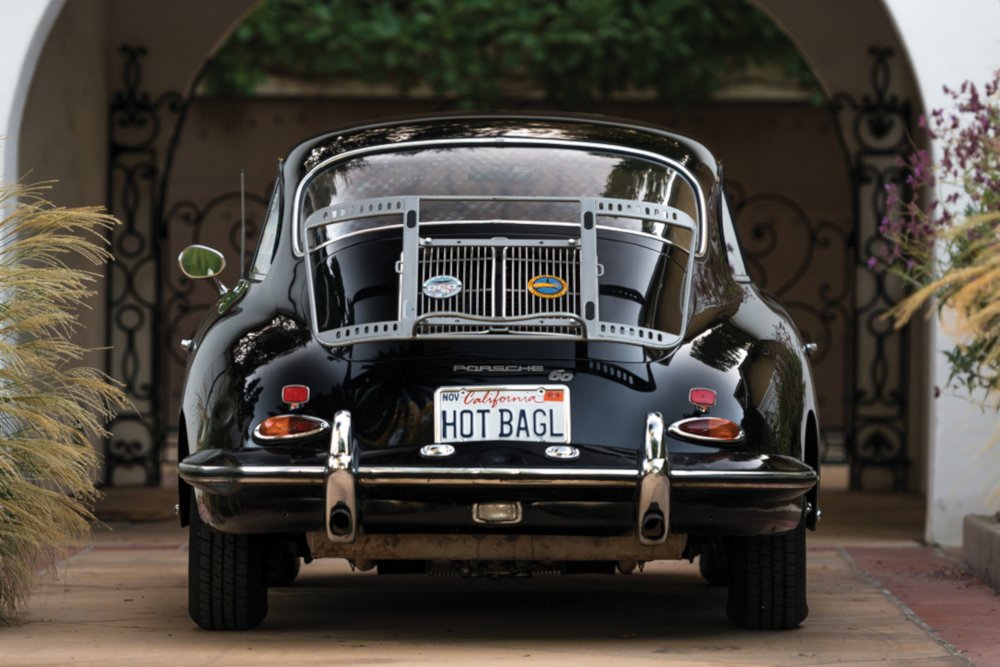
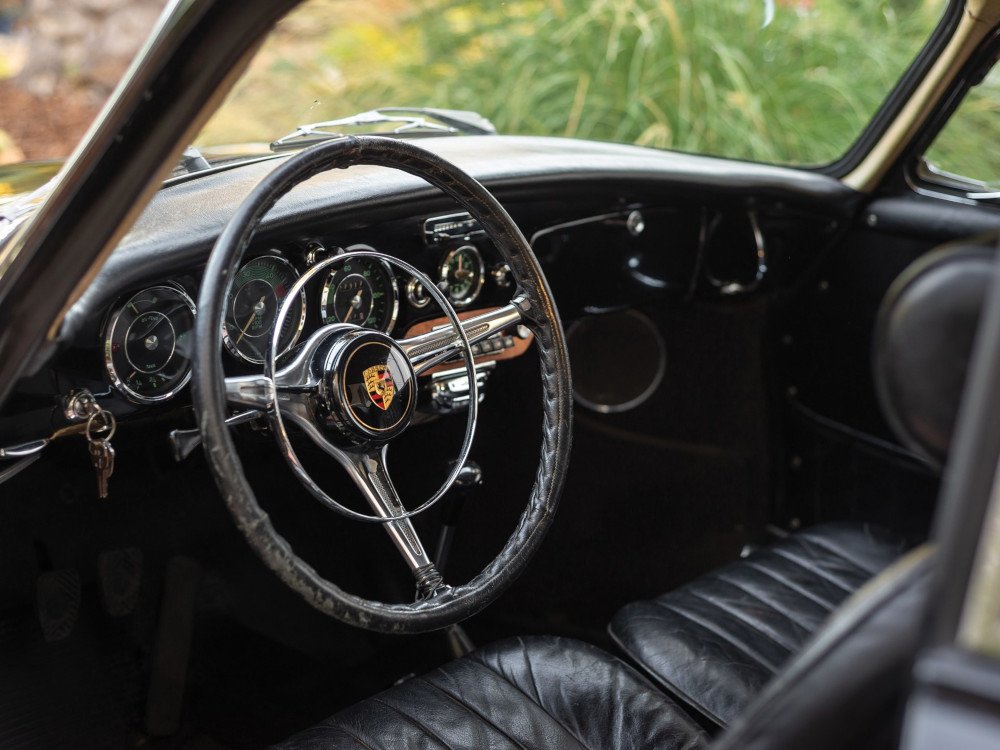
Fast forward to today and you’re now looking at this bad boy, which came straight out of Porsche’s factory in 1963. It comes with an unrestored sunroof, Becker radio with speakers, and black leather seats. Plenty of things to gush about here, like the Leitz luggage rack and deluxe horn ring. There’s also a tinted windshield and Rudge knock-off wheels. A thing of rarity in vintage car circles.

Everything inside is untouched. In fact, the radio suppressor and original voltage regulator are still tethered to the engine. A family in the Hamptons used to own it, but only drove 27,317 miles so it still has plenty of kick left. It also retains more than 50% of its original paint, and mind you, it’s still in excellent running condition. The engine has apparently never been overhauled, although the current owner, a Porsche devotee, will provide receipts for reconditioning if need be.

SEE MORE AT SOTHEBY’S

Photos courtesy of Sotheby’s

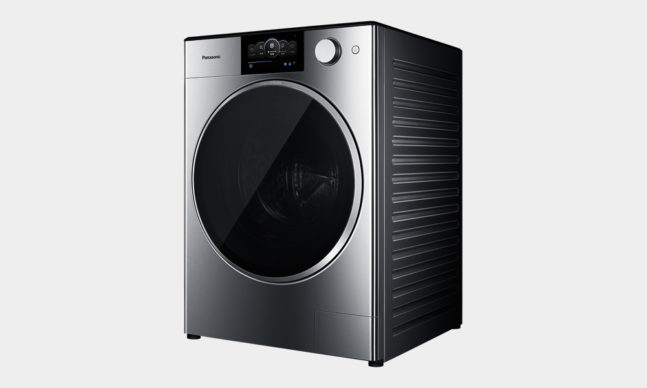
Porsche Design and Panasonic Made a Washing Machine

Quite a few truly impressive products have come out of the Porsche Design Studio, founded by Professor Ferdinand Alexander Porsche (grandson of the Porsche founder and the original designer of the 911). Studio F. A.…

The All New Porsche 911 (992) – Everything You Need to Know

The new Porsche 911: more powerful, faster, digital

The German automaker has unwrapped its powerful new 911 on the eve of the Los Angeles motor show, offering folks a first real look at the eighth generation of one of the motoring world’s most recognizable rear-engined icons. It is the eighth generation 911, codenamed the 992 (see all historical models here). This is a big deal, it isn’t often we get a new 911 so when we do we like to obsess. 

The basic structure and footprint of the 991 Porsche was carried over for the 992, but the new Porsche wears updated bodywork that (as expected) evolves the 911 shape rather that do anything too rash. Save for the front and rear fascias, the body is made entirely from aluminum, too. It looks more planted to me, a more muscular look and better stance than the outgoing 991. It has wider arches covering 20-inch wheels up front and 21-inch wheels down back, while the front end has been stretched out by 45 mm (1.77 in) to give it that slightly wider stance. All 911s will now have this wider body (previously it was only the all-wheel drive models). On the outside, we also love the cool electrical pop-out flush doorhandles which mean the side is completely flat as well as the rear end which is modern and old school at the same time.

The new cars have the same twin-turbo 3.0-liter used in current Carrera models. The flat-six turbocharged engine has been further developed and is more powerful than ever before. It gets an improved injection process and a new layout for the turbochargers and charge air cooling system. It is a turbocharged 3 liter flat-six unit with 444 hp in both the 911 Carrera S and Carrera 4S which is up 23 horsepower over the outgoing 991 car. Torque numbers haven’t been released yet. Also standard for 2020 is a brand new eight-speed dual-clutch transmission (Porsche says there will be a manual, but won’t say when).  

Performance-wise, all of this adds up to some great numbers. The rear-wheel-drive Carrera S gets to 60 mph in 3.5 seconds and the all-wheel-drive Carrera 4S does it in 3.4 seconds. The optional Sports Chrono package shaves a further 0.2 seconds of those times. For those counting, that puts the Carrera 4S half a second behind the current GT2 RS. I bet that real world performance will feel markedly better than even those impressive numbers suggest when compared to the current 991. 

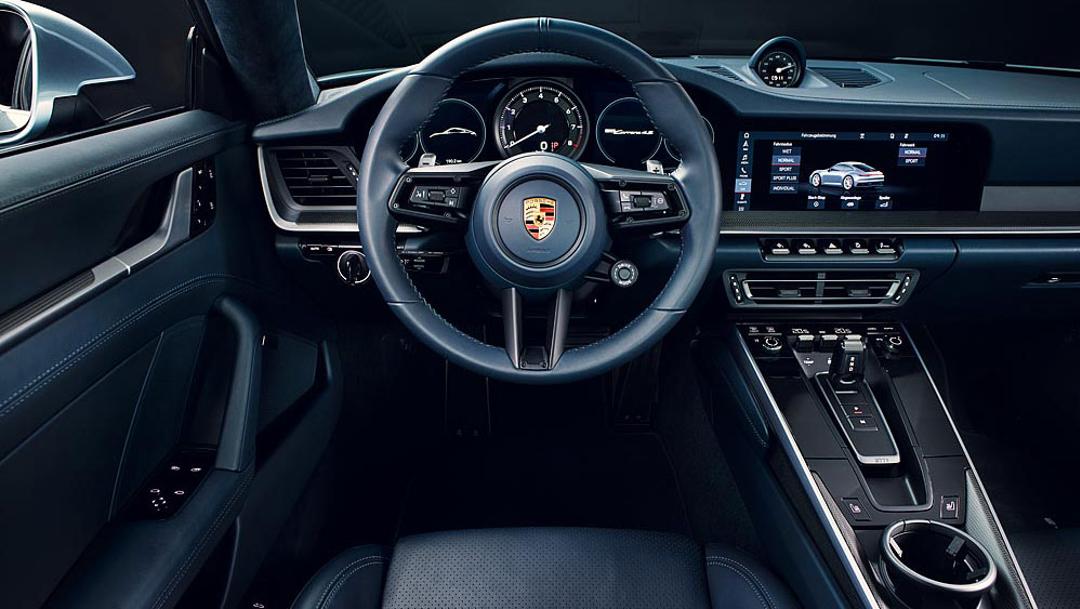
The redesigned interior brings plenty of modern touches for the digital era, spearheaded by a new 10.9-inch center touchscreen. This is a seven-inch upsize from the previous model and displays software like Porsche’s Road Trip planning app with its curated routes, the Porsche 360+ lifestyle assistant, and the web-based emissions calculator. The instrument cluster, meanwhile, is apparently inspired by 911s from the 1970s era, with a central rev counter flanked by two smaller, freeform displays. For the first time, the 911 is complimented by exclusive digital products that go with the car: the Porsche Road Trip app for extraordinary road trips, the Porsche 360+ personal assistant which is a web-based Porsche Impact emissions calculator for neutralizing your individual carbon footprint. 

As always the new 911 gets a host of new technology upgrades. Additional highlights include the new assistance systems, including Porsche Wet mode to make driving on wet roads even safer, and Night Vision Assist with thermal imaging camera, as well as comprehensive connectivity – which now also uses swarm intelligence. In a world first, Porsche has developed Wet mode, included as standard. This function detects water on the road, preconditions the control systems accordingly and warns the driver, who can then set up the vehicle for a particular emphasis on safety, by simply pushing a button or using the mode switch on the steering wheel (Sport Chrono Package). The warning and brake assist system, also fitted as standard, detects the risk of collisions with moving objects and initiates emergency braking if necessary. Night Vision Assist with a thermal imaging camera is optionally available for the 911 for the first time. The adaptive cruise control option includes automatic distance control, stop-and-go function, reversible occupant protection and an innovative autonomous Emergency Assist function.

Prices for the 2020 Porsche 911 Carrera S start at $113,200, while the 4S starts at $120,600. Orders are open, but deliveries won’t start until summer of 2019 in the U.S. 

Photo Gallery

Videos

The new Porsche 911: Exterior & Interior Design.

[embedded content]

The new Porsche 911: First Driving Footage.

[embedded content]

The New Porsche 911 – Highlight Video

[embedded content]

Porsche 911 (992) Announcement

Unmistakably committed to the Porsche design DNA, a much more muscular look, and an interior featuring a 10.9-inch touchscreen monitor, the new 911 is timeless – and modern. Intelligent control and chassis elements as well as innovative assistance systems combine the masterfully uncompromising dynamism that the classic rear-engine sportscar is famed for, with the demands of the digital world.

The next generation of flat-six turbocharged engines has been further developed and is more powerful than ever before, with 331 kW (450 PS) in the S models. The drive efficiency has been increased by way of an improved injection process and a new layout for the turbochargers and charge air cooling system. The power is delivered by a newly developed eight-speed dual-clutch transmission. Additional highlights include the new assistance systems, including Porsche Wet mode to make driving on wet roads even safer, and Night Vision Assist with thermal imaging camera, as well as comprehensive connectivity – which now also uses swarm intelligence. The 911’s features are rounded off by three exclusive digital offerings: the Porsche Road Trip app for extraordinary tours, the Porsche 360+ personal assistant, and the web-based Porsche Impact emissions calculator for neutralising your individual carbon footprint.

Carrera S models start from 450 PS

The turbocharged flat-six engine of the 911 Carrera S and 911 Carrera 4S now produces 331 kW (450 PS; 911 Carrera S: Fuel consumption combined 8.9 l/100 km; CO2 emissions combined 205 g/km; 911 Carrera 4S: Fuel consumption combined 9.0 l/100 km; CO2 emissions combined 206 g/km). This corresponds to an increase of 22 kW (30 PS) compared with the previous model. Both 911 models beat the four-second mark for acceleration from zero to 100 km/h: the rear-wheel-drive Coupé needs 3.7 seconds and the 911 Carrera 4S with all-wheel drive just 3.6 seconds. This makes both cars 0.4 seconds faster than the previous model in each case. This advantage is increased by a further 0.2 seconds with the optional Sport Chrono Package. The top speeds are now 308 km/h (911 Carrera S) and 306 km/h for the all-wheel-drive version. The fuel consumption (NEDC-correlated) of the 911 Carrera S is 8.9 l/100 km, while the 911 Carrera 4 S records this figure as 9.0 l/100 km.

Clear design language, unmistakable identity

The exterior design is completely new and emphasises the leap in performance for the 911 type 992. Significantly wider wheel housings arch over the 20-inch front wheels and 21-inch rear wheels. The rear end is now the same width across all models, highlighting the slimline centre section. At the front, the body is 45 mm wider. Flush integration of the electrical pop-out handles in the doors emphasises the tapered and smooth side contour. Between the new LED headlights, a bonnet with a pronounced recess evokes the design of the first 911 generations. The rear is dominated on all models by the significantly wider, variable-position rear spoiler and the seamless, elegant light bar. Apart from the front and rear sections, the entire outer skin is now made from aluminium.

The completely new interior is characterised by the clear and straight lines of the dashboard with recessed instruments. The 911 models from the 1970s provided the inspiration here. Alongside the central rev counter – typical for Porsche – two thin, frameless freeform displays supply information to the driver. The centre screen of the PCM is now 10.9 inches, and can be operated quickly and without distraction thanks to the new architecture. Located underneath this there is a compact switch unit with five buttons for direct access to important vehicle functions. In terms of digitalisation, the 911 takes the next step into the future with permanent connectivity as well as new functions and services. The standard PCM features include online navigation based on swarm data as well as Porsche Connect Plus.

<a class="fancybox fancybox-gallery" href="https://porschenewsroom.s3.amazonaws.com/porsche_newsroom/produkte/911/992/992-press-release/b-p18_0874jpg/f98ba974-ed8b-4808-a217-79e889b14faa_teaser_original_720.jpg" data-id="" data-fancybox-lowres-url="https://newsroom.porsche.com/download/?id=f98ba974-ed8b-4808-a217-79e889b14faa&size=low" data-fancybox-description="911 Carrera 4S (992), 2018, Porsche AG
911 Carrera 4S: Fuel consumption combined 9.0 l/100 km; CO2 emissions 206 g/km” data-header=”Foto”>911 Carrera 4S (992), 2018, Porsche AG

New assistance systems increase safety and comfort

In a world first, Porsche has developed Wet mode, included as standard. This function detects water on the road, preconditions the control systems accordingly and warns the driver, who can then set up the vehicle for a particular emphasis on safety, by simply pushing a button or using the mode switch on the steering wheel (Sport Chrono Package). The warning and brake assist system, also fitted as standard, detects the risk of collisions with moving objects and initiates emergency braking if necessary. Night Vision Assist with a thermal imaging camera is optionally available for the 911 for the first time. The adaptive cruise control option includes automatic distance control, stop-and-go function, reversible occupant protection and an innovative autonomous Emergency Assist function.

Digital applications: “Road Trip”, “360+” and “Impact”

Porsche Road Trip” supports car enthusiasts in planning, organising and navigating special trips. The curated routes it offers include exclusive hotel and restaurant recommendations as well as points of interest and viewpoints along the route.

Porsche 360+” has the goal of allowing the customer to enjoy the Porsche experience even while away from the vehicle; the heart of “Porsche 360+” is a personal lifestyle assistant that is available to customers around the clock. The assistant is intended to make everyday life easier and exclusive experiences possible.

Porsche Impact” is an emissions calculator. It calculates the financial contributions that Porsche customers can pay to offset their CO2 footprint. They themselves can choose the internationally certified climate projects in which to invest. The projects available are spread out all over the world and focus on wind, hydro and solar power, as well as forest protection.

992 Porsche 911 Press Release

The eighth generation of an icon: World Premiere in Los Angeles

The new Porsche 911: more powerful, faster, digital

Stuttgart, Germany. Sensation in Los Angeles: the Porsche 911 is now entering the eighth generation. The new 911 celebrated its world premiere on the eve of the L.A. Auto Show. It continues to set the standard when it comes to exclusive sportiness. Unmistakably committed to the Porsche design DNA, a much more muscular look, and an interior featuring a 10.9-inch touchscreen monitor, the new 911 is timeless – and modern. Intelligent control and chassis elements as well as innovative assistance sys- tems combine the masterfully uncompromising dynamism that the classic rear-engine sportscar is famed for, with the demands of the digital world.

The next generation of flat-six turbocharged engines has been further developed and is more powerful than ever before, with 331 kW (450 PS) in the S models. The drive efficiency has been increased by way of an improved injection process and a new layout for the turbochargers and charge air cooling system. The power is delivered by a newly developed eight-speed dual-clutch transmission. Additional highlights include the new assistance systems, including Porsche Wet mode to make driving on wet roads even safer, and Night Vision Assist with thermal imaging camera, as well as comprehensive connectivity – which now also uses swarm intelligence. The 911’s fea- tures are rounded off by three exclusive digital offerings: the Porsche Road Trip app for extraordinary tours, the Porsche 360+ personal assistant, and the web-based Por- sche Impact emissions calculator for neutralising your individual carbon footprint.

Carrera S models start from 450 PS

The turbocharged flat-six engine of the 911 Carrera S* and 911 Carrera 4S now pro- duces 331 kW (450 PS). This corresponds to an increase of 22 kW (30 PS) compared with the previous model. Both 911 models beat the four-second mark for acceleration from zero to 100 km/h: the rear-wheel-drive Coupé needs 3.7 seconds and the 911 Carrera 4S with all-wheel drive just 3.6 seconds. This makes both cars 0.4 seconds faster than the previous model in each case. This advantage is increased by a further 0.2 seconds with the optional Sport Chrono Package. The top speeds are now 308 km/h (911 Carrera S) and 306 km/h for the all-wheel-drive version. The fuel consump- tion (NEDC-correlated) of the 911 Carrera S is 8.9 l/100 km, while the 911 Carrera 4 S records this figure as 9.0 l/100 km.

Clear design language, unmistakable identity

The exterior design is completely new and emphasises the leap in performance for the 911 type 992. Significantly wider wheel housings arch over the 20-inch front wheels and 21-inch rear wheels. The rear end is now the same width across all models, high- lighting the slimline centre section. At the front, the body is 45 mm wider. Flush inte- gration of the electrical pop-out handles in the doors emphasises the tapered and smooth side contour. Between the new LED headlights, a bonnet with a pronounced recess evokes the design of the first 911 generations. The rear is dominated on all models by the significantly wider, variable-position rear spoiler and the seamless, ele- gant light bar. Apart from the front and rear sections, the entire outer skin is now made from aluminium.

The completely new interior is characterised by the clear and straight lines of the dash- board with recessed instruments. The 911 models from the 1970s provided the inspi- ration here. Alongside the central rev counter – typical for Porsche – two thin, frame- less freeform displays supply information to the driver. The centre screen of the PCM is now 10.9 inches, and can be operated quickly and without distraction thanks to the new architecture. Located underneath this there is a compact switch unit with five but- tons for direct access to important vehicle functions. In terms of digitalisation, the 911 takes the next step into the future with permanent connectivity as well as new functions and services. The standard PCM features include online navigation based on swarm data as well as Porsche Connect Plus.

New assistance systems increase safety and comfort

In a world first, Porsche has developed Wet mode, included as standard. This function detects water on the road, preconditions the control systems accordingly and warns the driver, who can then set up the vehicle for a particular emphasis on safety, by simply pushing a button or using the mode switch on the steering wheel (Sport Chrono Package). The warning and brake assist system, also fitted as standard, detects the risk of collisions with moving objects and initiates emergency braking if necessary. Night Vision Assist with a thermal imaging camera is optionally available for the 911 for the first time. The adaptive cruise control option includes automatic distance control, stop-and-go function, reversible occupant protection and an innovative autonomous Emergency Assist function.

The 911 Carrera S costs from 120,125 euros in Germany and the 911 Carrera 4S from 127,979 euros, including VAT and country-specific equipment. The new models can be ordered now.

Digital applications: “Road Trip”, “360+” and “Impact”

“Porsche Road Trip” supports car enthusiasts in planning, organising and navigating special trips. The curated routes it offers include exclusive hotel and restaurant recom- mendations as well as points of interest and viewpoints along the route.

“Porsche 360+” has the goal of allowing the customer to enjoy the Porsche experience even while away from the vehicle; the heart of “Porsche 360+” is a personal lifestyle assistant that is available to customers around the clock. The assistant is intended to make everyday life easier and exclusive experiences possible.

“Porsche Impact” is an emissions calculator. It calculates the financial contributions that Porsche customers can pay to offset their CO2 footprint. They themselves can choose the internationally certified climate projects in which to invest. The projects available are spread out all over the world and focus on wind, hydro and solar power, as well as forest protection.

The consumption and CO2 emission values were determined in accordance with the new Worldwide Harmonised Light Vehicle Test Procedure (WLTP). The NEDC values derived from this should continue to be specified for the time being. These values cannot be compared to the values determined in ac- cordance with the NEDC measuring procedure used up to now.

Further information on the official fuel consumption and official, specific CO2 emissions of new passen- ger cars is available in the “Guidelines on fuel consumption, CO2 emissions and power consumption of new passenger cars” [Leitfaden über den Kraftstoffverbrauch, die CO2-Emissionen und den Stromver- brauch neuer Personenkraftwagen], which are available free of charge from all sales outlets and from Deutsche Automobil Treuhand GmbH (DAT).

New Porsche 911 Infographic

New Porsche 911 InfographicNew Porsche 911 Infographic