All posts in “performance”

2022 Kia EV6 and Acura NSX Type S driven | Autoblog Podcast #715

In this episode of the Autoblog Podcast, Editor-in-Chief Greg Migliore is joined by Senior Editor, Green, John Beltz Snyder and Road Test Editor Zac Palmer. The car chat begins this week with a review of the 2022 Kia EV6, followed by Zac’s drive of the 2022 Acura NSX Type-S. Then they discuss Autoblog’s new long-term loan, a 2022 BMW 330e xDrive. They’ve also been driving the Ford Explorer Timberline and Kia Sorento Hybrid.

In the news, they discuss the soon-to-be-revealed Alfa Romeo Tonale, as well as the recently unveiled Aston Martin DBX707. Finally, Greg talks about a historical Detroit landmark, the old American Motors Company headquarters, which is set to be demolished.

Send us your questions for the Mailbag and Spend My Money at: Podcast@Autoblog.com.

Autoblog Podcast #715

Get The Podcast

  • Apple Podcasts – Subscribe to the Autoblog Podcast in iTunes
  • Spotify – Subscribe to the Autoblog Podcast on Spotify
  • RSS – Add the Autoblog Podcast feed to your RSS aggregator
  • MP3 – Download the MP3 directly

Rundown

  • Cars we’re driving
  • In the news

Feedback

Autoblog is now live on your smart speakers and voice assistants with the audio Autoblog Daily Digest. Say “Hey Google, play the news from Autoblog” or “Alexa, open Autoblog” to get your favorite car website in audio form every day. A narrator will take you through the biggest stories or break down one of our comprehensive test drives.

Related Video:

2022 Acura NSX Type S Track Drive | One lap of Daytona

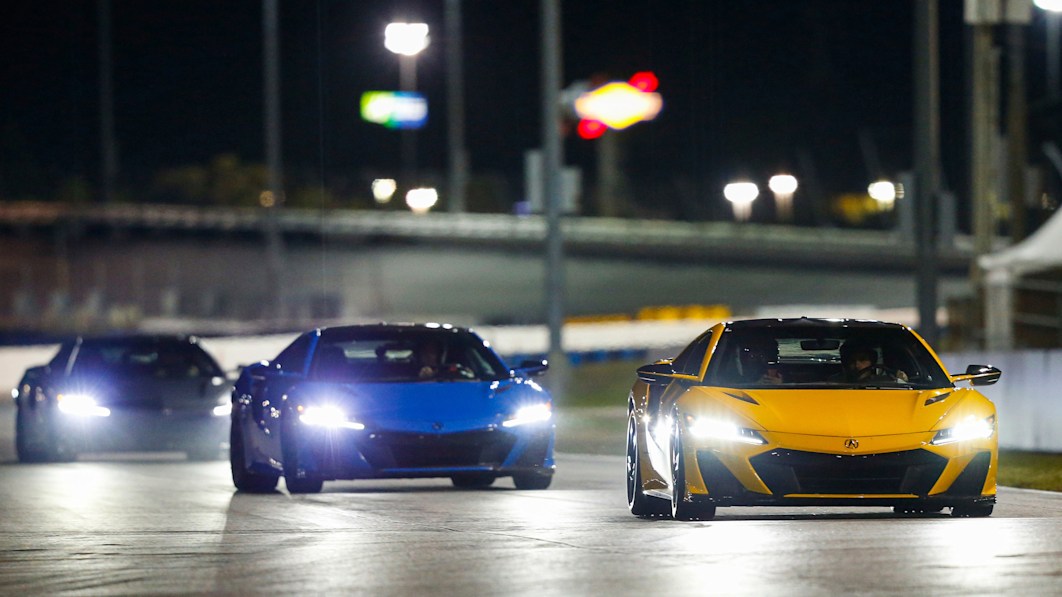
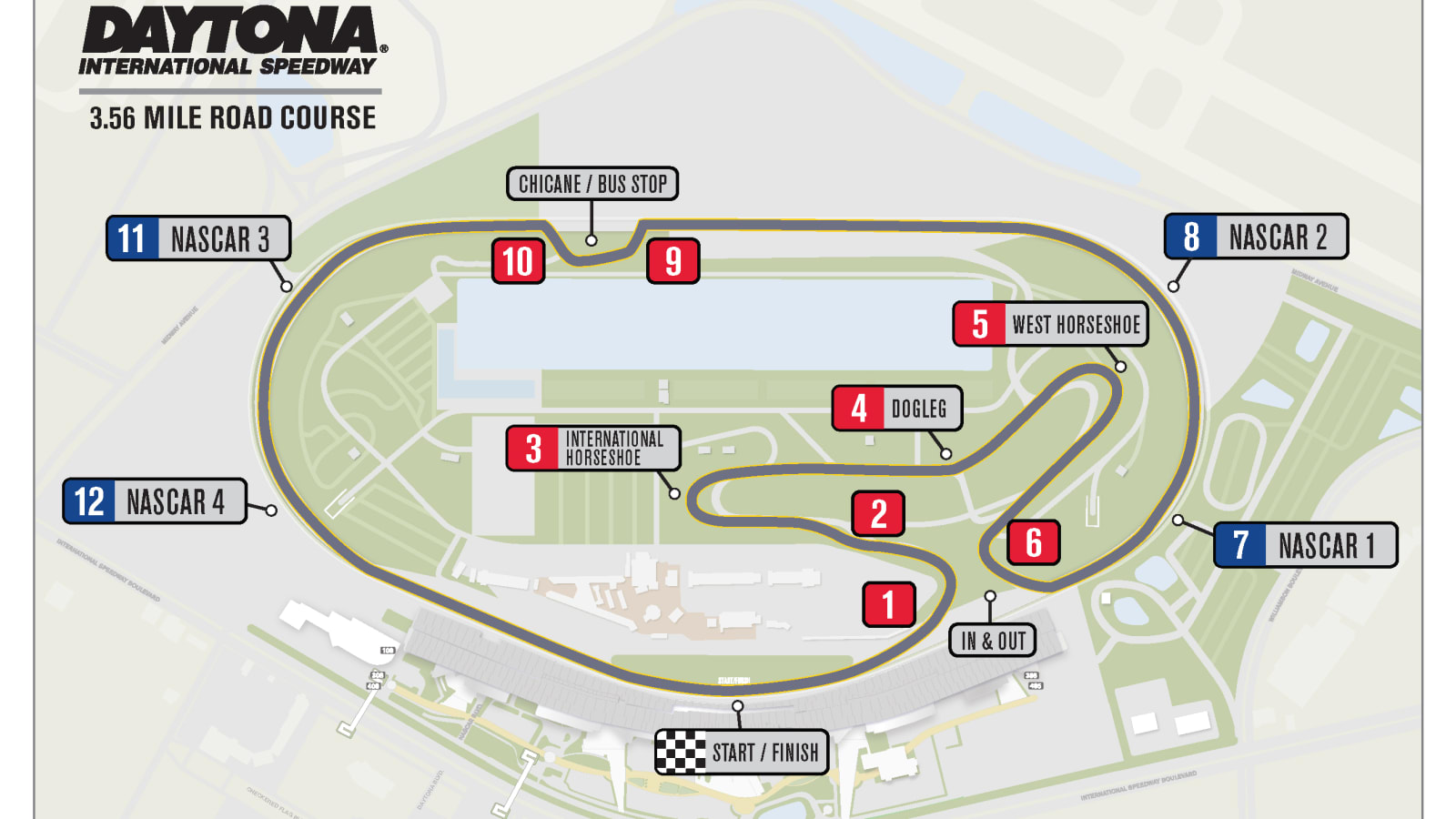
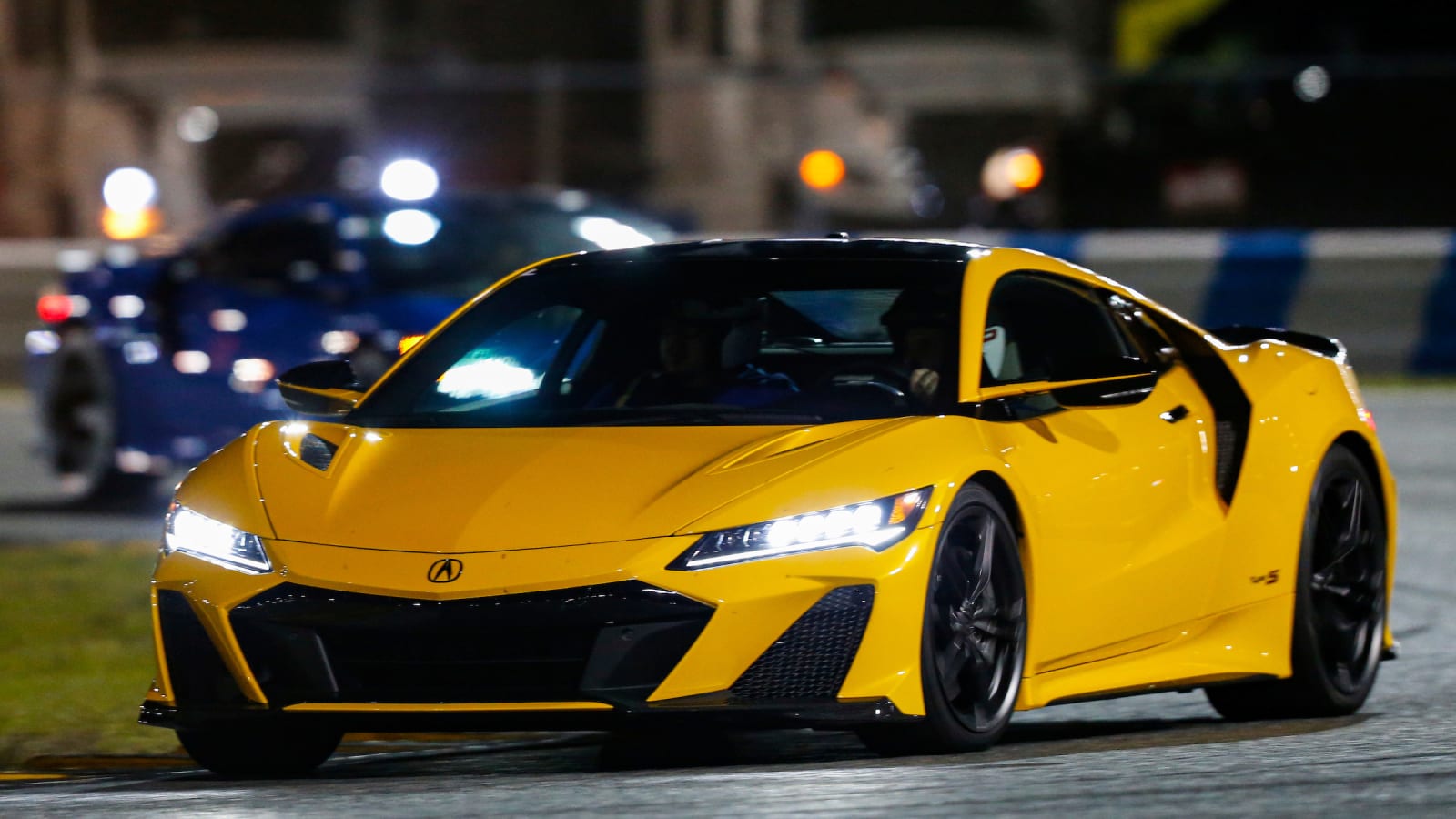
DAYTONA BEACH, Fla. — Stadium lights shine their bright white glow on the tarmac as I power out of the infield and up to the banking of NASCAR 1 at Daytona International Speedway in the 2022 Acura NSX Type S. The force of gravity quickly changes from normal to feeling like I’m being shoved down by a compactor. I gingerly arc down from the top of Daytona’s steep 31-degree incline and settle into the middle, right pedal down and holding the wheel steady. That last part, I quickly learn, is unnecessary, as the banking holds the car in place without needing to exert much steering force.

An immersive and sonorous note trumpets through the cabin as I stay in the throttle out of NASCAR 2. The Bus Stop Chicane (just renamed the Le Mans Chicane for this year’s Rolex 24) arrives quickly and with little warning when you have 600 horsepower hustling you there, and it’s perhaps the worst-lit corner on the track — ironic, considering you’re going as fast as anywhere at Daytona before having to apply the brakes. A loud, brap, brap, brap accompanies the slowdown. I smash over the rumble strips while exiting the chicane, and head back onto the oval for another go in the compactor for NASCAR 3 and 4.

And then that’s it, my one flying lap in the one-year-only NSX Type S is over. Rolling back into pit lane, I’m attempting to process what just happened, but am reduced to one-word exclamations from the adrenaline rush. Piloting anything on-track at the Daytona road course at night is a bucket list, dream-come-true moment for a racing enthusiast, and I had just done it in Acura’s mid-engine supercar. Turns out, those hundreds of hours playing Gran Turismo and dreaming finally came in handy.

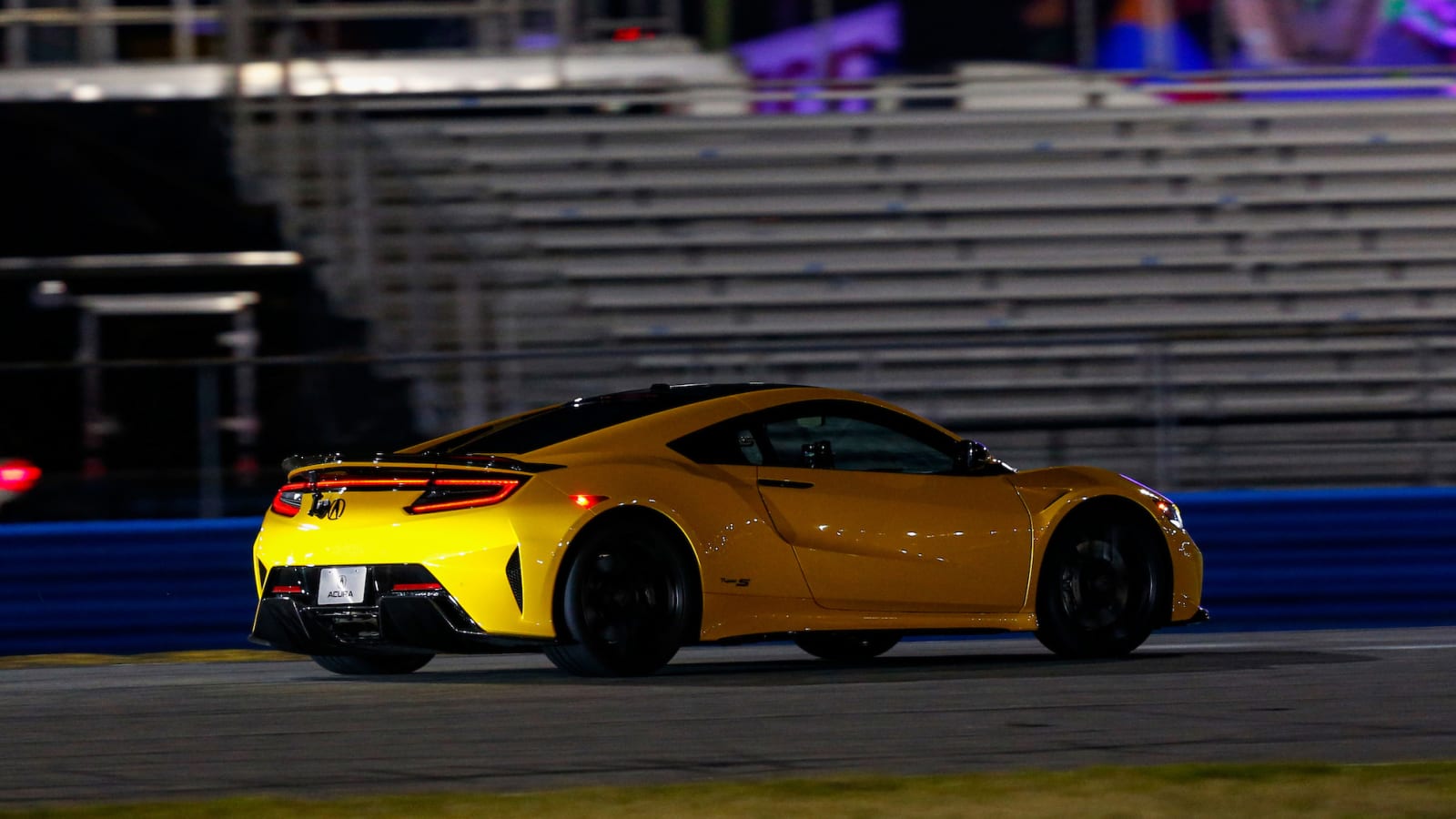
This brief and high-speed track drive is our first go at the new-for-2022 NSX Type S. Acura says that more seat time is coming in the future, but we’re to make do with this quick taste for the time being. That said, even if you wanted to at this point, the chances of buying a new NSX Type S are next to zero. The NSX swan song — yes, this is the NSX’s last model year — sold out in mere minutes, and all that’s left is a waiting list. Acura is building 350 total, and 300 are allocated for the United States. There will be no “standard” NSXs for 2022 either, so it’s either the $171,495 Type S or nothing.

Despite the rarity and short life, it’s surprising how much effort Acura put into enhancing the NSX’s complex engine and three-motor hybrid system. The standard car’s 3.5-liter twin-turbocharged V6 is upgraded with turbochargers yanked directly from the GT3 Evo racecar. To supplement that, it also gets new fuel injectors with a 25% higher flow rate and new intercoolers with 15% more heat dissipation capability. The engine is now contributing 520 horsepower and 443 pound-feet of torque to forward motion, increases of 20 and 37, respectively.

Acura then upgraded the NSX “Twin Motor Unit” that powers the front wheels by lowering the gear ratio from 10.38:1 to 8.05:1. This effectively gives the car more torque directly off the line, which means even harder launches than before. Those electric motors yank the car through and out of Daytona’s Horseshoe with the secure and reassuring show of visceral force we’re used to from the NSX. The battery powering these motors is also upgraded with a 10% greater output and 20% higher usable capacity. Due to this drive’s nature, I didn’t get a chance to test out the Type S’ improved battery-only hybrid operation, but the upgrades should lead to less engine use in the efficient “Quiet” mode.

Total system output is now rated at 600 horsepower and 492 pound-feet of torque, and even in just one lap, the difference in forward thrust is perceptible. I don’t expect a drastic change in acceleration times (Acura only specified “under 3.0 seconds” despite the standard NSX being estimated at 2.9 seconds), but putting your foot down leaves little doubt that the Type S charges harder from corner-to-corner than the regular NSX does.

Another key upgrade made for the Type S concerns the transmission. The nine-speed dual-clutch automatic is re-tuned, and it engages the clutch 50% faster upon paddle press. This means a more instantaneous response and snappier reflexes to your paddle prodding. In addition to quicker gear changes, the Type S gains a new “Rapid Downshift” mode that automatically drops you into the lowest-possible gear when you hold the downshift paddle down. New programming also quickens downshifts in automatic mode when you apply brake pressure — say, when you’re coming in hot on the curved entry to turn 1 — and the rev threshold for pulling manual downshifts is increased by 1,500 rpm, letting you pull quicker downshifts that zing the needle higher up the tachometer.

Most noticeable out on track is how smart the transmission sets itself up for every situation in automatic mode. It bangs off shifts with what sounds like an extra bit of violence in the form of staccato pops. This in-cabin volume increase is the most obvious new experience in the Type S from the get-go, too. A lack of emotion and drama from the V6 was one of the standard NSX’s most common complaints. It’s not mended with a new exhaust, but Acura says it’s re-done the car’s “Intake Sound Control” (basically funnels real noise into the cabin) and “Active Sound Control” (artificially creates and/or enhances noises inside the cabin). Anyone who’s driven a regular NSX will notice the more audible intake wailing and extra volume inside the cabin both on-throttle and with every shift.

Last up in the realm of upgrades for the NSX’s powertrain is a re-tuned SH-AWD system that takes advantage of the front motors’ and engine’s additional thrust and power. Of course, this all-wheel-drive system is so closely tied with the NSX’s handling capabilities that you can’t talk about one without the other. The Type S is truly a whole-car job, so of course Acura’s engineers went to work on the suspension, wheels/tires, drive mode tuning and more.

Unfortunately, the limited track time made it impossible to come to any grand conclusions about the improvements. That said, the breadth of the changes leads me to believe that we’re going to experience a noted difference in road behavior once we drive one outside the racetrack.

For the time being, know that the Type S gets recalibrated dampers with a greater range of stiffness depending on the mode. That means it’s still designed to be comfortable in the on-road modes, but is stiffer than before in Track Mode. New forged alloy wheels are set with more negative offset that in turn widens the front track by 0.4 inch and the rear track by 0.8 inch. The wheels are then wrapped in a Pirelli P-Zero summer performance tire made exclusively for the Type S that wasn’t previously available on the standard NSX. Acura claims the track increases and new tires allow for 6% more lateral grip. To quantify that and the extra power, Acura says the NSX Type S is 2 seconds quicker around the Suzuka Circuit in Japan.

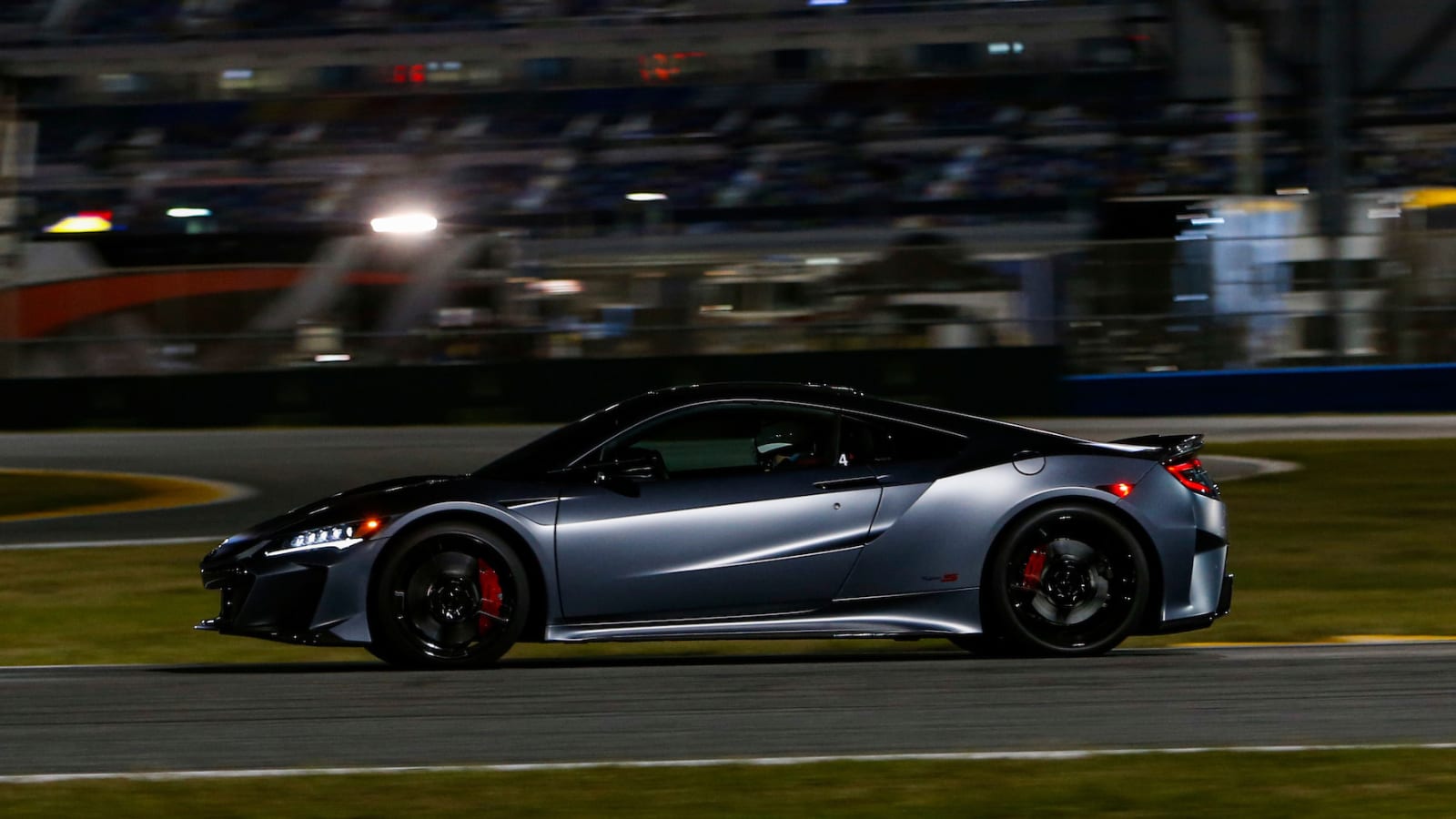
There’s one main performance package available, the $13,000 Lightweight Package fitted to our track car that drops the curb weight by 57.8 pounds from an unannounced figure. The 2021 standard NSX tipped the scales at 3,878 pounds. Much of those savings (and the hefty price) comes from the carbon ceramic brakes, but the Lightweight Package also gives you a carbon fiber engine cover and carbon accents on the steering wheel and instrument cluster hood. All of the other carbon fiber optional extras on the regular NSX come standard on the Type S, most important of those being the carbon roof that reduces the center of gravity. The Type S-exclusive Gotham Gray Matte paint (pictured above) adds another $6,000.

The new Type S front end ensures that everybody knows this NSX is different from the rest, and its new design is functionally better than before. Acura says the more angular intakes, front spoiler and larger diffuser do a better job at minimizing lift and making the Type S more stable at high speed. Airflow to the intercoolers is also enhanced, ensuring proper cooling of the more powerful engine.

Of course, the one lap at Daytona does not even come close to testing the heat capacity of this car. It does, however, provide convincing evidence that this NSX Type S is truly the best performing NSX in every way while still remaining true to its purpose of being an everyday supercar. Navigating pit exit just inches from the Wall of Champions is an objectively stressful situation, but the NSX’s expansive forward visibility makes it easier. Daytona’s walls on the infield loom in the darkness at track-level, but the NSX makes driving a stupid-quick car at this big track remarkably easy with its essentially fool-proof all-wheel-drive system. It’s the most point-and-shoot supercar in the game, and it’s going to make 350 people grin from ear-to-ear once they get behind the wheel. 

Related video:

Lamborghini Countach, Ferrari 512M and more immortalized as Lego sets

Lego has announced a slew of new Speed Champions sets, the ones based on actual licensed cars, for 2022. The latest batch includes a smorgasbord of supercars, from beloved classics like the Lamborghini Countach to yet-to-be-released promises like the long-awaited Mercedes-AMG One. There are seven cars in total, released in five sets. 

Our favorite is probably the 262-piece Lamborghini Countach, based on a later LP500 variant. Not only does it tick the box of a childhood dream machine, but the angular shape of the real-life Countach lends itself well to being recreated in Lego bricks. Also, it’s modeled in white rather than the typical red.

We also really dig the Ferrari 512M. It marked the last of Ferrari’s V12 endurance racers, and even though it was soundly spanked by the Porsche 917, the cars are undeniably beautiful. The 291-piece Lego set does a great job of capturing its brutal wedge silhouette in brick form.

Rounding out the single-car sets is the 247-piece Lotus Evija. The electric Lotus has a bit of a generic supercar look about it, but that’s not entirely the fault of the Lego kit. Its dramatic vents can’t really be replicated with the limited “resolution” of the Lego bricks. Its rear, with unique taillight-encircled air tunnels, is a bit more distinctive.

In addition to the single car sets, there are two larger sets of two cars each. One is a 592-piece Aston Martin-themed pack that includes the Valkyrie AMR Pro and Vantage GT3. Again, it’s a bit difficult to sculpt the cars’ curvaceous lines out of straight-edged bricks, but the effort is admirable. The Valkyrie is probably the more successful of the two, as the Vantage would resemble a Corvette or Viper if it didn’t have stickers to clarify the details.

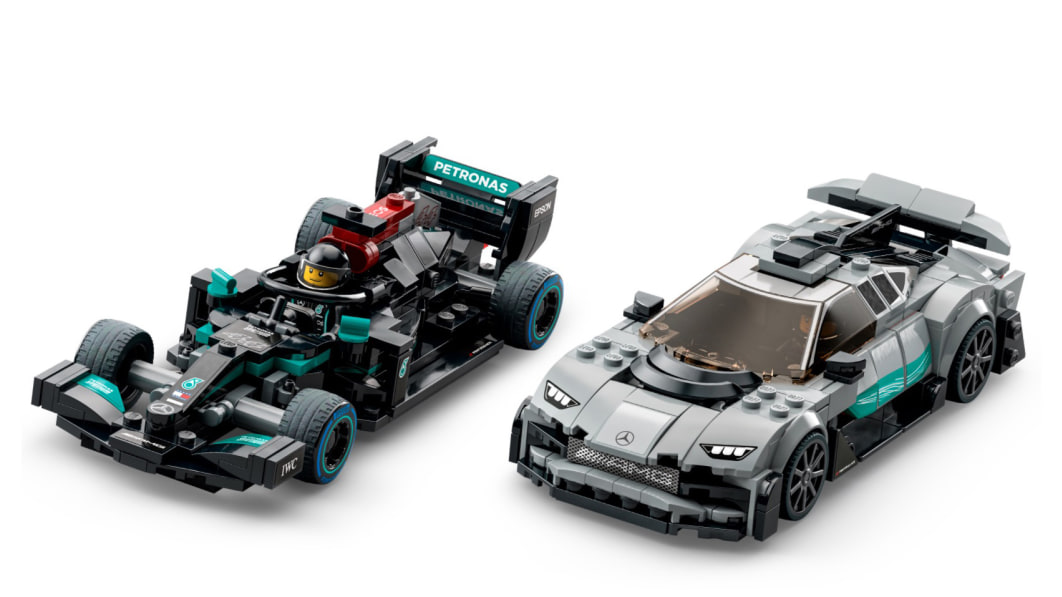
Last but not least is a twofer comprised of 564 bricks to build the Mercedes-AMG One and seven-time Formula 1 world champion Lewis Hamilton’s W12 racer. In Lego’s official product description the driver is not mentioned by name, but the number 44 gives it away. The model of the One indeed looks like a sharp supercar, but the blocky pieces don’t exactly replicate the lines we’ve seen on camouflaged test mules. The F1 car model looks a bit more like the actual thing, complete with the Petronas livery that graces Hamilton’s steed.

Lego has been doing a great job of immortalizing supercars and classics in brick form in their Speed Champions lineup. Last year saw kits of the McLaren Elva, Koenigsegg Jesko, Toyota GR Supra, Chevrolet Corvette, as well as the Ford GT and Bronco. Their more detailed Technics line has seen vehicles like the Ford Raptor, Volkswagen Camper Van and BMW M1000RR motorcycle

While the kits look entertaining, we wouldn’t mind if they didn’t skew so heavily towards unobtainably expensive, limited-production vehicles. What kid wouldn’t want a kit of their parents’ Chrysler Pacifica, a Ford Transit Connect to replicate a city scene, or a Mazda Miata for some clean, honest fun? The single-car sets will retail for $19.99, the two-packs for $39.99. All five sets are scheduled for a March 2022 release.

Related video:
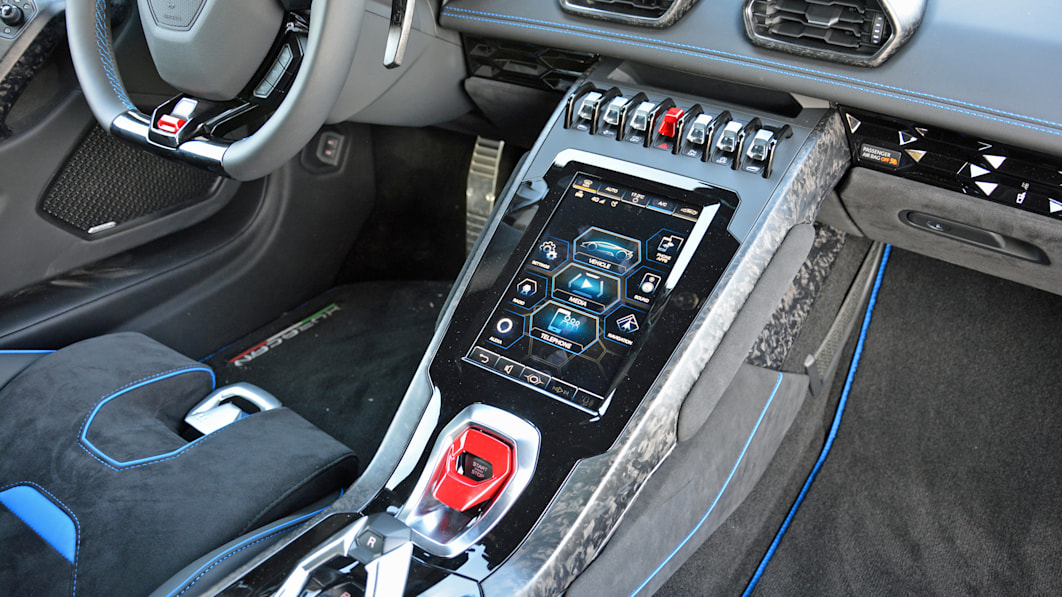
Lamborghini Huracán to get What3Words navigation

The Lamborghini Huracán will soon launch a novel navigation system that can take you to any point on the globe with incredible specificity. It relies on a geocoding system called What3Words that, as the name implies, uses a combination of just three words — rather than building numbers and street names — to describe locations.

Here’s how it works. The creators of What3Words divided the entire planet into 10 by 10 foot squares and randomly assigned three words to each one. There are 57 trillion squares in all, each with three words pulled from a pool of 40,000 in the English language. For example, the Washington Monument has a pretty confusing street address: 2 15th St NW, Washington, DC 20024. What3Words identifies that location as “congratulations, fingernails, desk”.

The idea is that those three words are much less prone to misinterpretation, especially by a computer or voice recognition system. Its level of granularity also has advantages if, say, you’re trying to tell a friend where you’re waiting at large concert venue. It can also get very precise in areas where there are no roads or buildings at all. In fact, the app helped rescuers locate a group of lost hikers in the U.K.

To be fair, the system isn’t exclusive to Lamborghini; the Huracán is just the first to roll out this technology in conjunction with Alexa’s voice activated navigation, according to the New York Times. The Huracán will receive this functionality this year. For the record, the 2018 Mercedes A-Class was the first car to use What3Words for navigation.

Of course, the system isn’t perfect. Unless someone gives you a What3Words address, you still have to translate a regular street address to the What3Words address in order to use the system. Also, its random nature doesn’t really provide an intuitive relationship between one location or another. With street addresses, you understand that 100 Main Street and 102 Main Street are near each other, while 900 Main Street might be far away. And you can see whether you’re getting closer or farther by looking at the numbers. The square directly north of “congratulations, fingernails, desk” is “dome, next, senses”.

So there might still be a while before What3Words is adopted for widespread use. We could see this being useful in an off-road vehicle meant to venture into the wilderness. Still, the more options the better, and if What3Words does become commonplace, the Lamborghini Huracán will be ready.

Related video:
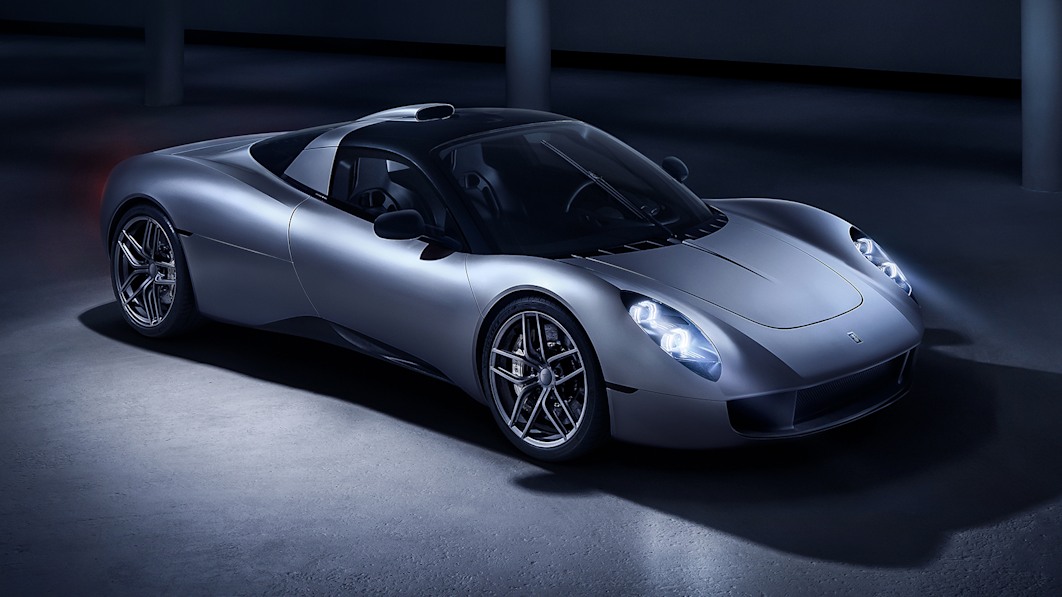
Gordon Murray Automotive T.33 revealed, only slightly less intense than T.50

Following up on its first supercarthe now sold-out T.50 – Gordon Murray Automotive has a second road-going model, the T.33. While still a striking-looking machine, it’s actually a bit toned down compared to its predecessor. But that’s not to say it’s going to be dull in comparison. It still packs a wildly high-revving V12, a manual transmission and a light chassis.

While the T.50 had some influences from Murray’s past supercar claim to fame, the McLaren F1, the T.33 seems to channel much older sports cars. It has undulating, curvaceous fenders. It hardly has a crease or interrupted arc anywhere. It also has rounded, simplistic light housings. The body and chassis are made of carbon fiber and aluminum, like the T.50, and it’s supposed to be very light. The company is targeting a weight of under 2,425 pounds, which is a bit heavier than the T.50, which weighs in at barely over 2,000 pounds. Worth noting is the lack of a rear fan for the ground effects like the T.50. Still, the T.33 has a carefully designed underbody to generate downforce without needing much in the way of wings and splitters. It does feature a pop-up rear wing, though.

The flowing body hides similar mechanical components to the T.50. The T.33 gets a modified version of the 3.9-liter Cosworth V12. In this application, it makes 607 horsepower and 333 pound-feet of torque, all without the aid of forced induction. It revs a tad lower than the T.50’s engine with a redline of 11,100 rpm, but that’s obviously far higher than most road cars. The tweaked specs are a result of various changes such as cam profiles and engine tuning. The engine can be coupled to either a fully manual six-speed transmission or a sequential, paddle-shifted transmission. Power only goes to the rear through a limited-slip differential. Suspension is double-wishbone all around, and Brembo six-piston front calipers and four-piston rear calipers slow the T.33 down. And as a sign of GMA’s continued desire to enhance driver involvement, the T.33 has hydraulic power steering.

Unlike the T.50’s central driving position, the T.33 has a conventional layout with the driver on one side and the passenger on the other. The interior is minimalist and focused on physical switch gear. All of the control knobs and the instrument surround are made of aluminum, while the seats and steering wheel are made from carbon fiber. Cargo capacity totals 9.9 cubic feet, and it’s divided up by compartments under the hood and behind both rear fenders.

GMA will build only 100 T.33s, and it will be legal in the U.S. It will be quite expensive with a price tag of 1.37 million pounds, or about $1.83 million. Buyers who order T.33s can expect their cars to arrive sometime in 2024.

Related video:
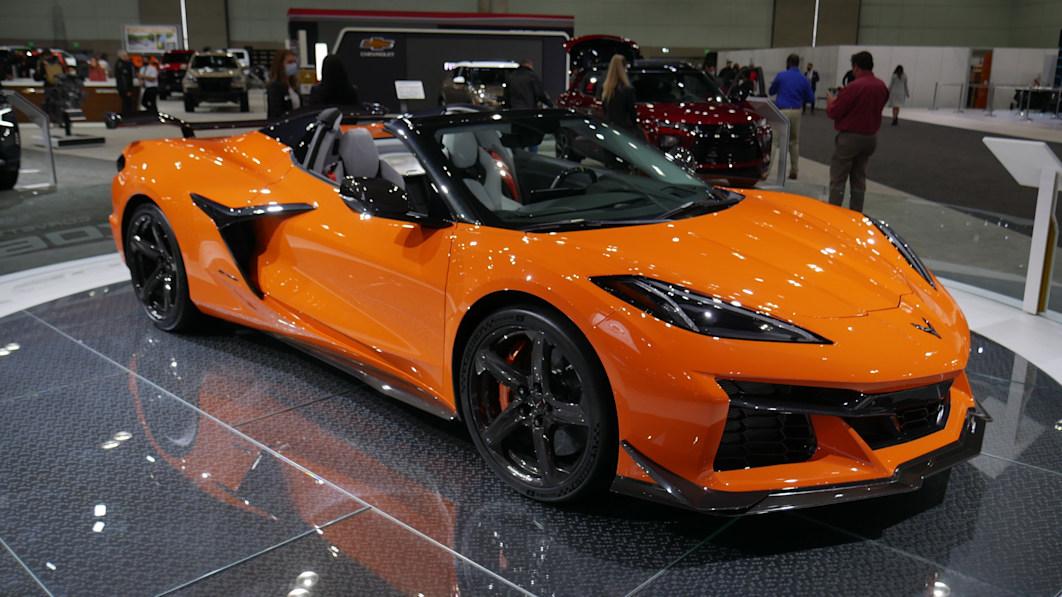
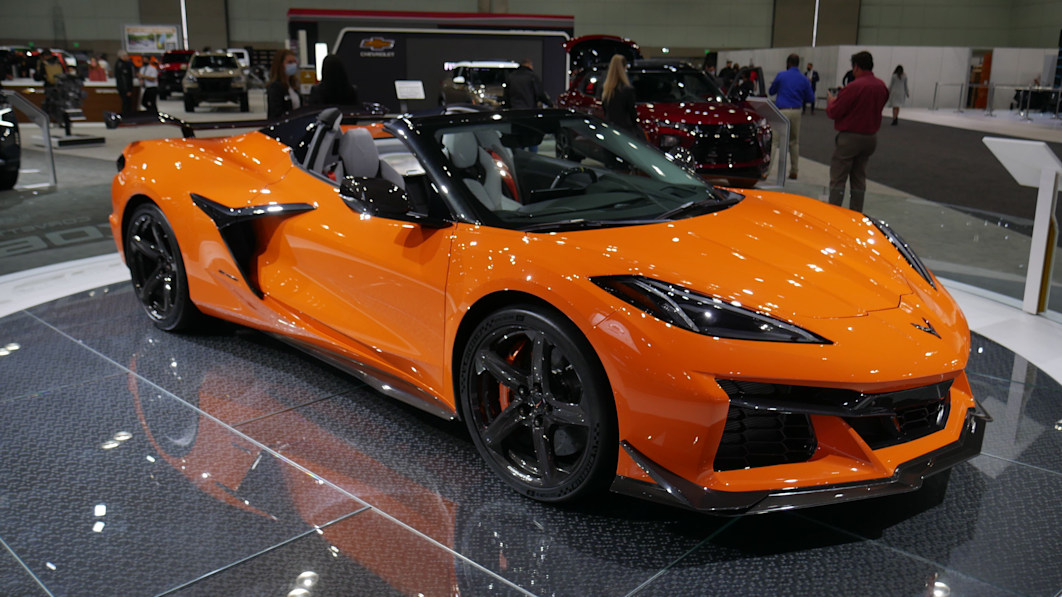
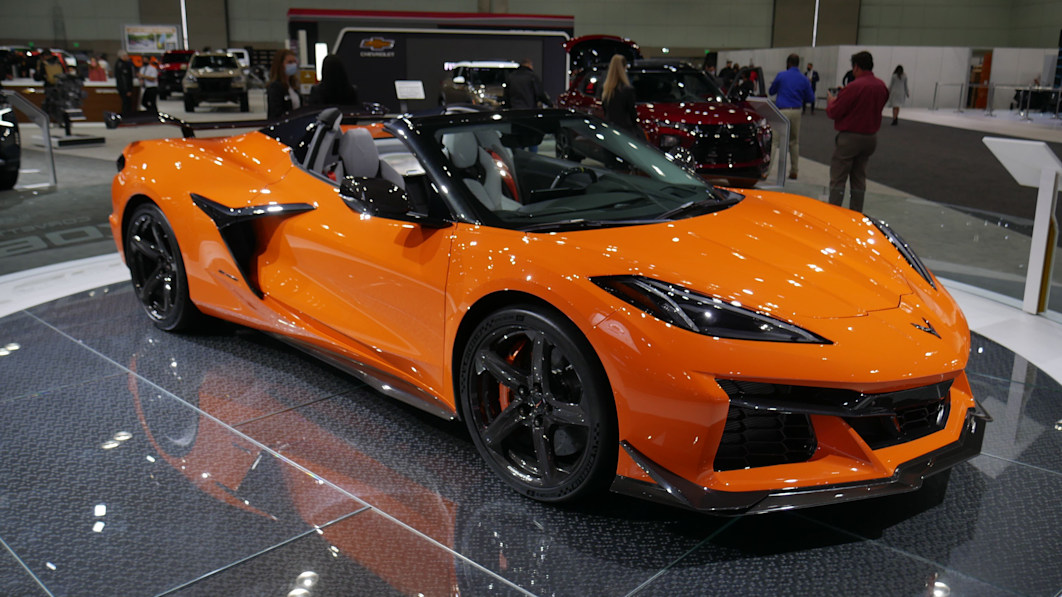
GM to dealers: Stop playing games with 2023 Chevy Corvette Z06

It wasn’t even two weeks ago that Ford’s VP of sales for the U.S. and Canada decided he needed to tell the dealer body to stop squeezing 2022 F-150 Lightning buyers for more reservation money. The shenanigans risk alienating the very important new customers of a very important new truck. Corvette Action Center reports that now Steve Carlisle, General Motors‘ president for North America, has done the same thing with the Chevrolet dealer body to stop the same kinds of antics happening with the 2023 Corvette Z06. The problem according to Carlisle is “a small number of Dealers [that] have engaged in practices that do not support a positive sales experience for our customers.” Those dealers who don’t end such practices will risk losing their Z06 allotments.

The letter identifies three unwelcome tactics. The first is dealers insisting customers pay more than the $1,000 reservation fee that GM set for the Z06. This problem is already years old, with some dealers opening up their own reservations lists in 2019, more than two years before GM announced the car. While some dealers only took $1,000 for a reservation, a dealer in New Hampshire claimed to have more than 1,300 potential buyers who had put down $2,000. 

The second game Carlisle wants to take down is the dreaded market adjustment, dealers having “requested customers to pay sums far in excess of MSRP in order to purchase or lease a vehicle.” We’re not sure what recourse GM has against this. We’re sure Ford isn’t happy about F-150 Lightning markups, either, but Ford specified in its letter that it wouldn’t tolerate gaming the reservation system as opposed to ADMs. Carlisle insists that these methods can be “harmful to the reputation of Dealer, General Motors, or its Products,” and “puts our collective interests at risk and generates negative press that reflect poorly GM’s brands and your dealership.”

The third offense is dealers reselling vehicles to brokers; having a broker volunteer fat sums over MSRP is an easy way for a dealer to sidestep having to ask for more money. Carlisle notes that this practice is explicitly outlawed in the dealer’s sales and service agreement with GM.

It will be interesting to see how dealers respond. With the prodigious sums on offer, we expect some dealers will continue to explore where the line is and whether it can be nudged further into the black. Surcharges have been around as long as there have been more buyers than product, and in a market where a dealer feels justified asking a $38,000 ADM on a regular 2022 Corvette — which GM hasn’t said anything about, remember — stopping all of these practices could be a mighty challenge. GM has to put up a fight, though. Just like Ford, it has additional, crucial new products arriving soon that are trying to attract crucial new audiences, and it needs to be seen doing its best to provide the best experience.

Related video:
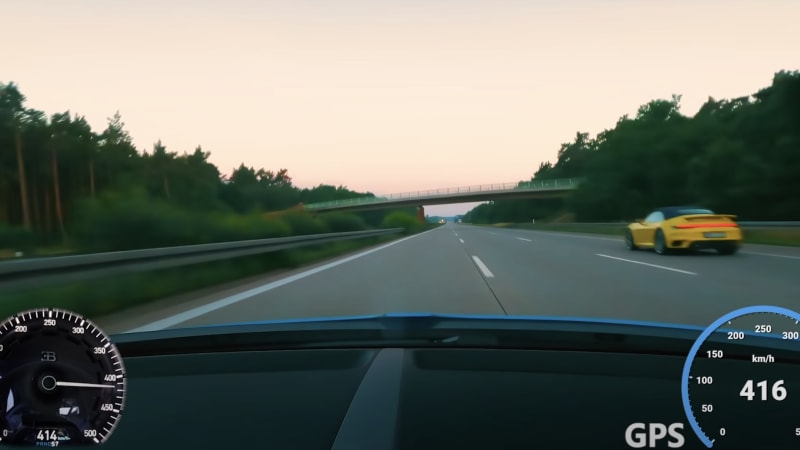
Germany criticizes Czech tycoon’s 257-mph Autobahn ride

BERLIN — Germany’s Transport Ministry has criticized a stunt that saw a Czech millionaire drive his high-powered sports car along a public highway at speeds of up to 414 kilometers per hour (257 mph).

A video posted online this month shows Radim Passer pushing his Bugatti Chiron to extreme speeds on a stretch of Germany’s A2 Autobahn between Berlin and Hannover.

Beneath the video, Passer wrote that the stunt was filmed last year on a 10-kilometer (6-mile) straight section with three lanes and “visibility along the whole stretch.”

“Safety was a priority, so the circumstances had to be safe to go,” he said.

But the car can be seen passing several other vehicles on the highway and the light in the video suggests it was at twilight.

While much of Germany’s Autobahn network famously has no speed limit, the Transport Ministry said in a statement Wednesday that it “rejects any behavior in road traffic that leads or can lead to endangering road users.”

“All road users must abide by the rules of the road traffic regulations,” it added, citing the first clause of Germany’s road traffic law, which states that “anyone participating in traffic must behave in such a way that no other person is harmed, endangered or obstructed or inconvenienced more than is unavoidable under the circumstances.”

The ministry noted that the law also requires drivers to “only drive so fast that the vehicle is constantly under control.”

Passer, who according to Forbes is the Czech Republic’s 33rd-richest person with a wealth of 6.6 billion Czech crowns ($308 million), suggested beneath the video that he placed his faith in more than just his driving skills during the stunt.

“We thank God for the safety and good circumstances, as we were able to reach the speed of 414 km/h!” he wrote.

The Green party, now a junior partner in Germany’s coalition government, called for a 130 kph (80 mph) speed limit across the Autobahn network in last year’s election campaign, as part of efforts to cut the country’s carbon dioxide emissions. But that idea was ditched during talks to form the new government.

Related Video:

2023 Chevy Corvette, including Z06, reportedly a few months away

After getting eyes on a memo General Motors sent to Chevy dealers, the Corvette Action Center site has posted some key dates and information concerning the 2023 Chevrolet Corvette. We’re not sure if it’s because of the new generation or “the new normal” in the state of world affairs, but the coming model transition won’t be like those in recent memory.

First, the dealer order guide for the 2023 Corvette is two months away, coming out on March 21. Three days later, on March 24, dealers will be able to begin placing orders for next year’s coupe and convertible. CAC says the online configurator for keyboard tire kickers will launch that day, too. On March 31, dealers will be able to begin pairing orders with their Corvette allocations.

Six weeks later, on May 6, 2022 Corvette production is expected to end. 

Here’s the first departure from the norm: Instead of Bowling Green Assembly Plant taking the traditional one- or two-week gap between model years, 2023 Corvette production is slated to begin on May 9, three days after the last 2022 leaves the line. That May 9 date matches the date Corvette Blogger and GM Authority posted as the commencement of 2023 Corvette production in November 2021.

That brings us to the second switchup in Corvette production. In previous years, GM kept allocations of standard Corvettes separate from the Z06. For the C8, Corvette allocations won’t be separated. This suggests that 2023 Corvette Z06 production will begin on May 9, the same day as the standard car. Furthermore, with the C7 Corvette Z06, GM based dealer allocations on how many Z06s the dealer had sold the previous year. With the C8, GM will use a dealer’s Average Daily Supply to gauge how quickly that dealer is selling Corvettes, then determine how many of each Corvette the dealer gets.  

If all of these dates hold, the 2022 Corvette would have spent just eight months in production, having started down the lines on September 6, 2021. With the 2023 Corvette Z06 having sucked all the air out of the room — in part to power its brand new and massively powerful V8 — we don’t expect much beyond small cosmetic and option changes for the standard Corvette for the coming model year.

Related Video:

2020 Audi R8 Decennium gets six-speed manual conversion

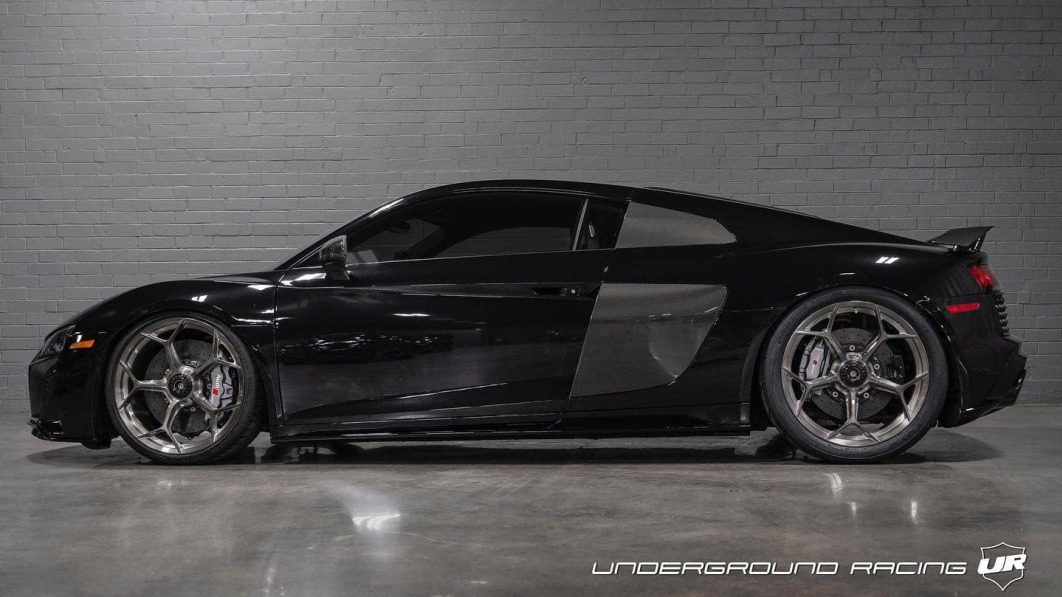
One of the best manual transmissions ever put on the market was the gated six-speed in the first-generation Audi R8. That silken, row-your-own warrior departed to the afterlife with the introduction of the second-gen car in 2015, replaced by a seven-speed dual-clutch gearbox. But if money can resurrect whole and long-dead car brands, it shouldn’t have any problem with a few hunks of metal in a bell housing, no? It won’t, so long as there’s a well-heeled customer on one side, Underground Racing on the other, and a 2020 Audi R8 Decennium in the middle. Oh yeah, and a couple of turbos.

The Dallas-based customer owned one of the 222 R8 Decennium special editions that Audi produced to commemorate a decade of the 5.2-liter V10 and motorsports success — only 50 of the cars came to America, each producing 602 horsepower and 413 pound-feet of torque. He requested a twin-turbo kit from Charlotte, North Carolina-based Underground Racing, the shop specializing in R8 and Lamborghini builds. While they were toiling in back of the car, he also requested they swap that dual-clutch for a manual. The result is a riotously double-boosted V10 with 1,500 horsepower and six forward ratios chosen by hand. Underground Racing told Road & Track they started with the gearbox from a 2012 Audi R8 and reworked it with custom parts to make it fit, manage the power, and be daily-drivable. The task also involved installing a JRR engine management system to shepherd the reconfigured drivetrain.   

In the cabin, UR removed the square section that houses the seven-speed dual-clutch shifter, replacing it with what looks like a custom fabbed gate giving off Ferrari vibes. It’s quite nice. Intriguingly, the R8 retains its paddle shifters behind the steering wheel. UR says these paddles have been equipped with “rolling antilag,” plus “launch control, drift mode, and more.” Curiouser and curiouser. The R8 Decennium was finished off with tweaks like a custom billet intake and custom-finished, center-lock wheels mimicking those on the Huracán Performante,  

With one six-speed conversion done, UR says it’s ready to do the same for any other manual-craving R8 owners, but the swap can only be added onto a twin-turbo kit. That means spending at least $49,000 for the Base Twin Turbo System that takes an R8 up to 800 wheel horsepower on 93 pump gas, before adding the cost of the manual transmission work. Underground Racing says it will release pricing for the six-speed manual kit soon, and we assume the new gearbox will be included in UR’s two-year, 24,000-mile warranty for peace of mind along with power and proper shifting. 

Hennessey Venom F5 continues high-speed stability testing

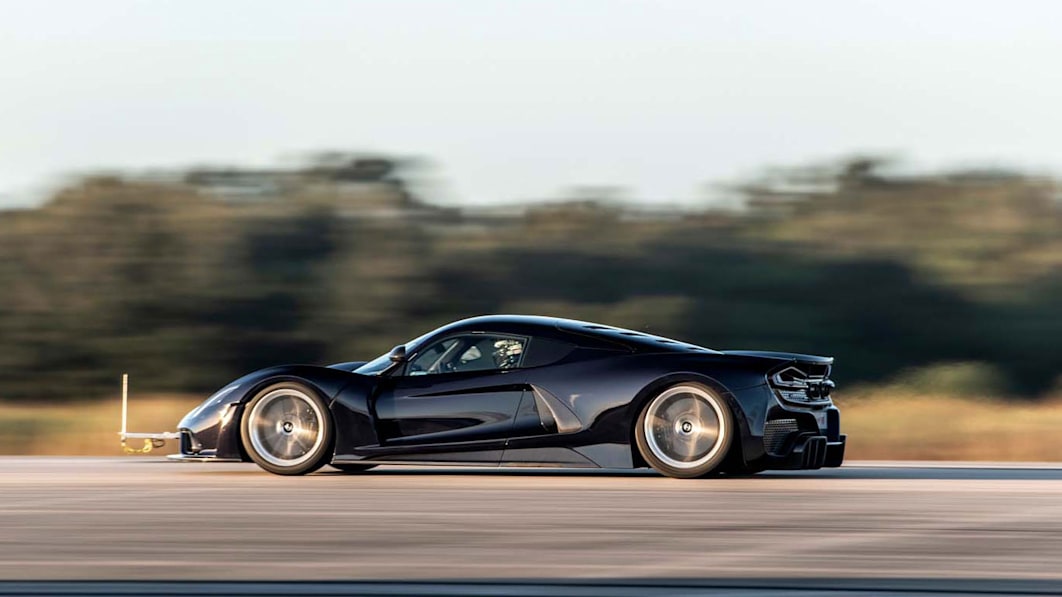
Having just posted about Hennessey putting its Venom F5 “Fury” engine on the dyno, we wondered when the total package would be showed on test. Well, here you go. The Lone Star manufacturer of gangbuster machines took a Venom F5 to the Johnny Bohmer Proving Grounds on Merritt Island, Florida, for high-speed stability and vehicle dynamics testing, with ex-GM engineer John Heinricy on piloting duties.

This follows other speed runs in places like Hennessey’s Sealy, Texas, home base, the UK’s Silverstone Circuit, and a runway at an ex-U.S. Air Force base in Arkansas. The day had nothing to do with testing the upper limits of the car’s velocity, merely how the Venom felt as it approached those limits. Having said that, Hennessey tells us that when Heinricy chose the F5 driving mode, he made it past 250 miles per hour at least once. 

That F5 setting unlocks the entire 1,817-horsepower potential of the 6.6-liter twin-turbocharged pushrod V8 nicknamed “Fury” when the tank is filled with E85. When not in that mode, the redline comes down by 300 rpm, to 8,200 rpm. 

It’s said there’s a proper top speed run planned for the not-too-distant future, again on Merritt Island, along with testing runs at Texas’ Circuit of the Americas and California’s Laguna Seca. Before the year is out, we should know if the Venom will be equal to the purpose it was created for: hitting 311 miles per hour. With a hotspur goading it on, the Venom F5 certainly does make a sweet noise on the way up there.

First 2023 Chevrolet Corvette Z06 to be auctioned

We expect the 2023 Chevrolet Corvette Z06 to break at least one record before the coming super-coupe has been objectively timed and tested. Barrett-Jackson will auction the first retail example of what should be the most amazing Z06 the world has ever seen during the auction house’s annual Scottsdale, Arizona, event on January 29 at around 8:30 p.m. The last charity Corvette the auction house sold was the first 2020 C8 Corvette, which NASCAR team owner Rick Hendrick bought for $3 million. With his winning bid, Hendrick set the benchmark hammer price for a Barrett-Jackson charity car, and eclipsed the $2.9 million paid for the last front-engined Corvette in 2019. Although not assured, it doesn’t take much imagination to conceive of bidding for the 2023 Z06 cruising right past $3 million to a new record.  

Whatever the final tally is, every cent of the hammer price for lot #3009 will be donated to a charity called Operation Homefront, Barrett-Jackson forgoing its usual fees. The 20-year-old nonprofit Operation Homefront exists to help the post-9/11 wounded, military families, and veterans with financial assistance and housing support.

The car on the block will be a stand-in hardtop, not convertible, the Z06 not scheduled to enter production until September of this year. It sounds unlikely the winning car will be VIN 001, with language noting the coupe could be “subject to a state-issued VIN and/or other state requirements” depending on where the owner hails from. After winning, the buyer will be invited to configure what will be the first retail example of the production line, meaning choosing one of 12 exterior colors and seven interior and wheel treatments, then making the even bigger choice of whether to append the Z07 Performance Package that adds frills like a big rear wing, canards, and carbon fiber wheels.

And with two more powerful Corvette versions thought to be on the way — the ZR1 and the performance hybrid perhaps called Zora or E-Ray — the Z06 likely won’t hold for long the benchmark among its kind for price at the gavel.

As for the everyday buyer, it’s going to require a few trips around the sun to take delivery of a new Z06 even for those who put reservations in months ago. Buyers in one thread on the C8Z06 forum talked about making $2,000 refundable deposits with one dealer as soon as the reservations system opened, then being told they were as far back as between 4,000 and 5,000 on the waiting list. And that’s just one dealer. Might not be too soon to start thinking about putting money aside and making friends at a dealership to get a good shot at the C9.

Related video:
Gordon Murray Automotive’s next supercar teased

Gordon Murray Automotive has posted to social media a teaser of its next supercar. It will be the second car to emerge from the company founded by the legendary race car engineer who created the McLaren F1. The follow-up to the incredible T.50 and T.50s is scheduled for a release in three weeks. So far all we have is a name, the T.33, which the teaser shows us as an emblem in yellow.

Notably, however, GMA refers to it as a “supercar GT” indicating that it’ll be more of a grand tourer than the hard-core sports-oriented T.50. As such, it may be a tad more relaxed than the manual-shift, 654-horsepower, 344-pound-foot T.50.

Given Murray’s fondness for mid-mounted V12s, we think it’s likely that the T.33 will be powered by some version of the 3.9-liter Cosworth V12 developed for the T.50. As a GT, though, perhaps the T.50’s 1+2 seating position will give way to a more relaxed side-by-side configuration.

One thing we do know for sure is that the T.33 will be the first car to emerge from GMA’s new $68 million global headquarters in Windlesham, Surrey, U.K. The facility will also house an R&D center, museum, manufacturing and service hub, and test track.

In a statement, Murray said, “We will have many important milestones for our new headquarters over the next two years. But one of the most important will be on 27 January when we reveal the first Gordon Murray Automotive vehicle to be manufactured there. We’re all extremely excited to be revealing such a significant car to the world in just three weeks from now.”

We’ll be tuning in at 12 p.m. Eastern on January 27.

Zombie cars: Discontinued vehicles that aren’t dead yet

Car models come and go, but as revealed by monthly sales data, once a car is discontinued, it doesn’t just disappear instantly. And in the case of some models, vanishing into obscurity can be a slow, tedious process.

That’s the case with the 12 cars we have here. All of them have been discontinued, but car companies keep racking up “new” sales with them.

There are actually more discontinued cars that are still registering new sales than what we decided to include here. We kept this list to the oldest or otherwise most interesting vehicles still being sold as new, including a supercar. We’ll run the list in alphabetical order, starting with *drumroll* …

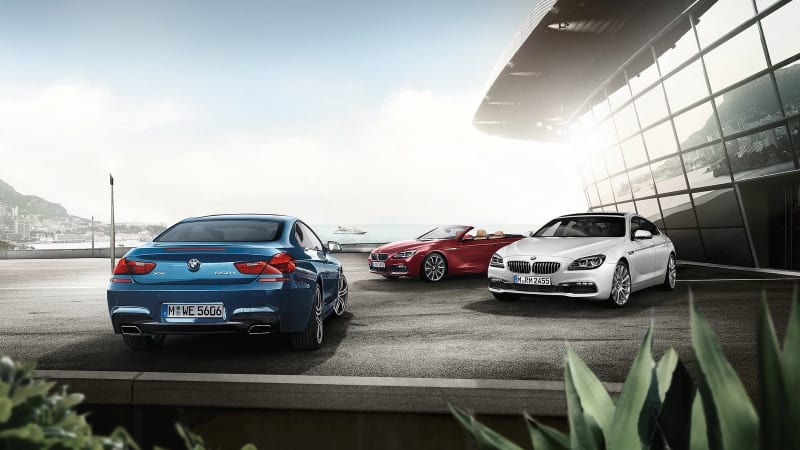
BMW 6 Series: 55 total sales

BMW quietly removed the 6 Series from the U.S. market during the 2019 model year. It had been available in three configurations, a hardtop coupe, a convertible and a sleek four-door coupe-like shape.

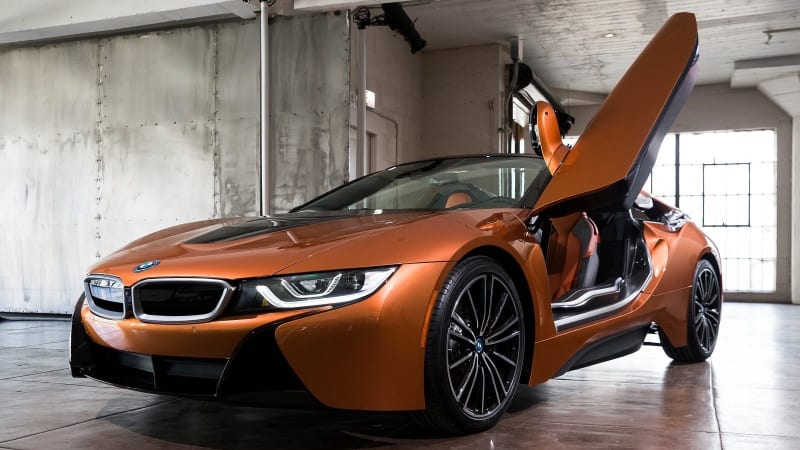
BMW i8: 18 total sales

We’ve always had a soft spot for the BMW i8, despite the fact that it never quite fit into a particular category. It was sporty, but nowhere near as fast as similarly-priced competitors. It looked very high-tech and boasted a unique carbon fiber chassis design and a plug-in hybrid powertrain, but wasn’t really designed for maximum efficiency or maximum performance. Still, the in-betweener was very cool too look at and drive, and 18 buyers took one home over the course of 2021.

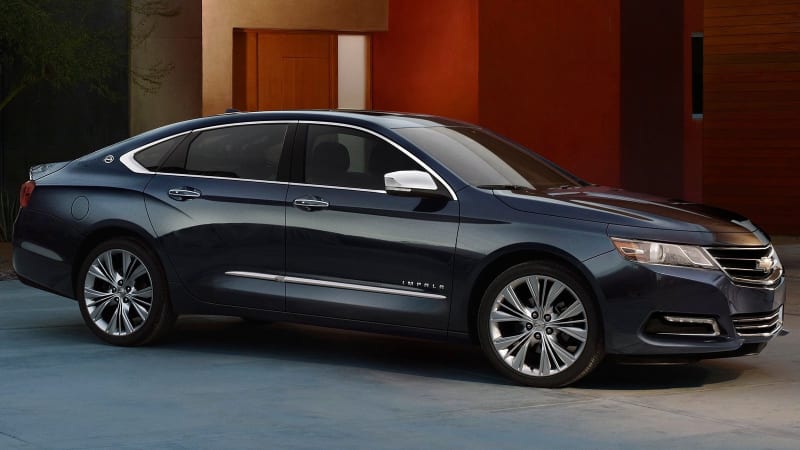
Chevy Impala: 750 total sales

The Impala represented classic American tastes at a time when American tastes were shifting away from soft-riding sedans with big interior room and trunk space and into higher-riding crossovers. A total of 750 sales were inked last year.

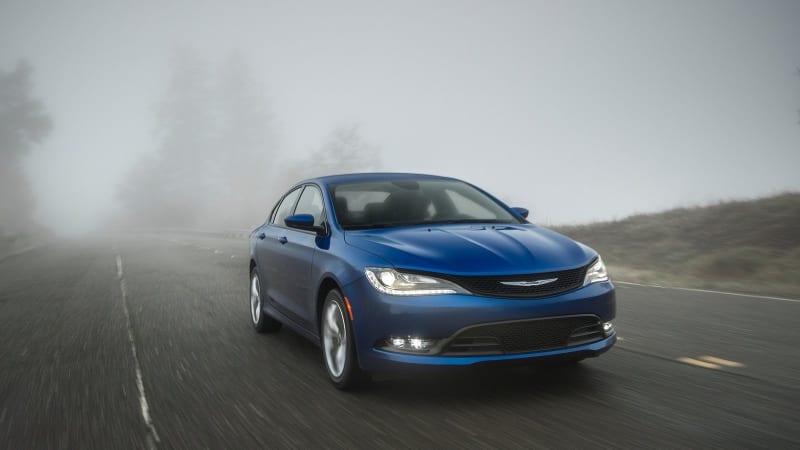
Chrysler 200: 15 total sales

The Chrysler 200 was actually a pretty nice sedan, with good looks and decent driving dynamics let down by a lack of roominess, particularly in the back seat. Of course, as we said regarding the Chevy Impala, the number of Americans in the market for sedans is rapidly winding down, and other automakers are following Chrysler’s footsteps in canceling their slow-selling four-doors.

Even if Chrysler never really found its footing in the ultra-competitive midsize sedan segment, apparently dealerships have a few leftover 2017 200s floating around. And for some reason, 15 buyers decided to sign the dotted line to take one of these aging sedans home last year. Interestingly, Chrysler sold nine 200s over the course of the 2020 sales year, so sales were actually up in 2021 for a sedan that ended production in 2017.

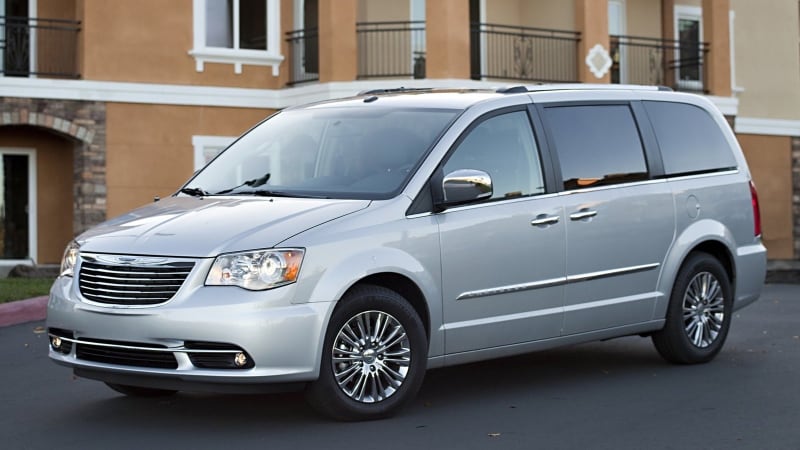
Chrysler Town & Country: 4 total sales

We’re not sure how Chrysler dealers were able to log four Town & Country minivan sales last year, but here we are. Chrysler pulled the plug on its long-running minivan way back in 2016 when it was replaced by the sleek Pacifica. We hope those buyers got really solid deals.

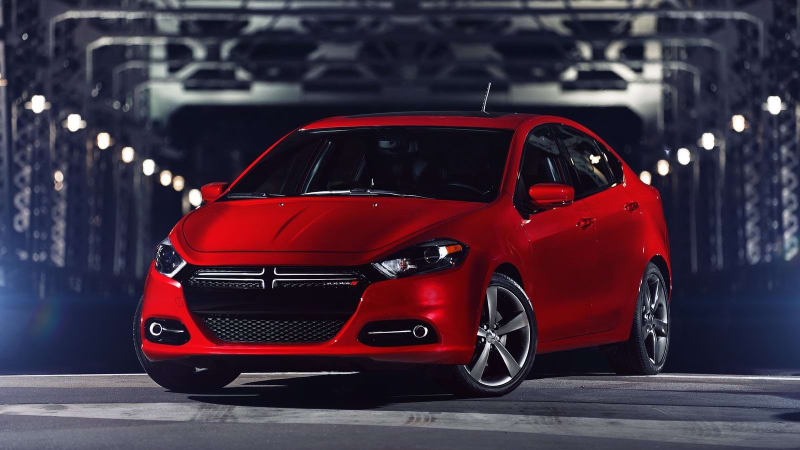
Dodge Dart: 10 total sales

Dodge discontinued the compact Dart back in 2016, just three years after its launch. The automaker just wasn’t able to compete with the segment leaders like the Honda Civic or the sales juggernaut that is the Toyota Corolla. Despite the fact that it’s been dead for several years, Dodge managed to sell 10 Darts in 2021. A year ago, Dodge managed to move seven of ’em, so again, that’s improvement!

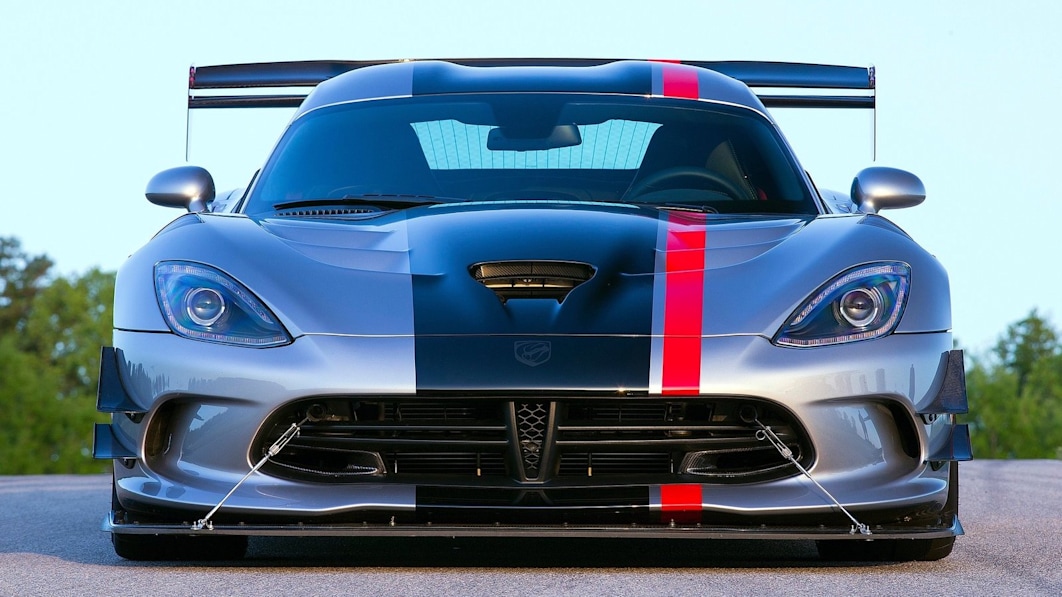
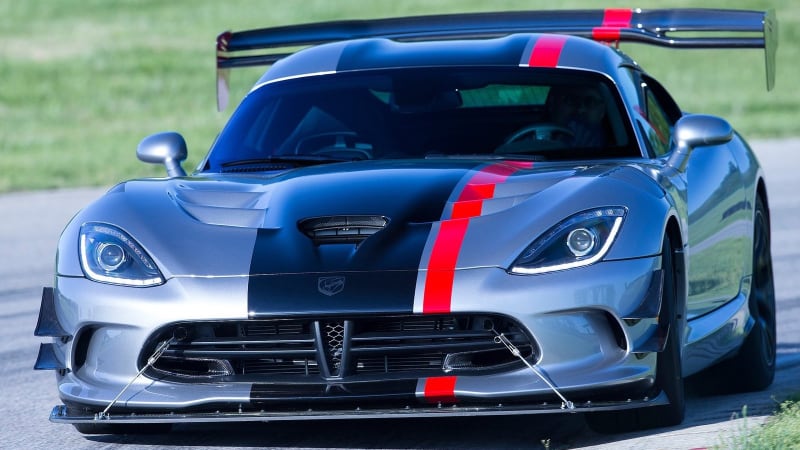
Dodge Viper: 4 total sales

Dodge discontinued the rip-roaring Viper after the 2017 model year, but there are still a few left in dealerships around the country. Over the course of 2021, Dodge managed to sell four SRT Vipers.

It’s interesting to think that these buyers had the option of driving home in a brand-new mid-engine Corvette, but chose to go in an entirely different direction. Something tells us they won’t be disappointed with its 640-horsepower naturally aspirated V10 engine, even if it’s mounted way out in front of the driver instead of the preferable sportscar location behind the passenger compartment.

Fiat 500: 51 total sales

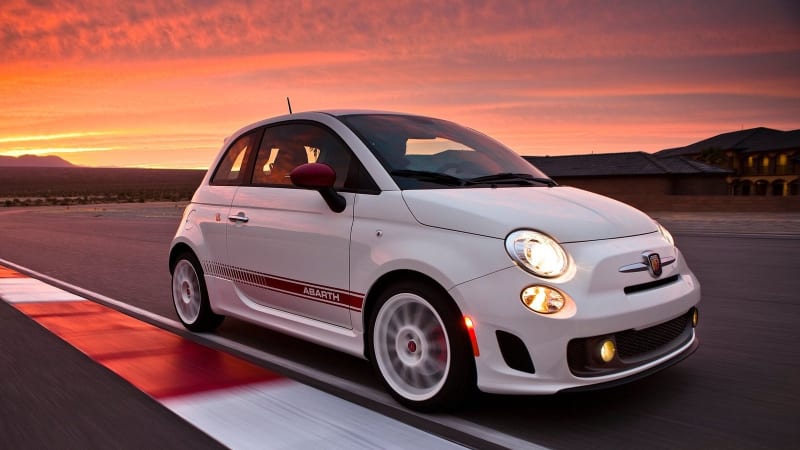
Fiat hasn’t exactly pulled itself entirely out of the U.S. market, but it’s close. A quick glance at the Fiat USA website shows only one vehicle, the 500X crossover. Gone are the original 500, pumped-up 500L and 124 Spider. Let’s all collectively hope the 51 500 buyers last year opted for Abarth models.

Infiniti QX30: 1 total sale

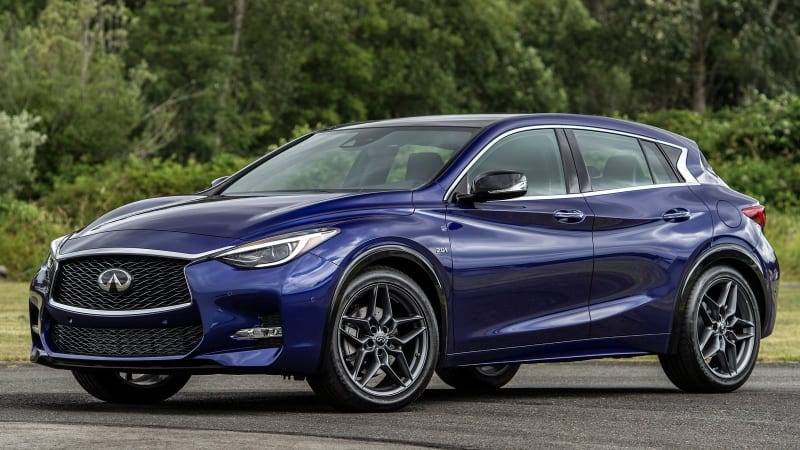
The Infiniti QX30, a collaboration designed and built with Mercedes-Benz, ended production after the 2019 model year. Still, one single solitary little crossover was sold to a new buyer in 2021. Odd choice; we hope they got a good deal.

Jeep Patriot: 16 total sales

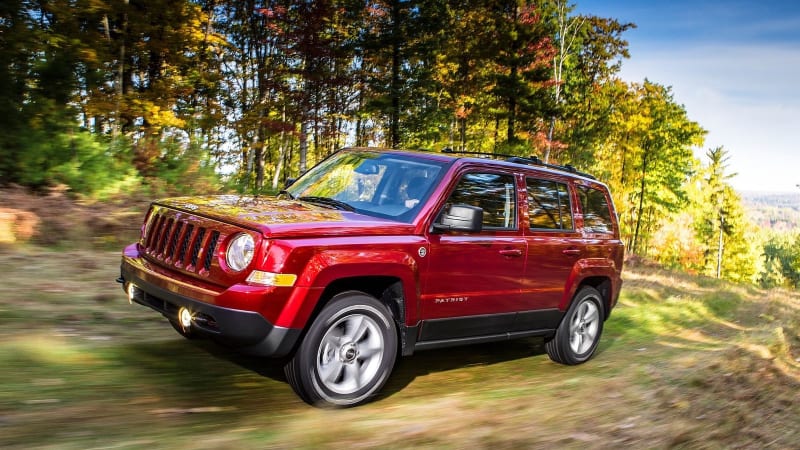
Jeep discontinued the Patriot in 2017 when it introduced the latest version of its compact Compass crossover. Despite the fact that it’s three full model years old, there are still some Patriots milling about on Jeep dealerships across America. In total, Jeep sold 16 Patriots in 2021, which somehow is 13 more than they sold in 2020.

Nissan 370Z: 36 total sales

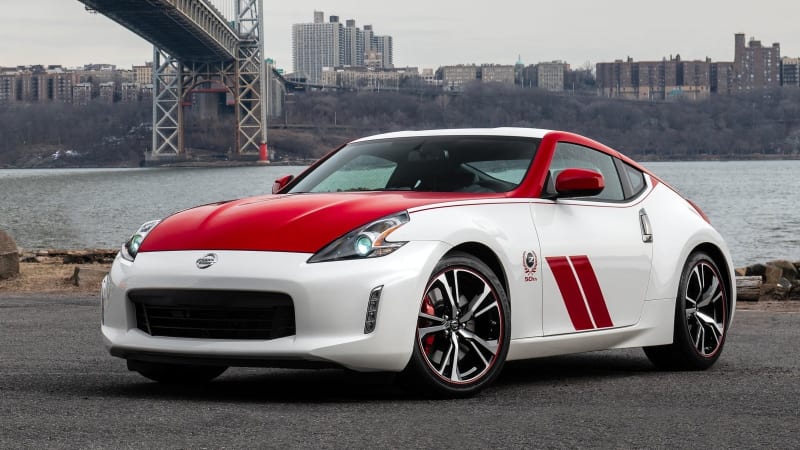
Nissan axed the 370Z Roadster after the 2019 model year, with the replacement Z coming in 2023 with a twin-turbo V6 engine that spins out 400 horsepower. Earlier this year, Nissan confirmed in a statement to Autoblog that there were still a few 370Z stragglers sitting on dealership lots in 2021, with the total tally standing at 36 sales.

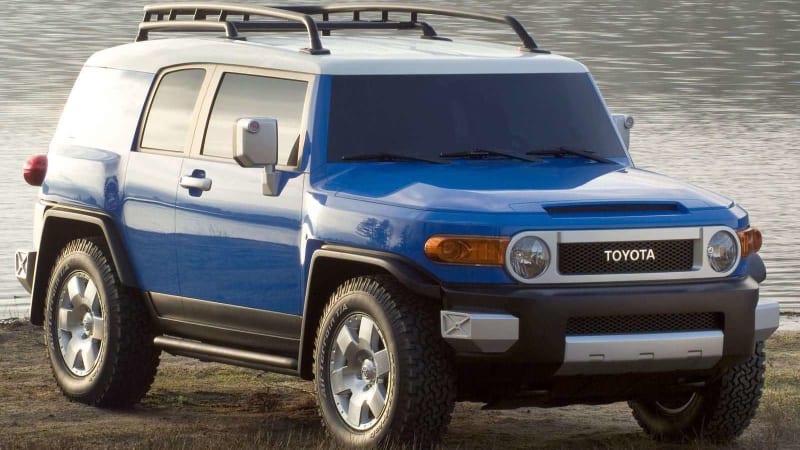
Toyota FJ Cruiser: 1 total sale

And now we come to the final, and oldest, new sale made by any automaker over the course of 2021. Somehow, some way, a lone Toyota dealership held on to an FJ Cruiser, a model that ended production in 2014, and sold it to a new buyer in 2021. To them we say: Congratulations. You bought the oldest new car in America (that we know of), and it’s a cool one. Enjoy.

Spyker is back again, maybe

The motto of Dutch car company Spyker was, “Nulla tenaci invia est via.” That’s Latin for, “For the tenacious, no road is impassable.” If nothing else, no other outfit has lived its motto more fully than the outfit still headed by Victor Muller. After buying Saab in 2010 and foundering under the purchase, going bankrupt in 2014, being bought by private equity in 2015 and foundering again, declaring new investors in 2020 before going bankrupt again in 2021, we have another new announcement that Spyker is back. The investors this time are the same as in 2020 — when funds never came through and Spyker went bust again — Russian businessmen Boris Rotenberg and Michail Pessis. According to a press release, a new round of meetings last month led to new agreement between all parties about the direction of the company, so hands will finally get to work building new cars.

Rotenberg owns SMP Bank in Russia, title sponsor of SMP Racing that Rotenberg co-owns with Pessis. He also co-owns energy company SGM Group and runs BR Engineering, which entered the BR Engineering BR1 in the World Endurance Championship. Pessis owns luxury firm Milan Morady out of Luxembourg and the automotive tuner R-Company in Germany. Both are Spyker owners, Pessis saying in August 2020, “Since Boris Rotenberg and I ordered our first Spyker almost a decade ago, we passionately fell in love with the beauty and craftsmanship of these hand-built sportscars. As of 2015, the cooperation with Spyker intensified through Milan Morady, which now culminates in the collaboration agreement announced today. Moreover BR Engineering and Milan Morady have for the past few years already been involved in the development and production of a number of Spyker C8 Ailerons in so-called Limited Edition BR configuration in our German facilities.” 

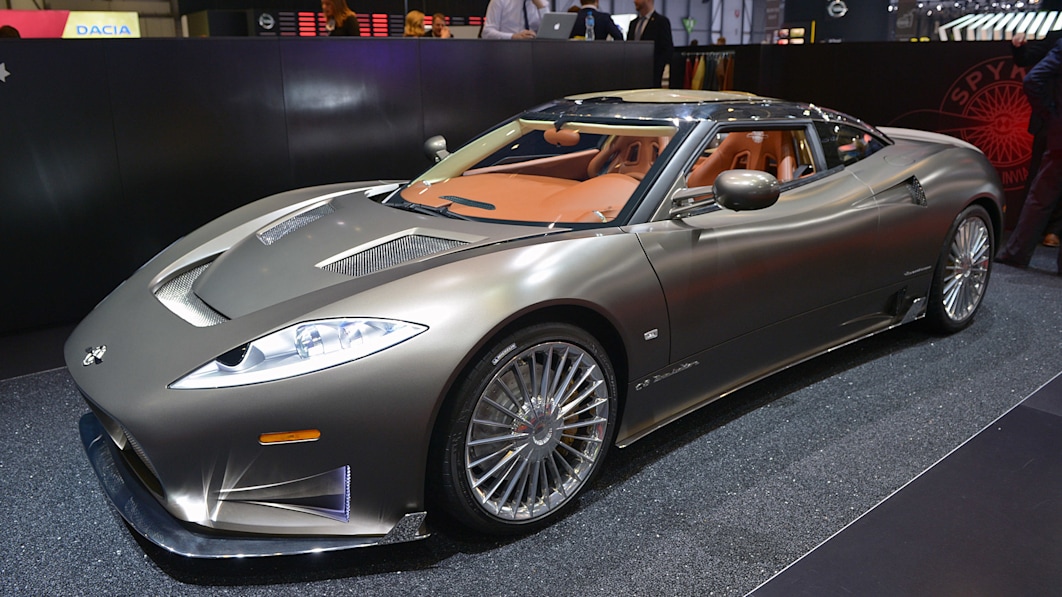
Muller wants to pick up where Spyker left off years ago, building the C8 Preliator (pictured) and B6 Venator cars, and D8 Peking-to-Paris crossover starting this year. The Preliator debuted in 2016 as the most recent version of Spyker’s core C8 model in production since 2000, powered by a supercharged version of the 4.2-liter Audi-sourced V8 that was Spyker’s favorite engine. The Venator was from 2013, powered by a V6 to provide a lower cost of entry to the range. The D8 was from 2009, once touted to employ a V12, then rumored with that Audi V8. The brand wants to go racing again, too. That could be down the line, but backing from SMP Racing could make such a venture much easier.

We don’t know which cars will come to life this year, if any, but we’ve been promised that any which do come will use internal combustion engines. They’ll also employ an international workforce; Germany and Russia will lead model development, Russia will supply carbon fiber bodies, the hand-built workforce will toil in a new production facility in the Netherlands, Luxembourg accountants will attend to Spyker’s finances, and there will be new service centers in the South of France and somewhere around the Benelux area.  

The caveat to all of this is that the presser informs us, “As soon as a written agreement is reached and the use of trademark rights secured, activities can restart.” Spyker has taught us that anything can happen on the way to the finish line, so perhaps hold off on sending deposits to the Netherlands just yet.

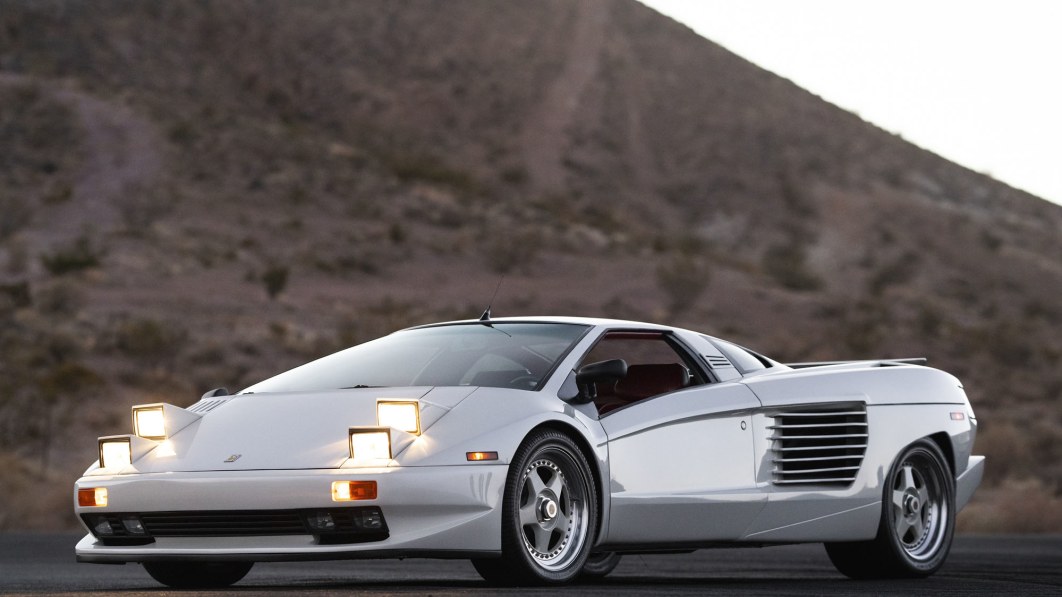
Father of Disco’s Cizeta-Moroder had ’80s looks, double pop-up lights and a V16

Auction house RM Sotheby’s is giving collectors with a penchant for obscure Italian supercars from the 1980s a rare opportunity. One of the classics it will offer during its January 2022 sale is the original Cizeta-Moroder V16T prototype that was displayed at several car shows.

Cizeta-Moroder isn’t a household name. When you think “Italian wedge,” odds are you imagine a Lamborghini Countach (or maybe a slice of parmesan). The short-lived company was founded by former Lamborghini test driver and engineer Claudio Zampolli with funding from music producer and composer Giorgo Moroder, who is also known as the Father of Disco. Bertone’s Marcello Gandini was commissioned to design the car, and Zampolli decided to power it with a 6.0-liter V16 engine in order to one-up better established supercar firms like Ferrari.

Mounted transversally behind the passenger compartment, the naturally-aspirated 16-cylinder engine sent about 520 horsepower and 398 pound-feet of torque to the rear wheels via a five-speed manual transmission. These numbers were huge for the late 1980s when Lamborghini’s Countach put 449 horses under your right foot and a BMW M3 was rated at 220 horsepower. Zampolli and Moroder worked together long enough to build a running and driving prototype but the relationship between the two men quickly soured. The car was consequently renamed Cizeta V16T, and Zampolli built nine additional examples before his company filed for bankruptcy in 1994.

The original prototype is the only example built with “Cizeta-Moroder” badging, and it’s still owned by Moroder. RM Sotheby’s explains that the prototype was unveiled in December 1988 at an upscale gathering held in Los Angeles and hosted by Jay Leno. It was also displayed at the 1989 editions of the Los Angeles and Geneva auto shows. Several key details differentiate it from the production versions: the air intakes on both sides are bigger, and parts like the turn signals, the door mirrors, and nearly everything inside are specific to chassis number 001.

Moroder reportedly had the car refurbished by California-based Bruce Canepa in 2018 after keeping it in storage for many years. It’s said to be in running and driving condition and its odometer displays 322 kilometers, which represents approximately 200 miles.

If you think this V16T belongs in your collection, you’re in luck: it’s scheduled to cross the auction block during an RM Sotheby’s sale taking place in Phoenix, Arizona, on January 27, 2022. We don’t have a pre-auction estimate yet, but nothing suggests that the winning bidder will score the deal of a lifetime. In 2021, RM Sotheby’s sold a 1993 model (chassis number 101) for $665,000. We’re guessing that the original prototype will sell for considerably more money considering its historical significance and the fact that it’s a documented one-owner car.

Several other classic cars shaped like a door stop will be looking for their next home in Phoenix in January 2022. RM’s catalog also includes a 1971 Ferrari 365 GTS/4 Daytona Spider, a 1995 Ferrari 512 M, a 1978 Maserati Bora 4.9, and a no-reserve 1981 DeLorean DMC-12. 

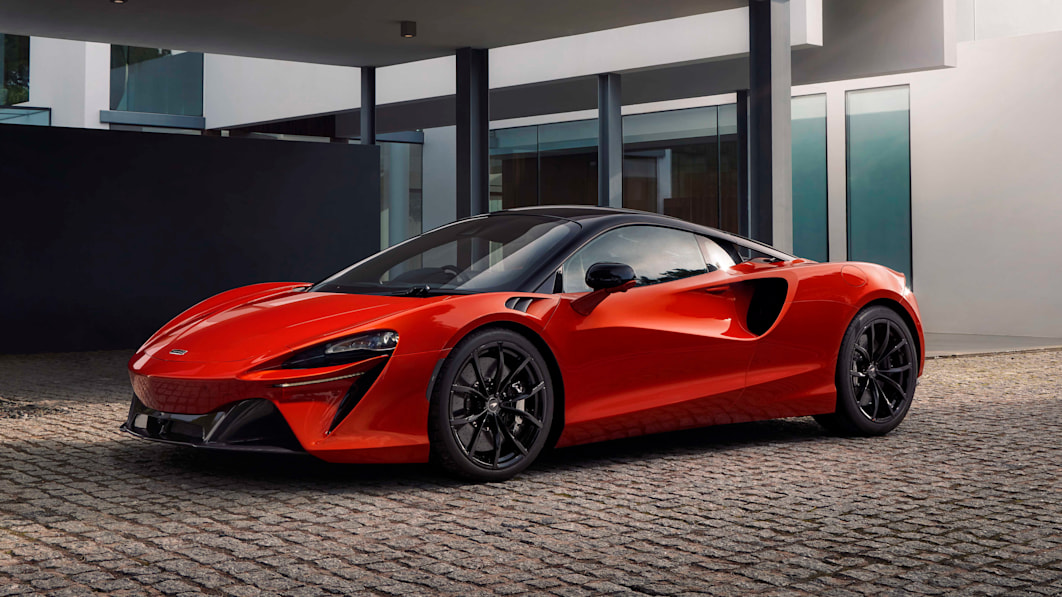
McLaren Artura hybrid supercar delayed until second half of 2022

The new hybrid McLaren Artura is officially delayed. A report from Automotive News broke the news on the electrified supercar.

When McLaren officially revealed the Artura, it promised that deliveries would begin in the third quarter of 2021. The third quarter of this year has long since gone, and we’re about to head into 2022, and there are still no Artura deliveries taking place. The new target date for initial deliveries is set for July 2022. 

Automotive News heard confirmation of the delay from a McLaren spokesperson.

“We held on longer than everybody else in terms of stopping production, but unfortunately, our semiconductor supply dried up,” the spokesperson said. “That made us have to reduce production across the board.”

So, there’s your reason for the delay, too. McLaren is blaming the chip shortage that is currently plaguing the entire automotive industry. It’s unfortunate, because McLaren could certainly use the new Artura to freshen up its lineup. Automotive News reports that McLaren originally meant the Artura to make up 40% of its deliveries in 2022. With the delay until July next year, that’s going to be a difficult number to approach.

In case you needed a reminder, the Artura is a totally new McLaren from the ground up, as it’s sporting a new platform, new twin-turbo V6 engine and a plug-in hybrid electric system for purely electric motoring — 19 miles with a full battery pack. The engine and electric motor combined produce 671 horsepower and 531 pound-feet of torque, sending it to 60 mph in just 3.0 seconds. Base price for the Artura is $225,000.

Related video:
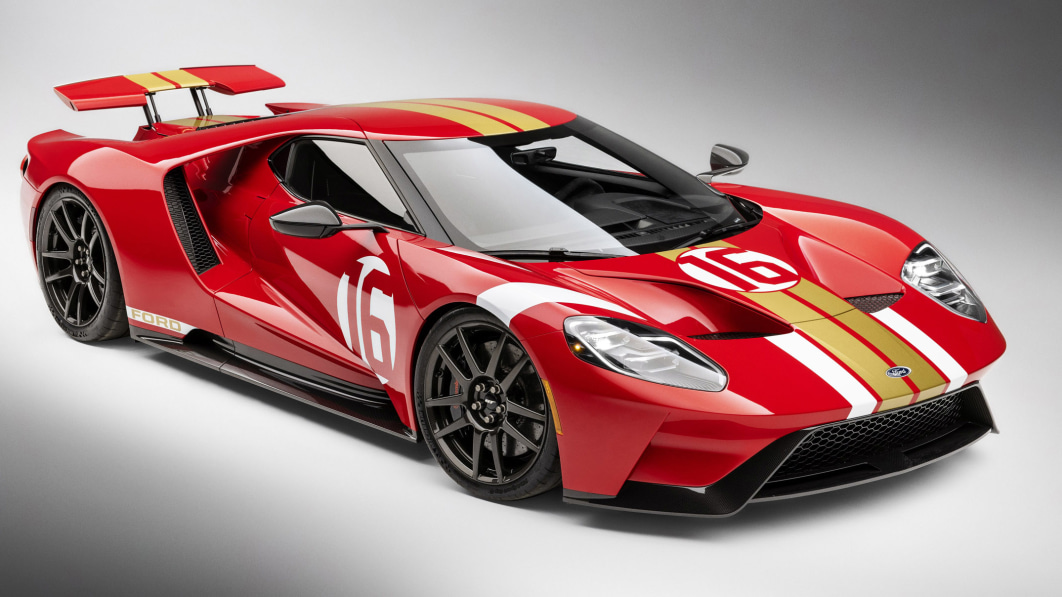
2022 Ford GT Heritage Edition celebrates Alan Mann Racing

2022 will be the last model year for the Ford GT, the craftsmen at Multimatic turning out the last of the 1,350-unit production run. We already knew there’d be one more Heritage Edition coming, Ford using this year’s Monterey Car Week to reveal models that would honor the original 1964 prototypes. Now Ford Performance has teased a second Heritage Edition for next year, this one a nod to England’s Alan Mann Racing. The Surrey-based race shop prepped Fords for races like the Monte Carlo Rally and Tour de France Automobile before becoming a European factory team in 1964. AMR ordered five GT40 MkI racers with the small block 289-ci V8, intent on honing them to win Le Mans. Ford sent just two of the five before changing focus to the GT40 MKII powered by the 427-ci big block, believing the 289s couldn’t get the job done.

Mann had his way with the two cars anyway, reskinning them in aluminum, designing a new coil-spring suspension, an oil fill tube accessed through the clamshell rear end, and Phil Remington’s quick-change braking system. Called the AM 1 and AM 2, Mann entered both lightweight GT40s wearing his trademark Monaco Red, gold, and white livery in the 24 Hours of Le Mans in 1966, leading the race for a brief spell before having to retire both cars. Ford then had Holman Moody convert the car to into a 427 MkII B model, but never homologated nor raced it, then had Holman Moody revert AM 1 to its Weber-carbed 289-ci spec. That original coupe has made a few appearances at Pebble Beach recently, owner Rex Meyers pulling it onto the lawn for judging and a sound check in 2019 — the first time it had been on display since 1968. Now Gooding & Company has put AM 1 up for auction this year with a pre-sale estimate of $7 to $9 million.

On a side note, Ford’s factory team won Le Mans twice with the 427-ci GT40s, retiring immediately after the win in 1967. John Wyer then created his own lightweight GT40 racers known as the Mirage cars, powered by the 289-cubic-incher, and won Le Mans in 1968 and 1969. 

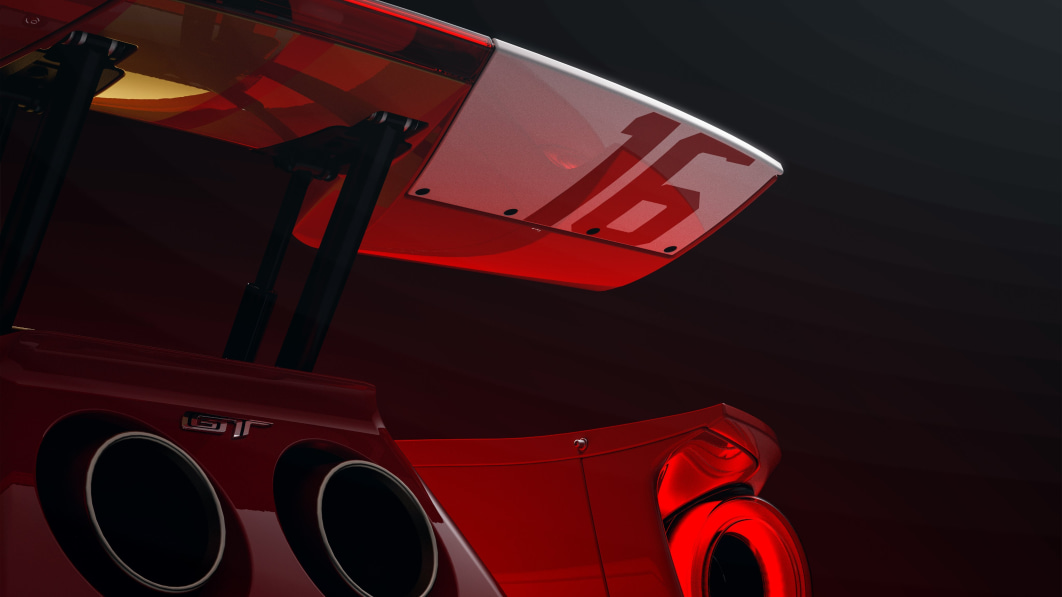
AM 1 wore the #16 in its roundel, and this is the car the new Ford GT Heritage Edition references by having “16” painted on the underside of the rear wing. Yes, it would be awesome if Ford went all the way with the AM 1 honor and rolled out a lightweight GT, but here’s to dreaming. Back on Earth, expect a lively paint job and a 3.5-liter twin-turbo EcoBoost V6 with 660 horsepower and 550 pound-feet of torque, akin to the previous GT Heritage Editions. Production will start sometime early next year, we await word on how many of the Alan Mann units are on the way.

Related video:
1 of 3 Bugatti EB112 super-sedans built is for sale

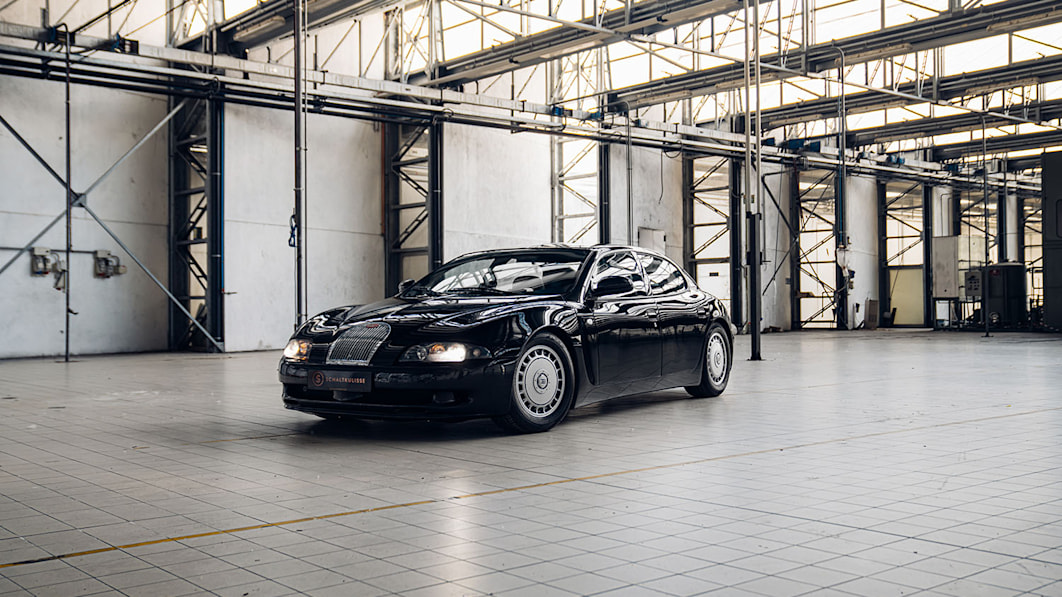
Bugatti has never strived to achieve volume, but some of its cars are rarer than others. One is the EB112, an obscure fastback-like sedan envisioned as a follow-up to the EB110, canned when the firm collapsed in 1995, and resurrected by a third-party company in the late 1990s. Historians agree that three examples of the EB112 were built, and the second one has been listed for sale by a dealer in Germany.

Presented as a concept at the 1993 edition of the Geneva auto show, the EB112 represented one of the ways that Italian entrepreneur Romano Artioli hoped to breathe new life into the storied French carmaker. It took the form of a large, four-door super-sedan with an aluminum body and a naturally-aspirated, 6.0-liter V12 tuned to send about 460 horsepower to the four wheels via a five-speed manual transmission. It offered passengers an interior that was luxurious without being over-the-top. In short, the modern-day Royale had arrived.

Bugatti quoted a 0-62-mph time of 4.3 seconds, which was remarkable considering the era and the car’s weight, and a top speed of 186 mph. Orders started coming in, but Bugatti filed for bankruptcy in September 1995 and the project was canceled. It closed its factory in Campogalliano, Italy, leaving behind 128 examples of the EB110 and one EB112, but the story doesn’t end there: two additional EB112s were left partially assembled inside the so-called Blue Factory. Gildo Pallanca Pastor bought some of the company’s assets and asked the Monaco Racing Team to complete the unfinished cars, according to dealer Schaltkulisse. The car that it’s selling is the first one of those.

Schaltkulisse notes that chassis number 39002 was ordered on April 27, 1993, by Bugatti’s Swiss importer and delivered in February 2000. It has been registered in Geneva since 2003 and its odometer displays around 3,900 kilometers, which represents approximately 2,500 miles. It’s presented as a one-owner car that’s still powered by a front-mid-mounted 6.0-liter V12. Pricing is only available upon request, but don’t expect this fascinating part of Bugatti’s multi-faceted history to come cheap. We wouldn’t be surprised if it costs more than a new Chiron.

Related Video:

Aston Martin V12 Vantage shows off sound, will return in 2022

According to Aristotle’s fourth-century History of Animals, swans “are musical, and sing chiefly at the approach of death.” Scientists still debate the accuracy of this statement, but we don’t think anybody is going to argue with the melodic tones of the swan song that is Aston Martin’s V12 Vantage. Listen for yourself in the video up above.

We’ve been expecting this. We saw spy shots in August of a hardcore Vantage mule out testing on the Nürburgring that was fitted with all manner of enhancements that led us to believe a twin-turbo 5.2-liter V12 may be under its vented hood. Later, the rumormill was aflutter with reports that the British marque was planning to bestow its smallest car with big power courtesy of a V12 tuned to deliver a reported 670 horsepower. That’s 20 ponies fewer than the Speedster’s twelve-cylinder, which spins out 690 horsepower and 555 pound-feet of torque.

We don’t know much more than that, for now. Aston Martin’s teaser says the V12 Vantage returns in 2022, we’d guess as a 2023 model, and that it will be labeled a Final Edition. We’re certain the number produced will be limited, so if this is the beautiful swan song you’ve been waiting for, now would be a good time to get your finances in order.

Related video:
Mercedes-AMG One specs revealed in Forza but seem off

The story of the Mercedes-AMG One has been long and drawn-out, and the latest chapter contains the first specific horsepower and torque figures we’ve seen. The information comes from a surprising source, the new “Forza Horizon 5″ video game, which includes the hybrid performance car in its huge selection of virtual cars. Unfortunately, the figures seems oddly low.

The AMG One doesn’t just play a minor role in the game; it’s the most prominently featured car on the X-Box title’s cover. As noticed by Motor 1, however, when players delve into the specs of the car the figures are plainly there for all to see: 877 horsepower, 535 pound-feet of torque. If that’s true, it would be a shocking letdown, considering that Mercedes-AMG has, since its debut at the Frankfurt Motor Show, repeatedly said the One would have in excess of 1,000 horsepower. In 2018, AMG chief Tobias Moers even said that the final figure might come in closer to 1,100.

The game also reveals that the One has a 3,737-pound curb weight and a 49/51 front/rear weight balance. The car has been billed as a road-going Formula One racer. It’s powered by a quad-motor hybrid system mated to a mid-mounted, turbocharged 1.6-liter V6 that reportedly soars to 11,000 rpm. 

Game makers often work closely with manufacturers when they have cars from the real world in their titles. At the very least, the automaker needs to sign off on licensing their names, logos, and vehicle likenesses to the publisher. However, each company has various levels of scrutiny as to what they will or won’t allow (such as colors, modifications, and so on).

It seems highly unlikely that Mercedes-AMG would give its flagship car “just” 877 horsepower after promising over 1,000 for years. Perhaps the game designers simply inserted specs that allowed the car to rank highly and keep it competitive. But if the specs are true, it wouldn’t be the first time a toy company worked closely with an OEM and then mistakenly revealed something ahead of the real car’s debut.