All posts in “New”

Four Roses’s First Mainline Whiskey in 12 Years Riffs on a Cult Favorite Bourbon

After 12 years of nothing new but limited editions and one-offs, Small Batch Select is joining Four Roses’s small and highly praised permanent collection, and it has a lot in common with one of the brand’s most coveted drops ever.

According to Four Roses Master Distiller Brent Elliot, the brand wanted the new expression’s flavor profile to mirror that of its domineering 130th Anniversary Small Batch — a bottle that earned the title “World’s Best Bourbon” from the World Whiskies Awards. Thanks to Four Roses’ unique approach to recipes, bourbon blending and penchant for total transparency, we know this isn’t just smart marketing.

Where most distilleries select a mashbill and start distilling, Four Roses reaches into its toolbox of recipes. Each of the 10 recipes appears as a four-letter code that clues you into what the stuff is — the first letter tells you it’s made in Kentucky, the second tells you the mashbill, the third tells you it’s straight whiskey and the fourth tells you the specific yeast strain. (If you’re confused, Four Roses has a handy explainer on its website.)

Small Batch Select’s predecessor, the 130th Anniversary bottle, features OBSV, OBSF, OESV, OESK recipes. Small Batch Select is a blend of six Four Roses recipes, including every one of those found in the award-winning bottle — OBSV, OBSK, OBSF, OESV, OESK and OESF. Both bottles are cut to similar proofs, too, with Small Batch Select at 104 and the 130th at 108 (Small Batch Select has the highest proof of any mainline Four Roses).

From there, differences emerge. If you’re able to find the 130th Anniversary bottle, it can run you more than $500 — Go Bourbon is reporting Small Batch Select will run you between $50 and $60 and will eventually become.

Small Batch Select is also a non-chill-filtered bourbon, meaning it isn’t subjected to filtration processes that remove some residual fat and protein compounds in the juice (sort of like a natural wine). The effects of non-chill filtration are controversial — some say it’s just murkier bourbon, others say it gives the whiskey a more rounded mouthfeel. Elliot says it’s mostly a matter of preference. Finally, Small Batch Select is a mixture of six- and seven-year-old bourbon, significantly lower age statements than its pricey relative.

Four Roses says Small Batch Select is available now at the Lawrenceville, Kentucky distillery and will roll out to Kentucky, New York, California, Texas and Georgia soon in the coming weeks. Elliot also confirmed that the bottle will be pushed nationwide over the next couple years. No information on pricingn is available yet.

The Best Bourbon Whiskeys You Can Buy

Everything you ever wanted to know about America’s favorite brown spirit, including, of course, the best bottles you can actually buy. Read the Story

Watch Now: An Oven for Pizza Idiots, the 2019 BMW X7 & More

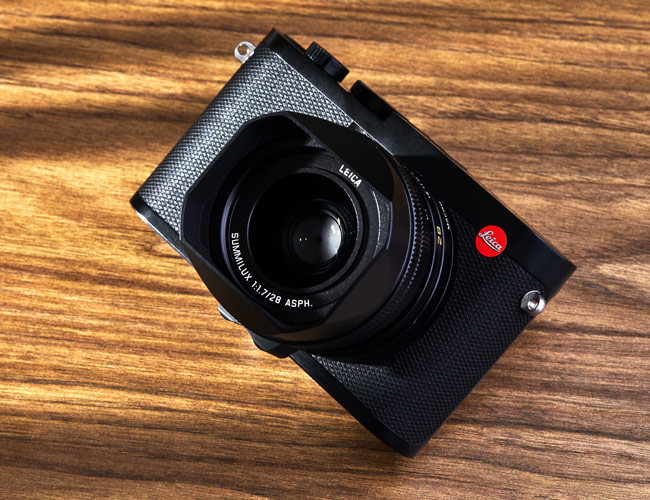
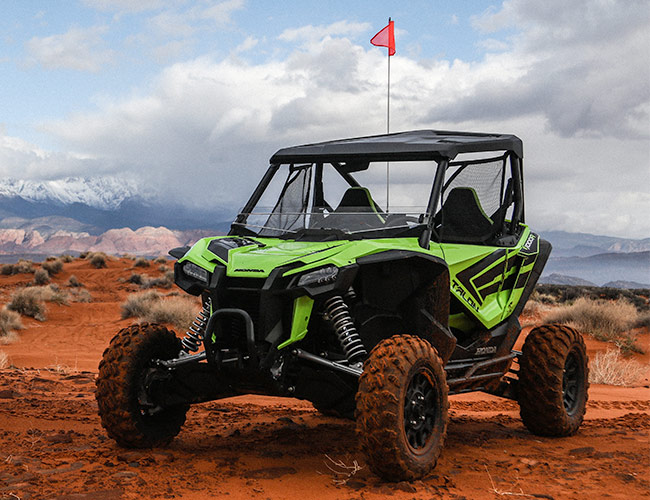
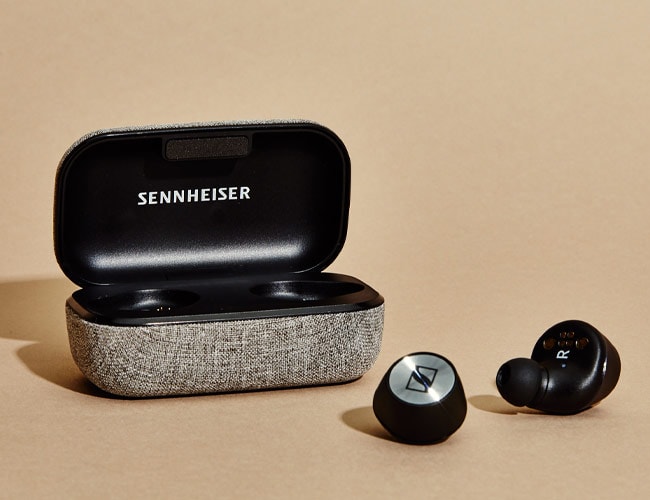
In this episode of This Week In Gear: Eric Yang and Will Price test Breville’s countertop pizza oven, Henry Phillips discusses the $5K Leica Q2 and Nick Caruso raves about the all-new BMW X7. Also in this episode, a Bryan Campbell reviews the Honda Talon side-by-side – in 30 seconds – and AJ Powell explains why the Sennheiser Momentum True Wireless earbuds are the last thing he bought.

This episode of This Week In Gear is presented by Crown & Caliber: the convenient online marketplace for pre-owned luxury watches. Visit crownandcaliber.com/gearpatrol to get $175 towards any watch purchase until May 31st.

Featured Products

Breville the Smart Oven® Pizzaiolo

“This thing is fuckin’ awesome at what it does. It works for the pizza idiot to the pizza savant.”

|

Leica Q2

“All the improvements feel iterative, deliberate and genuinely helpful to the end user. The Q was my general price-no-object recommendation for a great camera for basically everyone. The Q2 takes that place no problem.”

|

2019 BMW X7

The X7 very well may be everything great about BMW, fully realized.

|

Honda Talon SxS

“Add an exciting application of DCT technology and it’s fair to say that while the Talon 1000R and 1000X aren’t necessarily game changers, they’ve sure as hell raised the bar.”

|

Sennheiser Momentum True Wireless Earbuds

“I believe the Momentum earbuds could replace each headphone in my current rotation — including my Bowers & Wilkins P5 on-ear headphones.”

|

Note: Purchasing products through our links may earn us a portion of the sale, which supports our editorial team’s mission. Learn more here.

This Casual Shirt Is Designed to Take a Beating

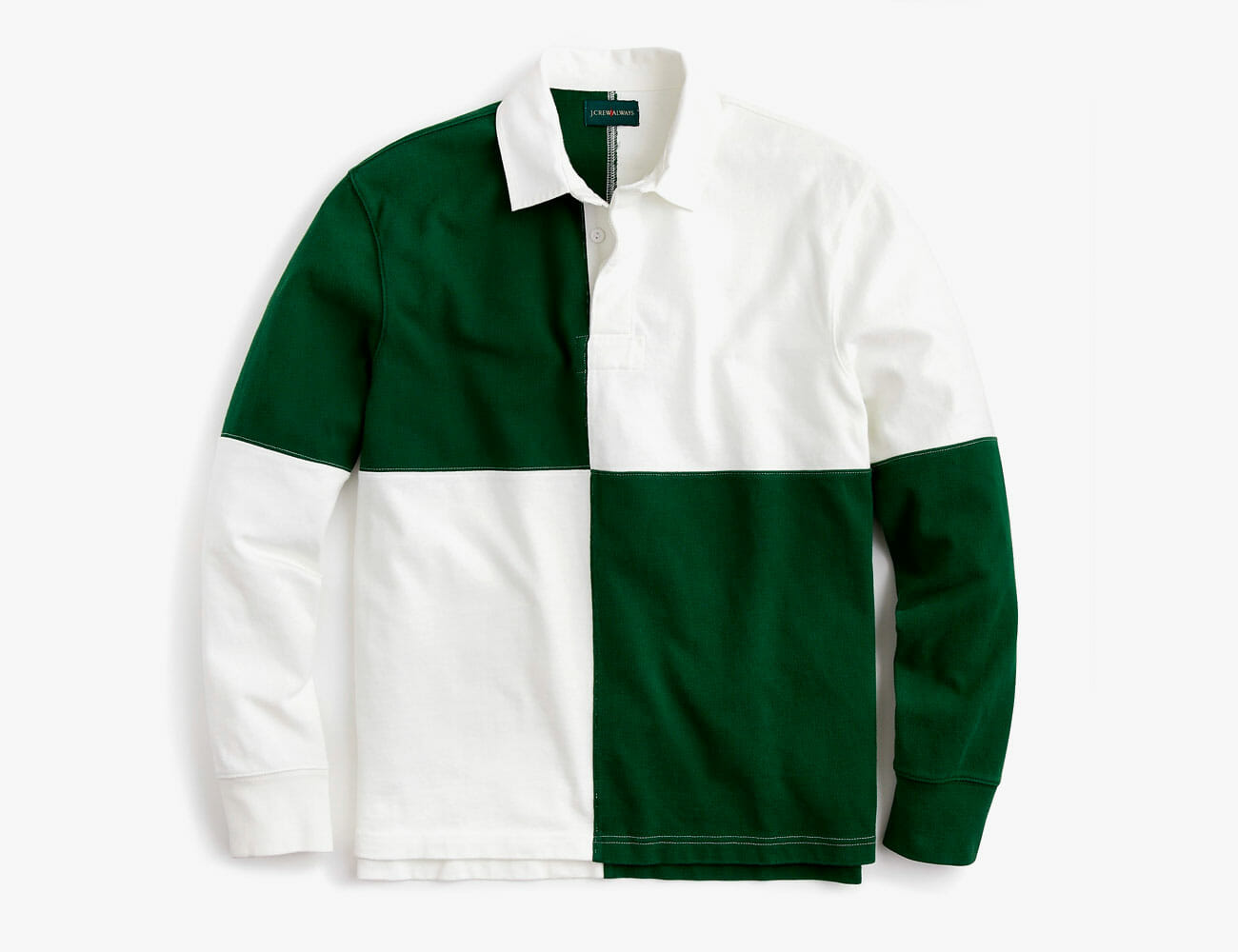
This spring, countless brands are offering fresh iterations of the classic rugby shirt. Though the designs offer new colors and patterns, the garment is essentially unchanged. The tough, long-sleeve shirt is made with heavyweight cotton, reinforced seams and a tough collar. Originally designed to take a beating on the field, this shirt is ideal for everyday wear through the shoulder season. There are countless options available in stores now, but to get you started, here are a few of our favorites.

J.Crew 1984 Rugby Shirt

The rugby shirt became a fast staple for the brand after it was first released in 1984. This reproduction of the classic style utilizes a harlequin-print style introduced in 1990 along with traditional rubber buttons.

Mr P. Rugby Shirt

This take on the rugby shirt from Mr Porter’s house brand showcases a non-traditional colorway that is seasonally appropriate. The ribbed cuff and hem give the relaxed-fit shirt a shilhouette typically associated with sweatshirts.

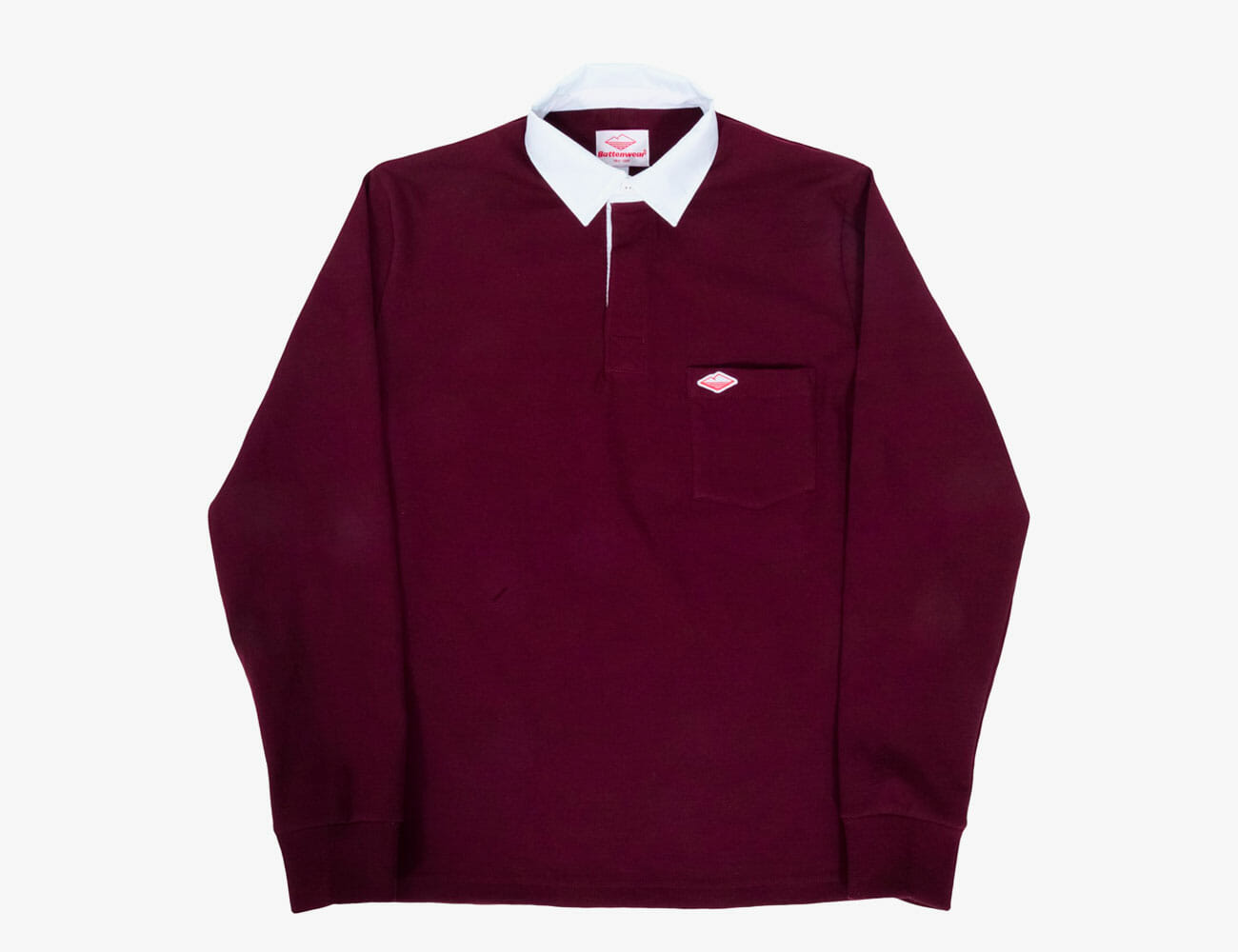
Battenwear Pocket Rugby Shirt

Battenwear based its rugby shirt of the style championed by Patagonia in the ’70s. It is cut from 12-ounce cotton jersey and features a chest pocket, twill collar and reinforced seams.

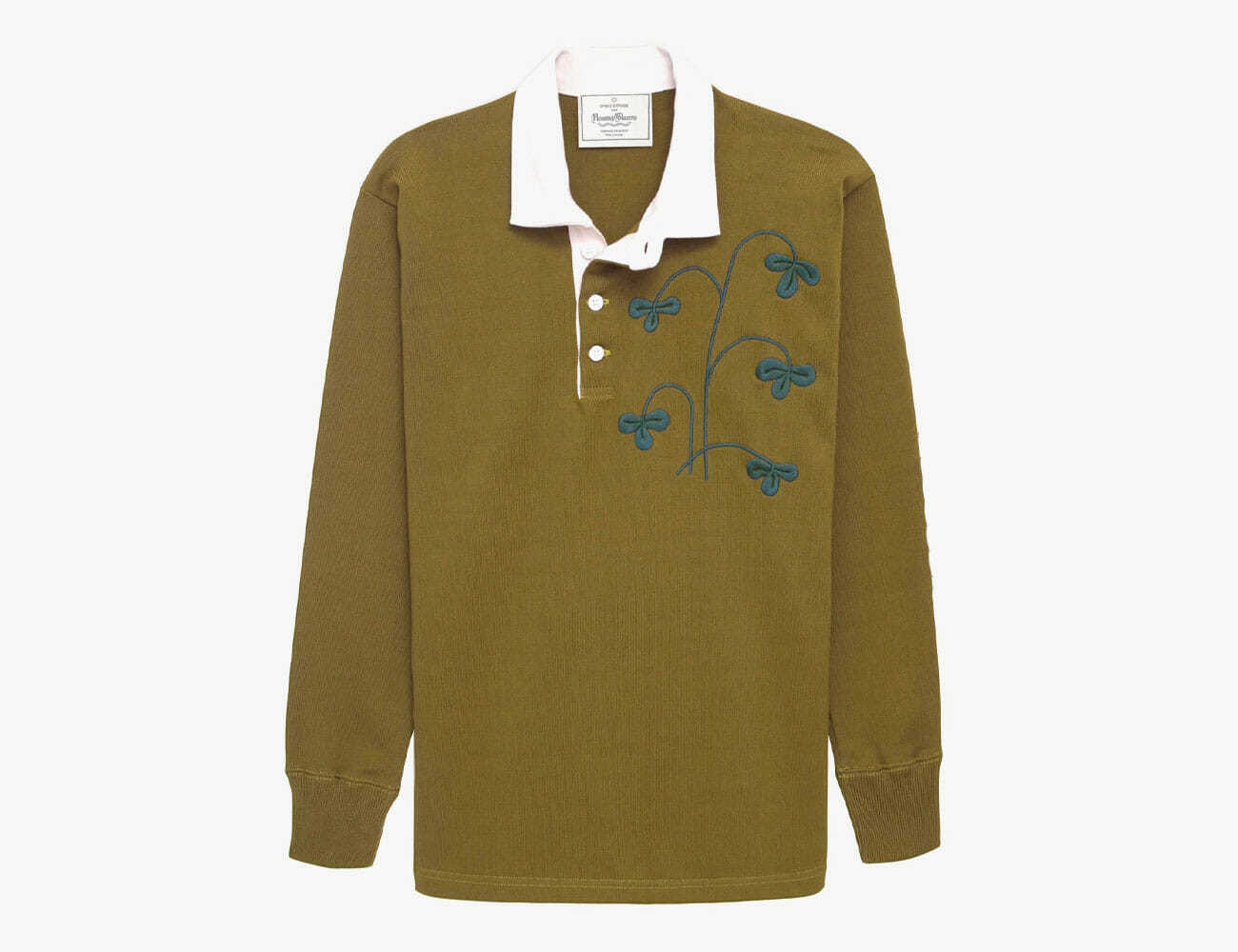
Rowing Blazers Ireland 1895 Authentic Rugby

Made with 14-ounce heavyweight cotton jersey, this rugby shirt features an oversized five-sprig shamrock emblem. Made in Europe, it has an off-center rugby collar (based on the original design), a three-button placket and rib-knit cuffs.

Remi Relief Rugby Shirt

Made in Japan, this rugby shirt has a serrated stripe running across the chest. The relaxed-fit style features a two-button placket, a split hem and ribbed cuffs.

AMI Rugby Shirt

Made in Europe, this rugby shirt has a bold striped pattern and a traditional boxy fit. Made from heavyweight cotton fabric, it features a twill collar, understated logo and side slits for mobility.

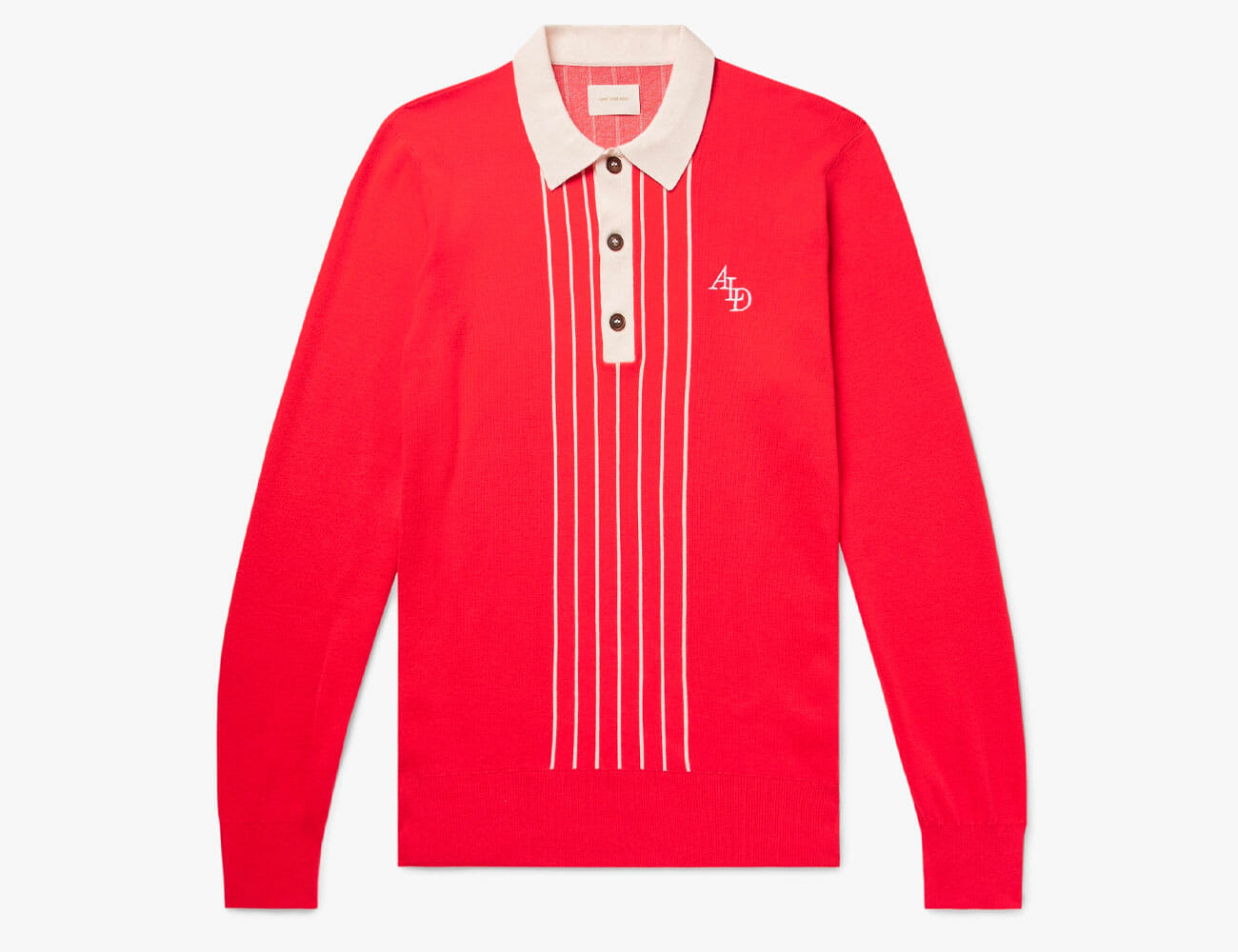
Aimé Leon Dore Rugby Shirt

Inspired by the classic style, this rugby shirt is knit from lightweight cotton. It features a three-button placket, slim fit and ribbed trims.

Note: Purchasing products through our links may earn us a portion of the sale, which supports our editorial team’s mission. Learn more here.

Watch This Week In Gear, Episode One: We Review the All-New Porsche 911, Apple Airpods & More

Welcome to the premiere episode of Gear Patrol’s first video series: This Week In Gear, the ultimate news show for gear enthusiasts.

As the definitive executive briefing on what’s new in product culture, every week we’ll be talking shop about the latest and best gear, from outdoor & fitness, automotive and tech to home, style, grooming and watches. Hosted by Editor-in-Chief Eric Yang, every episode will feature insights from Gear Patrol staff experts as well as field tests, interviews, buying advice and beyond.

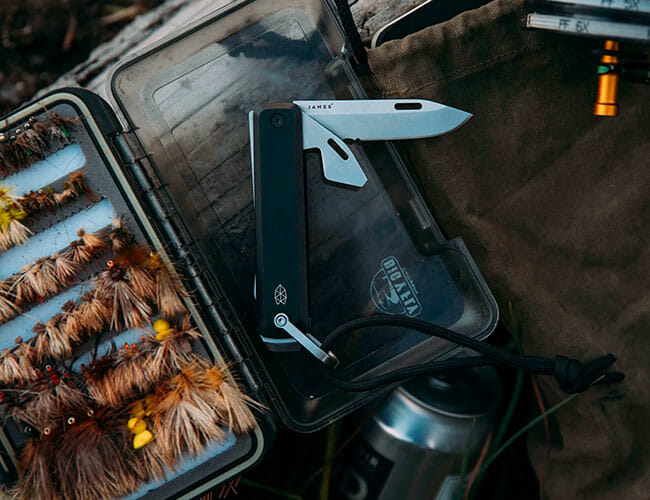
In this episode of This Week In Gear: Nick Caruso gives a rundown of the all-new 2020 Porsche 911 Carrera S; Tanner Bowden introduces The James Brand Ellis multitool; Jacob Sotak explains just how hugely advanced the Orvis H3 fly rod is; and Tucker Bowe describes what’s new in Apple’s second-generation AirPods. Also in this episode, a lightning-round Q&A with Staff Writer Meg Lappe.

This episode of This Week In Gear is presented by Crown & Caliber: the convenient online marketplace for pre-owned luxury watches. Visit crownandcaliber.com/gearpatrol to get $175 towards any watch purchase until May 31st.

Featured Products

2020 Porsche 911 Carrera S

Porsche’s all-new 911 is, as expected, a tremendous performer.

|

The James Brand ‘The Ellis’

The brand’s first multi-tool is a gorgeous shot across the Swiss Army Knife’s bow.

|

Orvis Helios 3D 8-Weight 9′ Fly Rod

“Without a doubt, the most scientifically accurate rod ever produced.”

|

Apple AirPods with Wireless Charging Case

The second-generation earbuds feature incremental tweaks, which means they’re still great.

|

Advertisement

Note: Purchasing products through our links may earn us a portion of the sale, which supports our editorial team’s mission. Learn more here.

This New Facial Cleanser Is Worth the Investment

My skin isn’t naturally sensitive, but a bad habit puts it at risk. I overwash, to the tune of four or more times a day. That’s because my skin is oily, no matter how hard I try to balance it with toners, or neutralize it with blotting papers and powders. I cleanse in the morning and before bed, but also after the gym and typically when I get home in the evening. None of that is accounting for what I do on hot or humid days, either — or the fact that I test products for my job and often have to have a clean surface to do so.

So it’s better for me to use a gentle cleanser instead of one targeted for oily skin — I tend to use something engineered for sensitive or dry skin instead, since that’s the territory into which I’m teetering with this frequent washing. It’s not a habit I intend to stop, either. It’s just how I choose to cope with my own genes, and my job.

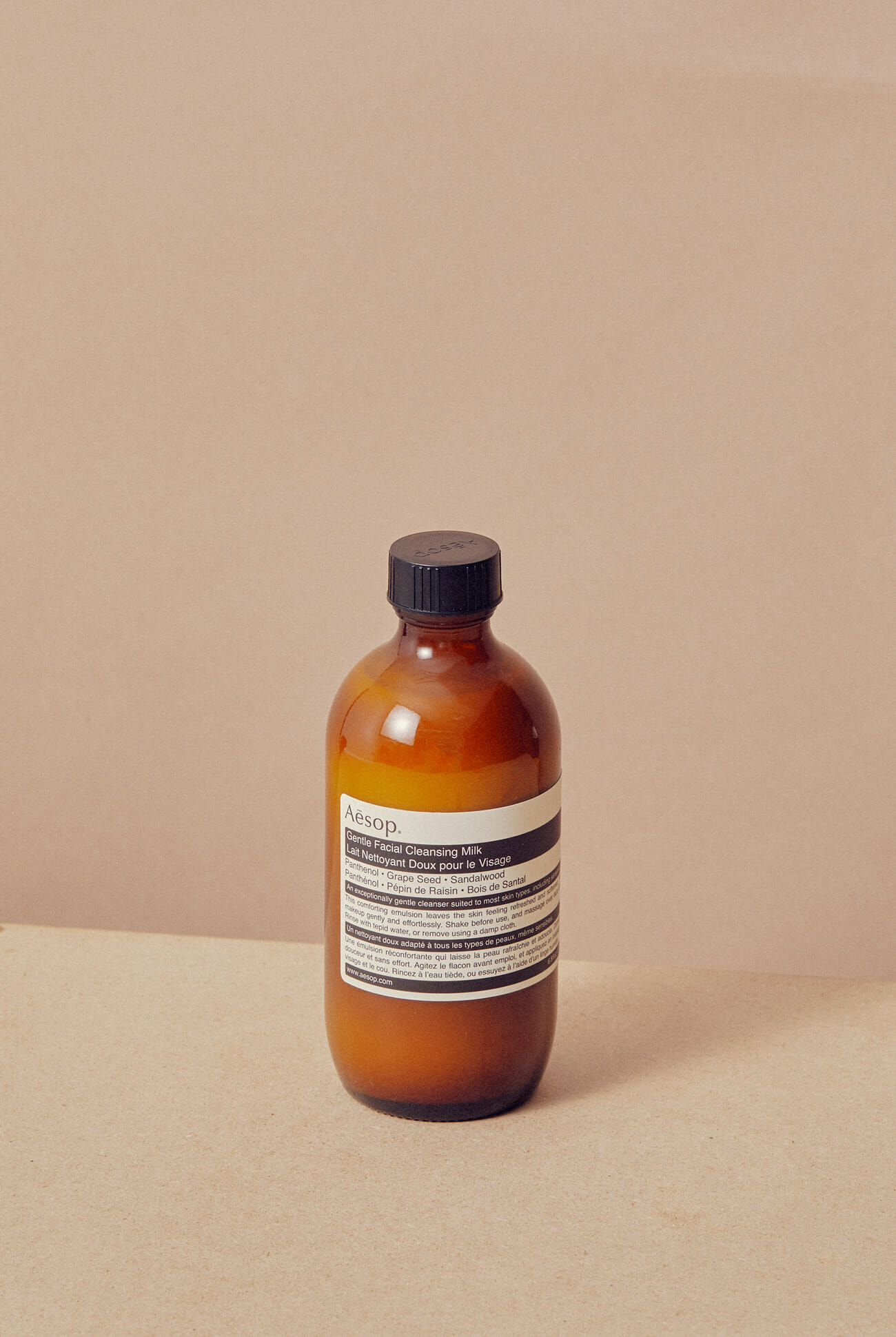
In my six years of doing this, I have never pledged loyalty to a cleanser. They’re more interchangeable to me than most other grooming categories. Aesop’s latest launch, however, is changing that. Today, the company is launching its Gentle Facial Cleansing Milk, which has been thoroughly scrutinized over in its labs under the supervision of Dr. Kate Forbes, who is the Aesop’s General Manager of Product. If you’ve got dry or sensitive skin, or if you’re a habitual over-washer like me, then Aesop’s cleansing milk is something you should try, too.

The Good: Before you even learn about the product’s ingredients, you can tell from its consistency that this product is more soothing and far less abrasive than a garden-variety cleanser. It’s milky, as the name states, and feels more like you’re applying a serum than a cleanser. For that reason, it’s a little harder to lather, and won’t require as much water when you apply it. This is largely because the formula is rich in olive oil, which helps gently pull oil and grime from your skin without dehydrating it, while giving the formula a silky texture. (Maybe don’t apply actual olive oil to your face, and leave it to the pros like Aesop who formulate their products using the best recipes and ingredients.)

Its other key ingredients include grapeseed oil, which preserves moisture levels in the skin during the wash; provitamin B5, which lingers after the cleanse to do the same; as well as sandalwood and lavender which soothe the skin while banishing dryness and irritation.

Who It’s For: There are four key categories of people whose skin would benefit from this cleanser:

People with dry skin who need a gentle cleanser — one that adds moisture instead of stripping it.

People with sensitive skin who often get irritated by harsher, moisture-depleting formulas.

People who wear makeup and need a safe and efficient cleanser, especially considering that they’ll likely wash their face twice in one day, both before and after the makeup is off.

People who overwash their faces, out of necessity or bad habit. They need a cleanser that preserves moisture levels, given that the frequent washing will put them at risk of blemishes, breakouts, and rough patches.

Watch Out For: The too-generous pour. It comes with a screw-off lid, so don’t overdo it. It’s good that it doesn’t have a pump, though, because that would be too generous, too. Try to land with a dime-size amount in your hand, unless you’re doing something more tedious like removing a bunch of grime.

Alternatives: OSEA’s Ocean Cleansing Milk — which, despite its name, doesn’t fix oil spills or save the coral reefs, is also a good option. It uses algae and amino acids to hydrate and prevent further signs of aging. It’s a little tougher and more familiar than Aesop’s cleansing milk. Both are great; I prefer Aesop’s.

Review: I’ve been using this for a week straight, and am only a fraction of the way through the 6.8 fl. oz (200 ml) bottle. I have washed an estimated four times per day, and have earned no new breakouts or blemishes. It’s one of those products I proudly display on my sink ledge, and that I genuinely look forward to using. (It’s not like it “makes grooming fun,” but it is a soothing process that allows me to appreciate and savor my skincare regimen.

I think the one person it is decidedly not for is the oily-skinned man or woman who only cleanses once or twice per day. You might require something more powerful—Surprise! Aesop has that too.

Verdict: I’m all in. If you’re near an Aesop store, test one out. You can also opt for the smaller bottle (3.4 fl. oz, $35) if you want to give it a test run for a couple months, instead of investing in the 6.8 fl. oz one at $53. But you do the math: The larger one is a great bargain, especially if your daily face-wash count is a higher count than most.

Key Specs
Key Ingredients: Panthenol, grape seed, sandalwood
Texture:Non-foaming, water-soluble emulsion
Aroma: Woody, herbaceous
Dosage: Half a teaspoon

Aesop provided this product for review.

Read More Gear Patrol Reviews

Hot takes and in-depth reviews on noteworthy, relevant and interesting products. Read the Story
Note: Purchasing products through our links may earn us a portion of the sale, which supports our editorial team’s mission. Learn more here.

The Biggest Spring Splurge Is the Drug Rug

One of the most recognizable counter-culture garments, the drug rug, got a major refresh this spring. The relaxed knit hoodie has been a staple of alternative groups since the ‘70s when American surfers brought the style back to California after wave hunting on the Baja Peninsula (hence the term Baja hoodie). And while you’d be equally likely today to find the Central American style at a Dead and Co. concert as you would on a Pacific beach, you’d also, more surprisingly, see it gracing the racks of the country’s top luxury stores.

Brands have recreated the laid-back garment in high-end materials (think: cashmere) and the prices reflect the substance — they differ by orders of magnitude. Though the mash-up of high and low is nothing new in the fashion world, it has, perhaps, never been quite this cozy. Check out a few of our favorite options below.

Faherty French Terry Hoodie Poncho

Made from incredibly soft cotton terry, this Baja hoodie is both incredibly comfortable and easy to take core of. It fits true to size and is machine washable and dryable — essential if you’re wearing it to the beach.

Frye Baja Hoodie

This earth-tone cotton hoodie has an oversize fit and comes in two sizes: S/M and L/XL. The brand recommends you dry clean it when it gets too dirty as to preserve the knitting.

Vince Boiled Cashmere Baja Hoodie

Made from 100-percent boiled cashmere, this hoodie features a kangaroo front pocket and a ribbed hem and cuffs. The dense knit is both warm and breathable, perfect for cool weather.

Amiri Striped Hoodie

While this Baja hoodie references the shape of the classic style, it’s color palette is decidedly more far out. Made from cotton, this mid-weight knit features vertical black stripes and a wild tie-dye pattern of blue, hot pink and yellow.

The Elder Statesman Baja Pullover

This 100-percent Mongolian cashmere hoodie is knit in Los Angeles and features black, yellow, green and blue stripes. Intentionally oversized, the features a front pouch pocket and faux-drawstrings.

Alanui Striped Cashmere-Blend Hoodie

Made in Italy, this Baja hoodie is knit from a blend of cotton and cashmere. The mid-weight relaxed style fits true to size and features an open drawstring hood and front pouch pocket.

Note: Purchasing products through our links may earn us a portion of the sale, which supports our editorial team’s mission. Learn more here.

Apple’s New TV Streaming Service: Here’s What We Know

If you’ve been on the news pulse, you’ll know that Apple has shared some exciting announcements. This week alone, it’s released new, updated versions of the iMac, iPad and AirPods. Basically, it got all its new hardware announcements out of the way to clear the air for a big event it’s hosting on Monday, March 25th, when it’s expected to unveil a brand new video streaming service.

There’s long been speculation that Apple would throw its hat in the ring with Netflix, Amazon Prime Video and Hulu. It made waves at CES this year when it announced partnerships to integrate its HomeKit and AirPlay into pretty much every new smart TV coming out in 2019, meaning users won’t need an Apple TV device to access Apple TV services. And it’s been producing its own content, like Carpool Karaoke and Planet of the Apps with varying levels of success.

Content is key with any new video service, and it’s been reported that Apple’s budget for original content is more than $1 billion, which it’s spent to produce an expansive list of films and shows (you can read it in full at The Verge). It’s a big chunk of change, but it’s not much in comparison to the estimated $8 billion to $13 billion Netflix reportedly spent on original content in 2018, and is dwarfed by the $15 billion it could spend in 2019.

But notably, it’s anticipated that Apple’s video service will include partnerships with other premium subscription services. According to a recent Recode article, “it will also be able to offer its own bundles — for instance, it could offer a package of HBO, Showtime and Starz at a price that’s lower than you’d pay for each pay-TV service on its own.” There’s also a chance that Apple could bundle its other services, such as Apple Music, with its TV subscription plan.

Still, we don’t exactly know what Apple’s streaming video service will look like or how people would access it — there’s speculation that the service would be integrated into Apple’s TV app, although there’s currently no TV app for Mac. Another thing we don’t know is how much the new service will cost. A monthly charge of $10 seems like a safe place to start, but given that there will likely me copious bundle deals, it could easily cost more.

While there a lot of questions that won’t be answered until Monday, you can catch up on what we know for sure about its new hardware through the links below.

Apple’s New AirPods Are Better in So Many Ways

The new AirPods come with a number of welcome improvements, including faster pairing speeds, more talk time and improved microphone clarity on calls. They can also wirelessly charge.

Apple’s New iMacs Are Twice as Powerful as Before.

Apple is shrinking the gap between its entry-level iMacs and super high-end iMac Pros.

Everything You Need to Know About Apple’s New iPads

The iPad Air and iPad mini are decked out with Retina displays, A12 Bionic processors and Apple Pencil support.

This Motorcycle Magazine Sets a New Industry Standard

“Print is dead” gets said often enough you’d think the industry is actually six feet under an unmarked grave. But every time someone says it, another well-designed magazine finds its way. Five years ago, that was Meta — a triannual publication founded by motorcycle-industry veterans Andrew Campo and Ben Giese, who just opened a retail shop that doubles as a creative coworking space in Denver, Colorado.

Campo is the founder of Vurbmoto, a highly influential platform in the motocross space, and Giese was the lead graphic designer at DC Shoes. The pair created Meta out of a shared passion for two-wheeled culture. As Giese puts it, they “saw a void in the print world,” one that was ripe for smart, elevated motorcycle coverage. “I was very immersed in skateboarding and surfing, and I saw publications coming out those cultures focused on quality, design, and photography,” he says. “At the time that’s something the motorcycle industry was lacking.”

[embedded content]

In addition to narrative stories, the Meta website houses awe-inspiring short films and videos, like Little Monster, a story about eight-year-old Kelana Humphrey and his journey from growing up around mechanics and motorcycle riders in Indonesia to racing dirtbikes in California. Sure, the stories are motorcycle-centric, but you don’t have to ride dirtbikes or know anything about motorcycles to appreciate the content.

Telling stories isn’t the only objective of Meta. “Our goal with Meta is to blur the lines between all genres of motorcycling and celebrate what we call ‘a life well ridden,’” Campo says. Hence the new HQ in Denver — a red brick walled half-motorcycle garage, half-cafe in the middle of the River North Arts District of Denver, where Meta plans to bring the two-wheeled community together.

The Denver flagship isn’t just a place where Campo and Giese can ride their bikes, write stories and cut video footage. They plan to open up the shop for events, gatherings, community rides and anything else to increase the culture’s inclusiveness. “It’s meant to be an extension of the book,” Giese says. “It’s a place where you can just hang out. You don’t even have to ride motorcycles.”

Note: Purchasing products through our links may earn us a portion of the sale, which supports our editorial team’s mission. Learn more here.

The Best Vinyl LPs to Really Show Off Your Turntable

If your affection for sound quality has started to compete with your affection for music itself, you may have entered the early stages of audiophilia. Should the condition advance, you will likely become preoccupied with stereo equipment and, inevitably, the sound quality of the recordings you own. Often dismissed as a geeky hobby gone awry, audiophilia actually rests upon a keen phenomenological insight: that aesthetic experiences start with physical events. It follows, then, that optimizing those physical events is an attempt to optimize aesthetic experiences, which, if not entirely cool, isn’t an entirely geeky impulse either.

As one of the most important art forms to arise from the industrial era, the 12-inch vinyl LP – with its perfect running length, natural intermission between sides and meaningful tactility – can deliver thoroughly transcendent analog listening experiences, provided the LP is itself physically optimal. Unfortunately, the likelihood of getting a subpar LP today is far higher than it should be, and a subpar LP will make even the best of stereo systems sound iffy at best.

The Complex Process of Producing an LP

Producing an LP is a multi-stepped process. We’ve separated each of the steps below, each a potential pitfall on the long journey of delivering a high-quality LP.

Recording: With today’s shrinking budgets, home studios and self-taught engineers, the probability of an exceptional recording using exceptional equipment is lower than ever.

Mixing down to stereo: ^ Ditto. Plus the demands of mixing for digital streaming have left a generation of mixing engineers bereft of techniques best suited to making analog LPs.

Mastering the stereo tracks: Mastering is the final polishing of the mixes for commercial delivery. Even many top-notch mastering engineers optimize tracks for digital media, and not for cutting an LP. It’s best to cut an LP from specially prepared masters or from the unmastered mixes.

Cutting a lacquer disc: The cutting engineer plays the stereo tracks and uses a lathe to cut grooves into a blank lacquer disc. If the cutting engineer is not the dude at the plant who just pounded three beers on his Friday lunch break, but rather a sober and experienced cutting engineer working in a sterile environment on a well maintained lathe, there is hope of a properly cut lacquer. However…

Producing the blank lacquer disc: In 2013 a bad batch went out from Japan and screwed up cutting sessions around the world. Environmental restrictions on certain chemicals have made modern lacquer production fussier than it used to be.

Plating: Let’s assume the cutting engineer produced a near-perfect lacquer. Excellent, now the cutter screws the lacquer into a what looks like a medieval torture device and ships it off to an electroplating plant where another engineer sprays the lacquer with silver, dips it in a nickel bath, zaps it, and eventually ends up with two metal plates called stampers. Lacquers are often destroyed in failed attempts to create stampers, and must be cut again.

Pressing: Let’s assume plating produced clean stampers. The plating engineer packs the metal stampers into another odd looking packaging device and delivers it for pressing. A pressing machine operator installs the stamper onto a huge machine that drops goobers of (what we hope is properly formulated) vinyl onto the metal plates and then squeezes them together just like you’d make waffles. If dust hasn’t found a way in and the vinyl releases cleanly from the metal stampers, we may have an excellent sounding vinyl LP on our hands.

The Records

As one who has overseen vinyl production from microphone to final packaging, I can attest to the Sisyphean nature of making a high-quality LP. The good news is that more than a few labels are doing it, and some are even forging new analog techniques.

Below are ten albums that have miraculously made it past all of the production pitfalls to stand proudly as some of the very best sounding 12-inch vinyl LPs currently available. Whether you dig the music or not, spinning any of these LPs will give you a good idea of what your stereo rig is capable of. Chances are, however, that at least one of these LPs will transport you to the quasi-psychedelic glory land of vinyl at its best.

Harvest, Neil Young

The grandfather of grunge is one of the most outspoken advocates for great sound quality, and his masterpiece Harvest may be the main reason he wants your stereo and source not to suck. This edition, cut directly from analog masters and pressed in 180g vinyl, brings Neil and his tasty Nashville studio group into your living room. Check out the hi-hat overdub on “Heart of Gold,” added months after the song was tracked, and tolerate the hyperbolic “A Man Needs a Maid” because it’s a 26-year-old Neil live at the piano with the London Symphony Orchestra over his shoulder.

Key Specs

Label: Reprise Records
Series: Neil Young Archives Official Release Series (ORS)
Format: 180g black vinyl, gatefold
Source: original analog masters (no digital conversion)
Cut: Chris Bellman at Bernie Grundman Mastering
Plated and Pressed: Pallas Group, Germany

Tomorrow’s Harvest, The Boards of Canada
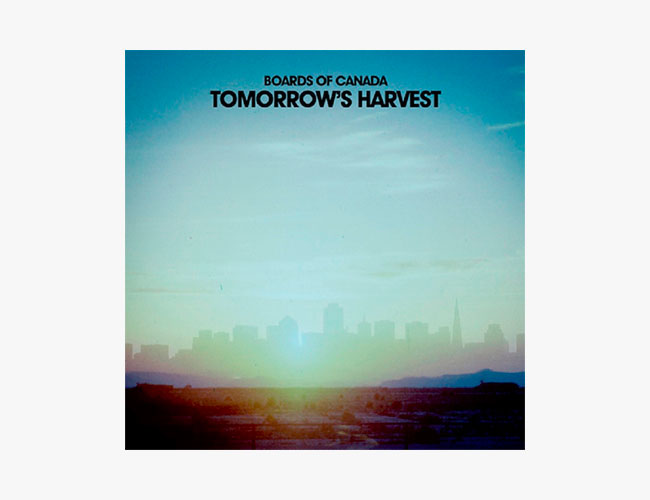
It’s rare that a modern synth record will translate onto vinyl as well as this set of retro-electroica from the analog-obsessed Boards of Canada. Every swishy filter sweep, grinding bass tone, and live drum beat is rendered with sculptural realism. You’ll find yourself sitting up straight in the sweet spot and admiring your rig’s bass response and mid-range articulation as these moody, dystopian tracks chronicle our fast-changing world.

Key Specs

Label: Warp Records
Series: standard release
Format: 180g vinyl, double disc in gatefold

All other info is unavailable.

Maggot Brain, Funkadelic
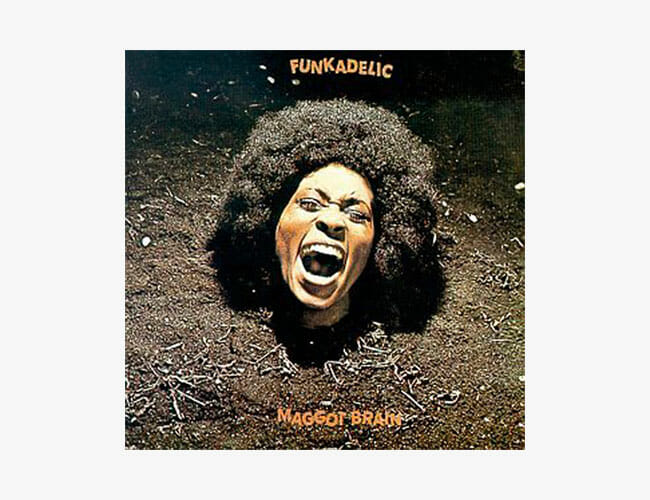
The ten-minute, Hendrix-trouncing guitar solo that opens this LP is so raw, so up-in-your-face, and so far off to the right channel that it sounds like Eddy Hazel set his amp up in your house. When the band comes in, you’ll hear exactly why the 1970s are still regarded as the heyday of the recording arts, as well as unbridled drug use. Sounds are crunchy and warm and a million light years away from today’s sterile digital soundscapes. Consider a seat belt.

Key Specs

Label: Westbound Records
Series: 4 Men With Beards issue with permission from Westbound
Format: 180g black vinyl, single disc in gatefold with essay

All other info resides on The Mother Ship.

Concerto for Orchestra, Bela Bartok
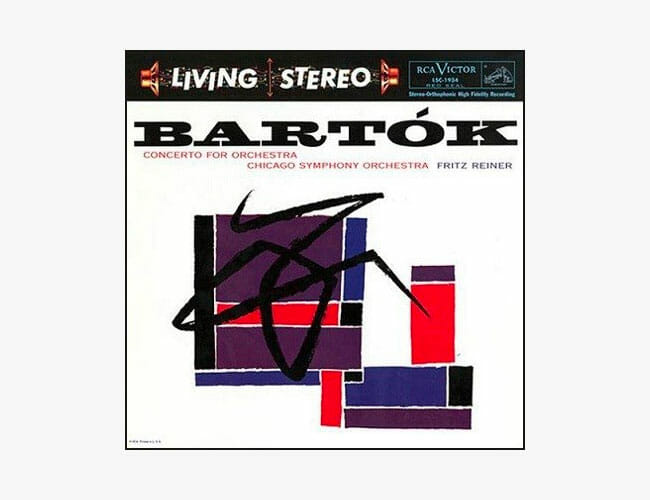
Of all the version of this masterpiece on vinyl, this one recorded in the mid 1950s with Fritz Reiner waving the baton at The Chicago Symphony Orchestra is the gold standard. When the low string drone starts the first movement, turn up the volume and brace yourself for a long slow crescendo up to the brass fugue that, on a great stereo, will make The Who sound minuscule. Reverb is natural and astonishingly well suited. Acclaimed mastering engineer Ryan Smith cut this one directly from the original analog master tapes, and Quality Record Pressings (QRP) here in the USA pressed it flawlessly.

Key Specs

Label: RCA Records
Series: RCA Living Stereo Series from Analogue Productions
Format: 200g black vinyl
Source: original analog master tapes
Cut: Ryan Smith
Plating and Pressing: Gary Salstrom, QRP

The Four Seasons Recomposed, Max Richter with the Berlin Orchestra
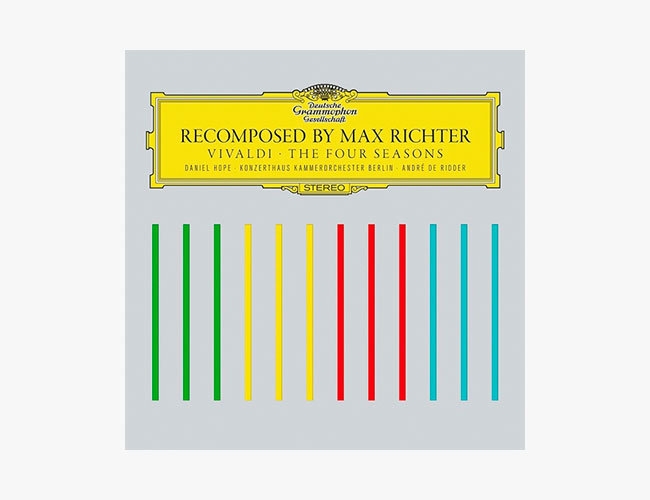
By side three of this two-disc set, Max Richter has taken us from a crystal clear and quintessentially German orchestral recording of Richter’s take on Vivaldi into an entirely electronic soundscape. The sound quality throughout is modern and precise without succumbing to brittleness. That’s quite an accomplishment, but shouldn’t surprise fans of Deutsche Gramaphone’s modern records.

Key Specs

Label: Deutsche Gramaphone
Series: standard issue
Format: dual 180g black vinyl discs in cut-out gatefold
Source: original mixes by Neil Hutchinson and Max Richter
Mastering: Mandy Parnell at Black Saloon
Cut: Mandy Parnell on a Neumann lathe
Plating and Pressing: N/A

Monk, The Thelonious Monk Quartet
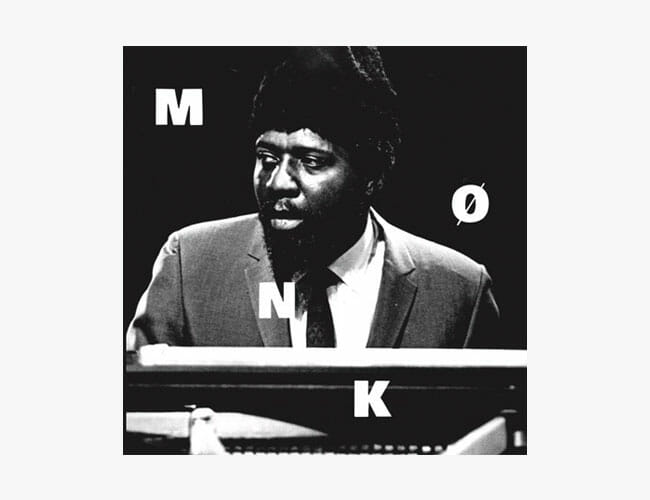
The simple grammar of Frankie Dunlop’s drum intro eventually interlaces with Monk’s abstract expressionism on piano, Charlie Rouse’s economical tenor sax, and John Ore’s swinging bass to form one of the most vibrant live jazz records ever laid down. Rendered in glorious mono, you’ll have nothing but an incredible center image of the 1963 set from Copenhagen to remind you, as only Monk can, that sometimes less is way more. This LP is 100-percent analog from start to finish.

Key Specs

Label: Gearbox Records
Series: Future Analog
Format: 180g black vinyl
Source: AAA = analog recording, analog mix, analog master
Mastering: Darrel Shienman on a Haeco Scull lathe with Westrex RA1700 series amps, 3DIIA cutting head, Telefinken U73B tube limiter and Decca valve EQ.

Natty Dread, Bob Marley & The Wailers

Sometimes a musician and their songs are so iconic that sound quality barely registers beneath their glory and fame, but Bob Marley and the Wailers did not fuck around in the studio. Perfect panning and a delicately balanced mix allow the deep grooves and even deeper emotions to come forward in equal measure. To celebrate what would have been Bob’s 70th birthday, all of his albums for Island Records have been faithfully reproduced in fresh new 180g pressings, but Natty Dread’ has the most compelling 1970s sound quality.

Key Specs

Label: Tuff Gong / Island / Universal
Series: 70th Anniversary Reissue
Format: 180g black vinyl

All other info is unavailable. Marley’s releases are notoriously varied across markets and poorly documented, which is half the fun.

Revolver, The Beatles
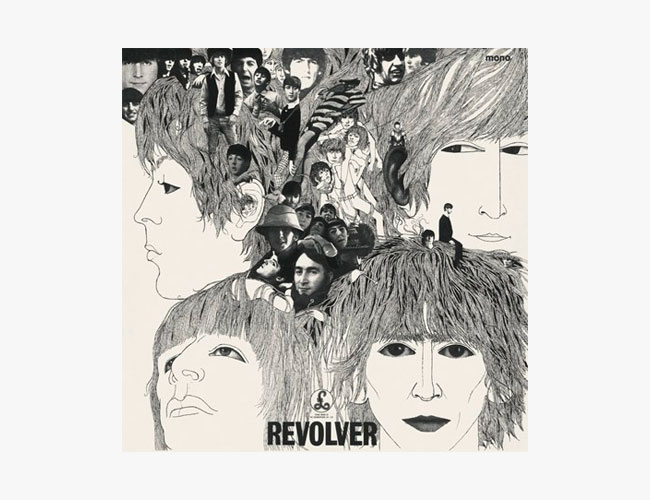
Staying up into the wee hours with Australian-born, LA-based record producer Andy Baldwin (Bjork, Nick Cave, etc) trying to decide which Beatles record sounded the best brought a unanimous vote for Revolver. In Baldwin’s words, “Oh, mate, it’s just like you could pet the guitar tone, like a cat, sitting just there.” Both the stereo and mono versions sound incredible, but the Fab Four would prefer you listen in mono as God intended. Go ahead, pet it.

Key Specs

Label: EMI
Format: 180g mono vinyl (mono and stereo available)
Series: All-Analog Project
Source: mono from original 1/4” master tape; stereo from 192kHz digital transfers
Mastering: cut at Abbey Road Studios by Magee and Berkowitz using the original analog chain from the 1960s
Plated and Pressed: Optimal, Germany

Shady Grove, Jerry Garcia and David Grisman
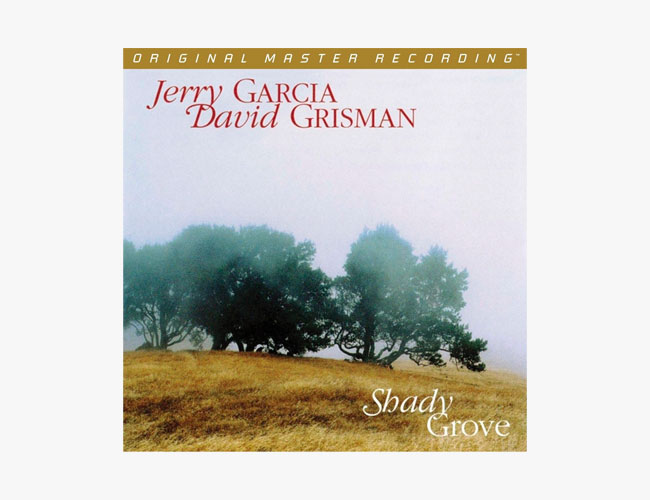
Two old friends, an acoustic guitar, a mandolin and a few mics. This LP is naked in the best way possible. Grisman convinced Garcia to put heavy strings on his guitar, and the result is Uncle Jerry struggling just enough to get his best acoustic guitar tone ever laid to tape. Newly cut to 180g vinyl from the original analog tapes using Mobile Fidelity’s GAIN 2 Ultra Analog process, your stereo will seem as naked as the recording itself.

Key Specs

Label: Mobile Fidelity Sound Lab
Series: GAIN 2 Ultra Analog™
Format: 180g vinyl on two discs with full sized booklet
Source: original masters
Cutting: GAIN 2 Ultra Analog system
Plated and Pressed: N/A

Portrait in Jazz, The Bill Evans Trio

If you’re going to drop $125 on a single LP, then it ought to blow your mind, and this one will. Recorded in 1960, the fidelity of this LP has yet to be topped. Paul Motian’s ride cymbal sounds like Champagne bubbles sliding down the throat of Audrey Hepburn in a black sheath dress, while LaFaro’s bass steps forward to create the modern standard for jazz bass recording. Evans’ piano tone approaches perfection. Cut using a unique one-step process that skips plating all together, this LP will either make you very proud of your stereo rig or have you out shopping for upgrades – which is always fun.

Key Specs

Label: Mobile Fidelity Sound Lab
Series: Ultradisc One-Step
Format: 180g black vinyl
Source: original tapes
Cutting: done via the one-step process which creates a unique lacquer stamper
Plating and Pressing: no plating involved (see above)

Note: Purchasing products through our links may earn us a portion of the sale, which supports our editorial team’s mission. Learn more here.


Review: The New Leica Q2 is Really The Only Leica You Should Want

Late last night, Leica announced the Q2 ($4,995) to wild American applause and approving German nods. The company’s greatest modern success story finally has a sequel. To tell the truth though, about three weeks earlier in the meeting where Leica gave me a loaner unit, the new camera was sitting on a conference room table for five minutes before I realized that it was, in fact, the Q2. I promise that’s a good thing.

What made the original Q so good was that it wasn’t minimal for minimalism’s sake and it wasn’t as feature-packed as alternatives from Sony or Fujifilm. It was just this goldilocks of a camera that was intuitive enough to make you want to pick up and shoot and produced images that were so good that they made you want to keep going. It justified (or at least made a really good attempt at justifying) a price north of $4,000. Plus, on the other side, it made many of the longtime M rangefinder users that I know think slightly differently about what a Leica has to be in order to satisfy those who talk endlessly about the “Leica look.” Can a “real Leica” have autofocus? An electronic viewfinder? (Gasp) A fixed lens?!

At the core of what made the Q great was not only the fact that it asked these questions that are paradigm shifting for a company that has been famous for making (nearly) the same product for 50 years, it’s that it went a really long way towards answering them.

Does the Q2 ask new ones? Does it re-re-define what a Leica can be? Or does it prove that there’s a reason Leica’s really only famous for the M instead of the million other cameras it’s made? I had a couple of weeks with the camera to find out.

Leica Q2 Review Back

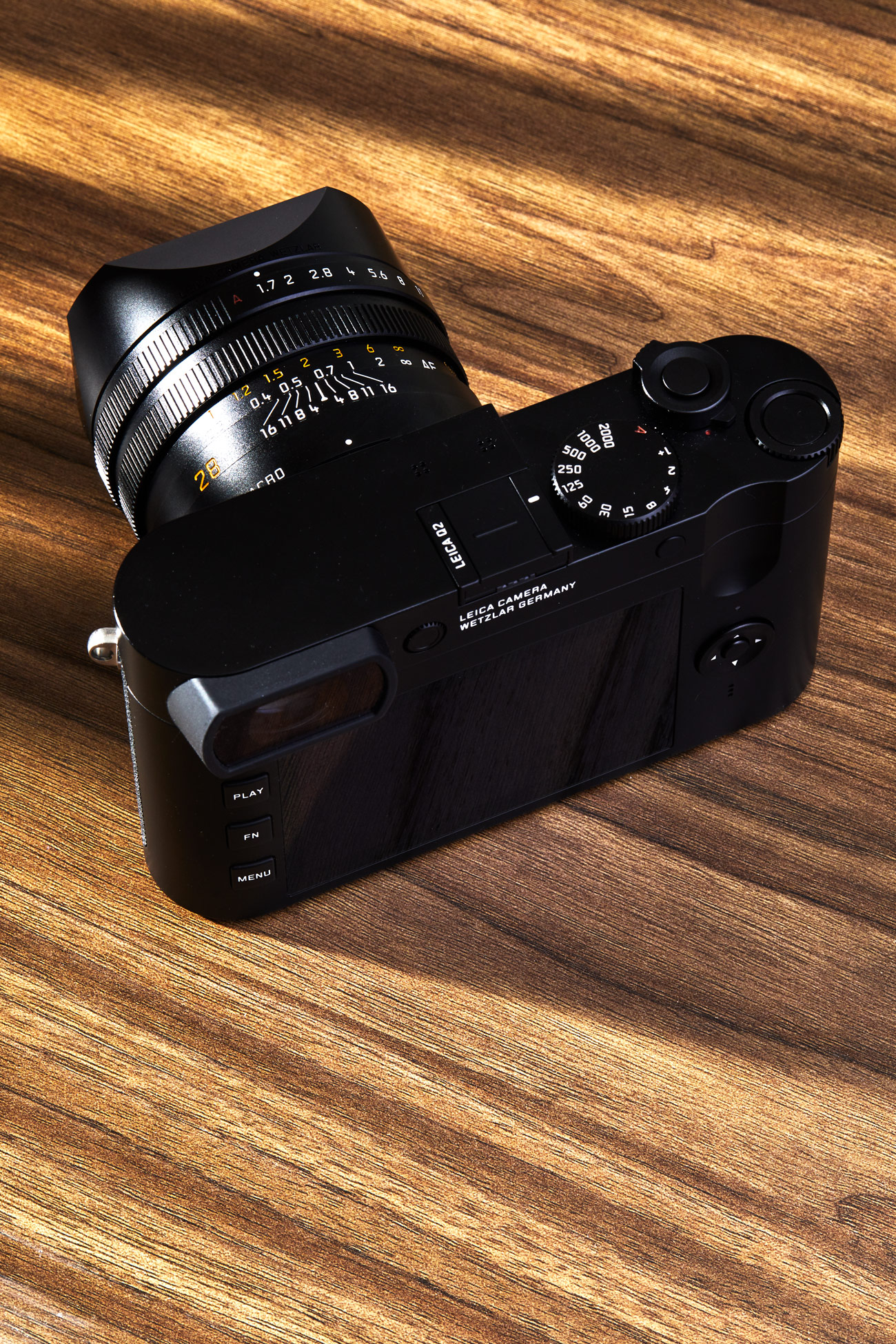
Just about all of the physical changes between Q and the Q2 are visible in this photo. The far-right control dial is borrowed from the CL, the new power switch is borrowed from the M10, the diopter-control has been moved to a less bump-able place, the menu buttons have been simplified and squared-off, and there’s a cute little “2” engraved on the hot shoe now.

The Good: As it turns out, Leica nailed the sophomore album by basically releasing a remastered version of the first. The original Q was great — with some notable faults — and with the Q2 Leica does it’s best to address them.

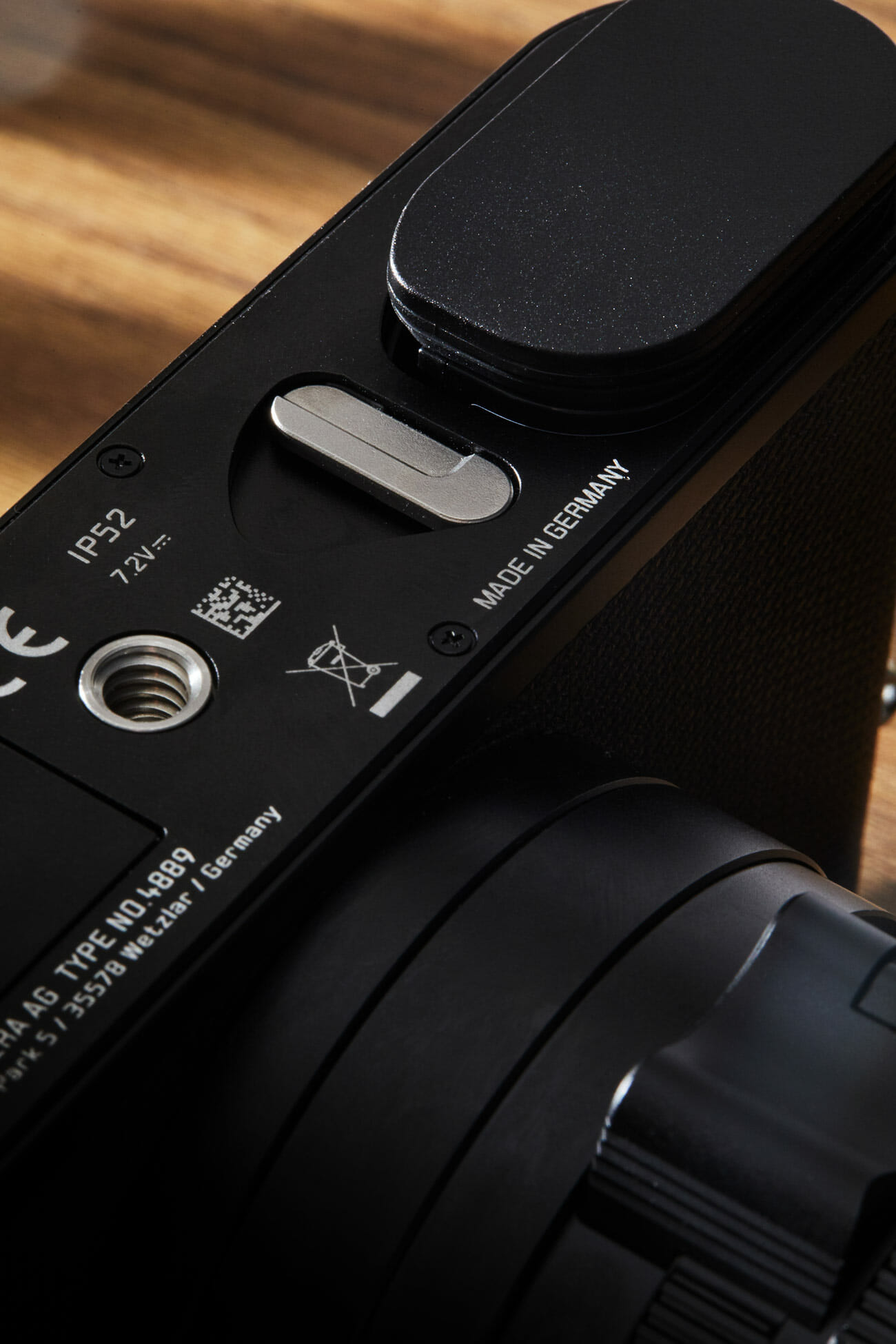
On the UI/UX side menus and button interfaces are cleared up, gone is the stupid power switch that always sent you into continuous shooting mode, the WiFi connection is infinitely better (largely thanks to Bluetooth LE). The IP52 splash- and dust-sealing is a welcome addition.

Then there’s the actual shooting experience. There’s a massive new 47-megapixel sensor that helps things like the Q’s signature “rangefinder digital crop” feature work much better (and include a 75mm equivalent crop that still leaves you with a 7-megapixel image). The 28mm f/1.7 stabilized lens is as great as it ever was, not stumbling at all when presented with nearly twice the resolution. Rounding out the operation is the new Maestro processor which manages to push those crazy big files around just as fast as before.

Generally, the great part about the Q2 is it doesn’t mess with the special sauce that made the original Q so great. The manual/automatic mix, the EVF, the lens, the size, the speed, the portability — it’s all still there, and it’s fully up to date.

Who It’s For: Honestly, basically everyone who wants a Leica and is thinking logically. Don’t get me wrong, the M10 is an astounding camera and the associated lenses are beautiful, but the list of drawbacks for general everyday shooting feels like it’s getting longer. [Full disclosure: because I refuse to think logically, the day Leica told me a Q2 was coming, I bought a silver M10 and a 35mm Summicron.]

Have kids? Get a Q2.
Like autofocus? Q2.
Lightweight? Q2.
Want wide open shots to actually work? Q2.
Want higher res than any Leica camera currently in existence? Q2.
Want to take travel photography that is mindless and fast enough to not make you “the camera guy?” Q2.

Want a slightly abstruse lesson on the history of photography and to use one of the most iconic and refined pieces of design on earth? Buy the M10.

Leica Q2 Review Macro

The good news? Just about everything that made the Q so charming is retained in the Q2, including the insanely pleasing way that you switch the camera into macro mode by rotating a dial on the lens.

Watch Out For: Oh come on, you knew this was coming. It’s $5,000. You could buy three Fujifilm X100Fs to throw at Youtube commenters who say the Q2 is too expensive and still come out ahead.

Aside from that, there’s not too much off with the Q2. Leica hasn’t fully embraced the idea of Instagram ready photography and in-camera JPEG settings reflect that so you’re going to have to ship that massive DNG file over to your phone and play with it a bit before it really starts to sing.

Did they really need to shoot the moon with a 47-megapixel sensor? Probably not, I think 30 would’ve been just fine but my hunch is that you’ve seen something very similar to that 47 in the new Panasonic S1R and you’re probably gonna see it in the SL2 and M11 whenever those decide to drop. I guess big is the new normal.

The only other notable foibles are that you really have to nail focus for the digital crop to feel like a useful feature and I think that in redesigning the ergonomics slightly, they made the lens a bit uglier and less elegant on the Q2 compared to the original.

Leica Q2 Review Bottom

A couple fun changes on the bottom: the Q2 now uses the same battery (and battery loading system) as the SL and theres a small indicator that the camera is now IP52 splash and dust sealed.

Alternatives: Despite my jokes about X100 throwing, there actually isn’t an apples-to-apples alternative to the Q2 – and I think that’s what makes it so special. Sony does technically still sell the RX1R II but the interface isn’t particularly pleasant to use and it just feels like a souped-up point and shoot. The Fujifilm X100F is a fantastic camera that will get you the most similar shooting experience, but you drop the full-frame sensor and a bunch of resolution (if we’re being kind to the Fuji, it’s also nearly 80-percent cheaper than the Q2). The M10 is a quasi-alternative but see the abbreviated list above for why the comparison doesn’t really hold water. Perhaps the best alternative? The original Q. Because all these updates are more evolution than revolution, the Q still totally holds water — even 5 years later — and hopefully prices fall enough that it can get into the hands of more users.

Verdict: In this case, and in my time using the Q2, no news is good news. I liked the original Q so much that I didn’t really see what Leica was going to improve with the second act. Really though, they listened to critiques from Q users and addressed as many as they could. All the improvements feel iterative, deliberate and genuinely helpful to the end user. The Q was my general price-no-object recommendation for a great camera for basically everyone. The Q2 take that place no problem.

Leica hosted us and provided this product for review.

Read More Gear Patrol Reviews

Hot takes and in-depth reviews on noteworthy, relevant and interesting products. Read the Story
Note: Purchasing products through our links may earn us a portion of the sale, which supports our editorial team’s mission. Learn more here.
Save up to $300 on Italian-Made Tom Ford Sunglasses

Save up to 68 Percent

Save up to $300 on Italian-Made Tom Ford Sunglasses


Tom Ford makes some of the most tasteful luxury clothing and accessories available. As you’d expect with a reputation like that, the price point on everything from his shirts to sweaters to suits is sky high. Unsurprisingly, the brand’s sunglasses are something of a cult favorite and feature elegant curves and distinctive hinge detailing. Right now at Nordstrom Rack, you can save up to 68 percent on a few different Italian-made styles. Normally priced at over $400, these frames won’t cost more than a pair of traditional Ray-Bans while supplies last.

Harry 53mm Clubmaster Sunglasses by Tom Ford $460 $160

Ace 55mm Aviator Sunglasses by Tom Ford $405 $160

Carlo 58mm Aviator Sunglasses by Tom Ford $405 $160

Andrew 54mm Retro Sunglasses by Tom Ford $455 $160

Cameron 53mm Round Sunglasses by Tom Ford $395 $160

Palmer 51mm Round Sunglasses by Tom Ford $395 $160

Andrew 54mm Retro Sunglasses by Tom Ford $455 $160
Note: Purchasing products through our links may earn us a portion of the sale, which supports our editorial team’s mission. Learn more here.

Did a $18 Bottle of Scotch Just Win One of the Biggest Awards in Whiskey?

According to Esquire, Good Housekeeping, The Evening Standard and a whole lot of UK-based sites, an $18 Scotch won the World Whiskies Awards “Best Scotch Whisky” crown. This is probably not true, but it’s still a pretty great bottle to hunt down.

Sold by Lidl, a supermarket chain based in Germany with locations scattered across the US, the Queen Margot 8-Year-Old blend claimed the title of best blended scotch whiskey under a 12-year age statement, according to the team of more than 40 industry experts (beating out whiskies of record like Johnnie Walker Black Label in the process).

Lidl’s website notes the 80 proof whisky is made “using traditional methods and only the finest ingredients” and is aged in oak casks.

In past years World Whiskies Award hasn’t awarded any one bottle “Best Scotch Whisky.” Instead, it’s broken winners into smaller categories. This means that, barring a change in the format of the World Whiskies Awards themselves, it isn’t the world’s best whisky — it’s just a damn fine value bottle.

This is the type of news that tends to trigger the masses to seek out every case of Queen Margot 8 that they can get their hands on, so act quickly.

Gear Patrol also recommends:
Aberfeldy 12-Year ($26+)
Highland Park 18-Year-Old ($90+)
Laphroiag 28 ($799+)

Lexus Is the Most Dependable Luxury Brand of 2019

J.D Power just released its 2019 U.S. Vehicle Dependability Study findings, and Lexus tops the list. Toyota’s luxury brand ranking the highest in dependability shouldn’t come as a surprise — this is the eighth year in a row Lexus earned top honors. What should raise a few red flags are a few industry firsts the study uncovered.

Now, 30-years running, J.D power’s study tallies up the number of problems experienced per 100 cars over the last 12 months by original owners of three-year-old vehicles. So 2019’s study is shining a light on 2016’s cars. The study scrutinizes 177 possible problems across the eight major categories: mid-size sedans, full-sized pickups, all the sizes of SUVs, etc. Then, each vehicle gets a score, using golf rules: the lower, the better.

With all the numbers crunched and Lexus in the number one spot, Toyota and Porsche tied for second. The Porsche 911 won the inaugural “Most Dependable Model” award. But, for the first time, mass-market brands like Toyota and GM outperformed luxury brands. J.D Power’s study also revealed Audi, BMW, Mercedes-Benz, Porsche and Volkswagen are better than the industry average for the first time in 30 years. If that doesn’t dismantle the urban legend of German cars being historically reliable, nothing will.

“Vehicle dependability continues to improve, but I wouldn’t say that everything is rosy,” said Dave Sargent, Vice President of Global Automotive at J.D. Power. “Vehicles are more reliable than ever, but automakers are wrestling with problems such as voice recognition, transmission shifts, and battery failures.” So it would seem manufacturers have the most mechanical kinks worked out, but the more technology we pack into our cars, the more we’re leaving up to a chance of failure. At least now you know the best bet is a Lexus.

The Alfa Romeo Giulia Quadrifoglio Is Already a Legendary Car

You can’t be a genuine gearhead unless you’ve owned an Alfa Romeo. It’s a common axiom. That’s because Alfa Romeo, above all other automakers, understands that driving is a sensual, visceral experience. Alfas look gorgeous. Their engines sound explosive and sonorous. Their potency comes with a distinct personality. Driving an Alfa Romeo reminds you why you love cars.

The current Giulia Quadrifoglio ($73,700) is a proper Alfa Romeo. It was the perfect car to reintroduce Alfa Romeo to the U.S. market. Already a legend, it is destined to be a modern classic.

One must appreciate Alfa Romeo’s sheer ambition. BMW’s M3 provides the benchmark for sport sedans. That reputation stems from decades of excellence. Alfa, with help from Ferrari, took on the M3 with the Giulia Quadrifoglio and blew it out of the water. The Giulia Quadrifoglio is faster. It’s more compliant. It looks better in metallic blue paint.

A German dad and former M3 owner hailed me in a grocery store parking lot. He asked whether the Giulia Quadrifoglio was as good as he had heard. The most forthright answer, after admitting the car wasn’t mine, was “yes, it’s incredible.”

Driving the Giulia Quadrifoglio thrills. It’s as close to a four-door Ferrari production sedan as we’ll ever get. The “Ferrari-derived” 505hp Twin Turbo V6 makes the Giulia QF lightning quick. It would be unnerving but for the supreme balance and laser-precise steering. It can be as maniacal or as composed as you want it to be. The German ZF transmission is dulcet and intuitive. You forget the paddles (or the absent manual option in the States) after a short while. The Giulia shifts better than you can.

The transmission misstepped once in a week’s worth of driving. When I accelerated from zero to 20mph over the speed limit, the Giulia Quadrifoglio presumed I wish to keep going. In true Alfa fashion, it was more in tune with my heart than my head.

Daily driving the Giulia Quadrifoglio is not annoyance free. Lane clogging SUVs will annoy you. Our oppressive regime of traffic laws will subdue your buzz. The Giulia QF can still provide a compelling drive at normal speeds. But, you’re ever cognizant of how much fun you could be having if not for other people.

Performance comes with impeccable Alfa style. The Giulia is beautiful. Clear lines project the available power and aggression under the hood. But a subtlety and effortless restraint underlie the whole package. The Quadrifoglio version does not announce its hotness beyond the odd clover. It doesn’t need to. The Giulia looks like what it is, an M3 redone with better taste.

The sports sedan is the ultimate real-life driver’s car. The Giulia Quadrifoglio may be the ultimate high-performance variant. It may never be topped.

It also brings the noise. The Giulia Quadrifoglio’s engine is a purified raucousness. Think Beethoven over Metal Machine Music. You find yourself cranking up the revs to hear it again, at every stop sign, light, or gap in the traffic.

Alfa Romeos are perfect. Why doesn’t everyone who can afford one own one? They don’t always run. Stereotypes depict Alfas as notoriously unreliable. Some stereotypes are rooted in fact. My parents still remember the name of their old GTV 2000’s mechanic forty years later. They remain convinced he was sabotaging the car. It didn’t seem possible to them that many things could go wrong with a car.

In that respect as well, the Giulia Quadrifoglio has proved itself a proper Alfa Romeo. There are two general reviews of the car. The first rates it as at or near “best car on the road” status. The second describes where the reviewer was driving when the engine light popped on and the car died with an unclear prognosis. Mine had zero issues for what it’s worth. Though, I only drove it for a week and did not track it.

Issues, particularly in early press cars, no doubt stemmed from the development process. Alfa Romeo rushed the Giulia into production in two and a half years. Most cars take four-plus to put out. Working out some of the inevitable electrical gremlins happened with real drivers on the road. Things could get worse as these cars age. If you want a sedan to bore you with its obsessive reliability, buy a Toyota Camry.

Okay, so the Giulia Quadrifoglio is a great car. It’s a mind-blowing drive when it runs. Why, beyond that, will it be collectible?

Animalistic car performance will be at a premium moving forward. The sports sedan is the ultimate real-life driver’s car. The Giulia Quadrifoglio may be the ultimate high-performance variant. It may never be topped. A pocket rocket sedan with a 3/10 EPA smog won’t be on the menu moving forward. Manufacturers are phasing out both sedans and internal combustion. Even Alfa will be moving toward plug-in hybrids and EVs. Performance may well be “ludicrous.” But, it won’t feel or sound the same. This car will remind purists what they loved about gas and be worth what may be a crushing expense to fuel it.

The Giulia Quadrifoglio is part Ferrari, the important part. It’s not an affordable car. But, it’s more attainable than a true Ferrari. It’s a special and memorable collaboration. The notion is similar to the legendary Mercedes 500E from the early 1990s that had a Porsche designed chassis and was assembled on a Porsche line.

Giulia Quadrifoglios should be relatively rare. Alfa does not sell in huge numbers compared to Mercedes and BMW. The Italian company did have a record U.S. sales year in 2018. But, that was still fewer vehicles than Mercedes sells in the U.S. during one month. Most Giulias sold will be lower trims, not the Quadrifoglio. My local Alfa dealer has 86 2018 and 2019 Giulias listed in its present inventory. None are Quadrifoglios.

Finally, it’s an Alfa Romeo, a darn near impeccable one. Alfas charm car people. They charm non-car people. My wife scolded me for shifting out of dynamic mode and softening the suspension on the highway on the way back from dinner. My other passengers gushed about rides around the block. The Giulia Quadrifoglio’s charisma was infectious. Or, perhaps, it was my persistent glee rubbing off on everyone I met.

BioLite’s Newest HeadLamp Offers A Rare Feature: Comfort

BioLite has a knack for taking heavily used gear and re-designing it into something you’ll reach for day after day, all while helping to increase access to energy off the grid. At Gear Patrol, we’ve been big fans since day one. Starting with the CampStove, CampStove 2 and the portable grill, and followed by many other successful fire starters, pizza grills and backcountry chargers, BioLite has paved the way for outdoor enthusiasts to get outdoors with an easy power supply — whether that’s grilling over a stove or lighting up the campsite. BioLite’s latest success story is the HeadLamp. We carried the re-engineered light with us through sunrise summits in upstate New York (hello, Mt. Marcy), as well as along the sidewalks of Brooklyn to light up our night runs. After a hugely successful kickstarter after Outdoor Retailer last year, the headlamp is available for preorder as of this Outdoor Retailer Snow Show.

The Good: BioLite’s HeadLamp features a split light in the front and battery pack in the back, all in a lightweight package that is comfortable, even in the wee hours of the morning. There are four light modes: red flood, white flood and spot (both with dimming) and the strobe, all of which provide you with hours of vision and ways to alert everyone around you. Even after hours of use, it was not headache inducing. The stretch fabric is soft and adjustable yet reinforced, so you don’t have to re-arrange once it’s on your forehead. It comes fully charged in four different colors: red, teal, yellow and grey.

Who They’re For: These lights are for everyone. Whether you’re a runner, hiker, walker or someone who likes to lead the dawn patrol, the BioLite HeadLamp works.

Watch Out For: It can be a bit tricky to use with gloves because of the thin rim around the light. The button to turn on and off, and the lever to aim the light down are both located on the skeletal frame of the light, so it takes time to get used to it.

Alternatives: Most other running headlamps I’ve tested have the battery pack and light all on the same side, so it’s heavy. The Petzl Reactik+ was the last one I tested ($100), and it worked just fine for everything I needed. You can also check out our list of Best Headlamps.

Review:
From unboxing to using, it takes less than two minutes to get started with the BioLite HeadLamp. Brushing my teeth takes longer. With just a few adjustments on the moisture-wicking band, the headlamp sat flush against my forehead. One of the first things I noticed was just how bright the slim light was. It’s 330 lumens at full brightness, and if you happen to turn it on while looking at the light, you’re sure to see some spots for a while. Reading while wearing the headlamp caused no issues thanks to the high visibility and comfy band.

For me, one of the most important things to test on a headlamp is to see how it performs when I’m running. Most lamps that I’ve used bounce around — I’ve run with them through two Ragnar Relays and an entire training circuit for a marathon which resulted in a lot of night activity. The BioLite lamp stayed put, likely because of the separation of the battery from the light itself. The battery sat low against the nape of my neck, while the light laid flat against my forehead. In the past, I’ve had to wear a hat under my headlamp to keep it from bouncing, but with this light, I can wear right where I want it. Now also seems like a good time to mention that I didn’t have any of those pesky red lines around my forehead after I ripped the light off post-run.

The band gets damp after a long run, but chafing wasn’t an issue. At first, I needed two hands to get the front tilt exactly where I needed it — illuminating the uneven cobblestones that line the Brooklyn Promenade and nearby roads — but after my initial mile or so, I had it down. It’s a breeze to click through all the different light options, dimming it when I run near street lamps and quickly turning it off when I finished running. It’s become my go-to lamp whether I’m heading out on a night run or just walking down to the campfire.

Verdict: If you’ve had issues with headlamps in the past, the re-jiggered BioLite HeadLamp is worth giving a shot. At a competitively priced $49, the lamp is hard to beat, simply based on value. With a run time of three and a half hours on full brightness, you can knock out a sunrise summit and nighttime run without sweating over battery life.

What Others Are Saying:

• “But where the brand stands out from the crowd is its comfortable design and lightweight. By integrating its electronic components into the soft 3D SlimFit fabric of the headlamp, BioLite created a light that wears more like a sweatband. For those looking for a light, comfortable headlamp for camping or hiking, this is a solid choice from a cool brand. It fits well, stays comfortably on the head, and will light up the night.” — Sean McCoy, Gear Junkie

• “here are plenty of small headlamps out there, but BioLite is taking a wise approach to the genre with this new unit. If you’re anything like us, you’ve got a closet full of lights. This would include at least a few you don’t use, because they’re dim, uncomfortable, or flop around on saggy elastic when you move your head. It’s not just lightweight — there’s already plenty of light… lights…but this unit stays put to an impressive degree. It’s not a tight head-grabber torture device either.” — Kel Whelan, Off Grid Web

• “BioLite didn’t just make the HeadLamp small and bright — it put a lot of emphasis on comfort too. Using what it calls “3D SlimFit Construction,” the company has managed to squeeze all of the electronic components into a surprisingly small space. This allows the light to nestle neatly into a flush housing, while also providing improved stability and balance while being worn. The headband that holds the lamp in place is made from moisture-wicking fabrics that are designed to be comfortable to wear, even while running, cycling, or hiking in warm conditions.” — Kraig Becker, Digital Trends

Key Specs

Lumens: 330
Battery: Rechargable with Micro USB
Weight: 69 grams
Materials: composite textile headstrap, PMMA, high efficiency lens material, ABS plasic housings, nylon plastic hardware (buckles)
Run Time: 3.5 hours (max brightness), 40 hours (minumum brightness)
Weather Resistance: IPX 4

BioLite provided us with products for testing purposes.

Read More Gear Patrol Reviews

Hot takes and in-depth reviews on noteworthy, relevant and interesting products. Read the Story

Note: Purchasing products through our links may earn us a portion of the sale, which supports our editorial team’s mission. Learn more here.
We Tried Road Tubeless Tires, and We’re Never Going Back

Tubeless tire technology is nothing new. In fact, it’s been industry-standard in the mountain bike world for a while now. It’s taken the road cycling industry longer to embrace the upgrade, but companies are finally taking the hint and producing wheels, tires and accessories aimed specifically at tubeless-curious riders.

As a lifelong mountain biker, it always amazed me that road cyclists stuck with tubes. Everything about them is a pain — pinch flats, extra weight, greater rotational mass. The upsides on a tubeless setup are tremendous: lighter, able to run at lower pressures (more comfort and control), less rotational mass and fewer flats. The biggest roadblock in the switch to road tubeless seems to be the setup, which takes some time and practice and can be a bit of a pain.

I recently decided to switch to road tubeless and did a ton of research before I did on how to set it up. My reason for making the switch was the promise of increased comfort and a lighter setup (I was also in search of a wider tire for decreased rolling resistance). On paper it sounds fairly simple: Tape the wheel with tubeless wheel tape making sure there are no bubbles; poke the tubeless valve stem through the tape; set one bead of the tire on the wheel; set the other bead of the tire on the wheel; use a compressor or piggyback pump to set the beads and inflate to around 60psi (you’ll hear some popping sounds while you do this); deflate the tire and remove the valve core; pour recommended amount of sealant into the tire through valve core; reinstall valve core and inflate the tire to 60psi; spin the tire so the sealant coats the inside and seals any gaps; go ride. Well, relatively simple anyway.

Photo: Hunter D. Kelley

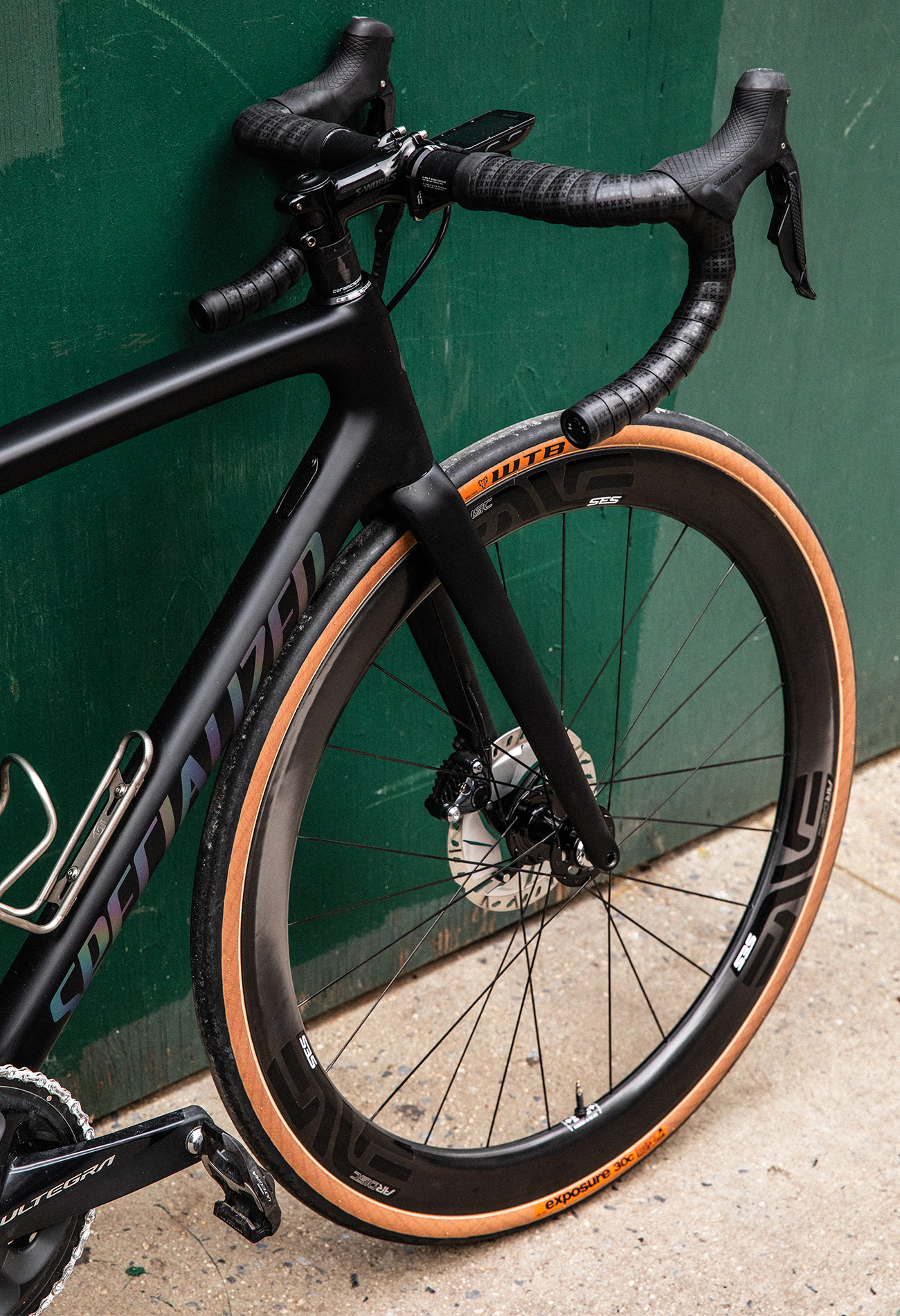
That’s all well and good, but the truth is that the process will take you a couple of tries. It took me three tries until I eventually gave up and left it to the professionals (it took them a further three tries to get the wheel to seal). It’s not a perfect science, but the hassle is worth it. The ride is supple and supremely comfortable. It’s immediately noticeable. There’s more grip in the corners, and while it may seem counter-intuitive, running your tire at a lower pressure actually decreases rolling resistance, making you faster. I also found myself seeking out rougher roads and straying from my usual road loop with more confidence than with my typical setup. I chose both wheels and tires that can handle some gravel jaunts, but can still keep up on the pavement.

Of course, road tubeless isn’t for everyone. You may be perfectly happy with your tubes, and that’s OK. But for those seeking a faster, lighter and more comfortable ride, tubeless is a no-brainer. Sure, setup can be a hassle — but it’s worth it. If you endeavor to try road tubeless for yourself, here’s everything you need to make it happen.

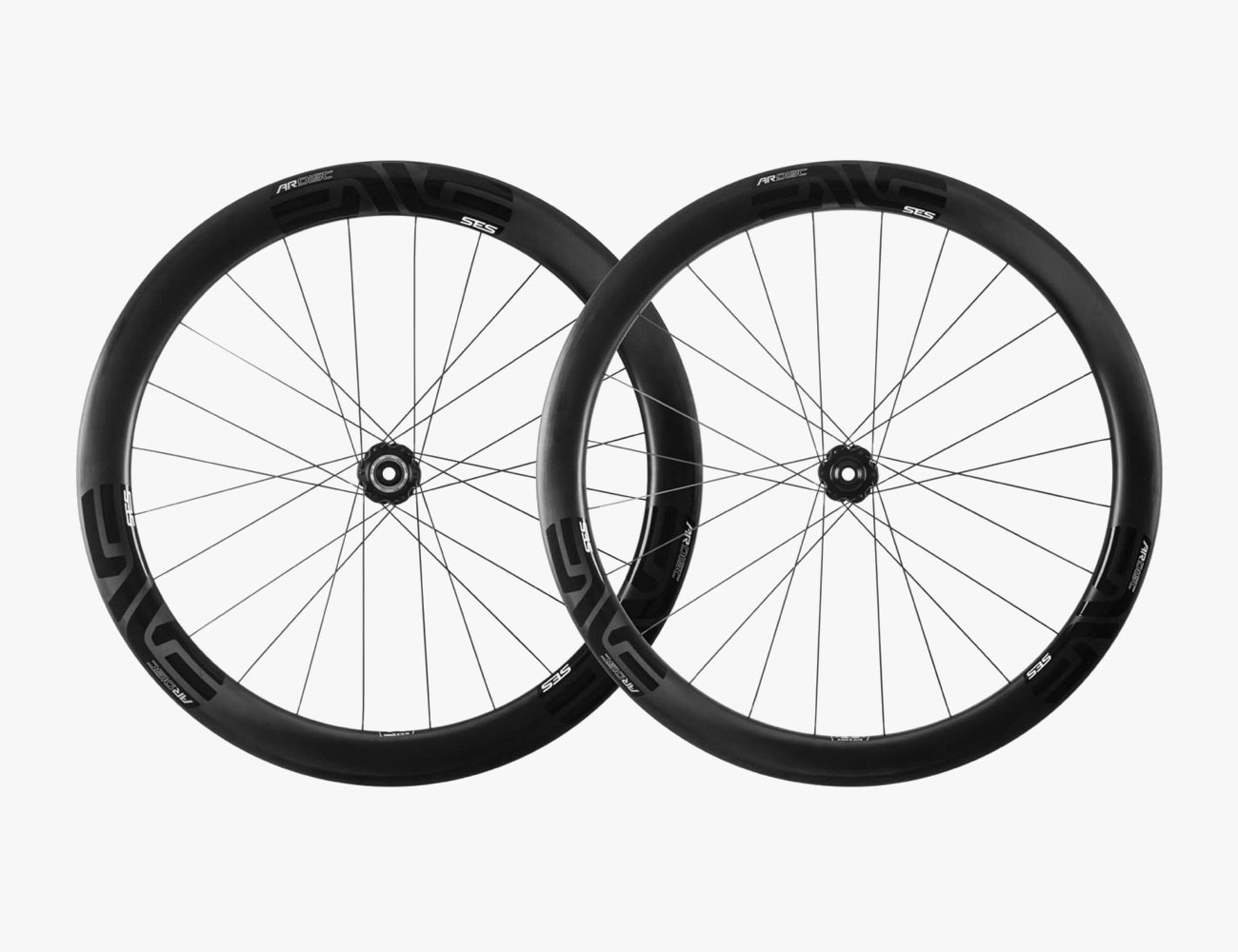
ENVE SES 4.5 AR

ENVE’s SES 4.5 AR disc wheel is specifically designed to be run with a tubeless tire. It’s stiff and compliant at the same time and offers some of the best ride quality available. Simply put, there’s a reason everyone wants ENVE wheels — the hype is real.

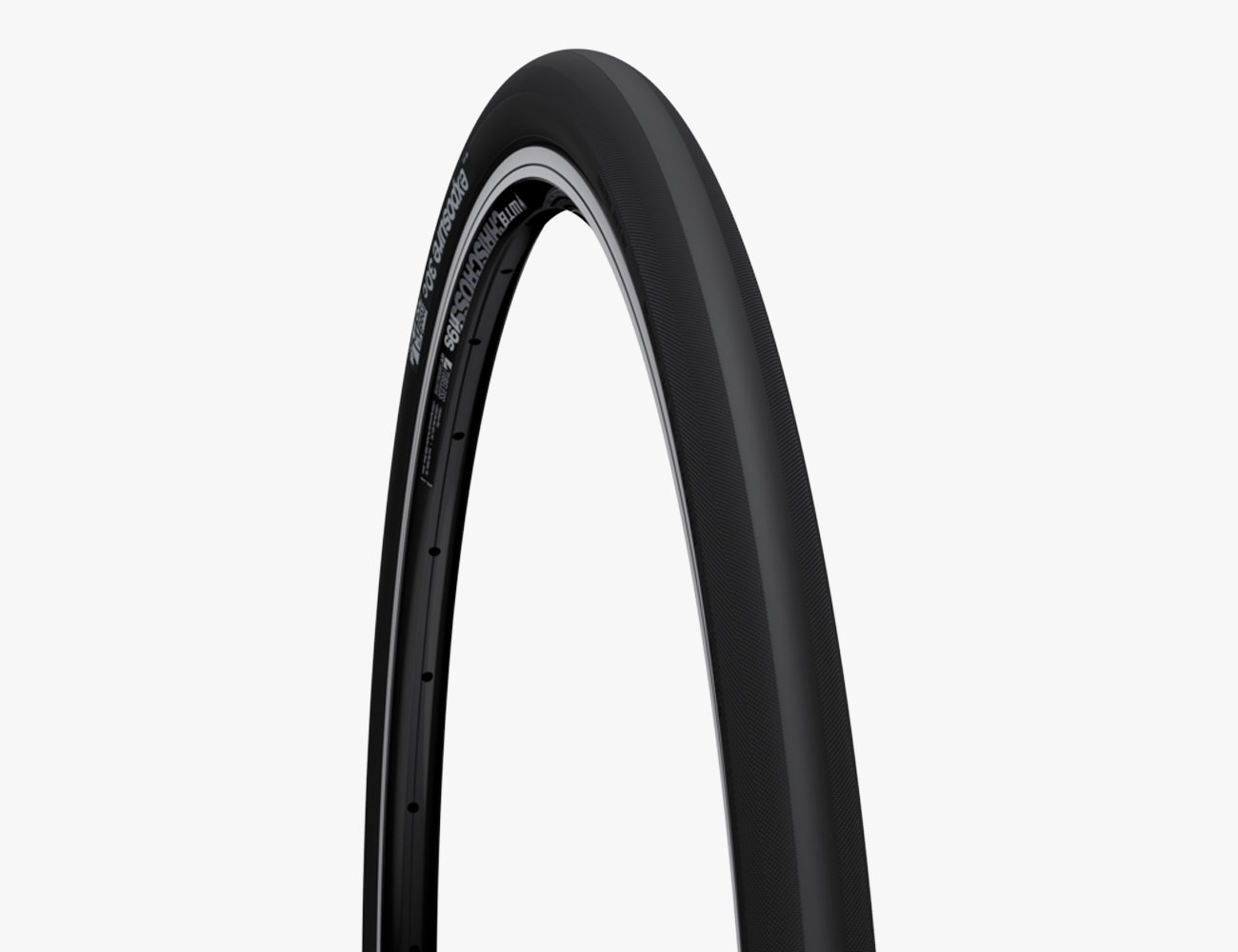
WTB Exposure 30

WTB’s Exposure 30 is one of the few tan sidewall, tubeless-compatible tires. In fact, in our extensive research, it’s the only tubeless-specific tire that has tan sidewalls and is available in a 30. It’s supple and provides a shocking amount of grip in a variety of conditions. They are a touch heavy at 310g per tire, but the comfort and durability they offer are worth the small weight penalty.

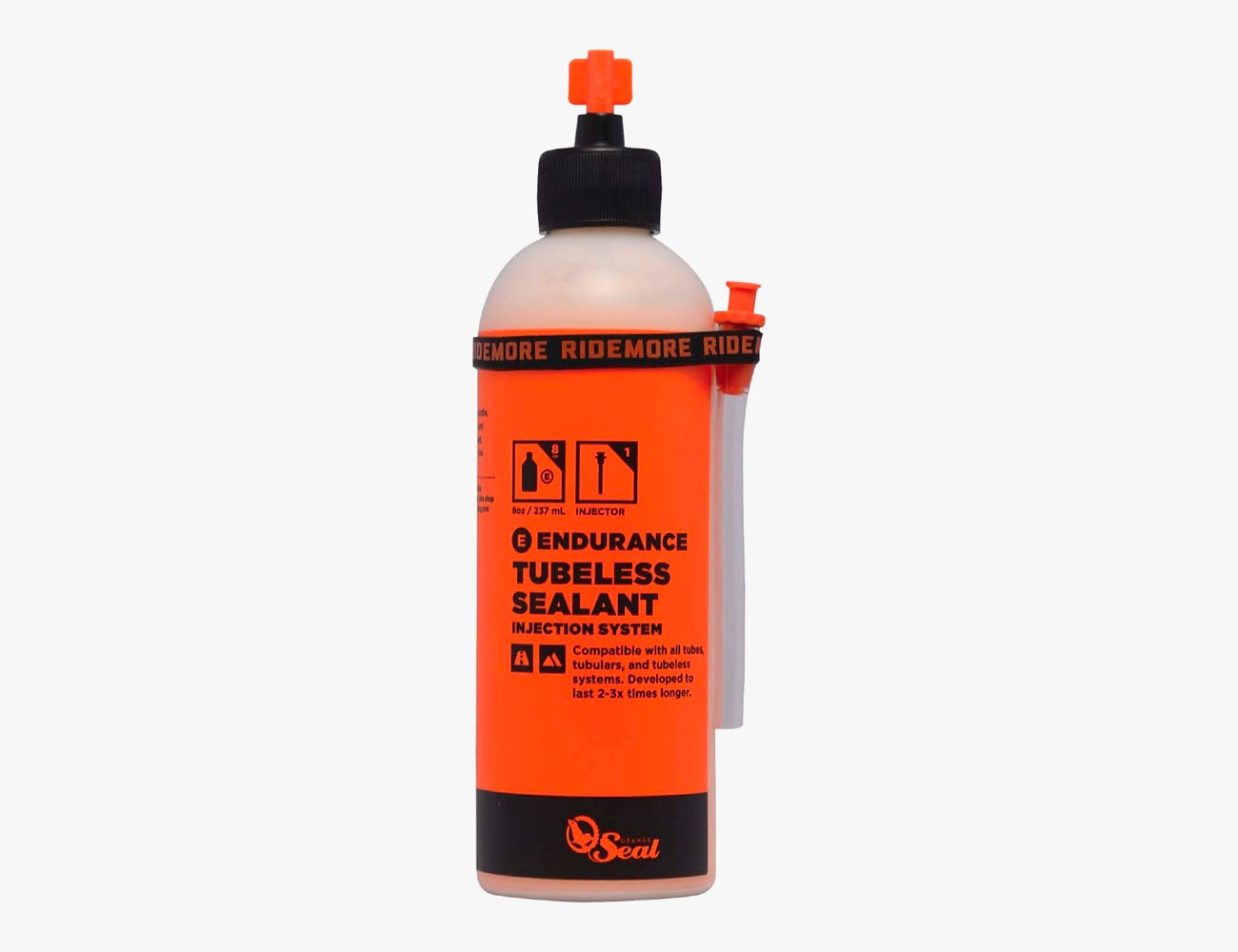
Orange Seal Endurance Tire Sealant

There are a few tire sealant brands available, but we’re partial to Orange Seal’s Endurance Sealant. The Endurance version of Orange Seal is designed to last longer (sealant will eventually dry out) and will seal up the smaller punctures that you might encounter on a road bike. It also weighs less than Orange Seal’s regular line of sealant, and that’s a good thing.

ENVE Road and Gravel Tubeless Kit

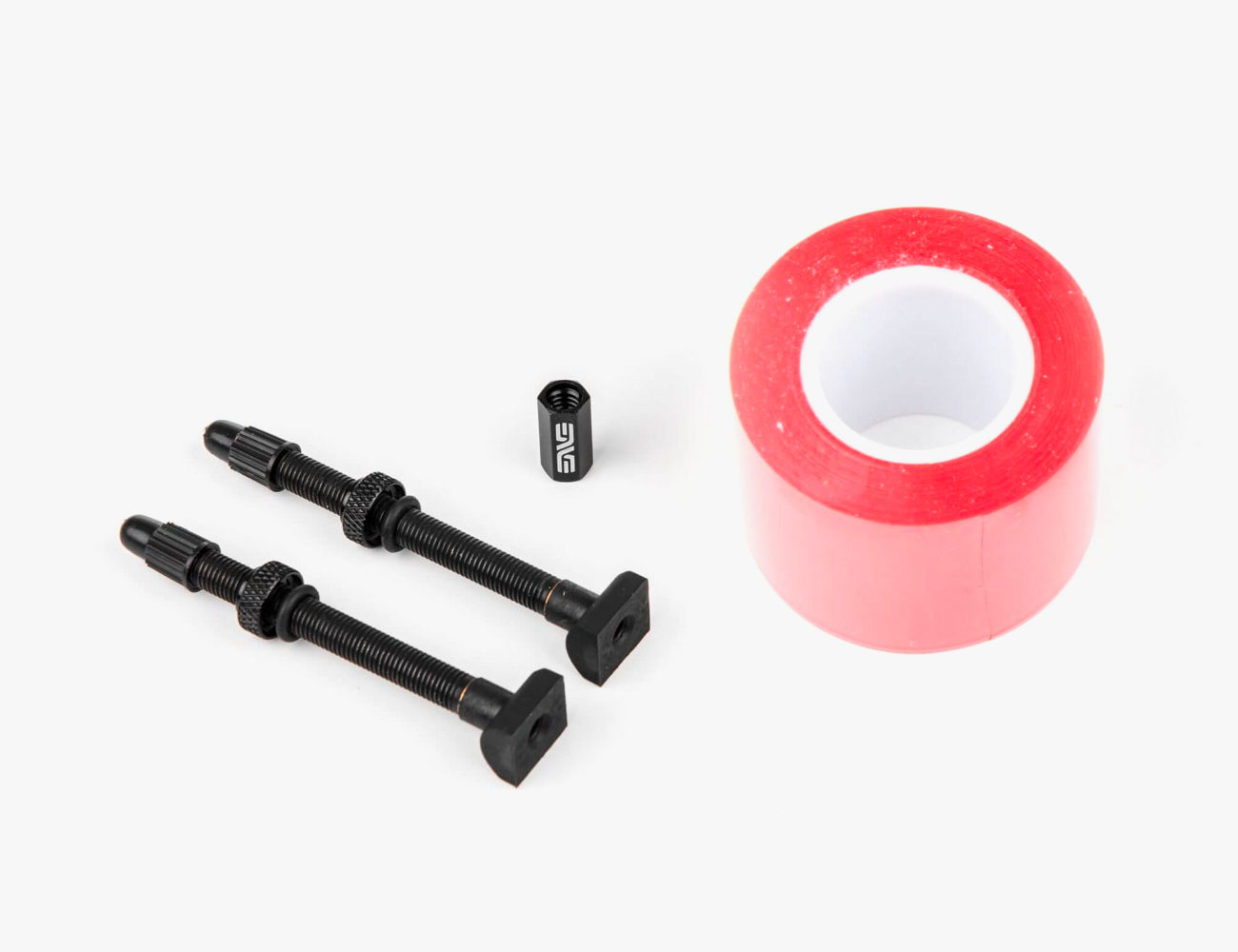
You’ll need ENVE’s Tubeless Kit for setup, which includes tubeless wheel tape, two tubeless valves (that fit the SES 4.5 AR without the need for valve extenders) and a valve core removal tool.

Lezyne Digital Pressure Overdrive Floor Pump

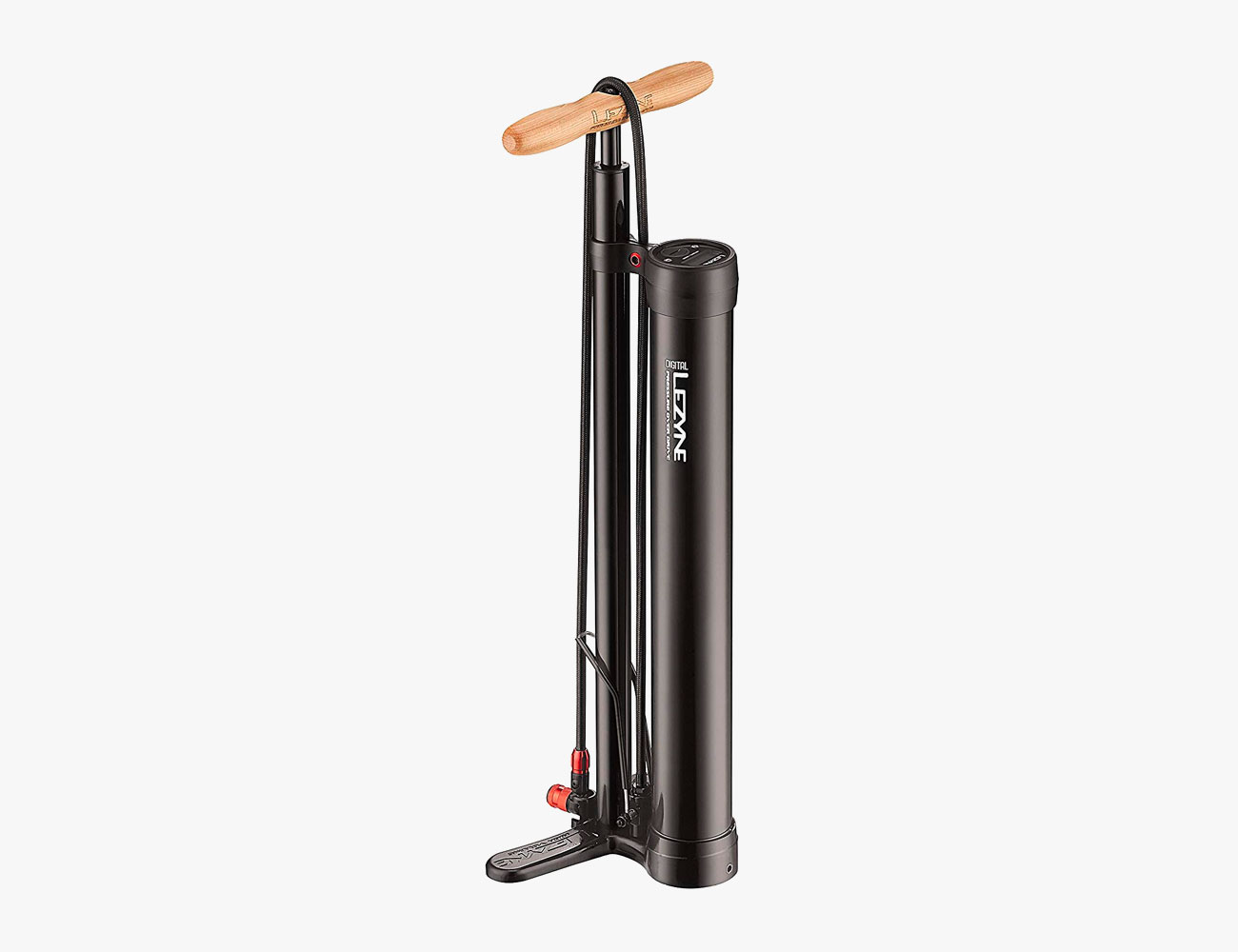
With a tubeless setup, you’ll likely be playing around with different tire pressures more than you would with a standard setup. For this, a floor pump with a digital gauge will give you the most accurate reading. Lezyne’s Digital Pressure Overdrive pump also has a piggyback chamber that can be pressurized up to 200psi. The pump then works in essentially the same way as an air compressor, helping seat a tubeless tire quickly and efficiently.

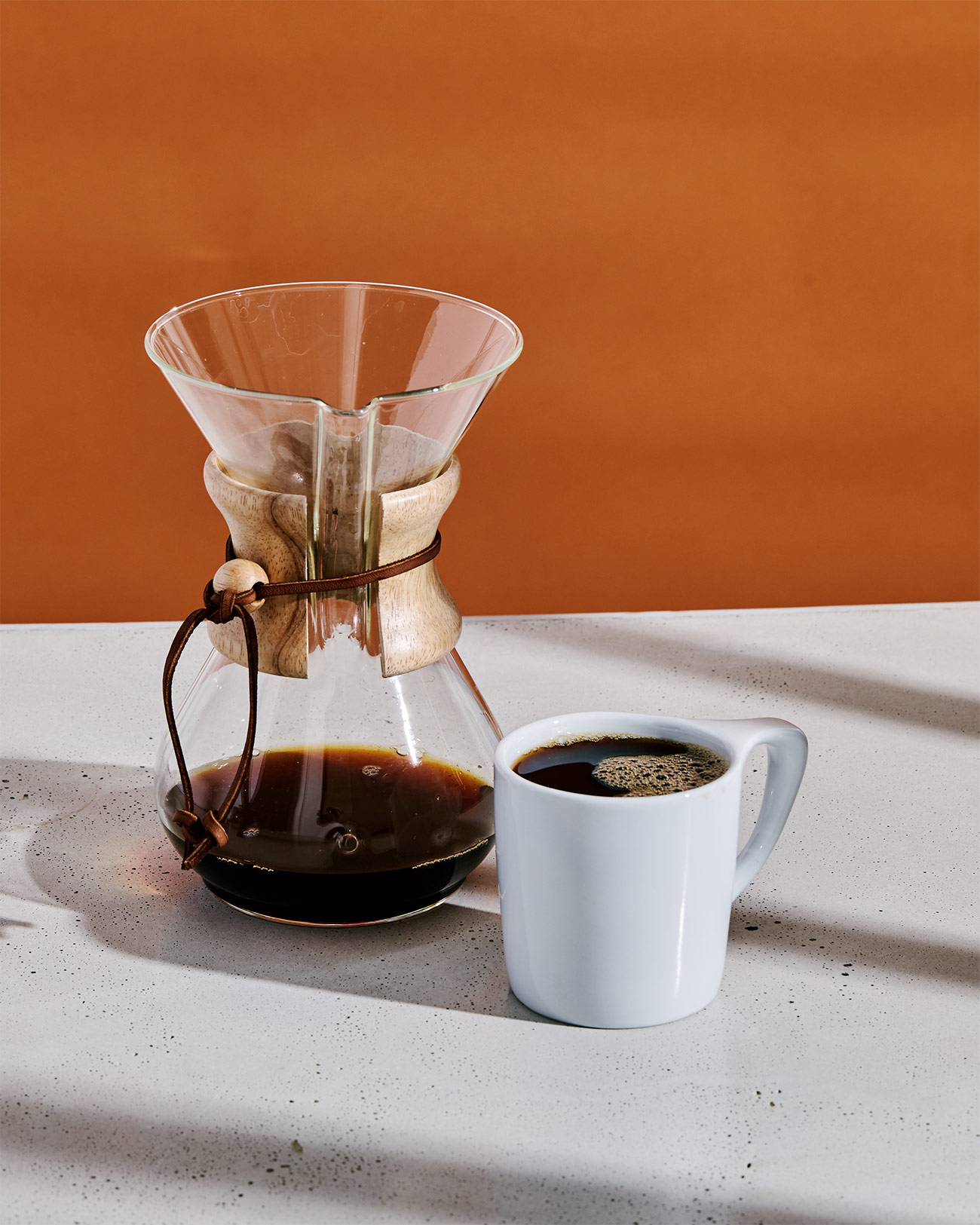
Dark-Roasted Coffee Could Be the Comeback Story of 2019

Like craft beer before it, Third Wave coffee is riddled with stereotypes. The caricature of the beer snob is a close relative of the coffee snob — snooty, dismissive and weirdly righteous. You’ll remember, too, that the craft beer community of yesteryear held fast to its belief that certain beers were beneath them — such as lagers — until some of America’s best brewers decided they weren’t. Craft coffee’s version of the lager saga is darkly roasted coffee, and now it looks like it might get off that high horse, too.

Meet “The Classics,” Trade Coffee’s new monthly coffee subscription. Built for the person who wants to get into coffee, new subscription nets you two bags of dark-roasted, specialty-grade coffee beans per month ($25 total).

“I think the thing about darker roasts is that they’re inherently a bit nostalgic,” said Erika Vonnie, director of coffee at Trade. “For the most part, that’s how coffee was roasted in America for a very long time. In the past, specialty roasters have leaned on lighter roasts, but they tend to be so far removed from what people know about coffee that it makes the transition from Folgers to specialty especially difficult.”

This idea mirrors the prediction of specialty coffee consultant and entrepreneur, James Hoffmann. In a video predicting coffee trends in the new year, Hoffmann spoke to the specialty coffee industry’s traditional stance against dark roasts: “We’ve pushed back pretty hard against [dark roasts] as an industry. We’ve said dark roasting is morally wrong, it destroys the hard work of great producers, and I understand and see that argument. I think we’re going to start to say, ‘If people like dark roasts, why can’t they have good green coffee?’”

By “green” coffee, Hoffman is referring to coffee beans prior to roasting (historically, darker roasts were filled using beans of a lower grade). It doesn’t hurt that that buzzy coffee roasters like LA’s Go Get ‘Em Tiger and Arkansas’s Onyx Coffee Lab are releasing higher-end dark roasts, too.

“You can’t hand someone curious about specialty coffee your super funky, light-roast Gesha and send them off into the sunset,” Vonnie said. “This is about getting coffee in the hands of people who want something that’s great, but still reminds them of coffee they’ve had before.”

The Classics subscription is available through Trade’s site now.

The Future of Watchmaking Is Here: Ressence to Produce the Revolutionary Type 2

There’s plenty of chaff in the watch-news space (“Brand X Releases Same Old Watch, Now With a Blue Dial!” — sound familiar?) but far less wheat. Truly exciting horological developments, the kind that get everyone in the office furiously pinging one another from across the room with a frenzied “Have you seen this???” are rare. But with the news that Ressence’s Type 2 will go into production, we’re dealing with just that type of Really Big News announcement.

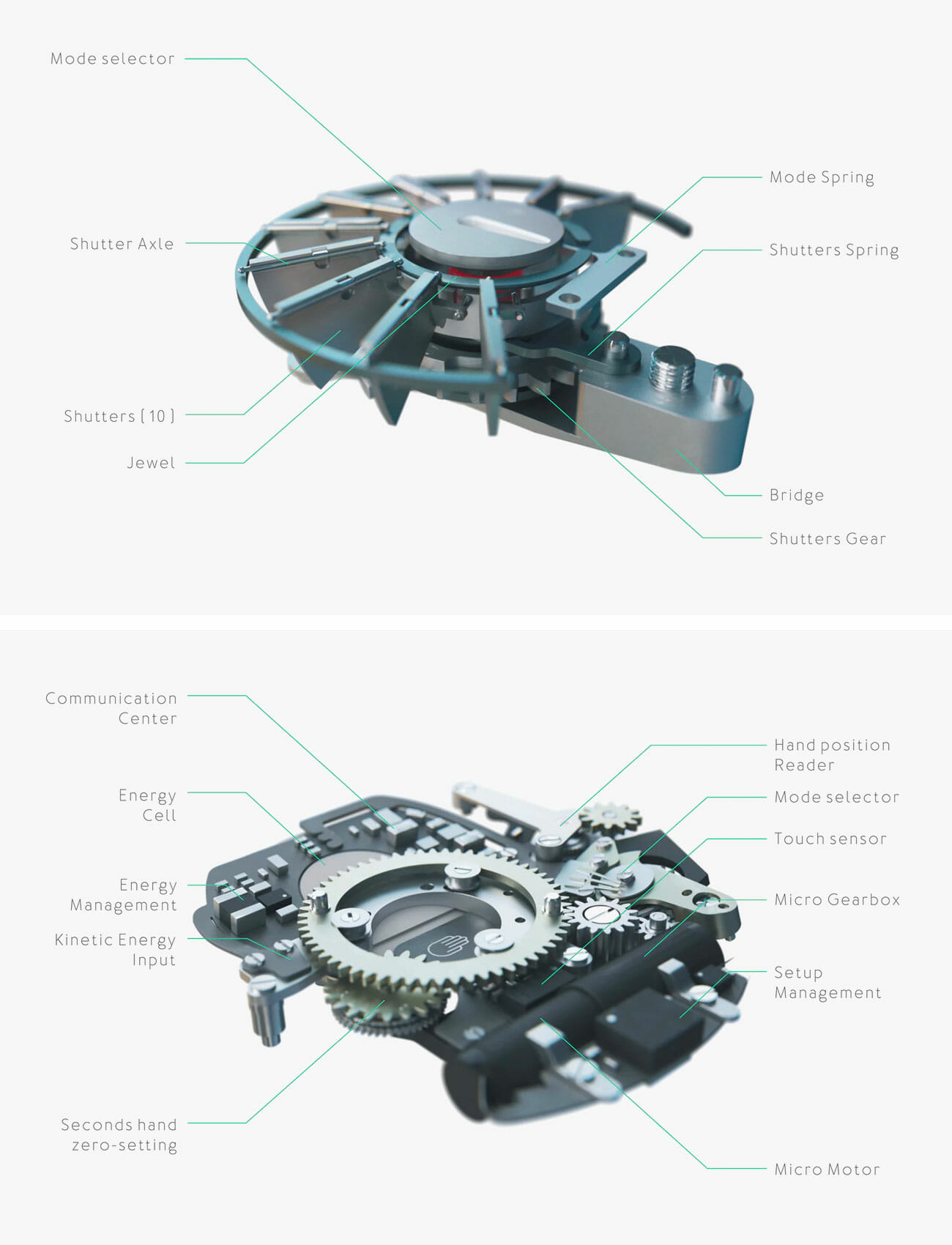
Ressence, perhaps the most futuristic of independent watchmakers, is finally bringing its e-Crown concept into the world by putting the Type 2, which incorporates the e-Crown tech, into development. We were so excited by the e-Crown concept at SIHH 2018 that we included the timepiece in our GP 100 roundup, our list of the 100 Best Products of the Year. Now that the Type 2 is going to be, you know, an actual thing, we can only think of one question: When do we get to play with it?

In case you missed the news cycle last year, here’s what’s so special about the Type 2, from our previous coverage:

“Like those GPS and radio-controlled quartz pieces, the new Type-2 e-Crown Concept can automatically set itself to the correct time, but it’s important to note that unlike those watches, the e-Crown doesn’t rely on outside signals. Instead, you set the time as you normally would, then the electro-mechanical system will use that time as a reference, then self-regulate. So when the watch stops running and you pick it up again, it will know what the correct time is, then automatically adjust when you tap the watch crystal. The watch can also connect to your smartphone via Bluetooth, meaning users can adjust time zones via an app when traveling. While the electric components in the watch rely on a battery, they’re able to be juiced up via solar charging, so there’s no need for battery changes or a charging cable.”

Ressence is the brainchild of founder Benoît Mintiens, and the company employs the seemingly endless intellectual power of Tody Fadell, the brain behind both the iPod and Nest. Only Ressence, with its incredible level of engineering and technical talent, could turn technology as radical as the e-Crown concept—possibly the most significant change in timekeeping technology in the past century—into an actual, wearable watch. Of course, whether this particular marriage of mechanical watch movement and smart technology actually signals the broader future of watchmaking remains to be seen (as with all bleeding-edge tech, it remains incredibly expensive to produce in these early days), but the more important takeaway is that steps in a truly new direction are finally being taken. This is real innovation and bold risk-taking, and it’s exciting to see.

To wit: when a prototype version of the e-Crown Concept hit the office last year, it drew no shortage of gawkers staring, prodding, and examining it like the watch was some alien technology sent back from the future. No one could quite believe that it was real, that it worked, but there it was, right in front of us. Now, having worked out some of the last design quirks, the Ressence Type 2 with e-Crown technology will finally be available for purchase to the general public (read: the general public with $48,800 to spare), proving that Ressence wasn’t just talking a big game, but is ready to stand behind its designs and bring the future into the present, for everyone to marvel at and enjoy.

Key Specs

Availability: April, 2019
Pricing: $48,800
Dial Colors: Grey (Type 2G) or anthracite (Type 2A)
Lume: Super-LumiNova on indices, markings and hands
Case Diameter: 45mm
Case Depth: 12mm
Water Resistance: 1 ATM
Movement: Customized ETA 2892/A with ROCS 2 system and e-Crown

7 High-Proof Bourbon Whiskeys to Drink This Year

A bourbon myth for you, briefly: any 120 proof bourbon is somehow inherently better than your run-of-the-mill 80- or 90-proof stuff.

“There is a falsity that’s in the consumer base that cask strength is better,” says Fred Minnick, a spirits writer and the Editor-in-Chief of Bourbon+ magazine. “What’s really happening is, a lot of people can’t taste flaws at that strength. If they were to cut it with water and get it down to 90 or 80 proof, they would detect notes they wouldn’t necessarily care for.”

Don’t go pouring the strong stuff in your liquor cabinet down the drain, though. High-proof bourbon (it’s called “cask strength” when it’s unwatered, and therefore the same strength it was when it exited the bourbon cask) remains a beautiful spirit.

Weller first bottled a bourbon at “barrel proof” in the 1940s, but it was only 107 proof. The first bottles to breach the 115 mark came from Booker Noe, at Jim Beam, and a less-remembered bourbon from Willet called Noah’s Mill. Those bourbons weren’t just about firepower. They gave drinkers a chance to taste the bourbons like their blenders had, straight out of the barrel; they added a new tool to the bartender’s cocktail kit; and they introduced a new route — albeit a difficult one for distillers and blenders to traverse — to flavors intensified by the higher alcohol content.

Science backs this up. Ethanol, the alcohol in spirits, is an immense flavor enhancer, but its effects on the taste of a drink are not always straightforward. For instance, scientific studies have found that an increase in ethanol content in a spirit tends to decrease the release of aromatic compounds — higher alcohol, less smells. To a point, a well-balanced high-proof bourbon can amplify certain flavors, like caramel, Minnick says. When distillers control the beast, “you get those special bourbons, where the concentration of the flavor notes are much more powerful.”

It’s a fine line to walk for distillers, let alone buyers. The final lesson? Don’t buy high-proof bourbon for high proof’s sake, but prospect carefully and you’ll unlock liquid pleasures beyond the vale. Here are some high-proof bourbons that walk the line beautifully.

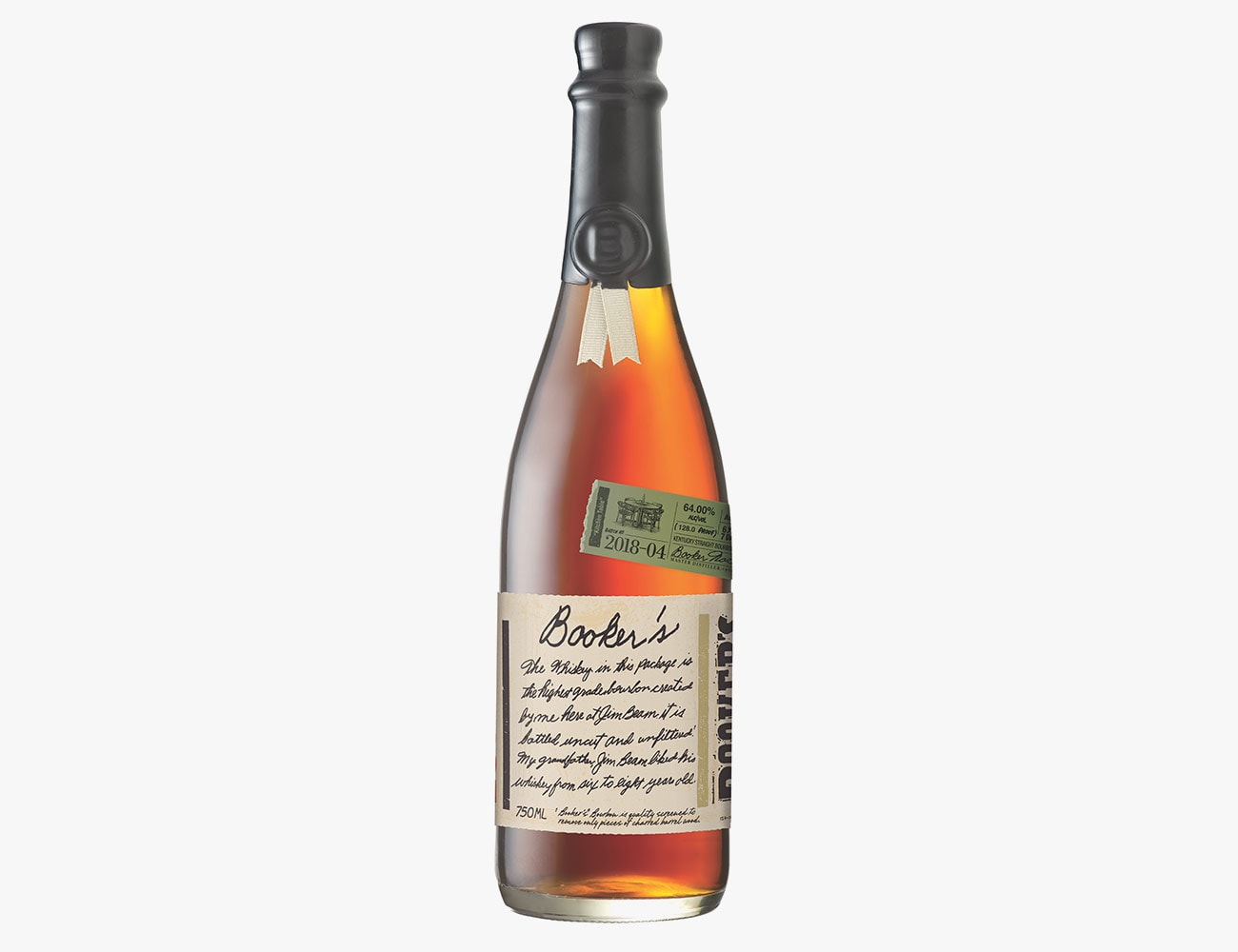
Booker’s 2018 04 “Kitchen Table”

The OG: Booker Noe was a visionary in the high-proof world, one of the first to bottle bourbon at cask strength, unwatered. (Booker’s also claims that he coined the term “small batch” when, really, he popularized it.) That bourbon was called “Booker’s True Barrel Bourbon.” Today, every bottle of Booker’s is bottled at barrel proof, and they pack a serious punch — usually, upward of 125 proof.
Proof: 128 (barrel proof)
Age: 6 years, 8 months, 7 days
Tasting Notes: honey, rye, molasses, spice

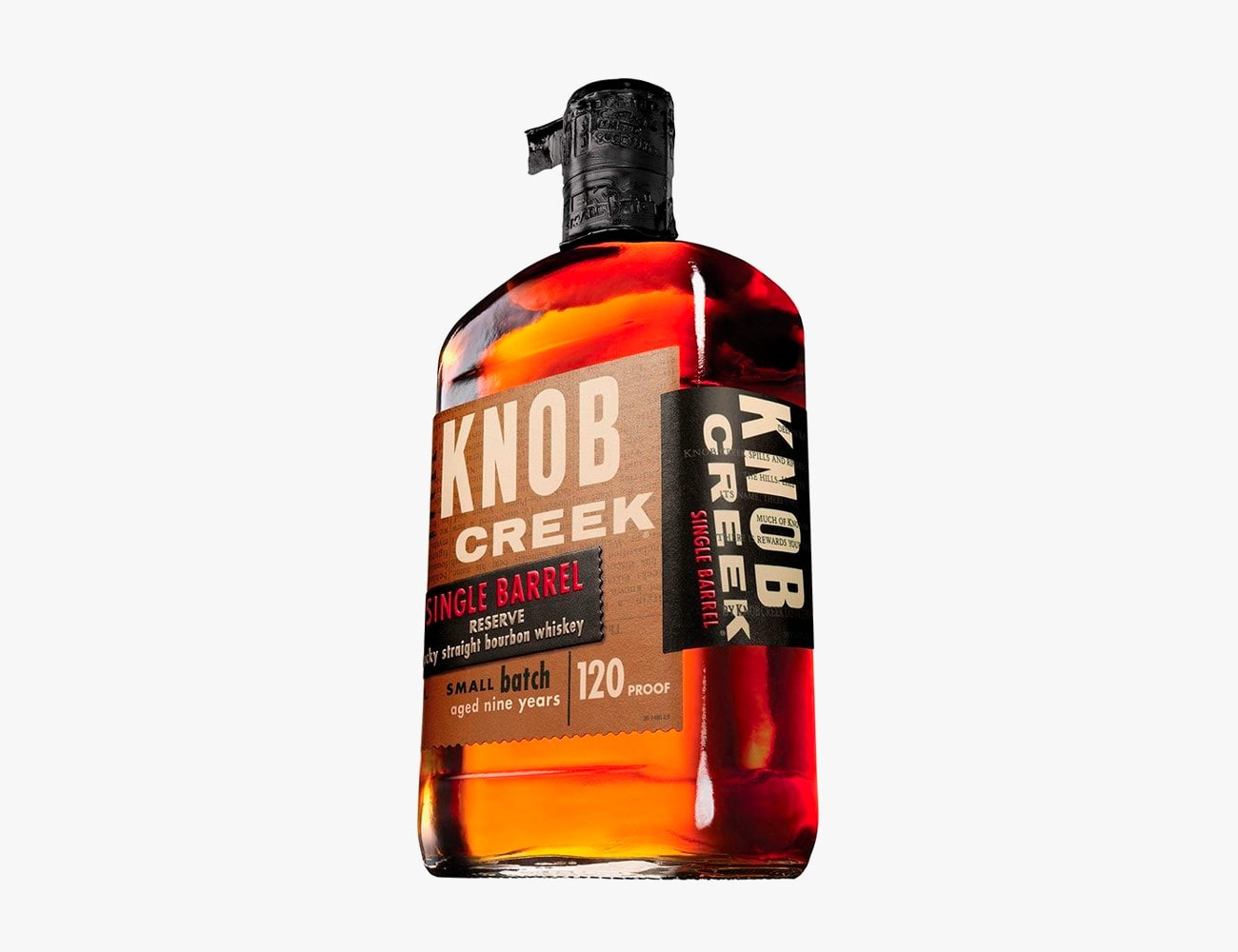
Knob Creek Single Barrel Reserve

Juicy Bomb: Also the doing of Booker Noe, Knob Creek comes from the Beam Suntory distillery. It’s aged nine years, just like every other Knob Creek bourbon, which drinkers will find reflected in its classic vanilla and caramel notes. The extra ethanol seems to amplify the sultry caramel flavor without overwhelming the juicy, light citrus that comes from the rye.
Proof: 120
Age: 9 years
Tasting Notes: vanilla and caramel, with a touch of citrus

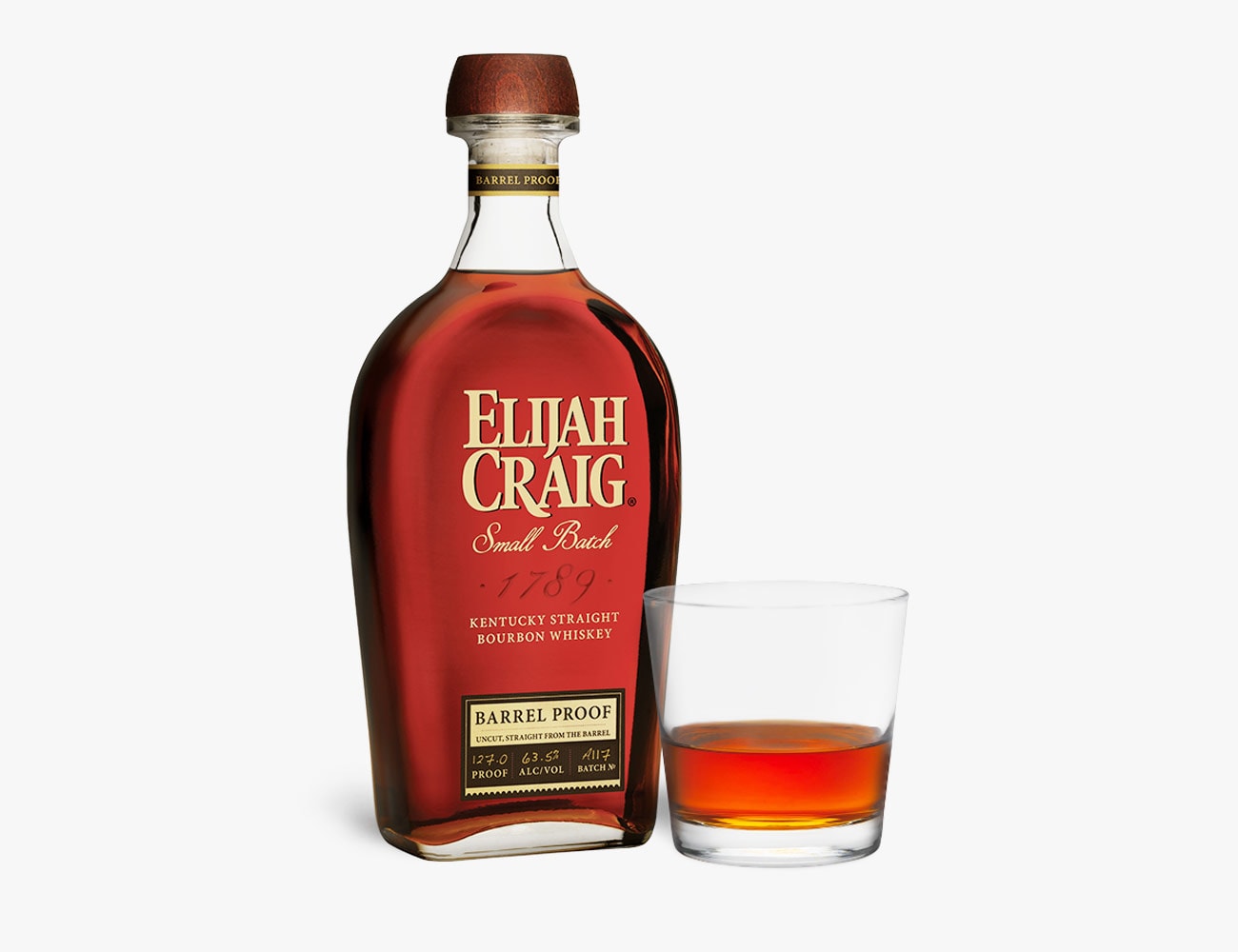
Elijah Craig Barrel Proof

Award Winner: Heaven Hill’s ubiquitously distributed gem has won serious awards. Elijah Craig small batch variety has been lauded by Whiskey Advocate, Whiskey Magazine and The Whiskey Bible, while the Barrel Proof version was Whiskey Advocate’s 2017 Whisky of the Year. It’s an incredibly dark bourbon, representative of a serious interaction between bourbon and barrel.
Proof: 131 (barrel proof)
Age: 12 years
Tasting Notes: caramel, butterscotch, spice

Wild Turkey Rare Breed

The People’s Champion: Even the widely accessible bourbons on this list cost upward of $80. Wild Turkey’s version goes for around 50 bucks. It’s been around since 1991, a blend of 6-, 8-, and 12-year-old bourbons. Its spiciness follows with Wild Turkey 101s.
Proof: 118 (barrel proof)
Age: 6 – 12 years
Tasting Notes: spice, rye, pepper, oak

George T Stagg

Dream Bottle: Much like Colonel E. H. Taylor, Jr. — more on him in a moment — George T. Stagg was not known as a great distiller or blender, but rather a salesman. He’d be happy to see a bourbon with his name on it that goes for upward of $800, if it can be found. But inflated as its price may be, this is truly a dream bottle for collectors, fawned over by experts worldwide: winner of Jim Murray’s Whiskey Bible World Whiskey of the year from 2004 to 2006, and second in 2012, it was awarded three golds and three double gold medals by the San Francisco World Spirits Competition from 2006 to 2012.
Proof: 124.9 (barrel proof)
Age: 15 years
Tasting Notes: rye, coffee, fudge, dates, dark berries

Colonel E. H. Taylor, Jr. Barrel Proof

Gentle Giant: Colonel Taylor was a benefactor of sorts for the bourbon industry in the 19th century — first as a banker and then as a modernizer of distilling equipment at what today is Buffalo Trace. The standard E. H. Taylor, Jr. bottle and the small-batch version are both bottled-in-bond without an age statement, which means they are at least four years old; the Barrel Proof version also has no age statement. All three use the distillery’s ubiquitous “mash bill no. 1,” shared with a number of other bottles, including Buffalo Trace and Stagg Jr.; get your hands on all three and you can compare how different barrels and proofs make for drastically different bourbons.
Proof: 125 (barrel proof)
Age: NAS
Tasting Notes: vanilla, citrus, plum

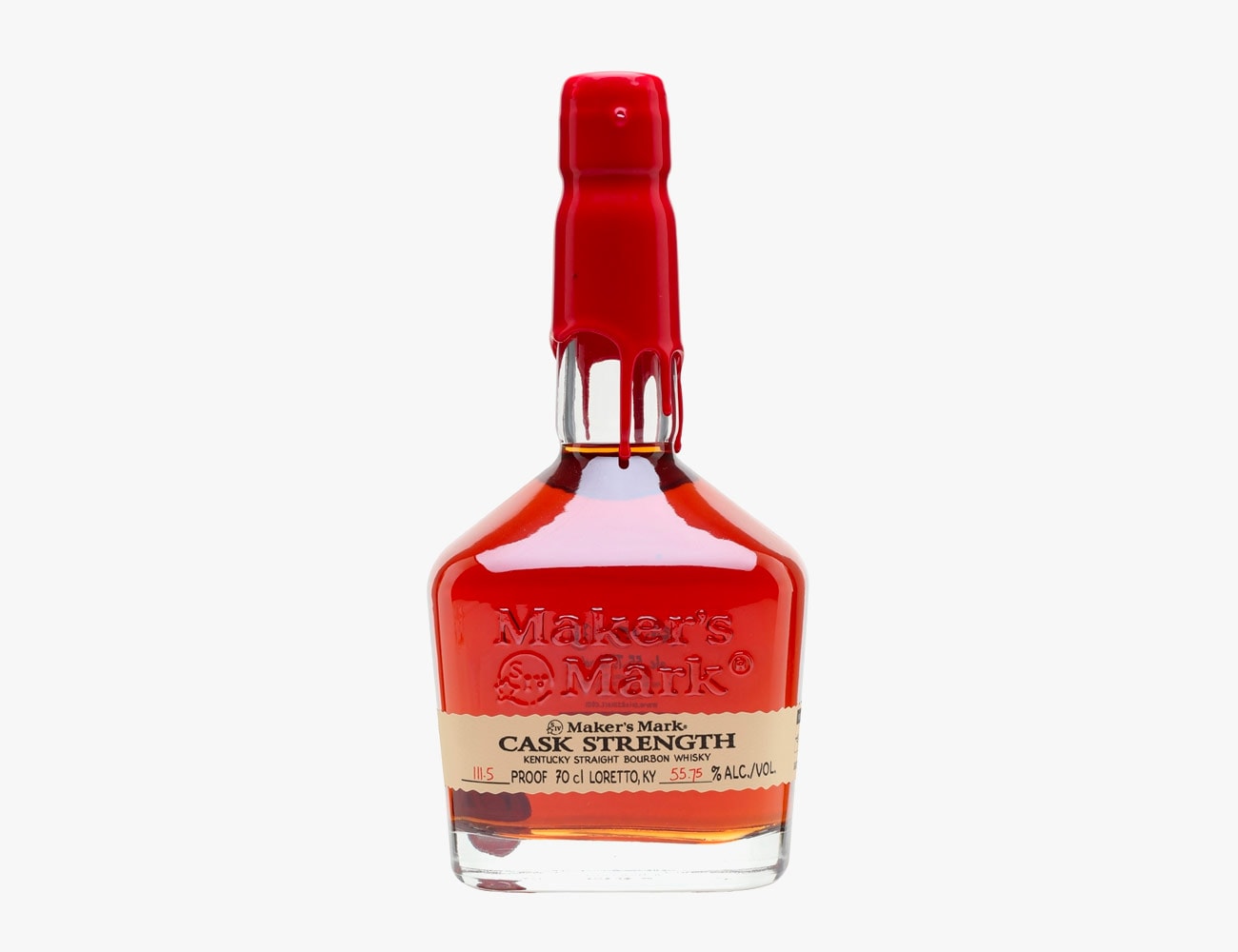
Maker’s Mark Cask Strength

Wheated Winner: There are few barrel-proof bourbons on the market that use wheat rather than rye. When Maker’s Mark Cask Strength was introduced in 2014, it gave wheated bourbon fans their first crack at a reasonably priced, widely available option. The home-run version for high-proof wheated bourbons is William Larue Weller, which is closer to 130 proof, wins loads of awards but it also costs an arm and a leg. Maker’s Mark is bottled at a much lower proof, which helps balance its sweetness, spice and alcohol heat.
Proof: 111.3 (varies)
Age: NAS
Tasting Notes: cherries, cinnamon, vanilla, dark fruit, molasses

The Best Bourbon Whiskeys You Can Buy

Everything you ever wanted to know about America’s favorite brown spirit, including, of course, the best bottles you can actually buy. Read the Story

2019 Porsche Cayenne Review: A Proper Porsche, and One You’ll Pay For

The Cayenne is Porsche’s larger mid-size luxury SUV. For its third generation, the self-described “sports car for five” has gotten lighter, faster, and more performance-inclined to distinguish itself from external competitors and similar internal competitors like the Audi Q8 and the Porsche Macan S.

The Good: Porsche designed it. Quick for an SUV. Excellent balance and low center of gravity. Responsive steering. Intuitive transmission. Notably comfortable front seats.

Who It’s For: Affluent SUV buyers who want Porsche cachet and performance. Perhaps a one-car Porsche enthusiast whose kids have outgrown the 911’s rear seat.

Watch Out For: Engine noise underwhelms. Standard suspension feels tight. The option tree gets pricey and borderline exploitative.

Alternatives: Other high-end European performance geared SUVs in this general price range include:
Range Rover Sport ($67,050, base)

Audi Q8 ($67,400, base)

BMW X5 ($60,700, base)

Review: The thing about driving a Porsche around Napa for a day is you can’t describe it as work. Social mores mandate at least a knowing smirk when you say that. We all know why. Porsche means premium, precisely engineered, and damn near perfect. When Porsche needed to redefine the Cayenne for its third generation (and differentiate it from its Audi Q8 cousin using the same MLB platform and engine) the answer was to play up just how much of a Porsche this midsize SUV is.

Porsche made the Cayenne more athletic. The SUV has gotten lighter (down 120lbs) from the last generation. The new 3.0L Turbo V6 in the base model generates more power (+35hp) and torque (37lb-ft) than the last model. Getting lighter, more powerful, and having the driving dynamics improved makes it faster. Every iteration of the Cayenne will do 0-60mph in under six seconds.

Porsche wants the Cayenne to look more like a Porsche. Truth be told, it looks similar to Gen 2. But, Porsche wants the wide shoulders to remind you of the 911’s characteristic, much fawned over back end. The new Cayenne also incorporates a number of performance features from other Porsches. It has staggered front and rear wheels, replacing the predecessor’s square alignment. It can be fitted with rear axle steering and launch control. The Cayenne will be the first Porsche fitted with proprietary Porsche Surface Coated Brakes (PSCB). These deliver most of the benefits of ceramics, cost much less, and leave a boss mirror finish.

Upping the Porsche quotient (surprise, surprise) produces an engaging SUV to drive. The Cayenne is quick. It is well-balanced. The steering is responsive. It has a low center of gravity and an impressive amount of grip. The transmission intuits what the driver wants seamlessly. It’s a keen corner taker. It behaves when bottled up behind a Subaru on a two-line highway. About the only criticism is the engine note which was either too mild or too mild to puncture the noise canceling glass.

Rest assured. Porsche did not go full-on “SAV” here. The Cayenne is still an SUV. The grab bag of Porsche sports car features available did not include the PDK transmission, because Porsche believes its 8-Speed Tiptronic is better for off-roading and towing. The Cayenne has multiple off-road terrain settings. The closest we got to testing them was ducking into a scenic roadside lookout for pictures.

The Adaptive Air Suspension is worth the expense. The standard one felt very tight and unforgiving on our morning tester with 21-inch wheels. The air suspension gives a smoother and more composed ride. Even when the car is being pushed, the copilot can settle into a notably comfy front seat for a post-lunch snooze.

I would lean toward taking the PSCB brakes as well. I found them too touchy starting out at slow speed. I missed how easily they stopped the car when I didn’t have them. The standard brakes are adequate. The PCSBs, as they should be for the cost, are better and look cool.

I didn’t futz with the infotainment system too much. The Cayenne has dual customizable 7-inch displays behind the wheel and a 12.3-inch tablet screen in the center. The design was clean. Menu progression was natural. I wish the big screen had been angled toward the driver slightly more.

Where the Cayenne offers the truest Porsche experience is when you reach for the checkbook. Porsche makes nearly everything, including many features most luxury cars would make standard, options. Those options get expensive in a hurry. Embark with me on a quick configurator journey.

Let’s add the air suspension ($4160) and the PSCB brakes ($3490). The latter require you to upgrade to at least 20 inch wheels ($1720 minimum). That alone is approaching $10,000. You probably want adaptive cruise control ($2000) and lane change assist ($950) on your kid transporter. Sunroof? That’s an additional ($1850). Want your car to remember your seat settings ($1900) and heat up during the winter? ($530 for just the front).

Does the performance stuff intrigue you? The Sport Chrono package for launch control and sport plus driving mode ($1130) is a must have. There’s the rear-axle steering ($1650) Do you plan to use your Cayenne for SUV stuff? That will be an additional off-road package ($2000) and tow rig ($660). Yeah, I dig that Biscay Blue Metallic paint ($800) too. This stuff only scratches the surface of the customization options.


Our lightly outfitted, base model tester vehicles were pricing out north of $80,000 for what, reminder, is the third best engine you can have in a Cayenne. That price tag factors into the perception. The Cayenne provides a great drive for an SUV. It’s an all-around, capable, and fun car. It’s recognizable as a Porsche. It’s more than a profitable placeholder in the Porsche lineup. But, an $80,000-plus or more car should have some outstanding quality that makes that expenditure feel justified. However improved or formidable, the Cayenne in the base trim doesn’t.

The Cayenne will be more than enough SUV for most buyers. Porsche will sell a number of them. The cachet from that Porsche emblem alone will keep many Cayenne customers happy. It better, because they are paying a steep premium for it.

Verdict: The Cayenne is a proper Porsche. It’s top notch engineering. It performs just about every task well. It will be more than enough for most buyers. But, a near $90,000 car, SUV or no, should give you the giggles. It should have one exceptional quality that excites you about spending that much money. The Cayenne didn’t.

What Others Are Saying:

• “It took Porsche 53 years to sell a million 911s. Porsche has sold 770,000 Cayennes in the 15 years since it was launched in 2002, and the millionth will probably be built in about three years. As much as we love and cherish the sports cars from Stuttgart, Porsche in the 21st century is the house that the Cayenne SUV built.” – Tony Quiroga, Car and Driver

• “If you’re willing to pay the premium, though, the new Cayenne delivers precisely what cargo-hauling Porsche fanboys consistently insist they want: an SUV that satisfies the sport part of the equation while offering a level of functionality and people-moving they can’t get in a 911 or 718. – Basem Wasef, Autoblog

2019 Porsche Cayenne Key Specs

Engine: 3.0L Turbo V6
Transmission: 8-Speed Tiptronic
Horsepower: 335hp
Torque: 332lb-ft
Weight: 4,377 lbs
0-60: 5.6sec (with Sport Chrono package)
Top Speed: 152mph

Porsche hosted us and provided this product for review.

Read More Gear Patrol Reviews

Hot takes and in-depth reviews on noteworthy, relevant and interesting products. Read the Story
Note: Purchasing products through our links may earn us a portion of the sale, which supports our editorial team’s mission. Learn more here.