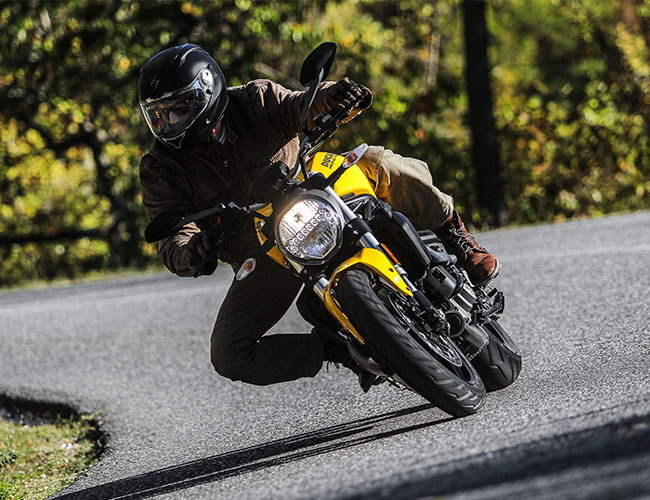
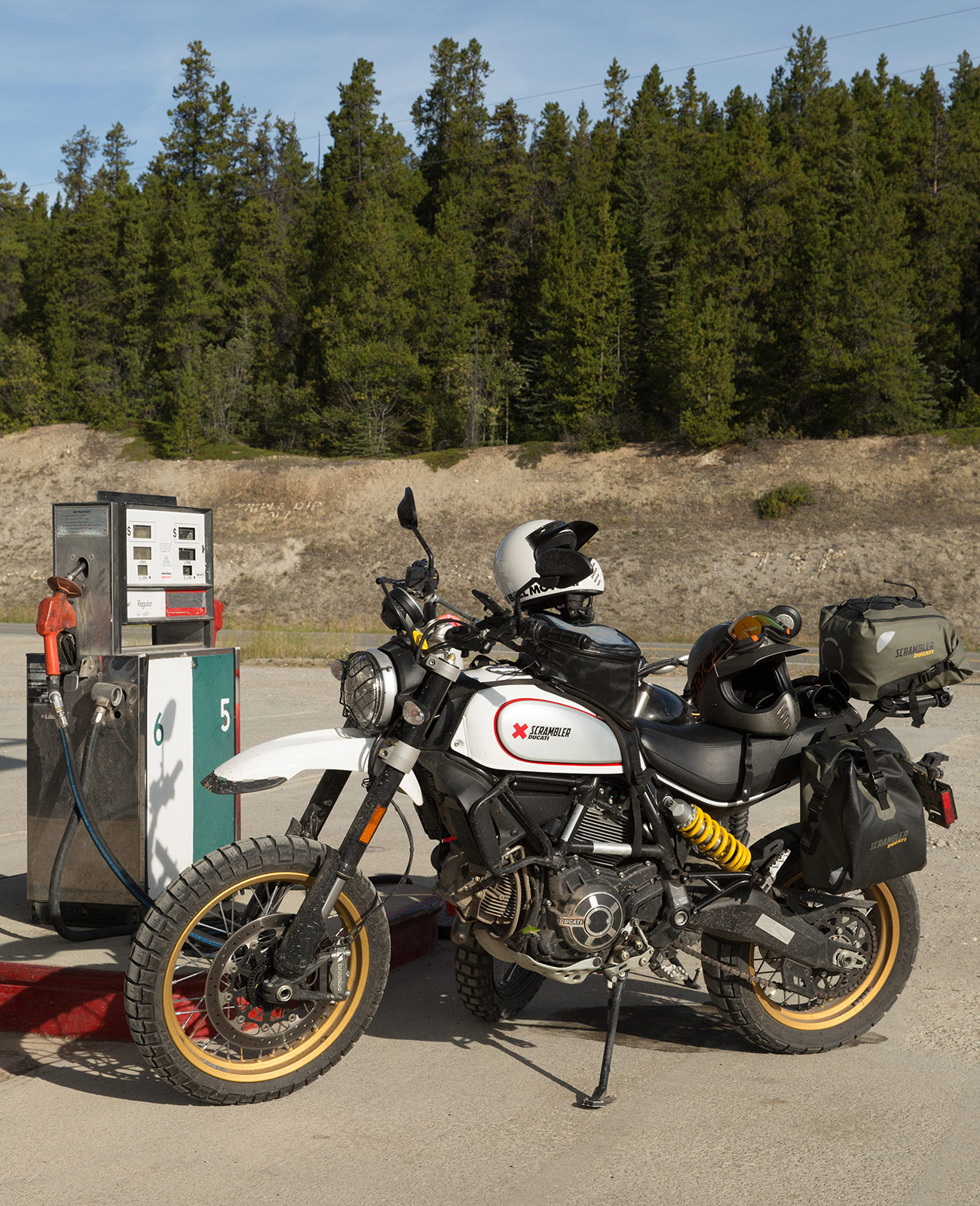
All posts in “Motorcycles”

A Two-Day Course On How to Ride a Motorcycle Off-Road

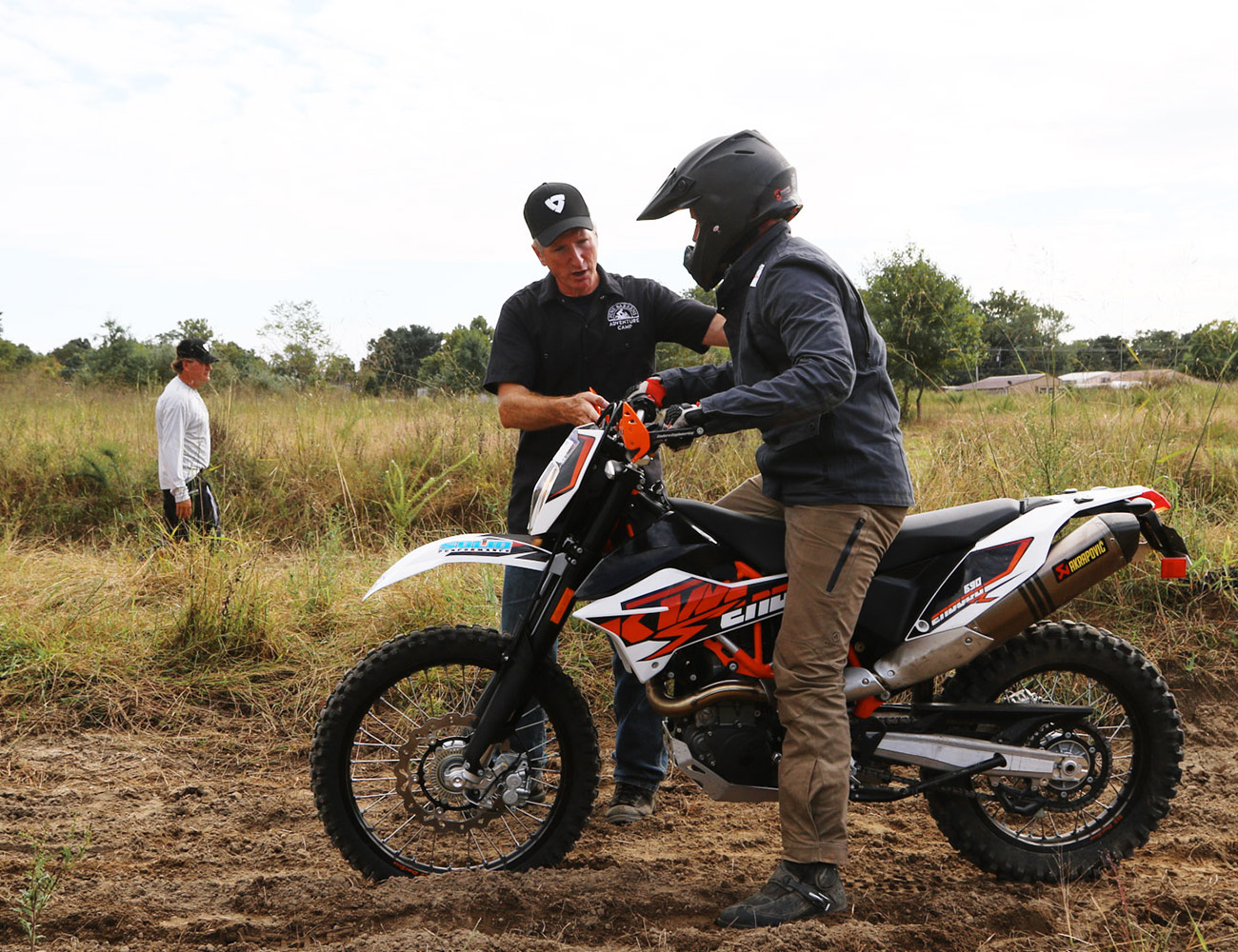
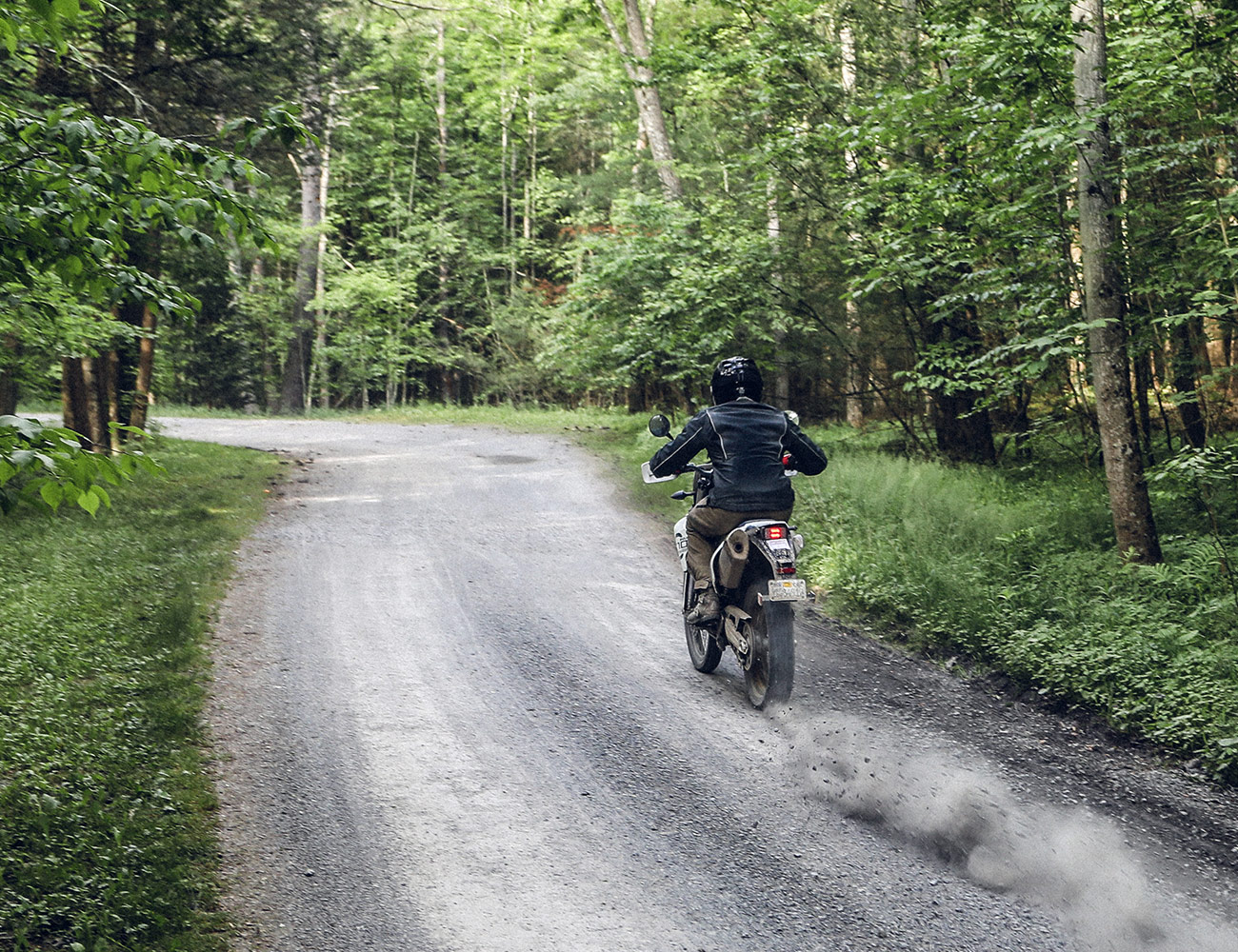
I was standing in the middle of a field, in Hammonton, New Jersey, slowly being eaten alive by mosquitoes. An overcast sky intermittently splashed down light rain and “light on the bars, feel it in your feet, light on the bars, feel it in your feet,” calmly repeated in my head between riding exercises. I found myself there, on the edge of Wharton State Forest, by way of an invite from Pine Barrens Adventure Camp Director Jack O’Connor. My goal was to prepare for the upcoming Pine Barrens 500 — a three-day, 500-mile off-road adventure motorcycle ride through New Jersey’s 1.1 million acres of dense forest, deep sand and fire roads filled with blind turns and bike hungry mud pits. The ‘bars and feet’ mantra is PBAC instructor Mike Bradway’s — a 2007 East Coast Enduro Champion, 2000 to 2007 East Coast Enduro Association Top AA rider and veteran of the 400 mile-plus dual sport ride from LA to Barstow to Vegas. So I’m all ears.

Riding off-road isn’t foreign to me at all but, I’ll admit, I still have volumes left to learn. And, since I’ve recently fallen in love with the freedom that is off-road riding, the idea of attending an adventure riding school was high on my list of things to do. Getting out on the trails, cracking the throttle wide open and barreling down fire roads to the tune of a straight-piped single cylinder sounded like a fantastic way to spend a weekend. Bradway’s first exercise? We didn’t even turn on the bikes.

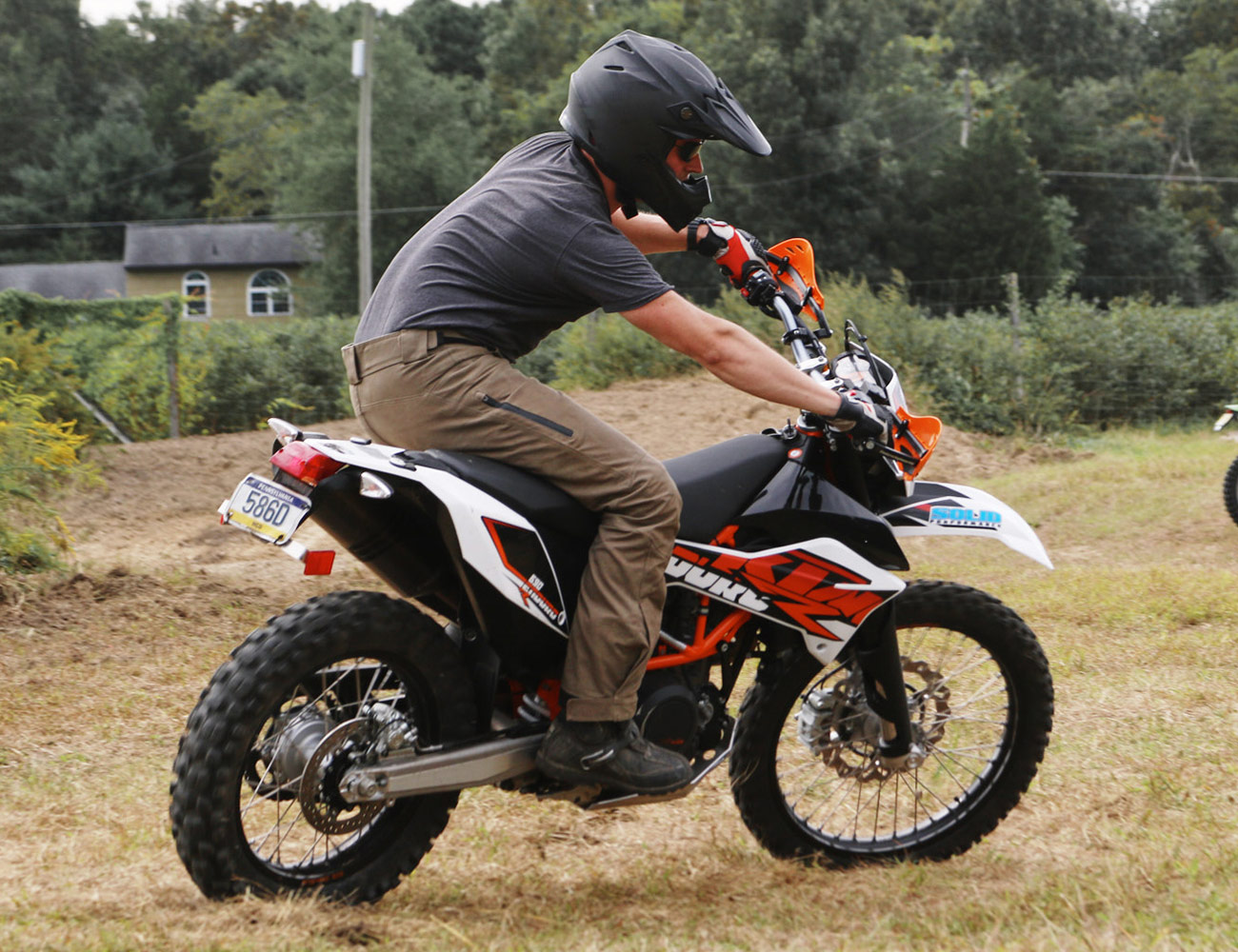
Kickstands up, both feet on the pegs and standing up, we worked on balance in the adventure riding position, seeing how long we could keep the bike up without planting a foot on the ground to catch a fall. My classmates’ bikes ranged from slim Suzuki DRZs and modified Honda XR 650s to a couple of big ol’ BMW R 1200 GSs. Despite having an incredibly light Solid Performance-tuned KTM 690 Enduro tuned by to play with, almost immediately it was obvious my balanced skills sucked — and I hadn’t even clicked the bike into first gear yet. But building up a foundation of simple skills on the bike at a slow pace is crucial because if you rush it and jump up to speed too fast, you’ll fall apart. And when you have trees as thick as streetlight posts grazing inches from your handlebars and varied-traction earth under your tires, you’ll wish you took your time when you had the chance.

The second exercise takes the first and puts it in motion. We fire up our bikes but hardly go near the throttle at all. It’s all about keeping balance and riding “slower than first gear,” as O’Connor put it — feathering the clutch, letting the bike tractor along in a straight line as slow as possible. Not only do you get better acquainted with the action point of the clutch on your own bike, but you learn the motions, or ‘body English’, to keep your bike upright while you inch along.

The next exercise throws a six- or seven foot-long two-by-four into the mix. Aiming to get both wheels on the piece of wood by riding at it longways and then keeping the rear wheel on as long as possible, we were forcing ourselves to learn more skills while putting the previous lesson to work in a new application. Up until the afternoon ride, the rest of the day’s lessons followed the same pattern. From learning what the rear brake feels like when it locks up and when the front does the same to braking and sliding the rear tire into a turn, it was all repetition and basic skill building. That might sound tedious; in practice, it was eye-opening. Not just to how much rudimentary knowledge and motions are put to use on a constant basis while riding, but how much I desperately need the practice.

Almost every exercise was showing me something I had been doing wrong when riding off-road, but the tempo of each lesson and the physical pace at which we were riding around the field made it infinitely easier to recognize the bad habits and then break them. The most important lesson of the day, however, wasn’t a habit to be broken but refining a skill I thought I had a pretty good grasp on: counterbalancing.

“If you stay stiff and try to lean with the bike, you become one giant, top-heavy mass. If you stay loose and nimble, it’s easier to manipulate the bike’s weight.” Bradway explained this concept while monkeying from side to side on his BMW GS with the kickstand down, demonstrating the body movements. Then there it was again, “light on the bars, feel it in the feet.” We practiced slow figure-eights, leaning our bikes into the turns while moving our bodies to the outside, pushing down on the footpegs, keeping relaxed arms, feathering the clutch, alternating from side to side in each turn.

I benefited from having a fairly light bike, which made the exercise a little more manageable. But, when it comes to a BMW R1200 GS, a KTM 1190 Superadventure or any other big adventure bike, counterbalancing is the only hope you have of muscling those behemoths around tight turns, narrow trails or keeping them
from bucking you off in emergency maneuvers.

Throughout the day and out on the trail and during the post-lunch ride, I kept up the repetition. Whenever the group rolled to a stop, I’d slow up, feather the clutch and inch forward, sashaying over the saddle to see how long I could keep my feet off the ground. When we came across murky mud pits in the middle of the trail — not knowing how deep the Jeep tracks running through them went — the only way around was a patch of the trail no wider than the two-by-fours from earlier.

It wasn’t until we arrived at our first sandpit that “light on the bars, feel it in your feet” clicked for me. I’d heard it all day and heard it from other riders before, but I’d never actually forced myself to adhere to the advice when I need it the most.

The tactics and techniques for riding off-road are almost counterintuitive to what you learn riding in the street, especially when it comes to deep sand. You have to go fast enough to keep the front wheel light so that it doesn’t dig in and get a mind of its own, following any rut or track it finds. The handlebars are going to wobble back and forth whether you like it or not, but the moment you accept that’s what they’re going to do and don’t fight it, “light on the bars, feel it in your feet” starts to make an incredible amount of sense.

In deep sand, with your front tire light, skipping across the top of the tiny peaks and valleys, the only way to safely steer the bike is with the footpegs. Counterbalancing and using the throttle and rear wheels like a prop and rudder, riding in the sand is more like manning an old-school jetski than it is a dual sport. It felt like learning a new language at a conversational level.

The second day picked up with more exercises back in the field, continuing to build on each previous lesson by stacking them on top of each other in your memory bank. Reading the trail surface, where to find traction, using ruts for grip and then using counterbalanced turns to get out of them, all while staying light on the bars and feeling the trail through my feet and steering with the pegs.

To be comfortable off-road you have to accept that the front and rear wheel are on a constant search for traction and the bike will dance around underneath you. And you’re definitely going to get dirty. And you’re probably going to lay the bike down. It’s a bit like Indiana Jones taking the leap of faith, but once you make it, riding in the dirt comes much easier. Am I ready for the Pine Barrens 500? We’ll see. I sure as hell am a lot more skilled behind the bars than I was before the PBAC.

Around 11 AM, we set out for a 75-mile trail ride that would last the rest of the day, breaking only for lunch and stops along the trail to point out features and obstacles for even more lessons on how to properly and safely ride trails. Each mile we ticked off was one more where I was practicing and compounding each experience from the past 24 hours. After lunch, it started to rain, but no one on the ride cared — it actually makes for better traction on most of the trails — plus, per O’Connor, “adventure riding is the only sport that extends play time on account of rain.” More practice, more to learn.

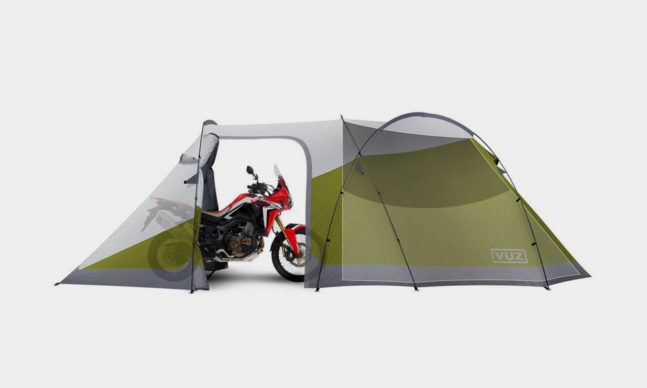
Vuz Made a Tent for You and Your Motorcycle

If your camping companion is your prized two-wheeler, consider a tent that shields both of you from the elements. The Vuz Motorcycle Tent is a 12-foot structure that offers enough space for three people and…

Military-Grade Motorcycle Gear Engineered for Survival

From Issue Seven of Gear Patrol Magazine.

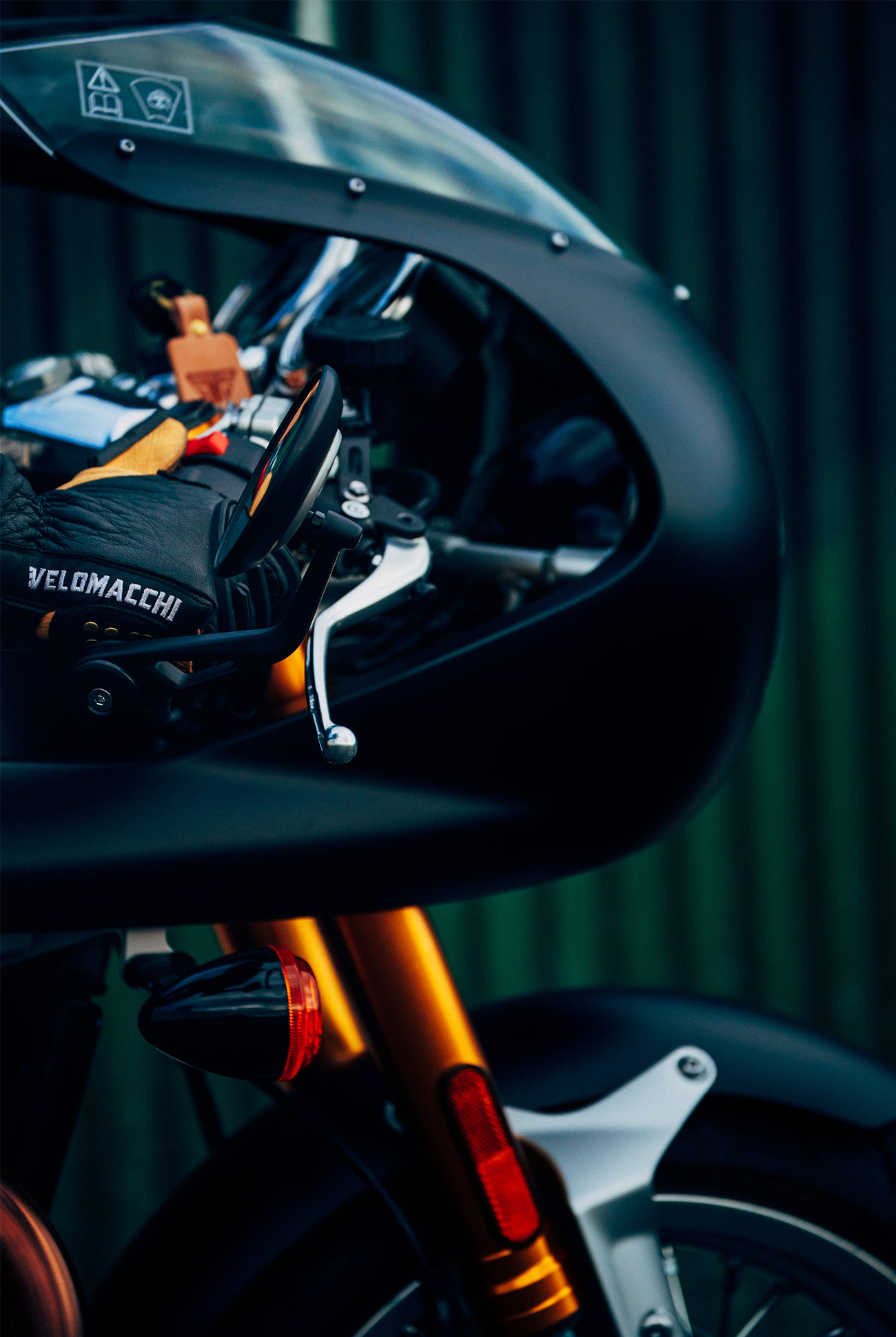
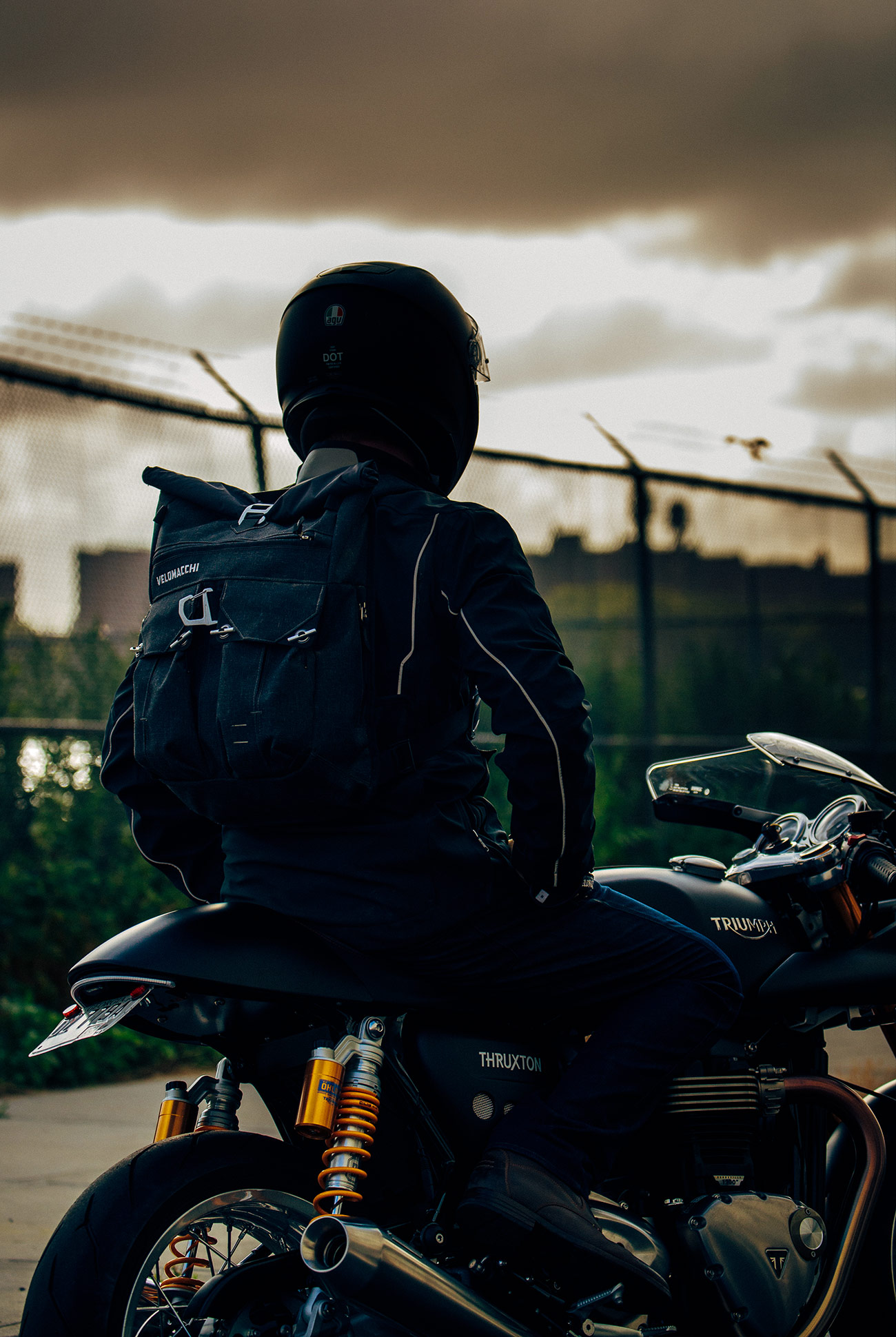
It’s a fact that commuting is hell, especially on two wheels. The daily rat race can take its toll, and your gear probably picks up most of its patina and battle scars as a result of the Monday-through-Friday nine-to-five. Road debris and dirt, the beating sun, the pouring rain, traffic and possible falls and slides are all intensified by highway and traffic speeds. And so, gear must be overengineered for survival, which is where Kevin Murray, the founder and designer of Velomacchi, saw a gap in the market.

The name Velomacchi comes from an amalgamation of the Italian words velocità and macchina, translating to speed machine. The name, partly inspired by Murray’s time in northern Italy, draws influences from the region’s style, craftsmanship and approach to cycling, motorcycles and commuting; it makes even more sense when paired with the brand’s motto: Built for Speed, Made to Last.

A linen suit paired with brown leather dress shoes wouldn’t stand up well to barreling down an open highway in rain and smog or worse, and neither would your precious belongings if stored in a bag made from pedestrian materials. As a motorcycle rider, Murray sought tough-as-nails commuter gear out of necessity, but he couldn’t find anything that met his standards. Nothing outside of military-spec packs and ballistic materials rose to the level of toughness he was looking for.
Murray is a lifelong traveler. He globe-trotted as a kid and later got into adventure travel. “I’d be gone for a year. I’d work for a year, save up money and then travel for a year. This was long before cell phones; this was when traveler’s cheques were cutting-edge technology,” Murray says. He admits that “having lived on the road for years at a time” is what led him to a career in industrial design. “I would pick grapes in Mildura, Australia, so we could go climb at Mount Arapiles for four months or so. Then we’d save more money and I’d buy a plane ticket up to Nepal or India, climb Everest and do a bit of trekking around there. I was full nomad. I just worked and lived along the way.”

Eventually, Murray finished a degree in industrial design and joined The North Face in the ’90s. He remained ever the globe-trotter, visiting Africa and Europe to explore new markets and test products. This was when the idea for Velomacchi, at first a pet project, was born. Murray left The North Face to start Syren Industrial Design, working with the USIA (Under Sea Industrial Apparel), which supplies SEAL Team operators, and the United States Coast Guard — organizations for which you would think there’d be nothing too tactical or too protective. “As I ran across really interesting stuff nobody else would touch, whether it was too expensive or whatnot, I would always kick it over to Velomacchi and experiment with new materials and processes. Once we commercialized it, we’d offer it to our military, public-safety gear or outdoor active lifestyle clients.”

During this time Murray gained an in-the-trenches view of factories and manufacturers. A factory’s ethics and environmental approach, he says, is “critical” for his brands. “When it came time to start Velomacchi I had my pick of the top manufacturers around the world — in terms of environmental and social-ethos concerns, as well as performance and quality. And I really didn’t focus in on cost or price point at all. I saw such a huge opening within the luggage market. There was such a gulf between the stuff we were building at The North Face for extreme conditions and what was being made for luxury. And that’s where we wanted to position ourselves,” Murray says.

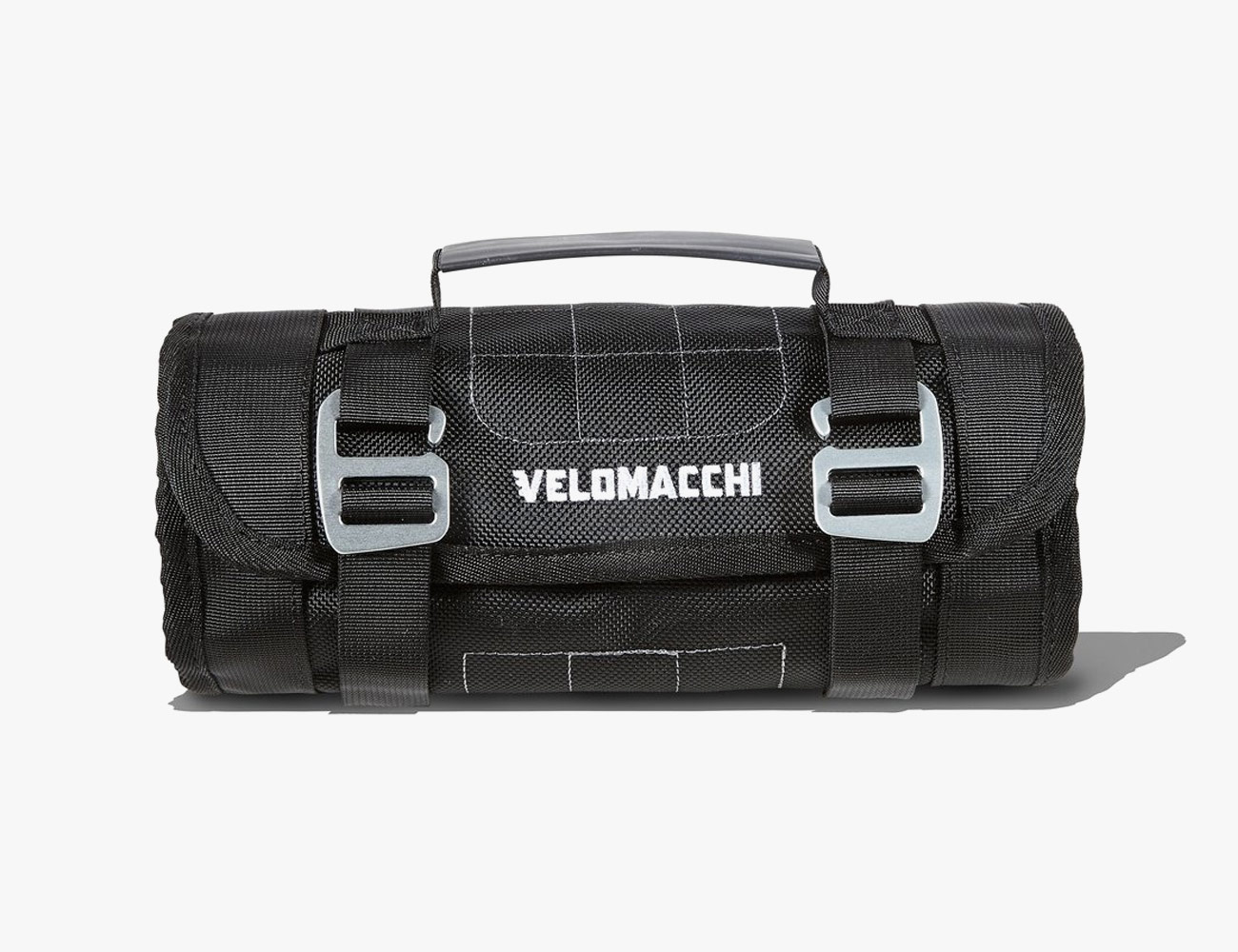
Over the past year, Velomacchi has established its name in the adventure- and commuter-motorcycling community with products from its Speedway collection, including leather motorcycle gloves, 28-, 35- and 40-liter fully waterproof bags, impact cases for laptops, and other sundries like a tool roll and tie-down straps. The eternal battle between function and form is alive and well and few know this better than Murray. When it came to the design of his bags, he kept the Built for Speed motto front and center. “If you’ve felt our bags and the material we use, the reason it’s so substantive is because a regular bike bag will cavitate at speed,” he says. “At twenty-five miles an hour, your bag or a strap flapping in the wind is not a big deal, but at a buck twenty-five, it’s a distraction and distractions at those speeds can be dangerous and deadly.” Hence Velomacchi’s tri-point harness on the chest-straps take the weight off your back and shoulders and its straps tuck away or tie down. The adjusted weight distribution lessens rider fatigue and the hidden straps can’t repeatedly whip your sides.

Early next year, Velomacchi will roll out its second line of bags and accompanying equipment to complement the brand’s inaugural Speedway collection. Using what he’s learned from the field testing and feedback of his first line, Murray designed the Urban Tactical collection to bring “military precision and industrial strength to the problems of carrying heavy loads at high speeds in extreme environments, while integrating a variety of battery packs and internal cabling to charge your devices.” So whether your daily commute from hell drags you through the concrete jungle or through an actual one, Velomacchi is working on making sure your everyday carry and workday essentials get there with you, day in and day out, with engineered overkill sewn in with each stitch. Because if you can make it to work and back without falling apart, shouldn’t your gear do the same?

Can a Head-Up Display Make Motorcycle Riding Safer?

Riding your motorcycle safely requires all of our senses and takes incredible amounts of focus. Take a peek down at your phone or even the speedometer at the wrong time, and you can quickly become a prisoner of physics. But for those of us enamored with life on two wheels, the rewards outweigh the risks and we’re forever finding new ways to hedge bets and better our odds. Bikes now come equipped with a plethora of electronics designed specifically to bail us out when abilities don’t match desires, and even our gear is evolving. The latest innovation is the Nuviz Head-Up Display Unit.

Designed to attach to the chin bar area of most helmets, the Nuviz is an all-in-one head-up-display device that not only aims to increase rider safety but to enhance the experience in the saddle. The Bluetooth-enabled headset links to both your phone and a handlebar mounted remote and integrates a tiny video projector in front of your face that delivers essential information at a glance while out on the road. It’s currently the only product of its kind, and after a few thousand kilometers of riding with it, its advantages — and disadvantages — are clear.

The Good: Set-up of the unit takes virtually no time at all and, with a few additional mount kits purchased from Nuviz, you can run with HUD on any of your full-face helmets.

Watch Out For: There’s no chance you won’t notice its added heft on your helmet. There’s a reason helmet designers sweat every gram during the construction of a lid, so adding over a half a pound to the leading edge of your jawline will wear on you after a while.

Who It’s For: I’d wager every rider could benefit from having a proper Heads-Up Display unit. That said, I doubt “every” rider would feel as convinced about Nuviz as those of you who are more tech oriented. Also, new riders and younger riders just getting their start could benefit the most from this type of technology to help keep eyes where they’re needed when developing essential skills.

Alternatives: There aren’t really any other HUD units available in the market currently, so Nuviz owns this turf… for now. The on-again, off-again, Skully HUD Helmet is rumoured to be making another attempt at a comeback and there is Reyedr, BikeHUD and CrossHelmet. All are all in varying stages of development.

Verdict: There is a lot to like about what Nuviz brings to market with their Head-Up Display device. And considering that Nuviz has cornered that market, theirs will be the system all others are compared to, and by and large, it delivers.

Review: The practicality of a HUD in the saddle is undeniable, and once I got used to the novelty of floating pixels in front of my face, it became incredibly useful. There were a few settings I needed to play with to get things exactly where I wanted them, but the software is intuitive and easy to personalize. There’s only one audio jack that needs connecting, and everything else is tackled with super-sticky mounts and some velcro. You’ll need to spend time downloading the maps you want to use, but so long as you only snag the areas you really need, you’ll be riding in no time.

Being able to scroll through contacts, swap displays from a real-time speedometer to playlists and figure out just where the hell you are without having to shift focus from the road ahead is truly freeing. Paired with the wireless, bar-mounted remote, all of the functionality that has been baked into the Nuviz unit is instantly accessible. The dual-stepped buttons are immediately familiar, and the system truly performs as advertised. The display from the projector is clear an surprisingly unobtrusive. After the first few miles of riding, you’ll stop looking for it and just simply see it, which is exactly how it should perform.

Communication was clear during the few calls I answered and changing playlists to suit my rides was easier than attempting it directly through my smartphone. For navigation, however, despite being an excellent system, I stopped using the Nuviz as a GPS device when riding around in unknown areas. When all but lost, I prefer my tried and true method: my phone mounted to my bars via a Ram Mount to follow Google Maps. The bigger screen and simple graphics were easier to discern at a glance.

Also, contrary to most other reviews, I found the audio quality from the included speakers is very good. I’ve ridden with earbuds uncomfortably crammed under a helmet and upgraded to a Sena unit a few years back but I was instantly blown away by how good my music sounded in comparison. I could discern mids, lows and highs — even at better than cruising speeds — without the typical loss in perceptible tone.

I know this undermines the point of having a HUD but picking out street names through the floating display was tough and actually stole more of my attention than looking down at my phone. The good news is, provided you leave turn-by-turn directions on, the Nuviz will still broadcast them through the speakers whether it’s their mapping system or via your phone. It’s not that Nuviz’s mapping system is bad by any stretch but having this device integrate Apple CarPlay or Android Auto into its digital language would enable the use of familiar mapping systems.

Nuviz’s biggest downfall is that the software isn’t bulletproof. Setup went well but after my initial ride with the Nuviz everything just kind of went haywire. I lost access to anything but the boot-up screen and it refused to pair to either my phone or the remote for repair. To their credit, Nuviz was quick to diagnose and responded with a firmware update via email, but a hard ‘reset’ button would go a long way to helping others down the road. But for the most part, Nuviz offers critical information at a glance via intuitive software and a relatively unobtrusive, although weighty piece of hardware. But being fist out of the gate always comes with its own complications.

What Others Are Saying:
“NUVIZ is off to an impressive start with this first-generation implementation of HUD technology for motorcyclists. The visual display of information is top notch – particularly with the auto-dimming feature for varying light conditions.” – Bill Roberson, Digital Trends>

“Nuviz is breaking new ground with this tech, and as a first version, there were bound to be teething problems. The HUD and the controller work together flawlessly with your phone to deliver a fantastic new way of showing all the information you need with no need to take your eyes off the road. I was impressed with the way the screen floats in your field of vision wherever you look without obscuring anything, and the intuitive control system that’s easy to use even with thick gloves on.” — Graham Mudd, Bennetts<a href="https://www.bennetts.co.uk/bikesocial/reviews/products/motorcycle-technology/tested-nuviz-motorcycle-head-up-display-hud-review" – Graham Mudd, Bennetts<a href="https://www.bennetts.co.uk/bikesocial/reviews/products/motorcycle-technology/tested-nuviz-motorcycle-head-up-display-hud-review”

“NUVIZ is off to an impressive start with this first-generation implementation of HUD technology for motorcyclists. The visual display of information is top notch – particularly with the auto-dimming feature for varying light conditions.” – Evans Brasfield — Motorcycle.com

Key Specs: Nuviz Motorcycle Helmet HUD

Processor: 1.2 GHz quad-core Qualcomm Snapdragon
RAM: 1GB LPDDR3 onboard memory
Camera: Photo 8MP with auto white balance and auto exposure support; Video MP4/H.264/AVC video with AAC audio recording
Display: Active matrix LCOS (Liquid Crystal on Silicon) micro-display with a resolution of 800X480 RGB dots; Self-adapting brightness per ambient conditions Pixel density: 3,175 dpi with 16M possible display colors
Weight: Weight: 240 g / 8.5 oz. (with battery)
Price (MSRP): $699

Read More Gear Patrol Reviews

Hot takes and in-depth reviews on noteworthy, relevant and interesting products. Read the Story

Note: Purchasing products through our links may earn us a portion of the sale, which supports our editorial team’s mission. Learn more here.

In A Crowded Market, the Kawasaki Z900RS Cafe Stands Out

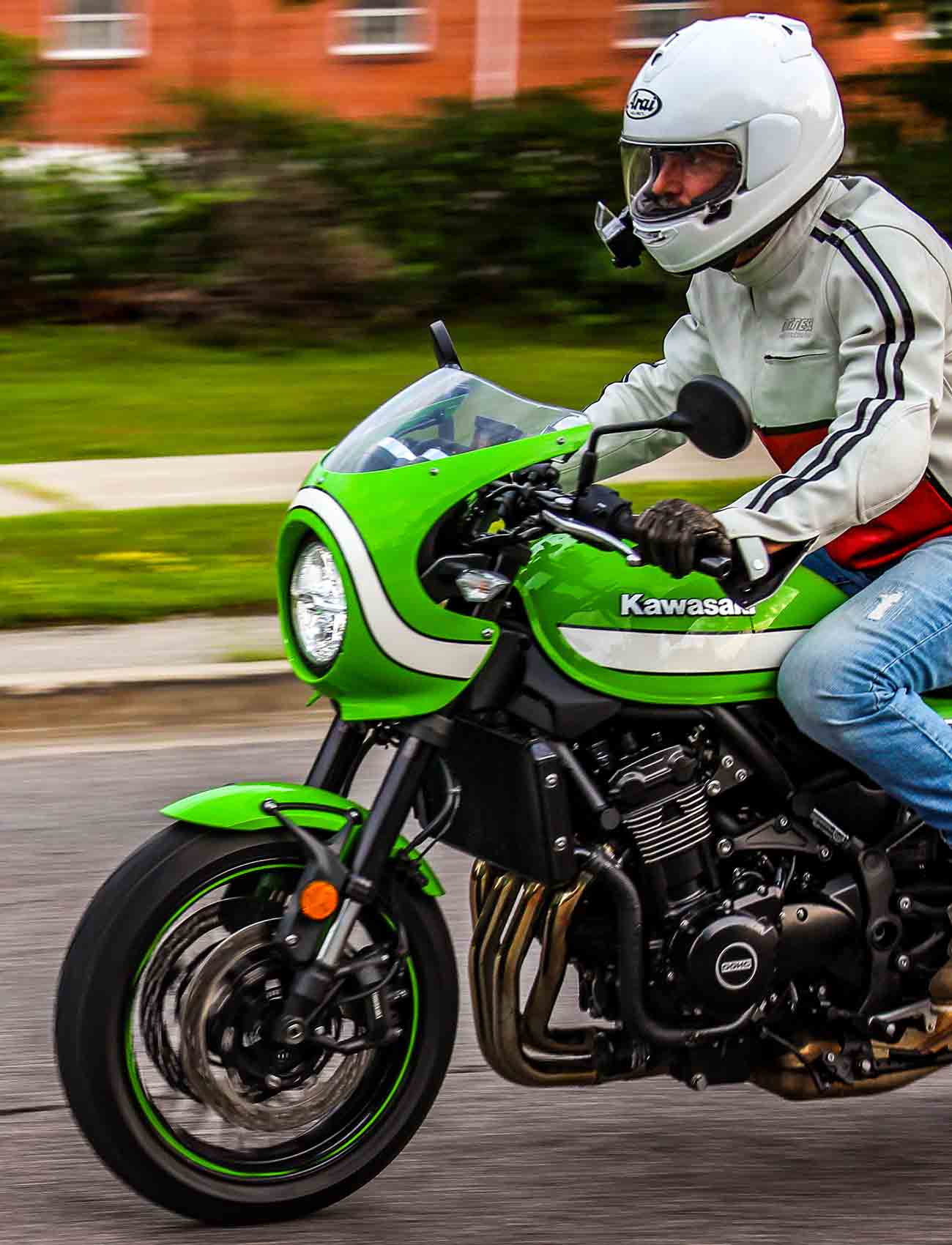
Initially, it was doubtful the Kawasaki Z900RS Cafe would make it to American streets. For whatever reason, Team Green was holding out on their full-fairing iteration of the retro RS. Enthusiasts and nostalgists alike were less than pleased, and for a good reason. The standard Z900RS is a well-sorted machine at an everyman price. Not only did it mark the return of a proper Universal Japanese Motorcycle to the two-wheeled world, but it did so in a uniquely attractive modern-retro package. So, of course, we wanted a crack at its racier looking stablemate.

The Good: Let’s be honest. The Z900RS Cafe is stunning. There’s restraint in the aesthetics that strike a refreshing balance between form and function. Nothing reeks of faux-authenticity or is overwrought. Everything from the headlight cowl, to the humped seat, to the brushed and shortened exhaust silencer has a natural vibe on this bike. If the bodywork were painted black, we’d call it subtle, understated, minimalist. Bathed in the Lime Green of Kawasaki’s racing past, the Z900RS is a distinctive standout.

Watch Out For: The sculpted, artfully humped yet incredibly stiff seat. I’d like to think that things would soften up and the seat would break in after a while but my loaner unit had 2,500 miles on its clock when I picked it up and near 3,300 when I handed it back, and it still felt chiseled from stone.

Who It’s For: The market for retro styled bikes is at an all-time high, with offerings on the table from almost every manufacturer. But so far, Kawasaki have best combined those aesthetics with the neutral ergonomics that made the original UJM so famous to begin with. For that reason, I get the feeling that newer riders who are sick of spending more time wrenching than they do riding their hobbled-together, Craigslist Honda CBs will gravitate towards the Z900RS Cafe and its standard stablemate.

Verdict: Thankfully, Kawi decided to release a run of a “few hundred” Vintage Lime Green machines to the American public. And that’s a good thing because this is the RS to have.

Review: The differences between the Z900RS and this Cafe variant are minimal but impactful. The front cowl presents the most significant visual change and also contributes to what amounts to a much more practical, comfortable and rideable bike overall. At highway speeds that sculpted bit of plastic deflects wind efficiently over a slightly tucked helmet. During a 450-mile day in the saddle, I fully expected to hate this bike but that just wasn’t the case. Considering the Cafe’s exclusive drop-style handlebars and the lower seat height, I was surprised by just how relaxed the ergonomic setup was.

That’s because the Z900RS Cafe isn’t a cafe racer at all. It’s not stripped down or compromised by a focus on total performance. Because the Z900RS underpins it, you know the chassis is nimble and communicative, the brakes are more than ample and the fully-adjustable suspension can be tuned for compliance or aggression. There’s virtually no vibration from the 948cc, in-line four-cylinder engine and the flat, creamy torque curve means there’s plenty of punch from nearly anywhere in the rev range. ABS and traction control provide all the modern interference needed to save that gorgeous green coating, and there’s even room for a passenger. As soon I drained my first tank of fuel, it was clear that the Z900RS Cafe is a thoughtfully customized UJM instead of what its naming implies. The Z900RS Cafe remains a jack of all trades: powerful but approachable, racy yet refined and the best RS in Kawasaki’s fleet.

What Others Are Saying:
“It’s not very often I ride a bike that makes me think I would want to spend my own money on one, but that’s what has happened with the Kawasaki Z900RS Cafe. The styling appeals to me, and the bike’s functionality hits the sweet spot for what I would like in a sporty, do-it-all motorcycle.” – Evans Brasfield, Motorcycle.com

“Traditions and naming conventions aside the Z900RS Cafe is a great looking bike. It’s got beautiful lines, an impeccable quality finish and there’s a great balance of modern and retro touches.” – Geoff Baldwin, Return of the Cafe Racers

“Whereas I thought the 900RS was a bit of a missed opportunity, I feel Kawasaki has absolutely nailed it with the Café version. The changes made—both mechanically and aesthetically—make for an improved package that oozes charisma and charm, while remaining decidedly modern in the process.” – Rennie Scaysbrook, Cycle News

Alternatives: There is plenty of choice in the modern-retro arena these days and even if you narrow the search parameters to cafe racers, the segment is well populated.

• Triumph Thruxton R ($15,000)
• Moto-Guzzi V7III Racer ($9,990)
• Scrambler Ducati Cafe Racer ($11,395)

Key Specs: 2018 Kawasaki Z900RS

Engine: 948cc, DOHC, inline four
Horsepower: 111
Torque: 73 lb-ft
Weight: 474 lbs
Price (MSRP): $11,499

Price: $11,499

Note: Purchasing products through our links may earn us a portion of the sale, which supports our editorial team’s mission. Learn more here.

Honda Introduces a Day-Trip Adventure Motorcycle Built on High Performance

On one side of the motorcycle market, vintage scramblers continue to swell in popularity. The Scrambler Ducati line is constantly expanding; in recent days, Triumph teased an updated Street Scrambler with a bigger engine and longer-travel suspension; independent build shops are pumping out handfuls of knobby tire-clad go-anywhere bikes. In another corner of the market, where modern styling still rules, the middleweight adventure motorcycle and dual sports populations are getting love and energy from their respective brands more and more. This is no coincidence: both bike types seem to have little in common, but their ability to go from the street to the trails all in the same ride makes them close kindred spirits. Now Honda is leaning into the dual sport category with the all-new CRF450L — using one of its successful race dirtbikes as a foundation.

The Good: The CRF450L inherited the nimble, agile traits from the more hardcore 450 RX trail bike, but is softened up for road use and longer rides.

Watch Out For: Honda held back on extras and add-ons like handguards and a larger tank but is working directly with aftermarket companies for both. They might not be from the factory, but if you want the extra hand protection and a longer range than 100-ish miles, you’ll have to wait.

Who It’s For: Off-road enthusiasts and riders currently on a 250cc dual sport or smaller dirt bike and looking to move up. The CRF450L also fits the bill for a seasoned street rider toying with the idea of off-roading for the first time and adventure riders looking to complement their big bike with a small one.

Alternatives: The middle weight adventure bike and dual sport categories are getting more attention these days, but until now KTM has generally ruled the roost. The Honda finds itself in the KTM’s price region but closer to the Suzuki on power. What you get from the Honda is legendary reliability and approachability.
• KTM 500 EXC-F ($11,199)
• Suzuki DRZ400S ($6,749)
• Alta Redshift EXR ($12,500)

Verdict: The CRF450L’s race bike genetics make it a serious and competent off-roader. But, regardless of the additions and factory modifications to make it road-legal, you won’t want to be in the saddle on-road for too long — especially if you wear yourself out with trail riding. Think of the CRF450L as a high-performance overlander, but more of a day tripper and not a Long Way Down type of bike.

Review:

One of the main reasons Scramblers are in the midst of a second wave is their ability to blend all-purpose utility and timeless looks, making them an attractive and approachable option for new riders. It’s hard to argue against the appeal: you get the style in town and capabilities when the road ends and the dirt and exploration begins. A modern dual sport like the CRF450L was built to live in the same environments as the scrambler, except that the 450L puts all of its energy into its off-road skillset.

Using the purpose-built off-road trails bike, the CRF450X, which itself is based on the 450R race dirtbike, Honda set to work refining key components and adding small mechanical details that translate to big changes on the road. The most noticeable additions are the turn signals, mirrors and license plate bracket to make it road-legal, but it takes more than that to make a dirt bike bearable on the road for an entire day.

Where the race bike’s throttle is more of an on-off switch, with incredibly short gearing for explosive acceleration, the CRF450L adapts to more civilized life. Throttle response on the 450L was tuned for a smoother powerband, not just for around town, but also for single-track riding out in the wild where smooth inputs can make or break a rider’s day. Gearing is longer for less frequent shifts; service intervals are every couple hundred miles and little additions — like rubber cushioning around the front and rear sprockets and a silicon-filled swing arm — dull mechanical noise and vibrations. All of which translates to a bike that’s happy to zip around town, though because of its aggressive off-road roots, the 450L is more at home off-road, hitting trails all day. Unlike a scrambler or a big adventure bike on which you can spend long highway stretches for multiple days in a row (with a few trail rides in between), that same aggressive nature makes a day on the CRF450L about as much as you can take.

It was only my second time singletrack riding, and the trails under Mount Rainier, outside Packwood, Washington definitely make for a steep learning curve. Rocky, rutted inclines littered with exposed roots lay in wait to stop you dead in your track and put you on your side. It’s off-roading, and falls are bound to happen — trees catch handlebars, boulders shift under wheels and sometimes you accidentally grab more throttle right when you need less. The bike isn’t hard to handle; here, it’s the terrain. If anything, the bike saved me more times than I saved the bike.

On long sweeping fire roads and two-track trails, the CRF450L was a riot to sling into turns on loose gravel, hang the back wheel out and power on to next stretch. Regardless of the surface, the Honda felt stable and even, which inspired a little confidence even when the trails narrowed and steepened through the dense forests. Out on the road in between the trails is where the CRF450L and most other aggressive dual sports lose the argument. The Honda handled the sweeping State Park roads just fine, getting up to speed and not feeling like the engine was out of breath. But at the end of the day, the CRF450L is born from a purpose-built off-road race machine. The suspension may be softer, it may have mirrors and blinkers, but it still feels like you have wooden 2×4 for a seat and the knobby tires limit how fast you can really go on the pavement; the two-gallon fuel tank keeps a tight leash on how far you can go before refueling anxiety kicks in.

Purpose-built dual sports like the 450L are the Ying to the scramblers’ Yang. Both embody the spirit of adventure, exploration and everyday usability, but they land at opposite ends of the spectrum. Where scramblers lean more towards style than substance, dual sports are all about substance. And in the case of the Honda CRF450L, built using an off-road race bike as its foundation, it unquestionably has the performance chops to tackle some of the roughest trails the Pacific Northwest has to offer. You’ll just have to make a big sacrifice on comfort.

Key Specs: 2019 Honda CRF450L

Engine: 449cc single-cylinder Four-stroke
Transmission: six speed
Horsepower: ~40-45 (Honda doesn’t give exact figures for the US market)
Weight: 289 lbs
Fuel Capacity: 2.01 gallons

Price: $10,399

Note: Purchasing products through our links may earn us a portion of the sale, which supports our editorial team’s mission. Learn more here.

Honda Introduces a Day-Trip Adventure Bike Built on High Performance

On one side of the motorcycle market, vintage scramblers continue to swell in popularity. The Scrambler Ducati line is constantly expanding; in recent days, Triumph teased an updated Street Scrambler with a bigger engine and longer-travel suspension; independent build shops are pumping out handfuls of knobby tire-clad go-anywhere bikes. In another corner of the market, where modern styling still rules, the middleweight adventure motorcycle and dual sports populations are getting love and energy from their respective brands more and more. This is no coincidence: both bike types seem to have little in common, but their ability to go from the street to the trails all in the same ride makes them close kindred spirits. Now Honda is leaning into the dual sport category with the all-new CRF450L — using one of its successful race dirtbikes as a foundation.

The Good: The CRF450L inherited the nimble, agile traits from the more hardcore 450 RX trail bike, but is softened up for road use and longer rides.

Watch Out For: Honda held back on extras and add-ons like handguards and a larger tank but is working directly with aftermarket companies for both. They might not be from the factory, but if you want the extra hand protection and a longer range than 100-ish miles, you’ll have to wait.

Who It’s For: Off-road enthusiasts and riders currently on a 250cc dual sport or smaller dirt bike and looking to move up. The CRF450L also fits the bill for a seasoned street rider toying with the idea of off-roading for the first time and adventure riders looking to complement their big bike with a small one.

Alternatives: The middle weight adventure bike and dual sport categories are getting more attention these days, but until now KTM has generally ruled the roost. The Honda finds itself in the KTM’s price region but closer to the Suzuki on power. What you get from the Honda is legendary reliability and approachability.
• KTM 500 EXC-F ($11,199)
• Suzuki DRZ400S ($6,749)
• Alta Redshift EXR ($12,500)

Verdict: The CRF450L’s race bike genetics make it a serious and competent off-roader. But, regardless of the additions and factory modifications to make it road-legal, you won’t want to be in the saddle on-road for too long — especially if you wear yourself out with trail riding. Think of the CRF450L as a high-performance overlander, but more of a day tripper and not a Long Way Down type of bike.

Review:

One of the main reasons Scramblers are in the midst of a second wave is their ability to blend all-purpose utility and timeless looks, making them an attractive and approachable option for new riders. It’s hard to argue against the appeal: you get the style in town and capabilities when the road ends and the dirt and exploration begins. A modern dual sport like the CRF450L was built to live in the same environments as the scrambler, except that the 450L puts all of its energy into its off-road skillset.

Using the purpose-built off-road trails bike, the CRF450X, which itself is based on the 450R race dirtbike, Honda set to work refining key components and adding small mechanical details that translate to big changes on the road. The most noticeable additions are the turn signals, mirrors and license plate bracket to make it road-legal, but it takes more than that to make a dirt bike bearable on the road for an entire day.

Where the race bike’s throttle is more of an on-off switch, with incredibly short gearing for explosive acceleration, the CRF450L adapts to more civilized life. Throttle response on the 450L was tuned for a smoother powerband, not just for around town, but also for single-track riding out in the wild where smooth inputs can make or break a rider’s day. Gearing is longer for less frequent shifts; service intervals are every couple hundred miles and little additions — like rubber cushioning around the front and rear sprockets and a silicon-filled swing arm — dull mechanical noise and vibrations. All of which translates to a bike that’s happy to zip around town, though because of its aggressive off-road roots, the 450L is more at home off-road, hitting trails all day. Unlike a scrambler or a big adventure bike on which you can spend long highway stretches for multiple days in a row (with a few trail rides in between), that same aggressive nature makes a day on the CRF450L about as much as you can take.

It was only my second time singletrack riding, and the trails under Mount Rainier, outside Packwood, Washington definitely make for a steep learning curve. Rocky, rutted inclines littered with exposed roots lay in wait to stop you dead in your track and put you on your side. It’s off-roading, and falls are bound to happen — trees catch handlebars, boulders shift under wheels and sometimes you accidentally grab more throttle right when you need less. The bike isn’t hard to handle; here, it’s the terrain. If anything, the bike saved me more times than I saved the bike.

On long sweeping fire roads and two-track trails, the CRF450L was a riot to sling into turns on loose gravel, hang the back wheel out and power on to next stretch. Regardless of the surface, the Honda felt stable and even, which inspired a little confidence even when the trails narrowed and steepened through the dense forests. Out on the road in between the trails is where the CRF450L and most other aggressive dual sports lose the argument. The Honda handled the sweeping State Park roads just fine, getting up to speed and not feeling like the engine was out of breath. But at the end of the day, the CRF450L is born from a purpose-built off-road race machine. The suspension may be softer, it may have mirrors and blinkers, but it still feels like you have wooden 2×4 for a seat and the knobby tires limit how fast you can really go on the pavement; the two-gallon fuel tank keeps a tight leash on how far you can go before refueling anxiety kicks in.

Purpose-built dual sports like the 450L are the Ying to the scramblers’ Yang. Both embody the spirit of adventure, exploration and everyday usability, but they land at opposite ends of the spectrum. Where scramblers lean more towards style than substance, dual sports are all about substance. And in the case of the Honda CRF450L, built using an off-road race bike as its foundation, it unquestionably has the performance chops to tackle some of the roughest trails the Pacific Northwest has to offer. You’ll just have to make a big sacrifice on comfort.

Key Specs: 2019 Honda CRF450L

Engine: 449cc single-cylinder Four-stroke
Transmission: six speed
Horsepower: ~40-45 (Honda doesn’t give exact figures for the US market)
Weight: 289 lbs
Fuel Capacity: 2.01 gallons

Price: $10,399

Read More Gear Patrol Reviews

Hot takes and in-depth reviews on noteworthy, relevant and interesting products. Read the Story

Note: Purchasing products through our links may earn us a portion of the sale, which supports our editorial team’s mission. Learn more here.

The 16 Best Motorcycles for Shorter Riders

Finding a motorcycle when you’re a particular size can be tasking. Since the majority of the market is built around the ‘average’ rider, finding a bike when you’re a bit bigger or smaller narrows your options. Seat height on modern motorcycles – sports bikes, ADV, and even some sport standard models — can range on the high-side, causing those of us with more modest inseams to tippy-toe when at a light or starting up. On conventional bikes, having too large of a frame will mean you’re cramped and hunched; those shorter in stature find reaching the bars is literally a stretch and, more importantly, that planting a foot dat a stop becomes a circus balancing act.

There exists an abundance of aftermarket parts to turn a lofty stock motorcycle into a more custom-fit cruiser: lowering links, a lower suspension, a shaved seat. But, for those of us who’d rather have the right fit right out of the gate, these motorcycles make a fantastic launching point.

Dual Sport, Adventure and Scramblers

Whether you want a little or a lot, dirt demands different characteristics from motorcycles than the road does. Considering the need for ground clearance, dual-sports and ADV bikes will always be on the taller side — nothing a lowering link, slimmer seat or suspension adjustment can’t remedy. And with plenty of bolt-on modifications available — gas tanks, skid plates, hand guards, engine guards, luggage racks, and more — these bikes can keep going when the pavement stops.

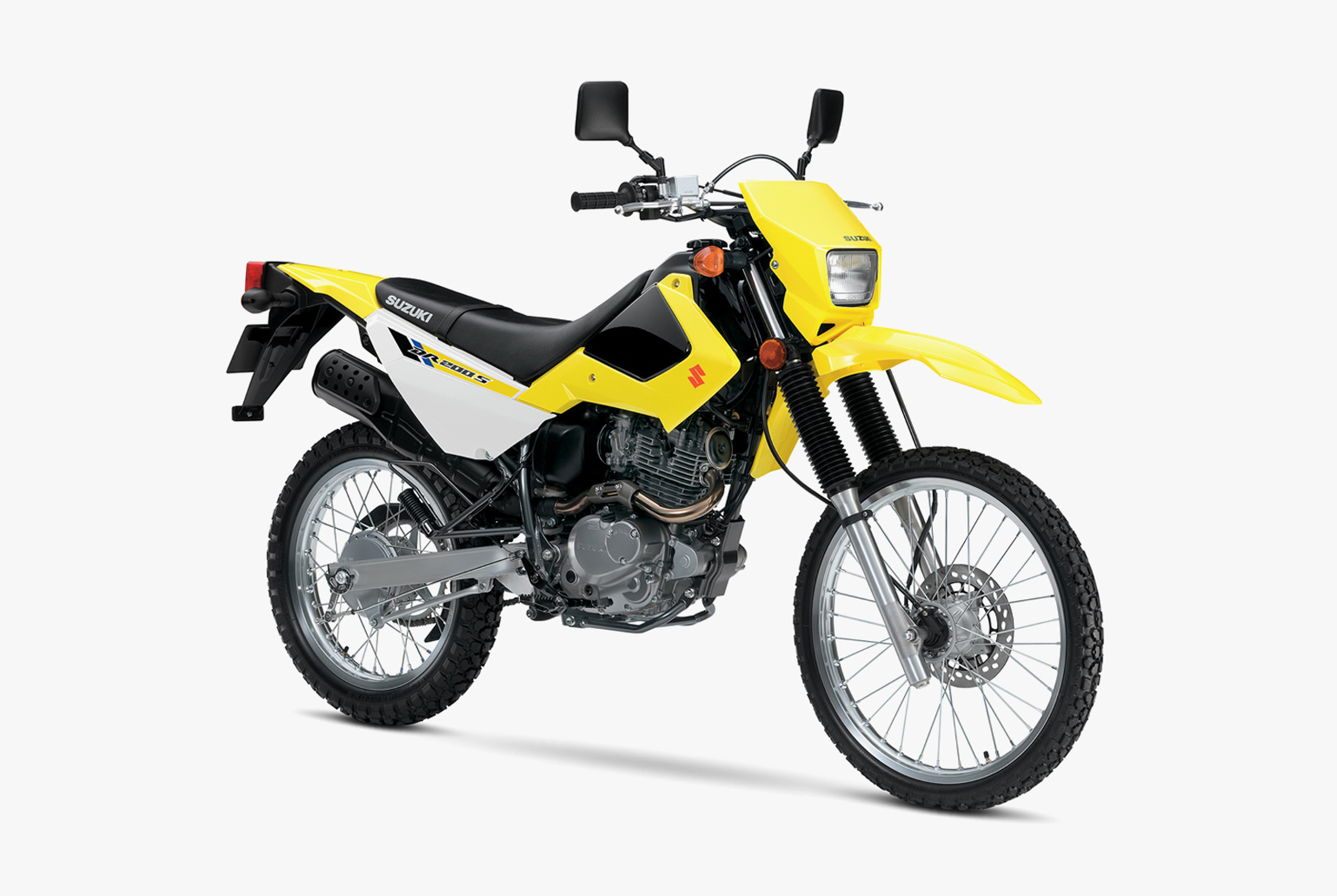
Suzuki DR 200S

Price: $4,599
Seat Height: 31.9 inches
Weight: 278 lbs

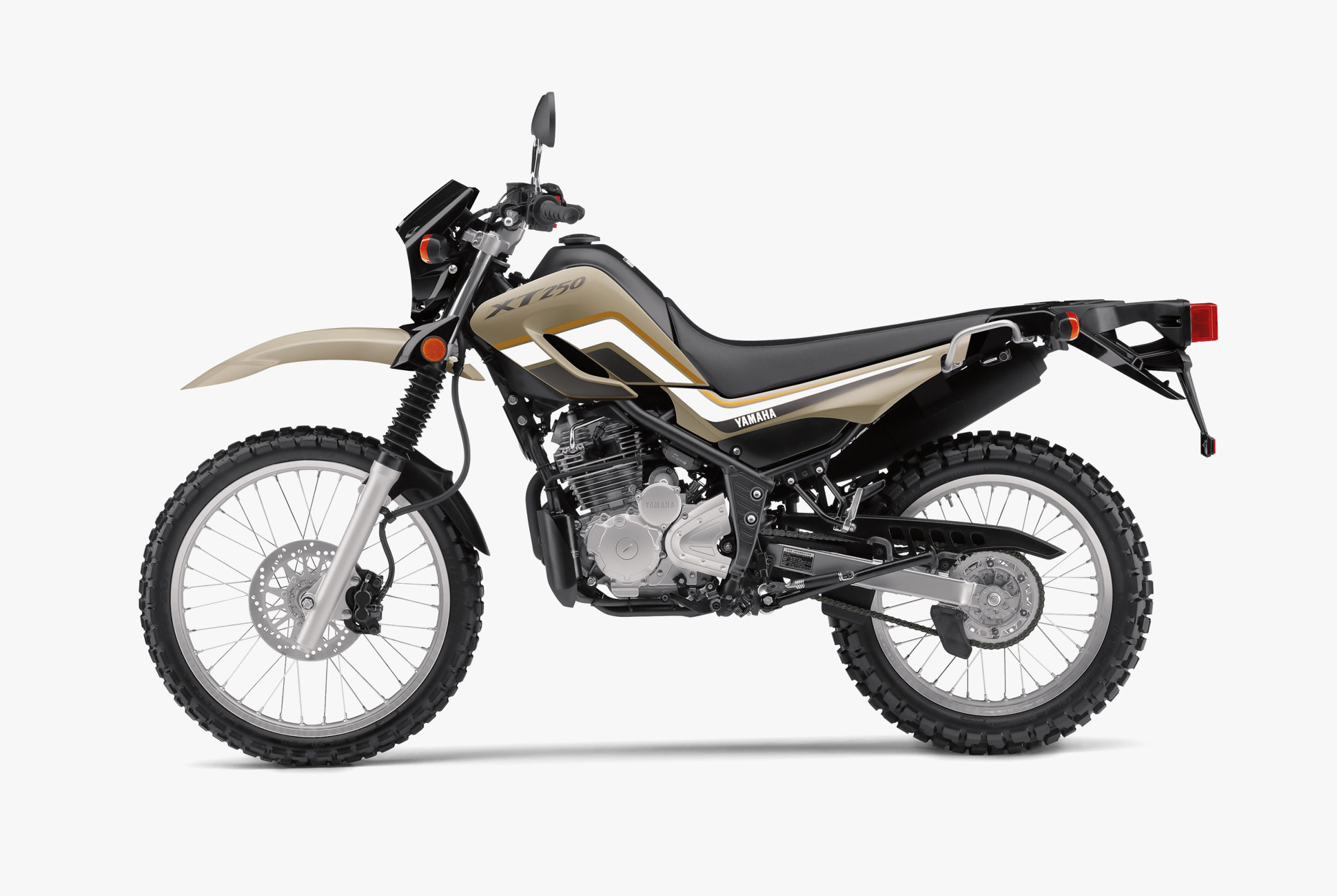
Yamaha XT250

Price: $5,199
Seat Height: 31.9 inches
Weight: 291 lbs

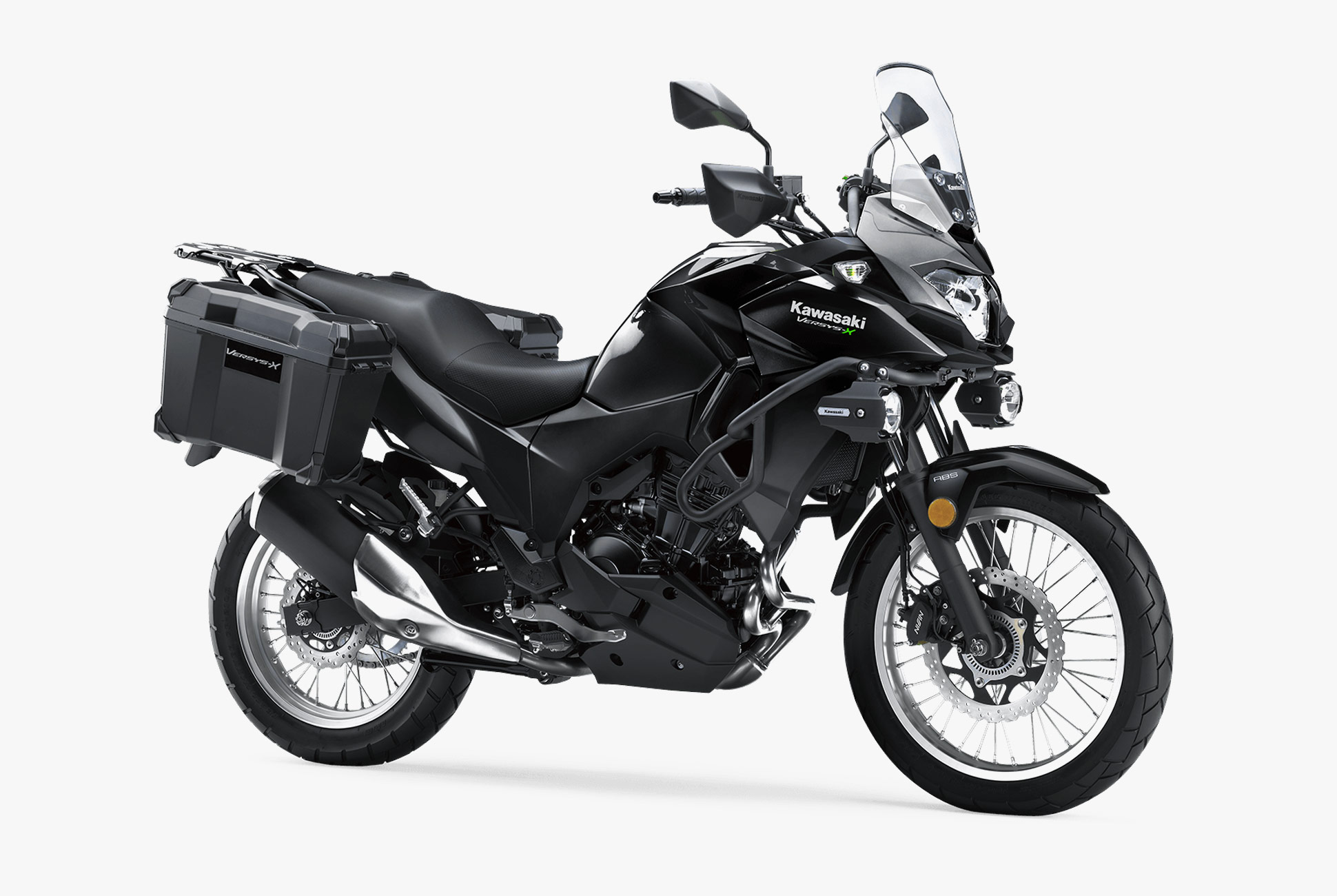
Kawasaki Versys-X 300

Price: $5,399
Seat Height: 32.1 inches
Weight: 385.9 lbs

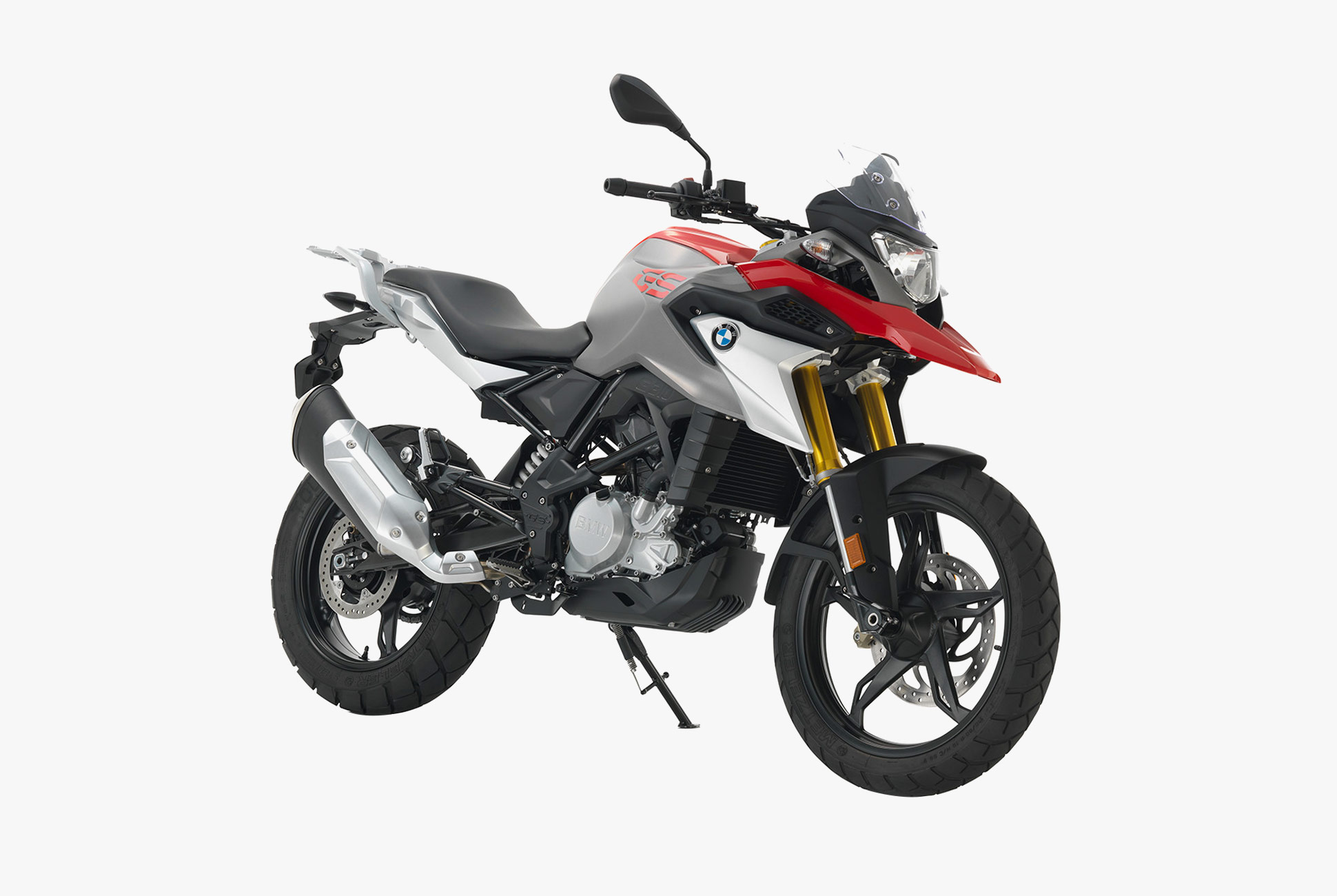
BMW G 310 GS

Price: $5,500
Seat Height: 32.3 inches
Weight: 374 lbs

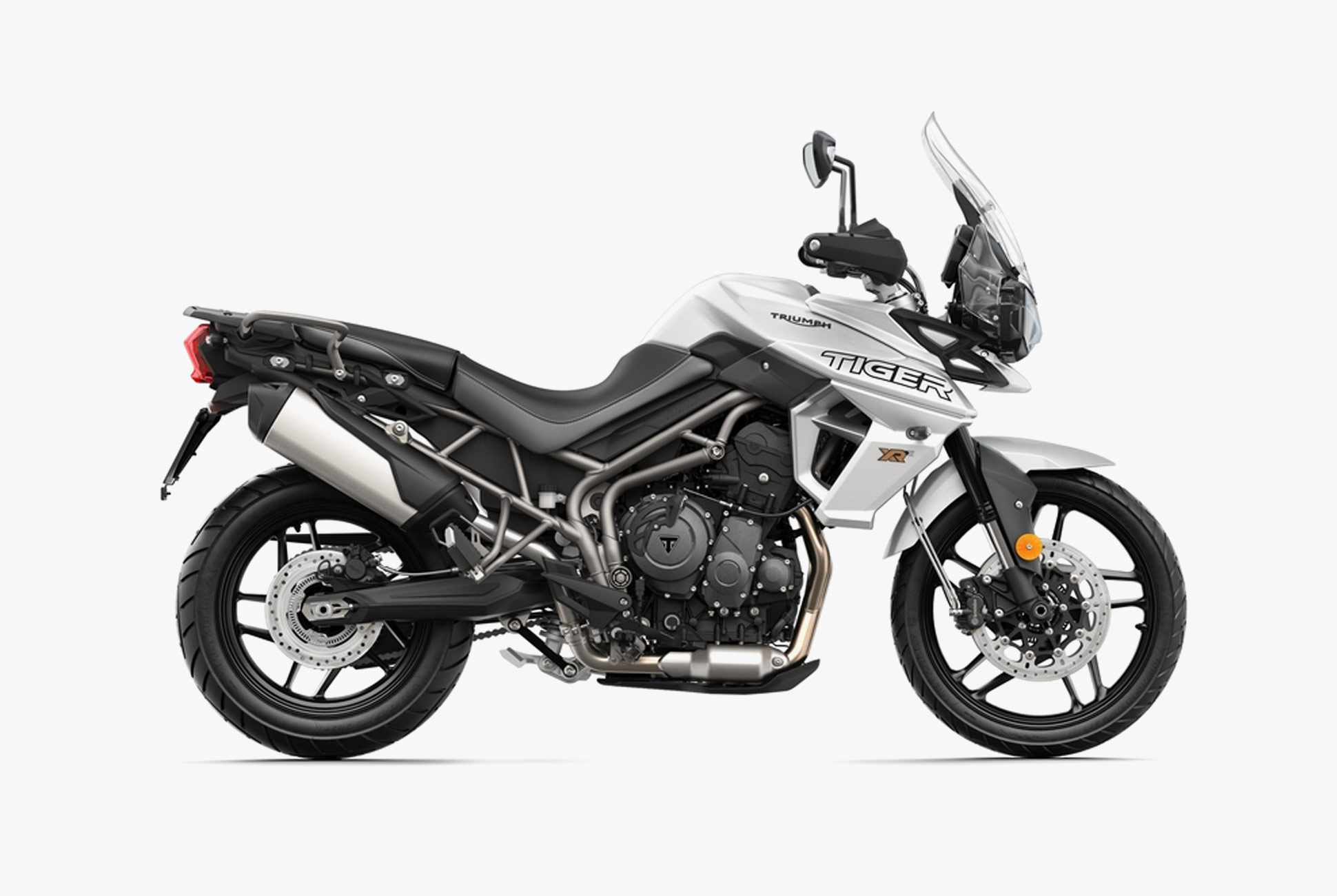
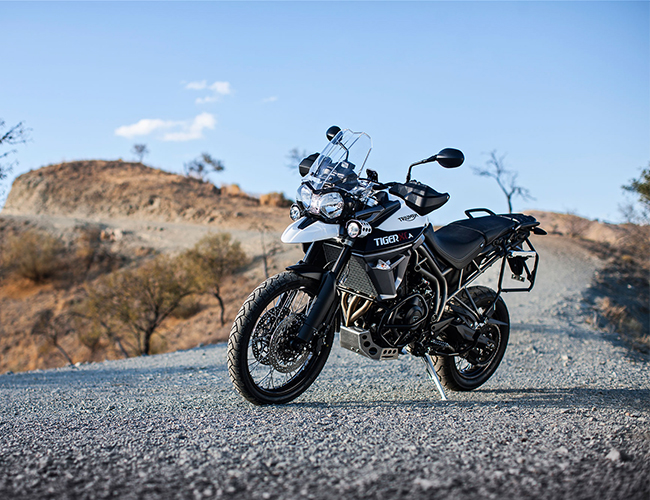
Triumph Tiger 800 XRx Low

Price: $13,900
Seat Height: 29.9 inches
Weight: 440.9 lbs

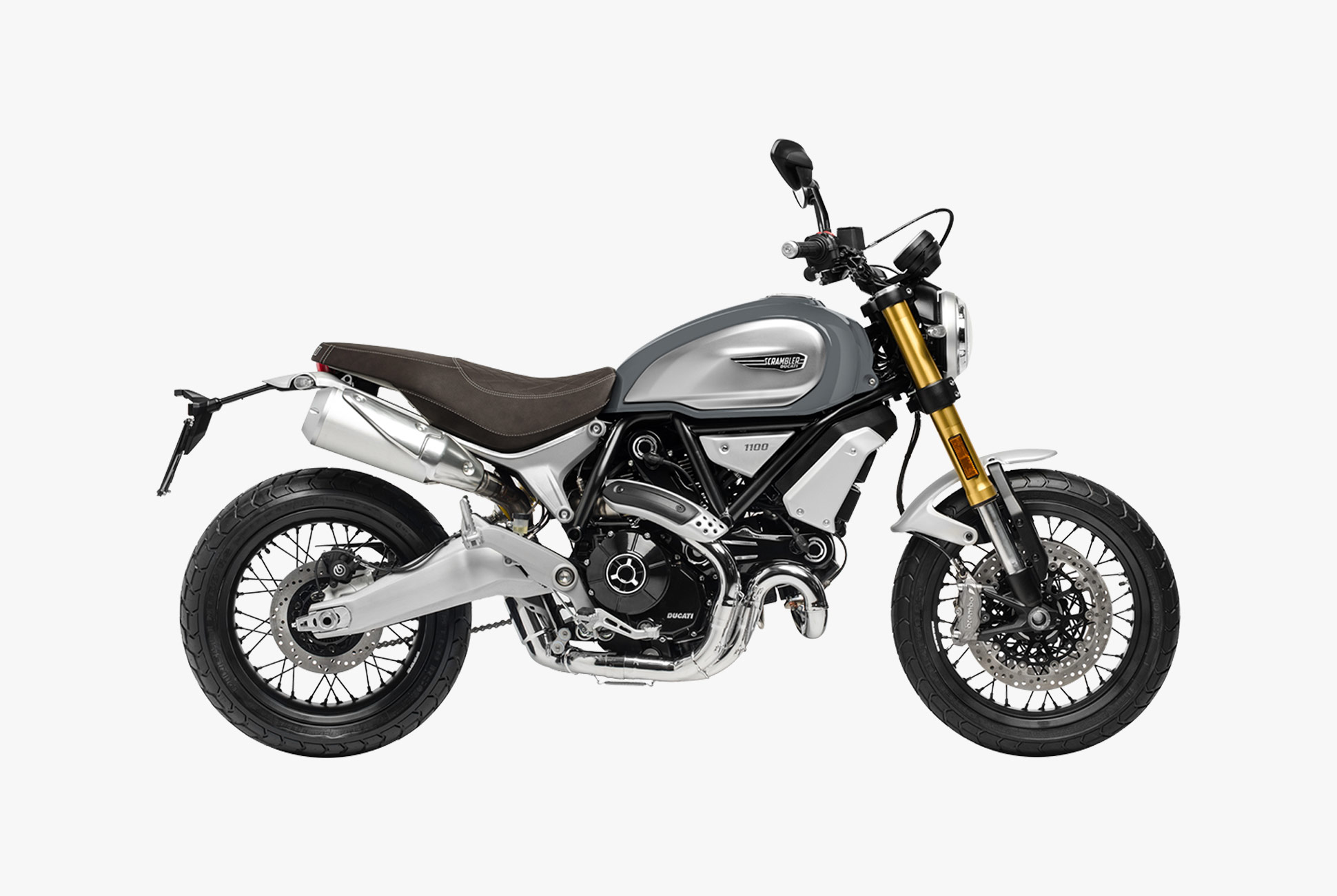
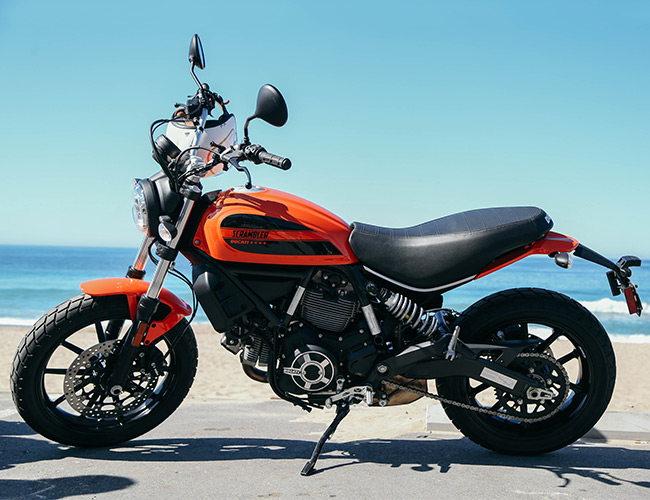
Ducati Scrambler 1100 Special

Price: TBA
Seat Height: 32.9 inches
Weight: 465 lbs

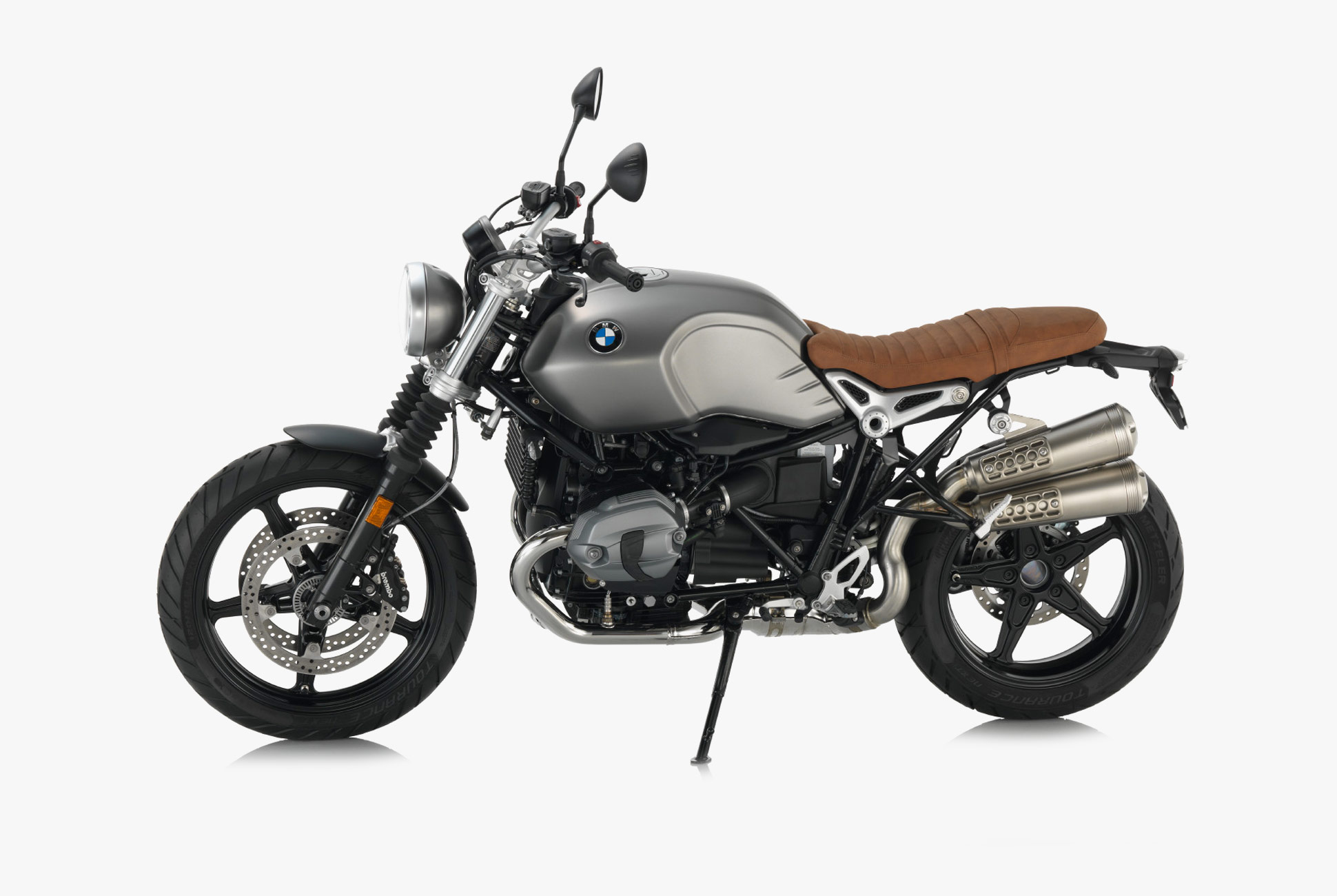
BMW R NineT Scrambler

Price: $12,995
Seat Height: 31.1 inches
Weight: 485 lbs

Triumph Street Scrambler

Price: $10,800
Seat Height: 31.1 inches
Weight: 454 lbs

Sport Bikes

Most street bikes are well within a practical height for even the littlest legs, but this wouldn’t be a well-rounded list without them. So, if you want to rip around a mountain road or the local race track, but don’t see the practicality in a MotoGP-inspired liter bike, there’s plenty of fun to be had with small-engined sport and naked bikes.

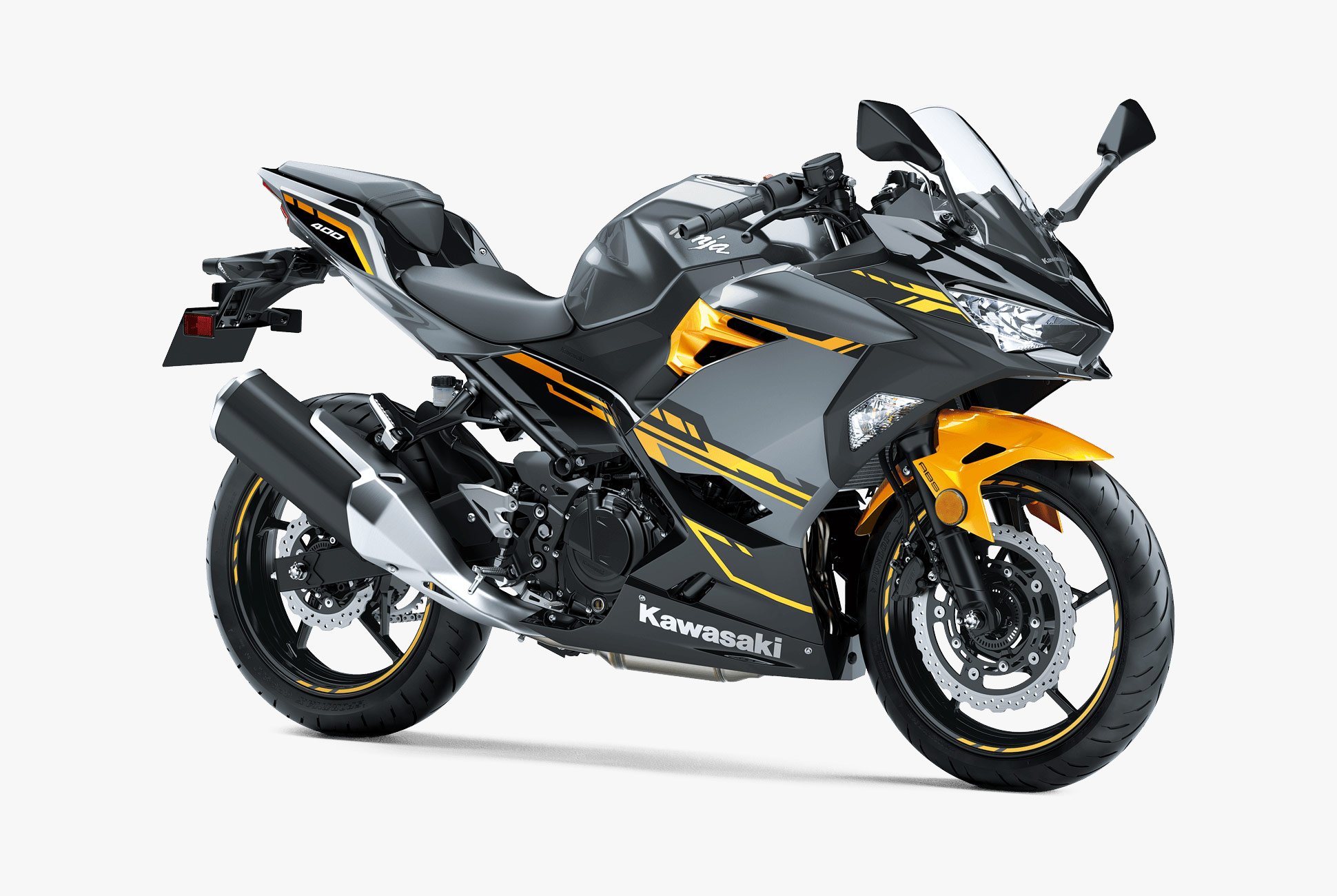
Kawasaki Ninja 400 ABS

Price: $5,299
Seat Height: 30.9 inches
Weight: 366 lbs

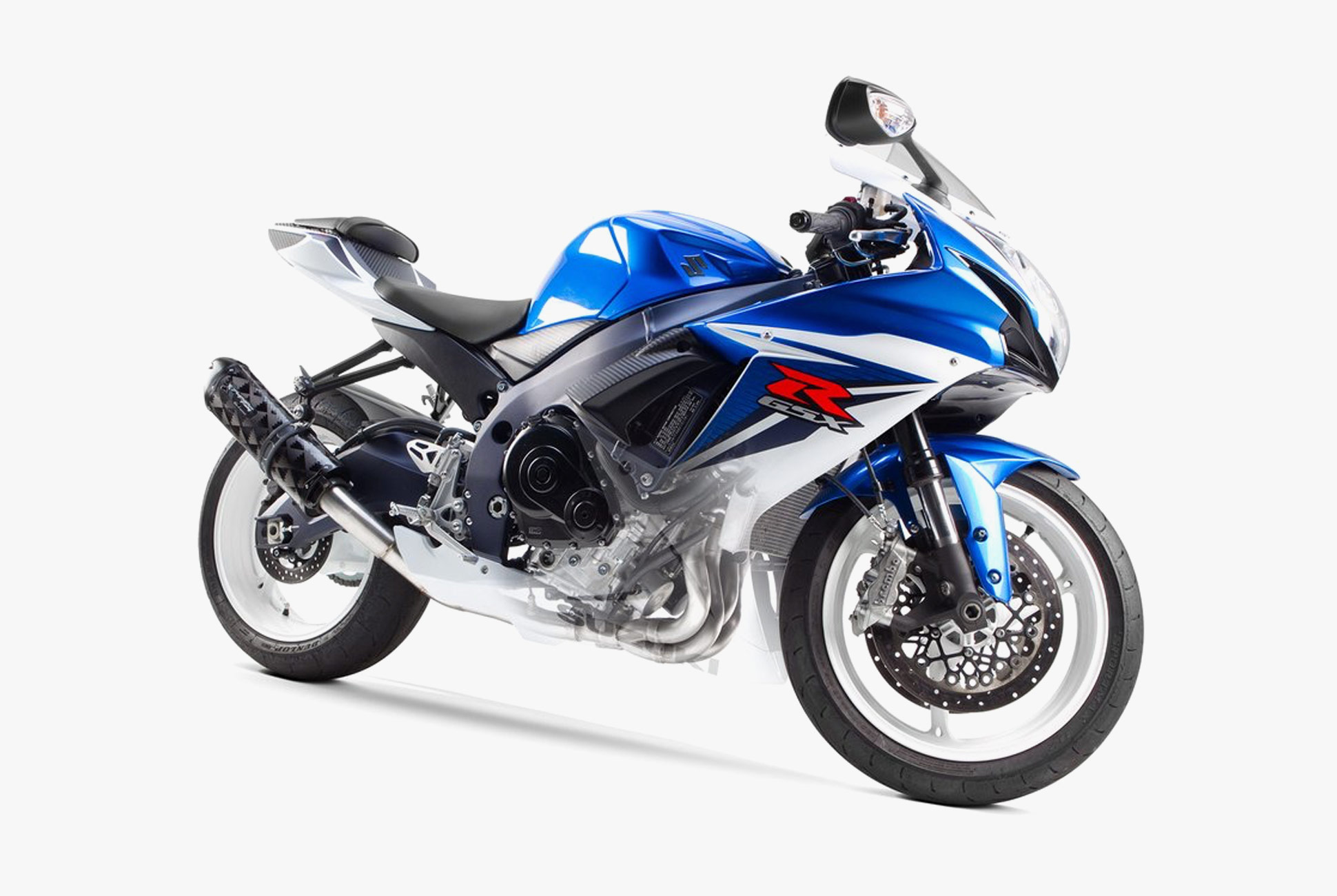
Suzuki GSX-R600

Price: $12,299
Seat Height: 31.9 inches
Weight: 412 lbs

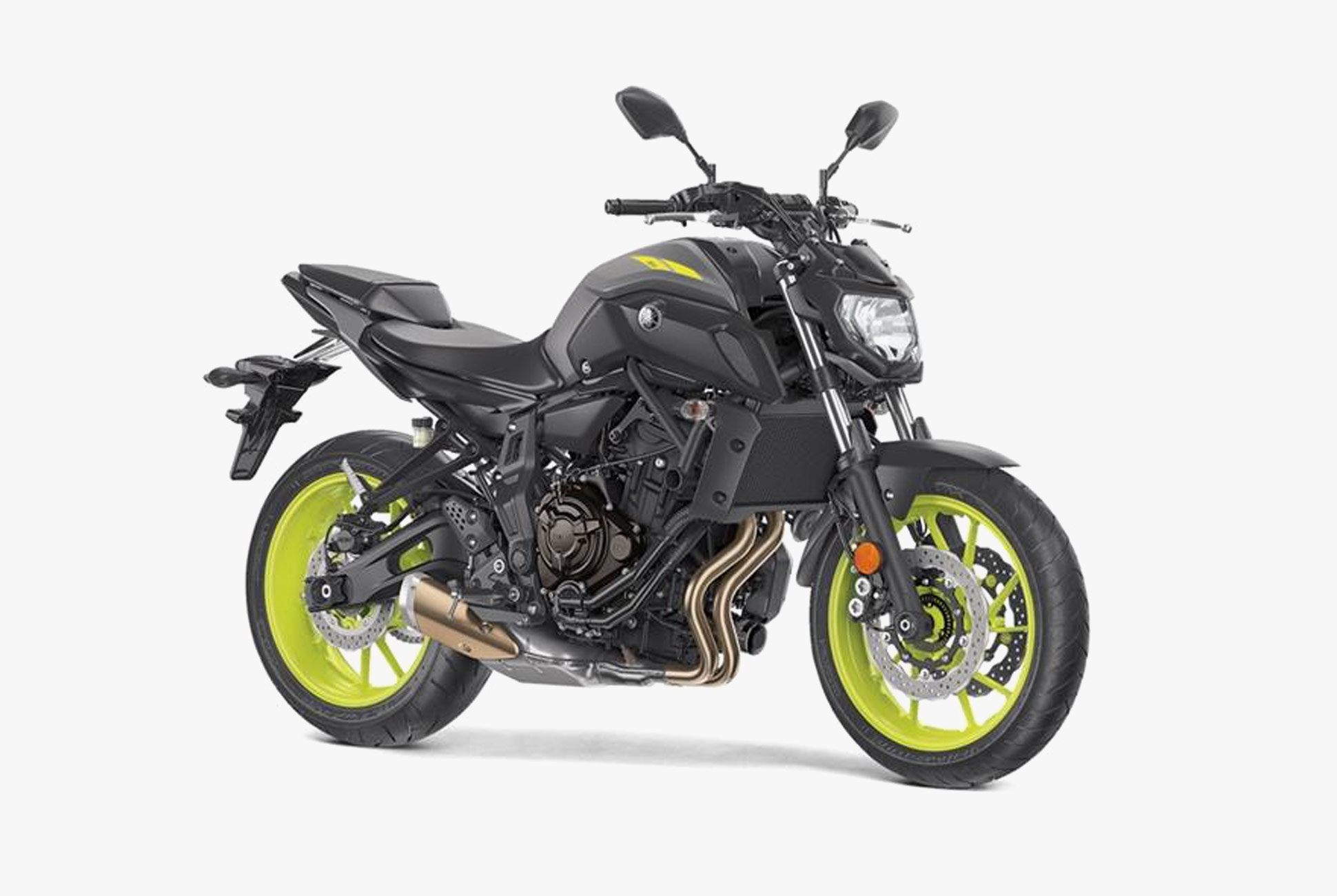
Yamaha MT-07

Price: $7,599
Seat Height: 31.7 inches
Weight: 403 lbs

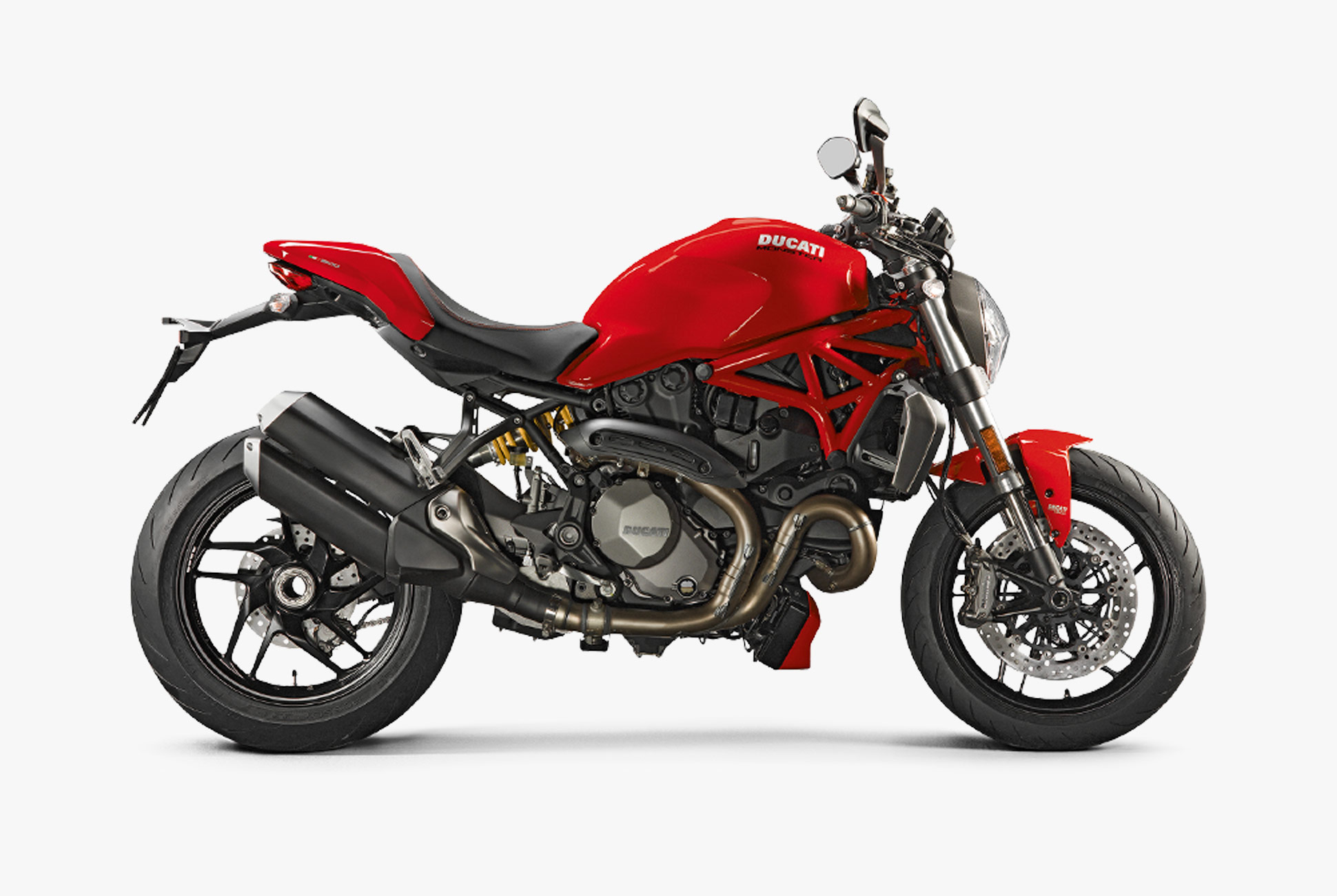
Ducati Monster 1200

Price: $12,995
Seat Height: 31.3 inches
Weight: 470 lbs

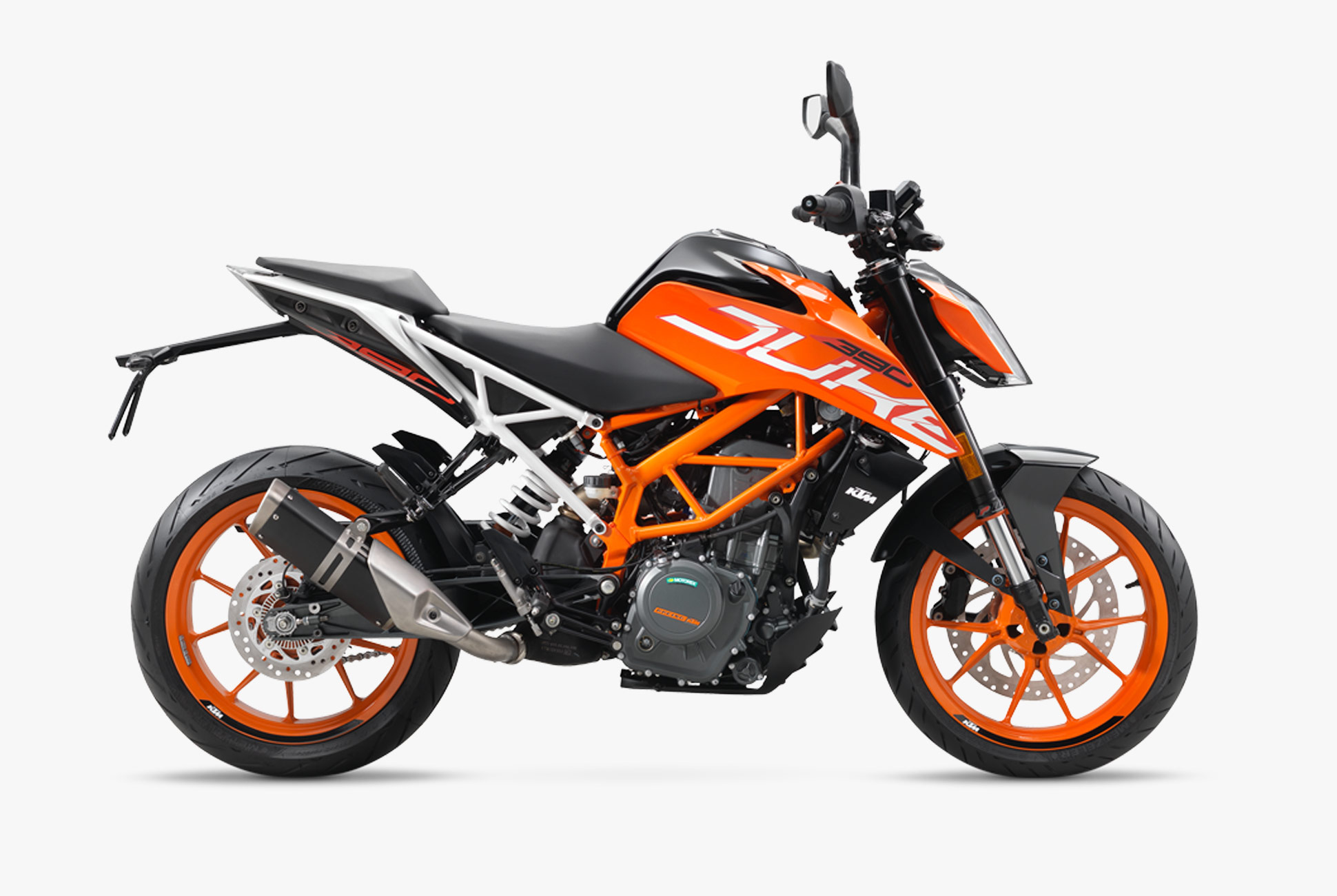
KTM 390 Duke

Price: $5,299
Seat Height: 32.7 inches
Weight: 328 lbs

Sport Touring

Some riders don’t need to scribble a rubber signature on the Earth’s surface with their tire every time they head out to enjoy a motorbike. Taking it easy on the open road can be satisfying enough or maybe, riding is merely a fun transition from Point A to B. For either application, there are plenty of cruisers with low seats for long rides.

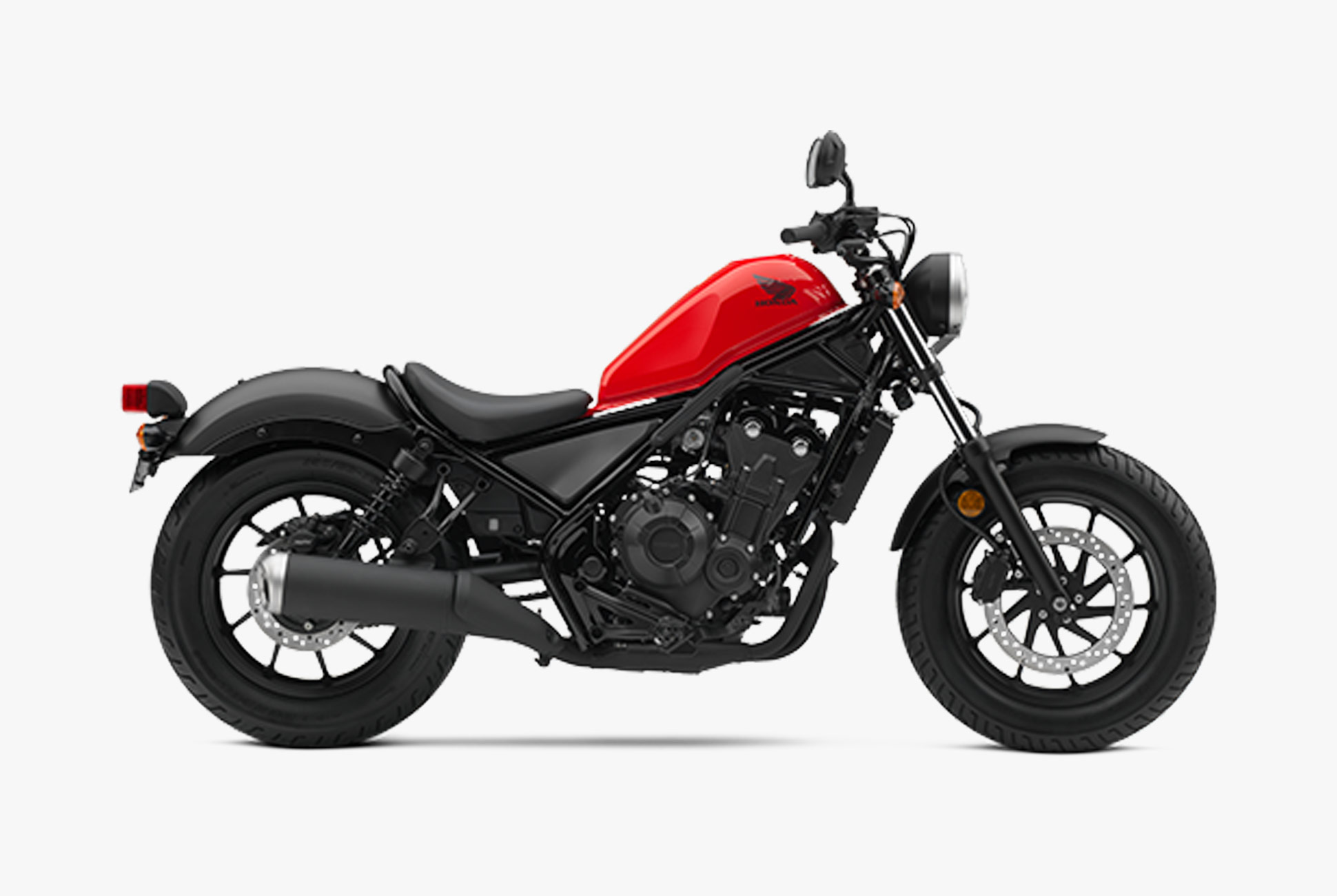
Honda Rebel 500 ABS

Price: $6,099
Seat Height: 27.2 inches
Weight: 402 lbs

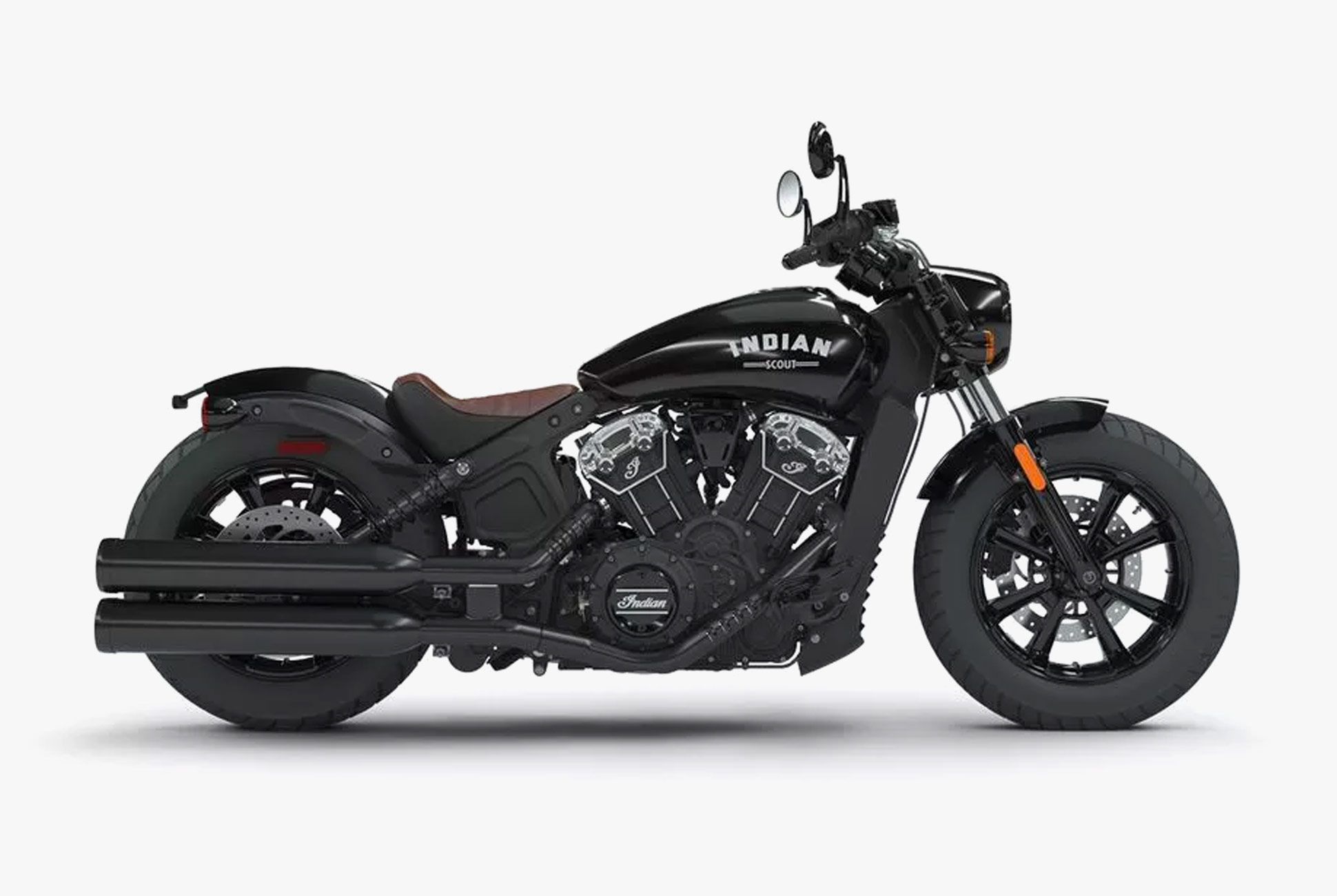
Indian Scout Bobber

Price: $11,499
Seat Height: 25.5 inches
Weight: 544 lbs

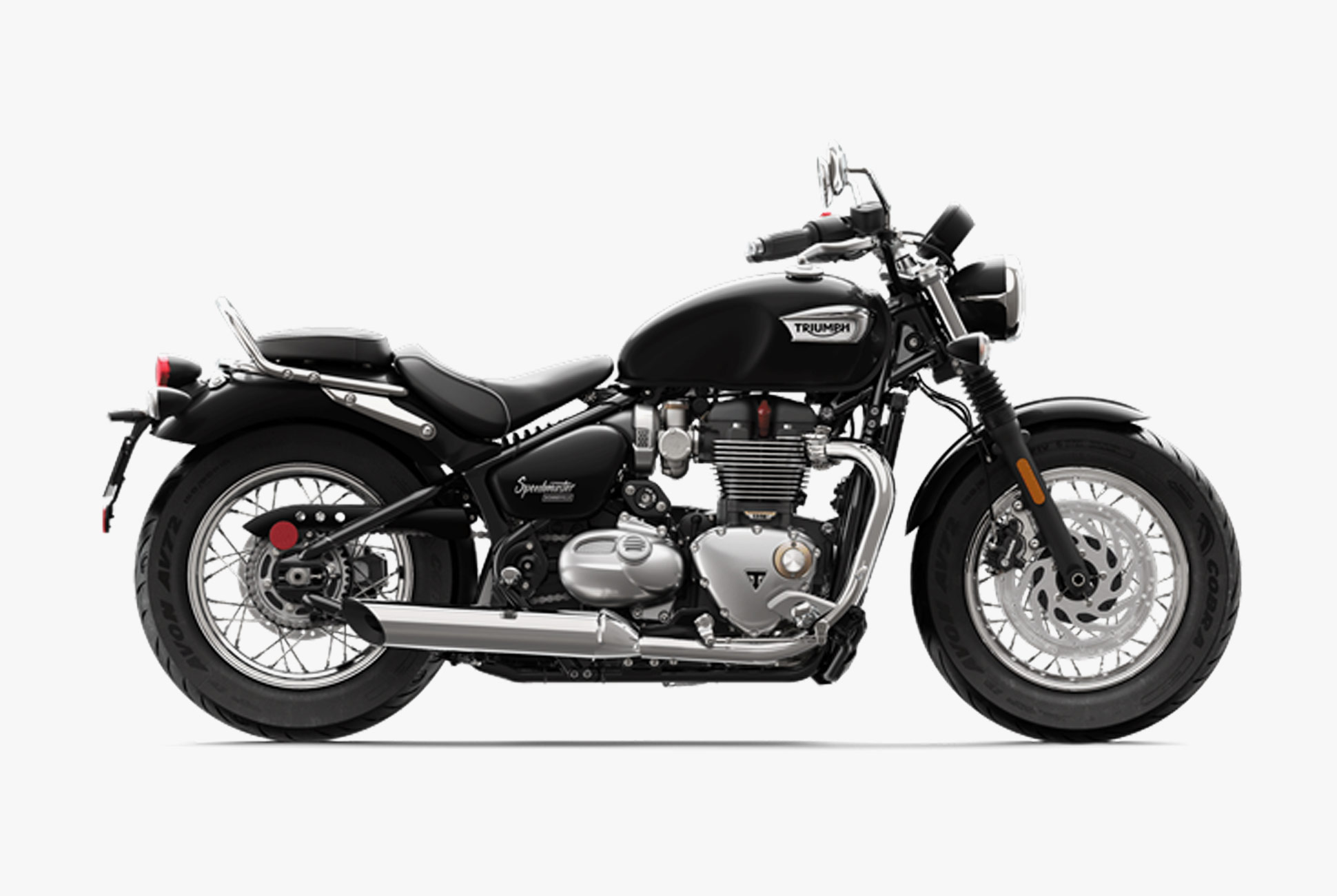
Triumph Bonneville Speedmaster

Price: $13,150
Seat Height: 28 inches
Weight: 541 lbs
Best Adventure Bikes

No matter if asphalt gives way to gravel and dirt, an adventure bike never waivers. Read the Story

8 Common Types of Motorcycles to Know Before You Shop

In some respects, motorcycles are like power tools: there are almost too many different kinds to even count and dozens of manufacturers building them, but each type is designed to be best at a specific job. Unlike power tools, arguably, motorcycles can stir the soul, take you on adventures and easily morph into a road-worthy companion — more than just a tool for the job. Plus you can, you know, ride them. If you’re new to the two-wheeled world or thinking about diving in, it’ll help to know the difference between sport and sport-touring, what separates a cafe racer from a scrambler and understanding that the term ‘naked’ takes on a whole new meaning in some contexts.

Standard Motorcycles

Standard motorcycles are some of the most common types of bikes on the road. What makes them so popular is their easy-going ergonomics. Their fairly upright riding position with semi-forward set foot pegs doesn’t force the rider to ride with outstretched legs, arms or cramping limbs like on a race bike. You’ll also hear ‘sport standard’ thrown around: all that means is a standard type motorcycle with added performance through power or handling upgrades.

Read the Review: The Perfect First Bike

Cafe Racer and Scrambler Motorcycles

grey_placeholder

Cafe Racers and Scramblers also slot in under the “standard” banner. Cafe racers tend to have a more aggressive, forward-leaning seating position while Scramblers look more akin to dirt bikes, but at their core, both are specialized standard bikes. You can look at cafe racers as more of a hot rod or an old-school road bike with a healthy amount of racing flare and influence poured on. Scramblers go in the opposite direction and take on an off-road spirit — they’re still recognizable as a standard motorcycle, but with longer suspension travel, spoke wheels and dirt bike-like handlebars, they dial in a dirt-loving personality.

Read the Review: Ducati Scrambler 1100

Sport Bike

Whereas cafe racers started life as standard motorcycles and are then modded for performance, sport motorcycles (also called “sport bikes” or “sportbikes”) are purpose built with speed, agility and cornering in mind from the first concept sketch. Higher seats, lower handlebars and rear-set footpegs characterize sport bikes as the some of the most aggressive bikes to roll off factory floors. They can come with engines of any size or configuration, but the basic idea of a sport bike is to bring the technology, research and development from the track to the street. Sport bikes also tend to boast higher horsepower and torque numbers and usually incorporate lightweight materials like aluminum and carbon fiber — all in the pursuit of performance. Smaller engine sport bikes can be new-rider-friendly, but to get the most out of higher-end halo bikes, it takes a mountain of skill and experience honed over years of riding.

Tip: the term ‘Naked’ refers to a style of sport bike with no fairings, exposing the engine and mechanicals underneath.

Read the Review: BMW S1000RR

Touring Motorcycles

Touring motorcycles are some of the largest bikes on the road, but they don’t carry the extra heft just for heft’s sake. Combining rear set handlebars, forward-set foot pegs and a relaxed riding position behind larger front fairings to break up the wind, they provide a comfortable ride designed for long distances. Luxuries on modern touring bikes don’t stop at the La-Z-Boy ergonomics either, bikes like the Honda Gold Wing offer heated seats and handlebars, satellite radio, GPS and Apple CarPlay for the infotainment system. Cargo space is another characteristic touring bikes have in abundance of as well. You can’t exactly pack for the whole family, but there should be more than enough cargo space for you and a possible passenger.

Learn More: Honda Gold Wing

Sport Touring Motorcycles

Sport touring style motorcycles, in name alone, sound like a perfect balance between the two previous categories, but it’s fair to say the category leans more towards sport in architecture. More often than not, sport touring motorcycles take a strong influence from sport bikes. They feature tighter fairings plus more aggressive engine performance and cornering capabilities but are tuned to be much softer and more tolerable over long distances. Sport touring motorcycles can look like sport bikes at first glance but their raised handlebars, more forward foot pegs, sculpted fairings and larger windshields and panniers turn up the endurance factor. If you want comfort on a long ride, but still aim to drag a knee on your favorite canyon road, a sport touring bike is the compromise you’re looking for.

Read the Review: Ducati Multistrada 1260

Cruiser Motorcycles

Most of what you need to know about a cruiser motorcycle is right there in the name — it’s built for cruising, either around town or down the highway. Traditionally, cruisers have low seats, semi-forward foot pegs and handlebars positioned for rider comfort. However, the cruiser style motorcycle has a whole spectrum to itself. From more relaxed, laid-back riding positions with high handlebars and low seats to forward set foot pegs and handlebars that stretch the rider out for a more aggressive stance, you can find an infinite number of variations of the cruiser, but generally, its silhouette is unmistakable.

Read the Review: Indian Motorycles and Harley-Davidson Shootout

Adventure Bikes

Adventure (also “ADV bikes”) motorcycles are some of the most capable bikes for both on- and off-road. They’re just at home cruising down the highway as they are on a fire trail. The long travel suspension, high seat height and high handlebar position are perfect for all-day comfort and for standing up in the saddle for better control when the road gets rough and rutted. For longer hauls, some modern ADVs have also adopted cruiser style creature comforts — heated grips and seats, radio and GPS systems definitely come in handy when you want to see how far your bike can actually go.

Read the Review: Triumph Tiger 800 XC

Enduro and Dual-Sport Motorcycles

As far as on-road motorcycles go, dual-sports and enduros are the closest you’ll get to street legal dirt bikes designed for everyday use. Where an ADV’s size might hinder its ability to tackle tight trails or be a hassle to pick back up if you go down while off-road, dual-sports and enduros don’t weigh too much more than their dirt bike cousins. In the hands of a good rider, a dual-sport or enduro can easily keep up with a dirt bike on twisty, long and rut-ridden single tracks. While the off-road-on-road style of the bike lends itself to rough riding, the typically narrow seat of one of these bikes is awful for long distance rides. Unless you have a more powerful engine under you, the lack of fairings, windshield and low weight can make these svelte off-roaders a headache on highways.

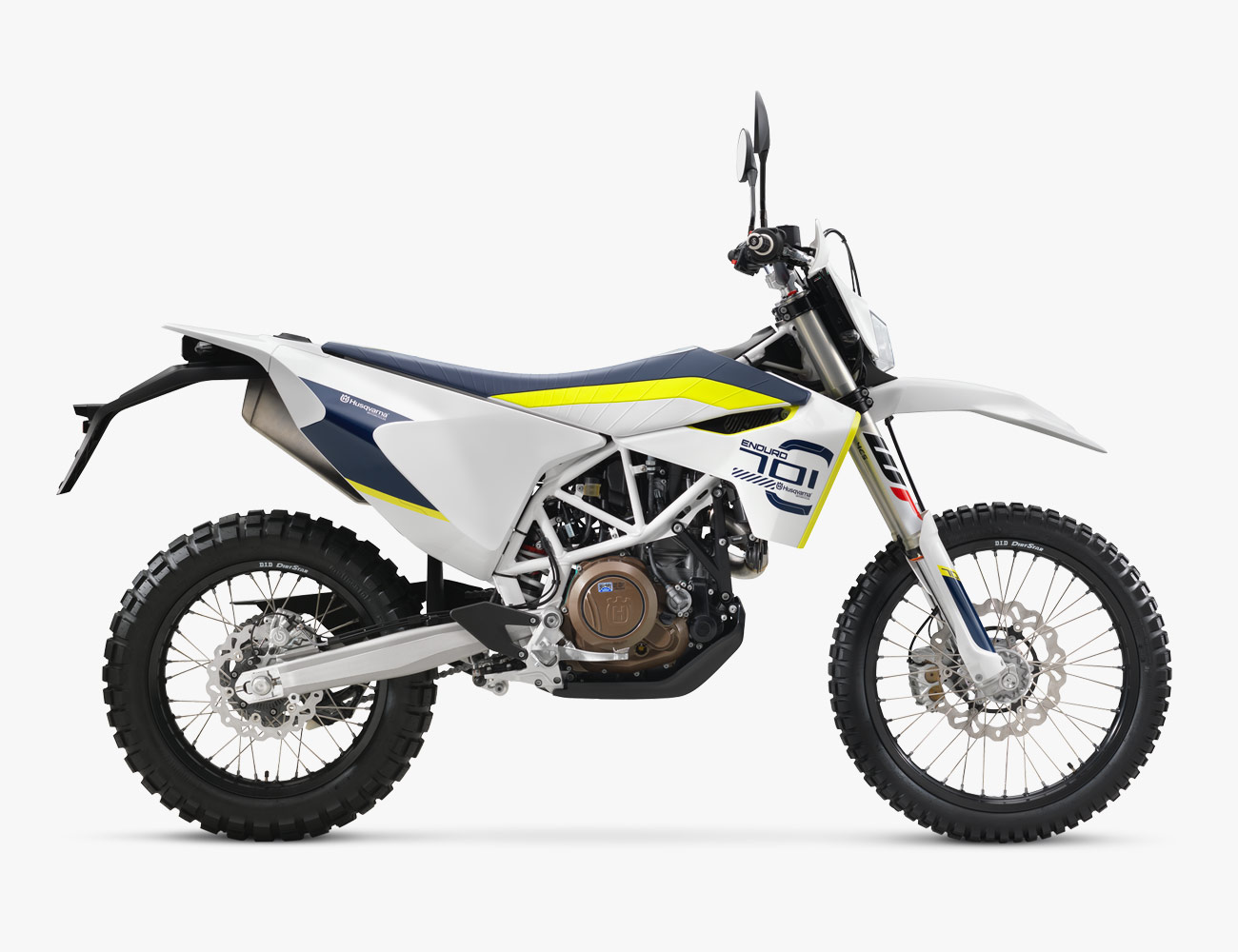
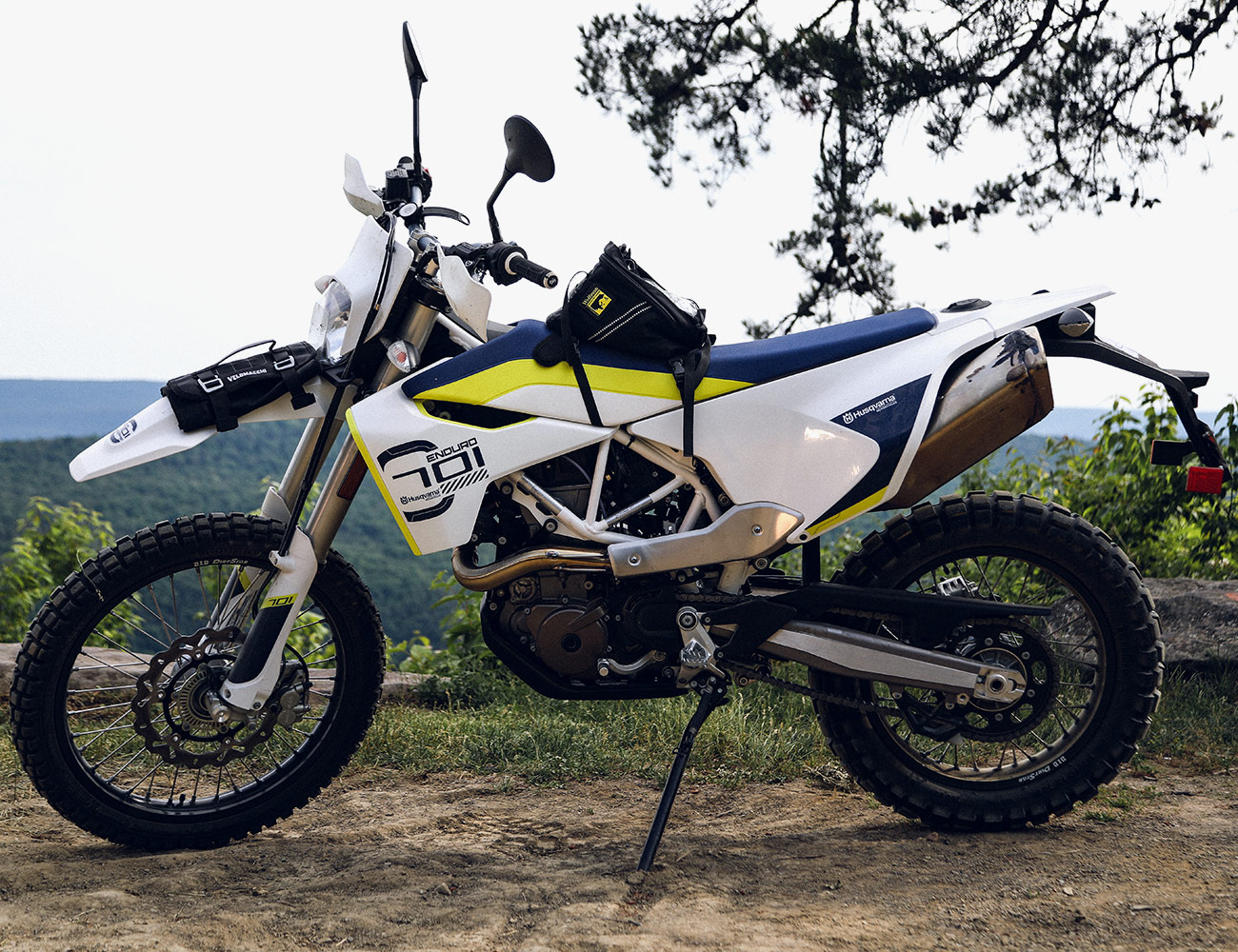
Read the Review: Husqvarna 701 Enduro

TFT Displays Are the Next Motorcycle Technology Trend

Gauge cluster design is a dying art. Speedometers and tachometers used to sit at the front of motorcycles like single-handed mechanical watches, projecting only the most pertinent information to the rider: vehicle speed, engine speed and the odometer. Then, like most analog things, digital became the preference and, for the most part, still is the preferred way to display even more information to riders like time, temperature, ride modes, traction control and any other minute pieces data the manufacturer deems necessary.

No one is saying having access to all that data is unnecessary or overbearing — quite the opposite. The more you can know about what’s going on with your bike the better, but, on a modern bike, all that information is more than an analog gauge can handle. So digital displays are a necessary evil, but their principal downside is they lack style, character and they all seem to look the same. However, it seems like the motorcycle industry is at a crossroads and the opportunity for unique, yet modern design is on its way back.

Thin-film-transistor liquid-crystal — or full-color TFT displays — are gaining popularity in the motorcycle industry. TFT is merely a more refined version of the well-known liquid crystal display (LCD), whose potential is already on display in the Lexus LFA and Audi’s Virtual Cockpit. And now, motorcycle manufacturers like Ducati are bringing that technology to the two-wheeled universe to exploit the benefits of a TFT display even further.

Ducati Monster Line Product Manager Stephano Trabusi explained, “TFT is more visible during the day, even in direct sunlight, the resolution is much higher than normal LCD so that you can have much more information on a display.” Given that the cockpit of a motorcycle doesn’t have the benefit of shade from a roof, more common digital and LCDs fall victim to severe glare. The Bosch system Ducati runs even goes one step further with a night mode that can tell if it’s night time, if you’re in a tunnel or a low light environment and flips the display background to black and the font white, so it’s easier to read.

Night vision is just the tip of the TFT iceberg, though. The complex levels of traction control and ride modes that come along with the Bosch system mean the screen has to be able to cycle through numerous menus and pages and display the traction control, engine modes and ABS settings once programmed. “Given that the bikes are so much more complex nowadays, they have more and more functions and more electronics; we need that higher resolution to display all that information.” And not only that but Trabusi justifies Ducati’s use of the display in the most modern way possible, “you always see the display when you’re riding, and it has to have a premium feel for a premium ride. Today, we are so used to our smartphones with color displays — it has become just so familiar. And to have this level of resolution and color on our bikes — it was common sense.”

Therein lies the problem with the Bosch system. Because it’s from a third party electronics and software company, and because it’s so close to a complete plug-and-play package, a handful of other manufacturers — BMW, KTM, Aprilia — use similar if not identical systems. So we wind up with cookie cutter displays no better than the uninspired digital systems they replaced. But thumbing through, pages, levels, toggling ride modes and taking calls via Bluetooth, it’s undoubtedly intuitive, but there’s an overwhelming sense that no one is exploiting the display for all it can do. It’s the same as getting an iPhone X and only using it for dim-lit selfies and tri-color wallpaper.

There’s no reason Ducati couldn’t create its own version of Audi’s Virtual Cockpit — between the maps, different gauge cluster layouts and creative displays, it would be like nothing else on two wheels. The creative potential is there, but until someone unlocks it, we’re stuck in this dull purgatory of right angles and primary colors.

One of the Bikes With This Display

Ducati brought its iconic, entry-level roadster into the modern era, with an incredibly minimalistic approach. Read the Story

A Simple Guide to Motorcycle Helmet Ratings

You can trace the roots of the modern motorcycle helmet all the way back to the 1930s and a neurosurgeon named Sir Hugh Cairns. After studying the effects of head trauma resulting from crashes, Cairns came up with what became affectionately and casually referred to as the first ‘crash helmets.’ Before the Cairns helmet, riders wore what amounted to old-timey leather football helmets — so an upgrade was welcomed. Fast forward to the early ’50s when Herman Roth invented a crash helmet with the first impact absorbing liner which, through innovations, upgrades and refinements, every modern helmet now features in some way, shape or form, as a baseline of protection.

Have you ever stopped to think why those small, mandatory stickers are on the back of your modern motorcycle helmet, or even what they stand for? In short, those DOT, ECE or Snell stickers show that your helmet is roadworthy and that it passed certain tests and meets specific safety standards. The longer explanation is they’re not all the same, don’t meet the same standards, require different tests for approval and after all of that your helmet still might not be as safe as you think it is (more on that last bit, later). What is really important is that you understand the gear you use on a basic level, especially if that particular piece of gear is meant to save your life.

DOT

DOT stands for Department of Transportation but the DOT doesn’t look at or test the helmet directly. Instead, the DOT holds the helmet manufacturers responsible for testing their own products and refining them to meet the set standards. Aspects like helmet retention, field of vision and penetration resistance are scrutinized. And if you’re thinking to yourself, “that sounds really shady and super unreliable,” that’s because of it is. The DOT sets relatively low bars for a passing score and relies on random sampling to catch bad designs instead of subjecting each helmet to a test. But don’t throw your helmet in the trash just yet.

While the DOT rating is the most basic of the main three, a DOT rated helmet is still can still be more than qualified to keep you safe in the event of a crash. Drop tests using predetermined heights and multiple penetration tests are performed all while measuring g-forces and assessing shell damage. But, because it is either a ‘pass’ or ‘fail’, some DOT rated helmets can be safer than others.

ECE

ECE helmets, or helmets approved by the Economic Commission for Europe, are put through more thorough tests than DOT rated helmets and it’s the minimum standard 50-plus European countries will allow for road-legal motorcycle helmets. In ECE tests, third-party labs unleash a much more stringent test on helmets than DOT certification. Rider field of vision, shell strength and impact tests at fixed points on the helmet are all considered and tested on different shaped dummy heads. However, for the ECE testing the technician makes only a single blow to the helmet, as opposed to multiple.

Aside from having a more complex test system, the ECE requirements demand helmets be put to the test on different shaped dummy heads. Think of how differently shaped your head is to your friend’s or if you’ve ever tried their helmet on and it felt like torture because it simply didn’t fit. Even if a helmet is crash tested and rated, if it doesn’t fit or sits awkwardly on your head, it can cause pressure points and in the event of an impact actually cause damage.

Snell

Of the three certifications, Snell is the most stringent, trusted and rigorous. The Snell Foundation, which was founded in 1957 after Pete Snell died in a race car accident wearing an iteration of the Roth design mentioned earlier. After his death, his friends founded the Snell Foundation where scientists and engineers came up with and developed ways of testing helmet safety. Since then, Snell has been the leading light in head protection.

Aside from international FIA rated race helmets, Snell certified helmets are some of the most commonly allowed helmets at race tracks. Of the three, Snell helmets allow the lowest transfer of g-force through the helmet, go through multiple impact tests with different shaped weighted anvils of varying force and technicians are allowed to pick any point on the helmet to test multiple times — that includes any specific spot they deem as a weak point.

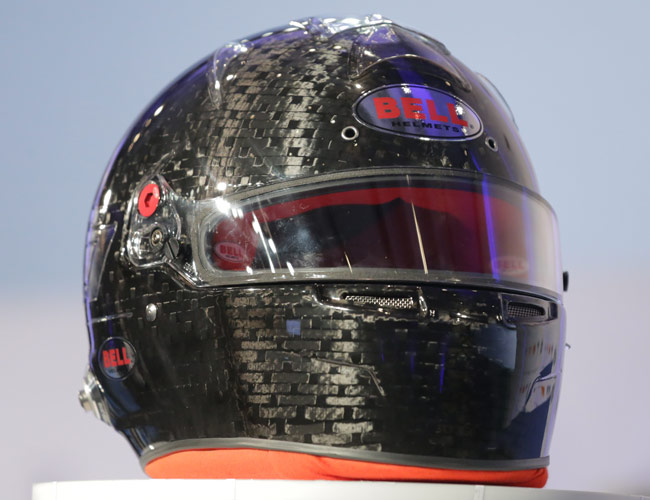
One Hell of a Helmet

The Federation Internationale de l’Automobile has been working on a new standard for helmets in motorsport. This is now safest and most protective helmet you’ll be able to buy. Read the Story

MSR Hubba Tour 2 Review: The Definitive Adventure Motorcycle Tent

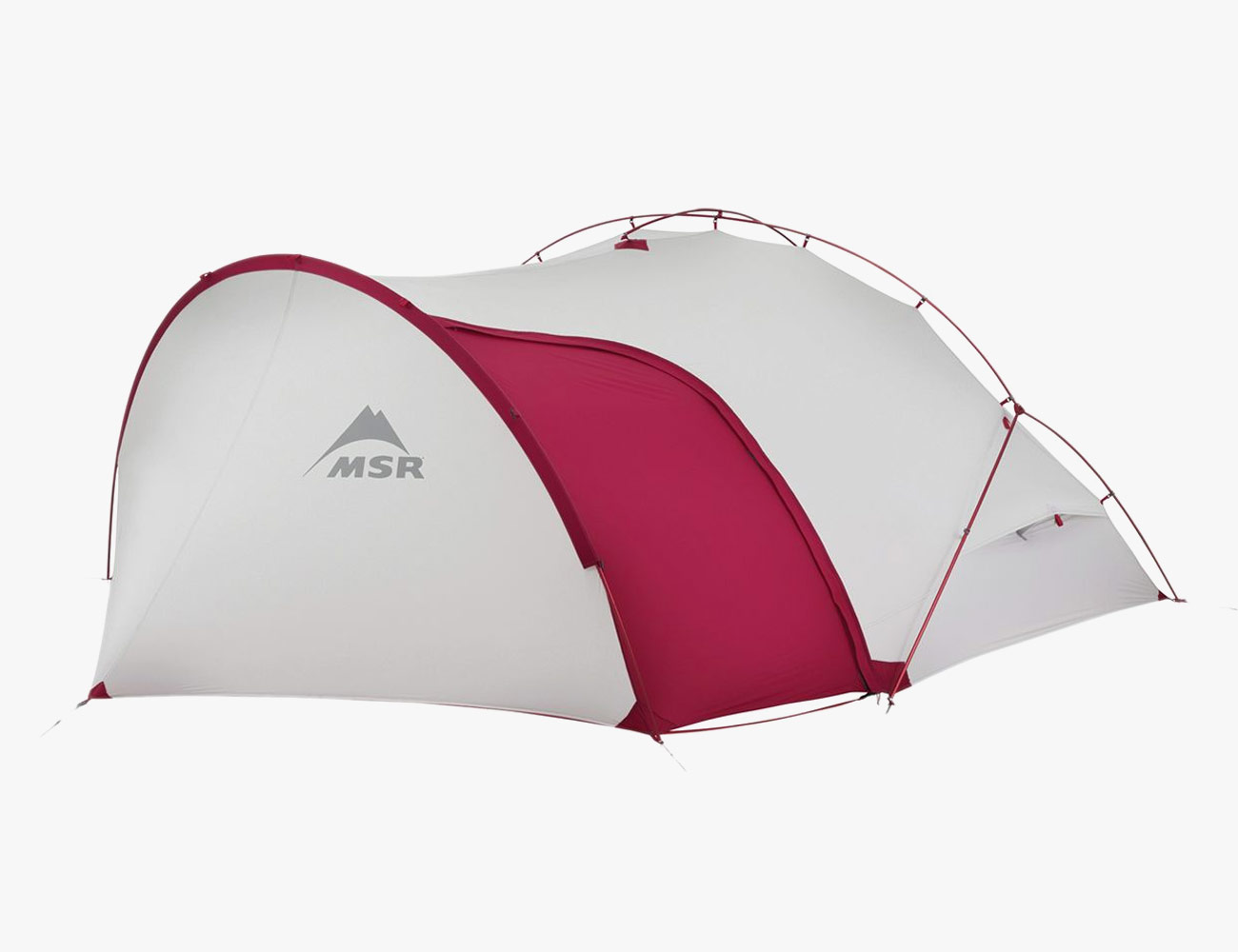
Camping and motorcycling go together like bread and butter: a great combo, but too much of one and not the other can lead to a lousy breakfast, or in this case, a lost weekend. You don’t want your kit to become a burden or be too cumbersome. Setting it up and breaking it down should be a no-brainer, and more often than not, less is more when it comes to camp gear. So, choosing the right equipment for your motorcycle adventures is vital. Items need to be light, pack easily, accommodate you, and often the person you’re riding with as well. Designed to house two motorcyclists (or cyclists) and all their gear, the new MSR Hubba Tour 2 is the ultimate two-person tent for two-wheeled travelers. According to MSR, it was the motorcyclists in the office that designed the tent.

The Good:

The Hubba Tour 2 is a three-season tent explicitly designed for bike-packing and motorcycling expeditions. When packed, the tent and accompanying rainfly/vestibule weighs just five-pounds, four-ounces. Featuring a fast pitch exoskeleton and rainfly, the Hubba Tour 2 takes only a few minutes to assemble, allowing weary travelers a quick and comfortable escape from the elements. The cavernous vestibule is the perfect place to store wet or dirty riding gear and offers additional shelter should you not want to be cooped up inside the tent itself. Like its Hubba brethren, the Tour 2 has a zippered door on either side, as well as ample gear lofts and pockets and an internal glow-in-the-dark zipper pull. The rainfly is made of 20-denier, high-tenacity ripstop nylon that’s Durashield polyurethane- and silicone-coated, making it both durable and waterproof.

Who They’re For:

Built to accommodate two self-supported motorcycle travelers, the Hubba Tour 2 is 38-inches tall at its peak and features a floor layout that is 88 x 52 inches. The vestibule is large enough to house two helmets, riding gear and luggage removed from the motorcycles. In addition to a weight of just five pounds, four-ounces, the Hubba Tour 2 is only 17-inches long and seven-inches-around when packed, designed with motorcycle saddlebags in mind.

Watch Out For:

The one-piece rainfly/vestibule requires campers to secure the outer shell of the tent using the included stakes and draw lines. This task can be difficult to accomplish when camped on hard surfaces, or sandy beaches. And without the inclusion of the optional footprint, the vestibule is only partially floored, which means dirt and debris can find its way into the tent. Our tip? Pick up the footprint.

Alternatives:

The Obi LS tent from Nemo Equipment offers similar three-season shelter and two-person capacity as the Hubba Tour 2. Tipping the scales at just three pounds, eight ounces, when packed, it is considerably lighter, and with its dual vestibule setup, offers a similar amount of space with an 83 x 50-inch footprint and a 40.2-inch height at its peak. The vestibule space, however, is substantially smaller, and may not store as much motorcycle gear.

Review:

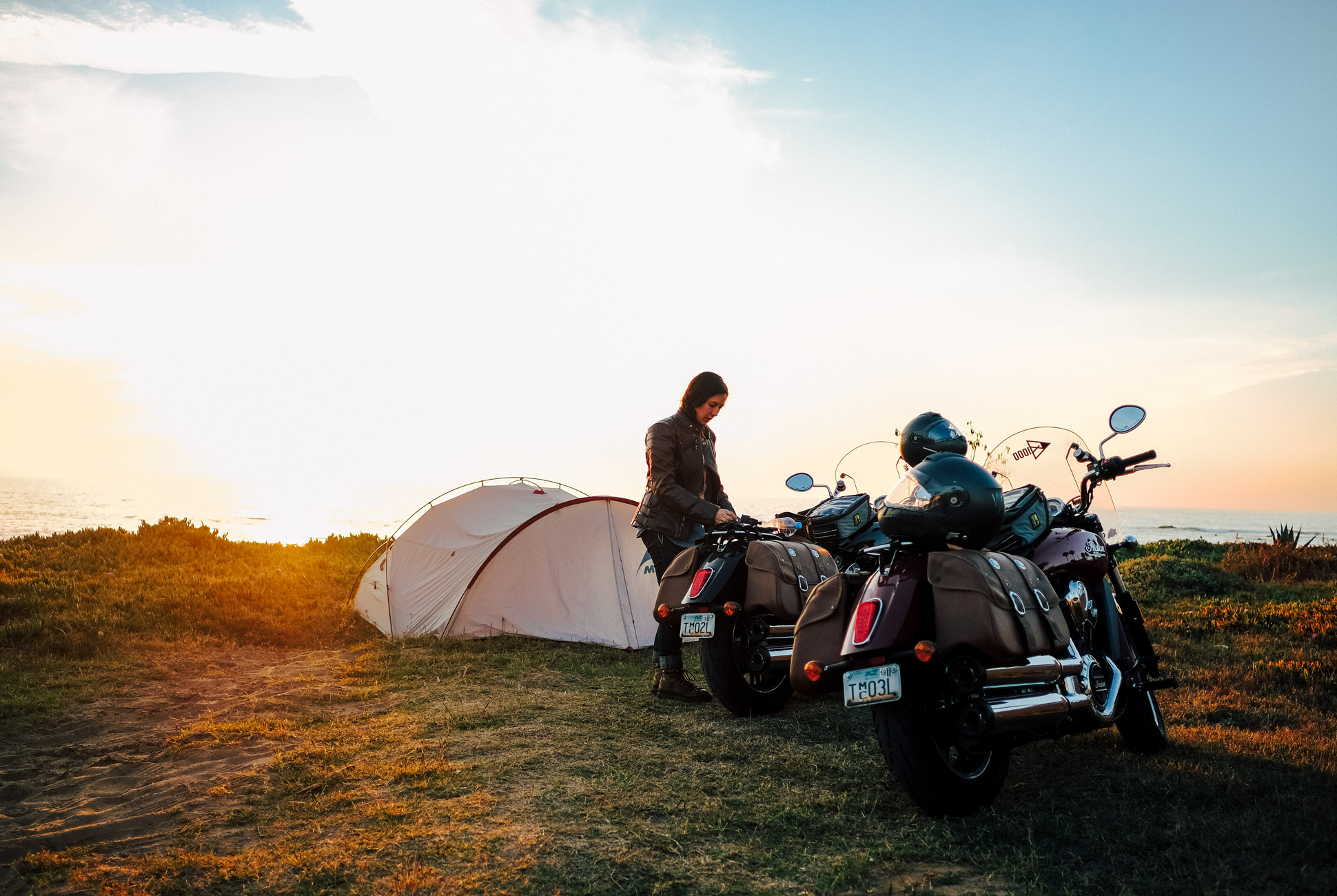
We traveled south of the border into Baja California with the Hubba Tour 2 strapped to the tail rack of an Indian Scout. Previously, the two of us had used the predecessor to this tent, MSR’s Hubba Hubba NX. We had, however, struggled to store all of our gear at night safely, and we’re excited at the prospect of expanded vestibule space. Pitching the Tour 2 was a simple and straightforward as we had anticipated, allowing one of us to prepare our air mattress while the other pitched the tent and fashioned it to the ground with the included stakes. The vestibule was, as we’d hoped, a welcome addition to the shelter, and allowed us to safely store our helmets, bags and riding gear at night.

Furthermore, we used this space to boil water and make coffee in the morning, keeping us dry when a light rain rolled over. Taking down the tent was as easy as its assembly, and again allowed one of us to pack up the remainder of our gear while the other sorted out the tent. The glow-in-the-dark zippers and expanded interior storage were also positive improvements we hadn’t known we needed until we had them.

Verdict:  

The Hubba Tour 2 is the perfect choice when traveling with a partner, allowing the allocation of gear between two bikes so that no one person is packing too much. The exoskeleton construction makes putting up and taking down the tent a one-person task, and the expanded vestibule provides much-needed storage for two travelers and all of their motorcycle gear. With the incorporation of a footprint and a means to secure stakes to the ground, the Hubba Tour 2 might be the last tent we’ll ever need.

What Others Are Saying:

• “The MSR’s Hubba Tour 2 tent is one of the most spacious tents I’ve ever tested for its weight. And it makes foul-weather setup a breeze. It serves as the perfect solution for adventure tourers and mountaineers seeking a comfortable place to hang out, change clothes or store gear.” – Amanda Ellis Gear Junkie

Key Specs
Canopy fabric: 20-denier, durable water repellent (DWR) coated ripstop nylon
Seasons: 3-season
Capacity: 2-person
Weight: 5 lbs. 4 oz.
Dimensions: 88 x 52 x 38-inches
Floor area: 32 square feet

A Smaller Ducati Scrambler and Adventure Bike Are On the Way

It’s hard to ignore the shift the motorcycle industry is making by pivoting resources to smaller displacement motorcycles. A recent report from International Business Times claiming Ducati is looking to build smaller 300cc motorcycles is another sign of the trend. The Italian manufacturer is reportedly partnering with the Indian brand Hero MotoCorp to joint-build a Scrambler-like single cylinder and a miniature Multistrada with an identical power plant.

As of now, it’s unclear whether or not the two new motorcycles will make their way stateside, but what is for sure is Ducati is ready to tap into the largest two-wheeler market in the world. The partnership will supposedly see Ducati produce a 300cc fuel-injected single cylinder engine while Hero MotoCorp develops the chassis to carry it. Considering competing brands such as Kawasaki, Honda and BMW already sell bikes in the 300cc range, it’s not entirely out of the realm of possibility the US will see an even smaller Scrambler or Multistrada.

While most Japanese brands are long-time proprietors of small engine motorcycles, the growing number of options from BMW and Ducati is a realization that the market is shifting focus. The older generation of riders drove the market and inadvertently forced manufacturers to build bigger more powerful bikes as they grew up. Now that generation has nearly aged out of riding all together, a new generation of younger riders are demanding another era of approachable, tameable motorcycles to learn to ride. The industry shift is merely a countermeasure. It’s easy to say in hindsight, but had manufacturers never eased up on their entry-level bikes it’s entirely possible the market would be as stagnant as it has been the past few years. Either way, it’s refreshing, not to mention a relief, to see brands like Ducati pouring energy into new riders’ tastes.

Spoked vs Alloy: Know the Advantages and Disadvantages of Your Motorcycle Wheels

There are only two types of wheels you’ll see rolling around underneath the average modern motorcycle: wire-spoked wheels and alloy wheels. From first commercial motorcycles in the early-1900s up until about the late-’60s, wire-spoke wheels reigned supreme. Then, in the ’70s, single-piece cast aluminum and magnesium alloy wheels skyrocketed in popularity. So if single piece alloy wheels were the latest and greatest, and are still the standard for road bikes today, why are manufacturers still using wire-spoked rims? The answer isn’t so cut and dry. Both wheel solutions have their advantages and drawbacks. Which one is better depends on what and where you’re riding.

Performance

Spoked wheels are all but mandatory on off-road bikes — dirt bikes, enduros, scramblers and ADVS — for one simple reason: spoked wheels are more durable than single piece cast wheels. On the road, while riding around on your street bike, you (hopefully) don’t encounter large rocks or massive ruts — maybe the occasional pothole, but nothing as unrelenting as a backwoods single-track, that’s for sure. Spoked wheels can bend and flex to a certain degree letting you tackle the rougher terrain.

Alloy wheels, because they’re more rigid, handle higher speeds and higher amounts of horsepower and torque with relative ease. The solid, unflexing nature also makes the single piece wheels more predictable in turns, especially at higher cornering speeds where stability and consistency are paramount.

Photo: Sung Han

Cost and Mainetance

When it comes to cost and maintenance, there’s a clear inverse relationship between the two types of wheels and the manufacturer and the consumer. Spoked wheels, due to their complicated architecture, still require human hands to connect the spokes from the rim to the center hub. It’s easy to see why that can be more expensive than an automated machine that effortlessly churns out thousands of cast alloy wheels a day. Alloy wheels are much cheaper and easier to produce on a large scale.

However, out in the wild, if you do send it too hard up a trail with your spoked wheels, dent a rim on a rock or bend a spoke, replacing the individual parts is simple and inexpensive. When it comes to fixing a flat, the majority of spoked wheels use inner tubes, making trail fixes — swapping tubes — a little more time-consuming. Conversely, if you slam into a curb or your alloy wheel gets swallowed by a pothole on the highway and it takes a dent or cracks, that’s an entire wheel that needs replacing. But, when it comes to flats, alloys are tubeless, meaning more often than not a flat can easily be plugged and you’ll be on your way in a matter of minutes.

So if you find yourself wondering which type of wheel to bolt on your bike, first ask where and how you’ll be riding. Of course, you can always choose spoke wheels purely for a vintage-style aesthetic; just know your form-over-function decision will have its drawbacks. Likewise, you can put cast alloys on your ADV or enduro and go off-roading, but you’re asking for a world of hurt.

5 Best Motorcycles For Navigating City Streets in 2018

This list serves as a guide to commuter, motorcycles. It’s not an official segment of motorcycles, but certain lifestyles demand daily transportation in and out of urban areas, and a small motorcycle is the perfect answer. The five motorcycles included vary in size, style and price but are all perfect for navigating the daily grind.

Prefer to skip directly to the picks? Click right here.

The Short List

Best All-Around Commuter: 2018 Ducati Monster 821
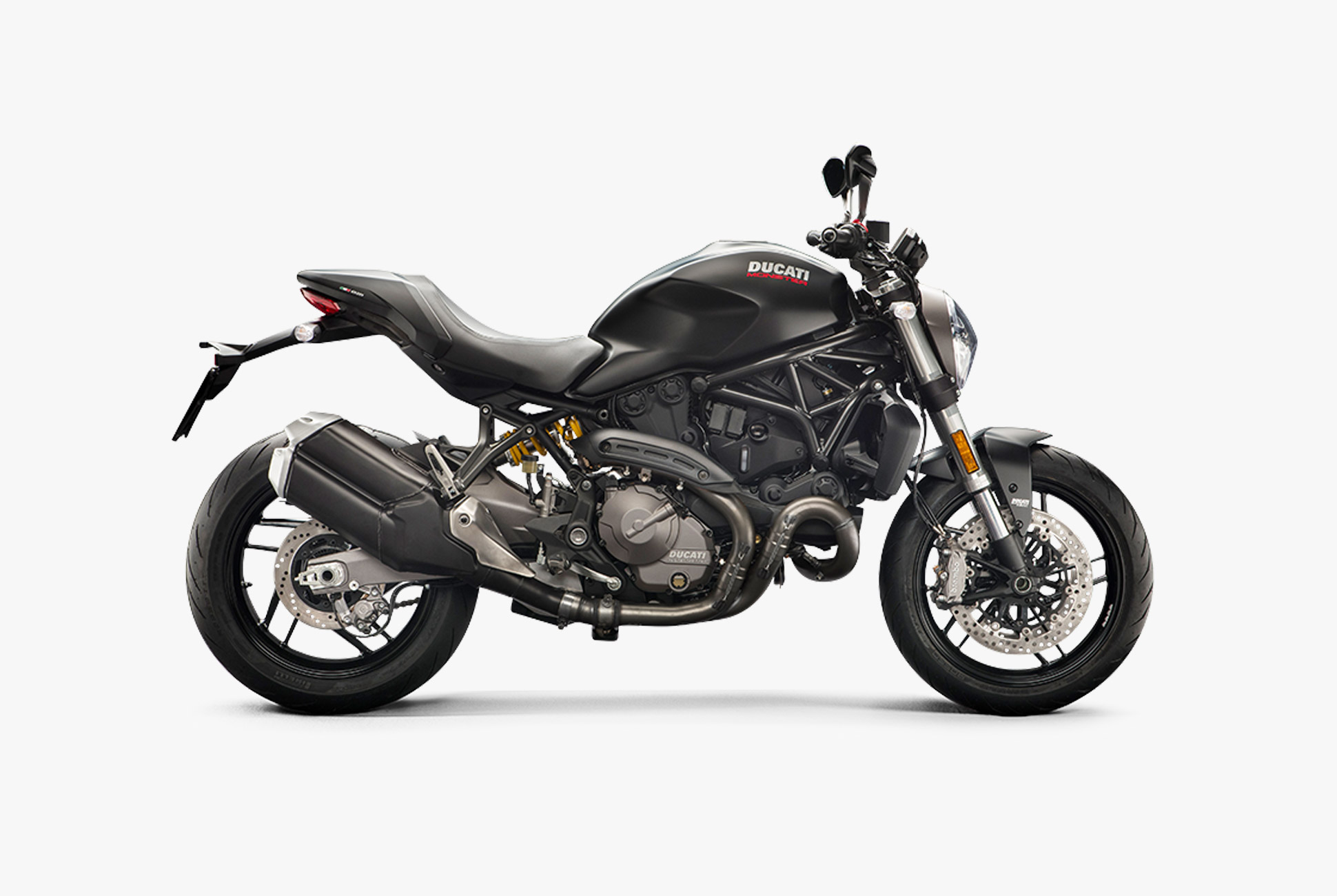


In the Ducati Monster lineup, the 821 risked falling into obscurity as the middle child. The 797 is prized as the approachable, entry-level Ducati since the Scrambler line spiraled off into its own sub-brand. The Monster 1200 might have a near identical design to the little 797, but if you look closer, it’s a tech-laden superbike with no fairings and serious power. Instead of being a slightly bigger version of the 797, the 821 borrows supersport-level tech from the 1200 and brings it down to an approachable level. It gets the best of all worlds — the controllable and lightweight nature of the 797, plus a little extra shove from the engine and the top-of-the-line tech and control systems from the 1200. And it costs just over $11,000.

Who It’s For: The commuter who doesn’t need the power of a bigger engine, but wants the tech that seemingly only the bigger, more expensive bikes get.

What’s Good: “For some, and understandably so, the 147-horsepower Monster 1200 may prove to be too much bike and the 797 too small and rudimentary. The 821 comes in as the Goldilocks option: it utilizes the same frame, brakes, tank and headlight, the beautiful if intricate, color TFT instrument display and traction control and ride mode system as the more expensive 1200 — but delivers it all in a much more manageable, affordable package. That seems to be the magic of the Monster. The Scrambler may be its own sub-brand, but the Monster has its own following under the larger Ducati umbrella. It offers the same styling with different levels of performance, attracting a wider array of riders. It succeeds with an architecture Ducati got right the first time and has simply fined tuned over the years in small, minute increments like Porsche has done with the 911.” – Bryan Campbell

What to Watch Out For: The term ‘all-new’ for 2018 has to be used loosely. “The engine in the new 821 is the same 821cc Testastretta L-Twin engine from the outgoing model but gets a host of modern hardware from the bigger, more technologically advanced 1200. Looking at the 797 and the 821 side-by-side, you might say they’re both entry-level models; if the 797 is the base model, with no options ticked, the 821 is the upgraded sport package. – Bryan Campbell

Value: There are very few other bikes at this price point with this much technology on board, though that much tech is becoming increasingly more common. Aside from the power deficit and the yellow paint job option, the 821 is incredibly similar to its big brother, the Monster 1200 — a bike that starts around $17,000.

Design: “Ducati’s Monster married a superbike engine to a Super Sport frame and created somewhat of a new genre with the “naked” sportbike — a modern cafe racer of sorts. It was an undeniable hit. It was different. It was beautiful. It could handle the canyon roads as well as a race bike could tackle the track and it came with three different engine options: the M600, M750, and M900. Until now, we’ve had the all-new Monster 1200 and 797; and now, the latest update: the middleweight 821. For 2018, in keeping with tradition, Ducati brought its iconic, entry-level roadster into the modern era with an incredibly minimalistic approach.” – Bryan Campbell

Verdict: “The 821 certainly isn’t a paradigm shift in the Monster universe, but what it gets right is bringing upper-echelon sportbike technology within the grasp of new riders — or riders not interested in spending nearly $18,000 for what should be standard on any modern sport bike.” – Bryan Campbell

What Others Are Saying:
“Stylish yet utilitarian, practical yet exciting, thoroughly modern but consciously linked to its glorious past, the 821, like Italy itself, blends opposing forces in a harmonious whole, forging its own identity in the process. The 821 isn’t just the Monster 1200’s little sibling. It’s a user-friendly package suitable for less experienced riders, but it’s also competent and engaging in ways that appeal to riders looking for a motorcycle distinguished, not by a single dominant sensation, but by the parity of its parts in pursuit of motorcycling bliss.” – Cycle World

“By far the biggest change, though, is to the electronics, and this comes in two parts. First, the old, letterbox-esque LCD dashboard has been consigned to the trash can in favor of a thoroughly modern color TFT display. Second, Ducati have thrown a full-on electronics package as standard at the 821 and that means full ride-by-wire with 8-level configurable traction control, three-level configurable ABS, and three engine maps.” – Ride Apart

“In the end, I think the new Monster would make a fantastic and stylish first Ducati for any rider with more than six months of riding experience under their belt. Ducati wasn’t B.S.-ing when it claimed the new 821 is the “Best Balanced Monster.” – Motorcycle.com

Engine: 821cc L-Twin
Horsepower: 109
Torque: 63 lb-ft
Price: $11,995

Best Value Commuter: 2017/18 Kawasaki Z650
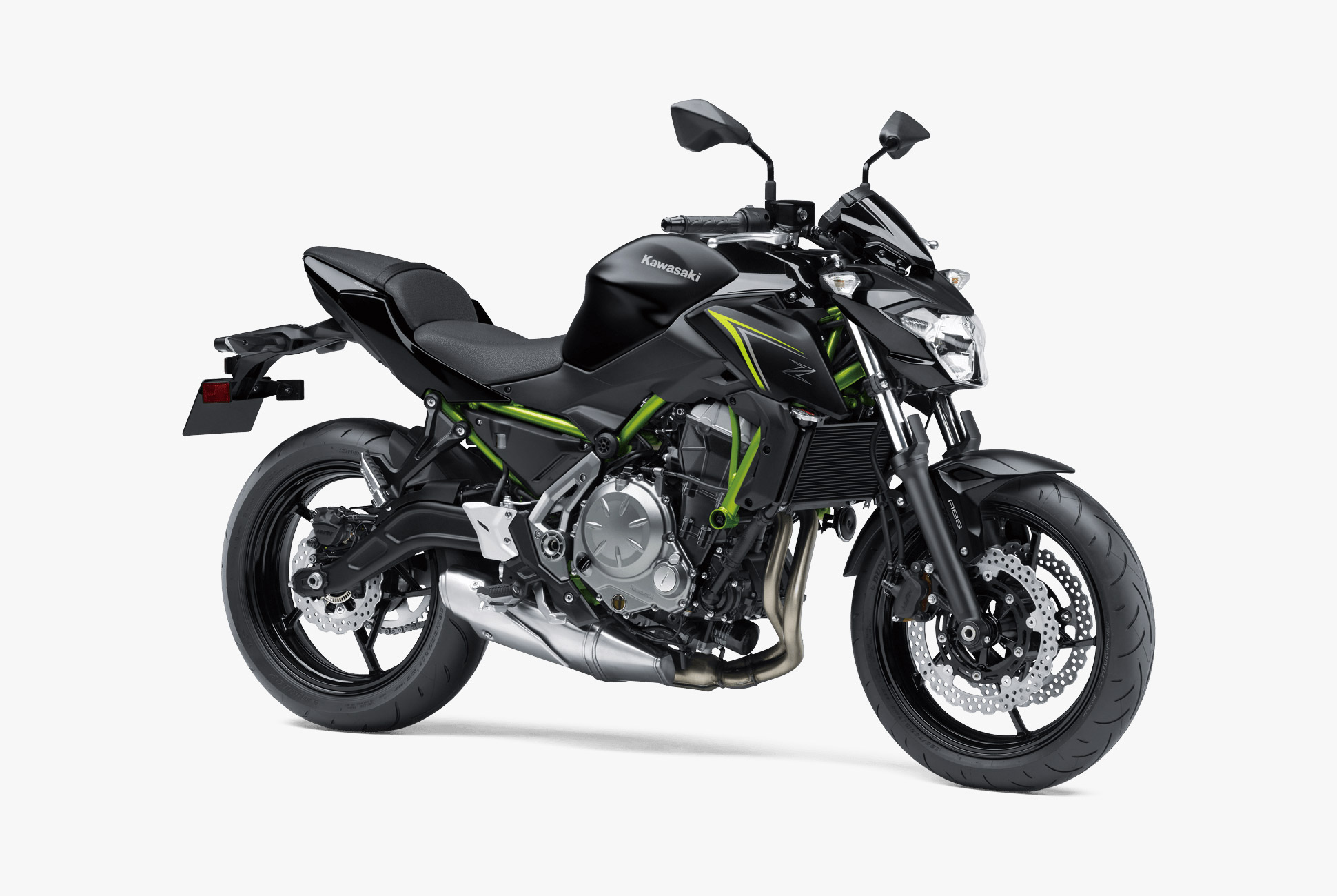


In the middle-weight naked bike category, the bikes are so closely matched that any scrutiny has to be done under a microscope. Pricing is all evenly matched, though the Kawi is one of the more affordable options compared to its Japanese rivals (even on the ABS model at $7,399) and also edges out the competition on styling with lively pearl white plastics and an electric green trellis frame. Where the Z650 really shines is under power in the mid-range, right where you need it for passing traffic in day-to-day commuter traffic.

Who It’s For: The rider who wants to save a money rather than shell out for the absolute best in class but still wants to enjoy tight and twisty back roads on the way home from work.

What’s Good: “Team Green developed this bike as the bigger brother of their own monkey-bike, the Z125 Pro. That means power took a backseat to flickability during development. Which is why Kawi only breathed on their tried-and-tested 649cc parallel-twin engine, opting to smooth out delivery and provide grunt where it was needed most — in the mid-range.” — Matt Neundorf

What to Watch Out For: To be a better bike for a wider audience, Kawasaki set up the front forks more lightly sprung than usual. It makes the bike more user-friendly to novice riders but aggressive riders might overdo it and find the front end diving under hard braking.

Value: For a modern, naked sports bike to have this level performance and a $6,999 price tag hanging off the bars, it’s a bargain.

Verdict: “You feel this as soon as you settle into the saddle. During stop-and-go stints in downtown Santa Monica, there were no struggles to stand flat-foot at lights, and the bike never felt like it could get away from me. The revised chassis geometry and slim, straight bars make 90-degree, grid-street negotiations a breeze, meaning this thing will do well for urban commuters too.” — Matt Neundorf

What Others Are Saying:
“In all, the Z650 satisfies nearly all of the prerequisites for an affordable, mid-level, sport-inspired machine. In terms of performance, nearly all of the systems found on the Z650 have massive amounts of potential to take a rider with little to no experience, and allow for a great deal of maturation to take place; a rider can develop their skills for a good while, before stepping to the next rung on the proverbial ladder.” – Ultimate Motorcycling

“As it stands, the bike is a great addition to the Z family, and proof of what Kawasaki has learned from years spent with the Z1000 and Z800 (both of which will be replaced by the Z900 for 2017). And it’s a great option for those naked bike lovers who’ve been waiting for a mid-displacement twin with Team Green badges on its side.” – Cycle World

Engine: 649cc parallel twin
Horsepower: 63
Torque: 42 lb-ft
Price: $6,999

Introduction

Navigating any concrete jungle can be hell — especially if you call the asphalt wilds your commute. Driving into the city is certified insanity and public transportation isn’t always the most reliable (which is the understatement of the year for any New Yorker). That only leaves one serious option: a motorcycle. In the city, agility trumps power and bulk is the enemy of timeliness. To get to work on time what you need is a slender, nimble bike that looks good and handles well — here are five of the best motorcycles for any city-dweller.

Terms to Know

Sport Standard: A style of motorcycle with an up-right riding position, with handle bars close enough to the rider not to neccesitate and agressive lean or reach.
Naked style: A motorcycle lacking plastic fairings, exposing the engine and transmission.
Twisties: When a road has many, tight and winding turns.
Lane splitting: Riding your motorcycle between the lanes or rows of slow moving cars or stopped traffic. California is the only state in the U.S. to officially legalize lane splitting.
Flickability: The ease at which a bike can be quickly change direction, leaning from one side to the other.

What Makes a Great City Motorcycle?

Surviving city traffic — mad cabbies, delivery trucks and frantic commuters — on a motorcycle requires patience, quick reflexes and steel nerves from a rider and it’s crucial the motorcycle itself can keep up. A compact, slender bike is a good place to start. Dodging potholes and traffic and going for narrow or closing gaps between cars is the norm when you’re cruising down a crowded avenue or side street. To be able to get any of that done with ease a good city motorcycle utilized that smaller silhouette by being lightweight and flickakble. Of course, bigger bikes are at a disadvantage there but if they can hide their weight with a nice and low center of gravity, heavier bikes can ride like they’re half the size.

Power is important but only if it’s in a usable spot in the rev range. There’s no use having chart-topping power and torque if you have to be flirt with the redline to see any of it. Motorcycles that work best on city streets have a healthy low- and mid-range — basically where the engine speed lives when you’re coming off light or traveling at traffic speeds.

When you are dipping and diving, weaving your way through town, your attention has to be at an all-time high. And not surprisingly, if you’re not physically comfortable on your bike, you’re going to be distracted. That’s not just the ergonomics of the seating position either. Although it is incredibly important that you’re not stuffing yourself onto the bike and cramping up your needs, riding comfort also stems from a great suspension setup. A super stiff suspension setup, where you can feel every rut, rock and crack can not only be bone shatteringly uncomfortable but can lead to a nervous, twitchy and unsettled bike.

It’s a tall order to build a bike that’s versatile enough to handle city streets and still have the capabilities to hop on the highway to get out of town. But when manufacturers get the formula right, a city-bound motorcycle can be an incredible asset in fighting back the daily grind.

Buying Guide

What’s in This Buying Guide

5 Best Urban Motorcycles of 2018

Best All-Around Commuter: 2018 Ducati Monster 821


In the Ducati Monster lineup, the 821 risked falling into obscurity as the middle child. The 797 is prized as the approachable, entry-level Ducati since the Scrambler line spiraled off into its own sub-brand. The Monster 1200 might have a near identical design to the little 797, but if you look closer, it’s a tech-laden superbike with no fairings and serious power. Instead of being a slightly bigger version of the 797, the 821 borrows supersport-level tech from the 1200 and brings it down to an approachable level. It gets the best of all worlds — the controllable and lightweight nature of the 797, plus a little extra shove from the engine and the top-of-the-line tech and control systems from the 1200. And it costs just over $11,000.

Who It’s For: The commuter who doesn’t need the power of a bigger engine, but wants the tech that seemingly only the bigger, more expensive bikes get.

What’s Good: “For some, and understandably so, the 147-horsepower Monster 1200 may prove to be too much bike and the 797 too small and rudimentary. The 821 comes in as the Goldilocks option: it utilizes the same frame, brakes, tank and headlight, the beautiful if intricate, color TFT instrument display and traction control and ride mode system as the more expensive 1200 — but delivers it all in a much more manageable, affordable package. That seems to be the magic of the Monster. The Scrambler may be its own sub-brand, but the Monster has its own following under the larger Ducati umbrella. It offers the same styling with different levels of performance, attracting a wider array of riders. It succeeds with an architecture Ducati got right the first time and has simply fined tuned over the years in small, minute increments like Porsche has done with the 911.” – Bryan Campbell

What to Watch Out For: The term ‘all-new’ for 2018 has to be used loosely. “The engine in the new 821 is the same 821cc Testastretta L-Twin engine from the outgoing model but gets a host of modern hardware from the bigger, more technologically advanced 1200. Looking at the 797 and the 821 side-by-side, you might say they’re both entry-level models; if the 797 is the base model, with no options ticked, the 821 is the upgraded sport package. – Bryan Campbell

Value: There are very few other bikes at this price point with this much technology on board, though that much tech is becoming increasingly more common. Aside from the power deficit and the yellow paint job option, the 821 is incredibly similar to its big brother, the Monster 1200 — a bike that starts around $17,000.

Design: “Ducati’s Monster married a superbike engine to a Super Sport frame and created somewhat of a new genre with the “naked” sportbike — a modern cafe racer of sorts. It was an undeniable hit. It was different. It was beautiful. It could handle the canyon roads as well as a race bike could tackle the track and it came with three different engine options: the M600, M750, and M900. Until now, we’ve had the all-new Monster 1200 and 797; and now, the latest update: the middleweight 821. For 2018, in keeping with tradition, Ducati brought its iconic, entry-level roadster into the modern era with an incredibly minimalistic approach.” – Bryan Campbell

Verdict: “The 821 certainly isn’t a paradigm shift in the Monster universe, but what it gets right is bringing upper-echelon sportbike technology within the grasp of new riders — or riders not interested in spending nearly $18,000 for what should be standard on any modern sport bike.” – Bryan Campbell

What Others Are Saying:
“Stylish yet utilitarian, practical yet exciting, thoroughly modern but consciously linked to its glorious past, the 821, like Italy itself, blends opposing forces in a harmonious whole, forging its own identity in the process. The 821 isn’t just the Monster 1200’s little sibling. It’s a user-friendly package suitable for less experienced riders, but it’s also competent and engaging in ways that appeal to riders looking for a motorcycle distinguished, not by a single dominant sensation, but by the parity of its parts in pursuit of motorcycling bliss.” – Cycle World

“By far the biggest change, though, is to the electronics, and this comes in two parts. First, the old, letterbox-esque LCD dashboard has been consigned to the trash can in favor of a thoroughly modern color TFT display. Second, Ducati have thrown a full-on electronics package as standard at the 821 and that means full ride-by-wire with 8-level configurable traction control, three-level configurable ABS, and three engine maps.” – Ride Apart

“In the end, I think the new Monster would make a fantastic and stylish first Ducati for any rider with more than six months of riding experience under their belt. Ducati wasn’t B.S.-ing when it claimed the new 821 is the “Best Balanced Monster.” – Motorcycle.com

Engine: 821cc L-Twin
Horsepower: 109
Torque: 63 lb-ft
Price: $11,995

Best Value Commuter: 2017/18 Kawasaki Z650


In the middle-weight naked bike category, the bikes are so closely matched that any scrutiny has to be done under a microscope. Pricing is all evenly matched, though the Kawi is one of the more affordable options compared to its Japanese rivals (even on the ABS model at $7,399) and also edges out the competition on styling with lively pearl white plastics and an electric green trellis frame. Where the Z650 really shines is under power in the mid-range, right where you need it for passing traffic in day-to-day commuter traffic.

Who It’s For: The rider who wants to save a money rather than shell out for the absolute best in class but still wants to enjoy tight and twisty back roads on the way home from work.

What’s Good: “Team Green developed this bike as the bigger brother of their own monkey-bike, the Z125 Pro. That means power took a backseat to flickability during development. Which is why Kawi only breathed on their tried-and-tested 649cc parallel-twin engine, opting to smooth out delivery and provide grunt where it was needed most — in the mid-range.” — Matt Neundorf

What to Watch Out For: To be a better bike for a wider audience, Kawasaki set up the front forks more lightly sprung than usual. It makes the bike more user-friendly to novice riders but aggressive riders might overdo it and find the front end diving under hard braking.

Value: For a modern, naked sports bike to have this level performance and a $6,999 price tag hanging off the bars, it’s a bargain.

Verdict: “You feel this as soon as you settle into the saddle. During stop-and-go stints in downtown Santa Monica, there were no struggles to stand flat-foot at lights, and the bike never felt like it could get away from me. The revised chassis geometry and slim, straight bars make 90-degree, grid-street negotiations a breeze, meaning this thing will do well for urban commuters too.” — Matt Neundorf

What Others Are Saying:
“In all, the Z650 satisfies nearly all of the prerequisites for an affordable, mid-level, sport-inspired machine. In terms of performance, nearly all of the systems found on the Z650 have massive amounts of potential to take a rider with little to no experience, and allow for a great deal of maturation to take place; a rider can develop their skills for a good while, before stepping to the next rung on the proverbial ladder.” – Ultimate Motorcycling

“As it stands, the bike is a great addition to the Z family, and proof of what Kawasaki has learned from years spent with the Z1000 and Z800 (both of which will be replaced by the Z900 for 2017). And it’s a great option for those naked bike lovers who’ve been waiting for a mid-displacement twin with Team Green badges on its side.” – Cycle World

Engine: 649cc parallel twin
Horsepower: 63
Torque: 42 lb-ft
Price: $6,999

Best Big Engine Bike: 2018 Ducati Multistrada
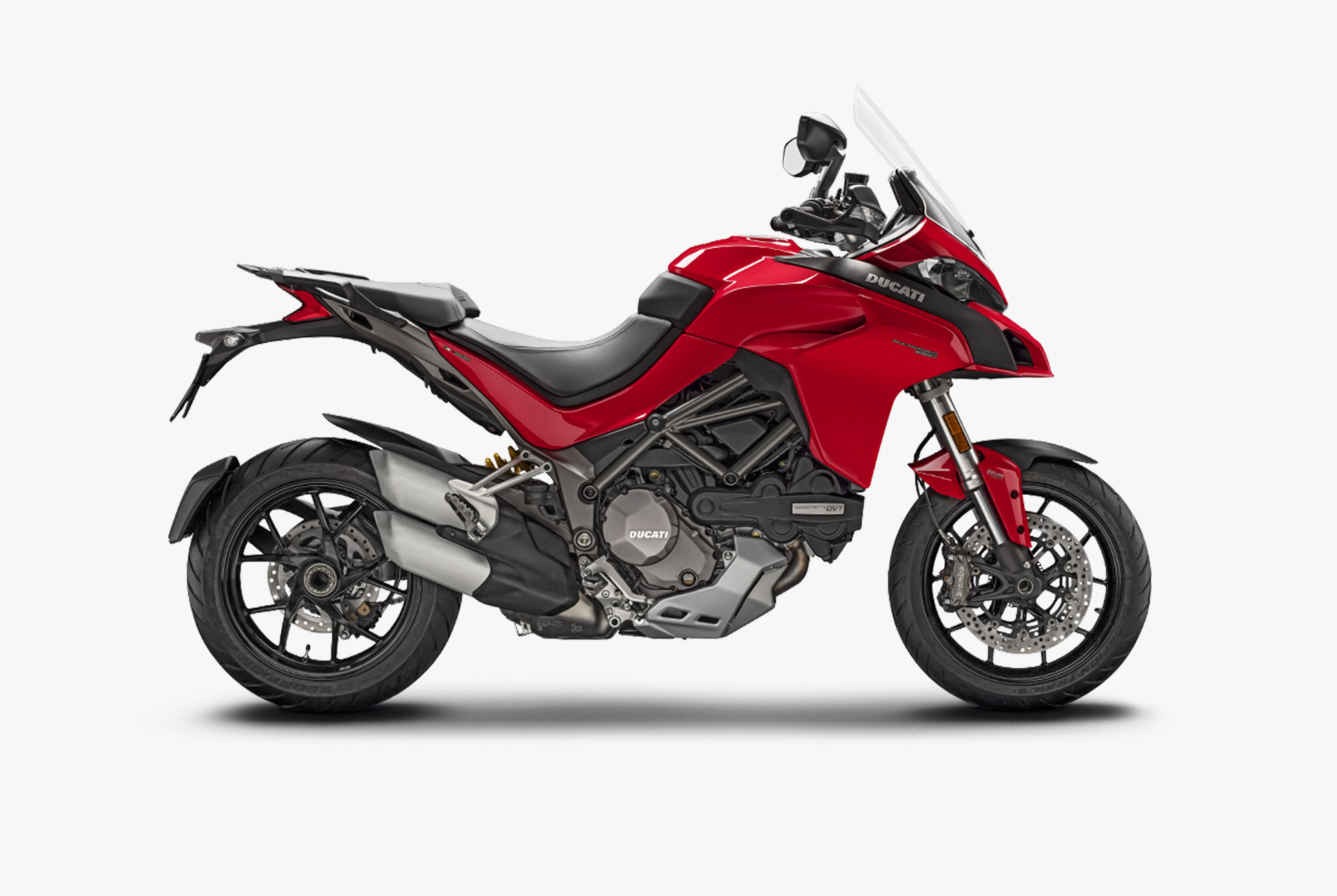


As far as styling and sound go, the Multistrada can be polarizing. What’s not up for debate, though, is how well the big adventure sport bike rides and tackles turns. The secret is the phenomenal Skyhook semi-active suspension and the clever way Ducati engineers hid the bulk of the Multistrada’s 518 pounds. It has the looks of an adventure bike, but when you start to flick the ‘Strada back and forth, navigating traffic and city streets, it’s easy to forget it can handle a mountain pass or two as well.

Who It’s For: The long distance commuter.

What’s Good: “The high-visibility LED graphic display makes swapping riding modes and adjusting suspension settings a simple task, displaying them in simple, visual terms. With a dry weight of 467 pounds, the Multistrada 1260 feels light and agile, albeit a bit tall (seat height is adjustable from 32.5-33.3 in), which makes maneuvering the bike in and out of parking spaces somewhat difficult if you’re a shorter rider.” — Justin Coffey

What to Watch Out For: “Don’t expect to take the new 1260 off-road, as its 17-inch cast Marchesini wheels are more adept at eating up the asphalt than dirt.” — Justin Coffey

Value: The sports-adventure bike category is a tough one to navigate — nearly every manufacturer offers one at this point and they’re all similarly priced. The Ducati, though, has style to go with its tech and performance.

Design: The Multistrada 1260 feels much like the outgoing 1200cc model. Riding position stays the same – upright, comfortable, with wide handlebars and ample wind protection thanks to the on-the-fly adjustable windscreen. With the longer wheelbase, the new 1260 is more confident in corners, more noticeably so in the faster, sweeping curves on the island of Gran Canaria. — Justin Coffee

Verdict: “Ducati’s Multistrada was designed to offer the owner a variety of options. From taking the long way home to riding the length of South America, the Multistrada is capable of many tasks, although it excels at making twisty (paved) roads disappear into the distance. Locking luggage comes standard (optional aluminum panniers are available from Touratech), as do heated grips, keyless ignition, a tire pressure monitoring system and a quick-shift function (clutch-less up- and downshifts, available on the S and Pikes Peak models). With its upright riding position and multiple ride modes, the new 1260 can transform from a docile urban commuter to an aggressive sport-touring machine with the push of a few buttons.” — Justin Coffey

What Others Are Saying:
“So much of what has made the Multistrada a popular machine since 2010 is captured wholly in the new 1260. The engine is the biggest improvement. Ducati claims six additional ponies over the 1200, but it doesn’t really feel faster. The longer wheelbase makes it less prone to wheelie, I’m sure—mostly it’s how linear the power delivery is that made me smile. It’s happy to lug around town, and has a fat midrange that won’t disappoint.” – Cycle World

“The handling of the Multistrada 1260 is superb for a motorcycle of its size. At a claimed 511 lbs wet and with a 62.4-inch wheelbase, I was pleasantly impressed with how precise and light the front end felt and how quickly the entire motorcycle could be flicked from side to side.” – Motorcycle.com

Engine: 1262 90-degree L-twin
Horsepower: 158
Torque: 95.5 lb-ft
Price: $18,695+

Most Stylish: 2018 BMW R NineT Urban G/S
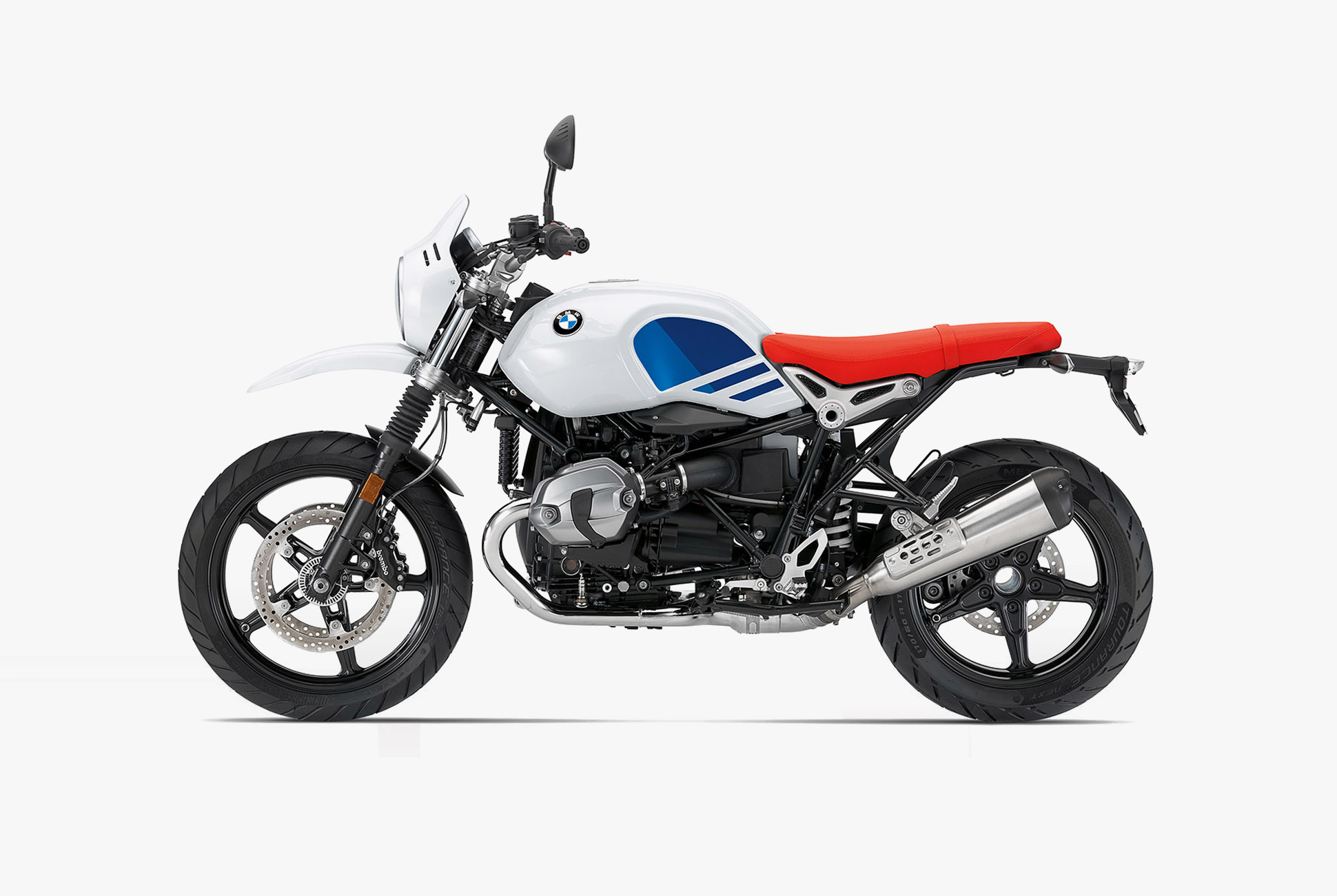


The heritage line at BMW is a tad confusing. The R NineT that launched the line, though it’s a pretty bike, at $15,000 seems rather tame. It does have the technology and power to warrant a price tag around that limit, but the Urban G/S not only looks miles better, it’s more affordable as well. Granted, though it’s more pared down, tech-wise, it still handles just as well as the R Nine T its based on. A Dakar racer it is not, but while weaving through traffic downtown few things look cooler.

Who It’s For: The rider who wants iconic style and design cues blended into a modern BMW.

What’s Good: “Calling it a new model is a touch misleading, though, because it’s essentially just a restyled R nineT Scrambler — except better looking. A high front fender, nose fairing and the iconic combination of red seat and blue tank graphics over a white paint job bring out the best in the R NineT’s styling. The exhaust differs from the Scrambler’s as well, but the rest of the running gear — like the compact analog-digital combo speedo — is identical. It even comes standard with the Scrambler’s alloy wheels, but the optional spoked wheels (pictured) are the ones you want. As a styling exercise, there’s no doubt the Urban G/S is a home run.” – Wesley Reyneke

What to Watch Out For: Where the original G/S that this bike takes most of its inspiration from was known for dominating Dakar, the Urban G/S is not as off-road savvy. It has a few design touches here and there that would help it do better on a dirt than the R NineT it’s based on, but for the most part, it’s just that: design touches.

Value: It might be a slightly paired down version of the more expensive R NineT, but there’s no doubting it looks better. Saving around $3,000 doesn’t hurt either.

Design: “The Urban G/S’s upright ergonomics make it all-day comfortable, but you’ll eventually pine for a cushier saddle, if you do find yourself in the saddle. Its 485-pound form factor won’t give you supermoto-like levels of handling, but the low center of gravity makes it relatively easy to muscle through turns. It’s a deceptively compact motorcycle.” – Wesley Reyneke

Verdict: “The Urban G/S does have incredible potential to be customized beautifully, to be made unique, to be made your own. If customization isn’t your thing, that shouldn’t turn you away. Out of the box, the Urban G/S is a great-looking and well-performing motorcycle. Even if you won’t actually race across the desert with it, it’ll make you feel like you can.” – Wesley Reyneke

What Others Are Saying:
“The heritage the Urban G/S pays tribute to is reminiscent of the old R80 G/S, a motorcycle that basically invented the adventure-touring category. In its time, dirt bikes were lightweight, single-cylinder machines. The original G/S was a street bike fitted for off-pavement duty, a motorcycle made for exploring. The modern version, the Urban G/S, really is no different..” – Revzilla

“The thing is, while none of the other models have really struck my fancy, I really like the R NineT Urban G/S. BMW seemed more willing to admit the Urban G/S is not an adventure bike but a daily bike for people who loved that first adventure bike and who are moved by the styling..” – Cycle World

Engine: air- and oil-cooled 1,170cc flat-twin
Horsepower: 110
Torque: 85 lb-ft
Price: $12,995

Best All-Electric Option: 2018 Zero DS ZF13.0 +POWER TANK


There’s an argument to be made that motorcyclists have a better understanding of torque than most. Sitting so close to the fulcrum point at the wheel, with any amount of twist from the engine you can easily feel the forces at work. Now consider that one of the defining characteristics of electric vehicles is their maximum torque is available from zero RPM — full power can be instantaneous and available throughout the rev range. When you need to make a last minute pass or get ahead of traffic off the line, an electric motorcycle can spoil a rider. The Zero DS ZF13.0 +POWER TANK is admittedly on the expensive side for the bike that it looks like, however, having 188 miles per charge is a mileage stat not many other bikes can boast. Efficiency is the Zero DS ZF13.0 +POWER TANK, but the way it sends power to the rear wheel is addictive and a great way to spice up any commute.

Who It’s For: The eco-concsious commuter who has a taste for neo-futurism and appreciates that quality power doesn’t mean paying through the teeth at the pump.

What’s Good: Even without the Power Tank option added, the DS gets better city mileage than almost any other bike in its price bracket or power class. Spring for the Power Pack and the DS ZF13.0 increases its range from 147 miles to 188 miles. In other words, more than enough to stifle any lingering range anxiety.

What to Watch Out For: You’re paying for the battery performance, technology and capabilities. Where the Zero falls short is the overall refinement. The plastics seem to be on the cheaper side of the spectrum. But if you can look past that, the DS’s 188-mile range makes it an incredible commuter.

Value: As mentioned, the plastics and overall refinement of the Zero DS falls a tad short, but the better range and money saved at the pump is really why you’re buying this. It’s no electric-assist pedal bike either. Aside from the lack of exhaust note, this is a genuine motorcycle and should be looked at as such. Not many other motorcycles at this price point can claim the same endurance.

Design: The DS design lands somewhere in the gray area between the dirt world and sports standard city bike. That’s not necessarily a bad thing — giving off the peppy character of a scrambler or dual sport while retaining the practicality and comfort of a city bike helps the DS stand out. Oddly, its the complete lack of noise as you ride by that catches the attention of most.

Verdict: There’s a lot to go back and forth on with electric bikes — the lack of sound, the range anxiety, the lack of gears or on some, the pointless gears. But the DS can handle corners well enough (despite being 457-lbs) and will go further than anything else you have in your garage on two wheels. Not to mention it’s one fewer reason to vist the gas station and give them money.

What Others Are Saying:
“Basically, with some cute bodywork and clubman bars, this bike would be the perfect scrambler. Like all Zero motorcycles, it’s best as your daily commuter, but if you really need to do those 100-mile Sundays in the canyons, or just have a long distance commute, there’s always the power tank, which gives it an additional 25 miles at Highway/City combined. That 25 miles of range comes at a price of $2,695 and 44 lbs of added weight.” – Clean Technica

“Zero DS is pleasurable in virtually any riding environment. It’s not your run of the mill electric bicycle “wannabe” motorcycle, but the real deal. If there were a negative issue, it would be that it’s so quiet that other motorists are often unaware of your presence, requiring extra vigilance on your part..” – The Fast Lane Car

Power: Lithium-ion Cell Zero Force Battery
Horsepower: 60
Torque: 81 lb-ft
Price: $16,890
The Best SUVs Under $50,000

Choosing one among the endless many is no easy task. Moreover, since the average price for an SUV 2017 was just under $40,000, it’s a decision that shouldn’t be taken lightly. To cover all the bases, we bumped the budget up to $50,000 and chose the best new SUVs you can buy in 2018. Read the Story

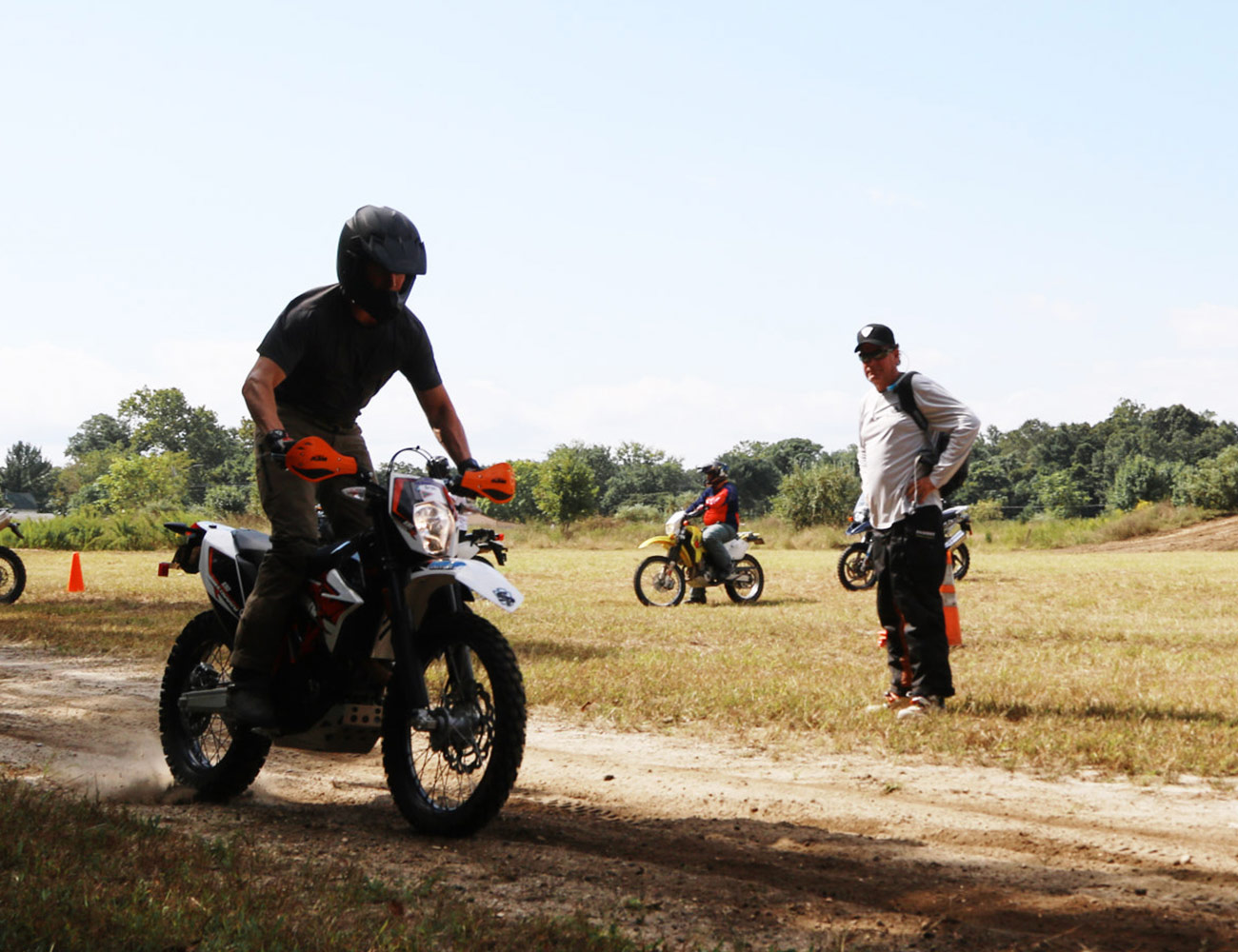
The Best Way to Go Overlanding on Two Wheels

There’s been a longstanding train of thought, if you want to do any serious overlanding or adventure riding, you need to drop $20,000-plus on a BMW R1200GS. The GS gained legendary status for a reason: it’s incredibly capable. The GS has an engine that performs in every environment and riding situation; you have to experience the bike’s balance to truly understand how otherworldly it is, and no matter where you are it’s just damn comfortable. The downside is the big Beemer’s weight problem. At nearly 600 lbs, only riders with experience are equipped to regularly manhandle this beast and if you lay it down off-roading, that’s a hefty machine to try and right, especially if you’re alone. A well-modified Enduro, on the other hand, will be lighter by a couple hundred pounds, carry plenty of gear and, crucially, can be half or even a third of the price.

I was heading out to Woodward, Pennslyvania for a weekend of camping and trail riding, but just the idea of wrestling a 560 lb motorcycle all day on narrow, rocky trails (interspersed with multiple deadlifts when the bike inevitably landed on its side) was exhausting. The 2018 Husqvarna 701 Enduro stood out as the best alternative. I could throw saddlebags and a duffle bag on the back for my gear and clothes, but then unpack it all at camp and have an unburdened, lightweight performance machine to rip single track trails. This is the gear I built an all-out adventure bike with out of a svelte, nimble enduro.

The Bike

2018 Husqvarna 701 Enduro

At $11,799, the 701 Enduro is on the more expensive side for this style of motorcycle, but if you go stat-for-stat alone, the 701’s price makes a case for itself when outfitted as an ADV. The performance on this machine is in a different league compared to segmant stalwarts like the Honda XR650L or Suzuki DR650, regardless of having a price tag double the size.

Once unpacked, the 701 feels more like a big dirtbike on the trails but isn’t nervous or top-heavy when loaded up with gear barreling down the road. Husqvarna offers luggage racks from the factory, which help get your saddlebags off the side of the bike and exhaust. The way the gas tank doubles as a subframe at the back of the bike frees up space for a longer seat and more room for the rider, despite the luggage over the back and an additional tank bag up front. The one downside is that any top bag or duffel will have to be removed everytime you fill up because of the unconventional filler cap placement.

Luggage Space

Filson Dry Large Duffle Bag

A big ol’ dry bag is almost a neccessity when two-wheel overlanding. Weather is a constant threat and PU-coated, waterproof and abrasion-resistant 840-denier nylon makes Filson duffel bag one of the best and most reliable out there. The 70 liters of storage space is also a luxury when you want to keep a few important garments safe from rain, along with your tent, sleeping bag and air mattress.

Wolfman Enduro Dry Saddle Bags

Enduro motorcycles are inherently slimmer and lighter than the average adventure bike, so any extra weight from luggage should sit as close to the bike as possible. The Wolfman Enduro Dry Saddle Bags check all of those boxes and fit on almost any enduro or dual sport, with or withour luggage racks, without affecting precious seat space.

Wolfman Enduro Tank Bag

Tank bags come in handy on the road more than any other bag in your arsenal. They make excellent storage for EDC or all the gear you’ll need constant access to when you stop for gas or pull over. Instead of unstrapping, unrolling or unbuckling and digging through your bigger bags, the Wolfman Enduro Tank Bag puts it all right there in front of you and is only a zipper away.

Essential Extras

Velomacchi Speedway Tool Roll

Unplanned maintenance stops can be hell on the side of the road or out on the trail. You want to make sure you have all your essential tools right where you need them — when you need them. The Velomacchi Speedway Tool Roll has the same rough and ready construction as the brand’s other staples so you can save even more space and strap it to your front fender with the built-in fasteners.

iO Mounts Nomad

The iO Mounts Nomad isn’t the most advanced phone mount on the market, but its simplicity and strong magnet allow it to stay compact and lightweight. It straps to nearly any handlebar and uses incredibly strong magnets to keep your phone in place, which is a lifesaver if your phone doubles as navigation. And when you get off the bike, taking your phone with you is as easy as rolling it off the magnetic disc, with minimal effort.

Camp Gear

MSR Hubba Tour Tent

You’ll notice that ‘lightweight and compact’ are running themes. The MSR Hubba Tour Tent meets those marks, but one feature that comes in handy when camping off the back of a bike is the awning/porch feature. After a long day on the road or trail, it’s nice to get changed ‘inside’ your tent without actually being inside the portion you sleep in. The floor of the porch is also a nice area to store riding gear overnight, out of the elements but out of your sleeping space.

Therm-a-Rest NeoAir XLite

The Therm-a-Rest NeoAir XLite is a no-brainer — because sleeping on the ground is awful. The Therm-a-Rest NeoAir XLite takes up close to no space at all when packed up, but when in use it’s one of the few air mattresses I’ve used that actually retains air throughout the night.

Therm-a-Rest Space Cowboy

Not too hot, not too cold, the three-season Therm-a-Rest Space Cowboy performed admirably in varying temeperatures and weather of central Pennsylvania. When I went to stuff it in my dry back before taking off, it sort of molded to the tent and boots I packed in on top of it. And at just over one pound, it’s like it wasn’t there at all.

What GP Staff Members Can’t Travel Without

What we pack is as varied as the adventures we call “work.” Read the Story

2018 Ducati SuperSport S Review: A Sport Bike for the Common, Everyday Rider

The Ducati SuperSport came back in 2017 from a 10-year hiatus to bridge the gap between the upper echelon of the Ducati lineup and more approachable bikes. The SuperSport brings the elegant, looks-fast-standing-still design and technology from the Panigale to riders who aren’t used to reigning in 200 horsepower on a daily basis.

High strung sportbikes are one-trick ponies, as eye-catching and blisteringly advanced as they are. Bikes that are born from racing but adapted to the streets while still retaining impressive stats are compromised for everyday riding. Ergonomics, torque curves and power bands well-suited to produce lightning fast lap times are a bike’s most significant weaknesses on a daily commute while dodging traffic going from stop light to stop light. The Ducati SuperSport S cherry picks the best aspects from longer distance bikes and the sport bike world to give the average rider a taste of top-tier Ducatis on a daily basis.

The Good: Styling on the SuperSport is one of its main draws. What used to be out of reach for most riders — those who didn’t want a high-performance track machine but adored the styling — can now enjoy one of Ducati’s best designs in years.

A host of electronic aids and layers of menus let riders customize the character of their bike. You and a friend could both get a SuperSport, but through the eight-level traction control and three level ABS system, you can mix and match the computer’s level of intervention soo much that you could share the same bike but have two completely different experiences.

Who It’s For: Commuters who are looking for a premium bike to use almost every day but don’t want the aggressive and cramped ergonomics of a track bike.

Watch Out For: The SuperSport only comes in two colors, but there’s a catch. The base model just comes in red, so if your heart is set on the white, you ‘ll have to spring for the S model and throw down an extra $1,700. And if you can live with red, a non-adjustable suspension and adding an optional quick-shifter, I’d stick with the base model, because those ate the only differences.

One of the most egregious flaws of the SuperSport is undoubtedly its mirrors. I’m somewhat broad-shouldered, so with the SuperSport’s mirrors on such short stalks I had to keep pinching my shoulders and elbows in to get a view of what was behind me. That annoyance, however, had nothing on vibrations that rendered the mirrors all but useless at night. A bike with that big of an engine, with so few cylinders will, of course, not ride very smoothly — there are bound to be vibrations, and a lot of them. The mirrors vibrated so much that during the day my rear view was closer to a French impressionist’s interpretation of reality and at night, I gave up entirely and just used quick glances over my shoulder.

Alternatives: The only real direct competitors are the Kawasaki Ninja 1000 and Suzuki GSX-S1000F. Both the Japanese bikes are more powerful than the Italian at 140 hp and 148 hp respectively and also both get power from inline-four engines, affording a smoother ride.

All three have similar price tags and multi-level traction control systems, but the Ducati is the only bike of the three to offer fully-adjustable suspension, three ride modes (Sport, Touring and Urban) on top of the eight-level traction control system and three level ABS.

Review: I never got the chance to take the SuperSport on to a track to explore or even get close to the limits of what can do, but then again, the majority of riders picking this bike up won’t either. In my week with the SuperSport I commuted back and forth from Manhattan to Jersey City through the Holland Tunnel during a heatwave, did a few highway blasts on the way to see friends and took a trip down to the beach for the weekend. In other words, I lived my life as I usually would, I just happened to have a Ducati underneath me. And, for an everyday rider, the SuperSport followed through on Ducati’s promise of versatility and performance.

I already had it in my head that Ducati’s idea of a ‘comfortable’ sport bike was simply bolting the footpegs lower on the bike and calling it a day. And with styling so close to that of the Panigale superbike, it was all too easy to write the SuperSport off almost immediately. Getting proved wrong, also almost immediately, was the most jarring moment of the entire week.

Yes, the pegs are lower, opening up more leg room, especially for taller riders, but so is the seat. Combine that with the raised position of the handlebars and I was sitting nearly bolt upright. On longer rides or even short bursts through the city where body position is continuously changing, that freedom of movement affords the rider back an incredible amount of endurance.

In slipping in and out of traffic to and from work, useable torque is the SuperSport’s calling card. If the SuperSport boasted superbike performance to match its looks, all the power you need would be comically high in the rev range. Instead, Ducati moved most of the torque to just above 3,000 RPM, so you can ride around at a pace which won’t earn you any tickets or summons, but you can still get your money’s worth from the power you paid for. You can thank the punchy 937cc L-Twin for that because the more rev-happy inline-four competition from Japan make you go searching for power above the 9,000 RPM mark, which can be useful on the highway but you’ll rarely see that on city streets.

The engine gives the Ducati trademark vibrations throughout the bike — it renders the mirrors absolutely useless and becomes temperamental at low speeds, on light throttle. Trundling through the Holland Tunnel, where there’s no passing and traffic moves at crawling pace on a regular basis coasting was difficult. At low RPM, power delivery was choppy, causing the bike to jerk slightly. I wasn’t anywhere near the point of stalling the bike; the engine just didn’t like the lazy pace — noting the bike’s air-temperature thermometer read 122 degrees Fahrenheit in the middle of the tunnel, neither did I.

Verdict: If you look at the price tags and performance numbers alone, the Ducati doesn’t sit at the top of its class. The Kawasaki and Suzuki easily beat it out there, offering more power for the same if not less money. But – and this is very big, obvious ‘but’ – numbers aren’t everything.

The full experience on the Ducati SuperSport is more than just numbers. Superior design, sound and the way it effortlessly takes on corners are the reason anyone leans towards a Ducati. Throw in the everyday usability of the SuperSport and you know have a beautiful bike, packed with performance and technology, without the torturous ergonomics of a superbike set up as a track weapon. The engine does have its flaws but as a whole package, Ducati scored a major win by opening up more riders to the more exclusive and intimidating part of the dealership.

What Others Are Saying:

• “Ducati may have designed this ride to bridge the gap between the laid-back riders and the more spirited ones, but the look is all sport and distinctly Ducati.” — Top Speed

• “Agile on city streets, comfortable on the motorway and superlative on out-of-town twisties, the SuperSport is super-versatile. Relaxed rider and passenger positions, good airflow deflection from the height-adjustable Plexiglas screen and the mileage provided by the 16-liter fuel tank also make the Ducati SuperSport a cool companion on medium-distance rides.” — Total Motorcycle

• “The SuperSport S is marketed as perfect for road riding without compromising its sporting spirit, to paraphrase Ducati. The subsequent lack of any soreness after riding definitely backs up that statement. The seating position makes for a pleasant commuter ride, while the handlebar set-up allows you to sit high, and the soft, wide – but not quite Honda Gold Wing wide – leather seat is perfect for stylish road riding.” — The National

Ducati Super Sport S Key Specs

Engine: 937cc L-Twin
Transmission: Six-speed
Horsepower: 110 hp @ 9,000 RPM
Torque: 69 lb-ft @ 6,5000 RPM
Weight: 463 lbs

Read More Gear Patrol Reviews

Hot takes and in-depth reviews on noteworthy, relevant and interesting products. Read the Story
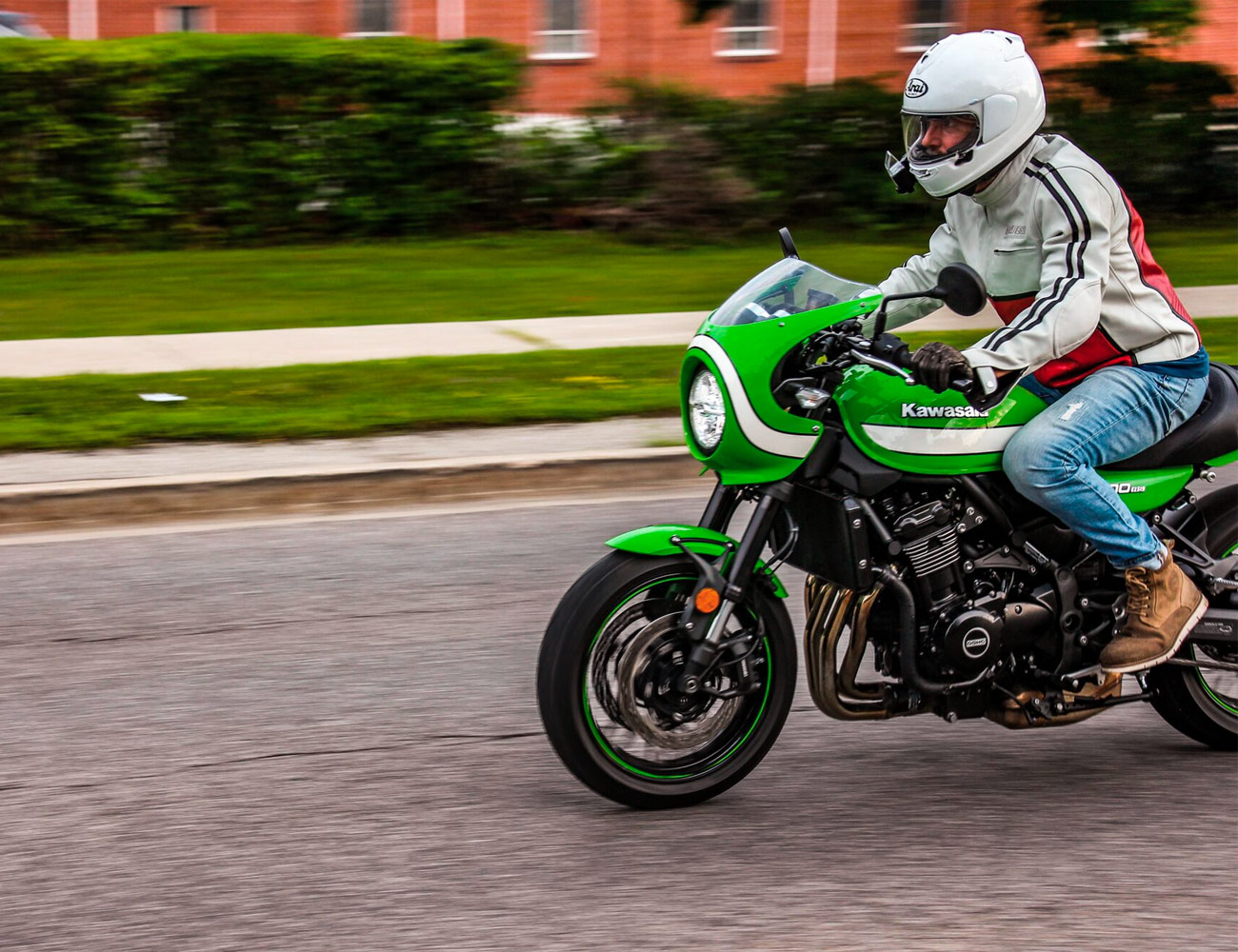
Note: Purchasing products through our links may earn us a portion of the sale, which supports our editorial team’s mission. Learn more here.

2018 Ducati SuperSport S Review: A Sport Bike for the Average Rider

The Ducati SuperSport came back in 2017 from a 10-year hiatus to bridge the gap between the upper echelon of the Ducati lineup and more approachable bikes. The SuperSport brings the elegant, looks-fast-standing-still design and technology from the Panigale to riders who aren’t used to reigning in 200 horsepower on a daily basis.

High strung sportbikes are one-trick ponies, as eye-catching and blisteringly advanced as they are. Bikes that are born from racing but adapted to the streets while still retaining impressive stats are compromised for everyday riding. Ergonomics, torque curves and power bands well-suited to produce lightning fast lap times are a bike’s most significant weaknesses on a daily commute while dodging traffic going from stop light to stop light. The Ducati SuperSport S cherry picks the best aspects from longer distance bikes and the sport bike world to give the average rider a taste of top-tier Ducatis on a daily basis.

The Good: Styling on the SuperSport is one of its main draws. What used to be out of reach for most riders — those who didn’t want a high-performance track machine but adored the styling — can now enjoy one of Ducati’s best designs in years.

A host of electronic aids and layers of menus let riders customize the character of their bike. You and a friend could both get a SuperSport, but through the eight-level traction control and three level ABS system, you can mix and match the computer’s level of intervention so much that you could share the same bike but have two completely different experiences.

Who It’s For: Commuters who are looking for a premium bike to use almost every day but don’t want the aggressive and cramped ergonomics of a track bike.

Watch Out For: The SuperSport only comes in two colors, but there’s a catch. The base model just comes in red, so if your heart is set on the white, you ‘ll have to spring for the S model and throw down an extra $1,700. And if you can live with red, a non-adjustable suspension and adding an optional quick-shifter, I’d stick with the base model, because those are the only differences.

One of the most egregious flaws of the SuperSport is undoubtedly its mirrors. I’m somewhat broad-shouldered, so with the SuperSport’s mirrors on such short stalks I had to keep pinching my shoulders and elbows in to get a view of what was behind me. That annoyance, however, had nothing on vibrations that rendered the mirrors all but useless at night. A bike with that big of an engine, with so few cylinders will, of course, not ride very smoothly — there are bound to be vibrations and a lot of them. The mirrors vibrated so much that during the day my rear view was closer to a French impressionist’s interpretation of reality and at night, I gave up entirely and just used quick glances over my shoulder.

Alternatives: The only real direct competitors are the Kawasaki Ninja 1000 and Suzuki GSX-S1000F. Both the Japanese bikes are more powerful than the Italian at 140 hp and 148 hp respectively and also both get power from inline-four engines, affording a smoother ride.

All three have similar price tags and multi-level traction control systems, but the Ducati is the only bike of the three to offer fully-adjustable suspension, three ride modes (Sport, Touring and Urban) on top of the eight-level traction control system and three level ABS.

Review: I never got the chance to take the SuperSport on to a track to explore or even get close to the limits of what can do, but then again, the majority of riders picking this bike up won’t either. In my week with the SuperSport I commuted back and forth from Manhattan to Jersey City through the Holland Tunnel during a heatwave, did a few highway blasts on the way to see friends and took a trip down to the beach for the weekend. In other words, I lived my life as I usually would, I just happened to have a Ducati underneath me. And, for an everyday rider, the SuperSport followed through on Ducati’s promise of versatility and performance.

I already had it in my head that Ducati’s idea of a ‘comfortable’ sport bike was simply bolting the footpegs lower on the bike and calling it a day. And with styling so close to that of the Panigale superbike, it was all too easy to write the SuperSport off almost immediately. Getting proved wrong the second I sat on the bike was the most jarring moment of the entire week.

Yes, the pegs are lower, opening up more leg room, especially for taller riders, but so is the seat. Combine that with the raised position of the handlebars and I was sitting nearly bolt upright. On longer rides or even short bursts through the city where body position is continuously changing, that freedom of movement affords the rider back an incredible amount of endurance.

In slipping in and out of traffic to and from work, useable torque is the SuperSport’s calling card. If the SuperSport boasted superbike performance to match its looks, all the power you need would be comically high in the rev range. Instead, Ducati moved most of the torque to just above 3,000 RPM, so you can ride around at a pace which won’t earn you any tickets or summons, but you can still get your money’s worth from the power you paid for. You can thank the punchy 937cc L-Twin for that because the more rev-happy inline-four competition from Japan make you go searching for power above the 9,000 RPM mark, which can be useful on the highway but you’ll rarely see that on city streets.

The engine gives the Ducati trademark vibrations throughout the bike — it renders the mirrors absolutely useless and becomes temperamental at low speeds, on light throttle. Trundling through the Holland Tunnel, where there’s no passing and traffic moves at crawling pace on a regular basis coasting was difficult. At low RPM, power delivery was choppy, causing the bike to jerk slightly. I wasn’t anywhere near the point of stalling the bike; the engine just didn’t like the lazy pace — noting the bike’s air-temperature thermometer read 122 degrees Fahrenheit in the middle of the tunnel, neither did I.

Verdict: If you look at the price tags and performance numbers alone, the Ducati doesn’t sit at the top of its class. The Kawasaki and Suzuki easily beat it out there, offering more power for the same if not less money. But – and this is very big, obvious ‘but’ – numbers aren’t everything.

The full experience on the Ducati SuperSport is more than just numbers. Superior design, sound and the way it effortlessly takes on corners are the reason anyone leans towards a Ducati. Throw in the everyday usability of the SuperSport and you know have a beautiful bike, packed with performance and technology, without the torturous ergonomics of a superbike set up as a track weapon. The engine does have its flaws but as a whole package, Ducati scored a major win by opening up more riders to the more exclusive and intimidating part of the dealership.

What Others Are Saying:

• “Ducati may have designed this ride to bridge the gap between the laid-back riders and the more spirited ones, but the look is all sport and distinctly Ducati.” — Top Speed

• “Agile on city streets, comfortable on the motorway and superlative on out-of-town twisties, the SuperSport is super-versatile. Relaxed rider and passenger positions, good airflow deflection from the height-adjustable Plexiglas screen and the mileage provided by the 16-liter fuel tank also make the Ducati SuperSport a cool companion on medium-distance rides.” — Total Motorcycle

• “The SuperSport S is marketed as perfect for road riding without compromising its sporting spirit, to paraphrase Ducati. The subsequent lack of any soreness after riding definitely backs up that statement. The seating position makes for a pleasant commuter ride, while the handlebar set-up allows you to sit high, and the soft, wide – but not quite Honda Gold Wing wide – leather seat is perfect for stylish road riding.” — The National

Ducati Super Sport S Key Specs

Engine: 937cc L-Twin
Transmission: Six-speed
Horsepower: 110 hp @ 9,000 RPM
Torque: 69 lb-ft @ 6,5000 RPM
Weight: 463 lbs

Read More Gear Patrol Reviews

Hot takes and in-depth reviews on noteworthy, relevant and interesting products. Read the Story
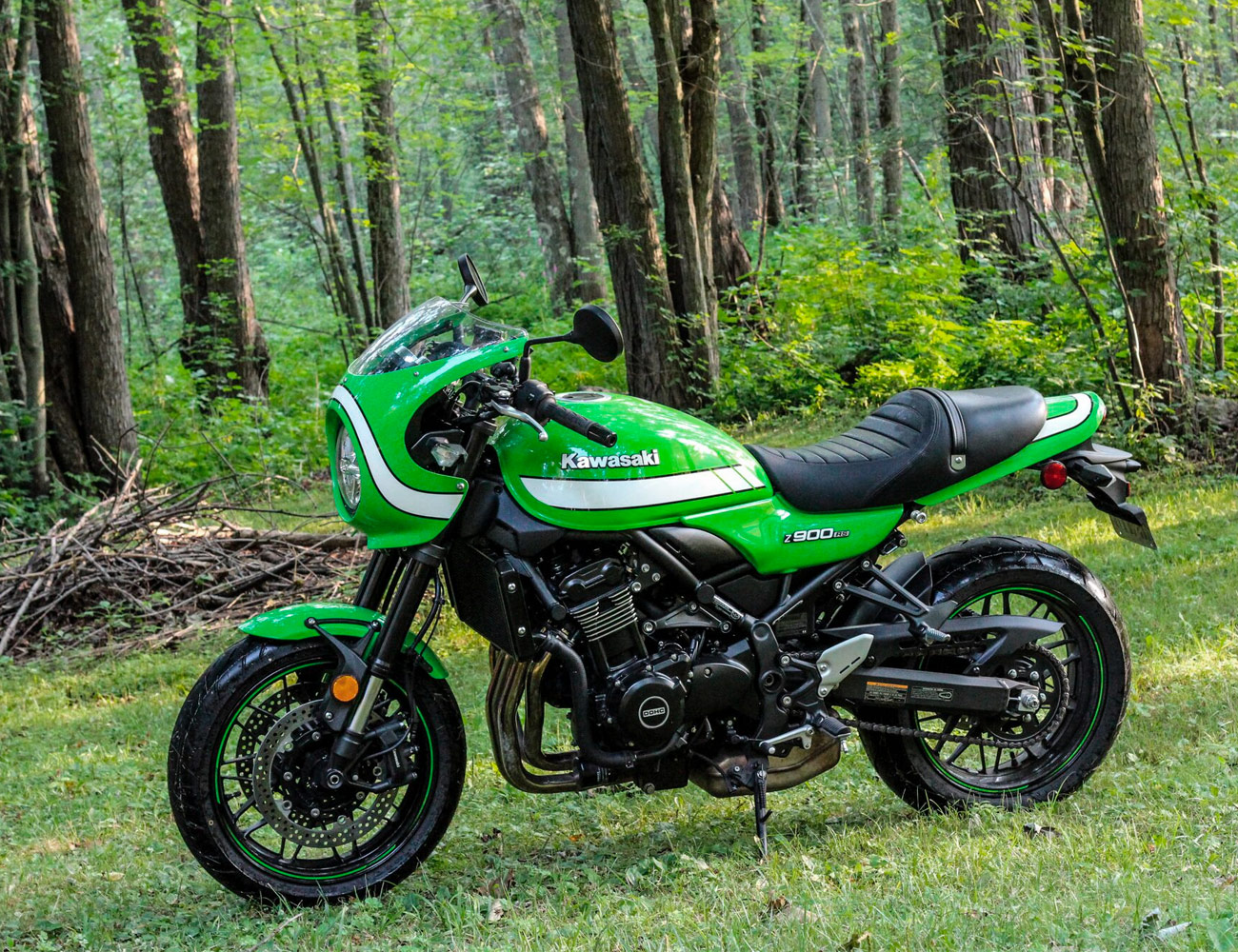
Note: Purchasing products through our links may earn us a portion of the sale, which supports our editorial team’s mission. Learn more here.

Husqvarna 701 Enduro Review: A Minimalist Overlander’s Dream

There’s a massive shift happening right now in the motorcycle industry that’s changing the entire landscape of a market that’s grown complacent with the ‘bigger is better’ school of thought. Smaller, more approachable street bikes, with a healthy dose of youthful design like scramblers, sport-standards and cafe racers continue to see a steady rise in popularity with each big manufacturer offering more options each year. Now it’s the off-road adventure riding world’s turn to get the attention and bikes like the Husqvarna 701 Enduro are perfectly poised to lead the pack in the changing of the guard.

The off-road situation is a little different than on-road motorcycles. Bikes like the gargantuan BMW R 1200 GS, KTM 1290 Super Adventure and Honda Africa Twin are the poster children for ADV motorcycles. But, the big bikes are still the headlining acts that stole the majority of attention of their respective manufacturers as far as performance and development went. If you wanted something smaller, the middleweight class didn’t offer much; go any smaller than that and you’re looking at dirt bikes. That’s starting to change. ADV riders are becoming wise to the weight advantages of the Enduro class motorcycle, which can still carry gear, and when taken it off road don’t make you wrestle with 700lbs worth of motorcycle.

Enduro or middleweight adventure bikes, when properly outfitted, are not only thousands of dollars more affordable than the typical liter-plus ADVs, but can be more capable, less stressful and wildly more entertaining off-road. I’m here to say: the 2018 Husqvarna 701 Enduro, with a set of saddlebags, is a dream come true for any minimalist overlander.

The Good: The engine is the headlining act with the 2018 Husqvarna 701 Enduro. Though it is based on the same bike as the KTM 690 Enduro R, the Husqvarna get its own, all-new, refined and slightly larger 693cc engine. It was hard to find a situation where power wasn’t readily available. On the highway, out to Conserve the Ride in Woodward, Pennsylvania, even in sixth gear, doing 60-70mph, the single-cylinder still found enough shove to get me past slower traffic. Then once off-road, chugging along in first gear, weaving around and navigating oil-pan-killing rocks, barely on-throttle, there was no hesitation. The sweeping, open gravel fire roads and single track trails are what this bike was built for — it was completely in its element powering out of tight turns and floating the front wheel.

In the world of 500-600lbs ADV bikes, the 344lbs 701 Enduro is a svelt featherweight. Out on the trails, threading through trees and trail gates, making my way up rutted inclines littered with rocks trying to unsettle the bike, the 701 Enduro was the envy of the biggest of its companions. Because when you’re riding off-road it’s a matter of when, not if, you go down (hopefully at a slow speed), and when you have to pick your bike up off its side — possibly by yourself — you’ll wish you weren’t riding around with 300 extra pounds of bike.

Who It’s For: The adventure rider who still wants to load up their bike with a couple bags and camping gear, but pines for a less exhausting bike on the trails once HQ is set up.

Watch Out For: Even at six-foot-one, I was forced by the 37.5-inch seat to either tippy toe or one-foot it at stop lights. On the trail, there were a handful of times I went to touch the ground for stability, but between the height of the bike and an unfortunately placed rut in the road, I was left back-kicking at the air until the bike leaned over enough. With a heavier bike, that could mean a sprained ankle or worse, but holding up most of the 701’s weight with one leg never felt like a workout.

Secondly, as far as adventure riding goes, the 701 is incredibly well balanced, but that’s in part to the rear subframe doubles as the gas tank. Now, ingeniously balancing the bike by putting the gas tank in the back isn’t a drawback. But having to unstrap your 90-liter dry bag from the seat every time you need to fill up can be a nuisance.

Alternatives: In the middle-weight adventure bike category, the 701 Enduro’s direct competitor is the KTM 690 Enduro R, seeing as that’s what the Husqvarna is based on. The engine in the Husqvarna gives it a leg up being that it’s all-new, refined and a gets a hair more displacement. Other similarly sized enduros, like the Suzuki DR650S and Honda XR650L come in at nearly half the price of the 701 Enduro, just under $7,000, but the two Japanese bikes have nowhere near the performance of the Husqvarna.

Review: In the world of overlanding, at first it’s easy to be drawn to the idea of wheeling an over-blown, lifted Baja-grade truck because that’s what you heard you need. But, spend enough time off-road in the wild and priorities switch. Vehicle shortcomings become glaring attributes and genuine capability turns into a godsend. Vintage Defenders fall short and towering Ford Raptors prove to be too much anywhere outside of an open desert. On two-wheels, some will lead you to believe you need a BMW R 1200 GS, but even the adventure riding community is starting to switch priorities. Light weight is becoming more critical and the appeal of bikes like the Husqvarna 701 Enduro increase 10-fold. Not only can it hold all of your gear like a larger ADV, it can tackle freeways nearly as superbly as it can fire trails and single tracks.

I had my reservations about heading to the middle of Pennsylvania on an enduro motorcycle, again. A lightweight single-cylinder bike shod with knobby tires isn’t the most relaxing way to go for a ride. It wasn’t until got to the on-ramp, pinned the throttle and ratcheting through the gears to get up to speed that the 701 made it clear the highway wouldn’t be a problem — at least not from a power perspective. The 693cc engine easily got up to speed and devoured highway miles. That said, the dirt-focused tires didn’t take kindly to traveling over 80 mph and a couple of stiff crosswinds and wakes bellowing off semi-trucks bullied me back and forth across the lane once or twice — being so lightweight does have its drawbacks.

After arriving at the Woodward Cave Campground for Conserve the Ride, I unpacked my saddlebags, tent and sleeping bag and set up camp. Even with all my gear on the back, the 701 willing tackled the mountain roads leading up to the campsite — now I had a completely unladen Enduro to tackle the trails. Parked next to the 1000cc and 1200cc bikes, the Husqvarna looked like a sports car in a parking lot full of SUVs.

The next day, out on the 150-plus miles worth of trails at our disposal, even with my relatively limited off-road experience, the 701 never felt like a handful. Even late in the day, lumbering over boulders, at low speeds or leaning over, powering out of turns on the narrow tree-lined trails, the 701 kept trucking. It never felt like a wrestling match, but at just 344 lbs, how could it? With its endless torque and a well-balanced chassis, the Husqy did most of the heavy lifting.

Verdict: One person who’s watching the ADV landscape change from the front lines is Jeremy LeBreton, founder and president of Alt Rider. Speaking to LeBreton at Conserve the Ride 2018 in Woodward, Pennsylvania, he said “when I started this around six years ago, it was probably 98 percent BMW GSs and big ADV bikes. Each year that comes down and now I’d say it’s 60/40 ADV to Enduro.” And that’s because more riders are becoming wise to the fact you can still load up a mid-sized enduro like the Husqvarna with camping gear, set out, not be miserable on the highway, get to camp, unpack and then hit the trails with what amounts to a super-lightweight off-roader. And that’s where the new Husqvarna shines.

The 701 Enduro might not have the long-distance fuel tanks (I managed 150 miles on one tank) or all the wind protection, heated seats and grips or other creature comforts of the big BMW and KTM. But, when it comes to overlanding essentials — carrying enough gear for the weekend, holding its own on the road and off — the Husqvarna 701 is at the top of its class.

What Others Are Saying:

• “If the thought of heading somewhere desert-like appeals, but that thought evaporates when you picture yourself on a $25k behemoth that leaves little room for error at speed and holds you back from exploring narrow trails disappearing into the distance, then the 701 is worth exploring.

Rigged up with an aftermarket screen, luggage and extra fuel tank, this bike would carry you over almost anything, with the suspension not only really capable, but also really comfortable. The bike’s plushness rates it well for all-day comfort, but it can also be firmed up to handle throwing it off some serious erosion mounds and down wicked hills.” — Bike Sales

Husqvarna 701 Enduro Key Specs

Engine: 693cc Single Cylinder
Transmission: six-speed
Horsepower: 74 hp @ 8,000 rpm
Torque: 52 lb-ft @ 6,750 rpm
Weight: 344 lbs (wet)

Read More Gear Patrol Reviews

Hot takes and in-depth reviews on noteworthy, relevant and interesting products. Read the Story
Note: Purchasing products through our links may earn us a portion of the sale, which supports our editorial team’s mission. Learn more here.

Big Adventure Motorcycles Will Soon Die Off, And For Good Reason

When KTM teased the 790 Adventure R Prototype at EICMA last November, there was a resounding “shut up and take my money” from anyone who saw it. Well, it looks like the Austrian manufacturer is happy to take your hard-earned cash because the production-ready 790 Adventure R just broke cover. Not only is it safe to assume KTM already has a hit on its hands, but I’m ready to call the time of death for gargantuan dinosaurs like BMW R 1200 GS and even KTM’s own 1290 Super Adventure line.

When setting out for an extended adventure ride, a big ADV bike has an incredible amount of appeal. A bike like the BMW R1200 GS is big enough to hold all of your camping gear, stand up to any crosswinds and float effortlessly down the highway. However, once you unpack, set up camp and head out for a trail ride, the behemoth Beemer lets you know just how wide it is and, when you eventually drop it and pick it back up (possibly by yourself), how heavy it is. Don’t get me wrong, its capabilities off-road are astounding and it can tackle almost terrain, but for the average local trail ride, it’s overkill, burdensome.

At the other extreme end of the ADV bike spectrum sit enduros, which essentially amount to dirt bikes with license plates and a few tweaks here and there for comfort’s sake. Having recently tested the Husqvarna 701 Enduro (review coming soon) I’m entirely in the ‘Enduro over all-out ADV motorcycle’ camp. There are some glaring compromises with fresh-from-the-factory enduro motorcycles — no wind protection, incredibly high seats, no immediate luggage space. But those setbacks can be taken care of, to an extent, with a few simple modifications like aftermarket luggage racks, fairings and windscreens. What you get in return, once you get to camp and unpack, is a motorcycle so incredibly nimble, light and hilariously entertaining you’ll think you’re on a dirt bike anyway. And, when the bike does inevitably go down, it doesn’t weigh 800 lbs, like the R 1200 GS. Featherweight enduros lack highway civility, but when it comes to the quick and the dirty, big ADVs can’t match them. Which is where the new KTM 790 Adventure R looks to bridge the gap.
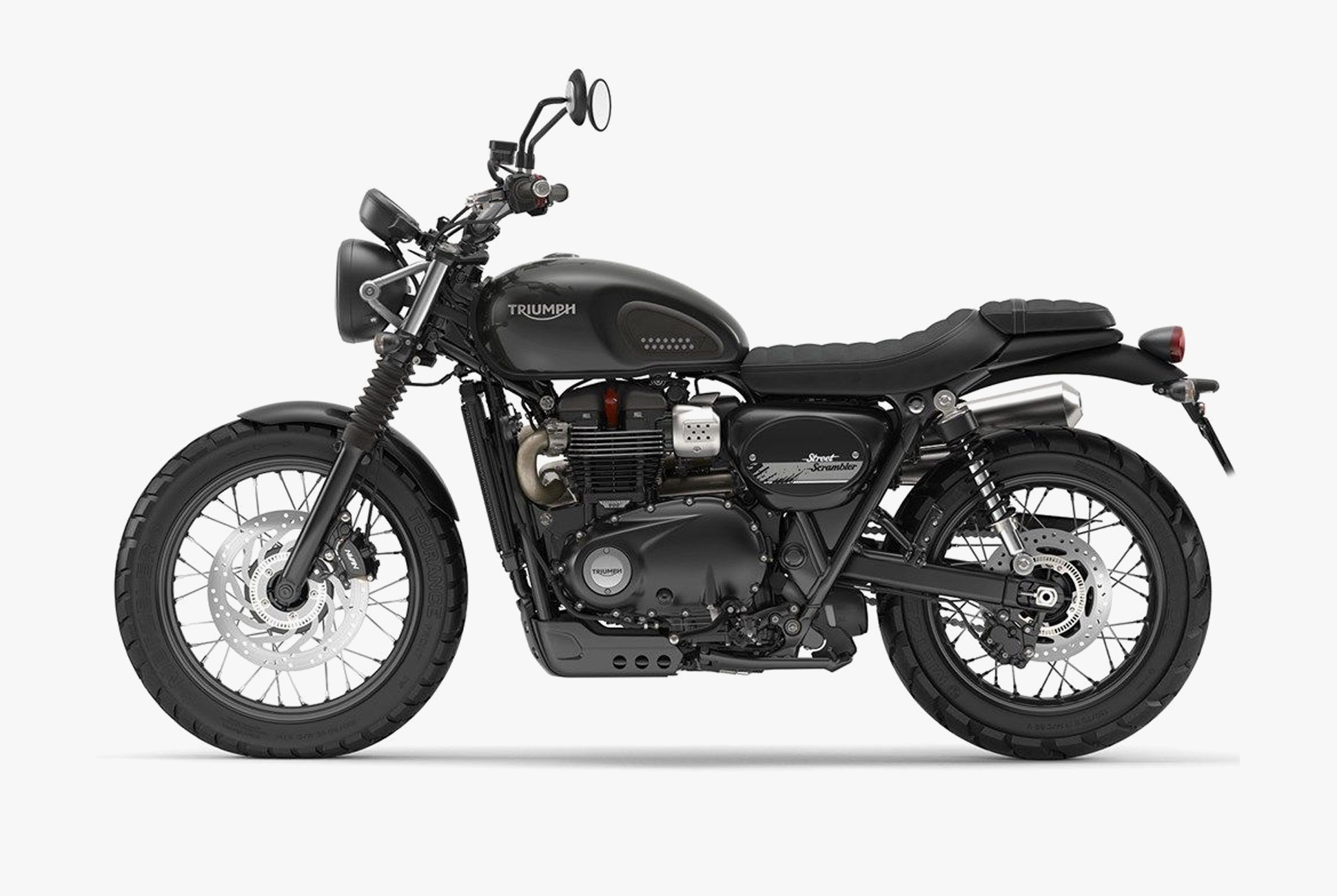
The KTM 790 Adventure R gets power from a 799cc parallel-twin tuned for a more broadly spread powerband, which quenches its (possible) 40 mpg thirst from dual low-slung fuel tanks. (KTM claims they yield a 250-mile range.) Power figures haven’t been released, but when bolted in the 790 Duke street bike, the engine KTM are using makes 105 horsepower at 9,000 rpm and 63 foot-pounds of torque at 8,000 rpm. Expect that torque to be available much farther down in the rev range for the 790 Adventure R.

The seat is wider and slightly lower than the classic enduro-dirt bike skinny plank seat, which will help on those ADV-esque longer runs, but it’s the lighter weight that makes this bike such a threat to the bigger bikes. Again, KTM held back on the weight figures, but it’s safe to assume it’ll be down a couple of hundred pounds from any liter-plus ADV. And that’ll be KTM’s ace in the hole. On paper and from the images, the 790 Adventure R cherry picks the best parts from the enduro and ADV worlds: relative civility of the big, comfy ADVs and the raucous agility from enduros. Where all-out enduros might prove too extreme and too closely related to supercross bikes for some customers, and traditional adventure bikes are just too much bike for most riders, the 790 Adventure R might be the middle ground the market craves — perfect for a weekend up in the trails.