All posts in “Home”

Why Every Kitchen Absolutely Needs at Least One Enormous Cast-Iron Skillet

If you’ve been in New York City for more than a week, there’s a good chance you’ve eaten something with Craig Koketsu’s fingerprints on it. The partner and executive chef of the city’s Quality Branded restaurant group develops recipes, techniques and processes for each of its five neighborhood spots (Quality Meats, Park Avenue Summer (Autumn, Winter, Spring), Quality Italian, Quality Eats and Quality Meats). His style is classic with a touch of modern flair and he’s been named one of NYC’s top up-and-coming chefs by both New York Magazine and Esquire. From the benefits of a set of heavy-duty mixing bowls to a really, really big cast-iron skillet, these are the things Chef Craig Koketsu couldn’t live without.

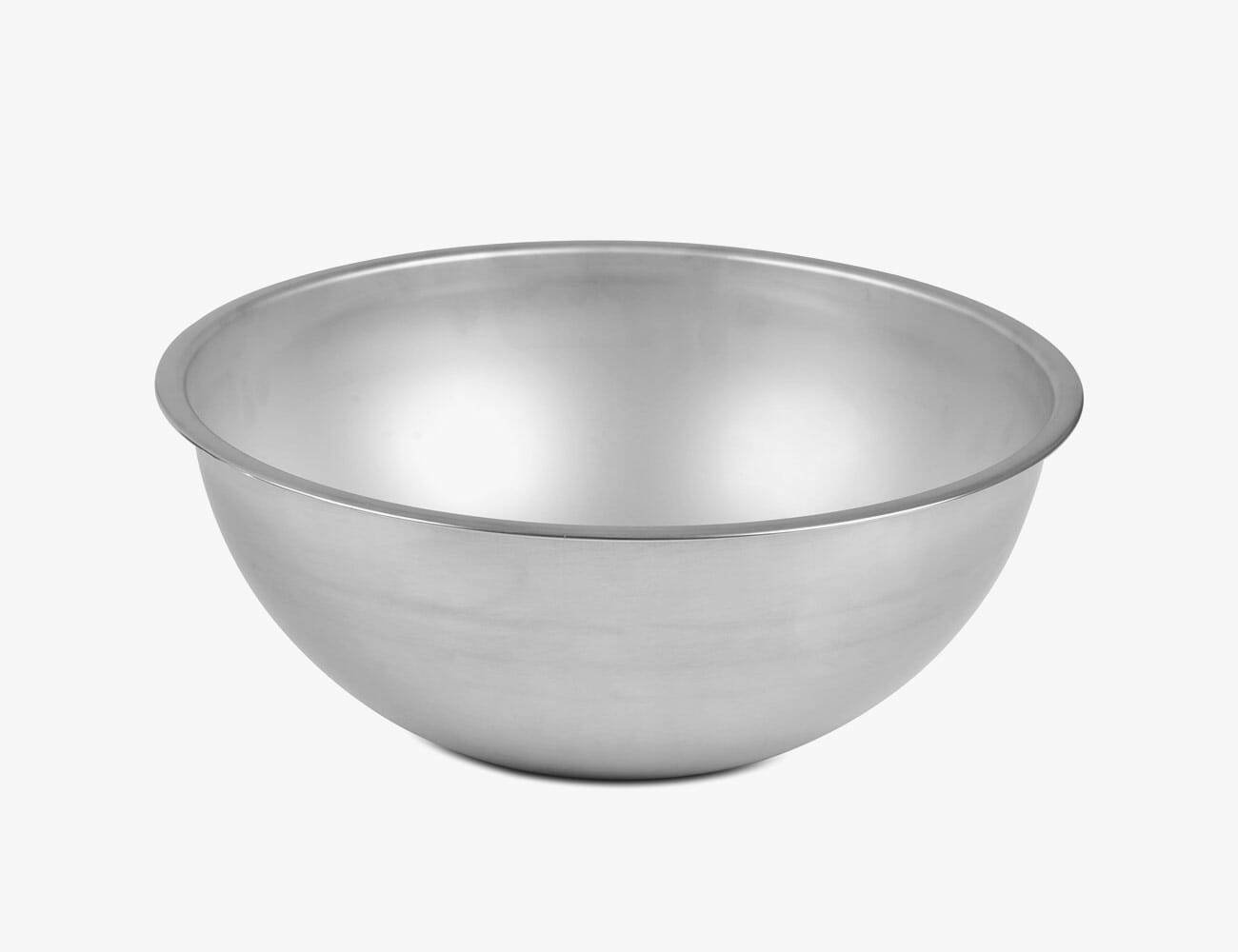
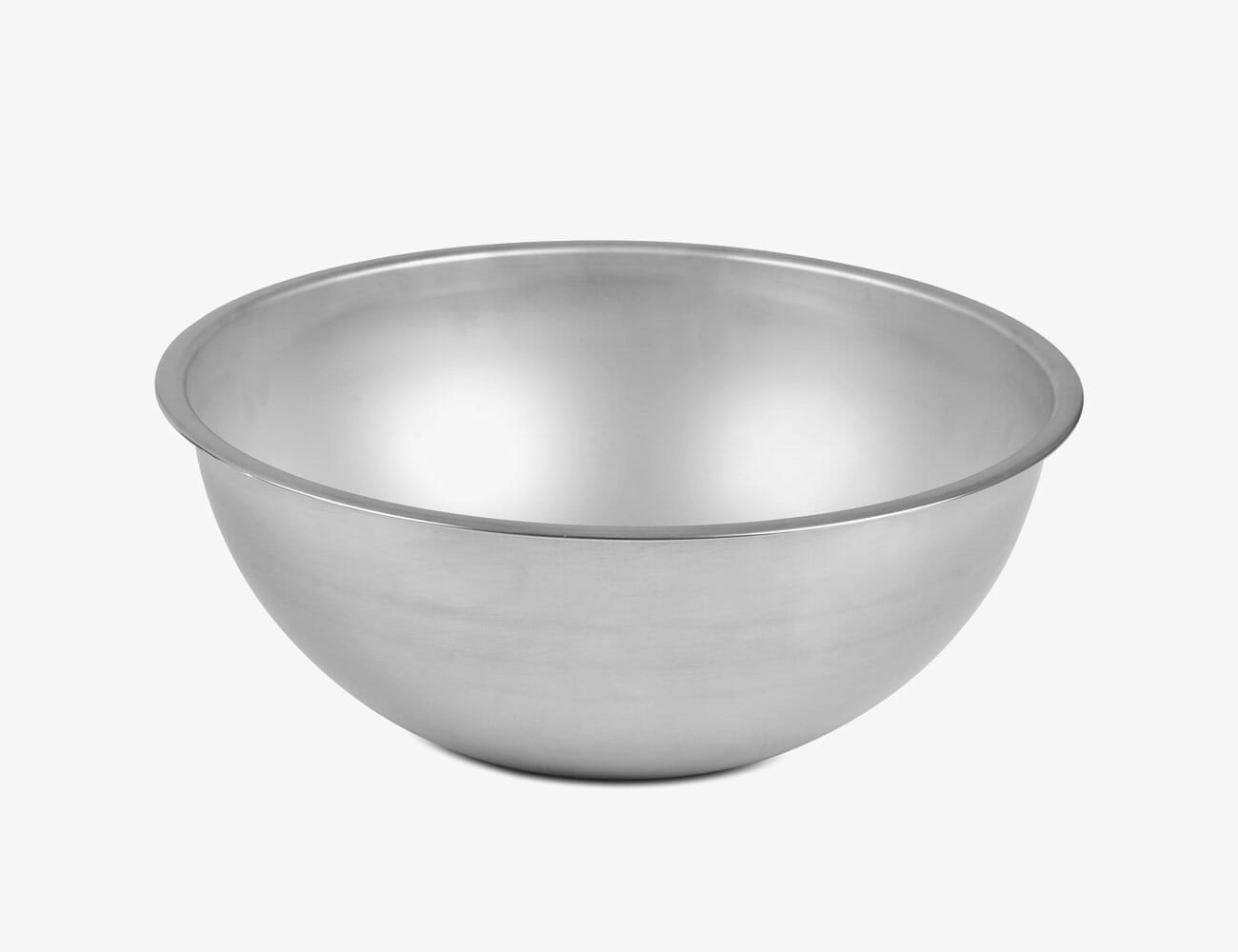
Vollrath Heavy Weight Mixing Bowls
“The curve of and depth of these bowls is perfect. You can mix and whisk aggressively in them and don’t have to worry about spillage. The heavier gauge of the stainless steel also makes for more even heat distribution when you use them as a double boiler to make hollandaise. I have one in almost every size, and since they nest, they don’t take up a lot of space.”

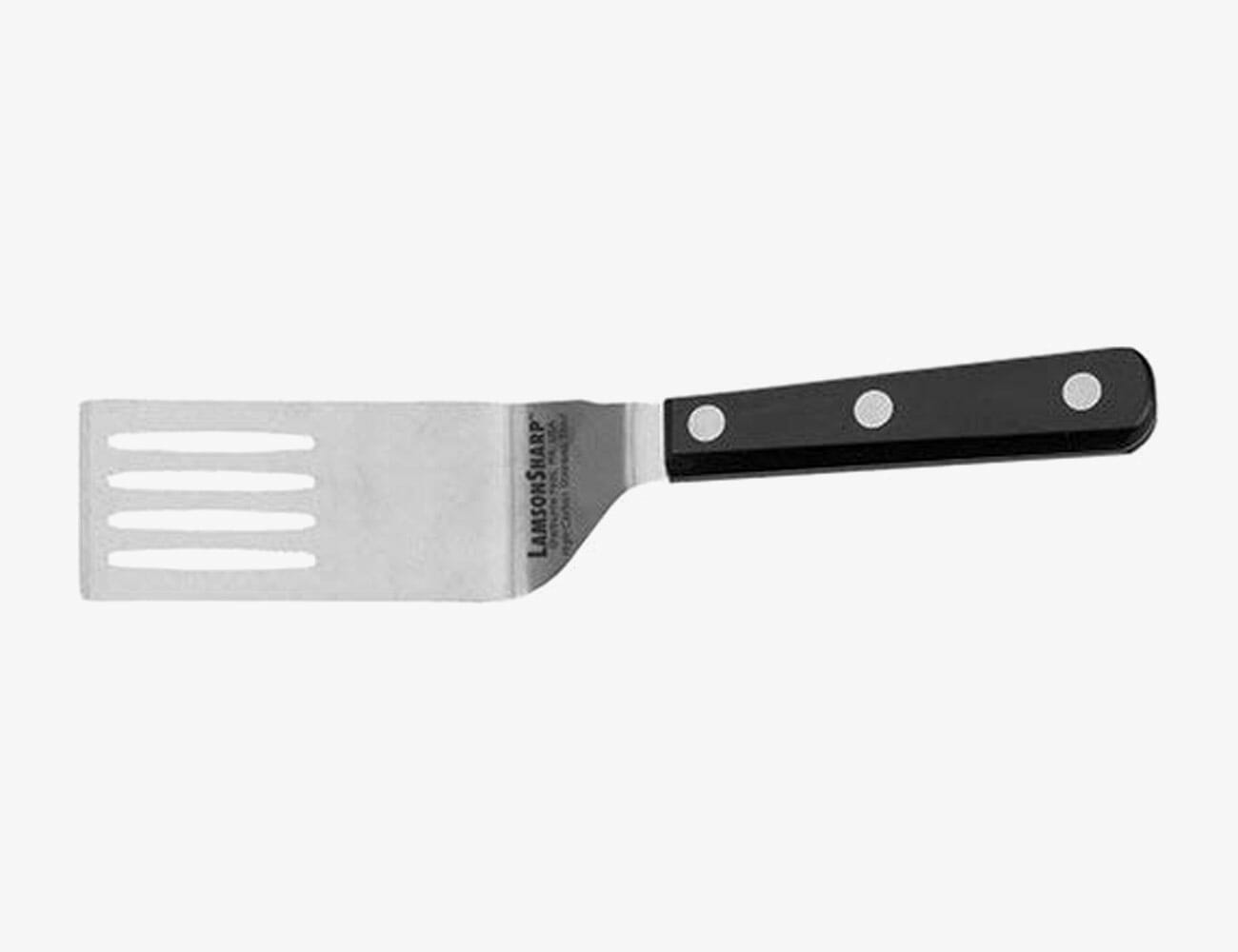
LamsonSharp Slotted Turner
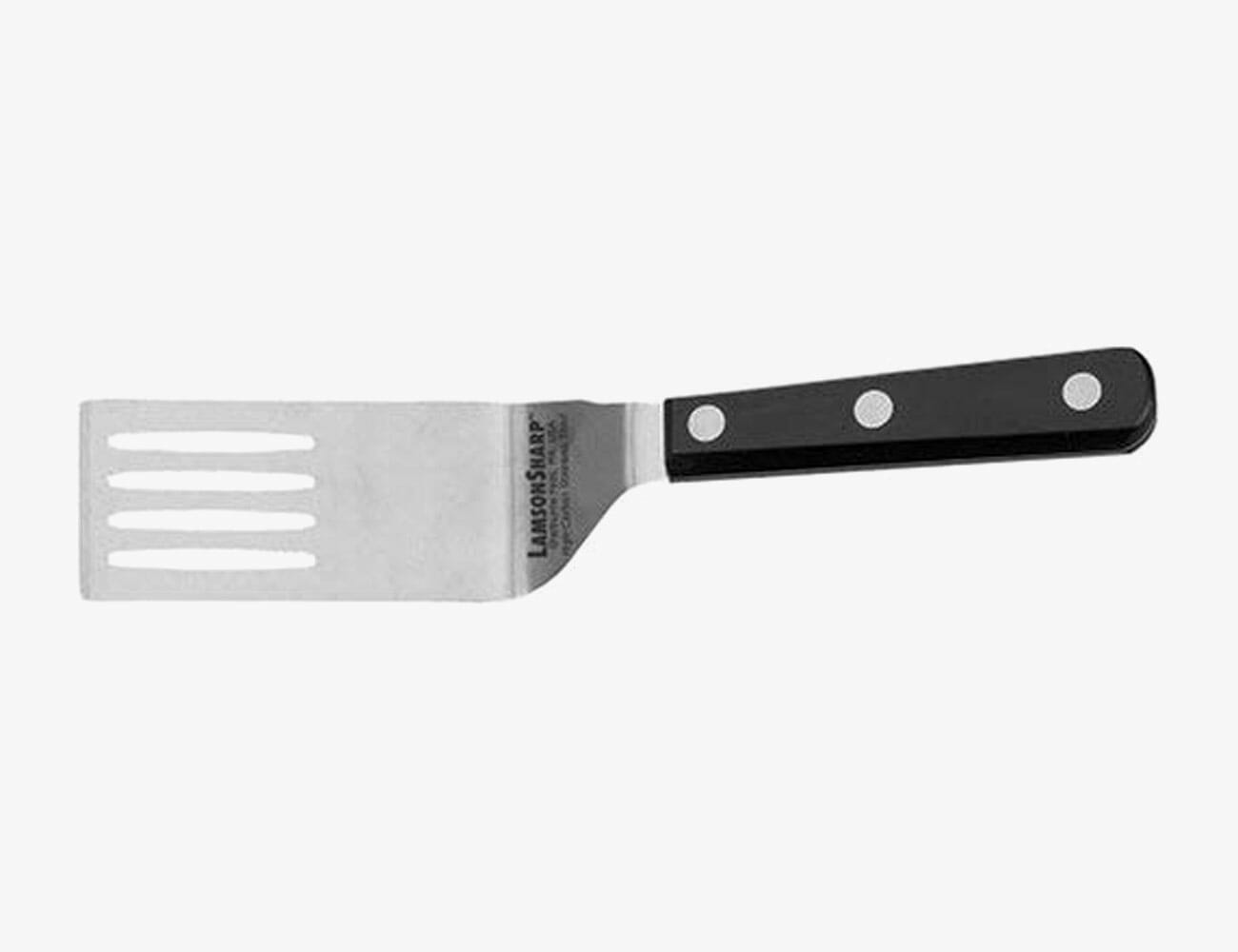
“Hands down my favorite offset spatula. I use it mostly when I’m working the griddle — its sharp edge makes sure that every bit of the golden brown sear stays on the scallop. It’s also the perfect size and ridgidity to fillet Dover sole tableside. Lastly, it’s ideal for cutting and scooping out brownies from the pan.”

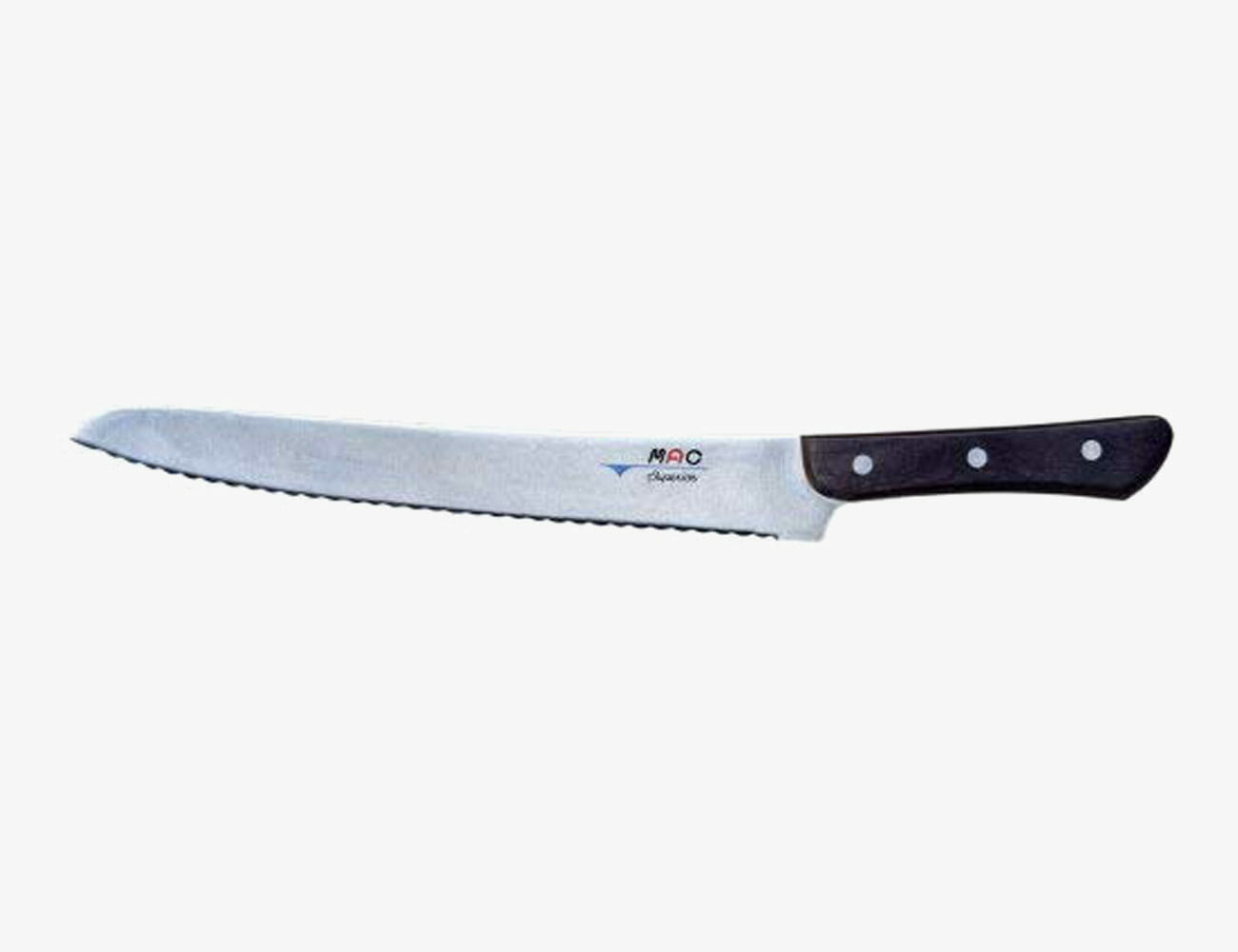
Mac Professional Series Bread Slicer
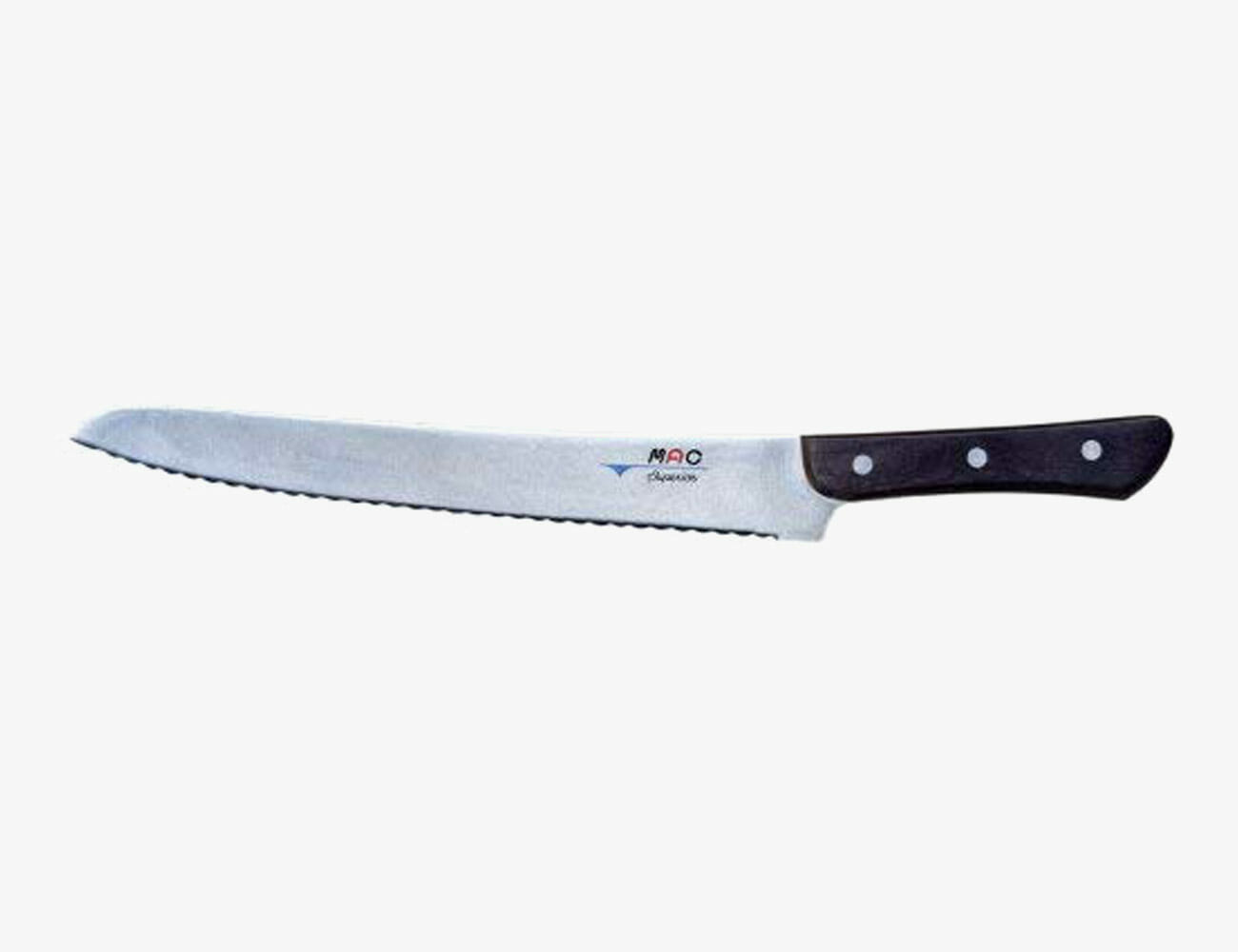
“Deadly sharp, it’s equally adept at slicing through roast beef as it is through a crusty baguette. And it passes the overripe tomato test with flying colors. The long blade also allows you to make longer strokes which result in cleaner slices.”

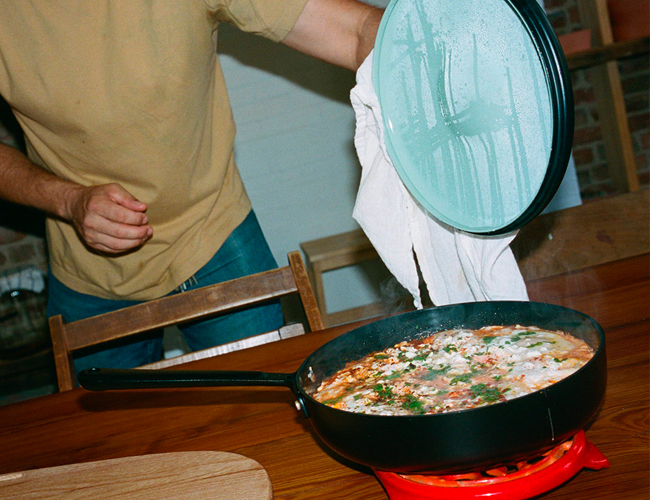
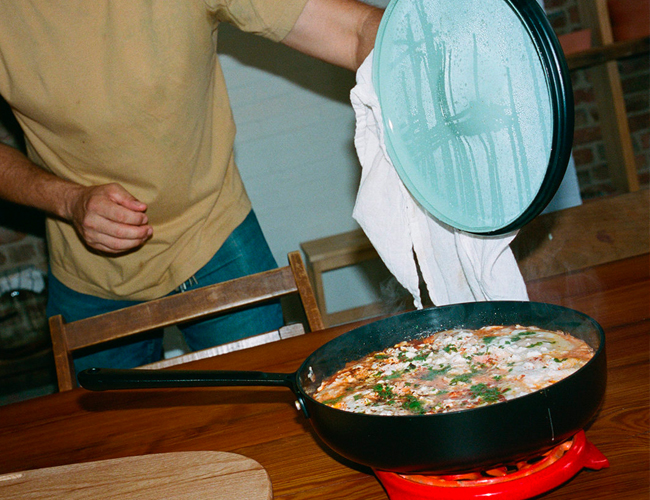
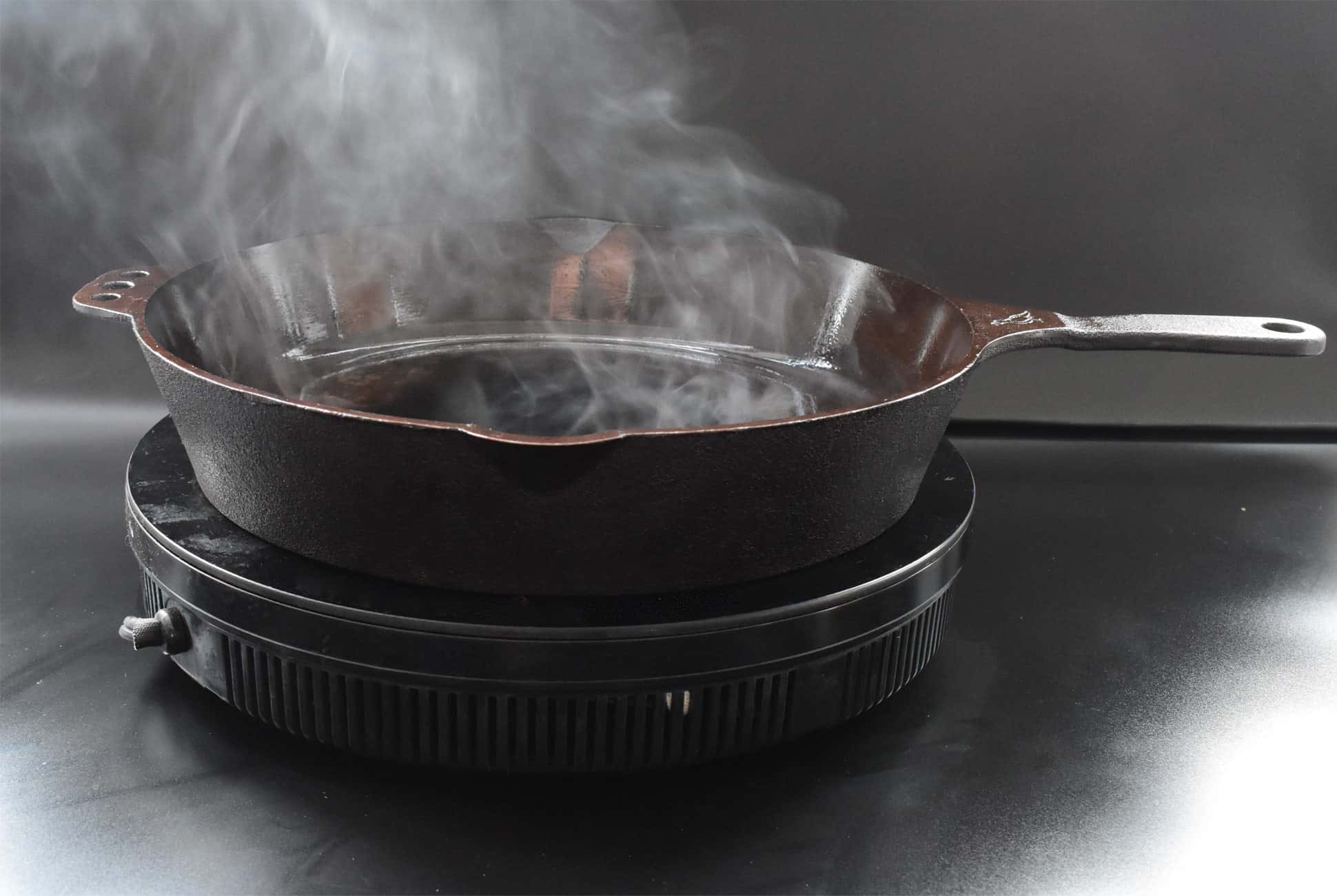
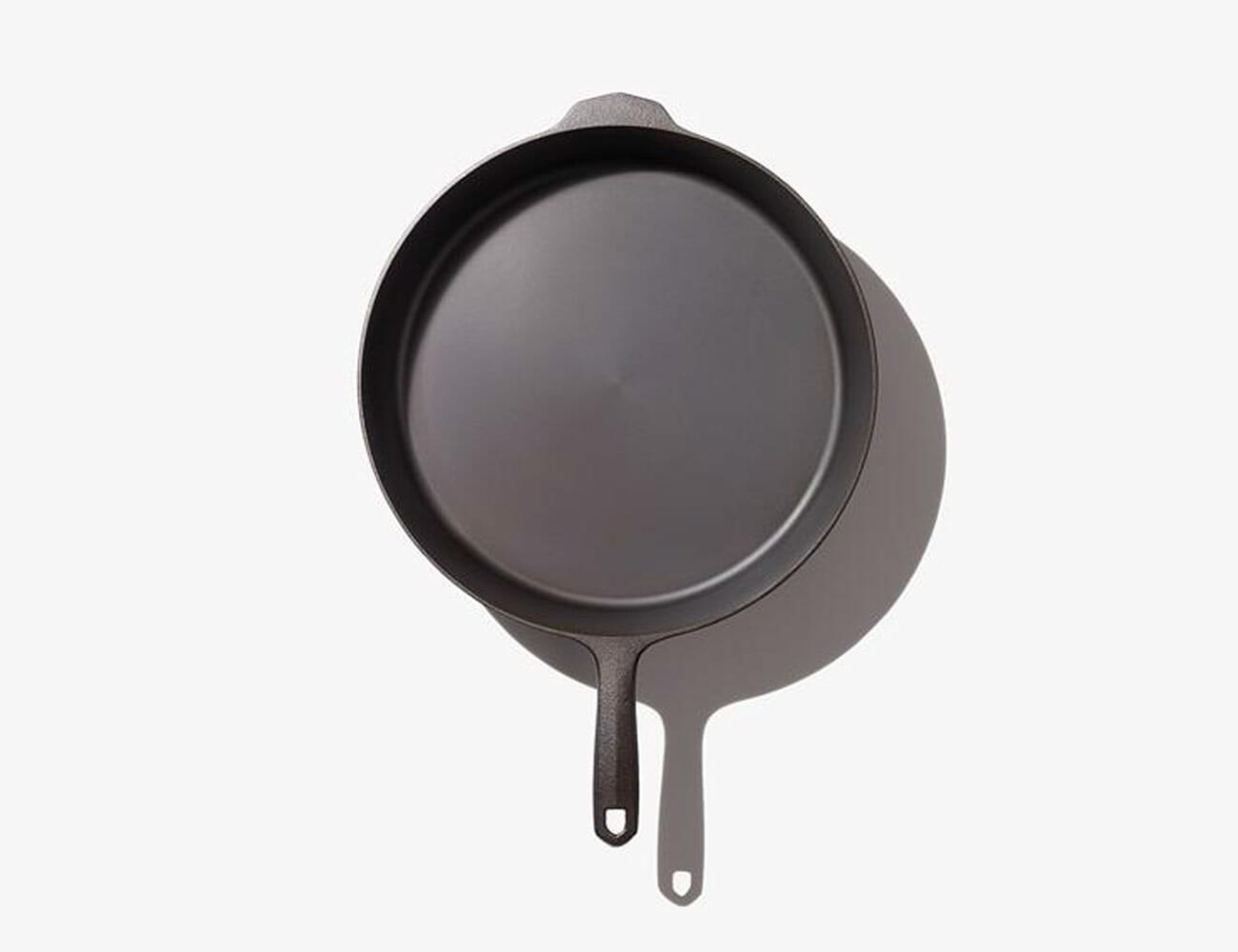
Field Cast Iron Skillet (No. 12)
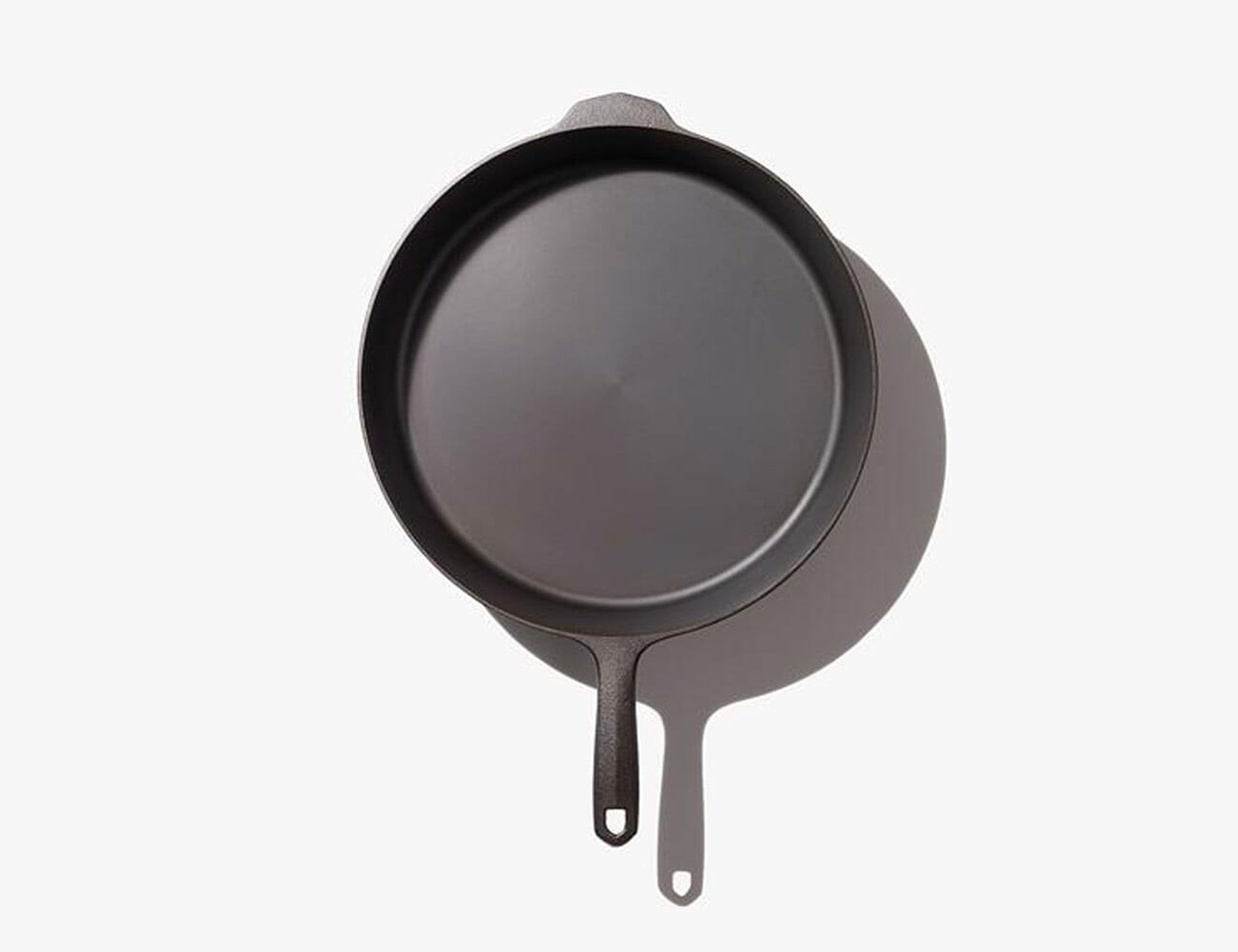
“The cooking surface of this incredibly well-made pan is practically non-stick. I also love its straight sides which make for perfectly round parmesan fricos and old-fashioned cornbread. When considering sizing, my advice is to go big, especially since the pan is easy to handle because it’s lighter weight. Also, you can always cook less in a larger pan, but you can’t always cook more in a smaller pan — the 12-inch diameter allows me to cook four medium-sized pancakes at the same time which saves loads of time when I have friends over for brunch.”
More Chef-Approved Kitchen Gear

From a lava stone molcajete to a disposable thermometer to a very, very old-school pasta maker, these four professional chefs reflect on the gear they couldn’t do their jobs without. Read the Story
Note: Purchasing products through our links may earn us a portion of the sale, which supports our editorial team’s mission. Learn more here.

Why Every Kitchen Absolutely Needs One Enormous Cast-Iron Skillet

If you’ve been in New York City for more than a week, there’s a good chance you’ve eaten something with Craig Koketsu’s fingerprints on it. The partner and executive chef of the city’s Quality Branded restaurant group develops recipes, techniques and processes for each of its five neighborhood spots (Quality Meats, Park Avenue Summer (Autumn, Winter, Spring), Quality Italian, Quality Eats and Quality Meats). His style is classic with a touch of modern flair and he’s been named one of NYC’s top up-and-coming chefs by both New York Magazine and Esquire. From the benefits of a set of heavy-duty mixing bowls to a really, really big cast-iron skillet, these are the things Chef Craig Koketsu couldn’t live without.

Vollrath Heavy Weight Mixing Bowls

“The curve of and depth of these bowls is perfect. You can mix and whisk aggressively in them and don’t have to worry about spillage. The heavier gauge of the stainless steel also makes for more even heat distribution when you use them as a double boiler to make hollandaise. I have one in almost every size, and since they nest, they don’t take up a lot of space.”

LamsonSharp Slotted Turner

“Hands down my favorite offset spatula. I use it mostly when I’m working the griddle — its sharp edge makes sure that every bit of the golden brown sear stays on the scallop. It’s also the perfect size and ridgidity to fillet Dover sole tableside. Lastly, it’s ideal for cutting and scooping out brownies from the pan.”

Mac Professional Series Bread Slicer

“Deadly sharp, it’s equally adept at slicing through roast beef as it is through a crusty baguette. And it passes the overripe tomato test with flying colors. The long blade also allows you to make longer strokes which result in cleaner slices.”

Field Cast Iron Skillet (No. 12)

“The cooking surface of this incredibly well-made pan is practically non-stick. I also love its straight sides which make for perfectly round parmesan fricos and old-fashioned cornbread. When considering sizing, my advice is to go big, especially since the pan is easy to handle because it’s lighter weight. Also, you can always cook less in a larger pan, but you can’t always cook more in a smaller pan — the 12-inch diameter allows me to cook four medium-sized pancakes at the same time which saves loads of time when I have friends over for brunch.”

More Chef-Approved Kitchen Gear

From a lava stone molcajete to a disposable thermometer to a very, very old-school pasta maker, these four professional chefs reflect on the gear they couldn’t do their jobs without. Read the Story
Note: Purchasing products through our links may earn us a portion of the sale, which supports our editorial team’s mission. Learn more here.

Why Every Outdoor Cook Absolutely Needs This $3 Amazon Buy

David Shim’s Cote in Manhattan’s Flatiron District is one-part American steakhouse, one-part Korean barbeque. It features classic gas-fired yakiniku grills from Shinpo at the center of every table and effectively merges American steakhouse favorites with Korean ingredients and flavors (a shrimp cocktail with gochujang being the clearest example). The result of Shim’s cuisine blending was a strong review from the New York Times’ Pete Wells, a place on GQ’s Best New Restaurants of 2018 list and a Michelin star. From $3 firestarters to an obscure Japanese table grill, here are four things Cote’s David Shim couldn’t cook without.

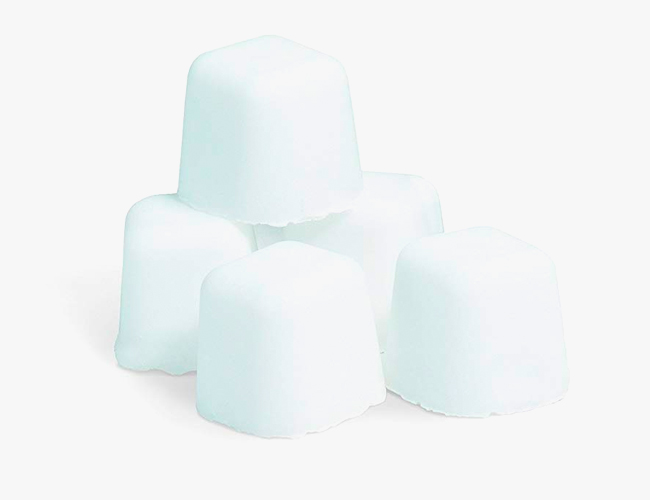
Weber Lighter Cubes

“If you ever find yourself outdoors with a charcoal grill, these mini cubes are a must. How many times have you seen people stuffing paper, small pieces of boxes or pouring liquid charcoal lighter? Everyone has their own way making the fire but many times isn’t as easy as one thinks. With the mini lighter cubes all you need to do is put the lighter cubes in between the charcoal and wait till it starts to light, give a light fanning and you are ready to go.”

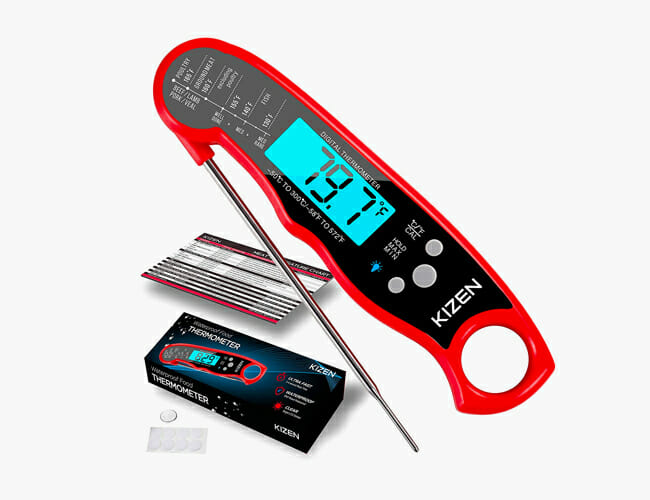
Kizen Instant-Read Thermometer

“A digital thermometer is one thing that I always have when grilling. Everyone has their own way of telling if the steak is done but it is always great to have a backup plan. There are some with basic temperatures on the thermometer itself so that you don’t have to google what a medium-rare steak is supposed to be.”

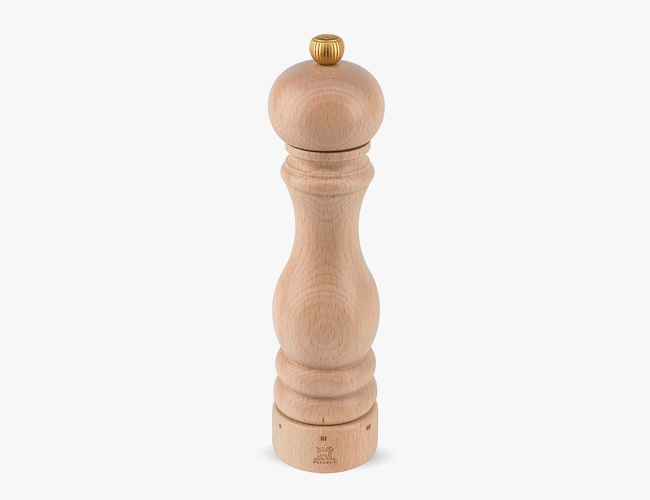
Peugeot Pepper Mill

“There are many different pepper mills out there, but this is the one that you want to have. I have used this throughout my career in NYC working at a lot different restaurants and this is also the one that we use at home. Peugeots are great because they can handle the usage of a professional kitchen and it also has different settings to either make it finer or more coarse. It also looks beautiful.”

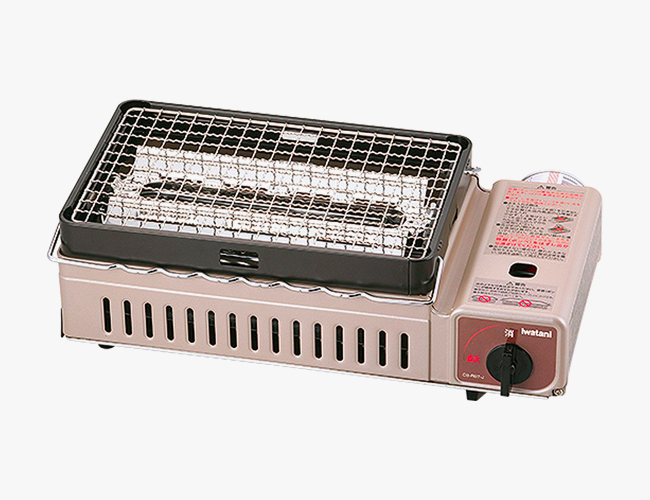
Iwatani Aburiya Portable Gas Grill Stove

“This is the ultimate portable grill that anyone can have. Living in NYC, not many people have the luxury to grill in the backyard but with this small gadget, you can practically grill anywhere. It has different inserts to either grill steak, seafood and vegetables or make yakitori or skewers. It gets hot enough to make really nice grill marks on steaks as well. This has always been my portable go-to grill.”

More Chef-Approved Kitchen Gear

From a lava stone molcajete to a disposable thermometer to a very, very old-school pasta maker, these four professional chefs reflect on the gear they couldn’t do their jobs without. Read the Story
Note: Purchasing products through our links may earn us a portion of the sale, which supports our editorial team’s mission. Learn more here.

The Best Everyday Pots and Pans for Every Kind of Cook

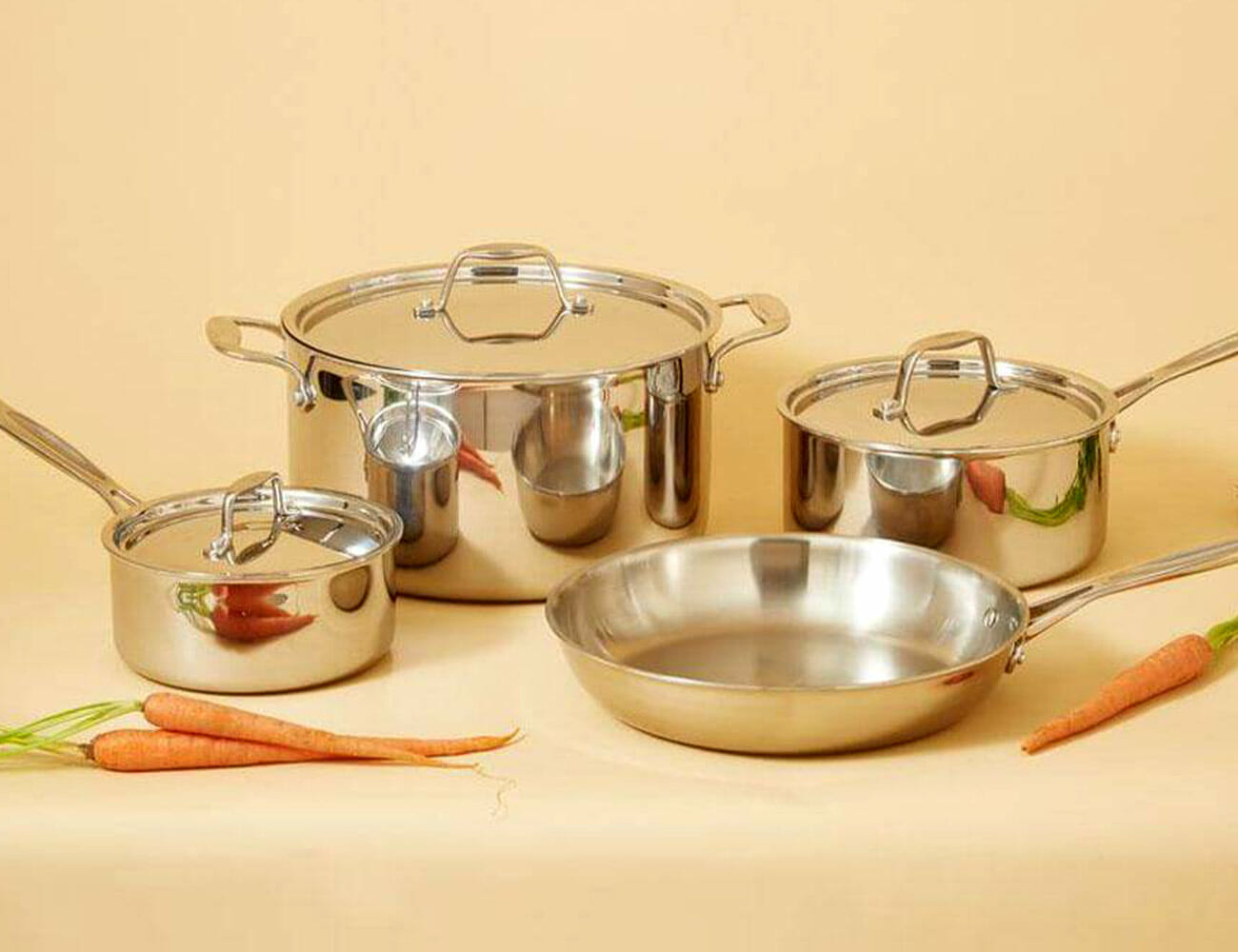
Not all cookware is for all cooks. Between the person who doesn’t know what blanching is and those that own commercial-grade blowtorches, there is a divide. Cookware, like all product categories, can be stratified in a dozen different ways. What’s the best brand if you want your pans to look good? What about the best cheap brand? The best for beginners? These are the best cookware companies for every different cook to invest in.

The Budget-Minded Cook: Potluck

Potluck makes utilitarian cookware. On its site, it promises no retail markups, no gadgets and no single-use products. To that end, its lineup is stuffed with just the basics — a skillet, a stock pot, sauce pans, the only three knives you actually need and a tightly curated cast of kitchen utensils. The cookware is three-ply stainless steel, the knives are hardwearing high-carbon steel and the prices are ideal — $270 for an entire kitchen suite.

The Beginner Cook: Equal Parts

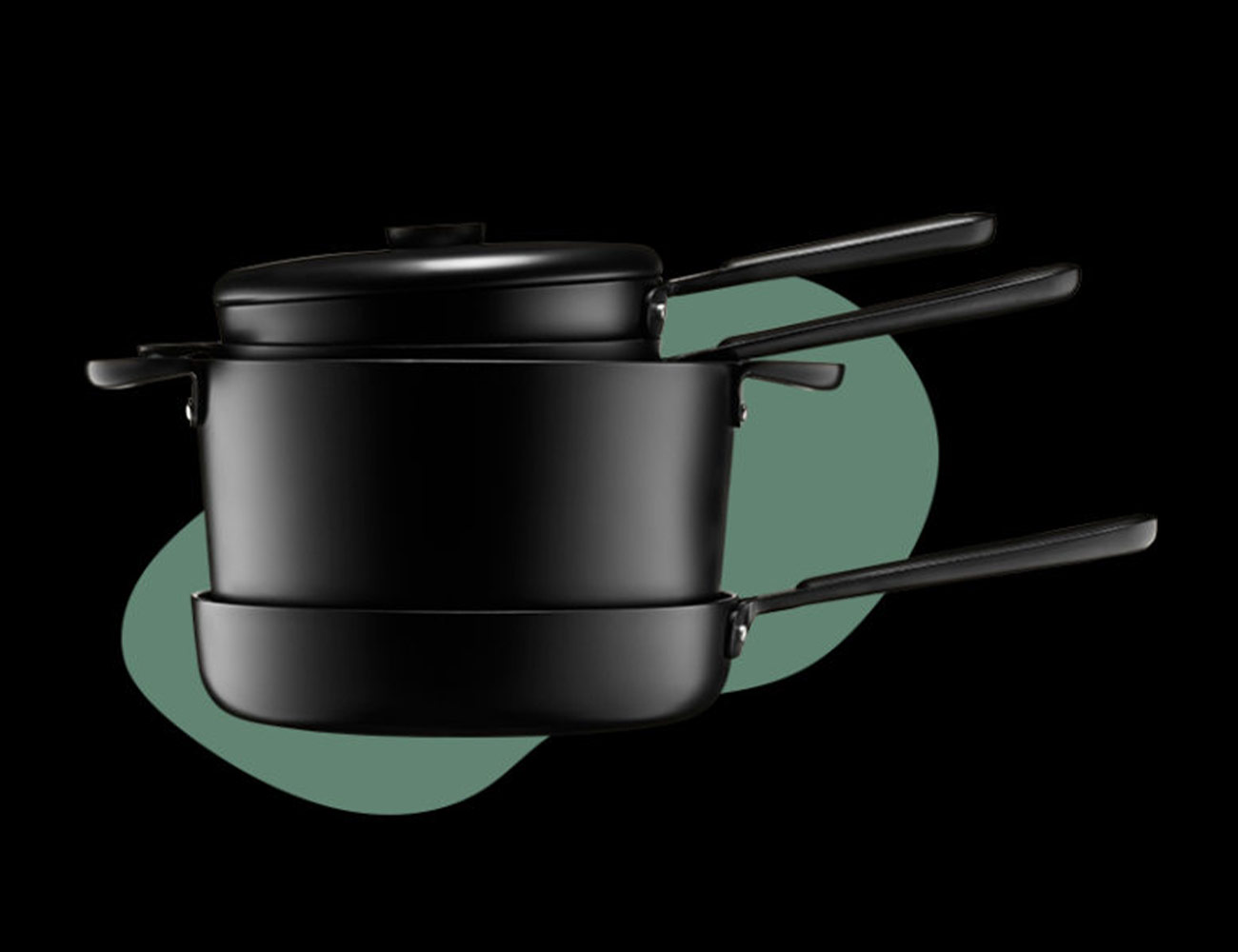
The newest brand on the list was designed from the top-down to cater to the cook who doesn’t know their way around stovetop. The pots and pans are ceramic-coated aluminum, making them lighter, easier to clean and faster-heating than any stainless steel cookware you can buy. The entire collection is nesting, so space isn’t an issue, and every set comes with eight weeks of free text-based cooking guidance. Fire questions, curiosities and recipe ideas to Equal Parts’ cook hotline for immediate backup in the kitchen.

The Aesthetics-First Cook: Great Jones

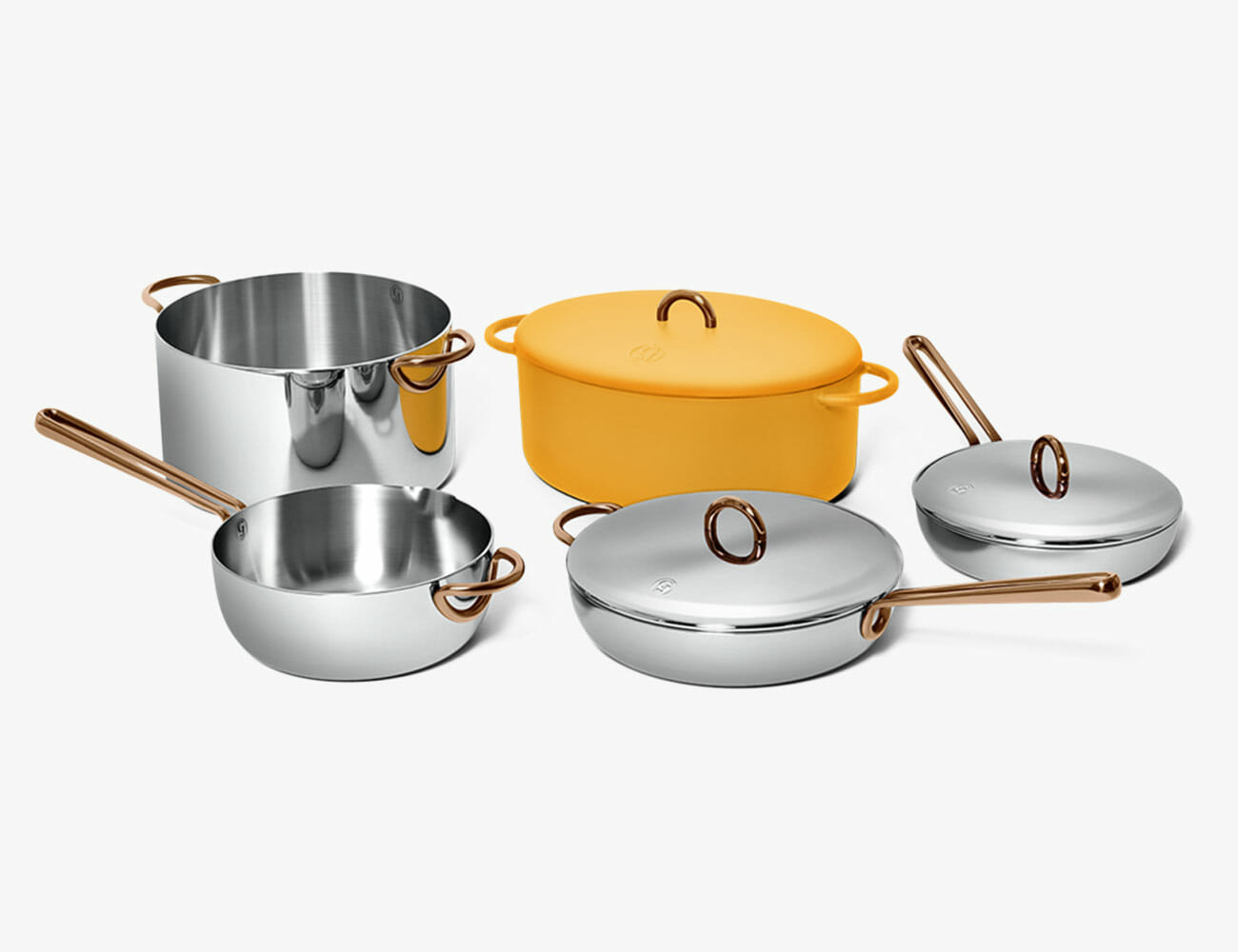
Great Jones serves up cookware with a helping of vibes. The brand’s distinctively glossy, round look isn’t for everybody, but for those looking for cookware that doubles as decor, there aren’t many better options (Eva Solo makes a solid alternative). But the two best things about Great Jones cookware have nothing to do with its looks: the rivet-less interior is as easy to clean as pans can get, and the handle, though strange at first, stays cooler than any handle we’ve ever tested. Great Jones stainless steel pieces are also much thinner and lighter than most performance-focused options.

The Value-Conscious Cook: Made In

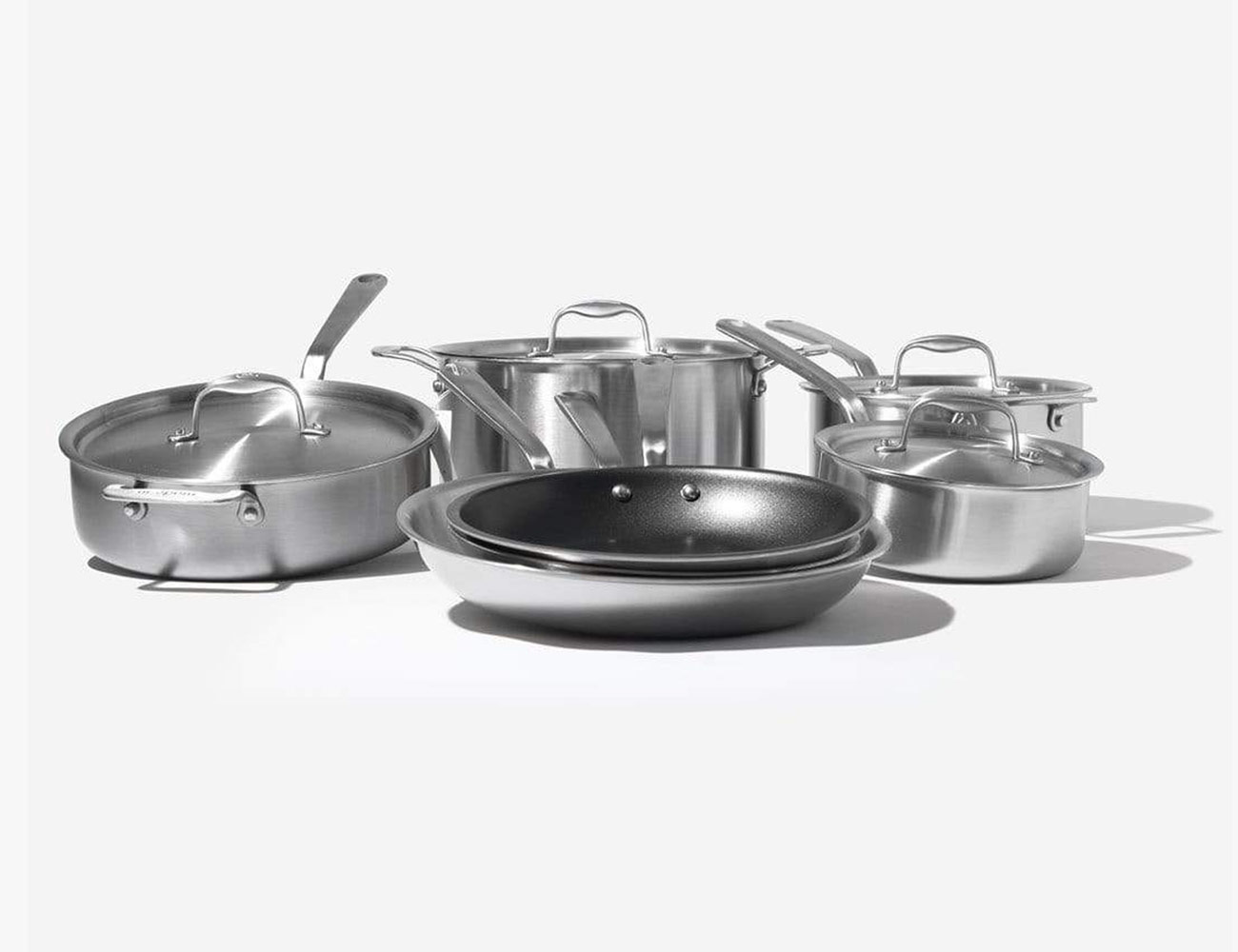
Made In is kind of like a millennial All-Clad; its carbon steel, stainless steel and non-stick cookware is premium, performance-minded and is sold at marginally better price points. Like All-Clad, they’ve got more chef cred than most cookware brands, with company investments from Tom Colicchio and Grant Achatz. If you want technical cookware for a more manageable price, it’s Made In or bust.

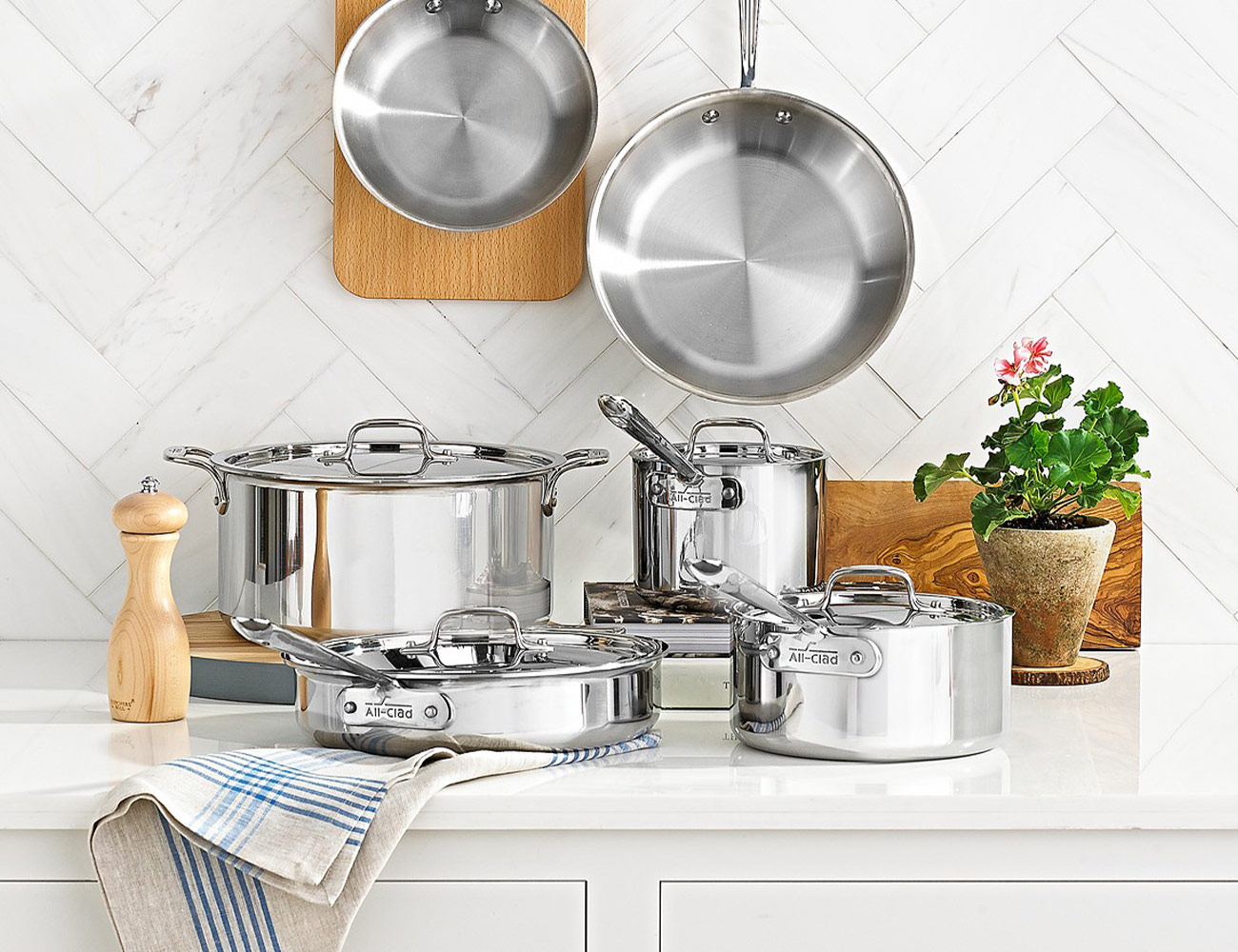
The Pure Performance Cook: All-Clad

The inventors of cladded cookware have, for the better part of fifty years, been the choice brand for commercial cooks. Its stainless steel cookware — the line it’s best known for — is heavier than standard layered steel. The added weight means its temperature is kept stable, even when cold food is dropped into it, and it’s resistant to warping like more affordable options. Is it expensive? Yes, a single 10-inch fry pan can run you $100. Is it worth it? If you spend serious time in the kitchen, without a shadow of a doubt.

Note: Purchasing products through our links may earn us a portion of the sale, which supports our editorial team’s mission. Learn more here.

The Best Upgrades to Your Cheap, Disposable Pens Are Pretty Cheap, Too

There are three inevitabilities we will experience during our time on this mortal coil: we are born, we will die, and sometime in between, we will use a BIC Cristal pen. The company claims to have sold over 100 billion of dirt-cheap pen since the design launched in 1950.

Despite its humble price, the Cristal is a bonafide design icon. The pen is on permanent display at the Museum of Modern Art and was revolutionary for its time. The hexagonal shape, modeled after a wooden pencil, provided better grip and wouldn’t roll from a tabletop. And assuming you could hold on to one long enough to be concerned about it running out of ink, the transparent fuselage easily showed the user how much ink was left inside. Few manage such a feat. This is the downfall of the BIC Cristal.

Cheap, disposable pens can bring out a lot of bad habits. We lose them, we chew on them and we toss them in the trash without a second thought. This is before considering that the cheap pen, while plenty useful, isn’t all that special to write with.

Enter, the moderate upgrade. We’re not talking three-figure Montblanc’s and gold-nibbed Parkers. There is a whole world of high-end ballpoints under the $20 mark. A fair bit more than a $3 package of BIC Cristals, for sure, but between their high-quality builds and refillable cartridges, they’ll last you eons longer. These are the best upgrades to your cheap pen collection.

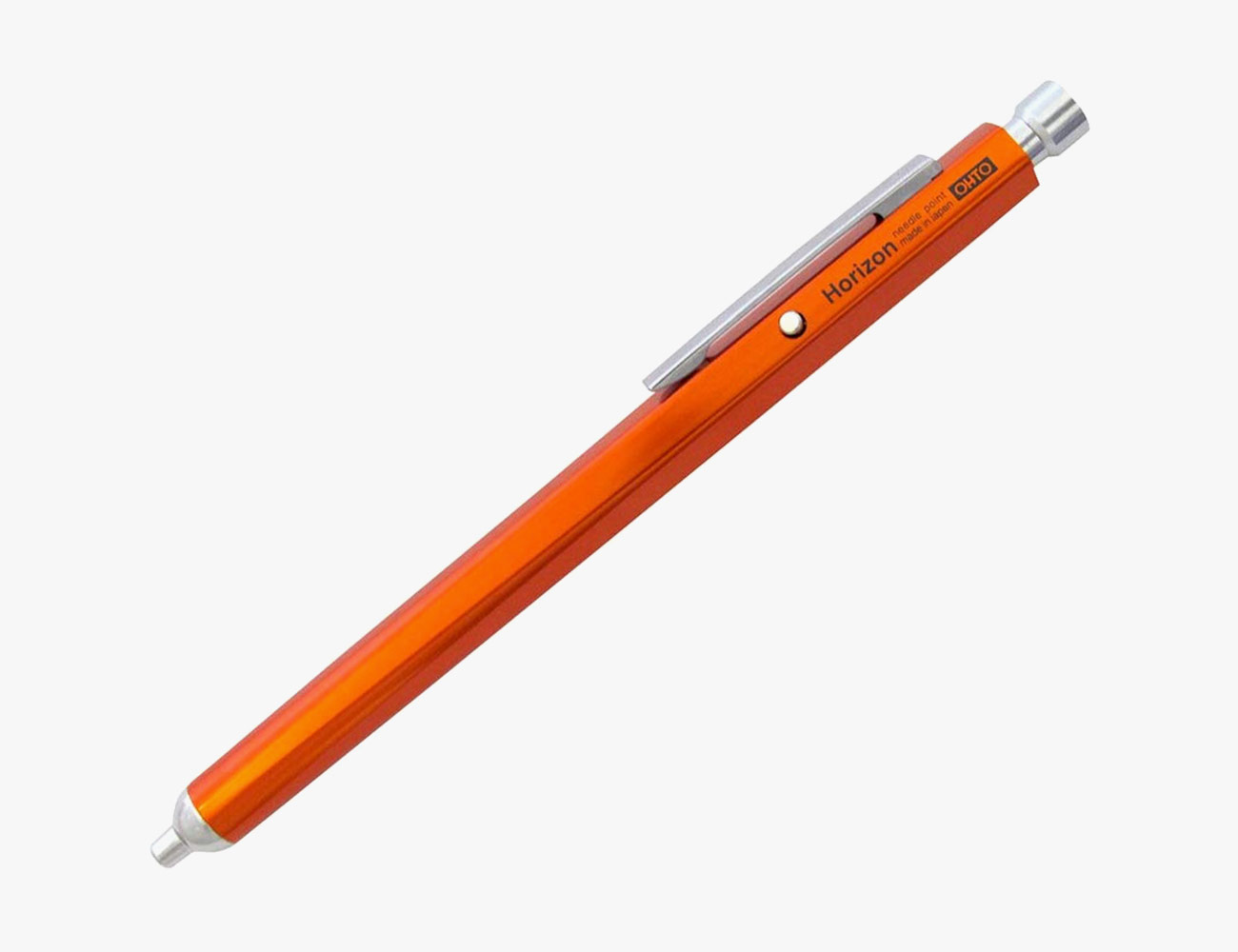
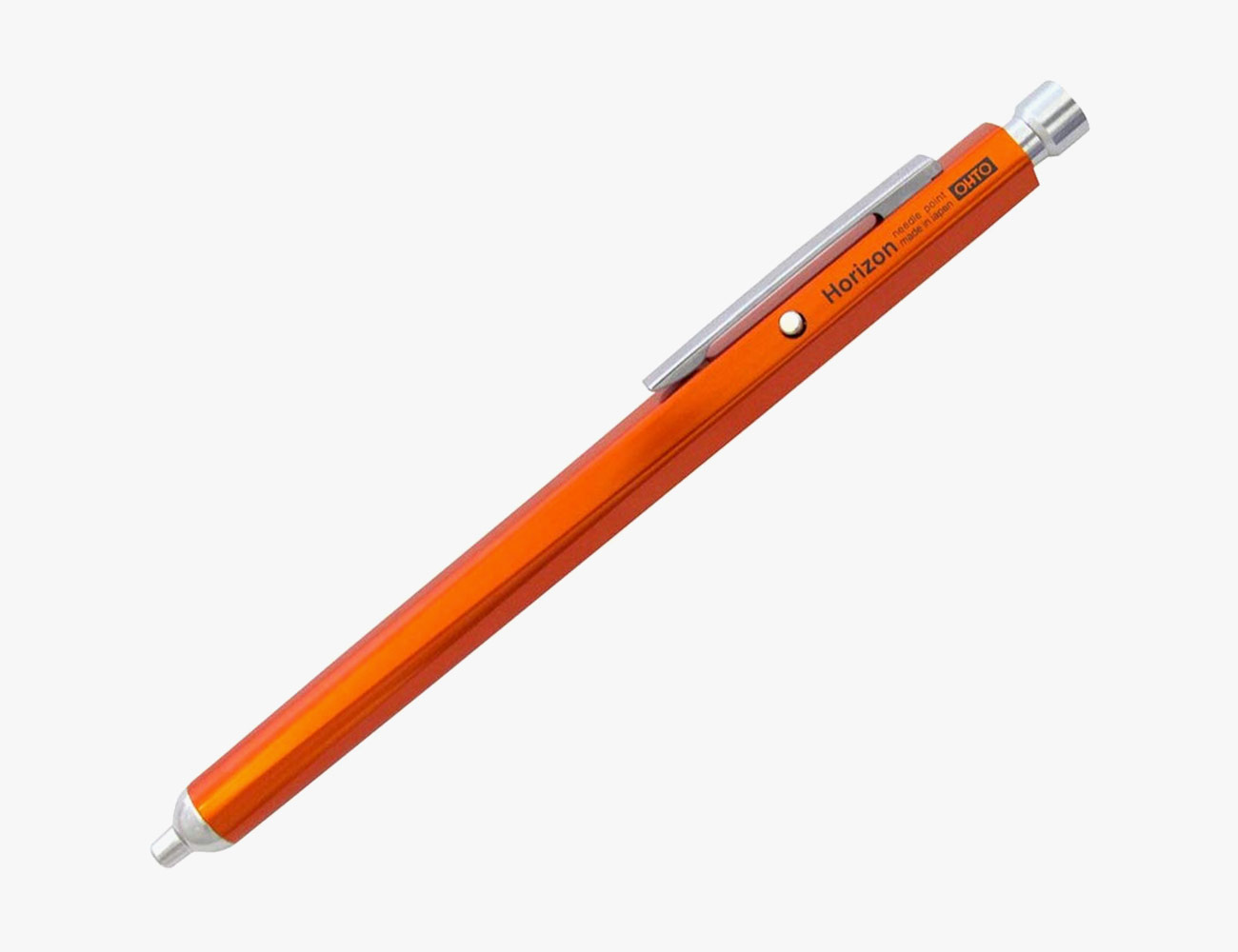
OHTO Horizon

OHTO was established in Japan in 1929 and started making ballpoints 20 years later, so even if you haven’t heard of it, know it isn’t a spring chicken when it comes to the writing utensil game. OHTO’s well-known for making fine-tipped writers (including the absurdly slim Minimo), and the Horizon is no different coming stock with a 0.7mm tip and cartridge nestled in its sleek, aluminum barrel. Better still is the fact that the pen will take a multitude of cartridge refills, including Pilot’s Hi-Tec-C, revered among pen nerds for its smooth, consistent writing action and needle-thin tip.

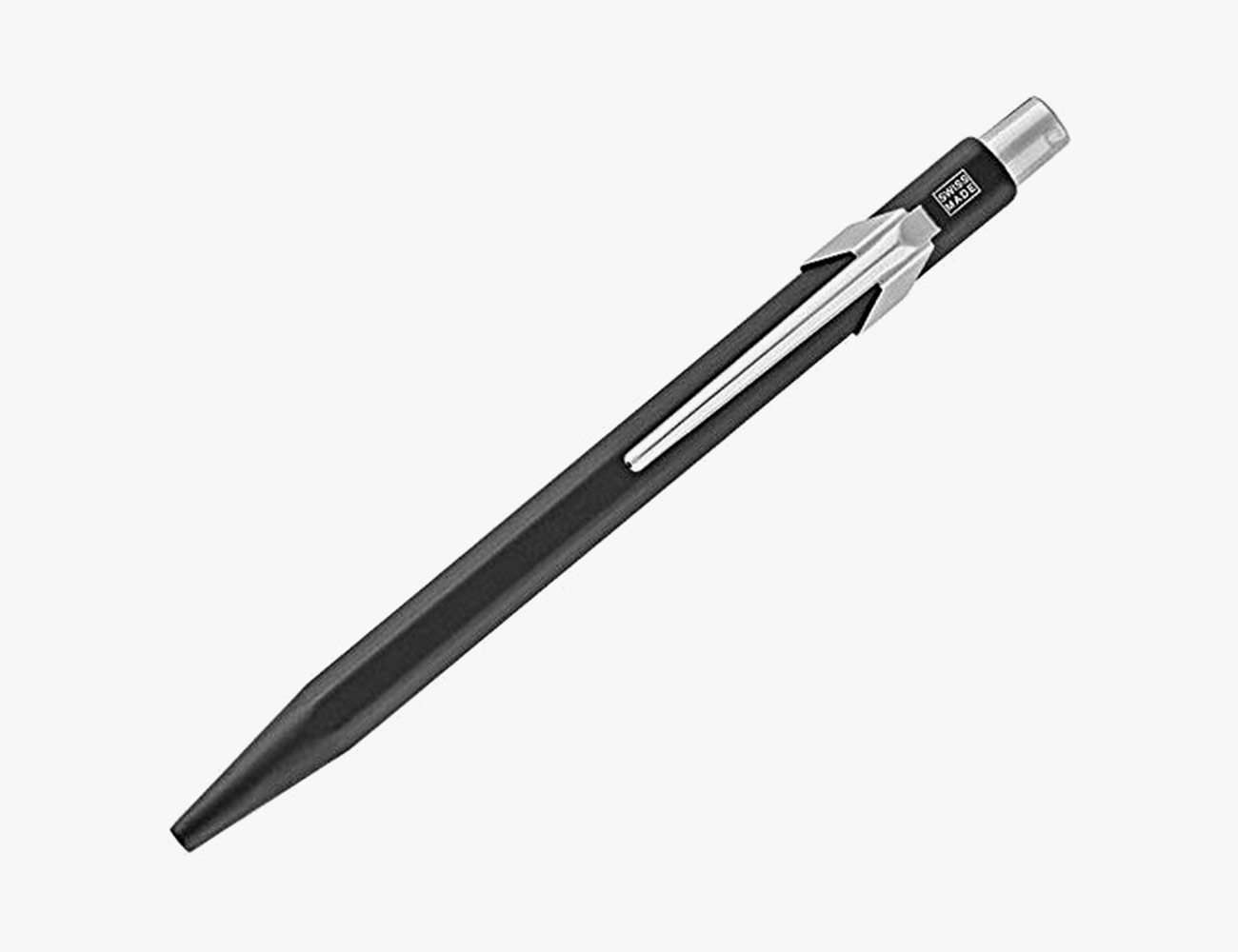
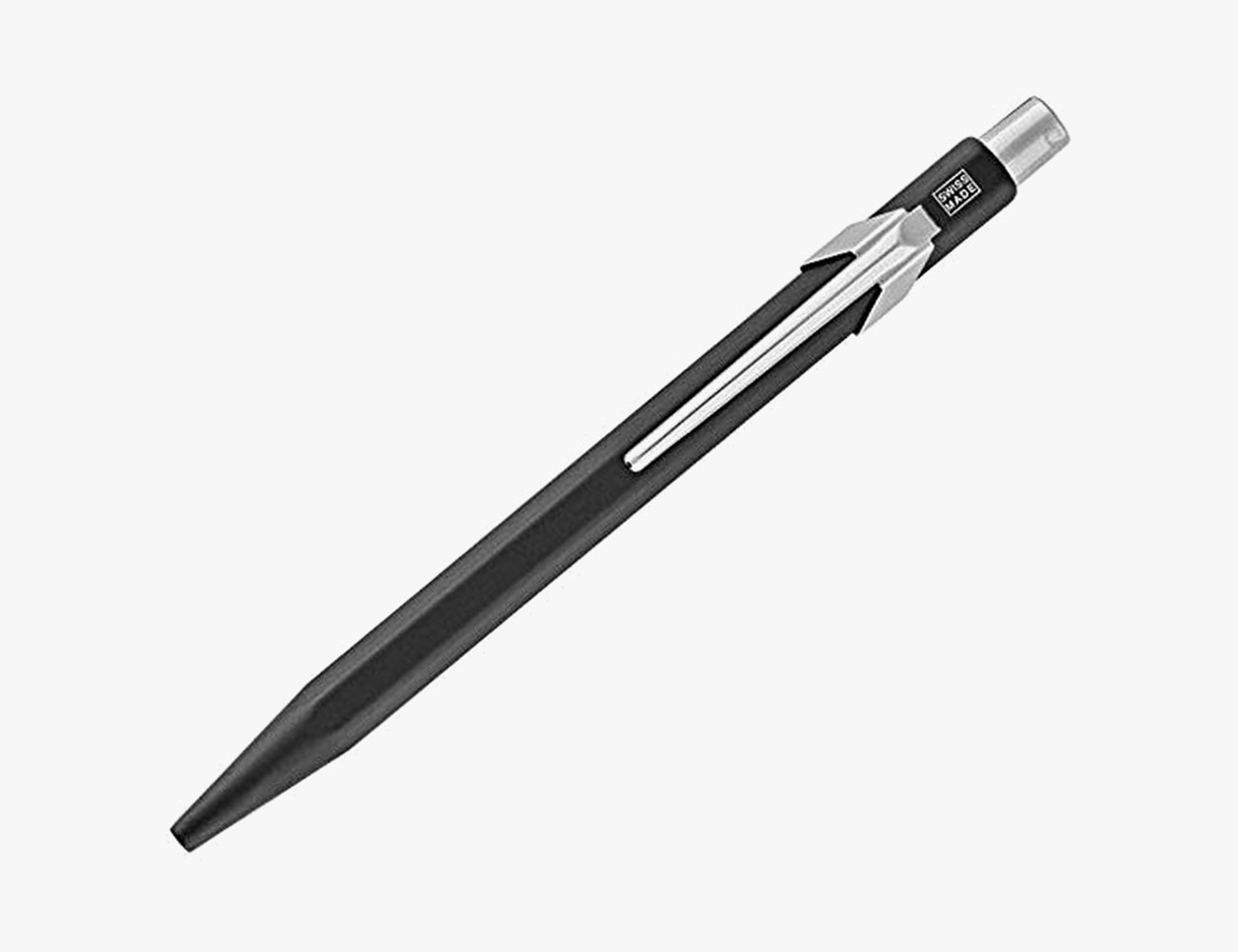
Caran d’Ache 849

The Caran d’Ache 849 shares the BIC Cristal’s hexagonal fuselage, which gives it a similarly comfortable grip, but the aluminum construction is more durable and more satisfying to hold than the BIC’s cheap plastic. The overall effect is sleek, and since the 849 is Caran d’Ache’s mainstay products — it was introduced in 1969 — there are endless colors and finishes to choose from. One of the calling cards of the 849 is its stainless-steel “Goliath” cartridge, which the brand claims is good for 8,000 meters, or nearly five miles of writing line.

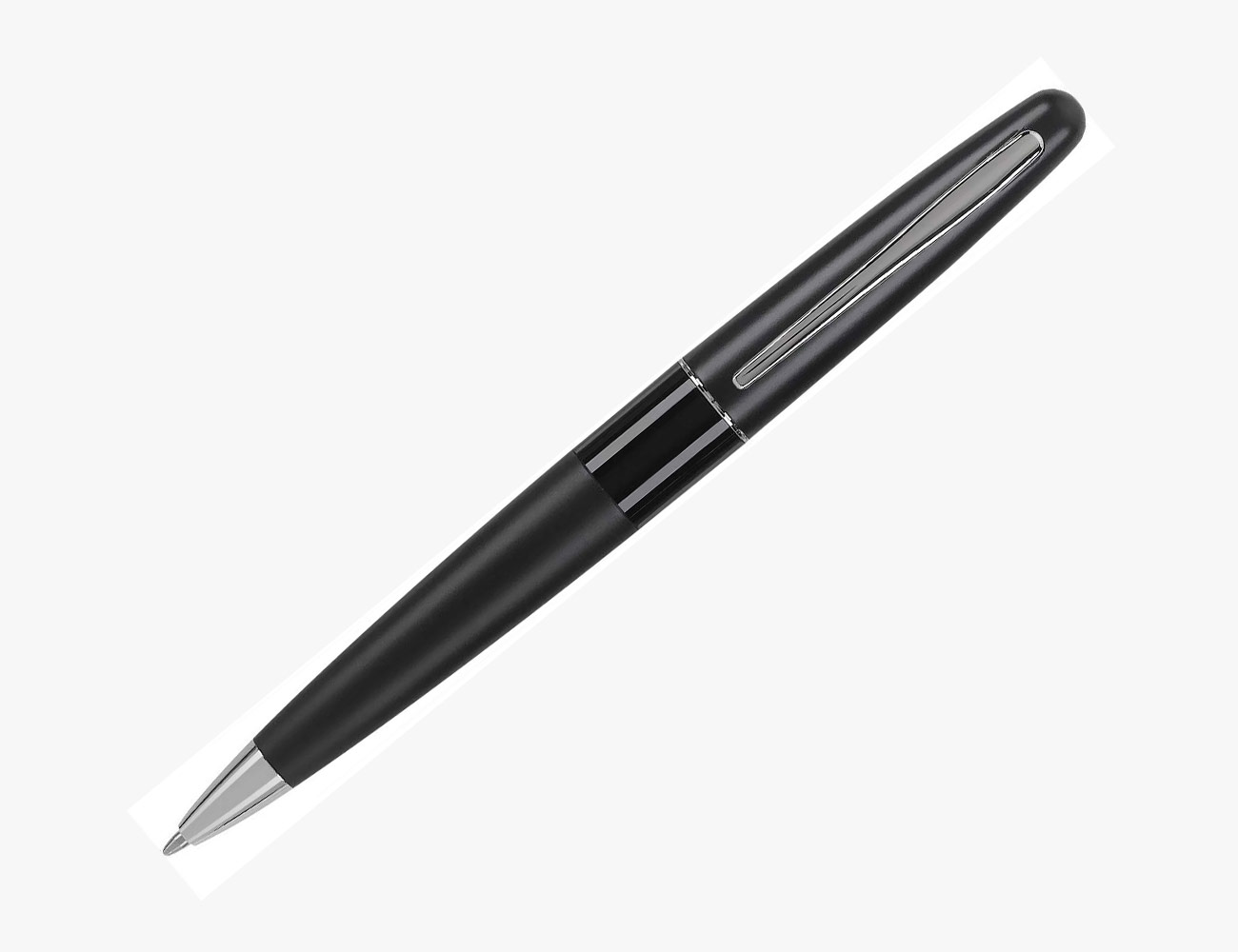
Pilot Metropolitan

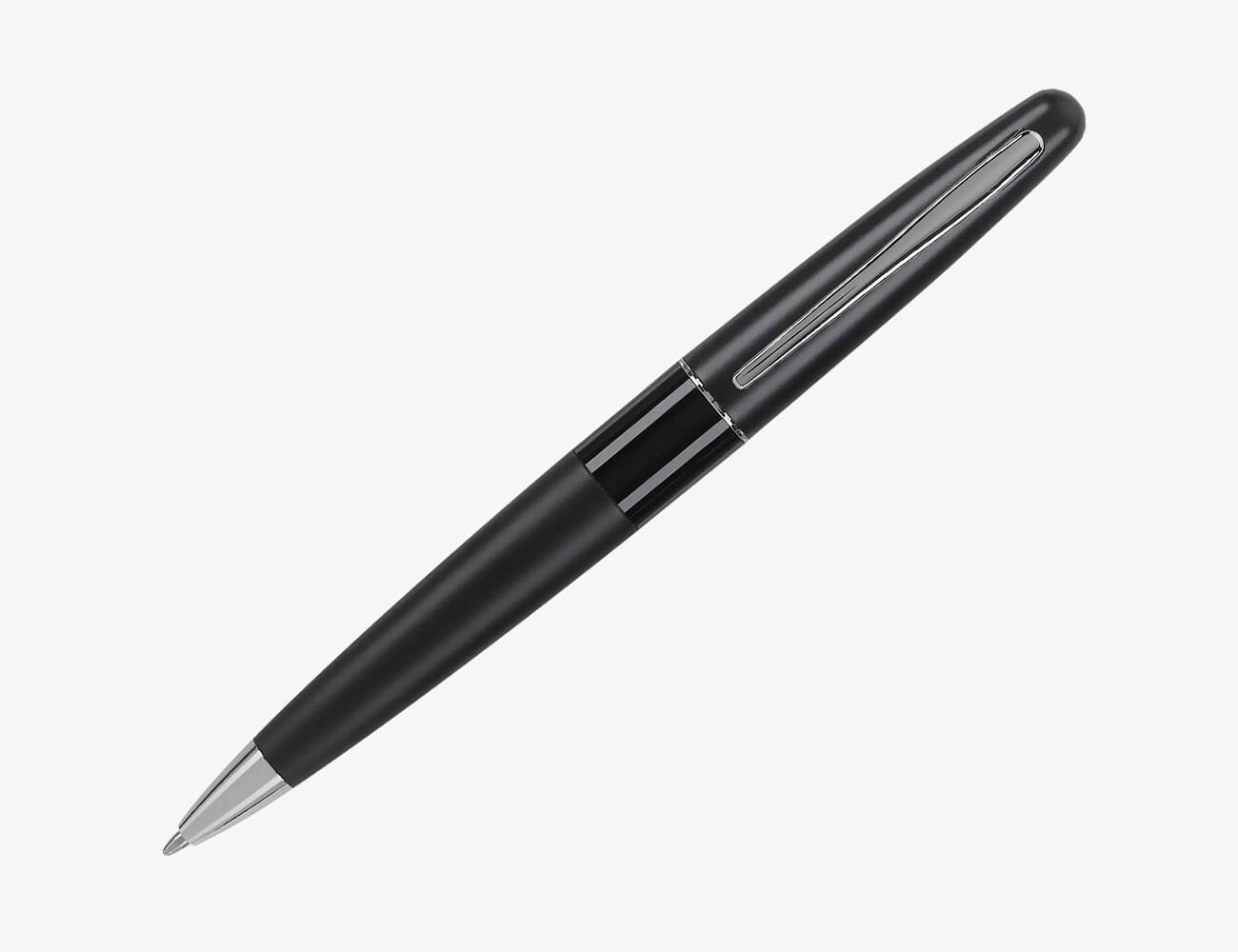
Pilot’s Metropolitain is better known as an entry-level fountain pen, but it comes in a ballpoint guise, too. The body is thick and round, not all dissimilar from something you’d expect to see on an ‘80s executive’s desk, but the variety of monochrome matte finishes makes it look and feel more appropriate for the 21st century. The body is made from brass so it’s weighty; a good thing if you tend to write with a heavy hand.

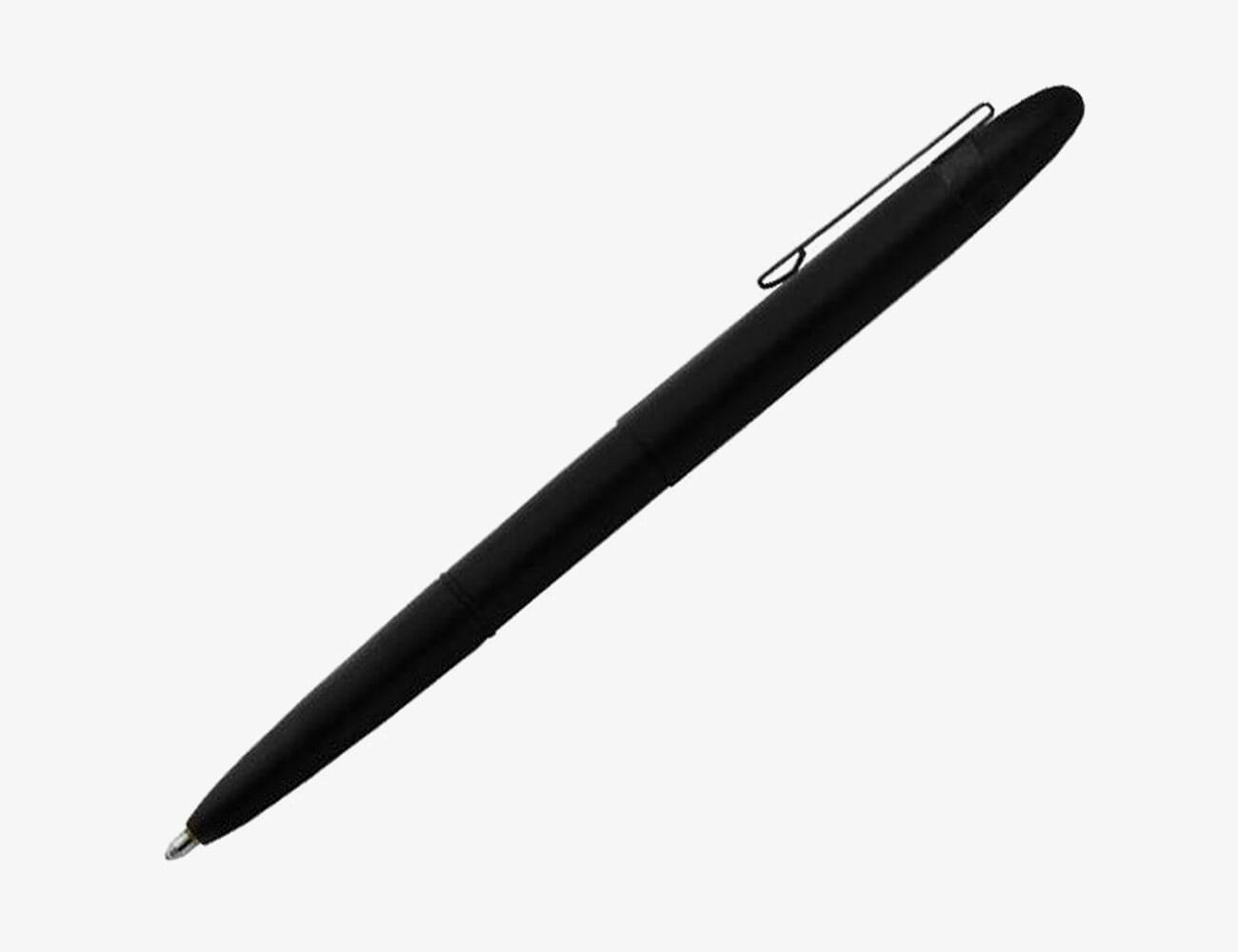
Fisher Space Pen

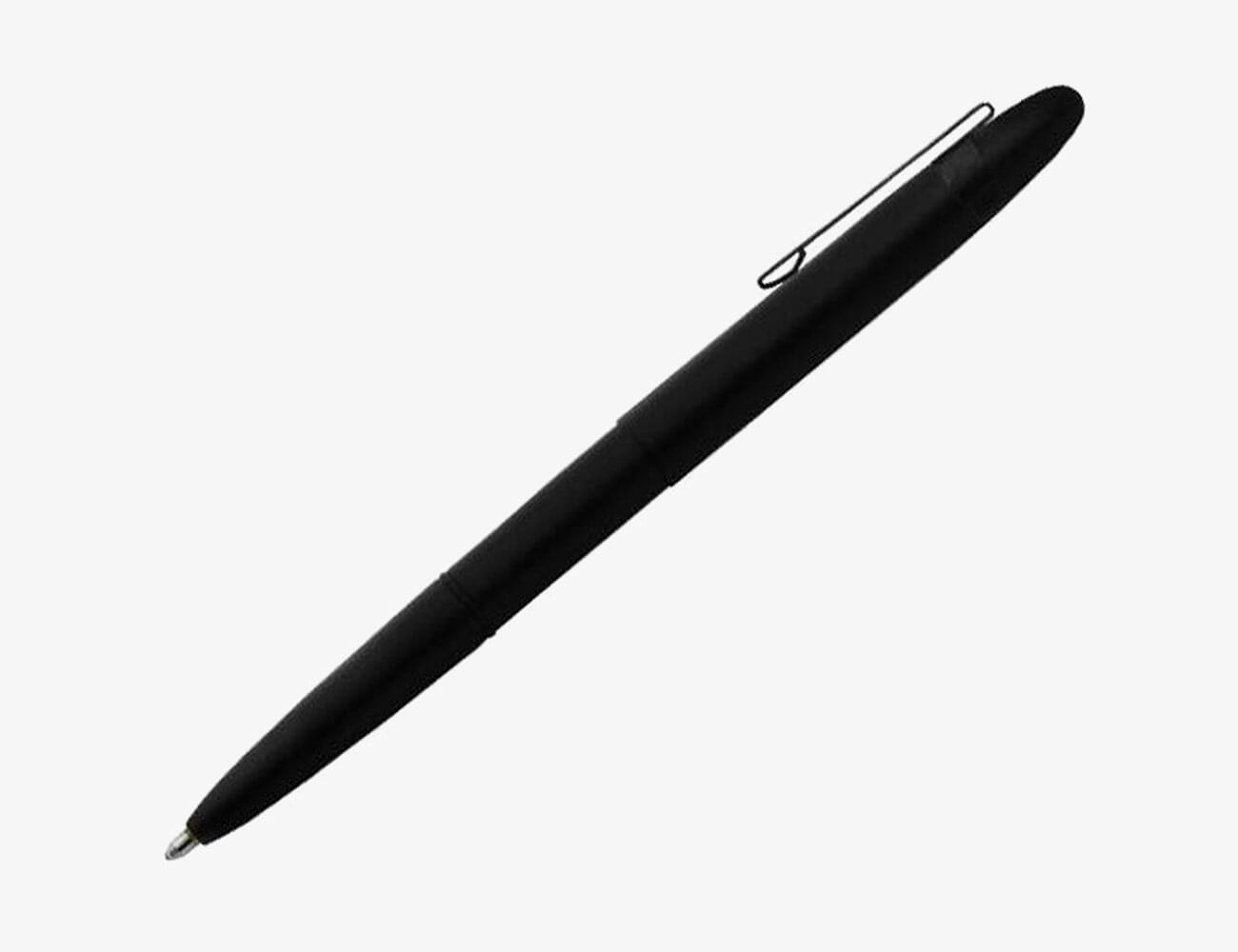
You don’t need to be a certifiable pen dork to know the story of the Fisher Space Pen: developed in the 1960s, it was designed to write in zero gravity for astronauts. You’ll never go to space, but it’s nice to know that if Elon Musk’s idea for a moon colony pans out (it won’t) that at the very least you can write with it in any situation, in any orientation, on any surface. That makes it particularly suitable for EDC types who find themselves jotting notes anywhere that isn’t a flat desktop.

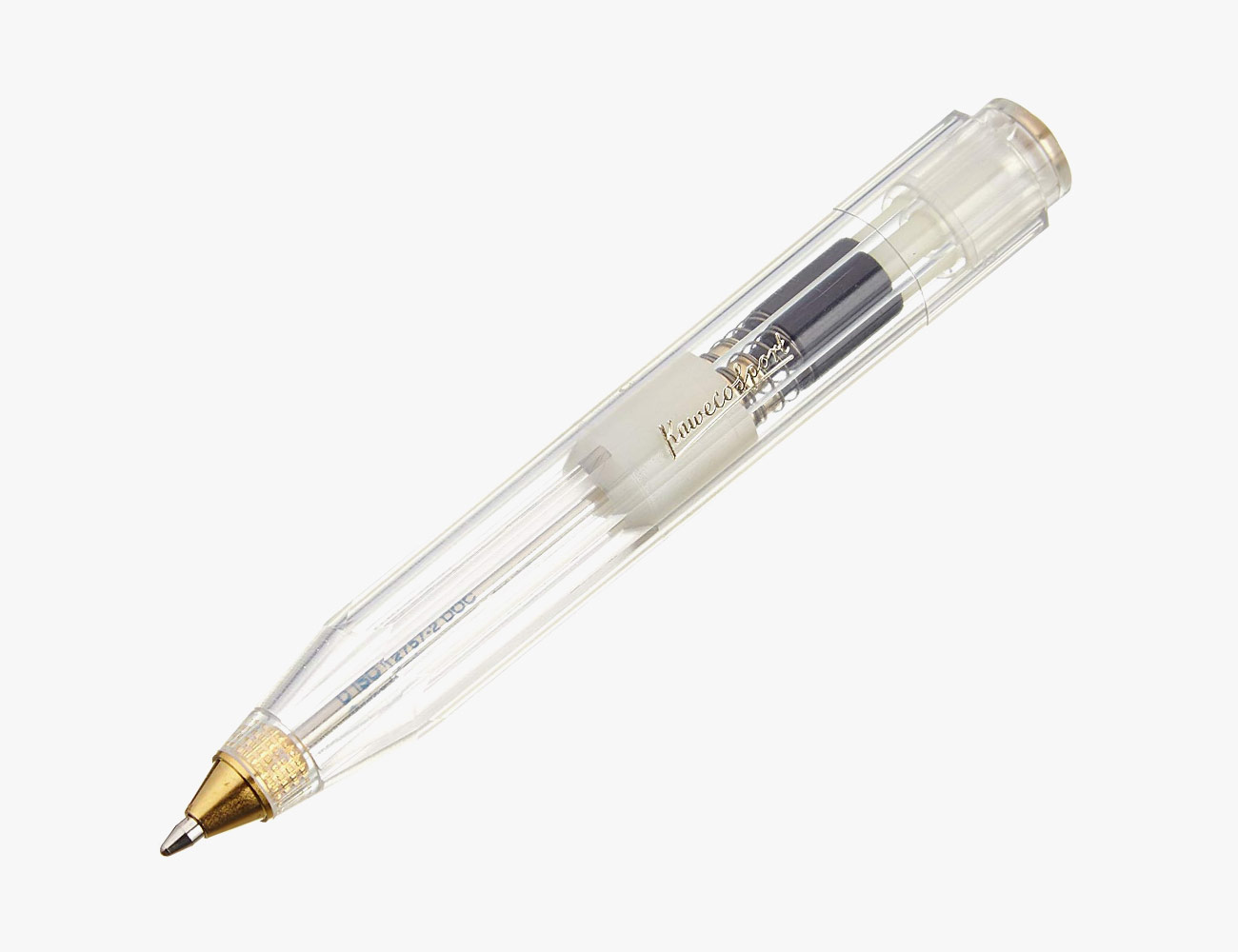
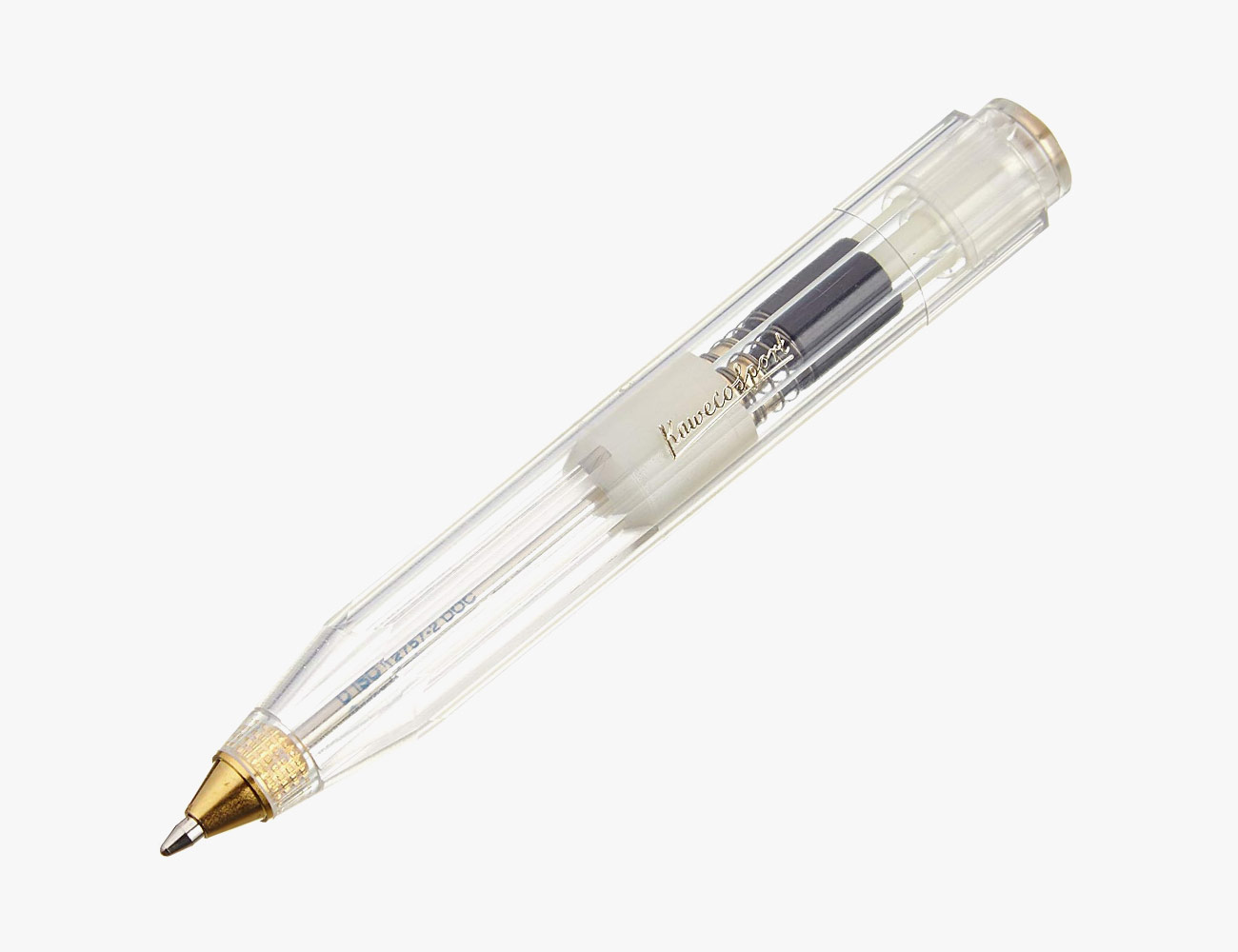
Kaweco Classic Sport Ballpoint

Like the Metropolitan, Kaweco’s Classic Sport is well known as a cheap fountain pen, but the ballpoint version is not to be slept on. Like it’s nibbed brethren, the fuselage is thick, hexagonal and made from a thick, durable plastic. Yes, it lacks the metallic composition of other pens on this list, but it allows for a girthy body without excessive weight and means you can opt for a clear variant if you appreciate the transparency of the BIC Cristal. It will also accommodate a massive amount of refills — Jet Pen, for instance, lists a whopping 77 cartridges that are compatible.

Note: Purchasing products through our links may earn us a portion of the sale, which supports our editorial team’s mission. Learn more here.

The Best Upgrades to Your Cheap, Disposable Pens Are Surprisingly Affordable

There are three inevitabilities we will experience during our time on this mortal coil: we are born, we will die, and sometime in between, we will use a BIC Cristal pen. The company claims to have sold over 100 billion of dirt-cheap pen since the design launched in 1950.

Despite its humble price, the Cristal is a bonafide design icon. The pen is on permanent display at the Museum of Modern Art and was revolutionary for its time. The hexagonal shape, modeled after a wooden pencil, provided better grip and wouldn’t roll from a tabletop. And assuming you could hold on to one long enough to be concerned about it running out of ink, the transparent fuselage easily showed the user how much ink was left inside. Few manage such a feat. This is the downfall of the BIC Cristal.

Cheap, disposable pens can bring out a lot of bad habits. We lose them, we chew on them and we toss them in the trash without a second thought. This is before considering that the cheap pen, while plenty useful, isn’t all that special to write with.

Enter, the moderate upgrade. We’re not talking three-figure Montblanc’s and gold-nibbed Parkers. There is a whole world of high-end ballpoints under the $20 mark. A fair bit more than a $3 package of BIC Cristals, for sure, but between their high-quality builds and refillable cartridges, they’ll last you eons longer. These are the best upgrades to your cheap pen collection.

OHTO Horizon

OHTO was established in Japan in 1929 and started making ballpoints 20 years later, so even if you haven’t heard of it, know it isn’t a spring chicken when it comes to the writing utensil game. OHTO’s well-known for making fine-tipped writers (including the absurdly slim Minimo), and the Horizon is no different coming stock with a 0.7mm tip and cartridge nestled in its sleek, aluminum barrel. Better still is the fact that the pen will take a multitude of cartridge refills, including Pilot’s Hi-Tec-C, revered among pen nerds for its smooth, consistent writing action and needle-thin tip.

Caran d’Ache 849

The Caran d’Ache 849 shares the BIC Cristal’s hexagonal fuselage, which gives it a similarly comfortable grip, but the aluminum construction is more durable and more satisfying to hold than the BIC’s cheap plastic. The overall effect is sleek, and since the 849 is Caran d’Ache’s mainstay products — it was introduced in 1969 — there are endless colors and finishes to choose from. One of the calling cards of the 849 is its stainless-steel “Goliath” cartridge, which the brand claims is good for 8,000 meters, or nearly five miles of writing line.

Pilot Metropolitan

Pilot’s Metropolitain is better known as an entry-level fountain pen, but it comes in a ballpoint guise, too. The body is thick and round, not all dissimilar from something you’d expect to see on an ‘80s executive’s desk, but the variety of monochrome matte finishes makes it look and feel more appropriate for the 21st century. The body is made from brass so it’s weighty; a good thing if you tend to write with a heavy hand.

Fisher Space Pen

You don’t need to be a certifiable pen dork to know the story of the Fisher Space Pen: developed in the 1960s, it was designed to write in zero gravity for astronauts. You’ll never go to space, but it’s nice to know that if Elon Musk’s idea for a moon colony pans out (it won’t) that at the very least you can write with it in any situation, in any orientation, on any surface. That makes it particularly suitable for EDC types who find themselves jotting notes anywhere that isn’t a flat desktop.

Kaweco Classic Sport Ballpoint

Like the Metropolitan, Kaweco’s Classic Sport is well known as a cheap fountain pen, but the ballpoint version is not to be slept on. Like it’s nibbed brethren, the fuselage is thick, hexagonal and made from a thick, durable plastic. Yes, it lacks the metallic composition of other pens on this list, but it allows for a girthy body without excessive weight and means you can opt for a clear variant if you appreciate the transparency of the BIC Cristal. It will also accommodate a massive amount of refills — Jet Pen, for instance, lists a whopping 77 cartridges that are compatible.

Note: Purchasing products through our links may earn us a portion of the sale, which supports our editorial team’s mission. Learn more here.

The Best Way to Keep Coffee Fresh Is Secretly the Easiest

Coffee can be supremely confusing. It is the seed of a fruit that grows off an exceptionally finicky plant, which itself roots in hard-to-access parts of the world. Once the seed is obtained, it’s bagged and freighted thousands of miles to a roaster cooks it using a combination of math and feel. Then it is ground and brewed into coffee, both tasks that require a cupboard’s worth of gear.

The reality is that this gear controls very few of the variables that determine the quality of this coffee. Three things to keep in mind: your grinder and grind level, the brewing style and when it is you brew that seed into something drinkable. The latter is easiest to gloss over, and, according to Peter Giuliano, research director at the Specialty Coffee Association, perhaps the most misunderstood.

“There isn’t a perfect, catch-all way to describe how long coffee is going to be good for, really, because there are far too many variables to consider. But we do know the primary causes of coffee going stale,” Giuliano said. Here’s what you need to know about keeping coffee fresher for longer, according to experts.

Coffee Goes Bad in Two Ways

The gist, says Giuliano and the team behind the SCA’s new Coffee Freshness Handbook, is that coffee loses quality (a word many science-types balk at, as it’s often viewed as a subjective quality) by de-gassing and growth of “undesirable compounds.”

Prior to roasting, coffee beans carry the same level of carbon dioxide as the air around you; but once roasted, up to two percent of each bean’s weight may be carbon dioxide. Gas begins leaking from the bean the moment roasting ends, and the release of this gas leads to the loss of the coffee’s aromatics (also called volatile organic compounds) and the oxidization of the beans. The bad flavors that crop up are a result of age and oxidization.

You Might Want to Leave the Coffee in the Bag

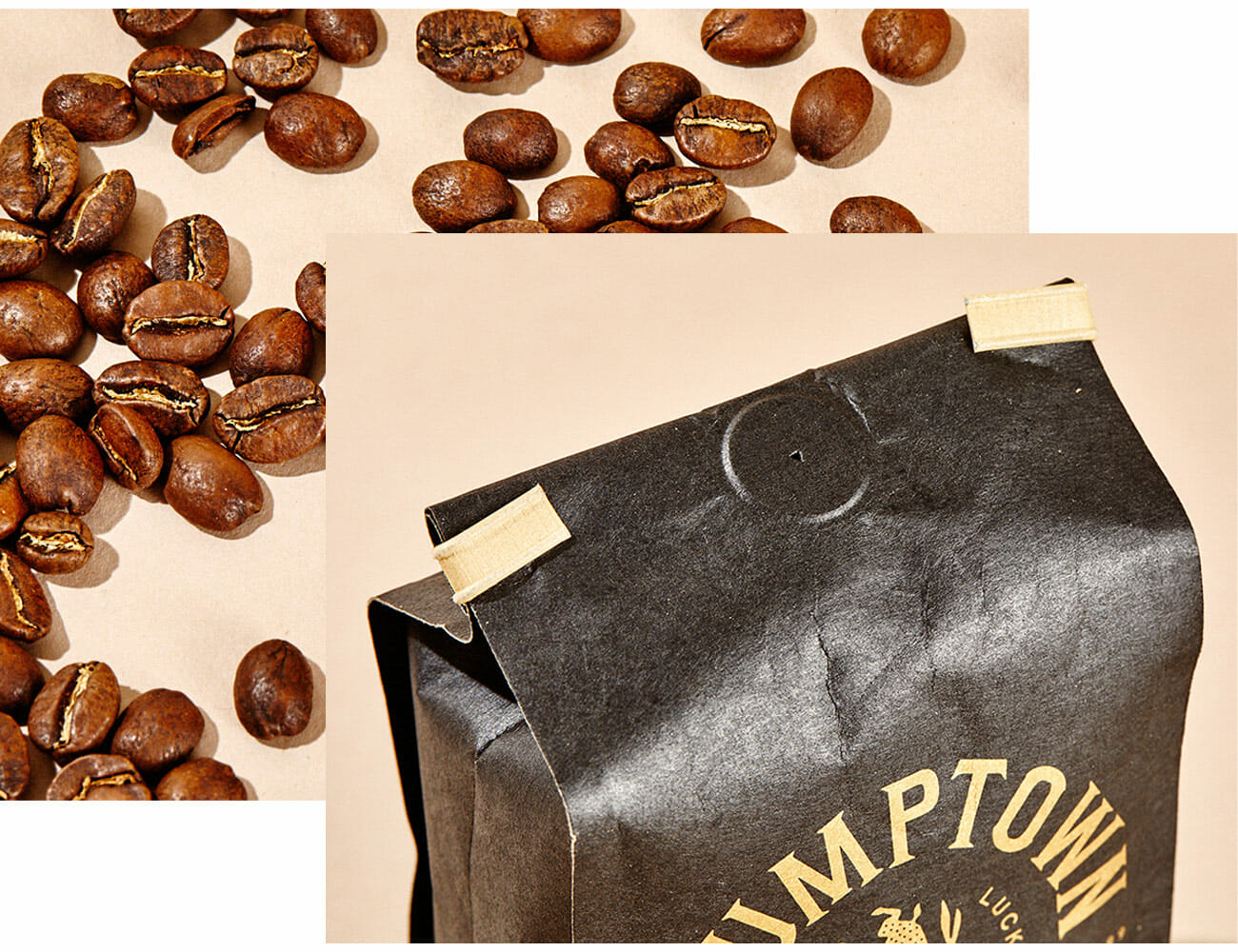
Oxygen is the ultimate enemy of coffee beans, which is why most bags of coffee nowadays feature a small valve hole. This one-way hole is for de-gassing carbon dioxide to escape (so the bag doesn’t inflate and explode), and doesn’t allow oxygen into the bag. This means that the bag is primarily filled with carbon dioxide making its way out of the bag, and very, very little oxygen.

According to Giuliano, the carbon dioxide in the bag even acts like a “blanket” to cover the beans for oxygen, and that even if you’re re-opening the bag to make coffee, you aren’t losing much carbon dioxide. “If you dump all the beans into a new container — which contains oxygen — you are basically disposing of that valuable C02 blanket, and replacing it with oxygen-containing atmosphere,” Giuliano said. The effect of vacuum containers which remove the air from the interior of the canister, like Fellow’s new Atmos canister, remain untested, according to Giuliano.

Coffee Stays Fresh for Two Weeks

Generally speaking, drinking coffee within two weeks of it being roasted is best, Giuliano said. “It degrades very quickly after that. Certainly, by three months, the coffee is fully stale. However, these numbers change dramatically depending on packaging material and atmosphere.”

These Pots and Pans Were Designed to Teach You How to Cook

Cookware brand Equal Parts isn’t trying to make peak performance cooking equipment. It doesn’t want to be a direct-to-consumer All-Clad and it doesn’t make a big deal of how much money you save buying directly from them. Instead, Equal Parts, the first brand under the Pattern umbrella, makes pots, pans and kitchen gear for people who don’t know the difference between a sauté pan and a skillet.

Pattern co-founder and chief creative officer Emmett Shine and Equal Parts general manager Tyler Sgro started with a simple task: create a cookware company that got people who aren’t cooking into the kitchen.

“Not a lot of people actually know what poaching is versus frying, searing, blanching and so on. If you didn’t grow up in a kitchen, those things are intimidating,” Shine said. “What does the home cook want? What’s something they’re actually going to use?”

The culmination of years of research, data collecting and testing, Equal Parts’ beginner-friendly cookware collections are here.

Equal Parts murdered-out “Big Pan” in action.

Sgro and Shine say every feature is tied to pain point with traditional cookware. The cookware is aluminum because it’s lighter and heats faster than steel, and it’s coated in a ceramic mixture that cleans up easily and heats evenly. Everything from the pots and pans to the mixing bowls are designed to nest, making cabinet space less of an issue, and every item is dishwasher-safe. Even the vocabulary is edited for simplicity — “big pan” instead of sauté pan, “small pot” in place of saucier.

The brand even goes as far as offering an 8-week text-based “coaching” package with every cookware set. Buyers can text coaches cooking-related questions seven days a week, from simple recipe queries to custom meal advice based on what ingredients are on hand.

“Our intention was not to be another pro-sumer brand, it was to focus on the millions and millions of young adults in America who have worked hard, live in a space that’s not as big as they’d like and have less skill in the kitchen than they’d prefer,” Shine said.

Equal Parts products are available in sets starting at $249. Sets may include anything from a few pieces of ceramic-coated aluminum cookware or an entire kitchen suite.

These Pots and Pans Are for People Who Don’t Know How to Cook

Cookware brand Equal Parts isn’t trying to make peak performance cooking equipment. It doesn’t want to be a direct-to-consumer All-Clad and it doesn’t make a big deal of how much money you save buying directly from them. Instead, Equal Parts, the first brand under the Pattern umbrella, makes pots, pans and kitchen gear for people who don’t know the difference between a sauté pan and a skillet.

Pattern co-founder and chief creative officer Emmett Shine and Equal Parts general manager Tyler Sgro started with a simple task: create a cookware company that got people who aren’t cooking into the kitchen.

“Not a lot of people actually know what poaching is versus frying, searing, blanching and so on. If you didn’t grow up in a kitchen, those things are intimidating,” Shine said. “What does the home cook want? What’s something they’re actually going to use?”

The culmination of years of research, data collecting and testing, Equal Parts’ beginner-friendly cookware collections are here.

Equal Parts murdered-out “Big Pan” in action.

Sgro and Shine say every feature is tied to pain point with traditional cookware. The cookware is aluminum because it’s lighter and heats faster than steel, and it’s coated in a ceramic mixture that cleans up easily and heats evenly. Everything from the pots and pans to the mixing bowls are designed to nest, making cabinet space less of an issue, and every item is dishwasher-safe. Even the vocabulary is edited for simplicity — “big pan” instead of sauté pan, “small pot” in place of saucier.

The brand even goes as far as offering an 8-week text-based “coaching” package with every cookware set. Buyers can text coaches cooking-related questions seven days a week, from simple recipe queries to custom meal advice based on what ingredients are on hand.

“Our intention was not to be another pro-sumer brand, it was to focus on the millions and millions of young adults in America who have worked hard, live in a space that’s not as big as they’d like and have less skill in the kitchen than they’d prefer,” Shine said.

Equal Parts products are available in sets starting at $249. Sets may include anything from a few pieces of ceramic-coated aluminum cookware or an entire kitchen suite.

Why Every Kitchen Absolutely Needs a Set of Japanese Water Stones

In the last five years, Jimmy Papadopolous has earned an Eater Chef of the Year award in Chicago, a Zagat ’30 Under 30′ designation and various ‘Best New Restaurant’ awards for his 2017 opening of Bellemore in Chicago’s West Loop neighborhood. Papadopolous describes the restaurant, a temple of dark woods, woven cane chairs and brass, as “artistic American.” From $30 whetstones to $2,000 vacuum sealers, here are four things he couldn’t cook without.

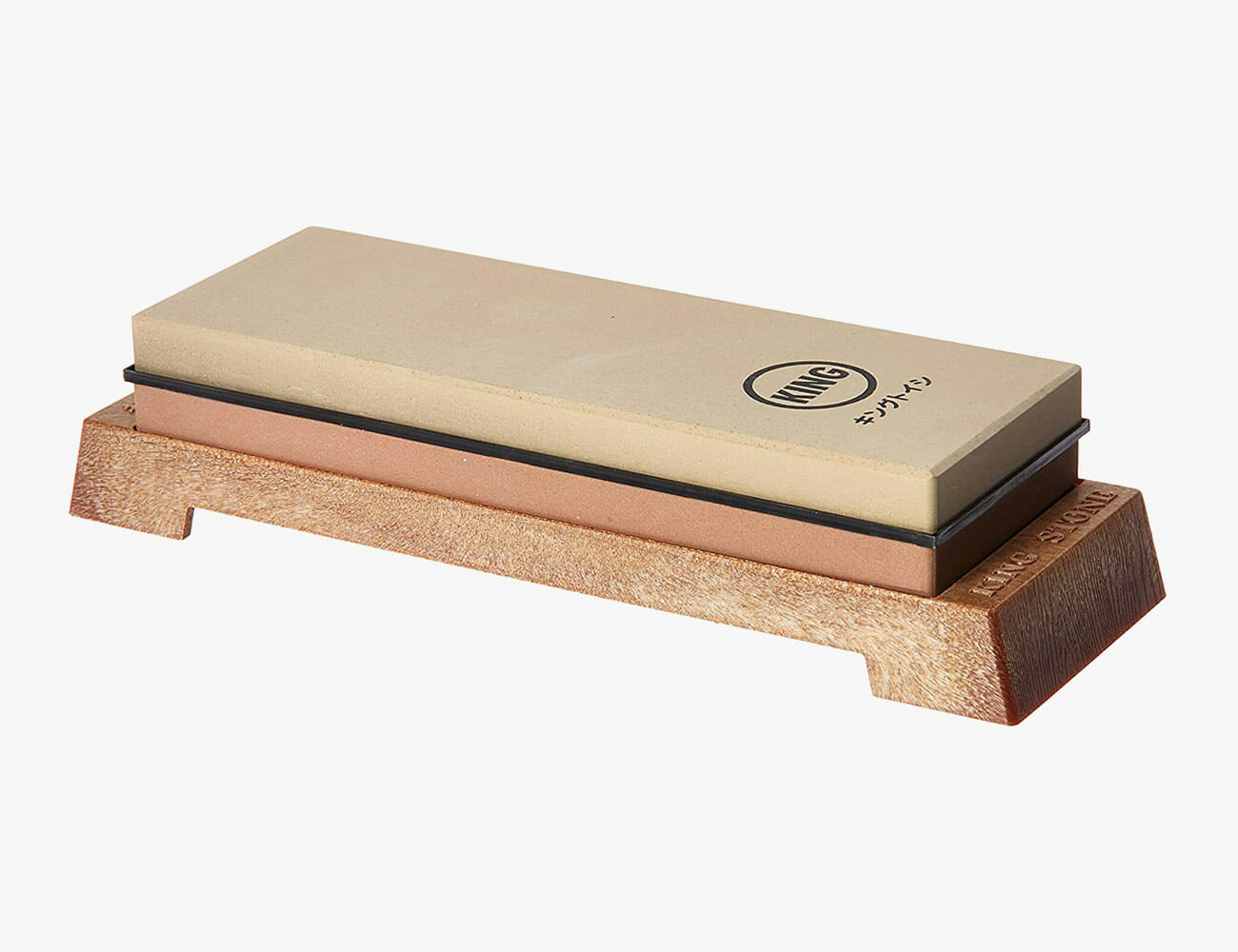
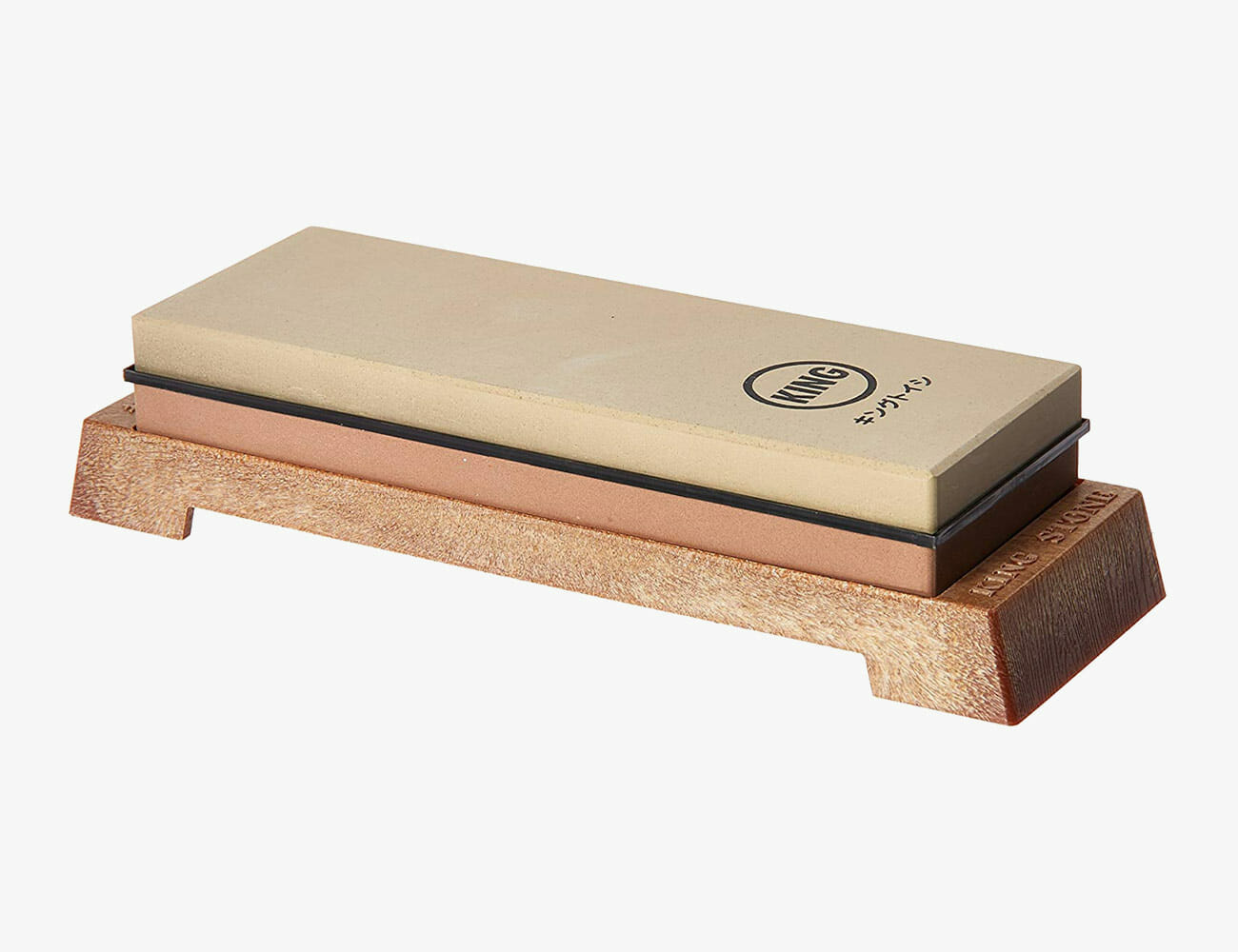
Japanese Water Stones

“I have long built my knife kit over my career to where it is. Collecting one of the most important and basic tools to great cooking; a knife. Right behind having a knife, the second most important thing is keeping it sharp. I like sharpening my knives to the point of being able to shave the hair off the back of my hand with a single stroke — a feat that wouldn’t be as easily attainable without the technique and skill that comes from mastering Japanese water Stones.

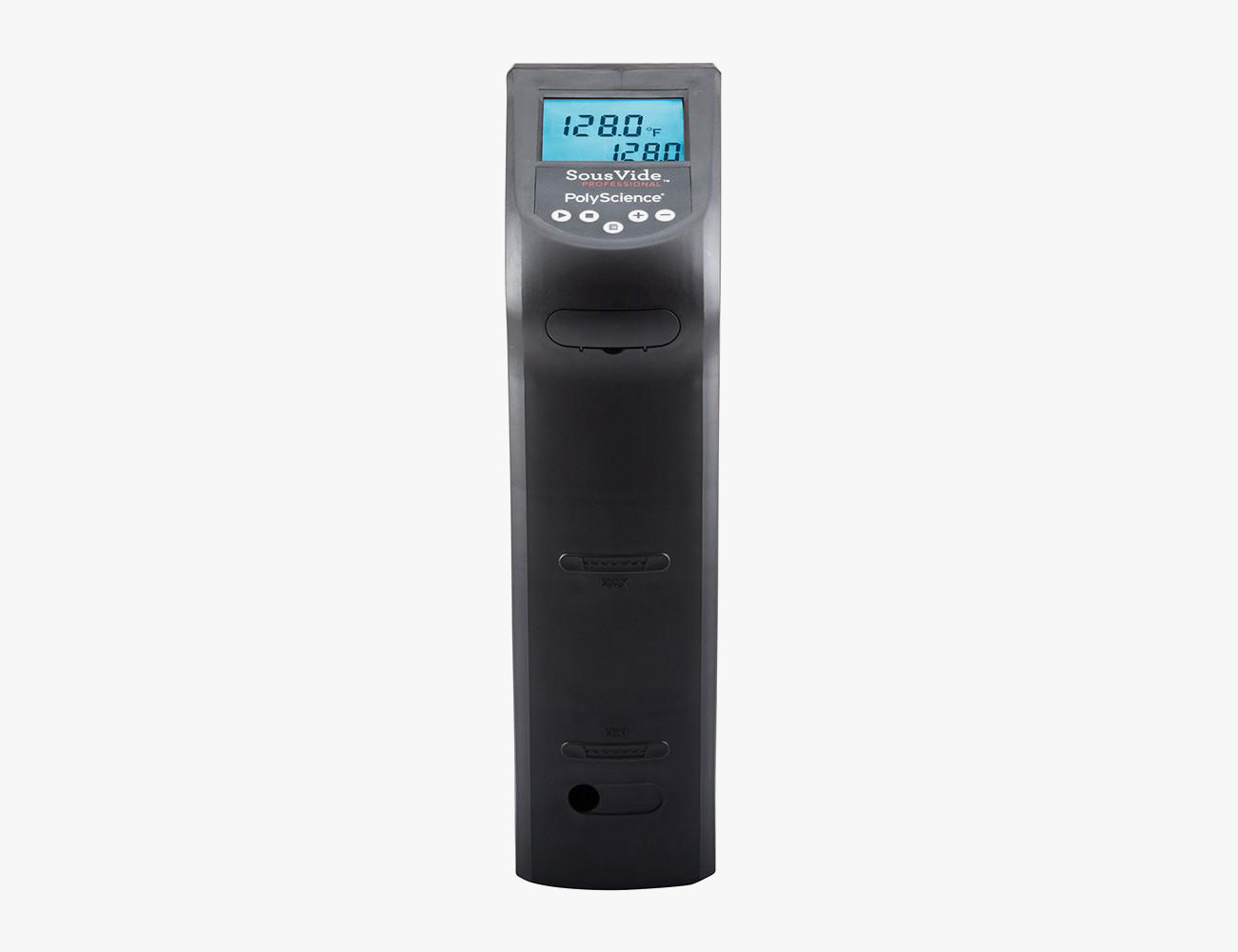
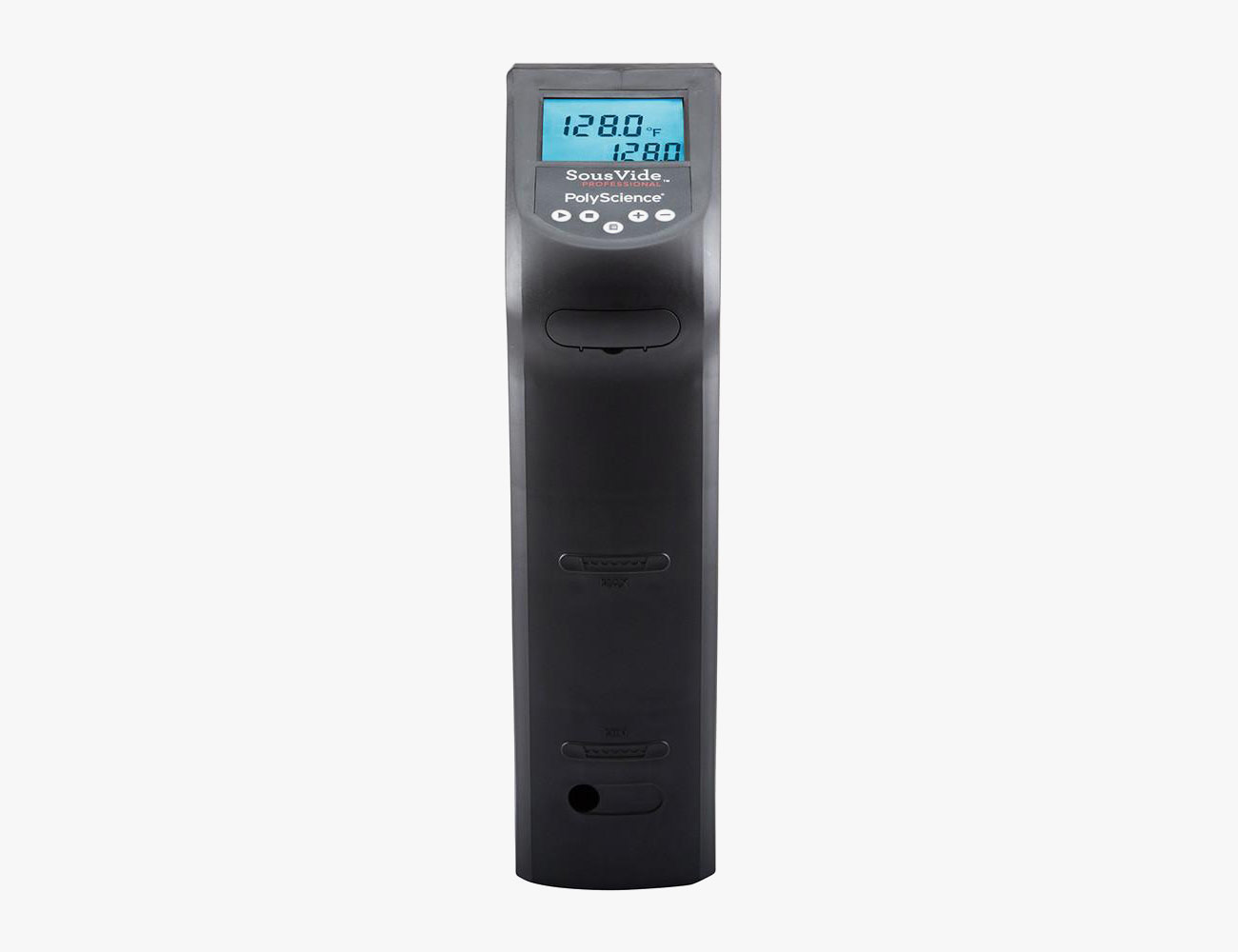
Polyscience Immersion Circulator

“I cannot stress enough how convenient, precise and how much these machines shrink the margin of human error in professional and home kitchens alike. An absolute must in my kitchen.”

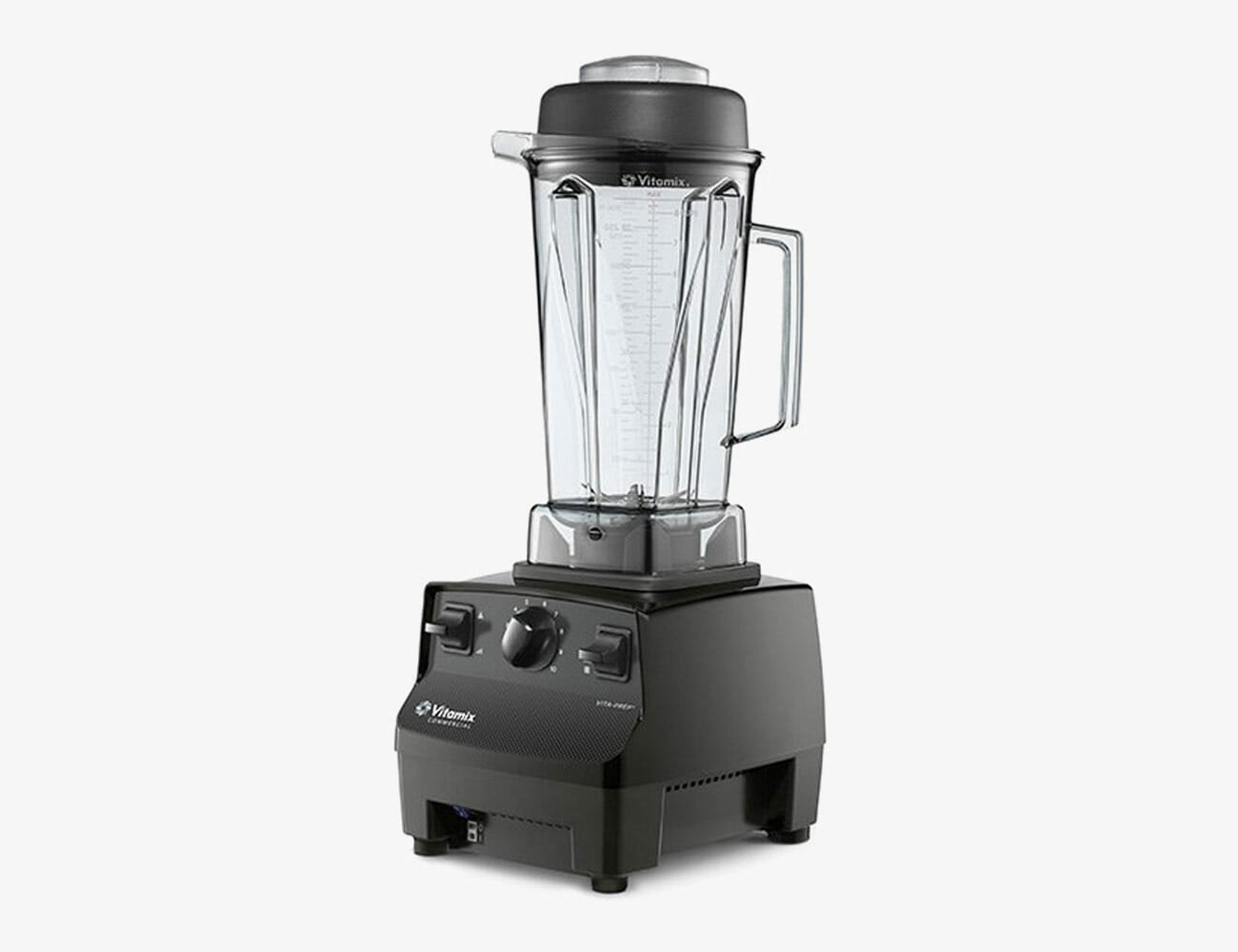
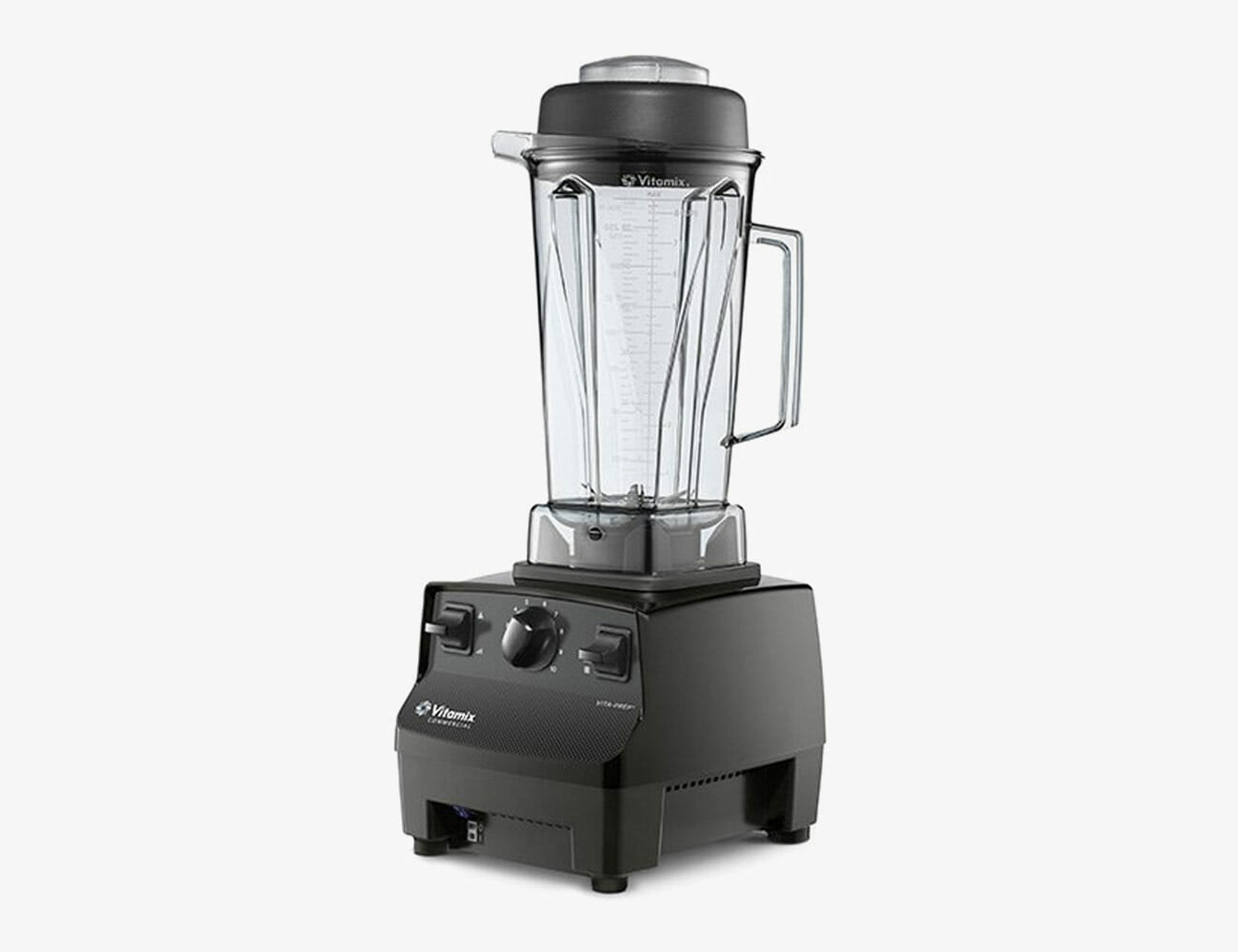
Vita Prep Blender

“They literally can turn a brick to dust. Well, I have never tried to powder a brick in one so, not literally. But they are amazingly versatile. From silky purées, to powders, to emulsifications, my kitchen could not function without one.”

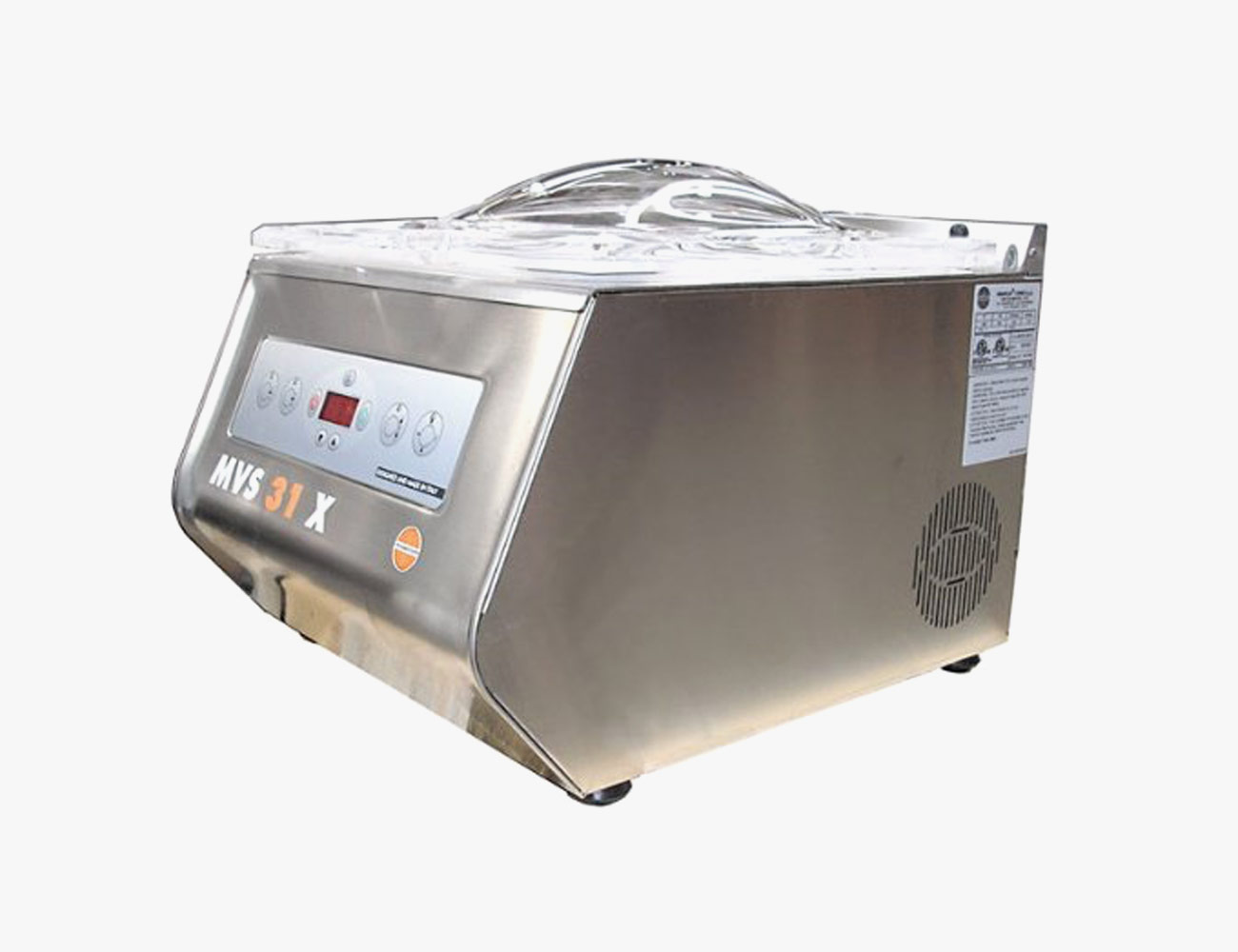
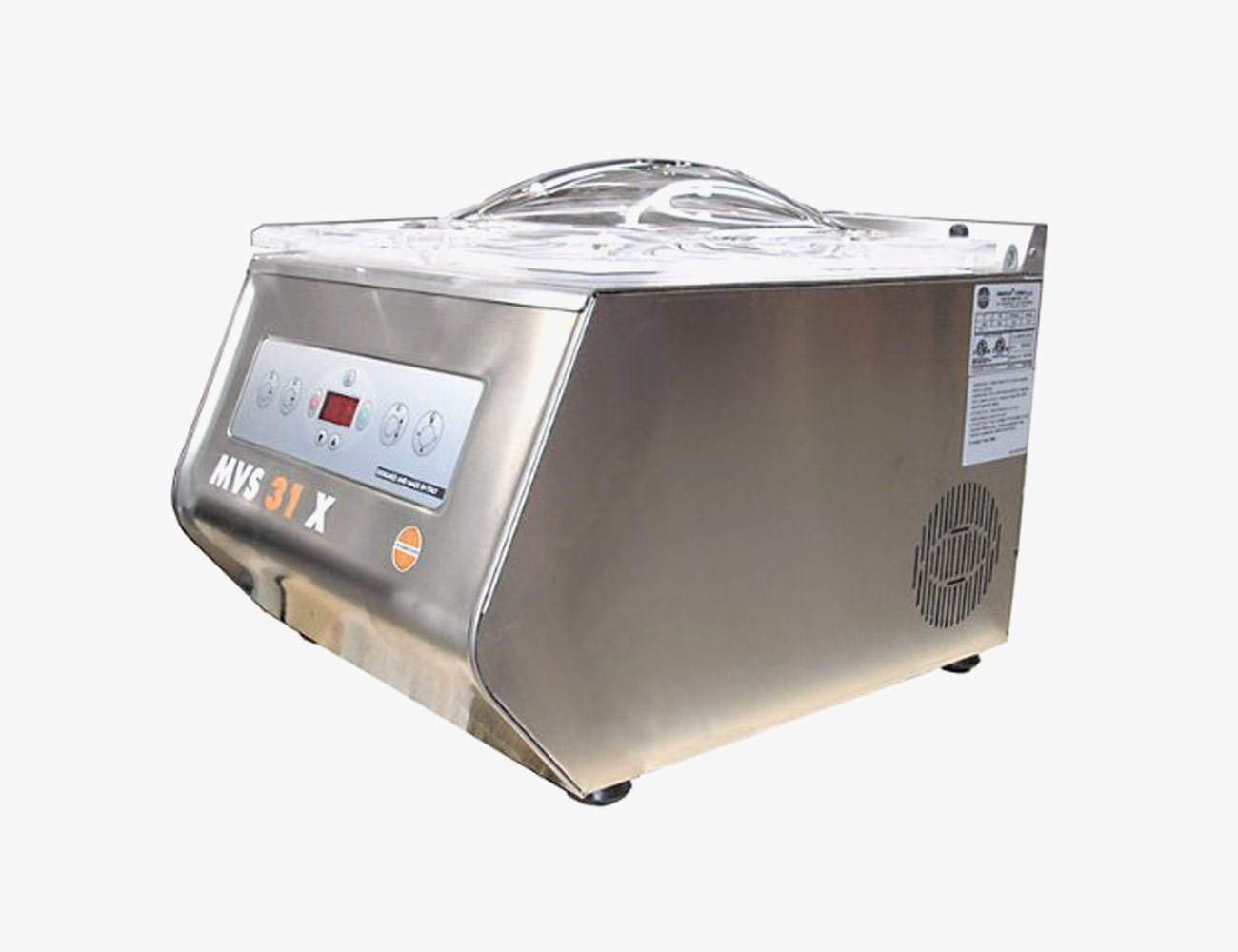
Minipack Vacuum Sealer

“One of the best inventions ever. Vacuum sealers have become complete commonplace in professional kitchens — I could not picture our kitchen functioning without one. From cooking sous vide to tight storage of all prepared food products, a vacuum sealer is an absolute essential.”

More Chef-Approved Kitchen Gear

From a lava stone molcajete to a disposable thermometer to a very, very old-school pasta maker, these four professional chefs reflect on the gear they couldn’t do their jobs without. Read the Story
Note: Purchasing products through our links may earn us a portion of the sale, which supports our editorial team’s mission. Learn more here.

Why Every Kitchen Absolutely Needs a Vacuum Sealer

In the last five years, Jimmy Papadopolous has earned an Eater Chef of the Year award in Chicago, a Zagat ’30 Under 30′ designation and various ‘Best New Restaurant’ awards for his 2017 opening of Bellemore in Chicago’s West Loop neighborhood. Papadopolous describes the restaurant, a temple of dark woods, woven cane chairs and brass, as “artistic American.” From $30 whetstones to $2,000 vacuum sealers, here are four things he couldn’t cook without.

Japanese Water Stones

“I have long built my knife kit over my career to where it is. Collecting one of the most important and basic tools to great cooking; a knife. Right behind having a knife, the second most important thing is keeping it sharp. I like sharpening my knives to the point of being able to shave the hair off the back of my hand with a single stroke — a feat that wouldn’t be as easily attainable without the technique and skill that comes from mastering Japanese water Stones.

Polyscience Immersion Circulator

“I cannot stress enough how convenient, precise and how much these machines shrink the margin of human error in professional and home kitchens alike. An absolute must in my kitchen.”

Vita Prep Blender

“They literally can turn a brick to dust. Well, I have never tried to powder a brick in one so, not literally. But they are amazingly versatile. From silky purées, to powders, to emulsifications, my kitchen could not function without one.”

Minipack Vacuum Sealer

“One of the best inventions ever. Vacuum sealers have become complete commonplace in professional kitchens — I could not picture our kitchen functioning without one. From cooking sous vide to tight storage of all prepared food products, a vacuum sealer is an absolute essential.”

More Chef-Approved Kitchen Gear

From a lava stone molcajete to a disposable thermometer to a very, very old-school pasta maker, these four professional chefs reflect on the gear they couldn’t do their jobs without. Read the Story
Note: Purchasing products through our links may earn us a portion of the sale, which supports our editorial team’s mission. Learn more here.

This Modern, Minimalist Take on a Desk Pen Is the First of Its Kind

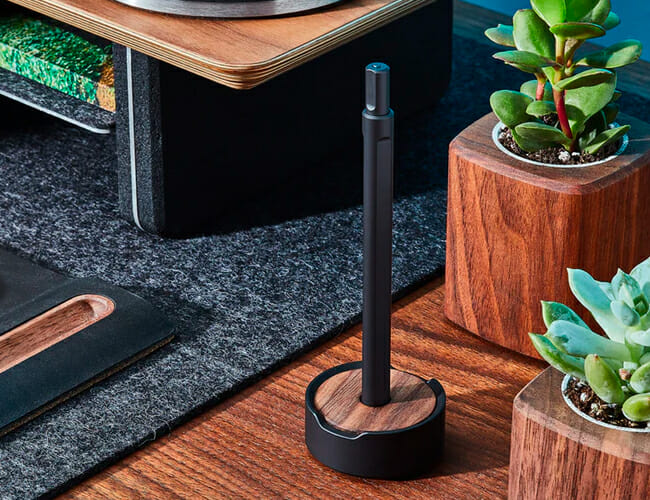
Grovemade CEO and co-founder Ken Tomita takes no issue with cheap pens — he appreciates Pilot G-2s and Muji gel pens as much as the next guy; but in Tomita’s vision of the perfect workspace, disposable pens felt out of place. After four years of starting, iterating, giving up and starting over, Tomita and team made their own replacement. The Grovemade Desk Pen, a pen meant to stay put in one spot, is here.

The pen is available in a matte black finished aluminum or a heavier, glossier brass and start at $50. The two said the idea of a desk pen — a pen that’s left on a desk for display, notetaking, signing documents and so on — hadn’t dawned upon them until they looked through the results of a customer survey that asked past customers to send photos of their workspaces in.

Tomita said the photos were full of put-together workspaces and not-so-nice pens. “You know how there are these nice t-shirts now that cost like $70 and last five times as long? It’s kind of a leap until you’ve gone to that level and realize what you’re missing out on. I’ve never had a nice pen before the one we made,” he said.

The Grovemade Desk Pen in ceramic-coated aluminum.

The final product is a weighty, twist-action pen made from billets of aluminum or brass run through a Swiss Screw Machine. It features a satisfying snap when the action completes and the pen tip is in place, and three facets that provide a better grip and ensure it can’t roll off the desk. Also to ensure it doesn’t roll off the desk, pens can be purchased with pen stands made of the same material as the pen, with hardwood inlays and a cork base. Plus, the pen insert itself is a Schmidt Rollerball P8126, a refill well known in pen geekdom.

Tomita recognizes his pen is never going to be the one pen for all people — he says that’s an impossible task to place on a designer. Instead, it’s a minimal, idiosyncratic take on a bygone category. They’re available now starting at $50.

Four Years in the Making, This Minimalist Pen Is the First of Its Kind

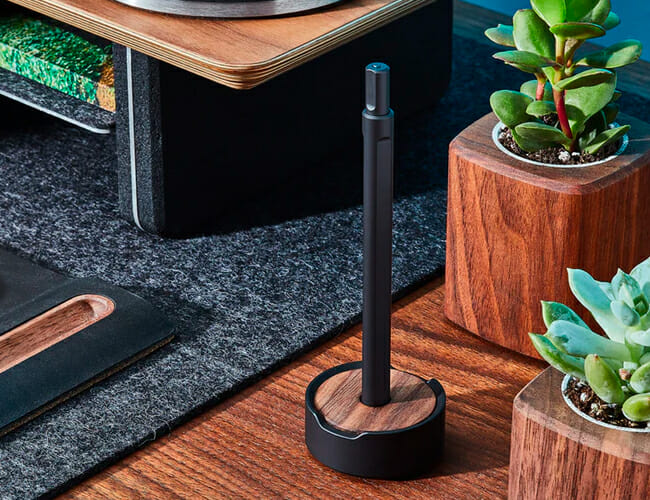
Grovemade CEO and co-founder Ken Tomita takes no issue with cheap pens — he appreciates Pilot G-2s and Muji gel pens as much as the next guy; but in Tomita’s vision of the perfect workspace, disposable pens felt out of place. After four years of starting, iterating, giving up and starting over, Tomita and team made their own replacement. The Grovemade Desk Pen, a pen meant to stay put in one spot, is here.

The pen is available in a matte black finished aluminum or a heavier, glossier brass and start at $50. The two said the idea of a desk pen — a pen that’s left on a desk for display, notetaking, signing documents and so on — hadn’t dawned upon them until they looked through the results of a customer survey that asked past customers to send photos of their workspaces in.

Tomita said the photos were full of put-together workspaces and not-so-nice pens. “You know how there are these nice t-shirts now that cost like $70 and last five times as long? It’s kind of a leap until you’ve gone to that level and realize what you’re missing out on. I’ve never had a nice pen before the one we made,” he said.

The Grovemade Desk Pen in ceramic-coated aluminum.

The final product is a weighty, twist-action pen made from billets of aluminum or brass run through a Swiss Screw Machine. It features a satisfying snap when the action completes and the pen tip is in place, and three facets that provide a better grip and ensure it can’t roll off the desk. Also to ensure it doesn’t roll off the desk, pens can be purchased with pen stands made of the same material as the pen, with hardwood inlays and a cork base. Plus, the pen insert itself is a Schmidt Rollerball P8126, a refill well known in pen geekdom.

Tomita recognizes his pen is never going to be the one pen for all people — he says that’s an impossible task to place on a designer. Instead, it’s a minimal, idiosyncratic take on a bygone category. They’re available now starting at $50.

Chef-Approved Kitchen Tools: A Whole Hog Roaster, Mexican Beer & More

Rick Ortiz is the chef and owner of Antique Taco, a three-location string of Mexican restaurants in Chicago, Illinois. Ortiz’s background, like his restaurant, is a deep mix of high- and low-brow sensibility — the chef worked at two Michelin-starred Relais Sainte Victoires and in the kitchens of Chicago’s Soldier Field. These are four of his favorite pieces of cooking gear.

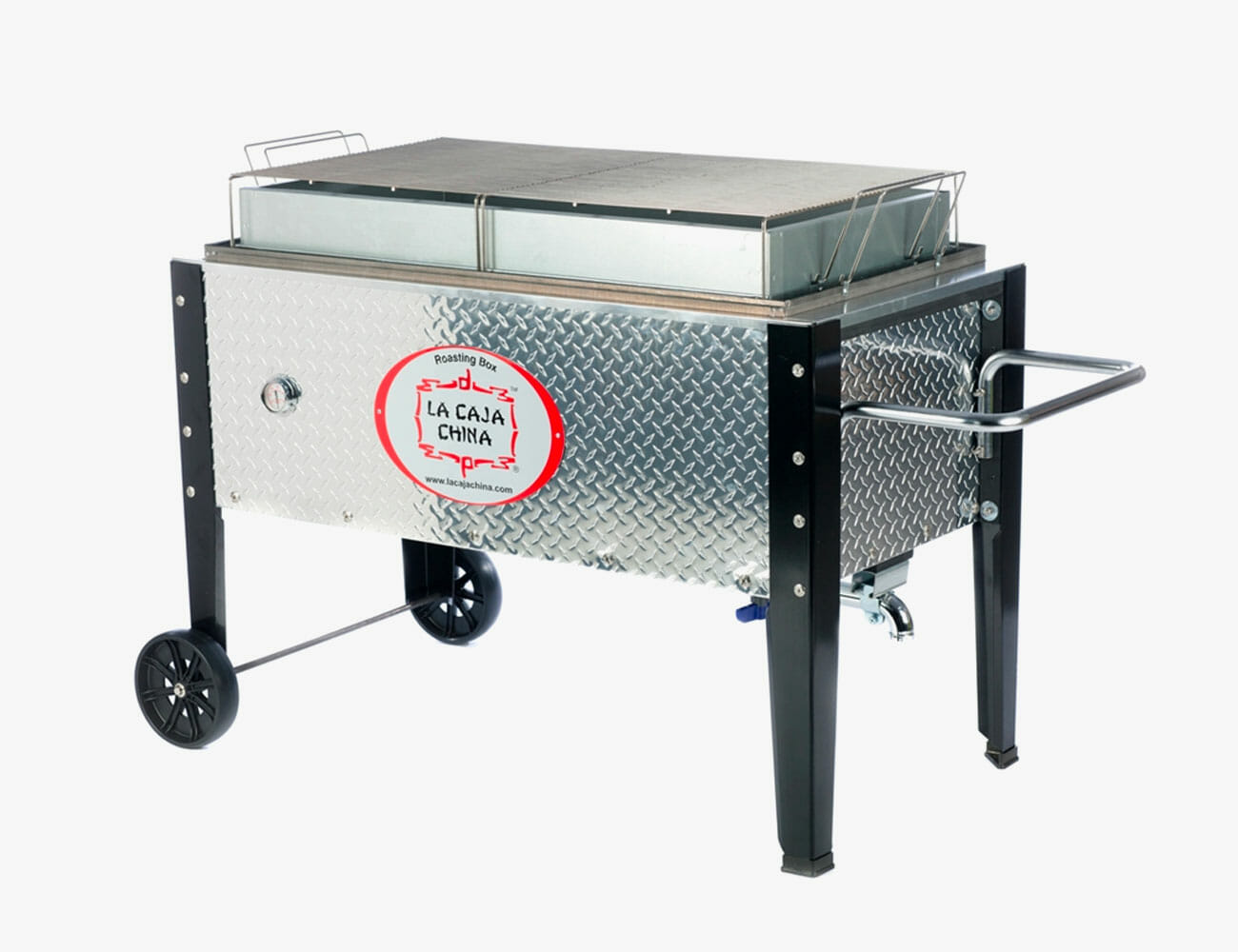
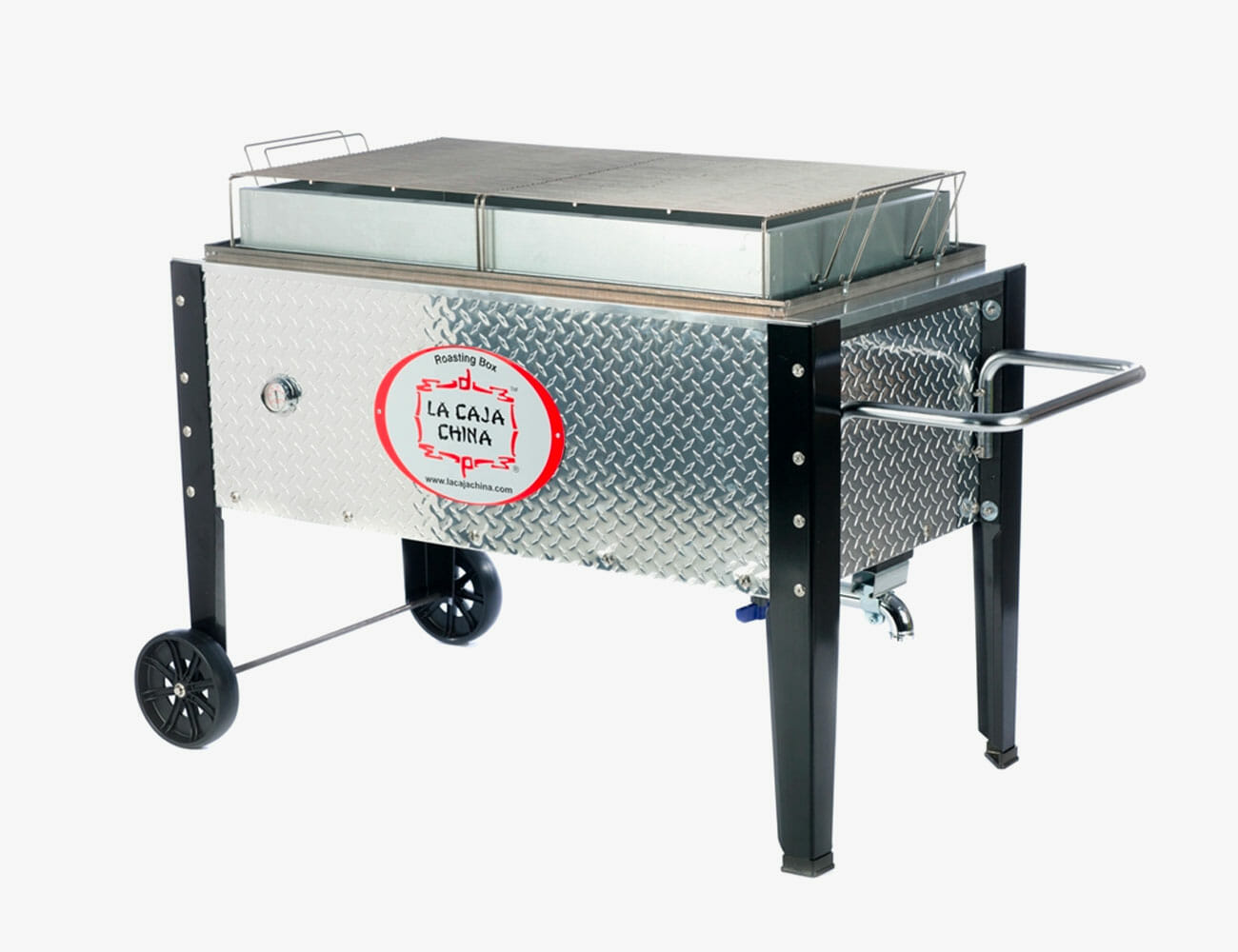
La Caja China Roaster

“I love my Caja China. It took some time and some pointers to get it right, but I continue to learn more and more of its many uses. It is great for cooking for family and friends in your backyard or at outdoor events. We’ve cooked cochinita pibil low and slow and turkeys for Thanksgiving dinner. I like to use the exposed hot charcoal or wood embers on top for direct cooking a pot of frijoles charros or posole. Be sure to add the grill grate attachment to cook your favorite Vegetables. I love it for elotes with spicy mayo, grated Parmesan and a sprinkle of ground champulines (grasshoppers).”

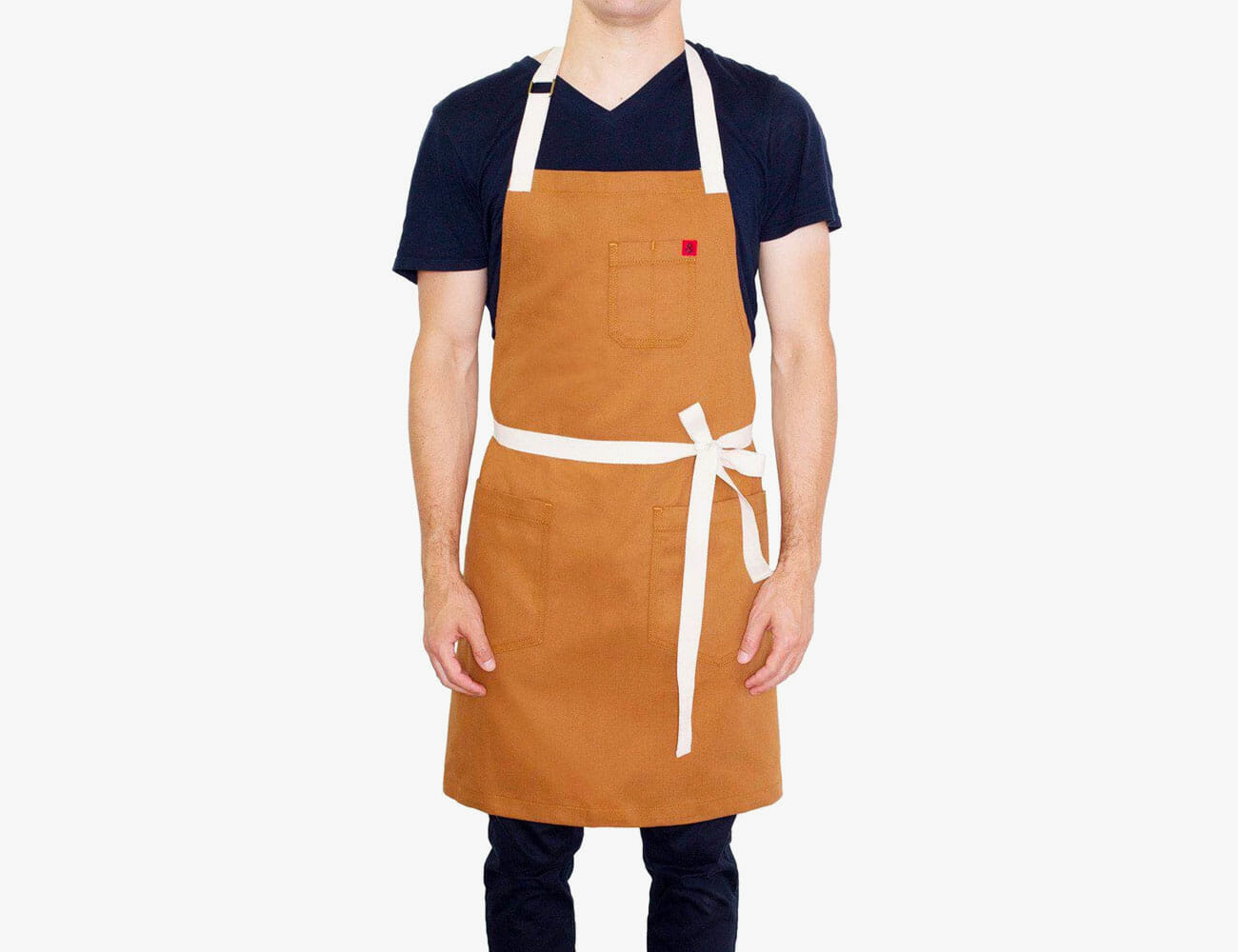
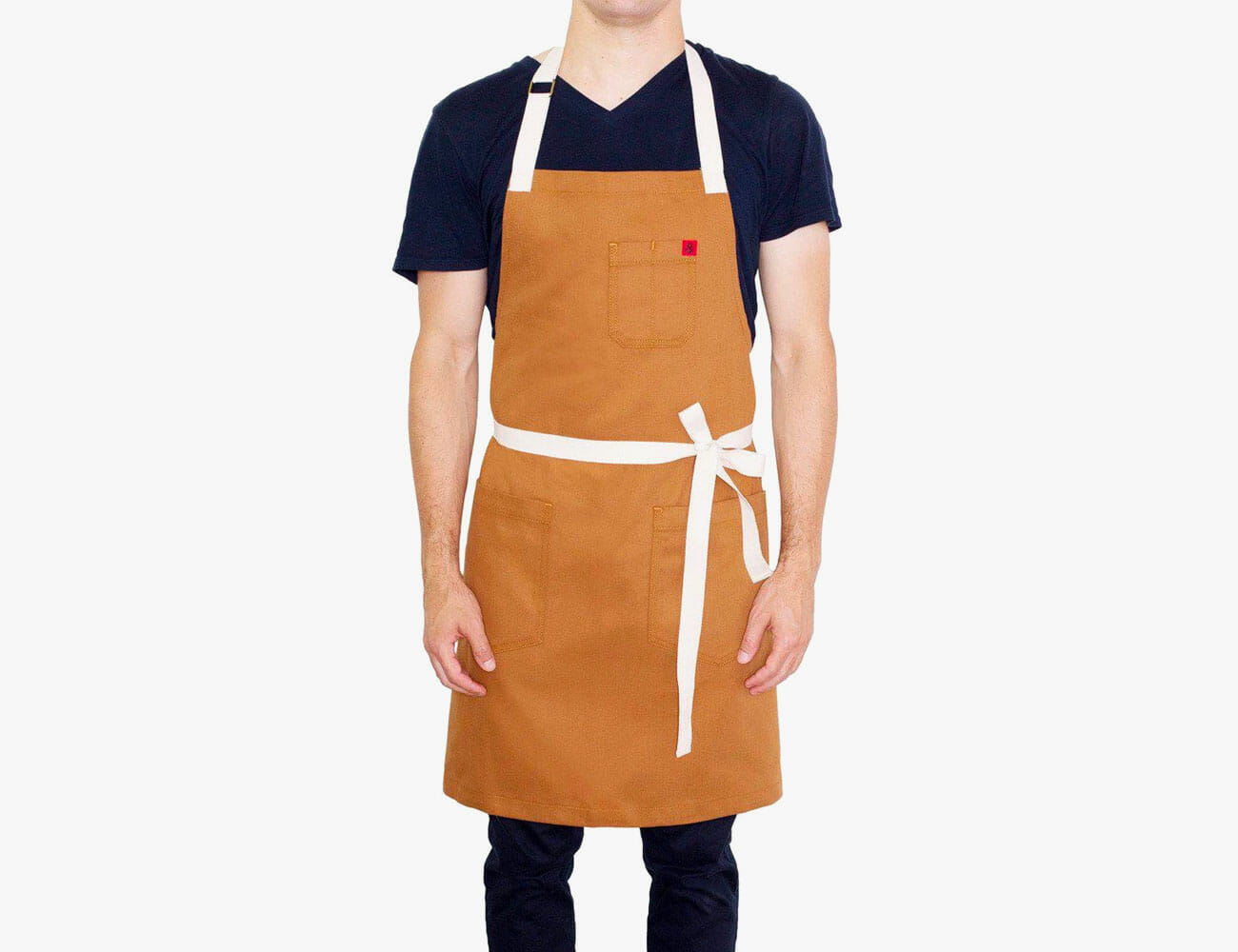
Hedley & Bennett Aprons

“I’m also obsessed with my Hedley & Bennett Aprons. I have quite a few. They are comfortable and hold up to the wear and tear of the kitchen or just make you feel fresh. I have one for each season and for different types of work. I have a few brighter and lighter Hedley’s for the spring and summer when I am cooking carne asada or seafood over a hot grill, and darker heavier thread Hedley’s for the fall and winter when we are making hot caldos and smoking meats.”

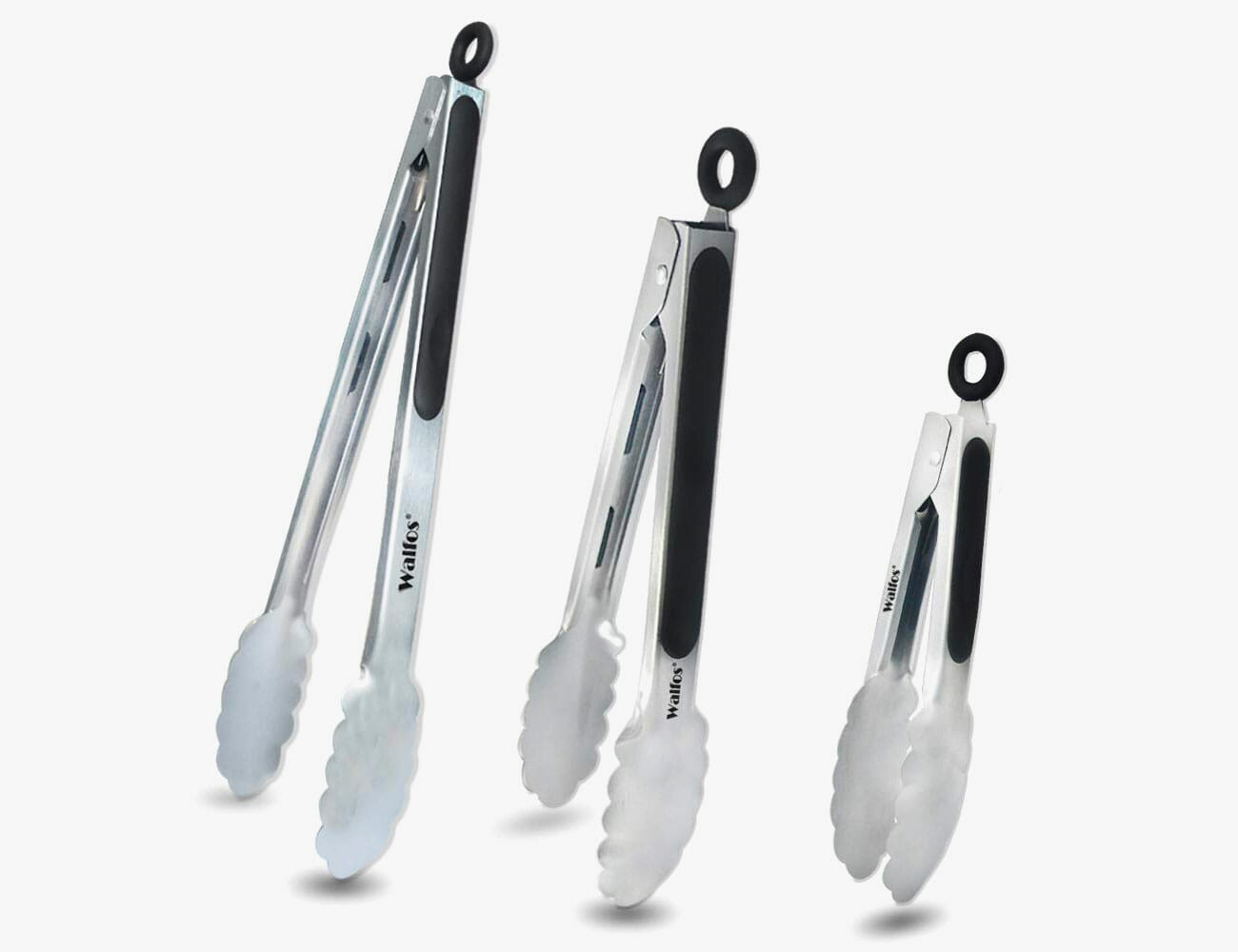
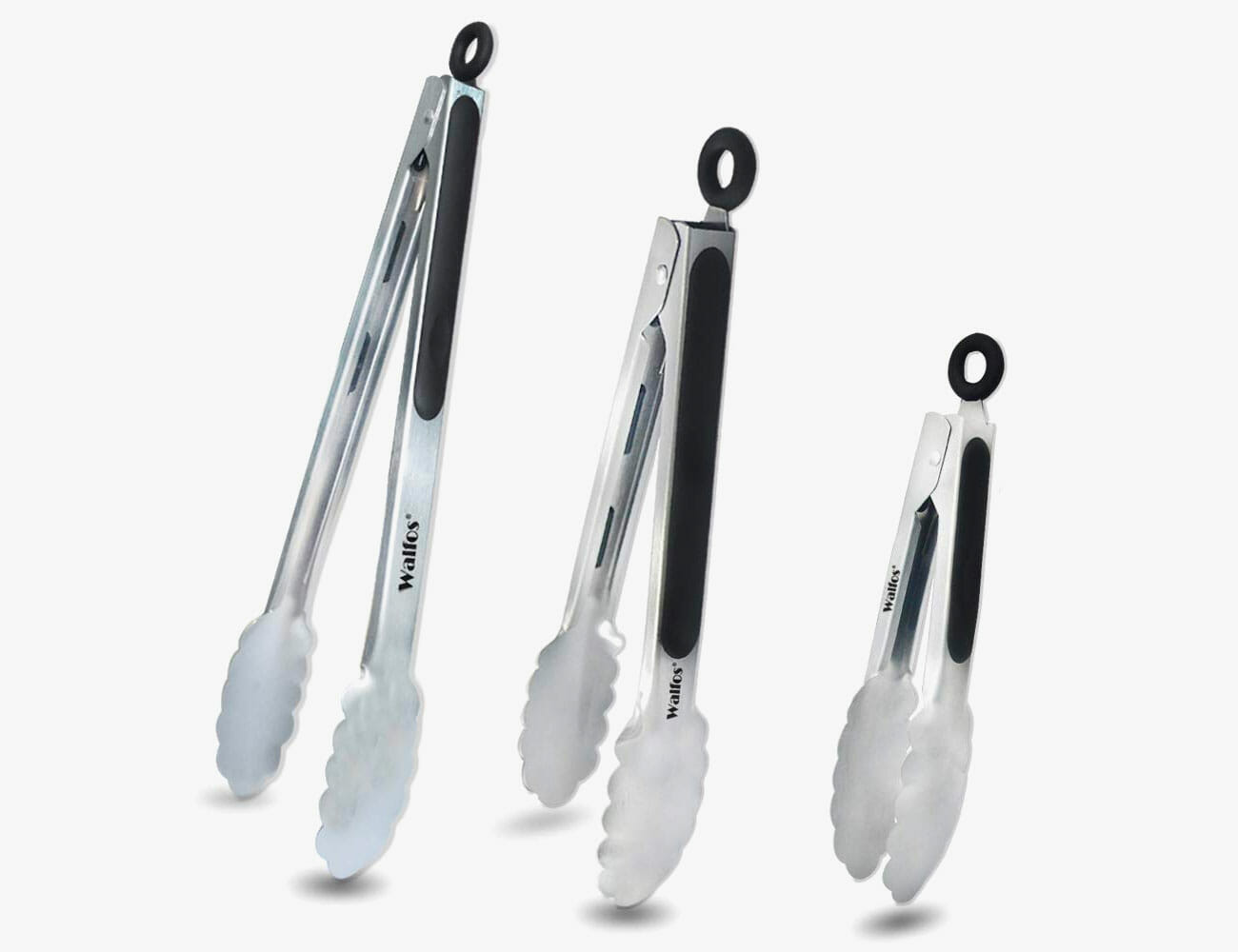
Three-Pack of Tongs

“The tool I use most frequently are my tongs. Small, medium and long should do the trick. I use small tongs for garnishing, medium tongs for serving vegetables and proteins and long tongs for cooking over high heat. If you have a hot pot with handles and one side towel you can use your tongs to hold the other handle. You can use your tongs to spread out the hot charcoal and wood. If you use your tongs enough they eventually become an extension of yourself.”

5 Rabbit Beer

“My favorite ingredient is beer. Not just any beer but 5 Rabbit Beer. 5 Rabbit is an artisan latino cerveceria in Bedford Park, Illinois. I like to use it in my Marinades and for finishing sauces and beans. The 5 Lizard Cerveza helps make a great brine for chicken cooked asado style and their Xicago is great for rounding out beans and guisados. Enjoy one or two while you cook. It makes everything taste better.”

More Chef-Approved Kitchen Gear

From a lava stone molcajete to a disposable thermometer to a very, very old-school pasta maker, these four professional chefs reflect on the gear they couldn’t do their jobs without. Read the Story
Note: Purchasing products through our links may earn us a portion of the sale, which supports our editorial team’s mission. Learn more here.

Tools Chefs Love: A Whole Hog Roaster, Mexican Beer & More

Rick Ortiz is the chef and owner of Antique Taco, a three-location string of Mexican restaurants in Chicago, Illinois. Ortiz’s background, like his restaurant, is a deep mix of high- and low-brow sensibility — the chef worked at two Michelin-starred Relais Sainte Victoires and in the kitchens of Chicago’s Soldier Field. These are four of his favorite pieces of cooking gear.

La Caja China Roaster

“I love my Caja China. It took some time and some pointers to get it right, but I continue to learn more and more of its many uses. It is great for cooking for family and friends in your backyard or at outdoor events. We’ve cooked cochinita pibil low and slow and turkeys for Thanksgiving dinner. I like to use the exposed hot charcoal or wood embers on top for direct cooking a pot of frijoles charros or posole. Be sure to add the grill grate attachment to cook your favorite Vegetables. I love it for elotes with spicy mayo, grated Parmesan and a sprinkle of ground champulines (grasshoppers).”

Hedley & Bennett Aprons

“I’m also obsessed with my Hedley & Bennett Aprons. I have quite a few. They are comfortable and hold up to the wear and tear of the kitchen or just make you feel fresh. I have one for each season and for different types of work. I have a few brighter and lighter Hedley’s for the spring and summer when I am cooking carne asada or seafood over a hot grill, and darker heavier thread Hedley’s for the fall and winter when we are making hot caldos and smoking meats.”

Three-Pack of Tongs

“The tool I use most frequently are my tongs. Small, medium and long should do the trick. I use small tongs for garnishing, medium tongs for serving vegetables and proteins and long tongs for cooking over high heat. If you have a hot pot with handles and one side towel you can use your tongs to hold the other handle. You can use your tongs to spread out the hot charcoal and wood. If you use your tongs enough they eventually become an extension of yourself.”

5 Rabbit Beer

“My favorite ingredient is beer. Not just any beer but 5 Rabbit Beer. 5 Rabbit is an artisan latino cerveceria in Bedford Park, Illinois. I like to use it in my Marinades and for finishing sauces and beans. The 5 Lizard Cerveza helps make a great brine for chicken cooked asado style and their Xicago is great for rounding out beans and guisados. Enjoy one or two while you cook. It makes everything taste better.”

More Chef-Approved Kitchen Gear

From a lava stone molcajete to a disposable thermometer to a very, very old-school pasta maker, these four professional chefs reflect on the gear they couldn’t do their jobs without. Read the Story
Note: Purchasing products through our links may earn us a portion of the sale, which supports our editorial team’s mission. Learn more here.

Everything You Need to Know About Cast-Iron Skillets

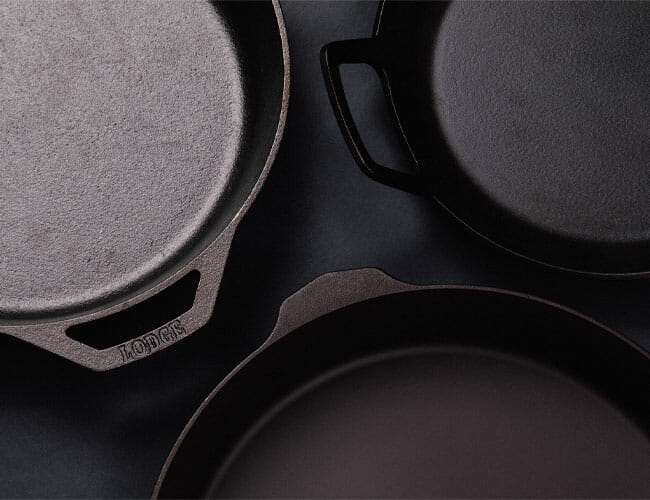
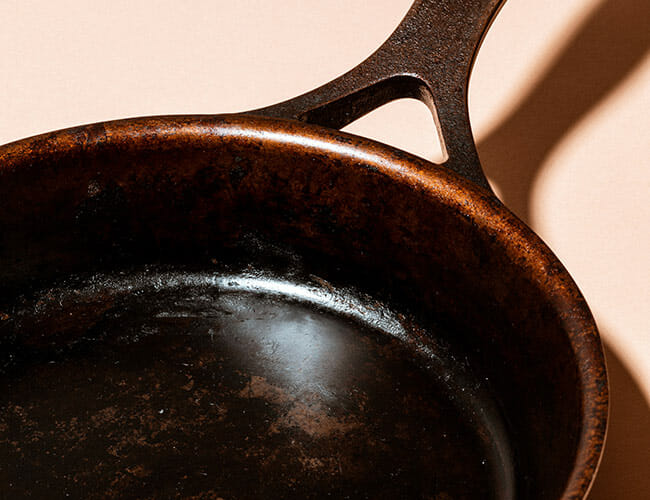
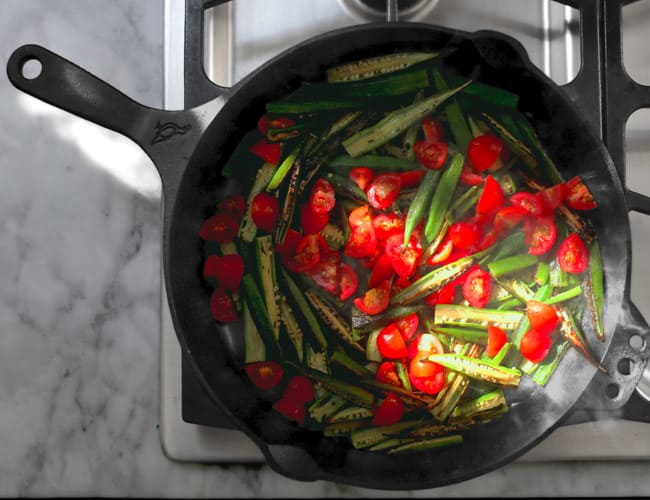
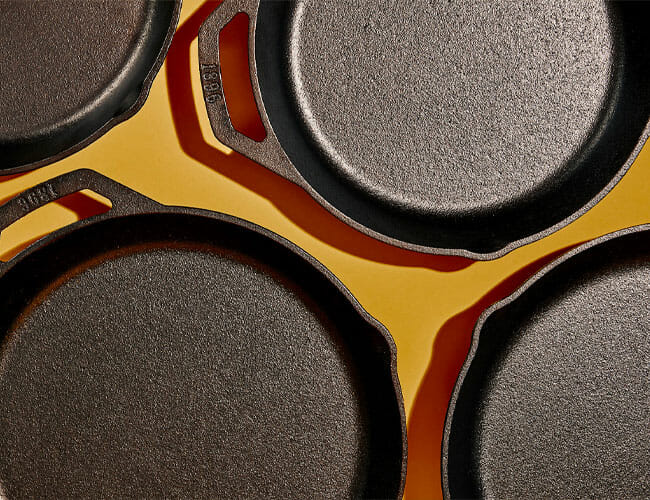
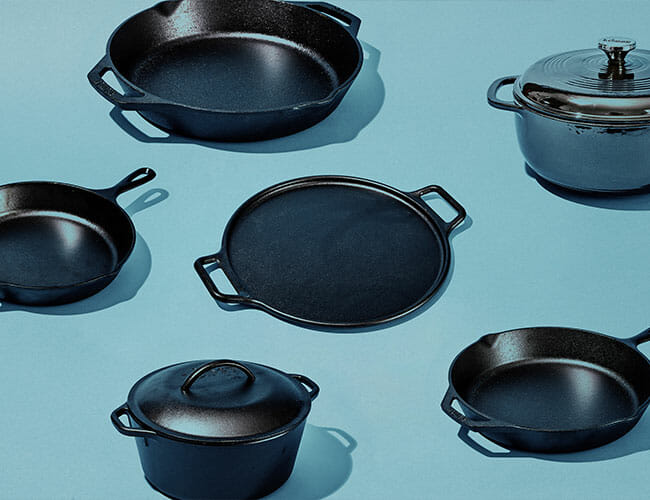
Cast-iron skillets are essential in any kitchen. They’re an investment piece that can last a lifetime (and then some) if you take care of them properly. We’ve rounded up some of our best how-to guides, recipes and tips to give you a complete reader on cast-iron skillets.

The Best Cast-Iron Skillets You Can Buy in 2019

The Best Cast-Iron Skillets You Can Buy in 2019

This definitive guide explores everything you need to know about cast-iron cookware, including the best skillets for every type of cook.
5 Accessories to Get More Out of Your Cast-Iron Skillet

5 Accessories to Get More Out of Your Cast-Iron Skillet

Everyone knows cast-iron skillets need a bit more TLC than the rest of your pans. This is what you need to keep them looking great, and then some.

The 20 Best Things to Cook with a Cast-Iron Skillet

The 20 Best Things to Cook with a Cast-Iron Skillet

The limits of a cast-iron skillet are typically one of two things: a general lack of imagination or foods with exceptionally high acidity. This guide fixes one of these things.
Which Oil Should You Use to Season a Cast-Iron Skillet? Four Experts Weigh In

Which Oil Should You Use to Season a Cast-Iron Skillet? Four Experts Weigh In

No one can seem to agree on how we should season our cast-iron skillets. Can we agree on what to season them with?

Having Problems Seasoning Your Cast-Iron Skillet? This Method Is Faster and Easier.

Having Problems Seasoning Your Cast-Iron Skillet? This Method Is Faster and Easier.

The single largest drawback to owning and cooking on cast-iron skillets is the application and maintenance of seasoning.

The Complete Buying Guide to Lodge Cast-Iron Skillets and Cookware

The Complete Buying Guide to Lodge Cast-Iron Skillets and Cookware

From skillets that go for $10 to vintage pieces from 100 years ago, this is everything you need to know about Lodge’s enormous catalog of cast-iron cookware.

3 Mistakes You’re Making with Your Cast-Iron Skillet

3 Mistakes You’re Making with Your Cast-Iron Skillet

Be patient, avoid acid, skip the eggs & more.

Your Guide to Cast-Iron Skillet Sizes, and How to Choose the Right One

Your Guide to Cast-Iron Skillet Sizes, and How to Choose the Right One

If you’re scratching your head over which skillet size is right for you, fret not. Picking the right one is as easy as pie.

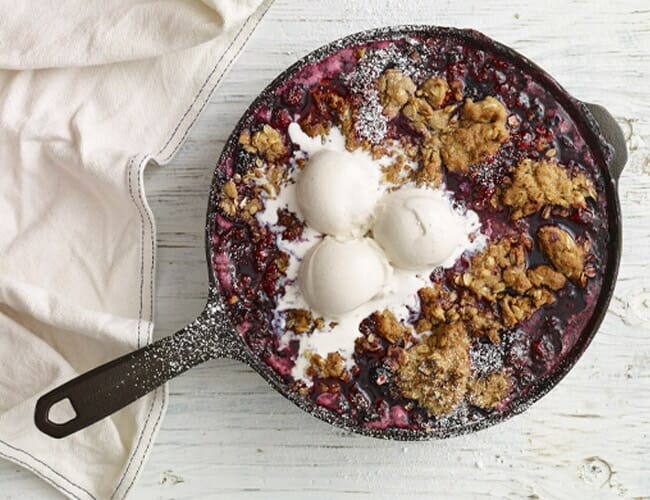
3 Tips to Making Pie in a Cast-Iron Skillet, the Right Way

3 Tips to Making Pie in a Cast-Iron Skillet, the Right Way

Aluminum and tin are great conductors of heat, but they’re terrible insulators. Which means the best pie vessel is one you already have: a cast-iron skillet.

Is There a Wrong Way to Clean a Skillet? Cast Iron Experts Weigh In

Is There a Wrong Way to Clean a Skillet? Cast Iron Experts Weigh In

Hint: you’re probably doing too much.

3 Grill Upgrades for Labor Day Weekend

I am here to tell you that you’re not doomed to a less-than-great cookout simply because you have a less-than-great grilling setup. There are only three things you need to take a shitty grilling situation to levels previously unknown to it. What’s more, they all cost less than $100.

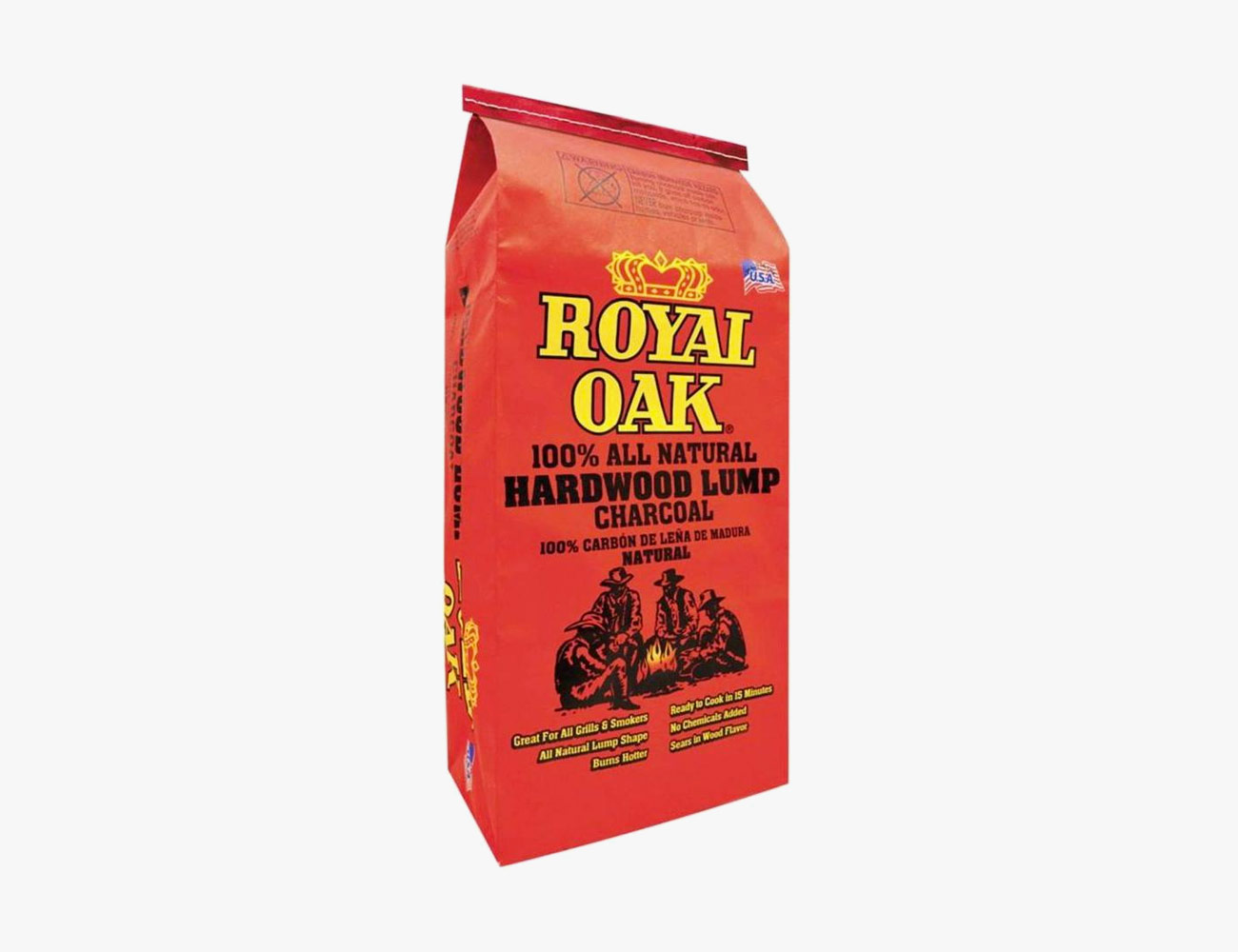
Charcoal


Put simply, Kingsford instant light doesn’t cut it. They’re smothered in chemicals, produce absurd amounts of smoke and leave a weird amount of ash. They also don’t get as hot as their hardwood lump cousins, which, while typically being moderately pricier, burn far hotter, cleaner and with very little resulting ash. If you’re not feeling lump coal, try one of the few other great alternatives out there.
Fire


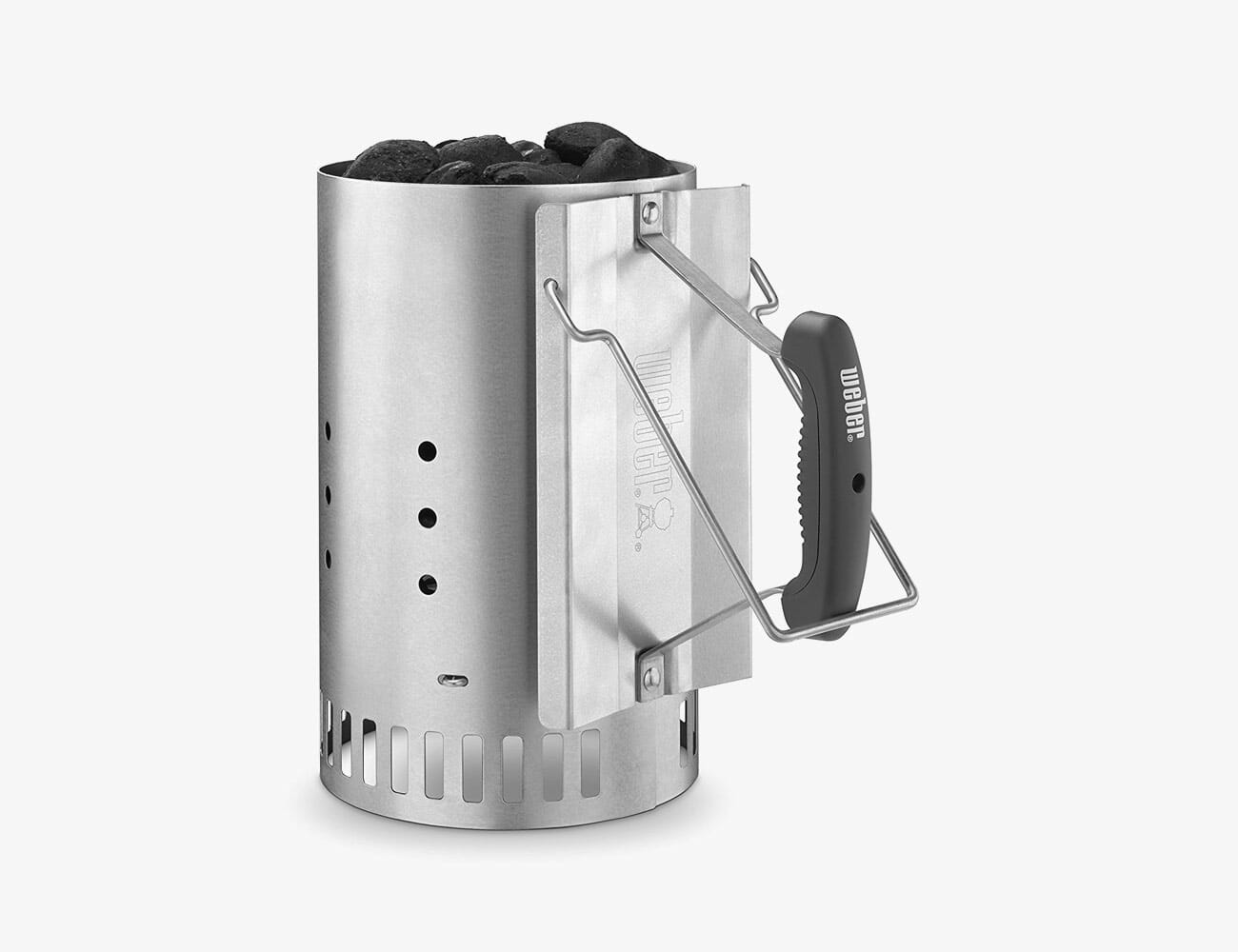
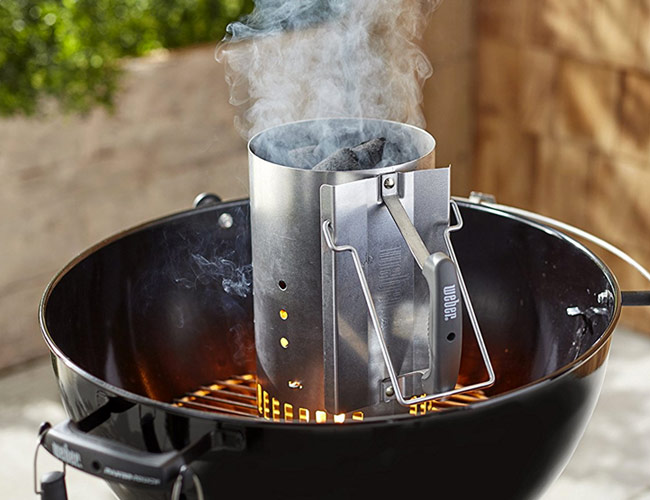
Building a faster, better fire is remarkably simple and cheap. This coal lighting chimney is a stupidly simple contraption that fixes the issue of imbalanced lighting, wind blowing out the coals and shaves off 10 or 15 minutes from the lighting process as a whole. Even if you’re not grilling this weekend, this is a charcoal grilling essential in the truest sense of the word.

Grates


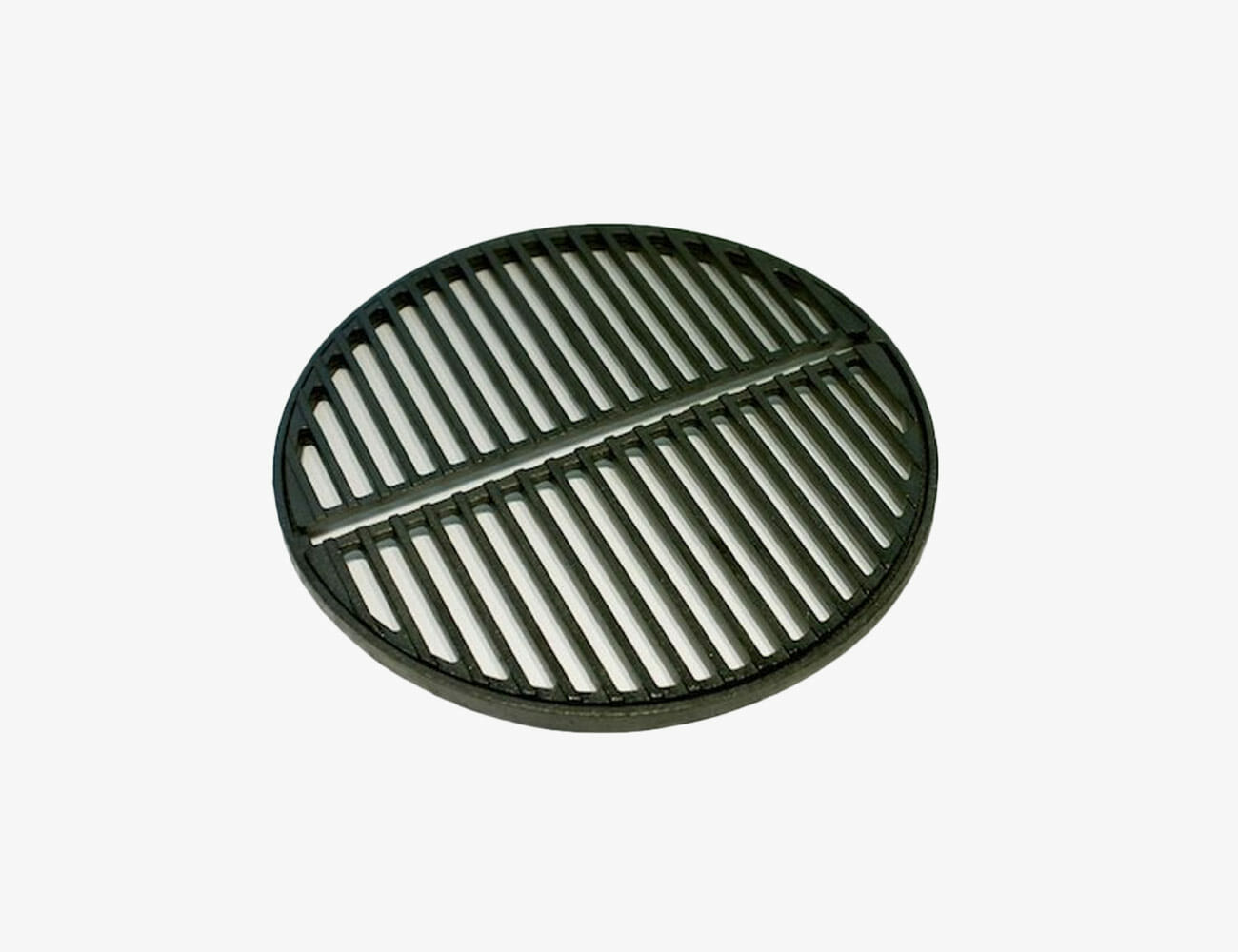
Cast-iron grates are a way of life and to my mind the single easiest things you can do to improve a mediocre grilling setup. Average grills, as is their nature, are built with average materials — like wimpy steel grates. Cast-iron grates carry all the same attributes of the fabled cast-iron skillet: heavy, higher heat potentials and an ability to retain heat even when a cold 32-ounce tomahawk is dropped on them. These grates fit Weber’s classic Smokey Joe grill (and other grills its size), but quickly measuring your grill’s size and a minute of googling and you’ll find what’s needed.

Another Giant Collection of Hollywood Props is Going Up for Auction

When you’re looking to pony up serious cash for the pleasure of having a piece from one of your favorite films, there’s no better place to shop than a Prop Store auction. For more than…

Grilling Tips and Recipes for a Tastier Labor Day Weekend Cookout

While there are still plenty of opportunities for grilling (i.e. tailgating season will be here next week), Labor Day weekend is the unofficial last hurrah of summer. We’ve collected a few of our favorite recipes and tips for making your Labor Day weekend cookouts the best they can be.

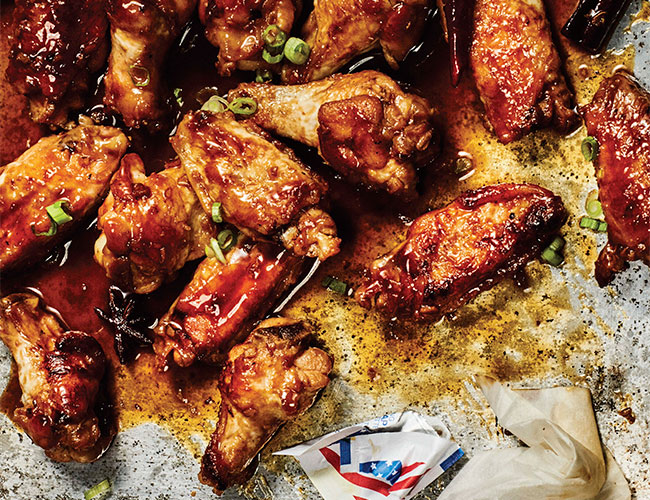
One-Pot Sticky Wings to Carry You Through Football Season (and Beyond)

One-Pot Sticky Wings to Carry You Through Football Season (and Beyond)

From Andrew Zimmern, the indomitable palate behind Bizarre Foods. (Stack of napkins not included.)

Propane vs. Natural Gas: How to Choose the Right Fuel for Grilling

Propane vs. Natural Gas: How to Choose the Right Fuel for Grilling

Natural gas grills are growing in popularity. Why?

How to Make Truly Great Guacamole

How to Make Truly Great Guacamole

According to Gonzalo Guzmán, the chef and owner of San Francisco’s celebrated restaurant Nopalito.

You’re Smoking Meat All Wrong (Yes, You)

You’re Smoking Meat All Wrong (Yes, You)

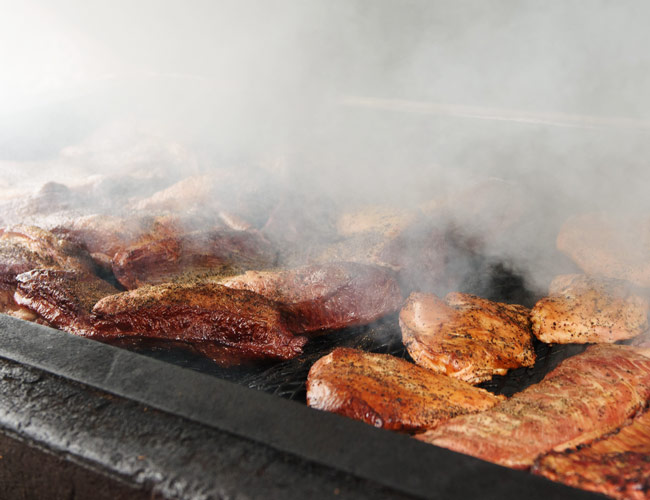
Contrary to what your dad told you, more smoke does not mean better barbeque.

Blistered Peppers Are the Game-Day Party Snack You’re Not Making

Blistered Peppers Are the Game-Day Party Snack You’re Not Making

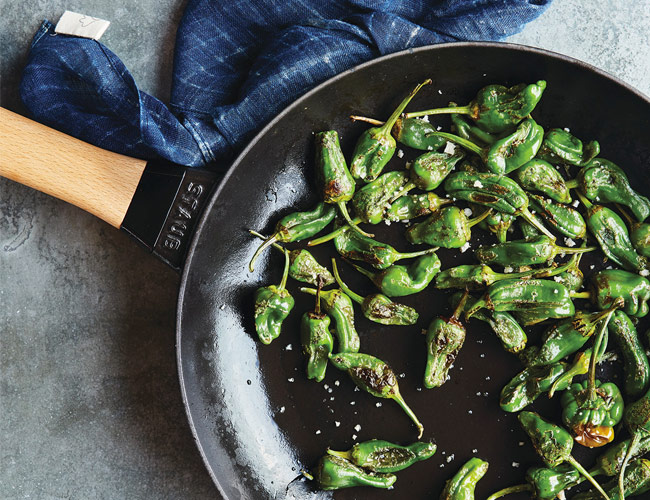
Ultimately, only two things matter when preparing a spread for a Saturday or Sunday football binge — taste and ease of preparation.

The Complete Buying Guide to Weber Grills: Every Model Explained

The Complete Buying Guide to Weber Grills: Every Model Explained

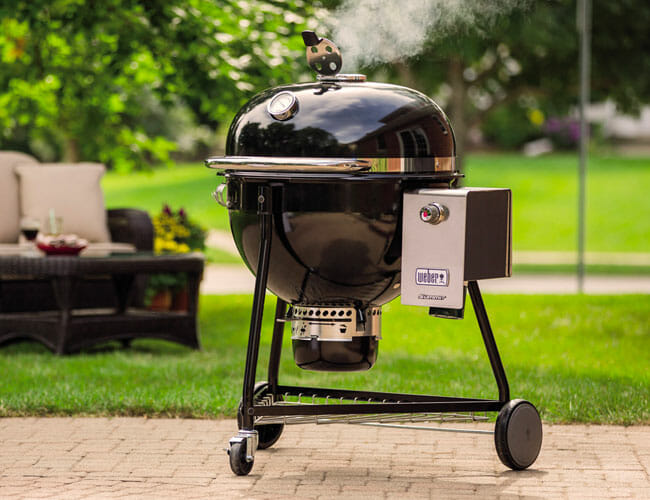
From the Smokey Joe to the brand-new Genesis II, here’s everything you need to know about Weber, America’s favorite grill makers.

3 Grill Upgrades for Labor Day Weekend

3 Grill Upgrades for Labor Day Weekend

Upgrading your grilling setup just got very easy and very cheap.

The 7 Best Bottles of BBQ Sauce at Your Grocery Store

The 7 Best Bottles of BBQ Sauce at Your Grocery Store

The best bottled barbeque sauces offer what homemade versions offer — smokiness, sweetness, spiciness and tanginess, all balanced against each other.