All posts in “Home”

This Japanese Chef’s Knife Could Last You Decades

Off Ventura Boulevard in Los Angeles’ Sherman Oaks neighborhood, Chef Kiminobu Saito’s sushi operation is both extremely serious and not-so-serious. Saito’s Sushi Note, open summer of 2018, manages to blend a hang out atmosphere with millimeter-perfect cut sushi, a wicked wine list and what are essentially rice tater tots (topped with fresh fish, naturally).

But don’t mistake Chef Saito’s whimsical restaurant for a casual approach to Japan’s most famous cuisine — he has been at this for decades, and his gear shows it. Namely, his knife, which he bought more than 20 years ago and is still going strong (he sharpens it weekly). From an indestructible knife from a famous bladesmith to a sharkskin wasabi grater, these are the things Chef Kiminobu Saito couldn’t live without.

Honyaki Yanagi Knife

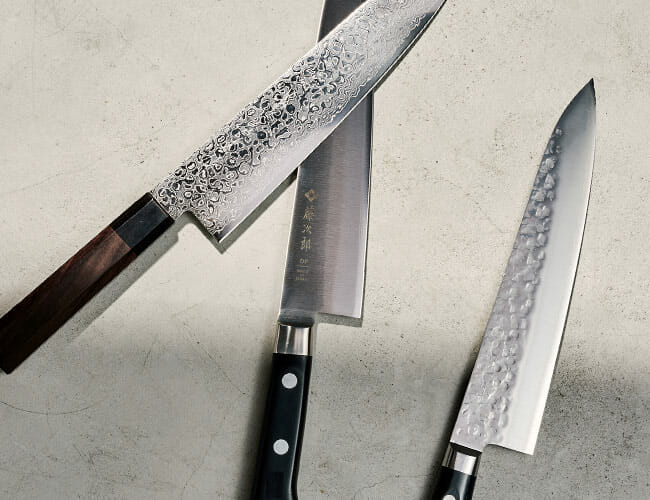
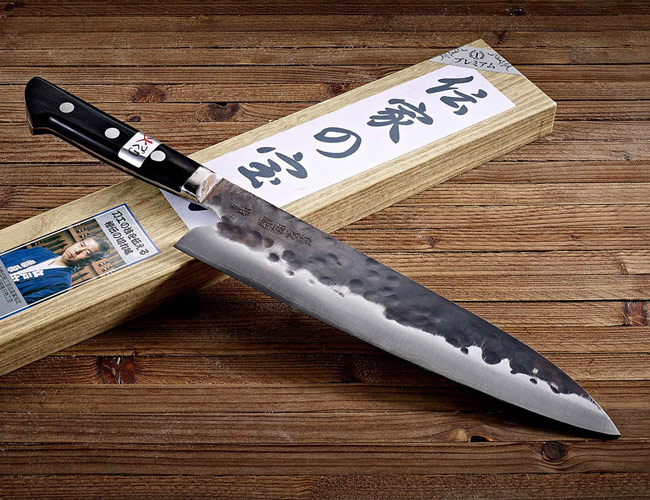
“My favorite knife is my Honyaki Yanagi. I purchased it in 1997 in Japan. It’s made using the same technique used with Japanese swords. You can even see the impressions left by the heat and pounding process. My father had a passion for swords and ceramics, and I grew up with an appreciation for this style of craftsmanship. It’s the knife I treasure the most, and I use it as my main knife. I use it for sushi, sashimi and especially for breaking down large fish and turning them into smaller filets. As for care, I keep it very simple; I sharpen all my knives once a week, spending about 30 to 40 min on each knife. Then I keep them dry and in a case when not in use to avoid rust and dings to the knife.”

Tenzo Sharkskin Wasabi Grater

“One essential tool in the kitchen is my wasabi grater. Made of shark skin, the fine surface makes for a creamy wasabi paste. I prefer using fresh wasabi root, as opposed to powdered wasabi, to keep the traditional flavors intact. Not to mention, there are many unnecessary additives in powdered and tubed wasabi. I use fresh wasabi for all my sushi and sashimi, but it can also be used for steaks. One of my favorite recipes is to mix fresh wasabi into soy sauce, then use that mixture when searing steak. You can also add a pinch of the fresh wasabi on top before serving. The root is much milder and will not be overwhelming to the dish.”

Yamakawa Rice Warmer

“The rice warmer is one of my most essential tools in the restaurant. It’s an electric warmer that holds its temperature for as long as you need. The older styles were not electric, which meant you had to keep the lid on as much as possible and cover the rice with a towel. And once the temperature went down, I wasn’t able to reuse it. I now have peace of mind knowing that I can work an entire service without my rice being compromised.”

Electric Seaweed Crisper

“I want my seaweed to be as crispy as possible, which I achieve using my electric seaweed container. It’s very low tech (it heats the seaweed with a small light bulb!) but it makes a world of a difference. In fact, any store-bought regular seaweed can get much crispier using this. Once you open a bag of seaweed, the moisture in the air will make it soggy, but this container stops that from happening. Many other Sushi Note chefs have actually broken their seaweed when making hand rolls because of how crispy it is.”

Note: Purchasing products through our links may earn us a portion of the sale, which supports our editorial team’s mission. Learn more here.

3 Premium Kitchen Tools Absolutely Worth the Money

Good news for your wallet: not every kitchen tool is worth a premium price. The bad news? Some wares most definitely are. Here’s why, along with recs.

Dutch Oven

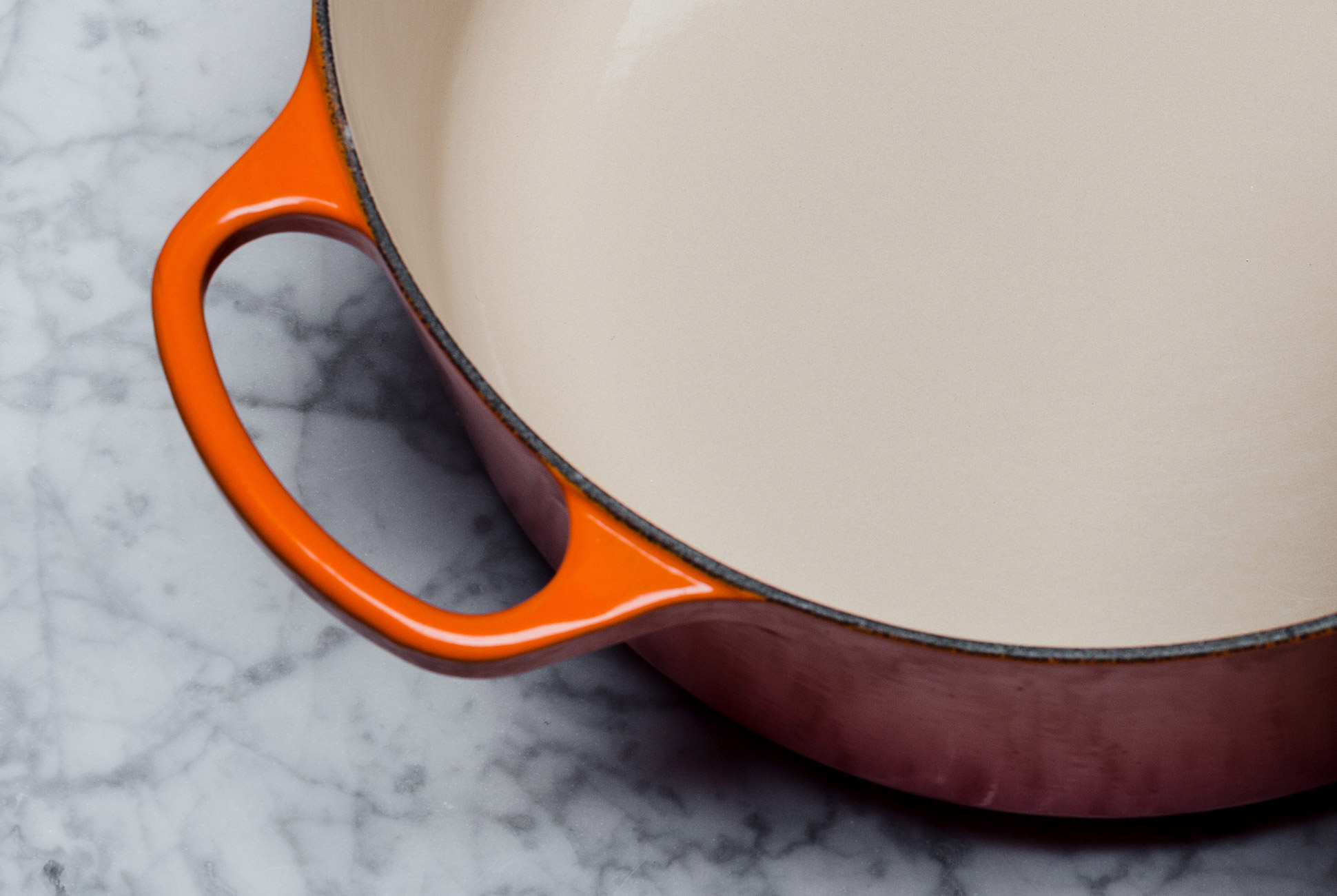
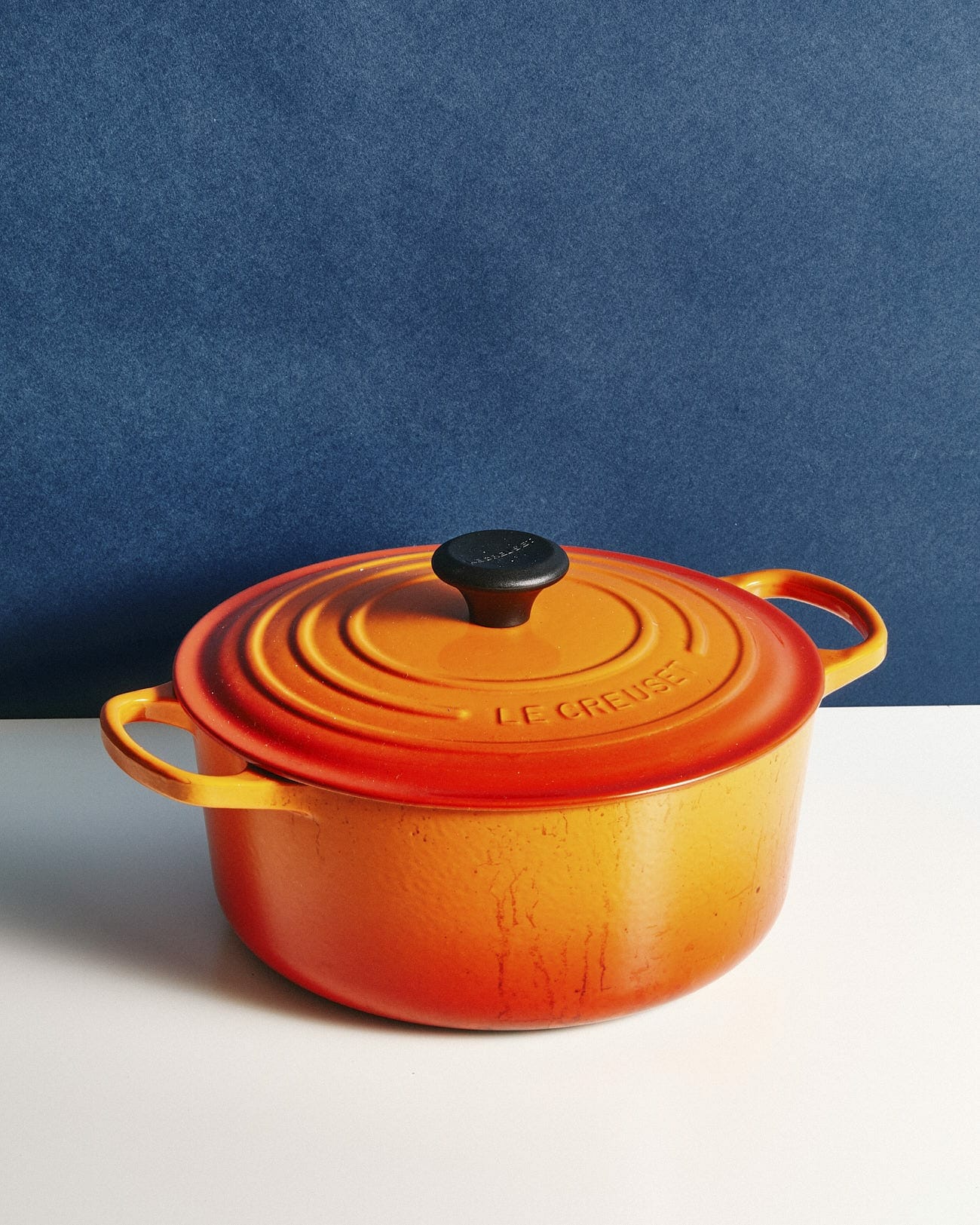
Le Creuset 5.5-Quart ($319)

Why: A good barometer to consider the value of a high cost item is its potential longevity — will you be using this thing 10, even 25 years? Premium Dutch ovens are not cheap, and they are probably marked up beyond what is a totally fair price. But the best will last you decades.

In general, what separates the more frugal options (like Lodge, Cuisinart and Cuisinox) from the premium category is the enameling. The way in which it’s applied, in how many layers and the quality of the porcelain all matter. When done right, this enameling will survive the odd encounter with a metal spatula (please, use plastic or silicone), rapid cooling (this can cause “crazing,” or cracks in the enamel) and anything else you might throw at it.

Unfortunately, you’ll be hard pressed to find information on enameling methods, quality control standards and whatnot from the brands themselves, but from our testing three brands stand out (including one you’ve likely not heard of).

Ones to Buy: First, do not under any circumstances buy an oval Dutch oven — your burner is not shaped like an oval, and so your cookware shouldn’t be either.

The industry is ruled by two time-tested French brands. The first and larger brand, Le Creuset ($319), has been making Dutch ovens for nearly 100 years, and vintage pieces from those early days are still in use. Staub ($272) is the other, and it sports a heavier, tighter-fitting lid (this means moisture doesn’t evaporate as easily). The last, Milo ($95), is something of an anomaly. It has not been available long enough for us to know if it will last as long as our two other suggestions, but the samples we’ve been testing since day one haven’t shown any signs of wear and tear.

Chef’s Knife

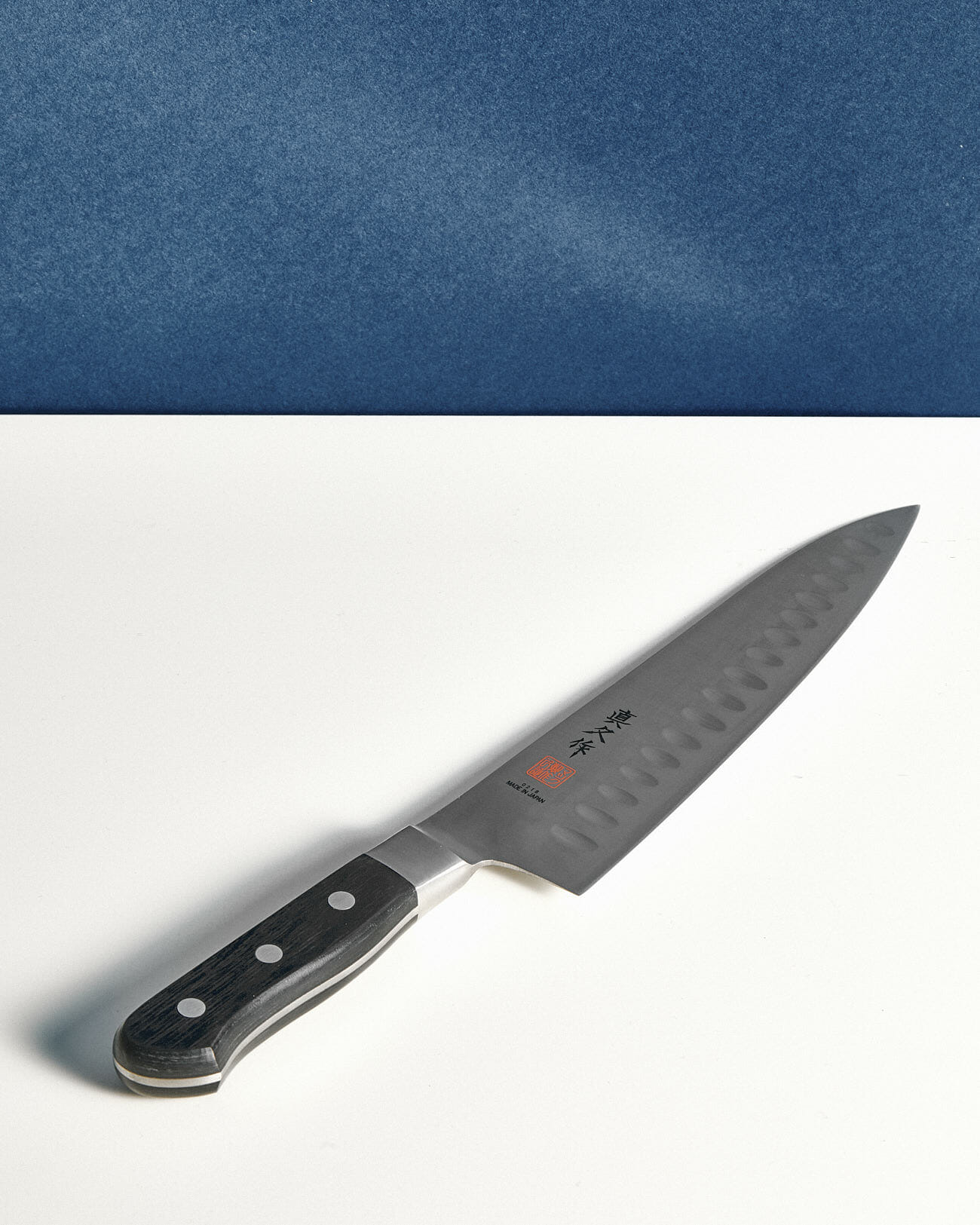
Mac Professional Series Chef’s Knife ($145)

Why: For less than one subpar block of knives (of which you’ll use two or three, tops), you can get a great chef’s knife that will serve you well for as long as you take care of it. It is the most used and abused tool in the kitchen, and buying a good one not only improves the precision and consistency with which you prepare meals, but also safety.

A quality chef’s knife — be it carbon steel or stainless steel — will be sharper for longer. Generally, if you want something with great staying power, lean stainless, and if you’re looking for the sharpest edges (and an easier time bringing that edge back into cutting shape) go carbon. With either, though, best practice is to wash them by hand, even if it advertises itself as dishwasher-safe.

Ones to Buy: Unlike Dutch ovens, there are many great knife makers. Mac’s Professional series chef’s knife ($145) is a great mix of a thin, Japanese-style blade and weighty western handle design. Global makes a really great chef’s knife called the G-2 ($94), which is a hardy, high-chromium stainless steel knife with a smart one-piece design (it’s weighted perfectly, and there’s no area where materials merge to create room for corrosion). For those who prefer a weightier, pure Western-style knife, Zwilling Henckels Pro series knife ($100) is perfect, as its wicked sharp carbon steel blade attaches to a handle that prioritizes the pinch grip above all else.

Stainless Steel Cookware

All-Clad 3-Quart Saute Pan ($185)

Why: You know that stainless steel skillet you use that always wobbles a bit when it’s heating up? Or the oil always slides down one side? Or maybe food refuses to release from it, no matter how much oil you put down beforehand? These are common issues that stem from cheaping out on your stainless steel cookware.

And no matter how much ground cast-iron cookware, non-stick, carbon steel or whatever else thinks it’s gaining on stainless steel, none will ever supplant its status as the do-it-all cookware. Good stainless steel doesn’t warp and wane so easily (this is usually caused by either overheating a pan or putting a screaming hot pan in water too quickly). It heats quickly and holds that heat more effectively (this is primarily due to metal bonding, which allowed stainless steel cookware to sport fast-heating aluminum cores). All of these attributes are paramount to cooking consistency.

Ones to Buy: For a very long time All-Clad ($75+) has made the best stainless steel cookware on the market, and that hasn’t changed. The company’s founder literally invented bonded cookware, and the company has since perfected it — the pans hold their heat better than cheap skillets, distribute heat better than cheap skillets and somehow release food better than cheap skillets.

Made In Cookware ($59+), based in Austin, Texas, makes a more affordable, similar set of bonded stainless cookware. The only notable difference I’ve found between the two is that All-Clad tends to retain heat more effectively when food is initially placed in it.

Tramontina ($40+) makes similar skillets to Made In, in that they don’t quite match All-Clad’s all-around performance, but are far, far superior than those that come in big box sets at department stores.

Note: Purchasing products through our links may earn us a portion of the sale, which supports our editorial team’s mission. Learn more here.

Outgrowing Your Ikea Furniture? Here’s What to Buy Next

Like Coca-Cola or Honda, Ikea is ubiquitous. Even if you haven’t personally traversed the labyrinthine halls of one of its stores or scarfed down a plate of its meatballs (now with 84 percent meat content!), you have most assuredly parked yourself on an Ikea chair or sofa in a dorm room, a dentist’s office or a buddy’s living room.

Ikea’s dominance in the furniture sector is a result of good products with bad caveats. The products are great pieces of design that happen to be affordable. But affordability usually comes at the cost of cheap materials and questionable build quality, and many individuals have rightfully leveled criticism at the company for perpetuating throwaway culture in the furniture world.

Moving on from Ikea requires the willingness to invest in furniture — a fundamental shift away from the placeholder mentality that drives us to its stores. But it doesn’t demand we ditch the Scandinavian aesthetic. For those who love the Ikea look but want something that’ll last, here are five upgrades to iconic (and totally ubiquitous) Ikea furniture.

Lounge Chair

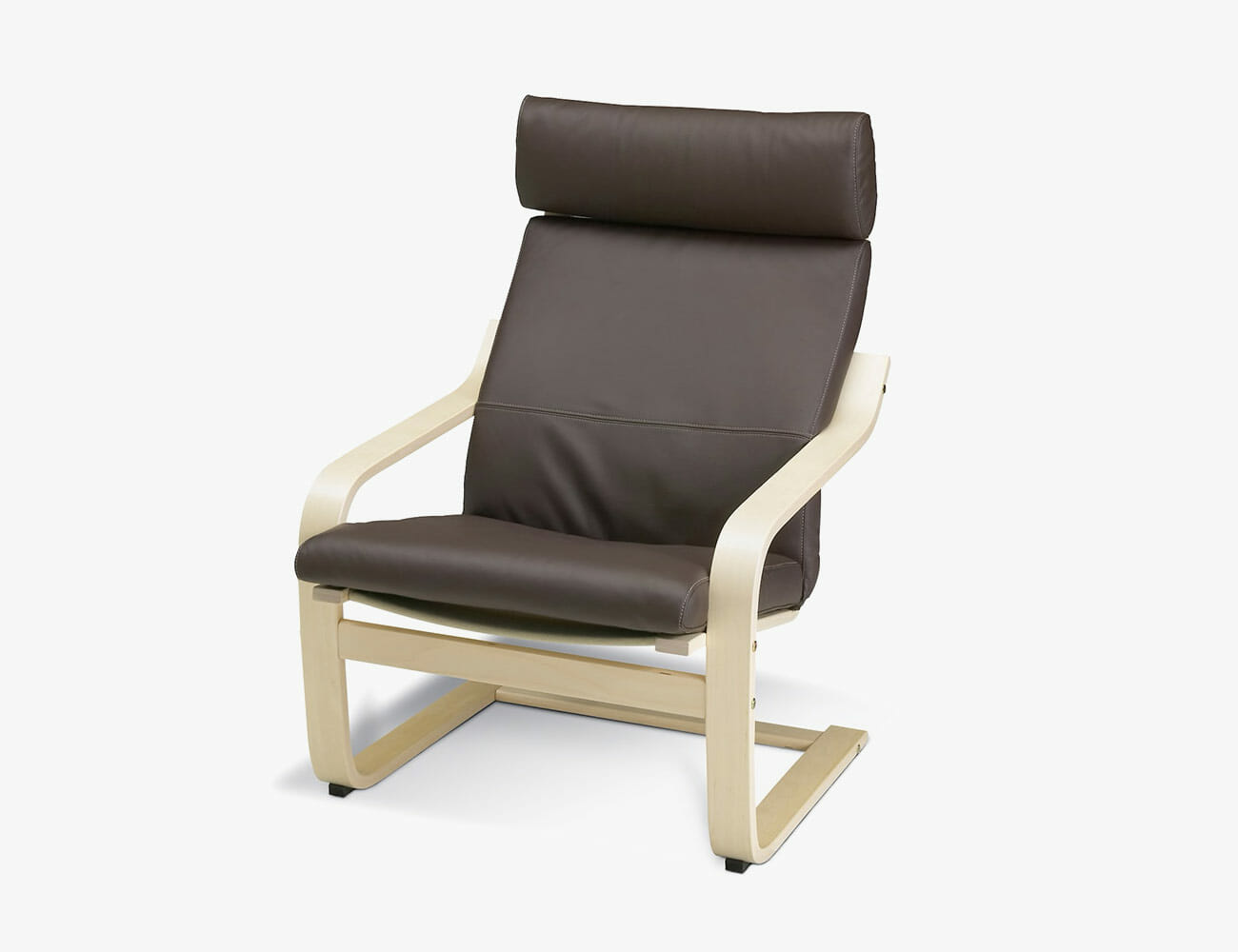
The Original: Ikea Poäng

The bentwood frame. The cantilevered seat. The ergonomically-shaped back. The Poäng, designed by Noboru Nakamura, very well could be the poster child for Ikea, given that it’s been continuously produced and sold since Nakamura completed the design in 1976. It’s hard not to love, especially if you have a tendency to rock and bounce in your seat, but its cushions don’t typically age well and the screws in its frame have a tendency to loosen over time.

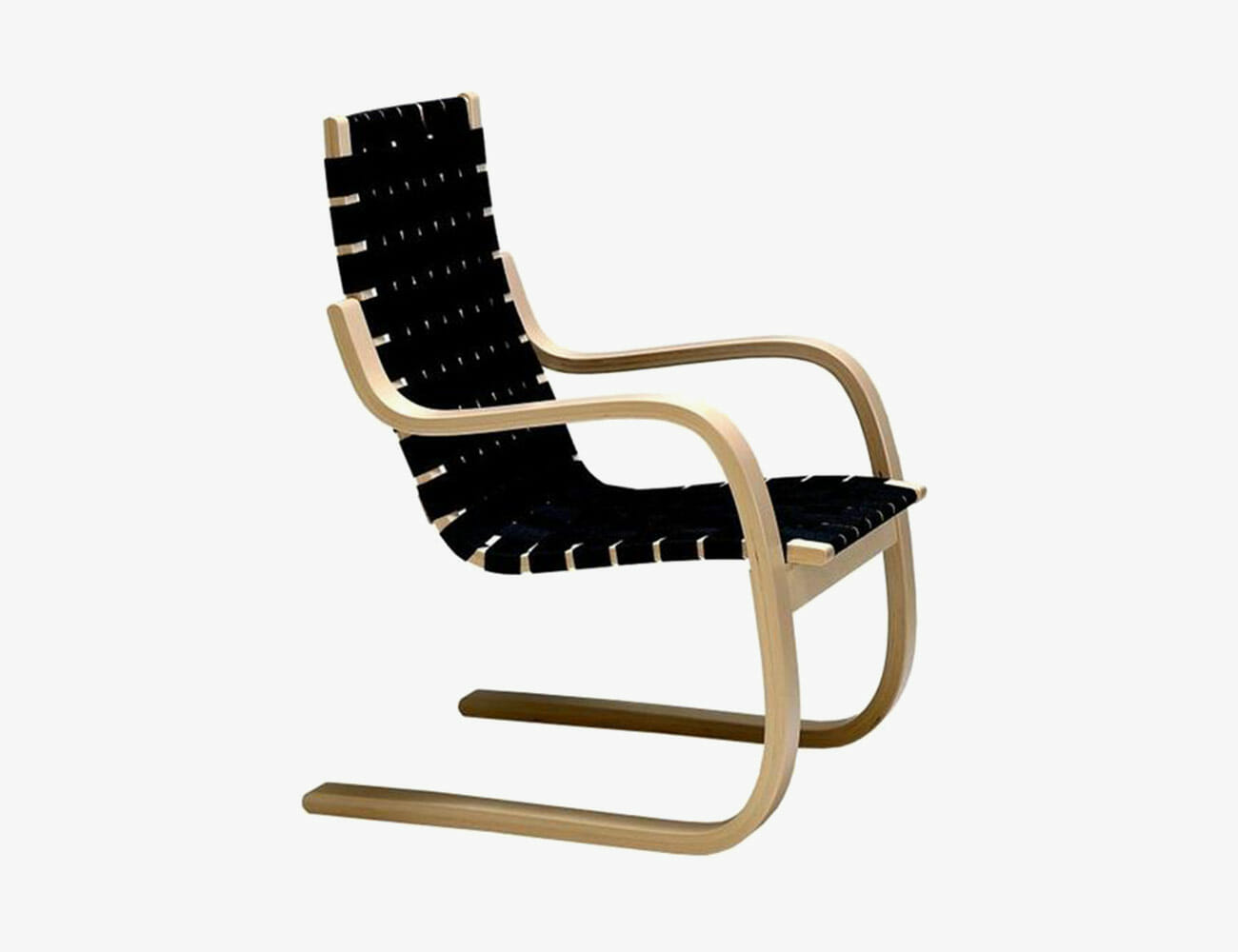
The Upgrade: Artek Alvar Aalto 406

The 406 almost looks like a dead-ringer for the Poäng, but it actually predates the Ikea icon by nearly 40 years. Designed by Finnish architect Alvar Aalto, has a similar cantilever frame made from solid birchwood and favors a seat made from webbed textile. Admittedly the 406’s price tag is considerably larger than Poäng’s $79 starting price, but the seamless construction of the frame (no exposed screws!) hints at how much better the build quality is, especially given that you don’t have to slap it together yourself.

Shelving Unit

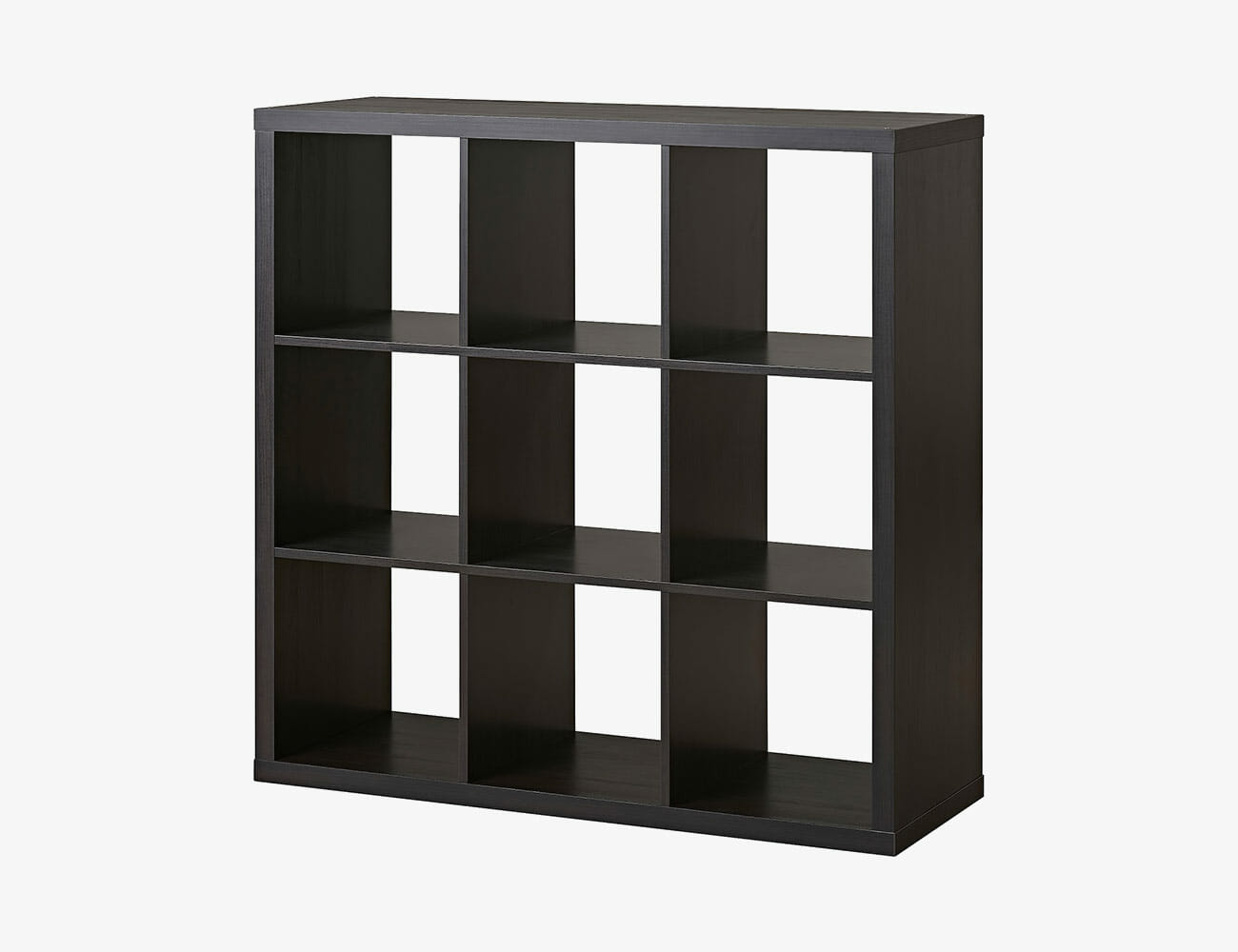
The Original: Ikea Kallax

In 2014, Ikea killed off the Expedit shelving system, an item so beloved by customers that a Facebook group with some 20,000 members popped up to try and save it. Their fears were more or less unfounded, given that the Kallax system that replaced it is essentially identical, save for a slightly smaller footprint on the outside while keeping the same internal dimensions for the cubicles. That fervor goes to show just how useful Ikea’s shelves are. Stackable, expandable and versatile, they can be been used to house everything.

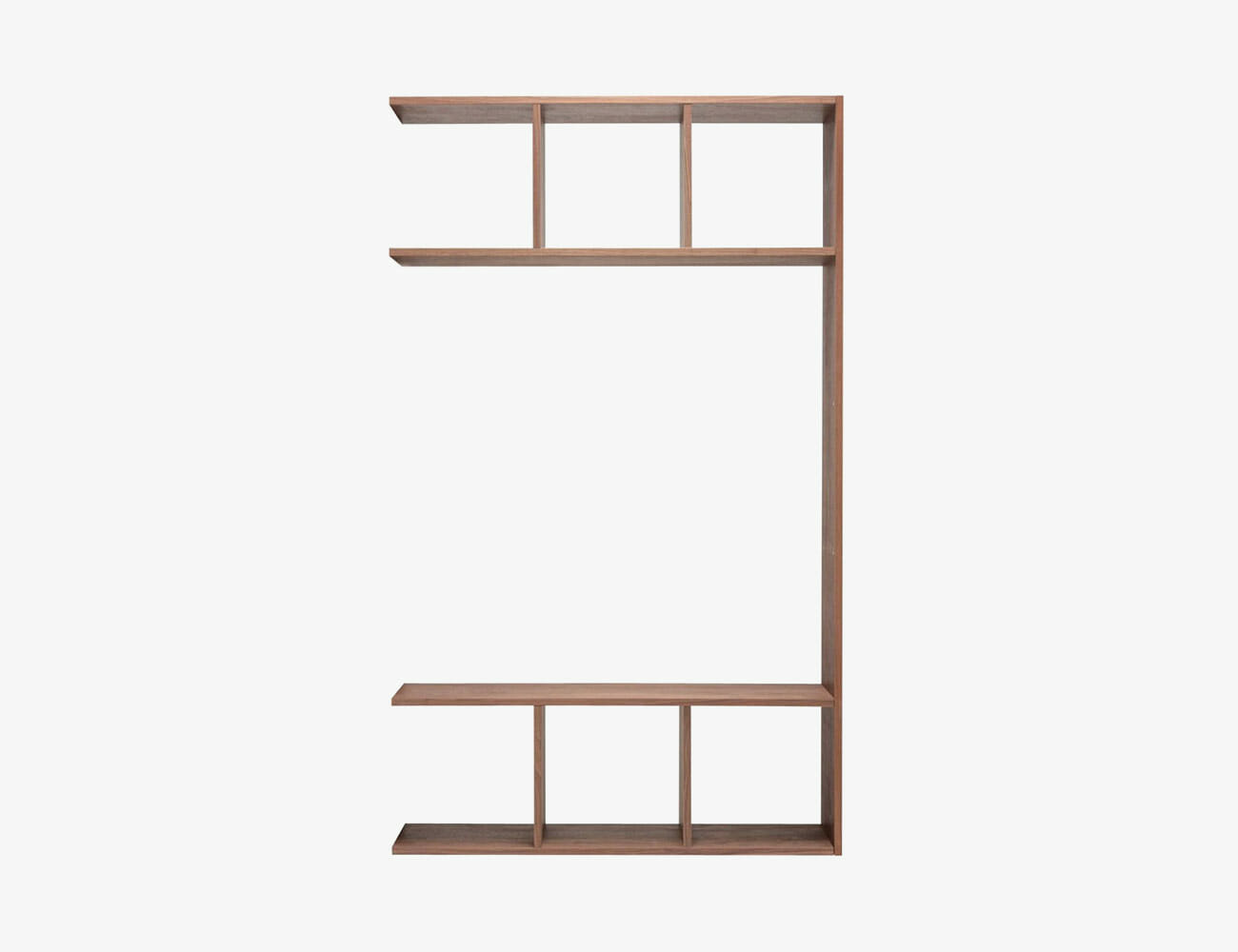
The Upgrade: Muji Stacking Shelves

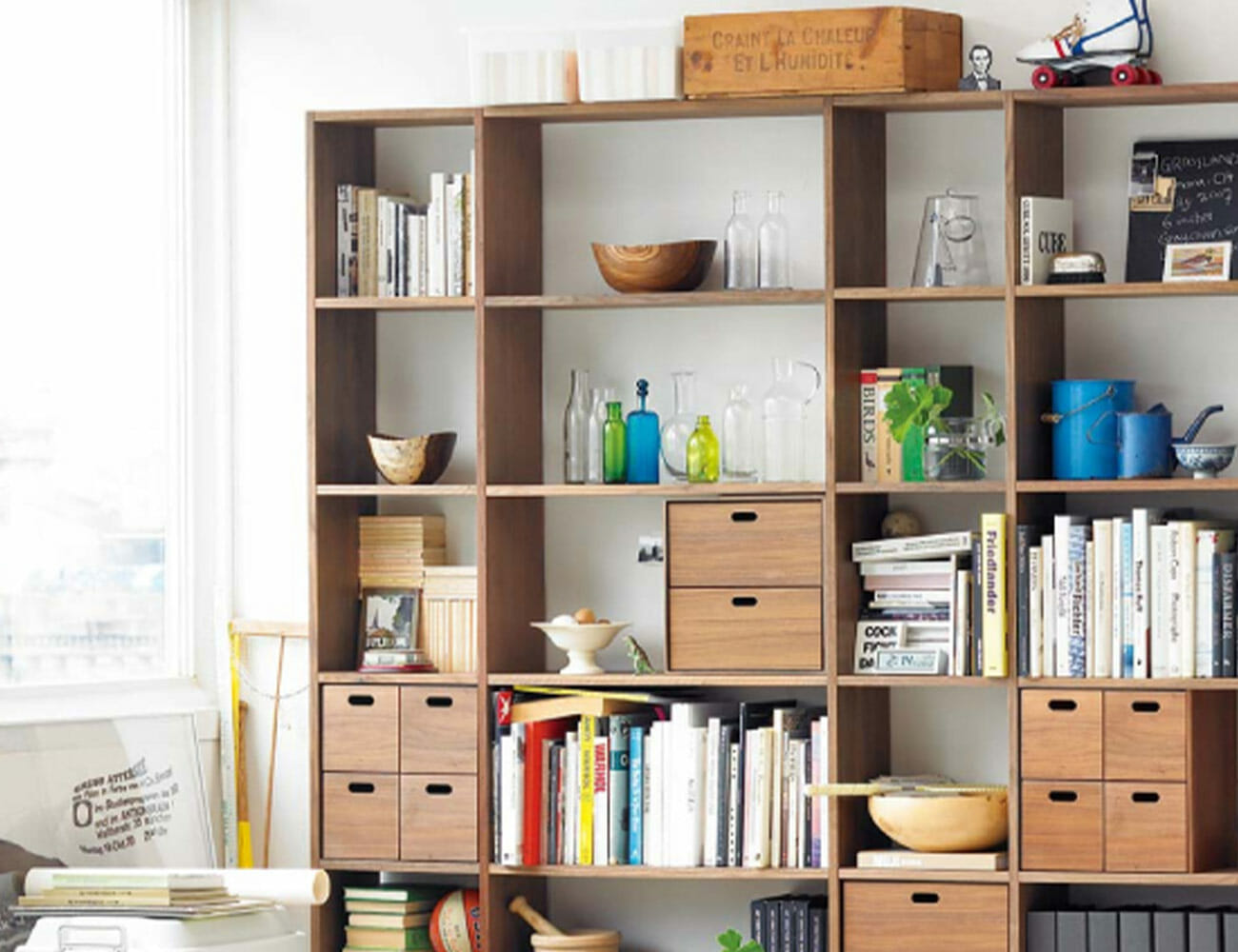
Muji, the so-called “Ikea of Japan,” is a newbie in the U.S. market. But while it doesn’t have as expansive an inventory as the Swedish store, its products follow a similar philosophy. As such, you can find all the good in the Kallax system in Muji’s own stacking shelves, which are modular and expandable. The difference? Sturdier, heavier, better quality wood veneer surface in oak or walnut, and larger shelf compartments that can accommodate TVs and stereo systems, too.

Bed Frame

The Original: Ikea Malm

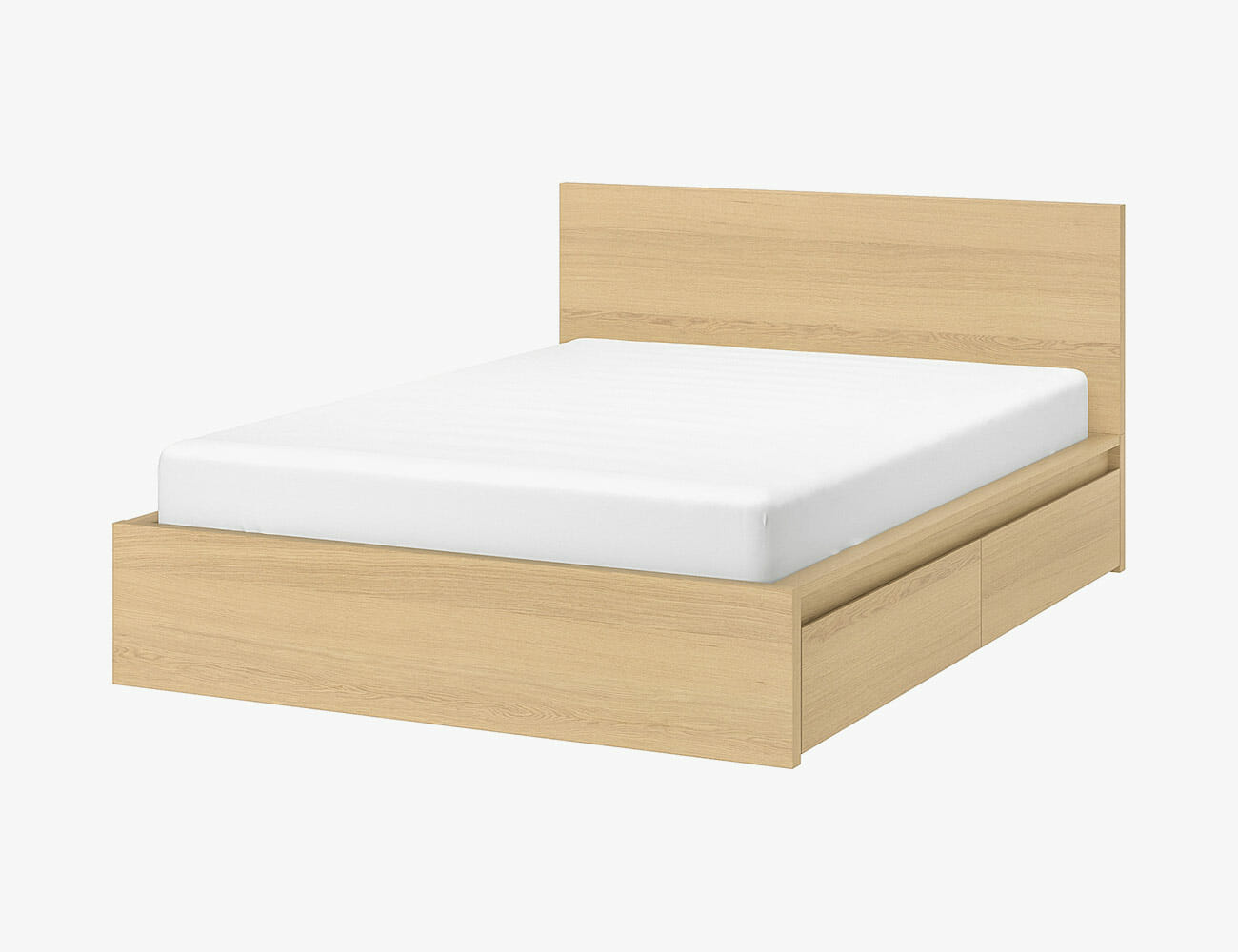
Ikea’s Malm bed has been a hit since 2002 thanks to a combo of versatile storage and sleek looks (though you can get a version with no dresser drawers if you so choose). Its design is inoffensively simple, but like many Ikea products, its particle-board-and-veneer construction means minor wear weighs heavy.

The Upgrade: Akron Street Dris Bed

Brooklyn-based Akron Street uses Applacian-sourced solid American White Oak for its furniture, and the Dris bed is made almost entirely of the stuff, meaning it should last longer and imbue a much richer look than Ikea’s veneer. Like the Malm, the Dris is an exercise in efficiency, offering two- or four-drawer configurations, because space never stops being a precious commodity, even as you get older.

Couch or Sofa

The Original: Ikea Klippan

The Klippan, like the Poäng, is another stalwart Ikea design, having been first introduced in 1979. It remains a popular item today because it’s light, compact, can be modified with new covers and, well, where else are you going to get a sofa for under $300? Ikea’s former head of design, Marcus Engman, even called it his favorite Ikea product of all time.

The Upgrade: Floyd Sofa

Floyd’s philosophy is the antithese to the throwaway culture that Ikea inadvertantly promotes. You’ll find heartier construction and modularity (thus, replaceable parts) as the part and parcel of its design ethos. That’s clearly seen in its sofa, available as a loveseat, a three-seater and a chaise sectional; it’s available in a multitude of configurations, but is always space-efficient and visually light.

Coffee Table

The Original: Ikea Lack

Let’s give the Lack credit: it’s astoundingly cheap. But obviously that comes at a cost, because Lack tables have a tendency to wobble and buckle under small amounts of weight pretty much out of the box. It’s also incredibly simple, which isn’t necessarily a bad thing, but it drives home the point that you don’t buy a Lack as a centerpiece for your living room, you buy it as a cheap surface that will do in a pinch. Until it breaks.

The Upgrade: Hay Eiffel Rectangular Coffee Table

Though founded in 2002, Hay launched in earnest in the U.S. in 2018, making its accessible scandinavian designs, well, more accessible to us Americans. While the Eiffel coffee table costs about ten times as much as a Lack, one could argue it’ll last ten times as long. It’s made from powder-coated aluminum and MDF and, like the Lack, it’s simple, making it something that’ll blend in with most interiors offering a blank canvas.

Note: Purchasing products through our links may earn us a portion of the sale, which supports our editorial team’s mission. Learn more here.

You Can Buy the Highest-Rated Coffee of All Time Right Now

Dragonfly Coffee Roasters, one of the best coffee roasters in America, just dropped a trio of coffees that will sell out very quickly.

Sourced from a Panamanian coffee farm in the shadow of a volcano, Dragonfly’s Elida Estate Green Tip collection is made up of three limited quantity 8-ounce bags of $100 coffee. The coffee is a Geisha varietal, renowned for exceptional cup quality and tedious production needs, and each of the bags is processed in a different manner.

The hype around these beans is compounded by the roaster, too. The 2019 Roast Magazine Microroaster of the Year is a shoe-in on Coffee Review’s annual Top 30 lists and pushes origin expansion (Myanmar, Yemen, Timor-Leste) more than most of its contemporaries. Plus, Coffee Review scored the Elida Natural bag a whopping 98 out of 100, the highest score ever given on the site. The beans also broke the world record for the most expensive publically auctioned green coffee at $1,029 per pound. “Complex flowers (citrus blossom, ginger blossom, aromatic orchid), bright, fresh fruit (pear, peach, tangerine), sweet cocoa, sandalwood, a hint of candycap mushroom in aroma and cup. In structure, juicy and lyrically bright with a subtly pungent umami base; light-footed, satiny mouthfeel. Pear leads into long, vibrantly flavor-saturated finish,” the site’s review of the high-scoring bag reads.

Dragonfly said bags are “EXTREMELY LIMITED” in its announcement email. They’re available through the roaster’s shop now.

The Best Coffee Grinders You Can Buy in 2019

This definitive guide to the best coffee grinders of 2019 covers everything you need to know before you buy your next brewing companion. We tested what most experts consider the world’s best coffee grinders, comparing size, speed, price and performance, to identify which machines to buy (and which to avoid).

Baratza Encore

Baratza is a coffee grinder company. Not a home appliance company, a kitchenware company or even a coffee company, Baratza only makes coffee grinders, and that’s why it’s the most respected name in the grinding business. The brand is lauded for its use of heavy stainless steel burrs, replaceable parts, modularity and its unrivaled customer service department. The Encore is its entry-level grinder.

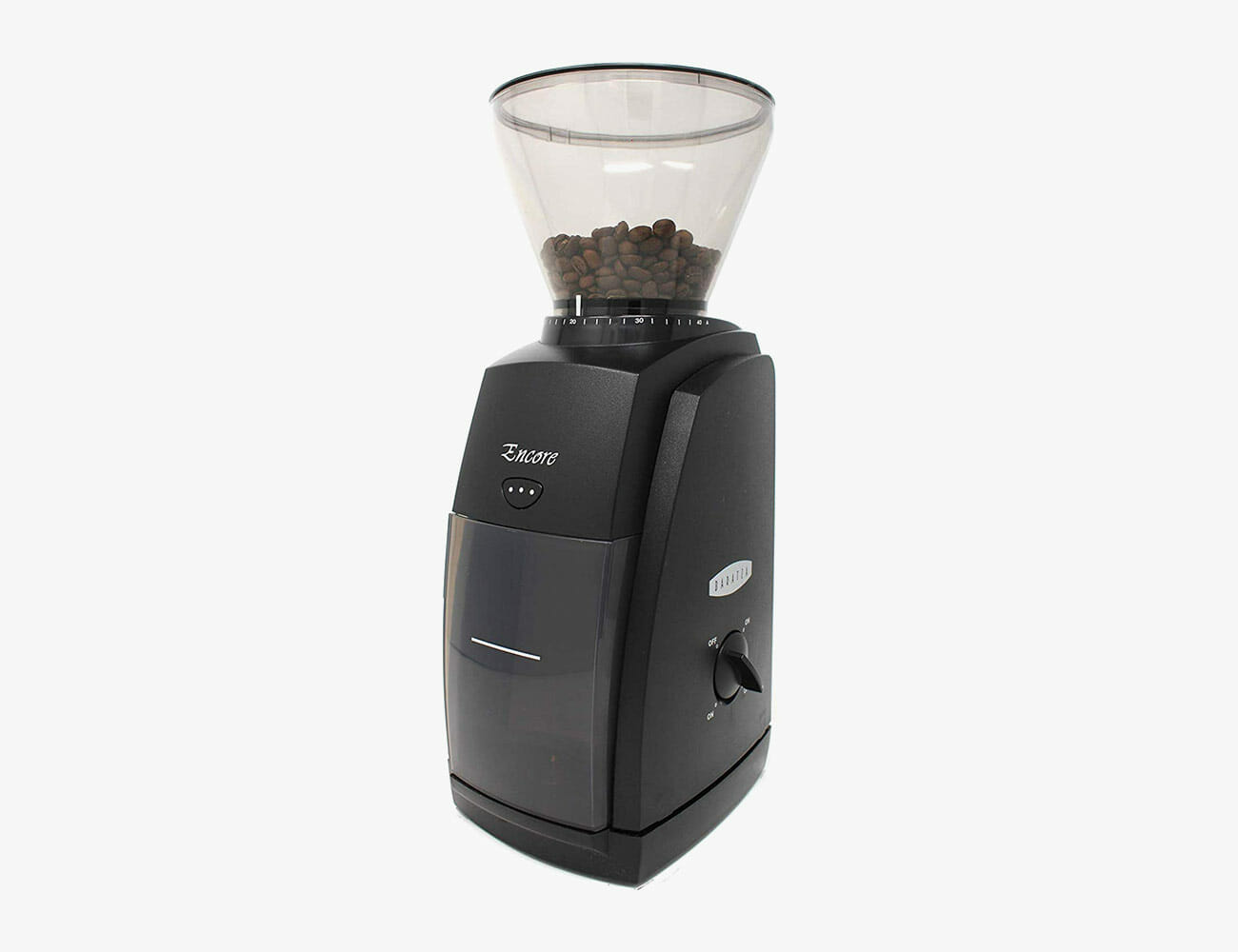
Best Overall Coffee Grinder

What We Like: The most consistently good grind for the money. Period. Though $140 is not cheap — a great coffee maker can be had for less — no grinder under $200 can chew through beans with as reliably as the Encore. This, plus the ability to order more burrs when the original eventually wear out and stellar customer service, ensures the Encore can sit on a countertop for as long as you can stand it.

What We Don’t Like: The matte black plastic body leaves something to be desired (though it is the standard for its price bracket). The On/Off knob on the exterior has a knack for popping off every now and again. The lack of a timer is a bummer, considering there are grinders (one on this list) within its price range that have them.

Oxo Brew Grinder

There’s a high probability that there are more Oxo products in your kitchen than any other brand. The company that makes brilliant garlic slicers also makes a mean kitchen scale. Its Brew line is newer, but it follows a similar “intuitive and effective” design ethos. The Conical Burr Grinder is as good as a $100 coffee grinder gets.
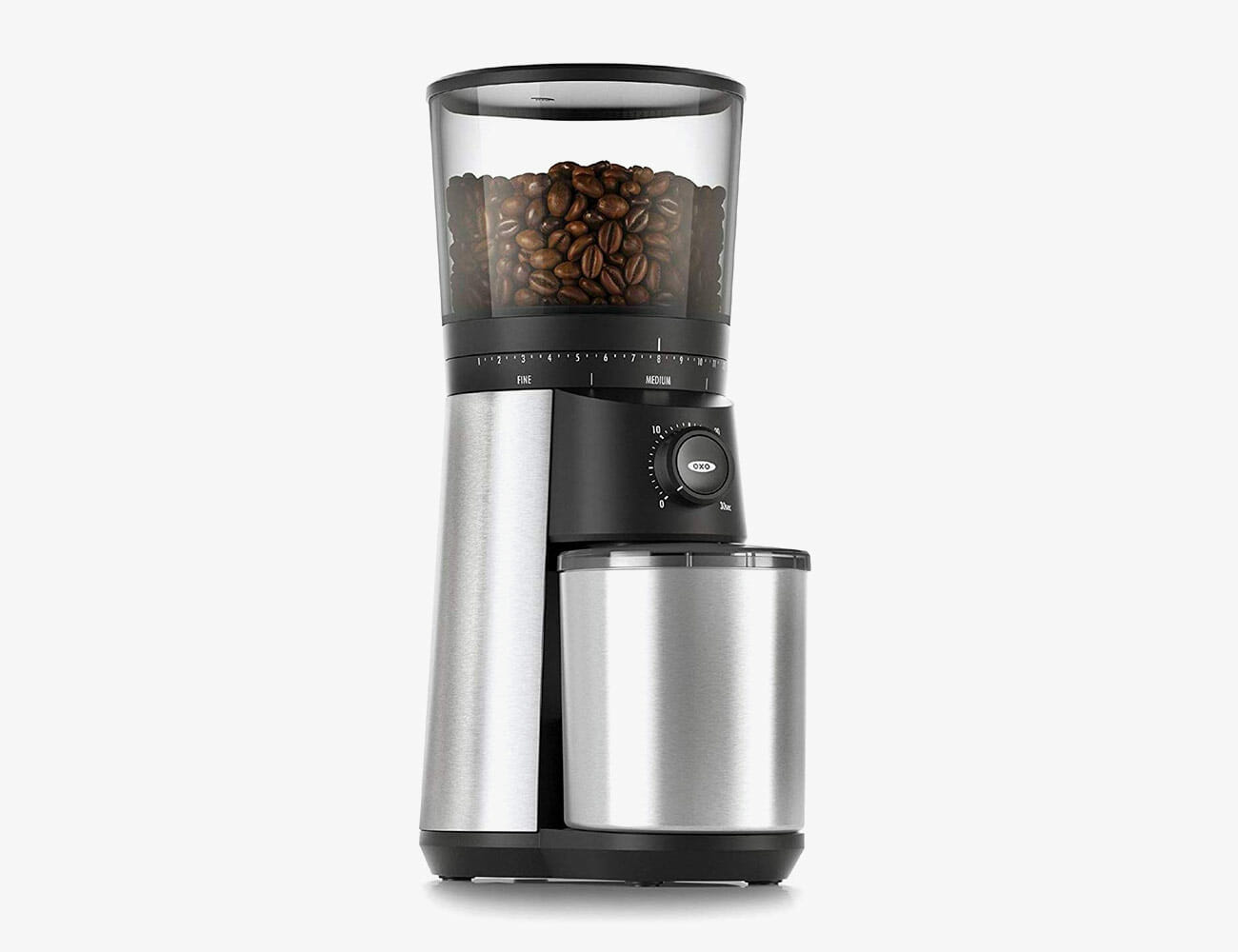
Best Affordable Coffee Grinder

What We Like: For $100 and under, there’s not a better coffee grinder. Oxo’s first stab at a craft coffee-driven grinder ticks all the boxes you want out of a grinder — conical steel burrs, adjustable grind settings, a timer — and comes in a lot cheaper than most with similar specs. Plus, Oxo’s grinder occasionally goes on sale (we’ve seen it as low as $70 on Amazon), where most high-end grinder prices are stable. This is as little as you should spend on an electric grinder.

What We Don’t Like: Like the Encore, there’s a lot of flimsy plastic on the exterior, and though it doesn’t directly influence performance, more weight would ensure less vibration, which means quieter operation and a lesser likelihood it knocks itself out of calibration. The ground coffee it produces is a step or two down from Baratza products, but still noticeably more consistent than anything in its immediate price range.

Baratza Virtuoso+

Baratza is the only brand to feature two products on our list, and for good reason. Unlike other specialty coffee grinder producers, its products cover the spectrum of coffee nerdery — beginner to commercial-grade. The Virtuoso+, which replaced the discontinued Virtuoso, is the ideal upgrade pick from the Encore.
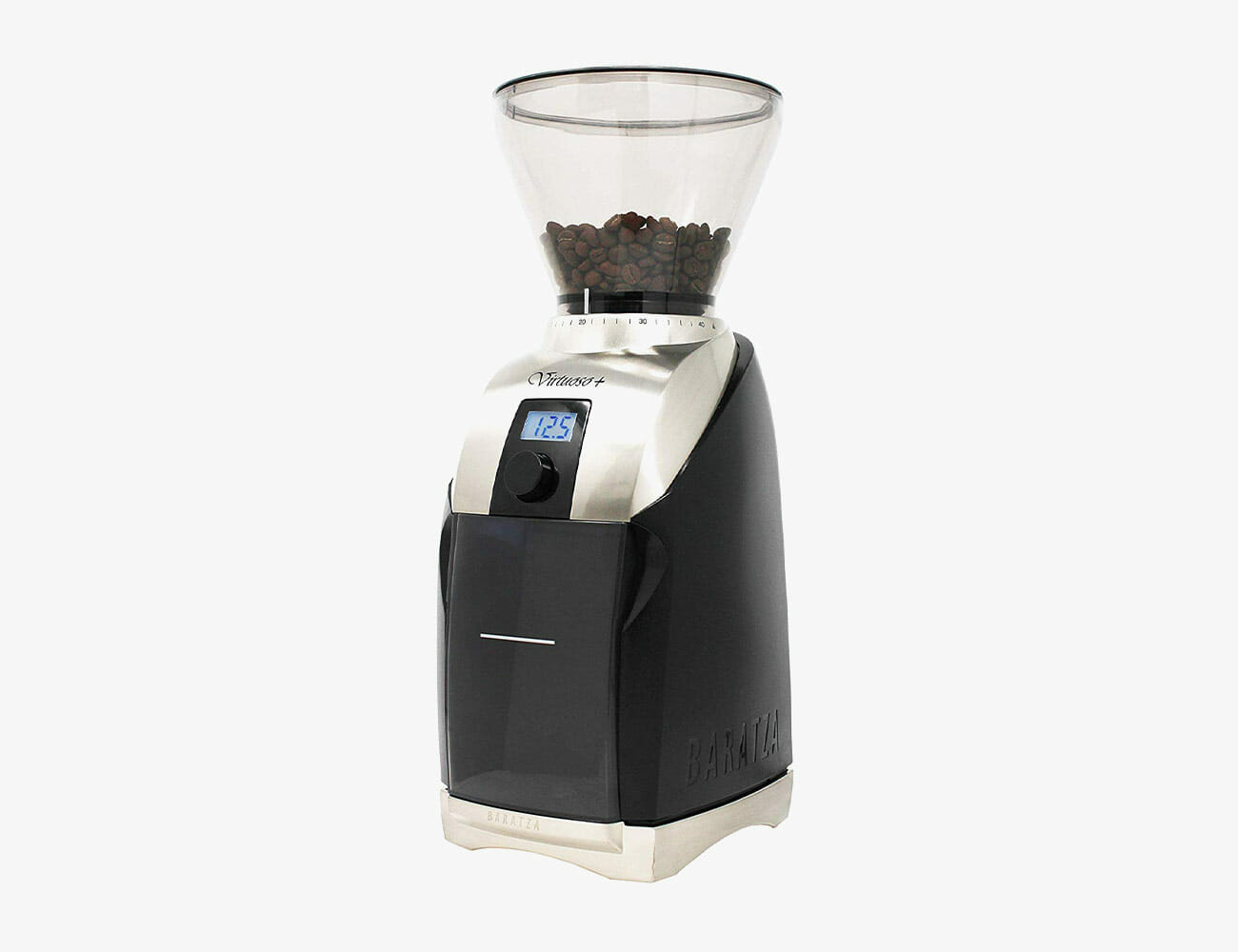
Best Upgrade Coffee Grinder

What We Like: It replaces the annoying plastic build of less-premium grinders with a heavier, metal foundation that reduced vibration and risk of decalibration. Its burrs are the same size (40mm, one for each grind setting) as the stainless steel burrs in the Encore, but they’re cut sharper and thus able to producer finer grounds. The guts of the machine are made of more metal and less plastic than its sibling, too. Plus, the Virtuoso+ has a sturdy knob and timer system that the Encore — and most grinders that aren’t commercial-grade — don’t have. The timer allows you to figure out exactly how much coffee you grind per pot once and, from there on out, it’s set-and-forget.

What We Don’t Like: The price is an obstacle that is difficult to get around. Paying $250 for a coffee grinder is not an easy decision, and Baratza’s products aren’t on sale often (you can buy manufacturer-refurbished products at a significant discount on the brand’s website). Though grind uniformity is about as good as a home coffee grinder gets, it’s finest setting is, at best, average for espresso grinding. There’s also no slot for a portafilter under the grinder.

Breville Smart Grinder Pro

Breville makes the best home espresso for most folks, so it stands to reason they’d make a pretty good espresso grinder, too. Expect products that obsess over details wrapped in a nice commercial-residential aesthetic.
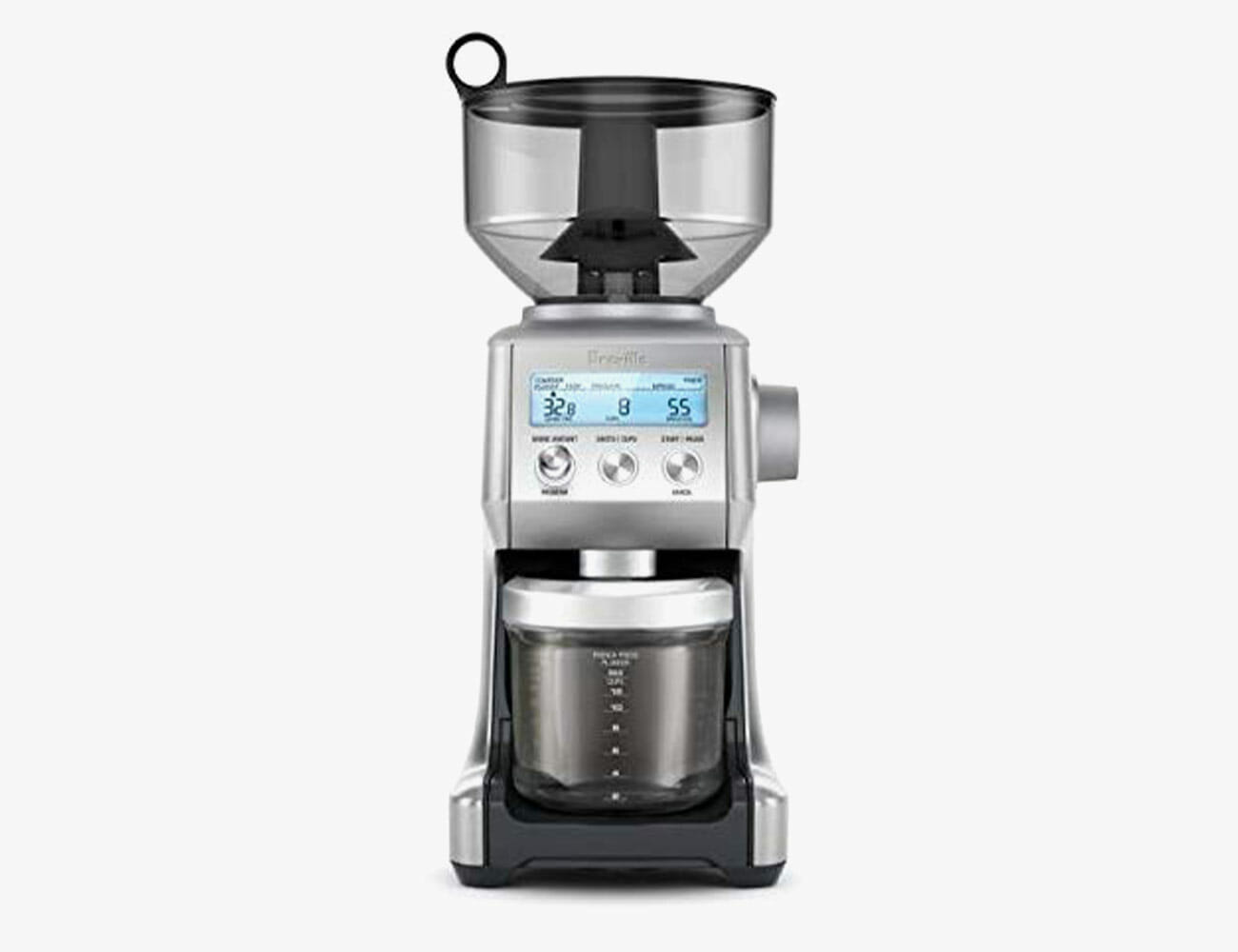
Best Coffee Grinder for Home Espresso

What We Like: Compared to other grinders in its price range (and some well above), Breville’s offers extraordinary precision and customization. It’s got more grind settings (60) than any other grinder on this list, supreme programmability and loads of helpful presets. Plus, it’s got a nifty hook to slot in a portafilter for espresso grinding and it’s fairly simple to take apart and maintenance. The ability to buy it in different colors is a nice touch.

What We Don’t Like: It’s confusing for the newcomer, but it’s fairly clear it wasn’t designed for the newcomer; the number of things it can do, like many Breville products, is slightly intimidating. It’s also slightly bulkier than the other grinders we recommend.

Why Do You Need a Coffee Grinder?

As it pertains to making better coffee in the morning, no decision yields a greater effect than switching from pre-ground to whole bean coffee. Roasted whole bean coffee carries with it the aromatics of the bean for a few weeks after roasting, and remains stable and “fresh” for much longer. Pre-ground coffee expels all the bean’s natural aromatic and exposes the grounds to particles that distort flavor — in other words, pre-ground coffee is stale coffee.

To convert whole bean coffee to ground coffee, we need a coffee grinder. But not all grinders are created equal.

What Makes a Good Coffee Grinder?

Burrs, Not Blades

A rule of thumb: burr grinders rule, blade grinders drool. Where a blade grinder works more like a blender, chopping away at beans at the blade level, burr grinders effectively chew and crush beans. The difference between the two is dramatic. When coffee is put in a blade grinder — which are typically inexpensive and designed for spice grinding — only the beans that are in contact with the blade are brought to size. This means the beans that sit below the blade, or wedge themselves into corners, are left at a completely different size, while the beans at blade-level are turned to dust. These differences ruin good whole bean coffee by creating ground coffee that’s inconsistent and prone to weird extraction. In short, pots of coffee will never be replicable.

Sturdy Construction

With coffee grinders, the heavier the better. There are a few reasons for this. One, more weight means the machine’s motor won’t knock itself out of calibration or grind setting mid-grind. But it also means the grinder you’re buying — a relatively small machine tasked with crushing coffee beans for 30 seconds every day — is less liable to break internally because there’s less plastic and more metal.

Serviceability

No matter how nice the machine, every grinder requires service now and again. Even if there’s not a mechanical issue, you’ll need to remove the burr and guts of the machine to clean coffee from months ago off the internal gears. If you can’t take it apart easily, don’t buy it.

Popular Coffee Grinders to Avoid

Krups Electric Spice and Coffee Grinder

What We Like: It’s small enough to fit in a drawer under a countertop and it’s affordable.

What We Don’t Like: It’s a blade grinder, so there is no such thing as grind or brew consistency. There were enormous discrepancies in grind coarseness in coffee from the same grind session. The blade may very well be the only part of the machine that isn’t plastic. It may be affordable but, in this case, it’s also just cheap.

Cuisinart DBM-8 Supreme Grind

What We Like: A really, really competitive price for a burr grinder and a small countertop footprint.

What We Don’t Like: The grinder produced fairly consistent grinds for the most part, but, without fail, every grind also results in a strange amount of too-fine coffee that makes the coffee you’re brewing exceedingly bitter and full sediment. The machine also experienced frequent hiccups in the middle of a grind session, ceasing operation and requiring teardown maintenance. Only buy this if you need a grinder in a pinch.

KitchenAid Blade Coffee Grinder

What We Like: Again, a very small build and a decent price. The brushed stainless steel exterior looks nice, too.

What We Don’t Like: Blade grinders should stick to spices. This grinder is basically a more expensive version of the Krups grinder above. Both are popular because they’re small, affordable and easy to use, but they’re equally liable to break down early and turn out consistently inconsistent coffee.

Baratza Sette 270

What We Like: Make no mistake, Baratza’s Sette machine is an incredible tool. It’s meant for baristas to accurately grind out shots of espresso in real-time, so it has a built-in scale and dosing system to go along with a category-leading 270 grind settings. It’s also significantly faster at getting through espresso grinds than others within a couple hundred dollars.

What We Don’t Like: The price and performance far exceed what most home coffee or espresso brewers require. If you’re pulling espresso on an automatic machine, the Sette is too much machine. Only consider upgrading to this if you know you’re what you’re doing around a manual espresso machine.

Note: Purchasing products through our links may earn us a portion of the sale, which supports our editorial team’s mission. Learn more here.


Why Every Kitchen Needs a Set of These Ultra-Cheap Deli Containers

In the opening paragraphs of Pete Wells’ New York Times review of Dirty French in Manhattan’s Lower East Side, the restaurant critic-of-record describes the restaurant through a series of observations: neon pink lights, a wall-length mirror shipped from France and waiters donning limited edition Jordans. “Dirty French is one cocky restaurant,” Wells writes. “It can also be an immensely enjoyable one.”

Helmed by Chef Jordan Terry, Dirty French is not a subtle place. But Terry, who rose from meat cook to sous chef to executive chef, isn’t as fanciful as his restaurant. Where the chef’s menu is covered in elevated french bistro classics like mushroom millefeuille and terrine of foie gras, his kitchen is stocked with better versions of the gear you have at home. From buying deli containers in bulk to a cutting board that beats out wood and plastic, these are the things Chef Jordan Terry couldn’t live without.

ChoiceHD Deli Containers (32 oz.)

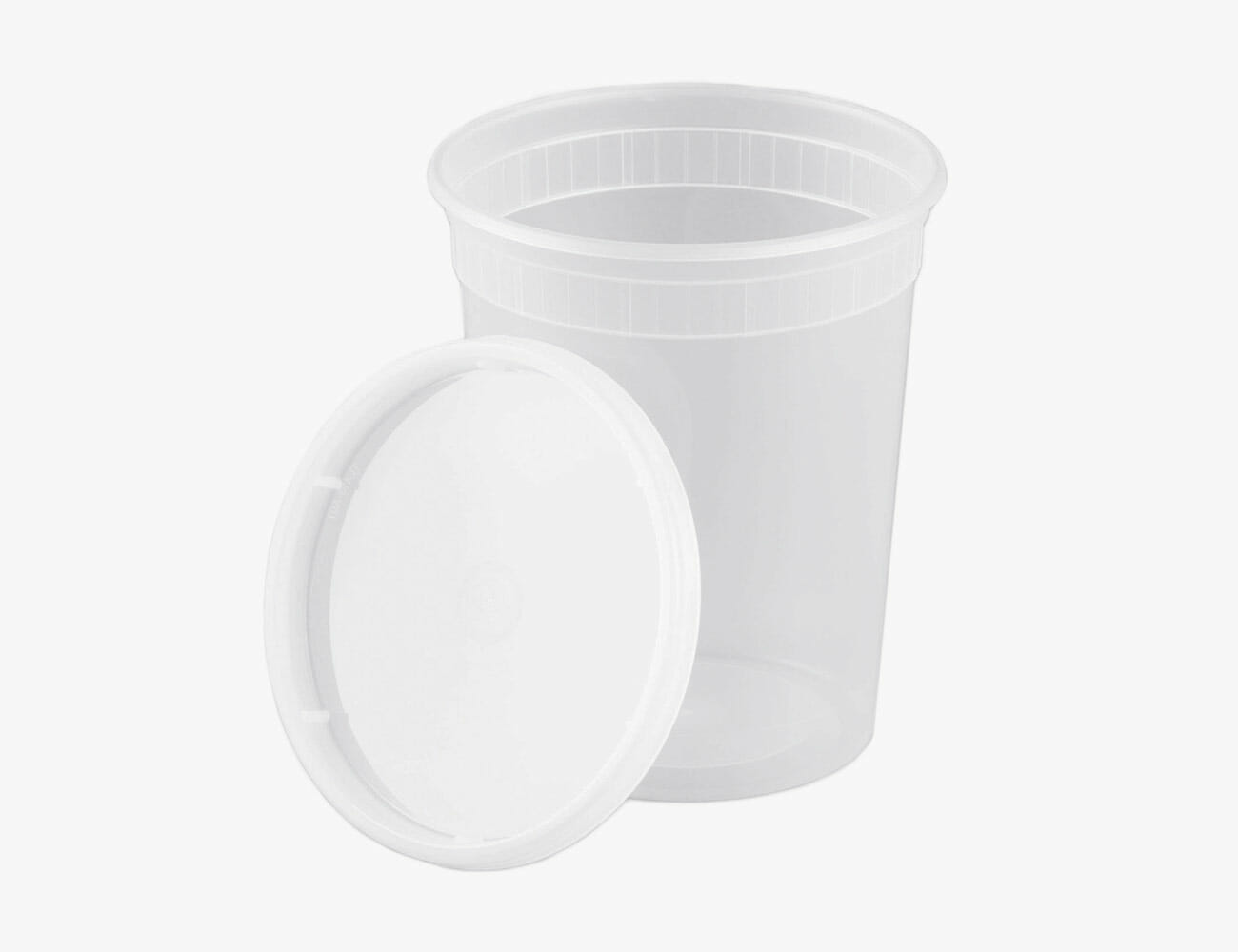
“I use these for everything: storage, portioning, mise en place, sweet tea during service, to make lunches for my wife — they really are the backbone of the kitchen. They come in different sizes, but they have universal lids. They are reusable, they are cheap, they are sturdy and with a roll of masking tape and a sharpie, you can keep everything in them labeled and organized.”

Hall China 1-Quart Jars

“We each have our own and store all the tools we will need for service: like spoons, spatulas, tweezers and whatever else we might need. I love having a few extra around, filled to the brim with spoons for cooking and tasting. They are quiet, elegant and a great way to keep everything you need within arms reach.”

Opinel Oyster Knife

“Never will I have to break my keys opening oysters when I find myself in this situation (which has happened more than you might think). It’s beautifully made with a smooth and strong handle and a stout blade that flies through whatever size oysters you stumble upon, and fits comfortably in your pocket. Just don’t forget it’s there when you go to city hall to get a marriage certificate… they don’t care about your reasons.”

Rubber Cutting Board

“This isn’t some thin, plastic malarkey. It’s a solid, beautiful and terribly functional cutting board. It’s heavy and made of rubber, which is so much kinder to your blade, absorbing the metal instead of fighting it like a plastic one. And unlike wooden cutting boards, that’s all that it absorbs. It cleans up like a champion and it’s significantly faster than other boards; your blade just bounces back, ready for more. Bonus, you can use a scrubbing pad to take it down if it gets pockmarked or stained — no need for a sander like with a wooden one. They are just a joy to cut on.”

Note: Purchasing products through our links may earn us a portion of the sale, which supports our editorial team’s mission. Learn more here.
This LEGO Ideas Set Includes Three Different Dinosaur Fossils

As much as we love the freedom and creativity imparted upon us with a giant pile of plastic LEGO bricks and no final goal in site, we also appreciate everything that goes into the creation…

10 Solid Brands to Shop for Men’s Furniture Online

There’s more to the furniture world than Ikea, CB2 and legacy furniture makers. These days, a number of internet-native companies have joined the competition with all manner of aesthetics and prices represented. Here are 10 of the best spots for guys to buy furniture online.

Dims.

Dims.’s Eugene Kim would prefer if you didn’t call his company the “Warby Park of” anything. Dims. (the period is always there) isn’t a design house as much as it is a design incubator. Designers who lack decades-long résumés pitch Kim on their pieces and, if produced, earn royalties off of them. In the original design space, its prices are competitive, with products listed from $145 to $795. To date, there’s a coffee table, side table, dining table and bar cart.

Can’t Miss: Barbican Trolley ($350)

Artifox

Artifox’s products look like they were designed for full-stack developers with good taste. Its tech-minimalist aesthetic stems from Sarah and Dan Mirth’s blend of interior and industrial design backgrounds; the collection heavily features hardwoods, powder-coated steel and small-but-useful organization measures (the headphone hook and cable management grid are great). The lineup includes the things you’d expect to find in a small apartment space — bike racks, wall shelves, monitor raisers and side tables included. Prices are on the higher end, but not unreasonable, with an oak desk starting just under $1,000.

Can’t Miss: Desk 02 ($950+)

Floyd

Floyd may be of the same flat-pack ilk as many of its direct-to-consumer forebearers, but comparison stops there. It’s assemblable (and disassemblable) furniture made of heavy birchwood and thick-gauge steel and it’s meant to last — all rareties in its space. With a nice balance of heavy materials and light colors, the look is a sort of whimsical-industrial. Starting a few years back with just a platform bedframe, its catalog has now opened up to include a sofa, shelves and tables. Its prices are fairly moderate.

Can’t Miss: The Platform Bed ($650)

Akron Street

It’s all about the wood. Every piece in Hansley Yunez and Lulu Li’s catalog is made, at least in part, of American white oak. In spite of that, few pieces are visually heavy and all are, given the materials and original designs, surprisingly affordable. Its wares include chairs, tables, desks, bedframes, coat racks, media consoles and more.

Can’t Miss: Small Tenon Oak Table ($277)

Article

Article doesn’t look much different than most internet furniture retailers, but it is. Where others are built overnight with seed funding and venture capital, Article has taken longer to reach its size than most, and unlike others on this list, Article doesn’t necessarily have a specialty. There are hundreds of products in its catalog, ranging from mid-century sofas to boho-inspired wall shelves. The upshot: you could furnish an entire home with Article and hit myriad styles throughout, and do so affordably. Plus, it’s one of few retailers — online or off — to include the absolute maximum of information on product spec sheets (check out the rub counts on upholstered sofas and chairs).

Can’t Miss: Sven Sofa ($999)

Burrow

Burrow’s greatest strength is listening to its customers just enough. Its initial collection of sofas upholstered sofas were met with praise, but they weren’t perfect; buyers said the arms were too high to comfortably lean against for a nap, the cushions took too long to break in and the built-in phone charger in the base was too flimsy. Oh, and it should come in leather. It updated the collection in 2019 to remedy all those issues and doubled down on quick shipping and easy assembly, a combination which made its sofas our favorite on the internet. The brand makes sofas, sectionals, armchairs and ottomans in a number of upholstery and leather options.

Can’t Miss: The Nomad Leather Sofa ($1,995)

Schoolhouse

The driving force behind Schoolhouse’s founding was a nostalgia for heavy things. Brian Faherty’s Portland, Oregon-based company, which started as a mail-order catalog selling old school, cast-iron molded glass shades, makes everything from barware to hardware to extendable dining room tables, each piece intended to become what Faherty calls a “modern heirloom.” Visually, its pieces are either direct descendants or reminiscent of various art and design movements of the 20th century (Art Deco, Cubism, Mid-Century Modern all makes appearances), but because its products are made Stateside and in an uncompromising manner, don’t come looking for a bargain. They’re built to stick with you for a lifetime.

Can’t Miss: Jack Loveseat ($2,199)

Muji

Muji isn’t a new company, but it is new to America. The intensely Japanese company makes damn near everything — house slippers, gel-ink pens, facewash, tea kettles and beanbags included — but its furniture is quietly one of its strongest categories, despite a significantly depleted stock compared to its Japanese equivalent. Look for a satisfying mix of smart storage, compact seating and a series of cult-favorite beanbags at fair prices. Also a plus: the brand recently updated the look and functionality of its outdated online store, which makes things a lot easier.

Can’t Miss: SUS Steel Shelving Unit ($250)

Vipp

Vipp is a high-end Danish design house that recently launched its first full-fledged furniture collection online, but its beginnings are, shall we say, humbler. The company made a name for itself making the best damn trashcans in the world and has become a respected fixture in Scandinavian design. Expect powder-coated aluminum frames dressed up with luxe materials, high price points and lots of people asking where you found your chair.

Can’t Miss: Chair w/ Leather ($950)

Hay

Hay’s ability to bend smart ideas and forms from its Danish roots with a playful disposition is second to none, and since Herman Miller acquired a portion of the company in 2018, its stuff is finally available in the US. And unlike Herman Miller, Hay’s products typically register at more manageable price points. Look for furniture that seems normal but throws you a curveballe, like a black marble-topped coffee table with a frame made of rebar.

Can’t Miss: Don’t Leave Me Side Table ($195)

Note: Purchasing products through our links may earn us a portion of the sale, which supports our editorial team’s mission. Learn more here.
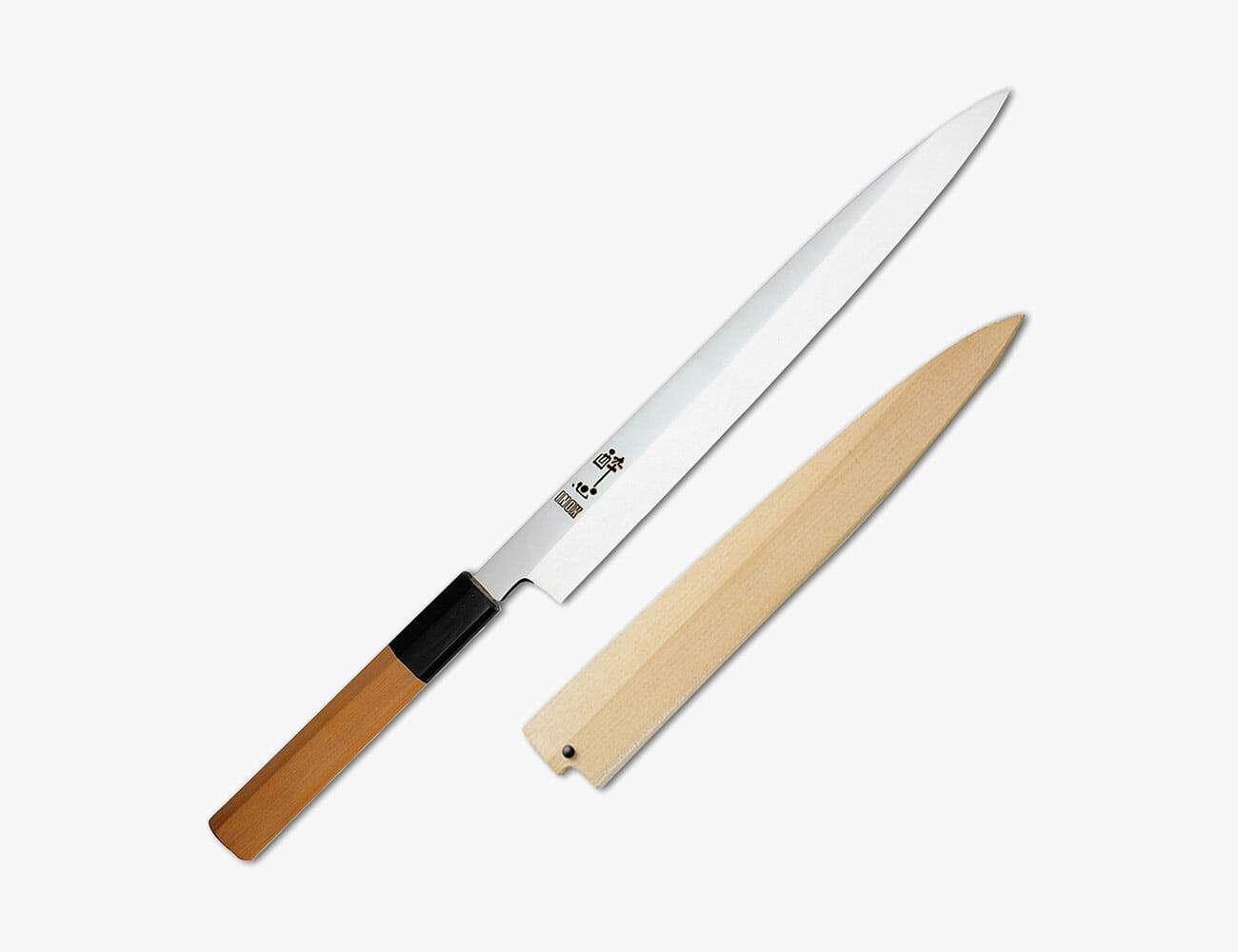
The Instant Pot of 2019 Could Be a Bunch of Small, Fancy Ovens

Every few years, a kitchen gadget, appliance or tool captures hearts and minds. From the Microplane in the mid-’90s to the Instant Pot in the 2010s, when kitchen products become a cultural phenomenon, they blow the hell up.

The Instant Pot’s success was directly born from a successful Frankenstein integration of a pressure cooker with seemingly infinite other kitchen appliances, but it alluded to buying interests mutating with deeper societal shifts. Namely, rise of smaller living spaces — the result of the growing cost of developing land — and longer working hours. We don’t have the cabinet space to keep a dozen unitaskers around or the time to assemble a meal on the stovetop. The “next Instant Pot,” if there’s going to be one, will likely follow this path. The kitchen appliance industry’s best bet? Super microwaves.

“The microwave oven is in more than 85 percent of kitchens and used frequently every day. There are not a lot of other appliances out there with those stats,” explains Catherine Ruspino, Breville’s general manager of cooking. “One microwave downfall has been food results. Generally people have ratcheted down expectations and made do, so of course we see a lot of companies trying to solve that problem.”

Suspino is referring to a wave of new mini-ovens primed to fight for your countertop space. Brands like Hamilton Beach, Cuisinart, Breville, Anova Culinary and Instant Pot itself have unveiled their takes on it, each armed with its own toolbelt of presets and cooking styles. But all aim to accomplish similar feats: more cooking options per square-inch, faster cook times and faster preheat times. From air frying microwaves to commercial steam ovens made for the home, these are the next generation of countertop appliances.

Buying Guide

Hamilton Beach Digital Sure-Crisp Air Fry Toaster Oven

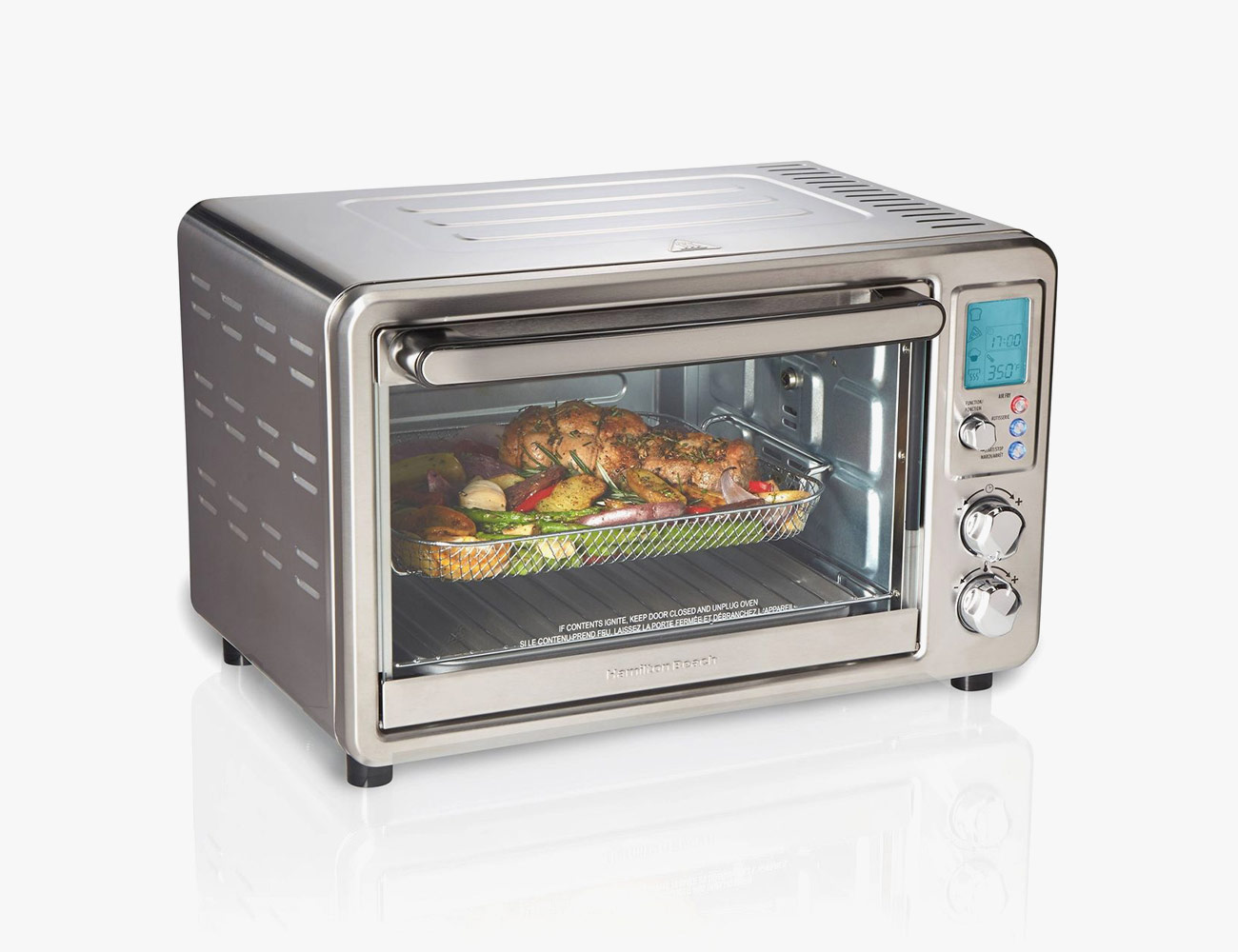
Debuted at IHHS 2019, Hamilton Beach’s take on the trend is peak Hamilton Beach. That is to say it’s suspiciously affordable and just a bit different than what other kitchen appliance heavyweights are doing. Its Sure-Crisp oven works as a traditional toaster oven, an air fryer and a rotisserie. The space on the inside of the machine is too small to cook some whole chickens (the roided-up grocery store variety), but fits smaller chickens, cornish hens and other small rotiss-able meats just fine. Use the air fry function on frozen food instead of a conventional oven — it’s faster and it’s not going to change what ends up on the plate.

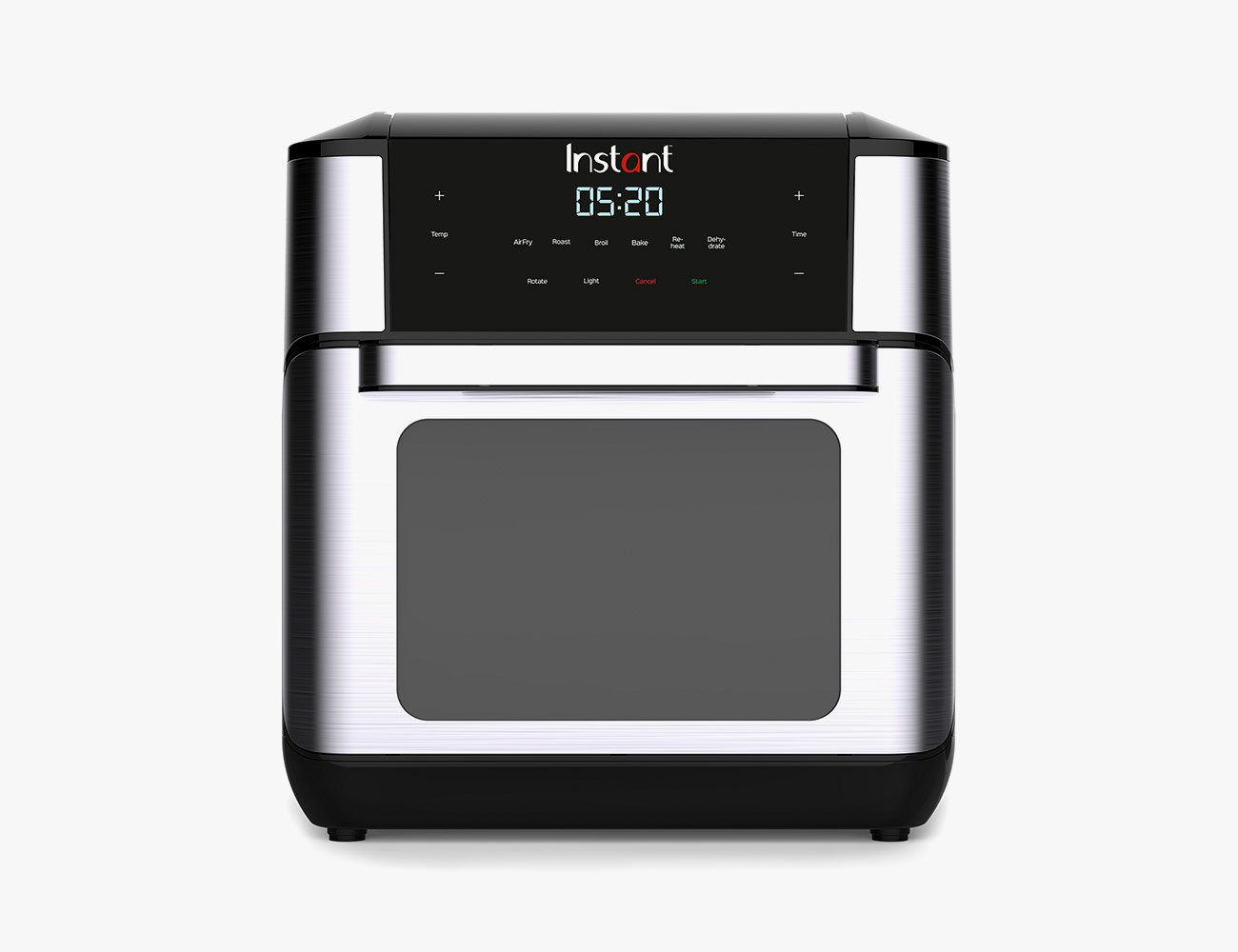
Instant Pot Vortex Plus

Instant Pot’s take on the next Instant Pot is a cube-shaped machine with a slew of useful presets. The machine boasts air fry, roast, broil, bake, reheat, dehydrate and rotisserie smart programming. Moreso than the Hamilton Beach machine, it has the potential to completely replace not only a microwave, but a conventional oven.

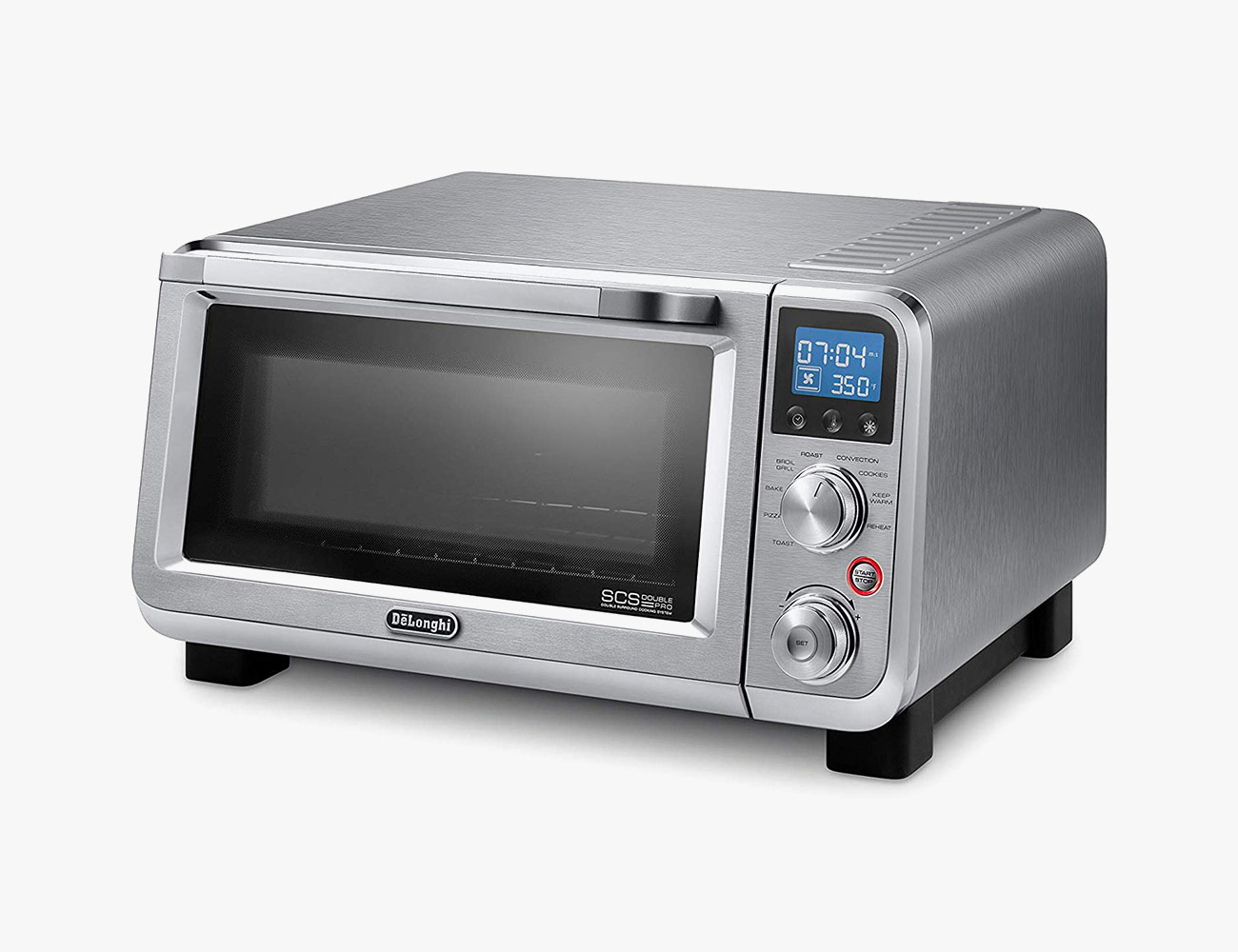
De’Longhi Livenza

A pricier version of what’s come before with a handful of useful features thrown in. The Livenza toasts, bakes, broils, reheats and keeps things warm, plus a handful of food-specific preset modes for cookies, pizza and so on. But it also comes with an app that delivers hundreds of recipes designed for the device, heats up significantly faster than traditional ovens (and most of the new ones on this list) and, thanks to what De’Longhi calls Heat Lock System, doesn’t put off as much heat outside the oven.

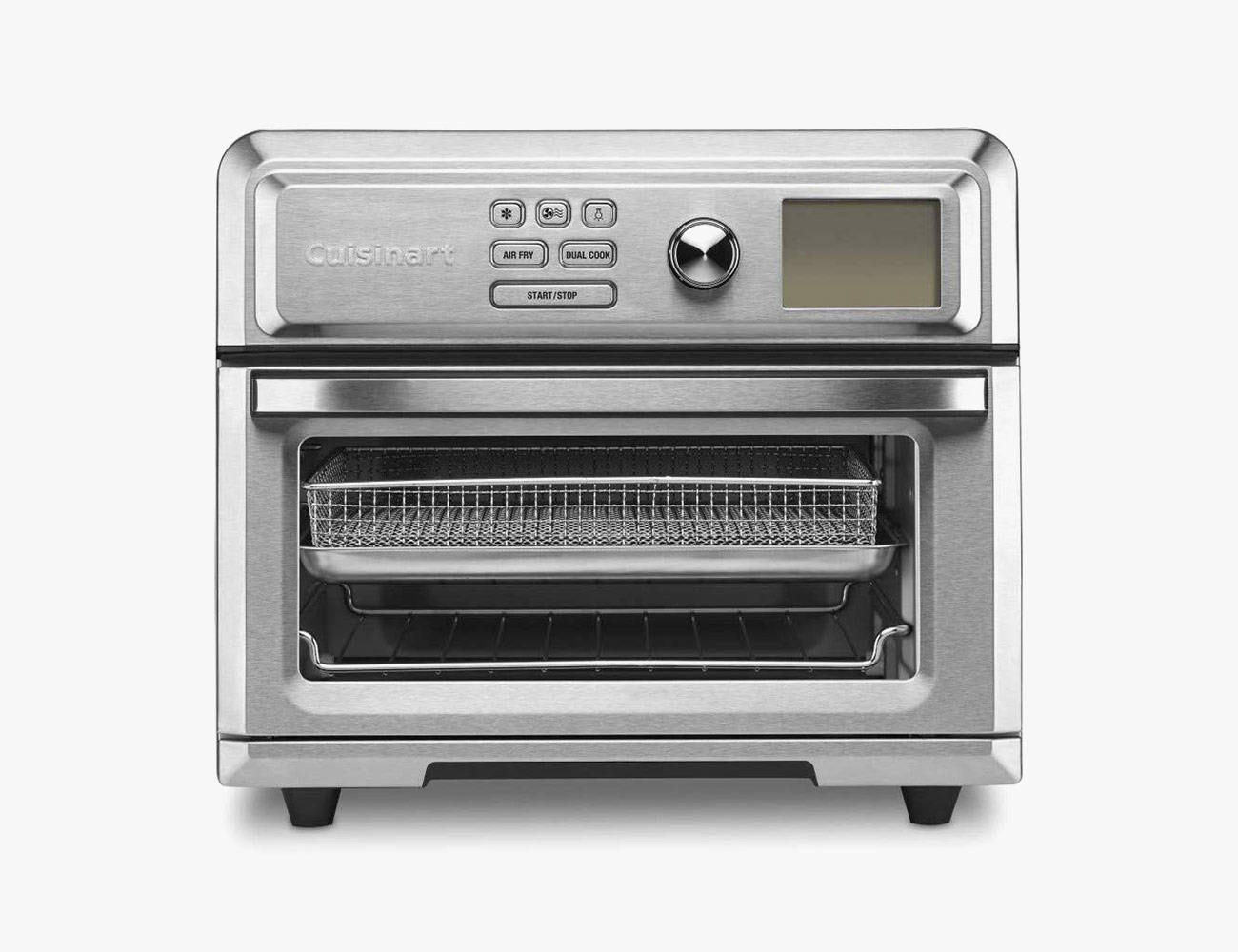
Cuisinart AirFryer Toaster Oven

Cuisinart’s multifunctional oven is similarly stacked with cook modes, but it boasts one thing the more affordable options don’t: slow cooking. Its temperature range is 80 to 450 (the widest of the aforementioned ovens), and it’s able to maintain those temperatures far longer than cheaper options. Plus, it’s got a preset function for proofing dough and making jerky.

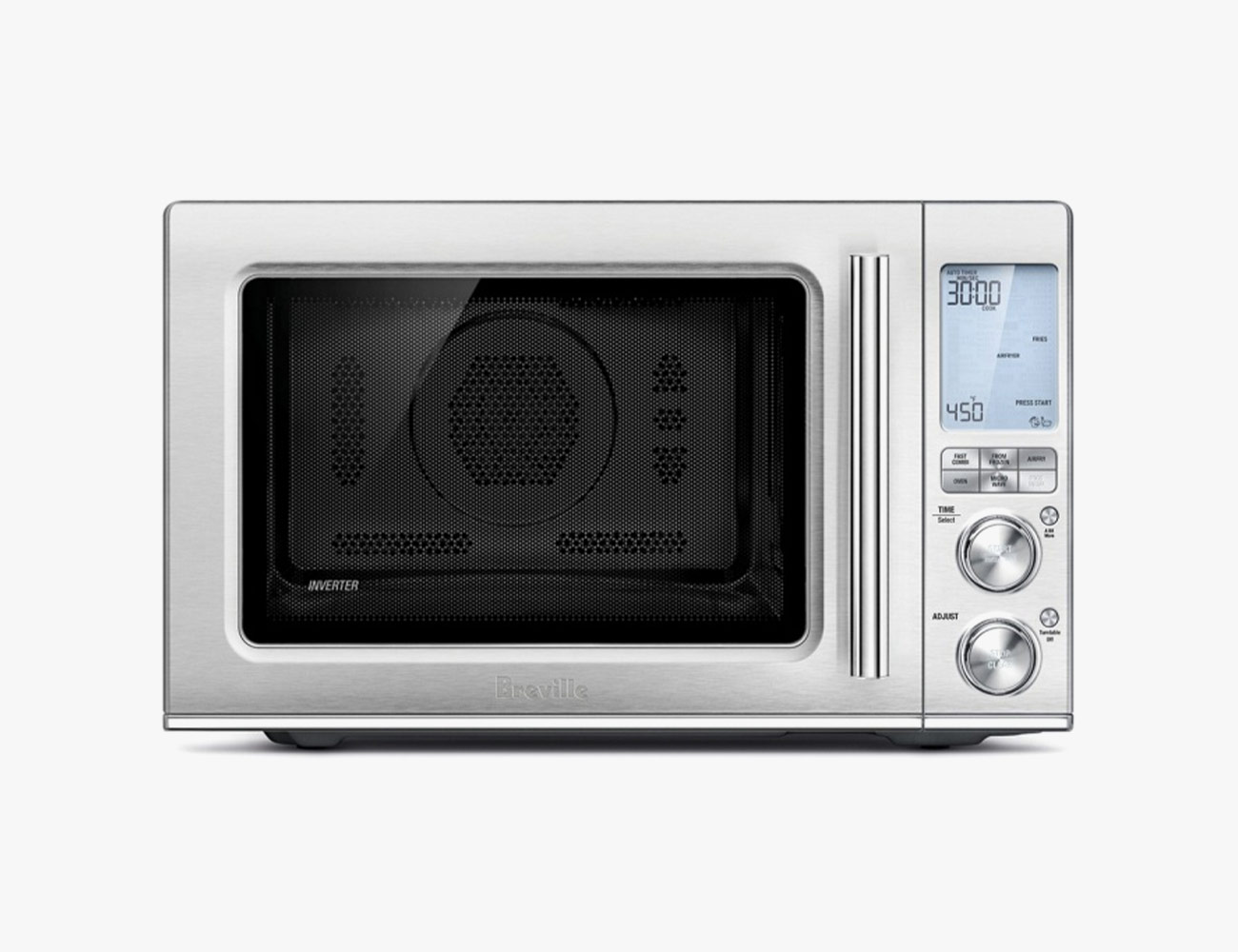
Breville Combi Wave

Breville’s Combi Wave could take the place of your microwave and oven in one fell swoop. It’s a convection oven, an inverter microwave and, yes, an air fryer. It has more smart programming capabilities than all the previous ovens combined to go along with a number of standard presets (including “melt chocolate” and “soften butter” options). On its “Fast Combi” setting, it uses a broiler, convection oven and microwave heat sources simultaneously. It’s also got a satisfying quiet-closing door.

Anova Precision Oven

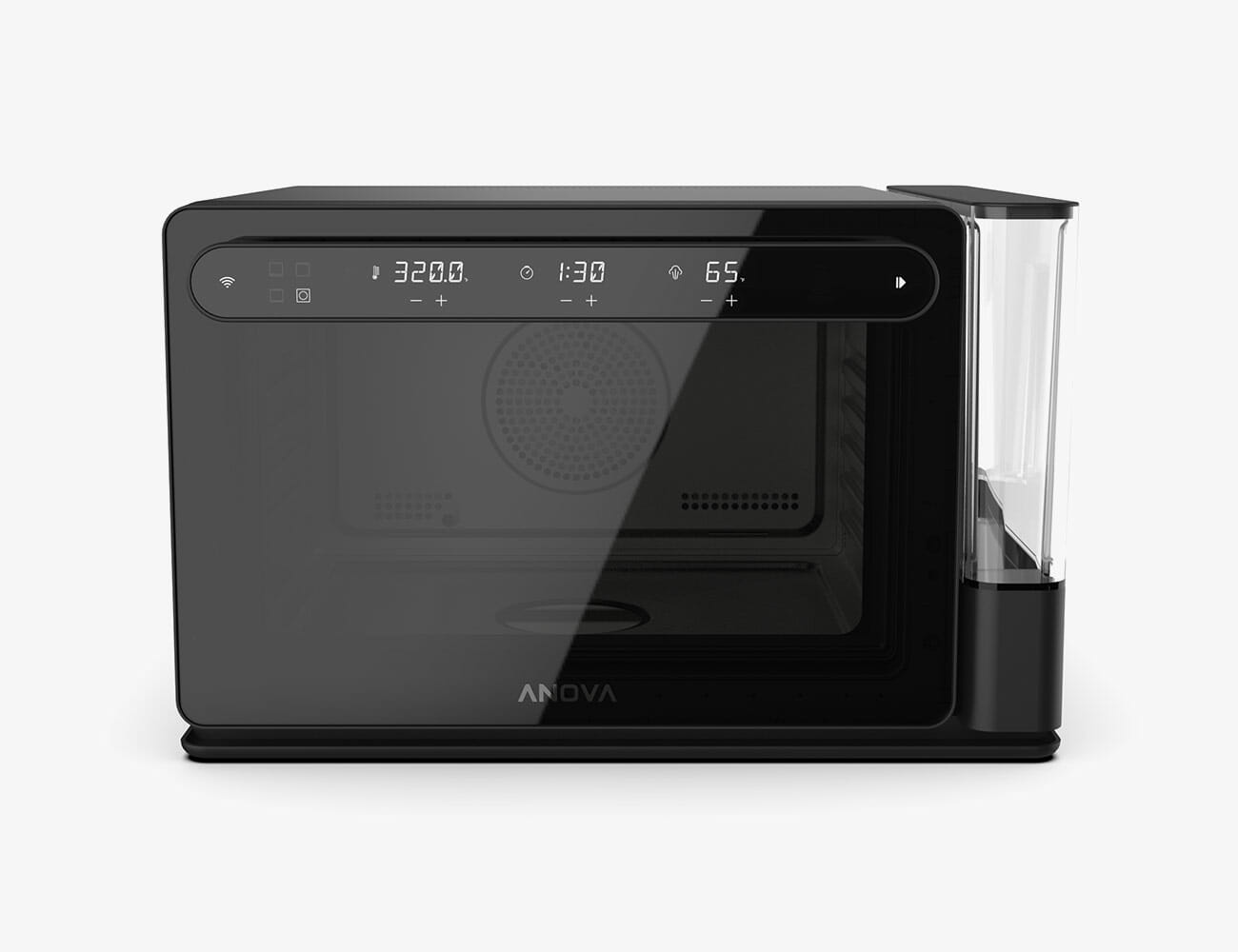
Anova’s inclusion on this list isn’t quite fair. For one, there’s no set release date for the product, and it’s not necessarily gunning for your microwave. Instead, the company that makes reall killer sous-vide circulators is making a sleek-looking steam combi-oven. Steam combi-ovens are staples in commercial kitchens thanks to far more precise heat conductivity and temperature stability, but due to a lack of well-priced, countertop-sized versions, they’ve yet to take hold in the residential space. No specs or pricing info are available yet.

Note: Purchasing products through our links may earn us a portion of the sale, which supports our editorial team’s mission. Learn more here.
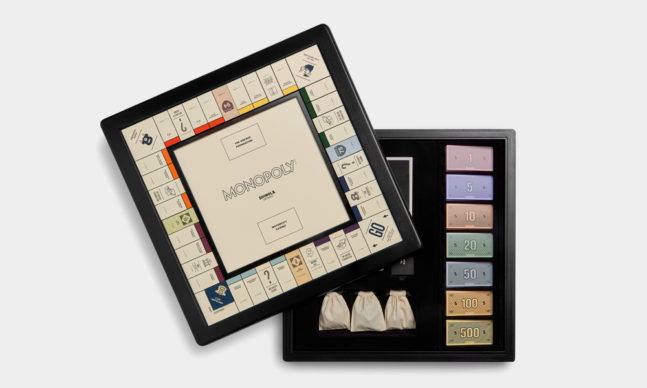
Monopoly: Shinola Detroit Edition

While there are a lot of games that pop into our head when we think of “board games,” the first will always be Monopoly. In addition to ruining more friendly gatherings and family holidays than…

Why Every Kitchen Absolutely Needs an Extra-Large Big Green Egg

Gibsons Restaurant Group, the restaurant empire that Chef Daniel Huebschmann helms, is immense. It spans four states and 14 kitchens. It’s the first and only restaurant group to have its own USDA Certified Angus Beef Program. Huebschmann’s job, like his gear picks, is commercial. In other words, there are no tweezers counted in his essential kitchen gear setup. From a cheap pair of extra-long tongs to the only charcoal grill you should buy, these are the things Chef Daniel Huebschmann couldn’t live without.

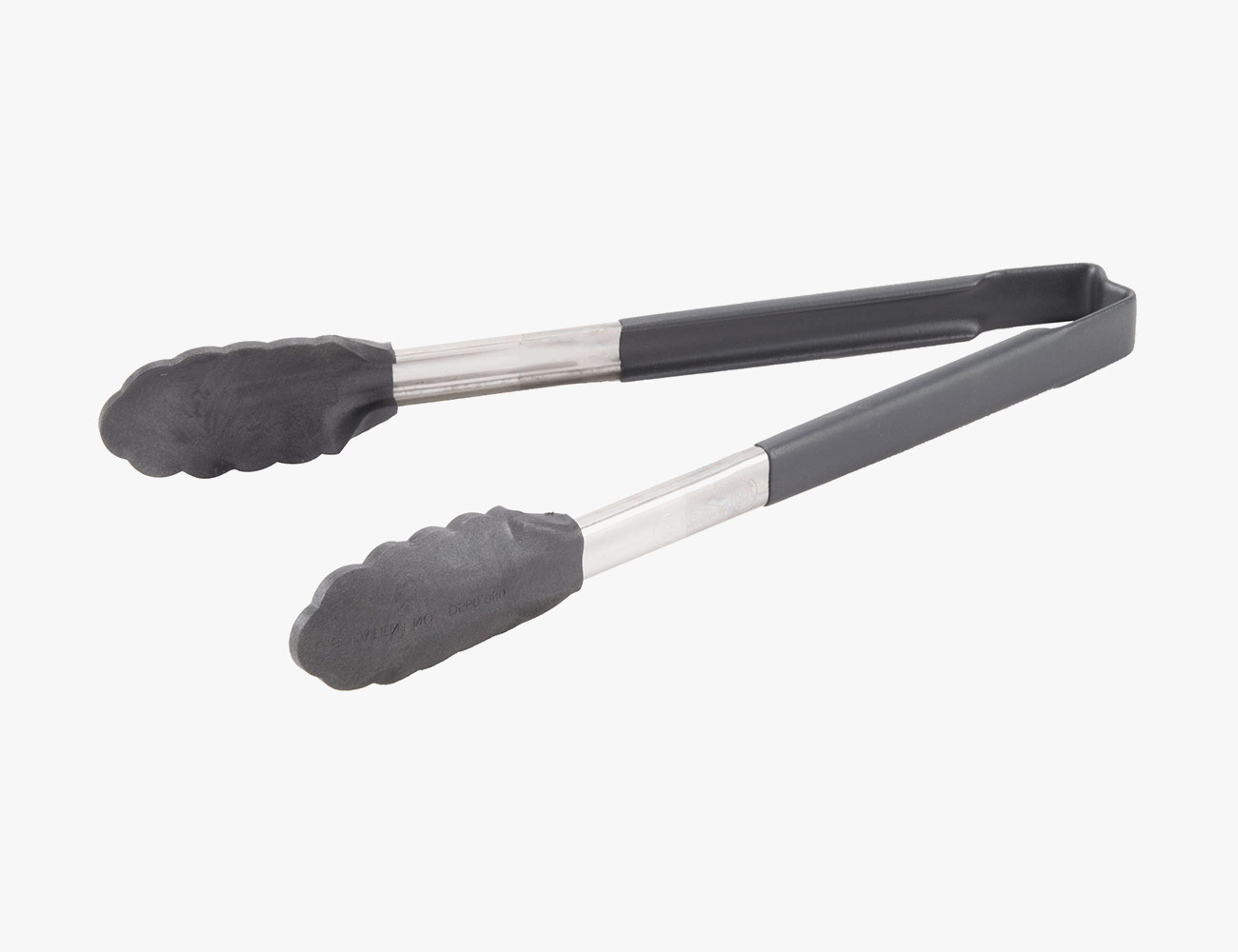
Vollrath 12-Inch High-Heat Tongs

“Size does matter in this case. If you are using tongs over an open flame, you’ll want to keep a little distance and the 12-inch length on these tongs allows you to keep an appropriate distance. The added bonus of the coated tip gives you the option to use these on scratch sensitive surfaces as necessary. The coated handle is very helpful when gripping the tongs and it allows you to move large format food around easily. It’s best to use a nonstick pan on a side burner (gas grills) to sauté some vegetables while grilling steak.”

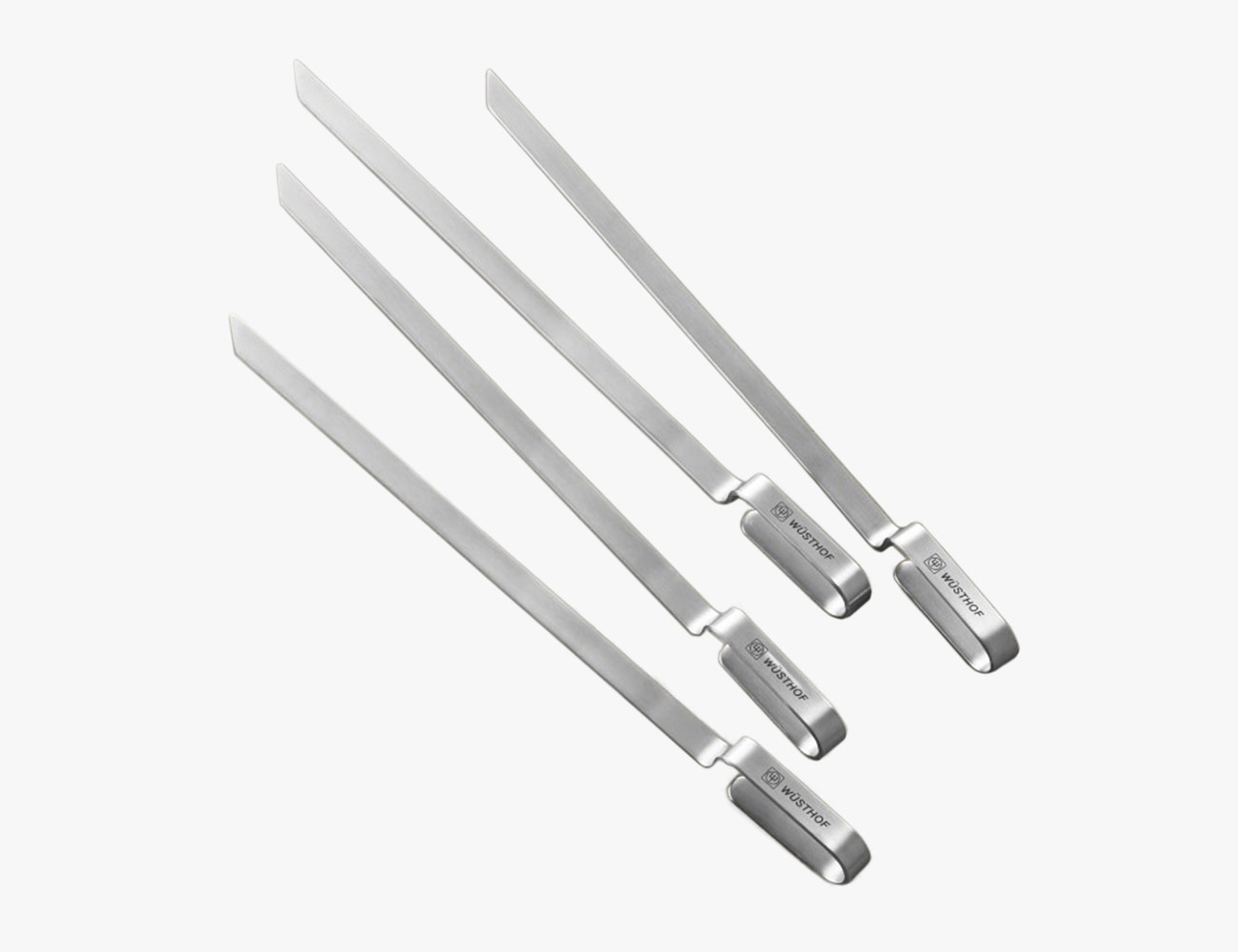
Wüsthof Stainless-Steel Metal Skewers

“These skewers are both stylish and functional. Not only do they look sexy when placed on a platter and presented with meats and vegetables, but they are also highly functional. The shape of the handle allows for very easy gripping.”

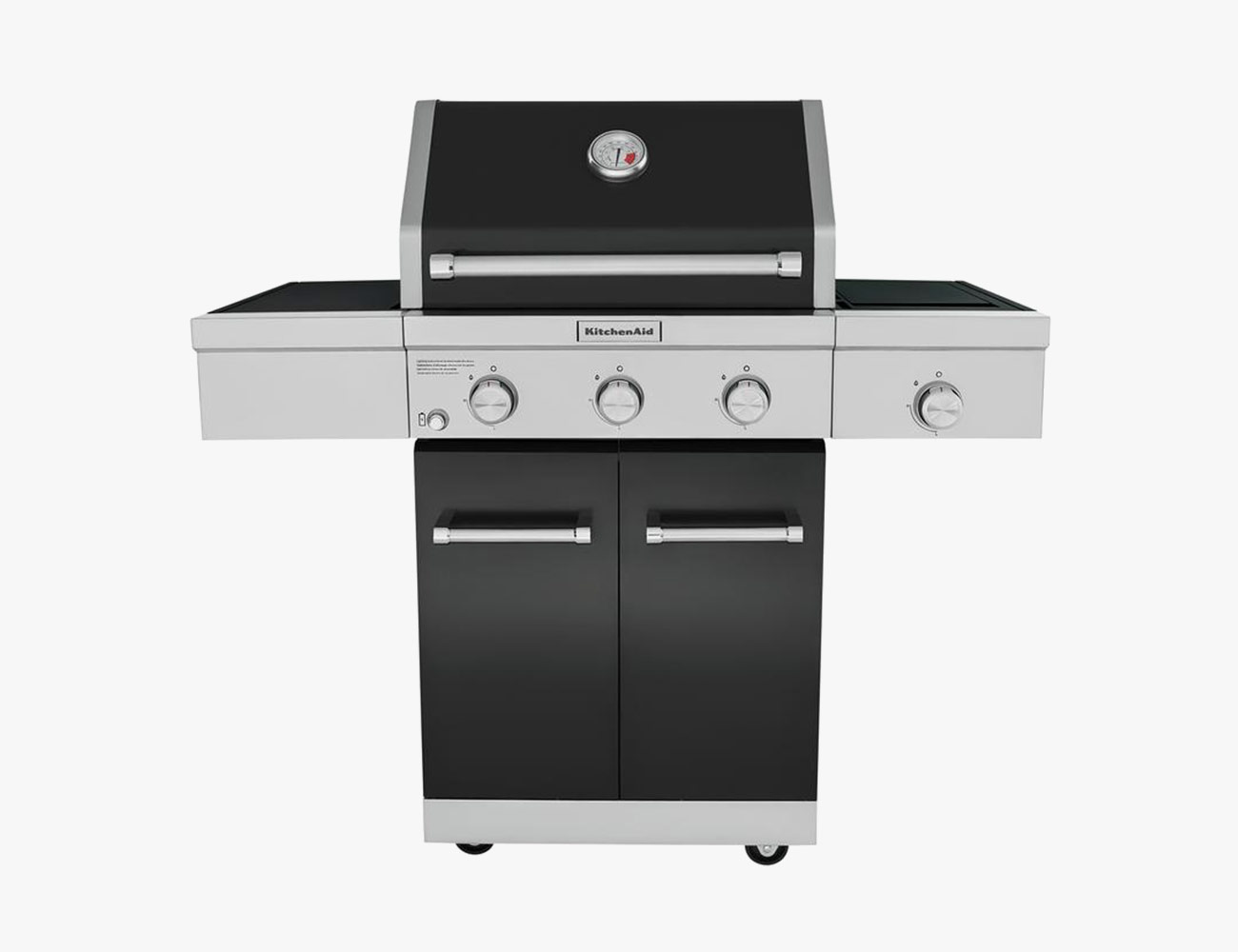
Kitchenaid 3-Burner Propane Gas Grill

“For a cost-effective grilling machine, the 3-burner unit does the trick. It provides even heat distribution with Kitchenaid quality and design that performs. I would not advise going smaller unless space is an issue. You can grill and slow roast a variety of sizes for home BBQs. The cooking surface on the 3-burner is large enough to allow for indirect heat as well. The side burner that allows you to sear and sauté is an added bonus that simply can’t be beat.”

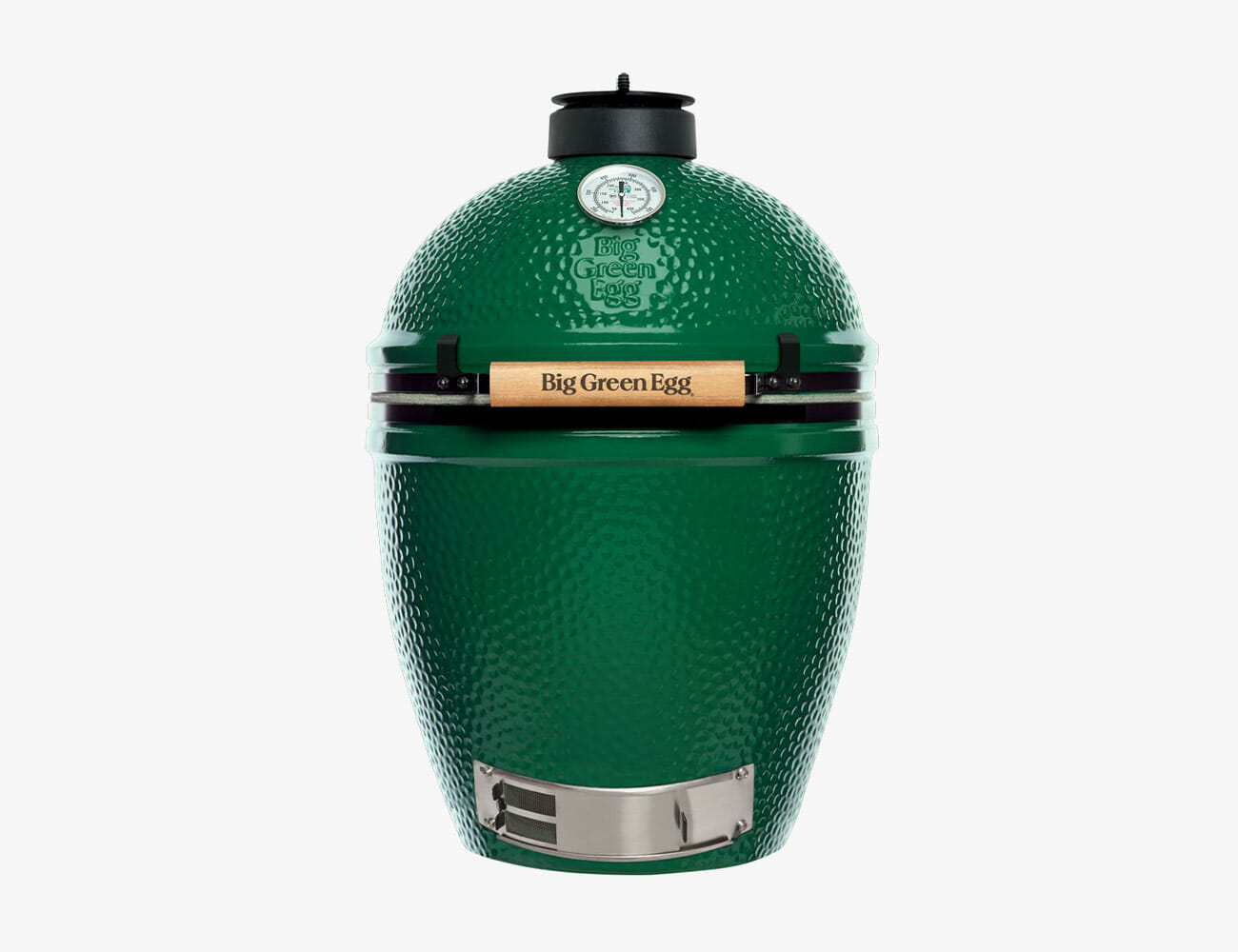
Big Green Egg (Large)

“For charcoal grilling and smoking, this is my weapon of choice. While similar size and shape charcoal grills offer high-temperature searing and even heat distribution, the Big Green Egg has an edge. Not only does it get hot, and it does get smoking hot, it also offers extremely even heat distribution and retains its heat for an extended period of time. This allows for killer smoking and grilling of larger items like turkeys and beef briskets.”

Note: Purchasing products through our links may earn us a portion of the sale, which supports our editorial team’s mission. Learn more here.

Why Every Outdoor Cook Absolutely Needs This $4 Amazon Buy

David Shim’s Cote in Manhattan’s Flatiron District is one-part American steakhouse, one-part Korean barbeque. It features classic gas-fired yakiniku grills from Shinpo at the center of every table and effectively merges American steakhouse favorites with Korean ingredients and flavors (a shrimp cocktail with gochujang being the clearest example). The result of Shim’s cuisine blending was a strong review from the New York Times’ Pete Wells, a place on GQ’s Best New Restaurants of 2018 list and a Michelin star. From $4 firestarters to an obscure Japanese table grill, here are four things Cote’s David Shim couldn’t cook without.

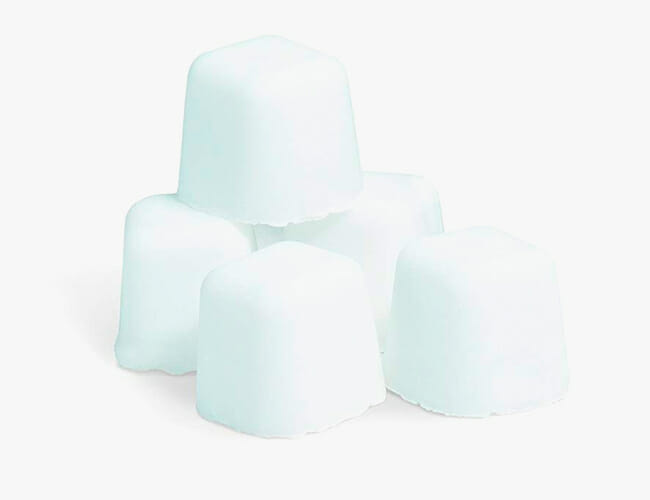
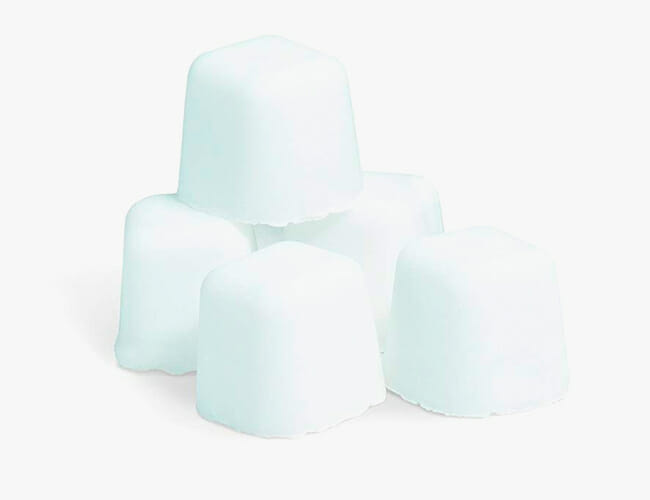
Weber Lighter Cubes

“If you ever find yourself outdoors with a charcoal grill, these mini cubes are a must. How many times have you seen people stuffing paper, small pieces of boxes or pouring liquid charcoal lighter? Everyone has their own way making the fire but many times isn’t as easy as one thinks. With the mini lighter cubes all you need to do is put the lighter cubes in between the charcoal and wait till it starts to light, give a light fanning and you are ready to go.”

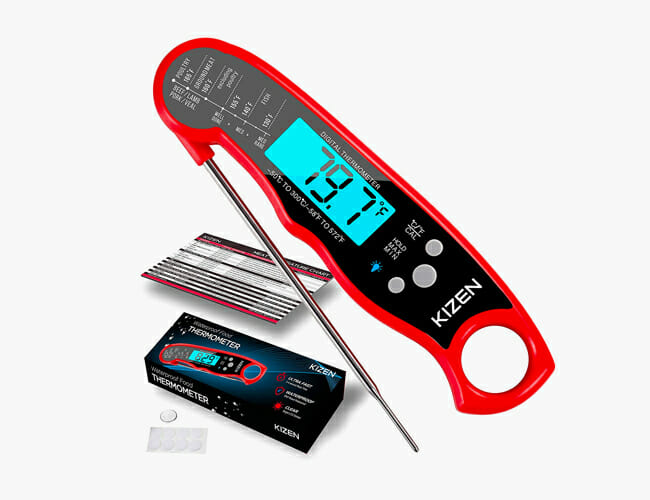
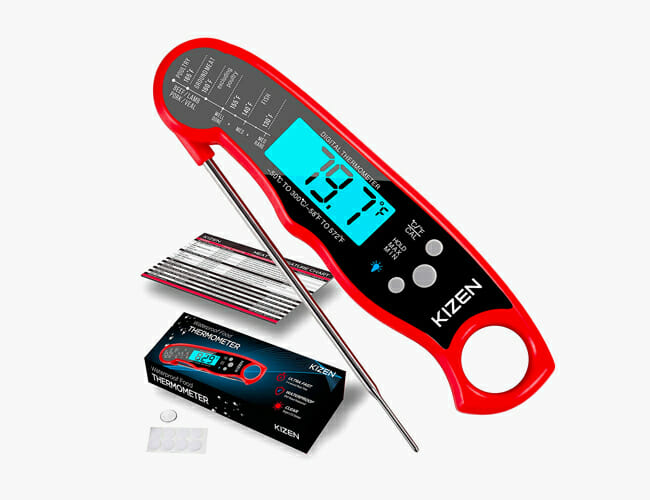
Kizen Instant-Read Thermometer

“A digital thermometer is one thing that I always have when grilling. Everyone has their own way of telling if the steak is done but it is always great to have a backup plan. There are some with basic temperatures on the thermometer itself so that you don’t have to google what a medium-rare steak is supposed to be.”

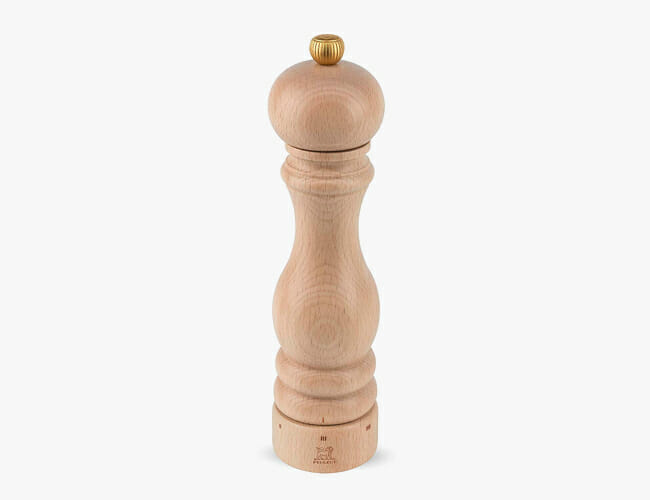
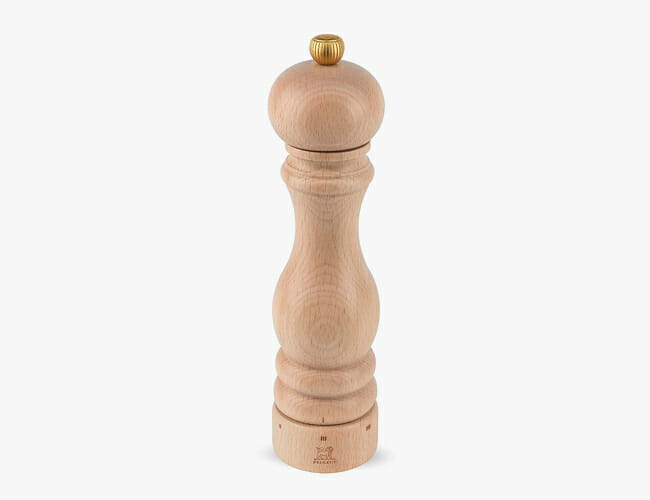
Peugeot Pepper Mill

“There are many different pepper mills out there, but this is the one that you want to have. I have used this throughout my career in NYC working at a lot different restaurants and this is also the one that we use at home. Peugeots are great because they can handle the usage of a professional kitchen and it also has different settings to either make it finer or more coarse. It also looks beautiful.”

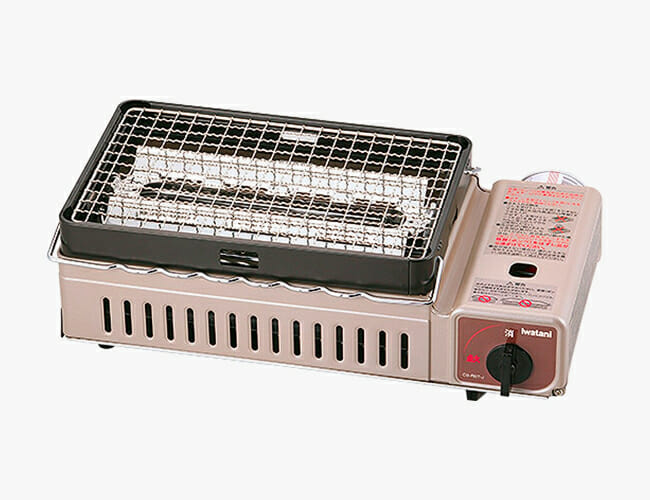
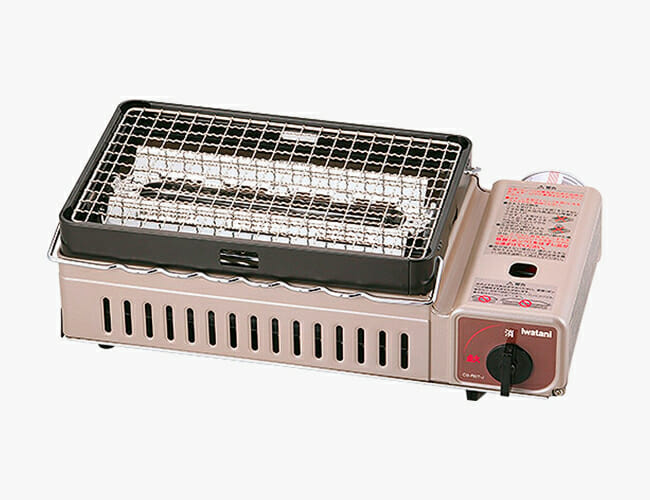
Iwatani Aburiya Portable Gas Grill Stove

“This is the ultimate portable grill that anyone can have. Living in NYC, not many people have the luxury to grill in the backyard but with this small gadget, you can practically grill anywhere. It has different inserts to either grill steak, seafood and vegetables or make yakitori or skewers. It gets hot enough to make really nice grill marks on steaks as well. This has always been my portable go-to grill.”

More Chef-Approved Kitchen Gear

From a lava stone molcajete to a disposable thermometer to a very, very old-school pasta maker, these four professional chefs reflect on the gear they couldn’t do their jobs without. Read the Story

Note: Purchasing products through our links may earn us a portion of the sale, which supports our editorial team’s mission. Learn more here.

10 Solid New Places to Shop for Men’s Furniture Online

There’s more to the furniture world than Ikea, CB2 and legacy furniture makers. These days, a number of internet-native companies have joined the competition with all manner of aesthetics and prices represented. Here are 10 of the best spots for guys to buy furniture online.

Dims.

Dims.’s Eugene Kim would prefer if you didn’t call his company the “Warby Park of” anything. Dims. (the period is always there) isn’t a design house as much as it is a design incubator. Designers who lack decades-long résumés pitch Kim on their pieces and, if produced, earn royalties off of them. In the original design space, its prices are competitive, with products listed from $145 to $795. To date, there’s a coffee table, side table, dining table and bar cart.

Can’t Miss: Barbican Trolley ($350)

Artifox

Artifox’s products like they were designed for full-stack developers with good taste. Its tech-minimalist aesthetic stems from Sarah and Dan Mirth’s blend of interior and industrial design backgrounds; the collection heavily features hardwoods, powder-coated steel and small-but-useful organization measures (the headphone hook and cable management grid are great). The lineup includes the things you’d expect to find in a small apartment space — bike racks, wall shelves, monitor raisers and side tables included. Prices are on the higher end, but not unreasonable, with an oak desk starting just under $1,000.

Can’t Miss: Desk 02 ($950+)

Floyd

Floyd may be of the same flat-pack ilk as many of its direct-to-consumer forebearers, but comparison stops there. It’s assemblable (and disassemblable) furniture made of heavy birchwood and thick-gauge steel and it’s meant to last — all rareties in its space. With a nice balance of heavy materials and light colors, the look is a sort of whimsical-industrial. Starting a few years back with just a platform bedframe, its catalog has now opened up to include a sofa, shelves and tables. Its prices are fairly moderate.

Can’t Miss: The Platform Bed ($650)

Akron Street

It’s all about the wood. Every piece in Hansley Yunez and Lulu Li’s catalog is made, at least in part, of American white oak. In spite of that, few pieces are visually heavy and all are, given the materials and original designs, surprisingly affordable. Its wares include chairs, tables, desks, bedframes, coat racks, media consoles and more.

Can’t Miss: Small Tenon Oak Table ($277)

Article

Article doesn’t look much different than most internet furniture retailers, but it is. Where others are built overnight with seed funding and venture capital, Article has taken longer to reach its size than most, and unlike others on this list, Article doesn’t necessarily have a specialty. There are hundreds of products in its catalog, ranging from mid-century sofas to boho-inspired wall shelves. The upshot: you could furnish an entire home with Article and hit myriad styles throughout, and do so affordably. Plus, it’s one of few retailers — online or off — to include the absolute maximum of information on product spec sheets (check out the rub counts on upholstered sofas and chairs).

Can’t Miss: Sven Sofa ($999)

Burrow

Burrow’s greatest strength is listening to its customers just enough. Its initial collection of sofas upholstered sofas were met with praise, but they weren’t perfect; buyers said the arms were too high to comfortably lean against for a nap, the cushions took too long to break in and the built-in phone charger in the base was too flimsy. Oh, and it should come in leather. It updated the collection in 2019 to remedy all those issues and doubled down on quick shipping and easy assembly, a combination which made its sofas our favorite on the internet. The brand makes sofas, sectionals, armchairs and ottomans in a number of upholstery and leather options.

Can’t Miss: The Nomad Leather Sofa ($1,995)

Schoolhouse

The driving force behind Schoolhouse’s founding was a nostalgia for heavy things. Brian Faherty’s Portland, Oregon-based company, which started as a mail-order catalog selling old school, cast-iron molded glass shades, makes everything from barware to hardware to extendable dining room tables, each piece intended to become what Faherty calls a “modern heirloom.” Visually, its pieces are either direct descendants or reminiscent of various art and design movements of the 20th century (Art Deco, Cubism, Mid-Century Modern all makes appearances), but because its products are made Stateside and in an uncompromising manner, don’t come looking for a bargain. They’re built to stick with you for a lifetime.

Can’t Miss: Jack Loveseat ($2,199)

Muji

Muji isn’t a new company, but it is new to America. The intensely Japanese company makes damn near everything — house slippers, gel-ink pens, facewash, tea kettles and beanbags included — but its furniture is quietly one of its strongest categories, despite a significantly depleted stock compared to its Japanese equivalent. Look for a satisfying mix of smart storage, compact seating and a series of cult-favorite beanbags at fair prices. Also a plus: the brand recently updated the look and functionality of its outdated online store, which makes things a lot easier.

Can’t Miss: SUS Steel Shelving Unit ($250)

Vipp

Vipp is a high-end Danish design house that recently launched its first full-fledged furniture collection online, but its beginnings are, shall we say, humbler. The company made a name for itself making the best damn trashcans in the world and has become a respected fixture in Scandinavian design. Expect powder-coated aluminum frames dressed up with luxe materials, high price points and lots of people asking where you found your chair.

Can’t Miss: Chair w/ Leather ($950)

Hay

Hay’s ability to bend smart ideas and forms from its Danish roots with a playful disposition is second to none, and since Herman Miller acquired a portion of the company in 2018, its stuff is finally available in the US. And unlike Herman Miller, Hay’s products typically register at more manageable price points. Look for furniture that seems normal but throws you a curveballe, like a black marble-topped coffee table with a frame made of rebar.

Can’t Miss: Don’t Leave Me Side Table ($165)

Note: Purchasing products through our links may earn us a portion of the sale, which supports our editorial team’s mission. Learn more here.
10 Solid Places to Shop for Men’s Furniture Online

There’s more to the furniture world than Ikea, CB2 and legacy furniture makers. These days, a number of internet-native companies have joined the competition with all manner of aesthetics and prices represented. Here are 10 of the best spots for guys to buy furniture online.

Dims.

Dims.’s Eugene Kim would prefer if you didn’t call his company the “Warby Park of” anything. Dims. (the period is always there) isn’t a design house as much as it is a design incubator. Designers who lack decades-long résumés pitch Kim on their pieces and, if produced, earn royalties off of them. In the original design space, its prices are competitive, with products listed from $145 to $795. To date, there’s a coffee table, side table, dining table and bar cart.

Can’t Miss: Barbican Trolley ($350)

Artifox

Artifox’s products look like they were designed for full-stack developers with good taste. Its tech-minimalist aesthetic stems from Sarah and Dan Mirth’s blend of interior and industrial design backgrounds; the collection heavily features hardwoods, powder-coated steel and small-but-useful organization measures (the headphone hook and cable management grid are great). The lineup includes the things you’d expect to find in a small apartment space — bike racks, wall shelves, monitor raisers and side tables included. Prices are on the higher end, but not unreasonable, with an oak desk starting just under $1,000.

Can’t Miss: Desk 02 ($950+)

Floyd

Floyd may be of the same flat-pack ilk as many of its direct-to-consumer forebearers, but comparison stops there. It’s assemblable (and disassemblable) furniture made of heavy birchwood and thick-gauge steel and it’s meant to last — all rareties in its space. With a nice balance of heavy materials and light colors, the look is a sort of whimsical-industrial. Starting a few years back with just a platform bedframe, its catalog has now opened up to include a sofa, shelves and tables. Its prices are fairly moderate.

Can’t Miss: The Platform Bed ($650)

Akron Street

It’s all about the wood. Every piece in Hansley Yunez and Lulu Li’s catalog is made, at least in part, of American white oak. In spite of that, few pieces are visually heavy and all are, given the materials and original designs, surprisingly affordable. Its wares include chairs, tables, desks, bedframes, coat racks, media consoles and more.

Can’t Miss: Small Tenon Oak Table ($277)

Article

Article doesn’t look much different than most internet furniture retailers, but it is. Where others are built overnight with seed funding and venture capital, Article has taken longer to reach its size than most, and unlike others on this list, Article doesn’t necessarily have a specialty. There are hundreds of products in its catalog, ranging from mid-century sofas to boho-inspired wall shelves. The upshot: you could furnish an entire home with Article and hit myriad styles throughout, and do so affordably. Plus, it’s one of few retailers — online or off — to include the absolute maximum of information on product spec sheets (check out the rub counts on upholstered sofas and chairs).

Can’t Miss: Sven Sofa ($999)

Burrow

Burrow’s greatest strength is listening to its customers just enough. Its initial collection of sofas upholstered sofas were met with praise, but they weren’t perfect; buyers said the arms were too high to comfortably lean against for a nap, the cushions took too long to break in and the built-in phone charger in the base was too flimsy. Oh, and it should come in leather. It updated the collection in 2019 to remedy all those issues and doubled down on quick shipping and easy assembly, a combination which made its sofas our favorite on the internet. The brand makes sofas, sectionals, armchairs and ottomans in a number of upholstery and leather options.

Can’t Miss: The Nomad Leather Sofa ($1,995)

Schoolhouse

The driving force behind Schoolhouse’s founding was a nostalgia for heavy things. Brian Faherty’s Portland, Oregon-based company, which started as a mail-order catalog selling old school, cast-iron molded glass shades, makes everything from barware to hardware to extendable dining room tables, each piece intended to become what Faherty calls a “modern heirloom.” Visually, its pieces are either direct descendants or reminiscent of various art and design movements of the 20th century (Art Deco, Cubism, Mid-Century Modern all makes appearances), but because its products are made Stateside and in an uncompromising manner, don’t come looking for a bargain. They’re built to stick with you for a lifetime.

Can’t Miss: Jack Loveseat ($2,199)

Muji

Muji isn’t a new company, but it is new to America. The intensely Japanese company makes damn near everything — house slippers, gel-ink pens, facewash, tea kettles and beanbags included — but its furniture is quietly one of its strongest categories, despite a significantly depleted stock compared to its Japanese equivalent. Look for a satisfying mix of smart storage, compact seating and a series of cult-favorite beanbags at fair prices. Also a plus: the brand recently updated the look and functionality of its outdated online store, which makes things a lot easier.

Can’t Miss: SUS Steel Shelving Unit ($250)

Vipp

Vipp is a high-end Danish design house that recently launched its first full-fledged furniture collection online, but its beginnings are, shall we say, humbler. The company made a name for itself making the best damn trashcans in the world and has become a respected fixture in Scandinavian design. Expect powder-coated aluminum frames dressed up with luxe materials, high price points and lots of people asking where you found your chair.

Can’t Miss: Chair w/ Leather ($950)

Hay

Hay’s ability to bend smart ideas and forms from its Danish roots with a playful disposition is second to none, and since Herman Miller acquired a portion of the company in 2018, its stuff is finally available in the US. And unlike Herman Miller, Hay’s products typically register at more manageable price points. Look for furniture that seems normal but throws you a curveballe, like a black marble-topped coffee table with a frame made of rebar.

Can’t Miss: Don’t Leave Me Side Table ($165)

Note: Purchasing products through our links may earn us a portion of the sale, which supports our editorial team’s mission. Learn more here.
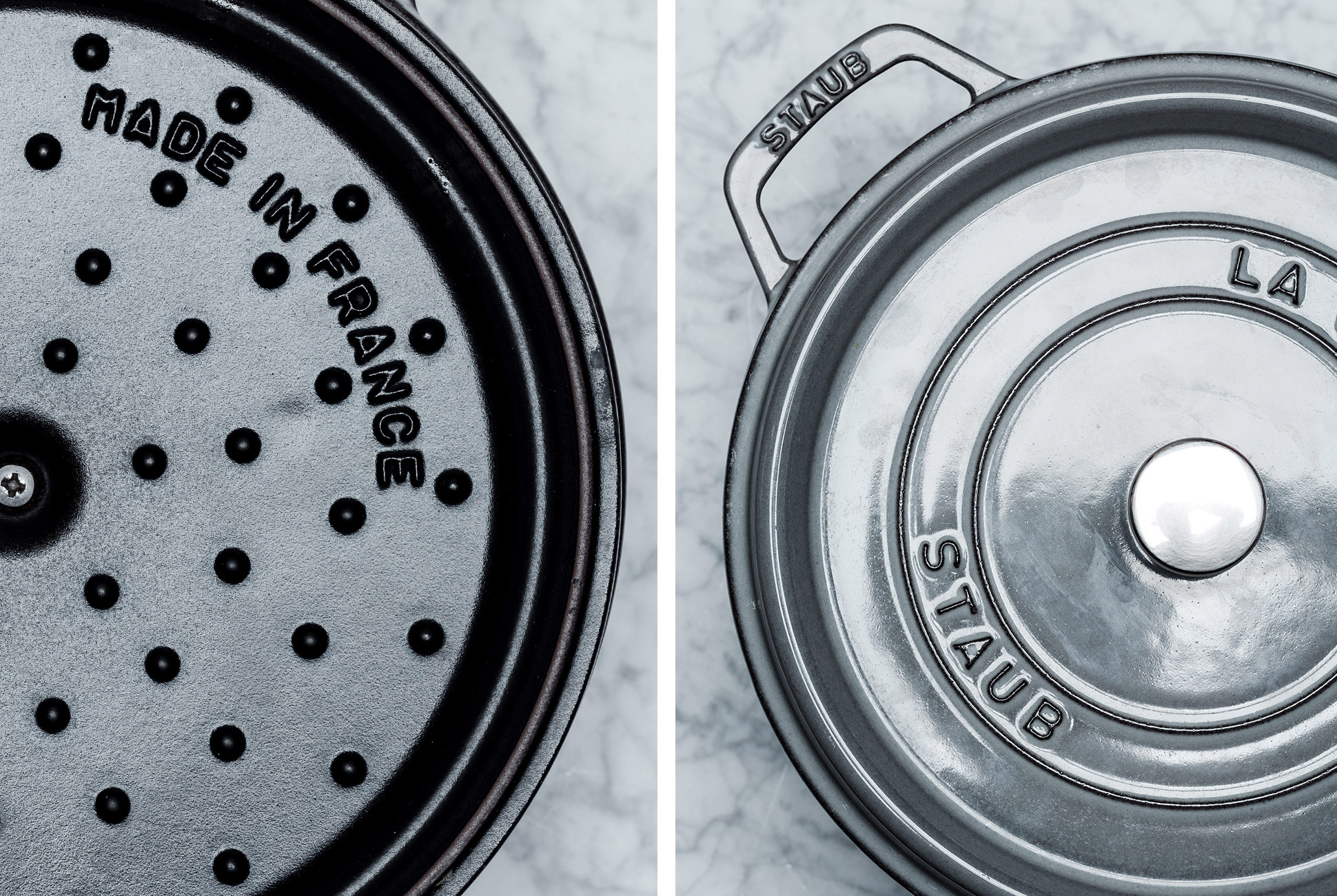
Staub vs. Le Creuset: Which Brand Makes the Best Dutch Oven?

The role of the enameled dutch oven is to serve as a vessel when preparing anything that takes a while to cook. Their weight keeps temperatures even during hours of cooking; their tight-fitting lids keep moisture in; and because they’re in fact cast-iron, they’re capable of reaching heat levels needed to acquire crusty goodness (though enameled cast-iron won’t reach the peaks that bare cast-iron will).

Any discussion pertaining to enameled cast-iron begins and ends with two brands: Le Creuset and Staub. Both are French, and share the crown by delivering on similar promises: slow-but-even heating, extra durable enameled interior and exterior, fitted lids, unmatched braising abilities and, finally, lifetime warranties. You’ll frequently find sales on both brands, but, if you’re going to drop the kind of coin required to pick one up, you should know which to buy and for what reasons.

To draw my own conclusions, I tested a 5.5-quart model from each brand and made the most stereotypical dutch oven dish there is — the classic beef bourguignon — as well as a few other recipes. This is the short of it.

Test 1: Browning


Most reviews online claim the Staub browns more effectively, but this was not my experience. I heated both ovens up for 10 minutes on high heat and developed crusts indiscernible from one another, whether I was browning protein or veggies. In comparison to Staub’s matte black interior enamel, Le Creuset features a creamy white interior that makes it much simpler to gauge browning progress. This might seem like a small advantage, but, with the Staub, it can be mildly frustrating to pull out a phone flashlight to check progress.

Test 2: Moisture Retention


The lid of a dutch oven needs to be hefty and fit well to the body. Le Creuset’s lid is fairly standard in this regard, apart from the 500-degree safe phenolic knob handle. It fits well, but steam still visibly slips through and out of the pot. The Staub is on another level in this regard. Tiny nubs on the inside of Staub’s lid collect condensation and slowly drip back onto the food below (Wagner Ware’s Drip-Drop Dutch Oven of old has a similar lid design), and the lid fits onto the body well enough that hardly any liquid escapes.

To test, I boiled five cups of water in each at high temperatures for about 10 minutes. The Le Creuset boiled out a little over a cup of water, while the Staub lost less than half a cup. With many dishes, you’ll want to cook off excess water in order to concentrate flavor, so this isn’t necessarily a full-fledged plus. That won’t stop you from placing the lid off-center to let some steam out, though.

Test 3: Care and Storage


Due to its white interior, the Le Creuset makes it easier to see what you’re doing (in this case cleaning off burnt bits and brown marks), and I didn’t have any issues with staining or discoloration. Folks who do have this problem have likely left the food in the pot overnight or more and let it set too long. It’s also dishwasher-safe, which is hugely convenient if you’re just not in the mood to scrub.

The Staub, whose black interior shrouded much of the leftover food bits, should not be dish-washed, as its interior enamel is porous and can be degraded by the chemicals in dishwashing detergent.

As far as storage and maneuverability go, neither are particularly comfortable to pick up or put down. They’re big and bulky and you probably don’t need more than one per kitchen. That said, the Le Creuset is slightly lighter.

I’d advise against giving either the Matryoshka doll treatment by stacking all manner of other cookware inside — the enamel coating is very strong, but coming into contact with another heavy metal object is asking for a chip.

The Verdict: If we’re just measuring the ability to cook, the Staub is the superior vessel. The lids self-basting drip function as well a much tighter fit are not just buzzy features, they affect your finished dishes. It browns to the same capacity as the Le Creuset and its lid handle isn’t temperature-limited. Convenience-wise? By way of much simpler care and cleaning, coupled with an interior enamel that’s passively helpful, the Le Creuset is easier on all accounts. If you’re still on the fence, use price to guide you — the Staub is slightly less expensive. Then again, Le Creuset offers more striking colors. The choice is yours.

16 Tools That Pro Chefs Can’t Cook Without

There are no gear testers more rigorous than the commercial chef. Can openers, skillets, thermometers, mixing bowls and all manner of other essential gear are put through the ringer night in, night out. So when chefs talk about the gear they couldn’t cook without, we listen. Here are the kitchen tools four pro chefs can’t get enough of.

Rick Ortiz

Rick Ortiz is the chef and owner of Antique Taco, a three-location string of Mexican restaurants in Chicago, Illinois. Ortiz’s background, like his restaurant, is a deep mix of high- and low-brow sensibility — the chef worked at two Michelin-starred Relais Sainte Victoires and in the kitchens of Chicago’s Soldier Field.

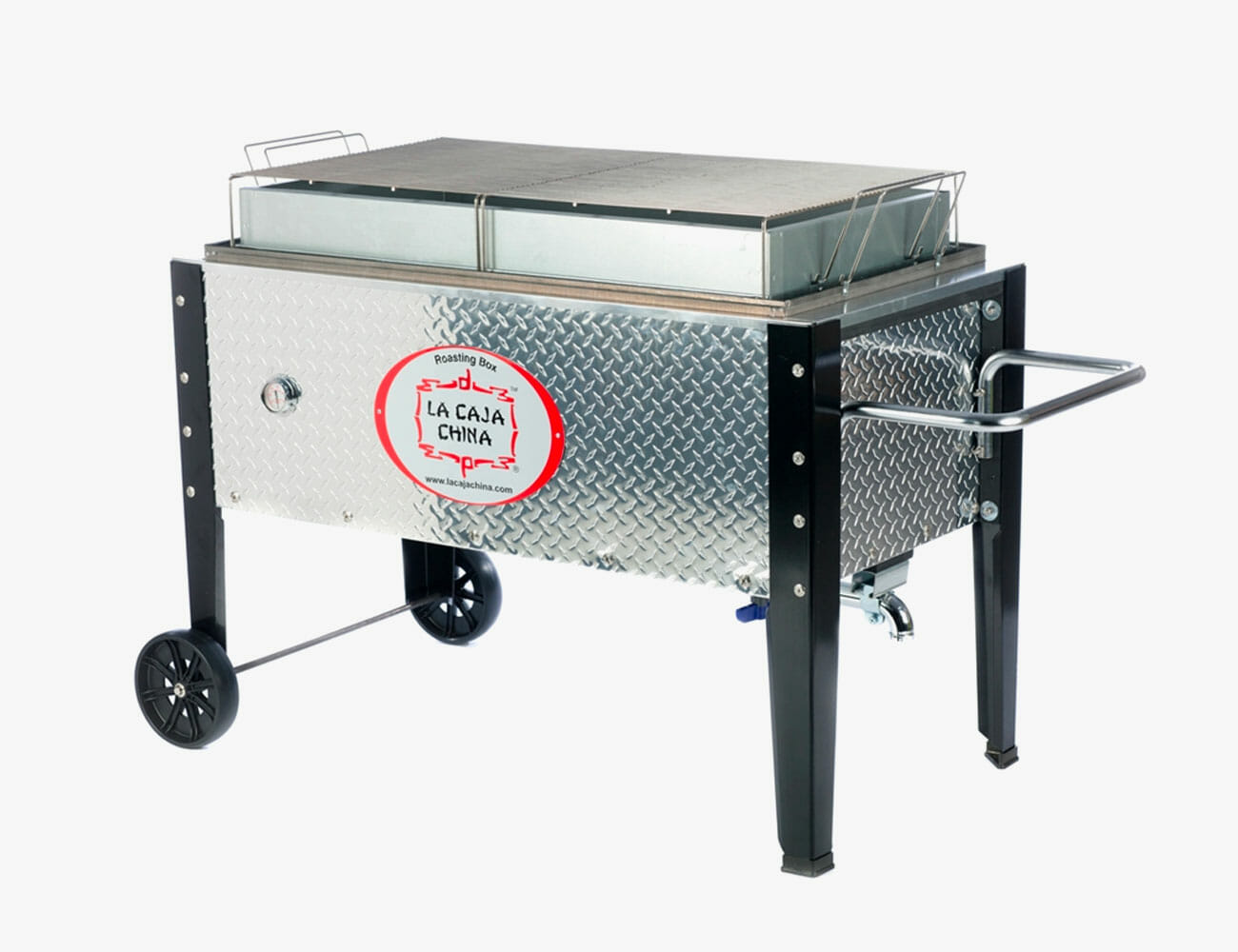
La Caja China Roaster

“I love my Caja China. It took some time and some pointers to get it right, but I continue to learn more and more of its many uses. It is great for cooking for family and friends in your backyard or at outdoor events. We’ve cooked cochinita pibil low and slow and turkeys for Thanksgiving dinner. I like to use the exposed hot charcoal or wood embers on top for direct cooking a pot of frijoles charros or posole. Be sure to add the grill grate attachment to cook your favorite Vegetables. I love it for elotes with spicy mayo, grated Parmesan and a sprinkle of ground champulines (grasshoppers).”

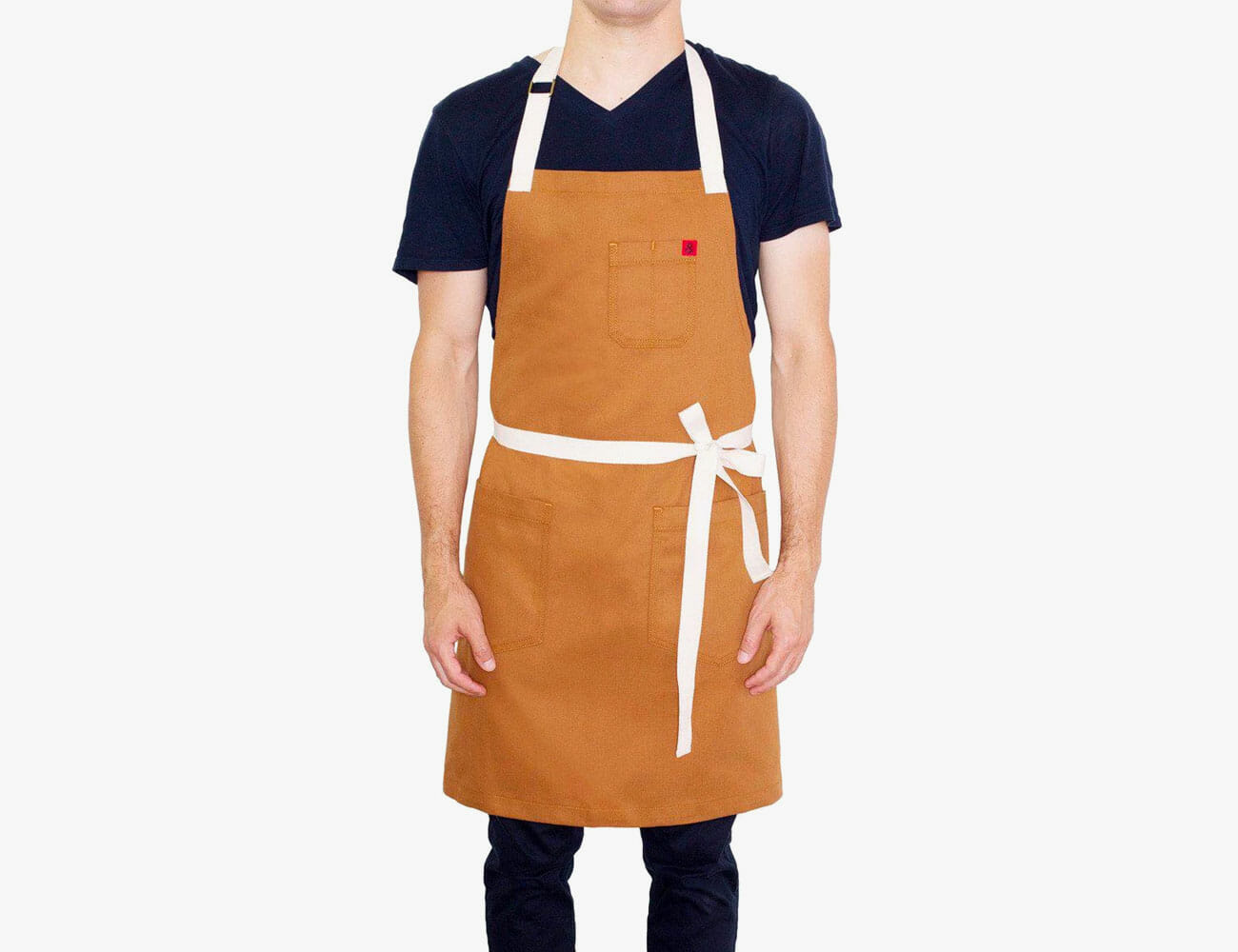
Hedley & Bennett Aprons

“I’m also obsessed with my Hedley & Bennett Aprons. I have quite a few. They are comfortable and hold up to the wear and tear of the kitchen or just make you feel fresh. I have one for each season and for different types of work. I have a few brighter and lighter Hedley’s for the spring and summer when I am cooking carne asada or seafood over a hot grill, and darker heavier thread Hedley’s for the fall and winter when we are making hot caldos and smoking meats.”

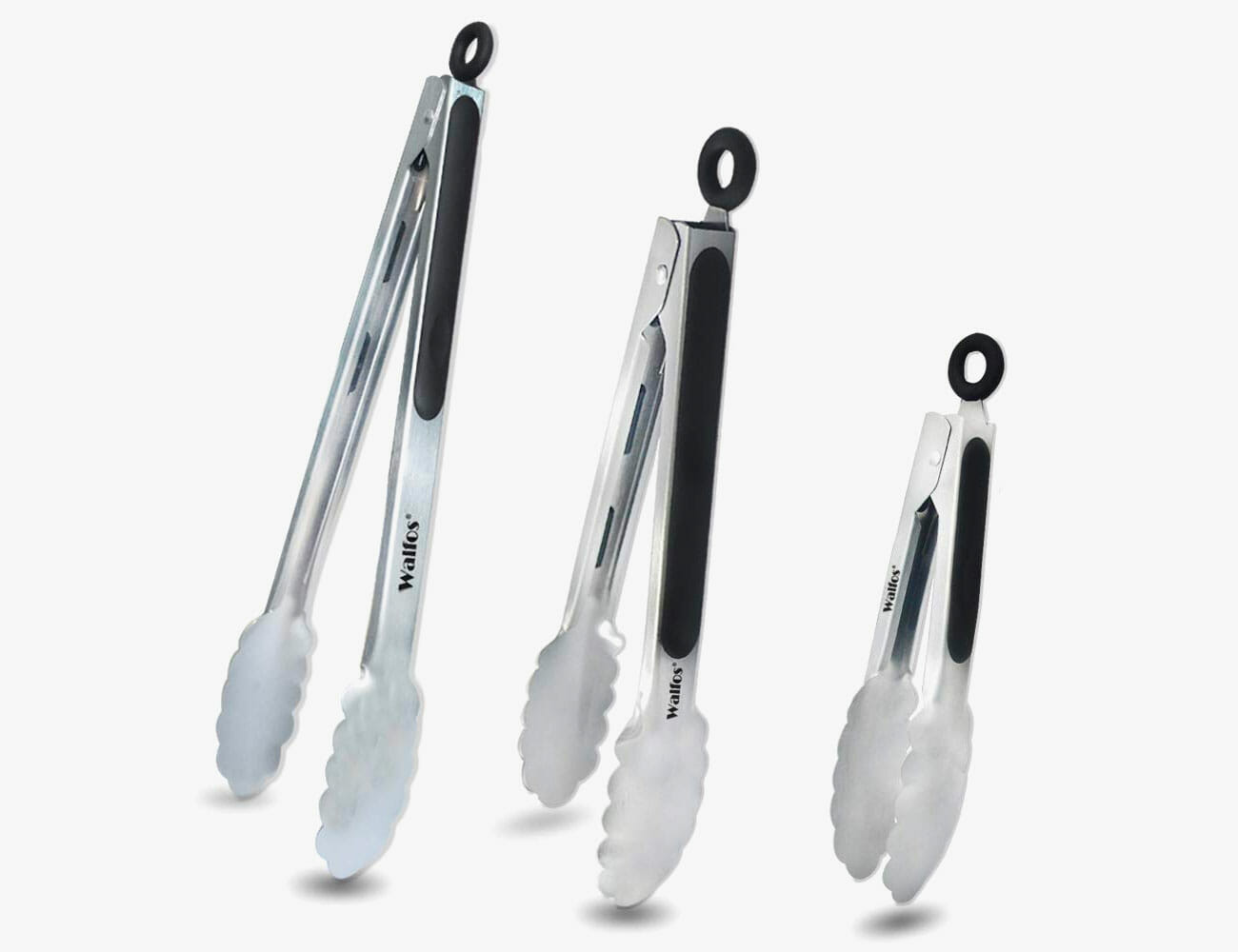
Three-Pack of Tongs

“The tool I use most frequently are my tongs. Small, medium and long should do the trick. I use small tongs for garnishing, medium tongs for serving vegetables and proteins and long tongs for cooking over high heat. If you have a hot pot with handles and one side towel you can use your tongs to hold the other handle. You can use your tongs to spread out the hot charcoal and wood. If you use your tongs enough they eventually become an extension of yourself.”

5 Rabbit Beer

“My favorite ingredient is beer. Not just any beer but 5 Rabbit Beer. 5 Rabbit is an artisan latino cerveceria in Bedford Park, Illinois. I like to use it in my Marinades and for finishing sauces and beans. The 5 Lizard Cerveza helps make a great brine for chicken cooked asado style and their Xicago is great for rounding out beans and guisados. Enjoy one or two while you cook. It makes everything taste better.”

Craig Koketsu

If you’ve been in New York City for more than a week, there’s a good chance you’ve eaten something with Craig Koketsu’s fingerprints on it. The partner and executive chef of the city’s Quality Branded restaurant group develops recipes, techniques and processes for each of its five neighborhood spots (Quality Meats, Park Avenue Summer (Autumn, Winter, Spring), Quality Italian, Quality Eats and Quality Meats). His style is classic with a touch of modern flair and he’s been named one of NYC’s top up-and-coming chefs by both New York Magazine and Esquire.

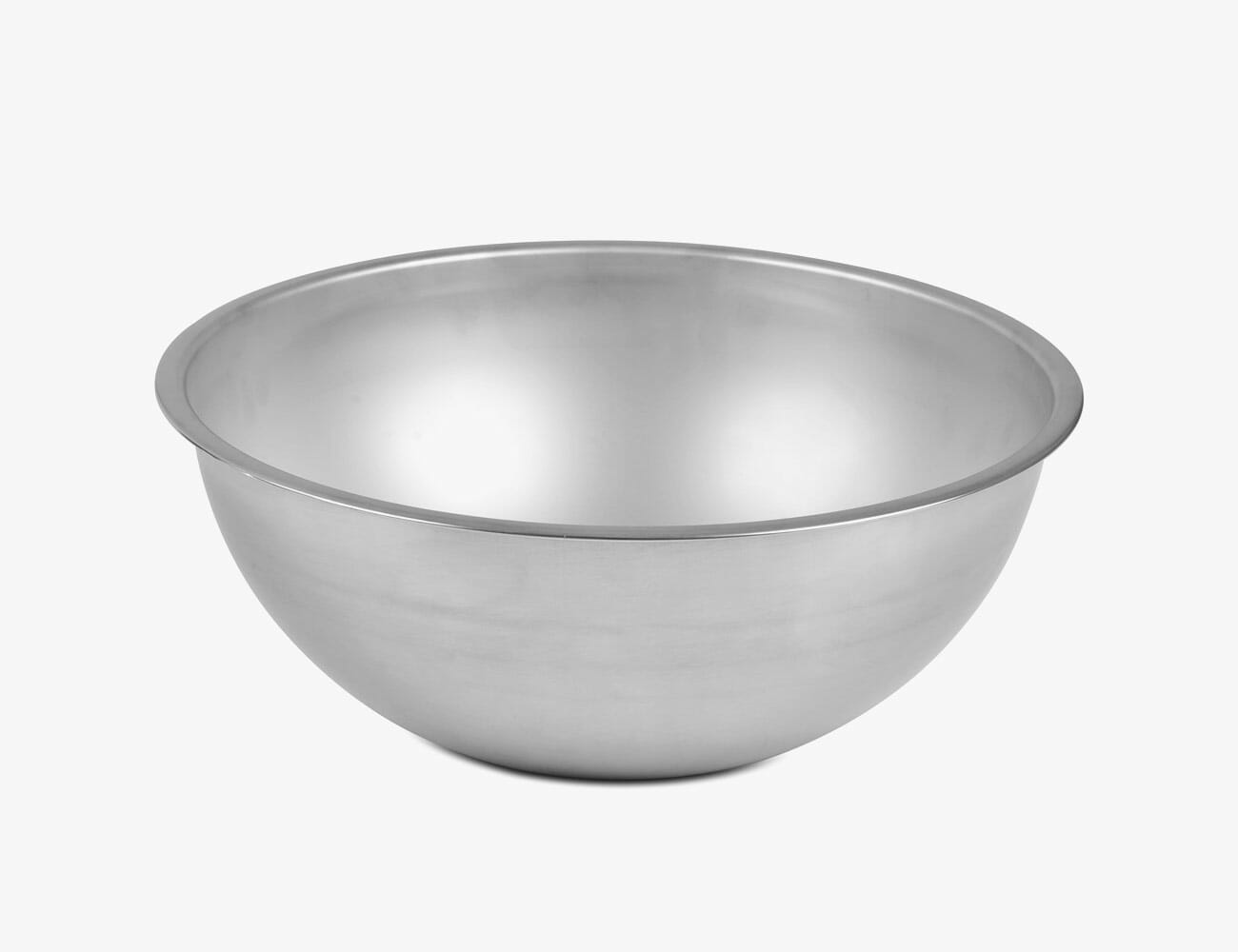
Vollrath Heavy Weight Mixing Bowls

“The curve of and depth of these bowls is perfect. You can mix and whisk aggressively in them and don’t have to worry about spillage. The heavier gauge of the stainless steel also makes for more even heat distribution when you use them as a double boiler to make hollandaise. I have one in almost every size, and since they nest, they don’t take up a lot of space.”

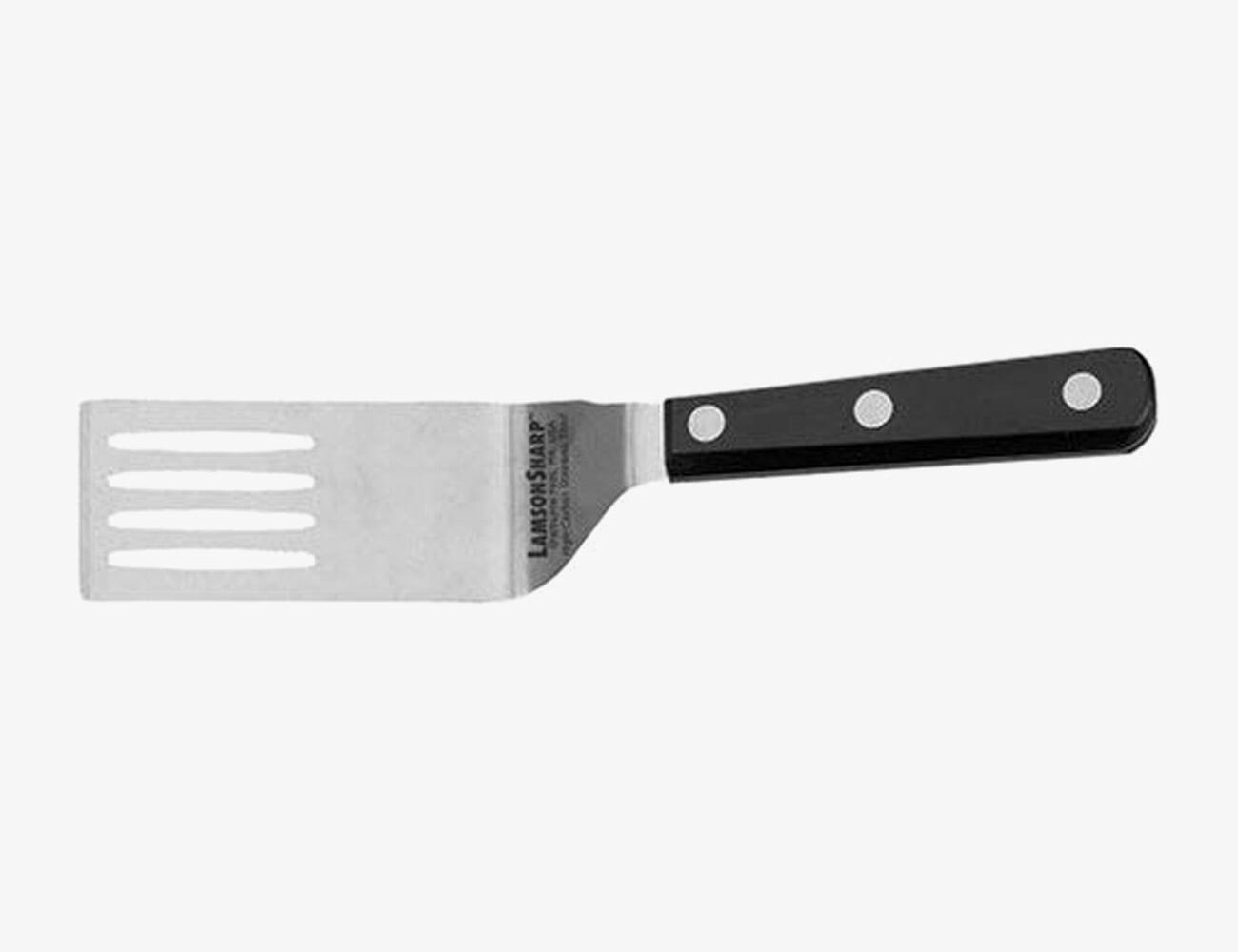
LamsonSharp Slotted Turner

“Hands down my favorite offset spatula. I use it mostly when I’m working the griddle — its sharp edge makes sure that every bit of the golden brown sear stays on the scallop. It’s also the perfect size and ridgidity to fillet Dover sole tableside. Lastly, it’s ideal for cutting and scooping out brownies from the pan.”

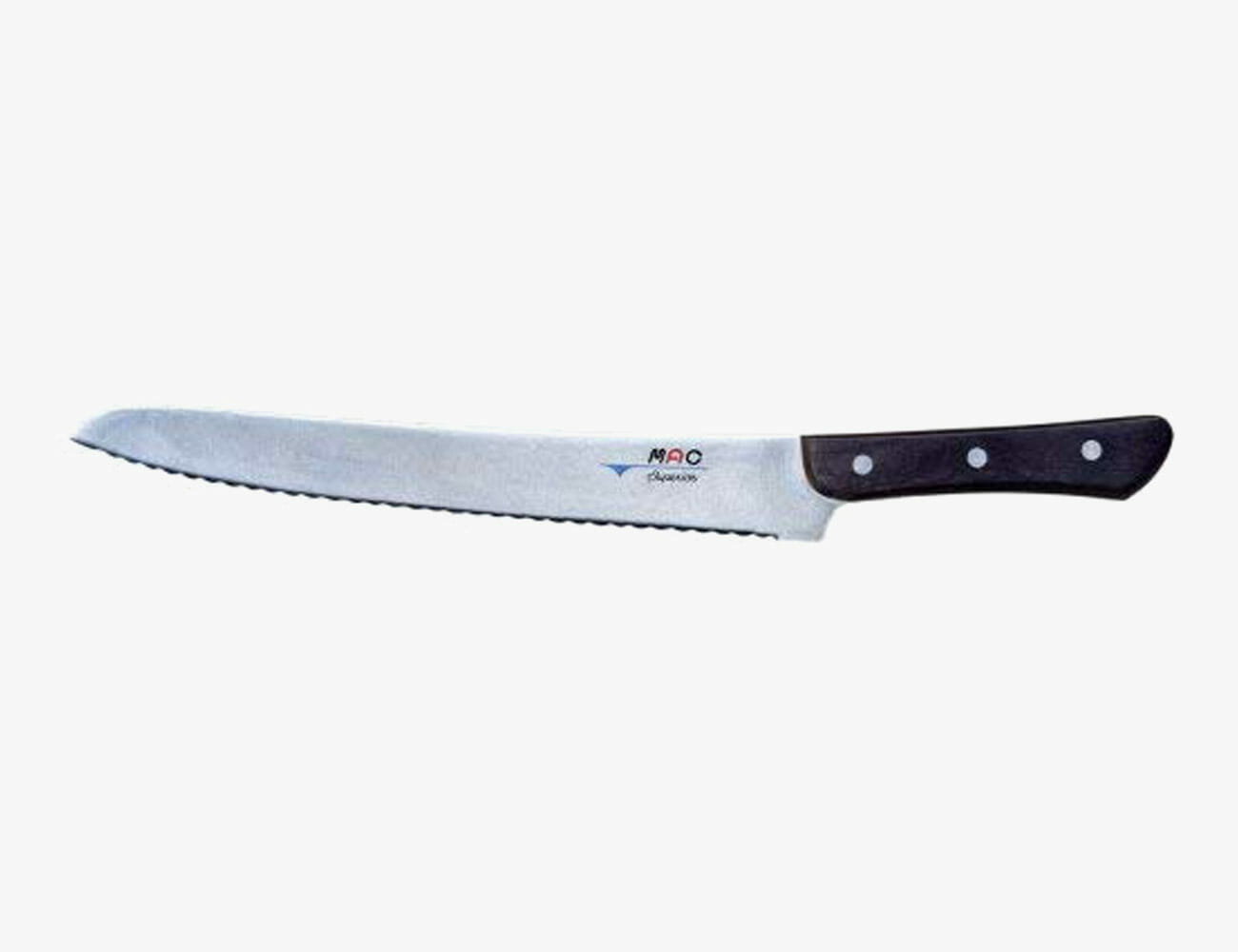
Mac Professional Series Bread Slicer

“Deadly sharp, it’s equally adept at slicing through roast beef as it is through a crusty baguette. And it passes the overripe tomato test with flying colors. The long blade also allows you to make longer strokes which result in cleaner slices.”

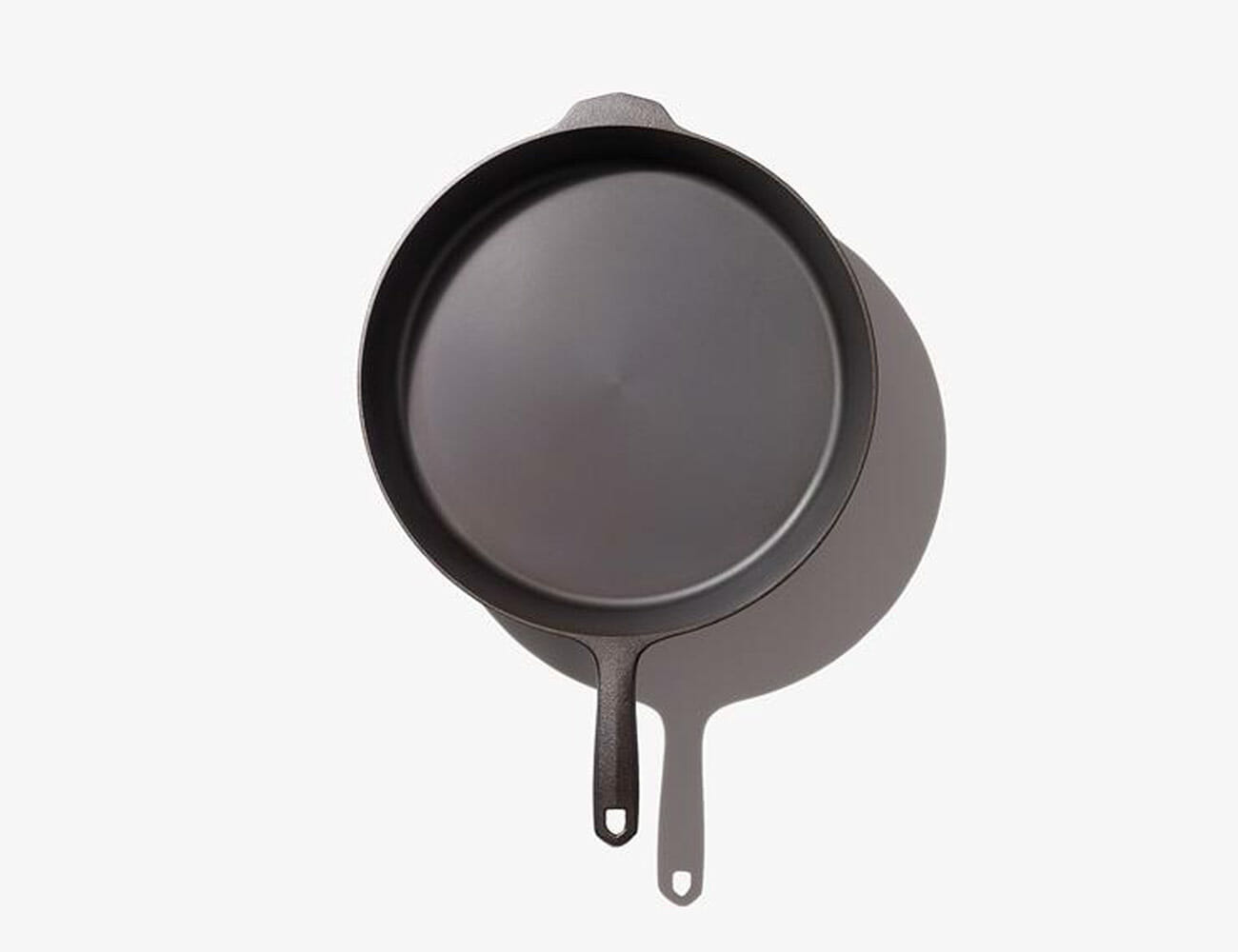
Field Cast Iron Skillet (No. 12)

“The cooking surface of this incredibly well-made pan is practically non-stick. I also love its straight sides which make for perfectly round parmesan fricos and old-fashioned cornbread. When considering sizing, my advice is to go big, especially since the pan is easy to handle because it’s lighter weight. Also, you can always cook less in a larger pan, but you can’t always cook more in a smaller pan — the 12-inch diameter allows me to cook four medium-sized pancakes at the same time which saves loads of time when I have friends over for brunch.”

Jimmy Papadopolous

In the last five years, Jimmy Papadopolous has earned an Eater Chef of the Year award in Chicago, a Zagat ’30 Under 30′ designation and various ‘Best New Restaurant’ awards for his 2017 opening of Bellemore in Chicago’s West Loop neighborhood. Papadopolous describes the restaurant, a temple of dark woods, woven cane chairs and brass, as “artistic American.”

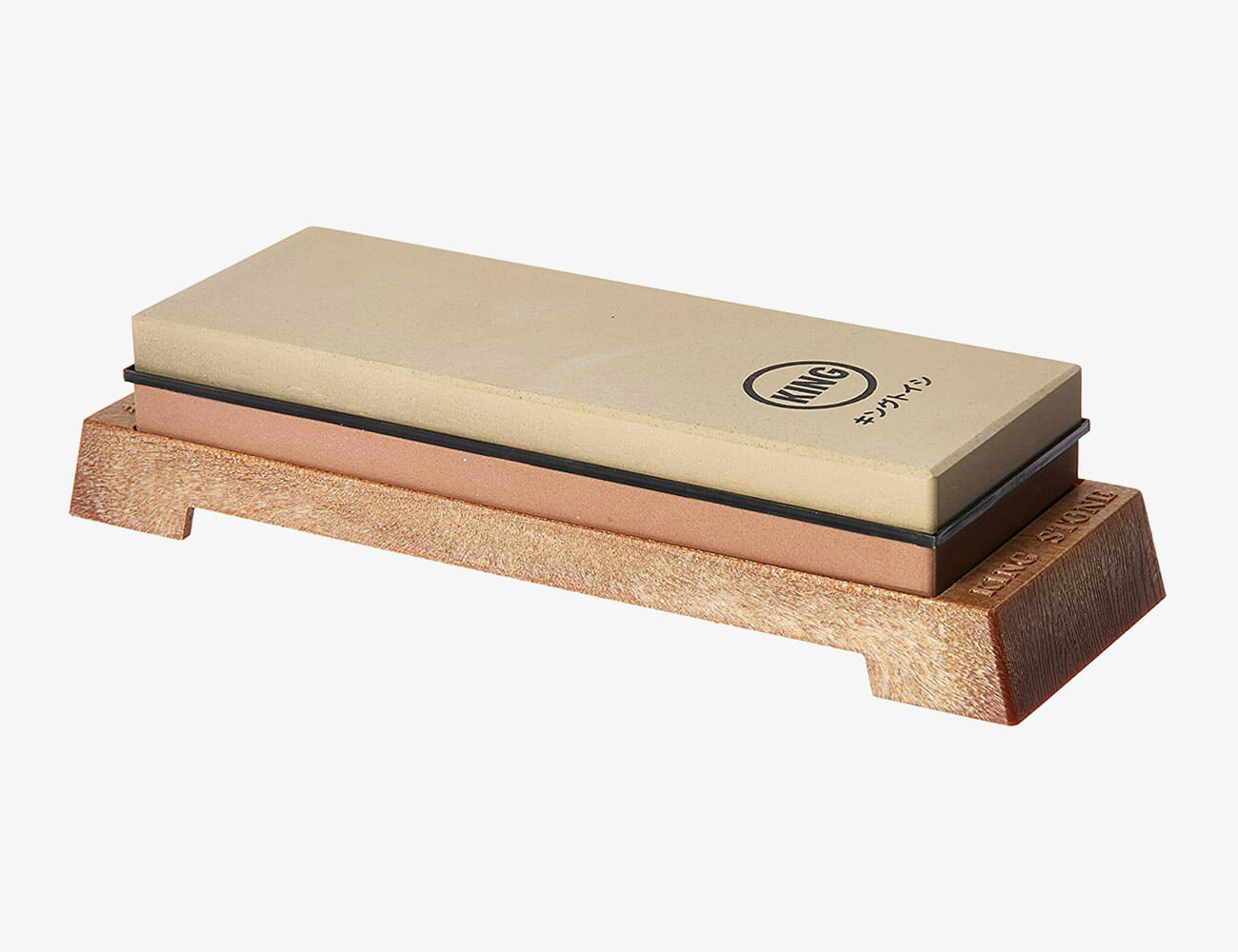
Japanese Water Stones

“I have long built my knife kit over my career to where it is. Collecting one of the most important and basic tools to great cooking; a knife. Right behind having a knife, the second most important thing is keeping it sharp. I like sharpening my knives to the point of being able to shave the hair off the back of my hand with a single stroke — a feat that wouldn’t be as easily attainable without the technique and skill that comes from mastering Japanese water Stones.

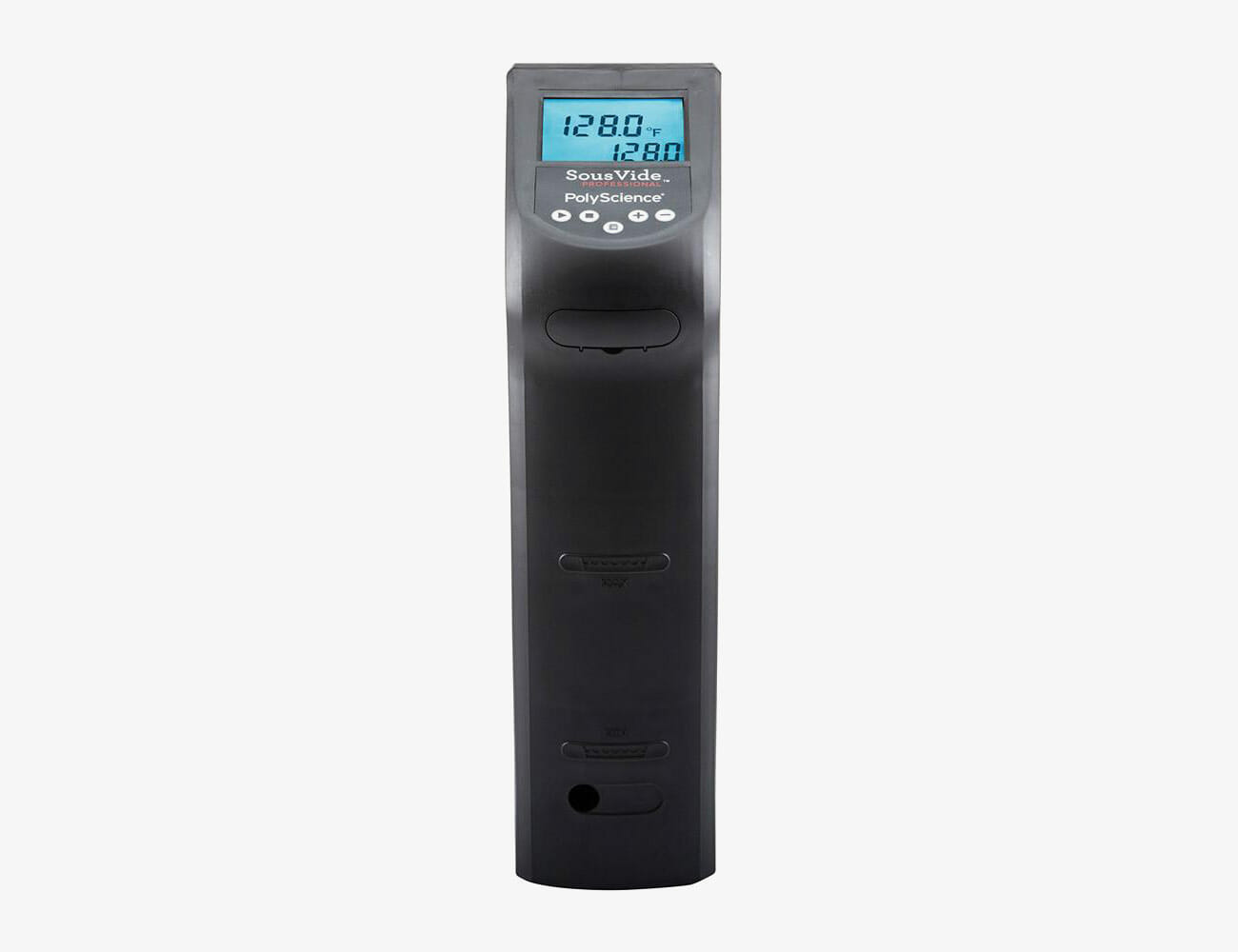
Polyscience Immersion Circulator

“I cannot stress enough how convenient, precise and how much these machines shrink the margin of human error in professional and home kitchens alike. An absolute must in my kitchen.”

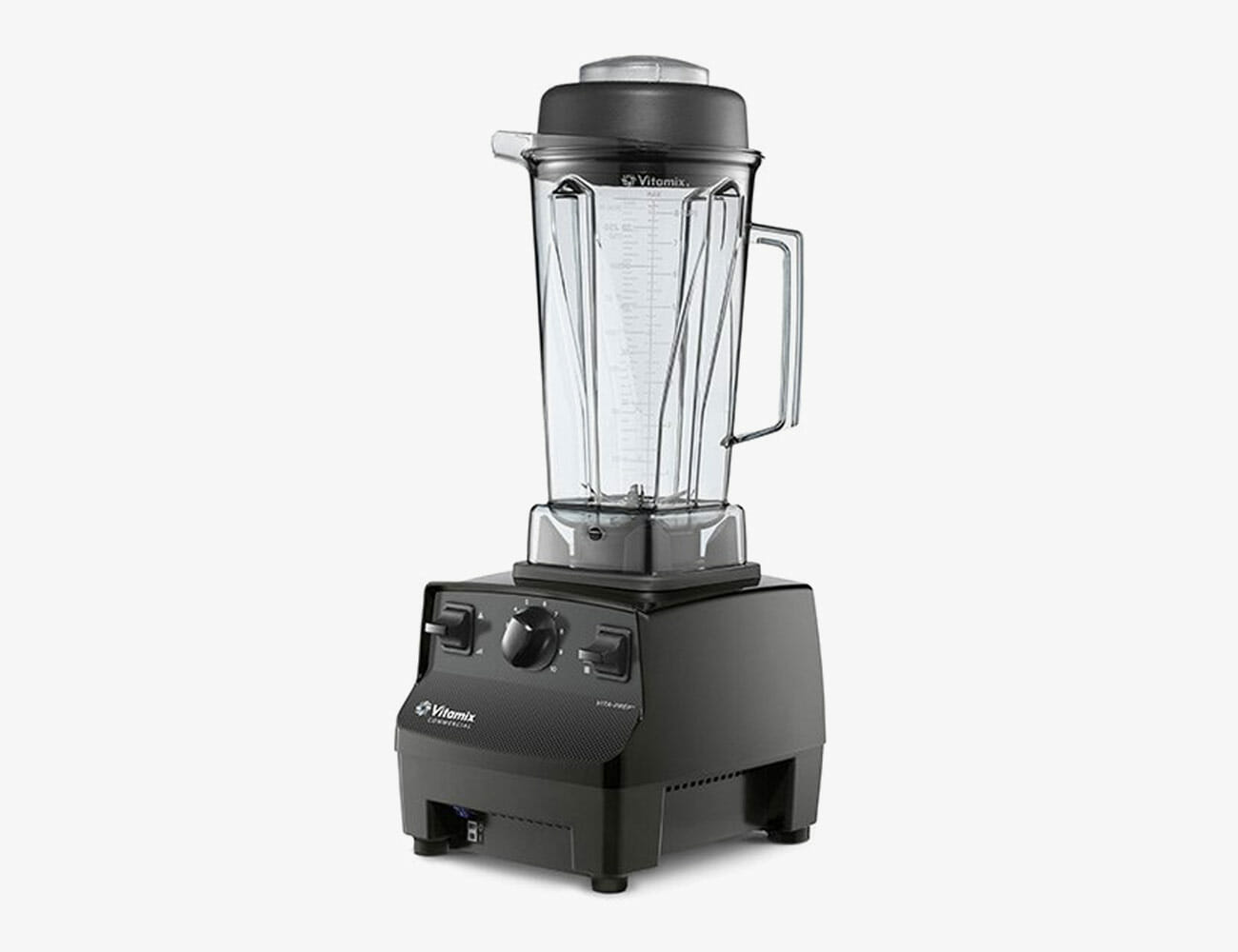
Vita Prep Blender

“They literally can turn a brick to dust. Well, I have never tried to powder a brick in one so, not literally. But they are amazingly versatile. From silky purées, to powders, to emulsifications, my kitchen could not function without one.”

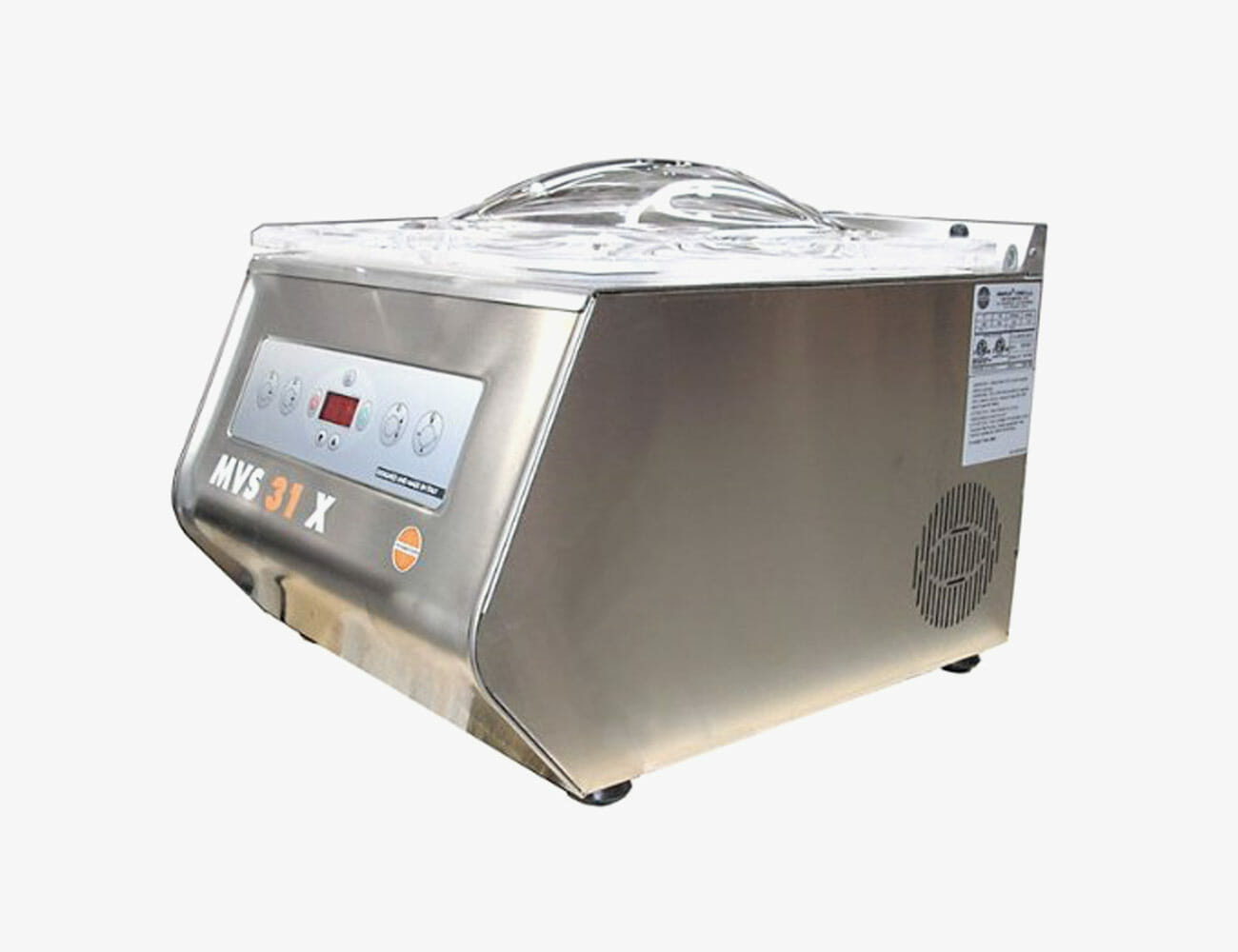
Minipack Vacuum Sealer

“One of the best inventions ever. Vacuum sealers have become complete commonplace in professional kitchens — I could not picture our kitchen functioning without one. From cooking sous vide to tight storage of all prepared food products, a vacuum sealer is an absolute essential.”

David Shim

David Shim’s Cote in Manhattan’s Flatiron District is one-part American steakhouse, one-part Korean barbeque. It features classic gas-fired yakiniku grills from Shinpo at the center of every table and effectively merges American steakhouse favorites with Korean ingredients and flavors (a shrimp cocktail with gochujang being the clearest example). The result of Shim’s cuisine blending was a strong review from the New York Times’ Pete Wells, a place on GQ’s Best New Restaurants of 2018 list and a Michelin star.

Weber Lighter Cubes

“If you ever find yourself outdoors with a charcoal grill, these mini cubes are a must. How many times have you seen people stuffing paper, small pieces of boxes or pouring liquid charcoal lighter? Everyone has their own way making the fire but many times isn’t as easy as one thinks. With the mini lighter cubes all you need to do is put the lighter cubes in between the charcoal and wait till it starts to light, give a light fanning and you are ready to go.”

Kizen Instant-Read Thermometer

“A digital thermometer is one thing that I always have when grilling. Everyone has their own way of telling if the steak is done but it is always great to have a backup plan. There are some with basic temperatures on the thermometer itself so that you don’t have to google what a medium-rare steak is supposed to be.”

Peugeot Pepper Mill

“There are many different pepper mills out there, but this is the one that you want to have. I have used this throughout my career in NYC working at a lot different restaurants and this is also the one that we use at home. Peugeots are great because they can handle the usage of a professional kitchen and it also has different settings to either make it finer or more coarse. It also looks beautiful.”

Iwatani Aburiya Portable Gas Grill Stove

“This is the ultimate portable grill that anyone can have. Living in NYC, not many people have the luxury to grill in the backyard but with this small gadget, you can practically grill anywhere. It has different inserts to either grill steak, seafood and vegetables or make yakitori or skewers. It gets hot enough to make really nice grill marks on steaks as well. This has always been my portable go-to grill.”

More Chef-Approved Kitchen Gear

From a lava stone molcajete to a disposable thermometer to a very, very old-school pasta maker, these four professional chefs reflect on the gear they couldn’t do their jobs without. Read the Story

Note: Purchasing products through our links may earn us a portion of the sale, which supports our editorial team’s mission. Learn more here.
This Is What Every Cast-Iron Skillet Lover Wants for the Holidays

Chef Sean Brock is a Southern American food evangelist who is known for a love of cast-iron cookware. Butter Pat Industries is one of the best cast-iron cookware makers in the US. Together, the two released the ideal holiday gift for the home cook.

The Sean Brock x Butter Pat bundle includes one of the brand’s 10-inch cast-iron skillets, a copy of Brock’s new cookbook, South, a bag of H.S. Brock’s Jimmy Red Cornbread Mix and a Butter Pat poster for $245. Butter Pat’s skillets are prized for their blend of old school cast iron design and new school (and mostly proprietary) manufacturing methods; the pans are thin where they can be and thick where they need to be, as smooth as glass and sport near-perfect pour spouts. No iron we’ve tested cooked as evenly while remaining relatively lightweight.

On Brock’s end, his new recipe tome is a followup to the award-winning Heritage cookbook (it includes its own chapter on cast iron, too). The sack of Jimmy Red cornbread mix was made in partnership with a South Carolina mill to save the rare, non-homogenized grain. It’s also the mix Brock used in his Chef’s Table feature on Netflix (in which he uses a Butter Pat pan).

The set is available through Butter Pat’s site now while supplies last.

Everything You Need to Know About Chef’s Knives

Chef’s knives are a crucial instrument for any home chef. Whether you love cooking every night of the week or just need to cut some vegetables from time-to-time, there is a wealth of information out there on chef’s knives. We’ve rounded up some of our best how-to guides and tips to give you a complete reader on chef’s knives.

4 Things to Consider Before You Buy a New Chef’s Knife

4 Things to Consider Before You Buy a New Chef’s Knife

Buying a knife isn’t all about how sharp it is.

How to Sharpen Kitchen Knives the Right Way

How to Sharpen Kitchen Knives the Right Way

Sharpening a chef’s knife manually doesn’t have to be a daunting task. We asked a guy who sharpens 100 knives a day to show us the way.

This Tiny Store in New Orleans Might Be the Best Place to Buy Japanese Chef’s Knives in the US

This Tiny Store in New Orleans Might Be the Best Place to Buy Japanese Chef’s Knives in the US

Get a knife made by a 750-year-old name that used to make swords for the Emperor.

America’s Most Celebrated Knife Maker Is Just Getting Started

America’s Most Celebrated Knife Maker Is Just Getting Started

Bob Kramer has spent 25 years trying to forge a better chef’s knife. Now America’s most celebrated bladesmith is setting out to unravel the mysteries of steel itself.

How to Care for a Carbon Steel Knife, According to an Expert

How to Care for a Carbon Steel Knife, According to an Expert

Magnus Pettersson of the knife sharpening service KnifeAid has tips to keep your carbon steel knife in top shape.

What’s the Difference Between German and Japanese Kitchen Knives?

What’s the Difference Between German and Japanese Kitchen Knives?

Steel hardness impacts how well a blade can hold an edge. But the more durable option isn’t necessarily the better one.

Unbeatable Meat Cleavers for Your Home Kitchen

Unbeatable Meat Cleavers for Your Home Kitchen

Got a pig roast or barbecue coming up? One of these bad boys will be your tool of choice.

If You Use a Knife Block to Store Your Kitchen Knives, You’re Doing It All Wrong

If You Use a Knife Block to Store Your Kitchen Knives, You’re Doing It All Wrong

Knife bars are cheaper, don’t dull the blade, cleaner and take up less space in your kitchen.

10 Knives World-Class Chefs Can’t Cook Without

10 Knives World-Class Chefs Can’t Cook Without

All-purpose chef’s knives, single-focus slicing tools and everything in between.

The Best Chef’s Knives for the Novice Cook

The Best Chef’s Knives for the Novice Cook

When kept sharp and treated with care, an affordable knife can withstand years of regular use.

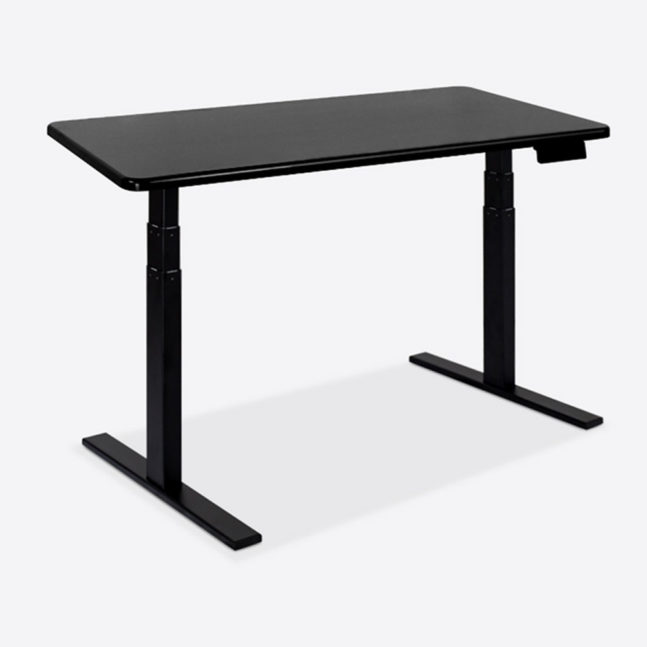
The Autonomous SmartDesk 2 Is the Standing Desk You Want

Alternating between standing and sitting while you’re working has been shown to be effective at boosting your mood, increasing your productivity and improving your health. But while standing desks are great, they’re also pricey. That’s…