All posts in “Home”

This Affordable Japanese Home Goods Brand Takes Design Cues From WWII

<!–This Affordable Japanese Home Goods Brand Takes Design Cues From WWII • Gear Patrol<!– –>

vintage-ish


We recently reported how outdoor gear brands are repairing and reselling used gear, saving millions of pieces of clothing from landfills. One Japanese brand takes that a step further, turning trash into vibey vintage treasures for your home.

Puebco, launched in 2007, takes old, unwanted materials and fashions them into long-lasting objects for everyday use. Take its apron ($42), for example, which repurposes used cotton-nylon trousers. Puebco’s take on the functional cooking accessory takes design cues from the covetable fashion brand Engineered Garments, but at a fraction of the price. Its steel toolbox, an essential for every person’s home, looks like it came straight out of World War II. Puebco has the design aesthetic of a military surplus store, and is covetable enough to be stocked by high-end lifestyle brands like Burke Decor.

The brand is sold at select US retailers, like Huckberry and Knickerbocker. Besides homeware, Puebco also makes apparel, travel gear and other lifestyle essentials. The products are durable, reliable and incredibly cool — you’ll be hard-pressed to find these pieces in the trash bin any time soon.

Note: Purchasing products through our links may earn us a portion of the sale, which supports our editorial team’s mission. Learn more here.
Tyler Chin

Tyler Chin is Gear Patrol’s Editorial Associate for Editorial Operations. He’s from Queens, where tempers are short and commutes are long. Too bad the MTA doesn’t have a team like Ed-Ops.

More by Tyler Chin | Follow on Instagram · Contact via Email

<!–

–>

<!– –><!–

–>

A Famous Japanese Toaster Is Now Available in America and I’m Hyped About It

<!–A Famous Japanese Toaster Is Now Available in America and I’m Hyped About It • Gear Patrol<!– –>

King of toasters


Very little thought goes into making toast. You put a couple slices of bread in a machine, push down the lever and in a couple minutes you have a half-decent breakfast. Gear Patrol’s very own home and drinks editor, Will Price, admits he’s never even owned a toaster. But that’s about to change with the arrival of the designed-in-Japan Balmuda The Toaster, which costs a whopping $329.

Balmuda has a cult-like presence in Japan, specializing in small kitchen appliances with minimalist design. The brand’s allure and the devotion its fans show is often compared to the likes of Apple. Balmuda’s The Toaster looks somewhat like a standard toaster oven, and it uses steam, rather than heated filaments, to toast bread. The use of steam, along with precise temperature control, perfect the “three essential elements of culinary delight” — flavor, aroma and texture — according to a press release from the brand. The brand’s website has a cool in-depth video that shows how the steam envelopes the bread to get it toasted. The toast has a crisp outer layer that retains the bread’s flavor and moisture on the inside. The toaster does have an oven function, but honestly, we’re here for toast, not roasted vegetables.

If you’re not sold on the idea of a toaster that costs as much as a TV, just head to Youtube to watch people fawn over the toaster dreams are made of. Balmuda’s The Toaster is available now.

Note: Purchasing products through our links may earn us a portion of the sale, which supports our editorial team’s mission. Learn more here.
Tyler Chin

Tyler Chin is Gear Patrol’s Editorial Associate for Editorial Operations. He’s from Queens, where tempers are short and commutes are long. Too bad the MTA doesn’t have a team like Ed-Ops.

More by Tyler Chin | Follow on Instagram · Contact via Email

<!–

–>

<!– –><!–

–>

You Know That Little Hole in Your Pen Cap? It Could Save Your Life

<!–You Know That Little Hole in Your Pen Cap? It Could Save Your Life • Gear Patrol<!– –>

Further Details


Welcome to Further Details, a series dedicated to ubiquitous but overlooked elements hidden on your favorite products. This week: the hole in the cap of your favorite cheap pen.

Pop open a fresh box of Bic’s famed Cristal pens and you’ll come face to face with a bunch of pen caps with holes in them. As an everyday function, the hole equalizes pressure so that uncapping and capping the pen isn’t a struggle. The hole’s other function is to save your life.

According to Iconic Designs: 50 Stories about 50 Things, Bic has been manufacturing vented pen caps since 1991 in an effort to reduce deaths by asphyxiation after accidental ingestion of the pen cap, particularly by children. Pen cap inhalation is a common issue with school-aged children, and the results can be deadly if not addressed immediately. The hole of the pen cap allows for airflow to continue even while lodged within the body. But the safety measure is only good for buying time until one can seek medical attention; one teenager in the UK died when he inhaled a pen cap and the cap’s vent became clogged.

Bic may have been the first in the implementation of the pen cap hole, but other pen manufacturers have since adopted the safety measure in accordance to the International Organization for Standardization (ISO), an independent organization that sets product standards for 164 countries. In 1993, the ISO released the safety standard ISO 11540, which dictates the design specifications of pen caps. These guidelines only apply to writing utensils that may be used by those aged 14 and younger — pen caps that are targeted towards adults, or are too large, aren’t subject to these measures. The specifications include the condition that pen caps be ventilated with an aperture that will allow someone choking on a pen cap to maintain somewhat regular breathing functions until medical help arrives.

The hole in the pen cap can literally be the difference between life and death if the cap is ingested. So the next time writer’s block hits, and the urge to chew your pen cap comes, maybe stick to chewing gum.

Note: Purchasing products through our links may earn us a portion of the sale, which supports our editorial team’s mission. Learn more here.
Tyler Chin

Tyler Chin is Gear Patrol’s Editorial Associate for Editorial Operations. He’s from Queens, where tempers are short and commutes are long. Too bad the MTA doesn’t have a team like Ed-Ops.

More by Tyler Chin | Follow on Instagram · Contact via Email

<!–

–>

<!– –><!–

–>

The 10 Best Charcoal Grills You Can Buy in 2020

This definitive guide to the best charcoal grills of 2020 explores everything you need to know to find a charcoal grill best suited to your needs, including features to look for, materials, looks and price.

Beyond BTUs, max temperatures and fuel cost, the fundamental difference between charcoal grills and its competitors is convenience. Charcoal grills are inconvenient in every way that a gas, pellet or electric grill is not. This is the fundamental appeal. In the same way many driving enthusiast prefer manuals to automatics, there is carnal satisfaction in direct control, higher failure rates and sky-high potential. Yes, charcoal grills can do things the others can’t, but it’s the no handlebars process that makes great. From the most iconic backyard toy of the 20th century to something called a Yoder Smoker, these are the best you can buy right now.

The Short List

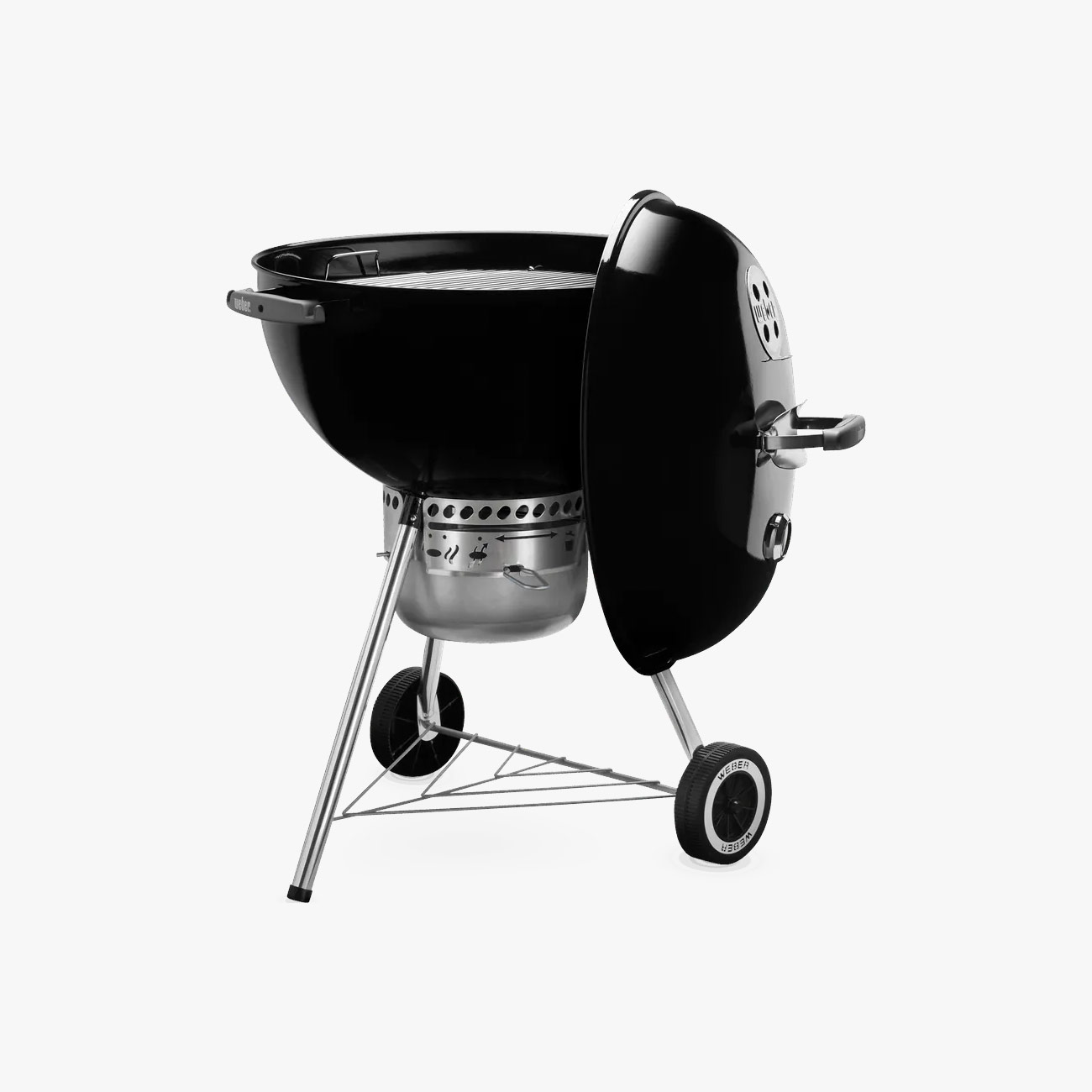
Weber Original Kettle Premium Grill

Best Overall Charcoal Grill: When you talk about charcoal grilling, you start with Weber’s kettle. The brand continues to represent the ideal mix of performance and price. Its customary porcelain-enameled steel body is sturdy enough to lock heat in and light enough to tow around without throwing out your back. Its construction is such that moving parts, screws and levers are kept to a bare minimum, which means it lasts much, much longer than other grills under $200.

The Premium version of the original kettle upgrades the ash catch in such a way that, to me, makes the $55-or-so extra worth it. Another bonus of investing in Weber kettles is the vast collection of aftermarket accessories you can get for one.

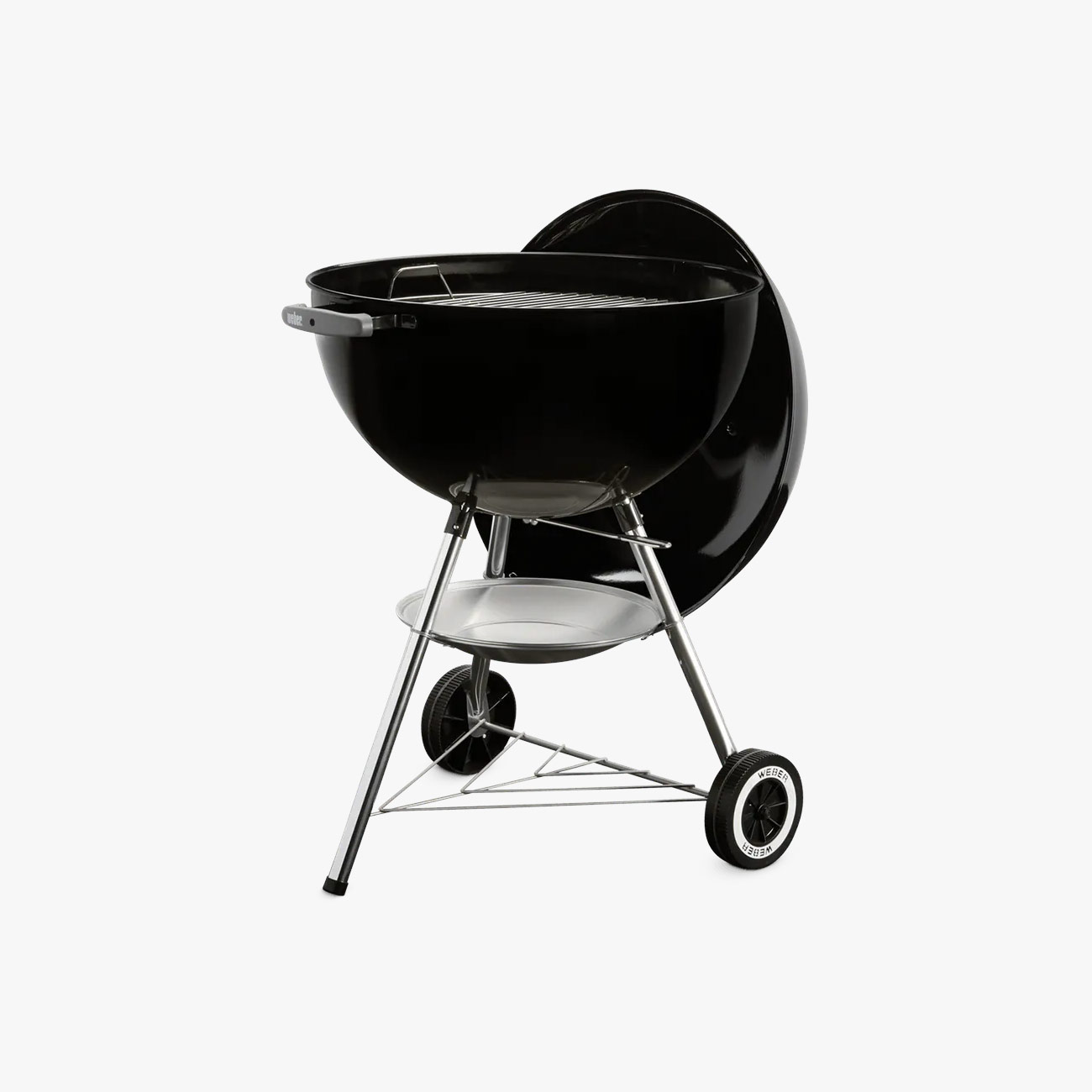
Weber Original Kettle Grill

Best Cheap Charcoal Grill: Materials, manufacturing and brand legacy all considered, it’s shocking the original Weber is still this affordable. The 22-inch staple is made with the same enameled steel as the Premium version and offers the same 363-inch cooking space (between 15 and 20 burgers worth of space), but it lacks the easier to clean ash catch. It’s not a huge issue, given the competition for a charcoal grill of this size is mostly rinky dink Amazon brands that don’t have customer service lines, strong warranties or any real reputation. If you’re dead set on a cheap grill and go for something other than the Weber original you’re doing so in an effort to be different, not have a better grill.

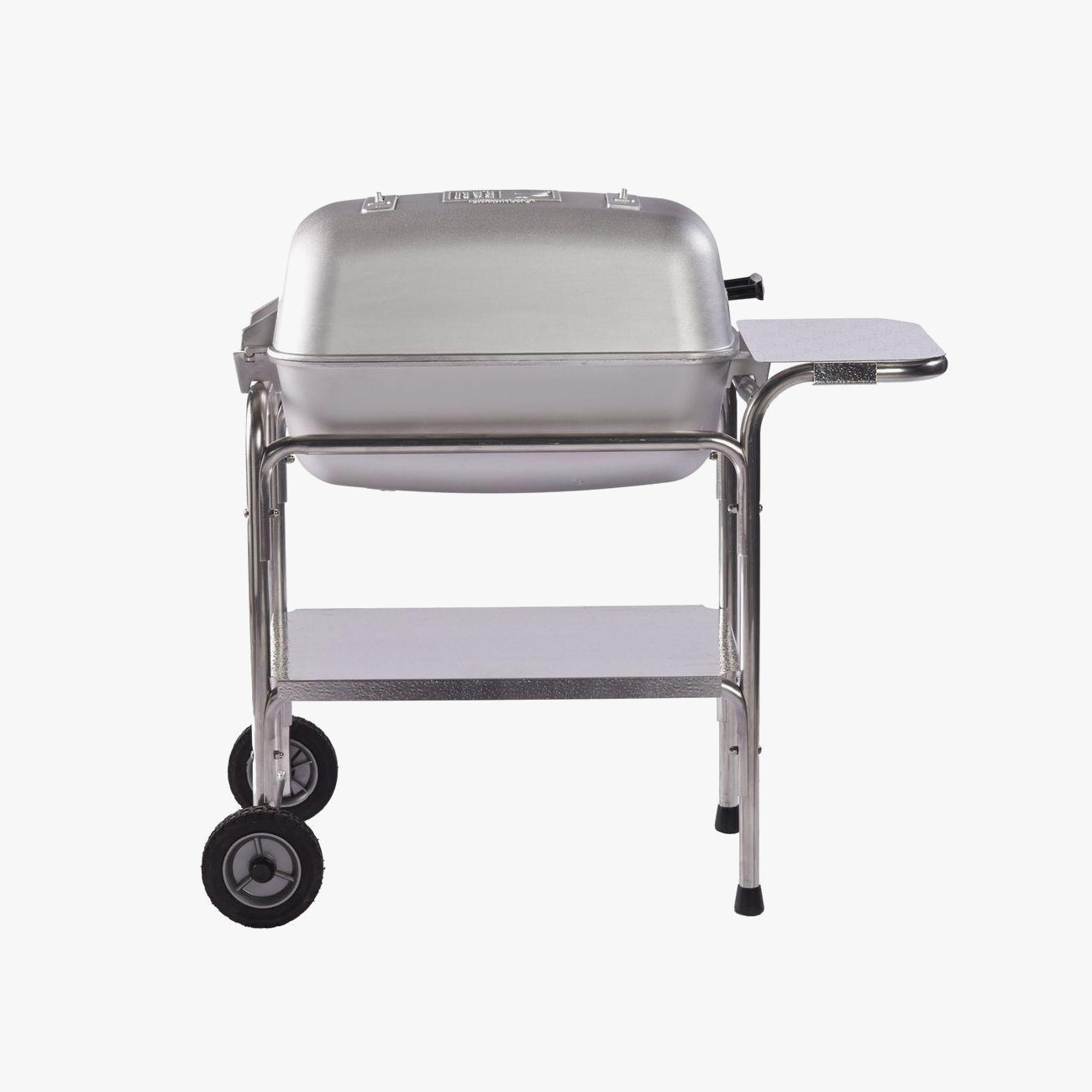
The Original PK Grill & Smoker

Best Small Charcoal Grill, Best Charcoal Grill and Smoker: Let’s get this out of the way: almost any charcoal grill can be a smoker, too. It comes down to having enough space to create two-zone cooking areas (explained superbly by Amazing Ribs here). This is what PK (short for Portable Kitchen) grills are known for — they’re small enough to toss in the bed of a pickup with other tailgate gear, yet, thanks to four very smartly placed vents, functional enough to grill and smoke at high levels.

The PK grill is outfitted with vents on the top right, top left, bottom right and bottom left of the cast-aluminum grill body. When you want to sear steaks, chops or chicken, you open the fuel-side vents and let the fire rip. When you want to smoke ribs or a small pork butt, place the coals on one side of the grill and the meat on the opposite side of the grates. Then open the vent under the coals and over the meat — this feeds the fire and smokes the meat indirectly. The entire thing is rust-proof, too. (Read our review).

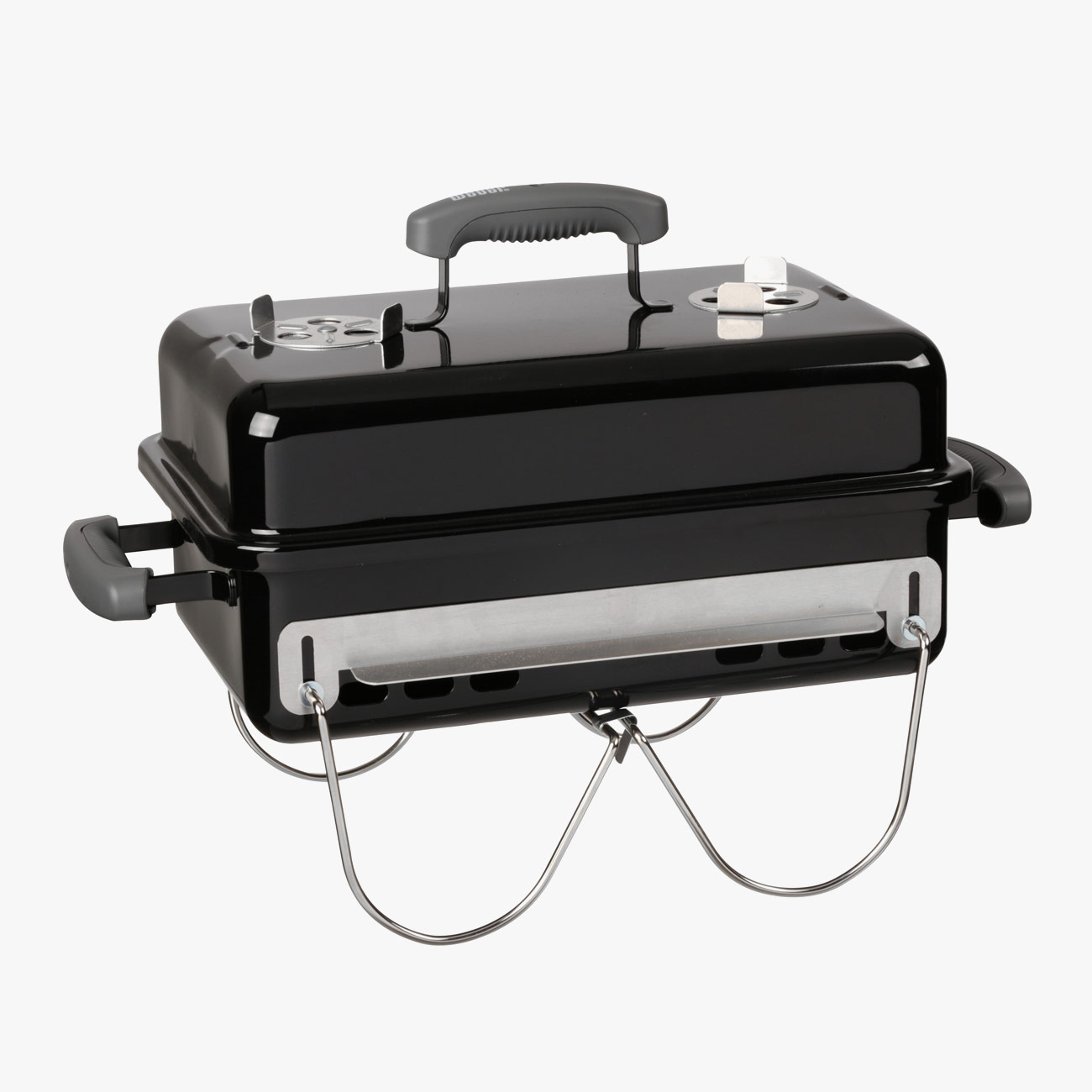
Weber Go-Anywhere Grill

Best Portable Charcoal Grill: The PK scissor-base grill is portable, in a sense; it folds up and fits in a big trunk well enough. But it’s not portable. You’re not lugging it to the park, the beach or on a day hike. For that task, you want another Weber.

The Go-Anywhere grill weighs 14.5 pounds, which is featherweight in charcoal grilling terms. It’s large enough for 6 to 8 burgers, two regular-sized steaks or one whole chicken. It is not a grill you’ll be able to effectively smoke or slow cook on consistently, but it offers a huge upgrade to camp dining. Because most of the places you’ll use this grill will necessitate packing light and thus not carrying a charcoal chimney, we recommend bringing a pack of lighter cubes with it wherever it goes.

Why Buy a Charcoal Grill?

Charcoal grills aren’t for everyone. These are the pros and cons of charcoal grilling.

Pros of Charcoal Grilling

Ultra high heat: other than commercial salamander burners (like this one), no grill type will reach the heat levels charcoal and wood-fired grills will. Expect maximum temperatures over 1,000 degrees Fahrenheit, reaching up to 1,250 depending on your setup.
Versatility: It gets hotter than hell, but it works just as well for low-and-slow cooks. When airflow is handled well and the fire is tended evenly, charcoal grills can hold steady temperature for days. Fuel Variety: unlike gas or electric (not so much pellet), charcoal grills can cook with affordable Kingsford coals, more premium lump coal, binchotan or even coconut shells.

Cons of Charcoal Grilling

Small learning curve: Learning how to properly stack coals, light a fire, hold a steady temperature and control airflow takes time.
A big mess: Expect your hands, your grill and everything in the general vicinity of the grill to have a slight tinge of charcoal dust for the foreseeable future.
Semi weather dependent: Where gas, pellet and electric grills can operate in windy and even rainy conditions, charcoal can struggle. The wind can choke out or puff up a fire to unmanageable levels.
Time sink: Lighting coals takes more time than clicking the go button on a gas grill. Cleaning the grill takes time. If you’re looking to grill multiple times a week, a nice gas grill may be a better option.

What to Look for in a Charcoal Grill

Materials Matter: Whether you’re shopping online or in-person, seek out construction information. Does the listing have two dozen bullets touting all the heavy-gauge stainless steel, cast aluminum and enameled iron (or steel)? That’s a good sign. If it’s not flexing its construction, it’s more likely to have rust spots, fail at retaining heat and generally come apart earlier than you’d want.
Beefy Warranties: Buying a grill that’s a few hundred dollars and it has a one-year parts warranty? Don’t buy it. Something that costs that much should be guaranteed, in part at least, for three to five years. Some of the grills on this guide come with lifetime part warranties.
Adjustable (and Customizable) Grates: Look for a wheel or lever that lets you move the grates or the coal bed up and down — preferably both. This allows for more cooking methods. As an added bonus, some companies offer upgraded grates (or there are aftermarket grates you can buy).
Vents! Vents! Vents!: In the making of a single meal, airflow determines quality more than great grates, coal quality and construction. It allows for you to feed a fire to sear like you want, keep a medium heat to roast a chicken or smoke ribs nice and slow. The more vents to play with, the better.
Delivery and Setup: This is a simple one. Some grills come fully assembled, others take a full day to set up. Look at this before shipping a 500-pound piece of metal to your house.

The Upgrades

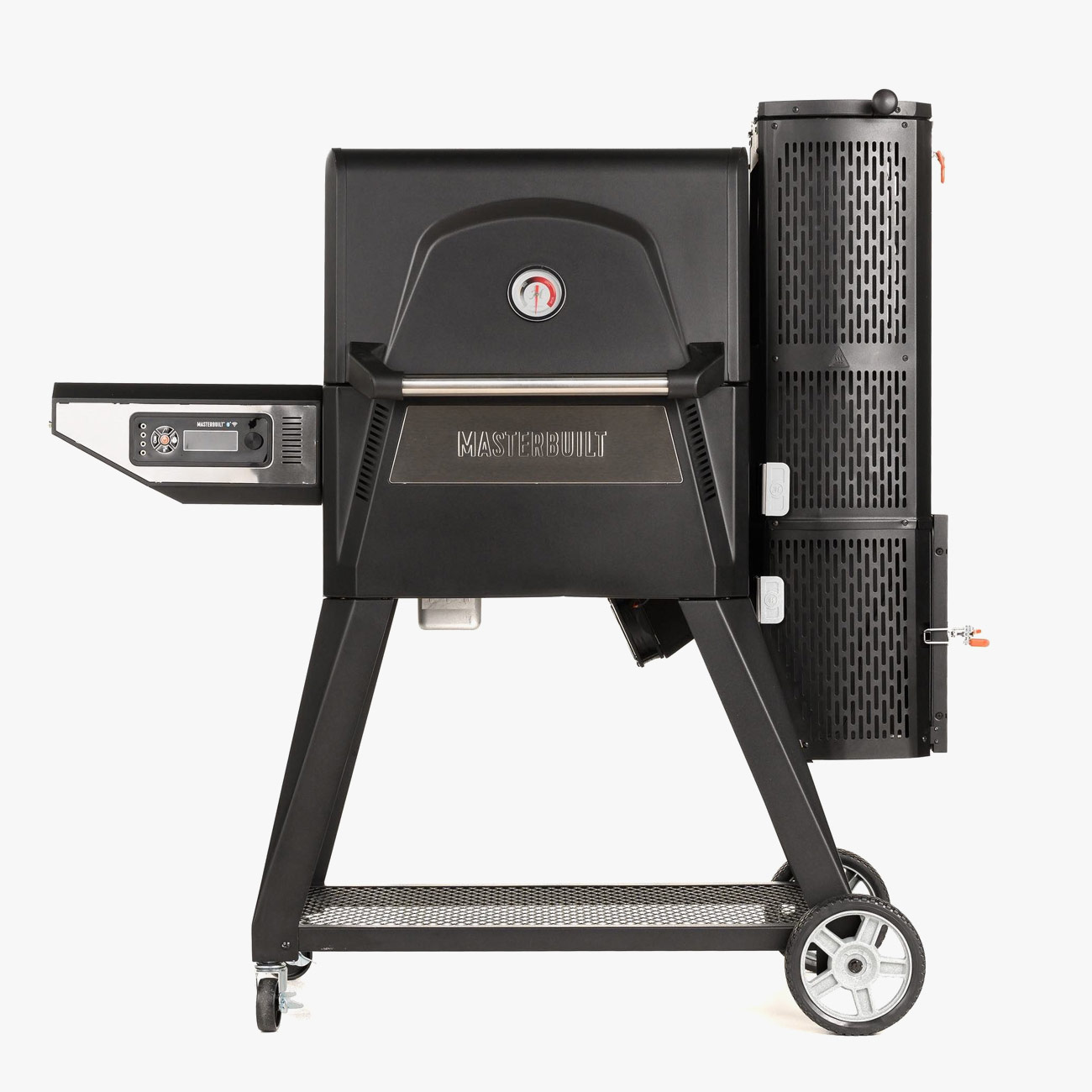
Masterbuilt Gravity Series Grill

Masterbuilt’s charcoal take on a wood pellet grill is the most controversial charcoal grill on the list. Load coals in the hopper and play with the grill’s onboard computer — which controls temperature levels and air flow — to grill with precision without any experience. That functionality, which also enables the cook to go more hands-off (which means more time with the people you’re cooking for), is likely the future of grilling. The pain points are temperature maximum and construction. The former is significantly lower than your standard charcoal grill (just 700 degrees), and the latter is questionable at best, with some plastic and painted stainless steel that chips rather easily. Looking for something you can turn on in the morning and not come back to until dinnertime? This is it.

Broilmaster C3PK1 Charcoal Grill

Broilmaster is one of grilling’s old guards. Founded in 1966, the company has iterated its design into a unique, highly functional and ultra-durable charcoal grill. A cast-aluminum body was one of the founding principle which has lasted to today, where it is still the gold standard for even heat distribution and weather resistance. And though its grates can’t be cycled up or down, it does have a unique split-grate setup that allows for cooking nearer or further from the flame. The pull out ashtray and vent count are the icing on top.

Hasty Bake Legacy 131 Charcoal Grill

Lauded by professional chefs, Hasty Bake charcoal grills ride the line between commercial and residential use in their functionality and no-bullshit aesthetic. The company made its first grill — then called a charcoal oven — in 1948 and has been making them non-stop since. From a construction perspective, the grill is a beast. Loads of 18-gauge powder-coated stainless steel make up the body, and the grates are nickel-plated steel. Parts come with a 5-year warranty, too. A quirk: the grill has a ventless hood, which changes… a lot. Instead of smoke and heat flowing up through the coal bed and out the top of the grill, heat rises to the top of the lid, where it meets a heat deflector, which recirculates the heat. This means hotspots are a rarity, and creates what amounts to a charcoal convection oven.

Yoder Smoker Abilene

A 375-pound charcoal grill with more than 700 square inches of cooking space perfectly placed vents make the near perfect party grill. Removable cooking grates are standard fare, but being able to remove the charcoal grate is a huge help with cleaning a grill this size. One last thing: the wagon-style wheels are made of the same heavy-as-shit stainless steel as the grill body, meaning they won’t casually crack or break down like many others.

Napoleon Charcoal Professional Grill

The serial grill reviewers at Amazing Ribs said it best: “If you’re committed to charcoal, but envious of your neighbor’s shiny gasser, the Napoleon PRO605 may be the answer.”

Napoleon is primarily a gas grill maker, but its glossy stainless steel charcoal grill is exceptional, and it’s one of very few high-end charcoal grills that have that new look. Other than its highly durable build, the grill ticks all the boxes: variable coal bed height, sturdy grates and (relatively) easy-cleaning. Some will be fond of Napoleon’s staple “wave” grate design.

Everdure Hub

The new-ish Everdure brand is the brainchild of Michelin-starred UK chef Heston Blumenthal. Its Hub grill targets pain points in the charcoal grilling process and addresses them with features like electric charcoal ignition and porcelain covered grates that are easy to clean. It’s also got a built in rotiserrie over the grates, which few charcoal grills offer as a standard. This is the grill you get to show off a bit, and keeps your hands clean. A downside: compared to most brands in this guide, Everdure has very few stockists, which means it may be tough to get hands-on with one before dropping two grand.

Note: Purchasing products through our links may earn us a portion of the sale, which supports our editorial team’s mission. Learn more here.
Will Price

Will Price is Gear Patrol’s home and drinks editor. He’s from Atlanta and lives in Brooklyn. He’s interested in bourbon, houseplants, cheap Japanese pens, and cast-iron skillets — maybe a little too much.

More by Will Price | Follow on Contact via Email

Is It Possible to Make a Legitimately Cool Window A/C Unit? Apparently So

<!–Is It Possible to Make a Legitimately Cool Window A/C Unit? Apparently So • Gear Patrol<!– –>

Summer’s around the corner, which means, for city dwellers, the low hum of window A/C units are about to be as a part of an apartment as running water. July, a new direct-to-consumer air conditioner brand, is releasing units that aren’t eye sores and aim to cut down on emissions.

July’s A/C units cool with a refrigerant called R32, which the brand claims reduces harmful emissions by 66 percent and energy use by 10 percent (compared to the average A/C unit). While R32 isn’t new, and has been pushed as the better refrigerant for air conditioners for some time now, July will also be planting a tree for every unit sold.

The looks are immediately apparent, too. Comparing July’s units to popular window units, it’s clear the company placed a premium on beautifying (or at least de-uglying) the air conditioner. Instead of the classic, almost medical look of the status quo, July’s versions come with a choice of matte, fabric or wood finishes. They opted to skip the glowing lights of onboard control panels, too, instead opting for app-based control (and smart assistants).

The air conditioners will come in a 6,000 BTU model ($349) and 8,000 BTU model ($399). For now, you can sign up for a waitlist and save 25 percent (and free installation if you live in NYC). Units are expected to be released at the start of summer.

Note: Purchasing products through our links may earn us a portion of the sale, which supports our editorial team’s mission. Learn more here.
Tyler Chin

Tyler Chin is Gear Patrol’s Editorial Associate for Editorial Operations. He’s from Queens, where tempers are short and commutes are long. Too bad the MTA doesn’t have a team like Ed-Ops.

More by Tyler Chin | Follow on Instagram · Contact via Email

<!–

–>

<!– –><!–

–>

Can’t Choose Between a Spring or Foam Mattress? A New Japanese Brand Has a Fresh Take

<!–Can’t Choose Between a Spring or Foam Mattress? A New Japanese Brand Has a Fresh Take • Gear Patrol<!– –>

Sleeping on air


Airweave, a Japanese mattress brand, uses a material called airfiber in its mattresses. The material, which is a first in the mattress space, is a network of interwoven plastic that results in a mattress that is essentially all air, which the brand says promotes top-tier temperature regulation, minimal motion transfer and exceptionally easy cleaning. Mattress reviewers found that Airweave mattresses do indeed regulate body heat and provide a firmer surface than an innerspring mattress. And its benefits aren’t unwarranted — a study published in the Public Library of Science found that sleeping on an Airweave mattress versus one made of memory foam offers a more restorative sleep, which might explain why Airweave supplied mattresses to US Olympic athletes for the 2016 Rio Olympics.

The brand just released its new Aireweave mattress, which is softer than the original and arrives in a three-piece modular system for targeted sleep performance. Like all Airweave mattresses, the outer layer is removable and machine washable. The inner airweave material is impressively easy to clean — literally hose it down, let it dry and it’s done.

The new Airweave mattress is available now and starts at $1,400 for a twin. Shipping is free, and the brand offers a 100-day trial period.

Note: Purchasing products through our links may earn us a portion of the sale, which supports our editorial team’s mission. Learn more here.
Tyler Chin

Tyler Chin is Gear Patrol’s Editorial Associate for Editorial Operations. He’s from Queens, where tempers are short and commutes are long. Too bad the MTA doesn’t have a team like Ed-Ops.

More by Tyler Chin | Follow on Instagram · Contact via Email

<!–

–>

<!– –><!–

–>

Can’t Get Your Hands on Pappy Van Winkle Bourbon? This Coffee Is an Affordable Consolation Prize

<!–Can’t Get Your Hands on Pappy Van Winkle Bourbon? This Coffee Is an Affordable Consolation Prize • Gear Patrol<!– –>

Pappy-adjacent


For most of us, there are two paths that lead to acquiring a bottle of Pappy Van Winkle Collection bourbon whiskey: a long and arduous hunt in store or paying ten-times the retail price on bourbon’s black markets. If you don’t have the time, luck or spare stacks to get the real thing, you can get something like it… kind of.

Pappy & Company’s Bourbon Barrel-Aged coffee is a $22 ticket to tasting a little Pappy for yourself. The beans are roasted by Louisville, Kentucky’s Good Folks Coffee and are aged in ex-Pappy barrels, lending them a “mild hint of bourbon.”

Owned and operated by fourth-generation Van Winkles, Pappy & Company also sells Pappy-adjacent glasses, apparel, snacks, maple syrup and more.

Note: Purchasing products through our links may earn us a portion of the sale, which supports our editorial team’s mission. Learn more here.
Will Price

Will Price is Gear Patrol’s home and drinks editor. He’s from Atlanta and lives in Brooklyn. He’s interested in bourbon, houseplants, cheap Japanese pens, and cast-iron skillets — maybe a little too much.

More by Will Price | Follow on Contact via Email

<!–

–>

<!– –><!–

–>

Calm Down Whiskey Glass 2 Pack

At the end of a long day we like to decompress with some peace and quiet and two fingers of the good stuff. Keep it simple and cut right to the chase with these glasses.


Related Stories


This Coffee Is as Close as Most of Us Will Get to Drinking Pappy Van Winkle Bourbon

<!–This Coffee Is as Close as Most of Us Will Get to Drinking Pappy Van Winkle Bourbon • Gear Patrol<!– –>

Pappy-adjacent


For most of us, there are two paths that lead to acquiring a bottle of Pappy Van Winkle Collection bourbon whiskey: a long and arduous hunt in store or paying ten-times the retail price on bourbon’s black markets. If you don’t have the time, luck or spare stacks to get the real thing, you can get something like it… kind of.

Pappy & Company’s Bourbon Barrel-Aged coffee is a $22 ticket to tasting a little Pappy for yourself. The beans are roasted by Louisville, Kentucky’s Good Folks Coffee and are aged in ex-Pappy barrels, lending them a “mild hint of bourbon.”

Owned and operated by fourth-generation Van Winkles, Pappy & Company also sells Pappy-adjacent glasses, apparel, snacks, maple syrup and more.

Note: Purchasing products through our links may earn us a portion of the sale, which supports our editorial team’s mission. Learn more here.
Will Price

Will Price is Gear Patrol’s home and drinks editor. He’s from Atlanta and lives in Brooklyn. He’s interested in bourbon, houseplants, cheap Japanese pens, and cast-iron skillets — maybe a little too much.

More by Will Price | Follow on Contact via Email

<!–

–>

<!– –><!–

–>

10 Wicked Puzzles to Order Before the Weekend

At this point in quarantine, you’re probably sick of streaming on Netflix, Amazon Prime or whatever the hell Quibi is. Here’s a thought: let go of the remote, unplug your computer and dive into some jigsaw puzzles. Assembling jigsaw puzzles have the effects of improved mental health, decreased stress levels and, in the long-run, improved cognitive abilities. And while jigsaw puzzles are trending and some sites are selling out, there’s still plenty in stock. Here are 10 worth ordering ASAP.

For the Newbie:
300-Piece and Under Puzzles

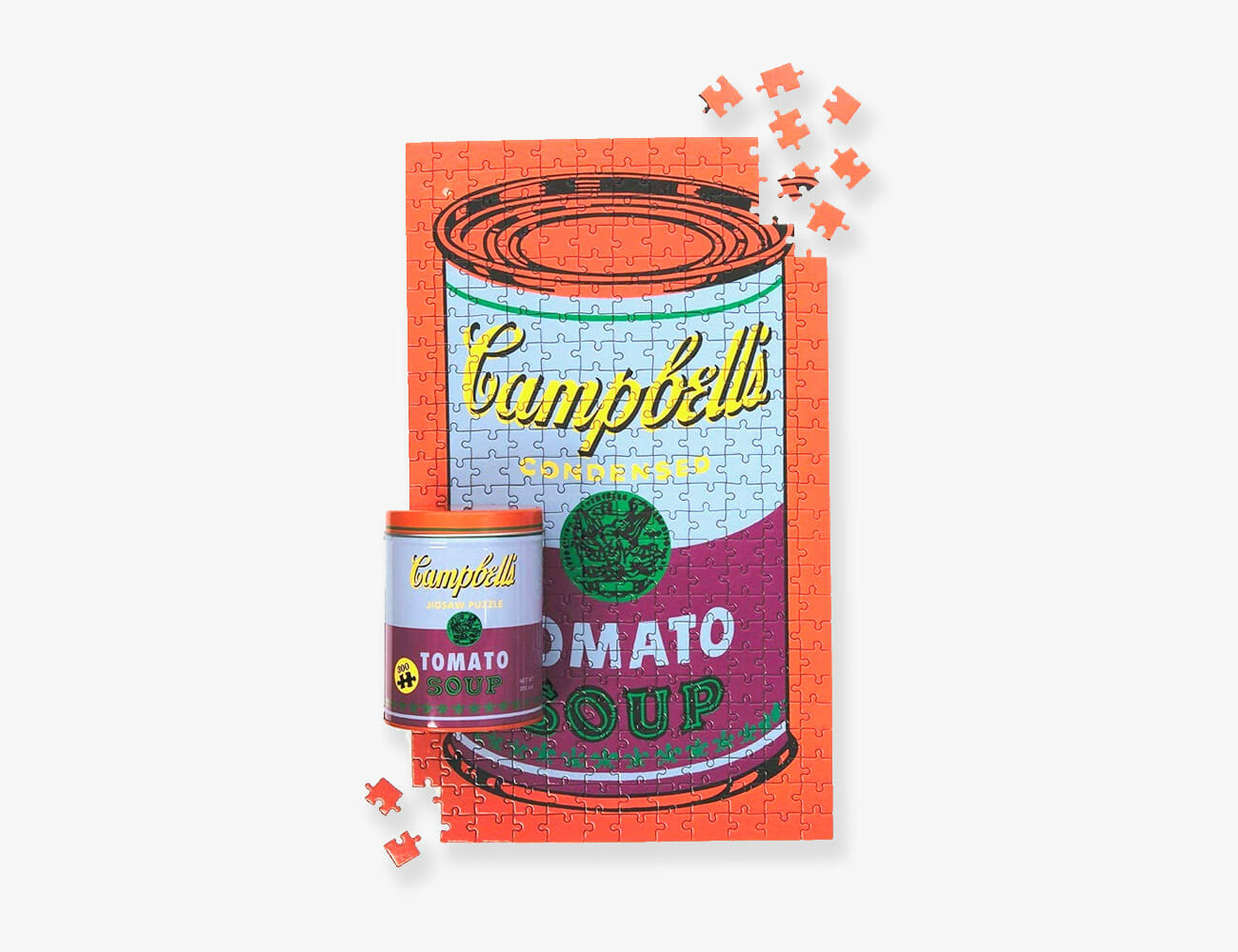
Mudbuddy Andy Warhol Soup Can Red Violet

Paintings and artwork tend to find themselves being reproduced as puzzles because it’s like bringing priceless art into your home. Andy Warhol’s iconic pop art Campbell’s soup can is no exception, and this 300-piece puzzle comes in a dope can that can stand alone as home decor.

Areaware Little Puzzle Thing: Tonkotsu Ramen Puzzle

Areaware’s collection of food puzzles are quick and easy to assemble and they’re pretty fun to do over and over again. We’re partial to the brand’s ramen puzzle — you can almost smell the broth simmering away.

Zazzle Blue Sky Jigsaw Puzzle

A 110-piece puzzle may not seem that hard, but the Blue Sky jigsaw puzzle is close to being a one-color puzzle. Matching the pictures isn’t as simple as it seems, and you’ll have to rely mainly on the shape of each piece.

For the Novice:
500-Piece Puzzles

Galison Books Frank Lloyd Wright Imperial Hotel Peacock Rug

The puzzle version of Frank Lloyd Wright’s iconic art deco rug at the Imperial Hotel in Tokyo, Japan is a worthwhile endeavor on any evening. The gold foil embellishments add even more finesse to an intricately designed piece of art.

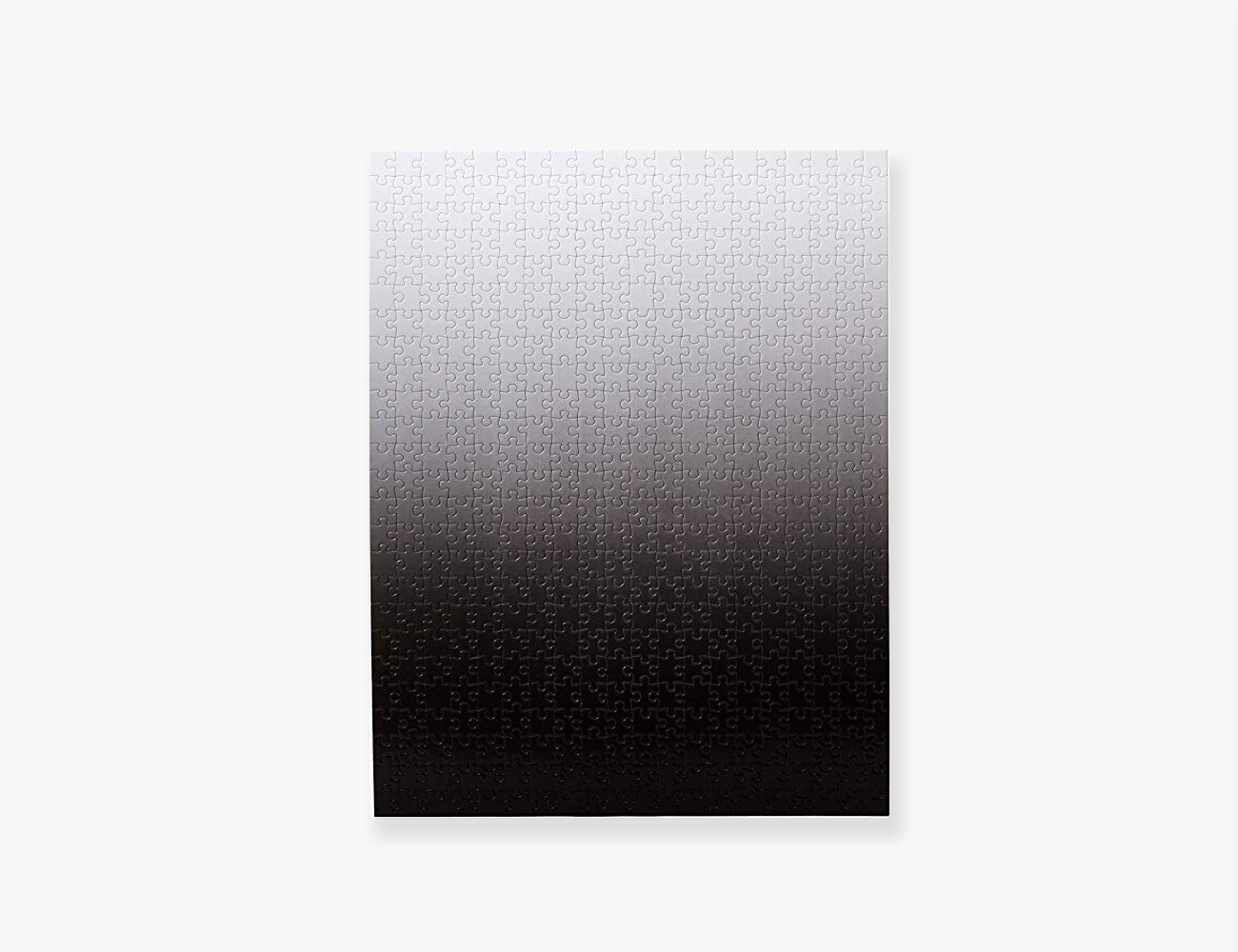
Areaware Gradient Puzzle (Black/White)

This Areaware gradient puzzle is a challenging endeavor as you can never really make out whether or not one shade of grey is the same as another shade of grey. There are 500 pieces and too many shades between black and white to count. This is a puzzle for the masochist.

Frank Lloyd Wright Guggenheim Museum Double-Sided Puzzle

Another Frank Lloyd Wright puzzle This puzzle is a two-in-one: one side recreates the exterior of the Guggenheim Museum and the other is its blueprint. The two sides are fairly easy to discern, so there shouldn’t be much trouble mixing up the two puzzles.

|

For the Pro:
1000-Piece Puzzles

Galison Books Map of the World

Brush up on your world geography with this animated and playful map of the world. Live vicariously through the cartoon animals featured on the puzzle for a taste of what it’s like to experience the natural world again.

Charley Harper Isle Royale

Charley Harper applied his love of nature and art to create vibrant posters for the National Park Service. This recreation of his poster for Isle Royale National Park in Michigan highlights Harper’s use of simple geometric shapes and patterns to represent a diverse ecosystem of animals and nature.

Dark Horse Comics Game of Thrones Map of Westeros

While GoT fans continue to wait for George R.R. Martin to finish “The Winds of Winter,” we’ll pass the time by recreating a map of Westeros. Things are probably going better there than here anyway.

For the Sadist:
5,000-Piece Puzzle

John N. Hansen Alpine Lake Puzzle

Better make room on your puzzle-assembling surface. This puzzle’s design is based on the work of a UK-based artist who paints idyllic landscapes. The difficulty of the puzzle lies in the sheer number of pieces. If you’re really itching for a challenge, you could get this 1000-piece all-white puzzle.

Note: Purchasing products through our links may earn us a portion of the sale, which supports our editorial team’s mission. Learn more here.
Tyler Chin

Tyler Chin is Gear Patrol’s Editorial Associate for Editorial Operations. He’s from Queens, where tempers are short and commutes are long. Too bad the MTA doesn’t have a team like Ed-Ops.

More by Tyler Chin | Follow on Instagram · Contact via Email

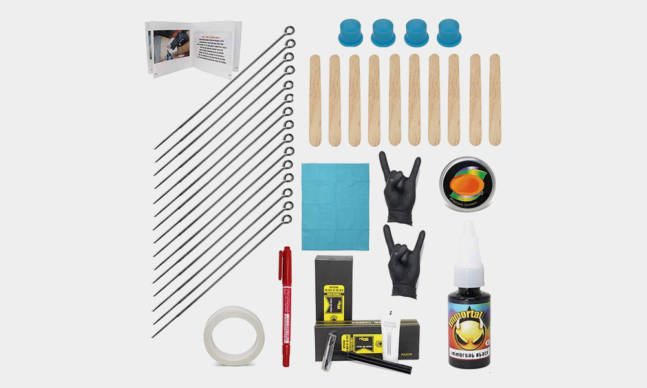
Stay Home: Give Yourself a Stick and Poke Tattoo

Since we’re all stuck inside, we decided to do some digging to find useful products to help stay productive, occupied, entertained and fit while you Stay Home. We haven’t quite watched all of the Netflix,…


Related Stories


David Chang’s Cast-Iron Cookware of Choice? A Young Brand Making Old School Pots and Pans

<!–David Chang’s Cast-Iron Cookware of Choice? A Young Brand Making Old School Pots and Pans • Gear Patrol<!– –>

#Gearspotting


Momofuku Restaurant Group founder, Ugly Delicious creator, Mind of a Chef host and microwave evangelist is also a fan of Smithey Ironware, a young cast-iron cookware maker out of Charleston, South Carolina.

Chang used Smithey’s 5.5-quart Dutch oven ($295) in a three-part series of posts on turning a so-so piece of beef into “something way better than a prime cut” (AKA braising).

Thanks to a luxe, smooth cooking surface and just the right amount of weight, Smithey’s cast-iron skillets are among the best we’ve tested. Its Dutch oven is more of the same — the cooking area is practically non-stick, it’s heavy enough to hold temperature but not overly cumbersome and, like its skillets, it’s gorgeous. Also like its skillets, it’s not cheap. At $295, it’s in the company of the Le Creusets and Staubs of the world more than the more budget-minded Lodge.

Other than indie cast-iron skillets, Chang’s Instagram feed is flooded with how-tos, reviews of the Instant Pot (he gave it a C+) and undying love for the Magic Bullet Blender, and is well worth a follow.

Note: Purchasing products through our links may earn us a portion of the sale, which supports our editorial team’s mission. Learn more here.
Will Price

Will Price is Gear Patrol’s home and drinks editor. He’s from Atlanta and lives in Brooklyn. He’s interested in bourbon, houseplants, cheap Japanese pens, and cast-iron skillets — maybe a little too much.

More by Will Price | Follow on Contact via Email

<!–

–>

<!– –><!–

–>

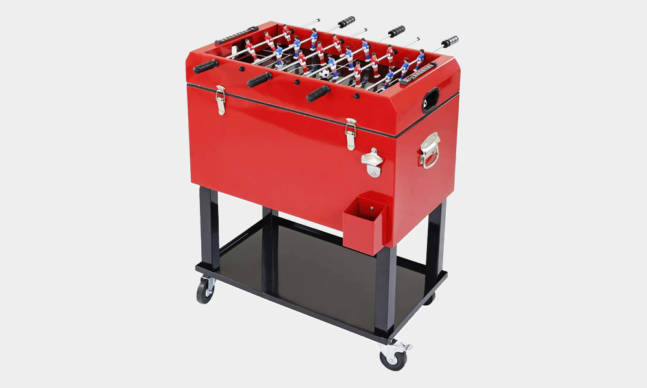
Clevr Foosball Party Cooler

The folks at Clevr just found a way to make a beer-filled cooler that much more fun. They added a built-in foosball table into this big, red, and wheeled 68-quart cooler. It’s all housed in…


Related Stories


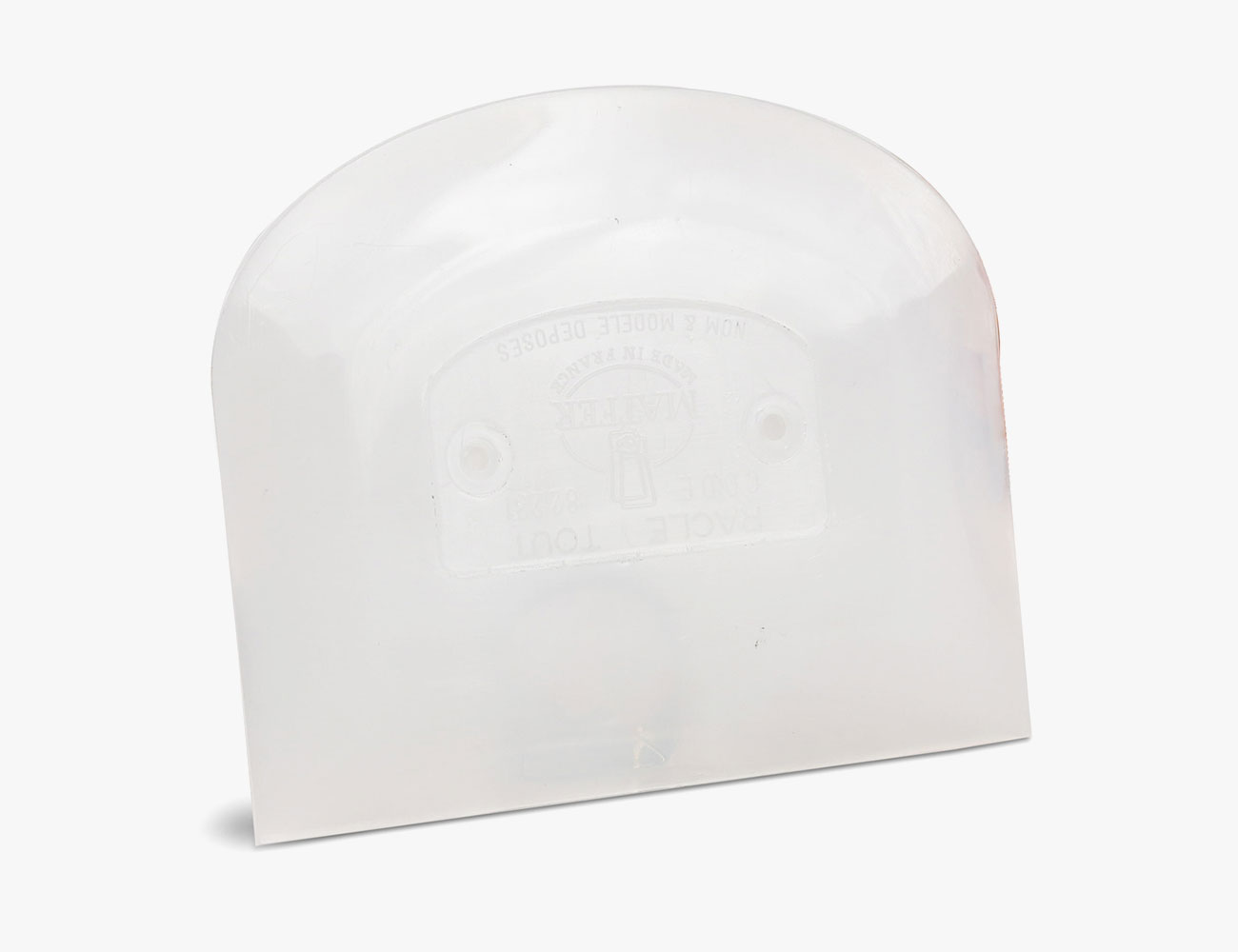
There Is a $7 Piece of Plastic in This Chef’s Back Pocket at All Times

Editor’s Note: Coronavirus has hammered the hospitality industry, forcing millions of layoffs and business closures. Consider ordering takeout, buying gift cards or pledging money to initiatives like the James Beard Foundation Food and Beverage Industry Relief Fund or Save Restaurants.

Chef David Santos is the executive chef-partner at Good Stock, a soup-centric restaurant in New York City. Amidst the coronavirus pandemic, the restaurant is giving people the chance to help feed healthcare workers on the frontlines. Soup lovers can choose to donate a soup for $9 on top of their order, or they can buy an $85 package to send 12 soups to healthcare workers. While the food industry continues to weather the pandemic, Santos gave us some insight into the kitchen tools he can’t live without. Check out what he’s using right now, and head to the Good Stock’s website to learn more about the Soup for the Frontlines initiative.

Matfer Bowl Scraper

“This is always in my back pocket. It’s the perfect tool to scrape your cutting board and help keep things cleaned and organized. I feel lost if I don’t have it on me in the kitchen.”

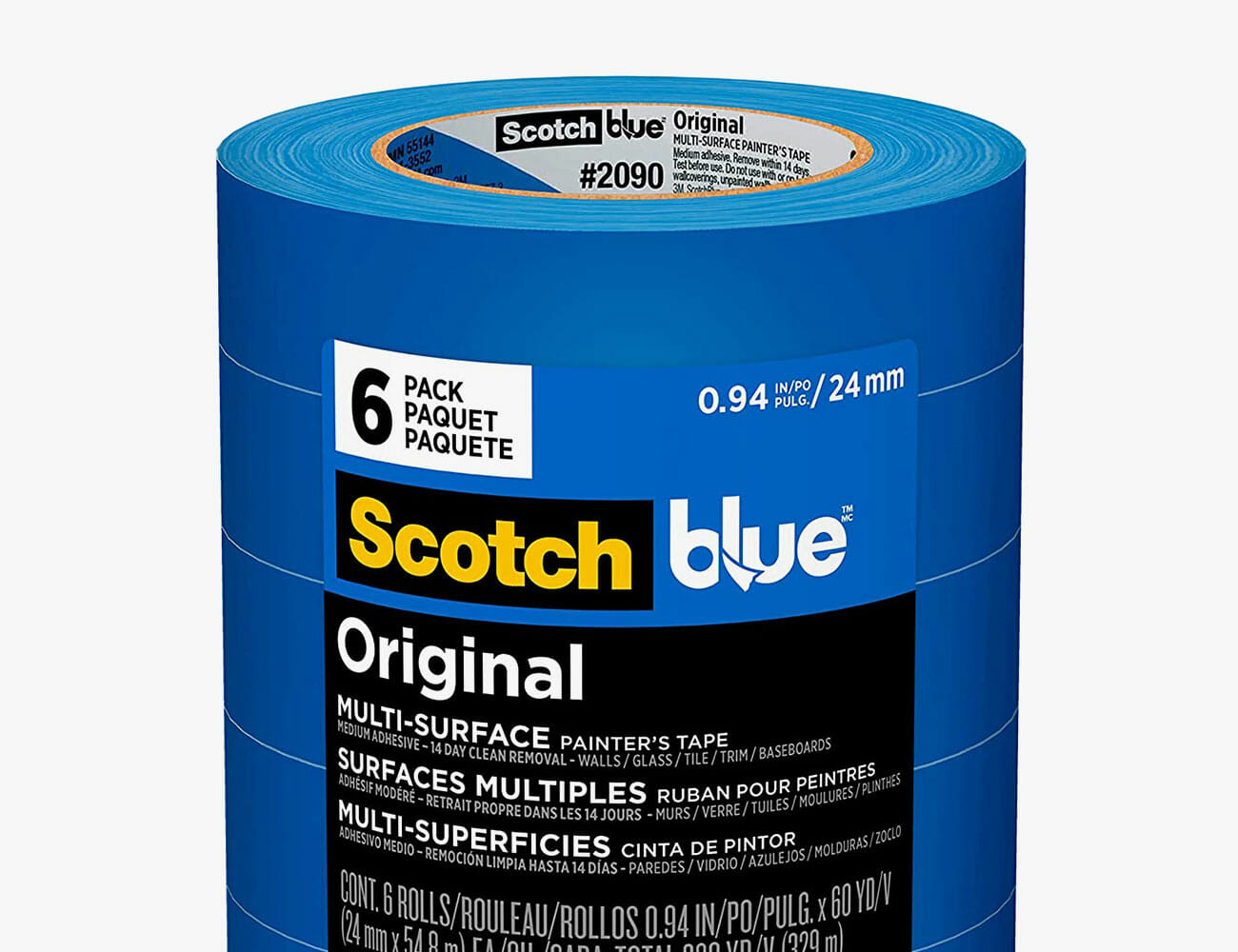
Scotch Painter’s Tape

“Thanks to my days under Thomas Keller, I label everything in a kitchen. It’s important to help stay clean, efficient and to have information at your fingertips. The same can be done in your home, and I often do label at home.”

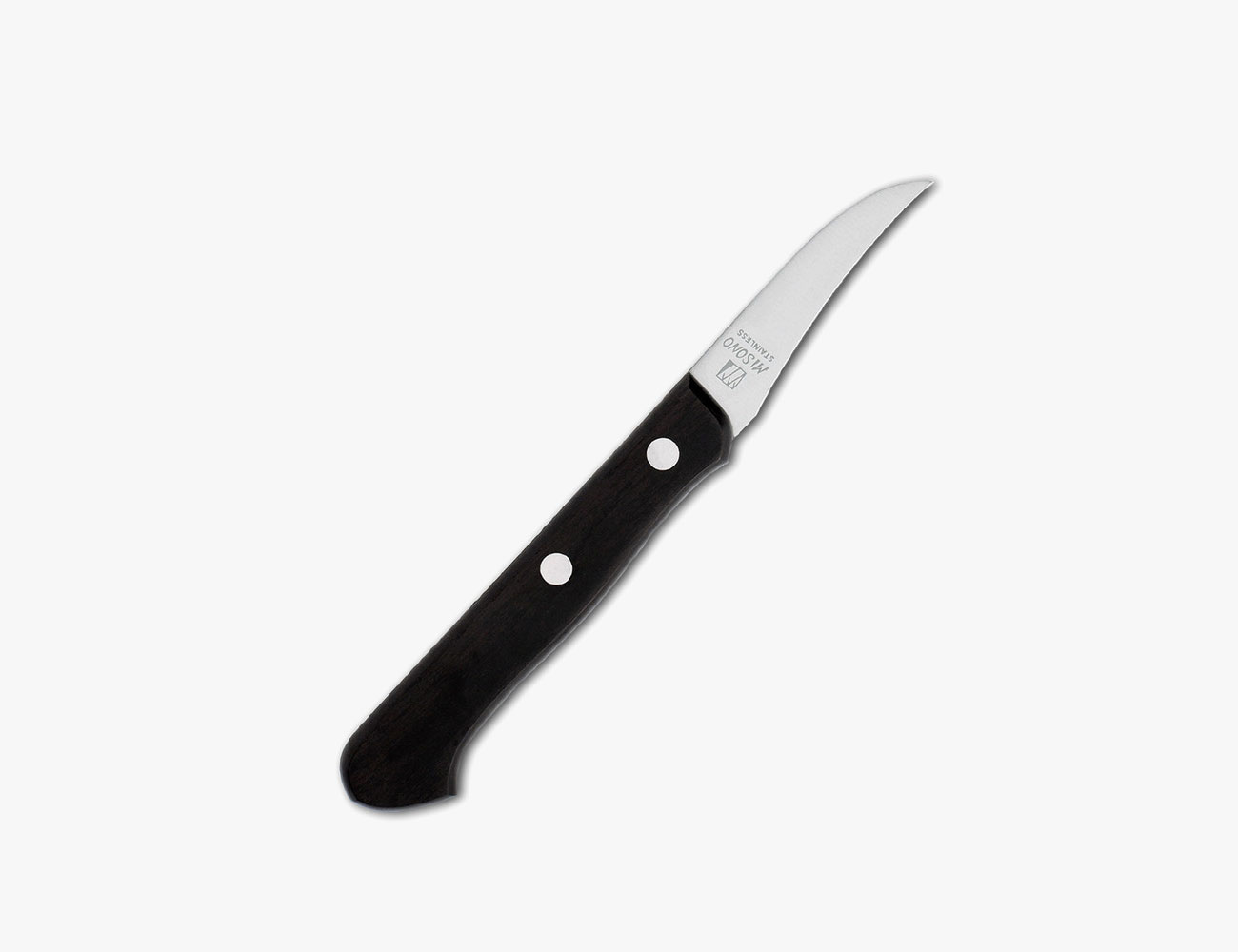
Misono Bird’s Beak Paring Knife

“I peel and turn a lot of things and this shape makes that easy and efficient. It’s the only paring knife I use.”

Togiharu Inox Steel Petty Knife

“It’s a small blade but it’s a utility knife, and I believe in utility. I don’t often like things with singular purpose. I can do everything from dicing an onion to butchering a side of beef with it, and I have.”

Vitamix Vita-Prep Blender

“It’s the most powerful blender on the market, and when you’re looking for smooth and fast, this thing wins every time. I make all my purées in this along with a whole host of other things from grinding spices to soups.”

|

Note: Purchasing products through our links may earn us a portion of the sale, which supports our editorial team’s mission. Learn more here.
Tyler Chin

Tyler Chin is Gear Patrol’s Editorial Associate for Editorial Operations. He’s from Queens, where tempers are short and commutes are long. Too bad the MTA doesn’t have a team like Ed-Ops.

More by Tyler Chin | Follow on Instagram · Contact via Email

Why You Absolutely Need a Scale to Brew World-Class Coffee at Home

<!–Why You Absolutely Need a Scale to Brew World-Class Coffee at Home • Gear Patrol<!– –>

A Pour-Over Necessity


The latest addition to Oxo’s line of coffee-brewing gear is a sleek, affordable scale with a built-in timer accurate to 0.1 grams. Don’t think you need a scale for coffee? Think again.

Beyond a grinder and an actual brewing device (read: coffee maker), a scale is all you need to emulate the brewing process at the world’s best coffee shops. So why don’t more people own one? They think they can wing it, says coffee industry vet and cofounder of LA-based roaster Go Get ‘Em Tiger, Kyle Glanville. Here’s why you shouldn’t be one of them.

Consistency

If every pot or pour-over you brew at home tastes different, it’s because your coffee-to-water ratio is changing from brew to brew. “You absolutely cannot eyeball water volume or coffee amount,” says Glanville. “I’ve won national brewing competitions and I can say with confidence that whether you’re brewing a fancy pour-over or batch brew, measurement is everything.”

Experimention

Mastering the standard pot of coffee allows you to move on to the experimentation phase of coffee nerdery, which isn’t possible without a gram scale to record different brewing ratios. Glanville recommends using a pen and paper to make notes on the extraction level, body and flavors present with subsequent brews.

Savings

Every coffee bean is different. Some of the tiniest beans will be the densest in a bag, while others will be enormous and nearly hollow. This is the result of the processing that takes place at coffee farms and how the bean is roasted. All to say, tossing scoops of beans into a grinder without weighing them first is a very easy way to use too many coffee beans for the amount of coffee you’re brewing.

Gear Patrol also recommends:
Jennings CJ-4000 Scale ($30)
Hario V60 Drip Coffee Scale and Timer ($50)
Acaia Pearl Scale ($140+)
Will Price

Will Price is Gear Patrol’s home and drinks editor. He’s from Atlanta and lives in Brooklyn. He’s interested in bourbon, houseplants, cheap Japanese pens, and cast-iron skillets — maybe a little too much.

More by Will Price | Follow on Contact via Email

<!–

–>

<!– –><!–

–>

A Famous Japanese Toaster Oven Is Coming to America and I’m Amped About It

<!–A Famous Japanese Toaster Oven Is Coming to America and I’m Amped About It • Gear Patrol<!– –>

King of toasters


Very little thought goes into making toast. You put a couple slices of bread in a machine, push down the lever and in a couple minutes you have a half-decent breakfast. Gear Patrol’s very own home and drinks editor, Will Price, admits he’s never even owned a toaster. But that might change with the arrival of the made-in-Japan Balmuda toaster, which costs a whopping $329.

Balmuda has a cult-like presence in Japan, specializing in small kitchen appliances with minimalist design. The brand’s allure and the devotion its fans show is often compared to the likes of Apple. The Balmuda toaster looks somewhat like a standard toaster oven, and it uses steam, rather than heated filaments, to toast bread. The use of steam, along with precise temperature control and four heating modes, perfect the “three essential elements of culinary delight” — flavor, aroma and texture — according to a press release from the brand. The toast has a crisp outer layer that retains the bread’s flavor and moisture on the inside. The toaster does have an oven function, but honestly, we’re here for toast, not roasted vegetables.

If you’re not sold on the idea of a toaster that costs as much as a TV, just head to Youtube to watch people fawn over the toaster dreams are made of. The Balmuda toaster launches in the US on April 29.

Note: Purchasing products through our links may earn us a portion of the sale, which supports our editorial team’s mission. Learn more here.
Tyler Chin

Tyler Chin is Gear Patrol’s Editorial Associate for Editorial Operations. He’s from Queens, where tempers are short and commutes are long. Too bad the MTA doesn’t have a team like Ed-Ops.

More by Tyler Chin | Follow on Instagram · Contact via Email

<!–

–>

<!– –><!–

–>

Bolt Action Titanium Permanent Marker

If you’re anything like us, you use permanent markers almost as much as any other writing tool. They’re great for marking, labeling, drawing, writing and just generally leaving indelible impressions on things. The Marksmith Bolt…


Related Stories


The 8 Best Coffee Makers of 2020

This definitive guide to the best coffee makers of 2020 covers everything you need to know before you buy your next morning companion. We tested what most experts consider the world’s best coffee makers, comparing size, speed, price and performance, to identify which machines to buy (and avoid) in 2020.

In the world of coffee brewing, pour-over, cold brew, French press and Aeropress get all the buzz. Yet, for the vast majority of people, these methods of making coffee are not ideal — at least not for those grueling minutes between sleep and getting out the door every morning. Much to the chagrin of coffee purists, the mighty drip coffee maker is still most coffee drinkers’ preferred choice due to speed and convenience.

In the past decade or so, a thousand and one companies have pushed their way into market, though very few have the intention (let alone the ability) to manufacture coffee brewers that make truly good coffee. After testing what most experts consider the world’s best machines, we narrowed our list down to just eigth: here are the best coffee makers you can buy in 2020.

Related Video: How To Make Perfect Coffee Three Ways

[embedded content]

Breville Precision Brewer

Breville’s prime directive is to make the most powerful, versatile, impressive version of whatever it decides to put together. Its coffee maker, though somewhat large, is as customizable as coffee makers get. The build quality is exceptional, standing out in a space filled with mostly plastic components.

Best Overall Coffee Maker

What We Like: Lightning-fast brew times, presets that are actually useful and unmatched versatility, for starters. The Precision Pro can brew with flat-bottom filters, cone filters and it even has a pour-over attachment (you can literally put your pour-over device under the shower head). It can brew cold brew coffee, brew coffee to the exacting Gold Cup standard and it’s the only coffee maker we know of that allows you to customize options like flow rate and bloom time. If you or someone you know is keen on experimenting with coffee, there is no better coffee maker.

What We Don’t Like: It’s kind of enormous in comparison to other coffee makers. You will have to pull the whole thing from under the cabinets to load coffee and water into it. The price is high but, compared to what you get, it’s not a problem of value.

Verdict: Highly recommended

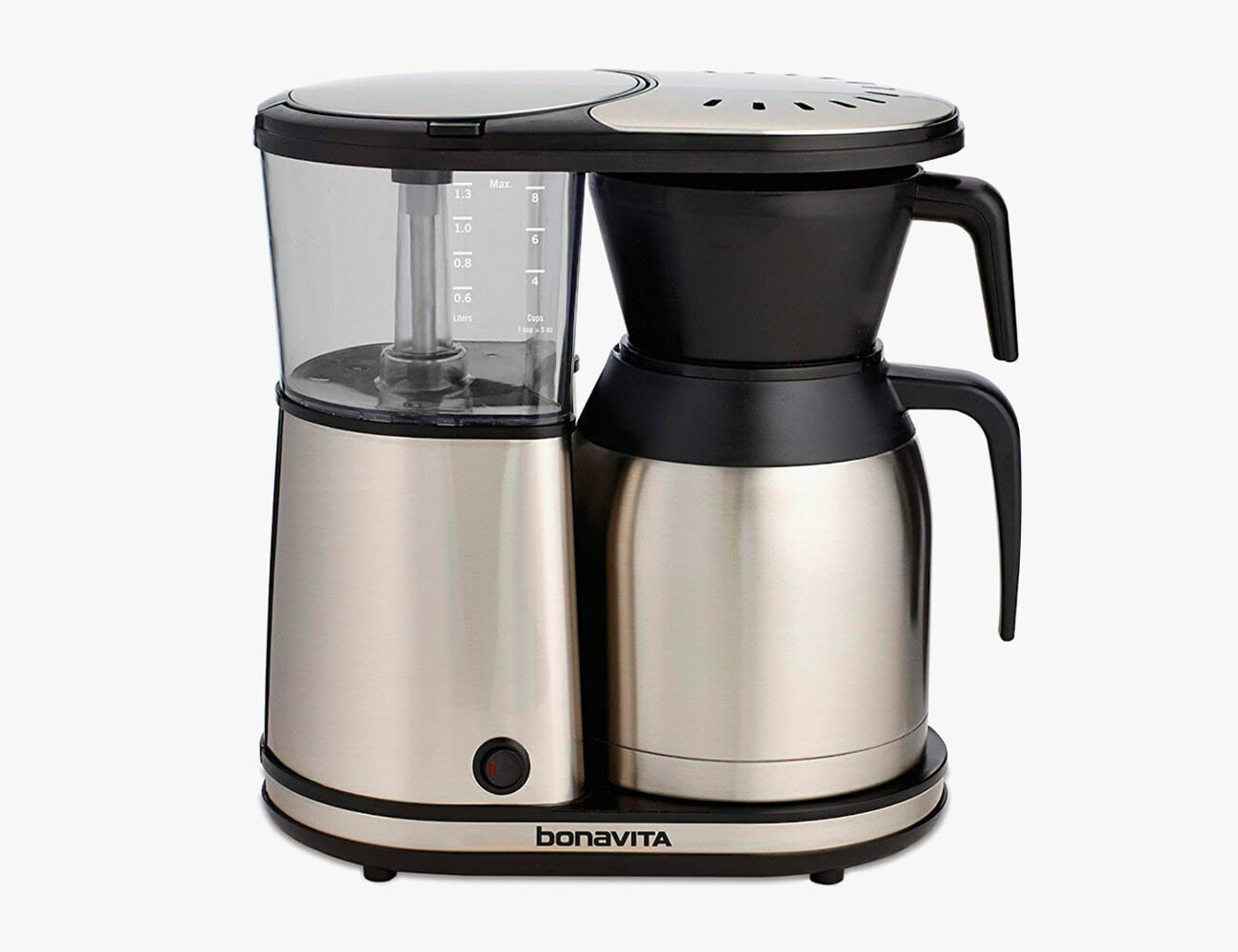
Bonavita BV1900TS 8-Cup

Bonavita makes one thing: specialty coffee equipment. This model earned the mark of approval of the Specialty Coffee Association — specialty coffee’s most important trade organization — and it brews quickly and evenly. It’s also dead simple to operate. It makes coffee that’s well-bodied but not overbearing, and it’s small and cheap enough to work for almost everybody.

Best Budget Coffee Maker

What We Like: This brewer makes pots of coffee that are excellent for the vast majority of coffee drinkers, and it offers a gateway into more complex brewing ideas. The coffee it makes isn’t as light as most of the higher end machines, but it’s not as oppressively dark as with cheaper models. An identical coffee maker is available as a programmable version for a few dollars more, but programmable coffee makers (unless they have built-in grinders) can’t account for the loss of freshness.

This one is a nicely balanced size that is short enough to open when positioned under cabinets and not so wide as to take up enormous tracts of the countertop. We also like that it brews a full pot in about four minutes, and maintains consistency no matter how many cups it’s brewing. On top of this, Bonavita’s customer service is exceptional, and the price is tough to beat.

What We Don’t Like: Like most coffee makers we tested, the shower head will drip water onto the machine after use. The thermal carafe and its lid could also be better (it helps to pre-heat the carafe by filling it with hot water prior to brewing) at maintaining high temperatures. Finally, the filter basket sits on top of the carafe — this means you have to take it off and put it on the counter (or in the sink) in order to fit the lid on or pour coffee. (Bonavita released a newer, slightly pricier option called the Connoisseur that addresses this issue.)

Verdict: Highly recommended

Moccamaster 59616 KBG

Technivorm’s Moccamaster has remained among the absolute best coffee makers in the world since it was invented in 1969. Thanks to a special copper heating system, it’s one of the fastest brewers, and it is lauded for its consistently outstanding pots of coffee. It’s uniquely disassemblable, meaning you can pull it apart for cleaning or troubleshooting yourself (Technivorm’s customer service is one of the best we’ve encountered).

Best Upgrade Coffee Maker

What We Like: There are many Moccamaster models, but this is the one that we recommend most. This model uses a glass carafe and electric hot plate instead of the typical steel carafe. The glass makes it simpler to tell how much coffee is left and is much easier to clean (it’s difficult to see inside steel carafes). Thanks to a copper-based heating element, all Moccamasters are lightning quick to heat and brew coffee — we clocked in a full 10 cups of brewing in just over five minutes.

Additionally, this model features a manually adjustable brew basket, which is a fancy way of saying you can control pre-infusion of the grounds and you can seal the brew head when you pull the carafe away from the machine. This pretty much eliminates the annoying water drip most coffee makers are plagued with. It’s also more disassemblable than most coffee machines, making it simple to clean and troubleshoot other potential issues.

What We Don’t Like: The price isn’t very friendly. Also, the brew basket itself feels cheap for an otherwise super-premium coffee maker.

Verdict: Highly recommended

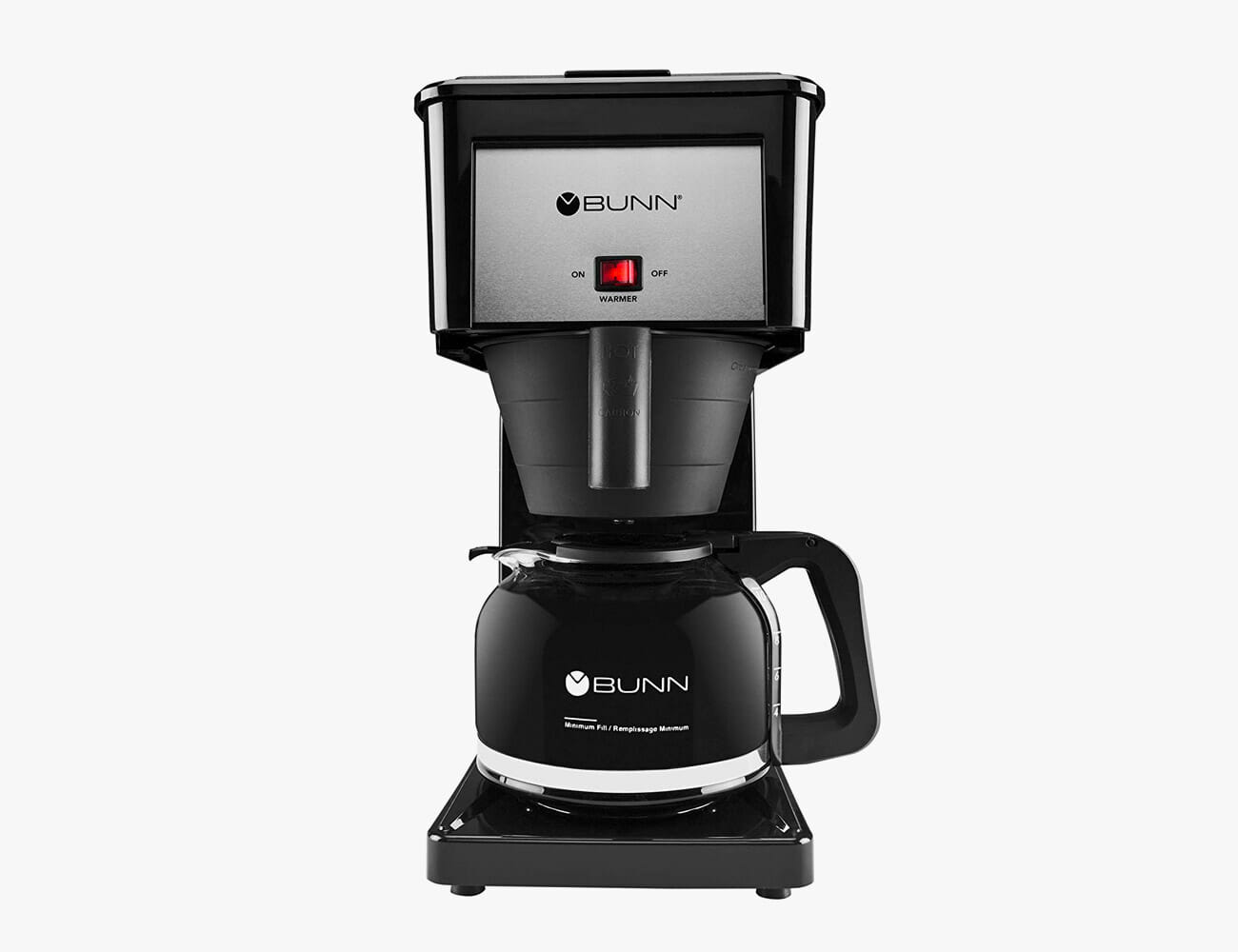
Bunn 10-Cup Velocity Brewer

If you’re looking for a coffee maker to take up less space, you want one that’s designed to be deeper than it is wide. Bunn made its name over the years designing utilitarian coffee makers that are compact, easy-to-use and just plain work. This model is only seven inches wide, goes on sale often and pumps out a very good 10-cup pot of coffee in just over three minutes.
Best Small Coffee Maker

What We Like: We chose this Bunn brewer because it was small and it didn’t compromise on brewing performance.
What We Don’t Like: Some may take issue with the brewer keeping water at or near brew temperature at all times. This is the trade-off for the quickest button-press-to-cup time we’ve ever tested (that’s all 10 cups, mind you). Some reviews noted the coffee it brews isn’t as hot or strong as preferred, but the coffee we brewed was consistently around 190 degrees post-brewing, and was stronger than expected for such a quick brew cycle.

Verdict: Recommended

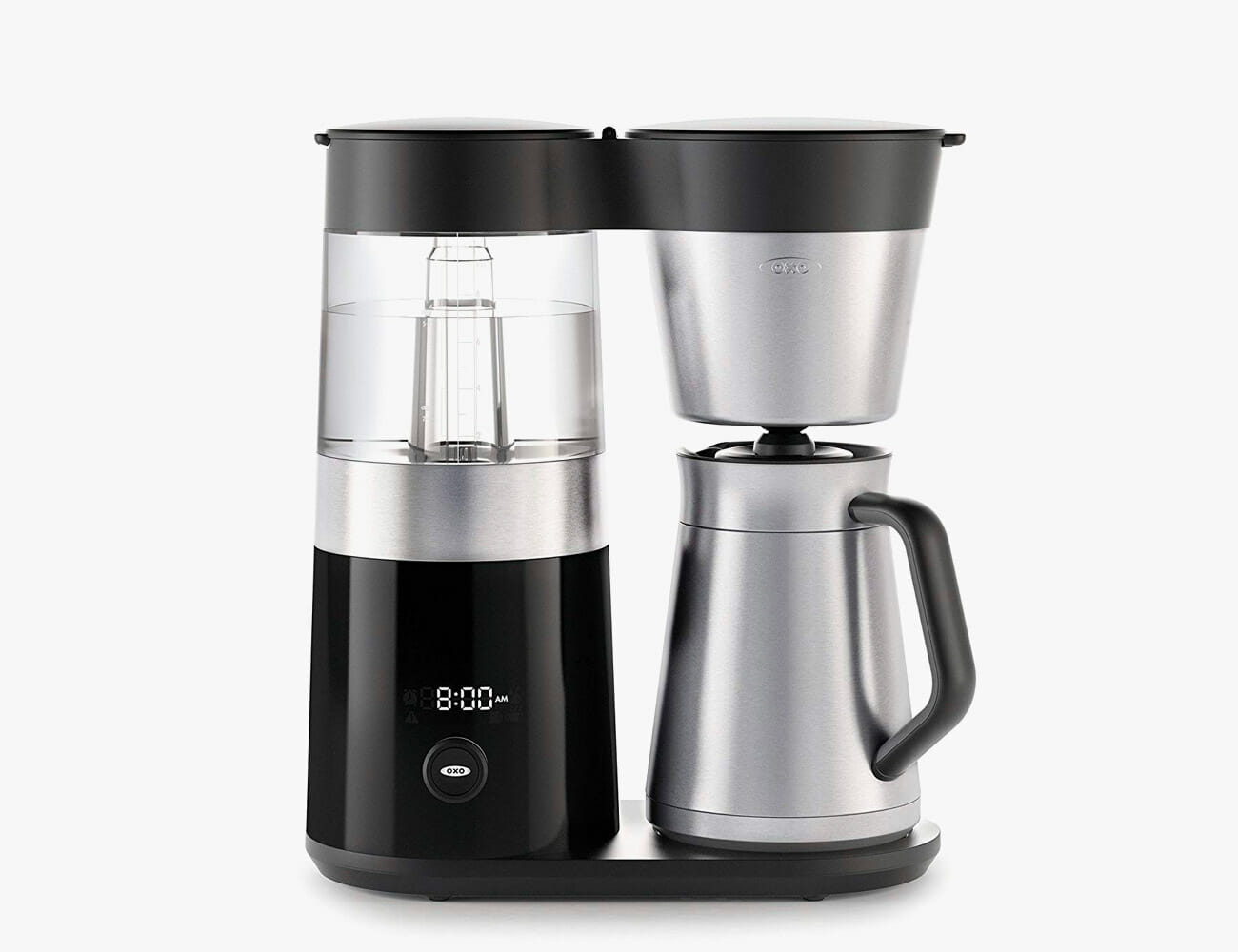
OXO Barista Brain 9-Cup

Though buying coffee pre-ground or leaving grounds in the machine overnight isn’t ideal for freshness (more on that here), it is convenient. We found many programmable coffee makers leaned too hard into “smart” tech in lieu of making good coffee. OXO’s 9-Cup Barista Brain didn’t. Other than its one-button brew timer, it’s a high-performing, nice-looking machine, made with better materials than most of its competition.
Best Programmable Coffee Maker

What We Like: Instead of offering dozens of programmable settings and options, the Barista Brain gives you one — a 24-hour timer to set before you go to bed. Most importantly, this simple addition to the machine is secondary to how good the machine is at its primary duty (making pots of coffee). The coffee maker heats and brew quickly (about 6-and-a-half minutes for a full pot) and carries with it the SCA’s brewer certification. It’s also simple to use — one button controls pretty much everything the machine does — and looks good enough to leave on your countertop.

What We Don’t Like: $200 isn’t cheap and the everlasting issue of water dripping from the brew basket onto the base below is present. The water tank will often fog up after brewing, too, which is slightly bothersome at most.

Verdict: Recommended

Ninja Specialty Coffee Maker
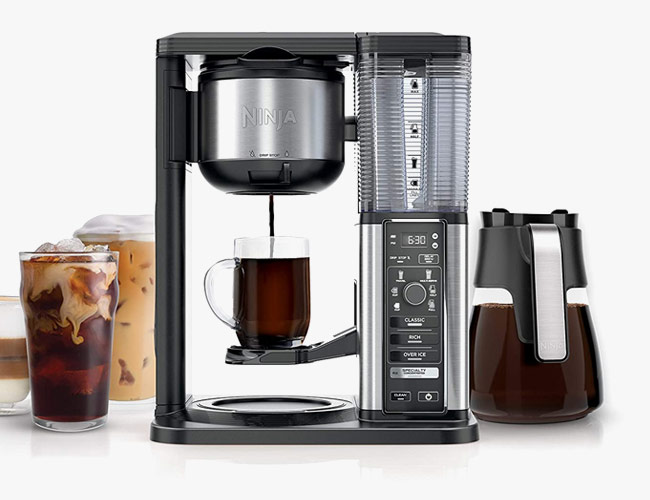
Best New Coffee Maker

What We Like: Other than above average brew speed and consistently good extractions, this is a machine has many, many features. The Ninja brewer’s ancillary functions, thankfully, don’t cloud these basic functions. The best of the lot is the pull-out milk frother, which elevates a simple cup of coffee into something more comforting. Brewing single-serve is the cherry on top.

What We Don’t Like: The permanent filter, like most permanent filters, creates more issues than it solves. Without thorough cleaning, coffee sediment builds up quickly and makes each subsequent pot excessively bitter. Cleaning isn’t a taxing process, but it’s one more step than it needs to be.

Verdict: Recommended with reservations

Braun Multiserve Programmable Brewer

grey_placeholdergrey_placeholder

Best Coffee Maker for Cold Brew

What We Like: It does the basics very well, but its greatest strength is versatility. It brews pots large and small with consistency and its integrated iced coffee brewing function is new to the space are clever and well-executed. The machine allows you to brew directly over ice cubes, mimicking Japanese iced coffee brewing and creating a pleasant, sweeter cold coffee experience. The detachable water reservoir is also appreciated for filling and cleaning.

What We Don’t Like: To put it mildly, the machine is busy. There are buttons upon buttons and green accents and things that fold in and out of the machine. Other than an operational learning curve, it, like the Ninja brewer, uses a permanent filter that isn’t much help.

Verdict: Recommended for iced coffee lovers

Ratio Eight

Though a subjective trait, it’s hard to dispute how good its walnut arms and matte black tower look on a countertop. The automatic pour-over brewer is basically a Chemex that you don’t have to fiddle with (it uses Chemex filters, too). And yes, it is expensive, but it also might be the last coffee maker you ever have to buy.
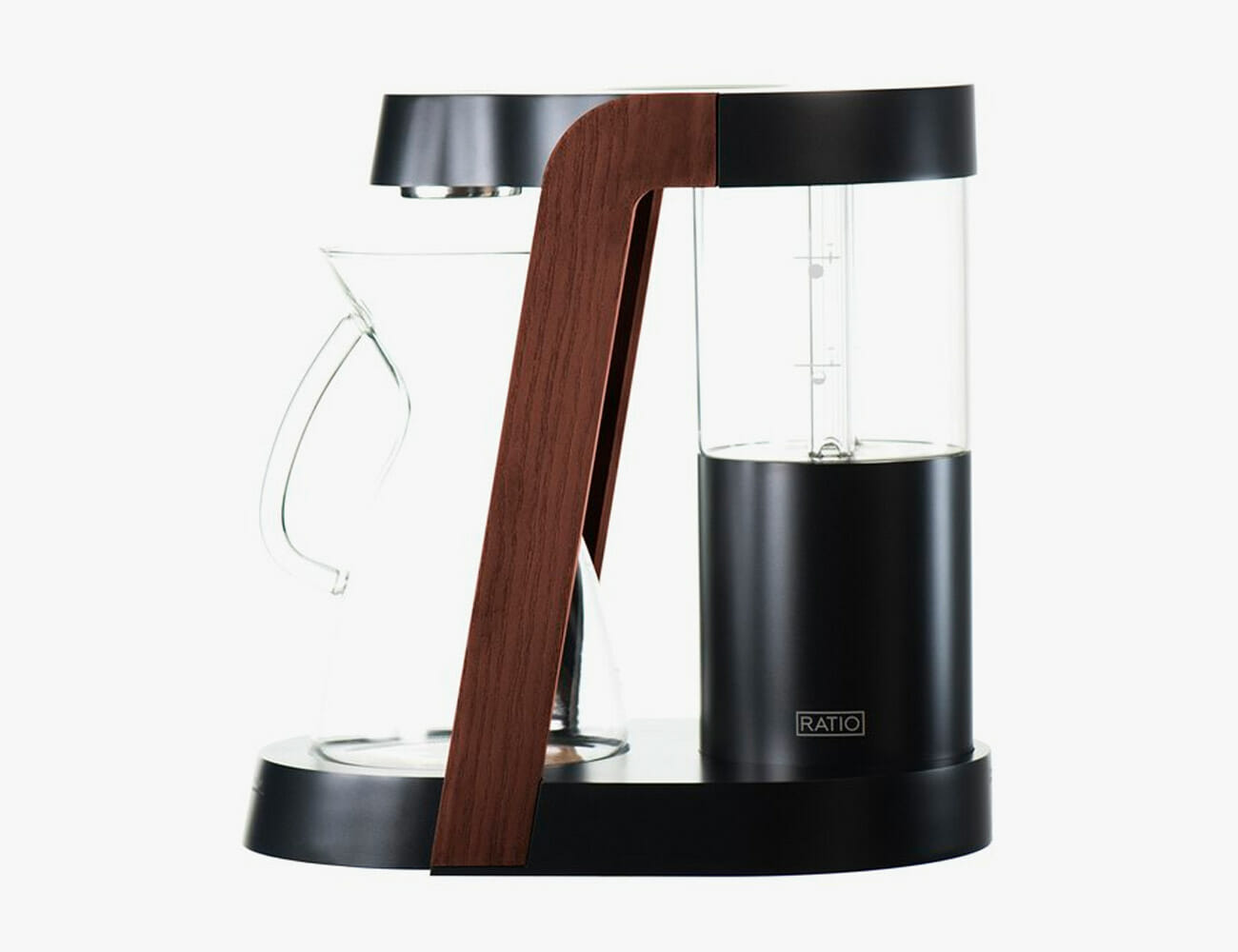
Best Designed Coffee Maker

What We Like: Its black aluminum body and walnut frame give the Ratio Eight a look that is unique unto itself. Its coffee brewing style is essentially an automated version of a Chemex brew (pre-infusion included), and produces similarly light-bodied and super floral cups of coffee. As we’ve noted before, the glass carafe is a nice departure from steel, as you always know how much coffee remains and can see the brew process in action.

What We Don’t Like: It’s a pretty luxurious buy, and as such there’s no escaping the price associated with such things. Apart from that, condensation tends to build up around the top of the machine during brewing.

Verdict: Recommended, with reservations

What Makes a Good Coffee Maker?

Speed

Speedy coffee makers make batch-brewed joe more convenient, but there’s more to it than that. The SCA’s rigorous certification program, which has long separated the best coffee brewers from those that cut corners, only accepts brew times of four to eight minutes, and those aren’t made-up numbers. Coffee brewed any quicker than four minutes will be under-extracted (weak) and over eight minutes will be over-extracted (bitter).

Temperature

Because the higher water temperature is the agent that extracts and dissolves coffee solids and oils from coffee grounds, brewing temperature is one of the best indicators of a machine that could make a decent cup of coffee. According to the Gold Cup standard, coffee should be brewed between 195 and 205 degrees Fahrenheit. Brew at a lower temperature and coffee and risk under extraction (weak, sour coffee), or brew above 205 and you’re bumping up against boiling water, which will dissolve more coffee than is preferable (heavy, extra-bitter).

Maintenance

Often ignored when considering a new purchase is how simple the upkeep is. Because coffee makers are working with hot water, an ideal breeding ground for mold and limescale, it’s doubly important. Making sure the machine and as many components as possible can be disassembled and cleaned is of the utmost importance to both performance and health.

Price

This guide might look different if we completely ignored the role cost plays in the buying equation. But, seeing as not everyone is willing to spend multiple hundreds of dollars on a machine, excluding price as a primary factor is a fantasy. At the same time, the quality of the machine can’t be sacrificed to save $30, because extra-cheap machines will catch up to you in the form of leaky brew baskets, worn-out buttons, inconsistent extraction and so on.

Popular Coffee Makers to Avoid

Black + Decker 12-Cup Programmable Coffee Maker

What We Like: $20 is remarkably affordable, and it occasionally goes on sale for even less.

What We Don’t Like: Every pot brewed — from 4 cups to the maximum 12 — was completely over-extracted and, as a result, overpoweringly bitter. The “sneak-a-cup technology,” which allows you to pull the pot while it’s still brewing to pour yourself a cup, sounds good in theory, but inevitably means the water (which was well over coffee brewing standards) spends too much time with the grounds; this results in even more over-extracted coffee. The water reservoir is also extremely difficult to clean, given that it’s deep, all black and has a number of ridges for trace solids to build up in.

Verdict: Not recommended

Amazon Basics Coffee Maker

What We Like: Again, it’s $20. Some bags of coffee are more than that. Its ultra-compact size is also a plus for those of us with limited counter space.

What We Don’t Like: Similar to the Black + Decker model, this coffee maker will make a quick, overly bitter pot of coffee brewed at temperatures that pull far too many coffee solids away from the grounds. The materials used are as cheap as possible (the brew basket hanger broke within a month) and the integrated mesh metal filter, which is meant to replace any need for paper filters, becomes so stained with past batches that new pots of coffee you brew taste like old coffee. It’s also not fine enough, leaving plenty of silt and grime in the pot after brewing.

Verdict: Not recommended

Hamilton Beach Programmable Coffee Maker

What We Like: Hamilton Beach’s coffee maker is inexpensive (and goes on sale often) and its programmable function works consistently and is easy enough to set up. The detachable water reservoir is also a nice touch.

What We Don’t Like: As Wirecutter notes in its positive review of the machine, it’s really not for people who want above average coffee. The pots it brews are, like the Mr. Coffee, over-extracted, bitter and quell much of coffee’s natural flavor. The machine also over soaked the grounds to the point that the filter bent over and into the grounds, which caused some water to fall through to the carafe having not touched any coffee.

Verdict: Not recommended

Cuisinart 12-Cup Brewer

What We Like: It comes in a lot of different colors, it’s compact and, at the end of the day, the coffee it brews isn’t terrible. Using the right preset settings, you can brew a decent pot out of it.

What We Don’t Like: We don’t recommend this particular Cuisinart because it’s not a good value, not because it’s a terrible coffee maker. Once you get to up and around $100, you’re within shouting distance of some truly excellent brewers (like the Bonavita 8-Cup) that make this machine look remarkably average. It comes with presets for regular or “bold” coffees, but you’re always better off choosing regular unless you’re in the mood for mouth-numbing bitterness. The included metal filter (it’s gold) has the same issues as the Amazon Basics brewer, though it does catch more silt.

Verdict: Not recommended

Mr. Coffee 12-Cup Programmable Coffee Maker

What We Like: $80 retail is a fine price for a coffee maker, especially one that goes on sale so regularly. It also comes with a helpful “Clean” button that alerts you when the machine needs to be de-scaled or have a cleaning solution run through it. It’s very simple and easily programmable, too.

What We Don’t Like: The coffee this machine brews is regularly over-extracted — this means every pot is aggressively bitter, even when using fresh, specialty-grade coffee grounds. There were also problems with the connection between the lid and the brew basket, and there was a pretty regular need to wipe down the surrounding countertop after brewing because of it. Finally, it frequently didn’t use the entirety of the water needed for whatever cup amount was selected, leaving hot, standing water in the chamber overnight. The water reservoir in the back was also had a very small pouring area.

Verdict: Not recommended

Will Price

Will Price is Gear Patrol’s home and drinks editor. He’s from Atlanta and lives in Brooklyn. He’s interested in bourbon, houseplants, cheap Japanese pens, and cast-iron skillets — maybe a little too much.

More by Will Price | Follow on Contact via Email

Getting Into Mid-Century Modern Furniture? Don’t, 2020 Is All About the 1970s and 80s

What is good taste? It’s more of a consensus than a science, at once completely subjective and (supposedly) universally recognizable. “Everyone thinks they have good taste and a sense of humor,” says Carrie Fisher’s character in the 1989 Nora Ephron film When Harry Met Sally, “but they couldn’t possibly all have good taste.” Until recently, one thing most of us could agree on in terms of aesthetic judgement was the late 1970s and 80s, a period I think of as the “Long 1980s.” They were largely remembered as tacky, with little to salvage in terms of style. Who can find inspiration in a home with a carpeted bathroom? But it’s precisely that initial revulsion that’s made this period such an appealing subject for moodboarding the future. At a time when visual culture replicates itself at an alarming speed, finding beauty in overlooked corners of the past is one way to develop a sense of style driven by personal interest rather than trends.

But it’s inevitable that, despite the obscurity of one’s influences, there will be some overlap between what you like and what’s fashionable. Whether we like to admit it or not, mainstream culture has been borrowing from the Long 1980s for a few years now. Millennial pink is a close relative of mauve, a color used for everything from vases to dining tables in the Reagan era. On Instagram, Cesca chairs (designed in the 1930s but revived in the late ’70s) are as common a sight as bathroom selfies. The increasingly wacky world of floral design (now an expected feature at hip stores, restaurants, and coworking spaces), with its sculptural anthuriums and oversized scale, owes a lot to the high-end interiors of the 1980s.

There are, of course, brands and individuals who like being associated with an era that prioritized fun in interior design. Ronnie Flynn, cofounder of Eldridge Hospitality who oversaw the design of Little Ways in Manhattan (and its sister restaurant, The Flower Shop), says that the Soho location drove the direction of the space, which is modeled on the artist and designer lofts that filled that area in the late 1970s and early ’80s. To get the authentic, lived-in look Flynn and his team were looking for, they sourced a number of vintage pieces from the U.S. and abroad, including Milo Baughman tables and club chairs, Moroccan rugs, and Marcel Breuer (designer of the Cesca chair) seats.

The decor of Little Ways. (Photo: Henry Phillips)

The Long 1980s is a broad term, and the aspects of décor that have found their way into the homes and public spaces of today are the result of selective memory. It’s fair to say that the kind of 1980s-ish design that’s popular now looks more like the Cameron Frye’s house than Ferris Bueller’s. Lots of chrome and glass, less wallpaper and balloon curtains. Perhaps the defining feature of the kind of 1970s and 80s design that’s visible today is its direct opposition to mid-century modern, a term that’s become diluted by overuse. Of course, a label like 70s or 80s design is equally expansive, but it isn’t tossed around nearly as liberally. This is likely because unlike mid-century designs, the furnishings produced by the decades that followed aren’t typically associated with timelessness.

“In the 1950s and 60s, people were buying their furniture and keeping it for fifty years,” says Meghan Lavery, who co-founded vintage furniture store Home Union with her husband Daniel King in 2016. But in the 1980s, true to the conspicuous consumption stereotype, Lavery says, “people weren’t buying to keep forever,” So while furnishings from the 1980s are increasingly popular among her customers, Lavery says that it’s more challenging to source designs from that period than any other. In recent years there’s been a rise in vintage furniture dealers like Home Union that have physical stores but also have a much larger customer base (and group of virtual window-shoppers) through Instagram.

This wider display of furnishings from the era has coincided with a bump in Instagram accounts composed of scans from coffee table books and design magazines from the period like The 80s Interior, 80smodern and Architectural Indigestion. Recently, I spotted Rodale’s Home Design Series: Baths (1987) for sale in a Brooklyn boutique, alongside hand-glazed vases and essential oils.

There’s a combination of mockery and admiration in the sudden craving for 1980s interior imagery. Some of it spurs gawking (neon track lighting) while other parts of it stir affection for things that are seldom seen today (like a rent-controlled loft divided by glass bricks). All of it looks very different from the skinny metal side tables and squared off couches that dominated the look of mid aughts interiors modeled on the principles, if not the materials, of mid-century designs. For those who follow 1970s and 80s vintage dealers but aren’t likely to be making a purchase in the near future, the constant stream of unfamiliar things photographed like museum objects helps you appreciate their design. Like any kind of routine exposure, a steady diet of 1970s and 80s accents and interiors normalizes them to your eye.

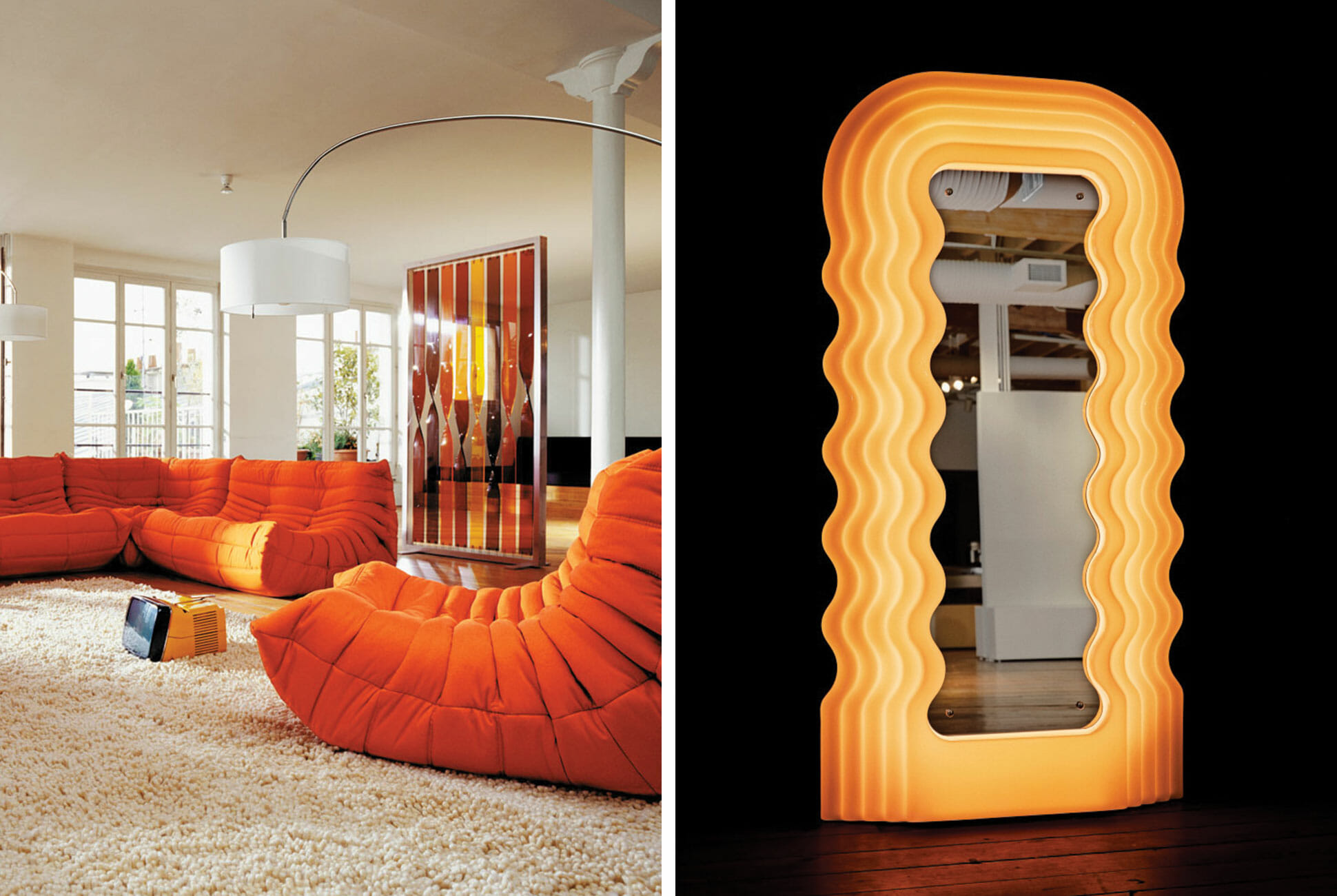
The Togo Sofa by Ligne Roset and the ultra-trendy Ultrafragola Mirror designed by Ettore Sottsass and produced by Poltronova.

Despite the disposable mentality of Long 1980s consumerism, there are still a number of iconic pieces from the era that can hold their own next to an Eames chair. Lavery from Home Union told me that there’s a big appetite for the Caprani lamp, a 1970s Danish design with a lurching bentwood spine and creamy shade that looks like an inverted muffin liner. Other collectible items include Togo sofas and lounge chairs, designed in 1973 by Michel Ducaroy for Ligne Rossi (which still produces the seating today). In terms of shape, Togos are somewhere between a croissant and a sleeping bag, with just enough structure to photograph well. Other desirable finds include the Ultrafragola mirror, designed in 1970 by Ettore Sottsass, a wave-edged acrylic piece with optional peachy lights. In recent years, it has appeared on the cover of Domino magazine and the Instagram of Frank Ocean. Rather than a unified look or design movement, what these pieces share is instant recognizability.

Mads Caprani’s Caprani Lamp and Marcel Breuer’s Cesca Chair.

Today, there are a number of mid-priced retailers imitating late 1970s and 80s designs, sometimes under the moniker Memphis (which refers to a short-lived postmodern Italian design collective, founded by Sottsass), but more often they’re presented without any direct reference to a specific era. This vase from Muutto would look at home in the house from Beetlejuice. This backlight pink neon floor mirror from Urban Outfitters is a more understated take on the Ultrafragola. Many of the accessories from Danish design company Hay, including this table-sized Caprani lamp lookalike, could fit into a room from a Terence Conran book.

The Long 1980s are an interesting corollary to our current cultural moment — it’s a period that saw the first instances of digital technology in the home, the emergence of yuppies, the early iterations of self-conscious minimalism in interior design. (All of these trends are summed up nicely in Patrick Bateman’s apartment.) In many ways, we have more in common with the climate of the late 1970s and 80s than that of the postwar years. For designers and consumers tired of the unimpeachable clean lines of mid-century modern, reinterpreting the often over-the-top era is an appealing challenge — and an easy way to stand out.

Note: Purchasing products through our links may earn us a portion of the sale, which supports our editorial team’s mission. Learn more here.

This Frank Lloyd Wright-Inspired Furniture Is Surprisingly Affordable

<!–This Frank Lloyd Wright-Inspired Furniture Is Surprisingly Affordable • Gear Patrol<!– –>

Usonia for All


Inside Weather, a direct-to-consumer customizable furniture brand, is releasing a three-piece furniture collection designed in partnership with the Frank Lloyd Wright Foundation. Named after Wright’s idealistic New York neighborhood, the Usonia Collection is comprised of a side table, lounge chair and ottoman.

Each piece in the collection is an homage to one of Wright’s iconic designs. The Hanna Side Table ($218) draws inspiration from the hexagonal motif of the Hanna House, also known as the Honeycomb House. The West Ottoman ($188) brings the free-flowing clean lines from Taliesin West, Wright’s former home. The Edgar Lounge Chair ($798) honors the Edgar Kaufmann House, more commonly known as Fallingwater, which is (arguably) the most iconic Wright design for its artistic beauty amidst its natural surroundings. Plus, it sits on top of a waterfall.

To commemorate the launch, Inside Weather is offering a 25 percent discount on the first 25 preorders for each of the three pieces with code FLWPREORDER. Once customization launches, buyers will choose from over 300 upholstery options, including patterns from the Wright archive.

Note: Purchasing products through our links may earn us a portion of the sale, which supports our editorial team’s mission. Learn more here.
Tyler Chin

Tyler Chin is Gear Patrol’s Editorial Associate for Editorial Operations. He’s from Queens, where tempers are short and commutes are long. Too bad the MTA doesn’t have a team like Ed-Ops.

More by Tyler Chin | Follow on Instagram · Contact via Email

<!–

–>

<!– –><!–

–>