All posts in “Home”

5 Great Carbon Steel Skillets for Every Budget

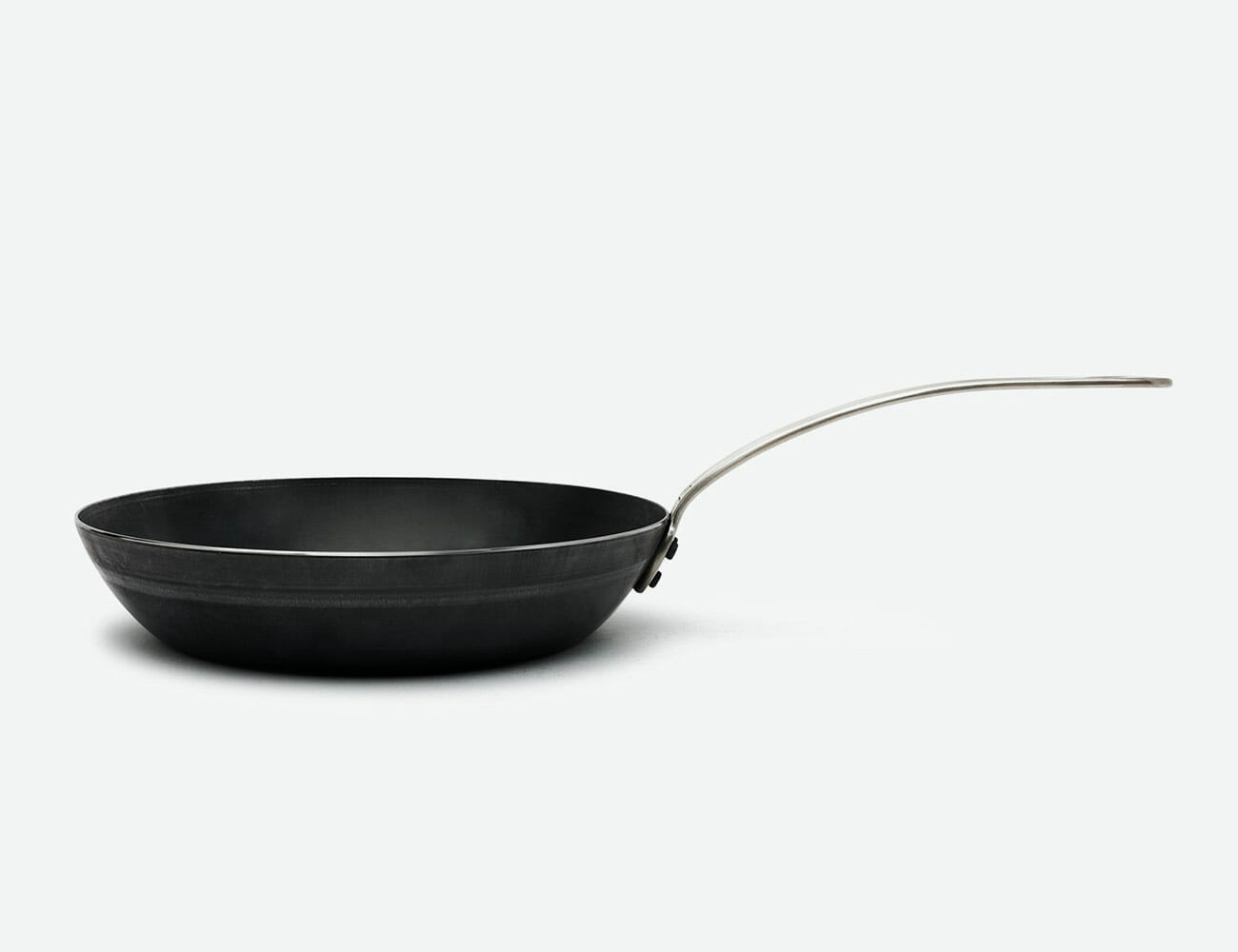
Carbon steel has long been the choice of commercial cooks for its ability to cook like cast iron without the pain points. Carbon steel is lighter than cast iron, far less brittle and always arrives with a perfectly smooth surface, lending itself to more non-stick cooking tasks out of the box. Because the pans are generally made with a hydraulic press rather than huge casting machines, it’s also much more affordable and requires the same seasoning regimen. From a $30 pan from a famous cast-iron skillet maker to strangely coveted pans from Virginia, here are the five brands to consider when copping a carbon steel skillet.

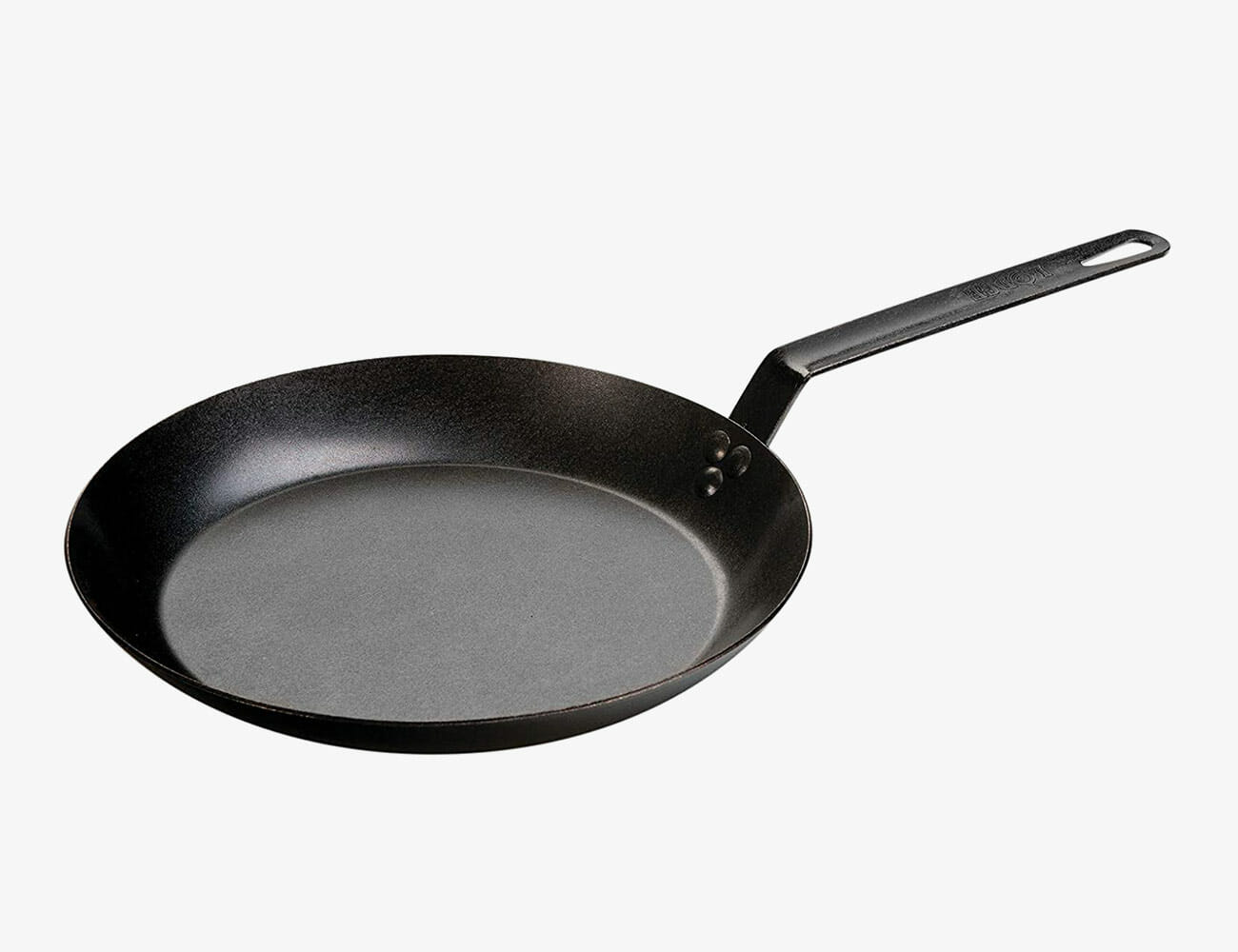
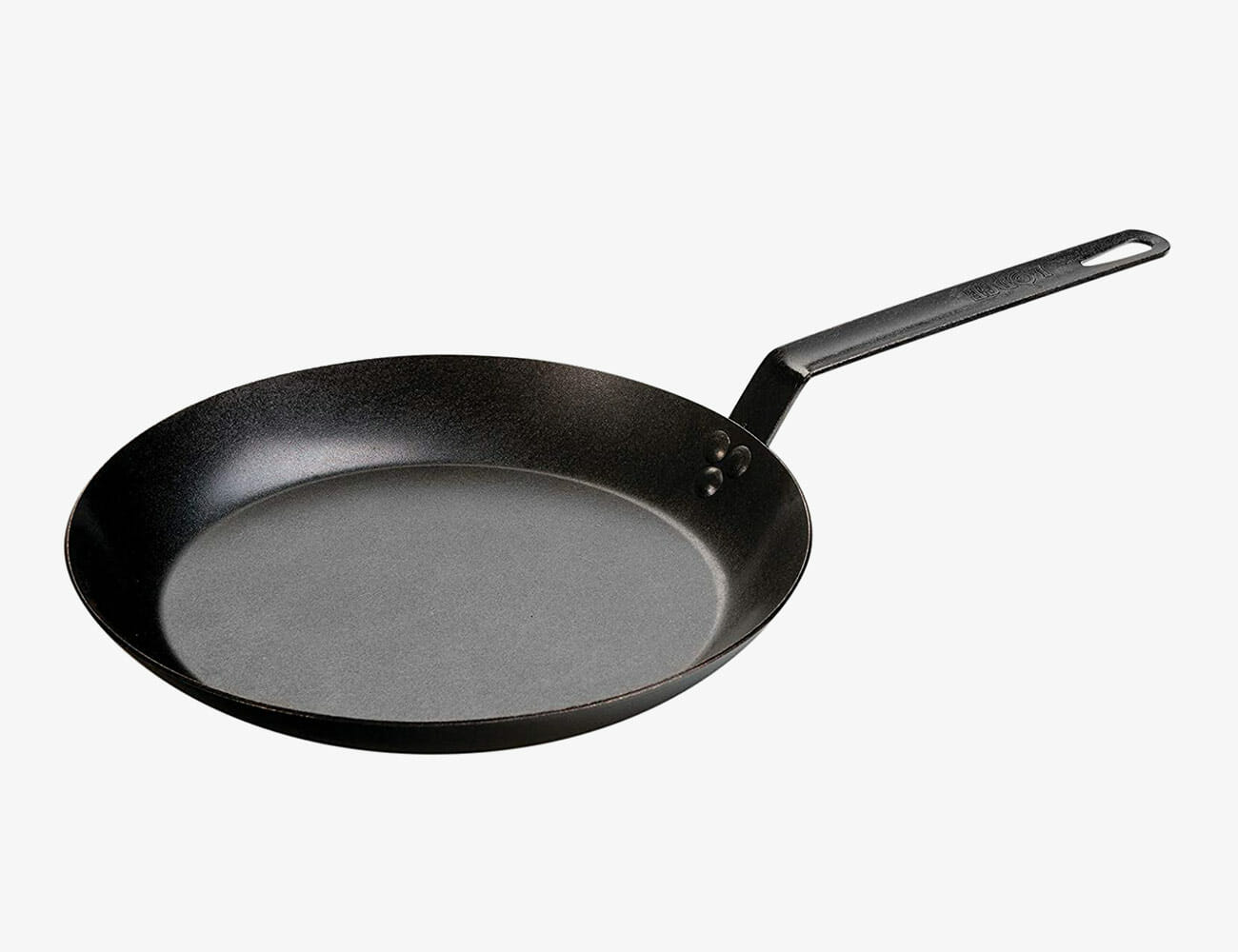
Lodge Carbon Steel Skillet

The Old Reliable of the cast iron world serves the same role for carbon steel lovers. Its skillets are affordable and arrive seasoned, which isn’t as common in the carbon steel space as it is the cast iron one. Lodge offers them starting at 8 inches and up to 15 inches.

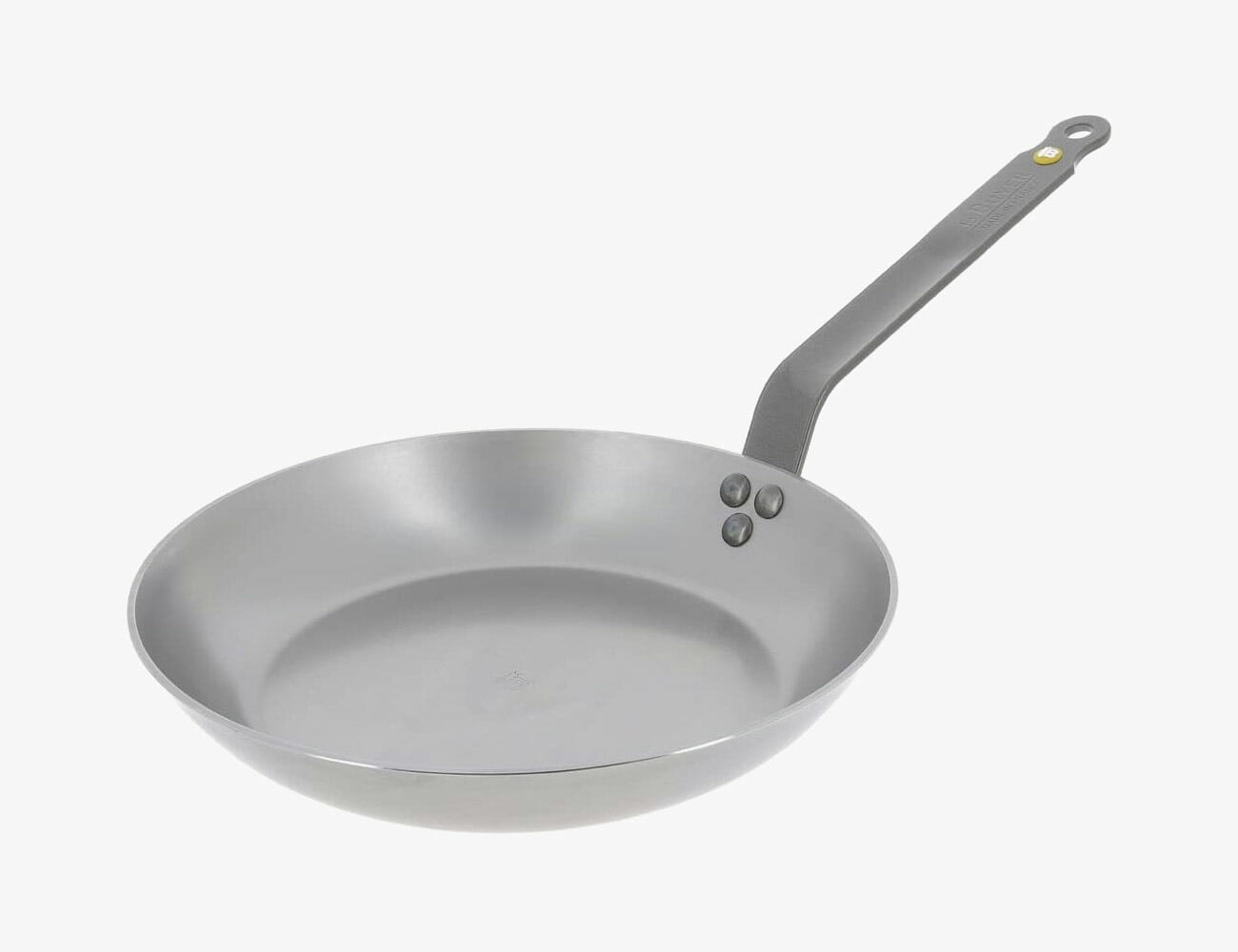
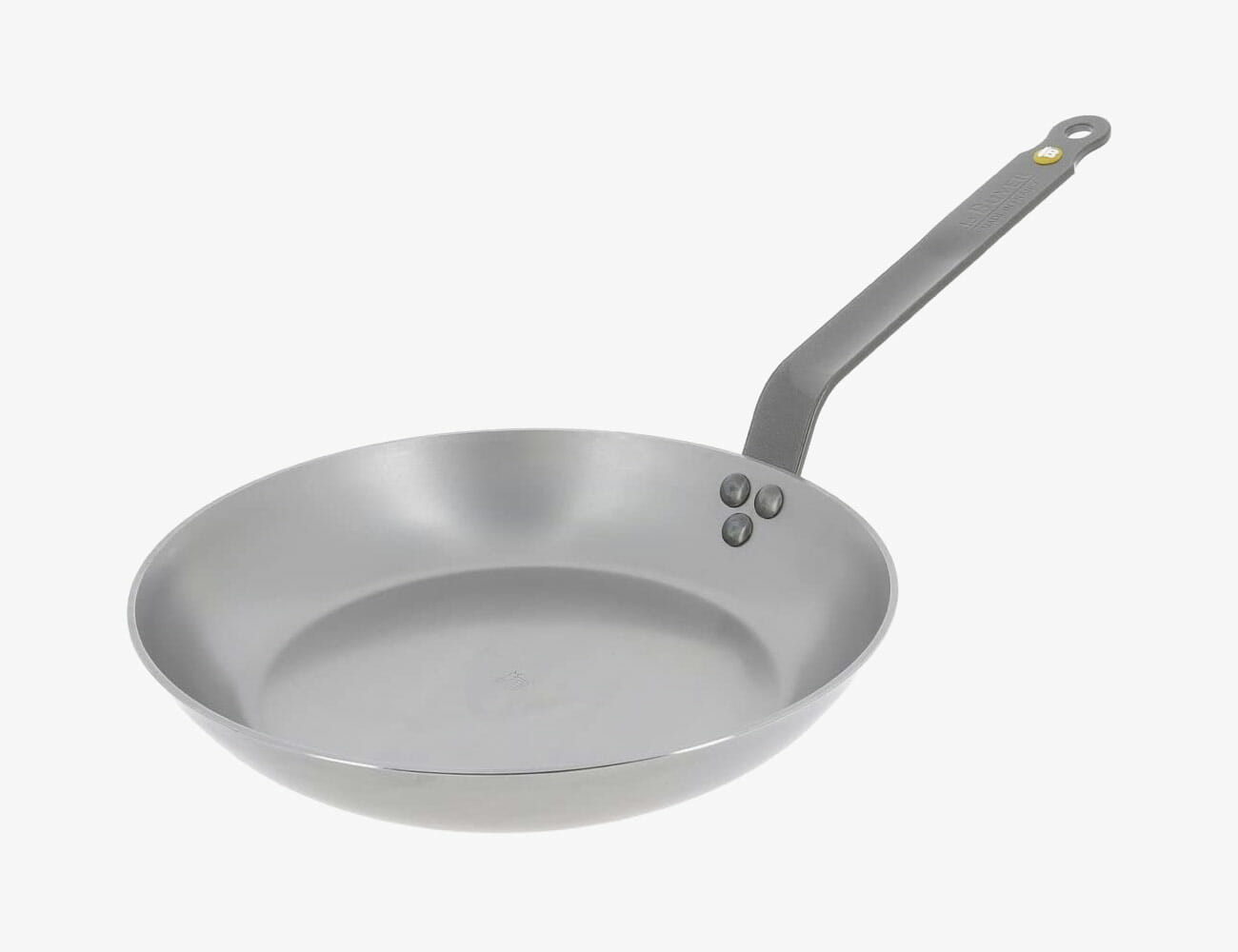
de Buyer Carbon Steel Skillet

De Buyer’s been around for almost 200 years, which is only a little longer than the lifetime warranty its pans come with. Its utilitarian skillet design — the long handle, sharp-angled walls and riveted handle — is what most carbon steel makers have been copying for decades. These pans are just as affordable as Lodge’s, but they don’t come pre-seasoned. They’re coated in a protective beeswax to ward off rust until they arrive in your kitchen, where you’ll need to season them before using.

Made In Carbon Steel Skillet

Available i 10- and 12-inch versions, Made In’s carbon steel skillets are step up in quality and price from de Buyer and Lodge. The pan’s shape is less aggressive, which makes for easier tossing and stir frying, and it’s about 25 percent lighter than most carbon steel (the 10-inch is 3 pounds). The handle is also shorter, and closer to the length of a standard stainless steel skillet. This also allows it to fit in the oven easier than its long-handled competition, which often struggles with scraping the top of the oven.

Solidteknics US-Ion Skillet

This is a cheat pick, because it’s a hybrid of a hybrid skillet. This isn’t carbon steel, but it’s not cast iron, either — it’s wrought iron. Basically, Solidteknics has a proprietary machine that allows them to make an iron skillet like you’d make a carbon steel skillet, so you get the durability of carbon steel and the cooking power of cast iron. This one arrives unseasoned, so give it a round in the oven before using.

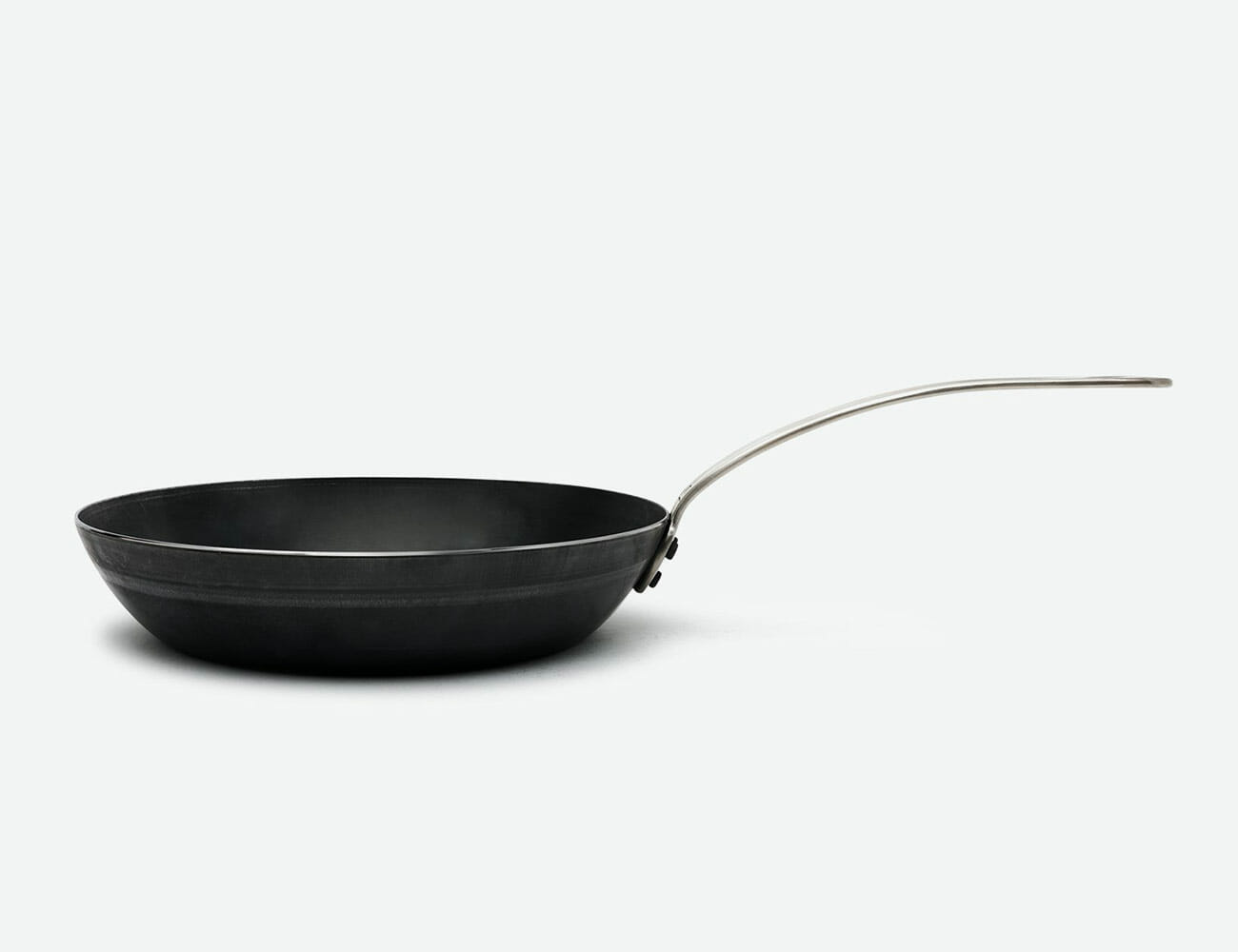
Blanc Creatives Carbon Steel Skillet

The grail. Blanc Creatives’ carbon steel is pressed into its rough shape, heated up, then hand-hammered into its final look. These pans sell out regularly and make great gifts — get on the company’s newsletter for a chance at buying one.

Note: Purchasing products through our links may earn us a portion of the sale, which supports our editorial team’s mission. Learn more here.
Will Price

Will Price is Gear Patrol’s home and drinks editor. He’s from Atlanta and lives in Brooklyn. He’s interested in bourbon, houseplants, cheap Japanese pens, and cast-iron skillets — maybe a little too much.

More by Will Price | Follow on Contact via Email

Why the Hell Is There a Ring on the Bottom of Your Cast-Iron Skillet? We Found Out

Welcome to Further Details, a series dedicated to ubiquitous but overlooked elements hidden on your favorite products. This week: the ring on the bottom of a cast-iron skillet.

Not much has changed about the humble cast-iron skillet from its late 1800s, early 1900s golden era to now. When the cookware returned to popularity about a decade ago, it did so with similarly weighty builds, stellar heat insulation, pour spouts, a handgrip opposite the handle and a ring around the base of the pan. Unlike other, flashier cookware, cast iron remained a utility-first venture — except that ring.

Before stainless steel, non-stick, aluminum and carbon steel pots and pans rose to power, cast iron was king of the kitchen. The raw material needed was mined during the Colonial era and through the 19th century, when prospectors discovered enormous deposits along the edges of Lake Superior, in Michigan, Wisconsin and Minnesota. Legends and collectibles today, wares from makers like Griswold, Wagner, Vollrath and Wapak dominated the stovetop for nearly a century before steel and aluminum’s availability skyrocketed in post-World War II America. But what we cooked on changed as well.

More Cast Iron Content
The Best Cast-Iron Skillets You Can Buy
5 Accessories to Maintain a Cast-Iron Skillet
A Quicker, Easier Way to Season Cast Iron

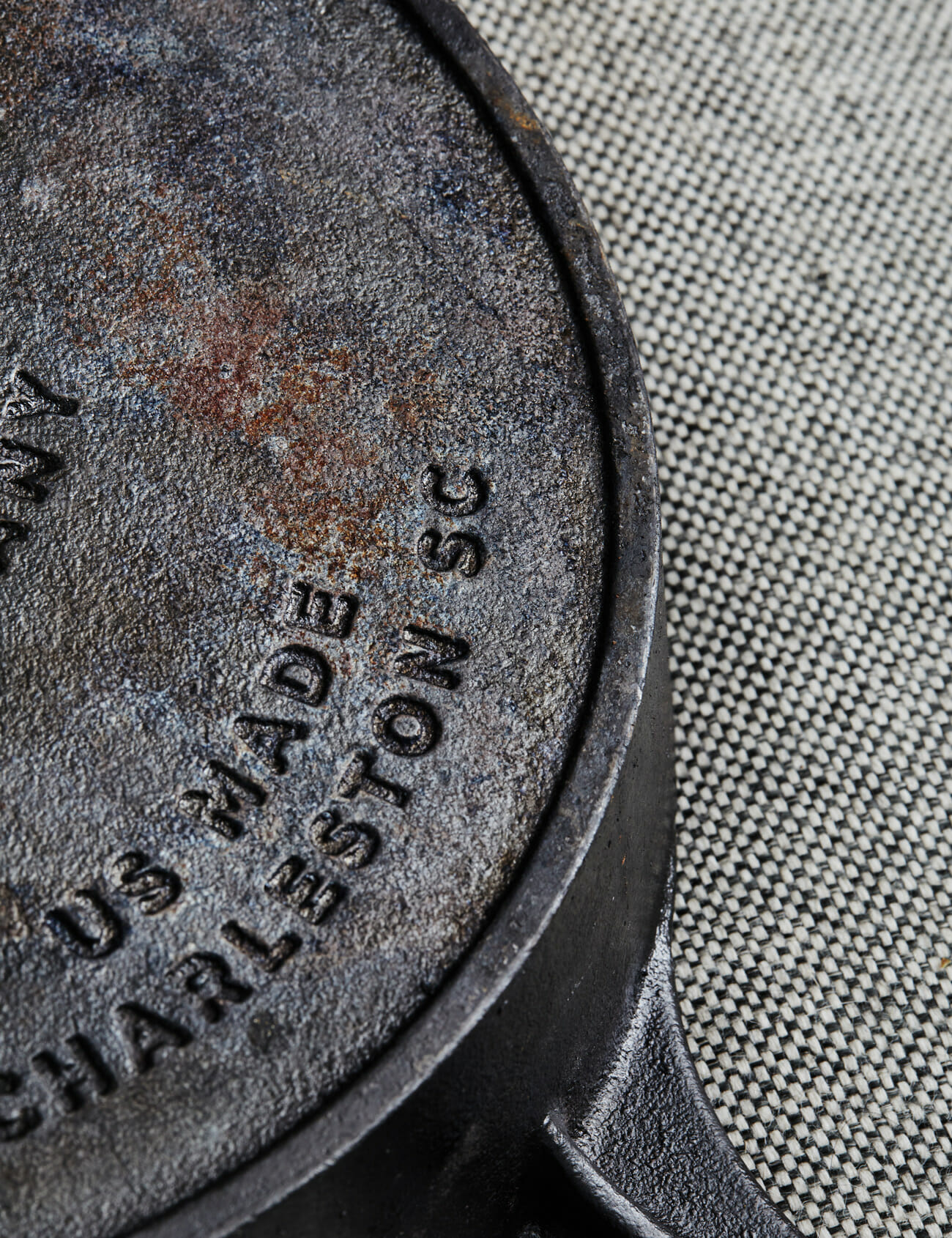
Before underground grids provided cities and towns with all the natural gas they could want, wood stoves reigned. These stoves operated by lighting wood logs in different compartments, each with a corresponding “eye,” or what we’d call a burner today. The ring on the base of the cast-iron skillets — which is called a “heat ring” — allowed the skillet to slot right into the eye so it would be stable over the flame and lifted slightly above it. Because wood stoves have been relegated to novel collector’s items now, the heat rings you see on modern skillets is a very subtle nod to cast iron’s origins. Rings can be found on modern brands like Smithey Ironware, Field Company, Marquette Castings and more.

“It doesn’t have a practical purpose anymore,” Isaac Morton, Smithey Ironware’s founder, said to Gear Patrol in a 2016 feature. “But if you look at pieces cast before 1900, you typically had this heat ring, which helped the pan fit into the indentations on the top of the stove. It’s just an homage to some of the cool old cast iron designs.”

Drilling deeper into cookware history, the eyes of some stoves had various rings within them, too. Each was given a number which corresponded with cast iron’s old school sizes — No. 8 is a 10.5-inch skillet, No. 12 is a 13.5-inch skillet and so on. You could take the eye rings in and out to accommodate different skillet sizes. South American celebrity chef Francis Mallman briefly demonstrates this making a pot of coffee on a wood stove on Neflix’s Chef’s Table.

The heat ring won’t change how it cooks on a modern stove, but it’s a good sign the pan you’re buying was designed by someone who knows the history of the product, which, in the case of Americana cookware, is as good an indicator as any that you’re spending in the right place.

Note: Purchasing products through our links may earn us a portion of the sale, which supports our editorial team’s mission. Learn more here.
Will Price

Will Price is Gear Patrol’s home and drinks editor. He’s from Atlanta and lives in Brooklyn. He’s interested in bourbon, houseplants, cheap Japanese pens, and cast-iron skillets — maybe a little too much.

More by Will Price | Follow on Contact via Email

Everything You Need to Make Pour-Over Coffee

Step away from the Keurig. We’ll do everything in our power here at Gear Patrol to get our readers to drink a better cup of coffee. Heck, we already have five great single-cup coffee makers that aren’t Keurig machines for you to buy. But if that’s not enough for you, and you’re ready to up your coffee game to peak coffee snobbery, then the pour-over method is the way to go.

Pour-over coffee is not rocket science (though a lot of science goes on behind the scenes). Water-to-coffee ratios, water temperature and grind size all factor in to making one of the best cups of coffee you can make at home. We took the guess work out of starting your own pour-over coffee set up and rounded up all the tools you need. We won’t deny it’s more labor intensive and time consuming to make a pour-over coffee, but one sip of your pour-over coffee and you’ll wish you abandoned your Keurig machine sooner.

Brewer

Our Pick: Kalita Wave
Brewers come in all shapes and sizes from from the humble Chemex to the fickle Hario V60 (we’re fans of the Kalita Wave). All of them are relatively similar in design, resembling a funnel with a snipped-off end. The Kalita Wave, however, is our top-pick pour-over dripper because of its simplicity, size and standout feature — a three-hole flat opening. This trait ensures that all water interacts with the coffee grinds for increased extraction, resulting in a bolder, fuller cup of coffee.

Coffee Filters

Our Pick: Kalita Wave Paper Filters
Coffee fanatics can debate all they want about paper coffee filters versus metal coffee filters. But at Gear Patrol, we opt for the classic paper filter. Besides its obvious purpose, paper coffee filters soak up a majority of the coffee oils, which make the final product too bold. Leaving out those oils produces a brighter coffee and, in a way, more refreshing. While metal filters are better for the environment in the long run, they’re simply more work to clean, and we do our best to compost our used paper filters. Be sure to rinse your filters with hot water before brewing so your final cup won’t have any papery flavor.

Whole Coffee Beans

Our Pick: Trade Coffee Subscription
Whole coffee beans are the way to go. The moment a coffee bean is ground, its vibrancy and flavors are lost forever. The market is full of independent coffee producers sourcing and roasting some of the best coffee the world has to offer. Trade, in particular, has made it easy to choose from a plethora of coffees that are chosen for you according to your taste preferences. We won’t judge if you keep two bags of coffee — one ground and one whole — for those mornings when you can’t be bothered to grind your beans.

Burr Coffee Grinder

Our Pick: Hario Skerton Plus
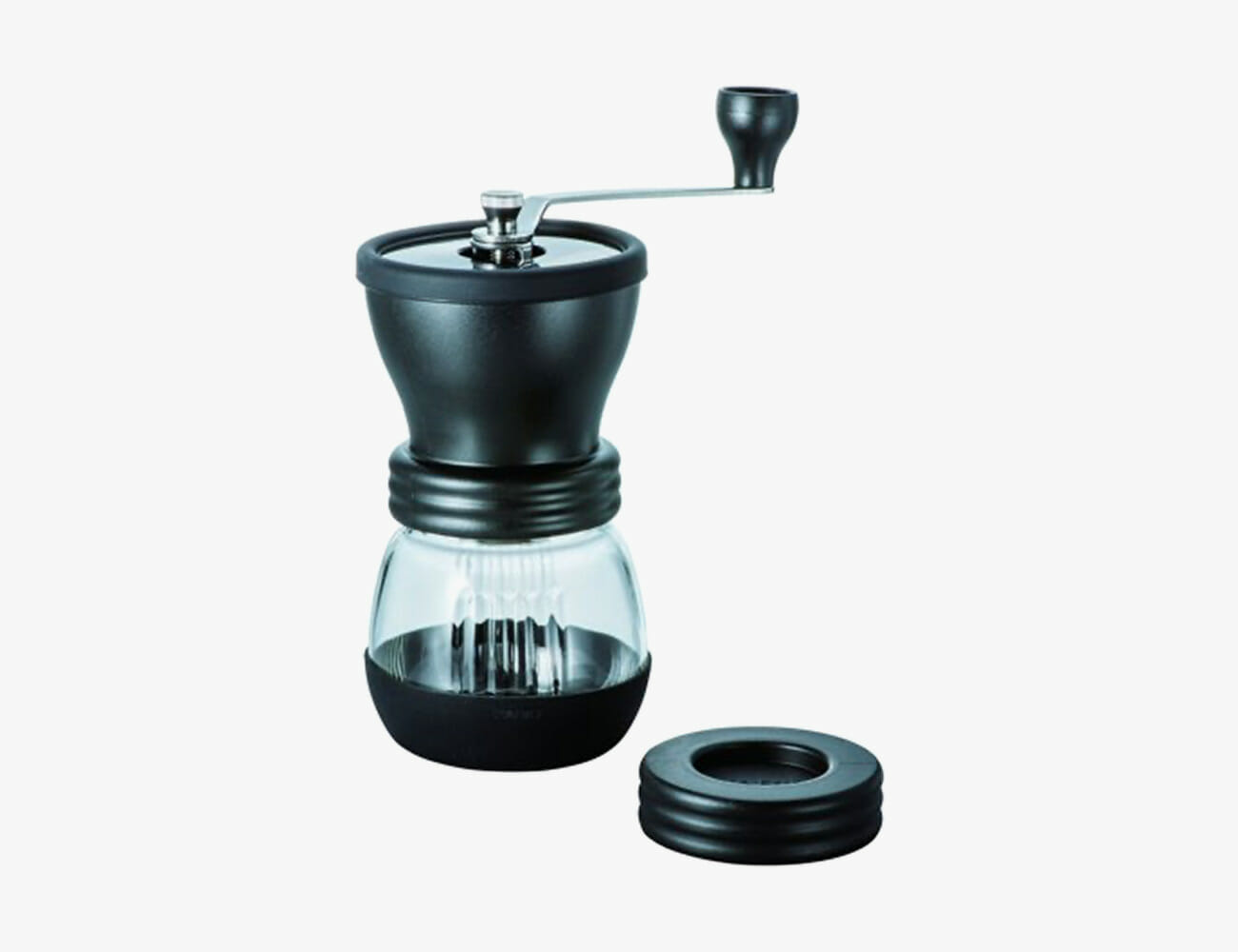
If you’re going to make the effort to brew pour-over coffee, then you should be sure to invest in a good coffee grinder as well. That spice grinder in the back of your cabinet is not going to cut it. Burr coffee grinders more evenly grind coffee that results in more uniform shapes for even extraction. If your counter can’t stand being crowded with an electric coffee grinder, the Hario Skerton Plus is a great option for hand-grinding coffee. Fair warning: it’s a bit of an arm workout.

Gooseneck Kettle

Our Pick: Fellow Stagg EKG
Any kettle will work, but if you are in the market for a kettle, opt for one with a gooseneck — the long, slim spout that makes it easier to control water flow. Pour over is a precise and delicate process, and a gooseneck kettle makes it easier to aim where the water will go and how much water is coming out. Coffee making in general works best with water that is just short of boiling, 212°F, so aim for anywhere between 203°F to 208°F. Otherwise you risk burning your precious beans you worked so hard to grind. The Fellow Stagg EKG can be set to the exact temperature you need, and the device will hold it at that temperature for up to an hour.

Digital Scale and Timer

Our Pick: Hario Digital Scale and Timer
You want to measure out exactly how much water and coffee grounds you’re using, and this Hario scale gets it down to a tenth of a gram. I prefer a 1:16 ratio coffee to water, i.e. one gram of coffee for every 16 grams of water, and found that gets the perfectly extracted cup of coffee. For a pour over, we recommend using 22 grams of coffee, which should net a little over 300 grams of brewed coffee. A timer will keep things moving along and is particularly handy for making sure you’re not over-extracting your coffee grounds. Two important times to remember: the first 30 seconds are for the blooming period — where you pour twice as much water as coffee grounds to allow the gases from the coffee to release — and the approximate end time: 3 minutes and 30 seconds.

|

Serving Vessel

Our Pick: Kalita Glass Carafe
You can pour directly into a mug, but we recommend a dedicated serving vessel. Liquid retains more heat when stored at a larger volume. By pouring small individual servings, you’ll ensure only what you’re currently sipping on cools down while the bulk of the coffee remains hot. And always be sure to heat up your mug and/or serving vessel so that the brewed coffee stays hotter for longer.

Note: Purchasing products through our links may earn us a portion of the sale, which supports our editorial team’s mission. Learn more here.
Tyler Chin

Tyler Chin is Gear Patrol’s Editorial Associate for Editorial Operations. He’s from Queens, where tempers are short and commutes are long. Too bad the MTA doesn’t have a team like Ed-Ops.

More by Tyler Chin | Follow on Instagram · Contact via Email

How to Kickstart Your Backyard Garden, According to an Expert

The Gardens of Eden is either a happy coincidence or a sign of the times. Published in early April, the book goes into the homes of gardeners who are fashioning their environments into lush green landscapes. The book highlights the innovative ways urbanites are building oases amid concrete jungles, the creative liberties modern gardeners are taking with residential spaces and the sustainable benefits of having a garden. And it seems that the world is ready to reinvigorate their green thumb — Google has seen a surge in searches for “backyard gardening.” Getting into gardening, however, can seem like a daunting task as a life is literally in your hands.

“I learned gardening primarily from my mom who was a middle school science teacher but approached gardening like an artist,” Abbye Churchill, author of The Gardens of Eden and former editorial director of Wilder Quarterly, says. “Whenever I get too hung up on the particularity of any one plant she always reminds me that plants want to grow — they were made for this. We’re just here to help them along the way.”

Churchill’s current project at her summer home in Maine is to focus on productive gardening. She’s growing vegetables and herbs, cultivating a garden that’ll produce plants to dye textiles and reinvigorating the fields around her home by repopulating native wildflowers. With years of gardening and extensive research, Churchill shared some tips with us to help you get started on your backyard garden.

How to Start a Backyard Garden

1. Be smart before you plant seeds to die.

Take note of your environment before you dive elbow-deep in soil. In her book, Churchill profiles Lauri Kranz, a garden decorator who’s worked with clients like Adam Scott and Maya Rudolph. In initial consultations, Kranz will analyze the prospective site and determine what plants will thrive in that situation. “Not every plant works in every place,” Kranz says in the book. “The plant will let us know where it wants to be, where it will thrive. All we need to do is pay attention.”

Churchill recommends starting small, with one or two plants, to see how you feel with the initial responsibility. The gardening doesn’t necessarily need to start in the backyard. “Use what you have around you, whatever that is — a windowsill, indoor planter or herb garden, a fire escape, a backyard or a farm,” Churchill says. Test the waters with your first plant and get a feel for the new hobby.

To decide what kind of plants you should start growing, be conscious of where you live. Research what plants are native to where you are, and those varietals will thrive in your backyard. They’ll also be more forgiving if you forget that you’ve recently become a plant parent.

2. Be patient.

You’re taking care of a living, breathing thing. Don’t expect to wake up one morning and suddenly find a jungle in your backyard.

“It can be rewarding to see little shoots from zucchini or squash pop up and grow so quickly, but it can just as often take years from a tree to come into its own, a lilac to really unveil its blossoms or young plantings to take form,” Churchill says. Every bit of attention that goes towards the garden will be tenfold as rewarding.

While the path to a lush garden is long and slow, the final product will be the result of a combination of your love and care and nature’s good graces. Once you’ve found your groove, you’ll want to diversify the types of plants you grow to ensure that there’s always something blooming throughout the year.

3. Get the right gear.

Gardening requires a new set of tools. To start, Churchill recommends seeds from Row 7. Row 7, co-founded by Dan Barber of the Michelin-starred Blue Hill restaurant, sells seeds that were specially bred to grow produce with enhanced flavor, more so than the stuff you’ll find in supermarkets. The hori hori knife is an essential gardening tool thanks to a serrated edge, pointed end and curved design. Churchill is partial to the Carbon Steel Hori Hori knife from Hida Tools), and they’re the choice tool for weeding, digging and cutting.

Churchill’s grail is a pair of Niwaki S-Type Clippers for cutting and pruning her plants. Clippers are important for maintaining plants’ shape and for fielding any unruly growth. To keep her tools in order, Churchill boasts about the Canvas Carry-All Garden Stool from Terrain. Gardening can be strenuous, particularly on the knees, and this two-in-one carry-all doubles as a foldaway stool.

4. Reap the benefits of your work.

Churchill recalls the first time she planted a shiso seed and watched it flourish in a matter of months. While the world continues to reel from the effects of the coronavirus pandemic, nurturing a garden and watching it grow into something remarkable reminds us that there is still beauty in this world.

“I think gardening is a direct, tangible way to appreciate and care for the natural world,” Churchill says. “It teaches you to view the world around you differently, with more respect, and to treat it more tenderly.”

Note: Purchasing products through our links may earn us a portion of the sale, which supports our editorial team’s mission. Learn more here.
Tyler Chin

Tyler Chin is Gear Patrol’s Editorial Associate for Editorial Operations. He’s from Queens, where tempers are short and commutes are long. Too bad the MTA doesn’t have a team like Ed-Ops.

More by Tyler Chin | Follow on Instagram · Contact via Email

The 11 Best Gas Grills You Can Buy in 2020

This definitive guide to the best gas grills of 2020 explores everything you need to know to find a gas grill best suited to your needs, including features to look for, materials, looks and price.

Convenience, ease of use and superior temperature regulation are why you buy gas over charcoal or pellet. And though grilling enthusiasts often see this as a strike against America’s favorite grill type, gas grills are not just burger, hot dogs and half-seared steaks. Not the good ones, at least. The grills on this list reach near-charcoal temperatures, offer plenty of versatility with low-and-slow cooking and prioritize endurance over shiny stainless steel for the sake of it. From a $199 grill that outcooks $1,000 grills to one of the best-designed products, let alone grills, money can buy, these are the 11 best gas grills money can buy.

The Short List

Best Overall Gas Grill: Weber Genesis E-330

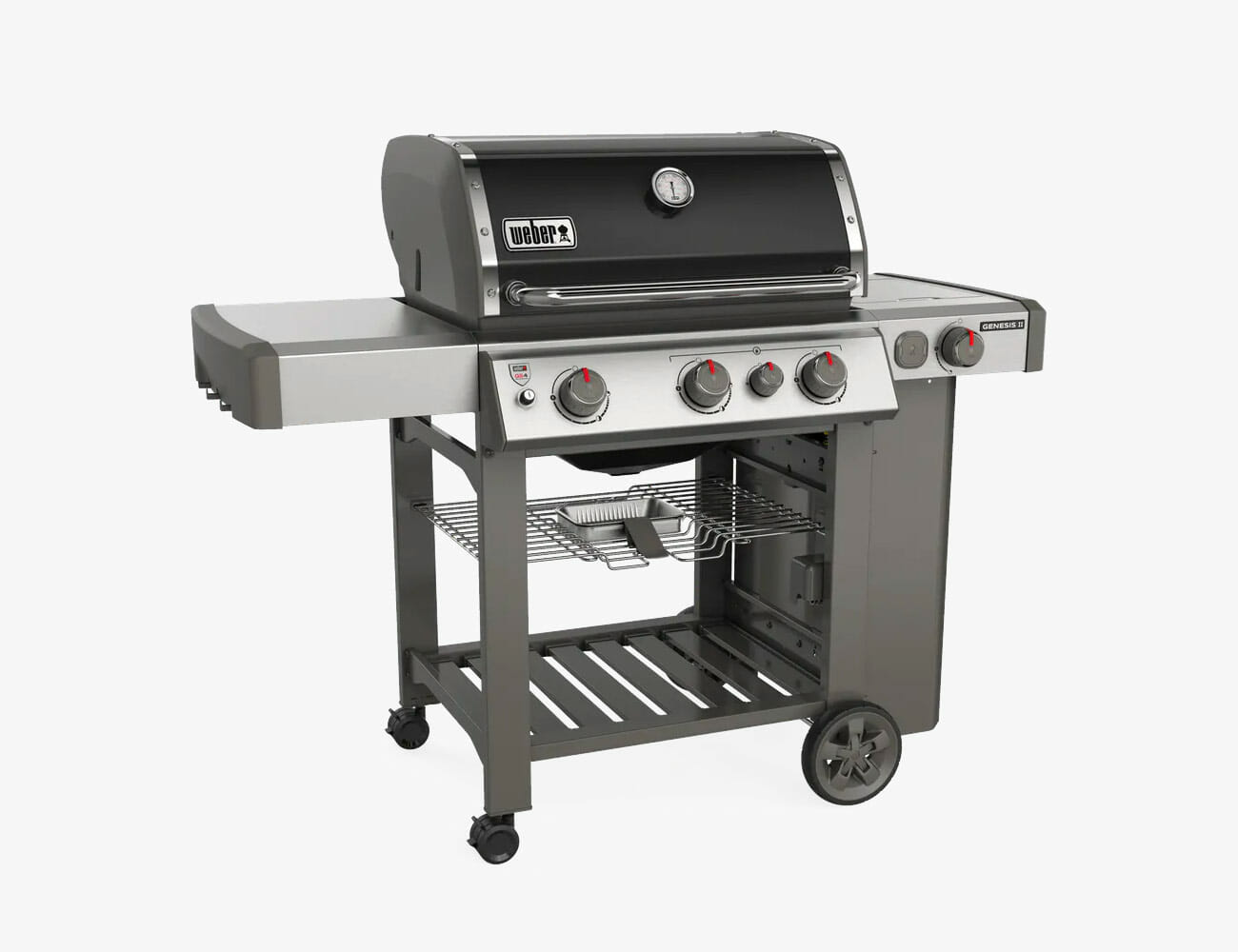
There are cheaper grills with most of the features and cheaper grills with comparable build quality and cheaper grills supported by healthy warranties and strong customer service; but there are no grills that match what Weber’s Genesis E-330 offers as a total package.

Other than a mess of heavy-gauge, enamel-coated steel, plenty of storage, a side burner, foldaway warming racks and north of 500 square inches of cooking space, it’s also a part of a rare class of gas grills that can climb temperatures above 800 degrees, thanks to a built-in infrared burner that effectively double the heat potential of the grill. There’s enough cooking space and burners to successfully employ the two-zone grilling technique, which effectively makes any grill a smoker, or at least close to it. It’s an all-around grill and a specialty grill in one.

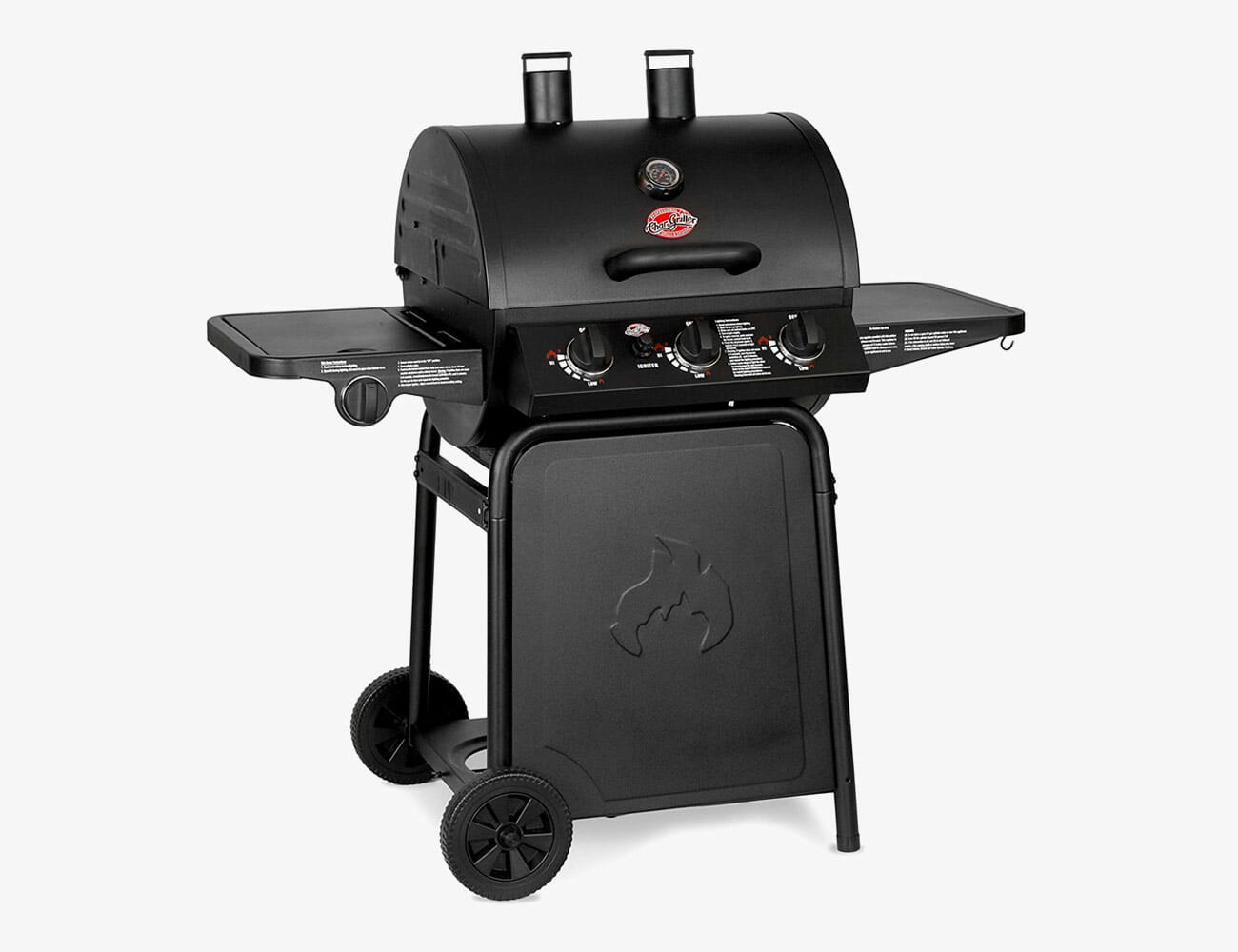
Best Cheap Gas Grill: Char-Griller Grillin’ Pro 3001

There is serious firepower inside what looks like you’re run-of-the-mill grill that sits on the curb at Home Depot. The three-burner, multi-vent, barrel-style grill reaches temperatures in excess of 600 degrees without the use of an infrared burner, a necessary tool for most non-premium grills to hit temps that high. At 600 degrees, you’re able to put a proper sear on anything, not just grill marks (which, for reasons that take too long to explain here, are not what you want). This power is aided by the addition of heat diffusers over the burners — upside-down, V-shaped steel shields that even out heat distribution — and enormous airflow. As with any frugal-minded grill, you shouldn’t expect it to stay in top shape for too long, but you won’t find a cheap grill packing this much ordinance.

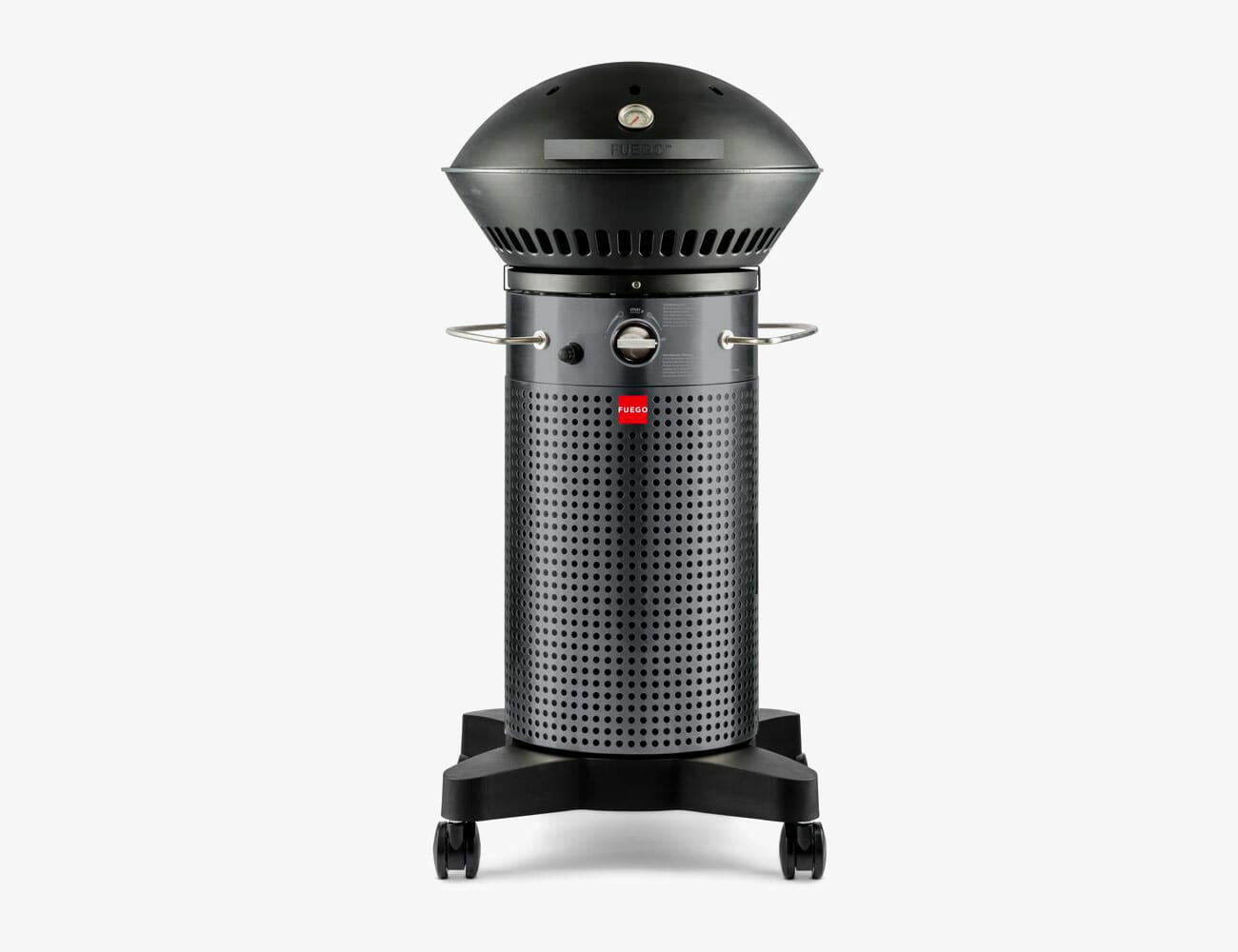
Best Small Gas Grill: Fuego Element Hinged 2-Burner

This grill’s design takes up as little space on your patio or porch as possible. And considering it can pull temperatures north of 500 degrees in 5 minutes or less (with max temps upward of 650), you’ve got a solid space-cost-firepower ratio brewing. It comes with enameled cast-iron grates standard and a cleverly offset lid handle, so opening and closing don’t threaten your arm hair. The Fuego can effectively grill about 15 burgers at a time, and, if it matters to you, was designed by a former chief computer designer at Apple, Robert Brunner.

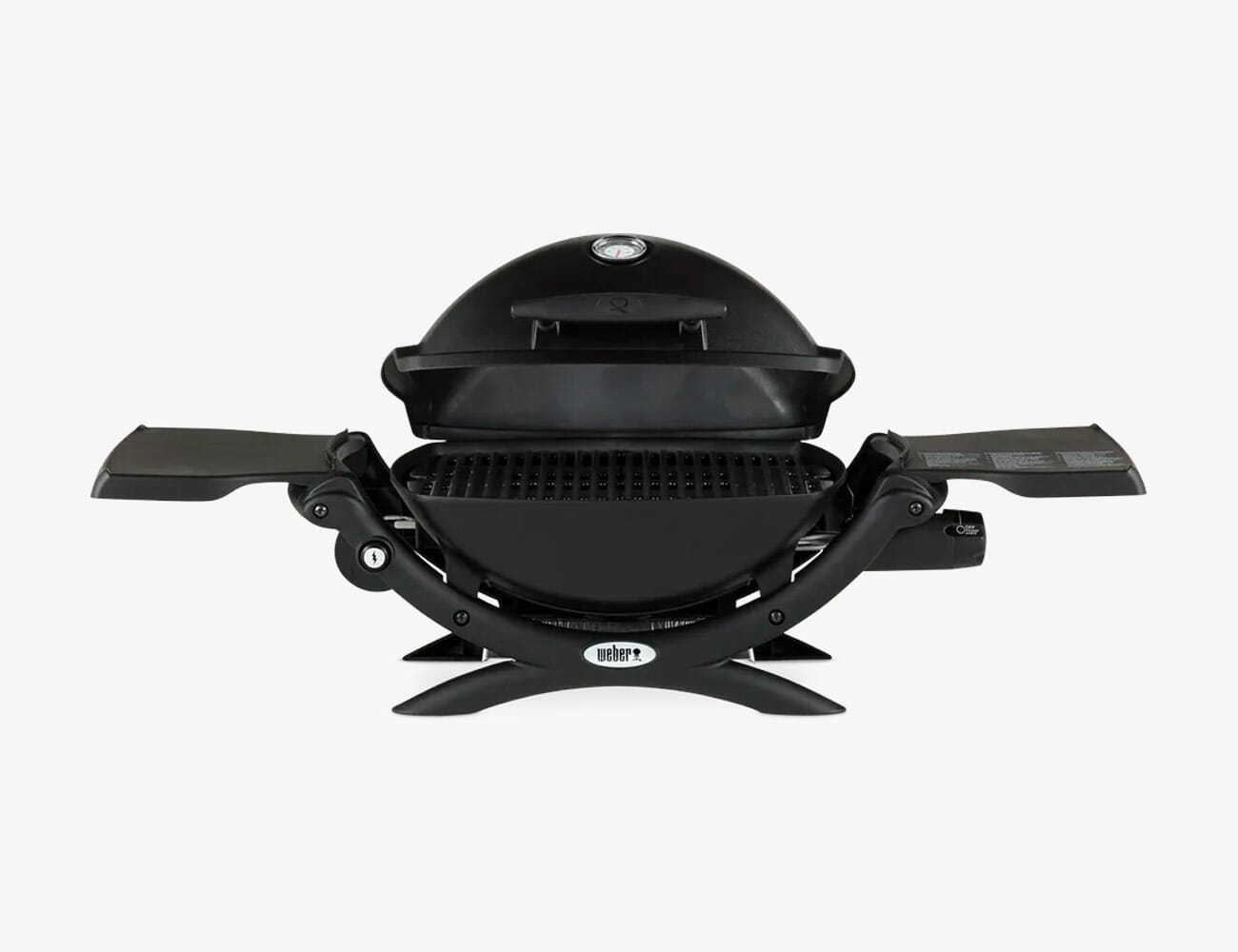
Best Portable Gas Grill: Weber Q 1200

A rule of thumb: if you want a portable or small grill, odds are you want a Weber. It couldn’t be more different than the iconic Smokey Joe, but its strength and value are just as clear. At first glance, it looks chintzy — it is not. Enameled cast-iron grates are super-effective at charring veggies and meats. A cast-aluminum body and lid provide balanced heat inside the grill, and complete rust-resistance. There’s space for about 10 burgers and there’s foldable counter space should you need it. It’s ready to grill out of the box, and it’s about as good as truly portable grills get.

What to Look for in a Gas Grill

BTWho?: BTUs are an outdated and easily manipulated measurement of grill power. The numbers grillmakers provide are calculated on per hour measurements, and are derived from data on how much fuel the grill burns, not temperature. A bigger grill that chews through more gas could have a sky-high BTU figure and not breach 500 degrees. Ignore this and ask for max temperature.

Two-Plus Burners or Bust: Most gas grills nowadays have two burners at minimum, but it’s important to know before buying. The number of burners and grill space will dictate the space you have for two-zone grilling, a technique that allows you to cook low-and-slow foods like pork butt or ribs.

Heat Diffusers Are Your Friend: Heat diffusers go by many names, but they’re just metal tents fixed over a burner. As counterintuitive as it sounds, these metal plates regulate more even temperature at grate level, cutting back on hot spots.

Best Gas Grills for the Money

Best Gas Grill Under $1,000: Weber Genesis E-330

What more needs to be said? Our “Best Overall” gas grill pick provides storage, build quality, stellar warranties and best-in-class customer service. That’s before you get to cooking capacity, wild temperature ranges and helpful quality of life features like foldaway warming racks and easy-to-clean grease drips. Even without an infrared burner that makes gas grilling a steak much better, it’d be the best gas grill under $1,000.

Best Gas Grill Under $500: Char-Broil Signature Series Tru-Infrared

Char-Broil’s mid-sized, mid-market grill is an all-arounder. You get the shiny, stainless look of the high-end grills in the $1,000-plus market for half the price, plus plenty of storage, enalemeled cast-iron grates, a sauce burner on the side and the all-important infrared tech, which raises its temperature ceiling substantially (a peak of around 700 degrees in this case). The biggest downside is assembly, which is a bit of a buzzkill at worst.

Best Gas Grill Under $300: Char-Griller Grillin’ Pro 3001

Our pick for “Best Cheap Gas Grill” sacrifices looks and some material build quality for cooking prowess. Featuring three burners, plenty of vents and heat diffusers — sometimes called “heat tents” — over the source, which provides more even heating and cuts down on flare ups.

Best Gas Grill Under $200: Huntington Cast 4200

If you just want to cook and don’t give a damn about looks, this is the gas grill you want. Its exterior is cheap-looking, but its guts are equivalent to high-dollar competition. The interior is rust-proof cast aluminum and its fitted with H-shaped burners instead of the usual straight-line design, a change that delivers more heat to more areas of the grill, and improves its capacity for low heat cooks. As with most grills, ignore the built-in temperature reader completely — it’s always wrong.

The Upgrades

Napoleon Prestige Pro 500

Napoleon is a major player at the top of the mid-market grilling space and through the ultra-premium categories. This particular grill is in the middle of the pack in Napoleon terms, but it’s the quintessential shiny stainless gas grill. Above all else, you are paying for build quality and cooking power. Most of the grill is made of sturdy 304 stainless steel and the firebox is cast aluminum. There are four primary burners, each with a heat diffuser, as well as a rotisserie burner and an infrared burner. Throw in some quality of life features like LED indicators for control dials, interior lights for night grilling and plenty of storage and you’ve got a category-leading product. One quibble: Napoleon’s staple wavy grates can be frustrating to clean at times.

Hestan 36-Inch Propane Gas Grill

This is a grown man’s grill. Hestan’s come in many, many configurations, but most share a few key attributes: luxe materials, clever fixes to common gas grill issues and wicked looks. This configuration sports two primary burners that, instead of a typical tent-like diffuser, are covered by a ceramic and stainless plate that provides wildly even, hot temperature control that are designed in such a way that, when dirty, can be flipped completely over to burn off on direct heat. This is accompanied by a rotisserie burner, an uber-powerful infrared burner and another burner built into the back of the hood, which can be used as a semi-powerful overhead broiler or to keep food warm. Instead of cast-iron grates, the Hestan’s grates are thick-as-hell stainless steel, which are less prone to over-browning and easier to clean. It has no weak points.

Kalamazoo Gourmet K500 Hybrid Fire

Kalamazoo’s grills are made-to-order in Kalamazoo, Michigan under the watchful eye of its Chief Designer, Head of Product and total gear nerd Russ Faulk. The price tag its grills demand means you’re not buying a summer cookout machine — you’re buying another kitchen. Thankfully, its functionality backs that up.

A fact: there is no grill like the Hybrid Fire grill. It can cook with gas, yes, but it can also cook with wood, charcoal and even pellets. The build quality is such that it feels like it was made out of aircraft parts. The gas burners are cut from cast bronze for goodness sake. If you’re in a place to comfortably spend nearly twenty grand on a gas grill, you buy this and you don’t look back.

Note: Purchasing products through our links may earn us a portion of the sale, which supports our editorial team’s mission. Learn more here.
Will Price

Will Price is Gear Patrol’s home and drinks editor. He’s from Atlanta and lives in Brooklyn. He’s interested in bourbon, houseplants, cheap Japanese pens, and cast-iron skillets — maybe a little too much.

More by Will Price | Follow on Contact via Email

I Don’t Have A Cat But This New Company Makes Me Wish I Did

<!–I Don’t Have A Cat But This New Company Makes Me Wish I Did • Gear Patrol<!– –>

Cat People


Cat Person is a new online pet care brand that satisfies cat needs through subscription meal plans, supplements and accessories. The pet product industry has been overwhelmed by direct-to-consumer dog brands like Goodboy for dog supplements and Dandy for personalized dog treats, but this is the first I’ve seen for cats.

The brand has an impressive assortment of wet and dry foods made from a variety of proteins from chicken and duck to tuna and mackerel. Its meal plan is tailored to your cat’s dietary preferences and an initial $25 sampler box includes a guide to transitioning your cat’s food to Cat Person. After the sampler box, meal plans ship every four weeks.

I’m especially fond of Cat Person’s Mesa Bowl, an ergonomically designed serving bowl that improves posture, prevents whisker fatigue (which is apparently a very real thing) and minimizes spills. Pair it with a complementary Canopy Bed and your cat might start acknowledging your existence more often.

Note: Purchasing products through our links may earn us a portion of the sale, which supports our editorial team’s mission. Learn more here.
Tyler Chin

Tyler Chin is Gear Patrol’s Editorial Associate for Editorial Operations. He’s from Queens, where tempers are short and commutes are long. Too bad the MTA doesn’t have a team like Ed-Ops.

More by Tyler Chin | Follow on Instagram · Contact via Email

<!–

–>

<!– –><!–

–>

A Cannabis Stash That Doesn’t Make You Look Like a Teenager? Well I’ll Be Damned

<!–A Cannabis Stash That Doesn’t Make You Look Like a Teenager? Well I’ll Be Damned • Gear Patrol<!– –>

An App for Everything


Stori is a new pot storage product by cannabis awareness company Responsible Cannabis Use, and it offers a solution for hobby smokers looking for something functional and decidedly non-sketch.

Stori is a two-part product. The first is the physical product, which is a food-grade aluminum storage unit that’s odor-proof, kid-proof and offers humidity control. It also comes with color-coded tubes (for prerolls) and pods (for up to 4.5 grams of flower) for strain-obsessed smokers to keep track of their bud, which feeds into the second half of Stori — the app. Log new additions to the container in the app and you’ll have a handy resource that tracks how long you’ve had what pot, and it will eventually provide suggestions for next purchases based on what you’ve stored.

Stori is available to pre-order now for half its launch cost, which will run you around $100 USD.

Note: Purchasing products through our links may earn us a portion of the sale, which supports our editorial team’s mission. Learn more here.
Will Price

Will Price is Gear Patrol’s home and drinks editor. He’s from Atlanta and lives in Brooklyn. He’s interested in bourbon, houseplants, cheap Japanese pens, and cast-iron skillets — maybe a little too much.

More by Will Price | Follow on Contact via Email

<!–

–>

<!– –><!–

–>

Lighter, Tougher Cast Iron — 5 Great Carbon Steel Skillets for Every Budget

Carbon steel has long been the choice of commercial cooks for its ability to cook like cast iron without the pain points. Carbon steel is lighter than cast iron, far less brittle and always arrives with a perfectly smooth surface, lending itself to more non-stick cooking tasks out of the box. Because the pans are generally made with a hydraulic press rather than huge casting machines, it’s also much more affordable and requires the same seasoning regimen. From a $30 pan from a famous cast-iron skillet maker to strangely coveted pans from Virginia, here are the five brands to consider when copping a carbon steel skillet.

Lodge Carbon Steel Skillet

The Old Reliable of the cast iron world serves the same role for carbon steel lovers. Its skillets are affordable and arrive seasoned, which isn’t as common in the carbon steel space as it is the cast iron one. Lodge offers them starting at 8 inches and up to 15 inches.

de Buyer Carbon Steel Skillet

De Buyer’s been around for almost 200 years, which is only a little longer than the lifetime warranty its pans come with. Its utilitarian skillet design — the long handle, sharp-angled walls and riveted handle — is what most carbon steel makers have been copying for decades. These pans are just as affordable as Lodge’s, but they don’t come pre-seasoned. They’re coated in a protective beeswax to ward off rust until they arrive in your kitchen, where you’ll need to season them before using.

Made In Carbon Steel Skillet

Available i 10- and 12-inch versions, Made In’s carbon steel skillets are step up in quality and price from de Buyer and Lodge. The pan’s shape is less aggressive, which makes for easier tossing and stir frying, and it’s about 25 percent lighter than most carbon steel (the 10-inch is 3 pounds). The handle is also shorter, and closer to the length of a standard stainless steel skillet. This also allows it to fit in the oven easier than its long-handled competition, which often struggles with scraping the top of the oven.

Solidteknics US-Ion Skillet

This is a cheat pick, because it’s a hybrid of a hybrid skillet. This isn’t carbon steel, but it’s not cast iron, either — it’s wrought iron. Basically, Solidteknics has a proprietary machine that allows them to make an iron skillet like you’d make a carbon steel skillet, so you get the durability of carbon steel and the cooking power of cast iron. This one arrives unseasoned, so give it a round in the oven before using.

Blanc Creatives Carbon Steel Skillet

The grail. Blanc Creatives’ carbon steel is pressed into its rough shape, heated up, then hand-hammered into its final look. These pans sell out regularly and make great gifts — get on the company’s newsletter for a chance at buying one.

Note: Purchasing products through our links may earn us a portion of the sale, which supports our editorial team’s mission. Learn more here.
Will Price

Will Price is Gear Patrol’s home and drinks editor. He’s from Atlanta and lives in Brooklyn. He’s interested in bourbon, houseplants, cheap Japanese pens, and cast-iron skillets — maybe a little too much.

More by Will Price | Follow on Contact via Email

The 10 Best Bottles of BBQ Sauce at Your Grocery Store

Though purists will no doubt scoff, bottled barbeque sauce is not some great sin unto the world. Many of the best options are simplified versions of sauces made by pitmasters you or I could never hope to match.

But like most goods previously made in the home, store-bought sauce can also suck. Sometimes terribly so. The trap many fall into is excess in one of the four pillars of barbeque-sauce flavor — heat, smokiness, tanginess and, the most commonly abused, sweetness. We scoured the web, grocery stores and barbeque forums to find out which retail-available, bottled barbeque sauces are actually worth putting on the meat you’ve spend all day smoking.

Stubb’s Original Bar-B-Q Sauce

Though Texans aren’t prone to using sauces in the first place, Stubb’s Texas-style original sauce is as good as anyone can hope for out of a bottle. The first thing you’ll notice is that it is decidedly unsweet for a bottled sauce. It also has zero high fructose corn syrup and doesn’t use any artificial ingredients.

Stubb’s opts instead for a tomato- and vinegar-forward sauce that’s way less overpowering than most things from a bottle. The longer you eat, the more smokiness and spiciness you’ll begin to feel, but it’s not what you’d describe as a particularly smoky or spicy. It simply balanced, as all sauces should be.

Jack Daniel’s Original No. 7 Recipe Barbecue Sauce

The label says “HICKORY SMOKE FLAVOR” and it means it. This is as smoky a sauce as you’ll find in a bottle, but not so much it drowns other flavors out; it’s fairly peppery and has a lot of body as well. If you like super-sweet sauces, this one might not be for you — though a quick simmer with a bit of honey and butter might do the trick.

Rufus Teague Blazin’ Hot Sauce

It’s not that hot, which is just what it ought to be. Rufus Teague’s sauces are typically well-balanced and non-destructive to your health. They’re also available in grocery stores across the country. This one is made with totally natural ingredients (read: no high fructose corn syrup) and contains more interesting ingredients than most sauces do, homemade or bottled. The heat stems from chili peppers and chipotles, but it isn’t an overly aggressive burn. If the burn proves too much, consider tossing a couple pads of butter into a saucepan with it.

Bull’s Eye Original BBQ Sauce

Though a bit heavier in high fructose corn syrup than you’d like, Bull’s Eye’s sauce is a great grocery store sauce pickup. Serious Eats, Cooks Illustrated and America’s Test Kitchen spoke of it too, but the sauce is as balanced as it gets without making it yourself — it sits in the middle on the sweetness scale, it’s smokier than most store-bought bottles, it’s not overly spicy (but isn’t boring) and it has enough body to cling to whatever you baste it to. If you can get past the ingredient list, it’s great.

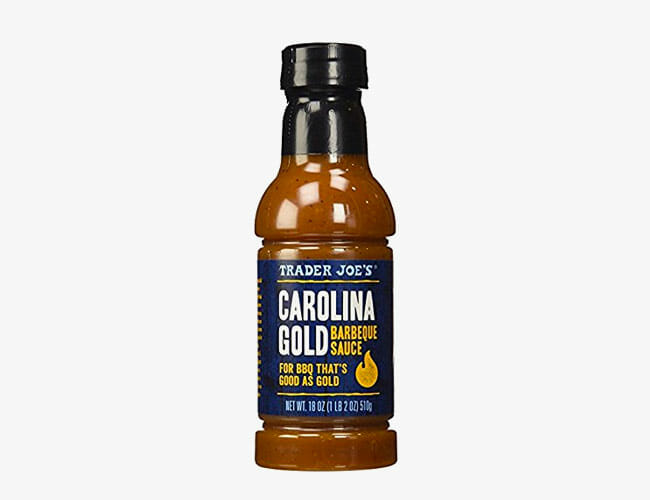
Trader Joe’s Carolina Gold Sauce

It’s mustard-based and has pure cane sugar — two rarities in barbeque sauces, generally, made especially more rare in the bottled market. If you’ve not had it, cane sugar has a slightly different flavor than what we’re used to, and it works extremely well with tangy mustard. This sauce, in particular, is especially incredible on a Boston butt, though it’s good on pretty much any charred meats — from pork shoulder to brats.

Bone Suckin’ Sauce

A bit sweeter than your usual fare, to the point it might remind you of a sweet and sour sauce. Fortunately, sweet and sour sauce is delicious, and this one has the added benefit of a mild hickory smoke flavor that manages to not taste like chemicals. It is a bit thinner than KC-style sauce, so if you want it to stick to ribs consider cooking it down for a few minutes on the stove.

Dinosaur Bar-B-Que Sensuous Slathering Sauce

Not as widely available as the others on this list, but a treat if you can find it — Sensuous Slathering sauce is one of the lowest-sugar bottled sauces out there and, frankly, it doesn’t need it. It gets a bit of augmented sweetness from bell pepper and it’s wickedly smokey and tangy. The consistency is such that it’s ready to baste right out of the bottle. There’s no corn syrup of any kind in it and you can probably pronounce every ingredient in its makeup.

Lillie’s Q Smoky Barbeque Sauce

Lillie’s Q is a Chicago-based barbecue restaurant with roots in Southern cooking. The brand’s barbeque sauces have made their way into supermarkets, so they’ve become easier to track down. The Smoky sauce is a Memphis-style barbeque sauce with a molasses-like sweetness complemented by a delightful smokiness. This sauce works well on pretty much anything, but Lillie’s Q recommends eating it with ribs and smoked chicken.

Traeger ‘Cue BBQ Sauce

If you use the Traeger app for recipes, you might notice it calls for Traeger BBQ sauces quite often. The sauce’s consistency makes it versatile as a dip, marinade or glaze, and the addition of anchovy gives the sauce a savory umami flavor. This particular variety of Traeger BBQ sauce has hickory smoke flavoring, which is meant to pair well with Traeger hickory pellets.

Drunk Fruit BBQ Sauce Trio

The addition of fruit to these barbeque sauces give them a depth of flavor that’s missing from plain sugar, honey or molasses. Each sauce incorporates a splash of booze — tequila, rum or boubon — and the result is a highly dippable sauce that’s a harmonious blend of sweet, savory and smoky.

What to Know About Popular Styles of Sauce

Kansas City Style: The most widely available style of barbeque sauce at grocery stores is at its best a balanced mix of tomato (ketchup, most of the time), sweetness, tang and smoke. This is the gloopy reddish-brown sauce you slather all over ribs — it’s great for its strong hold to meats and overall body as well.

Texas Style: Sometimes called “mop sauce” or “mop style,” these are sauces with a tomato and vinegar base. They’re typically much lighter in body than KC-style sauces, but not as light as a Carolinian vinegar sauce. They’re also applied with a lighter hand than most sauces, and feature lots of garlic, black pepper and worcestershire sauce.

Memphis Style: Memphis barbecue tends to be served sans sauce, but there has been an uptick in Memphis-style barbeque sauces. The sauce is similar to a Kansas City-style barbeque sauce, but with a richer sweetness thanks to molasses and a tad more brightness from a generous addition of vinegar.

Lexington Style (North Carolina): Though some of North Carolina’s population may protest, this is essentially an earlier version of the uber-popular Kansas City sauce, sans-spiciness and with a lot more tomato product. If you don’t like the spiciness and bite that comes with a lot of KC sauces, this style is for you.

East North Carolina Vinegar-Based: It’s vinegar, pepper, salt and pepper flakes. The most fluid sauce there is gets most of its flavor from the tart vinegar and various pepper flakes and pepper powders added (cayenne being the most common). It may not be all that useful in caramelizing the outside of a pig, but it’s still delicious.

Will Price

Will Price is Gear Patrol’s home and drinks editor. He’s from Atlanta and lives in Brooklyn. He’s interested in bourbon, houseplants, cheap Japanese pens, and cast-iron skillets — maybe a little too much.

More by Will Price | Follow on Contact via Email

No, You Really Don’t Need a ‘Gaming’ Chair. Here’s Why

The quickest way to tell if a person is a gamer isn’t their rig or the presence of LED light strips in their room; it is, and has been for more than a decade, the chair. With all due respect, that is just stupid.

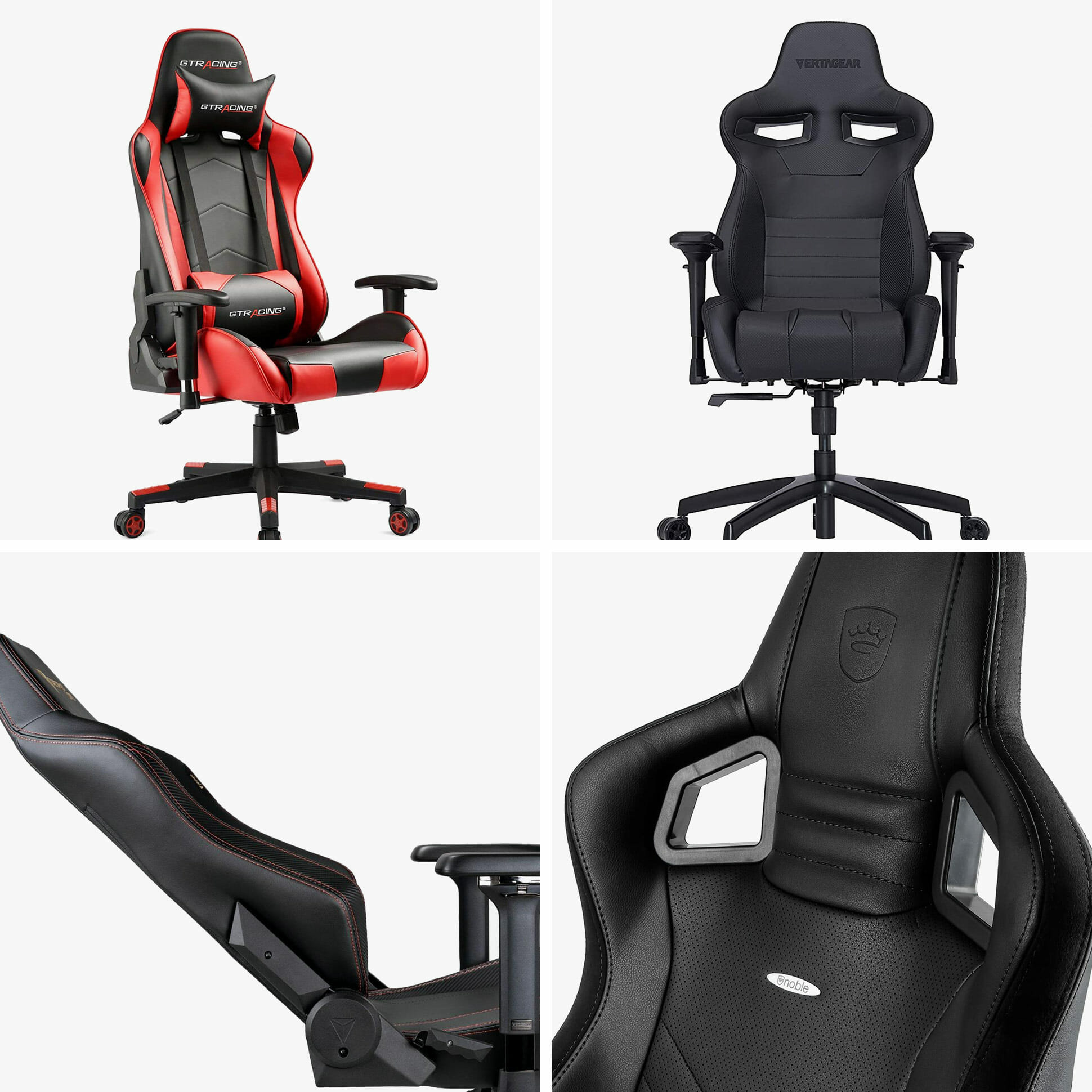
You know the ones — the fire engine red accents, the embroidered logos, the polyurethane leather, the deepest of reclines. Holdovers from a time when gaming was only for the young, these features are not the primary target of my ire. Not when nearly every gaming chair is still, in the year 2020, emulating those found in race cars — complete with bucket seats, winged backrests and lifted seat edges.

Bested only by working and sleeping, there isn’t a more stationary activity than gaming. Whether you’re getting in a quick game of Warzone before bed or it’s 3 a.m. and you’re still playing the same game of Civilization VI, your body needs support. The vast majority of racer-style chairs do not provide support, or at least not support of the right kind.

A selection of classic driving-inspired gaming chairs, complete with absurd recline range, polyurethane leather, lumbar and headrest pillows and more.

The winged back and bucket seat were introduced to keep drivers firmly planted during high-speed turns. Playing Dota 2 shouldn’t dislodge you from your seat. The elevated front lip of a racing seat serves to lift a driver’s legs so they can more comfortably reach pedals. This serves no purpose in a CS:GO match. These more obvious problems are foundational, but the ubiquity of the aesthetic presents other issues. Take the faux leather used to upholster the chairs; this material does not breathe well, which makes the tired cliché of the sweaty gamer a reality.

The solution is as boring as it is obvious: the same desk chairs that are good for working are good for gaming. These ergonomics-focused chairs prioritize support, circulation and body health over looks. Instead of winged backs, the shapes mimic the body and allow for freer movement. In place of sweaty pleather, good desk chairs utilize airy mesh and more breathable foam. Instead of seats that lift your legs up and cause circulation breaks, most employ “waterfall” edge seats that cut back on the pressure that builds up in your thighs. Hours of stationary gaming demands an ergonomics focus, not an aesthetics one.

The gaming community hasn’t always been aligned with car seats — previous to the colorful seats of today, people played games in anything from plastic lawn chairs to Marcel Breuer’s famed Cesca chairs, as chronicled by the website ChairsFX. By most accounts, the racer-style gaming chair movement was born in 2006, when a racing seat company called DXRacer shifted its focus to gaming chairs and, after a series of major sponsorships with eSports events, erupted in popularity.

There are signs the tyranny of the videogame race car chair’s is coming to an end. The task chair masters at Herman Miller recently announced a partnership with the gaming wing at Logitech that promises to “create the world’s most advanced gaming chair.” For all the destruction it’s wrought, the coronavirus has forced millions to reevaluate the chairs they spend the most time in.

Consider buying a chair not because your favorite streamer on Twitch was paid to sit in it, but for the love of your joints.

Note: Purchasing products through our links may earn us a portion of the sale, which supports our editorial team’s mission. Learn more here.
Will Price

Will Price is Gear Patrol’s home and drinks editor. He’s from Atlanta and lives in Brooklyn. He’s interested in bourbon, houseplants, cheap Japanese pens, and cast-iron skillets — maybe a little too much.

More by Will Price | Follow on Contact via Email

This Grill Offers an Entirely New Take on Charcoal Grilling

<!–This Grill Offers an Entirely New Take on Charcoal Grilling • Gear Patrol<!– –>

A Briq of Charcoal


If Murphy’s law were to apply to one thing only, it’d be charcoal grilling. Whether it be lighting the coals or getting the grill to the right temperature (and keeping it there), it’s often a difficult beast to tackle for novice grilles. The minds behind Spark, a new grill that offers charcoal grilling with the precision of an oven, wants to change that.

The Spark Grill makes use of patented blocks of wood and charcoal the brand calls “Briqs.” Spark Briqs are essentially large, compressed discs of charcoal. They load into a slot on the front of the grill, which ignites them electrically. The grill’s temperature is managed by an internal system and controlled by a nob that allows for temperatures from 200 to 905 degrees. This system is new to the charcoal grill space, a category dominated by grilling purists. If it’s as effective as it claims, it may be a stepping stone for grillers who would’ve gone with gas. Because of the novelty of the product, buyers will be locked into consistent Briq purchases through Spark, harkening to wood pellet grill companies insisting on their owners using grill-specific pellets. Users can also download an app that will keep track of the grill’s temperature and give alerts for when food is cooked.

The Spark Grill will go for $799, and you can sign up for the waitlist now.

Note: Purchasing products through our links may earn us a portion of the sale, which supports our editorial team’s mission. Learn more here.
Tyler Chin

Tyler Chin is Gear Patrol’s Editorial Associate for Editorial Operations. He’s from Queens, where tempers are short and commutes are long. Too bad the MTA doesn’t have a team like Ed-Ops.

More by Tyler Chin | Follow on Instagram · Contact via Email

<!–

–>

<!– –><!–

–>

10 Great Puzzles to Buy Before They Sell Out (Again)

At this point in quarantine, you’re probably sick of streaming on Netflix, Amazon Prime or whatever the hell Quibi is. Here’s a thought: let go of the remote, unplug your computer and dive into some jigsaw puzzles. Assembling jigsaw puzzles have the effects of improved mental health, decreased stress levels and, in the long-run, improved cognitive abilities. And while jigsaw puzzles are trending and some sites are selling out, there’s still plenty in stock. Here are 10 worth ordering ASAP.

For the Newbie:
300-Piece and Under Puzzles

Mudbuddy Andy Warhol Soup Can Red Violet

Paintings and artwork tend to find themselves being reproduced as puzzles because it’s like bringing priceless art into your home. Andy Warhol’s iconic pop art Campbell’s soup can is no exception, and this 300-piece puzzle comes in a dope can that can stand alone as home decor.

Areaware Little Puzzle Thing: Tonkotsu Ramen Puzzle

Areaware’s collection of food puzzles are quick and easy to assemble and they’re pretty fun to do over and over again. We’re partial to the brand’s ramen puzzle — you can almost smell the broth simmering away.

Zazzle Blue Sky Jigsaw Puzzle

A 110-piece puzzle may not seem that hard, but the Blue Sky jigsaw puzzle is close to being a one-color puzzle. Matching the pictures isn’t as simple as it seems, and you’ll have to rely mainly on the shape of each piece.

For the Novice:
500-Piece Puzzles

Galsion Muchos Autos

This jigsaw, comprised of 48 shots vibrant vintage cars, is like putting together dozens of mini puzzles.

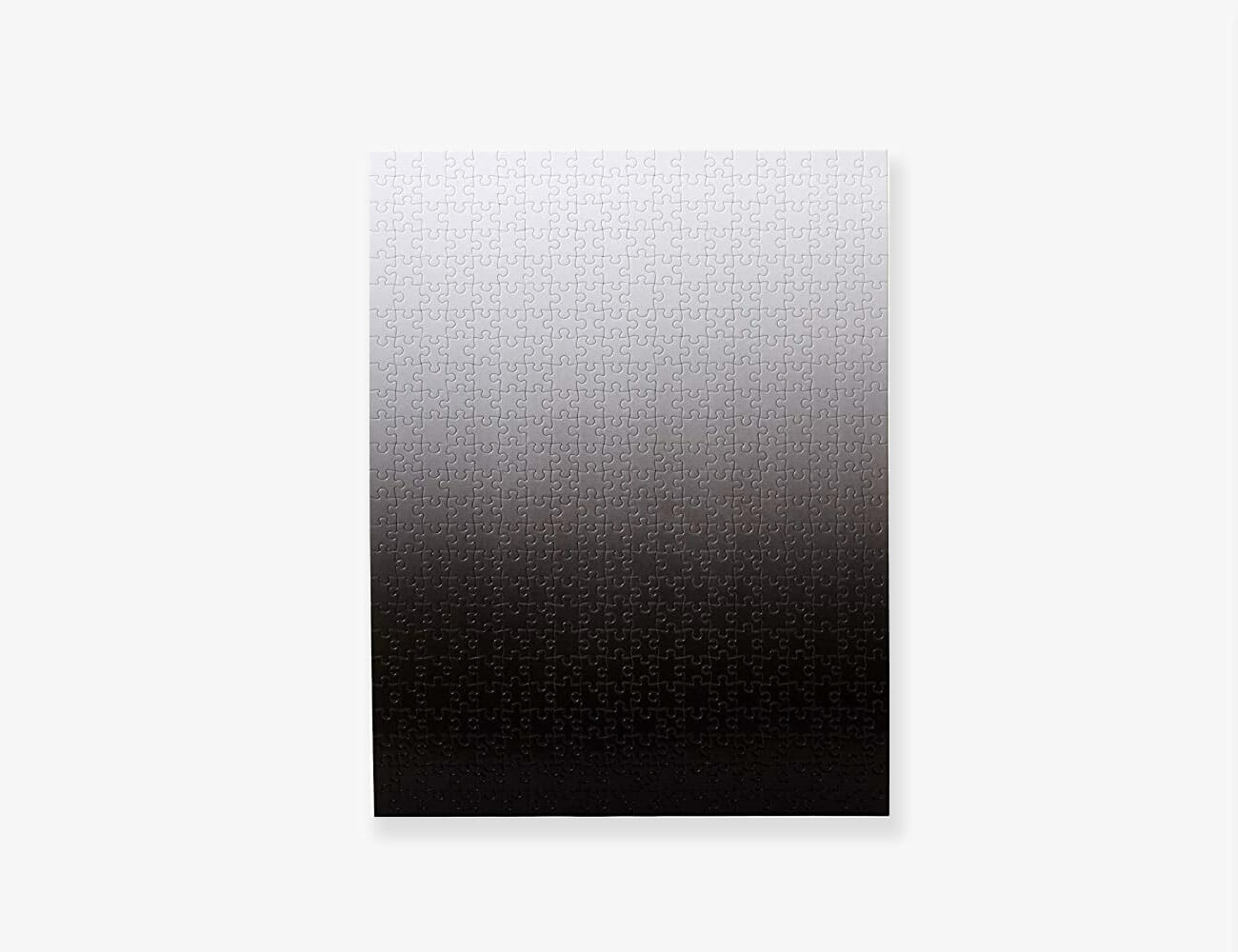
Areaware Gradient Puzzle (Black/White)

This Areaware gradient puzzle is a challenging endeavor as you can never really make out whether or not one shade of grey is the same as another shade of grey. There are 500 pieces and too many shades between black and white to count.

Ravensburger Dad’s Shed

Ravensburger is a leading jigsaw puzzle brand for the quality of its pieces and its wide array of images. Dad’s Shed is a hodgepodge of random items from, you guessed it, dad’s shed.

For the Pro:
1000-Piece Puzzles

Galison Zero Gravity

Recreate outer space at home with Galison’s Zero Gravity puzzle. The 1,000-piece puzzle also includes 20 die-cut pieces that are cut in the shape of stars and planets.

Charley Harper Isle Royale

Charley Harper applied his love of nature and art to create vibrant posters for the National Park Service. This recreation of his poster for Isle Royale National Park in Michigan highlights Harper’s use of simple geometric shapes and patterns to represent a diverse ecosystem of animals and nature.

Dark Horse Comics Game of Thrones Map of Westeros

While GoT fans continue to wait for George R.R. Martin to finish “The Winds of Winter,” we’ll pass the time by recreating a map of Westeros. Things are probably going better there than here anyway.

For the Eccentric:
3,000-Piece Puzzle

Aquarius Magical Mystery Tour

Better make room on your puzzle-assembling surface. This puzzle’s design is based on the work of Tom Masse. The image references 100 songs by The Beatles, and the puzzle includes a song key that points each reference out. The difficulty of the puzzle lies in the sheer number of pieces. If you’re really itching for a challenge, you could get this 1000-piece all-white puzzle.

Note: Purchasing products through our links may earn us a portion of the sale, which supports our editorial team’s mission. Learn more here.
Tyler Chin

Tyler Chin is Gear Patrol’s Editorial Associate for Editorial Operations. He’s from Queens, where tempers are short and commutes are long. Too bad the MTA doesn’t have a team like Ed-Ops.

More by Tyler Chin | Follow on Instagram · Contact via Email

The 18 Best Office Chairs of 2020

This definitive guide to the best office chairs of 2020 explores everything you need to know to find an office chair best suited to your needs, including ergonomics, price, aesthetics and features.

Long has the doom of sitting been forecasted. Published papers aplenty have argued that a stationary life is shorter and trouble-ridden, and the primary workarounds are many — standing desks, frequent breaks, stretching, taking walks and so on. But none address the simple fact that, sometimes, to get shit done, we simply need to plant ourselves in a chair and get after it.

Luckily, a number of companies are working to beat each other at building the best office chairs, even though they all know it’s not possible. No one chair is the best for everyone, so take our guide with lots of salt. If you can, go to stores and showrooms in your area and sit down, lean back, lean forward, pull levers and ask questions about everything. Your back, muscles, various joints and brain will thank you.

The Short List

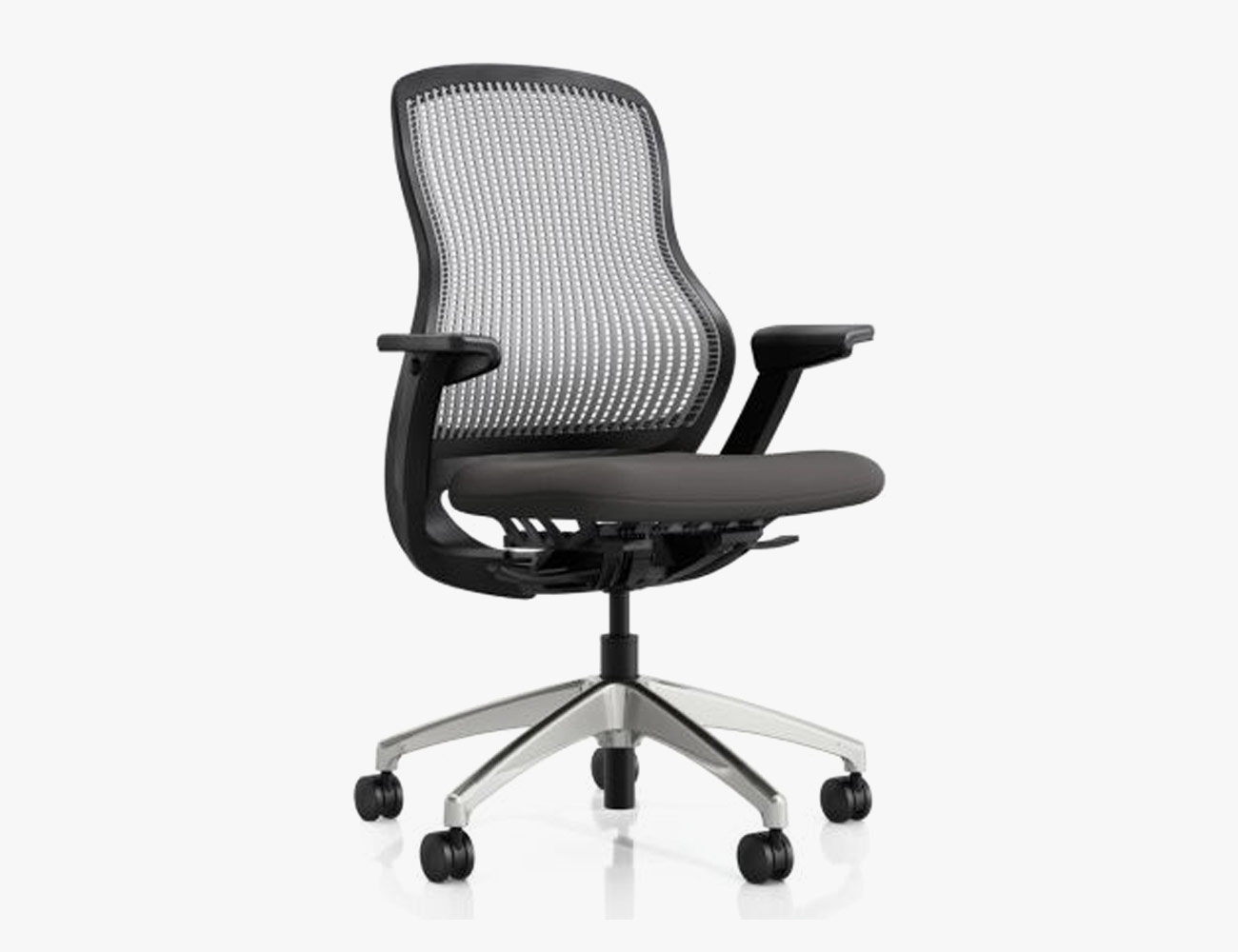
Best All-Around Office Chair: Knoll ReGeneration


Beyond taking our “Best Value” category by way of a price most people can swallow mixed with smart design, it received one of the most valuable recognitions in product design — a Good Design Award — after it’s release in 2012.

The ReGeneration is the affordable update to the legendary Generation chair. It adjusts to your weight, posture and weird leaning tendencies on the fly (up to 270 degrees of posture change). It’s also warrantied for a whopping 12 years. It’s the proud owner of various highly-touted sustainability acronyms.

Knoll is the master of the office chair, and the more accessible version of its lauded office seating boasts the most useful functionality, comfort, extra options and looks at the most reasonable price point we found. Make sure to get the mesh-backed version if you run hot, and adding in the lumbar support comes highly-recommended by reviewers (though you may have to contact Knoll or the outlet you intend to purchase from to arrange this).

Best Budget Office Chair: Alera Elusion
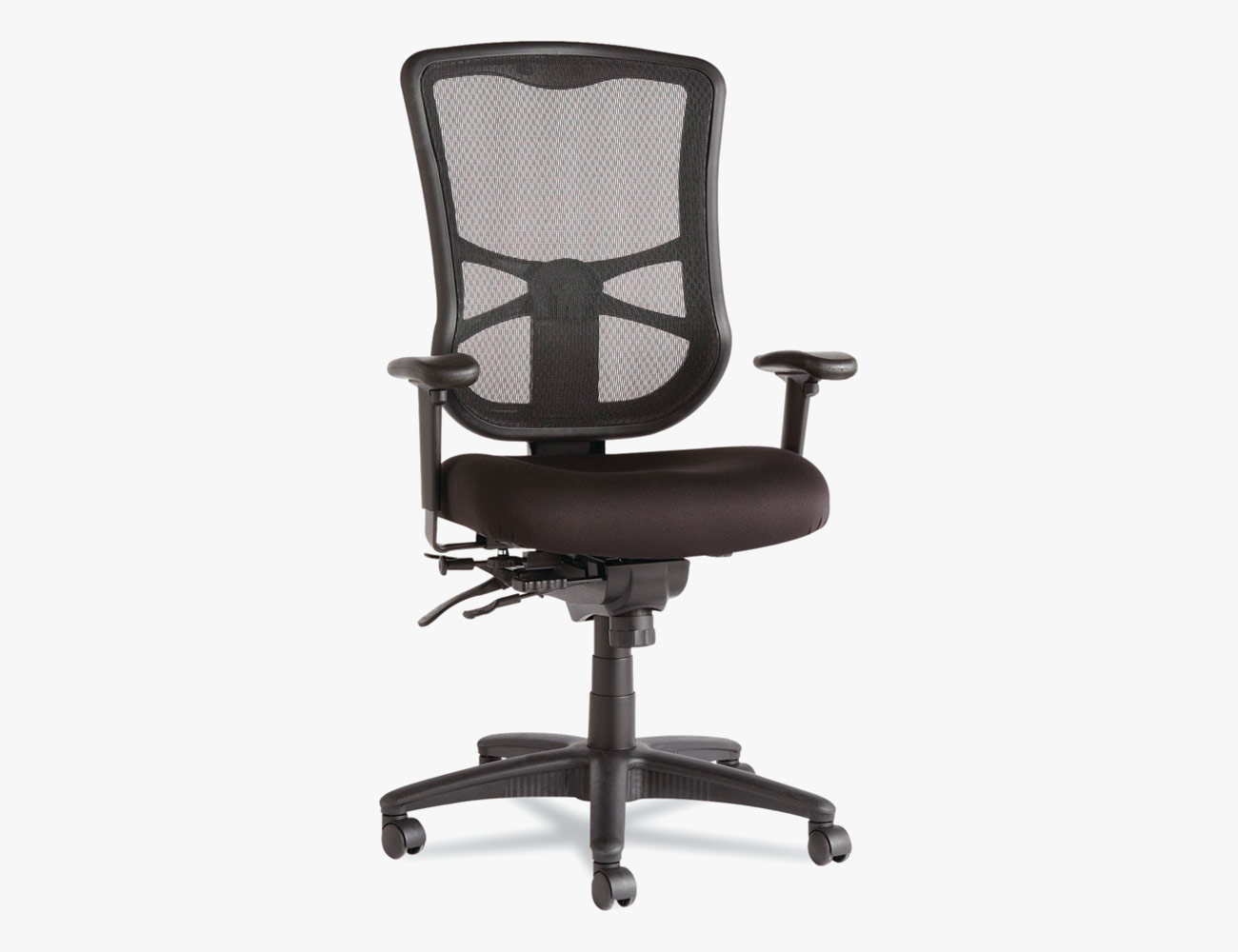

Being on a budget does not mean settling for design of a lower quality; it means identifying smart engineering at price points don’t trigger panic attacks. The Alera Elusion, which is also our best option under $200, is just that. It’s mesh-backed and features loads of recline and tension adjustment options for just $190.

If your definition of budget is a bit more expansive, we recommend Herman Miller’s Sayl chair, which is made with better materials and has a better warranty behind it — not to mention a company with a legendary reputation. That said, the extra $200 to $250 you’ll need to shell out for a Sayl makes an impact large enough to favor the more affordable, smartly designed Elusion chair.

|

Best Budget Office Chairs

As with most products of the budget variety, temper your expectations. There is no sub-$100, $200 or even $500 office chair that does all things for all people, or performs equally to premium chairs. Expect materials that don’t necessarily ensure a long life and may not look stellar. That said, these chairs are ergonomic. Our budget picks are simply the most affordable you can go without sacrificing your health and wellbeing at work.

Best Office Chair Under $150: Flash Furniture High Back Mesh Chair
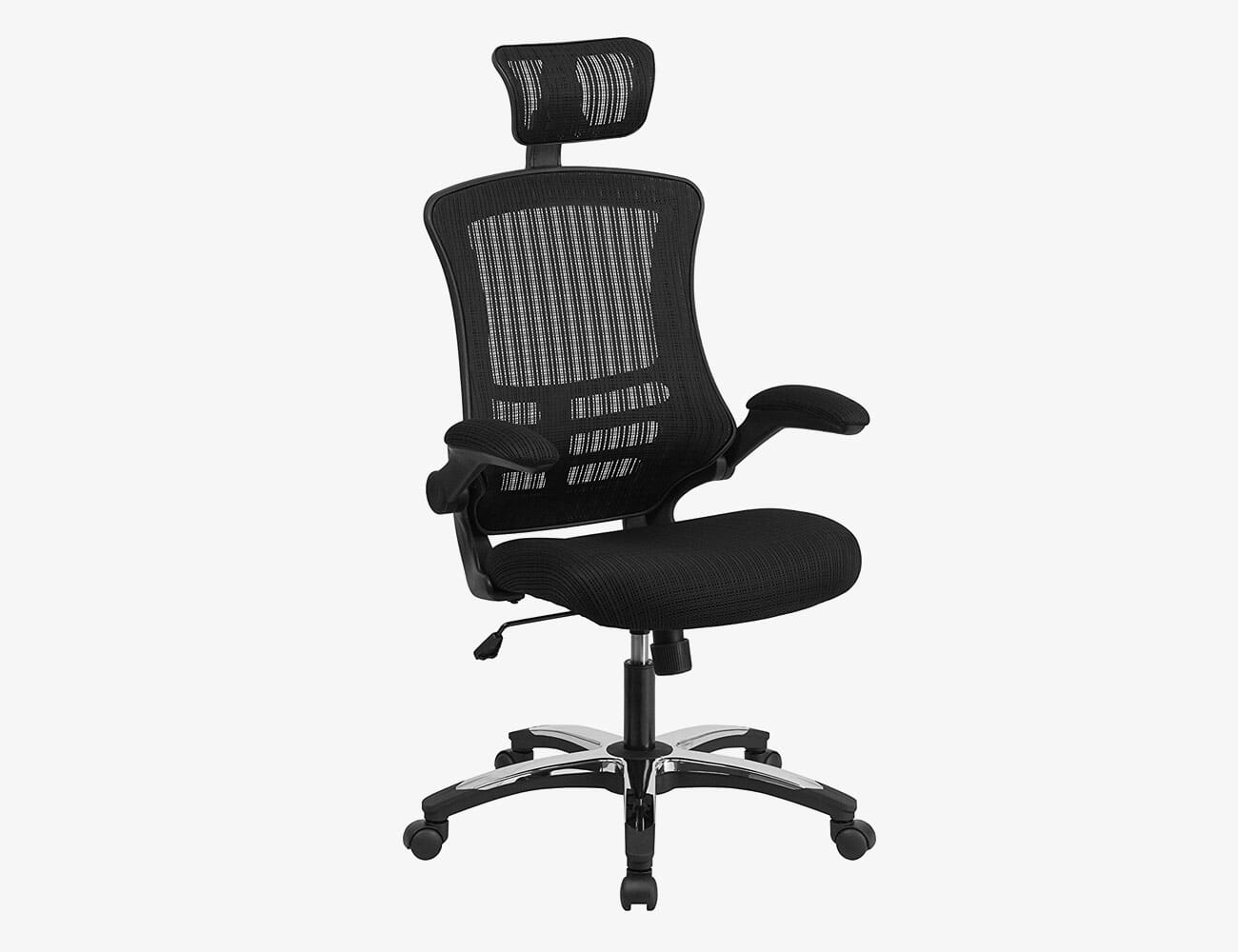

This mesh-bodied, high-back chair from Flash Furniture is the best and most versatile chair we’ve found under $100. It has an adjustable headrest (ideal for those who like to lean back), holds more weight than most dirt cheap options, has a tilt tension adjustment knob, offers firm lumbar support and isn’t absolutely atrocious to look at. If it’s missing anything (other than quality materials that would drive the price up), it’s adjustable armrests, but that’s the lowest number of serious compromises you’ll find out of seating in this price category.

|

Best Office Chair Under $200: Alera Elusion Chair


It looks as simple as any other chair you’d run into at Staples, but it isn’t. Alera’s Elusion chair borrows features like a full mesh back for breathability, a waterfall-edge seat cushion to maintain regular levels of leg circulation and more comfort customization than chairs fives times its price.

Its only limiting factors are aesthetics (it is rather boring to look at) and the use of cheap materials, which means it’s likely not a great long-term seating option.

|

Best Office Chair Under $500: Herman Miller Sayl
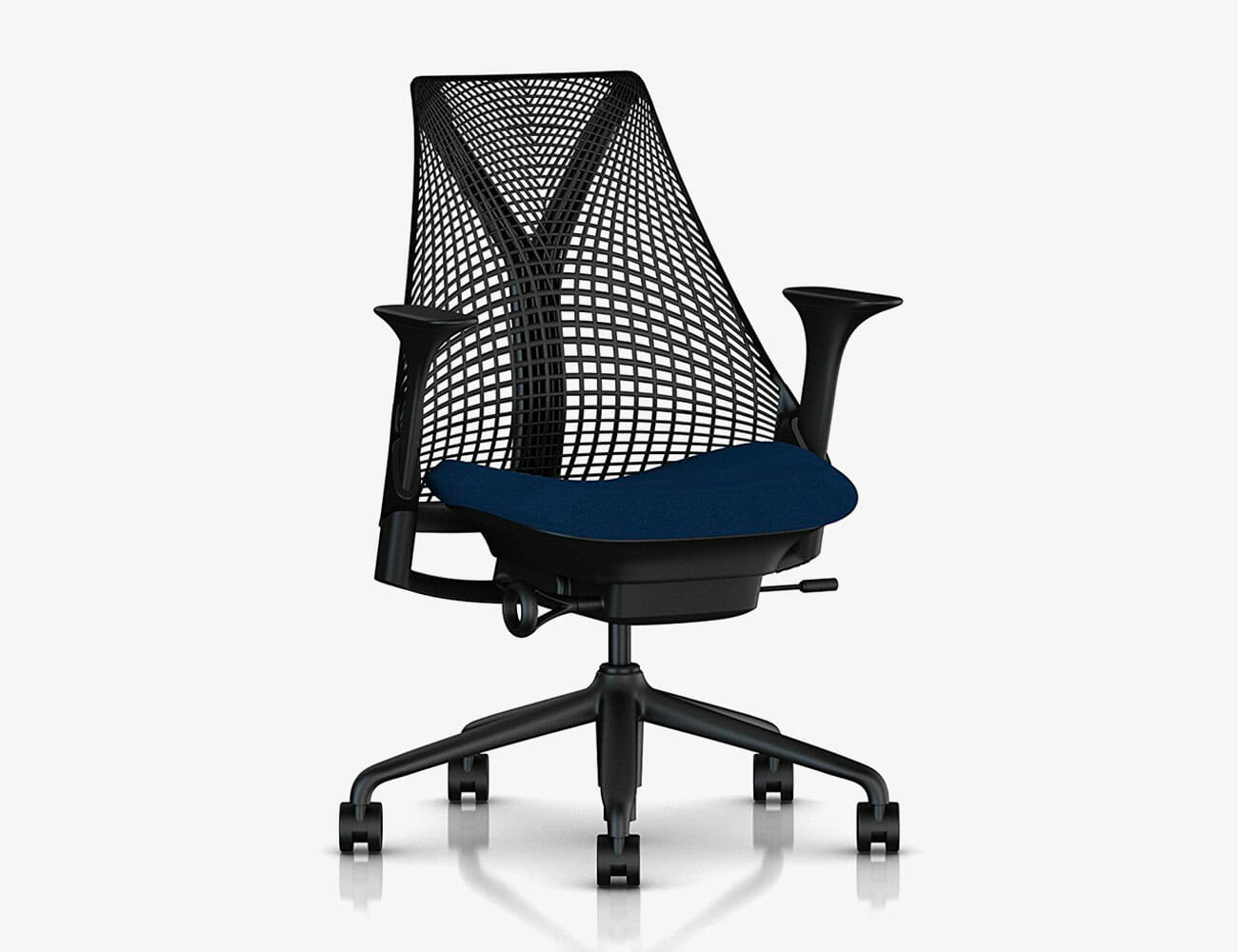

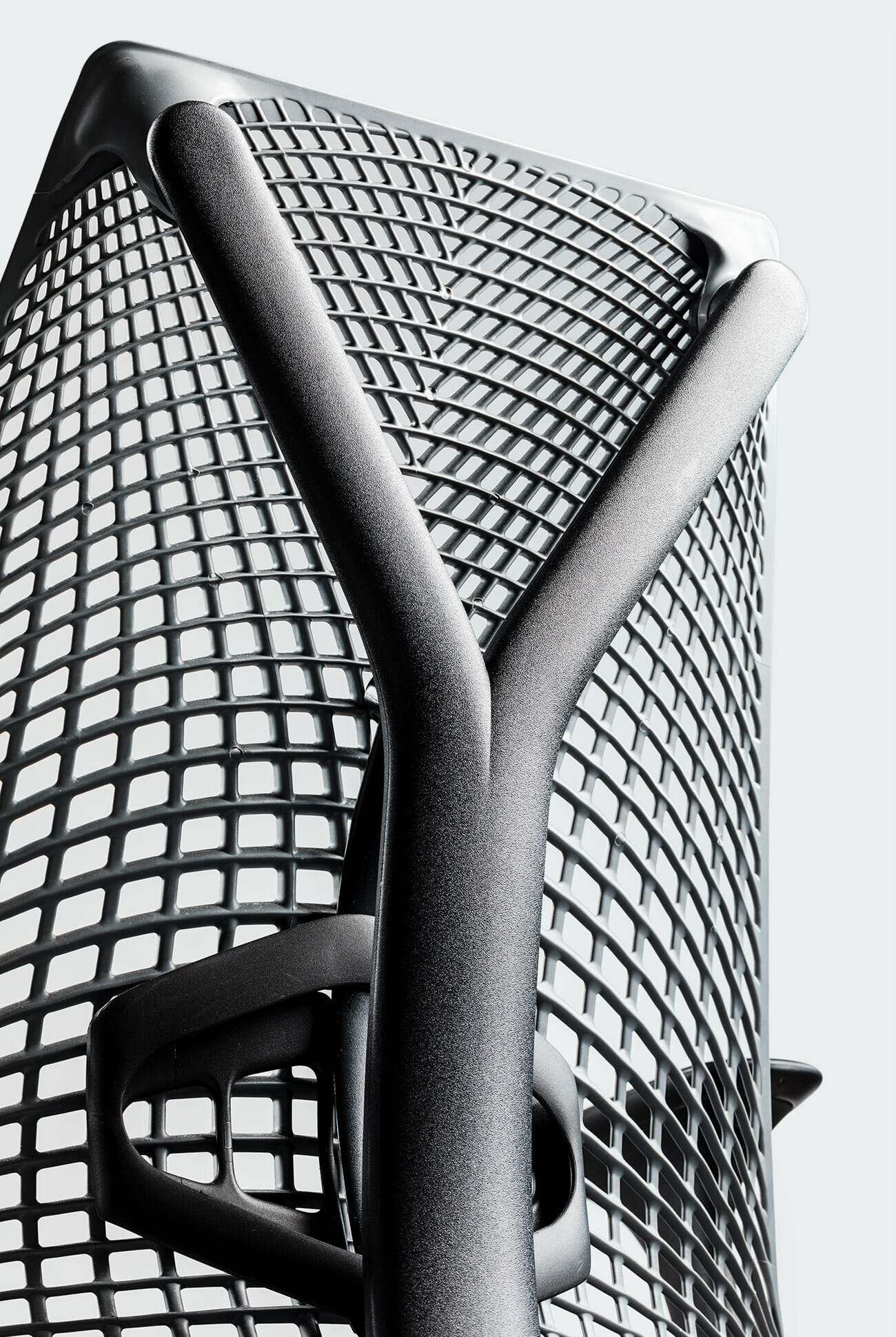
This is an affordable take on Herman Miller’s manually-adjusted office chair. The webbed, unframed back is supported by a suspension tower (and inspired by the a notable landmark in the designer’s home city of San Francisco), which allows for a twisting and turning in the chair to remain both comfortable and well-supported.

The arms slide up and down, the recline tension is adjustable, the chair is certified to seat a person up to 350 pounds and it does all this for around $500 (the chair is discounted by 15 percent regularly — wait for a sale to strike). When the chair released, it took home a flurry of “bests” from judging panels and events, including the Industrial Designers Society of America, International Design Awards and FX International Interior Design Awards. This is no ordinary budget seating.

|

Branch Ergonomic Chair
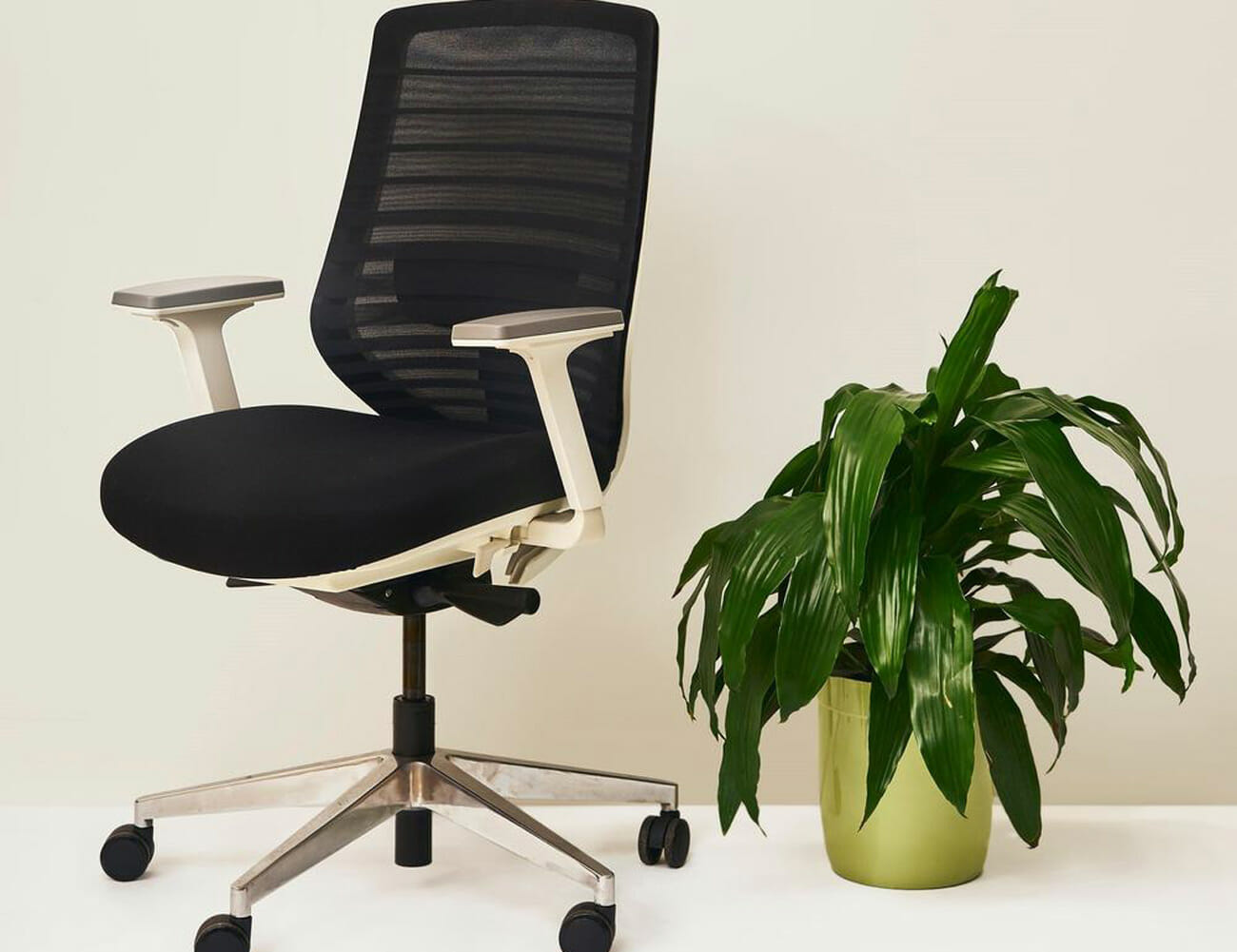
Branch is a new company that makes affordable home office gear. Its plainly named Ergonomic chair ticks the ergonomic boxes you’re looking for — adjustable height armrests, tilt, tilt tension, lumbar support, up-down functions, adjustable depth seat and an airy mesh back. Instead of the cheap plastics deployed by other ultra-cheap options, its base is made of a sturdier anodized aluminum. The brand offers white glove delivery in NYC, but self-assembly otherwise, which takes about 10 minutes.

Ikea Markus Chair
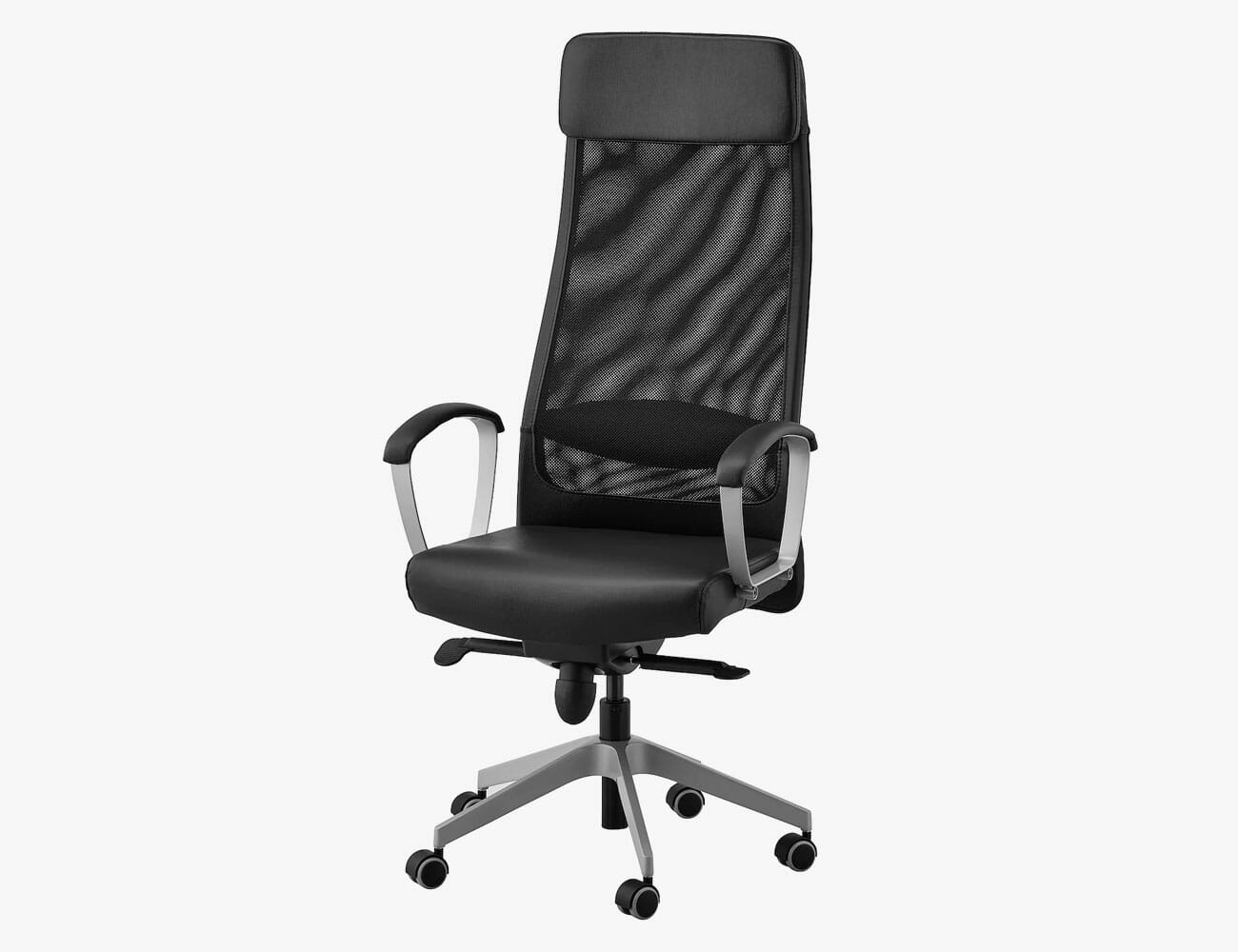
Most of Ikea’s desk chairs are built with aesthetics top of mind, rather than performance. Avoid those. The Markus chair is the Swedish company’s most body-minded offering. Its high mesh back is good for taller folks and those of us who run hot, and despite Ikea’s reputation for cheapness, it’s better built than most frugal options. Plus, because it’s from Ikea and not a nobody Amazon company run by bots, you’re more likely to get customer service if anything goes wrong.

Sihoo Ergonomics Office Chair
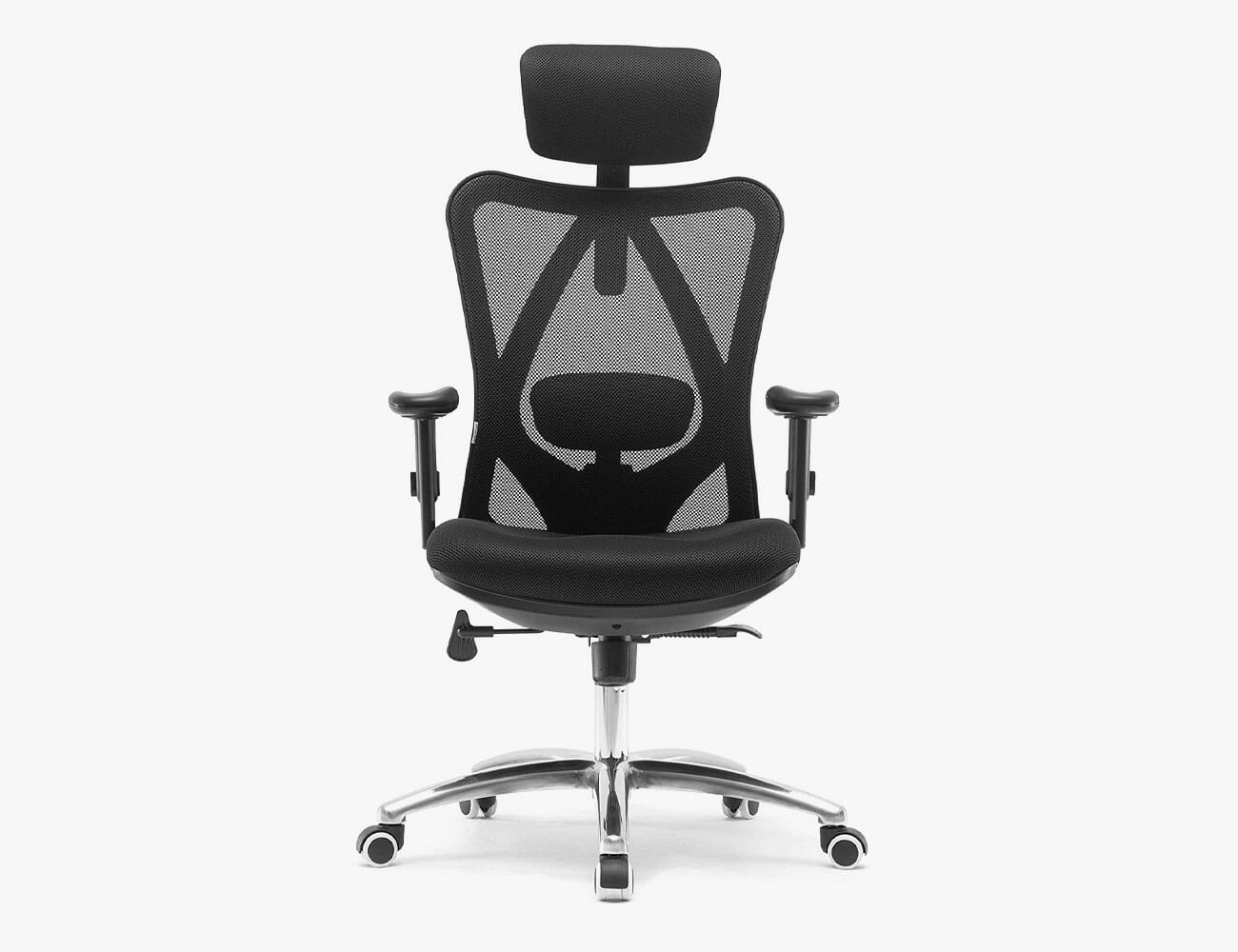
What you get from this chair, for less than $300: a breezy mesh back, adjustable headrest, lower back support, variable armrests and easily one of the best spring-lock tilt mechanism of any cheap chair. That’s everything you can ask for out of a budget chair

Best Office Chair Brands
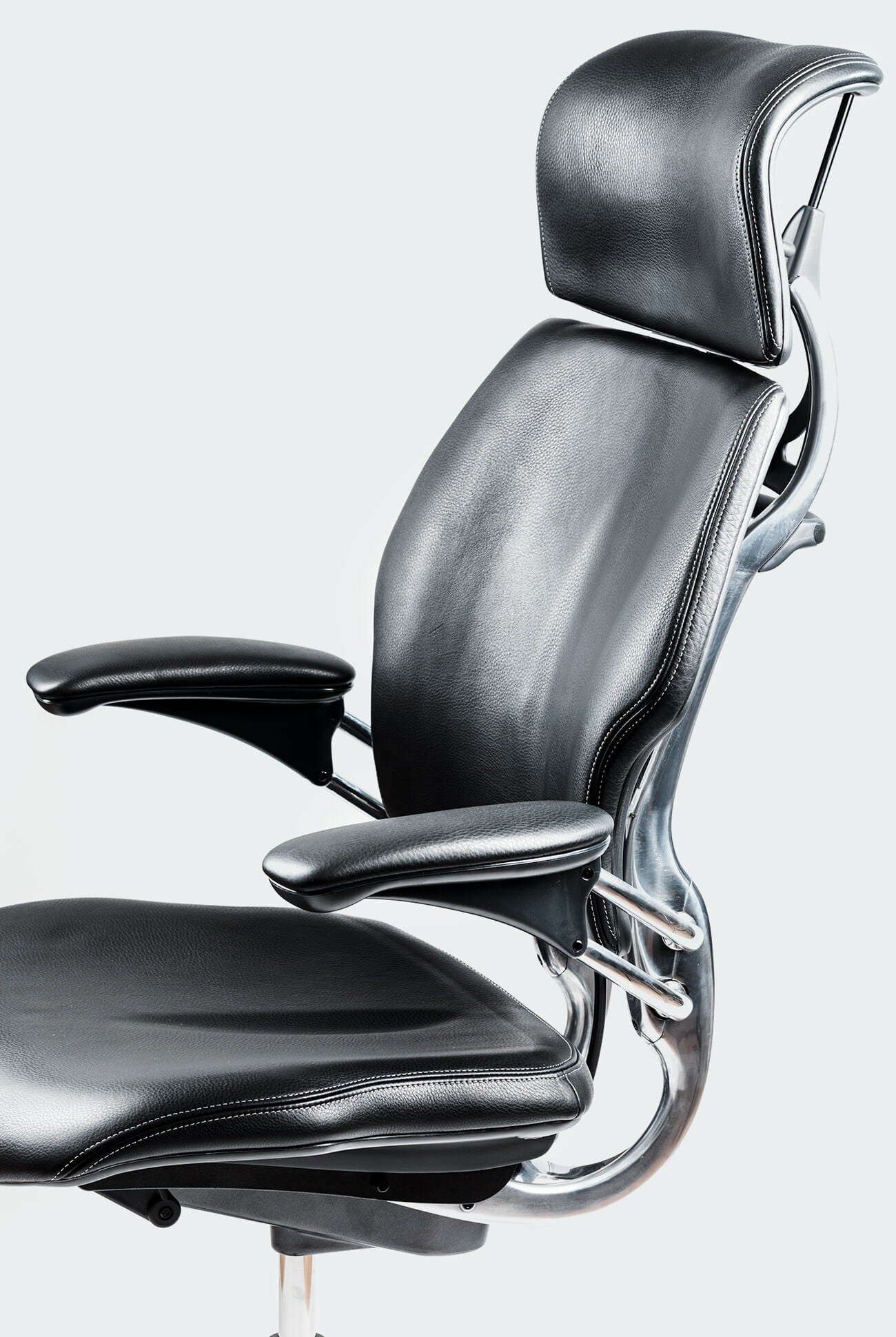
Humanscale

An extreme and praise-worthy focus on sustainable, eco-friendly design and gorgeous aesthetics come together with research-backed ergonomics at Humanscale. A through-line can be seen in all Humanscale’s more recent products — simplicity. Simplicity urged forward by the late American industrial designer Niels Diffrient in his partnership with Humanscale, which yielded two of the most notable and respected chairs ever — the Freedom and Diffrient World.

Herman Miller

Herman Miller is the company behind many of the most iconic pieces in the era of mid-century modern but its catalog has far more to offer than famous lounge chairs. When Herman Miller released the Aeron office chair, it instantly became the, or at least one of the, best makers of office seating the world over. The American brand’s most notable office chairs are likely the Aeron, Embody and the newly released Cosm, a fully passive ergonomic chair with a few unique-unto-itself features.

Steelcase

Where Herman Miller and others work in a variety of furniture areas, Steelcase narrows its gaze to furniture with a performance and sustainability bend. The 105-year-old company is unrelenting in its focus on research-guided design, and it is most known for the Gesture, Leap and its auto-adjusting (and fairly new) SILQ.

Allsteel

Allsteel is function and performance driven above all else. It bullied its way into office gear in the early 20th century making steel electrical boxes and lockers (it would take until the middle of the century to add its first chairs) Not all of its seating is beautiful looking (except for the Acuity, which is), but it is all based on the science of ergonomics.

Knoll

Like Herman Miller, Knoll was (and has become again) mid-century royalty. Also like Herman Miller, it didn’t fall off the face of the earth. Knoll still peddles high-end, luxurious home furniture aplenty, but its office seating, the Generation line in particular, is a revelation. Ergonomic, good looking and sold at price points low and high, Knoll covers the spectrum of what you need now and in the future.

Best Ergonomic Office Chairs

Ergonomic design, to some extent, is present in all seating, but not all chairs can be called ergonomical. By way of built-in automatic adjustments or manually turning knobs and pulling levers, great ergonomical chairs are the ones that conform to the human body, and the best do that to specific human bodies, no matter their weight, height or posture. These are those chairs, in every specific taste and style we could think of.

Best Value Office Chair: Knoll ReGeneration


Value is a function bound to the holy price-quality balance. Our choice is Knoll’s affordable, somewhat recent addition to its line of Generation seating — the ReGeneration. Starting just north of $500, ReGeneration adjusts to your weight, posture and weird leaning tendencies on the fly (up to 270 degrees of posture change).

Knoll is the master of the office chair, and the more accessible version of its lauded office seating boasts the most useful functionality, comfort, extra options and looks at the most reasonable price point. Make sure to get the mesh-backed version if you run hot, and adding in the lumbar support comes highly-recommended by reviewers (though you may have to contact Knoll or the outlet you intend to purchase from to arrange this).

Best Office Chair for a Standing Desk: HAG Capisco Puls


As illogical as it sounds, standing and raising desks do need seats of their own. Portland-based Fully specializes in supplying only the best ergonomic seating for the modern workspace (it’s most known for the Jarvis adjustable height desk), and the Capisco was the very first product it stocked.

It allows for seating in any way that’s comfortable to you — stool seating, cross-legged, side sitting, sitting backwards and so on. Essentially, it encourages non-static working and provides the means to act on that comfortably.

The Capisco Puls is the slimmer, newer and more affordable version ($300 cheaper) of the chair. Looking at the greater standing desk chair market, you could settle for less, but you’d be doing yourself a disservice.

Best Office Chair for Gaming: Vertagear Triigger 275


The proliferation of the racing-style chair as the defacto “gaming” chair is sad and dumb. The best gaming chair is not about immersing the sitter in the game or looking cool — it’s about support, customization and the ability to remain cool for hours.

Vertagear’s Triigger series of chairs is just this, and the 275 model is the best balance of price and useful features. Though we’ve praised chairs that automatically adjust to all users in this guide, gaming requires a chair fine-tuned to the player. The Trigger 275 allows you to adjust armrest height, seat height, backrest height and lumbar support. And because it’s a mesh chair, you remain cooler for longer, and it doesn’t look juvenile (though you can get it with white, red and blue accents).

The brand offers a premium option, too — the Vertagears 350 comes with an aluminum frame and calfskin leather accents for a couple hundred dollars more.

Best Office Chair for Home Use: Blu Dot Daily Task Chair


Blu Dot’s mantra: bring good design to as many people as possible. As such, the Midwestern company’s designs ride the “I could afford that if I wanted to” line more than any modern furniture brand, and it’s all original, sturdy and hardwearing. The Daily Task Chair isn’t a loud or boastful piece to bring into your own home, but it’s interesting, a bit retro and comes with a few foundational ergonomic perks.

Best Mid-Century Modern Office Chair: Eames Aluminum Group Management Chair


The Eames Management chair is from a time gone by, when office hierarchy was defined by corner offices, over-sized desks and, in this case, a luxe mid-back desk chair. What does that mean? It’s behind some others on this list in the ergonomics department, but it’s miles ahead in style. An aluminum frame, MCL leather and a distinctly mid-century look define the Eameses instantly recognizable seat. (Note: if you regularly spend working hours in your home office chair, we recommend leaning toward the more ergonomic-focused options in this guide.)

Best Office Chair for Conference Rooms: Steelcase Silq


A lack of fiddling with knobs and levers is what separates a good conference room chair from the chair at your desk. When people are coming in and out, there’s no time to pull out a manual to adjust the secondary recline tension. Steelcase’s conference room-minded Silq chair is one of the few examples of affordable passive ergonomics. Other than height, everything about the chair adjusts to the sitter automatically.

Best Office Chair with a Headrest: EuroTech Ergohuman


Truth be told, if you’re serious about you’re reclining, you better be serious about having a chair equipped with a headrest. Thinking about reclining sequentially, you press your back against the chair, lean back and your head loses the natural support of your neck and body. This causes you to tense your neck, which creates soreness and leads to further problems down the line.

That’s what chairs like Eurotech’s Ergohuman aim to solve, while limiting sacrifices to the chair’s comfort level. The superb lumbar support, various tension and height adjustments, a very handy pneumatic lift system that raises and lowers the chair smoothly and a supportive (but still comfortable) headrest brought together on the Ergohuman make for office seating that’s equal parts impressive and satisfying to take a seat in (hint: get the all mesh version if it’s available — it’ll stay far cooler than a faux leather seat cushion one).

Best Passive Ergonomic Office Chair: Herman Miller Cosm


The success of Herman Miller’s office seating line is unquestioned (just look at our list), but this might be the largest departure from that line since it began. Where our “Best Value” choice was of the old school of passive ergonomics, Cosm is of the new.

Apart from aesthetics and sizing options (the high-backed Cosm is stunning online and in person), the primary functional difference between the two is a single, completely unique innovation — the ability to use your weight to adjust tension to you without the need to slide your body forward or lift you up at all. This sliding and lifting lifts your legs ever so slightly up, resulting in added tension to the body.

It’s a subtle difference, but one no other company had managed until Cosm. In fact, the only reason Herman Miller didn’t release an auto-adjusting chair prior was its inability to solve the riddle of the lifting legs.

|

Best Leather Office Chair: Humanscale Freedom


American industrial design legend Niels Diffrient authored many products of great importance, but this was his magnum opus. The Freedom chair marks the beginning of the shift away from manually-adjustable office seating (primarily because most people don’t actually know how to adjust the chairs properly) and to self-adjusting chairs.

Specifically, the Freedom chair handles all recline tension and tilt functionality itself, while still allowing you to slide the seat backward or forward and the armrest up and down. Since its release, a hundred or more self-adjusting chairs have cropped up, but few have done so as elegantly as the Freedom chair.

Its base model ships in a PU leather upholstery (as almost all “leather” office chairs do) with a die-cast aluminum frame, but you can special order real leather upon request.

|

Best Office Chair for Small Work Spaces: Humanscale Diffrient World Chair


Few manufacturers set out to make office chairs specifically for small spaces. This chair, also designed by Diffrient, has armrests that can be lifted or lowered to slide under a desk when not in use, a back high enough to allow for comfortable reclining and a width on the slimmer end.

Instead of chairs requiring manual adjustment via knobs and levers like most task chairs before it, the Diffrient World adapts to the sitter automatically (it was one of the earlier task chairs to do this). It uses your body weight as a counterbalance to allow for seamless and steady reclining and the whole thing is a springy mesh that’s just tight enough to sink into, but not so much to the point of sagging and stretching. It’s also guaranteed to last for 10 years.

Best Luxury Office Chair: Herman Miller Embody


This is not luxury in the plush leather, animal skin, bedazzled sense; it’s luxury in just how effective it is at what it does. Herman Miller puts it this way: “so intelligent, it makes you think.” It prioritizes and glorifies movement above all else — movement lessens muscle tension and increases blood flow, thereby increasing the amount of time your brain operates at a high level, which in turn makes for better work.

Thought up by the late and great Bill Stumpf (father of the Aeron chair) and designed by Jeff Weber with the guidance of a team of 20 physicians and doctors in physical therapy, ergonomics and biomechanics, it uses the human body as its blueprint — a spine with a flexible rib cage bends and turns are you do, and redistributes pressure to lessen tension.

All told, it’s an expensive, luxury office chair, but not because of whims of fanciness and wealth, but because it is a throne built on the idea that a chair doesn’t have to be a health-negative.

| |

Honorable Mention: Herman Miller Aeron


The Aeron is the chair against which all other chairs are measured. Not even the worthy competition on this list challenge its status as the most influential office chair of the modern era.

Released in 1994, Aeron is the chair that bookended a shift in task seating design, from a form-first to function-first industry. Its critical, commercial and cultural successes are many. It ushered out clean lines in favor of shapes contouring to the human body, and was the first hugely successful mesh chair. It is among the most customizable designs ever conceived. It’s earned a permanent place in the Museum of Modern Art. It’s even 94 percent recyclable, a feature years ahead of its time.

Though the Aeron chair is no longer seating du jour, in style and function, its importance and power is unrivaled.

Will Price

Will Price is Gear Patrol’s home and drinks editor. He’s from Atlanta and lives in Brooklyn. He’s interested in bourbon, houseplants, cheap Japanese pens, and cast-iron skillets — maybe a little too much.

More by Will Price | Follow on Contact via Email

This Near-Perfect Pillow Is Going to Be Sold Out by the Weekend

<!–This Near-Perfect Pillow Is Going to Be Sold Out by the Weekend • Gear Patrol<!– –>

trial and error


Listen up, Goldilocks. We found a pillow that’s as soft or as firm as you need. Authenticity50, the American-made seed-to-stitch bedding company, just restocked its Custom Comfort Pillows, which have sold out like clockwork since their 2019 release.

The pillows are filled with shredded memory foam and microfiber blend for optimal head and neck support, minus the overheating of a standard memory foam pillow. Sleepers can remove or add fill to achieve their desired firmness level. If the pillow still isn’t firm enough, reach out to Authenticity50, and the brand will send extra fill for free. To clean the pillow, simply remove the outer cover and throw it in the wash. The brand recommends doing this once or twice a year (droolers should do so more often).

The Custom Comfort Pillows come in a standard ($69) and king ($79). Buy a two-pack to save some cash.

Note: Purchasing products through our links may earn us a portion of the sale, which supports our editorial team’s mission. Learn more here.
Tyler Chin

Tyler Chin is Gear Patrol’s Editorial Associate for Editorial Operations. He’s from Queens, where tempers are short and commutes are long. Too bad the MTA doesn’t have a team like Ed-Ops.

More by Tyler Chin | Follow on Instagram · Contact via Email

<!–

–>

<!– –><!–

–>

I Panic-Bought a $370 Inflatable Hot Tub for My NYC Apartment. It Saved My Sanity

“You have anxiety,” my doctor sighed, exasperated at the sight of me in her office for the fourth time in as many weeks. It was mid-March and I’d been enduring an unshakable sinus infection for more than a month. Downing a half-dozen prescription pills daily hadn’t been helping much, neither had a non-stop travel schedule with multiple trips to then-virus hotspots. But without a fever, my general practitioner of more than a decade said I wouldn’t qualify for a COVID-19 test, even if it was the culprit.

“Look, you have asthma, bad sinuses, and a weakened immune system,” she admitted, “but this infection should have gone away by now. I think you’re anxious.” I guffawed and protested that I felt fine, mentally. The only problem in my head, I insisted, was the nasty post-nasal drip wreaking havoc on my throat and clogging my ears.

“That’s the manifestation of your body absorbing the stress,” she patiently countered before rattling off a string of symptoms. “Do you have trouble sleeping at night? Feel like your brain can’t shut down? Can’t concentrate when you want to?” She continued on while I silently affirmed each, studying the floor. “You need to find things that will help you feel calm,” she finished, handing me a script for a final course of antibiotics and suggesting I contact her upon culmination to discuss a long-term SSRI option.

“Blearily scrolling Instagram one sleepless night, I paused on an ad for an inflatable hot tub. A bubbly font shouted the (unbelievable) price — $100.97 — while a family of four, holding unnatural poses, stared at me with toothy, plastered smiles.”

Within the week, my beloved New York City announced the stay-at-home order. I stared at the TV, slack-jawed, pondering how the hell one finds inner peace at the onset of a global pandemic? Instead of determining a viable solution, I lost my shit. I bought odd grocery items in bulk (why, yes, I do need a pound of cilantro); I picked fights with my wife over whether we should stay in our two-bedroom Manhattan apartment or decamp for a secluded rental cabin; I obsessively washed my hands until they cracked and bled; I refreshed fear-mongering news sites every few minutes; I tried myriad of Crossfit workouts with the fervor of a frenetic hamster trying to break free of its wheel. (The best free workout? Charlie Curtis’ WODs.) Nothing eased my escalating tension.

Things worsened a week later when I got laid off from various writer and editor gigs, three times in a single day. Media outlets that I’d regularly contributed to had eliminated budgets for freelancers like me and my panic intensified as I thought about paying rent, how fast my savings would run out, and when I’d be able to find steady work again. Once, while mired in these unpleasant thoughts, my Apple Watch chirped that my heart rate had increased so substantially, it wanted to know if I was working out.

Blearily scrolling Instagram one sleepless night, I paused on an ad for an inflatable hot tub. A bubbly font shouted the (unbelievable) price — $100.97 — while a family of four, holding unnatural poses, stared at me with toothy, plastered smiles. I lingered on the ad, contemplating. Our apartment has a sizable terrace and, on a lark during a scorching summer years ago, I’d set up a budget kiddie pool, complete with a filtration system and pump. It was large enough to accommodate several friends and admirably endured a season of spilled cocktails and nearby construction dust clouds. If that flimsy pool survived, surely a hot tub could.

While there was no outright rebuke, my wife voiced healthy skepticism — accompanied by a deserved but prolonged eye-roll—when I floated the notion. I’m sure she weighed the stupidity of my idea against my mounting stress and malaise and found the potential of a hot tub falling apart on a tenth-floor balcony preferable to her husband’s sanity deteriorating. “If it’ll make you happy, do it,” she offered.

After hours of comparative shopping, I ordered an Intex PureSpa Inflatable 4-Person Spa off Amazon for $369 dollars, $402 post-tax. (My order was a few days before Amazon requested halting non-essential orders.) After 144 ratings, it enjoyed 3.5 stars and ranked sixth in outdoor hot tubs. The singular comment that convinced me to click the “Buy Now” button: “Sure, it’s not as nice as a $5,000 hard-sided spa — of course it isn’t. [But for] a sub-$500 hot tub, this thing is amazing.”

It arrived five days later, in a box roughly the size and weight of a large dog or small horse. I wrestled it onto the patio and began the assembly process. The pump for the heater and filtration system doubled as the inflator and the sides of the tub were blown up within minutes. This sucker is sturdy. I weigh nearly 200 pounds and I can sit on the side of the tub without it moving. Two small paper filters screw into the walls to help clean the water, and the pump and heater is a stand-alone unit that affixes to the outer wall with three tubes. The whole thing plugs into a standard power outlet. To go from box to completely filled and running took under 30 minutes.

It took a full day for the 1300w heater to bring the 210 gallons up to 104 degrees, the maximum temperature, but the minute the LCD screen registered that triple-digit promised land, I had thrown the cover off and was settling in. At 77-inches in diameter, it’s surprisingly roomy. I can stretch my 6’2” frame out and still not hit the opposite wall with my feet unless my face is nearly underwater. And the pump is far more powerful than I anticipated. There aren’t traditional jets positioned in the sides; just a ring of 120 small holes along a seam where the floor of the tub meets the wall. But tap the jet button on the pump and the emerging bubbles are enough to shake and massage your whole body. After a hard workout, or long day hunched over a computer, it’s definitely soothing on aching muscles, especially my shoulders.

It’s not perfect, but for the cost, it’s pretty damn close. The air for the bubbles isn’t heated, so you’ll notice the water temp drop the longer you keep the bubbles going, and the filters can get dirty pretty quickly, even with plenty of shock and proper water maintenance. (Should you opt for a unit of your own, you’ll want some test strips, a sanitizing agent — I toss a capful of this Clorox all-in-one option after every dip—and you may need to increase or lower the alkalinity or the pH of the water, but you can do that easily found things from the supermarket, like borax or baking soda.) After a month of consistent use, my electric bill only increased by about $35, too.

I use it nearly every day or night. After a few tries, I coaxed my wife in. Instead of rolling, her eyes widened. “This is actually great,” she smiled, sinking back. “I can see why you’re always happy when you get out.”

I’m incredibly fortunate to be able to splurge on something as seemingly impractical as an inflatable hot tub for my NYC balcony at a time like this. I get that. But I can feel the omnipresent tension leave my body the minute I hit that water. That interminable sinus infection fully abated and my Apple Watch hasn’t since erroneously flagged a heart rate spike. When my doctor called to check in on me a few weeks back, she inquired about my anxiety level. “Never felt calmer,” I replied. “You sound it,” she responded. “Whatever you’re doing, keep it up.”

Note: Purchasing products through our links may earn us a portion of the sale, which supports our editorial team’s mission. Learn more here.

Why the Hell Is There a Dimple on the Bottom of Wine Bottles? We Found Out

Welcome to Further Details, a series dedicated to ubiquitous but overlooked elements hidden on your favorite products. This week: the indentation in the bottom of your wine bottle.

Order wine from a restaurant and you might notice the sommelier pours you a glass in a distinctive manner. Their thumb is slipped into an indent of the bottom of the bottle, their index and middle fingers supporting the body. From this encounter, one could infer that the indent on that wine bottle, called a punt, is meant to assist with pouring wine. That’s not wrong, but it’s also not entirely right.

The origin of the punt goes back to when bottles were made by hand. Glassblowers would use a pontil rod affixed to the bottom of the bottle so the opposite end could be fashioned. Once the bottle was finished, the removal of the pontil rod resulted in a permanent indentation at the bottom of the bottle. The punts were also useful for adding stability to the bottle so it wouldn’t topple over when stood upright.

While the pontil rod is the practical reason for the existence of the punt, people also believe the punt was an intended feature to offset the pressure of holding sparkling wine as it underwent in-bottle fermentation. There are also those who believe the circular ring around the punt helps catch sediments and reduces the likelihood that they end up in your glass. While these theories could hold water, there’s no record that these were the intentions of the punt.

When machinery replaced glassblowers in the production of wine bottles, the punt remained as a nod to tradition. However, its existence suddenly became important in unintentional ways.

Sommeliers were on to something when they began pouring wine in their particular way. Much like a wine glass’ stem reduces hand contact with the wine, the punt allows the pourer to reduce the surface area of their hand touching the bottle’s body. The more contact between your hand and the bottle, the more your body heat warms up the wine.

A common misconception is that deeper bottle punts mean higher quality wine. While some glassblowers continue the tradition of making bottles by hand, there is no relation between punts and wine quality. However, it is possible that some wine manufacturers might exploit the punt as a marketing tactic. A standard bottle of wine is 750 milliliters. If two standard bottles of wine are placed next to each other, one may appear larger because of a more prominent punt. The size discrepancy could play a role in a buyer’s decision when opting for a bottle.

Nowadays, the punt is no longer a byproduct of handblown glass bottles. While tradition has kept the punt alive, wine drinkers have found ways to give the punt significance whether they’re drinking a $5 Yellowtail or a $500 Bordeaux.

Note: Purchasing products through our links may earn us a portion of the sale, which supports our editorial team’s mission. Learn more here.
Tyler Chin

Tyler Chin is Gear Patrol’s Editorial Associate for Editorial Operations. He’s from Queens, where tempers are short and commutes are long. Too bad the MTA doesn’t have a team like Ed-Ops.

More by Tyler Chin | Follow on Instagram · Contact via Email
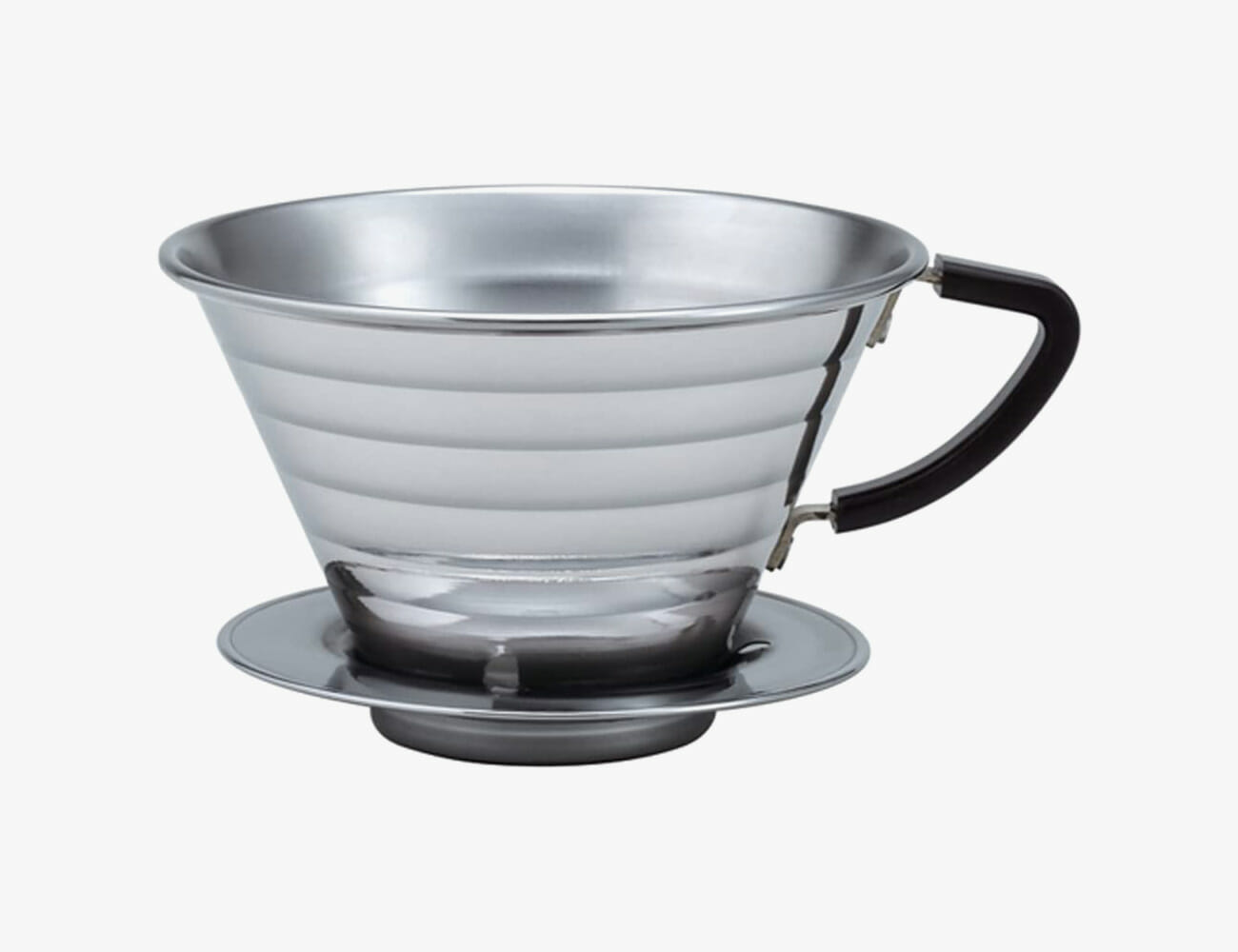
A Funky Daylight-Tracking Lamp Could Be What Keeps You Productive While Working from Home

In our connected age, it’s hard to live a healthy, balanced home life. In Homebody, we test one product that claims to help.

I have a well-documented issue with lamps. I don’t like the way they look. I don’t like how much they cost. They just make me uncomfortable.

This is a strange prejudice, I know. Good lighting is important for any home. Lighting sets the mood; it helps me focus or relax. (Or even, as I learned recently, fall asleep and wake up.) The light we surround ourselves with says a lot about us, and guides our lives on the peripheries — when we wake up, when we fall asleep, whether we wear blue light filter lenses or even like to soak up summer rays for warmth or tanning.

I’ve been trying to figure this out for a bit now — my “lighting identity.” A few things I know: as I mentioned, I’m vexed by traditional shade lamps. Track lights are not my thing. The latest experiment in home lighting is Dyson’s Lightcycle Morph, which by its do-it-all design seems a challenge: if the Lightcycle Morph can be any light for any person, built by a beloved and innovative company, then it ought to be the perfect lamp to define my own light-self by. I used it in my home for a month to find out.

In Theory…

Dyson’s an interesting company. In 1986, after years of struggling to innovate vacuum design and warring with companies like Hoover, James Dyson sold his vortex design to a Japanese company. The ensuing product, called the G-Force, sold like hotcakes in Japan — it had an attachment that turned it into a table — and eventually won Dyson a Japanese design prize in 1991. The income from the G-Force helped Dyson get his struggling company off the ground. Since the ‘90s, Dyson has been known for its tech-centric designs for various home items, including vacuums, hand dryers, “bladeless” fans and heaters, air purifiers and hair dryers. At the outset of the Coronavirus crisis, they were contracted by the UK government to build 10,000 ventilators.

LED Lighting has been a relatively new introduction to Dyson’s product line. In 2011, they released the CSYS, a high-end desk lamp that cost more than $800. Since then, the CSYS’s price has continued to drop, and in 2019 they released the Lightcycle Morph, a highly adjustable do-it-all LED lamp available in both floor and desk sizes. The floor size, which is what I tried, retails for $860.

A hollow copper tube with a drop of water inside runs the length of the lamp. As the droplet rolls toward the bulb it cools the device; once it makes it all the way there, it vaporizes, condenses on the opposite end of the tube and begins rolling toward the bulb again, cooling the lamp for however long it’s on.

The Lightcycle Morph’s features are impressive. Like the CSYS, it uses some technology (“satellite cooling”) that looks and sounds like it ought to be in the latest NASA Mars rover to “protect LED light quality for decades”—sixty years or so, to be more precise. The lamp has multiple light settings, with adjustable color temperature and lumen intensity, that can be adjusted with slide touch controls or an app. It recognizes time zones for precise daylight tracking wherever it is, then matches its brightness and color temperature to the light outside. And its highly flexible design is meant to be adjusted for use as a desk lamp, accent lighting, a floor lamp or “precision” lighting for tasks.

It’s a hell of an impressive lamp on paper.

In Practice…

I’ve always heard from Dyson owners who swear by their products. But generally, Dysons and their extensive features — a vacuum cleaner with adjustable pieces that feel more like doodads and whatzits — have left me confused rather than impressed.

The Lightcycle Morph changed that impression. It’s well built and its design is relatively simple — just a tall base and an arm that pivots and swings from multiple joints. My first impression was to use it as a desk lamp, where its soft but powerful light immediately helped with the eye fatigue I’ve felt from staring at a screen all day and using an overhead light at night.

Then I decided to try it as the main light source in my living room. Pivoting its head to throw light against the wall and adjusting it to a warm yellow with a simple touch on its sliding buttons filled the whole room with light, without any of the harsh glare that my old apartment’s (admittedly terrible) wall sconces had provided. My fiancee took to turning it to a bright white natural light during the day and facing it as a grow light on our houseplants. At night, I’d swing it around and adjust it to its warm, relaxing yellow. I even tried its strange “docked” position, which throws warm yellow light through its perforated base. It looked kind of like a fireplace, or perhaps the power core of a futuristic spaceship.

In Conclusion…

I finally loved a lamp. Yes, its cost is prohibitive. But I have to admit, that’s the only downside I could find with it. The Lightcycle Morph’s design is intuitive. Its look is stylish. Most importantly, the light it provides is adjustable enough to make it perfect for pretty much any use you’d want for a lamp. The only problem, really, is that price tag, and the fact that you can’t tote it around your apartment whenever you need it in a new spot. That would require buying a few of them, which is something I and many others probably can’t afford.

Note: Purchasing products through our links may earn us a portion of the sale, which supports our editorial team’s mission. Learn more here.

Coronavirus Forced Me to Do Laundry by Hand. This Cheap Spin Dryer Made It Bearable

Living in New York City for the past six years, I’ve found that having a trustworthy laundromat within a couple of blocks of your apartment is vital. And so, when my laundromat temporarily closed very early on in March due to COVID-19, my wife and I were left with no choice but to handwash our laundry in our tiny Brooklyn apartment.

We had been doing so for the last few weeks, but it amounted to a multi-day project just to get a few essentials clean. We don’t really have any outdoor space (so no room for a clothesline) and handwashing in a washbasin in our closet-sized bathroom only allows for a few garments to be washed at a time. But it was the drying time that took the longest, sometimes a few days on our drying rack — and that’s just for lighter items like t-shirts and socks.

So we looked into a portable dryer. There are quite a few options out there, but far and away the most economical and space-saving product we found was the Mini Countertop Spin Dryer 2 from The Laundry Alternative (the brand also makes some portable washers as well). It’s originally $95 but currently going for just $72 on Houzz and for $79 from the brand itself. It weighs 11 pounds and measures 13.5 x 13.5 x 18 inches — even in a barely-500-square-foot apartment like mine, there’s enough room for it.

This mini dryer is powered by very low wattage (82W) to save energy yet still creates 1,750 RPM with centripetal force to literally suck the water out of the fabric — this also helps prolong the life of garments since heat is not being used. The Spin Dryer 2 only handles a 2.2-pound load capacity, which amounts to something around a few t-shirts and a few pairs of socks. But it’s incredibly user-friendly and only takes 3 minutes for each load, so we just end up doing a bunch of loads in a row without issue. And it dries things pretty well. Not dry enough to put in a drawer immediately, but put the garments on a drying rack for an hour and they’re ready good to go.

We can also do towels one at a time, so the process is slow but previously we were squeezing towels as much as we could and letting them dry for multiple days on the drying rack with a fan on them. Now, they only need a couple of hours afterward on the rack. The towels sometimes are too heavy and the load needs to be repositioned — you can tell because the machine starts bucking around and won’t actually start working towards the stabilizing centripetal force. Just pop the top and reposition everything along the sides and away from the center and it usually does the trick.

A few other quirks: the hose that runs out the back of the dryer being a bit too short, so it needs to be placed fairly close to a sink or shower so the water can drain. There’s also no stop or start and the load isn’t timed at all — once you shut the lid and it’s plugged in, the machine starts. It’s good to keep a timer going for 3 minutes for each load since the brand warns running the machine more than 4 minutes can shorten the product’s life.

But all those are minor inconveniences when it comes to handwashing and drying laundry in a micro-apartment. The Mini Countertop Spin Dryer 2 also comes with a three-year warranty so we feel we’re pretty set to do our laundry from home without a conventional washer and dryer even after the pandemic passes.

Other Handwashing Essentials

Loadout 5-Gallon Bucket by Yeti $40

Signature Detergent by The Laundress $21

Drying Rack by Cresnel $58

Collapsible Laundry Hamper by Yamazaki $48
Ryan Brower

Ryan Brower serves as Commerce Editor and also writes about beer and surfing for Gear Patrol. He lives in Brooklyn, loves the ocean and almost always has a film camera handy.

More by Ryan Brower | Follow on Instagram · Contact via Email