All posts in “Home”

A Cheap, Tiny and Affordable Grill Is Exploding on Indiegogo Right Now

<!–A Cheap, Tiny and Affordable Grill Is Exploding on Indiegogo Right Now • Gear Patrol<!– –>

Launched June 3, the ASMOKE Frontier Series Traveler Grill has racked up nearly $300,000 in crowdfunding in 72 hours. Available with a $150 backing, the tabletop-sized grill is fueled by the company’s 100 percent applewood pellets, boasts 256 square inches of cooking space and a removable warming rack. Like most pellet grills, its maximum temperature is 500 degrees.

If you’re unfamiliar with pellet grills, they’re fueled by compressed pellets of wood, an auger and a firebox. Generally speaking, temperatures are set on an onboard computer, which adjusts fan speeds and the fuel feed to reach desired levels. ASMOKE’s tiny grill will be crowdfunding on Indiegogo for the next month, and aims to ship products to backers as early as next week.

Note: Purchasing products through our links may earn us a portion of the sale, which supports our editorial team’s mission. Learn more here.

Will Price

Will Price is Gear Patrol’s home and drinks editor. He’s from Atlanta and lives in Brooklyn. He’s interested in bourbon, houseplants, cheap Japanese pens, and cast-iron skillets — maybe a little too much.

More by Will Price | Follow on Contact via Email

<!–

–>

<!– –><!–

–>

The Perfect Summer Refresher Is a Soup

Gazpacho isn’t the only soup for summer; minestrone estivo deserves a spot on the summer menu. Minestrone tends to be a hearty soup, one step removed from being a stew. But minestrone estivo, which translates to summer vegetable soup, is a lighter, more refreshing option for the hotter months. Don’t be surprised if you ask for another bowl of soup over another beer.

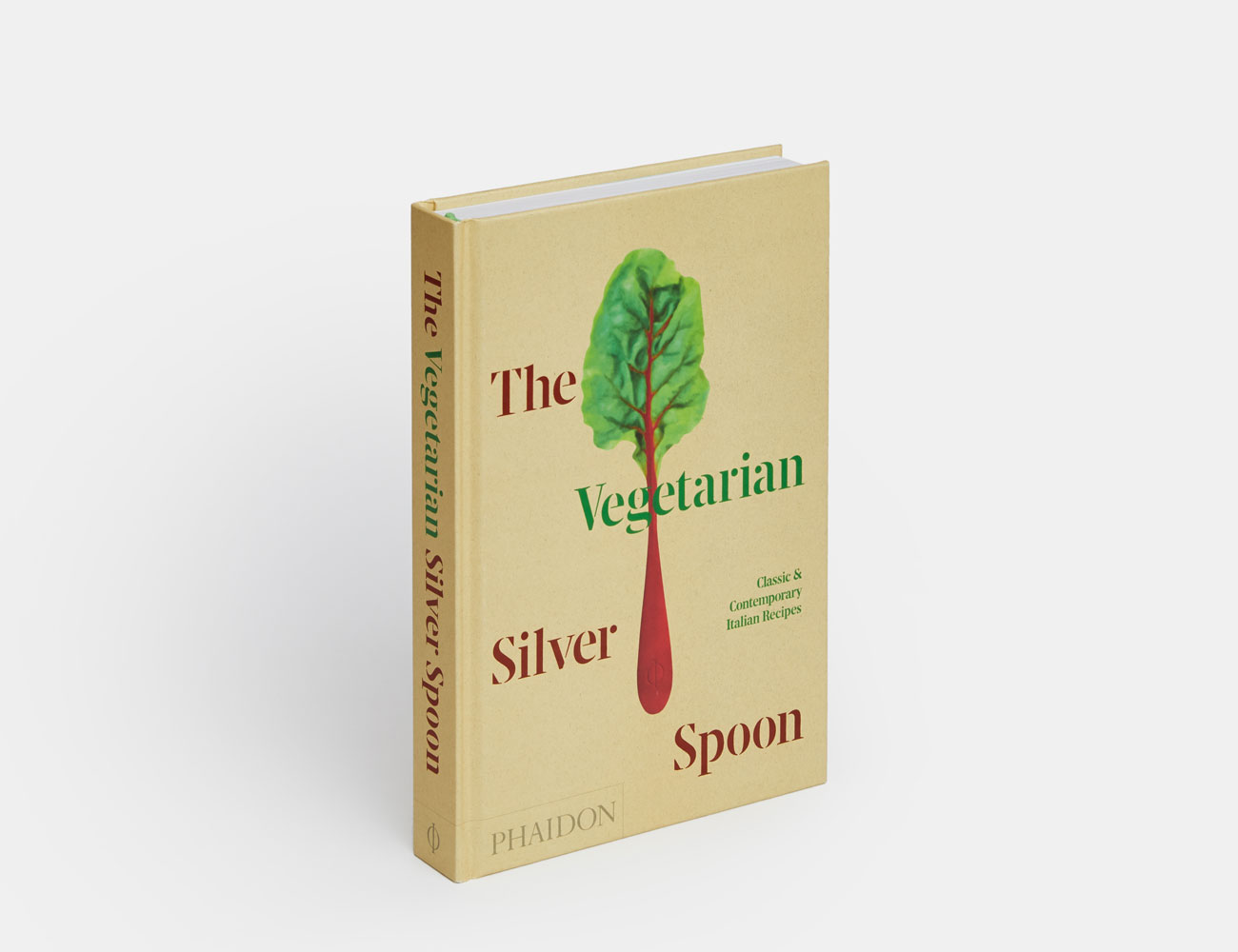
This recipe comes from The Vegetarian Silver Spoon, the newest offering from Phaidon’s popular Silver Spoon collection of cookbooks. Like the rest of the Silver Spoon books, the new cookbook is a compilation of Italian recipes, this time centering around meatless, and sometimes vegan, appetizers, sides, entrees and more. The minestrone estivo, served warm, uses fresh summer vegetables like green beans and Swiss chard to utilize the summer’s bounties. If you’re looking for an extra hit of umami, and aren’t vegan, make the minestrone with a Parmesan rind — a tip that can be applied to all soups.

Summer Vegetable Soup

Serves four

Ingredients:
• 4 plum tomatoes
• 1 3/4 cups shelled fresh borlotti beans
• 3 spring onions, thinly sliced into rounds
• 3/4 cup brown rice
• 10 1/2 oz potatoes, peeled and cut into small cubes
• 10 1/2 oz green beans, sliced
• 1 bunch Swiss chard, coarsely chopped
• Leaves from 2 sprigs marjoram
• Leaves from 2 sprigs thyme
• Leaves from 1 bunch parsley
• Leaves from 2 sprigs mint
• 3 tablespoons wild fennel or fennel fronds
• 4 to 5 tablespoons extra virgin olive oil
• Salt

Preparation:

1. Bring a large pot of water to a boil. Add the tomatoes and blanch for 1 to 2 minutes, then drain them and let cool slightly. Peel and seed the tomatoes, then chop the flesh.

2. In a large saucepan, combine the borlotti beans and 8 cups water. Bring to a simmer over medium-high heat, then reduce the heat to low and cook for about 40 minutes. Add a pinch of salt, the spring onions, and the rice and cook for 30 minutes. Add the potatoes, tomatoes, green beans and chard, and cook for about 20 minutes more, until the vegetables are tender.

3. In the meantime, in a food processor, combine the marjoram, thyme, parsley, mint, fennel, olive oil and a pinch of salt. Process until well combined.

4. Let the soup cool slightly and serve warm, or let cool completely and serve at room temperature. Top each serving with a spoonful of the herb pesto.

Note: Once it has cooled, you can enrich the soup with 1 tablespoon nutritional yeast (yeast flakes) or wheat germ. Add 1 tablespoon gomasio to the pesto instead of the salt. For a vegetarian (no longer vegan) version, add a Parmesan rind to the soup; remove and discard it before serving. If you like, you can replace the brown rice with 7 ounces small pasta shapes; add them to the soup 10 minutes before the end of the cooking time.

Note: Purchasing products through our links may earn us a portion of the sale, which supports our editorial team’s mission. Learn more here.
Tyler Chin

Tyler Chin is Gear Patrol’s home and drinks writer. He’s from Queens, where tempers are short and commutes are long. But nothing can get in the way of his love of coffee, beer and random home goods.

More by Tyler Chin | Follow on Instagram · Contact via Email

Almost 200 Brewers Are Collaborating on a Beer to Support Black Communities

<!–Almost 200 Brewers Are Collaborating on a Beer to Support Black Communities • Gear Patrol<!– –>

Black Is Beautiful


Marcus Baskerville is the co-owner and head brewer of Weathered Souls Brewing in San Antonio, Texas and one of the few black brewery owners in the industry. After police killed George Floyd in Minnesota and protesting began, Baskerville wanted to use his brewery to help spread a singular message: Black Lives Matter.

“As a black business owner, I wanted to use our platform to get the word out about equality and the lack of respect that people of color feel,” Baskerville told San Antonio magazine.

What was meant to be a single beer release from Weathered Souls has become a country-wide collaborative project called Black is Beautiful. Breweries who have signed on to the project will brew a stout base — its recipe can be found on the project website — with a unique spin from the participating brewery. For Weathered Souls, the beer will be a 10 percent ABV imperial stout with dark chocolate. Home brewers can get in on the collab, too; Black is Beautiful has an oatmeal stout recipe for brewing novices.

Participating breweries will donate profits to organizations that fight for equality, support police reform or provide legal defense to those who can’t afford it. Weathered Souls will be supporting the Know Your Rights Camp, the Colin Kaepernick-founded organization that supports black and brown communities.

As of June 3, over 183 breweries have signed on to the Black is Beautiful initiative. Baskerville said Weathered Souls will release its beer the first week of July.

Note: Purchasing products through our links may earn us a portion of the sale, which supports our editorial team’s mission. Learn more here.
Tyler Chin

Tyler Chin is Gear Patrol’s home and drinks writer. He’s from Queens, where tempers are short and commutes are long. But nothing can get in the way of his love of coffee, beer and random home goods.

More by Tyler Chin | Follow on Instagram · Contact via Email

<!–

–>

<!– –><!–

–>

This Tiny and Affordable Pellet Grill Is Exploding on Indiegogo

<!–This Tiny and Affordable Pellet Grill Is Exploding on Indiegogo • Gear Patrol<!– –>

Launched June 3, the ASMOKE Frontier Series Traveler Grill has racked up nearly $200,000 in crowdfunding in 24 hours. Available with a $150 backing, the tabletop-sized grill is fueled by the company’s 100 percent applewood pellets, boasts 256 square inches of cooking space and a removable warming rack. Like most pellet grills, its maximum temperature is 500 degrees.

If you’re unfamiliar with pellet grills, they’re fueled by compressed pellets of wood, an auger and a firebox. Generally speaking, temperatures are set on an onboard computer, which adjusts fan speeds and the fuel feed to reach desired levels. ASMOKE’s tiny grill will be crowdfunding on Indiegogo for the next month, and aims to ship products to backers as early as next week.

Note: Purchasing products through our links may earn us a portion of the sale, which supports our editorial team’s mission. Learn more here.

Will Price

Will Price is Gear Patrol’s home and drinks editor. He’s from Atlanta and lives in Brooklyn. He’s interested in bourbon, houseplants, cheap Japanese pens, and cast-iron skillets — maybe a little too much.

More by Will Price | Follow on Contact via Email

<!–

–>

<!– –><!–

–>

Every Cast-Iron Skillet Obsessive Needs This Clever Storage Solution

<!–Every Cast-Iron Skillet Obsessive Needs This Clever Storage Solution • Gear Patrol<!– –>

stacked up


We consistenly praise Lodge’s cast-iron skillets and other cookware for their remarkably low prices, but the brand makes complimentary accessories like hot handles and rust erasers, too. Recently, Lodge released two storage options to keep all your cast-iron cookware organized and ready to go.

Lodge’s steel cookware organizer is a cabinet-ready and counter-friendly option for those who want to stack their cast-iron skillets horizontally or vertically. Using these storage systems will prevent scratching that’s common when you stack multiple pieces of cast-iron. Plus, it lets each skillet dry completely so rust doesn’t show up anywhere on the pan. The storage tower, also made of steel, is a freestanding six-tiered tower that can safely support Lodge’s cast-iron skillets as well as heavier Dutch ovens.

The cookware organizer and storage tower, priced $25 and $100 respectively, are available now on Lodge’s website.

Note: Purchasing products through our links may earn us a portion of the sale, which supports our editorial team’s mission. Learn more here.
Tyler Chin

Tyler Chin is Gear Patrol’s Editorial Associate for Editorial Operations. He’s from Queens, where tempers are short and commutes are long. Too bad the MTA doesn’t have a team like Ed-Ops.

More by Tyler Chin | Follow on Instagram · Contact via Email

<!–

–>

<!– –><!–

–>

Need a Father’s Day Gift? Consider Carnivorous Plants

<!–Need a Father’s Day Gift? Consider Carnivorous Plants • Gear Patrol<!– –>

Plants for Mother’s Day? Groundbreaking. Buying plants for dad on Father’s Day, however, is finally catching on. Bloomscape, an online indoor plant retailer, launched a new collection of carnivorous plants for dad’s big day.

It’s about time plant retailers moved away from the ubiquitous snake plants, pothoses and succulents. Though admittedly a bit aggro, these insect-eating plants are cute little savages. The carnivorous collection ($65) is a three-plant set that includes the well-known Venus fly trap and two varieties of the lesser-known trumpet pitcher plant. Each measures around 6- to 10-inches tall, including the pot.

If you’re looking for a truly standout piece, the Nepenthes pitcher plant is a medium-sized carnivorous plant with droopy pitcher-like cups. The pitchers lure flys and gnats, trapping them before they’re digested. Keep the plant moist and bright indirect light and it’ll solve all your fly and insect troubles for life.

Orders $50 and up ship for free, and Bloomscape will replace plants for free if they die within 30 days.

Note: Purchasing products through our links may earn us a portion of the sale, which supports our editorial team’s mission. Learn more here.
Tyler Chin

Tyler Chin is Gear Patrol’s Editorial Associate for Editorial Operations. He’s from Queens, where tempers are short and commutes are long. Too bad the MTA doesn’t have a team like Ed-Ops.

More by Tyler Chin | Follow on Instagram · Contact via Email

<!–

–>

<!– –><!–

–>

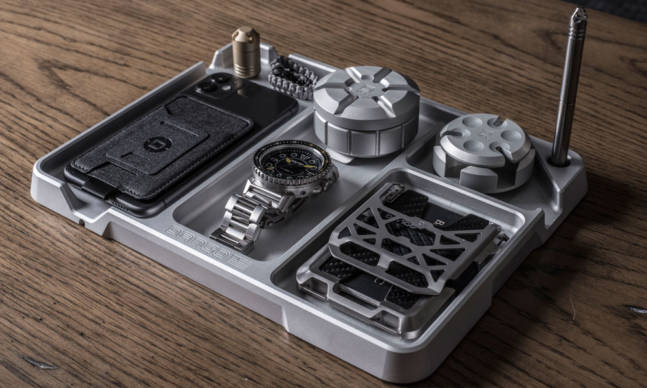
Dango’s EDC Tray Is as Well-Built as Your Gear

Whether you’re talking wallets, belts or watches, Dango makes all the everyday carry staples. Where do you put those essential pieces when you’re not carrying them? In the new Dango EDC Tray. Unlike other options,…


Related Stories


Your New Favorite Recipe Is This Grilled Pork Shoulder

Grilling season is here whether or not we can hold barbecues with our friends and family. Burgers, steaks, wings — those are all standard grilling recipes. If you’re looking to freshen up your grilling repertoire, look towards Southeast Asia.

Food writer Leela Punyaratabandhu’s new book, Flavors of the Southeast Asian Grill: Classic Recipes for Seafood and Meats Cooked Over Charcoal contains 60 recipes from Southeast Asian countries — like Thailand, Vietnam and Indonesia — that will have your backyard smelling like a street food market.

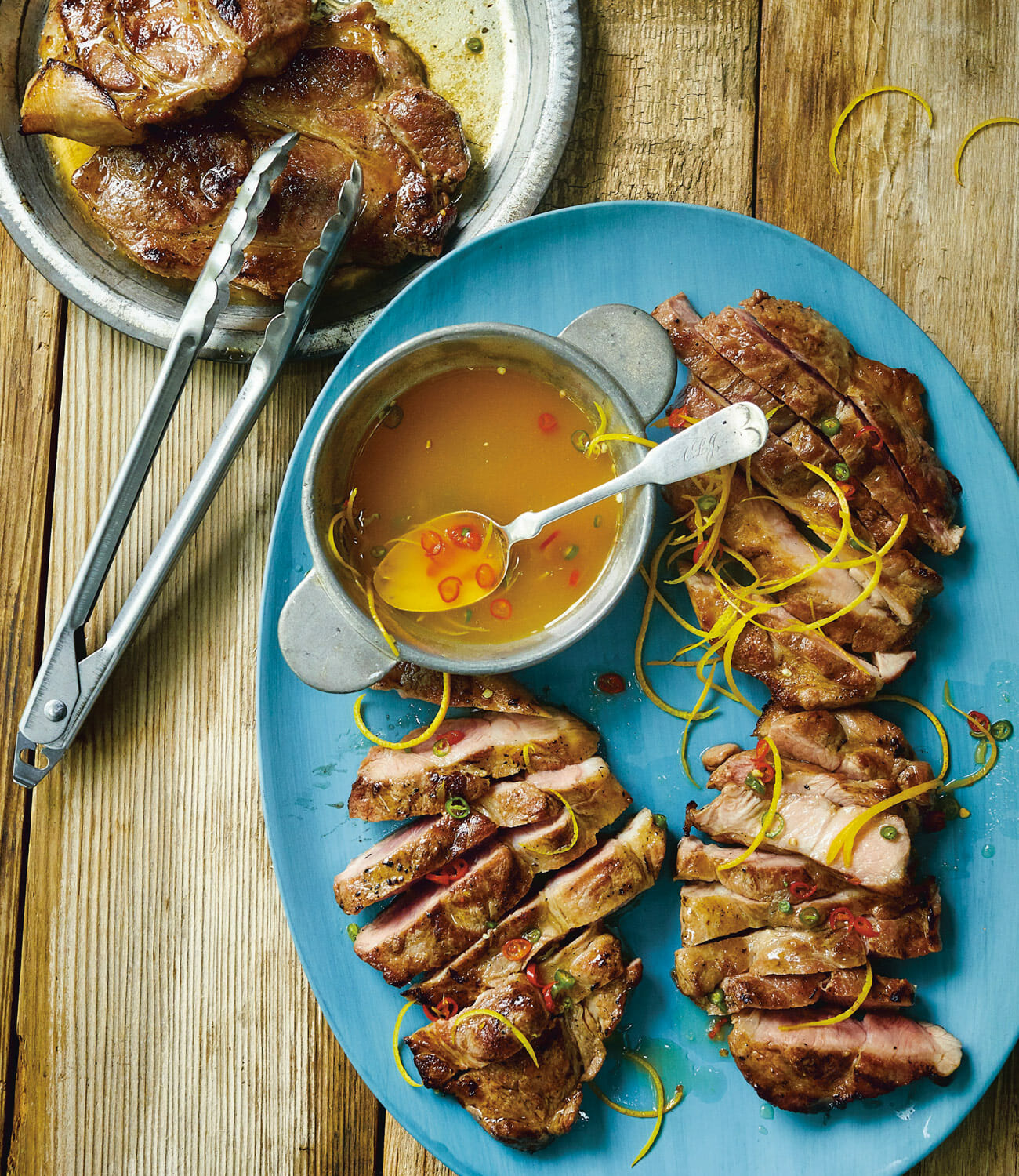
Punyaratabandhu’s recipe for grilled pork shoulder uses Seville oranges to achieve a unique sourness that’s prevalent in Thai cooking. Seville oranges, called som sa in Thai, look and smell like standard Tropicana fare, but taste like a lime-orange hybrid. The combination of the bright citrus dressing with the smoky grilled pork shoulder creates a dish that’ll have your grill working overtime all summer long.

Grilled Pork Shoulder with Spicy Sour-Orange Glaze

Serves four

Ingredients:
Pork:
• 3 pounds well-marbled boneless pork shoulder steaks, each about 1/2 inch thick
• 1/4 cup vegetable oil
• 1 teaspoon salt
• 1 tablespoon coarsely ground white or black pepper
• 3 tablespoons packed grated palm sugar or granulated coconut sugar, or 2 tablespoons packed light brown sugar

Dressing:
• 6 Seville orange zest strips, or 3 strips each lime zest and navel orange zest
• 3/4 cup fresh Seville orange juice, or 1/2 cup fresh lime juice and 1/4 cup fresh navel orange juice
• 1 tablespoon fish sauce
• As many fresh red bird’s eye chiles as you can handle, thinly sliced crosswise
• Cooked jasmine rice, for serving

Preparation:

1. Prick the pork all over with a fork. In a small bowl, stir together the oil, salt, pepper, and sugar until the sugar dissolves. Rub the oil mixture evenly into the pork. Cover and refrigerate for 2 to 3 hours.

2. Just before you grill the pork, make the dressing: Stack the citrus zest strips and cut into very thin strips. Transfer to a small bowl, add the orange juice, fish sauce, and chiles, and stir well. Taste and adjust the seasoning as needed, aiming for sour first, then salty, and finally a little bit of sweet. Set aside.

3. Prepare a medium-high fire (400° to 450°F) in a charcoal grill using the two-zone method

4. When the coals are covered with white ash and the grate is hot, place the pork on the hot side of the grill and cook with the lid off, controlling the heat by moving the pork back and forth from the hot side to the hold side, until charred on the outside and the internal temperature registers 145°F. Transfer to a cutting board and let rest for 5 to 7 minutes.

5. Cut the pork against the grain into 1?2-inch-thick slices. Arrange the slices in a single layer on a platter. Pour the dressing over the pork. Serve with the rice.

Reprinted with permission from Flavors of the Southeast Asian Grill: Classic Recipes for Seafood and Meats Cooked Over Charcoal by Leela Punyaratabandhu. Copyright© 2020 shesimmers.com. Photographs copyright © 12020 by David Loftus. Published by Ten Speed Press, an imprint of Penguin Random House.
Note: Purchasing products through our links may earn us a portion of the sale, which supports our editorial team’s mission. Learn more here.
Tyler Chin

Tyler Chin is Gear Patrol’s Editorial Associate for Editorial Operations. He’s from Queens, where tempers are short and commutes are long. Too bad the MTA doesn’t have a team like Ed-Ops.

More by Tyler Chin | Follow on Instagram · Contact via Email

You Can Take My Hand Coffee Grinder from My Cold, Dead Hands

After washing up, I stumble into the kitchen and grind 30 grams of coffee (measured the night before) in my Hario Skerton Coffee Grinder. If I wasn’t awake before, I am now. My forearms are throbbing, my senses are heightened and my caffeine-withdrawal effects are on high. I’m ready to brew some coffee.

I didn’t always grind my own coffee beans. I used to order the pre-ground stuff so I could brew right away. But, despite my requests that the coffee be ground for a Chemex, which demands medium-ish coarseness, some coffee roasters would grind the beans too fine for my liking, and then I’d be stuck with a 12-ounce bag of coffee I wasn’t excited to drink. Also, as soon as coffee is ground it starts to lose its flavor. After listening to me drone on about getting a coffee grinder for months, my girlfriend gifted me the lovable Hario Skerton, presumably to shut me up.

The Skerton uses sharp conical burrs to grind coffee that produces grounds that are uniform in shape. The uniformity ensures that the coffee is evenly extracted during the brew process, which ends with a balanced cup of coffee. Operating the thing may be a chore, but I’ll never buy an electric coffee grinder. For one, I already have a grinder and buying an electric one would be redundant. Secondly, grinding my coffee is sometimes the only workout I get in a day, which is its own problem.

Most importantly, hand grinding my beans brings me closer to the hands that farmed them. I try to buy coffee from roasters that are sustainably and ethically sourcing their beans. Coffee farming is a labor-intensive job, sometimes with minimal profit. As cheesy as it sounds, I feel a connection to the farmers who spend their days making sure the rest of the world stays caffeinated.


Electric coffee grinders are much more efficient, but they also take up much more counter space. The Hario Skerton is somewhat travel sized, and you better believe I bring my pour-over setup on my travels. Though the brand does make a dedicated travel hand coffee grinder, the Hario Mini Mill, the Skerton can hold more coffee at one time and isn’t impossible to pack for a trip. The Hario Skerton isn’t meant for grinding large quantities of beans, but if you’re brewing for two or so people a day.

Hand grinding takes me at most a couple minutes — despite the strain, which makes it feel much longer — but in that time I can think about the day that lies ahead of me. I’m not making big batches of coffee, so the size of the Skerton is perfect for my daily grind. I’ve had my current model for almost two years now, but if it were to break, I wouldn’t hesitate about buying another one.

Note: Purchasing products through our links may earn us a portion of the sale, which supports our editorial team’s mission. Learn more here.
Tyler Chin

Tyler Chin is Gear Patrol’s Editorial Associate for Editorial Operations. He’s from Queens, where tempers are short and commutes are long. Too bad the MTA doesn’t have a team like Ed-Ops.

More by Tyler Chin | Follow on Instagram · Contact via Email

The 35 Best Sofas and Couches For Every Budget and Style

The couch is the centerpiece of a home. It’s a place you, guests and roommates are naturally drawn. Thus, a good couch pulls double duty: not only does it have to be comfortable, but it also has to look good. Whether you’re balling on a budget or not, these are the best sofas and couches to squeeze through the front door.

Best Value Couches

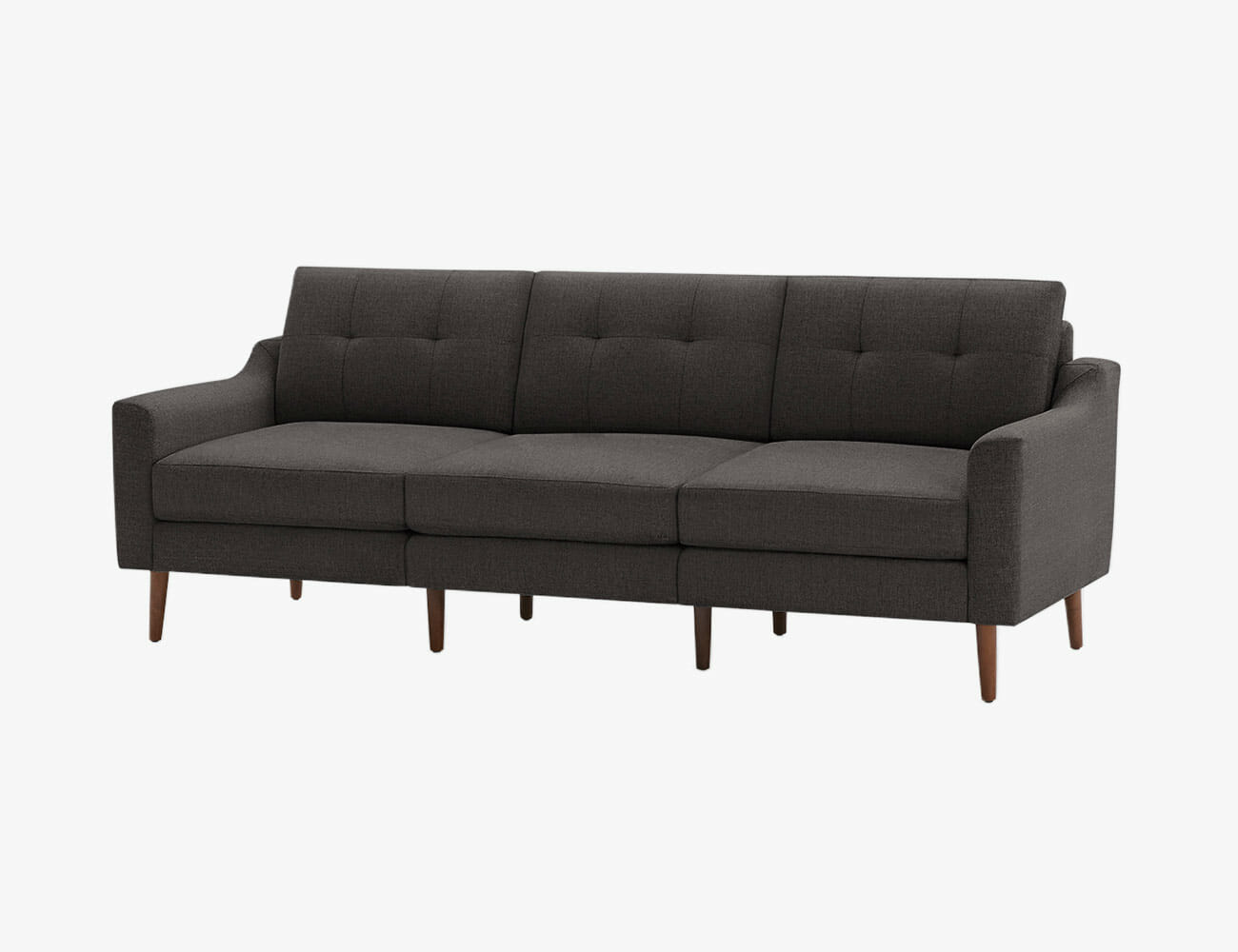
Burrow Sofa

Best Value Sofa: Burrow offers the best combination of all possible features in a couch or sofa that’s not wildly expensive. It’s sturdy, comfortable, customizable, modular and ships within a week of ordering. On top of that, its upholstery fabric is remarkably stain-resistant, there’s a charging cable built into it and its quietly mid-century aesthetic is pretty easy to fold into most living situations. It does all of this and keeps the price for a full-size, fully customized sofa just over $1,000.

Inside Weather Brooklyn Sofa
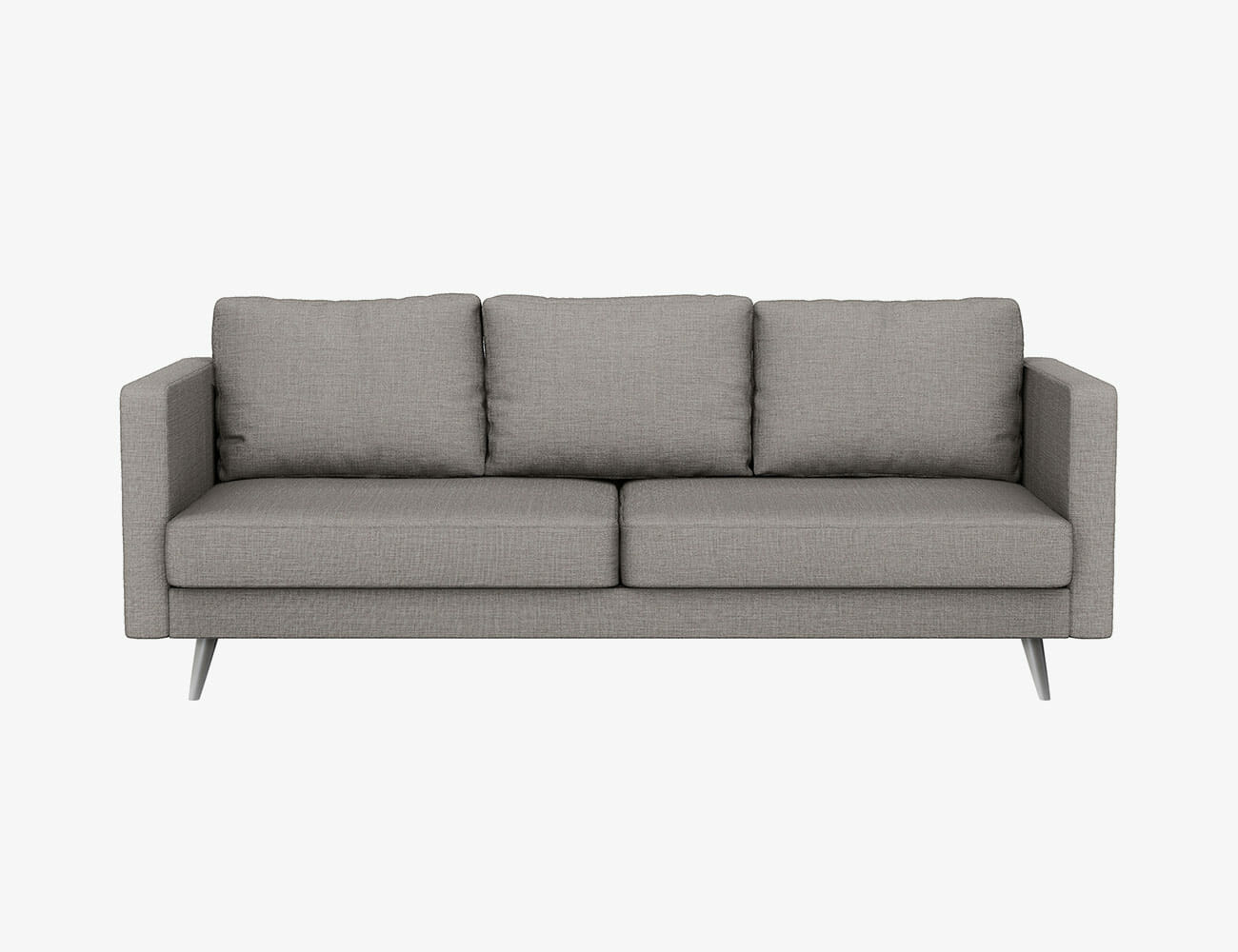
Where many new sofas and couches come with an unspoken wear-in period, new-ish brand Inside Weather’s modern, simple sofa is cozy out of the box thanks to layers and layers of high-density foam, synthetic down and slatted suspension. The price isn’t too bad, either.

Article Nova Sofa
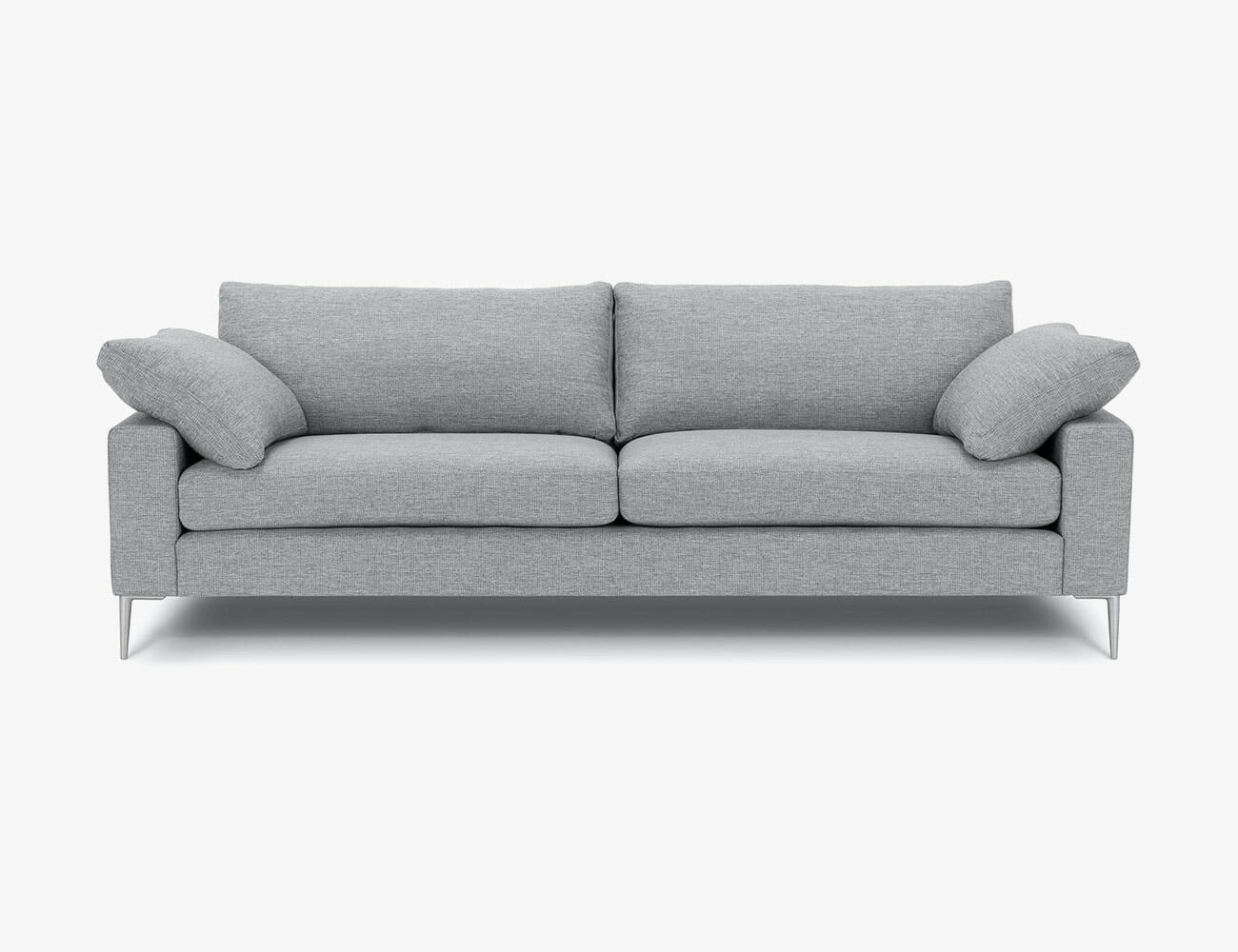
Though Article presents itself like any other direct-to-consumer furniture brand, it’s anything but. The Canadian company employs more than 100 people and offers the ideal balance of aesthetics, convenience, materials and cost. Nova is a modern, feather-cushioned couch built for binge-watching and napping alike.

Interior Define Winslow
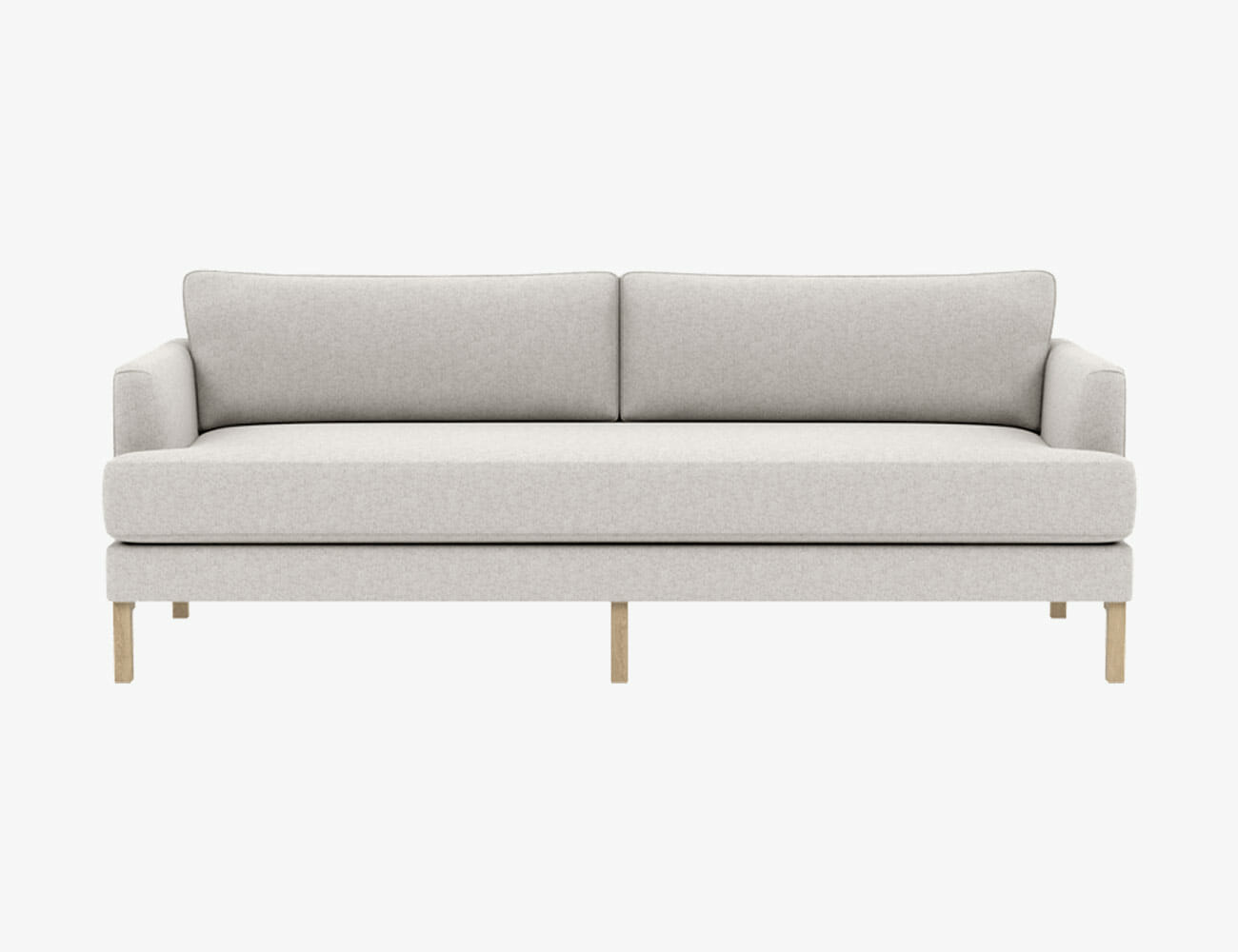
Interior Define’s strength is customization and classic aesthetics. Each of its collections can be configured any which way you want, in any color you want, any fabric (or leather) you want and with any feet, cushions and cushion fill you want. It is not the company for those afflicted by analysis paralysis, but if you know what you want, this is the sofa to shop.

Floyd Sofa
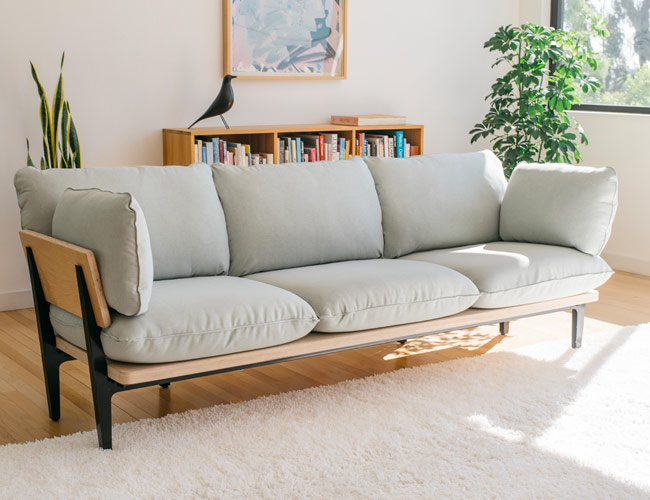
Well-made, no-nonsense furniture that ships easily and looks just a touch different to everything else out there — that’s the quickest way to describe Floyd’s value proposition. Its sofa breaks down into a pile of very packable pieces. As such, it’s probably the most shipping friendly unit on the market. Thanks to a bench frame and armrests that double as pillows, it’s very much its own thing.

Best Budget Sofas

Zinus Sunny Modern Sofa
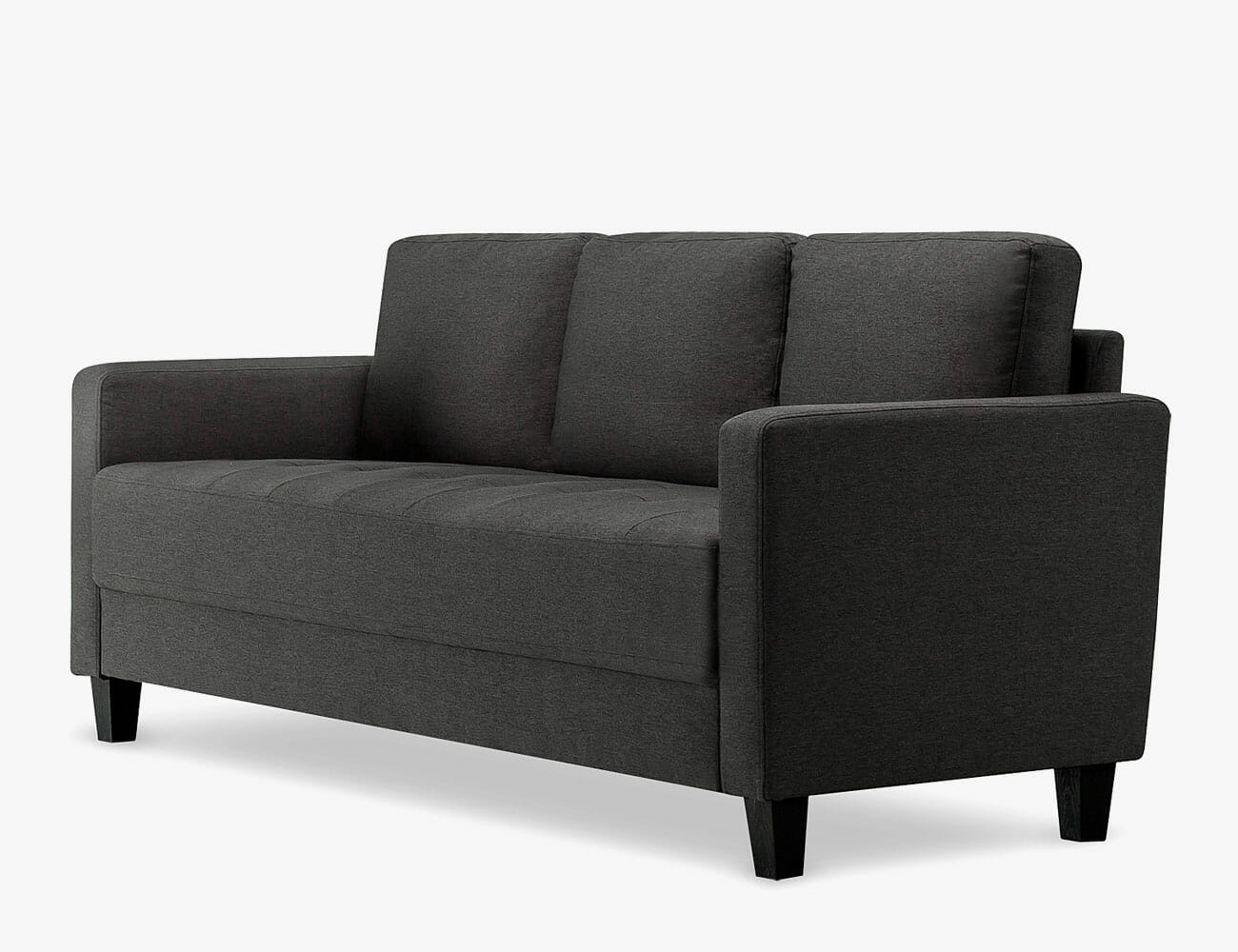
Best Sofa Under $500 Though Zinus is better known for their ultra-cheap mattresses, the company makes ultra-cheap sofas, too. The wood-frame Sunny Modern Sofa features tufted foam cushions, a 100-day trial period, free shipping (all in one box!) and a soft hit on the wallet. In short, it’s a nice first couch, and the perfect stand-in until you arrive at greener pastures.

Viva Speace Blue Velvet Sofa
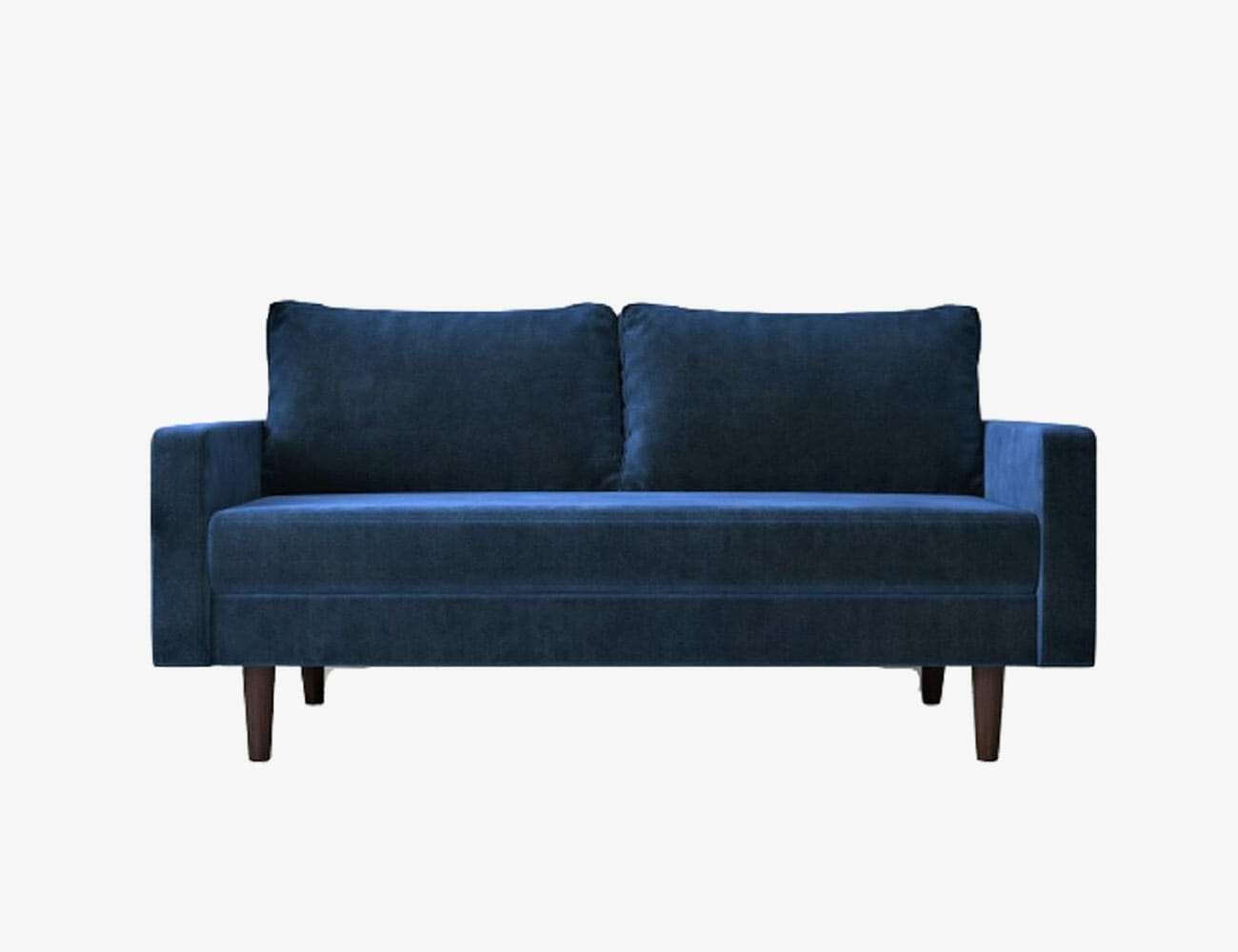
While not usually a beacon of aesthetic promise, Home Depot’s simple, clean-lined velvet sofa with a bench cushion is hard to beat at its $460 or so price point.

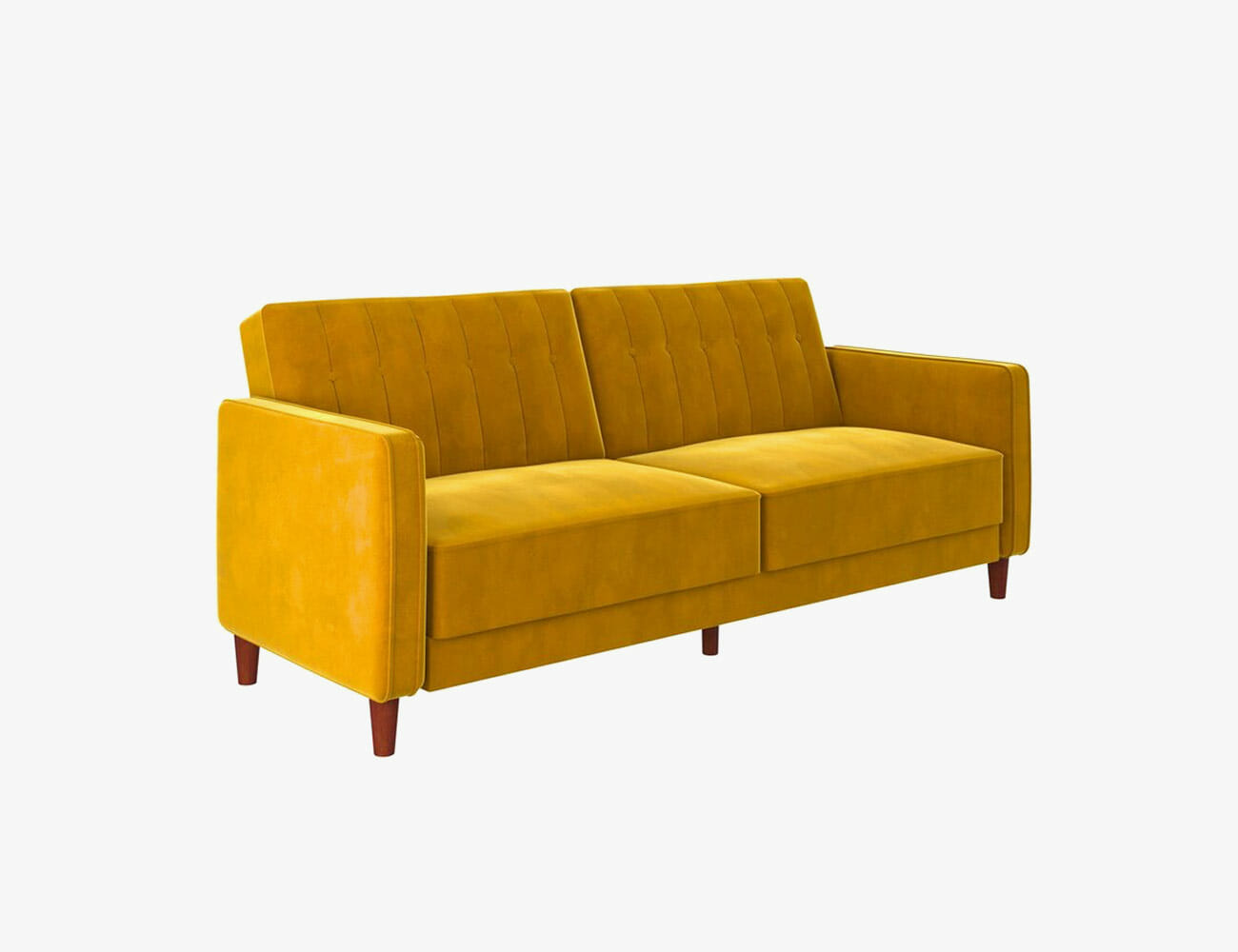
All Modern Wallace Sofa
>

Very, very cheap furniture that looks decent and ships fast is Wayfair’s (the company at the wheel of All Modern) calling card. This sofa features channel seams down the back cushion and a sneaky convertible sleeper sofa design for just over $500.

Ikea Finnala Sofa
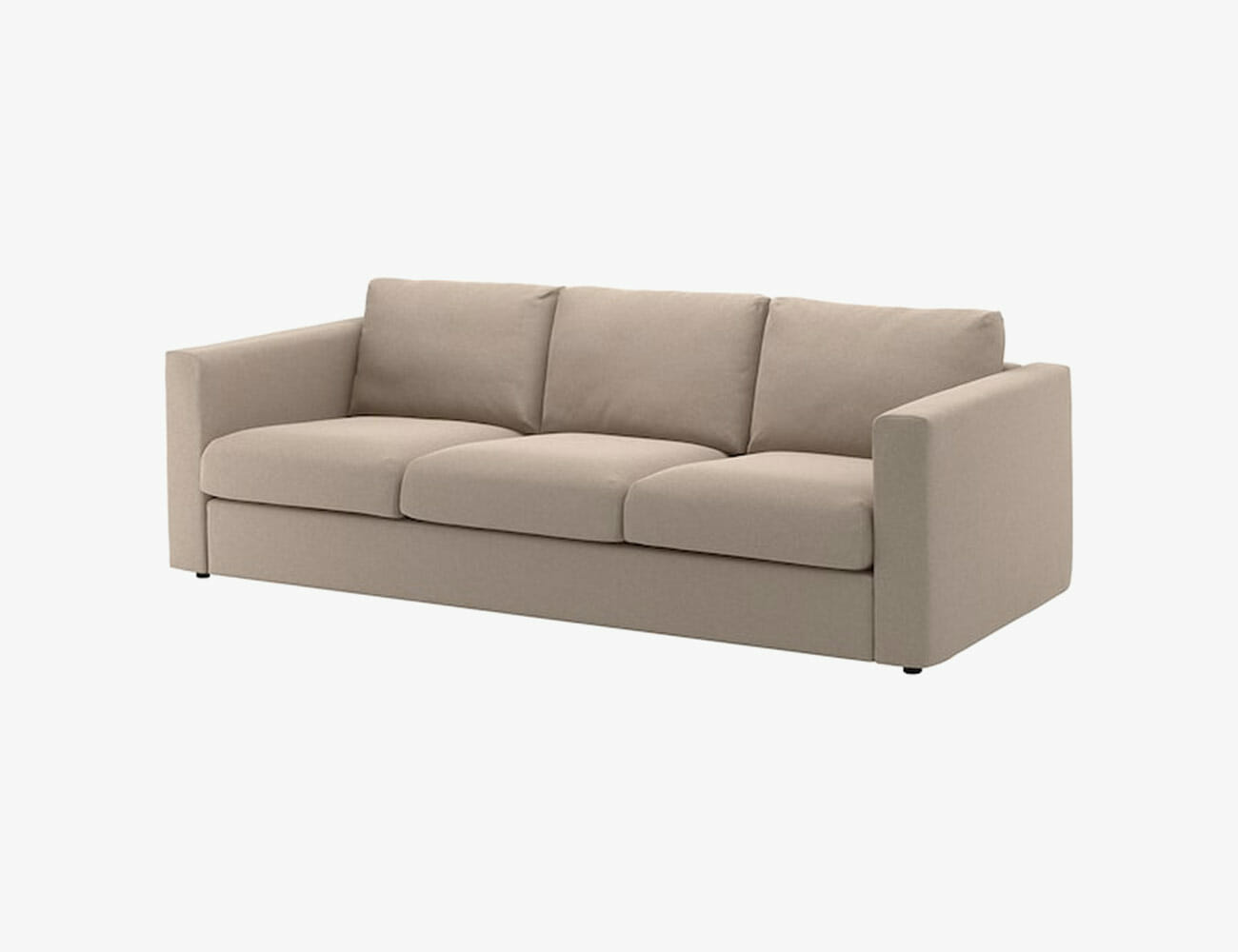
One of Ikea’s many budget-minded sofa offerings, Finnala’s strength is modularity and the use of a cotton-poly blend rather than straight poly, like the popular Vimle.

West Elm Haven Loft Sofa
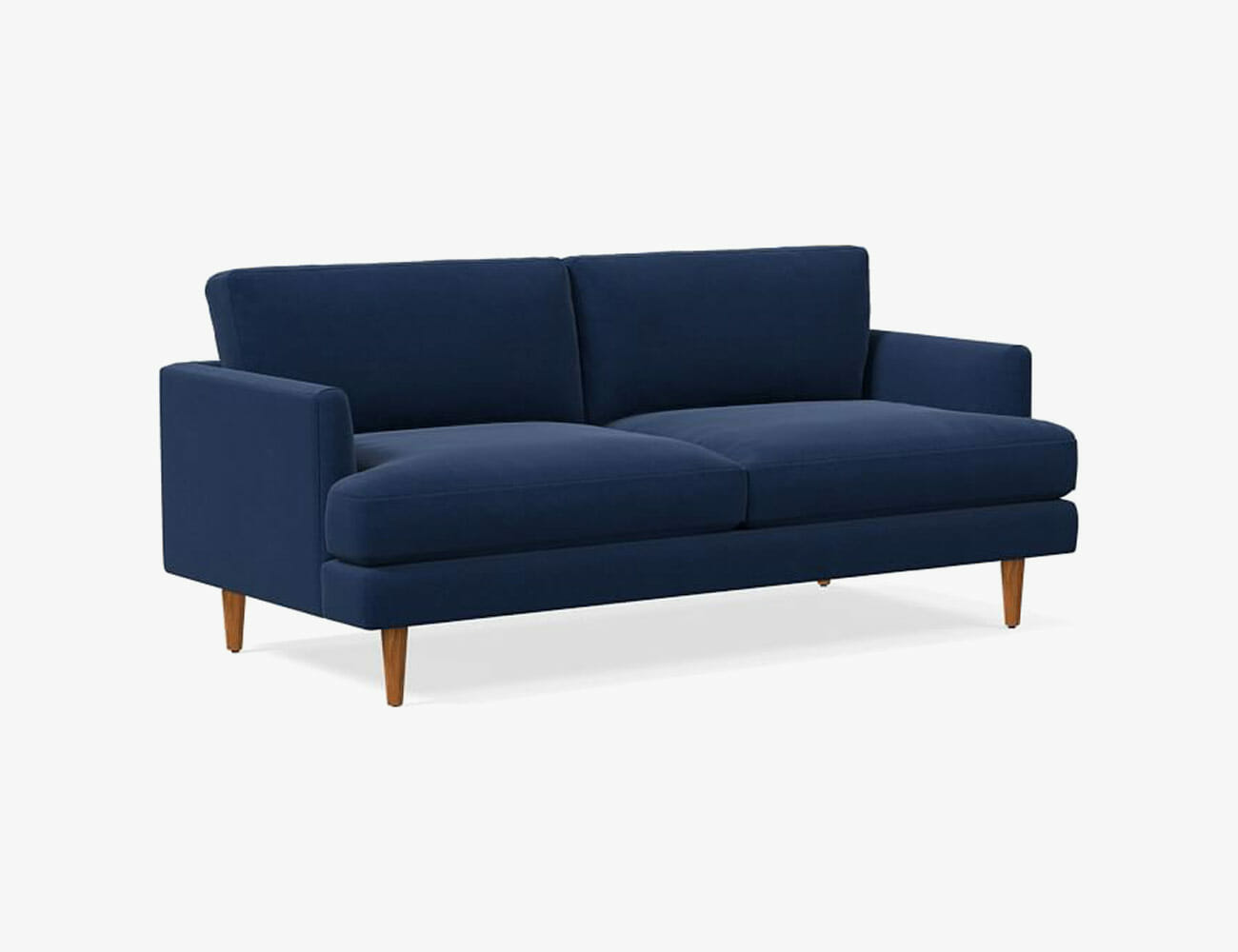
Available in scores of fabrics and colors, West Elm’s deep-set sofa is cozy for two people, but not so wide it eats up extra square footage.

Best Sectional Sofas

Room & Board Easton Sectional
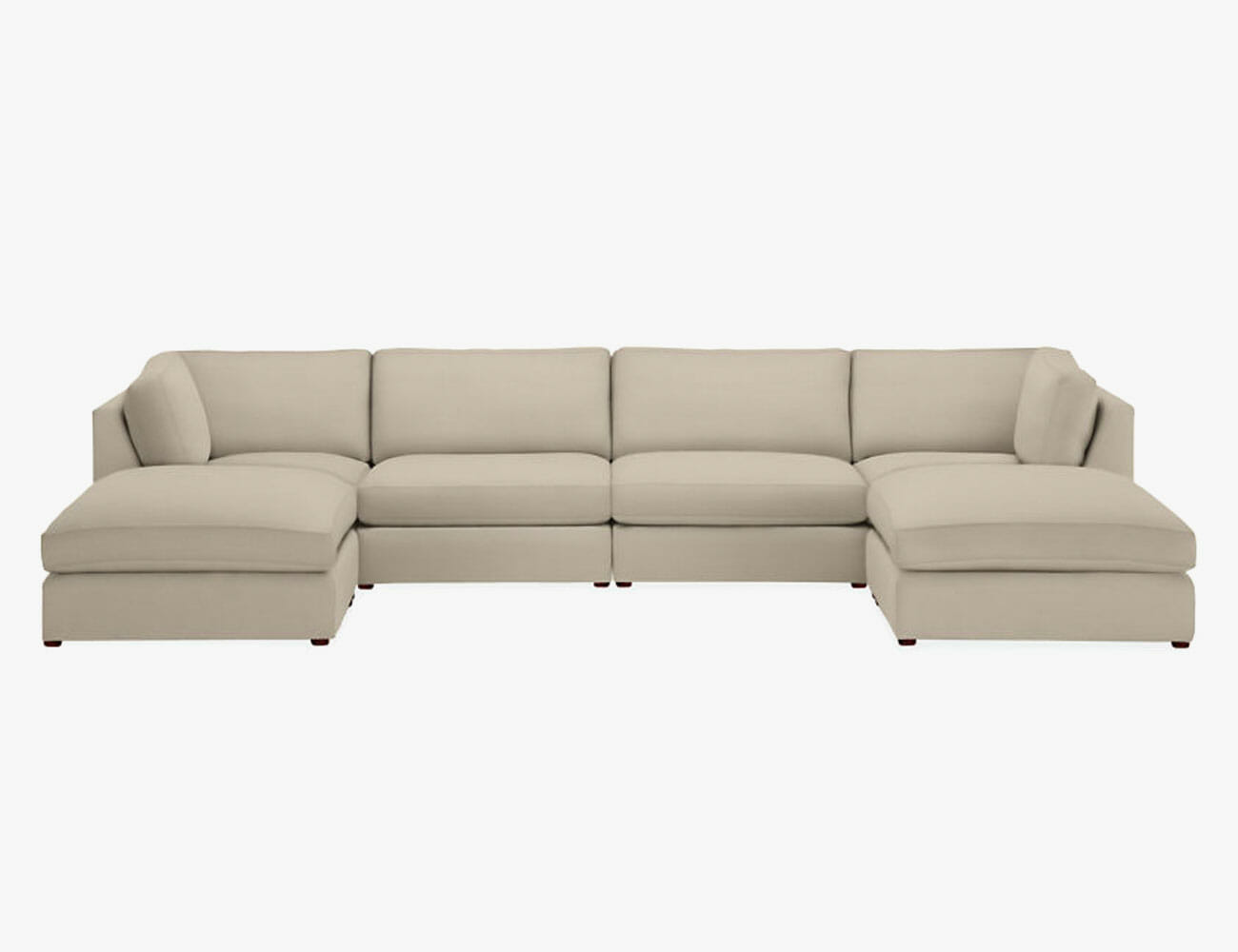
Best Sectional Sofa: Room & Board may seem antiquated compared with newer and shinier furniture-making companies, but those other companies have nothing on R&B-level quality. The frame of its Easton Sectional is made by hand from kiln-dried hardwood. The cushions are spring, foam, down and feathers. The Easton Sectional comes in various sizes and colors and is fully modular. On top of that, R&B makes a case for the most transparent furniture company out there — no lies about ship dates, availability or price. In other words, you get what you pay for.

Ikea Soderhamn Sectional Sofa
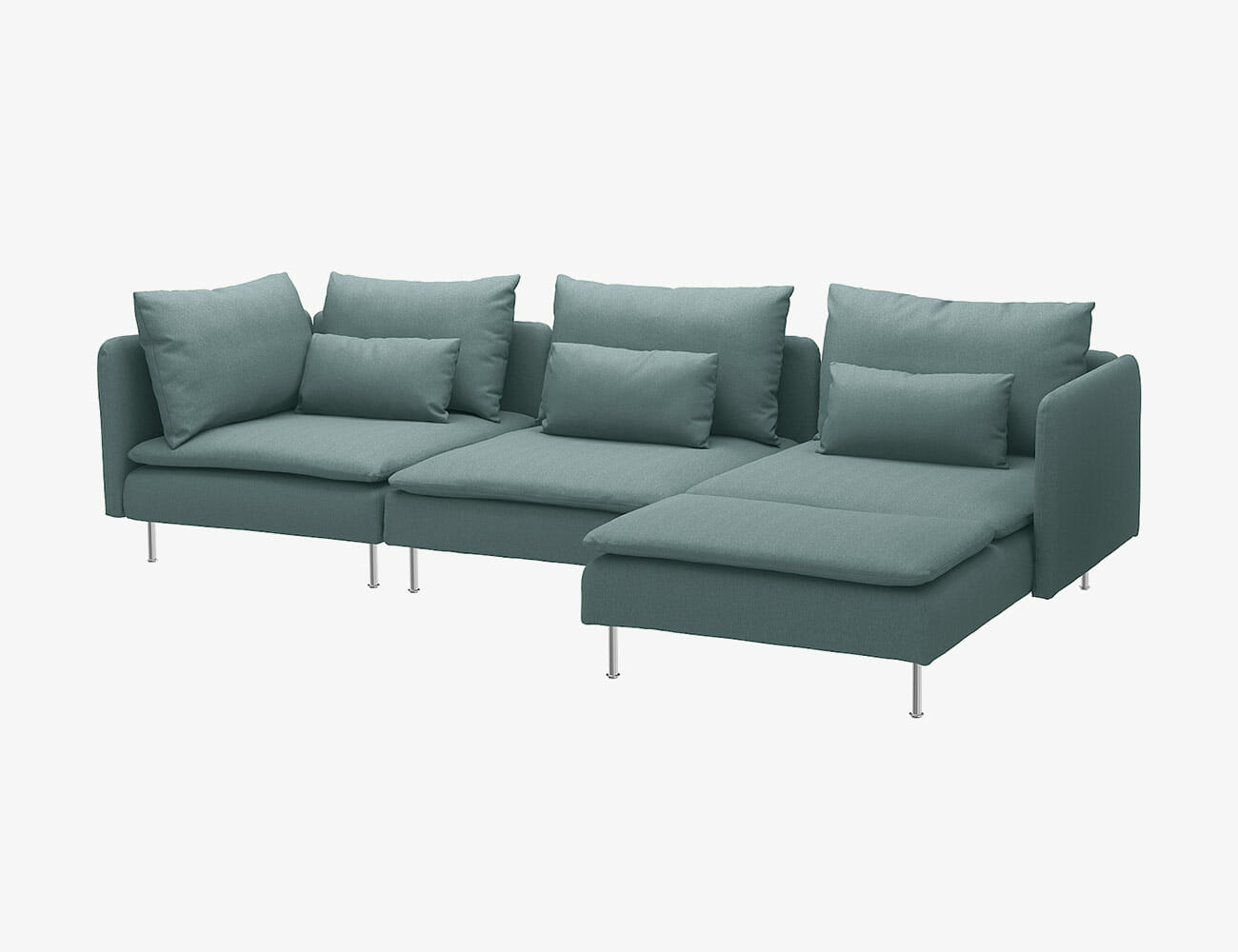
The Soderhamn is classic Ikea: cheap, functional and attractive. Literally click and play with the modular system to create the seating arrangement that fits best with your lifestyle. For under a grand (and some assembly, to be fair) you get a four-seater with a chaise that’ll last a decent while.

Sabai Sectional
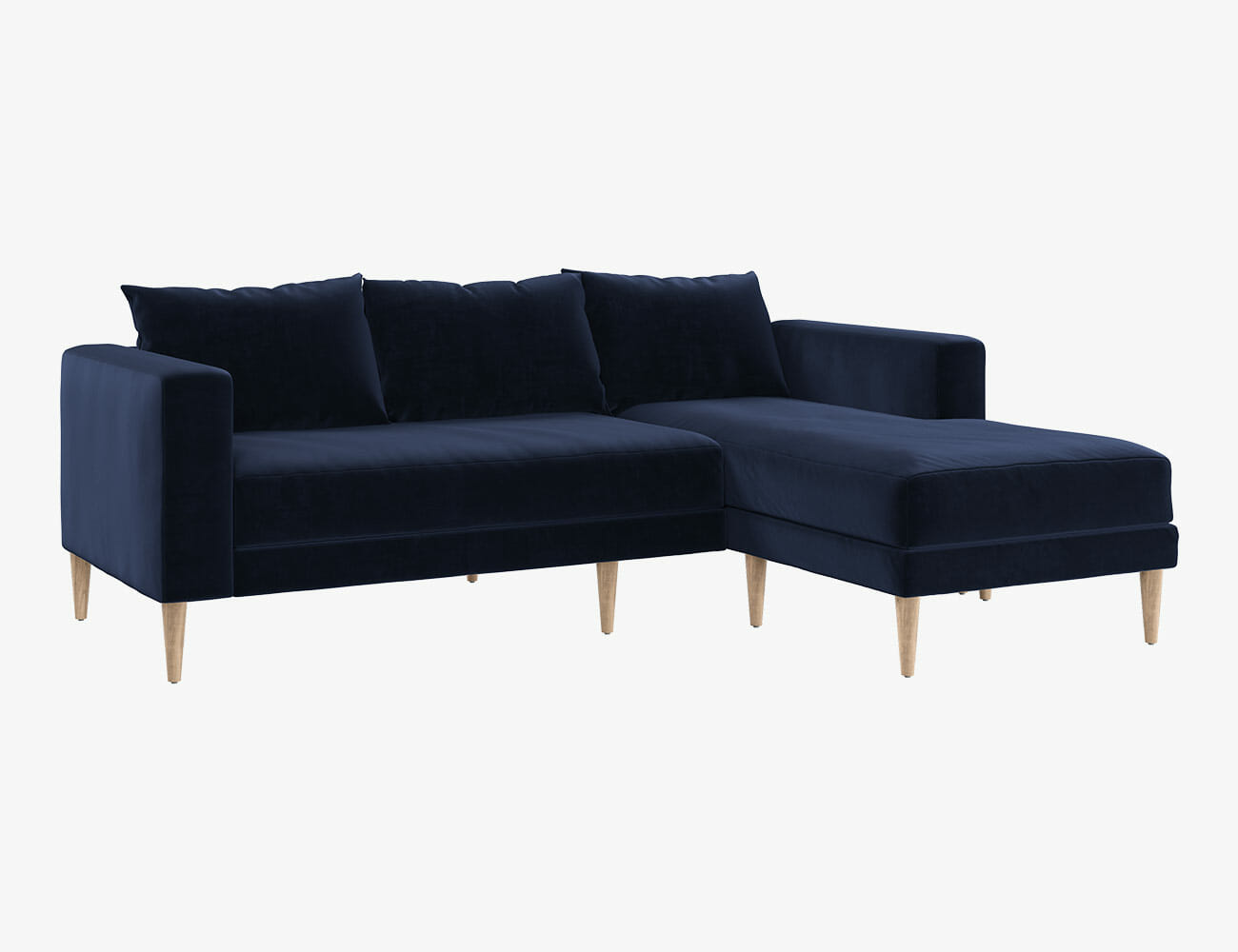
Sabai’s sectional, and its products in general, offers modern styles and sound construction at DTC prices. The chaise can be placed on either side of the sofa, so you can sleep perpendicular to whoever you want on whatever side you choose. It’s not the biggest sectional, but it’ll slot into the corner of small apartments nicely.

Allform Sectional
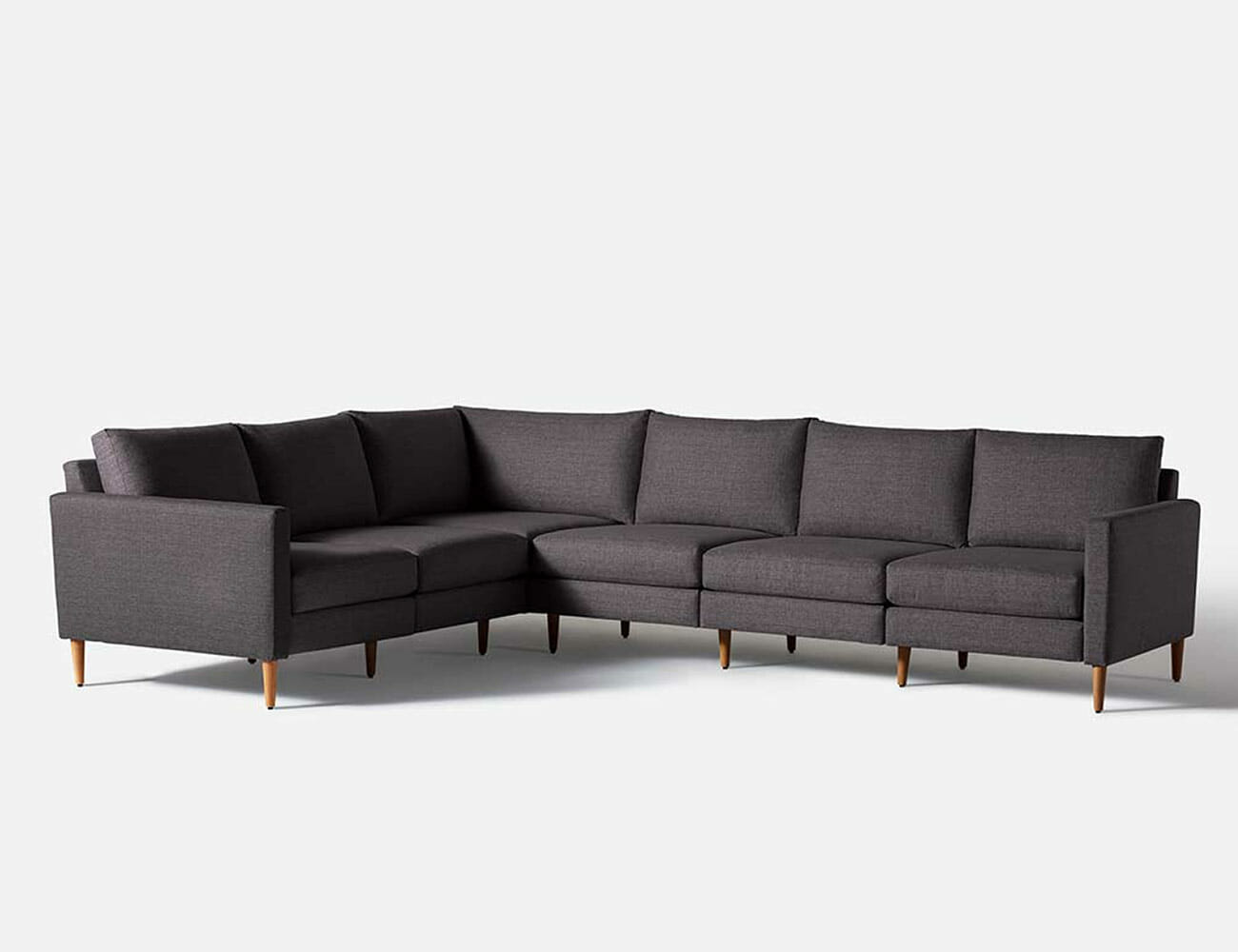
If you’re buying a non-modular sectional, then you’re furniture shopping wrong. Add seating if your household grows or change the orientation to conform to new living environments. Allform’s sofas are clean, classic and look similar to another recognizable direct-to-consumer brand.

Restoration Hardware Cloud Sectional
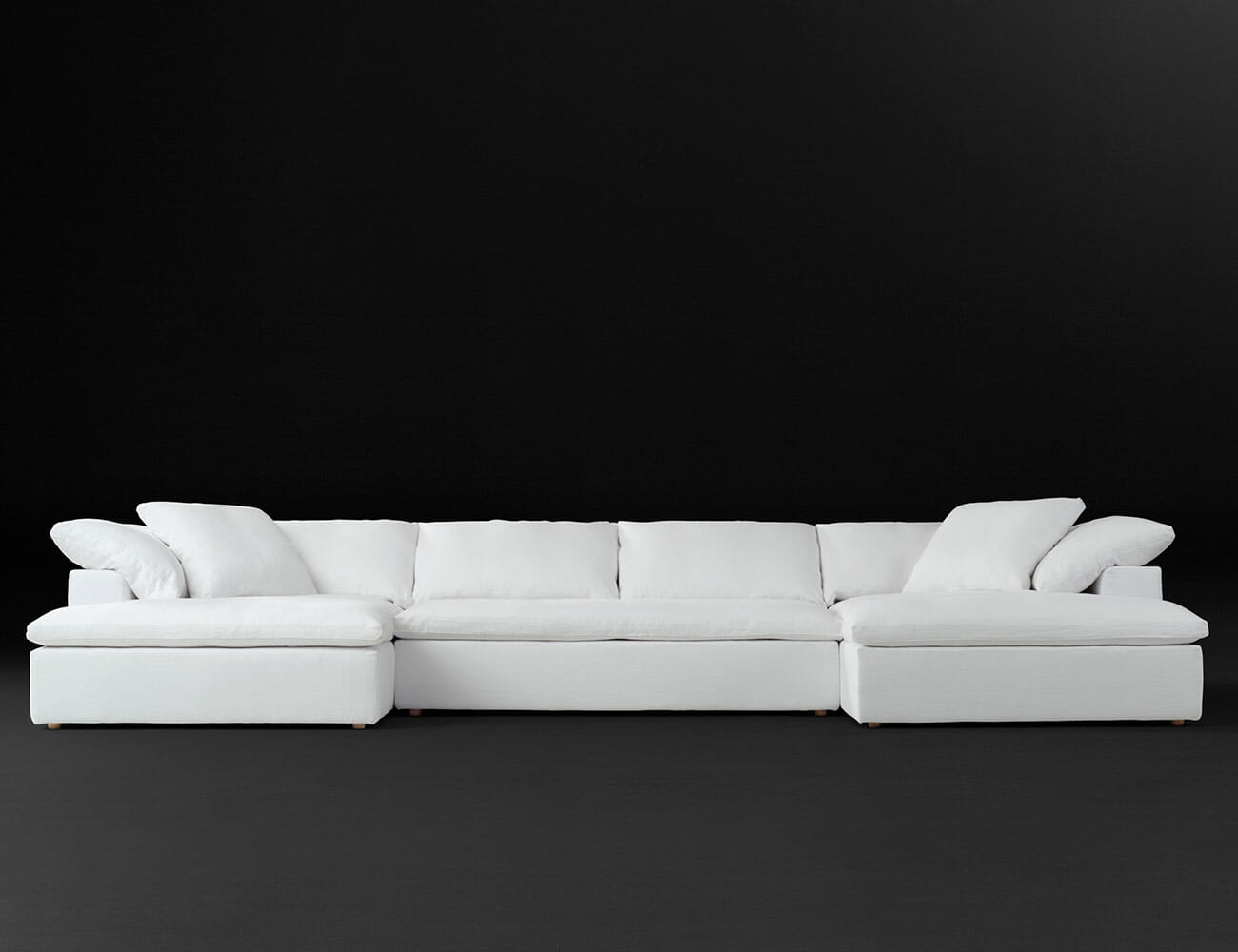
The Cloud Sofa is one of the most comfortable sofas you can buy. Cushions made with either 100 percent goose down or a core of goose down absorb your weight without being all sink and no support. RH stocks three upholstery variations but offers almost 200 options via special order.

Best Leather Sofas

West Elm Urban Sofa
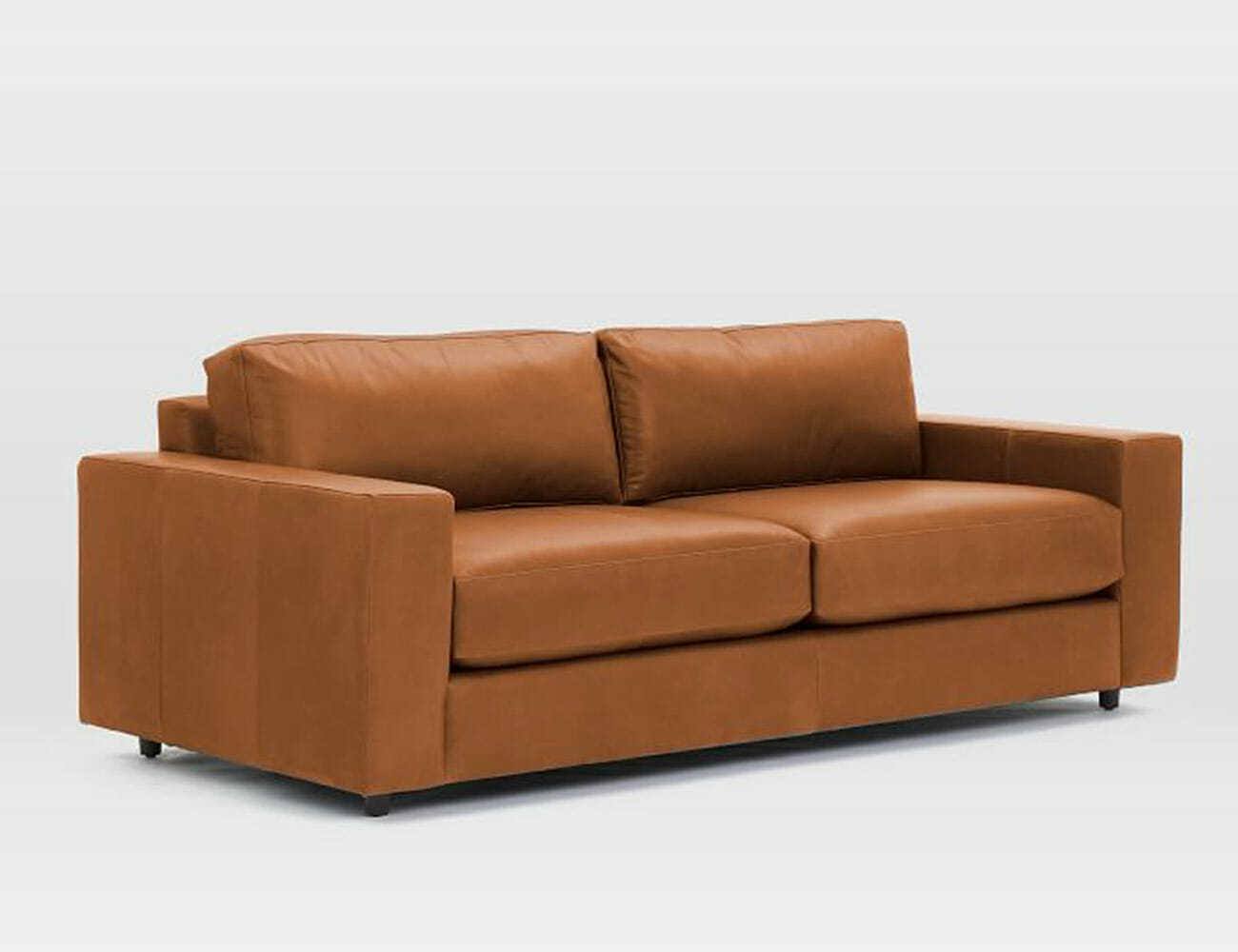
The hefty Urban sofa from West Elm is as family-friendly of a couch as you can get. The plush top-grain leather cushions and solid pine hardwood frame can withstand your kids’ wrestling matches and days-long The Wire binges alike. Plus, any spills can be wiped away somewhat with ease.

Rove Concepts Hector Sofa
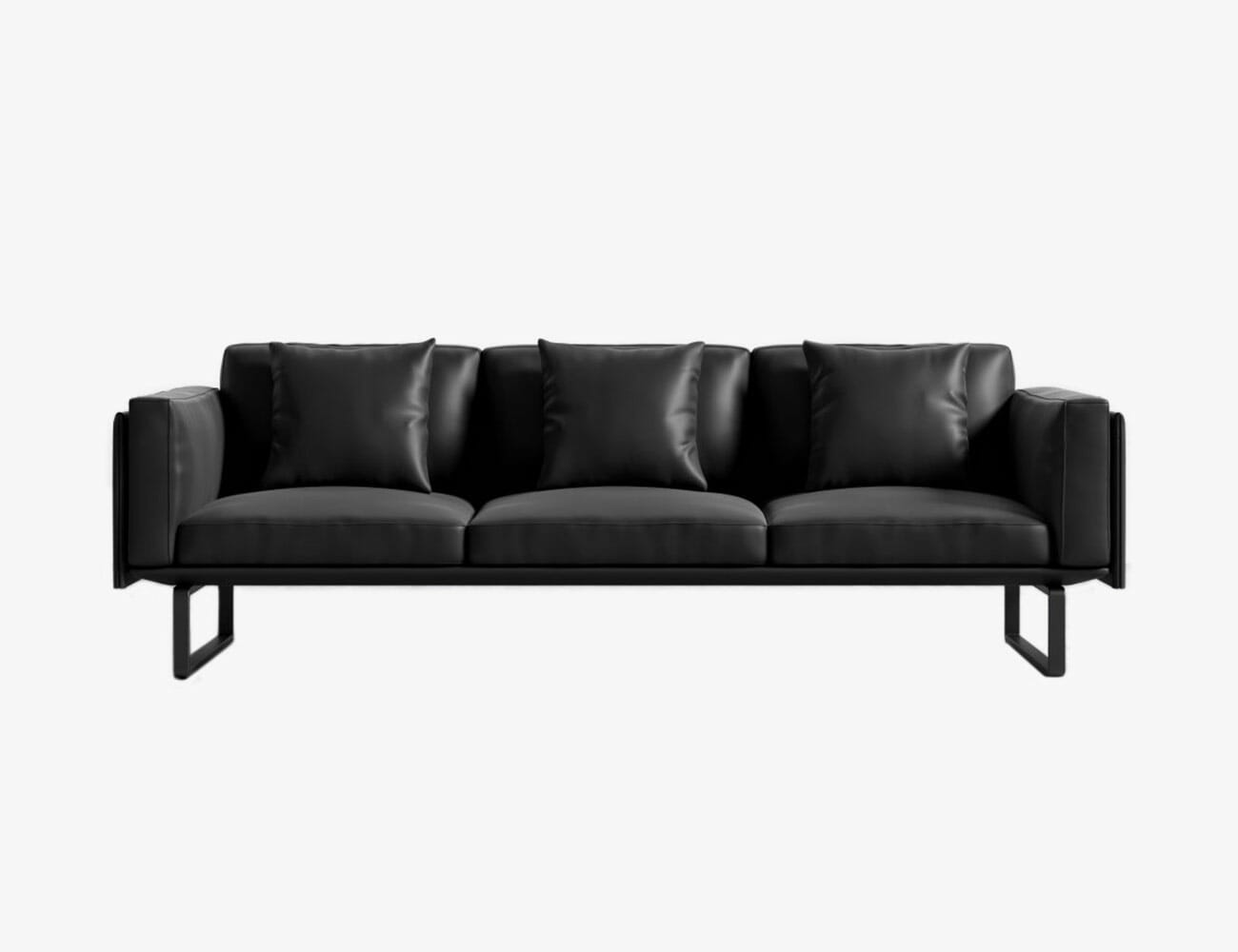
Airy and visually light, yet, thanks to cushions made of both high-density foam and goose down, still plenty cozy. Sitting atop a solid steel frame, Rove Concepts’ Hector sofa fits comfortably in a modern living space.

Joybird Eliot Leather Sofa

The top-grain leather of the Eliot sofa will break in over time in a way that’s unique to it. The tufted cushions and extra-wide seats are an inviting sight after a long day.

Crate & Barrel Sherwood Leather Sofa

The contrast between the hardwood frame and supple leather looks like the sofa version of a whiskey and a cigar. The arms are solid maple and the webbing suspension makes for a comfortable seating option.

Normann Copenhagen Era Sofa

The Era is everything you need in a sofa — a place to sit, maybe the occasional snooze — and nothing you don’t. No poufs, clunkiness or lost space. As much as you might want to place random stuff under the sofa, keeping it open will make your living room feel more free-flowing, which makes the room feel bigger. The link redirects to the standard model of the Era sofa, which can be reconfigured to a slew of leather options.

Best Modern Couches

Hay Silhouette Two-Seater

The crown jewel of new and accessible Scandinavian design, Hay is probably most known for its charming, colorful accessories, but its furniture is equally excellent. The Silhouette sofa features a deep bench cushion, high, thin armrests and some absolutely wicked upholstery options.

Gus Adelaide Sofa

A fastball-down-the-middle, mid-century modern club sofa made of a heavy wood frame and a linen-cotton-poly upholstery. The armrest cushions are ideal for napping.

Blu Dot Mono Sofa

Midwestern, modern, original furniture for prices that are not completely eye-watering. That is a special combination of attributes, and Blu Dot’s Mono sofa is possibly the sneakiest value the brand offers. For under two grand, you get a maple hardwood frame, down- and feather-filled cushions and pillows and, as always, a very pleasing shape.

Hem Kumo Modular Sofa

A powder-coated steel base, primarily wool upholstery and a speckled blue-green color are the bones of Hem’s Kumo sofa, but it’s really all about the look. Where many sofas — on this list and in general — shy away from bold shapes and lines, Hem’s demands the spotlight.

Coddle Node Sofa

Most direct-to-consumer furniture brands opt for generic sofa designs that appeal to as many people as possible, hence the wealth of mid-century modern, boho and “traditional” sofas on this list and in showrooms. Coddle’s sofa is chunky and cozy-looking while maintaining a clean shape, making it something of an outlier in a very crowded category. Like other DTC brands, though, it comes with features like modularity, USB plugs built-in and stain-fighting fabric.

Best Sleeper Sofas

Blu Dot One Night Stand

Best Sleeper Sofa: Sleeper sofas tend to be blocky, space-consuming eyesores, which runs against the space-saving nature of a sleeper sofa. Blu Dot’s playfully named option is the opposite. Instead of an enormous base with a pull-out mattress or a trundle bed situation, Blu Dot decided it’d be easier to take the pillows off and flip the seat forward, instantly creating a queen-sized mattress with legs in your living room. It will be difficult to find a more efficient sleeper couch than this one.

Urban Outfitters Winslow Armless Sleeper

Shoppers are sleeping on Urban Outfitters’ furniture. Take the Winslow, for example, with its armless design and dual function. The seating is plush, providing optimal cushioning for a sofa and offers enough support for a few nights sleeping on the couch.

Everly Convertible Sofa

The Everly is a hybrid mattress doubling as a reclining sofa. Allmodern is one of the leading online furniture brands for low-priced, modern furniture and the Everly is a hit amid pages and pages of potential duds. And the sloped arms make for a decent headboard, too.

ABC Carpet & Home Convertible Sleeper

ABC Carpet & Home is the place to shop for the design-conscious in New York. The convertible sleeper is one of the brand’s highlights with its high-quality construction and contemporary design. Simply adjust the backrest to convert the piece into a sofa, lounge chair or bed.

Vesper Queen Sleeper Sofa

The Vesper folds out into the closest thing that resembles a full-on bed. A kiln-dried hardwood frame and four-inch-thick high-density foam mattress contribute to the higher price tag, but it’s worthy of its place in Design Within Reach’s inventory.

Best “I’ve Made It” Couches

Barcelona Couch

What kind of couch list would leave out a couch fit for kings? Designed in 1930, Ludwig Mies van der Rohe’s Barcelona chair was pencilled from notebook to throneroom with Spanish royalty in mind. Today, it’s made the same way was then, with Spinneyback cowhide leather, an African sapele frame and lots of TLC.

Florence Knoll Relaxed Sofa

An “if you know, you know” sofa if there ever was one, Florence Knoll’s idyllic sofa is the oft-copied creation of one of the heroes of mid-century modern design in the United States. Its looks are similar to a million other sofas because a million other sofas want to be it. This is the more relaxed version of the original, with deeper seats and cozier cushions.

Eames Two-Seat Sofa

What more needs to be said? A sofa version of the world’s most famous lounge chair from the world’s most famous design duo, the Eameses two-seater is a stunner in a living room or office.

Civil Noord

Don’t groan at the price yet. Civil’s directive is direct-to-consumer gone luxe — 100 percent cotton or leather upholstery made in Italy, strong warranties and high (but quiet) technology. This specific sofa has a “Magic Box” attached, which is a coy name for a floating side table where the entire surface is a charging pad. Also, the whole Noord collection is modular, so it grows with you.

Restoration Hardware Cloud Sofa

Restoration Hardware shines brightest for those with space, cash and flashy taste. The Cloud Sofa pieces are wide, long and laughably comfortable. This is a decadent piece of furniture.

Note: Purchasing products through our links may earn us a portion of the sale, which supports our editorial team’s mission. Learn more here.


Looking for Affordable Furniture That’s Not Cheap? This Brand Is a Good Place to Start

<!–Looking for Affordable Furniture That’s Not Cheap? This Brand Is a Good Place to Start • Gear Patrol<!– –>

flat-pack frenzy


Furniture brands that flash a “Made-in-USA” tagline usually have a price tag to match. Add the option for customization and you’re looking at gear out of most people’s price range. Inside Weather aims to change that.

The company’s furniture is made-to-order, and each piece can be customized from the finish to the fabric and color. With no inventory, Inside Weather can cut production costs and the savings are reflected in the price you pay. The brand has an in-house design team that works in the same Bay Area headquarters where the furniture is made. Its pieces were designed well enough to entice the Frank Lloyd Wright Foundation to work with the company to create the Usonia collection, which is inspired by the architect’s most popular work. Furniture is delivered flat-pack and can be assembled in five minutes or under, so the company claims.

More recently, the brand released its Ido collection, a range of wood tables complemented by contoured lines. Like the rest of its products, materials are sustainably sourced and waste is properly recycled. To celebrate the launch, the brand is offering 20 percent off the first 150 pieces. Enter code PRESALE at checkout to take advantage of the deal, and all orders ship free.

Note: Purchasing products through our links may earn us a portion of the sale, which supports our editorial team’s mission. Learn more here.

Tyler Chin

Tyler Chin is Gear Patrol’s Editorial Associate for Editorial Operations. He’s from Queens, where tempers are short and commutes are long. Too bad the MTA doesn’t have a team like Ed-Ops.

More by Tyler Chin | Follow on Instagram · Contact via Email

<!–

–>

<!– –><!–

–>

For the First Time Ever, You Can Buy a New Big Green Egg Online

<!–For the First Time Ever, You Can Buy a New Big Green Egg Online • Gear Patrol<!– –>

Big Green Web


In a very strange turn of events, Big Green Egg, one of the biggest names in the grilling world, wasn’t available for purchase online until as recently as a couple of weeks ago.

The American kamado-style grill makers with a cult-like following are the last major grill manufacturer to establish a real e-commerce presence. Previously, Big Green Eggs were only available to purchase on-site through the company’s authorized dealer network, which includes local operations and national outlets like Ace Hardware.

From the littlest of the Big Green Eggs to the largest, the company’s full suite of grills is now available for purchase on its new website. Orders are made on the site and filled by your local BGE dealer, which a company spokesperson says was done not to undercut the network of authorized dealers its established over time. The local dealer that fills the order can also provide BGE 101s and help with setup.

Note: Purchasing products through our links may earn us a portion of the sale, which supports our editorial team’s mission. Learn more here.
Will Price

Will Price is Gear Patrol’s home and drinks editor. He’s from Atlanta and lives in Brooklyn. He’s interested in bourbon, houseplants, cheap Japanese pens, and cast-iron skillets — maybe a little too much.

More by Will Price | Follow on Contact via Email

<!–

–>

<!– –><!–

–>

Why The Hell Does Your Chemex Have A Nipple? We Found Out

Welcome to Further Details, a series dedicated to ubiquitous but overlooked elements hidden on your favorite products. This week: the mysterious knob on a Chemex.

Since 1941, coffee nerds have used Chemex coffeemakers to make clean, delicious cups of pour-over coffee. The brewers are made of a single piece of borosilicate glass finished with a wooden collar and tie, serving as an insulated handle. The smooth glass is accented by a “button” with no discernible use that juts out on the bottom of the carafe below the pouring spout. Some have questioned the purpose of the button, and its usage is buried deep within Chemex’s brewing guide.

More Coffee Content
Cold Brew Coffee Sucks. Here’s Why
Everything You Need to Make Pour-Over Coffee
The 25 Best Coffee Roasters in America

Peter Schlumbohm, Ph.D., designed the Chemex to look good, be easy to use and, most importantly, brew a delicious cup of coffee. Schlumbohm was so obsessed with refining everyday tools that he developed over 300 patents during his career, the Chemex being his most famous. His invention was a success: the Chemex is a fixture at the Museum of Modern Art and the Smithsonian, and remains a favorite among coffee enthusiasts and professionals. From the hourglass shape to the heat-resilient material, everything about the design is meant to produce a high-quality cup of coffee. So what’s the weird nipple-looking thing on the bottom of the brewer?

Per the manual: it marks where half the carafe’s volume is, with full volume falling at the bottom of the spout.

In Chemex vernacular, a “cup” of coffee is a humble 5 ounces, and not the standard 8 ounces. Therefore a six-cup Chemex holds 40 ounces of coffee and the button marks 20 ounces. (This is applicable to all Chemex sizes except the three-cup brewer, where the button denotes full volume.) The company’s brewing guide recommends one rounded tablespoon of coffee for every five ounces of coffee, so the button makes it easy to eyeball how much water you need to pour to achieve Chemex’s water-to-coffee ratio. So if you want a 20-ounce brew (in a six-cup Chemex), use four tablespoons of ground coffee, wait for the carafe to fill up to the button and toss the filter once it hits the mark.

For the coffee-obsessed, the button is a fruitless feature. Chemex’s maker likely didn’t expect at-home coffee geekery to escalate to a point where $150 kettles and scales were the norm. Modern coffee people will rarely eyeball their coffee measurements, instead brewing by weight rather than volume. Volume is a fickle measurement that is subject to irregularities in coffee beans, like varying densities and ragged shapes. This Reddit post shows how the same coffee bean at three roast levels can vary in volume but have the same weight. Weighing out coffee makes a final product that can be replicated and adjusted accordingly over multiple brews.

The Chemex button is a relic of its time, long before the third wave coffee movement, when coffee drinkers were less equipped at home, and most serious consideration pertained to the speed with which caffeine would transfer from bean to bloodstream. But hey, if you don’t have a scale, at least you can rely on a weird bump to guide your brews.

Note: Purchasing products through our links may earn us a portion of the sale, which supports our editorial team’s mission. Learn more here.
Tyler Chin

Tyler Chin is Gear Patrol’s Editorial Associate for Editorial Operations. He’s from Queens, where tempers are short and commutes are long. Too bad the MTA doesn’t have a team like Ed-Ops.

More by Tyler Chin | Follow on Instagram · Contact via Email

Having Problems Seasoning Your Cast-Iron Skillet? This Method Is Faster and Easier.

During a conversation about his new 8-inch cast-iron skillet, Isaac Morton told me I’ve been seasoning my cast-iron skillets wrong.

According to Morton, founder and President of the Charleston, South Carolina cookware company, seasoning skillets in the oven is the slowest and least effective option you’ve got to get an even, well-coated seasoning. “In my opinion, when you’re seasoning in the oven you’re just protecting the skillet from rust and the elements,” Morton said, “other than cooking in it over and over again, what we call stovetop seasoning is the better method of seasoning.”

Permutations of this method are endorsed by two of the kings of gear testing — Jeff Rogers and J. Kenji Lopéz-Alt — and Morton goes as far as to say “we can’t do it in production [of skillets], but we all do it at home. You take a new pan and you’re able to apply a layer of seasoning on it that accelerates something like 10 years of seasoning process.”

“The reason these old Wagners and Griswolds are so nice and tidy is because they’ve been cooked on for 100 years — this is basically a way to expedite that process,” Morton said.

Here’s how to do it.

Step 1: Prep house.

Morton made it clear before going into the specifics of this seasoning process: if you don’t have good to great ventilation in your kitchen and home, don’t use this method. Open your windows, turn on ceiling fans, kitchen fans and prep for a healthy dose of smoke. (For what it’s worth, I was able to use this method in a small Brooklyn apartment by following this step. It got smoky, but not unsafely so. Use good judgement.)

Step 2: Apply oil lightly and crank up your stove.

The coat of oil should be very, very light. Dab a rag in your seasoning oil of choice and wipe it all over the skillet; then wipe excess oil away with a paper towel. As with cooking something in a cast-iron skillet, it will take 5 to 10 minutes to fully come to temperature. Be patient, this method of seasoning will still take a fraction of the time the oven method would. Pay attention to when the skillet starts to smoke, as that’s when you need to start paying attention again. In Morton’s words, “if it’s smoking, it’s doing what it’s supposed to.”

Step 3: Intermittently wipe pan with oily rag.

“Light, very light,” Morton says. When the skillet starts to look dry, that’s when you apply another quick wipe. The longer you have it turned up and smoking, the sturdier the resulting seasoning — Morton says 10 minutes should be good, and 15 minutes is probably more than is necessary. “When it starts to turn dark chocolate to black, you’re set.”

Step 4: Let the skillet cool.

Turn the stove off. The skillet will be hot for up to a half an hour after seasoning is completed. Let it sit on the stovetop or slide it in the oven to cool. Your cast-iron skillet should be a deeper color, release foods from its surface more easily (Morton notes it will never be truly non-stick, but it can come close).

Will Price

Will Price is Gear Patrol’s home and drinks editor. He’s from Atlanta and lives in Brooklyn. He’s interested in bourbon, houseplants, cheap Japanese pens, and cast-iron skillets — maybe a little too much.

More by Will Price | Follow on Contact via Email

Heads Up: ‘Gaming’ Chairs Suck. Here’s Why

The quickest way to tell if a person is a gamer isn’t their rig or the presence of LED light strips in their room; it is, and has been for more than a decade, the chair. With all due respect, that is just stupid.

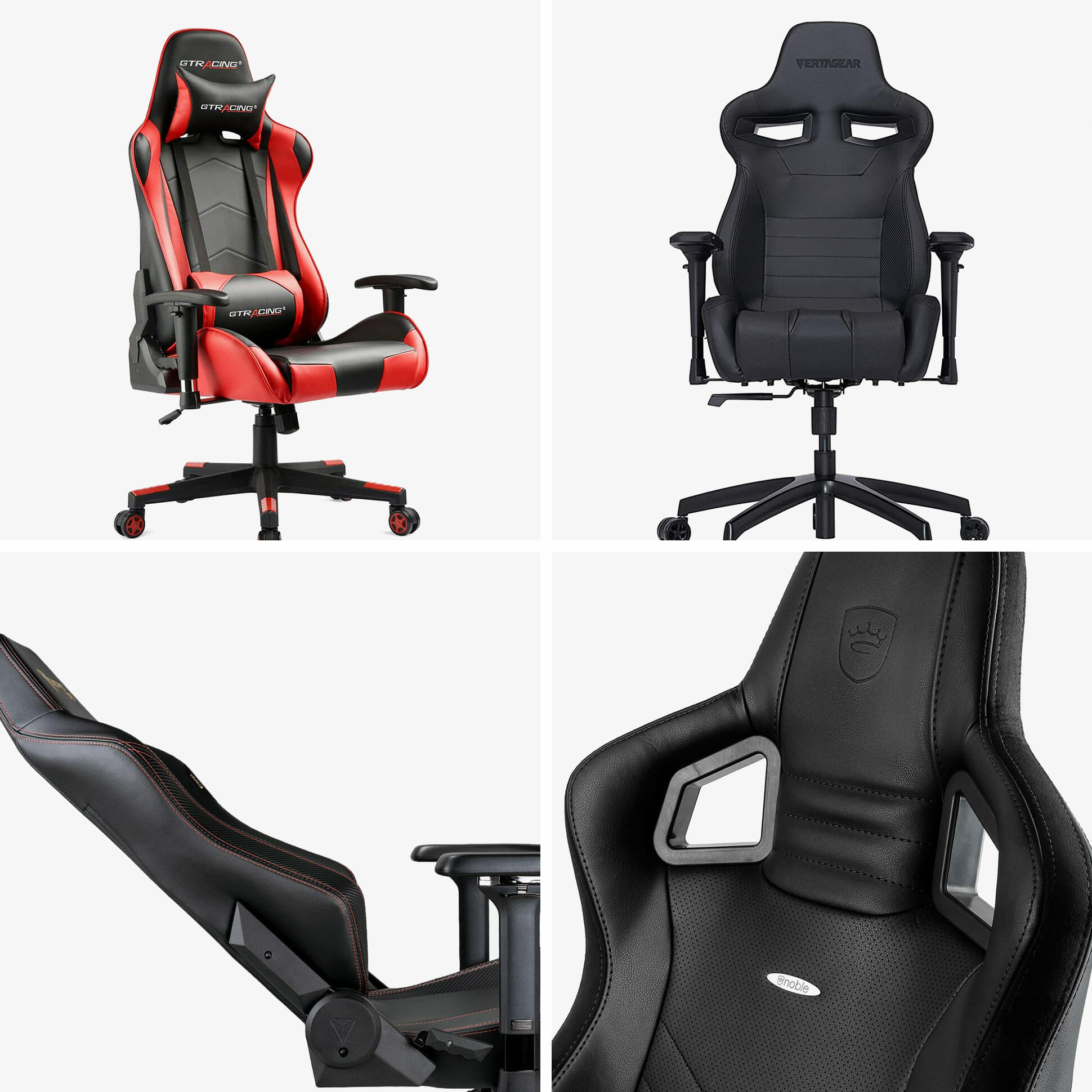
You know the ones — the fire engine red accents, the embroidered logos, the polyurethane leather, the deepest of reclines. Holdovers from a time when gaming was only for the young, these features are not the primary target of my ire. Not when nearly every gaming chair is still, in the year 2020, emulating those found in race cars — complete with bucket seats, winged backrests and lifted seat edges.

Bested only by working and sleeping, there isn’t a more stationary activity than gaming. Whether you’re getting in a quick game of Warzone before bed or it’s 3 a.m. and you’re still playing the same game of Civilization VI, your body needs support. The vast majority of racer-style chairs do not provide support, or at least not support of the right kind.

A selection of classic driving-inspired gaming chairs, complete with absurd recline range, polyurethane leather, lumbar and headrest pillows and more.

The winged back and bucket seat were introduced to keep drivers firmly planted during high-speed turns. Playing Dota 2 shouldn’t dislodge you from your seat. The elevated front lip of a racing seat serves to lift a driver’s legs so they can more comfortably reach pedals. This serves no purpose in a CS:GO match. These more obvious problems are foundational, but the ubiquity of the aesthetic presents other issues. Take the faux leather used to upholster the chairs; this material does not breathe well, which makes the tired cliché of the sweaty gamer a reality.

The solution is as boring as it is obvious: the same desk chairs that are good for working are good for gaming. These ergonomics-focused chairs prioritize support, circulation and body health over looks. Instead of winged backs, the shapes mimic the body and allow for freer movement. In place of sweaty pleather, good desk chairs utilize airy mesh and more breathable foam. Instead of seats that lift your legs up and cause circulation breaks, most employ “waterfall” edge seats that cut back on the pressure that builds up in your thighs. Hours of stationary gaming demands an ergonomics focus, not an aesthetics one.

The gaming community hasn’t always been aligned with car seats — previous to the colorful seats of today, people played games in anything from plastic lawn chairs to Marcel Breuer’s famed Cesca chairs, as chronicled by the website ChairsFX. By most accounts, the racer-style gaming chair movement was born in 2006, when a racing seat company called DXRacer shifted its focus to gaming chairs and, after a series of major sponsorships with eSports events, erupted in popularity.

There are signs the tyranny of the videogame race car chair’s is coming to an end. The task chair masters at Herman Miller recently announced a partnership with the gaming wing at Logitech that promises to “create the world’s most advanced gaming chair.” For all the destruction it’s wrought, the coronavirus has forced millions to reevaluate the chairs they spend the most time in.

Consider buying a chair not because your favorite streamer on Twitch was paid to sit in it, but for the love of your joints.

Note: Purchasing products through our links may earn us a portion of the sale, which supports our editorial team’s mission. Learn more here.

Will Price

Will Price is Gear Patrol’s home and drinks editor. He’s from Atlanta and lives in Brooklyn. He’s interested in bourbon, houseplants, cheap Japanese pens, and cast-iron skillets — maybe a little too much.

More by Will Price | Follow on Contact via Email

For a New Cook, This $145 Pan Feels Like a Steal

I didn’t find the Always Pan; the Always Pan found me, but not in a cute way; it was more of “I-won’t-leave-you-alone-until-you-give-me-attention” sort of way. The pan flooded my Instagram feed with ads of highly staged dining tables and kitchen counters. I was annoyed, but intrigued.

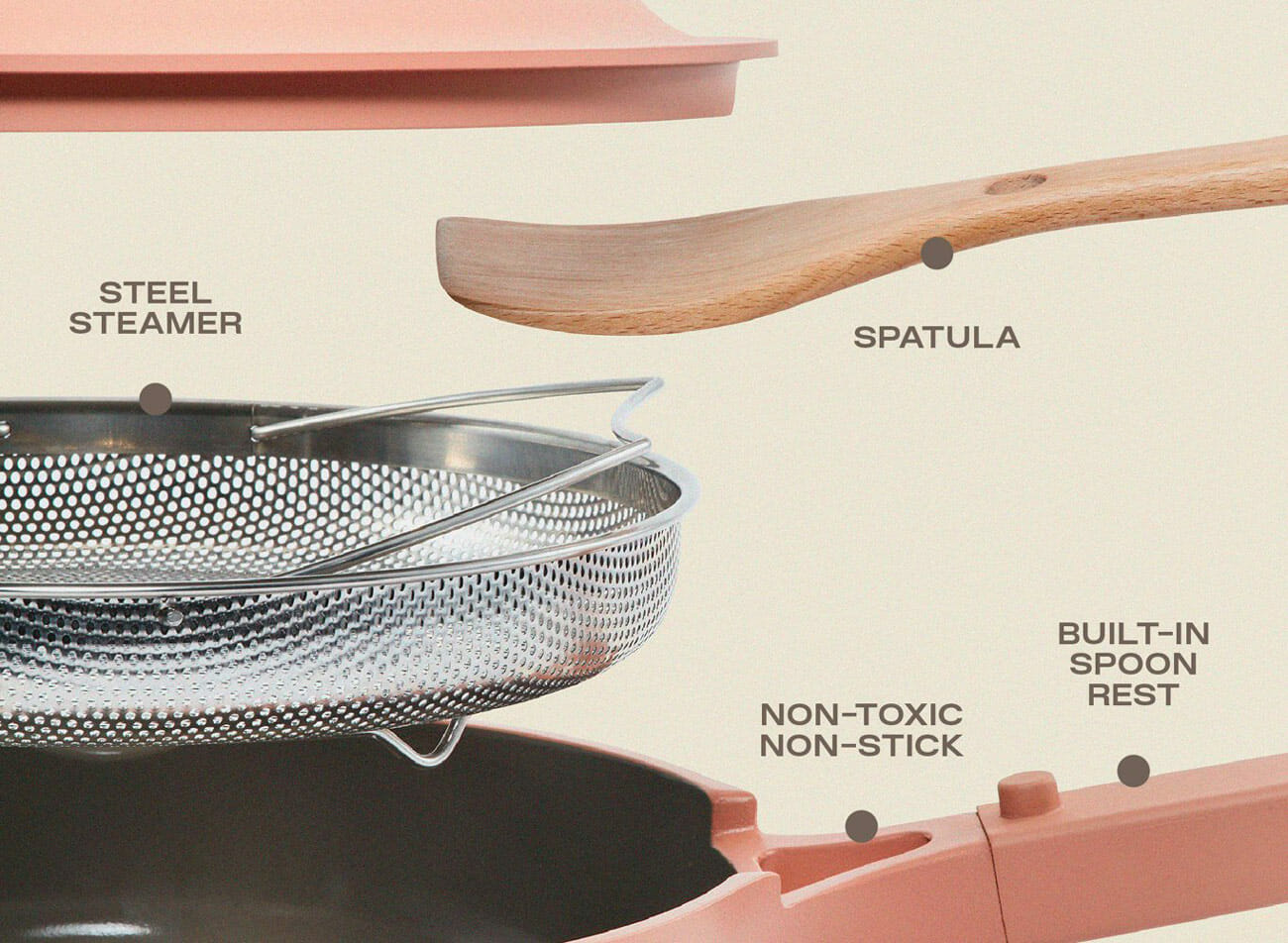
In 2019, Shiza Shahid founded Our Place, the direct-to-consumer cookware company behind the Always Pan. Shahid, who is also a founder of the Malala Project, started the company to make cooking and dining essentials that celebrate the international backgrounds of the foods we cook and eat with them. Previous releases include separate limited-edition collections revolving around Lunar New Year and Mexican heritage. Our Place’s stalwart product, however, remains the Always Pan, a 10-inch, 2.6-quart, non-stick cast aluminum sauté pan with a detachable wooden spatula, domed lid and nesting steamer tray. I was curious whether or not the eight-in-one cooking tool could truly “do the work of eight pieces of traditional cookware” like the website said, so I tested it.

What’s Good

The Always Pan is photogenic as hell, which it probably owes to the pastel colors — spice, steam, char, sage — it’s available in. But we’re not judging based on looks (maybe just a little). I was impressed by the pan’s even heat distribution, which I tested using the flour test. I sifted a layer of flour across the surface of the pan and toasted it on the stove, where the flour browned steadily and evenly.

The pan features a ceramic non-stick coating that passed two egg tests. The first test, cooking an over-easy egg, was a success thanks to a slick layer of oil, a flick of the wrist and the pan’s curved sides. (There was a day when I got burnt egg residue stuck in the pan. The non-stick coating made it easy to rinse off and start anew.) The second test, preparing a French omelette, was also a success. I was able to make a fluffy and vibrant yellow omelette with a gooey, eggy center. I was again impressed when, in the process of rolling the omelette, I tilted the pan and the egg rolled into itself and slipped off onto a plate.

I initially thought the built-in spatula was gimmicky, but I found it to be a thoughtful inclusion. The edge is thin enough to get under foods, and the holder made my spoon rest unnecessary.

What’s Not so Good

You’ll always reach for the Always Pan, Our Place implies. Unless you need to bake something, that is. The Always Pan is not oven-safe, so the pan is left to its exclusively stovetop devices. While not a deal-breaker, a lot of non-stick pans out there — like Made In’s non-stick frying pans — are oven safe. Of the eight cookware pieces the Always Pan can replace, bakeware is not one of them.

The lid was designed to catch condensation and prevent it from dripping back into food, and the handle is silicone-coated to be heat resistant. The lid’s handle is slightly rounded, which means it wobbles when placed upside down on the counter. As someone who does this often to prevent the counter from getting wet, I was annoyed by this detail. Then again, I could buy a pot lid holder, but that defeats the purpose of having an all-in-one tool.

Alternatives

No piece of cookware is truly a one-trick pony. Almost all pots and pans are multifunctional to a degree. I can fry a chicken, make a sauce and sauté vegetables in a cast-iron skillet, and I can use this $30 Calphalon non-stick pan to make omelettes and, if I add a $4 steel cooling rack, steam food, too. The $145 price tag isn’t low and you could spend less money on a few more products to do all the jobs the Always Pan can. In essence, you’re paying for convenience and good looks.

Verdict

The Always Pan won’t replace all the pots and pans you already have. The brand’s website states it can “do the work of eight pieces of traditional cookware,” and that’s true. But obviously it can’t do all eight functions simultaneously, and you’ll still need other cookware to make meals.

Despite being a workhorse of a pan, it’s made for someone who’s building a kitchen arsenal from scratch. I still find myself reaching for my All-Clad non-stick pan to make my fried egg breakfasts, but it’s not because it’s a superior pan. I can pull my All-Clad out of the drawer in one fluid motion versus taking out the Always Pan, removing the lid and setting aside the steamer basket. Although the pan is targeted to all, it’s more apt for beginner chefs (especially those who have minimal storage space). If either of those apply to you, the Always Pan should be at the top of your shopping list.

Our Place provided this product for review.

Note: Purchasing products through our links may earn us a portion of the sale, which supports our editorial team’s mission. Learn more here.

Tyler Chin

Tyler Chin is Gear Patrol’s Editorial Associate for Editorial Operations. He’s from Queens, where tempers are short and commutes are long. Too bad the MTA doesn’t have a team like Ed-Ops.

More by Tyler Chin | Follow on Instagram · Contact via Email

Finex Just Dropped the Grail Breakfast-Making Cast-Iron Cookware

<!–Finex Just Dropped the Grail Breakfast-Making Cast-Iron Cookware • Gear Patrol<!– –>

Pancake Machine


Finex brings its famed octagonal shape and steel coil handle to its new cast-iron griddle, an ideal piece of cookware for emulating diner-style breakfasts at home.

Like the brand’s cast-iron skillet, the griddle comes pre-seasoned with a machine-smoothed cooking surface and a thicker-than-usual cast iron base for impressive heat retention (though it will take longer to heat up as a result). The whole thing measures 22 inches and spans across two stovetop burners while doubling as a potential sheet pan or roasting tray. Make pancakes, bacon and fried eggs at once if you feel like it.

The double-burner griddle costs $325 — a reminder that just because the company was bought by cheap cast-iron skillet maker Lodge doesn’t mean its prices will drop. It’s available on Finex’s site now.

Note: Purchasing products through our links may earn us a portion of the sale, which supports our editorial team’s mission. Learn more here.

Tyler Chin

Tyler Chin is Gear Patrol’s Editorial Associate for Editorial Operations. He’s from Queens, where tempers are short and commutes are long. Too bad the MTA doesn’t have a team like Ed-Ops.

More by Tyler Chin | Follow on Instagram · Contact via Email

<!–

–>

<!– –><!–

–>

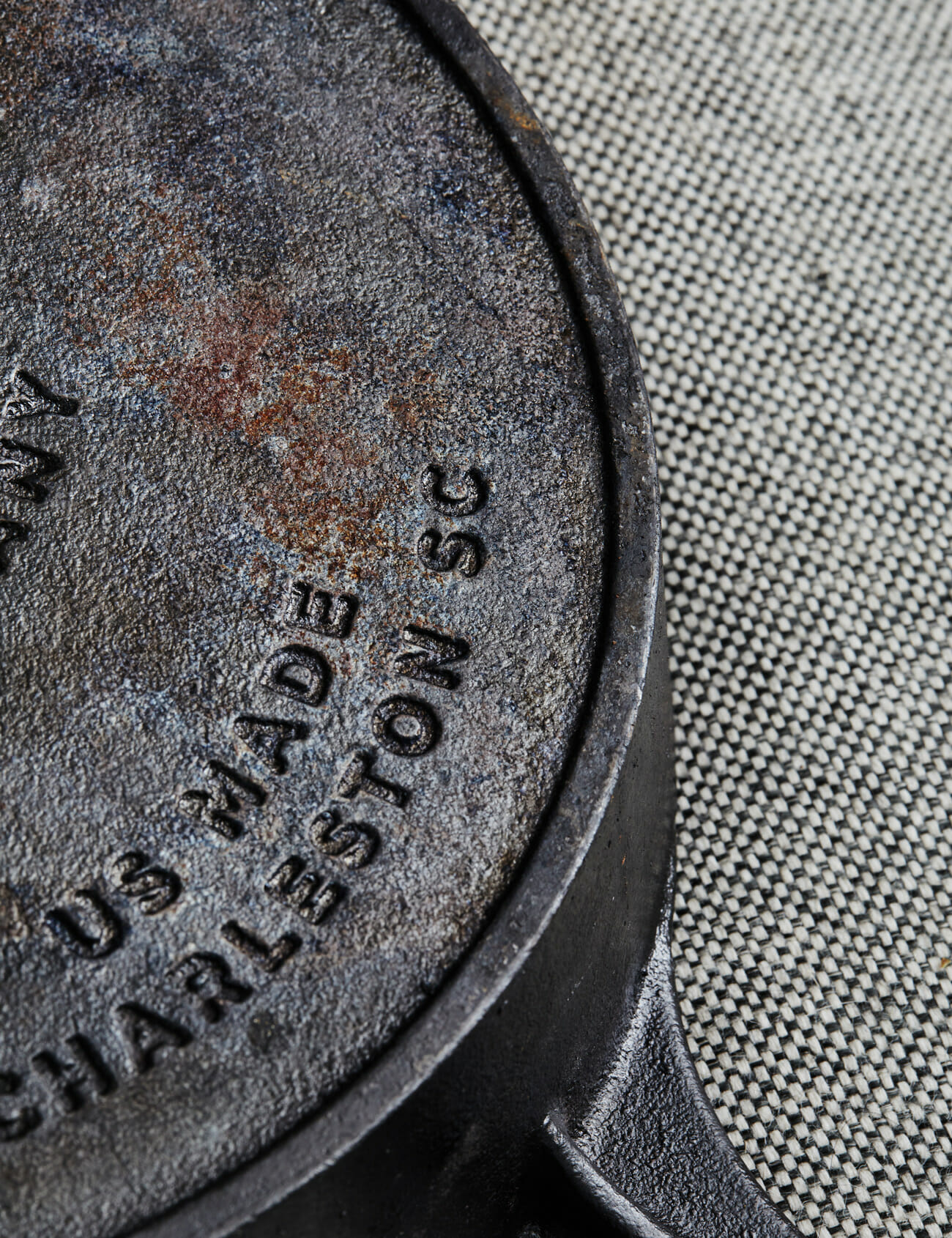
There’s a Totally Useless Ring on the Bottom of Your Cast-Iron Skillet. Why?

Welcome to Further Details, a series dedicated to ubiquitous but overlooked elements hidden on your favorite products. This week: the ring on the bottom of a cast-iron skillet.

Not much has changed about the humble cast-iron skillet from its late 1800s, early 1900s golden era to now. When the cookware returned to popularity about a decade ago, it did so with similarly weighty builds, stellar heat insulation, pour spouts, a handgrip opposite the handle and a ring around the base of the pan. Unlike other, flashier cookware, cast iron remained a utility-first venture — except that ring.

Before stainless steel, non-stick, aluminum and carbon steel pots and pans rose to power, cast iron was king of the kitchen. The raw material needed was mined during the Colonial era and through the 19th century, when prospectors discovered enormous deposits along the edges of Lake Superior, in Michigan, Wisconsin and Minnesota. Legends and collectibles today, wares from makers like Griswold, Wagner, Vollrath and Wapak dominated the stovetop for nearly a century before steel and aluminum’s availability skyrocketed in post-World War II America. But what we cooked on changed as well.

More Cast Iron Content
The Best Cast-Iron Skillets You Can Buy
5 Accessories to Maintain a Cast-Iron Skillet
A Quicker, Easier Way to Season Cast Iron

Before underground grids provided cities and towns plentiful natural gas, woodstoves reigned. These stoves operated by lighting wood logs in different compartments, each with a corresponding “eye,” or what we’d call a burner today. South American celebrity chef Francis Mallman briefly demonstrates this making a pot of coffee on a wood stove on Neflix’s Chef’s Table. The ring on the base of the cast-iron skillets — which is sometimes called a “heat ring” or “smoke ring” — allowed the skillet to slot into the eye and lift it slightly out of the flame. Except that isn’t quite true either.

According to Dennis Powell, founder of cast-iron cookware maker Butter Pat Industries, the “heat ring” is really a “machining ring.”

“Machining rings are used to remove material and make a surface flat without machining a wider surface,” Powell explains. “Flatness has always been a casting issue for large, thin surfaces. Machining rings solve them easily, now as then.”

A Smithey Ironware’s No. 10 Cast-Iron Skillet, with a heat ring and a little rust.

Powell, who spent two years studying cast iron design and manufacturing documents in the Library of Congress, says the earliest records show it was called a machining ring before companies began advertising its supposed functionality. The ring does hold the pan a touch higher over the flames in the woodstove, but not enough to make a difference. A bug disguised as a feature.

Eric Steckling, head of product development at Marquette Castings, corroborates Powell’s claim.

“With any casting method it can be difficult to keep the bottom perfectly flat. Even the slightest variation will cause some wobble on a glass top. To fix this issue we just built in a ring on the bottom that we could grind on a flat surface after casting. This allows us to make sure the skillets sit perfectly flat,” Steckling says.

Thus, the heat rings you see on modern skillets are very subtle nods to cast iron’s origins and help make sure your skillet doesn’t tremble when heated on a cooktop. Rings can be found on modern brands like Smithey Ironware, Field Company, Marquette Castings and more.

Editor’s Note: A version of this story published on May 15, 2020 without the full history of the ring on the base of the cast-iron skillet. This version has been updated with more facts and insight from cast-iron skillet manufacturers.

Note: Purchasing products through our links may earn us a portion of the sale, which supports our editorial team’s mission. Learn more here.

Will Price

Will Price is Gear Patrol’s home and drinks editor. He’s from Atlanta and lives in Brooklyn. He’s interested in bourbon, houseplants, cheap Japanese pens, and cast-iron skillets — maybe a little too much.

More by Will Price | Follow on Contact via Email

Can’t Remember What Day It Is? These Satisfying Calendars Will Save You

Last week, I freaked out after waking up two hours into my workday. I was shocked that I didn’t have any messages looking for me. It was Saturday.

With days blending into weeks and weeks into months, no one can fault you for losing track of time. I have a calendar on my phone and my laptop, and I even wear my watch, which has a date window, and even that hasn’t stopped me from waking up in the morning wondering what day it is. These calendars may help you stay grounded and add some panache to an admittedly dull work-life situation.

Black & White Wood Calendar Block

You’ll have to remember to adjust the blocks to correct date, but over time it’ll become habit. The daily routine will keep you cognizant of the day of the month, and it’ll help you avoid missing any work deadlines.

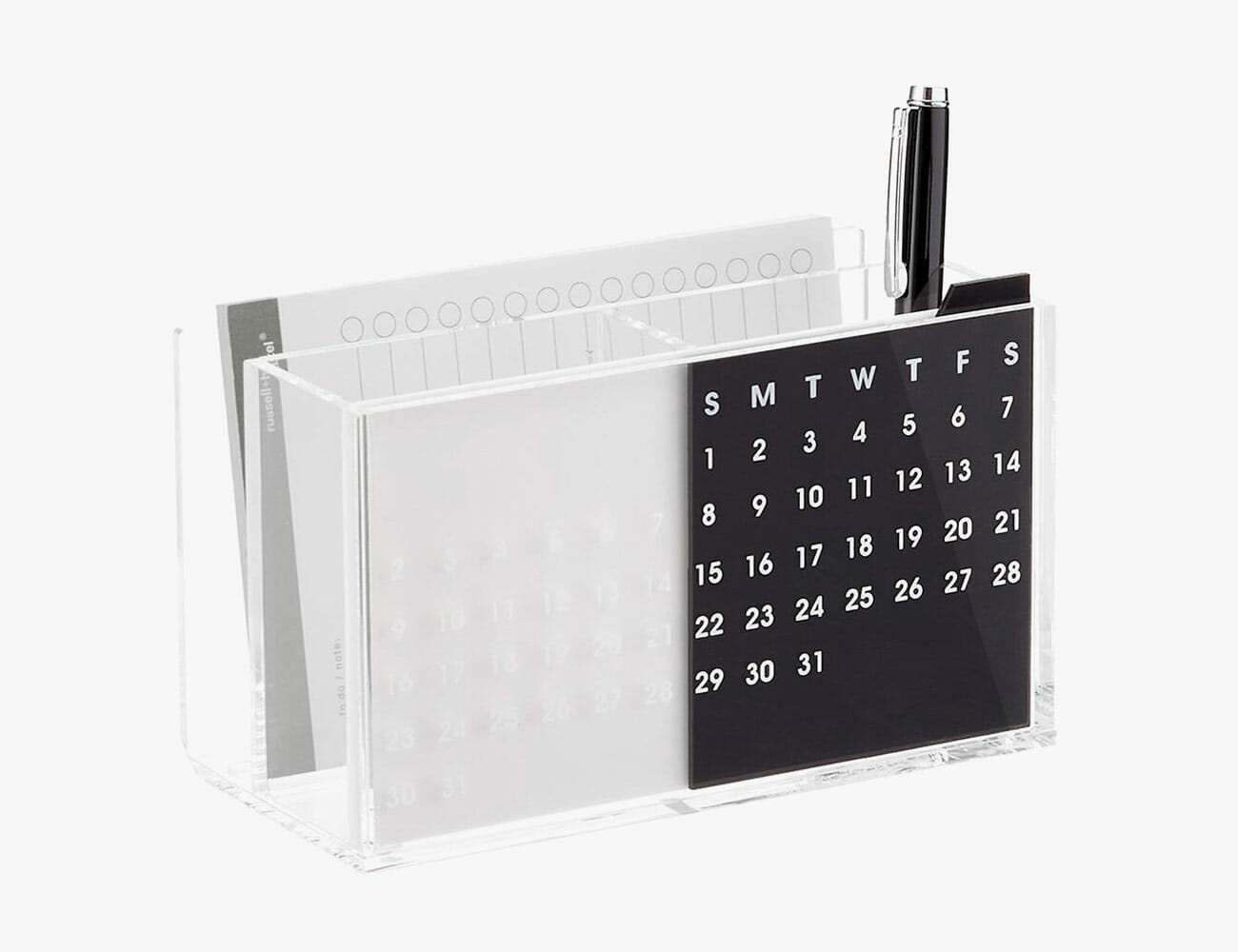
Three by Three Acrylic Desktop Organizer & Perpetual Calendar

A calendar and desk organizer all in one. The sliding mechanism makes it so the calendar works year after year, and you won’t need to buy those tacky disposable calendars ever again.

Bubble Wrap Calendar

This bubble wrap calendar is a satisfying way to keep track of the days. Each date is covered by a bubble that you can pop at the end of the day, and the designers clearly knew popping bubble wrap is addicting so they included some bonus bubbles to pop, too.

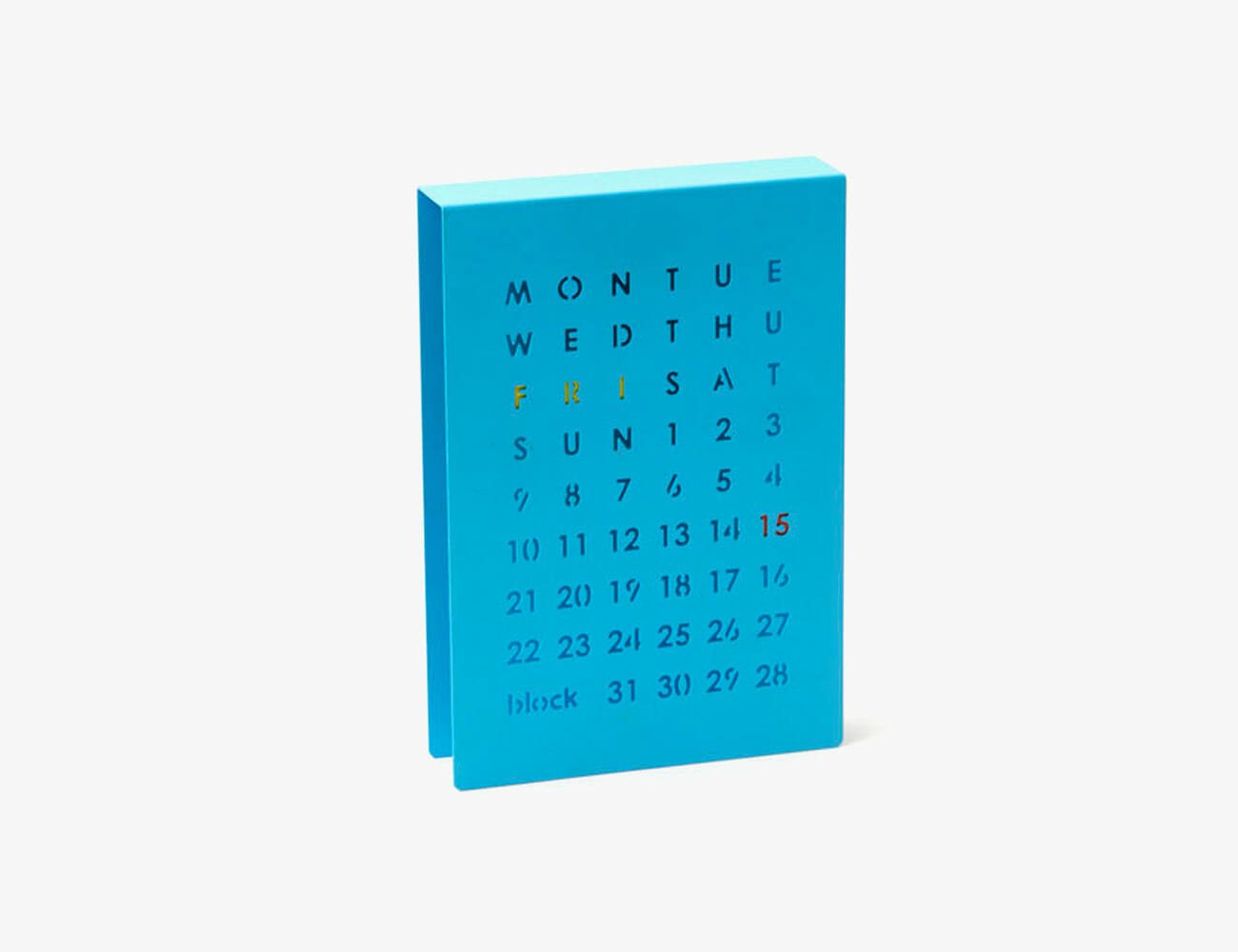
Block Design Perpetual Calendar

This minimal perpetual calendar is an aesthetic way to pass the days. The calendar is based on retro graphic design, and the day and date are highlighted by manually adjusted magnets.

Gideon Dagan Perpetual Calendar

Gideon Dagan’s calendar is one of the artsier options for a calendar (it was made for the Museum of Modern Art). To adjust the date, move the magnetic round balls to sit atop the correct day and to point at the correct month.

Stendig Calendar

Massimo Vignell designed the Stendig Calendar in 1966, and it’s been the top pick for the design-conscious ever since. The letters and numbers are easy to read, and the contrasting white and black ink makes for a truly standout piece. Perforated sheets make for easy tearaway, and the brand recommends using exhausted sheets as wrapping paper.

|

Tait Design Co. Perpetual Calendar

Tait Design Co. wanted to make a calendar that would last forever. The brand sourced high quality materials from across the US, and made a perpetual calendar that would work whether it’s 2020 or 3020.

Note: Purchasing products through our links may earn us a portion of the sale, which supports our editorial team’s mission. Learn more here.
Tyler Chin

Tyler Chin is Gear Patrol’s Editorial Associate for Editorial Operations. He’s from Queens, where tempers are short and commutes are long. Too bad the MTA doesn’t have a team like Ed-Ops.

More by Tyler Chin | Follow on Instagram · Contact via Email

Just Getting Into Mid-Century Modern? Don’t, the 2020s Are All About the ’80s

What is good taste? It’s more of a consensus than a science, at once completely subjective and (supposedly) universally recognizable. “Everyone thinks they have good taste and a sense of humor,” says Carrie Fisher’s character in the 1989 Nora Ephron film When Harry Met Sally, “but they couldn’t possibly all have good taste.” Until recently, one thing most of us could agree on in terms of aesthetic judgement was the late 1970s and 80s, a period I think of as the “Long 1980s.” They were largely remembered as tacky, with little to salvage in terms of style. Who can find inspiration in a home with a carpeted bathroom? But it’s precisely that initial revulsion that’s made this period such an appealing subject for moodboarding the future. At a time when visual culture replicates itself at an alarming speed, finding beauty in overlooked corners of the past is one way to develop a sense of style driven by personal interest rather than trends.
But it’s inevitable that, despite the obscurity of one’s influences, there will be some overlap between what you like and what’s fashionable. Whether we like to admit it or not, mainstream culture has been borrowing from the Long 1980s for a few years now. Millennial pink is a close relative of mauve, a color used for everything from vases to dining tables in the Reagan era. On Instagram, Cesca chairs (designed in the 1930s but revived in the late ’70s) are as common a sight as bathroom selfies. The increasingly wacky world of floral design (now an expected feature at hip stores, restaurants, and coworking spaces), with its sculptural anthuriums and oversized scale, owes a lot to the high-end interiors of the 1980s.

There are, of course, brands and individuals who like being associated with an era that prioritized fun in interior design. Ronnie Flynn, cofounder of Eldridge Hospitality who oversaw the design of Little Ways in Manhattan (and its sister restaurant, The Flower Shop), says that the Soho location drove the direction of the space, which is modeled on the artist and designer lofts that filled that area in the late 1970s and early ’80s. To get the authentic, lived-in look Flynn and his team were looking for, they sourced a number of vintage pieces from the U.S. and abroad, including Milo Baughman tables and club chairs, Moroccan rugs, and Marcel Breuer (designer of the Cesca chair) seats.

The decor of Little Ways. (Photo: Henry Phillips)

The Long 1980s is a broad term, and the aspects of décor that have found their way into the homes and public spaces of today are the result of selective memory. It’s fair to say that the kind of 1980s-ish design that’s popular now looks more like the Cameron Frye’s house than Ferris Bueller’s. Lots of chrome and glass, less wallpaper and balloon curtains. Perhaps the defining feature of the kind of 1970s and 80s design that’s visible today is its direct opposition to mid-century modern, a term that’s become diluted by overuse. Of course, a label like 70s or 80s design is equally expansive, but it isn’t tossed around nearly as liberally. This is likely because unlike mid-century designs, the furnishings produced by the decades that followed aren’t typically associated with timelessness.

“In the 1950s and 60s, people were buying their furniture and keeping it for fifty years,” says Meghan Lavery, who co-founded vintage furniture store Home Union with her husband Daniel King in 2016. But in the 1980s, true to the conspicuous consumption stereotype, Lavery says, “people weren’t buying to keep forever,” So while furnishings from the 1980s are increasingly popular among her customers, Lavery says that it’s more challenging to source designs from that period than any other. In recent years there’s been a rise in vintage furniture dealers like Home Union that have physical stores but also have a much larger customer base (and group of virtual window-shoppers) through Instagram.

This wider display of furnishings from the era has coincided with a bump in Instagram accounts composed of scans from coffee table books and design magazines from the period like The 80s Interior, 80smodern and Architectural Indigestion. Recently, I spotted Rodale’s Home Design Series: Baths (1987) for sale in a Brooklyn boutique, alongside hand-glazed vases and essential oils.

There’s a combination of mockery and admiration in the sudden craving for 1980s interior imagery. Some of it spurs gawking (neon track lighting) while other parts of it stir affection for things that are seldom seen today (like a rent-controlled loft divided by glass bricks). All of it looks very different from the skinny metal side tables and squared off couches that dominated the look of mid aughts interiors modeled on the principles, if not the materials, of mid-century designs. For those who follow 1970s and 80s vintage dealers but aren’t likely to be making a purchase in the near future, the constant stream of unfamiliar things photographed like museum objects helps you appreciate their design. Like any kind of routine exposure, a steady diet of 1970s and 80s accents and interiors normalizes them to your eye.

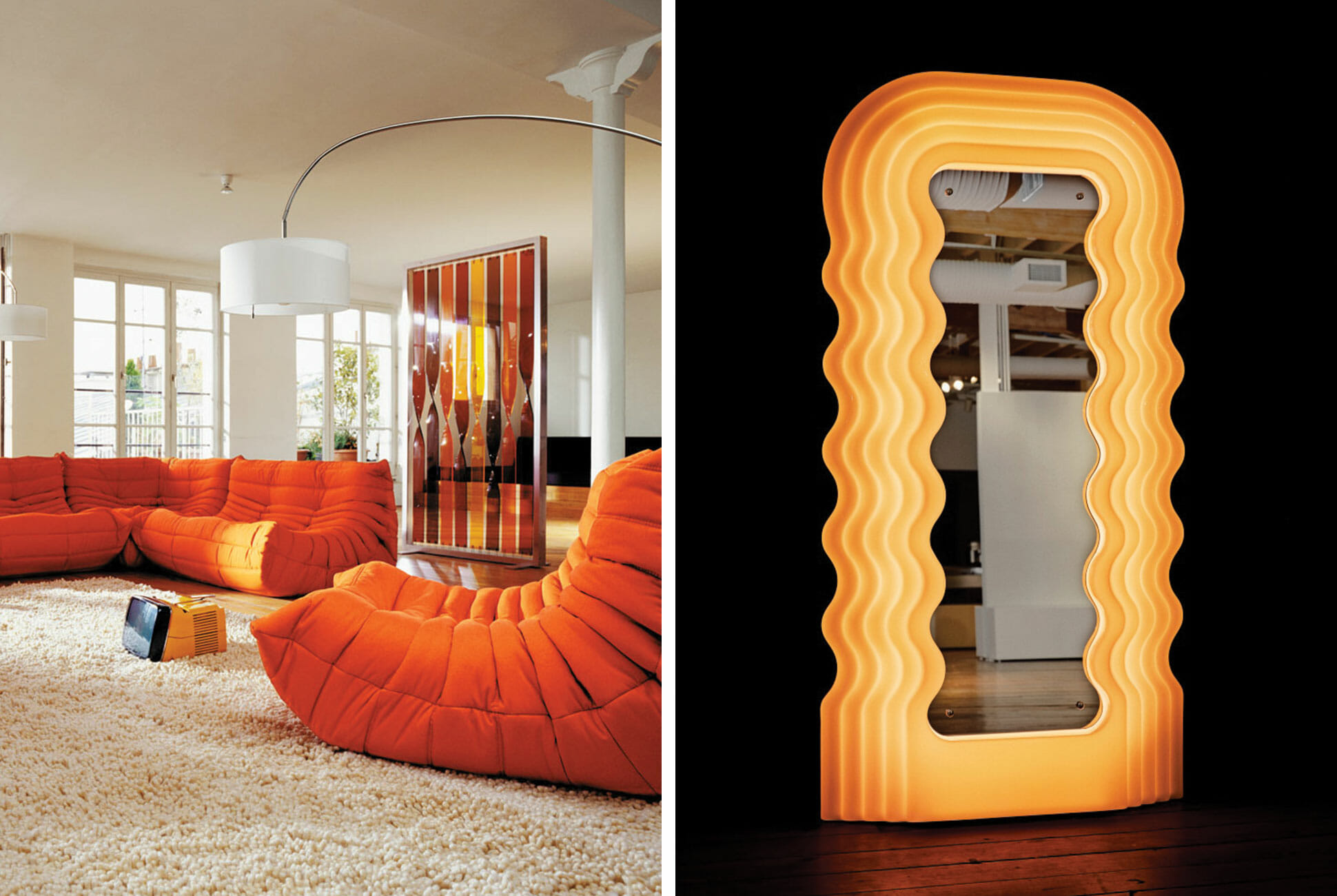
The Togo Sofa by Ligne Roset and the ultra-trendy Ultrafragola Mirror designed by Ettore Sottsass and produced by Poltronova.

Despite the disposable mentality of Long 1980s consumerism, there are still a number of iconic pieces from the era that can hold their own next to an Eames chair. Lavery from Home Union told me that there’s a big appetite for the Caprani lamp, a 1970s Danish design with a lurching bentwood spine and creamy shade that looks like an inverted muffin liner. Other collectible items include Togo sofas and lounge chairs, designed in 1973 by Michel Ducaroy for Ligne Rossi (which still produces the seating today). In terms of shape, Togos are somewhere between a croissant and a sleeping bag, with just enough structure to photograph well. Other desirable finds include the Ultrafragola mirror, designed in 1970 by Ettore Sottsass, a wave-edged acrylic piece with optional peachy lights. In recent years, it has appeared on the cover of Domino magazine and the Instagram of Frank Ocean. Rather than a unified look or design movement, what these pieces share is instant recognizability.

Mads Caprani’s Caprani Lamp and Marcel Breuer’s Cesca Chair.

Today, there are a number of mid-priced retailers imitating late 1970s and 80s designs, sometimes under the moniker Memphis (which refers to a short-lived postmodern Italian design collective, founded by Sottsass), but more often they’re presented without any direct reference to a specific era. This vase from Muutto would look at home in the house from Beetlejuice. This backlight pink neon floor mirror from Urban Outfitters is a more understated take on the Ultrafragola. Many of the accessories from Danish design company Hay, including this table-sized Caprani lamp lookalike, could fit into a room from a Terence Conran book.

The Long 1980s are an interesting corollary to our current cultural moment — it’s a period that saw the first instances of digital technology in the home, the emergence of yuppies, the early iterations of self-conscious minimalism in interior design. (All of these trends are summed up nicely in Patrick Bateman’s apartment.) In many ways, we have more in common with the climate of the late 1970s and 80s than that of the postwar years. For designers and consumers tired of the unimpeachable clean lines of mid-century modern, reinterpreting the often over-the-top era is an appealing challenge — and an easy way to stand out.

Note: Purchasing products through our links may earn us a portion of the sale, which supports our editorial team’s mission. Learn more here.