All posts in “Flying Taxis”

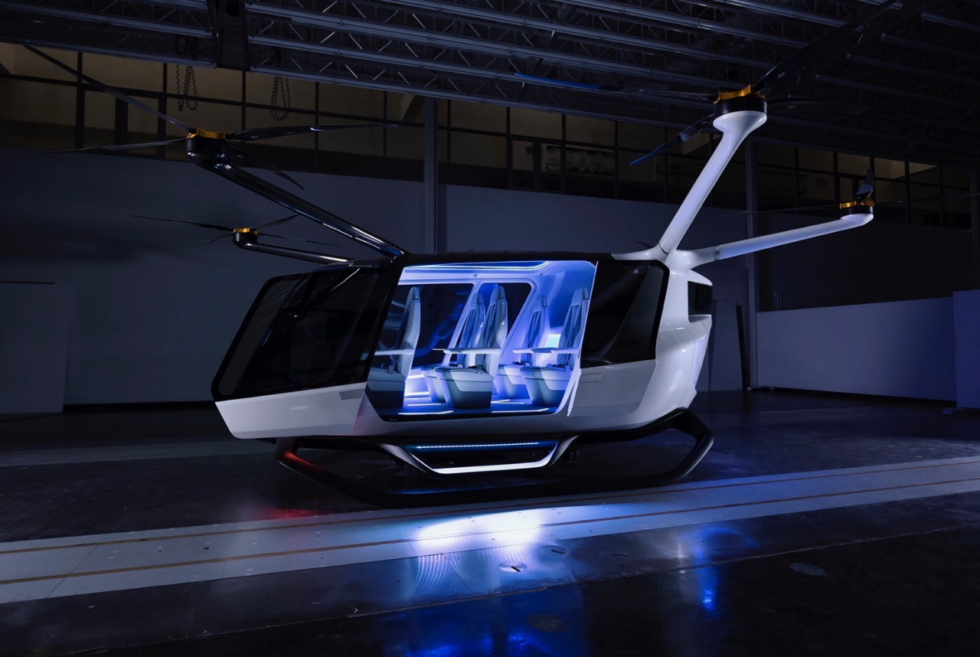
Alaka’i Technologies Skai Flying Car

The future of transportation is looking brighter as ever with more companies working on their prototypes for flying cars. Established aeronautical companies such as Airbus and Boeing and dabbling with their concepts. Meanwhile, pioneering startup groups are likewise running the race to introduce their services soon. Talking about the latter, here we have another one joining their ranks to offer another platform. The Alaka’i Technologies Skai is an upcoming flying vehicle that can ferry cargo and passengers alike.

In the meantime, competing brands are using various power sources–ranging from traditional engines, hybrids, and all-electric models. The Skai, on the other hand, is promising to have the cleanest powerplant on board. Instead of fossil fuel or batteries, this new startup will equip its aircraft with hydrogen fuel cells. As it stands right now, the technology is even more sustainable than lithium-ion batteries. Given that fuel cells can store more energy per volume, we can expect superior mileage thanks to weight reduction.

Likewise, the company claims that the materials of its fuel cells are 99-percent recyclable. Furthermore, another impressive advantage it has over lithium-ion batteries is faster recharging times. Unlike competing models that apply vertical takeoff and landing (VTOL) technology, the Alaka’i Technologies Skai is set up like a drone. It features six rotors arranged on fixed points. The engineers are looking at an approximate range of 400 miles on a full tank of hydrogen. Finally, there are safety measures in place, such as a parachute, fuel cell protection system, and a capability to land even with two of its rotors out of commission.
Discover more about it here

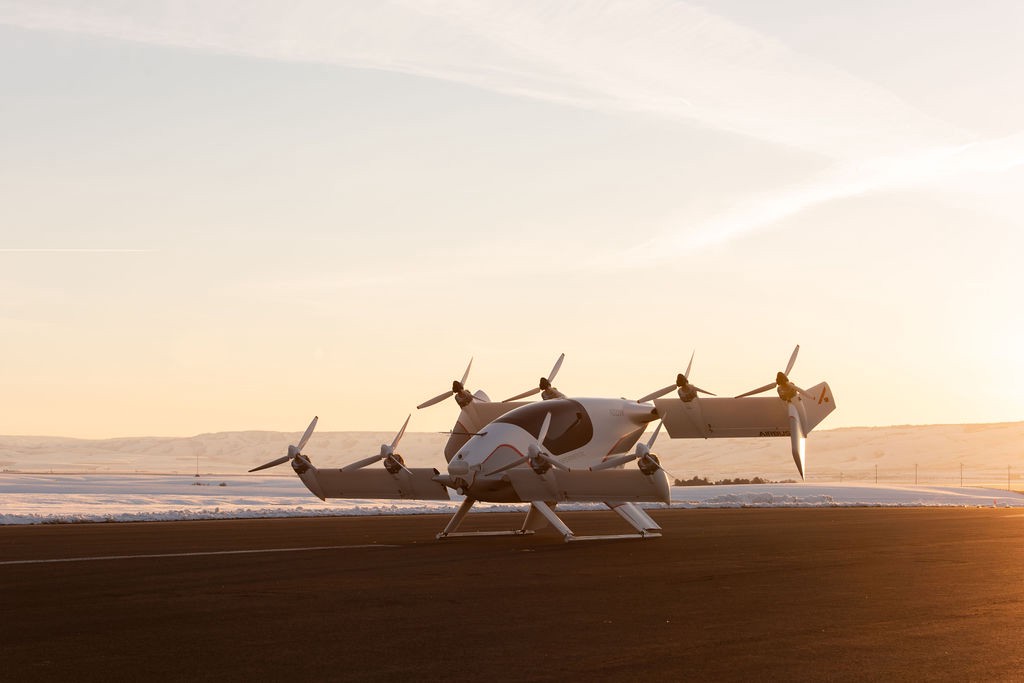
Airbus Vahana Alpha Two Flying Taxi

The race to become the first company to launch a flying car is quickly pushing forward. Since traditional aircraft require a runway to gather enough speed to take flight, manufacturers are adopting a different kind of technology to overcome this limitation. In essence, the most practical solution for the difficulties with infrastructure is a vertical takeoff and landing (VTOL) system. Hence, the Airbus Vahana Alpha Two will rely on the same configuration like many of its competitors.

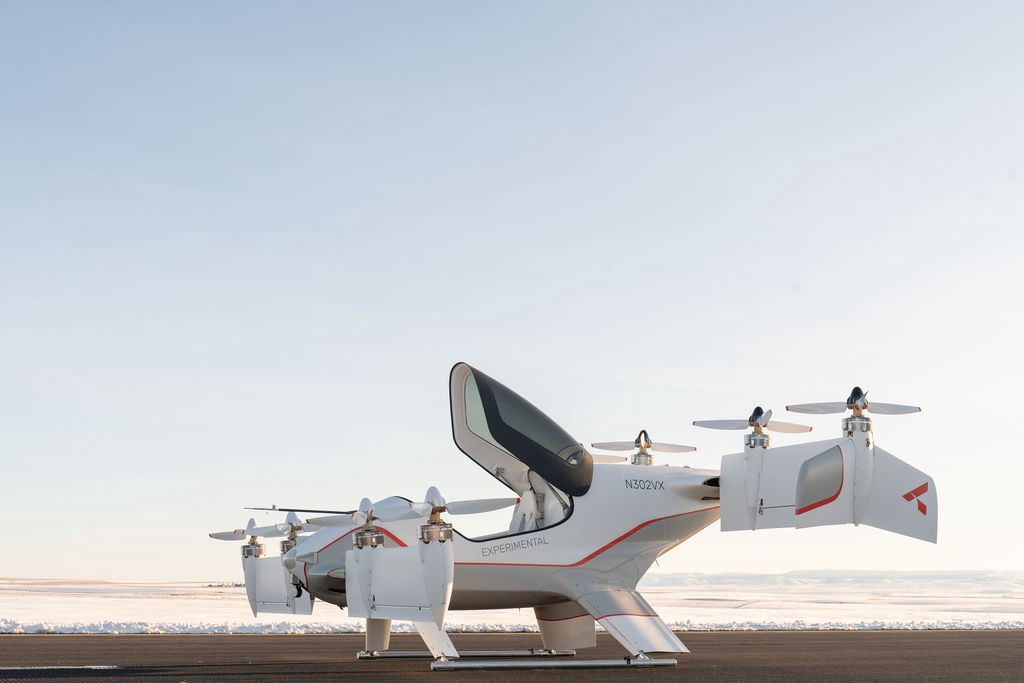
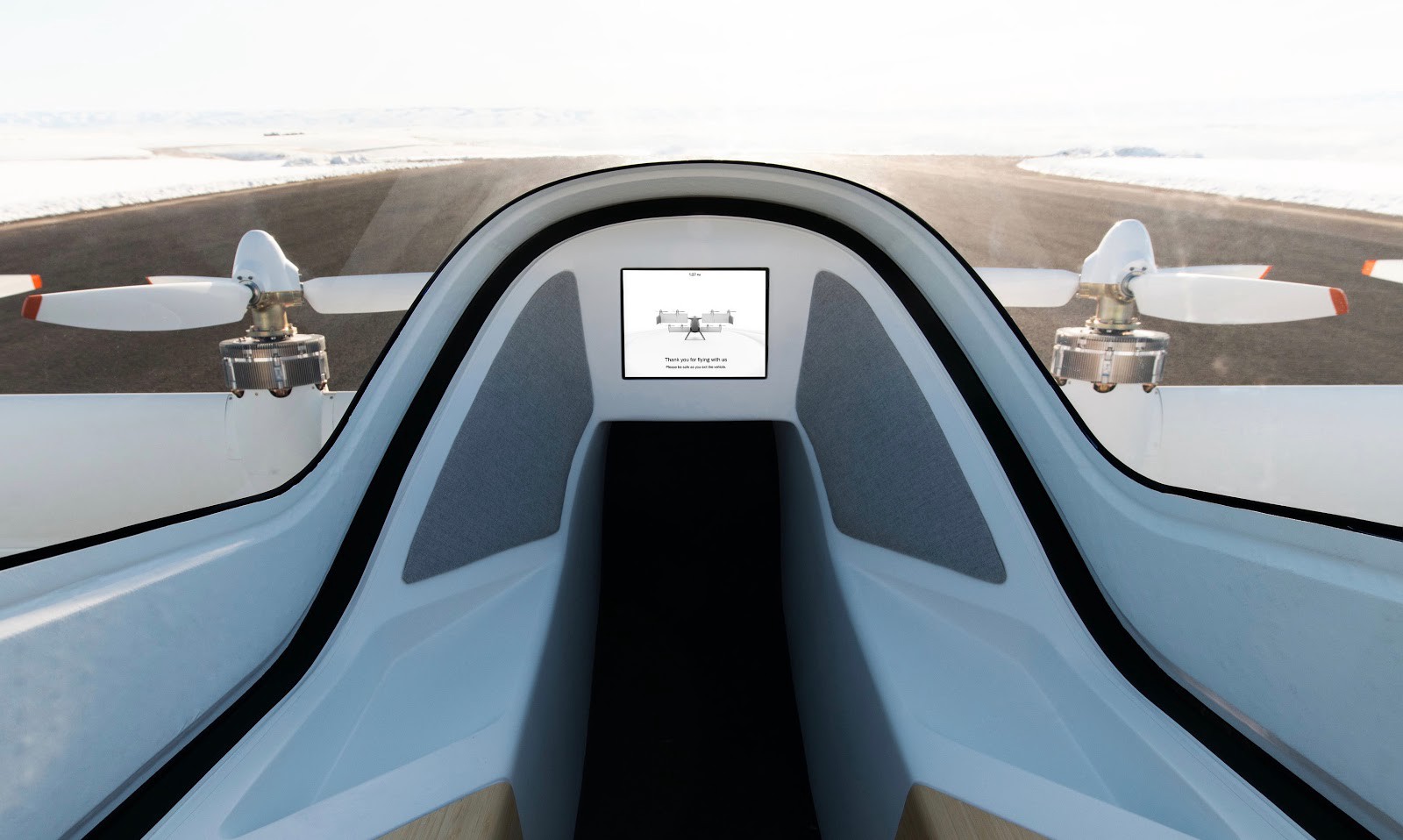
Last week we eagerly featured the Bell Nexus and the Lilium. Both of which are flying taxis that use a hybrid and an all-electric power source respectively. Moreover, these two are spacious and can accommodate up to five passengers with one of them being the pilot. The latter just recently completed its maiden flight successfully. Meanwhile, the Vahana Alpha Two is a one-seater that can operate autonomously to pick up and ferry its occupant anywhere within range. Completing its test flights back in 2018, the latest version of the aircraft is showcasing how its cabin will look like.

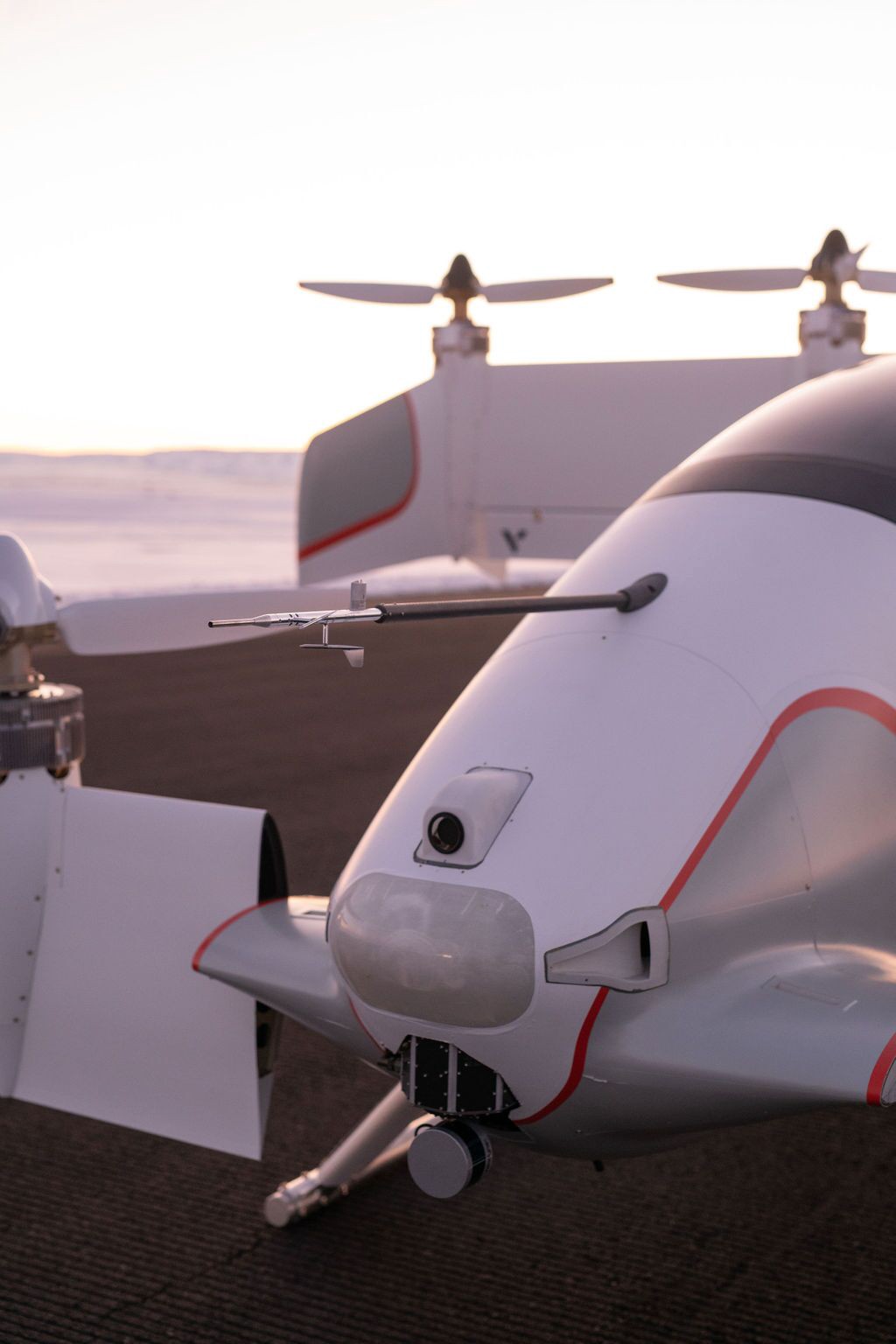
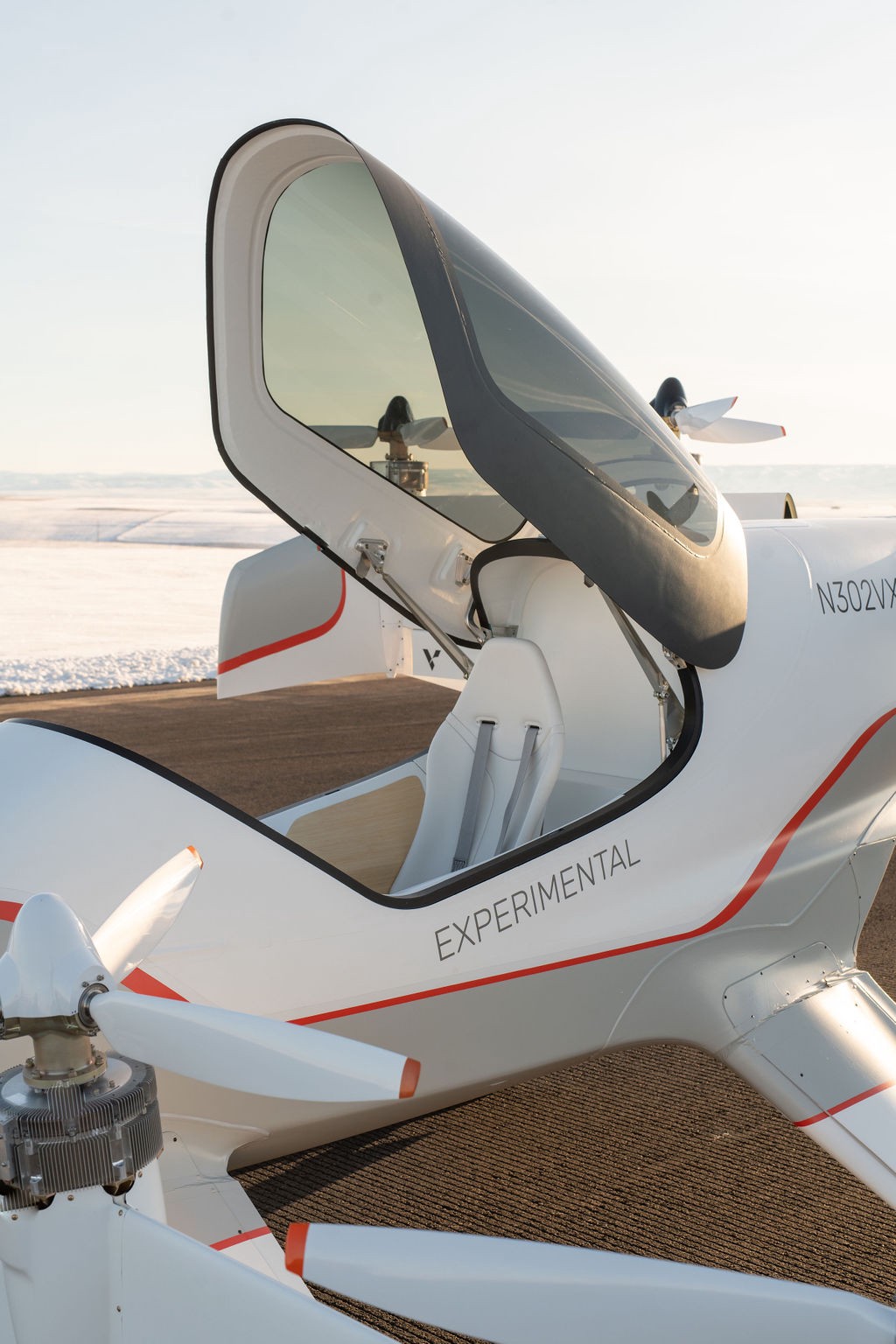
As expected from an autonomous machine, the Airbus Vahana Alpha Two comes with a simple cabin. Climb up and all you’ll see inside is the seat and a single monitor in front. We just hope that there’s an emergency failsafe that allows passengers to take control in an emergency. The single-seat setup lets you experience the view as the pilot minus any flying experience. Just like the Lilium flying taxi, it is an all-electric model. The eight propellers are mounted in sets of two for each tilt wing. Airbus estimates a 62-mile range for each flight.

Check it out here

Images courtesy of Airbus

Lilium Flying Taxi Successfully Completes Maiden Flight

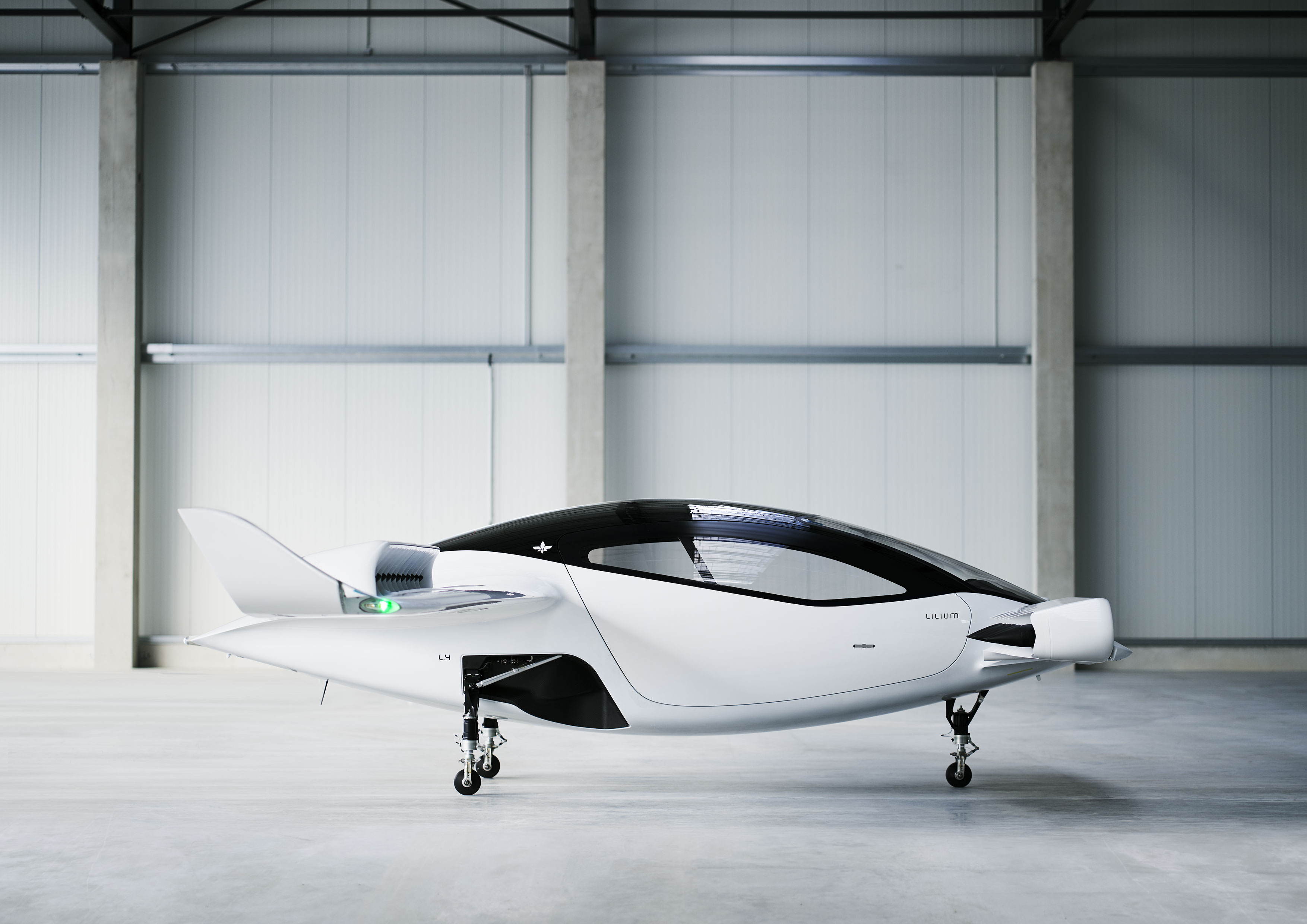
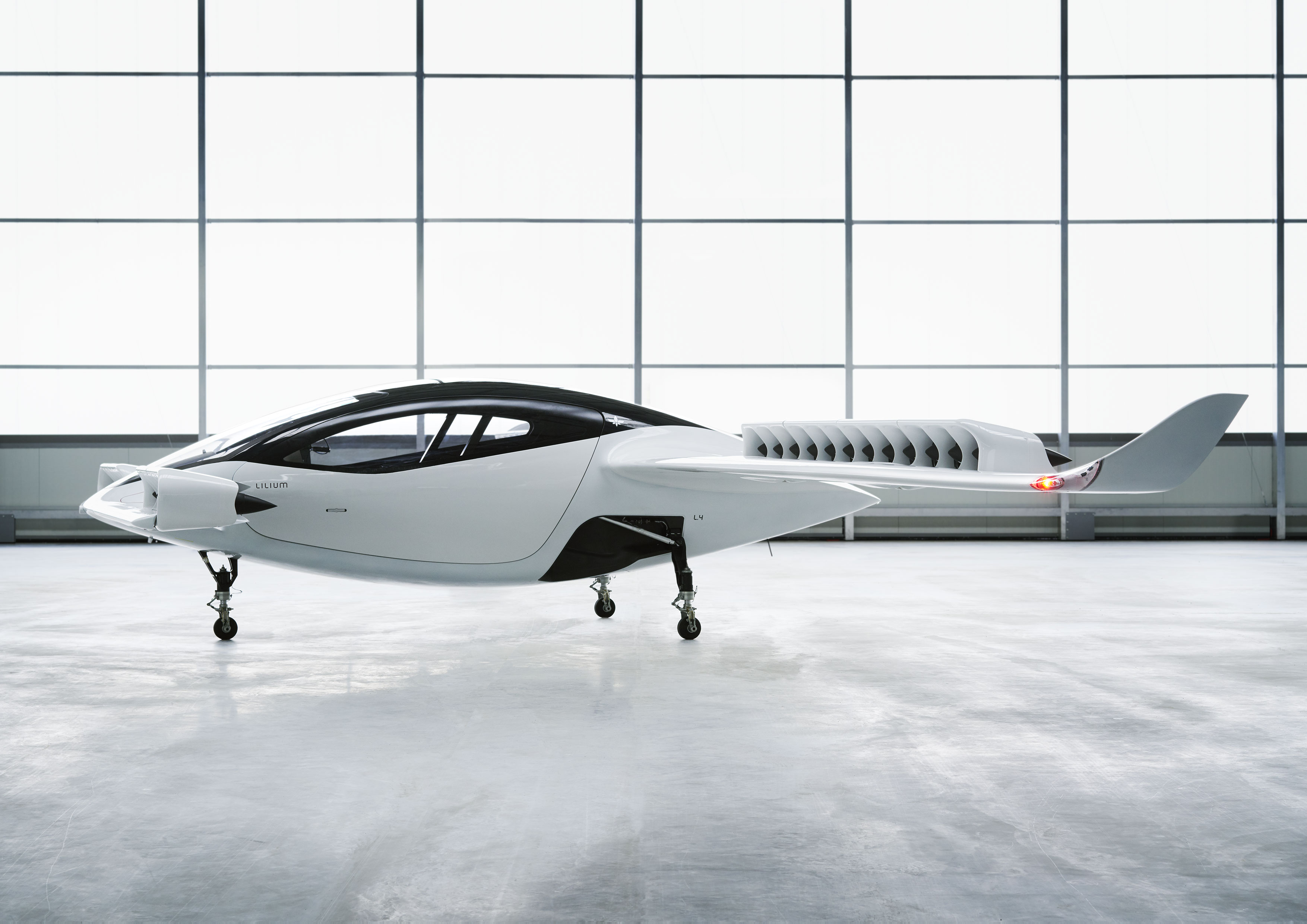
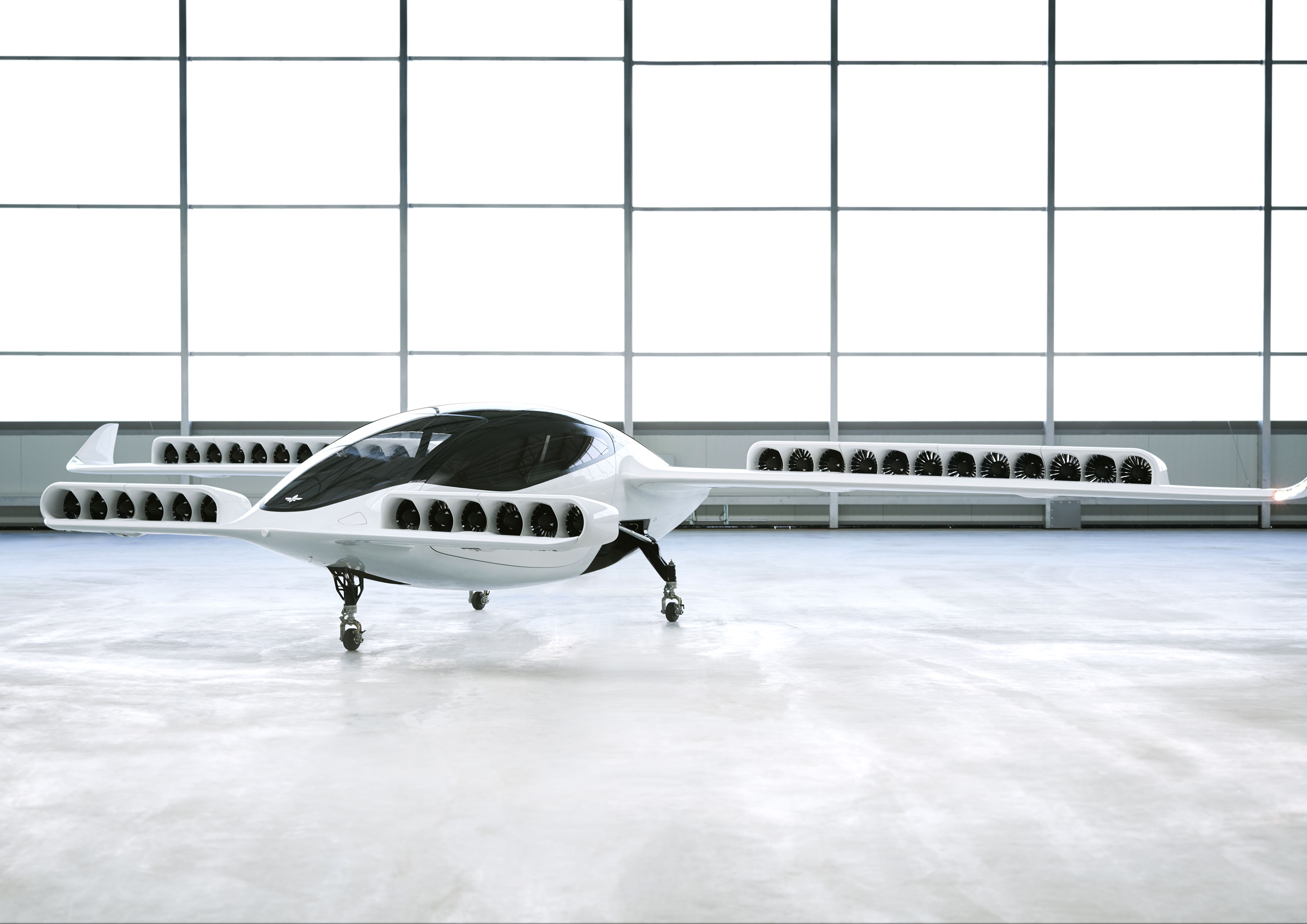
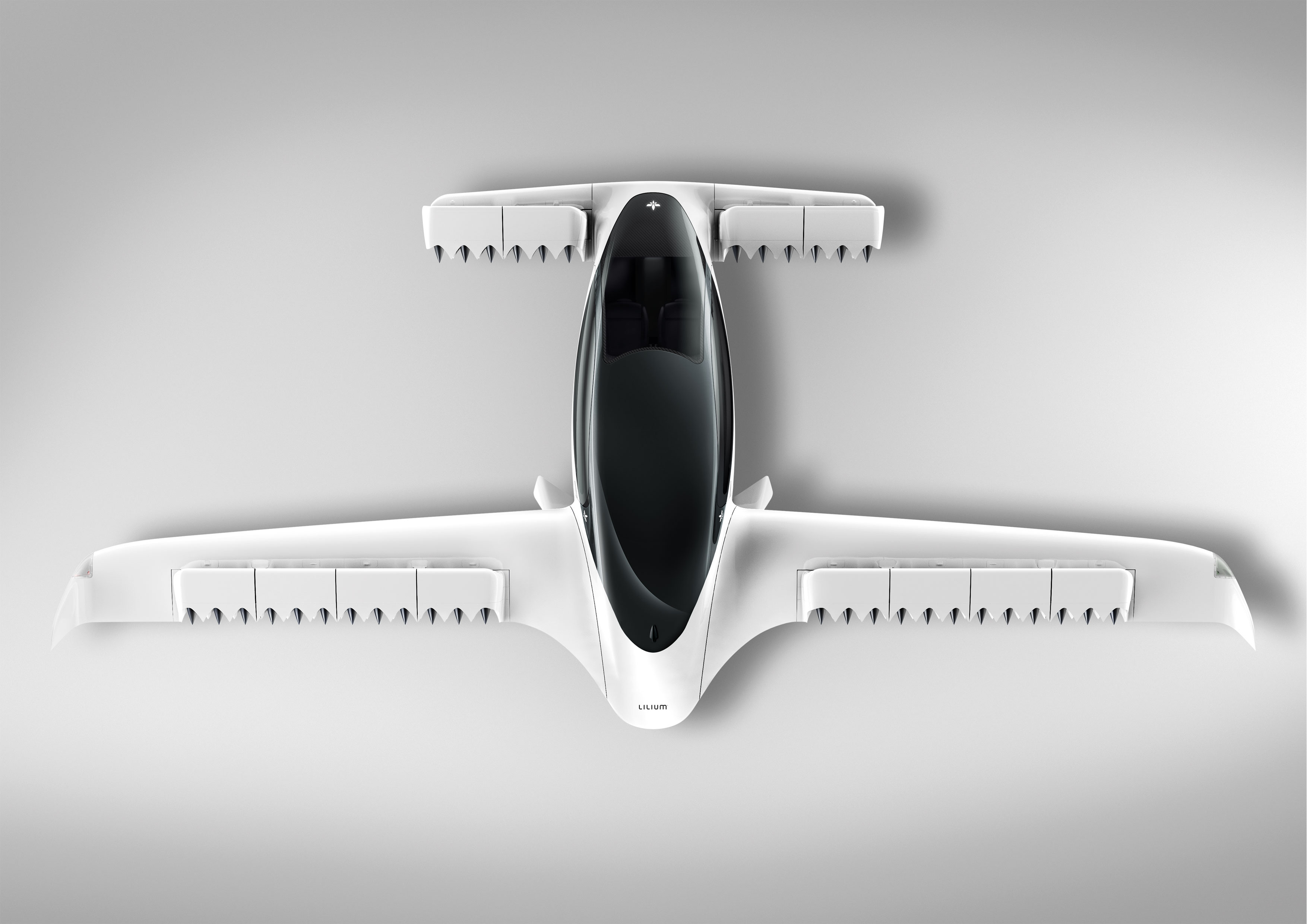
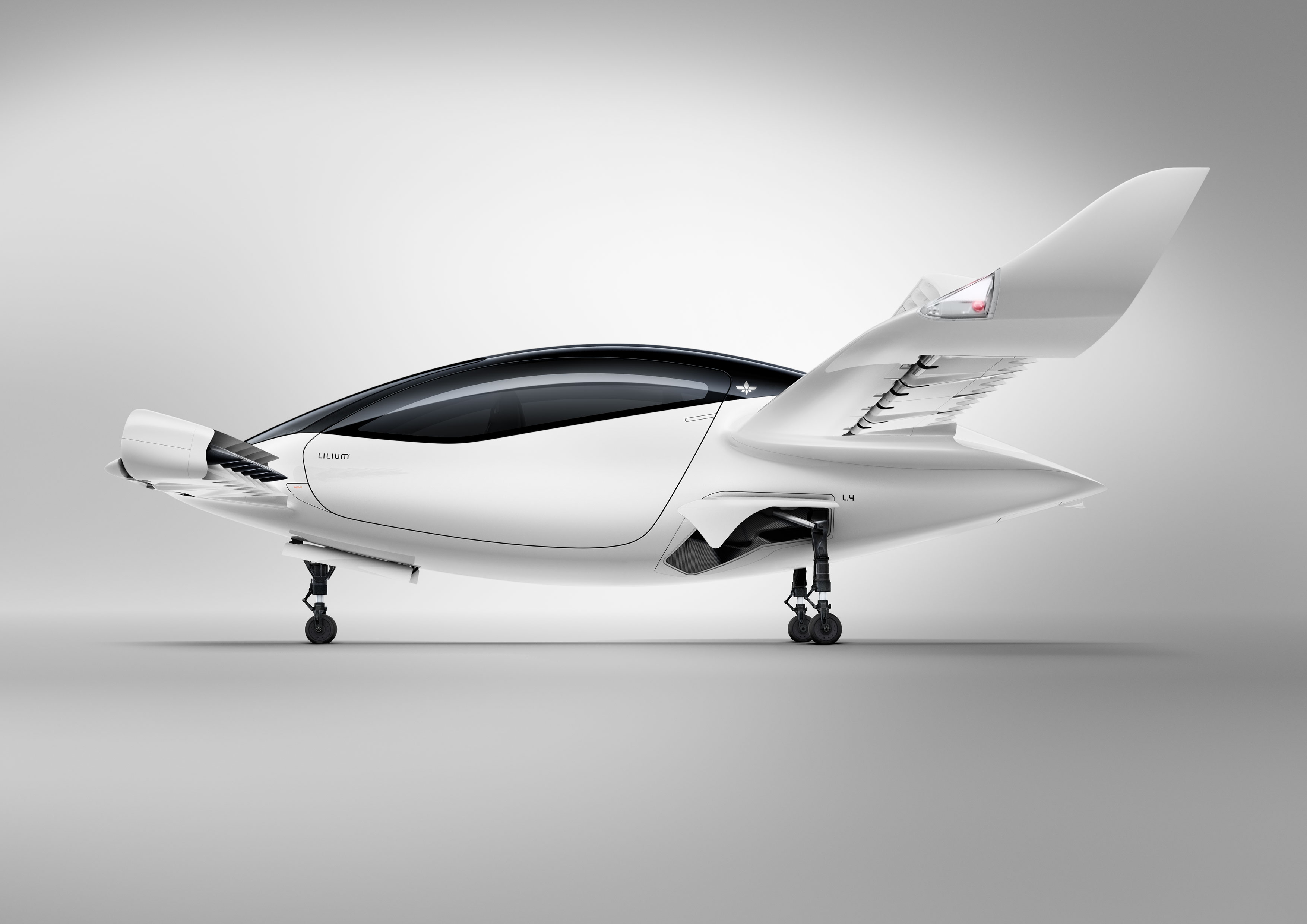
Earlier we featured a remarkable concept for a flying taxi. The project is a collaboration between two companies that will hopefully take flight by 2023. The Bell Nexus will rely on a vertical takeoff and landing (VTOL) configuration that uses six rotors. However, it looks like one competitor has beaten it to the punch. The Lilium air taxi reportedly completed its maiden flight successfully and could see service sooner than the aforementioned machine.

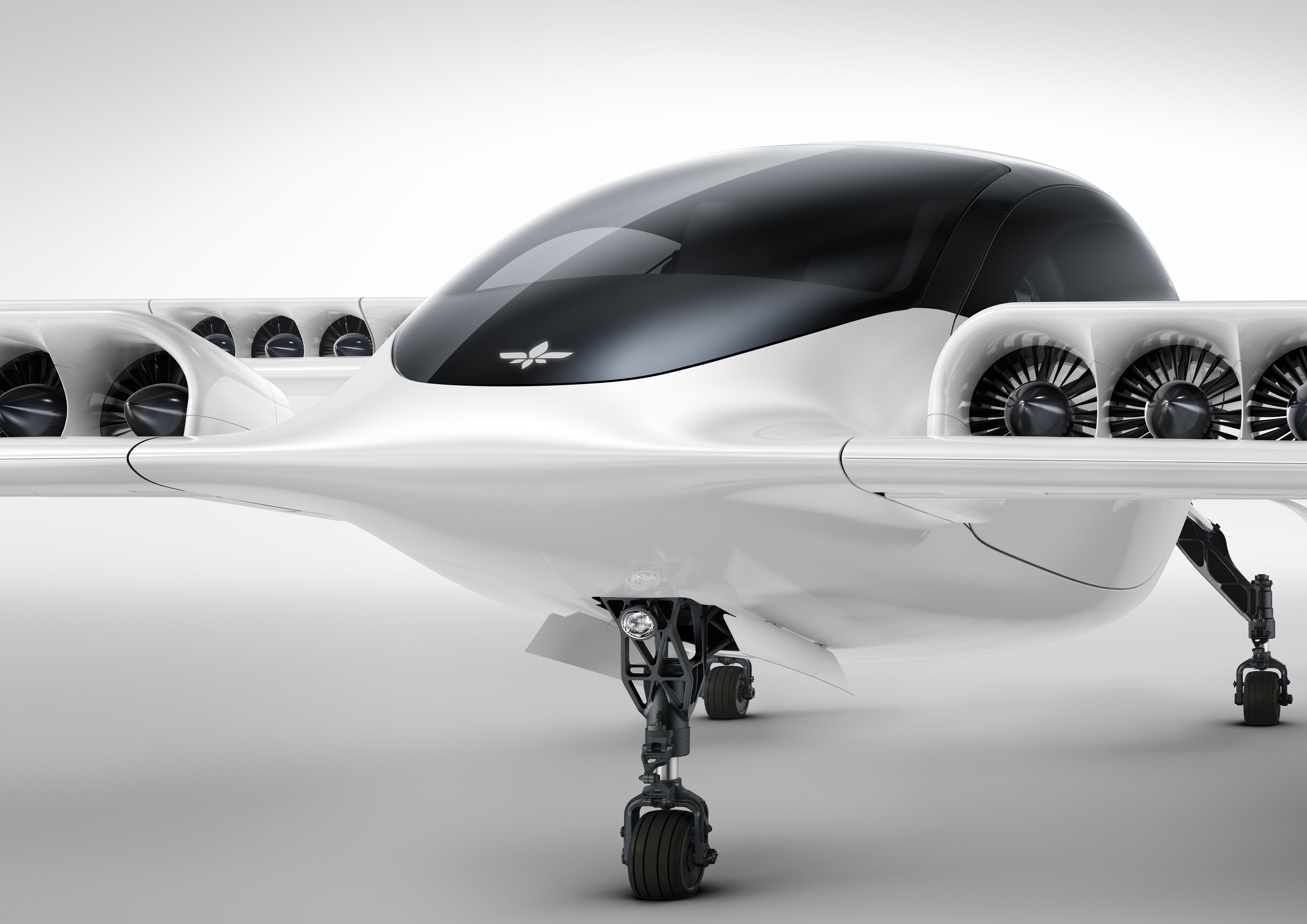
What makes the latter so special is the technology that allows it to take flight. For comparison, the Nexus uses a hybrid engine, while the Lilium air taxi relies entirely on batteries. In fact, it claims to the world’s first all-electric aircraft, which is kind of a big deal. It also uses a VTOL system, which is probably the best setup that can quickly adapt to our current infrastructure. All it needs is an area roughly the size of a regular helipad with enough space to maneuver and it’s smooth sailing from there.

Being an all-electric model, the Lillium air taxi will likely offer its services for short flights only. Don’t expect mileage akin to that of long-haul travel, but that could improve in later models. As it stands right now, the maximum range is 186 miles with a top speed of 186 mph. The aircraft itself looks futuristic and sleek. There’s enough room for one pilot and four passengers to cruise the skies in a cool and eco-friendly fashion. You have 36 electric jet engines that handle lift and thrust. The company plans to conduct more test flights in the near future.

Discover more here

Images courtesy of Lilium

Bell Nexus Flying Taxi Concept

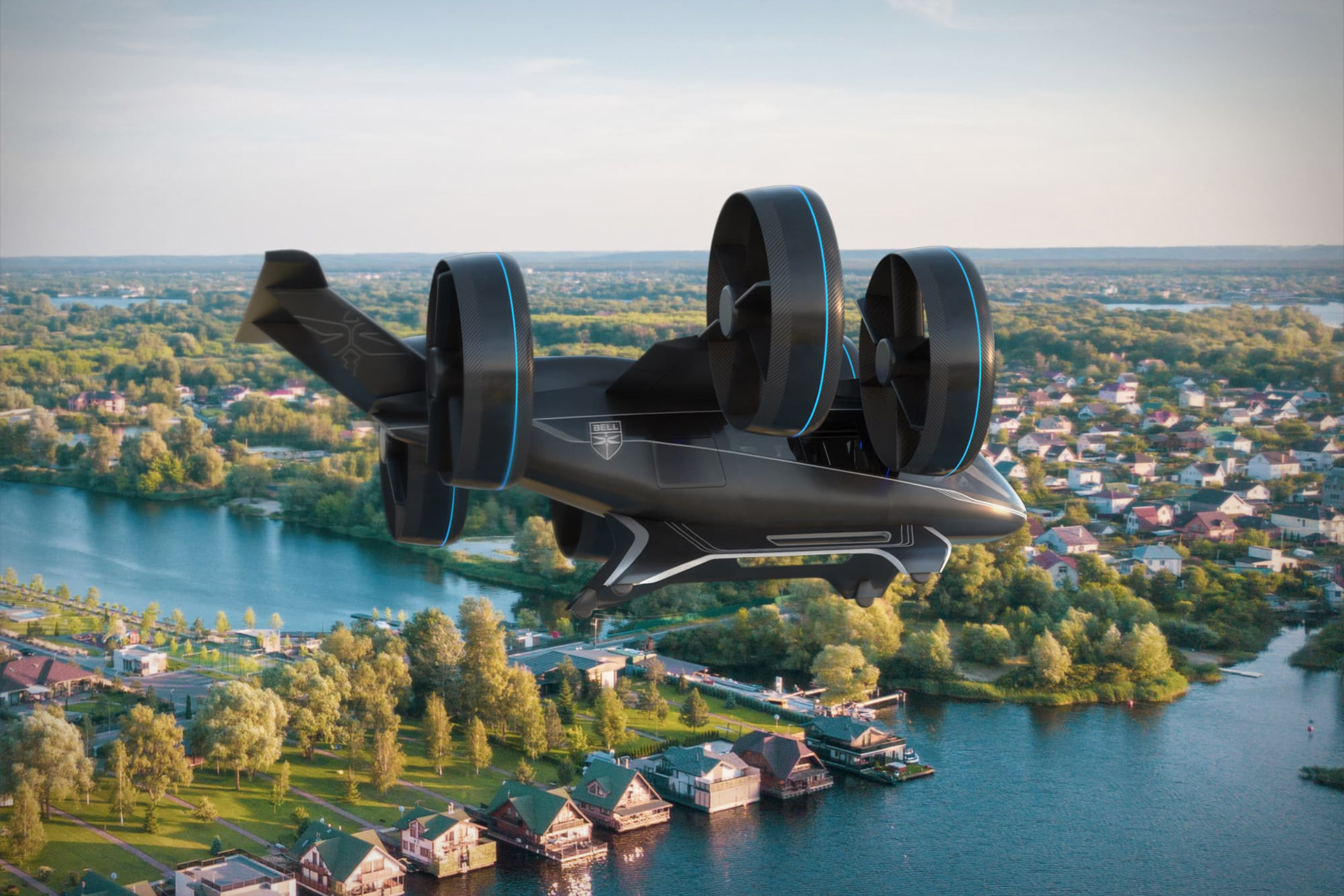
As it stands right now, major modes of transportation are gradually inching forward toward electric power. Studies show that this is a step in the right direction to eventually replace traditional vehicles with sustainable options. In the past, the industry illustrated grand ideas of a future with flying cars. The technology to make that happen has come a long way, but it looks like it will still take some time before it becomes reality. However, it does not mean that experts are giving up. The Bell Nexus might be the first platform to take flight in the next few years.

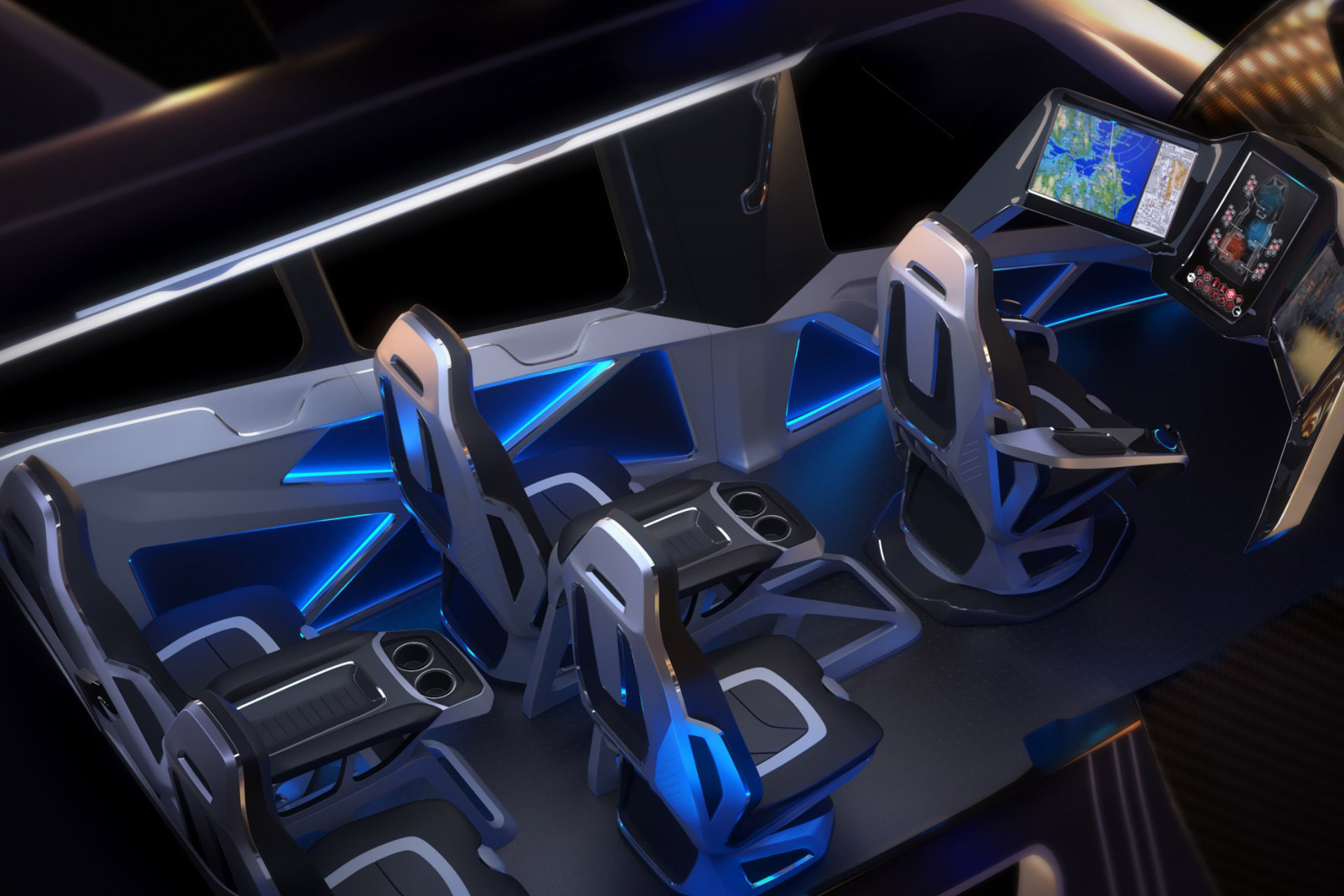
Reports point out that the Nexus will be offering its services as a flying taxi. There’s enough room for one pilot and four passengers. There’s no mention of cargo space, but we’re guessing it will have additional storage space available. Luggage, on the other hand, can be stored under the center console. Thales and Garmin are also helping out with the flight control system and navigation. Passengers can ride in comfort with leather seats. Additionally, cup holders and wireless charging mats make the trip more convenient.

The concept designs reveal that it will rely on vertical takeoff and landing (VTOL) technology to ferry people around the urban landscape. Six powerful rotors give the Bell Nexus remarkable mobility and it can hover just like a helicopter. An electric hybrid engine will generate all the eco-friendly power it needs to operate. We believe that it is an awesome alternative to avoid traffic. Uber is closely working with Bell to make the launch the service by 2023.

Bell Nexus

Images courtesy of Bell