All posts in “Features”

For Mountain Hardwear’s Most Advanced Collection Yet, It Looked to Its Past

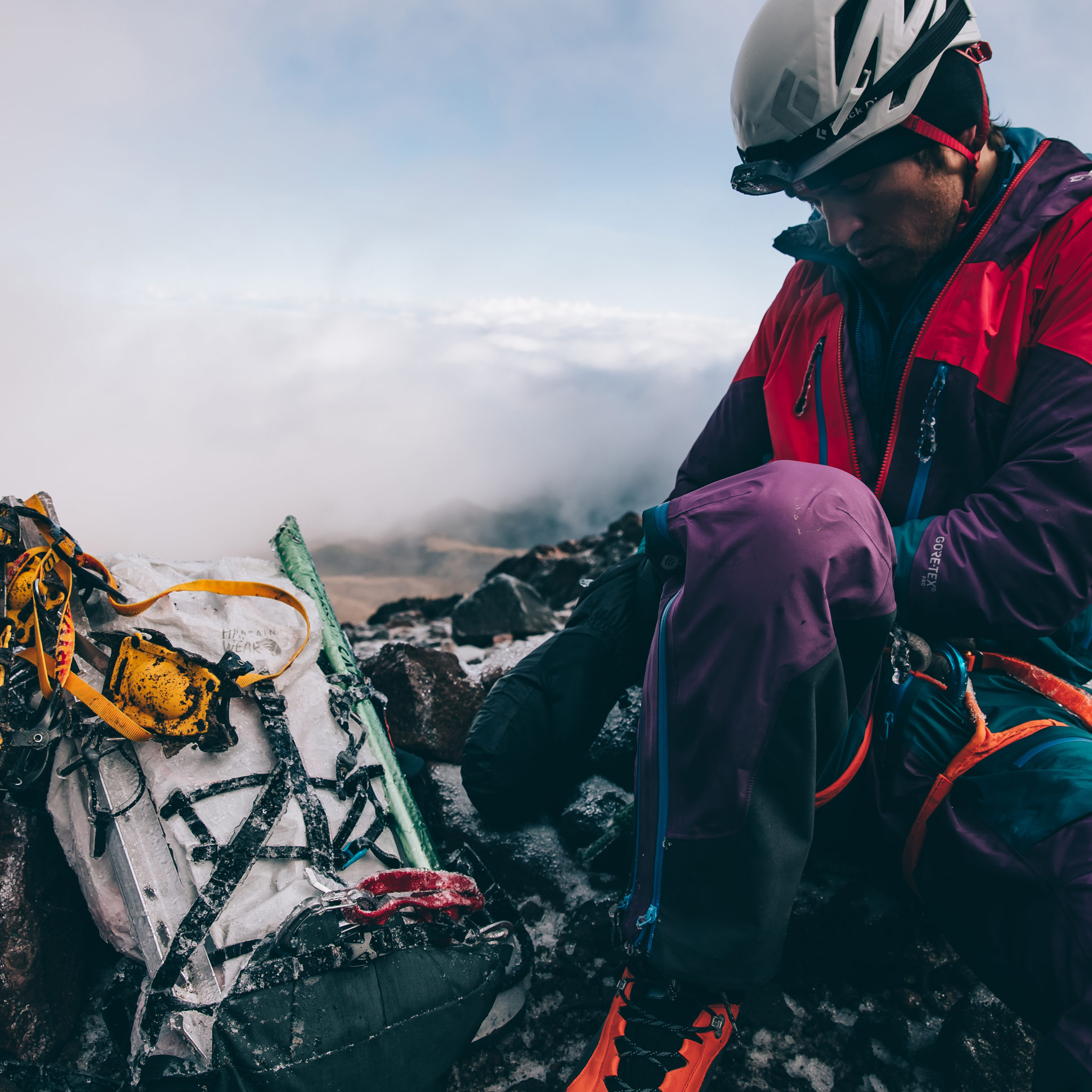
As we took the next few steps upwards, our breath visible under the light of our headlamps, we caught our first glimpse of the summit. Still some 1,600 feet below the crest of Pico de Orizaba, the highest mountain in Mexico, we needed to pace ourselves. Stopping briefly for water, we stared up as first light reached the Jamapa Glacier, an icy 35-degree slope laden with crevasses. A good reminder of how small we are.

Hours earlier, we started the summit push from our high camp just after 2 AM and had just passed the crux of the climb, a slick section called the Labyrinth. We had endured freezing rain and high winds for nearly five hours and 3,000 feet of slowly marching upward. Orizaba, at 18,491 feet, is the third highest mountain in North America, and a challenge for even the hardy. The six of us had gathered two days earlier at the rental car office at the airport, beaming with excitement. A group of friends from all over the US, we came together to tick a bucket list climb and test some of Mountain Hardwear’s newest products.

Mountain Hardwear introduced an entirely new line of sustainable technologies in December, by far its most environmentally responsible collection in the company’s 25-year history. Before the trip, I had a chance to sit down with the design team to learn more about the sourcing and history behind the new Exposure/2 collection. Mountain Hardwear was inspired by a belief that sustainability is opportunity, not just an obligation. From product designers all the way up to the company’s president, the team bought into the idea and invested in research, design and testing of new recycled materials, solution dyes and sustainable waterproofing.

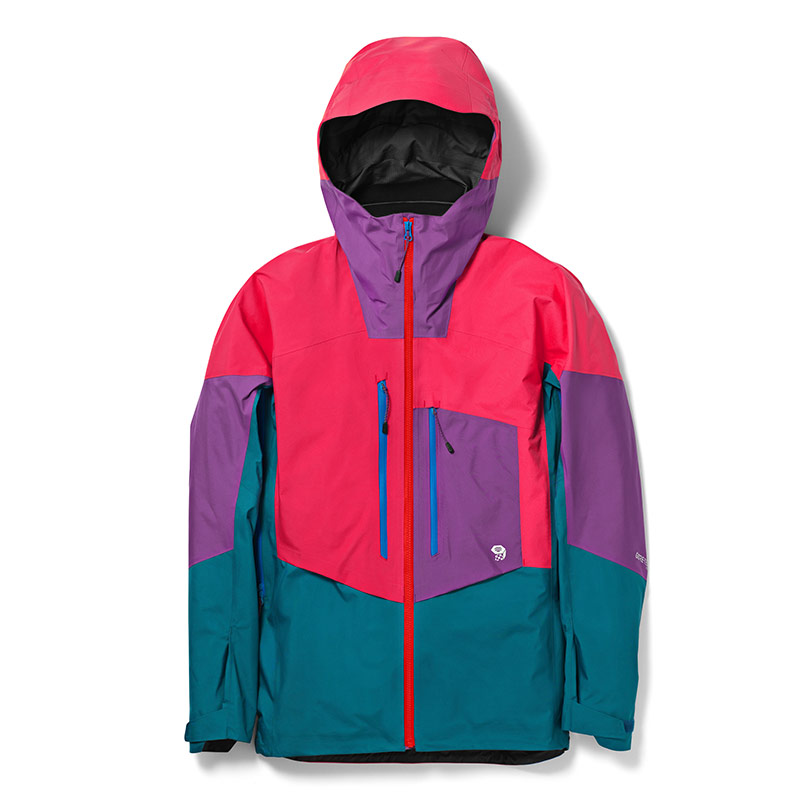
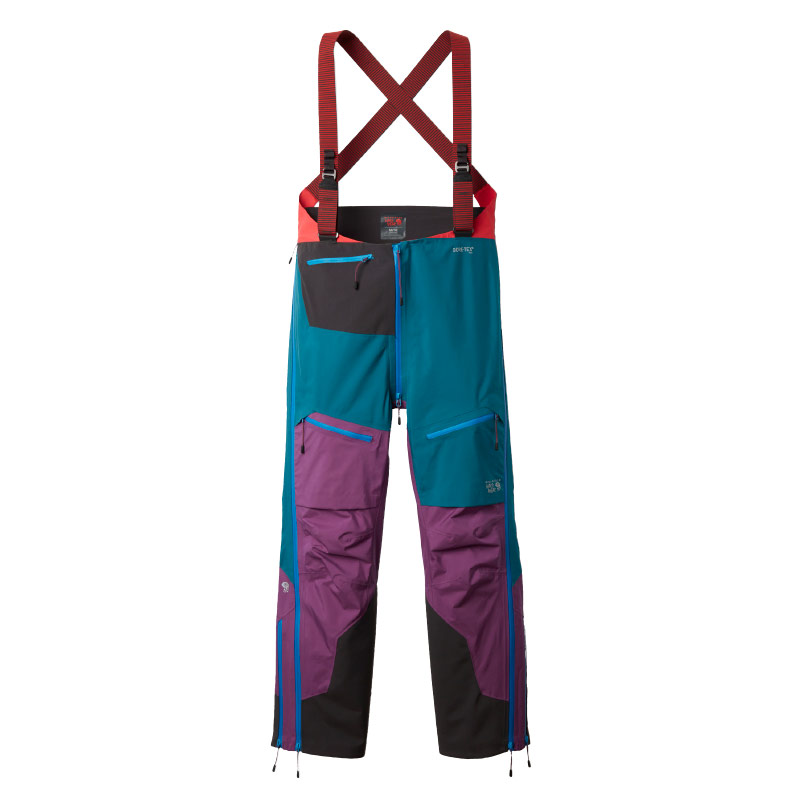
Mountain Hardwear’s commitment to sustainable technologies runs the gamut, from apparel, to packs and tents. Every one of its major upcoming products launches has sustainability baked in, including the Exposure/2 collection — which includes a flashy pair of bibs and a jacket. This combo was made possible through a rekindled partnership with materials developer Gore-Tex.

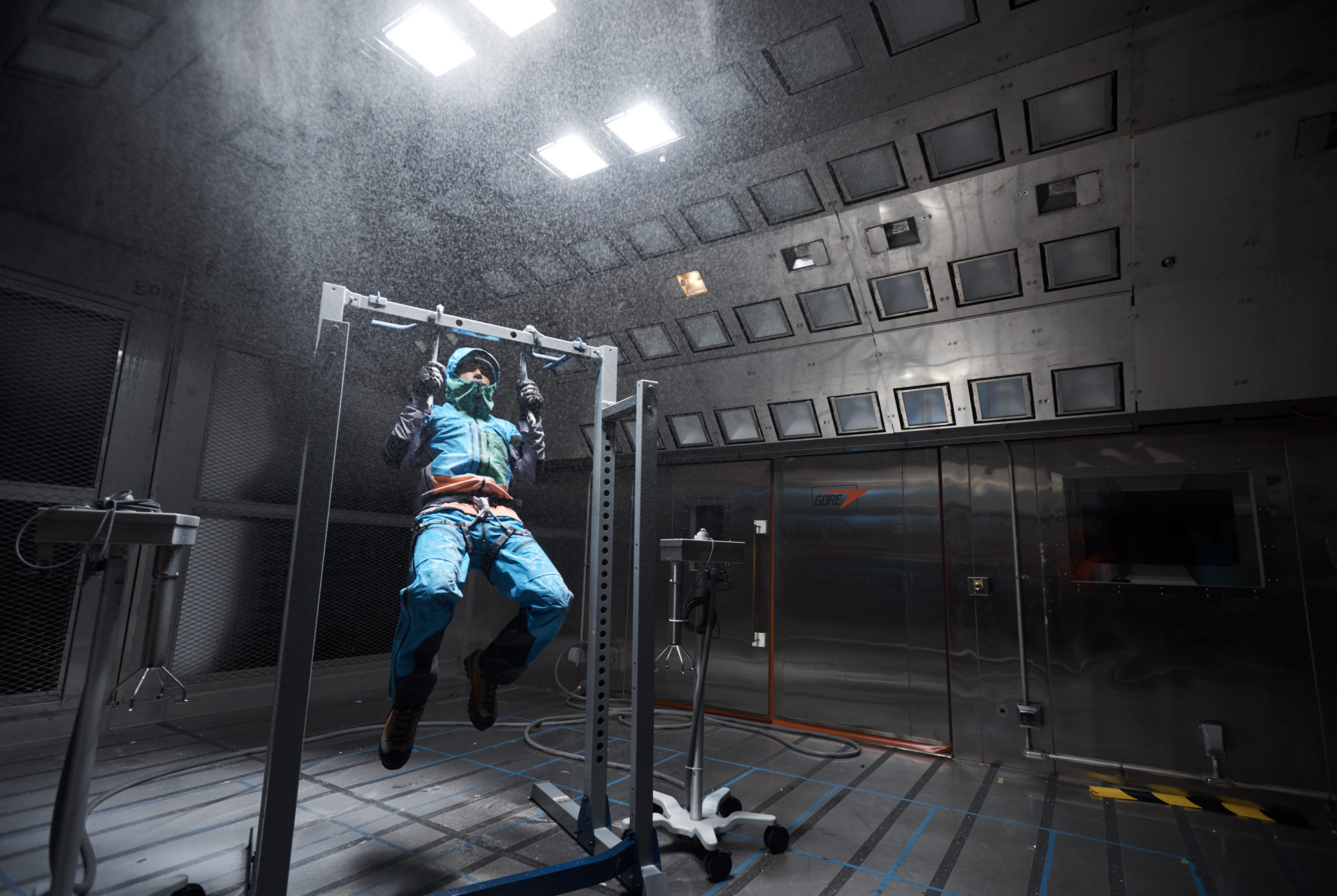
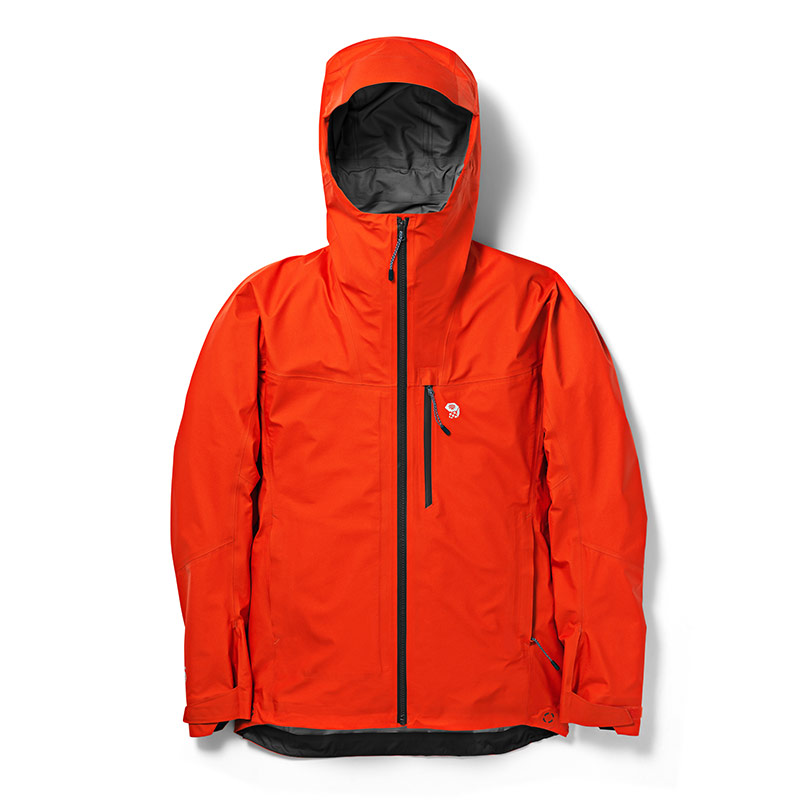
The collection is made with a three-layer Gore-Tex Pro Shell fabric that’s waterproof, windproof and breathable. Both the jacket and bibs have an improved ability to stretch, striking a balance between comfort and consistent weather protection, perfect for extended activities like summiting Orizaba with extreme weather. The jackets were designed for the demands of backcountry skiers, mountaineers, alpinists, guides and serious outdoor enthusiasts.

Despite being undeniably burly and durable, the most impressive parts of the Exposure/2 Pro shell and bib are hard to spot with the human eye. In one colorway that references the brand’s 1993 color palette, the jacket and bib feature solution-dyed fibers instead of the traditional dying process, in which individual strands of yarn are dyed using a large volume of water and chemicals. Solution dyeing involves mixing pigment directly into the plastic pellets before it is extruded into yarns. The output is a deep, permanently colored fiber that can be woven into fabrics without wasted water or dyes.

The solution-dye process that Mountain Hardwear chose to utilize requires 89% less water, 63% fewer chemicals and generates 60% fewer CO2 emissions than traditional dyeing while creating colors that last longer. After Mountain Hardwear ran the numbers, the process was an obvious choice. The Exposure/2 collection features some colorways that are not solution dyed and instead are made using 100% recycled nylon, further reducing the environmental footprint of the collection.

“The incorporation of recycled and solution dyed textiles has the potential to significantly lower the environmental impact of making Gore-Tex garments,” said Bernhard Kiehl, Gore Fabrics Sustainability Leader. “Our Life Cycle Analysis indicated that a long and useful life is the single most important factor in measuring sustainability. Solution dyeing partially addresses this finding, as the process produces improved durability and lasting color.”

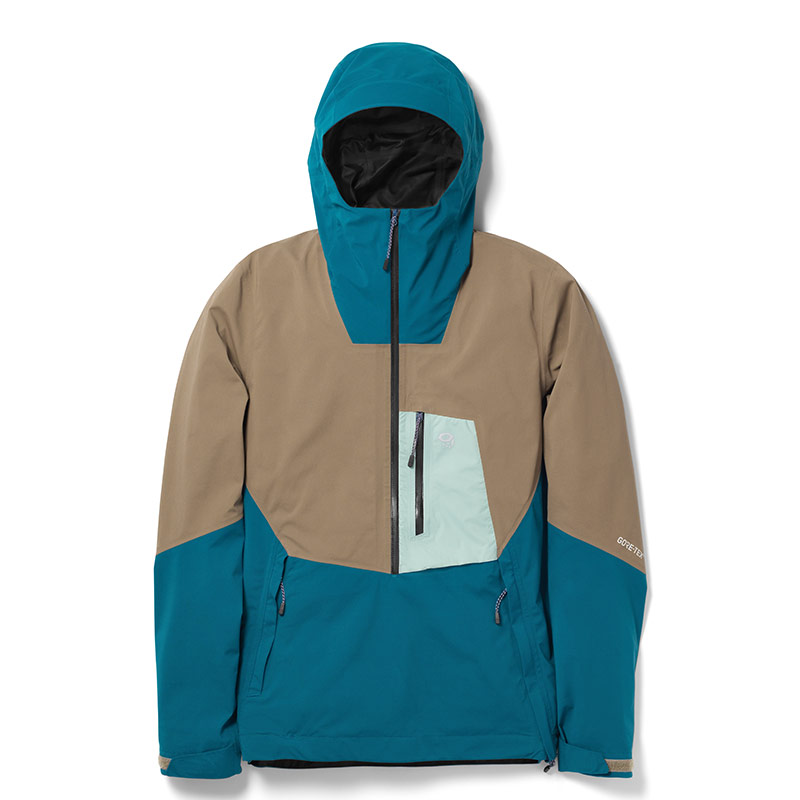
Mountain Hardwear’s push for sustainability goes further with the REI-exclusive Exposure/2 Paclite Pullover styles where the brand introduces a Durable Water Repellant (DWR) treatment free of perfluorinated compounds. This technology, known as C0 DWR, eliminates the persistent toxin associated with the carbon chemistry of C8 or C6 DWR, which have long been industry standards. “As a garment’s first line of defense against precipitation, DWR treatments are essential to the performance of high-quality outerwear,” said Steve Adams, Mountain Hardwear’s Senior Outerwear Product Line Manager. “However, until recently, those benefits came with a significant environmental cost: the use of perfluorinated compounds, inorganic substances that accumulate in the environment. By eliminating PFCs, we’re delivering performance without the environmental impact.”

On the five day trip to Mexico, we had the opportunity to test prototypes of products coming down the pipeline in spring 2019, including new Trango tents, Alpine Light and Scrambler packs and Phantom sleeping bags. Curious how these new, environmentally responsible materials would hold up, we asked Peter Valles, VP of Design and Brand. “These are some of the newest materials available to the market. We simply chose to work with the most sustainable options available to us, from Bluesign-approved, recycled and solution-dyed fabrics to tent materials made without toxic flame retardants.”

As part of Mountain Hardwear’s redesign of its entire equipment line, the brand has taken a stand against the use of fire-retardant chemicals in tents, choosing not to apply toxic compounds to all of its shelters, including base camp, expedition and backpacking tents. “The tent standard that necessitates the use of fire retardant chemicals — which are often highly toxic — is based on a rule developed to protect against highly flammable, paraffin-coated cotton circus tents decades ago” explained Joe Vernachio, Mountain Hardwear’s president. “We’re challenging this outdated standard in the interest of sustainability and our consumer’s health. We are eliminating its use from all future Mountain Hardwear tents.”

The launch of Exposure/2 also celebrates the 25th anniversary of Mountain Hardwear and is a homage to the original Exposure jacket, which launched 25 years ago. While the collection embraces the heritage of Mountain Hardwear, it is mostly focused on the future. With this new line, the brand shows its focus on the emerging generation of climbers who appreciate performance and style, combined with responsible ethics in sourcing and manufacturing. “Our products will always be technically focused, with a fresh and youthful spirit,” said Steve Adams.

Driven by a philosophy of environmental optimism, the team designed the Exposure/2 collection with some of the most sustainable fabrics and dyes available. The new collection references the 1993 color palette with bold and fun colorways. For those looking for a high-performance and responsibly made shell for alpine environments, the Exposure/2 is your top choice.

In the end, whiteout conditions on the Jamapa Glacier and nausea for a couple members of the team turned us around. The summit of Orizaba, a monolith of rock and ice, will have to wait for another day. With cold hands and wet toes, we carefully descended the same path we had come. This moment will stick with me. I’ll use it as a reminder to respect the earth – it’s the only one we have.

Exposure/2 Gore-Tex Pro Jacket by Mountain Hardwear $650

Exposure/2 Gore-Tex Pro Bib by Mountain Hardwear $550

Exposure/2 Gore-Tex Active Jacket by Mountain Hardwear $425

Exposure/2 Gore-Tex Paclite Stretch Pullover by Mountain Hardwear $275
Note: Purchasing products through our links may earn us a portion of the sale, which supports our editorial team’s mission. Learn more here.

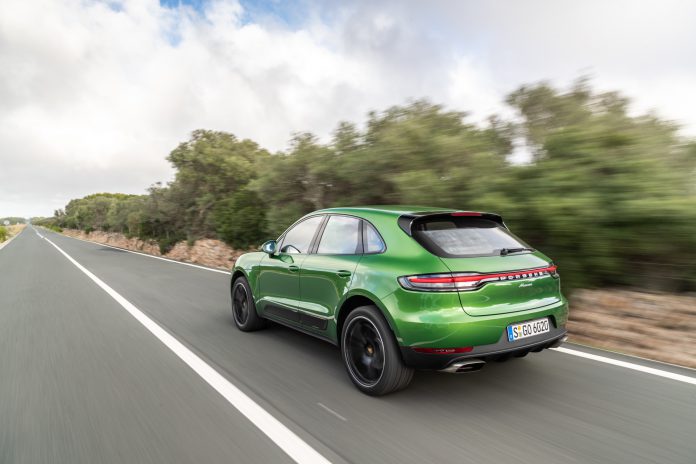
2019 Porsche Macan S Review

As a lover of sports cars I have a huge admiration of Porsche and their two door sports cars. The Boxster and Cayman have mid-engined poise and balance like noting else in the segment and don’t even get me started on the brilliance of every 911 in the range from the T, to the GTS to the unhinged GT models. Porsche define sports cars and set an example to the rest on how things should be done.

But now there are far more Porsche models on offer. When the Cayenne launched way back when I was a wee little lad, the world thought that the Germans had gone mad. When the Panamera launched the world thought the designers had gone blind. Then followed the Macan, a car that was an instant hit, because the world had gone barmy and suddenly everyone wanted an SUV to clog up narrow city streets and school drop off zones.

This epidemic has continued and now we live in a world where Porsche sells more Macans than any other model. This is great for two simple reasons. The Macan is brilliant and selling shed loads of Macans, Panameras and Cayennes means that Porsche can reinvest profits into the cars that the rest of the world and I love them for – the bonkers things such as the GT2 RS et al.

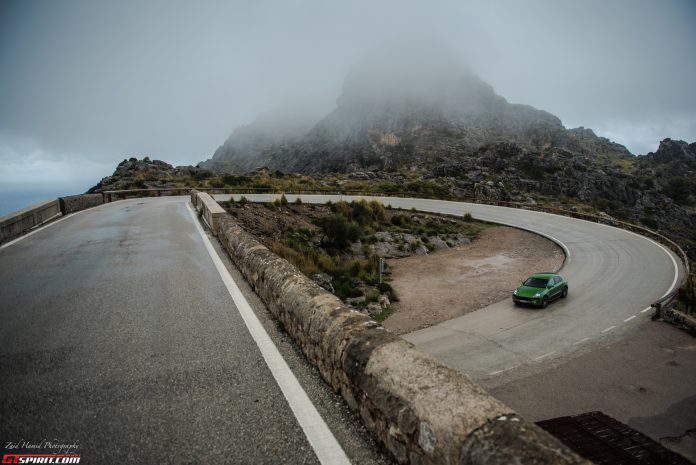
So the Macan is the bread winner, the golden child, the cash cow if you will – this makes it extremely important. It must be good and for this reason I flew to Mallorca to see what was what. Initial impressions are great – my buddy Philipp Rupprecht shot the official press pictures of the updated Macan and it looked great under the studio lights. The front end is not wildly different to the first gen car. The rear is a similar story, the most notable change being the lightsaber rear light beam that is now the norm on the buttocks of every Porsche. I liked the look of the old car, I love the look of the new one.

Enough of the styling, what this this new car like on the road? Porsche boldly opens the press materials with the statement that the new Macan is ‘the sports car in its segment’. The seating position immediately suggests that they are on to something – you sit nice and low and the steering wheel comes to meet you. It’s a little bizarre, but it is positive in a car that weighs 2,500 kilograms. The drivetrain continues the sporty connotations with a 3.0-litre petrol, twin-scroll turbocharged V6 nestled under the bonnet on the Macan S – this same unit can be found in the Cayenne and Panamera. This is, of course, linked to Porsche’s PDK which we all know to be sublime. Being an SUV, the power is fed to all four wheels via the PTM all-wheel drive system.

With 354 horsepower the Macan S is spritely for a midsized SUV sprinting to 100km/h in 5.1 seconds and ploughing onto a top speed of 225km/h. What is interesting is how the Macan S is able to be driven with gusto on twisty roads and manage its weight very well. The car I was driving was fitted with the Sport Chrono package meaning that features the drive mode switch. In Sport and Sport+ the air suspension is stiffened to fight body roll and works with the Porsche Stability Management systems to make this the most dynamically capable Macan yet. Furthermore, new engine mounts manage the movement of the engine.

There is a smidgen of feedback from the steering wheel, a feat for such a car, there is always a sense that you can feel what the chassis is doing beneath you. Driving the car for several hours a few things instantly became clear. The car is happy to be driven in anger and handles well for a car of this nature, but more importantly, it is a sublime and comfortable car to drive at a more leisurely pace. That being said, the sound of the engine in the upper half of the rev range is disappointing. It does not sound smooth, to the extent that it could pass as a diesel to the untrained ear.

The aforementioned air suspension irons out bumps and craters as if they were filled with marshmallow and it is extremely quiet and gentle on highway cruises. This is where Macans will almost entirely spend their lives – going to the supermarket, dropping children to and from schools and occasionally doing a longer drive on a long weekend or vacation.

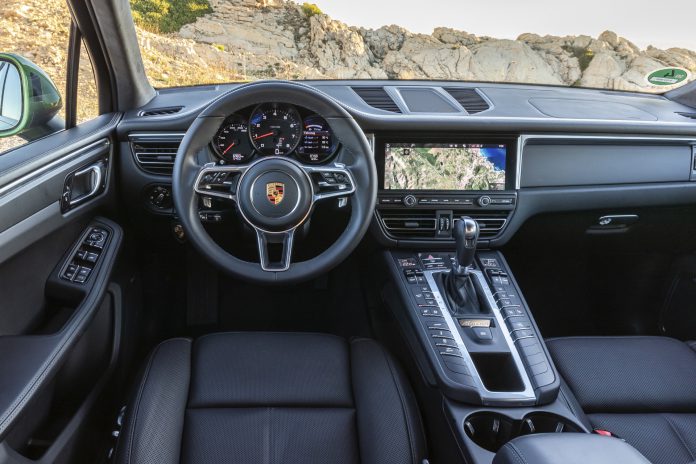
For tasks such as these the Macan shines. The interior, complete with Panamera like screen and displays is fantastic with fabulous materials and build quality. There is a small army of driver aids and tech and the updated styling, in and out will be a huge success. The Macan S is sure to still be the segment leader.

One Man in Colorado Is Keeping the Dying Art of Painting Ski Trail Maps Alive

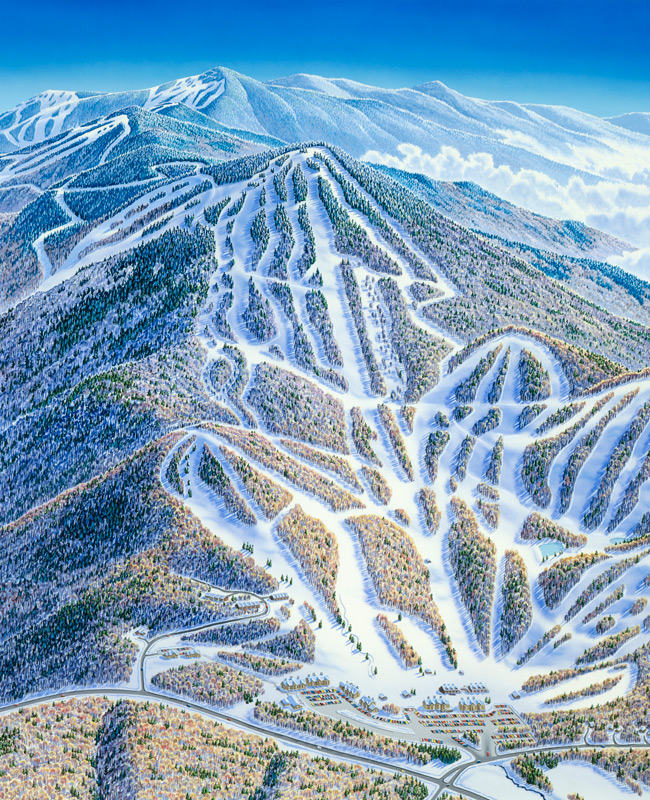
The name “James Niehues” may not strike home immediately, but if you’re a skier, you’ve undoubtedly held his work. Niehues has painted roughly 255 ski trail maps, for 175 different resorts, including some of North America’s most iconic slopes. To the west: Alta, Big Sky, Park City, Heavenly, Mammoth, Snowbird, Squaw Valley, Sun Valley, Telluride, Taos and Vail all have Niehues’s name on their trail map. To the east: Killington, Mt. Snow, Okemo, Smugglers Notch, Stowe, Stratton, Sugarloaf, Sunapee and Sunday River.

For resorts, having Niehues’s signature on their trail map gives them clout and prestige. It’s like having Jimmy Chin film a mountaineering documentary or having Russell James shoot a cover photo. Now 72, Niehues didn’t start painting trail maps until after his 40th birthday. As for how he got into the industry, it started with being in the right place at the right time.

In 1988, after years working in several ad agencies, a print shop and even working as a courtroom illustrator, Niehues was looking to change careers. He had moved to Denver and, because he admired Bill C. Brown’s work, he reached out to him. Brown was also living in Denver. As the protégé of Hal Shelton (the original trail map painter, in the ’60s), Brown had been painting trail maps since the ’70s. And by the late ’80s, after nearly two decades in the industry, he was trying to pursue other passions. When Niehues approached him, Brown agreed to see his illustrations.

When they met, Brown had already been hired by Winter Park Resort to paint the backside of Mary Jane. And he had time to do it, so he let Niehues have a go. “The thought was if [mine] didn’t pass, he could still go ahead and do it,” says Niehues. “So I did it, spent about a month at it, and when he showed it to the client they never knew that Bill hadn’t done it. And then he brought it back to me and I signed it. That was my first illustration.”

To properly photograph a mountain, for mapping purposes, Niehues needs to get 2,000 feet above the summit. At this height he can see “into the trees” instead of just looking across to the horizon.

On any project, Niehues requires aerial photos of the mountain. “These photographs are for information, not for composition or quality,” says Niehues. “So anybody can shoot them.” Niehues takes a lot of these photos himself. When it’s not him, he prefers to work with amateurs who aren’t after that one Chris Burkard-like moment of magic. There have been numerous times, he says, where the photos had to be reshot because they didn’t capture the right information.

Can you guess the unlabeled mountains in the header image and the image above? (answers at bottom of post)

Can you guess the unlabeled mountains in this post? (answers at bottom)

To properly photograph a mountain, for mapping purposes, Niehues needs to get 2,000 feet above the summit. At this height he can see “into the trees” instead of just looking across to the horizon. Niehues takes a sweep at this elevation, snapping about 20 photos. He’ll then drop down to 1,000 to take another sweep, and then down to 500 feet, where he’ll also use a telephoto lens to capture the details: lifts, buildings and junctures of trails. This level of detail is crucial to mapping. “If I didn’t have aerial photography, and had to rely on Google Earth, it probably wouldn’t be what it is,” says Niehues. “It wouldn’t have any detail or the understanding of the slopes.”

Niehues doesn’t choose photos to trace them. They’re there to help him “manipulate perspectives,” which he has to do with any mountain that has more than one “facing slope” — which is most mountains. The more facets, the more manipulation. When sketching, Niehues focuses on getting the elevations correct (at least their relationship to each other) and makes sure everything lines up. There aren’t any secrets, says Niehues; it’s just taking what you have in front of you and stretching it here or changing the angle there. And it has to be done in a way that the skier absolutely believes it as truth.

Once the client approves the sketch, it’s then projected onto an illustration board (30 x 40 inches) and Niehues traces it. Then comes paint. Through the years, the painting process — from Shelton to Brown to Niehues — hasn’t changed much, says Niehues. He uses a Winsor & Newton designer gouache and standard brushes, nothing special. A layer of gesso goes on the illustration board. The gesso does three things: it prevents the paint from sinking into the board; it makes it easier for the painter to lift off the old color and repaint it, if that’s necessary down the road; and it gives the colors more intensity. The sky and snow are airbrushed before any paint touches the board. Then Niehues takes out his brushes. “I start painting in all the tree shadows. Once that’s done I’ll start at the top of the slopes and then work my way down with all the detail. So, all the cliffs and trees, right on way to the bottom.”

When finished, the illustration is taken to a photo lab, where they pull a very detailed, 100-megapixel scan. When Niehues first started, he’d get an 8 x 10-inch transparency of the illustration, which he describes as just a four-color slide, and the resort would use this to get printed. The finished print wasn’t nearly as detailed, and transparencies aren’t used anymore. The only other difference today is that Niehues gets a final scan back. He he can enhance the illustration’s colors and add additional contrast (mostly with Photoshop). The final product goes to the client, who will then have a graphic artist add trail names and other symbols to the trail map.

The Ritz-Carlton Hong Kong Review

My ears pop as the elevator shoots up from the 9th floor entrance to the 103rd floor lobby 425 meters above sea-level. I’m at the highest hotel in the world – the Ritz-Carlton Hong Kong. The hotel occupies the top 17 floors of the 484 tall ICC tower in the Kowloon area of this intriguing city.

The hotel is easily reached from the airport with the clean and efficient MTR express train to Kowloon station. Club guests enjoy a complimentary limousine service around Kowloon. Hotspots on Hong Kong Island can be reached with a taxi, ferry or underground.

The 302 rooms and suites are spread are located on floors 104 through to 117 with the incredible 2,800 m2 presidential suite taking up a large part of the 117th floor. All rooms offer spectacular views of Hong Kong and the South China Sea with the view of Hong Kong Island being the most desirable one.

I have booked a club room giving access to the Ritz-Carlton Club Lounge on the 116th floor. Here it is also possible to check-in, so on the 103rd floor lobby I head straight to the guest elevators taking me up to the 116th floor. The Club Lounge is the perfect all-day hang-out and meeting place. Even though the hotel has 302 rooms and runs close to full occupancy the club lounge is fairly quiet most of the day.

My deluxe queen room 115-20 is on the 115th floor with perfect views of Hong Kong Island and parts of Kowloon. A little bench below the window allows guests to sit and just take in the world down below. The hotel is so high up that helicopters and small airplanes pass by below. The street more than 450 meters is so far away that you feel disconnected from it all.

The room itself is well equipped with a desk, large double bed and large bathroom with double sinks, a large marble rain shower, separate toilet and bathtub. I could spend all day relaxing in the room and taking in the jaw-dropping views but there is so much more to explore in the hotel and Hong Kong that I end up spending hardly any time in the room.

Opposite the Club Lounge you can find the Spa with several treatment rooms and men and women dressing rooms with a sauna. From the spa take the elevator up to the 118th floor for a swim in the highest pool in the world with floor to ceiling windows overlooking the South China Sea and parts of Hong Kong Island. There is also a jacuzzi and terrace where guests can do yoga or other sports. On the same level is also a well equipped gym.

Also on the 118th floor, but well separated from the guest-only spa and pool area, is the Ozone bar serving cocktails and tapas. More restaurants can be accessed from the 103rd floor lobby with Italian restaurant Tosca and Chinese restaurant Tin Lung Heen both awarded by Michelin. The Almas Caviar Bar, Cafe 103 and The Lounge & Bar wrap up the wide range of dining options. Club guests can also enjoy breakfast, lunch, high-tea and dinner in the club lounge.

The facilities and dining options are top notch with the occasional compromise due to the limited floor plan size of the tower. The dressing rooms on the pool level are a bit small per example. But one aspect really stands out during my stay at the Ritz-Carlton and that is the effortless and professional service. No request is too much and there are many little gestures (like bringing a dry towel and hot water with lemon without asking when I started coughing after swimming) which made my stay even more memorable and comfortable. Add the incredible views and unique experience to stay in the world’s highest hotels and this is one of the most desirable hotels to visit around the globe.

Meet the Visionary Behind Japan’s Most Important Outdoor Brand

From Issue Seven of Gear Patrol Magazine.

Lisa Yamai was blushing. Earlier in the night, the heiress to Snow Peak, the largest camping brand in Japan and started by Lisa’s grandfather, swept in and manhandled our campsite. First, she finagled a finicky camp stove into working shape and then went around lighting fires with a jet-engine-like blazing torch. After dinner, we settled around a stainless steel fireplace under a sky full of stars in Niigata prefecture in Japan, a region anchored by 8,000-foot mountains, rice paddy-filled valleys and, well, Snow Peak’s headquarters.

I wanted to travel to Japan to find out more about the brand — whose footprint in the U.S. is small, but highly regarded for its impeccable aesthetic and smart, functional design — as it celebrates its 60th anniversary. Snow Peak’s success is predicated on products like beautiful and modern camp-kitchen cookware, stainless steel camp stoves, minimalist dining setups, tarps and tents. While the U.S. only makes up around 20 percent of the brand’s total sales, you’ll find that at Japan’s campgrounds, Snow Peak is one of the major players, with Coleman and Montbell thrown into the mix. The brand, however, is not lost on America’s camping-obsessed, even with all of the lower-priced competition; over the years, I’ve seen many a diehard camper unveil their few bamboo-and-steel Snow Peak products with special care and presentation, like artifacts to be revered. Suffice it to say they have a following.

Snow Peak was originally founded under the name Yamai Shoten in 1958 by 26-year-old Yukio Yamai, an avid rock climber. It’s no coincidence that this was only a year after a young Yvon Chouinard started forging his own pitons in Southern California and founded Chouinard Equipment, Ltd., the predecessor to Patagonia. At the time, the world had a heightening obsession with rock climbing. There was a growing fever over who could tackle the faces of Half Dome and El Capitan in Yosemite Valley first, while, back home in Japan, outdoor enthusiasts were celebrating the first ascent of the Himalayas’ Mt. Manaslu, the world’s eighth tallest peak, by a Japanese team.

Yukio’s location in Niigata’s Tsubame-Sanjo, an area rife with factories focused on metalwork, placed him in a prime location for professional success. He began by designing and selling his own pitons and crampons made from titanium, stainless steel and aluminum. He also designed climbing apparel that he had custom made by a tailor in town, and which he later sold to his friends separately from the Yamako brand. Much of Snow Peak’s success, though, can be attributed to Yukio’s son, Tohru Yamai, who came into the business in the mid-’80s, just as SUVs were on the rise. Tohru could sense that his community in Tokyo was craving nature, so he envisioned a camping experience that capitalized on the growing market of outdoor-oriented SUVs — one that required less labor than the school-camping trips of his youth, which involved digging a crude trench for water flow around two-piece tent setups. It was only a few years later, in the early ’90s, that Yukio and Tohru became almost single-handedly responsible for inventing Japanese outdoor camping culture as a whole.

Today, Snow Peak’s main headquarters, which is only five years old, is home to 100 public campsites and its very own gear-testing field on 41 acres of rolling grassland spliced from a neighboring golf course. Two concrete-and-glass buildings crown the property. The larger one holds offices and conference rooms, while the smaller one houses a store and a camping hub with gear rentals and vending machines filled with green tea and canned coffee. An outbuilding houses clean bathrooms — complete with Japan’s famously high-tech heated toilets — and large stainless steel sink basins for washing camp dishes. The site’s facilities are right in line with the brand’s ethos — set by Tohru thirty years ago — that camping doesn’t have to mean roughing it.

The campfire’s light bounced off Lisa Yamai’s forearms, which are covered in tattoos (a Japanese beetle and illustrations by famous Japanese artist Kiyoshi Awazu, among others) and her smile was wide as she told me about the rebellious idea she had of going to the Fashion Institute of Technology (FIT) in New York for college. “My father said no,” Lisa said. “I was not a good girl in high school. My dad worried; I wanted to go a different direction from society.”

This should’ve been no surprise to Tohru, given Lisa’s headstrong lineage. But, either way, her penchant for marching to her own drum has served her well. Lisa, now in her late thirties, is Snow Peak’s creative director. In parallel to what her father did 30 years ago, Lisa is moving Snow Peak forward with a line of apparel, which she launched in 2014. She also oversees the design of all hardgoods.

Her unisex designs include space-age hoodies that look like they’ve been knit with one long piece of thick cord; camouflage, insect-shielding mesh tracksuits; insulated midlayer shackets with as much stretch as yoga pants, sailcloth overalls and more. And, according to Kei Hirosawa, one of the main buyers at Tokyo’s Beams stores (which have been majorly influential in Japan’s streetwear scene), her direction is right on point. “The outdoor fashion crossover trend is growing in Japan right now,” he says, pointing me to the magazines Go Out and Outstanding, which often weave Yeti, Patagonia, The North Face and other outdoor brands into urban lifestyle.

Lisa may or may not be next in line to take over the business — it’s undecided, she says — but what is clear is that she has a lifetime of product development experience. Her field-testing days started as a three-year-old, when her dad asked her to gear-test a kid-size version of an adult camp chair. Lisa quickly discovered, through banging and shaking it, that it was far too wobbly. Since then, Snow Peak’s kids’ chairs have adopted a wider base than those designed for adults.

These days, Lisa is working hard to preserve made-in-Japan manufacturing practices across fashion via two new Snow Peak collections: Outdoor Kimono, which is exactly as it sounds (the traditional Japanese garment, built out of technical fabric), and Local Wear — indigo-dyed, patchwork and embroidered styles, inspired by the clothing of Japanese field workers in the 1950s and ’60s, strictly produced in Japan. These two lines can be found online and in the two brick-and-mortar stores Lisa opened in Tokyo and New York’s SoHo neighborhood.

The day after we camped, Lisa and I sat under a tarp display in an airy, two-story design area, where she spoke about Snow Peak’s history, how she balances her design approach with changing trends, and where she sees the brand heading in the future.

Q: When did you join Snow Peak and why?
A: I used to work at a women’s fashion brand, the kind that would put on runway shows. I felt a sense of discomfort with fashion design for self-expression, and it made me realize I was more interested in the cultures that were the source of inspiration for fashion — music, art. I wanted to create a new fashion culture within the culture closest to me, the outdoor lifestyle, so I joined Snow Peak in 2012.

Q: What has it been like to work with your dad, Snow Peak’s CEO?
A: My father has never given me directions about the apparel line. I started the apparel business in 2014, and it was a very big challenge creating a new business for Snow Peak. I’ve never tried creating a business before. I did everything, from making clothes to sales to production, and it’s run one hundred percent through my decisions. It’s really tough work, but it’s the best thing. It’s satisfying, and I am truly grateful to my father for allowing me the room to do as I please. We are also different in management style: My father adopts a totally charisma-driven “top-down” style. I believe a style of management where I rely on others around me and involve them will lead to growth of both the company and the staff.

Q: How has Snow Peak’s equipment changed over time? How important has family been to the product design?
A: I grew up camping in the ’90s. The first time my father started a camping business, we had three in the family: my parents and myself. At the time, we had simple gear that would be enough for three people. Afterward, our family grew to five, then six. As we grew in number and age, Snow Peak’s camping offerings grew in size and scope as well.

Q: What is your design philosophy when it comes to the apparel?
A: The inspiration for everything comes from my own life — five days a week in the city, and the weekends in nature. I think about the texture of fabrics, materials for outdoor wear that could blend in with urban living, simple designs, colors reminiscent of nature, and so on. When I started the apparel business at Snow Peak, there were few other brands making urban-outdoor-style clothing, only Nau and Aether. My goal is to make stylish, urban apparel that is also very comfortable. Snow Peak apparel should be seven-days-a-week, daytime-and-weekend apparel — whole-life apparel.

Q: What was the first piece you designed?
A: The first piece I designed was a flexible insulated mid-layer. It’s water-resistant and has windstop and stretchy synthetic fill. There were no comfortable middle insulated layers with flexibility [on the market]. It’s very comfortable and functional.

Q: What can we look forward to from Snow Peak?
A: Snow Peak consumers and employees who camp a lot always want a fire-resistant garment. Embers spark off the fire and make a hole in nylon or polyester, so we are working with Teijin, a big fabric-maker in Japan, to create one hundred percent Aramid fire-shielding fabric. We’ll make a jacket and a vest. Vests are very popular from Snow Peak in Japan.

Q: Which brands inspire you?
A: Filson. It’s basic, classic and original and will still be all of those things in twenty to thirty years. In fashion, I like Dries Van Noten. I like its botanical prints.

Q: And you travel a lot. Are you inspired by that?
A: Yes. I went to Mongolia to get to the source of camping. I stayed with nomadic Mongolians because I wanted to see their life, their camping style, their systems and process. They have no electronics. No running water and no wi-fi. Eating goat, their main livestock, three meals a day left a big impression on me. I didn’t learn anything for designing garments, but seeing how they paired their Tibetan Buddhist religion with the outdoors gave me perspective and balance in my philosophy for my life.

Q: Not many women-run businesses in Japan. What’s it like to know you might run Snow Peak one day?
A: My father is still the head of the company, so I haven’t yet decided to be next in line. In running a business as a woman, it is important to stand strong to our convictions and our sense of responsibility. I believe the world will continue to evolve thanks to the sensibility of women in business. I’d like there to be more women who can seriously pursue the jobs they want to do with more freedom. It’s also important to have a strong feeling of duty towards society.

Q: Is that why you’re launching Local Wear?
A: Yes. I felt a sense of crisis. Maybe fifty to one hundred years ago, all over Japan, workers were making clothes by themselves with the local materials. But, the local craftsmen are getting old — fifty, or sixty, or seventy. They don’t have a next generation in manufacturing. The local young people in the country are moving to big cities like Tokyo or Osaka, or overseas. The factories are dying, and I am worried the next generation of designers will no longer be able to produce in Japan. Every season, with each new collection being produced, a few factories are going out of business. So, Snow Peak is working to teach younger generations how to make garments. Local Wear is bringing awareness by letting people experience production firsthand.

Q: You are also working tradition into your line with the Outdoor Kimono.
A: It’s a similar philosophy. It’s a collab with a Japanese kimono company, Kimono Yamato. They have been sewing kimonos for one hundred years. They’re feeling the same things: kimono factories and kimono craftsman don’t have a next generation and will be gone. Younger people aren’t interested in wearing kimonos because it doesn’t fit the current times, influenced by Western-style clothing. So, we modernized the kimono styles with functional outdoor fabrics. The kimono is a Japanese garment and Snow Peak is Japanese outdoor camping. Both have heritage and tradition — one older, one newer — but they are linked.

The 10 Best Shows of 2018 You Didn’t Watch

Once again, it was a great year for television. Excellent shows dropped left, right, and center all year, giving us plenty of entertainment. Too much even. As the year winds down, take advantage of your…


The Real Toll of the West’s Battle with Fire

Photos by Stuart Palley.

Depending on conditions and their orders, firefighters build their line anywhere between miles and a stone’s throw away from the flames. Out front are the sawyers, who use chainsaws to cut trees and heavy brush, and swampers, who assist them and haul away the firewood. Behind them, the rest of the crew use hoe-like tools called pulaskis and shovels to cut into the earth, robbing the fire of its fuels and feeding it only dirt. When burning embers jump the line, starting spot fires on the line’s far side, crews sprint to its nascency and beat it out with their tools and their piss pumps. Occasionally, they light their own fires to clear out areas in front of a fire, robbing it of its fuel proactively.

Heat can be unbearable when the fire-line digging runs up against the flames. Boot soles delaminate and disintegrate if firefighters have the misfortune to linger on a ground hotspot. Flaming trees pop and explode. Shifting winds rain embers and ash on the men. Strict rules keep them from removing their heavy packs from their backs as they work.

Little has changed about this fire-line process in over 100 years. The pulaski hand tool, on one side an ax and the other an adze, has borne a “Super P,” an enlarged version of the former. Crews have also innovated “combi,” or combination, tools. Chainsaws have increased in power and decreased in size. “But other than that, digging line, clearing brush and digging, it is just the same hard, physical labor,” said Steve Gage, an assistant director of Fire & Aviation Management for the US Forest Service who’s been fighting fires since the 1970s.

There are approximately 14,500 federal wildland firefighters in the US today, down from approximately 16,000 four years ago, according to testimony by USFS Chief Thomas Tidwell before the Senate Committee on Energy and Natural Resources. This summer’s intense season has revealed that this is too few, even with state and local firefighters, volunteers, international fire crews and even the military pitching in. “We are basically stretched really thin,” said Gage. “In years past, we used to stand up 600 to 800 hand crews to commit to fires.” But because of changes in demographics and economics, Gage said those numbers are down. And they can’t be spun back up in time to respond to a particularly bad fire season. “Folks need to understand,” he said, “when we get into a fire situation, we can’t just go down to the temp service. It takes training and physical ability for people to go out and fight fire.”

For the firefighters on the ground, this shortage of manpower means shifts that are supposed to last 12 hours are stretching to 14, 16, 24 or even 36 hours. They work a two-one shift — one hour of rest for every two hours worked. After their hours on the fire line, they sleep at a fire camp, usually made up of personal tents or, sometimes, a school gymnasium. Hot food is prepared to keep them fed. Every few days they get a shower. Weaver said many teams are getting only two days off between two-week assignments, sometimes less.

FIrefighting-Gear-Patrol-AMBIANCE-1

Photo by Stuart Palley.

Firefighters have a safety saying: “Keep one foot in the black.” They’re referring to staying on the edge of an area that’s already been burned over and is a safe refuge from flames. But there’s also the unspoken half of the saying: they always have one foot in the fire, too.

“Anybody that does the job enough will have close calls,” said David Zortman, a crew chief for the Tatanka Hotshots, an elite wildland firefighting crew based out of Custer, South Dakota. Zortman’s came while fighting a fire outside of Los Angeles, when a huge boulder, loosened by fire, pinballed down a draw straight toward him. He crawled just out of its way. Steve Gage said he once had to hunker down among rocks while a fire burned directly over him. Weaver was fighting a fire on military property when her commander picked up a piece of unexploded ordinance and said, “Whoa, look at this!” Tripp of the Yellowstone fuels crew was “smoked out” and forced to retreat through a boulder field when the wind on a fire he was scouting alone shifted 180 degrees. Another Yellowstone fuels crew member suffered heat exhaustion after a miscommunication left him on a Nevada fire line without water or food.

The litany of the firefighter is that the fire itself is not the danger. This is not true, but a look at the causes of fatalities over the years does prove a point. In 2014, not a single one of the 10 wildland firefighter deaths was the result of “burnover” or “entrapment,” deaths by fire. Seven are listed as “medical” causes, two by aviation/aircraft accidents, and one by vehicle accident. Heat exhaustion and dehydration are constant scourges. Snags, dead trees burned and made unstable by the fire, fall on firefighters and hikers every year.

And, said Tripp, “Driving kills more people every year than anything else we do.”

But fire remains deadly for crews on the ground. In 2013, 19 hotshots from the Granite Mountain team were killed after missteps led to their entrapment within the Yarnell Hill Fire in Arizona; their bodies were found burned inside the fire shelters they’d deployed as a last-ditch effort. It wasn’t the first time an entire crew has been wiped out: 14 died on Storm King Mountain, Colorado in 1994; 13 firefighters burned to death, 12 of them smoke jumpers, in 1949 at Mann Gulch, Montana; in the Big Blowup of 1910, some of the worst fires ever recorded, 78 firefighters died, including 28 from one crew alone.

“Anybody that does the job enough will have close calls.” – David Zortman, Crew Chief, Tatanka Hotshots

Changing conditions like dropping humidity, shifting winds and downbursts from a thunder cell can turn a stalled smolder into a blowup or fire whirl, which sound like a freight train and can move in the worst conditions at up to 15 mph through grass, 10 mph through shrubland and 5 mph through forest — faster than any firefighter can escape through rough terrain. Often, deadly situations involve fires below firefighters on a steep slope, where flames can accelerate 16 times faster than normal and the men must fight their way up a mountainside to escape. It’s not just howling blowups that are dangerous. As lifelong outdoorsman and US Forest Service employee Norman Maclean wrote in his book Young Men and Fire, about the 13 men who died in Mann Gulch, “It is hard to adjust yourself to the fact that a forest fire is not all a big roar behind you getting closer — a dangerous part of it is very sneaky and may actually have sneaked ahead of you or is trying to.”

In unfavorable conditions, firefighters have close to zero control over the forces they’re battling. “On any given day on any part of a fire, there’s probably close to a hundred micro-factors that influence fire behavior on that certain piece of ground,” said Gage. “All you can do is get up and get out of the way.”

Against all the dangers a fire presents, the firefighters have only their wits, their training, and small fire shelters that are little more than fiberglass-reinforced tinfoil. “It’s a big potato sack, basically,” said Tripp. “You can be inside and it’s 140 degrees, but it’s 275 degrees outside. So it gives you a chance.” But the shelters have to be deployed in the right place. “You can’t just be in the middle of a 300-foot firewall… when flames are hitting these things, they are pretty much done,” said Tripp.

Capturing Wildfire on Camera

FIrefighting-Gear-Patrol-Lead-Sidebar
“Photographing wildfire requires a combination of gear that melds together firefighting safety gear, cameras, and camping/survival items. I carry my full kit of cameras on the road with me, but usually carry two bodies and two to three lenses plus a tripod when I’m hiking around at fires. The fire pack with water, fire shelter, survival kit and lenses easily tops 35 to 40 pounds. Even that’s nothing compared to the loads firefighters carry when working a wildland fire, but I try to move as light as possible while staying safe.

“In the car I’ve got multiple radios for listening to fire channels, and heavy-duty, multi-ply off-road tires and wheels for my Subaru Outback, as well as full underbody skid plates and a full-size spare in addition to the donut. There’s also a Baja Designs off-road lightbar for driving on pitch-black forest roads in the wee hours of the morning. I carry a minimum of three days’ food and water, spare batteries, flares, extra lights, MREs and typical camping gear like a sleeping bag and cot. The car is really important because if it goes down, I’m stuck — and it’s my base for days on end.

“The best item I added this summer is a YETI cooler, which is basically a refrigerator in my car for up to three days of cool food and drinks at a time. It has enough capacity that I can offer Gatorades to anyone running low on hydration in the field.”

Stuart Palley

Gear Pictured:

Mystery Ranch Firelight IA fire pack + modifications to carry additional lenses
White’s Smokejumper Boots, 10 inch
– NPPA-approved helmet, goggles, gloves, Nomex shirt and pants
Nikon D4, D810 and various Nikkor lenses
– Wool socks and liners (x3)
– Bendix King radio, Uniden digital scanner, Kenwood UHF two-way radio
GoPro 4 + 3-axis gimbal gyro stabilizer

Firefighters question their carrying of shelters, which add eight pounds of weight to their packs; they don’t question their training. That boils down to “LCES” — lookouts, communications, escape routes and safety zones — and what firefighters call “The 10 and the 18,” or 10 Standard Firefighting Orders and 18 Watchout Situations, including knowing what the fire is doing at all times, posting lookouts, fighting fire aggressively having provided for safety first, and not napping on the fire line. From the lowest line digger to the highest chief, firefighters believe that if they use LCES and the 10 and the 18 vigilantly, they should escape even the worst of a fire’s erratic changes. The real challenge, according to nearly every firefighter, is avoiding complacency on the fire line during long shifts. “I just recognize that, as far as staying physically sharp, I need to be mentally prepared for [being on the fire line],” said Zortman.

Increasingly, firefighters are working to protect areas in the Wildland-Urban Interface, or WUI, where fire-prone wilderness is encroached by communities and towns. Since 1990, land constituting WUI has increased at nearly 2 million acres a year, according to a report from the International Association of Wildland Fire. In 2013, the report indicated that 220 million acres of western land, and 70,000 communities, were within the WUI; in September, over 1,700 homes were destroyed from two fires alone.

Protecting homes and lives adds a new layer of complexity to firefighters’ duties. In early September, The New York Times reported that while the Valley Fire north of San Francisco burned the entire town of Middletown to the ground, “many… had ignored evacuation orders, endangering themselves, and forcing some firefighters to perform rescues rather than focus on stopping the blazes.”

Weaver believes the possibility of defending homes and homeowners who’ve stayed behind amps up the firefighters’ sense of duty and can lead to disastrous mistakes. “It makes them make decisions that they wouldn’t otherwise make. They put themselves at risk when they shouldn’t. And no one’s home is worth somebody’s life,” she said. Gage said that increasingly, leaders on the fire line are being asked to consider what might happen if they didn’t act to save structures and communities, especially in risky situations.

Some in the community believe WUI played a part in the death of the 19 Granite Mountain Hotshots on the Yarnell Hill Fire, who were killed as they made their way to defend a home. “They were basically in their home unit,” Weaver said. “They had that added level of, ‘If I let [my neighbor’s] home burn, am I going to see those people at the grocery store — at my kids’ school?’”

FIrefighting-Gear-Patrol-AMBIANCE-7

Photo by Stuart Palley.

“When I started in 1990, there really was a whole different way of thinking,” said Kristel Johnson. “It was, ‘If you can’t handle the stress, you shouldn’t be here.’” Johnson, a wildfire veteran (and a woman in firefighting when that was very uncommon), is the founder of two new programs designed to help firefighters deal with trauma and stress: You Will Not Stand Alone, a pre-trauma class that ensures novices know the danger they are getting into and that all firefighters have plans in place for serious injury and death; and Critical Incident Stress Management, which addresses the possible effects of trauma after the fact, using both peer support and time with a specialized clinician in a template designed for first responders, law enforcement, doctors and others worldwide. These programs, which began in California two years ago, are the first aimed solely at trauma- and stress-related issues to be instituted within federal fire services that have existed over 100 years.

Johnson started both programs after serving as a liaison to family members of a captain and crew who died on the fire line and suffering trauma herself. She believes increased fire activity in recent years has played a part in an increase in employee deaths, suicides (which some have placed at rates just as high as among military members), post-traumatic stress disorder, cumulative stress and burnout. The traumas she describes are more often associated with soldiers than with wildfire fighters: coworker deaths and suicides, aviation accidents, near-death experiences like the deployment of a fire shelter, being the first to respond to a child’s death by burning.

“When I started in 1990, there really was a whole different way of thinking. It was, ‘If you can’t handle the stress, you shouldn’t be here.’” – Kristel Johnson, National Critical Incident Stress Management Coordinator, USFS

“We’re recognizing that our firefighters are falling victim to post-traumatic stress because many of them weren’t trained to handle being the first on a scene to a helicopter crash, or the first ones to a burnover situation with fatalities,” said Gage. “We’ve not trained their minds to handle that.”

Johnson’s programs tackle the basics of stress related to trauma, beginning with the simple assertion that incoming firefighters need to know how dangerous the job can be — more common than you might imagine, considering many incoming trainees are younger than 20. Firefighters are taught about the different types of stress responses, the importance of validating that the effects of trauma are real, and coping mechanisms. After a critical incident, firefighters can call in help from peers and clinicians, something Johnson said has happened 25 times this year.

But the toughness mentality, so strongly valued elsewhere in the firefighting profession, is hard to shake. One of the men who died this year had worked under Zortman for six seasons. “As a supervisor my job was to keep him safe,” he said. “That just doesn’t go away when he leaves and goes to another crew.” Yet Zortman said he hasn’t used the Critical Incident Stress Management program since his colleague’s death.

“The personality types that work on a hotshot crew, we’re not gonna go ask for a counselor to talk about our feelings to. That’s not us. We deal with it ourselves, we talk it out,” he said.

Weaver and others who help colleagues and family members deal with death and loss love their jobs, in spite of the risks to their own health — it’s part of the burden they agree to take on. Johnson cites compassion fatigue, also known as secondary traumatic stress, as a major problem her groups hope to address among these personnel.

Gage agreed that they were a group at risk. “I admire what they do and how they do it, but I’m also concerned about the toll it takes on them,” he said.

For Weaver, being there for grieving families is just another way to deal with the risk she knows her job entails. It’s a burden she sees shared among the community. “If something were to ever happen to me on a fire,” she said, “I would hope somebody would take my daughter’s hand and be there for her.”

CA Fires

The El Portal Fire burns on a hillside in the Stanislaus National Forest and Yosemite National Park on Sunday evening July 27, 2014. The community of El Portal was under a mandatory evacuation. By Tuesday the blaze had burned nearly 3,000 acres. The El Portal Fire was the third significant blaze to occur in the park within the past few months. Photo by Stuart Palley.

This Retired Roboticist Used to Design Lunar Rovers. Now He Makes Beautiful Handmade Skis

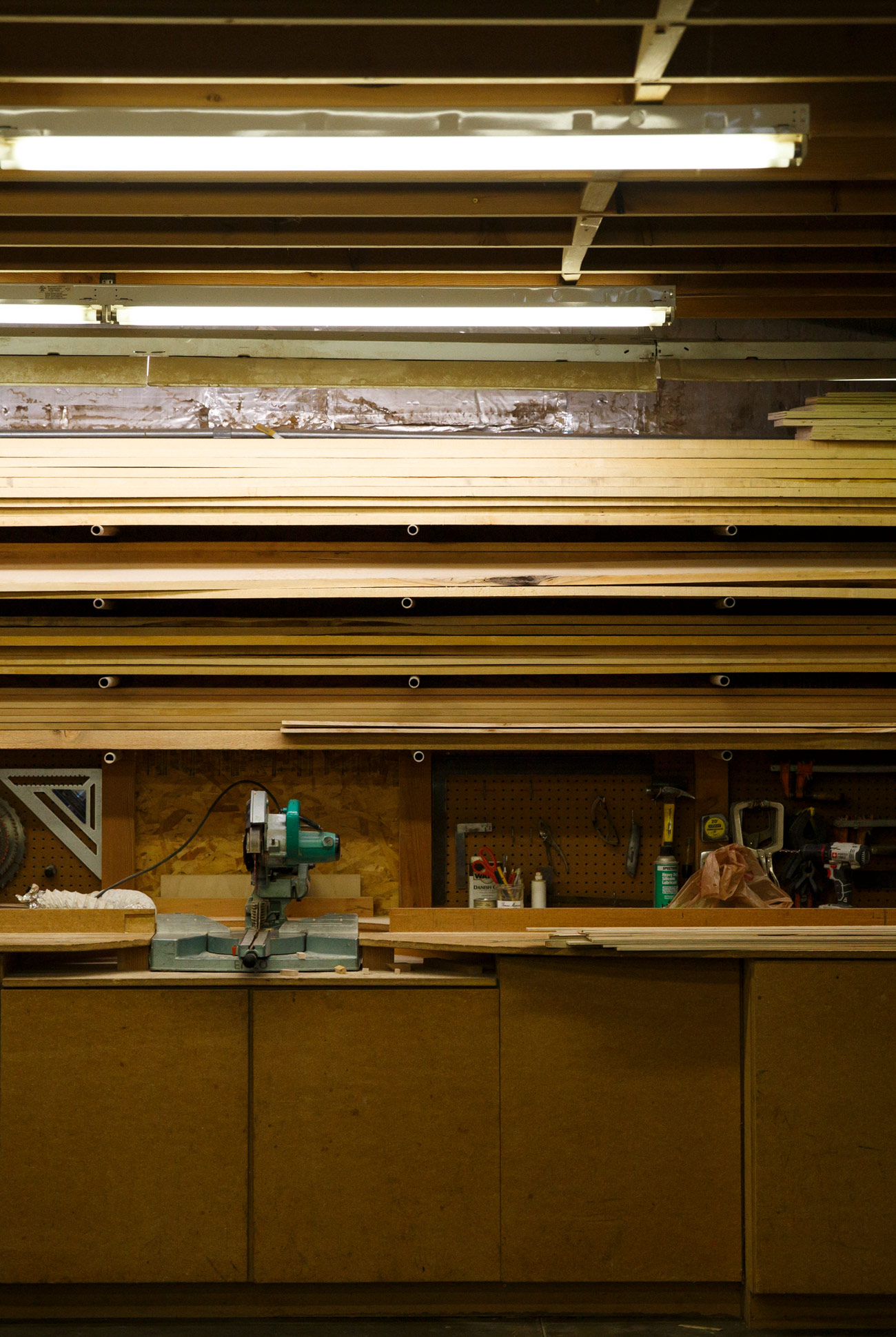
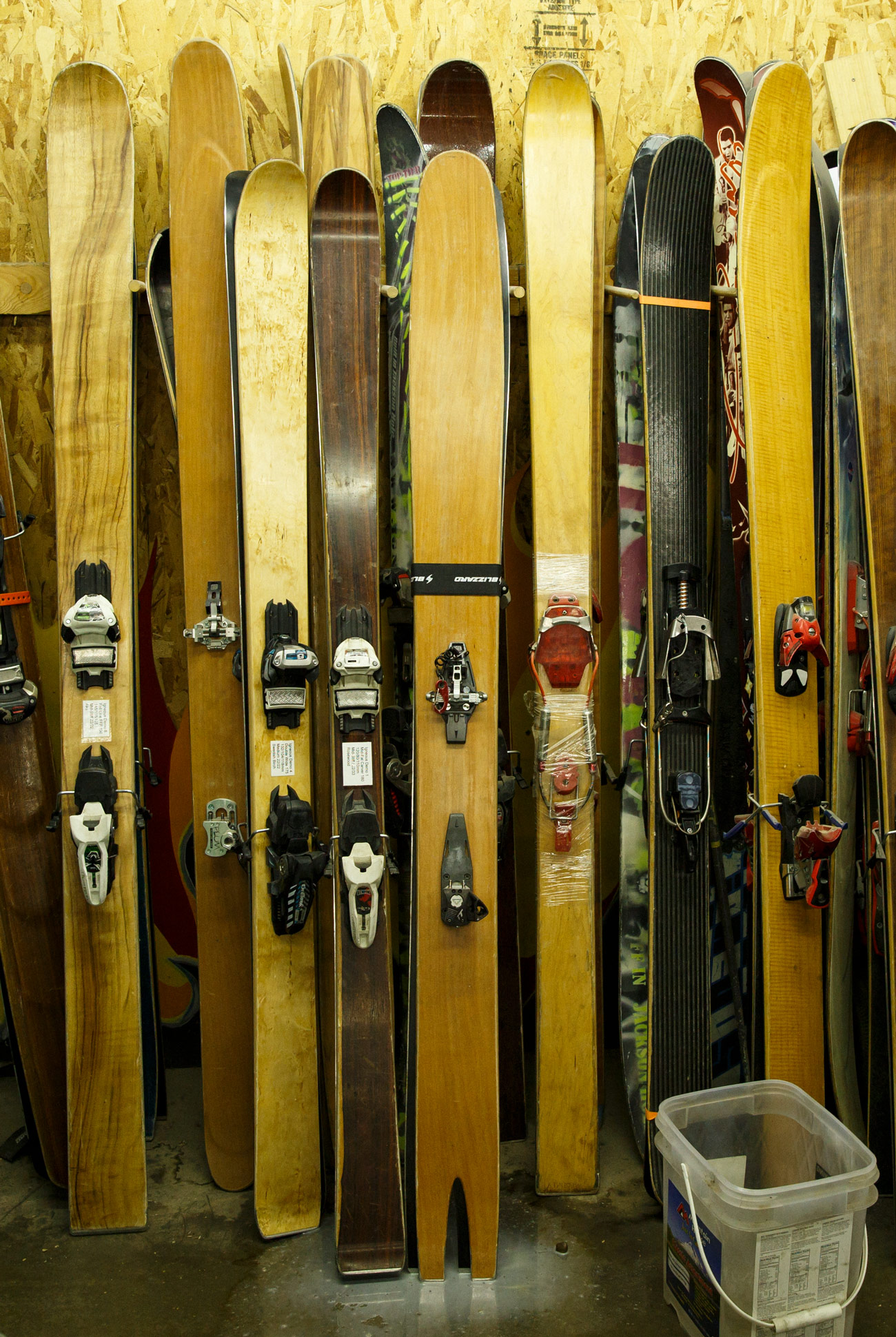
In the shadow of the Tetons, down a nondescript lane in Jackson, Wyoming, lies nondescript building. Its windowless face is sided with plain boards painted tan, its roof clad with corrugated metal. There’s an auto repair shop next door, but there are machines inside this building too. Inside, there’s a genius at work. Well, unless he’s out skiing. This is the Igneous Skis workshop.

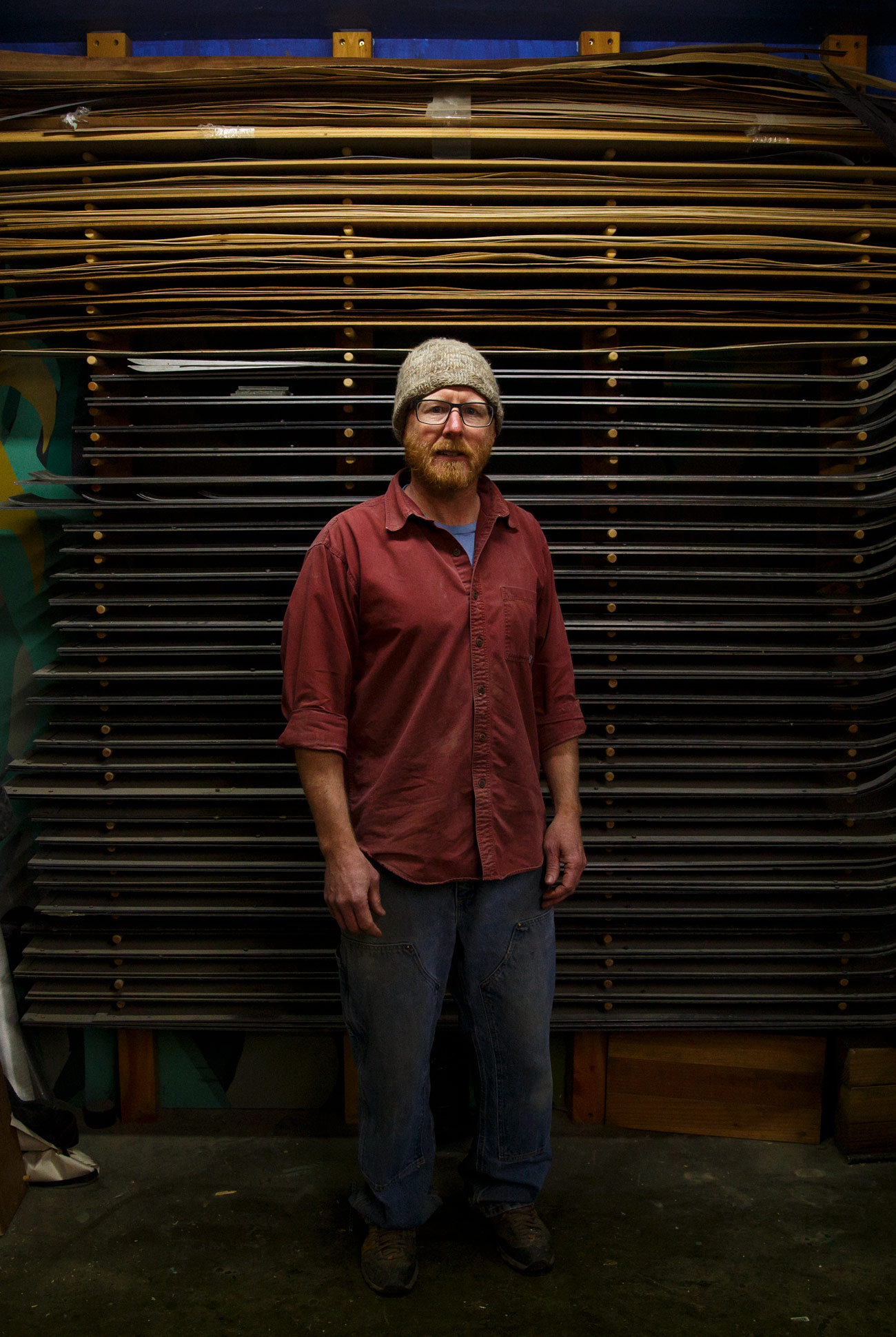
Michael Parris, the mastermind behind Igneous, has been building custom skis by hand for almost 20 years. Watching him work is akin to witnessing a master chef navigate the fire and frenzy of a working kitchen to produce a perfectly plated paella. His movements through the shop are deliberate, and the way in which he plies the metal, wood and glue that are pervasive throughout the space is almost subconscious. Despite what might otherwise be an obvious conviction, Parris hasn’t been doing this for his entire life. In fact, he didn’t even found Igneous.

It was Adam Sherman, a longtime friend of Parris, who did that. The two met at a small ski hill in Pennsylvania called Blue Knob. Years later, Parris, who had briefly dropped out of school, joined Sherman, who had relocated to Jackson, Wyoming. It was the early 90s — skis were still very straight, and commonly came in lengths exceeding 210 centimeters. Sherman became drawn to snowboard shapes and the unique lines they allowed for on the mountain. In 1993, the pair attended the Snowsports Industries America trade show in Las Vegas and Sherman was further impressed by the quantity of startup snowboard companies exhibiting. “He was like, ‘Well if these guys can make snowboards in their garages, maybe I can make some skis’,” says Parris, describing Sherman’s assessment of the show.

Sherman began peeling apart old skis to examine their inner organs, and used that as a study for his first ski prototypes. Parris was back to his studies at Carnegie Mellon but made a point to visit Jackson and help out in the shop during school breaks. A degree in engineering earned him a job at the university building not skis, but robots.

Despite what might otherwise be an obvious conviction, Parris hasn’t been doing this for his entire life.

For Parris, robotics projects were leisure-time undertakings — he describes an exoskeleton for a human arm that can be controlled from a remote as “an art project” — but work wasn’t all tinkering. Parris became a member of a team developing robots for NASA’s lunar and Mars rover programs. Parris and a team of roughly six engineers were tasked with perfecting four-wheeled vehicles with articulating chassis capable of climbing over obstacles the size of their own wheels. Trips to Wyoming were traded in for month-long prototype testing stints in Chile’s Atacama Desert and later, Antarctica.

“That project was a meteorite search project,” says Parris. As it turns out, the ice-covered landscape of the world’s southernmost continent is fertile with meteorites, where the constant flow of ice decreases the distribution of rocks on the surface. “You can imagine a meteor that’s fallen, it’s an even distribution but the way the ice flows they might be more concentrated in certain areas. If you comb the entire ice sheet, you might go to where there are sub-surface mountain ranges and things that interrupt the flow of the ice and cause it to flow upward and spit the rocks to the surface.”

Researchers working for the National Science Foundation can comb the ice manually, or they can have a robot do it, which is where Parris and his team came into play. The meteorite-finding robot was a success, but when Parris and his team requested further funding, they were declined. It was a fortuitous downturn. “I was kind of missing skiing being down there in snow and mountains,” says Parris. So he decided to take some time off and moved to Jackson, Wyoming full-time, where he joined Sherman at the Igneous workshop.

Parris immediately set out to make good on the then-revolutionary notion that skis don’t have to be long and straight. “The plan was to make some skis that you could ride like a snowboard,” he says. “The other plan was making skis that lasted for a full season at Jackson, riding 100 days, making something that held up to the terrain here, because everybody was breaking stuff.”

“You see somebody with these skis and ask them, ‘Hey what are those skis?,’ and the next question is going to be, ‘how do you like them?’ And so you have the conversation about it and the last guy who bought your skis is now your salesman.”

Sherman and Parris weren’t dreaming small either. The pair wanted to be a presence within the ski industry, so they ramped up production from about to 300 or 400 pairs of skis per year. Igneous did garner some well-earned acclaim, but neither Sherman nor Parris were satisfied. “We were working long hours and not skiing as much as we wanted to and not paying ourselves — so we were just getting old,” says Parris.

So the pair scaled back. They made skis for themselves and their friends. They stopped marketing the company, too. Igneous skis are plain to those in the know thanks to their all-wood veneer top sheets, but they are also deridingly lacking in logos and branding. “It was just word of mouth; seeing who showed up and what they wanted,” explains Parris. “It’s still just word of mouth. You see somebody with these skis and ask them, ‘Hey what are those skis?,’ and the next question is going to be, ‘how do you like them?’ And so you have the conversation about it and the last guy who bought your skis is now your salesman.” It worked; slowly, Igneous began to find its place.

In 2007, Sherman moved back to Maryland to become a firefighter, paramedic and physician’s assistant; Parris stayed in the Tetons, building skis. At the heart of Parris’s process is a high level of individualized customization. Providing that not only requires a microscopic understanding of how skis are built, but also a closer relationship with the customer than a factory worker building skis in Austria will ever get. For that, Parris and Sherman devised an interview process in order to figure out where, how and why a customer skis. It’s a line of questioning that’s straightforward, but borders on existential: “How and where you can come up with,” says Parris, “but why you ski? People were like, “huh?”

Nevertheless, Parris can gain a remarkable amount of information through a simple conversation. “Our clients don’t necessarily have the vocabulary to talk about their skiing in terms of what they want, but I can ask them a series of questions, and pick their brain a little bit, and figure out something that’ll suit them,” says Parris. He also seeks out information from a client’s friends, instructors and guides who might have more insight. And then, Parris is happy to make a couple turns with a client up on Teton Pass and make observations first hand.

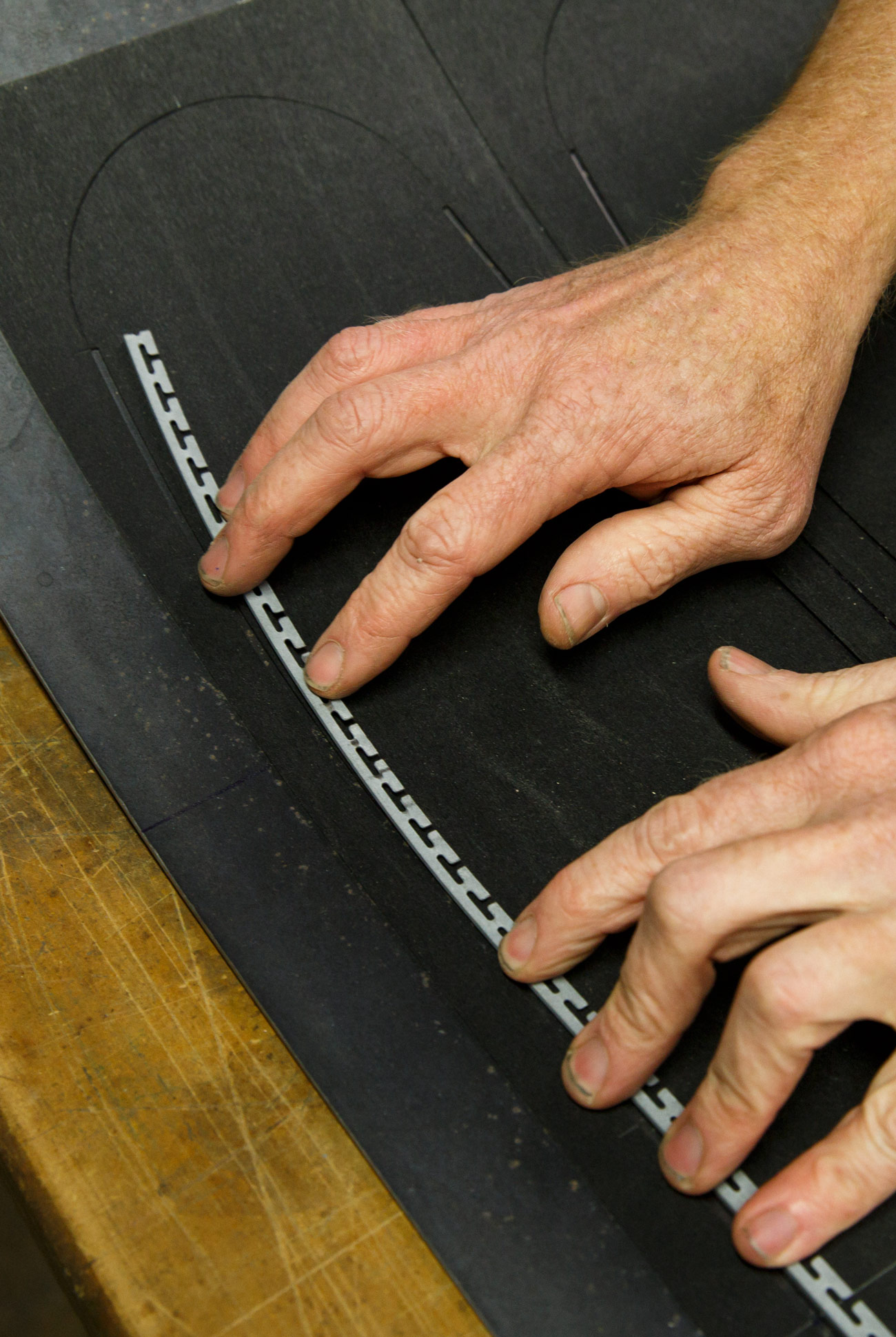
From there, what’s left is to build the actual ski. The way Parris describes it, the process is straightforward and simple, but maybe that’s just compared to building robots. At the very least, it’s incredibly sensible. Parris starts with the ski’s core. A core can be made from many types of wood — maple, white ash, Douglas fir, poplar — and many comprise more than a single species. Parris builds the sidewalls with hard maple for added durability. Then there’s base material, graphite, fiberglass, aluminum, kevlar and triaxial glass. Saws and planers and pliers are involved. Glue, finishing, ski wax. The outcome is designed to carry a body down a mountain at amazing speed. But more than that, the result is graceful, curvy, grainy; Igneous skis are beautiful enough to hang untouched on a wall. But that would be an unfortunate waste.

When Parris first joined Sherman at Igneous, he harbored very different ideas about building skis. “I had thoughts of automating the process and basically designing a ski manufacturing robot. A machine where you’d feed raw materials into one end and it’d spit a ski out the other end,” he says. But he soon realized that, like the idea of producing 300 to 400 pairs of skis per year, that would go against exactly what makes Igneous skis so special. “I realized as I got back in touch with working with my hands, that that’s what I really like to do,” says Parris. Now, he makes roughly 100 pairs each year, which allows him to pay singular attention to each step in the process. And, it affords him more time to do what he came to Jackson to do in the first place: ski.

“I go out and ski in the mornings and think about the skis that I’m on and how I can make them better, and I come in and have somebody’s name on my production list — making skis for Bill today. I think about the last time I skied with Bill and what he’s told me about the skis I made for him last time and just get to work. Keeping it small is key.”

This Is the California Company Making Desktop Hi-Fi Affordable

From Issue Seven of Gear Patrol Magazine.

Let’s get any confusion around its name out of the way. Schiit Audio is pronounced just like it reads — “shit.” That was intentional. “One of the reasons that we ended up with the company name was my wife,” says Jason Stoddard, cofounder of the California-based audio brand. “When I was going into the garage every night saying ‘I’ve got way too much shit to do,’ or ‘I can’t deal with this shit,’ she finally got exasperated and said, ‘Why don’t you just call the fucking company ‘shit’ because that’s all you ever do.’” He just went with it.

Stoddard started Schiit Audio with Mike Moffat in 2010. Both men came from hi-fi backgrounds. Stoddard had been a lead engineer at Sumo, a now-defunct company known for its high-end amplifiers, and Moffat helped design really expensive digital-to-analog converters for Theta Digital. The two men became friends in the early ’90s — their respective companies at the time shared a parking lot — and the idea of making high-end desktop audio components brought them back together. But they didn’t just want to make good components, they also wanted to make them cheap. Real cheap.

It was Moffat who came up with the idea to sell digital-to-analog converters (DACs) two years later for $99. Stoddard followed suit with a similarly priced headphone amp. Those two components, along with a quality pair of headphones, are really all most people need to improve the sound of their desktop setups — the problem back then was that they weren’t at all affordable. Since Schiit’s inception, the two owners have been trying to “out-cheap” each other, explained Moffat. Today, the company has a line of audio components that all start with entry-level prices, usually around $99.

Schiit Audio’s first break came in 2010 in the form of good press. The guys at Head-Fi, a well-respected desktop audio forum, reached out to Stoddard and Moffat about reviewing one of their affordable headphone amps. At the time, the pair was still working out of Stoddard’s garage. “There was nothing,” he says. “Heck, we did a million dollars in sales in the garage.”

Now nearing its eighth year as a company, Schiit Audio is doing just fine. The company has over 20 employees and, by Stoddard’s estimations, saw 30 percent growth in each of the last three years. Schitt also moved its operations into a 15,000-square-foot factory in Valencia, California.

The company’s bread and butter remains good-but-cheap hi-fi components, although Schiit Audio occasionally flexes its muscles with more sophisticated DACs and amplifiers that push the limits of the definition of “cheap” audio. And despite its burgeoning audiophile-grade reputation, Schiit Audio continues to have a playful, tongue-in-cheek attitude to pretty much everything.

Take the names of its products — Asgard, Valhalla, Bifrost, Loki, Magni and Modi — all references to Norse mythology. But neither Stoddard or Moffat has any real ties to Norway; nor do they particularly like Norse mythology. They just like that there are a lot of gods, and thus, a lot of good names. “People do make fun of us for some of our very strange names,” Stoddard says. “They always ask me, ‘How the hell do you pronounce this?’ And I’m like, ‘We don’t know, we’re dumb Americans.’”

If going after the low end of the audio market was Schiit Audio’s first “odd business decision,” as Stoddard put it, the second was to make everything in the States. Schiit Audio likes to keep manufacturing as close to home as possible. “Our board manufacturers are about twenty miles away; our metal guys — we have two of them — are seven to twenty miles away; our transformers are from up in NorCal, and our knobs are done in Detroit,” Stoddard says. “The thing is that the stuff is actually made here. We’re not trying to do a dance.”

The problem with making everything in the States, predictably, is that it’s expensive. Schiit Audio countered that issue, in part, by selling everything directly from its site, cutting costs nearly in half. Stoddard and Moffat also decided to house their audio products in aluminum sheet metal, which is cheap and practical. The aluminum chassis in all their products acts as a natural heat sink. And the simple designs allowed them to make the amps and DACs efficiently. “We use the same perf pattern and the same basic design tropes on every product,” Stoddard explains. “We try to keep it very clean, very simple and very minimal. And it’s held up. We’re eight years in and it doesn’t look particularly dated.”

Most people won’t spend a couple hundred dollars on a DAC and amp. Stoddard and Moffat know that. The $99 price point of their entry-level products is designed to break down any psychological barrier that may exist. They want people to know that there’s an easy and affordable way to upgrade their desktop audio setup. And if it looks cool, all the better.

“I was conditioned with [the belief] that it’s got to be expensive to be good,” Stoddard says about audio gear. “And I thought, ‘Could I even do a headphone amp for $99?’ Sure enough, we found out that not only can you do it, but you can do it well.”

Fulla 2 Headphone DAC/Amp


If you’re just looking to spend $99 and no more, the Fulla 2 is what you want. It’s both a headphone amp and a DAC, and it’s super easy to set up: just plug it directly into your laptop or desktop. It’s a great starting point for anybody looking to improve their desktop’s audio situation.

Magni (Headphone Amp), Modi 2 (DAC) Stack


The Magni is the headphone amp and preamp. The Modi is the DAC. And the “stack” — you’re supposed to stack the two components on top of each other — is basically the upgrade option to the Fulla 2. If you have higher-end headphones or if you just want a setup that’s a little nicer, the Magni and Modi stack is what you want. “You’re done on the desktop with [this stack],” Stoddard says, “You don’t really need anything else.” |

Schiit Loki Equalizer


The Loki is the next addition to the Magni and Modi stack. The four-band equalizer is the same size and style as the other components, so they’ll all looked nice and neat when stacked on top of each other. The Loki gives you the ability to tweak the tone of the audio. You can make it sound flatter, more equalized or boost the punch of the bass. If your headphones or desktop speakers sound too bright or too dark, this tunes out those imperfections.

The 7 Best Productivity Notebooks to Help You Get Sh*t Done

Whether you’re carrying it in your back pocket, sticking it in your bag, or leaving it on your desk, a productivity notebook is a good thing to have. Maintaining an organized notebook can keep you…

Menswear Trends Stolen from the Military

Whether or not you’re conscious of it, your wardrobe has extremely deep military roots. People might have wanted to dress like their war heroes or soldiers brought back certain gear that adapted well to civilian…

The Turbulent History of Rye Whiskey: The Real American Spirit

For brewing and distilling, these are days of revival. Brewing was a macro-lager mess up until a few years ago, when craft brewing exploded, giving us roughly ten million choices in even the smallest liquor…

A Veteran Photographer on the Intimacy of Portraiture

Born in Southern California and raised from what he calls “humble beginnings,” Tim Davis has built an enviable career as a photographer. First starting out in graphic design, an internship at Patagonia eventually led him to shift his focus behind the lens. Now, 13 years into his tenure as a staff photographer at Patagonia, Davis spends the chunk of his time in the field, shooting gear in action, with refreshing reprieves in the studio and editing deskside.

By nature, most of Davis’ work in the outdoor space has required him to be somewhat removed, an observer documenting as a photojournalist. But in his free time, Davis has been taken by the more intimate nature of portraiture. He’s studied the work of the masters of the craft, recreating classic set-ups and dialing-in studio lighting. His go-to has been the Leica M10, favoring its history, timeless craftsmanship and slender design. Davis took us along on some of his recent portrait shoots, behind the curtain at Patagonia’s creative studios and into his own home workshop to share more about this nuanced form of photography and how he approaches it. Read on for a look into his world.

On becoming a photographer:
“I’ve had an affinity for still photography since I was a kid. My uncle was a special effects photographer in the film days back in the ‘70s-’80s in New York City. I remember being 7- or 8-years-old and visiting his studio, being really impressed. My grandfather also owned a little camera store. My first camera was a little Kodak; I can’t even remember what it was called. It had discs of film and I would blast through them. By the time I was 16 or 17, my mom got me my first SLR, which was a Minolta with three lenses. It wasn’t a quality camera but I thought it was amazing.

Initially, in college, I was a fine art major. But I came from pretty humble beginnings so I had to figure out how to make a little money. I knew I wanted to do something in the arts. But I knew being a fine art major and making fine art was a really sketchy gamble. At first, getting into graphic design was amazing because you start making a little bit of money, but it was too much computer time. When I was at UCSB in the Graphic Design Department, I freelanced at Patagonia doing graphic design. While I was freelancing as a graphic designer, I switched [disciplines] and went to Brooks Institute of Photography back when it was located in Santa Barbara. Photography and filmmaking was a really neat way to see the world and be out and shooting amazing stuff. You do still get some technical stuff. You work really hard and then you get back in the office and have a more civilized environment with a cup of coffee at 8:30 in the morning and you get to process.”


On portraiture:
“The drawback to outdoor photojournalistic photography, at least for me, is that it’s a lonelier experience. You’re not involved, ideally, in the making of a photo. You’re just there to document it. That’s a neat experience, but the advantage to portraiture is that you’re involved in creating the photo. Portraiture is a lot more intimate in that sense. You get to work with the subject. If you look at the Henri Cartier-Bresson approach to it, he looked at the camera as a tool. In a way, it could encumber the process if you let it. It was about you and me and if I did my job right, I really captured the moment. It’s as simple as that.

When you’re taking someone’s portrait, it’s case by case. When working with a professional athlete or model, someone who has been photographed a lot, it’s a really easy process. They do what they do and I do what I do, and hopefully, we make something really great. If you get someone that’s nervous in front of the camera, the direction becomes more nuanced. You want to evoke the right look but you don’t want to make them feel more nervous. It’s a delicate balance. We have a finite limit to how long we can be photographed; I think a human can be photographed for maybe 8 minutes.”

On shooting with the Leica M:
“For photojournalism, it’s really nice to show up with something small and lightweight and unobtrusive. If you show up with a big SLR, and you’re trying to be stealthy, it’s just not going to happen. If you show up with the Leica M with a small 50mm on it, they might not know you’re shooting amazing photos on it. And the beauty of a manual camera like the M is that it makes a different photo.

There is something really special about a camera that’s been relatively unchanged for 100 years. These really teeny beautiful lenses are handmade and these camera bodies still look the same. There’s something tactile. They’re heavy. It’s handmade with brass and glass and someone is making each one.”

Meet the Leica M10

Leica took its expertise from more than 60 years since launching the M Series — 11 making digital M Cameras — to create the Leica M10. It is the slimmest digital M ever made with dimensions as slender as analogue M-Cameras. Combining heritage with technology, the slim and elegant camera uses a specially developed 24 MP, full-frame CMOS sensor and a Maestro II image processor, delivering extended dynamic range as well as ISO values up to 50,000. Learn More


On photographic legends:
“I have a slight obsession with black and white portrait photographers. We don’t use a ton of portraiture here [at Patagonia], even less black and white, so developing those ideas happens outside of work. Researching the old images and techniques of the legends (like Avedon, Newton, Elgort, Demarchelier, Lindberg and so on) is so rewarding: a Bob Marley portrait shot on auto with Kodak film bought at the local drug store; Avedon teasing his subjects or his 8×10 wooden camera with a white seamless taped to a barn; Bresson’s 50mm that he shot his entire career; Nachtwey’s focusing techniques and Tri-X film; Capa and Gerda Taro and love, war and death; Mark Seliger’s brick studio stairwell; Leibovitz and box studios. There is so much to learn: the techniques, the mistakes, the complexities, simple solutions, love of the medium and their subjects, the heartbreak, drugs, death, insecurities or regrets. It’s all so amazing and so human. I’m fascinated with the old legends and their lore.

Everything that’s happening in photography has been done and has maybe been done 100 years ago. It’s at least been done 50 years ago. We’re almost 70 years past when Richard Avedon was at his prime and Irving Penn was at his prime — and the fashion magazines on every shelf today are clearly influenced by these guys. I’m just trying to pay homage to the legends.” — Tim Davis, Senior Photographer, Patagonia


10 New Books You Should Read This Fall

Whether you read on a tablet, Kindle, or still prefer the smell of a freshly cracked paperback, finding your next book is never easy. You could never read all the new novels, biographies, or nonfiction…


The Complete Guide to Cyclocross, Your New Favorite Spectator Sport

For many of us, fall is the time of year to hang up the road bike, begin breaking out the ski gear and start working on the sort of body that comes from a generous overindulgence in pumpkin spice treats and Thanksgiving turkey. But, for a select few, October is the time that legs get shaved, intervals get intense and Friday nights end by 10 pm. All in the name of slipping into a skinsuit to slide around in the mud on a slightly modified road bike.

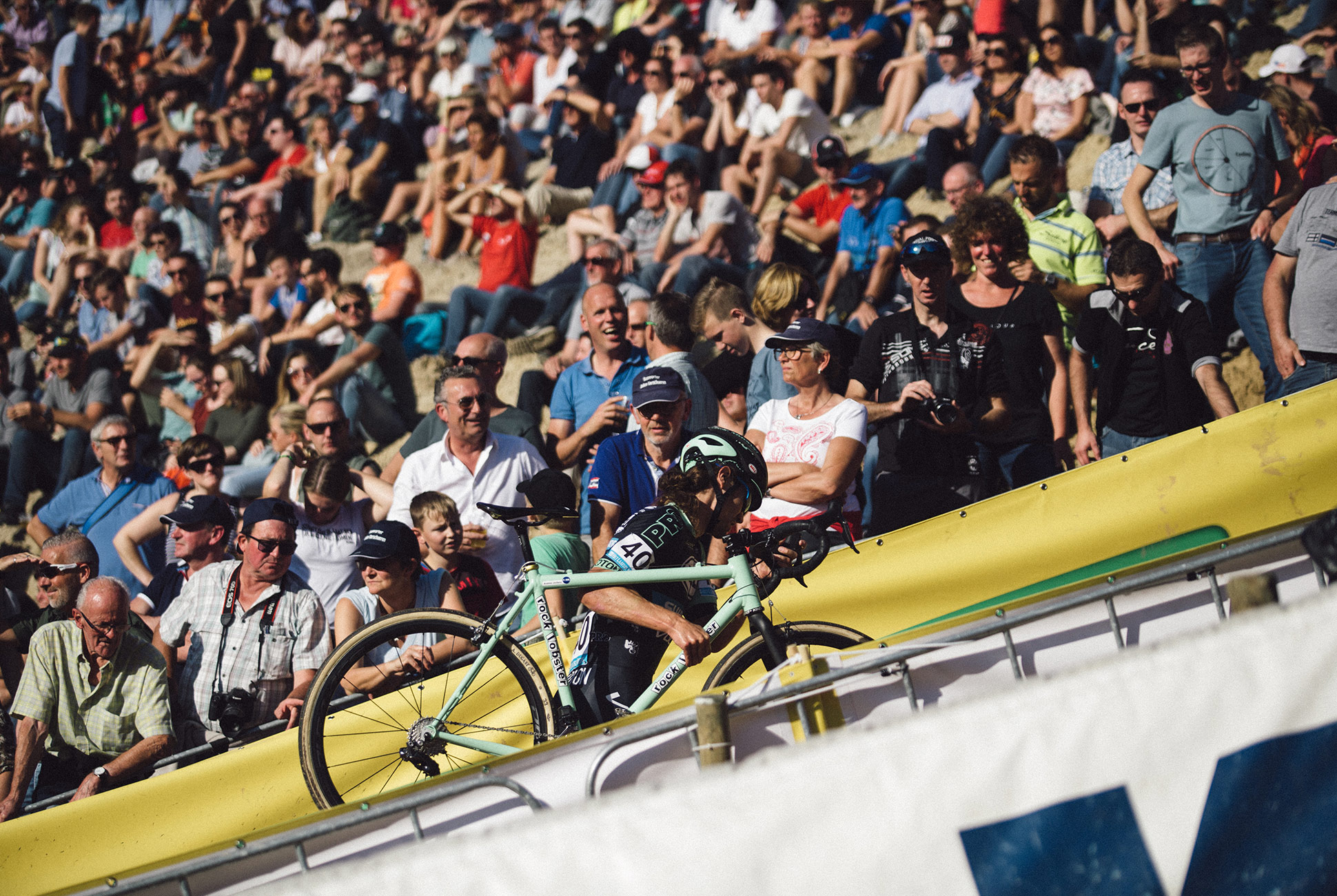
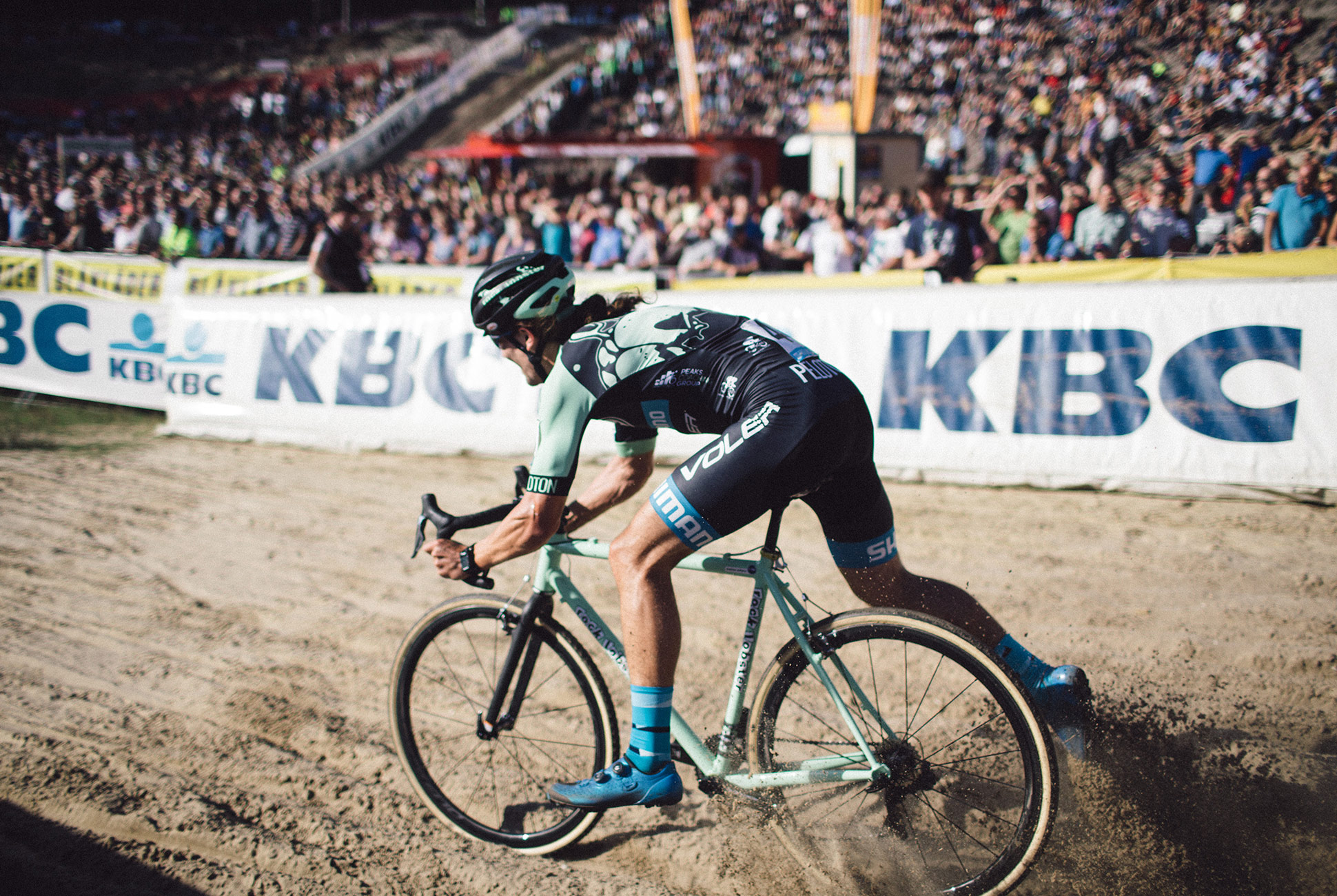
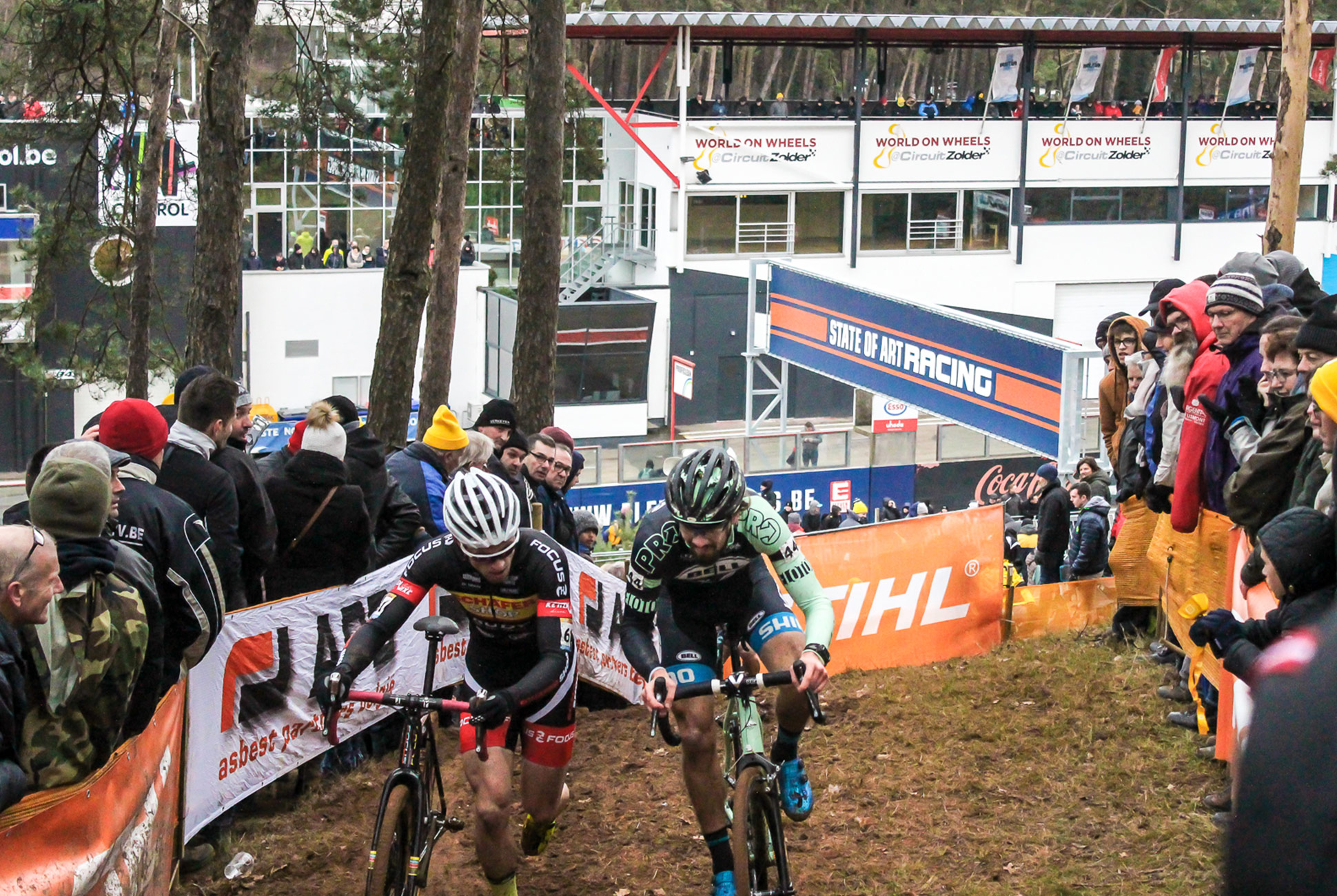
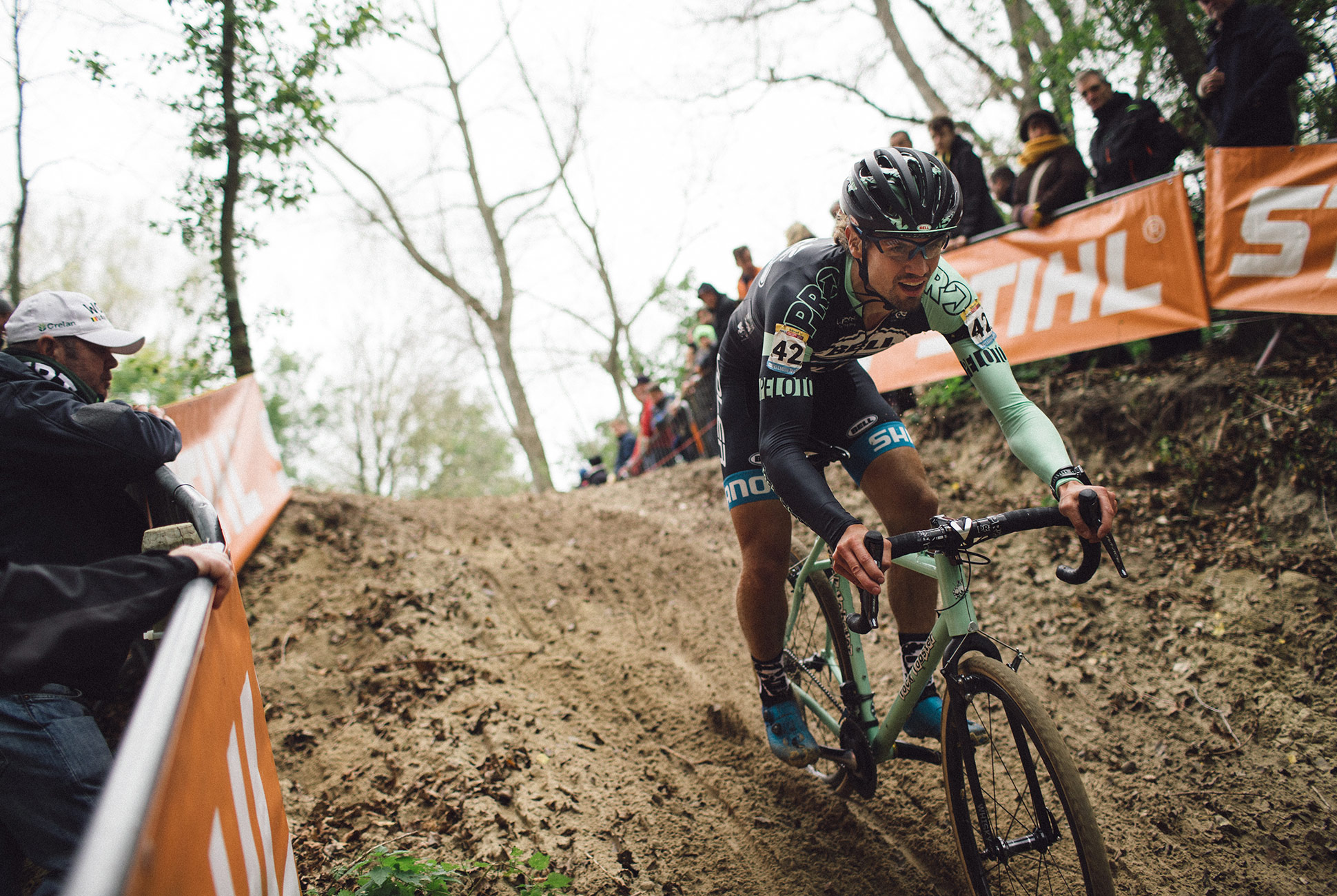
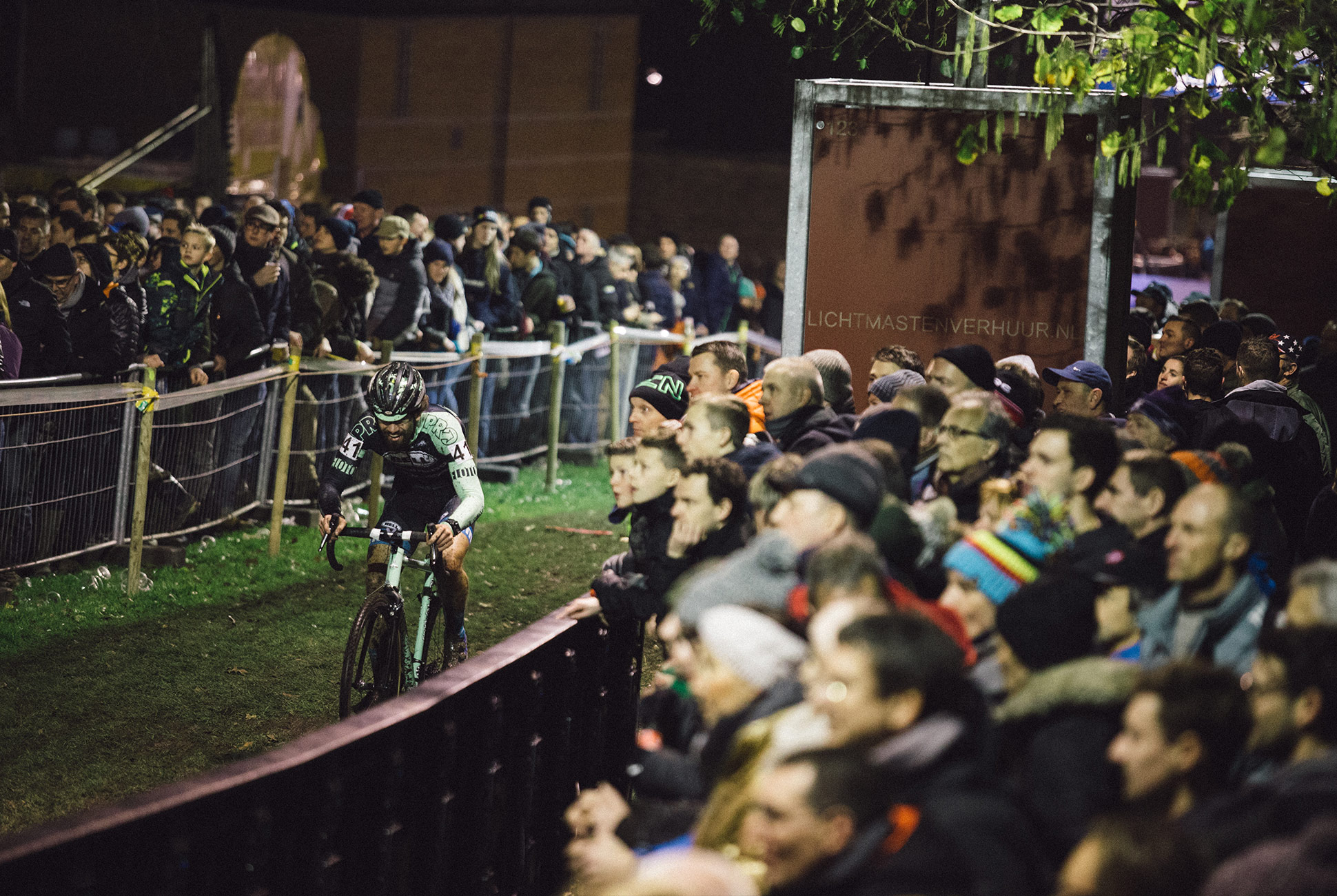
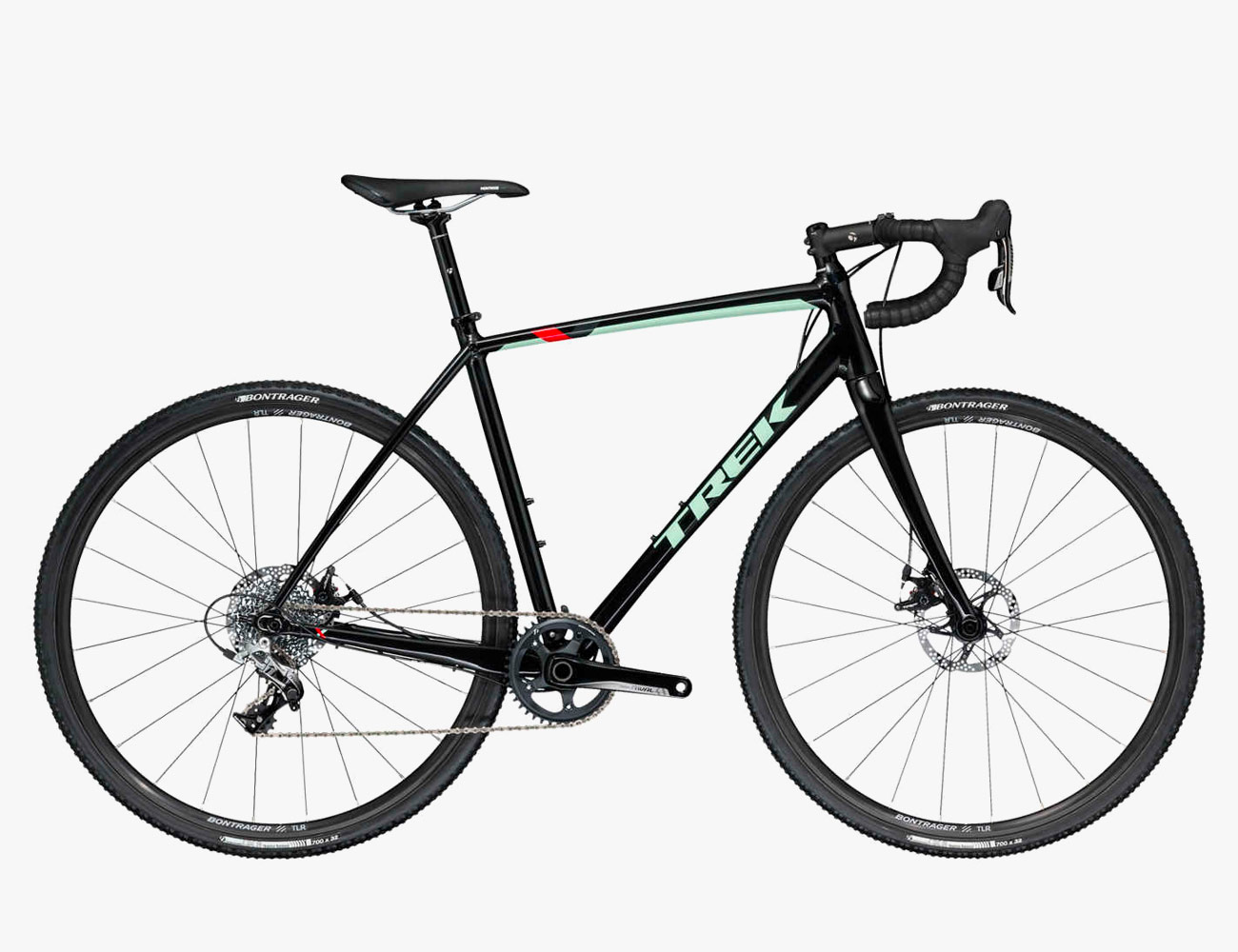
Cyclocross, or just ‘cross to its friends, isn’t a big deal in the US. But in Belgium, it’s second only to soccer in terms of spectator attendance and devotion — and perhaps first in terms of beer consumption. The short-course cycling discipline takes the speed of criterium racing, the skills of mountain biking and the all-round-athleticism of obstacle course racing — and it does so in the worst possible weather. Each lap takes riders on drop bar bikes around a muddy course, up and down steep hills and sees them dismount to run up stairs and leap over barriers. Unlike professional road racing, you can see all of the action live, and the race is over in an hour. Add in the crashes, rider-to-rider duels and technical skill on display and you have something that resembles destruction derby meeting supercross on push bikes. If Chuck Norris raced bikes, he’d race cyclocross.

The Backstory

Cyclocross is older than the Tour de France — the first race was held in 1902. Various origin myths exist, but essentially early events were a no-holds-barred race from A to B with no pre-determined route. Riders would take shortcuts through mud and over gates and began to use touring bikes to allow for wider tires and more traction. In Flanders, the sport is known as “veldrijden” or field riding, which at once explains cyclocross perfectly, and makes it as hard to say as it is to do.

In 1910, Octave Lapize attributed his Tour de France win to a winter spent racing cyclocross, and the sport gained in popularity amongst road racers. The fact that it combined running with cycling also attracted runners in their offseason and the sport began to grow in Europe decades before the first triathlons would be raced in California. The short and intense races were a perfect way to keep fitness levels up, and to keep warm, in the wet and windy European winters. At the time, bikes were the Formula One cars of their day, and France even had army regiments mounted on two wheels. The combination of technology, athleticism and an opportunity for drinking and gambling saw the sport grow, and the first World Championship race was held in Paris in 1960.

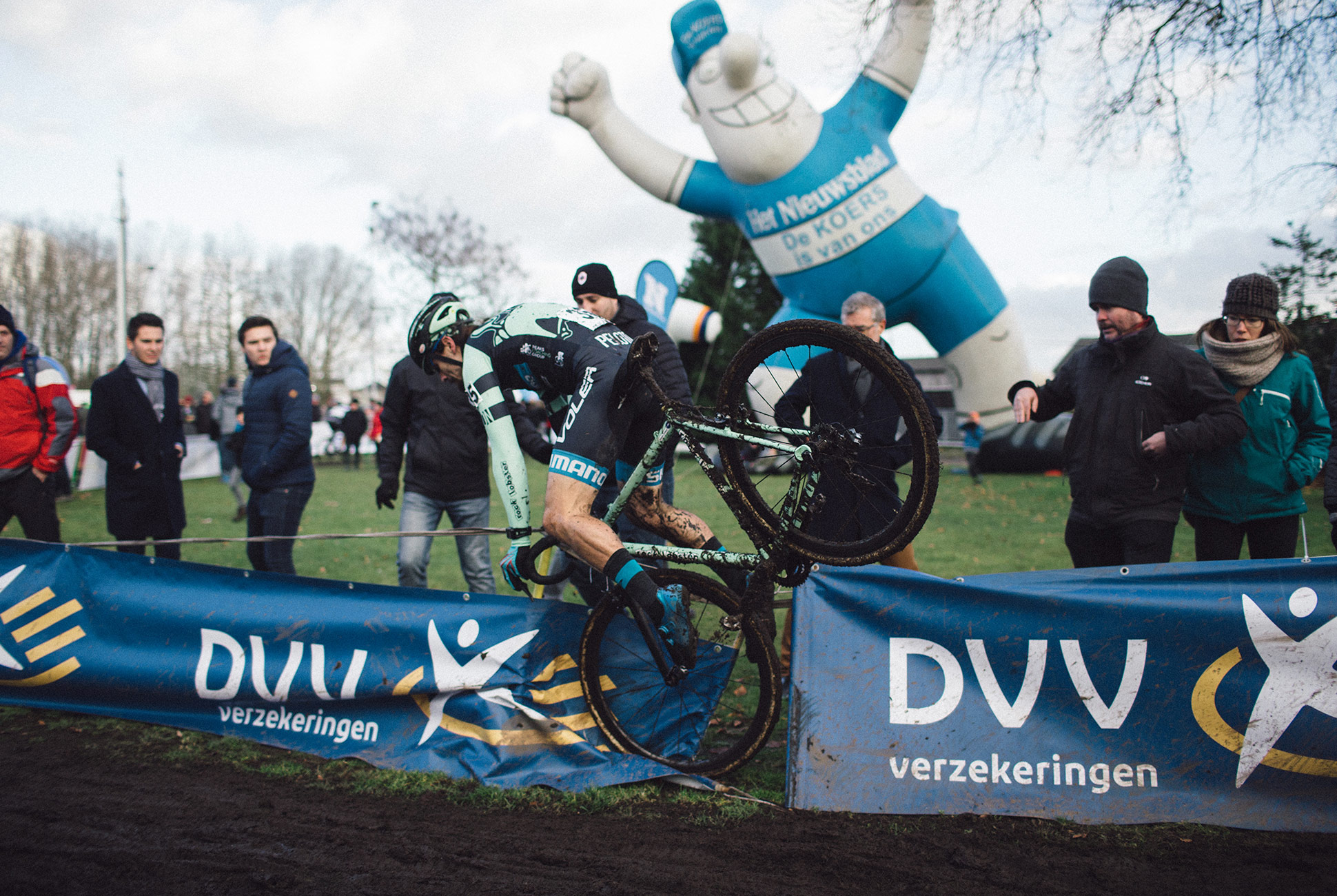
Over time, the sport evolved into a circuit race in which riders must negotiate barriers of a specific height (these are normally planks up to 16 inches high and 13 feet apart) by either dismounting and quickly remounting or, if they trust their skills, bunnyhopping. Courses also include run-ups on steep muddy climbs, technical descending and slogs through deep mud and sand. Despite these changes, ‘cross is still essentially “riding the curly bar type of bike that they use in the Tour de France around in circles in the mud and jumping over stuff,” according to Kona Maxxis Shimano pro Barry Wicks.

Bikes have also evolved a lot since 1902, but it is only really in the last decade that cyclocross bikes have made huge leaps forward. For years, ‘cross frames had higher bottom brackets so that riders could push bikes uphill without their toe-clips hitting the ground. The advent of reliable off-road clipless pedals has allowed bottom brackets to drop, meaning bikes are more stable and remounting is a little easier with the saddle closer to the ground. Until 2010, cyclocross bikes used rim brakes, a technology that was not unfamiliar to those pioneers of the sport in the early twentieth century. Modern bikes almost universally rely on disc brakes, which offer much more reliable performance in the atrocious conditions which cyclocross racers relish. Today’s tires are limited in width, but feature treads designed specifically for mud, dust, ice or snow. Racers generally favor tubulars, tires that are glued to the rim allowing for super low pressures and no danger of a tire rolling off the rim in the event of an untimely flat. Modern frames also add a flattened top tube to make shouldering the bike easier during long runs and will often do away with front shifting in favor of a simpler, and more weatherproof, single chainring set up. Where once ‘cross bikes were oddly specific, they’re now just great versatile bikes for commuting, exploring, road riding and Sunday morning barrier hopping.

Cyclocross Today

Professional cyclocross in Belgium is an incredible spectacle. Riders will hit the barriers, which would bring most of us to a complete halt, at 25 mph and dismount and remount so quickly that they appear to hover across the mud. Stair run-ups are often negotiated without even unclipping and courses feature flyovers which see racers catching air over the heads of a screaming crowd. Each pro rider has a pit crew and bike changes, which also happen at full speed, and occur whenever the rider feels his machine is too clogged up with mud to function. Often this means entering the pits at the sort of speed that might get you a ticket on city streets, vaulting from one bike to another one being held by a mechanic, and sprinting back into the pack more than once every lap. All this skill is combined with the sort of power output that would leave most amateur riders gasping after a minute, but which the best in the world sustain for an hour.

Crowd interaction is also a key element of cyclocross. As the sport has grown in the US, a tradition of heckling has developed. Given the relatively slow speeds on some parts of the course and the fact that riders are much more spread out than in a road race, this is generally audible to both riders and fellow spectators. Most of it is light-hearted and amusing, but certain pros take exception and sometimes that exception takes the form of a well-placed cycling shoe to the groin of an overzealous spectator.

The biggest races will draw thousands of fans and showcase some of the most brilliant technical cycling you have ever seen. They’re well worth firing up the VPN to watch, especially if you enjoy the undecipherable but still strangely exhilarating sound of Dutch commentators calling the race at the top of their lungs while sounding like they have a mouthful of marbles over your morning coffee.

Races to Watch

Andrew Juliano, a California-based pro rider for Grit World Racing, who lived and raced in Belgium, suggests that beginners tune into November’s Koksijde World Cup race to see the mud-splattered, beer-swilling, Flemish-screaming ideal of what cyclocross can be — 60,000 fans can’t be wrong. Later in the year, Zonhoven’s natural stadium and incredible sand drops make for one of the greatest spectacles in cycling, and Namur’s technical course combined with its ridiculously European location on a hilltop Citadel make it worth getting up early for. Make waffles, have your friends over and then go and suit up to slide around in the mud yourself for a few hours. It’s the perfect winter weekend.

The Experience

The things that make cyclocross so fun to watch also make it a great sport to compete in, which is likely why it’s the fastest growing sector of bike racing. When races only last 30-60 minutes, you don’t need to put in the ridiculous training volumes required for road racing, and the skill required is fun to learn and hard to master, meaning you’ll be seeing improvements long after your progress in the gym would have hit a plateau. Cross also offers a rare opportunity for grown adults to play in the mud which, let’s face it, is something we all need more of.

Cyclocross is a full-sensory experience. Nothing is quite as exciting and intimidating as the smell of embrocation (a capsaicin cream racers use to warm up cold legs) combined with that of frying potatoes, stale beer and sweat. Then there’s the sound. Cyclocross has had cowbells since The Tonight Show was in black and white, but now there are also air horns and, almost inevitably at the big races, someone endeavoring to keep the dream of the vuvuzela alive two inches from your ear as you drag your exhausted carcass up a hill so steep that you’re using your hands as much as your feet. It might seem like some kind of obscene winter carnival, but after a few weeks, there will be nowhere you’d rather spend your Saturdays.

‘Cross people are fun too. There’s much more of a friendly vibe between racers when, let’s face it, everyone is competing in a sport which sees grown men wrestling wildly inappropriate vehicles through mud pits for an hour. Often, fans will offer “hand-ups” from the sidelines, anything from cookies to beer to bacon and dollar bills. Regardless of whether you’re winning or losing, you’re never that far from the action because of the short course and short race times. This means there’s none of the demoralizing feeling of being dropped and left behind that occurs in a road race. Everyone is part of the show.

Bike Set Up and Skills

For dedicated roadies, you’ll need some off-road pedals and a few adjustments to your position. Chris Jacobson of Bikefitting.com suggests running the seat 1cm lower compared to your road setup. The lower seat height can enhance bike handling by lowering your center of mass and making the bars relatively higher. It also makes remounts on your bike safer and more fluid as well, and protects the lower back from the jarring impacts that are common in ‘cross. For mountain bikers, the best bet is to stick with your tried and true shoe set up and opt for a bar set up with 1-2 inches of drop from saddle to bar.

Once your bike is dialed, you’ll want to work out how to ride it without wiping out. Most regions have a local race calendar and offer beginners clinics. There are also various skills camps available, which will help you avoid some of the classic beginner pitfalls such as not quite unclipping in time for the barriers and missing the pedal on the remount, leaving your entire weight to come crushing down on the saddle. Not fun. But in the absence of clinics, jumping into a race, meeting people and listening to their advice is also a worthwhile way to learn. Cyclocross is like punk rock, everyone looks intimidating, but in fact they want nothing more than to welcome you into their weird world of mud, sweat and gears.

The Gear

Tires

Cross racers can be super techy. Tires are a particular place where they like to geek out, as the connection between rider and terrain can make all the difference in terms of traction and therefore speed. Don’t be surprised to find your competitors squeezing your tires and carefully making minute adjustments to their PSI minutes before the start. We like to use the Donnelly PDX when it’s muddy out but prefer the MXP when it’s dry and dusty.

|

Skinsuit

Your summer gear will do, but there’s nothing nicer than slipping into a warming onesie before you submit your body to the rigors of lactate accumulation for an hour. We recommend Castelli’s Classics Thermosuit. This cyclocross-specific skinsuit will keep your working muscles warm as you wait on the startline, but will help prevent overheating once your heart rate hits BPM levels you thought were reserved for EDM tracks. You’ll want a nice warm jacket and tights to wear to the start grid, and some good embrocation or knee warmers to keep your joints warm without the bulk of legwarmers, which tend to hold water on rainy days.

Bike

While a ‘cross-specific bike is best, cyclocross bikes needn’t cost the earth, and the right one is more than capable on the road or the gravel — so long as you have a few sets of tires on hand. Some races will even let beginners race flat bar mountain bikes. Look for disc brakes, lower than usual gearing (you win races by not braking and by pedaling faster than others on the slowest parts, not by holding a high speed on the very short tarmac sections). The Trek Crockett 5 disc offers great specs, some vibration damping in the fork, race-ready tires and gearing. For when you get the urge to upgrade, Trek’s Boone 7 offers built-in damping in the front and rear of the lightweight carbon frame, and a dialed geometry that has seen it carry riders to the top step of podiums in dozens of races whose names you might struggle to pronounce.

Handlebar Bag

Cyclocross is the opposite of road racing — the most important lap is the first lap. Getting the holeshot into the first corner can make all the difference, so you’ll want to be warmed up. I really like riding to races as a warm-up. This handlebar bag, which also converts to a fanny pack, lets me bring my wallet, a license, a few gels and a sneaky beer to help me bum a ride home. For driving to races, the Mountainsmith Cycle Cube is great. It keeps all your gear separated so you know where everything is and can confine the dirty stuff to its own compartment on the way home — because there will be dirty stuff.

Shoes

For cyclocross, you’ll need shoes that are as stiff as road shoes but offer more grip and allow for mounting on a mountain bike cleat. While any mountain bike shoes will do, we suggest Shimano’s new XC 9, which uses the same sole as its pro-level road shoe, but adds grip and optional studs for the mud. It sheds mud quickly, feels feather light and, with the extra studs, will let you run up near vertical slopes of peanut butter textured slop. Combine them with toasty waterproof socks and the incredible mud-shedding powers of the new XTR pedals and you’ll be able to clip in through sand, snow and swamps.

Gloves

Cyclocross is a winter sport, but riding bikes in ski gloves is neither fun, nor fast. These Showers Pass gloves provide enough feedback to steer the bike without feeling like you might leave a digit out on the course when temperatures drop below freezing. They’re also waterproof, making them a great option for post-race snowball fights.

Clean-Up Kit

Part of the fun of racing ‘cross is getting absolutely filthy. If you’re not brushing the grit out of your teeth that night, you’re not trying hard enough. While you and your bike will reach unforeseen levels of mud ingress after a good ‘cross race, and that thick coating of mud is part of the fun, it needn’t be part of your car upholstery. This Nemo pressure shower and Muc Off cleaning kit helps clean up and saves you from having to blame the dog for that massive mudstain on your driver’s seat that returns every weekend.

|

Note: Purchasing products through our links may earn us a portion of the sale, which supports our editorial team’s mission. Learn more here.