All posts in “Cars”

2020 Supra: Toyota is Hell-Bent on Reviving Its Reputation

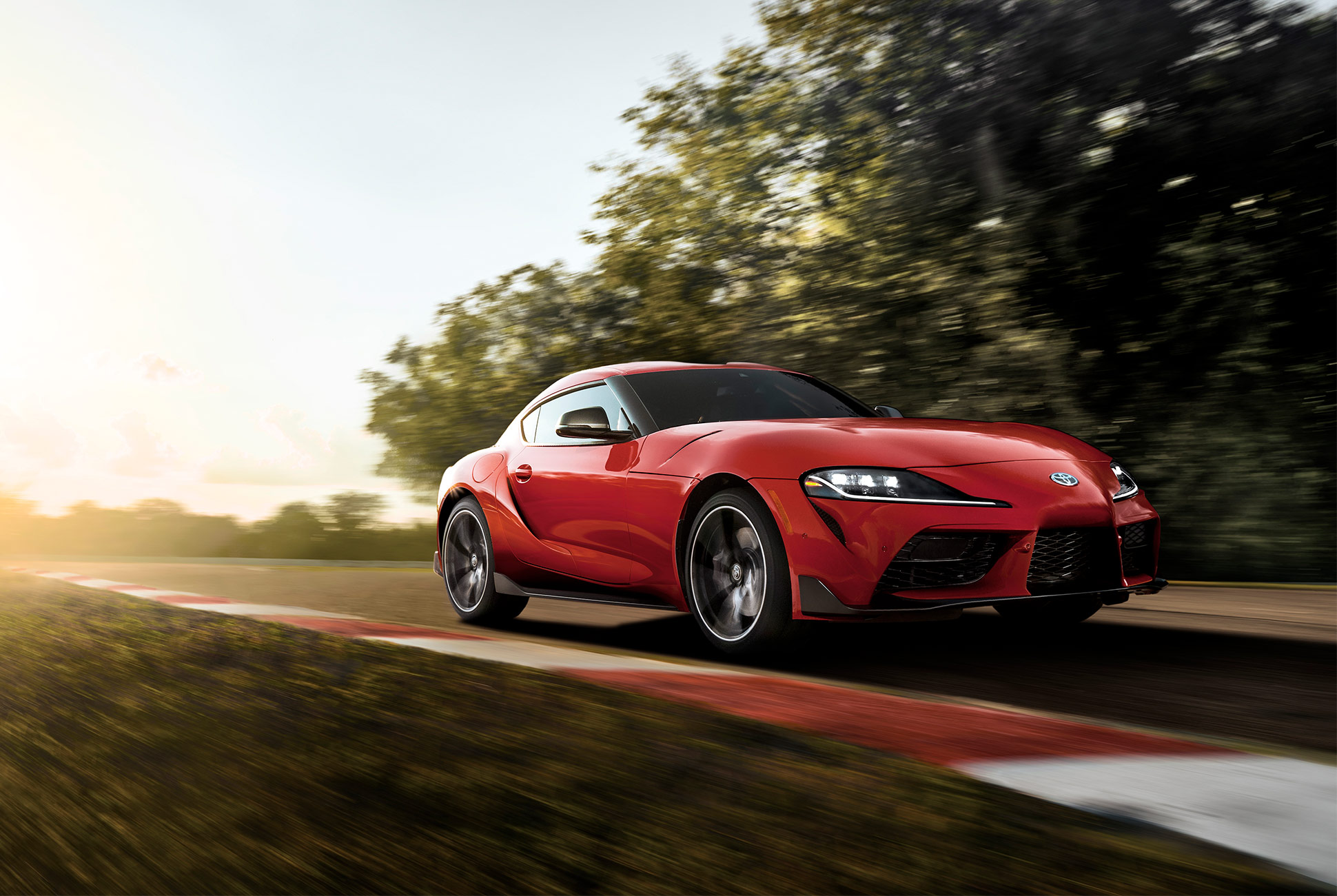
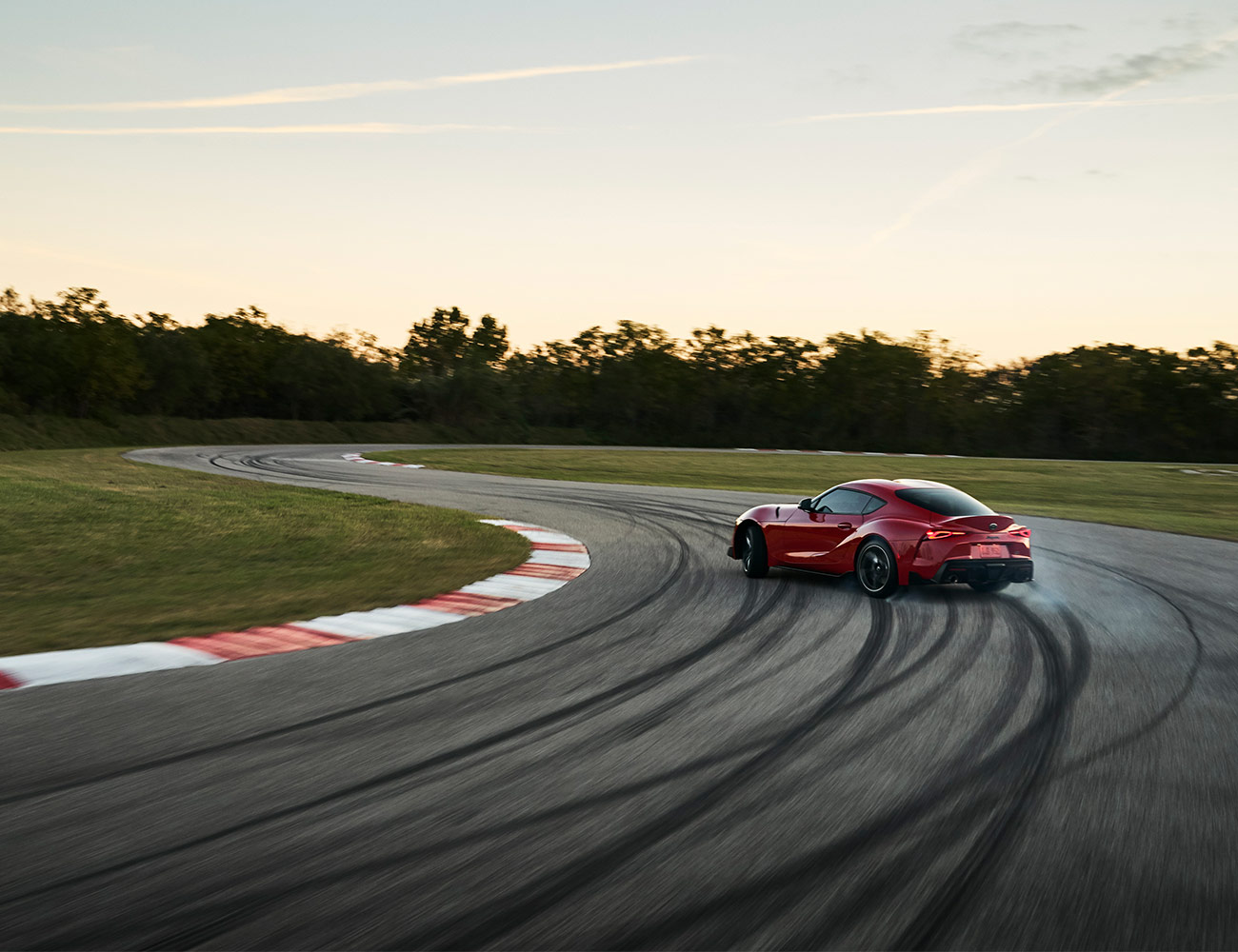
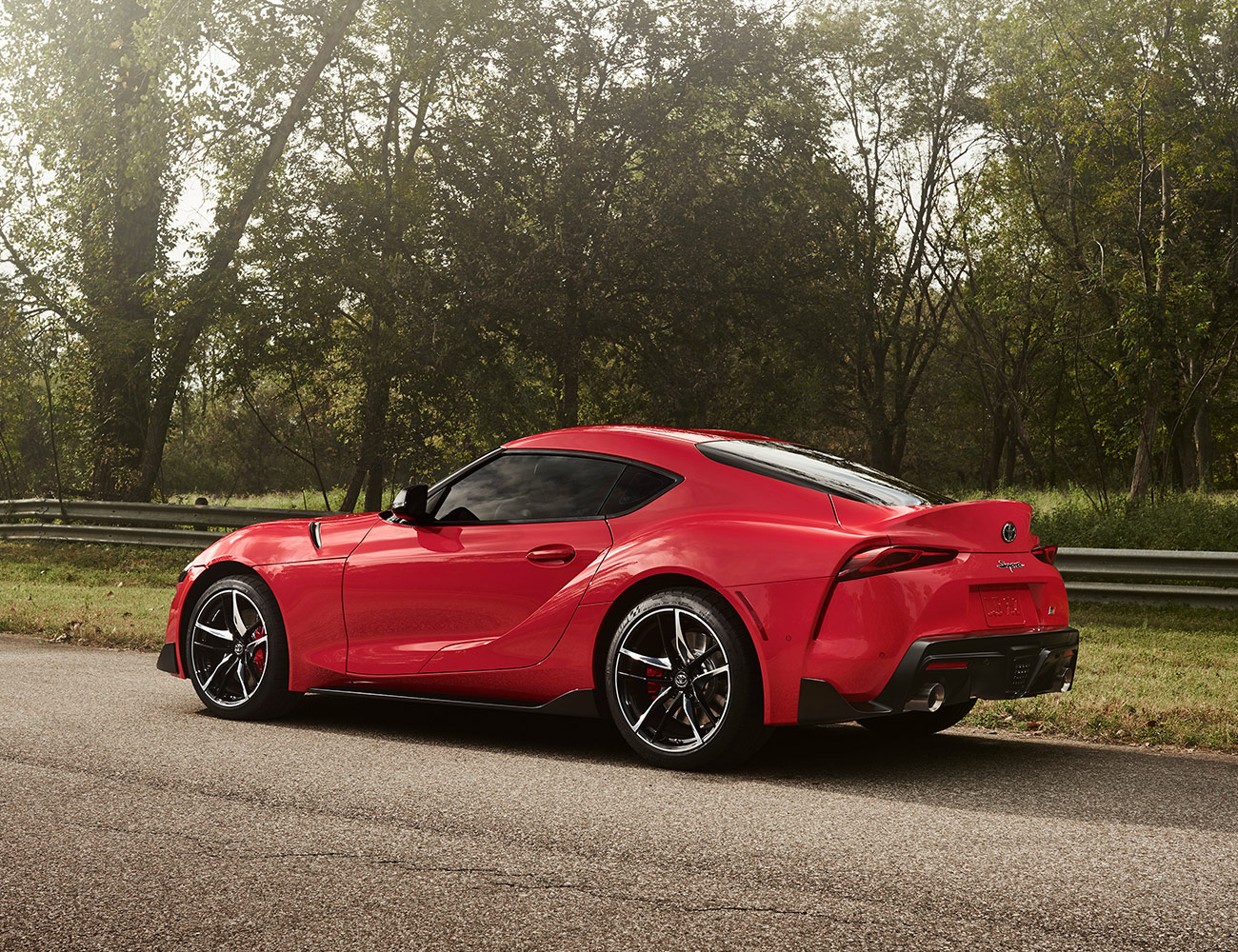
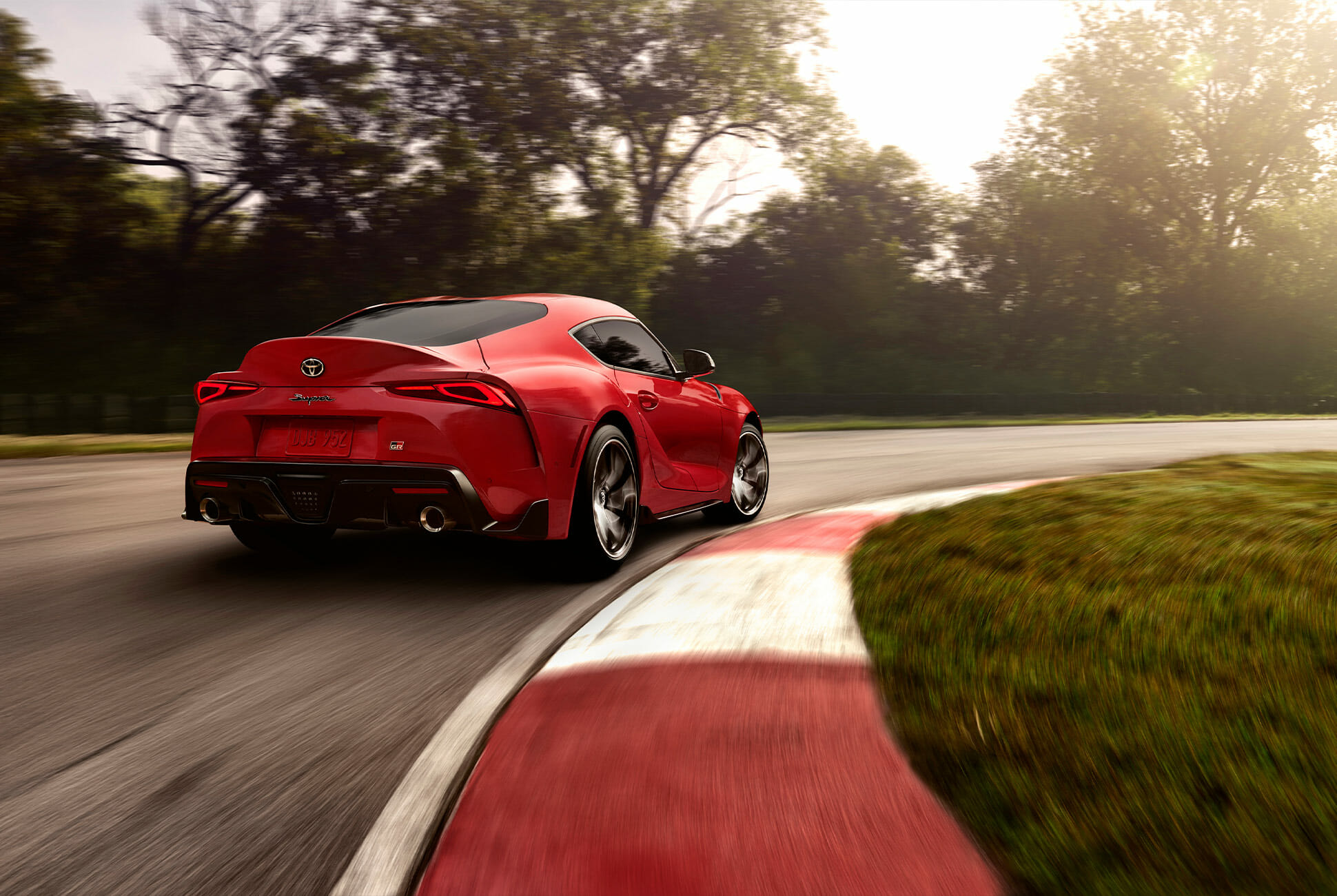
After a nearly 20-year absence, the Supra name returns to the Toyota lineup, making it clear Toyota is hell-bent on changing the world’s perception of its cars. The new Corolla hatchback was a declaration of war on Toyota’s modern reputation for milquetoast cars; the 2020 Supra is the first major offensive.

One look at the Japanese manufacturer’s current lineup and sale figures, and it’s easy to see how Toyota gained a lackluster reputation for blandness. Sure, performance off-roaders like the Tacoma TRD Pro and 4Runner TRD Pro and the nimble GT 86 coupe suggest otherwise, but Toyota didn’t sell 427,000 GT 86s in 2018 — that honor goes to the Rav4. Toyota also sold just shy of 344,000 Camrys and 290,000 Corolla sedans, meaning about 1,000,000 direct customer interactions with the Toyota brand is with either an uninspiring, forgettable car or compact SUV. Toyota, however, is beginning an about-face, led by the Supra, at the Detroit Auto Show.

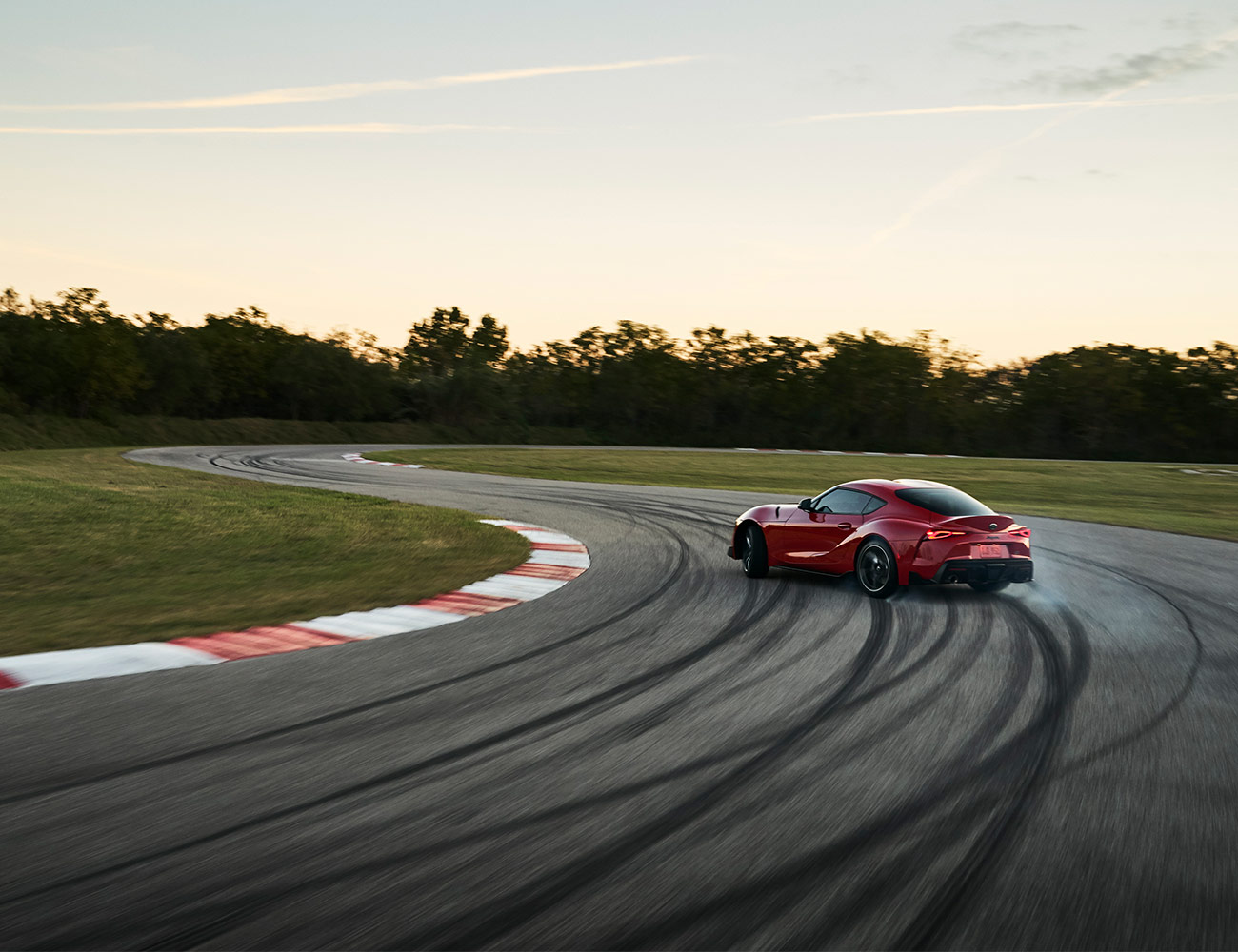
Bringing the Supra back is meant to inject energy back into the company: it is a halo car, a performance flagship. Toyota acknowledges it’s not practical and at $49,990 base MSRP, they know it’s aspirational. but, crucially, is still relatively obtainable. Jack Hollis, Toyota North America Group Vice President and General Manager, said one of the top priorities of the new Supra is to be “aspirational, but something the driver can truly have fun in.” He elaborated that the for the first time since the GT86, Toyota is making a car aimed at “those who want to be on a track.”
Photo: Toyota

Toyota CEO, Akio Toyoda, is a racer: according to the Toyota Senior Vice President Bill Fay, Toyoda “has gasoline running through his veins.” Not only did Toyoda oversee the final stages of the Supra’s development, he personally helped in the final tuning of the brakes, steering and suspension. “Committees don’t build cars like the Supra. Finance departments are never going to greenlight a car like the FT-1 Concept,” Fay says. “But we have a CEO that says it’s worth putting [engineers] to work for five years to bring the [Supra] to market. If we had any other CEO, this car wouldn’t be here.”

Conversely, the lack of performance-focused Corolla advertisements was its secret success. It’s a nameplate hundreds of thousands of people are already buying and driving. Toyota snuck genuine performance into the Corollas without pandering to enthusiasts and, consequently, scaring off the customer base – that’s how you get the masses to change their minds about your cars. Case in point: at the Detroit Auto Show, while everyone was distracted by the big Supra reveal, Toyota also snuck a TRD-tuned Camry and Avalon on to show floor.

Toyota isn’t distancing themselves from its bread and butter; it’s simply using the Supra flagship tactically. “The Toyota group sold 2.8 million vehicles in 2018 – [almost entirely] SUVs, CUVs, pickups and sedans. We’re not moving away from the heart of the market, but we want to be a full line manufacturer,” says Fay. It’s impossible to deny the sales success of those massive segments, which is why it’s becoming more difficult to justify relatively low-volume sports cars. That’s why Toyota collaborated with BMW to jointly develop the Supra and Z4 roadster. The team up is also the source of most of the controversy surrounding the Supra.
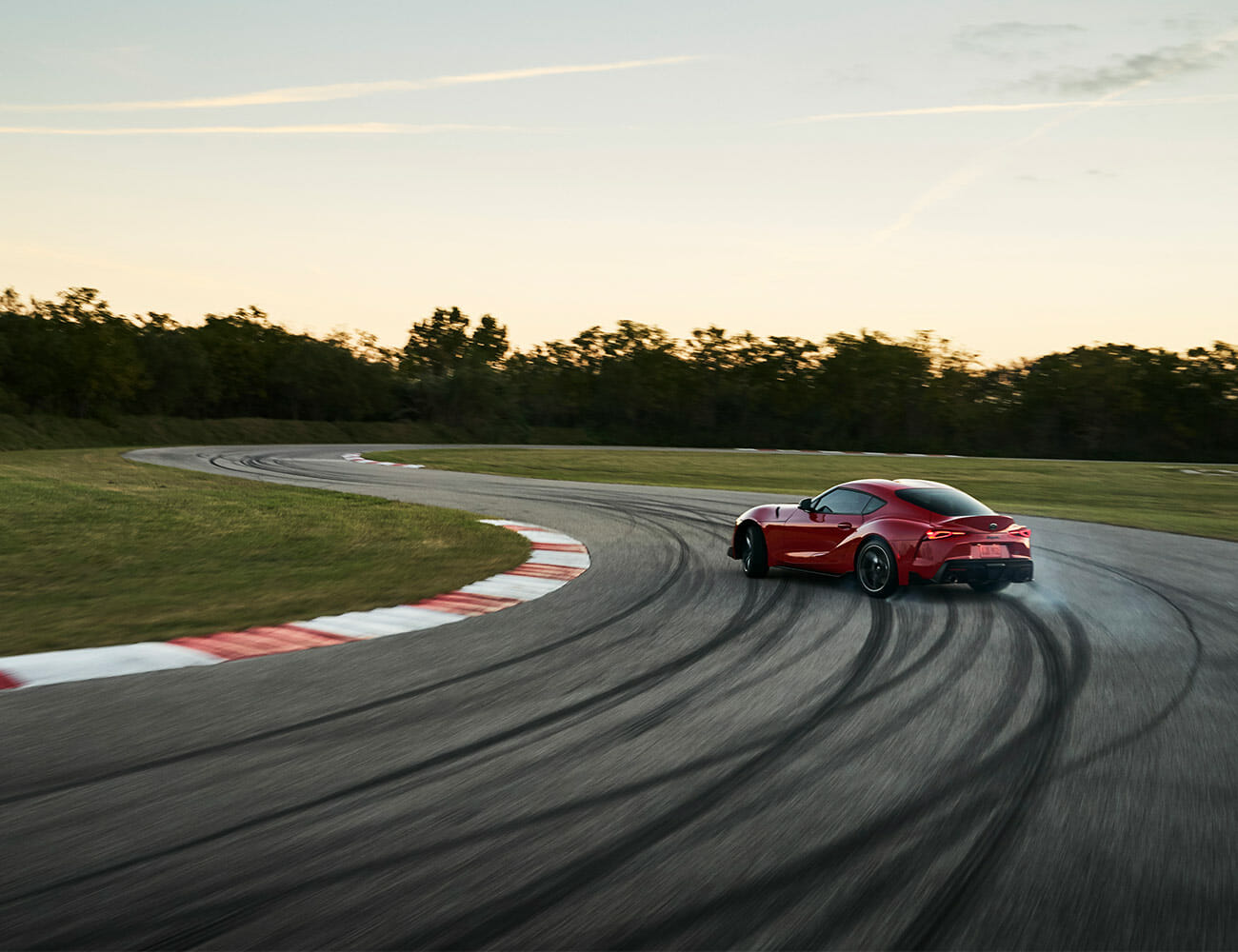
Photo: Toyota

Enthusiasts and purists are the toughest car crowds to please. Thanks to the past Supra’s cult following, the new car actually developed more than a few ardent detractors. Its engine and powertrain components are sourced from BMW and there won’t be a manual transmission available, so Toyota is somewhat on the defensive with those purists. Supra Chief Engineer, Tetsuya Tada, doesn’t deny the lust for an old-fashioned transmission. Tada San says, “if there’s a persistent, overwhelming demand for a manual transmission, the nature of a sports car inherently is to improve, and that’s when we’d consider it — if the market demand is there.” But Tada San seems confident in the performance of the new sports automatic and says if you drive the new Supra, “you experience that right away. For Toyota enthusiasts old and new [and] up and coming fans of the [Supra], I’d like them to have them experience this new generation of automatic transmission and the whole experience of driving with it.”

There is also a non-Toyota (instead, BMW) inline-six powering the iconic car. Toyota wants Supra fans to understand that this collaboration with BMW isn’t a repeat of the carbon-copy 86 and Subaru BRZ project. In that instance, they tried to share as many components as possible to validate a low-selling sports car. But this time around, Tada, who was the chief engineer on that project too, says “the positioning of the sports car is higher. I had a specific vision of the Supra I wanted to create. With the Z4, BMW said they want to do ‘this’ or they want to do ‘that,’ — that had no effect on my vision on what I wanted to do.”

Without the BMW collaboration, there most likely wouldn’t be a new Supra at all. As a halo car and performance flagship, Toyota wouldn’t be able to turn its image around. They know it won’t sell anywhere near as well as the Camry, and Fay says it’s not even an aspiration to do so. “This is a Supra, through and through. It’s not a car that you need. It’s a car that you want.”
The Best of NAIAS 2019

If the 2019 Detroit auto show is any indication of the next year or two, it seems manufacturers are just as sick of monotonous committee-built cars as we are. Read the Story
Note: Purchasing products through our links may earn us a portion of the sale, which supports our editorial team’s mission. Learn more here.

The Best Headlight Design of the 2019 Detroit Auto Show

Chief among the 2019 Detroit Auto Show’s best concept cars was the Lexus LC500 Convertible Concept, which won EyeOn Design’s Excellence in Exterior Lighting Award. Their extreme, out-of-the-box design and the likelihood of them making it to production, as is, put Lexus’s lighting above the rest.

There was only a handful of concept cars on display at this year’s show, but what it lacked in numbers it made up for in quality. Standouts from the show are Nissan’s sport sedan IMs Concept and Infiniti’s QX Inspiration Concept, which, to its credit won Best Concept Car of the show overall. Both of which were acting as a collection of what could trickle down to each respecting manufacturer’s lineup.

But, as eye-catching as they may be, concept cars, in general, tend to be design studies, a chance for manufacturers’ designers and clay shapers to let loose their imaginations and showcase an extreme version of what the future might hold. They’re usually nothing more than a tease. Every once in a while, though, manufacturers unveil concepts so close to what a production car can be, it’s impossible not to assume that’s what you’ll see on the road — as is the case with the LC 500 Convertible Concept and its striking headlights.

The Lexus LC500 Convertible Concept — despite having “Concept” in its name — is going to production as is, which makes it earning the Design Excellence in Exterior Lighting Award miles more relevant than the others. Rather unsurprisingly, you shouldn’t expect what Nissan or Infiniti put on display to look anything like what gets put into production.

Under the skin, the show model LC500 Convertible was just that, a show model — it didn’t have a working roof or a running engine. The headlights, on the other hand, are an evolution of the lamps found on the very real and very much running 2017 LC500 Coupe.

The Convertible Concept, as a whole, achieves the rare victory of designing a convertible while still retaining the dramatic attractiveness of the coupe version. Something that’s easier said than done and a task marque like Porsche struggled to do with the new 911 and GM has with the Corvette in the past. The Lexus’s radical lighting paired with the crowd-favorite coupe design language bodes very well for the drop top halo car hitting roads soon.

Read Our Review of the LC500 Coupe

Opinion: The Detroit Auto Show Is a Source of Hope

Less than a year ago, the horizon of the automotive landscape looked bleak. Ford announced it would axe its sedans and hatchbacks in the US and Cadillac and Volkswagen made threats to fill their lineups with more crossovers and SUVs. But, this year’s Detroit Auto Show is a source of hope. New sports cars from unexpected brands and the many adventure-ready overlanders coming down the pipeline are enough to plaster a smile on anyone’s face.

Continuously increasing crossover and SUV sales numbers are a legitimate excuse for manufacturers to hop on board the gravy train. Hell, even brands like Lamborghini and Ferrari can’t ignore the segment’s potential. However, while some of the traditional brands are dialing back on their super sedan and sports car efforts, the likes of Nissan, Hyundai, Subaru and Toyota are taking their crossover-cash and using it to inject energy into other products.

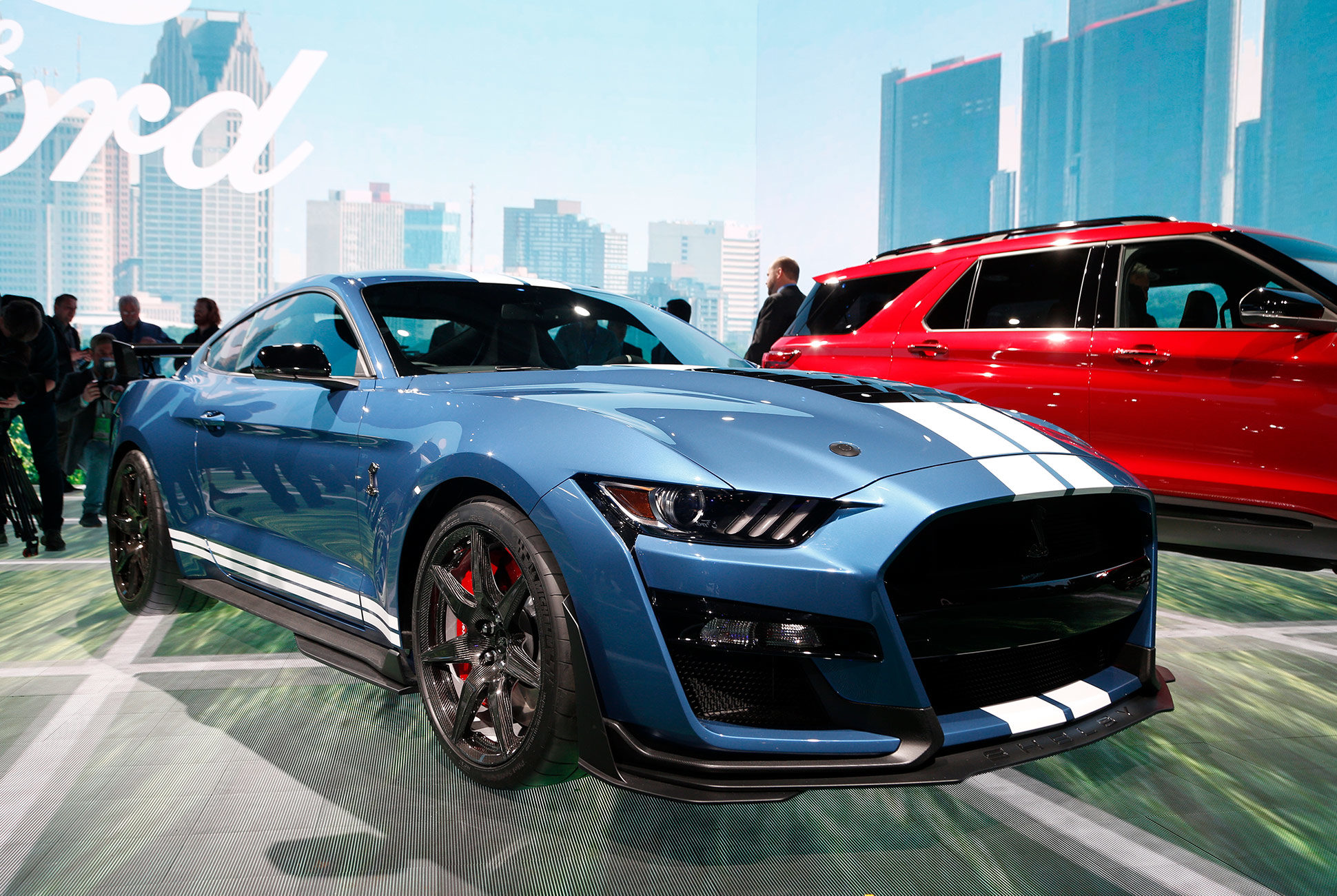
Nissan brought to the show the IMs Concept, which reimagines what a sports sedan can and should be. Hyundai launched the all-new Elantra GT N Line, the first of its mid-level performance cars sporting more than just a sculpted bumper and rear wing; you’ll get a 201-horsepower turbocharged 1.6-liter inline-four engine paired with a six-speed manual and tuned suspension — all for $24,185. Subaru announced the first ever S-model STI coming to the US, which will sport 341 horsepower and a slathering of aerodynamic wings and vents. The 2020 Supra also made its first public debut in Detroit this week alongside a track-focused Lexus RC-F and TRD-tuned versions of the traditionally bland Camry and Avalon sedans. Ford deserves credit for the 700-horsepower-plus Shelby Mustang GT500 it brought along, and Cadillac gets an honorable mention for greenlighting the CT6-V – the big sedan’s possible swansong as its fate hangs in the balance.

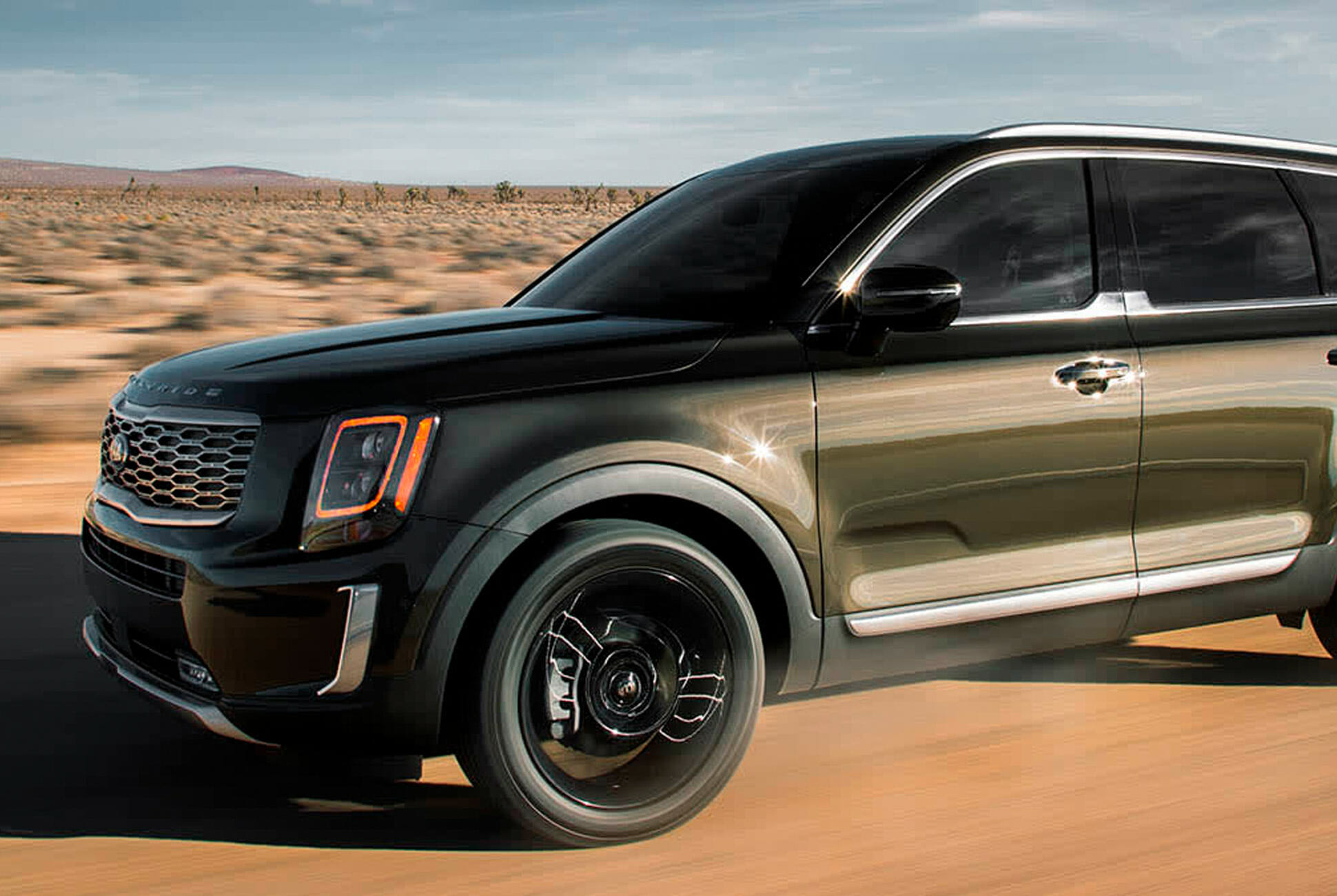
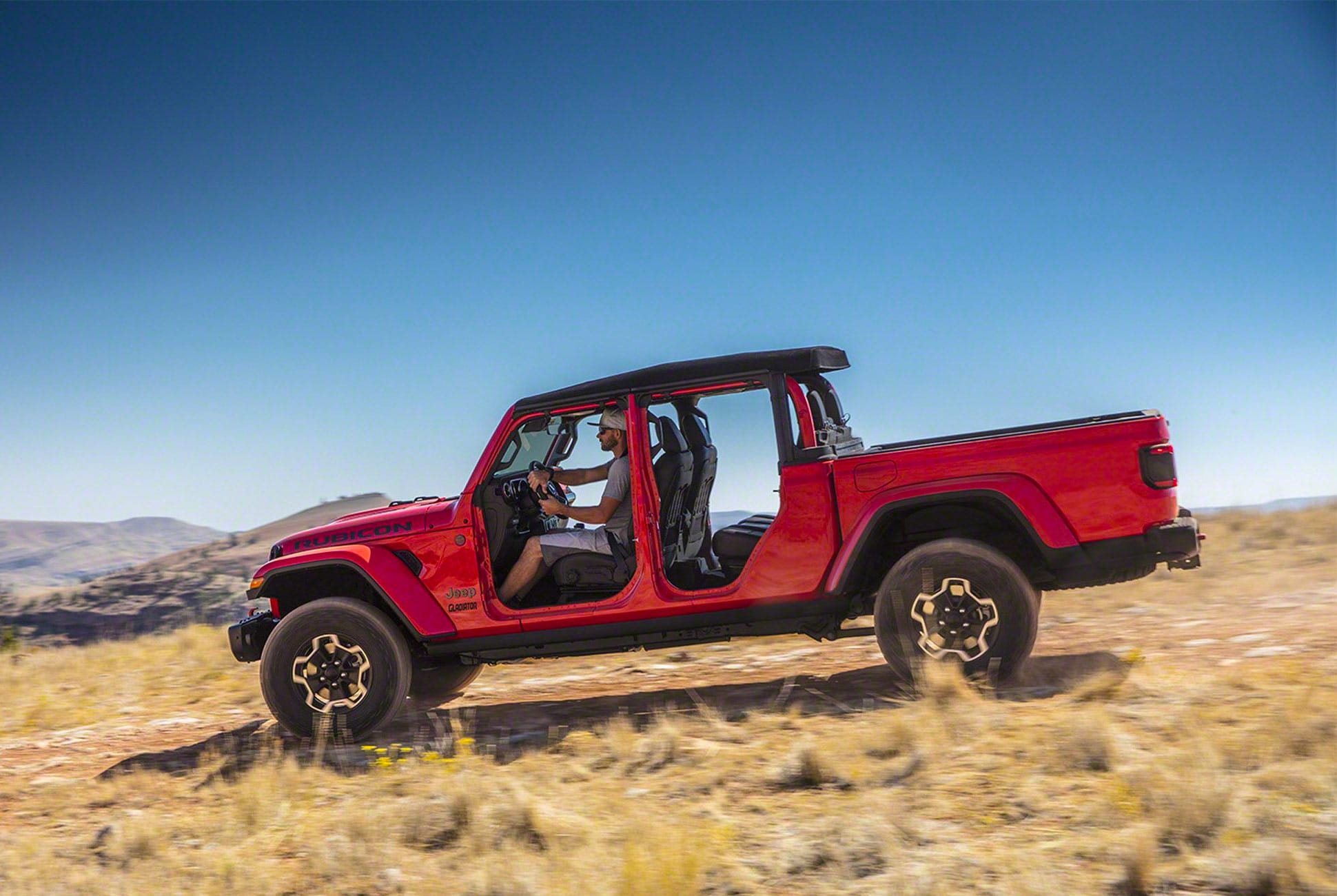
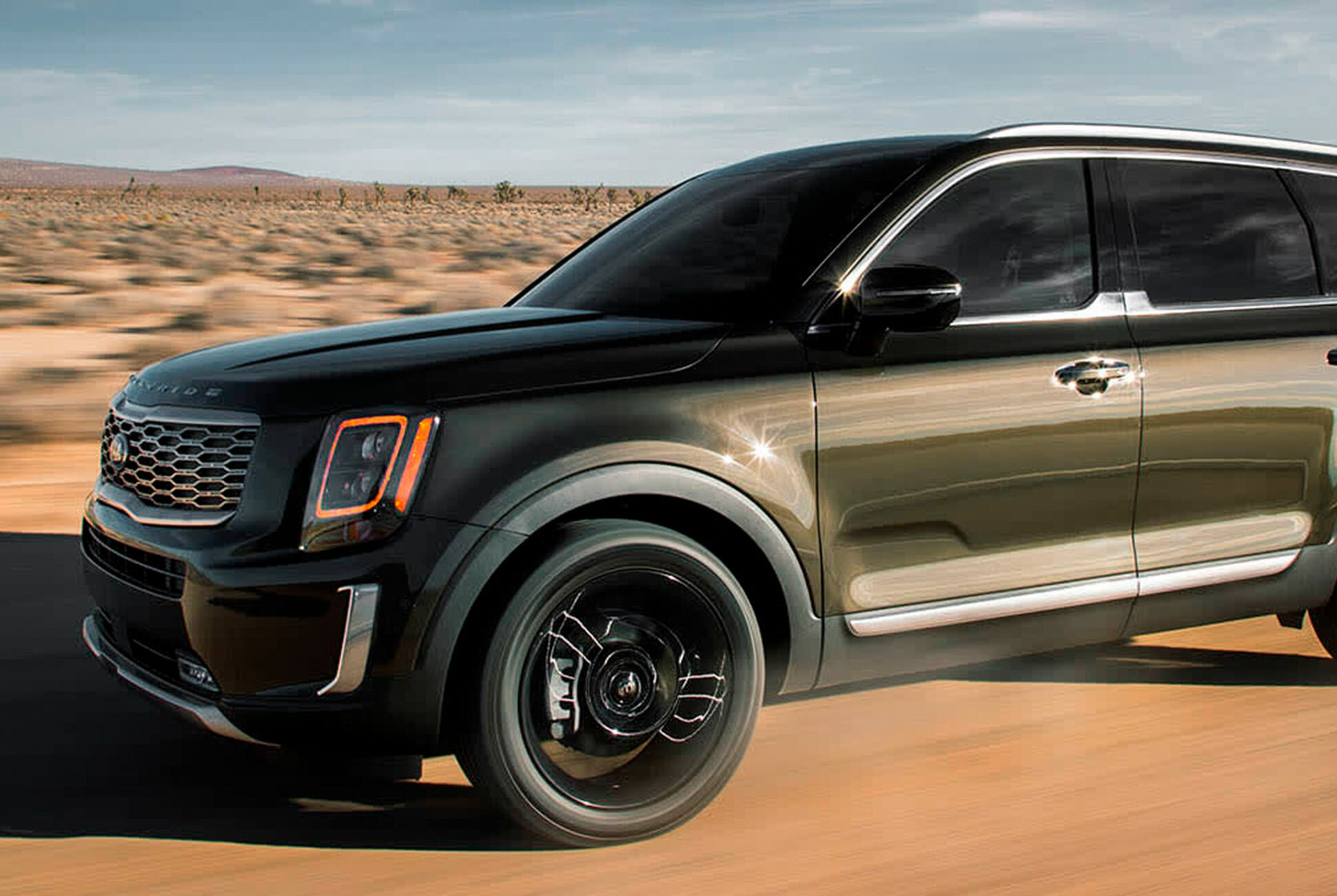
New trucks from Kia, Ford, Chevy and Jeep are exploiting the rise in active and adventure lifestyles with overlanding-focused trims decked out with roof racks, skid plates, intake snorkels and suspension lifts. The Kia Telluride concepts, Ford Ranger, Chevy Colorado Bison AEV and Jeep Gladiator prove America’s most popular slice of the market doesn’t have to be dull at all.

While global emissions standards are becoming stricter, and as the impending all-electric and autonomous future breathes down our necks, it’s impossible to ignore the fate of the automotive industry as it descends into soullessness. This sudden burst of entertaining cars – a renewed sense that cars can have a soul and purpose outside of getting us from point A to point B – is wildly refreshing after the seemingly endless string of bad news that poured out of 2018.

The Best of NAIAS 2019

If the 2019 Detroit auto show is any indication of the next year or two, it seems manufacturers are just as sick of monotonous committee-built cars as we are. Read the Story
Note: Purchasing products through our links may earn us a portion of the sale, which supports our editorial team’s mission. Learn more here.

Cadillac is Working On an All-Electric Crossover

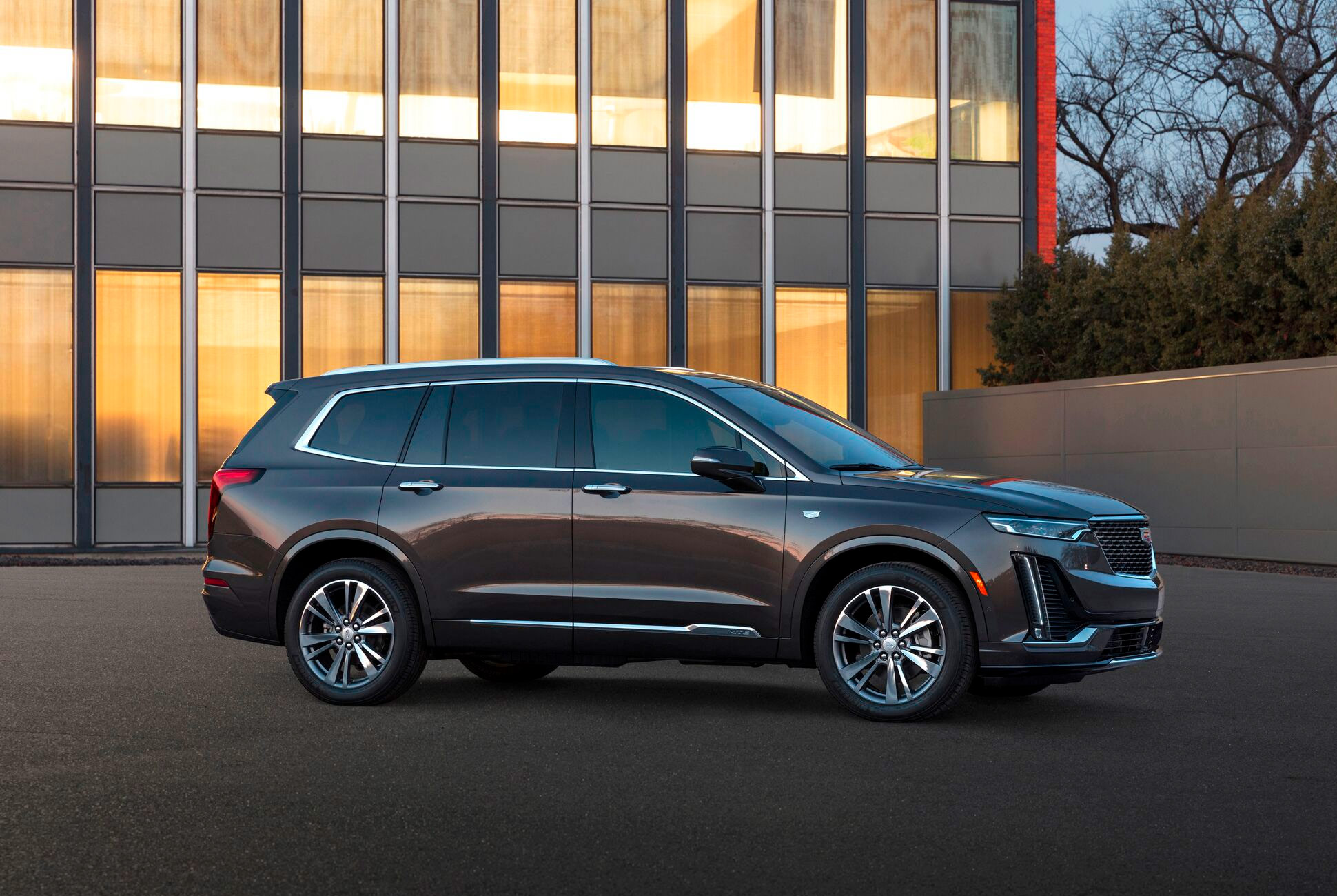
The most interesting forthcoming Cadillac is two things that heretofore have never been combined under the luxury GM nameplate: it’s electric & it’s a crossover. So far all the world has seen are some Tesla-esque images. No stats. Not even a name. What we do know, it will be using GM’s “BEV3” electric vehicle platform.

Upgrade Your Vintage Defender With a New Ignition Key

Owning a vintage Land Rover Defender isn’t for the faint of heart. The overlanding icon is visceral, barren of any luxuries or creature comforts and requires patience to drive daily. With that said, they make for a great blank canvas when it comes to adding personal touches and those who own them know it’s worth putting in the extra love and upgrading the classic workhorse. One such upgrade? The ignition key and the LA-based automotive design group Formawerx has you covered.

Of all the aftermarket parts you can bolt on to a Defender — better suspension, a roof rack, light bars, winches — leveling up from the OEM ignition key can seem a bit obscure, but the attention to detail in a Formawerx key is an execution of industrial design worthy of framing. Each key is precision milled from industrial-grade stainless 303 steel in the USA, comes in a machined or polished finish and will finally rid you of the chunky rubber eyesore the factory gave your Defender 90, 110, or 130. Formawerx will also mill keys for the Porsche 914, 912 and the 930, 964, and 993 model 911s.

What will a Formawerx key set you back? That’ll be $250+, which is a massive ask just for a spare key, especially since you can get a copy of your key cut at any locksmith for $2.50. But, if you want to spare no expense and pore over every detail of your vintage baby on a daily basis, Formawerx keys are worth a look.

The Best Design Details at the 2019 Detroit Auto Show

This year’s North American International Auto Show features the 2020 Toyota Supra (finally) and the new, frighteningly powerful 700-plus-horsepower Mustang GT500. On the more practical side, Kia and Hyundai joined the three-row SUV party with what look like promising family haulers. At an auto show, the stream of dramatic unveilings with bass-heavy soundtracks, light shows and sizzle reels can easily distract from the myriad notable yet subtle design exercises scattered throughout the convention hall. These are the best details of NAIAS 2019.

Kia Telluride x Brandon Maxwell

Kia introduced this collaboration with fashion designer Brandon Maxwell at last year’s New York Fashion Week. Up close and in the metal, you can see it’s littered with handsome details, from leather hood-staps to wood highlights on the roof rack.

VW Golf GTI Headlights

It’s great to see Volkswagen having fun with its color palette again. On this GTI, the signature red grille outline invades the headlights and really pops against its bright blue body work.

Nissan IMs Dashboard and Headlights

Nissan is showcasing one of the few all-out concept cars at the show. Like any clasic concept car, it’s purely a design exercise but hints at the brand’s possible future state. Hopefully, Nissan will incorporate the single-bar headlight and oddly intricate honey comb dashboard in its production cars sooner rather than later.

1959 Cadillac Eldorado Biarritz Tail Fins

Over at the Cadillac stand, hiding up on the second floor is a beautiful, fire engine red Eldorado Biarritz. It would be wrong to talk about beautiful automotive details and not mention these jet age tail fins.

Cadillac CT6-V Headlight Signature

As much as Cadillac modernizes its design language, evolves its crest logo or changes its mission statement altogether, it warms my heart to see them hide an old school cursive “Cadillac” in the headlights here.

Ford Mustang GT500 Ceramic-Coated Carbon Wheels

DAS-Best-Details-Gear-Patrol-GT500-Slide-1
DAS-Best-Details-Gear-Patrol-GT500-Slide-2

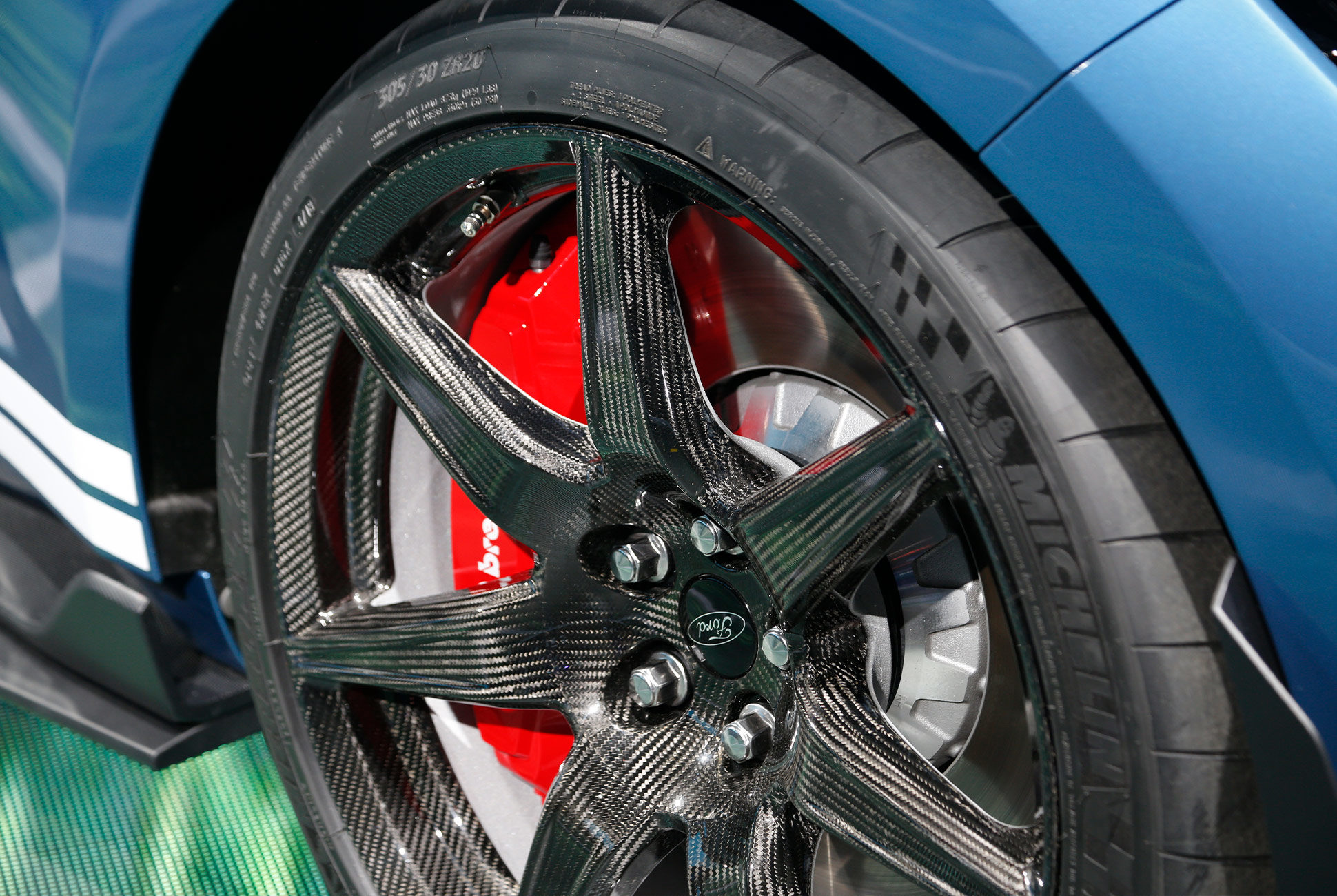
This isn’t the first time Ford has put carbon fiber wheels on a Mustang. That honor belongs to the GT350. However, the combination of a tight carbon fiber weave in the spokes and a ceramic heat shield coating (to protect from the temperature of massive steel brakes) is a thing of beauty.

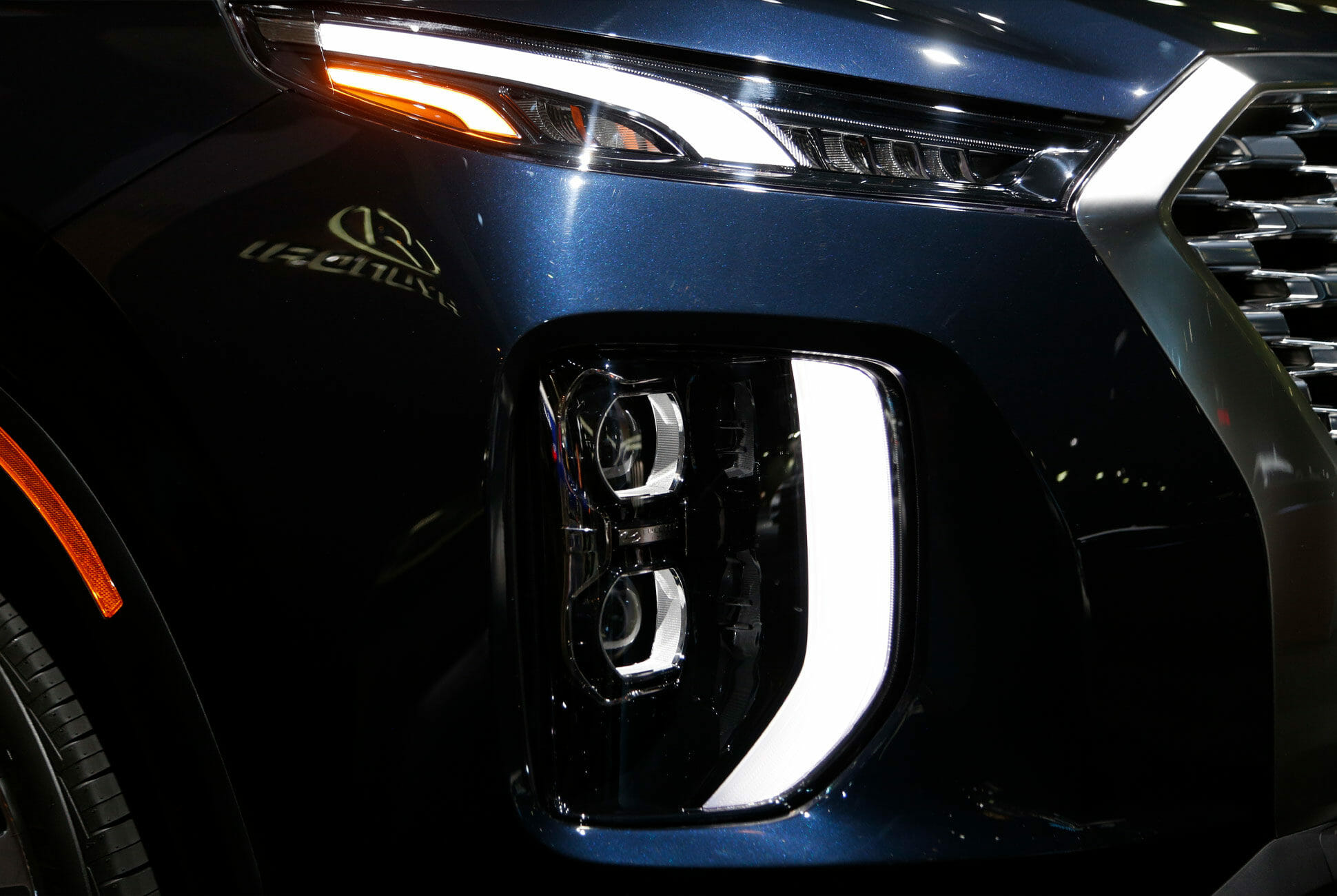
Hyundai Palisade Headlights

DAS-Best-Details-Gear-Patrol-hyundai-Slide-1
DAS-Best-Details-Gear-Patrol-hyundai-Slide-2

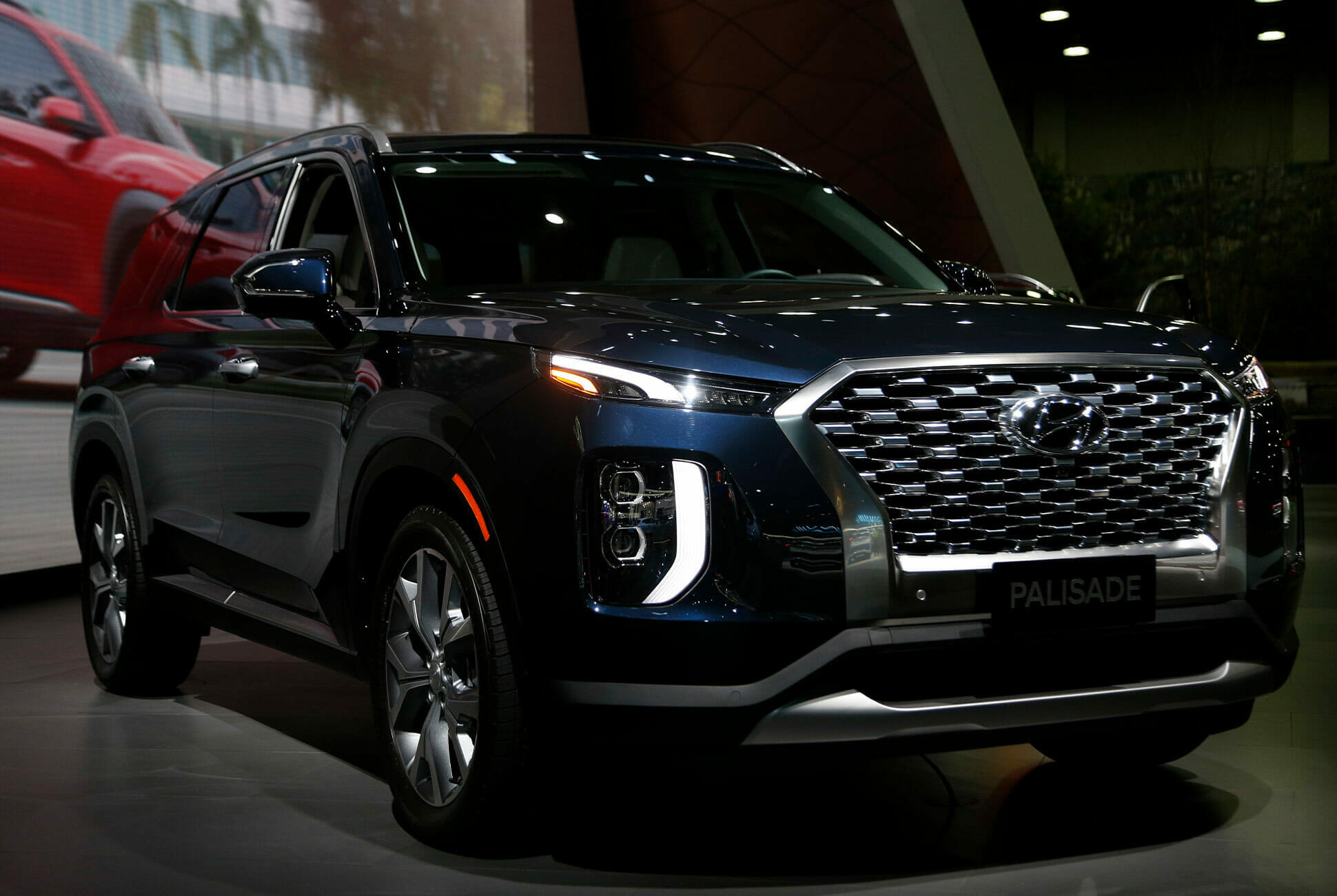
Hyundai could have played it safe with its first three-row SUV and gone with a conservative design, but I’m glad it didn’t. The big SUV market is crowded and Hyundai’s bold headlight design and structure deserves praise – and will help it stand out.

Lexus RC-F Headlights and Rear Spoiler

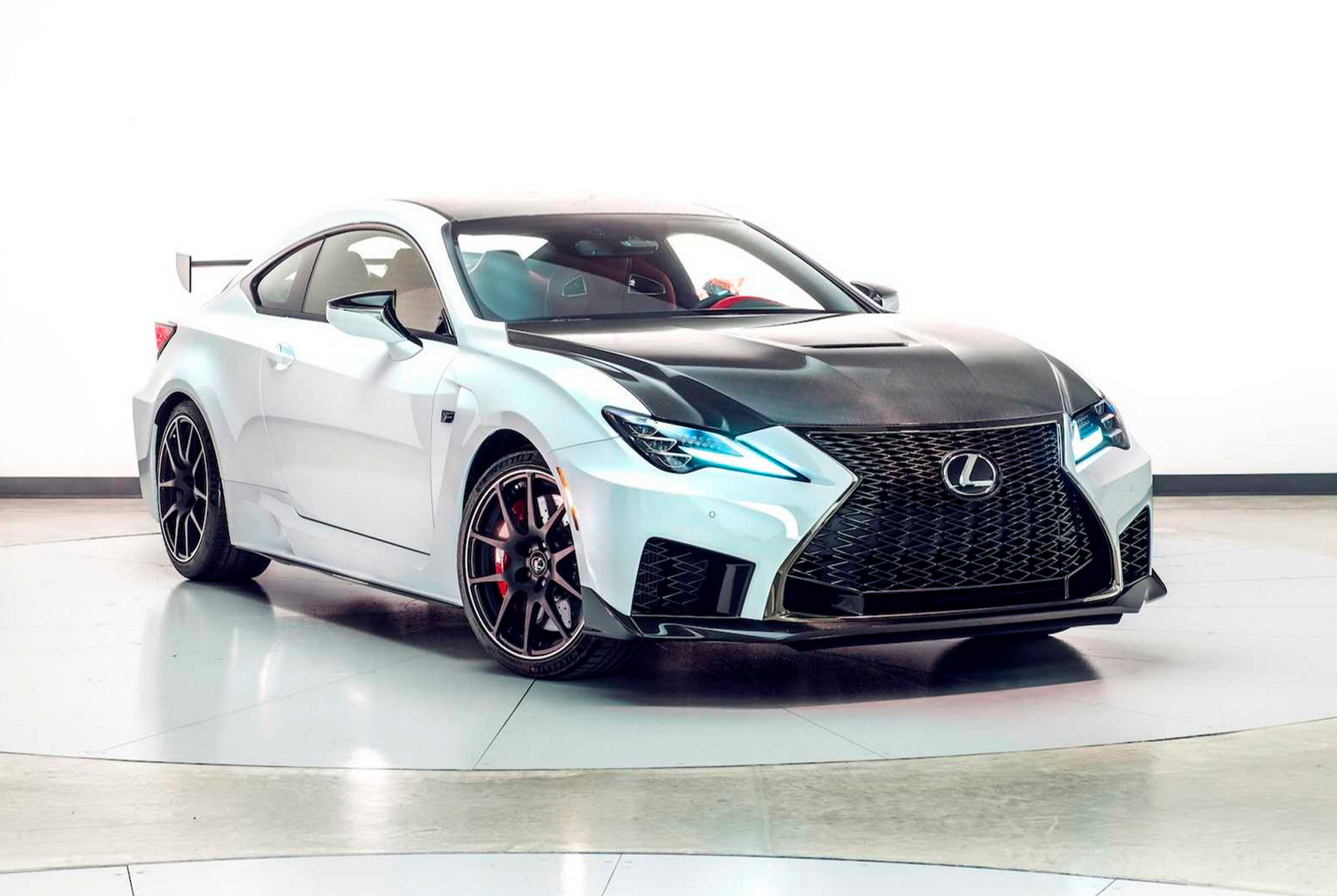
As controversial and polarizing as Lexus design language is, you have to admit these headlights by themselves are uniquely radical exercises in industrial design. And the multi-directional carbon fiber weaves on the rear wing’s end plates in order to form an “F” is pretty clever.

2020 Toyota Supra Rear-3/4

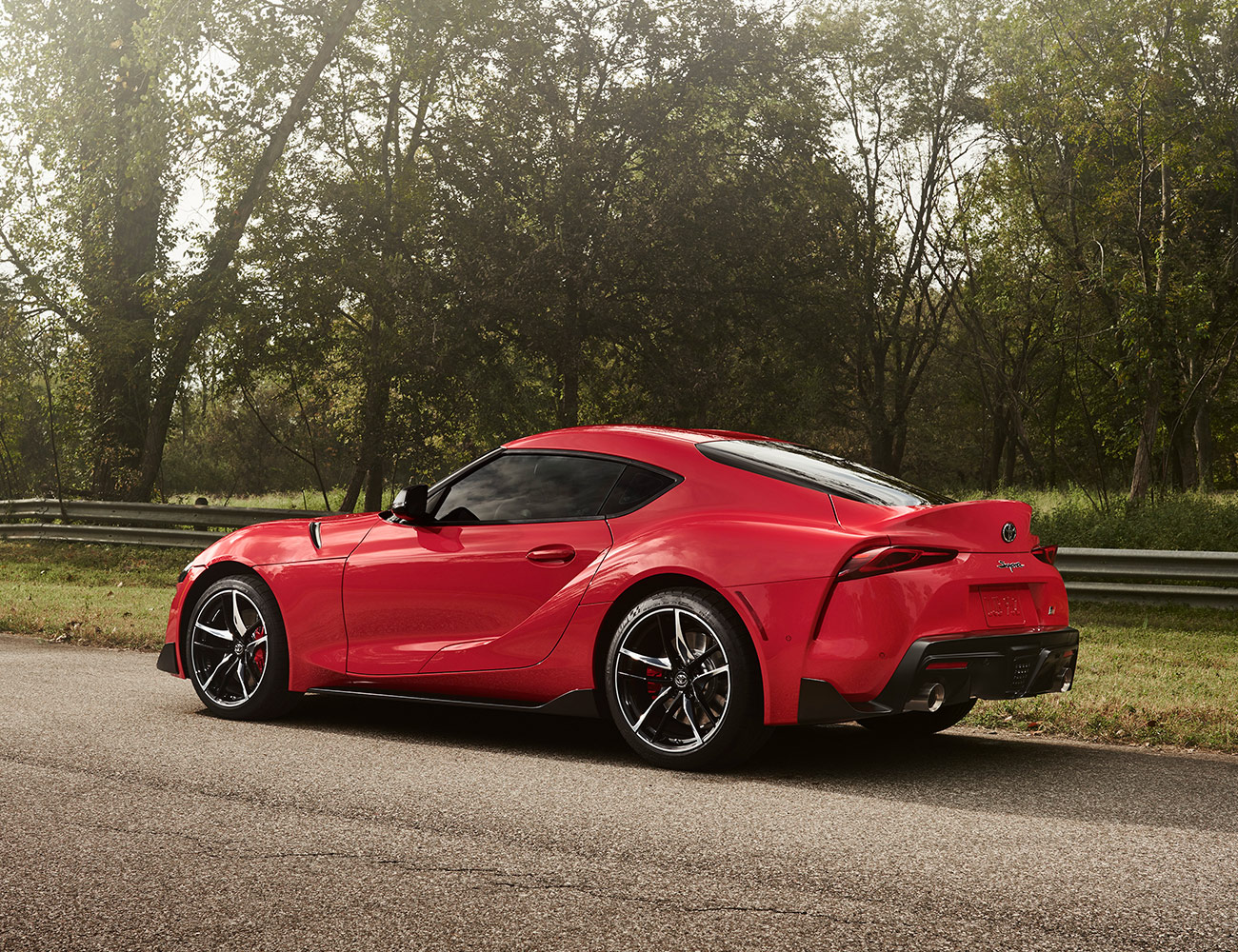
The headlining act of the show this year is the 2020 Toyota Supra. Opinions are split on the overall design of Toyota’s prodigal son, but its rear wheel arches, hips and tail look expertly hand-shaped. There are only a few other cars on the market that feature shapes like this; sadly, most of them cost four times as much as the Supra will.

The Best of NAIAS 2019

If the 2019 Detroit auto show is any indication of the next year or two, it seems manufacturers are just as sick of monotonous committee-built cars as we are. Read the Story
Note: Purchasing products through our links may earn us a portion of the sale, which supports our editorial team’s mission. Learn more here.

Detroit Auto Show: 7 Tech Products and Innovations That Debuted This Week

This week’s North American International Auto Show in Detroit, hot on the heels of the techtastic CES in Las Vegas, still managed to cough up some tantalizing bits of automotive innovation. We gathered the best so that you can Score your fix of the hardware and software to expect in our cars in the coming years.

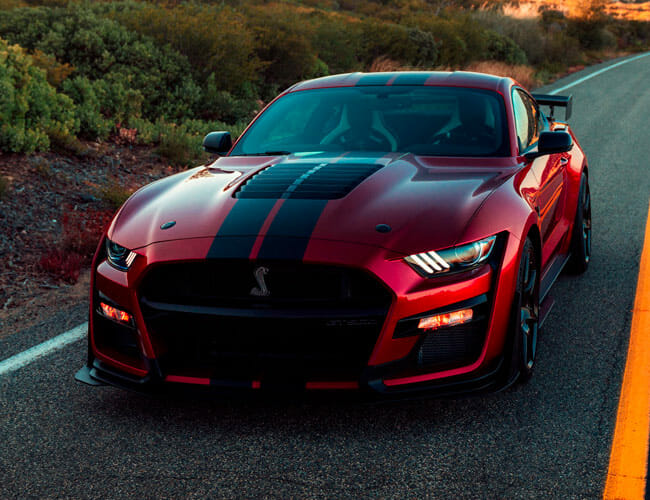
2020 Mustang Shelby GT500


The Shelby GT500 arrives later this year with more than 700 horsepower, delivered via a supercharged V8 that’s fed air via cooling inlets that are twice as large as those in the Mustang GT350. But the big news is that the company has ditched the conventional manual in favor of a lightning-fast dual-clutch transmission, which will deliver gear shifts in just 100 milliseconds.

Purists can opt for the GT350, which still offers a manual, but… modern cars call for modern transmissions, folks. At the corners, Ford introduces the company’s Magneride shocks. These use iron filings suspended in a magnetorheological goo that can be charged with magnetic pulses to instantly alter the viscosity, and thus resistance levels. This means immediate response to the road and the driving conditions.

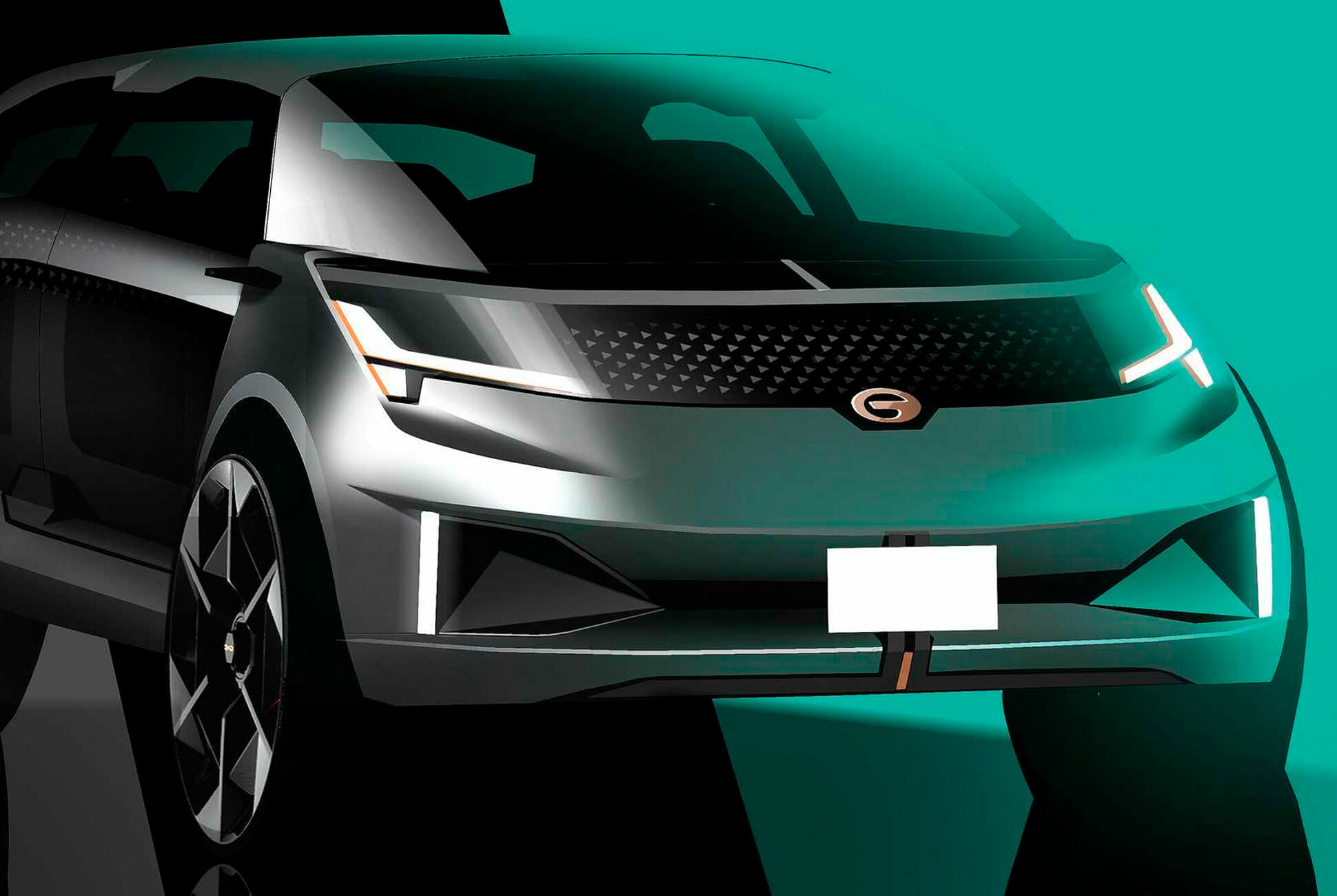
GAC Motors Entranze EV


This concept SUV from the Chinese manufacturer – which expects to start selling cars in the U.S. in 2020 – includes a “wave-inspired” instrument panel and OLED center display. Its AI-powered voice control minimizes driver distraction, and the steering wheel includes illuminated touch controls around the perimeter. That bit is inspired by aviation design, as is a storage trolley that slides between the seats when needed.

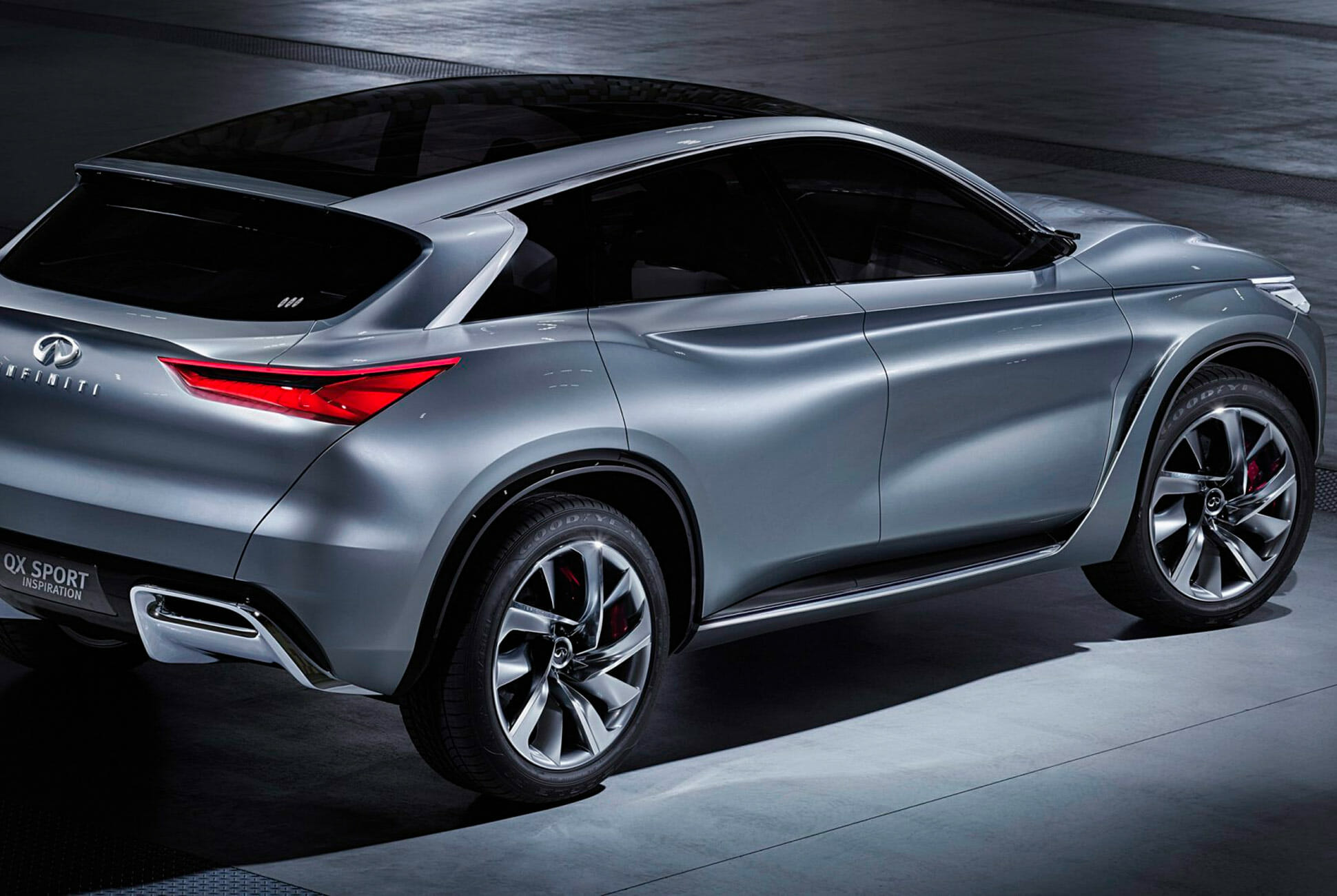
Infiniti QX Inspiration


This concept vehicle teases the company’s reaction to the recent wave of all-electric SUV’s from Audi, Mercedes and Jaguar. It’ll have four electric motors instead of usual two, which could mean for even more versatile interior space, and it’ll have retractable pedals and a screen-equipped steering wheel in order to accommodate our fully autonomous future, of course.

Kia Telluride


This is Kia’s full-size SUV, which will seat up to eight. It’s loaded down with technology that’s both familiar and new. The Highway Driving Assist option uses radar and lidar to combine lane-keeping assist and adaptive cruise control for Level 2 semiautonomous driving capability. This would be one of the first economy brands to introduce this capability, as it’s typically the realm of the premium brands.

When using the adaptive cruise control system, the Telluride will automatically match speeds to the posted limits, helping keep John Law off your back. Safety features include an advanced blind-spot assist system that applies the brakes to keep you from cutting off other vehicles, as well as automatic braking if a rear cross-traffic collision is imminent. Finally, Safe Exit Assist will keep the doors locked if an object – a cyclist, say – is approaching from behind while parked.

Cadillac EV


The most mysterious tech debut of the show has to be Cadillac’s coy reveal of its forthcoming electric crossover. It didn’t share any details at all – not even the name – and all we know about it is that it’s based on GM’s upcoming BEV3 electric vehicle platform, and thus appears to be the first of many to use it. As for the car itself, the design is promisingly strong and edgy, so we expect it to be a compelling alternative to the Jaguar I-Pace electric crossover, assuming they can deliver the range and performance to match or exceed that terrific product.

Ford Explorer

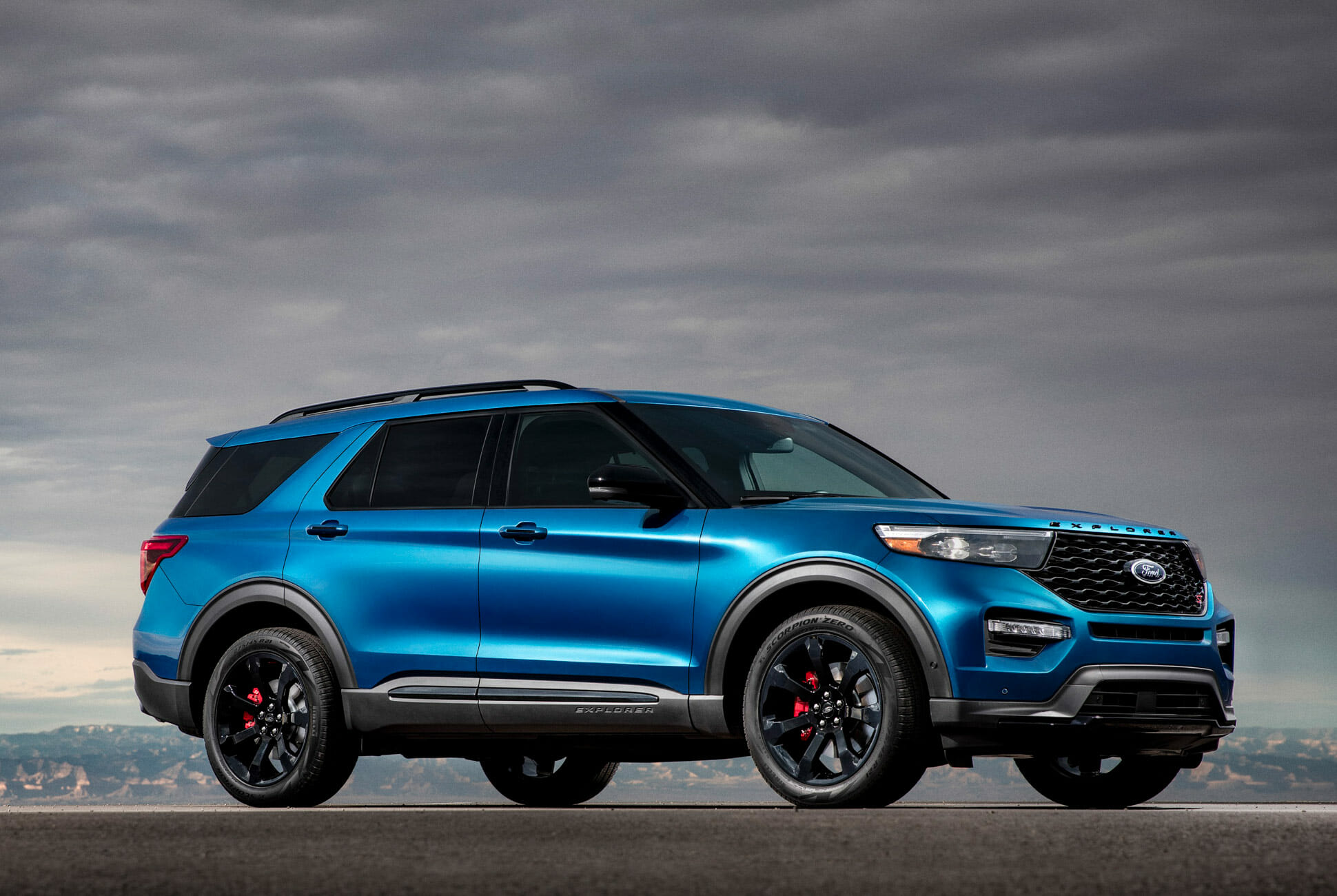
We got our first peek at the new Explorer this week, the first in its lineage to include a hybrid powertrain. Like Kia’s Telluride, it will also be an economy brand with semi-autonomous driving tech, indicating that type of tech is finally trickling down. Naturally, the Explorer will also have multiple engine options and will seat seven, making it still one of the most attractive – and now, tech-saturated – family haulers on the market.

Subaru STI


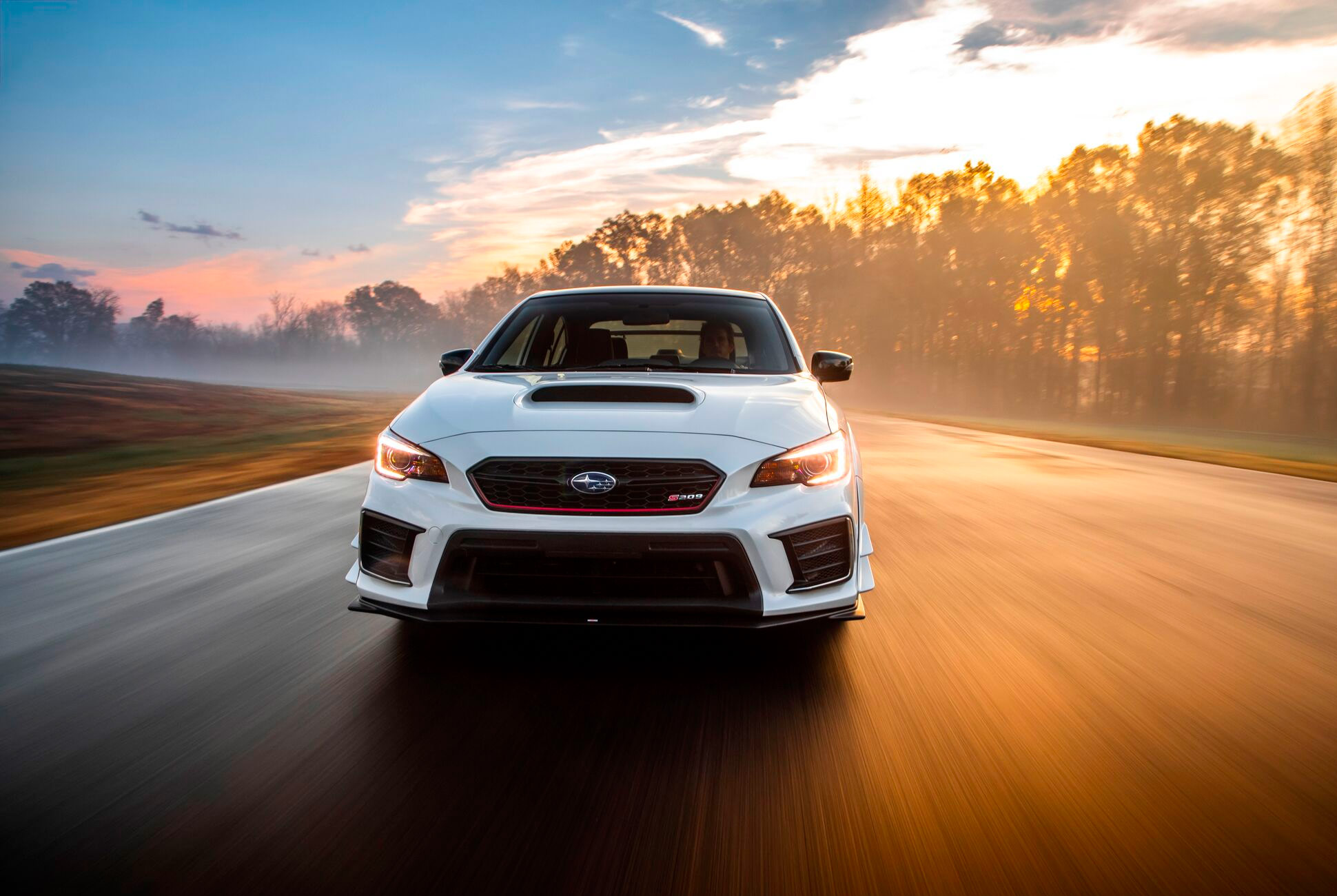
For those who like their performance tech of the analog variety, there’s the new STI S209. The new all-wheel-drive pavement shredder will be limited to just 200 copies, with its tech innovations squarely focused on the suspension and engine compartment. The new HKS turbo cranks out enough extra boost to push the flat-four to 341 horsepower.

Note: Purchasing products through our links may earn us a portion of the sale, which supports our editorial team’s mission. Learn more here.

Detroit Auto Show: Powerful Gasoline Engines Aren’t Dead Yet

CES 2019 presented a glimpse of the automotive future. Cars will operate with autonomy, play nicely with digital assistants, and have 48-inch dashboard displays that don’t obtrude. NAIAS in Detroit took a different turn. Carmakers sliced through the mobility jargon with some gasoline-swilling performance, presenting cars that were, in the words of F1 legend Fernando Alonso, “totally lit.”

Ford’s mobility strategy? Putting the pedal to the metal, bro. The company unveiled the Shelby GT500 Mustang, the most powerful street-legal Mustang ever built by Ford. Its 5.2-liter supercharged V8 will deliver more than 700hp and a 0-60mph time of around 3.5 seconds. Ford did not produce a Bronco for the show. But, Ford did produce an ST “Hot SUV” version of the new Explorer with 400hp and 415lb-ft of torque for some high-performance kid hauling.

Lexus likes big engines. The Japanese maker will continue with a naturally-aspirated 5.0-liter V8 in the RC F. The new “RC F Track Edition” adds power (472hp), drops weight and hits 60mph in less than four seconds.

Toyota revived the Supra. That, of course, meant cramming a 335hp BMW-developed 3.0-liter V6 into a two-seater coupe. The Supra will reach 60mph in 4.3 seconds.

Subaru countered with a limited edition, top-tier STI S209. That collectible bit of all-wheel-drive awesomeness will be the hottest STI branded car ever (341hp) and the first “S” car to hit the U.S. market.

We can’t forget trucks. Sorry – TRUCKS. RAM revealed its new heavy-duty truck. It won’t trump the Silverado 2500HD for grille surface area. But, the 6.7-liter Cummins Turbodiesel will make the HEMI hold its manhood cheap. The new RAM will produce 1,000 lb-ft of torque, hold a 7,680lb payload and tow up to 35,100lbs.

In a fitting metaphor for the day, Infiniti’s QX Inspiration EV concept could not power itself to the stage. I watched Infiniti staffers try to push it there. Unnecessarily, if not borderline absurdly, aggressive gasoline power ruled the day.

The difference between the two shows – CES and NAIAS – highlights the automotive market’s present discordance. The mass-market EV future is coming. Cars will operate without drivers. Everyone will be mobile and connected. Your vehicle will update itself over the World Wide Web. It will be awesome, in a fashion, like your iPhone.

Paying for that future that excites shareholders and venture capitalists, though, requires strong sales in the present market. Judging from NAIAS, real-life customers still want some limited edition, eye-blistering internal combustion, preferably with third-row flexibility and a snorkel. The halcyon days of fossil burning will persist, at least through the next model cycle.

2019 Is the Year of the Adventure Vehicle

Adopting the ‘adventure lifestyle’ used to mean being indoctrinated into an outdoorsy counterculture of sorts – the hardcore, off-grid wanderers. Over the past handful of years, however, the outdoors industry has swelled in popularity; brands that in the past were associated with hardcore climbers, hikers and campers are now offering more casual entry-level gear. Adventure gear has been democratized, thanks to a combination of technological advances, more accessible pricing and, likely, the Instagram-ability of our natural world (logos do look great on mountaintops).

That refocusing of energy tapped into a rich well of less-experienced people who have become interested in pursuing an active lifestyle. And there’s been a positive knock-on effect on other peripheral industries; chief among them, it seems, the automotive and motorcycle industries. The tally of overlanders and adventure vehicles saw a steady increase from 2017-2018, and 2019 is shaping up to be a crescendo.

Brands like Jeep, Land Rover, BMW Motorrad and KTM are off-roading industry stalwarts, but even they’re leaning hard on the active lifestyle angle, highlighting their products’ overlanding capabilities and in many cases even doubling down on them. The phenomenon only becomes more apparent when you look at manufacturers who previously had only dabbled in the culture and treated it as a fringe market – many are now creating entirely new model lines purely for the adventure-minded.

The Jeep Wrangler was always a hit in the off-roading community, but with the launch of the new Gladiator pickup truck comes the “Overlanding trim,” which boldly balances road-to-trail performance. KTM and BMW, traditionally the juggernauts of big adventure motorcycles, are bringing mid-sized and entry-level ADV bikes to market in order to cast a wider net over the off-road-curious. The Triumph Scrambler has been around for years as the go-to stylish off-road-lite motorcycle, but for 2019, the Scrambler 1200 dials its strengths up to the point where it now sits as the only liter-plus retro adventure bike with a considerable amount of tech bolted to it.

At its launch late last year, the Ford Ranger boasted a partnership with Yakima and a laundry list of optional extras like roof-top tents and roof racks for mountain bikes and kayaks. And, although the Bronco is marked as a 2020 model, it’ll hit the road and trail late next year as a direct competitor to the Jeep. In the other corner, Chevy partnered with American Expedition Vehicles to make the Silverado Bison AEV edition to take on the Ford F-150 Raptor and then some. Over in the purely recreational sector, Honda finally joined the sport SxS segment with the Africa Twin-engined Talon.

Excitement continues to build for all things adventure as more and more brands and manufacturers join the movement. We’ve already been spoiled for options when it comes to on-road/off-road worthy vehicles, but it looks like it’s all coming to a head in the coming year. 2018 built a pyre with announcement after announcement of adventure-minded vehicles. This year, as recent launches finally hit the dirt and even more are interoduced, is when we’ll see an explosion of accessible ways to explore the great outdoors. 2019 will be the year of the adventure vehicle.

The Best of the 2019 North American International Auto Show

The unofficial theme at this year’s North American International Auto Show is “kickass.” There wasn’t a ton of news we didn’t see coming (looking at you, Toyota Supra), but if you take inventory of all the big launches and unveilings you’ll see it was nothing but sports cars and overlanders.

In years past, the landscape looked pretty bleak: brand after brand announced nothing but crossovers and mall-crawlers. If the 2019 Detroit auto show is any indication of the next year or two, it seems manufacturers are just as sick of monotonous committee-built cars as we are. If it’s a new SUV, you can be sure it’ll have an adventurous spirit; if it’s a sedan or coupe, count on it having a ridiculous available horsepower count or calling its second home the race track — 2019 is going to be a good year for cars and trucks. This is the very best of the North American International Auto Show.

Cadillac


Cadillac was the subtle surprise of NAIAS this year. GM’s luxury brand unleashed its first sub-Escalade three-row SUV, which is not necessarily impressive. But Caddy also made an addition to the rare breed that is the American super sedan with the CT6-V, which comes with a 4.2-liter V8 good for 550 horsepower and 627 lb-ft of torque.

Read Now: 2020 Cadillac XT6: Does the All-New Three-Row Model Even Stand a Chance?

Ford


An all-new Explorer, including an ‘ST’ trim level, and GT500 is cool and all… but the crowd was really hoping to get a glimpse of the 2020 Bronco. Still, the prospect of a 700 horsepower-plus Mustang is pretty soothing.

Read Now: 2020 Ford Mustang Shelby GT500: Affordable and Purpose-Built to Embarrass Supercars

Jeep


The long-awaited Jeep Gladiator was unveiled late last year, but seeing it in the metal, with a pair of KTM enduros in the back, is wickedly exiting. Jeep knows it has a fantastic adventure vehicle on its hands and it’s nice to see them showing that off so aggressively.

Read Now: This Is the All-New Jeep Gladiator Pickup Truck

Kia


Kia continues to surprise the industry, year after year. What was once a company known for copy-catting German luxury is now a brand with a genuine reputation for “disrupting” the status quo with notable departures like the Stinger GT. But now the Korean manufacturer is bringing to market what looks like a fairly capable and boldly-styled three-row SUV.

Lexus


Lexus is playing it smart and building on two wildly successful model lines. Even though the LC 500 Convertible is just a “concept” it’s fairly wise to say Lexus will bring it to market. And why not? The coupe was in many ways a huge success for the brand. The RC F track-focused model also made a debut, marking another first for the luxury brand and also putting the BMW M4 on notice.

Lincoln


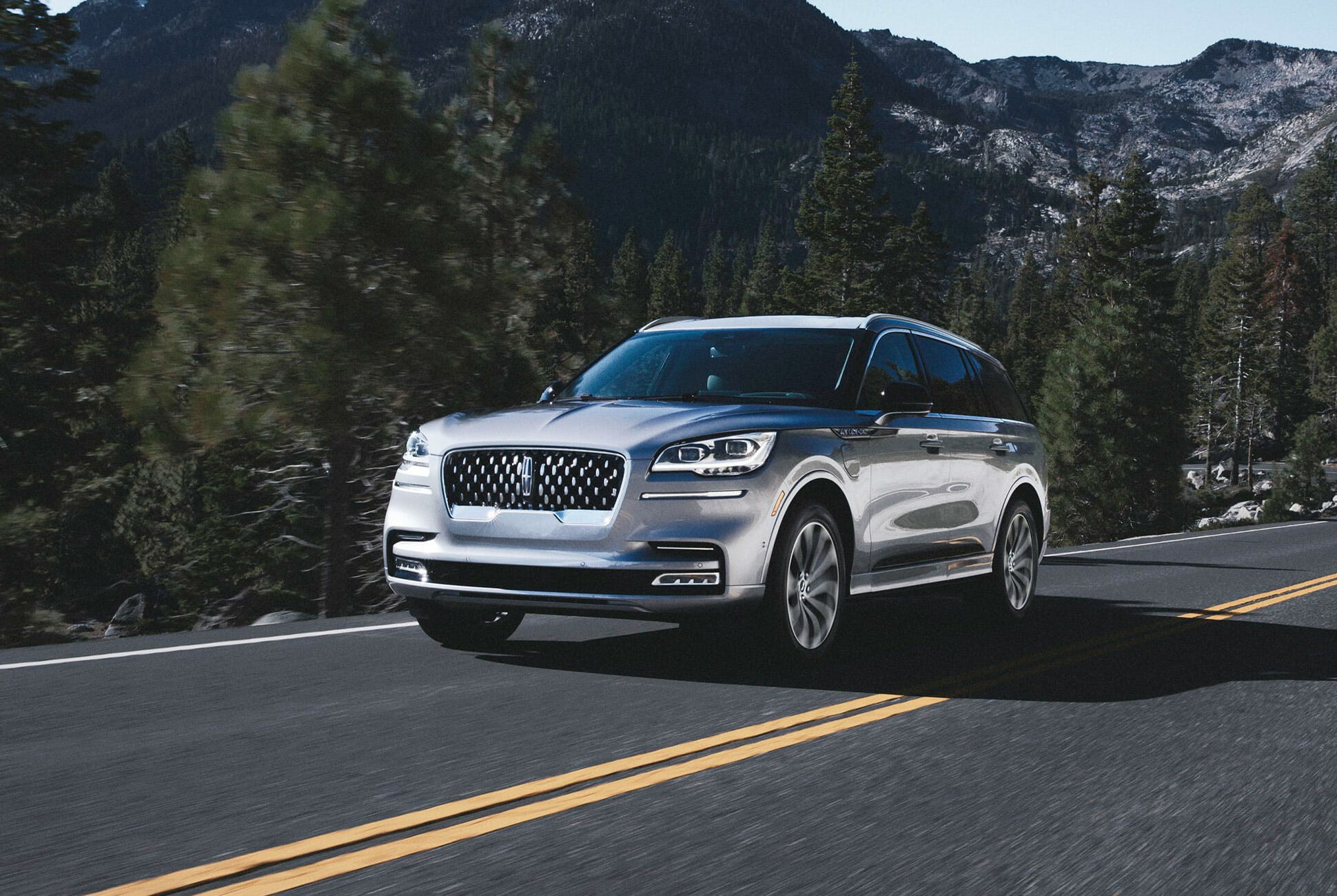
The Lincoln Aviator is nothing new, but Ford’s luxury brand is on a runaway success train right now that alone deserves an honorable mention.

Read Now: The All-New 2020 Lincoln Aviator Is Impressive, Gorgeous and Will Be Stupidly Powerful

Subaru


Granted, it feels like the current generation Subaru WRX is older than all of us, but it’s exciting to see the brand finally acknowledging its fan base in the US. Last year we go the first Type-RA model and now we’re getting the first S-model: the S206. This is the very best of what Subaru has to offer. Hopefully, this indicates the WRX is now completely wrung out inand a new generation is around the corner.

Read Now: Subaru WRX STI S209: The Most Powerful STI Ever Is an AWD Dream

Toyota


Toyota was easily the star of the show this year. The Supra has been the worst kept secret of the last five years, but that didn’t stop the official reveal from drawing an standing-room-only crowd. Everyone may have grown tired of all the leaked images and teasers, but as soon as the cover was pulled of the 2020 Toyota Supra, the excitement in the room was palpable. And let’s not forget about the new, spicy TRD versions of Toyota’s Camry and Avalon sedans.

Read Now: 2020 Toyota Supra Revealed: Return of the King

Volkswagen


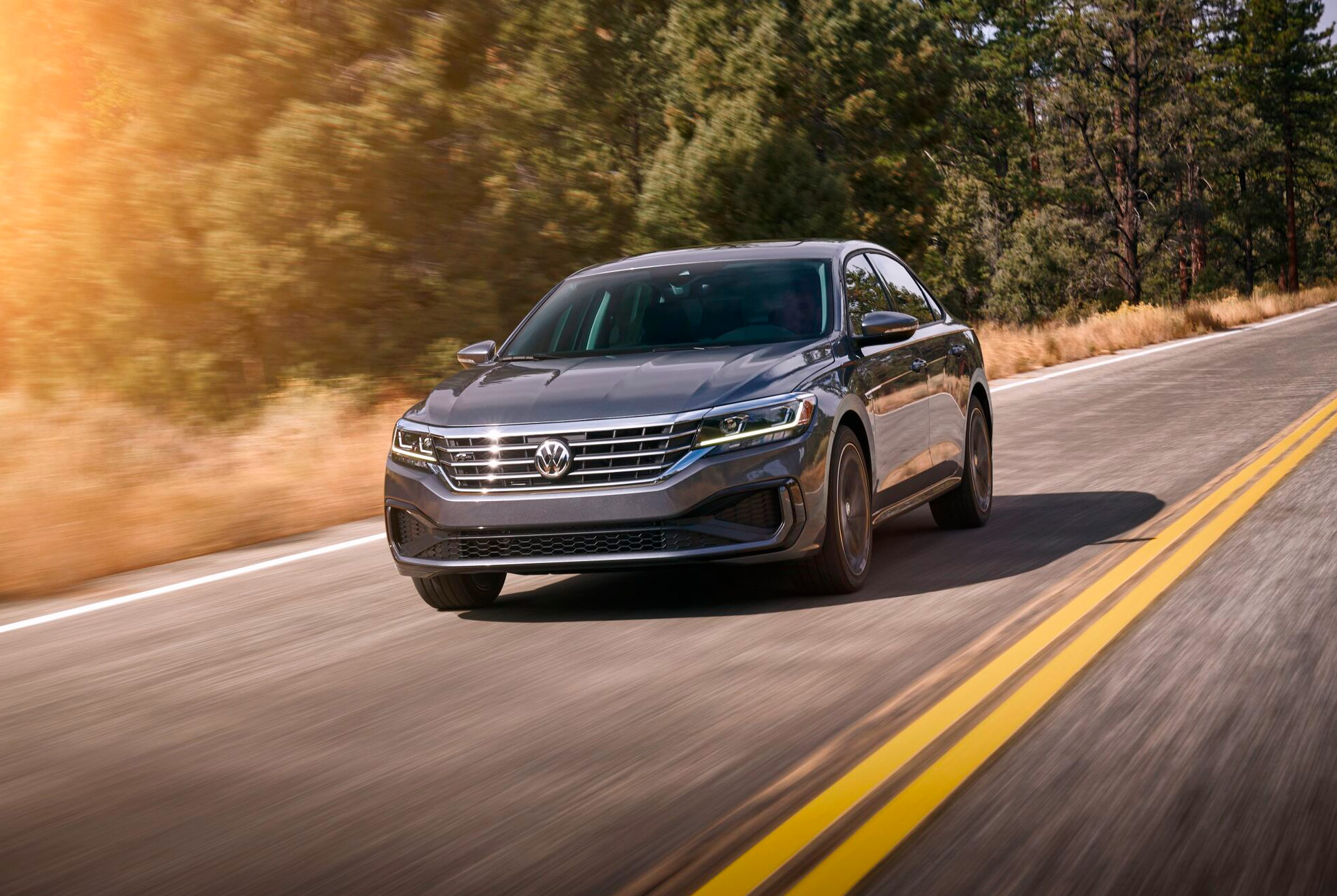
Another quiet succes at NAIAS this year. Not to say the all-new Passat isn’t a big deal – quite the contrary. The understated sedan looks more mature than ever, drawing inspiration from the Aerteon and its upper-class Audi brethren.

Read Now: 2020 Volkswagen Passat: Mostly the Same, Still a Great Deal

Note: Purchasing products through our links may earn us a portion of the sale, which supports our editorial team’s mission. Learn more here.

2020 Toyota Supra Revealed at NAIAS 2019

It felt like this day would never come, but today Toyota officially pulled the wraps off of the all-new 2020 Supra at the North American International Auto Show. After an endless stream of leaked images and Toyota releasing its own videos with pre-production “concept” renders, what the Supra looks like shouldn’t be a surprise at all. Today’s unveiling is all about the numbers, and it seems like Toyota is picking up right where it left off in 2002.

The 2020 Toyota Supra will go on sale this summer and start at a base price of $49,990 and $53,990 for the premium model, but regardless of the trim level, you get the same 3.0-Liter inline-six good for 335 horsepower and 365 lb-ft of torque. The Supra also gets an eight-speed automatic transmission with paddle shifters on the steering wheel. Sadly there’s no manual transmission option to pair with the engine, but in this day and age, it’s not surprising. Toyota claims that will help the Supra will see off the 0-60 mph sprint in 4.1 seconds.

Much like how Toyota worked with Subaru to joint-develop the BRZ and GT86, Toyota worked with BMW this time sharing some DNA with the Z4 coupe. But where the BRZ and GT 86 are nearly identical in every way, Toyota made sure the Supra has a personality of its own. The Supra comes in about $10,000 less than the base Z4, but since the entry-level roadster only has a 2.0-Liter inline-four under the hood, the Supra has the upper hand.

Toyota didn’t merely slap the Supra name on a restyle Z4, either. The factory motorsport division Gazoo Racinglent a hand in developing and tuning the chassis and suspension. Underneath, the Supra gets adaptive suspension, an active rear differential and, for extra fun, launch control. Seeing Toyota get back into the sportscar game is a breath of fresh air. The Japanese manufacturer is working hard to reestablish its brand identity as a fun car company again, and not just one that pumps out milquetoast front-wheel-drive sedans destined for rental car lots.

On the inside is where the base and premium trims differentiate. The base model stays pretty basic and only gets a 6.5-inch display, Bluetooth and iPod connectivity, but you can check a $2,460 option box for a JBL sound system. The Premium gets an 8.8-inch wide format touch screen display, and full-color heads up display, wireless Apple CarPlay, a 12-speaker JBL sound system, and heated leather seats.

The previous generation Supra has a cult following for a reason — it’s a damn fine sport scar and was one of the best when it went out of production in 2002. At 320 horsepower and 315 lb-ft of torque, the last SUpra was also one of the quickest sports cars on the market. Comparing the numbers of the newest Supra to the previous generation, it’s almost as if we’re looking at what the Supra would have been in 2003. But, the Supra probably needed the time off — if it stayed in production, it’s easy to see the power ratcheting up to unnecessary levels to the point where we’d be looking at something closer to a Japanese Corvette rather than a perfectly powered, well-balanced coupe. It may have taken nearly 20 years for the Supra to make its return and the last five years seemed to have dragged on with no help from all the teasers and leaks breadcrumbing us all, but it’s good to have it back finally.

2020 Toyota Supra Revealed: Return of the King

On Sale: summer 2019
Base Price: $49,990 ($53,990 for premium model)
Engine: 3.0-liter inline-six
Transmission: eight-speed automatic only
Power: 335 horsepower
Torque: 365 lb-ft
0-60 4.3 seconds

It felt like this day would never come, but today Toyota officially pulled the wraps off of the all-new 2020 Supra at Detroit’s North American International Auto Show. After an endless stream of leaked images and Toyota’s own videos featuring pre-production “concept” renders, the Supra’s looks shouldn’t be a surprise at all. Today’s unveiling is all about the numbers, and it seems like Toyota is picking up right where it left off in 2002.

The 2020 Toyota Supra will go on sale this summer and start at a base price of $49,990; you’ll pay $53,990 for the premium model. Regardless of the trim level, you get the same 3.0-liter inline-six good for 335 horsepower and 365 lb-ft of torque. The Supra also gets an eight-speed automatic transmission with paddle shifters on the steering wheel. Sadly there’s no manual transmission option to pair with the engine, but in this day and age, it’s not surprising. Toyota claims the transmission will help the Supra achieve a 0-60 mph sprint of 4.3 seconds.

Seeing Toyota get back into the sports car game is a breath of fresh air. The Japanese manufacturer is working hard to reestablish its brand identity as a fun car company again, and not just one that pumps out milquetoast front-wheel-drive sedans destined for rental car lots.

Much like how Toyota worked with Subaru to joint-develop the BRZ and 86 (née GT86), Toyota worked with BMW to “share” the Supra; this time the DNA crosses over to the BMW Z4 coupe. But while the BRZ and GT 86 are nearly identical in every way, Toyota made sure the Supra has a personality of its own. The Supra comes in about $10,000 less than the base Z4, but since the entry-level roadster only has a 2.0-liter inline-four under the hood, the Supra has the upper hand.

Toyota didn’t merely slap the Supra name on a restyled Z4, either. Its factory motorsport division, Gazoo Racing, lent a hand in developing and tuning the chassis and suspension. Underneath, the Supra gets an adaptive suspension, an active rear differential and, for extra fun, launch control.

On the inside is where the base and premium trims differentiate. The base model stays pretty basic and gets a 6.5-inch display, Bluetooth and iPod connectivity, but you can check a $2,460 option box for a JBL sound system. The Premium gets an 8.8-inch wide format touch screen display, and full-color heads up display, wireless Apple CarPlay, a 12-speaker JBL sound system and heated leather seats.

The previous-generation Supra has a cult following for a reason – it’s a damn fine sports car; in fact, it was one of the best when it went out of production in 2002. At 320 horsepower and 315 lb-ft of torque, the last SUpra was also one of the quickest sports cars on the market. Comparing the numbers of the newest Supra to the previous generation, it’s almost as if we’re seeing what the Supra would have been in 2003. But, the Supra probably needed the time off — if it had stayed in production, it may have ratcheted up power to unnecessary levels and become something closer to a Japanese Corvette rather than a perfectly powered, well-balanced coupe.

Though it’s taken nearly 20 years for the Supra to make its return, and though the last five years seemed to have dragged on with incessant teasers and leaks breadcrumbing us all, it’s good to have it back. Finally.

The 10 Best Car Mods You Can Do Yourself

It’s easy to think that you need a) to be Dominick Torretto from The Fast and the Furious or b) a mechanical engineering degree to work on your own car. That’s not entirely true, though you should have slightly higher than basic mechanical know-how before you unbolt covers and start removing things. Aside from extensive repairs and large-scale modifications, there are a handful of upgrades most anyone can do that will make a big difference. From new tires and spark plugs to installing backup cameras and data monitoring systems, here are a few easy upgrades that’ll breathe life into your old ride.

Performance

Tires

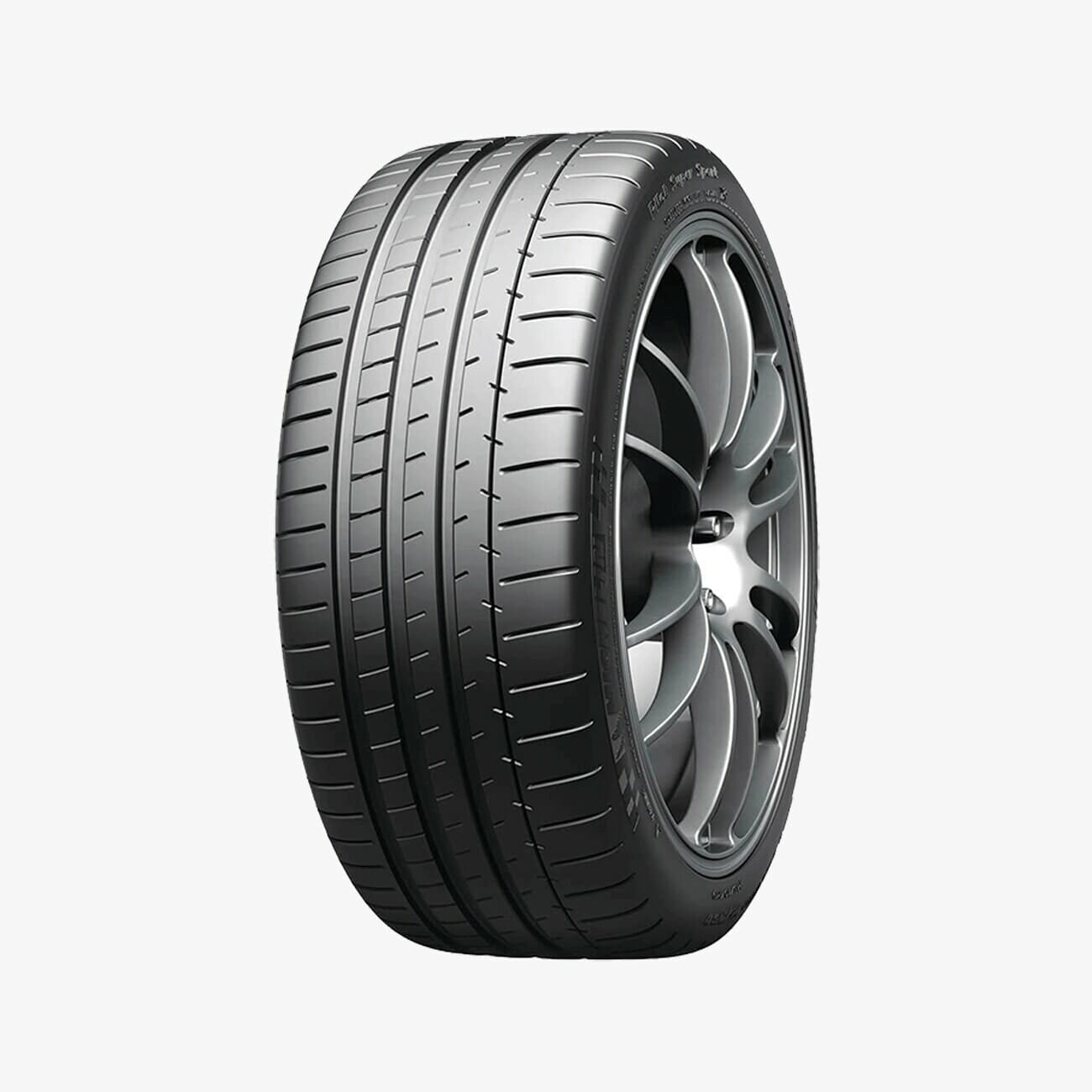
If you want your car to handle better, start with a good set of tires. Power is great and all, but if you don’t have quality rubber to provide grip and translate it to the road, high-output oomph is all for nothing.

Good: Falken Azansis $90+
Better: Bridgestone Potenza $127+
Best: Michelin Pilot Super Sport $161+

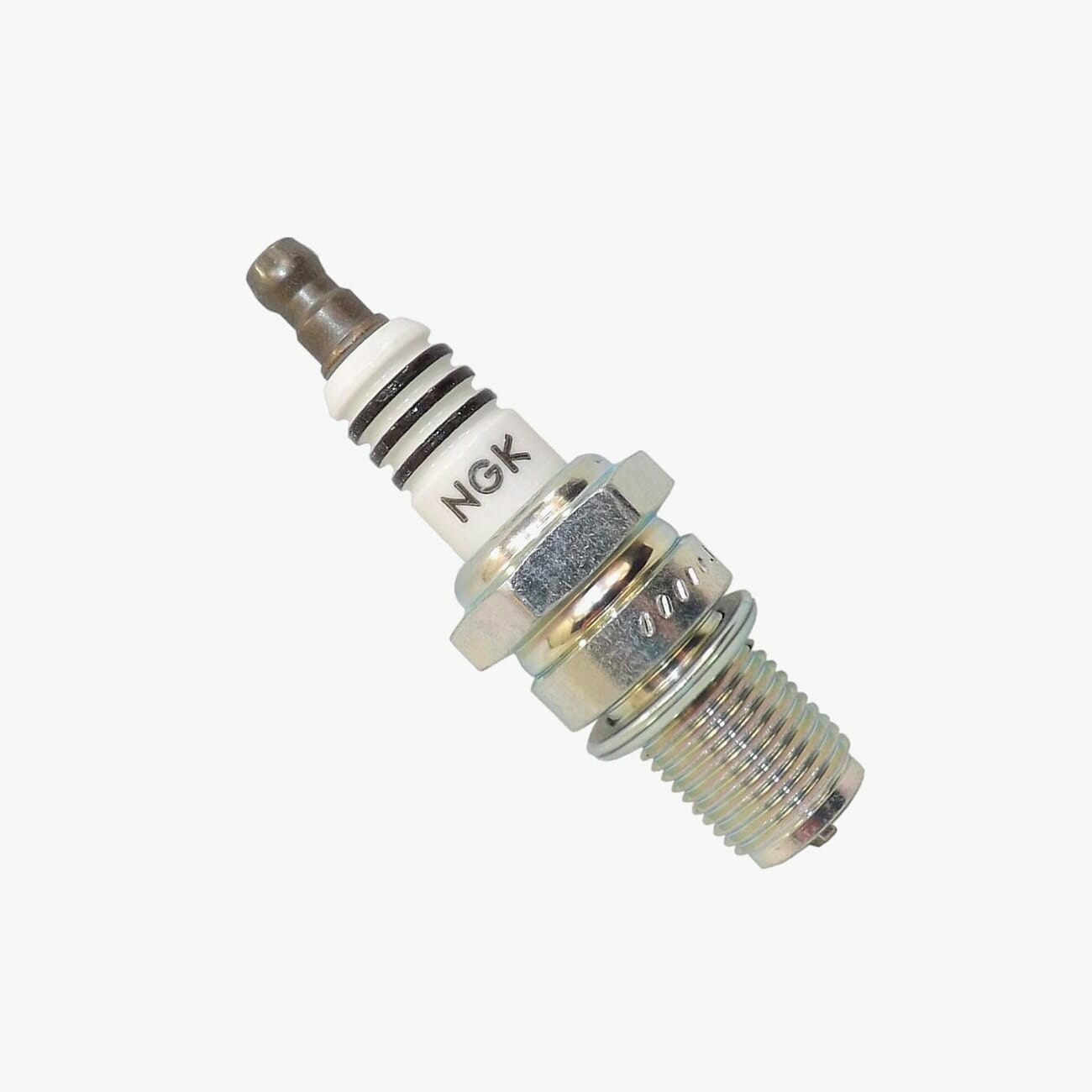
Spark Plugs

Better spark plugs are an easy, affordable swap that can make all the difference. The better the quality of the spark, the better the combustion, translating to more power and better fuel economy. (Here’s a complete rundown on how to check yours.)

Good: Bosch Double Iridium Spark Plugs $5+
Better: NGK Iridium IX $7+
Best: Denso Iridium Racing $37+

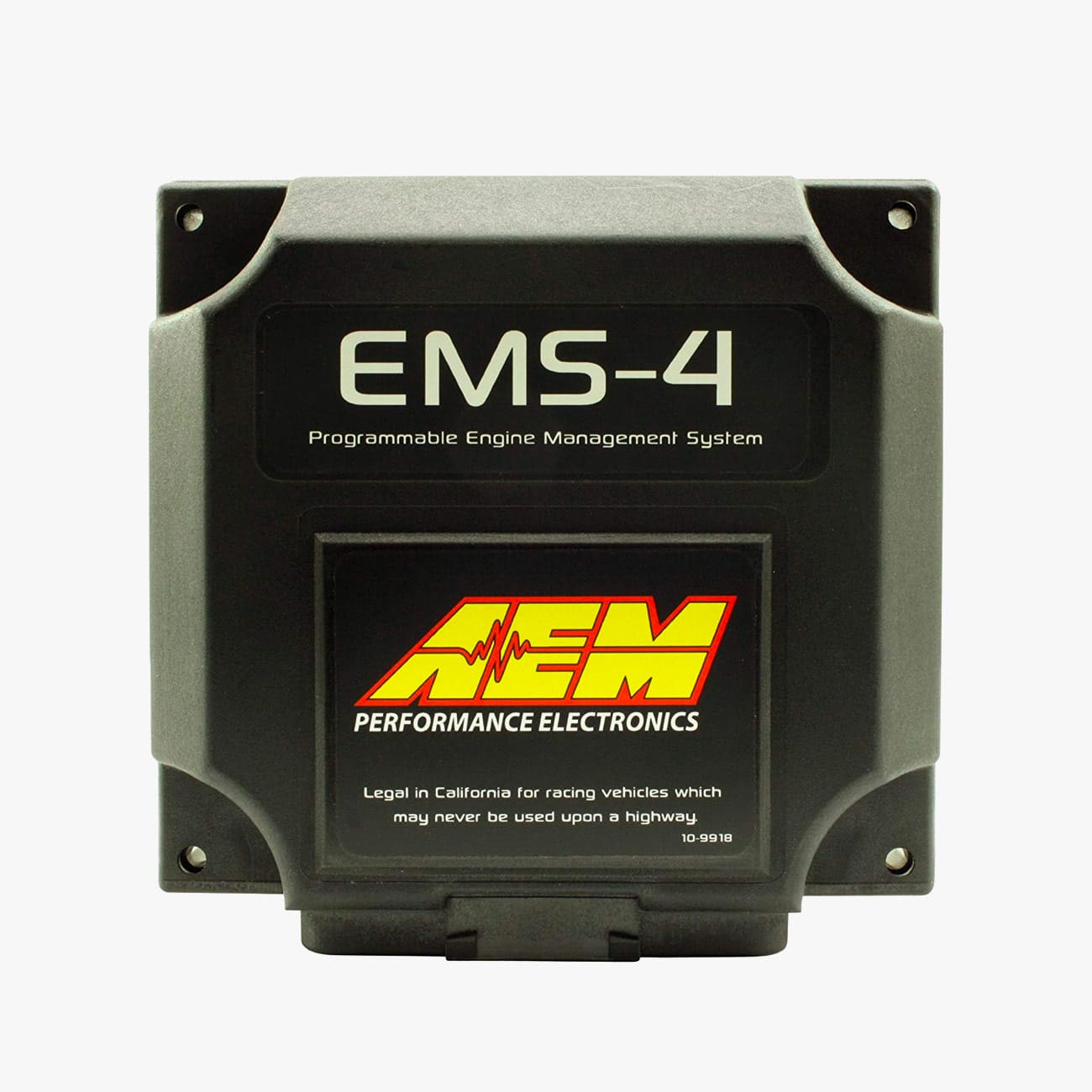
Engine Control Unit (ECU) Flash

The ECU in your car is set up from the factory to control the fuel-air mixture in the engine, which maximizes efficiency and power. Problem is, manufacturers program the ECU’s parameters well below the engine’s true capability — mostly as a safety net. A quick reprogramming can unlock aaaall sorts of engine performance and, in some instances, even return better gas mileage.

Good: SCT Performance X4 Power Flash Programmer $379+
Better: AEM EMS-4 Universal Engine Management System $578+
Best: APR ECU Flash $600+

Bushings

Replacing bushings is a bit more involved than swapping spark plugs, but you’ll be glad you did it. Between the suspension and frame and the chassis and engine, factory rubber bushings help kill vibrations throughout your car. The problem with rubber bushings is that they wear out and crack over time. Polyurethane bushings not only last longer than their standard rubber counterparts, but also do a better job of quelling vibrations and minimizing weight transfer.

Good: Daystar $134
Better: Energy Suspension $146+
Best: Prothane $192+

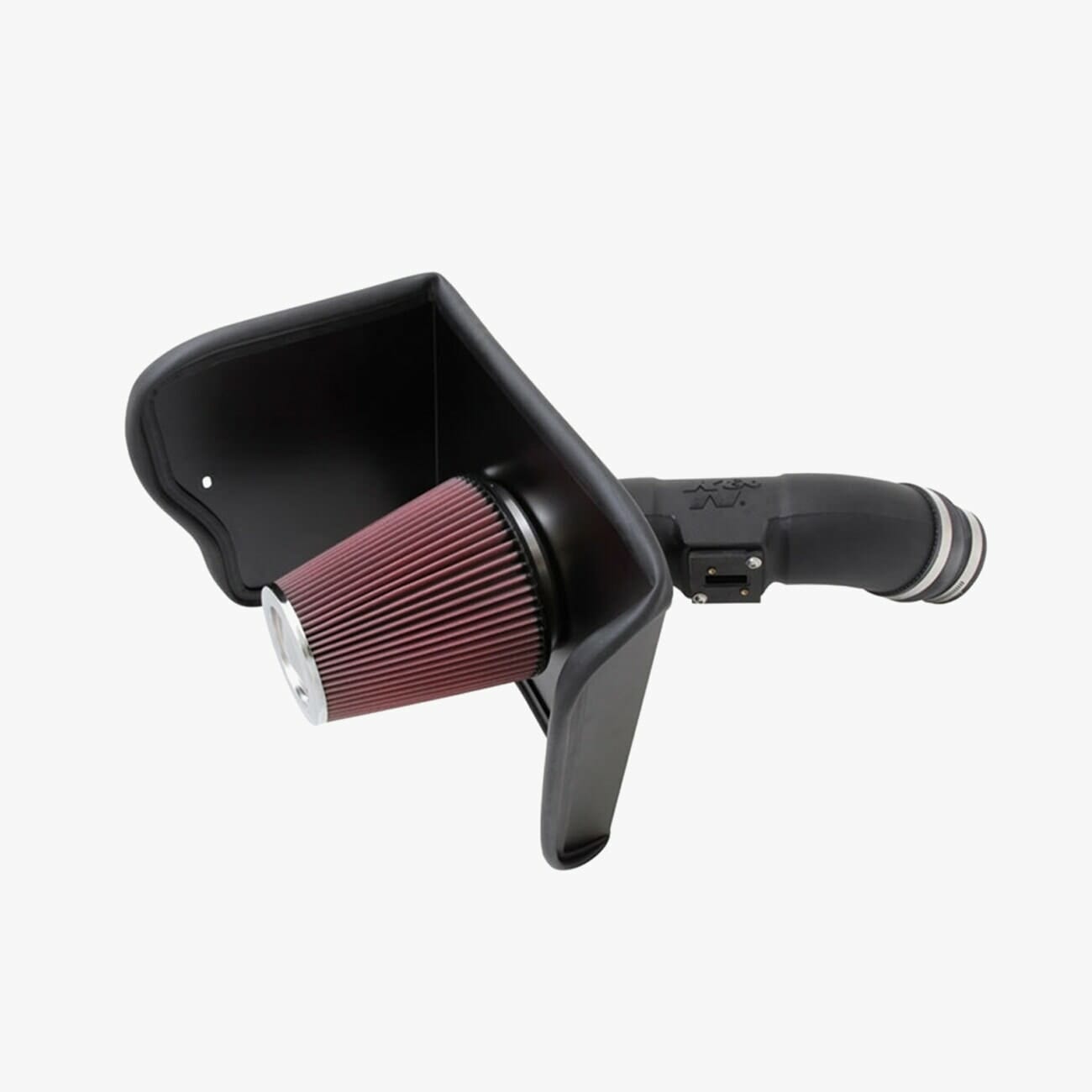
Cold-Air Intake

The better your car breathes, the better it runs. A cold-air intake not only frees up the air flow to your engine, it also feeds it cooler, more condensed air, which engines love.

Good: Spectre Performance $155+
Better: K&N $251+
Best: AFE Power $478+

Technology

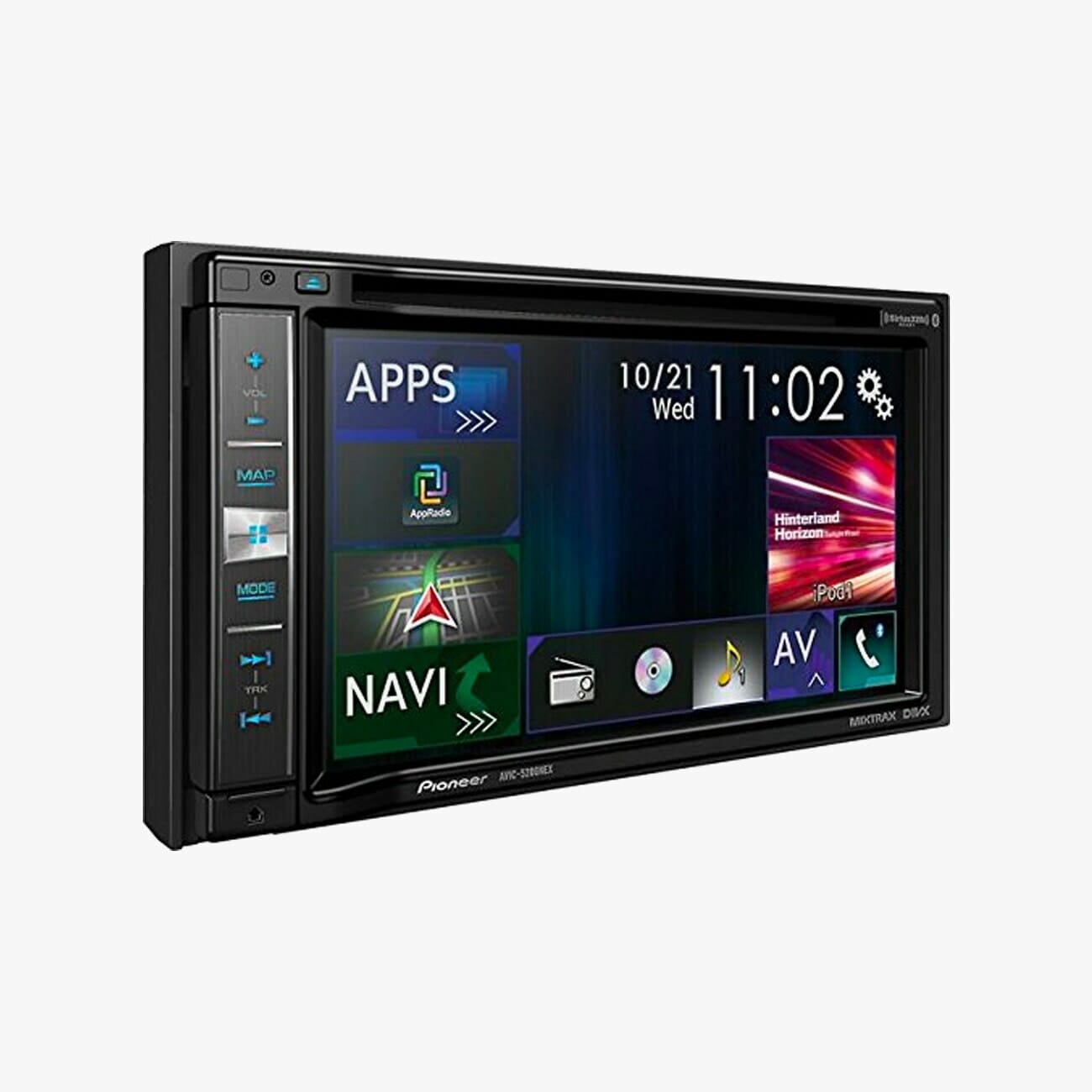
Infotainment

The age of infotainment systems is relatively new, so it’s understandable if you feel behind with an older car. A new, modern interface and speaker system is an easy way to reenergize your daily commute or weekend drive.

Good: Soundstream VRN-65HB $185
Better: Kenwood DDX24BT$237
Best: Pioneer AVIC-5200NEX $430

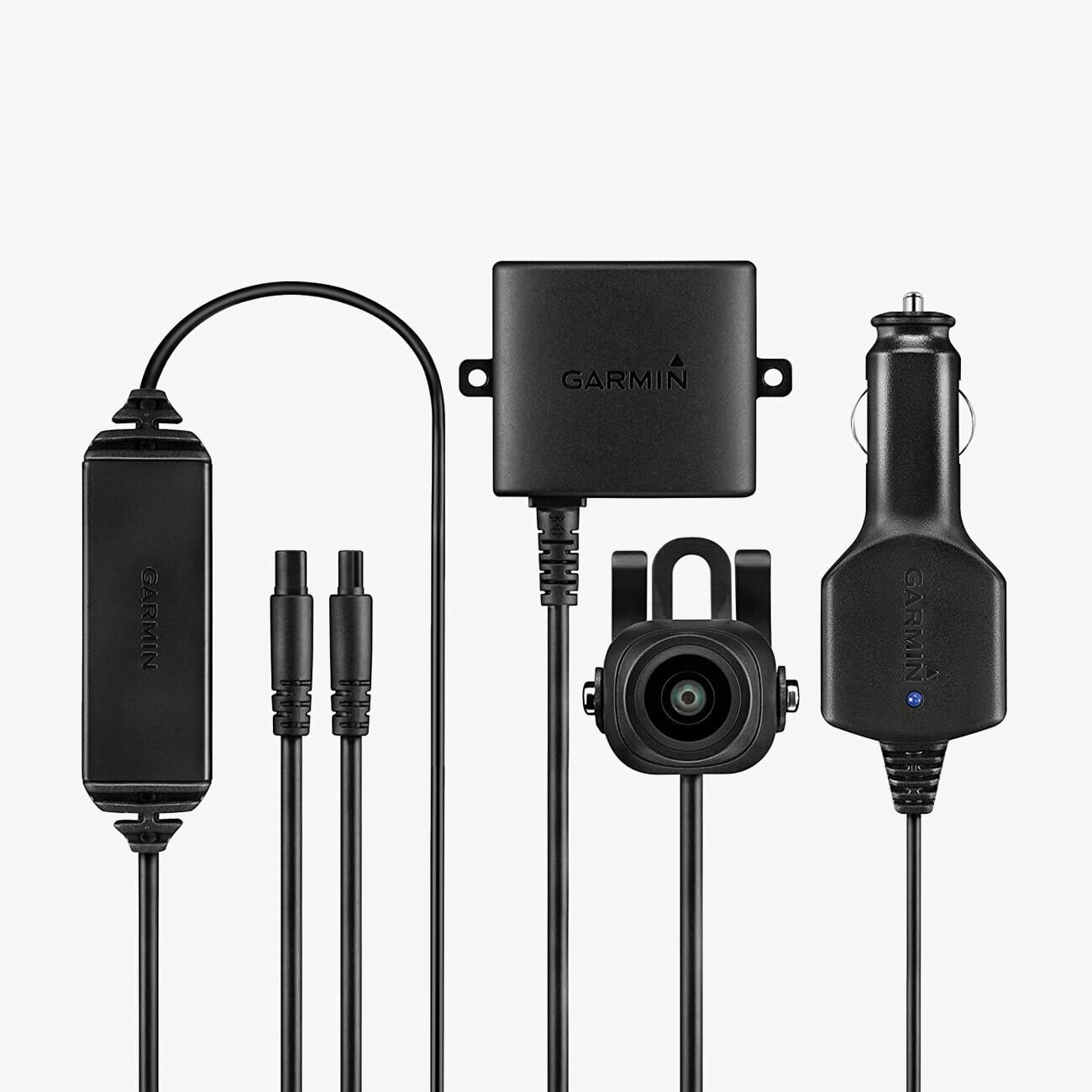
Back-Up Camera

Along with infotainment systems, backup cameras only recently became an industry standard. But, once you use a backup camera, going back to parallel parking and reversing in tight spaces without one feels like serious work.

Good: Metra License Plate Back-Up Camera $50
Better: Garmin BC 30 Wireless Backup Camera $133
Best: Boyo VTC700R $239

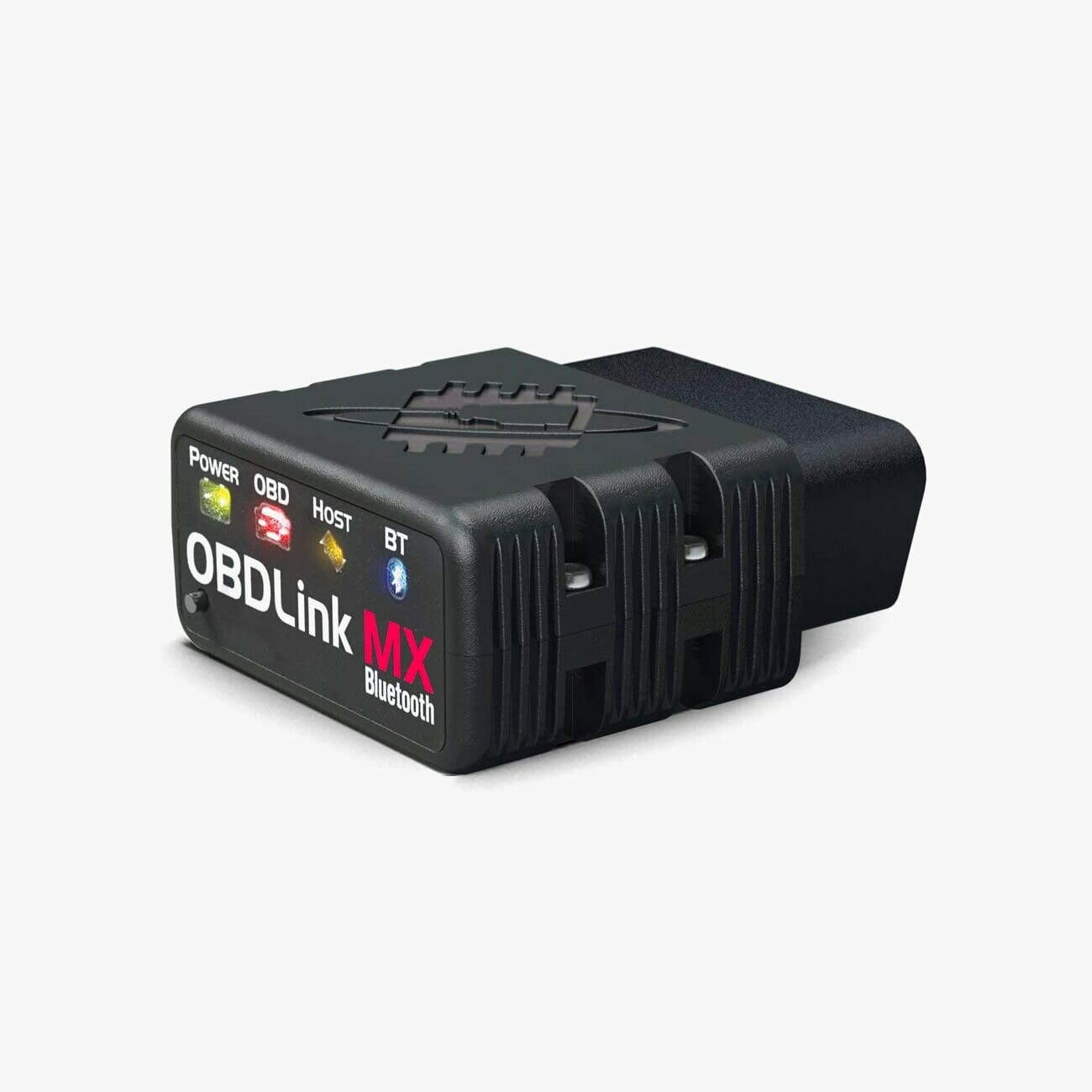
Data Monitoring

Even if you consider yourself adept and handy under the hood of your car, diagnosing a single specific problem based on the all-encompassing check engine light can be near impossible. Data monitoring systems keep you in-the-know, defining problems in plain English.

Good: Fixd Active Car Health Monitor $60
Better: ScanTool $80
Best: VyncsPro $100

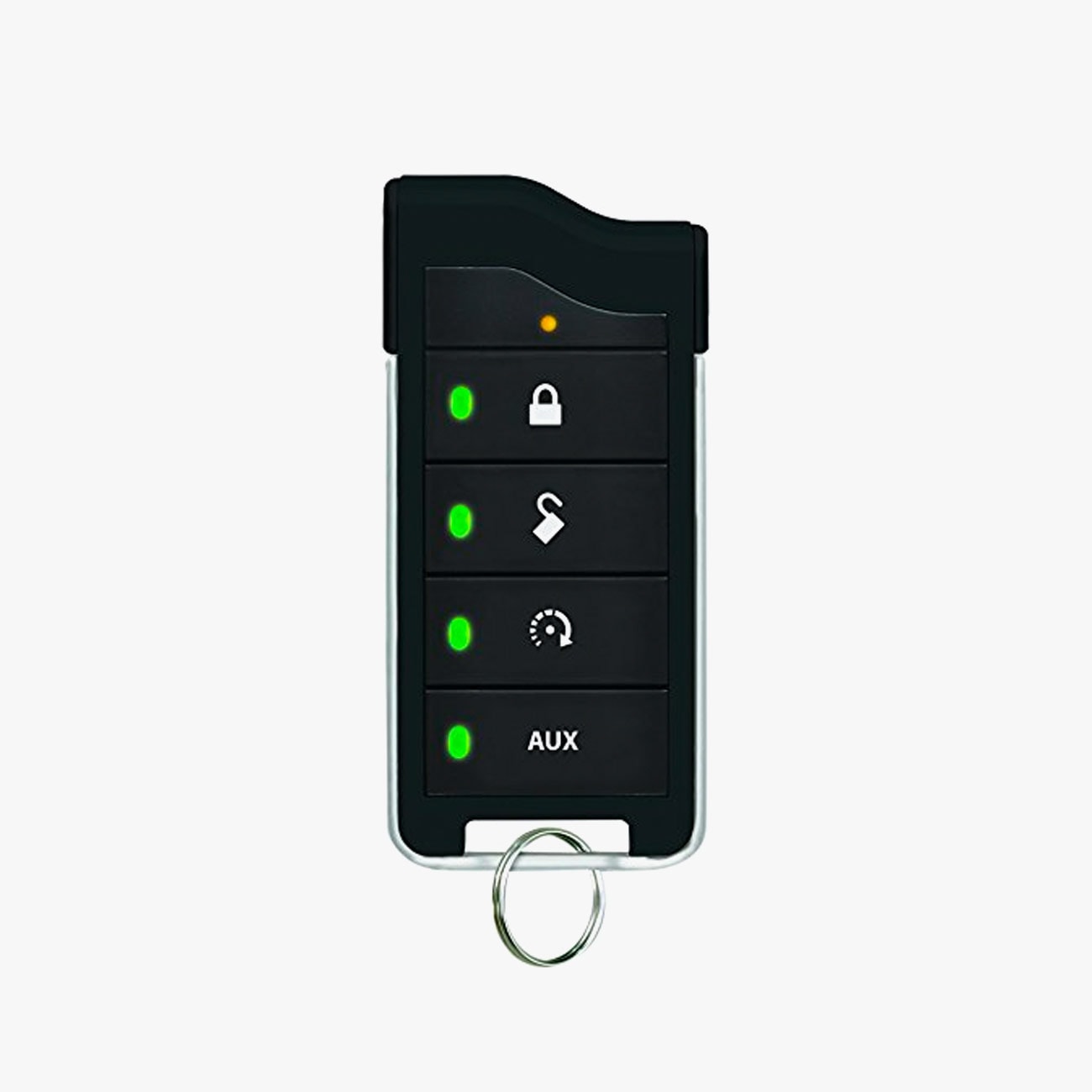
Remote Start

Warming up or cooling down your car before even getting in it is a true luxury. But you don’t need a personal driver on the payroll — all you need is a simple remote starter.

Good: Compustar CS800-S $55
Better: Directed Electronics Inc 4806P Python $164
Best: Viper 5906V $332

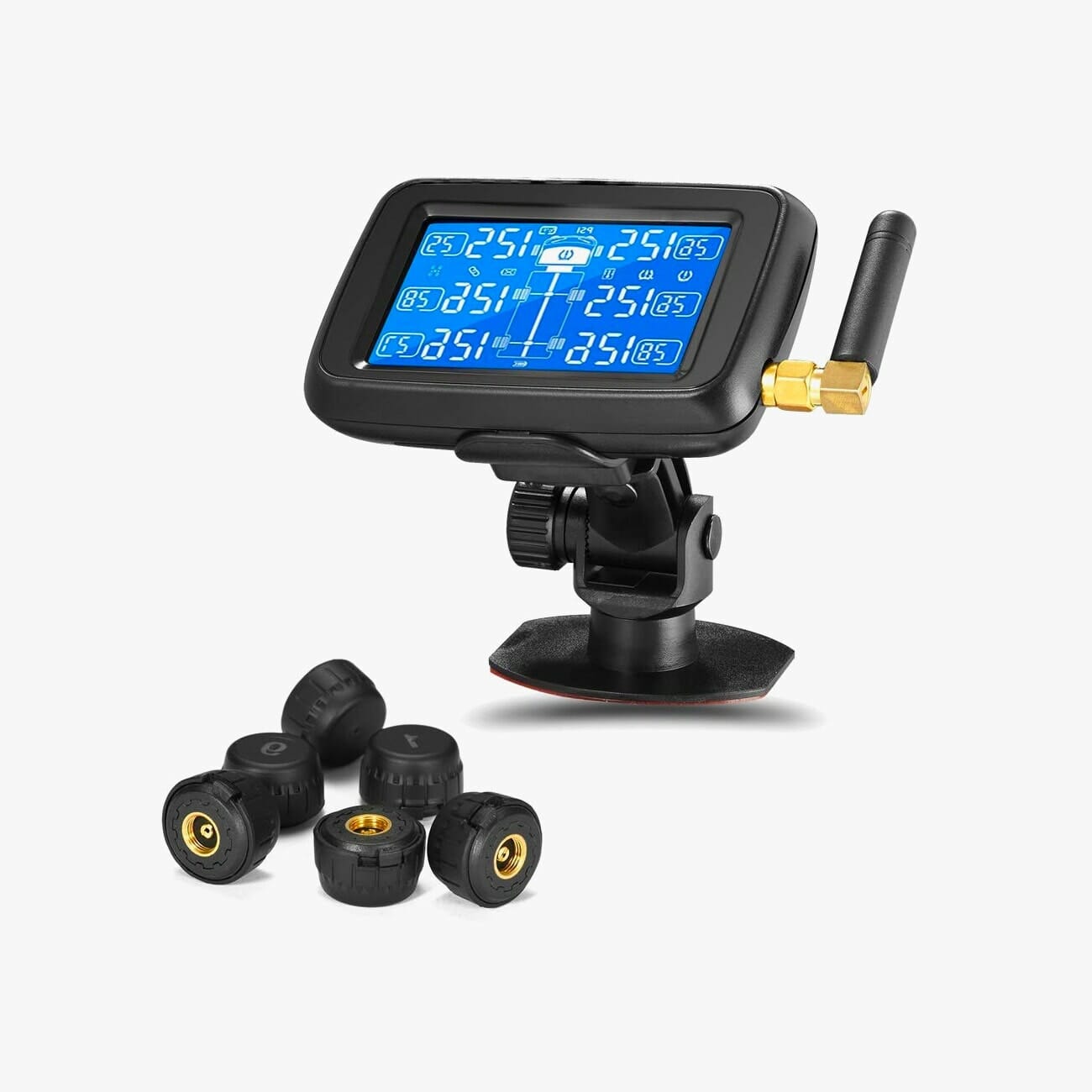
Tire Pressure Monitoring

Whether you’re going on a long road trip or making your way through the daily commute, few things can ruin a drive like a flat or slow leak. Keeping the correct PSI in all four corners isn’t just safer, you’ll also extract better, more confident handling and perfromance from your tires when they’re properly inflated.

Good: Favoto TPMS$48
Better: Cacagoo Wireless TPMS $69
Best: Careud TPMS $210
Note: Purchasing products through our links may earn us a portion of the sale, which supports our editorial team’s mission. Learn more here.

The 2020 Ford Explorer Is All-New From the Ground Up

Ford unveiled the all-new 2020 Explorer SUV ahead of this year’s North American International Auto Show and while the styling does take a marginal step forward in modernity, don’t let that hide the massive leaps and bounds lurking under the sheet metal. It’s evolution hiding a revolution. And all of that comes with only a $400 jump in price to $32,765.

A complete rework of the Explorer from the ground-up was always in the cards, especially with the announcement of the similarly Lincoln Aviator. Since the Explorer shares Lincoln’s platform that means the three-row Ford is going back to rear-wheel-drive with optional all-wheel-drive. The performance Ford can now tap into is one thing, but the new architecture allows for engineers to lighten up the design of the Explorer’s front-end, but most importantly, it yields more interior space for each of the three rows of seats.

Under the hood, the base, XLT, and Limited Explorer models will get the potent 2.3-liter twin-turbocharged I-4 making its way into all of Ford’s trucks and SUVs and is good for 300 horsepower and 310 lb-ft of torque. The Platinum trim level gets the EcoBoost V6 which churns out 365 horsepower and 380 lb-ft of torque and, with the help of the rear-wheel-drive architecture, the Platinum can tow up to 5,600 lbs. There will also be an ST and Hybrid model, but performance specs for those trims will be announced in Detroit, next week at NAIAS.

Along with the increase in space, the interior gets a few modern touches and influences from the Lincoln side of the family. You can choose to have the second row as a bench seat or two captain’s chairs. The 10.1-inch touch screen infotainment system — while it looks like someone just tacked their iPad to the dash — is pretty intuitive and compatible with Apple CarPlay, Android Auto, Waze navigation and runs through a 14-speaker B&O premium audio system.

Design-wise, it’s a relief to see Ford make the switch to a rotary-dial gear changer and move away from the traditional clunky automatic levers. The 12.3-inch all-digital instrument cluster is also a neat little touch. Each of the seven drive modes gets its own animation and mode-specific
dial layout. One thing that lets the interior down is the leather Ford decided to use on the steering wheel and seats. It looks almost identical to the upholstery in the ’94 Explorer my buddy had in High School. Weird ’90s reference, but okay, Ford.

Now that Ford is committing to make 90 percent of its lineup trucks and SUVs, it’s good to see the models they’re putting out are something to be proud of. If the Ford continues to use Lincoln as a foundation for the rest of its products, it’s easy to assume the more affordable brand will see similar success and warm receptions.

The North Face Teams Up With BMW to Make an Off-Road Camper

Collaborations between brands in this day and age are wildly commonplace. Many times, when two brands put their heads together they’ll make a unique, desirable product – whether through boundary-pushing designs or smart, limited special-editions. Other times, the result is a useless, heavy-handed thing with multiple brand names slapped all over just for the hell of it. The BMW x The North Face Futurlight Camper Concept, unveiled this week at CES 2019, is most definitely the former.

Any longer, CES is gathering for more than just tech companies; decidedly non-tech companies (at least in the traditional sense) are abundant. Oftentimes, to get space on the trade show floor, brands who wouldn’t usually work together combine talents on a product that attracts crossover customers. Case in point: BMW and The North Face.

The material stretched over the wireframe dome of the Futurlight uses nanotechnology to be both breathable and ventilated, but waterproof at the same time. The camper’s lack of aluminum, let alone solid side panels, drastically lowers the camper’s weight. When you tow the Futurlight behind, say, your BMW X5, you won’t have to worry about your MPG plummeting all that much.

The Futurlight is just a concept, so keep in mind that some of its features and details don’t exactly make sense in the real world. The extra flooring around the outside doesn’t seem all that useful. The wheels, while futuristic-looking, are basically summer slicks fit for a motorcycle — pretty much useless if you’re attempting to summit whatever alpine pass BMW rendered in the above picture.

Outside of the conceptual flair drawn in for drama, the idea of the new, advanced material by The North Face applied to something more than “just” a tent is where the intrigue lies. BMW’s Gina concept from 2008 played a big part in the inspiration for the Futurlight. It could even be that what we’re seeing is the beginning of fabric-based automotive body panels making the first steps towards production.

The Top 5 Cars of 2018 According to Jeremy Clarkson

Jeremy Clarkson’s reviews are legendary for being either violently incendiary or positively glowing and sometimes switch between both from sentence to sentence. Similarly, when Clarkson’s annual top five picks of the (pervious) year surface, some of his choices are complete wild cards while others you could see coming from a mile away. His 2018 favorites are no different — power and speed are definitely a theme, but one or two are a step outside of the norm for the Grand Tour host.

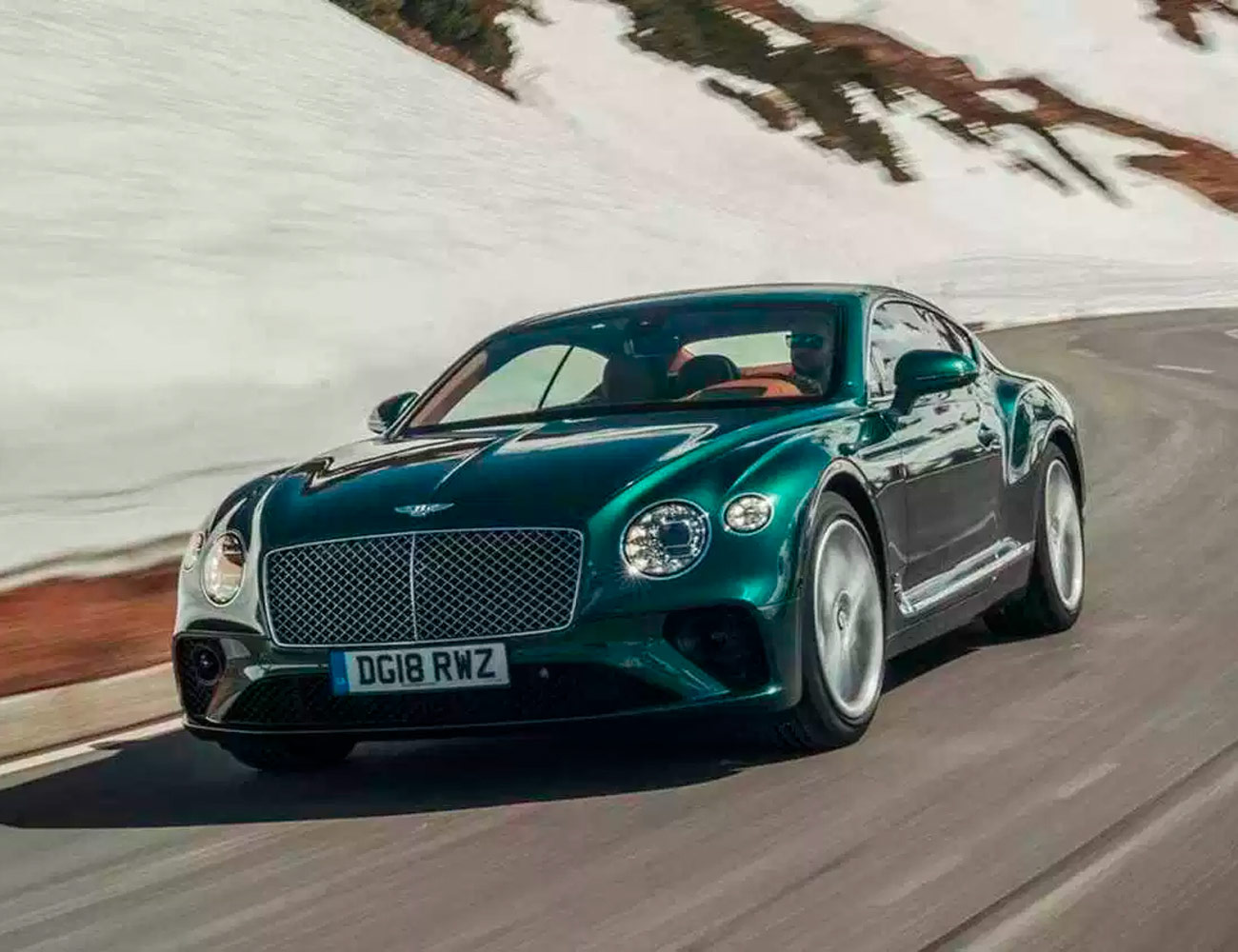
5: Bentley Continental GT

“It’s very safe to say that the new Bentley Continental GT ticks all the boxes a generational progression requires: sharper looks, improved performance, and an overall FOMO-inducing level of refinement.” – Alex Kalogianni

Read Our Review

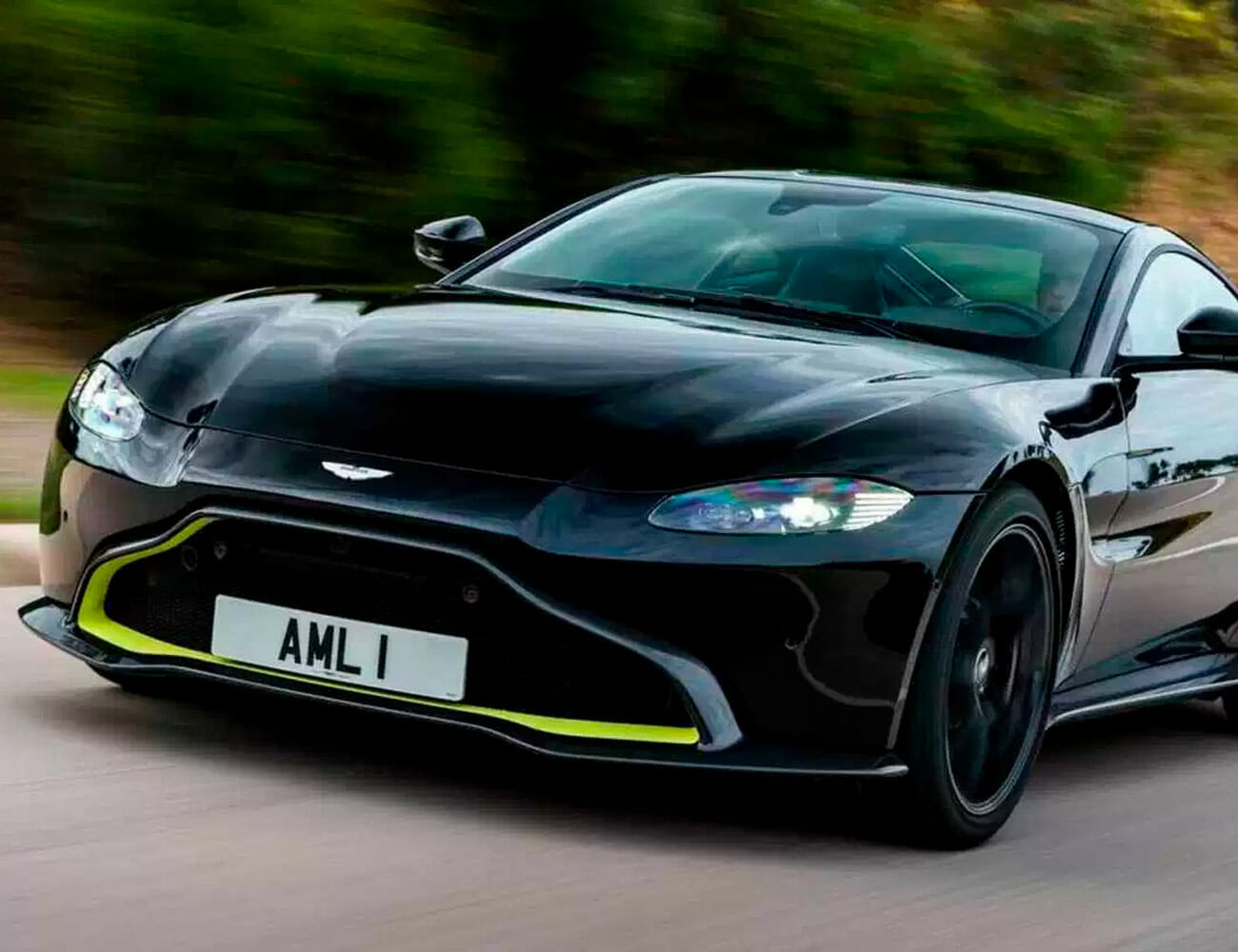
4: Aston Martin Vantage

“Take one look at its distinctive and futuristic yet heritage-inspired shape and you’re intrigued; hear it start up, and its raucous V8 ignites in you a traditional muscle car lust; drive it and you understand how supportive of your wildest daredevil dreams a car can be.” – Nick Caruso

Read Our Review

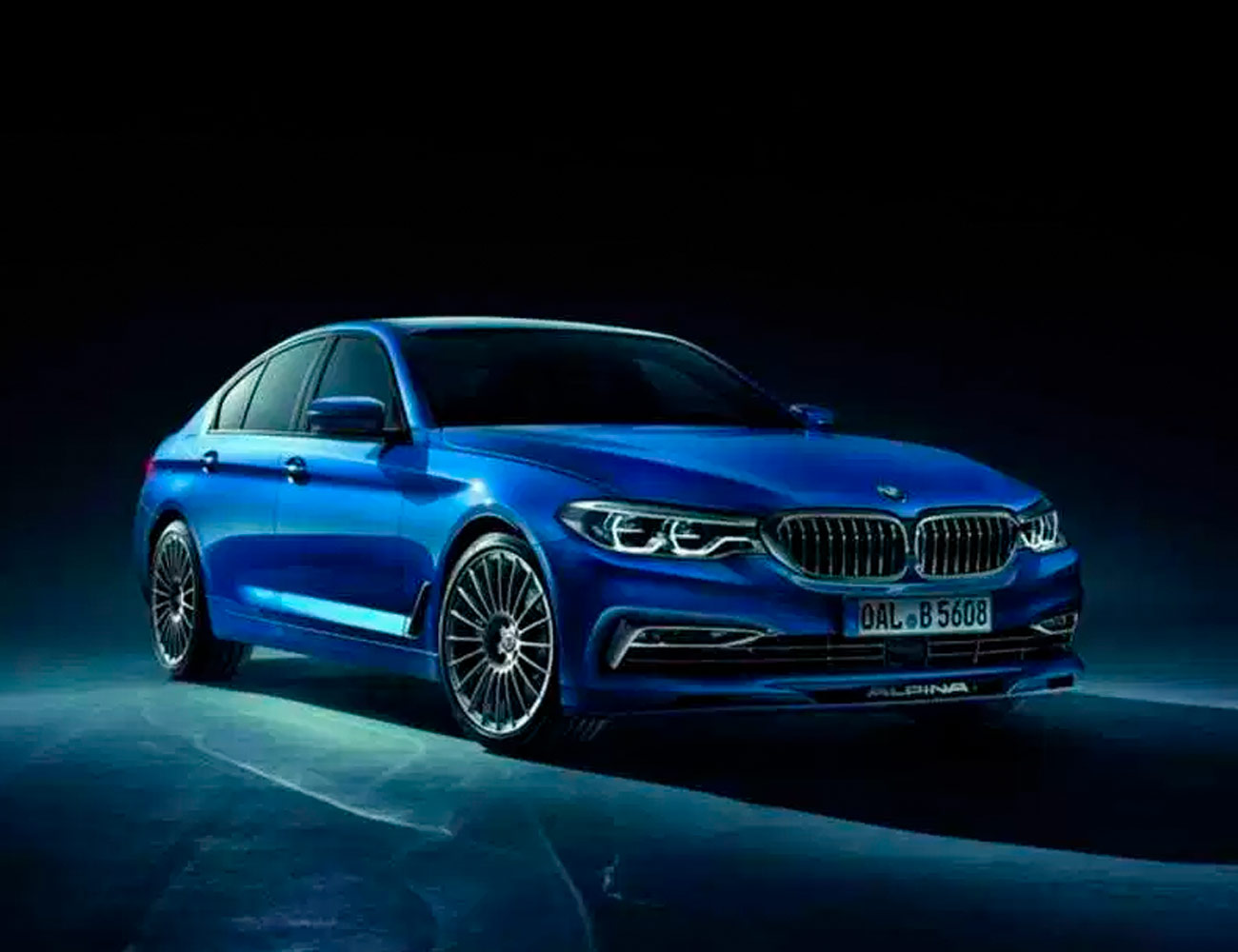
3: Alpina B5

Weilding a 600 horsepower V8 and the stylistic and performance upgrades you’d expect from Alpina, it’s no surprise Clarkson calls the B5 “as close to perfect as any car can be.”

Read His Review

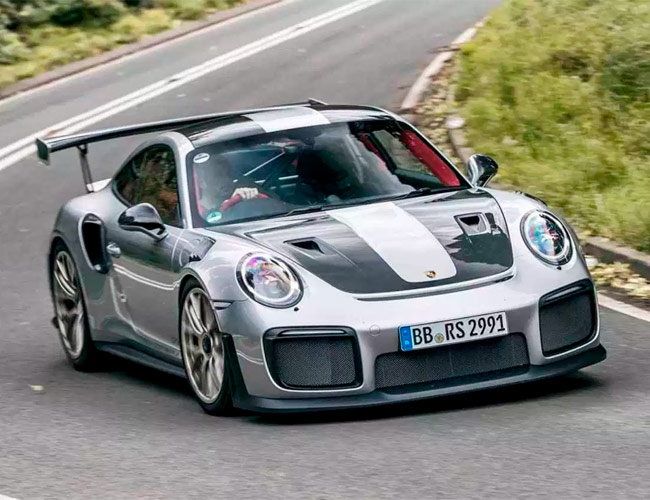
2: Porsche 911 GT2 RS

If you’ve ever caught an episode of the old Top Gear, Clarkson makes it known at almost every turn that he’s not a Porsche fan. So when he says he “truly loved it. Everything about it,” you know the Porsche 911 GT2 RS is one hell of a car.

Read His Review

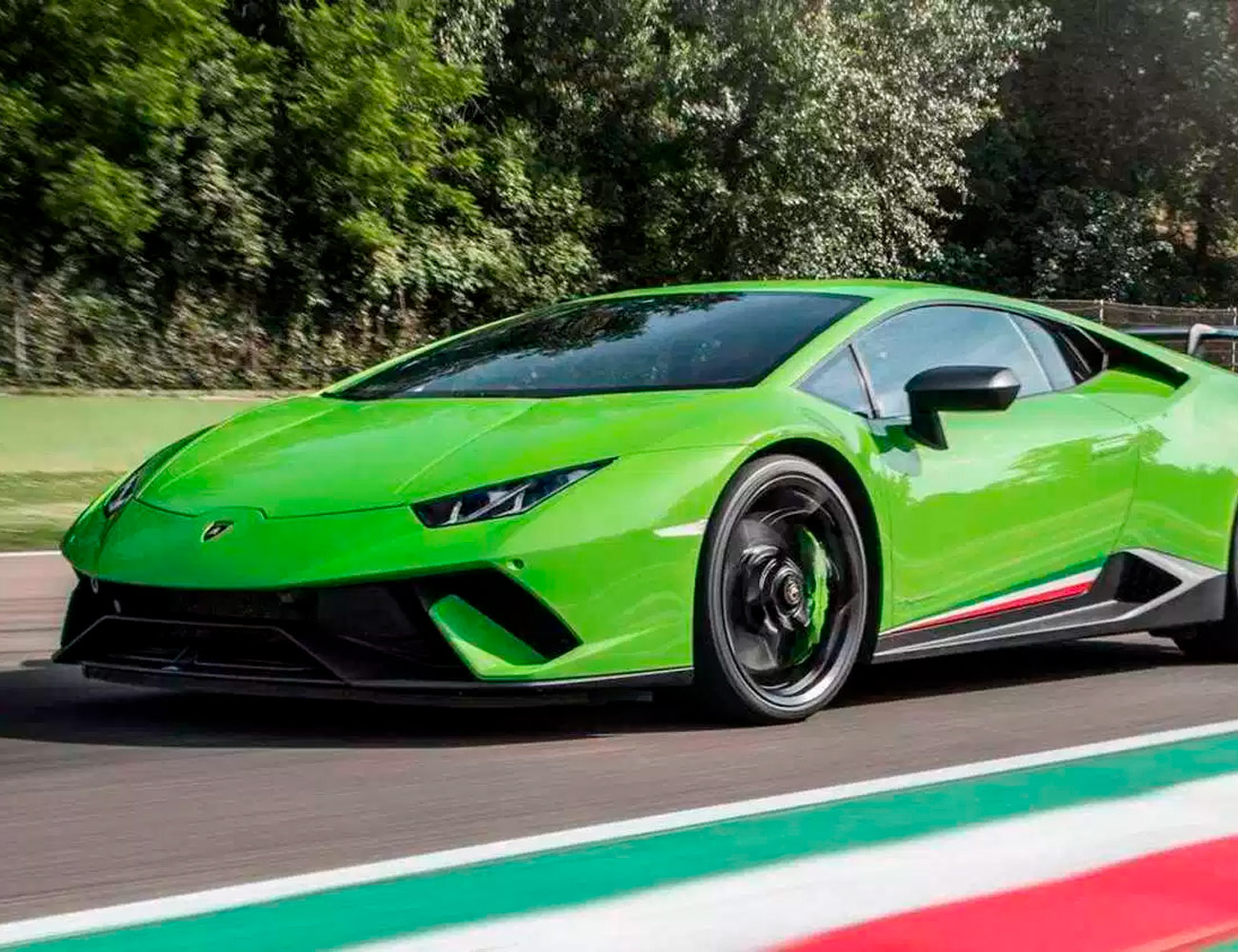
1: Lambroghini Huracan Performante

The general consensus on the Huracan Performante across the industry is it’s one of Lamborghini’s best yet. It would seem Clarkson completely agrees.

Read His Review

Is This 48-Inch-Wide Car Touchscreen Really Necessary?

Byton wants to “turn the car into the next generation smart device.” At CES 2019, the automotive startup revealed the production-ready version of its “smart intuitive vehicle,” the M-Byte. The car grabbed immediate media attention, not for design or performance, but for its titanic dashboard screen.

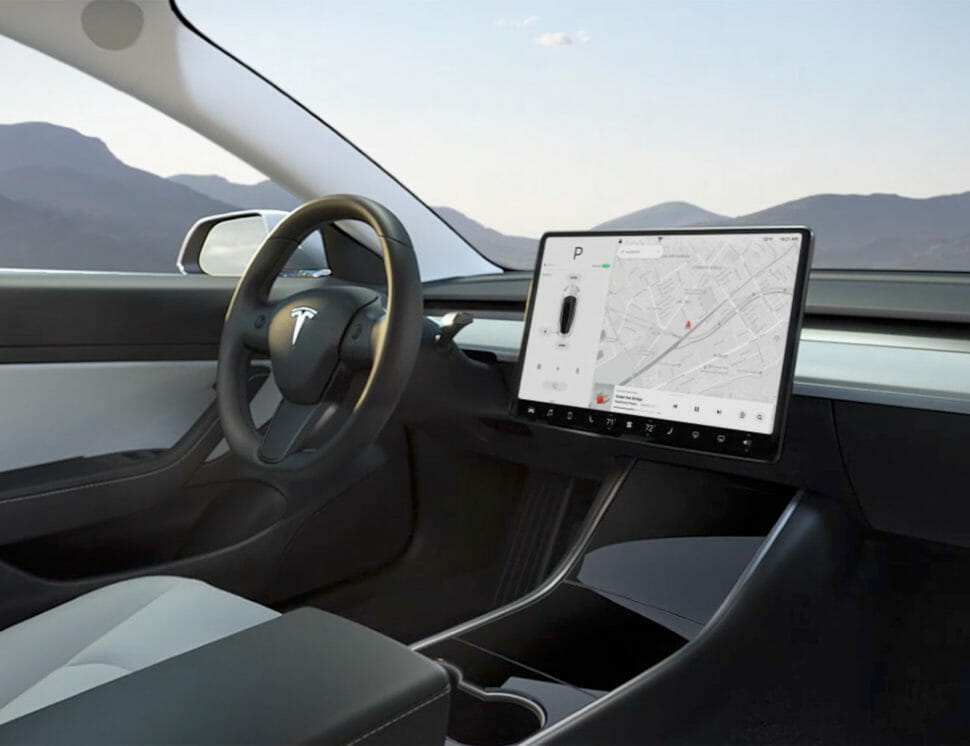
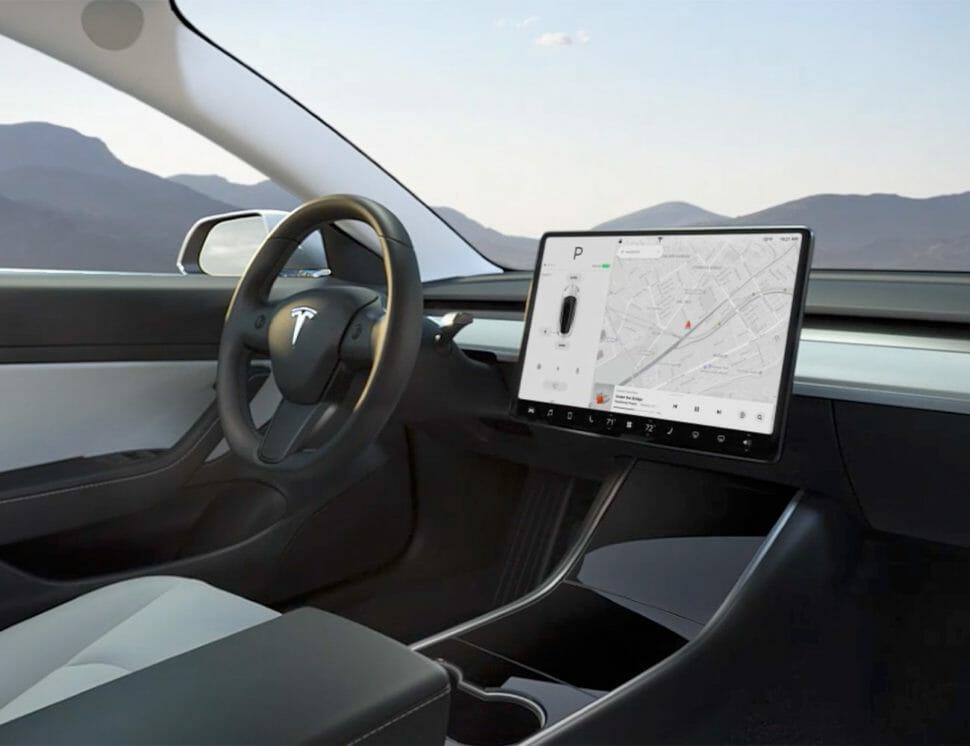
The M’Byte’s curved “Shared Experience Display” stretches 48 inches from A-pillar to A-pillar. It’s the width of seven iPads stretched lengthwise. The display dwarfs the 17-inch touchpad in the Tesla Model S. Though, the latter can still send a curated array of fart noises to specific seats.

Because 48 inches was not quite enough screen, the M-Byte will also have touchscreens in front of the steering wheel (7-inch), between the seats (8-inch) and behind the rear seats to manipulate it. The display will also respond to gestures and voice commands. Byton asserts this array of digitalia will distract the driver less than current vehicles.

The 48-inch touchscreen sounds like a great leap (forward?). But, it’s more of a natural evolution from where things were heading. The next step from having separate large, customizable digital displays in the center console and behind the steering wheel was to merge them into one bigger screen and maybe throw a bone at the poor passenger.

Screens have been a positive innovation in cars. Rear cameras have made reversing easier and safer. The same goes for porting essential smartphone functions – phone/text, navigation, audio libraries – to the more easily accessed dashboard. If texts could be more easily heard and spoken, they would be a godsend.

But, as we move toward “peak display,” it’s worth asking how much functionality drivers actually need. Was anyone hampered by the analog speedometer? Are these innovations a solution in search of a problem?

I ask, not because I’m a Luddite, but because, in this age of mechanical precision, the techy digital bits tend to be the least well-made parts of the car. Everything in my 2016 Golf Sportwagen works without flaw, except the touchscreen. It freezes. It fails to recognize my phone. It goes haywire when a microscopic bit of moisture hits the screen.

A particular highlight of driving the new Sierra Denali last August was needing to pull over, remove the key fob, and wait three minutes so the digital display could reset and we could tell how fast and how far we were going.

Tech tends to get more capable. Only under immense consumer pressure does it get more reliable and durable. Converting cars into the “next generation smart devices” inevitably means bringing all of the trials, tribulations, software updates and bugs popular from smart devices to your automotive experience. To what end?

Fortunately, you won’t have to travel to be condescended to by a “Byton Genius” in the future. The smart device that broke down was your means of transport.

Is This 48-Inch-Wide Dashboard Display Really Necessary?

Byton wants to “turn the car into the next generation smart device.” At CES 2019, the automotive startup revealed the production-ready version of its “smart intuitive vehicle,” the M-Byte. The car grabbed immediate media attention, not for design or performance, but for its titanic dashboard screen.

The M’Byte’s curved “Shared Experience Display” stretches 48 inches from A-pillar to A-pillar. It’s the width of seven iPads stretched lengthwise. The display dwarfs the 17-inch touchpad in the Tesla Model S. Though, the latter can still send a curated array of fart noises to specific seats.

Because 48 inches was not quite enough screen, the M-Byte will also have touchscreens in front of the steering wheel (7-inch), between the seats (8-inch) and behind the rear seats to manipulate it. The display will also respond to gestures and voice commands. Byton asserts this array of digitalia will distract the driver less than current vehicles.

The 48-inch display sounds like a great leap (forward?). But, it’s more of a natural evolution from where things were heading. The next step from having separate large, customizable digital displays in the center console and behind the steering wheel was to merge them into one bigger screen and maybe throw a bone at the poor passenger.

Screens have been a positive innovation in cars. Rear cameras have made reversing easier and safer. The same goes for porting essential smartphone functions – phone/text, navigation, audio libraries – to the more easily accessed dashboard. If texts could be more easily heard and spoken, they would be a godsend.

But, as we move toward “peak display,” it’s worth asking how much functionality drivers actually need. Was anyone hampered by the analog speedometer? Are these innovations a solution in search of a problem?

I ask, not because I’m a Luddite, but because, in this age of mechanical precision, the techy digital bits tend to be the least well-made parts of the car. Everything in my 2016 Golf Sportwagen works without flaw, except the touchscreen. It freezes. It fails to recognize my phone. It goes haywire when a microscopic bit of moisture hits the screen.

A particular highlight of driving the new Sierra Denali last August was needing to pull over, remove the key fob, and wait three minutes so the digital display could reset and we could tell how fast and how far we were going.

Tech tends to get more capable. Only under immense consumer pressure does it get more reliable and durable. Converting cars into the “next generation smart devices” inevitably means bringing all of the trials, tribulations, software updates and bugs popular from smart devices to your automotive experience. To what end?

Fortunately, you won’t have to travel to be condescended to by a “Byton Genius” in the future. The smart device that broke down was your means of transport.

We’ve edited an earlier version of this post, which mistakenly identified the display as a touchscreen.

5 Used Car Websites: The Best Places to Car Shop Online

Shopping for a used car is a daunting task from the very minute you decide you want one. The whole process can feel like a chore to anyone who’s been on the market before and a concentrated source of stress to the shoppers new to the undertaking. Luckily, you no longer have to comb through the print classifieds outside your local grocery store – there are hundreds of used car websites to use instead. To narrow down the options and help you focus your search, these are the best used car websites to use.

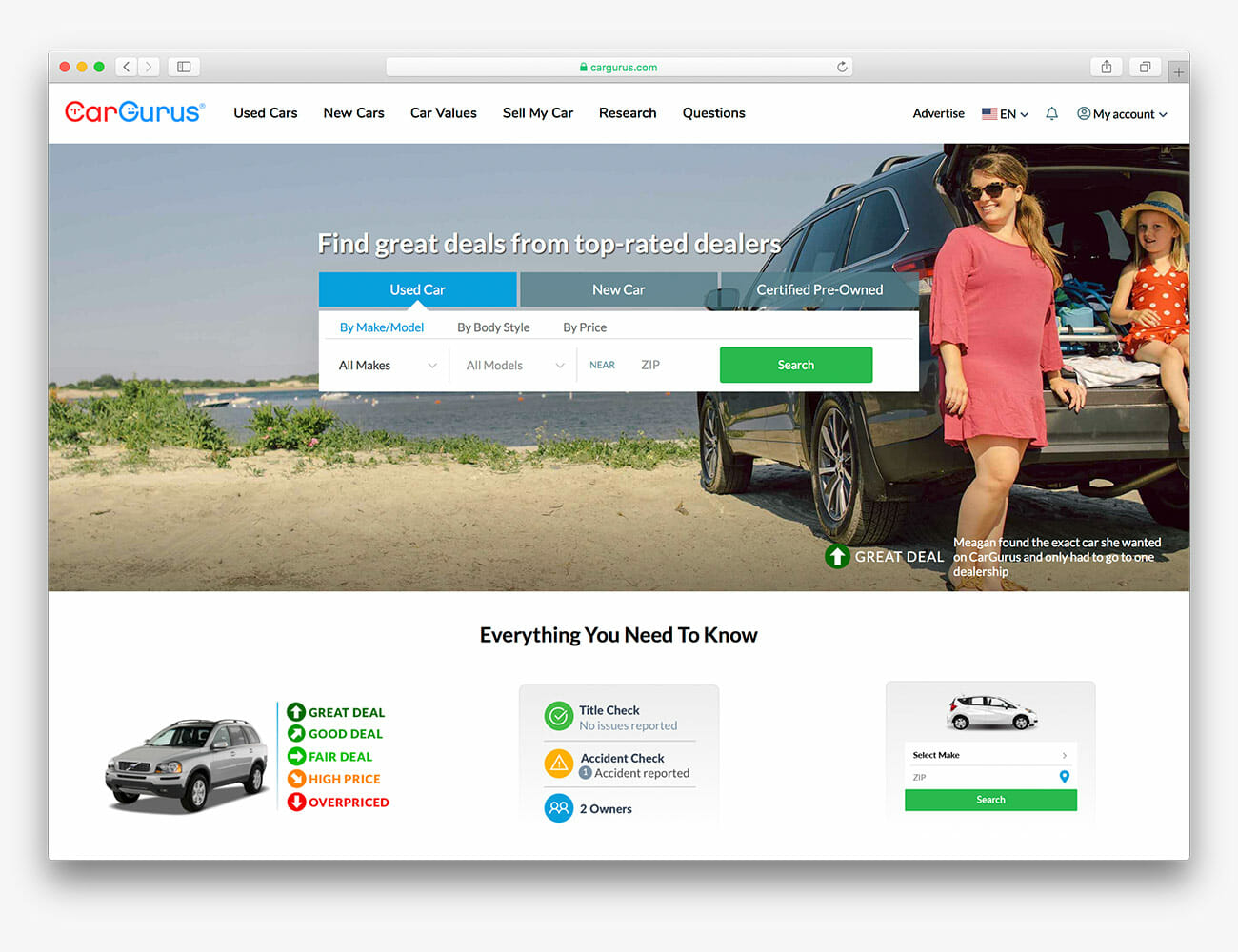
Car Gurus

Car Gurus is the gold standard when it comes to general used car shopping. Not only do they drive and review popular models, but their pros advise on whether a deal on offer is above, average or below the going market value. Car Gurus also provides the same information for new and certified preowned vehicles.

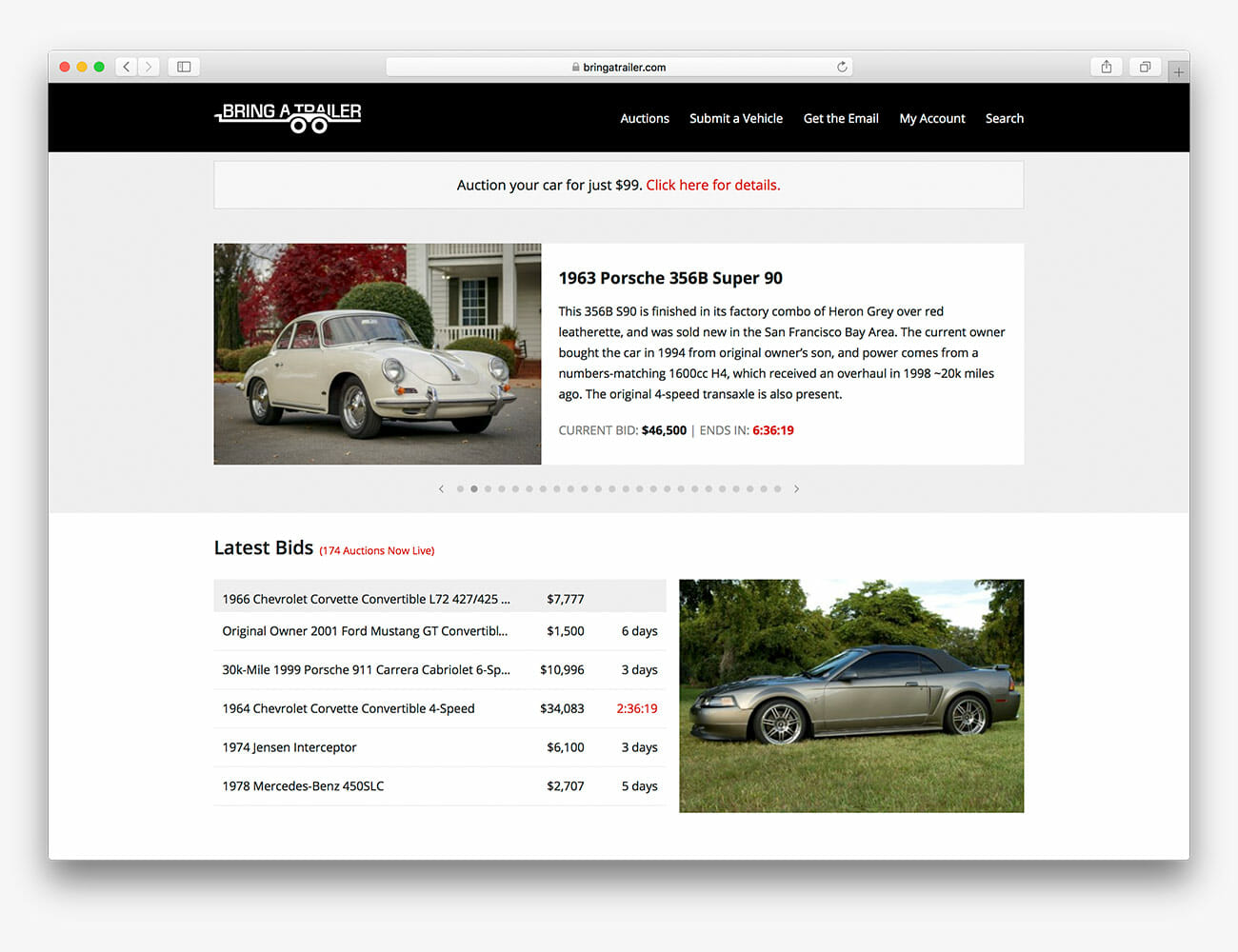
Bring a Trailer

Over the past couple of years, Bring a Trailer established itself as one of, if not the best, vintage car auction site. The number of cars listed on the site seems to grow every day, and BaT now offers newer cars too. One of the advantages BaT has over the other sites is its active community. Members of the BaT community regularly comment on auctions, offering personal insights and experiences with the featured cars. Sellers usually respond to questions and interact in the comments section too. Unlike the rest of the internet, the majority of the comments section here is genuinely constructive.

Read: How To Sell a Used Car Successfully with 5 tips from the founder of Bring a Trailer.

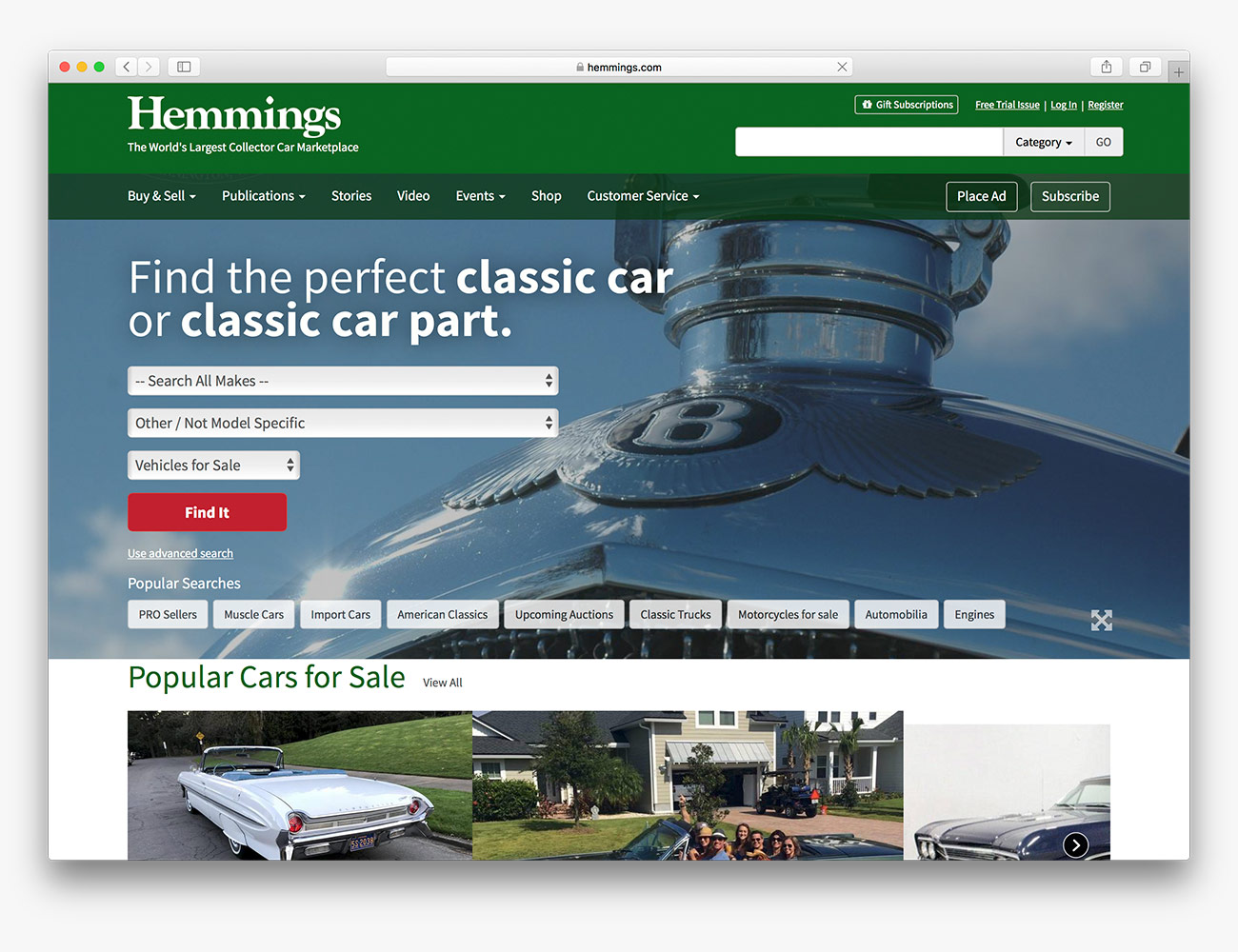
Hemmings

Hemmings is another reliable site that features classic cars, but unlike Bring a Trailer, Hemmings offers both auctions and straightforward sales. Hemmings also operates like a more convential used car site where buyers contact the seller directly, instead of through a forum environment like on BaT.

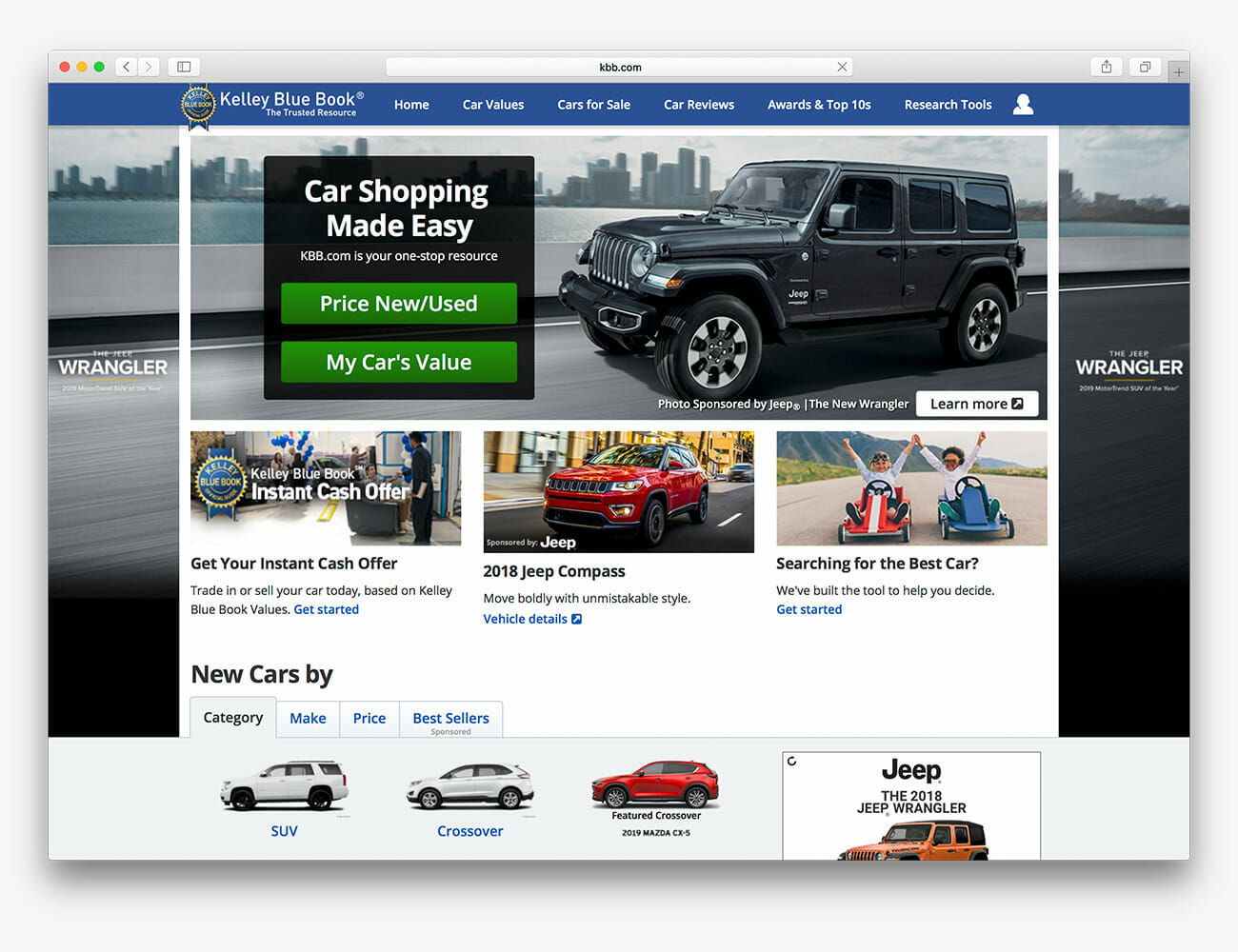
Kelley Blue Book

Kelley Blue Book is best of the old breed of used car websites, but that’s not a knock against it. It features a straightforward user experience where you can search new and used cars by category, make, price or best-selling models. However, Kelley Blue Book’s calling card is listing each car’s value compared to the market, based on the options fitted, trim levels and condition.

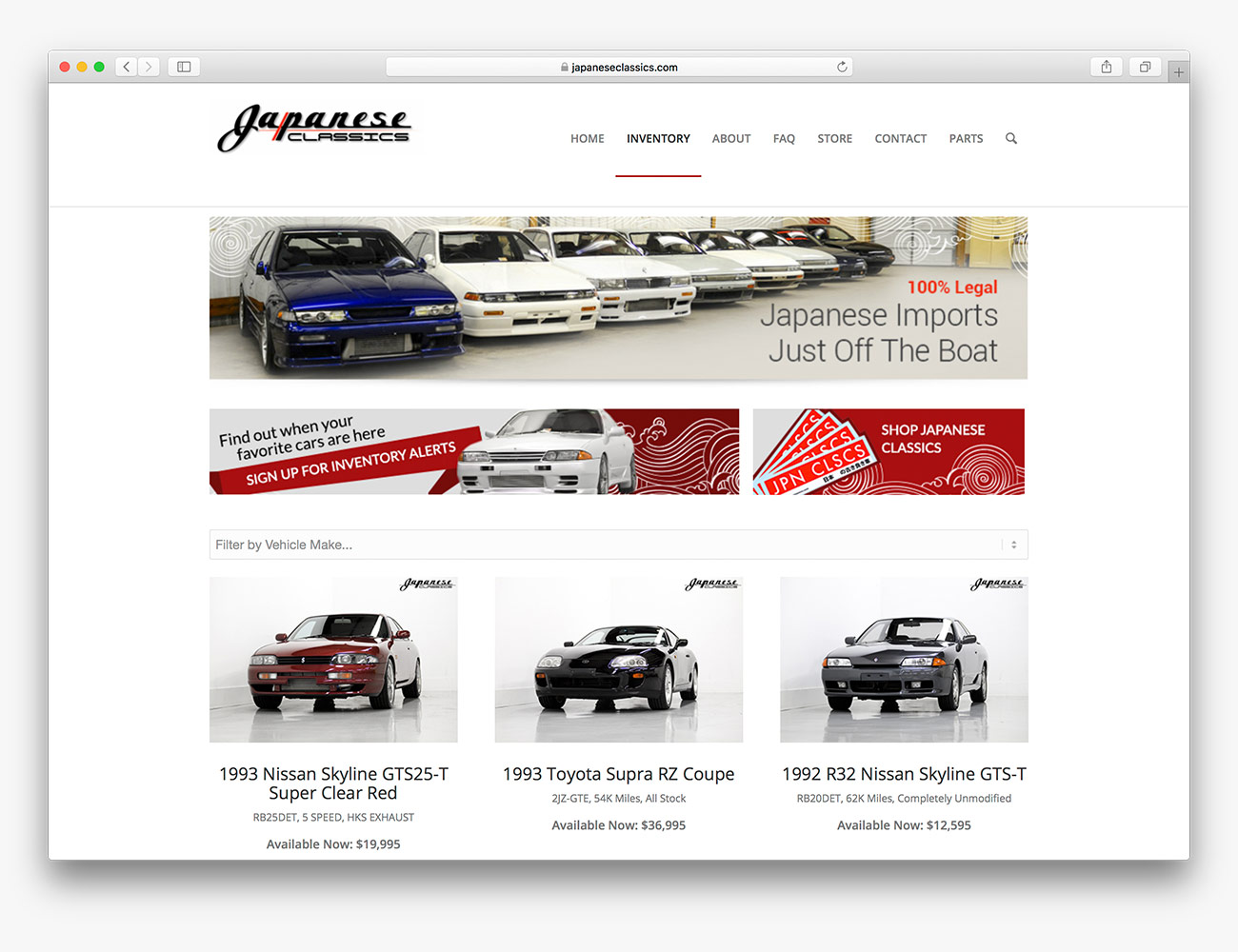
Japanese Classics

There’s no hiding this site’s forte – it’s right there in the name. However, these aren’t the ’96 Honda Civics you remember from High School. These cars are imported from overseas and weren’t originally available on US shores. Most of the models available have just qualified for the 25-year old law, so they might be right-hand-drive. That also means there are real gems all over the site you’ve probably never laid eyes on.

Read: The 25 Best Cars You Can Finally Import

Note: Purchasing products through our links may earn us a portion of the sale, which supports our editorial team’s mission. Learn more here.