All posts in “Cars”

Why Is Cadillac Making Life More Difficult for Itself?

Cadillac has undergone perpetual rebranding for some time. As the company winds down its New York office space for the exciting move to be back closer to the engineering department in Detroit, Cadillac revealed more new engine badging. This time it’s based on metric torque or Newton-meters. The forthcoming XT6 will be the XT6 400 because of its relative proximity to 400 Nm of torque.

This is an awful idea.

Engine displacement is easy to grasp. You don’t need any context to understand a 3.0L engine is larger than a 2.0L engine. Torque is complex, difficult to explain in simple, precise terms and it’s less well-understood than horsepower as a metric. Even American car aficionados versed in torque understand it in Imperial “pound-feet,” and they’ll need to convert back and forth to provide context and grasp what Cadillac is talking about. The “T” after the three-digit number, moreover, stands for “turbo,” not torque.

This seems like at least a partial ploy to mislead buyers. Cadillac is rounding up to the nearest 50nm, which is significant, and the XT6 does not have 400 Nm of torque; it has 367nm of torque. In old Imperial units, the XT6 has 271lb-ft. The XT6 400 sounds more formidable than the XT6 300 because it’s a more significant number. A hypothetical performance vehicle with 410lb-ft of torque would become 562nm and thus be badged a 600. Torque will get bigger with EVs and yield more impressive numbers. Engine displacements, in contrast, will keep getting smaller.

This change does resolve one issue: engine displacement losing meaning with electrified engines. But, that’s not a problem Cadillac will encounter for a while. The company may be spearheading GM’s move to electric vehicles, but the first one is not launching until 2022 if all goes according to plan. In the meantime, Cadillac seems hellbent on convoluting its nomenclature for no reason other than bragging rights based on inflated numbers.

The 2020 GT500 Will Be One of the Most Advanced Ford Mustangs Ever Built

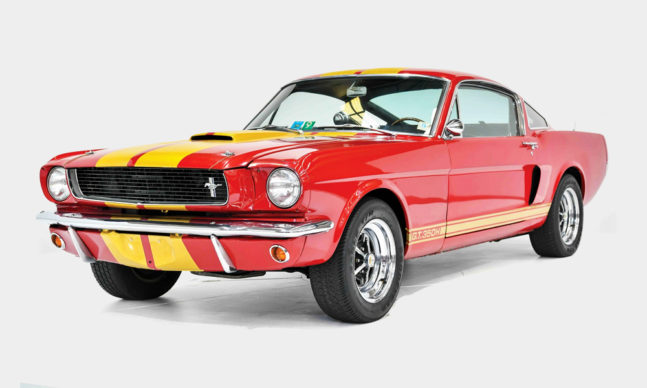
The Shelby GT500 is always one of the most anticipated iterations of every Ford Mustang, and the 2020 GT500 is no different. When Ford unveiled the most powerful production Mustang at the Detroit Auto Show this year, the intriguing and still unknown horsepower figure made headlines, but it was clear there was more to it than total brute force. Today, Ford proved those suspicions right by releasing the computer models they used to develop the new Shelby’s cooling and aerodynamics — and the 2020 GT500 is easily the most advanced Mustang ever built.

Ford still won’t release the exact power figures, but we do know this GT500 will have over 700 horsepower and a top speed limited to 180 MPH. The problem with all that power and all that speed is the desperate need to keep it under control. The amount of heat produced by an engine capable of 700 horsepower is immense, as is the task of keeping all four wheels on the ground when it gets put to use and the car builds up speed.

To help Ford develop the most effective design, it used supercomputers and computational fluid dynamic software to construct the cooling system and sculpt the GT500’s body to not only produce downforce, but also to aid in dissipating the heat from under the hood. The result? With the Carbon Fiber Track Package, the GT500 produces 550 lbs of downforce at 180 MPH. Ducts and intakes up front funnel airflow to six heat exchangers and intercoolers. A number of vents then channel the hot air out around the car, the largest being the six-square-foot hood vent which feeds over the hood and to the rear wing.

The days of the GT500 being a one-trick, straight-line pony are over. Manipulating airflow for cooling and downforce screams a race track mentality. Sure, it’ll be exciting and entertaining to see the new Shelby thunder down a drag strip, but it’s safe to assume Ford have much more in mind for the most powerful Mustang ever.

More Fast Fords:
2017 Ford GT
2018 Mustang GT Performance Pack
2017 Ford Focus RS

The Forgotten Generation of BMW M5 Is the One You Want

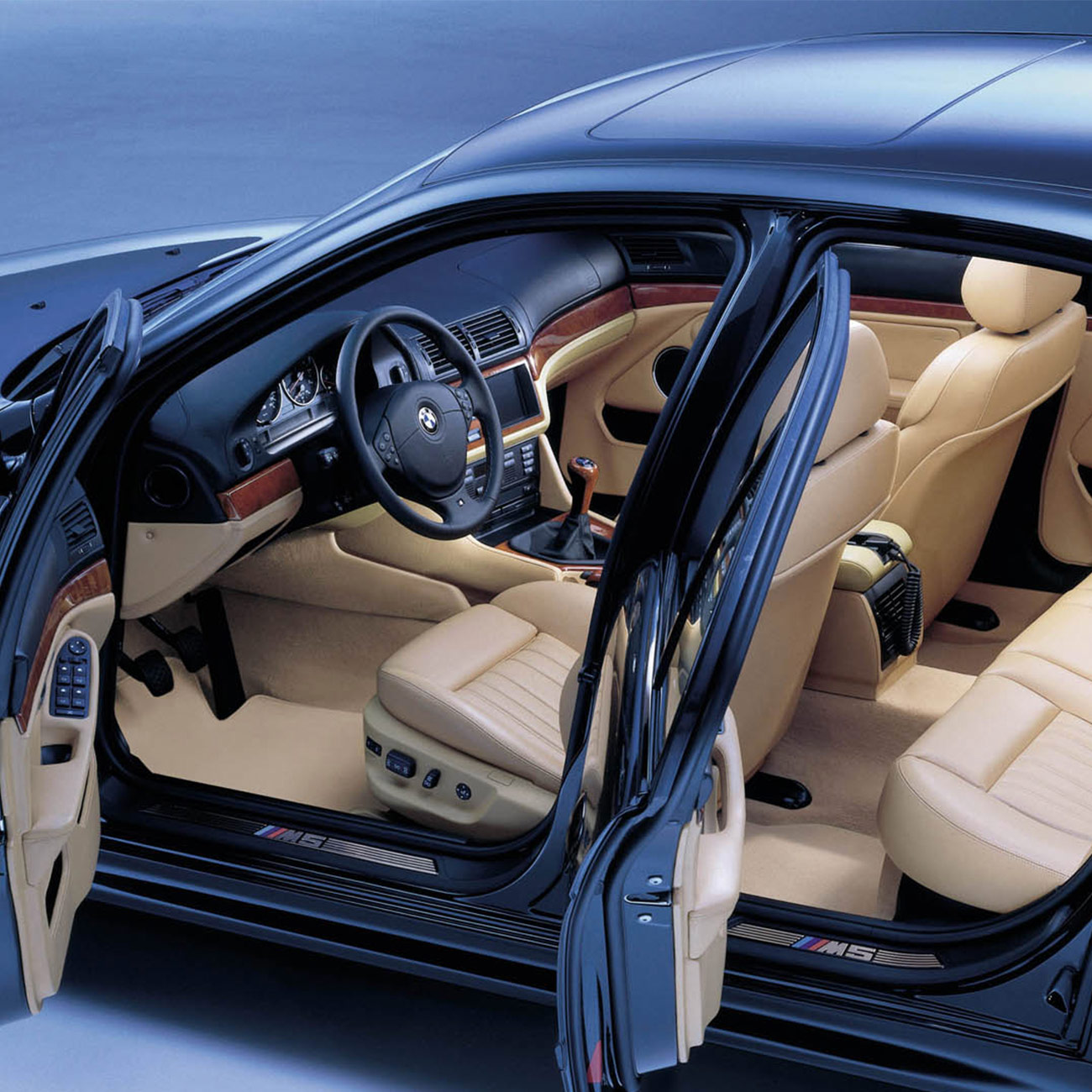
Last September, some nut job paid $176,000 for an early 2000s BMW sedan. To be fair, this was an E39 M5 — BMW’s greatest sports sedan, ever — and it had fewer than 500 miles on the clock. But $176,000 is $176,000.

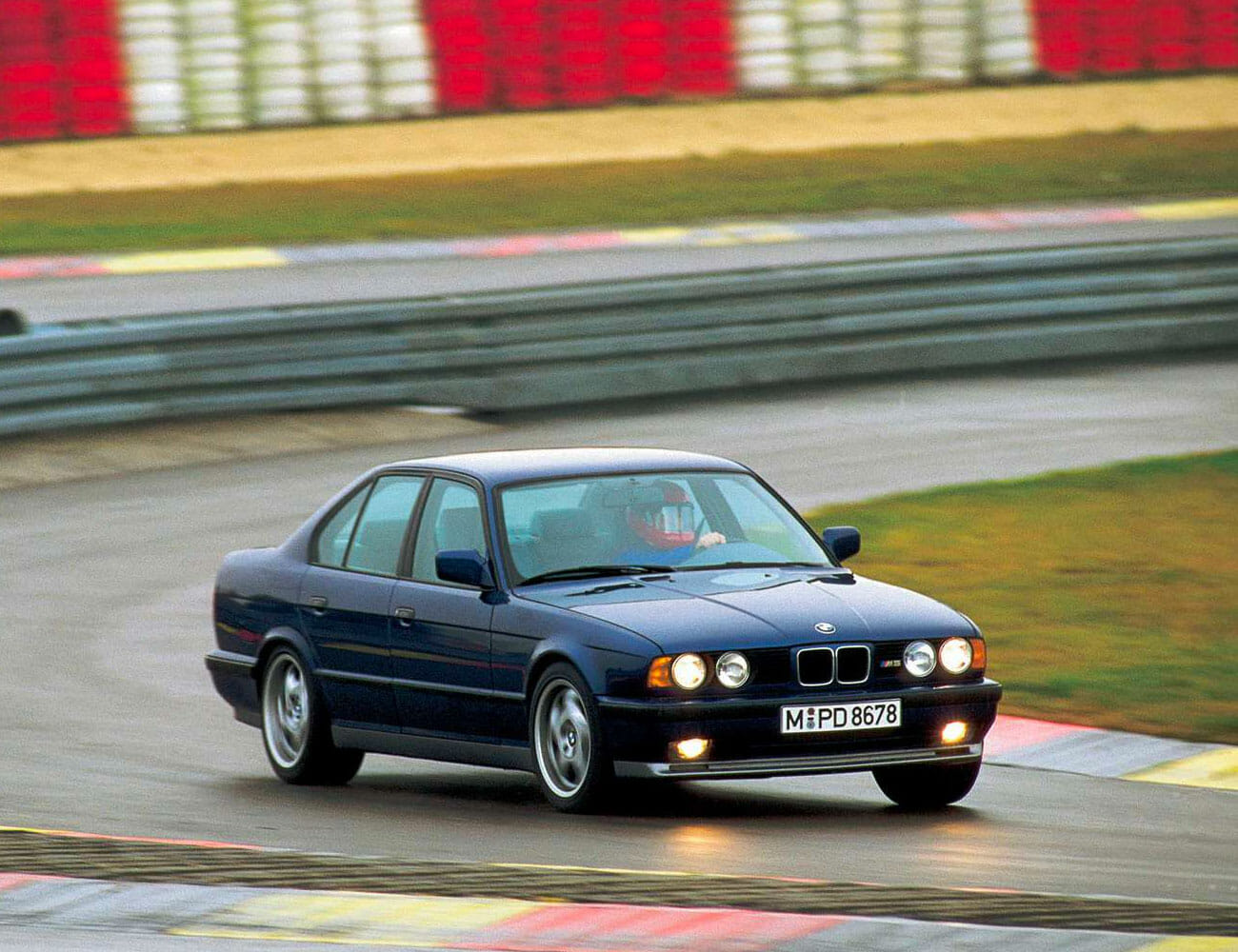
If you’re looking for a Bavarian bargain, consider aiming instead for the forgotten generation of the M5: the E34, produced between 1988 and 1995. For decades, the executive-sized powerhouse has flown under the radar, largely due to the fact that it was iterative, not innovative — an evolution of the original E28 M5. But it was also the last M car assembled by the hands of actual Germans. Today’s BMW performance cars are all put together by machines.

The upshot of all this is that you can buy a certifiable classic M car for well under $20,000. But as with the purchase of any old performance car, there are a few things you should know in advance.

Performance

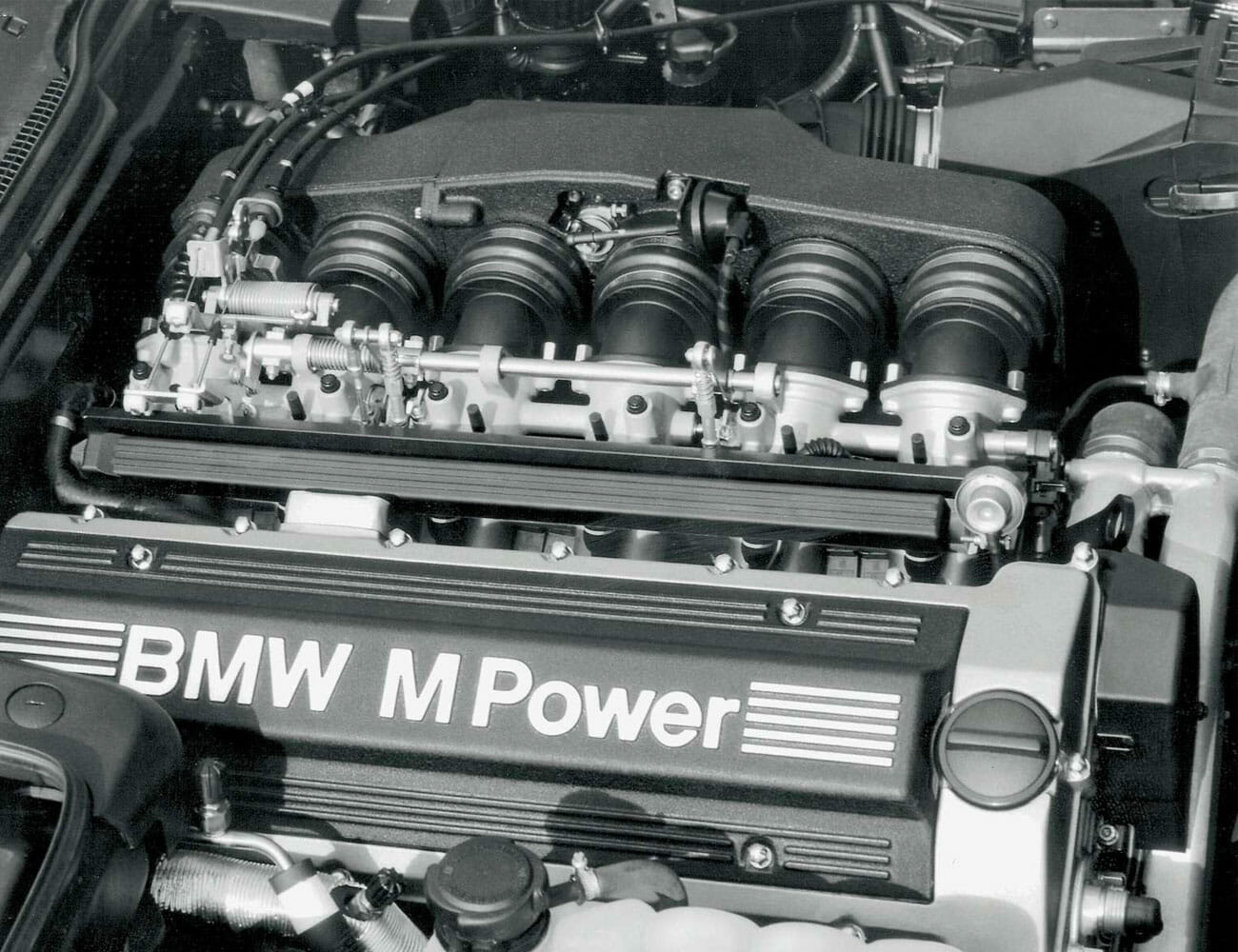
As an evolution of the E28 platform, the E34 was the second (and last) M5 in the lineup to make power from one of BMW’s vaunted inline-six cylinder engines. The displacement increased from the former car’s 3.5 to 3.6 liters, and it produced about 310 horsepower. It would also churn all the way up to 7,000 rpm.

Power went up, but so did its weight: the E34 packed on roughly 600 pounds. Still, the car managed a 0-60 sprint in 5.9 seconds, bordering on supercar territory at the time.

As heavy as it was, reviews praised the E34’s handling. In 2007, Evo did a retrospective and described the car’s handling: “There’s just a bit of understeer at the limit, and even when you deliberately provoke it the M5 seems happier to adopt small oversteer angles than mighty power-slides … It’s an astonishingly wieldy, nimble car. Only slow steering slightly spoils the picture, but you soon forget about that and revel in the engine’s response and the chassis’ remarkably tweakable balance.”

Core to the car’s fantastic handling was a super modern (for the time) suspension system, comprised of a self-leveling suspension on earlier cars and an Electronic Damping Control system on later cars, a first for the M5. Also aiding handling was a limited-slip differential, receiving power through a five-speed manual and, later, a six-speed gearbox. The result was an extremely-balanced car providing plenty of feedback and power from a rev-happy, motorsport-derived engine but with a soft, luxurious interior.

Problems

Many consider the E34 to be a relatively robust chassis, but it’s still an old BMW, so adjust your expectations on “reliability” and set some money aside for maintenance and repairs. The car’s electronic dampening system, for example, can have electronic glitches or malfunctioning actuators. Similarly, the self-leveling suspension on earlier models can leak; many owners often chose to simply replace this with conventional spring suspension.

The S38 engine that powers the E34 is considered by many enthusiasts to be a gem of an engine, as long as it’s taken care of properly. Make sure the seller has a comprehensive service history and up to date with maintenance records. Valvetrain and timing chain adjustments are some of the most common jobs on these engines, and they’re also expensive to do. And, s with any older car, check for rust. The big problem area on the E34 chassis was at the bottom of the doors, where water gets trapped by the trim.

Different Versions

BMW continued to update the E34 M5 through its production run, so later models tend to have the more desirable features. The self-leveling suspension, for example, yielded to the Electronic Damping Control system in 1991, while the 3.6-liter engine was upgraded to a higher-output 3.8-liter unit for the 1992 model year. Manual-equipped cars came with five-speed transmissions until 1994. Pricing varies based on year and condition, but expect to pay somewhere between $15,000 and $25,000 for a nice example of any of these.

If you want something a bit more special than what we got in the U.S., though, turn to Europe where the engines had a higher power output. What’s more, there were several hundred Touring wagons made, though they tack on a hefty premium. You can also look for any one of the few European special editions, including the lightweight Winkelhock Edition, or the super rare Touring Elekta. Both of these will be admittedly very expensive, given that one of that latter recently sold on Bring a Trailer for $120,500.

TAG Heuer Autavia 1972 Re-Edition

Most watches have some sort of heritage built into them. But the TAG Heuer Autavia 1972 Re-Edition has more than most. The name Autavia comes from TAG Heurer’s history in auto racing and aviation — “AUT” from “auto” and “AVIA” from “aviation.” The 42mm 1972 Re-Edition is fashioned after the iconic 1972 Heuer Autavia 1163V Viceroy but contains modern updates like a two-register dial layout, a sapphire case back and a date window at 6 o’clock. This modern automatic chronograph update is a commendable addition to the Autavia family. Learn More: Here

Get This Affordable Alternative to the Porsche Boxster

As far as the best bang-for-your-buck mid-engine sports cars go, the Porsche 718 Boxster and Cayman are tough to beat. At $56,900, however, the entry-level Porsche is still out of reach for some, but the Toyota MR2, like the one above, is a perfect affordable alternative.

The MR2, which stands for “mid-engine, rear-wheel-drive, two-seater,” made headlines at the 1983 Tokyo Motor Show as the SV-3 concept car, Japan’s first-ever mid-engine car. The MR2 went into production in ’84 and promptly won Car of the Year Japan for 1984-1985.

The little mid-engine car ironically started life as a concept for an economy car, but the design philosophy behind the handling and the lack of weight translated into the ideal sports car. Over 23 years, Toyota built three generations of the MR2, and, going against the natural way of most cars, it gradually lost weight from one generation to the next, ending with the W30 at a scant 2,195 lbs in 2007.

This particular MR2 up for auction is from that last featherweight generation and comes with a 1.8-Liter inline-four engine good for 138 horsepower and 126 lb-ft of torque. Now, this doesn’t sound like much by today’s standards, but considering that the MR2 weighs as much as a first generation Mazda Miata but packs more power and comes with the natural balance of a mid-engined car, it does not lack in entertainment.

If you’re on the market for a seriously fun car, the Porsche Boxster should be high on your list. But, if you don’t want to spend nearly $60,000 to own a German mid-engine sports car, the 2002 Toyota MR2 makes a great Japanese substitute at almost one-tenth the cost.

The Best Used Sport Sedans We’d Buy for $10,000 Right Now

A Note on Pricing: The going prices for these cars are accurate at the time of publishing but may change the longer the classified ads are live.

Sport sedans have a unique place in automotive history. They’re either complete flops or absolute legends. The legends end up resigned to “instant classic” status because they’re sleepers (they’re incredibly subtle yet command unabashedly high performance) or their level of class is so legendary, performance takes a notably comfortable back seat.

The problem with used performance sedans is they’re either beat to shit or cost as much as a new “okay” car in good condition. Since $10,000 is a realistic budget for a used car, we set out to find the best, used sport sedans we’d buy, right now. Don’t judge us.

1999 Jaguar XJR

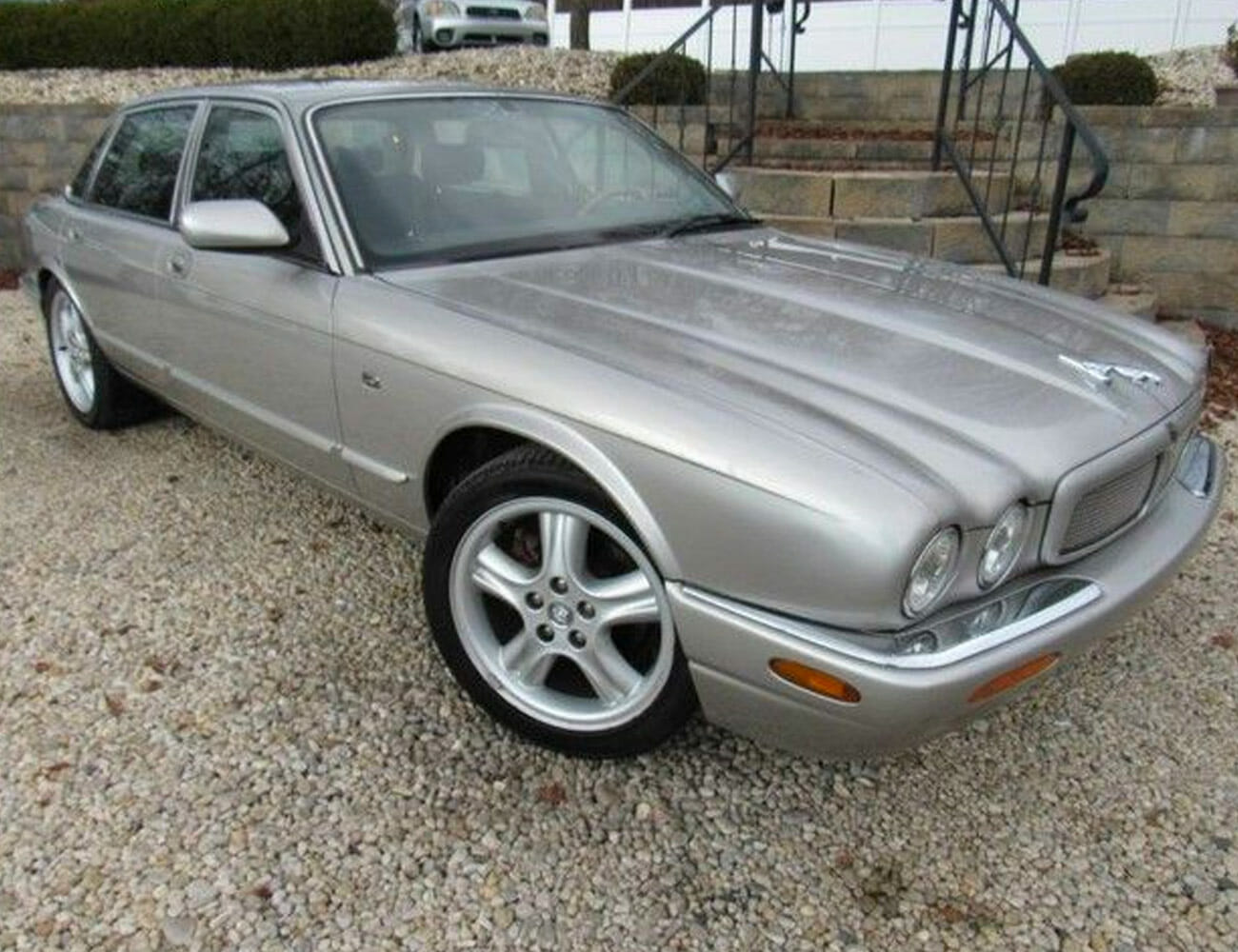
It has 370 horsepower. Three. Seven. Zero. That should be “’nuff said,” but it also has a mere 50,000 miles, copious wood trim and, unlimited Jaguar-level class. For $9,990 it’s hard to beat the value of this 1999 Jaguar XJR. It’s so cheap that us commoners can finally afford it. Any other used sports sedan in this price segment is going to be tired and totally clapped out. Not only are you getting a bargain here but this timeless Jag will technically never go out of style — since they were never in style, to begin with. Just be sure to get friendly with your local Jaguar mechanic. — Hunter D. Kelley, Associate Designer

Mileage: 50,023 miles
Original MSRP: $70,000+

2003 Mercedes-Benz S 600

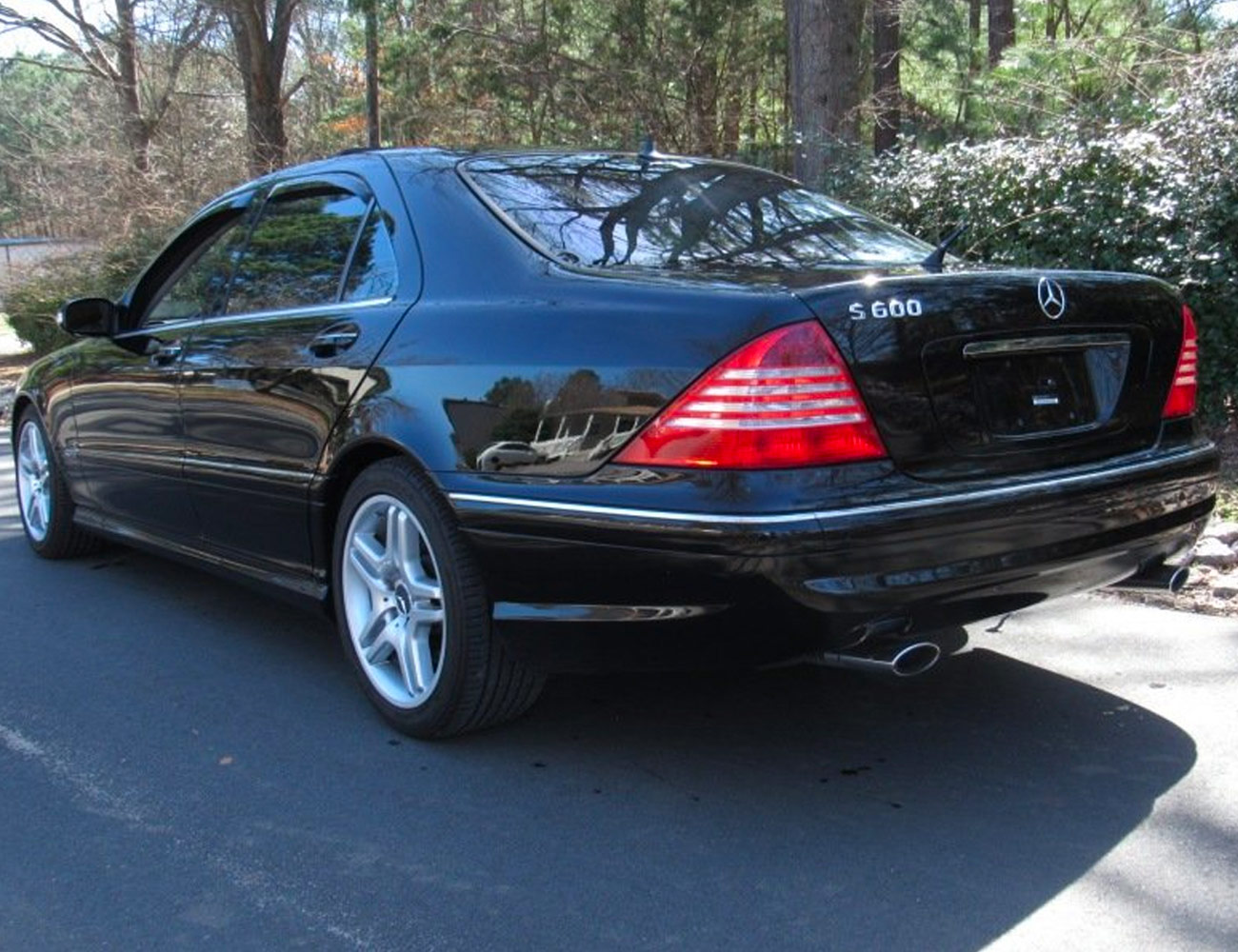
Is there anything more beautiful than a rear-wheel-drive twin-turbocharged V12 for under $10,000? Maybe, but probably not. From the factory, this beast has just under 500 horses, and a tune could easily put this boat closer to 600hp. Sure, there’s a solid chance that owning this car will bankrupt you through maintenance alone. Plus, if you have some extra money to spend (and want to be the bane of your entire community), you can easily upgrade the exhaust to make it sound like an F1 car, all courtesy of that legendary AMG V12. So throw all rationality and logic to the wind, buy this car, and to quote my hometown used car salesman: “drive it like you stole it!”. — Chandler Bondurant, Associate Staff Photographer

Mileage: 83,637 miles
Original MSRP: $123,805

2007 Subaru Impreza WRX TR

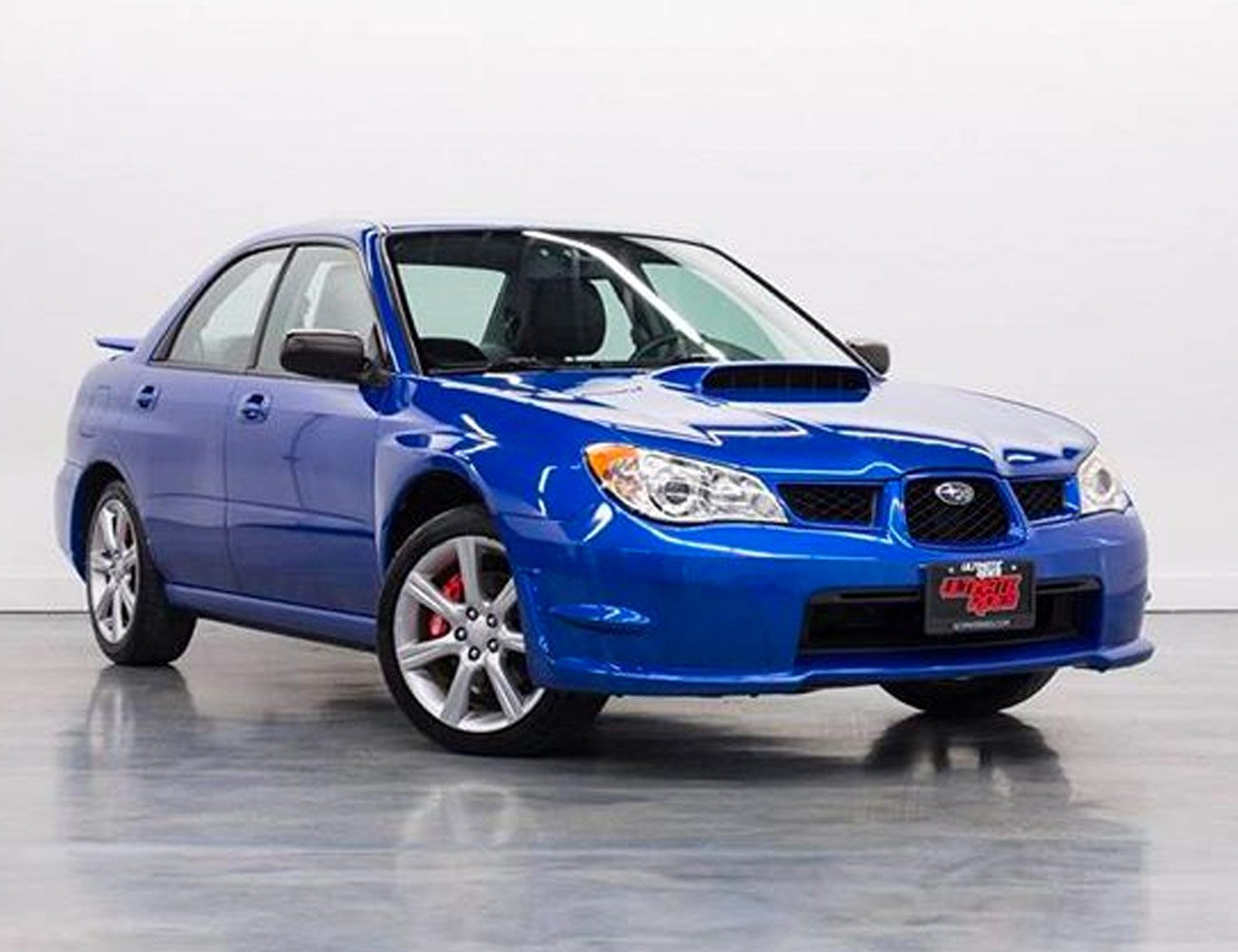
Knowing the previous picks before choosing my own, I almost feel weird, picking a WRX. It might be my adult side bubbling to the surface, but as much as I wanted to go for a luxurious German V12 (it does sound heavenly with that F1-style exhaust), for the price, performance, and practicality, the Subaru is easily the best bang-for-your-buck deal, here. Not only is it in immaculate condition for the mileage, and is bone stock, it’s the “TR” model or “Tuner Ready,” meaning it’s a blank slate, ripe for your own add-ons if you desire. But, keep it just as the factory left it and you’ve got one hell of a year-round daily driver. Not bad for the same going rate as a Mercedes-Benz V12. — Bryan Campbell, Staff Writer

Mileage: 152,005 miles
Original MSRP: $24,620
Note: Purchasing products through our links may earn us a portion of the sale, which supports our editorial team’s mission. Learn more here.

5 Automotive Truths That Are Rapidly Dying

Technology is making cars more capable. With major transitions afoot with electric powertrains, automation, connectivity and mobility, technology will redefine our relationship with the automobile. Change and the prospect of change are forcing auto manufacturers to react boldly. Many established automotive truisms will no longer be true. Here are five we can cast aside in 2019.

1. A True BMW Being a Rear-Wheel Drive Manual

Picture the platonic ideal of a BMW. It’s a powerful, sporty sedan tuned for driving. It has a manual gearbox. It’s rear-wheel drive with pinpoint steering. It’s “the ultimate driving machine.” Worry about winter when you come to it. Even if you brush aside the “sport activity vehicles,” that’s no longer BMW’s identity.

Consider some BMW icons. The redesigned 3-Series for 2019 has been optimized for performance. It will have an option for a 10.25-inch touchscreen. It won’t have a manual transmission. The latest version of the M5 sedan continues to be an absolute missile. But, it too ditched the manual transmission and converted to all-wheel drive. The 2020 Alpina B7, the world’s fastest sedan, will also be AWD and automatic. BMW has even been dabbling with front-wheel-drive.

Each move makes sense. These BMWs will perform better. They will be easier to drive. They will be what most luxury buyers want. But, ultimate driving and ultimate performance are not the same thing.

2. Crossover SUVs Being Slow and Boring

Crossover SUVs have a poor reputation among car enthusiasts, not entirely undeserved. They have been slow. They have handled worse than a lower-slung car would. Their styling has left something to be desired. In sum, crossovers were boring. That won’t be the case moving forward. As crossovers have become the profit source for luxury automakers, more effort has gone into them. They are getting better styling, sportier handling, and, judging from recent releases, a ton of power.

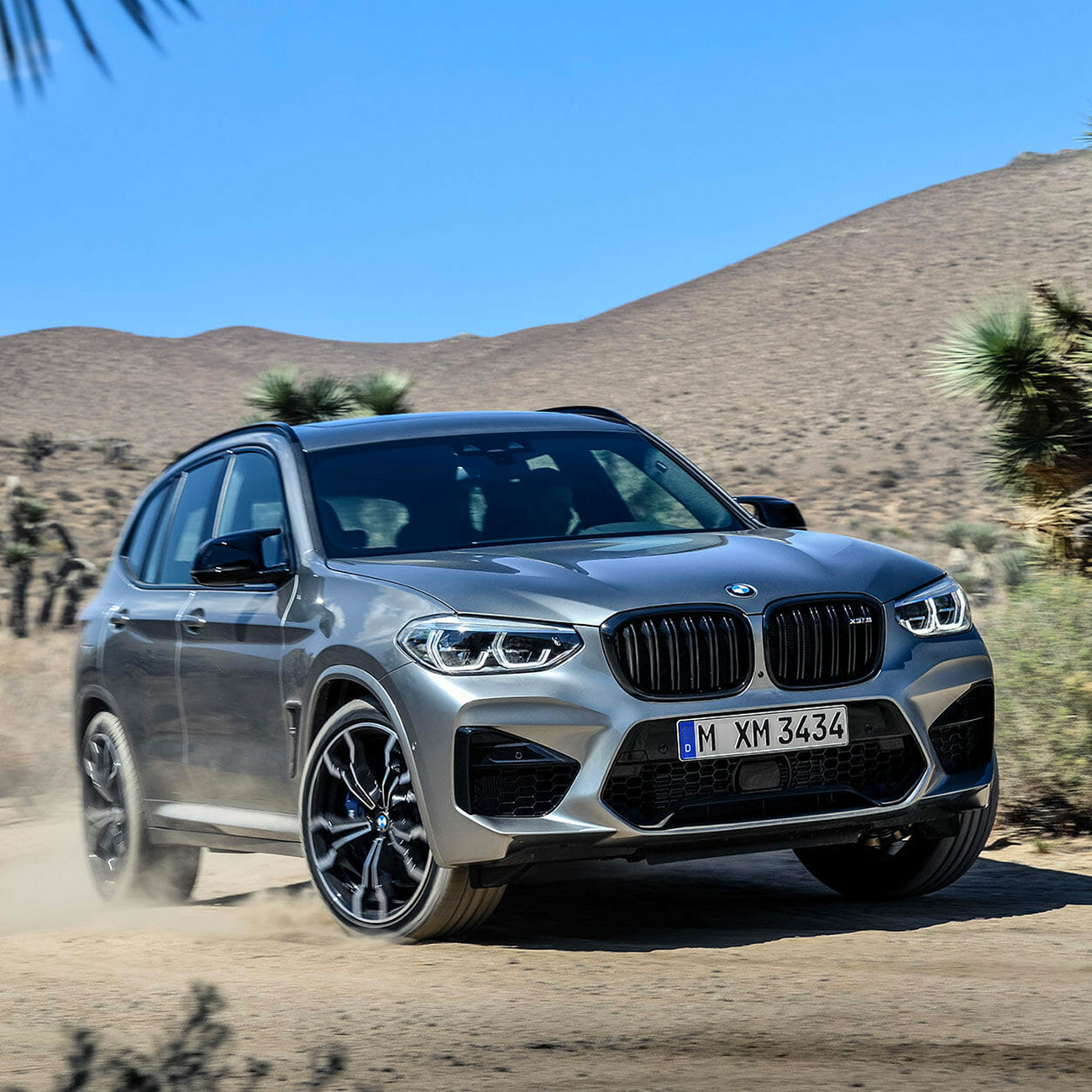
BMW is bringing out full M car versions of the X3 and X4 for the 2020 model year. Competition variants of the X3 M and X4 M will have more than 500hp. Land Rover has a pricey new edition of the Range Rover Velar with a 542hp supercharged V8 that will reach 60mph in 4.3 seconds. Audi reportedly has an RS version of the Q3 coming with more than 400hp. Chevy resurrected the Blazer as a “surprisingly sporty” crossover. Even the new three-row Ford Explorer will have a 400-plus horsepower ST version to pair with the Edge ST launched the previous year.

Yes, you can still buy a robust, hulking, body-on-frame Mercedes G-Class. But, even that redone car for the 2019 model year has an AMG G 63 version with 577hp that will propel itself from 0-60mph in only 4.5 seconds.

3. Volkswagen Being a Small Car Manufacturer

The Golf is the car that defined Volkswagen’s brand. It’s practical. It’s affordable. It’s fun. There may be no better entry-level car. The vaunted “MQB” platform exists to spread as much Golf-ness around the Volkswagen AG lineup as possible. The Golf remains a bestseller in Europe. But, Americans just don’t want to buy it anymore.

Base Golf sales in the U.S. declined 51 percent year-over-year in 2018, fewer than the outgoing Beetle Coupe. Sales for the entire Golf family fell 39 percent. Meanwhile, Volkswagen SUV sales more than doubled in the U.S. in 2018. VW cars went from outselling SUVs 3-1 to being about even in one year. When VW unveiled its three-prong strategy for American domination at NAIAS, the three prongs were the Tiguan, the Atlas and the Jetta. In America at least, Volkswagen is in the stylish, slightly upmarket three-row SUV business.

Some of the Golf’s decline may be model fatigue. The current generation debuted in the 2012 model year. The new generation will come out in 2020. Still, it’s hard to ignore the Volkswagen paradigm shift.

4. The ICE Truck Having a Decades-Long Future

In November, GM’s VP of global strategy predicted gasoline trucks would be the company’s core business for decades to come. Already, that statement looks shortsighted. Electric alternatives are coming. Rivian looks poised to disrupt the high-end luxe-truck market with the 400-plus mile range, supercar-esque off-road beast R1T. Tesla has a truck coming out later this year. GM’s chief competitor Ford announced it will come out with an EV F-150.

Internal combustion pickups won’t be able to keep up on performance or efficiency. We seem to be hitting the wall for how efficient a full-sized gasoline truck can be. Chevy tried introducing a four-pot turbo. EPA efficiency disappointed. In real life testing, it was less efficient on the highway than GM’s 5.3-liter V8. Whatever the engine displacement, it has to burn gas to move a heavy load.

Full-sized pickups remain the best-selling and most profitable vehicles in the U.S. But, gas will get more expensive. Battery technology will cheapen. There will be a point where gas means paying a premium for a worse product. If the consumer market diminishes, Amazon won’t be powering its delivery vehicles with a 6.3-liter V8. The truck conversion may come sooner than previously thought.

5. The Car Being An Intimate Space

Driving once meant digital disconnection. Text and emails had to wait. Ad content could not reach the cockpit. Driving was a time for quiet contemplation, belting out Eagles songs you secretly love and picking your nose without scrutiny. Apple Carplay and Android Auto pierced the inner sanctum. Tech firms stressing “connectivity” plan to take things much further.

Location tracking is a given. One can’t release a new car without a touchscreen. Actually touching the screen is now passé. Your new vehicle will be listening to you so you can yell at the screen and watching your every move so you can control it with goofy gestures. It will have some form of home assistant permitting you to surf the web (if that’s still what the kids are calling it), shop and, most importantly, continue producing a stream of metadata. Think you can ignore all this digitalia? Here’s a 48-inch digital display stretching the length of the dashboard.

None of this is meant to enhance driving. It’s preparation for the world where you are not operating the vehicle, and you may not be its sole owner. The automobile may still offer you some alone time. But, your car and tech firm algorithms (not to mention your office) will know what you’re up to.

The Most Unloved BMW M3 Is a Performance Bargain

When ranking the greatest BMW M3s of all time, the E36 generation tends to land low on the list. In production from 1992 to 1999, the E36 suffered somewhat from middle child syndrome, produced between the iconic E30 and legendary E46 generations. It also didn’t help that the E36 M3 took on a bit of a cut-rate reputation, featuring cheaper parts and materials, and employing less-radical, toned-down styling. But that’s not to say the most unloved BMW M3 of all is worthless when you show it a few turns — its lack of popularity earns it lower prices, but that’s what makes this 1996 M3 a performance bargain.

Four years into its production run, BMW gave the M3 a slight upgrade, bringing the engine up from a 3.0-Liter inline-six to a 3.2-Liter powerplant and installing a reinforced subframe and more aggressive front suspension. While horsepower didn’t change at 240 hp, torque increased from 225 lb-ft to 236 lb-ft.

Ultimately, the E36 gets a bad rap because BMW went out of its way to make it more affordable, plaguing it with numerous reliability issues. Because BMW opted to use plastic parts in critical components throughout the cooling system — like the thermostat housing, water pump, and coolant container — overheating can be an issue if and when those parts fail. While this E36 has an extensively documented history, it doesn’t show any of those problem parts were replaced, meaning it’d be smart to swap in better, more durable metal replacement parts.

At 113,000 miles, you should go into this with your eyes open. Some maintenance will be required to avoid larger problems. But at going bid of $6,900 this 1996 E36 M3 an affordable entry point into the world of M performance.

A Faster, Lighter Toyota Supra Is On the Way

Last year at the Geneva Motor Show, Toyota and its racing team partner Gazoo Racing unveiled a Supra-based concept car geared toward Le Mans GTE regulations. While it was a handsome and capable asphalt-attacker, the folks at the Cologne-based Gazoo always felt that the GT4 classification was a realistic and approachable future for the Supra. So, when Toyota delivered scores of Supras to Gazoo, the engineers got to work making that GT4 vision become a reality.

Unveiled at this year’s Geneva Motor Show, the Supra GT4 is just a concept, but “we’re confident that it will move forward and see production,” says Alistair Moffitt, a marketing manager for Gazoo and Toyota Motorsports. “We’re hopeful you’ll see plenty of these GT4s on tracks in Europe, Asia, and the Americas.”

Gazoo received a development mule early on, well before the rear-wheel-drive coupe made a public appearance. The first step was putting it on a severe diet. Moffitt smiles, noting the final weight loss was somewhere around 200 kilograms. “It’ll get even slimmer when it makes it to production, too.”

The vehicle’s powertrain is still in the concept stage, but the next step is deciding if the factory gearbox will be kept or yanked out in favor of a motorsport-spec eight-speed transmission. The current 3.0-liter straight-six with a turbocharger will stay, though Moffitt says it’s too early to speculate about the final power output. It’ll have a race-spec limited-slip diff, also.

The most significant change will be the full wiring harness swap. “Once you start to modify the wiring in the original car, you the don’t have a full picture of what the effects are going to be,” says Moffitt. “We’ve learned through the development of the GT86 that it’s a real pain to modify a road-going wiring system. We annoy the road car engineers more than we should, asking what happens if we do this or that. So we’ll just swap everything out. We’ll unlock a lot of additional performance that way.”

For the concept, Gazoo fabricated a new front splitter, a giant rear wing, and side skirts, all made from natural fibers like hemp and flack. “By regulation, those are the materials you must use, but it doesn’t look amazing in its natural state, so we paint it black,” Moffitt says. Other tweaks include a polycarbonate windows, rimmed by carbon fiber, and a full roll cage.

As for the price, the Supra GT4 will cost the same as any other GT4, which is somewhere north of $120,000 but below $200,000. Because it’s a customer-based series, it needs to fall within that window, and Gazoo is aware that the lower the cost of entry, the more attractive the vehicle will be to teams. Of course, with gentleman drivers, the car is just one piece of the puzzle. “The spare parts will be a massive cost consideration,” Moffitt says, noting that support would be similar to what Gazoo does with the Lexus GT3 program, running support trucks with parts and engineers to all the races in any given series.

As for where the Supra GT4 aims to campaign, it’ll race under the Blancpain GT Series umbrella, including GT4-only series in various European countries. In the Americas, expect entries in the Pirelli World Challenge.

Want an Original Shelby Cobra? Save Your Money and Get This

If you’re a car collector of the highest order, it’s understandable why you’d want an original AC Cobra in your garage. The history, prestige, performance and style would easily bolster an automotive collection. But, for those of us who don’t have at least one million dollars to spend on an original production Shelby Cobra, the Superformance MKIII Cobra is the perfect substitute.

Collectors and purists balk at the idea of kit cars and recreations solely because they don’t carry the history or genuine prestige of the originals on which they’re based. But what if you don’t care about owning the “history” or numbers-matching parts? What if you just want to experience the most accurate translation of what Carroll Shelby tried to bring into the world? A Superformance MKIII Cobra is the closest you’ll get, and aside from not being built in the ’60s, it’s damn near identical to an original Cobra. Superformance is the only builder of recreation Cobras which Shelby American signs off on and allows in its official register.

A brand-new Superformance MkIII will set you back around $60,000, but the one currently up for auction is going for just over $40,000 and only showing 20,000 miles on the odometer. The unique selling point on this particular MKIII is the engine — it’s not the standard 427 mill. It’s an over-the-top 7.5-Liter Cobra Jet engine with 365 horsepower and 485 lb-ft of torque on tap. That sort of power and twist is enough to make a family sedan classify as quick.

One of the Most Exclusive Chopard Watches Is Actually an Absolute Bargain

Chopard is to the Mille Miglia what Rolex is to the Daytona 24 Hours. They’re the official timekeeper of the legendary 1000-mile race which cuts through the Italian countryside, and they’ve also built quite a relationship with the Classic Car Club of Manhattan. This week CCC unveiled an exclusive Mille Miglia GTS Automatic that grants the owner a lifetime membership to the car club.

The watch itself is a standard Mille Miglia GTS Automatic, but comes with a second dial hand-painted and designed by CCC owner Mike Prichinello that can be swapped on at any Chopard boutique. What looks like an abstract red and white design is a subtly creative use of the Mille Miglia logo. Working with artist Evan Ortolani, Prichinello took the ten characters that make up the Mille Miglia logo, deconstructed them, magnified them, and cut out sections of lines that resembled corners on a race track.

Only ten of the CCC lifetime membership watches were made (one for each character in the Mille Miglia logo), each costing $10,000. But, if that sounds like a hefty premium over the regular $5,790 Mille Miglia GTS Automatic, consider what comes with it. For $180 per month, a conventional CCC membership grants you access to all of the cars in their fleet, the in-house restaurant, and bar, invites to exclusive social functions, and international trips. So you could be celebrating your two-year anniversary right around the time the watch starts paying for itself, which makes it a hell of a bargain for being such an exclusive timepiece. If you’re still on the fence about it, move quick, because as of this writing six of the ten already have owners.

The 12 Best Cars of the Geneva Motor Show 2019

The Geneva International Motor Show is one of the coolest car shows on the circuit, thanks to its unabashed adoration of supercars and crazy, beautiful design work. This year’s show didn’t disappoint. Here were some of our favorites among the many machines that took a bow in Switzerland.

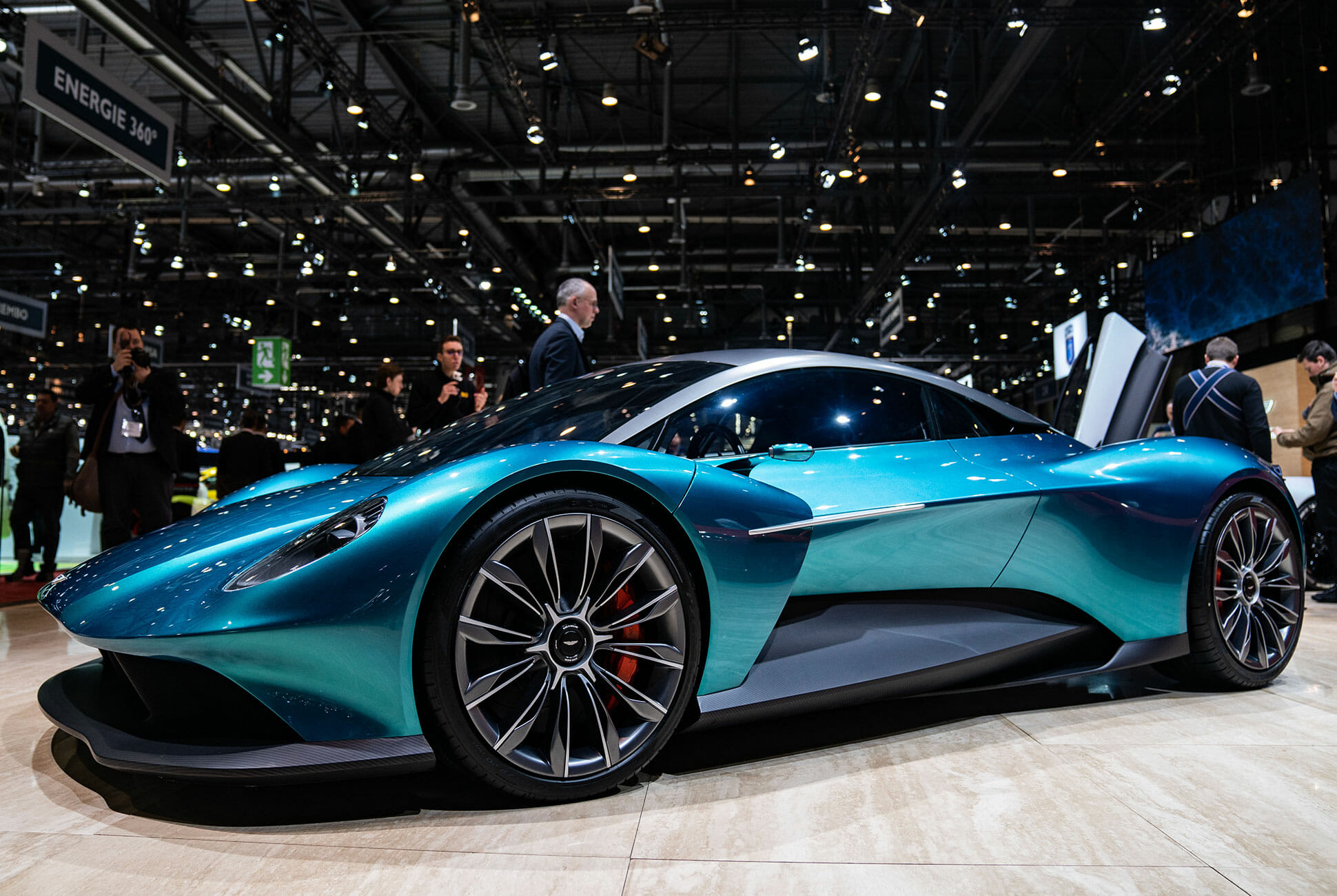
Aston Martin AM-RB 003


Aston is now in the middle of a pivot to mid-engine supercars, first with the Valkyrie and now with the AM-RB 003. Powered by a hybrid V6, the AM-RB 003 will deploy adaptive aerodynamics via a morphing rear wing. The device uses NASA-developed FlexFoil material in its rear wing, enabling it to shift the downforce without moving the wing itself, which increases drag. The car should enter production by 2021.

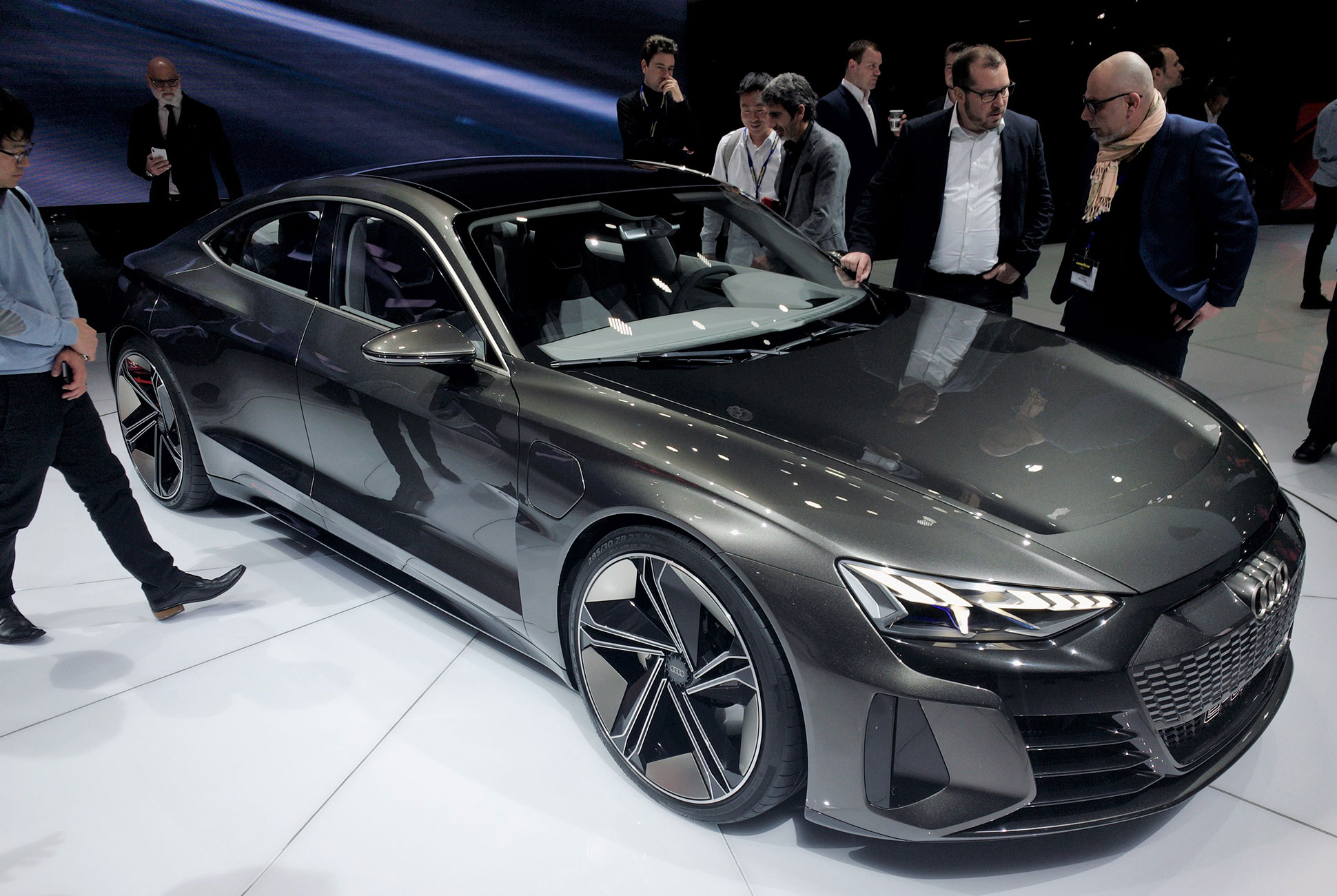
Audi Q4 E-Tron


In addition to unloading a gaggle of hybrid versions of its core lineup, Audi also brought a new full-electric car to Geneva, the Q4 E-Tron, a crossover concept. It will use dual electric motors and an 82-kWh battery pack, delivering 301 horsepower while tech delivers the kind of eye-candy EV owners expect. It should enter production by early 2021, with quick-charging technology that will deliver 80 percent charge in just 30 minutes.

Bugatti La Voiture Noire


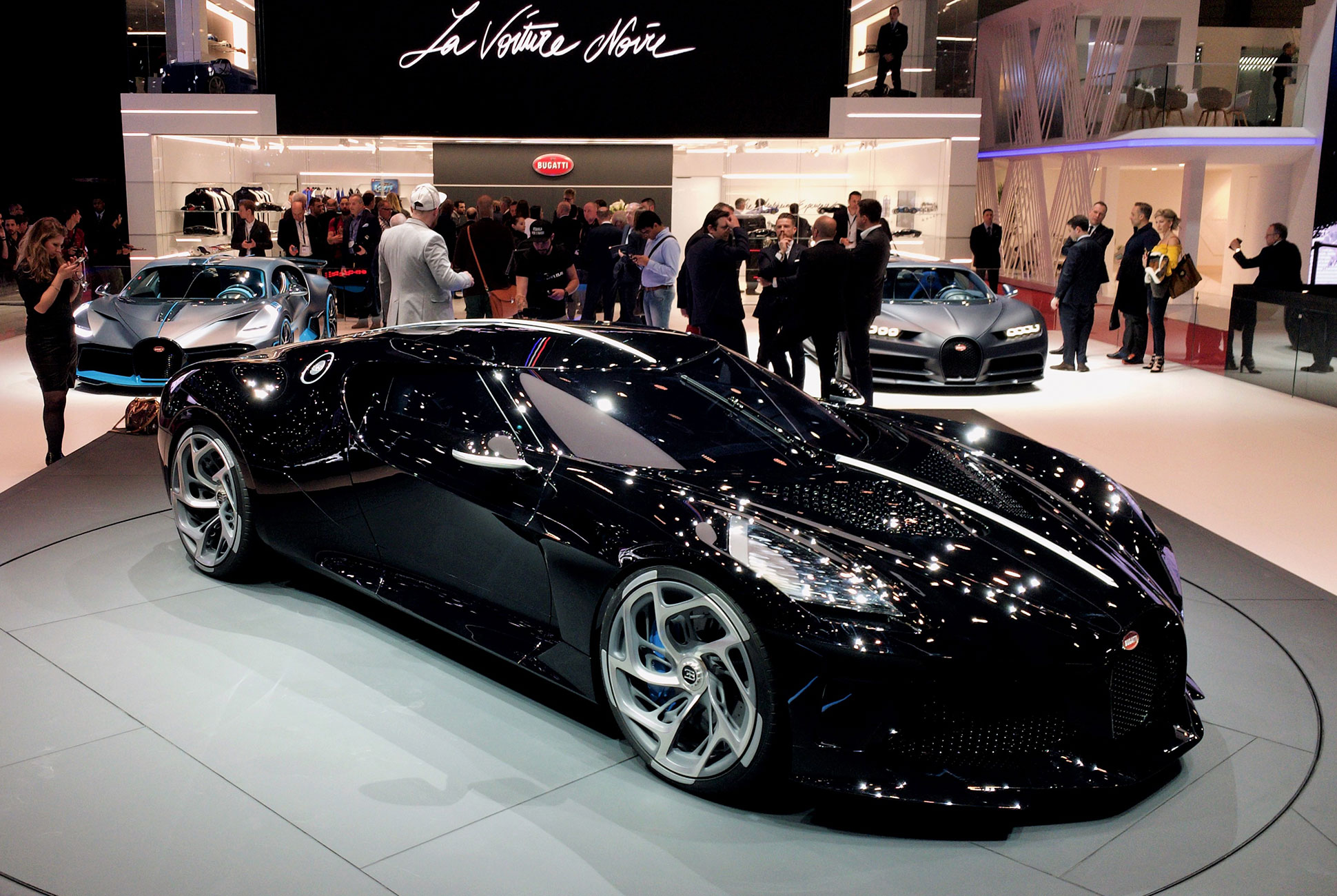
This is Bugatti’s first one-off hypercar that is quite a bit more than just a re-body of the Chiron. It’s a design project based on the Bugatti Type 57SC Atlantic, a legendary touring car from the 1930s. When the company decided to offer it to customers the first one they approached snapped it up—for an astounding $19 million. That makes it the most expensive new car in history. A clue to how serious the company is about this project: It isn’t even the real car, but rather a design and engineering validation mockup, yet one good enough to be shown off at the world’s most prestigious car show.

Ferrari F8 Tributo


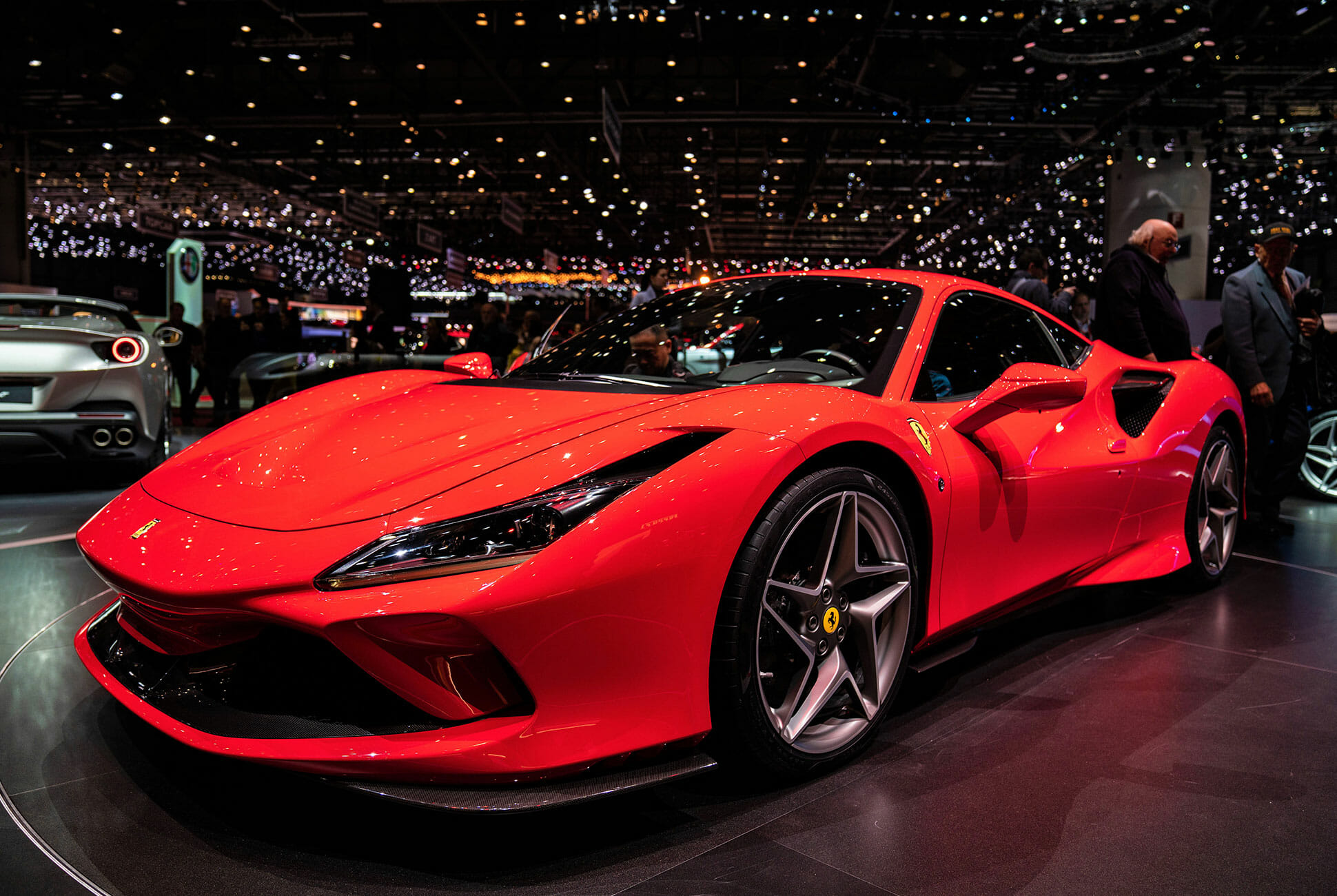
This 710-hp supercar will reach 62 mph in just 2.9 seconds, thanks to its aerodynamics efficiency and increased weight-reduction strategies. It’s also, of course, gorgeous. And a Ferrari.

Honda E Prototype


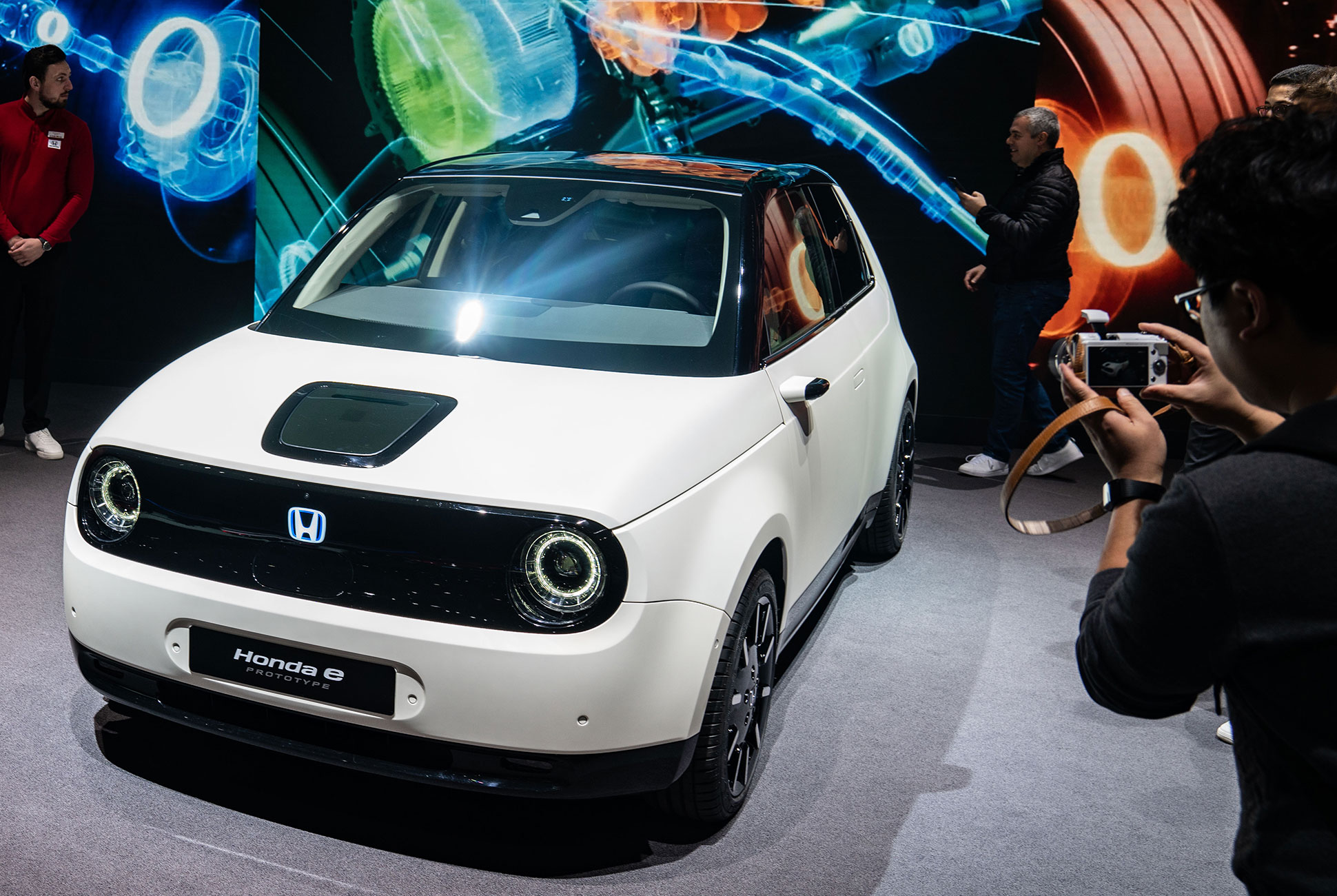
This little pup wins the cuteness award for Geneva. The fully electric micro-king of urban mobility has rear-drive and a range of 124 miles. The company expects to produce it for Europe by early next year, but it’s doubtful a federalized version will ever reach U.S. shores.

Koenigsegg Jesko


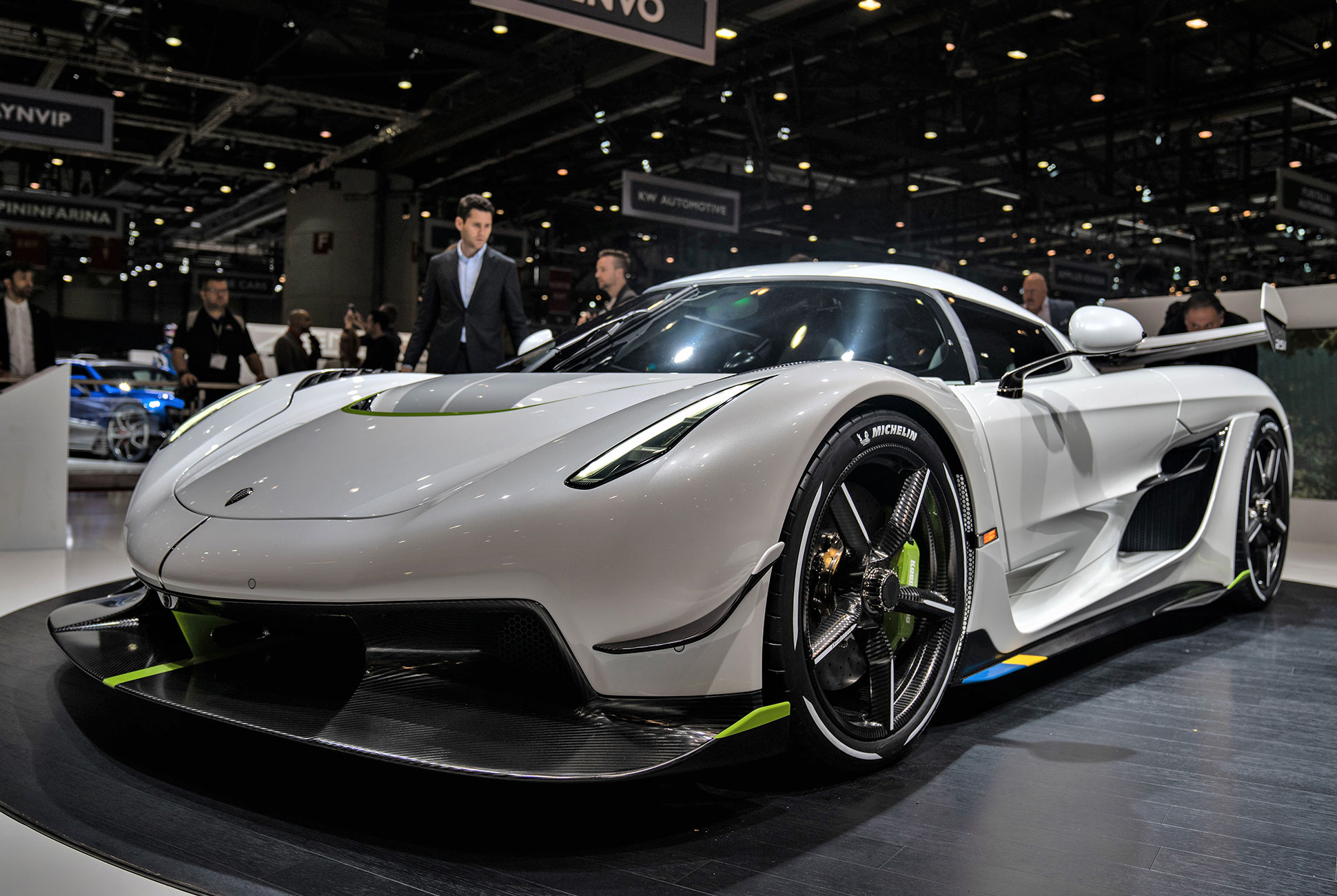
This dramatic Swedish machine could be the first production car to break 300 mph, assuming the company can find a tire manufacturer willing to support the effort. It uses a twin-turbo 5-liter V8 that produces 1,280 horsepower, though it can reach 1,600 hp while drinking E85 biofuel. All that power rests in the hands of a nine-speed, seven-clutch unit that shifts imperceptibly fast.

McLaren Speedtail


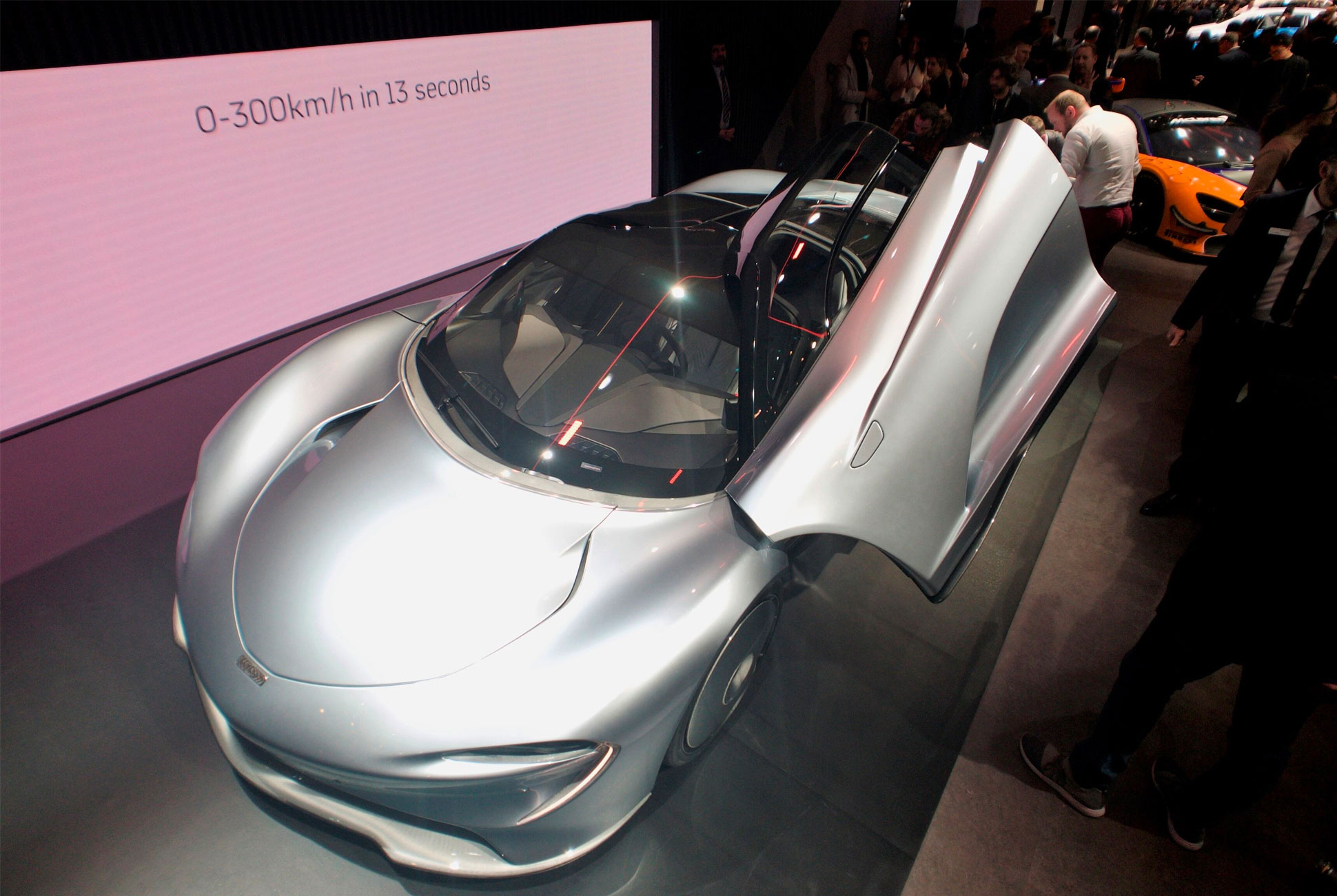
The British supercar specialists showed off their much-hyped Speedtail in Geneva. The 1,010-hp three-seater, ,with two passenger seats slightly behind either side of the driver is a spiritual successor to both the F1 from the 1990s and the more recent P1. It will have a hybrid powertrain and a top speed of 250 mph. The central positioning of the driver’s seat will give him or her a more natural perspective, better for turning tighter thanks to the consistently equal distance to the fenders. Only 106 will be made, starting next year.

Pininfarina Battista


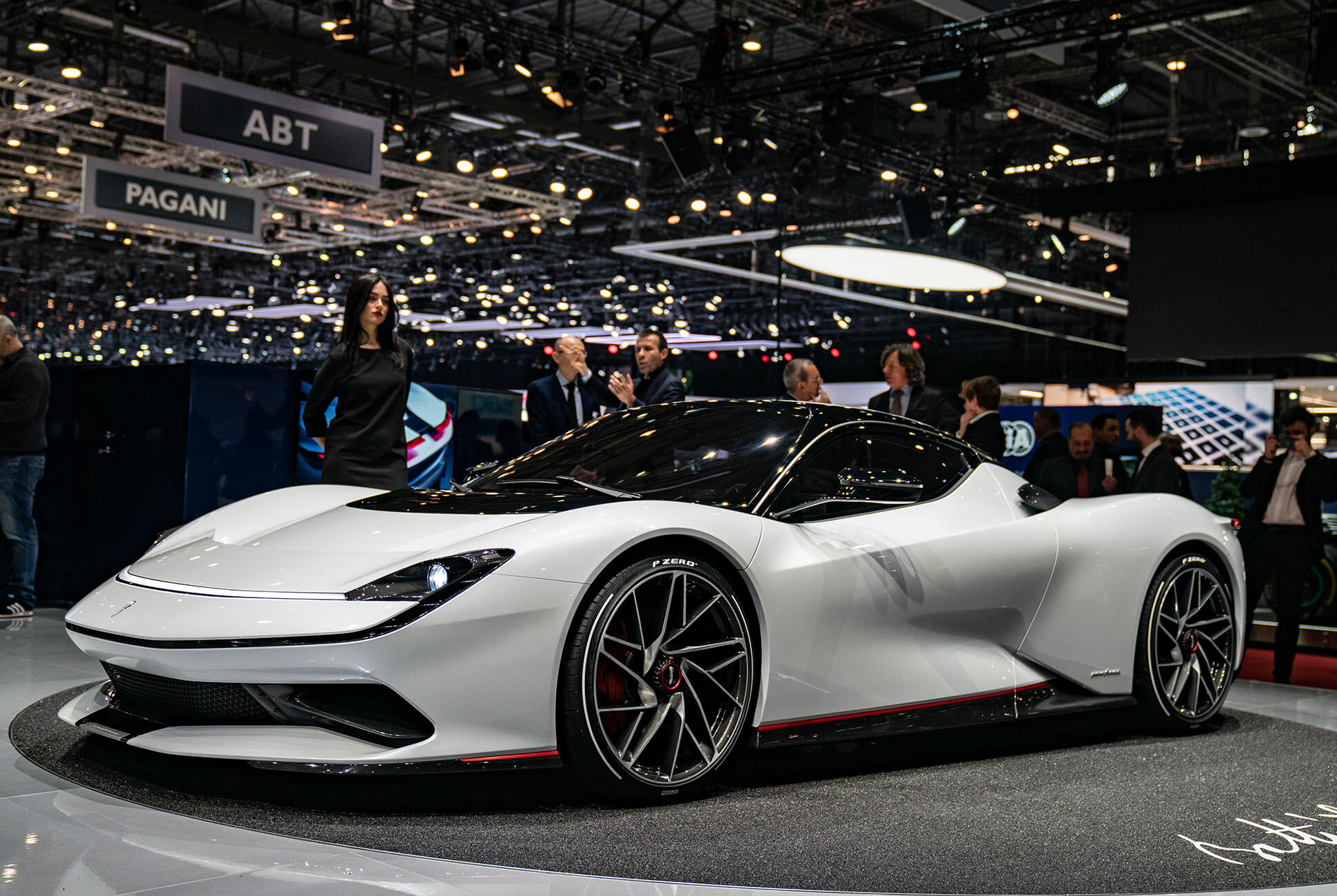
This gorgeous all-electric supercar will use a 120-kWh battery pack generate 1,874 horsepower and 1,694 pound-feet of torque. Those barely comprehensible numbers, delivered by four wheel-motors, will kick it to 62 mph in less than 2 seconds on its way to 218 mph. Got a case of hypercar range anxiety? Not to worry: the Battista will have about 280 miles to it, though presumably not at top speed.

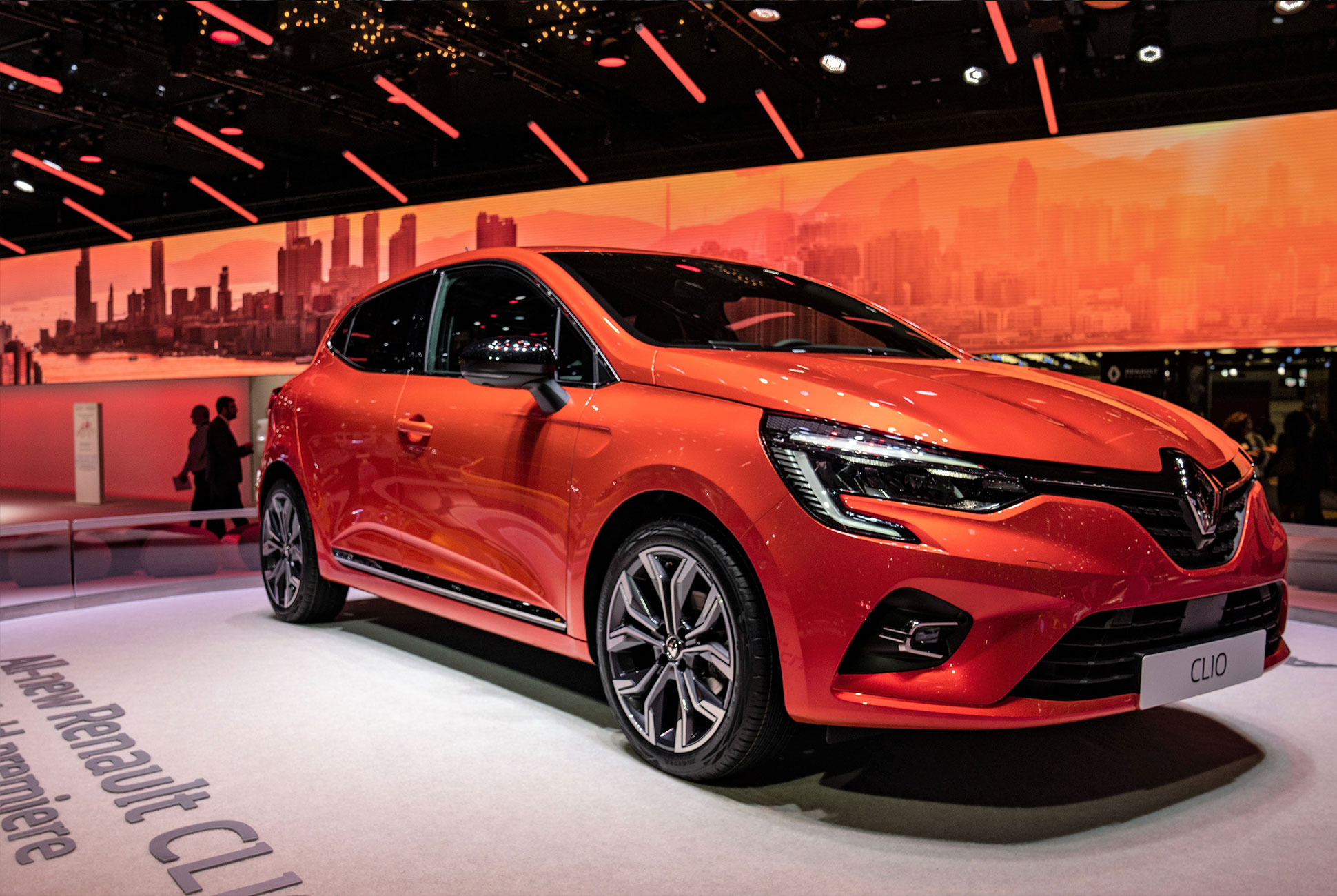
Renault Clio

els that we really wish we could get over here. Hence our excitement when the company unveiled the fifth-generation of its sporty, smart-looking compact. The car can be specced out with a 1.3-liter four-cylinder good for 129 hp, powered by a seven-speed dual-clutch transmission, likely for less than the equivalent of $20,000. That’s about as much bang for the buck as you can get, but alas.

Subaru Viziv Adrenaline

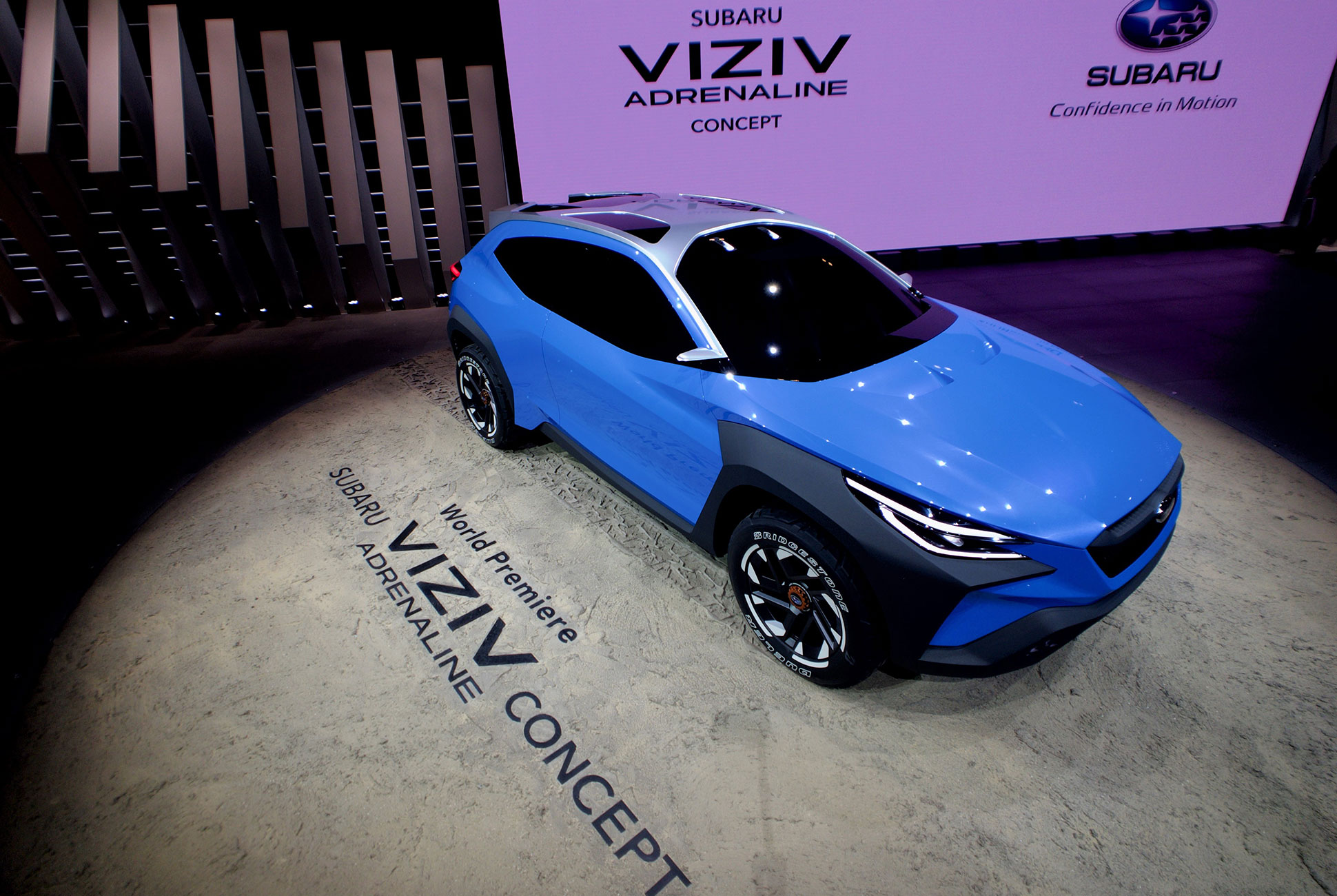
This concept car landed without a ton of intel, but it’s clearly based on the crossover-esque thinking behind the Crosstrek. As in, competent in light off-roading but not enough to pull buyers away from its legendary Outback. It extends the Dynamix x Solid design aesthetic the company is currently working from, with some dramatic lines, gaping wheel wells, and a funky three-panel moonroof design.

Volkswagen I.D. Buggy


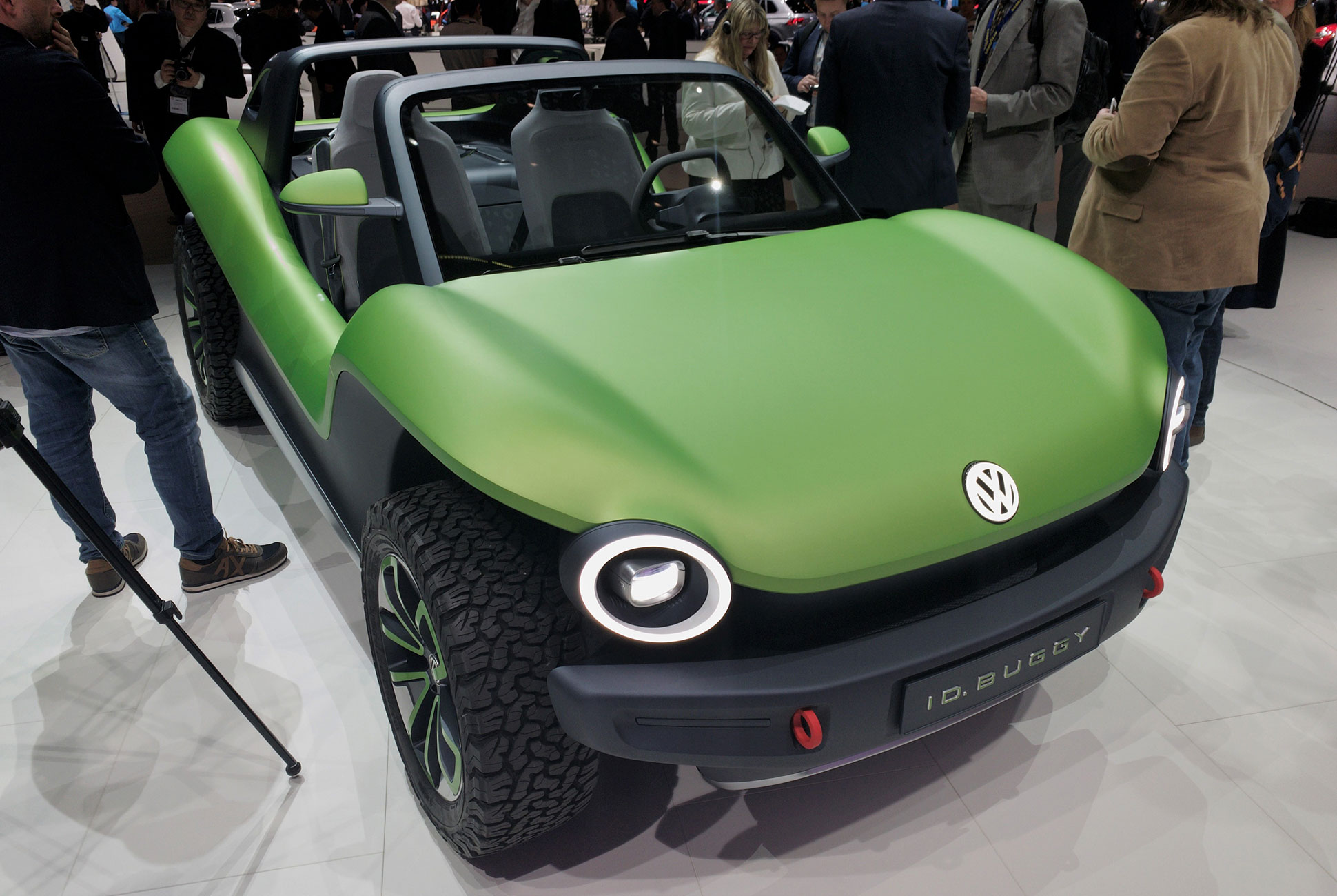
This fun retro-futuristic beach buggy, built atop VW’s versatile MEB electric chassis and inspired by the several hundred thousand VW Beetles converted to buggies in the 1960s, packs a 201-horsepower motor at the rear axle and prodigious ride height. The 62 kWh battery sits tucked into the floorboard, and the vehicle comes absent doors or a roof. Who needs that crap anyway when you’re out shredding the dunes. Volkswagen of America CEO Scott Keogh said the machine will be given all proper consideration for actual production, but it’s mostly meant to show off the expected versatility of the MEB platform—and the kinds of things possible if third-party manufacturers get creative with it.

Volvo Polestar 2


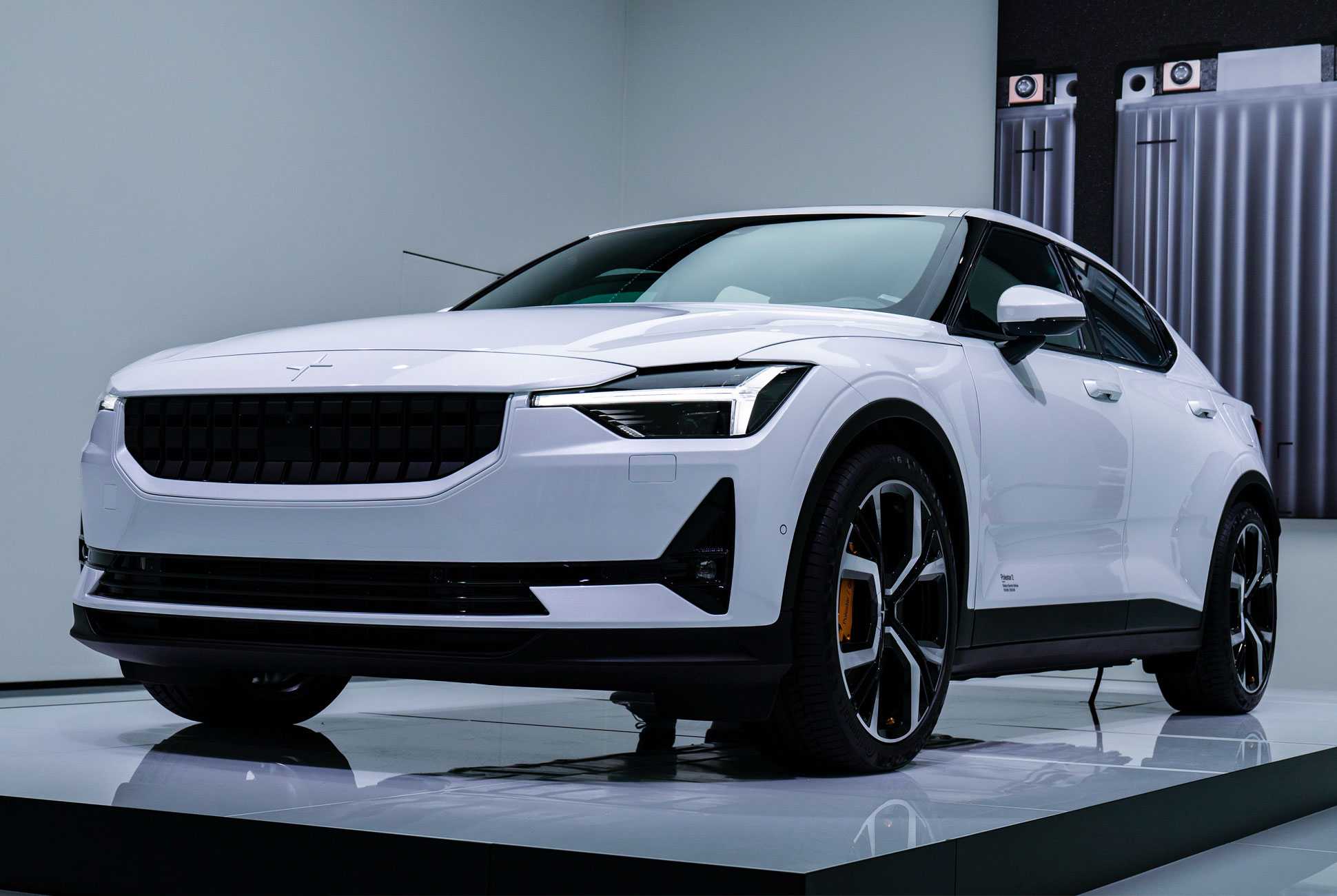
Geneva brings the first showing of Volvo’s debut electric car. Targeting Tesla’s Model 3, it should get about 275 miles of range, and will be undoubtedly quite spry thanks to its motor’s 408 horsepower. It could also be among the most accessible premium EV’s, with a price tag in the mid-$30s.

Note: Purchasing products through our links may earn us a portion of the sale, which supports our editorial team’s mission. Learn more here.

In Defense of the Most Despised Transmission

The continuously variable transmission, or CVT, is one of the biggest points of contention in the modern automotive world. On the one hand, you have the car manufacturers who love the simple, lightweight nature of the CVT, not to mention the better fuel efficiency it affords over the cars and trucks fitted with standard automatic transmissions. On the other hand, you have performance-minded consumers who will never accept the CVT and hate it with a burning passion. While both parties’ arguments have their merits, the CVT is, without a doubt, here to stay and will likely be the transmission of choice in the not so distant future.

To understand why the CVT is hated as much as it’s loved, it helps to know how it works. The most common setup used in cars today is a belt and pulley system, with the belt running around two pulleys. The pulleys themselves expand and contract to allow the belt to move towards and away from the pulleys’ centers. This effectively gives the CVT an infinite amount of gears within the parameters of the pulleys, taking the place of physical gears and stepped gear ratios. The result is seamless shifting and an engine that always stays at optimal speed.

Now, this should excite the performance community — an engine which stays in the powerband when you need it. When you don’t need high performance, a CVT reverts to saving fuel with a ridiculously high gear-ratio, perfect for highway cruising. Indeed, if optimized completely for performance, a CVT is a near perfect transmission. Back in 1993, the Williams F1 team tested a CVT in the FW15C car, and the technology was banned before the season even started because it was almost too good at its job. It removed shifting duties entirely and, combined with the onboard computers, always kept the engine speed exactly where it was needed. The unhappy result of the CVT’s operation, since it always stays at an optimal engine speed while accelerating and decelerating, and without defined gear changes, is a dull, lethargic sound, identical to a single-speed gearbox.

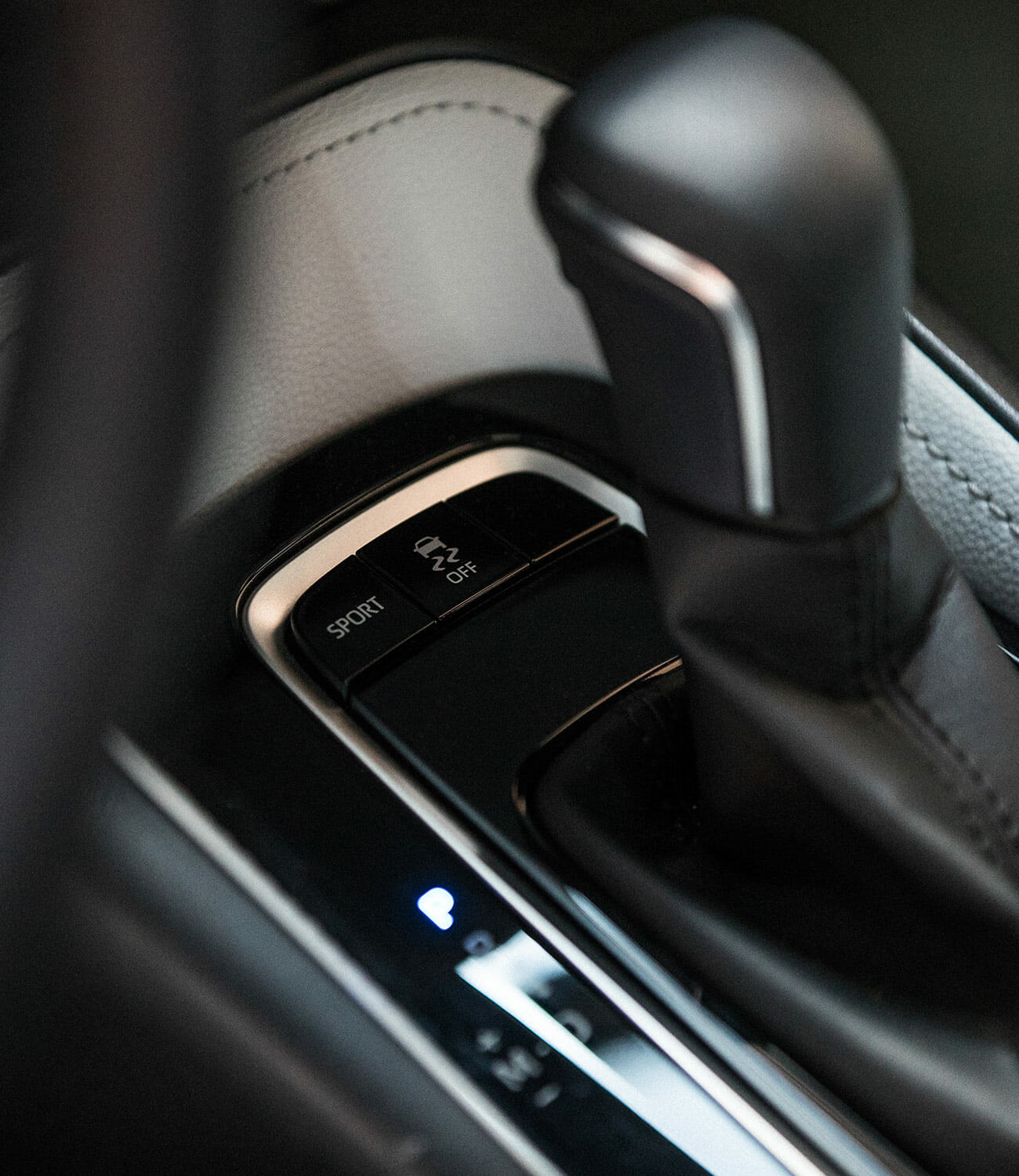
To give a CVT some semblance of traditional performance and control, and to try and eliminate the characteristic aural drone, manufacturers build in a “manual mode.” Even though there are no defined physical gears, a CVT with a manual mode allows drivers to select defined gear ratios with either steering wheel-mounted paddles or shift buttons. But, masquerading the CVT as something it’s not instead of leaning into its strengths only makes the situation worse. “Gear changes” on CVTs don’t involve a cut in power, noticeable change in sound, or cause weight transfer — all things engineers look to eliminate, but enthusiasts and purists cling to the notion like the troglodytes they are.

The irony of the situation is traditional automatic and manual transmissions are heading down a development path resembling poor imitations of a CVT. There’s a reason the early transmissions only gave drivers between two and four gears, while newer transmissions feature many more, like the seven-speed manual in the Porsche 911 and Ford’s newest 10-speed automatic. The more gears a transmission has, the more optimized it can be balancing power input, engine speed and vehicle speed. A CVT cuts to the chase and technically gives the engine infinite gears (between the maximum ratios).

In that respect, the CVT (and slight variations of it) will be the only mechanical transmission able to keep up with electric car performance. Electric motors (like in the Tesla Model S and Rimac electric supercar) use single- or two-speed gearboxes and provide an instantaneous and linear power curve that never loses oomph. The CVT, then, is the gas-powered engine’s best hope to remain competitive. As electric cars start to crowd the roads and trickle into track days, CVT naysayers will be left in the rearview.

Leading the CVT Way

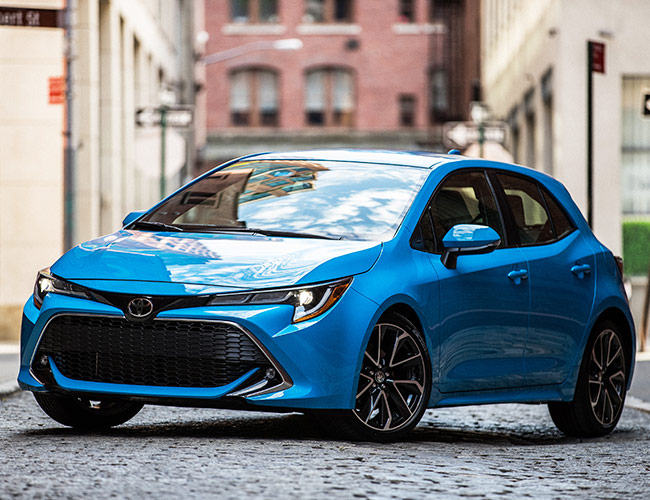
The 2018 Toyota Corolla Hatchback is a big part of the brand’s bread and butter in America, which why it’s that important the car sheds the reputation of being boring and dull. And it does.Read the Story

The New Ferrari F8 Isn’t Really New at All

Revealed last week ahead of this year’s Geneva Motor Show, the Ferrari F8 Tributo will take up the mid-engined V8 torch from the Ferarri 488 GTB — which, after almost five years, was nearing the end of its life cycle. But dig just a little bit into what makes up the new V8 Ferrari, and you’ll conclude it’s more of a refresh than an all-new car, which isn’t the worst thing.

Under the F8’s louvered rear window sits the same award-winning 3.9-liter twin-turbo V8 you’ll find in the outgoing 488 GTB, except here Ferrari tuned it up to 710 horsepower, right in line with its rival, the McLaren 720S. With all that extra power on tap, the F8 will get from 0-60mph in just under 3.0 seconds, 0-124mph in 7.8 seconds and continue to a top speed of 211 mph. Ferrari also managed to shave off a further 88 pounds and carried over a handful of tech and aero tricks from the Pista, the high-strung swansong model of the 488.

If you want “new,” the 2020 F8 is the first to wear Ferrari’s next-generation design language. Clever ducts at the front for manipulating the air further down the car is the norm these days at Ferrari — the most notable being the massive opening in the front hood referred to as an S-duct (because of the way it shapes air flow), which scoops up air from the front splitter and channels it over the top of the car for more downforce. The louvers in the rear window are a fine homage to the F40, but they have a practical purpose as well: spit out hot air from the engine bay, aiding cooling as well as speeding up air from the S-duct to the rear wing for even more aero grip.

With supercars getting more powerful and faster, it’s almost impossible not to use aerodynamics and downforce to keep them under control. Ever since Ferrari started dialing back on using legendary design house Pininfarina to sculpt its cars, the visual character of its cars has changed drastically. The 488 GTB was an engineer’s car, clearly favoring function with sharp edges and industrial-looking vents and intakes, but the F8 looks just as outwardly refined as it is under the hood. Call it a move back in the right direction.

More From the Supercar Space:
2018 McLaren 570S
2019 Porsche 911
2016 Ferrari 488 GTB

Best Family SUV Shootout: Subaru Ascent vs VW Atlas

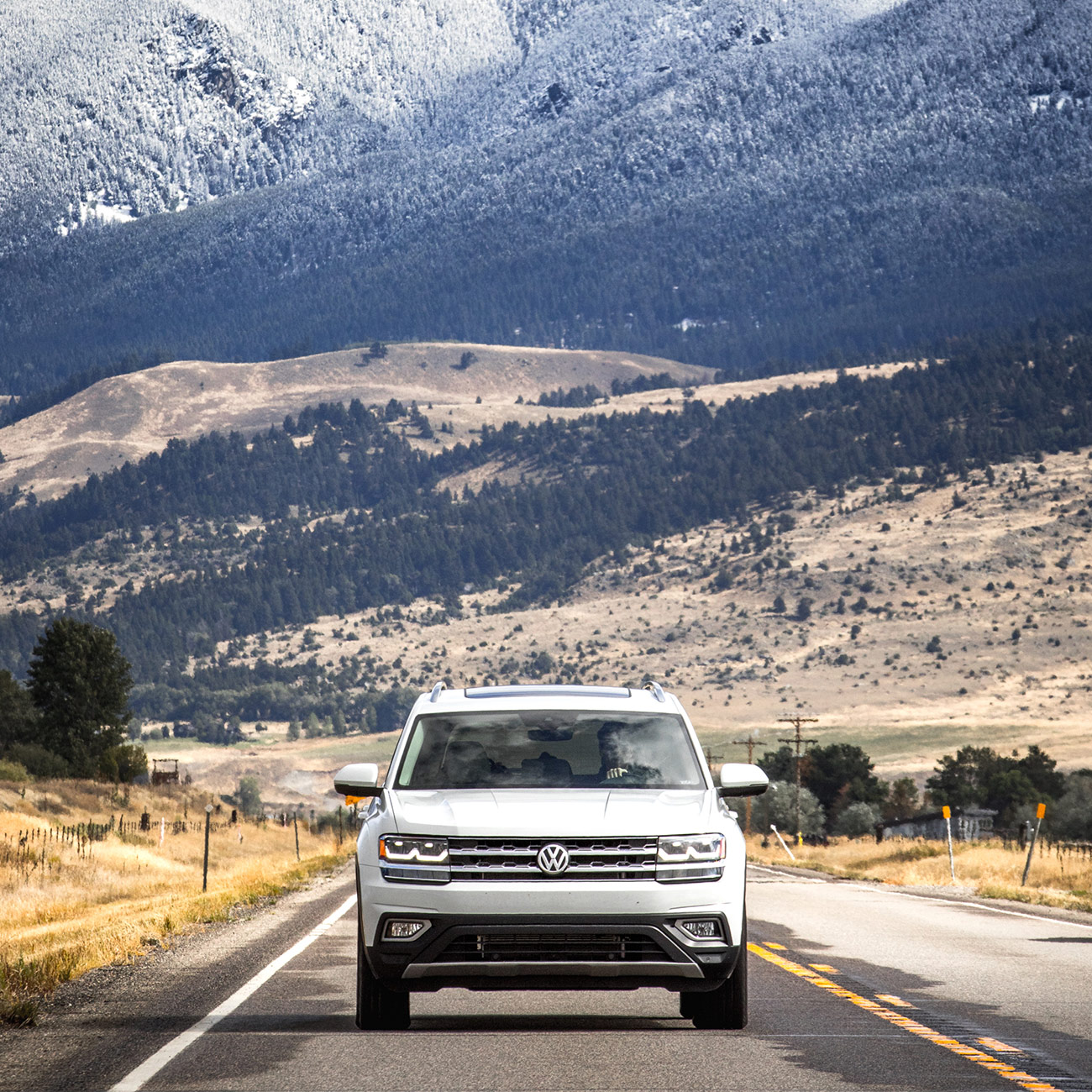
The Volkswagen Atlas and Subaru Ascent exist for a similar reason. Happy customers were procreating their way out of the Volkswagen and Subaru model trees. Adding a three-row SUV made sense. The three-row SUV also has become America’s hottest automotive segment suddenly. Both cars have been popular.

The Ascent debuted strongly for Subaru in 2018, selling about 36,000 over the back half of 2018. The Atlas doubled its sales in 2018, outsold the entire Golf family Stateside, and was Volkswagen’s third-best selling U.S. vehicle behind the Tiguan (another three-row SUV) and the Jetta.

Subaru and Volkswagen have strong reputations for value. Both pursue a similar customer at a similar price point. It seemed right to give their au courant big crossovers a whirl and compare them. I’m the ideal test subject, as I am that target customer. My wife and I are in our mid-30s, parents, both own Volkswagens, and have some potential brood expansion in the near to intermediate future.

One must get the full luxury experience to deliver an authoritative automotive review. So, I drove the top-level trims of both the Atlas (V6 SEL Premium w/4MOTION) and the Ascent (Touring). Here are my thoughts.

STYLE
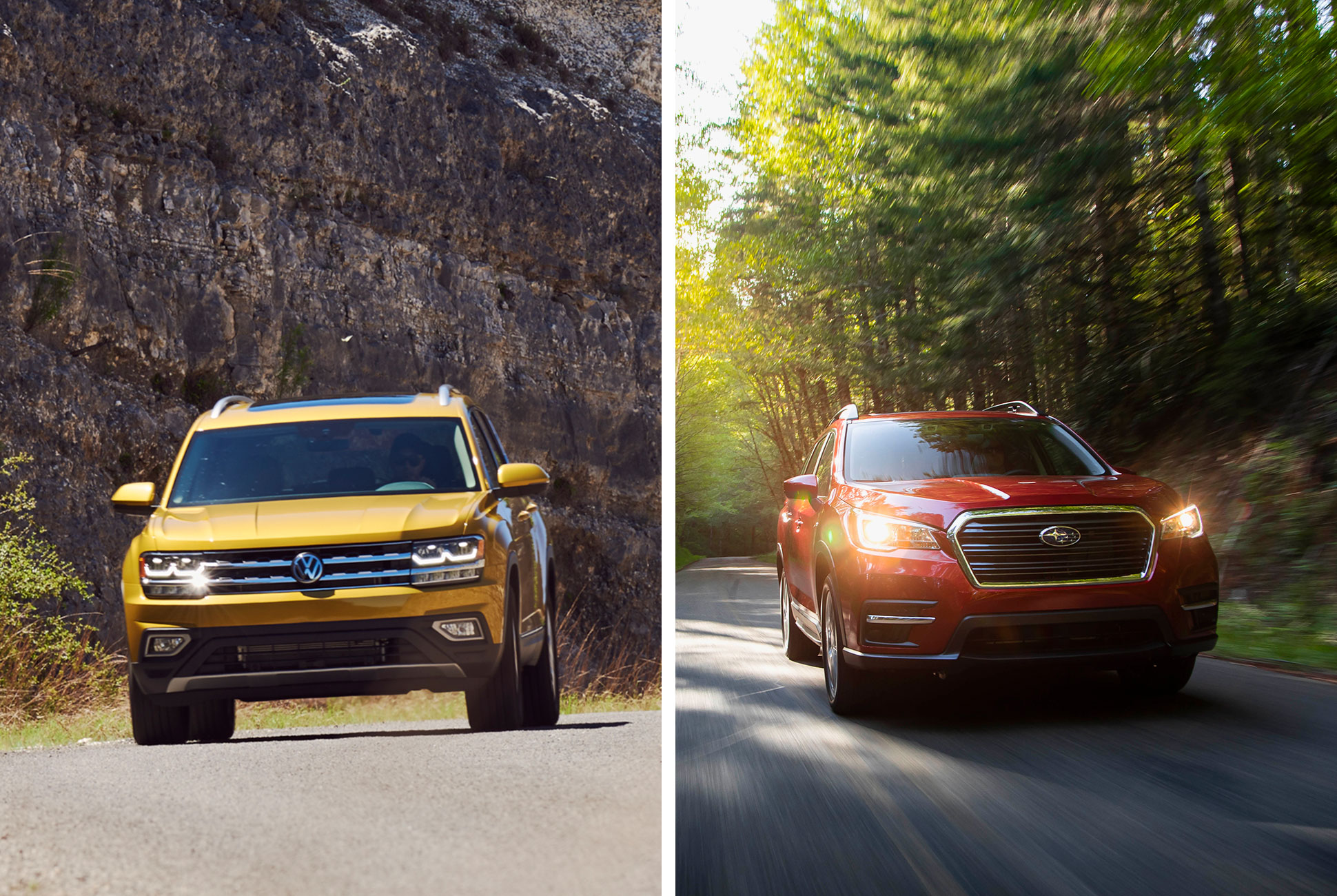
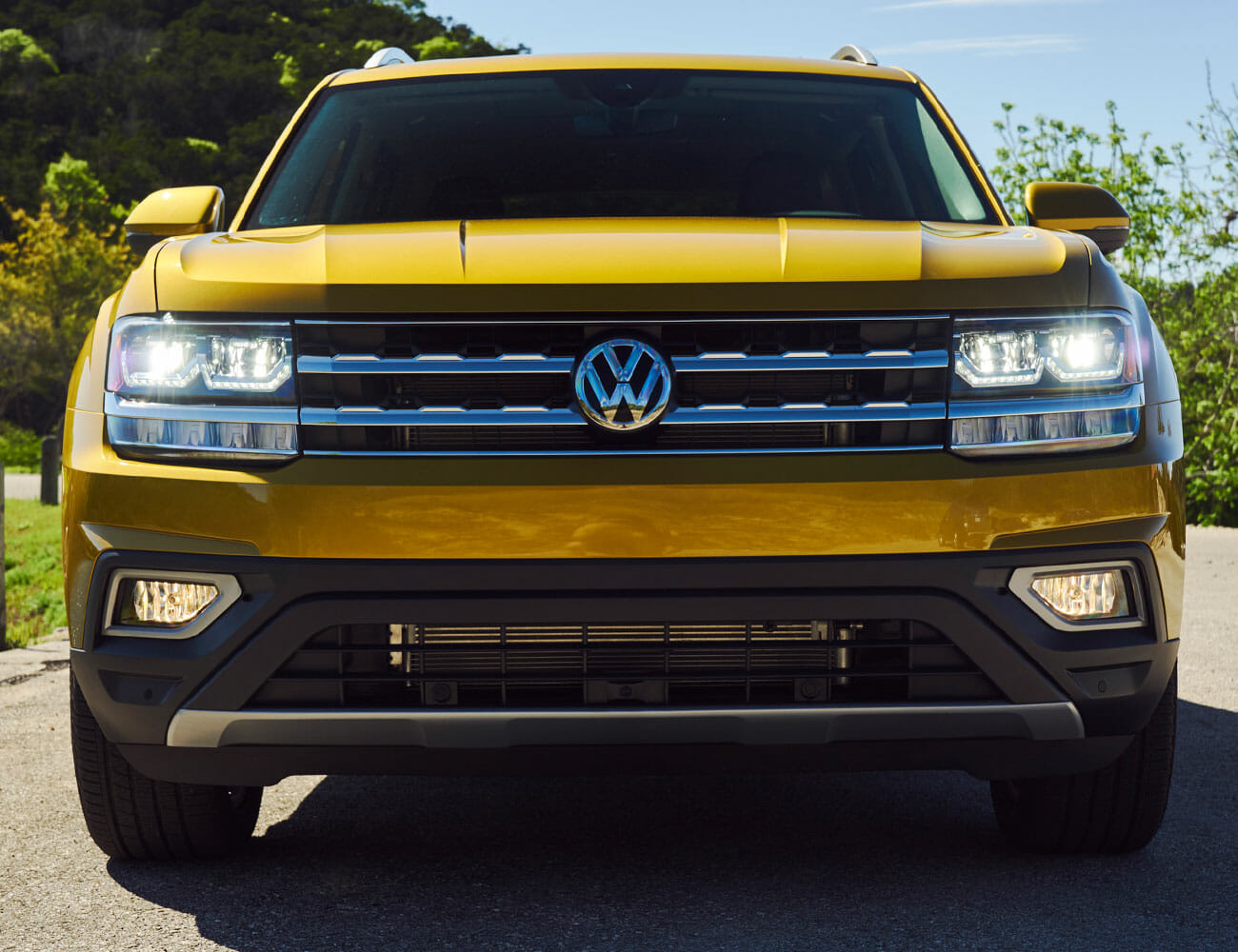
VW and Subaru approached the large SUV differently. The Atlas is Volkswagen’s American-made car for Americans. It takes its cue less from the Volkswagen tree and more from other American SUVs. Bold lines aim for a smart, upscale appearance. It has a commanding grille that looks a tad discordant with a VW logo. My wife said she felt fancy in it when we took it out for a date night.

Subaru, in contrast, made a bigger Subaru. The Ascent looks like the instruction was to make a bigger Forester and designers executed that almost too literally. It maintains the company’s rugged, low key, family car aesthetic. It’s the three-row SUV the rabid Subaru base would want.

Neither interior bowled me over. The Atlas had the better, cleaner interior design. But, cheap plastic in certain places ruined the “VW interiors look like an Audi” mantra. The Subaru interior felt busy and a bit dated. My Dad asked me whether I was flying an airplane when he saw the center console. Though, I do think the Ascent incorporated high-end materials like wood-grain paneling better.

Advantage: Tie

Read Now: The Elegant Range Rover Velar Is an Off-Roader for Design Lovers

DRIVING DYNAMICS
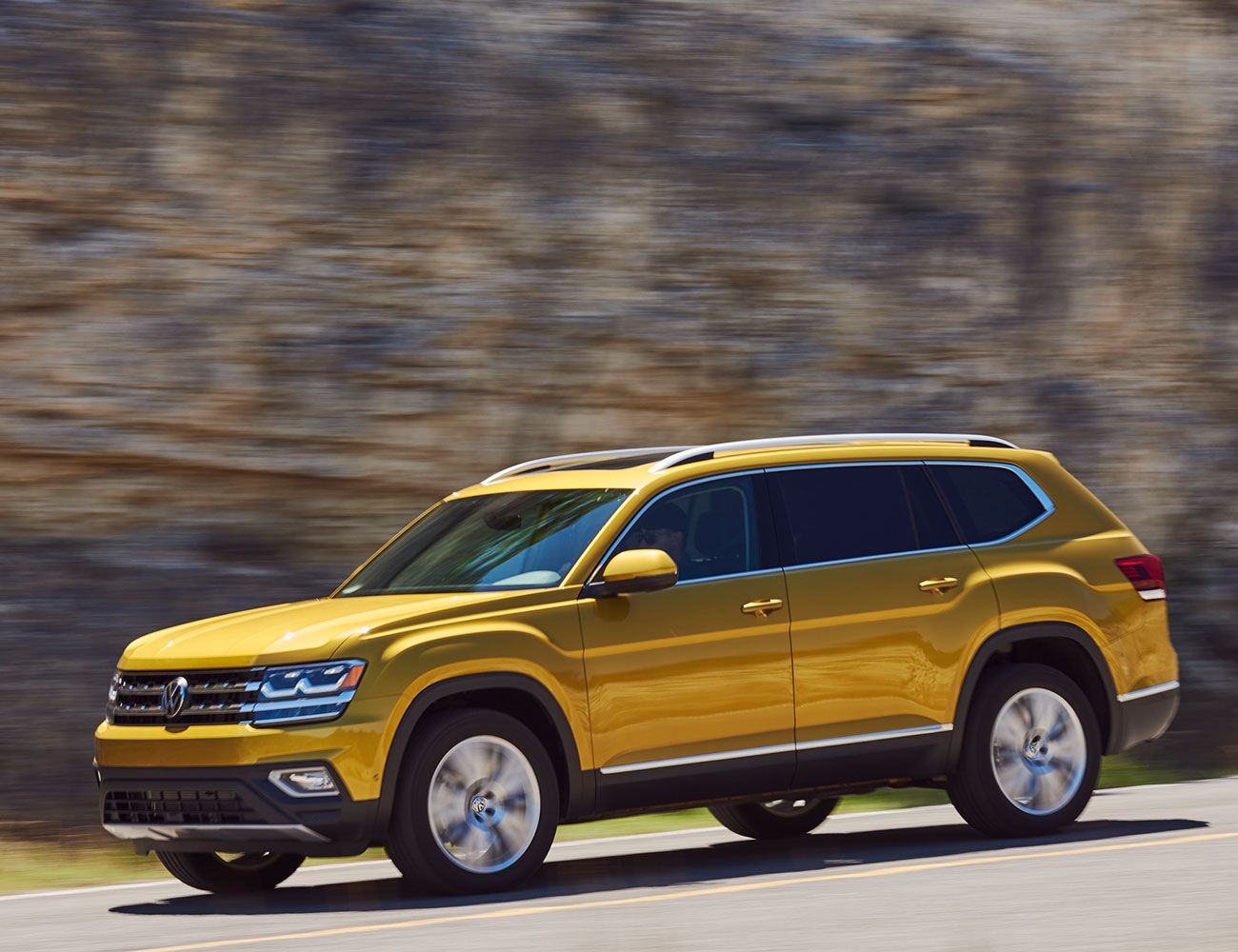
Volkswagen and Subaru swapped stereotypes here. The Atlas got most of the little things right. It was a comfortable cruiser. The suspension delivered a much smoother ride over Michigan potholes. The steering felt better calibrated than the Tiguan. The Atlas drove like a lighter car than it was. But, the 3.6L VR6 was all but lifeless. When pushed, the engine groaned and nothing much happened. That was with a more or less empty load.

Subaru made a better choice with the turbocharged 2.4L Boxer 4. The Ascent had 16 fewer horsepower than the V6 Atlas. But, it had more torque (277lb-ft to 266lb-ft). The Ascent wasn’t quick per se. It won’t change any strong opinions about the CVT. But, it responded more. Neither was as engaging as the Enclave Avenir I drove last summer.

Both AWD systems withstood school-closing level Michigan winter weather. The Atlas and the Ascent felt composed in ice, snow, and slush. No special modes required.

Advantage: Ascent

Read Now: 2019 Mazda CX-9 Review: The Best SUV I’ve Ever Driven

PRACTICALITY
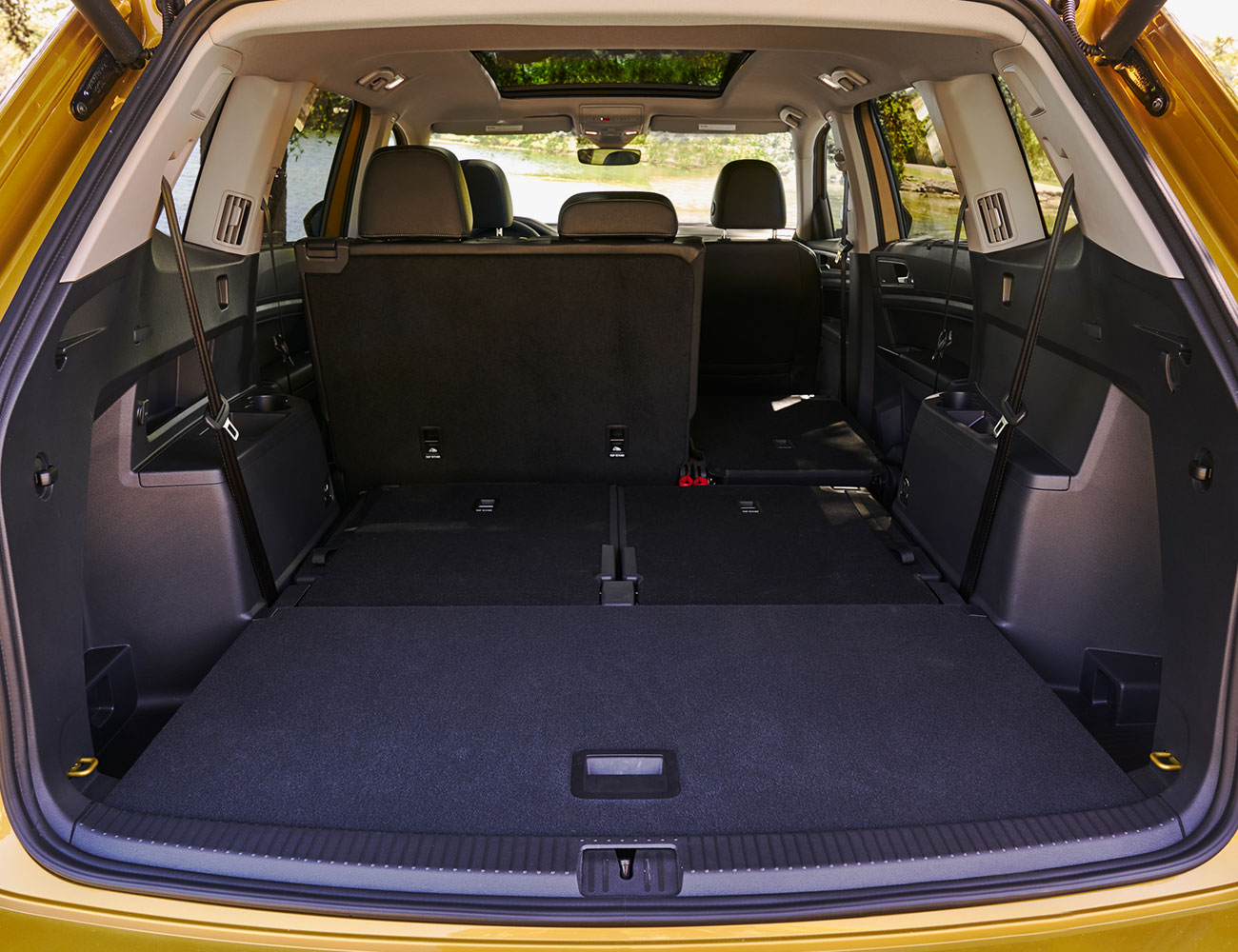
Again, Volkswagen and Subaru swapped stereotypes. The Atlas felt like a cathedral inside. The interior volume almost unnerved me. I had to adjust my driving position because the armrests were so far from the steering wheel. It reminded me of driving an American truck. There was space in the driver’s seat for some rigorous upper body calisthenics.

With both rows folded, the Atlas has an extra 10 cubic feet of potential cargo space (96.8 to 86). That meant, with all seats up, it had a more viable third row and a reasonable-sized trunk behind it. The Ascent trunk with the seats up felt cramped. I had to lower the seats to fit a box of diapers and a couple of small baby gifts.

The Atlas had the more intuitive power liftgate. The Ascent edged the Atlas 19-17 for the number of cupholders. Hydrate to your heart’s content, third-row passenger. Neither car fit in my garage.

Advantage: Atlas

Read Now: The New Rolls-Royce Cullinan SUV Is a Sure-Footed Hulk and Glamorous to a Fault

ANNOYANCES
The Ascent had some not so charming quirks. I abandoned the “auto” lights setting after the second time the lights failed to turn on at night. My fob would not work until the keyless entry activated. The keyless entry activated on the driver’s side. So, I had to walk around the car to unlock it, then walk back around to put my son in his car seat.

EyeSight deactivated and showed false alarms after it snowed. Opening any door sent a spray of snow/ice into the cabin. Shutting down the engine cut power to the phone, but not the radio. So, if you were listening to your phone audio, you got blitzed by whatever was on the radio no matter what. I also felt some wheel rubbing on super sharp turns in a parking garage.

The Atlas had far fewer issues. VW’s greatest innovation over the past decade has been protecting the rearview camera inside the logo. The Atlas doesn’t have that feature. The inevitable occlusion happened during weather. The Atlas displays elaborate graphics for changing driver modes. Those graphics supersede everything else on the infotainment display, including the rearview camera. Don’t change to “Snow Mode” before reversing.

Advantage: Atlas

Read Now: Lamborghini Urus Review: Truly as Crazy as It Looks

EFFICIENCY
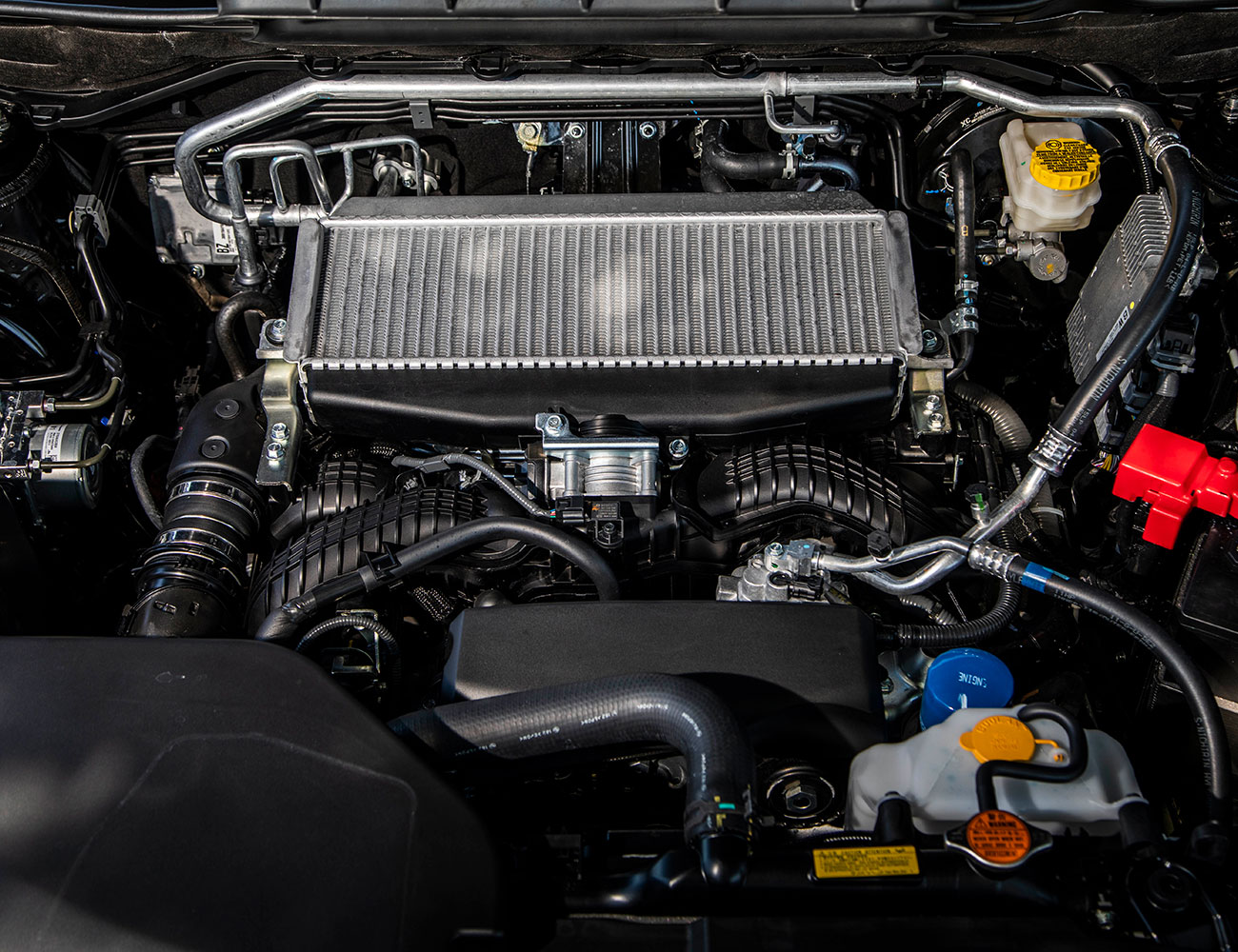
With the four-cylinder, the Subaru had the better EPA rating (22mpg combined) vs. the Atlas (19mpg). Even with significant highway stretches, I could not match those numbers for either vehicle in real-world driving.

I averaged about 17mpg flat with the Atlas, which was the EPA city range. It disappointed to get that poor gas mileage and not get any performance for it. With the Ascent, I managed a hair under 18mpg over a week, a long way off the EPA measure. Cold weather may have played a role. It did sound like the Boxer 4 was laboring a lot at low speeds.

Advantage: Ascent, barely

Read Now: Audi E-Tron Review: Simply Put, This Is a Great Car

VALUE
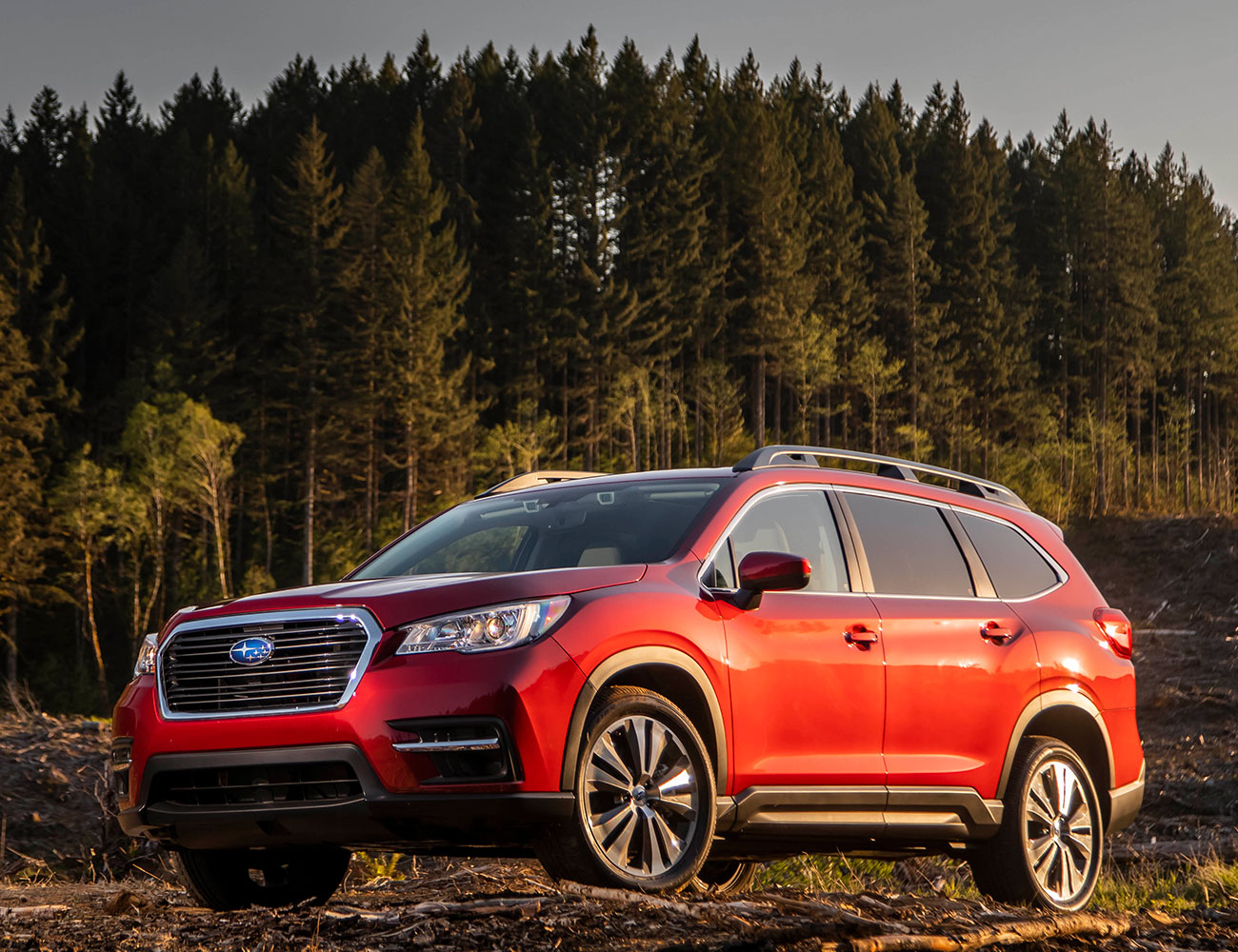
Of the two top-end trims, the Atlas SEL Premium w/4Motion ($50,320) with options for second-row captain’s chairs ($695) and black wheels ($235) was nearly $5,000 more expensive than the Ascent Touring ($45,670). The Ascent was also cheaper on the bottom end. Technically, there’s a 2.0T four-pot S version of the Atlas starting at $30,895. But, the base Ascent with the same engine as the Touring and AWD starts at $31,995. A comparable V6 w/4MOTION Atlas starts at $34,095. You can get an upgraded “Premium” trim Ascent for about that same price.

Essentially, Volkswagen charged a significant premium for 4MOTION while AWD is standard for Subaru. Subaru also offers features lower down the trim range. It’s too early to predict resale value. But, that tends to be a strength for Subaru and not as much of one for Volkswagen.

Advantage: Ascent

Read Now: Volkswagen Tiguan Review: The Style You’d Expect from VW but None of the Charm

VERDICT

I would aim for the middle trims with both crossovers. The base models miss critical comforts. The super-lux versions don’t add that much luxury, even if I do love a good ventilated seat. For the Ascent, I would stick with the Premium ($34,195) or Limited ($38,995) trims. For the Atlas, I would choose one of the V6 SE w/4MOTION trims under $40,000. Nearing $50,000 for a Volkswagen seems excessive when you can buy a 7-seater Land Rover Discovery with 60hp more for $55,000.

Choosing between them was hard. Both present compelling arguments. I would buy both over the Enclave for the cost savings and ability to see out the rear of the vehicle. The Atlas looks fancier. It’s more comfortable. It’s more practical. It’s less annoying. But, I would go with the Ascent. I buy cars to drive them. The Atlas engine would bother me more longterm than Ascent weirdness. Understatement, value, and torque are why we own two Volkswagens. But, it’s the Subaru that provides those qualities in this segment. If the Atlas had a better engine, I might reconsider.

I won’t be trading up for an Ascent or an Atlas in the near future, as neither would fit in my garage.

Specs

2019 Subaru Ascent Touring

Powertrain: 2.4-liter turbocharged Boxer 4; CVT; all-wheel-drive
Horsepower: 260
Torque: 277 lb-ft
Curb Weight: 4603 lbs
EPA Ratings city/highway: 20/26 MPG
Price: $31,995 (base MSRP); $45,670 (as tested)

2019 Atlas V6 SEL Premium w/4MOTION

Powertrain: 3.6-liter VR6 with FSI; eight-speed automatic); all-wheel-drive
Horsepower: 276
Torque: 266 lb-ft
Curb Weight: 4502 lbs
EPA Ratings city/highway: 17/23 MPG
Price: $30,895 (base MSRP); $50,320 (as tested)


The Luxury Electric Car For the People Is Finally Here

As of late, seeing Elon Musk’s name in the headlines usually means he’s in trouble with the SEC or Space X just hit another historic milestone in the modern-day space race. This week, however, he’s switching it up with some good news about the long-promised and repeatedly delayed affordable version of the Tesla Model 3 — the $35,000 electric car is finally going into production, but there’s a major caveat.

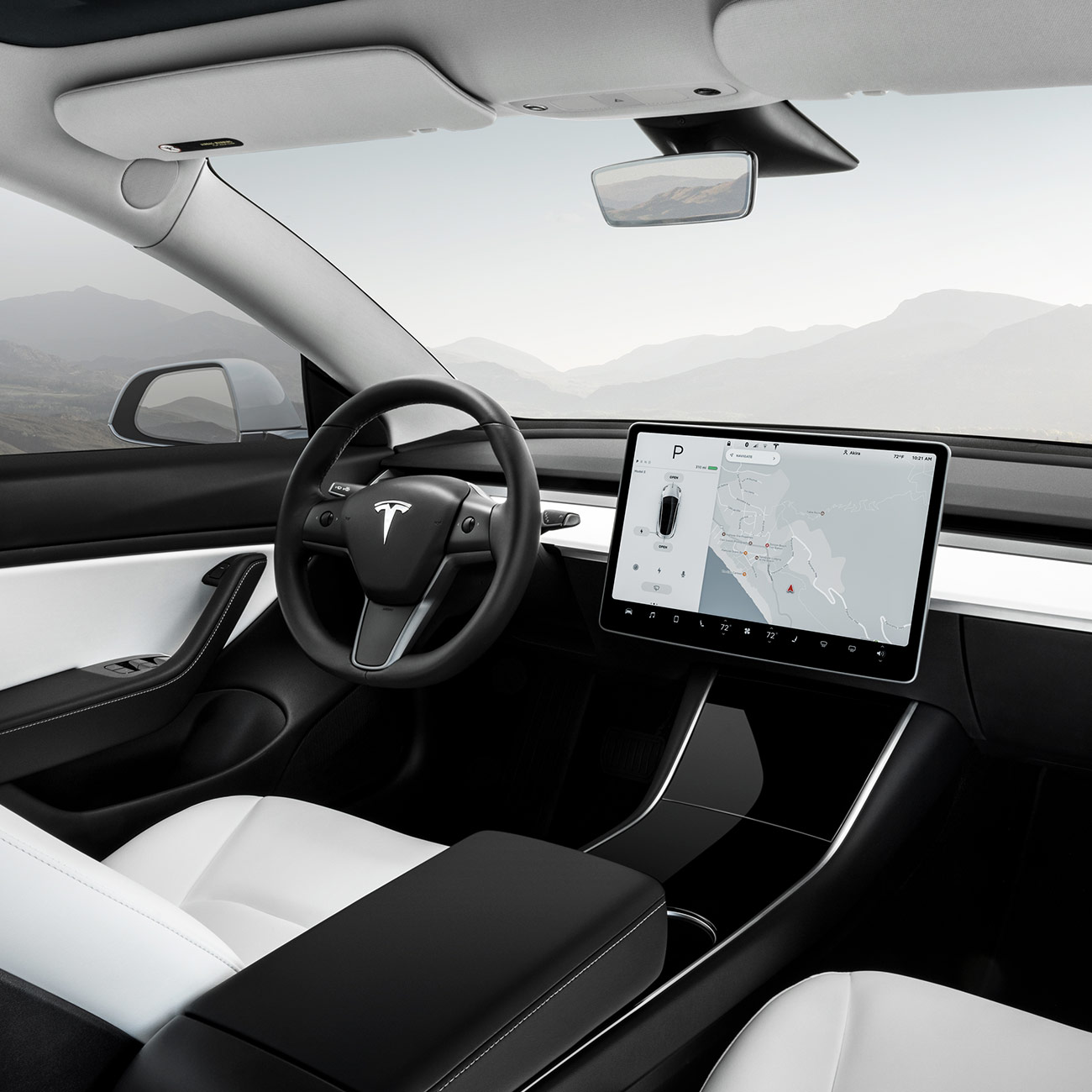
To get the Model 3 down to $35,000 (a price-goal Tesla set for itself) Tesla had to make some difficult choices not just with the car, but also the company as a whole.

The entry-level electric car is significantly paired back on creature comforts, performance and range compared to the top-tier Model 3. With the Standard Range model, you’ll get a 220-mile range, 130 mph top speed and a 0-60 mph time of 5.6 seconds. You can also opt for the Standard Range Plus for $2,000 more and get 20 extra miles on a charge, a higher top speed of 140mph and a 0.3-second quicker sprint to 60 mph.
They’re not earth-shattering specs, but the whole point of this car is getting this sort of tech wrapped in an attractive package and into the hands of the masses, not jaw-dropping performance. For comparison, the similarly priced Nissan Leaf returns a 151-mile range, and the Chevy Bolt gets a 235-mile range. What you don’t get with the Nissan and Chevy is Tesla’s looks, style and its designer nameplate.

Along with the pared down interior, basic interface and normal-car performance stats, Tesla made a seismic shift away from brick and mortar dealerships entirely to drop prices even further. “To achieve these prices while remaining financially sustainable, Tesla is shifting sales worldwide to online only.” The Tesla press release went on to say “Shifting all sales online, combined with other ongoing cost efficiencies, will enable us to lower all vehicle prices by about 6 percent on average, allowing us to achieve the $35,000 Model 3 price point earlier than we expected.”

In a conference call, Elon Musk also noted “[Tesla] will be closing some stores, and there will be some reduction in headcount as a result. Yeah, there’s no other way to provide this car and maintain sustainability. There’s no way around it.” Musk didn’t want to comment further on the “reduction in headcount,” so suffice to say it won’t be pretty.

A Few EV Reviews:
Cake Kalk ($13,000)
Tesla Model 3 ($24,950+)
Zero FXS ($8,495)

Can Rivian Actually Beat Ford and GMC to the EV Punch?

Automobile manufacturers are redefining themselves as tech firms. Tech may be the best prism for understanding the past few months at nascent EV startup Rivian.

Rivian had roused some skepticism among automotive media members. Rivian had received hundreds of millions in venture capital funding, recruited executives from McLaren and bought a factory. The company also went about a decade without producing a car. For much of that time, Rivian maintained media silence. Interaction was limited to vague vision statements on the website. Doubt filled the vacuum. Not for the first time, media members were wrong.

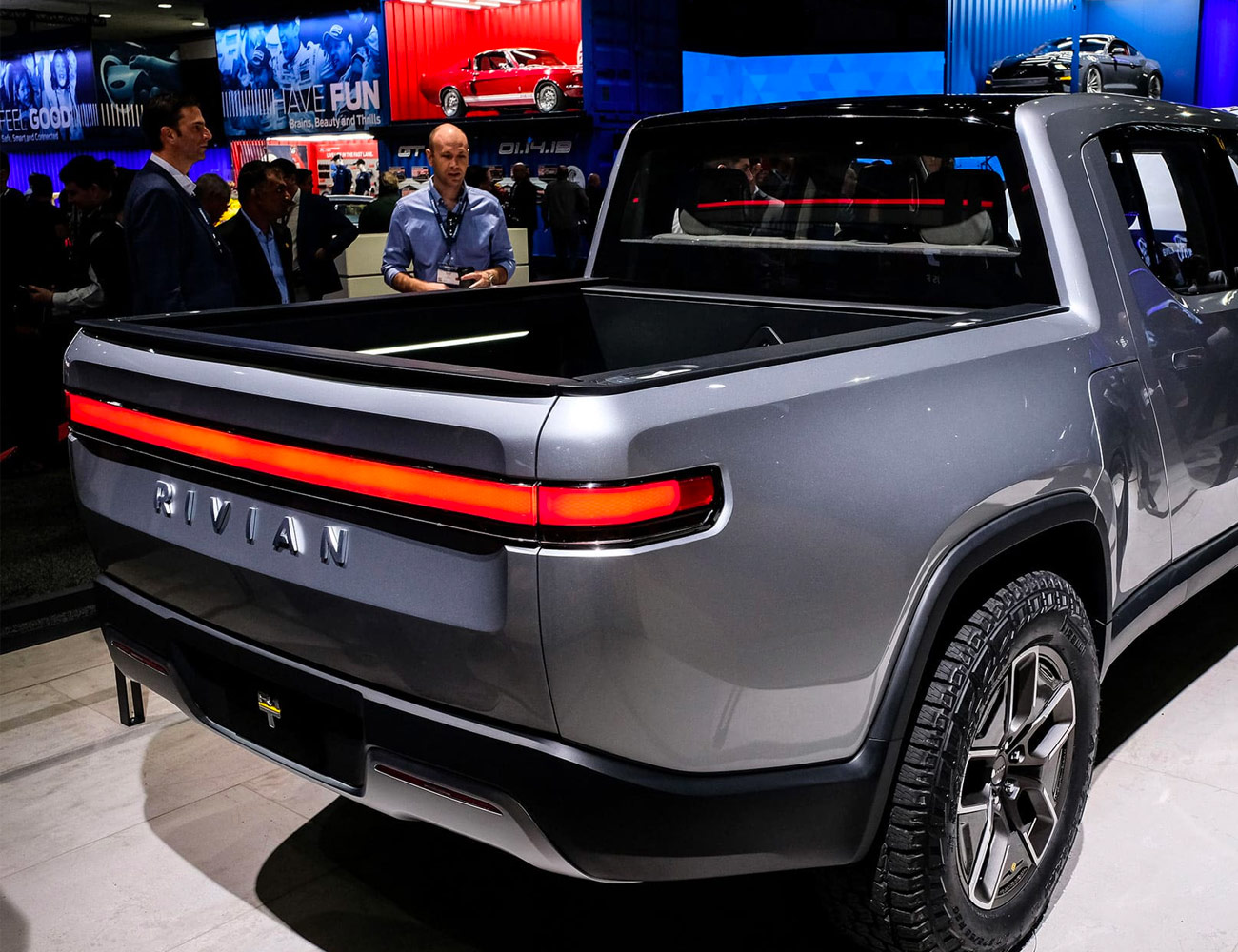
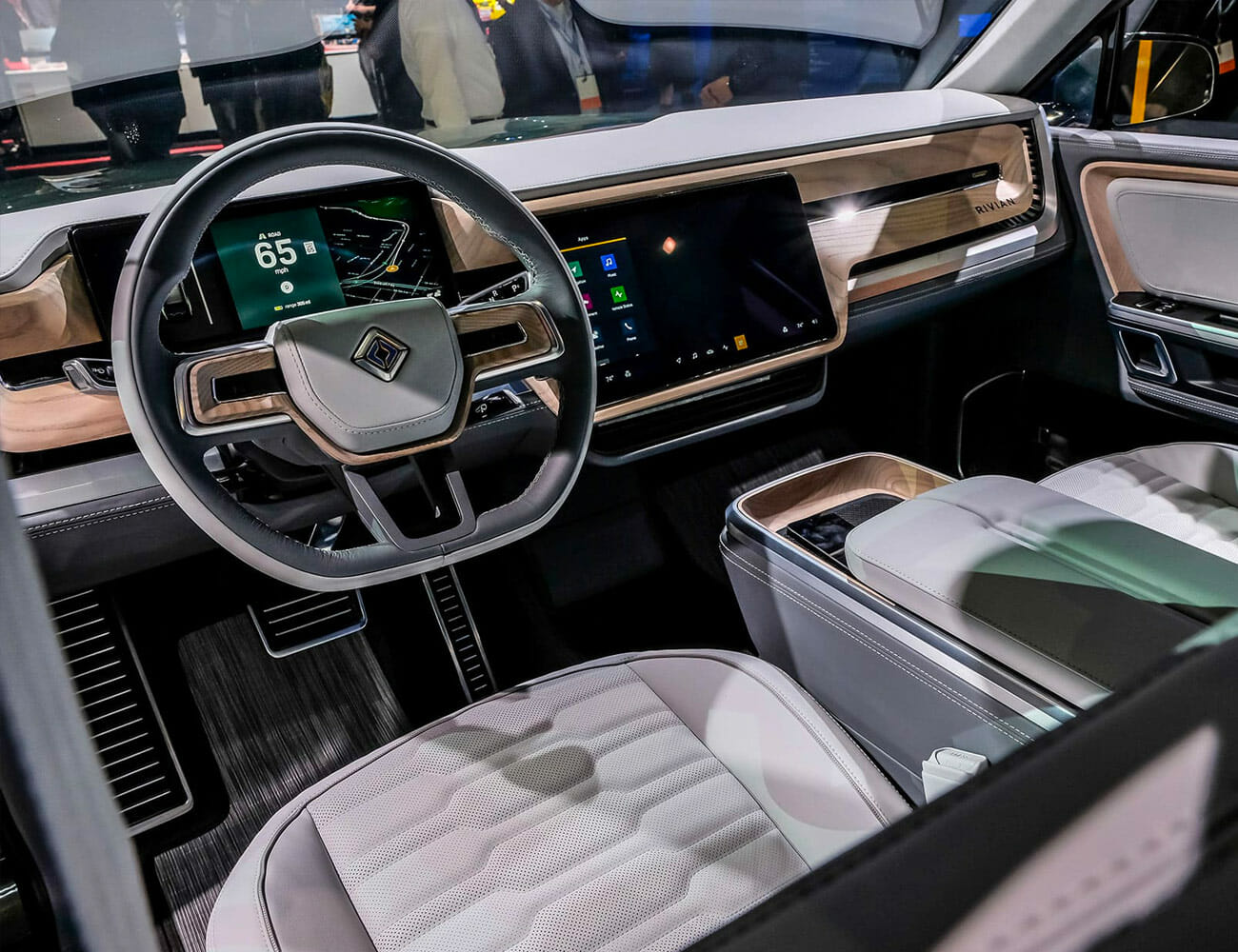
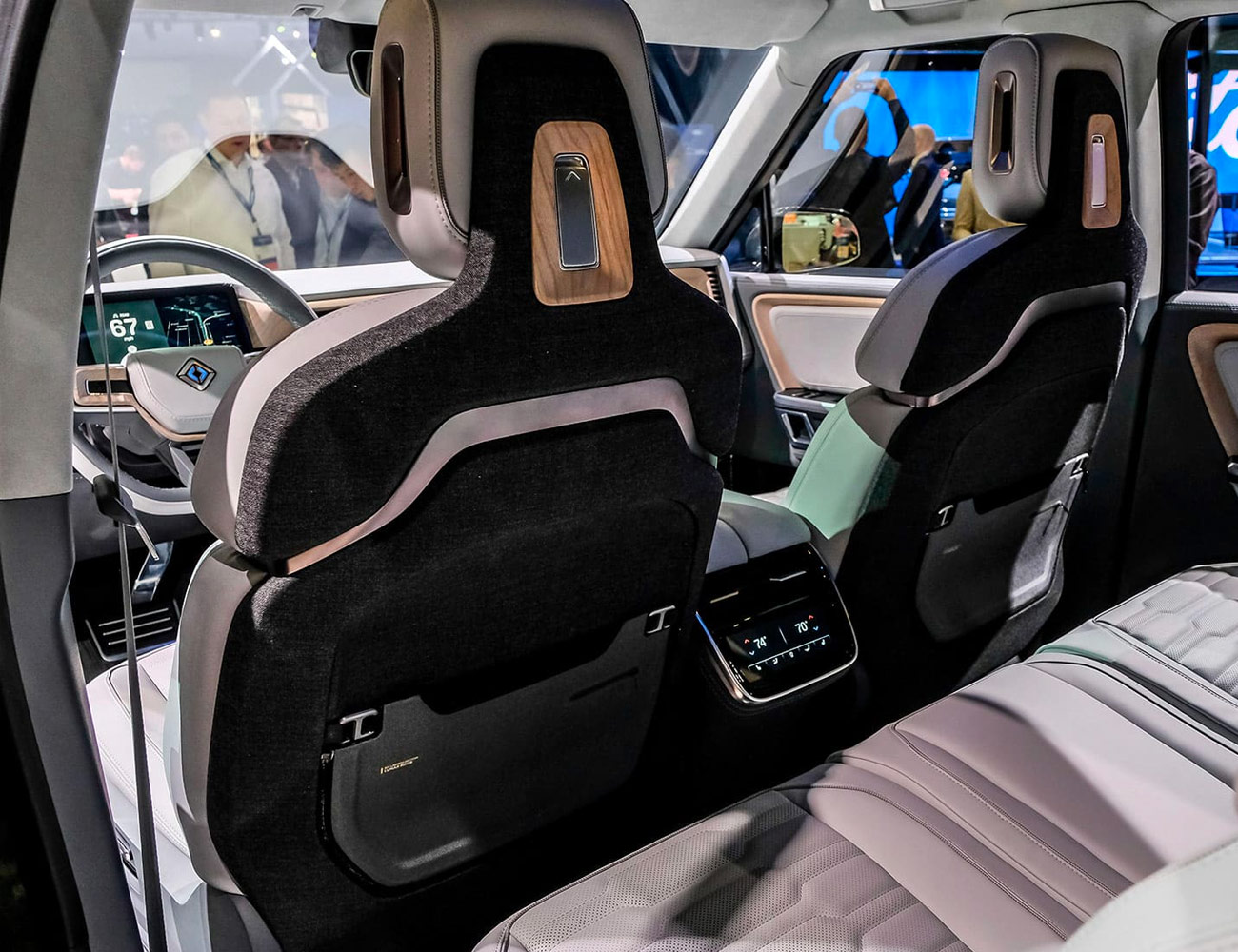
The product launch came, finally. Rivian killed it. Their “electric adventure vehicles,” the R1T pickup and the R1S SUV, were the talk of the L.A. Auto Show. They were cooler, more capable and closer to production than anticipated. Rivian exhibited real potential to redefine crucial automotive segments and, potentially, our relationship with the automobile.

As in the tech world, a successful launch made Rivian an acquisition target. Per reports, two established giants in tech (Amazon) and automotive (GM) plan investments that would value the company in the billions. Despite initial efforts to extinguish such talk, people can’t help but bandy Rivian about as the next Tesla. Founder and CEO R.J. Scaringe will have to step up his Twitter game.

Why this sea change? Start with the performance. Even in the EV world, Rivian’s numbers pop. The top end trucks will produce around 750hp and 800-plus lb-ft of torque. They will accelerate from 0-60mph in a supercar quick 3.0 seconds. Remember these are full-sized vehicles. They will be formidable off-roaders with up to 14 inches of ground clearance and a rating for one meter of water. They will be proper trucks, capable of towing up to 11,000lbs.

The most startling number is the range. Rivian has promised its high-end trucks with the 180kWh battery pack will travel more than 400 miles on a charge. That’s significantly better than Tesla and other EV companies have achieved. That’s also better than many cars running on gasoline will do between fuelings.

Rivian, fittingly for a company originally named “Mainstream Motors,” is not creating a stylized niche. They are going for the heart of the automotive market. The full-sized pickup and SUV segments are the most competitive, and vital in the American market. Whether it’s Ford, Mercedes or Porsche, carmakers depend on one of those two segments for profits. Those vehicles have been laggards improving fuel efficiency and have gotten away with it thanks to low oil prices. Rivian could enter those segments with paradigm-altering performance and zero emissions.

Crucial to that effort, for Rivian, will be keeping down the price. That has been a struggle for every EV company and major manufacturer investing in EVs. Rivian lists pre-federal tax credit base prices for the R1T ($69,000) and R1S ($72,000). Those price points would put Rivian in play for Sierra Denali or Range Rover buyers. But, how soon Rivian can get down near that base price remains to be seen. The promised $35,000 base price for Tesla’s Model 3 has been more of an aspiration goal than reality so far.

Rivian having any success in full-sized pickups and SUVs could make them a catalyst for change in the market. Even the specter of Rivian seems to be having some impact. Ford confirmed an EV F-Series was coming in January. GM has already walked back comments suggesting there would be no EV pickups.

Like a tech firm, Rivian’s potential is as significant (if not more so) than its present. Selling its vehicles is just part of the business. Rivian also has its versatile skateboard platform. That platform can underpin an array of Rivian vehicles. It can also be licensed out to other manufacturers, producing profits and, with widespread adoption, reducing component costs. Pininfarina’s upcoming electric Battista hypercar reportedly will use Rivian tech. There’s a reason a VW exec muted a similar plan for the company’s MEB platform. For GM, collaborating with Rivian would provide a leg up over bootstrapping a Silverado EV. The company has had enough trouble trying to make gasoline engines more efficient.

Rivian also has a purportedly unhackable cloud architecture. While encouraging buyers to leave the pavement and civilization behind, Rivian will still have one of the American market’s most connected vehicles. The potential applications supersede autonomous driving and simulated flatulence. Rivian could incorporate novel things like over-the-air performance upgrades and video game-style leveling up. A Rivian may even be able to take you on a guided, Jurassic Park-style tour of national parks. One could see how Rivian’s advances in that realm would align with Amazon’s mission for cloud-based world domination.

In tech, stocks and, indeed, media coverage, potential is more exciting than present reality. There’s a strong tendency to conflate the two. The reality for Rivian is still a long, hard slog to scale up to production, to meet quality demands, and to create a national sales and service infrastructure from scratch. Whatever the employee count this week, Rivian is about 1/60th the size of Tesla. It’s a long way to becoming the discerning vehicle choice in Aspen, Jackson Hole and Nantucket, let alone sparking dramatic recalibration and development in the rest of the automotive industry.

But, Rivian’s potential is real. Additional investments from established corporate partners like Amazon and GM will help them realize it. There may be a lot more to look forward to than the rally hatchback. Though, please, keep working on the rally hatchback.

Classic Car Investments Made Easy: The Rally Rd. App

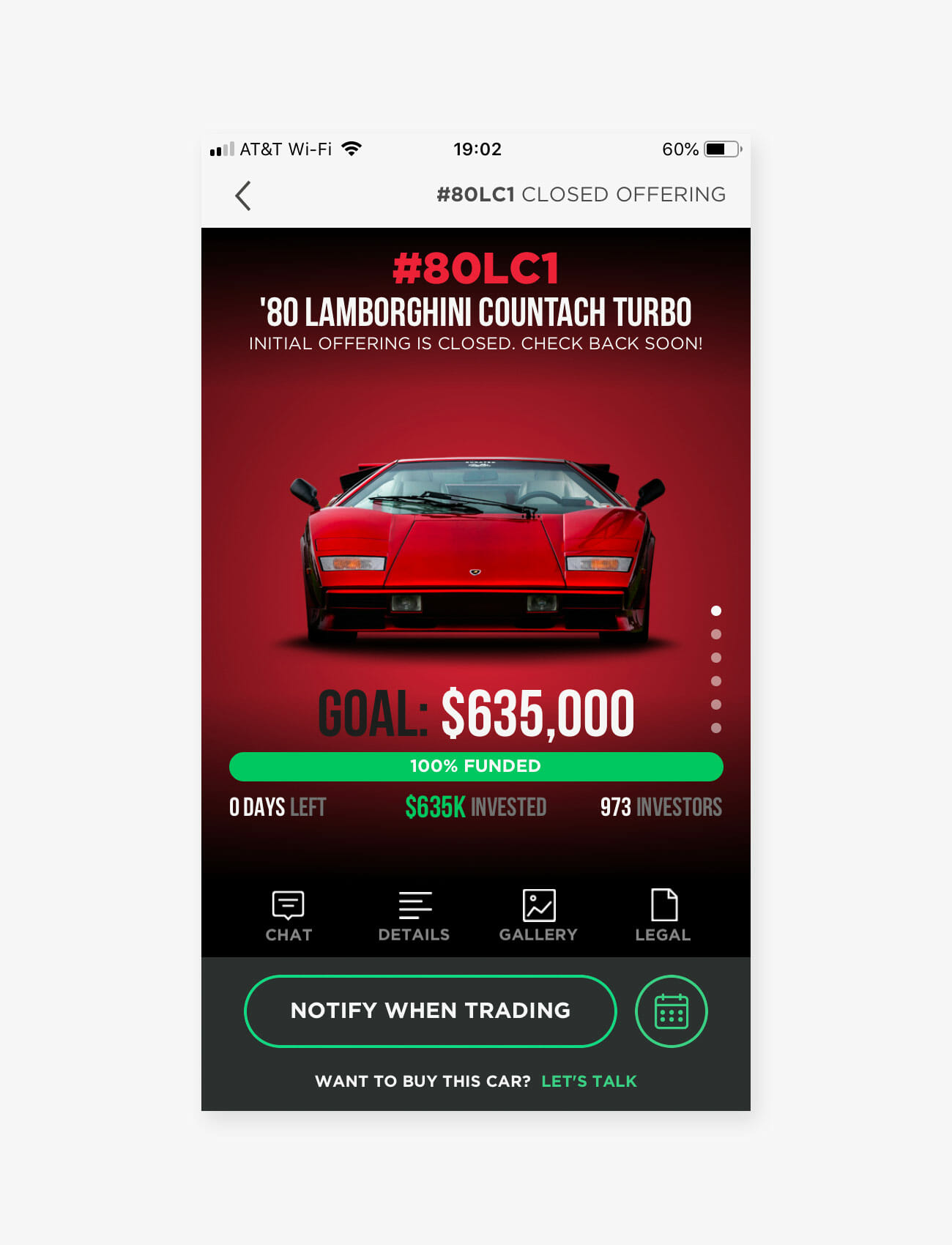
“Making money while you sleep,” and “having your money work for you” are phrases everyone wishes could describe their financial situation. But outside of investing in the stock market – and getting lucky doing so – or breaking into the world of high-end art and collector cars, it’s rarely a reality. The idea of buying something, or at least a piece of something, and watching it appreciate as you passively rake in the money sounds straightforward; to actually make money, however, it helps to have in-depth knowledge of the market you’re buying into, which isn’t so easy. That’s precisely why Chris Bruno co-founded Rally Rd., an SEC-registered app: to lower the bar for entry into the world of classic car ownership while at the same time adhering to familiar share-based marketplace principles.

“I never felt comfortable in the traditional equities markets,” said Bruno. “I never felt like I knew as much as everyone else, or certainly as much as the professionals focusing on that market.” Jumping into the deep end of any new industry can be daunting and intimidating, especially if your own money is involved. When it came to investing his own money, Bruno went with what he knew: classic cars. But to invest in a classic car the traditional way means purchasing an entire car and oftentimes hundreds of thousands of dollars. “When I was younger I had some money, the question was ‘how am I going to deploy it?’ The options were all-in no matter what. Real estate: all-in on one house. Collector cars: it’s all-in on one or two cars for the same price [as that house].”

Only a small portion of the population can play with money at that entry point. What Rally Rd. does is break down the ownership of the cars into shares so, say a ‘94 Lamborghini Diablo Jota valued at $600,000 capped at 3,000 shares would be worth $200 per share. “There are no set minimum share purchases or obligations to participate or trade,” says Bruno. “You can feasibly own part of a ‘94 Lamborghini Diablo Jota for $200. Through the Rally Rd app, you can track the car’s value, history and get eyes on the car’s legal documents like sale history, appraisals, valuations, service records, and inspections.

So then, all the reward and none of the risk? Just lay back and make money while you sleep, right? Well, not entirely. Just like any other investment, obviously, you still have the potential to lose money. “We don’t make any guarantees that everything goes up and to the right.” And even though the number of shares are capped for each car at the initial offering, Bruno says, “If a catastrophic event like transmission failure happens, additional shares will be sold to cover the cost.” Which means shares for that car result in dilution and a devaluation.

As a precaution, the investment cars are stored in private warehouses in Upstate New York and Pennsylvania. “The cars are kept in turnkey condition. They’re not even registered for road use.” But, Rally Rd. has a team of workers constantly maintaining the collection, occasionally running the cars, driving them on the private roads around the warehouse. And as for the actual initial value of each of the cars, Bruno says Rally Rd has “assets priced by a network of advisors and industry experts to ensure accuracy.” Additionally, the company claims that “all the information – public auctions, verified private transactions – are available all in-app, and we price and value the cars relative to others on the market.”

But what happens when you want to sell your shares? Whether to cash in or to offload your piece of a car that’s dropping in value, it’s all done peer-to-peer, within the app. Which is both the beauty of Rally Rd. and a potential setback. If a car is a going up in value, you can sell your shares to another Rally Rd. member at an agreed price, and if it’s higher than what you bought it for, that helps determine the live value of the car. The problem comes when you want to sell your shares, and there’s no one willing to buy. Unlike the NYSE, the Rally Rd community is much smaller, so finding a willing buyer becomes a little more tricky. “In some cases, we would play the buyer as a last resort to help out in that situation,” said Bruno. “It’s not a guarantee that we will do that but in some cases, we would.” But, as Bruno said, they “don’t make any guarantees,” just as in any other share-based market.

In the ideal situation, cars keep gaining value over time. Because the Rally Rd. community is small and the values don’t fluctuate as rapidly as the real stock exchange, trading windows on cars are only open for 30 days. Then, they’re closed for 30-60 days to gestate. That way, shares aren’t scalped for ridiculous prices for prospective buyers who missed the IPO or trade window.

In the end, should the car’s value reach a plateau, or should someone make an offer to buy the car outright, an offer can be made, in-app, to buy out all the securities on that car. In that case, all the “owners” are consulted to gauge overall interest in selling the car — this includes Bruno and the owners of Rally Rd, too, who buy into each car with their own money, up to 10 percent. Then, it’s left up to the board of advisors and industry experts, which Bruno says is “the most democratic way to go about it… We expect all the cars at some point to leave the platform.” Bruno went on to say “What we [don’t] want to do is indicate we’re going to hold this for ‘exactly five years’ and then sell it.” Mainly because any set indication of a sale can taint the legitimate price of the car, which is why Bruno says “everything on Rally rd. is always for sale.”

Bruno believes that “up to a certain level, it’s too difficult and it’s financially irresponsible to manage the utility component. And at that point, you don’t have enough capital to buy the best of the best, the rarest of the rare, and that’s where most of the returns are driven.” In that respect, Rally Rd. has arguably done what it set out to do: lowered the bar for entry to the world of classic car ownership, as far as making a profit is concerned.

But, just because a new world of trading, buying, and sharing ownership is now as easily accessible as opening your smartphone, the market has the chance to be just as volatile as the art world, real estate or the NYSE. But like those markets you have to keep a close eye on trends. When it comes to cars, Bruno says he has a knack for doing just that and has confidence in his new market. “People said I was crazy to put all my money into collectible cars. They said ‘buy a house. That’s what normal people do.’ So I bought a house. Ten years later it’s still worth exactly what it was when it bought it. And the exact two cars I was looking at, which would have been the same exact amount as the house, all-in… one is now eight or nine times what it cost. The other was a $250,000 car. Today it’s worth $1.8 million.”

Bollinger Motors: a Refreshingly Traditional 4×4 Company

Car manufacturing tends to be a Byzantine process. Protocols stifle. People pour out of every building crevice. There’s a patina of fastidiousness while the broad vision gets lost. Bollinger Motors operates a bit differently. Its flat brick building is tucked away in a nondescript industrial park in Ferndale, Michigan. There’s no front desk, just a sign on the glass to ring the doorbell; one of the 15 or so employees will let you in.

The entryway contains modern furniture and the precise amount of artful, black and white photography one would expect. But, the greeter is an enthusiastic, tennis-ball wielding canine named Paco. The person who takes your coffee order is the CEO you’re there to interview.

Robert Bollinger launched Bollinger Motors in 2014. The company unveiled its B1 SUV in New York in 2017 and a B2 pickup version last fall. After completing the move to Metro Detroit, Bollinger Motors is moving toward production. The company will begin taking deposits in 2018 with the goal of getting the first truck off the line by mid-2020.

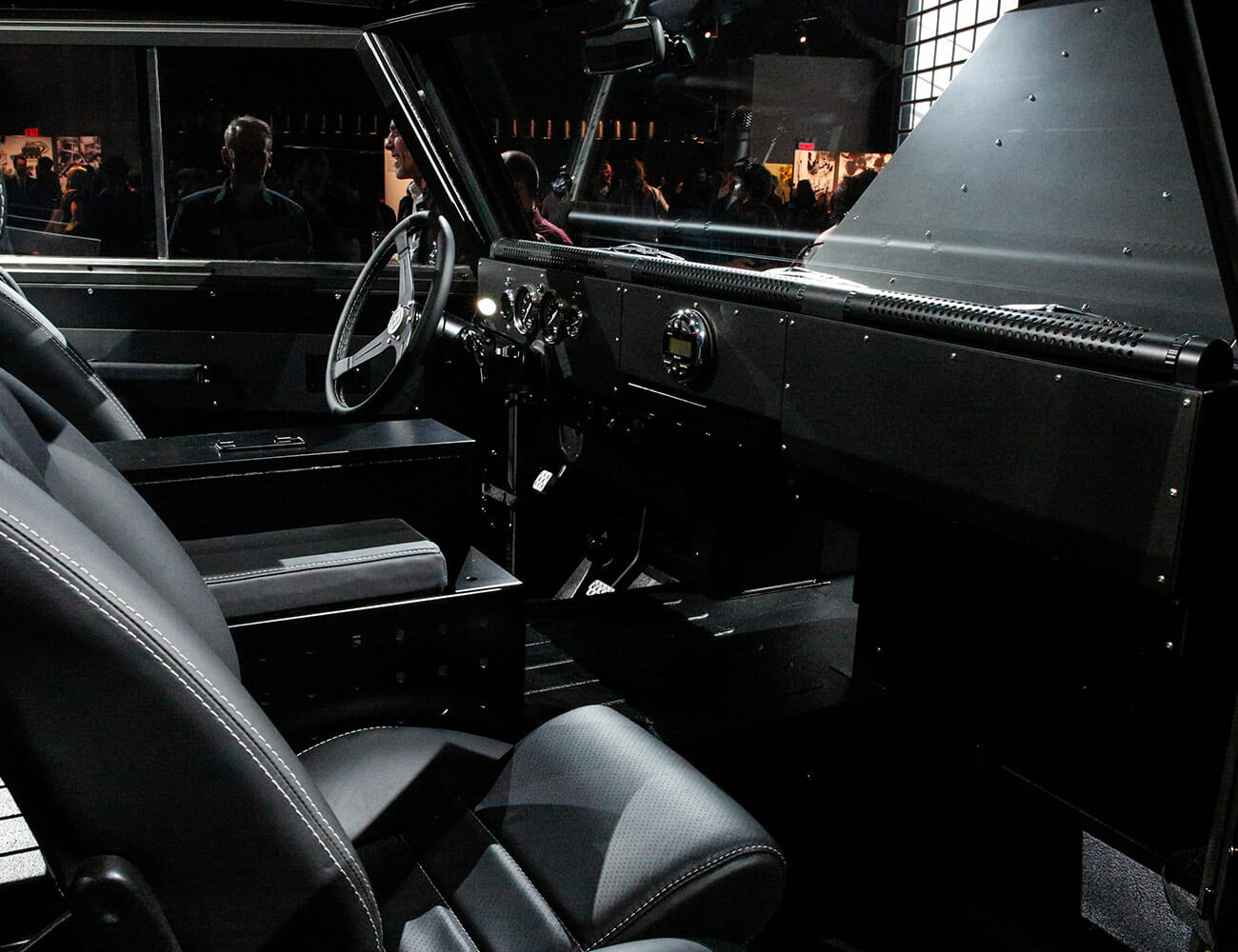
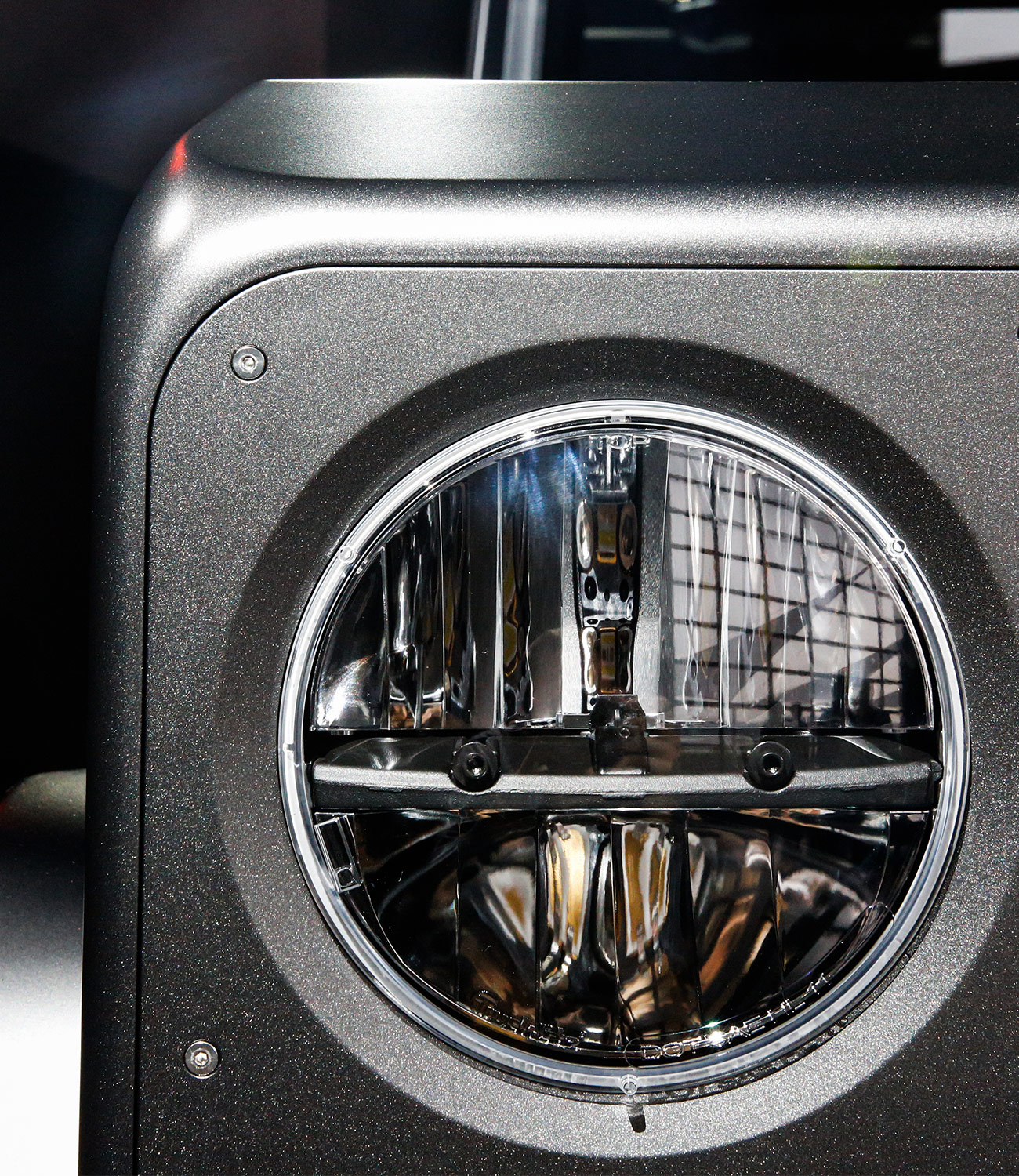
The place to start with Bollinger Motors is the company’s distinctive aesthetic. The B1 doesn’t look like an EV concept or like anything else rolling off a line. It looks like an old Ford Bronco or Land Rover Defender — a lot like them. The B1 will remind you more of those traditional SUVs than either of the remakes that debut this year.

Bollinger Motors went classic and boxy for the look. But, it was also a necessary byproduct of the production process. “We wanted to make it ourselves by hand and not stamp pieces,” Bollinger said. “So, once you have flat sheets that you’re bending, you’re in that camp. It limits you, but in a good way I think.”

With established players and other nascent startups preparing to crowd the EV truck and SUV market, Bollinger believes the appearance of the B1 and B2 will help the company build and maintain its niche. “Even though it harkens back to classic design, we’re bringing that back knowing that no one else will probably do that,” Bollinger said. “We are comfortable being the opposite of what other people are doing and that’s kind of our thing.”

The B1 and B2 won’t just look the part. A drool-worthy spec sheet highlights should be supreme overlanding performance. The dual motor system will produce 614hp and 668lb-ft of instant electric torque. The trucks will accelerate from 0-60mph in 4.5 seconds and reach a top speed of 100mph. The range will be about 200 miles, a bit more in city driving with regenerative braking.

Both vehicles should be spectacular off the pavement. The battery packs in the floor offer a low center of gravity. An all-Aluminum body cuts weight. The B1 and B2 will have near equal (45/55) weight distribution. They will have 15 inches of ground clearance and bigger approach (52 degrees), break over (30 degrees), and departure (43 degrees) angles than a Jeep Wrangler. The B1 and B2 will be rated for a 5,000lb payload and towing up to 7,500lbs. Not having an engine or firewall permits a storage pass-through from trunk to frunk.

While other manufacturers fetishize connectivity, Bollinger Motors plans to sever the digital connection. The B1 and B2 won’t offer autonomous capability. There are no current plans for a digital cloud infrastructure. The trucks will have manual windows and door locks. Driving a B1 or B2 won’t be a pure ascetic throwback. You’ll be able to connect your phone to the stereo. But, the goal is to offer an escape.

“You’re not going to feel like you’re in prison,” Bollinger said. “Heated seats will be an option, that kind of thing. But, we want to keep it all about being hands on so, when you want to leave the rest of the digital world behind, our truck is the one that you leave it in.”

Sticking with the purity of vision will help Bollinger Motors carve out a niche. But, it may also keep the trucks as niche vehicles. There’s no bench seat in the second row for a fifth passenger and there won’t be one. The B1 and B2 won’t have airbags. Federal safety requirements for a Class 3 Truck can be met using seatbelts. That should not bother vintage Defender owners who already do without. But, it may limit the B1’s appeal as an over-qualified kid transporter. “If someone really, really wants airbags,” Bollinger said. “They don’t need to buy our truck.”

Scaling up for production will be a significant challenge in 2019. Bollinger Motors plans to double its employee count in the coming months, to about 30. While outsourcing engine production (with in-house tuning) and battery production, diminishes staff requirements, that’s still tiny. The company also must finalize plans for its manufacturing facility.

Another issue, typical for any EV company, will be getting the cost down. The cost of battery tech remains, in Bollinger’s words, “ridiculous.” He believes established automakers investing billions in EVs will help bring the cost down. Taking a cue from Tesla and GoFundMe, Bollinger Motors is considering offering a more expensive Founders Series of trucks to start. “If we’re super low volume and the first 1,000 limited edition is this much, and this will help us succeed to start making them, I think people understand that,” Bollinger said.

Battery tech is also a prime reason Bollinger Motors will only offer the four-door B1 to start. With present battery density, they need the floor space from a longer wheelbase to achieve the 200-mile battery range. Bollinger does not think this will be too much of a sacrifice. Market research suggested a number well north of 50 percent of buyers would choose the four-door option anyway. “It worked out perfectly,” Bollinger said. “We didn’t have to give up something. This is probably what people are going to choose anyway, and we need the space. So, this is a great way to start.”

The B2 pickup, which shares architecture with the four-door B1 through the C-pillar will be the “obvious next step” in the production sequence, both for ease and because Bollinger, a truck enthusiast, wants it. Bollinger Motors plans to double back with the two-door B1 after that, potentially as a lower range (100 miles or so) runabout.

Bollinger promises the company will reveal pricing in 2019. He is still confident about meeting the goal of producing a first production B1 by summer 2020. “It all works out on Excel and calendars,” Bollinger said. “We just have to stick to it.”