All posts in “Cars”

Why Exotic Super SUV’s Are The Way Of The Future

Less than a decade ago, the distinction between SUV’s and other vehicle types was clear. The introduction of SUV cross-overs brought about a new breed of SUV. An off-shoot of these cross-over SUVs came to being once sports car manufacturers entered the SUV market, creating the “Super SUV.”

The idea was to provide everything in one vehicle – a powerful engine, elegant design, luxury interior, and unparalleled performance with a 4×4 option. Lamborghini came up with the term Super SUV in 2017, when they released the concept of the Lamborghini Urus.

Following in their footsteps, other major sports car manufacturers also joined in.

The S-SUV Future

Range Rover Super SUV
[Image via Autocar]

Sports cars have traditionally featured two-seats, with some exceptions offering four passenger options as well. However, that’s not enough for some people. Super SUV’s are 5-7 seater vehicles, boasting powerful engines that make light work of the added weight.

Super SUVs deliver a faster, more comfortable off-road experience. Imagine sitting in the luxury of a Bentley while crossing the Himalayan plains, or cruising through the desert with a Ferrari roaring under you. As these super crossovers make their way into the mainstream, maintaining these vehicles also doesn’t demand much effort.

For instance, in Arizona, you can explore the Apache Trail in your S-SUV, or cruise the historic Route 66.

There’s no worry if you damage your windshield because SunTec’s Scottsdale windshield replacement crew will have you sorted in no time! SunTec Auto Glass specializes in repairing and replacing windshields and auto glass on exotics, supercars, and of course Super-SUV’s.

The future is all about convenience and this is precisely why Super SUVs are set to take over the automobile industry. An all-in-one option is an automotive enthusiast’s dream come true — spacious cabins, higher seats, and more driving options.

Eventually, it is estimated that future S-SUV’s will be more affordable, providing a luxurious and powerful alternative to sports cars and SUV’s alike.

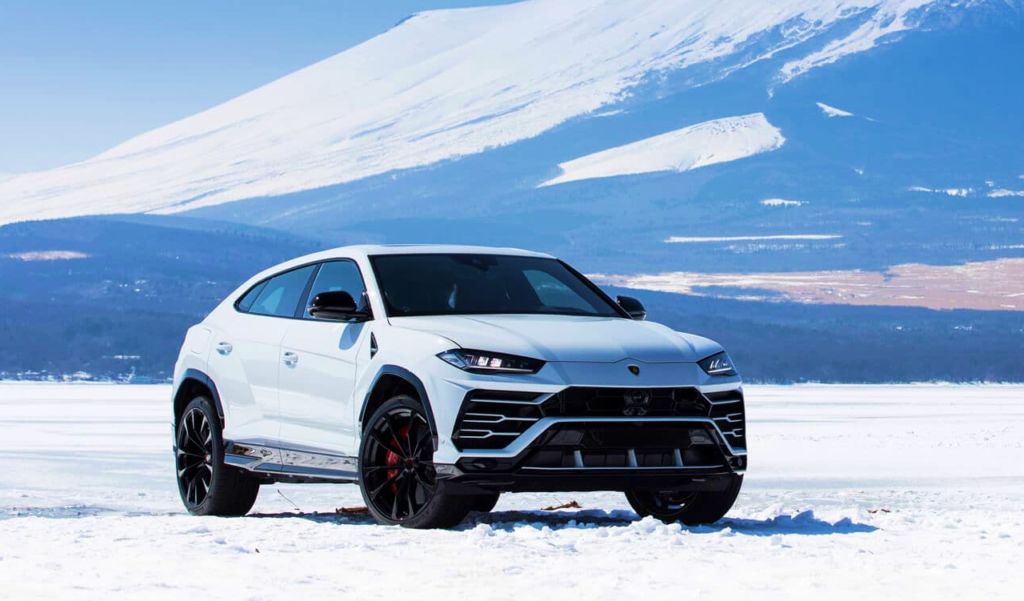
The Lamborghini Urus

Lamborghini Urus Super SUV
[Image via Lamborghini]

Lamborghini’s first attempt at an SUV caused ripples across the automobile industry. A combination of Lamborghini’s classic style coupled with outstanding performance, the Urus starts out at $200,000.

Its twin-turbo 4.0-liter V-8 delivers a whopping 641 horsepower on an all-wheel configuration alongside an eight-speed automatic transmission. This powerful engine boasts a 0-60mph time of 3.2 seconds!

The interior has a classic Lamborghini jetfighter-style design that has all the hallmarks of a luxury SUV and sports car. From leather seats to adjustable gauges, go from luxury to raw power in seconds, literally.

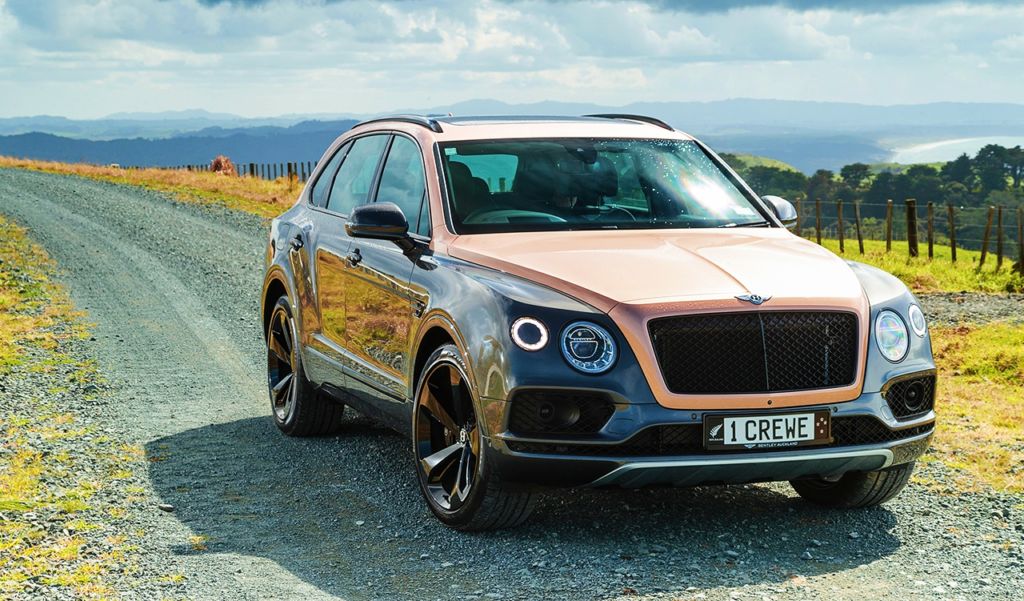
The Bentley Bentayga

Bentley Bentayga Super SUV
[Image via Bentley]

Bentley was looking to rock the SUV world and their introduction of the Bentley Bentayga blew everyone away with a top speed of 187 mph! With a price tag of $197,725, the Bentayga is a supercar in an SUV’s body – the very definition of a Super SUV.

A twin-turbo 6.0-liter W12 engine under the hood delivers a robust 600 horsepower. Along with the eight-speed automatic transmission and all-wheel drive, the Bentayga goes 0-60 mph in 3.6 seconds.

The entirely leather interior comfortably seats 5 people. The full-option Bentayga also offers 22-inch alloy rims as well as an absolutely ridiculous 1,950-watt, 20 speaker audio system and back-seat entertainment tablets.

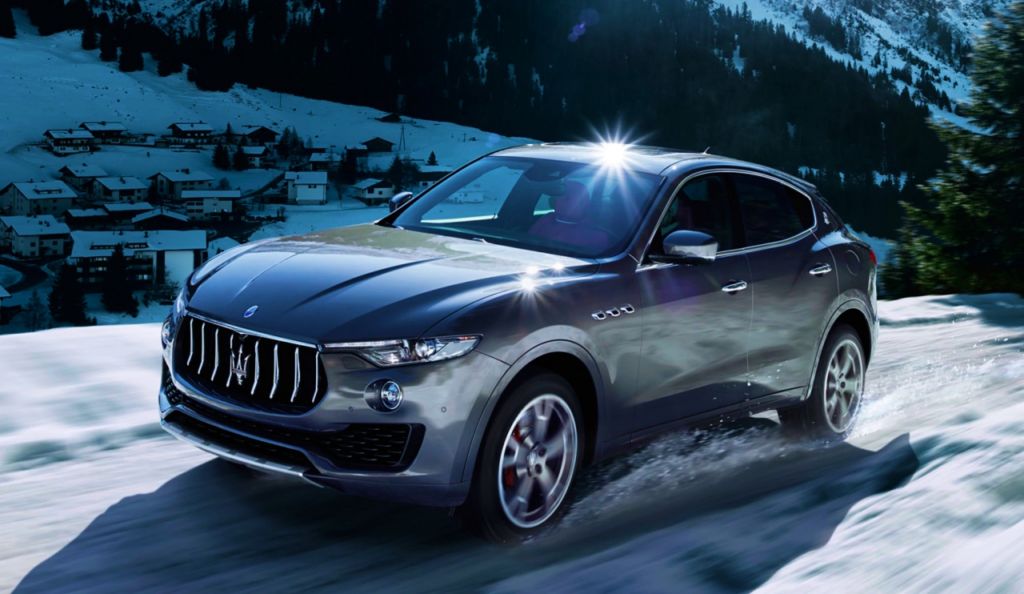
The Maserati Levante

Maserati Levante Super SUV
[Image via Motor Trend]

Following the trend of Super SUV’s, Maserati came up with the relatively cheaper Levante starting at $77,475. Positioned as the reinvention of Italian luxury, the Levante is available in four varieties with individual engine capacities and features.

The base version has a twin-turbocharged V-6 capable of 345 horsepower. Maserati’s Trofeo version put out an unimaginable 550 horsepower but also costs an eye-watering $171,475. The all-wheel base version goes 0-60 mph in 5.1 seconds, rivaling mid-tier sports cars.

With a specific focus on the leather-intensive interior, Maserati has also splashed out on a fully automatic, state-of-the-art, all-inclusive infotainment system. While the Levante cuts corners on trunk space, it offers a world-class luxury experience.

The Complete BMW Buying Guide: Every Model, Explained

BMW produces the “ultimate driving machine.” It distinguishes itself from the other German luxury brands by being sporty and driver-centric. The classic BMW is a powerful, well-handling, RWD sedan with a manual transmission. However, BMW has adjusted to the modern car market. Manuals are harder to come by with each passing model year. BMW offers an array of Crossover/SUVs it terms “sport activity vehicles,” lest anyone accuse a BMW of utility. BMWs are most recognizable for their dual kidney grilles: tow amorphous radiator intakes set into the front of the car.

BMW History

BMW stands for Bavarian Motor Works (Bayerische Motoren Werke in German). The company, formally BMW AG, was founded in Munich in 1916. The company began as a WWI airplane engine manufacturer. BMW did not produce its first car until 1928. Only after the Second World War did automaking become the primary business. Sedans such as the 2002 and subsequent 3 Series laid the foundation for BMW to become a luxury powerhouse and performance hallmark in the 1980s and beyond.

How BMW Names its Cars

BMW uses a Germanic alphanumeric naming system. Basically, models have a Series No. 1-8. (Note that series names are not hyphenated like Mercedes-Benz classes: 3 Series versus E-Class.) Larger odd numbered series means a bigger car. Even numbered series tend to be body style variants. The second two numbers in a model name indicate how big the engine is – they used to directly track engine displacement but no longer do. However, bigger number does equal bigger engine. The letter after the number (e.g. 340i) indicates what type of engine the car has. “X” models are SUVs. “Z” models are roadsters.

The system has some idiosyncrasies. The letter “i” can mean electric (e.g. i3, i8). But, if it comes after the number (340i) it stands for “fuel injection” and means a gasoline engine. The letter “X” can mean an SUV or it can mean AWD. There are “M cars” designed by the M division and cars with “M” in the title that just have some special tuning and styling. There’s also a separate company, Alpina, that produces high-performance BMWs made and sold by BMW.

If you speak BMW, “X6 xDrive50i” concisely tells you exactly what the car is. It’s also a mouthful.

BMW Terminology

ALPINA: Alpina is a separate manufacturer that builds modified vehicles based on BMW models. The cars are assembled on BMW lines and for practical purposes (buying, warranty, repair) function as BMWs.
Bimmer: Pronounced “bee-mer.” A caolloquial nickname for BMW cars.
Gran Coupe: A four-door coupe with a sleek, sloping roofline.
Gran Turismo: A four-door sedan with a higher roofline in the rear for more trunk space. Some might term this a “hatchback.”
Hoffmeister Kink: Named for a former BMW design chief, this is a signature BMW design element defined as “a low forward bend at the C-pillar or D-pillar in the case of touring vehicles or SUVs.” Basically, the rear passenger windows curve forward at their lower-rear corner. It’s been copied ubiquitously in the automotive design space.
i: BMW’s “i” series (i3,i8) models have an electrified powertrain. When “i” appears after an engine number (540i) it stands for fuel injection and denotes a gasoline engine.
M: These cars are modified by BMW’s “M” motorsport division. There are “M” cars that have been redesigned by the M division (M3 or X3 M). There are also “M” performance vehicles (M340i) that are not full M cars but have distinctive styling and tuning.
sDrive: This car has a two-wheel-drive setup. BMW cars are traditionally RWD, though some new models are FWD
Sport Activity Vehicle: What BMW calls its SUVs (traditionally “Sport Utility Vehicle”).
xDrive: BMW’s AWD system.
X: This car is an SUV/Crossover.
Z: This car is a two-door roadster.

Buying Guide

2 Series
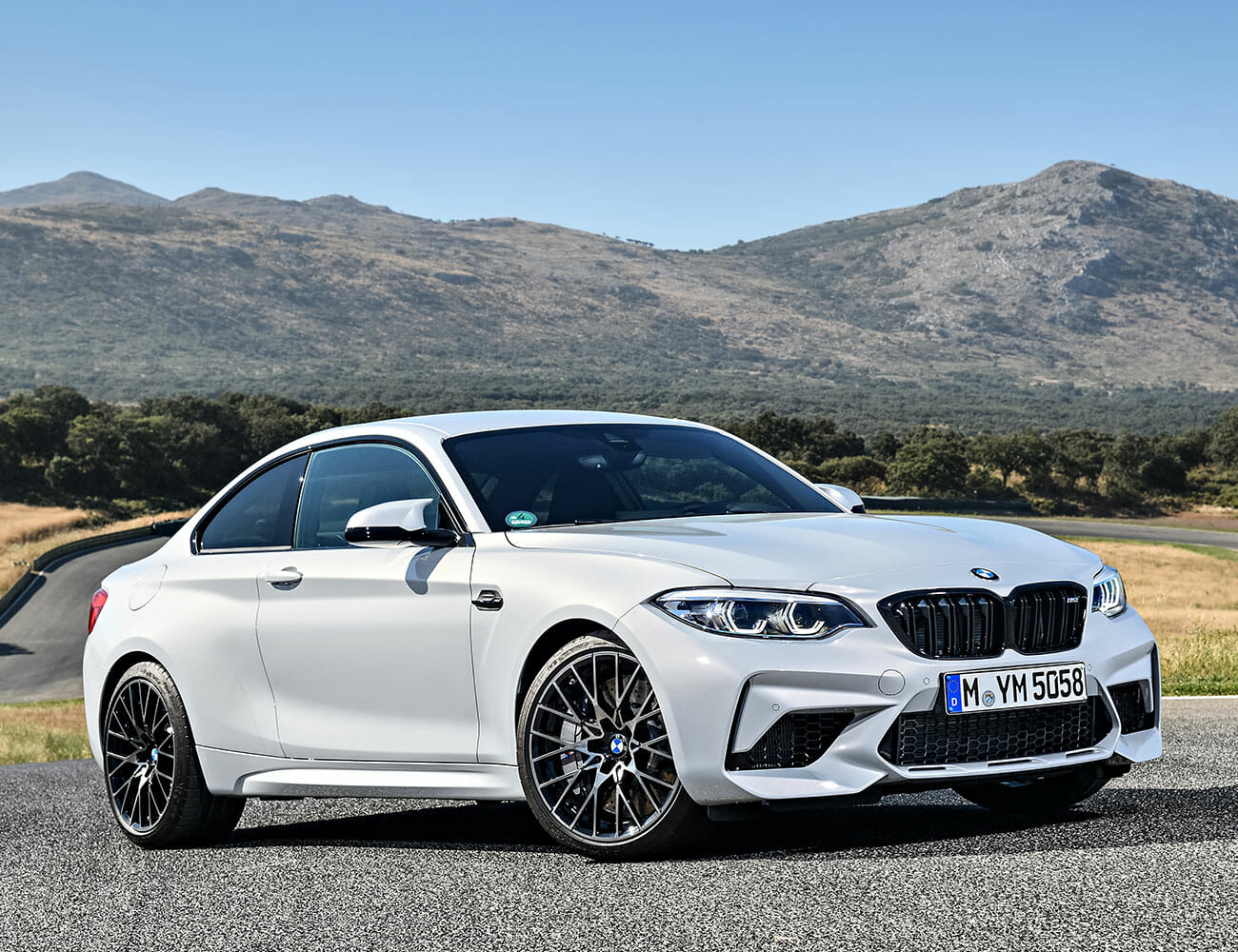
The 2 Series is BMW’s sporty, entry-level subcompact vehicle in the U.S. It comes in both coupe and convertible body styles. There are three versions. BMW offers a quick 248hp 230i versions. There’s a very quick 335hp M240i version. Both can have RWD or AWD. RWD cars can be optioned with a manual.

Those with more cash and the same minimal space requirements may opt for the very, very quick M2 Competition Coupe ($58,900). It draws 405hp from the inline-six engine. It does 0-60mph in four seconds flat. It comes with a six-speed manual. For the Nurburgring fans, the M2 Competition Coupe lapped it in 7:54.

Body Style: Coupe, Convertible
Models:

• 230i
• 230i xDrive
• M240i
• M240i xDrive
• M2 Competition Coupe

Engines:

• Turbocharged 2.0-liter inline-four
• Turbocharged 3.0-liter inline-six

Read our review of the BMW M2

Base MSRP: $35,300

3 Series
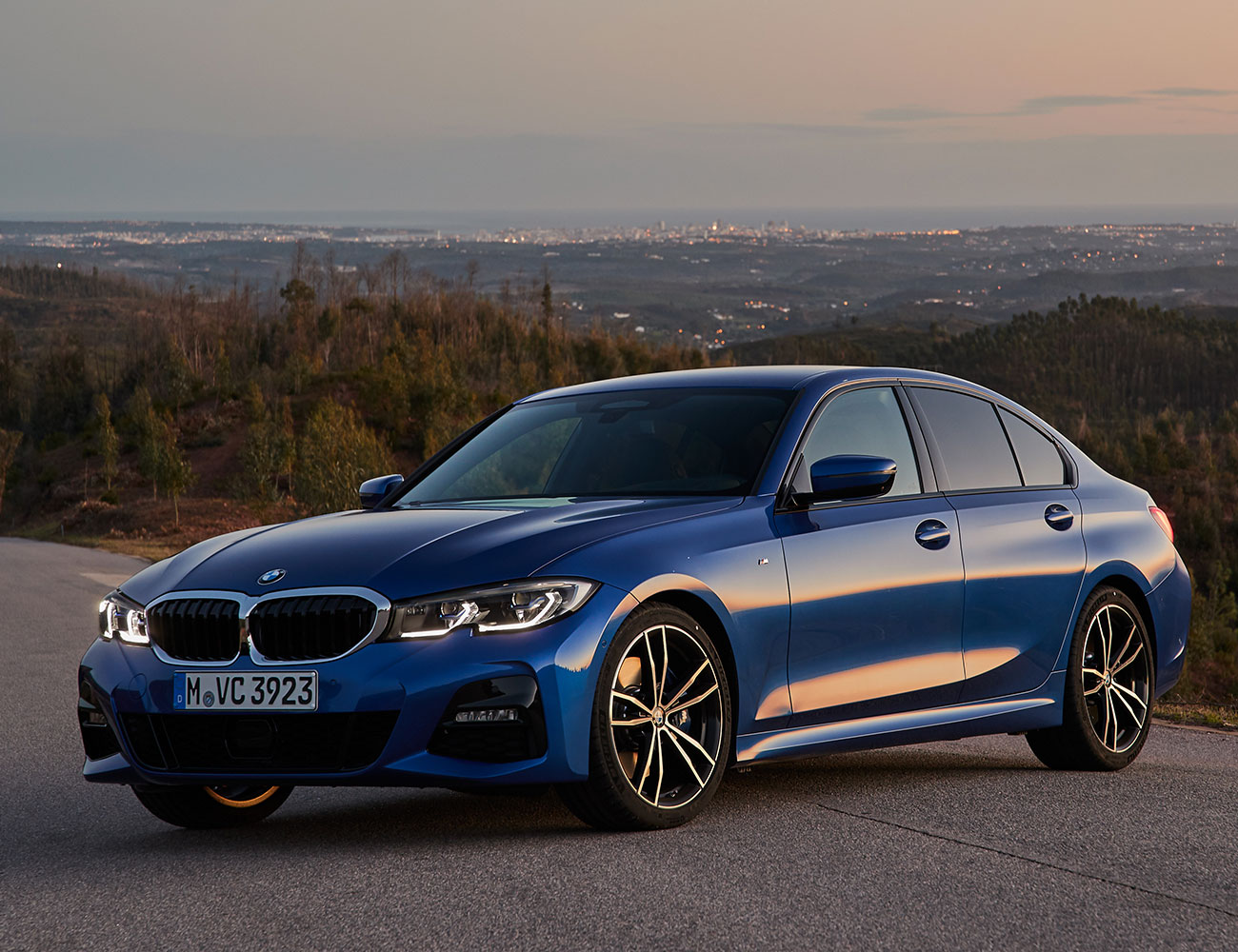
The 3 Series compact sedan is the quintessential BMW. It has been a standout for decades since its 1976 debut. It is BMW’s best-selling vehicle of all-time. BMW has made a host of new performance improvements for the 7th generation coming in 2019. Two controversial changes are ditching the wagon and the manual transmission in the U.S. market. It comes in a base four-cylinder 255hp 330i or a six-cylinder 382hp M340i form.

The M3 ($66,500) has been the gold standard sports sedan since its introduction in 1985. The present version produces 425hp and 411lb-ft of torque. It accelerates from 0-60mph in 3.9 seconds. Speculation was rampant, but the M3 still has a manual option.

Body Style: Sedan

Models:

• 330i
• 330i xDrive
• M340i
• M340i x Drive
• M3

Engines:

• Turbocharged 2.0-liter inline-four
• Turbocharged 3.0-liter inline-six

Read more about the BMW 3 Series here

Base MSRP: $40,250 [Manufacturer price of lowest model]

4 Series
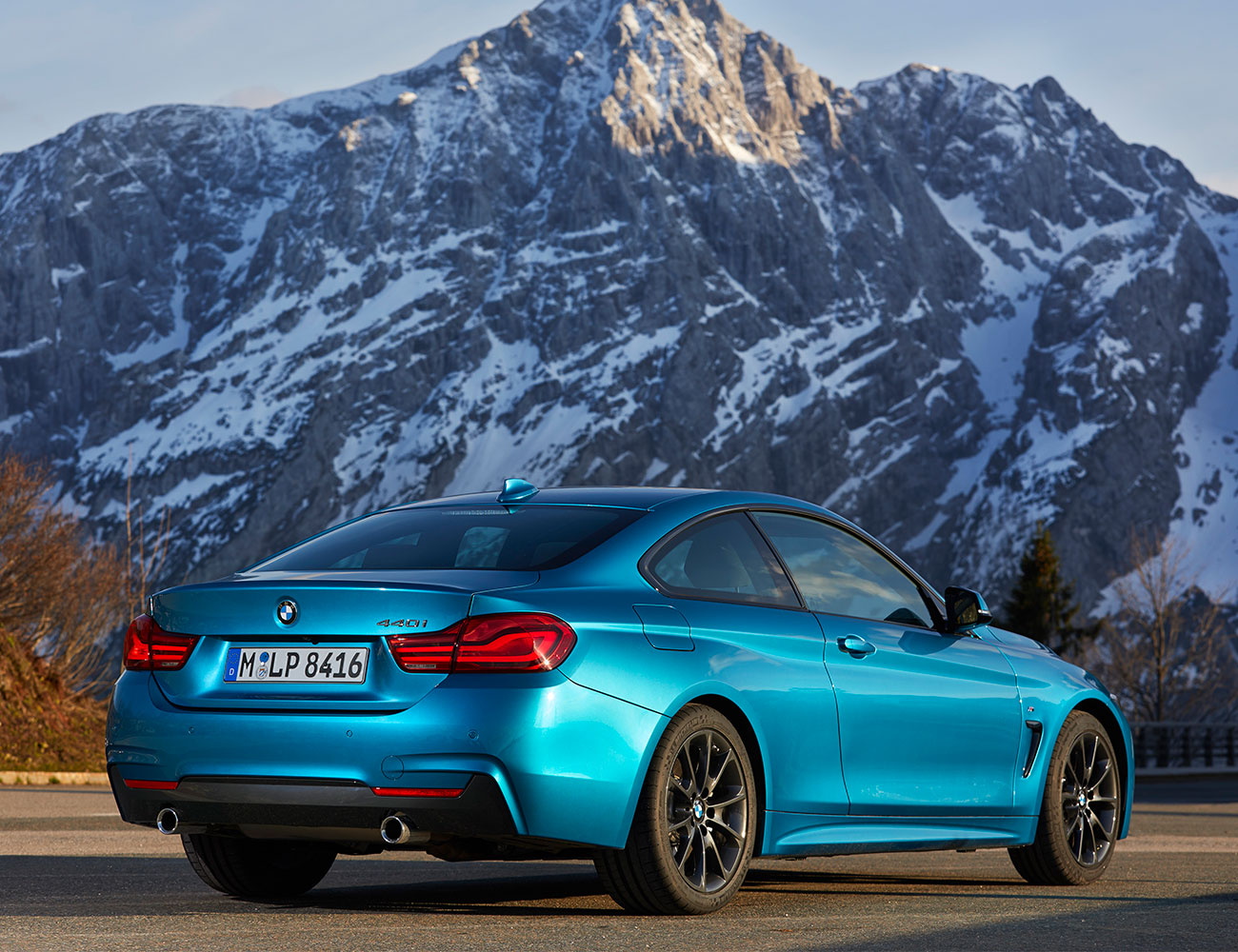
BMW created the 4 Series in 2014, breaking away 3 Series body style variants into a new series. It comes in two-door coupe, four-door gran coupe and convertible editions. BMW claims they offer “uniquely beguiling” traits. It comes in 430i (248hp I-4) and 440i (320hp I-6) versions. For the 430i, the RWD Coupe and Gran Coupe can have a manual transmission. So can both RWD and AWD versions of the 440i Coupe.

The M4 ($69,150) is, similarly, a body-style variant of the M3. It can be both a two-door coupe and a convertible. Both are available with manual transmissions.

Body Style: Coupe, Gran Coupe, Convertible

Models:

• 430i
• 430i xDrive
• 440i
• 440i xDrive
• M4

Engines:

• Turbocharged 2.0-liter inline-four
• Turbocharged 3.0-liter inline-six

Base MSRP: $44,600

5 Series
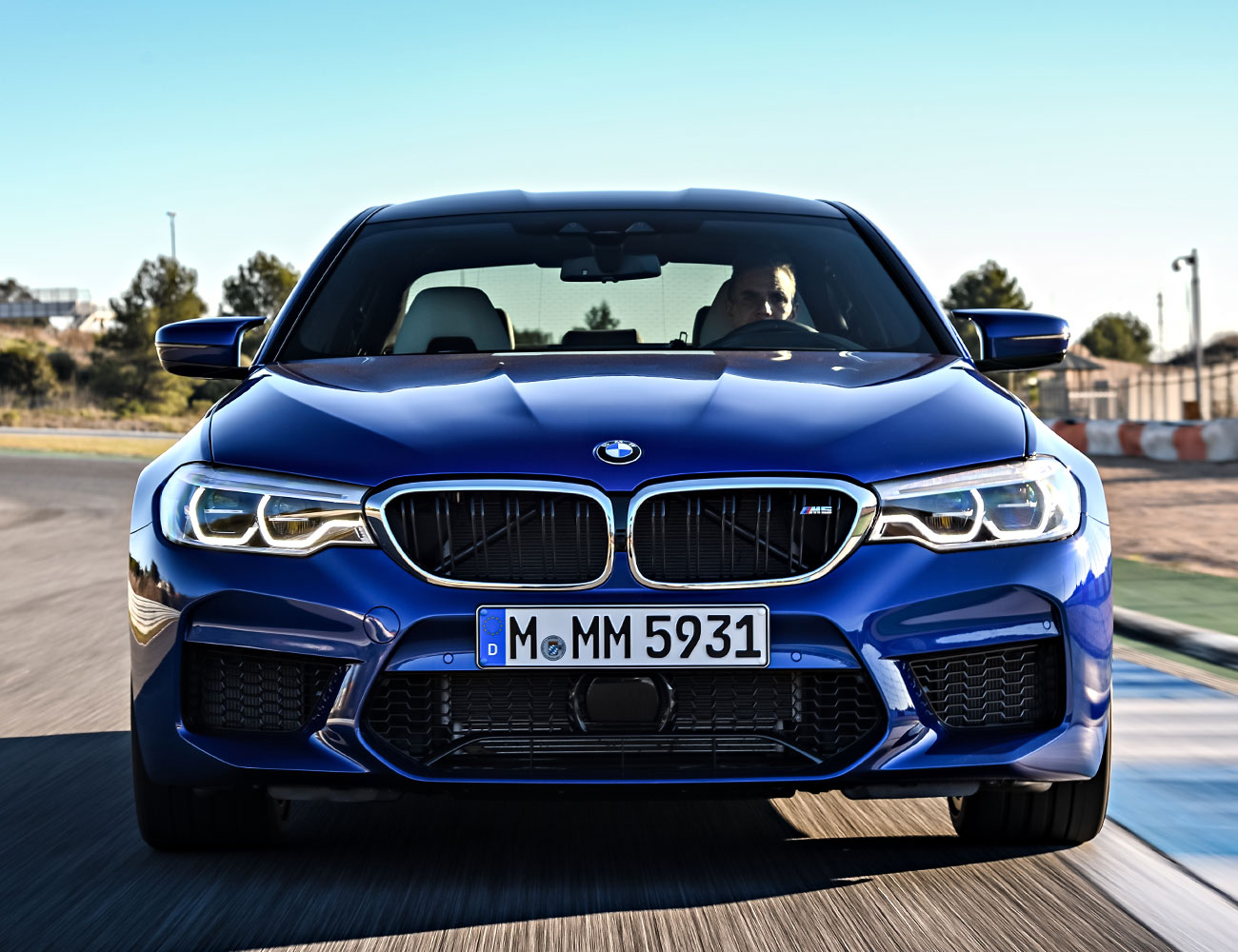
The 5 Series is BMW’s midsize sedan. Debuting in 1972, it was the first numbered series in BMW’s lineup. The 5 Series comes as a sedan only in the U.S. market. It can be paired with an inline-four, an inline-six, or a V8. There’s also a hybrid-electric version of the four-cylinder.

The M5 ($102,700) is one of BMW’s legendary cars. The company describes it as “a quintessential performer on road and track.” We have yet to see the public roads built to contain this 600hp monster at full-tilt. There’s a $110,000 “Competition” edition for those that need an extra tick from 0-60mph. Big changes for the latest generation: AWD and no manual transmission.

Body Style: Sedan

Models:

• 530i
• 530i xDrive
• 530e iPerformance
• 530e xDrive iPerformance
• 540i
• 540i xDrive
• M550i xDrive
• M5
• M5 Competition

Engines:

• Turbocharged 2.0-liter inline-four
• Turbocharged 2.0-liter inline-four with an integrated electric motor
• Turbocharged 3.0-liter inline-six
• Turbocharged 4.4-liter V8

Base MSRP: $53,400

Read our BMW M5 review

6 Series
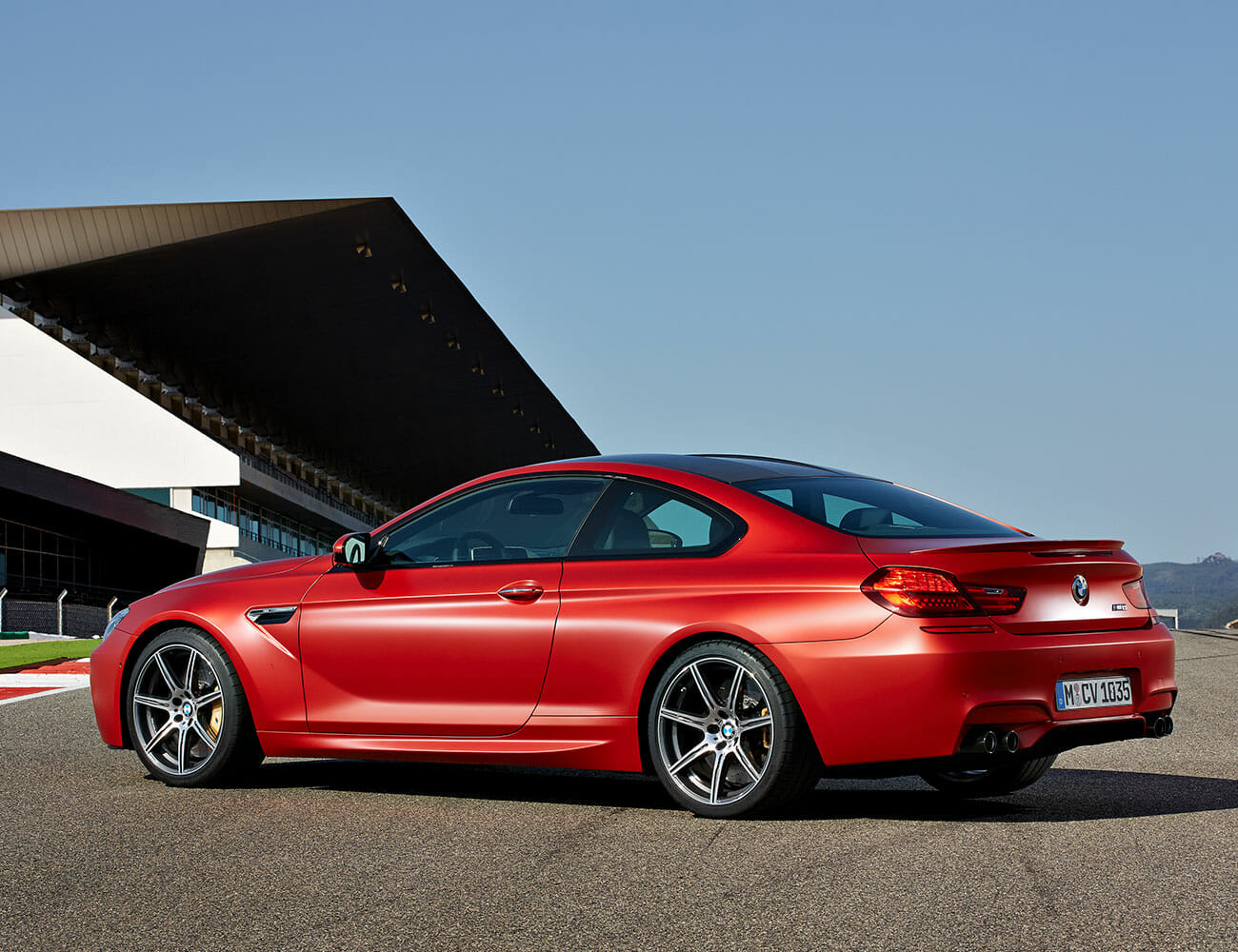
The 6 Series has meant different things at different times for BMW. Currently, it is “curves that captivate, power that astounds, and the attitude to capture attention” from 5 Series body style variants. The 6 Series comes as a four-door “Gran Tourismo” hatchback or a four-door gran coupe. There are six and eight-cylinder versions with both RWD and AWD.

BMW offers dueling high-performance editions of the 6 Series. There’s the 560hp M6 Gran Coupe ($119,900). There’s also the 600hp Alpina B6 Gran Coupe ($124,400) that is a half-second quicker from 0-60mph (3.6sec).

Body Style: Gran Turismo, Gran Coupe, Alpina B6 Gran Coupe

Models:

• 640i
• 640i xDrive
• 650i
• 650i xDrive
• M6
• Alpina B6 xDrive

Engines:

• Turbocharged 3.0-liter inline-six
• Turbocharged 4.4-liter V8

Base MSRP: $70,300 [Manufacturer price of lowest model]

7 Series
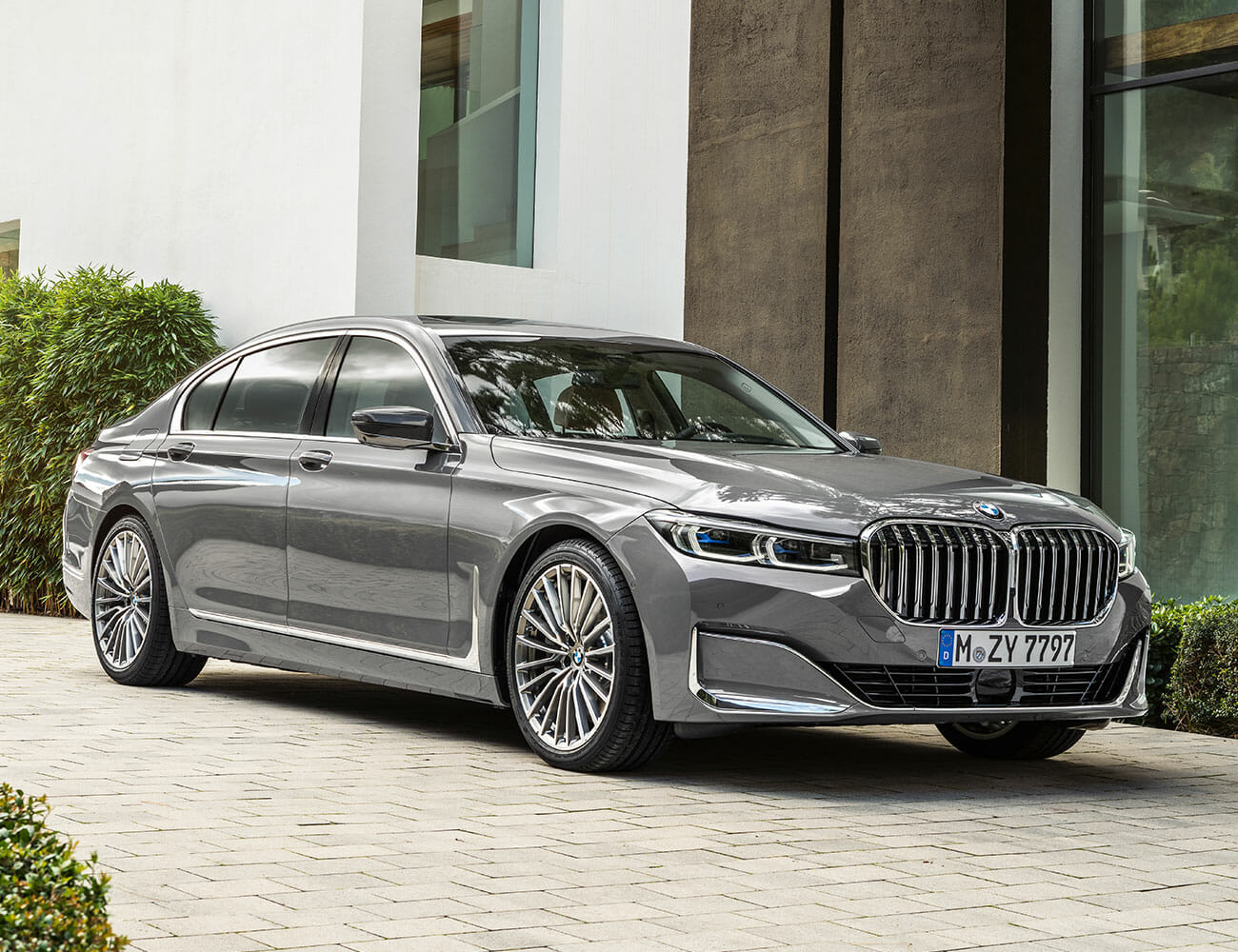
The 7 Series is BMW’s flagship full-size luxury sedan. BMW terms owning one living “life at the apex.” That may be a bit strong. The 7 Series can be ordered in six-cylinder, eight-cylinder, and twelve-cylinder (601hp) versions. Buyers can also choose a 322hp combined four-cylinder hybrid electric.

Alpina produces a 600hp B7 ($139,350). The current edition is limited in the U.S. to 192mph. Without the limiter, it has a top speed north of 200mph and lays claim to being the world’s fastest sedan.

Body Style: Sedan

Models:

• 740i
• 740i xDrive
• 740e
• 750i
• 750i xDrive
• M760i xDrive
• Alpina B7 xDrive

Engines:

• Turbocharged 2.0-liter inline-four with an integrated electric motor
• Turbocharged 3.0-liter inline-six
• Turbocharged 4.4-liter V8
• Turbocharged 6.6-liter V12

Base MSRP: $83,650 [Manufacturer price of lowest model]

Read our review of the Alpina B7

8 Series
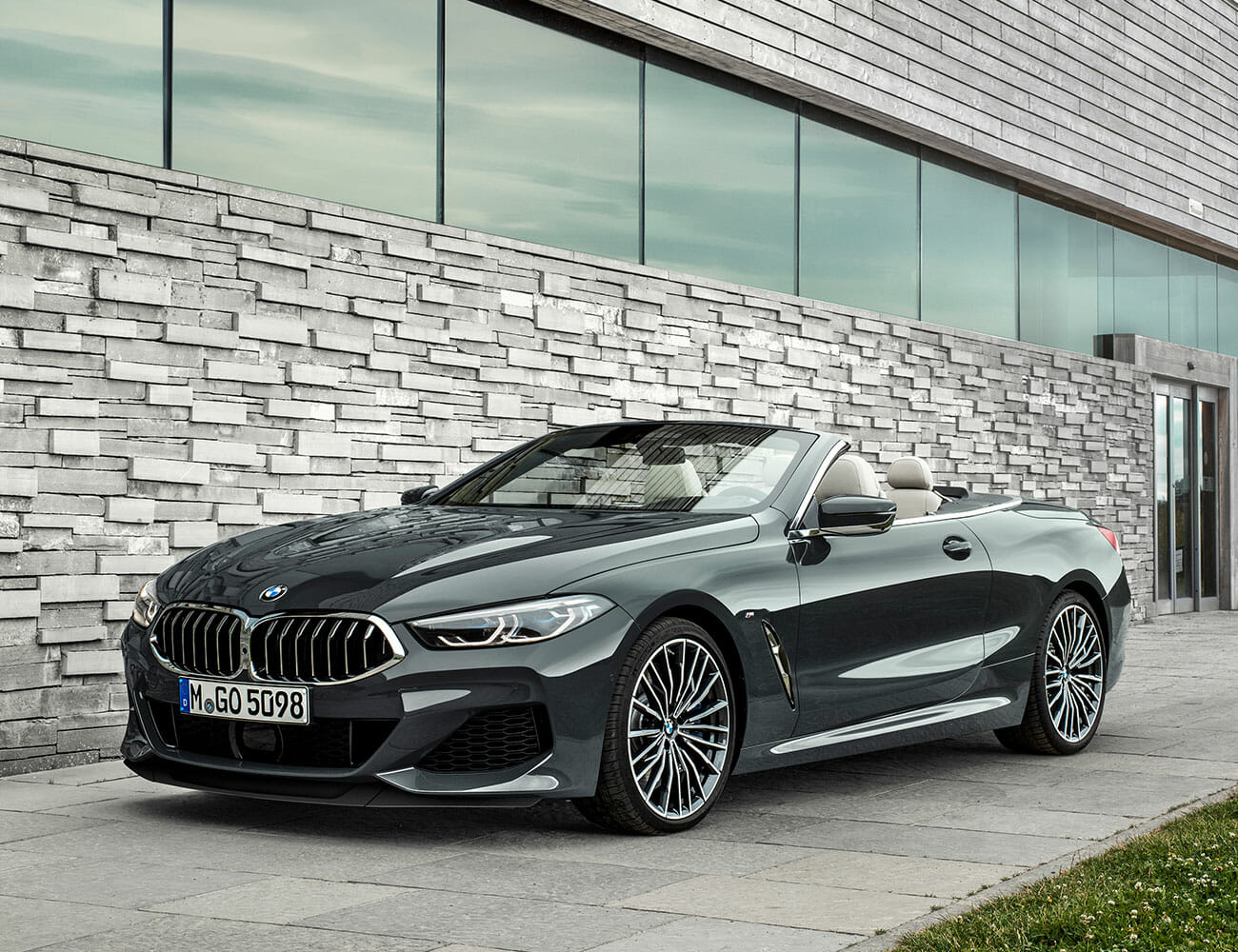
The 8 Series is BMW’s luxury grand tourer. It’s available in both coupe and convertible body styles. With a 523hp version of the 4.4L V8 engine, the 8 Series can accelerate from 0-60mph in 3.6 seconds.

Body Style: Coupe, Convertible

Models:

• M850i xDrive

Engines:

• Turbocharged 4.4-liter V8

Base MSRP: $111,900

Z4
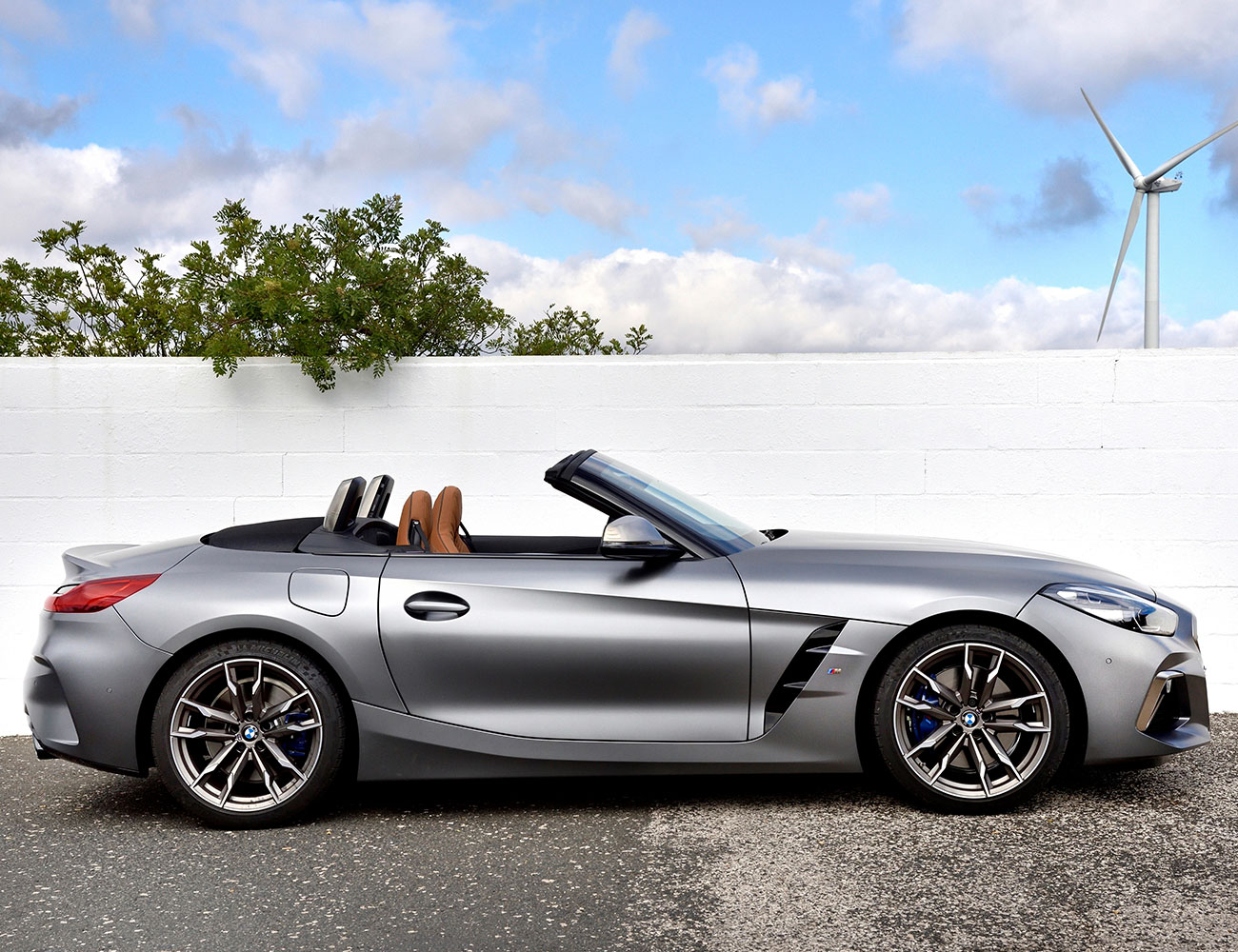
The Z4 is BMW’s small roadster. It’s a descendant of the BMW Z3 that appeared in Goldeneye, which was a movie before becoming perhaps the greatest video game of all-time. The “Z” stands for “zukunft,” the German word for future. It’s only available as a RWD four-cylinder with 255hp and 295lb-ft.

Body Style: Roadster

Models:

• Z4 sDrive30i

Engines:

• Turbocharged 2.0-liter inline-four

Base MSRP: $49,700

Read more about the BMW Z4

X1
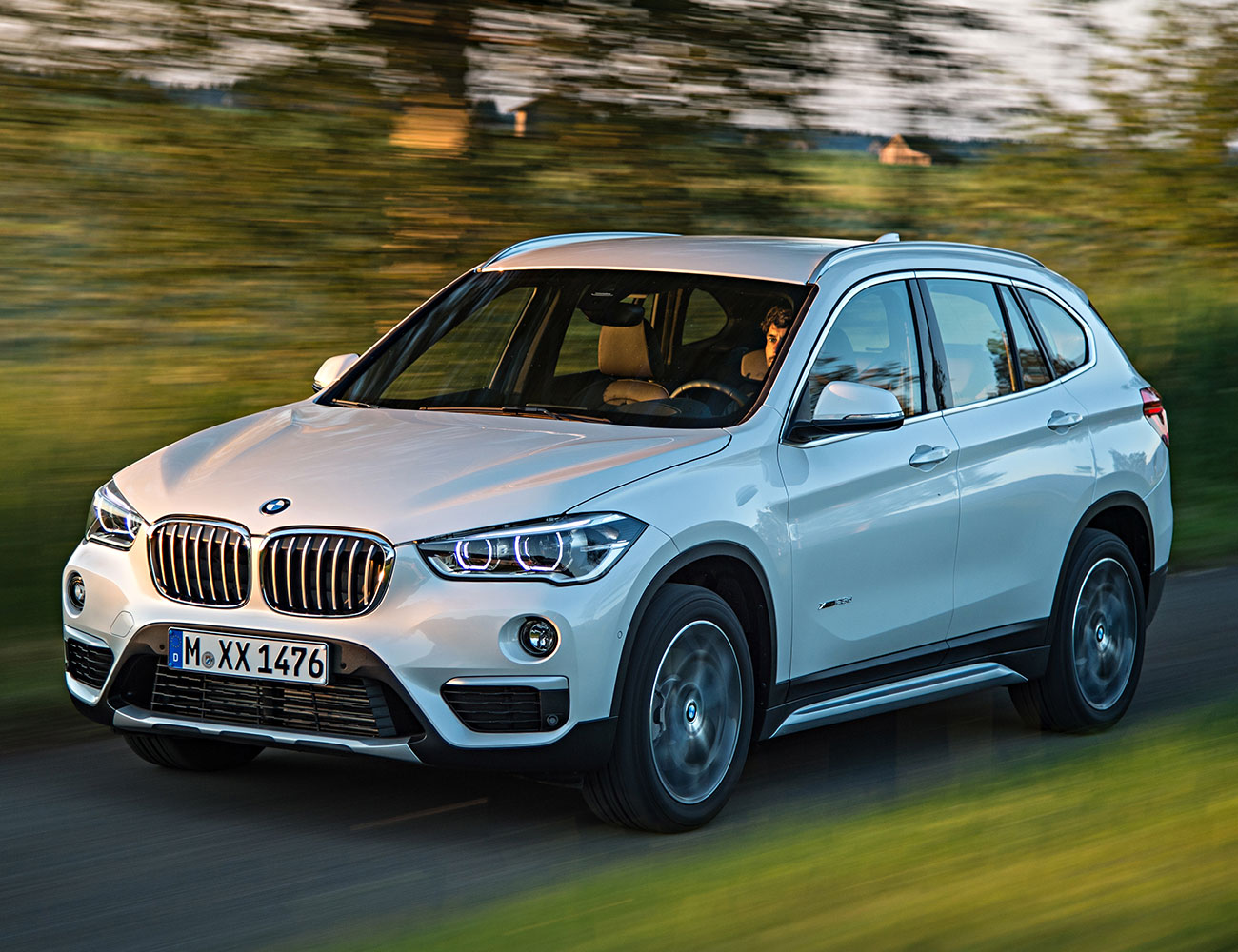
The X1 is BMW’s entry-level subcompact crossover. It uses a 228hp four-cylinder engine, is available in FWD and AWD variants, and has a base MSRP below $35,000. Car and Driver named it one of their 10 best Trucks and SUVs for 2019.

Body Style: Crossover

Models:

• X1 sDrive30i
• X1 xDrive30i

Engines:

• Turbocharged 2.0-liter inline-four

Base MSRP: $34,950 [Manufacturer price of lowest model]

X2
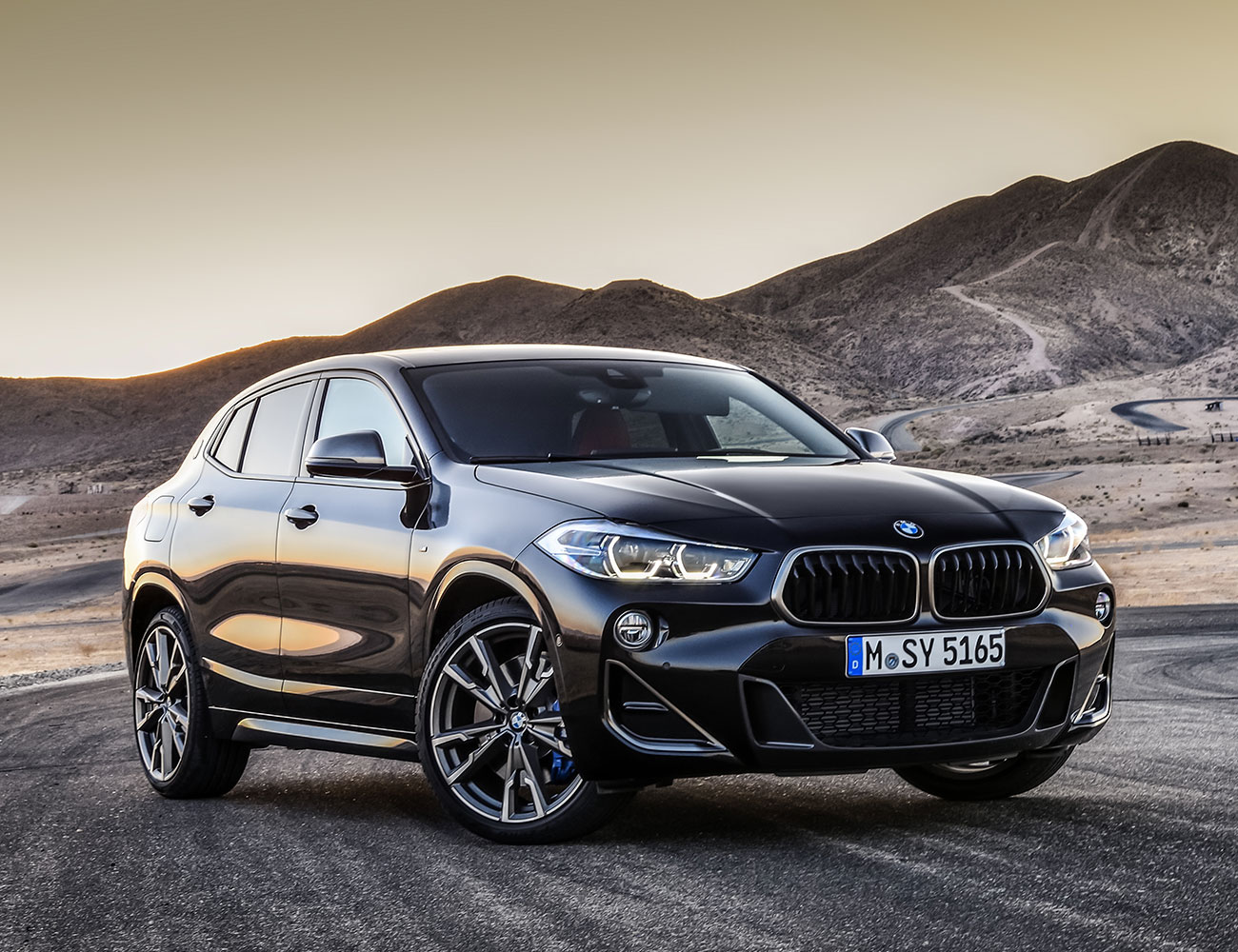
The X2 is BMW’s sportier, driving-oriented, and more BMW-y subcompact crossover. It’s lower to the ground than the X1. It has a sleeker “coupe” body shape and less cargo space. The base models come in FWD and AWD. The X2 M35i (AWD) has a tuned up version of the four-cylinder producing 302hp and 322lb-ft and accelerating from 0-60mph in 4.9 seconds.

Body Style: Crossover Coupe

Models:

• X2 sDrive28i
• X2 xDrive28i
• X2 M35i

Engines:

• Turbocharged 2.0-liter inline-four

Base MSRP: $36,400

X3
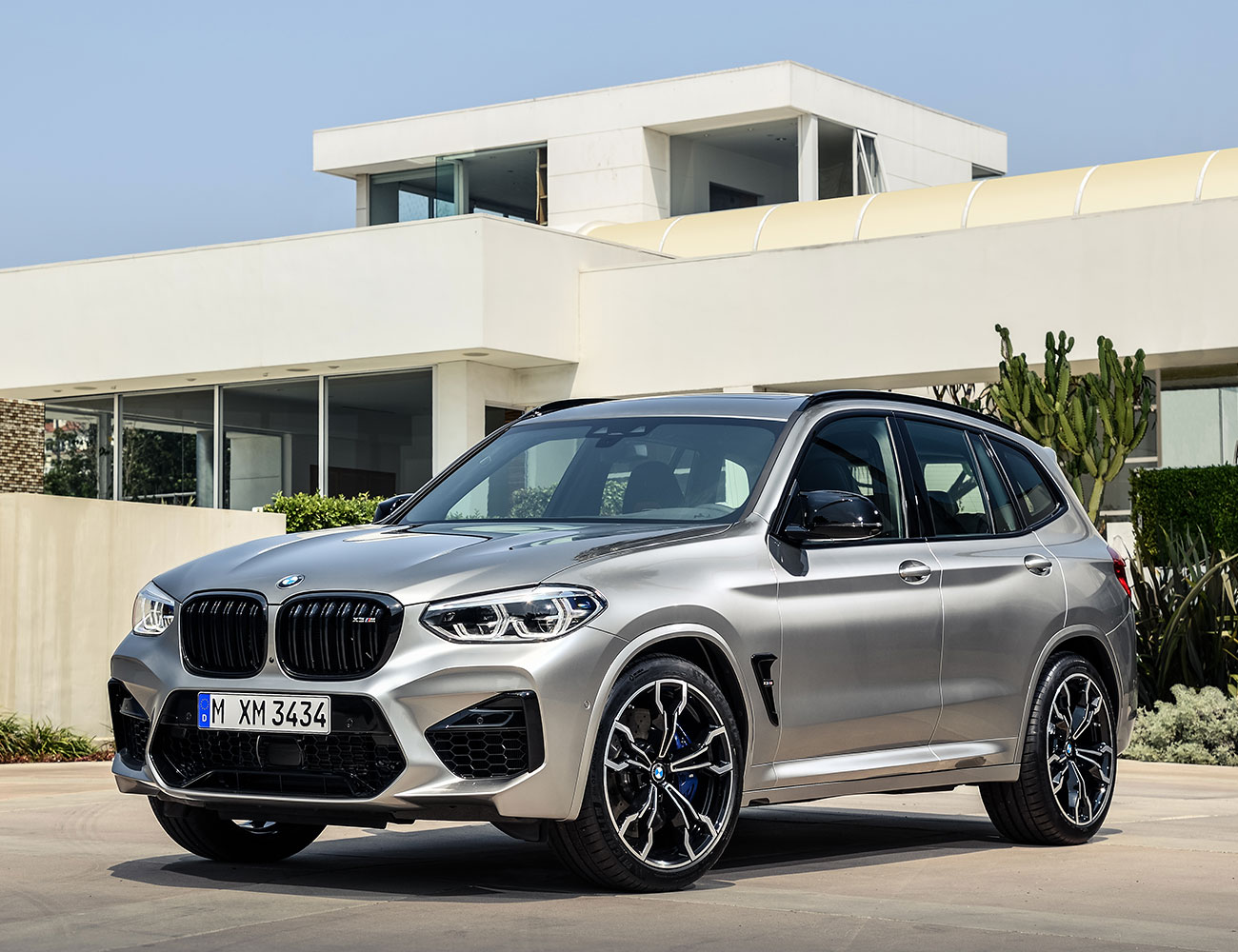
The X3 is BMW’s compact SUV. BMW first introduced it in 2003 as a smaller version of the X5. The third generation was introduced for the 2018 model year. The base four-cylinder model comes in both rear and all-wheel-drive. There’s also a 355hp m40i version. BMW plans to introduce X3 M and X3 M Competition models in the 2020 model year. The latter will have more than 500hp.

Body Style: Crossover

Models:

• X3 sDrive30i
• X3 xDrive30i
• X3 m40i

Engines:

• Turbocharged 2.0-liter inline-four
• Turbocharged 3.0-liter inline-six

Base MSRP: $41,000

Read more about the BMW X3 M and X4 M Competition models

X4
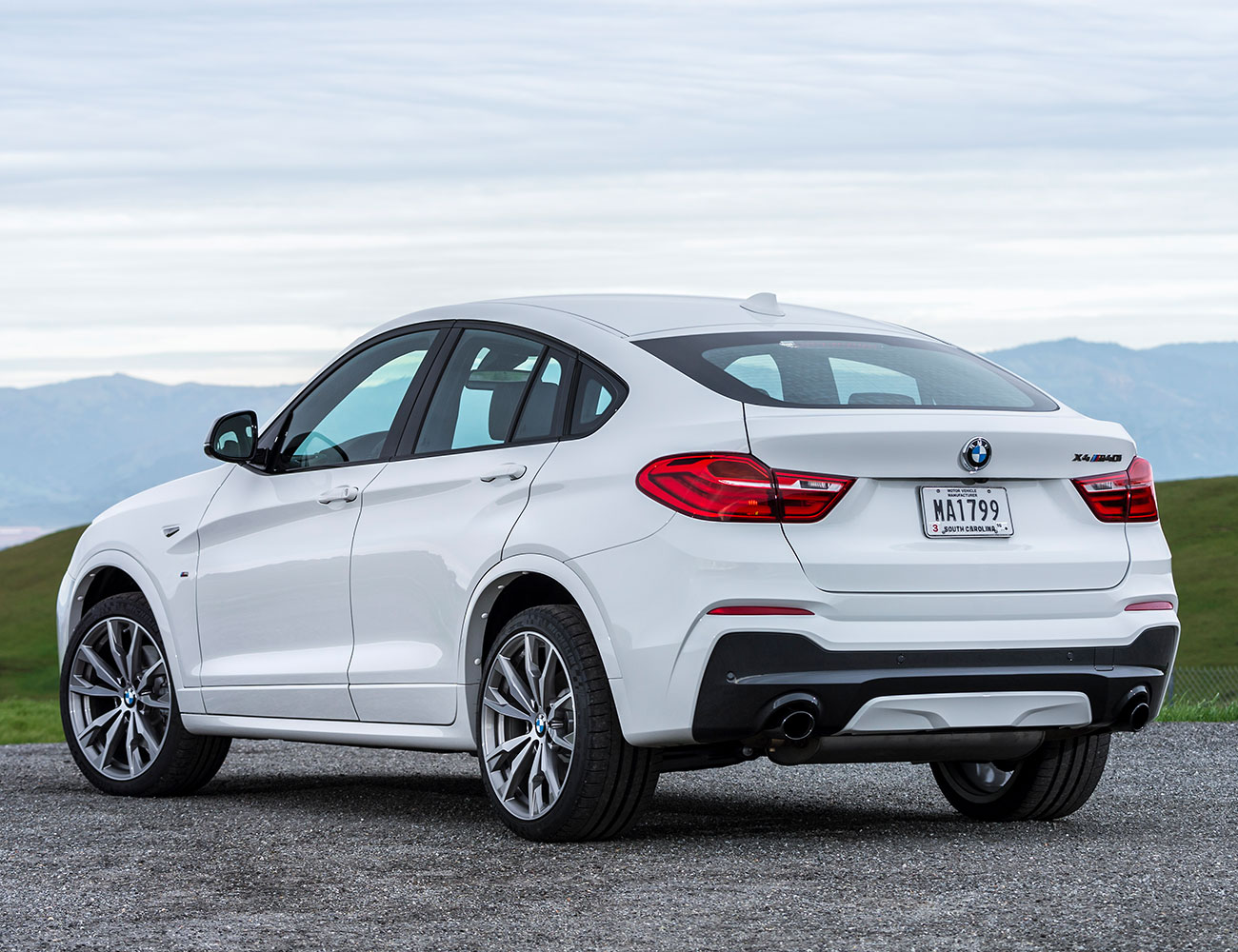
The X4 is a sportier version of the X3 compact crossover. It has a sloping coupe body style. As with the X3, there are four-cylinder (248hp) and six-cylinder versions (355hp). Though, the X4 only comes with all-wheel-drive. There’s also an X4 M edition coming in the 2020 model year.

Body Style: Crossover Coupe

Models:

• X4 xDrive30i
• X4 m40i

Engines:

• Turbocharged 2.0-liter inline-four
• Turbocharged 3.0-liter inline-six

Base MSRP: $50,450

X5
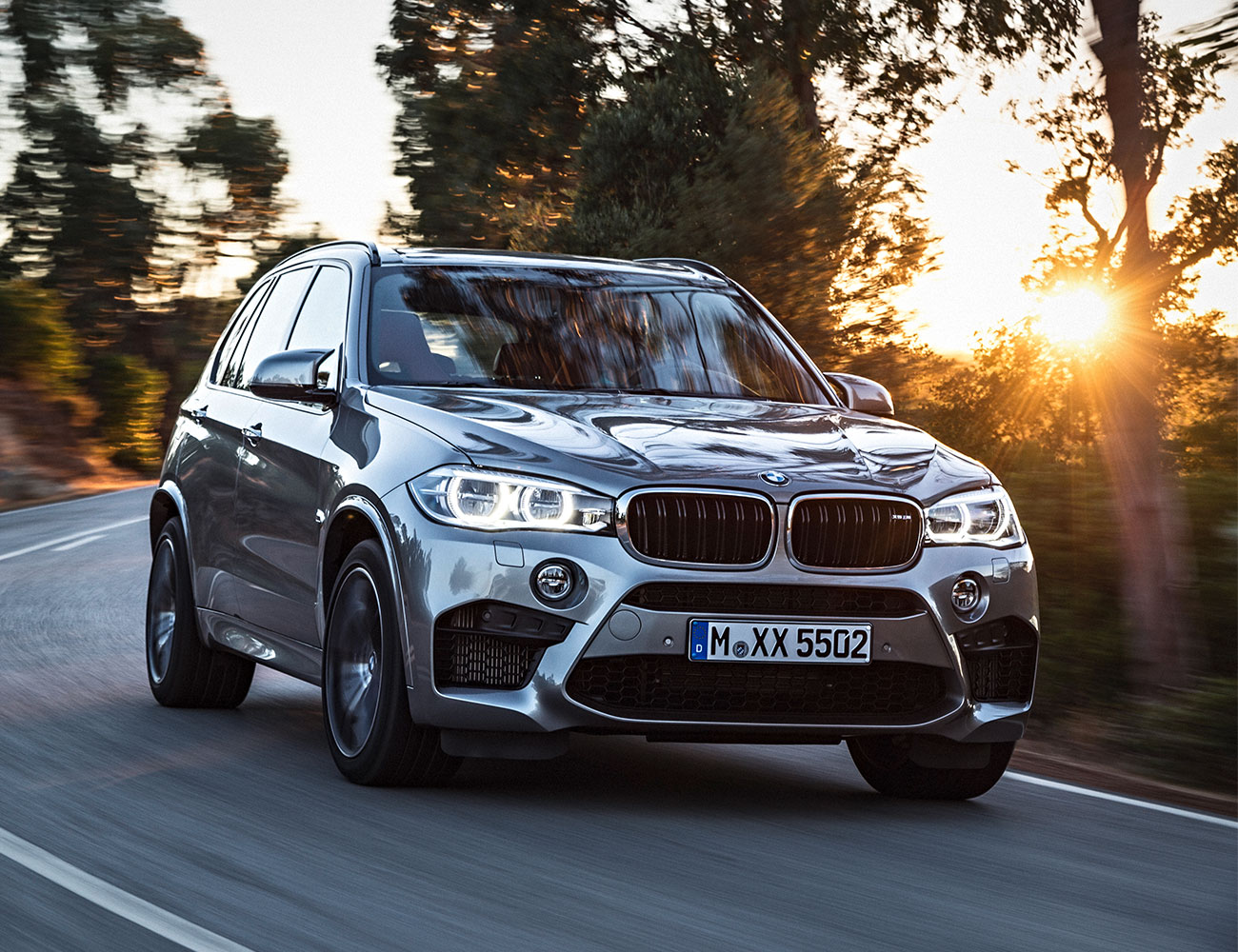
The X5 is BMW’s midsize SUV. It was the first SUV BMW introduced in 1999. It was one of the first SUVs to use a more crossover-like unibody architecture while the Mercedes-Benz M-Class and others were still light trucks. It comes in inline-six and V8 versions. The X5 M ($101,700) tunes the 4.4-liter V8 to 567hp and 553lb-ft of torque. It accelerates from 0-60mph in 4.0 seconds, perfect for when you need to get the kids to school very aggressively. Notably, the X5 M doesn’t follow typical ‘M’ nomenclature, which would make it the ‘MX5’, because Mazda already makes a vehicle by that name: the MX-5 Miata.

Body Style: Crossover

Models:

• X5 xDrive40i
• X5 xDrive50i
• X5 M

Engines:

• Turbocharged 3.0-liter inline six
• Turbocharged 4.4-liter V8

Base MSRP: $60,700 [Manufacturer price of lowest model]

Read more about the BMW X5

X6
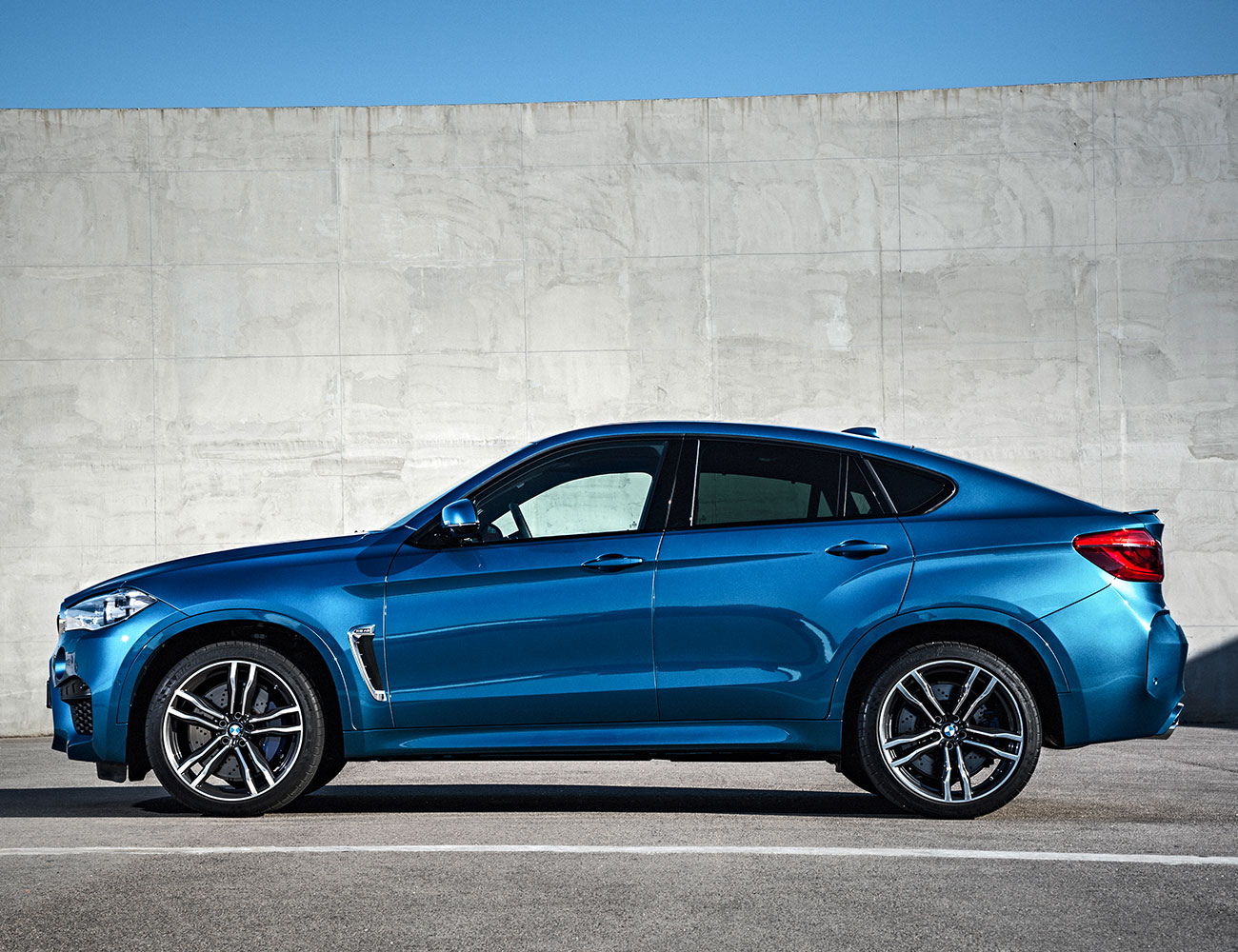
The X6 is BMW’s midsize crossover coupe. BMW says it is the “commanding sports activity coupe” with “striking looks, aggressive stance, and large proportions.” The base six-cylinder (300hp) engine is available with either all-wheel-drive or rear-wheel-drive. There’s an eight-cylinder version with 445hp. BMW’s X6 M ($105,700) receives the same tuning as the X5 M to 567hp.

Body Style: Crossover Coupe

Models:

• X6 sDrive35i
• X6 xDrive35i
• X6 xDrive50i
• X6 M

Engines:

• Turbocharged 3.0-liter inline six
• Turbocharged 4.4-liter V8

Base MSRP: $63,550

X7
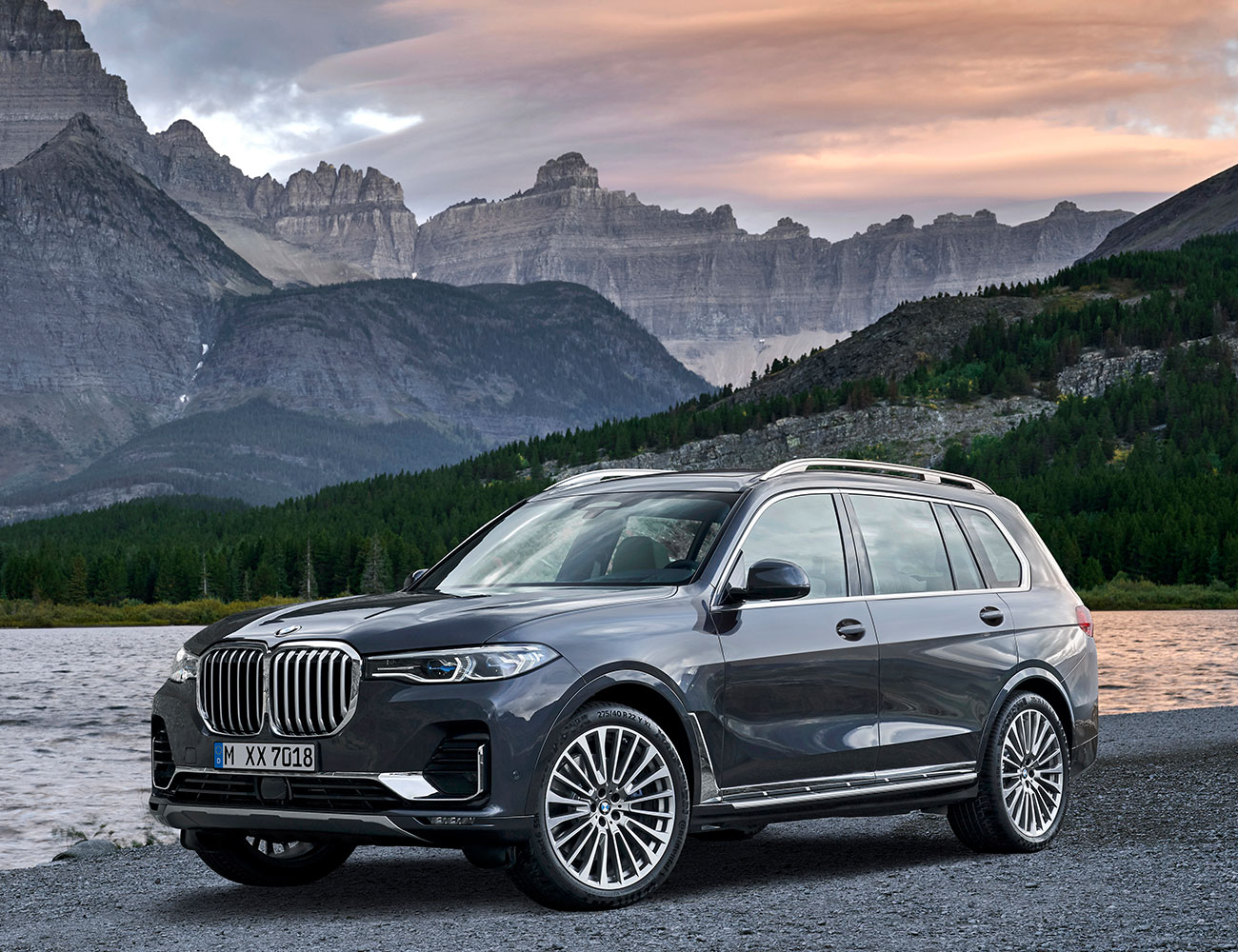
The X7 is BMW’s full-size three-row SUV debuting in the 2019 model year. It’s the largest BMW ever built. BMW describes it as “the culmination of comfort, luxury, and powerful living.” BMW offers six-cylinder and eight-cylinder versions. The X7 can be optioned as a seven-seater or as a six-seater with second-row captain’s chairs. Those living powerfully need captain’s chairs.

Body Style: Crossover

Models:

• X7 xDrive 40i
• X7 xDrive 50i

Engines:

• Turbocharged 3.0-liter inline six
• Turbocharged 4.4-liter V8

Base MSRP: $73,900

i3
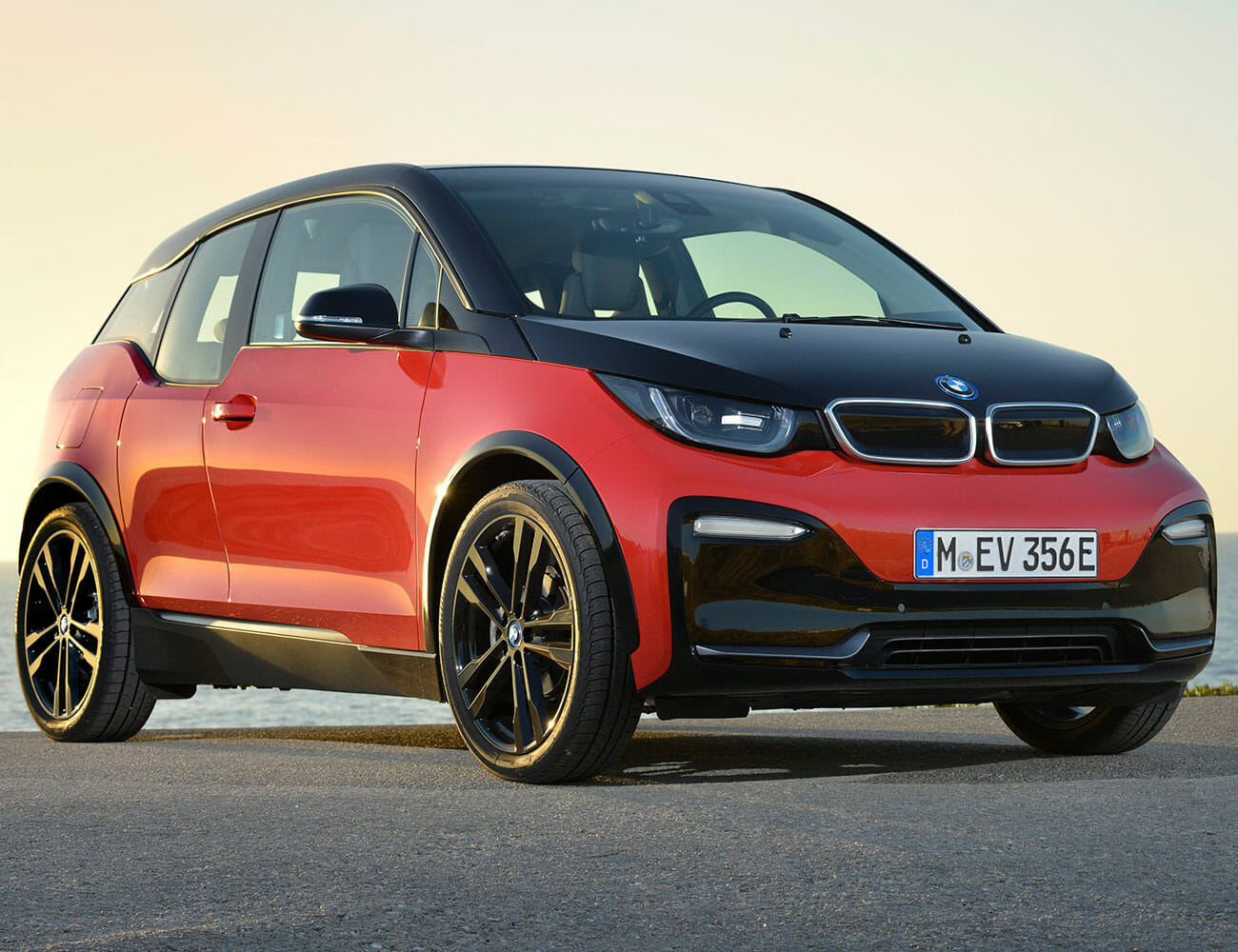
The i3 is BMW’s subcompact all-electric vehicle. Per BMW it “turns the everyday into the adventurous.” We’re still not sure whether that’s a good thing. Basically, it’s a high-roofed hatchback EV. It looks like what people in the early 2010s thought an EV would look like. The i3s is a slightly more powerful version. Both versions can be equipped with a two-cylinder gas range extender that can stretch the range to about 200 miles. Its price is competitive with the Tesla Model 3. Its performance is not.

Body Style: Hatchback

Models:

• i3
• i3 w/range extender
• i3s
• i3s w/range extender

Engines:

• 170hp AC Electric Motor
• 181hp AC Electric Motor

Base MSRP: $44,450

i8
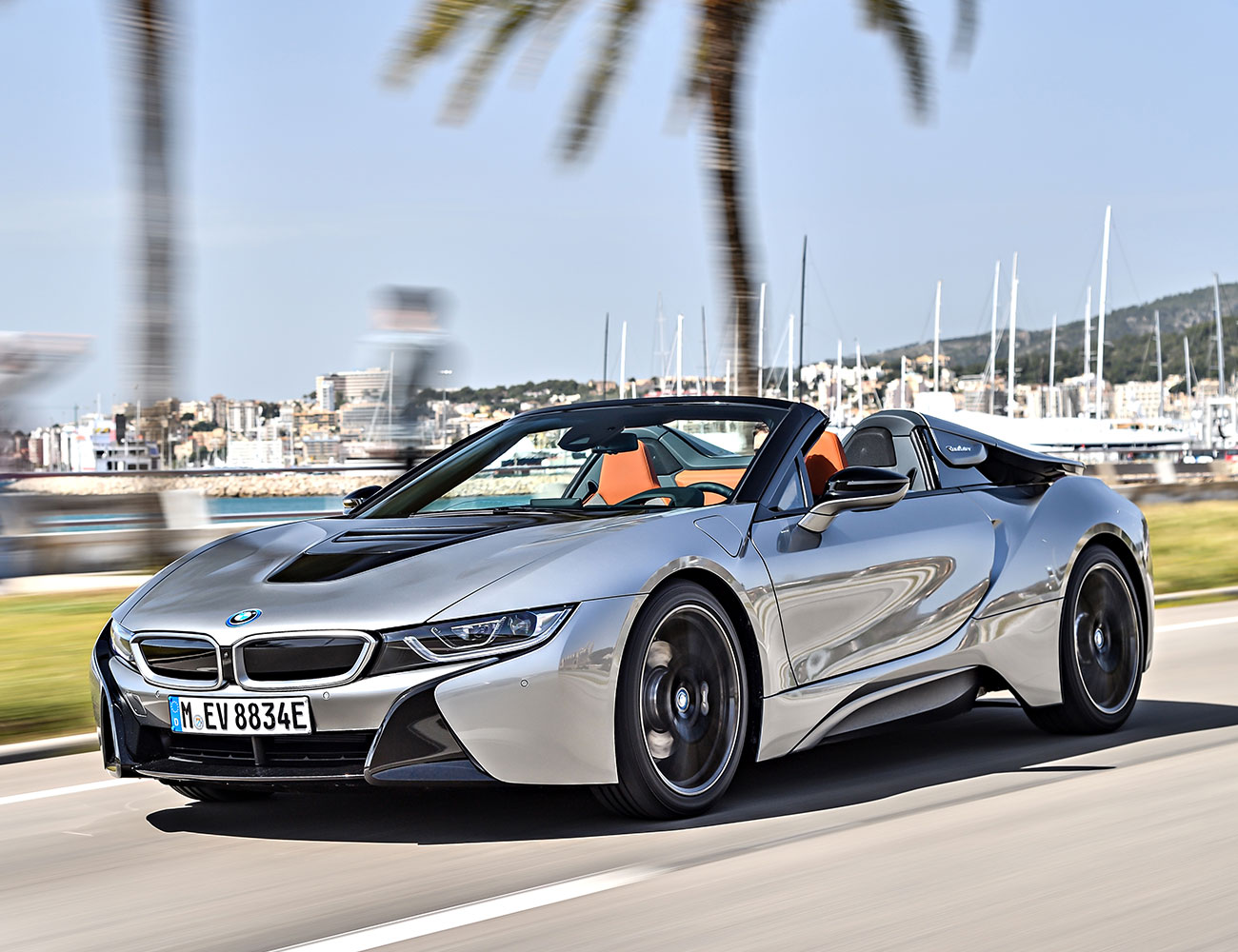
The i8 is a plug-in hybrid performance roadster BMW launched in 2014. It comes in both Coupe and Roadster editions. The electric and gas motors produced 369hp combined. The i8 Coupe can accelerate from 0-60mph in 4.2 seconds. It looks like the future. Skeptics will note that it doesn’t perform quite like a supercar, doesn’t get great mileage in real driving conditions with a small battery, and costs $15,000 more than a maxed out Tesla Model S Performance.

Body Style: Coupe, Roadster

Models:

• i8 Coupe
• i8 Roadster

Engines:

• AC Synchronous Motor with Turbocharged 1.5-liter three-cylinder

Base MSRP: $147,500

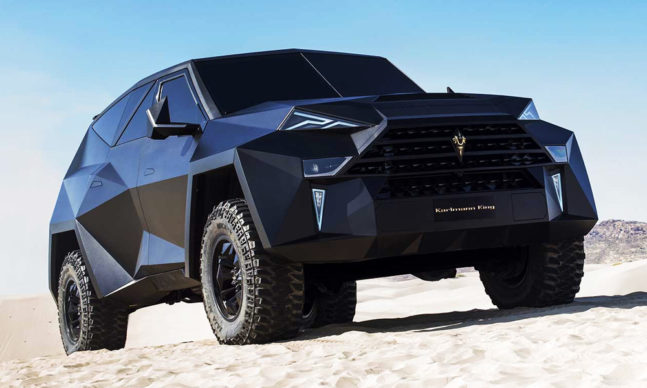
The Karlmann King is the World’s Most Expensive SUV

If you have a bank account as deep as the Marianas Trench, and you fancy yourself sitting in an SUV that looks Batman’s Tumbler made love with a Stealth Fighter, the Karlmann King was made…

Cadillac Introduces 2020 CT5 Sedan

Cadillac is still betting that not everyone wants an SUV or crossover, as evidenced by the obvious effort that went into the 2020 CT5. The full-size luxury sedan got a nice design: a low hood, wide grill, and overall aggressive look.  Inside it features high-end wood trims, a rotary infotainment controller, and is available with a 2.0-liter turbocharged four-cylinder and a 3.0-liter twin-turbo V6, both paired to a 10-speed automatic transmission. Both rear-wheel & AWD models will be offered.

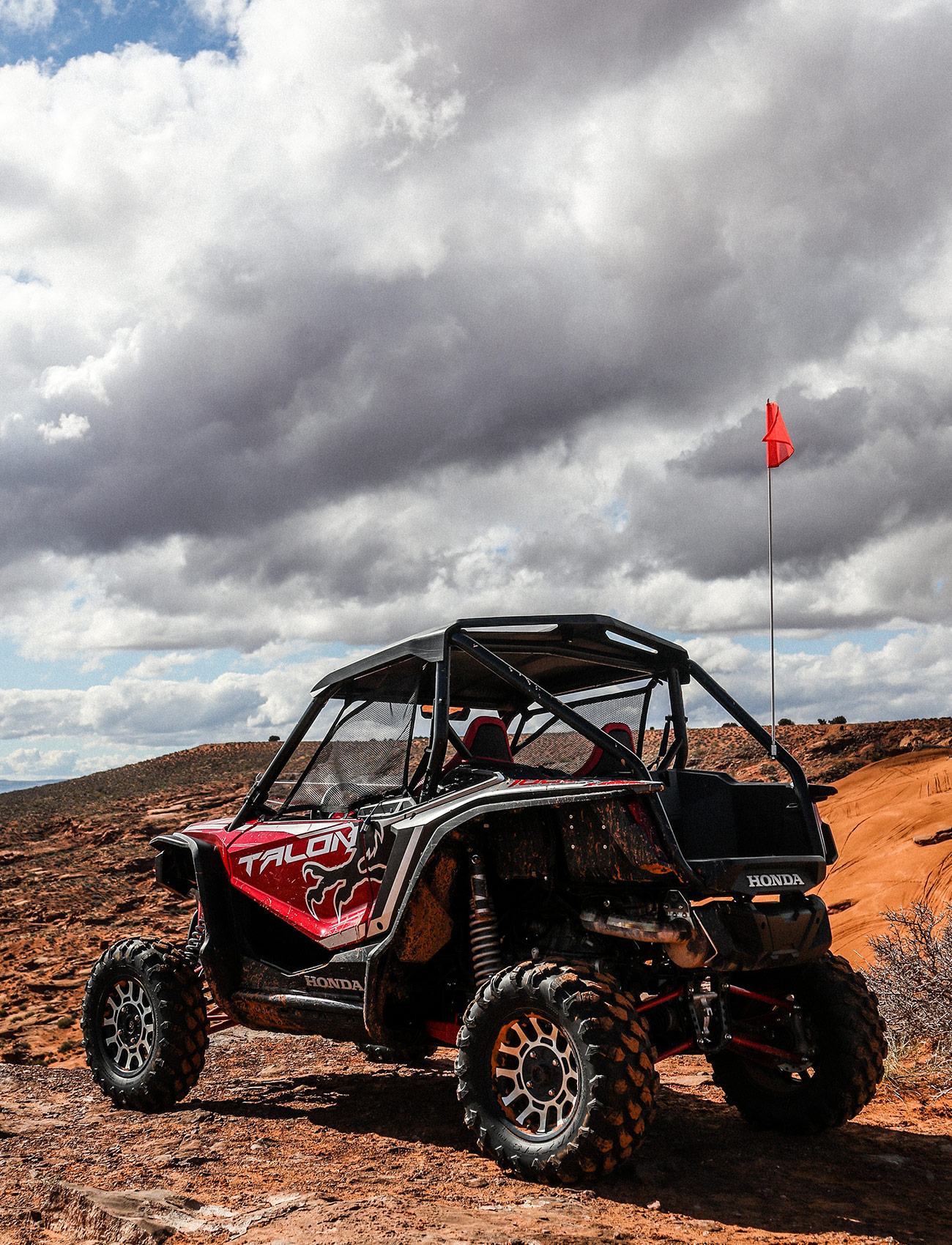
2019 Honda Talon Review: a Bold First Attempt Raises the Bar for Sport Side-by-Sides

Honda’s no stranger to either off-roading or powersports, which makes it odd the company took so long to jump into the sport side-by-side market. But the Talon 1000X and 1000R mark the brand’s entrance into the hi-performance SxS sandbox for 2019, and those machines come with a segment first: a dual-clutch transmission. From the powertrain and suspension to the styling and durability, Honda wasted no time flexing its know-how in this fast-growing segment.

The Good: The performance and balance from the Talon 1000R’s suspension beggar belief. Plowing over washboard trails, skipping over dips and small jumps, a two-seater SxS should feel more chaotic. A short wheelbase can get swallowed up between high-frequency crests in the tail, upsetting the whole machine, but the adjustable Fox Podium shocks soak up everything for a stable, planted ride.

Who It’s For: There’s intense brand loyalty in the SxS segment — in fact, it seems Honda’s banking on it with the Talon duo, betting most customers looking to buy a Talon won’t be first-time Honda buyers, whether that means past cars, motorcycles or any other of the countless machines Honda manufactures. The Japanese brand’s first sport side-by-side is positioned to lure the faithful into the lifestyle, and if they happen to sway a few buyers away from Can-Am and Polaris, all the better.

Watch Out For: The slightly more affordable Talon 1000X starts at $19,999, which is a lot of money for what the Talon brings to the table. The similarly priced Polaris RZR Turbo and Can-Am Maverick X3 Turbo are, as their names suggest, turbocharged and more powerful. Honda claims the competitors’ CVT belt transmissions bleed horsepower and their final figures aren’t accurate, but buyers who swear by the spec sheet may not be convinced, and there’s no arguing with Honda’s sparse interiors. Honda justifies its price tag by claiming their engineering and architecture is more durable, but you’ll have to take an expensive plunge to prove them right.

Alternatives: Honda was upfront that they benchmarked the Talon against the Polaris RZR and Can-Am Maverick. The turbo-powered machines are segment stalwarts; if there’s a crown to be stolen, it’s coming from one of those two machines.

Review: In the world of side-by-sides it all comes down to weight, power and control. Style and aesthetics take a back seat: nail the first three and it doesn’t matter what the machine looks like. The Polaris RZR and Can-Am Maverick are hideous handfuls of plastic, metal, and rubber, but expertly bolted together and some of the most capable off-road machines I’ve ever driven. As Honda’s first foray into sport side-by-sides, the Talon needs to come packing heat. Luckily, Honda has a deep and storied well of engineering expertise from which to draw.

When Honda announced the Talon, its dual-clutch transmission grabbed the headlines. A DCT is hardly a new invention — it’s been shifting car gears for years, and Honda already features the technology in its utility-minded Pioneer side-by-side — but on the sport side of the SxS market it’s a first, and a big deal.

For years, the continuously variable transmission was the law of the land in the segment. Many still swear by it, but it has its drawbacks. From a performance standpoint, the CVT uses a belt and pulley system that tends to slip under hard acceleration, which can cause power loss, overheating and, eventually, belt failure. Moreover, there’s no engine braking, so you can’t rely on the compression of the engine under deceleration to help slow you down. Lastly, without defined gears a CVT invariably imbues an engine with an unlovely droning sound. So Honda’s DCT is rightfully seen as a game changer in the sport SxS market.

At crawling speeds the DCT is a little jerky, constantly compensating for the lack of power input to keep the engine from stalling. But once up to speed and clicking through the gears, it’s hard to imagine going back to a CVT and not dying of boredom. The transmission is specially tuned for the Talon, adjusted for holding higher revs and shifting more aggressively than in the Pioneer from which it was pulled. Plus, there’s engine braking enough to bring the 1,545-pound machine to a relatively quick halt, even on loose surfaces. Going into sweeping turns or medium speed corners, the brake pedal isn’t even needed; just lifting off the throttle is enough to adjust the Talon’s speed.

The DCT may have been the story when Honda first paraded the Talon around the EICMA and IMS shows, but the machines poise when hauling over dunes and through turns is the real story. The 1000R gets a longer wheelbase, wider stance, and more suspension travel over the X; it’s designed for high-speed desert blasts. The narrower and lower (though barely) 1000X isn’t a lesser machine, it’s just designed for tight trails and quick cornering. The 1000R has bigger, more impressive numbers, but whether it’s a better machine depends most on where you’ll be driving the thing.

You’ll have to trust Honda’s claims of better build quality and durability to justify, along with that DCT gearbox, a near-$20K price tag for something that looks at a glance to be a $16K machine. But it’s true that the Polaris and Can-Am competitors don’t come with as much standard equipment, look cheaper, and are plagued with breakdowns and recalls (CVT belts are the most replaced parts on both machines). Honda’s deserved reputation for mechanical reliability and longevity should reasonably apply to the Talon as well — but only time and distance will tell.

Verdict: Honda took its sweet time joining the sport SxS party, but such a delay can have its advantages. While the Talons were under development, Can-Am and Polaris dominated the space until Yamaha came out with the YXZ1000R and its non-CVT sequential gearbox. Those machines may have had more time to gain a reputation in the market, but Honda’s reputation means it has a leg up when it comes to establishing the Talon name — whether it’s your high school buddy’s ’95 Civic, your neighbor’s CB500X, or the gas generator your dad uses to keep the lights on during a storm, Honda products are known to just work, every time. Add an exciting application of DCT technology and it’s fair to say that while the Talon 1000R and 1000X aren’t necessarily game changers, they’ve sure as hell raised the bar.

What Others Are Saying:

“The brakes, seldom used due to significant engine braking, are wonderfully grabby with lots of feel. The essential takeaway here is that when you romp on a Talon, with some room to play, there’s a deliciously seamless interplay between steering, suspension, and power.” —Alex Kierstein, AutoBlog

“With both eyes open we hit the whoops and pressed the pedal down until we reached our takeout and just a tap on the brakes got the front of the Talon in shape to make the righthand turn… The FOX Podium 2.0 shocks soaked up the hits well and I was really impressed.” —Rick Sosebee, ATV.com

2019 Honda Talon Specs

Powertrain: 999cc Paralell Twin, Six-speed Dual Clutch Transmission
Horsepower: 104
Ground Clearence: 13 in. (1000R)
Weight: 1,545 lbs
Top Speed: 74 MPH

Honda hosted us and provided this product for review.

Read More Gear Patrol Reviews

Hot takes and in-depth reviews on noteworthy, relevant and interesting products. Read the Story
Note: Purchasing products through our links may earn us a portion of the sale, which supports our editorial team’s mission. Learn more here.

Power Wagons By Legacy Classic Trucks Are Made for Work

If any machine could claim the title of “official” vehicle of Jackson, Wyoming, it’s the Legacy Power Wagon. Both, after all, have a way of camouflaging wealth with actual hard work. In Jackson, for instance, this remote town, famed for its skiing and natural beauty — Grand Teton National Park sits just to the north — packs ranches instead of estates, denim in lieu of khakis. Similarly, the Legacy Power Wagon, a restoration/modernization (a.k.a., resto-mod) of Dodge’s famously tough postwar utility vehicles, melds hardscrabble functionality with a gentlemanly elegance that their original owners, 70-odd years ago, could be forgiven for not noticing. Each somehow pairs affluence and earthy grit with a rare degree of harmony.

The local preference became obvious when I had the pleasure of driving a pair of newly restored extended-cab Power Wagons around Jackson with company founder Winslow Bent in early October, at the same time I was in town to drive the new Rolls-Royce Cullinan SUV. When parked in front of the Hotel Jackson — another smooth integration of posh luxury into a decidedly rougher vernacular — locals passing by couldn’t help but gape at the pairing, They overwhelmingly directed most of their gushing toward the Power Wagons, though. They fit the personality of the town and its people much more perfectly. Though both get points for being rare, if not the only, production SUVs with proper, full-sized suicide rear doors, the high-riding vintage pickups beat the Roller to a pulp.

Bent launched Legacy Classic Trucks a decade ago, intent on breathing new life into the historic vehicles. His team of engineers and craftsmen track down candidate samples in restorable condition, strip them down to the bones, then refurbish and rebuild them, modernizing them along the way in a process that stretches to 1,000 hours for each truck. The chassis, cab and body panels are restored from the original parts, but the engine, transmission, brakes and electronics get robust upgrades. Out go the old flathead sixes and in come 430-horsepower, 6.2-liter Chevrolet LS3 small-block V8s mated to four-speed automatic transmissions or a 3.9-liter Cummins turbo diesel with a five-speed manual. Dana and Dynatrac axles, ARB locking differentials and Warn locking hubs ensure the trucks will function on the ranch, and on any other terrain, as needed, with high clearance and bead-locked wheels there for good measure. They also add a dominating profile, perfectly countered by the original curving lines of the Power Wagon’s cab, hood and fenders. The trucks are larger than life.

The conversions start at $185,000, and each is built to order. “Our customers tend to actually use the trucks as they’re intended,” Bent says. “They aren’t garage queens.” Further evidence, in case you need it: the Warn winch in the front, for helping clear trails or haul your buddies out of trouble, as well as many options the owners can spec out, from gun racks to stainless steel toolboxes to snowplows and snowblowers. Need an onboard welder or a cab-mounted shooting rest? Done.

It’s really a good thing that the Legacy Power Wagons are driven vehicles because doing so around Wyoming proved what a unique thrill the experience is. The trucks are easy enough to command, and the massive tires sure-footed on any terrain, but the whole vibe is appropriately old-school and understated. There’s some wind noise and tire roar, and the stereo could use a few extra watts to overcome them, but the wood steering wheel, vintage-styled gauges, wide-angle perspective from the vertical windscreen — where you can see both front corners clear as day — and occasionally jumping out to manually lock in the four-wheel-drive before going off-road, all keep you locked into the original era from whence this truck came.

Really, it’s not a bad place to be.

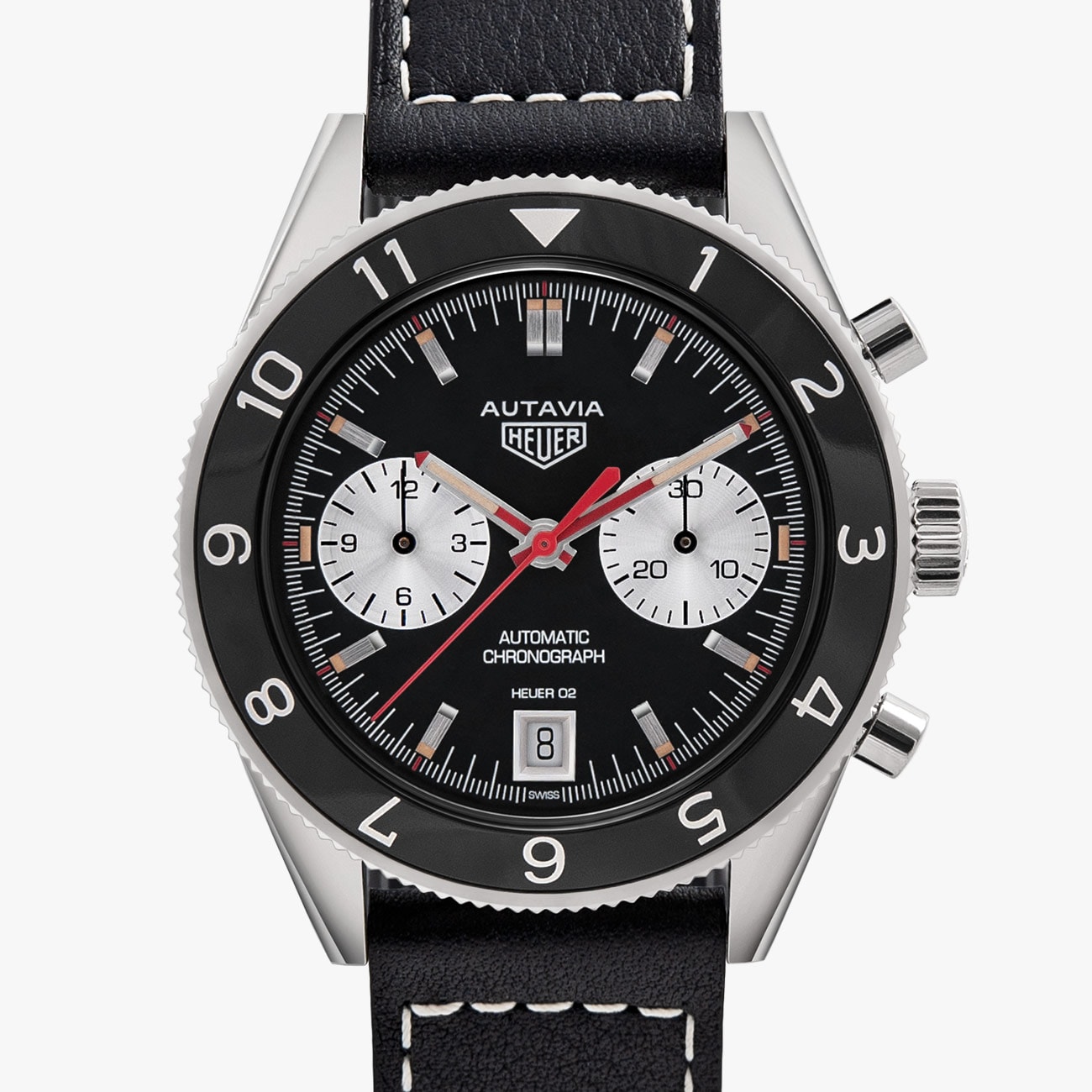
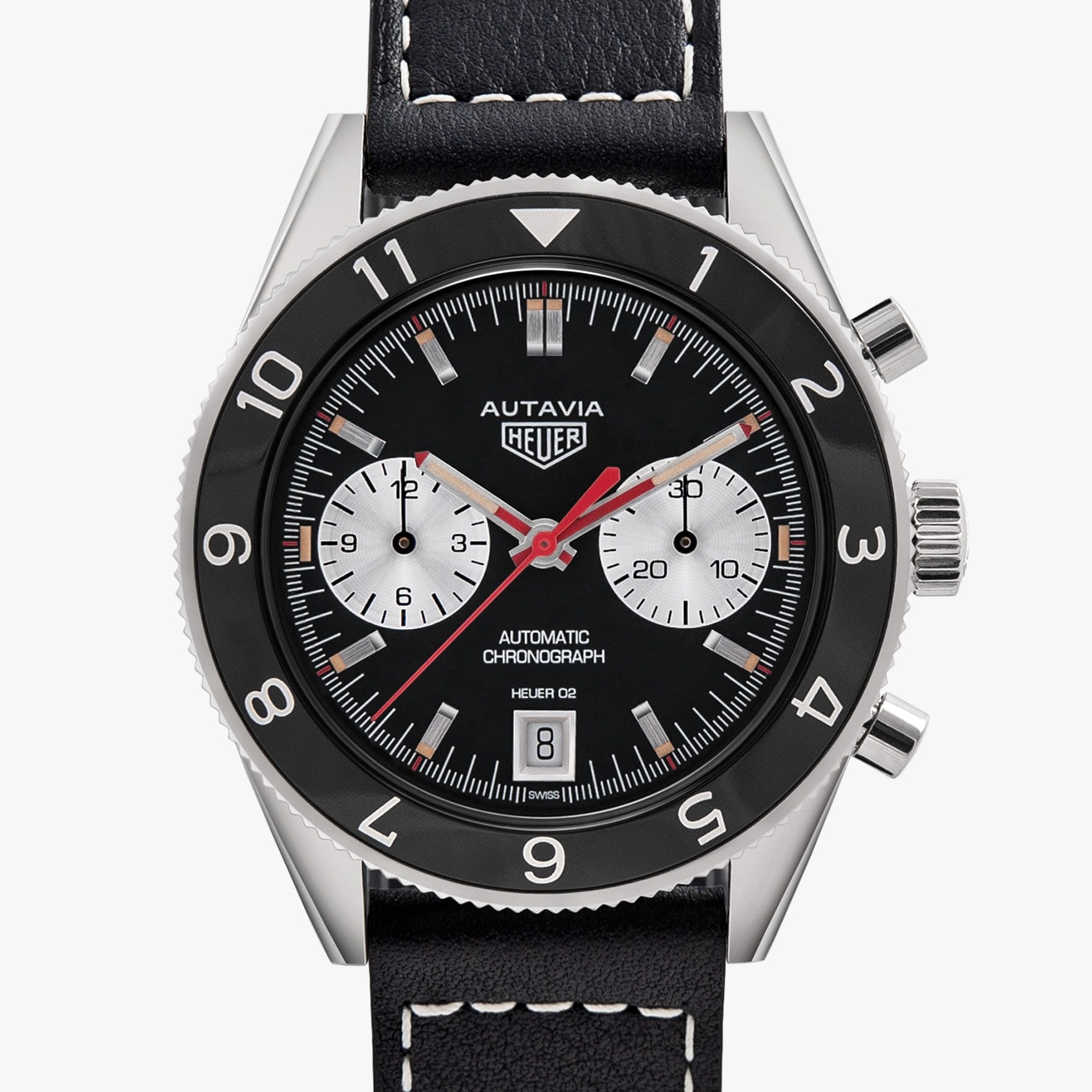
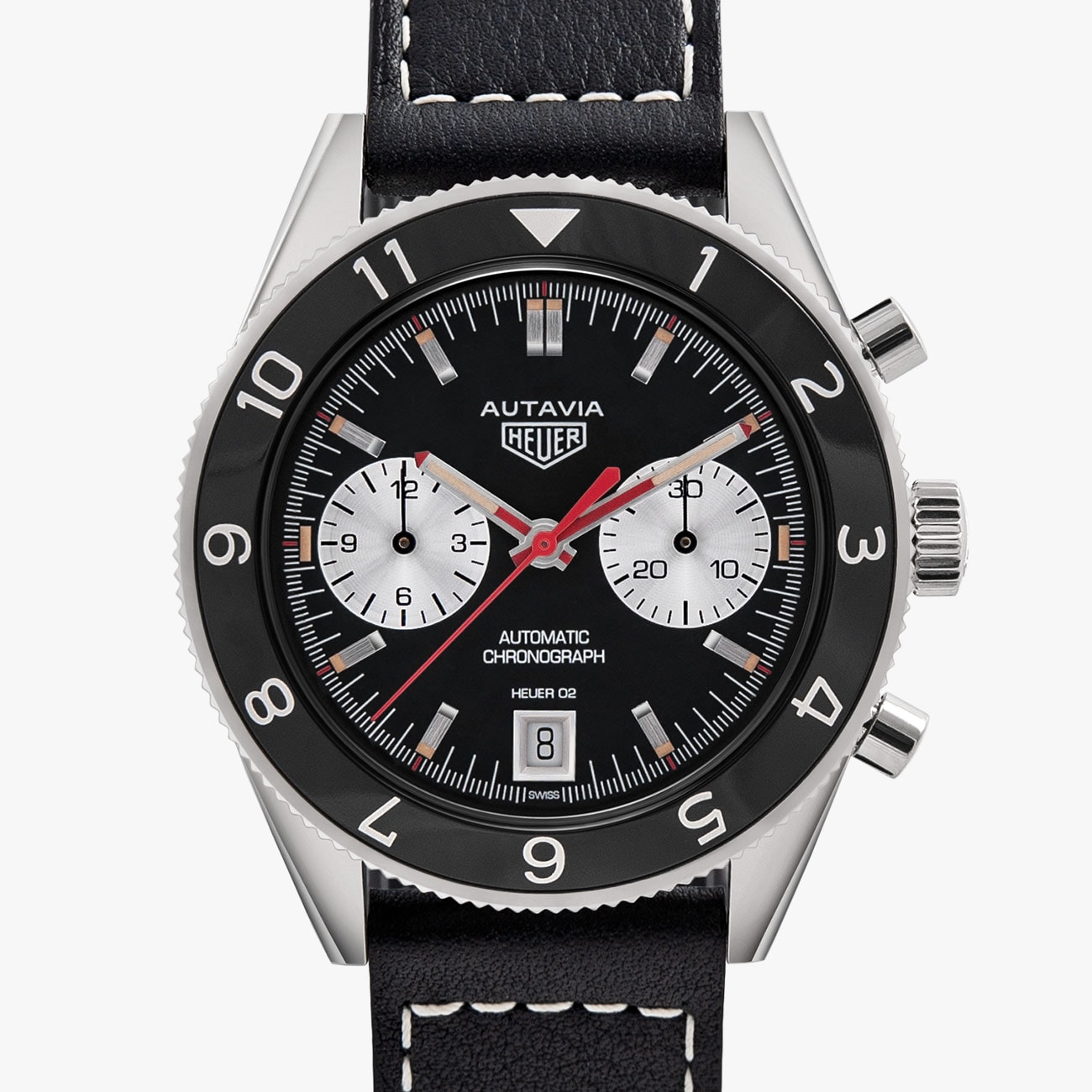
TAG Heuer Autavia 1972 Re-Edition

Most watches have some sort of heritage built into them. But the TAG Heuer Autavia 1972 Re-Edition has more than most. The name Autavia comes from TAG Heurer’s history in auto racing and aviation — “AUT” from “auto” and “AVIA” from “aviation.” The 42mm 1972 Re-Edition is fashioned after the iconic 1972 Heuer Autavia 1163V Viceroy but contains modern updates like a two-register dial layout, a sapphire case back and a date window at 6 o’clock. This modern automatic chronograph update is a commendable addition to the Autavia family. Learn More: Here

There Is No Substitute for an Old Land Rover Defender, and This Example Is Just the Right Amount of Classic

Land Rover is stuck in a bit of a “damned if you do, damned if you don’t” situation with the upcoming 2020 Defender. If LR goes the route of modernizing the old workhorse and incorporating the brand’s current design language — which it will — they’ll most certainly piss off every Defender fanatic from Solihull to Singapore and back. What the Defender’s following loves most about the legendary four-wheeler is its wild simplicity, utilitarian design, and go-anywhere capability. Seeing as how the new Defender was already spotted testing at the Nürburgring, it’s safe to say it’s a far cry from the Defenders of yesteryear and will probably not be up to the purists’ standards. There’s an easy solution, however. Just get this 1991 Land Rover Defender 110 V8 instead.

Like any major manufacturer, Land Rover can’t keep making an outdated work truck and expect to keep up with the likes of the Jeep Wrangler, Mercedes G-Wagen, or Ford Bronco (when it finally comes out). The new Defender won’t be anything like the old one, and while some might call that progress, the classic Defender will always have a cult following clinging to the past. For that crowd, this slightly upgraded 110 station wagon is all the modern they need.

Imported from the UK and breathing through a 3.5-Liter V8, this right-hand-drive model sends power through a five-speed manual transmission and a two-speed transfer case. This 110 also sits on a two-inch suspension lift and BFGoodrich Mud-Terrain T/A tires. The inside is as bare as you like it with simple blue cloth upholstery. This Defender isn’t an out-of-this-world restomod or a faithful numbers matching model, but it’s just the right amount of classic with a few tame updates to make it more capable.

If you’re looking for a spotless collectible version of the Land Rover Defender, this isn’t it. Like most old Defenders, this 110 station wagon is for daily driving, on-road and off-road. There are already 110,000 miles on the odometer, and the undercarriage and engine bay tell a similar story. If you’re a fan of the classic Defender, this one will without a doubt give you the fix you’re looking for.

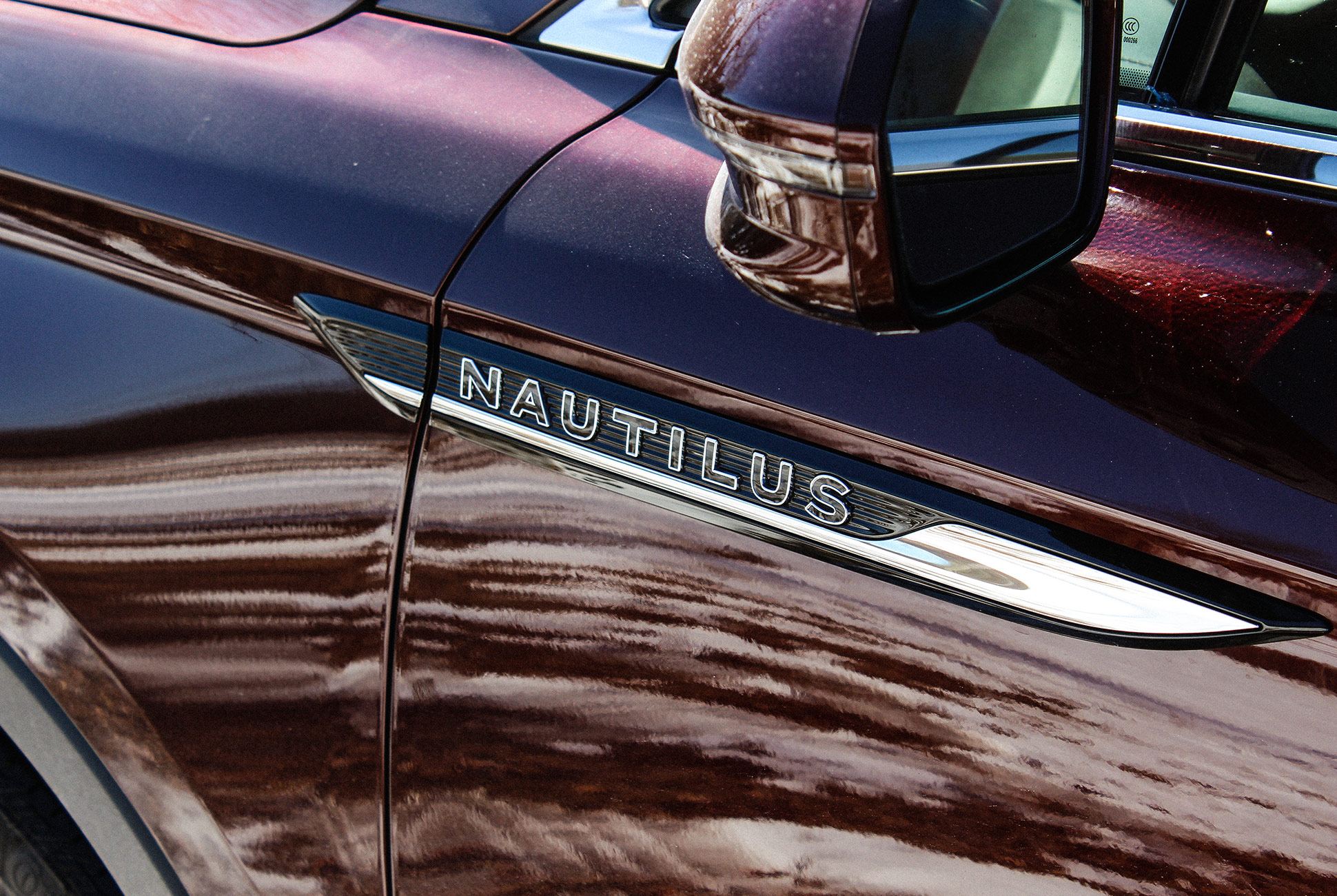
The 2019 Lincoln Black Label Nautilus Breaks Out of the MKX’s Shell

The Lincoln Motor Company has been making strides to revitalize its brand, eager to remind the world it is indeed an American luxury carmaker. Bolder design and revitalized nameplates are meant to dim the memory of its long-running line of also-ran cars and SUVs that did their job without much passion or fanfare. So: out with the MKX, and in with the Nautilus, the new title for Lincoln’s luxury midsize crossover. As it turns out, the car is more than a new name.

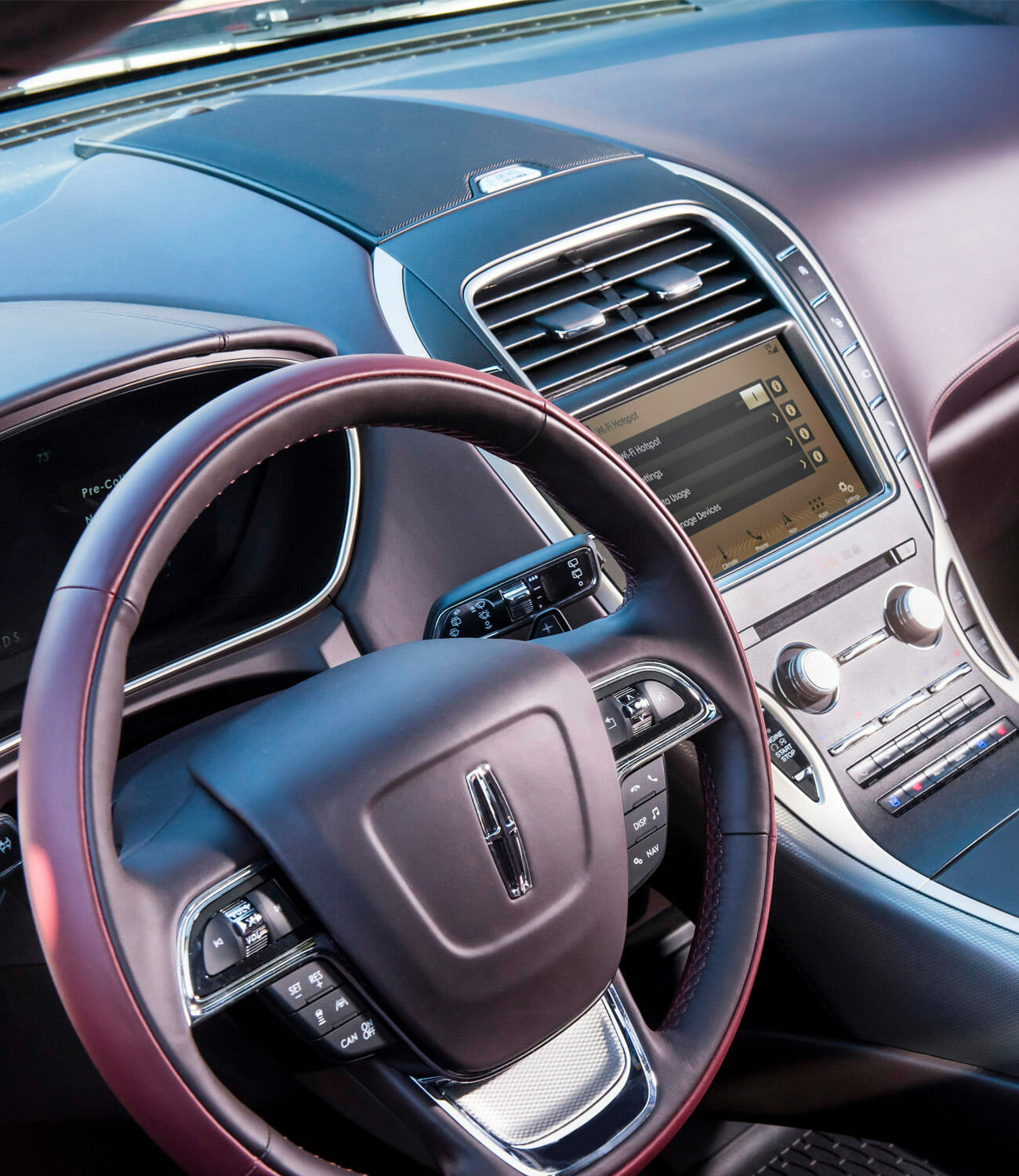
The Good: Smooth ride and excellent pull from the optional 2.7-liter twin-turbo V6 engine. The touchscreen is easy to use, and the all-digital gauge cluster is clear and informative without being distracting. The massaging seats are nice.

Who It’s For: Lincoln loyalists on a lease are sure to upgrade, but the updated styling is enough to attract those who want to haul around families in style.

Watch Out For: Plugging multiple phones in the USB ports seems to confuse the Nautilus’s infotainment system.

Alternatives:

• Cadillac XT5 ($41,695)
• Audi Q5 ($42,950)
• Volvo XC60 ($39,800)

Verdict: The Lincoln Nautilus accomplishes everything it sets out to do, and even manages to be a delight in some surprising respects. Though the driving engagement is uninspired regardless of engine choice, it never leaves you lacking for power, whether merging onto the highway or pushing up a hill. It’s a comfortable ride with few distractions, yet all the amenities the modern SUV buyer demands. It’s a welcome day-trip shuttle for four or five passengers with room enough for each to bring a bag. And the updated style goes a long way to distinguish the Nautilus from what came before, even if most of the guts are the same. With a starting price around $60,000 all of this makes the Nautilus a compelling entry in a competitive segment.

Review: Picking up the SUV for a weekend trip I consider that “Nautilus” is the name of Captain Nemo’s submarine in Jules Verne’s stories about a madman who exiles himself from a civilization he deems overly chaotic. It seems a fitting parallel as I attempt to escape the insanity of Manhattan traffic for a tranquil weekend in the Catskills. But that’s where the comparison ends. The big truck doesn’t evoke a sense of awe or mystery, nor is it packed with groundbreaking technology. It’s a Lincoln. It’s not built for madmen — it’s made for your grandmother.

But Lincoln is in the middle of a transition, trying to satisfy their older (and loyal) customer base while enticing younger buyers. The new look is surprisingly attractive, bringing it in line with other current Lincoln offerings like the Navigator and Continental. The updated facia sports a bold grille that flexes some chunky curves, nicely complemented by chromed vent wings and deep-set headlamps. The sense of substance carries through to the back, where everything is elegantly shaped. It’s a well-proportioned package; the only glaring misstep is the keyless entry keypad on the driver side door frame, a vestigial feature that dates the car significantly.

Photo: Lincoln

Sadly, the interior didn’t receive as much attention as the exterior. It’s essentially the same interior the MKX has had since 2016, with a few minor tweaks that modernize it only slightly, though the design is clean enough overall that Lincoln can get away with it — for now. An array of optional interior materials and patterns can go a long way toward dressing things up, particularly if you opt for the Black Label edition, a top-tier trim that sets it apart from the other three trim levels, which includes additional privileges and services along with exclusive thematic interior packages — Chalet, Gala, and Thoroughbred.

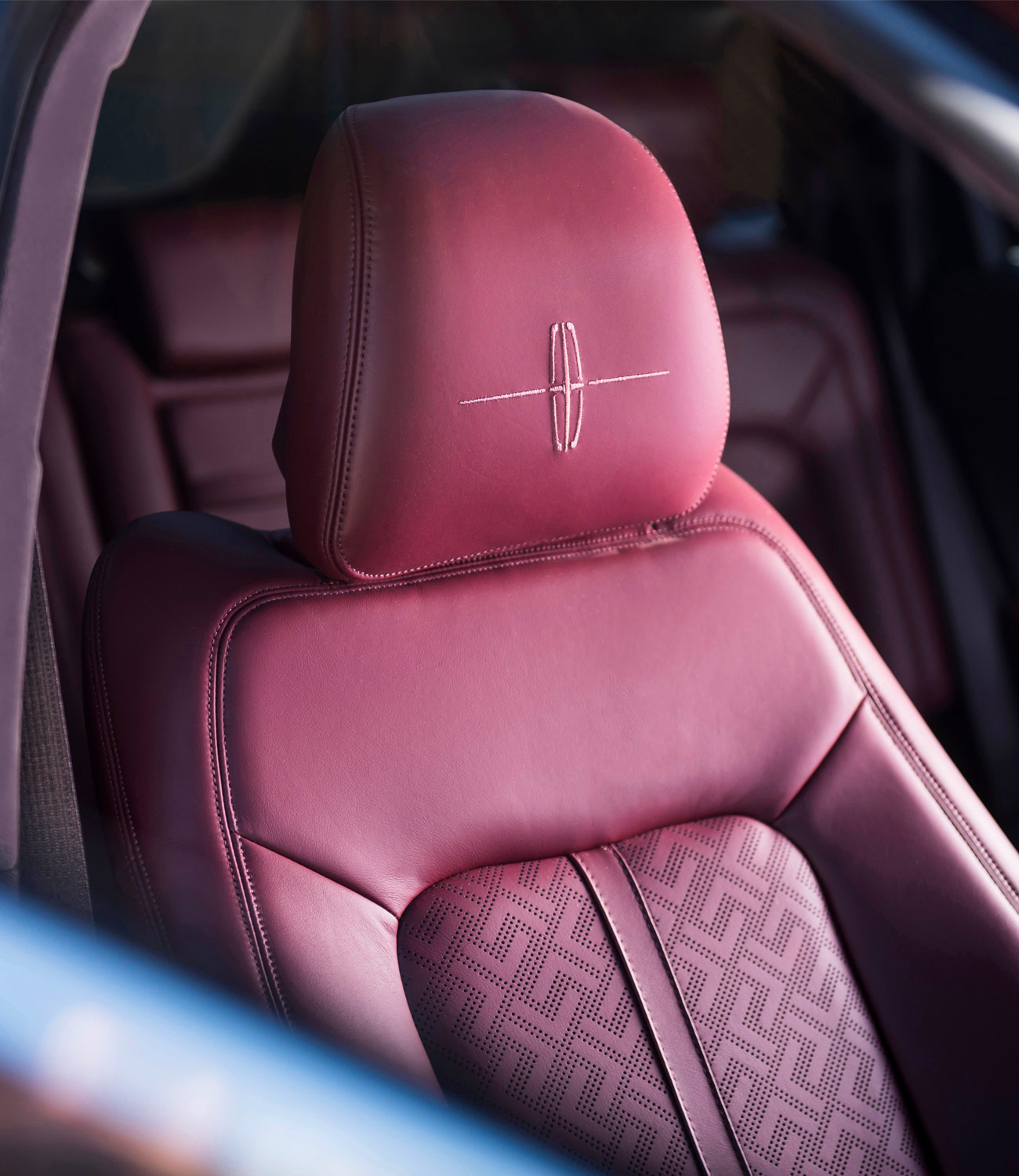
My Onyx Burgundy Nautilus was equipped with “Gala,” with deep Onyx leather, aluminum accents, and 22-way comfort seats that swathed me and my traveling companion in luxury all the way to the mountains. Plus, the seat massagers actually performed a real function. There are no different massage types to choose from like “shiatsu,” just different levels of intensity. When activated, the system provides a gradual, sustained push into your seat and lower back, alternating sides. It wasn’t trying to provide “a spa experience on the road,” but it greatly extended my ability to tolerate long miles and allowed me to actually enjoy the trip instead of just endure it.

The car came equipped with a suite of safety features Lincoln dubs Co-Pilot360, a collection of features like blind spot and cross-traffic alert, auto high-beams, pre-collision assist and pedestrian detection. Adaptive cruise control and lane-keep assist are also available, as well as adaptive cruise control. It’s just the right amount of driver assistance, keeping me engaged with the act of driving but providing a second set of eyes, just in case. Lane keep assist was a little aggressive, applying small course corrections when I was already actively maneuvering.

Certain creature comforts became necessities before long. Using remote start to prep the car to warm us up after a snowy scramble up a hill became second nature, as did lazily waving my foot under the rear bumper to engage the tailgate.

Photo: Lincoln

Driving from trailhead to trailhead through rural mountain roads let us feel out more of the Nautilus’ capabilities outside of highway cruising. The optional, 2.7-liter twin-turbo V6 engine has a surprising amount of pull, generating 335 horsepower and 380 lb-ft of torque. I mostly kept the drive mode in the standard “D” setting, but hitting the “S” button on the dash opened up the throttle response in a way I wasn’t expecting. It wasn’t going to be a backroad stunner, regardless of the independent front and rear suspension, but it at least took nice advantage of some of the more windy downhill paths. Our Nautilus sported an optional all-wheel drive layout, though the front wheels still did most of the heavy lifting. When the road got rough, the ride was no worse for wear, and the in-cabin noise was kept to a low hum even on dusty paths. Even when overnight snows threatened our journey home, the Nautilus kept its composure.

What Others Are Saying:

“Most buyers probably won’t venture out of Normal mode, which we found taut enough to keep us from getting queasy on winding mountain roads yet able to provide a blissful ride on the freeway.” – Joe Lorio, Car + Driver

“Except for a little noticeable wind noise, the updated Lincoln effectively eliminates most of the outside world so you can concentrate on your massage from the Ultra Comfort front seats.” – Zach Gale, Motor Trend

“Inside, things should largely feel familiar to anyone who ever sat in the previous MKX … or, for that matter, a Lincoln MKZ, as both models share the trait of a center console that flows into the dashboard. Still, while it may be a bit plastic-y, it works well.” – Will Sabel Courtney, The Drive

Specs:
Year / Make / Model: 2019 Lincoln Black Label Nautilus
Purchase URL: https://www.lincoln.com/luxury-crossovers/nautilus/
Price: $59,390 BASE/ $67,630 AS TESTED
Engine: Twin-turbocharged 2.7-liter V6
Transmission: 8-speed Automatic
Horsepower: 335 hp
Torque: 380 lb-ft
Weight: 4,305 lbs

Lincoln hosted us and provided this product for review.

Read More Gear Patrol Reviews

Hot takes and in-depth reviews on noteworthy, relevant and interesting products. Read the Story
Note: Purchasing products through our links may earn us a portion of the sale, which supports our editorial team’s mission. Learn more here.

Bentley Slows Down the Continental GT But Makes it Better

Bentley’s Continental GT has always been the minor-miracle of the supercar world — a wicked-fast machine that’s still somehow fabulously comfortable and luxurious, thanks in no small part to its outsized dimensions. The 626-hp, 12-cylinder version of the newly redesigned coupe is good for 207 mph and a 0-60 time of 3.6 seconds and now the company has announced the V8 variant, which will get you to 60 mph a hair slower, at 3.9 seconds and a lower top speed of 198 mph. It may not have the bragging right of the 200 mph crowd, but it’s still no slouch.

The coupe and convertible V8 versions will be coming stateside before this fall—and actually ahead of the already debuted 12-cylinder model, due to certification timing. This is the third generation to feature the more fuel-efficient four-liter V8 variants. The new engine uses twin-scroll turbochargers nestled inside the “V” for tighter packaging of the engine. It features deactivation of four cylinders in gentle cruising to boost efficiency, and it offers start-stop technology to help that further along—though we’d certainly miss sitting at stop signs enjoying the burbling V8 exhaust.

The new car will have V8 badging and quad exhaust pipes to distinguish it from the W12-powered versions, along with assorted cosmetic tweaks all its own both inside and out, and the convertible will get the sped-up 19-second roof retraction and neck warmers that come with the 12-cylinder droptop. The V8’s carry some performance mods to suit the engine more appropriately, including an all-wheel-drive system biased toward efficiency-enhancing rear-drive, which will also boost its dynamic feel. Its suspension and damping control also have been tweaked to optimize the different weight and balance impact of the smaller engine.

Previous generations of the V8-powered Contis were frequently lauded as being in many ways preferred over the W12-powered monsters, and not just because of the fuel efficiency and lower cost. (Neither numbers have been announced yet.) They felt lighter and more responsive. We’ll be driving these new V8s over the summer, and will see if that remains true. As for coming to a scant two miles-per-hour shy of the magic bragging-right threshold of 200 mph — well, you’ll have to take that up with Bentley.

Cadillac Unveils the Follow-Up to Its Greatest Modern Sedan

Ahead of this year’s New York International Auto Show, Cadillac has unveiled images of the 2020 CT5 sedan, a car that will be handed the monumental task of replacing both the CTS and ATS sedans — and competing with the BMW 3-Series and Audi A4 family. To say the CT5 has big shoes to fill is an understatement. After all, as the platform for the CTS-V — arguably Cadillac’s greatest modern sedan — the CTS is the car credited with bringing Cadillac into the modern era.

The CT5 will come with a 2.0-Liter turbocharged inline-four good for 275 horsepower and 295 lb-ft of torque, but buyers will have the option to upgrade to a twin-turbo 3.0-Liter V6 rated at 404 hp and 400 lb-ft of torque. The CT5 will also come with a 10-speed automatic transmission.

Along with the new model nomenclature, Cadillac is adding extra digits to the badge to point out the car’s torque. The new number on the will be in Newton-meters instead of the pound-foot measurement more commonly used in the United Staes. For example, a CT5 with the inline-four will have 350T; if you opt for the V6, you’ll get a 550T badge (“T” denotes a turbo).

The CT5 advances Cadillac’s design language and brings a healthy dose of the Escala concept car to the road. The slight kink and fold in the C-pillar is an odd choice and stands out, but like its predecessor, the new sedan keeps things clean and sharp.

If the exterior upgrade is subtle, changes to the interior seem more pronounced. Piano black plastic always let down Cadillac interiors, but early images indicate most of it has been replaced with wood grain. Along with the visual upgrade, Cadillac promises the CT5 will come with Super Cruise, the brand’s hands-free driver assistance software, but it won’t be available until 2020.

The CTS is one of the most important cars in Cadillac’s history. Not only did it make the brand competitive with other luxury carmakers, but it also improved with each generation so steadily that the final CTS-V is cemented as an all-time great. We won’t know for sure how the CT5 performs until it hits the road later this year, but it stands to reason the new sedan will carry on that tradition.

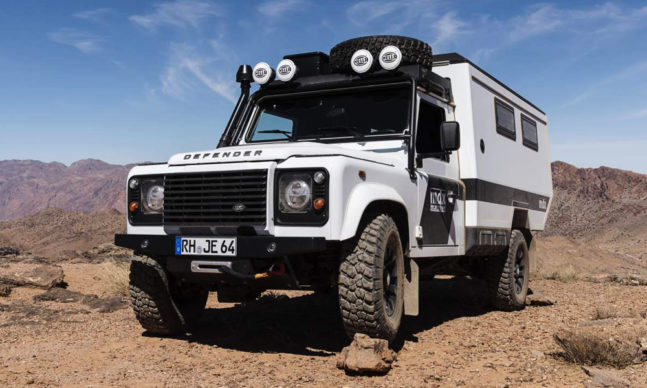
Matzker MDX Land Rover Defender Expedition Camper

When it comes to campers, we’ve long since graduated from pop-ups you pull behind your truck and enormous RVs that aren’t off-road capable and impossible to park. When it comes to the campers we want to…

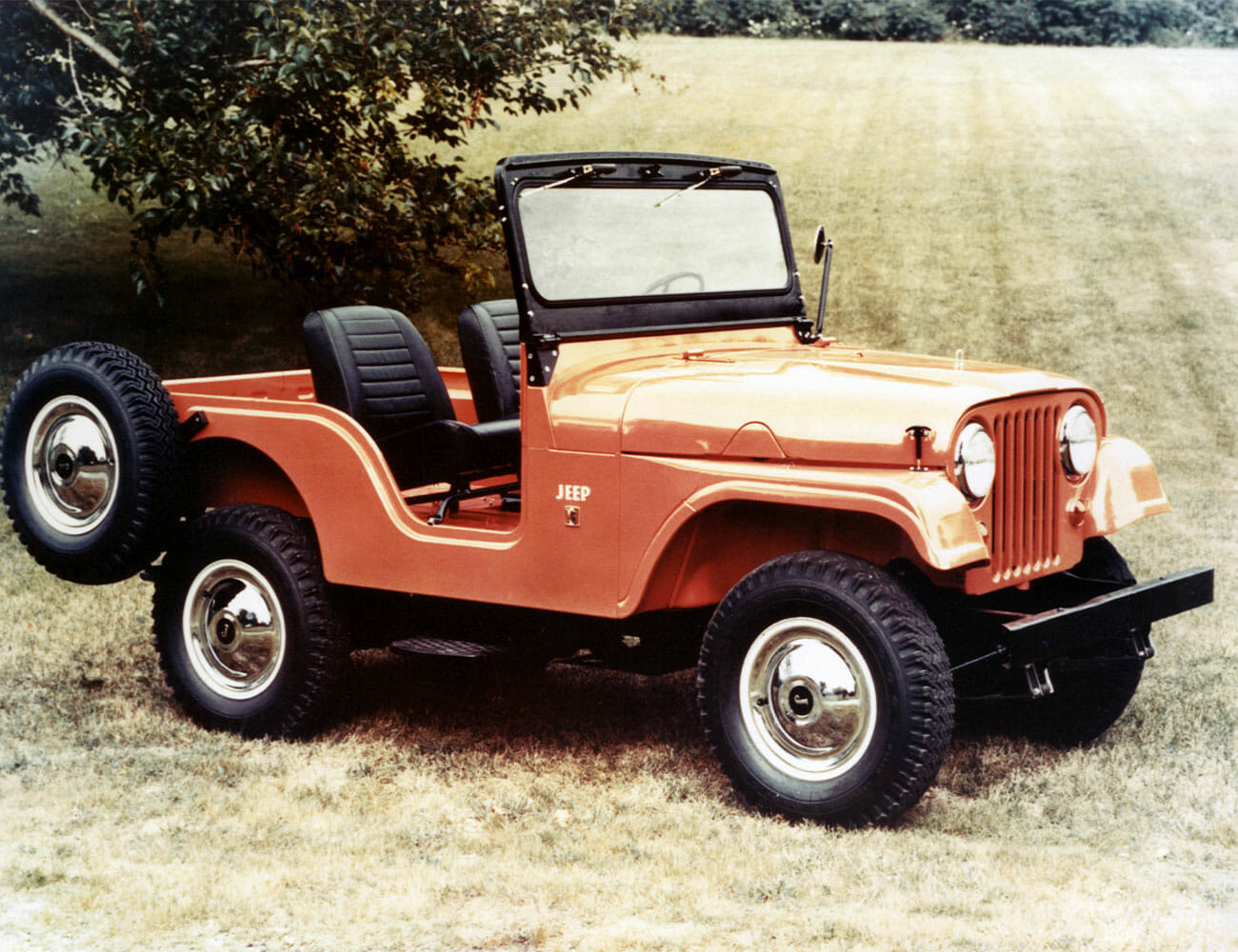
Now is the Time to Buy a Jeep Wrangler CJ

Few cars are as fashion-forward as the vintage off-roader. It shows up in the premium you pay for them. Used Land Rover Defenders go for astronomical sums; the Toyota FJ40 Land Cruiser has at least reached near-Earth orbit. The closest most enthusiasts of either car will get is following an Instagram hashtag.

This phenomenon begs the question. If you want a vintage off-roader, why not just buy a Jeep? Specifically, why not buy a CJ-7?

The CJ-7 comes from the perfect spot in the Jeep lineage. It’s the last of the CJ (Civilian Jeep) line dating back to the original Willys. But, it also has decades worth of improvements. The CJ-7, debuting in 1976, brought a longer wheelbase, better stability and more room for passengers and a proper door. The shocks are better positioned. It’s the point where rugged character met relatively modern ride quality.

One could go newer with the Wrangler YJ that came out in 1987. It was formidable. I have a soft spot for it because it was my first car. But, going newer means approaching the wall of absurd Wrangler resale value. The square headlights from that gen aren’t “90’s rad.” They are an eyesore.

The CJ-7 is cheap compared to foreign idols. A search for a CJ-7 on AutoTrader Classics will find a private seller going fishing with a restored $40,000 version. But, judging from Bring a Trailer auctions, there’s a definite CJ-7 price ceiling. Only three of the 25 auctioned on site (as of this writing) have gone for more than $20,000. Only one CJ-7, with $38,000 worth of restoration work, gaveled north of $30,000 and didn’t meet the reserve.

For comparison, four Land Rover Defenders on Bring a Trailer have been bid past $90,000. So, well-worn 1990s trucks are going for the same price as a new Range Rover. If a Land Rover Defender sells for less than 20,000, it has a weird body style, an odometer well past 150,000 miles, or some form of the word “project” in the headline. Whether you want a base for restoration or a fully restored CJ-7, you can find one for a relative bargain.

Provenance is less complicated with a Jeep. About 7,000 Defenders were sold new in the U.S. from 1992 to 1998. The rest are imported. Maybe you find a Defender that has spent its first few decades traipsing around a Tuscan wine estate. But, the import has probably lived a hard life, especially if kept in the British weather.

Maintaining a Jeep is easier. The Jeep aftermarket is a multi-billion-dollar industry. Whether you want to restore a CJ-7, mod the heck out of it, or just keep it running, a myriad of sites like Morris 4×4 Center, Quadratec, and CJ Jeep Parts sell any conceivable part.

The Jeep does not have the Defender’s premium appeal. Land Rover has become a more premium marque in recent decades. Something British can be a byword for sophistication among us colonials. Exclusivity counts for something. There aren’t hundreds of thousands of similar looking new Defenders or FJ40s roaming every mall parking lot in America. All that appeal for the Defender over a Jeep, however, is mostly superficial. It’s not a function of the car’s capability, build quality, or (I would argue) aesthetics.

The CJ-7 is just as classic and timeless as a Defender or FJ40. You can afford to have a charming, vintage off-roader and send your offspring to college. You will have just as much fun. The Jeep wave may get a bit tiresome. But, hey, it’s better than being hounded by car photographers.

TAG Heuer Autavia 1972 Re-Edition

Most watches have some sort of heritage built into them. But the TAG Heuer Autavia 1972 Re-Edition has more than most. The name Autavia comes from TAG Heurer’s history in auto racing and aviation — “AUT” from “auto” and “AVIA” from “aviation.” The 42mm 1972 Re-Edition is fashioned after the iconic 1972 Heuer Autavia 1163V Viceroy but contains modern updates like a two-register dial layout, a sapphire case back and a date window at 6 o’clock. This modern automatic chronograph update is a commendable addition to the Autavia family. Learn More: Here

2020 Will Be the Electric Car Tipping Point

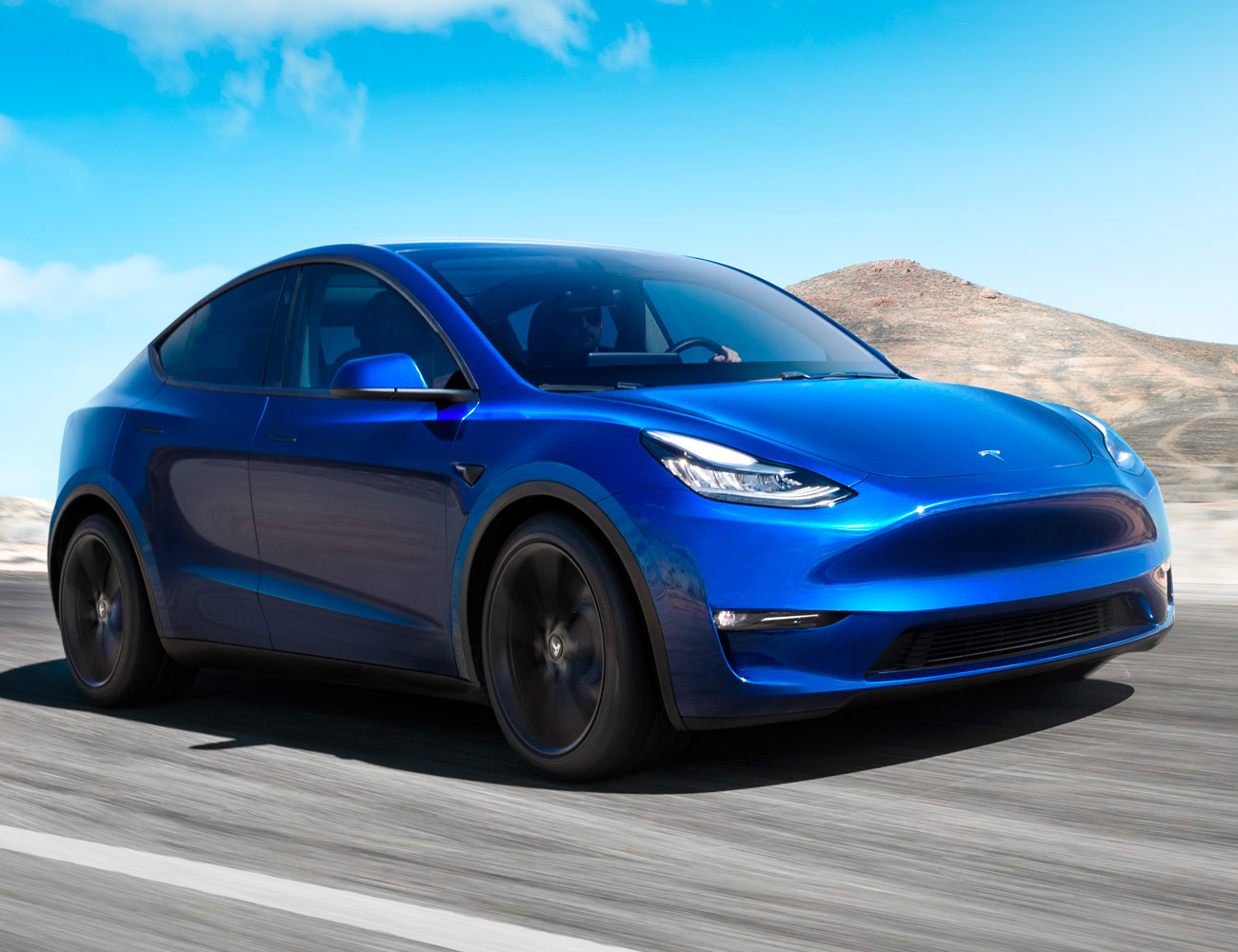
Tesla revealed its mass-market Model 3 in 2016. The company promised an affordable, $35,000 pre-federal tax credit price tag. Buyers went berserk. Tesla received about 400,000 Model 3 reservations, a number higher than Mercedes’ total U.S. sales in a year.

The Model 3 launch showed how strong the potential demand was for quality electric vehicles. Tesla’s struggles to meet that demand since highlight how challenging it is to produce an affordable EV. Tesla finally, sort of, got the Model 3 base price down to $35,000 this year, by stripping down the car among other measures.

We know gasoline is on its way out. We know, at least in the short and intermediate term, electric vehicles will be the replacement. What we’ve been waiting for is the “tipping point.” This will be the point where all manufacturers are bringing EVs to market. Component costs start to come down. Range and charging infrastructure grow to make mass market adoption convenient. The future materializes. We should come close to hitting that tipping point in 2020.

The luxury market will be a beachhead for EV adoption. Tesla’s success has terrified those companies into action. We’ll see results, beyond the already extant Jaguar I-Pace and Audi e-tron in 2020. Porsche is releasing its Taycan EV for the 2020 model year. Porsche already has doubled its production plans due to high interest and is reevaluating the gasoline future of its best-selling vehicle.

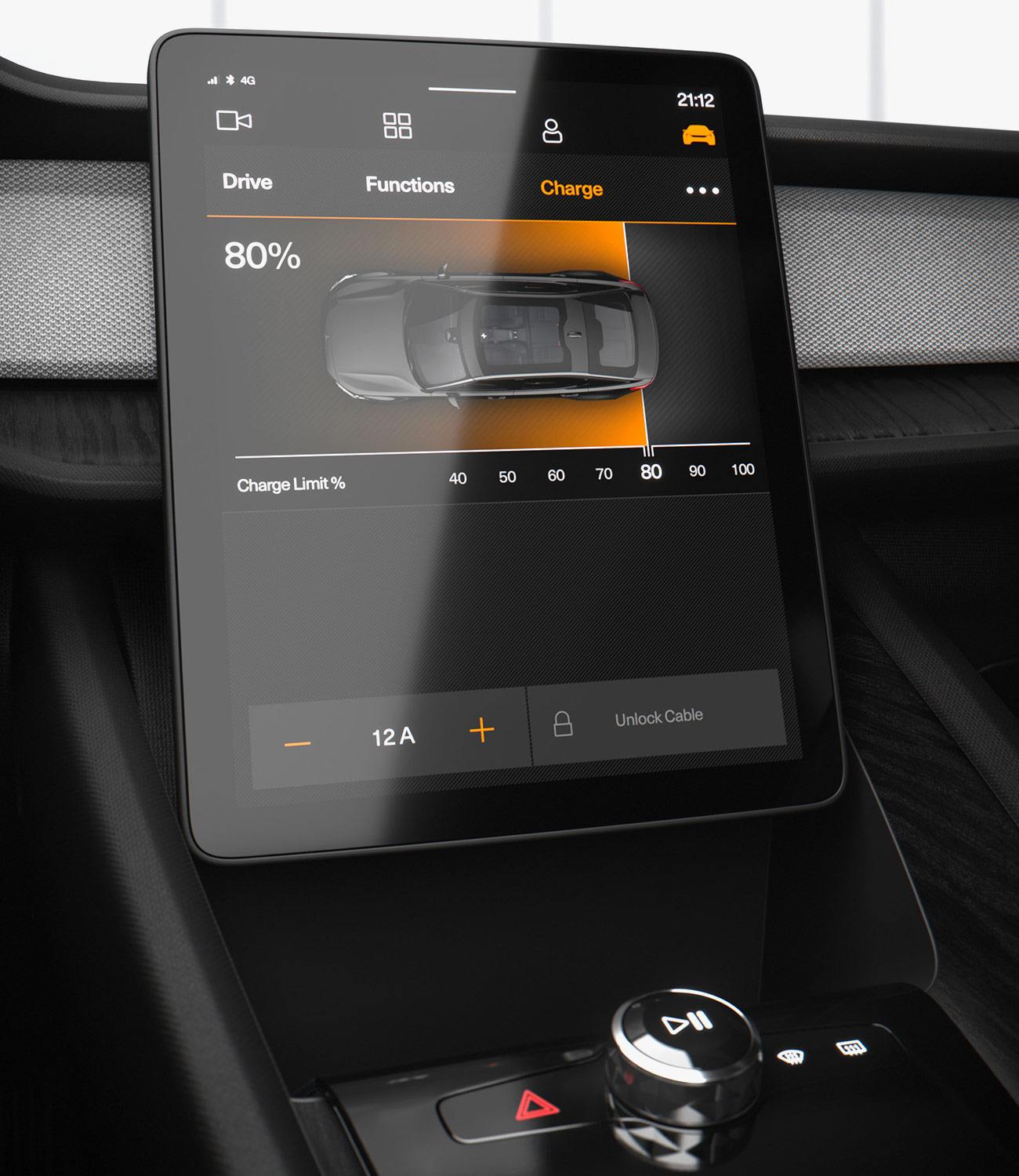
Volvo and Geely’s electric performance brand Polestar is set to become a thing. The Polestar 1 sports car is due to begin production for the 2020 model year. The company just unveiled the Model 3-battling Polestar 2. Neither will have Volvo’s speed-limiting tech.

Mercedes (EQC) and BMW (iX3) are launching luxury EV crossovers. Aston Martin is bringing the RapidE, more powerful than the Rapide S V12, to market in 2020. Maserati may finally be (fingers crossed) bringing the Alfieri into production as an EV supercar in 2020 as well. That’s before we get to the stupidly powerful EV hypercars unveiled in Geneva and six-figure classic EV conversions.

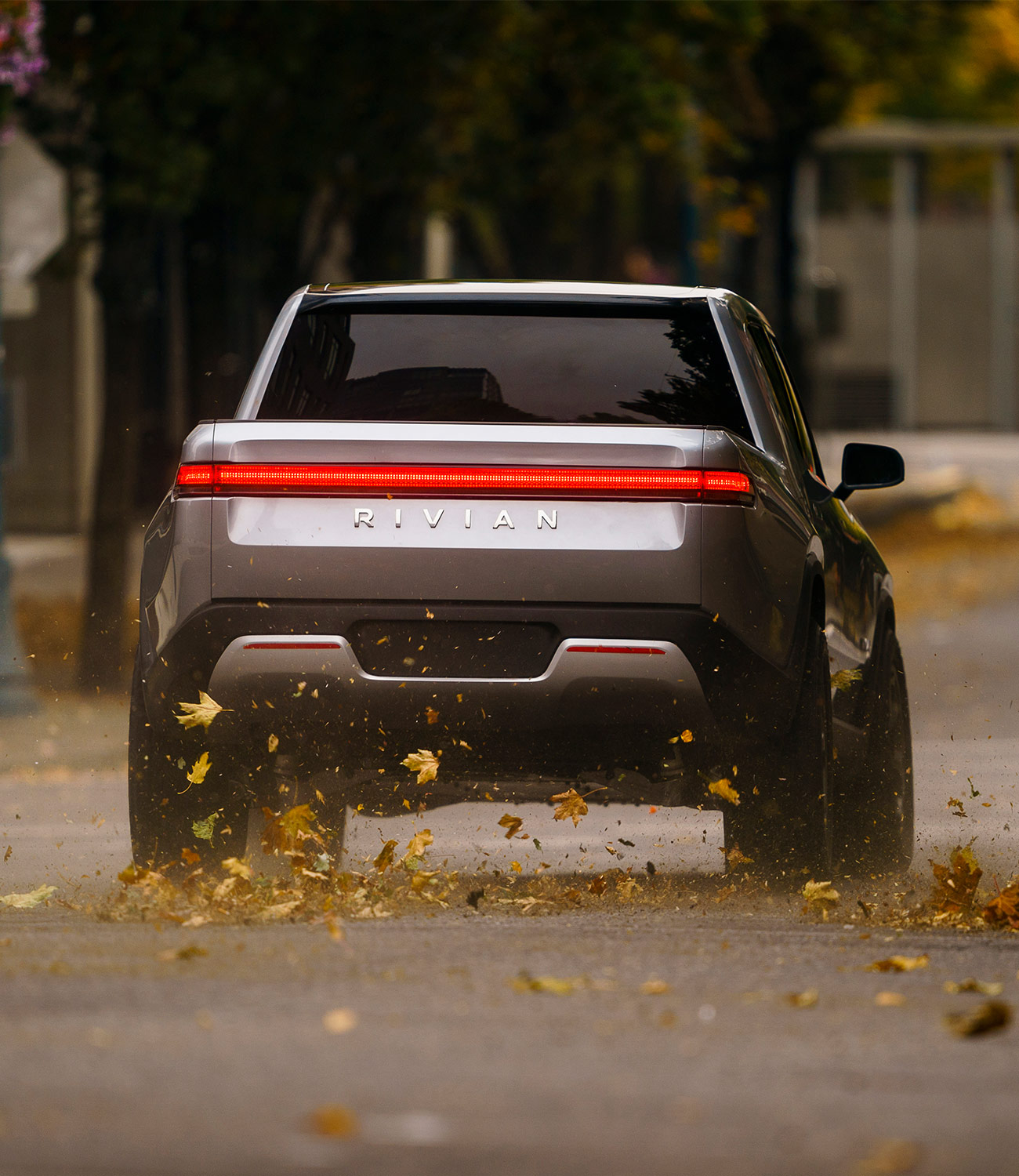
Even the full-sized truck and three-row SUV markets are in for a jolt of electricity. Rivian has a planned 2020 launch for the R1T truck and R1S SUV. If Rivian can meet the price targets, those will be competitive with the top end of those markets. Rivian’s performance will exceed anything in those markets.

The next and tricky step is having enthusiasm at the top of the market trickle down to the masses. Base-level EVs are relatively affordable. The Nissan Leaf Plus, the Hyundai Kona Electric, and Chevy Volt will offer a 200-plus mile range and a price tag of around $37,500, dropping to $30,000 with the federal tax credit.

These vehicles do make EVs affordable. But, they don’t provide the same value as internal combustion. The Kona Electric, for instance, is $10,000 more than the base model Kona that gets about 30 mpg combined. It will take years of driving before the fuel savings cover the purchase premium. The same general price point in the gasoline realm will get you an efficient, luxurious Mercedes A-Class.

2020 should see some developments at the lower end of the EV market. Though the details remain nebulous. Volkswagen has an I.D. crossover and hatchback that should start production by 2020. The hatch may have a base version for less than $30,000 (unclear when VW would start selling the cheaper one). There are also reports of VW entering the market with a super cheap (sub-$23,000) subcompact EV. Mini should be launching an electric version of the Mini Cooper hatch to begin sales in 2020.

We won’t all be driving EVs by 2020. The best-selling American vehicles will still be three full-sized trucks traveling less than 20 miles on a gallon of gas. But, buyers, particularly on the luxury end, will have a range of EV options. Buying one should feel far more normal than niche.

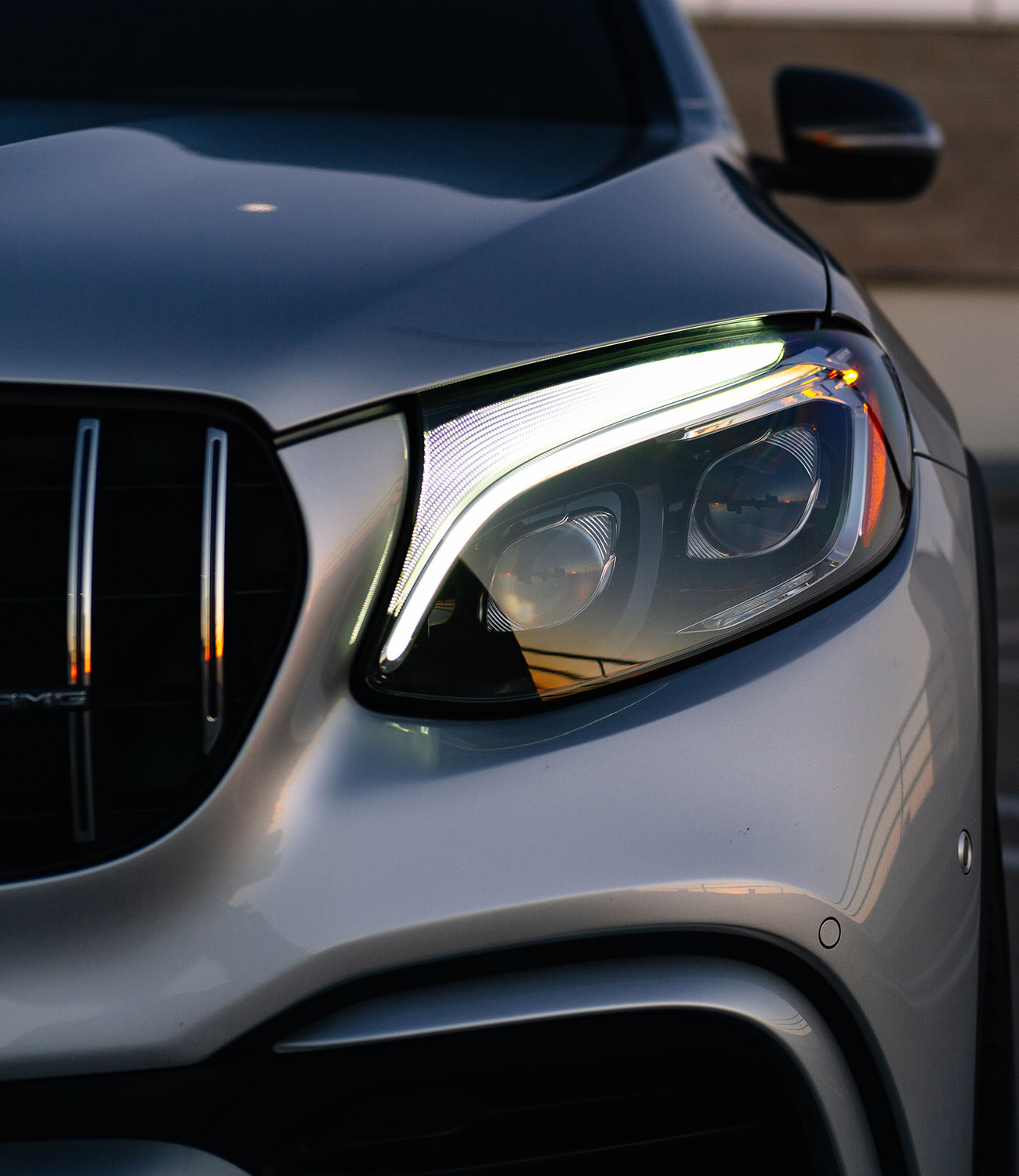
The Mercedes-AMG GLC 63 Shouldn’t Be This Good

For most city-dwellers, the idea of owning more than one vehicle is laughable. So what’s an enthusiast urbanite to drive if not something that is both sporty and practical? Weekend getaways out of the city require cargo space, ground clearance and all-wheel-drive, even if the vehicle rides on performance-oriented summer tires. Just about any midsize SUV will tick those boxes, but high-performance examples seek to deliver a genuinely enjoyable driving experience on top of the practicality.

Not a tall order if going fast in a straight line over and over is your idea of a good time. However, when the road gets twisty, a legitimately powerful vehicle should scare you a little just before that big smile arrives. The GLC 63 is capable of shaming a few sports cars, yet it will happily swallow up all your ambitious adventure gear. It’s one of those rare vehicles that is comprised of contradictions, yet works oh-so-well as a whole.

Like any AMG product, attention first goes to the engine. The GLC 63 makes use of the exceptional 4.0-liter twin-turbo V8 used in other Mercedes-AMG products where it has to pull less weight. In this application, it cranks out 469 hp and 479 lb-ft of torque. What’s more, is that all that torque is available from 1,750 rpm to 4,500 rpm. The sprint from 0-60 mph happens in 3.8 seconds, and that’s in a vehicle which weighs 4,462 lbs and boasts 56.5 cubic feet of cargo space with the rear seats down.

Impressive numbers and systems are certainly integral parts of any performance vehicle, but take most modern cars, strip away the tech and the luxury and you’re left with something pretty dull. The GLC63 is a different story. Underneath all the accouterments that come with a Mercedes-Benz, there’s still an AMG hot rod. Few companies do the V8 engine justice like AMG.

One necessary option box is the AMG performance exhaust system. It announces the engine starting up with a bark, settling into a burbling rumble at idle. Perhaps most enjoyable is the crack-of-lightning that comes when downshifting high in the rev range.

With a push of a button, however, “utterly ridiculous” turns to “mild-mannered” and you can fly under the radar of anyone who doesn’t appreciate the eight-cylinder symphony broadcast at full blast. The GLC 63 is many vehicles rolled into one excellent package, and it’s worthy of praise in its own right.

The Next Bond Car Will Be an Electric Aston Martin and That’s Okay

At the behest of director Cary Fukunaga, Daniel Craig will be driving the forthcoming all-electric Aston Martin Rapide E sedan as his “Bond car.” That’s right, James Bond is going electric, and it will be played up like a momentous occasion with scandalized headlines, as though it’s Bob Dylan going electric. But, in reality, Bond driving an EV is fitting, natural and the right thing to do.

The upcoming Bond car isn’t a first-gen Nissan Leaf. The Aston Martin Rapide E will have north of 600hp, which is more than the V12 gas-burning Rapide S. So the Rapide E should have more than enough power in short bursts to extricate the secret agent from one of his henchman run-ins.

A limited-edition Aston Martin deploying the most cutting edge technology the company has to offer is about as Bond as you can get. Hijacking the series for BMW product placement in the ‘90s was a far greater sacrilege.

James Bond, as a silver screen character, is more than 50 years old and Ian Fleming’s first Bond novel came out nearly 70 years ago. Britain, in the interim, has gone from a global Empire to an island of loveable eccentrics. The Bond character has always evolved with and reflected the times. Sean Connery’s Bond was a thoughtless and rampant womanizer. Daniel Craig’s Bond is a chiseled, brooding action hero weighed down by the existential meaning of his own actions and loyalty. About the only common thread through the Bond films is ordering a wrongly made martini.

The 2020 iteration of James Bond would drive an EV. A Tesla would be a bit too common, while a Jaguar E-type Zero would be too delicate. But the Aston Martin Rapide E? It’ll do just fine.

This Mercedes Wagon Is a Future Classic — And a Total Steal

Modern cars take a lot of flak for being soulless, uninspired or simply “not built like they used to be.” So, when a real future classic comes around, they tend to stand out — even if it’s a gray station wagon like this Mercedes-AMG E63.

Wagons once roamed American highways as much as today’s breed of crossovers and SUVs, but they’re a much rarer sight, which is why the Mercedes E-Class wagon feels so special. Not only does Mercedes continue to bless our shores with its wagon, but it gives us the cream-of-the-crop AMG performance model. It’s difficult to come by a better example of perfectly balancing performance and practicality, not to mention style.

The E63 S wagon owes a lot of its “future classic” status to the monster twin turbo V8 under the hood. For 2011, Mercedes swapped out the naturally aspirated 6.2-Liter engine and put the all-new 5-5-Liter twin-turbo powerplant in its place. Good for 577 horsepower with 590 lb-ft of torque, the new AMG engine helps get the wagon to go from 0-60 mph in a super car-teasing 3.4 seconds and carries it on to a top speed of 174 mph. Not bad for a family-focused grocery-getter.

This particular E63 S Wagon only has 25,000 miles on the clock, which shouldn’t come as a surprise, being just five years old. When it was new, this German power wagon ran with a base price of $103,295, but easily flirted with $115,000 once all the options boxes were ticked. As of this writing, this wagon is going for around $50,000. Even if the winning bid ends up close to the original MSRP, the new owner can rest easy knowing they have one of the most desirable wagons in the U.S. and no doubt a future classic.

Classic Car Studio 1971 Land Rover Defender Series II

As excited as we are about all the upcoming variations of the new Ford Raptors, electric SUVs and supertrucks, it’s the classic vintage SUVs like old school Land Rovers that really tickle our fancy. In…

One of the Worst Automotive Trends Ever Is Making a Comeback

For better or worse, two related automotive truisms – “fashion is cyclical” and “history repeats itself” – are both in full force. Callbacks to the ’80s and ’90s are the rage: resurfaced nameplates like the Toyota Supra and Ford Bronco steal headlines with vintage style, and turbos are very popular again. However, more so than any other style or technology trend, the most significant callback is the resurgence of Malaise-Era dullness from American ars and exciting, lively cars from Asia.

From the early ’70s through the early ’90s, American car manufacturers consistently produced some of the most unloved and undesirable cars in the world – the Malaise Era. The combination of the oil and energy crises in ’73 and ’79 forced U.S. brands to adapt to sky-high oil prices and new legislative regulations mandating safety and emission standards. Instead of spending money to innovate, U.S. manufacturers lazily complied and found the easiest workarounds.

The resulting cars and trucks were mostly uninspired, underpowered, front-wheel-drive mechanical messes with no attention to detail and every expense spared to cut costs. Meanwhile, European and Japanese manufacturers, well-versed in small cars and efficient engines, saw a boom in popularity in the states. By comparison, the imports were undeniably better.

Fast forward to 2019, and we’re not exactly in an oil or energy crisis, but we’re witnessing the hybridization and electrification of almost every manufacturer lineup, due to increasingly strict emission standards and tightening safety standards. In terms of those changes, the U.S. automakers are pinching pennies again. On the bright side, manufacturers from Japan and the rest of Asia are pumping out some of the most exciting cars we’ve seen in decades.

It’s clear that SUVs and crossovers make up the bulk of automotive sales these days, so you can’t fault companies for leaning into the growing segment. On the other hand, Ford and GM have said repeatedly sedan sales are dead, coupes aren’t earners and the only way forward is awkwardly shaped CUVs with milquetoast handling, designed purely for profit and meeting emissions requirements.

Take a look across the pond and you’ll see Toyota focusing more energy into making the Avalon, Camry and Corolla Hatchback fun, desirable cars. Kia also deserves applause for coming out with a stellar sedan in the Stinger GT as does Hyundai with Genisis, its luxury sub-brand.

In the ’70s, the lack of desire to spend capital meant that reputations sagged as much as product quality, putting Ford, GM, and their respective subsidiaries in the multi-decade slump. They’re falling into the same stock-holder-interest-fueled trap today. Toyota knows the Supra will be somewhat of a loss leader just like Honda knew the new NSX wasn’t going to rake in cash, but they made them anyway. And brands like Kia and Hyundai know if they make high-quality, fun-to-drive cars, people will buy them. We’re at a time where the cycle of fashion and history are coming back around, and the stateside car makers happen to be on the wrong side of it.

TAG Heuer Autavia 1972 Re-Edition

Most watches have some sort of heritage built into them. But the TAG Heuer Autavia 1972 Re-Edition has more than most. The name Autavia comes from TAG Heurer’s history in auto racing and aviation — “AUT” from “auto” and “AVIA” from “aviation.” The 42mm 1972 Re-Edition is fashioned after the iconic 1972 Heuer Autavia 1163V Viceroy but contains modern updates like a two-register dial layout, a sapphire case back and a date window at 6 o’clock. This modern automatic chronograph update is a commendable addition to the Autavia family. Learn More: Here

Note: Purchasing products through our links may earn us a portion of the sale, which supports our editorial team’s mission. Learn more here.

5 Cool VWs We Can’t Get in the U.S.

Volkswagen is Europe’s best-selling car manufacturer. Europeans live different sorts of lives; consequently, VW offers them a different array of cars. Some of those VWs not offered in the United States are awesome – so awesome one might term them forbidden fruit. Here are five we wish were available stateside.

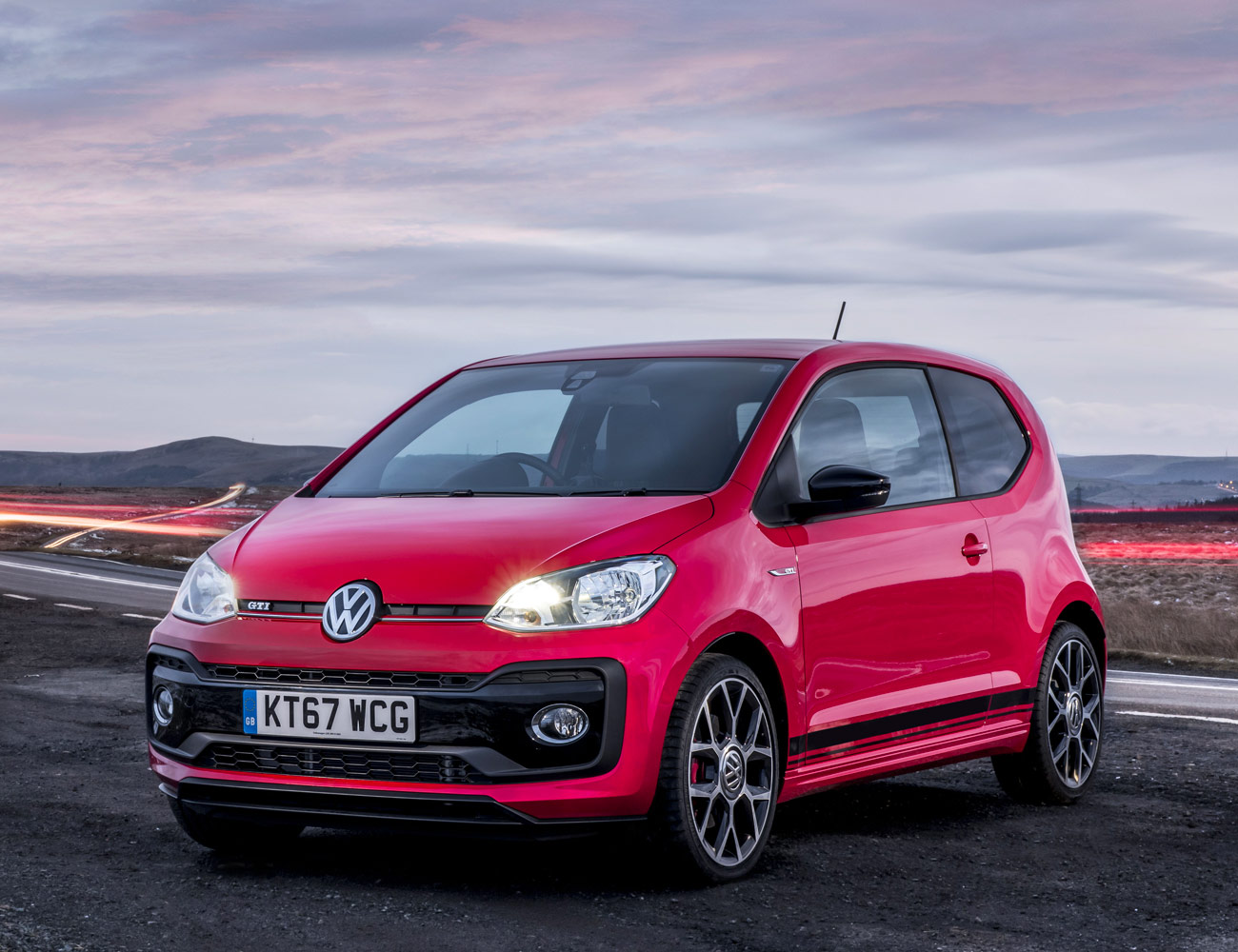
up! GTI

No, that’s not a typo. The name of the car employs both mandatory lowercase and a punctuation mark. The quirky name belies the up!’s quality though. It’s worth the exclamation point. The up! is a super-tiny European Class A hatchback. There’s a GTI version of that hatchback. It has a torque-heavy 1.0-liter 3-cylinder (113hp, 170lb-ft). It has a top speed of 122mph. Considering size, power and handling, it’s close to the legendary Mk1 GTI. It also has a six-speed manual, gets 37mpg combined and retails for less than $20,000. If you believe to have found a better city car, you are, simply, wrong.

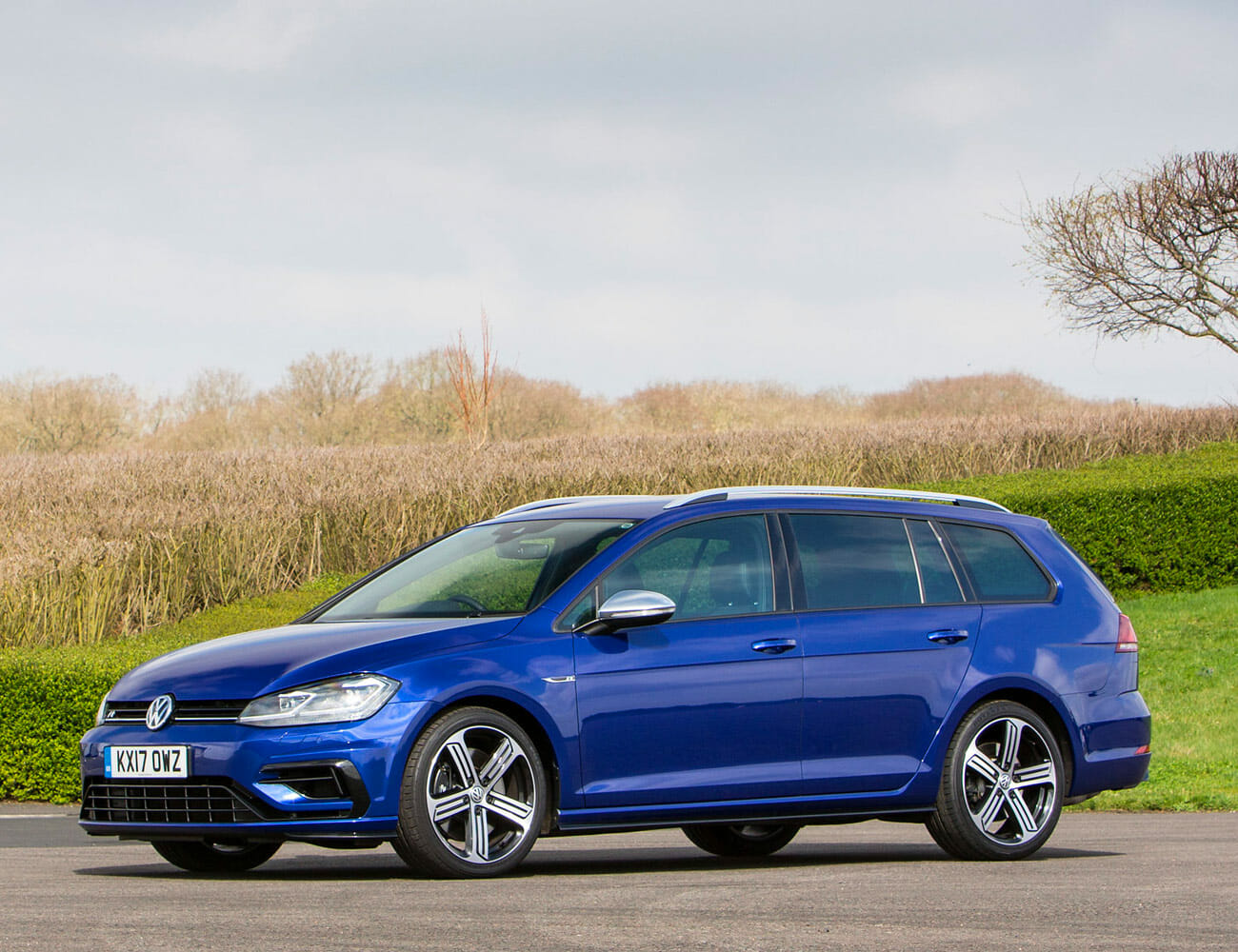
Golf Estate R

I pushed for VW to produce a GTI version of the Golf Sportwagen. VW takes that idea one step further in Europe with the Golf Estate R, a wagon version of the Golf R. It has 295hp from the 2.0L TSI engine and 4Motion AWD. It can accelerate from 0-60mph in less than five seconds. It has a “race mode” and a “Sport Human Machine Interface” with all sorts of performance data to maximize your school run times. Before you expatriate to buy a Golf Estate R, however, there is one caveat. It only comes with a seven-speed dual clutch automatic transmission.

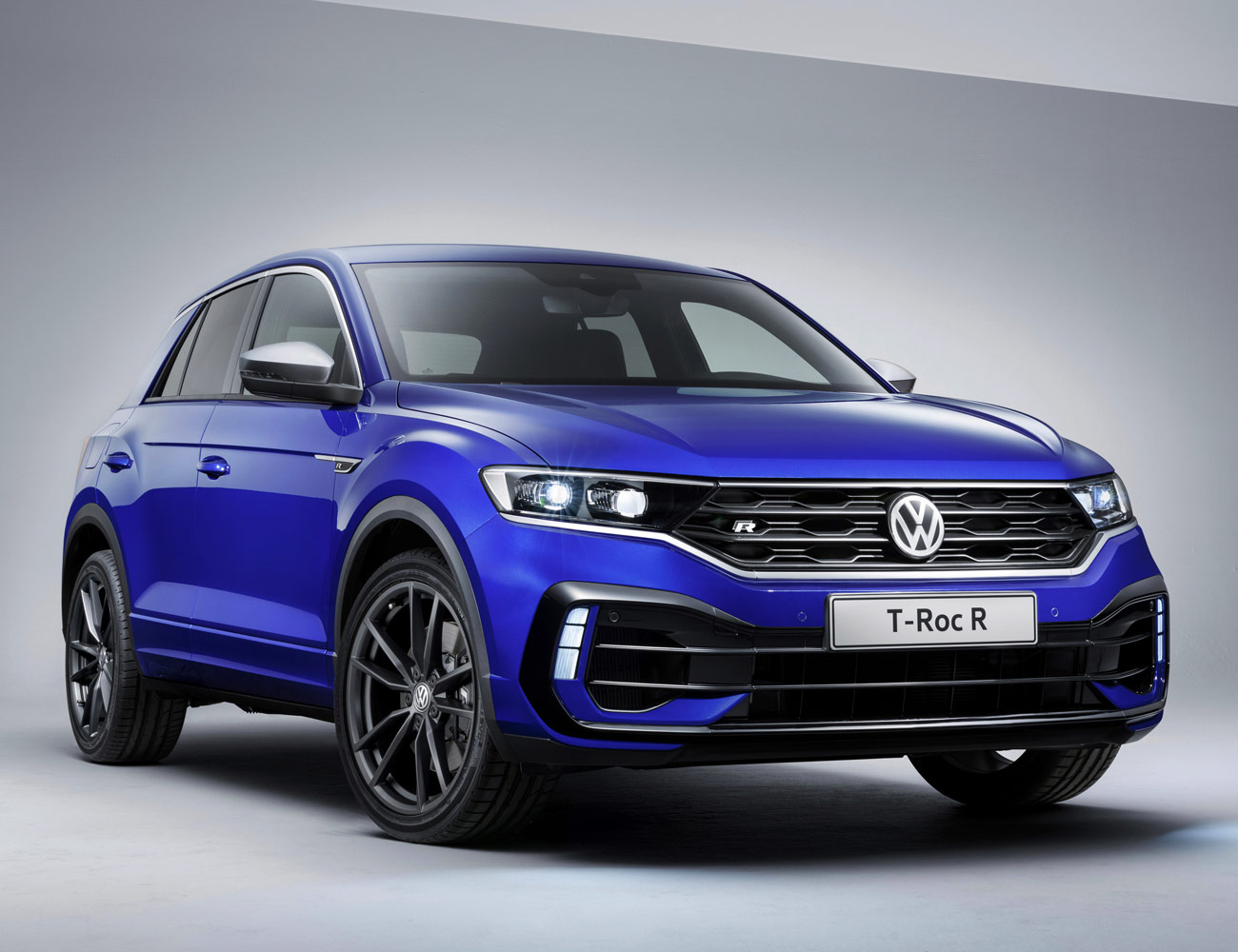
T-Roc R

Americans get the bulky, soft-handling, trying-to-be-third-row Tiguan. Europeans also get the T-Roc, a subcompact crossover that slots under it. Volkswagen just released an “R” version that’s basically an elevated version of the Golf R. It gets sportier styling. It draws 296hp and 295lb-ft from the 2.0-liter I-4 Turbo. It gets Golf R suspension and brake components. It accelerates to 60mph in under five seconds. VW does have a separate subcompact SUV coming to America. But, given the bonkers Tiguan and Atlas sales, don’t expect it to be tuned for hard driving.

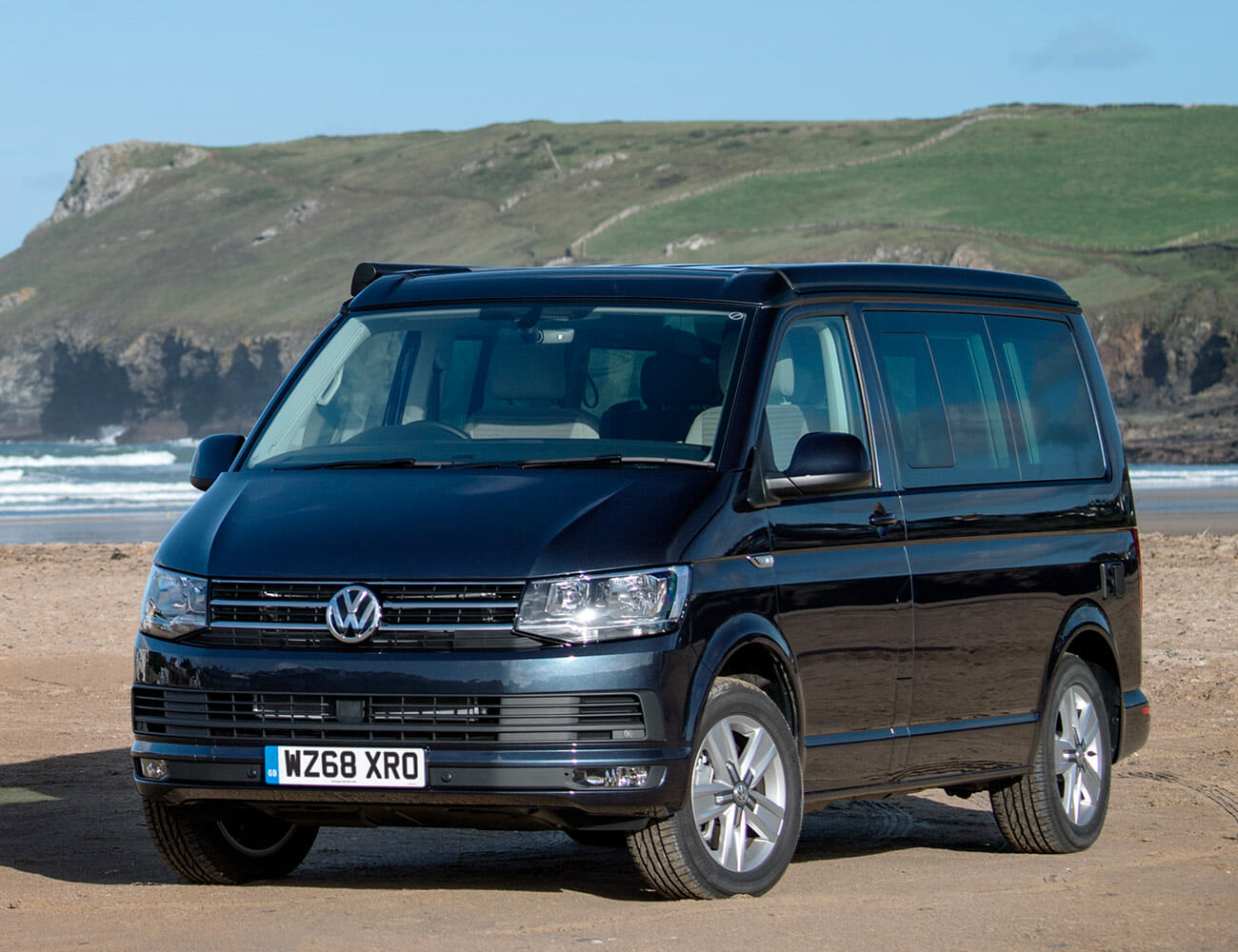
California

#VanLife is an aspirational dream. Cast your student loans and unfulfilling gig employment aside. Embrace the open road, waves, and an aging VW Vanagon Westfalia. Spend hours per day hunched over a phone choosing just the right Instagram filter. VW offers Europeans a modern take on this with the California, ironically not available for sale in California. It has a pop-top bed space to sleep four comfortably. An LCD panel controls battery, water and heat systems. It stows removable camping chairs and a table. It has driver and parking assists. Trade that wheezing engine and nervy hill climbs for a 2.0-liter I-4 Turbo, 4Motion and a manual transmission. Need more room? There’s a Grand California on the way.

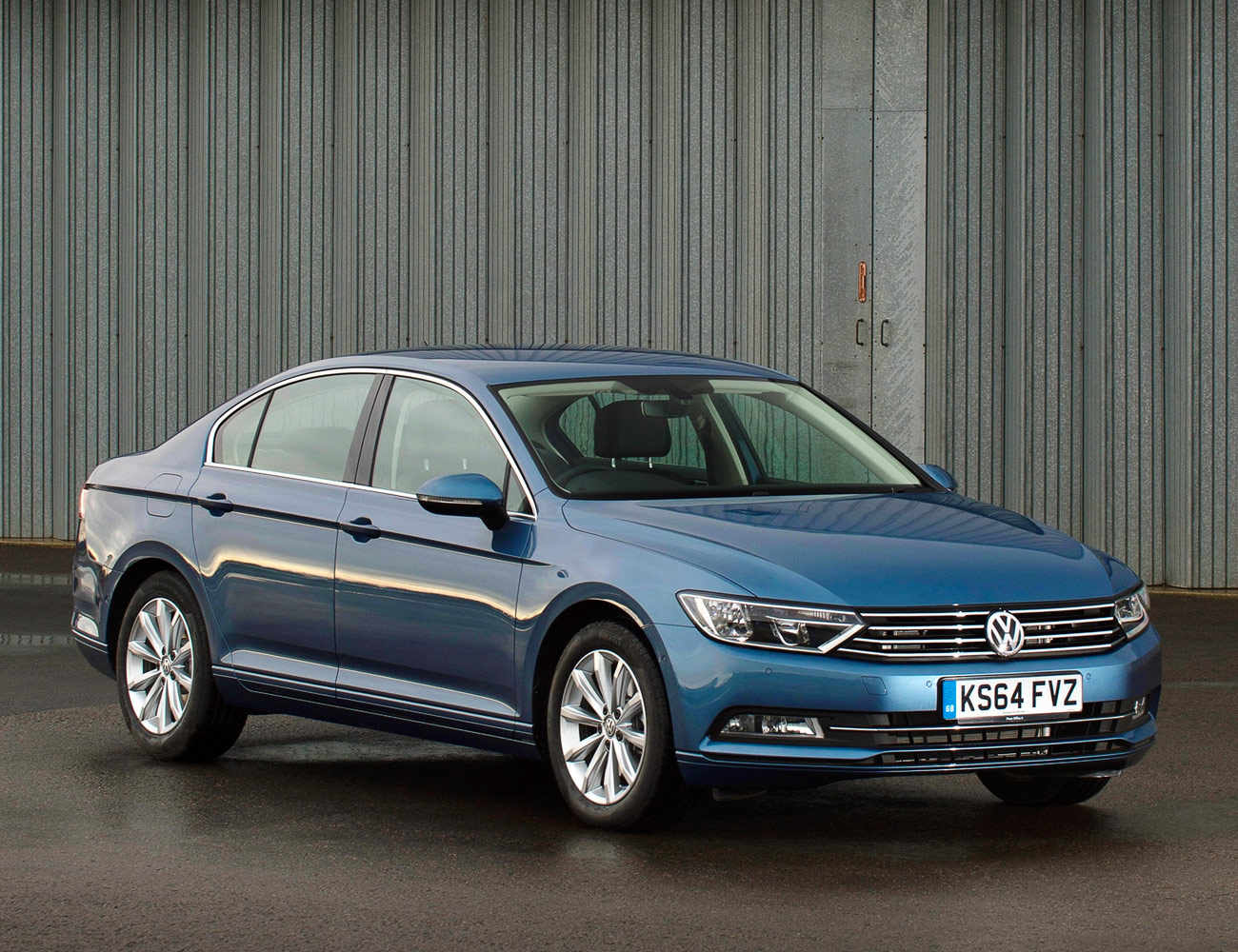
The European Passat

Volkswagen offered Americans a new Passat, which was the same Passat available since 2011, only with new bodywork. In Europe, VW builds on the possibility of a midsize, just-below-luxury vehicle. Europeans get an 8th-generation Passat running on the MQB platform. They get a sophisticated aesthetic, even more Audi-like than the American version. They get to choose between a sedan and a wagon. While VW canceled a Passat GT in the U.S. market, Europeans can level up to a diesel engine with 237hp and 369lb-ft of torque that can bring the 0-60mph time close to six seconds. There’s also a plug-in hybrid.