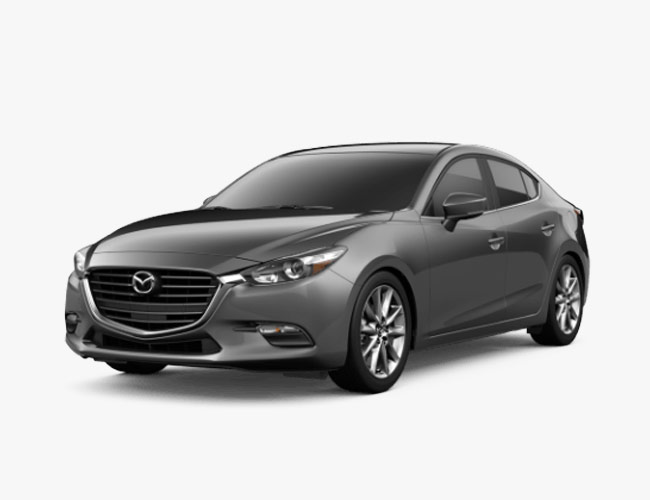
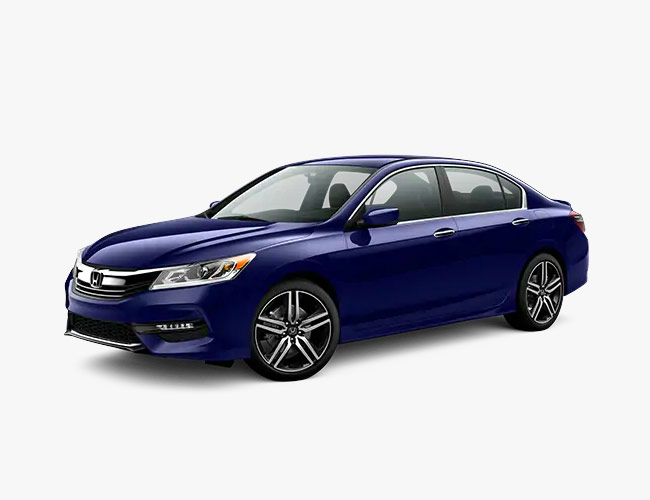
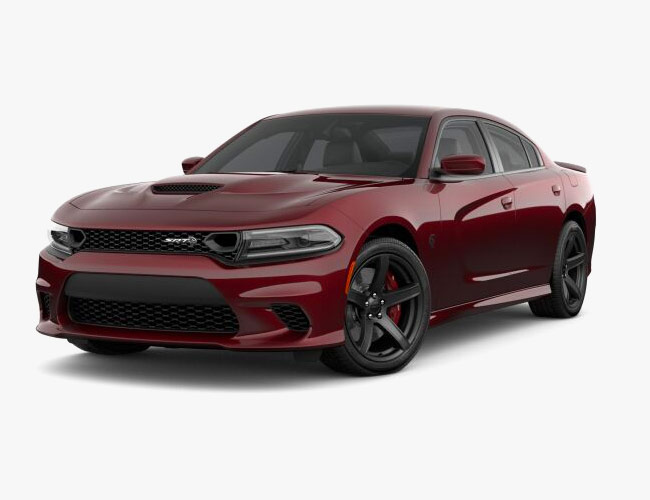
All posts in “Cars”

These Are the Best Rental Cars to Grab This Memorial Day Weekend

It’s that time of year again: Memorial Day. That, of course, means traveling to spend time with friends and family, gorging on backyard BBQ — and all too often, renting a car. But if the words “rental car” conjure up nightmarish memories of a sad Dodge Caliber your parents got stuck with on a family trip, you need to adjust your frequency: These days, rental car agencies offer plenty of models that are far more pleasurable than the rolling penalty boxes that often spring to mind at the mention of the term.

To make this last minute decision go smoothly, we at Gear Patrol did a little bit of combing through the more prominent rental car companies, and picked out the best cars they have on offer, so you can make the most of your 2019 Memorial Day holiday.

Hertz

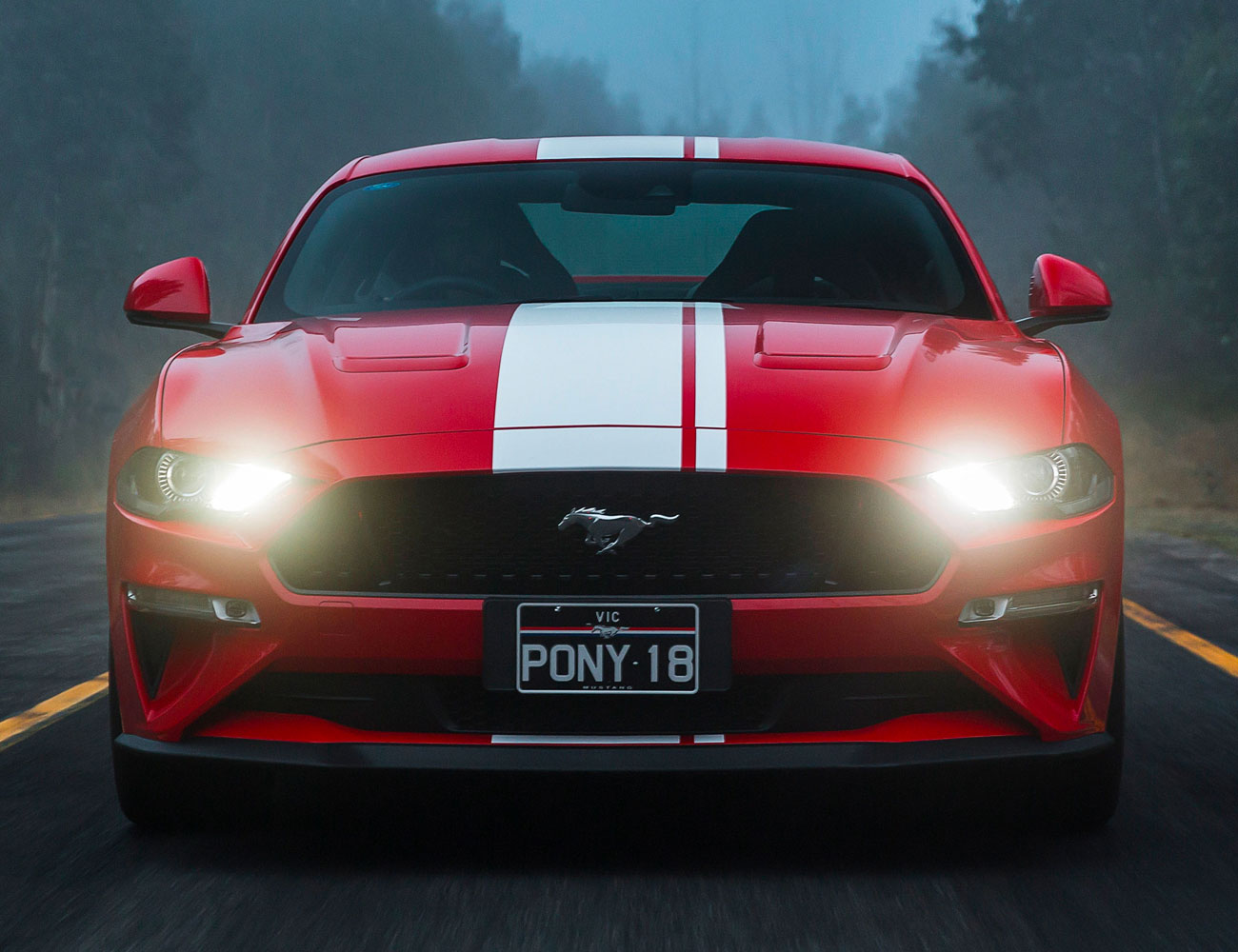
Ford Mustang GT


What’s more ideal than cruising down to the beach on Memorial Day weekend in a Ford Mustang GT sporting a 460-horsepower 5.0-liter V-8? Not much. It might be surprising to see such a high-powered sports car available for rent, but Hertz has been offering Mustangs for decades now. Skip the Ford Fiesta this year and treat yourself to some real performance.

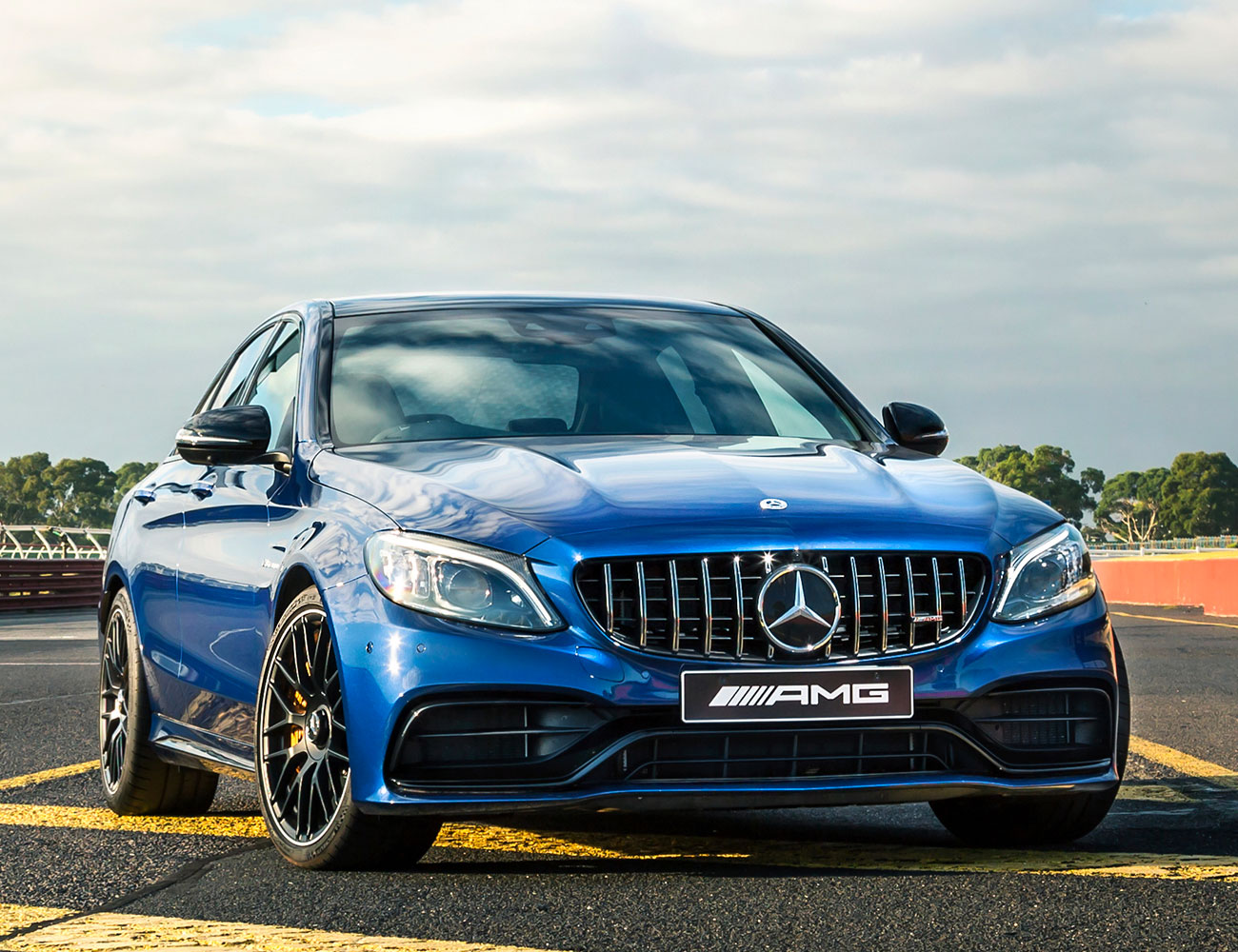
Mercedes-AMG C63


When it comes to performance, Hertz doesn’t mess around — their Dream Car selection is the antithesis of the standard rental-car fleet. So if you’re looking for an entertaining-but-somewhat-understated sport sedan, you owe it to yourself to reserve the Mercedes-AMG C63 and kick off summer in style.

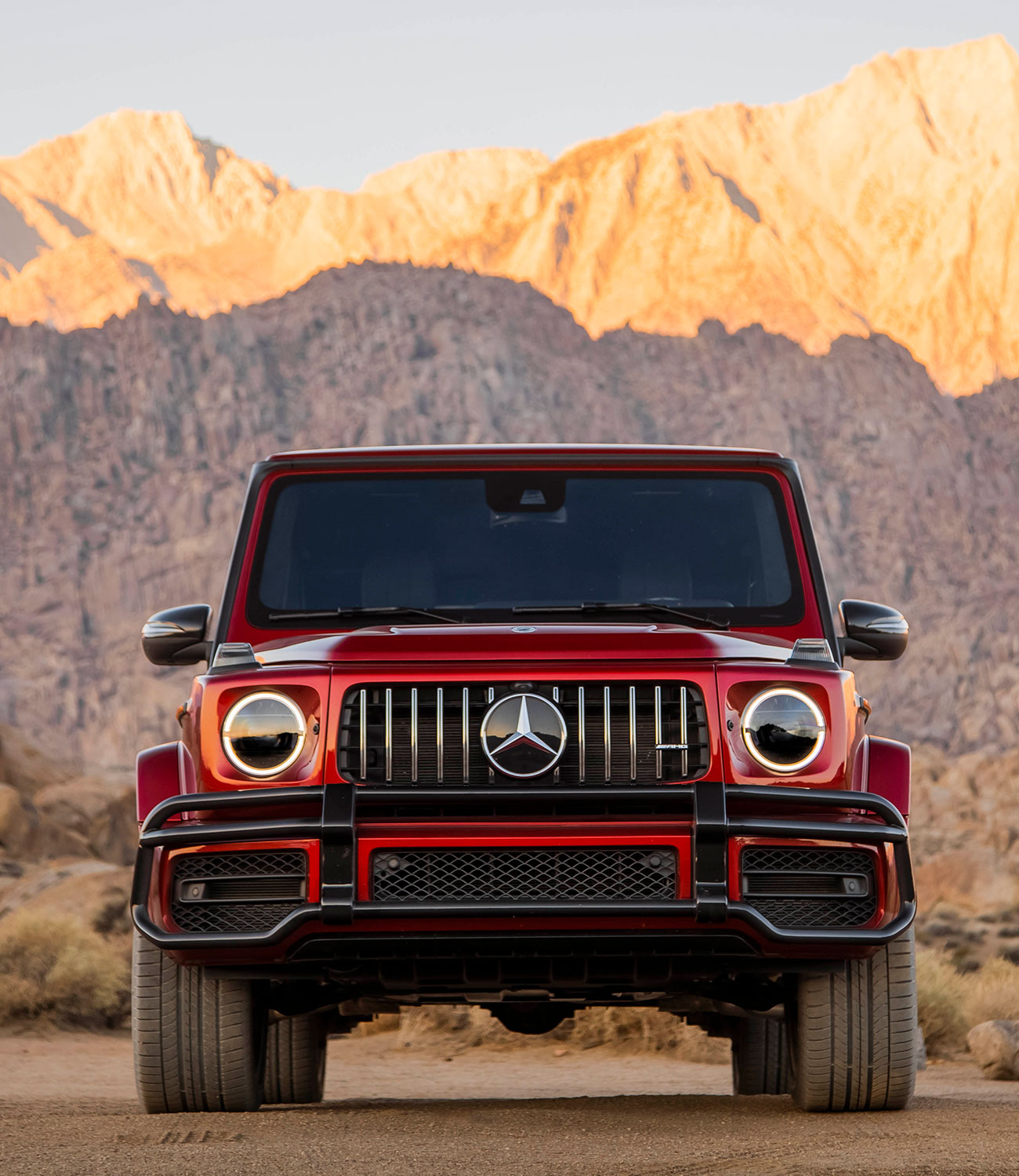
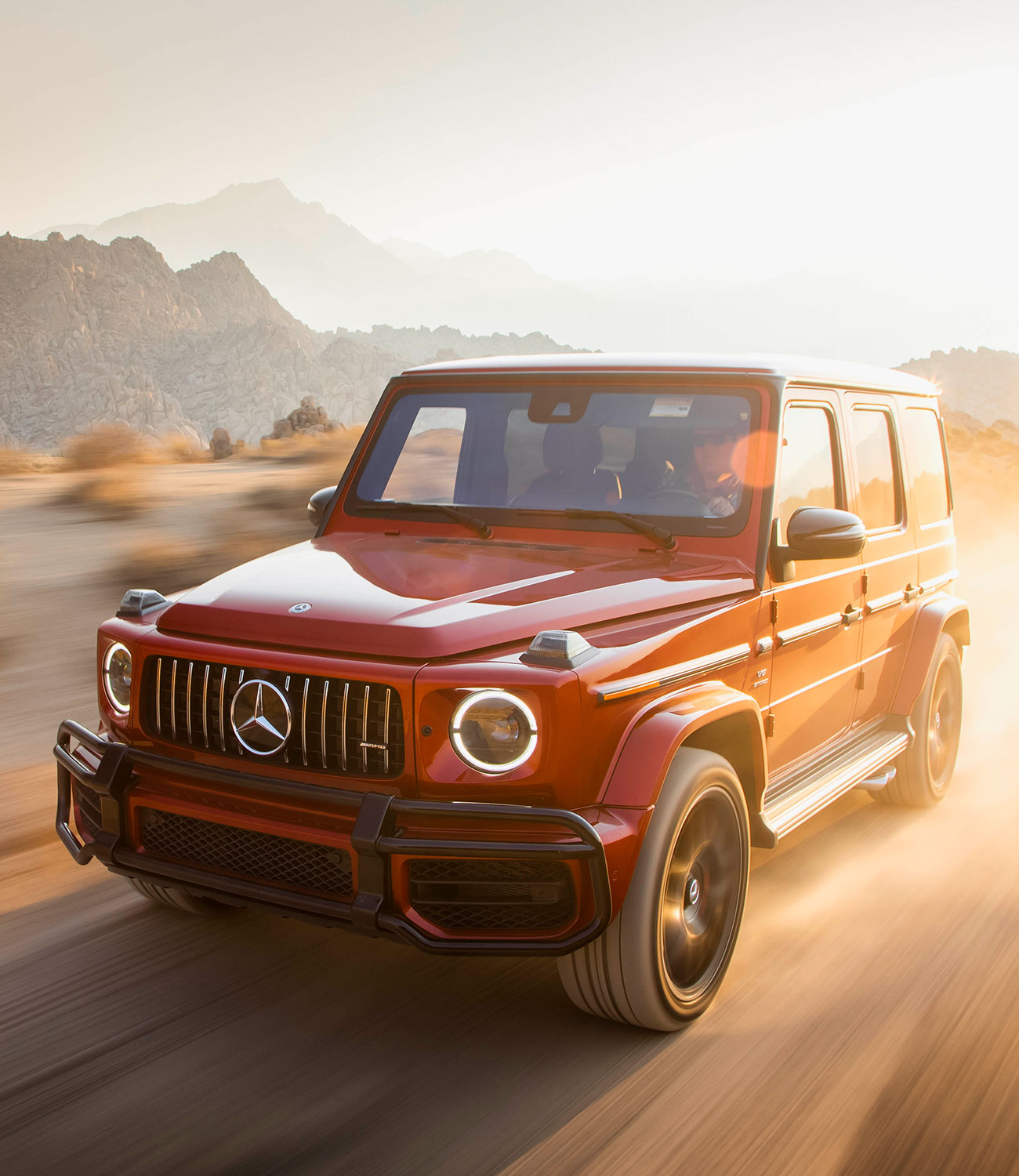
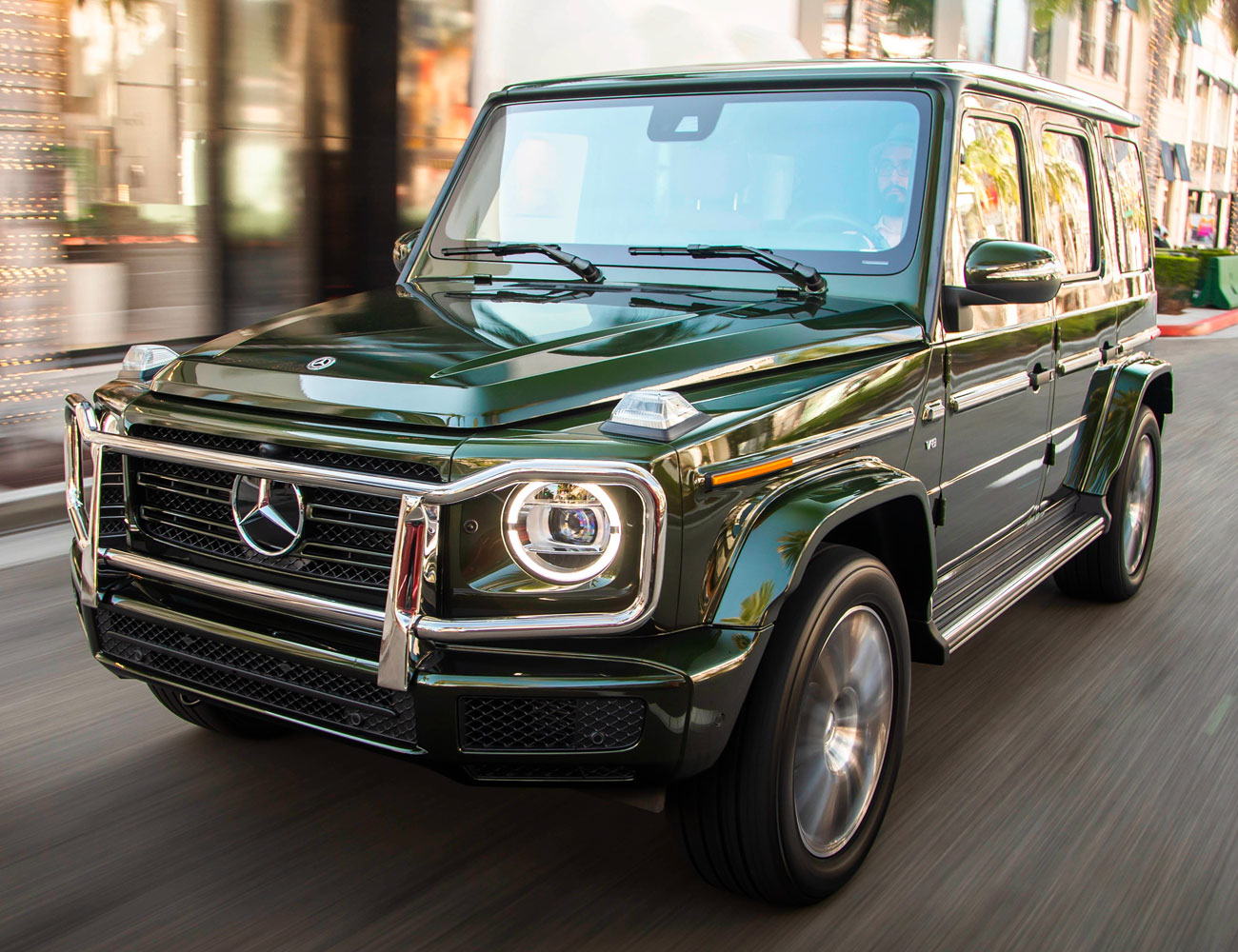
Mercedes-Benz G550

>

It might weigh 5,724 pounds, but even in base form, the Gelandewagen can still get to 60 mph in 5.7 seconds and tow 7,000 pounds (albeit not at the same time). It’s perfect for transporting all the beach gear, food and drink you’ll be living off for the next 72 hours.

Budget

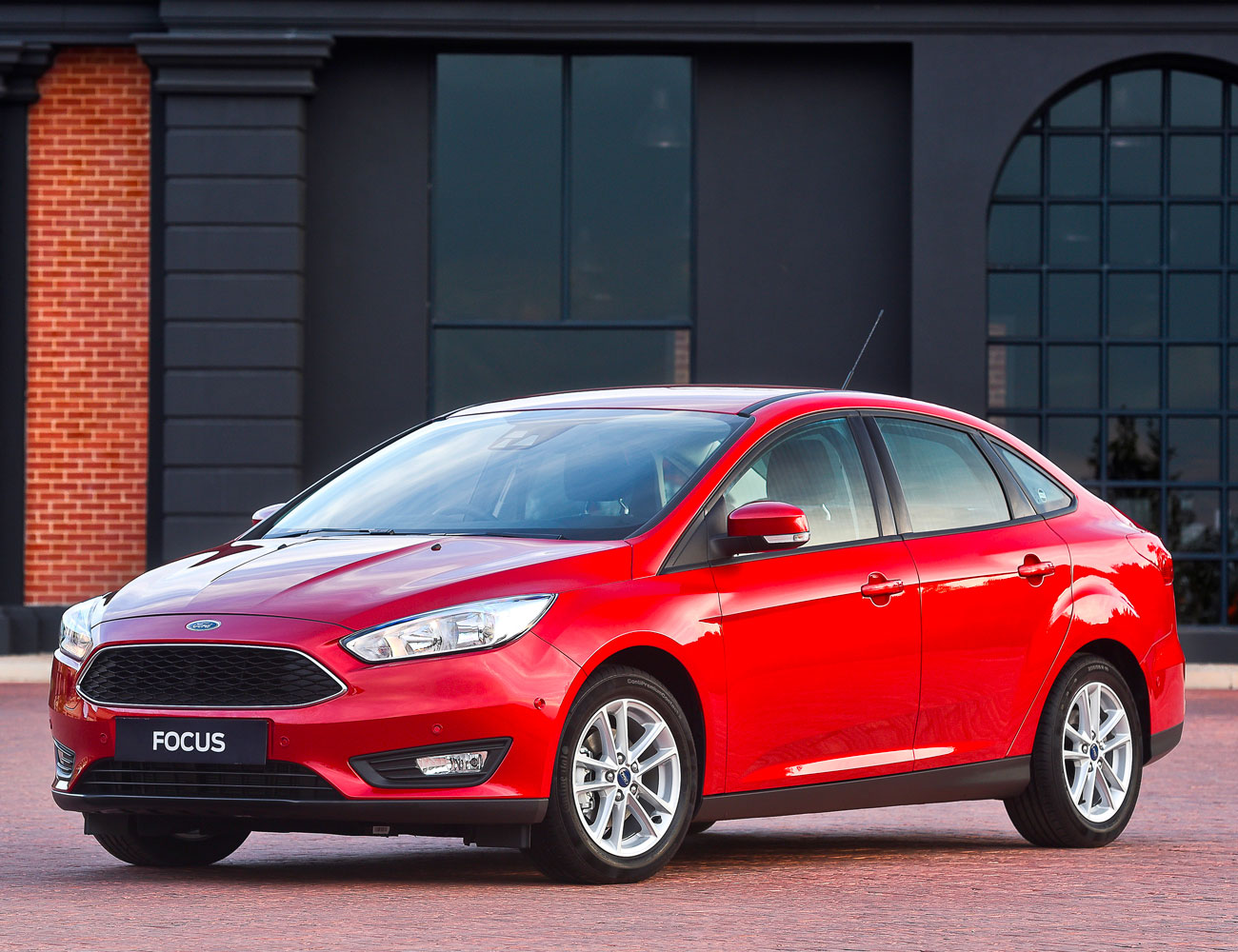
Ford Focus


Even the base-model Focus is miles ahead of your average rental car; it may be the best-handling front-wheel-drive car on the market. And more importantly, it’s a rental — you’re supposed to drive it like you stole it.

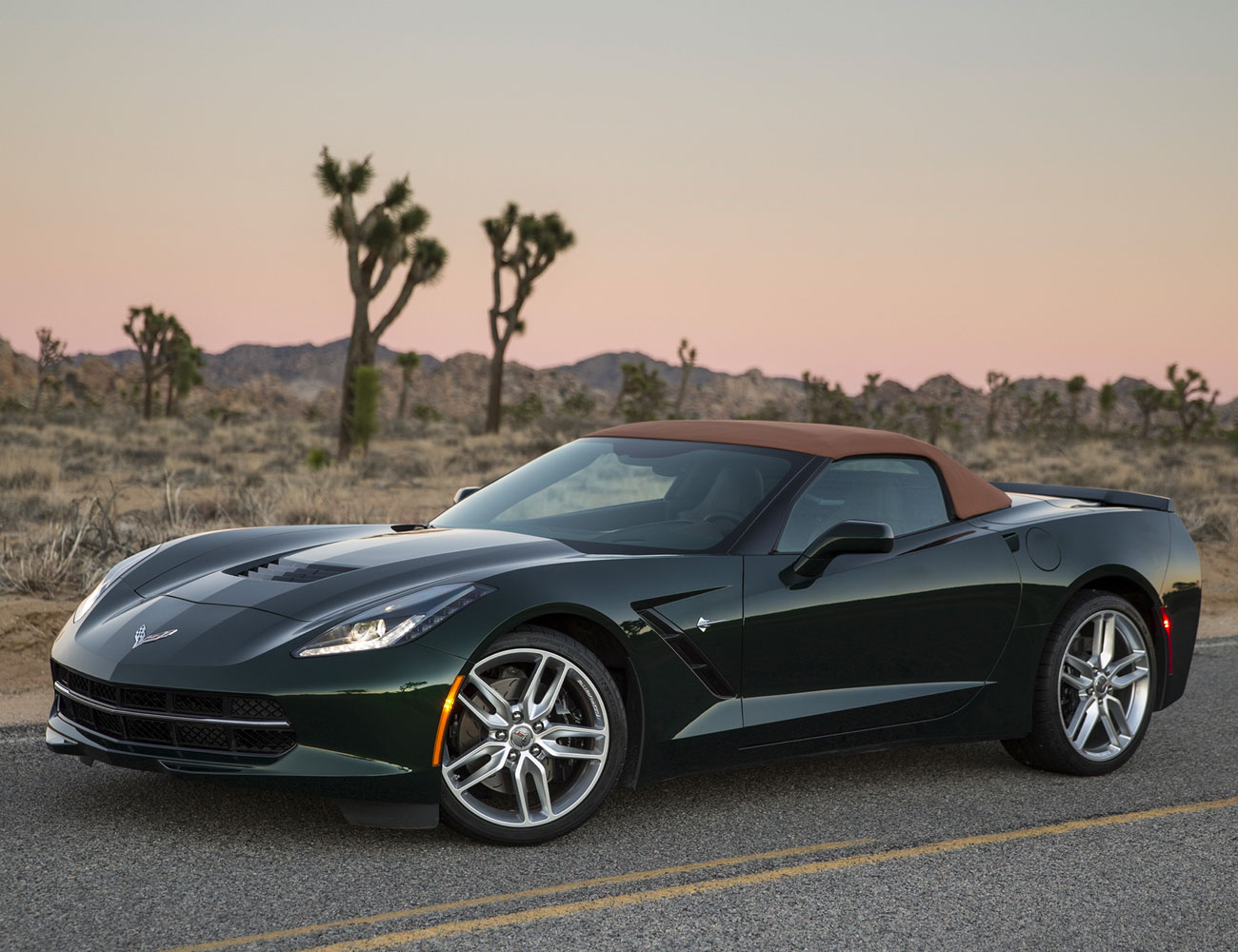
Chevrolet Corvette


Easily the best-looking Corvette since the C2, the current C7-generation ‘Vette is a damn fine way to announce your arrival to the party. The 455-horsepower 6.2-liter V-8 won’t win you any points from your eco-conscious uncle — but of all the cars on this list, the Corvette might just be the most entertaining on a winding road.

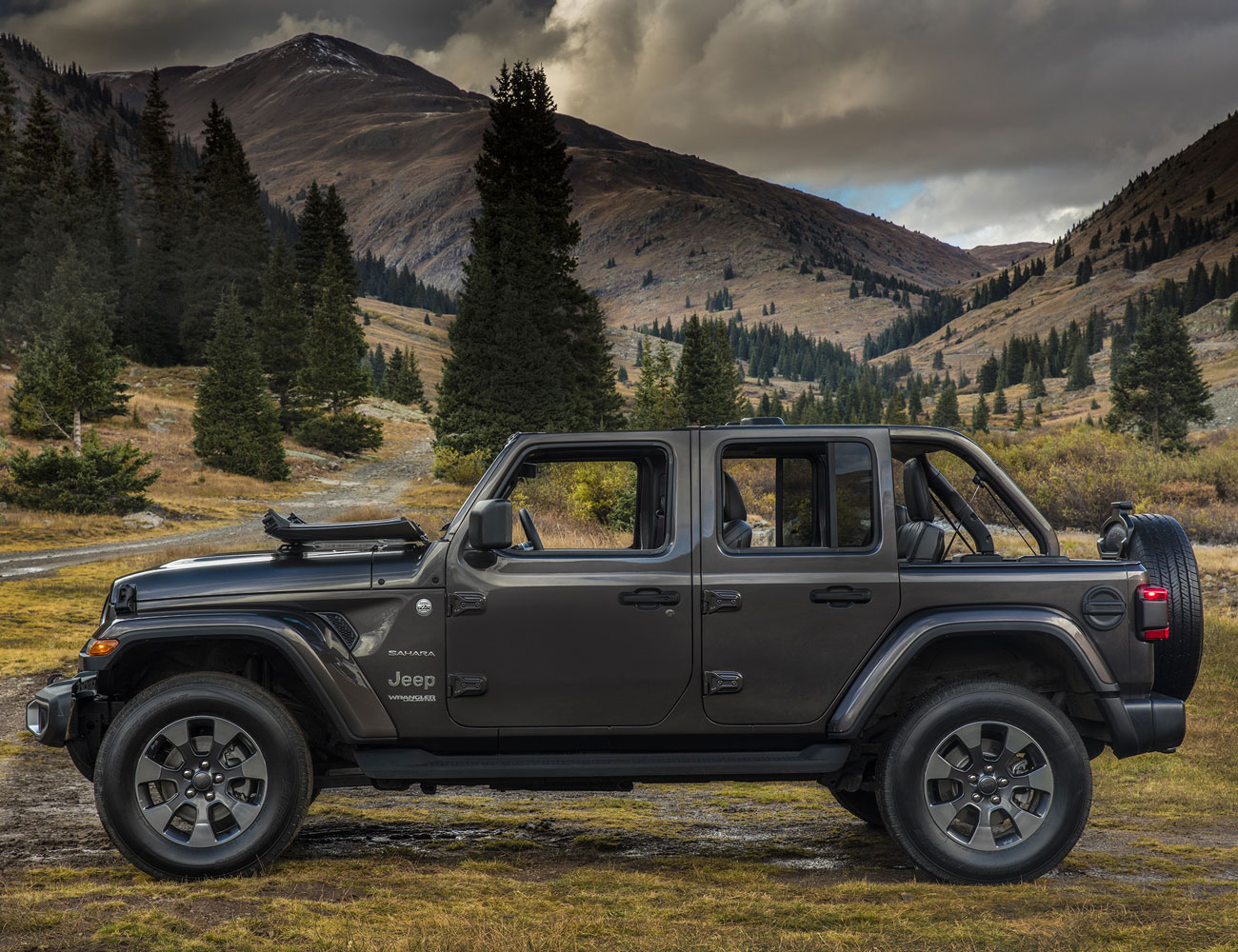
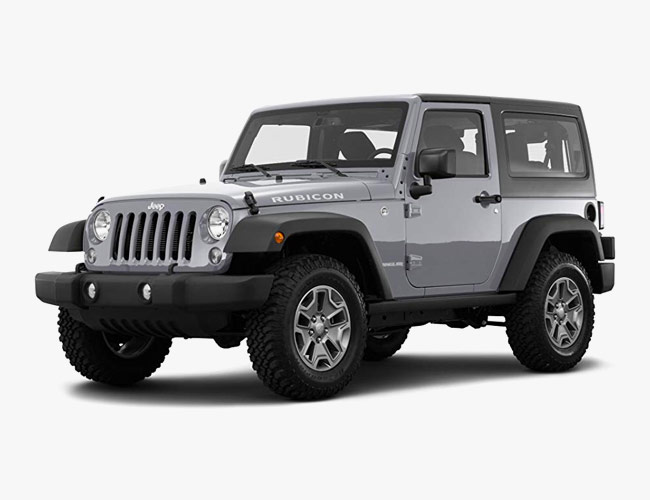
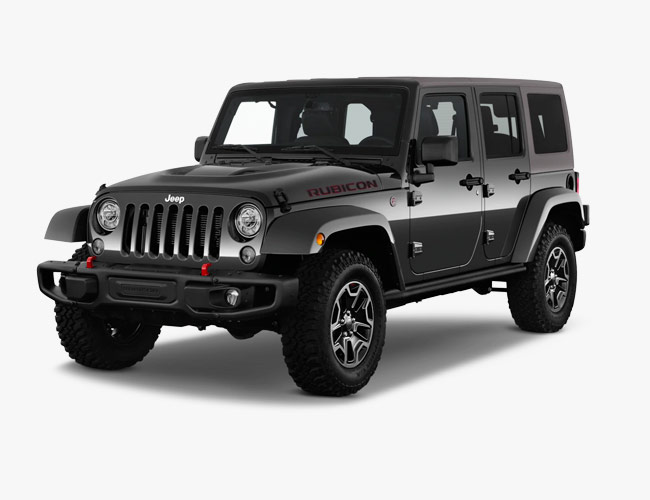
Jeep Wrangler


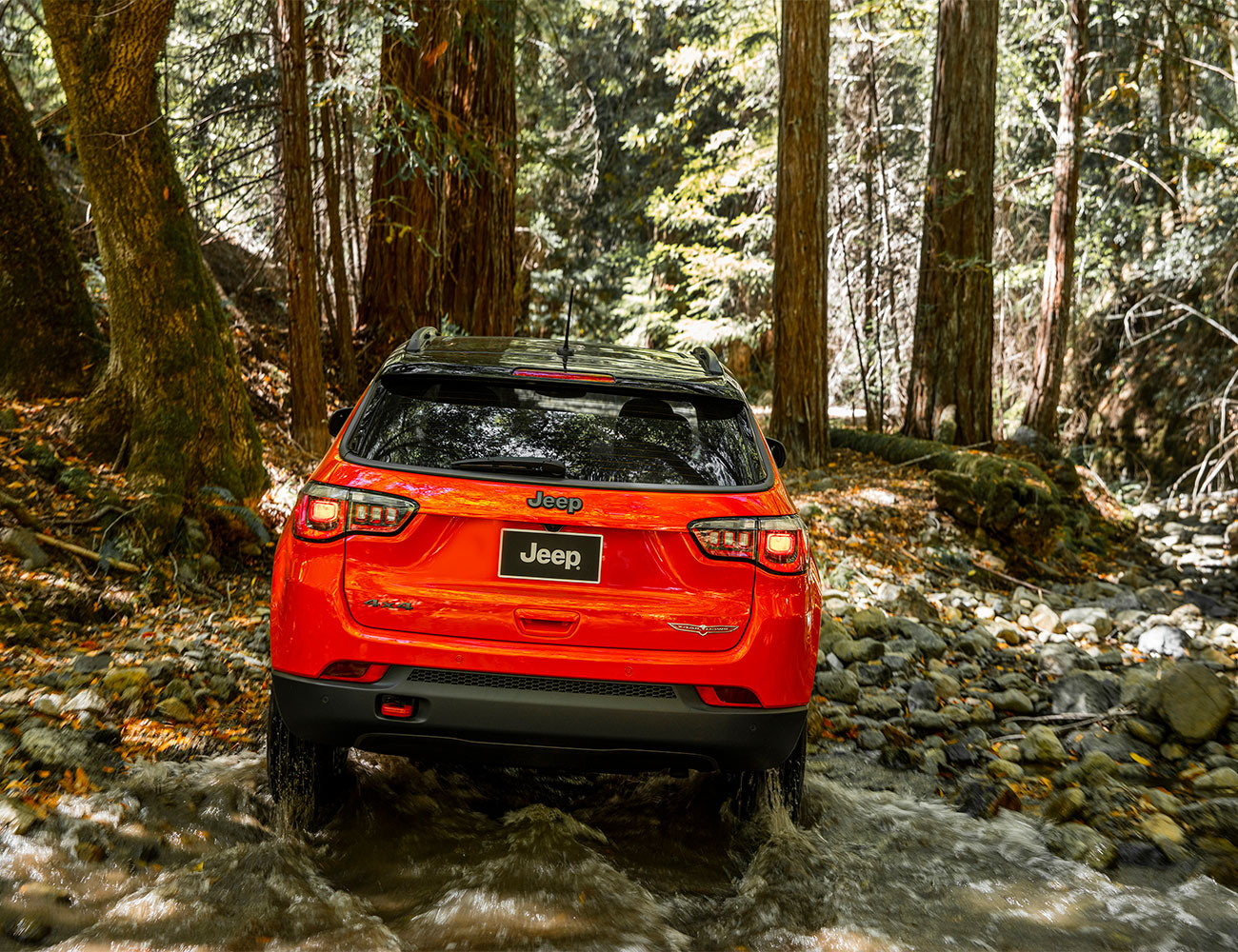
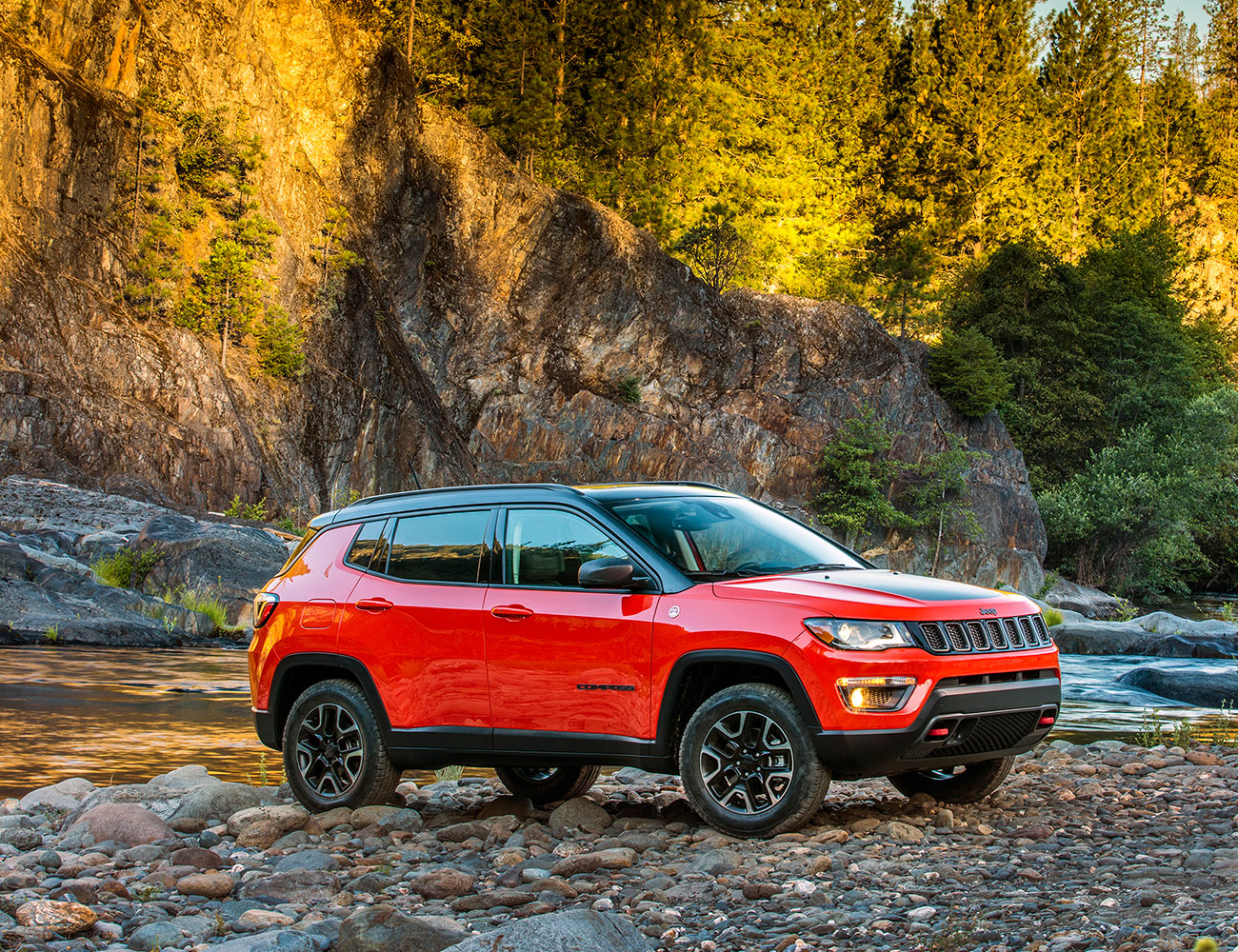
Even in stock trim, the Jeep Wrangler is wildly capable off-road. If your Memorial Day Weekend has you heading up to a remote lake in the mountains or trucking through the sand to get to the fire pit on the beach, the iconic four-wheeler has you covered.

Enterprise

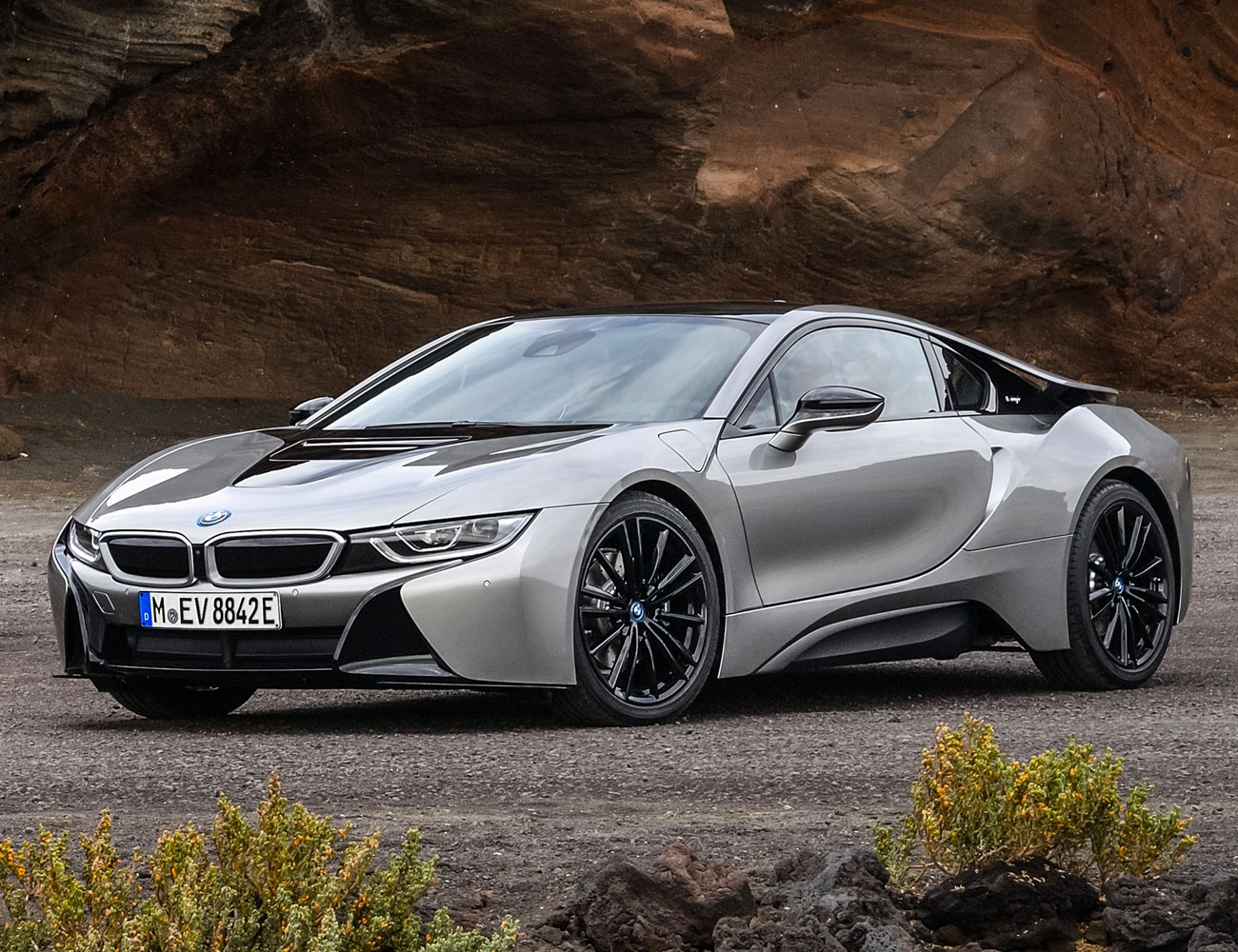
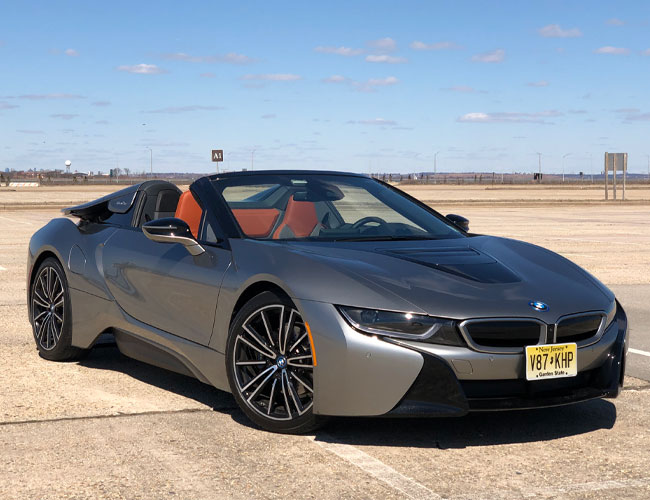
BMW i8


Easily the coolest-looking “economy car” on the list, BMW’s futuristic i8 looks like a supercar, hits 60 mph in 4.4 seconds and can still net the equivalent of 134 miles per gallon from its inline-three engine/electric motor combo. Just forgive it for pumping fake engine noise into the cabin through the speakers.

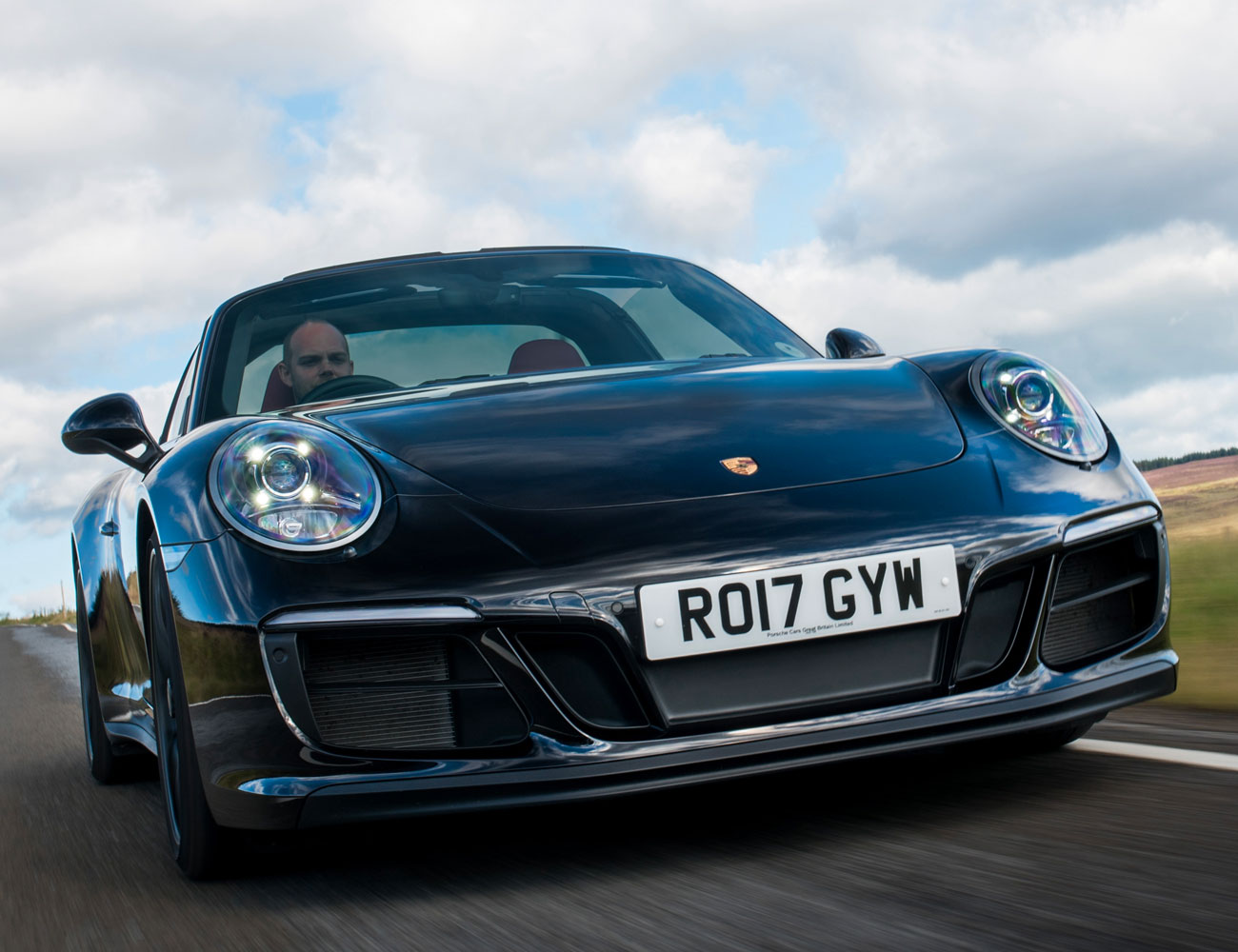
Porsche 911 Targa


The 911 Targa needs no justification. It’s one of the prettiest, roofless modern Porsches, and you’re on the threshold of summer. Go for it.

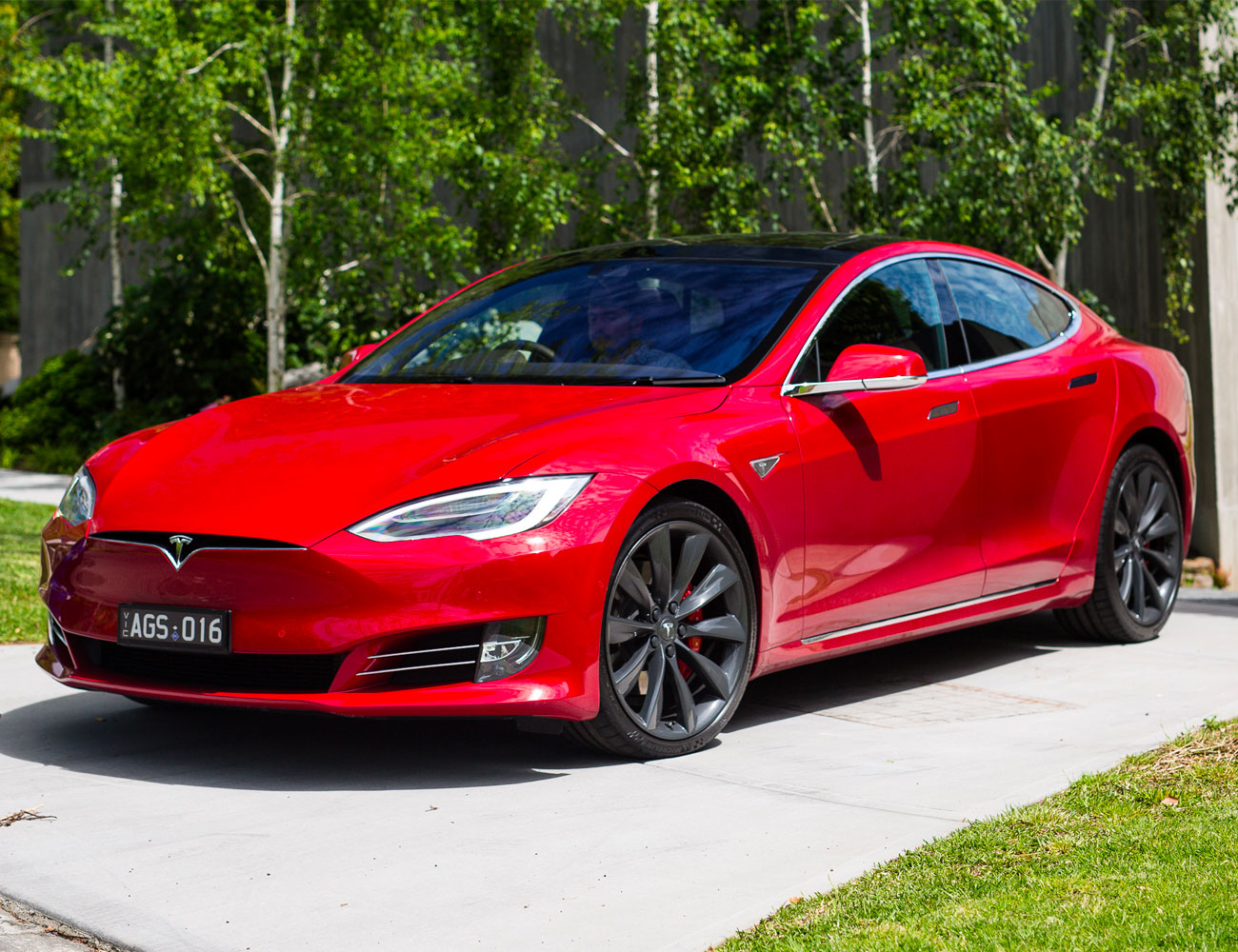
Tesla Model S


Tesla’s large four-door electric sedan offers tons of performance, extreme efficiency and killer looks. No one will assume yours is a rental.

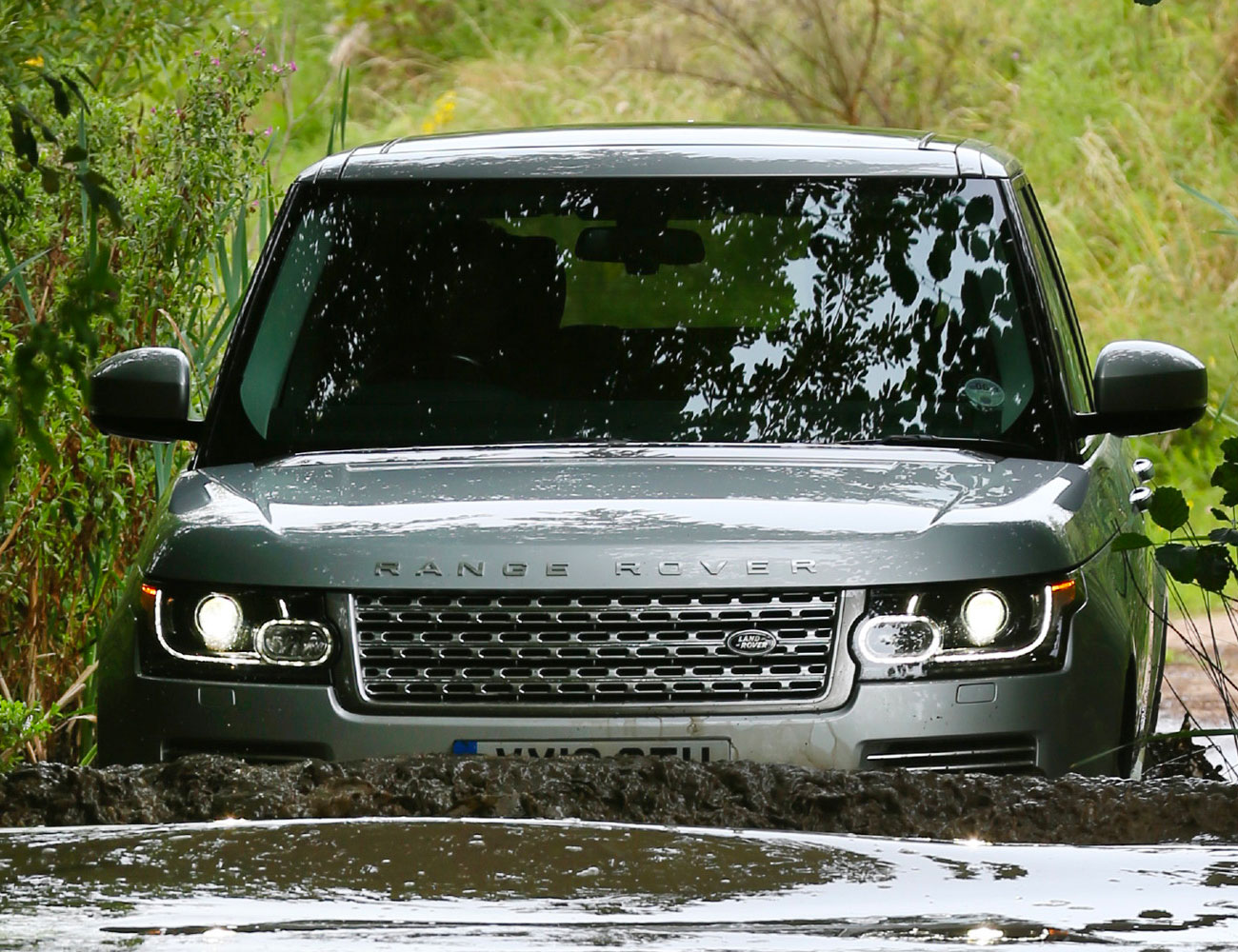
Land Rover Range Rover


Out of the box, the Range Rover is one of the most capable SUVs on the planet. It’s a shame the majority of Range Rover owners will never know how competent it is off-road…but since yours is a rental, feel free to put its reputation to the test over the weekend.

Avis

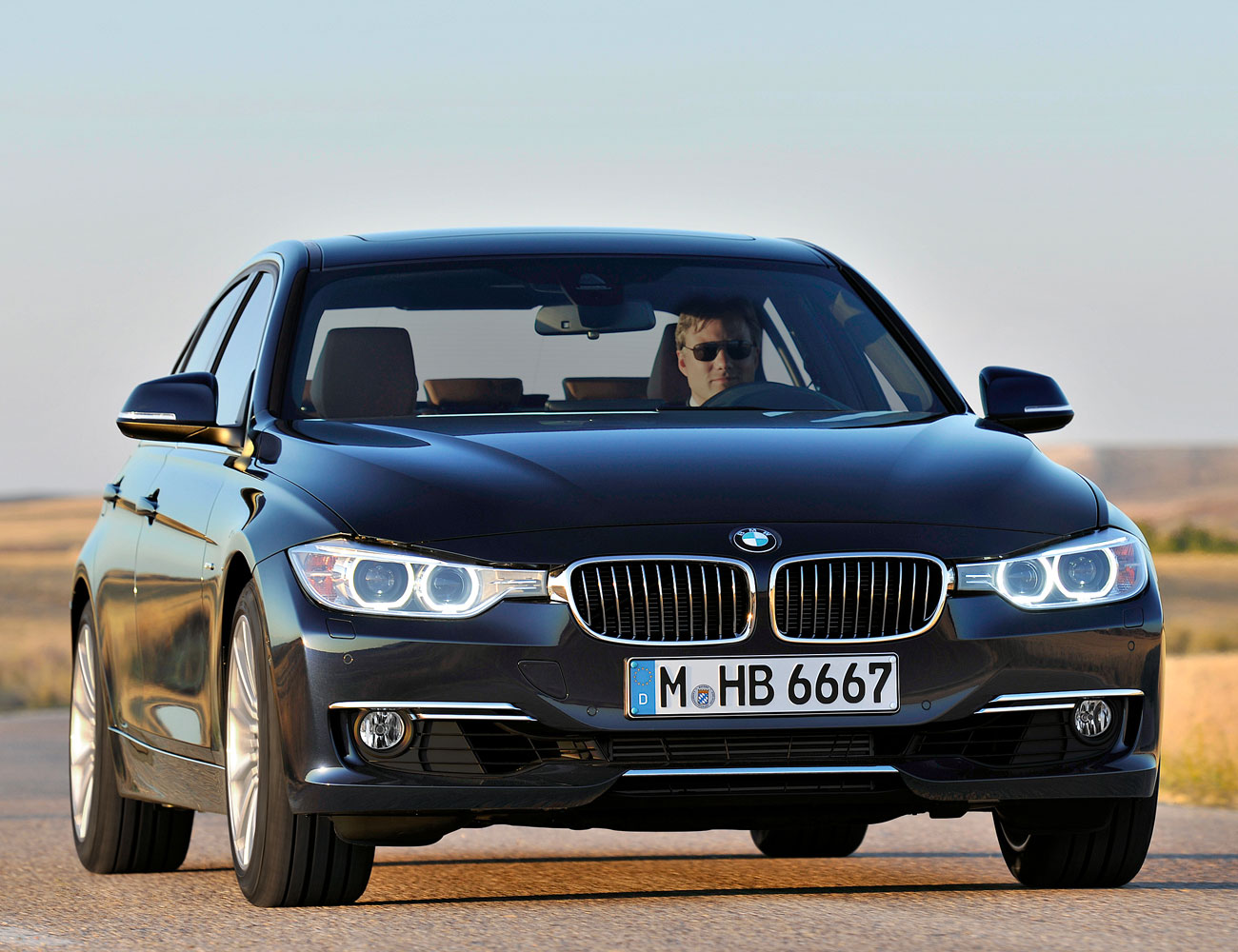
BMW 328i xDrive


The BMW 328i is the most understated car on this list. Then again, this Bimmer isn’t for showing off; it’s for you to enjoy from the driver’s seat. With perfect balance, handling and responses…when you arrive, you’ll also be seriously satisfied.

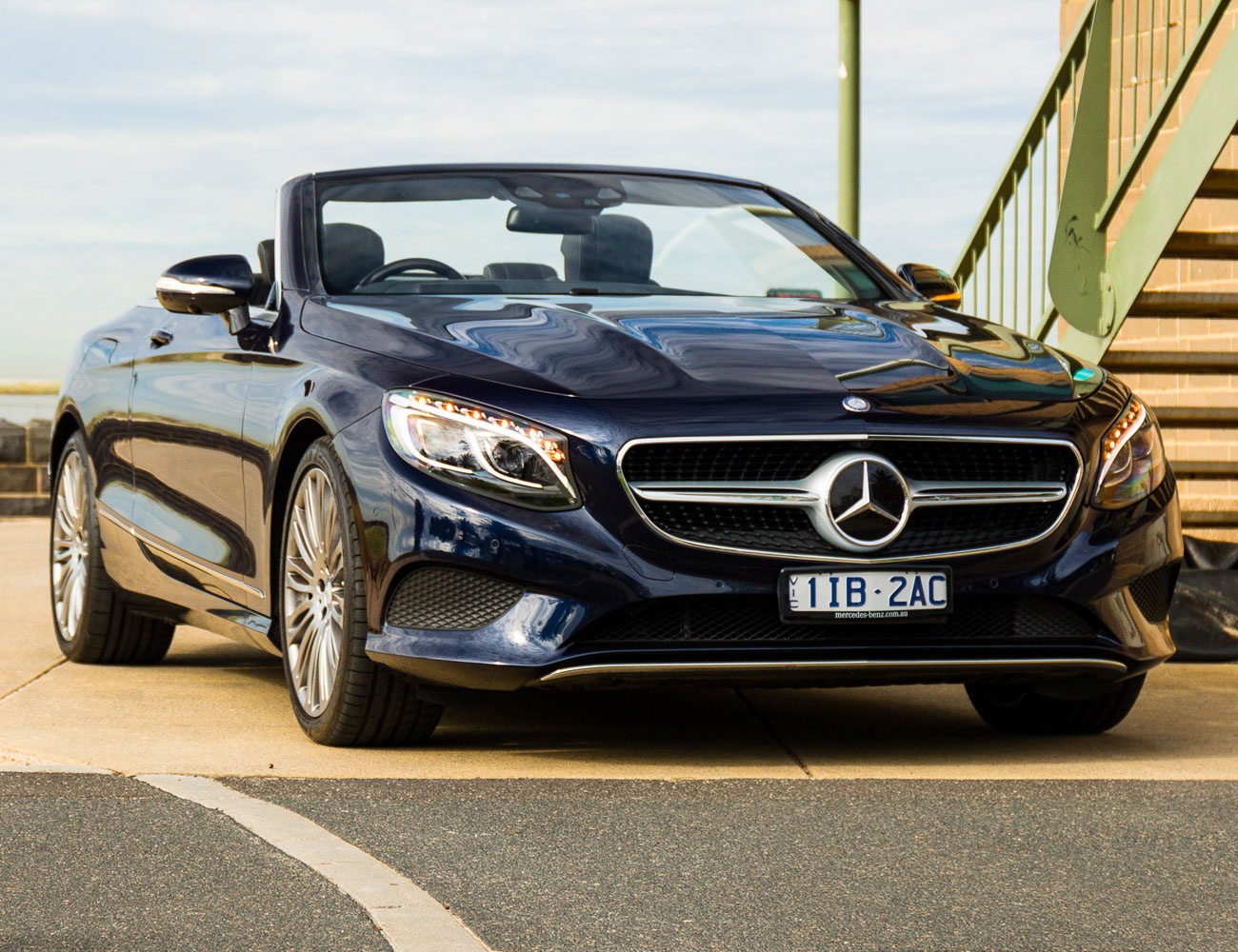
Mercedes-Benz S550 Cabriolet


If the BMW 328i is for flying under the radar, the Mercedes S550 is for letting everyone know you’re floating down the road in the lap of luxury. The 4.0-liter twin-turbo V8 is good for 463 horsepower and 516 lb-ft of torque, but the real draw of this car is the interior, which feels more like a luxury yacht than a car.

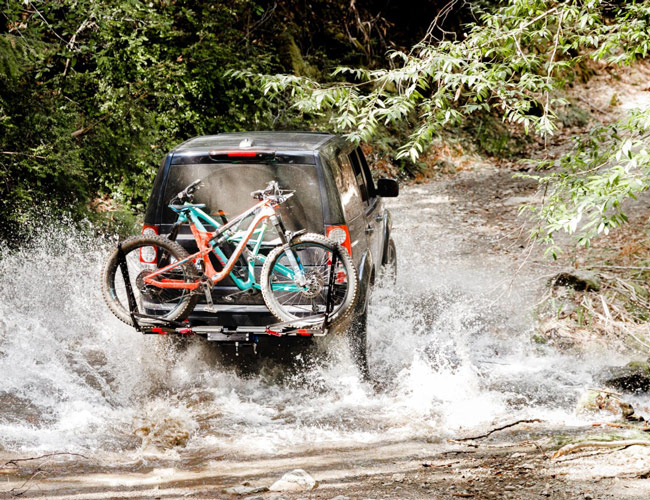
The Best Bike Racks For Any Car

Whether you’re headed on a weekend trip, to the local trail system for a lunch ride or the top of your favorite descent, a good bike rack is crucial. These are the best available now, for any type of vehicle and bike. Read the Story

2020 Toyota Supra Review: Check Your Judgement At the Door

At long last, the Toyota Supra is back.

Technically, it’s the “Toyota GR Supra” now — the two errant letters standing for “Gazoo Racing,” the new badge found on Toyota’s cars developed in part by the carmaker’s motorsports division. Don’t let that throw you off. You can still just call it the Toyota Supra. (After all, the first and second-gen cars technically went by “Celica Supra,” but you don’t see anyone complaining about the lack of the former name in common discourse.)

This new Supra, at first glance, doesn’t seem much like direct successor to the coupes that wore its name before. Those cars landed somewhere closer to the grand tourer end of the sports car spectrum, like Japanese versions of front-engined V-12 Ferraris with half the cylinders and one-third the price tag. The new one, on the other hand, is a tight little ball of energy, one that manages to be smaller, lighter, and more powerful than the A80-generation, 2JZ-powered Supra made famous in America when Paul and Vin owned a Ferrari F355-driving tool during Act II of The Fast and the Furious.

Video: 2020 Toyota GR Supra Review

Watch more of This Week In Gear video reviews.

The Good: At the launch event an hour west of Washington, D.C. Supra chief engineer Tetsuya Tada repeatedly described the vehicle as a “pure sports car,” one that — along with its BMW Z4 counterpart — would be focused on knocking down the reigning middleweight sports car champ: the Porsche 718 Cayman and Boxster. To do that, not only did the two carmakers pull from some of the best bits of Bimmer’s parts bin, but it worked with the Bavarians on the chassis hardware and tapped some of the same driving-minded engineers who helped develop the nimble Toyobaru with the folks at Subaru almost a decade ago.

Who It’s For: Supra fanboys and Japanese-performance-car lovers who can get past the Supra’s pan-Eurasian development; enthusiasts looking for an true two-seat sports car at a decent price and aren’t hung up on jalopnerd details like the lack of a manual gearbox or an on-paper power deficit; anyone mad BMW hasn’t built a new version of the M Coupe since 2002.
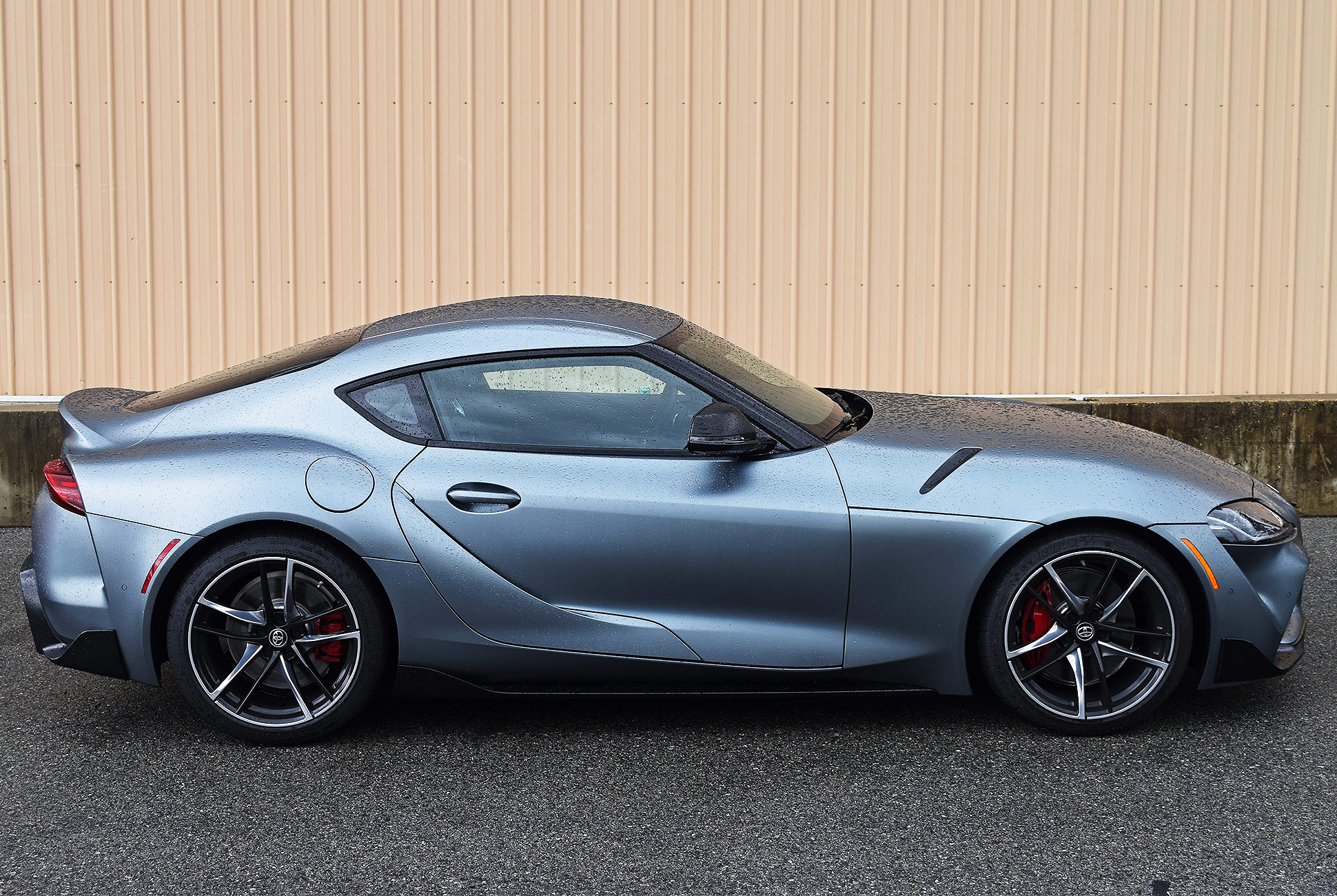
Watch Out For: The interior’s blatant BMW roots—everything from the steering wheel to the climate controls to the infotainment system are Bimmer bits — are sure to push the buttons of the JDM purists every time they push the car’s buttons. The helium-light electrically-assisted steering may direct the car exactly where you want it to go, but it does so without feeling or feedback. And anyone who prefers driving with the windows down will find the cabin filled with the unpleasant sound and disconcerting pressure of air buffeting about inside without a clean way out of the car. It may seem like a small complaint, but if you find yourself in that group, it just might be a dealbreaker.

Alternatives: Porsche 718 Cayman ($56,900), Chevrolet Corvette Stingray ($55,900), Nissan 370Z Nismo ($45,790), Ford Mustang GT Performance Pack 2 ($43,855)

Review: It’s not hyperbole to say the new Toyota Supra is one of the most eagerly-anticipated cars of 2019. In its roughly two-decade absence, its legend has been given the chance to flower, spreading further every year Toyota chose to revamp its Camrys and Avalons instead of releasing new two-door sports cars into showrooms.
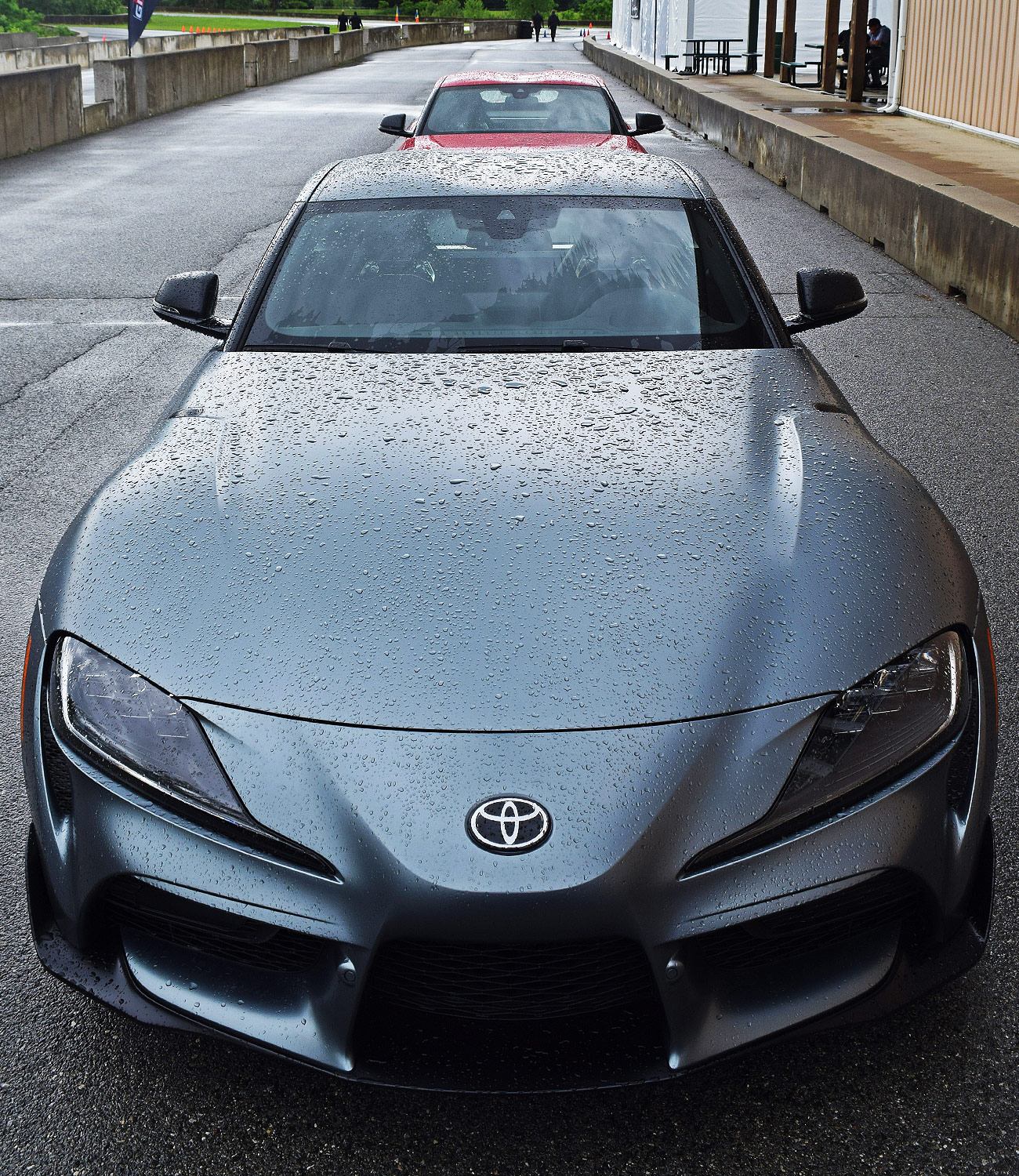
It’d be all but impossible for the 2020 Supra to live up to the sheer tonnage of those weighty expectations. Instead of trying to judge it based on those unrealistic standards, then, it’s better to take a step back and try and view it objectively for what it is, not what many wish it could have been. And by those standards, it’s a dynamite little sports car.

Emphasis very much on the little, by the way. You wouldn’t realize it to look at it, but the new Supra is only about the size of the Toyota 86/Subaru BRZ, with a wheelbase four inches shorter. (It’s two inches wider up front and three inches broader astern, however.) It certainly looks far different from them, though, with a thoroughly alien face in lieu of the BRZ and 86’s generically-handsome mug. The Supra’s not conventionally attractive by any stretch — the rear three-quarter view is clearly its best angle, and even that’s hardly what most would call sexy — but it is eye-grabbing enough to earn a double-take the first few times you see it.

In light of those tidy dimensions, the inline-six’s 335 horsepower don’t seem as wimpy as they might have at first blush. While it’s certainly on the mild side for sports cars with $50,000 price tags, that grouping’s average pony count has certainly been inflated by the Detroit Power Wars that have pushed the Mustang, Camaro, and Challenger models at that price point close to 500 horses. Porsche’s basic 718 twins make do with just 300 horses, and you don’t see many people whining about them being underpowered. (And that’s not even getting into reports that the Supra’s claimed output may be rather, uh, conservative.)

The small wheelbase, active limited-slip differential and readily accessible power — the peak torque of 365 pound-feet comes on at 1,600 rpm and stays flat as Nebraska all the way to 4,500 — make swinging the tail out stunningly easy; the car’s inherent neutral balance, a combination of its near-50/50 weight distribution and suspension setup, makes catching those slides even easier. It’s every bit the drift machine its smaller 86/BRZ siblings are.

It’s equally adept at taking clean lines and fast paths through the corners, too, helped by a center of gravity that sits even closer to the pavement than the Toyobaru’s. My drive partner and I cut up a section of empty, wooded Virginia two-lane at speeds capable of sticking with entry-level exotica, and never once did the Supra feel wanting for grip. Nor, in all honestly, did it feel like it needed a manual gearbox; granted, I wouldn’t have turned one down, but the ZF-sourced eight-speed automatic does a spectacular job keeping the engine spinning exactly as fast as you need it to be, whether it’s at 10/10s on the track, 6/10ths on a B-road or 1/10th on the highway.

If there’s a flaw with the drive, it lies with the steering. The wheel itself feels fine in the hands when the car is still, with a meaty rim and nice grips at 9 and 3, but once the car starts moving and you start twirling it, it’s hard not be a little taken aback by how synthetic and light it feels. BMW is occasionally criticized for adding too much artificial weight to the steering, but even fake heft would be an improvement on the Supra. You don’t notice it much when pounding the car down a tight, technical track like Summit Point Motorsports Park, where journalists tested the car, but at everyday speeds, it has all the involvement of a rheostat.

The wheel isn’t alone amongst the interior trimmings in disappointing you. If you guessed that having Bimmer switchgear inside would add a dash of class to this Toyota’s interior, you guessed wrong. It seems like Toyota pulled the cheaper pieces from the German parts bin; the buttons feel like they came from the cheapest 2 Series of 2014, while the shifter seems like a less-attractive prototype of the versions that have made their way across Bimmer lineup. (I had the chance to covertly sit in a Z4 at the Supra launch, and suffice it to say, that BMW’s BMW bits look far nicer than the Toyota’s BMW bits.)

The instrument panel also suffers from a bit of excess plastification, but at least it does so while trying to be distinct. While the gauge cluster is an all-digital 8.8-inch LCD display, a large analog tachometer arc is fixed across the middle of it, like a pillar holding up the hood shading the gauges. (The actual “needle” is digital, though, nestled inside the analog arc when the car is on.) It’s a nice way of highlighting the importance of knowing your engine speed; plenty of great sports cars place the tach front and center, but only the likes of Ferrari and Porsche so far have gone so far as to give it hallowed analog status. Seeing the Supra take a similar course is one more sign the company is taking things seriously.

Still, the overall package is a nice enough place to spend time on street or track. It may not be Lexus-level, but it feels better screwed-together than any Corvette or Mustang you’ll find at any price. The well-bolstered seats hold you snugly in place on the track, but don’t leave your butt numb on a long drive. And the carbon fiber trim spread liberally around the shifter and center console is actual carbon fiber, not some cheap knockoff like you’d find in many mainstream automakers’ sporty rides.

While the new Supra’s cost of entry may seem lofty for a Toyota — it has the third-highest base price of any car in the company’s lineup, behind only the hydrogen-powered Mirai and the massively over-engineered Land Cruiser — the company sends every America-bound copy out the door with plenty of standard equipment. In addition to the twin-turbo six, the limited-slip differential, the adaptive dampers, the Brembo brakes and the 19-inch wheels clad in Michelin Pilot Super Sports, the base model packs a 10-speaker stereo, leather and Alcantara trim, 14-way power seats, automatic emergency braking, and lane departure warning.

And in a refreshing change of pace from the norm, there’s almost no performance advantage to climbing the trim ladder. The extra $4,000 for the Premium trim nets you plenty of nice add-ons — a color head-up display, a 12-speaker JBL stereo, a larger screen for the don’t-call-it-iDrive-even-though-it’s-clearly-iDrive infotainment system, more leather — the only performative change is a slightly larger set of rear brakes. If you just want zoom above all else, the $49,995 base model is all you need.

Verdict: The 2020 Toyota GR Supra is imperfect, yes. People will be disappointed by its power, its transmission, its commonalities with BMW. But none of those things compromise its mission: to be an entertaining sports car.

Ultimately, this Supra is a product of Toyota’s now — looking forward, working with others, endeavoring to add driving fun to the lineup whenever possible — rather than a reflection of Toyota’s yesterday that’s slavishly trying to cash in on nostalgia. Sure, that may stoke short-term fanboy rage…but it winds up resulting in a far better product in the end.

2020 Toyota GR Supra Specs

Powertrain: Twin-turbo 3.0-liter inline-six; eight-speed automatic; rear-wheel-drive
Horsepower: 335
Torque: 365 pound-feet
0-60 MPH: 3.8 seconds (Car and Driver testing)
Roadholding: 1.07 g (C/D)
Top Speed: 155 mph
EPA Fuel Economy: 24 mpg city, 31 mpg highway

Toyota hosted us and provided this product for review.

Read More Gear Patrol Reviews

Hot takes and in-depth reviews on noteworthy, relevant and interesting products. Read the Story
Note: Purchasing products through our links may earn us a portion of the sale, which supports our editorial team’s mission. Learn more here.

Some of the Best Engines In the World in 2019

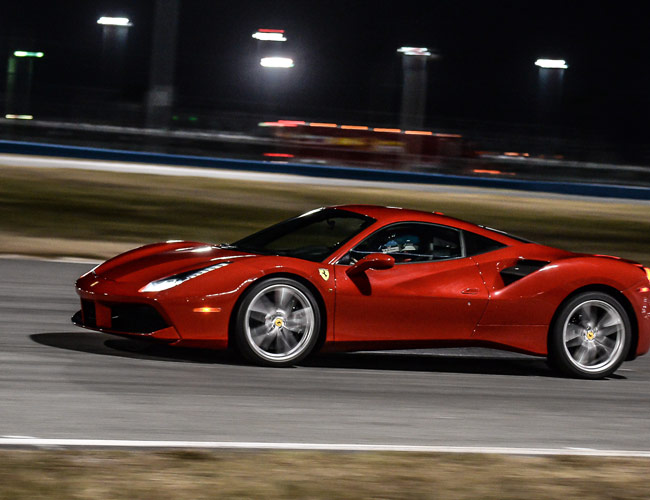
For the fourth year in a row, Ferrari won International Engine of the Year with its 3.9-liter Biturbo V8 found in the 488 GTB, 488 Spider and 488 Pista. Old man Enzo Ferrari always used to say “When you buy a Ferrari, you are paying for the engine. The rest you get for free,” because he was of the mindset his engines were the real work of art, regardless of how utterly gorgeous the surrounding metalwork always tended to look.

So would he be surprised a powerplant with his name stamped on the valve covers took top honors at the International Engine and Powertrain of the Year Awards, along with Best Performance Engine? Definitely not. Would Il Commendatore be taken aback by the prospect of Jaguar Land Rover’s Full-Electric Powertrain almost beating his gas-guzzling V8? Without a doubt. But Jaguar can take solace in knowing it won both Best New Engine and Best Electric Powertrain this year. Another notable win goes to BMW for Best Hybrid Powertrain with its 1.5-liter Three-Cylinder Electric-Gasoline Hybrid.

International Engine of the Year/ Best Performance Engine

Ferrari 3.9-liter Biturbo V8


Ferari 488 GTB: “The 488 went through the left-right-left chicane as if it were on rails, without a hint of body roll, then carved up the turn 3–4 banking (a centrifugal repeat of the banked turns 1–2) and through the slight kink in the front stretch to start another lap.” Bryan Campbell, Staff Writer

Best Hybrid Powertrain

BMW 1.5-liter Three-Cylinder Electric-Gasoline Hybrid


BMW i8: ” It’s hard to argue with a sports car that can accelerate from 0 to 60 miles per hour in four seconds and get the combined equivalent of 69 miles per gallon between its gas engine and battery pack. Still harder when it looks as wild as the i8 does, with its gullwing doors and aquatic predator lines.” – Will Sabel Courtney, Motoring Editor

Best New Engine/ Best Electric Powertrain

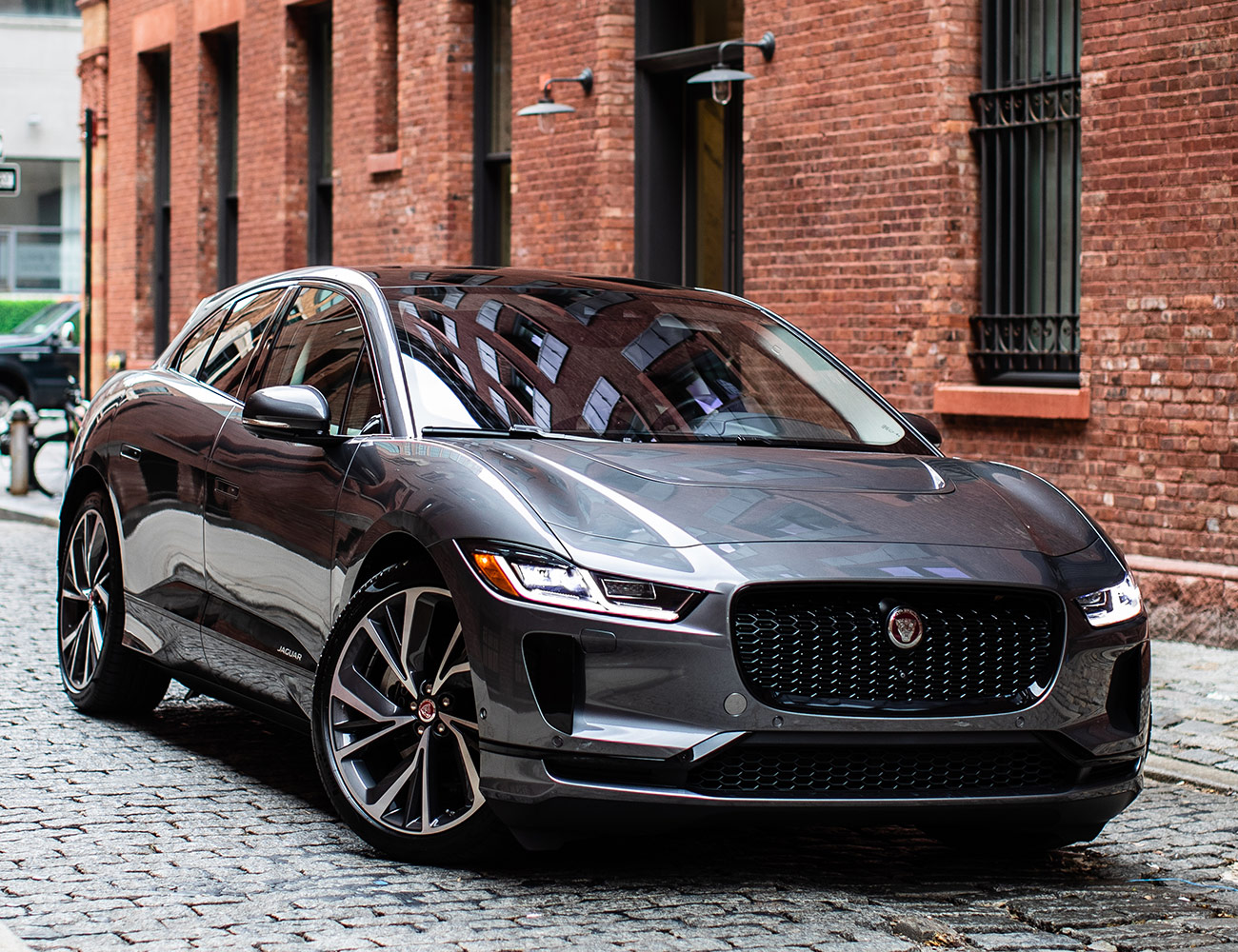
Jaguar Land Rover Full-Electric Powertrain


Jaguar I-Pace: “It should be clear that Jaguar knows how to make a performance car. The years of experience JLR has garnered making cars that elevate the driver experience above all else comes through in the I-Pace.” – Alex Kalogianni, Contributer

2019 Mercedes-AMG G63 Review: The Automotive Multi-Tool, Now Better Than Ever

You might well not realize the 2019 Mercedes-AMG G63 is an all-new vehicle at first glance—and that’s largely the point. The old version, in spite of its compromised nature on dry roads and cramped, utilitarian (well, for a $125,000-plus Mercedes) interior, stayed popular among a die-hard group of Gelandewagenliebhaberin all the way until the end of its life. As a result, Daimler was hardly about to throw away all that goodwill by letting the model expire.

The fact that it had also become the darling of well-to-do wealthy folks in pretty much every high-end enclave across America, from Beverly Hills to Beacon Hill? Totally coincidental.

The Good: With the all-new model, the G-Wagen finally offers the levels of luxury you’d expect from a Mercedes-Benz with a six-figure pricetag. Even better, it offers that without trading away any of the square-edged style or all-terrain capability that made the vehicle famous during the last quarter of the 20th Century.

Who It’s For: Anyone with plenty of money who needs maximum breadth of capability in a single vehicle. Or, more realistically, anyone who wants everyone to think they need maximum breadth of capability in a vehicle, but actually will just drive to Whole Foods.

Watch Out For: While the G63 handles better than previous Gelandewagens did, it’s still very much a top-heavy, softly-sprung brute—and not nearly as agile as its sports car-rivaling acceleration might make you think. Even those genius Germans can’t outsmart Isaac Newton and his fancy laws.

Alternatives: The Land Rover Range Rover Autobiography ($143,000), the Lamborghini Urus ($200,000), an East Coast Defender 110 resto-mod ($185,000).

Review: By now, the Gelandewagen’s off-road capabilities are pretty much legendary. The latest G63 is able to clamber up 27-degree slopes, plow through 27.6 inches of water, and wander over anything sticking up to 9.5 inches off the ground. In effect, it can climb every mountain and ford every stream, just like those other Austrians did back in the Thirties.

So of course, I wound up using the G63 the way most people will: shuffling about through city streets, down highways, and along country roads. (I did dally onto a sandy beach for a minute or two at one point, just to say I did.) Mercedes-AMG knows this is how most people will drive it, of course. That’s why the G63 comes stock wearing street tires, not knobby off-road rubber.

All that time on actual roads, however, was enough to prove that the 2019 G-Class drives like, well, a modern-day automobile—a stark contrast to the previous generation, which felt about as well-suited to the asphalt jungle as George of the Jungle is. The electrically-assisted rack-and-pinion steering is direct, well-sorted and quick (well, at least, for a 5,842-pound SUV that stands nearly six-foot-six-inches tall), and the ride is well-planted and comfortable, in spite of the all-terrain credentials.

The supple adaptive dampers are forced to try and keep both the Gelandewagen and the AMG sides of this multi-mode beast happy, which proves a difficult task, considering their missions lie at polar opposite ends of the automotive spectrum. I found it best to leave the suspension in Sport Plus mode for most road driving; unlike in most AMG models, the ride is still pliant and comfy in that setting, even over battered pavement. More importantly, it gives the big G added (and much-needed) stability in turns. With the suspension left in its default setting of Comfort, the G-Class feels rather tippy in tight turns; it never feels unsafe, but you’ll definitely be following the doctrine of slow-in-fast-out on any winding two-lane roads.

But if the G63 feels like the tall body-on-frame vehicle it is in tight sweepers, it feels very much a product of Affalterbach when you hammer the go-pedal. The acceleration is less explosive than in other AMG 63s, by sheer virtue of the mass being forced to move. Still, the force it pulls with through the nine-speed gearbox’s first and second cogs is a bit startling; launch it from a stop, and it’ll throw you back in your seat like a carnival ride. Indeed, the acceleration feels more unnatural than anything else, thanks to that height. It may take two hands to count off the number of SUVs that can match the G63’s sub-four-second 0-60 dash nowadays, but none of them are taller than James Harden.

Few of them sound this glorious, either. Those side-mounted exhaust pipes may be a terrible choice for off-roading, but they bring the fury of the 4.0-liter V-8 closer to your ears. AMG’s tuners have been at the top of the engine note game for years, and the entry into the era of forced-induction motors hasn’t broken their stride; the elephantine blast trumpeting from the quad pipes is loud and proud. Indeed, sounds make up much of this rig’s subjective appeal. Mercedes strained to keep the iconic sounds of the doors and locks, and thankfully so; the solid slam each of them make are a callback to overbuilt Benzes of yore, noises that project safety and security straight through to the soul. (I’ll bet more than a couple salespeople have clinched a G-Class sale just by firing the locks shut with the remote in front of the prospective buyers.)

A much-needed update means the G-Class’s interior finally feels worthy of its S-Class-sized price tag. There’s now enough room for Schwarzenegger-sized men (or larger, actually; Arnold’s not really that big) in the front seats. Equally as important, the cabin finally offers the levels of luxury expected from a six-figure Mercedes, with sumptuous seats (especially with the $2,200 box for the Comfort Seat Package checked, adding massage, rapid heating and ventilation) and premium materials everywhere the eyes turn and the fingers touch.

Outside, it’s largely G-wagen status quo, but there are a few noticeable tweaks — some positive, others distracting. The overall look is smoother than the old version, which lets the car’s iconic shape breathe a little. But the LED headlight rings give it a vaguely owlish appearance, as though it were wearing Harry Potter glasses. And the AMG Panamerica grille’s vertical pillars make the vehicle look a little bit like a…well, a Jeep. I prefer the traditional, horizontally-oriented Merc grille found on the current G550; it has the virtue of being unmistakably Benz.

Verdict: The all-new G-Class is a near-perfect reboot — one that captures the spirit and appeal of the original while simultaneously updating it for modern times and sensibilities. By virtues of removing the distracting flaws of the old version, the improvements manage to accentuate the G63’s greatest feature: the sheer breadth of its capabilities.

The Mercedes-AMG G63, after all, is a super-capable off-roader with low range, three locking differentials and multiple off-road driving modes…that also happens to be a legitimate luxury car in terms of materials, technology, and fit & finish…and also accelerates as quickly as a muscle car. Like a multi-tool, it’s not quite as good as the dedicated versions of the products it can replace, but it still manages to pack all their basic capabilities into a single package — which is hard not to see the appeal of, silly as the idea may seem at first.

2019 Mercedes-AMG G63 Specs

Price as Tested: $164,315
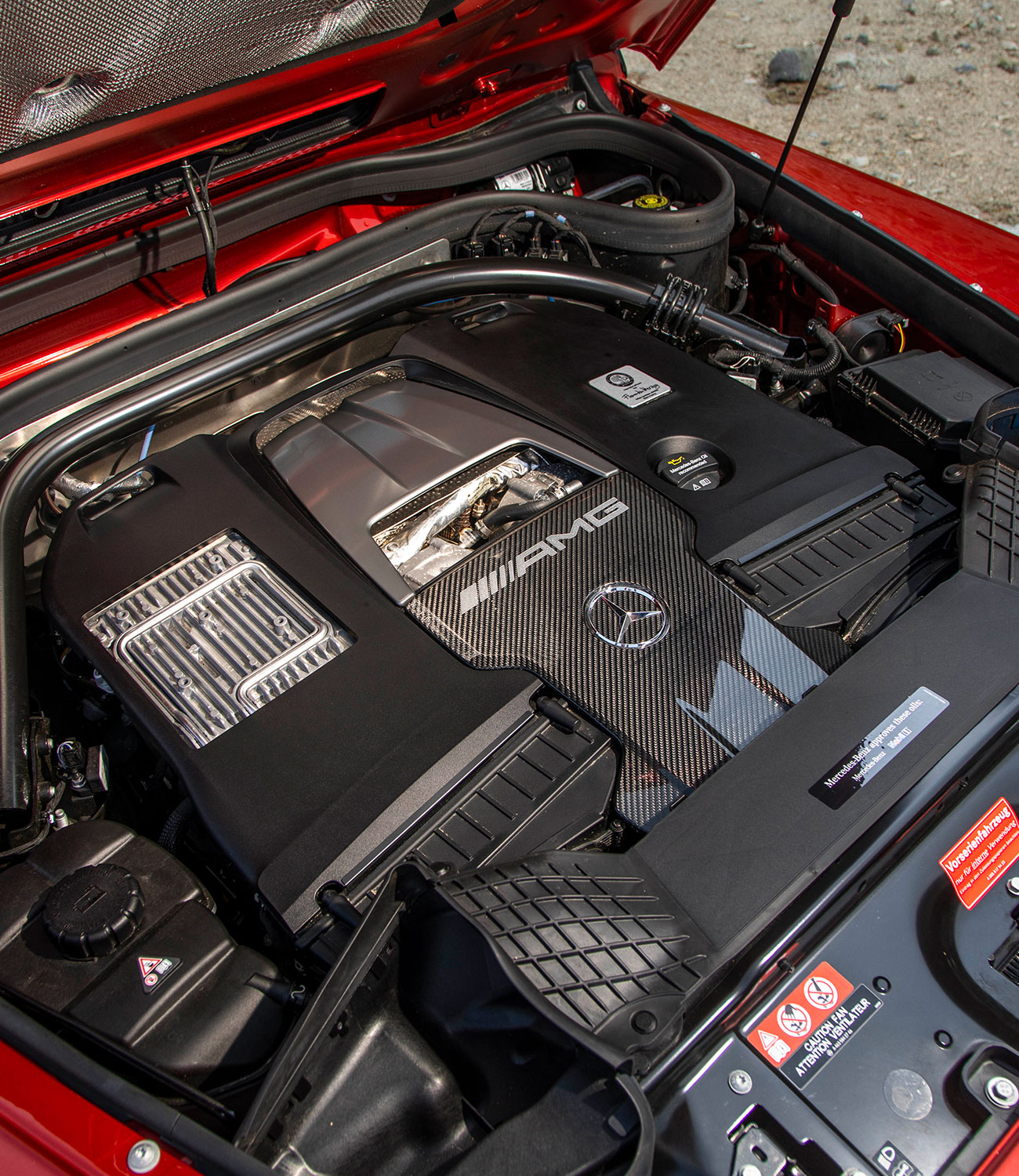
Powertrain: 4.0-liter twin-turbo V-8, 577 horsepower, 627 pound-feet of torque; nine-speed automatic; four-wheel-drive
Curb Weight: 5,842 pounds
0-60 MPH: 3.9 seconds (Car and Driver testing)
EPA Fuel Economy: 13 mpg city, 15 mpg highway

Mercedes-Benz provided this product for review.

Read More Gear Patrol Reviews

Hot takes and in-depth reviews on noteworthy, relevant and interesting products. Read the Story
Note: Purchasing products through our links may earn us a portion of the sale, which supports our editorial team’s mission. Learn more here.
Is This Land Rover Defender Camper the Ultimate Overlander?

If you’re reading this, odds are good you don’t need an introduction to the Land Rover Defender. It’s one of the most iconic off-road vehicles in history, having conquered landscapes and hearts across the planet for decades with its squared-off style and terrain-tackling powers. Just because it’s archetypal doesn’t mean it’s beyond improvement, though, and plenty of people have tried to improve on it in the years since it arrived. Some companies, like ECD Automotive Design and Himalaya, have taken the tact of restomodding classic Defenders. Other companies, like Poland’s Land Serwis, use old-school tooling to build brand-new versions to this day. Even Land Rover itself is taking a stab at it, resurrecting the nameplate as an all-new unibody model (one whose success remains to be determined).

Camperhus Conversions of Great Britain has a slightly different idea, though: Instead of trying to make it drive better or look better, the company is turning the famous four-wheel-drive into a camper.

The basic idea isn’t all that different from the concept pioneered by the likes of the Volkswagen Westphalia decades ago: take a boxy passenger vehicle, rip out everything inside behind the front seats and replace it with an Ant-Man-sized version of the basics of a home, then add a pop-up roof to free up some added space. For the case of the Land Rover Camper, as Camperhus calls it, the company starts with a long-wheelbase Defender 110 — shorter Defender 90 models don’t have the space for a full-size bed — and outfits it with a sink, refrigerator, stove, and a roughly-full-size bed that folds out when it’s time to sleep. Water tanks come in 9.5- and 10.5-gallon capacities, while there’s a space for a midsized cooking and heating gas bottle, as well. And while the pop-top isn’t large enough for adults to lie down up there — it’s primarily there to give users space to stand upright in back — it’s possible to fit sleeping arrangements for kids there.

The UK-based company says the basic conversion costs around £11,950 ($15,228); however, you can pump that higher, depending on whether you want to optional features to make it more comfortable, like televisions, toilets and added storage, or more capable, like wheels and tires, snorkels and off-road lights. (Feel free to drool over the possibilities on Camperhus’s Facebook page, which is littered with pics of past builds.)

Of course, you’ll have to BYO Defender, but finding one in England shouldn’t be too hard. Sneaking one over to the United States might take a little more work; so long as you base your conversion around a Landie made in 1994 or earlier, however, the government’s classic vehicle import rules mean you should be able to overlander across America in one-of-a-kind style without too much trouble.

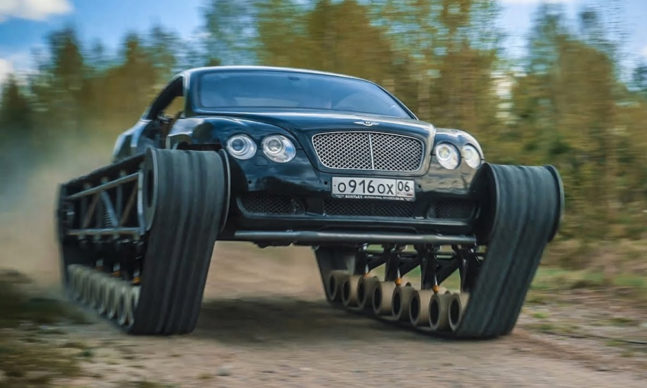
Bentley Continental GT “Ultratank”

There are car mods, and then there are car tank mods. This one is the latter. Russian YouTube channel AcademeG‘s team decided to take a luxurious Bentley Continental GT and slap some monster tank tracks…

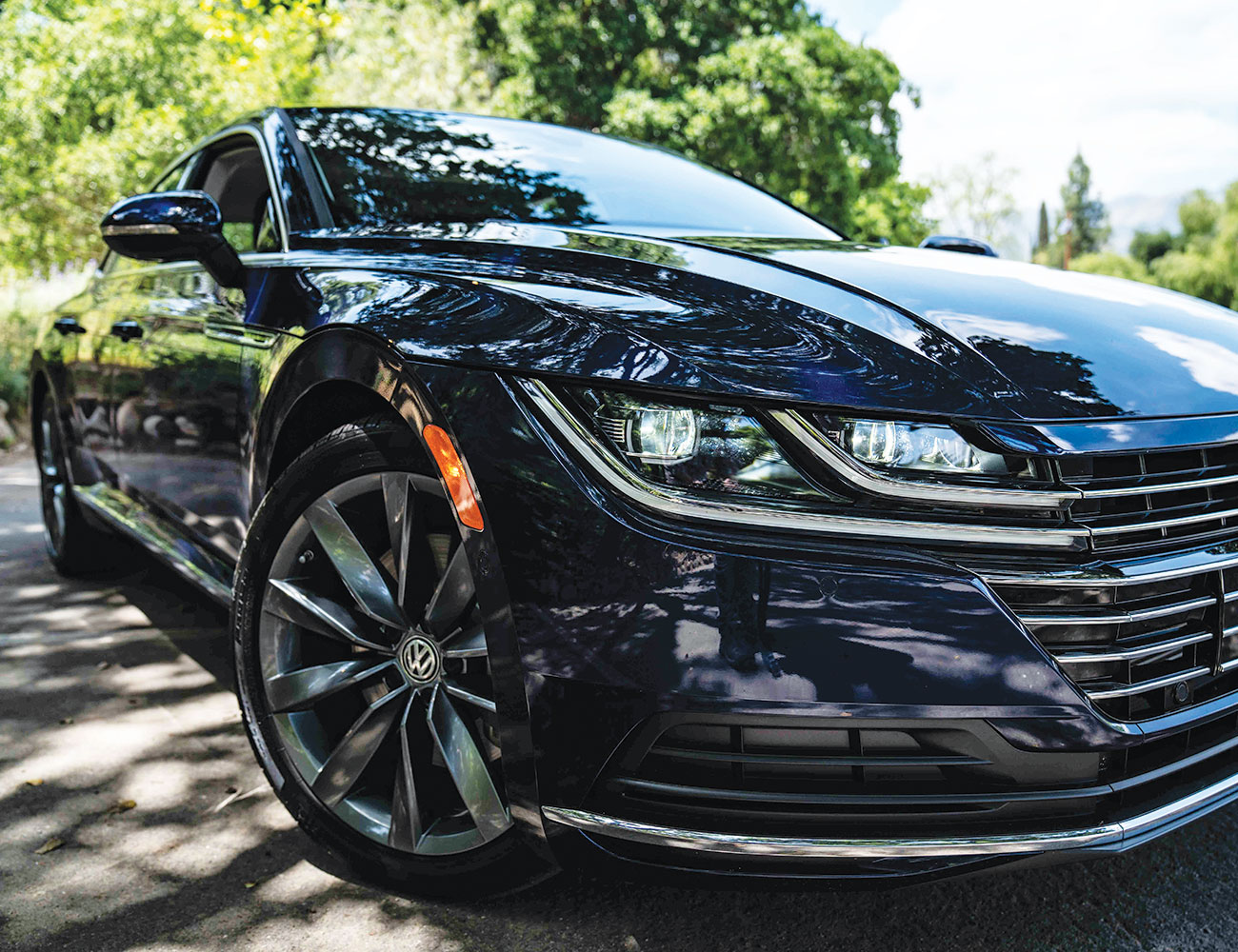
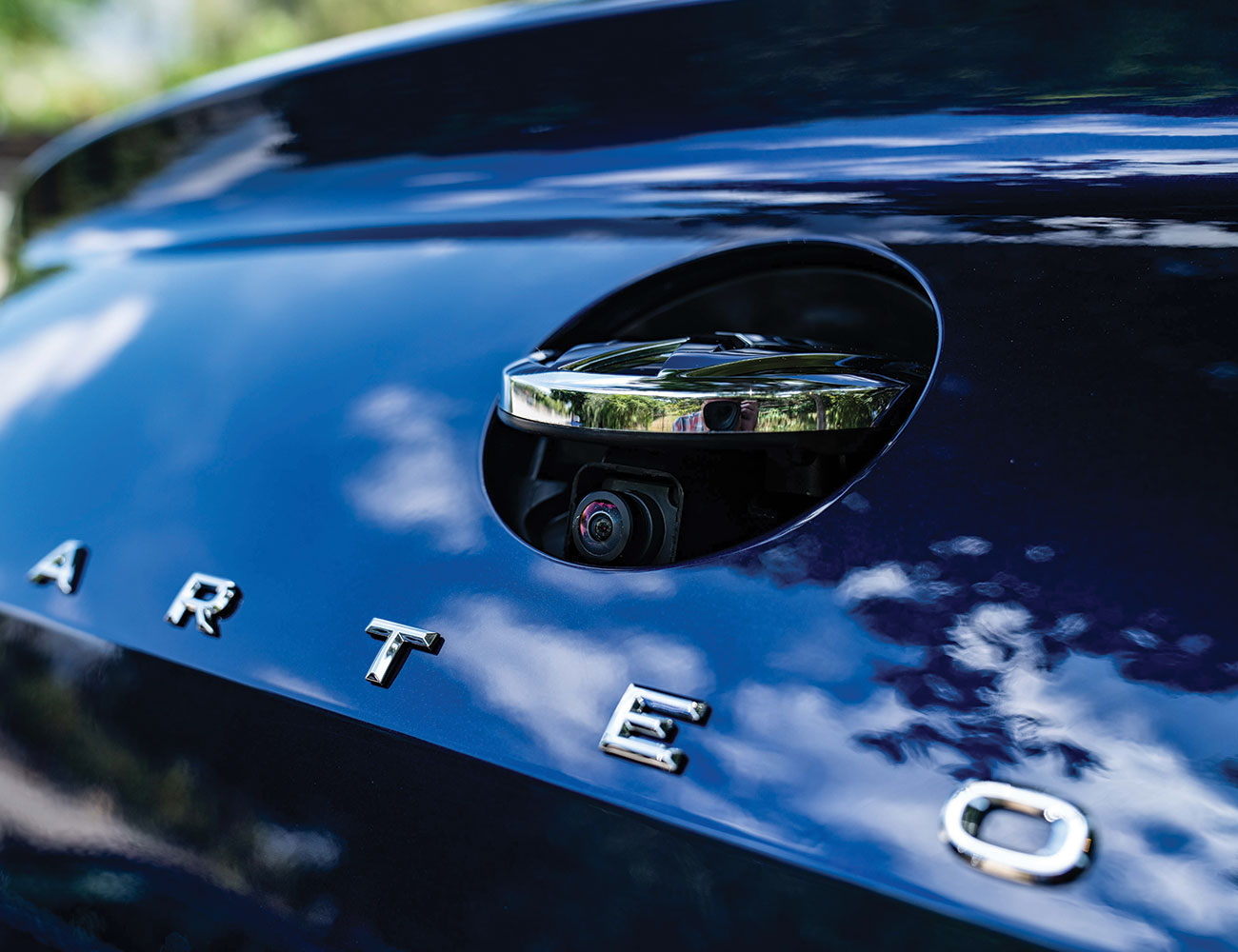
2019 VW Arteon First Drive Review: A 4-Door Flagship Worthy Of the Term

While many carmakers are kicking conventional four-door passenger cars to the curb like yesterday’s garbage in favor of SUVs, see some brands are staying the sedan course. Count Volkswagen among them; as the company notes, conventional cars still comprise 25 percent of the U.S. market, to the tune of a not-insignificant 4.25 million sedans sold in 2018. Intent on capturing that sedan-loving subset of the public’s attention, VW dug deep for its new flagship, the Arteon.  The car is technically a replacement for the CC, which never quite rose to the challenge of being a true range-topper due to middling performance and marginally interesting looks. The Arteon, on the other hand…

The Good: First and foremost, the Arteon’s fastback design is top-notch; it earns a place among the best-looking four-door coupes on the market, perhaps even bettering its corporate sibling, the highly-regarded Audi A7. It also has nimble handling, and an engine powerful enough to move it off the line briskly. And the complement of standard and optional technology features, along with an intuitive infotainment system, give the car mainstream appeal.

Who It’s For: The Arteon is a stylish ride, available in a bold range of colors—most notably, a striking yellow hue. It’s not a fuddy-duddy Passat or an anonymous Jetta; rather, the Arteon is a grown-up car for drivers who care about what they’re seen in, and what appeals to them both aesthetically and practically. 

Watch Out For: Rather disappointing—by which I mean, generally nonexistent—engine sounds. There’s a hint of strain under hard acceleration, but certainly nothing close to a growl. Other times, you can barely tell there’s anything happening under the hood. Of course, it’s not that surprising, as 2019 is the era of ultra-quiet EVs and bank vault-silent luxury cars; still, it’s nice to have some auditory affirmation that your car is excited by the curves.

Alternatives: The Kia Stinger GT is brought up often as a direct competitor to the Arteon, and it has the advantage of a second, more powerful engine option and pricing that undercuts the VW. The Acura TLX also has similar specs, as well as a second engine option. The Infiniti Q50 and the Nissan Maxima are also in the mix. None, though, have quite the visual panache of the Arteon, especially in its chic R-Line trim.

Review: The best flagship models possess two largely undefinable qualities: presence and aura. The former emerges from the vehicle’s stature and dimensions: tall cars don’t usually have a strong presence; low, wide ones generally do. Aura, that je ne sais quoi that renders some cars above the rest, is harder to pin down. A car with a good aura has to look a bit distinct from its underlings. The ultra-premium Volkswagen Phaeton of yore—sold here from just 2004 to 2006—had both qualities. The CC did not. The Arteon? Thankfully, it does.

The new VW has a confident posture and excellent proportions, including standard 18-inch wheels (upgradable to 19- or 20-inchers) and multiple deftly-cut character lines and creases along the flanks and hood. Coupled with the sleek LED lighting and abundant chrome, it presents a strong look from the outside. The R-Line trim throws in a host of black detailing that looks particularly good when paired with the bold Kurkuma Yellow Metallic paint.

The interior feels cohesive and comfortable, with both front and rear passengers enjoying plenty of room and support. The Arteon’s wheelbase stretches five inches longer the CC’s, with most of that room given to the rear-seat passengers. (It’s also only two inches longer than the CC, so the front and rear overhangs are shorter—a staple of aggressive vehicle design.) The dashboard has a narrow, horizontal aesthetic, and all the controls are readily accessible and smartly located. The infotainment system is also well-organized and appealingly designed; it can detect your fingers’ proximity and reveal strips of touchscreen controls, thus keeping the display uncluttered when not being actively used. 

On a drive around Santa Barbara, California, the Arteon proved its flagship qualities are more than skin deep. The engine lets the driver power cleanly out of turns, while the car’s version of the VW Group’s MQB chassis keeps the ride poised and balanced. The car isn’t really a sport sedan; it’s not meant to be caned through canyon roads, but even so, it handles them with admirable composure. The adaptive suspension’s 15 settings help keep things under control, while the all-wheel-drive ably applies power as needed to enhance cornering and maintain traction. It will soak up most of what you can throw it, but it reaches its limits well ahead of the likes of a BMW 5 Series or Mercedes-Benz E-Class—as one would reasonably expect, given the price difference.

The available technology also places the Arteon in solid standing amongst similarly-priced four-doors. The 700-watt Dynaudio sound system has 12 speakers and enough juice to comfortably and clearly play above wind and road noise. The infotainment system includes a customizable digital cockpit; that said, it offers limited distinctions between drive modes and display options, which can become frustrating. (For instance, you can display the map on the instrument cluster, but not the main display at the same time.) The Apple CarPlay and Android Auto interfaces, though, are easy to engage and work seamlessly.

The tech extends to driver aids as well: The park assist functionality will assess parking spots to determine if there’s enough room then steer in as you control the brake and throttle, and the increasingly familiar gamut of adaptive cruise control, lane-keep assist, and overhead-view cameras, among other features, are available as well. Owners can also opt for VW’s Car-Net security and service app suite for remote access, vehicle monitoring, and remote-start functionality via smartphone.

Verdict: The Arteon is a sporty ride that doesn’t quite qualify as a sport sedan—but its other qualities more than make up for that. It has an edgy roster of colors that help it stand out more than any other VW at the moment; technology and features sure to endear it to owners; and a design that feels like it will age well, an achievement not many cars can claim. Overall, the Arteon is more than worthy of the term flagship.

2019 Volkswagen Arteon Specs

Base Price: $35,845
Powertrain: 2.0-liter turbocharged inline-four; eight-speed automatic; front- or all-wheel-drive
Power: 268 horsepower, 258 lb-ft of torque
Curb Weight: 3,655 pounds (FWD), 3,854 pounds (AWD)
EPA Fuel Economy: 22 mpg city / 31 mpg highway (FWD), 20/27 (AWD)

Volkswagen provided this product for review.

Read More Gear Patrol Reviews

Hot takes and in-depth reviews on noteworthy, relevant and interesting products. Read the Story
Note: Purchasing products through our links may earn us a portion of the sale, which supports our editorial team’s mission. Learn more here.
This New Sports Car Just Became the Best Car for Road Trips

Much like the dating pool, the sports car world has room for all different shapes, sizes and types to fit different tastes. For every person who lusts after a stripped-down, racecourse-ready speed machine, there’s somebody else whose hearts is set aflutter by an open-topped canyon carver or a sleek, luxurious ride designed to cross continents in record time.

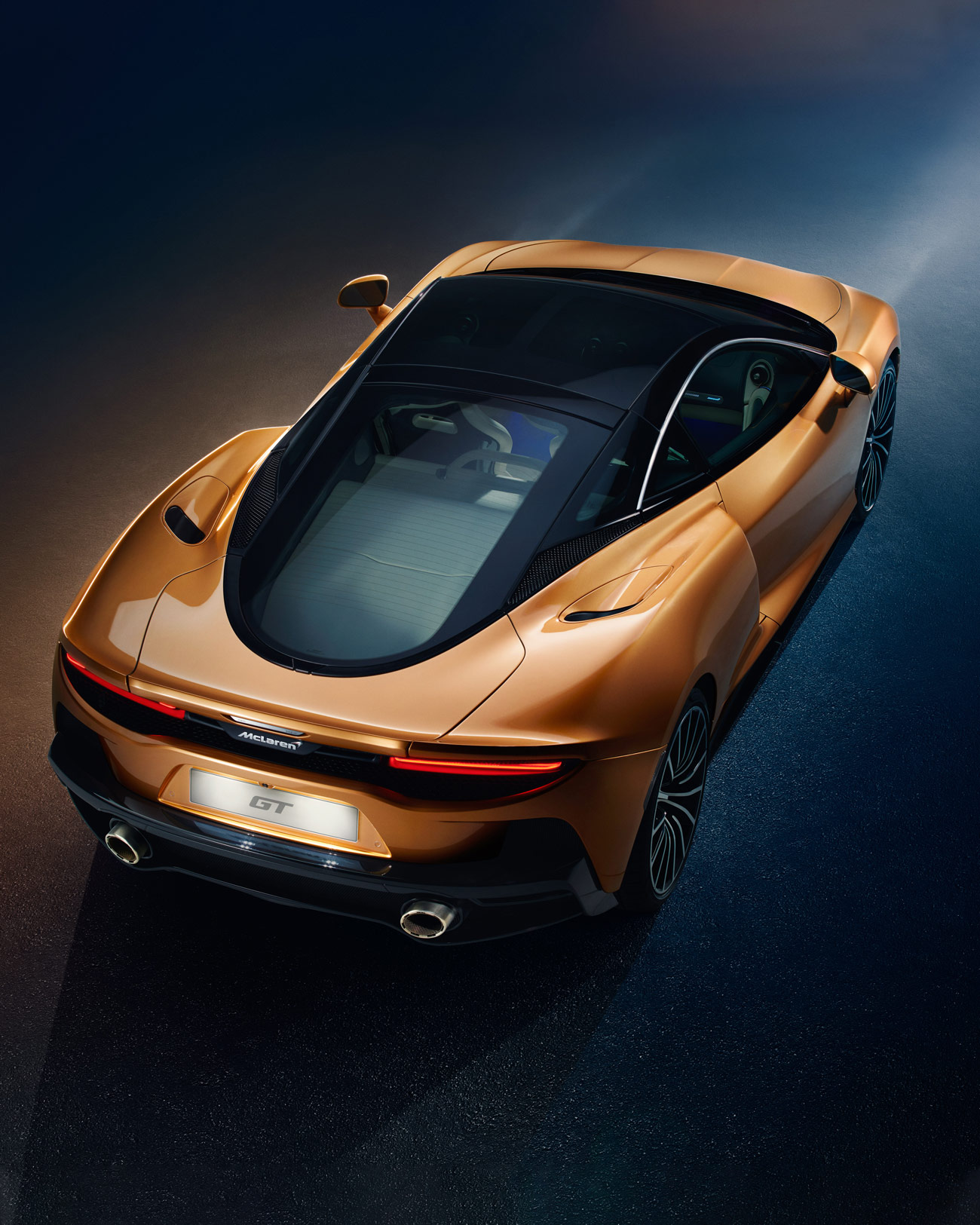
So with a portfolio already filled with track attackers like the Senna and the 570S Spider, British sports car manufacturer McLaren is turning towards the grand touring segment for its latest debut. Meet: the all-new McLaren GT. (Yes, that’s the whole name.)

What makes the McLaren GT so good for those long trips that define the gran turismo class? Well, like the best of the type, it balances comfort with performance with impeccable grace. For starters, the two-seat interior has been designed to keep its occupants cosseted on long journeys. Cushy heated seats designed specifically for the GT’s mission come clad in standard Nappa leather, with softer leather or Alcantara faux suede available as options. (Cashmere will become an interior trim option later this year, in a move certain to please George Costanza.)

A digital instrument panel with aircraft-inspired displays serves up all the relevant driving data, while a revised smartphone-inspired infotainment screen between driver and passenger handles most secondary controls. Knurled and machined aluminum controls sit ready for your fingertips’ touch all around the interior, including the drive mode selector knobs and the shift paddles behind the wheel. If you take pride in your road trip mixes, opt for the optional 12-speaker Bowers & Wilkins stereo; likewise, if you like to let the sun shine in, check the box for the electrochromic glass roof, which can switch from opaque to translucent with the pulse of a current.

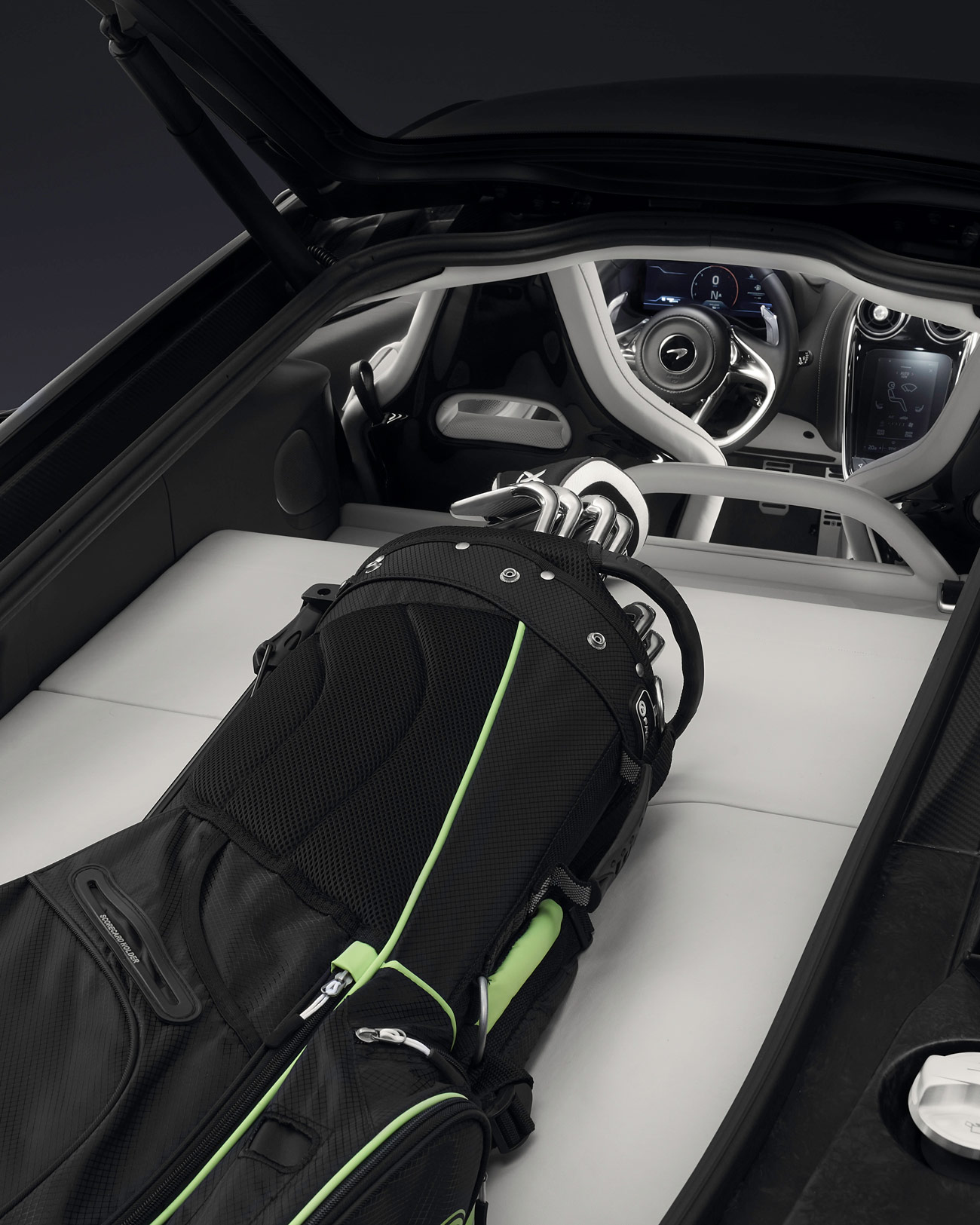
A great road trip car needs to offer plenty of room for your gear, of course — and it’s here that the McLaren GT excels in unexpected ways. The cargo bay behind the cockpit is large enough to fit a sets of golf clubs or two sets of skis. And between that area and the frunk in the nose, the car offers a total cargo capacity of 20.1 cubic feet — 3.4 cubic feet more than the commodious Honda Accord.

And thanks to a maximum approach angle of 13 degrees and a maximum ground clearance of 5.1 inches (both with the on-board vehicle lifter engaged), the GT is a veritable overlander compared to most mid-engined cars on the market, hopping over potholes and speed bumps with the greatest of ease.

But GTs aren’t just about excelling on long trips; they’re about excelling on long trips at very high speed. To that end, the new McLaren comes with its own version of the twin-turbo V-8 shared amongst the carmaker’s whole lineup — in this case, a unit tuned to make 612 horsepower and 465 pound-feet of torque, all of which travels to the 21-inch rear wheels through a seven-speed dual-clutch automatic. Sure, that’s less than in the likes of the lighter 720S supercar, but that doesn’t mean the new Macca will be anything resembling slow; the company claims a 3.1-second 0-60 mph time, with the 0-124 mph dash being dispatched in nine seconds flat. Top speed is 203 miles per hour, which would be fast enough to knock out the 2,813.7-mile Cannonball Run route across America in just under 14 hours if you could magically keep the gas tank full the whole way without stopping.

To keep things buttoned up in the corners, the McLaren GT uses a new version of Proactive Damping Control, the nigh-miraculous active anti-roll control setup that replaces traditional anti-roll bars with hydraulic dampers that adjust to counter body flop without delivering a tooth-shattering ride for an ideal balance of grip and comfort. McLaren says the latest version of its advanced suspension system can react in just two milliseconds. (For comparison: A .45-caliber bullet travels a mere 20 inches in that length of time.) And unlike most new cars nowadays, the McLaren GT still uses hydraulically-assisted power steering, often noted for its greater feedback versus more-efficient electrically-boosted systems.

Want one? Well, so do we, but there are two pieces of bad news we have to deliver regarding that. First off, the new McLaren GT starts at $210,000…which isn’t actually that bonkers, given the prices of competitors like the Bentley Continental GT and the Ferrari GTC4 LussoT. The second one hurts a little more, though, especially if you’ve been reading this story and dreaming of hitting the road for this year’s summer road trip in this Macca: While order books are open now, units won’t reach driveways until almost the end of the year. Guess there’s always next summer.

Here’s How You Make One of the Best Sports Cars of the 1990s Even Better

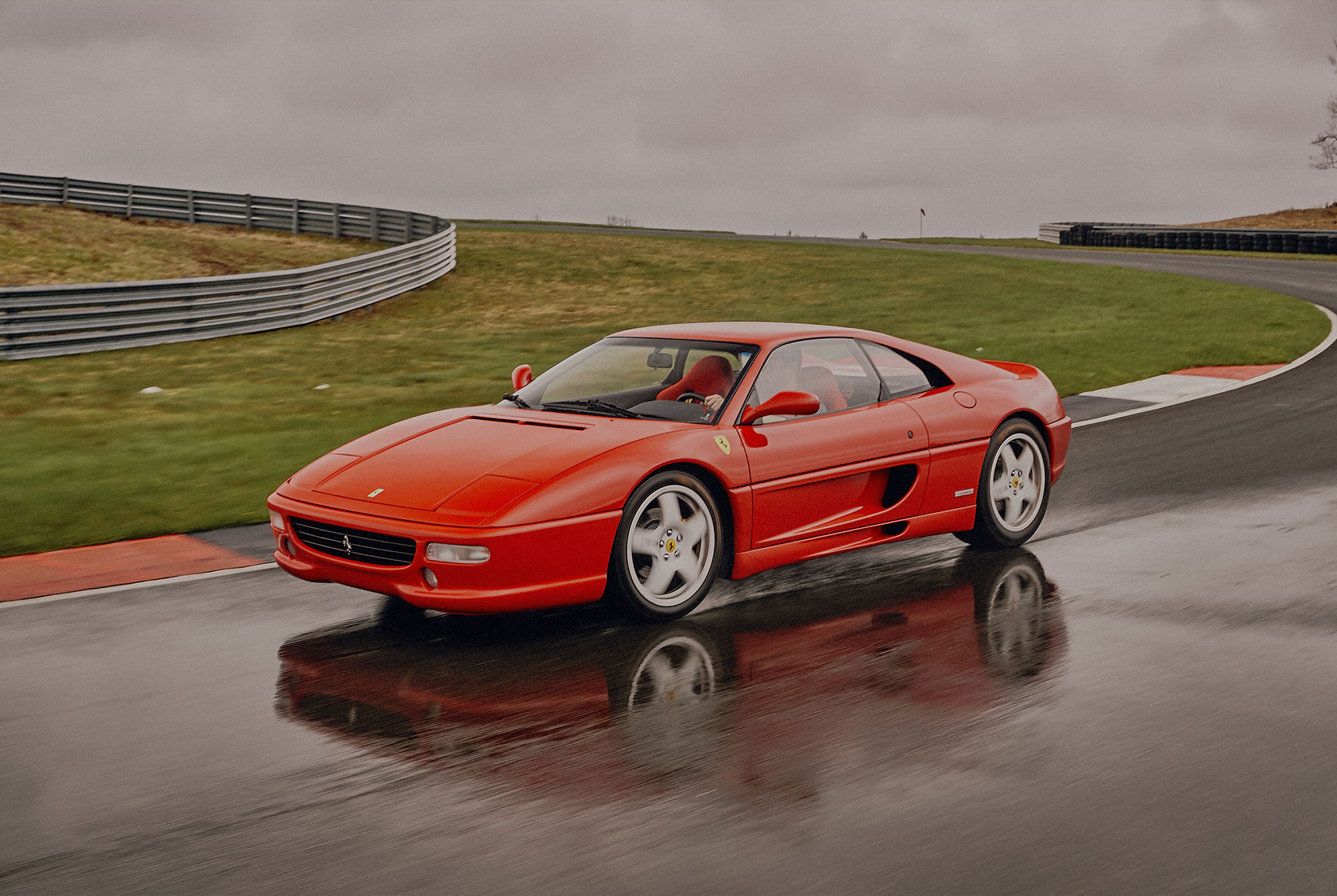
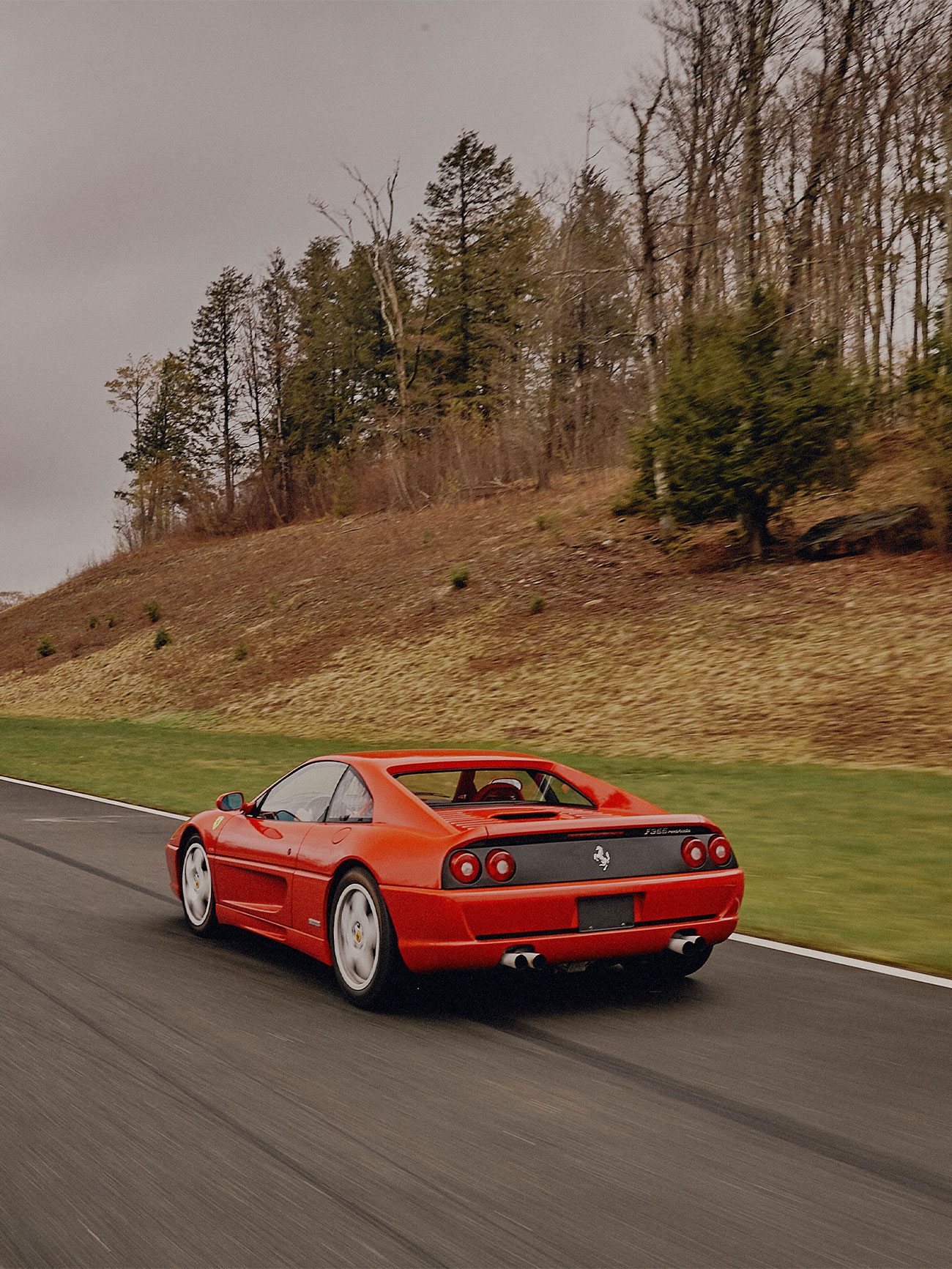
When it was new, the Ferrari F355 was heralded as one of the greatest sports cars of the era. Reviews at the time raved about the new mid-engined V-8 from the Prancing Horse, calling it “the perfect sports car,” “one of the best cars to ever come out of Maranello,” and “a quantum leap” over of its predecessor, the 348.

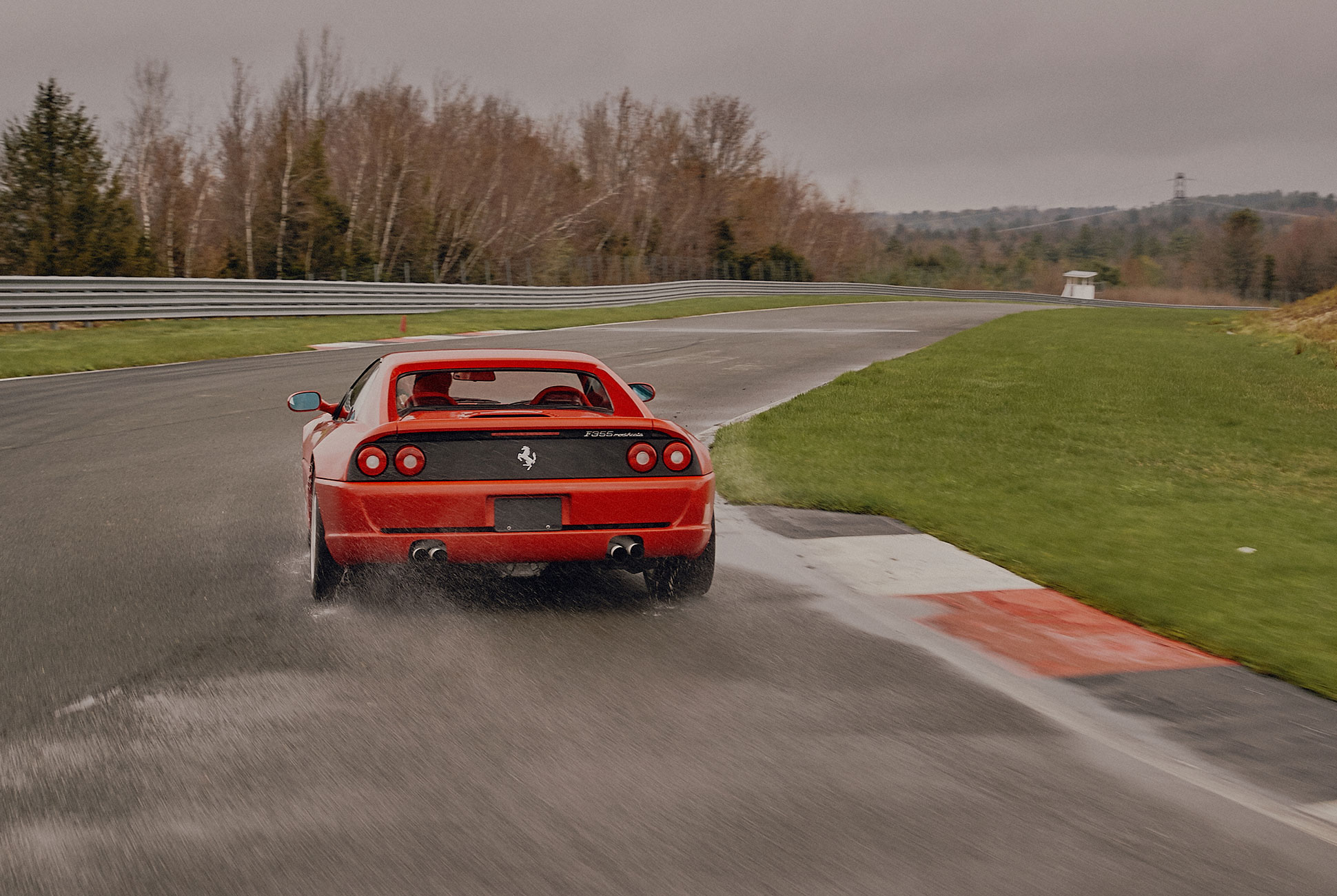
How, then, do you improve on the pinnacle of ‘90s sports car performance without losing the spirit of the original? Well, racing driver Jeff Segal — a class winner of the 24 Hours of Le Mans and the 24 Hours of Daytona — reckons he’s built the answer. Meet the F355 Modificata.

Video: On the Track with the Ferrari F355 “Modificata”

Watch more of This Week In Gear video reviews.

The descriptor “Modificata”comes from the official designation Ferrari stamps on the cars it tweaks in-house. To Segal, it seemed like a fitting name for his passion project-turned-restomod-outfit. But why enter into the expensive, difficult world of restoring and upgrading vintage cars in the first place?

“For me, the idea was born out of frustration,” Segal said. He admitted he was inspired by cars like Singer Vehicle Design’s customized Porsches and the new Lancia Stratos: “I look at what these boutique firms are doing and I think it’s amazing, they’re focusing on driving dynamics and the experience instead of outright speed. It’s incredible, but it’s also an incredible amount of money.”

Segal wanted to follow suit with his car, to improve it without losing the identity that made it special in the first place. But he didn’t just want to rip off the idea of what Singer does; he’s adamant he’s not trying to compete with outfits like that.


“That level of attention is doable, it’s just a question of time and money,” he said. “If you look at a Singer, they are spectacular. I have the highest level of respect for what they do. I have spent hours looking at one and every nut and bolt on that car is art. There’s not a single part on that car which hasn’t been thought about, talked about, done and done again to try and make it better [and] cooler, but there’s a reason those cars are north of a million dollars. I think it puts that car out of reach for the average wealthy car enthusiast…we’re trying to find a sweet spot.”

The ethos behind the F355 Modificata is to be a better driver’s car in every regard. “From the handling to the sound, to the shifting, to even the aesthetics, all of it,” Segal said. “It’s not rocket science, but trying to put together the best package that leaves the driver smiling is really the goal.”

But how do you make the “perfect sports car” better? Well, as good as the F355 was brand-new, there’s no ignoring the hefty maintenance costs as a) almost any work under the hood requires an engine-out service and b) it’s a Ferrari. (For example, the exhaust manifold can cost north of $20,000 to fix…and mechanics reportedly say it has a 100-percent failure rate.)

But according to Segal, that’s what made the F355 an easy canvas to go to work on, in a way. “[The F355] was a great car in its day, but it’s obsolete in a lot of ways, so there are a lot of ways this car can be made better,” he said. “And we’ve done most of them.”


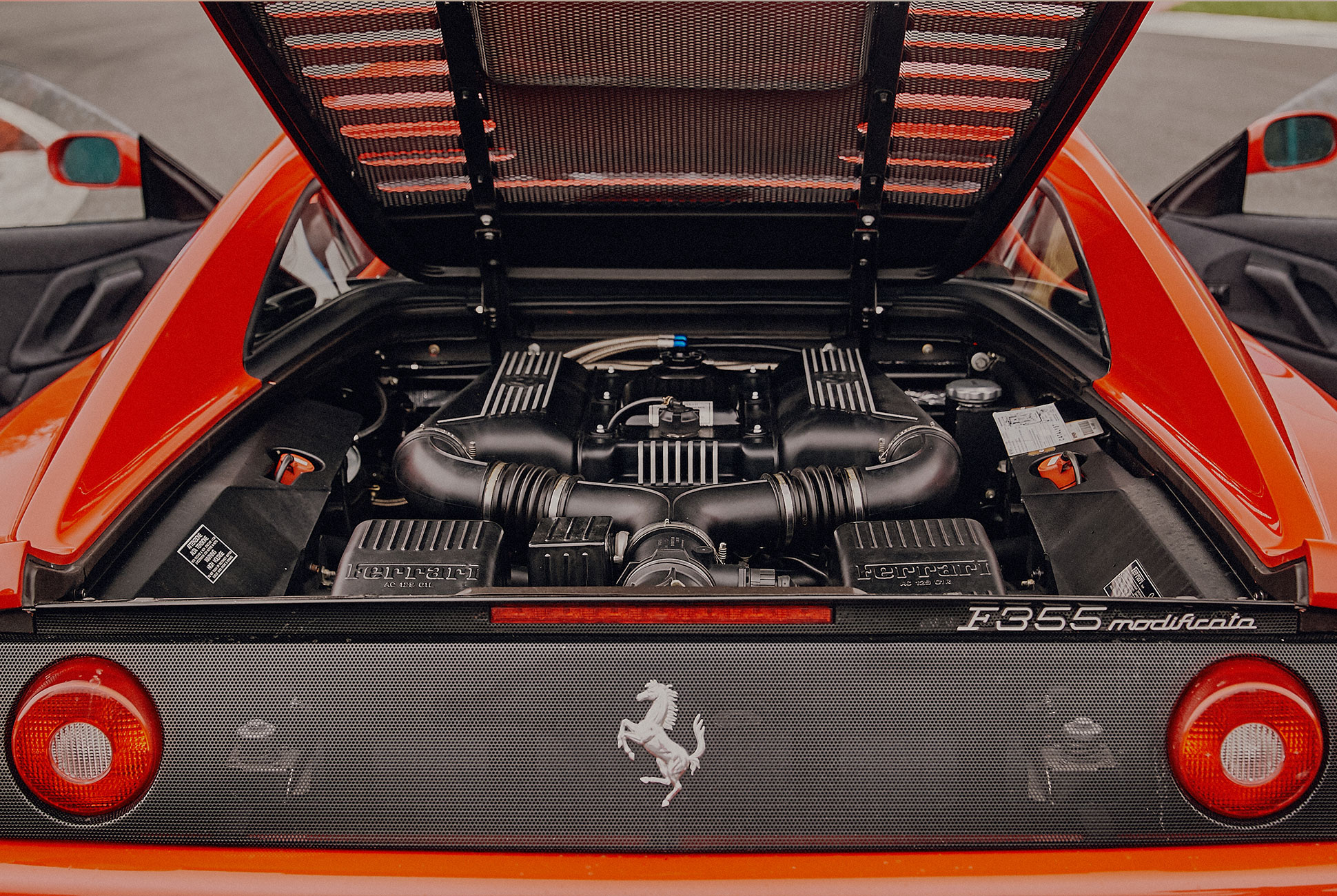
As a way to hedge against catastrophic failures, Segal bolted in modern, more robust replacements for items like the headers, gaskets and radiators, then reset the cam timing and balanced the throttle bodies in the name of reliability and long-term durability.

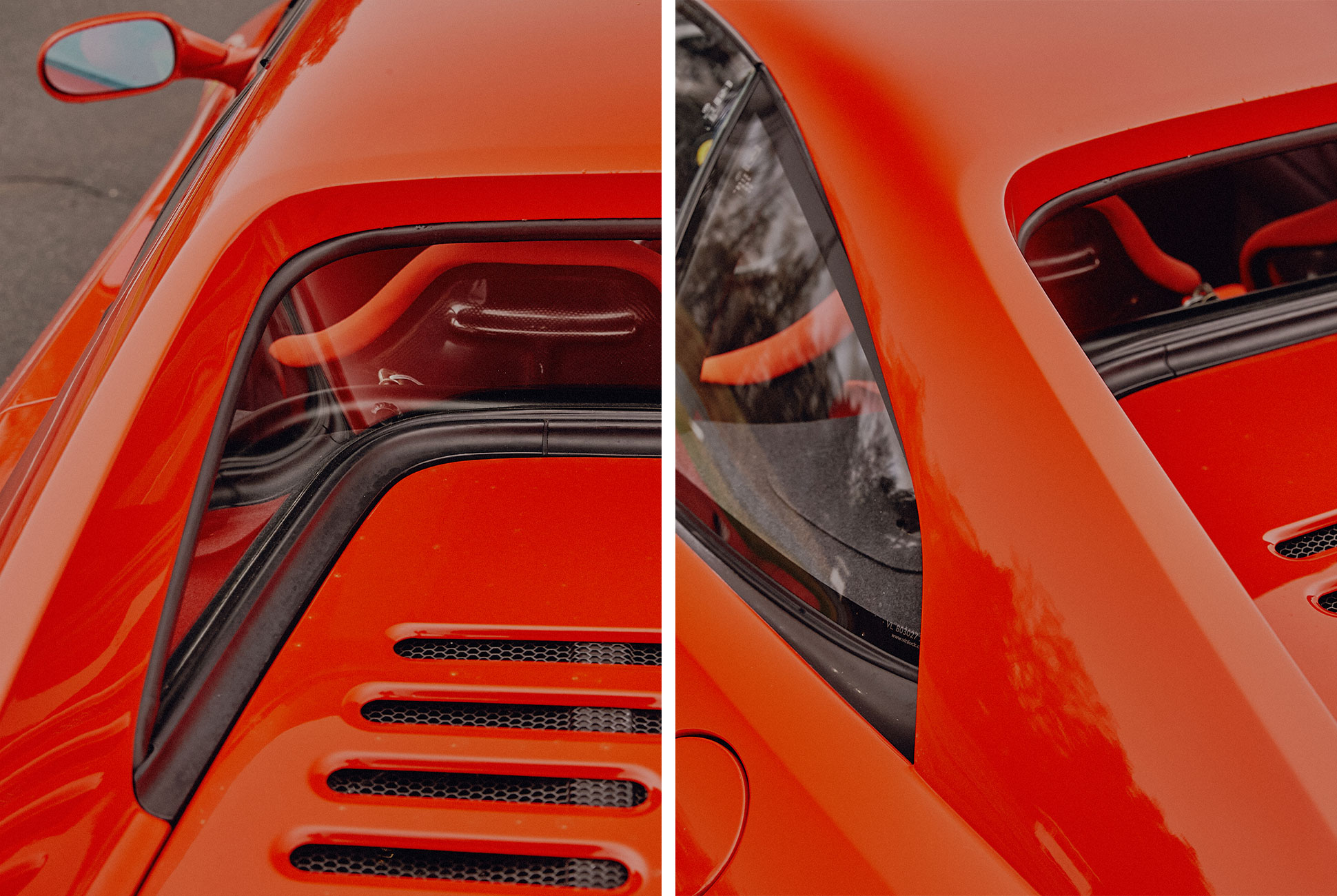
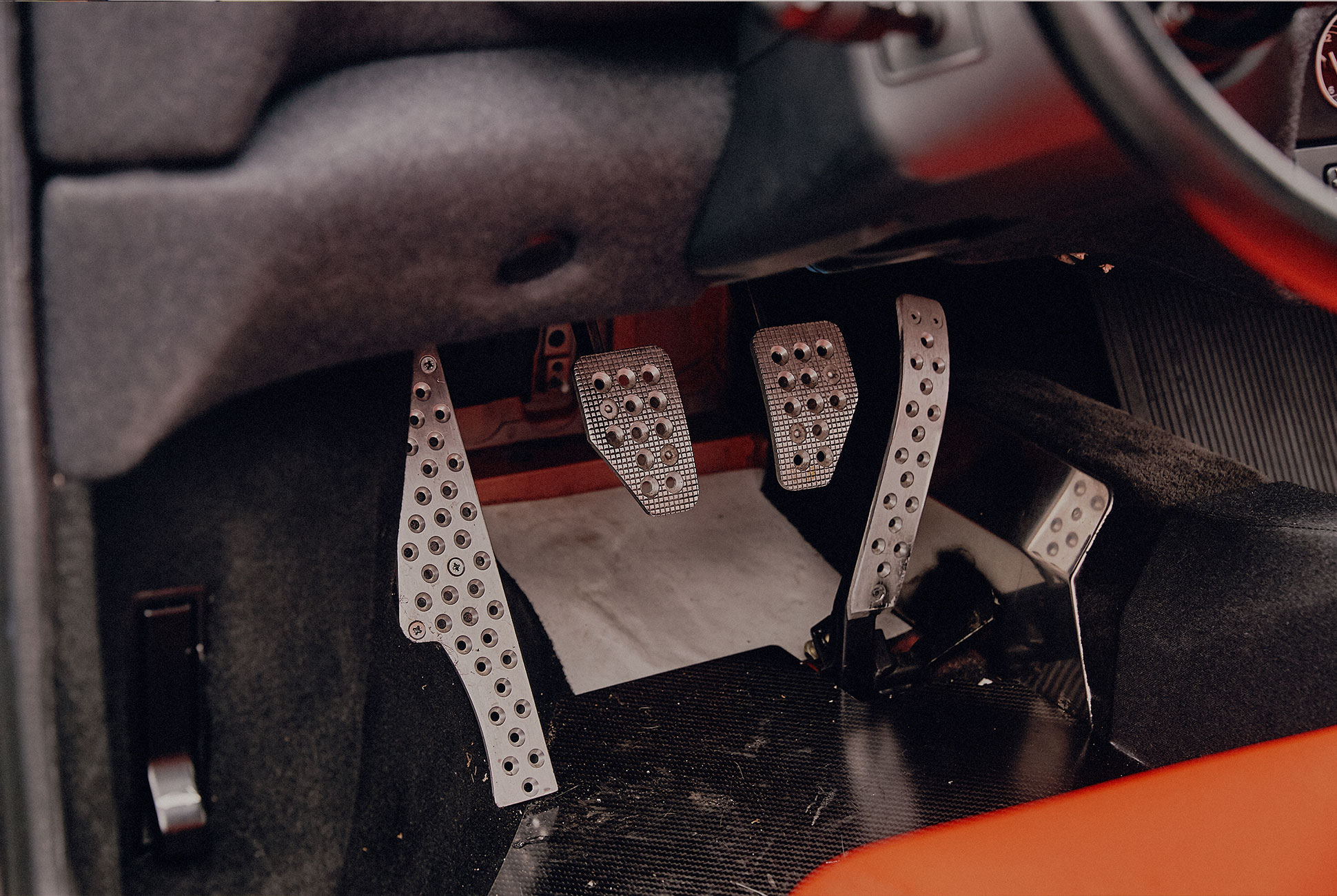
To make sure this Ferrari would be his ideal sports car, Segal made plenty of tweaks like adding European marker lights and replacing the bodywork between the taillights with metal mesh to aid cooling like the F40–to swapping new suspension and modern, high-performance brakes. And to be sure there’s no mistaking the Modificata for a stock F355, he swapped in a new exhaust: a powder-coated, free-breathing set of straight pipes that make his car louder than the ‘90s Challenge race car Ferrari built.

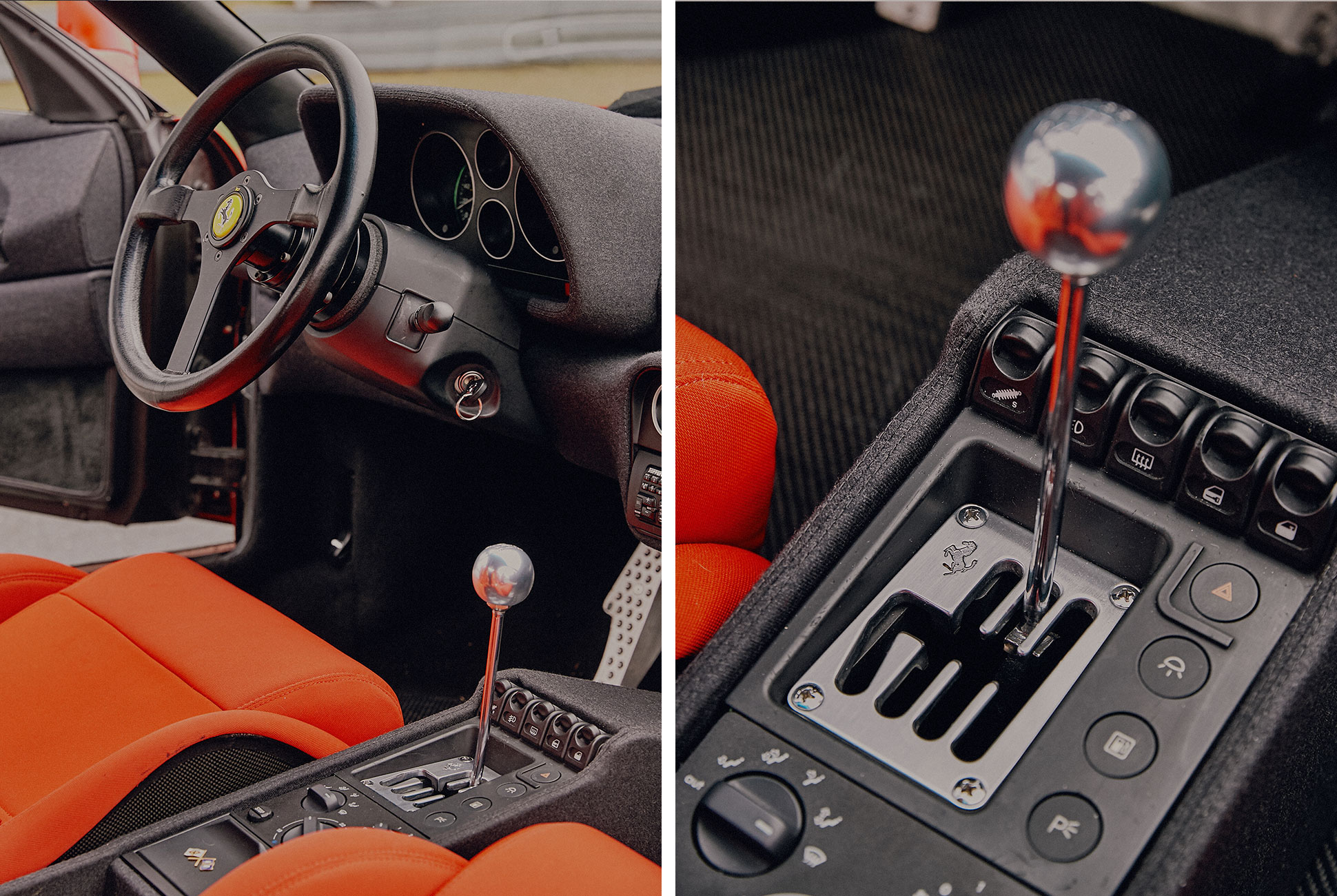
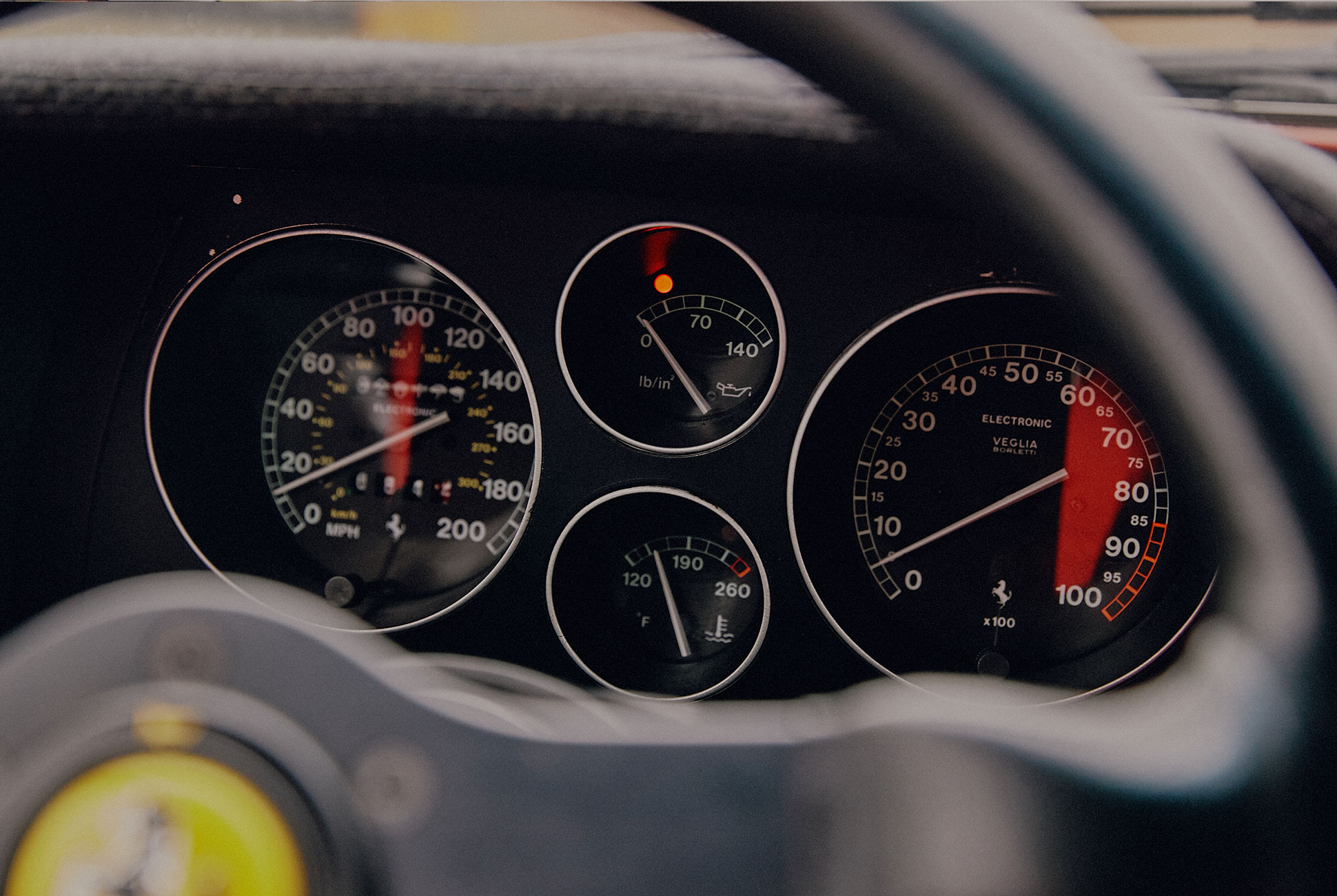
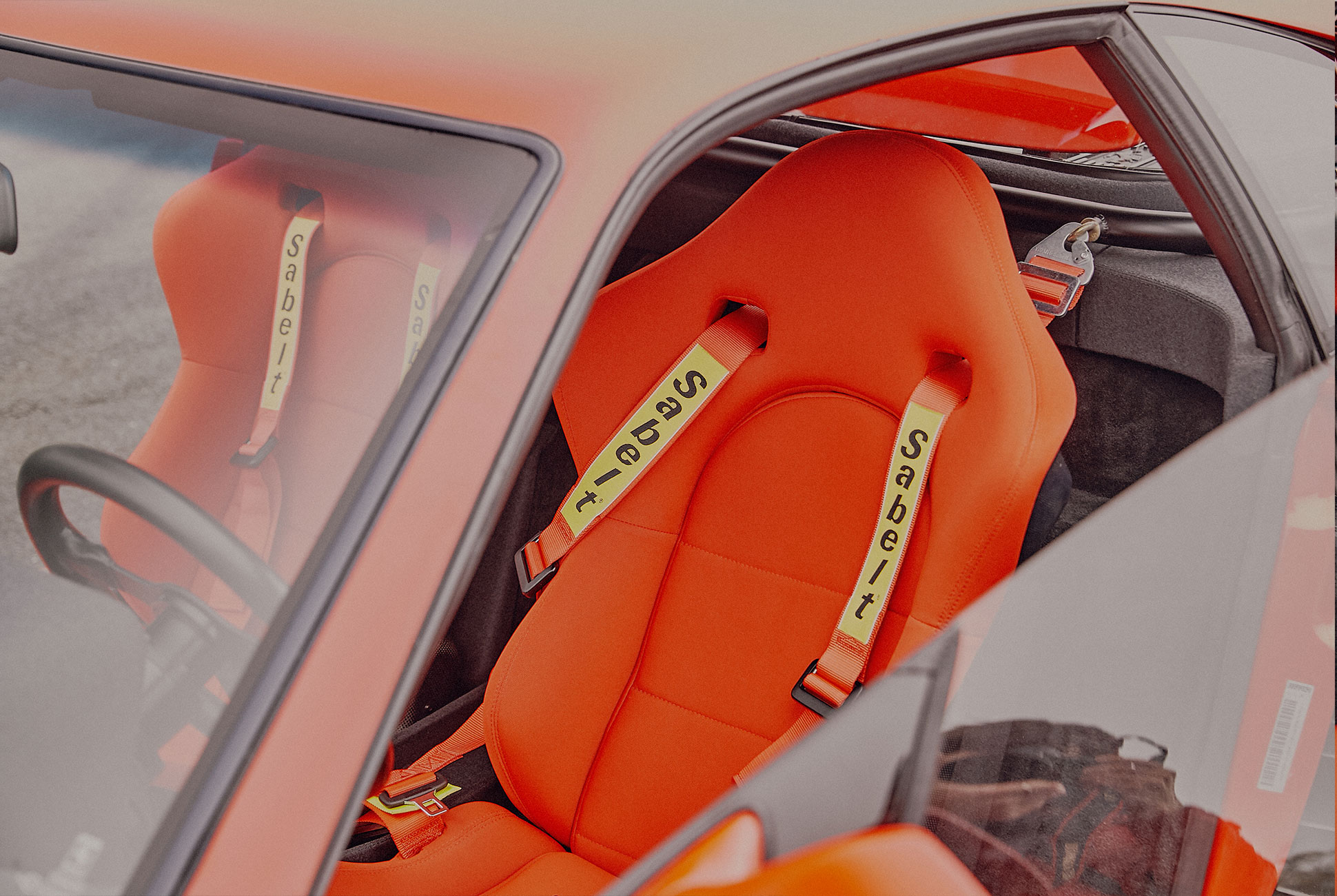
Once you open the door and slide into the renovated cockpit, any doubts that Segal isn’t taking this seriously fade away. The dash cloth isn’t just the same stuff found in the F40; it comes from the same shop Ferrari uses when they restore the legendary supercar. He also used the exact same steering wheel as the fabled ’80s supercar, and even and upholstered the carbon fiber race seats in the same material the F40 uses.

The proof of the pudding is in the eating, though. Taking the car out on track at Monticello Motor Club, I was able to see just how well all the work came together. Mid-engined Ferraris are known for their balance and poise, but they’re still intimidating.  Yet the first car that came to mind after throwing the Modificata around Monticello was, believe it or not, the Mazda MX-5. Segal has the car so well-balanced, the suspension so well-tuned, a relative novice like myself felt just as comfortable throwing it into turns and throttling out of them as I would have in a Miata.


Yet If you’re looking for lower lap times or quicker sprints, you’re in the wrong place. As good as it is around a track, Segal said that’s not meant to be the 355 Modificata’s natural habitat.

“It’s not a race car, it’s not even a track car,” he said. “But I think there are ways we can make the car better and more competent in terms of its handling without taking away the ride quality. Right now, you can drive it on the highway and it’s fine.”

Above all else, he said he wants to make cars like the F355 more visceral. “Faster is fine, but it’s more about delivering a better experience start to finish.”

And the process of creating a better experience isn’t about to wrap up just because Segal’s ready to let journalists drive his baby. “Somebody asked me how I knew when the car was ‘done.’ The car isn’t done. The car is never done,” he said. “We’re always looking for more.”

If you’re interested in restomodding your own ’90s Ferrari, Jeff Segal can be reached with inquiries through the official Modificata Instagram: @_modificata_
Read More Gear Patrol Reviews

Hot takes and in-depth reviews on noteworthy, relevant and interesting products. Read the Story
Note: Purchasing products through our links may earn us a portion of the sale, which supports our editorial team’s mission. Learn more here.
The Next VW GTI Will Be “Cool As Hell”

The Volkswagen GTI has earned a place near the top of our favorite affordable sporty cars several times over. In part, that’s because the selection is fairly limited; unlike in Europe, hot hatches and the like aren’t all that common. But it’s also because the sporty two-box VW punches well above its weight on many levels: not just performance, but build quality, usability, and the ever-important, hard-to-define quality Volkswagen itself made famous under the term farfegnugen — driving pleasure.

Of course, all that’s only known about the current and former generations of the iconic hatch. An all-new generation of Golf is nearing its big reveal, and with it will come a new GTI — one being born into a new era at Volkswagen, where the carmarker is in the midst of being transformed by its monumental push to electrification in the wake of Dieselgate and in the face of ever-stricter regulations across much of the world. It’s only natural to ask: Will the GTI be left behind?

Well, fear not, worried Waterfest attendees. According to VW’s US boss, the GTI is sticking around, and the next one will be “cool as hell.”

Those three reassuring words uttered by VW of America CEO Scott Keogh come from a recent wide-ranging recent interview with Automobile. “We will be launching the Golf Eight, which will be the next-gen and it will have a GTI, so we’re 100 percent on board [with that model],” Keogh told the publication. “But right now the GTI is going to stay GTI. And the [eighth-gen version of that] will come, and it’s going to be as cool as hell.”

It’s good news for many reasons — not the least of which being the rumors that Volkswagen is planning on axing the regular (I.e. non-GTI and Golf R) versions of the Golf from American showrooms, which Keogh’s “100 percent on board” comment seems to negate. (It wouldn’t be that big a surprise if they did, thought, considering the carmaker sells roughly twice as many GTIs as regular Golfs here.) But it also is proof that the carmaker isn’t giving up on its traditional mission of serving up fun, inexpensive vehicles…which hopefully bodes well for our chances of getting a small Vee-Dub pickup truck here in the US.

That said, keeping things status quo wouldn’t seem to fit the definition of “cool as hell,” so it seems safe to assume the next-gen GTI will score a few updates that’ll keep it fresh and fun. The platform will still be based on a version of the super-flexible MQB architecture found under most of Volkswagen’s current front-wheel-drive-based models, but it’ll likely be lighter and stronger than the version used in the current Golf. An EV powertrain doesn’t seem likely — gas-free performance will be the prerogative of VW’s new ID family of cars — so expect a turbo inline-four to stick around under the hood. That said, Car and Driver claims it’ll likely add 48-volt mild hybrid capabilities, which can improve fuel economy and, as we found out during our test of Mercedes-AMG’s 53 models, smooth out the power delivery of a turbocharged engine. Fingers crossed for the continued choice of six-speed manual and seven-speed dual clutch automatic currently found on the model, as well as the sweet plaid seats that have become a GTI trademark.

The eighth-generation Volkswagen Golf is expected to make its debut before the end of the 2019 calendar year, though we in the US will likely have to wait until the following year to snap one up.

LINK“>Learn More: Here

1971 Chevrolet Chevelle SS from Classic Car Studio

You can’t escape the past. Or perhaps you don’t want to. Such is the case with this brutally sinister 1971 Chevrolet Chevelle SS from Classic Car Studio. A customer who wrecked his brand new Chevelle…

2019 Toyota Tundra TRD Pro Review: Don’t Let Its Age Keep You Away

Let’s face it: The second-generation Toyota Tundra isn’t exactly fresh. It went on sale in 2007, then was refreshed in 2014. Five years on from that update, though, there’s still plenty to like about the Tundra, particularly in TRD Pro form. After being dropped from the lineup in 2018, the Tundra TRD Pro is back for 2019—and, thanks to a few improvements, better than ever.

The Good: Legendary Toyota dependability means high resale value. The Crew Max cab offers spacious rear seating and lots of cargo storage. The 5.7-liter V-8 pulls strong, and sounds fantastic funnelled through the TRD Pro cat-back exhaust. It’s surprisingly maneuverable in urban environments, and offers a smooth ride on the highway thanks to re-tuned Fox racing shocks and thickly-sidewalled tires.

Who It’s For: Anyone who wants a new pickup truck that’s simply trying to be a great pickup truck, not a luxury car with a bed: outdoor enthusiasts and action sports types who need their truck to keep up with them every step of the way, or those who often find themselves in wide-open spaces where the impulse to see what’s down a trail or over a hill frequently strikes.

Watch Out For: A 38-gallon fuel tank and a thirsty V-8 make for rough visits to the fuel pump. The EPA estimates fuel economy to be 15 miles per gallon in the city and 19 mpg on the highway, but succumb to the lovely burble that comes from the exhaust when you punch the skinny pedal, and those numbers can quickly drop.

Alternatives: Ford F-150 Lariat SuperCrew FX4 Off-Road Package ($51,235), Chevrolet Silverado LT Trail Boss Crew Cab ($49,895), Nissan Titan Crew Cab Pro 4X ($48,505).

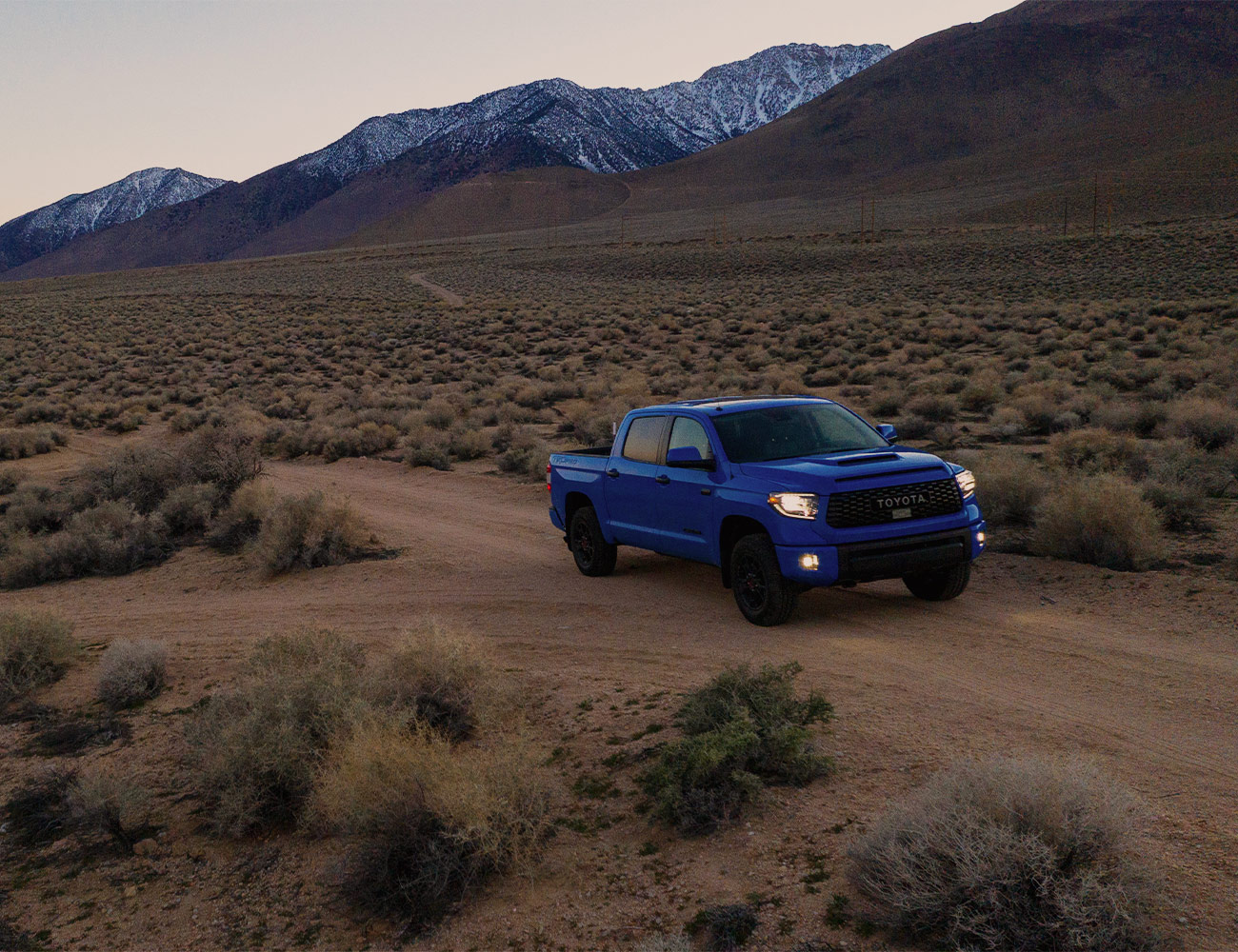
Review: “Wow, that’s really blue,” was a phrase I heard often while spending time with the 2019 Toyota Tundra TRD Pro. Toyota’s “VooDoo Blue” is an eye-catching color that wouldn’t look out of place on a pro athlete’s signature pair of shoes—and given the size of the Tundra in Crew Max form, there’s a whole lot of surface area covered in bright blue paint. Still, it made the Tundra pop; among glistening snow-covered mountains and the muted tones of the high desert, the paint made the truck stand out delightfully. (Alternative paint choices are limited to Super White and Midnight Black Metallic; get the blue.)

The Tundra’s design still looks fresh, even after five years since its last facelift. It’s muscular, but unlike many other full-size trucks, doesn’t look like it’s trying too hard. That said, Toyota needs to more than a different grille and some stickers to distinguish the TRD Pro from other Tundra models; a more aggressive body kit would go a long way to making the TRD Pro feel more special.

The truck is plenty capable off-road, thanks to the new Fox racing shocks and TRD springs. The previous generation used TRD-tuned Bilstein shocks, which were fine—but the new setup for the Tundra brings an additional 1.5 inches of suspension travel to the front and two inches to the rear, paired with 2.5-inch reservoirs to hold the additional oil needed under demanding conditions. The suspension’s resulting ability to mitigate unpleasant choppiness over desert washboard roads in the desert was impressive.

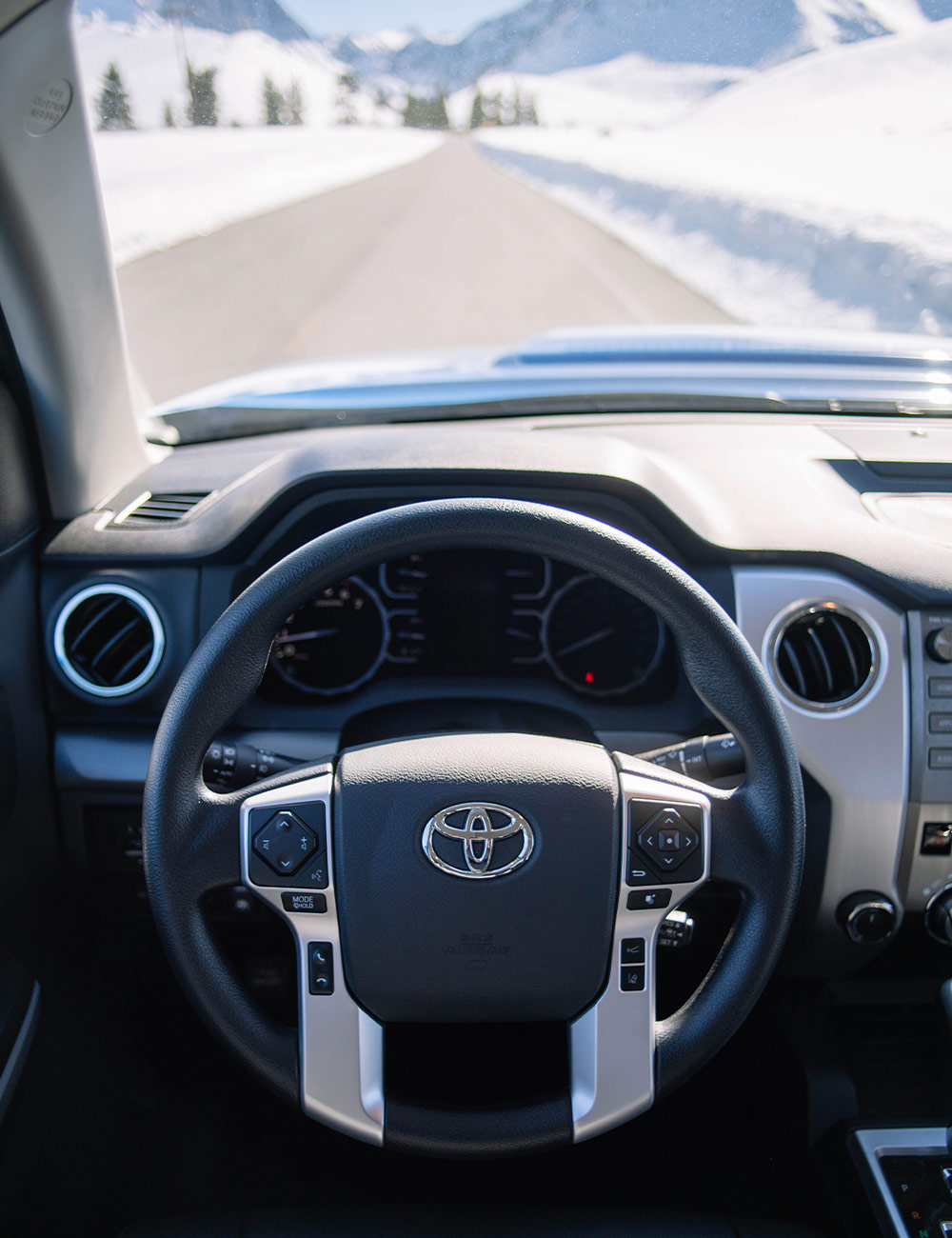
Inside, things are more mundane. Toyota has done very little to keep the interior of the Tundra up-to-date; TRD Pro-specific touches like logos on the seats, red stitching, a special shift knob, and red stitching are welcome, but to be expected in a special version. In the highly-competitive pickup truck marketplace, buyers expect brands to go a step beyond—and Toyota has yet to grasp this concept. The Tacoma, 4Runner, and Tundra all still manage to sell well thanks to their untouchable reputations for reliability and long-term value, but one day that’s not going to be enough.

To Toyota’s credit, what the Tundra TRD Pro lacks in optional creature comforts, it makes up for in standard safety equipment like pre-collision avoidance, pedestrian detection, adaptive radar cruise control, and lane departure warning. For many buyers—those that are already faithful to Toyota products, or in the market for a truck that prioritizes safety and reliability—that’s a fine trade-off. However, you have to wonder how much longer Toyota can get by with this strategy on all its most notable four-wheel-drive vehicles.

Still, I very much enjoyed my time with the Tundra TRD Pro, as did my friends who rode in the cavernous rear seat. It may be an aging platform, but it remains a solid one—one that was clearly well-thought-out from the start.

Verdict: If you want a truck primarily to get off the grid and handle other traditional “truck stuff,” the Tundra TRD Pro is a great choice. If you want a modern-feeling truck with luxury features galore, you’ll probably want to look elsewhere. The Tundra is far from spartan; it has everything you need. These days, though, most people expect pickups to come packed with extra features and largely-unnecessary add-ons. Rather than saying the Tundra is showing its age, perhaps it’s more appropriate to say it’s sticking to its purpose.

2019 Toyota Tundra TRD Pro Crew Max Specs

Base Price: $49,475
Powertrain: 5.7-liter V-8, six-speed automatic, four-wheel-drive
Horsepower: 381
Torque: 401 pound-feet
Fuel Economy: 15 city, 19 highway

Toyota provided this product for review.

Read More Gear Patrol Reviews

Hot takes and in-depth reviews on noteworthy, relevant and interesting products. Read the Story
Note: Purchasing products through our links may earn us a portion of the sale, which supports our editorial team’s mission. Learn more here.

2019 Mercedes-AMG E53 / CLS53 First Drive Review: Smooth and Sporty, All At Once

The Mercedes-AMG E53 and CLS53 are the first of a new line of performance vehicles from the German carmaker, slotting between the V-8-powered “AMG 63” models and the Benz-badged “450” vehicles. Each car uses a 3.0-liter turbocharged inline-six with a mild hybrid system that generates 429 horsepower and 384 pound-feet of torque, paired with a nine-speed AMG-tuned automatic transmission and all-wheel-drive. Currently, there are three AMG E53 styles—sedan, convertible, and coupe—and an AMG CLS53 four-door coupe. A Mercedes-AMG GT53 four-door sports car is en route.

The Good: The new inline-sixes deliver fluid power, with the torque peak arriving at conveniently low engine speeds. The handling is unflappable, the steering precise, and the shifts smooth and quick. The cabin materials are every bit as luxurious as you’d expect for a Mercedes.

Who They Are For: Luxury car buyers who want a more upscale, sportier, and more aggressively-styled vehicle than the average Mercedes, but have no plans to shred tires or dust Porsche 911s on the way to work.

Watch Out For:  The infotainment system can be moderately annoying. Also, if you really want to quibble, the driving dynamics might be too good for this sort of sports-luxury car.

Alternatives: BMW M550i xDrive ($74,450)Audi S7 ($81,200), Porsche Panamera ($86,300).

Review: Driving a Mercedes, one could argue. should feel like driving the future. Even after years on the road, it should still feel like a modern car; the engineering ought to be a step or three ahead of other manufacturers. If you accept that’s what a car with the three-pointed star should be, then the carmaker nailed it with the E53 and CLS53, which serve as a peek into the company’s vision of an electrified future.

Mercedes-AMG’s mantra for the 53-series cars is “intelligence replaces displacement.” A 3.0-liter turbocharged straight-six engine pairs with a 48-volt mild hybrid system, producing a total of 429 hp and 384 lb-ft. The upshot for the driver: immediate, on-demand torque. 53-series cars hit peak torque at just 1800 rpm. As the carmaker pointed out to journalists, the cars are more powerful and quicker than the famous AMG Hammer of the Eighties, with an engine packing half the displacement.

Performance cars can often feel like grappling with a bear: Keeping them in line is a skill one must master, and not doing so can lead to adverse consequences. The 53s, in contrast, feel like floating around a ballroom with a gifted dance partner. These cars love hard driving. The power comes on instantly. They corner with precision. They stay glued to the road, even on borderline-flooded mountain tarmac. The nine-speed AMG Speedshift transmission is crisp and intuitive. Lag is nonexistent; there are no telltale signs you’re driving a turbo or a hybrid.

With five available driving modes (including a customizable one you can tune to your fancy), you can turn the aggression up or down a notch as needed. The car can just be your refined, sober cruiser with a quiet exhaust note. But the driving modes are all well balanced; Comfort is still capable, and Sport Plus won’t send you limping to the massage table.

Those hankering for a fire-breathing performance beast will leave disappointed with the 53 Series, but the power output is right in the Goldilocks spot for fun on real-world roads. Indeed, just about the only critique with the 53-series driving experience is, it may be too perfect. The experience isn’t particularly visceral; the bear comes pre-tamed.  And as with people and pets, it’s often a car’s flaws, failings, and imperfections that provide character and make it memorable.

The design of the E53 and CLS53 projects power, but in a subtle way; they don’t exactly resemble the Batmobile. They fit with current luxury car trends, with decisive lines and rakish roofs designed to show off how potent and aerodynamic the car is. Distinctive features include a twin-blade grille, a so-called A-wing bumper, black mirrors on the doors, a body-color spoiler lip, dual round exhaust tips, and an option for 20-inch “53” aerodynamic wheels. Interestingly enough, the E53 has twin “power domes” on the hood; the CLS53, quite similar-looking otherwise, does not.

Inside, the main features are the dual 12.3-inch displays for the infotainment and instrument panel, and the round, turbine-esque air vents. The materials are appropriately nice, as you’d expect; With an array of woods, brushed metals, and carbon fiber trim options, several different types of leather, multiple steering wheel choices, and an option for colorful seatbelts, Mercedes-AMG lets the buyer choose their own adventure when speccing out the car.

I did have a few minor troubles. The gauge display behind the wheel could be hard to read while driving from certain angles, and the touchpad for the Comand infotainment system felt less natural than a touchscreen to my fingers. Presumably, time and experience would diminish those issues) And when I attempted to use Apple CarPlay, the Mercedes informed me I needed to stop the car to set it up; upon pulling over, though, the car still didn’t see my device as an iPhone, despite multiple attempts to connect it.

As with any modern German luxury car, the E53 and CLS53 can quickly get pricey if you go nuts on the options. The E53 sedan I tested had a base price of $72,550; as tested, however, it cost $98,310. Fortunately, much of the markup came from frivolous inessentials. If you can do without features like Nappa leather with red stitching ($2990) or the Designo black microsuede headliner ($1660), it’s easier to keep the cost in check.

Verdict:

The Mercedes-AMG E53 and CLS53 are all about quality. Sure, you can find more raw performance in this price range; what you won’t find is this combination of precision, refinement, and power that make it so good for everyday driving. They’re potent, unflappable, and exude quality. There are few nits to pick, and those that are there are trifling; the 53s are about as close to a perfect daily driver as you can get. If these cars herald tomorrow, Mercedes-AMG’s “electrified future” looks bright.

Models:
2019 Mercedes-AMG E53 Sedan: $72,550 (base MSRP), $98,310 (as tested)
2019 Mercedes-AMG E53 Coupe: $73,700 (base MSRP), $97,645 (as tested)
2019 Mercedes-AMG E53 Cabriolet: $80,350 (base MSRP)
2019 Mercedes-AMG CLS53 Coupe: $79,900 (base MSRP), $86,275 (as tested)

Mercedes-AMG E53 / CLS53 Specs:
Powertrain: 3.0-liter turbocharged inline-six with electric motor and electric auxiliary compressor, nine-speed automatic transmission, all-wheel-drive
Horsepower: 429 hp
Torque: 384 lb-ft
0-60 MPH: 4.3 sec (E53 Coupe)
Top Speed: 130mph

Mercedes-Benz provided this product for review.

Read More Gear Patrol Reviews

Hot takes and in-depth reviews on noteworthy, relevant and interesting products. Read the Story
Note: Purchasing products through our links may earn us a portion of the sale, which supports our editorial team’s mission. Learn more here.

19 Of the Greatest Cars For Sale Under $50,000

The number of different cars on sale today can seem mind-numbingly high. Not helping matters: companies like BMW and Mercedes-Benz, which are trying to fill up even the smallest gaps in the market with their pricey wares.

That said, the average consumer isn’t shopping for an SUV from Bentley or a family hatchback from Ferrari, either. After all, the average MSRP for a car hovers around $37,577 these days—and there are plenty of good cars out there for that money.

For the purposes of this article, we at Gear Patrol raised our price ceiling to add a little flexibility (and, of course, to add in some of the wonderful cars just above that median price), and pulled together the best cars on sale today for less than $50,000. Believe us: No matter what style you’re shopping for, you can’t go wrong with any choice on this list.

Compact Cars

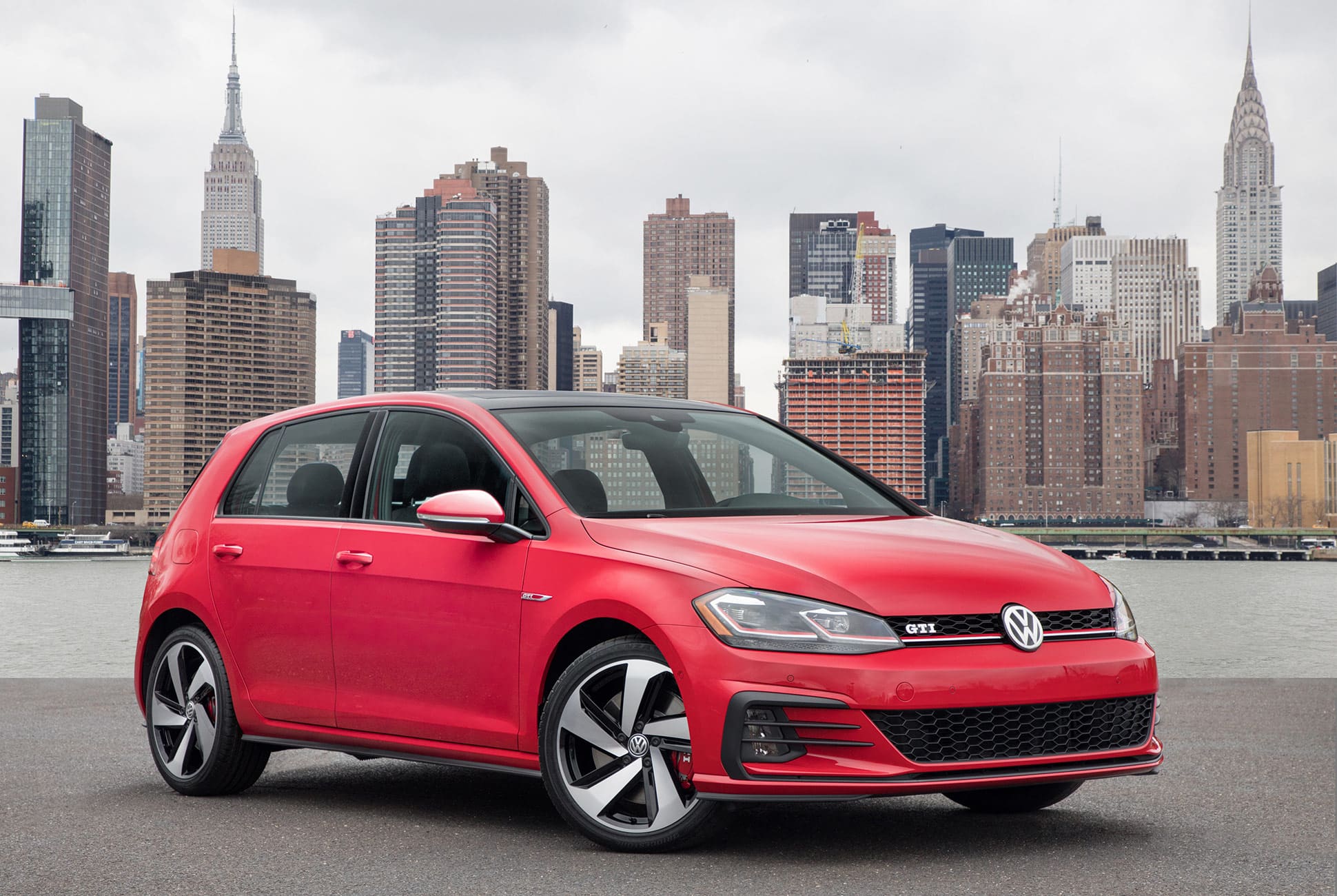
Volkswagen Golf GTI

Best Hot Hatch:  We may suffer from slim pickings in the US when it comes to hatchbacks, but at least one of the few options we do have ranks highly. This legend from Volkswagen has been the benchmark for hot hatches since it first rolled off the assembly line in 1976, and the current VW GTI has been ranked highly the world over. A taut suspension and bountiful low-end torque from the lively 2.0-liter turbo engine translate to performance figures that punch well above the GTI’s weight.

Engine: 2.0-liter turbocharged four-cylinder
Horsepower: 228
Torque: 258 pound-feet
Drive: Front-Wheel-Drive
0-60 mph: 6.0 seconds

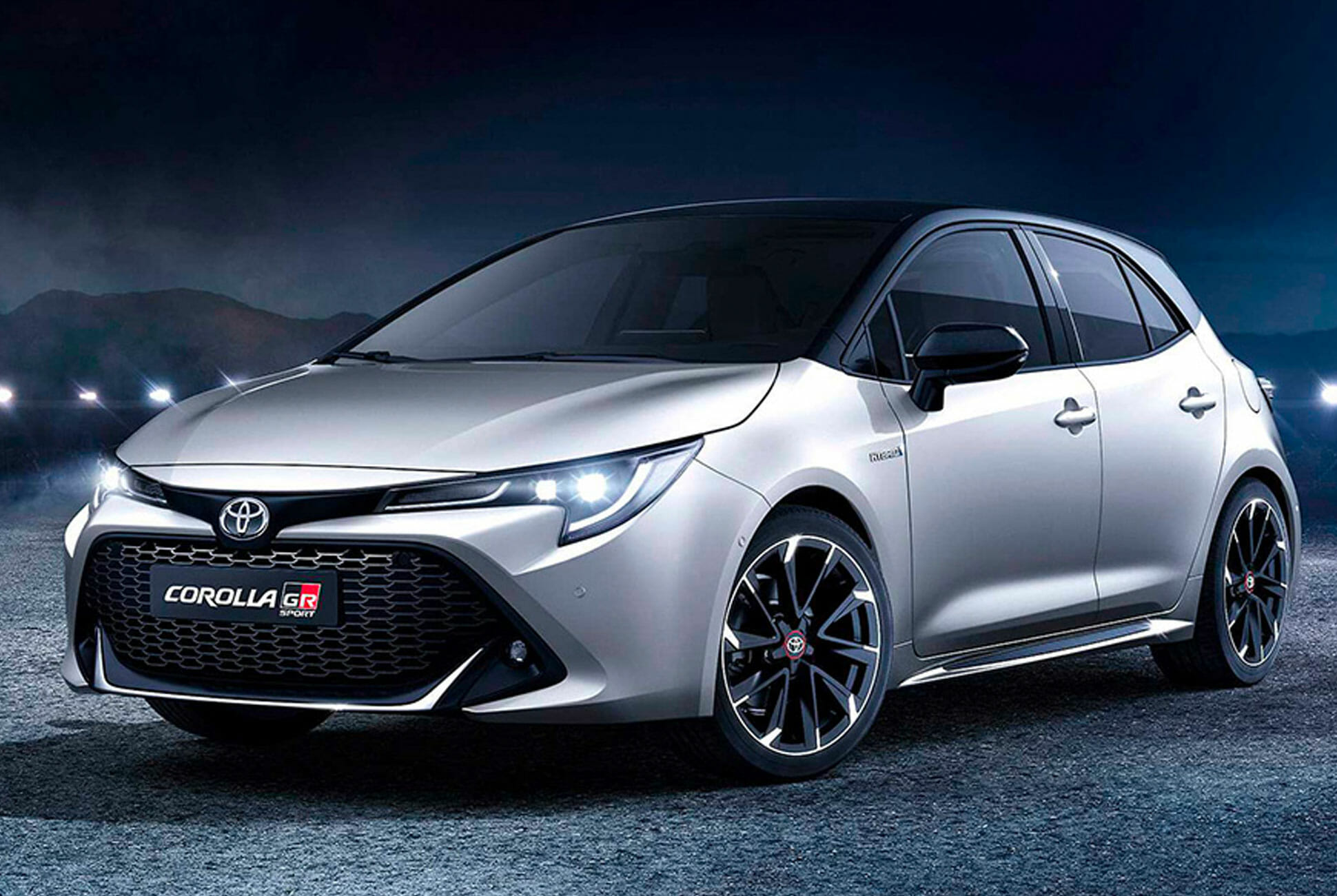
Toyota Corolla

The new Corolla Hatchback marks a pivotal moment in Toyota’s push to ditch its reputation as a builder of bland econo-cars. The new Corolla hatchback is one of the best handling front-wheel-drive compacts on the market; it’s wildly fun to pitch around any corner. But, instead of marketing the hatch as an enthusiast’s car and scaring off average Joes, Toyota simply promoted the refreshed hatch as it’s done in the past and let the masses who would’ve bought the car anyway discover what a well-tuned chassis feels like. The Corolla’s approachability, affordability, and mid-corner poise will likely have it remembered much the way we look back on the BMW 2002 or Datsun 510.

Engine: 2.0-Liter Inline-Four
Horsepower: 168
Torque: 151 lb-ft
Drive: Front-Wheel-Drive
0-60 mph: 7.4 seconds

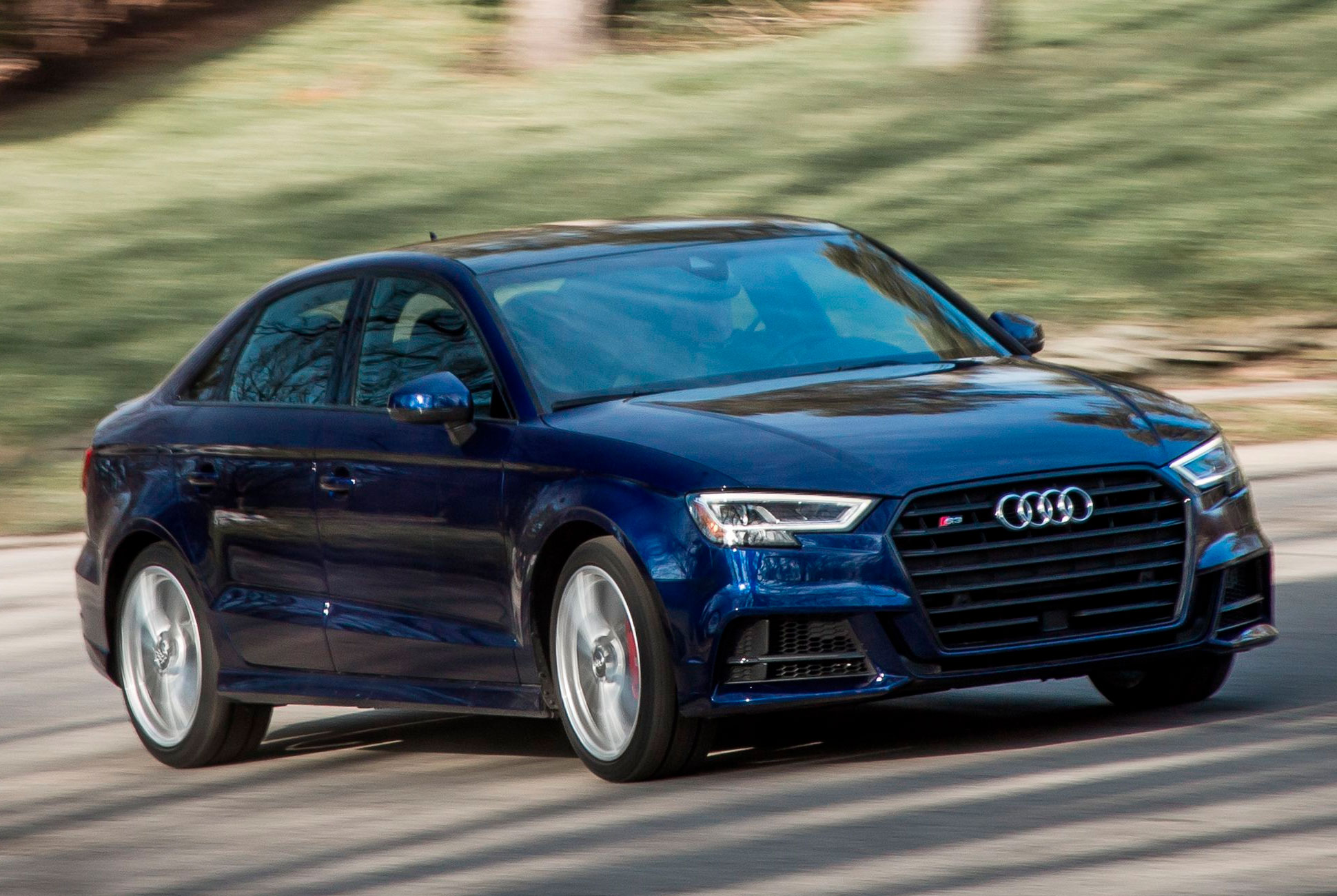
Audi S3

Since the S4 has put on some weight over the years, the S3 now takes up the mantle of the compact sports sedan in Audi’s lineup. With 288 horsepower and 280 lb-ft of torque, the S3 provides just enough performance to deliver an incredible amount of fun, while staying out of trouble on the open road.

Engine: 2.0-liter turbocharged four-cylinder
Horsepower: 288
Torque: 280 lb-ft
Drive: All-Wheel-Drive
0-60 mph: 4.6 seconds

Midsized Sedans

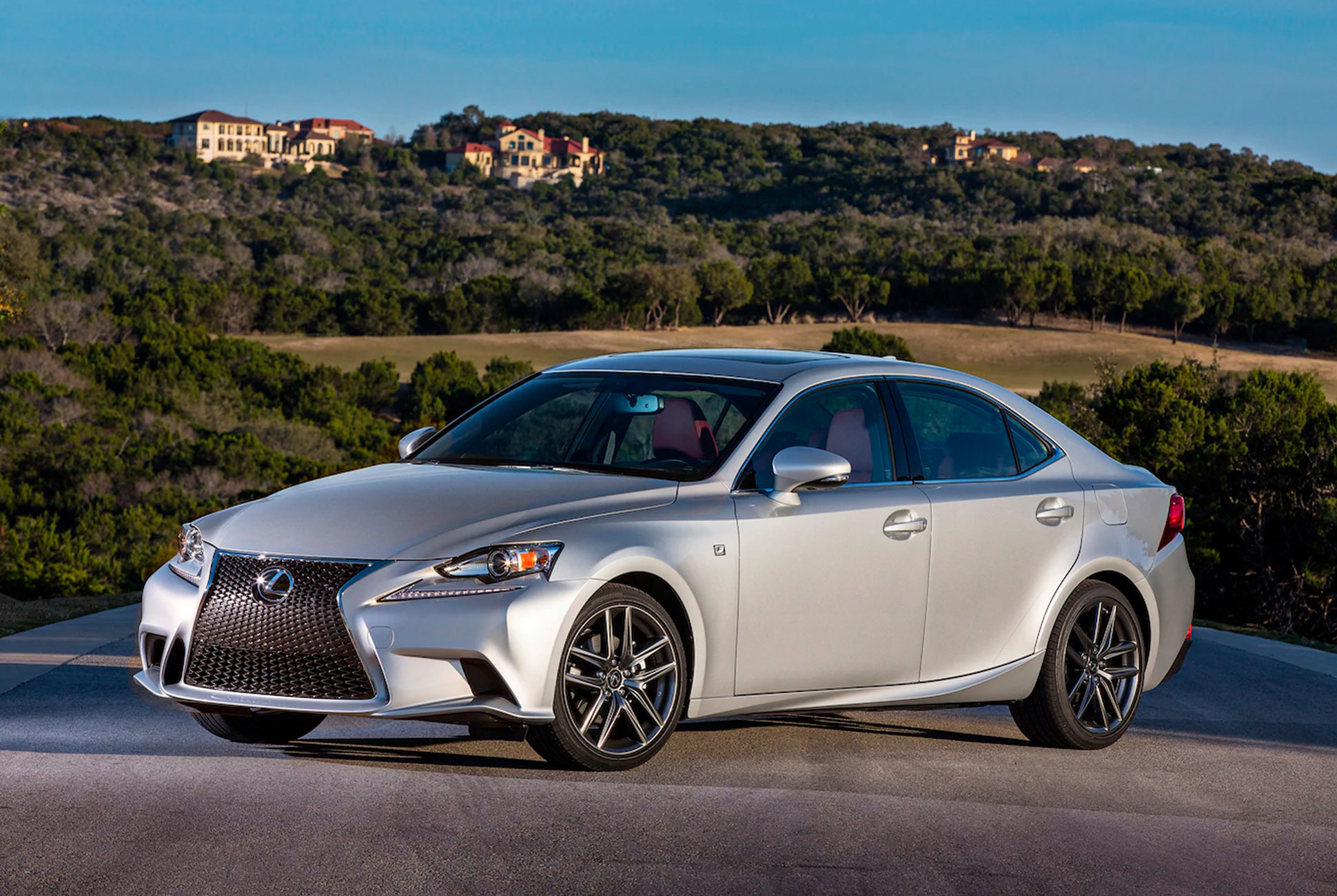
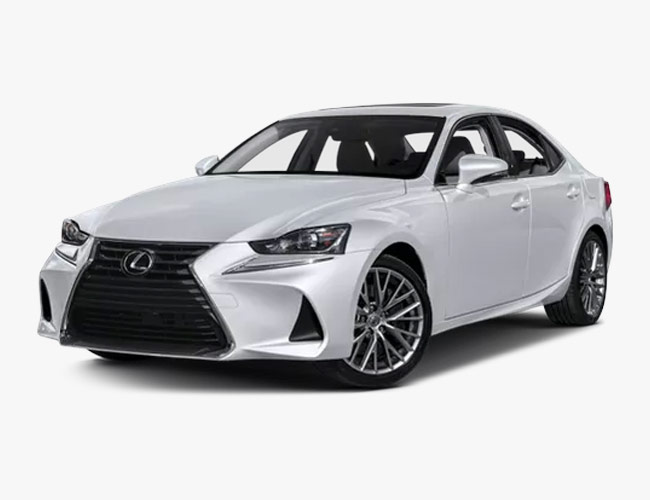
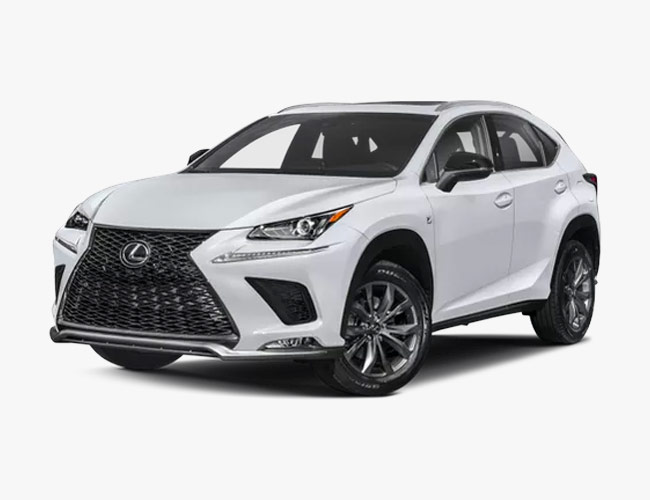
Lexus IS 350 F Sport

Lexus, believe it or not, does indeed offer a sporty sedan worthy of being mentioned in the same conversation as the Germans. The radical styling works well for it, separating it from the other cookie-cutter luxury four-doors. But it takes more than styling to compete in one of the most contested segments in the market; luckily, the interior’s interesting design makes the cockpit a pleasant place to be, and the entertaining, naturally-aspirated 3.5-liter V-6 makes it a great place to stay.

Engine: 3.5-liter V-6
Horsepower: 311
Torque: 280 lb-ft
Drive: Rear-Wheel-Drive
0-60 mph: 5.6 seconds

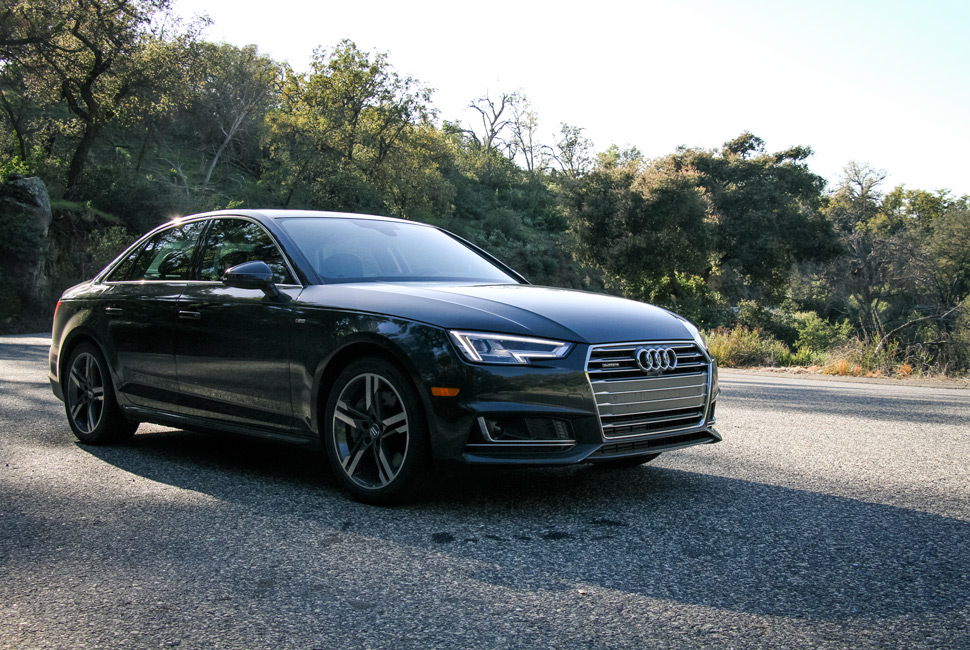
Audi A4

The Audi A4 went untouched for several years, but it came back in a big way in 2016 when the new model arrived. Though the new model received only subtle aesthetic tweaks, Audi made huge changes underneath the skin, adding crash avoidance and driver assistance systems also seen on the likes of the top-of-the-line Q7 SUV.  After years of living as a glorified Volkswagen Passat, the current generation of the A4 has moved delightfully up-market.

Engine: 2.0-liter turbocharged inline-four
Horsepower: 250
Torque: 310 lb-ft
Drive: All-Wheel-Drive
0-60 mph: 5.6 seconds

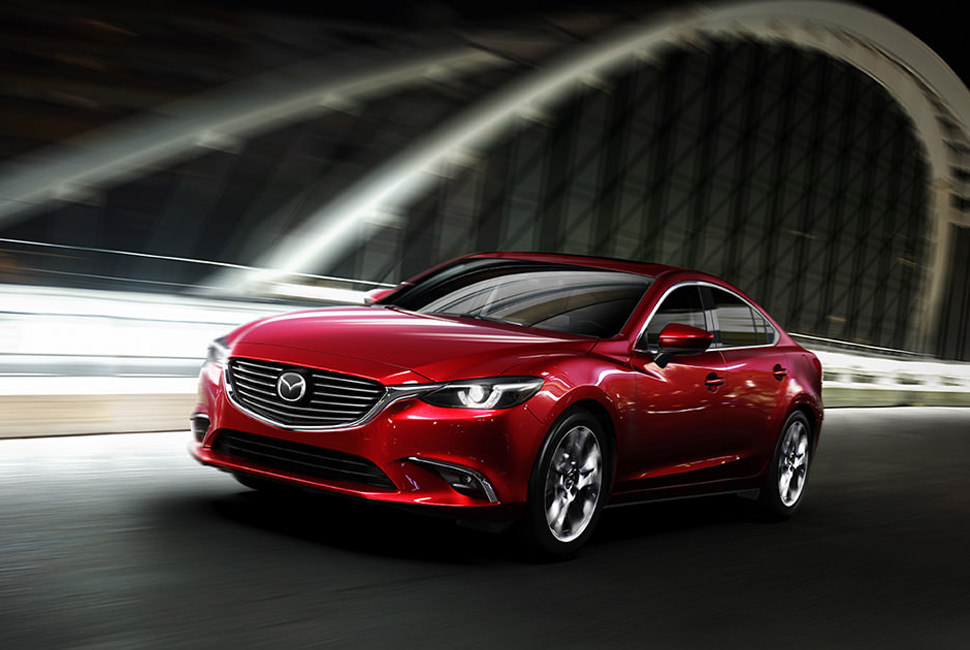
Mazda6 Signature

25-Best-Cars-2016-Gear-Patrol-Mazda6

In the past few years, Mazda has really come into its own in the design department. It’s no coincidence that there are several Mazdas on our list: For the price, they’re some of the best-handling cars on the road. The Mazda6 offers sharp, flowing design draped over an entertaining chassis, all for a base price below $25,000. However, if you want to really experience the brand’s recent move upmarket, the range-topping Signature trim spoils you with turbocharged power and a luxurious interior you’d never see coming from Mazda for just over $35,000.

Engine: 2.5-liter turbocharged four-cylinder
Horsepower: 184
Torque: 185 lb-ft
Drive: Front-Wheel-Drive
0-60 mph: 6.4 seconds

Station Wagons

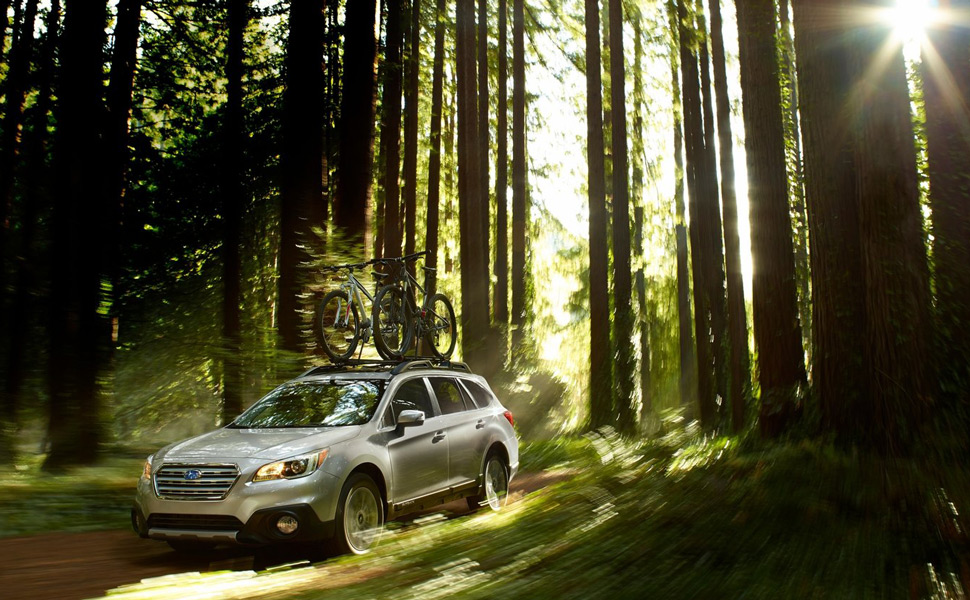
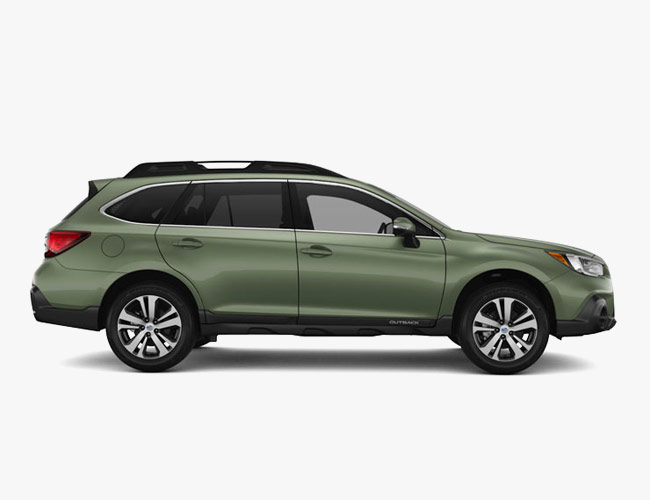
Subaru Outback

The Outback built its reputation on utility, value, and versatility—and the current Outback follows through with that in spades. In a world where SUVs and crossovers run rampant, the Outback has stood strong as a reliable family vehicle with a healthy dose of off-road performance. There’s a new Outback due out for 2020, but until that hits dealership floors, the 2019 Outback is one of the best bang-for-your-buck wagons on the market.

Engine: 2.5-liter flat-four/3.6-liter flat-six
Horsepower: 175/256
Torque: 174/247 lb-ft
Drive: All-Wheel-Drive
0-60 mph: 9.4/6.8 seconds

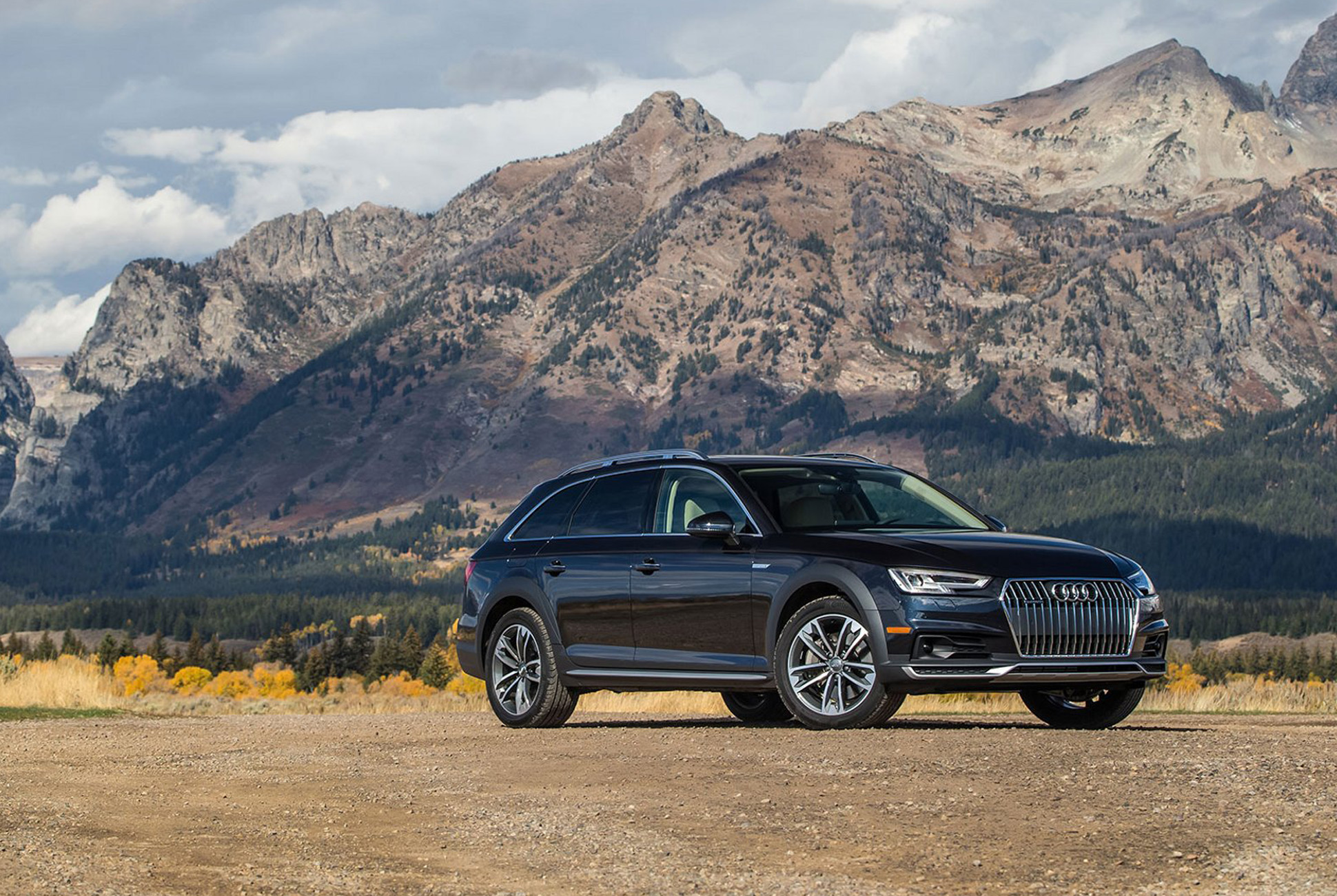
Audi A4 Allroad

Audi made a name for itself tackling dirt roads thanks to its quattro AWD system, and the A4 Allroad brings that legendary ability to the average family in need of a little extra ground clearance. The A4 Allroad’s impressive cargo space and off-road ability lends itself beautifully to those who would rather gather around a campfire under the stars than a flat-screen TV in the living room.

Engine: 2.0-liter turbocharged four-cylinder
Horsepower: 248
Torque: 273 lb-ft
Drive: All-Wheel-Drive
0-60 mph: 5.9 seconds

Coupes

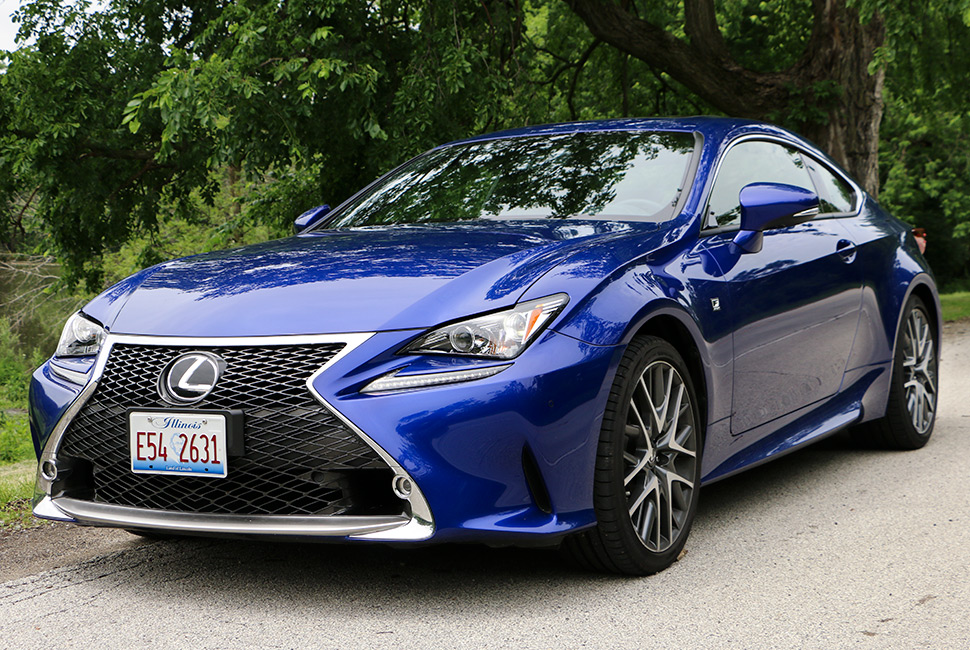
Lexus RC 300 F Sport RWD

The RC’s design offers a sportier take on the same looks as the IS, while still catering to customers who want that Lexus luxury. The exterior is by far the best expression of Lexus’s edgy design language, and the interior is awash with rich materials like Playa upholstery, aluminum pedals, and deep bucket seats. The RC 300 F Sport drives incredibly well thanks to its adaptive suspension and available Variable Gear Ratio Steering, which, despite being on the heavier side, gives the driver impressive feedback.

Engine: 2.0-liter inline-four
Horsepower: 241
Torque: 258 lb-ft
Drive: Rear-Wheel-Drive
0-60 mph: 7.3 seconds

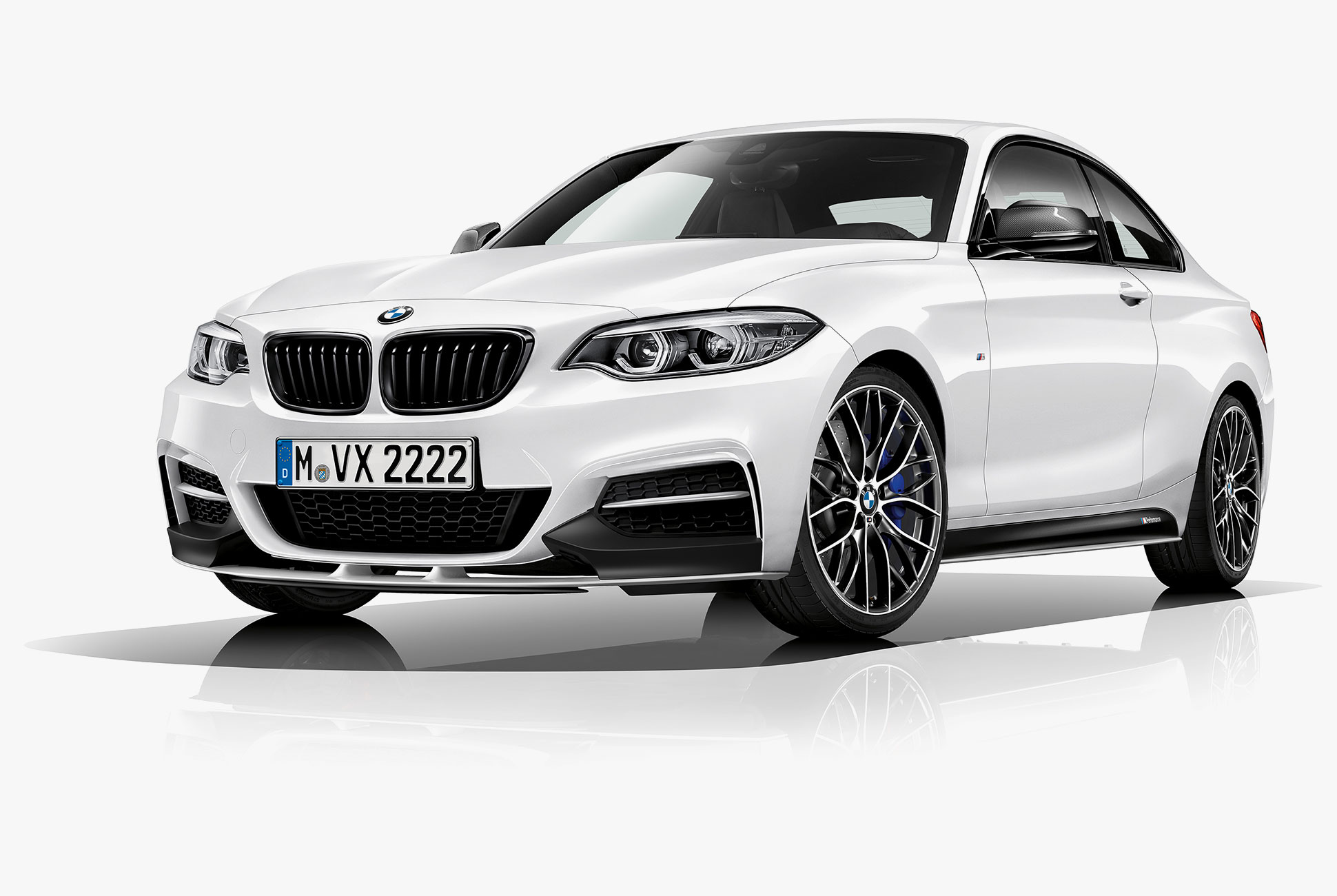
BMW M240i

Since the BMW M2 casts a very large shadow, you could be forgiven for forgetting about the M240i, but it would be a mistake to dismiss it altogether. The M2’s price point puts it out of reach for this list, but the M240i isn’t exactly a letdown; it offers more approachable performance, thanks to a beefier torque curve, as well as a more forgiving suspension for everyday driving on roads that aren’t racetrack-smooth.

Engine: 3.0-liter turbocharged inline six-cylinder
Horsepower: 335
Torque: 369 lb-ft
Drive: Rear-Wheel-Drive
0-60 mph: 4.4 seconds

Convertibles

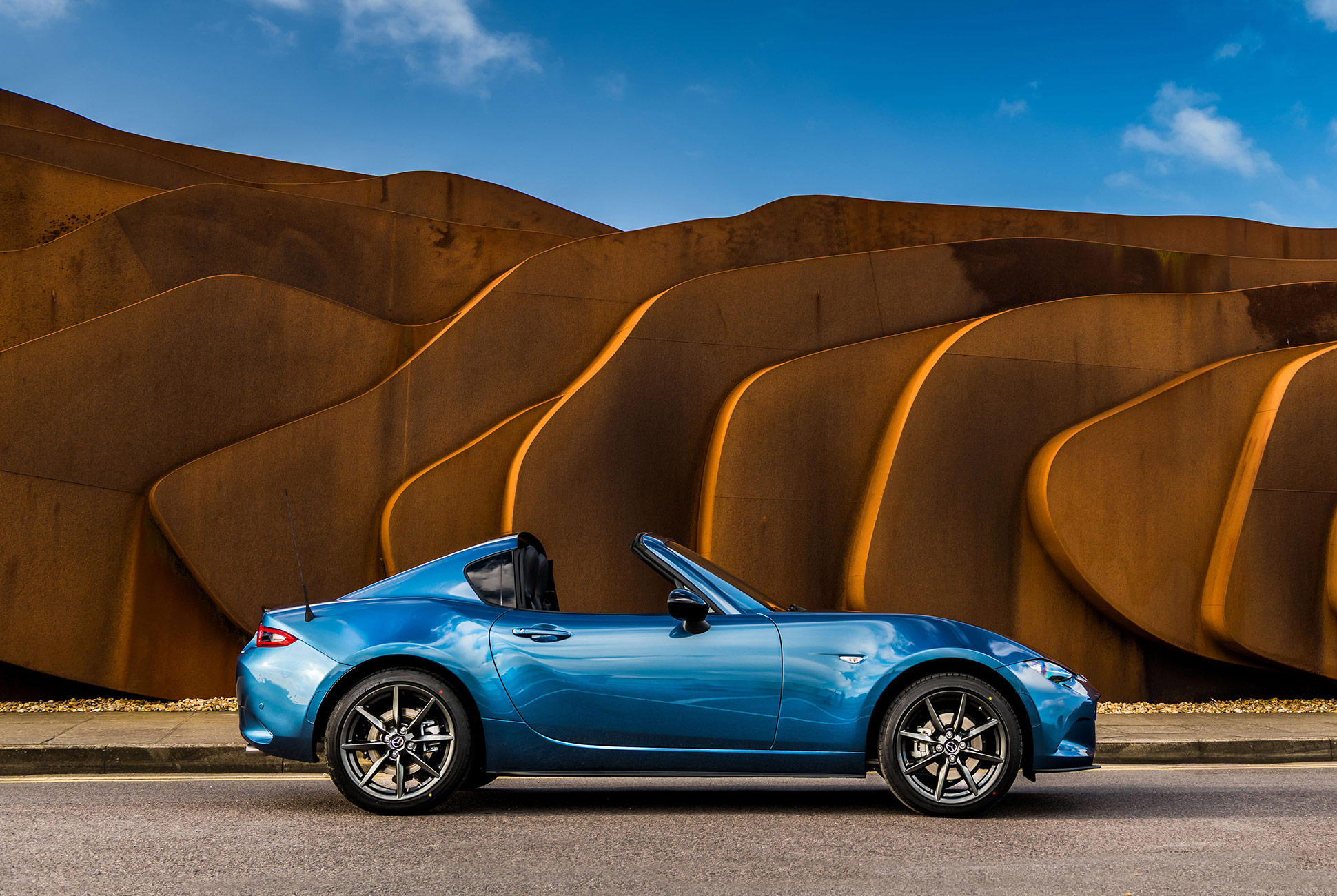
Mazda Miata RF

Ignore the Miata’s incredibly low price for a second and focus on its performance: There’s nothing in its weight class that can compare. And you’d have to go pretty far upmarket to find anything that delivers the experience and excitement that the new Miata does. The RF’s retractable, targa-style roof only adds to the newest Miata’s good looks. Now factor in the MSRP, and the argument to buy anything else pretty much dissolves.

Engine: 2.0-liter four-cylinder
Horsepower: 155
Torque: 148 lb-ft
Drive: Rear-Wheel-Drive
0-60 mph: 5.8 seconds

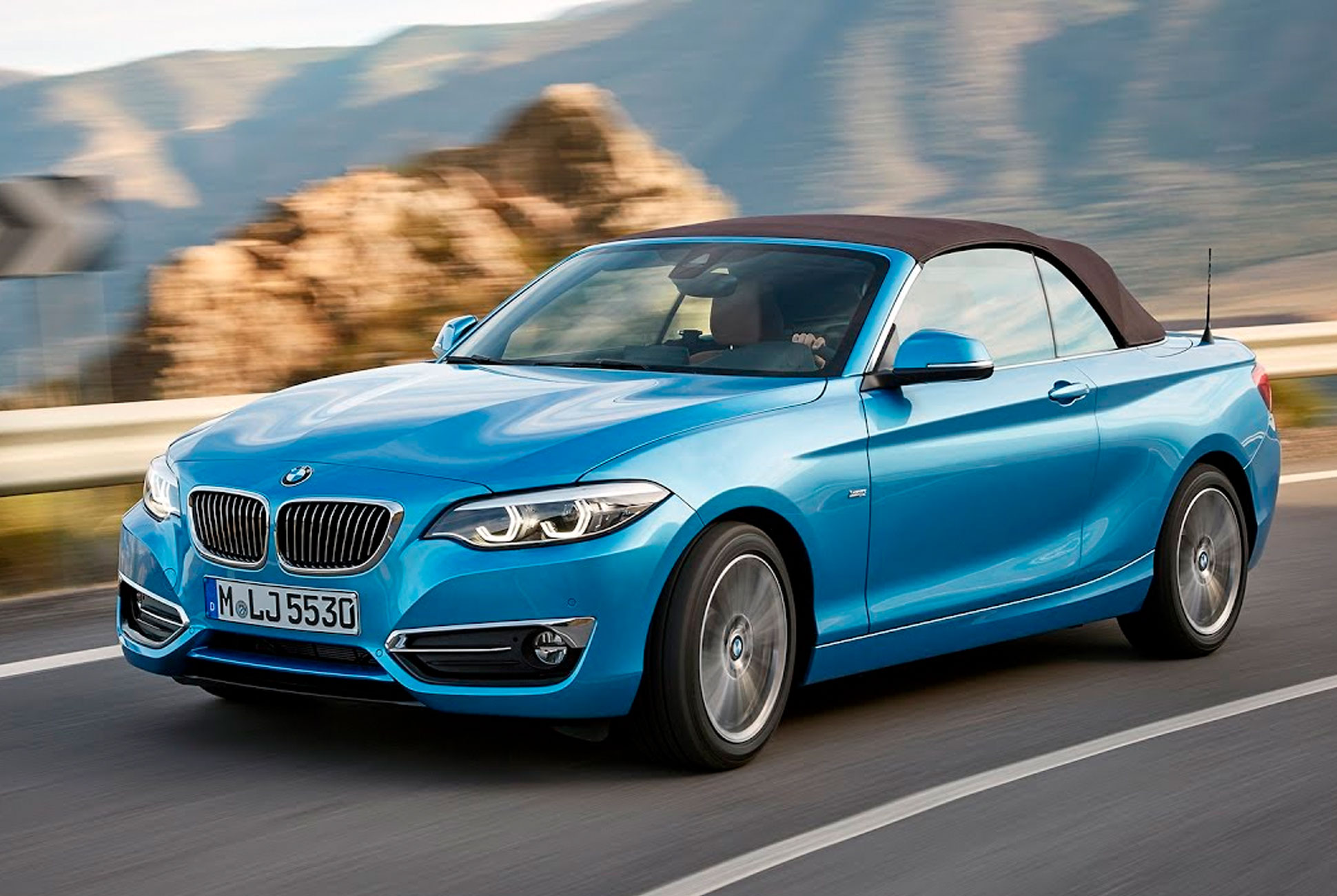
BMW 230i Convertible

Now that the 3 and 4 Series have moved upmarket, the 2 Series has become BMW’s prime player in the attainable sports car bracket. The convertible version earned a place on this list by being a pretty drop-top than can still handle a curve. The 2 Series convertible eschews a retractable hardtop, going with a soft top in order to save weight and space. The classic convertible looks are a nice bonus.

Engine: 2.0-liter turbocharged four-cylinder
Horsepower: 248
Torque: 258 lb-ft
Drive: Rear-Wheel-Drive
0-60: 5.6 seconds

SUVs and Crossovers

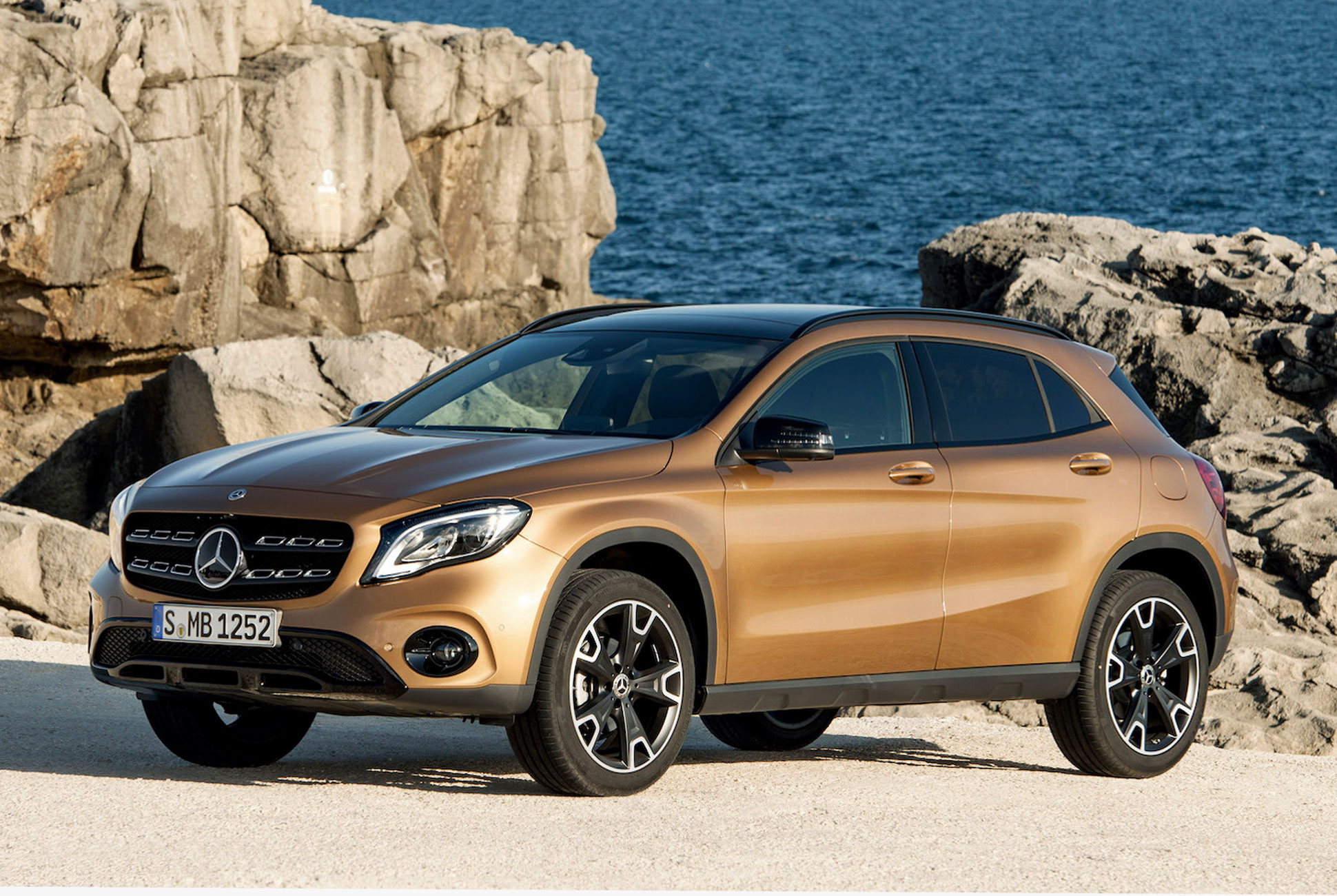
Mercedes-Benz GLA250

Mercedes-Benz has an uncanny ability to make every one of its cars luxurious, no matter the price. The GLA-Class is a prime example of that. At $33,950, you’ll find a high-quality interior and design language that possesses the air of a car that costs $15,000 more.

Engine: 2.0-liter turbocharged inline-four
Horsepower: 208
Torque: 258 lb-ft
Drive: All-Wheel-Drive
0-60: 7.2 seconds

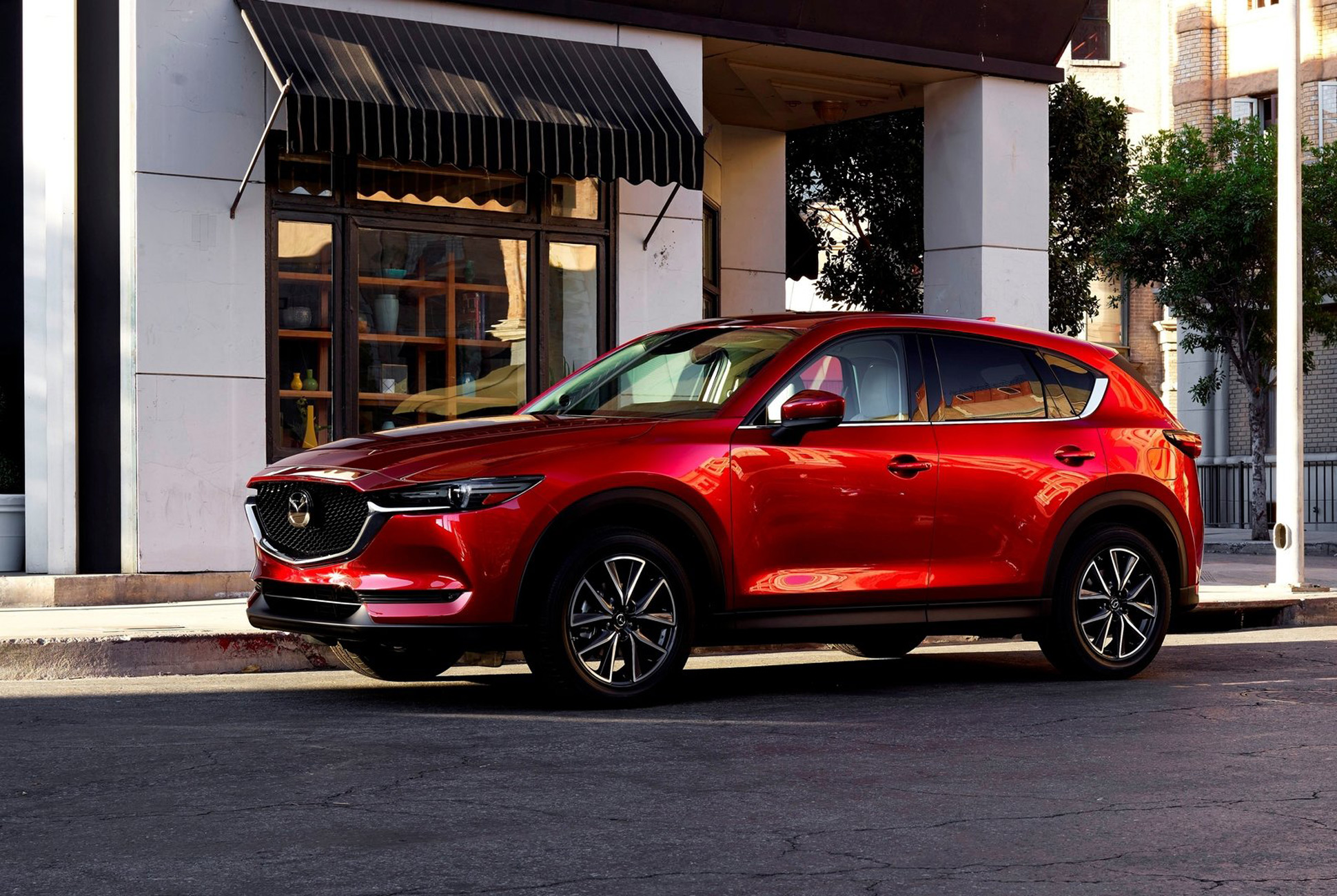
Mazda CX-5 Signature

As much as we praise Mazda for the handling baked into its sedans and sports cars, equal praise must be given for the mid-corner poise the brand imbues into the CX-5. It’s not often an SUV is applauded for its handling, but somehow Mazda has transferred its signature sportiness to its high-riding vehicles. And as part of Mazda’s recent push to move upmarket, the Signature trim elevates the CX-5’s interior to match a class of SUV well above its $36,890 price tag.

Engine: 2.5-liter turbocharged four-cylinder
Horsepower: 250
Torque: 310 lb-ft
Drive: All-Wheel-Drive
0-60: 7.7 seconds

Trucks

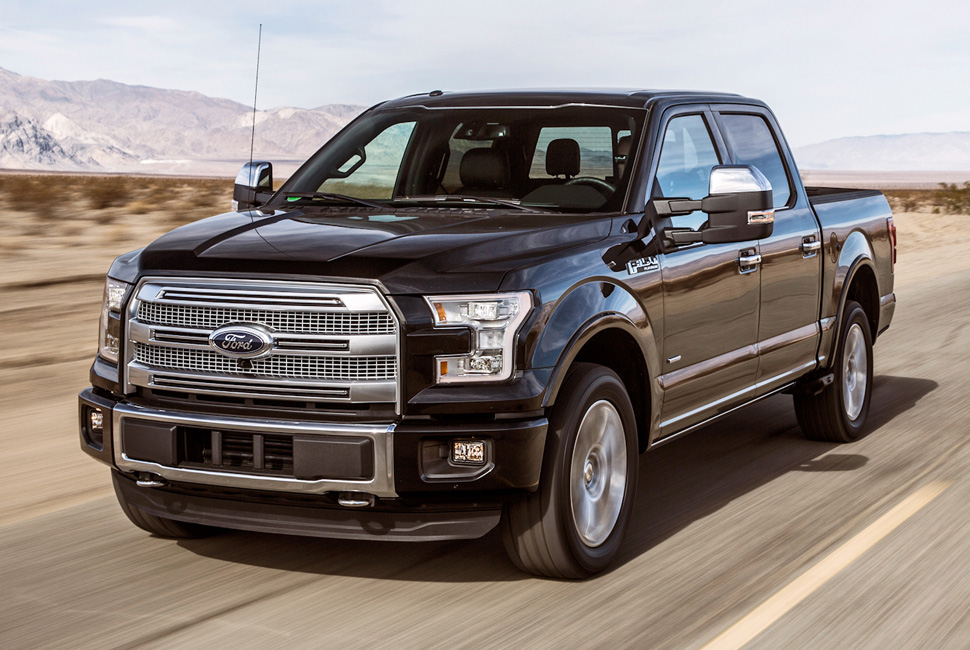
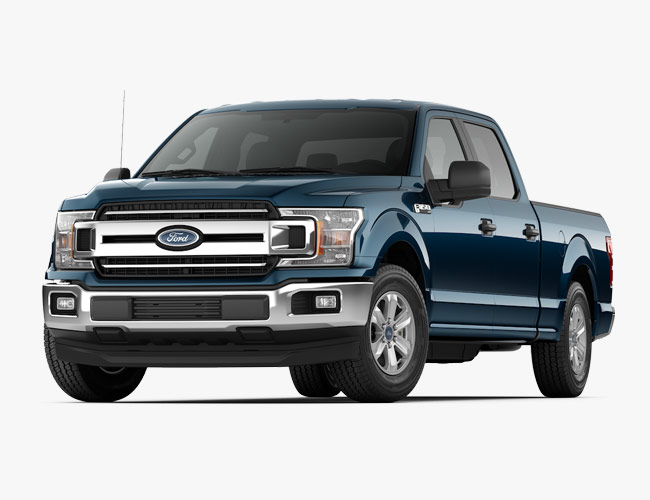
Ford F-150

Ford obviously doesn’t need to change its formula for full-sized trucks—the F-Series is the most successful vehicle in America. Still, the company continuously makes the F-150 better almost each year anyway. Two state-of-the-art turbocharged EcoBoost engines—including a 2.7-liter V-6 and a 3.5-liter V-6—are available as powertrains, maximizing both power and fuel economy. And the move towards using advanced materials like the truck’s aluminum body may pave the way for generations of pickup trucks to come.

Engine: 3.3-liter V-6 / 2.7-liter turbocharged V-6 / 5.0-liter V-8 / 3.5-liter turbocharged V-6
Horsepower: 290 / 325 / 395 / 450
Torque: 265 lb-ft /400 lb-ft / 400 lb-ft / 510 lb-ft
Drive: Rear-Wheel-Drive / Four-Wheel-Drive
0-60: 5.9 seconds (2.7-liter EcoBoost, RWD)

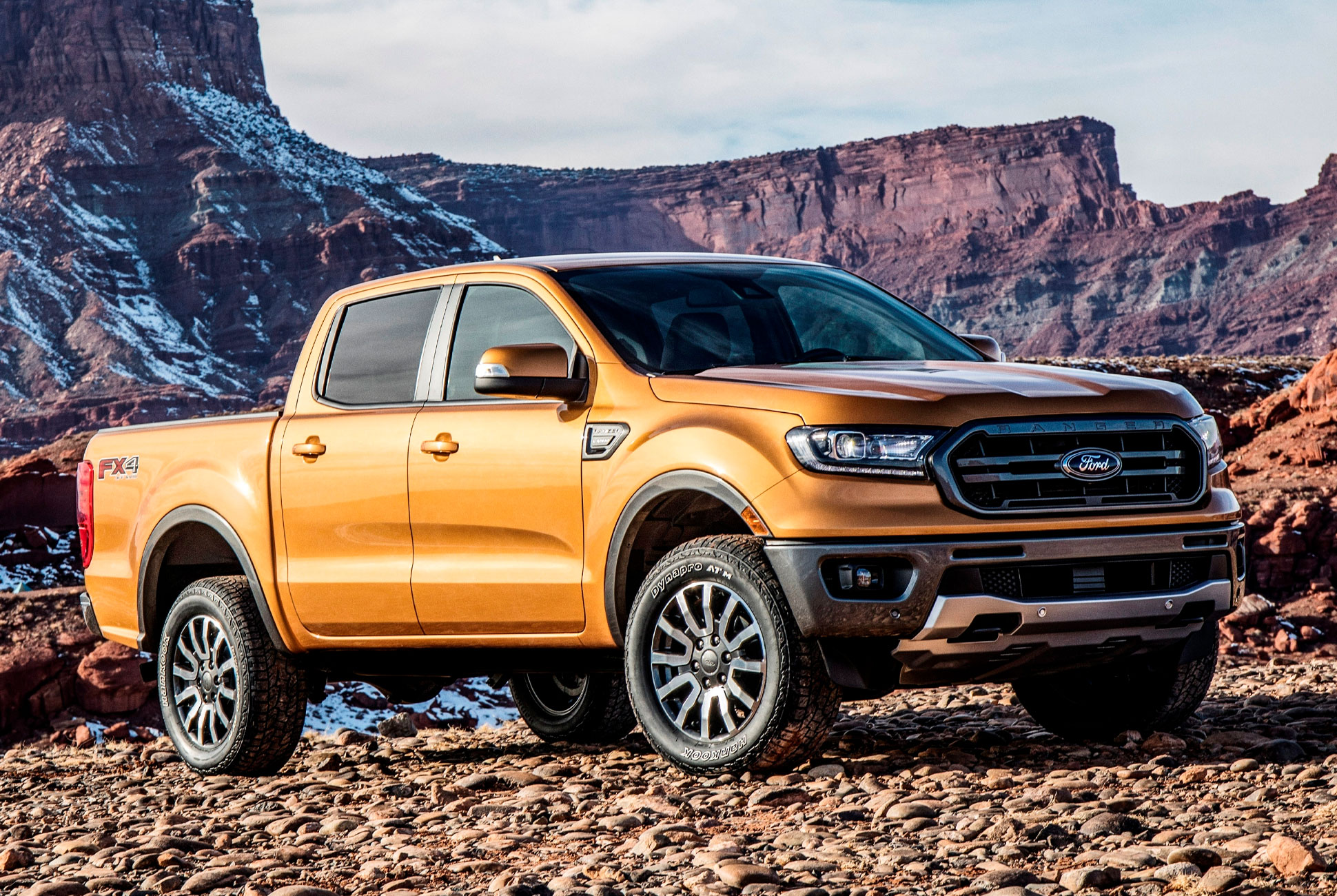
Ford Ranger

Ford did more than re-enter the mid-size truck segment when it brought back the Ford Ranger for 2019; it made a statement of intent. The Ranger is aggressively going after the adventure lifestyle and overlanding crowds. The latest iteration of the mid-sized truck brings a compact silhouette that’s perfect for tight mountain trails on the way to campsites, and a laundry list of camping-focused accessories from Yakima, such as bed racks and rooftop tents.

Engine: 2.3-liter turbocharged inline-four
Horsepower: 270
Torque: 310 lb-ft
Drive: Rear-Wheel-Drive / 4-Wheel-Drive
0-60 mph: 6.8 seconds

Sports Cars

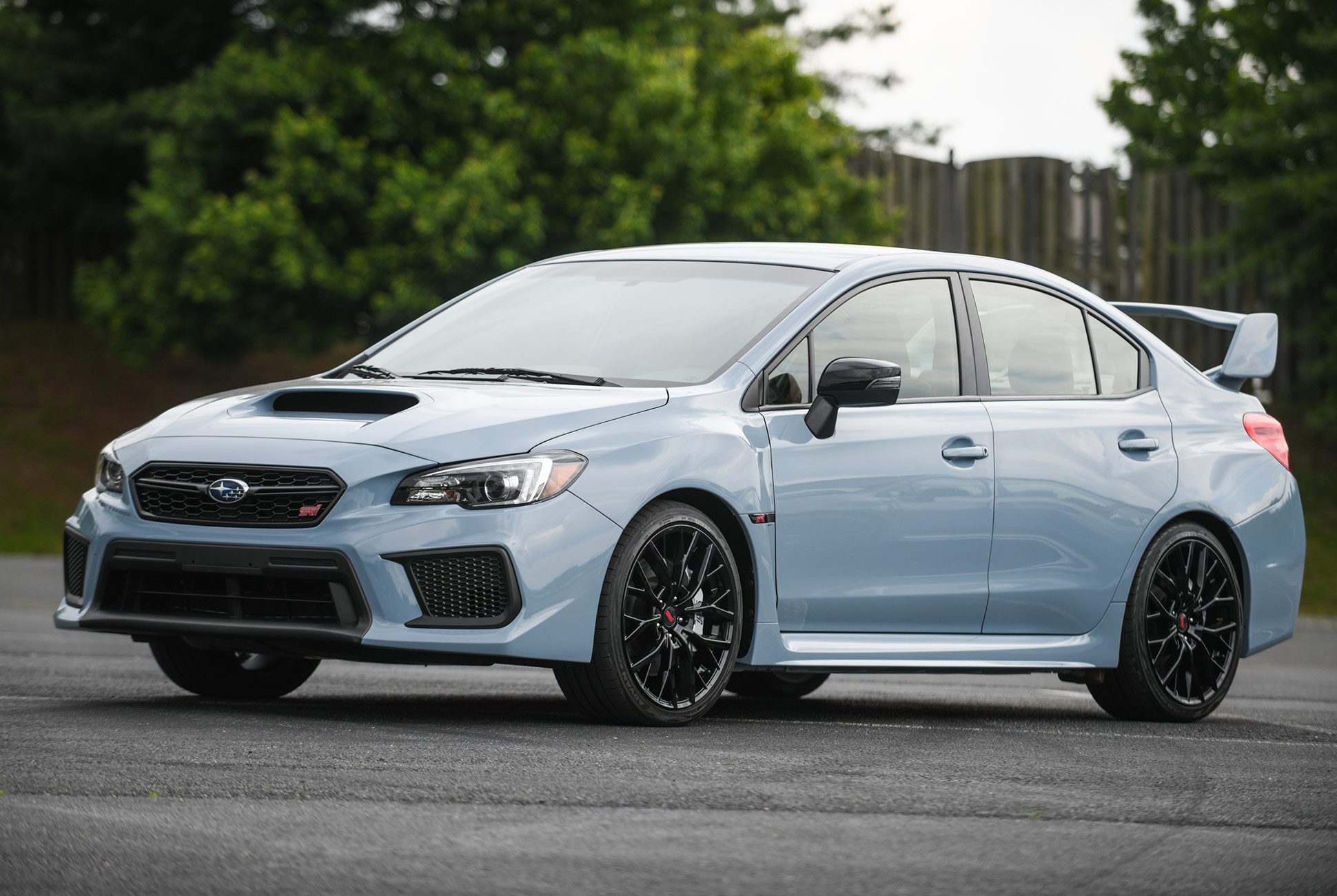
Subaru WRX STI

The Subaru WRX STI is a little long in the tooth, but it’s hardly showing its age. As one of the few compact sport sedans out there with AWD—the pricier Audi RS 3 and Golf R are the only real competition—its affordability factor makes it a hit with enthusiasts year after year. What the newest WRX STI lacks in power versus newer competitors, it makes up for with refined, incredibly precise handling and direct, communicative steering.

Engine: 2.5-liter turbocharged flat-four
Horsepower: 310
Torque: 290 lb-ft
Drive: All-Wheel-Drive
0-60: 4.7 seconds

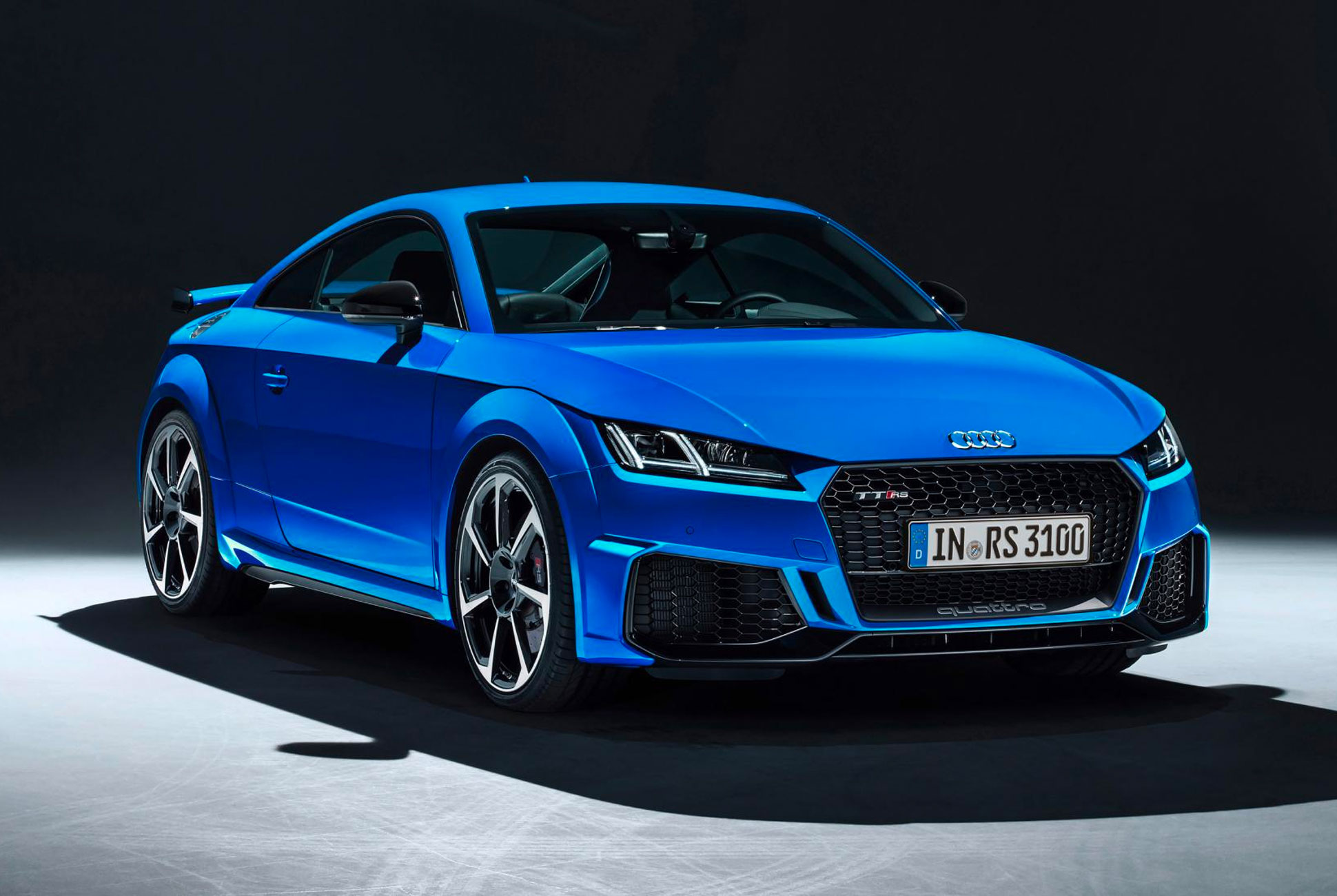
Audi TT

Audi is synonymous with good handling—and cars like the TT are a shining example why. With its low-slung architecture and all four wheels pushed to the corners of the car, the TT feels like a go-kart through corners. It’s just a shame Audi might be axing it in the near future.

Engine: 2.0-liter turbocharged inline-four
Horsepower: 228
Torque: 258 lb-ft
Drive: All-Wheel-Drive
0-60: 5.2 seconds
Top Speed: 130 mph

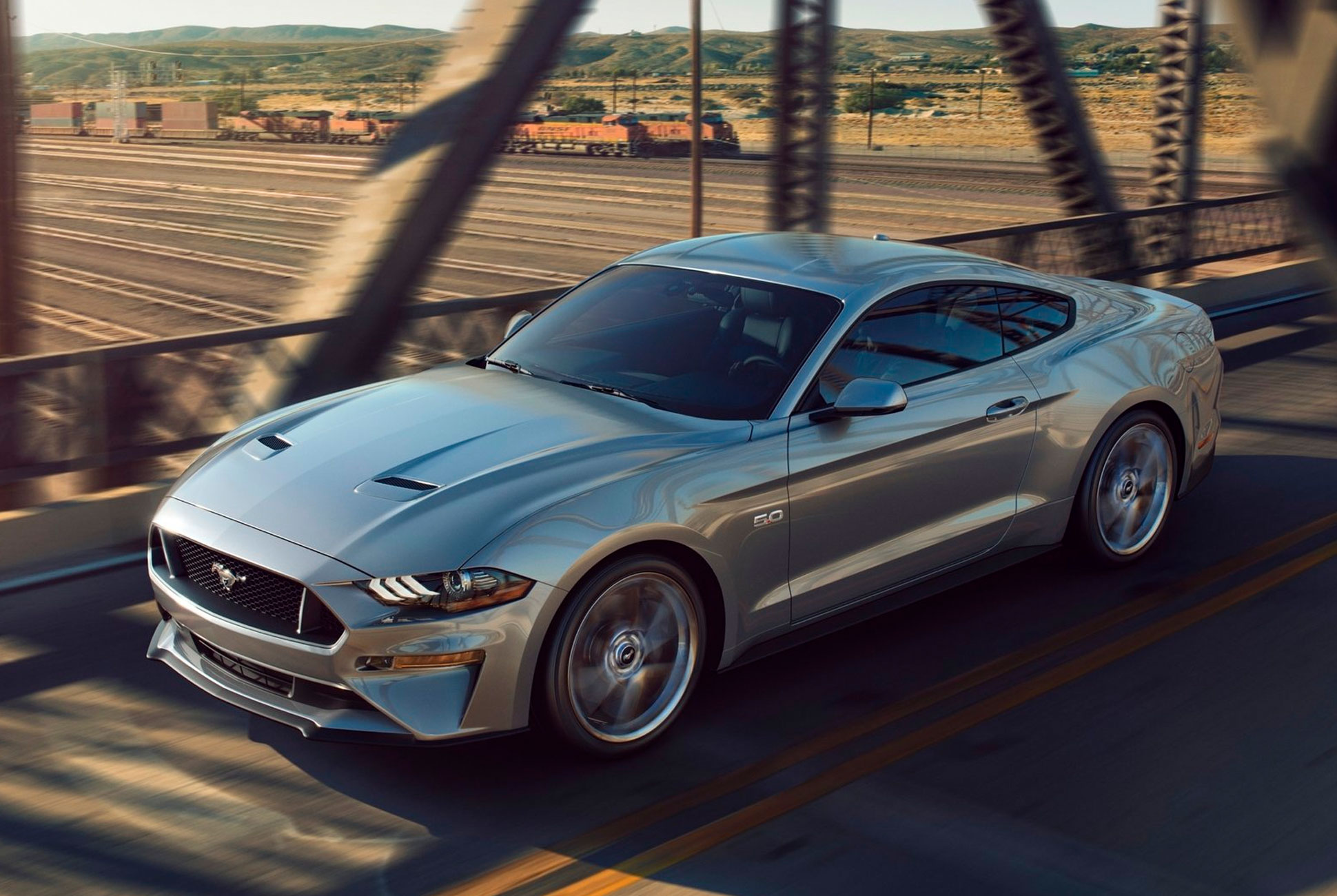
Ford Mustang GT

Ford ditched the old muscle car stereotypes years ago, when it started to pour more energy into the Mustang’s cornering abilities—and the company hasn’t looked back since. For 2018, Ford redesigned the Mustang’s looks a little, but rather than settling for a superficial mid-cycle refresh, the Blue Oval bumped the power up as well, giving the GT’s V-8 460 horsepower. The classic American pony car is now a certified modern sports car…and it’s a hell of a bargain at a starting price of $35,355.

Engine: 5.0-liter V-8
Horsepower: 460
Torque: 420 lb-ft
Drive: Rear-Wheel-Drive
0-60: 4.0 seconds
Top Speed: 155 mph

The Internal Combustion Engine, Explained

The modern combustion engine is a technological marvel, a mechanical miracle that requires little knowledge of its workings in order to use. Unless you’re a car geek, you probably don’t think all that much about your car’s engine.

Until something goes wrong under the hood, of course. When things go bad, the issues and causes can befuddle many drivers, for whom terms like “piston” and “crankcase” are obscure nomenclature, and “boxer” brings to mind Muhammed Ali, not Ferdinand Porsche.

So in order to provide a little clarity about what’s going on under the hood, we at Gear Patrol have pulled together a quick primer on how a combustion engine works and a rundown of the various types of combustion engines available in mainstream consumer automobiles.

Terms to Know

Carburetor: A device that mixes air and fuel in the proper ratio for combustion. The system is mechanical, not electronic like modern fuel injection or direct injection engines; as such, it’s less efficient.
Crankcase: Part of the engine block that houses the crankshaft. Usually made from a one or two pieces of aluminum or cast iron.
Crankshaft: The engine component connected to the pistons that provides rotational motion when combustion occurs.
Cylinder: The portion of the engine block that houses the piston and connecting rod, and the location where combustion occurs.
Direct Injection: A method by which gasoline is pressurized and injected into the cylinder’s combustion chamber. Unlike fuel injection, where gas is injected into the cylinder’s intake port.
Harmonic Balancer: Also known as a dampener, a circular device made of rubber and metal attached to the front of the crankshaft to absorb vibrations and reduce crankshaft wear. It reduces engine harmonics that occur when multiple cylinders move along the crankshaft.
Piston: A component housed within the cylinder walls and secured by piston rings. It moves up and down during the four-stroke combustion process, providing force when exploding fuel and air moves it.
Rev Matching: Technology in manual transmission cars that utilize sensors on the clutch pedal, gear shift, and transmission, sending signals to the electronic control unit that tell it to rev the engine automatically if revolutions per minute fall too low. Rev matching also occurs during the downshift, bringing rpms higher to match the lower gear. This reduces wear on the engine and smooths the shifting process.
Torsional Vibration: Vibration that occurs due to rotating shafts within a car.

The Combustion Engine

Once you get past the protective plastic engine cover found on most new cars, the vehicle’s heart is laid bare: an engine surrounded by a radiator, fluid reservoirs, airbox, and battery. Regardless of how complicated engines can be—thanks in part to features like direct injection, rev matching, etc.—most vehicles make use of what’s known as a four-stroke combustion cycle to convert fuel into kinetic energy. In a nutshell, your engine 1. draws air and fuel in, 2. compresses it, 3. ignites it, pushing the pistons down and generating the mechanical force that moves the car, and 4. expels the air to make room for the next round of the cycle.

Though the actual process is significantly more complicated, the four stages can basically be summed up as such:

Intake stroke: Air and fuel are drawn into the cylinder as the piston moves downward.
Compression Stroke: The air brought into the engine and the fuel are compressed when the cylinder moves into the upstroke position.
Combustion Stroke: A spark from the sparkplug ignites the air/fuel mixture, creating pressure. The expanding mixture pushes the piston downward.
Exhaust Stroke: The resulting gas mixture created by the ignition and expansion is expelled from the cylinder as waste.

Engine output varies greatly, depending on the number of cylinders, the configuration of the engine, and technologies like turbocharging and supercharging. Horsepower isn’t just about adding cylinders or displacement; in fact, many of today’s high-performance four-cylinder engines can easily match or exceed the outputs of their six-cylinder brethren. These days, it’s also a game of technology; mate a smaller gasoline engine with an electric motor, and you have a recipe for added acceleration. Case in point: the BMW i8, which combines a turbocharged 1.5-liter inline three-cylinder with an electric motor for a total of 357 horsepower and 420 lb-ft of torque.

Engine Types

Modern combustion engines have come a long way since 1876, when German-born Nicolaus Otto built the first four-stroke internal combustion engine. Today, automotive engineers perform regular miracles by extracting maximum horsepower and efficiency from the design. And although hybrid and electric powertrains are on the rise, for now, combustion engines—inline/straight, V-type, and boxer/flat, using gasoline or diesel fuel‚ own the road.

Inline/Straight Engines

In an “inline” or “straight” engine, the cylinders are arranged in a straight line. The overwhelming majority of four-cylinder cars on the road are “inline-four” engines, so the industry generally refers to them as “four cylinders.” Inline four-cylinder engines tend to be found in economy cars, since they are less expensive to build and easier to maintain—the cylinders line up along a single crankshaft that drives the pistons.

The inline/straight six-cylinder engine is inherently balanced, due to the fact that there are no secondary harmonics generated by pairs of pistons moving at odd angles or on a different axis from one another, resulting in much less vibration than straight four-cylinder engines. Currently, only BMW and Mercedes-Benz make inline/straight six-cylinder engines for their passenger cars—and they have a stellar reputation for smoothness and balance.

V-Type Engines

“V-6” and “V-8” are so embedded into the American vocabulary, some people may not know engines come in any other format. V-type engines typically have two rows of cylinders set at a 90-degree angle to each other—hence the “V” formation—with each row bearing half the number of total cylinders. As a result, V-type engines are shorter and take up less room than straight ones, enabling carmakers to decrease the size of the engine compartment and increase crumple zones and passenger space. It’s also easier to set them lower in the vehicle, benefiting handling.

If you fancy yourself a motorsport fan, you have an appreciation for V-type engines, due to their frequent use in race cars. The rigid construction and robust materials used in V-type engines allow it to take on high stresses. This also allows for low torsional vibration forces, providing for smooth delivery during gearshifts and high rpms.

Boxer/Flat Engine

The term “boxer” engine comes from the layout of pistons that lay horizontally toward one another, similar to two opposing boxers touching gloves at the outset of a bout. The pistons in a boxer/flat engine form two banks—one on each side of a single crankshaft.

The boxer engine does more than sound intimidating; it allows for a lower center of gravity than inline/straight and V-type engines, improving handling. (There’s a reason Porsche uses the boxer engine in their 911, 718 Boxster, and 718 Cayman sports cars.) Boxer engines, however, tend to be bulkier and more awkwardly-shaped, making them difficult to fit in a front-mounted engine compartment. (Subaru—the only other carmaker currently using a boxer engine—manages to do so quite successfully, however.)

Diesel Engines

Get rid of the old notion of smoke spewing out of raucous 18-wheelers; modern, clean-burning diesel engines found in passenger cars are far less gross. The combustion that occurs in a diesel engine doesn’t require a spark; rather, high-energy diesel fuel ignites due to the high compression of the pistons: air is compressed, heating it to very high temperatures; the fuel is injected, and the mixture ignites. While diesel engines come in various numbers of cylinders, they differ from their gas counterparts specifically because they use compression rather than a spark to ignite the compressed fuel/air mixture. But it’s more than just how combustion occurs that sets these powerplants apart: By virtue of the fact that higher pressures are required for combustion, a diesel engine has to be built like a tank to withstand the abuse. As a result, they tend to last longer than standard internal combustion engines.

Diesel engines are also more efficienct—they extract more energy from their fuel than gasoline. And finally, diesel engines provide one benefit many enthusiasts love: more torque at lower engine speeds, which makes them feel zippier off the line.

Read More Gear Patrol Reviews

Hot takes and in-depth reviews on noteworthy, relevant and interesting products. Read the Story

16 of the Best Used Cars in 2019

CarGurus just announced its yearly list of the Best Used Cars. To even be considered, CarGurus evaluates each car based on user reviews, professional reviews, popularity, availability, and projected value appreciation or depreciation over 12 years. And as the number of segments in the car market grows, so does the number of categories in the CarGurus list — this year, there’s a total of 16 winners.

According to CarGurus Senior Editor Matt Smith, “CarGurus knows that research is the bedrock of a great car-buying experience and we hope that our third annual Best Used Car Awards help today’s car shoppers in that process.” Buying a new car is a daunting undertaking, whether it’s your first or fifth, there’s always something new to be learned about the whole process. From deciding what kind of car you actually want, based on what you need, to then picking which make and model to go with — the ordeal can quickly go from exciting to nerve-racking in no time at all.

And that’s not even considering used cars, where vehicle history and maintenance become factors, and future reliability becomes a bigger concern. But that’s why CarGurus creates this list each year — to make the process just a little bit easier, by presenting the best of the best.

Subcompact Sedan/Hatchback

2015-2018 Honda Fit

Compact Sedan/Hatchback

2014-2018 Mazda MAZDA3

Midsize Sedan

2013-2017 Honda Accord

Full-Size Sedan

2011-2018 Dodge Charger

Station Wagon

2015-2018 Subaru Outback

Small Crossover/SUV

2007-2017 Jeep Wrangler

Midsize Crossover/SUV

2007-2017 Jeep Wrangler Unlimited

Full-Size Crossover/SUV

2011-2018 Ford Explorer

Minivan

2011-2017 Honda Odyssey

Midsize Pickup Truck

2005-2015 Toyota Tacoma

Full-size Pickup Truck

2015-2018 Ford F-150

Luxury Compact Sedan

2013-2017 Lexus IS

Luxury Midsize Sedan

2013-2018 Lexus ES

Luxury Small Crossover/SUV

2015-2018 Lexus NX

Luxury Midsize Crossover/SUV

2014-2018 Volvo XC90

Sports Car

2008-2018 Dodge Challenger

Note: Purchasing products through our links may earn us a portion of the sale, which supports our editorial team’s mission. Learn more here.

2019 Jeep Compass Review: The Cheap, Unsung Hero of the Lineup

The Jeep Compass is a four-door compact crossover that slots between the subcompact Renegade and the larger Cherokee in the off-road-centric brand’s SUV lineup. The Compass overlaps with both cars in price, but that internal competition hasn’t hurt the Compass; it experienced a bigger jump in year-over-year sales in 2018 than the new Jeep Wrangler.

The Good: The Compass offers sharp looks inside and out, with ample personalization options across seven different trim and sub-trim levels. Crucially, it does so at a reasonable price point. It’s not the most off-road-ready Jeep, but it’s still a Jeep, making it more rugged than much of the compact SUV competition.

Who It’s For: Empty nesters, young adults, and teenagers. These buyers want the Jeep brand, don’t want to pay a lot per month for it, and aren’t concerned with needing a lot of space.

Watch Out For: The ride quality, even by Jeep standards, could use some refinement. The transmission shifts slowly, the engine is loud, the suspension is tight, and the brakes are grabby. And the sleek looks compromise space in the rear.

Alternatives: Jeep offers the Cherokee ($25,490) and Renegade ($18,750); comparable vehicles from other manufacturers with similar capabilities and price range to the Compass include the Subaru Crosstrek ($21,895), the Hyundai Tucson ($20,950), and the Mazda CX-5 ($24,350).

Review: Not long ago, the Jeep Compass was the definition of an anonymous SUV. Like the Commander or the Patriot, you heard the name from time to time, but without badging, it would have been near impossible to distinguish it from any Jeep model besides the Wrangler.

The second generation has seen a sales renaissance. The compact sport-ute more than doubled its year-over-year sales in 2018, breaking into the top 25 best-selling U.S. vehicles, and expanding its share of Jeep sales from 10 percent to 17.5.

Why did the Compass become so popular, so suddenly? Well, perhaps most importantly, it now looks great. The second-gen Compass became more muscular and less boxy, excising every trace of the ungainly Dodge Caliber design that once plagued it. The Compass is not as cutesy than the Renegade, with strong hints of Grand Cherokee and even a wee bit of Land Rover in the optional contrasting black roofline. With seven different trims, you can customize a Compass down to the color of the tow hooks. The interior feels clean and premium (manually adjusted seats on my tester excepted).

Besides looking great, the Compass is cheap, with a base price of just $21,095. Most buyers will choose four-wheel-drive and an automatic transmission, pushing the base model into the still-reasonable $23,000s. Even a fully-loaded High Altitude trim tops out just below $35,000. Incentives can make that price even cheaper; a current deal in my area offers a four-year lease on a Limited trim for $189 per month.

Driving an Upland-trim Compass around for a week, however, revealed why car reviewers haven’t been as keen on this Jeep as the buying public has. The Compass is not terrible for a daily driver: the steering is decently calibrated; the 2.4-liter inline-four’s 180 horsepower and 171 pound-feet felt adequate; and the Compass’s grip and height can handle winter weather and some mild off-pavement motoring.

But the finer points of the driving experience will leave you disappointed. The brakes are too touchy for smooth stopping. The throttle is grabby, too; even a tentative touch on the gas pedal throws you back into your seat and makes the engine sound like you’re redlining a small Fiat. The “Upland suspension” on my tester felt too tight. The nine-speed automatic transmission shifts painfully slow; the six-speed manual available on the Sport and Latitude trims may be the way to go.

The Compass also sacrifices practicality to its nods to current trends. The sloping roofline looks sporty, but it impinges on the cabin; I’m 5’11”, and my head just about grazed the roof in the rear seat. I had trouble navigating my toddler through the narrow sliver of space between his car seat and the roof. The narrow rear window and chunky pillars obstruct visibility—a problem that’s compounded when seats are occupied. (That said, the Compass offers more cargo space than the bigger Jeep Cherokee.)

Tech-wise, Uconnect may be the best of the automakers’ proprietary infotainment systems; it’s intuitive, it’s responsive, and it’s easy to use while operating the vehicle. The seven-inch display in my Upland trim felt crowded, but I’m not sure the 8.4-inch would be worth the $1,000-plus upgrade. My only real annoyance was the seat heaters turning on full blast when the outside temperature drops below 40 degrees and having to navigate a menu to turn them off. (Shouldn’t that work the other way around?)

As noted, the Compass isn’t a Wrangler. But, “attractive, small, a bit impractical, and cheap” was the Wrangler formula long ago, before Jeep converted that car to an upmarket vehicle. These days, the Compass fits that role.

Verdict: The Compass offers Jeep looks and capability at a bargain price point, making it a better overall package than the Renegade or the Cherokee. It’s easy to see why customers are flocking toward it, even if the on-road character underwhelms. Families could get more space, better handling, and greater efficiency elsewhere in the compact SUV market…but they wouldn’t be getting a Jeep.

2019 Jeep Compass Upland 4×4 Specs

Price: $21,845 (base MSRP); $29,175 (as tested)
Powertrain: 2.4-liter inline four; nine-speed automatic; four-wheel-drive
Horsepower: 180
Torque: 175 lb-ft
Fuel Economy: 22 mpg city/30 mpg highway

Jeep provided this product for review.

Read More Gear Patrol Reviews

Hot takes and in-depth reviews on noteworthy, relevant and interesting products. Read the Story
Note: Purchasing products through our links may earn us a portion of the sale, which supports our editorial team’s mission. Learn more here.

These Are the Easiest Ways to Get More Horsepower Out of Your Car

Legend has it motorsports were invented the moment the second car rolled onto the streets. No matter when automobile racing started, though, mechanics and engineers have been on the hunt for more power ever since, trying to one-up the competition—or just get a stronger hit of speed.

While big manufacturers have the resources to support massive R&D teams who tear apart engines in search of more horsepower, the average Joe Six-Cylinder working out of his garage does not. For folks like that—presumably including you, dear reader—less labor-intensive, more affordable methods of squeezing become the most attractive.

To help in your pursuit of power, we at Gear Patrol have pulled together some of the easiest ways to get more horses out of your car…if, you know, you don’t have a team of engineers at your disposal.

Engine Control Unit (ECU) Flash

“Chipping,” or flashing the engine control unit of your car, is akin to teaching its brain new tricks. Of all the ways to eke out a few more horses, this might be the most affordable—and easiest to perform. Most ECU flashes reprogram the car’s onboard computer by altering the fuel-air mixture ratio to a more aggressive setting; since most original ECU settings are programmed for efficiency and sit well below the car’s stress threshold, an ECU flash can unlock a decent amount of power with little effort.

Good: SCT Performance X4 $399
Better: AEM EMS-4 Universal $575
Best: APR Stage 1 $600

Cold Air Intake

Cold air intake systems simply replace a car’s stock air filter and intake. Engines need to breathe just like people do; the idea behind a cold air intake is that it increases the flow of air going into the engine, and doesn’t regulate the temperature the way some OEM intakes would. (The colder the air, the denser it is—and therefore, you get more air feeding the combustion process.)

Good: Spectre Performance $155
Better: K&N Performance $260+
Best: Takeda Cold Air Intake $432+

Exhaust

Swapping exhaust systems is a little more involved—especially depending on how much of the exhaust you’re replacing. It can be a simple as removing the muffler at the back; more involved in the form of replacing the piping rearward from the catalytic converter (known as a cat-back system); or doing the whole shebang and replacing the everything from the headers to the exhaust tips. Some might think replacing an exhaust system only amps up the engine sound, but a complete upgrade also unlocks power by letting the engine empty burned fuel and gases quicker and more cleanly.

Good: MagnaFlow $540+
Better: Remus $714
Best: Akrapovic $3,350+

Supercharger

The search for horsepower becomes more complicated when you start dealing with forced induction systems (superchargers and turbochargers), but the mods are still manageable in a home garage. The most common superchargers use a belt system, in which a belt connects the engine’s crankshaft to the impellers of the supercharger, spinning them and compressing air that’s then fed air into the engine. (Remember, the more dense the air, the more power you can make.) With that direct connection, the supercharger’s power delivery is relatively constant, no matter the engine speed. However, the air heats up when it’s compressed; if you’re going the supercharger route, an extra radiator or intercooler is recommended.

Good: Whipple Supercharger $2,700+
Better: Edelbrock $3,718+
Best: Roush $8,250

Turbocharger

Turbochargers, like superchargers, are a form of forced induction; unlike superchargers, however, turbos use a compressor powered by a turbine which is spun by gases flowing out of the engine. The lack of direct connection to the crankshaft can lead to a delay in power as the compressor builds up speed—this is known as “turbo lag”—but overall, turbos are more efficient than superchargers, as they’re powered by a waste product instead of sucking power off the engine.

Good: Borg Warner $723+
Better: Garrett $1,456+
Best: Dinan $1,767+
Note: Purchasing products through our links may earn us a portion of the sale, which supports our editorial team’s mission. Learn more here.