All posts in “Cars”

BMW Unveils 2020 X6 Crossover

Blending cues from the new 8 series models and its older brother the X5, BMW’s 2020 X6 is slightly wider and lower than it’s predecessor and will be available with 2 motor configurations: a turbocharged 335-hp 3.0-liter 6 in the X6 sDrive40i and xDrive40i models & the M option features a 523-hp 4.4-liter twin turbo V-8. Optional  Dynamic Handling & Off-Road Packages give enthusiastic drivers more control & response behind the wheel of this premium mid-size crossover.

The New Toyota Supra Only Comes in Coupe Form, But That Could Change

The all-new 2020 Toyota Supra is a lot of things — track-ready sports car, comfortable road tripper, eye-catching semi-exotic, spark of online firestorms. One thing it’s very much not, however: a convertible. That mission brief is left to its brother-from-another-mother, the BMW Z4, which shares most of its skeleton, nervous system and musculature, all the way down to the Toyota’s BMW-sourced engine and infotainment system.

But just because there’s currently no good way to use the throttle pedal as a blow dryer in a new Supra doesn’t mean that will be the case forever. In fact, hallowed Toyota engineer Tetsuya Tada says the car whose development he helped mastermind could wind up in topless form before the production run concludes.

That’s not to say the Supra will become a convertible, though.

While the car was engineered to accommodate an open-roof version, according to the account of Tada-san’s interview with Japanese magazine Best Car described by The Car Guide, the pop-top Supra would most likely be a targa top, not a full convertible. Not only would this be more in tune with past versions of the car that have offered removable roof panels, it would also keep the Supra from intruding on the Z4’s turf. (That move that goes both ways, for what it’s worth; unlike some past generations of Z-cars, BMW has said there will not be a cope version of the latest Z4.)

That said, don’t hold your breath in hopes of breathing the fresh air through a targa-topped Supra anytime soon. The company reportedly doesn’t have such a model currently in the works; considering the Supra just debuted a couple months ago, we wouldn’t expect such a new variant to show up until Toyota needs to give the model a sales boost. Which, hopefully, won’t be for a while.

Read our first drive review of the 2020 Toyota Supra here.

6 Iconic Automotive Brands That Could Vanish in the Next 10 Years

Look below the surface, and there are hints that bad times could be in the works for the auto industry. Trade wars are afoot. Cars are moving toward simpler, electrified powertrains. Automotive sales seem to be declining. The automotive world is hitting a transition period —  and as we’ve seen in the past, transitions in the automotive world can be painful.

The Great Recession and its aftermath saw the demise of popular brands like Saab and Hummer, and brought others right to the brink. What trouble will the next downturn bring — and who will it bring trouble to? No one knows. But based on what we know so far, we’ve put together a list of six automotive marques that could find themselves in serious trouble over the next decade.

Chrysler


Fiat-Chrysler has done a great job creating specialized brands for its offerings. Dodge does the performance cars. Ram does trucks. Jeep does SUVs (and now, smaller trucks). But that has left little room for the Chrysler marque itself. There are currently only two “Chrysler” vehicles on offer: the aging 300 sedan, whose sales are down 39 percent in 2019, and the Pacifica minivan, which has seen sales drop 29 percent.

Yes, Chrysler still has a social media presence touting that #vanlife on a daily basis. But there’s no clear route to revive the marque. Times are tough for sedan-based, lower-tier luxury brands.

Maserati

Maserati faces an ever-present conundrum: Its brand is too well known to cast aside, particularly in America — but the company’s vehices are too niche to be worth overhauling. Exciting concepts take forever to go into production. Ferrari has kept Maserati on life support with an engine-supplier deal since 2002, but Maranello plans to sever the cord early next decade to focus on its own production cars.

That leaves Maserati…well, it’s not clear where, exactly. Cribbing engines from Alfa Romeo? Launching an SRT Hellcat Quattroporte? There’s no obvious route forward with FCA as the company’s currently constituted. Even with Ferrari’s help, Maserati sales dropped by 28 percent in 2018….and the first quarter of 2019 was even worse.

Mini

Cool Britannia comes in phases. BMW cashed in with the Mini sub-brand in the early 2000s, but the nostalgia train has since moved on. Americans have stopped buying small cars. Sales for the classic two-door hardtop Mini are about a third of what they were 10 years ago. Mini has largely become a quirkily-styled SUV company, led by the Countryman — whose sales are down 35 percent year over year in 2019.

BMW reportedly has been considering closing Mini dealerships. The sub-brand will get two more pushes, with an electric Mini coming soon and the John Cooper Works cars scoring more power to compete with the Honda Civic Type R and the VW Golf R. But if the tech becomes more of a selling point than the retro styling, why wouldn’t people just buy a BMW instead?

Tesla

Tesla has the best EV tech on the market. The Model 3 was the best-selling luxury vehicle in the U.S. in 2018. Yet that success has not stabilized the company: Tesla lost $702 million over the first quarter of 2019, while major investors are dumping Tesla stock, which has fallen more than 40 percent (as of this writing) since December 2018.

Tesla has responded frenetically. Business plans and pricing have changed by the week. The company has barreled forward announcing new models and sweeping plans, such as converting its privately-held luxury vehicle roster into a taxi service.

With Porsche, Mercedes, and other companies quickly catching up with Tesla on EV tech, the company’s fate rests on a dramatic bet that they are right and every other manufacturer is wrong on a quick roll out of full automation

Cadillac

After decades at the top of the category, Cadillac lost its luxury market share in the 1980s and 1990s. Their cars underwhelmed, and competition from the likes of BMW and Lexus increased dramatically. Since then, the brand has struggled to find a new message. Building a strong performance sedan lineup starting in the 2000s seemed like a decent gambit…until Americans stopped buying sedans.

Now, Cadillac is attempting to belatedly move further into a crowded luxury SUV space (without offering much innovation) and roll out a less powerful “V Series” to expand the sub-brand’s appeal A move to become a luxury EV brand in the early 2020s will be, by GM’s own admission, Cadillac’s last shot. 

Bentley


Bentley’s place within Volkswagen AG’s future may be perilous. On the surface, Bentley seems better suited than a brand like Lamborghini to share engines and platforms; the Bentley brand is all about classic British luxury style, and fine wood and leather over Porsche-derived mechanicals is not a bad combination. The troublesome part for Bentley: the brand’s aristocratic veneer isn’t always translating to profits. At a time when Volkswagen is looking to cut costs, Bentley has been losing money on every vehicle it sells…and has received a cryptic ultimatum about profitability during the next couple of years.

Note: Purchasing products through our links may earn us a portion of the sale, which supports our editorial team’s mission. Learn more here.

These 4 Cars Were Named the Best In the World This Year

Every year around Easter, the New York International Auto Show sweeps into Manhattan — and with it come the annual World Car Awards. The WCA jury is made up of over 80 automotive journalists and industry professionals from more two dozen countries, who come together to decide the absolute best cars across six different categories.

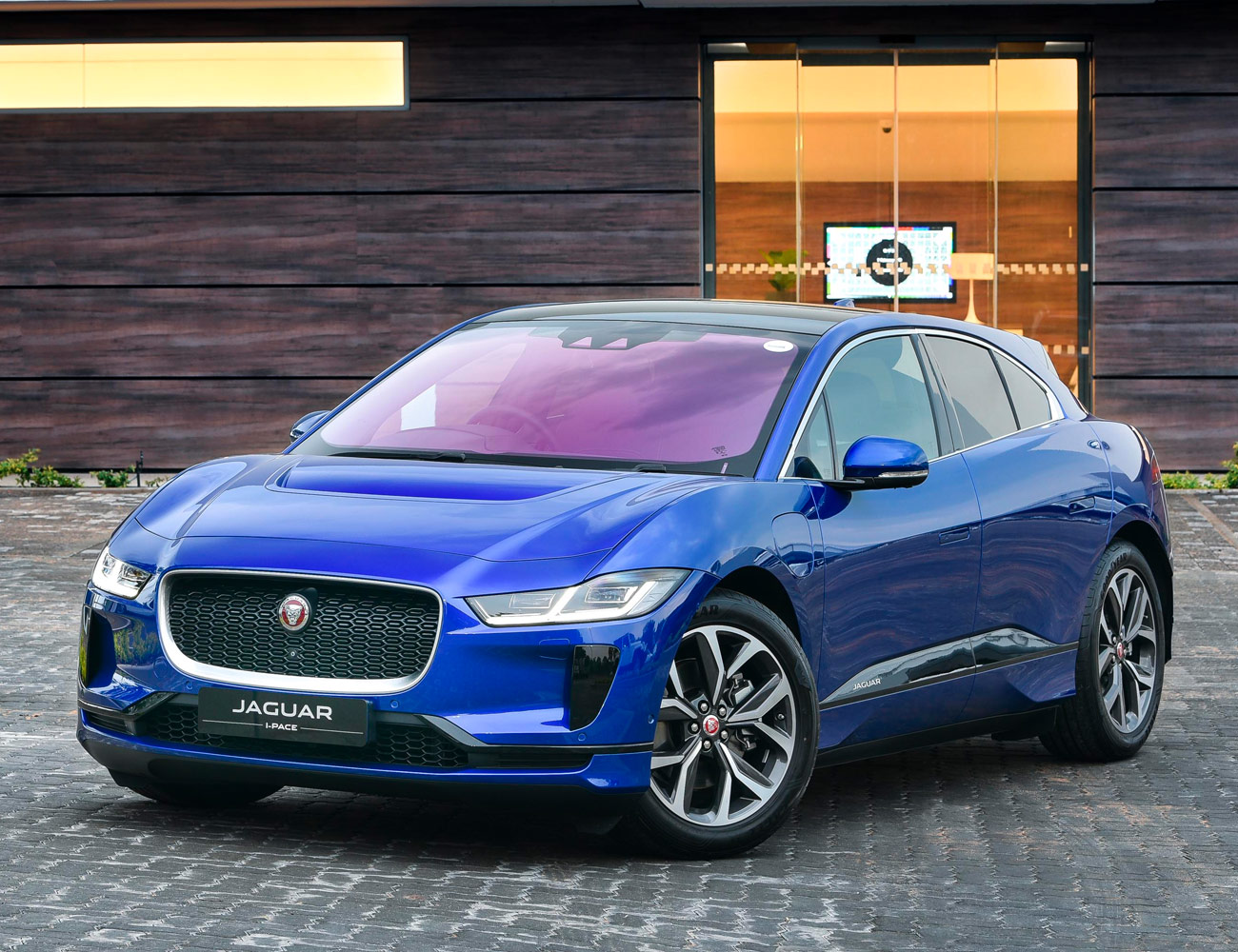
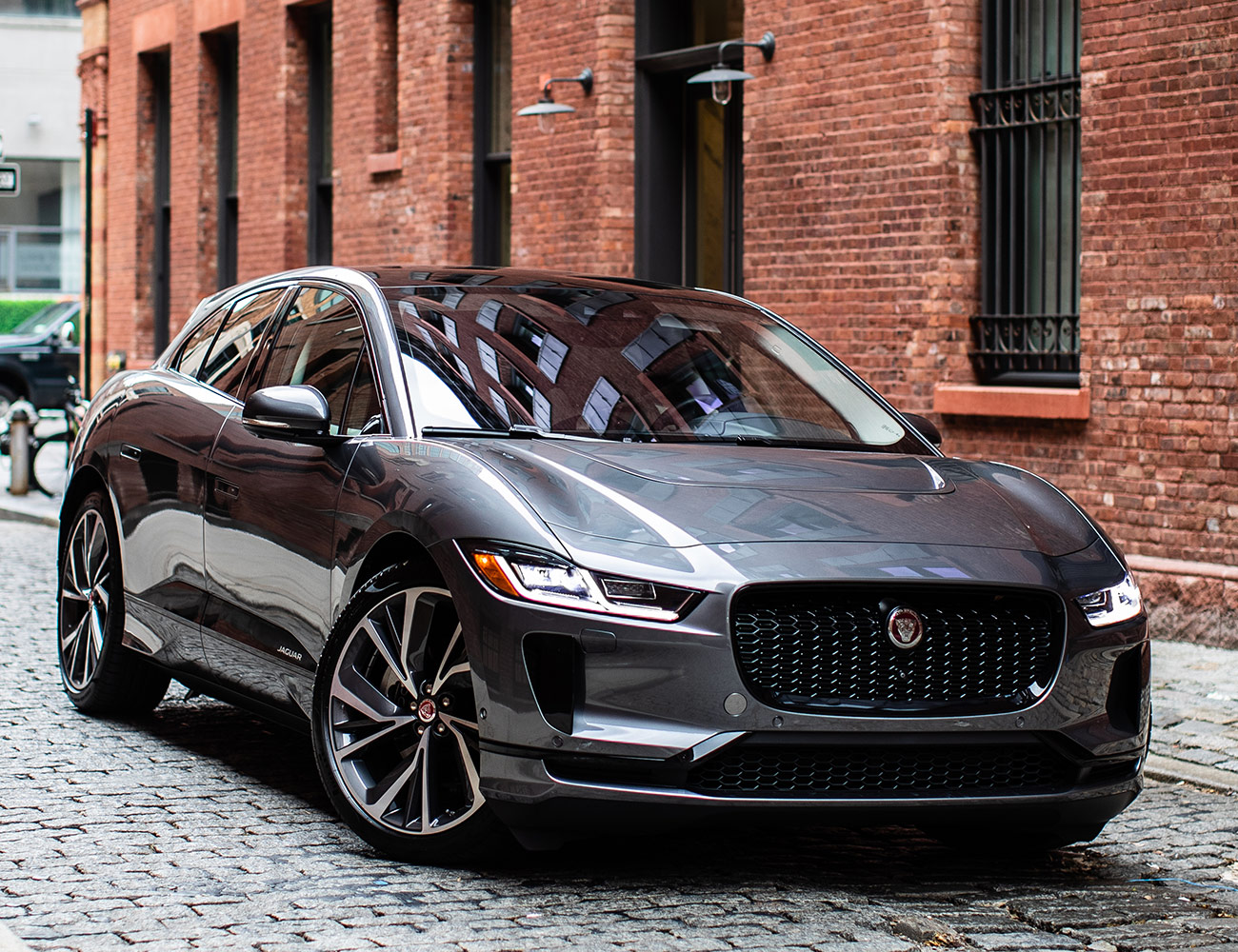
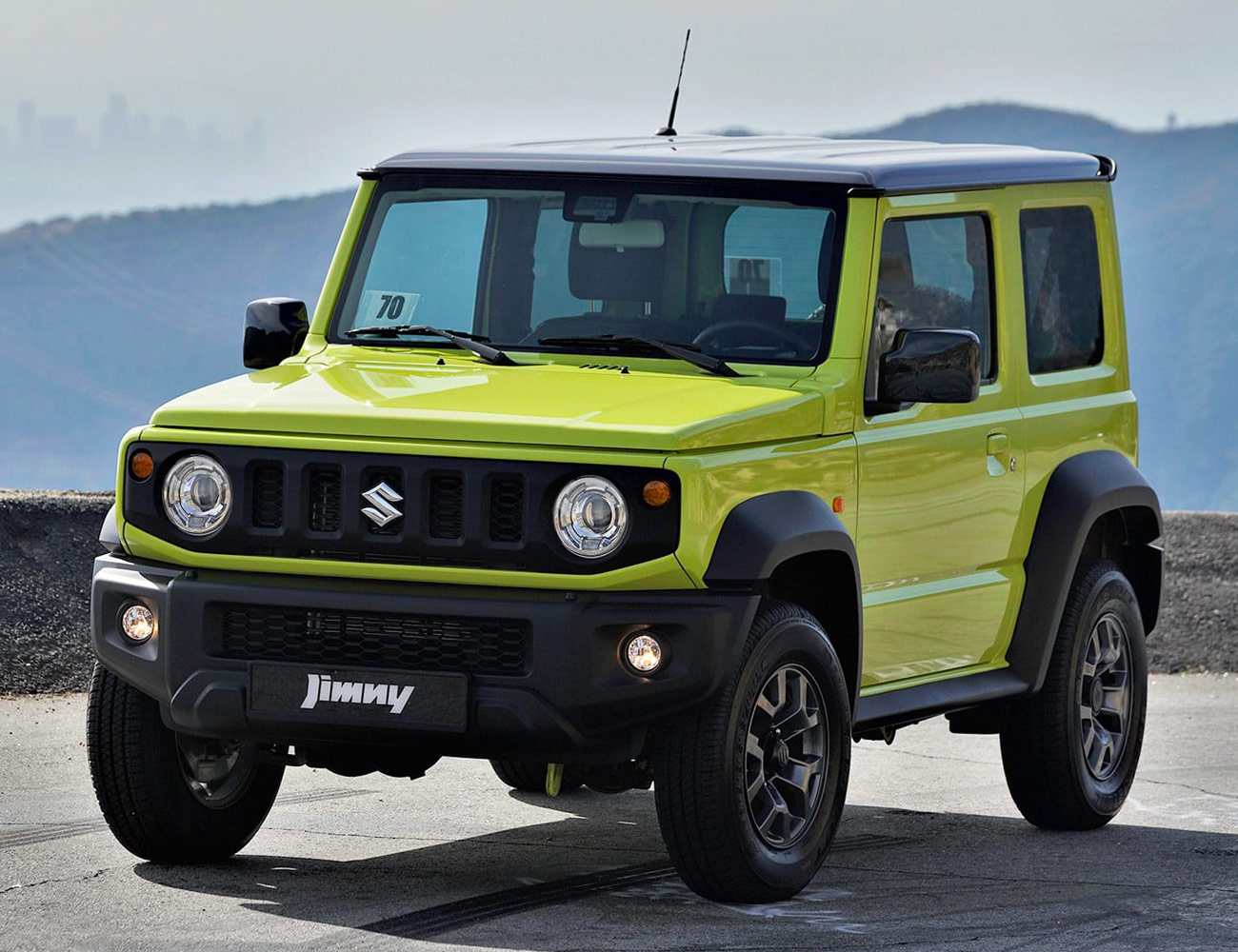
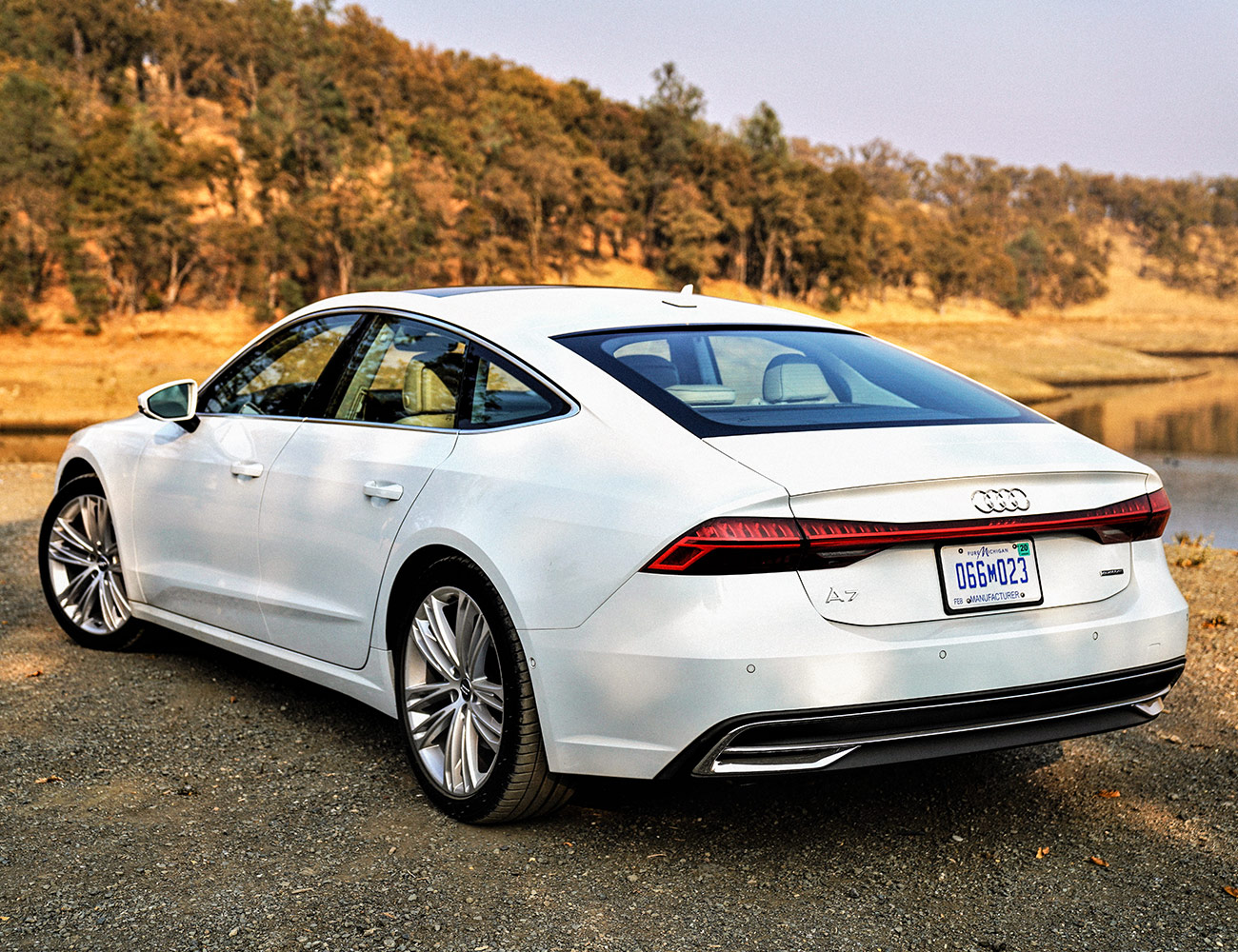
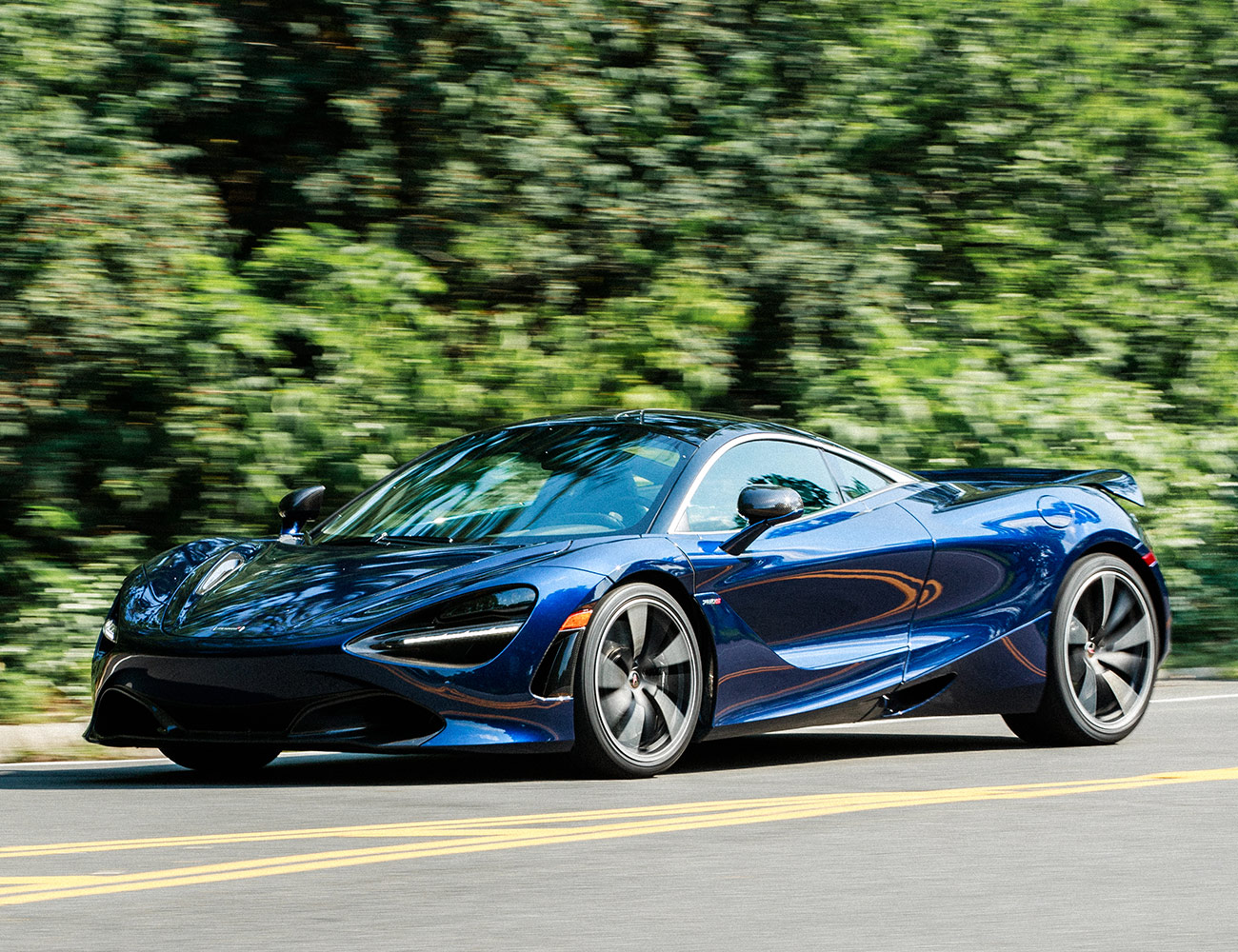
At the 2019 Wolrd Car Awards, however, only four cars took home awards. That’s because the 2019 Jaguar I-Pace not only swept up the Green Car and Design of the Year Awards, it also took home the big one: World Car of The Year. The other winners include the Audi A7, Suzuki Jimny 4×4 and McLaren 720S.

Check out the full list of winners below—and be sure to read Gear Patrol’s associated reviews of each, for more insight into what makes these cars so award-winningly special.

World Car of The Year/ Green Car of the Year/ Design of the Year

2019 Jaguar I-Pace “The I-Pace has a great deal of Jaguar DNA flowing in its shape. Jaguar designer Ian Callum’s pen is strong here, and there’s a clear through-line between this car and his other works, like the Jaguar F-Pace, though I feel like there’s even a hint of Jaguar C-X75 in its overall form.” – Alex Kalogianni, Contributor

World Urban Car

2019 Suzuki Jimny 4×4 “Would this car thrive in the U.S.? Sure. It’s cool and fun and will take you where you want to go for thousands less than its closest competitor. And yeah, it’s cute, too.” – Eric Adams, Contributor

World Luxury Car

2019 Audi A7 “An even more elegant upgrade, though, sits at the corners, with the headlights and taillights, which in the upper trims – namely the Prestige – perform brisk little light shows each time you lock and unlock the vehicle. The HD Matrix-design LED headlights feature distinctive vertical bars, and can be augmented with an optional laser light booster that doubles the reach of the headlights ahead of you.” – Eric Adams, Contributor

World Performance Car

2019 McLaren 720S “Thanks to a strong focus on ergonomics, the 720S is just as easy to park in a garage as it is to take on a road trip as it is to scream around a race track.” – Nick Caruso, Coordinating Producer

Read More Gear Patrol Reviews

Hot takes and in-depth reviews on noteworthy, relevant and interesting products. Read the Story
Note: Purchasing products through our links may earn us a portion of the sale, which supports our editorial team’s mission. Learn more here.

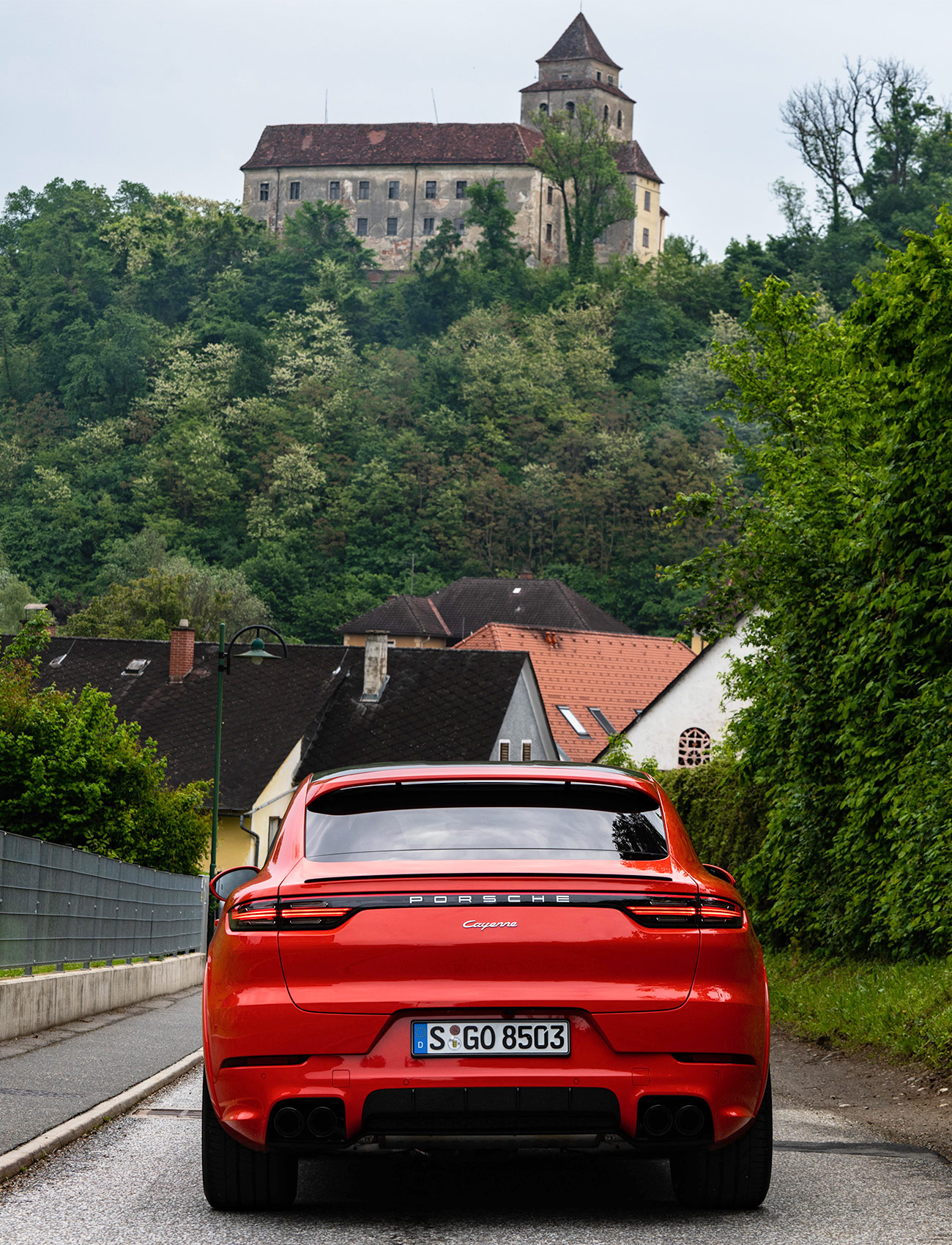
2020 Porsche Cayenne Coupe Review: Cutting the Right Corners

The coupe-ification of the automotive world continues — or perhaps more precisely, the bastardization of the word “coupe” continues. Carmakers now gleefully offer four-door sedans and SUVs that have had their backsides tidied up in pursuit of sportier styling. Some are awkward (BMW X6), others are triumphs (Audi A7).

Add to the latter category the Porsche Cayenne Coupe, a smartly coiffed, less-stuffy alternative to the otherwise excellent Cayenne. Wonder all you want about whether it’s actually a coupe, because it doesn’t matter: The tribe has spoken, and four-doors can now be coupes, too. What really matters is that buyers have additional options to choose from with relatively little extra hassle for assembly line workers.

The Good: The designers went into overdrive to infuse the Coupe with enough distinction to make the effort worthwhile, without compromising space and utility or making the vehicle look too weird. The roofline at the rear is about an inch lower, and the entire backside about an equal distance wider. Inside, the rear seats sit more than an inch lower, giving back the headroom for the second-row passengers that the coupe-cut took away. The final product is sleek and well proportioned — and every version retains the Porsche-worthy handling dynamics of conventional Cayennes.

Who It’s For: Porsche buyers are a picky lot, hence the proliferation of often modestly differentiated versions within each model line, (There are, at the moment, 28 different 911’s you can buy.) This one is for Porsche enthusiasts who want a slightly sportier look — and feel, given a few key weight-reduction and aerodynamic enhancements — than those drawn to the more squarish Cayenne. Sure, it’s a highly nuanced distinction, but one Porsche readily satisfies with relative ease.

Watch Out For: Options escalation. The base model starts at $75,300, and it quickly goes up from there. The Lightweight Sport Package, which includes a sweet carbon fiber roof and 22-inch wheels, costs a hefty $14,400. The Performance Package, with adaptive air suspension and rear-wheel-steering, among other things, adds $4,900 to the final tally. Adaptive cruise control is two grand, and the soft-close doors are another $780. Many other options will see your relatively-reasonable $75K leap into six figures. In fact, the maxed-out Turbo model can soar $40,000 past its $130,100 starting point.

Alternatives: The two key SUV coupes to give a gander to are the BMW X6 and the Mercedes-Benz GLE Coupe. Both are more pronounced versions of the coupe conversion, and thus, a bit more polarizing. The Cayenne Coupe, however, feels the most naturalistic of the three from a looks standpoint — and therefore, is the better bet.

Review: Let’s be clear up front: There are minimal performance changes between the coupe models and the conventional Cayennes. The base, Coupe S and Coupe Turbo models carry over the same engines, suspension, and overall mechanicals as their counterparts. These include a 335-horsepower 3.0-liter turbocharged V6 in the base model, generating a 0-60 time of 5.7 seconds; a 434-hp 2.9-liter twin-turbo V6 in the S trim, good for 4.7 seconds to 60; and a 4.0-liter twin-turbo V8 in the Turbo model that will blast you to 60 in just 3.7 seconds.

The equally adept handling and performance revealed itself on a drive around Graz, Austria, featuring some sensationally smooth and challenging roads that the Coupes made quick work of. Though the mechanicals are the same as the two-box version, there are some tweaks that nevertheless enhanced the ride. The Coupe comes with an active rear spoiler that can extend by 5.3 inches above 56 mph, to increase rear downforce. There’s also a lightweighting option that replaces the standard panoramic glass moonroof with a carbon fiber roof, and 22-inch aluminum wheels that are each 4.4 pounds lighter than conventional alloy ones. The total weight savings on the Coupe: up to 48 pounds. It may not seem like much in a 5,000-pound car, but it does make a difference, both in the unsprung weight of the wheels and since dropping weight from the roof also has the effect of lowering the center of gravity, thereby enhancing cornering ability. These are very much the higher-performing Cayenne models.

They’re also now the best-looking. Designers can easily stumble when making derivations of existing models, but that didn’t happen here. The Coupe feels truly complete and correct, and very much its own distinct entity. It’s neither a hasty afterthought ginned up by the marketing department nor a compromise for those who must endure the profile alterations from the back seat. The car feels right and looks right; in fact, it has the effect of making the conventional Cayenne look like the slightly bloated afterthought.

As far as which models the Coupe-curious should gravitate to, the S is the one to get. The Turbo is an order of magnitude faster and louder and gnarlier, but it’s also wildly expensive. Choose that if your personality really warrants it, of course, but the S model feels nearly as great in the turns, has its own special growl, and it will hold pace with no complaint and a far more modest fuel economy price.

You can keep the final price (relatively) reasonable by avoiding the pricier options, including the Lightweight Sport Package — which on the Turbo model costs nearly $12,000 — the adaptive cruise control ($2,000) and the ceramic composite brakes ($5,580). Unless you make frequent visits to the track, the performance add-ons aren’t truly necessary. The core models are splendid enough.

Having said that, I have a bit of a thing for soft-close doors. To me, they’re the purest signifier of modern automotive luxury, in the same way that — if you’ll forgive the analogy — soft-close toilet seats are now the standard by which I judge luxury hotels. Both are well worth the extra coin, and once you’ve gotten used to them, slamming doors (and seats) suddenly becomes intolerably déclassé. So cough up that $780 for those, and enjoy the ride that much more.

Verdict: Porsche could have easily half-assed the Cayenne Coupe, slicing a little off the back and calling it a day. But the carmaker doesn’t do things by half-measures, even when it comes to asses. The newest member of the company’s crossover family is its own beast, one that can stand on its own with pride. That’s partly a tribute to the goodness of the basic Cayenne — but it’s also yet another testament to Porsche’s ever-present pursuit of making the best car possible even for the lofty prices they command. Porsche hasn’t made bad cars in a long time; the Cayenne Coupe won’t be the one to snap that streak.

What Others Are Saying:

• “Even with a modest $10,000 increase over the standard Cayenne, the Cayenne Coupe could entice buyers with its sleek styling and performance chops. It looks great and is far less outlandish than its competitors. It performs well, too, if not better than the standard crossover on which it’s based. And with minor tweaks, like a wider rear track and generously styled rear, and options like Houndstooth seats and a carbon-fiber roof, there’s enough reason for you to finally get that Coupe you’ve always wanted.” — JEFF PEREZ, MOTOR1

• “Is it a coupe? Is it a coupe-like SUV? Is it a fastback? We could quibble over semantics until the 2020 Cayenne Coupe enters the realm of classic cars without agreeing on a definite answer. What’s certain is that, whatever you choose to refer to it as, it’s a logical evolution of the Cayenne that makes zero effort to hide its sporty genes. Significantly, it lives up to the badge on its nose with tech features that are smart and useful without being intrusive, a build quality that borders on flawless, and, of course, a price tag to match.” — STEVEN EWING, ROADSHOW

• “So, why buy a Cayenne Coupe over the more functional, less expensive version? Maybe you prefer its design, or perhaps you really want those houndstooth seats (you do). I can’t really fault anyone for choosing the Coupe over a standard Cayenne when it’s fundamentally the same car. It’s attractive, comfortable and goes like hell. Call it a Coupe or just call it a Cayenne. Either way, it’s damn good.” — MIKE MONTICELLO, CONSUMER REPORTS

2020 Porsche Cayenne Turbo Coupe Specs

Powertrain: Twin-turbocharged 4.0-liter V8, eight-speed automatic, all-wheel-drive
Horsepower: 541
Torque: 567 pound-feet
0-60 MPH: 3.7 seconds
Top Speed: 177 mph

Porsche hosted us and provided this product for review.

Read More Gear Patrol Reviews

Hot takes and in-depth reviews on noteworthy, relevant and interesting products. Read the Story
Note: Purchasing products through our links may earn us a portion of the sale, which supports our editorial team’s mission. Learn more here.

2020 Mercedes-Benz GLC-Class Review: Adding Off-Road Chops to a Comfortable Crossover

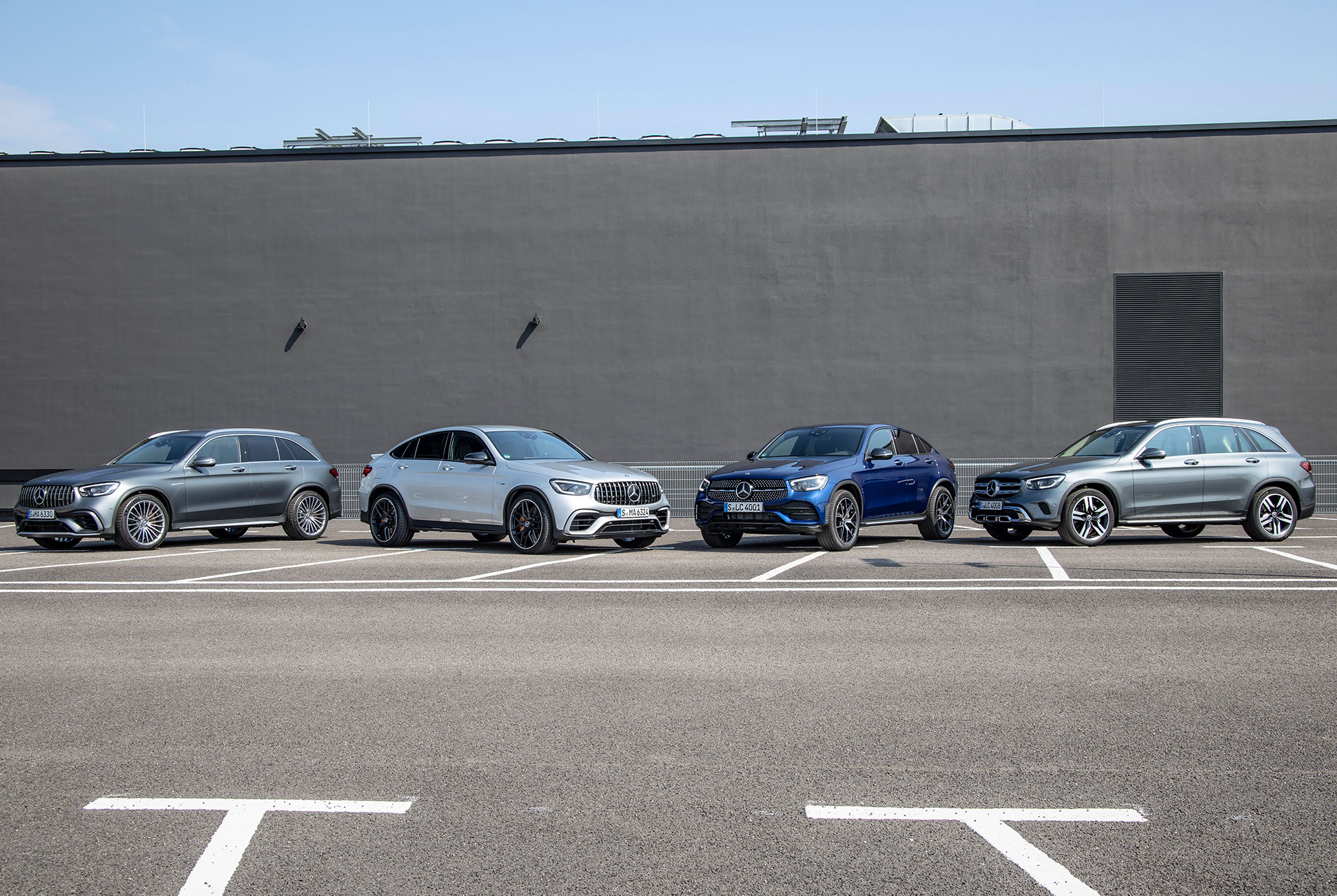
America adores a mid-size crossover, especially when it’s a luxurious one. It’s not a shocker that Mercedes-Benz’s GLC—a utility version of its popular C-Class — has enjoyed steady sales growth since the line launched in 2015. The GLC-Class family now boasts more than a dozen models, including a slew of fastback coupes — a far cry from the four models initially available. Now, five years in, Mercedes-Benz faces the delicate task of giving one of its best-sellers a mid-cycle refresh.

For the upgrades, Mercedes wisely went in with a scalpel instead of a hammer. The surgical results elevated an already-competent and poised vehicle to one that’ll leave crossover ute-lovers gushing. Gear Patrol decamped to Frankfurt to test the improved GLC family, both on curvaceous country roads surrounding the city and on an off-road course.

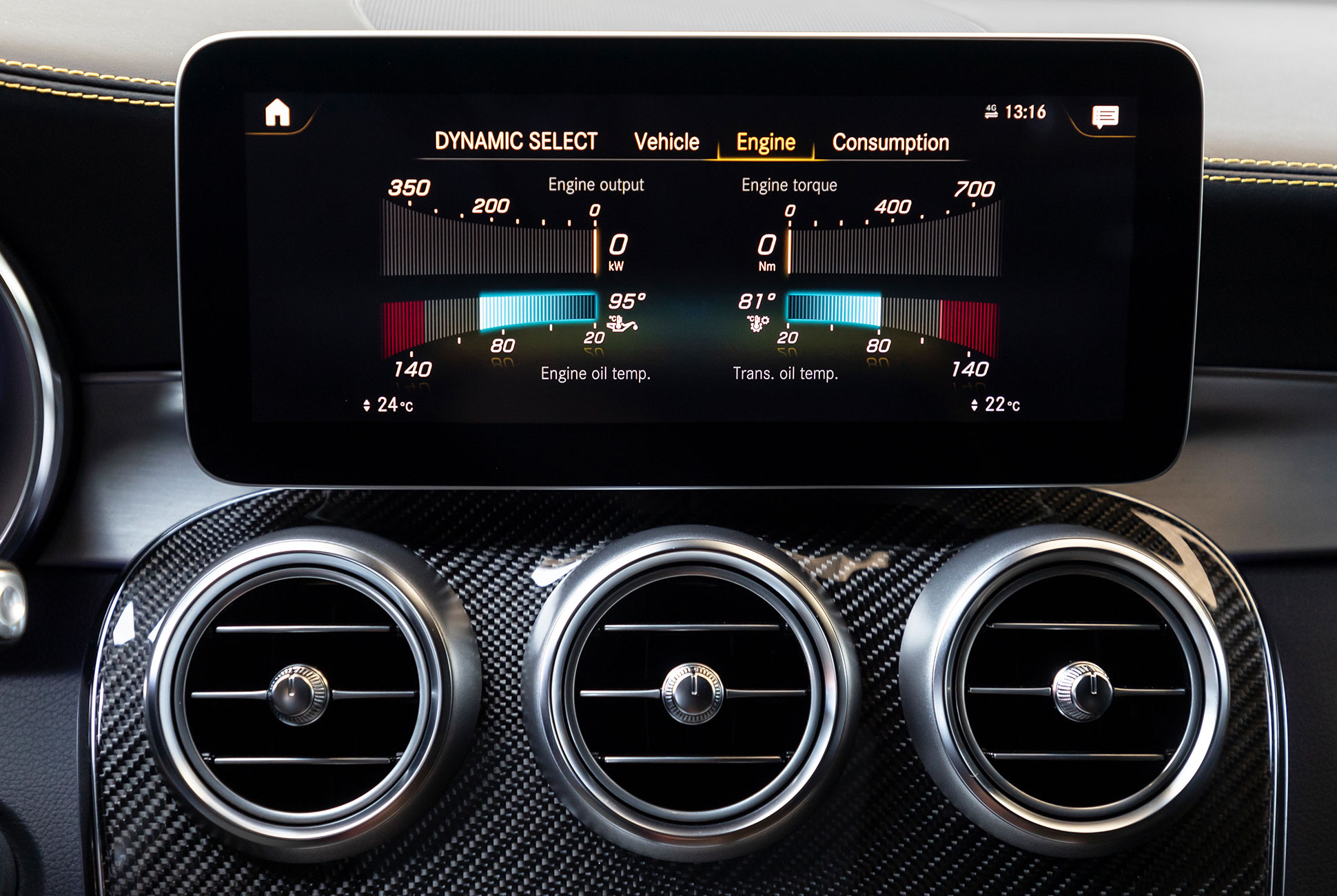
The Good: The light tweaks seem to have been applied in all the right places. Outside, there are new front and rear fasciae, adding a new grille and sleeker LED headlamps and taillights. Inside, Merc ports over the interior we’re coming to know and love from other models, which includes a central 10.3-inch floating touch screen, a haptic touchpad in lieu of the outdated clickwheel and infinitely-configurable steering wheel thumb-touch controls.

MBUX, the brand’s new infotainment system, arrives here, too. Its fresh graphics and increased utility are welcome, as is the digital assistant. Say “Hey Mercedes” to activate Merc’s version of an Alexa or Siri, aiding you in finding everything from gas to a new radio station. The only drawback here is the assistant’s eagerness. It kicks on whenever you say “Mercedes,” which is problematic if the occupants are two auto journalists discussing the brand. You end up screaming “Cancel!” at the thing a fair amount, but any mounting frustration abates after you quip, “Hey Mercedes. Tell me a joke,”  and the car responds, “I can’t. My engineers were German.” Point: Mercedes.

Who It’s For: The GLC300 is perfect for a sedate everyday driver who appreciates saving a little money at the pump, ideal for running errands around town or the work commute. The SUV’s turbocharged 2.0-liter, inline four-cylinder offers 255 horsepower and 273 pound-feet of yank regardless of whether that engine is applied to the rear- or all-wheel drive version. That’s 14 more ponies (and zero more torques) over the outgoing GLC — and while we don’t yet know the fuel-economy integers, engineers claim the new mill was designed for efficiency and reduced emissions without sacrificing power.

Though the peak torque hits at 1,800 rpm, it’s a shame we won’t get the EQ Boost (the 48-volt baby hybrid system only available on European models for now), since the electric torque bump is welcome. But whether you’re puttering around a city or trying to carve some country sweepers, the GLC300 won’t leave you wanting for more power, even if it takes a moment to deliver the oomph.

Watch Out For: You have your choice of rooflines on the GLC. Traditionalists who opt for the standard SUV will find rearward visibility adequate and familiar, along with ample cargo space and a scooch more headroom in the rear. This is the optimal choice for families who road trip. Sportier drivers who gravitate towards the fastback coupe may find rearward glances hindered by the sloping design, and there’s less room for luggage. Speeding down the autobahn, throttle stabs are met with a moment of hesitation before the GLC responds, but buyers likely won’t notice this — or if they do, likely won’t care.

Alternatives: The 2020 Mercedes-Benz GLC300 begins affordably, at $43,495 (which includes destination) for the rear-wheel-drive variant. Tack on an extra $2,000 if you want all-wheel drive, and add on another $5,500 for the Coupe line. If you’re cross-shopping, you’re likely looking at the BMW X3 ($41,000 for the RWD turbocharged four-cylinder, and $46,300 for the M Sport design variant), or the BMW X4 (about $50,000 for the base model and $60,000 for the performance-minded M-Series version). You should also consider Audi’s Q5, with a starting price of $42,950 that steps up to $53,850 for the Premium Plus model.

Review: The GLC300 is plucky when you want to mash the throttle to the floor on the autobahn, all the way to its top speed of 130 mph, and it’s cushy enough to make long hauls a snap. But the prior GLC handled the road just fine, and Mercedes-Benz wanted to showcase that the ute stands apart from the competition when it dips a rubber toe off-road.

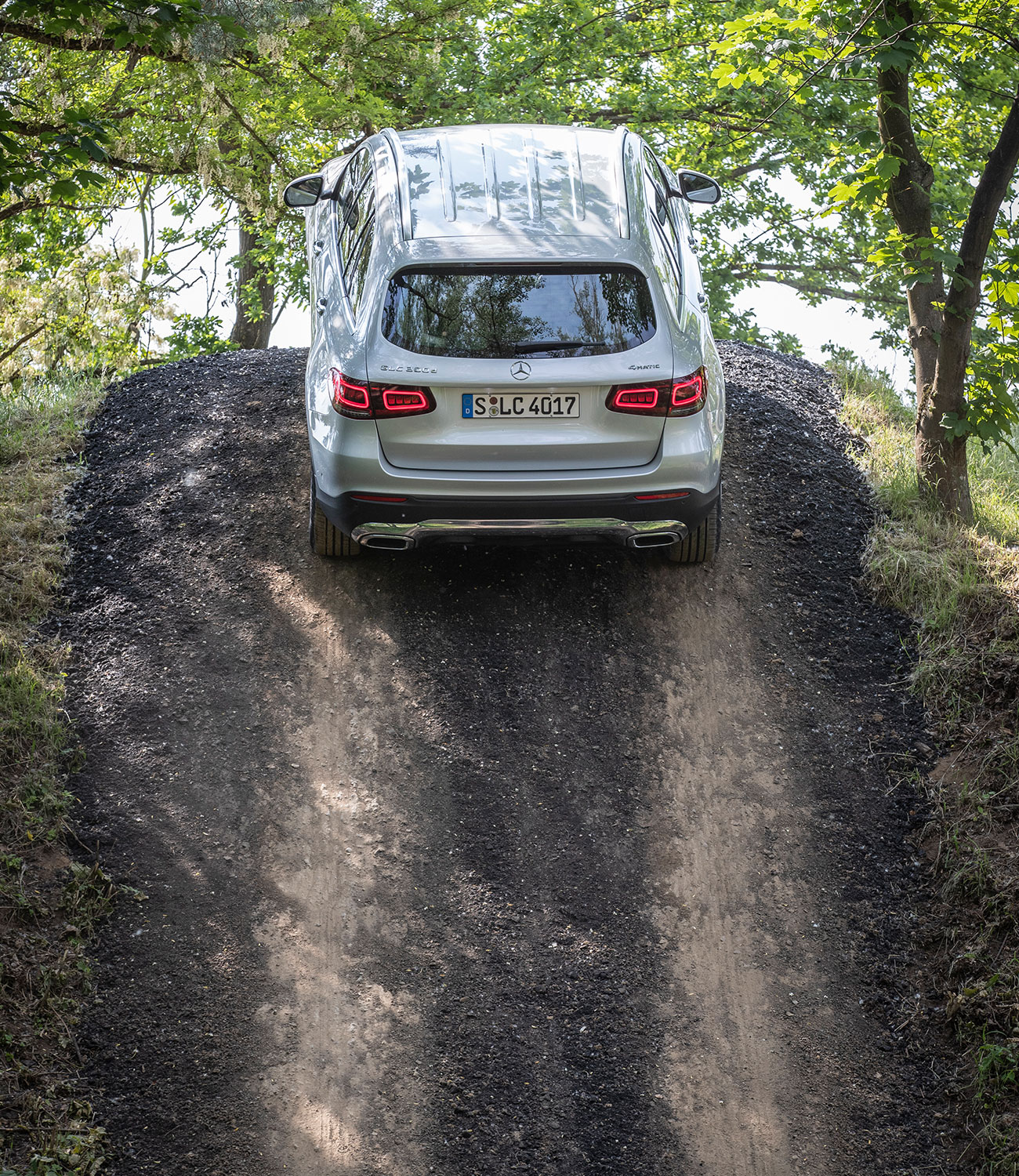
Typically, crossovers like this are more show than go when the asphalt is in the rear-view. Not the GLC. Engineers added a second level of off-road programming, aptly called Off-Road Plus. This checkbox option, along with the Airmatic air suspension, affords up to 9.6 inches of ride height. If you want to go that high, you need to go slow — less than 12 mph, in fact, as we found out at the ADAC Off-Road Center near Rüsselsheim, Germany, where a twisty and muddy course awaited.

The tester unit used for the course had an optional off-road hardware package that includes a skid plate and reinforced rocker panels to complement the software suite enabling the GLC. In this program, the car’s ESP is engaged to brake the wheels that aren’t touching the ground and push the power to those that are. Result is, you continuously keep moving forward, regardless of the terrain. With aplomb (and all-season shoes), we waded through deep water, climbed up 70 percent grades without more than momentary wheel spin, and swooshed around 35-degree banked turns. A screen in the MBUX pages displays all the off-road data, including your slope, wheel articulation, and tilt angles. The 360-degree camera system also helps you keep the wheels pointed in the right direction when all you can see from the driver’s seat is the sky.

Ask an engineer what percentage of GLC300 customers will ever utilize any of these impressive advances and the answer is swift: “Not many.” Then why do it? After a pregnant pause, the reply comes: “Because it’s cool.” Fair enough. (The engineer further noted that to improve the software wasn’t a large research and development cost, that only a few tweaks in the software were needed.)

After lunch, the range-topping GLC63 S Coupe was available, so I hopped in the 4.0-liter twin-turbocharged V-8 and snorted off. In the GLC63, that mill is good for 469 ponies and 479 lb-ft of twist; in the GLC63 S Coupe, that powerplant gets turned up to 11, notching the horsepower up to 503 and the torque to 516 lb-ft. The S Coupe looks more menacing and aggressive, sporting AMG’s Panamericana grille and a rear spoiler.

It has plenty of driving modes, too, including Sport, Sport+, and even Race. In these modes, the suspension hunkers down, the throttle response increases, it’ll hold gears longer though it’ll also give you a crisp and snappy shift whenever you ask, and the glorious active exhaust comes alive with plenty of burbles and snarls. Simply put, it’s freaking awesome. You’ll want to tinker in the individual configurations to make the most of the car, putting everything save the suspension in Race mode. (Leave the suspension in Comfort, to sop up any road imperfections.) And then you’ll want to bury that throttle. The German countryside looks beautiful as it steaks by at speeds typically reserved for the likes of an AMG GT R.

Drag the brake into a corner and you’ll be pleasantly surprised at how the nose plummets and the front end hooks up. In Race mode, with the ESP turned off, the new handling dynamics automatically switch to “Expert,” which can allow for some lengthy drifts around longer corners. The GLC63 S Coupe affords grin-inducing performance, but delivers it in a predictable manner, which makes rinsing and repeating all the more fun.

Verdict: The only negatives of the GLC63 S Coupe are low speed lurches from the nine-speed automatic that employs multiple clutches, and the fact that it costs $85,095. Still, if you’re willing to part with that amount, you’ll be rewarded with a sporty ute that’s a proper hoot. The rest of the mid-size crossover buyers who don’t need to tear from a dead stop to 60 in 3.7 seconds will be beyond satisfied with the GLC300.

2020 Mercedes-Benz GLC300 Key Specs

Powertrain: 2.0-liter turbocharged inline four-cylinder
Horsepower: 255
Torque: 273 pound-feet
0-60 MPH: 5.8 seconds
Top Speed: 130 mph

Mercedes-Benz hosted us and provided this product for review.

Read More Gear Patrol Reviews

Hot takes and in-depth reviews on noteworthy, relevant and interesting products. Read the Story
Note: Purchasing products through our links may earn us a portion of the sale, which supports our editorial team’s mission. Learn more here.

We May Have Found Out What Engine the New Ford Bronco Has

There are plenty of exciting new products rolling into Ford dealerships in the next few years — the 760-horsepower Shelby GT500, a Mustang-inspired electric performance crossover, a tiny off-roader — but perhaps none has whipped up as much frenzy as the 2021 Ford Bronco due to arrive next year. Ford, for the most part, has played its cards close to the vest with the new Bronco, revealing little beyond the basic silhouette. That’s left enthusiasts scrambling to find information however they can — including some odd places.

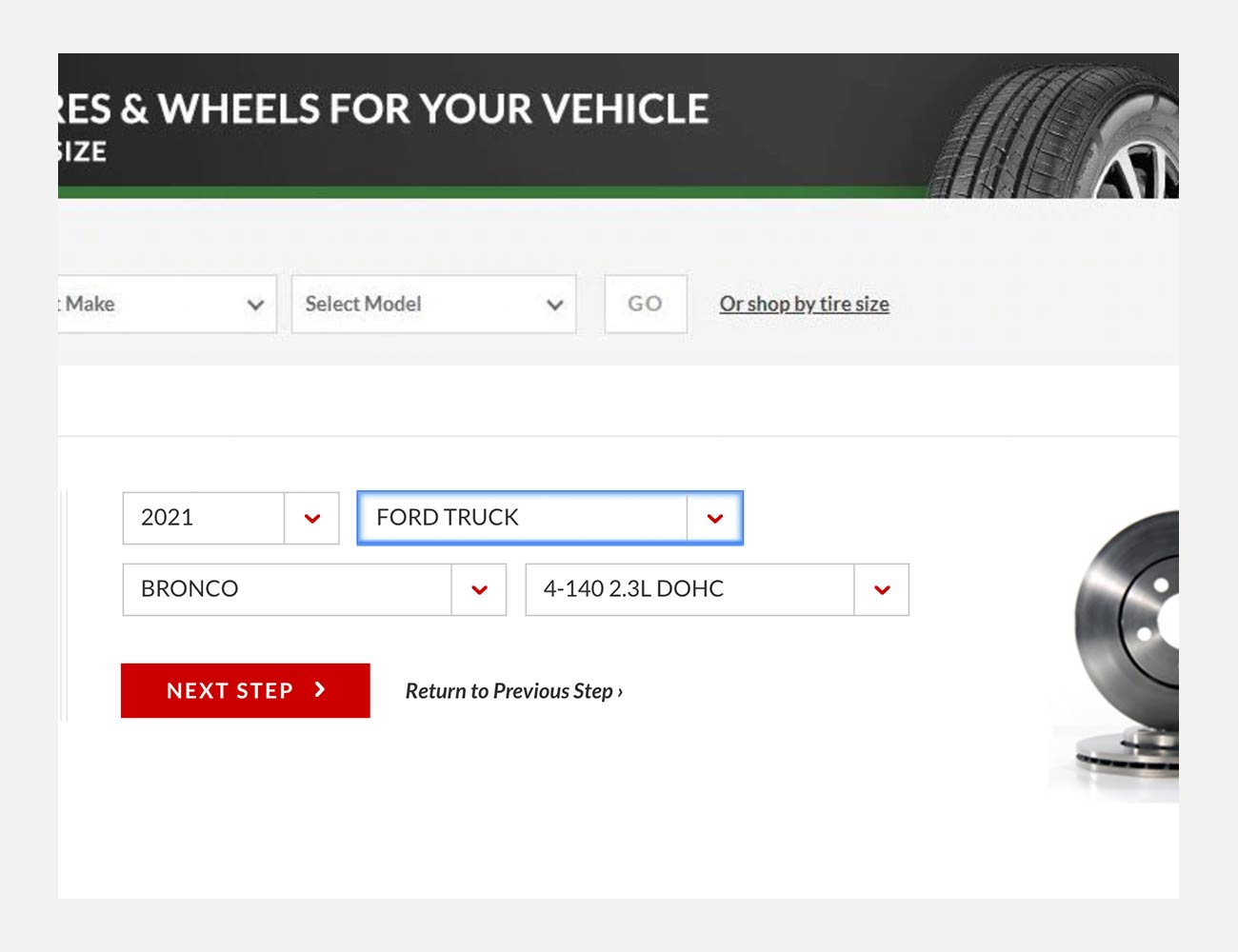
Like, for example, the auto parts reference computer at an automotive store. Which is exactly where Off-Road.com found out that the 2021 Ford Bronco will apparently pack a 2.3-liter four-cylinder engine.

One of the website’s correspondents stumbled upon the listing while poking around the parts lookup tool at a Canadian Tire. To verify this, Gear Patrol checked out the online version of the tool on Canadian Tire’s website; sure enough, searching under 2021 model year vehicles revealed a single result — a Ford Bronco with a 2.3-liter four-cylinder engine.

A quck survey of Ford’s engine lineup reveals but one engine matching that displacement: the turbocharged EcoBoost inline-four found in various states of tune under the hood of the now-defunct Focus RS, the base Mustang…and, most notably, the Ford Ranger. In Ranger form, the engine cranks out 270 horsepower and 310 pound-feet of torque, and comes connected solely to a 10-speed automatic transmission. Given that the new Bronco will be based on the Ranger’s chassis, it’s no surprise to hear that it would pack the same engine found in the pickup (at least, here in America).

Of course, it’s possible that some overzealous Canadian Tire employee simply guessed what engine will be crammed into Ford’s new off-roader, and that the new Bronco will show up with a different powertrain entirely. But our instincts tell us this seems more like an honest mistake made by someone with inside access to the Bronco’s mechanical specs than an auto parts database programmer deciding to go wild with the system. Here’s hoping Ford pulls the wraps off the vehicle soon enough and clears things up once and for all.

These Are the Most American Cars and Trucks On Sale

“Buy American.” It’s a saying with deep roots in the national psyche, a two-word phrase that unites patriotism and capitalism into a single expression. Well-made products can be built anywhere, of course, but we take special pride in those goods made right here in the U.S.A. And that goes double for cars, where brand loyalties can run thick as blood and companies often define themselves as much on their country of origin as they do any other trait.

But badges, like looks, can be deceiving. Many cars made by Detroit’s Big Three are actually assembled abroad, while plenty of vehicles coming from companies headquartered in other countries are screwed together right here between sea and shining sea. To help cut through the confusion, the folks at Cars.com have put together a list of the new cars and trucks on sale today that qualify as the most American-made rides you can buy off a showroom floor, based on both where they’re built and where the parts used to make them come from.

As it turns out, American brands make up only four of the top 10 cars and trucks on the list. (And in fact, one of them isn’t represented there at all; Ford doesn’t even show up until spot no. 13.) The other six, interestingly enough, not only come from a “foreign” brand, they all come from the same automaker: Honda. The carmaker pops up again once more before the 15-car-strong list wraps up, giving it nearly half the entries on the list between its Honda and Acura brands. Toyota comes in strong at the end, as well — thus giving Japanese automakers 60% of all the most American-made cars and trucks on sale today.

The complete list of the 15 most American-made vehicles, starting with the most American and working on down:

  1. Jeep Cherokee
  2. Honda Odyssey
  3. Honda Ridgeline
  4. Honda Passport
  5. Chevrolet Corvette
  6. Acura MDX
  7. Honda Pilot
  8. Chevrolet Colorado
  9. GMC Canyon
  10. Acura RDX
  11. Chevrolet Camaro
  12. Toyota Avalon
  13. Ford F-150
  14. Honda Accord
  15. Toyota Tundra
Gear Patrol Magazine: Issue Ten

We’re proud to present the Innovation Issue. In our newest magazine we take a look at how boundaries are being pushed in everything from virtual reality, to coffee farming and more. Learn More Here

This New Camping Trailer Is So Nice, You Just Might Sell Your House to Buy It

Bowlus Road Chief has released a new, super-luxurious and streamlined modern-style Endless Highways travel trailer. Fusing classic Art Deco aesthetics with the latest technology, this trailer may be the ideal way to traverse the American continent…or to save on rent while residing in the Googleplex parking lot.

Thanks to all-aluminum monocoque construction, the Endless Highways trailer weighs just 3,300 lbs, making it light enough to tow with a crossover. A Bluetooth-monitored power management system employs 4.0-kWh lithium-ion phosphate batteries, which can allow full operation of the appliances on battery power for up to a week — or deliver a four-hour blast from the 10,000-BTU air conditioner. A storable 120-watt solar panel is available to add to the power capacity. The Endless Highways comes equipped with a 2,000-watt “pure sine-wave inverter” that can boost the 120-volt AC power from 15 to 30 amps. And for those who want to leave the grid literally, but not figuratively, the trailer also has an embedded 3G/4G modem to provide a private wifi network.

The cabin offers ample space for couples with two twin beds that can merge into a full king, as well as his and her wardrobes. The hotel-style en suite bathroom has insulated privacy doors and teak flooring and seating in the shower. The kitchen features a 12-volt fridge/freezer, a battery-powered microwave, a two-burner Italian cooktop, and stainless steel countertops. The seating area can accommodate another two sleepers.

All this doesn’t come cheap, mind you: The base price for an Endless Highways trailer is $185,000. That’s a $48,000 jump over Bowlus Road Chief’s On the Road trailer and more than the cost of a decently optioned Porsche 911 Turbo. (On the flip side, financing starts at $942 per month.) Still, if you’re truly ready to embrace that mobile life, this trailer would be nicer and far less costly than housing in a number of American cities.

The Complete Electric Car Buying Guide: Every Model, Explained

Electric cars are the future. At least, that’s the idea most automakers are banking on. Elon Musk and Tesla have shown off the immense potential for battery electric vehicles (also known as BEVs), delivering models that offer prodigious range equal to gas-powered equivalents and “ludicrous” acceleration that exceeds most internal-combustion cars.

The biggest hurdle for automakers looking to build new EVs is battery technology; power storage units remain heavy, cumbersome and expensive compared with gasoline. So far, battery limitations have been one of the main constraints what types of BEVs can be made, who can afford them, and how much — if any — profit automakers can make from them. But that’s starting to change. The 2020 model year should be a tipping point for EVs, with heavyweight manufacturers like Porsche and Mercedes-Benz diving into the mix, as well as intriguing startups like Rivian launching new vehicles.

That’s not to say the electric car marketplace is barren right now, however: Early adopters can still choose from an array of compelling options. Here, then, we present the Gear Patrol guide for every battery electric vehicle currently available for sale in the U.S.

Charging

Level 1 Charging: A standard 120-volt wall outlet. It can take 24 hours or more to fully charge an EV.

Level 2 Charging: Most home charging systems and public charge points; they deliver power at 240 volts, and charge vehicles about five to six times faster than Level 1. These can add significant range in a few hours, or fully charge a vehicle overnight. Almost every electric vehicle is compatible with a Level 2 charger.

Level 3 Charging: Refers to a number of methods that generally deliver a “fast charge,” raising a battery to 80 percent in less than an hour. These chargers are less common. Not all EVs accept Level 3 charging.

Plugs

SAE J1772: The standard five-pin connector used on most Level 2 charging systems.

CCS: “Combined charging system.” Combines the five-pin SAE J1772 “J-plug” with an additional plug to accommodate DC fast-charging.

CHAdeMO: DC-only fast-charging connector, most commonly used on Japanese and Korean vehicles.  

Tesla Supercharger: Tesla uses its own proprietary connectors that accommodate fast charging, which they call “Supercharging.” Tesla sells SAE J1772 and CHAdeMO adapters. European Teslas are fitted with a CCS plug.

Other Useful EV Terms

BEV: “Battery-electric vehicle.” Used interchangeably with “EV” to describe electric vehicles.

Federal Tax Credit: In America, EVs come with a $7,500 federal tax credit that lowers the effective cost of purchase. The tax credit begins to phase out after a manufacturer sells 200,000 electric vehicles.

ICE-ing: Internal combustion enthusiasts parking their large trucks in a manner to block public charging points.

kWh: “Kilowatt-hour.” This is the energy unit used to measure battery capacity. 

MPGe: Miles per gallon equivalent.” Designed to measure how many miles an EV will travel on the energy equivalent of one gallon of gas. Works as a vague basis of comparison between internal-combustion and electric vehicles.

One-Pedal Driving: Many EVs use a regenerative braking system, where lifting off the accelerator causes the electric motor to create resistance and braking, sending electricty to the battery. This permits the driver, for the most part, to drive without using the brake pedal. It improves efficiency in stop-and-go traffic. Most cars will let the driver adjust the system’s strength.

Range Anxiety: Fear that an EV won’t be able to travel sufficiently far on a charge. Considered a major barrier to widespread EV adoption.

Torque: The rotational equivalent of linear force, which provides forward acceleration in a vehicle. Internal combustion engines must build their revolutions to a specific speed range to achieve peak torque, while EVs reach peak torque immediately, enabling tghem to accelerate more quickly and feel quicker still.

WLTP: The World Harmonized Light Vehicles Test Procedure, used for testing efficiency and energy emissions in non-U.S. markets. Manufacturers often cite it because it gives a more favorable range estimate than America testing, which is closer to real-world driving.

Audi
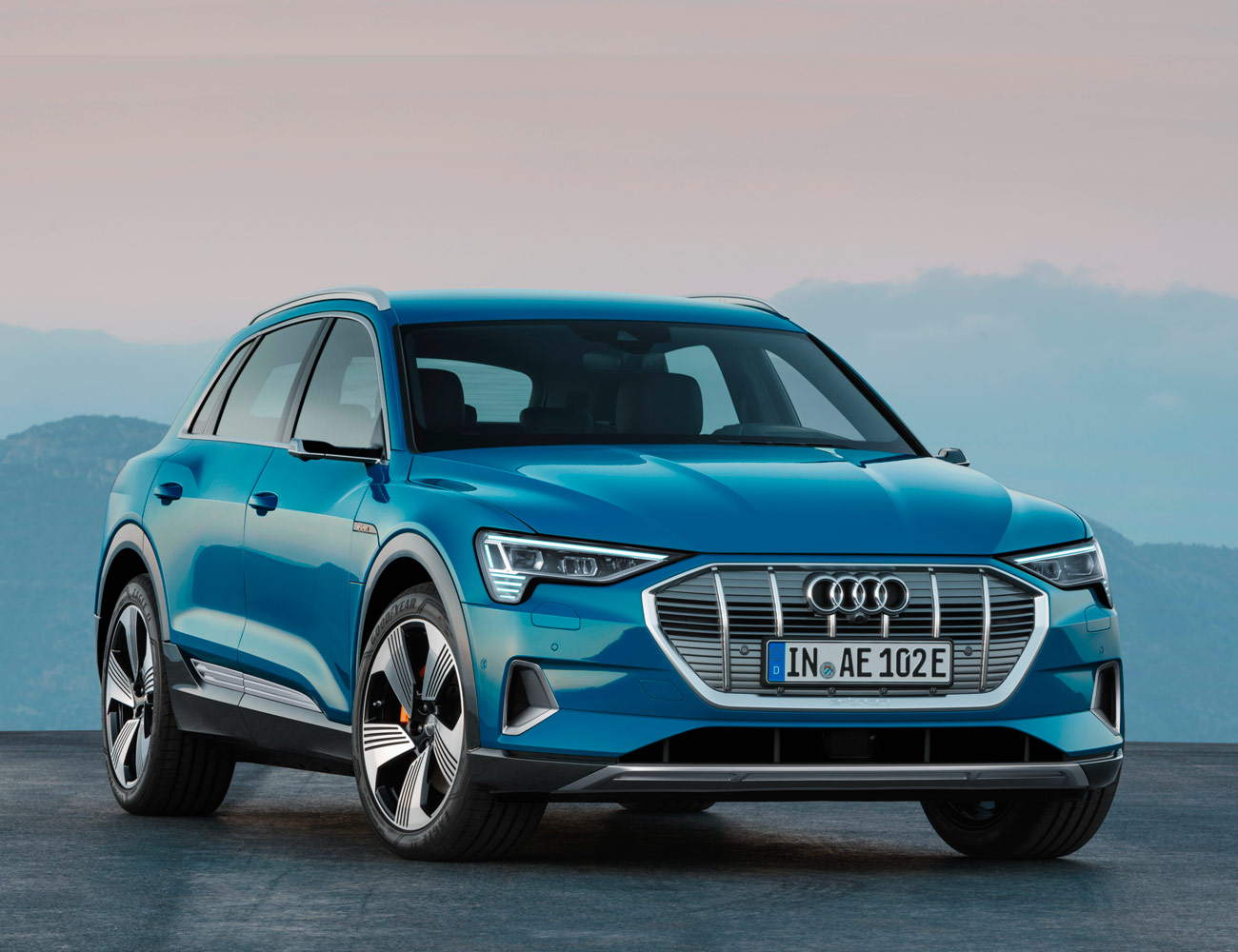
Audi recently debuted the E-tron, a midsize luxury crossover. It is the first of 12 electric Audi models set to launch by 2025. The E-tron looks like a standard Audi SUV, all the way down to the (unnecessary) grille. The e-tron SUV’s two electric motors generate a maximum of a combined 402 horsepower and 490 lb-ft of torque, and accelerate it from 0 to 60 mph in 5.5 seconds.

While the E-Tron SUV’s EPA range of 204 miles disappoints compared to its closest competitors, the Jaguar I-Pace and Tesla Model X, Audi would counter that by saying using only 88 percent of battery capacity improves battery lifetime and reliability. Nevertheless, at 74 MPGe, the e-tron SUV is the least energy efficient electric vehicle produced by a major manufacturer.

Model:

  • Audi e-Tron SUV

Engine:

  • Dual motors, all-wheel-drive, 95-kWh battery

EPA Range:

Base Price: $74,800

BMW
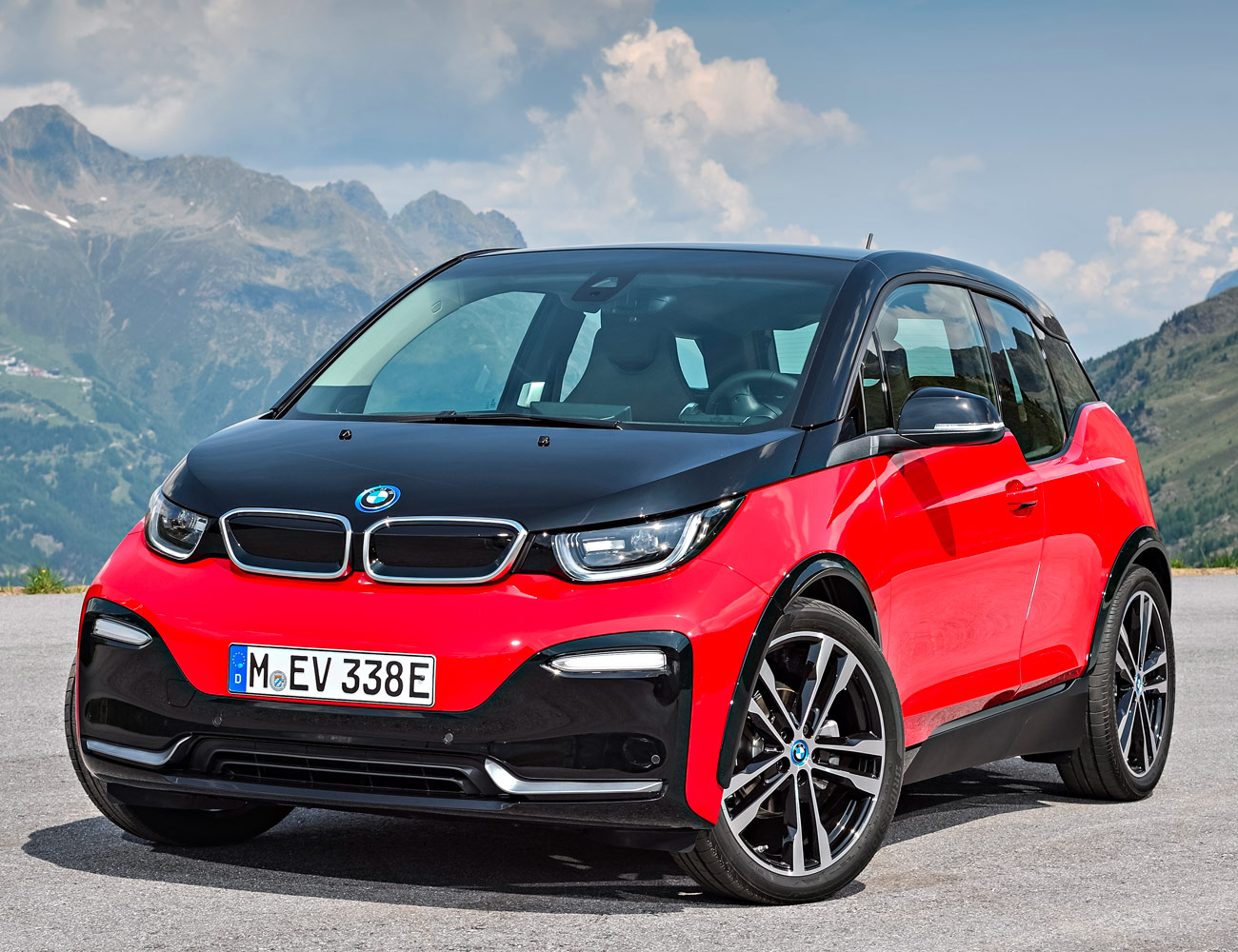
BMW’s only pure electric vehicle, for now, is the i3, a subcompact hatchback that debuted in 2013. The i3 is a bit of a throwback to the early 2010s, when EVs needed quirky, avant-garde designs to appeal to early adopters. There are two trims: the standard i3 that makes 170 hp and a sportier i3s making 181 hp. Both can achieve 153 miles of EPA range. Those willing to tolerate some vehicular emissions can bump the range to 200 miles with a gasoline range extender.

The major knock on the i3 is that the competition has caught up since 2013. Cars like the Chevy Bolt and Tesla Model 3 offer far better performance, space and range, at a similar–if not lower–price point.

Models:

Engine:

  • Rear motor, rear-wheel-drive, 42-kWh battery

EPA Range:

Base Price: $44,450

Chevrolet
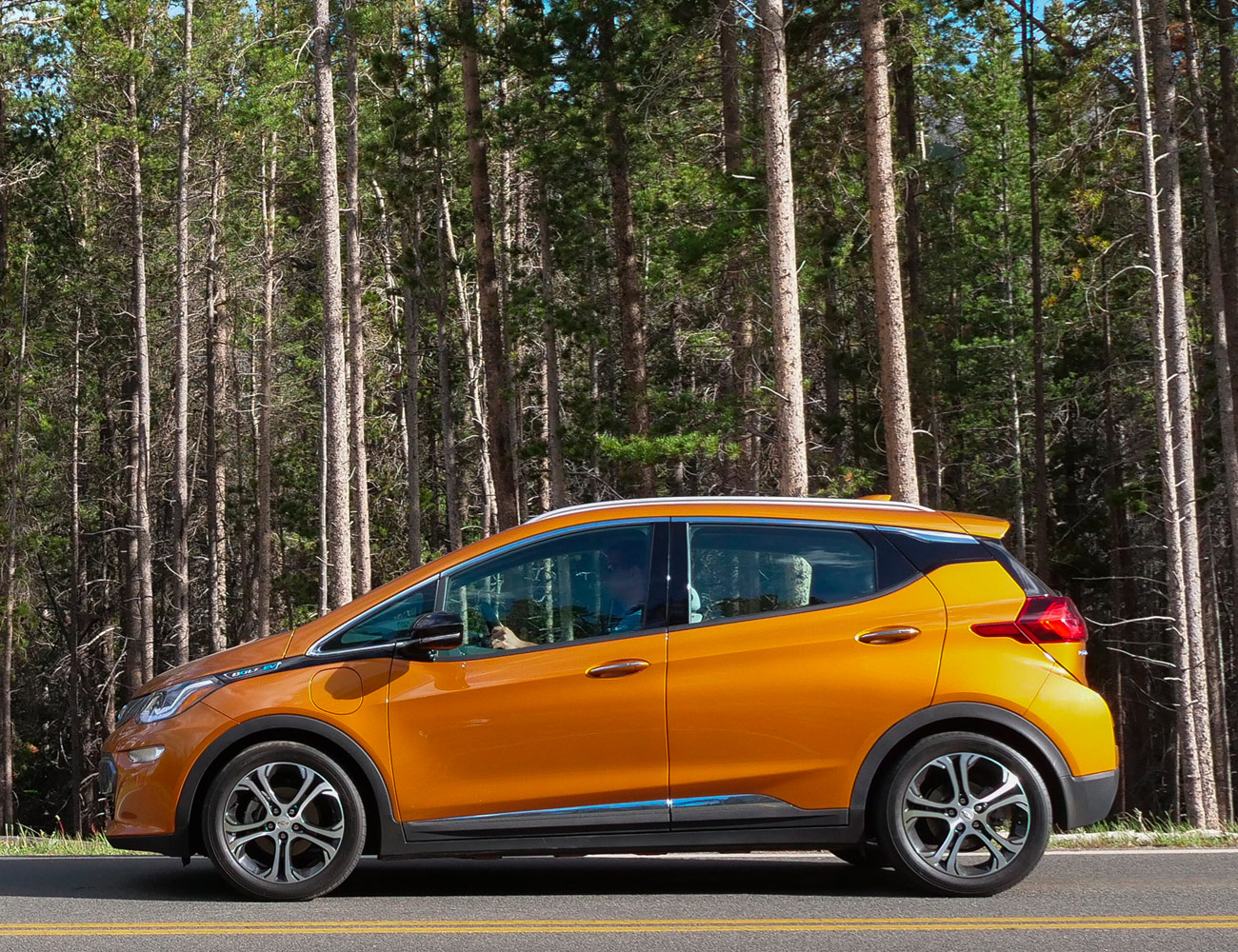
Chevrolet makes the pure electric Bolt, which is not to be confused with the soon-to-be-discontinued Volt, a plug-in hybrid. The Bolt is a small hatchback with an engine producing 200 hp and 266 lb-ft of torque. It has an EPA range of 238 miles. The Bolt is well-regarded for its capability, but not so much for its looks. Chevy markets the Bolt as the affordable EV, with a base price of $36,060 before any tax incentives. But the Bolt and is about to become less affordable; the $7,500 federal tax credit began its graduated phase-out in April 2019.

Model:

  • Chevrolet Bolt EV

Engine:

  • Front motor, front-wheel-drive, 60-kWh battery

EPA Range:

Base Price: $36,060

Fiat
>

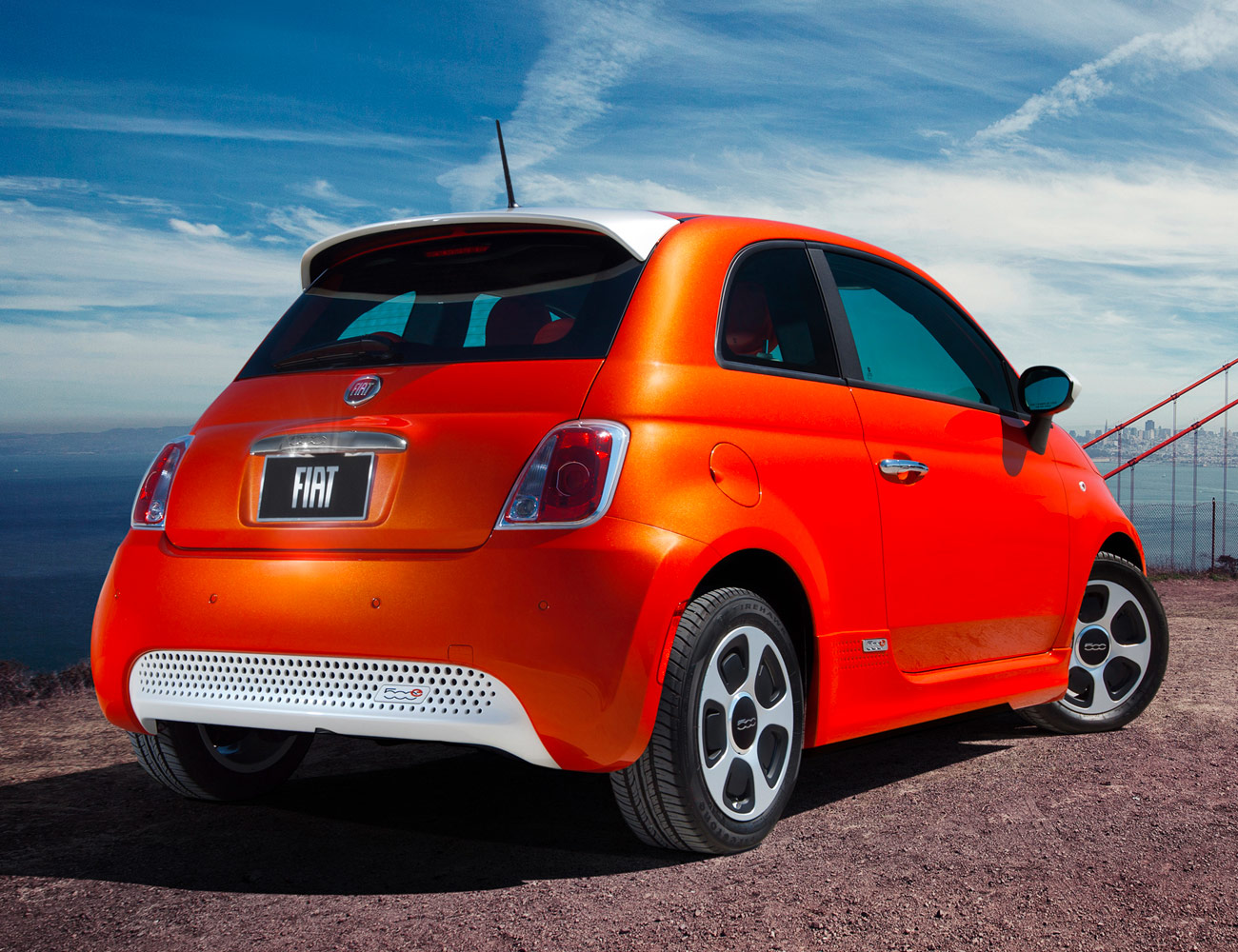
Fiat is expected to reveal its exciting electrified future at the 2020 Geneva Auto Show. For now, Fiat offers the ill-supported 500e. It has all the practicality drawbacks of the standard Fiat 500, with the added charm of only being sold in California and Oregon. The 500e is reasonably powered, at 111 hp and 147 lb-ft. The trouble is the 84-mile EPA range, which limits the 500e to being a city car, and makes it a poor value compared to the alternatives.

Model:

Engine:

  • Front engine, FWD, 24-kWh battery

EPA Range:

Base Price: $33,210

Honda
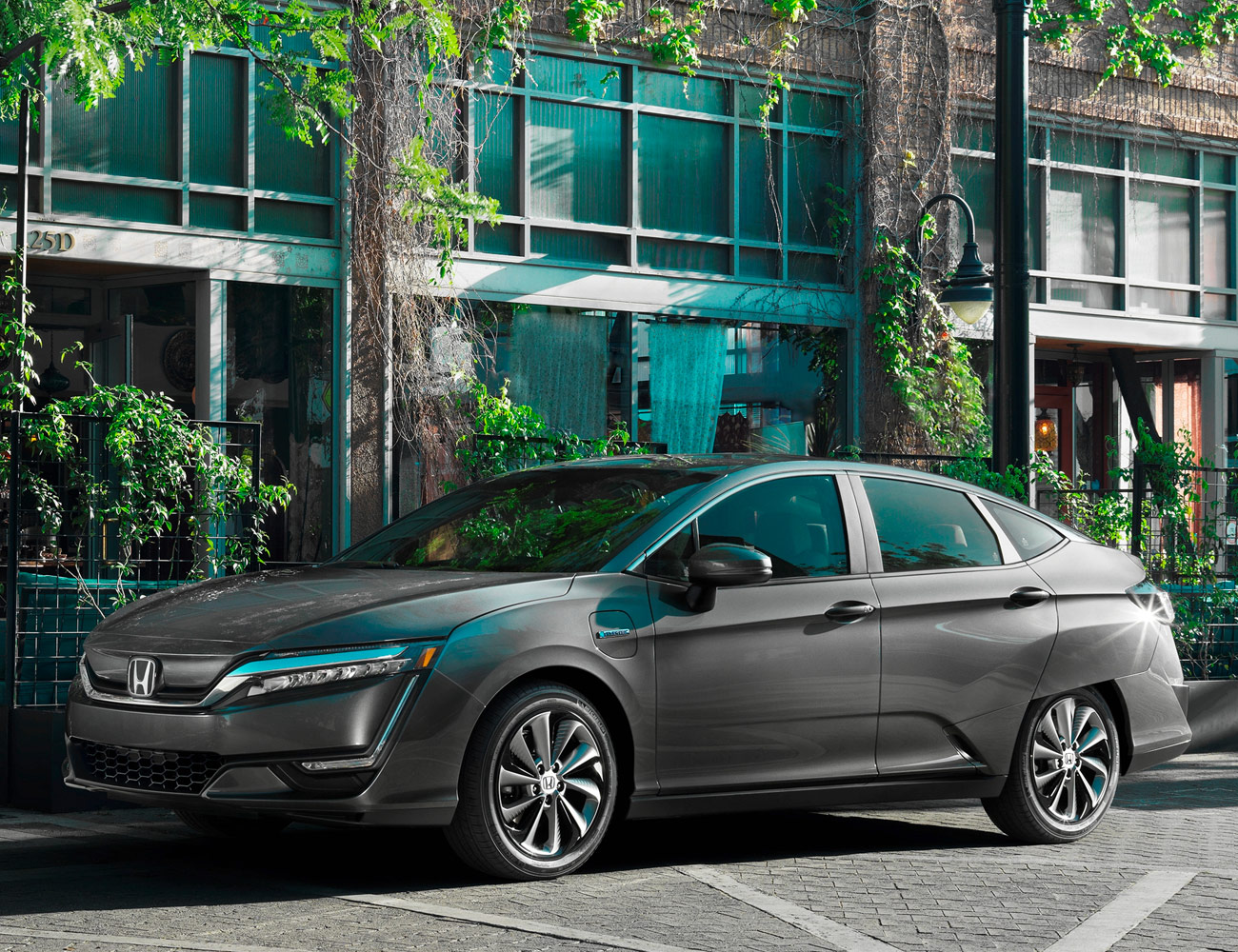
Honda uses the “Clarity” name for its stable of super-clean vehicles, including a pure BEV, a plug-in hybrid, and a hydrogen fuel cell car. The Clarity Electric debuted for the 2017 model year. It’s a midsize sedan making 160 hp and 221 lb-ft. But,there are some downsides: the Clarity Electric’s EPA range is only 89 miles; it is only available in California and Oregon; and we can’t give you a base price because you can only lease it, for $199 per month on a three-year lease with $1,799 down.

Model:

  • Honda Clarity Electric

Engine:

  • Front engine, FWD, 25.5-kWh battery

EPA Range:

Base Price: $199 per month lease

Hyundai
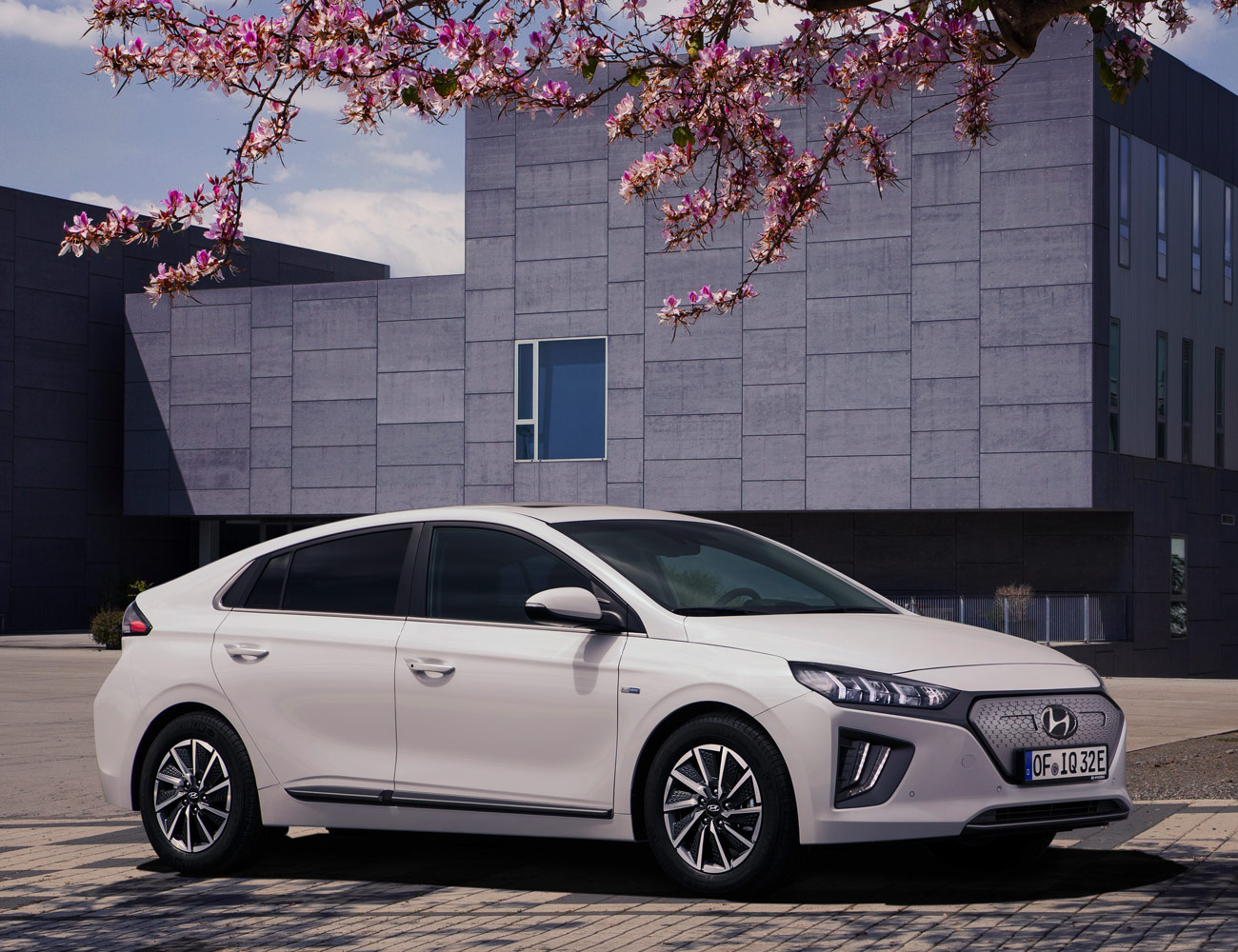
Hyundai offers two electric vehicles. The first is the Ioniq, a compact four-door hatchback that debuted in 2017. Its engine produces 118 hp and 218 lb-ft and it boasts a 124-mile EPA range. At 136 MPGe, the Ioniq Electric is the most efficient EPA-rated electric vehicle. It is only sold in 10 states: California, Connecticut, Maine, Maryland, Massachusetts, New Jersey, New York, Oregon, Rhode Island and Vermont.

The other option is the Kona EV, which debuted in the U.S. for the 2019 model year. The Kona EV is more of a mass-market vehicle, a full-fledged competitor for the Tesla Model 3. It’s an electrified version of the Kona subcompact crossover, with 201 hp and 291 lb-ft of torque. Its EPA range of 258 miles is the highest among non-Tesla electric vehicles. The Kona Electric was named the North American Utility Vehicle of the Year.

Model:

  • Ioniq Electric
  • Kona Electric

Engines:

  • Ioniq: Front engine, FWD, 28-kWh battery
  • Kona: Front engine, FWD, 64-kWh battery

EPA Range:

  • Ioniq: 124 miles
  • Kona: 258 miles

Base Price:

Jaguar

Designed by famed British designer Ian Callum, the Jaguar I-Pace is an electric performance SUV. The dual-motor system produces 394 hp and 512 lb-ft of torque. It can hit 60 mph in 4.5 seconds and a top speed of 124 mph. The impressive I-Pace won Car of the Year, World Car of the Year, and Design of the Year at the World Car Awards. All that performance and style do come with an efficiency drawback, though: The EPA rates it at just 76 MPGe, only slightly above the Audi e-tron SUV.

Model:

Engine:

  • Dual motor, AWD, 90-kWh battery

EPA Range:

Base Price: $69,500

Kia
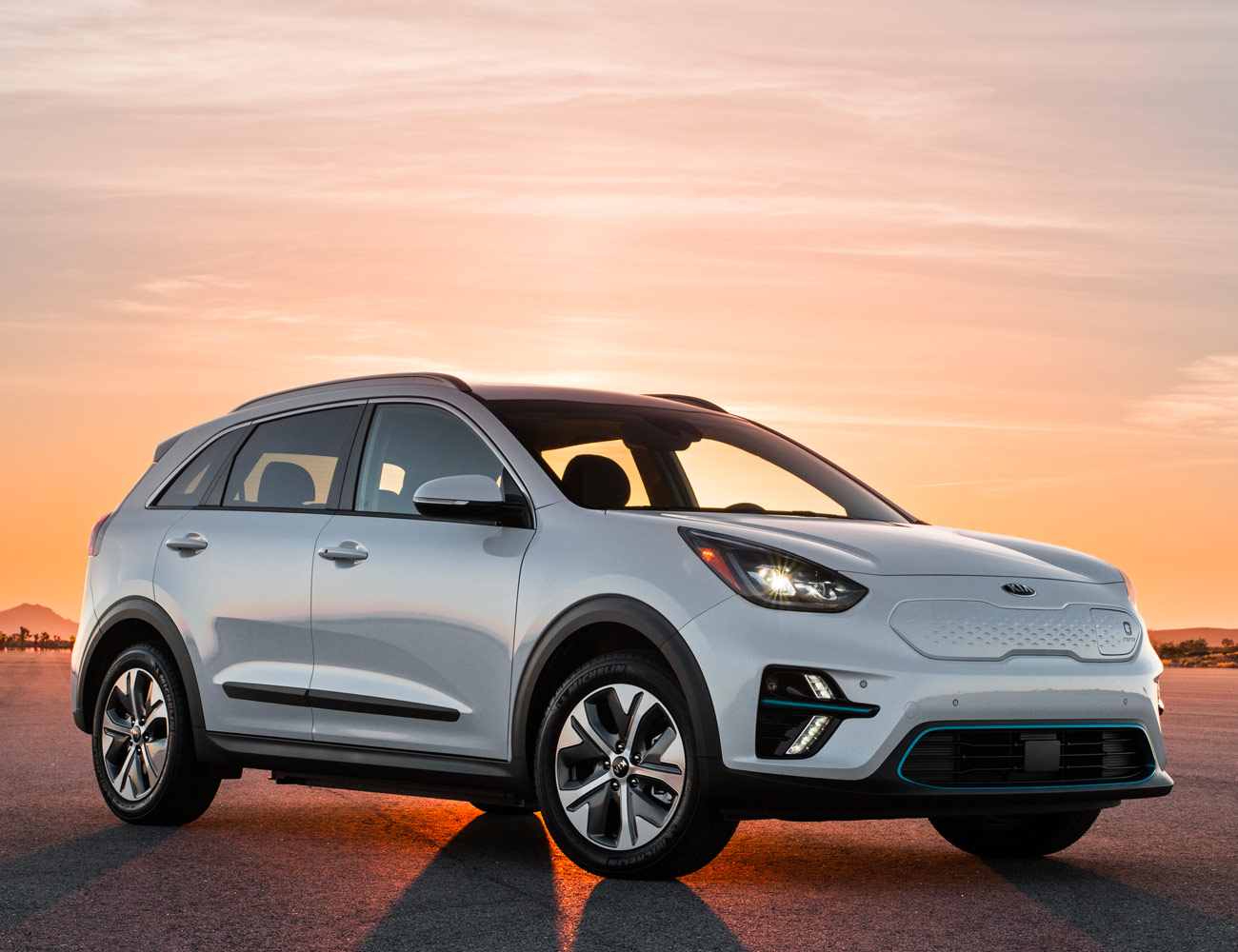
Kia offers the Niro EV, a small crossover. It is similar — though not identical — to its corporate cousin, the Hyundai Kona EV. The Niro is built on the same platform as the Kona; its engine also makes 201 hp and 291 lb-ft, and battery size  is the same at 64 kWh. The Kona EV is more efficient, per EPA ratings, while the Niro EV is bigger and slightly more expensive. 

Model:

Engine:

  • Front motor, FWD, 64-kWh battery

EPA Range:

Base Price: $38,500

Nissan
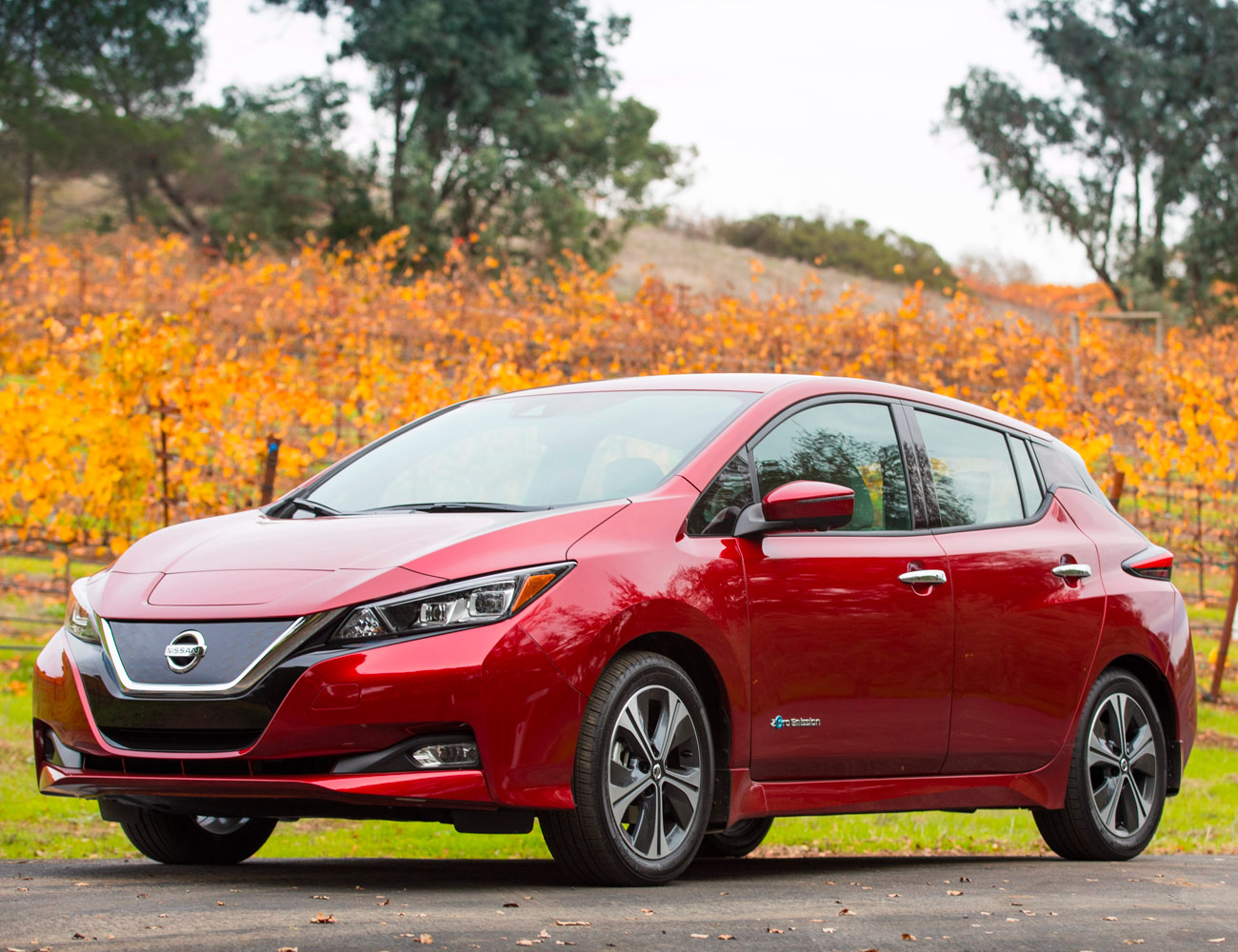
The Nissan Leaf is a compact four-door hatchback. It first debuted in 2010, with the second generation coming out for the 2018 model year. The Leaf comes in two versions, the Leaf and the Leaf Plus. The Leaf is the entry-level EV, offering 147 hp and 236lb-ft, a base price under $30,000, and a range of 150 miles. The more expensive Leaf Plus is a competitor for the Kona EV, Bolt and Model 3. It is more powerful, packing 214 hp and 250 lb-ft, and has a longer EPA range of 226 miles thanks to its a bigger 62-kWh battery.

Model:

  • Leaf
  • Leaf Plus

Engine:

  • Front motor, FWD, 40-kWh battery
  • Front motor, FWD, 62-kWh battery

EPA Range:

  • Leaf: 150 miles
  • Leaf Plus: 226 miles

Base Price: $29,990

Tesla
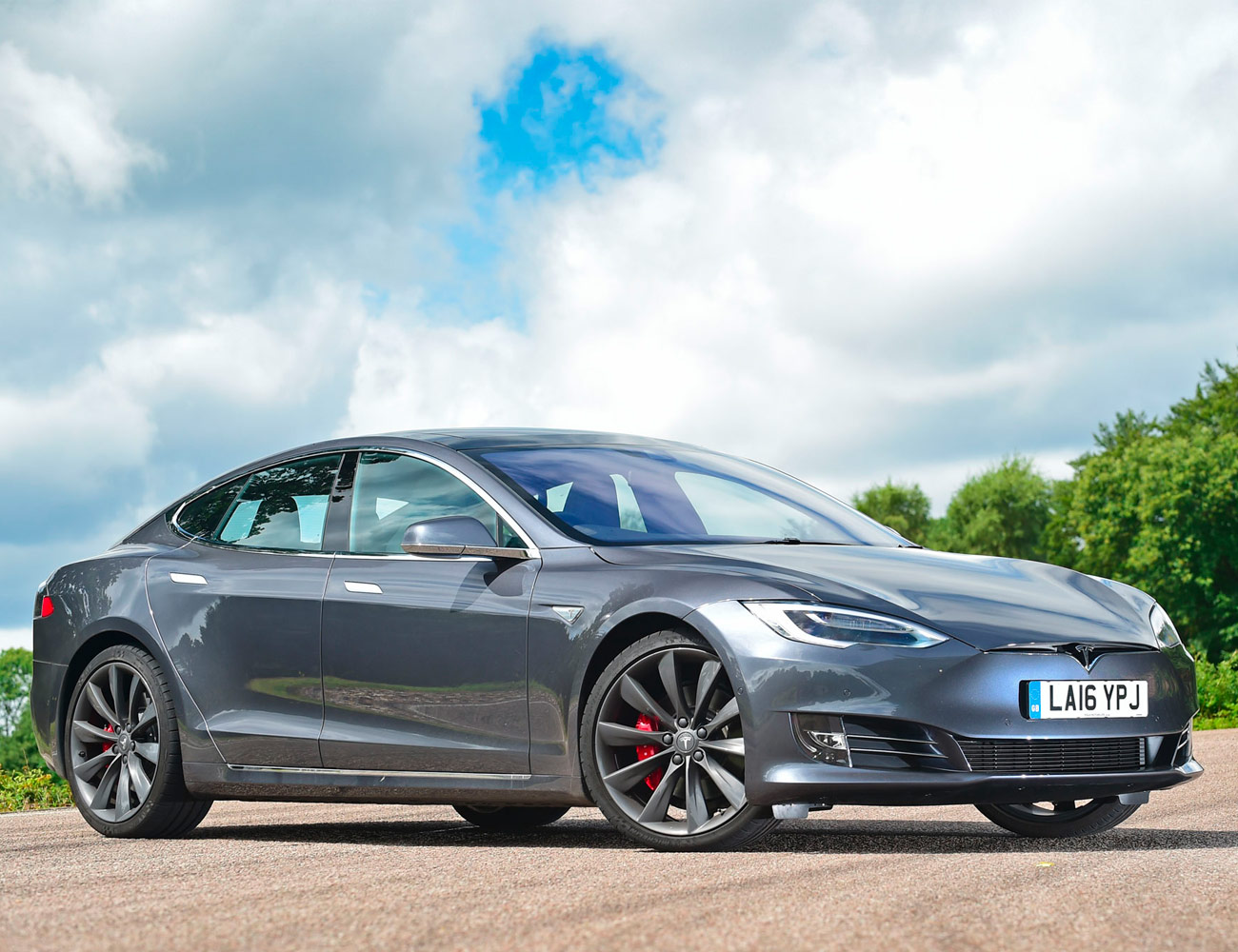
Tesla has redefined the paradigm for electric vehicles, producing cars with an unmatched combination of performance, range and practicality. With more than 250,000 sales in 2018, the brand has also shown the mass-market potential for BEVs. Tesla’s ambition and success, however, have been tempered by concerns about build quality, safety and the company’s long-term stability. Tesla’s federal tax credit dips to $1,875 on July 1, 2019, and expires at the end of the year.

At present, Tesla offers three electric vehicles. The Model S is a four-door liftback sedan that entered production in 2012. It comes in three trims: Standard Range (285 miles of range, 0-60 mph in 4.0 seconds), Long Range (370 miles of range, 0-60 mph in 3.7 sec), and Performance (345 miles of range, 0-60 mph in 3.0 sec). For an additional $20,000, you can purchase “Ludicrous Mode” for Performance models; that improves the 0-60 mph acceleration to just 2.4 seconds.

The Model X is a mid-size luxury SUV Tesla began producing in 2015. Like the Model S, it has been simplified to three trims: Standard Range (255 miles, 0-60 mph in 4.6 sec), Long Range (325 miles, 0-60 mph in 4.4 sec), and Performance (305 miles, 0-60 mph in 3.4 sec). Ludicrous Mode will bring the latter Model X’s 0-60 time down to 2.7 seconds.

The Model 3 is a four-door fastback sedan that entered production in 2017. It was both the best-selling electric vehicle and best-selling luxury vehicle in the U.S. in 2018. There is a base RWD model, the Standard Range Plus (240 miles of range,  0-60 mph in 5.3sec) that comes with what Tesla describes as a “partial premium interior.” There are also AWD Long Range (310 miles,  0-60 mph in 4.4 sec) and Performance (310 miles, 0-60 mph in 3.2 sec) trims. None of the Model 3s offer Ludicrous Mode.

The company is taking orders on the upcoming Model Y compact crossover. Tesla also has a pickup truck purported to be more capable than the Ford F-150 and Porsche 911 in the works, as well as the Tesla Roadster, which purportedly will do 0-60 mph in 1.9 seconds, top out at more than 250 mph, and offer a 620-mile range.

Models:

  • Model S
  • Model X
  • Model 3

Engine:

  • Model S: Dual motor, AWD, 100-kWh battery
  • Model X: Dual motor, AWD, 75-, 90- or 100-kWh battery
  • Model 3: Rear motor, RWD 50-kWh battery; Dual Motor AWD  62- or 75-kWh battery

EPA Range:

  • Model S: 285-370 miles
  • Model X: 255-325 miles
  • Model 3: 240-310 miles

Base Price:

Volkswagen
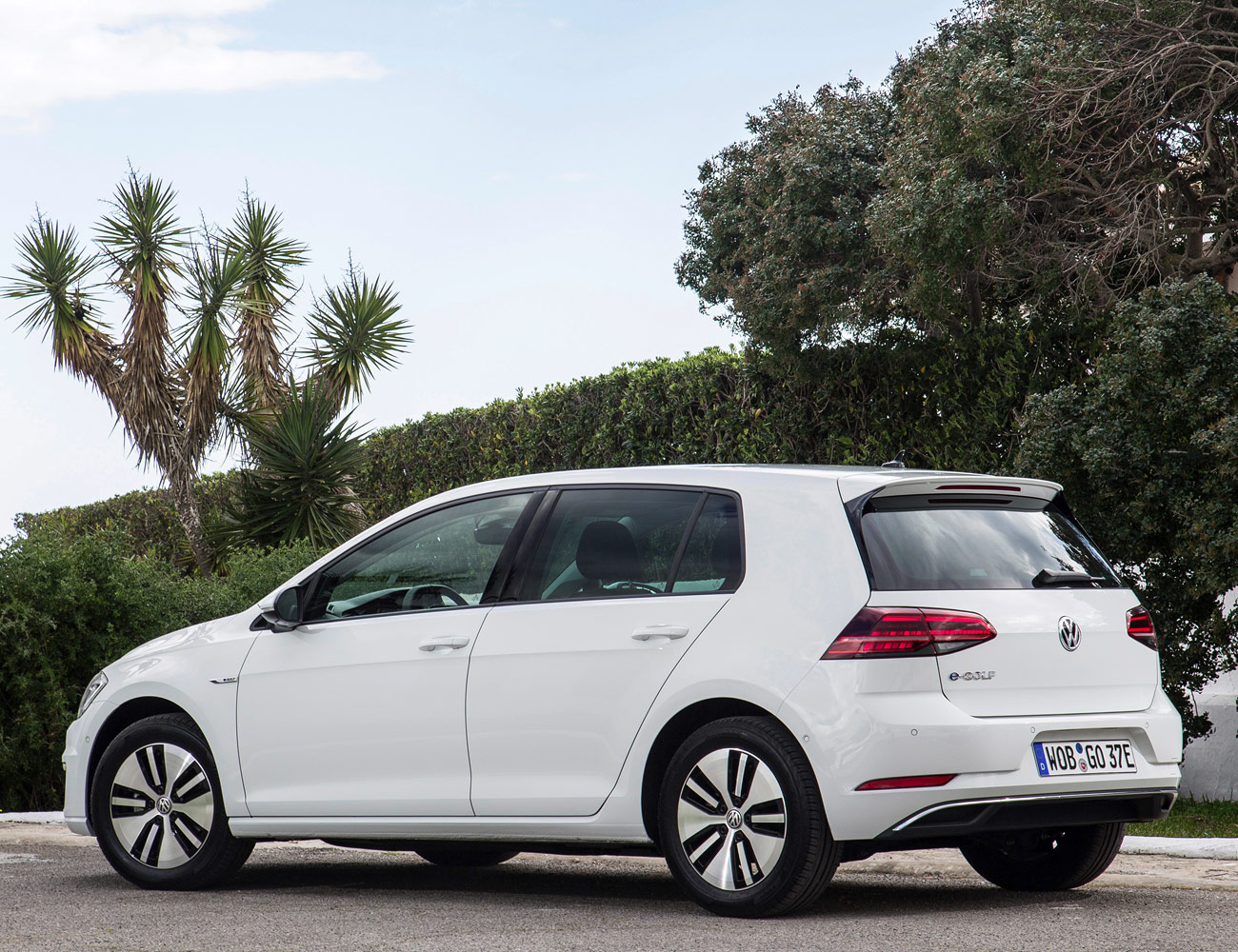
The E-Golf is Volkswagen’s early attempt at an EV, one that launched in 2015. It got somewhat lost in the shuffle following the Dieselgate scandal and the carmaker’s decision to launch the upcoming ID range of electric vehicles. It’s a well-hidden gem, a practical-yet-fun-to-drive VW Golf that happens to run on electricity. Its 134-hp, 214-lb-ft powertrain gives it a fun-to-drive dynamic much like the rest of its siblings. The major sticking point, however, is the 125-mile range — which may be adequate for most driving, but doesn’t match up to the competition in 2019.

Model:

Engine:

  • Front motor, FWD, 35.8-kWh battery

EPA Range:

Base Price: $31,895

Note: Purchasing products through our links may earn us a portion of the sale, which supports our editorial team’s mission. Learn more here.

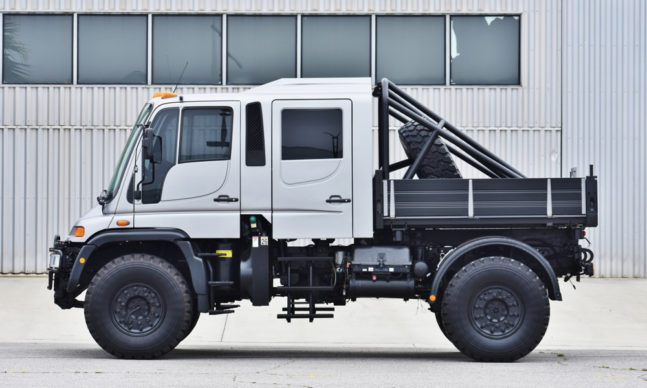
Now’s Your Chance to Own a 2004 Mercedes-Benz Unimog U500

When it comes to commercial off-road vehicles, there’s the Unimog and then there’s everything else. Whether you’re using it for hauling, climbing or as the base for a sweet expedition camper, the Unimog is a…

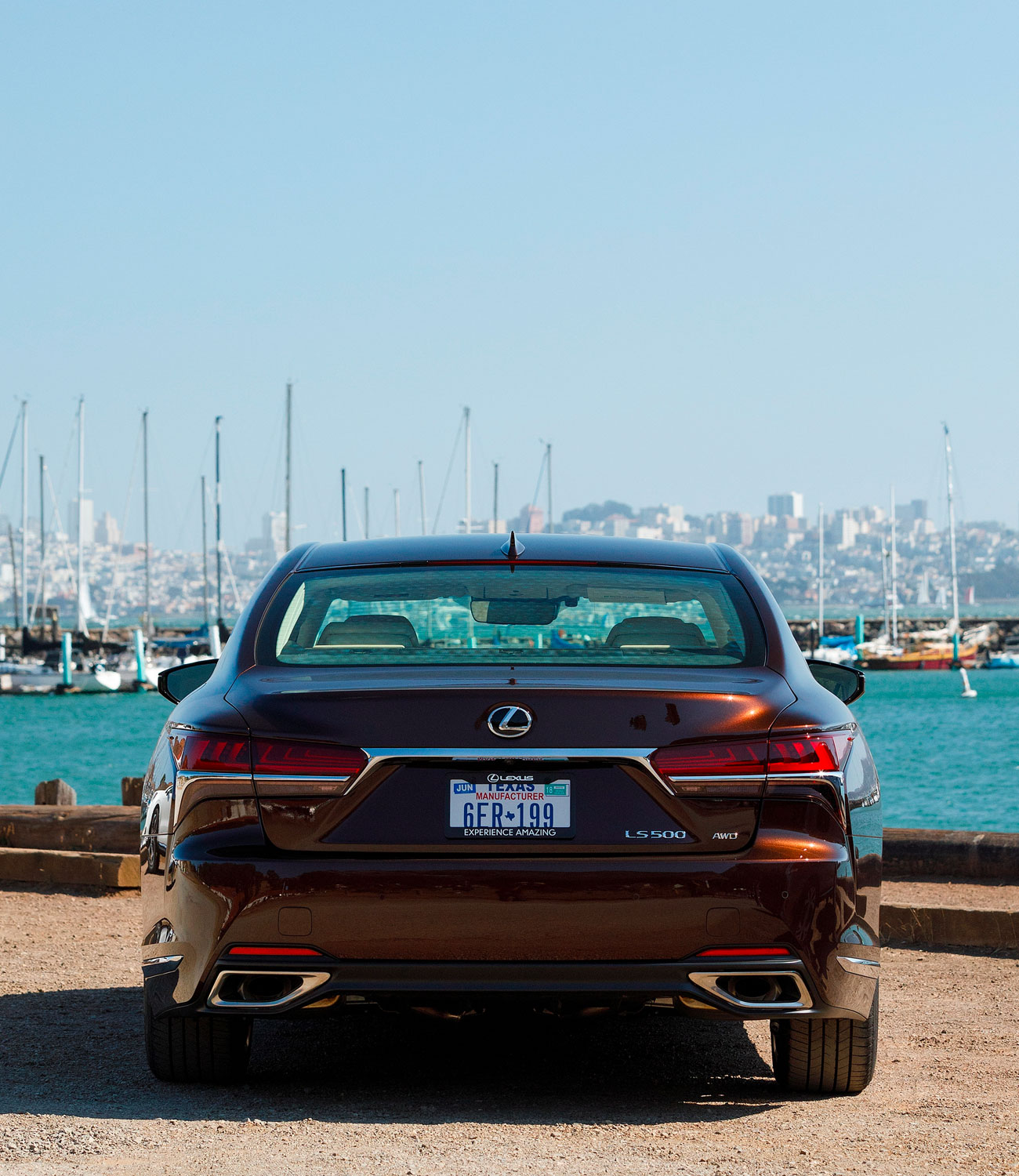
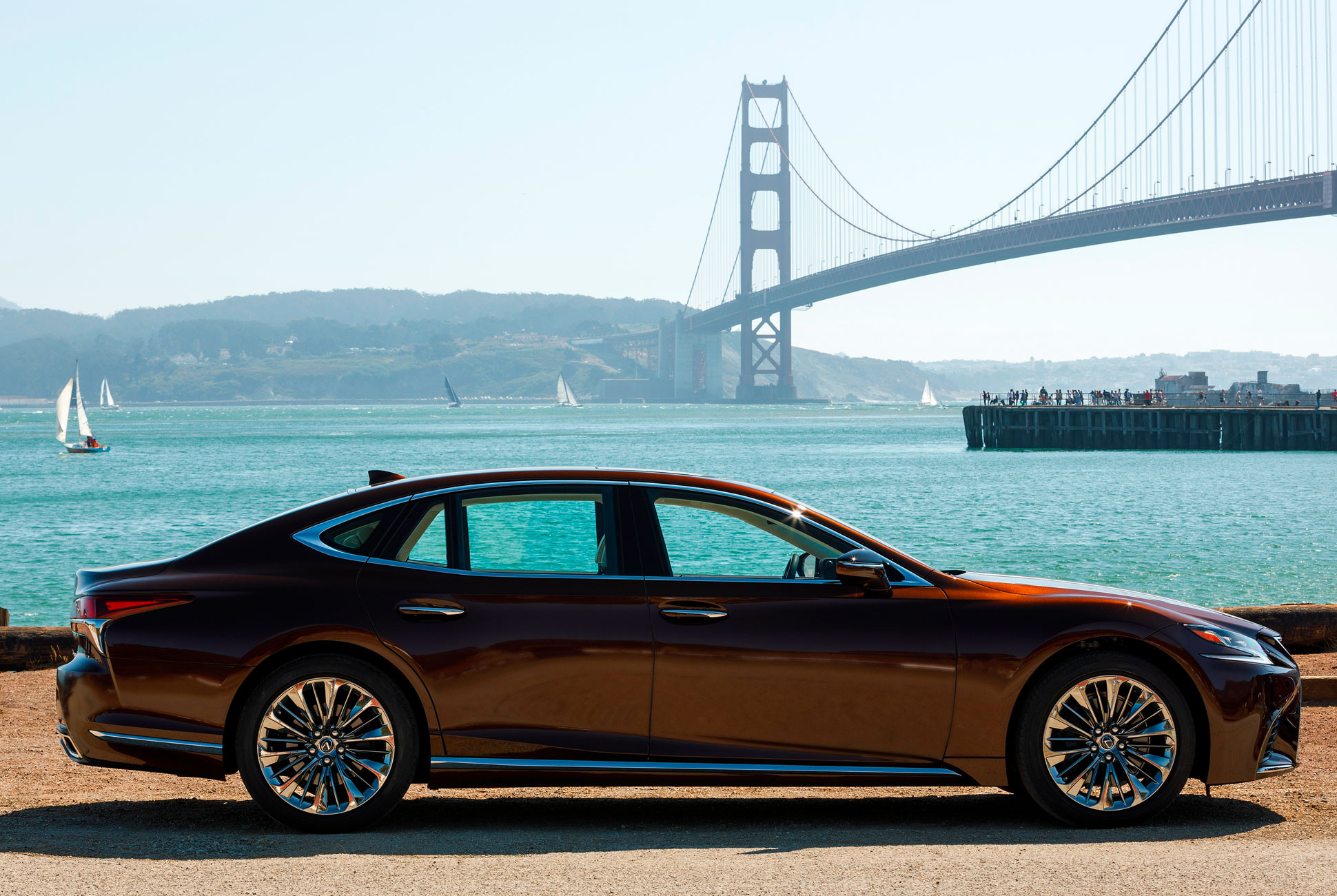
2019 Lexus LS 500 AWD Review: Big Car, Big Grille, Big Luxury

The latest generation of the Lexus LS is a big sedan with big shoes to fill. After all, it was the first-gen LS that launched the Lexus brand three decades ago, proudly proving to the world that the Japanese auto industry could build a car every bit as luxurious as the folks over in Germany. Since then, it’s been the standard-bearer for the brand — a car that, like Mercedes-Benz and its S-Class, stands as proof of what the company is capable of today and where it’s going tomorrow.

The latest model, new for the 2018 model year, does just that. Boasting the sleekest version of the company’s current styling language and an interior that looks every bit peeled from a Minority Report plutocrat’s ride, it’s proudly Japanese, distinctly imposing, and every bit worthy of the flagship title in shape and scale. Especially when it comes to that grille.

The Good: If space and comfort are what you want out of a car, the LS 500 has your number. The verb “cocoon” isn’t too excessive to describe being nestled into the driver’s seat, given how the acreage of leather and wood snuggles around you; it’s cozy, but never constraining. The back seat is just as nice, with space for six-footers to flop about freely and — with the $17,080 Executive Package my tester came packing — aft thrones that heat, ventilate, recline and massage. It may not be the ultimate road trip car, but it’s certainly an ultimate road trip car.

Who It’s For: Luxury sedan buyers who value Toyota’s legendary build quality, and/or have been wooed and won over by the distinctive design inside and out; anyone sick of the garden-variety looks of the German full-size luxury sedans; the occasional Uber Black driver.

Watch Out For: The infotainment system, as with all too many modern Lexus models, ventures beyond frustration into the realm of being dangerous. Using a touchpad to control the largely free-floating targeting reticule is a little better than the joystick Lexus used to use, but it still requires a level of dexterity and concentration well beyond what any other system demands. I lost track of how many times I found myself forced to look away from the road for far, far too long just to do something as simple as switch media sources or toggle up the climate controls. And this is coming from a driver who’s spent many hours in the past using the system; familiarity doesn’t bring ease of use, not when the controls are this sensitive and the cause of your finger so divorced from the effect on the screen.

Lexus is finally addressing the issue with the 2020 RX — that model gains touchscreen functionality, which should help mitigate some of the issues with the setup — but for now, the system’s interface is tricky enough to make recommending the car at all an arguable proposition, good as the rest of it is. Anyone considering buying the LS (or really, any new Lexus) ought to take it home for the night to see how they feel living with the system in the real world, not just in the confines of a four-block test drive.

Alternatives: Mercedes-Benz S550 4Matic ($104,350); Audi A8L ($83,800); BMW 750i xDrive ($102,650); Cadillac CT6 Platinum ($86,795)

Review: Once upon a time, Gear Patrol deputy editor Josh Condon described the F Sport version of the current Lexus LS as “a big, comfortable sedan with big, uncomfortable dissonance.” There’s an easy way to solve that problem, it turns out: Don’t go for the F Sport version.

The version unencumbered by the aggro front end and sport-tuned suspension strikes a far more appropriate balance between ride and handling by simply avoiding any implication of sportiness. Left in Comfort Mode on the highway, it glides along as though riding on pats of hot butter, keeping the lumps and bumps from interrupting your serenity as the 10-speed automatic shuffles through cogs with the smoothness of a Delmonico’s wine steward pouring Pouilly-Fuissé.

That’s not to say it’s the reincarnation of a Seventies-era luxo-barge; body roll is kept nicely in check, even when hurling through a roundabout at speeds brisk enough to startle the SUV driver Clark Griswolding their way through their seventh revolution ahead of you. Those could be important people sitting in the LS 500’s well-sculpted seats, either front or rear; can’t have them feeling perturbed. It’s at times like this the car’s shared architecture with the LC gran turismo coupe becomes more apparent; the two might not be twins separated only by door count, but there’s enough common bones between them to count as similar skeletons.

One item it doesn’t share with that wild-eyed two-door, however: the naturally aspirated V8 that makes the LC 500 a surprisingly vivacious drive. Instead, the LS, like most fancy cars nowadays, has downsized under the hood, trading its former eight-cylinder powerplant for a twin-turbo V6. Thankfully, the resulting powerplant is still quite worthy of luxury duty, spooning out low-end torque with near Rolls-Roycian gentility. (All-wheel-drive is a $3,220 option on all LS sedans, which might be enough to keep some buyers from forking over money for an LX 570 whose capabilities they’ll barely scratch the surface of.)

No one’s liable to confuse the LS 500 with an actual Rolls-Royce, though — at least, not from the outside. Granted, the Lexus’s grille is roughly as big as the one on a Phantom, but it’s a curved, cetacean thing that looks ready to devour shrimp by the gallon — worlds away from the Parthenon leading the way for all those Spirits of Ecstasy. Somehow, though, after the initial shock wears off, it works, tying the front end’s design lines together in a way that draws the eye towards that encircled L in the center. Which, presumably, was the idea.

The rest of the general shape is a pleasing form, a striking fastback that seems longer and lower the further back your eyes wander. By the time your eyes reach the tail (which, admittedly, is stricken with some rather generic taillamps, a far cry from the menacing squint of the narrow band of LEDs in the headlights), you half expect to find a Porsche Panamera-like hatch there instead of a traditional trunk. Overall, it’s the sort of shape that leaves you glad the world’s automakers haven’t wholly given up on the sedan. Squeezing this sort of elegance out of a crossover would probably violate some fundamental law of the universe.

A little Japanese-spec weirdness does creep into some of the controls; apart from the aforementioned infotainment system, there’s also the silver radio control buttons barely larger than an engorged tick, and the drive mode controls jutting from the top of the instrument panel shade that bring to mind nothing so much as the bolts in Boris Karloff’s neck. But if that’s the price you pay for the rest of the interior, so be it. The Executive Package may cost as much as an entire Toyota, but a few minutes of Shiatsu massage on a long drive is enough to win over even the most value-minded buyer — especially if he or she ever plans on being driven instead of driving. (Sadly, my car lacked the version of the Exec Pack that, for an extra $6,000, adds hand-cut kiriko glass trim to the doors, a feature that no doubt dazzles the eye and spirit while simultaneously making one wonder how many African children UNICEF could feed with the money spent solely on artisanal glassware in a single moving vehicle.)

Verdict: The first Lexus LS played it safe — doctor-in-an-Ebola-hot-zone safe. It delivered conventional styling, conventional luxury and conventional power, all in pursuit of proving Toyota could outdo the Germans at their own game. In the last 30 years, though, the brand’s had a chance to find its own definition of luxury. The LS 500 shows how far the company’s moved the ball down the field. It may look a little odd, may piss off the occasional technophobe, may draw the occasional unpleasant comparison along the way. But above all else, it’s unconventional in many interesting ways. And anytime a giant company goes that route with a product this important…well, that’s worth praising.

2019 Lexus LS 500 AWD Specs

Powertrain: 3.5-liter twin-turbo V-6; 10-speed automatic; all-wheel-drive
Power: 416 horsepower, 442 pound-feet of torque
0-60 MPH: 4.6 seconds
Top Speed: 136 mph
EPA Fuel Economy: 18 mpg city, 27 mpg highway

Lexus provided this product for review.

Read More Gear Patrol Reviews

Hot takes and in-depth reviews on noteworthy, relevant and interesting products. Read the Story
Note: Purchasing products through our links may earn us a portion of the sale, which supports our editorial team’s mission. Learn more here.
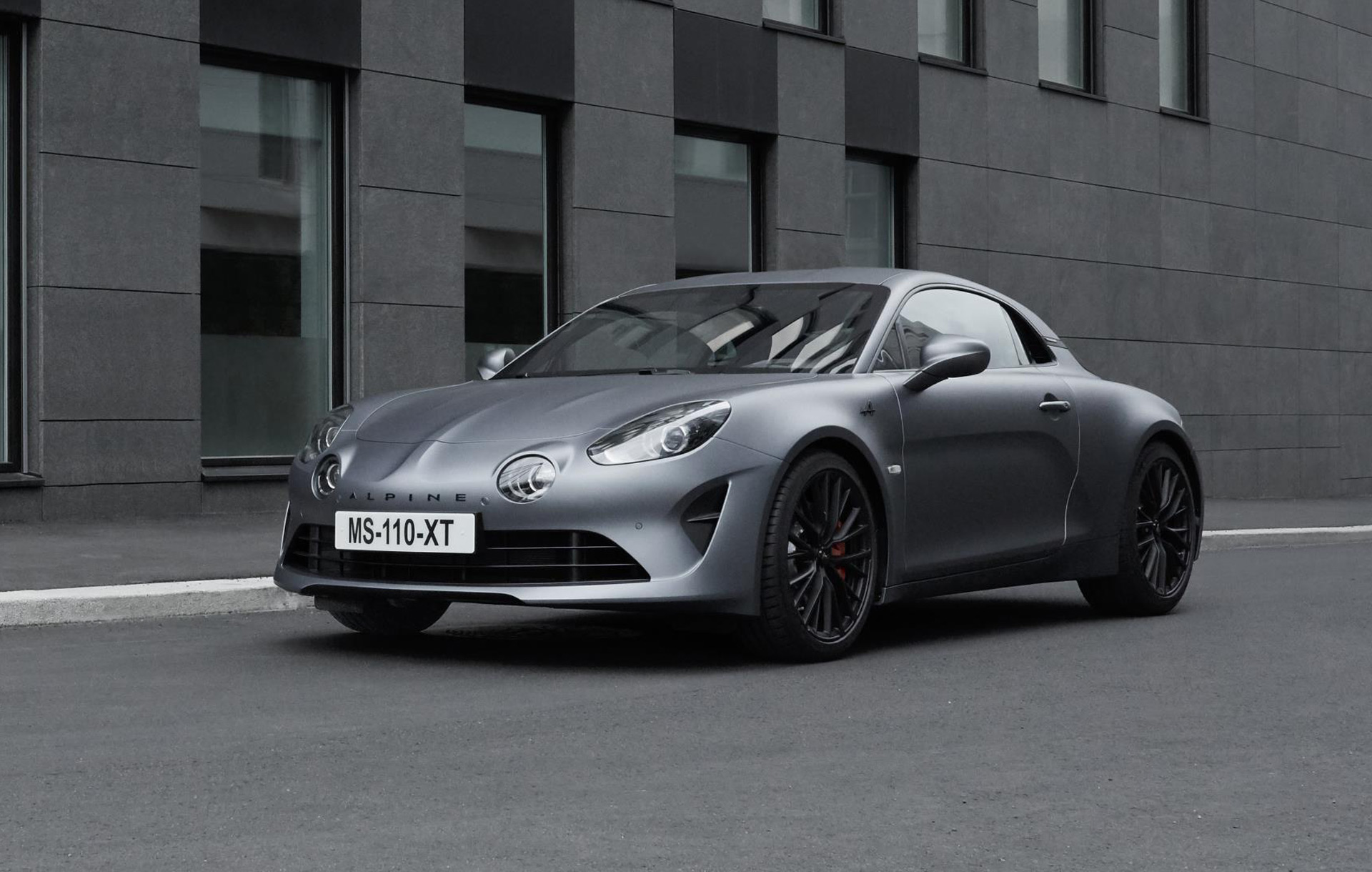
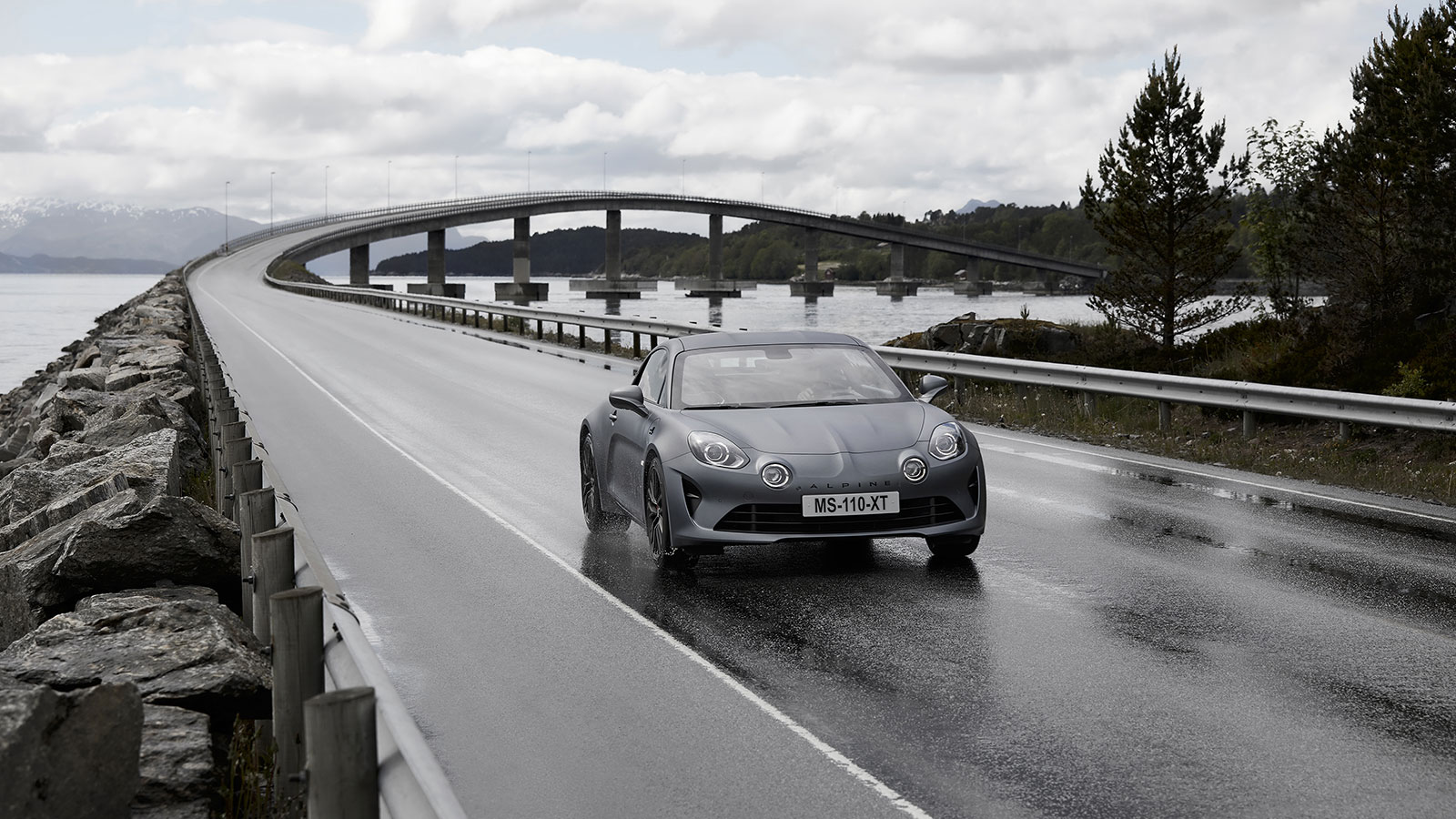
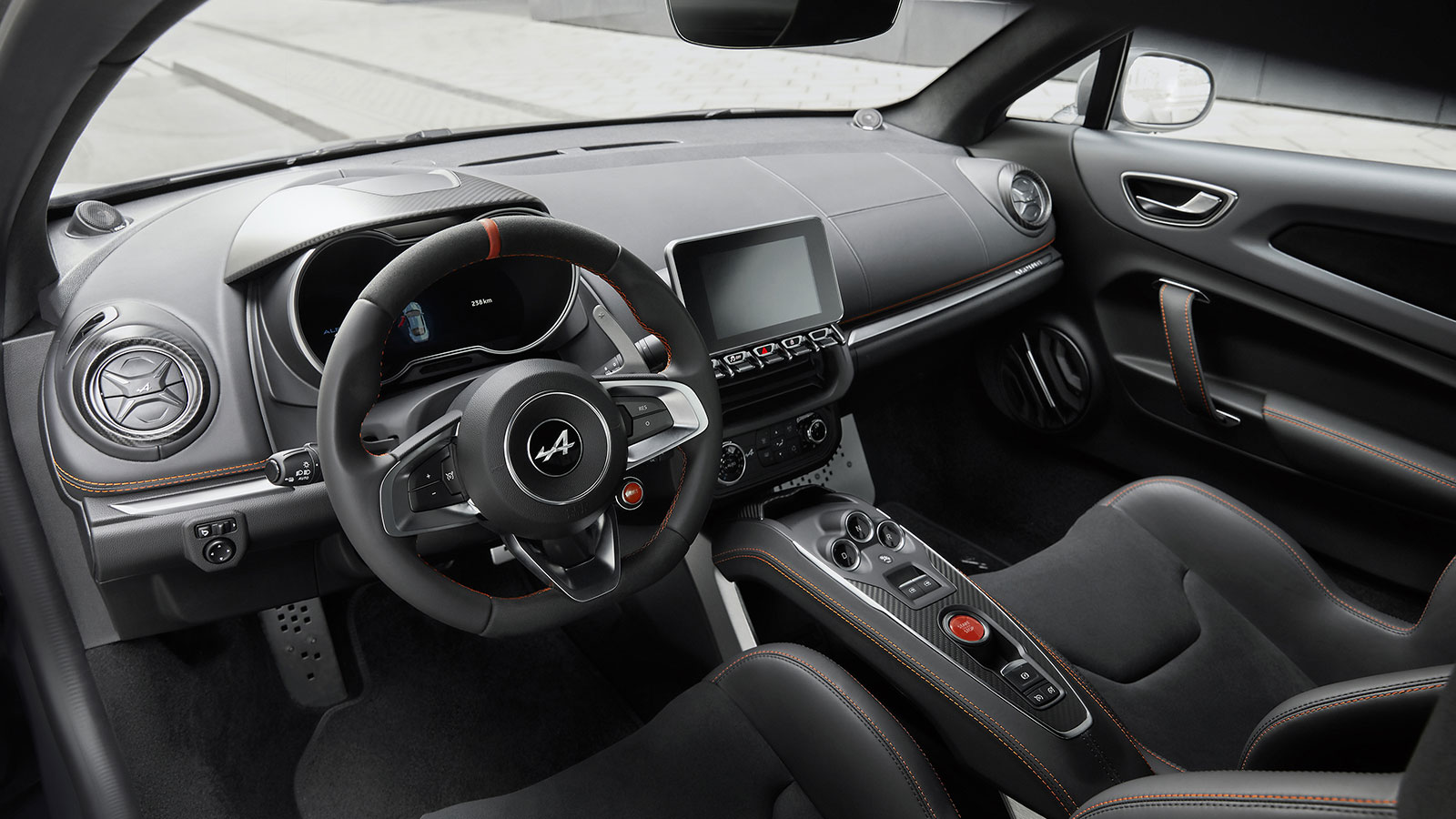
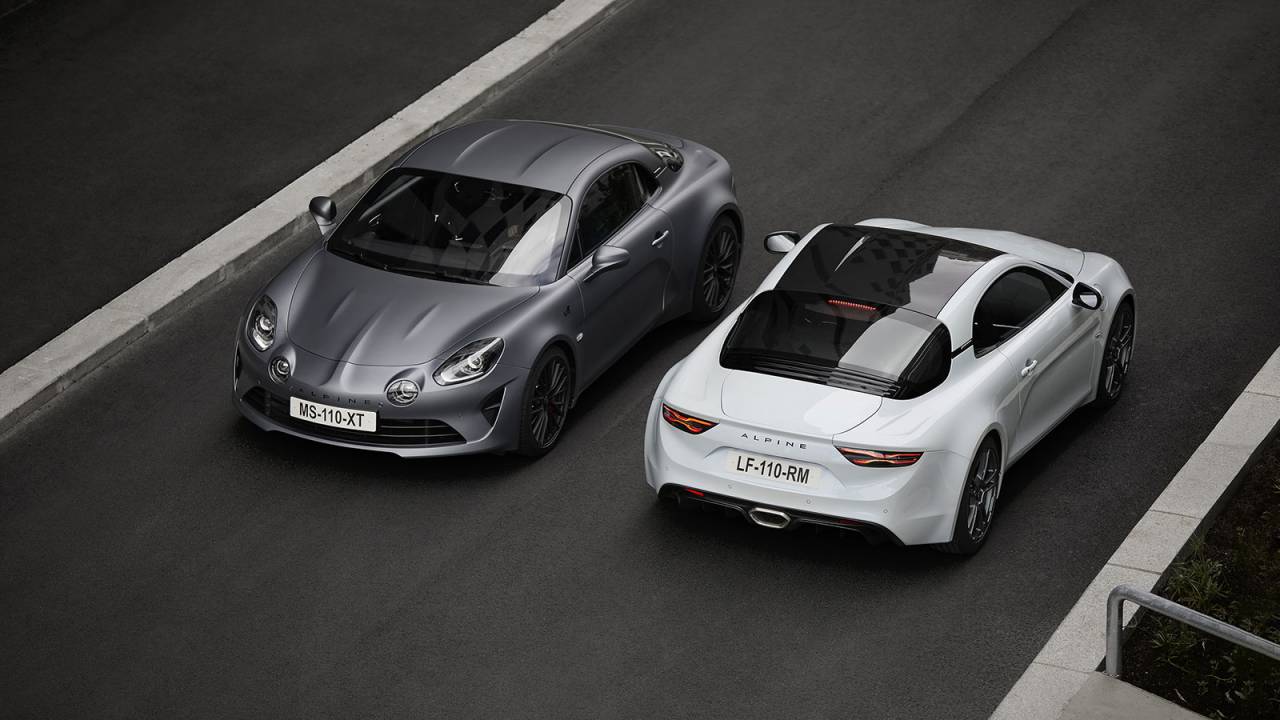
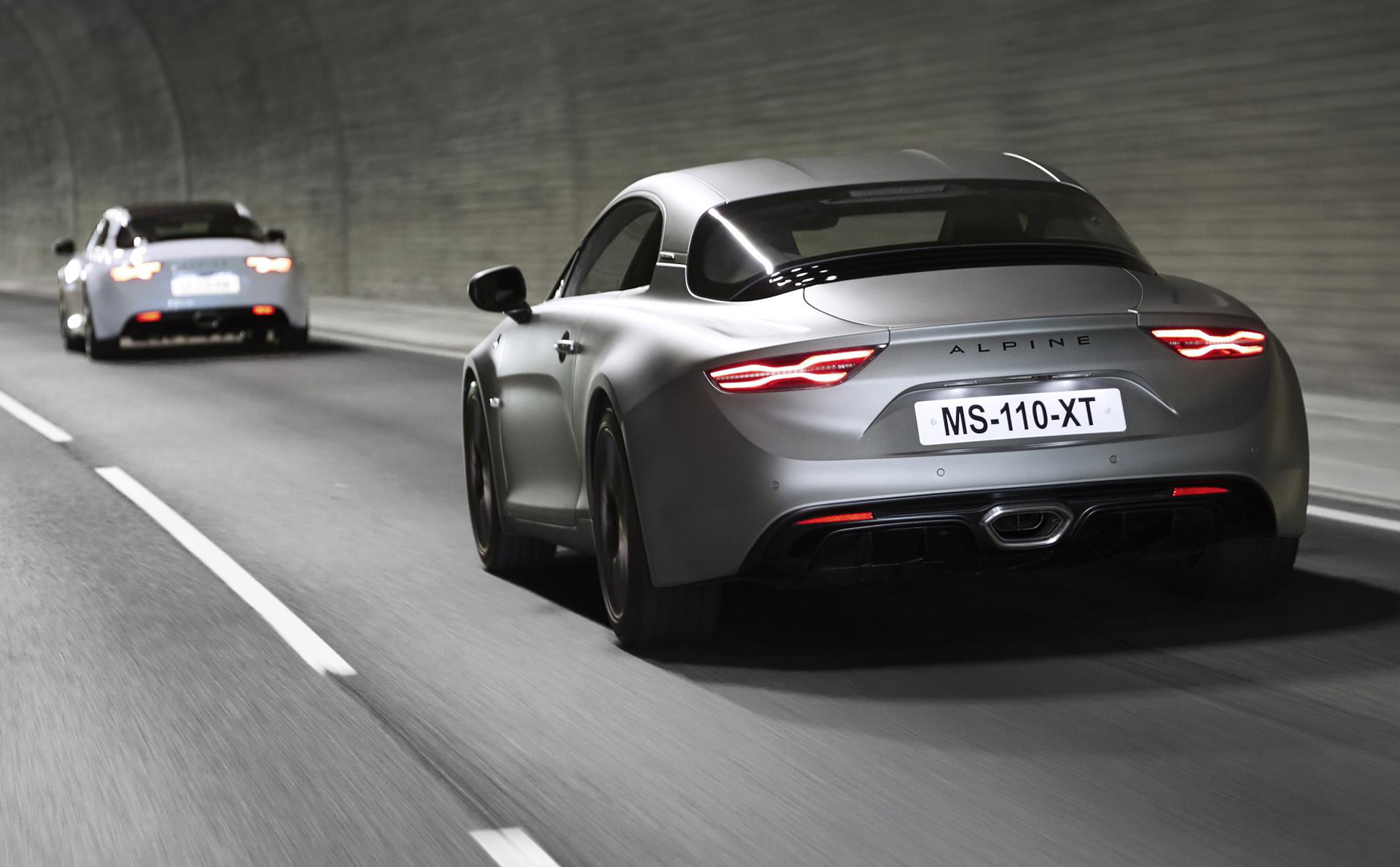
Alpine A110S

The Alpine A110 impressed everyone when it debuted with its beastly sports car innards. But it also angered stateside folks — Alpine still refuses to bring this ride to the United States. That isn’t changing for the more aggressive new flagship, the Alpine A110S.

Now on its third version, the Alpine A110S joins the A110 Pure and A110 Légende that brought back Alpine on the road. The most expensive and powerful of the bunch, the Alpine A110S has a very different character, says Alpine’s chief engineer.

“Its bespoke chassis setup makes it a very focused sports car. High-speed stability and handling precision are two of its defining characteristics. Although lap times are never a priority for our road cars, the new A110S is nonetheless faster than the A110 ‘s other versions.”

The 1.8-liter turbocharged four-cylinder engine now boasts 288 ponies, up nearly 40 over the earlier rides. Torque is a beastly 236 pound-feet, sticking around its peak for 1,400 rpm — higher than the base A110. There’s a rear-wheel drive, like before, and a seven-speed dual-clutch transmission. But there’s a new brake-based e-differential system that features a new cornering behavior.

The Alpine A110S has better high-speed stability, more responsive steering, and revamped handling precision, says Alpine. As for the styling, you’ll find dark-finished wheels, carbon fiber all over, and orange brake calipers. It’s even got an exclusive Gris Tonnerre matte finish paint option. Optional, too, is a carbon fiber gloss-finish roof, and so is lightweight Fuchs forged alloy wheels. More info when you hit the link below.

MORE INFO HERE

Photos courtesy of Alpine

10 New Cars You Can Buy for Massive Savings Right Now

Car sales declined in the first quarter of 2019, and as a result, there are deals to be had all across the land. Some of America’s best (and best-selling cars) have been loaded up with incentives to help dealers move them and keep. Other vehicles suffer from substantial inventory backlogs, making dealers desperate to clear them from the books.

Regardless of the why, the end result is the same: good cars at good prices. Here are 10 models on sale right that you can find on sale for a great deal below the usual asking price.

(Note: All deals were currently valid at the time this article was posted; however, they are obviously subject to change.)

Chevrolet Corvette

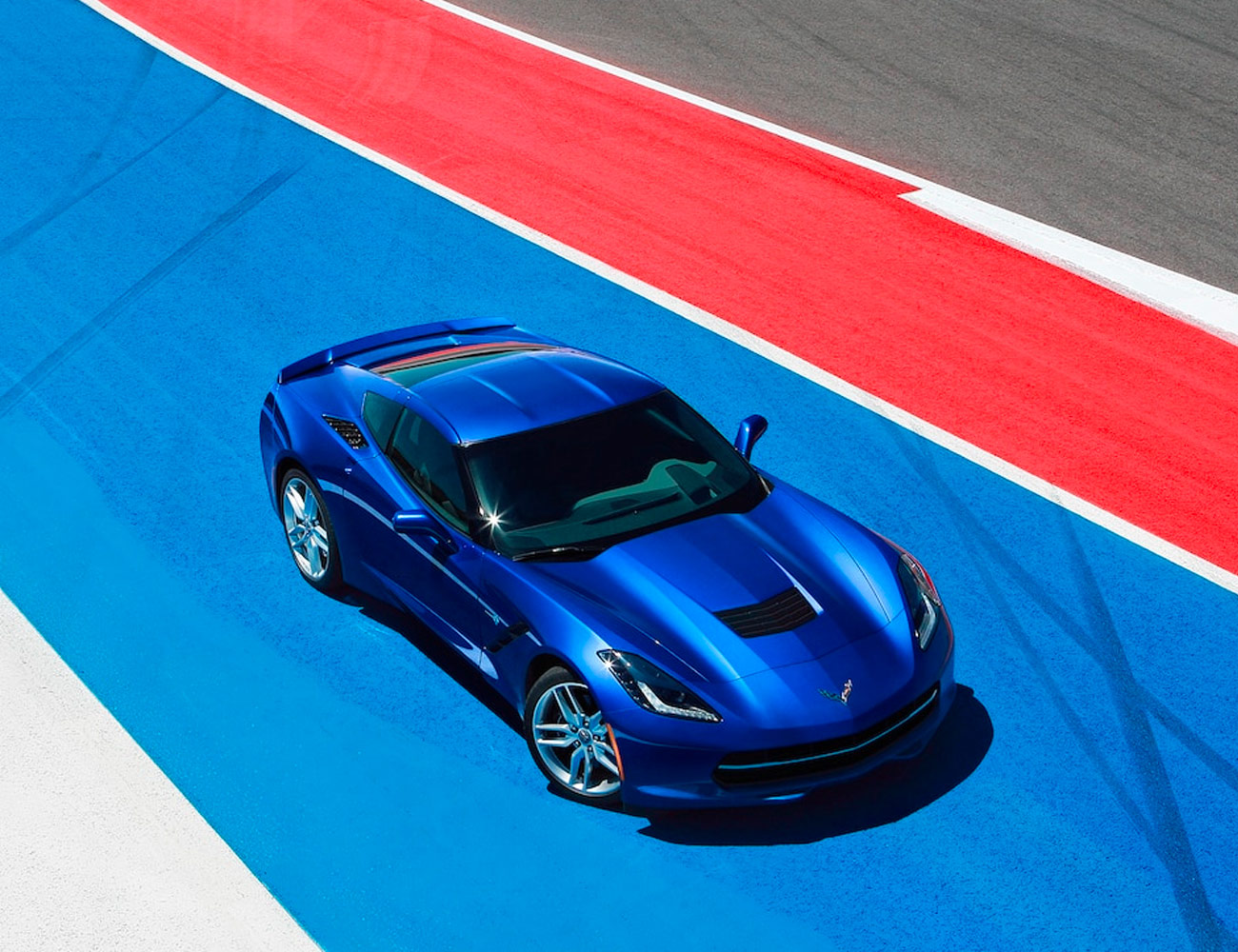
Chevy will launch the new mid-engine eighth-generation Corvette later this year. As a consequence, sales for the outgoing C7-gen Corvette have slowed. However, GM needs to keep production going to avoid plant closures, and dealers must accept C7 Corvettes to maintain their allotments for the C8. That’s left a backlog of thousands of C7 Corvettes that need homes. 

You won’t score a sick deal on a ZR1, but lower trims are going for 10 percent off MSRP or more. It helps to look for dealers specializing in Corvettes that are leveraged with a lot of inventory. This dealer in Atlanta, for instance, has more than 30 2019 Corvettes on sale listed for $10,000 or more under MSRP.

Ford F-150

The F-150 is America’s best-selling vehicle. Ford intends it to remain that way. As such, Ford is offering a dizzying array of incentives to send you home with an F-150.

At one sample dealership — Varsity Ford in Ann Arbor, for example — Ford knocks off a few thousand dollars off MSRP. A Ford Credit incentive takes out an additional $750. Then there are conditional offers, such as the unambiguously named “Silverado, Sierra, and Ram Competitive Conquest Bonus Cash.” There’s also 0% APR financing for 72 months.

Don’t get your hopes up for a discounted Raptor, though. They’re still going for the sticker price.

Jeep Wrangler

<

The Wrangler had a record sales year in 2018 with the launch of the JL generation. But Jeep knew that, and cranked them out in droves — even more than they needed, as it turned out. As a result, there are a substantial number of new 2018 JL Wranglers still out there, enough for Jeep to offer a national incentive. More aggressive dealerships have been offering around $9,000 off on 2018 models. You’re even starting to see dealers, such as this one in Cleveland, offer dealer discounts in the $2,000 range on 2019 models. Keep an eye on  Wrangler in the coming months, too; deals may get even better, what with the Gladiator and its super cheap lease deals about to cut into its market. 

GMC Sierra Denali

The Sierra Denali may be the glimmering luxury yacht of the full-size truck segment. It has the fancy MultiPro tailgate and can be optioned with a carbon fiber bed, among other bells and whistles. Judging from dealer prices, you can win the Home Depot parking lot battle for far less than the sticker price would indicate. GM financing throws in significant incentives; dealers are adding further incentives and perks like lifetime powertrain coverage on top of that. Dealerships in the Detroit area were knocking down Denali prices by $7,000 or so during a recent check. But, dealers in Lexington, Kentucky and Denver had combined discounts north of $10,000 on Denali trims. (And in case you like your pickups less glitzy, there are similar discounts on its off-road-oriented sibling, the AT4.)

Volvo XC90

Volvo’s three-row luxury SUV has been a consistently good seller for the brand. It’s in a hot segment, and it’s a well-regarded family vehicle. But XC90 sales dipped considerably in January and February 2019, so Volvo dealers appear primed to move some inventory — particularly the “Inscription” trim that can be optioned past $70,000. Dealers in Chicago and in Minneapolis have the occasional 2019 Inscription XC90 discounts in the $7,500 range, while a Detroit dealer has prices reduced by almost $10,000.

Ram 1500

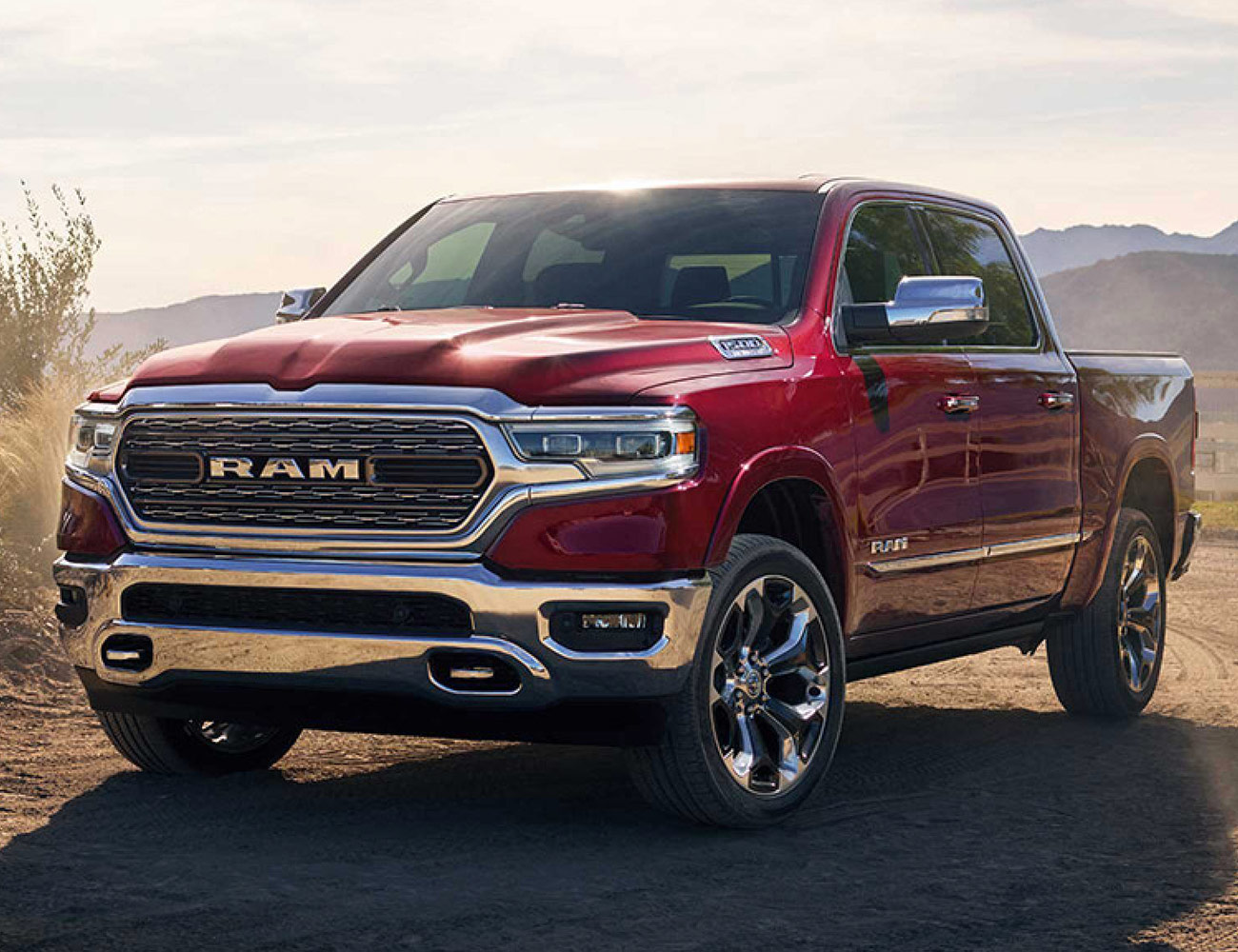
The Ram 1500 overtook the Chevy Silverado for the title of second-best-selling American vehicle in the first quarter of 2019. It’s not hard to suspect that had less to do with gimmicky features and more to do with aggressive incentives knocking down the price. This Texas dealership has a combination of manufacturer rebates and dealer incentives knocking around $10,000 off the MSRP for Big Horn and Lone Star trim Crew Cabs. Another dealer in San Fernando, California is dropping prices on that trim below $30,000.

Ram has also kept the older-generation Ram 1500 in production as the discounted “2019 Ram Classic;” prices for that for a base model work truck can dip into the mid-$20K range.

Chevrolet Silverado

GM won’t give up the Silverado’s perennial silver medal to Ram without a fight. Chevy is offering substantial incentives to keep that market share. Base work truck prices are standing pat or being  modestly discounted, but Chevy is heavily incentivizing higher-level trims. At Husker Chevrolet in Lincoln, Nebraska, for example, LT-trim Silverados are getting around $5,000 or more in manufacturing and financing incentives from GM, with substantial dealer incentives on top pushing total savings north of $12,000. Chevy was also matching Ford’s 0% percent APR financing for 72 months. Farther south, this Texas dealer is offering about $10K off LT Texas Edition trim Silverados.

Fiat 124 Spider

Fiat’s American foray has not gone to plan, and one big casualty has been the 124 Spider. The concept should work — it’s a Miata restyled by Italians — but in practice, the 124 Spider has been America’s least favorite car, and suffers from a massive dealer backlog. Fiat dealers are coming as close to giving away 124 Spiders as possible. Skip the 2019s, if any even exist, and go right for the new 2018s that have been sitting on the lot for a year. At one Fiat dealer in suburban Detroit, you can get a fully loaded Abarth version with a stick for $27,750, 27 percent under MSRP. You can get a manual Classica with the same 1.4-liter engine for less than $20,000. 

Buick Enclave

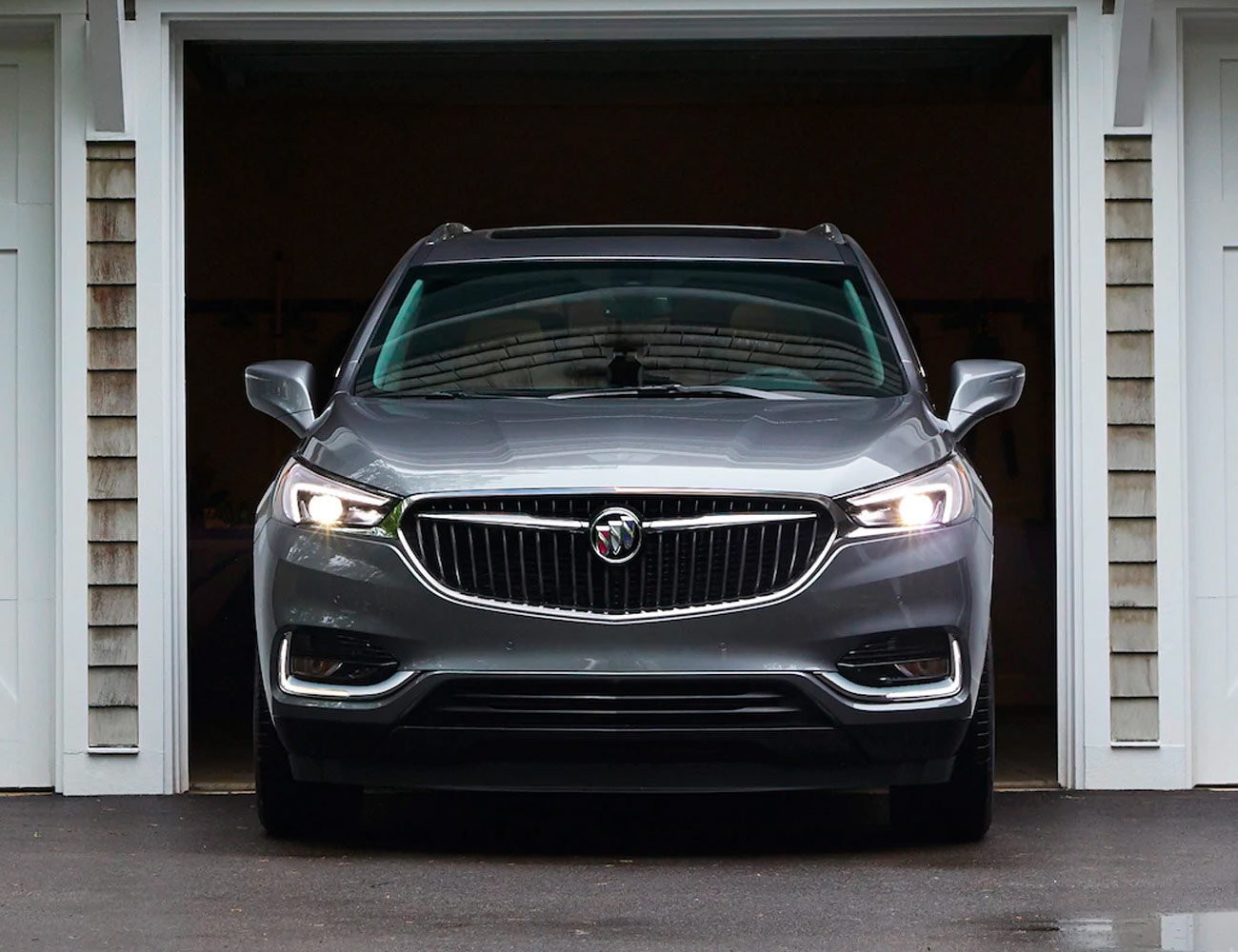
For whatever reason, Buick’s latest model push hasn’t quite caught on with the U.S. market. We reviewed the pleasant-to-drive Buick Enclave Avenir, one of the many GM vehicles vying for a share of the luxury three-row SUV pie, last summer; our main issue, beyond the rear visibility, was paying $60,000 for a Buick.

It turns out you probably won’t have to do that. Buick offers a $4,500 cash back offer on the 2019 Enclave. With dealer incentives, you can knock $8,000-9,000 off the price. A dealership in Scottsdale, Arizona has Enclave Avenir models listed at or below $50,000. Lower trim 2018 models can come with even bigger discounts and 0% APR deals.  

Mitsubishi Outlander

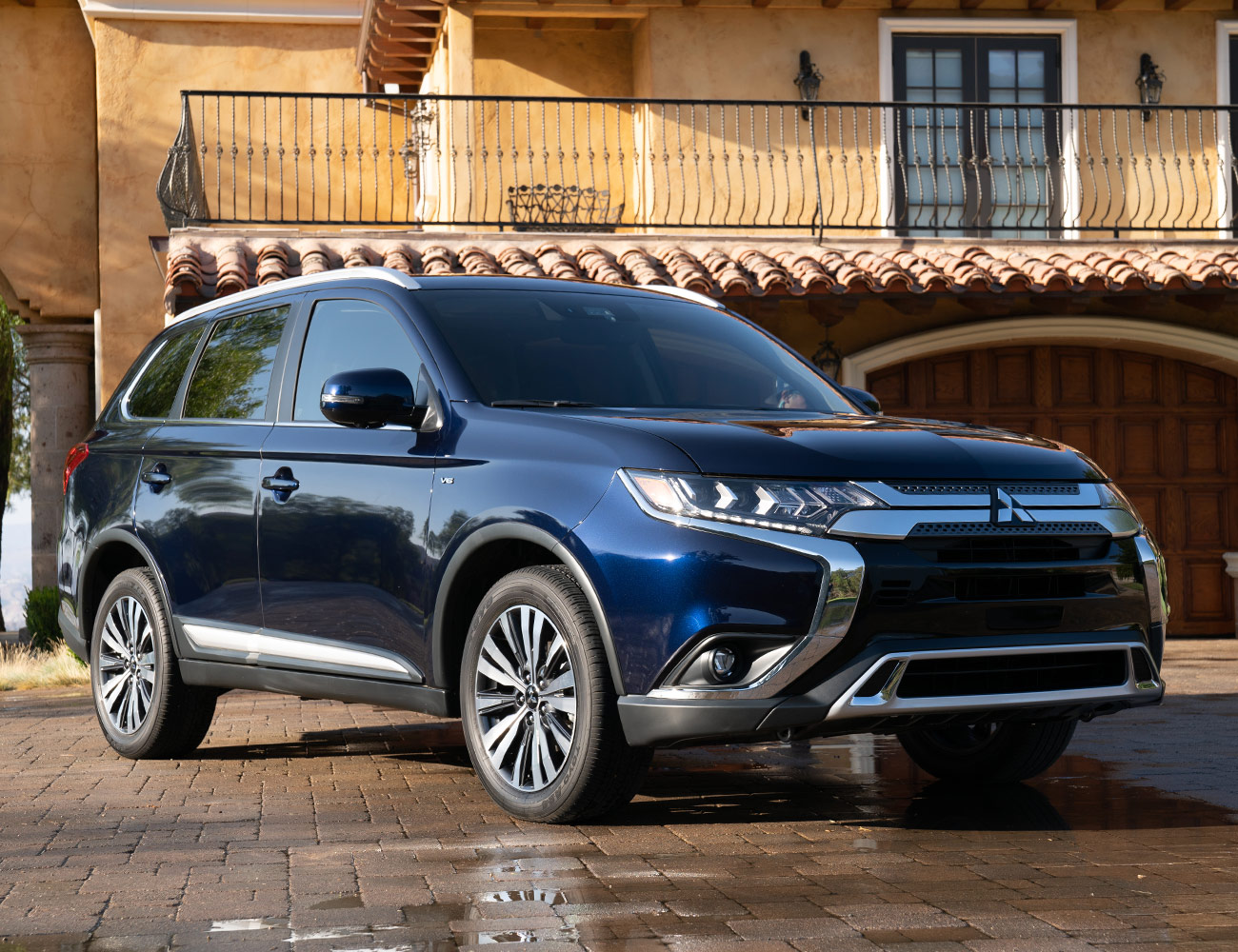
Mitsubishi has a reputation for loading their cars with incentives to target buyers on a budget. That makes it hard for the brand to branch out into new, more profitable categories…but it works out well for people looking for bargains. The Mitsubishi Outlander looks like any old compact crossover, which is what many people want. You can get one for relatively little money; Mitsubishi has been offering factory incentives in the $2,000-$3,000 range, and dealers have been topping that. This Tampa dealership is offering Outlanders for about $5-6K off MSRP — quite significant on a car under $30,000. And a Houston Mitsubishi dealer is selling base ES models for $19,999.

Note: Purchasing products through our links may earn us a portion of the sale, which supports our editorial team’s mission. Learn more here.

The Best Used Cars You Can Buy for Under $20,000

It’s not hard to see the appeal in a new car: low to no miles, undamaged and unworn parts, and of course, the purest version of that new-car smell. But as any bargain-minded car shopper is sure to tell you, there are far better deals to be found on the used car market. Depreciation slices a good chunk off any car’s value the moment it leave the dealership, and the car’s worth just keeps sliding from there, in an inevitable downward slope that, sooner or later, winds up with the vehicle valued at little more than the market price of the raw materials that can be sucked out of it.

But ruffling through the used car market to separate the clunkers from the charmers can be grueling. (Trust us: We just did it for our Best Used Off-Roaders for Less Than $10,000 piece.) Any information that can help sift the wheat from the chaff is helpful — and the more it can winnow down the massive selection of pre-owned vehicles out there, the better.

Luckily for us, the team at iSeeCars.com has put together a list of some of the best bargains to be found in the lightly-used car market. For these purposes, they looked at vehicles that are three years old (i.e. coming off a common-length lease term). While the average car lost 38.2 percent of its value in that time, many cars lost far, far more — which makes them great buys in the used car market. And again, given the used car market’s particular focus on value, they further broke down their list to pull out the three-year-old cars you can buy for less than $20,000 today that have seen the steeped depreciation in those 36 months since they first left the lot. In other words: These 10 vehicles are the best buys in used cars you can find today for less than $20,000.

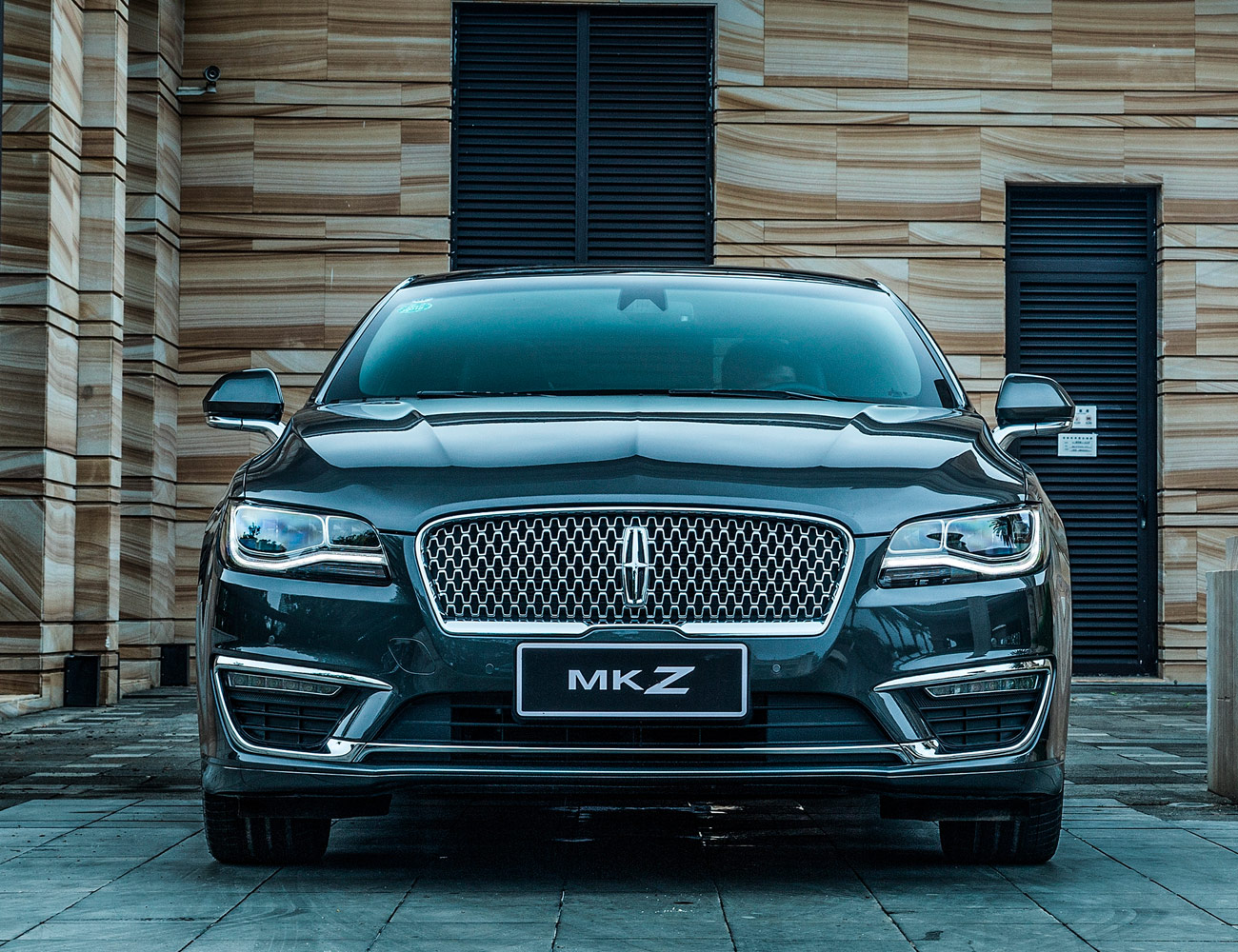
Lincoln MKZ


Average Three-Year-Old Price: $19,855
Depreciation: 55.6%

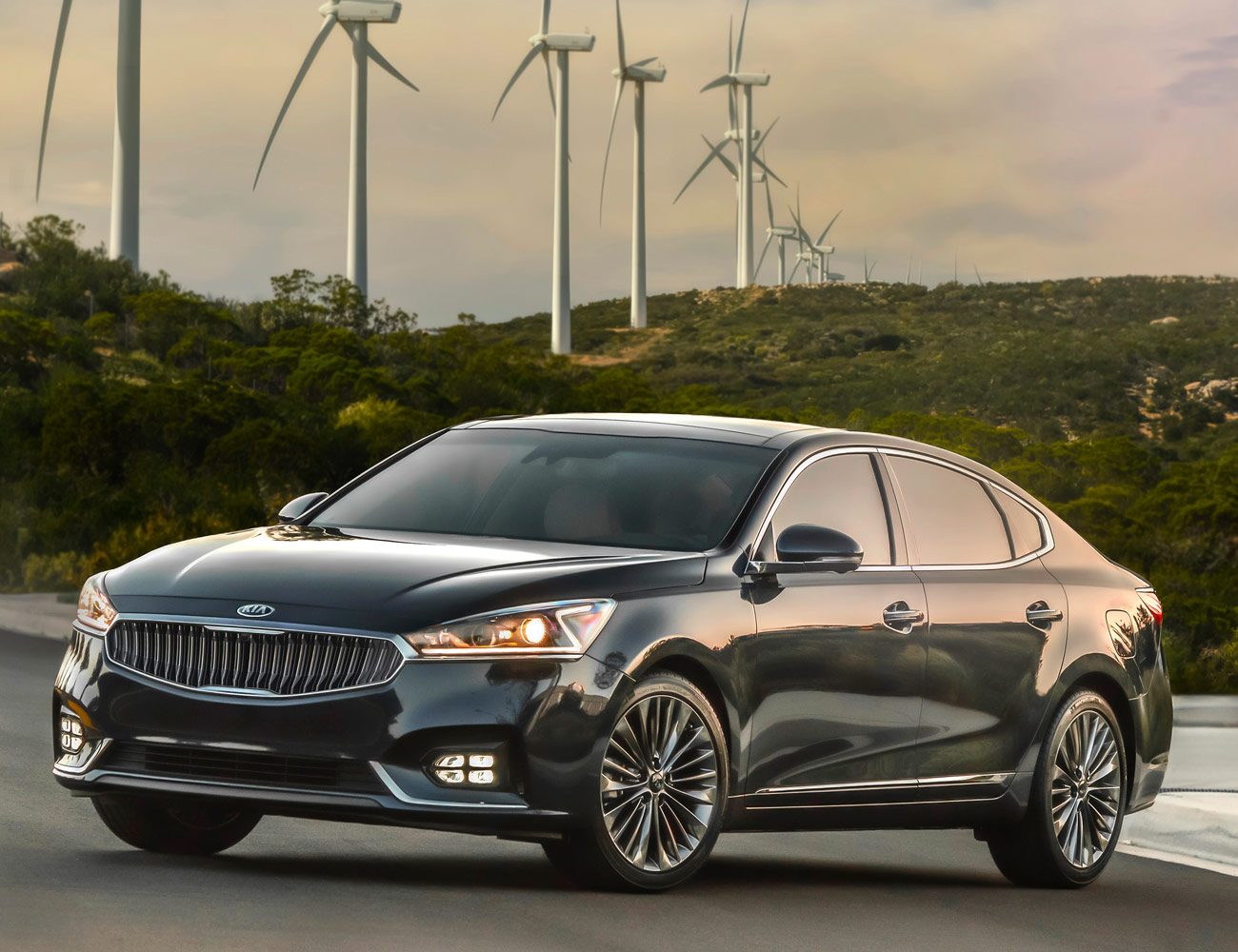
Kia Cadenza


Average Three-Year-Old Price: $19,508
Depreciation: 50.2%

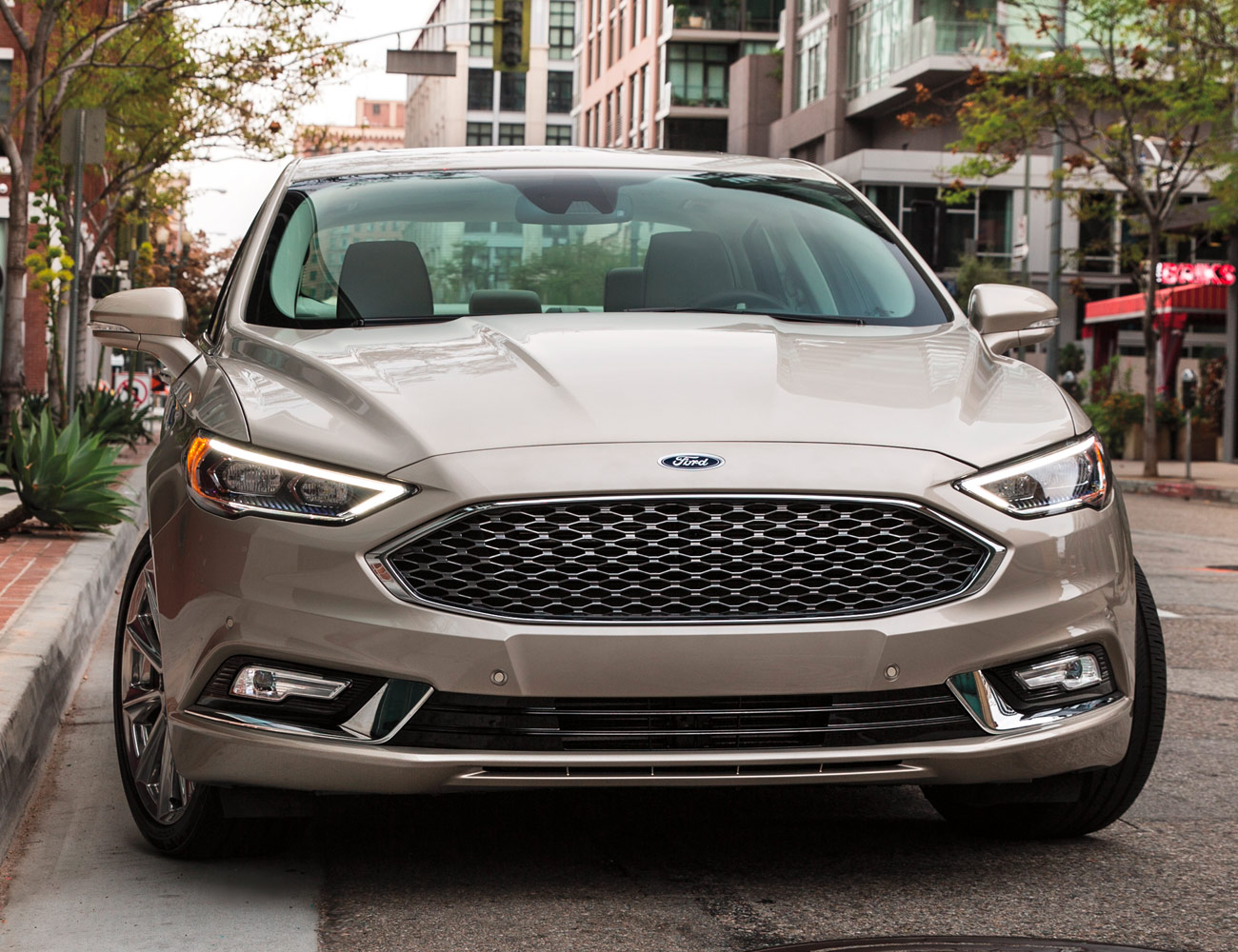
Ford Fusion Hybrid


Average Three-Year-Old Price: $14,844
Depreciation: 49.7%

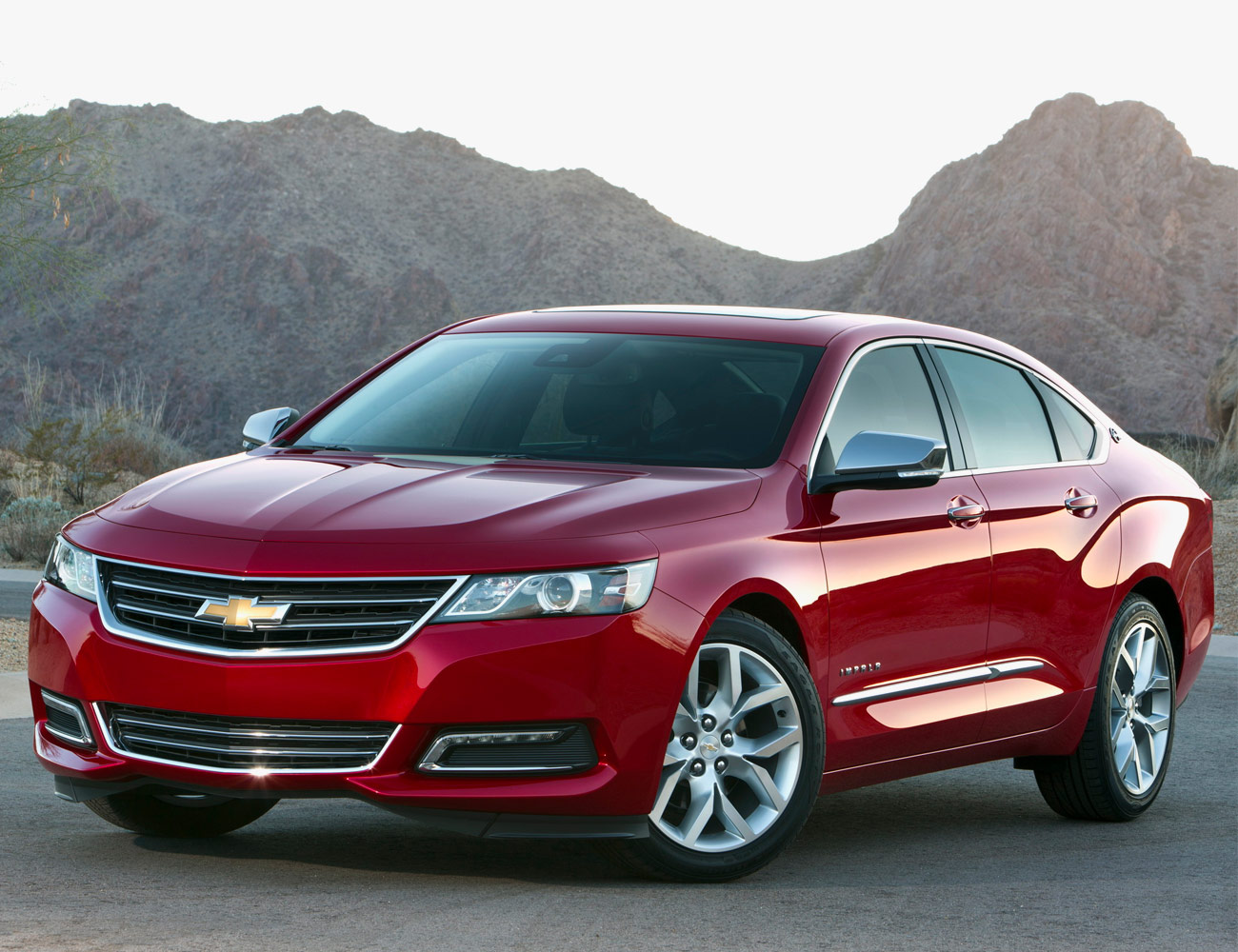
Chevrolet Impala


Average Three-Year-Old Price: $17,745
Depreciation: 49.4%

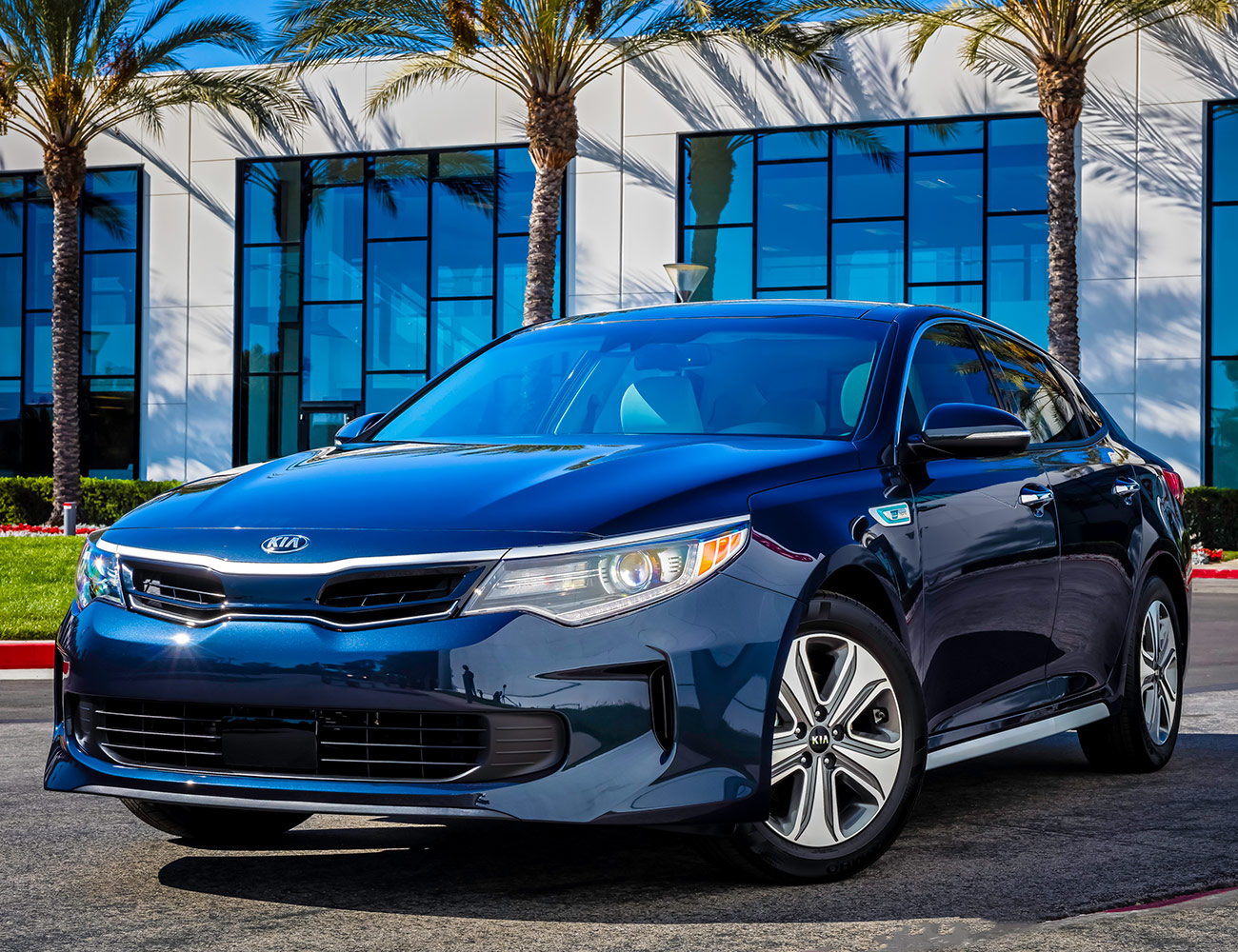
Kia Optima Hybrid


Average Three-Year-Old Price: $16,381
Depreciation: 49.2%

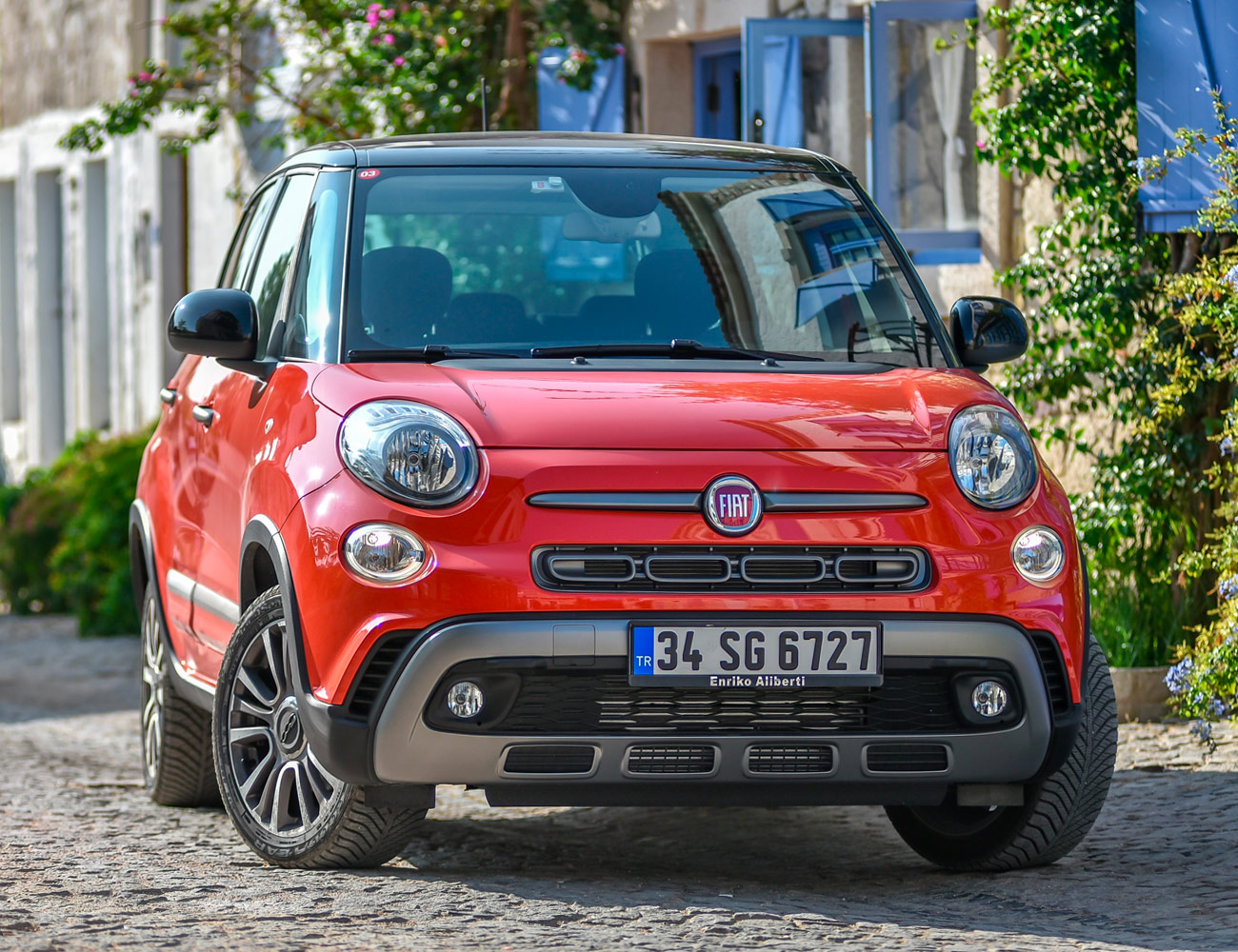
Fiat 500L


Average Three-Year-Old Price: $13,403
Depreciation: 49.1%

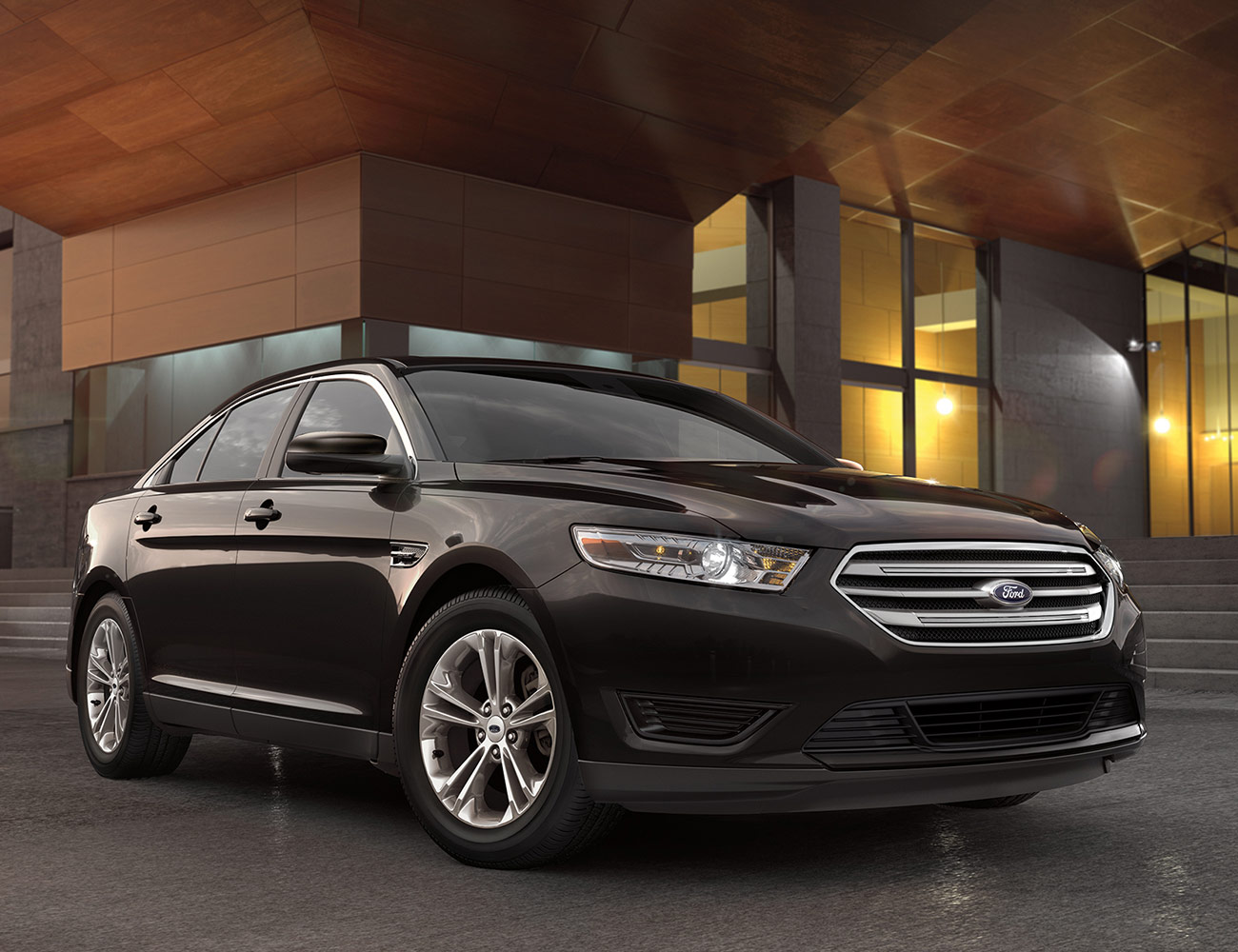
Ford Taurus


Average Three-Year-Old Price: $17,587
Depreciation: 48.7%

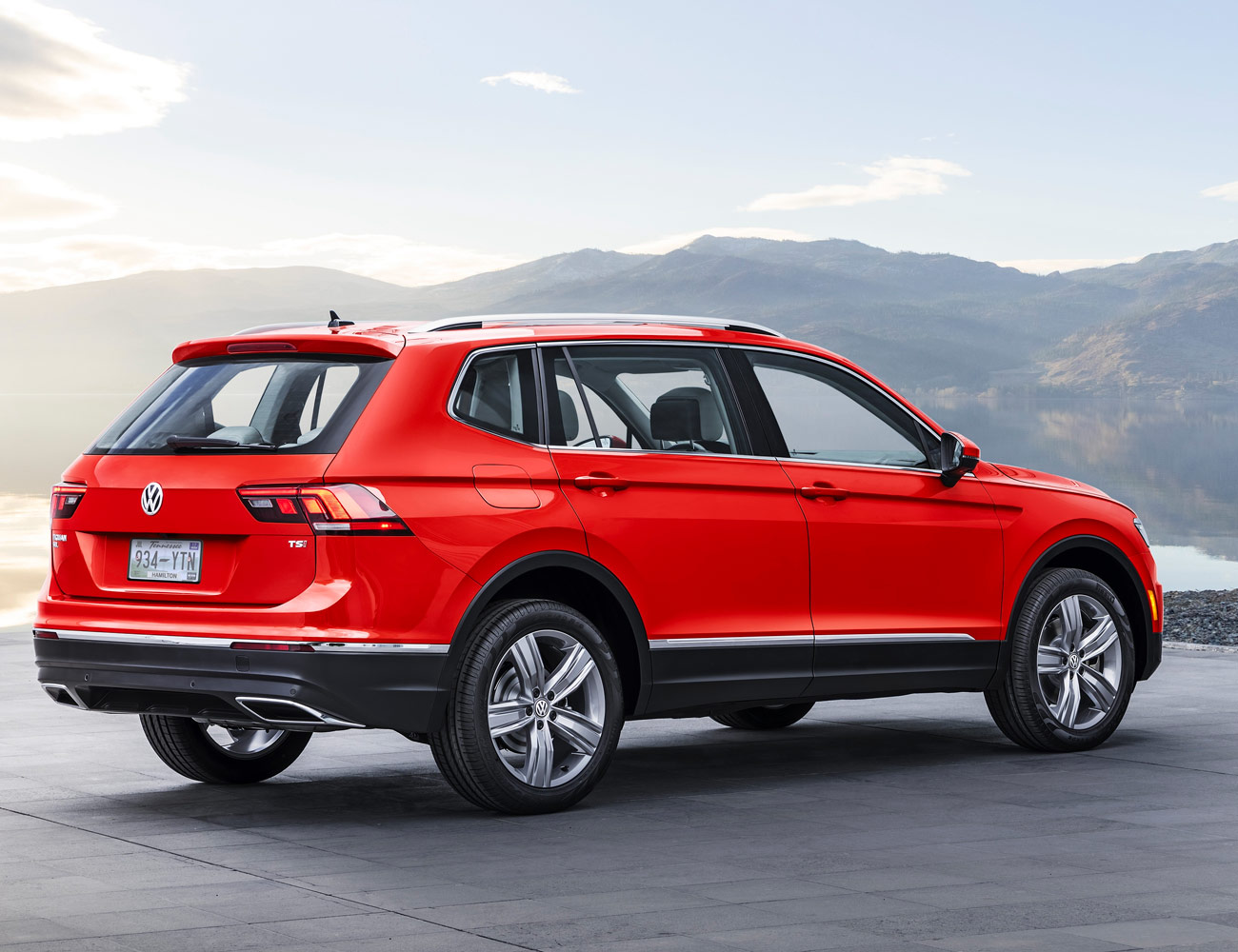
Volkswagen Tiguan


Average Three-Year-Old Price: $16,235
Depreciation: 47.7%

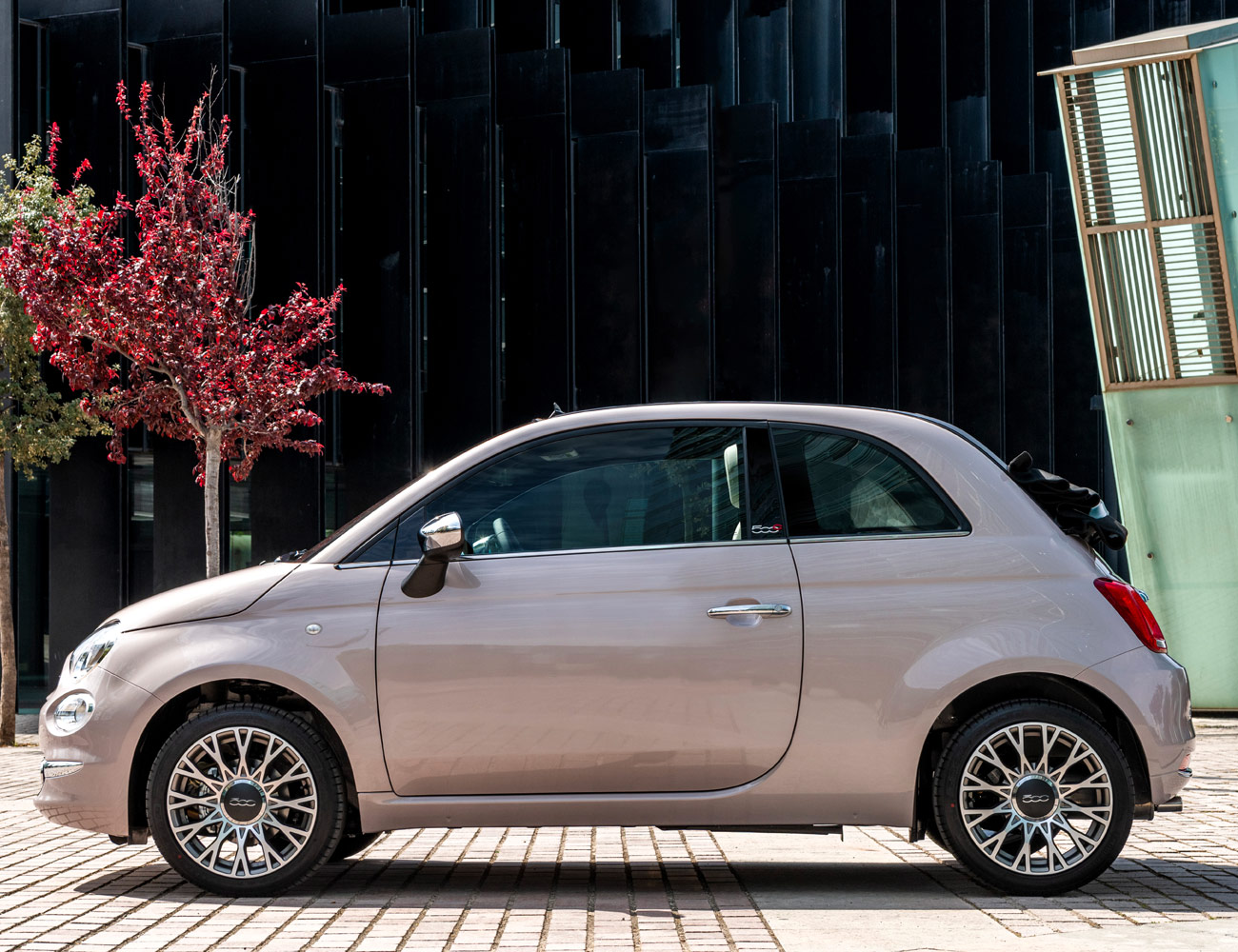
Fiat 500


Average Three-Year-Old Price: $11,469
Depreciation: 47.2%

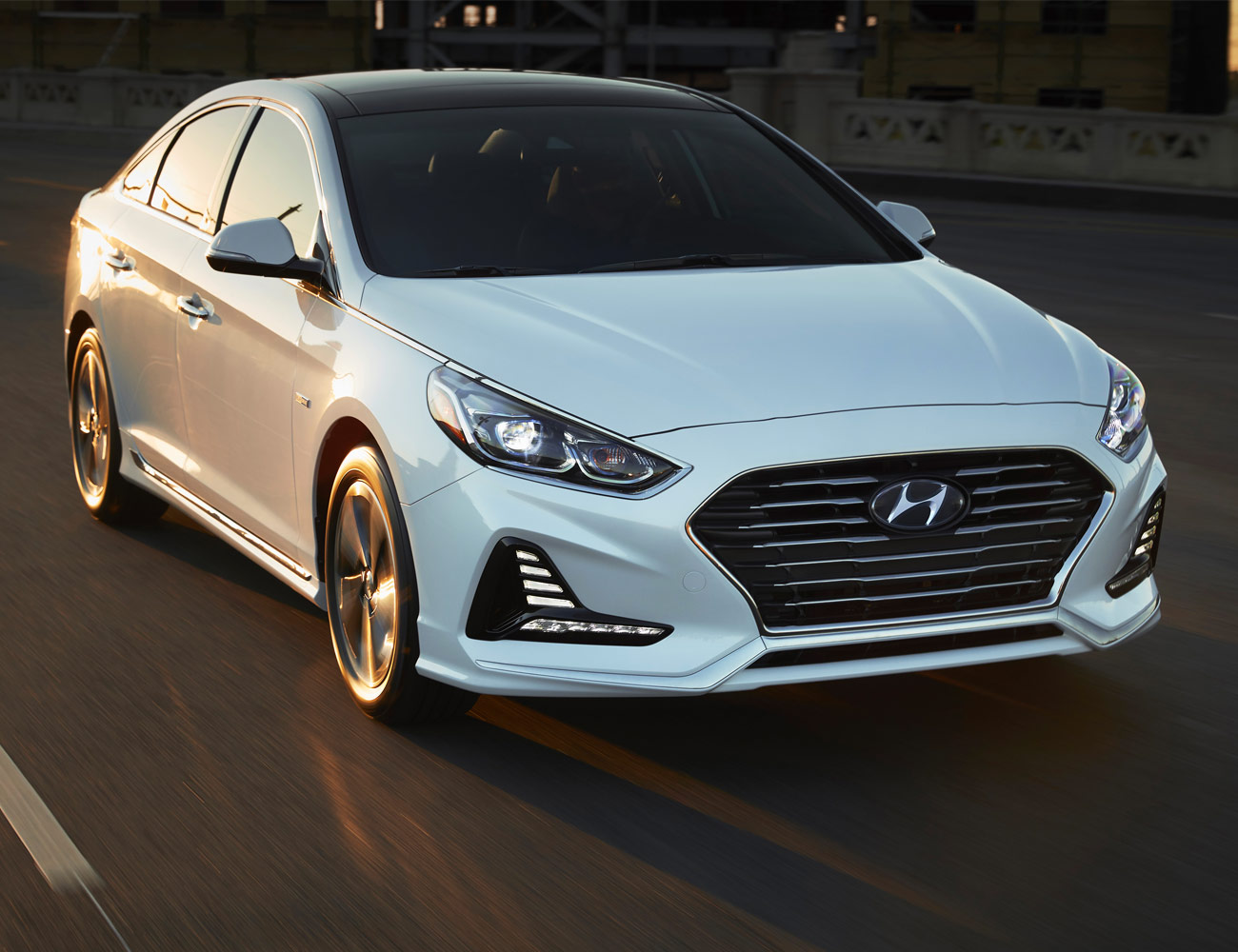
Hyundai Sonata Hybrid


Average Three-Year-Old Price: $16,303
Depreciation: 47.0%

Remembering the Cars Our Dads Drove

Good dads pass down good things — a strong jawline, a penchant for saving, a well-dimpled half-windsor and, perhaps, an appreciation for automobiles. Some of our dads were gearheads, others were working men who needed good transportation. Regardless, the cars our dads drove remain vivid in our minds, from the sound of the rumbling big-block V8 engine to the stickiness of the hot vinyl seats in the dead of summer.

Our crew took a look back at the cars our dads drove, the wheels that took us just about everywhere and sometimes — for better or worse — were handed down to us. Some cars were loved, others were necessities, but all of them are part of our history and our attachment to motoring. – Amos Kwon

1982 BMW 528e

In the mid-1980s we lived in Milwaukee, and my dad accepted a job south of the border in suburban Chicago, which meant a new 90-minute commute. At first he suffered through it twice a day in a tiny Renault Encore, but it didn’t take long before he couldn’t take the Encore anymore and wanted something more comfortable for the long drive.

I was in high school at the time and, like most boys my age, had posters of Lambos and Ferraris on my bedroom wall — but our garage, in addition to the Encore, merely housed a very bland Ford Fairmont. When my dad said he was going car shopping one summer night, I tagged along, not knowing that it would change my life.

After some fruitless visits to used car lots around town, we ended up standing in front of a gleaming black 1982 BMW 528e. It was the most beautiful car I had ever been close to. The salesman tossed my dad the keys, and we shared 20 of the most memorable minutes together — driving up and down Highway 100 with the sunroof open and the orange dash lights glowing, smelling the leather seats and listening to that powerful engine.

I had never seen my stoic father light up with glee like he did that night, whooping it up and goosing the gas pedal like a man I didn’t know. We drove the Bimmer home that night, leaving the Renault to some other hapless commuter. Nothing was the same afterwards.

I learned to drive in that car, washed it for my dad in exchange for Friday nights with the keys, got in over my head with DIY repair attempts, and managed to crash it. Twice. But it went on and on, like an old family dog, ragged but lovable. Finally, Midwestern road salt had its way with the undercarriage and rusted through the floor pan and fuel lines, so my dad sold it with 230,000 miles on the odometer.

I went on to own a BMW of my own — not to mention a string of other European sports sedans — in adulthood, but I think all of them were attempts to recapture the feeling I got on that warm night test driving that 528e with my dad. And none could ever live up to that. – Jason Heaton

2000 Cadillac DeVille

My dad is a Cadillac man, has been since the ’80s (except for a brief Ford stint). The cars themselves blur together over the years — always classic, the interiors always leather. My brother and I were given the privilege of choosing paint color, for which we had a rotation system.

My dad is also a baseball man, and this is why the 2000 DeVille stands out among the rest. Tricked into agreeing to go play catch, my brother and I clambered into the Caddy with our mitts in tow. But my dad missed the exit he was supposed to take. And the next one. And after 30 minutes of enduring our laments, he drove into Shea Stadium, and pulled out tickets to game five of the World Series.

The game itself eludes memory, besides the fact that the Yankees won. But I do remember my dad driving that car — the one he’d driven to countless little league games — packed with snacks, blankets and extra mitts (in case of a lucky fly ball).  I replay the day in my head and wondered if my dad smirked behind the wheel when we complained about missing the exit, how he must have wanted to reveal the surprise but held fast. And I remember nodding asleep with my head against the glass window, listening to the gentle hum of the engine, wondering what paint color I’d pick when the next lease came up. – Caitlyn Girardi

1969 Ford Mustang Fastback

My dad loved cars. The kind of love that entailed him tinkering with a 1969 Mustang Fastback nearly every weeknight, and made every weekend involve a visit to the local track. These were summer nights ran by country boys in eastern North Carolina, where a raucous quarter-mile could make memories of a long week in the field fade with impressive quickness.

My dad was born into a family of brothers and sisters that all appreciated the fun in going fast, but he was something special. His cars were faster, stickier and badder than the rest. He routinely toasted his competition at the track, but never let it go to his head. He was a gentleman and a friend, and to this day he loves to grab a wrench and slide beneath a car.

A few decades ago, my dad lost most of his sight in a freak work accident. While it didn’t claim his life, it did rob him of the ability to ever drive again. It’s proof that life isn’t always fair, and I’ve longed to somehow give my pop the ability to run just one more quarter-mile. Some of the fondest memories I’ve made with him involve us inside the cab of a car. He taught me to drive a manual in a limited-edition 1992.5 Ford Mustang. We’ve been glued to our seats together accelerating in a BMW 535i. We’ve climbed over some pretty insane stuff in a Land Rover. All of it, together. Even when he wasn’t driving, I know he was thrilled just the same. – Darren Murph

2004 Mercedes-Benz SL500

When I was a kid, my dad never showed much interest in cars. Having been raised in the Midwest and grown up on a dairy farm, he had a stronger interest in tractors than in speed machines — his unused Allis-Chalmers is a testament to that. I have to give him credit, though — he was always willing to help me indulge in my automotive passion in any way he could.

One such occasion was when I was only 15 years old, with just a couple months of driving experience under my belt. After finishing a round of 18 holes while on vacation in Florida, we passed one of those used exotic car dealerships that seem to litter that state. Seeing the excitement on my face, he pulled into the dealership to let me skulk around. The place was filled with Ferraris, Porsches and Aston Martins, but my dad took an interest in perhaps the most pedestrian car in the joint: a silver 2004 Mercedes-Benz SL500. Though admittedly I egged him on, Dad didn’t seem the least bit against asking for a test drive.

The SL500 was a modest performer for its time; this was no AMG. Still, as I saw my dad’s face light up as he mashed the accelerator, I realized that I had never seen him as enthused about a car before. We pulled into a parking lot where he let me take the driver’s seat and I too felt the same childish glee he felt as I stepped on the pedal and listened to the 5.0-liter V8 sing.

Eight years later, my dad will still occasionally say to me, “Remember that Mercedes we drove in Florida? I think I’d like one of those.” How could I forget? That was the first day I saw my dad as a gearhead. – Andrew Connor

1987 Porsche 924s

My dad had just received his first bonus, and he went directly to the Porsche dealer in San Francisco and bought a brand-new Grand Prix White 1987 924s off the floor. It was the first new car he ever bought, replacing a brown Toyota Corolla that had no reverse gear. (On my parents’ first date, he famously parallel parked the Corolla by opening the door and using his foot, Fred Flintstone style.)

Shortly after purchasing the Porsche, my dad got a new job in New York, and the car came with him. I have fond memories from childhood: sitting in the rear seat, hearing the purr of the engine and feeling the shift shock because my head was too big for my body.

My dad drove that car into the ground. He drove it in and out of the city every day for 10 years. Endless oil changes and a few clutches later, he eventually donated the car. I can only hope that it lives on — and maybe one day, our paths will cross again. At least then I’ll be old enough to drive it. – AJ Powell

Cars-Dad-Drove-Gear-Patrol-Ambiance

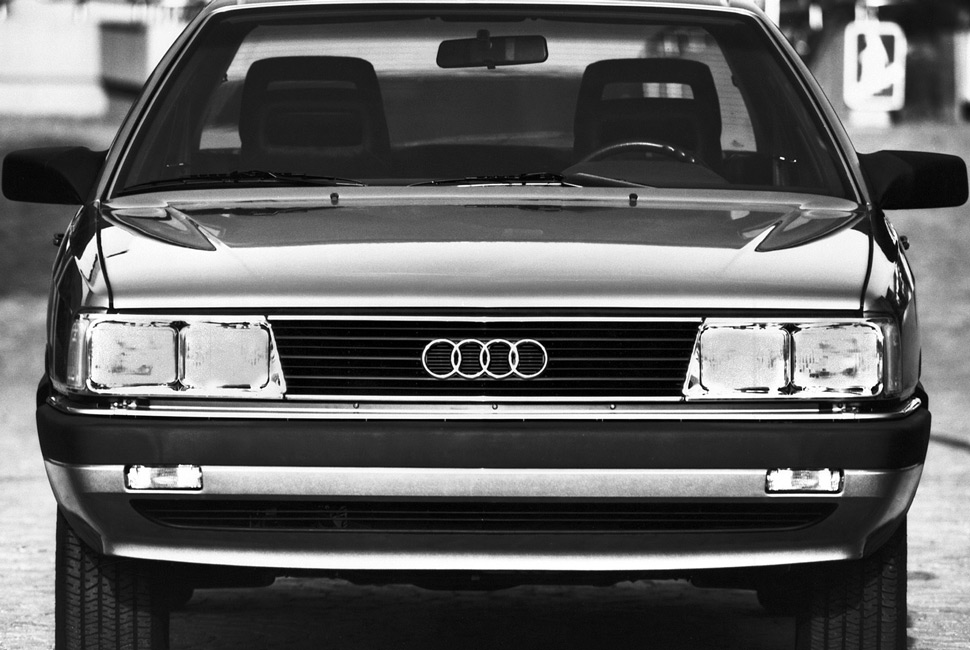
1985 Audi 5000S

The timing was perfect. I was 15, and literally counting down the days until I could get my driver’s permit. My father — whose love for cars was expressed through his racing photography, boxes of Road & Track magazines and supercar posters lining his office walls — finally translated his passion for great cars into a tangible good: an Alpine White 1985 Audi 5000S, with navy cloth interior and a five-speed transmission.

I had never heard of Audi before, and hadn’t cared much for cars until the day this machine sat in our driveway. But the Audi changed things.

My father, being generous and loving, offered me his newest acquisition as a test car, manual transmission and all. Weekend afternoons, I’d work on car control with my dad by slaloming between cardboard boxes; I’d perfect my feel for the car’s dimensions by steering tires onto specified pieces of newspaper; and I’d struggle through the ever-daunting manual transmission start-and-stop on a hill.

The hours of learning (and frustration) in the parking lot, the laborious oil changes, the detailing, the flying down backroads complete with a Kenny Loggins Top Gun soundtrack, and the times I pushed the car so my dad could pop the clutch to jump start it, all these moments and more all filled my teenage years with the wonder of octane. And then, finally, I came home one summer night to see a practical American replacement sitting in the place of the Audi. It was the end of an era, but one that would never be forgotten. – Bradley Hasemeyer
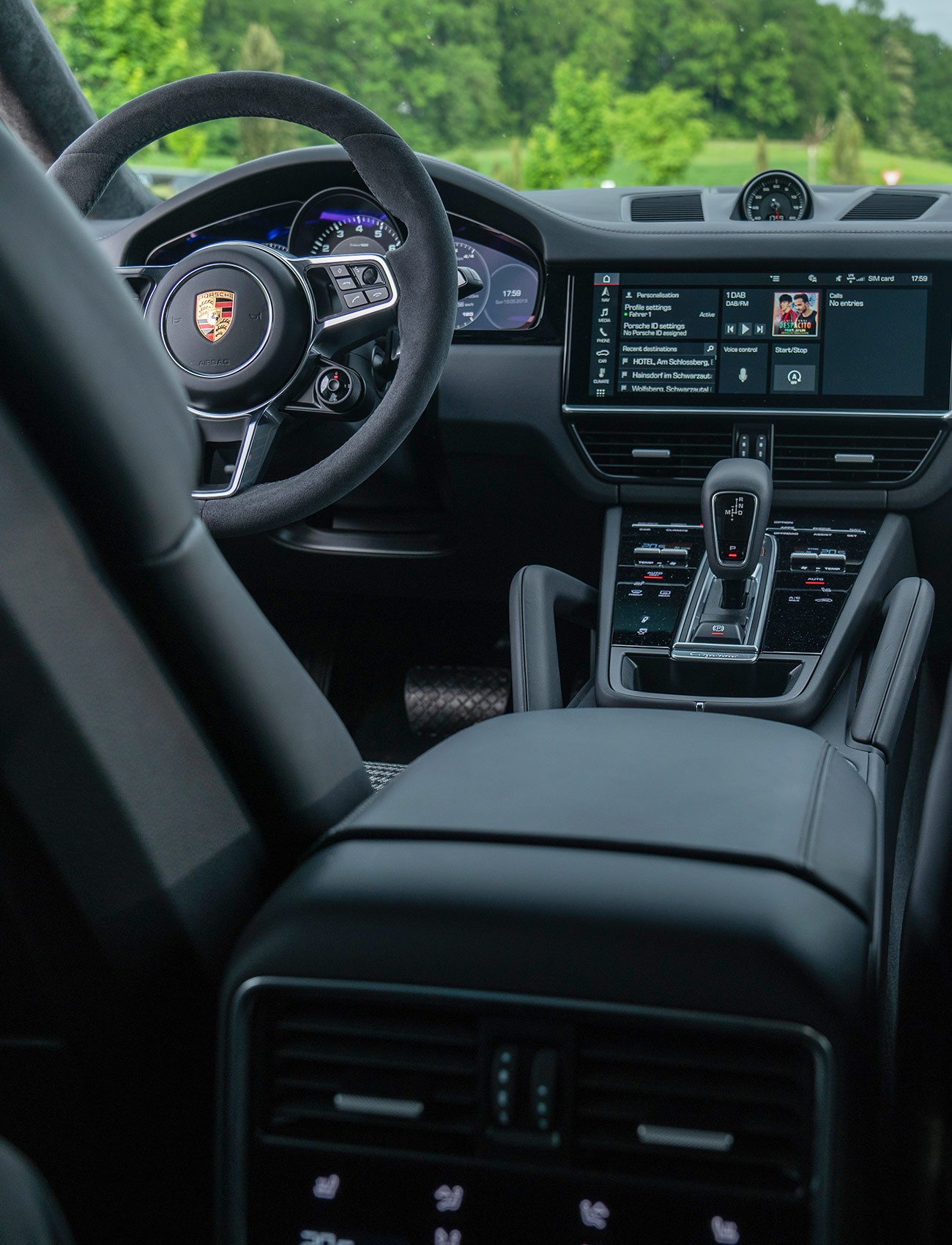
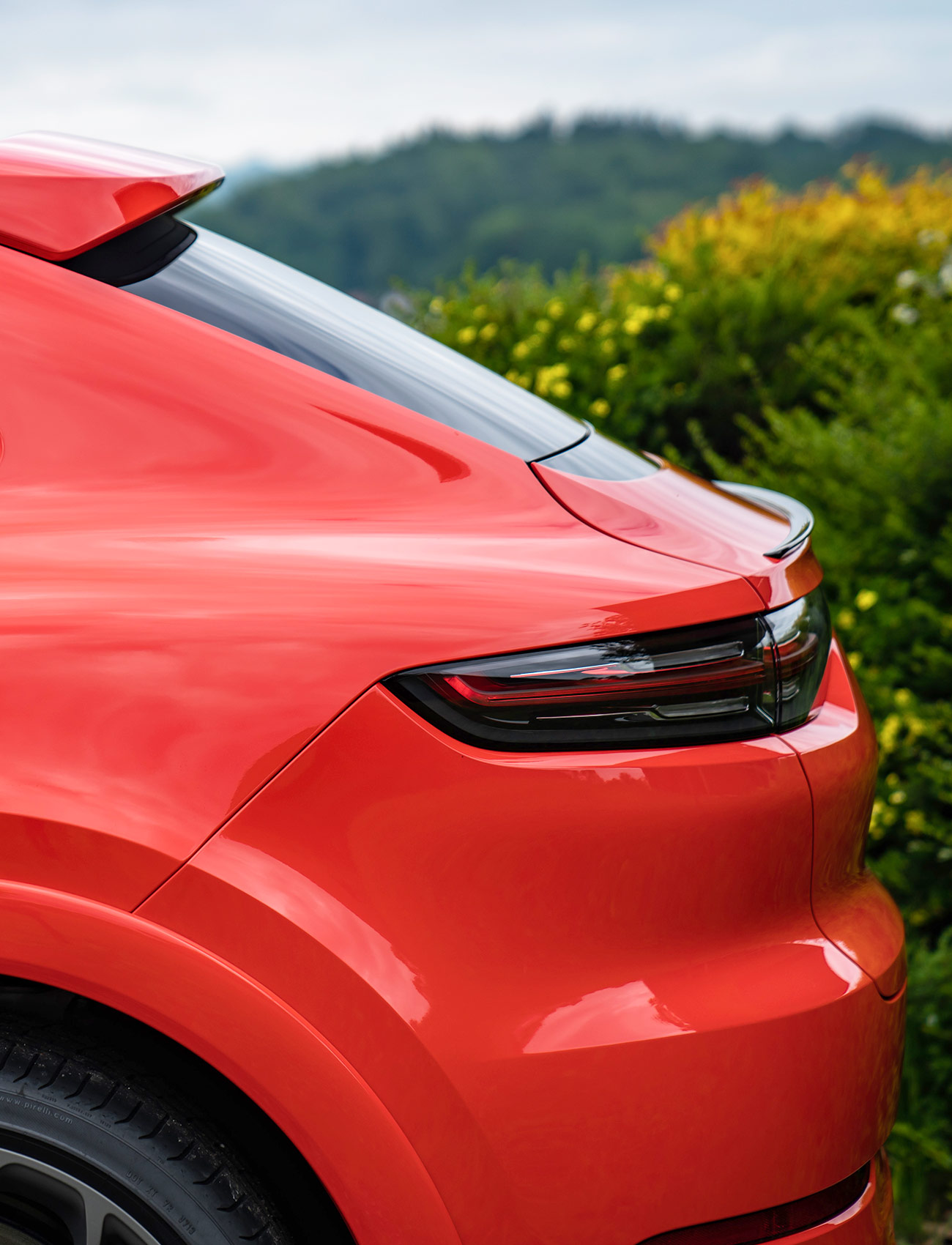
1977 Chrysler Town and Country Station Wagon

The car that dad drove was the same car that mom drove: a family station wagon. This was the late ’70s, early ’80s — the last gasp of the station wagon’s heyday, before families shifted over to minivans and crossovers. Volvo 265s and Peugeot 505s were de rigueur in the part of New England where I grew up — or, if you were buying American, Ford LTDs and Chevrolet Caprice Classics (with simulated wood panel siding, a cheap imitation of the “Woodies” from the 1930s and 1940s).

But we had none of these, as my sensible father (known as “Papi” in my half-Latino household) opted for his own father’s hand-me-downs, usually four-year-old Chrysler Town & Country station wagons. The Town & Country was actually considered upscale compared to the Ford and GM offerings. But nobody drove Chryslers where I lived, much less old ones, and this was a source of embarrassment.

What did I know? I was a kid. I bet I would have found a reason to be embarrassed even if my dad drove a Porsche 928 like my car-enthusiast uncle did. In retrospect, and now that I’m older, I’m grateful for my father’s frugality when it came to our family’s mobility — because the savings incurred by driving a hand-me-down helped send me to college. Thanks, Papi. – Tom Samiljan
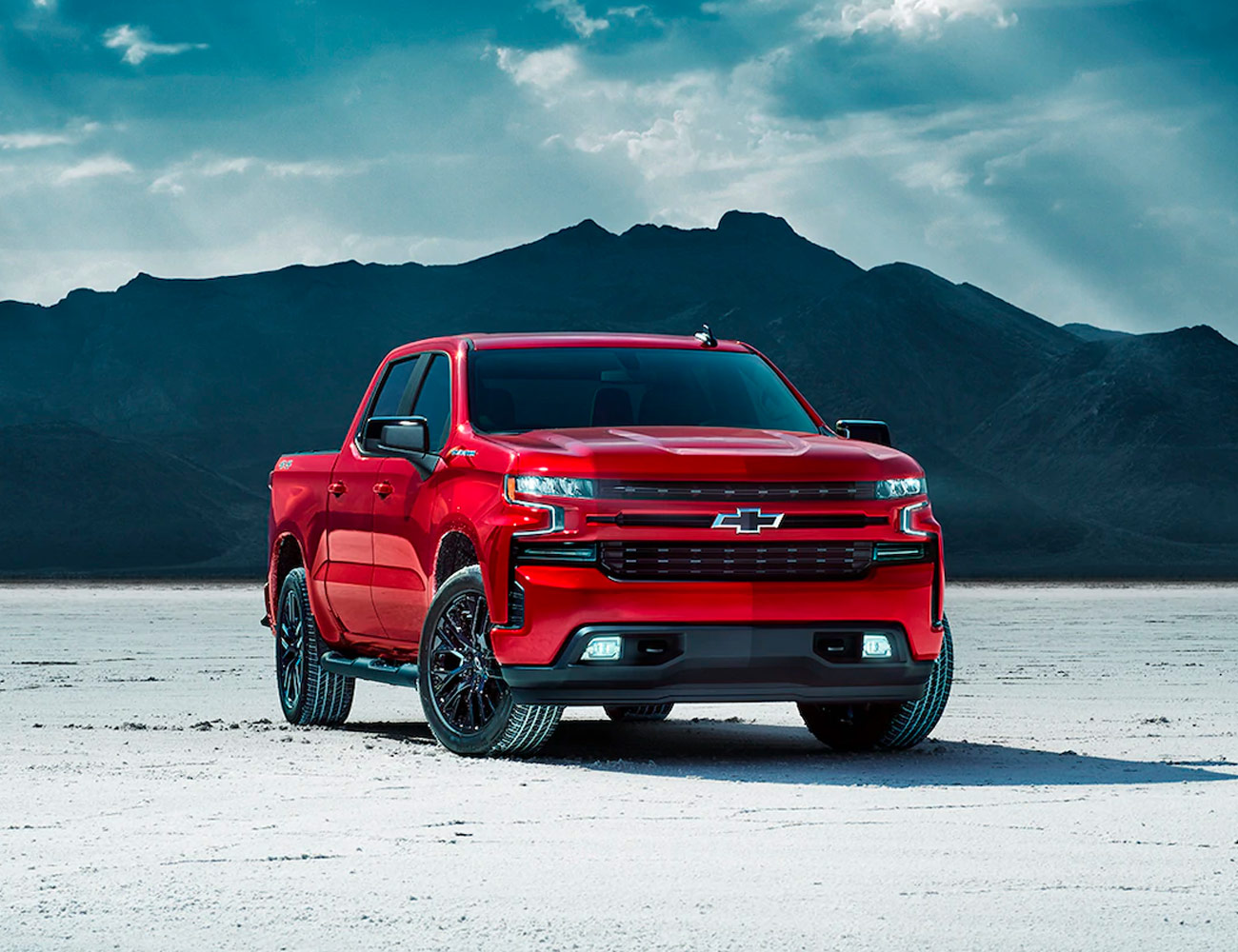
1977 Oldsmobile Vista Cruiser Station Wagon

My dad’s first car, after moving from South Korea to America, was a 1967 Chevrolet Chevelle — a white-on-red-vinyl two-door. I never saw the car, but from photos, it was a stunner, powered by a 200-horsepower Turbo-Fire 307 V8 engine. This was the car that he wooed my mother with, despite the fact that she could barely stay awake on dates. (Not because Dad was a bore, but because she worked the night shift at a hospital.)

Though it wasn’t an SS, it was a beauty. Dad traded in the white-knight Chevelle when he got married and my brother and I were born; when he did, he went for a bigger coupe in the form of a dark blue fourth-generation 1972 Chevrolet Impala with a 5.7-liter Turbo Fire V8 engine under the hood. Trips to Wrigleyville, picnics at Grant Park and late-night pickups at the end of my mom’s shift all remain fresh in my mind, as do the numerous times I fell asleep in the big rear vinyl seats.

Then came the Oldsmobile. It was mandarin orange, had a hood as wide as the deck of an aircraft carrier and felt like it was 30 feet long. In 1977, it cost about $7,000; this was the top-of-the-line Vista Cruiser, after all, with a 6.6-liter Rocket V8 engine. It was to be our road trip hauler for years to come, and we used to load it up with camping gear and enough clothes to last us three weeks on the open road.

That Olds took us to the Grand Canyon, Yellowstone National Park and everywhere in between. Dad bought a roof box as aerodynamic as a brick wall, and drove on Pacific Coast Highway like he was piloting a Ferrari. It’s a miracle we survived. He once T-boned a stalled car with its lights off in the dead of night, and the Vista Cruiser didn’t even get dented — thanks to that chrome bumper the size of a parking curb, and the complete absence of crumple zones. That sturdy Oldsmobile, of all the cars my father owned, was his pride and joy. – Amos Kwon