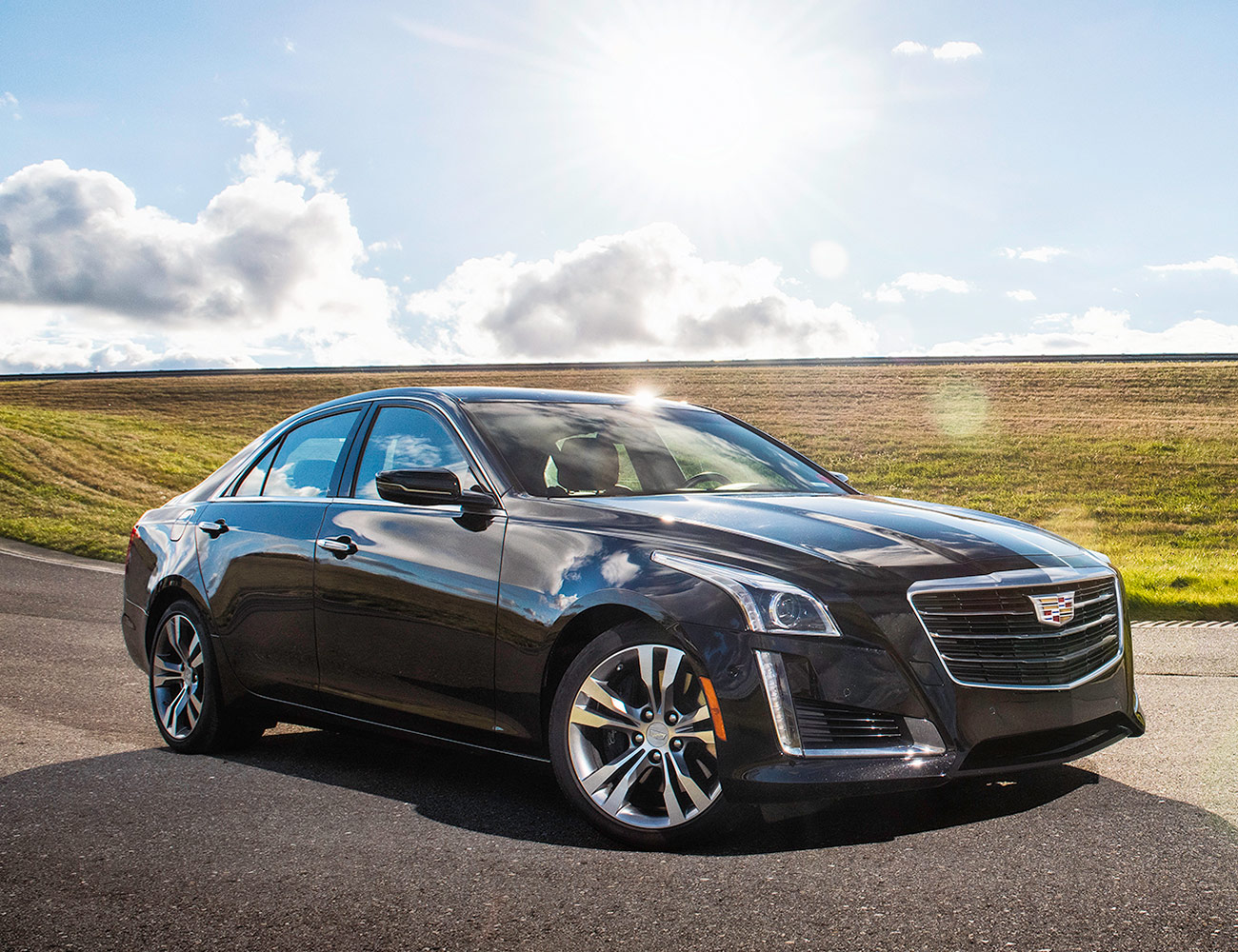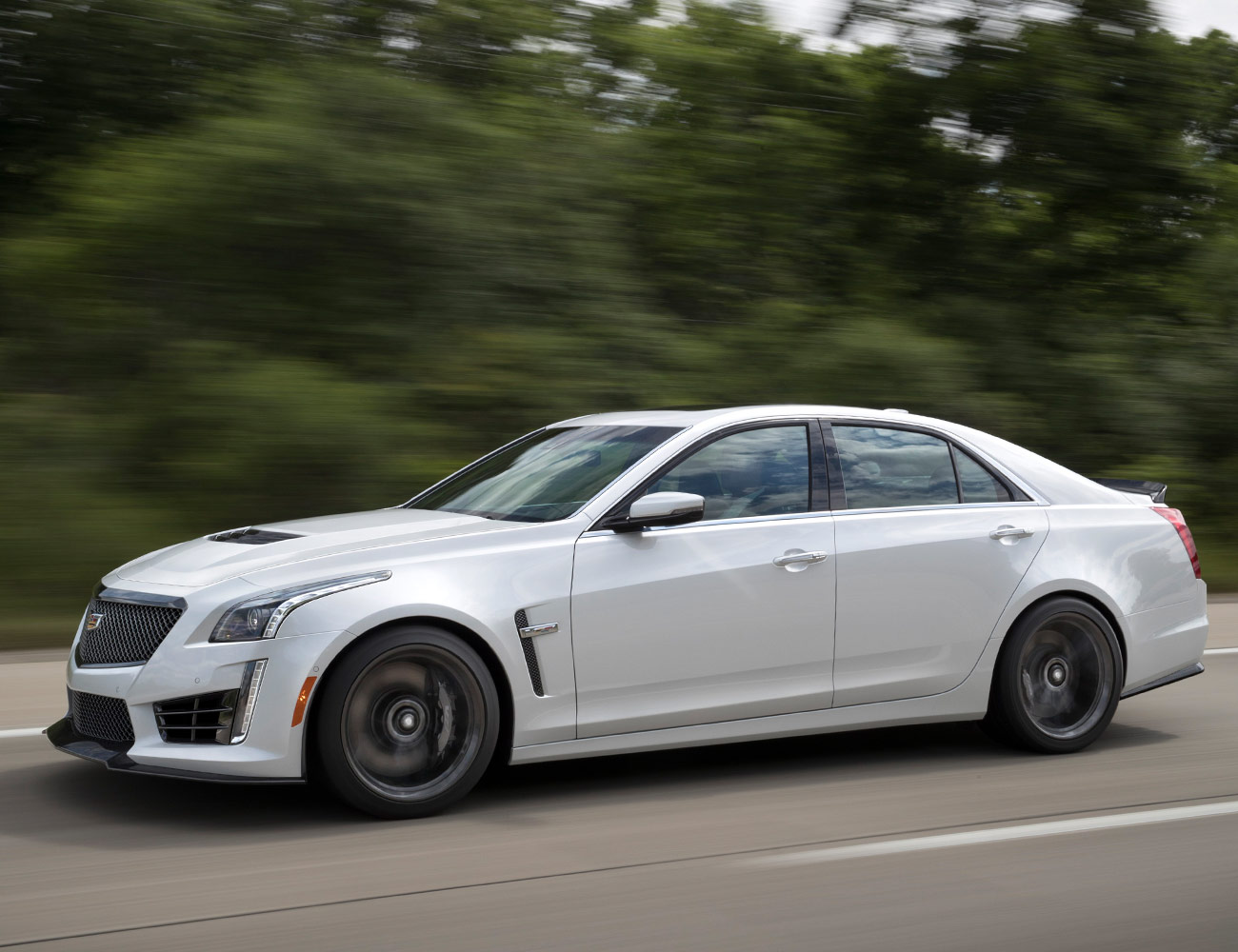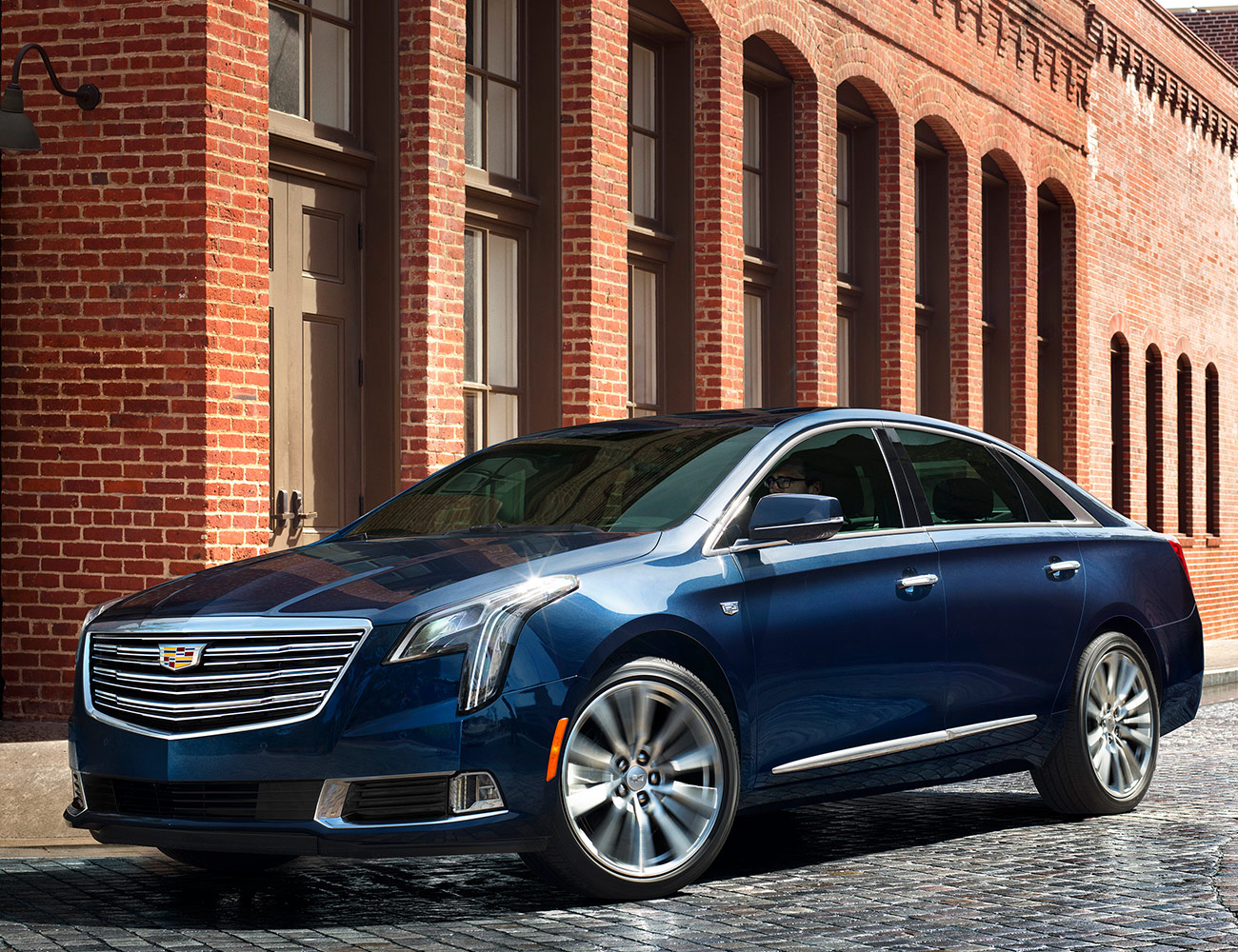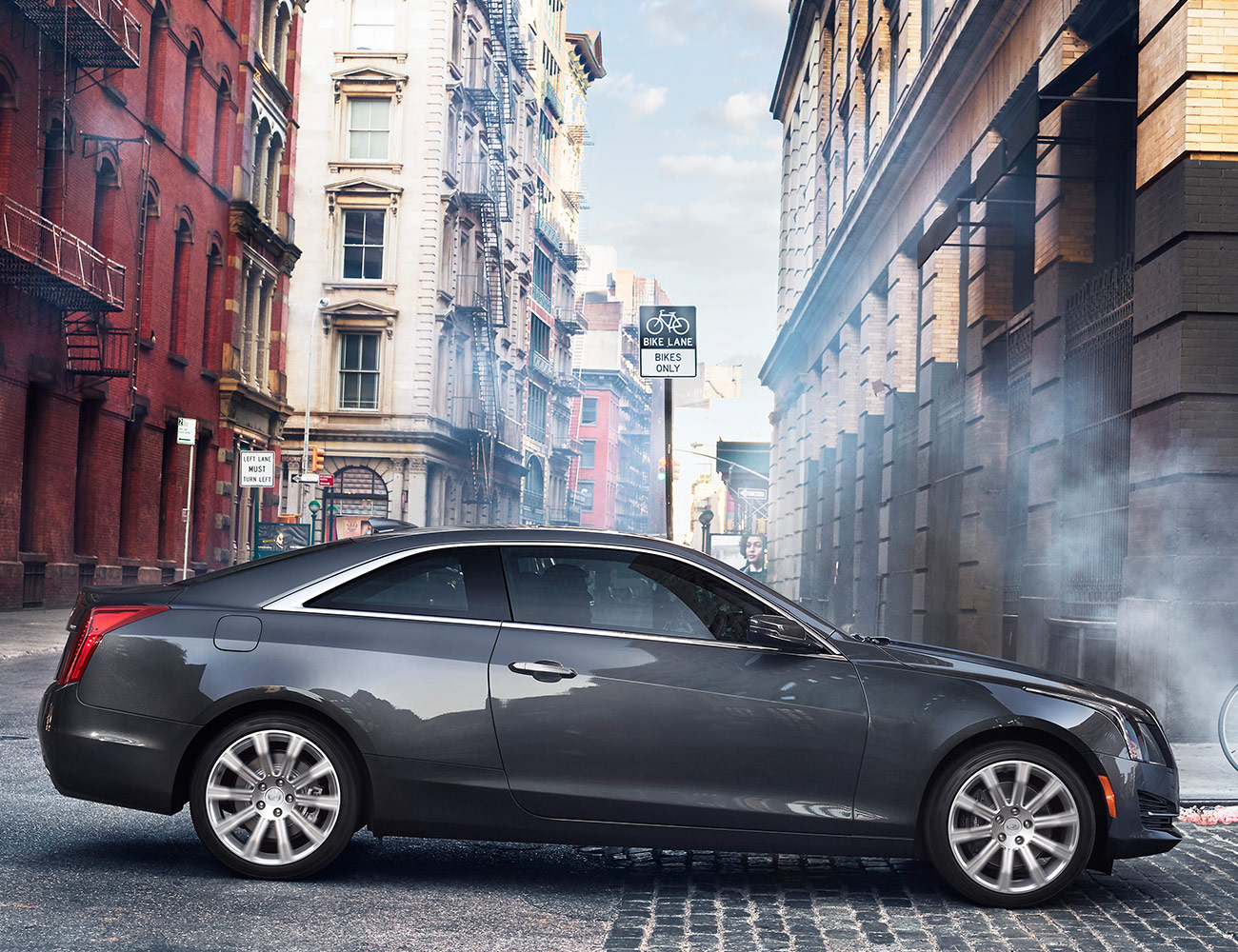
All posts in “Cars”

How to Import the Fantasy Foreign Car of Your Dreams

 Most automotive enthusiasts are familiar with the 25-year rule. It’s the waiver that allows foreign cars older than 25 years to pass through customs in the United States without fretting about any EPA or DOT restrictions — though individual states may have their own barriers to registration. It means you can import valuable collectibles, rare special editions or even quirky favorites without excessive hassles.

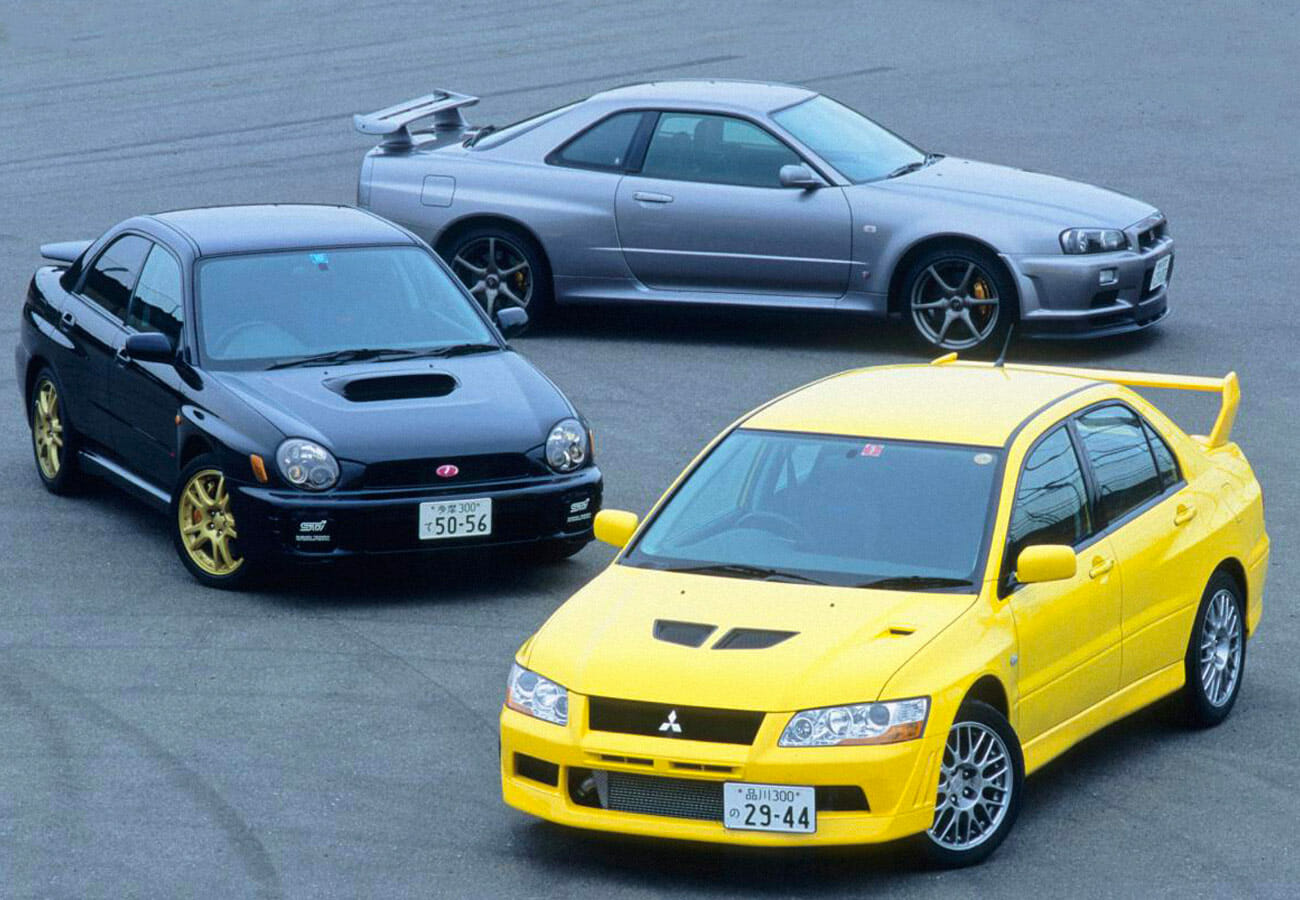
The rule is becoming more and more attractive as cars from the Nineties enter the eligibility zone, bringing increased performance, efficiency and quality. For instance, you can now import mid-’90s BMW M3s, assorted Nissan Skylines, right-hand-drive Lotuses, tiny Japanese-market Kei cars and all manner of cars from brands that aren’t for sale in the U.S. In fact, the world is sort of your oyster here — assuming, of course, you’re willing to put in the homework, pay anywhere from $2,000 to $4,000 for the costs of importing it, and cross your fingers that your seller isn’t a scam artist.

If you’re mulling this option, you have basically one job: Don’t screw it up. Don’t miss a form. Don’t forget to check federal and state requirements. Don’t forget to have the vehicle inspected before you seal the deal. Don’t forget to have insurance ready for its arrival. And don’t forget to have all the paperwork you need for registration and title work, lest your new prize spend its entire life being towed to race tracks instead of enjoyed on the open road.

There are plenty of places to get information on the intricate details of the process, including directly from the source through our friends in the guv’mnt. There are also guides from companies that specialize in the process. Even the importer at the port near where you live can provide services and help manage both ends of the transaction — from ensuring the car makes it to its departure port with all the necessary paperwork to helping arrange the transfer from the boat to your driveway.

Rather than bore you with the nuts and bolts of shipping overseas, we asked collector and frequent automotive importer Jamie Kitman to clue us in to the major pitfalls of the process. His first warning: “Think about it long and hard.”

Kitman says that while the process of importing a car isn’t particularly onerous, it is time-consuming, and it will add a few grand to the purchase price. So he suggests that buyers be extremely sure that they’re making the right decision — that they’ve found the right car, and that the effort will be worth it.
The key to making your vehicle selection isn’t so much the challenge of locking onto an available target; the Internet obviously makes car-shopping a snap, and exchange rates can guide you to markets where you can find the best value. Rather, the biggest challenge is in making sure the car is in good condition — and, in fact, a real car to begin with.

“There are a lot of unscrupulous sellers out there,” says Kitman, who has imported a half-dozen cars for his collection. “That’s why you want to have a quality inspection done to ensure the vehicle is exactly as it is described, and that the seller is a real person.”

Risks to be aware of: the potential for “incorrect” model years if the seller decides, say, that he or she wants to instantly turn a 1988 Land Rover Defender into an essentially-identical 1998 Land Rover Defender; rust, if the cars comes from a humid region; or a replaced engine, which could impact your ability to title the car. Make sure you and the seller have communicated all these details, using a native-speaking translator if necessary to ensure no nuances in the language impact your understanding of the details.
You also want to be sure you’re protected — to whatever extent you can be. Work with an importer or broker who will keep the payment in escrow until the vehicle is in your hands. This helps ensure you won’t be stiffed by a shady seller, and that the vehicle delivered is precisely the one you purchased. It won’t necessarily hedge against damage that may be incurred during shipping — Kitman notes a gamut of risks, from drained batteries to broken wing mirrors to fried clutches from shipping personnel moving the car around — but it will at least guarantee that money and car are properly exchanged. 

In terms of the shipping process itself, you have two options: a dedicated container for the vehicle, or a ro-ro—short for roll-on, roll-off. (They’re the giant, odd-looking ships you may have scratched your head at after spotting them in major harbors.) The former is more expensive, but will protect your car better and allow the seller to include spare parts, extra wheels, etc. The latter, in which the car is driven on board, tied down, then driven off, is less expensive, but opens the car up to possible damage or random pilfering of parts, though Kitman says that’s never happened to any of his cars, to the best of his knowledge. There are also restrictions prohibiting extra items from being included in the car while aboard ship. If you can afford a container and the car is particularly special, consider it.

When the car arrives in the port, your importer will have the documentation that you provide proving the car is exempt from EPA and DOT regulations, and that the customs duty has been paid. You’ll also need the title document, signed by the seller. (All of this documentation will also be needed when it comes time for you to title the car.) The importer will have the car trucked to your location, or you can pick it up at the port yourself if you’re close by. At that point, you’ll finally be able to rest easy, with your new, rare — or at least, rare here—and totally legal imported ride.
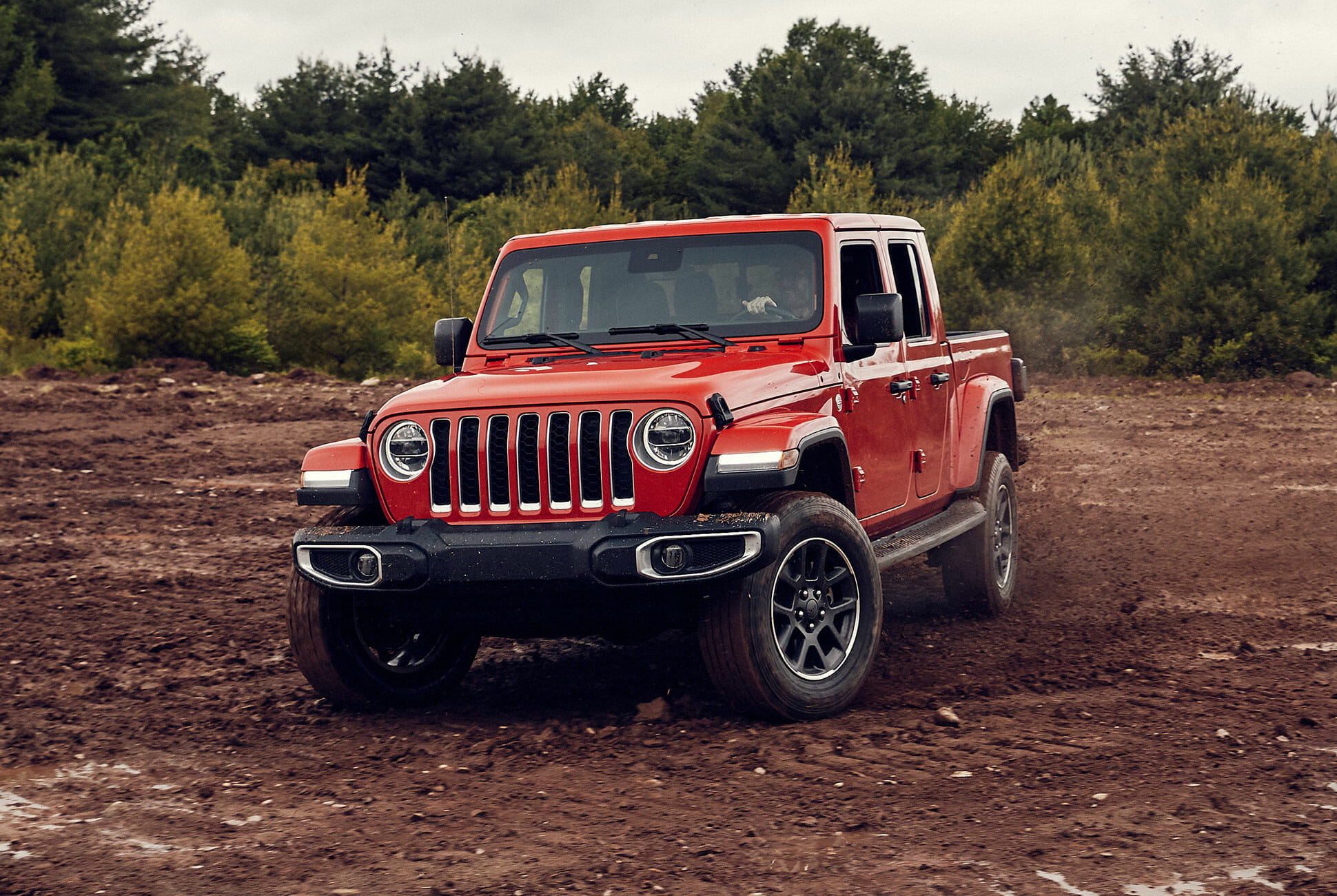
2020 Jeep Gladiator Review: A Truck for the People

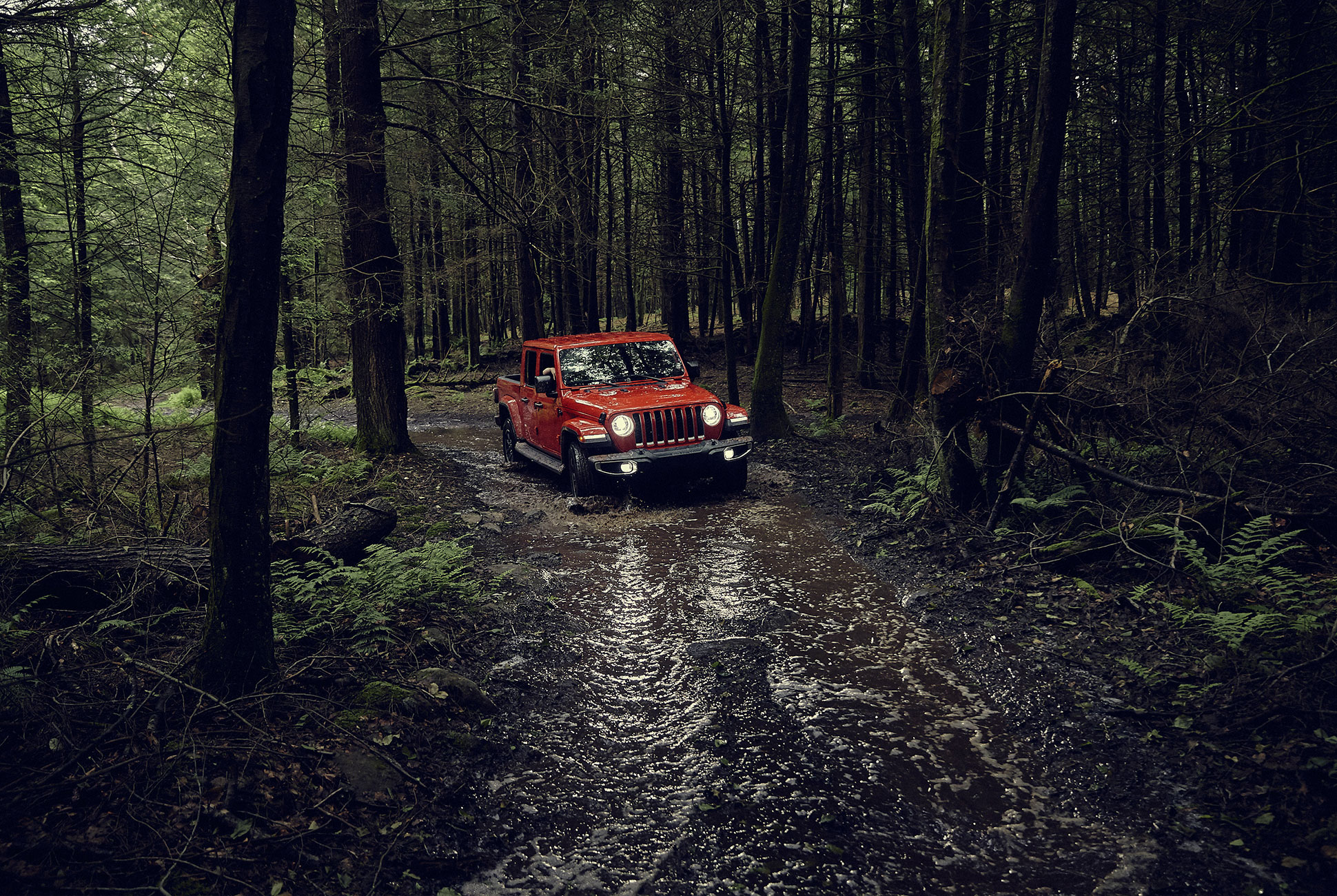
Americans love pickup trucks. Americans love Jeeps. Yet, for the last 27 years, the latter’s parent company Chrysler has abstained from capitalizing on what seemed like an obvious layup: slapping a cargo bed on the back of one of its off-roaders. Until 2019, at least, when at long last, Jeep created a pickup truck and dusted off the Gladiator nameplate for its made-in-Ohio tailgate.

In a stroke of genius (okay, maybe just common sense), Fiat-Chrysler chose to base its new truck not on the petite Renegade, compact Compass or soccer mom-issue Grand Cherokee, but on the exceedingly popular Wrangler — an SUV that, not coincidentally, happened to be all-new and better than ever for 2018. Not surprisingly, the Reese’s Peanut Butter Cup-simple formula — You got pickup truck in my Wrangler! You got Wrangler in my pickup truck! — has proven exceedingly popular in theory; Gladiator stories have proven a bottomless well of traffic for automotive websites, while Jeep is so confident in the model’s success, it’s offering hyper-low lease rates on the assumption the truck will hold value better than government bonds.

The Good: Take everything you like about the Wrangler — the timeless styling, the off-road prowess, the confident height, even the ability to peel off the doors and roof — and add the utility of a five-foot-long cargo bay. It’s an off-roader, a five-seat family car, a convertible and a pickup truck all in one. It’s all good.

Who It’s For: More the pickup lifestyle set than farmers or contractors. (Then again, the former tends to make up a significant chunk of the multi-million-annual-sales pickup truck market, while the latter are more apt to choose full-size pickups like the Ram 1500 or Ford F-150, if not the mightier heavy-duty rigs.)

Watch Out For: The long wheelbase needed to squeeze two rows of seats in front of a usable pickup bed gives the Gladiator added stability on the highway when compared to its stubbier Wrangler relatives, but it bites you in the ass off-road. While tackling the trails at Monticello Motor Club’s off-road course, I wound up high-centered on a dirt mound that most Jeeps could have bounced over with little more than a scuff on their skid plates.

Also, be wary of the options sheet. Chrysler apparently learned well from its brief marriage to Daimler, because it’s possible to tack on pricey items as though the Gladiator were made by Mercedes. The Overland trim starts at $40,395, but my tester’s bottom line came in at $55,485 with destination. (And with cloth seats, no less.) Fully loaded, a Gladiator Rubicon will run you more than $63,000 — just about the entry point for an E-Class station wagon.

Also also: Mopar sells a product with the serial number 82215717, designed to secure the windshield when it’s folded down so it doesn’t bounce up and crack against the A-pillar. It costs $39 on Amazon. You should absolutely buy this if you plan on folding your Gladiator’s windshield down. Don’t ask me how I know.

Alternatives: Honda Ridgeline ($29,990+), Toyota Tacoma ($25,850+), Chevrolet Colorado ($21,300+), Ford Ranger ($24,300+)

Review: Believe me, it was hard to find a way to shoehorn a Gladiator reference into the headline of this story that wasn’t as eye-rollingly obvious as “Are You Not Entertained,” but I managed: “I don’t pretend to be a man of the people,” Senator Graccus says in the 2000 film, “but I do try to be a man for the people.”

The Jeep Gladiator, as it turns out, is very much a truck for the people.

I happened to have the Gladiator the same week I was driving the Jaguar XE SV Project 8 super-sedan in all its bewinged, brilliant blue glory; despite those eye-catching traits, the crimson Jeep received at least eight times as many questions and comments as the Jag. People of all ages, races and creeds offered up unsolicited remarks, usually involving some degree of surprise: “Is that a Jeep truck?” In an America torn asunder by pretty much everything these days, the Jeep Gladiator managed to provide a little common ground.

Of course, some of the tens of thousands of Americans parking it in their driveways this year will find it a better fit than others. And those without driveways to park it in will find using one of the trademark Jeep features — the ability to drive al fresco without roof or doors — tricker than others. Removing the four portals and the hard top is fairly easy; I managed to do it solo in about 45 minutes using just the provided tools. But the aft section of the three-part Freedom Top would be almost impossible to grip and move for anyone with arms shorter than my Lincolnesque limbs — which is to say, roughly 99% of men in America. And once you’ve removed those doors and roof, those without driveways or personal garages will be left struggling with the dilemma of where to stash them.

Still, much like the Wrangler, you’d be remiss to buy this rig and not indulge in some open-air activity. Indeed, “much like the Wrangler” is basically the catchphrase for the truck’s interior; it’s basically identical, much like the exterior forward of the B-pillars, and offers up the same levels of weatherproofing and usability; FCA doesn’t get enough respect for its easy-to-use infotainment systems, and the GladiAngler version is as intuitive as scratching your ass. I can vouch firsthand for the fact that there’s enough room for four adults and a large dog to squeeze inside with ease, though as with any pickup, using all the seats leaves little space for any cargo you don’t want to chance in the bed.

Aside from the aforementioned issues involving the long wheelbase, the Gladiator behaves as well as you’d expect off-road, clomping through mud, water and dirt like a champ. (The Rubicon model, which adds on gnarly 33-inch off-road tires, Fox shocks, locking front and rear differentials, an electronic sway bar disconnect and a four-wheel-drive system with a lower 84:1 crawl ratio, would no doubt prove even more capable off-road.)

On the streets, the added length’s added mass means the 3.6-liter V6 has to work hard to keep up with a heavy foot, but the eight-speed automatic transmission does a good job clicking into the needed gear at the right moment. There is, blessedly, a six-speed manual gearbox available with this engine, but don’t expect to find many Gladiators with it on dealer lots. The steering is typical Jeep: extremely light, with just the right amount of turns lock-to-lock for off-road use but too many for high-speed driving; piloting it down a winding two-lane at state highway speeds leaves you feeling like the pilot in a Miami Vice speedboat chase scene.

Verdict: By combining the looks, practicality and fun of a Wrangler with the utility and convenience of a pickup truck, Jeep may just have created the perfect four-wheel-drive vehicle for most of us. Plenty of vehicles can do some of what the Gladiator does, but none can do all of it. And if you can find one available for that $192-a-month lease deal, there’s basically no reason not to pick one up. At least, that’s what we keep telling our accountant.

2020 Jeep Gladiator Overland Key Specs (As Tested)

Powertrain: 3.6-liter V6, eight-speed automatic, full-time four-wheel-drive
Horsepower: 285
Torque: 265 pound-feet
0-60 MPH: You really don’t get the point of this thing
EPA Fuel Economy: 17 mpg city, 22 mpg highway

Jeep provided this product for review.

Read More Gear Patrol Reviews

Hot takes and in-depth reviews on noteworthy, relevant and interesting products. Read the Story
Note: Purchasing products through our links may earn us a portion of the sale, which supports our editorial team’s mission. Learn more here.

Voitures Extravert Opts For A Battery Pack With Its Quintessenza SE Electric 911

Dutch shop Voitures Extravert makes sure all the iconic cars we love are still around. Nostalgia is one thing, though. Taking something iconic and putting a spin on it is another can of worms altogether. Thankfully, since we’re a world on the brink of catastrophic environmental disasters thanks to climate change, Voitures Extravert made sure to make a few adjustments.

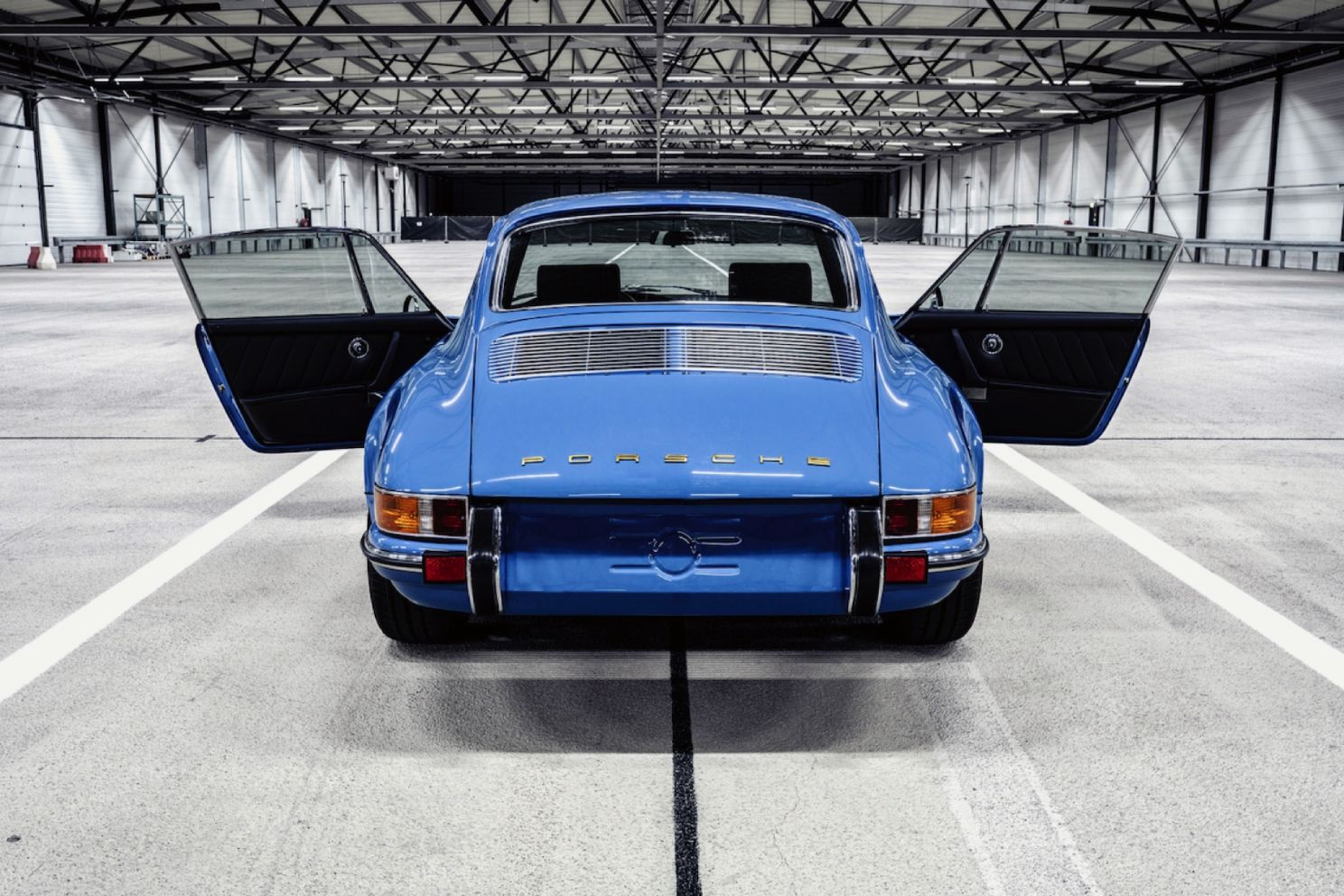
Which is why we now have the Voitures Extravert Quintessenza SE Electric 911. As the name suggests, it’s a Porsche 911 with a battery powertrain. What more needs to be said?

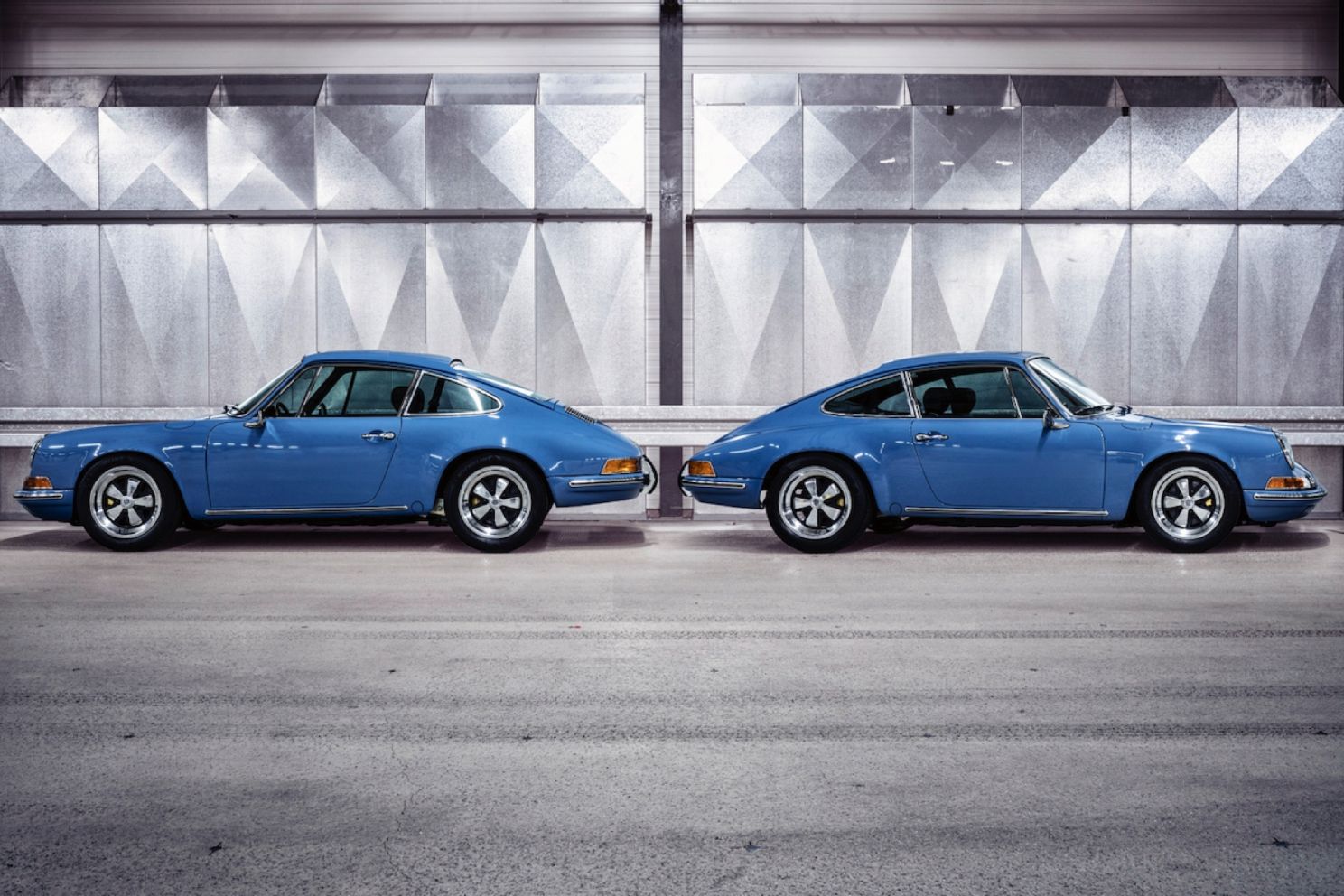
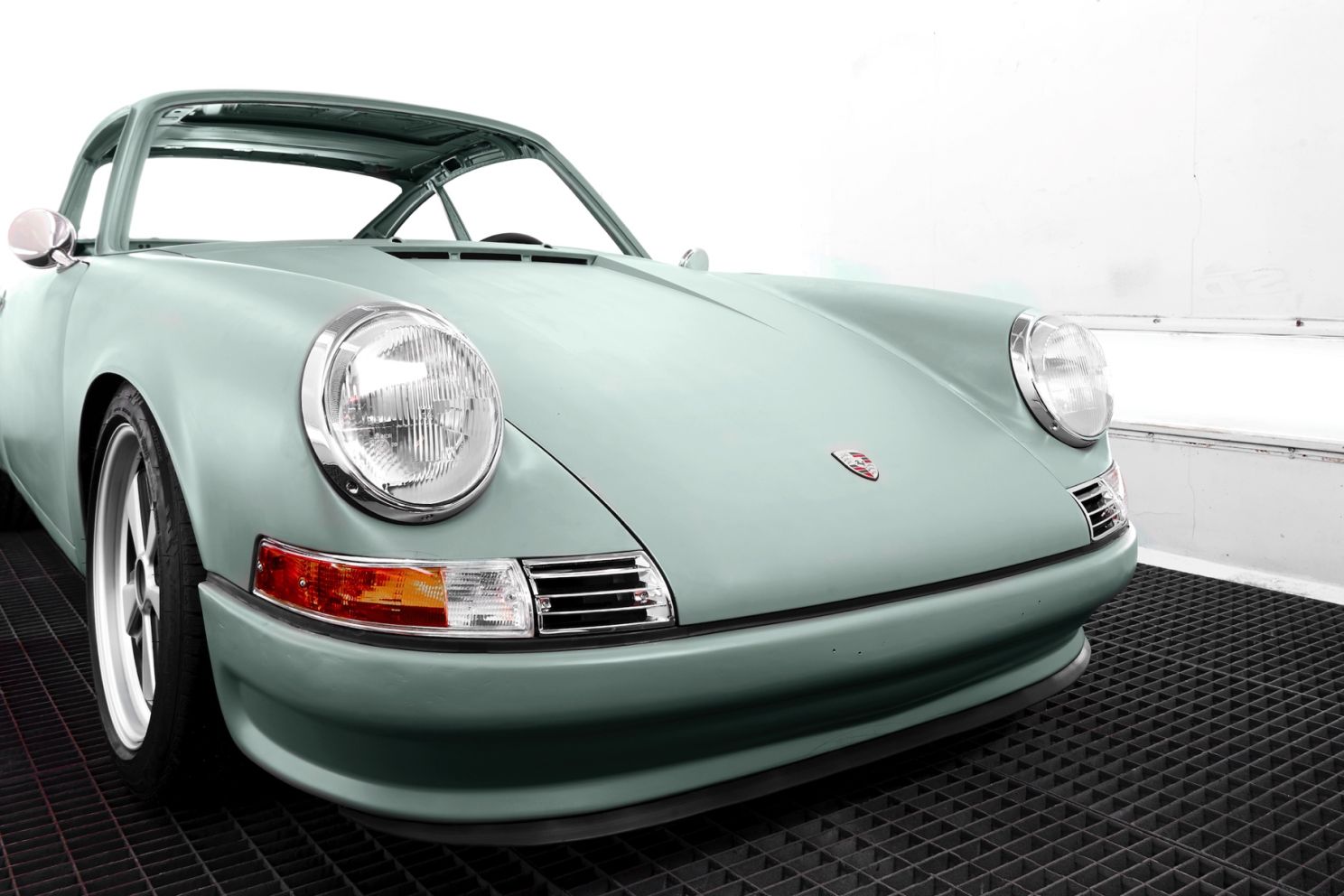
Voitures Extravert made headlines last year when it showed off an original Porsche 911 with that’s electric-powered. It returns with the 2019 Voitures Extravert Quintessenza SE Electric 911. Just 36 units will be made.

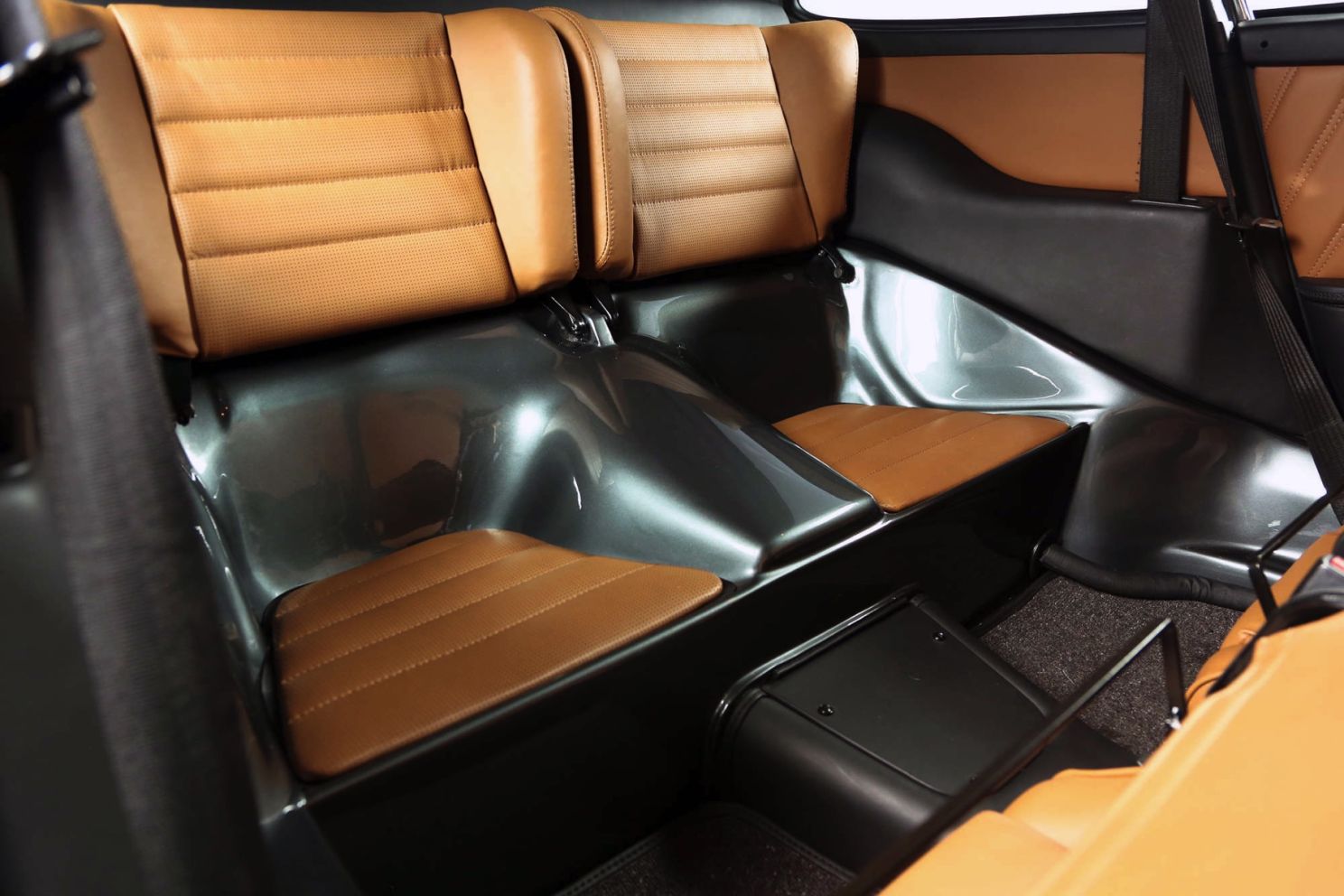
For each car, the shop uses an original Porsche 911, strips it down to its barest components, then rebuilds from there. They replace old parts with new ones in key areas. Some, they restore. For this car, buyers have the choice between the SE, styled like a 1960s 911, or the TE, which boasts the wide rear look of a 1980s model. There’s also a Targa option available if that’s more your drift.

Voitures Extravert strictly uses Porsche 911s from the 1970s and 1980s only, by the way. The company doesn’t touch 1960s models, in large part because these cars are so historically significant. As for the specs, you’ll find a single electric motor with a 58kW-hour lithium-ion battery. This delivers 222 horsepower and 664 pound-feet of torque. You’ll be going zero to 60 in just under six seconds, which isn’t that bad.

MORE INFO HERE

Photos courtesy of Voitures Extravert

If You Love Vintage Land Rovers, You’ll Love This Resto-Mod Collab

Collaborations can be troublesome. Each entity may be brilliant, but that does not mean their visions align well. David Bowie and Queen gave us “Under Pressure.” David Bowie and Mick Jagger produced a cringe-worthy “Dancing in the Street.” The Australian motorcycle brand Deus Ex Machina teamed up with Portuguese Land Rover restorers Coolnvintage on a resto-mod. They ended up at the “Under Pressure” end of the spectrum — it’s magnificent.

The Land Rover is named the “Yellow Land Marine Nr86.” (It’s the 86th Coolnvintage rebuild). It’s a 1966 Land Rover Series II-A, a long-wheelbase (LWB) version to accommodate motorcycle transport. It has a Land Rover 2.25-liter gas engine and a Series III four-speed manual. The original truck, a fire engine that had been out of commission for decades, received a meticulous, 1,000-hour, ground-up reconstruction.

Both companies added some characteristic artistic touches. Deus hand-painted the art graphic chassis. Coolnvintage finished the body in familiar AA Yellow paint, a nod to the U.S. spec Land Rover Defenders from the mid-1990s.

Deus Ex Machina has taken the Yellow Land Marine on a European summer tour, as one undoubtedly should upon receipt of a custom Land Rover resto-mod. The truck has delighted folks at Deus stores in Biarritz, Ibiza and Milan thus far.

2019 BMW M2 Competition Review: Ma Deuce Picks Up More Firepower

If there’s one car left in the BMW lineup that can claim the clearest link to the driving spirit and purity of purpose that made the brand a legend, it’s the M2 coupe. In 2018, BMW tossed the original M2 to the curb, replacing it with the M2 Competition. In most M models, that appended word simply means a slightly spicier tune for the engine and suspension; here, though, it means a whole new motor beneath its hood. Specifically, the inline-six known as S55, which first appeared in the current M3 and M4 cranking out 425 horsepower. The 2 Series version is tamped down to just 405 horses — but odds are good you’ll never notice the difference.

The Good: The M2, in effect, takes all the good things about the M4 — power-rich inline-six, a choice of seven-speed dual clutch or six-speed manual transmission, the M Division’s trademark blend of ride and handling — and folds them into a smaller, (ever-so-slightly) lighter package. It’s living proof that the company hasn’t completely cashed in on its reputation as the maker of Ultimate Driving Machines in order to pay for a profitable future packed with crossovers and electric cars.

Who It’s For: Driving enthusiasts with a little money to burn, but who wouldn’t be caught dead in a Chevy Camaro ZL1 or Shelby GT350. Also, purists who still haven’t forgiven BMW for creating the X5 back in the late Nineties.

Watch Out For: Your annual gasoline, tire and oil expenditures may quadruple, because you won’t be able to stop driving the damn thing.

Alternatives: Porsche 718 Cayman ($56,900), Chevrolet Corvette Stingray ($55,900), Jaguar F-Type ($61,600), Toyota GR Supra ($49,990)

Review: My BMW M2 Competition test car, regrettably, came with seven forward gears in the case and flappy paddles behind the thick-rimmed steering wheel. Not that that’s a bad transmission, per se; it clicks off gears with militant precision with the transmission dialed up to its most aggressive, and sashays between them almost imperceptibly when left relaxed. But the stick shift simply feels like the more appropriate fit for the car. (Bizarrely, not only does it deliver better fuel economy than the automatic and its extra cog, it also delivers faster acceleration, according to Car and Driver.) The tiny two-door’s proportions sit within inches of the beloved E36 M3 (the wheelbase is actually identical), so each and every trait that brings it closer to feeling like the reboot of that car is appreciated — and none more so than a manual gearbox.

The M2’s taut lines might be exhibit A in the case that BMW’s current styling language succeeds in inverse proportion to the size of the vehicle it’s slathered on. (Exhibits B and C: the new X7 and facelifted 7 Series.) The hips are curvy enough to make a Kardashian insecure, the sheetmetal forward of the A-pillar an intimation of muscle and sinew quivering beneath the surface. But those tidy proportions come back to bite the car’s owners in the ass when he or she climbs inside; the front seats have enough space for most adults, but largely at the cost of rear legroom, which diminishes to Aston Martin-like levels.

Not that you’ll give an owl’s patoot about that once you fire this car down a back road. That chunky steering wheel may not offer the same levels of feedback as its spiritual forbears, but the M-developed electric-assisted power steering is quick and accurate, working with the suspension to carve through corners with unerring precision.

Lying smack between those thicc rear wheels lies an electronic limited-slip differential, which helps distribute the meaty stream of power flowing from the engine from where the torque plateaus at 2,350 rpm until the horsepower peak falls off as 7,000.  The resulting combination of go-fast and turn-fast bits makes the BMW positively addictive when the asphalt starts bending — or when you need to go all Ronin through a wolf pack of slower cars on the highway.

It’s so compelling, once you blast down a dreamy stretch of winding, empty two-lane, you’ll probably spin the car around and take it the other way all over again. I say this because, well, that’s exactly what I wound up doing. Whatever you’re heading to, it can wait. Besides, with all that power under the hood, you can always make up some of the time along the way, right?

Verdict: While you certainly can pile options onto the M2 Competition, you can’t do so to the extent possible with other cars in the lineup; fully loaded, it still doesn’t crest $70K. More importantly, though, you don’t need to in order to experience the car at its best. Even the stripper model you can buy for a shade under $60,000 will deliver more real-world thrills than many sports cars costing twice as much.

That, perhaps as much as any transmission or engine, is proof that BMW has something special on its hands. If I were a betting man, I’d snap one up tomorrow and sit on it on the expectation that low-mileage examples will prove pretty much depreciation-proof. But I’m a driver, not a bettor — and there’s no way I’d be able to keep from putting way too many miles on it.

*For the record: “Ma Deuce” was the nickname for the WW2-era M2 .50-caliber machine gun. 

BMW M2 Competition Key Specs (Dual-Clutch Model)

Powertrain: 3.0-liter twin-turbo inline-six; seven-speed dual-clutch gearbox; rear-wheel-drive
Horsepower: 405
Torque: 406 pound-feet
0-60 MPH: 4.0 seconds
EPA Fuel Economy: 17 mpg city, 23 mpg highway

BMW provided this product for review.

Read More Gear Patrol Reviews

Hot takes and in-depth reviews on noteworthy, relevant and interesting products. Read the Story
Note: Purchasing products through our links may earn us a portion of the sale, which supports our editorial team’s mission. Learn more here.

The Complete Lincoln Buying Guide: Every Model, Explained

Lincoln is Ford Motor Company’s luxury division, based in Dearborn, Michigan. It was founded in 1917, initially producing Liberty V12 aircraft engines. Ford bought Lincoln in 1922 to serve as its luxury marque to counter Cadillac and other high-end manufacturers, which has been the brand’s role since. Ford paired Lincoln with its mid-level Mercury brand in showrooms for decades, until the company discontinued the latter in 2010.

Traditionally, Lincoln has made large, heavy and luxurious sedans, with iconic nameplates like the Continental and the Town Car. Lincoln provided presidential limousines from the 1930s to the 1980s. (While Gerald Ford may have told America he was “a Ford, not a Lincoln,” he rode in a Lincoln.)

This century, Lincoln has adjusted to the automotive market. The company has shifted focus to luxury SUVs, to its success; it even dabbled, briefly, with the pickup truck market in the form of the Mark LT, a rebadged Ford F-150.

Lincoln embraced three-letter nameplates with gusto during the 2000s, which created considerable confusion: In 2015, for instance, Lincoln simultaneously sold the MKC, MKS, MKT, MKX, and MKZ. Mercifully, Lincoln has been phasing out these abbreviations in favor of model names as of late, opting for traditional or nautical/aeronautical themes.

Lincoln Terminology

Atkinson Cycle: A type of engine combustion, used on the MKZ hybrid. It’s ideal for hybrids because it delivers better fuel efficiency than the alternative Otto cycle, but weaker low-end power; in hybrids, however, this can be made up for with electrical motors.
Black Label: Top-of-the-line Lincoln trim offering a range of luxury themes and finishes, as well as personalized customer service.
The Lincoln Way: Specialized smartphone app offering special Lincoln features including service pickup and delivery and remote start. Also a marketing slogan.
SS-100-X: Secret service code name for the Lincoln Continental convertible limousine in which President Kennedy was assassinated.
Suicide Door: A door with a hinge at the rear instead of the front. Lincoln has been offering limited runs of present-day Continentals with them. The name comes from being a considerable safety hazard before seatbelts were introduced.

Buying Guide

MKC

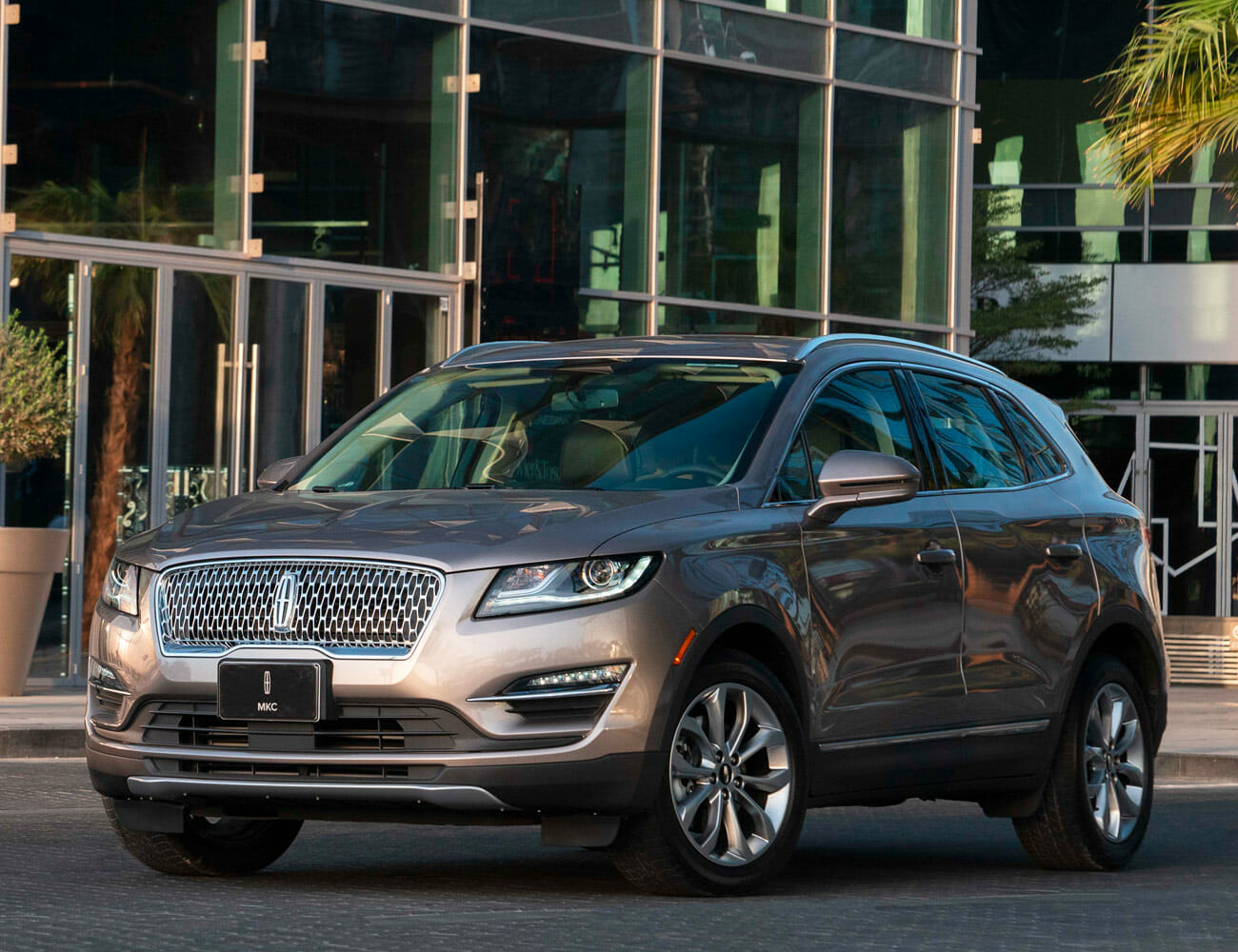
The MKC is Lincoln’s entry-level compact crossover. It shares a platform with the Ford Escape. The MKC debuted in 2013, and will be replaced by the Corsair after the 2019 model year. There are two engine options: a 245-horsepower turbocharged 2.0-liter and a 285-hp twin-scroll turbocharged 2.3-liter. The smaller engine offers rear-wheel-drive in addition to all-wheel-drive, which is standard on the larger engine. Both use a six-speed automatic transmission.

Body Style: Crossover

Models:

• Standard
• Select
• Reserve
• Black Label

Engines:

• Turbocharged 2.0-liter inline-four
• Turbocharged 2.3-liter inline-four

Base MSRP: $33,995

Corsair

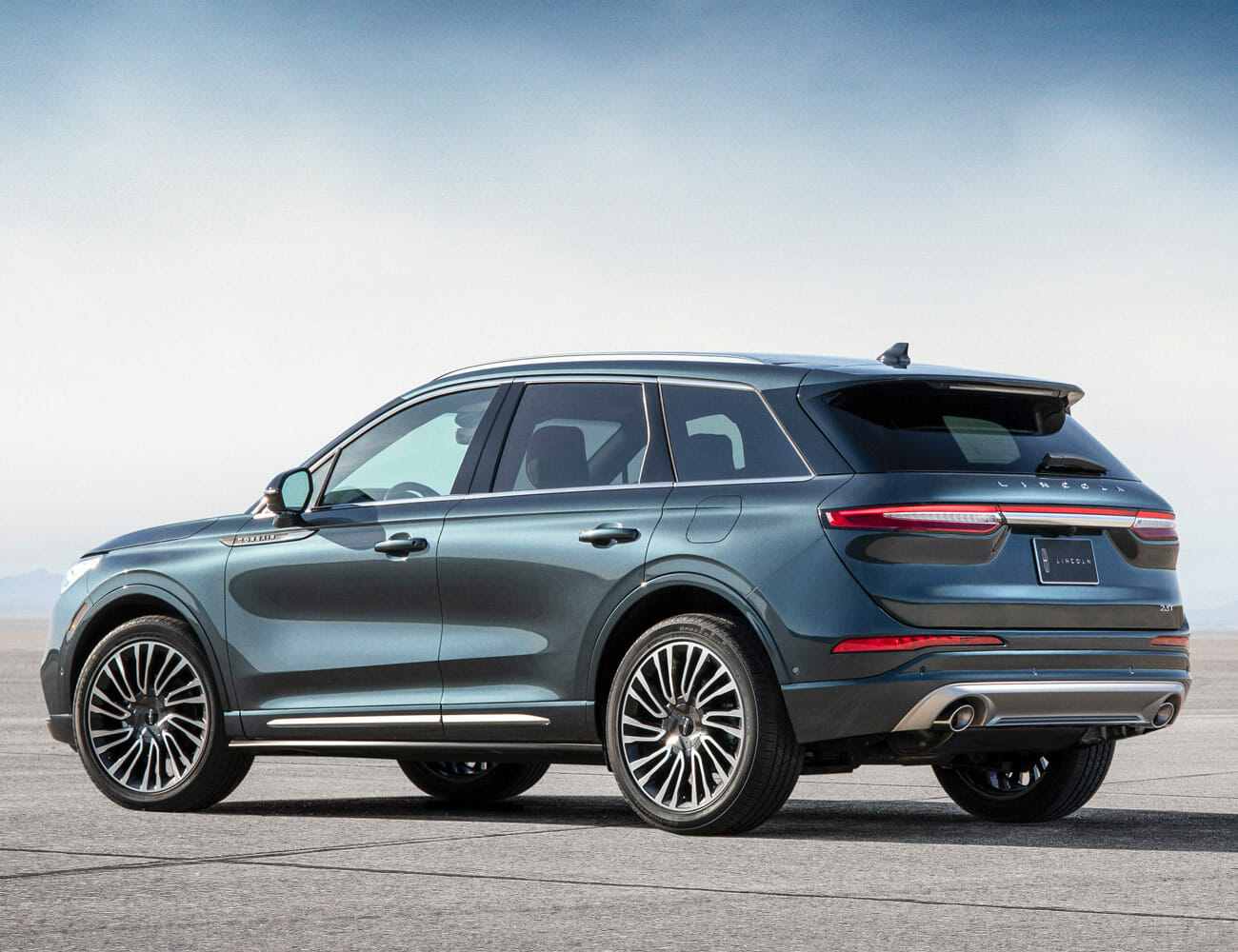
The Corsair is Lincoln’s entry-level compact crossover, new for the 2020 model year, that is set to replace the outgoing MKC. It’s built on the same platform as the new 2020 Escape. It has similar powertrain options to the MKC, but paired with an eight-speed automatic transmission. The Corsair has drawn positive initial reviews for its premium styling, particularly compared to Cadillac’s rival XT4. Lincoln contends that Corsair is “inspired” by the Latin word cursus, meaning journey — as opposed to the English word “corsair,” meaning pirate or pirate ship.

Body Style: Crossover

Models:

• Standard
• Reserve

Engines:

• Turbocharged 2.0-liter inline-four
• Turbocharged 2.3-liter inline-four

Base MSRP: $35,945

Nautilus

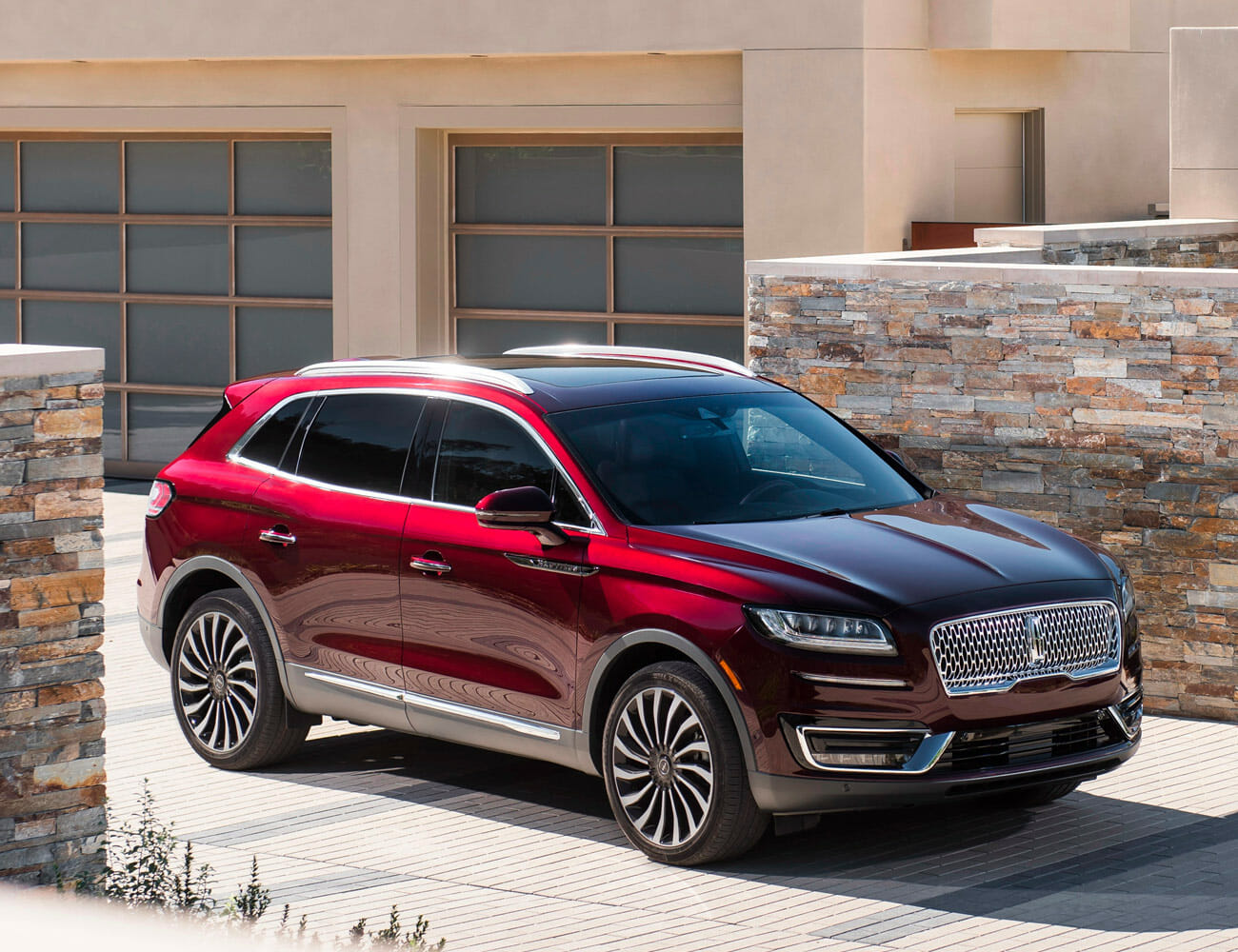
The Nautilus is a facelifted and rebranded version of the MKX midsize SUV. The major change was a design move from a split-level grille to a rectangular one. The Nautilus shares a platform with the Ford Edge. It can be fitted with a 2.0-liter inline four making 245 hp or a 2.7-liter V6 making 335 hp, paired with an eight-speed automatic and either front-wheel-drive or AWD.

Body Style: Crossover

Models:

• Standard
• Select
• Reserve
• Black Label

Engines:

• Turbocharged 2.0-liter inline-four
• Twin-turbocharged 2.7-liter V6

Base MSRP: $40,340

Navigator

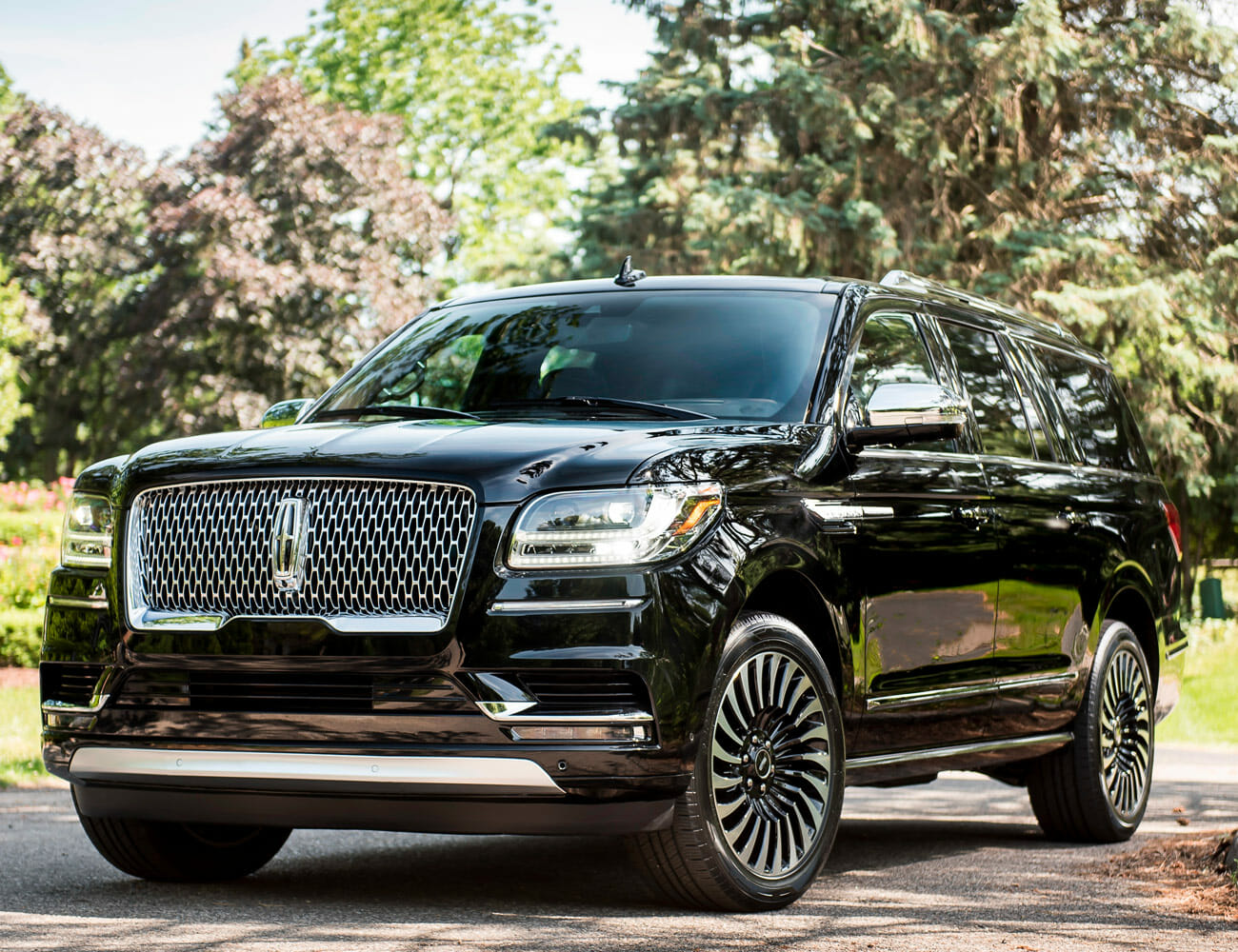
The Navigator is Lincoln’s full-size, body-on-frame SUV, built on the same platform as the Ford Expedition. The fourth-generation was new for the 2018 model year. The Navigator’s engine, a 450-hp 3.5-liter V6, is the most powerful ever to appear in a Lincoln. The Black Label ($96,395) is the most expensive  production car sold by the Ford Motor Company, apart from the limited-run Ford GT supercar. The Navigator has a 10-speed automatic transmission; lower trims come standard in RWD with optional four-wheel-drive, while upper trims receive 4WD standard. The Lincoln Navigator was our Vehicle of the Year in 2018.

Body Style: SUV

Models:

• Standard
• Select
• Reserve
• Black Label

Engines:

• Twin-turbocharged 3.5-liter V6

Base MSRP: $73,205

MKT

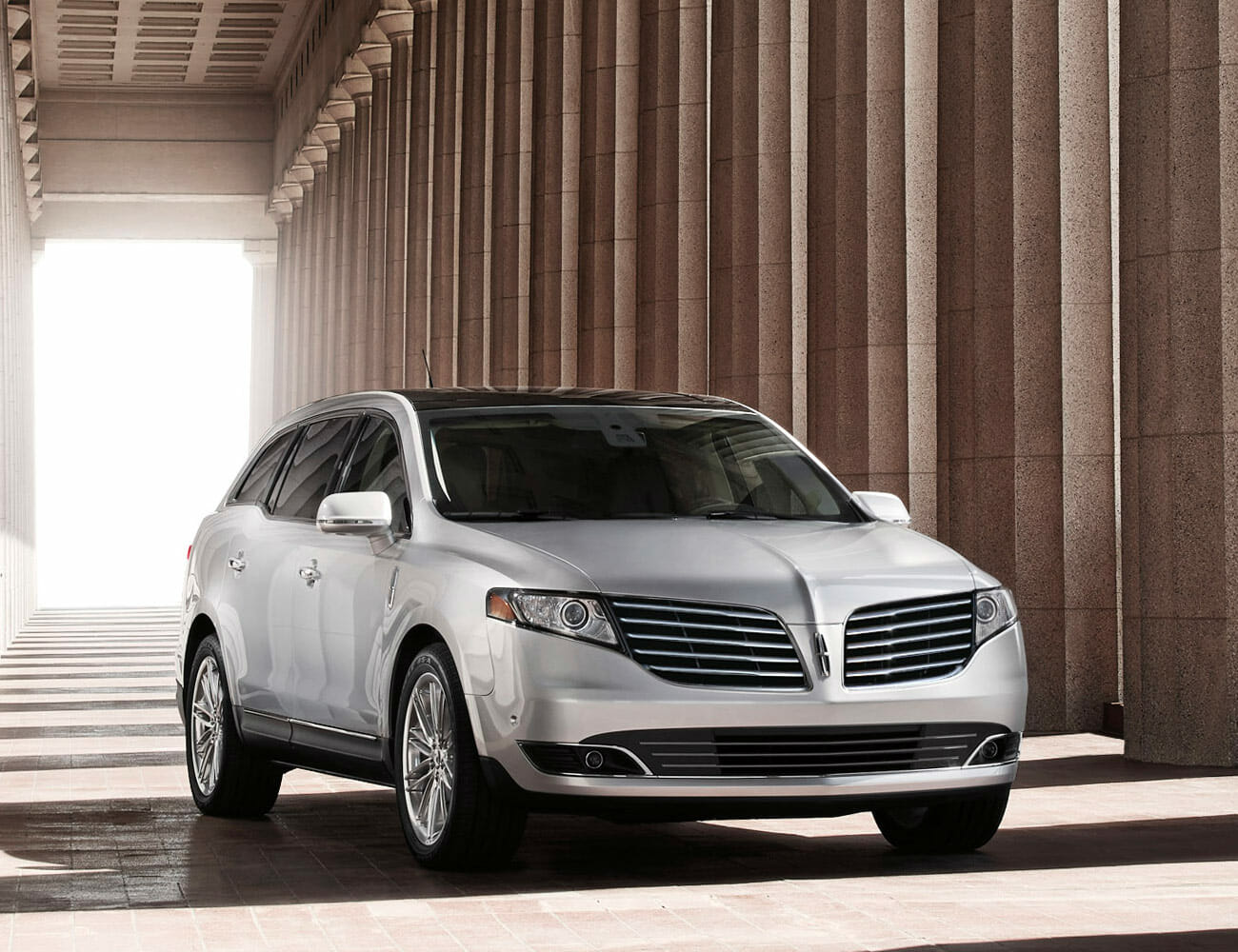
The MKT is a full-size wagon-like crossover. Popular with limousine fleets, it was a functional replacement for the now-defunct Town Car sedan when it debuted for the 2010 model year. It uses a 3.5-liter V6 making 365 hp, a six-speed automatic transmission, and AWD. It seats up to seven passengers. It will be replaced by the Aviator for the 2020 model year.

Body Style: Crossover

Models:

• Standard
• Reserve

Engines:

• Twin-turbocharged 3.5-liter V6

Base MSRP: $49,500

Aviator

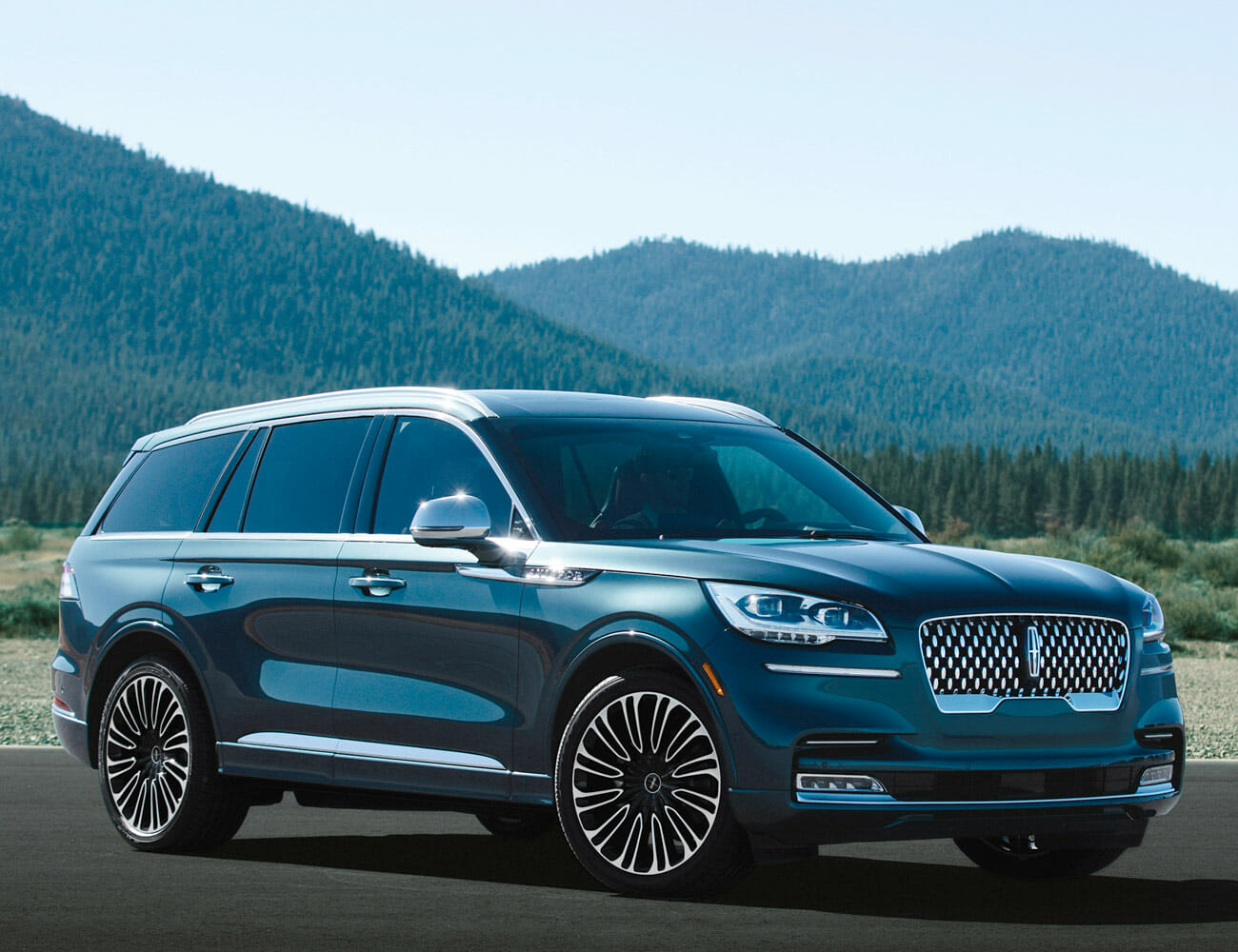
The Aviator is Lincoln’s three-row midsize crossover that slots between the Nautilus and the Navigator. Based on the new Ford Explorer and sportier than the outgoing MKT, it’s designed to go after rivals like the BMW X5. The base engine is a twin-turbocharged 3.0-liter V6 making 400 hp. Grand Touring models offer a plug-in hybrid version of that engine producing a combined 450 hp and 600 lb-ft of torque. The Aviator comes with a 10-speed automatic transmission and either RWD or AWD.

Body Style: Crossover

Models:

• Standard
• Reserve
• Grand Touring
• Black Label
• Black Label Grand Touring

Engines:

• Twin-turbocharged 3.0-liter V6
• Twin-turbocharged 3.0-liter V6 hybrid

Base MSRP: $51,100

MKZ

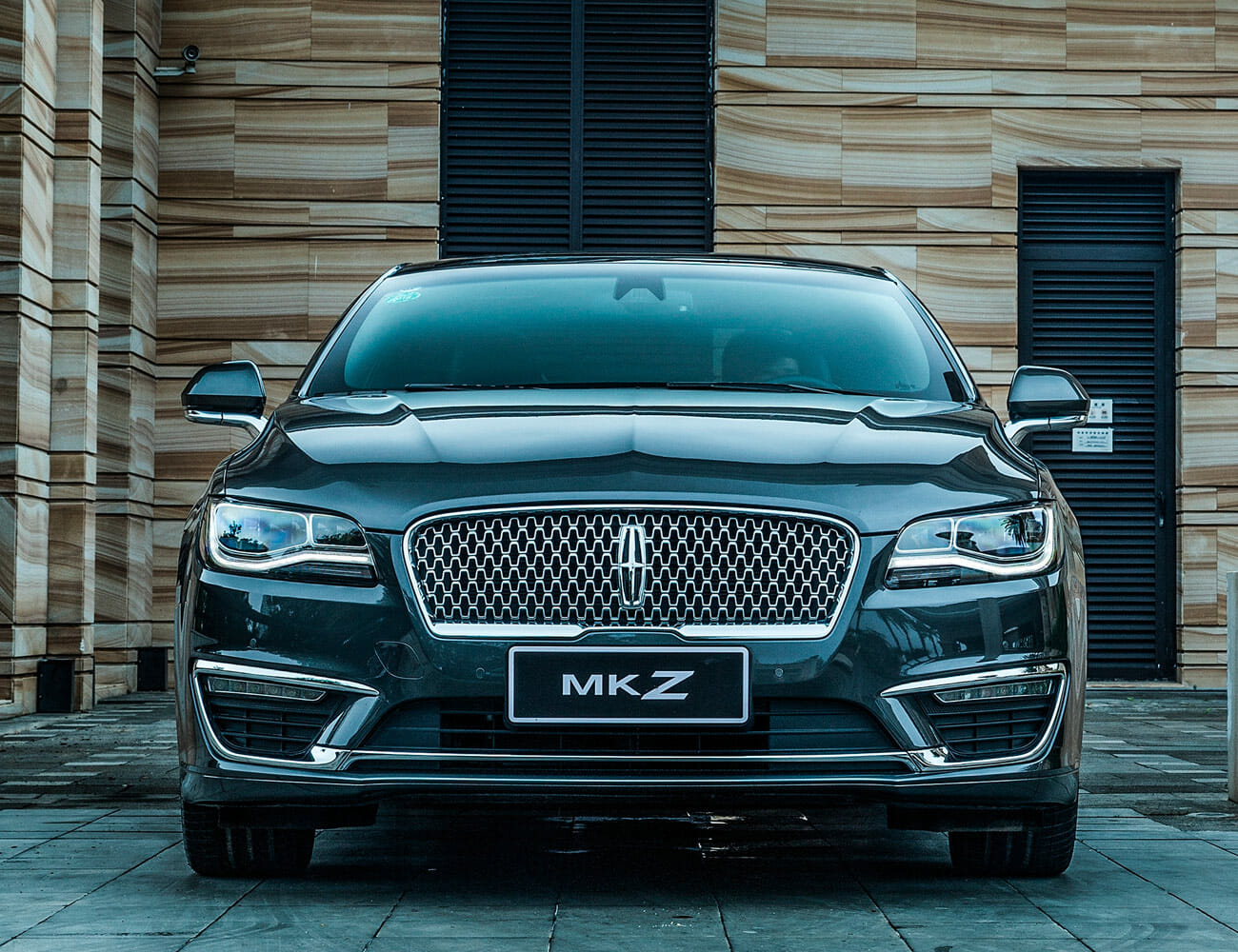
The MKZ is Lincoln’s entry-level midsize sedan. The second generation debuted for the 2013 model year. The base engine is a 2.0-liter inline four making 245 hp connected to either FWD or AWD drive systems through a six-speed automatic. There’s a bigger 3.0-liter V6 engine making 350 hp in FWD form or 400 hp in AWD models, paired with a six-speed automatic. The 2.0-liter hybrid system produces a total of 188 hp, achieves 40 mpg combined, and uses a CVT.

Body Style: Sedan

Models:

• Standard
• Standard Hybrid
• Reserve
• Reserve Hybrid
• Reserve II
• Reserve II Hybrid

Engines:

• Turbocharged 2.0-liter inline four
• Twin-turbocharged 3.0-liter V6
• 2.0-liter Atkinson cycle inline-four hybrid

Base MSRP: $35,995

Continental

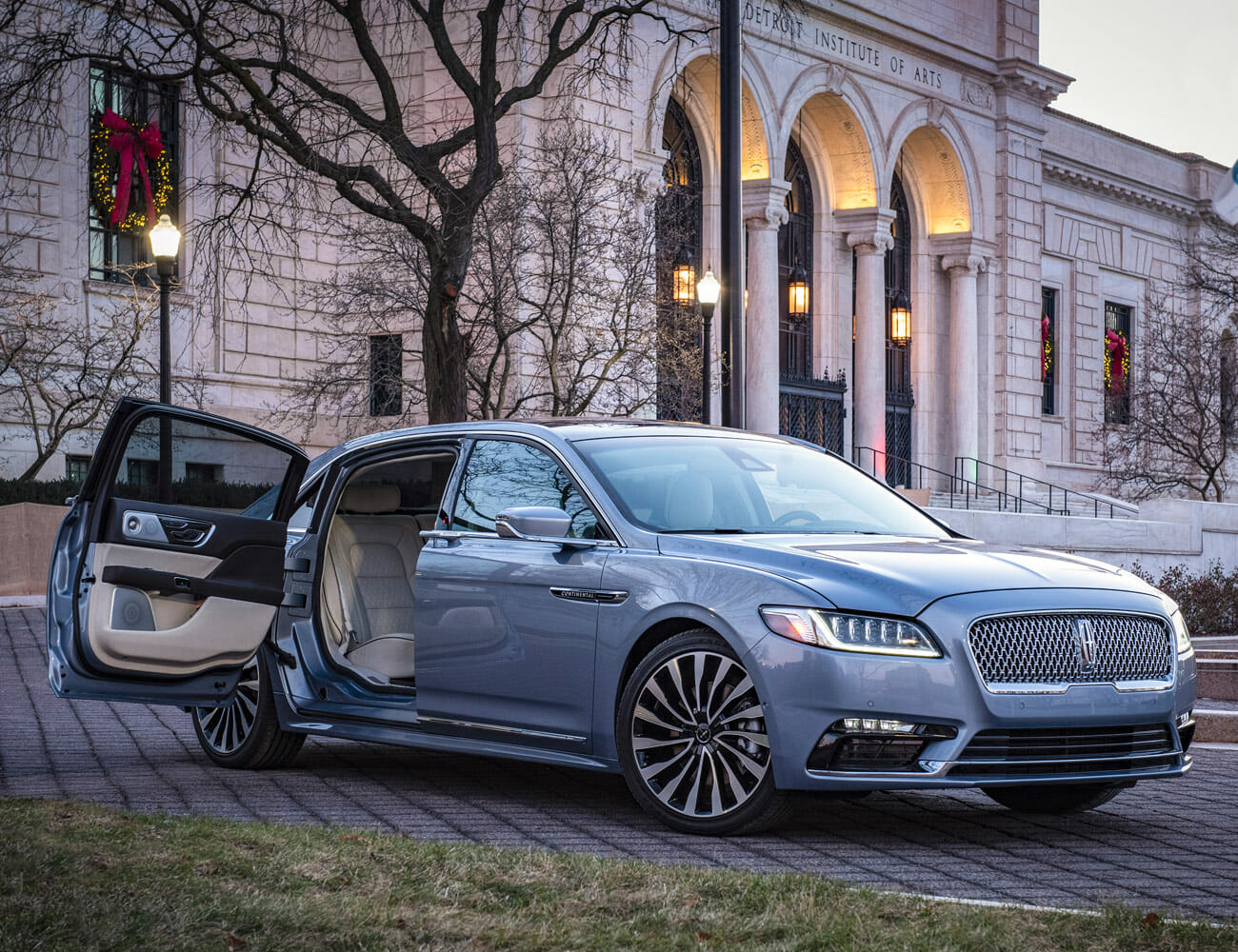
The Continental is Lincoln’s full-sized sedan. After years of being deceased, it was revived with a new generation for the 2017 model year, replacing the MKS. The base engine option is a naturally aspirated 3.7-liter V6 making 305 hp. Lincoln also offers the Continental with a twin-turbo 2.7-liter V6 making 335 hp and a twin-turbo 3.0-liter V6 making 400 hp. All versions have a six-speed automatic. The Continental can come with either FWD or AWD. A suicide door version was made briefly for the 2019 model year’s limited-production 80th Anniversary Coach Door Edition; these doors will return in greater numbers for the 2020 model year.

Body Style: Sedan

Models:

• Standard
• Select
• Reserve
• Black Label

Engines:

• 3.7-liter V6
• Twin-turbocharged 2.7-liter V6
• Twin-turbocharged 3.0-liter V6

Base MSRP: $46,145

Note: Purchasing products through our links may earn us a portion of the sale, which supports our editorial team’s mission. Learn more here.

SEMA High School Vehicle Build Program Jeep Wranglers

Customizing our own ride with our own two hands and some fierce skills is our personal dream. The fact that some high school kids got to do that very thing makes us both happy and…

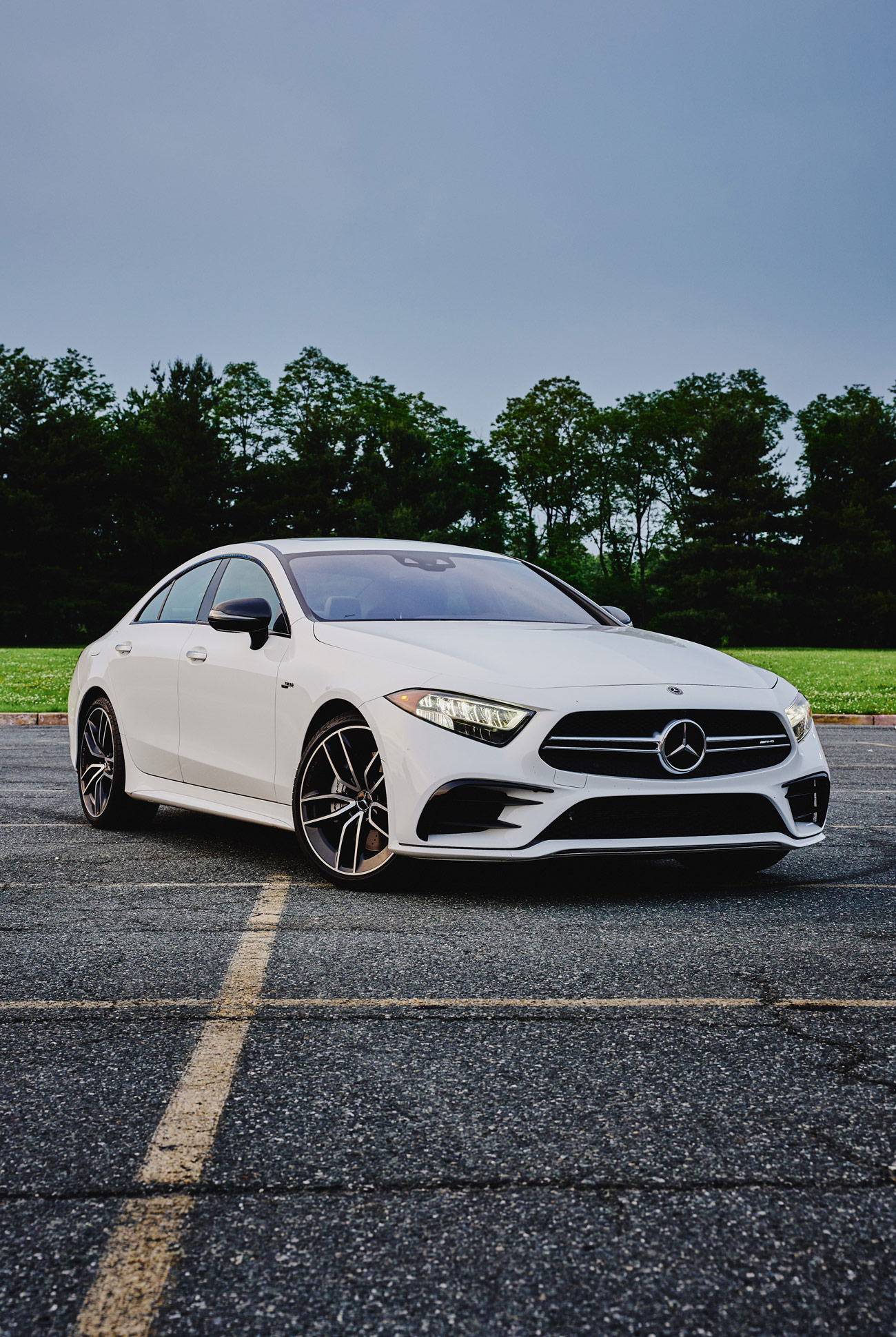
2019 Mercedes-AMG CLS53 Review: Here’s How You Make a Jack-Of-All-Trades

It’s not unreasonable to say that Mercedes-Benz invented the concept of a “four-door coupe” when it first introduced the CLS-Class back in 2004. That E-Class-based car was notable for its reasonable rear legroom, a plunging roofline…and a decidedly un-coupe-like four doors, which led to a design trend that’s been annoying pedantic car writers ever since.

But if you can ignore the merits of that argument, the CLS — now in its significantly curvier third generation — is a striking car to behold. It looks long but lean, aggressive yet practical, and all the while maintaining a strange sense of being exotic. (Though that last point is perhaps owed to the fact that Mercedes sells surprisingly few examples of the CLS; in 2017, the whole model line barely outsold the never-seen-it-on-the-street AMG GT sports car in the US.)

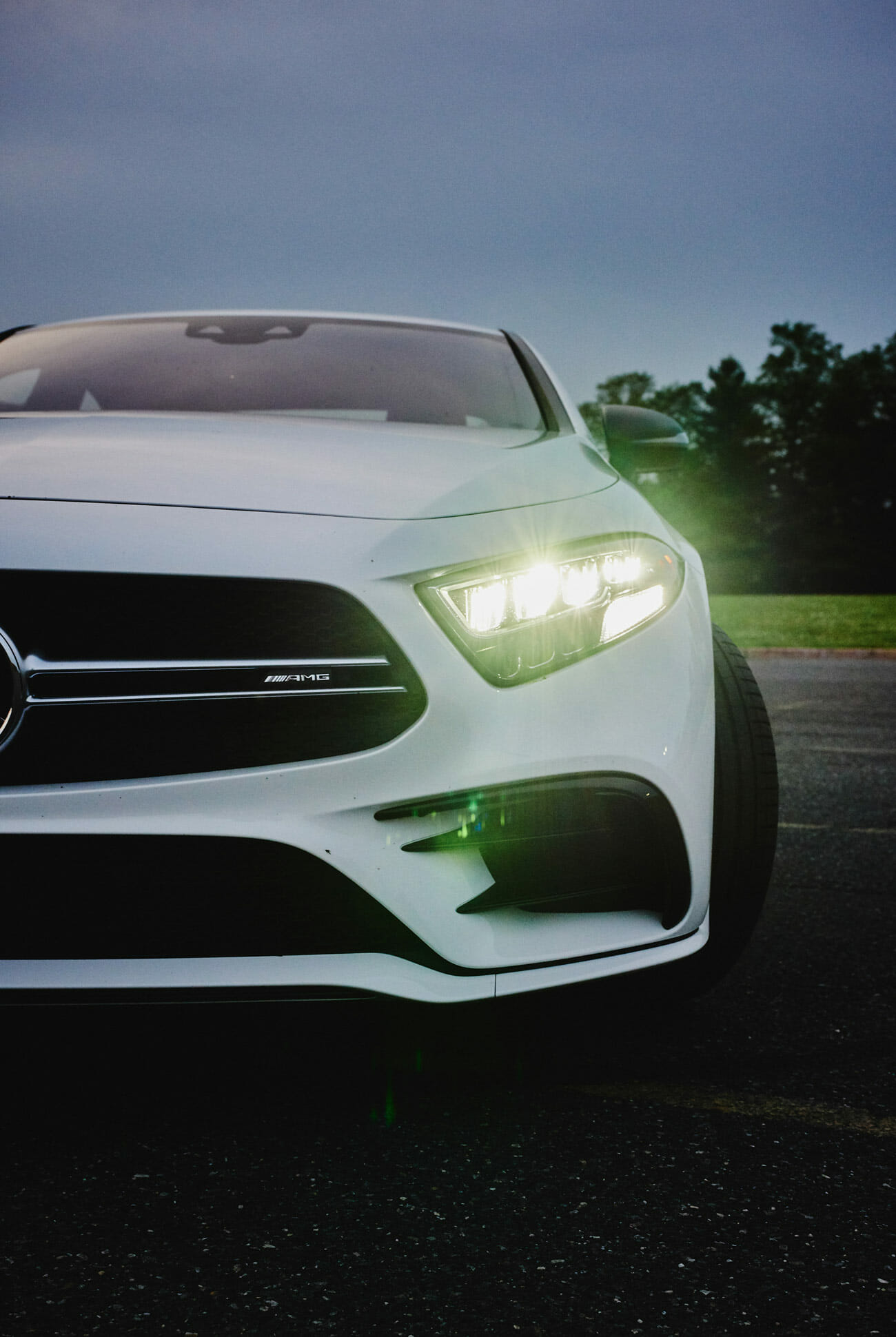
The most intriguing version of the still-fresh CLS-Class, however, must be the CLS53 AMG, which pairs the swoopy styling with AMG’s newest Goldilocks-level performance. It’s not the earth-ripping V8 power of the 63 series, it’s not the basic CLS450 spec…so it must be perfect, right?

The Good: The CLS53 shows off the variety of upsides that come with sexing up a German sedan and putting 429 horsepower in it. The engine is fantastic — one of the best implementations of modern downsized-and-turbocharged powerplants — and the handling makes the car feel smaller than it actually is. The interior styling is cribbed almost entirely from other Mercedes-Benz models, and like all of them, it makes for an incredibly pleasant place to sit. Likewise, the exterior styling is more hits than misses.

Who It’s For: The CLS53 is tailor-made for someone unwilling or unable to pick a side. Want enough power to get in trouble but not enough to test your life insurance policy? Want fun styling without giving up real back seats? Want high features tech without ditching internal combustion? You’ve found your car.

Watch Out For: There are some styling aspects, like the rear bumper and front fascia, that don’t particularly work to this reviewer’s eye, but that’s all subjective. That said, for such a jack-of-all-trades car, the suspension is too stiff and the exhaust too loud —  seemingly ported over from the speedier, less-well-balanced end of the AMG spectrum.

Alternatives: Audi S7 ($81,200), Porsche Panamera 4S ($104,000), BMW 840i Gran Coupe ($84,900)

Review: My venue for testing the CLS53 — a long-range cruiser if there ever was one — was a drive from New York City down to Charlottesville, Virginia, a round trip of about 850 miles. After arriving, my dad, drawn in by the curves and cocaine-tastic white paint, initiated the car-evaluation-walkaround that only dads are capable of. After a couple minutes of poking around, he paused and said, “Not the worst way to spend $80,000.”

The core premise of the CLS53, of course, is compromise. It attempts to be the best of all worlds in pretty much everything it does: handling, comfort, power, speed, sportiness, price, size, space, even emissions. Naturally, because of how silly of a plan that generally is, it falls on its well-sculpted face in a couple of these categories. But surprisingly, the CLS 53 nails a lot of them.

The third-generation CLS-Class’s looks definitely improve on what was already a pretty attractive formula. In profile, the CLS53 is a very pretty car, justifying how this kind of coupe-ish styling became a thing 15 years ago. The back is where most of Mercedes’s latest design language comes into play: it’s super-curvy, with a suitably sporty little ducktail spoiler. That being said, the US-spec version is hampered by two goofy little tack-on plastic bumpers surrounding the license plate. The rest of the exterior carries over more of MB’s coupe styling than sedan looks, but at times it can be a bit of a strange mashup. The front end, for example, served up Ford Mustang vibes every time I looked at it.

The interior, likewise, commits fully to being design-forward, and damn, do the results look great. Big swooping forms, wood carved to mold around the futuristic vents, the best steering wheel in the business and a pair of gigantic LCD screen that seem to merge into one to span from gauge cluster to the infotainment system. Tech-wise, it’s the same as every other well-equipped Mercedes on the market — think the responsible older brother of a Tesla. No touchscreens, carefully measured self-steering capabilities on the highway — but most of the fun stuff is there, down to the reconfigurable LED ambience lights.

The strongest indications that you’re in the sportier, AMG-enhanced CLS come from both the cute red stripe at 12 o’clock on the steering wheel and the half-dozen buttons in the central console allowing you to tweak the suspension, engine, transmission and loudness coming out the tailpipe. Though as far as I can tell, you can basically just forget them once you set everything to the Individual mode; I spent just about every mile in the comfiest suspension setting (anything else will turn your pelvis into powder), the most aggressive engine setting (if you’ve got it, flaunt it), and the quiet, or “Balanced,” exhaust setting.

A quick note on that: the alternative to the “balanced” exhaust is called “Powerful.” That setting is loud enough to take you from amused to embarrassed pretty quick, especially when some guy pulls up next to you in a -63 series or a BMW M5, both of which can sound more subdued but will ruin the CLS53 off the line.

Performance-wise, the car is a bigger blast than its middleweight status might make you think. It’s not an obscene, overpowered manchild machine like the 63 AMGs; it’s a little more measured, a little more usable, a little less brutal. It’s a big, heavy car, but the new inline-six that’s the defining feature of the 53 series is a bit of an engineering marvel. M-B takes an already-decent 3.0-liter engine and adds a twin-scroll turbo with an electric auxiliary compressor (which brings more boost at lower rpm without compromising top end power) and a weird little electric starter-generator whose a torque-filling capability isn’t crazy-noticeable but allegedly adds 21 horsepower. The net result is 429 horsepower, with 384 lb-ft of torque at a delightfully low 1,800 rpm.

Dynamics are maybe the area where the CLS53 is the most of a compromise — it’s gotta live up to coupe handling and sportiness expectations, while being bigger and more comfortable like a sedan. But in a testament to Daimler’s engineering teams, it works. If anything, it’s probably biased a little too much towards coupe sharpness — a fact that became clearer after 14 hours of high-speed road tripping.

Verdict: All told, the Mercedes-Benz CLS53 is a perfectly reasonable way to spend $80,000 or so on a car. Certainly, nobody could accuse you of being irrational; it does just about everything well. But there’s room to have a little more fun in this life. After all, a smaller, sharper Mercedes-AMG C63 S coupe or Audi’s RS 5 Sportback are about the same price. Who really wants to be Goldilocks?

2019 Mercedes-AMG CLS53 Specs

Powerplant: 3.0-liter turbocharged inline-six with electric starter-generator hybrid assist; nine-speed automatic; all-wheel-drive
Horsepower: 429
Torque: 384 pound-feet
0-60 MPH: 4.4 seconds
EPA Fuel Economy: 21 mpg city, 27 mpg highway

Mercedes Benz provided this product for review.

Read More Gear Patrol Reviews

Hot takes and in-depth reviews on noteworthy, relevant and interesting products. Read the Story
Note: Purchasing products through our links may earn us a portion of the sale, which supports our editorial team’s mission. Learn more here.

Motorcar Studio Made Another Pristine International Harvester Scout II

Over the years, Atlanta-based Motorcar Studio has become synonymous with impeccable restorations of the International Scout, particularly the 1976 International Scout II. They turned one into a bright yellow beach cruiser with a soft top.…

A Bentley Designer Explains How Electrification Shapes the Brand’s Future

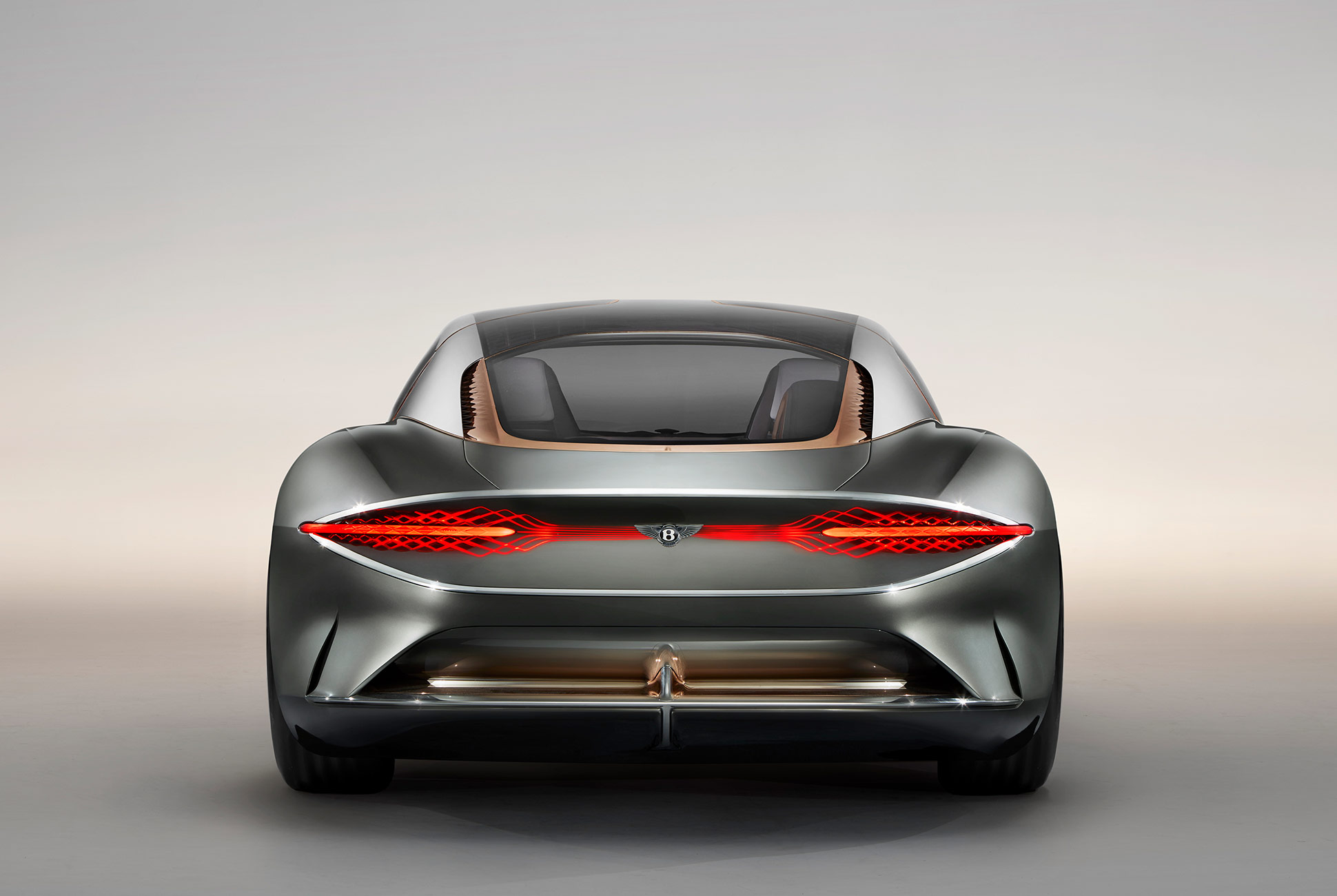
Wen Bentley unveiled its EXP 100 GT concept last week at its headquarters in Crewe, England—on the day of its 100th anniversary—the manufacturer delivered the first concrete hints that this ultra-premium marque was seriously contemplating its role in future mobility.

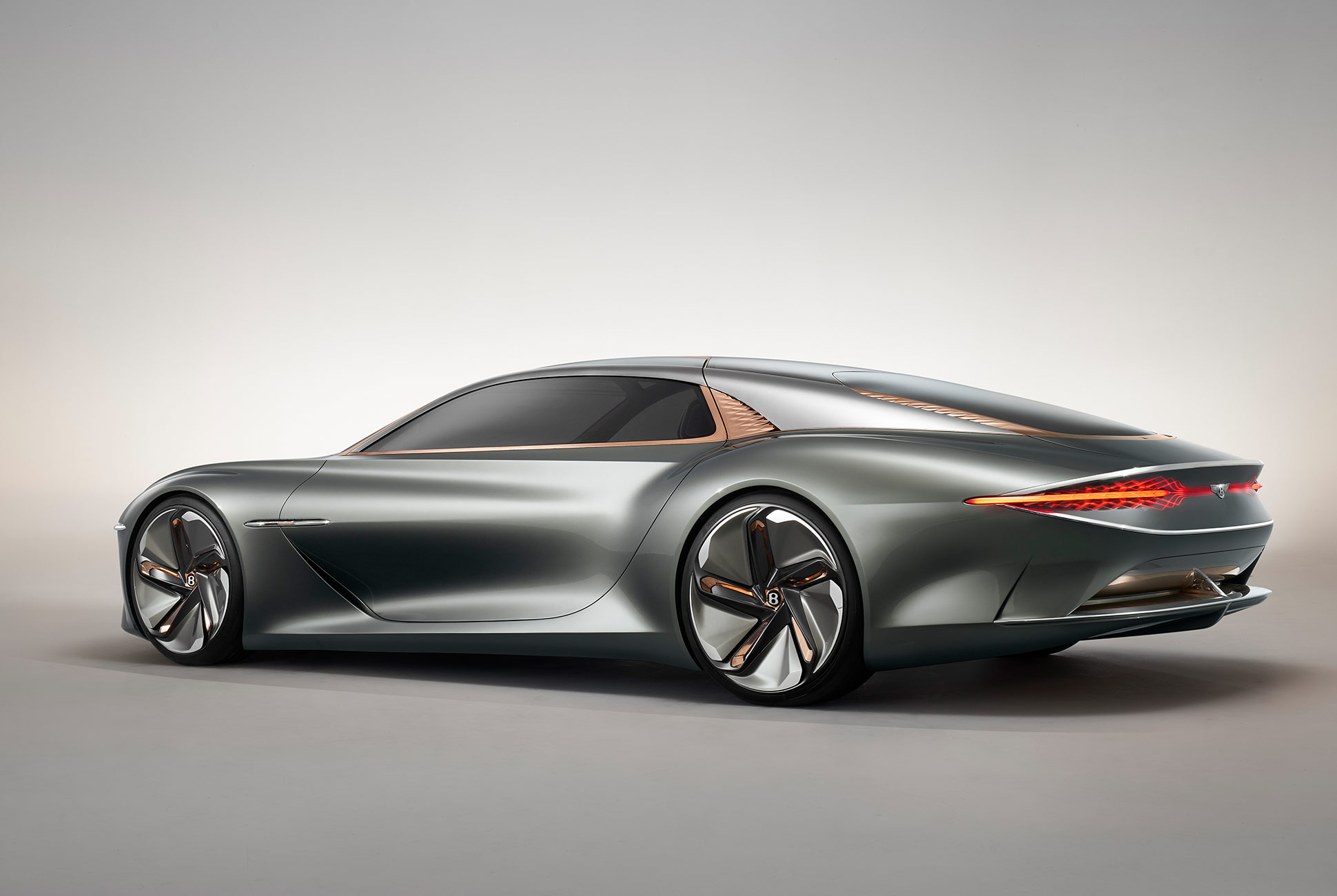
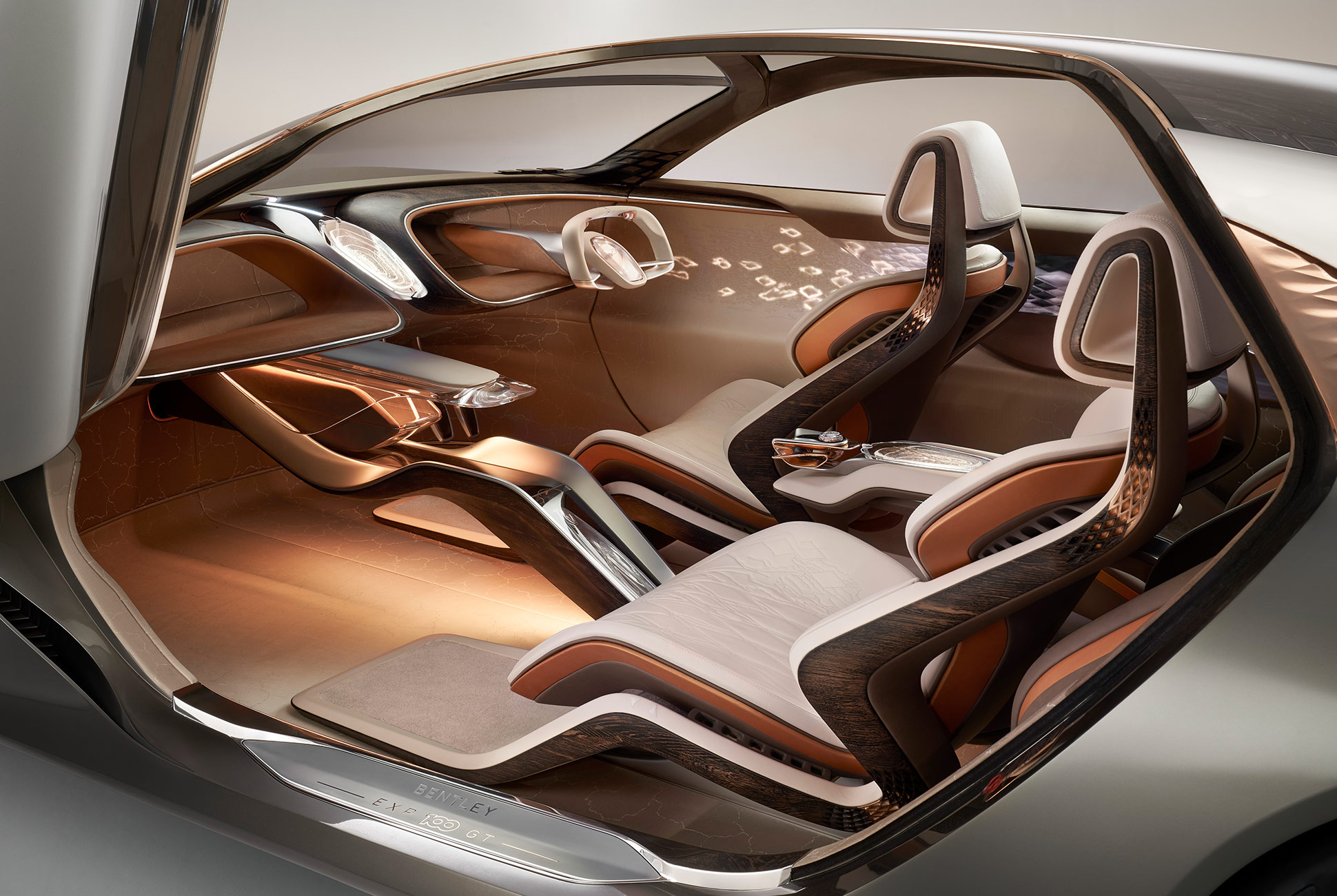
Yes, the long, low car looks every bit the sleek and aerodynamic sport coupe you’d expect from Bentley, but it’s got autonomy baked into the design, via a reconfigurable interior, it’s fully electric, and it debuts a lighting system meant to communicate its intentions to those around it. In effect, it’s joining the conversation in a meaningful way, a gesture that many might be forgiven for assuming would be “beneath” the brand.

We sat down Bentley’s head of exterior design, John Paul Gregory, to find out how the new vehicle reflects a divergence from Bentley’s usual path. Gregory has been with Bentley for 11 years, and has led the development of the outward appearances, most recently, of the new Continental GT and GT Convertible and the forthcoming Flying Spur.

grey_placeholder

Q: First, talk to me about being a Bentley designer. How does one internalize the aesthetic of such a brand?
A: I think the reason I was given the job in the first place is really because I proved that I understood the spirit and the character of Bentley, rather than just executing a line here and a line there. Designing for Bentley is much more than that. There are certain formulas we can follow, but that doesn’t always work. It’s not binary. It’s more working on intuition and trusting your own experiences and your instincts a little bit. So you keep experimenting, keep moving form and volume around—and sometimes you have to rip it up and start again. At Bentley, our design process is longer than a mass-manufactured car, so we have that slightly longer design process in which to add in that extra level of refinement. That’s something that is a really important part of our endeavor.

Q: What was your goal with the EXP 100 GT concept?
A: This is a design statement of Bentley in the future. We got together with all our stakeholders internally and had long conversations with the board, saying guys, we’re 100—how are we going to celebrate? What are we going to do? Of course, on top of it being our birthday, we have this unprecedented shift and transition in the automotive industry. So we decided to use this as an opportunity to have a celebration and honor our wonderful brand, and at the same time set out what type of brand we want to become in the future. We wanted to show what type of cars do we want to make.

grey_placeholder

Q: How does electrification impact design?
A: Electric cars don’t have to be soulless boxes. They can still have automotive appeal and they can still refer to your heritage. Yes, there’s a completely new set of technical constraints, but you’re still playing with recognizable DNA. With this concept—it’s a very big car, and it’s got that Bentley statement as a big, bold coupe. But electrification gives us the opportunity to talk about future drivetrains, and with a large footprint we can spread the batteries out. This allows for quite a unique and configurable interior space. You can choose two, three or four seats, and that flexibility impacts the exterior proportions.

When you start talking about the silhouette of this car, it’s quite different from normal. The proportions are affected by the electric drive, which was the birth of this configurable space. What that means is that the front windscreen is much further forward than it normally would be. In the past, you would have these enormous bonnets because there are enormous engines inside, and the windshield is very far back. It’s what we call the dash-to-axle ratio, or the “prestige mass”—the distance between the door and the center of the front wheels. It’s normally very large on a Bentley, but in this car it’s actually quite small.

We’ve also wrapped around the A-pillars a little bit further, so we’ve got a lot of curvature in the front screen. What that does is give you get a completely different aspect, depending on where you look at the car.

grey_placeholder

Q: Do you feel constrained by the need to have this cool new tech look like a Bentley?
A: A lot of these electric startups don’t have a heritage to draw from. They have really nice-looking cars, but all of the design follows current trends so they all end up looking similar. Many designers would say that’s a blank canvas, and there’s nothing restricting us. But actually, having a heritage to draw from is in my eyes a positive. It’s the challenge of placing that instantly recognizable heritage onto this new technology.

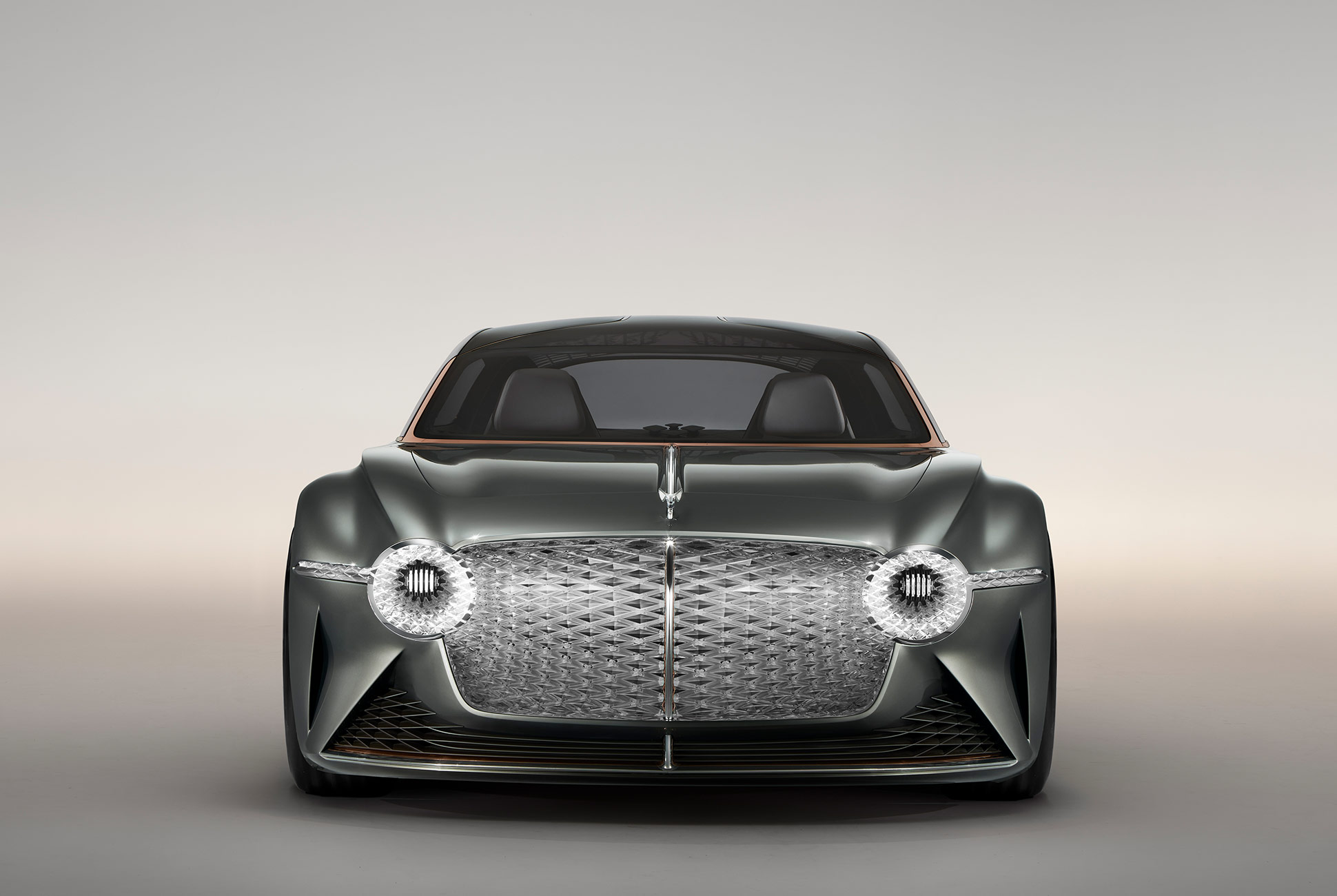
Of course, the big topic around that with this car is the grill. Do we completely abstract the Bentley face? I said no, let’s take this wonderful 100 years of heritage and celebrate it and still use it, but in a different way. Here we’re playing a lot with the topic of light, which will become a way of communicating with others as this autonomous world develops. As that technology develops, light will help make sure the outside world knows what the car is doing. That’s a wonderful communication tool, while at the same time it provides a sense of occasion. As the owner walks up to the car, the car wakes up. It can almost sense the driver’s mood and maybe help them get into a better one. So it’s got this kind of luxury theater on top. The whole front end is super-exciting for me as a designer.

Q: There’s a lot going on with this car. How do you reign yourself in?
A: We’re playing with different topics, and because it’s a show car we’re able to push that bandwidth and see how far can we stretch it out, but make sure it’s still a Bentley. It goes back to what I was saying before about spirit and character. Bentley’s about dominance and presence, and those lights are reminiscent of so many other wonderful cars—the Blower, the Continental Type R. But it’s obviously an abstract version of that.

Q: As with many show cars, it feels like there’s something else beyond just Bentley’s heritage influencing it, even in this case elements of fantasy or science fiction. Is that deliberate?
A: You’re absolutely right—concept cars do often have that feeling. With Bentley, concepts are usually precursors for something that we want to create very soon. This, however, is purely visionary, and it means we could take the shackles off a bit, especially because we don’t have the production feasibility behind them. I think it’s important that the cars have that feeling—that we’re able to dream a bit.

grey_placeholder

Q: Final question: When you get together with other designers in the industry, what’s on your minds?
A: We’re all having conversations about this big shift in the automotive industry, and how it’s being interpreted differently. There are a lot of successful interpretations of what’s happening, and we’re beginning to talk about the challenges together. But everyone’s in the same boat. We know that this is happening, and it’s really important as a brand that you put your stamp on things. In our case, we’re still going to make inspirational cars, not these autonomous boxes. I think people in the design community respect that, because the only reason you get into this game is because you’re passionate about cars and passionate about car design. I think that that this car still represents that.

10 Cool Cars From the 2000s Sure to Become Future Classics

Automotive nostalgia for the Nineties is having a moment. (Call it the Radwood effect.) After all, fawning over rad Japanese tuner cars from those days is more fun than reconciling ourselves with the fact that it’s been 25 years since Weezer’s self-titled blue album came out.

But all this enthusiasm for the 1990s had us wondering: Could the 2000s be next? Prices for cars from that era are still reasonable. And the defining features of many fun cars of the era — manual transmissions, naturally aspirated engines, not being crossovers — should age well moving forward.

Here, then, are 10 future classics for your consideration (and potential investment in).

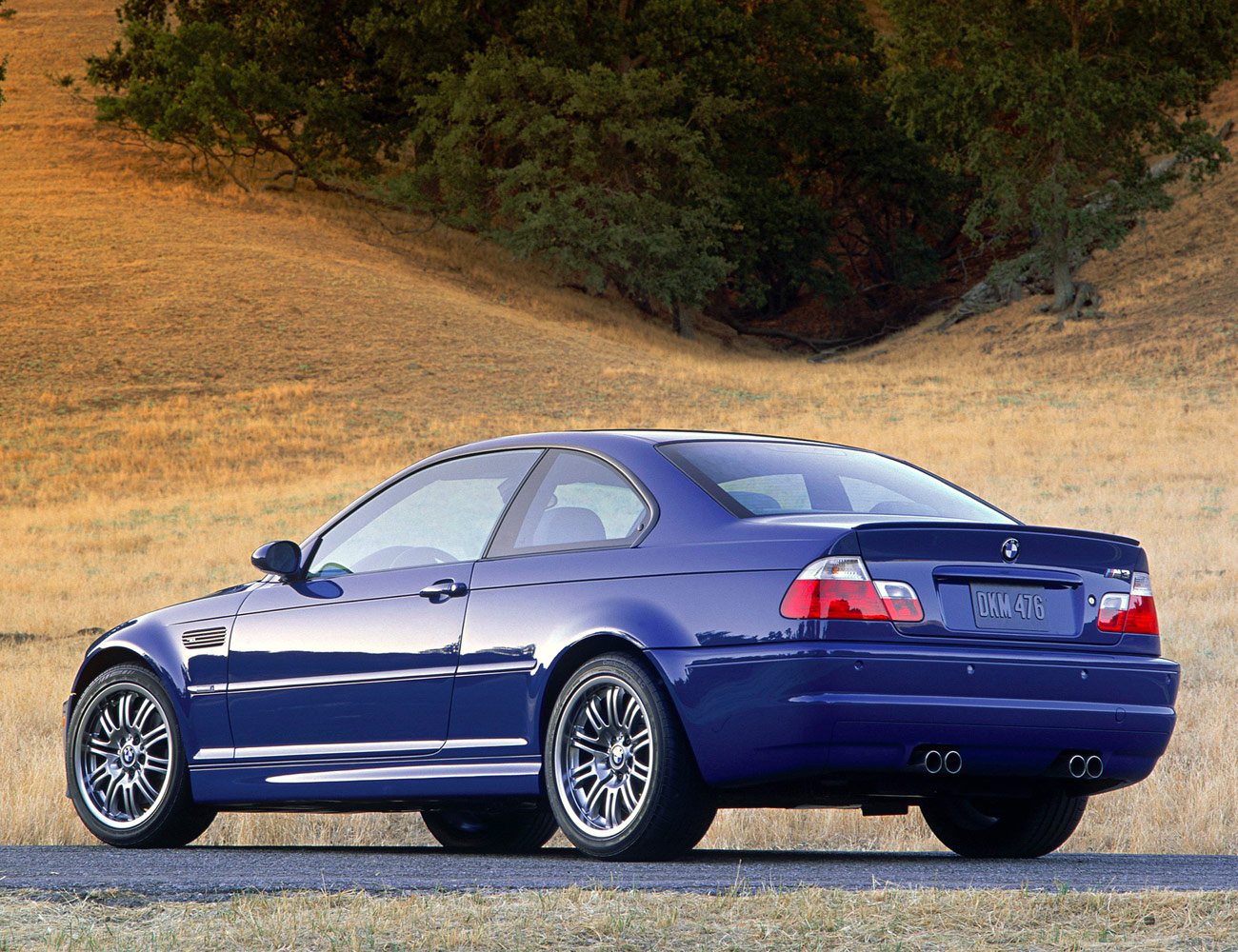
BMW M3 (2000-2006)

There are the uber-purists who believe BMW lost its way in the early 1990s. For everyone else, the early 2000s were the halcyon days for BMW, with that era’s cars being a perfect fusion of modern engineering, classic BMW driving dynamics, and somewhat-conservative styling.

The E46-generation M3 may be, simply, the best car BMW has ever built. It packed the S54 3.2-liter naturally aspirated inline-six engine, with 338 horsepower and an 8,000 rpm redline. Whether it would come with a six-speed manual was a question one need not bother asking.

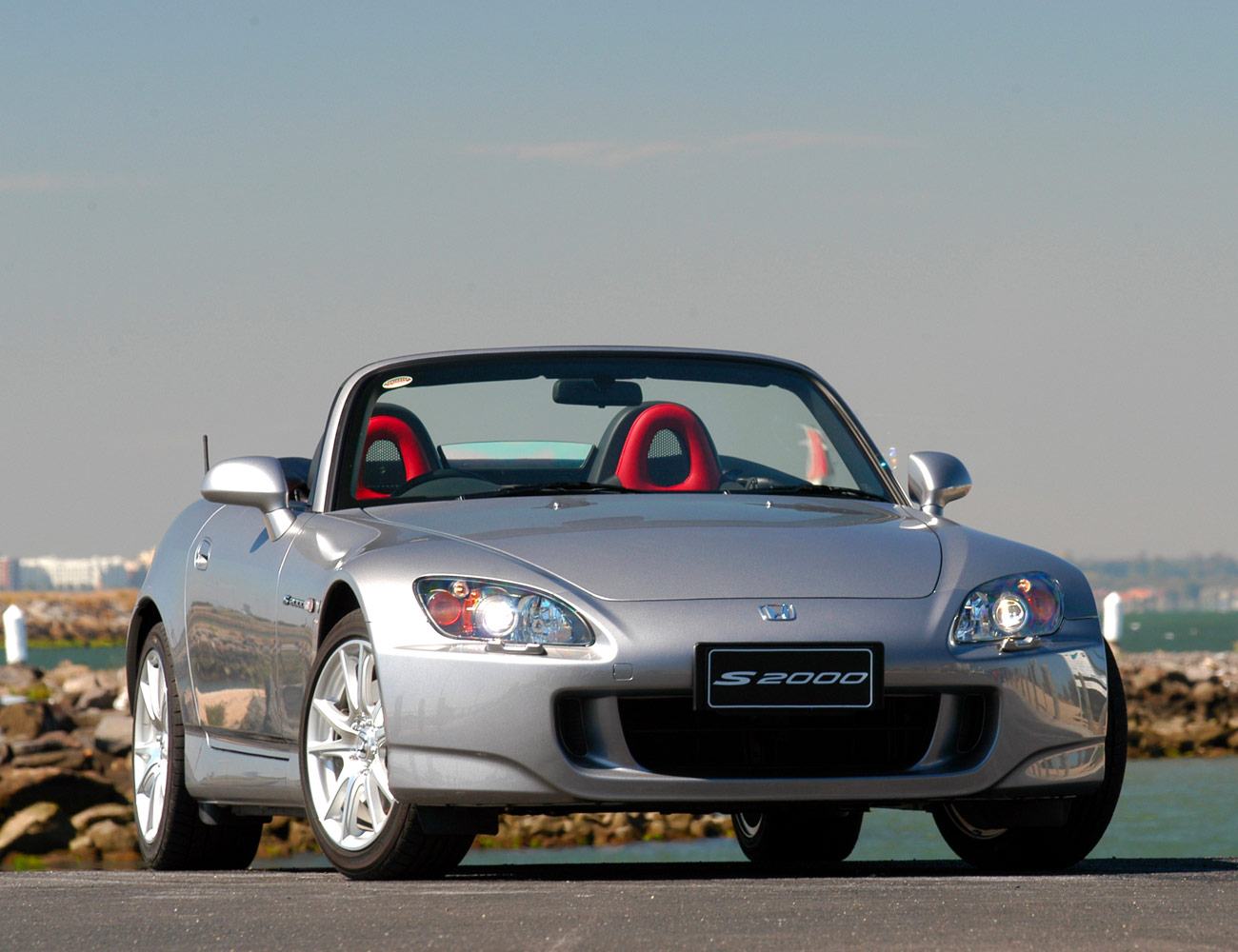
Honda S2000 (1999-2009)

The Honda S2000 may be the ultimate purists’ roadster. The original version had a naturally aspirated 2.0-liter VTEC putting out 247 hp — an impressive 123 hp per liter. It (only) had a six-speed manual, 50/50 weight distribution, and rear-wheel drive. With a 9,000 rpm redline and a power curve that topped out right near that limit, it was built to be driven hard. It’s also not bad to look at, whether it’s from before or after the 2004 facelift.

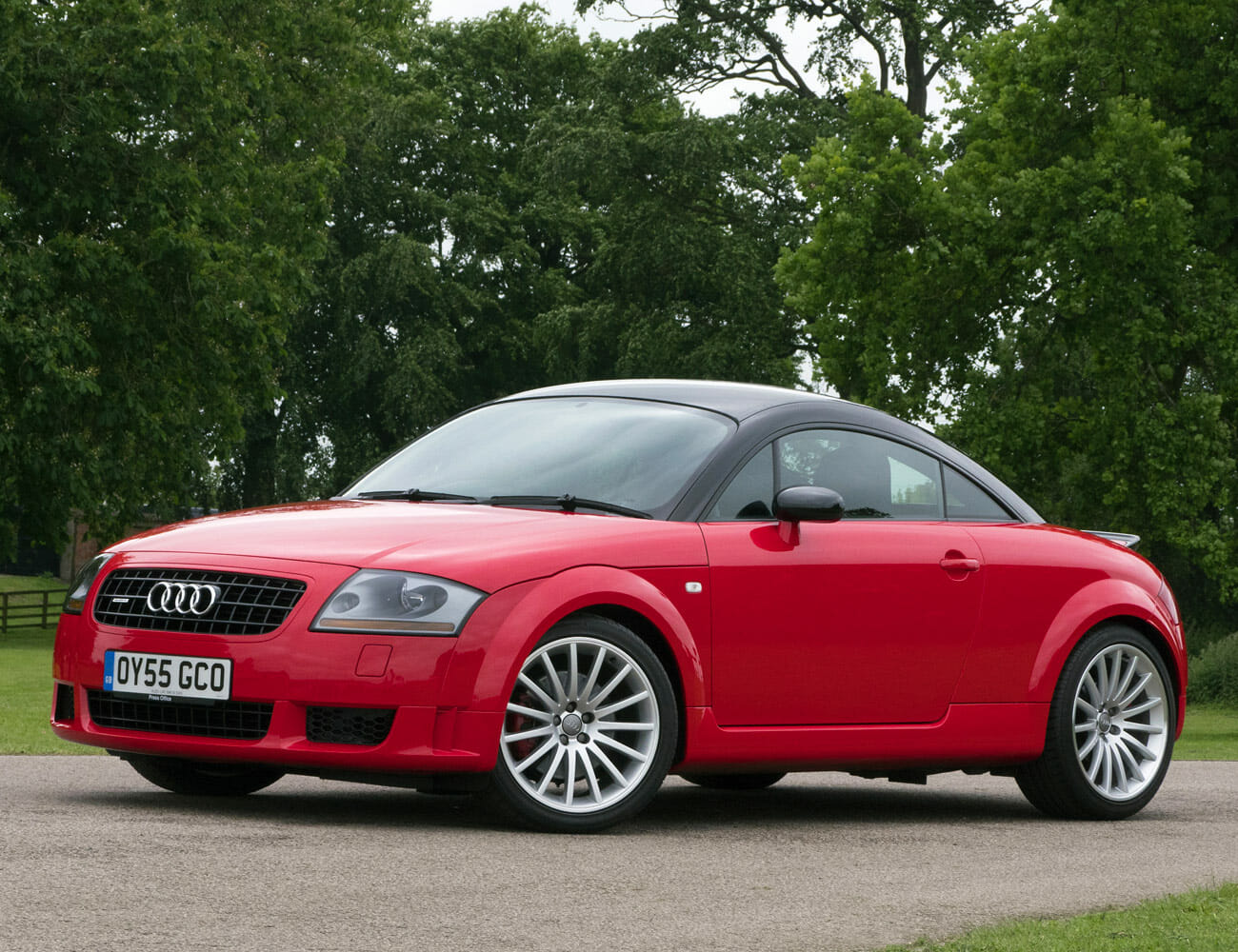
Audi TT (1998-2006)

The Audi TT was one of the most stunning, innovative concept cars ever — and it made it to production with its sleek Bauhaus look intact. The TT Mk1 was far more of a cruiser than a track car; the first models had to be recalled for dangerous handling at high speed. But a 225-hp engine, a smooth Audi six-speed stick, and baseball-stitched leather made it a fun car for most drivers. The best testament to the TT may be how many owners have pushed them past 150,000 miles.

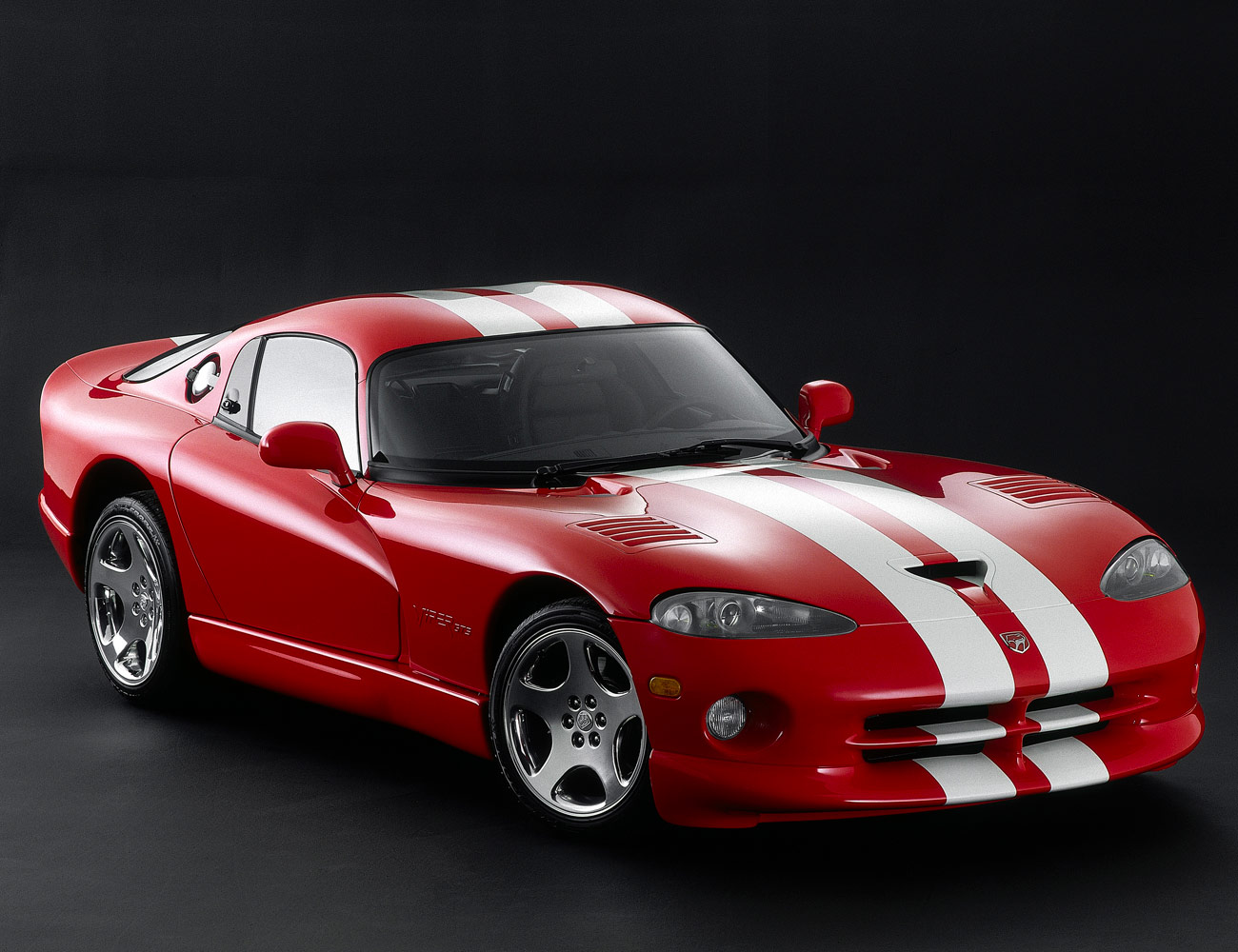
Dodge Viper (1996-2002)

The Dodge Viper was the proud antithesis of the modern sports car. It had a stupidly large engine, a manual transmission, and no driving aids whatsoever. (Look out for trees.) The second-generation SR II had an 8.0-liter V10 putting out 450 hp and a six-speed manual. It kept the distinctive styling and stripped-down feel of the original, but in addition to a power upgrade, the later model added features like airbags, standard AC, and anti-lock brakes — things any sane driver would want.

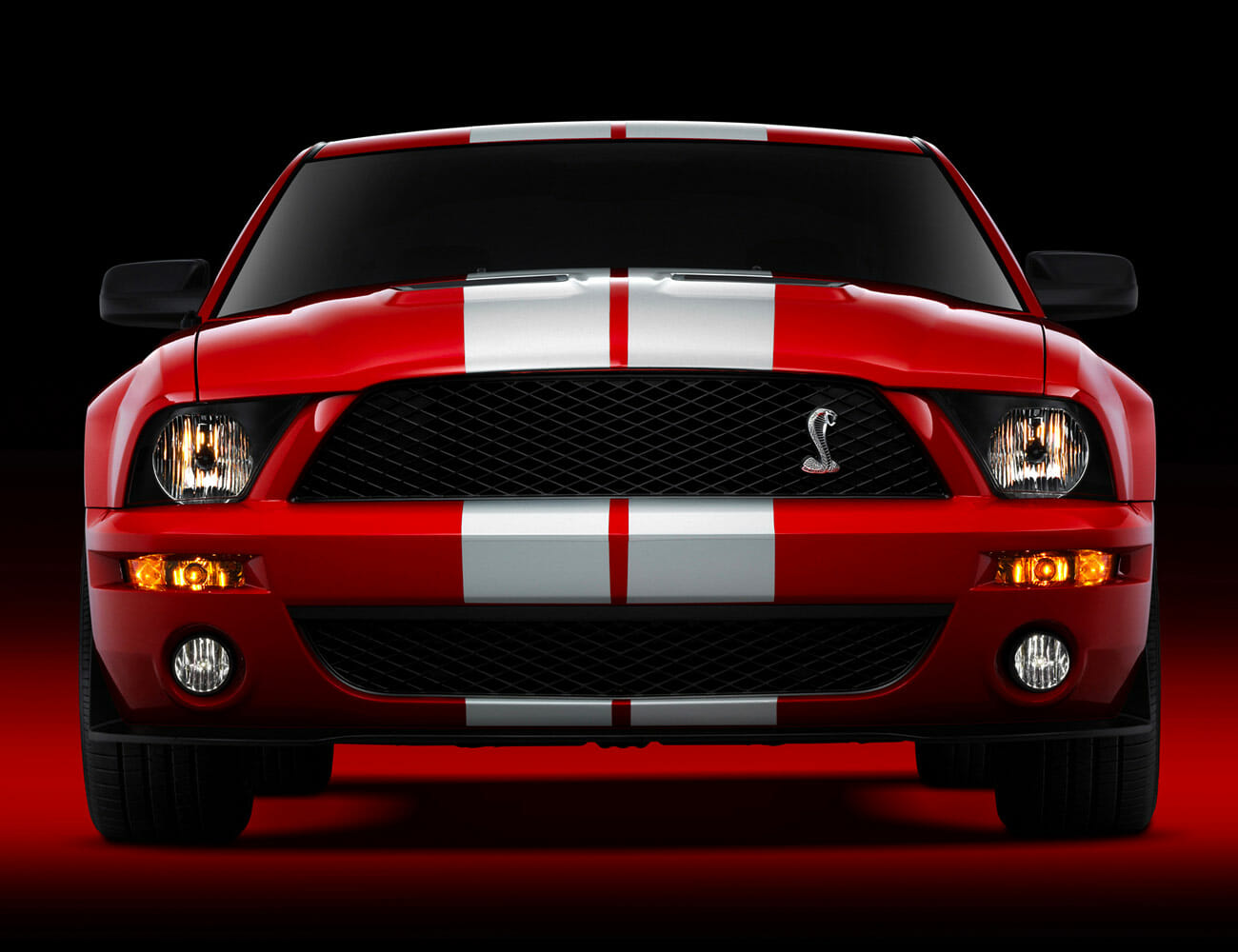
Ford Mustang (2005-2014)

With the S197 — better known as the fifth-generation model — Ford decided the Mustang should look like the Mustang again. The company emulated the boxier style of the first generation and produced its best-looking Mustang since the original. It was not a mind-blowing performance upgrade over the fourth-gen, but it held true to Ford’s initial vision for a car that looked awesome, made a lot of noise and came at a price nearly everyone could afford. Indeed, it may have been too affordable: Ford opted to axe an independent rear suspension that would have improved the ride significantly but made it much more expensive.

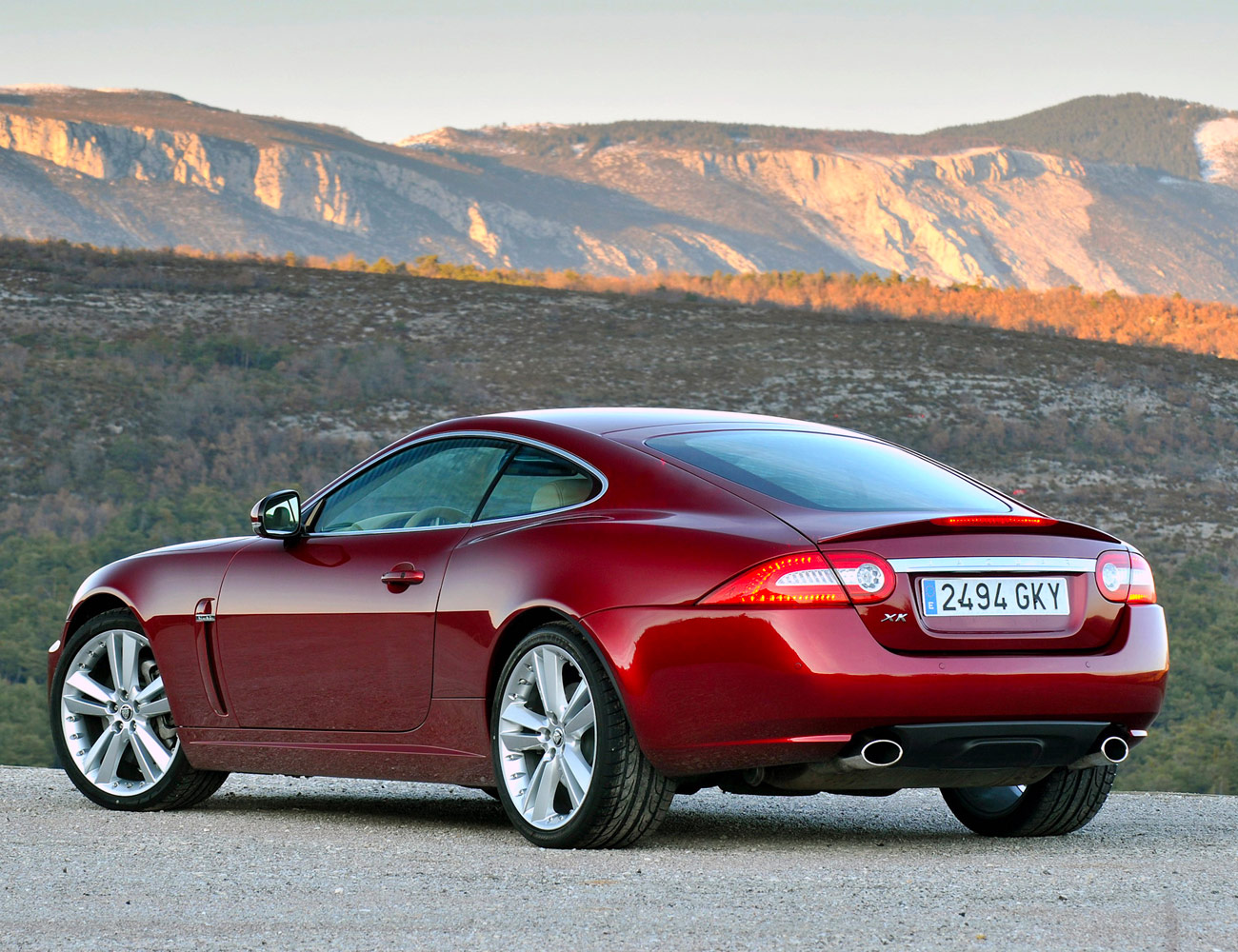
Jaguar XK (2007-2014)

The Jaguar XK was Jaguar’s 2+2 grand tourer. Famed designer Ian Callum penned the second generation, and it was one of the cars that helped reestablish Jaguar as a sporty, sexy car manufacturer. There was no manual option, only a six-speed ZF automatic, but the XK makes up for it by offering three variants: naturally aspirated V8, supercharged V8, and even beefier supercharged V8. This wasn’t a Bond car, but it’s a car that can make you feel like James Bond on a budget: Even well-kept performance XKR versions with low mileage gavel for less than $30,000 on Bring a Trailer.

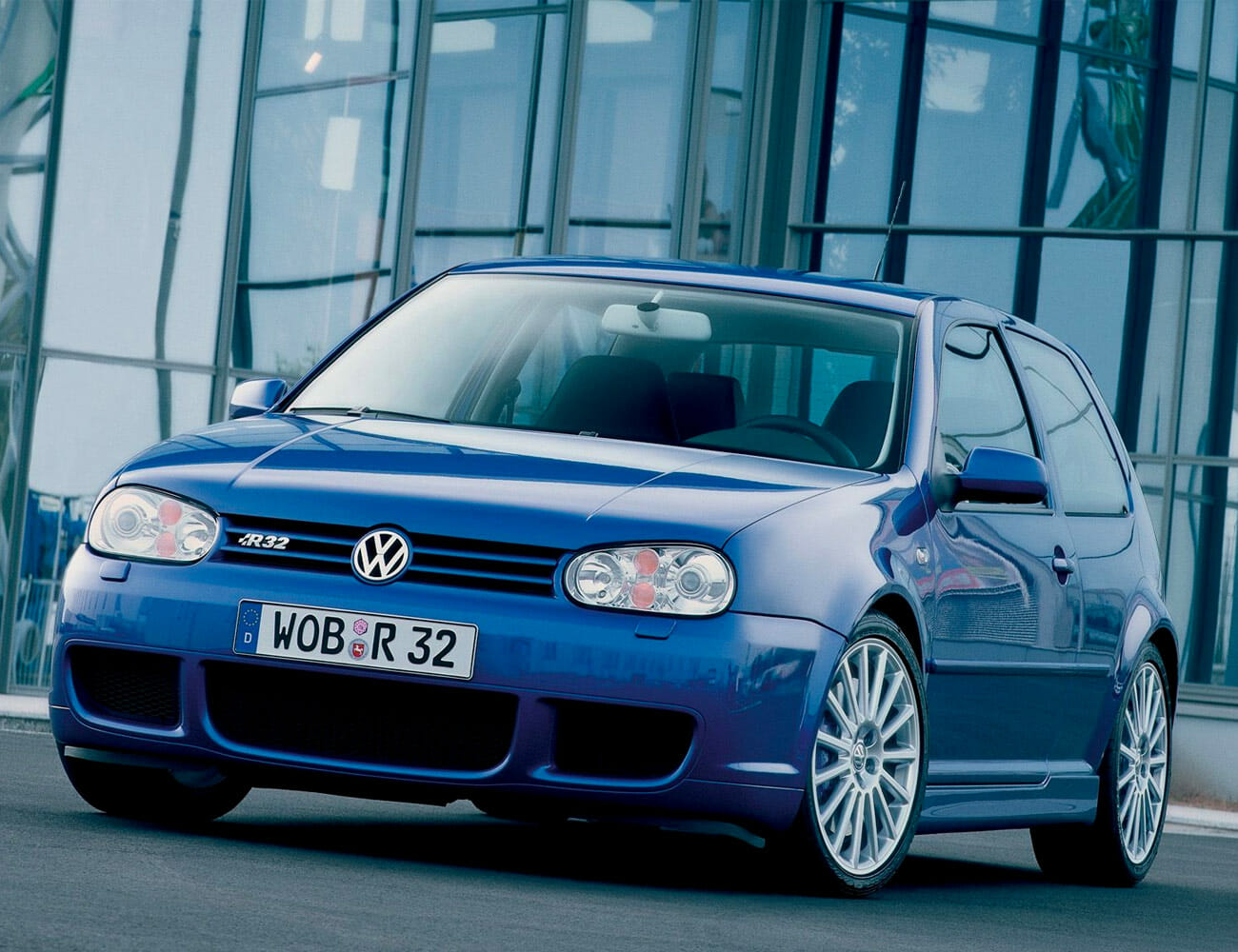
Volkswagen Golf R32 (2004)

The R32 is among the standouts from the Volkswagen Golf line. It was VW’s halo Golf for the Mk4 generation, and only sold in the U.S. for the 2004 model year. The R32 had every option and a massive (for a hot hatch) 3.2-liter VR6 engine putting out 238 hp and 236 lb-ft of torque. It also came with two excellent transmission options, a six-speed manual or a six-speed dual clutch transmission — the first to appear in a production car.

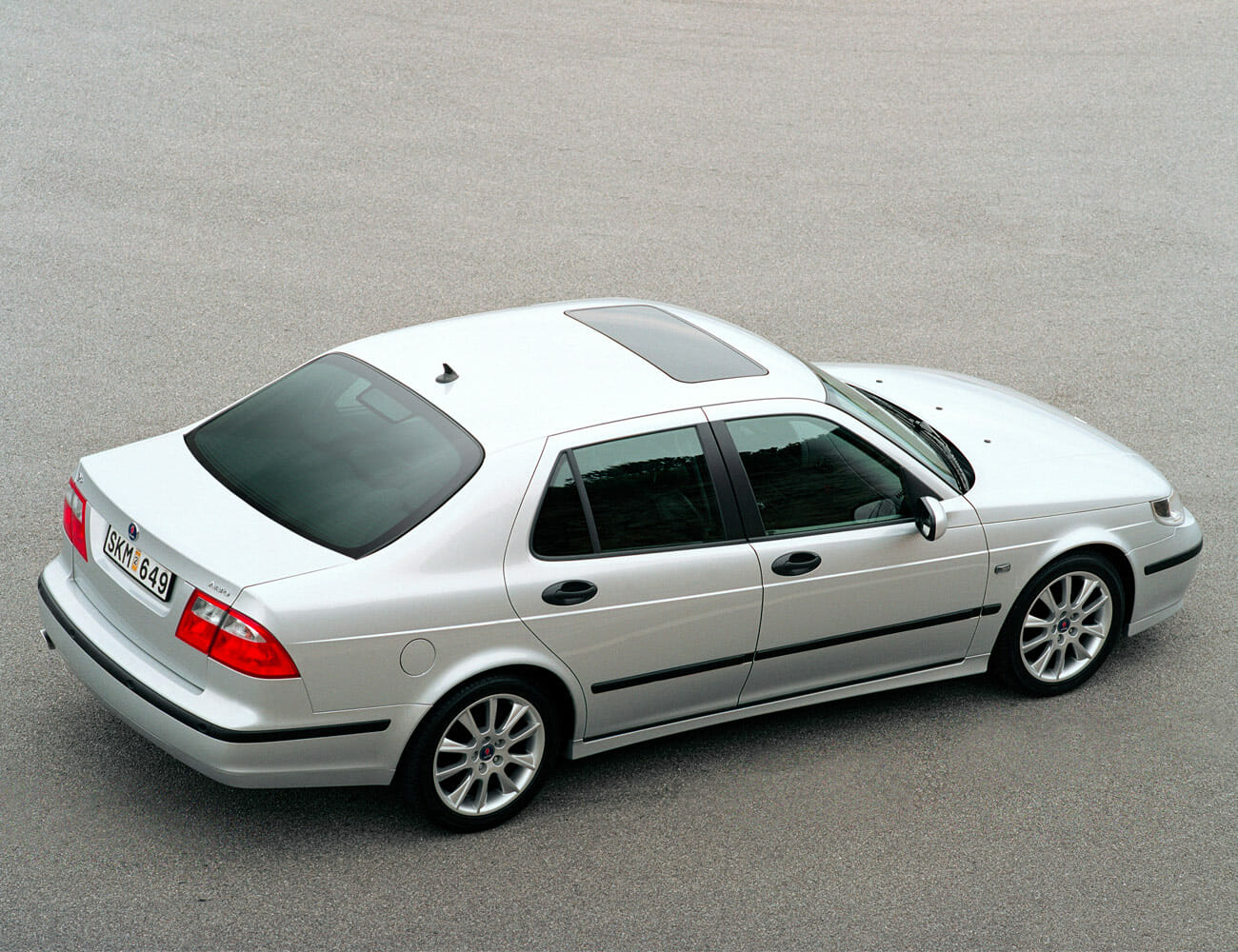
Saab 9-5 Aero (2000-2009)

Saabs were quirky, comfortable and Swedish — before the fallout of the GM bankruptcy made the brand all but defunct in the early 2010s. The 9-5 Aero was a performance version of the 9-5 executive sedan. It was a Saab that could haul ass — to a degree. The torque-heavy 2.3-liter turbo four’s output figures of 250 hp and 258 lb-ft were reportedly significantly understated. It could also be fitted with a five-speed manual.

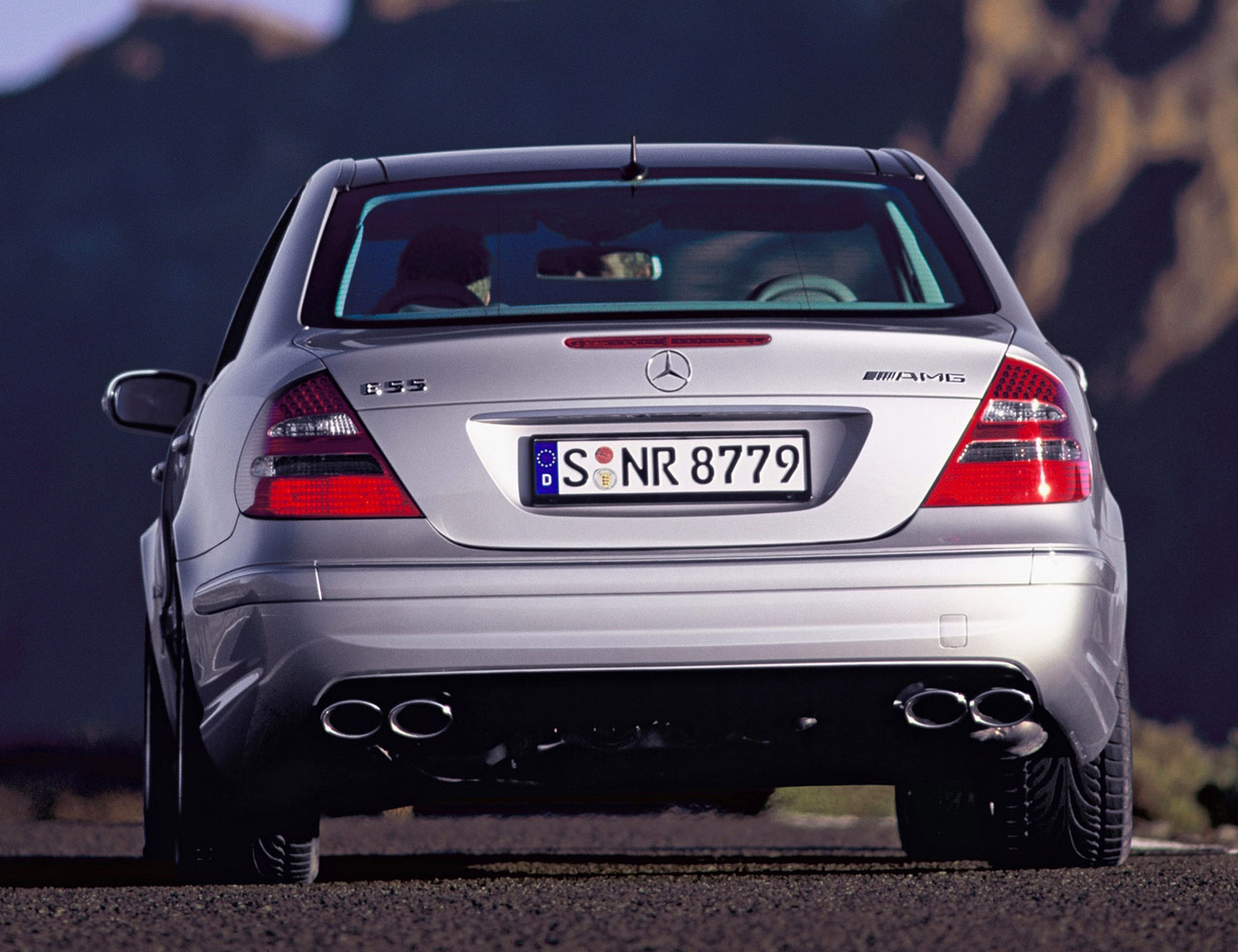
Mercedes-Benz E55 AMG (2003-2006)

The second-generation Mercedes-Benz E55 AMG was the precursor to the E63 AMG. It came as both a sedan and a wagon, and its supercharged 5.4-liter V8 produced 469 hp and 516 lb-ft. When new, it was the fastest four-door vehicle in the world: It accelerated from 0-100 mph in less than 10 seconds, more than a second quicker than the Audi RS6 and faster than a Corvette Z06. It only offered a five-speed automatic, because Mercedes’ seven-speed at that time could not handle the torque.

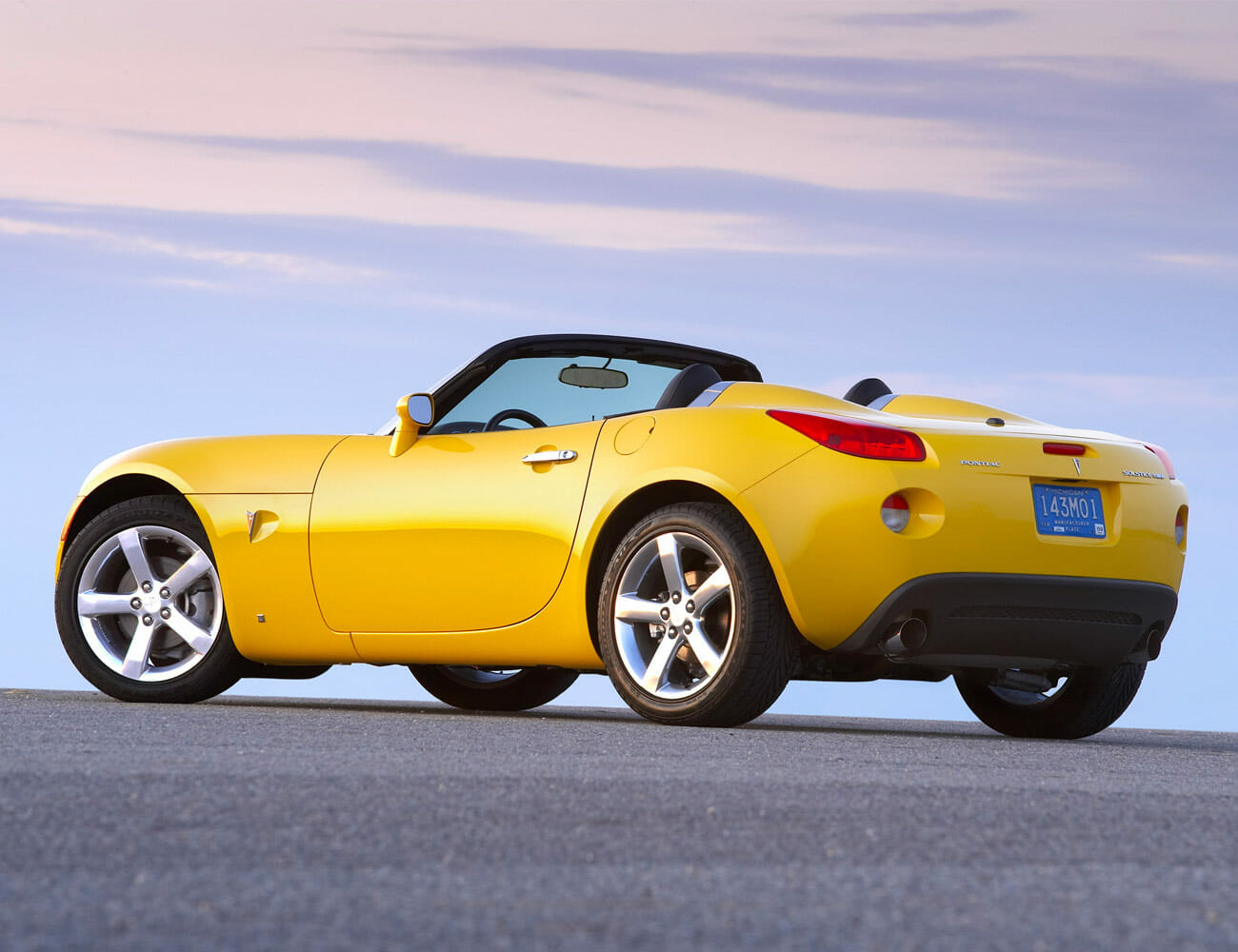
Pontiac Solstice GXP (2007-2009)

GM gave the Pontiac brand the boot during its restructuring — sadly, just as it was producing fun, intriguing cars. The Solstice was a classic two-seater, available as a coupe or a convertible. The GXP version had a 2.0-liter turbocharged inline-four putting out 260 hp and 260 lb-ft (though it could be tuned beyond that at the dealer) and an available five-speed manual. It weighed less than 3,000 pounds, and accelerated from 0-60 mph in 5.5 seconds. The car’s production also included some period-perfect GM cost-cutting measures, but we won’t hold that against it.

Note: Purchasing products through our links may earn us a portion of the sale, which supports our editorial team’s mission. Learn more here.

Here’s How to Wash Your Car Properly Without Damaging the Paint

Aside from, you know, the whole “we need flowers and bees to make honey and to keep the environment happy” thing, pollen totally sucks. It makes me sneeze, for one, but it also coats everything — most notably, cars — in a gross, chalky, yellow film. Pollen can turn a white car banana-colored and a black car a puke-like chartreuse. But flower “dust” (to put it politely) is almost entirely unavoidable and it can be much more than just an eyesore — it puts your precious paint at risk.

To get the skinny on the best way to keep a car clean, I turned to Mike Stoops, the Senior Global Product & Training Specialist at Meguiar’s, who pretty much has a lock on car care. Stoops spoke at length about the dangers of pollen, the best way to clean a car, towel management and his specific product recommendations. Good luck, and may your car — and your sinuses — remain as pollen-free as possible. – Nick Caruso

How Pollen Can Damage Your Paint

Because it is naturally occurring material and it’s got that more of an ability to decompose that just regular dirt, [it can] stick to the paint more tenaciously. Even in very tiny fragments, it will stick and bond to the paint. After that happens, it doesn’t come off when you wash the car. This is one of the components that will make your paint feel like 80-grit sandpaper after you’ve washed it. Then you need to step up to using a clay bar or something similar to remove that material.

It can also be hard and a little scratchy. It’s on a very small scale, obviously. But if you don’t have the proper lubrication and you’re not using a microfiber towel to really pick it up and pull it into the towel, you start to put really fine little micro scratches into the paint.

Can Pollen Damage Be Prevented?

Preventing is actually really simple: leave the car in the garage. [Pollen is] natural airborne fallout — there’s no way to prevent it from accumulating on a car.

We get similar questions about brake dust. There’s no product you can apply to your wheels that won’t let it land on the surface. You’re stuck with the same situation when it comes to pollen. If you’re going to use the car for what it was intended — getting out and driving the thing — it’s going to get dirty.

The biggest thing you can do ahead of time is keep a good coat of wax or synthetic sealant on the paint at all times. This will help to prevent things from sticking quite as dramatically to the paint surface and should make cleanup easier each time you do it.

If you don’t let your car get really dirty, you can wipe it down [easily].

How to Clean Your Car

Move to the shade. Work in the shade on a cool surface. If you mist a product onto [hot paint] it will evaporate almost immediately and will do you no favors. Pull into the shade. Any product will work better there.

Top-down. Always work from the top of the car down.

Let it soak. You’re going to want to wet the area reasonably well. With a standard quick detail spray, it’s just a quick mist onto the panel and you wipe with a towel. Let the product sit a couple seconds before you wipe.

Fold your towel. Fold the towel into quarters and wipe in a straight line. On the leading edge of the towel, there will be a line of dirt.

Roll, Wipe, Roll. Roll the edge back a little so the dirt stripe is pulled out of the way. If you do [it right] three or four times, you end up with tiger stripes on the towel.

Follow-up Towel. Take a second towel that’s also folded in quarters. Wipe back over the area with that fresh, clean towel just to pull off the last bit of product.

Swap towels. Continue unfolding and refolding that towel and following behind with the clean towel. Once it gets to the point that you… feel that towel is no longer safe to use because there’s so much dirt embedded in it, set it aside. What had been your second towel — upgrade it to your first towel and get a clean towel for your secondary wipe.

How to Care for Your Car Interior

One of the best ways to keep your car looking showroom-fresh is by cleaning and maintaining the interior. Read the Story

A Word on Towel Management

If you think you’re going to go in and use one towel to wipe down the whole car, you’re sadly mistaken. Good quality microfiber towels are designed to grab and hold onto stuff. A lot of people think ‘I want to use a microfiber towel on my paint because it’s really soft.’ That’s true, but the real benefit to a microfiber towel is that they grab and hold on to stuff and pull it up into the towel so that it’s no longer interacting with paint.

Don’t be afraid to use three, four, five [or] six towels depending on how big the car is and how dirty it is.

Never. Ever. Scrub.

One thing you never want to do is scrub hard. Scrubbing hard on your paint is just never a good idea. Let the ingredients in the car wash soap or spray wash do their job and break down and emulsify that dirt so you can safely remove it from the surface.

Caring for a Classic Car

We do a lot of hot rod shows, vintage car shows. A lot of these owners don’t want to take out a bucket and hose — I get that. Old cars like to trap water in places. Or they don’t like to use soap for some crazy reason.

I’ve seen guys with really expensive… custom-built cars that are doing nothing more than taking — and this terrifies me — a cup of water and an old terrycloth washcloth. They just dip the cloth in water and just wipe the panel down. To them, they’re removing the dust, they’re not using any soap and they’re not flooding the car.

But what they don’t realize is that water is a terrible lubricant. And that old cotton towel has quite a bit of aggressiveness of the cotton loops. You’re going to scratch the paint. You’re doing something fairly horrible to the car. The one positive thing they’re doing is cleaning frequently. The problem is, their frequent process is not the safest process.

Buying Guide

Quick Detailer Spray by Meguiar’s $8

Ultimate Waterless Wash & Wax by Meguiar’s $8

Ultimate All Wheel Cleaner by Meguiar’s $8

Essentials Car Care Kit by Meguiar’s $57

Supreme Shine Microfiber Towels by Meguiar’s $5

How to Clean and Maintain Your Car Interior

Beauty is more than sheet metal-deep. One of the best ways to keep your car looking showroom-fresh is by keeping up the insides. Read the Story

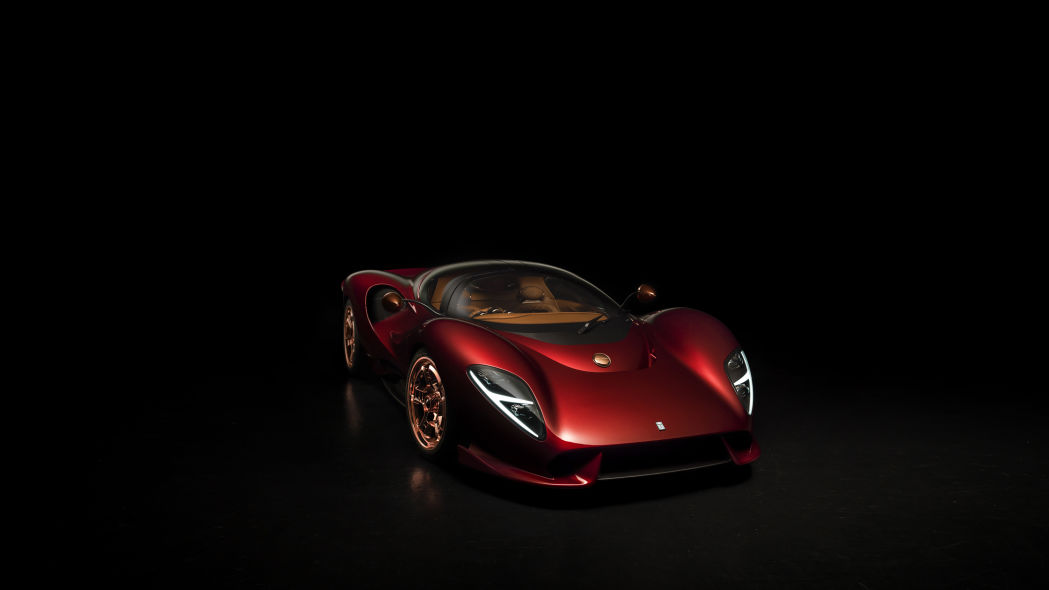
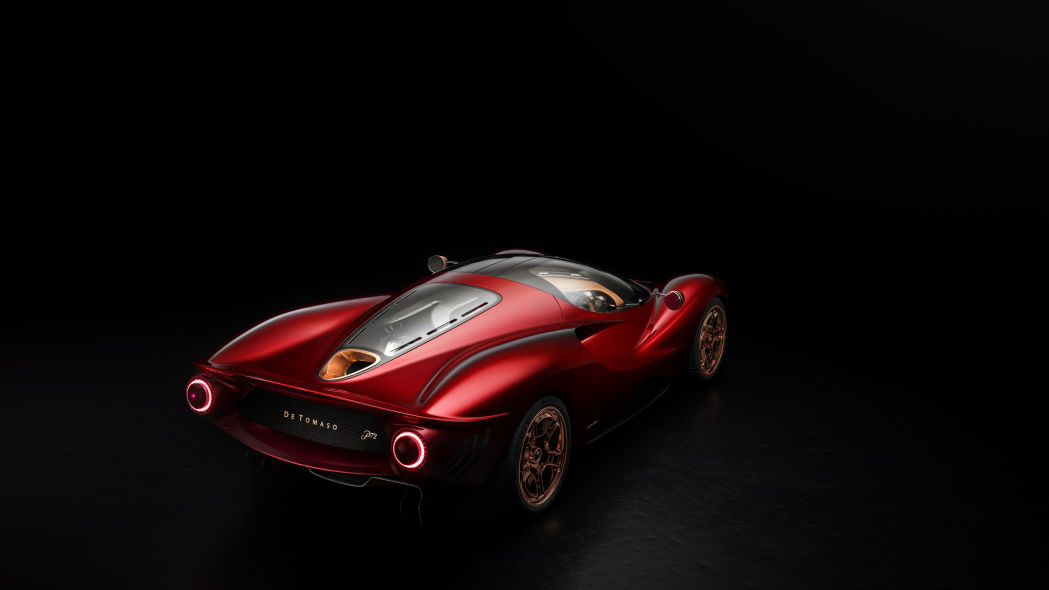
De Tomaso P72 Coupe

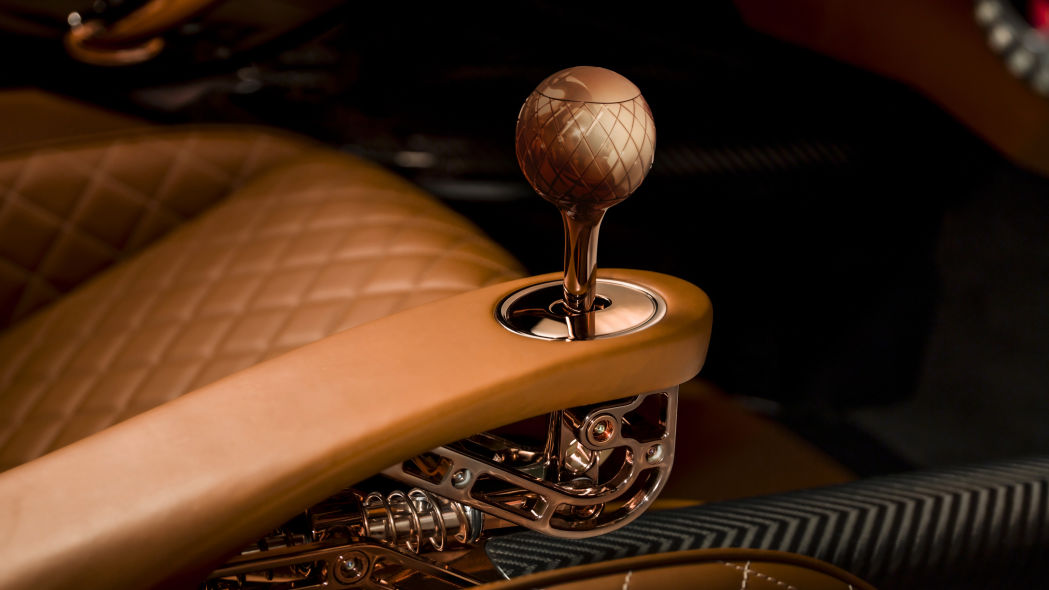
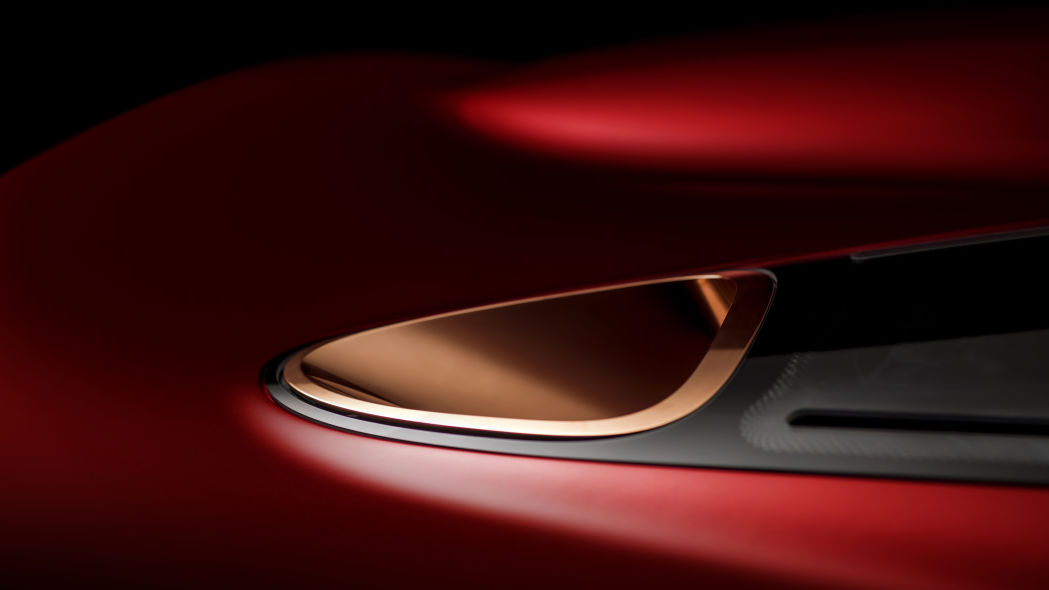
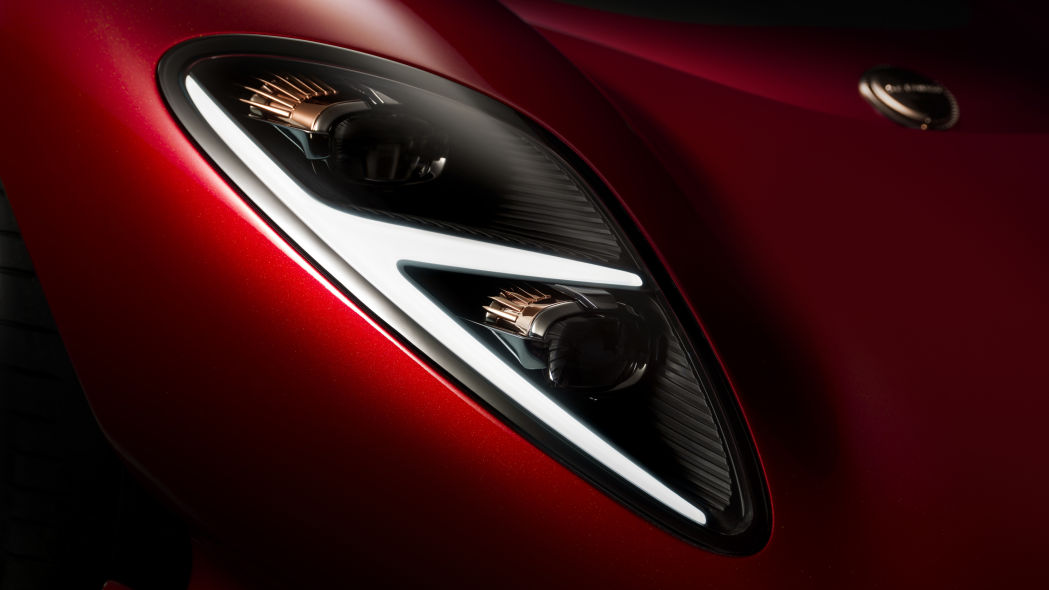
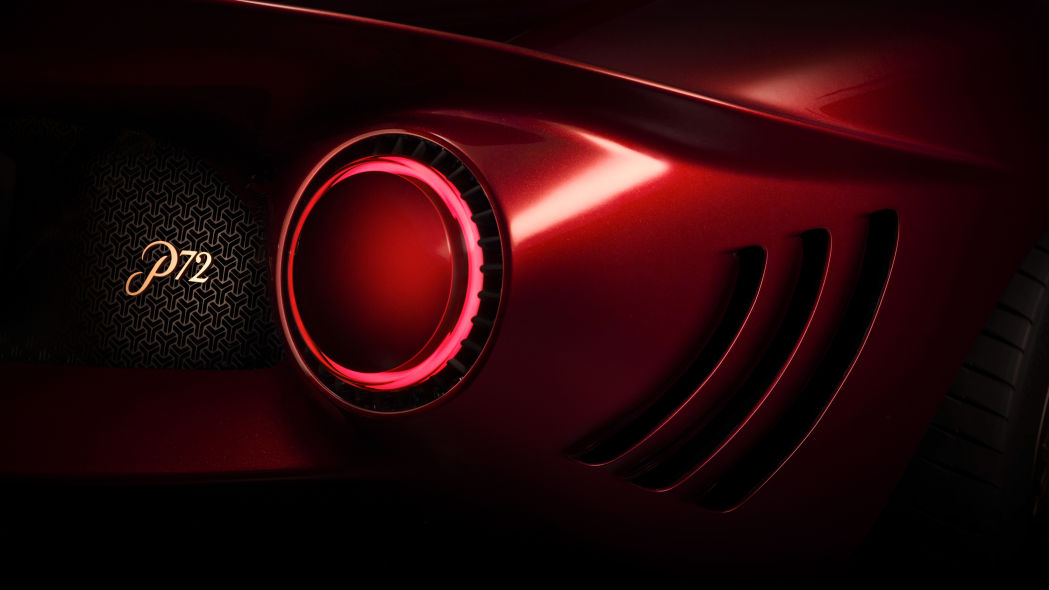
De Tomaso is back, baby. The name behind some of the most iconic cars like the Pantera and Mangusta is stepping under the spotlight again. Perfect timing, too, because it’s celebrating its 60th anniversary.

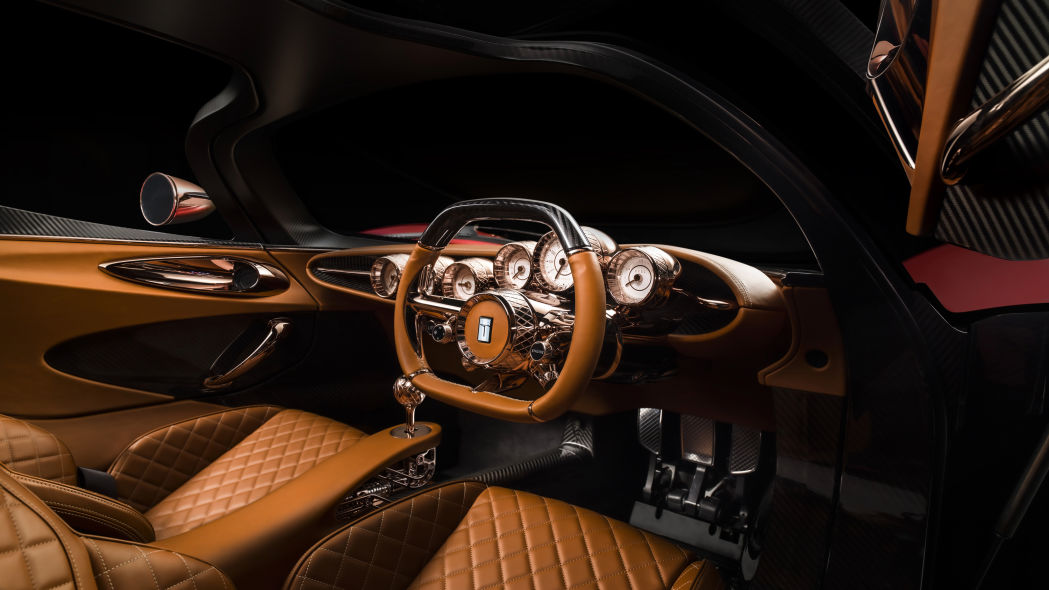
Its comeback is marked by the gorgeous De Tomaso P72 coupe, a sterling, highly luxurious ride. The automaker has released the first set of images and preliminary details of the P72, which it says picks up where the P70 left off.

Unveiled at the 2019 Goodwood Festival of Speed, the De Tomaso P72 boasts a retro aesthetic, and unlike its predecessor, it will actually go into production. The previous P70, though a beastly ride, ran into a handful of problems we don’t have time to get into now. But let’s just say the De Tomaso P72 arrives as a corrective of that somewhat failed project.

Technical specifications are thin at this point, but we’ll definitely know more over time. We do know that the car uses a bespoke carbon fiber monocoque chassis, which De Tomaso sourced from the Apollo Intensa Emozione. The exterior design is one of the key highlights of this car. With sweeping lines that snake around the ride’s profile, it screams expensive.

The ride boasts a manual transmission. Says De Tomaso, the production model remains faithful to the images, which you can see below. More details will come over the next few months. But it goes without saying that the car will be an expensive buy. The company lists an estimated price of $850,000. If you’re interested, De Tomaso is already accepting deposits.

CHECK IT OUT

Photos courtesy of De Tomaso

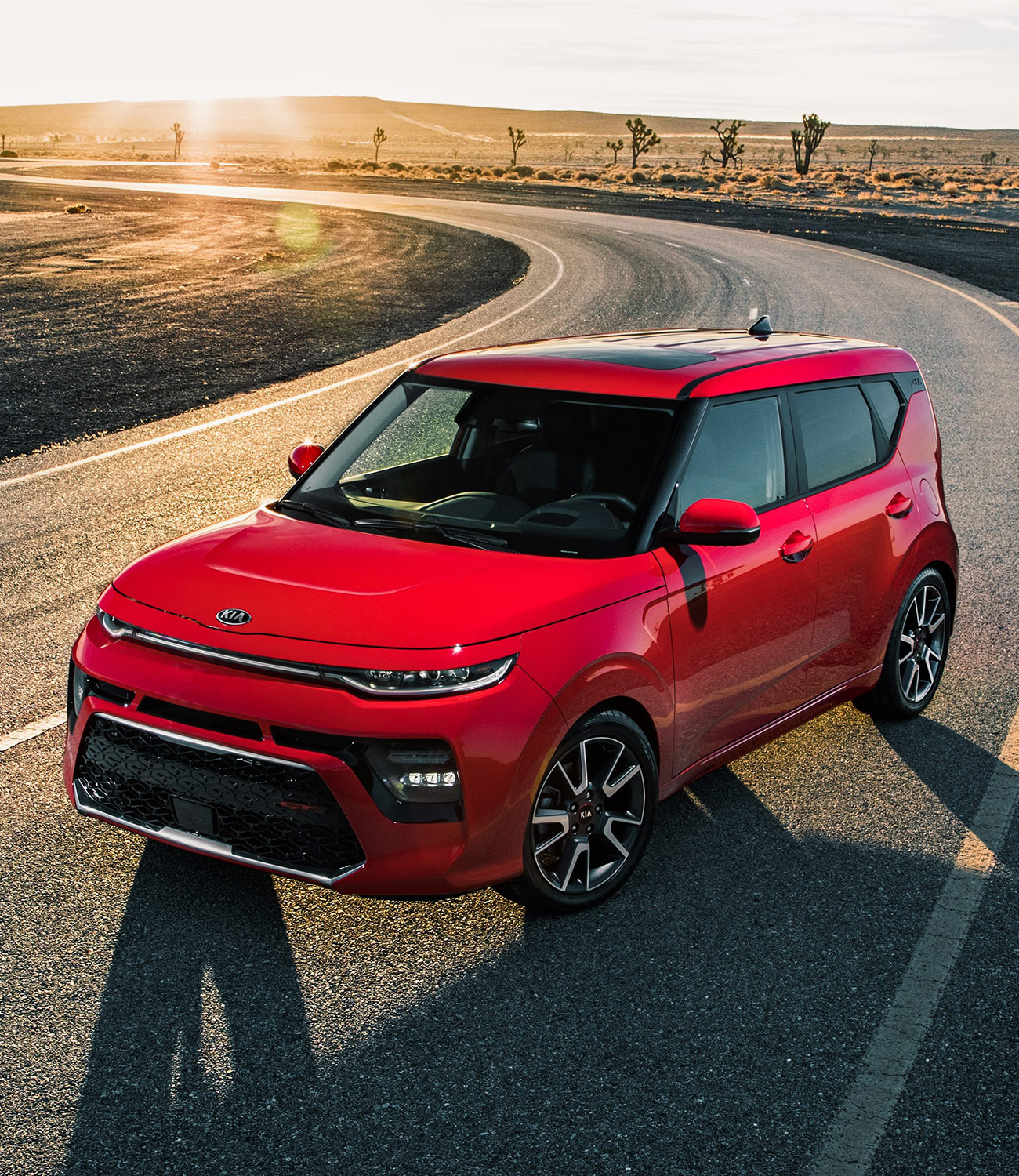
2020 Kia Soul Review: Style and Value in a To-Go Box

The Kia Soul has served as a master class in how to create an affordable, versatile, yet distinctive small car—a class that Detroit automakers especially seem to have slept through. Since 2009, Kia has sold its Soul more than 1 million times around the world, and it’s easy to see why. This third-generation 2020 model continues the Soul’s evolution into a more grown-up quasi-crossover without screwing up its successful formula: an appealing, rectilinear shape that maximizes space for people and cargo; designers that lavish attention on even tiny details; and plenty of value, even if that gets murky on the highest-priced Turbo version.

The Good: The Soul starts at just $17,490, and while it’s boxy, there’s nothing “econobox” about it, aside from some basic plastics that are unavoidable at these prices. Slim new headlamps perch below a blunt, faux-clamshell hood that’s like a homage — or maybe a “screw you” — to Range Rover. Striking LED taillamps boomerang around nearly the entire back hatch glass and the sheetmetal “island” that’s a Soul design signature. Inside, deep etchings on genuine metal front-door trim catch and reflect natural light, making them appear illuminated from below—a design touch that Audi or Lexus would be proud to claim.

Headroom remains vast in both rows, and there’s a respective 24- and 62-cubic-feet of storage with rear seats raised or folded flat, respectively, dwarfing conventional subcompact crossovers with similar exterior dimensions. (The Soul doubles the Mazda CX-3’s cargo space behind the second row, and has nearly 50 percent more overall capacity, despite being 3.1 inches shorter than the Mazda). Ground clearance rises to a campground-friendly 6.7 inches, up from 5.9 before.

Who It’s For: Budget buyers who’d rather not draw too much attention to that fact. The children of parents who are only too cognizant of budgets, or tuition prices. City dwellers, for sure, or anyone who wants unmatched interior volume relative to a tiny exterior footprint.

Watch Out For: The old showroom bait-and-switch. My mid-level Soul X-Line test model starts from $22,485, or $22,960 as tested. It seemed worth every penny, including kicky-looking 18-inch alloy wheels, a leather-wrapped shift knob and steering wheel with audio controls, Apple CarPlay and Android Auto, a 7.0-inch center touchscreen, a rear-view camera, new driver assistance features, even — I kid you not — Hill Descent Control. The Soul EX costs $1,200 more, but you may want to stop there. Because the Soul GT-Line, with its 201-hp, 1.6-liter turbo four and dual-clutch, seven-speed automated gearbox, sends the price soaring to $28,485 — in line with, say, a Volkswagen GTI, or a smartly equipped (and relatively cavernous) Honda CR-V EX.

Considering the Kia’s mundane steering and chassis dynamics, that price seems a bridge too far for this adorable underdog. (A Soul EV with an EPA-rated 243-mile range should cost even more when it goes on sale later this year). And once again, Kia won’t deign to grant us an AWD version. It’s one feature that some crossover shoppers would happily pay extra for, whether they truly need it or not.

Alternatives: Jeep Renegade ($22,025+), Nissan Kicks ($18,640+), Toyota C-HR ($21,145+), Hyundai Kona ($19,990+)

Review: Manual fans, knock yourself out: The most-affordable Soul, the $18,485 LX Manual, gets nostalgic with a six-speed stick shift. Every other Soul ditches the previous six-speed automatic for a continuously variable transmission, or Intelligent Variable Transmission (IVT) in Kia-speak. Lo and behold, that belt-driven unit — designed in-house by Kia — is quite intelligent by CVT standards. Keep your right foot below roughly two-thirds throttle, and the CVT stays in the background where it belongs, smoothly mimicking the stepped gears of a conventional automatic transmission and rarely venturing beyond 5,000 rpm.

It’s mated to a new 2.0-liter four-cylinder that runs the fuel-saving Atkinson cycle, with 147 horsepower and 132 pound-feet of torque. That engine replaces both the wheezy 1.6-liter that powered the Soul’s previous starter model and an older, grittier 2.0-liter that made 164 horses. With the CVT swapping ratios at will, the new Soul can nip 60 mph in a useful 8.0 seconds, about 0.1 quicker than the old 164-hp model. Fuel economy carves out even bigger gains, to 29/35 mpg in city and highway — a 3-4 mpg jump over the old 2.0-liter and 2-3 mpg better than the limp, defunct 1.6-liter.

Slipping into the Kia’s surprisingly thick-bolstered seats with their upright, L’il Land Rover seating position, I found the Kia’s all-new platform and suspension geometry imparts a less-jittery ride over Brooklyn’s tough streets. Spurring the Kia along winding parkways north of New York, I heard less road noise, as well. Everything is smartly fitted and shipshape inside, including crisp analog gauges and a stress-free infotainment system.

Sadly, my Soul didn’t get the optional head-up display, 640-watt Harman Kardon audio system, or the latest take on the Soul’s whimsical interior “mood lighting:” The aforementioned metal door panels, along with door speaker surrounds, can pulse in multiple colors according to several preset musical moods, including “Romance,” “Traveling,” “Midnight City” and something called “Hey Yo!”

Hey Yo, Kia, if only your crossover was a little more soulful to drive. The Kia delivers almost ridiculous levels of grip, especially considering its modest Hankook Ventus S1 Noble2 all-season tires. Car and Driver found the Kia generated 0.91 g of lateral grip, more than a GTI or a Honda Civic Si on all-season rubber. But frustratingly, the Soul’s engine-and-CVT combo is unsuited to anything resembling sporty driving, unless you’re satisfied with picking a speed and coasting through every turn. Brake into a corner, and the Soul instantly drops its revs and refuses to pick them back up: Momentum, lost. Floor the gas early, and the engine surges out of proportion to the response you were seeking. Put the console shifter in manual mode, and you can sort of fake it by holding revs around 5,000 rpm in third gear — but that also results in enough engine moaning to suit a Civil War triage unit.

Steering is on the blah side, as well. The Kia goes where you point it, but even the latest Toyotas — including the Corolla and RAV4 — have more feel and less excess assistance. From a South Korean corporation that’s really gotten its performance act together — look at the zesty-handling Kia Stinger GT and Genesis G70 — the Soul’s lack of dynamic challenge to, say, a Mazda CX-3 is a mild disappointment.

Those knocks aside, the Kia obviously isn’t intended as an overtly hot hatchback, the Turbo version notwithstanding. Like soul music, the Soul is all about a smooth jam and an efficient, unhurried pace — with enough room to stuff Barry White in back.

Verdict:  Seeking a vehicle with the fuel economy of a compact car, the versatility of a crossover, and more style and better quality than many examples of either? The 2020 Kia Soul might just be the ticket.

2020 Kia Soul X-Line Specs

Powertrain: 2.0-liter inline-four; continuously variable transmission; front-wheel-drive
Horsepower: 147
Torque: 132 pound-feet
0-60 MPH: 8.0 seconds
Fuel Economy: 27 mpg city, 33 mpg highway

Kia provided this product for review.

Read More Gear Patrol Reviews

Hot takes and in-depth reviews on noteworthy, relevant and interesting products. Read the Story
Note: Purchasing products through our links may earn us a portion of the sale, which supports our editorial team’s mission. Learn more here.

This Could Be the Only Remaining Australian 1945 Type 51 Volkswagen Beetle

Despite some missteps in terms of design and overall build quality during the aughts, it’s impossible to deny the impact and importance of the Volkswagen Beetle. If vintage VWs are your thing—and they should be—you…

BMW Trainees Converted an X7 into a One-Off Pick-Up Truck

The BMW X7 is certainly a capable vehicle when it comes to hauling the family, a weekend worth of stuff and maybe even some bikes on the back. But what if you want to haul…

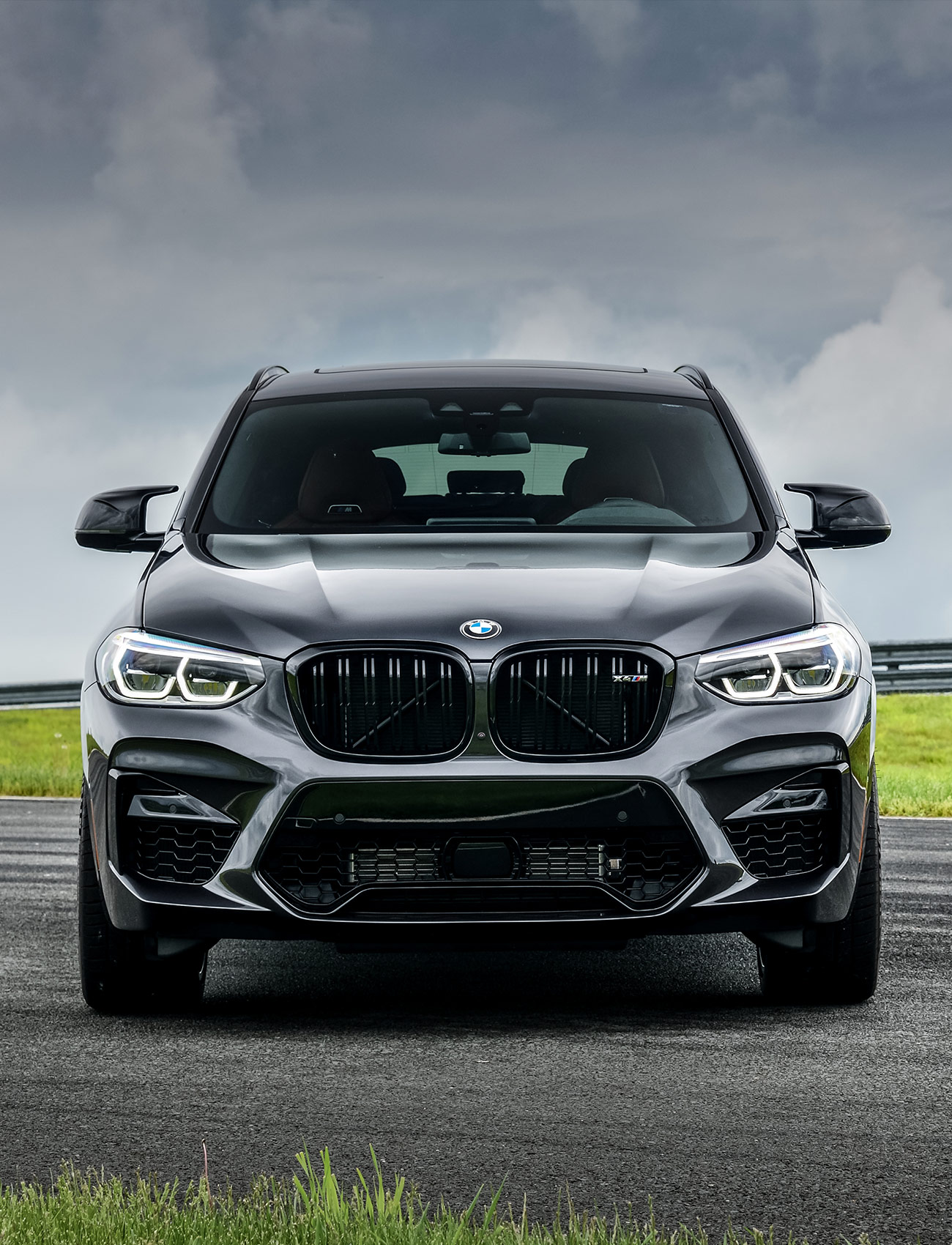
2020 BMW X3 M and X4 M Review: It’s Time to Embrace the Sport SUV

The 2020 BMW X3 M and X4 M demand that we stop thinking about SUVs in old and obsolete ways — as either trucks in a more palatable form, or as a hopeless compromise that can never perform as well as a conventional car. Here’s the new truth of the ultra-high-performance SUV: You won’t find any car that can do what the X3 M and X4 M can do, which is to attack a road or racetrack faster than most sport sedans but with cargo space and versatility no car could hope to match.

When car journalists and “purists” continue to condescend to Americans — and now global buyers — who clearly prefer the SUV formula of a tall roof, tailgate and AWD, it’s time to wonder whether it’s the purists who can’t acknowledge the automotive truth. And I say that as a lifelong lover of Lotuses, Miatas and any other tiny, laughably impractical sports cars.

The Good: I drove the X3 M and X4 M from suburban New Jersey to Monticello Motor Club in upstate New York, where BMW let us romp on MMC’s full 4.1-mile circuit. And the “good” is how deftly the Bimmers—the first full M Performance versions of the popular X3 and slope-roofed X4 — balance everyday duties and cordial neighborhood relations with acceleration, braking and handling that would have been unimaginable in an SUV even a decade ago.

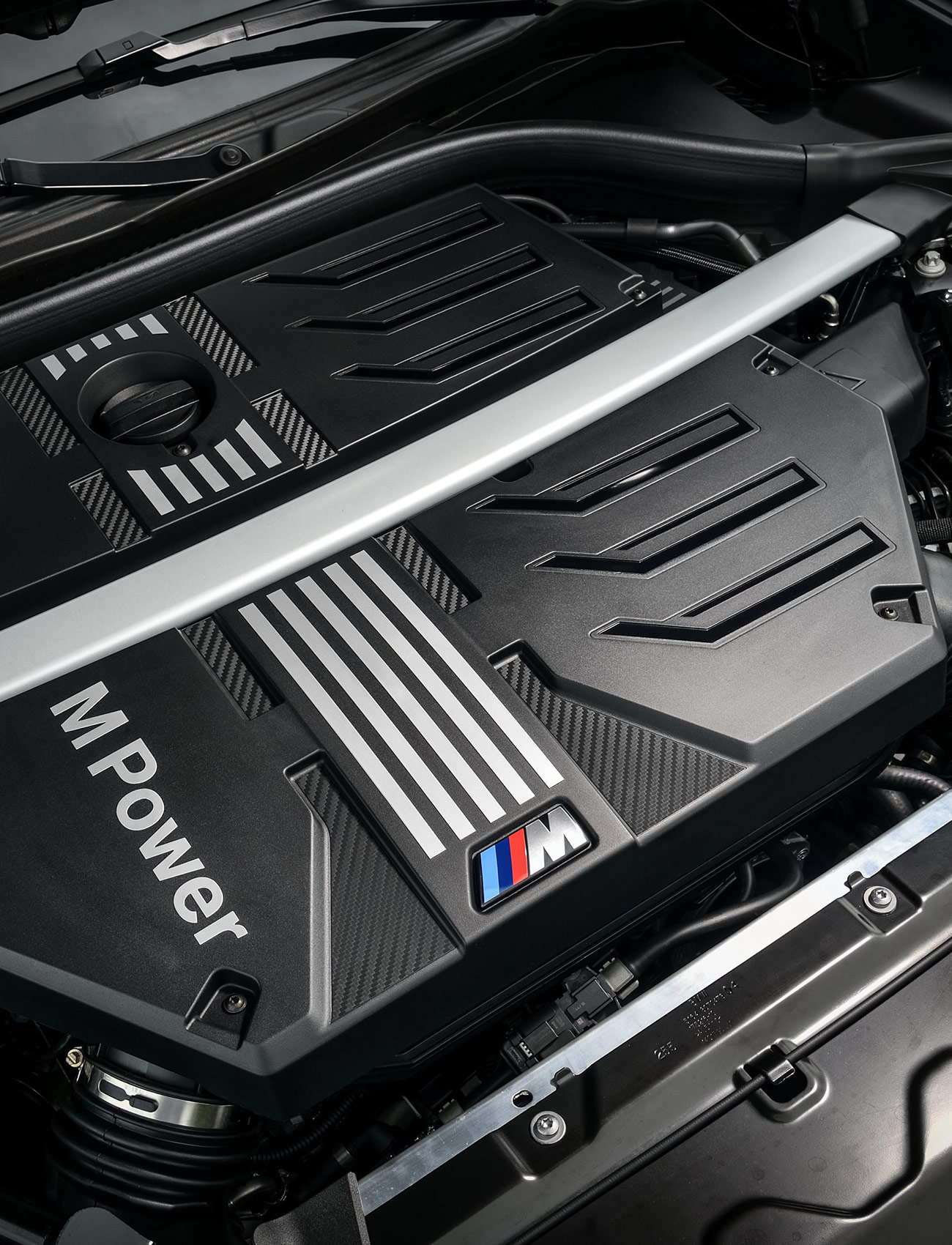
The most powerful inline six-cylinder engine in BMW history now powers these SUVs: a twin-turbo, 3.0-liter masterwork with 473 horsepower and 442 pound-feet of torque. Ante up for the Competition versions, and horsepower rises to 503, with an identical torque peak and a powerband as broad as the horizons owners will chase. More than 90 percent of this 3.0-liter’s parts are new, including its enlarged bore (and shorter stroke); forged pistons and lightened forged crankshaft; turbochargers with electrically actuated wastegates; high-pressure fuel pumps and integrated cast exhaust manifold; and two-chamber, dual-pump oil pan that BMW says works like a dry-sump unit to avoid oil starvation under extreme g-force duress.

Who It’s For: People who secretly crave a sports car, but won’t splurge on something that feels like a self-indulgent toy. Those people must still be able to afford an indulgent luxury SUV, as the X3 M starts from $70,895, or $74,395 for the X4 M. The 503-hp versions add $7,000 to the price, for a respective $77,895 and $81,305 for the X3 M Competition and X4 M Competition.

Watch Out For: After all these years, BMW’s M Division still can’t design a console shift lever for its transmissions that operates with tactile ease. Its latest affair falls awkwardly to hand, like a child’s block skinned in leather, and it’s annoying to toggle. (Thank God for paddle shifters). The “Park” button, situated low on the shifter’s face, requires an unnatural thumb stretch or finger prod. BMW’s aging navigation system also remains slow on the uptake, often failing to call out or display upcoming turns or exits until you’re practically on top of them.

On the subjective side, certain auto writers are bound to complain that the BMW should be even more aggressive, whether in visual, auditory or suspension-tuning terms. But my sense is that BMW’s M Division has found the Goldilocks mean for a sporting SUV. These are still family cars first, and if all they do is bellow, flaunt their wildness and clomp like Neanderthals over every pavement crack, then BMW families aren’t going to buy them. If you require more than 503 horsepower or a sub-four-second 0-60-mile-per-hour time in an SUV, maybe you should grab a Jeep Trackhawk.

Alternatives: Mercedes-AMG GLC 63 and GLC 63 Coupe ($70,800+), Jaguar F-Pace SVR ($79,990), Alfa Romeo Stelvio Quadrifoglio ($79,995)

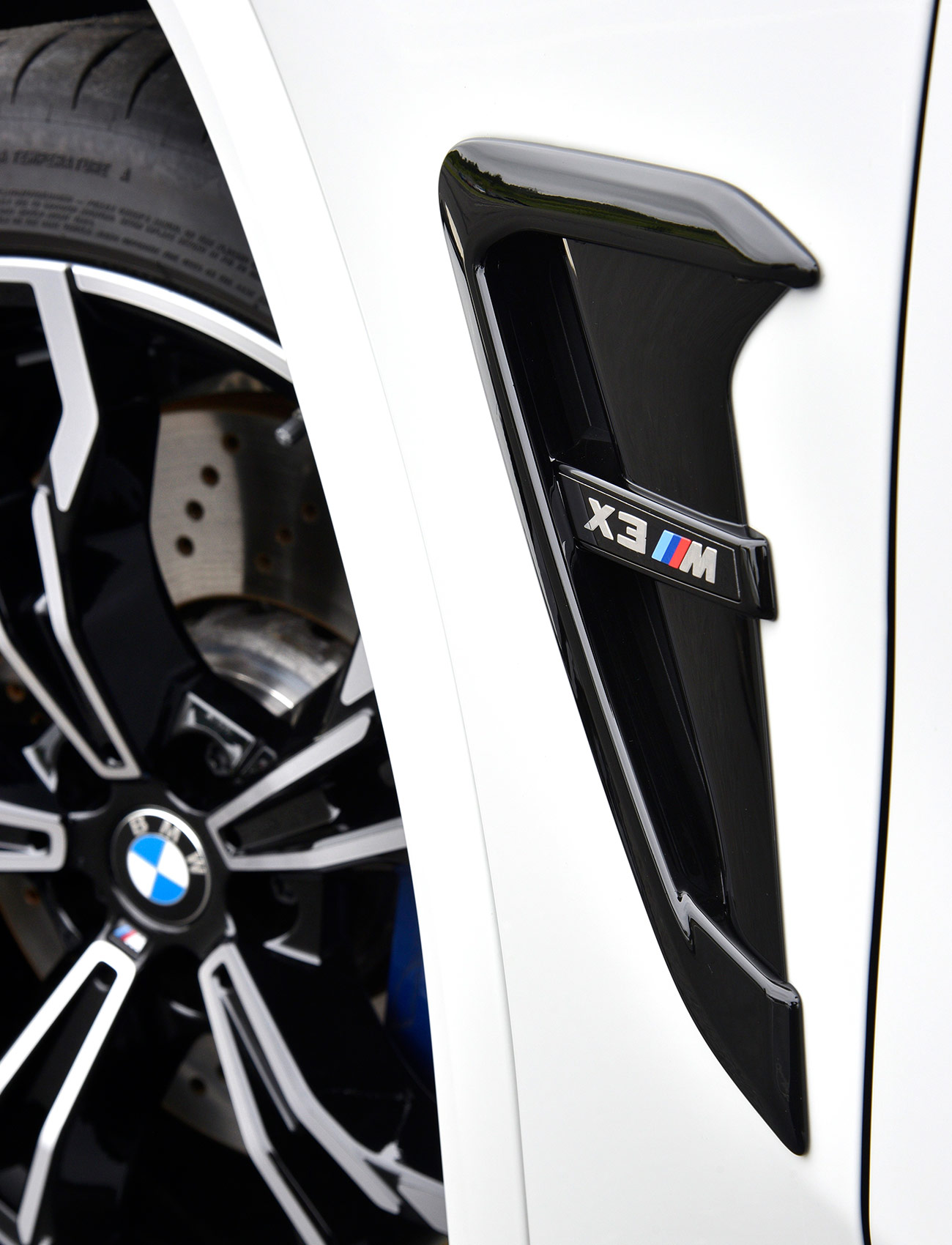
Review:  The standard X3 and X4 are among the most spacious, luxurious SUVs in their respective sets, and the M treatment puts them over the top. That includes snazzy M Sport seats with Merino leather and integrated headrests, carbon fiber trim, M digital driver’s gauges, and an M steering wheel with two red-metal buttons to store performance presets for the engine, suspension, transmission, steering, active M differential and two-stage exhaust. Enlarged front openings channel air for brake cooling, and for six (yes, six) radiators to cool the engine and transmission, and to feed turbo intercoolers.

These M models also add specific side mirrors, rear apron, and air breathers on front fenders, with black body details for Competition models; and either 20- or 21-inch wheels shod with Michelin Pilot Sport 4 S summer tires.

BMW’s formidable midsize X5 M and X6 M flex even more muscle, making up to 555 horsepower from their twin-turbo, 4.4-liter V-8’s. But these smaller-scale X’s have less aerodynamic drag and a superior power-to-weight ratio. The X3 M slices 640 pounds (roughly equaling four adult passengers) from the X5 M’s curb weight, at 4,620 pounds versus 5,260 pounds; the X4 M, at 4,590 pounds, weighs 595 fewer pounds than the X6 M. BMW pegs the 0-60 mph run at 4.1 seconds for the X3 M or X4 M, and four seconds flat for the Competition models, but that sounds (and feels) like sandbagging to me: I’d expect a 0-60 run in 3.8 seconds, tops, for Competition versions.

The entire car is buttressed for speed and body control, naturally. That includes the remarkable Active M Differential that assesses multiple variables in real time—not just the differential wheel speeds of a traditional limited-slip unit, but also driving speed, throttle position, and targeted and actual yaw rate—to distribute torque across rear wheels. A handsome aluminum “precision strut” spans the top of the engine to brace the body. Suspension struts are M-specific, along with elastokinematics such as front-axle bearings, transverse links and bushings for precise wheel control. The hot handiwork is complete with M Compound brakes (four-piston front, single-piston rear) and variable-assist M Servotronic steering.

On public roads, the X3 M and X4 M’s wide spectrum of suspension and performance settings proved a high point, including various Comfort modes that delivered a surprisingly compliant ride and toned-down sound to keep the cops looking elsewhere. Dialing up the various systems dials the performance to freak-show heights, including passing maneuvers on Catskills two-laners that left passees as trembling specks in our rear-view mirrors.

It all came together at Monticello, where these five-passenger BMWs cornered on rails, finessed even the trickiest sections—such as the blind crest and left-hand plunge known as Krytpos—and never ran out of brakes, even after dozens of laps. These SUVs still feel relatively large and chunky, of course, and the steering could transmit more pure feedback. But the skillful, objective performance was undeniable, including the near-total banishment of body roll that’s becoming a signature of the best performance SUVs, including these BMWs, the Porsche Cayenne or the Lamborghini Urus. On Monticello’s tightest hairpin, I could feel that Active Differential working hard, shunting torque to help the crossovers dig toward the corner exit without losing undue traction.

Departing Monticello in an X4 M Competition, passing through the track’s imposing metal gates, I immediately began barnstorming the forested lanes nearby — delighting in the 7,200-rpm peak of this 503-hp M engine, the throaty snarl of the exhaust, and the ruthless action of the gearbox. And then I thought about how I could carry my daughter and friends in luxury and comfort, fold the seats for a serious Home Depot run, and keep driving the BMW through the worst of winter. Is, say, a BMW M2 Competition still more fun to drive? Of course. But think of all the things an M2 can’t do.

Verdict: It wasn’t long ago that people laughed at the idea of a high-performance SUV, as though no vehicle could make less sense. These days, if you need one car that really can do it all, models like the X3 M and X4 M are becoming the most sensible choice of all.

2020 BMW X3 M, X4 M Key Specs

Powertrain: 3.0-liter twin-turbo inline-six; eight-speed automatic; all-wheel-drive
Horsepower: 473 (503 in Competition models)
Torque: 442 pound-feet
0-60 MPH: 4.1 seconds (4.0 seconds for Competition models)
Top Speed: 155 mph (173 with optional M Driver’s package)

BMW provided this product for review.

Read More Gear Patrol Reviews

Hot takes and in-depth reviews on noteworthy, relevant and interesting products. Read the Story
Note: Purchasing products through our links may earn us a portion of the sale, which supports our editorial team’s mission. Learn more here.

The Complete Cadillac Buying Guide: Every Model, Explained

Cadillac is General Motors’s top-tier luxury division. The company, based in Warren, Michigan, was founded in 1902 and bought by GM in 1909. Cadillac established itself as America’s premier manufacturer and a byword for grandeur (“the Cadillac of ___”) during the first half of the 20th Century, with a particular emphasis on engine technology. However, poor business decisions in the 1980s and increased luxury market competition tarnished that reputation, leaving the brand somewhat adrift compared to its rivals. These days, GM intends Cadillac to be the spearhead of its push into electric vehicles early next decade.
Traditionally, Cadillac has been associated with the sort of large sedan or coupe one of your grandparents may have driven. The brand sought to shed that image in the 2000s with an emphasis on driving performance, though its SUV lineup has also helped change perceptions of it.

Cadillac’s current model tree is somewhat in flux, as the company expands its crossover presence and dramatically pares down its sedan lineup. Distinctive styling features include sharp, powerful angles on the body and narrow vertical lights.

Cadillac’s nomenclature can be difficult to understand, as it keeps changing. The latest system is simple, alphanumeric, and Audi-like: “XT” is a crossover/SUV, while “CT” designates a car; a one-digit number following corresponds to relative size and market position. However, vehicles that predate that still use three-letter acronyms, like CTS, ATS and XTS. Then there’s the Escalade, which dates back to the company’s full-names-for-models era of the late 1990s. Moving forward, Cadillac will add to the confusion by adding number badges to signify power output; these numbers will be roughly based on a model’s torque output in metric figures.

Cadillac Terminology

Blackwing: A Cadillac-exclusive twin-turbo V8 engine with a “Hot V” alignment that nestles the turbochargers between the cylinder banks. It’s a spiritual successor to the Northstar (see below), and made its debut in the 2019 CT6-V.
CT: “Cadillac Touring.” Used for any new vehicle that is not an SUV.
Northstar: Powerful Cadillac V8 used between 1992 and 2011. Intended to help Cadillac compete with German and Japanese rivals, it was technically sophisticated and well-regarded when running, but prone to expensive repairs.
Super Cruise: Cadillac’s hands-free Level 2 semi-autonomous driving system. It permits the car to steer, accelerate, and brake on its own during certain circumstances, but requires human monitoring.
XT: “Crossover Touring.” It’s an SUV.
V Series: Specially-tuned cars from Cadillac’s performance division. It’s the equivalent of BMW’s M cars and the Mercedes-AMG offerings.
V Sport: A sporty trim level of a Cadillac model that sits below the true “V” cars.

Buying Guide

XT4

The XT4 is Cadillac’s entry-level compact crossover, new for the 2019 model year. It comes with one engine option — a 237-horsepower turbocharged 2.0-liter — and either front-wheel-drive or all-wheel-drive. The “Sport” trim, priced similarly to the “Premium Luxury” trim, offers an adaptive suspension. Reviewers have knocked it for being slower and not quite as luxurious as rivals from Mercedes, BMW and others.

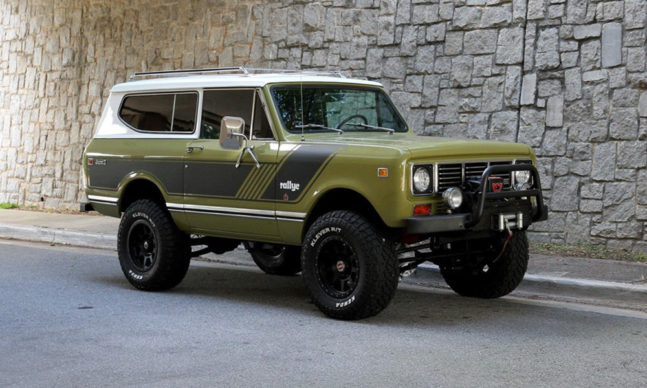
Body Style: Crossover

Models:

• Luxury
• Premium Luxury
• Sport

Engines:

• Turbocharged 2.0-liter inline-four

Base MSRP: $34,795

XT5

The XT5 is Cadillac’s midsize SUV. It debuted for the 2017 model year and has become Cadillac’s best-selling vehicle, despite not quite matching many other Cadillac vehicles for luxury and performance. It’s longer than the XT4, with more cargo space. It also has a larger and more powerful 310-hp 3.6-liter V6 engine. It can be fitted with FWD or AWD.
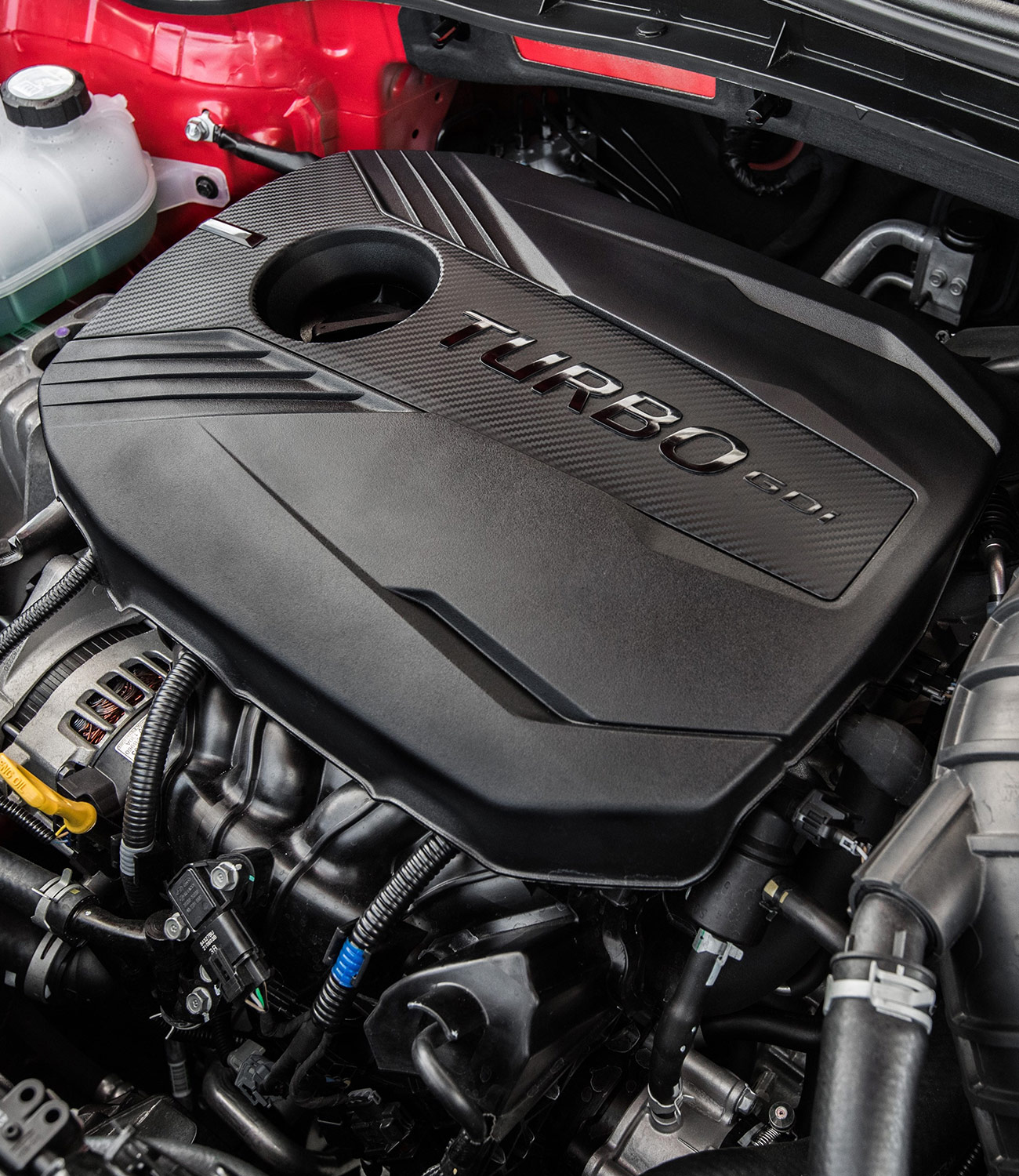
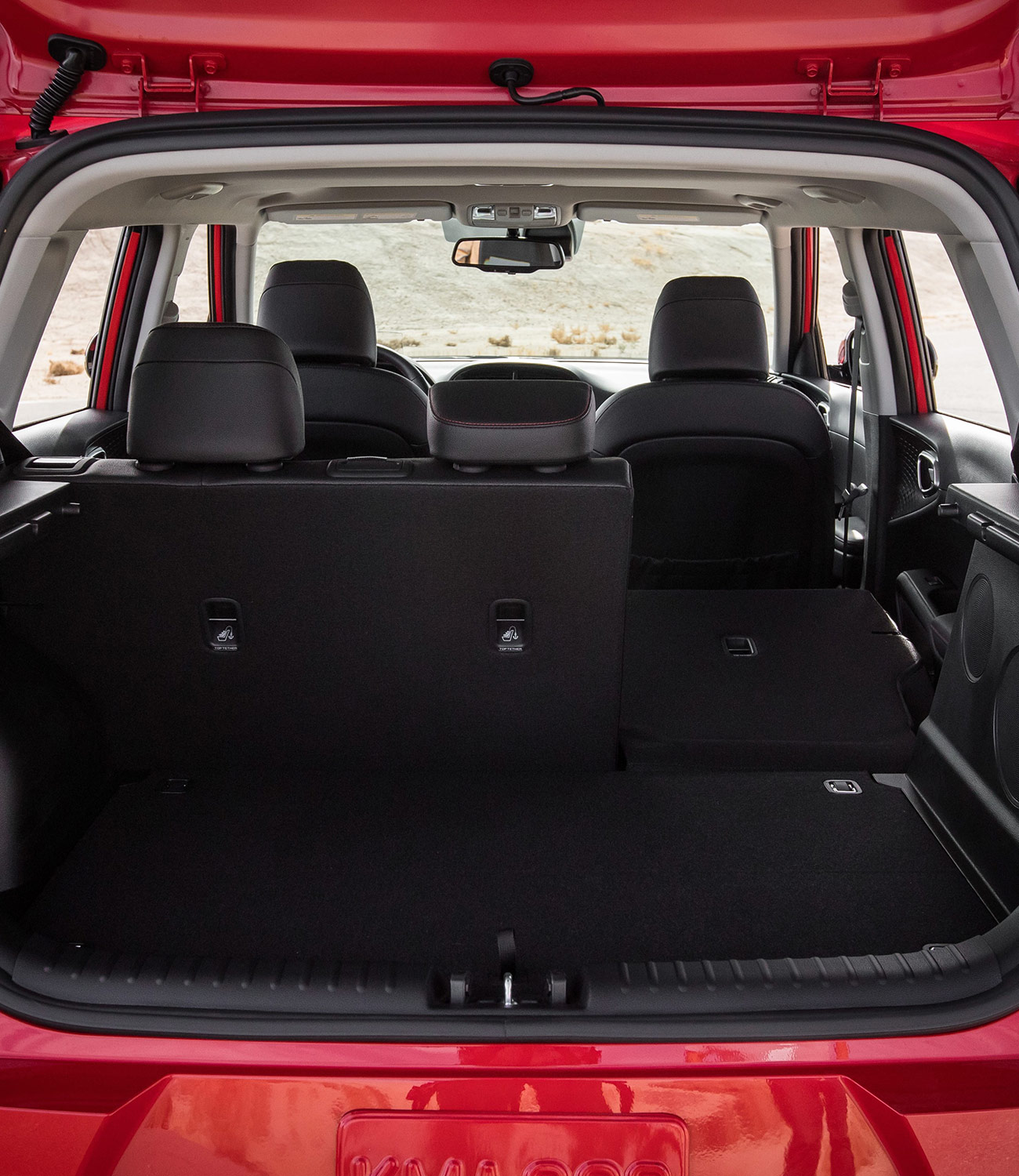
Body Style: Crossover

Models:

• Standard
• Luxury
• Premium Luxury
• Platinum (AWD only)

Engines:

• 3.6-liter V6

Base MSRP: $41,695

XT6

The XT6 is Cadillac’s new three-row midsize crossover. Cadillac unveiled it at the Detroit Auto Show in January 2019. It uses the same 310-hp V6 engine as the XT5, the Chevy Traverse and the Buick Enclave. It is available in either FWD or AWD. It is priced just below the Mercedes-Benz GLE 450 4MATIC and the BMW X5, though both have more powerful 3.0-liter inline six engines.

Body Style: Crossover

Models:

• Premium Luxury
• Sport

Engines:

• 3.6-liter V6

Base MSRP: $52,695

Escalade

The Escalade is Cadillac’s full-sized, body-on-frame land yacht of an SUV. The Escalade is in its fourth generation since being introduced for the 1999 model year. It was a choice vehicle for early-2000s hip-hop artists, and remains a popular choice amongst executives and livery drivers. Weighing in at close to three tons, the Escalade is fitted with a 420-hp 6.2-liter V8. It has three rows and seats up to eight passengers. A long wheelbase “ESV” version is available, for a $3,000 premium. Rivals include the Mercedes-Benz GLS-Class, the Lexus LX and the Lincoln Navigator.

Body Style: SUV

Models:

• Standard
• Luxury
• Premium Luxury
• Platinum

Engines:

• 6.2-liter V8

Base MSRP: $75,195

CT4-V

The CT4 will be Cadillac’s entry-level sedan, akin to the Mercedes-Benz A-Class. Cadillac has, thus far, released details of the performance CT4-V. It’s a replacement for the ATS-V, but will be much less powerful. (A more powerful version is expected down the line.) It uses the 320-hp turbo 2.7-liter four-cylinder from the Chevy Silverado, with a 10-speed automatic and a choice of RWD or AWD.

Body Style: Sedan

Models:

• CT4-V

Engines:

• Turbocharged 2.7-liter inline four

Base MSRP: $TBD

CT5

The CT5 will be Cadillac’s new midsize sedan for the 2020 model year, replacing the CTS. The sedan’s fastback-esque shape either harkens back to classic Cadillac vehicles (if you work for Cadillac) or serves as a concession to modern trends. The base engine will be a 2.0-liter inline four making 237 hp, with a twin-turbo 3.0-liter V6 making 335 hp as the upgraded option. It will have a 10-speed automatic transmission and offer either RWD or AWD.

Body Style: Sedan

Models:

• Luxury
• Premium Luxury
• Sport

Engines:

• Turbocharged 2.0-liter four cylinder
• Twin-turbocharged 3.0-liter V6

Base MSRP: $TBD

CT5-V

The CT5-V is a performance variant of the CT5. It will go on sale in 2020. It uses a twin-turbo 3.0-liter V6 making 355 hp. It will have a 10-speed automatic, paired with either RWD or AWD. This model only gets a 20-hp bump from the standard CT5, and is a long way off the 640-hp CTS-V. It suggests Cadillac will follow the example of Mercedes with AMG and accept a far broader definition of what constitutes a “V” car for sales purposes. A more powerful version, possibly using the Blackwing V8, is expected down the road.

Body Style: Sedan

Models:

• CT5-V

Engines:

• Twin-turbocharged 3.0-liter V6

Base MSRP: $TBD

CT6

The CT6 is one of Cadillac’s full-size luxury sedans. It became the de facto flagship model when Cadillac cancelled plans for a larger CT8 sedan. The CT6 debuted for the 2016 model year. Currently, buyers can choose between a 3.6-liter V6 making 335 hp and a twin-turbo 3.0-liter V6 making 404 hp. For 2020, buyers will choose between the 3.6-liter V6 and the 4.2-liter “Blackwing V8” making 500 hp. All CT6 models are AWD. It is the only Cadillac currently available to offer the acclaimed Super Cruise system.

Cadillac is also building a CT6-V model with the 550-hp, 627-lb-ft Blackwing V8 and performance upgrades. The U.S. allotment of 275 cars sold out within a matter of hours when it went on sale in January.

Body Style: Sedan

Models:

• Premium Luxury
• Sport
• Platinum
• CT6-V

Engines:

• 3.6-liter V6
• Twin-turbocharged 3.0-liter V6
• Twin-turbocharged 4.2-liter “Blackwing” V8

Base MSRP: $62,595

CTS

The CTS is Cadillac’s outgoing midsize luxury sedan. Its production run will end after the 2019 model year. The Standard trim has a 268-hp 2.0-liter turbo and RWD. The Luxury and Premium Luxury trims upgrade to a 3.6-liter V6 with 335 hp and AWD. V-Sport and V-Sport Premium Luxury trims get a twin-turbo 3.6-liter V6 bumped up to 420 hp and 430 lb-ft.

Body Style: Sedan

Models:

• Standard
• Luxury
• Premium Luxury
• V-Sport
• V-Sport Premium Luxury

Engines:

• Turbocharged 2.0-liter inline four
• 3.6-liter V6
• Twin-turbocharged 3.6-liter V6

Base MSRP: $46,995

CTS-V

The CTS-V is a high-performance version of the CTS, also being phased out after the 2019 model year. Intended to be Cadillac’s slightly cheaper retort to the BMW M5 and the Mercedes-AMG E63, it uses a supercharged 6.2-liter V8 producing 640 hp and 630 lb-ft. It can accelerate from 0-60 mph in 3.7 seconds and reach a 200-mph top speed. The current third-generation lacks both the six-speed manual transmission and the wagon body style found in the second-generation version that remains popular with collectors.

Body Style: Sedan

Models:

• CTS-V

Engines:

• Supercharged 6.2-liter V8

Base MSRP: $86,995

XTS

The XTS is a full-size luxury sedan that will end production after the 2019 model year. The base engine is a 3.6-liter V6 with 304 hp. The V-Sport Platinum has a twin-turbo version of the 3.6-liter V6 with 410 hp. Standard trim models are FWD, while V-Sport Platinum models have AWD. Other trims can choose between FWD and AWD.

Body Style: Sedan

Models:

• Standard
• Luxury
• Premium Luxury
• Platinum
• V-Sport Platinum

Engines:

• 3.6-liter V6
• Twin-turbocharged 3.6-liter V6

Base MSRP:$46,895

ATS

The ATS is Cadillac’s sporty compact coupe. (It was previously also available as a sedan.) It was the North American Car of the Year when it debuted for the 2013 model year. It will be discontinued after 2019. Buyers have two engine options, a 2.0-liter turbo (272 hp) and a 3.6-liter V6 (335 hp). The ATS can come in RWD or AWD. Cadillac eliminated the manual transmission option for 2019.

Body Style: Coupe

Models:

• Standard
• Luxury
• Premium Luxury
• Premium Performance

Engines:

• Turbocharged 2.0-liter inline four
• 3.6-liter V6

Base MSRP: $38,995

ATS-V

The ATS-V is a performance edition of the ATS. It will be discontinued after the 2019 model year. It uses a twin-turbocharged 3.6-liter V6 making 464 hp. It can accelerate from 0-60 mph in 3.8 seconds and reach a top speed of 189 mph. It is RWD and can be fitted with an eight-speed automatic or a six-speed manual.

Body Style: Coupe

Models:

• ATS-V

Engines:

• Twin-turbocharged 3.6-liter V6

Base MSRP: $67,795

Note: Purchasing products through our links may earn us a portion of the sale, which supports our editorial team’s mission. Learn more here.