All posts in “Cars”

Lunaz Design Electric Classic Cars

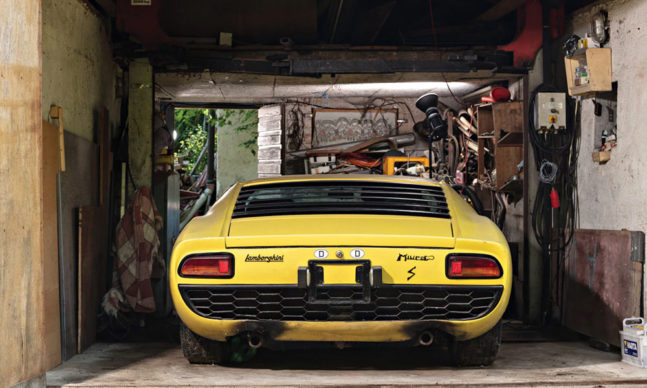
Purists might consider electrifying automotive legends just plain wrong, but Lunaz Design is taking the glorious automotive past and infusing them with zero-emissions powertrains that extend the lives of these special cars. The company takes…

No Car Sparks Joy Like the Lamborghini Aventador SVJ

One of the principal tenants of Gear Patrol is that the right product can serve and enrich people’s lives. But to do that, you have to find the right product for the task — or the right task for the product.

I bring this up because the Lamborghini Aventador SVJ is, admittedly, very rarely going to be the ideal product for whatever the task at hand. It’s a car that costs as much as a mansion. It’s so wide that parking feels dangerous — those scissor doors aren’t for show, they’re so you don’t ding adjacent vehicles half a block away — yet the interior is as cramped as the cockpit of the fighter jets it looks like it wants to be. It rides low enough that it’ll scrape over rocks the size of squirrel boogers. Its mighty V12 vents heat as prolifically and consistently as Old Faithful, blurring what little backwards visibility you have in a haze.

The list of tasks and people for whom the Aventador SVJ is the perfect product for the job is, as a result, fairly short. If you’re looking to lap the famous 12.9-mile German racetrack called the Nurburgring Nordschleife faster than any other production car, it’s the right machine for the task. If you’re a billionaire Gotham City crimefighter looking for a car to bridge the gap between his diurnal and nocturnal rides, you couldn’t do better.

And, as it turns, it’s the perfect car to surprise someone with a birthday ride.

My mother, who lives in Vermont, insists upon but one gift for her birthday every year: for me to visit and take her out to dinner at her favorite restaurant in a surprise cool car. With each passing year, however, she’s insisted upon something more exciting than the year before; given that 2016’s visit involved a BMW Z4, 2017’s pop-in came in a Chevy Corvette Grand Sport and 2018’s birthday revolved around a Mercedes-AMG GT C, this year requires something in the supercar category in order to raise the bar yet again. Hence: this half-million-dollar-plus Lamborghini.

The fact that this gives me an opportunity to cane a 759-horsepower supercar on some of New York and Vermont’s most bucolic roads? Totally a coincidence.

Getting to those roads, however, involves bobbing, weaving, and crawling along the worst of New York City’s streets. The Lambo isn’t happy in the city; driving it along the avenues and side streets feels like walking a tiger on a leash. Every pothole sends a crash through the carbon-fiber body, in spite of the best efforts of the magnetorheological dampers. Those brass-colored rims wear just enough tire to grip the road; any additional sidewall would hurt the handling, which means there’s almost none to soak up any imperfections in the city’s very imperfect pavement. Traffic, thankfully, gives it a wide berth, no doubt scared off by the feral face, Grigio Telesto paint job and the spoiler large enough to be pulled off a Boeing.

Once out of the city, the Raging Bull starts to come into its own. The Taconic Parkway that winds north from the Bronx to the edge of Albany is so narrow, the Lamborghini’s 83 inches of width seems to suck up every micron of the lane — which is particularly jarring when there’s a rock wall on one side of you and a Chevy Suburban on the other. Still, if you can’t move from side to side, you can always move forwards or back. The brakes take a little getting used to, thanks to a dash of softness at the top of the travel, but once they bite, they do it like a great white shark; this Lamborghini will stop from 60 miles per hour in less than 100 feet, which means bopping back to find a gap is breathtakingly easy.

Or, of course, you could try and pass that annoying car alongside you. Well, not try; you can pass that car alongside you, pretty much no matter what it is or how fast it’s going. Snap the long paddle protruding to the left of the steering wheel once or twice to drop the seven-speed gearbox down a cog or two to put the 6.5-liter engine into the sweet spot of its power band, and the gas pedal becomes the trigger on a catapult, launching you forward with what feels like the sort of force usually reserved for NASA employees and Navy pilots. But while you come for the thrust, you stay for the sound: the scream flowing from those 12 cylinders as they pump faster and faster qualifies as a religious experience for gearheads.

As the miles go on, the Lambo’s secrets start to reveal themselves. The drive mode selector is best toggled to the ever-so-appropriate Ego mode, which lets you personalize the suspension, engine and steering setting: Corsa (the raciest) is best for the steering, as it locks the rack’s ratio (it’s variable in the other modes); Strada (the most relaxed) is ideal for the suspension, as you’ll want every dram of compliance you can steal here; and Sport (the intermediate) is best for the throttle, because it frees up the throttle and exhaust without being quite as grating as angry Corsa. The cabin — which seemed surprisingly accommodating for my six-foot-four-inch frame at first — proves too cramped for more than a couple hours of seat time without stopping to stretch; I climb out limping more than once, my legs cramping up from the seat bolsters pushing incessantly into my thighs.

Above all else, though, every quiet country bend and empty rural route reveals how stunningly, stupefyingly delightful this Lambo is to drive. The SVJ is the second car to benefit from Lamborghini’s miraculous air-vectoring “Aerodinamica Lamborghini Attiva” system, which shunts the air rushing past about to adjust the car’s aerodynamics. It even helps the car turn faster, blocking airflow on one side or another in a manner not unlike dragging a kayak’s paddle in the water helps it turn. A display on the instrument panel lets you see when it’s working…though at the speeds where it works, you probably ought to be staring at the road.

What matters is that it gives this massive car the sort of agility you wouldn’t normally associate with something of its size. Combined with the razor-sharp steering rack and the rear-wheel steering, the SVJ feels nimble as a new Supra when you push it.

And while the car’s speed is apparent even on fast-moving highways, it’s only once you find a clear stretch of road that you can really experience it. The naturally-aspirated V12 pulls hard no matter what speed it’s turning at, with the power rising and rising all the way to its 8,500 rpm peak — just 200 rpm shy of redline. You barely touch those last thousand rpm in the real world; partly because the engine spins up so fast that you don’t want to slap against the rev limiter, but more because, well, you never need that last burst. It’s just so damn fast.

The end result is a car that feels like it could beat anything on a winding road. An old ad for the Ford GT comes to mind: In what gear do you know that nothing can catch you? It’s not hard to see how this Lambo could beat all production car comers at the Nurburgring; that track is effectively the ultimate winding road, one that just happens to be behind some tall fencing.

Would I buy it, if I had the $518K-plus needed to park this wild machine in my garage? I never would have thought so before this, but yeah. In part, because it is as capable as those looks lead you to believe; it can cash the checks its design writes. But more because, well…it’s just plain fun.

Not just in the traditional sense espoused by the likes of your Miatas and M3s, although there’s more of that than you’d expect. Not just because you drive it knowing it may well be the last of the cruel old Lamborghinis, the final installment in a raw, guttural line stretching back to that first obscene Countach of nearly 50 years ago. The Aventador’s replacement, should there be one — hardly a given — will, at the very least, presumably have its V12 fury tempered by hybrid technology and a dual-clutch transmission, if not see that 12-cylinder engine swapped for one with eight or 10 pistons like the sorts found in the Urus and Huracan.

But the most entertaining part of the Aventador SVJ isn’t how much fun it is to manhandle down a winding road or crack through traffic. It’s the reactions you get from everyone else around you. To borrow a pop culture reference from a little while back, it Marie Kondo-es the road: the Aventador SVJ sparks joy wherever it goes. Nothing makes people stop and stare like a Lamborghini. That’s doubly true for a scissor-winged V12 bull like the Aventador, and triply true for this bewinged badass. It’s like the SVJ taps into some primal genetic memory of what a sports car is. Stop for gas (a frequent occurrence), and people wander over to ask questions. Passengers (and occasionally drivers) of other cars whip out phones to take pictures as you flash by. Crowds spontaneously form around it wherever it’s parked. I chase a motorcyclist down a back road for a few miles; when he turns off ahead of me at the end of it, he throws his fist in the air like Judd Nelson at the end of The Breakfast Club. 

At the end of the journey, I pull up in front of my mother, and she starts laughing uncontrollably, as though she’s doing an impromptu Joker impression.

“Okay, this is pretty cool,” she says as she drops into the passenger’s seat. She drops an expletive or two in there, as well.

So how am I going to top this with an even faster, wilder car? Thankfully, I don’t need to. Mom says she wants to go off-roading in a Jeep Gladiator next year.

2019 Lamborghini Aventador SVJ: Key Specs

Base Price (Price as Tested): $517,770 ($583,470)
Powertrain: 6.5-liter V12; seven-speed sequential manual gearbox; all-wheel-drive
Horsepower: 759
Torque: 531 lb-ft
0-60 MPH: 2.5 seconds (Motor Trend testing)
Top Speed: The scary side of 217 mph

Lamborghini provided this product for review.

Read More Gear Patrol Reviews

Hot takes and in-depth reviews on noteworthy, relevant and interesting products. Read the Story
Note: Purchasing products through our links may earn us a portion of the sale, which supports our editorial team’s mission. Learn more here.

Barbour Modified a Vintage Range Rover, and It Could Be Yours

Barbour is known worldwide for luxurious waxed cloth jackets that are high-fashion, functional in all weather, and quintessentially English. Now the company is partnering with Orvis to celebrate its 125th anniversary by giving away a car that embodies those same characteristics, a vintage Range Rover.

The SUV in question is a 1995 Range Rover County. It certainly looks the part. The exterior is painted in classic Land Rover Epsom Green. The interior offers exceptional Barbour tartan detailing on the seats and door panels. Barbour and Orvis claim this model would be worth $125,000, on par with an artfully restored Defender.

Normally, one might consider a 1995 Range Rover cruel and unusual punishment to inflict on someone. That Range Rover generation, while beautiful, is legendary for its frequent and costly mechanical and electrical failures. But Barbour and Orvis assert this model has been “carefully refurbished with parts and modern technologies by a highly-skilled and dedicated team.” The Range Rover also has a new 4.6-liter V8.

Legal U.S. residents can enter the sweepstakes online, in-store, and by mail through March 31, 2020. Other prizes include men’s and women’s Barbour jackets and Orvis gift cards.

MORE GREAT DEALS

Save $168 on the Penfield Schoening Fleece Jacket
Save $160 on a Filson Duffel Bag
Save $70 on Master & Dynamic’s Wireless Earphones
Save $69 on Patagonia’s Best Light Down Jacket
Save $64 on Adidas Ultraboost 19 Sneakers
Save $54 on Bose Noise Cancelling Headphones 700
Save $50 on the Patagonia Nano Puff Jacket
Save 50% on This Affordable Automatic Pilot’s Watch

Deals Last Updated: 10/16/19

The 8 Best Family Cars for New Dads

Having your first child is a magical (and, at times, exhausting) experience. It brings plenty of changes to your life — not the least of which is likely to be a new set of wheels. Your life’s revised needs will likely require a new car purchase — a car that might well be the first “adult” vehicle of your life. (Sorry, but the Scion tC you’ve been driving since college won’t cut it anymore.)

New parents need cars that are safe, practical and reasonably priced (don’t forget you now need to think about childcare and college savings). But many such new parents are also young and hip — not quite ready to become full-on middle-aged drones just yet. Here are some compelling non-minivan options for new parents looking for style and substance alike.


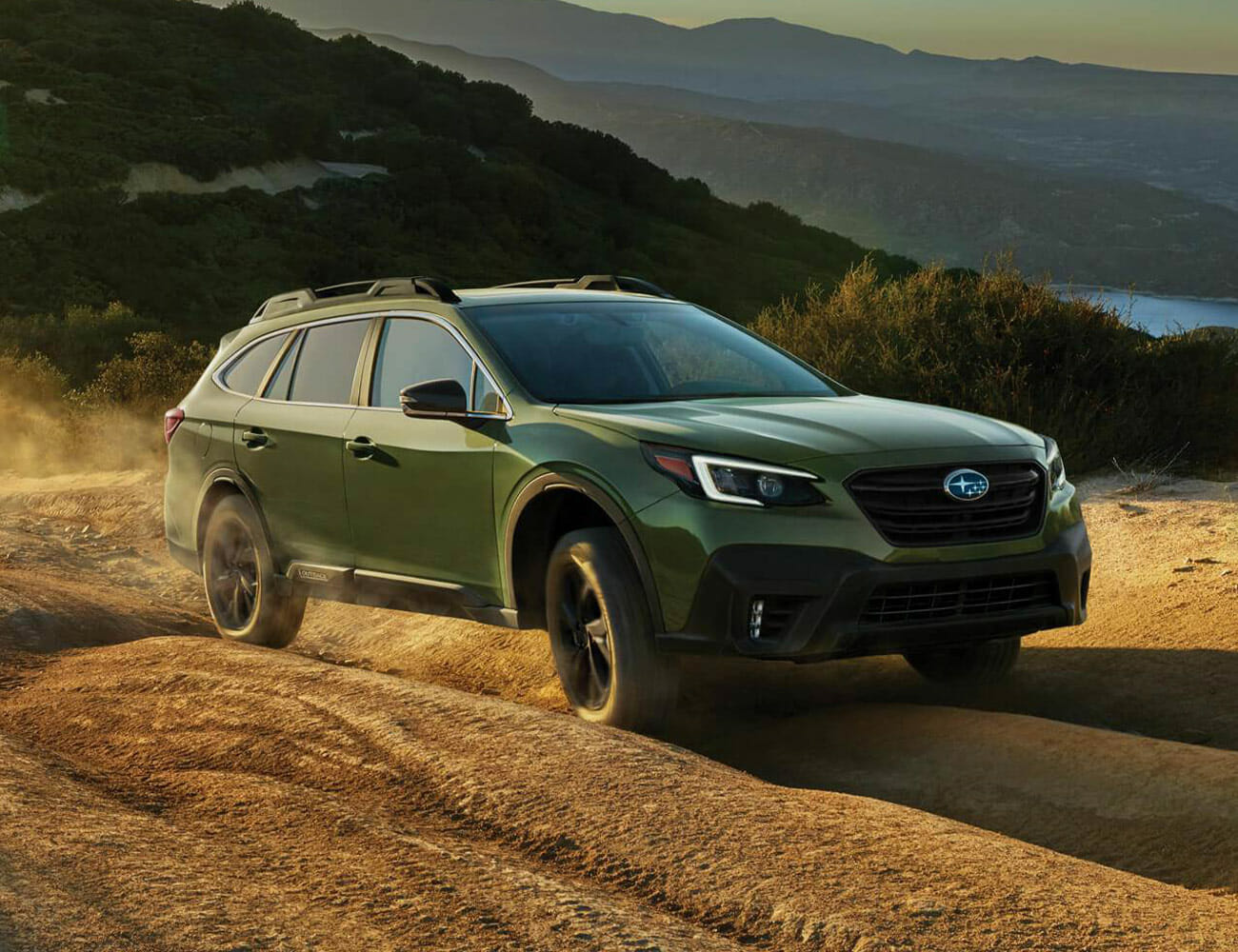
Subaru Outback

The Subaru Outback appears on many a “best” list for value and capability. If you don’t have a particular need for speed, it’s one of the best all-around affordable cars on the market. The Outback is durable and rugged, with Subaru’s all-wheel-drive system and 8.7 inches of ground clearance. It’s also safe — Subaru’s EyeSight system with pre-collision braking comes standard — and practical, with up to 75.3 cubic feet of cargo room. The Outback will last forever, and you can get a newly-redesigned one for less than $30,000.

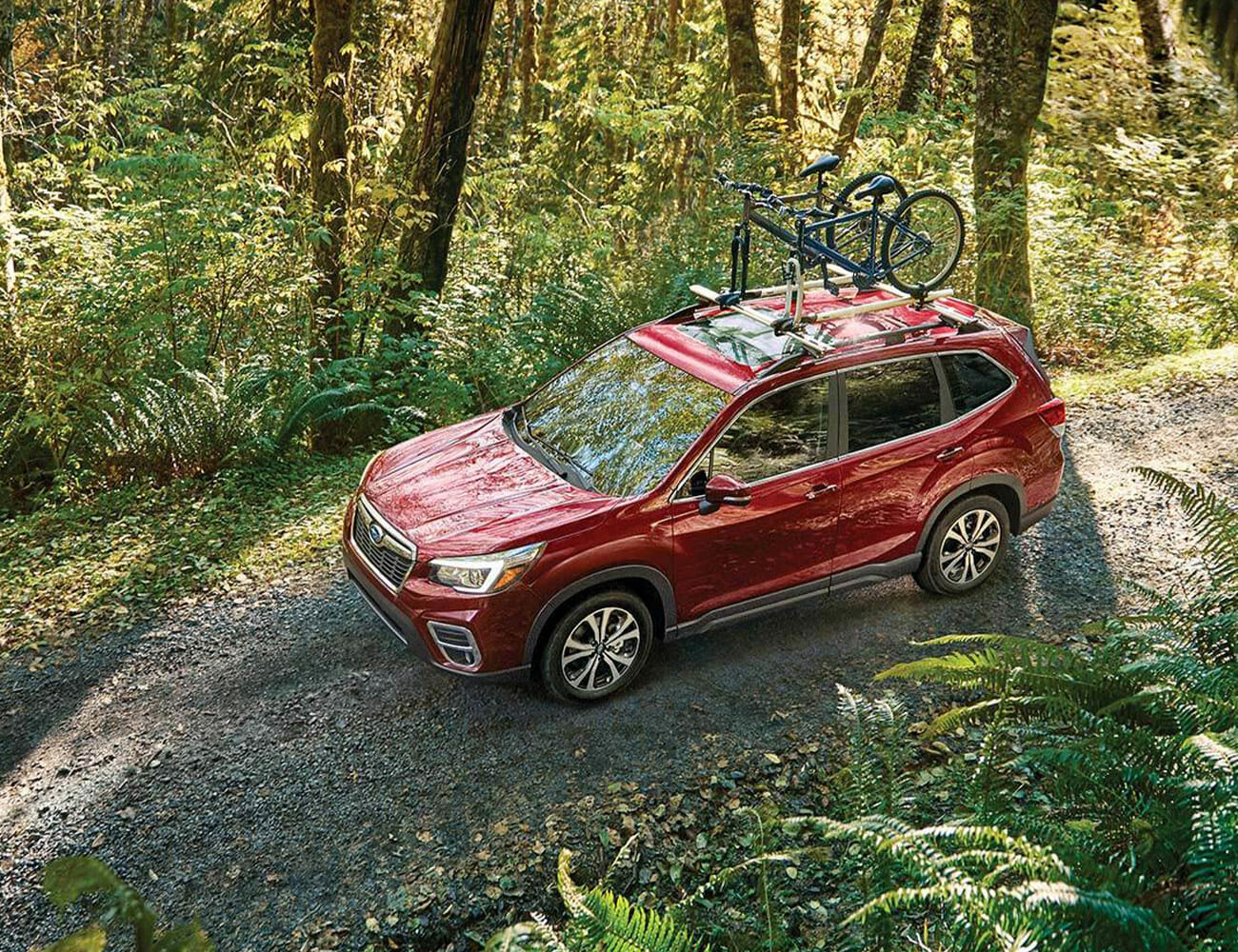
Subaru Forester

The Subaru Forester warrants mention, as well. The Forester brings the same safety and ruggedness in a boxier, more traditional crossover-like package than the Outback. It offers a hair more cargo space than the Outback, as well. Subaru made a point to give the Forester wide rear doors (great for car seats) and a wide trunk opening (great for that massive amount of baby gear you now have to cart around).

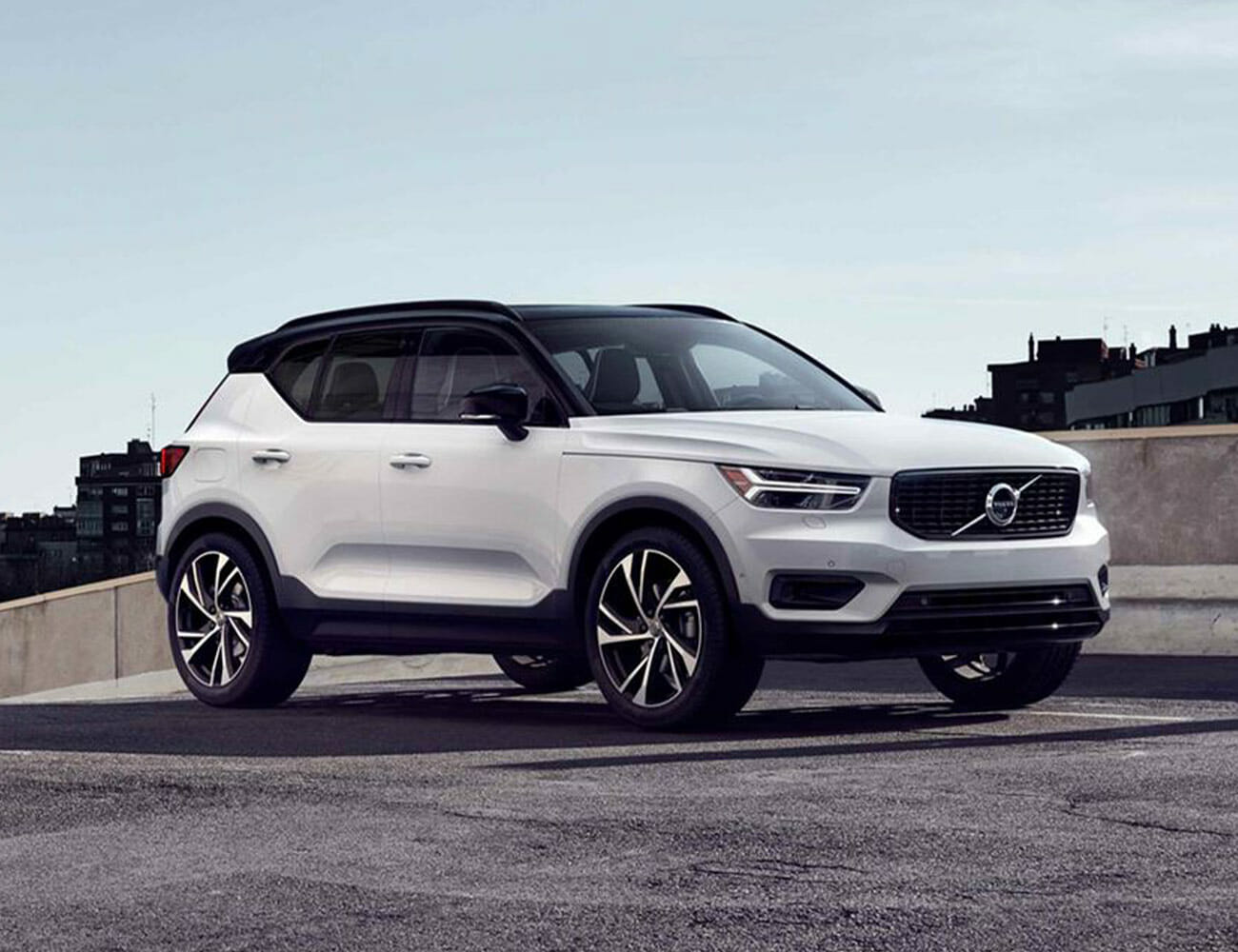
Volvo XC40

Volvos strike the perfect parental balance: they’re nice, but not pretentious. Volvo also has a well-earned reputation for producing the safest cars on the road. The XC40, an IIHS Top Safety Pick+, stands out in both respects. It looks phenomenal, offers genuinely sporty driving capabilities in 248-horsepower spec, and makes up for a not-overly-large cargo bay with smart design and useful storage cubbies.

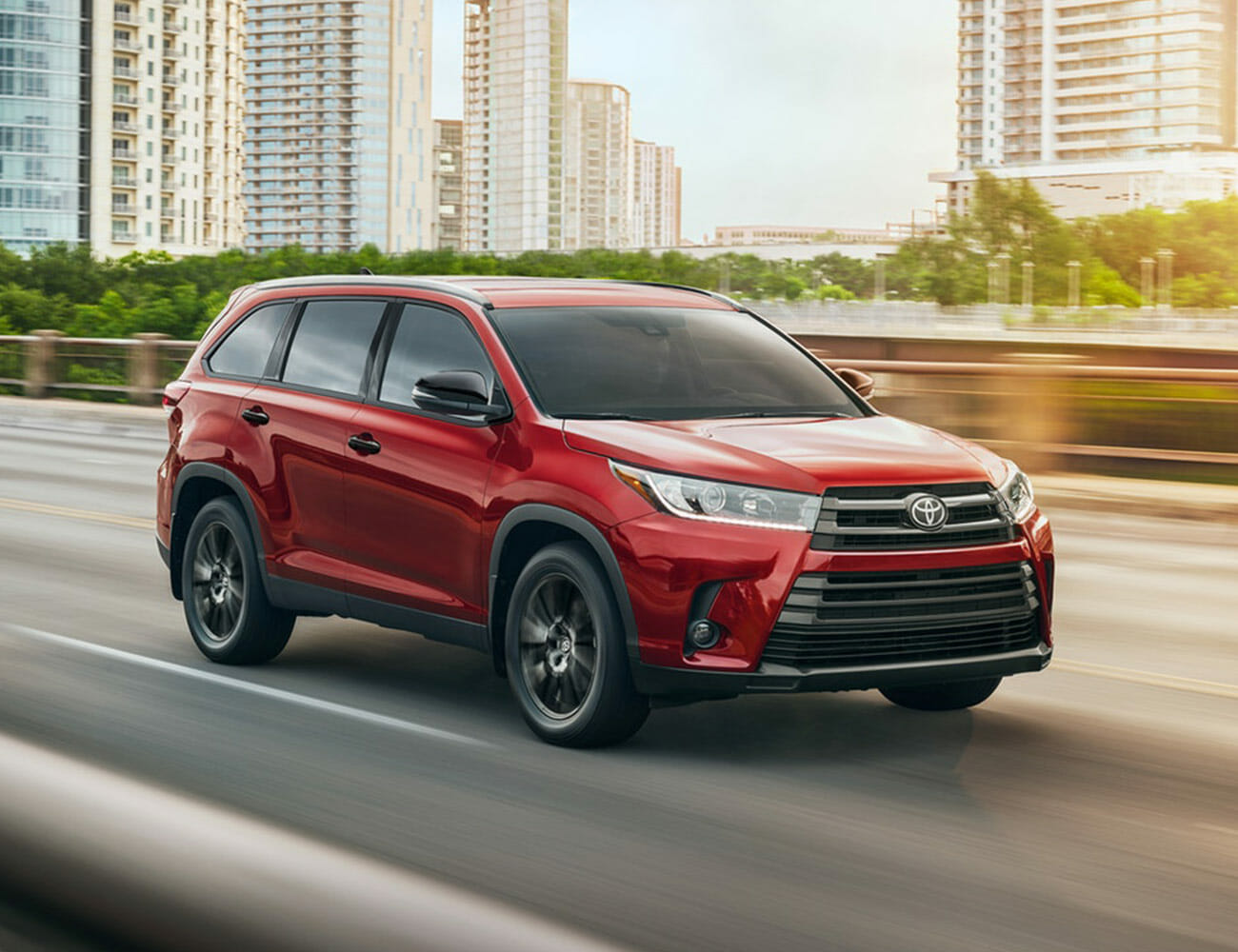
Toyota Highlander Hybrid

Yeah, the Highlander is not as cool as a 4Runner, but it’s more practical in almost every other way. The hybrid version puts out 306 horsepower, reaches 30 mpg in the city, has three rows of seats, and begins with a price point in the $30,000 range. Toyota Safety Sense technology comes standard. The Highlander has 83.7 cubic feet of available cargo space. And, if you only buy American,  know that Toyota builds them in Indiana.

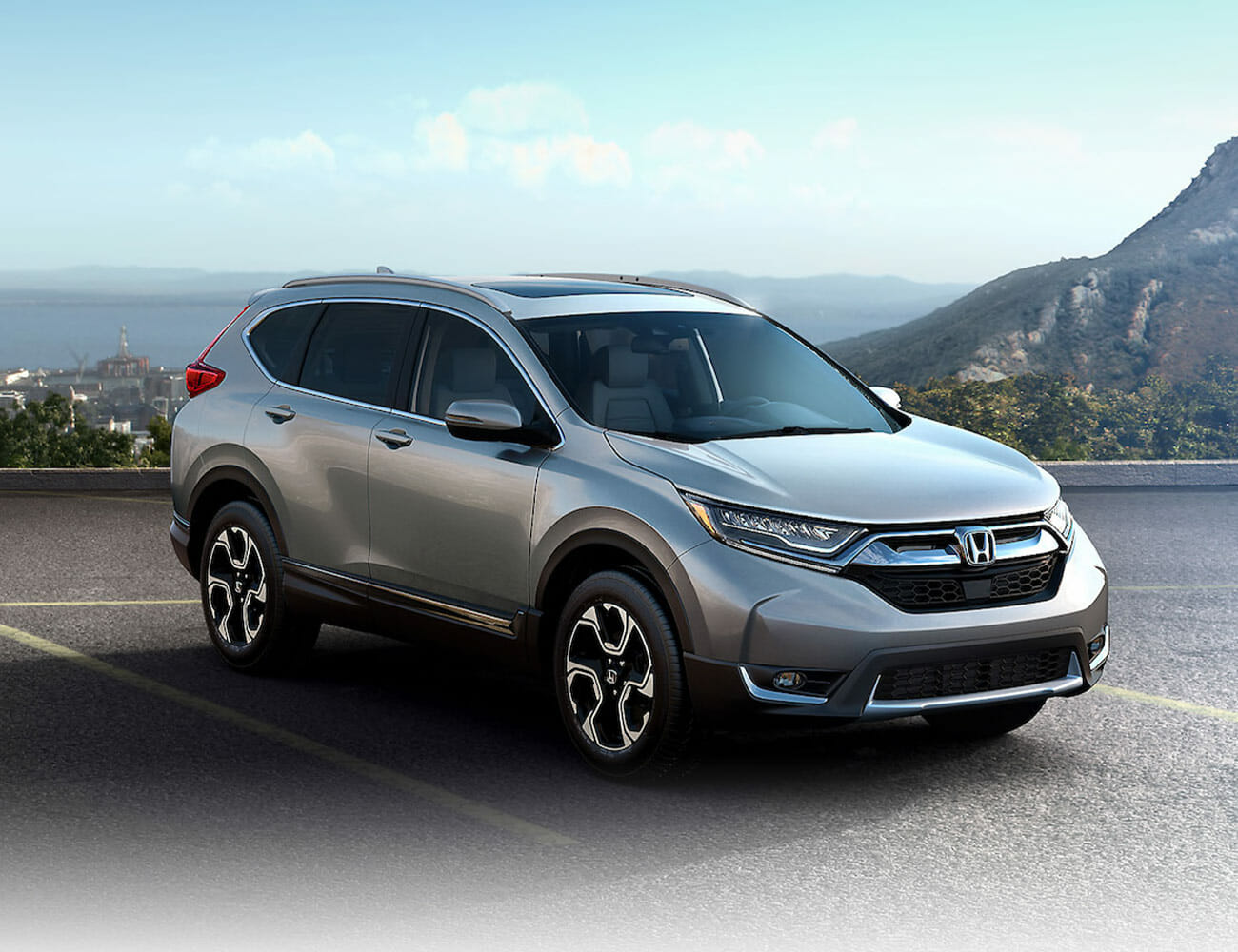
Honda CR-V

The CR-V does not ooze personality, and it won’t compete with the Subaru for ruggedness. But there are plenty of reasons Honda sells CR-Vs by the hundreds of thousands in the United States every year. This CUV is comfortable, spacious (it has up to 75.8 cubic feet of cargo space), and offers good handling. The starting MSRP begins below $25,000. The 2020 refresh will bring a hybrid version that bumps the horsepower up over 200 and improves fuel efficiency by 50 percent.

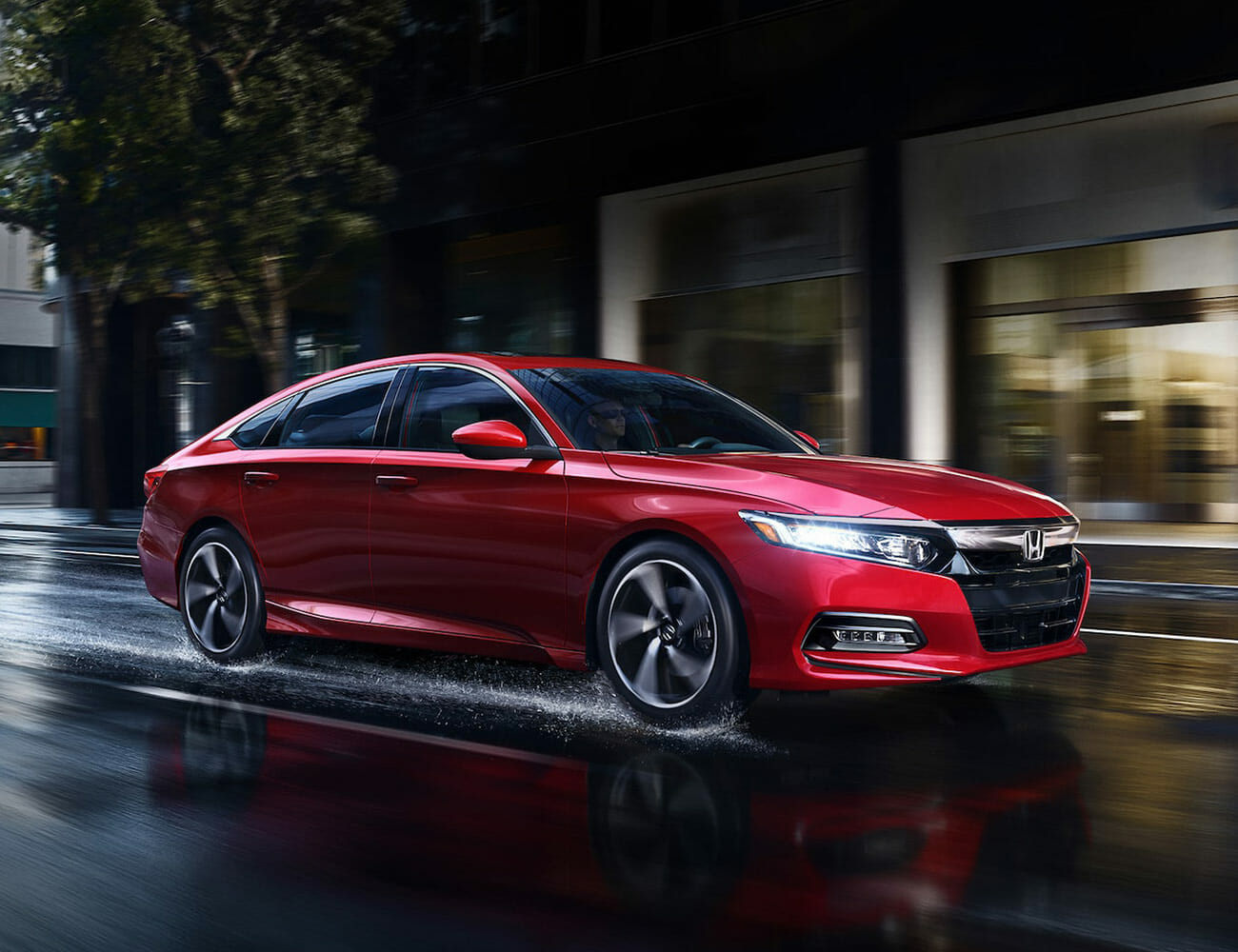
Honda Accord

Contrary to SUV-favoring popular belief, a sedan can still be a good family car. Honda’s full-size Accord is a consistently excellent one. The Accord offers standard driver assistance features, a sizable rear seat and a decent-sized trunk. Want to protect the environment and save for the college fund? You can buy a dual-motor hybrid Accord that achieves 48 mpg. Rather have fun driving instead? Honda will sell you an Accord with 251 horsepower, 273 lb-ft of torque and a six-speed manual for just above $30,000.

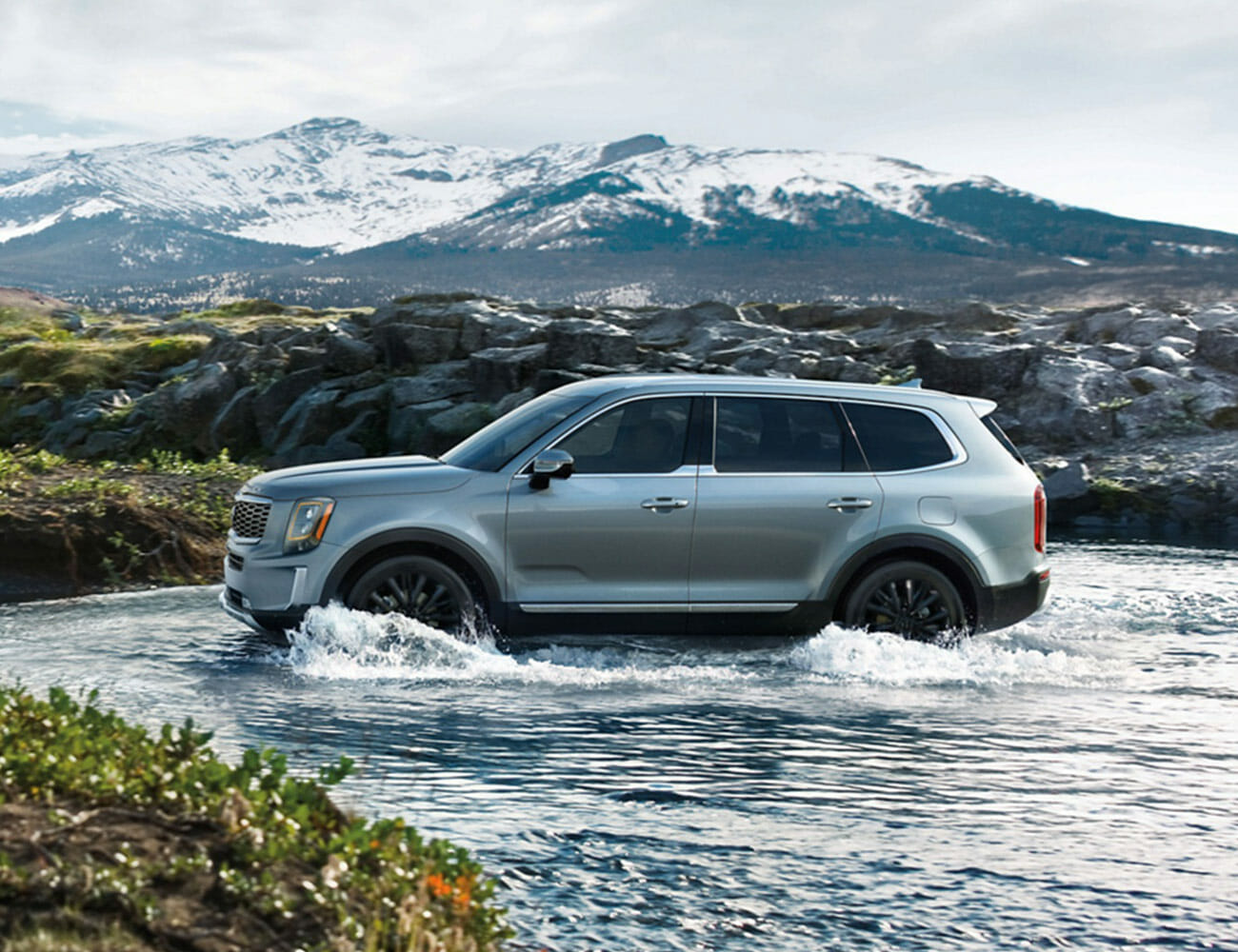
Kia Telluride

Most new families won’t need seating for eight — if they do, they’re probably in negotiations to star in a TLC show — but why not plan ahead? The Kia Telluride drives well, feels luxurious inside and out — and it will charge every device conceivable thanks to five USB ports and three 12-volt power outlets. Need cargo space? This ride has as much as 87 cubic feet. And don’t forget about eight inches of ground clearance and all-wheel-drive, in case you’d like to indulge in a little soft-roading. Starting MSRP for a Telluride is a family-friendly $31,690.

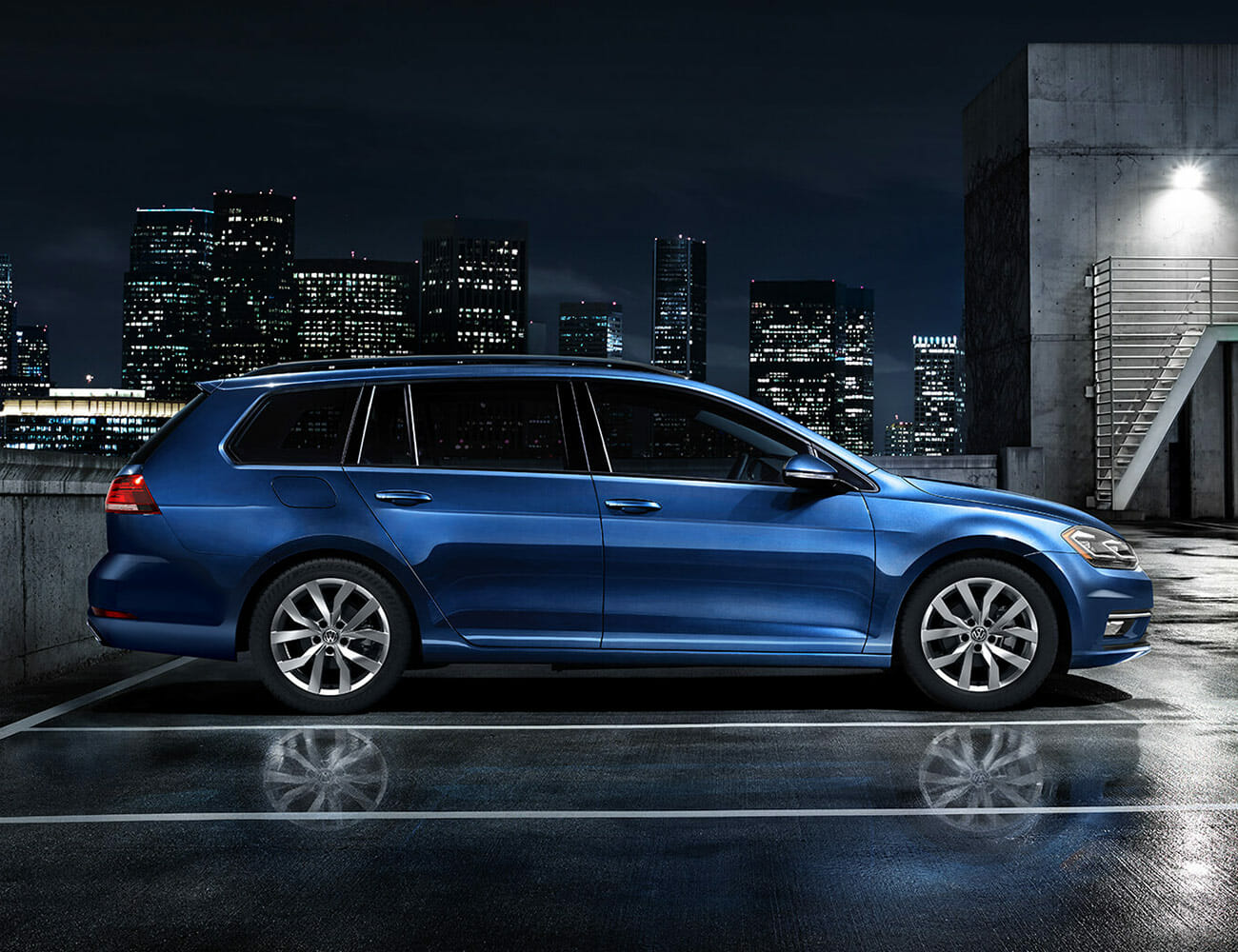
Volkswagen Golf Sportwagen

Volkswagen is phasing out its wagons from the U.S. market after 2019. That’s a shame because the Golf Sportwagen is one of the best value cars on the market. It combines the Golf’s superb handling and torque with an SUV-like 66.5-cubic-feet of cargo space. It comes with a six-speed manual, and the front-wheel-drive version earns an impressive 32 mpg combined. More impressive is the price point — starting under $22,000. Oh, and VW offers a six-year or 72,000-mile warranty through the end of 2019.

Note: Purchasing products through our links may earn us a portion of the sale, which supports our editorial team’s mission. Learn more here.

Ford’s Overlanding Ranger Concepts Will Make You Forget the Ranger Raptor

As you may not be surprised to learn, overlanding and off-roading have been two of the strongest market forces behind the midsize truck segment‘s resurgence. This fact has not inspired Ford to bring the Ranger Raptor sold abroad to America. But the company has heard the call for aggressive pickup truck modification: Ford added a dealer-installed lift kit to the Ranger’s options suite in September.

That pales in comparison to these new rigs, however. The company will also display five overlanding-modified Rangers (and one street-oriented model) at the 2019 SEMA show in November. None has a V6, of course, but all will have you itching to hit the trail. Check out those off-road-ready Rangers below below.

RTR Rambler Ranger

grey_placeholder

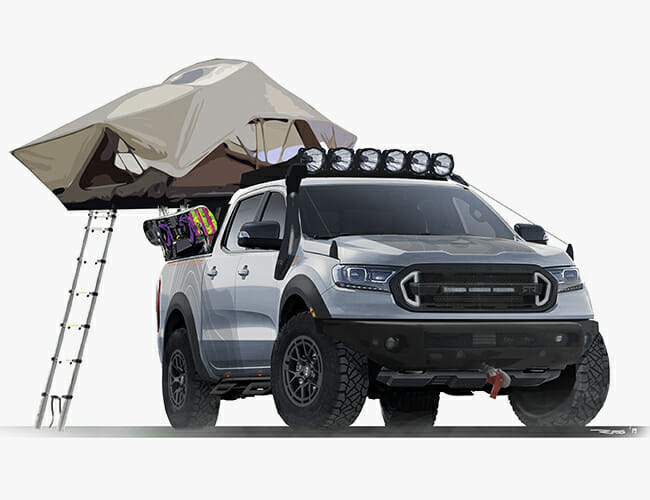
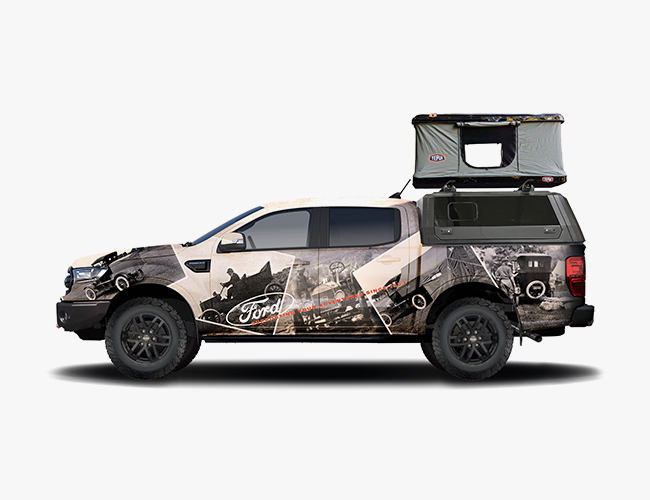
The RTR Rambler Ranger is an overlanding vehicle that includes a two-inch lift, a SkyRise roof tent and an integrated snowboard support capsule, among other features.

Yakima Ford Ranger

grey_placeholder

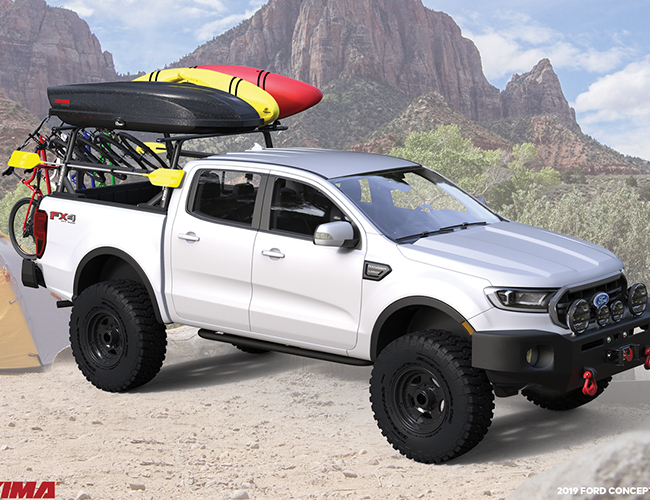
This Ranger, produced with Yakima, is an overlander outfitted with racks for all manner of outdoor sports equipment.

Advanced Accessories Concepts Ford Ranger

grey_placeholder

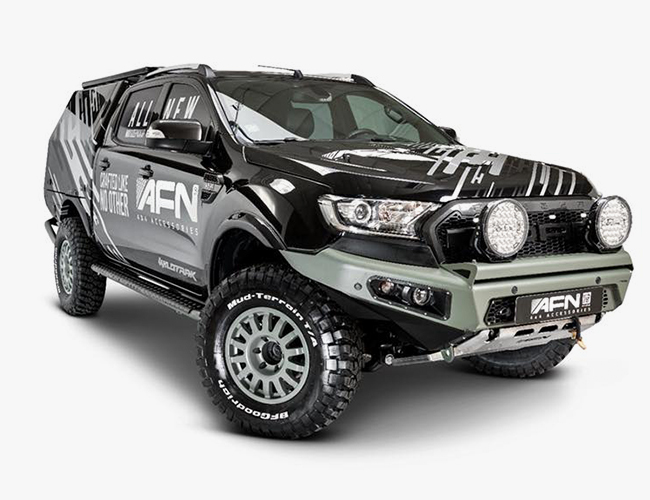
The Advanced Accessories Concepts Ford Ranger is another overlander with a 3.5-inch lift, an array of armor plating on the underbelly and a 50-quart refrigerator.

Hellwig Ford Ranger

grey_placeholder

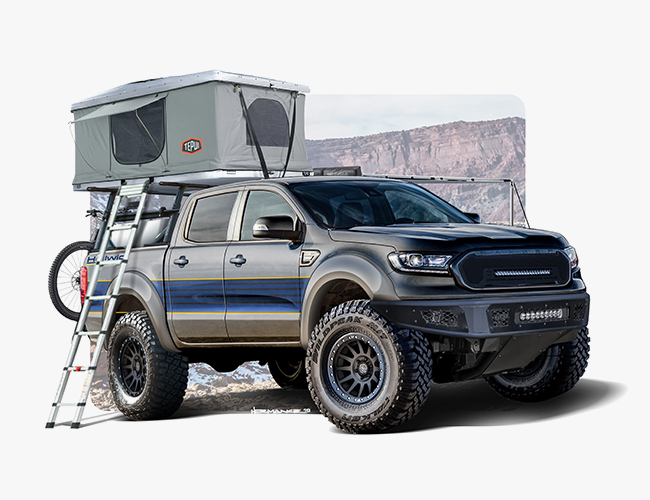
The Hellwig Ford Ranger is for the eco-conscious performance truck enthusiast — if that’s not an oxymoron — and includes a Goal Zero solar power system to help off-set the carbon footprint you accrued getting to the campsite.

Ford Performance Parts Ranger

This Ford Performance Parts Ranger includes — you guessed it — a range of Ford Performance Parts add-ons, including the aforementioned two-inch lift kit.

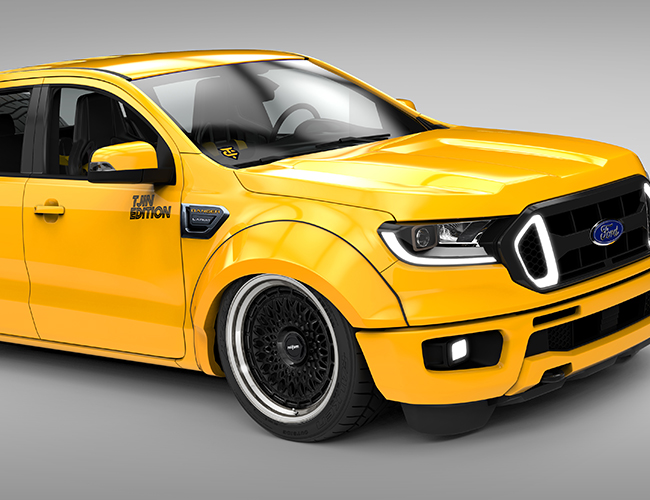
The Tjin Edition Ranger

grey_placeholder

Designers Neil and Collin Tjin created a slammed, pavement-oriented Ranger lowered on an air suspension. It’s no good for off-roading, but it sure looks distinctive.

The Complete Midsize Truck Buying Guide

grey_placeholder

Tacoma, Ranger, Gladiator or ZR2? Here’s all the information you need to decide. Read the Story

Note: Purchasing products through our links may earn us a portion of the sale, which supports our editorial team’s mission. Learn more here.

2019 BMW M5 Competition Review: Return of the King

Once upon a time, the list of sport sedans began and ended with one car: the BMW M5.

Sure, there were other fast four-doors; those dated back to the days of Duesenberg and Dillinger. But back in 1984, apart from a handful of limited-run special editions rarer than hen’s teeth, the M5 was the only car that delivered true all-around sports car performance — not just straight-line speed, but powerful brakes and nimble, delightful handling — in a family car package.

Things done changed, as they say. These days, the ranks of true sport sedans number so large, you’d need to borrow fingers and toes from a friend or two to count them all. They range from as small as the Honda Civic Si to as large as the Mercedes-AMG S65, some packing engines that crank out more firepower than many supercars. And that’s not even counting the high-performance crossovers that have picked up the fast family car torch and taken it in increasingly physics-defying directions.

In the midst of all this chaos and competition, some might say the M5 lost some of its edge in recent years. With the E39 generation version practically canonized in enthusiasts’ eyes, any successor was liable to be looked upon skeptically, but the E60 M5 made things worse with its clunky single-clutch automated manual gearbox and awkward Chris Bangle design. But it least it was unique — a beast unlike any other on sale, thanks to the F1-inspired screamer of a V10 engine. Its F10 successor, in contrast, seemed all too ordinary by comparison; with a twin-turbo V8 in its engine bay and inoffensive corporate styling, it seemed more like a tuned-up regular 5 Series than the true bearer of the iconic badge.

When the sixth-gen version arrived in 2017, it seemed, well, somewhat same-same, an 11/10ths version of its immediate predecessor. It was a bit larger than its already-large forebear, and it still packed a twin-turbo V8; even worse, now it was connected to the same sort of ZF-sourced torque converter automatic found in almost every other Bimmer, and sent power to all four wheels. One glance at the car at the Gamescom video game convention (it was starring in a new version of Need For Speed), and it wasn’t hard to see this being the M5’s death knell.

But something delightful happened: It turned out it didn’t suck.

Early driving impressions were unexpectedly positive. Instrumented testing revealed it was quicker and more powerful than BMW said — quicker off the line than sports cars that cost two, three, four times as much. It started winning over cynics just as easily as it won comparisons against its key foes.

Then, as if that weren’t enough, BMW made the new M5 even better with the M5 Competition.

The Good: If the idea of “One Car to Do It All” holds any appeal to you, you’ll likely find everything about the M5 Competition good. It’s 95% as fast as a Porsche 911 Turbo and 95% as comfortable as a 7 Series, at a lower price than either of them. All-wheel-drive means it’s two pairs of winter tires away from being a four-season car anywhere short of the Arctic Circle. There’s room for four adults to sit comfortably inside, with a trunk big enough to hold their carry-on luggage and a checked bag or two. The tech features and Bowers & Wilkins stereo could make our Tech desk jealous.

And on top of all that, it’s actually a blast to drive.

Who It’s For: Drivers who crave a three-car garage but only have space in their life for one ride; BMW loyalists who need their faith in the brand restored, have children between the ages of 10 and 20, or both; really, anyone who can handle a lease payment of $1,449 per month.
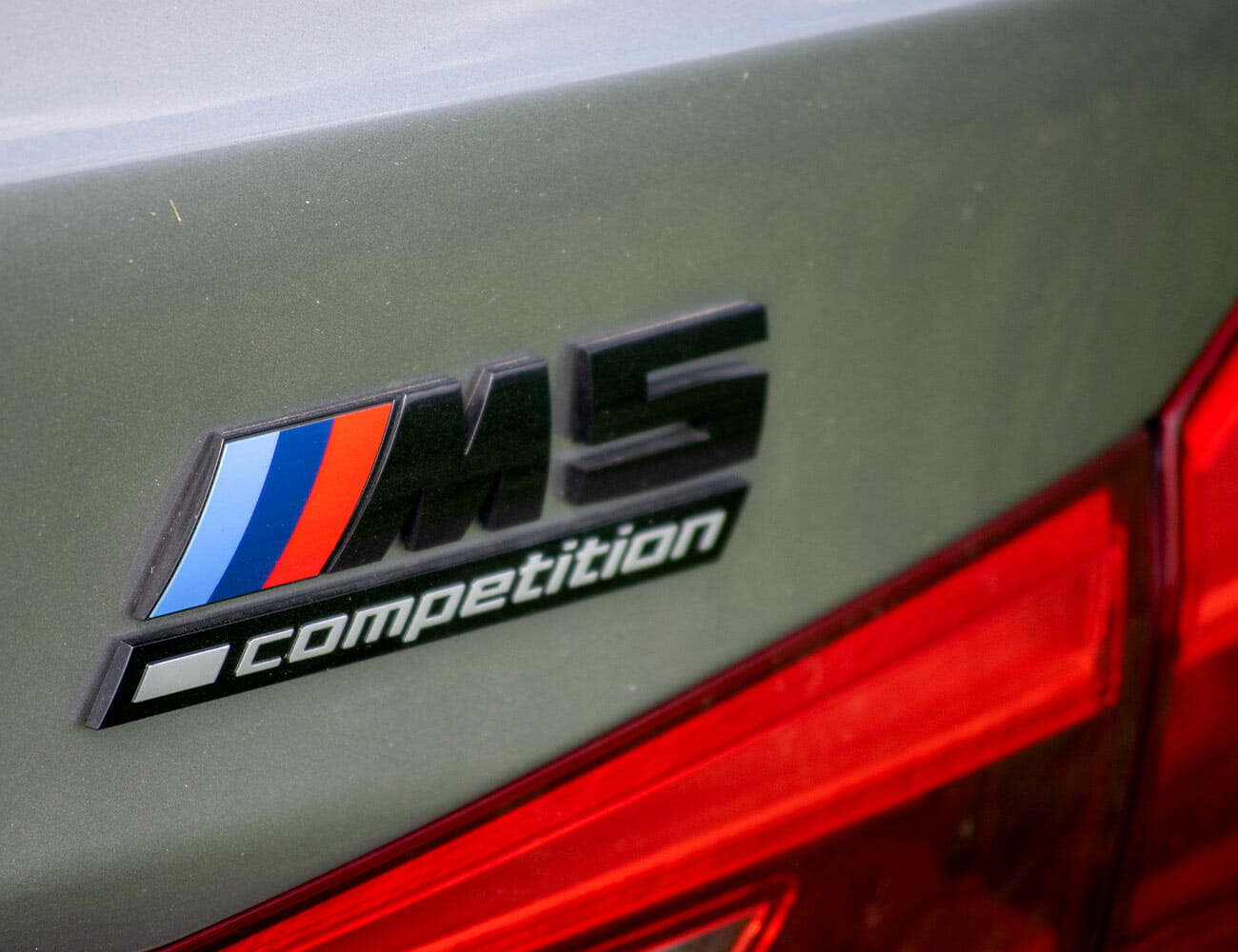
Watch Out For: The M5 does admittedly take a little warming up to, especially if you’re getting to know it in the city. With its myriad drive mode adjustments tuned to their most conservative settings, it’s almost too lethargic for dealing with aggressive traffic. And like many super sports cars wielding similar amounts of power (and similar electronic reins to make that power usable), you need plenty of open road to make the most of it. Don’t be surprised to find yourself accidentally cracking past double the speed limit from time to time.

Alternatives: Mercedes-AMG E63 S ($106,350+); Cadillac CTS-V ($86,995+); Porsche Panamera Turbo ($153,000+)

Review: In all honesty, the differences between the M5 and M5 Competition are fairly minimal. Power rises by a mere 17 horses — a rise of 2.8 percent, if you’re keeping track — and torque stays the same. The suspension has been subtly yet substantively stiffened, with everything from the engine mounts to the springs to the anti-roll bars beefed up a touch. Unless you wheeled the Competition and the base model along the same section of road back-to-back in immediate succession, odds are good you’d never know what you were missing.
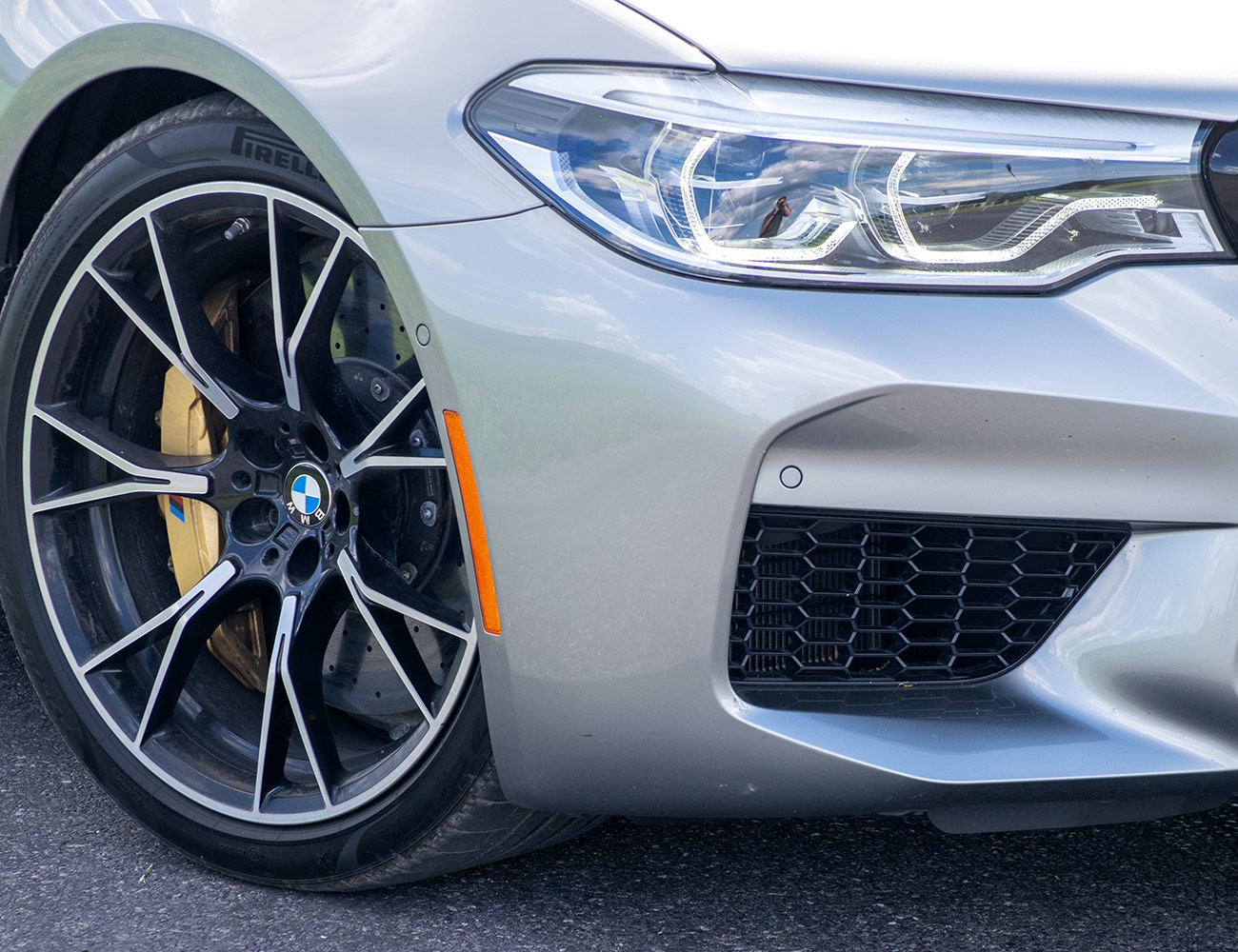
Then again, the delta in price between the “cheap” M5 and its Competition-badged big brother is slim enough to be barely worth mentioning: a mere $7,300, less than the optional carbon ceramic brakes available on either car. (Unless you’re planning on hot-lapping your M car on the track, you’re better off saving that money, anyway.) Considering both variants of the sedan start above $100,000 and can easily climb past $130,000, the difference between them means there’s little reason not to go for the better, faster Competition.

Either way, though, you’re in for a treat. Especially considering how enjoyable the M5 is once it’s out on the open road. The Bimmer plays the part of gran turismo better than most cars, crushing long highway slogs the way frat brothers do cases of Natty Ice after finals. The seats are comfortable enough to fall asleep in, especially once you crank up the massage function that, unlike most cars, doesn’t time out after a few minutes. Active lane-keeping and cruise control systems enable the car to practically drive itself — at least, for 30-60 seconds, until the system starts yelling at you to grab the steering wheel. Left in a relaxed state like this, the M5 feels every bit as luxurious as a 7 Series, so long as you’re occupying the front seats instead of the back.

Still, it may not be as big as the biggest Bimmers, but this 5er ain’t no E39. The car’s dimensions mean it can feel a bit large-and-in-charge, compared with the nimble, lithe rides the M division became known for. That’s easier to swallow, however, once you experience the supercar-level acceleration. Independent tests have shown the newest M5 can reliably crack off a 0-60 mph run in three seconds or less, then zip through the quarter-mile in 11 seconds or so at a trap speed of 130 miles per hour — just a skosh behind the absurd Lamborghini Aventador SVJ.

In the real world, that sort of underhood force translates to the ability to shrink straightaways and pass slower-moving traffic under circumstances that would seem foolhardy in other sedans. When told to be sporty and left to its own devices and, the eight-speed automatic snaps to the right gear with every nudge of the throttle, pushing the engine deep into the sweet, seemingly-bottomless well of turbocharged power and slinging you forward like a catapult. Should that ever grow wearisome — not sure if it could — you can always slide the shifter into manual mode and use the metal paddles to hold gears as desired. Eight speeds is one too many to personally shift through every time you take your car for a spin, but opting for your choice of cog is delightful for exploring and exploiting the nuances of the engine.

It’s not just good on the straights, though. Find a stretch of winding road, and it’ll claw through every turn with grip and speed that defies logic; the mass may still be there, but it feels like the Bavarians have found some way to neutralize it, as though they worked out how to make the sort of inertial dampening system that kept Captain Picard and Co. from being turned into jelly every time the Enterprise-D went to warp. The steering is a return to form for the company, especially after sampling the likes of the M850i; it feels confident, accurate and immediate, imparting the sensation of connecting road to driver that Bimmers have largely lacked in recent years. It is, indeed, fun.
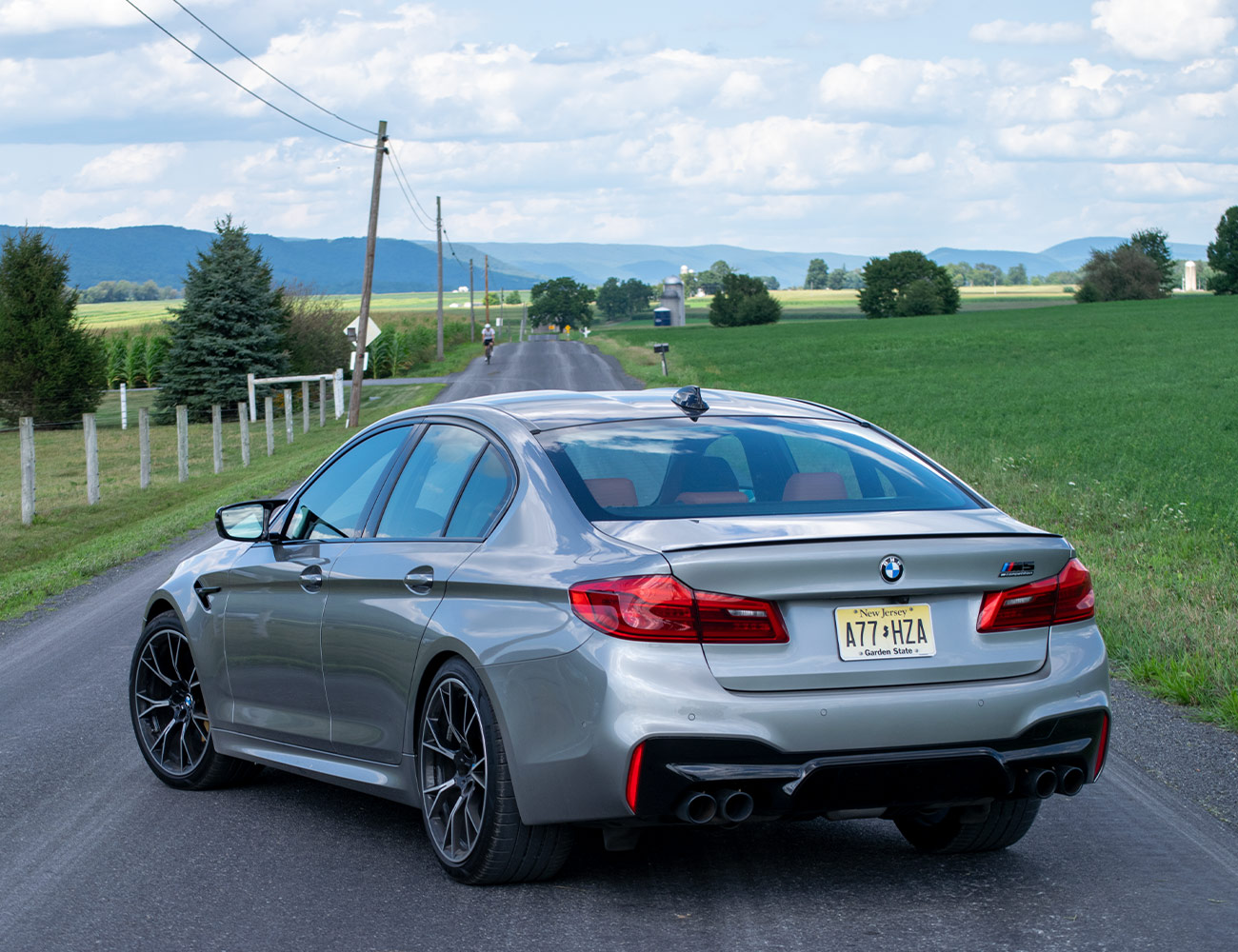
The M-tuned all-wheel-drive system offers a three-way choice when it comes to delivering power: the standard layout, which splits power fairly evenly between the two axles; 4WD Sport, which biases the power towards the rear wheels; and full-blown hooligan mode, which sends every kilowatt of power to the back axle and only works with all the electronic safety nets disengaged. That one’s best left for doing donuts and burnouts in the nearest parking lot; for everything else, the Sport setting is the ideal balance, delivering rear-biased power delivery along with the four-wheel drip needed to make the most of that herd of thundering Teutonic thoroughbreds.

Of course, that’s only one of the many, many driving mode options to play around with. The gearbox offers six different shift speeds (three for automatic mode, three for manual shifting); the suspension, steering, and throttle pedal all offer their own choices, as do the exhaust and traction/stability control systems. Luckily, once you finally dial the systems in the way you’d like, you can save them via steering wheel-mounted bookmark buttons; even more luckily, you can actually save two separate settings using the two different buttons, in case you prefer to optimize the car in different ways for, say, commuting and back-road carving. Unfortunately, no matter how you program them, the car’s systems will always default to their tame settings when you start it up, so you’d best grow used to thumbing one of those buttons as the first thing you do after starting the 4.4-liter V8.

Still, that’s a minor tradeoff given the car’s breadth of capabilities. The M5 has always managed to master both sports-car speed and sedan space, but many times, those capabilities haven’t been baked together into a harmonious package as entertaining as it should have been. The latest version manages to be fast, fancy and fun, all at once.

Verdict: With the M5 Competition, BMW has finally reclaimed its post at the top of the sport sedan heap. At least, until the next round of contenders comes along.

2019 BMW M5 Competition: Key Specs

Powertrain: 4.4-liter twin-turbocharged V8; eight-speed automatic; all-wheel-drive
Horsepower: 617
Torque: 553 lb-ft
Top Speed: 190 mph
EPA Fuel Economy: 15 mpg city, 19 mpg highway

BMW provided this product for review.

Read More Gear Patrol Reviews

Hot takes and in-depth reviews on noteworthy, relevant and interesting products. Read the Story
Note: Purchasing products through our links may earn us a portion of the sale, which supports our editorial team’s mission. Learn more here.

The Best (Mostly Affordable) Classic Cars You Can Buy from 1985-1995

Enthusiasts are constantly on the hunt for the best classic rides you can get your hands on for a reasonable price. And who can blame us, as the classic car market continues to suggest that some bubbles may never actually burst? Of course, classic car investing isn’t an exact science, or else everyone would be doing it. But if you’re looking for the best combination of affordability, performance and personality without sacrificing modern tech comforts and old-school simplicity, the cars of the ‘80s and ‘90s are calling, grasshopper.

Specifically, the period from roughly 1985 to 1995. Horsepower figures from the era won’t blow anyone’s socks off these days — but that’s never really been the point, has it? During that era, American automakers were busy making up for the shortcomings (or trying to) of the Malaise era, Japanese brands were riding a wave of cash towards their peak years and the Germans were doing what they always do: making great cars. The Italians, Swedes and Brits were also getting in on the fun, churning out some of the best-loved models these companies ever produced.

Don’t get me wrong: there was a lot of crap produced in this era, especially here in America. But the highlights are impossible to ignore, so let’s take a trip down memory lane.

United States

The ’80s and ’90s saw traditional muscle cars take new forms, an unexpected contender become king of the quarter-mile overnight, and some sought-after SUVs take on new identities and capabilities.

Ford Mustang


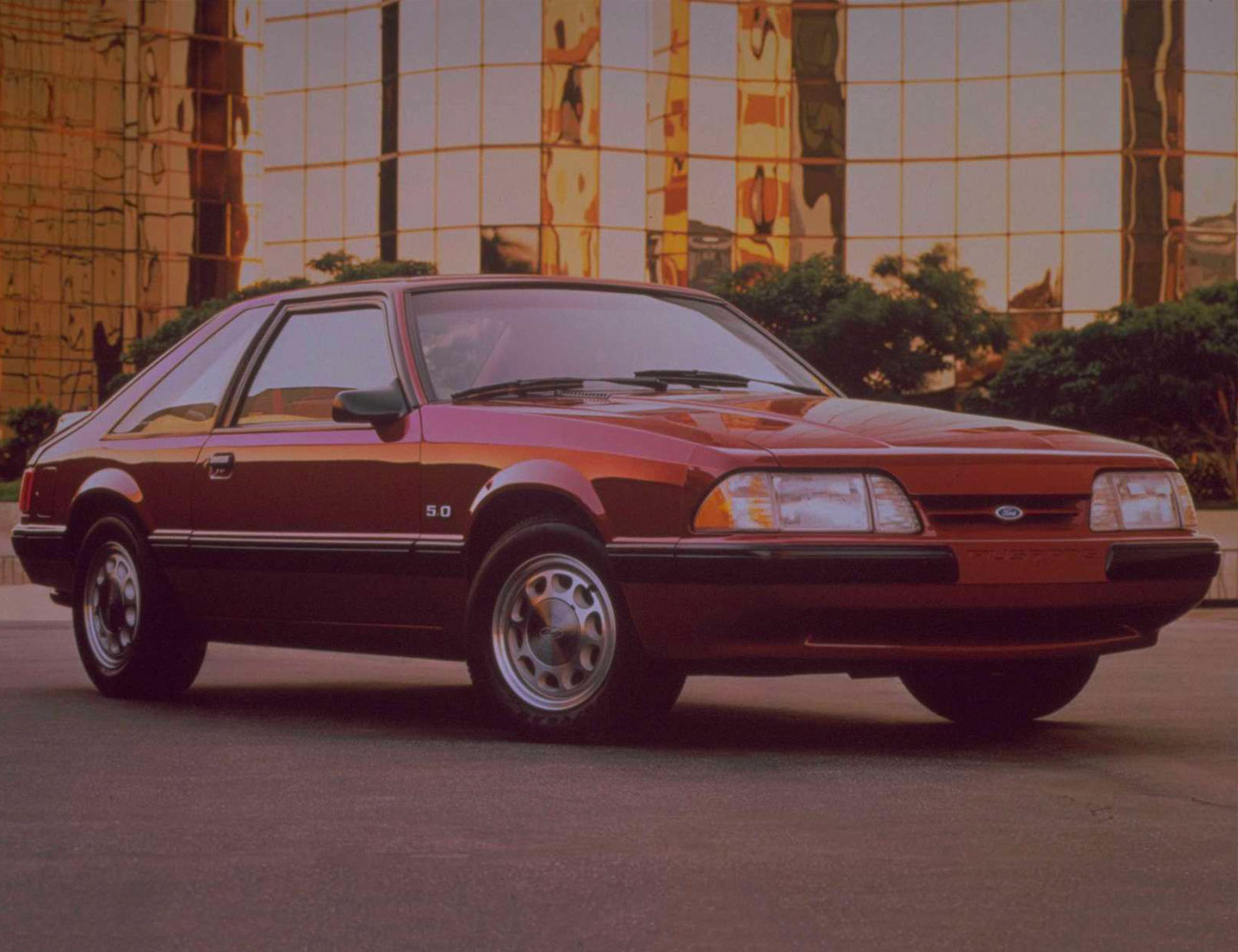
Ford’s underpowered “Fox Body” Mustang has been a favorite of tuners and drag strip amateurs for decades, and they’re still pretty darn cheap. The 1987-1993 version, also the last of its kind, featured the venerable 5.0-liter (really 4.9-liter) V8 which made 225 horsepower and 300 pound-feet of torque — small numbers these days but easily pushed higher with some simple modifications. Here’s a Mustang GT convertible for just $8,995. Cheap drop-top speed, thy name is Fox Body.

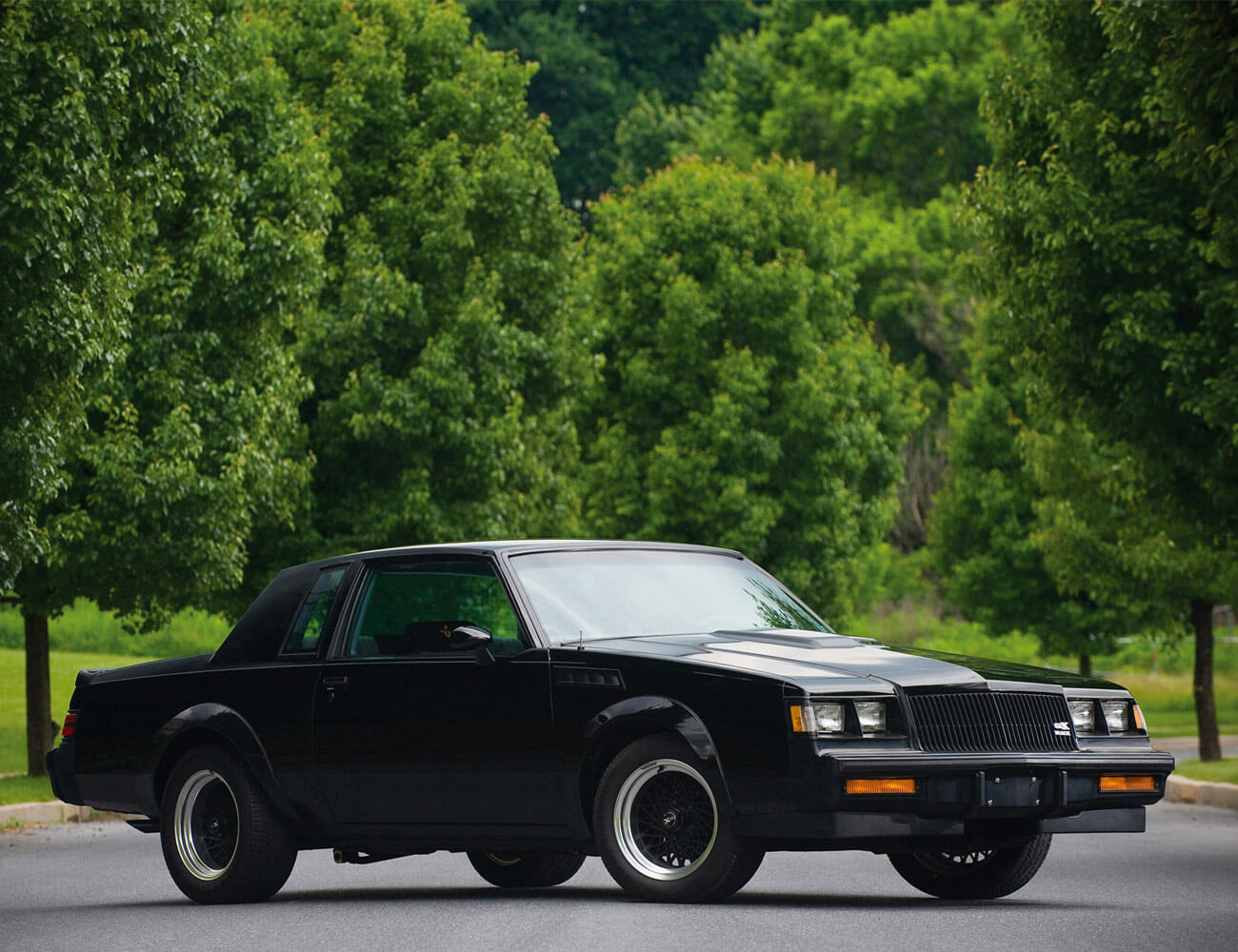
1987 Buick GNX

Want the true ’80s muscle car king of the hill? You won’t find it from Ford, Chevy, Dodge or Pontiac. Nope, the decade’s most powerful, most kickass drag strip monster was a Buick. Specifically, the 1987 Buick GNX, which came in any color you wanted, so long as it was black. Nicknamed “Darth Vader” by die-hard enthusiasts, 547 examples of this blacked-out, turbocharged 1987 Regal Grand National were sent off to McLaren — yes, that McLaren — for some serious tuning, and returned with 300 horsepower and 420 lb-ft of torque from the boosted 3.8-liter V6.

That was good for a 0-60 mph time of 4.6 seconds, almost half a second faster than the Ferrari F40 and Porsche 911 Turbo of its day. It also boasted a faster quarter-mile time than those two European legends, setting it in 12.7 seconds at 113.1 mph. That’s seriously fast, even by today’s standards, and was only bested by Chevy’s own Corvette ZR1 on its own soil. The cheapest GNX available to buy on Hemmings is sitting at a cool $75,000 — but you can have a similarly badass, albeit less powerful, Grand National from the same year like this one for a fraction of the cost.

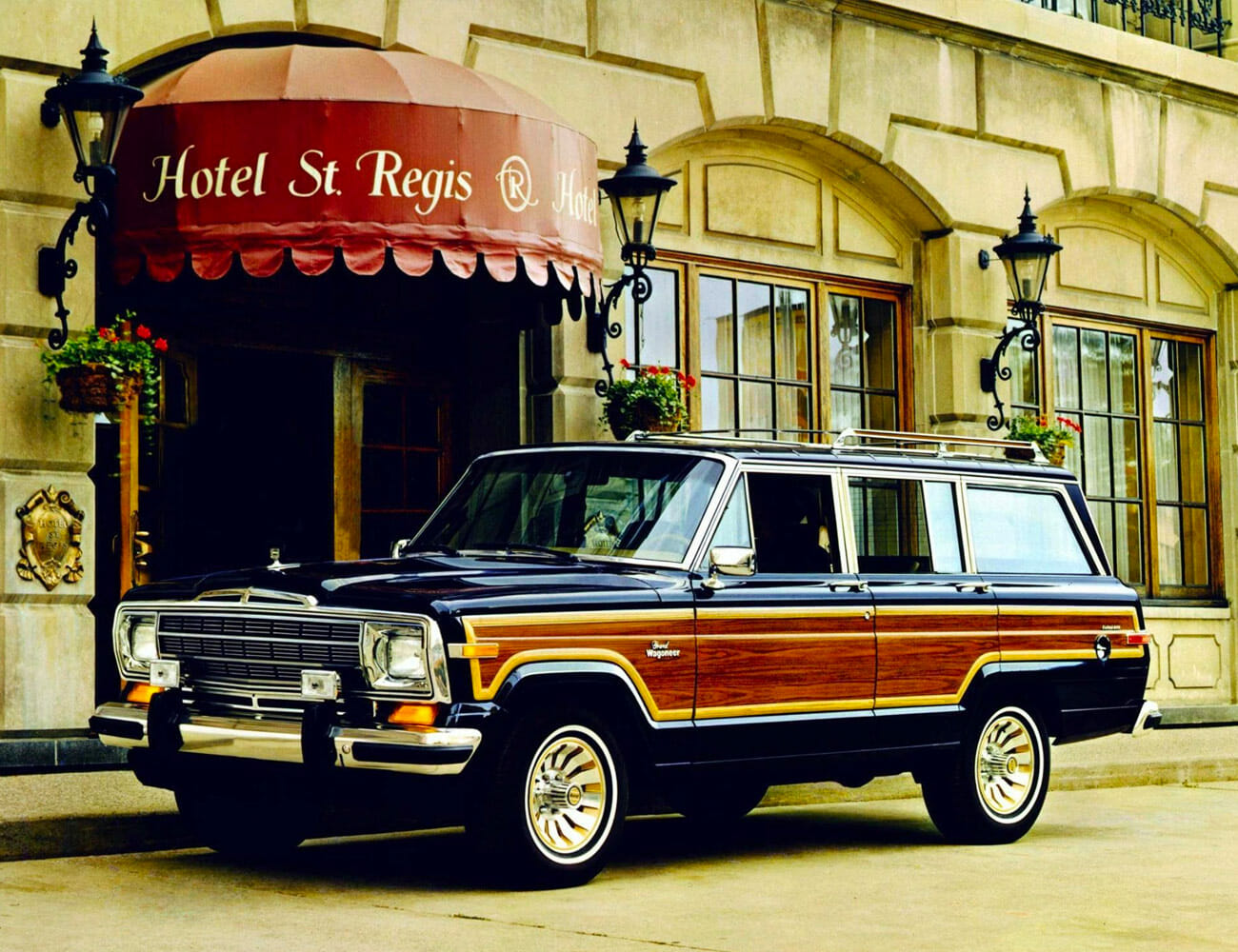
Jeep Cherokee, Grand Wagoneer and Wrangler

Boxy muscle cars not your style? How about some of the most beloved Jeep models ever made? Both the Jeep Cherokee XJ and Grand Wagoneer were either born or totally revamped in the mid-1980s, and remain some of the most sought-after SUVs amongst both classic car fans and serious off-roaders. The fan-favorite CJ7 (later dubbed Wrangler) also reached its last and best year in 1985, with 80s-tacular variants like this one before going all square-headlight with the YJ model in 1986 until 1995.

| |

Japan

Supra. RX-7. NSX. Samurai. 4Runner. These were all born or heavily improved from 1985 to 1995. Need I say more? Japan was riding an economic boom in the 1980s, boasting four percent average annual GDP growth. Without boring you with an economics lesson, that means that Japanese companies were exporting more than ever, and had lots of cash to play around with. So, thankfully for us all, they decided to have some fun with it. And all of these are U.S.-market examples. There’s a whole new world of Japanese performance now opening up thanks to cars from the era becoming eligible for import to the U.S., as we’ve covered extensively.

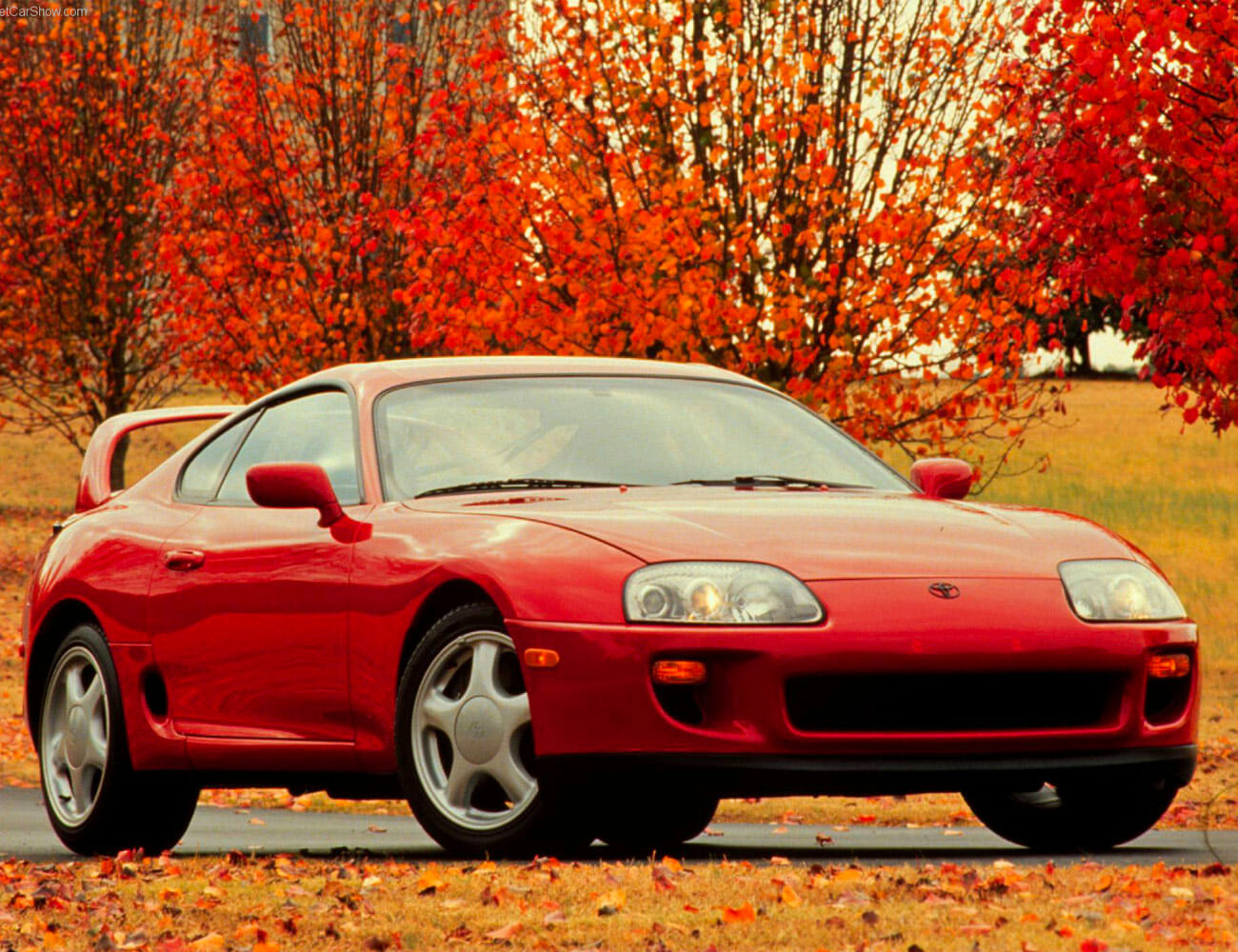
Toyota Supra

The rear-wheel-drive Toyota Celica gained a Supra variant, then the Supra spun off on its own, got two turbochargers to play with, and had a final act as the legendary Mark IV in 1994. That’s why “Supra” is often the first and last name in Japanese performance, and why so many people are so excited that a new one is finally coming around. While Mark IV prices are skyrocketing, you can have a clean Mark II or Mark III example for less than $20,000.

| |

Mazda Miata and RX-7

Mazda was hitting its stride in the late ’80s and early ’90s, which led to the debut of the world’s favorite roadster, the MX-5 Miata. How about a clean example of one of the most famously fun-to-drive cars of all time with a heaping helping of Japanese reliability for less than $7,000? No problem.

The little Japanese brand that could was also at peak crazy at the turn of the decade, replacing the forgettable (but still fun) second-generation rotary-powered RX-7 with the legendary third-generation from 1993 onwards. The latter RX-7 (FD, as it’s known by enthusiasts) is riding the same ’90s Japanese performance car wave as the Supra, but clean, second-gen examples can be had for chump change — and come in a convertible, to boot.

|

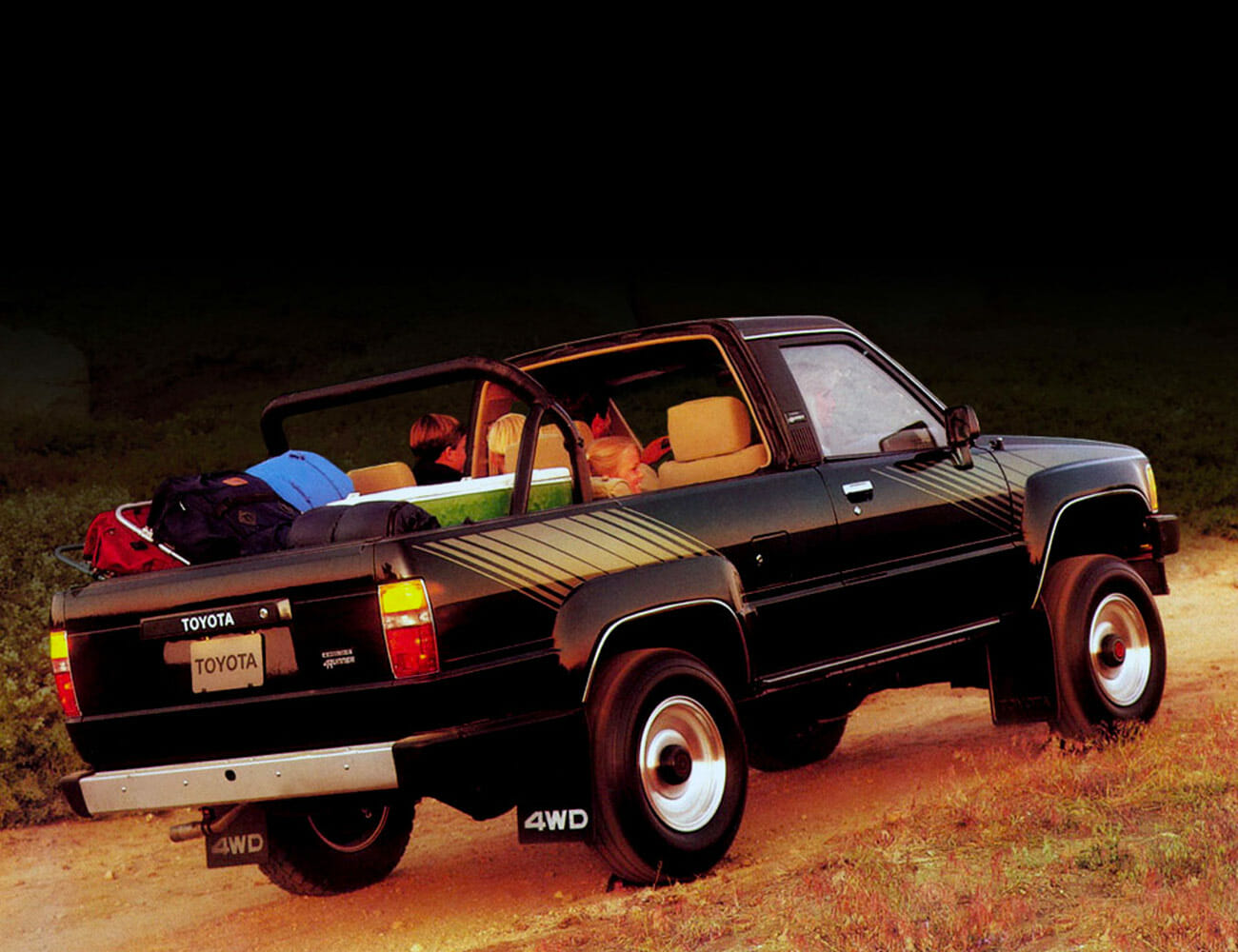
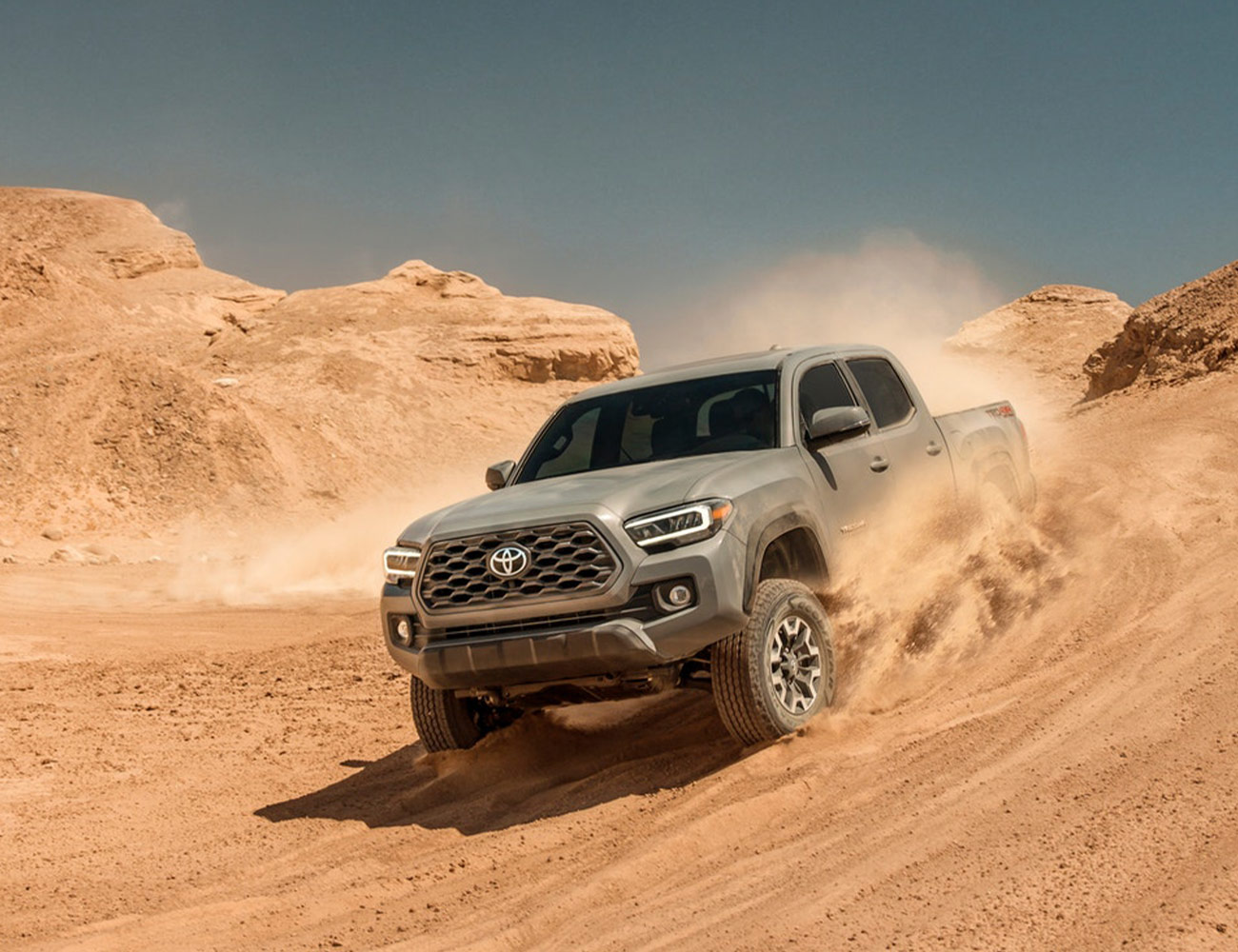
Toyota 4Runner and Tacoma

The ’80s and ’90s also saw the introduction of some fun off-roaders from the Far East, namely the Toyota 4Runner and Toyota Pickup. The 4Runner merged off-roading fun with a removable hard-top and room for five, now both available for less than $13,000 easily. Even Toyota’s humble Pickup, which morphed into the best-selling Tacoma, can be found for a similar price. And if you get one in black, you can live out all your Back to the Future fantasies  — minus the DeLorean and Christopher Lloyd.

|

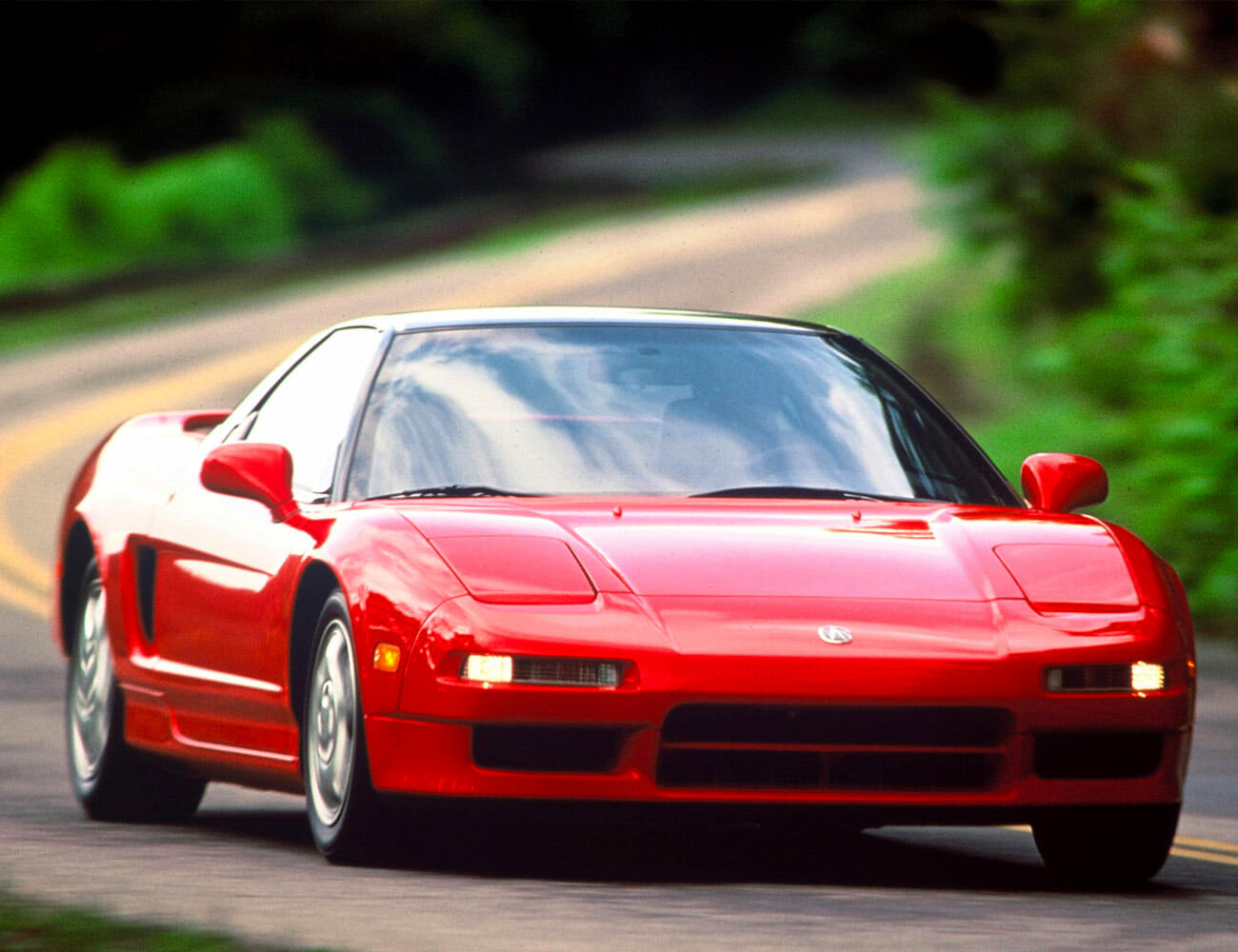
Honda CRX and Acura NSX

How could we forget to mention Honda? The little moped maker that could put out such fan favorites as the frugal-but-fun CRX Si and the world-beating NSX (under the new Acura marque) within a few years of each other, proving there was almost no car they couldn’t make. This CRX Si is currently selling for $7,350, and while original, unmolested NSXs can push six figures, you can still find a solid early example for a decent price.

|

Europe

While America was busy finding itself and Japan was in the midst of a coke-fueled performance fever dream, Europe was doing what they’ve damn near always done: building solid, well-engineered cars with an established pedigree.

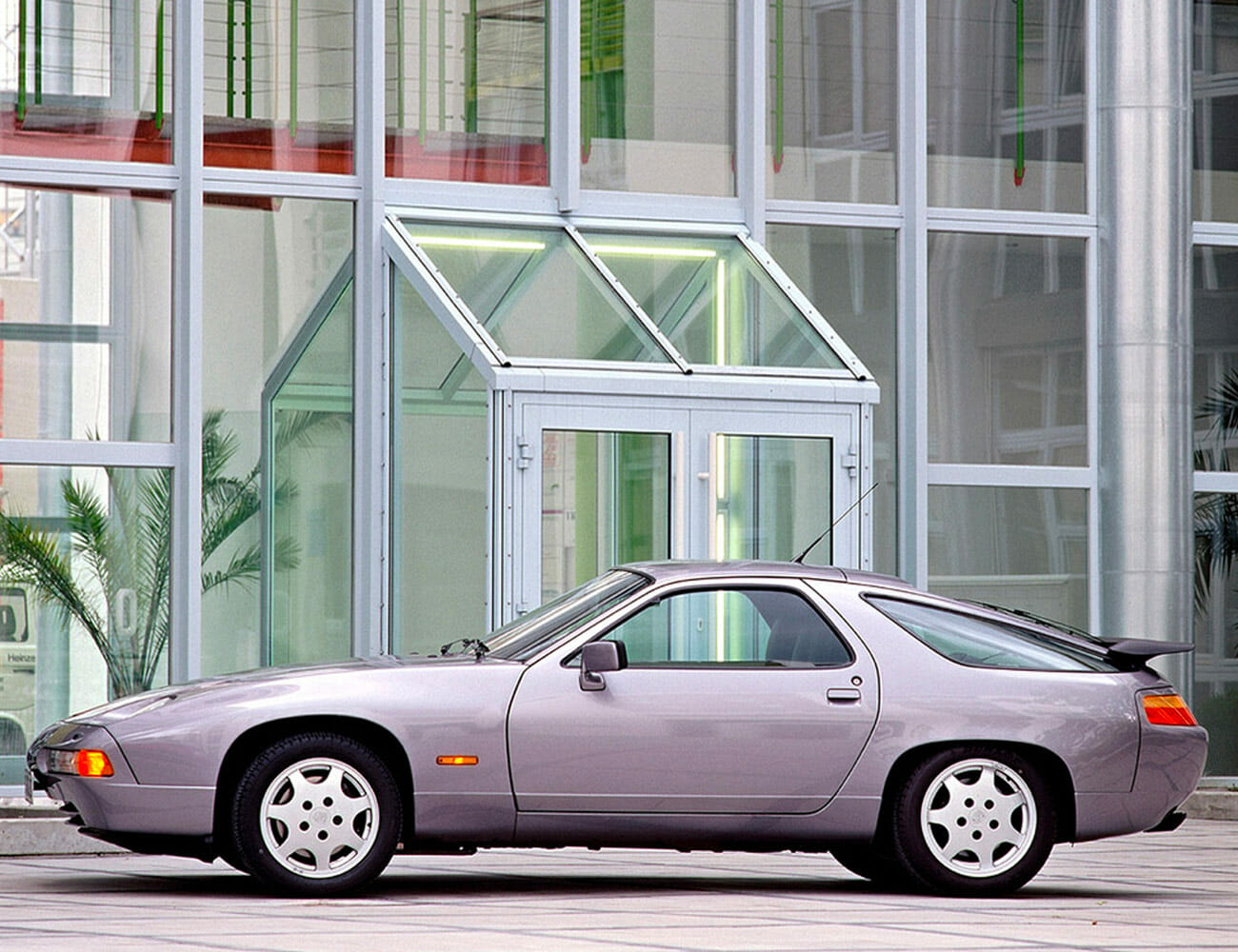
Porsche 944 and 928

Don’t want to chase after insanely high-priced examples of the last air-cooled 911 ever made? That’s fine — have a front-engined Porsche instead and you’ll have 90 percent of the driving fun for a fraction of the price. Porsche took all the cash it had made from the popular 911 over the years and spun off a series of sports cars, none of which lasted beyond the 1990s. Clean examples of the ‘80s-tastic 944 can be had for less than $10,000 (though Turbo models are spiking in price). And if you’re lucky, the opulent, V8-powered 928 Grand Tourer can be yours for less than $15K. Not a bad entry point to one of the world’s most storied sports car brands.

|

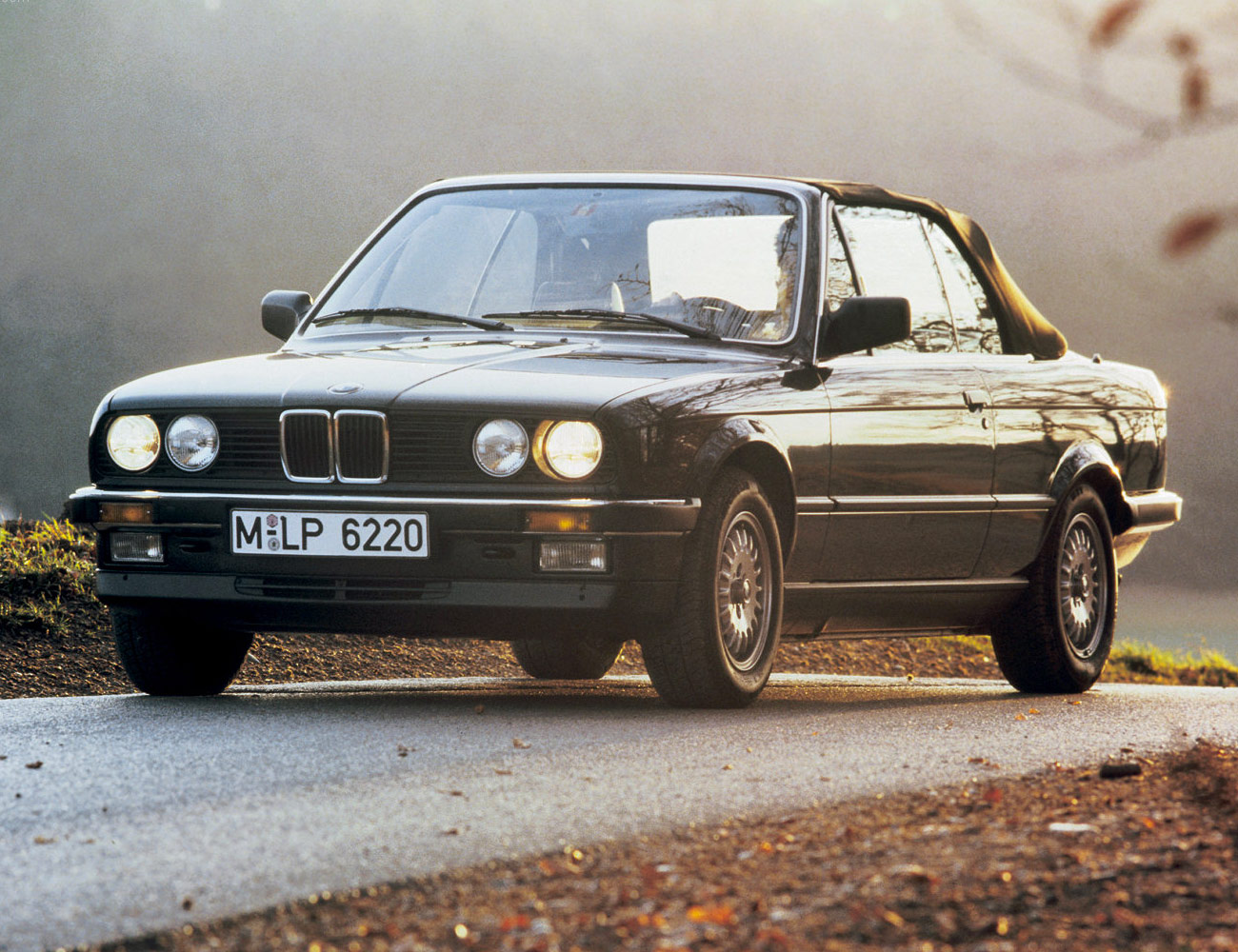
BMW 325i and Mercedes-Benz S-Class

If a Bimmer or Benz is more your speed, how about the E30 3 Series, the most celebrated affordable enthusiast car in the world behind only the Miata? Forget the over-valued original M3 and opt for the inline-6-powered 325i (now legal to import from Europe in wagon form!) or all-wheel drive 325ix, a perfect starter rally car. If a three-pointed star has always guided your dream car inclinations, give the S-Class, still the large luxury sedan king, a spin for cheap.

|

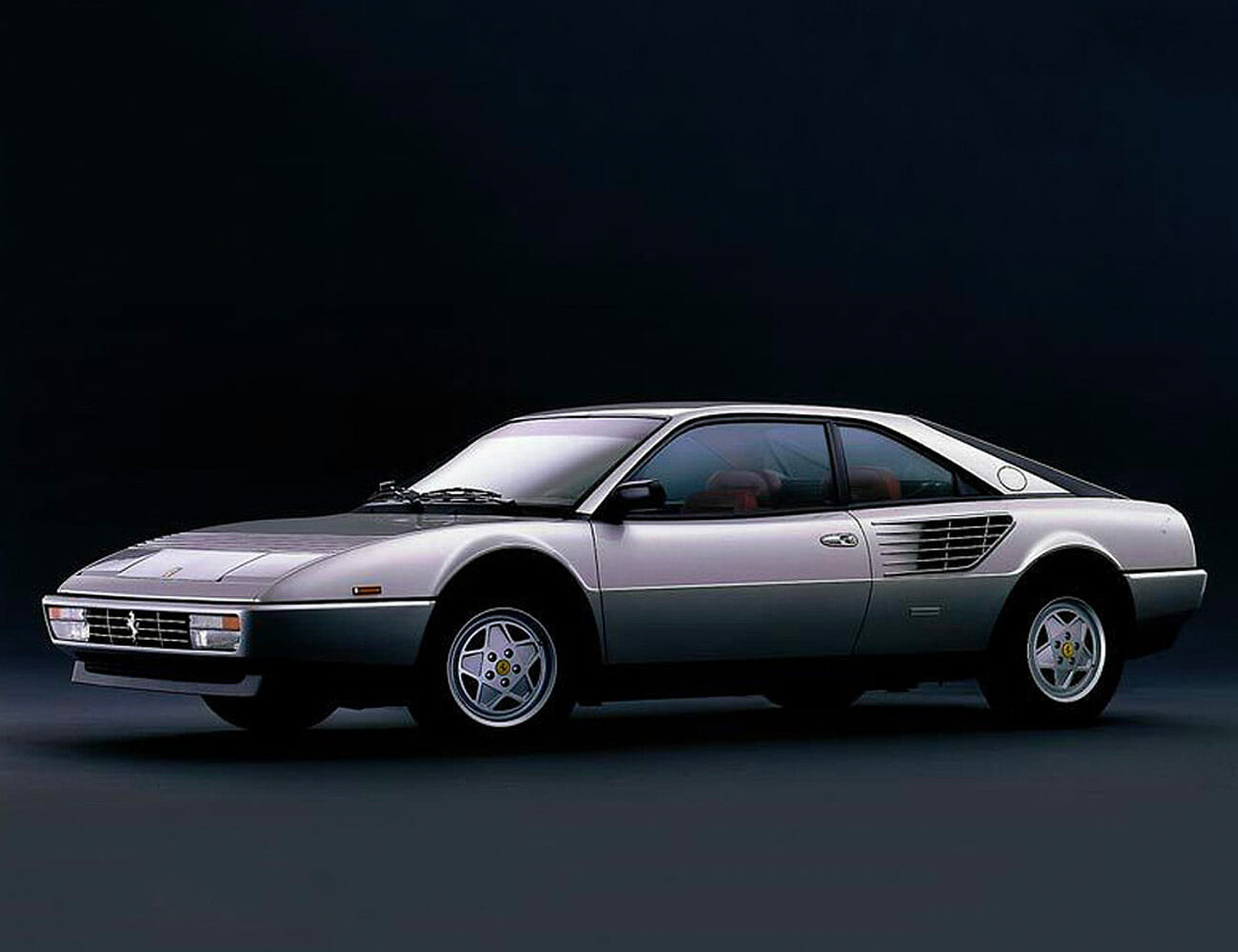
Ferrari Mondial

There are still awesome, unique cars to be had from elsewhere in Europe beyond Germany. If you really, really need to have a Ferrari, you can have the Mondial for less than $50,000. Sure, it’s easily the worst Ferrari ever, but that’s like being the worst player on Real Madrid. You’re still up there, baby.

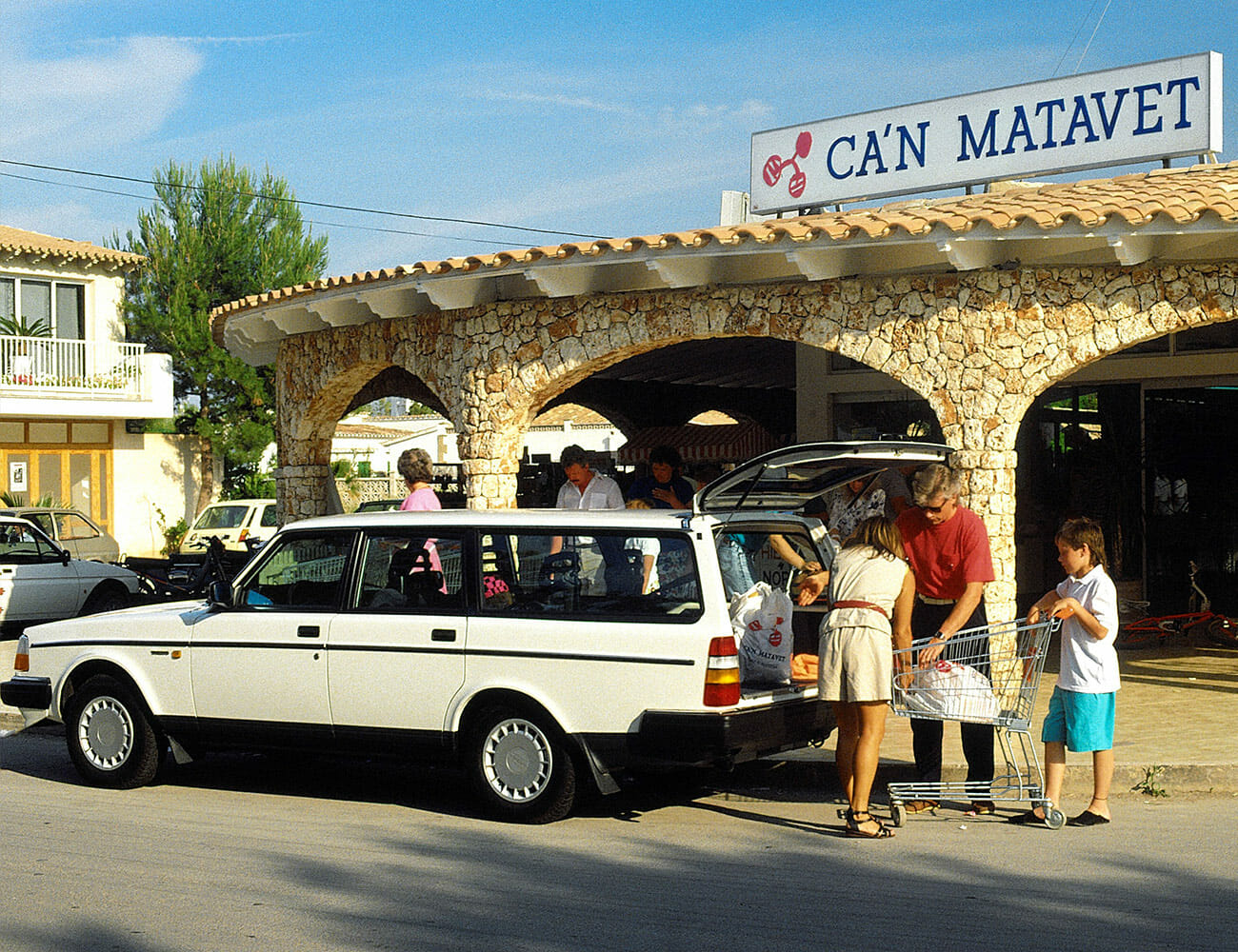
Volvo 240

Sweden was also tinkering with and perfecting two of its most iconic nameplates, though neither is likely to set your hair on fire with outright speed straight out of the box. The charmingly honest and unbeatably reliable Volvo 240 was reaching its twilight (and best) years by the turn of the decade, and if you’re looking for something old, slow, and filled with personality, there’s hardly a better car for pennies on the dollar, like this super clean 1991 sedan for $6,800.

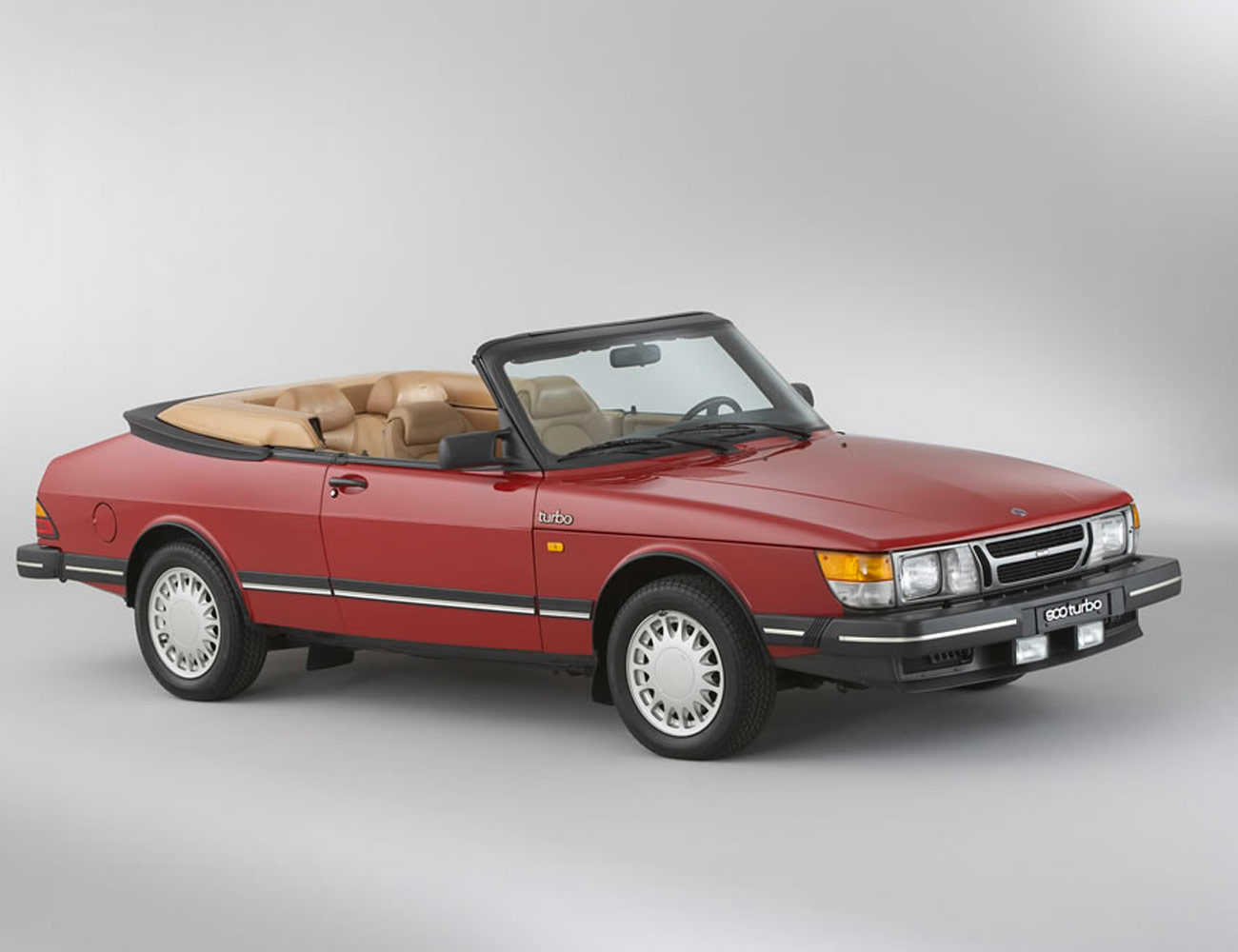
Saab 900 Convertible

The same period also saw the twilight years of Saab’s best model ever. The 900 Turbo was the first mass-produced turbocharged car — a format that many modern vehicles have adopted — and remains one of the quirkiest, most beloved cars of all time by its many devoted fans. Late models like this 1993 convertible provide the best combination of Saab weirdness and modern performance and amenities, making up to 185 horsepower by the time it was retired in 1994 and replaced with a new model.

The Complete Midsize Truck Buying Guide: Every Model, Explained

Midsize trucks are the smallest pickup truck class currently sold in the United States. We call them “midsize” because…well, no one wants to buy a “compact” truck.

Midsize trucks use less powerful engines than their full-size peers, and generally offer reduced towing capacity. But they are also nimbler and better-suited for recreational off-roading, which happens to be one of the most popular and profitable trends in the automotive market right now.

After abandoning the midsize market en masse earlier this decade due to poor sales, American manufacturers have jumped back in recently. Ford rejoined just this year with the Ranger, while FCA did so with the Jeep Gladiator. (Toyota, Nissan and Honda, meanwhile, have stuck around the market for years.) As a result, midsize trucks have become the hottest segment in the American automotive industry not involving the words “sport” or “utility.”

Midsize Truck Terminology

Aftermarket: Parts and accessories manufactured by a third party.
Body-on-frame: A traditional truck platform in which the body is mounted onto the chassis. This construction is heavier than unibody building used for cars, and perceived as more durable for off-roading.
Bro Truck: A truck that has been lifted and modified heavily with off-roading gear, for fashion rather than for function.
Crew Cab: A Full four-door cab with sedan-like interior room.
Extended Cab: A four-seater cab, but with smaller rear doors and a reduced back seat.
OEM: Original Equipment Manufacturer. Parts and accessories produced by and for the manufacturer.
Payload: The amount of weight a vehicle can carry, including passengers and cargo.
Snorkel: A device that raises the air intake level to permit traveling through deep water. It performs the same function as a human snorkel. (Mostly, it just looks cool.)
Taco: Nickname for the Tacoma.
Towing Capacity: The amount of weight a vehicle can tow.
Unibody: This is the construction type used by crossovers and cars where the body and chassis are a singular unit. It allows the car to be lighter and improves on-road ride quality.
TRD: A.k.a. “Toyota Racing Development.” This is Toyota’s in-house tuning company. They do off-road tuning on the Tacoma. The “TRD Sport” is more of an appearance package, while the “TRD Off-Road” and “TRD Pro” have off-road upgrades.

Buying Guide

Toyota Tacoma

The Tacoma is the benchmark for the midsize segment, in perception if not performance. With stellar off-road capability, sharp looks and Toyota build quality, the Tacoma is unfailingly popular with off-roaders, outdoors enthusiasts and many others who fall under the loose designation of “bro.” It’s the best-selling midsize truck by far, and it has the best resale value of any vehicle in the U.S.

The drawback for the Tacoma compared to its competitors is its on-road driving character. It handles heavily and its ancient-feeling six-speed automatic shifts slowly and counterintuitively. Fortunately, Toyota still offers a manual in the TRD Off-Road and TRD Pro trims.

Body Styles:

• Access Cab
• Double Cab

Box Lengths:

• 5’1”
• 6’2”

Trims:

• SR
• SR5
• TRD Sport
• TRD Off-Road
• Limited
• TRD Pro

Engines:

• 2.7-liter inline-four (159 hp, 180 lb-ft)
• 3.5-liter (278 hp, 265 lb-ft)

Max Towing Capacity: 6,400 lbs

Max Payload: 1,155 lbs

Base MSRP: $26,050

Chevrolet Colorado

Chevy was the first American manufacturer to return to the midsize segment in 2015 with a revamped Colorado. It was a major hit, winning back-to-back Motor Trend Truck of the Year awards in 2015 and 2016. The best-known version is the halo model ZR2, built to be a badass off-road competitor to the Tacoma and Jeep Gladiator.

What distinguishes Chevy in this segment is its engines. The 3.6-liter V6 with 308 hp is the sportiest powertrain in the segment. The 2.8-liter diesel, with an impressive 369 lb-ft of torque, may be the best for doing, y’know, truck stuff.

Body Styles:
• Crew Cab
• Extended Cab

Box Lengths:
• 5’2”
• 6’2”

Trims:

• WT
• LT
• Z71
• ZR2

Engines:

• 2.5-liter inline-four (200 hp, 191 lb-ft)
• 3.6-liter V6 (308 hp, 275 lb-ft)
• Turbocharged 2.8-liter inline-four diesel (181 hp, 369 lb-ft)

Max Towing Capacity: 7,700 lbs

Max Payload: 1,578 lbs

Base MSRP: $21,300

Ford Ranger

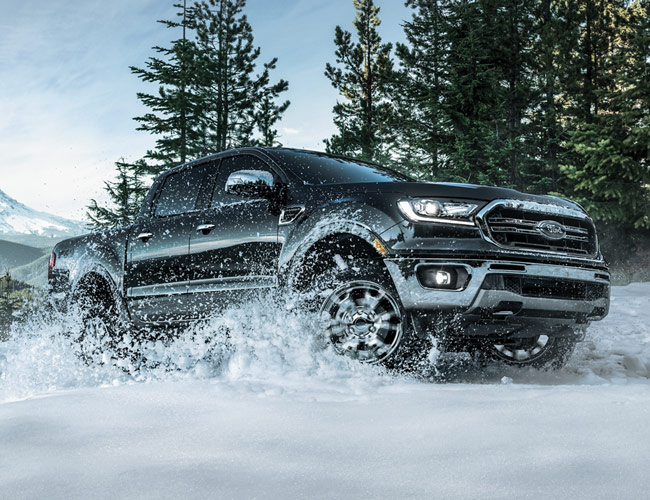
Ford brought the Ranger back to the U.S. in 2019 with a modified version of the truck it had been selling globally for some time. Its platform will be the basis for the new Ford Bronco. The Ranger is off to a slow sales start, despite earning great reviews. The two defining features may be what is absent. Ford offers one engine with the Ranger, a turbocharged four-cylinder. Ford also declined to provide the sweet “Ranger Raptor” version it sells abroad.

Body Styles:

• Super Cab
• Super Crew

Box Lengths:

• 5 feet
• 6 feet

Trims:

• XL
• XLT
• Lariat

Engines:

• Turbocharged 2.3-liter inline-four (270 hp, 310 lb-ft)

Max Towing Capacity: 7,500 lbs

Max Payload: 1,860 lbs

Base MSRP: $24,300

Jeep Gladiator

Jeep launched the Gladiator for the 2020 model year. It’s the marque’s first pickup since discontinuing the Comanche in 1992. Jeep’s mandate was to build, in effect, the Wrangler of mid-size trucks, and that’s what the company did — almost literally. The truck is expected to rival the Tacoma for best resale value.

What the Gladiator offers are the strengths of the Wrangler in a pickup form. You can pop off the roof, remove the doors, and option the heck out of it. You can also get one with a six-speed manual. It’s formidable off-road, though, as Gear Patrol‘s motoring editor notes, the Gladiator’s longer wheelbase hampers it a bit compared to the Wrangler.

Body Styles:

• Crew Cab

Box Length:

• 5 feet

Trims:

• Sport
• Sport S
• Overland
• Rubicon

Engines:

• 3.6-liter V6 (280 hp, 260 lb-ft)

Max Towing Capacity: 7,000 lbs

Max Payload: 1,600 lbs

Base MSRP:$33,545

Nissan Frontier

The Nissan Frontier is the midsize segment’s venerable elder. The second generation has been in production since 2004 and was last facelifted in 2009. The Frontier is outdated compared to competitors and can be lacking in modern style and amenities. What it still offers is value, which has helped it outsell the likes of the Ranger. It’s a reliable, capable truck, and the base model starts under $20,000. And because Nissan is still partying like it’s the early 2000s, you can buy it with a manual transmission.

Body Styles:

• King Cab
• Crew Cab

Box Length:

• 5 feet
• 6’1”

Trims:

• S
• SV
• Midnight Edition
• Desert Runner
• Pro-4X
• SL

Engines:

• 2.5-liter inline-four (152 hp, 171 lb-ft)
• 4.0-liter V6 (261 hp, 281 lb-ft)

Max Towing Capacity: 6,500

Max Payload: 1,505

Base MSRP: $19,090

GMC Canyon

The Canyon is GMC’s version of the Chevy Colorado. It’s more expensive and offers more premium trims and options. The Canyon, like the full-size GMC Sierra, offers the luxurious Denali trim;  a high-end AT4 off-road trim should debut next year.

Body Styles:

• Extended Cab
• Crew Cab

Box Length:

• 5’2”
• 6’2”

Trims:

• SLE
• SLT
• All-Terrain
• Denali

Engines:

• 2.5-liter inline-four (200 hp, 191 lb-ft)
• 3.6-liter V6 (308 hp, 275 lb-ft)
• Turbocharged 2.8-liter inline-four diesel (181 hp, 369 lb-ft)

Max Towing Capacity: 7,700 lbs

Max Payload: 1,470 lbs

Base MSRP: $29,100

Honda Ridgeline

Honda launched the second-generation Ridgeline truck for the 2017 model year. It’s a distinctive (or weird, to some) departure from the rest of the pickup market. Honda builds it on a unibody crossover platform. It has a fully independent suspension and full-time AWD, rather than the usual part-time 4×4 system. It earns praise for its on-road handling, but has significantly less towing capacity than competitors.

Body Styles:

• Crew Cab

Box Length:

• 5’4”

Trims:

• RT
• Sport
• RTL
• RTL-T
• RTL-E
• Black Edition

Engines:

• 3.5-liter V6 (280 hp, 262 lb-ft)

Max Towing Capacity:5,000 lbs

Max Payload: 1,499 lbs

Base MSRP: $29,900

Note: Purchasing products through our links may earn us a portion of the sale, which supports our editorial team’s mission. Learn more here.

Volkswagen’s Sexy New Golf Could Get Americans to Buy Hatchbacks Again

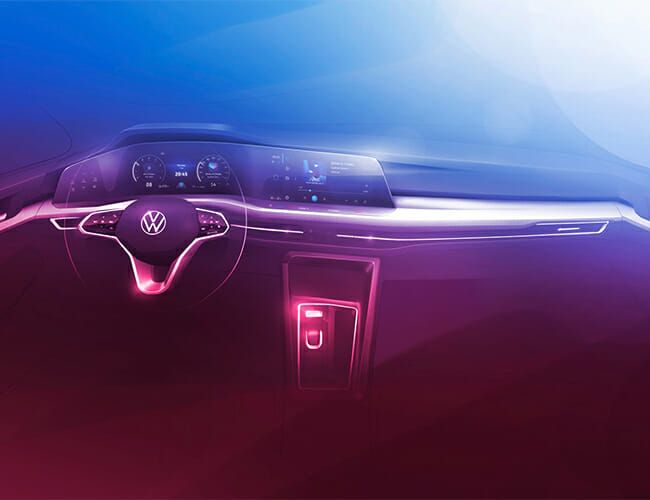
On October 24th, Volkswagen will debut the new eighth-generation Golf. Spy shots have already caught the hatchback practically in its birthday suit, giving us a good look at this new hatchback — but Volkswagen isn’t letting that slow down its PR campaign. The brand has released some official preview images to whet everyone’s appetite for what — globally at least — remains the brand’s most important car. And based on those drawings, the new Golf looks as spectacular as ever.

The exterior appears to be a modern and straightforward evolution from what came before. The most significant difference will be the lighting: Volkswagen continued the Golf’s slow progression from round to sharply-angled headlights. It will also have a new light bar running the length of the front. (Let’s assume there will be a less aggressive wheel option than the one shown.)

A more dramatic change comes on the inside, where VW appears to have delivered its promised transition to a “digital cockpit.” The touchscreen has subsumed many of the buttons, and it will sit above, rather than below, the air vents. Volkswagen interiors tend to feel expensive for what you’re paying, and the drawings suggest this new Golf will be no different.

If Volkswagen does not muck up the car’s traditional superb handling, the eighth-generation Golf should retain its status as the best all-around affordable car on the market. It could be the sort of car that gets Americans to consider hatchback vehicles other than crossovers again.

Question is, will Volkswagen give the base model a shot here in the U.S. after the previous model’s sales downturn? We know the next-generation GTI is coming, and Volkswagen promises it will be “cool as hell.” We also know the next generation of Golf wagons won’t make it Stateside. The regular Golf, though…well, we’ll just have to cross our fingers and wait.

2020 Porsche Taycan Turbo S Review: Don’t Fear the Future

The guaranteed power for both the Turbo and the Turbo S is 616 horsepower, but thanks to the “overboost” function, the Turbo S can briefly shove a staggering 750 horsepower to the wheels along with 775 lb-ft of yank, while the Turbo temporarily offers 670 horses with 626 lb-ft of twist. On winding country roads, both cars are heaps of fun to hammer. The adaptive air suspension adjusts based on your selected driving mode; Sport Plus, Sport, Normal, and Range (for maximum efficiency) are on offer, with Sport and Sport Plus tightening everything up and making the twisty bits a snap to devour.

The 5,132-pound car does well to hide its largess. It’s composed, offering sporty responses even under moderate throttle and wheel inputs. It’s a mite smaller than the Panamera, and despite being heavier, the Taycan feels tidier and not as unwieldy. Rear shoes that are one foot wide (305/30/21, to be precise) don’t hurt in giving the Taycan absurdly stable footing.

Whenever there’s a bit of straight road, it becomes almost obligatory to stop and perform a few savagely intoxicating launches. The ability to rinse and repeat this feature is a point of pride for the Porsche engineers and a testament for their ability to thermoregulate the powertrain. Relentlessly flog a Tesla, and you’ll see the car quickly begin to reduce power in a bid to maintain charge and battery life. The Taycan, on the other hand, doesn’t care how hard you push: So long as there’s juice in the battery, you’re free to dance all the way up to its limits as often as you’d like.

On the autobahn in Germany, V-max runs proved pupil-dilating. Porsche claims a top speed of 162 mph, but we were hitting an indicated 167. Engineers were excited for this portion of the drive, as they’d spent a chunk of time ensuring it would deliver peak performance here. Indeed, burning up the autobahn, the Taycan feels very comfortable at those extreme speeds. At full tilt, it is loud inside the cabin, however. Wind noise seeps in despite the heavily-laminated windows and other sound-deadening measures. But that’s a trivial complaint, and common to most cars at those speeds.

The Turbo S uses ten-piston carbon-ceramic stoppers that are 5mm larger up front than the Turbo’s iron discs; both have four-shots in the back. Porsche claims 90 percent of the braking is done with energy recuperation rather than with the hydraulics; regardless, the system will slow either car in a hurry. However, diving into the Turbo’s brake pedal provides a more linear feel than in the Turbo S.

As for regenerative breaking, your choices are only on and off; there aren’t multiple degrees, available as in other electric cars. This may be a slight miss because, while you may not want to do one-pedal driving, a little more resistance at your disposal wouldn’t be the worst thing. (In Sport Plus and Sport, the regen from the throttle lift-off is marginally more substantial than in Normal or Range, but it’s nothing special.)

Still, this EV will take precautions to make sure it saves itself from dying. After four hours of highway and country road ripping, our Turbo S told us that it would arrive at our planned charging point 20 miles away with 1 percent left in the battery. It then began to shut down some systems, like the air conditioning, and limited the speed to 56 miles an hour. (Floor the accelerator and the car will oblige, though.) The car also began to precondition itself for optimal charging speed — so when we did arrive at the fast charger at 1 percent, the car realized electron transfer speeds of up to 273 kW, and we were back up to 80 percent in about 25 minutes.

Verdict: Tesla’s reign as the makers of the fast electric sedans has been a lengthy one, but only because the likes of the Taycan hadn’t emerged to illustrate the California carmaker’s flaws and show us what we were missing. The answer is a lot — and Porsche’s Taycan represents a monumental leap forward in terms of what a performance electric sedan can be.

2020 Porsche Taycan Turbo S: Key Specs

Powertrain: Dual synchronous electric motors; two-speed transmission on the rear motor; all-wheel-drive
Horsepower: 616 (normal operation), 750 (overboost)
Torque: 774 pound-feet (overboost)
0-60 MPH: 2.6 seconds (manufacturer figure)
EPA Range: Still uncertain, but figure around 220 miles

Porsche hosted us and provided this product for review.

Read More Gear Patrol Reviews

Hot takes and in-depth reviews on noteworthy, relevant and interesting products. Read the Story
Note: Purchasing products through our links may earn us a portion of the sale, which supports our editorial team’s mission. Learn more here.

Live Your Best Overlanding Life With This Pop-Top Camping Trailer

Overlanding, by nature, requires some compromises. Camping out of your vehicle far away from paved roads requires strategic packing and careful choice in what you bring; space and weight are at a premium. Indeed, that minimalist ethos is part of the charm: people head off-road to escape the shackles of regular life, to remember what matters — what they need and what they don’t.

Still, there’s an argument to be made for minimizing said overlanding compromises where you can. And it’s the sort of argument that Opus Camper is making pretty strongly with their OP 15 off-road trailer.

The hybrid caravan trailer may not be all that large — it’s just 15 feet long and seven feet wide, smaller than even an Airstream Bambi — but clever packaging means it crams most of the comforts of home into that space. An exterior kitchen setup that pops out of the trailer’s flank helps with that, offering up a stainless steel stove, sink and chopping board as well as a mighty Dometic CFX75 electric cooler that serves as both fridge and freezer.

In order to keep that icebox running cool (as well as run the rest of the electricals), the OP 15 packs a trio of 100 amp-hour batteries, connected to a 300-watt solar panel setup designed to convert the sun’s photons into handy-dandy electrons.

Inside, there’s a compact shower/toilet and a sink, connected to twin fresh water tanks holding a total of 63 gallons. A Truma heater and hot water system serves up toastiness to shower, sink and cabin, while a 13,500 BTU air conditioner keeps things cool if need be.

But odds are good you won’t need to use it much, not once you pop the roof up and let the air flow. Roof elevated, the trailer offers nearly six and a half feet of standing room, so even those campers in the 99th percentile of height should be able to stand proudly upright. And with the rear extension in play, the OP 15 offers a living space almost 18 feet long.

Up to four people can sleep inside, with a king-sized bed and a pair of bunks up for grabs. (The narrower of those is just a yard wide, so make sure you call dibs quickly when it’s time to divy up the beds.) There’s also a full-size wardrobe, a leatherette eating area and a TV, because hey, even the call of the wild can’t trump the call of Netflix sometimes.

But don’t let that fancy interior fool you into thinking this trailer is a poseur. The galvanized and welded stainless steel chassis is made to withstand the worst the world can dish out, while the trailing arm independent suspension and dual shock absorbers for each wheel help keep everything inside from getting jostled about too badly when you’re overlanding across the West.

With a curb weight of 4,960 pounds, the OP 15 can be towed by rigs like the Jeep Gladiator, the Toyota Tacoma or even the Lexus GX 460, though anyone planning on conquering truly steep trails with it might prefer something a tad beefier, like a Land Cruiser or the upcoming Ford F-250 Super Duty Tremor. Regardless of how you tow it, though, this Opus Camper trailer seems poised to add a bit of extra comfort to your off-roading adventures. And at a starting price of $45,000, it won’t break the bank doing it, either.

These Are America’s Top Dream Cars in Every State

What car do residents of your state pine over? A new study by Autowise may provide some insight. The website determined the “dream car” for all 50 states using geotagged Twitter data. Over the course of three months, they tracked mentions of “dream car” and “#dreamcar” and the car mentioned in conjunction with those terms.

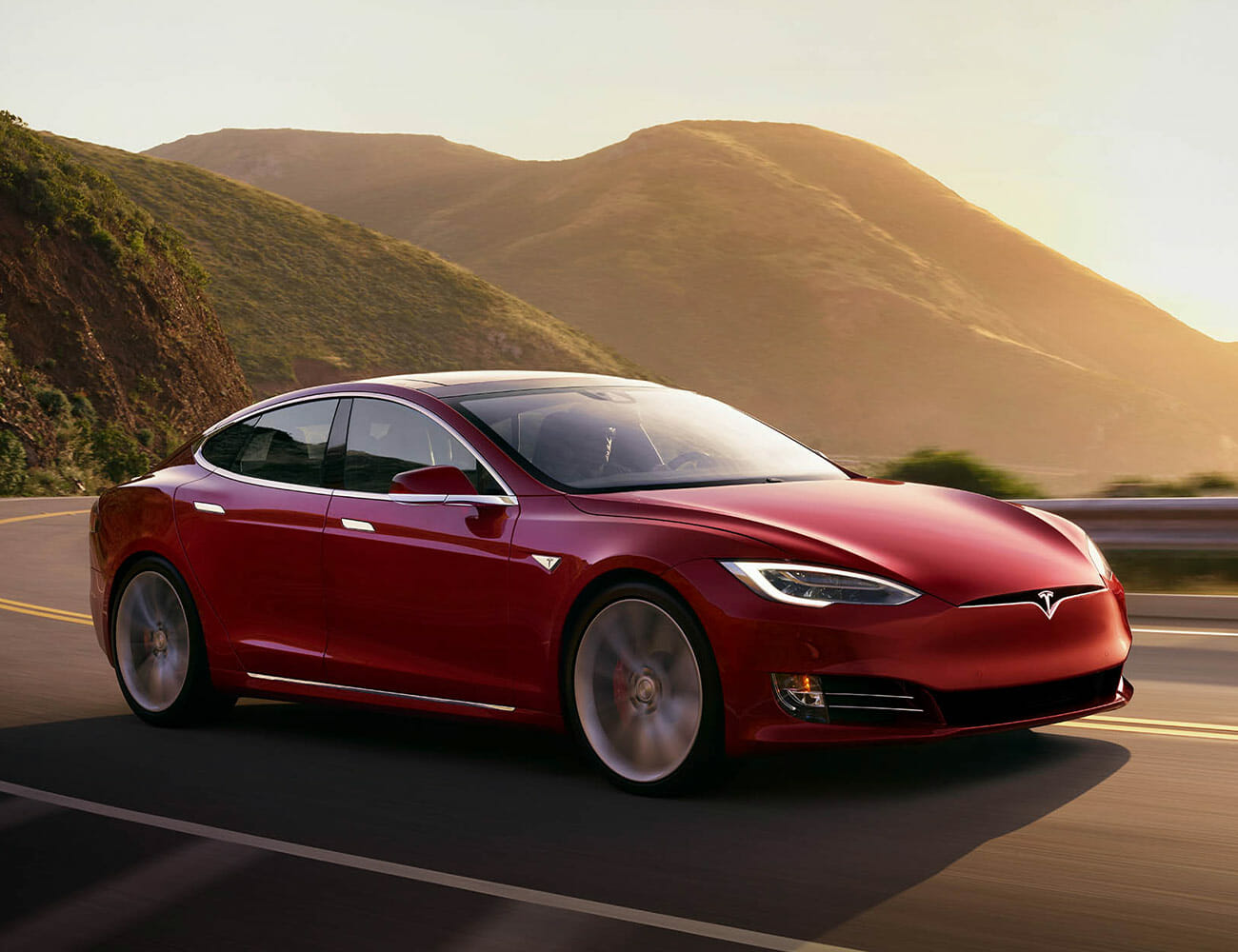
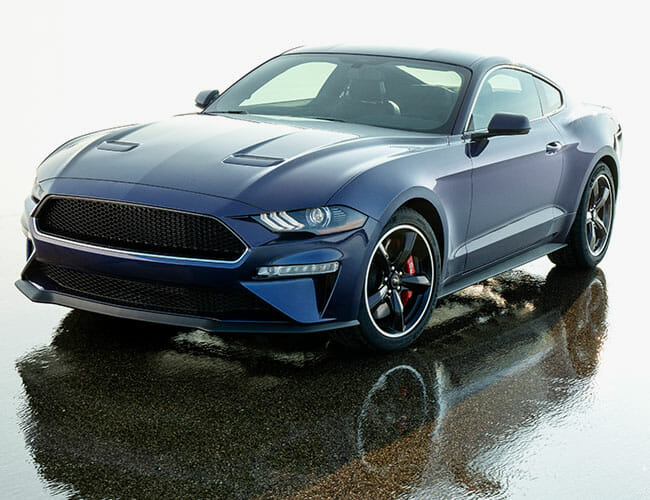
Americans, it turns out, really appear to be dreaming about the Tesla Model S and the Ford Mustang. (A full list of the vehicles and states is below.)

While the results may be fun and often intriguing, take this not-particularly-scientific study with a grain of salt. The results likely correlate more strongly with social media usage patterns than widespread state-wide sentiment. Tesla owners, for instance, may be more likely to be tech-savvy active social media users (not to mention particularly enthusiastic about their car choice). Or Camaro owners, for example, may be more fond of that particular “#dreamcar” hashtag than, say, Land Cruiser drivers.

Those caveats acknowledged, the distinction between Michigan people being Ford Mustang people and Ohio people being Chevrolet Corvette people seems surprisingly on point.

Tesla Model S – 20 States

grey_placeholdergrey_placeholder

States: Arizona, California, Colorado, Delaware, Florida, Idaho, Illinois, Louisiana, Massachusetts, Minnesota, New Hampshire, New Jersey, New York, Nevada, Oregon, Rhode Island, Utah, Virginia, Washington, Wisconsin

Ford Mustang – 13 States

States: Arkansas, Connecticut, Georgia, Hawaii, Iowa, Maryland, Michigan, Missouri, Nebraska, New Mexico, Pennsylvania, South Carolina, West Virginia

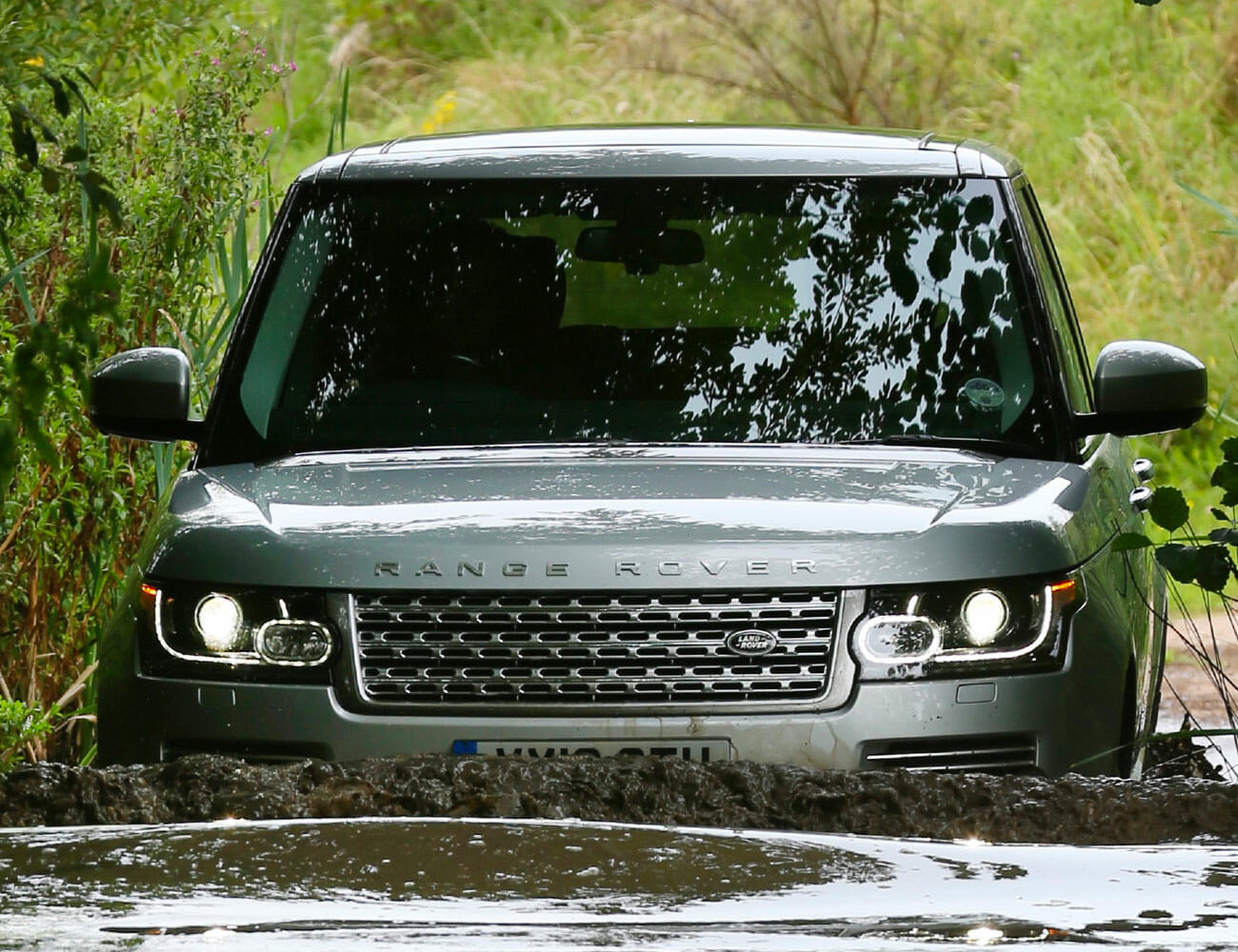
Range Rover – 6 States

States: Alaska, Maine, Montana, North Dakota, Vermont, Wyoming

Jeep Wrangler – 4 States

States: Alabama, Mississippi, Oklahoma, Tennessee

Chevrolet Corvette – 4 States

States: Indiana, Kansas, Kentucky, Ohio

Chevrolet Camaro – 3 States

grey_placeholdergrey_placeholder

States: North Carolina, South Dakota, Texas

Note: Purchasing products through our links may earn us a portion of the sale, which supports our editorial team’s mission. Learn more here.

A GM Designer Explains Why the 2020 Chevy Corvette’s Interior Looks So Odd

Earlier this year, the new 2020 Chevrolet Corvette was revealed  — and the eighth-generation model was most notable for, at long last, being the first-ever iteration of the car to put the engine behind the driver. It’s a mid-engined sports car that punching up against exotics like the Audi R8, but with a starting price under $60,000 for the coupe (or $67,500 for the hardtop convertible seen above, which was announced on October 2nd).

Once the initial hype and surprised died down, though, a pointed discussion of the interior developed. Quite a bit of online discussion focused on the long, sloping vertical strip of buttons extending down the center console. The main point of contention: does the interior call to mind a fighter jet cockpit, built for hands-on convenience? Or is it a wall of controls needlessly slung between driver and passenger?

As it turns out, interior design manager Tristan Murphy would like you to understand one thing before you rush to judgment: it was imperative from the start that the C8-generation Corvette have a very low dashboard.

“The whole point of [getting] that engine behind you is it allows you to have a much lower cowl…you no longer have to sit above the engine, and you can get these really great sightlines,” Murphy said. “And that’s what a mid-engine car does. The last thing we want to do was have this amazing downvision, then have this typical tall instrument panel. It was about, how do we change the game and how do we reconstruct a dashboard here to be as low and as thin as possible? That was the mission statement of the whole car.”

A close inspection of the interior reveals Murphy wasn’t kidding about keeping things low and thin. Take the air vents for an example. “[The C8] has the thinnest air vents in the production world,” Murphy said. “We’re 19 millimeters tall, and we had to invent that. Then we had to do a brand new HVAC system that controls that velocity [at that vent height]. Normal vents are usually about 36 to 40 millimeters tall, but every single millimeter that goes up the instrument panel, the dash has to go along, right?”

“For your typical stack — I use the Toyota Supra as a good example — they’ve got a big bank of buttons with your knobs and your HVAC, that’s about 30 millimeters tall,” Murphy said. “Then, you have an audio bank, that’s usually 15–20 millimeters tall. Then you have your screen. Before you know it, [the dashboard] is almost an inch and a half or two inches taller because of those decisions of how you stack up audio and HVAC button controls.”

“[Corvette designers] discussed very early, “Okay, how do we remove [audio and HVAC buttons] off the center line and still have some hard controls?” Murphy said. “And that’s when we went to looking back at jet cockpits. These guys literally have controls wrapping around them.”

There is an alternative to hard controls, of course: putting controls in the touchscreen. Murphy said this wasn’t up his alley.

“If we would’ve buried [controls] in the screen, you would now be going through menus to get them, which is really annoying. The reason that works for Tesla or the new Volvos is they have a tall portrait screen,” Murphy said. “We wanted to do a low, wide-aspect ratio screen.”

Murphy says there were months of discussions, design reviews and clay models that helped them reach this conclusion. He and the design team also sat in a number of cars, including LaFerraris, Porsche 918s and McLarens, for inspiration.

“Obviously, these are million-dollar hypercars,” Murphy said. “But you just get in and it feels special, right? So that was the whole thing: how do we make [the C8] feel special?”

“I never felt confined [by other departments]. If anything, we felt very intimidated…we need to still come in and surprise people. They need to get inside this thing and be like, ‘Holy shit.’”

Lamborghini’s First Electric Car Could Be an Absolute Shocker

The Raging Bull might seem like it would be the last automaker on the planet to embrace electric cars. After all, Lamborghini’s stock in trade is screaming engines and high-performance, high-speed machines. Then again, that’s exactly what we might have said about Porsche a few years ago; smash cut to today, however, and that company is pushing a game-changing electric sports sedan into showrooms and plotting an EV replacement for its most popular model (and possibly one of the best sports cars on sale as well).

So maybe it’s not all that surprising to hear that Lamborghini may be planning to dive into the electric car space as soon as the middle of next decade.

According to a report by Autocar, Lamborghini may planning on releasing a fully-electric grand tourer in 2025, with room for two adults to spread out up front and two smaller people to cram into little seats in back. (This arrangement is often called a “2+2,” but let’s face it, four seats are four seats.) The car will allegedly serve as the long-awaited fourth model in the company’s lineup, joining Lambo’s existing portfolio of SUV, super sports car and supercar (roles currently filled by the Urus, the Huracan and the Aventador, respectively).

The car, Autocar claims, will be inspired by the Estoque sedan concept of 2008. Don’t be surprised to see some technical bits and ideas inspired by this year’s limited-run Sian (pictured above) reach the car as well; that car, which combines the Aventador’s V12 with a small electric motor to whip up a total of 774 horsepower, is Sant’Agata’s first dalliance into hybrid technology — which, obviously, is an important stepping stone on the path to full electrification. Interestingly, the Sian uses a supercapacitor in lieu of a battery to hold its juice, allowing it to hold more power in a lighter package.

The new Lambo EV GT should still source its power from good old-fashioned batteries, however. In fact, the car may source quite a bit of its bones from the familiar Volkswagen Group parts bin; the PPE platform being developed by Porsche and Audi for future models after the Taycan and E-tron has been suggested as a basis for this new Lamborghini. (That platform could also be used by Bentley for its first electric vehicle.)

Of course, 2025 is still a long ways off, even in automotive development terms. It’s possible that Lambo could choose a more conventional powertrain for its GT car, such as a plug-in hybrid setup (like the one soon to arrive in the Urus) or even a more traditional V10 or V12. But with Lambo parent VW AG pushing hard into the electric car space, it seems hard to believe the Italian sports car company could manage to avoid adding an EV to its portfolio.

“If you look at the timing for a fourth model line, there is the potential that this will be the right time for a full-electric vehicle,” Lamborghini R&D head Maurizio Reggiani told Autocar. Sounds like a big hint to us.

It’s Not Too Early to Brush Up on Winter Driving Tips

Though an affordable older car is a great way to spare your shiny performance car the pains of driving through winter, it can also make for fun and safe winter conveyance. Ironically, beaters make great winter cars because they lack many of today’s standard safety features.

“ABS brakes can take twice as long to get a car stopped on snow than a halfway decent driver without them,” says Wyatt Knox, special projects director at Team O’Neil Rally School and Rally America 2WD National Champion. “Traction control will cut your engine power or apply brakes when it senses spinning wheels, such as when you try to drive up a hill, meaning you might not make it and could potentially go sliding back down. Without these systems, you know what you’ve got. You know exactly what the car will do when you give it a specific input, you quickly learn what it can and can’t do, then just operate within those boundaries and you’re fine.”

Knox also notes that while four- and all-wheel drive are great advancements, they aren’t the be-all-end-all for winter driving. Proof positive is his personal choice of car, a 1996 Mazda Miata, which he uses year-round — yes, even in the winter, in New Hampshire.

“I guess I’ve always just liked the challenge of getting around with only two-wheel-drive. It makes you think more, work harder, plan ahead, be smooth, and you really don’t get away with too many mistakes. It’s great training,” said Knox. “You also slide around more, which is always good entertainment.”

Should you decide to tackle winter in an older car, it’s best to be prepared. Understand the importance of knowing how your car reacts in the snow, and, equally importantly, be open to doing a little wrenching (or pay for someone to do the wrenching for you). Knox shared some tips for getting any old car ready for the imminent snowfall.

First and foremost: tires. “Number one will always be acquiring the best possible winter tires that you can find and afford, mounting them to all four wheels,” says Knox. Winter tires are thinner, taller sidewalls and rubber compounds that offer more grip in low temperatures — if you’re going to do one thing for winter, make it a tire upgrade. But Knox notes traction goes beyond just having the right tires. “Tire pressure changes about one psi per ten degrees, so if you set your tires at 32 psi on a 60º day, you might be surprised to see that on a 0º degree morning they only have 26 psi in them. If you take a corner hard or get right up to highway speeds, that tire could easily have a catastrophic failure.”

Winterize your car. There are tons of little things you can do to make your car operate optimally in low temperatures. Knox suggests topping off the anti-freeze, swapping oil to a thinner viscosity, mounting winter windshield wiper blades and adding de-icing washer fluid. Knox also highly recommends making sure the car is caught up with regular maintenance before wintertime. “If your car breaks down at night on a back road, it can turn into a legitimate survival situation pretty quickly. ”

Rally-School-Gear-Patrol-Slide-21Rally-School-Gear-Patrol-Slide-21

Pack a survival kit. In case you do get stranded, pack a duffle with some essentials: a first aid kit, blankets, extra winter clothes, matches, flashlight, tow straps, jumper cables, an extra phone charger, road salt and/or traction mats and water and snacks. “The peace of mind alone is worth the effort,” says Knox.

Change up your suspension. “If you’re going to be driving quickly in the snow and ice, there are a number of things you can do to have more fun and get around a little better. You really want more ground clearance and much slower, more exaggerated weight transfer in the winter,” said Knox. When turning and accelerating or decelerating the weight of the car can affect the amount of traction the wheels get. But with slower and smoother weight transfer, the risk of sudden added (or removed) traction from the wheels reduces the likelihood of spinning. To achieve this, Knox recommends adding a taller, softer suspension, and fitting lighter sway bars (or removing them completely).

Adjust your brake bias. Normally, your car’s braking power is biased towards the front on dry pavement because when you stop, the vehicle’s weight transfers towards the front, thus more braking power at the front means quicker stops. However, when on slippery surfaces like snow and ice, less weight transfers to the front in the absence of traction, which means less braking power. When setting up a car to perform better on slippery surfaces, a brake-proportioning valve can be used to send more brake fluid to the rear brakes than usual, increasing stopping power at the back. Knox notes this technique really only works properly on cars without antilock brakes. ABS, generally, is a great safety feature to have in inclement weather, but should you disable it or drive a car without it, be prepared to master threshold braking.

If you want to go the extra mile, install a limited-slip differential. When you execute a turn in a car, because the outside wheel is covering more distance, an open differential makes it turn at a faster rate, which in turn facilitates stable cornering. But on cars with open differentials, it allows all driven wheels to continue to spin in the absence of traction, while the other wheel with traction remains stationary. The fix here is a limited-slip differential, which will provide more power to the wheel with more traction. While it’s ideal to have a car already equipped with a limited-slip diff, according to Knox, “You can usually find limited-slip or other replacement differentials pretty easily and have them replaced.”

Be a better driver. Knox’s final point: if you really want to drive safely in the snow, take the time and effort to learn from professionals how to master driving in bad conditions. “If you do get into a skid and start to lose control, there’s always something you can do to either regain control or, at the very least, minimize the damage to your vehicle if you know it’s going to crash. Our specialty is training drivers to see these things ahead of time and to take action before a bad situation occurs, and also giving them the skills they need to get out of those bad situations when they are absolutely unavoidable.”

These Great Cars We Love Are Being Killed Off for 2020

The 2019 automotive model year is ending, and as usual, automakers have been trimming their model trees as the leaves fall. Many of the vehicles vanishing, well, are no great loss — but some are simply delightful ones that we’re sorry to see go. So we’ve picked six new cars that will not be coming back for 2020 that we’re really going to miss.

That said, if you like any of these, keep an eye out for any 2019 models sitting around in your local dealer inventories. You may be able to snag a great deal.

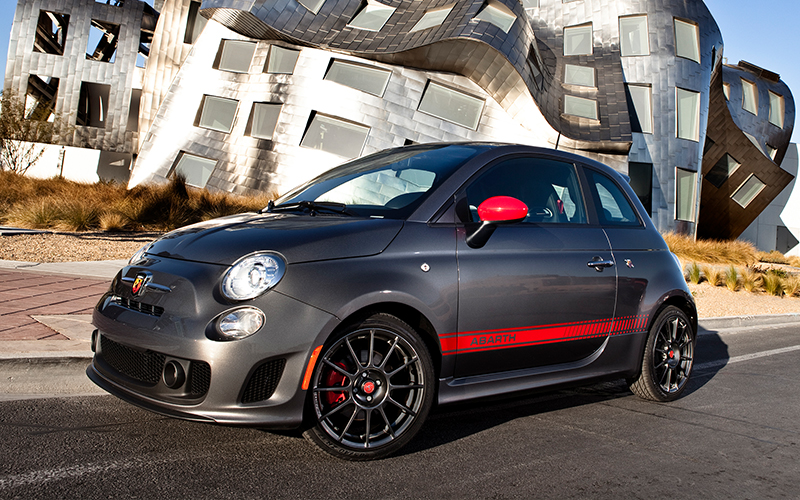
Fiat 500 Abarth

grey_placeholder

The classic Fiat 500 was a work of art. With this 21st Century version, Fiat put forth a solid remake with a manual transmission for a reasonable price. The Abarth was the tuned-up version with aggressive styling and a tuned-up 160-horsepower turbocharged engine. The 500’s main drawback was that it was horrifically impractical for American requirements, unless you were Charlie Sheen shredding tires under house arrest.

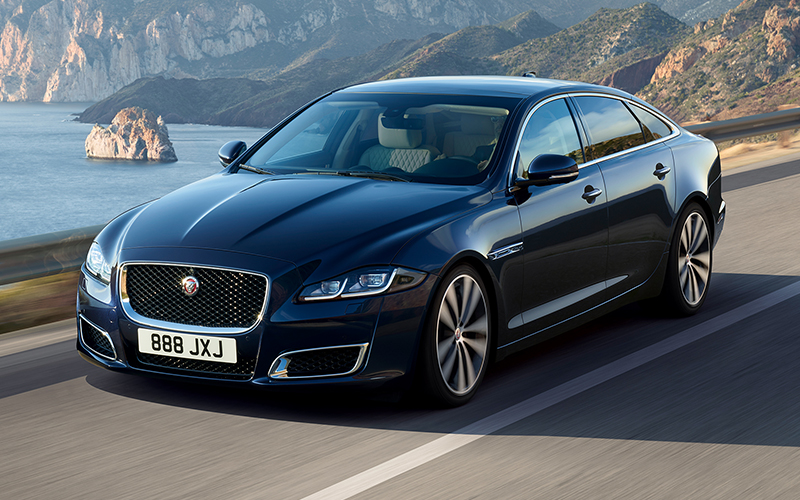
Jaguar XJ

The XJ is Jaguar’s iconic four-door sedan. Famed designer Ian Callum reinvented it for the modern era. But luxury buyers stopped wanting sedans in recent years, and the XJ is now departing after more than 50 years in continuous production. Expect Jaguar to revive the XJ nameplate next year, though the car should have electric propulsion like a Tesla, and may not even be a sedan.

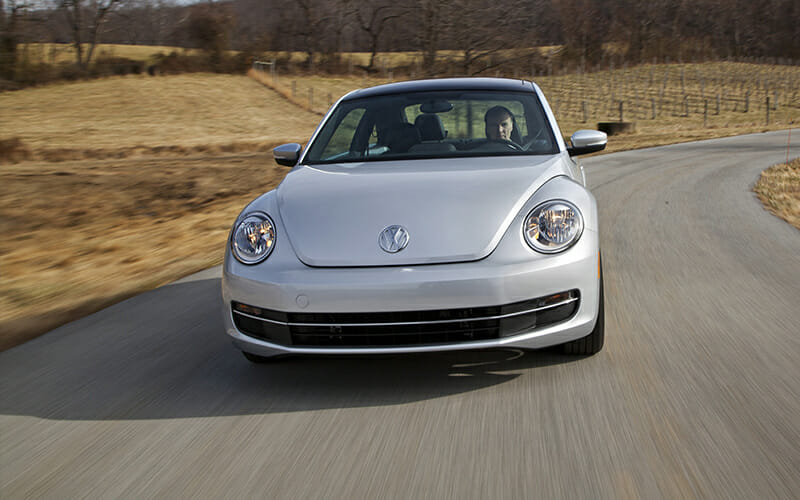
Volkswagen Beetle

After two generations and more than 20 years in production, New Beetle nostalgia has run its course. The second-generation (also known as the A5) New Beetle was the beneficiary of a less-cutesy, more-macho redesign. It put up a strong fight for the manual transmission, holding onto it until 2017. Sadly, VW is now looking toward its vibrant future of electric cars, Tiguans, and having far fewer Golf options in the U.S.

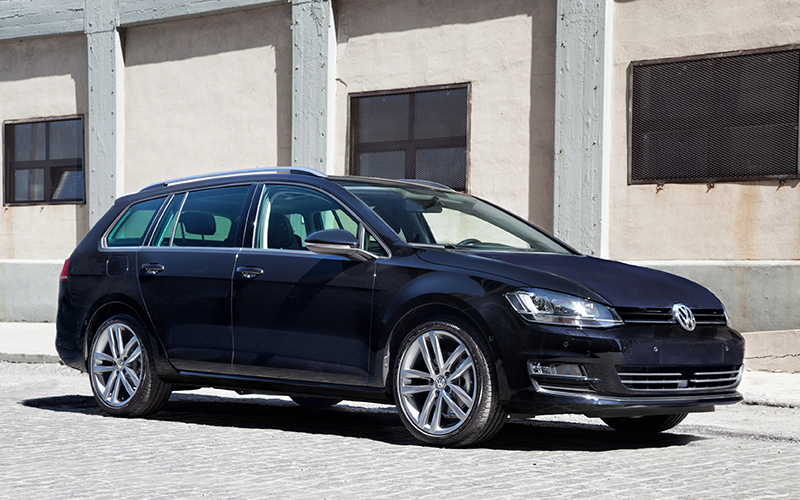
Volkswagen Golf Sportwagen

Speaking of fewer Golf options: Volkswagen is eliminating its entire wagon lineup from the American market. That means the Golf Sportwagen, one of the best-value cars on the market, is departing after this year. Guess Americans didn’t want a superb-handling long roof with great gas mileage and a six-speed manual.

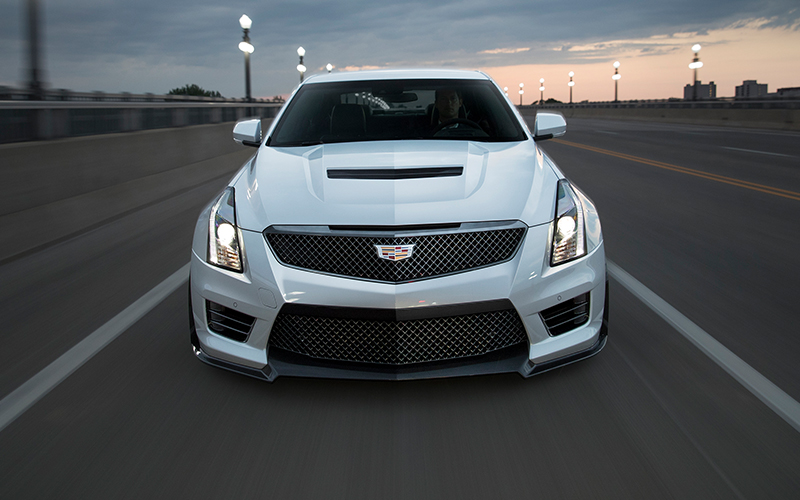
Cadillac ATS-V

grey_placeholder

Cadillac regrouped after the GM bankruptcy last decade and built a badass performance sedan/coupe — precisely when Americans stopped buying them. The ATS-V had 464 horsepower, an available manual transmission, 0-60-mph acceleration in under four seconds, and was a legitimate competitor to cars like the BMW M3, but with a lower sticker price. Goodnight, sweet prince.

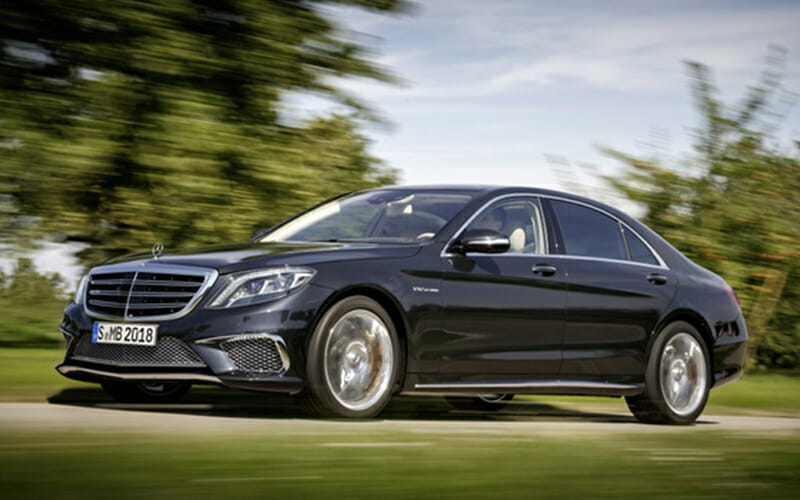
Mercedes-AMG S65

grey_placeholder

Mercedes-AMG is ditching the V12 engines. That’s costing us perhaps Mercedes’s purest testament to extravagance, the AMG S65. The AMG S63 is already a 600-plus-horsepower implement of destruction; for an additional $83,000,  the AMG S65 “upgraded” buyers to a 6.0-liter twin-turbo V12 putting out a dash more horsepower and a stunning 738 lb-ft of torque. Sure, it was nearly $100,000 more for a car that was less efficient and the better part of a second slower from 0-60 mph, but you got to make this noise.

The Complete Full-Size Truck Buying Guide: Every Model, Explained

grey_placeholder

F-150, Ram, or Silverado? Here’s all the info you need to decide in one place. Read the Story

Note: Purchasing products through our links may earn us a portion of the sale, which supports our editorial team’s mission. Learn more here.

5 of the Best New Car Lease Deals You Can Find in October 2019

As Dane Cook once noted ad nauseam, there’s only one October. With the 2019 model year drawing to a close and automobile dealers clearing out inventory like nobody’s business, it’s a good time to score a deal on a new car lease — especially if you don’t need to rack up too many miles per year.

Here are five of the best new car lease deals you can find in the United States as of October 2019.

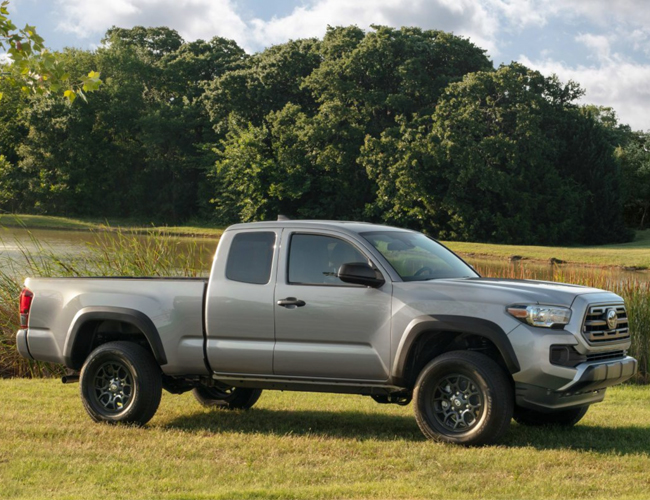
Toyota Tacoma – $229/mo.

grey_placeholder

Let the Toyota Tacoma’s insane resale value work for you. For 2019 model year models, you can lease the middle-tier SR5 trim Tacoma with a double cab and the bigger V6 engine for just $229 per month with $3,499 at signing.

Lexus GX 460 – $439/mo.

grey_placeholder

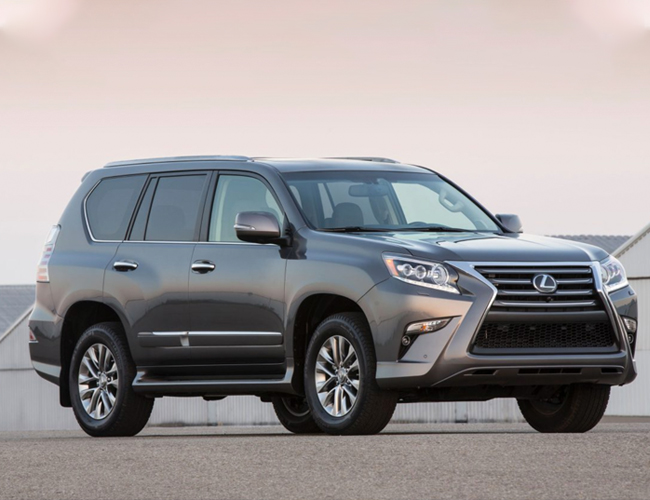
The Lexus GX 460 (also known as the Toyota Land Cruiser Prado in other markets) is a body-on-frame off-roading beast. You can lease the outgoing 2019 model, with a sticker price nearing $60,000, for $439 per month with $3,999 due at signing. The deal expires Nov. 4.

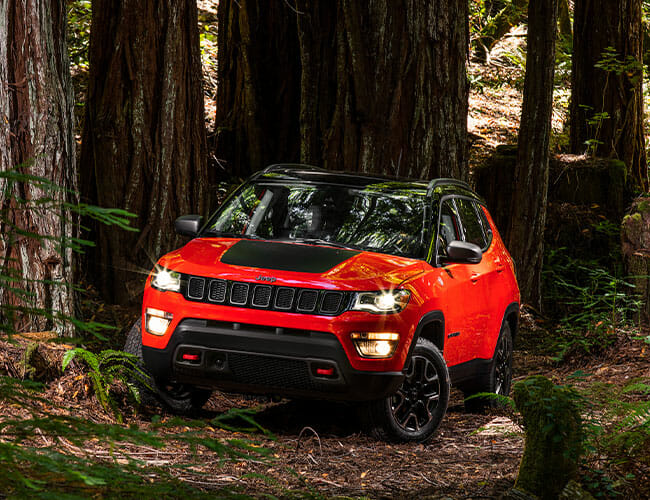
Jeep Compass – $199/mo.

grey_placeholder

The Jeep Compass has improved its appearance in recent years, and it’s quite affordable. Jeep has a lease offer on it through the end of October. You can get an upper-level Limited 4×4 trim of the 2019 Compass for $199 per month on a 36-month lease with $3,725 at signing.

BMW i8 Coupe – $1,019/mo.

grey_placeholder

The plug-in hybrid BMW i8 is a now-antiquated vision of the future. But it’s still a cool-looking BMW, and the company is eager to lease one to you. Through the end of October, you can score an i8 Coupe for $1,019 per month on a 36-month lease with $7,944 due at signing. For a $150,000-plus sports car, that’s a solid deal.

Chrysler Pacifica – $299/mo.

grey_placeholder

Moving to minivan-life is a transition, but it need not be a terrible one. Chrysler has a lease deal on the top-tier Limited trim of 2019 Pacifica minivans: $299 per month with $4,127 due at signing for a 36-month lease.

2019 Toyota 4Runner TRD Pro Review: An Off-Roader Worth Its Weight in Mud

The term “jack of all trades” comes up a lot when talking about modern cars and trucks. Buyers typically can’t afford more than one vehicle per person in the household, so it’s understandable they’d try and find a vehicle that covers as many of their needs as possible — be it comfort, luxury, speed or off-road capability. But seeing as how the other half of that famous saying is “master of none,” there’s something to be said for a vehicle dedicated primarily to one discipline.

The Toyota 4Runner TRD Pro is just such a vehicle — one that shines brightest when it’s in its specific element.

The Good: Like the other TRD Pro models, this Toyota 4Runner is a rugged, durable, purpose-built off-roader that can take a beating and keep on trucking.

Who It’s For: Anyone looking for a no-nonsense SUV that’s ideal for adventures off the grid, and doesn’t mind dealing with the compromises of an aging truck-based platform in the daily grind.

Watch Out For: A sparse, dated interior; laborious acceleration; a chore to drive when you’re not out on an adventure.

Alternatives: Jeep Wrangler Rubicon ($41,795+), Lexus GX 460 ($52,505+)

Review: “That’s…quite blue,” was my first reaction upon seeing my test car. Voodoo Blue, to be specific — and its vibrance delivers quite a shock when you’re expecting a rugged overlander. It was a sour first impression — but by the end of my time with the Toyota 4Runner TRD Pro, the truck had won me over. Powerful Voodoo indeed.

My tester was a 2019 model, which matches the 2020 in every mechanical way. The upgrades include feaures a new instrument panel and an 8.0-inch touchscreen infotainment system with Apple CarPlay. Fiddling with the aging 6.1-inch in my 2019 model makes me glad Toyota updated those features for 2020.

Apart from the eclectic paint job, the exterior was saddled with the same aggressive features the 4Runner has sported since 2014. Compared to the other 4Runner models, the TRD Pro sports 17-inch matte black wheels, a matte black roof basket, a unique grille and a 1/4-inch branded skid plate under its chin. The Pro also picks up unique Fox high-performance shocks, with the whole suspension tuned less for pavement-based driving and more for off-road capability.

Which leads us to why the TRD Pro was initially underwhelming. Driving about town, the body-on-frame Toyota handled like a crate on wheels; the 4Runner weighs 4,750 pounds, and you feel every ounce of it when stopping or turning. Brake response felt delayed by a whole precious second, scaring me just as much as it did drivers in front of me. Under the hood, the 4Runner TRD Pro packs a 4.0-liter V6 that musters up 270 horsepower and 278 pound-feet of torque, which means it doesn’t go anywhere in a hurry. I often found myself switching from Eco mode to Sport for overtaking and merging, in spite of the hit it would mean to the already-poor gas mileage.

Since daily driving the TRD Pro left me a little cool, I took the 4Runner on a little excursion to Monticello Motor Club’s off-road course in upstate New York to seek out the sort of challenges the 4Runner was built for. The course there is a mixture of rough, narrow paths, steep hills and drops, mud traps, rocks and ruts; while I was confident the 4Runner could tackle what lay ahead, off-roading demands a lot of trust in your vehicle. If it underperforms, you’re not slow, you’re stuck.

The multi-terrain system in the 4Runner, however, proved more and more handy the further we crawled into the woods. The dirt paths were easy going, but the loose boulders that followed were mildly intimidating. Selecting the setting that matched the terrain meant the Toyota kept its wheels from spinning needlessly, instead directing power where it needed to go.

Then came a deeper-than-anticipated mud pit, which overcame the truck’s momentum and left stranded just shy of dry dirt. Utilizing the five-level crawl control, the TRD Pro worked to find some traction underfoot; with a little finesse, the Nitto Terra Grappler tires found some purchase and heaved the SUV out of the muck.

The 4Runner emerged from the trails victorious, leaving me with a wholly different view of the TRD Pro: there’s value in being particularly good at one task rather than trying to make everyone happy.

Verdict: The Toyota 4Runner TRD Pro proved itself in the mud and on the trails — not as a spectacular SUV, but as a damn good piece of equipment. It’s one that any serious overlander or off-roader should be happy to include in their adventure kit.

2019 Toyota 4Runner TRD Pro: Key Specs

Powertrain: 4.0-liter V6; five-speed automatic; full-time four-wheel-drive
Horsepower: 270
Torque: 278 lb-ft
Weight: 4,750 pounds
EPA Fuel Economy: 17 mpg city, 20 mpg highway

Toyota provided this product for review.

Read More Gear Patrol Reviews

Hot takes and in-depth reviews on noteworthy, relevant and interesting products. Read the Story
Note: Purchasing products through our links may earn us a portion of the sale, which supports our editorial team’s mission. Learn more here.

You’re Almost Out of Time to Buy This Incredible Vintage Toyota Land Cruiser

It’s hard to get more charming than a vintage FJ60-generation Toyota Land Cruiser. There’s an excellent overlanding-ready 1985 version still available on Bring a Trailer for a great price that would be the perfect addition to any garage, but you have to act fast. The auction ends today.
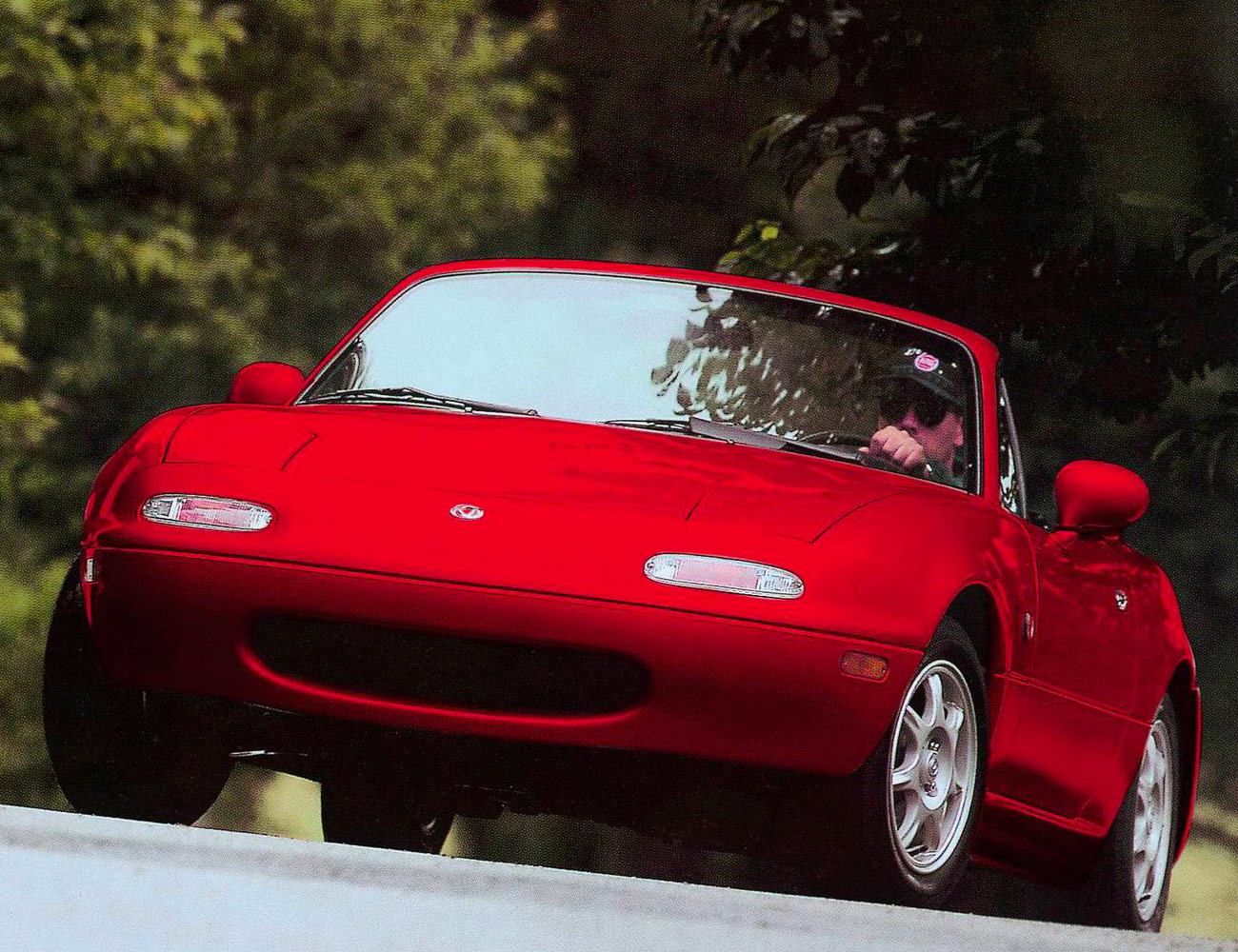
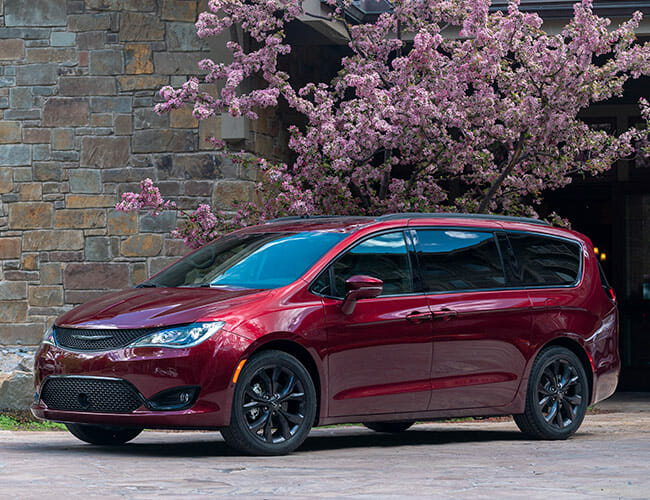
One of the major drawbacks to a vintage off-roader is they are criminally underpowered by today’s expectations. The highest-output inline-six put in an FJ60 Land Cruiser pumped out just 155 horsepower. This owner resolved that by swapping in a GM 6.0-liter Vortec V8 with a five-speed manual. That engine, with less than 90,000 miles, is much fresher than the durable Toyota chassis, which has 235,000 miles on it. This Cruiser also has the upgraded steering box from a younger FJ80 Land Cruiser.

Extensive modifications mean this Land Cruiser is well-prepared for overlanding. It has a 30-gallon fuel tank and a swing-out basket for an additional jerry can. The owner replaced the sway bars and bushings and added Old Man Emu springs, Bilstein shocks, ARB and Kaymar bumpers, a rear ARB air locker, 33-inch Kumho mud terrain tires, a Warn winch and a Gamiviti roof rack.

Besides the engine and upgraded componentry, this Land Cruiser looks the part of an old-school off-roader with a British Racing Green paint job (2002 Mini Cooper spec, if you want to get specific) and brown leather interior. The owner upgraded the stereo, and the air conditioning works. It’s just about perfect, if you’re not obsess over stock componentry.

Land Cruisers seldom come cheap. Neither do the off-roading modifications this one has had. Still, with the current high bid still under $25,000 as of this writing, it’s a heck of a deal. Unlike the incredible Land Cruiser Namib truck, you can take it home.