All posts in “Cars”

GM Could Be About to Fix the Biggest Problem With Its Pickup Trucks

The white-hot battle for full-size pickup truck supremacy in America took a slightly unexpected turn when General Motors revealed the latest versions of its Chevrolet Silverado and GMC Sierra. Sure, the new trucks had plenty of expected features — new tech, added cargo- and people-carrying capability, and bold new styling that might have been a little too bold in the case of the Chevy.

But if the exterior was wild, the interior was mild. GM left the insides almost unchanged when compared with the past generation, leaving the big rigs looking outdated compared with the likes of the Ram’s revolutionary interior. Correlation doesn’t equal causation, but it’s likely no coincidence that Ram sales edged past the Silverado for the first time in the same year both new trucks went head-to-head.

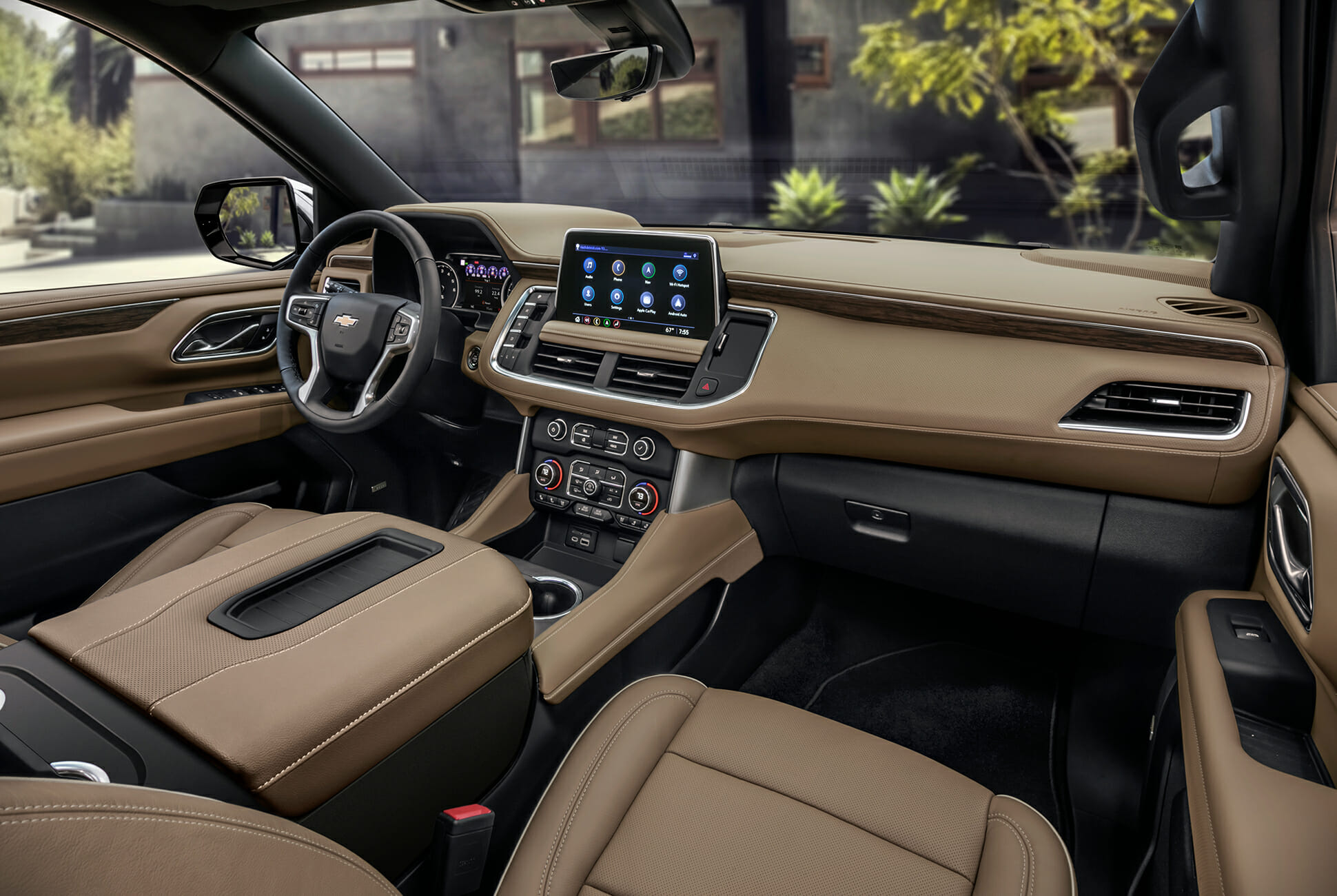
The fates of GM’s trucks might be about to change, though. According to GMC Trucks and SUVs senior marketing manager Stuart Pierce, the rigs will soon receive updated interiors much like those found in the Chevrolet Suburban and Tahoe and the GMC Yukon.

“You’re gonna see some similarities” between the pickups and the SUVs, Pierce told Muscle Cars & Trucks. “Our customers are looking for very premium appointments in a very capable truck.”

While there are plenty of smaller differences between them, the Yukon/Suburban/Tahoe interiors’ biggest difference from the pickups is their infotainment layout — a vitally important piece of equipment for tech-obsessed new car buyers these days. The Silverado/Sierra’s small touchscreen looks even smaller than it is due to its awkward layout sandwiched between air vents; the SUVs’ screen, in contrast, stands tall and proud above the vents.

Above: The 2021 Chevrolet Suburban’s interior.

The Silverado’s somewhat controversial front end might see itself tweaked, as well. “We’re working on some projects that will grab exterior design on one, and grab interior design on the other,” Chevy Trucks marketing director Bob Krapes told MC&T.

What forms those projects may take, of course, remains to be seen — though MC&T speculates it could involve using the badass front end of the SUVs’ Z71 trim levels on the Silverado. One thing’s for certain, though: with the new Ram still grabbing accolades and an all-new Ford F-150 set to appear this year, the time is prime for GM to upgrade its big pickup trucks.

Note: Purchasing products through our links may earn us a portion of the sale, which supports our editorial team’s mission. Learn more here.
Will Sabel Courtney

Will Sabel Courtney is Gear Patrol’s Motoring Editor, formerly of The Drive and RIDES Magazine. You can often find him test-driving new cars in New York City, cursing the slow-moving traffic surrounding him.

More by Will Sabel Courtney | Follow on Instagram · Twitter · Contact via Email

Mercedes-Benz Is Building a Camper Van for Americans

Gear Patrol Studios

Gear Patrol Studios is the creative partnership arm of Gear Patrol. Select advertising has been crafted on behalf of brands to help tailor their message for readers. These sections are demarcated with sponsored flags. Learn More

Affiliate Disclosure

Gear Patrol participates in various affiliate marketing programs, which means we may get paid commissions on editorially chosen products purchased through our links to retailer sites including the Gear Patrol Store. Learn More

Ducati’s New Race Bike Is a Street-Legal, 234-HP Carbon Fiber Missile

Superbike fans and speed freaks, rejoice: Ducati has unveiled the Superleggera V4. It is, as Ducati puts it, the “most powerful and technologically advanced” production bike the company has ever produced.

The Superleggera V4s the world’s only motorcycle with a carbon fiber chassis, swingarm and wheels. Ducati will make a limited run of just 500 individually-numbered bikes.

This bike has a power-to-weight ratio that stupefies: 1.41 horsepower per kilogram in street-legal spec, which can be bumped up to 1.54 by using the included racing kit. It puts out 234 horsepower in race mode, and weighs just 336 pounds unladen. To put that in perspective, that’d be the equivalent of a Mazda MX-5 Miata packing 1,628 horsepower.

Another point of context: the Superleggera V4 lapped the legendary Mugello circuit in 1:52:45. That’s less than two seconds off the time of the Panigale V4 R SBK that won the Italian Motorspeed Championship.

Drivers may choose from three performance modes: Race A, Race B, and Sport. There are also five customizable drive modes for everyday riding. The bike also comes with the SBK Experience, which lets buyers ride the Panigale V4 R around the test track at Mugello. (30 buyers can opt for the MotoGP experience as well, in which they can ride the Desmosedici GP 20 bike used for MotoGP racing.)

Because you can’t ride the Superleggera V4 wearing just any old thing, you can also buy an exclusive Superleggera V4 Dainese leather suit with an integrated airbag, as well as a carbon fiber Aria helmet.

Ducati will begin delivering five bikes per day in June 2020. No word yet on pricing, though Ride Apart suggests it will cost $100,000 — about $70,000 more than 2019’s Panigale V4S. That said, if you need something a bit more affordable, Ducati just added two new Pro models to its Scrambler lineup.

Note: Purchasing products through our links may earn us a portion of the sale, which supports our editorial team’s mission. Learn more here.
Tyler Duffy

Tyler Duffy is Gear Patrol’s Motoring Staff Writer. He used to write about sports for The Big Lead and The Athletic. He has a black belt in toddler wrangling. He’s based outside Detroit.

More by Tyler Duffy | Follow on Facebook · Instagram · Twitter · Contact via Email

The Toyota Sienna May Be Old, But It Still Holds a Trump Card in the Minivan Game

You might not realize it, but the minivan category thrives on innovation. Not in form, but in the small details of functions — the convenience features that make real life easier for most of us. An in-car vacuum, fold-flat second-row seats, an amplifier to make your voice cut into the kids’ headphones? You’ll find them in minivans, and nowhere else.

As the elder statesman of the minivan class, however, Toyota’s Sienna boasts little in the way of unique convenience novelties. Yet the Sienna does boast one trump card none of its rivals can match: all-wheel-drive. Wander into a Honda, Kia or Chrysler dealership, and you’ll find minivans with vanishing seats and plug-in hybrid powertrains…but they all come with front-wheel-drive. Most people who want AWD are probably going to buy an SUV anyway, goes the logic, so why bother?

This sort of reasoning, however, deprives the public of choices with regards to ideal family transportation. If you need to lug more than four people around (or really any mix of people and gear) a minivan is the most efficient form of transportation that doesn’t carry the stigma of criminal activity; adding AWD to the mix means it has the added grip to plow through snow and mud that would stymie two-wheel-drive cars. For that reason, if nothing else, the Sienna is worthy of consideration.

(Of course, that’s only the case until late this year, when Chrysler will be adding AWD back to its minivan lineup. But for now, the Sienna is the only game in town.)

All-wheel-drive + snow tires = all the grip you’ll likely ever need.

People began flocking to SUVs because of the added traction of having power go to all four wheels, but unless you’re planning on going well beyond the ends of the roads — which very few SUV or truck buyers do — there’s really no practical reason to opt for the added size and mass that comes with choosing a taller vehicle. When paired with a good set of snow tires, all-wheel-drive makes a vehicle capable of tackling bad winter roads with aplomb.

The Sienna rides at compact crossover height and serves up similar fuel economy, but delivers full-size SUV space. Clad in the right rubber, it’s as capable as any crossover…at least, capable of handling the conditions most crossover owners come across.

It may be old, but you won’t care from behind the wheel.

A 296-horsepower V6 connected to an eight-speed automatic means this van hustles with surprising vigor when you push it; no one’s likely to mistake it for a Ferrari, but it still flows through traffic well. Its 4,605-pound curb weight may land it in crossover territory, but it has the advantage of carrying its center of gravity a good deal lower.

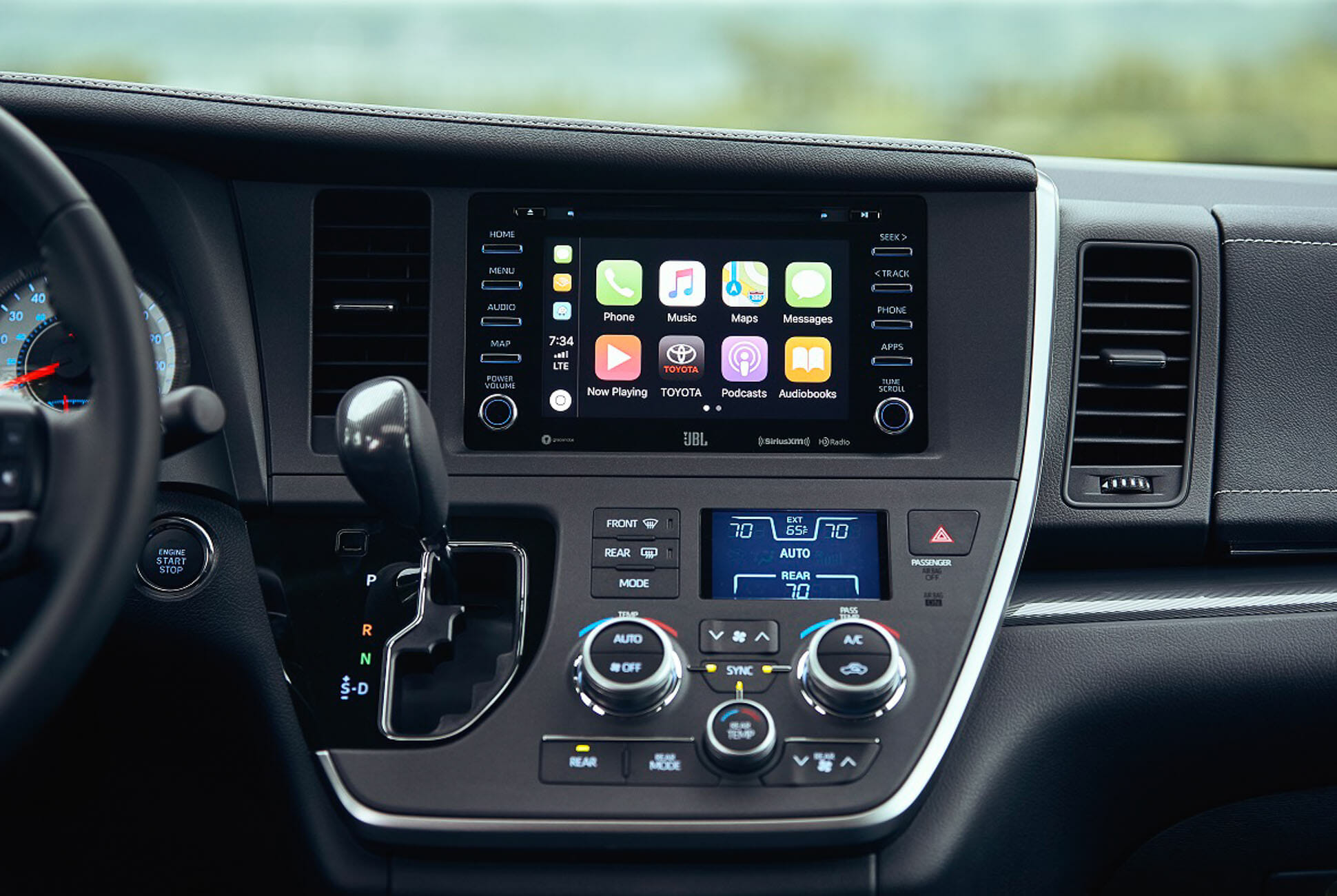
Of course, most of us don’t consider a minivan for its handling. Buyers will more likely be happy to hear about the host of modern convenience features: Android Auto and Apple CarPlay, a collision-avoidance system that detects pedestrians and cars, active cruise control, lane departure alert, automatic high beams, a tire pressure monitor and a rear-view camera all come standard; parking sonar, blind-spot monitoring, rear cross-traffic alert, a system that lets you save your voice by projecting it through the third-row speakers and a second-row multimedia system with a 16.4-inch screen that can play two separate videos at once all come as options.

Oh, there are five USB ports and a ton of cupholders, too.

You can’t beat a van when it comes to space.

No, minivans aren’t sexy. The Sienna attempts to look cooler than most with its distinctly Japanese-spec front fascia, but still, it’s ultimately a block of cheese on wheels. Yet it’s that one-box shape that makes it such a great value, as it maximizes the interior volume. Fill all eight seats, and there’s still 39.1 cubic feet of space behind them — as much as a Chevy Suburban. Fold down the third row, you can seat five and carry 87./1 cubic feet of stuff; get the second row out of the way, and you can take on a cool 150 cubic feet of gear — more than any extra-large SUV on the market.

Will Sabel Courtney

Will Sabel Courtney is Gear Patrol’s Motoring Editor, formerly of The Drive and RIDES Magazine. You can often find him test-driving new cars in New York City, cursing the slow-moving traffic surrounding him.

More by Will Sabel Courtney | Follow on Instagram · Twitter · Contact via Email

The UAZ SGR Combi Van Is Built for Frigid Russian Terrain

When it comes to expedition vehicles, off-road campers or all-terrain basecamps, you’ll normally find yourself in the position of having to choose between power, performance and creature comforts because that’s the nature of the best.…

5 Dirt Cheap Land Rovers You Could (But Probably Shouldn’t) Buy

We love old Land Rovers. They’re luxurious, capable and boxily beautiful, accruing charm and dignity as they age. They pair nicely with a Barbour jacket and the faint scent of pipe smoke in your pastoral, aristocratic fantasy.

The trouble with old Land Rovers, in reality, is they don’t last. They are notoriously unreliable. Something — the air suspension, a miscellaneous leak, an electrical gremlin — is bound to go wrong. And when it does, it won’t be straightforward or affordable to fix.

But, because they don’t endure like a Toyota Land Cruiser, Land Rovers don’t hold their value in the same way. Wait long enough, and they become exceedingly affordable. You can get a stylish SUV suffused with grandeur for almost nothing. You know you should resist temptation. You know it will break your heart and your bank account.

But, well…look how cheap it is!

Here are five used Land Rovers you can buy right now for less than $7,000. If you’re brave enough.

2006 Land Rover Range Rover Sport

This Range Rover Sport is a dapper-looking gent with a black exterior, gray interior, and some lovely wood trim. It also has a supercharged 4.2-liter V8. 128K miles on the odometer should concern you, but a sub-$5,000 price tag may alleviate some of those worries.

1998 Land Rover Discovery LE7

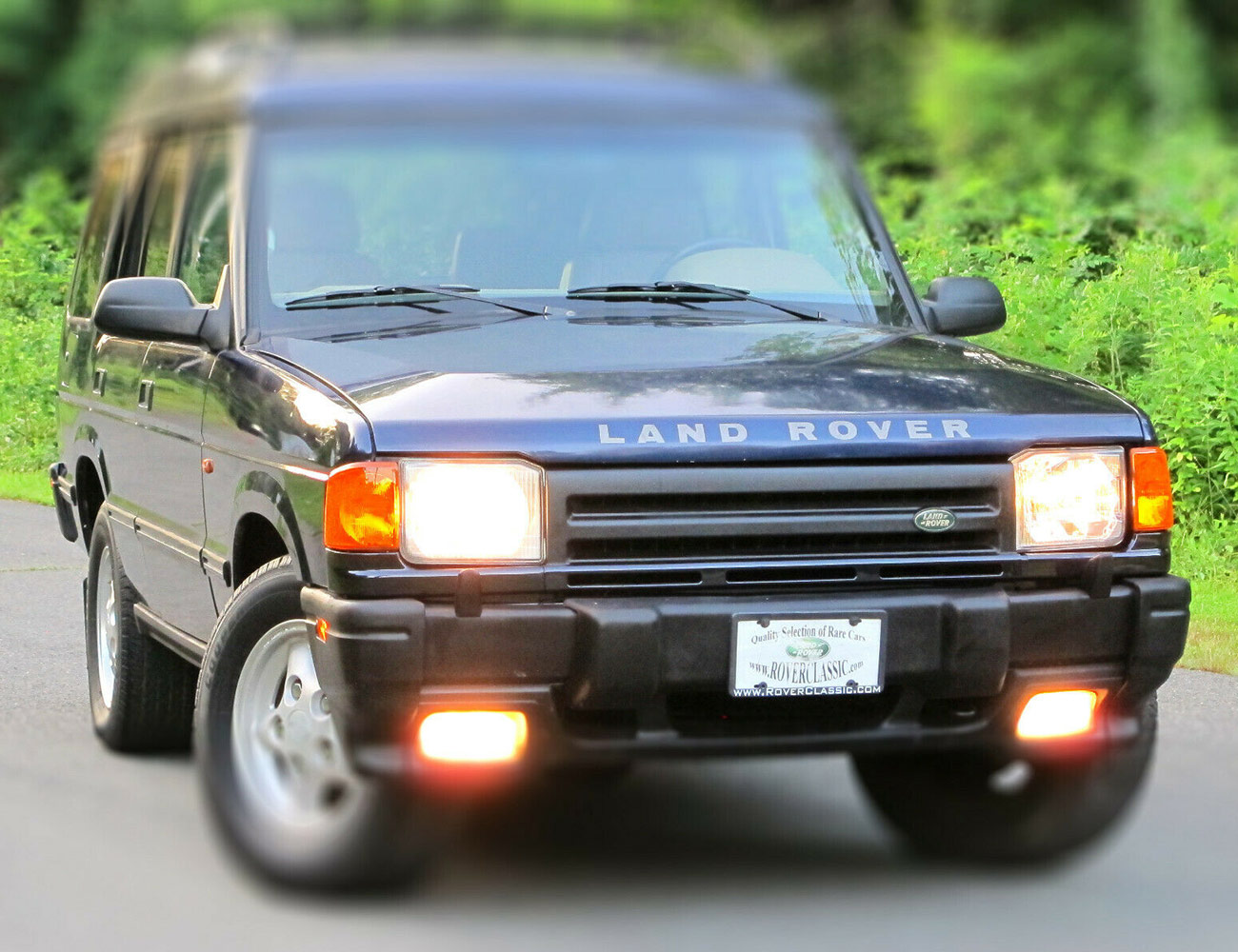
Here’s an exceptionally clean 1998 Disco with a blue exterior and tan interior. It has only 86,000 miles. Not convinced yet? Check out the rear jump seats.

2005 Land Rover LR3

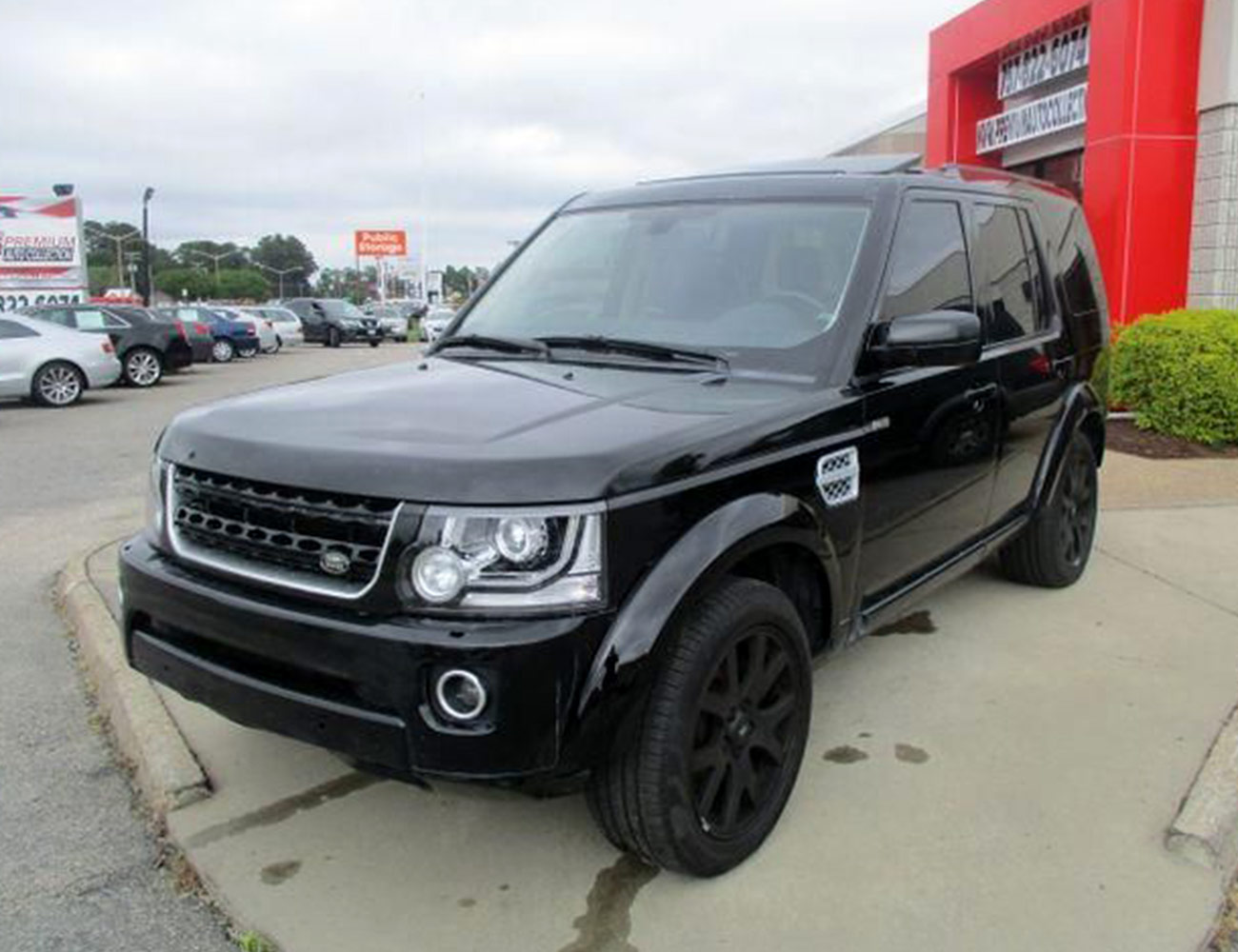
Black detailing is all the rage these days. This LR3 owner was ahead of his or her time: this sinister beauty has a black exterior, black interior, black wheels and black tinting. It also has the LR3 badging removed, so it could pass as a younger, pricier Land Rover amongst commoners.

2006 Land Rover Range Rover HSE

Photo via Autotrader.com

This Range Rover has about everything one could want from a used car. California car. Older owner. Merely 63,000 miles. You just need to sort out whatever’s going on with that paint.

1996 Land Rover Discovery SE7

Looking for a used Land Rover for overlanding? This 1996 Disco may be your option. It’s a California car with some off-road accessories, and has had extensive maintenance performed. It’s not a Defender, but it does have Defender wheels.

Note: Purchasing products through our links may earn us a portion of the sale, which supports our editorial team’s mission. Learn more here.
Tyler Duffy

Tyler Duffy is Gear Patrol’s Motoring Staff Writer. He used to write about sports for The Big Lead and The Athletic. He has a black belt in toddler wrangling. He’s based outside Detroit.

More by Tyler Duffy | Follow on Facebook · Instagram · Twitter · Contact via Email

2020 Hyundai Ioniq Hybrid Review: Efficient, Affordable and (Mostly) Normal

Hyundai launched the Ioniq to fight the Toyota Prius on its own turf. It’s a compact four-door liftback, landing in that busy gray area between sedan and hatchback. It comes in three versions: a limited-range EV, a plug-in hybrid and a regular mild hybrid.

The latter, which I drove for a few days, is the most fuel-efficient car sold in America — at least, among those still powered by fossils. The base model Ioniq Hybrid can earn 58 miles per gallon combined; my highfalutin’ Limited trim example is good for 55 mpg. That efficiency — not sportiness or sex appeal — is why one buys a Hyundai Ioniq. But should it be your eco-cruiser of choice?

There’s no disputing that full-electric cars are more environmentally friendly than a mild hybrid — and they’re almost always more fun to drive. Hyundai’s Kona Electric, for instance, delivers 291 lb-ft of instant torque to help accelerate through everyday traffic, and you can broadcast your zero-emissions status with a smug vanity plate.

The Ioniq Hybrid does offer one critical advantage over comparable EVs (not to mention the Toyota Prius): it’s [expletive deleted] cheap. The base Hybrid Blue trim Ioniq starts at just $22,200; that’s about $15,000 less than a bare-bones electric car and about $2,000 cheaper than a Prius. And perhaps best of all for many buyers: unlike many vehicles dedicated to being green, it feels like a normal car.

The Ioniq Hybrid Drives Acceptably

Driving a Hyundai Ioniq Hybrid is pleasantly nondescript. Quickness is not an Ioniq Hybrid’s strength; it speeds from 0-60 mph in 8.9 seconds. But that’s still as quick as many base-model Subaru SUVs, and few people are avoiding them because they’re too slow. It uses a six-speed dual-clutch automatic transmission rather than a CVT, making powertrain transitions feel far less jarring. I wouldn’t describe it as a precision instrument, but it handles itself comfortably at highway speeds, and doesn’t feel like it’s about to fall apart traversing potholes.  If your goal is to use less gasoline, the Ioniq Hybrid is just fine.

The Ioniq Hybrid Looks Normal…Almost.

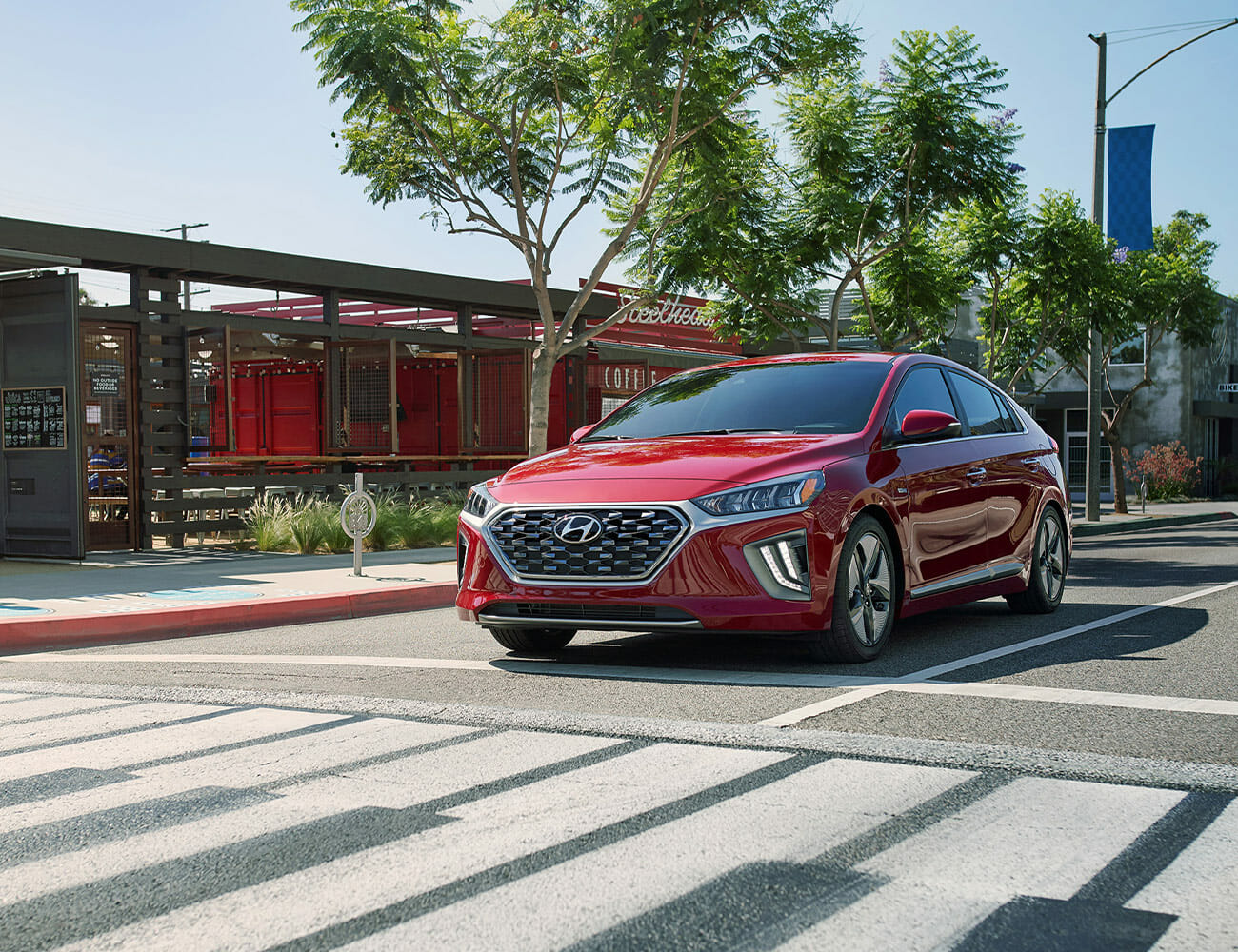
Most electric and hybrid cars advertise their fuel efficiency with bright lights, dorky aggressive styling, and some prominent eco-badging. The Ioniq Hybrid looks like your bog-standard budget compact. It doesn’t present a vision of the future, and lacks weird lines.

It only has one quirky feature: the rear window(s). The trunk of the vehicle is so high, it results in a rear window that faces upward more than backward. Hyundai countered this not with a full redesign, but by adding a second glass panel on the back of the car, creating an odd split view.

I Couldn’t Match The Listed Fuel Efficiency.

I drove conservatively, keeping the Ioniq in its default “Eco-mode.” Yet I earned just 39.1 mpg instead of the EPA-listed 55 mpg over about 100 miles of mixed driving. Rather than my inveterate lead foot trying to make itself known, I suspect that the culprit was the cold weather, which can affect fuel economy. It was January in Michigan, and there was a day where it dipped below freezing.

This One Feature Drove Me Nuts.

I don’t often write about key fobs. Nowadays, you don’t even need to futz with them on most new cars; they work without even taking them out of your pocket. The trouble with the Hyundai Ioniq’s is that the fob can detach completely from the chain to reveal a physical key for emergencies. It does this via a button…one that is easy to accidentally press if you keep your keys in a pants pocket or a purse. (Thankfully, I recovered my fob from my jeans before I ran them through the washing machine.)

Tyler Duffy

Tyler Duffy is Gear Patrol’s Motoring Staff Writer. He used to write about sports for The Big Lead and The Athletic. He has a black belt in toddler wrangling. He’s based outside Detroit.

More by Tyler Duffy | Follow on Facebook · Instagram · Twitter · Contact via Email

Rivian’s Awesome Electric Trucks Will Be Cheaper Than We Thought

Of all the new vehicles coming down the pike, few have our engines revved quite as high as Rivian’s R1S SUV and R1T pickup truck. Which is kind of ironic, because the two Rivians don’t have engines; as you likely know by now, the carmaker’s vehicles will all be purely electric, just like Tesla. The company is aiming to establish itself as an outdoorsy, into-the-wild EV maker, emphasizing off-road capability and incredible versatility.

That idea has proven quite popular among outside investors, with the varied likes of Amazon, Ford and Cox Automotive all investing nine-figure sums into the company in the last year. All that capital, it seems, is set to pay figurative dividends for the carmaker — because Rivian’s CEO says the brand’s first two models will actually be cheaper than originally expected.

In an interview with Reuters, Rivian founder and head honcho R.J. Scaringe said the company now expected a mid-level R1T with a 300-mile battery and a glass roof panel that transitions from clear to tinted blue would cost about $69,000, while a similar-spec R1S would go for $72,000. (When the vehicles were first announced in late 2018, Rivian said the entry-level versions would start at or very close to those prices.)

The 300-mile battery Scaringe referred to is presumably the 135-kWh version, which will slot between the 180-kWh version packing around 400 miles of range and the 105-kWh battery that delivers about 230 miles of driving. Regardless of which you choose, Rivian says the trucks will be able to slurp up electrons at rates of up to 160kW, enabling the R1S and R1T to add around 200 miles of range in half an hour.

Scaringe told Reuters that the first R1Ts should hit the streets by the end of this year, with R1S sport-utes arriving in early 2021. From the sound of it, the many people who’ve dropped refundable $1,000 deposits might wish those timelines could be bumn

“We now have the challenge of a lot of pre-order customers aren’t going to get the cars as fast as they like because there’s such a long queue,” Scaringe told Reuters.

Of course, creating a car company from the ground up is always tricky (just ask Elon Musk), so it’s always possible that speedbumps could pop up. But with serious corporate backing behind the company and a pool of slathering buyers waiting ahead, things seem bright for the company. Especially if they can keep finding ways to make their vehicles easier to reach for buyers.

Note: Purchasing products through our links may earn us a portion of the sale, which supports our editorial team’s mission. Learn more here.
Will Sabel Courtney

Will Sabel Courtney is Gear Patrol’s Motoring Editor, formerly of The Drive and RIDES Magazine. You can often find him test-driving new cars in New York City, cursing the slow-moving traffic surrounding him.

More by Will Sabel Courtney | Follow on Instagram · Twitter · Contact via Email

These 3 Cars Were Named America’s Best This Year

The North American Car and Truck of the Year Awards, NACTOY for short, were a fixture of Detroit’s North American International Auto Show. While the show moved to more weather-friendly June dates this year, the awards kept the January timeline and were announced yesterday. The results will be less contentious than the Oscars.

While there were many noteworthy cars launched over the past year, the three below are truly brand-redefining. Two of them made our favorite cars we drove in 2019 list.

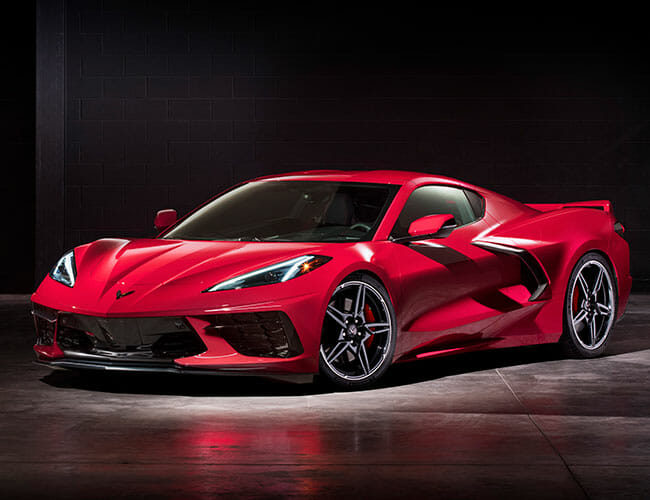
Car of the Year: Chevrolet Corvette Stingray

grey_placeholdergrey_placeholder

The Corvette broke hard from tradition with the eighth generation. It’s mid-engined, it has a funky interior, and there’s no manual transmission. But it continues the car’s natural evolution the past couple decades from slightly uncouth straight-line speedster to bonafide supercar on a budget. It’s also striking to look at. Reviewers have been enjoying the new C8 Corvette. So, allegedly, have GM engineers.

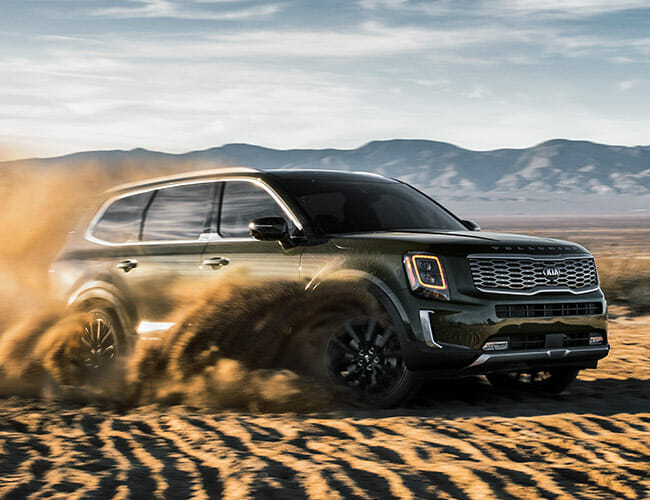
Utility Vehicle of the Year: Kia Telluride

grey_placeholdergrey_placeholder

Kia entered an extremely competitive three-row family SUV segment and did the nearly impossible. The Telluride offers a distinctive, luxurious, and fun take on the family hauler at an affordable price point. It provides far better value than the Toyota Land Cruiser. While the K900 and the Stinger have struggled against the established competition in their segments, the Telluride is breaking through.

Truck of the Year: Jeep Gladiator

grey_placeholdergrey_placeholder

Jeep kept it simple with the Gladiator. They gave the Wrangler a longer wheelbase, added a box on the back, and created a charming, capable, and unique pickup truck that has other manufacturers playing catch up. Gear Patrol named the Gladiator the best car of 2019. Buyers are paying silly prices for tricked-out Rubicon versions. Those figures come before factoring in the sweet third-party overlanding add-ons.

Note: Purchasing products through our links may earn us a portion of the sale, which supports our editorial team’s mission. Learn more here.
Tyler Duffy

Tyler Duffy is Gear Patrol’s Motoring Staff Writer. He used to write about sports for The Big Lead and The Athletic. He has a black belt in toddler wrangling. He’s based outside Detroit.

More by Tyler Duffy | Follow on Facebook · Instagram · Twitter · Contact via Email

The Next Toyota Land Cruiser May Lose the V8 and Go Hybrid

For generations now, the Toyota Land Cruiser has been renowned around the world as a capable off-roader with bulletproof reliability. At the heart of that reputation has been a series of burly engines — inline-fours, inline-sixes, and in more recent years, V8s.

But the next-generation Land Cruiser might be the first to take a step backwards in cylinder count — and possibly even power output. According to Japanese automotive publication Best Car Web, the next version of Toyota’s iconic off-roader might drop the eight-pot for a hybrid V6 powertrain.

Part of this news isn’t all that surprising; after all, we reported last year that a trademark filing suggested Toyota could be upgrading the Land Cruiser and its Lexus sibling to the twin-turbo V6 found in the slinky LS sedan. But the Japanese report (which was dug up by Motor Trend) suggests that it won’t be the solo performer that makes 416 horsepower in the LS 500, but rather the naturally-aspirated V6 attached to a pair of electric motors that’s found in the LC 500h and LS 500h.

Even more controversially, that powertrain will reportedly send that power to all four wheels via a continuously-variable transmission, better known (and widely loathed) as a CVT. Four-wheel-drive with low range will still be available, according to the report.

Best Car Web also claims that the new Land Cruiser will be built on a new platform that will be part of the TNGA (Toyota New Global Architecture) family of underpinnings, which are used for everything from the Prius and Corolla to the aforementioned Lexus LS and LC. This version, according to the Japanese publication, will add a ladder frame to the architecture for the added strength a true off-roader would need.

The Japanese report claims that the new 300-generation Land Cruiser will be roughly the same length and width as the current 200 Series, but a bit shorter — just shy of 6’2″ tall, compared with the 6’5″–6’6″ roofline of the model on sale today. Combined with a slight stretch in wheelbase, those massaged proportions could make the next Land Crusher look less top-heavy…and, hopefully, help it better navigate parking garages when equipped with a roof rack.

Of course, this is all simply rumor at this point — a detailed rumor, sure, but nothing less. Still, given the Land Cruiser’s age (the existing model has been around since 2007), a big change seems more likely than a little refresh at this point — and with fuel economy standards generally on the rise, a hybrid powertrain seems like an inevitable move, be it for this generation or the next.

And while plenty of traditionalists may complain about such a sea change for the iconic four-wheeler, we advise restraint against judgement; after all, considering that the current, long-in-the-tooth Land Cruiser has seemingly outlived its usefulness — at least, in the overpriced form we Americans get it — maybe it’s time to risk throwing the baby out with the bathwater.

Note: Purchasing products through our links may earn us a portion of the sale, which supports our editorial team’s mission. Learn more here.
Will Sabel Courtney

Will Sabel Courtney is Gear Patrol’s Motoring Editor, formerly of The Drive and RIDES Magazine. You can often find him test-driving new cars in New York City, cursing the slow-moving traffic surrounding him.

More by Will Sabel Courtney | Follow on Instagram · Twitter · Contact via Email

This Giant-Sized Camper Van Is Big Enough to Be Your Second Home

Who needs a tiny home when you can live in a giant van? This week, German camper van manufacturer La Strada unveiled the Nova EB, an extended version of its top-of-the-line Nova camper van, at the CMT show in Stuttgart. It uses a Mercedes Sprinter as a base with a fiberglass monocoque body, producing a spacious vehicle that’s about 10 feet tall and seven feet wide. La Strada’s English-language site describes it as both a “mobile luxury hotel” and a “rolling space miracle.”

The Nova EB sleeps two in the rear of the vehicle, in a choice of either two single beds or a merged queen. There are internal and external storage compartments under the bed area. There’s also a wet bath and a kitchenette with a dual-burner stove, 80-liter refrigerator and sink. The front seats rotate 180 degrees to provide a four-seat dining area.

La Strada’s sleek flagship camper van isn’t cheap. The base price is $110,674, and much like a Porsche, that’s just the starting point before you begin working your way through the online configurator. Adding four-wheel-drive for some seasonal and terrain versatility costs $15,076. Upgrading to the 190-horsepower version of the diesel engine is another $4,489. You can also make smaller upgrades, like adding an MBUX infotainment system and 17-inch wheels. (The Nova EB does not include the new MBAC smartphone control system found in other Mercedes-based campers.)

Sadly, like many of our favorite camper vans, there appear to be no plans to sell the Nova EB outside Europe. Still, we can dream.

Note: Purchasing products through our links may earn us a portion of the sale, which supports our editorial team’s mission. Learn more here.
Tyler Duffy

Tyler Duffy is Gear Patrol’s Motoring Staff Writer. He used to write about sports for The Big Lead and The Athletic. He has a black belt in toddler wrangling. He’s based outside Detroit.

More by Tyler Duffy | Follow on Facebook · Instagram · Twitter · Contact via Email

Love the Environment? Don’t Buy These Cars, Study Says

If you’re a tree-hugger, these cars aren’t for you. The American Council for an Energy-Efficient Economy (ACEEE) has put out its 2020 “meanest” list that details the worst cars for the environment, according to ACEEE’s criteria. It’s not just about gas mileage; the Council considers the entire environmental impact of a vehicle, including how it’s made, the materials used in it and how easy it is to be recycled.

Ten of the 12 are SUVs, all of which are either enormous, excessively quick — or both. Only one car and one full-size truck made the list. Check out all 12 of the offending — and, admittedly, awesome — vehicles below, starting with the worst.

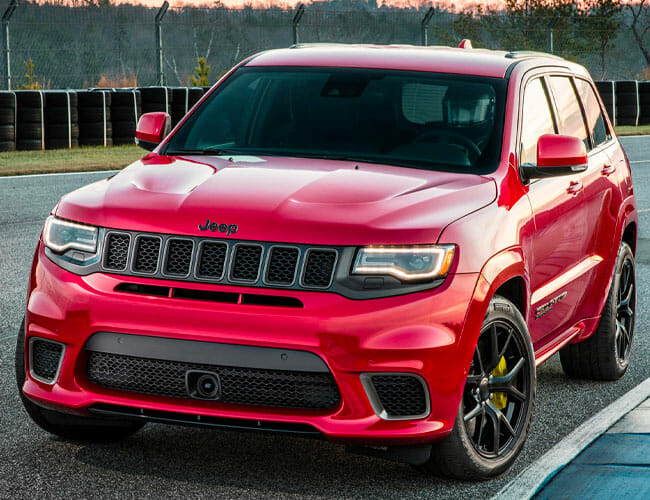
Jeep Grand Cherokee Trackhawk (Green Score: 26/100)

grey_placeholdergrey_placeholder

The Trackhawk is a 707 horsepower monster. It earns just 11 mpg in the city and 17 mpg on the highway.

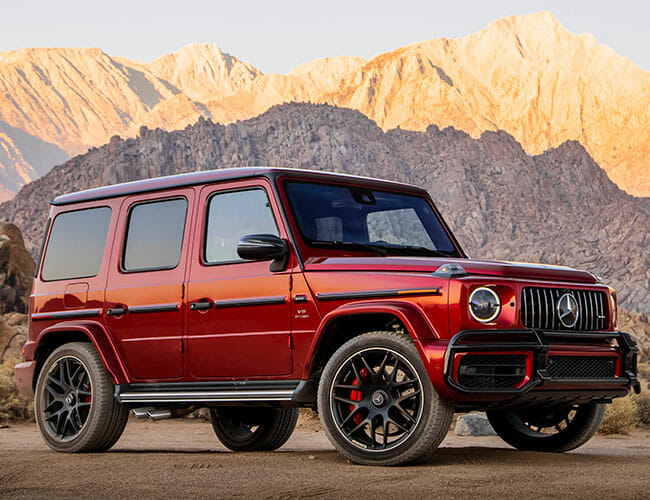
Mercedes-AMG G63 (Green Score: 27/100)

grey_placeholdergrey_placeholder

The G-Class may be the most capable vehicle on the market. But it gets just 13 mpg city and 15 mpg hwy.

Lexus LX 570 (Green Score: 27/100)

grey_placeholdergrey_placeholder

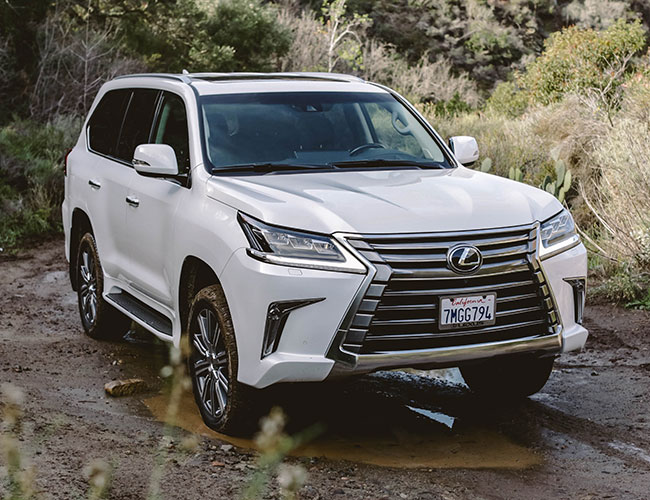
The LX 570 is a lightly modified Toyota Land Cruiser. Somehow, those modifications make it even less efficient.

Toyota Land Cruiser (Green Score: 28/100)

grey_placeholdergrey_placeholder

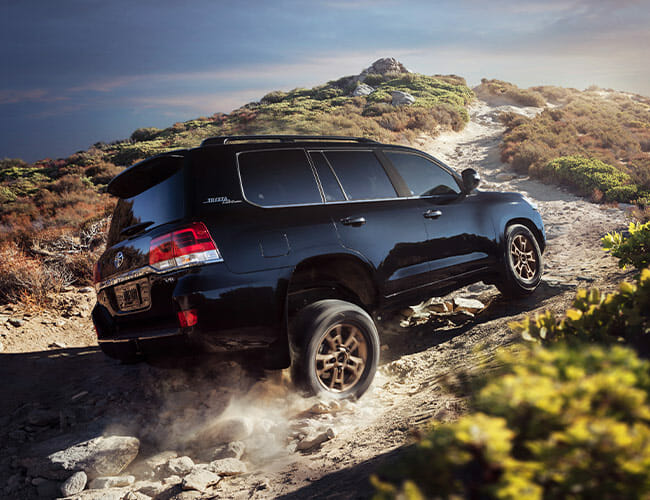
The Land Cruiser is an icon — but a bloated, horribly inefficient one by modern standards.

Toyota Sequoia (Green Score: 28/100)

grey_placeholdergrey_placeholder

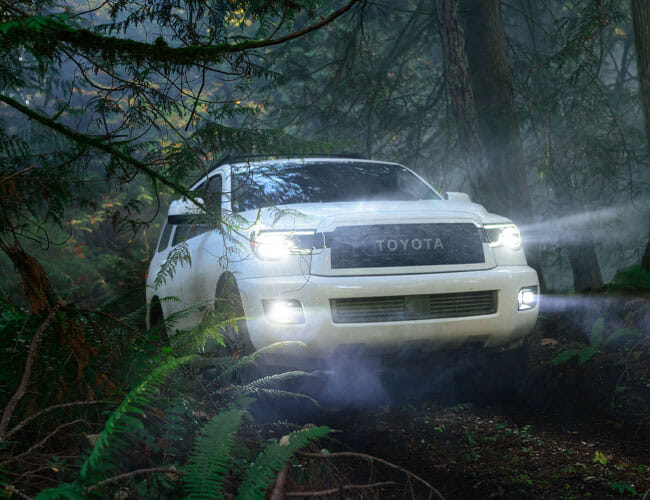
Less capability than the Land Cruiser. Same ancient 5.7-liter V8 engine.

Toyota Tundra (Green Score: 28/100)

grey_placeholdergrey_placeholder

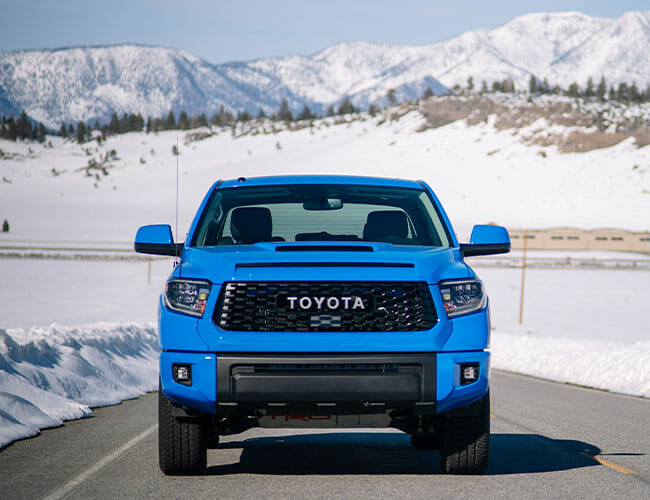
The Tundra is old, reliable — and, yes, uses the same 5.7-liter V8 as the Land Cruiser and Sequoia.

Ford Shelby GT500 Mustang (Green Score: 29/100)

grey_placeholdergrey_placeholder

This is the one car on the list. The Shelby GT500 may redefine what you think the Mustang can be, but it’s not an efficient daily driver.

Dodge Durango SRT (Green Score: 30/100)

grey_placeholdergrey_placeholder

The SRT version has 475 horsepower…and it’s not great for the environment.

Jeep Grand Cherokee SRT (Green Score: 30/100)

grey_placeholdergrey_placeholder

It’s hard to get a Jeep Grand Cherokee to go from zero to 60 mph in under 4.5 seconds efficiently.

Land Rover Range Rover LWB SVAutobiography (Green Score: 30/100)

grey_placeholdergrey_placeholder

Land Rover Range Rover Long Wheelbase Special Vehicles Autobiography is hard on your mouth — and not so great for the planet, either.

Infiniti QX80 (Green Score: 30/100)

grey_placeholdergrey_placeholder

The Infiniti QX80 is lavish in all respects, including its fuel consumption.

Nissan Armada (Green Score: 30/100)

grey_placeholdergrey_placeholder

More pedestrian styling than its QX80 sibling, but similar fuel consumption.

Tyler Duffy is Gear Patrol’s Motoring Staff Writer. He used to write about sports for The Big Lead and The Athletic. He has a black belt in toddler wrangling. He’s based outside Detroit.

More by Tyler Duffy | Follow on Facebook · Instagram · Twitter · Contact via Email

2020 Audi RS Q8 Review: Take a Hike, Physics

Brand: Audi
Product: RS Q8
Release Date: Spring 2020
Price: ~$140,000+
From: audiusa.com

Before 1991, there was no such thing as a high-performance sport-utility vehicle. The GMC Typhoon was the Bush I-era proto-performance SUV that paved the way for today’s monsters. It was a clunky concoction of a thing, one just fast enough to be mentioned, sensationally, in the same breath as Corvettes and Ferraris of its day.

An honorable feat for a repurposed truck, sure. But the idea of a performance SUV seemed more like a tween wearing jet-powered rollerblades: fast, hilarious, but never anything to take seriously.

Nearly 30 years later, however, we find ourselves behind the wheel of a sport-ute that’s capable of overtaking sports cars with gusto, even on twisty mountain roads. Audi’s über-advanced version of their sloped-roof flagship Q8, the RS Q8, is wider and meaner — and blurs the dotted yellow line between sports car and SUV as well as any vehicle could.

And maybe as well as any vehicle should.

What We Like

The 592-hp RS Q8 weighs in at more than 5,000 pounds, has upwards of 60 cubic feet of cargo space, and — when prompted — can ascend to nearly eight inches of ground clearance. On paper, you’d say it has no business playing among sports cars. But somehow, it’s fast and nimble as one.

That concept, put on pavement, is giggle-worthy. Once you meet it, you begin to appreciate how much work went into producing such a physics-defying vehicle. Audi says the RS Q8 was put through a staggering 745,645 miles of worldwide development testing — which may or may not include its record-setting time of seven minutes and 42 seconds over the 12.9 miles of the Nurburgring Nordschleife.

We had about 200 miles of seat time in the RS Q8 on the volcanic isle of Tenerife in the Canary Islands, a Spanish archipelago off the coast of northwest Africa. Here, all roads lead to Mount Teide, the Earth’s third-highest volcanic structure, where the aftermath of its last eruption in 1909 is eerily visible among the otherworldly terrain.  We drove through cramped roads and roundabouts at sea level, then up tight, twisty small town roads all the way to 8,000 feet before stopping at Teide National Park to do it all again — but downhill. Guardrails are mostly present and well-maintained…but they’re made of wood.

At 17 inches across, the optional 10-piston carbon-ceramic brakes are larger than the wheels and tires of some economy cars. On top of their fade-free prowess, Audi says they save 75 pounds per corner, but when you have an optional Bang & Olufsen 23-speaker system in the cabin, who’s really counting calories?

Inside, in fact, RS Q8 passengers have the luxury of cooled, heated and massage seats and access to Audi’s incredible Virtual Cockpit — a seamless array of screens bisecting the driver and passenger, which looks fluid and organic. Drivers are able to swap their instrument cluster with a full-screen map display. Indeed, the RS Q8’s performance acumen could take a comfortable back seat to its luxurious fit and finish inside and out, if you never bothered to approach the limits of mechanical grip.

But doing that would mean missing the fun. These quaint roads are sought by both gearheads and cyclists with calves like jamón serrano for their smooth, sinuous turns, so dramatic and frequent that they practically form knots. For maximum flavor, select Dynamic mode, one of two RS modes activated by its very own RS MODE button inches from your right thumb. The chunky flat-bottomed steering wheel wrapped in Alcantara feels quick and connected to the adjustable air suspension, which in turn feels utterly planted to the road. Our tester had electromechanical active roll stabilization, which did a Hogwarts-worthy job of mitigating body roll through turns.

Once you hit speeds in the realm of oh-my-God-should-I-be-driving-this-fast, the rear wheels turn up to 1.5 degrees at the same steering angle as the front wheels to improve lateral stability. (At low speeds, the rear wheels turn up to five degrees in the opposite direction of the fronts, to avoid the Austin Powers Effect).

The most aggressive and visceral setting is RS 2. It’s here the V8 delivers a full-chested, low-frequency howl all the way up to 7,000 rpm; traction and stability control say peace out; and all four corners of the suspension are tightened up to just shy of jarring firmness. Combine all this with the ultra quick-ratio steering rack and you almost think you’re in a vehicle with a lower center of gravity. Almost. Enter the cognitive dissonance: I shouldn’t be able to do this in an SUV, but here I am.

Watch Out For

Momentum. The rapid acceleration mercilessly pins you to the seatback, and you can feel the deceleration detaching the retinas in your eyeballs. What’s more difficult to get a sense of: the speed at which you are traveling, due to the size, height and solitude of the Q8 platform. Pay close mind to the head-up display’s speedo.

One beef with special performance editions like this is that there’s always some fine-tuning required. A vehicle of this magnitude should have its balls-to-the-wall setting as the factory default; you should have to finger through menu settings to make it pretend to be the plebeian car from which it came, not the other way around. With screens come submenus, and within those submenus, you’ll find sports car attributes à la carte. Take the time to tick the boxes and create the RS you want it to be.

Also, a minor quibble, but there’s an underwhelming color selection. It largely boils down to a cloudy sky silver, a kind of dark blue, and an over-the-top Kermit-the-Frog green.

Other Options

If the biggest, fastest thing is well, your thing, there are several options in this parking lot. The Mercedes-AMG GLC63 S Coupe, which is officially the second-fastest SUV around the fabled Nurburgring is one option. Others include the Land Rover Range Rover Sport SVR, Porsche Cayenne Turbo, BMW X6 M and Jaguar F-Pace SVR.

Verdict

The RS Q8 is a rolling testament to the shockingly-narrow gap between sports car and sports SUV these days. You’ll be doing yourself (and the car) a great disservice if you only drive it well below it under its capabilities, the way most Beverly Hills and Bridgehampton buyers likely will.

Everything the RS truly stands for encourages you to merge onramps at 1.0 g, brake late into turns and accelerate hard out of them. You’ll find the way you want to drive the RS Q8 feels an awful lot like…a sports car. It may not really be one, but the RS Q8 is so close to being a 5,000-pound sports car, it’s scary.

Audi hosted us and provided this product for review.

Note: Purchasing products through our links may earn us a portion of the sale, which supports our editorial team’s mission. Learn more here.

Everything You Need for a 500-Mile Winter Motorcycle Trip

Last December, I had a wild idea. Instead of renting a car or buying a train or plane ticket, why not ride a motorcycle home for the holidays?

Now, this notion might not be a big deal if I lived in Southern California, or if my family resided nearby. However, I’m in New York City, and my destination was Northern Virginia. We’re talking about a 540-mile round-trip journey, much of it on major highways, at the start of an East Coast winter. That’s not the kind of expedition one takes lightly, even during a relatively mild December — so I knew I had to get serious about gearing up.

Spoiler alert: I survived the ride. Here are five major things I learned along the way, plus a rundown of all the gear I used to keep from freezing to death on this little cold-weather adventure.

1. Layer Smart

As you probably know, layering is critical to keeping your core temperature up and your blood circulating out to your extremities. It’s even more important on a bike, because once you get rolling on the highway, 65-mph wind makes things feel a lot colder. So rock plenty of layers (I maxed out at five on my upper body, including my jacket’s liner), and keep additional ones easily accessible by stashing them near the top of your saddlebag or luggage.

Make sure you have the ability to ditch layers, as well. You’ll want to shed some if you find you’re over-bundled; otherwise you’ll start sweating, and then you’ll really be cold if the temps drop.

2. Get Creative

Our good friends at RevZilla will tell you that one of the best ways to stay warm is to don heated gear, and they’re probably right. I have not yet taken this step, nor have I ridden a bike with heated handgrips — but I did recognize that Gore-Tex gloves and boots might not be enough to cut it with all that highway wind.

So in addition to doubling up on socks and adding a liner under my gloves, I took a friend’s unorthodox advice and put some of those magic chemical handwarmers on the backs of my hands and the tops of my feet. That move just might have warded off frostbite.

I also got creative with some of my layers: who needs “motorcycle-specific” apparel when the mountain-spec gear you’ve already got does the same job just as well, if not better?

3. Follow the Sun

Speaking of the sun, I can’t stress enough how ideal it is to ride when that nuclear ball of light and heat is high in the sky. I was cruising along with nary a care in the world on the last weekend of 2019 — when, maybe a hundred miles from home, night fell.

In a matter of moments, it felt like the temperature had dropped 20 degrees. I was chilly AF — and the combo of darkness, fatigue and frosty fingers made the whole affair suddenly seem a lot more precarious. I buckled down and powered through, but not before making a permanent marker mental note to leave at least an hour earlier next time.

4. Respect the Weather

I’ve done this NYC-to-greater-D.C. ride a few times before in warmer weather, and one of my previous trips taught me a painful lesson that served me well this time around.

That spring, I brushed off a minor rain forecast. Of course, less than an hour in, down came the drops, forcing me to spend all day drying off and praying for the precipitation to cease at a coffee shop before completing the journey at about 11 p.m. as a frozen and shivering mess. During my trip last month, I left a day early to beat some Sunday morning showers — and happily rolled along under the clearest of Saturday skies.

5. When in Doubt, Overbike

During a recent gravel biking camp in Arizona, I learned a fun new term from some cycling industry friends: underbiked. Like undergunned, it describes a situation where your set of wheels isn’t quite up to the terrain you’re tackling. Extreme example: riding a banana-seat Huffy on Whistler’s single-track mountain bike trails.

On the flip side of that coin, for winter riding, your best bet is to be overbiked. My daily city ride is a beautiful black Bonneville T-100, but I realized for this trip it might help to have a moto with real storage capacity, highway-crushing displacement — and, you know, an actual windshield. So I lined up the majestic Indian Chieftain Elite you’ll see below. It was a total overbike move…and it was spectacular.

Kali Protectives Catalyst Helmet

It took me far too long to realize highway riding is much more pleasant with a full-face helmet. This badass matte black one just happens to be super-comfortable, streamlined and stylish.

WileyX WX Hayden Sunglasses

That little rock dropping off the back of a truck can turn into a bullet at 80 miles per hour. Good thing these tactical shades meet ANSI Z87.1 industrial standards for high-mass and high-velocity impact protection.

BlackStrap The Hood Balaclava Facemask

Bandannas are cool and all, but winter demands a bit more coverage. BlackStrap’s breathable, moisture-wicking balaclavas feature a helmet-friendly fit that comes in equally handy on snowboarding trips.

Lululemon Metal Vent Tech Long Sleeve 2.0

Lululemon’s combination of good looks and seamless comfort have pretty much ruined all other first layers for me.

Backcountry Timpanogos Tech Fleece Hoodie

Timpanogos is the second-highest mountain in Utah’s Wasatch range. It’s also a damn good mid-layer piece featuring stretch fabric, handy thumbholes and a hood that could save your neck if you forget your balaclava.

Arc’teryx Cerium SL Jacket

I take this jacket with me just about everywhere I go. It packs down to the size of a peanut butter jar, then expands to provide way more down-based warmth than you’d expect from such a minimalist garment.

AlpineStars Ray Canvas V2 Jacket

The exact jacket I used on my ride, the AlpineStars Kinetic, is no longer available, but this one is pretty dang similar. Key features include Level 1 CE-certified BIO-Light shoulder and elbow protectors, plus a durable, water-repellent shell.

HotHands Hand Warmers

Ten hours of warmth for less than a dollar a pair? Sign me up.

PearliZumi Men’s Cyclone Gel Gloves

These cycling gloves served as a perfect liner to my moto gloves. Bonus: the index finger works on touchscreens, like the one between the handlebars of the Chieftain.

Dainese Nembo Gore-Tex Gloves

Thanks to Gore-Tex Grip technology, these gloves are water- and wind-resistant while also providing exceptional grasp of the handlebars. They boast knuckle protection and a gauntlet that will make you feel like a medieval knight — and shield you from harsh weather, of course.

Lululemon Keep the Heat Thermal Tight

Sure, they’re designed for winter running. They just happen to be an excellent first-layer liner, too.

Dainese D-Explorer 2 Gore-Tex Pant

Where to start with how much I love these pants? A Gore-Tex membrane, removable liner and zippered thigh vents mean they’re tough enough to ward off wind, rain and cold, yet can be streamlined for summer riding, too. They are so comfortable you’ll forget all about the Trixior inserts that could save your knees if things go awry, and there’s even a matching all-season jacket.

Darn Tough Hiker Boot Sock Cushion

Darn Tough’s socks are unquestionably burly. What some people may not realize is that they are also super-comfortable. And in the case of these thicker ones, super-warm.

Darn Tough Vertex 1/4 Ultra-Light

I threw an extra sock on top of the first one for just a bit more warmth, and once the sun set on the return ride, I was quite glad I did.

Vasque Clarion ’88 GTX Waterproof Hiking Boot

I’ve been effusive in my praise of this boot in the past, asserting that its throwback tech is perfectly suited to many modern activities. Thanks largely to waterproof Gore-Tex, a grippy Vibram outsole and plenty of cushioning, you can add long-distance winter motorcycling to the list.

Indian Chieftain Elite

Last fall, I raved about the 2019 Indian Chieftain Limited, which I also took on a 500-mile trip. This 2020 bike in the same family is even better. It has everything that bike does and more, including three features that came in especially handy: a more user-friendly touchscreen navigation system; life-saving antilock brakes; and the coup de grâce: booming 400-watt speakers integrated into the front fairing and rear saddlebags for a true surround sound experience. It’s a real mood booster when the weather — or the traffic — gets you down.

Note: Purchasing products through our links may earn us a portion of the sale, which supports our editorial team’s mission. Learn more here.

Steve Mazzucchi is Gear Patrol’s outdoors and fitness editor. Outside the office, you can find him mountain biking, snowboarding, motorcycling or sipping a dram of Laphroaig and daydreaming about such things.

More by Steve Mazzucchi | Follow on Facebook · Instagram · Twitter · Contact via Email

The Best Used Car Bargains from 2010–2019 You Can Buy

It’s human nature to look backwards. We reminisce about what was, viewing the past with rose-colored glasses; we rewind past our mistakes again and again, scanning for details about how to prevent things from happening that way again. Thinking backwards is as much a part of us as wondering what’s next.

But looking in the rearview mirror, when it comes to car shopping, is a pretty good way to spot some bargains. (Not literally, of course; if looking in the rearview mirror of an actual car reveals anything than what’s directly behind the trunk, see your doctor.) The years between 2010 and 2019, being not so long ago, are still fresh enough for us to remember the fresh-faced vehicles we were excited to see and drive — yet are now far enough in the past that those rides have grown to fill used car lots across the land.

So now that we’re into the third decade of the 2000s, we thought it was worth taking a peek back at some of the cars that were on sale in the last decade that still make for good rides today. Don’t be afraid to check back every so often, either; we’ll likely add more vehicles as time goes by.

Acura TSX

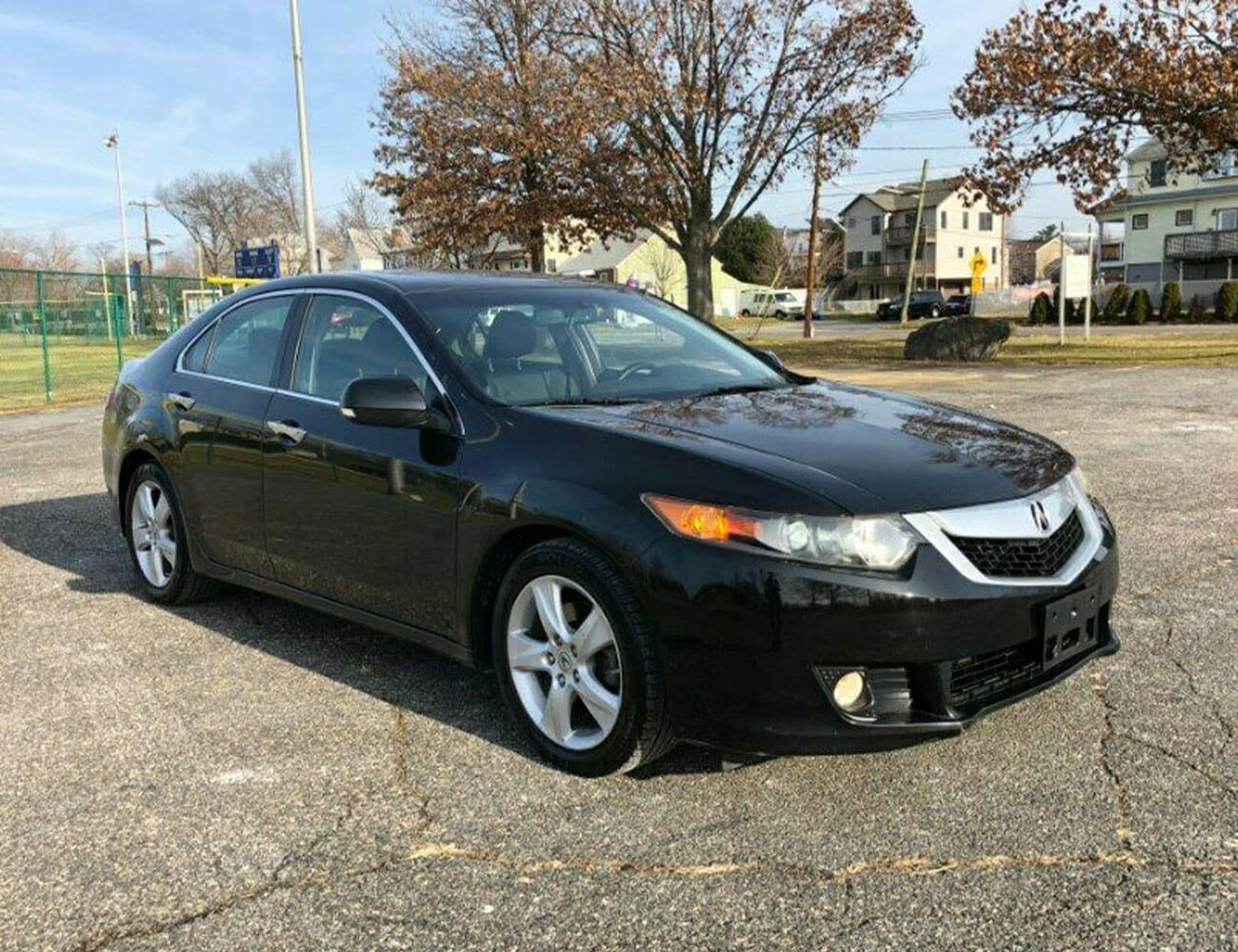
Acuras are well-known for their reliability, but the TSX brings an added dose of spriteliness that the carmaker’s current lineup can sometimes be lacking. A six-speed manual is available, albeit only with the 201-hp inline-four, but that engine suits the car better than the 280-hp V6 that only comes with a five-speed automatic. (If you find one of the rare Sport Wagon variants in good condition, snap it up as quick as you can.) Low-mileage ones are rare, but you can find good ones with 60K miles or less for $14,000 or below with ease.

Nissan Leaf

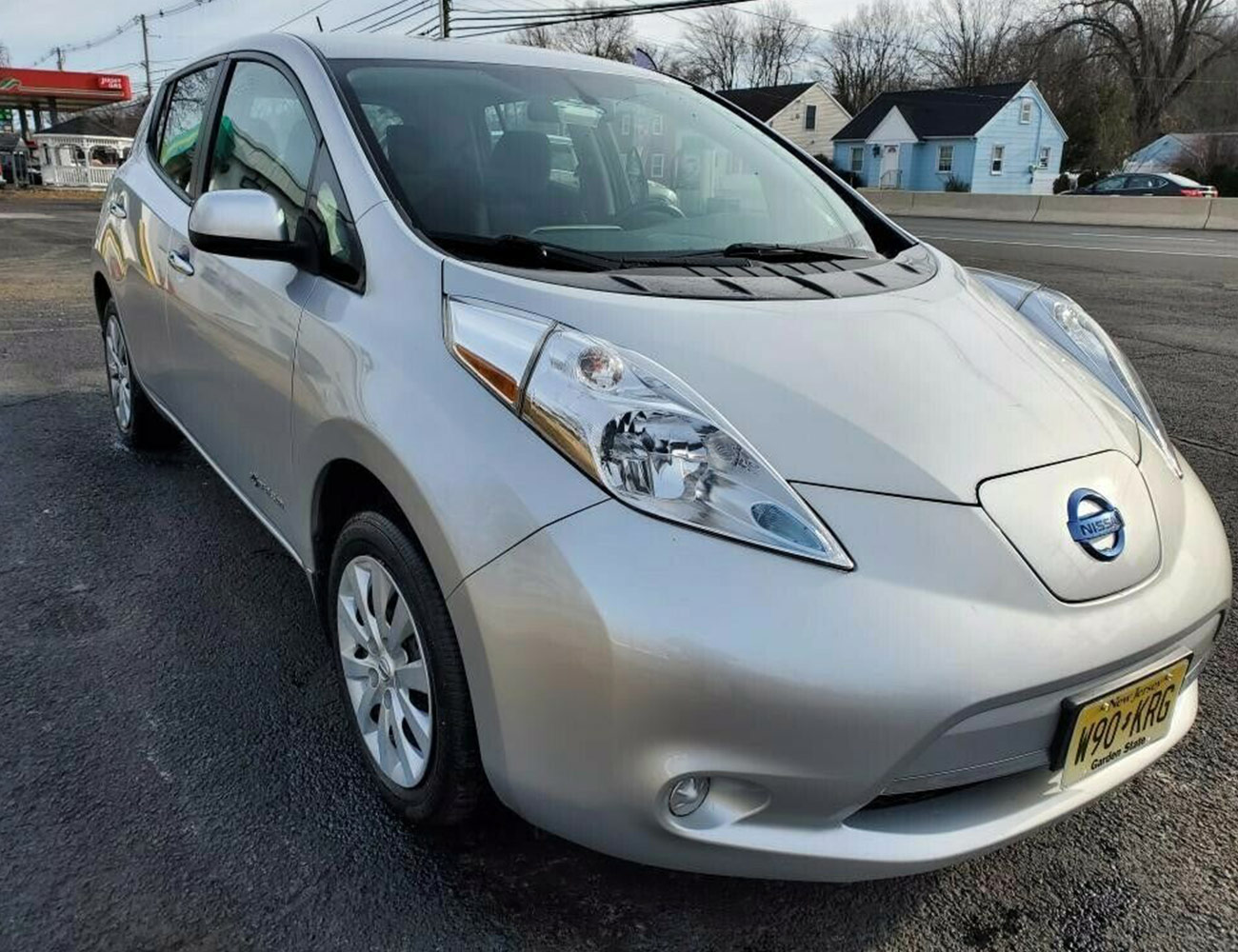
It may not be the sexiest electric car, or the roomiest, or the one offering the most range — but a used Nissan Leaf is one of the best deals you can grab on an EV. First-gen models at four-digit prices (yes, less than $10,000) with less than 60K miles abound across America, making them an ideal second commuter car for folks who might not have considered adding an electric to their household before. Plus, the inherent simplicity of an EV powertrain — with just a handful of moving parts compared to the hundreds of an internal-combustion one — helps make the Leaf plenty reliable.

Toyota Tundra

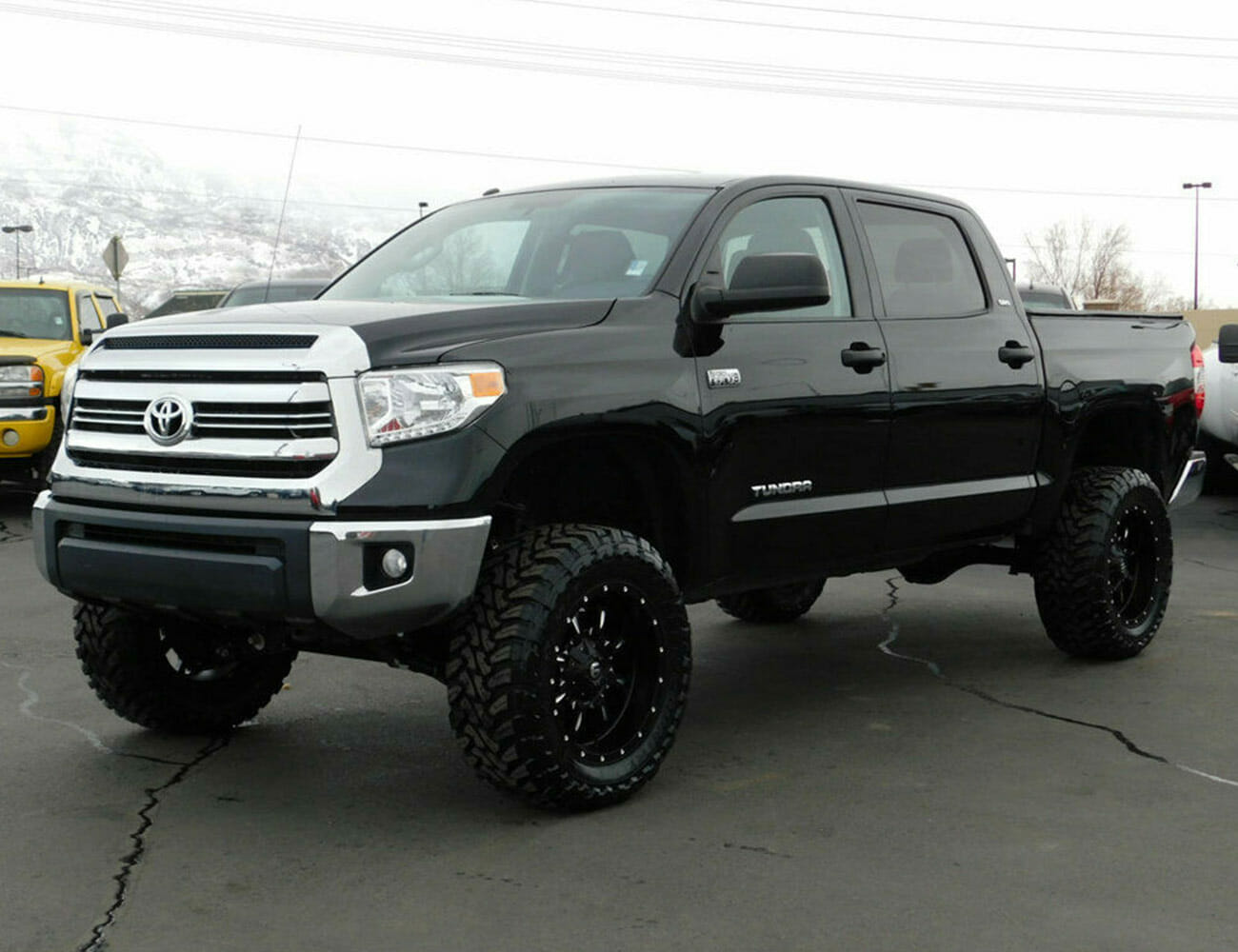
Toyota’s sterling reputation for reliability extends to their full-sized trucks just as much as it does their cars and SUVs, which means the Tundra ranks among the most reliable half-ton rigs on the road. Add in the fact that the truck on sale today is mechanically almost identical to the one sold in 2010, and there’s practically no reason to buy a new one instead of one of these. You can find tons out there with less than 50,000 miles for between $20K and $30K; or, if you want to go cheaper, there are plenty still under 100K that have prices in the teens.

Lexus GS


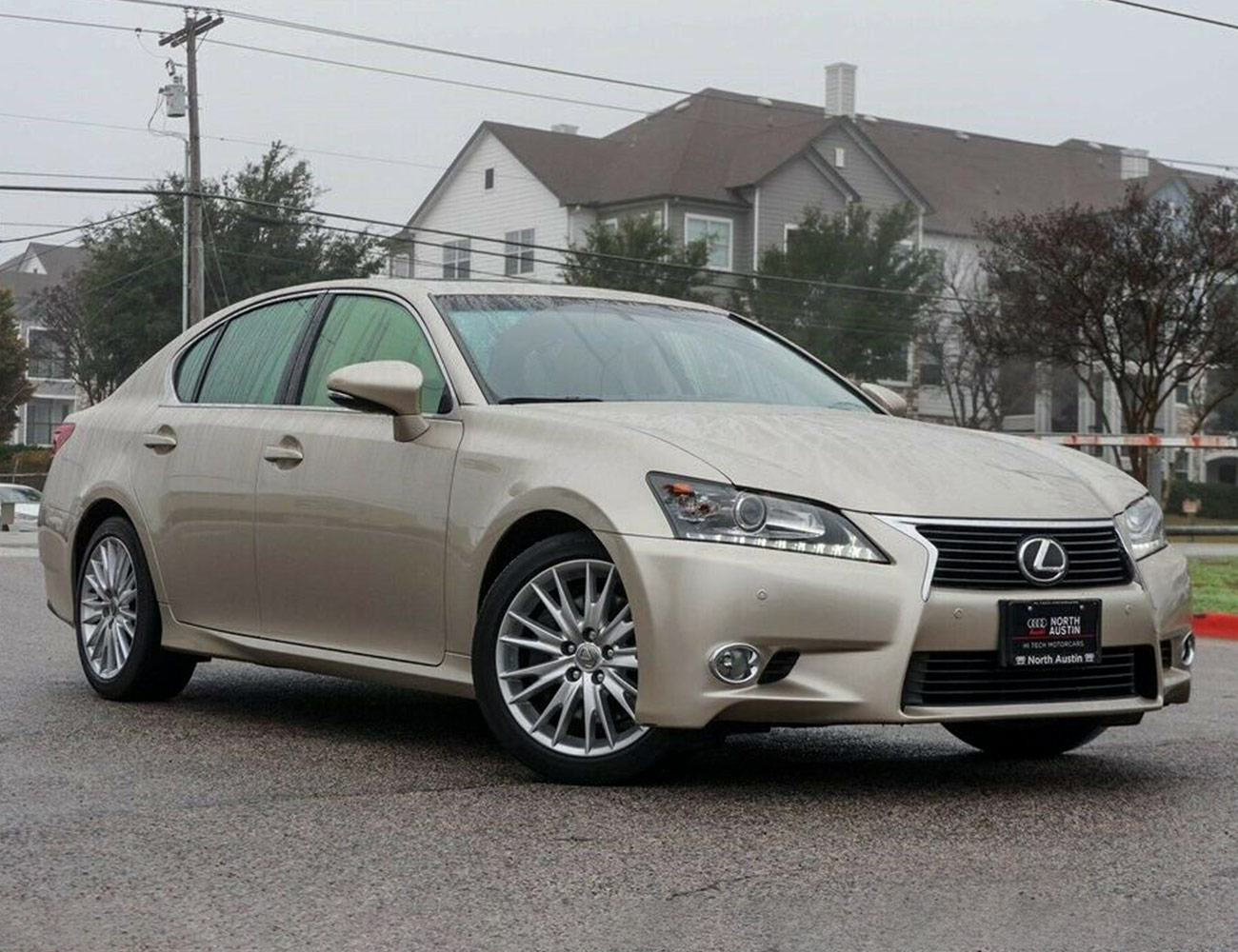
The fourth-generation GS was one of the first vehicles to prove Lexus was serious about adding some dynamism to its traditionally-staid cars. With a well-balanced chassis and nimble handling, it was the sort of four-door that proved worth holding up alongside the BMW 5 Series and Audi A6 as an entertaining option of its day. It’s also proven itself one of the most reliable luxury sedans you can buy. So long as you can live with the frustrating infotainment system, you’ll likely find it a great fit. You can find high-mileage ones (figure just over 100K) for around $16,000, but just a couple grand more will net you one with less than 60K miles on the clock.

Porsche Boxster / Cayman

Granted, no new Porsche is going to be outright cheap to buy or take care of, but the 981-generation model sold from 2012 to 2016 is about as good a deal as you’ll find. The last generation of Boxster/Cayman to be powered by flat-sixes across the board, the 981 is generally seen as reliable and fairly cheap to own by Porsche specialists — and you can find solid examples in the mid-$20K-to-low-$30K range all day long.

Hyundai Genesis


The car currently known as the Genesis G80 started off as the second-generation Hyundai Genesis half a decade ago — and it makes for an even better used car today than it did a new one then. A 10-year/100,000-mile powertrain warranty means you should have plenty of coverage on your used car’s moving bits into the near future. It still rides smoothly and comfortably, and still looks like an Aston Martin at a glance. And they’re dirt cheap: V6 models with less than 50,000 miles can be yours for less than $20,000 all day long, while V8s with around 50K-80K can be yours for the same amount.

Toyota 4Runner

Not unlike its Tundra cousin, a 2010 4Runner is mechanically pretty much identical to a new one you can buy in a dealership today. As with the Tundra, that means used ones make for an excellent choice when seeking a car of Twenty-Teens provenance. Unlike the big pickup, though, the boom in overlanding has led 4Runners to hold their value quite well. Still, it’s cheaper than a new one — and better than most other four-wheel-drives you can buy. Good ones with less than 40,000 miles generally run in the mid-to-high-$20Ks; those looking to spend less can find plenty of ones with 75K-100K miles for prices around $20,000.

Note: Purchasing products through our links may earn us a portion of the sale, which supports our editorial team’s mission. Learn more here.

Will Sabel Courtney is Gear Patrol’s Motoring Editor, formerly of The Drive and RIDES Magazine. You can often find him test-driving new cars in New York City, cursing the slow-moving traffic surrounding him.

More by Will Sabel Courtney | Follow on Instagram · Twitter · Contact via Email
Mercedes-Benz GLS-Class Too Pricey? Buy a Mazda CX-9 Instead

The 2020 Mercedes GLS-Class is, as Mercedes likes to put it, the S-Class of the carmaker’s SUV lineup. It’s a paragon of luxury, driving dynamics and state-of-the-art technology. The GLS stands a cut above its peers; it’s a delightful car, whether you are chauffeuring your loved ones about or having yourself chauffeured.

The biggest drawback to the Mercedes -Benz GLS is the obvious one, though: it’s freaking expensive. The entry-level GLS 450 starts at $75,950. The top-tier GLS 580 with a V8 begins at $98,900. Buyers building realistically will spend at least a few thousand dollars more than that; maxing out Mercedes’s active driver assists alone is a $2,250 proposition. We’re not talking G-Class-grade extravagance, but the GLS price tag will be beyond the means of most buyers.

Mercedes does offer a GLS in miniature, the all-new GLB-Class. It’s stylish, practical, tech-laden, and starts under $40,000. You can — with a fair bit of squeezing — cram seven passengers (if they’re not all adults) into that compact vehicle.

But to get that GLS gravitas and premium feel for a reduced cost in a similarly-sized car, you must look outside the Mercedes brand. Consider: the Mazda CX-9.

The CX-9 brings distinction and luxury you wouldn’t expect from a car made by a mainstream brand. I drove the highest-level Signature trim over the holidays ($47,855 as tested); while the exterior gave off a stately (if price-appropriate) appearance, inside, it felt like a much more expensive car. Our tester had Parchment Nappa leather and real Santos Rosewood trim — the sort of materials one would expect to find in a Mercedes. Heated second-row captain’s chairs proved a comfortable place to relax in the back. Even the ambient lighting felt like a high-end touch.

The CX-9, like the GLS, drives impressively for its size. One of Gear Patrol‘s own once called it “the best SUV (he’d) ever driven.” It only comes with a turbocharged inline-four, rather than a V6 or V8, but with 320 lb-ft of torque, the engine never feels overmatched. You don’t get the GLS’s fancy E-Active Body Control, but the CX-9 is smooth, refined, and consistent on the road; there’s a low center of gravity and hardly any body roll. It’s not a Mazda sports car, but it handles like a smaller machine.

Sure, there are some ways the CX-9 won’t measure up to the Merc. The GLS is a lot bigger, with 84.7 cubic feet of potential cargo space to the CX-9’s 71.2. The Mazda’s third row is tight, as is the trunk with those seats raised. The CX-9’s tech does not quite feel as advanced as the Benz’s; it offers just one 9.0-inch display to the Mercedes’ dual 12.3-inch ones. The infotainment system is a bit cumbersome and laggy, and the backup camera had the worst picture quality of any car I’ve driven recently.

That said, while the CX-9 does not offer everything the GLS-Class does, it offers a lot of the appeal for less than half the price. The base model CX-9 starts at just $33,790.

Note: Purchasing products through our links may earn us a portion of the sale, which supports our editorial team’s mission. Learn more here.

Tyler Duffy is Gear Patrol’s Motoring Staff Writer. He used to write about sports for The Big Lead and The Athletic. He has a black belt in toddler wrangling. He’s based outside Detroit.

More by Tyler Duffy | Follow on Facebook · Instagram · Twitter · Contact via Email
Which Ford Should You Buy? Let Our Quick Guide Help You Figure It Out

Describing the Ford Motor Company as a fixture of the American automotive scene would be an understatement. Ford essentially invented the mass-produced automobile with the world’s first moving assembly line. One of America’s greatest automotive icons, the Mustang, is a Ford. America’s perennial best-selling vehicle for nearly 40 years running, the F-150 pickup, is a Ford. American engines have powered 13 Formula 1 championships and six outright wins at the 24 Hours of Le Mans endurance race… and all of them were Fords.

The American automotive industry is currently undergoing massive changes — and so, consequently, is the Ford Motor Company. It is reorienting toward a future as a multifaceted mobility and tech firm, yet in the here and now, the Blue Oval has shorn its model tree of nearly everything but trucks and SUVs in search of present-day profitability.

So if you’re shopping for one today, what’s the best Ford vehicle to buy? It depends on what you’re looking for…and maybe whether you’re willing to wait for the Mustang Mach-E or the new Bronco. Here’s a quick, helpful guide to help you figure out what you need.

Want the best performance value? Get a Mustang GT

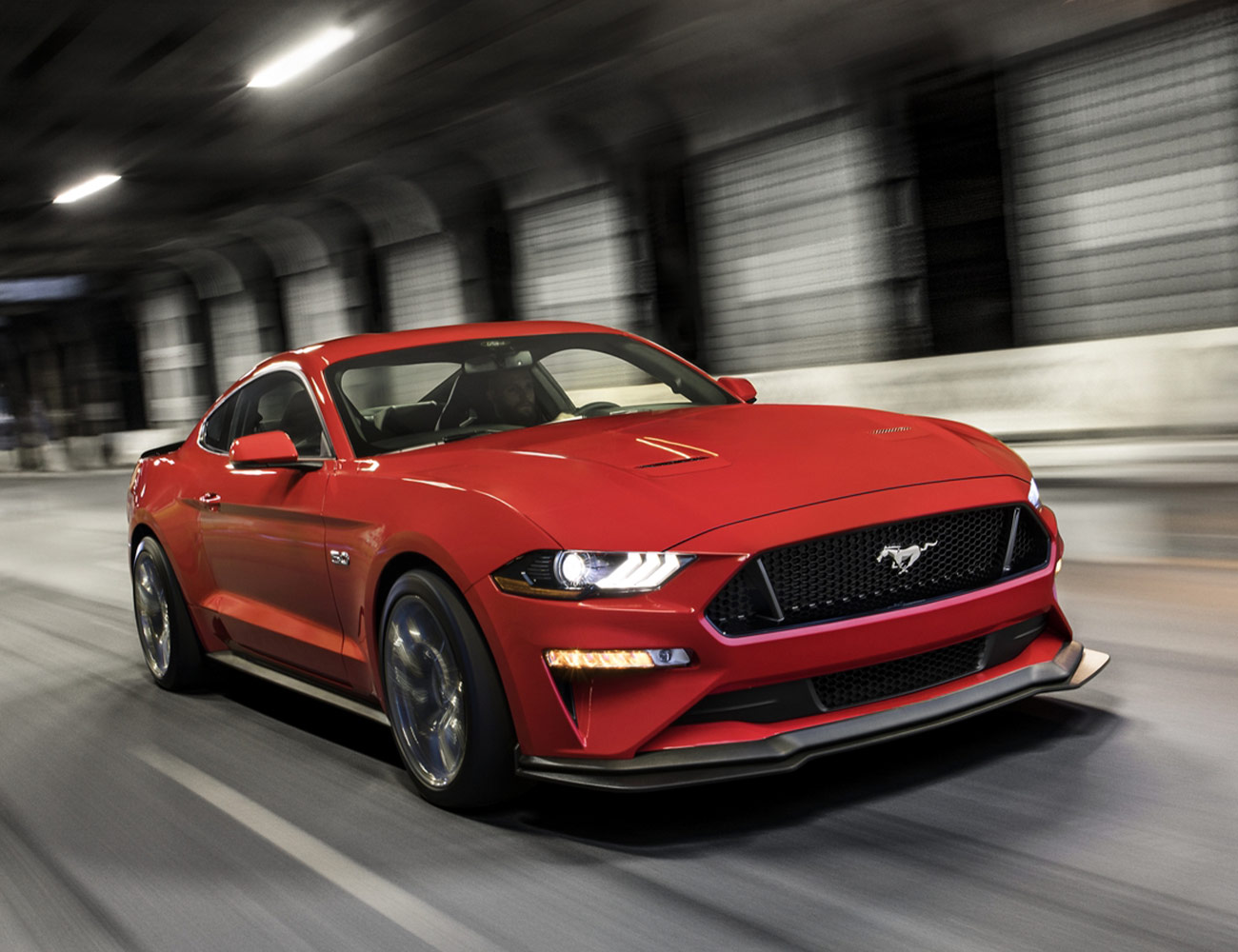
You can find greater precision and refinement in a sports car than the Ford Mustang has to offer, but the car has made major strides in recent years — so it’s nearly impossible to beat the Mustang GT as a value proposition. Ford will give you a 460-horsepower V8 and a six-speed manual transmission with which to wield it for less than $40,000. (Those with some extra cash to spend may wish to level up to the Bullitt edition, however.)

Want something fuel-efficient? Get a 2020 Fusion Plug-In Hybrid

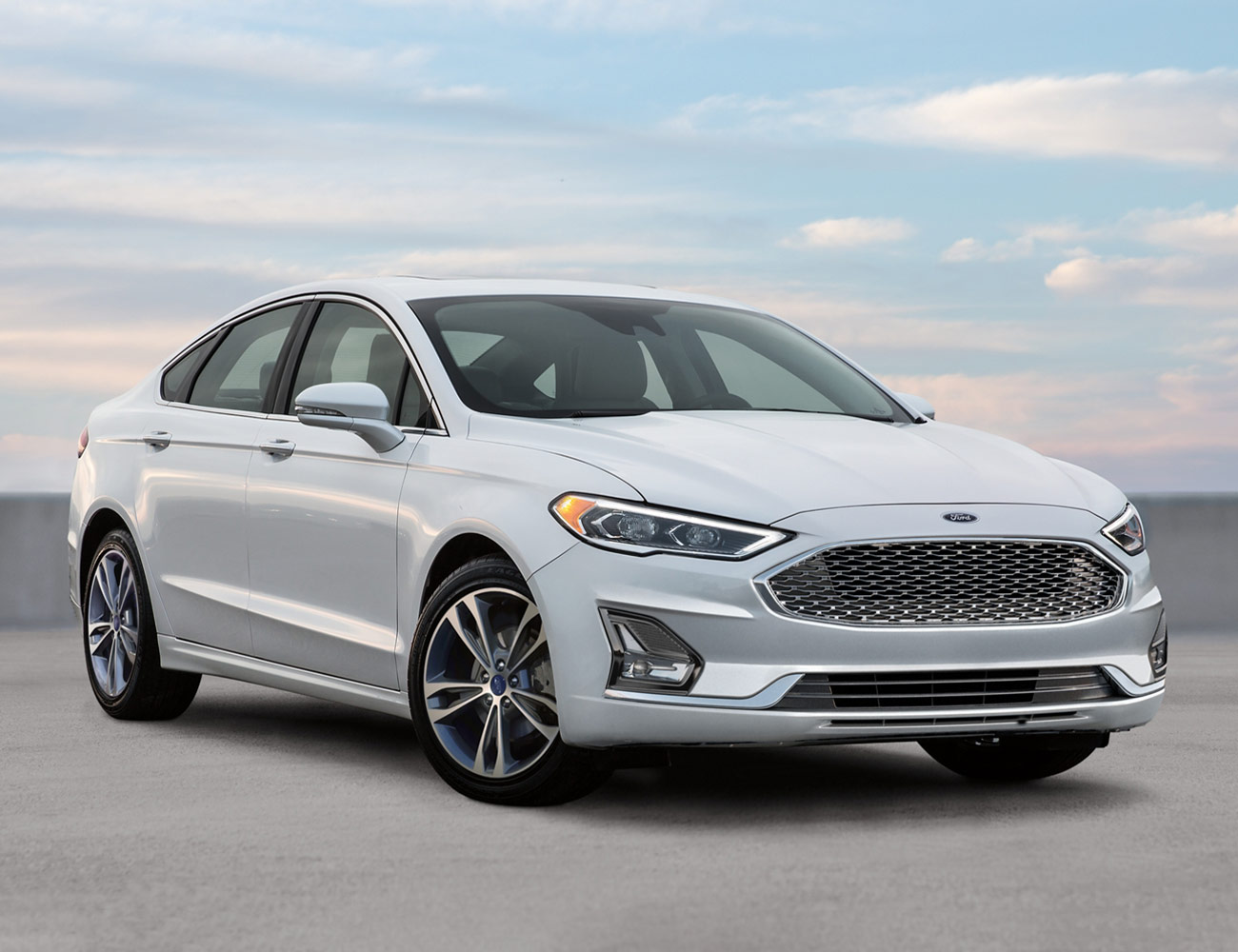
The Ford Fusion sedan is soon to die, but it’s still available for the 2020 model year.  The plug-in hybrid variant is currently Ford’s most fuel-efficient vehicle. It earns 42 mpg combined in city and highway driving, and also offers 26 miles of electric-only range in EV mode.

Want a family hauler? Get a Ford Expedition

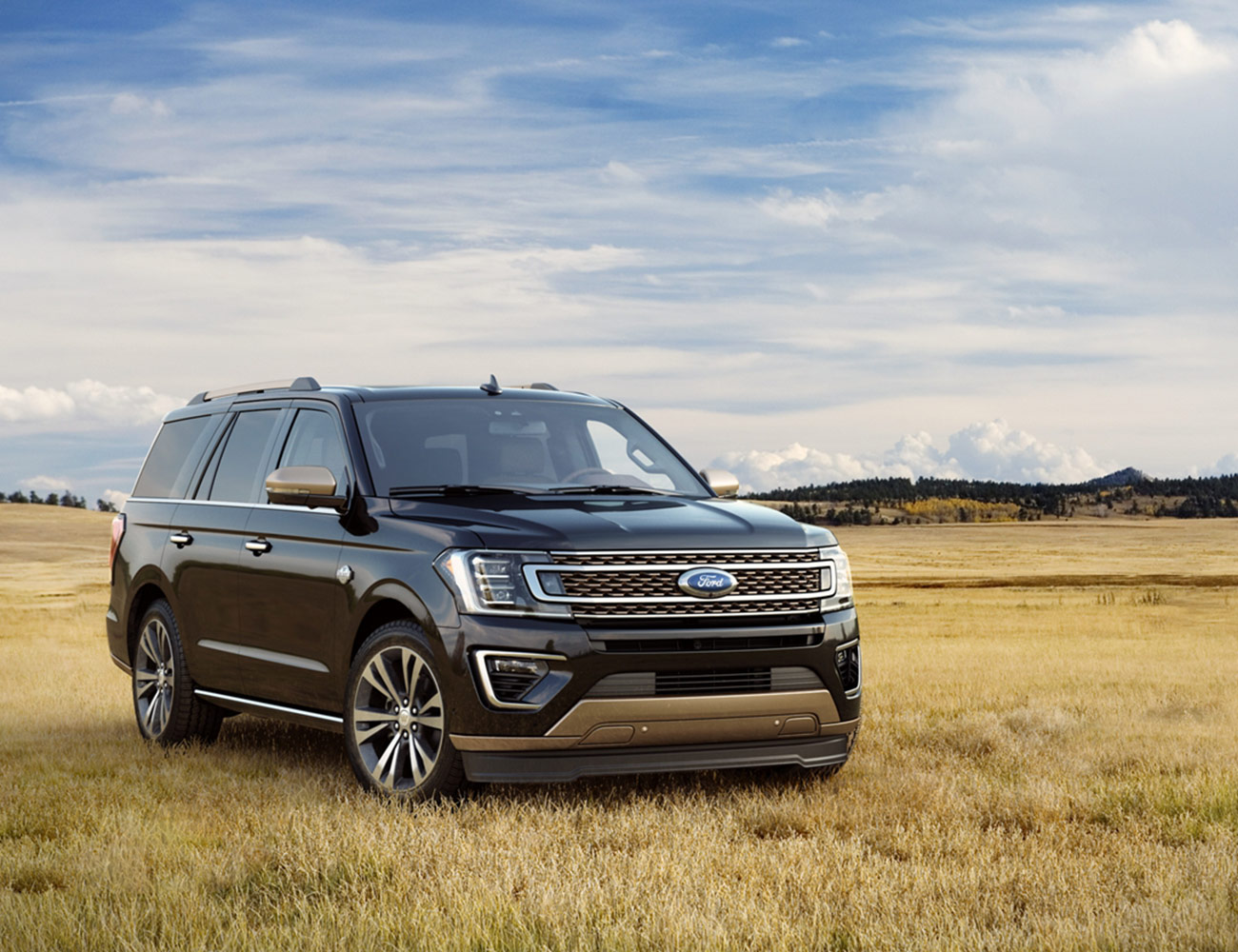
The Ford Expedition is enormous, but it’s far from ogreish on the road. The latest generation lost weight, thanks to an aluminum body. It makes 375 hp and 475 lb-ft of torque, routed through an excellent 10-speed transmission. It has a very usable third row of seats, can be outfitted to tow more than 9,000 pounds, yet can accelerate from 0-60 mph in the low six-second range. Fuel economy — about 20 mpg combined — is quite reasonable for a vehicle this size, as well.

Want the best all-around vehicle? Get a Ford F-150

The Ford F-150 is America’s best-selling vehicle by a wide margin. The reason for that: Ford offers proven quality, whether you’re buying a $30,000 work truck or a $70,000 luxury ride. Ford dragged the full-sized truck market into the 21st Century with the current-gen F-150, with its lighter aluminum-based construction and turbocharged V6s in place of V8s. Even bigger changes should be in store for 2021.

Want the best all-around vehicle under $30,000? Get a Ford Ranger

Ford brought the mid-cycle Ranger back to the U.S. for the 2019 model year. Some may be upset the Ranger Raptor did not come with it, or that there is no V6 option. But the 2.3-liter EcoBoost four-cylinder and 10-speed transmission deliver a solid, capable truck, with 270 horsepower and 310 lb-ft of torque. Ford has been steadily adding off-road options to compete with the rest of the midsize segment.

Want to drive on a track? Get a Shelby GT500

Ford built the Shelby GT500 to embarrass supercars that cost three times the price. Mission accomplished. It’s the 760-hp monster you expect in a straight line, reaching 60 mph in 3.3 seconds and traveling a quarter-mile in 10.7 seconds. But besides being faster than its predecessor, it’s also refined and well-balanced in the corners. No manual transmission is available, but the modern tech makes it significantly easier to drive.

Want to (pretend to) run the Baja 1000? Get an F-150 Raptor

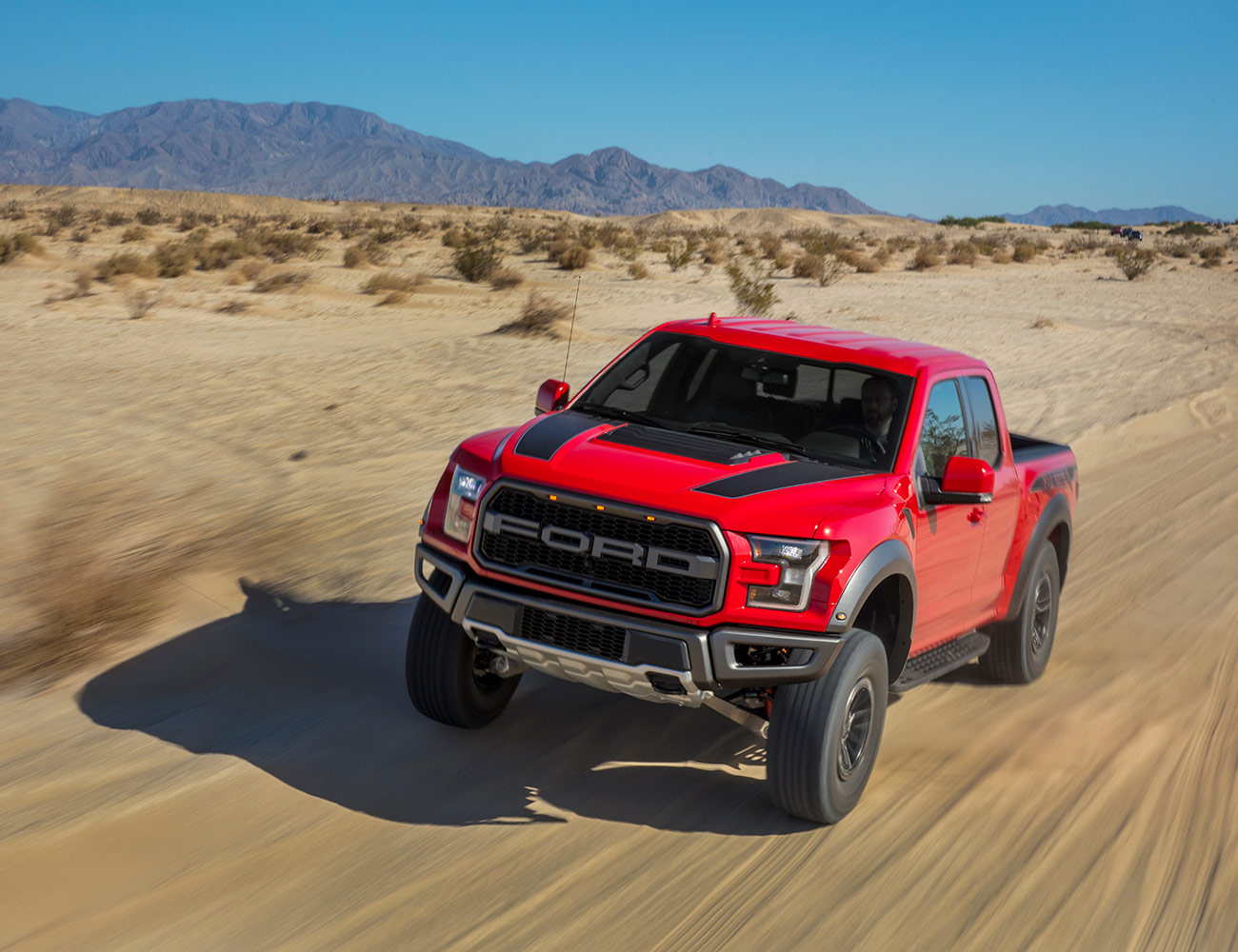
The F-150 Raptor is Ford’s off-road performance beast. Its 3.5-liter V6 puts out 450 hp and 510 lb-ft of torque. It can accelerate from 0-60 mph in a little more than five seconds. The Raptor gets Ford’s best off-road tech, Fox Racing shocks, and a special long-travel suspension. Sure, it’s freaking enormous, and complete overkill for the off-roading most people do. But being complete overkill is why it’s so popular.

Fine, you just want a crossover? Get a Ford Escape

The Ford Escape is all-new for 2020. Running on the Focus platform, it’s the de facto replacement for most of the Ford car lineup. There are four different engine options. You can equip a fairly decent one for around $30,000, making the Escape a competitive option in the compact SUV segment. It’s not exciting, but it’ll do what you need it to do.

Note: Purchasing products through our links may earn us a portion of the sale, which supports our editorial team’s mission. Learn more here.

Tyler Duffy is Gear Patrol’s Motoring Staff Writer. He used to write about sports for The Big Lead and The Athletic. He has a black belt in toddler wrangling. He’s based outside Detroit.

More by Tyler Duffy | Follow on Facebook · Instagram · Twitter · Contact via Email

The Secret to Airstream’s Future? Trailers Full of Smart Home Tech

Airstream didn’t have a booth at this year’s CES 2020 convention in Las Vegas, but CEO Bob Wheeler thinks his presence on the show’s floor is extremely worthwhile. For a brand that melds the automotive and residential realms, emerging technologies from both industries showcased at the event help inform the legendary camping giant as to what’s available, what’s desired, and what’s possible.

Smart home tech bleeds seamlessly into what we do,” Wheeler tells Gear Patrol, noting that while the brand’s illustrious heritage may be built on unchanging exterior design, its customers want the same convenience of connectivity and technology they enjoy in their homes.

“We want to be just ahead of the curve. We don’t want people to pay for something they don’t want to use,” he says.

Wheeler adds that the Airstream Smart Control app has been a gamechanger for clients. While not new, the Smart Control app dovetails with Airstream’s Multiplex control system to give your smartphone power over things like climate, lighting, awning extension, and tank and resource levels.

“What’s new will be the ability to link this system to the cloud, so you can understand, control and monitor your Airstream from anywhere,” Wheeler says.

Airstream is already starting to write AI systems that will use your data to help send warnings and tips to owners. “Say you’re on a hike and there’s a storm system approaching your area. We could send you an alert that it’s coming and offer to retract your awning. Or if the temperature is rapidly dropping, we can offer to turn on the heater to warm up the water in your tanks so it doesn’t freeze,” he says.

The AI could even understand your water and other resource levels (like propane or electricity) and calculate when you’ll need to top off — and how much you’ll need — before you head into the wilderness. Given that most of his customers are now trying to get further off the grid on Bureau of Land Management or National Forest Service land far from assisted campgrounds, this added level of help should be monumental.

Everything in development at Airstream is aimed at easing pain points for customers, whether they’re new to trailering or veterans of the wilderness. “We’ve found that Airstreamers love to stay near other Airstreamers, so adding a community component to the app, with a Waze-style interface, can help owners plan and navigate trips, and the roadside systems, making it more convenient,” says Wheeler.

To maximize efficiencies — and the Airstream experience — the brand will require some added buy-in from external partners. “We can’t get a refrigerator to tie into the Multiplex system yet,” he says, “which may not seem like a big deal if you’re in a house. But when your fridge is running off limited resources, your temperature can vary drastically and your food could spoil. We’d love to help prevent that by monitoring it.” He adds that the company is constantly talking to appliance makers at places like CES.

Wheeler is also keen to keep relationships strong with vehicle manufacturers. The dream would be to ingrate the Smart Control app into a vehicle’s infotainment system, making everything behind you controllable from inside your the truck or SUV towing the rig. Also on the docket for a collaboration with a manufacturer: camera systems that can be displayed inside your tow unit.

“We can put cameras on the outside of a trailer, but people blow tires all the time and don’t know it and keep driving, damaging the rim. If you could view those cameras from your car, you’d know instantly,” he says.

While Airstream’s strongest relationship is with General Motors, it is deeply interested in the electric vehicle space, paying particular attention to what upstarts like adventure-minded Rivian are bringing to market.

“EV sales are rising, though it’ll be a long time before the market saturates,” Wheeler says. “We know our customers are more likely to own an EV, even if they’re not currently using it to tow an Airstream, so how can we offer them something that can be towed by an EV without loss of range or significant battery drain?”

In the bid for range neutrality (i.e. not causing a car’s battery to drain faster than it would without a trailer), making Airstreams light is the obvious first step, but Wheeler also says adding a battery cell in the chassis of the trailer could supplement the towing EV. “Those cells can work in concert, maintaining the range, perhaps even enhancing it when the tow vehicle’s battery gets low.”

This requires OEM participation, though, so a third option is being mulled: adding a battery cell and a drivetrain directly into the trailer. Airstream’s parent company, Thor Industries, recently acquired Hymer, Europe’s largest manufacturer of RV trailers –which is significant because Hymer was responsible for eCoco, a functional concept of this very model.

“It’s got an axle drivetrain system with regenerative braking and control software that so that it’s self-propelled,” Wheeler says. “The trailer can never push the tow vehicle, but it can sense being pulled and accelerate to match the speed.”

Another advantage of a self-driving trailer? Get to a tight campsite, detach the trailer, and control it from your phone to maneuver it into the parking space under its own power. Plus, established campsites have power poles that could double as charging stations, giving you medium-to-fast charging at a number of places.

Note: Purchasing products through our links may earn us a portion of the sale, which supports our editorial team’s mission. Learn more here.

For Its New Concept, Mercedes-Benz Teamed Up with … James Cameron?

The biggest show in consumer tech is on right now. Catch up on our highlights and follow us on Instagram for up-to-the-second coverage!

While it may look like another concept car, all shimmery, futuristic and devoid of sharp angles, the Mercedes-Benz Vision AVTR concept unveiled at CES 2020 is anything but run of the mill. Inspired by the sustainability message of the movie Fern Gully Avatar (and the blockbuster’s forthcoming sequels), the Vision AVTR — it stands for “Advanced Vehicle Transformation,” but we see what they did there — is Mercedes’s forward-thinking crack at how man and machine may one day merge.

The result? A connected car that can sense your pulse and mimic it back; a vehicle that can extend your senses; a vehicle that practically becomes alive when you interact with it.

Sure, it’s all vaporware for now, but it’s still incredibly cool. The minute you sit inside the egg-shaped cockpit, the seat pulses back at you, matching your breathing and heartbeat. There’s no steering wheel or dashboard (it’s all one giant screen), but pop your hand over a giant joystick-of-sorts in the center console, and the car senses your hand and deploys a control mechanism to meet you. Menus are selected by holding your hand up and waving back and forth until illuminated icons appear in your palm. Select by closing your hand, and the car will pulse and hum in an indication of compliance.

The drivetrain is made of a revolutionary battery technology that’s graphene-based, using organic cell chemistry that doesn’t require rare metals or resources like nickel or cobalt. (It’s faster-charging, too.) It’s not scalable at this point, but rest assured, Mercedes engineers are working like mad to bring it to production.

The interior is comprised of sustainable materials, including a vegan “leather.” To further portray the car as a living organism, aerodynamic flaps that resemble scales actuate up and down even when the car is stopped, making it appear to breathe. The light strips were also purposefully set to pulse, like a neural network.

Before the Vision AVTR debuted on stage, Daimler chairman Ola Källenius told a packed Las Vegas auditorium that “connectivity is about more than just pairing your phone. It’s more satisfying when you can interact with the car like your friend.” While noting Merc’s commitment to be completely carbon–neutral by 2039, Källenius shared that the AVTR was meant to show how tech and nature can live symbiotically — which is how a natural partnership with James Cameron’s Avatar emerged.

Cameron himself turned up at the end of the presentation, telling the crowd he spends a ton of time thinking about what our future is going to look like. “Are we going to keep being takers or become caretakers?” the Oscar-winner mused. “Are we going to turn our back on our planet?”

“For Mercedes to make this commitment is great,” Cameron said. “It’s obviously a beautiful car and you can see the physical manifestation of a spiritual idea. And that inspires me. It may take years until it reaches model lines, but you have to start somewhere.”

Alex Mankowsky, a futurist with Mercedes-Benz who worked on the car for two years alongside Cameron’s production company Lightstorm Entertainment, added to the filmmaker’s thoughts while speaking with Gear Patrol. “Meaningful technology should connect us to nature,” Mankowsky said. “We are a part of nature, and this car gives us an opportunity to feel our environment.”

While it’s difficult to say what pieces of AVTR’s tech will percolate down to production lines first, Mankowsky believes that, as cars become semi-autonomous, omitting a steering wheel in favor of a joystick-style unit could be first. The gesture controls and the biometric responses of the car are also immediately downfield, Mankowsky said.

Note: Purchasing products through our links may earn us a portion of the sale, which supports our editorial team’s mission. Learn more here.