All posts in “Cars”

Supercar Capsule Is a Garage as Opulent as the Supercar You Display in It

Whether you’re talking about a Ferrari, Lamborghini, Porsche, McLaren or even a Ford GT, supercars are about more than sheer speed. Breakneck 0-60 and quarter mile times are absolutely essential, but looks are just as…

The Polestar 1 Is the Sexy Plug-In Hybrid You Never Knew You Wanted

If Volvo (and parent company Geely) has their way, you’ll talk about the Polestar brand in the same way you do Tesla come 10 years from now. The car-making conglomerate’s new brand is as dedicated to pure electricity being the fuel of the future as Elon Musk’s NASDAQ-boosting brand, and taking the fight straight to them; the company’s forthcoming sedan is basically aimed straight at the Model 3, while the following model will be a sleek SUV with its sights set on the Model Y.

So, of course, this electric-only brand of tomorrow is launching with a plug-in hybrid — the same sort of joint gas/electric powertrain Chevrolet rolled into mass production 10 years ago in the Great Recession-era Volt.

Ah, but the Polestar 1 is not just any plug-in hybrid. It’s a sleek gran turismo with a gorgeous two-door carbon-fiber body, as much torque as a heavy-duty pickup truck and a price tag that sets it against some of the best luxury coupes on sale today. So to see if it deserves to be praised or forgotten, we took it for a day and a half of driving around New York and New Jersey. Here’s what we learned.

The Polestar 1 is an odd duck, but you wouldn’t know it to look at it

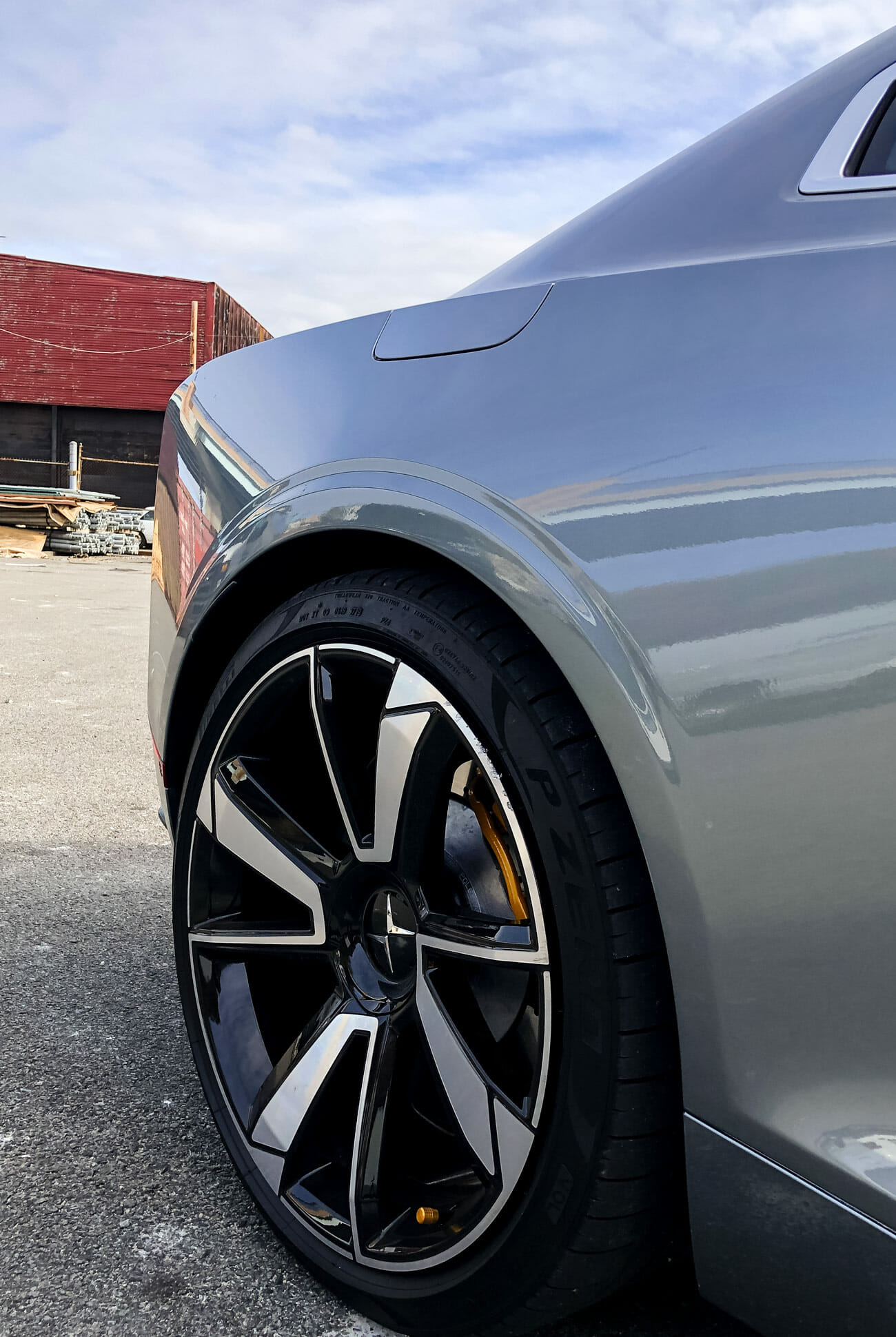
One glance at the Polestar 1 is enough to make its Volvo heritage apparent; indeed, it’s basically the spitting image of the Volvo Concept Coupe of 2013, just without the Austin Powers necklace in the middle of the grille. But while losing the logo would make most cars look like they escaped from a bank commercial, it actually helps the 1. The Polestar’s design is a true work of minimalist beauty, the sort of simple, clean automakers rarely turn out anymore. Muted shades — black, silver, gray and dark blue — are the only ones on offer, and they fit the car’s lines to a T. This is Scandinavian luxury done right.

If the surface seems every bit suited for a continent-crushing grand tourer, though, the power plant is a big surprise. That long hood that seems suited for a V12 or giant V8? Yeah, there’s a mere 2.0 liters and four cylinders of gas-burning engine below, the same inline-four that serves as the backbone of Volvo’s lineup. Like in Volvo’s top-tier models, it’s boosted by a turbocharger, a supercharger and electric motors. In the Polestar 1’s case, the gasoline engine (along with a small electric motor that adds a bit power but doesn’t work alone) sends energy to the front wheels alone, while two electric motors handle propulsion to the rear.

The result: a combined 600 horsepower and 738 pound-feet of torque. The latter is what feels the most prominent in everyday driving; the car zips forwards softly and instantaneously with an EV-like rush that presses you back in your seat. But the Polestar 1’s character changes even more than most hybrids based on what driving mode you’re in. You can leave it in EV-only mode (here dubbed “Pure”) more than most hybrids, as the 34-kWh battery provides enough range to cover 50-plus miles on electrons alone. The default is Hybrid, and it does what you’d think — toggling between powerplants as needs to balance thrust and economy. There’s another mode to lock it into AWD — a logical addition, given the brand’s Swedish roots — and finally, Power mode, which uncorks everything for maximum go.

The combined powertrain may sound hacked-together for a gran turismo, but the end result is a vehicle that seems perfectly suited for that task. The average daily commute can be knocked out on electric power alone, and it recharges fast enough — a 50-kW Level 3 charger gets it from 0 to 80 percent in less than an hour, while a Level 2 charger can fill it from empty in less than four — that you can top up every night with ease. Fuel economy on longer trips will likely be far better than any conventionally-powered GT, too — but the Polestar 1 still has the power to keep up when it’s time to hammer down.

The interior likely looks very familiar

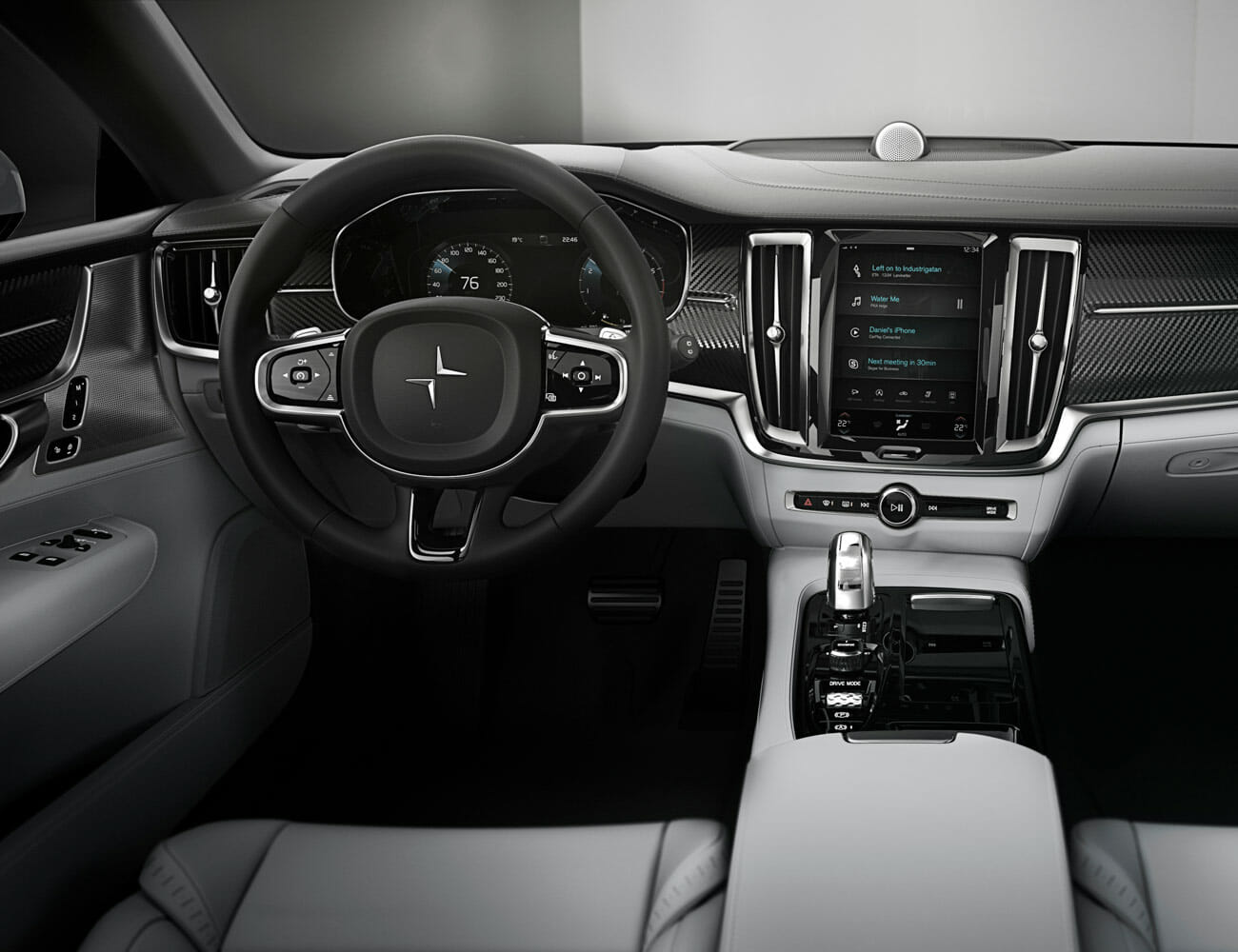
If you’ve ever sat inside one of Volvo’s higher-end models, the Polestar 1’s interior should look plenty familiar. Indeed, the switchgear and infotainment setup are basically identical to what you’d find in the V90 or XC90, all the way down to the crystal shifter, booming stereo and impressive-but-slightly-laggy portrait-oriented touchscreen.(An advanced Alphabet-developed touchscreen system is coming to the Polestar 2 and subsequent models.)

The further back you go, however, the different it’ll look. Unlike any current Volvo, behind the comfortable thrones up front lie just two small seats, better suited to packages and small pets than humans. Walk back further to the trunk, and inside, you’ll see some of the Polestar’s thick orange electricals on product display, hidden behind transparent panels. It’s a nice little feature to remind you of your virtuous choice whenever you’re dropping cubic feet of Charmin into the back at Costco.

Even if you have the money, good luck getting one

The Polestar 1 lands at a well-equipped starting price of $155,000. (The only option: matte paint, at $5,000.) That effectively puts it right up against both other high-end hybrid speed machines like the Acura NSX and BMW i8 and conventionally-powered GTs like the Aston Martin DB11 V8 and the Mercedes-AMG S63.

Of course, you’re less likely to come across a 1 than you are any of those others, because this halo car is being sold in very exclusive numbers. numbers. Only 1,500 will be made over the course of three years, with the entire world — from China to Europe to Canada to the United States — sharing that pool of cars. So if it seems like the sort of car you want to park in your garage, we suggest booking your online reservation pronto. Once it formally hits the streets here later this year, it may be too late.

Price as Tested: $155,000
Drivetrain: Hybrid 2.0-liter turbocharged and supercharged inline-four and dual electric motors, eight-speed automatic, all-wheel-drive
Power: 600 hp, 738 lb-ft
Fuel Economy: Not Yet rated
Seats: 2, with 2 spares in the back

Title TK

grey_placeholdergrey_placeholder

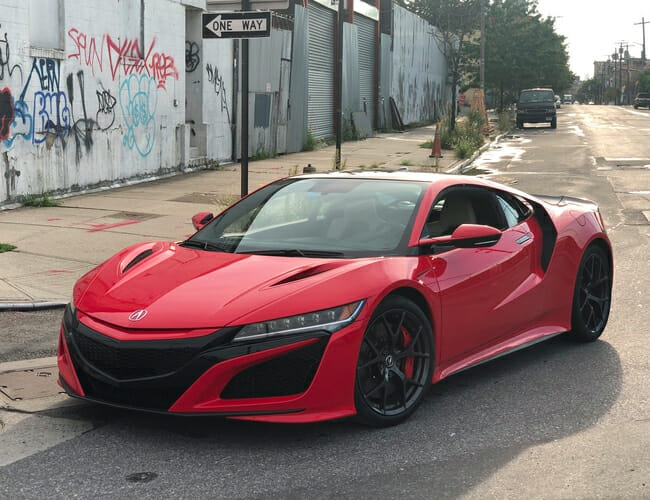
Acura’s super sports car is a dynamic, entertaining speed machine with styling worthy of a supercar. So why is no one taking it home? Read the Story

Note: Purchasing products through our links may earn us a portion of the sale, which supports our editorial team’s mission. Learn more here.
Will Sabel Courtney

Will Sabel Courtney is Gear Patrol’s Motoring Editor, formerly of The Drive and RIDES Magazine. You can often find him test-driving new cars in New York City, cursing the slow-moving traffic surrounding him.

More by Will Sabel Courtney | Follow on Instagram · Twitter · Contact via Email

Meet the Face of the All-New VW GTI

<!–Say Hi to the Face of the All-New VW GTI Hot Hatch • Gear Patrol<!– –>

it’s almost here


Volkswagen will launch the Mk8 generation of the iconic GTI hot hatch at the Geneva Auto Show in March. This car is coming to America, and it will have a manual transmission option. The company has promised the new performance car will be “cool as hell.”

Now, VW has offered a teaser image of the front end ahead of the launch. For those who have seen the new Mk8 Golf, there won’t be that much that surprises here. Volkswagen went with more aggressive-looking lighting than on the outgoing Mk7 generation. The classic red “lipstick” detailing and the honeycomb grille, on the other hand, are the changes one would have expected a GTI to receive to elevate it above the standard Golf.

The whole car should not be a dramatic aesthetic departure from the last GTI, which we firmly believe is one of the best cars Volkswagen has ever made. We hope the plaid seats, golf ball shifter, and spectacular blue paint from the Rabbit edition carry over. The GTI will receive Volkswagen’s new digital cockpit, however.

The major outstanding question is how powerful the engine will be. VW says the new turbo engine “will exceed expectations.” It should receive a significant bump over the current 228 horsepower edition, potentially with an even hotter TCR edition.

Note: Purchasing products through our links may earn us a portion of the sale, which supports our editorial team’s mission. Learn more here.
Tyler Duffy

Tyler Duffy is Gear Patrol’s Motoring Staff Writer. He used to write about sports for The Big Lead and The Athletic. He has a black belt in toddler wrangling. He’s based outside Detroit.

More by Tyler Duffy | Follow on Facebook · Instagram · Twitter · Contact via Email

<!–

–>

<!– –><!–

–>

One Automaker Produced Most of the Ugliest Cars, Trucks and SUVs of the 2000s

General Motors gets a lot of hate for the Pontiac Aztek, and rightly so. It’s among the ugliest crossovers and SUVs ever made, even if one could argue it was ahead of its time. But it was a different American automotive conglomerate with a distinctive track record of producing ghastly-looking cars in the 2000s: Chrysler.

Whether it was SUVs, sedans, trucks or sports cars, or Dodge, Ram, Jeep, Chrysler or Plymouth — no segment nor brand was immune from a general corporate malaise that produced a range of unmemorable cars with all-too-memorable appearance flaws. Some resulted from too few boundaries. Others resulted from corner-cutting necessitated by too many boundaries.

Below, we list some of the highlights (or lowlights, rather) from that era.

Plymouth / Chrysler Prowler (1997-02)

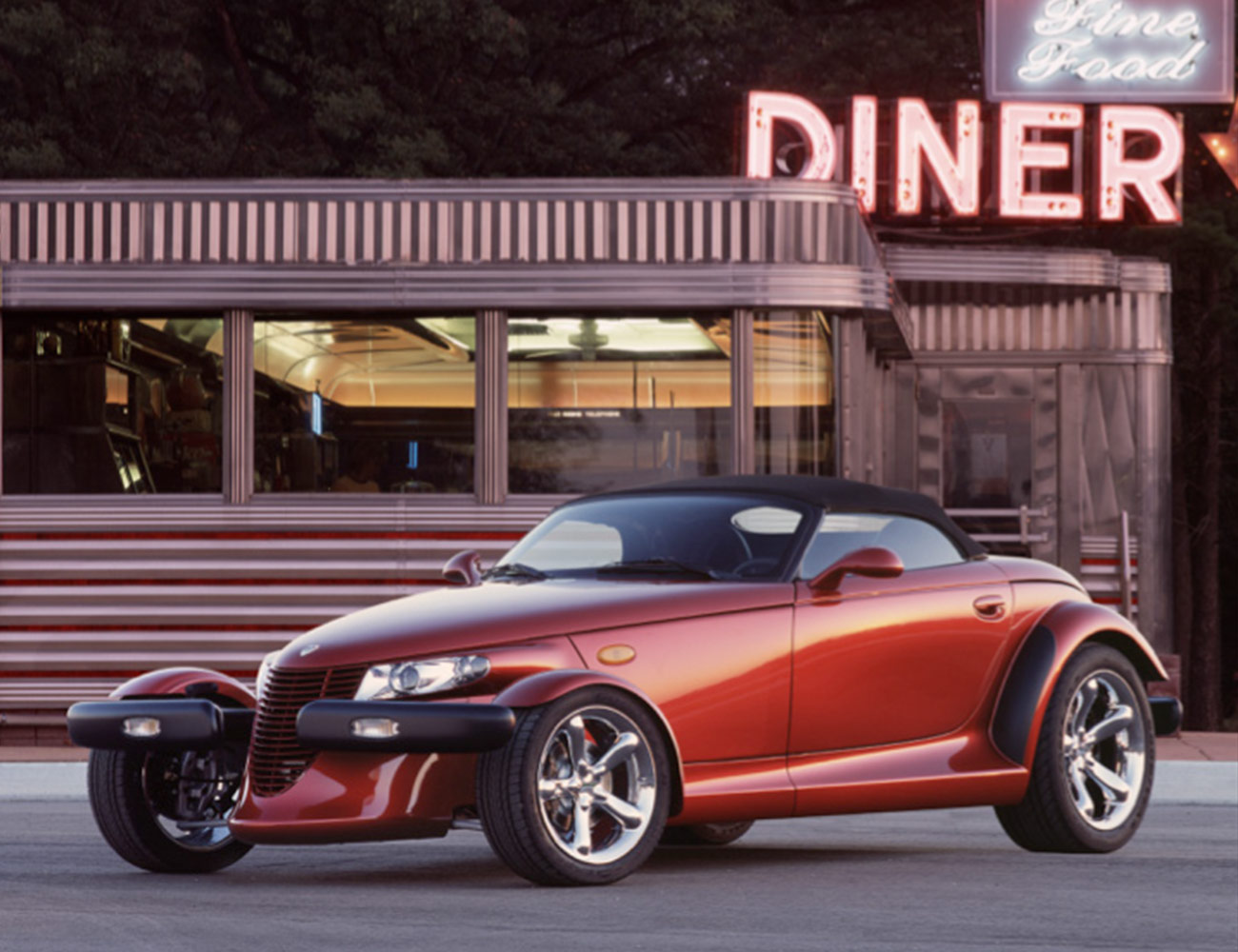
The Prowler was born in the 1990s, but for some reason, Chrysler kept it alive into the 2000s. It had open wheels, ghastly front bumpers to make it street-legal, an odd matching trailer option and a mediocre V6 that couldn’t capture that hot rod magic. The Prowler had all the weirdness of a Morgan, but none of the coolness.

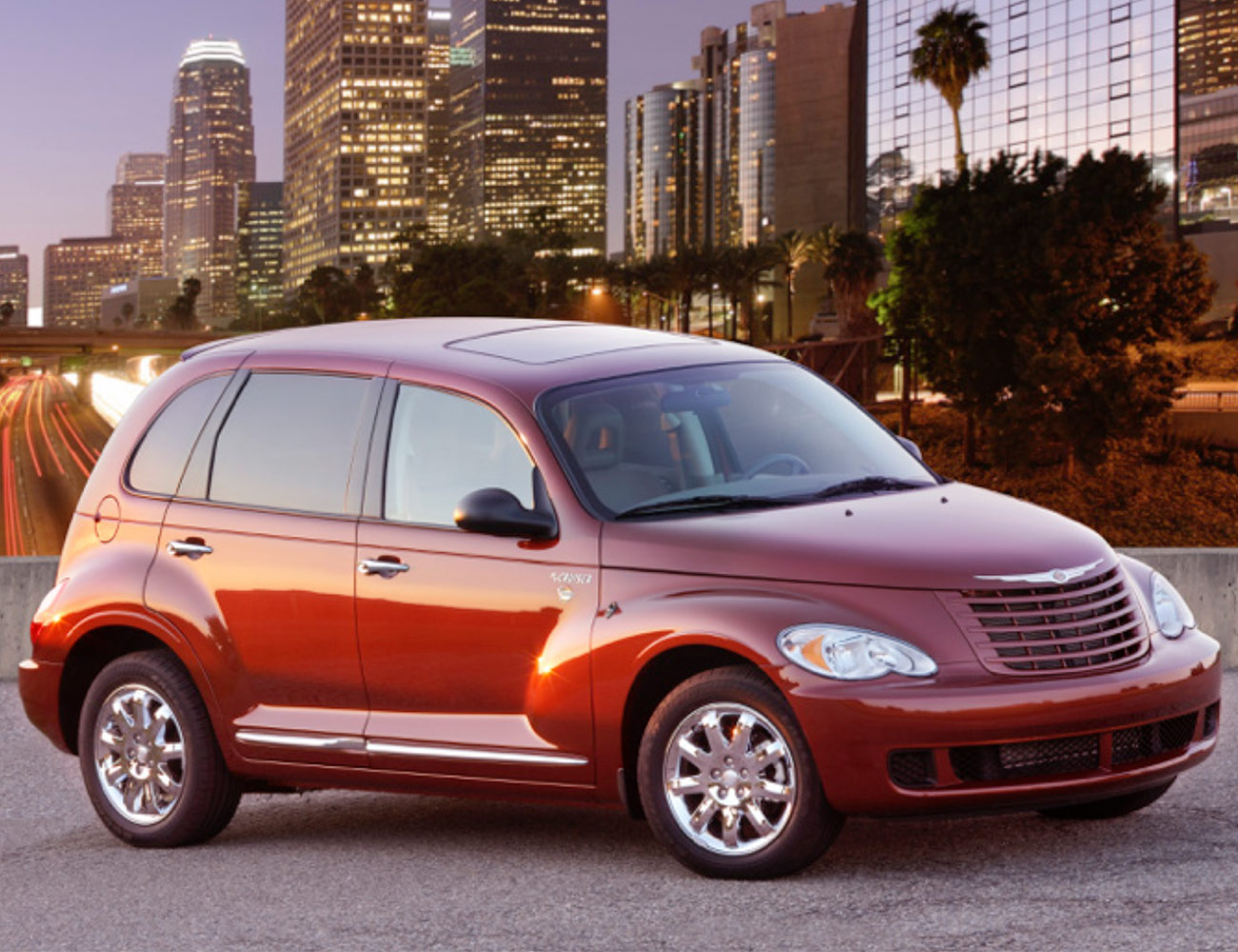
Chrysler PT Cruiser (2001-10)

If the Prowler was the purist vision of Chrysler’s retro ideals, the PT Cruiser was the attempt to translate those 1930s design cues into a more practical, four-door vehicle. Chrysler tried out wood trim, a convertible version , and…whatever was going on with this two-tone couture edition. Nothing worked. It may have been the least sexy car ever made (unless you wrote for Motor Trend).

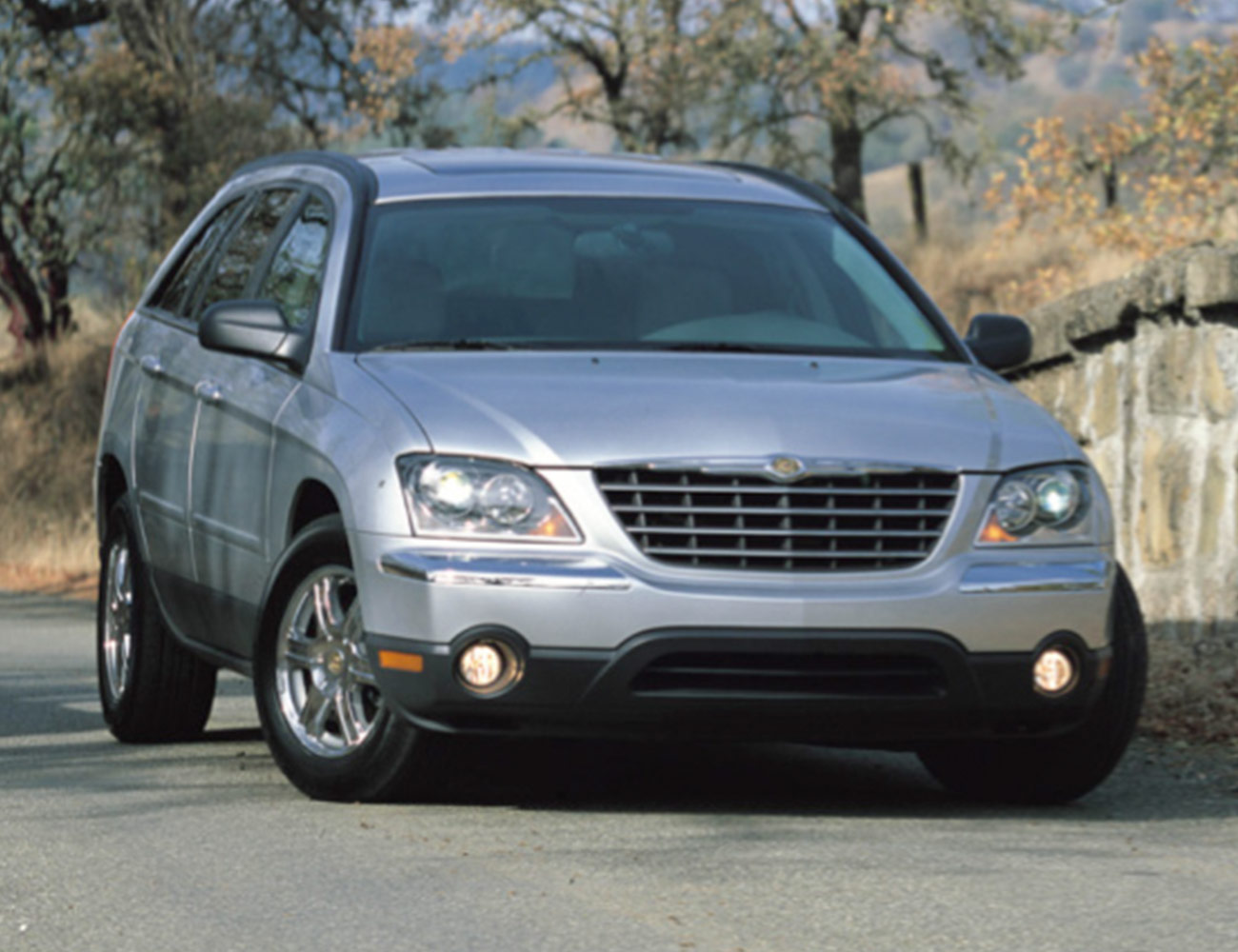
Chrysler Pacifica (2004-06)

As a practical, mid-height crossover with a third row of seats, the first Chrysler Pacifica was a vehicle ahead of its time. You can spy a bit of the PT Cruiser’s influence on the front end, but the rest of the design is amorphous and bland. Chrysler gave the Pacifica a bold line down the door handles to give it…we don’t know why they did it, actually.

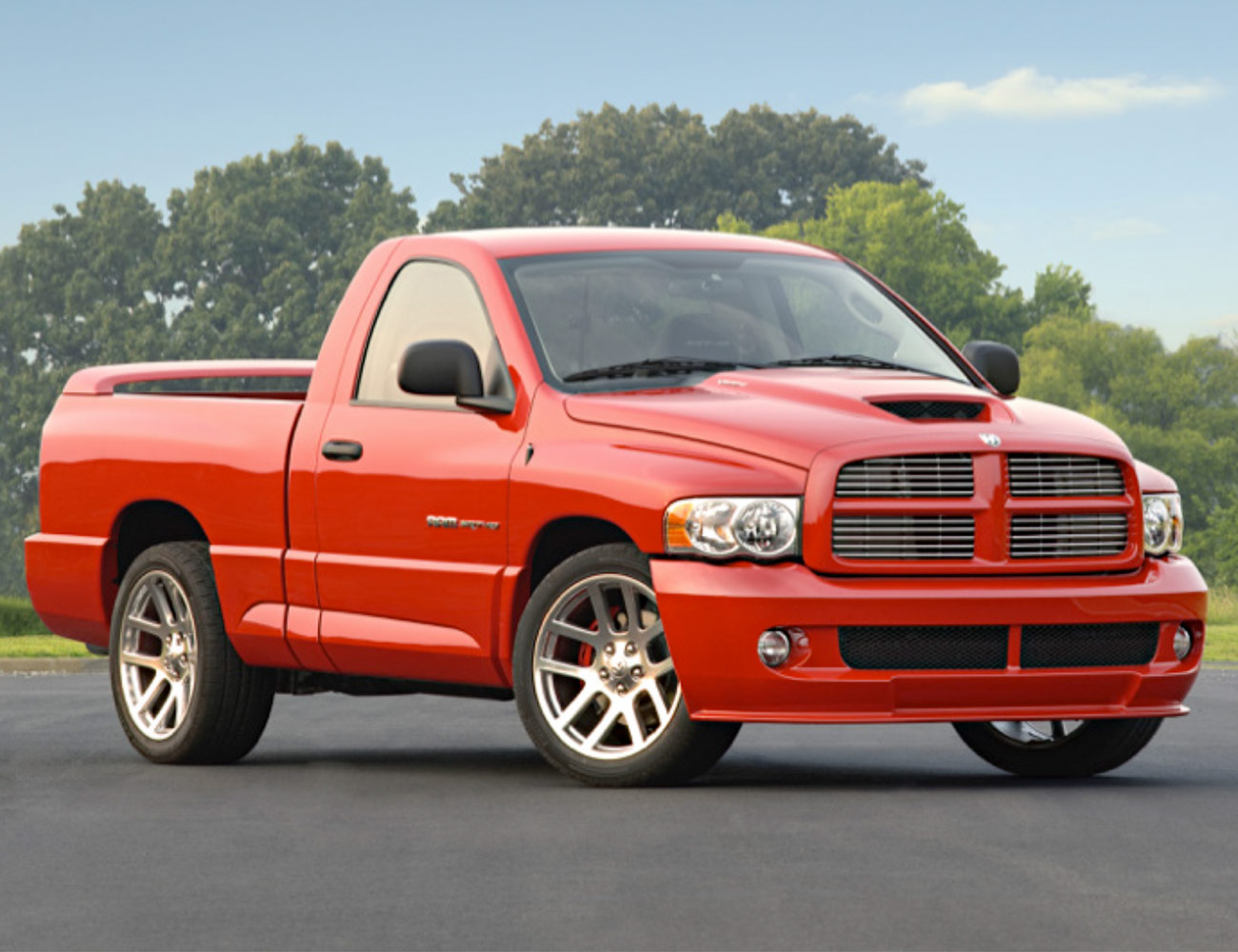
Dodge Ram SRT-10 (2004-06)

What if you put the 8.3-liter V10 from the Viper in a full-size pickup? For a brief, beautiful few years, Dodge decided to find out. It packed a large power dome hood with a scoop, a mug that looks like it’s jutting out its lower lip, and a jumble of vents on the front, usually highlighted by the ever-popular racing stripes. And, oh yeah: it had a spoiler.

Jeep Grand Cherokee (2005-10)

This Grand Cherokee warrants inclusion for those rounded headlights that distort the shape of the hood alone, especially as they come paired with turn signals clearly intended to go with square headlights. The car looks like someone Photoshopped round lights on it — and not well. The execution of the taillights was not much better, and the unimaginative body did little to salvage matters.

Dodge Nitro (2007-12)

Dodge decided it needed an edgy, street-oriented compact SUV in the lineup. Thus, we got a lowered Jeep Liberty with chunky fenders and an ugly Dodge mug. Off-color cladding on the base models made the lower fascia like a hipster beard. And in case buying a car called the “Nitro” wasn’t extreeeeeeeme enough for you, you could opt for trim levels called “Detonator” and “Shock” to drive the point home.

Jeep Compass (2007-10)

The current Jeep Compass is pleasant enough to look at. The first-gen Compass was a complete eyesore. It had bug eyes, big jowls, oddly squared-off wheel arches and a C-pillar door handle for pizzazz. And what was going on with that triangular D-pillar?

Dodge Caliber SRT4 (2008-09)

The Caliber was the epitome of mid-2000s-era Chrysler sadness. Massive fenders and lower fascia; a grille and headlights that got lost on their way to the bigger SUV they were bound for; and plastic everywhere, including the door handles. Then Dodge decided to make a hot hatch version…with a hood scoop and a spoiler.

Note: Purchasing products through our links may earn us a portion of the sale, which supports our editorial team’s mission. Learn more here.
Tyler Duffy

Tyler Duffy is Gear Patrol’s Motoring Staff Writer. He used to write about sports for The Big Lead and The Athletic. He has a black belt in toddler wrangling. He’s based outside Detroit.

More by Tyler Duffy | Follow on Facebook · Instagram · Twitter · Contact via Email

The Aston Martin Vantage Is the Angry Sex Panther of Sports Cars

driving it’s an ad-vantage of this job

The Aston Martin Vantage Is the Angry Sex Panther of Sports Cars


The Aston Martin Vantage is the entry-level car in the British company’s lineup, but you’d never think it’s the base model to look at it. Granted, a car that starts at roughly $150,000 is hardly basic transportation, but even carmakers who traffic exclusively in six-figure iron usually don’t put the snazziest car at the bottom of the ladder. The Ferrari Portofino is no match for the 812 Superfast, and while the Lamborghini Huracan may be snazzy, there’s little arguing that the Aventador is more representative of the brand’s ideals.

The Vantage, though, is arguably the best-looking car in Aston’s lineup. It’s every bit as aggressive a design as the range-topping DBS Superleggera, though its compact proportions lend it extra ferocity — yet the muscular, powerful lines of shrink-wrapped sheet metal lend it a certain sensuality few cars can match. If it were a cologne in Brian Fantana’s musk closet, it’d be Sex Panther.

And as the least-expensive ride in the carmaker’s portfolio (I won’t go so far as to call it cheap), the Vantage also seems like the most likely to be used as somebody’s primary car — or at least their regular weekend one. (Hey, you can lease one for $1,699 a month and $0 down in the New York area.) So to find out how well this car handles the bump n’ grind of real life, we took one out for a spin in New York City and Long Island over the course of a weekend.

There’s no arguing with the performance

Mercedes-AMG’s 4.0-liter twin-turbo V8 is a magnificent powerplant, and the Vantage uses it delightfully well. ZF’s eight-speed automatic is a delightful dance partner; you can order the car with a seven-speed manual for the 2021 model year, but between the stick’s awkward dogleg shift pattern and the overall goodness of the eight-speed (along with the fact that the latter is the only way to get the electronic limited-slip differential out back), I’d almost go so far as to say the automatic is the superior choice.

(I say this, of course, having not yet sampled the stick-shift Vantage. Hint, hint, Aston.)

The short wheelbase and athletic suspension makes it darty and fun; while the ride is a bit harsh, especially on the shattered surface of some of New York’s roads, it never reaches bone-breaking levels of harshness. Cars like the Vulcan and Valkyrie aside, Aston’s bailiwick has long been grand tourers that lean more towards the more restrained end of the sports car spectrum, and the Vantage proves you don’t have to lose that in order to have the agility and playfulness of a true weekend plaything.

It’s surprisingly usable, given, y’know, it’s a tiny Aston Martin sports car

No, the Vantage can’t carry as much as, say, the new DBX, but it’s still plenty roomy and utilitarian for a two-seat sports car of its proportions. The front seats are spacious enough for even taller folks to stretch out, and an ample parcel shelf behind the chairs provides room for backpacks, jackets and purses. The trunk may be a bit strangely shaped, but there’s no arguing with the 12.4 cubic feet of space it offers up. And the short overhangs mean the expensive-looking front lip and rear diffuser are less likely to scrape on ramps than you might suspect.

It faces some stiff competition

If the Vantage has one big problem, it’s that it faces some seriously noteworthy foes. Going up against the likes of the Porsche 911 Turbo and 911 GT3 alone is the sort of challenge no manufacturer likely relishes; the high-end 911s are nearly unbeatable in most objective and subjective categories, from performance to driving fun. For those who prefer something futuristic-looking and tech-packed, BMW’s i8 and Acura’s NSX both pose a hybrid threat. And anyone who wants something wildly exotic is more likely to be drawn to the mid-engined McLaren 570S and Audi R8.

That said…when the Vantage first came out, I had a loaner for a couple of days, and since I was coming back from a work trip, I asked the fleet service company that handles logistics for media loans to leave it for me at the airport valet lot. The shuttle dropped me off along with everyone else at the parking lot, the Vantage practically singing “One of These Things (Is Not Like the Other)” from its spot between the crossovers and compacts. I fired it up, put it in gear, roared onto the highway…and realized this must be what James Bond feels like every time he comes home from a mission. Even your 911 Turbos can’t give you that.

Drivetrain: 4.0-liter twin-turbo V8, eight-speed automatic, rear-wheel-drive
Power: 503 hp, 505 lb-ft
Fuel Economy: 18 mpg city, 24 mpg highway
Seats: 2
Note: Purchasing products through our links may earn us a portion of the sale, which supports our editorial team’s mission. Learn more here.
Will Sabel Courtney

Will Sabel Courtney is Gear Patrol’s Motoring Editor, formerly of The Drive and RIDES Magazine. You can often find him test-driving new cars in New York City, cursing the slow-moving traffic surrounding him.

More by Will Sabel Courtney | Follow on Instagram · Twitter · Contact via Email

Zero’s New Electric Motorcycle Is Designed to Change Your Mind

“We didn’t just put a fairing on an SR/F.” So said Abe Askenazi, CTO of Zero Motorcycles, at the unveiling of the all-new SRS in New York City on Wednesday afternoon. And thanks to some critical differences between this new bike and its incredibly fast and fun older brother, we’re inclined to agree.

Having spent a little time with Zero’s first fully faired ride, we’re most excited about the following distinguishing features of the SR/S.

1. It’s Comfier

Whereas the SR/F is an F-16, Zero likens the SR/S to a private jet. Toward that end, it features lower pegs and higher handlebars for a more upright and relaxed riding position. Even passengers benefit from lower pegs and a bigger seating area. The SR/S also integrates with luggage for those who like to travel with more than a backpack.

But that’s not to say this thing is a rolling sofa. With advanced aerospace design as its inspiration, the bike’s fairing boosts efficiency and range by 13 percent, promising to top 200 city miles — with the addition of Zero’s Power Tank — when you lean forward and tuck into the cockpit. A new mirror position (below the handlebars, rather than popping out the top) encourages this aerodynamically optimized position, whether you’re zipping through city traffic or flying down the highway.

2. It’s Smarter

On test rides of the SR/F, we were duly impressed with its touchscreen and app-pairing capabilities, which enabled us to monitor range, change ride modes, track our trips and more. The SR/S is even more advanced, offering the four standard ride modes plus up to 10 fully customizable ones. The Cypher III computer taps into all the Bosch stability control system has to offer, maximizing ABS, cornering, traction and drag torque control.

As we lalso earned at the unveiling, the battery is also optimized for Level 2 charging (by far the most common option for EVs), and the Rapid Charge System can take the bike from 0 to 95 percent in an hour.

3. It’s Value-Packed

Just because it’s all dressed up doesn’t mean the SR/S is all show and no go. Like the SR/F, it offers 140 pound-feet of torque, 110 horsepower and a top speed of 124 miles per hour, not to mention the mind-blowing pickup that makes the SR/F such a blast.

You might think it would all add up to a painful price point, but that’s not the case. The premium model with 6-kW Rapid Charger, heated hand grips and aluminum bar ends starts at $21,995 (versus $21,495 for the SR/F). The standard model with 3-kW Rapid Charger starts at $19,995 (versus $19,995).

Zero’s Power Tank, available March 1 for an additional $2,895, adds 3.6-kWh for an extended city range of 201 miles. Both models are available in Skyline Silver and Cerulian Blue colorways.

Our big takeaway? The SR/S should be able to deliver all the thrills of the SR/F in a more luxurious, approachable package. But we can’t wait to give it a thorough test ride to find out for sure.

Note: Purchasing products through our links may earn us a portion of the sale, which supports our editorial team’s mission. Learn more here.
Steve Mazzucchi

Steve Mazzucchi is Gear Patrol’s outdoors and fitness editor. Outside the office, you can find him mountain biking, snowboarding, motorcycling or sipping a dram of Laphroaig and daydreaming about such things.

More by Steve Mazzucchi | Follow on Facebook · Instagram · Twitter · Contact via Email

Honda Finally Made the Perfect Civic Type R, But There’s a Catch

<!–Honda Finally Made the Perfect Civic Type R, But There’s a Catch • Gear Patrol<!– –>

a type r for adults


Honda’s Civic Type R may be the hottest of hot hatches, at least among those we can buy in the U.S. It’s an impressive automotive achievement — one of the purest driver’s cars on the market, in spite of its front-wheel-drive powertrain. But the Civic Type R still polarizes car people with its aggressive looks. The hatchback confronts you head-on with its giant rear wing and bright red accents. For skeptics, it’s not a car that a serious adult could own.

Honda has resolved that problem for 2020 with the new Civic Type R Sport Line. This new trim tones the car down by reducing the wing to a small spoiler, swapping red highlights for gray and ditching the red bucket seats for more sensible black ones. The trim also delivers more comfort features; it drops down to 19-inch wheels from 20-inch ones to offer a more forgiving ride, and adds back insulation (stripped out of the standard Type R to reduce weight) to make the cabin quieter.

In short, the Sport Line trim makes the Civic Type R perfect. There’s just one slight catch: this trim will only be available for European customers. Honda told Autoblog that the company saw no reason to bring it to America, since the standard Civic Type R is selling so well. That sound you hear? That’s a sad trombone.

Note: Purchasing products through our links may earn us a portion of the sale, which supports our editorial team’s mission. Learn more here.
Tyler Duffy

Tyler Duffy is Gear Patrol’s Motoring Staff Writer. He used to write about sports for The Big Lead and The Athletic. He has a black belt in toddler wrangling. He’s based outside Detroit.

More by Tyler Duffy | Follow on Facebook · Instagram · Twitter · Contact via Email

<!–

–>

<!– –><!–

–>

7 Essential Apps Every Driver Should Have On Their Phone

The smartphone has become an integral part of the driving experience for many Americans. Nearly every manufacturer incorporates Apple CarPlay and Android Auto into their infotainment setups (and thankfully, they do it without making it part of a subscription plan). An array of apps on offer have rendered road trip staples like the map, the guidebook, and decades of accrued local knowledge outmoded, if not obsolete.

Here are seven essential driving apps you should download right away to improve your drive.

Waze

The Apple Maps vs. Google Maps navigation war can be tough to follow. Instead, try Waze, which is now compatible with Apple CarPlay. It delivers turn-by-turn navigation as the others do, but its strength is user-submitted data, which permits real-time rerouting to avoid traffic. Other so-called “Wazers” can flag good-to-know hazards like hidden police cars and potholes — as well as less-helpful things, like every single dead animal on the Canadian stretch of your drive home from Nantucket (true story).

Parkopedia

Navigation apps help you get where you need to go. But when you get there, where do you park? Search for spots and rates easily with Parkopedia’s database of more than 70 million parking spots in 15,000 cities.

RoadTrippers

RoadTrippers streamlines the road trip planning process. You can plan and save itineraries, collaborate with other users, find off-beat destinations and get reviews for millions of destinations along your route.

GasBuddy

Every penny you save counts. The GasBuddy app allows users to find and share the best gas prices in their area. You can also join the app’s Pay with GasBuddy and Pay with GasBuddy Premium plans to save five cents (or more) per gallon, as well as get services like roadside assistance.

Plugshare

Perhaps you need to plug in your car, instead of fill up a gas tank. Plugshare provides comprehensive data for more than 300,000 charging points from every major charging network worldwide. Users can also get station ratings and real-time availability.

Privacy4Cars

New cars interact with your smartphone — which means you’re leaving a personal data trail in every vehicle you use. The Privacy4Cars app saves you time (and frantic Googling) by providing simple, step-by-step instructions for deleting your personally-identifiable information from any car.

MileIQ

The best apps are simple, perform a cumbersome task automatically — and save you a boatload of time. Microsoft’s MileIQ lets you easily track and report your work driving and travel expenses to make it easier when it comes time to file your taxes.

Note: Purchasing products through our links may earn us a portion of the sale, which supports our editorial team’s mission. Learn more here.
Tyler Duffy

Tyler Duffy is Gear Patrol’s Motoring Staff Writer. He used to write about sports for The Big Lead and The Athletic. He has a black belt in toddler wrangling. He’s based outside Detroit.

More by Tyler Duffy | Follow on Facebook · Instagram · Twitter · Contact via Email

The New Ford Bronco Could Arrive as Soon as Next Month

<!–The New Ford Bronco Could Arrive as Soon as Next Month • Gear Patrol<!– –>

clear your calendars


It looks like Ford just might reveal the new Bronco earlier than expected. According to Automotive News, the company has told its dealers it intends unveil the all-new Bronco in March, with both two-door and four-door variants expected to show their faces.

The smaller, unibody-platform vehicle — which will reportedly be called Bronco Sport, not the Maverick, as we’d earlier heard — will reportedly launch in April at the New York Auto Show. Production of both vehicles will reportedly begin in early 2021.

Ford apparently expects the Bronco to be a colossal sales success. According to the report, Ford says it plans to sell 200,000 units across the Bronco family annually. That total would approach sales numbers for the Jeep Wrangler, which came to about 228,000 in 2019. Like Jeep, Ford will likely juice the profit margin on the vehicles with a Bronco accessories rollout.

Ford pushing the Bronco debut hard should not come as much of a surprise. The company disappointed investors with $1.7 billion in losses in 2019, which in turn delivered a hit to the stock price and helped lead to a recent management shakeup. Turning the page with a successful Bronco launch as soon as possible seems like a wise strategy.

Hopefully, the online Bronco configurator will be soon to follow the official reveal. Choosing between color options like Antimatter Blue Metallic, Fighter Jet Gray and Cyber Orange Pearl, however, will be tough.

Note: Purchasing products through our links may earn us a portion of the sale, which supports our editorial team’s mission. Learn more here.
Tyler Duffy

Tyler Duffy is Gear Patrol’s Motoring Staff Writer. He used to write about sports for The Big Lead and The Athletic. He has a black belt in toddler wrangling. He’s based outside Detroit.

More by Tyler Duffy | Follow on Facebook · Instagram · Twitter · Contact via Email

<!–

–>

<!– –><!–

–>

5 Luxury Cars from the Early 2010s You Can Buy for Less Than $25,000

Time flies when you’re having fun (or feverishly checking political Twitter out of rage), but think about this: the current year is 2020, which means 2010 was a full decade ago. It’s been 10 years since Jersey Shore debuted. It’s been 10 years since Conan O’Brien got dumped from the Tonight Show. It’s been nearly 10 years since you bought your first iPad, and it probably still works. The early 2010s may not seem like so long ago…but they were.

The good part of time’s inexorable march, however: many luxury cars that seemed like they were made from pure unobtanium back then have become rather affordable.

We’ve pulled together a list of five tempting luxury cars we found from the 2010–2013 model years. Each has less than 60,000 miles on the odometer, and can be had for less than $25,000 — less than that new compact crossover you’d resigned yourself to buying. Just remember…there will be repair costs involved.

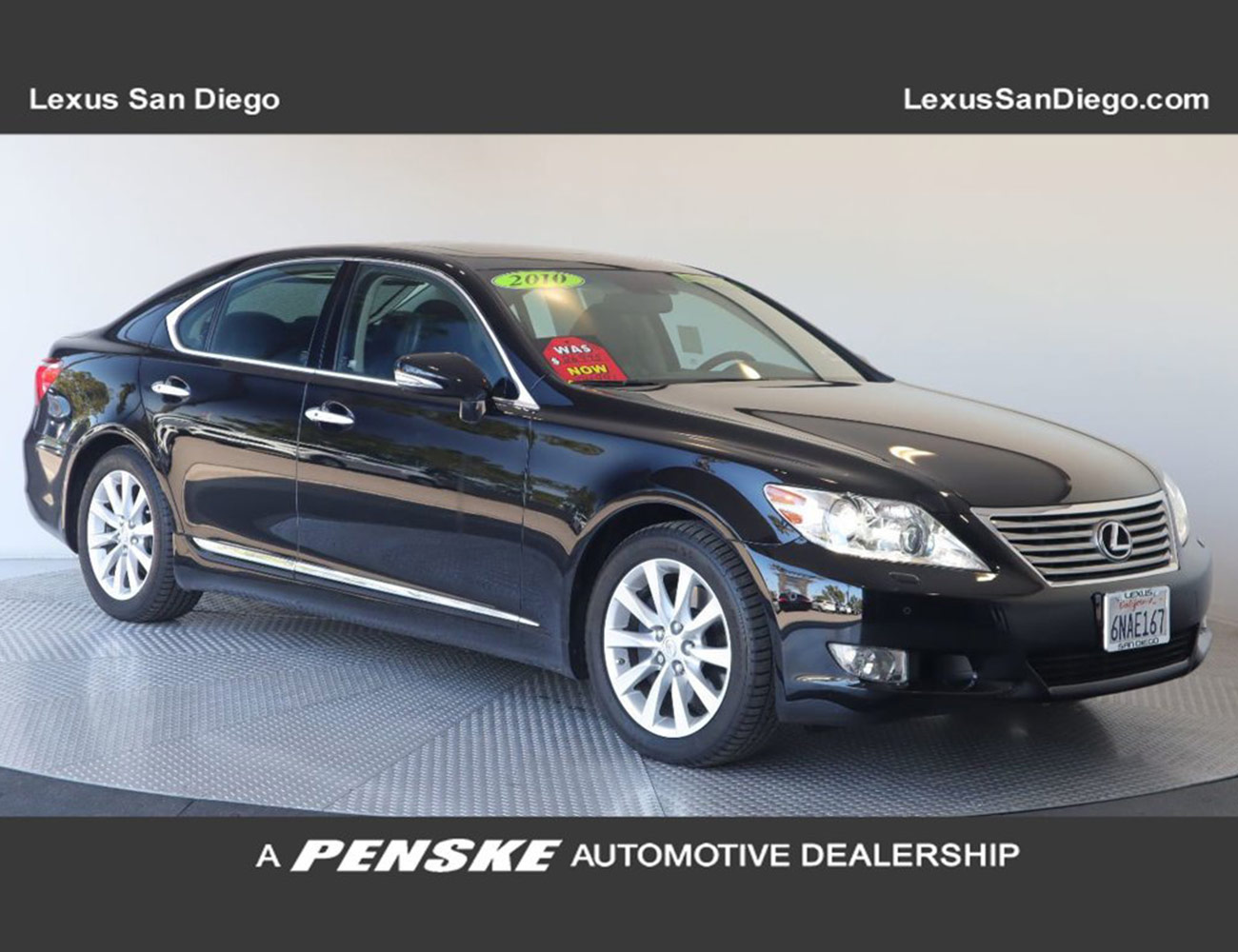
2010 Lexus LS460

The LS sedan is Lexus’s flagship vehicle, and is renowned for being bulletproof. This LS460 has a naturally aspirated 4.6-liter V8 and less than 14,000 miles on the clock. It does look slightly dated, though that may be a positive for some; the 2010 model predates the Lexus lineup going all-in with its spindle grille.

2011 Porsche Boxster

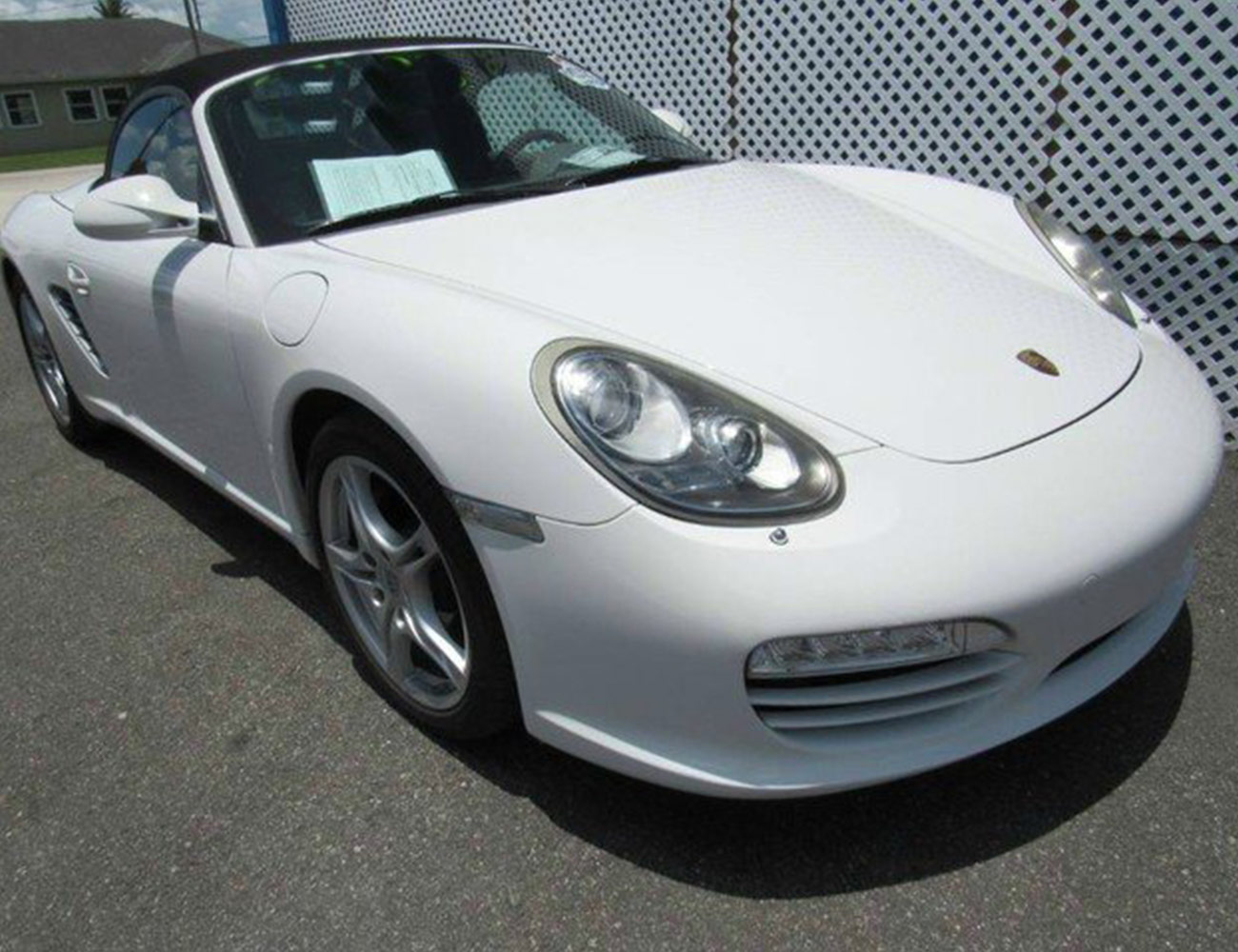
Car guys wax lyrical about Porsche Caymans that had a flat-six, with many calling it the perfect sports car. Let me introduce you to the mechanically-identical Boxster. This one only has 30,000 miles and a six-speed manual. It’s not a Boxster S, so it has the smaller 2.9-liter base engine. But a lightly used Porsche available for under $25K will never be perfect.

2013 Range Rover Sport

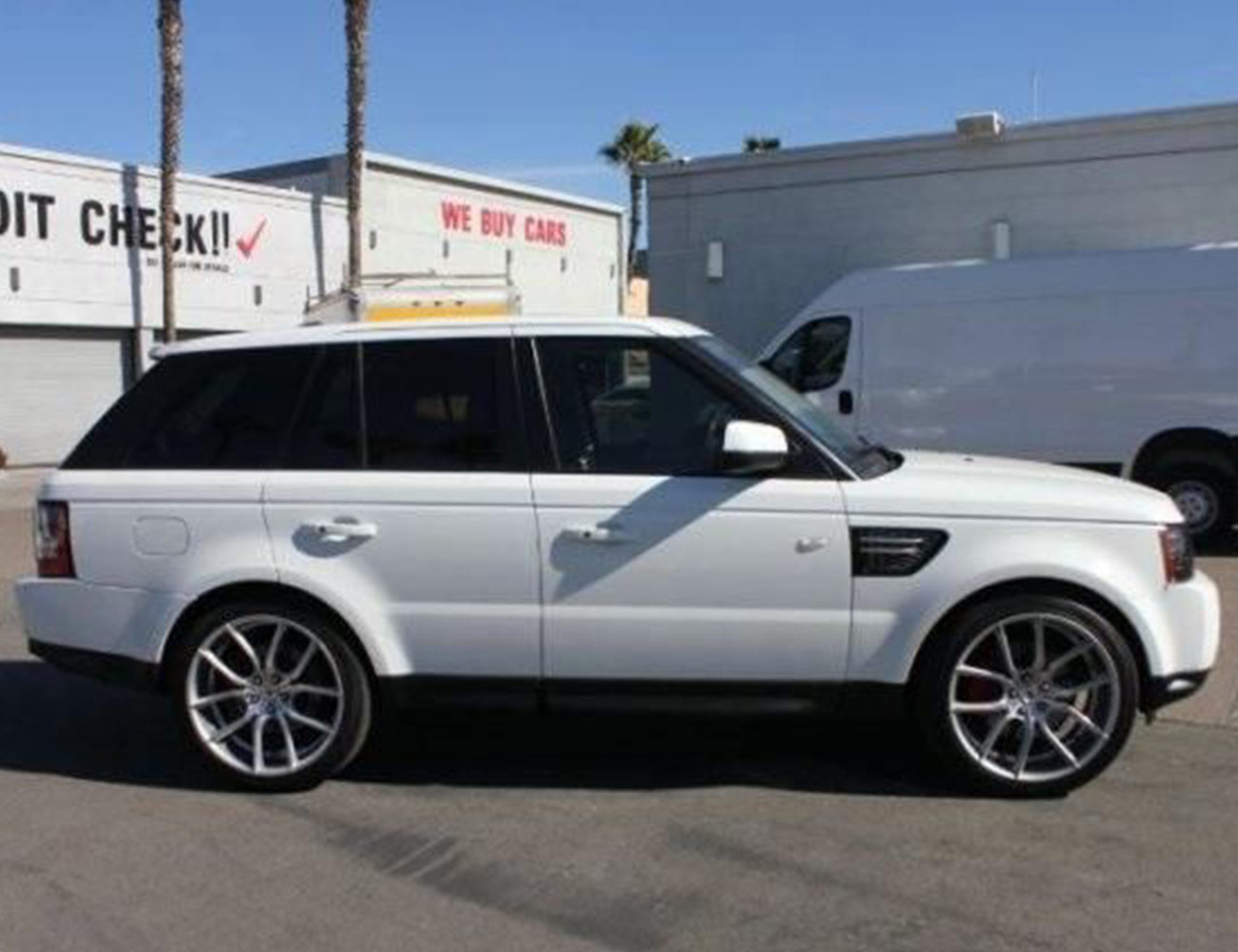
Sure, you could hold out for a dirt-cheap Land Rover. But this 2013 Range Rover Sport would be a bit less perilous of a purchase. This California car with just under 48,000 miles is from the last model year of the first generation model, and has a sweet 5.0-liter V8.

2011 Mercedes-Benz C63 AMG

The 2011 C63 AMG comes from a Goldilocks era, when AMG was adding modern transmissions and multiple driving modes to staid Benzes but still using a deeply satisfying, naturally-aspirated 6.2-liter V8. This one was rated for 451 horsepower and 443 lb-ft of torque, and you’ll hear every bit of that power thanks to its AMG Sport Quad Exhaust system. It only has 56,000 miles, and the seller asserts that it was never parked under trees…if that was a particular concern of yours.

2013 Audi S5 3.0T

You can’t import a Euro-spec RS4 Avant yet, but you can buy this Audi S5 Coupe with a supercharged V6. This S5 is the top-level Prestige trim, with more than $10,000 worth of premium options. It only has about 42,500 miles. It doesn’t have a manual, though its seven-speed dual-clutch automatic is excellent. But if you’re the sort of person who gets finicky about pairing suits with the correct shoe color, the midnight blue exterior and black and brown interior may not be for you.

Note: Purchasing products through our links may earn us a portion of the sale, which supports our editorial team’s mission. Learn more here.
Tyler Duffy

Tyler Duffy is Gear Patrol’s Motoring Staff Writer. He used to write about sports for The Big Lead and The Athletic. He has a black belt in toddler wrangling. He’s based outside Detroit.

More by Tyler Duffy | Follow on Facebook · Instagram · Twitter · Contact via Email

The Cheapest Off-Road SUV to Own Is Also One of Our Favorites

<!–The Purist’s Jeep Wrangler Is the Most Affordable to Own • Gear Patrol<!– –>

practicality be damned


The traditional two-door Jeep Wrangler is an automotive icon, but the more family-friendly four-door version — originally known as the Wrangler Unlimited — has made it a threatened species. The take rate for the two-door Wrangler is only around 10 percent — about the same as the manual transmission. It’s fallen so far from grace, Jeep didn’t even think there was a business case for pairing its best off-roading engine with anything but a four-door body style.

There may be a compelling argument for sticking with tradition, however. Kelley Blue Book recently ran the five-year cost-to-own figures for America’s off-road SUVs, and the two-door Wrangler came out as the most affordable, with a predicted five-year ownership cost of $39,045. The cheapest Wrangler option is the V6 with a manual transmission — which is to say, the most economical Wrangler to own is also the purest example of the breed.

That said, the four-door version was estimated to cost $40,020 over five years. In real life, saving $975 in predicted ownership costs over half a decade is unlikely to preclude anyone from getting the more practical four-door version of the Wrangler.

Both Wrangler versions are more affordable than the third-place Toyota 4Runner, which is estimated to cost $46,254 over five years. Though, if you’re buying the legendarily durable Toyota SUV, you may be thinking about ownership on a 10-15-year timescale.

Note: Purchasing products through our links may earn us a portion of the sale, which supports our editorial team’s mission. Learn more here.
Tyler Duffy

Tyler Duffy is Gear Patrol’s Motoring Staff Writer. He used to write about sports for The Big Lead and The Athletic. He has a black belt in toddler wrangling. He’s based outside Detroit.

More by Tyler Duffy | Follow on Facebook · Instagram · Twitter · Contact via Email

<!–

–>

<!– –><!–

–>

VW’s Coolest New Golf Is About to Debut, But America Won’t Get It

<!–The Coolest VW Golf America Can’t Have Debuts in March • Gear Patrol<!– –>

are we sure we don’t want diesels?


Americans have all but stopped buying the Volkswagen Golf hatchback — to the point we probably won’t even receive the new Mk8 version, at least in any form beyond the GTI and Golf R. Likewise, the fallout from the Dieselgate scandal likely means Volkswagen will never try to market a diesel vehicle in the U.S. again. So we will almost definitely miss out on what may be the coolest Golf variant, the GTD, which VW will unveil at the Geneva Motor Show in March.

The GTD is exactly what it sounds like: a diesel version of the iconic GTI. Volkswagen promises it will be the “cleanest TDI engine ever to be installed in the Golf.” It will use twin dosing technology with two SCR catalytic converters to reduce harmful nitric oxide emissions.

Volkswagen did not release performance numbers for the new GTD, but rest assured, they’ll probably make you wish it was available Stateside. The last version had 181 horsepower and 280 lb-ft of torque, the same amount of the latter as the Golf R. (A leak found by Autocar pegs the new GTD as making 197 hp, but makes no mention of other specs.) The previous version also earned about 60 miles per gallon under European testing methods, which would probably translate to somewhere in the 40-mpg range in the EPA’s more realistic tests.

You can add the Golf GTD to the list of great Volkswagens we won’t get in the United States. If you need something to brighten up your day, however, remember that we may get a production version of the electric ID Space Vizzion wagon concept — albeit presumably with a different name.

Note: Purchasing products through our links may earn us a portion of the sale, which supports our editorial team’s mission. Learn more here.
Tyler Duffy

Tyler Duffy is Gear Patrol’s Motoring Staff Writer. He used to write about sports for The Big Lead and The Athletic. He has a black belt in toddler wrangling. He’s based outside Detroit.

More by Tyler Duffy | Follow on Facebook · Instagram · Twitter · Contact via Email

<!–

–>

<!– –><!–

–>

Ball and Buck Is Whipping Up a Line of Gorgeous Vintage Jeep Trucks

<!–Ball and Buck to Build a Line of Sexy Vintage Jeep Trucks • Gear Patrol<!– –>

and it won’t cost six figures


When compared to old-school Land Rover Defenders, Ford Broncos, and Toyota Land Cruisers in the luxury restoration and modification market, Vintage Jeeps have been given short shrift. Outdoor menswear manufacturer Ball and Buck wants to rectify that, however. The company has announced it is going to produce a custom line of resto-modded Jeep CJ-8 Scrambler pickup trucks.

Jeep manufactured the CJ-8 from 1981 to 1986. It’s an extended wheelbase version of the Jeep CJ-7, the immediate predecessor of the Wrangler, with a truck bed tacked on — in effect, the same basic idea as the new Jeep Gladiator. It was the last truck Jeep manufactured before getting back in the game with said Gladiator. Noted off-roader aficionado Ronald Reagan used one on his ranch — at least, when he wasn’t tooling around in his Subaru BRAT.

Buyers can choose from four color options: Coronado Sand, Everglades Green, Chesapeake Grey and Sutton Black. Those can be paired with two trim options, Polished Stainless and Matte Black. Ball and Buck will fit the CJ-8 with three different engines: the original 4.2-liter AMC inline-six, a GM-sourced 6.2-liter LS3 V8 or a 2.8-liter Cummins turbo diesel.

Compared to luxed-out Defenders, Ball and Buck’s line of CJs will be pretty affordable. The Jeeps will range in price from $65,000 to $95,000. Builds will take 3-6 months to complete.

Note: Purchasing products through our links may earn us a portion of the sale, which supports our editorial team’s mission. Learn more here.
Tyler Duffy

Tyler Duffy is Gear Patrol’s Motoring Staff Writer. He used to write about sports for The Big Lead and The Athletic. He has a black belt in toddler wrangling. He’s based outside Detroit.

More by Tyler Duffy | Follow on Facebook · Instagram · Twitter · Contact via Email

<!–

–>

<!– –><!–

–>

The 1,750 Horsepower 2020 SSC Tuatara

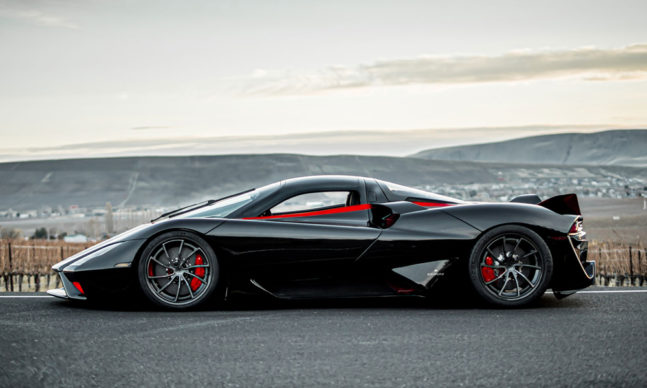
Take one look at the SCC Tuatara (Maori for “first”), and you’d never guess it was homegrown. Yep, it’s the ultimate expression of Shelby Super Cars, and it’s got 1,750 horsepower from a twin-turbocharged 5.9-liter…


The Safest American Cars You Can Buy for 2020

<!–The Safest American Cars You Can Buy for 2020 • Gear Patrol<!– –>

–>

<!– –><!–

–>

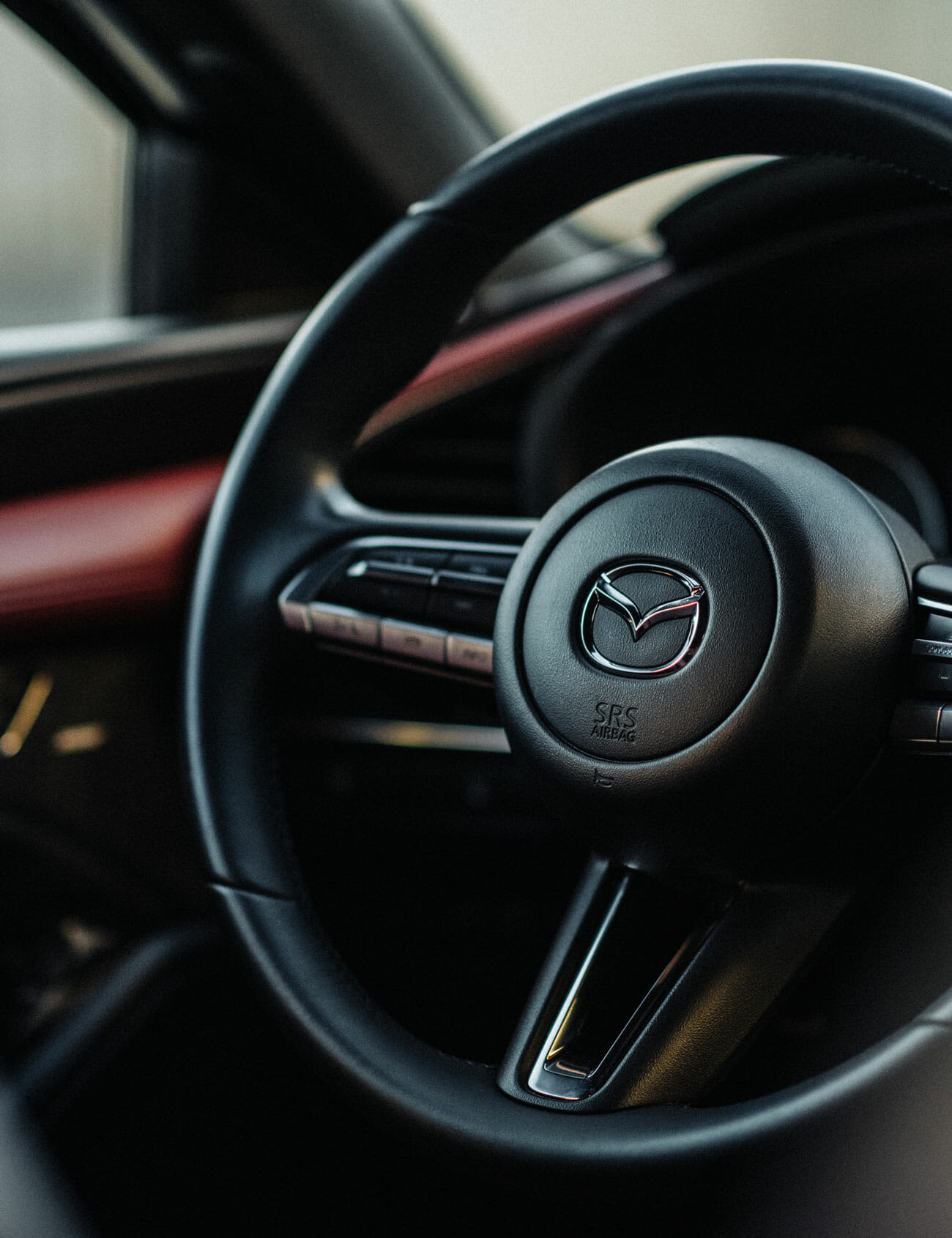
The 2020 Mazda 3 Makes You Wonder Why You’d Ever Buy a Civic

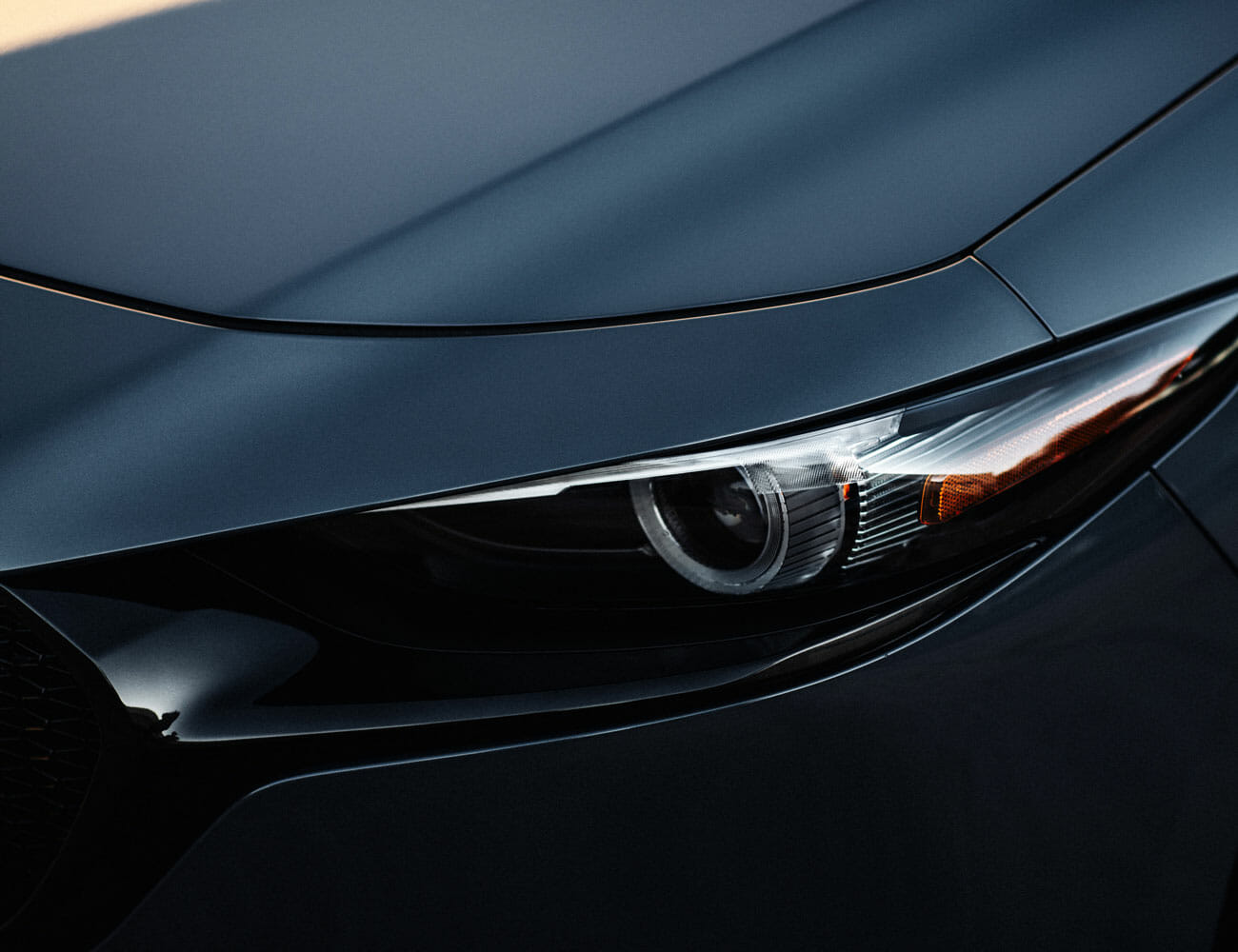
Since the all-new generation arrived for 2019, the Mazda 3’s styling (especially in hatchback form) could best be described as tasteful. The exterior is, to this reviewer’s eye, a beautiful mixture of flowing lines and sharp, decisive cuts. A thread of minimalism runs through the car, inside and out, from the lack of ornamentation to the pared-back interior. It’s a car that, like Volvo or Saab (R.I.P.), seems to announce to the world, “I could have bought something else, but I didn’t — for very specific reasons.”

Put far more bluntly, the all-wheel-drive 2020 Mazda 3 Hatchback is deeply desirable. It presents a decisive alternative to the well-established mainstream universe of Civics and Corollas.

The core details of the car go a bit like this: It’s available in either a hatch or sedan body style, with all-wheel drive optional and front-wheel-drive standard, and a variety of trim levels up for grabs. Prices start out with the base model at $22,420 and climb to the fully-specced Premium Package model we tested…at an eye-watering $31,470.

The interior is well-equipped, and the technology suite is surprisingly good on the base level; adaptive cruise control, lane departure warning and lane-keeping assist all come standard, while Apple CarPlay comes in the higher trim levels. All of this is to say, the 2020 Mazda 3 looks premium, feels premium and has premium features. It’s also priced at…a premium. So is all this thoughtful design and useful tech worth it?

Spritely, not sporty

Mazda and driving dynamics tend to go together like peanut butter and jelly, and the 3 is no exception. You won’t mistake it for a hot hatch, but the car does a lot with a little. The 186-horsepower 2.5 liter inline-four will take the hatch from 0 to 60 mph in around seven seconds. That isn’t quick — nominally or relatively; the similarly-priced Civic Touring will do it in 6.8 — but out-and-out power has never really been Mazda’s thing.

As you’d expect, though, the 3 handles great. The heavy-ish steering and slightly-hard ride combine with responsive inputs and classically-Mazda snappiness to make a car that’s probably more fun than it has any right to be.

A place for everything, and everything in its place

So that’s one modern Mazda hallmark ticked. How about design? I’ve already raved to some degree, but let me reiterate: it’s very, very good.

The exterior is striking (maybe less so with our tester’s flat gray paint), but the interior is even more of a standout. The controls are minimalist; you get the sense that designers asked what they could take away, instead of what they could add. The result is that it’s a very pleasant place to sit. It reminded me of a car from 1995, just with better quality — and a big screen in the middle of the dash.

High cost, but justifiably

So, does this Mazda justify the lofty asking price? For the top-tier Premium Package version…maybe not. It’s a lot of money for not a ton of additional benefit when compared with other trims. But if you can get the AWD version in the Preferred or Select trims, you get a pretty impressive amount of car for between $24,000–$27,000.

The best of Mazda shows through with the 3: it’s fun to drive, it looks striking, and everything about it feels considered and thoughtful. On spec sheets, the Mazda may appear to be a step behind its competitors, but behind the wheel, opinions can change dramatically.

The Coolest Foreign Cars You Can Import for the First Time in 2020

Every new year brings with it new blessings and curses, as life burns through its eternal cycle and civilization shifts under the accumulate weight of the past and the eternal promise of the future. For car enthusiasts in the United States, however, the calendar’s relentless churn also brings with it an extra bonus: a whole new batch of vehicles than can be imported Stateside for the very first time. 

See, as you may know, the United States has something commonly called the “25-Year Import Law,” which basically says that once a car is a quarter-century old, it’s legal to import it to the U.S. even if it wasn’t cleared to be sold here new. It’s this law that’s helped foster the current market for Land Rover Defenders, but it’s also led to many a funky Bring a Trailer listing as enthusiasts haul over Japanese and European oddities.

So with the 2020 calendar still freshly opened, we figured it was a great time to pull together a list of cars from 1995 that you can finally park in your very own driveway here in the 50 states. Check ‘em out below.

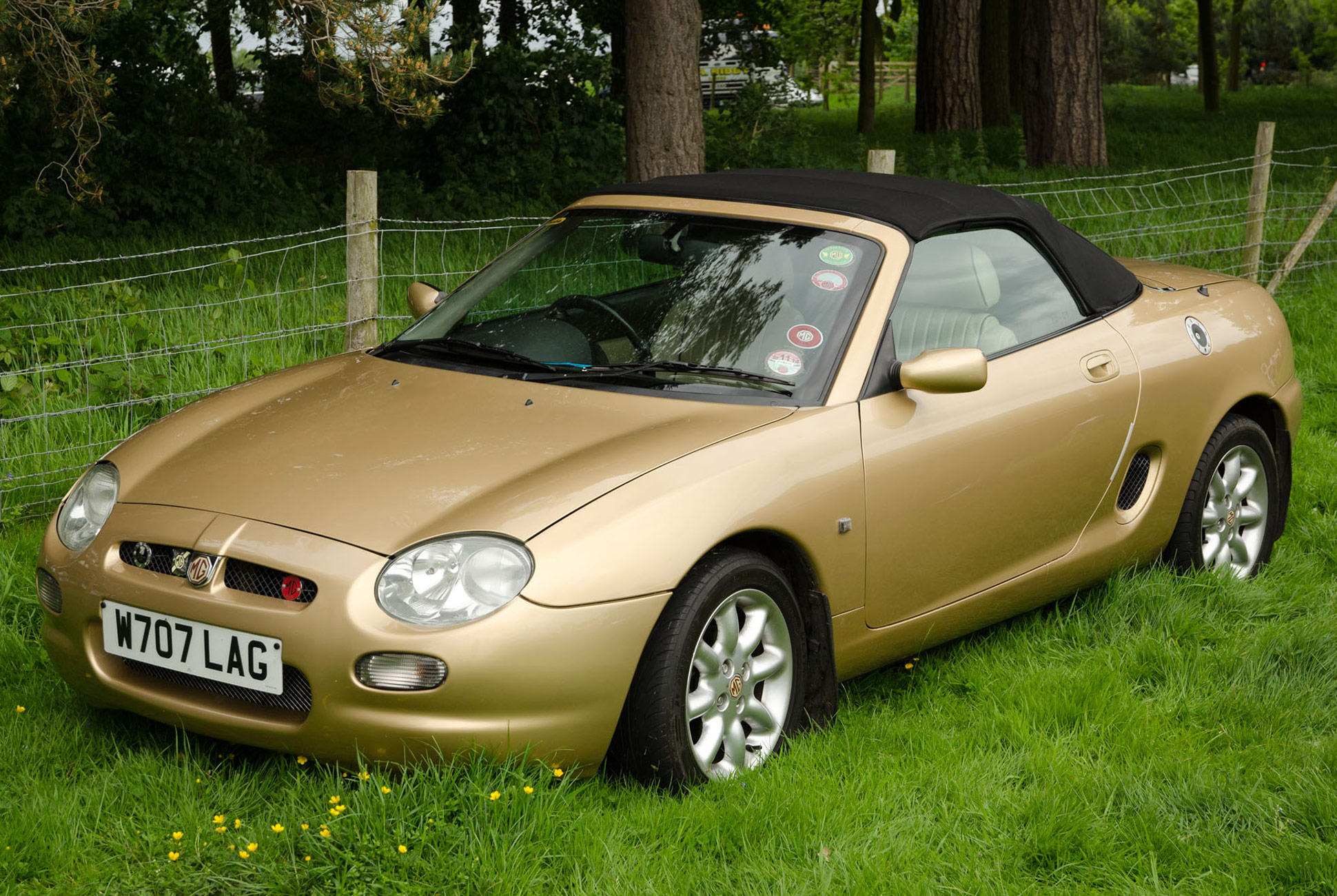
MG F

Photo: Steve Glover via Wikipedia

Roadsters were enjoying something of a renaissance in the mid-1990s; perhaps unsurprisingly, MG –a brand known best for, well, roadsters — was keen to capitalize on it. The MG F that debuted in 1995 is hardly a barnstormer by modern standards (the most powerful version made just 147 horsepower), but its light weight meant it could scamper from 0 to 60 mph in seven seconds or less when new, and its unusual Hydragas suspension gave it an impressive ride/handling balance.

Regardless, like the Miata, it’s a lightweight, rear-wheel-drive two-seat convertible — a combination that spells fun in any decade. Just be sure to watch out for head gasket issues.

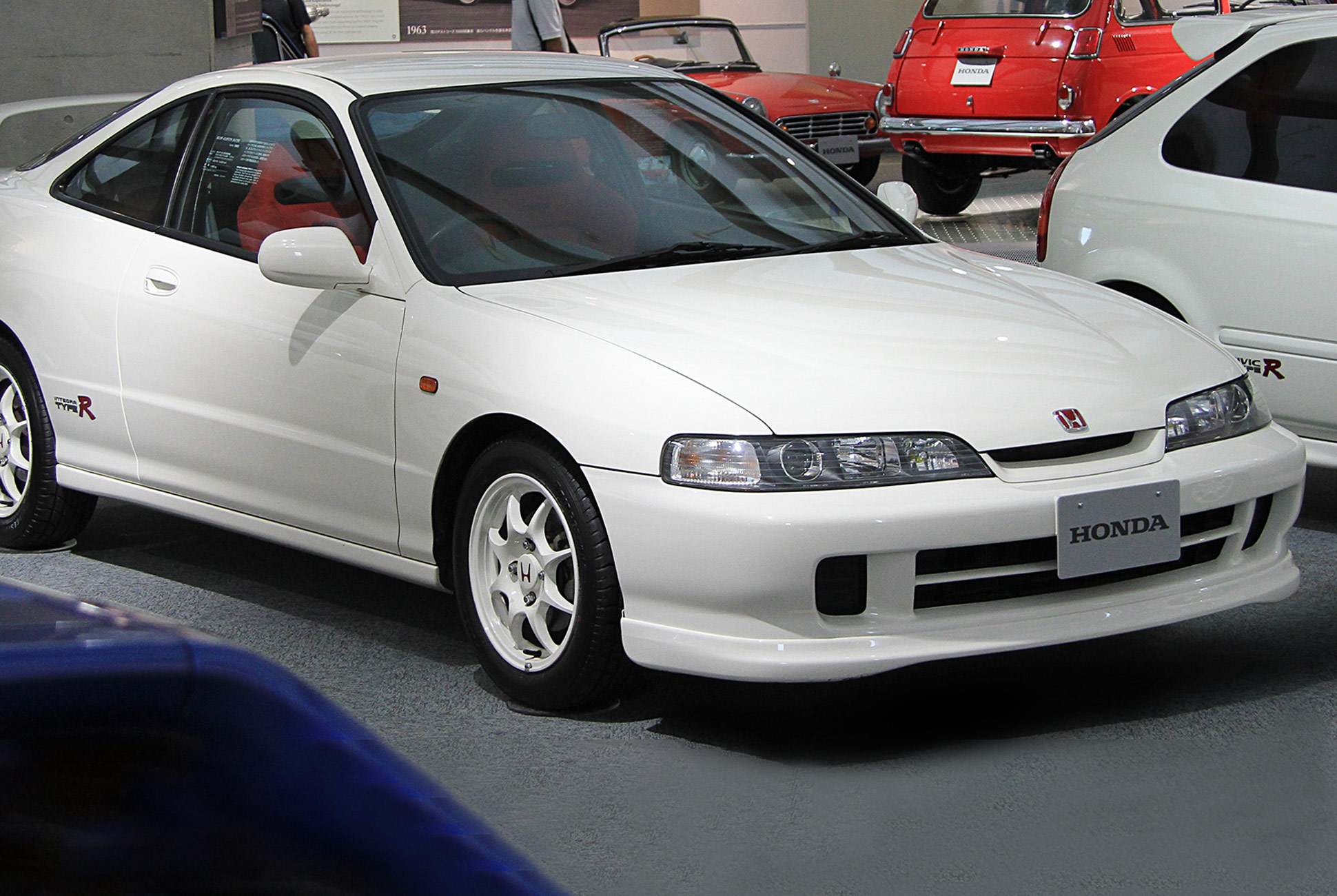
Honda Integra Type R

Photo: TTTNIS via Wikipedia

These days, you can grab a brand new Honda Civic Type R straight from your local dealership. Americans in 1995 weren’t so lucky; its predecessor, the Integra Type R, wasn’t sold here. (It’d eventually make its way Stateside as the Acura Integra Type R, but not until 1997.) A 1.8-liter inline-four cranked out 200 horsepower at a screaming 8,000 rpm (well after the VTEC just kicked in, yo), while a titanium shift knob helped choose which of the five close-ration forward gears would be used to steer that power through a limited-slip differential to the front wheels.

A sportier suspension and significant lightweighting made it even more agile than other Integras, but you’ll probably need to spend some tine getting used to the right-hand-drive layout before you take full advantage of that.

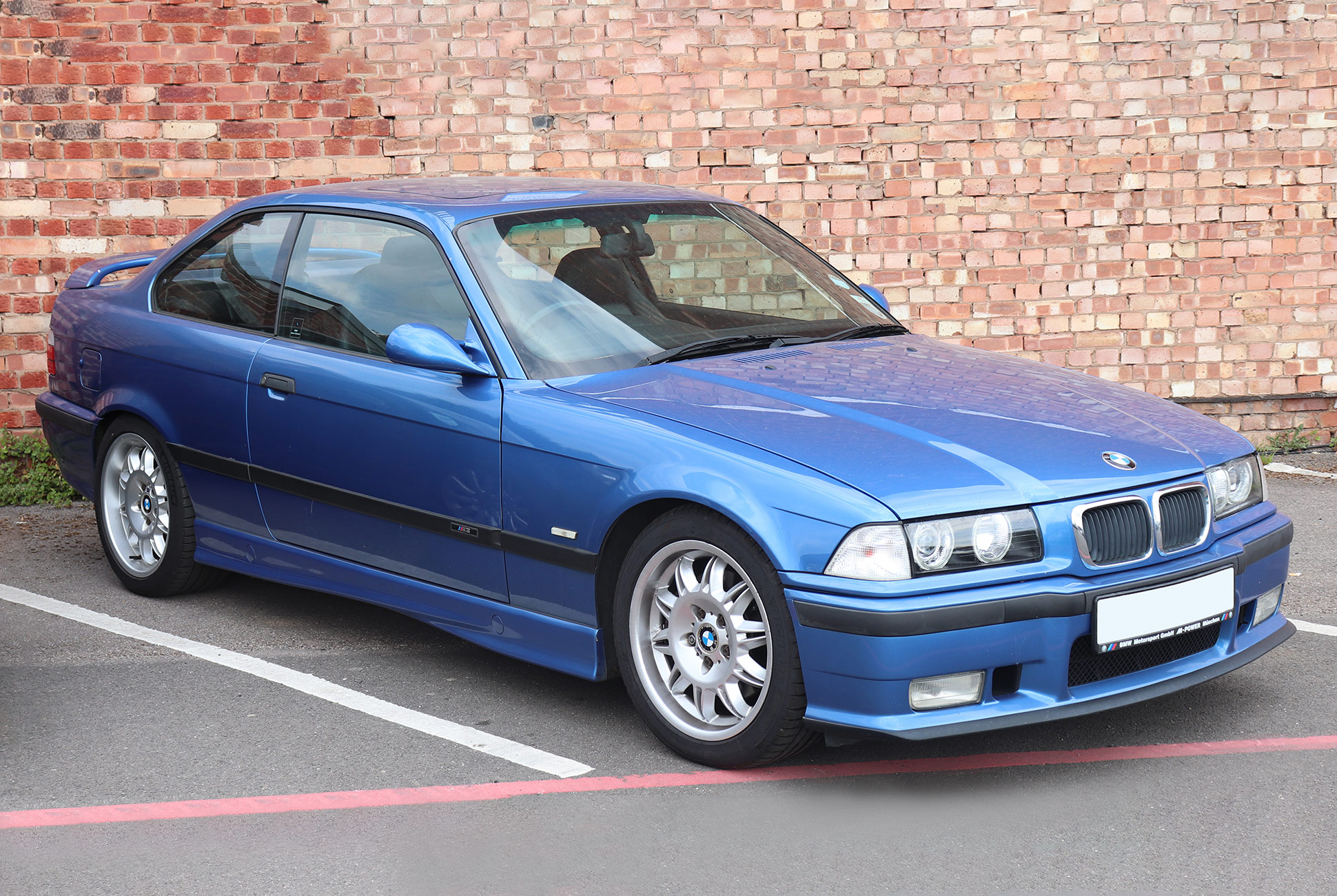
BMW M3 (E36 Euro)

Photo: Vauxford via Wikipedia

Yes, you could buy a new BMW M3 here in 1995. But you couldn’t buy the good M3. When the E36-generation M3 received an update in 1995, American versions were given a new 3.0-liter inline-six making 240 horses; Europeans ones, however, used a different 3.0-liter I6 cranking out a much nicer 321 ponies. The facelift — which also brought the stick shift from five to six gears and a few other changes — kicked in for both the sedan and coupe models in late 1995; convertibles wouldn’t get it for another year, but who’s really looking to import an E36 M3 ragtop?

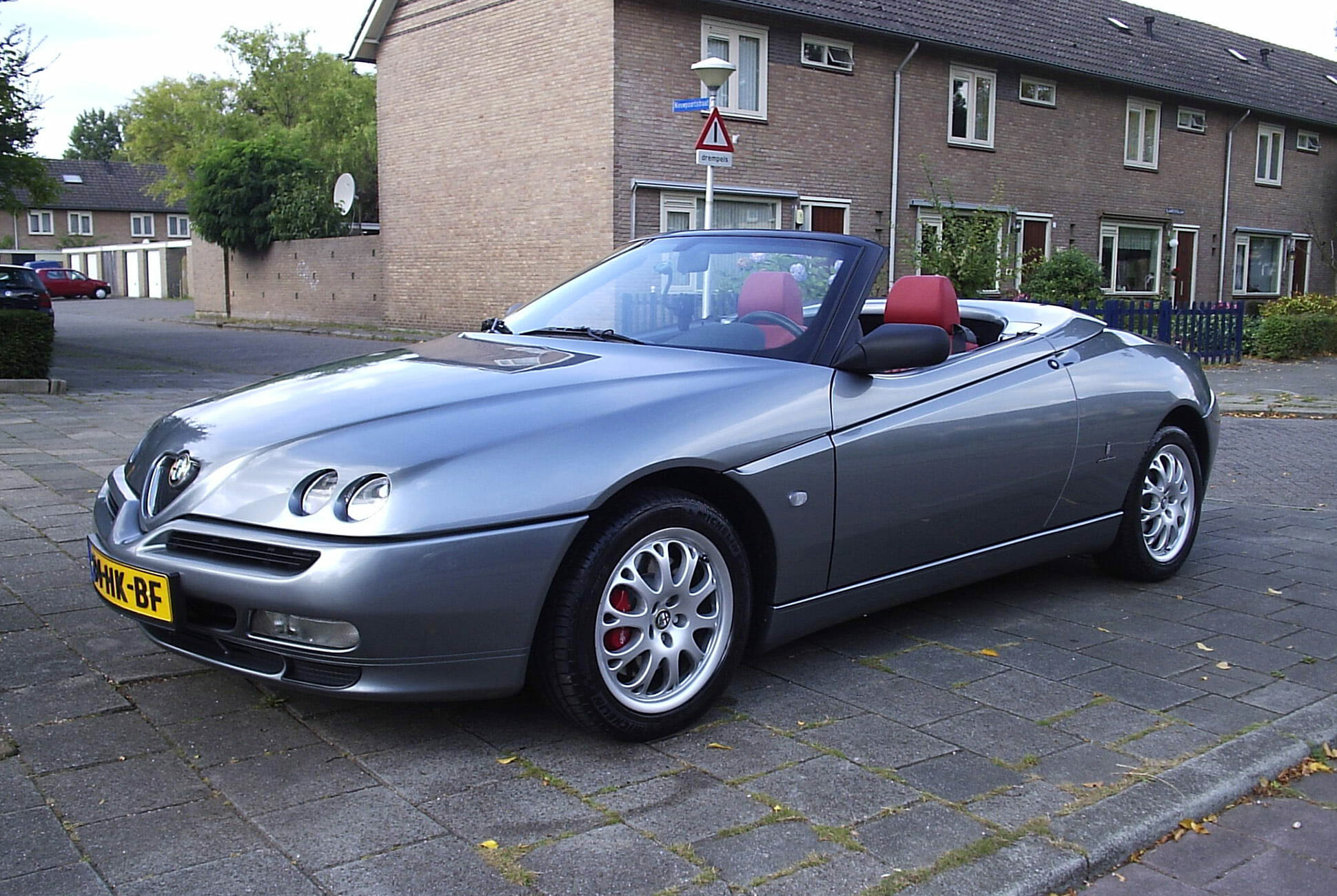
Alfa Romeo GTV / Spider

Photo: Gold333 via Wikipedia

The words “Alfa Romeo Spider” may make you (or your parents) think of Dustin Hoffman listening to Simon & Garfunkel, but in 1995, it meant a four-eyed, front-wheel-drive convertible. Alfa also offered a coupe version, dubbed the GTV. Power for basic models came from a 150-hp 2.0-liter inline-four, while V6 powerplants offered more grunt for those willing to risk a dance with torque steer.

Regardless, you don’t buy this car to go fast, at least not in 2020; you buy it to make heads turn with its arresting, Pininfarina-designed styling.

Nissan Skyline GT-R (R33)

Photo: Tennen-Gas via Wikipedia

The all-new R33-generation Nissan Skyline GT-R the early 1990s held true to the formula that defines the model to this day: wild Japanese styling on a two-door body and a powerful turbocharged engine spitting power to all four wheels to deliver supercar-rivaling acceleration. The 2.6-liter twin-turbo inline-six pounded out 301 horsepower (though Nissan claimed it made a mere 276 as part of a gentleman’s agreement among Japanese carmakers to keep power outputs down), and routed that through a five-speed manual. Four-wheel steering helped improve maneuverability, while standard Brembo brakes helped haul speeds back down. Car and Driver found that a V-Spec version could cook off a 5.3-second 0-60 mph dash; just don’t think about the fact that a base Mustang can beat that, and you’ll love R33 GT-R ownership.

Holden HSV Maloo

Photo: OSX via Wikipedia

It might be tough to find one of these V8-powered, sport-tuned utes that’s ready to import; a mere 173 examples were made that year. Still, if there’s one car worth questing after under the 25-Year Import Law, it’s a sporty V8-powered car with a pickup truck bed that’s been massaged by Holden’s Special Vehicles division — the equivalent of AMG for Australian GM cars. The 5,0-liter V8 churns out 248 horsepower, but if you think that’s not enough to roast those rear tires, you’ve got another thing coming.

Fiat Barchetta

Photo: M93 via Wikipedia

See what we mean about the roadster renaissance? Like its Italian cousin the Alfa Romeo Spider, the Barchetta was a two-seat, front-wheel-drive roadster powered by a four-cylinder engine — in this case, a 1.8-liter inline-four making just 129 hp and 121 pound-feet of torque.

It’s not quick, sure — but this roadster is more about living the all fresco life than screaming through turns at high speed. Besides, a curb weight of around 2,500 pounds means it’s not a complete slug. And hey, at least you won’t have to worry about torque steer.

Mitsubishi Lancer Evolution III

Photo: Kenardeez via Wikipedia

These days, Evos are easy to find on the used car market here in the States, but back in the ’90s, all we could do was gaze across the oceans and dream. The new-for-1995 Evo III squeezed a claimed 270 horsepower out of its turbocharged 2.0-liter inline-four, shunting that power to all four wheels through a five-speed stick. Those aggressive-yet-simultaneously-subtle looks weren’t just to grab attention; the side skirts and rear wing helped add downforce, to keep the car stuck to the pavement at high speeds.

Will Sabel Courtney

Will Sabel Courtney is Gear Patrol’s Motoring Editor, formerly of The Drive and RIDES Magazine. You can often find him test-driving new cars in New York City, cursing the slow-moving traffic surrounding him.

More by Will Sabel Courtney | Follow on Instagram · Twitter · Contact via Email

Forget the Gladiator. This Is the Jeep Pickup We Want

The all-new Jeep Gladiator was a significant departure for the modern Jeep SUV brand when it launched last year. But pickup trucks have been an integral part of the Jeep lineage from the beginning. The Willys Jeep Truck, a one-ton pickup based on the original CJ-2A Willys Jeep, was first built in 1947 as a go-anywhere-do-anything pickup…and a gorgeous 1961 example just popped up for auction on Bring a Trailer.

This Jeep Truck had the Super Hurricane 3.7-liter inline-six engine, which was rated at 105 horsepower and 190 lb-ft of torque when new. That engine is paired with a three-speed floor-shifted manual and a multi-speed transfer case. Overdrive should be able to help this truck up to reasonable highway speed. In fact, if you enjoy peacocking your stick shift prowess for passengers, there are four different levers for you to manipulate.

Consider this Willys Jeep Truck well-cared-for, rather than meticulously restored. It’s an Arizona car and has had just two owners since 1961. The non-functional odometer shows 1,600 miles and is presumed to be far from accurate. Judging from the video on BaT, the engine appears to run well, which is about as much as one could hope for from a 59-year-old workhorse.

Added charm for this truck includes the two-tone white and brown color scheme and the ultra-minimalist gauges consisting primarily of a tachometer (or maybe a speedometer?) that simply reads from 0 to 9.

As of this writing, the bidding for this truck is still below $5,000, which is a steal in vintage off-roader terms. Of course, snagging a piece of Jeep heritage tends to be more affordable than grabbing some Land Rover Defender heritage…barring the odd $50,000 Cherokee Laredo.

Note: Purchasing products through our links may earn us a portion of the sale, which supports our editorial team’s mission. Learn more here.
Tyler Duffy

Tyler Duffy is Gear Patrol’s Motoring Staff Writer. He used to write about sports for The Big Lead and The Athletic. He has a black belt in toddler wrangling. He’s based outside Detroit.

More by Tyler Duffy | Follow on Facebook · Instagram · Twitter · Contact via Email

Believe the Hype: The Porsche Macan S Is Every Bit a True Porsche

When Porsche introduced its first SUV, the Cayenne, in 2002, enthusiasts lost their mind over the idea of the archetypal sports car company betraying its heritage by serving up a jacked-up soft-roader. (Not helping matters: the fact that it looked like a bloated fish carcass.) But the crossover proved a gold mine for the company, providing the funds that helped enable the continued excellence of the 911 and Cayman / Boxster, as well as projects like the 918 Spyder and the company’s return to the top tier of endurance motor racing.

It’s been the smaller Macan, however, that’s turned out to be the company’s true cash cow. The compact crossover has perched high on Porsche’s sales charts ever since it arrived six years ago, in spite of the fact that it shares some of its bones with the lesser Audi Q5. Still, its comparatively proletarian roots apparently haven’t caused it harm: enthusiasts and journalists alike have been singing its praises ever since it arrived.

But as the old saw goes, the proof of the pudding is in the eating, and the proof of the car is in the driving. So we nabbed a Macan S for a few days of highway and byway driving around the greater Detroit area to see how it really feels to drive Porsche’s pocket crossover.

It feels every bit like a Porsche from behind the wheel

Porsche has long been a master of giving vehicles off shared VW Group platforms a unique brand feel, and the Macan is no exception. From the moment you twist the key (mounted, of course, to the left of the wheel), every control serves up the distinctive connectedness and directness that every car designed in Zuffenhausen these days serves up.

The steering is far sharper and more involving than any crossover’s rack has a right to be; the brakes grab decisively; the suspension keeps the SUV level and balanced even while dissecting tight turns. The 3.0-liter turbocharged V6 may be the base engine in the larger Cayenne and Panamera, but it doesn’t feel one iota like a cheapo choice; its 348 horsepower and 354 pound-feet of torque are more than enough to let this cute ‘ute rip around like a hooligan.

If you snap the Macan S into Sport or Sport Plus modes, the gearbox holds the revs closer and closer to the meat of the power band; left in Comfort, it promptly shuffles up to the highest cog for better fuel economy, although slamming the gas pedal to the firewall will, as in most VW Group cars, spur the engine into the lowest possible gear. (You can also always switch to manual mode and shift with the paddles, too.)

It’s the looker of the carmaker’s SUV lineup

The Cayenne may be newer and more expensive, but the Macan has it beat when it comes to visual appeal. Unlike the taller, chunkier Cayenne, the Macan is lean, low and muscular, with curves that channel the company’s famous sports cars.

The corporate face works better here, too; it has less sheet metal to be stretched across, and the matte black trim pieces make it look more ferocious, evoking bared fangs. It all adds up to one of the most attractive SUVs on the market — at least, if you prefer them more svelte and car-like, rather than boxy and brutalist.

An old interior isn’t always a worse interior

The Macan also whups the Cayenne (and the new Panamera) when it comes to interior usability. Unlike those newer Porsches, it has yet to move over to an almost-all-glass touchpad control, instead sticking with a combination of a 10.9-inch touchscreen display and a series of hard buttons and dials below it and around the shift lever. The resulting combination of physical controls and crisp, clear touchscreen may be one of the best infotainment and car control setups to be found today, bringing the best of the iPhone/Android world and merging it with the muscle memory-optimized realm of tactile controls.

Sadly, other new Porsches like the 992-generation 911 and the all-electric Taycan suggest the carmaker is pretty much all-in on glassy touchscreen interiors for the foreseeable future. But with the current Macan expected to stick around for at least another few years — likely being sold alongside its electric replacement for a while — there’s still time for Porsche to change its mind before it ditches this delightful control system for good.

Will Sabel Courtney

Will Sabel Courtney is Gear Patrol’s Motoring Editor, formerly of The Drive and RIDES Magazine. You can often find him test-driving new cars in New York City, cursing the slow-moving traffic surrounding him.

More by Will Sabel Courtney | Follow on Instagram · Twitter · Contact via Email