All posts in “Cars”

Don’t Wait for Summer; Grab One of These Great Motorcycle Jacket Deals Now

<!–Don’t Wait; It’s Time to Grab These Motorcycle Jacket Deals • Gear Patrol<!– –>

2020 may seem like it’s already lasted the better part of a decade, but there’s good news on the horizon: summer is on its way. Earth’s axis cares little for society’s issues, and it’s tilting the Northern Hemisphere back towards the sun’s warm gaze; in a month and a half, summer will be here, in fact if not in name. For millions, that means it’s almost time to jump back on their motorcycles and hit the roads, to release the worries and frustrations piled up over a cold winter and dreary spring into the warm air at 50 miles per hour.

That said, you don’t want to wait until summer to grab the gear you’ll need for riding, because that’ll just delay you getting back on the road. Instead, take advantage of these gray days stuck at home to fill out the holes in your moto-riding kit. Right now, RevZilla has a ton of solid motorcycle jackets on sale that you can have in your house well before the truly nice weather rolls up, ranging across all types and styles of riding apparel. Whatever you ride and however you ride, they’ve got the jacket for you.

We’ve pulled together a few of our favorite deals from their selection, but if there’s nothing here that strikes your fancy, don’t sweat; they have hundreds more jackets on sale, too. Just be sure to place your order soon so you’ll be ready when the sunshine comes. (And no, we won’t judge you if you wear your new jacket around the house beforehand, Jeff Lowe-style.)

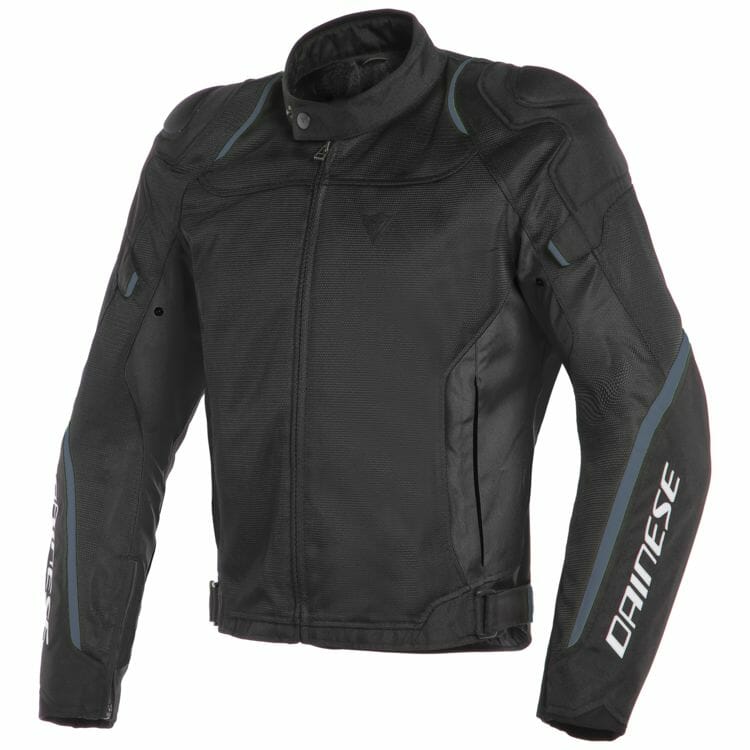
Air Master Jacket by Dainese $300 $210

Blake Air Jacket by Rev’It! $500 $250

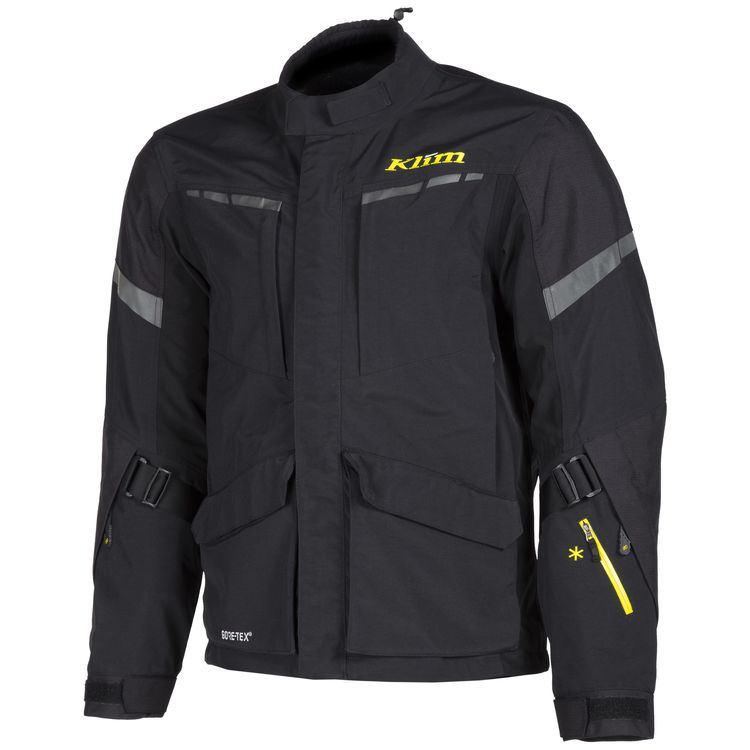
Carlsbad Jacket by Klim $580 $380

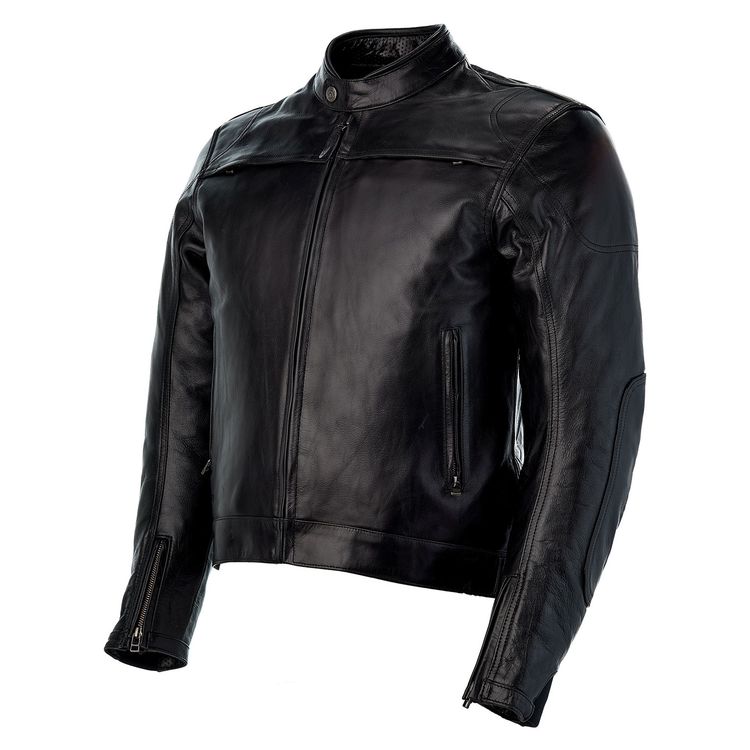
Folsom Leather Jacket by Reax $429 $279

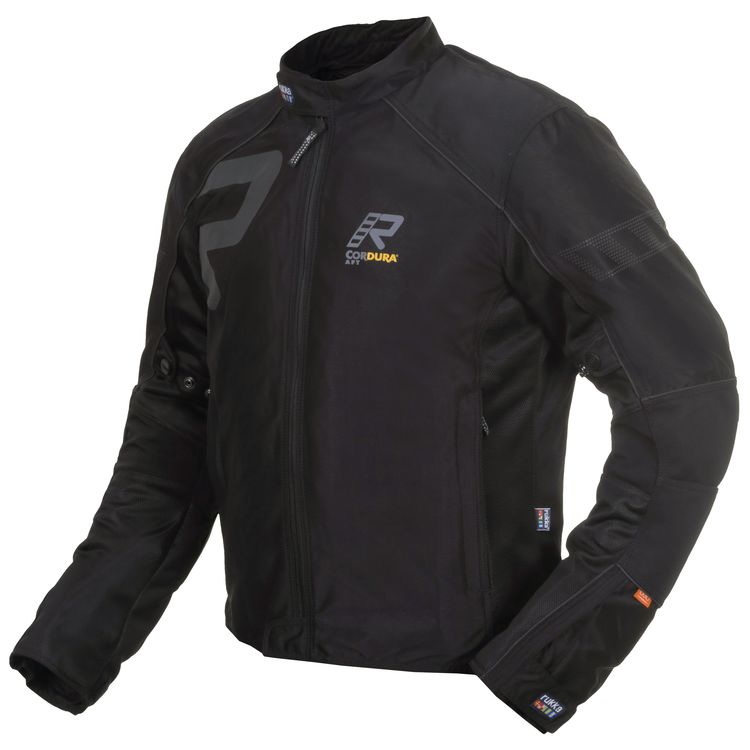
AirAll Jacket by Rukka $449 $340

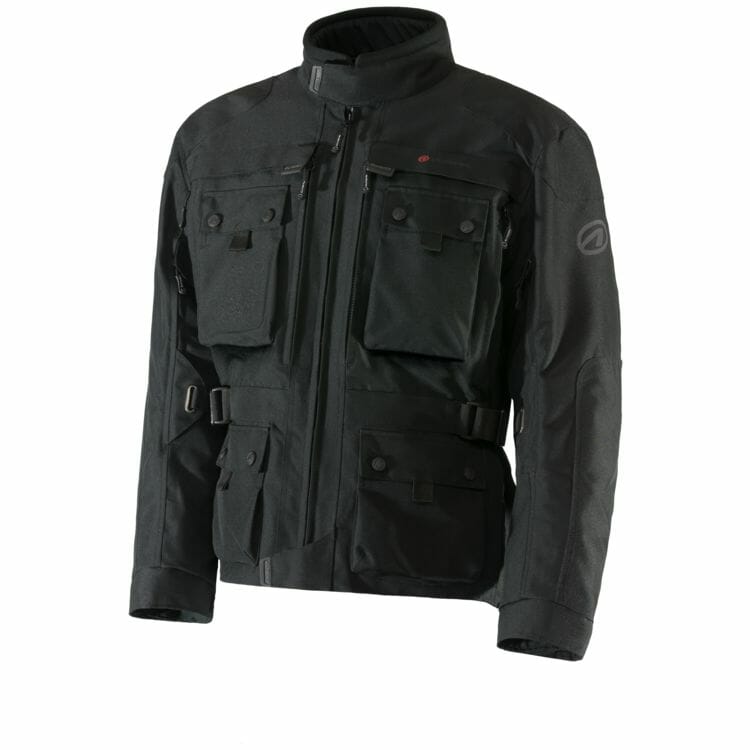
Troy Jacket by Olympia $300 $200
Note: Purchasing products through our links may earn us a portion of the sale, which supports our editorial team’s mission. Learn more here.
Will Sabel Courtney

Will Sabel Courtney is Gear Patrol’s Motoring Editor, formerly of The Drive and RIDES Magazine. You can often find him test-driving new cars in New York City, cursing the slow-moving traffic surrounding him.

More by Will Sabel Courtney | Follow on Instagram · Twitter · Contact via Email

<!–

–>

<!– –><!–

–>

The Ford Bronco’s Baby Brother Has Been Delayed, But Not for Too Long

<!–You Have to Wait a Bit Longer to Meet the Ford Bronco Sport • Gear Patrol<!– –>

coming this fall


The coronavirus pandemic and ensuing economic fallout has thrown off new product development timelines at every automaker. The most notable may be Ford, which had been expecting to be flexing right nowafter successful Bronco and Bronco Sport launches, and preparing for the next-generation F-150 that was set to arrive this summer. Those Bronco launches, quite obviously, didn’t happen. Now, we’re starting to learn some news about when Ford will bring those

The very-well-informed Automotive News is reporting that the start of production for the Bronco Sport — the smaller, Escape-based, crossover version once referred to as the “Baby Bronco” — has been pushed back two months, to September 2020. The report suggests the Bronco Sport will go on sale this fall, ahead of the full off-roading Bronco in 2021.

There’s no mention of when the Bronco Sport reveal will happen — though much of the information about the Bronco Sport was revealed already. We’ve also seen the leaked photos of the new vehicle. Depending on one’s perspective, it either looks like a rugged competitor for cars like the Jeep Renegade, or some combination of the second-generation Ford Escape and Land Rover Freelander. We dig it — but at always, we’ll wait to see how it looks on the streets before rendering final judgement.

Note: Purchasing products through our links may earn us a portion of the sale, which supports our editorial team’s mission. Learn more here.
Tyler Duffy

Tyler Duffy is Gear Patrol’s Motoring Staff Writer. He used to write about sports for The Big Lead and The Athletic. He has a black belt in toddler wrangling. He’s based outside Detroit.

More by Tyler Duffy | Follow on Facebook · Instagram · Twitter · Contact via Email

<!–

–>

<!– –><!–

–>

Here’s What You Need to Upgrade Your Toyota Tacoma Into the Perfect Car Camper

#Vanlife may be going viral, but #HomeSweet4x4 is much more fun, I swear. After close to half a decade living out of my Toyota Tacoma, I’ll personally and thoroughly vouch for the joys of pickup life: simplicity, access to empty places, lots of fresh air, frequently freezing my hands making coffee on the tailgate. (Okay, maybe that last one isn’t quite as joyful.)

Still, if the romanticized photos of van nomads in your Instagram feed is pulling you in the direction of a camper van, consider this: trucks are more functional and more useful, and they love mud as much as you do. They’re built to explore, not to sit in a parking lot or wait for the AAA tow truck to arrive. And if configured correctly, a Tacoma has sufficient space for the necessities of life and none of the extraneous crap — which is the way it should be.

Truck Bed Cap

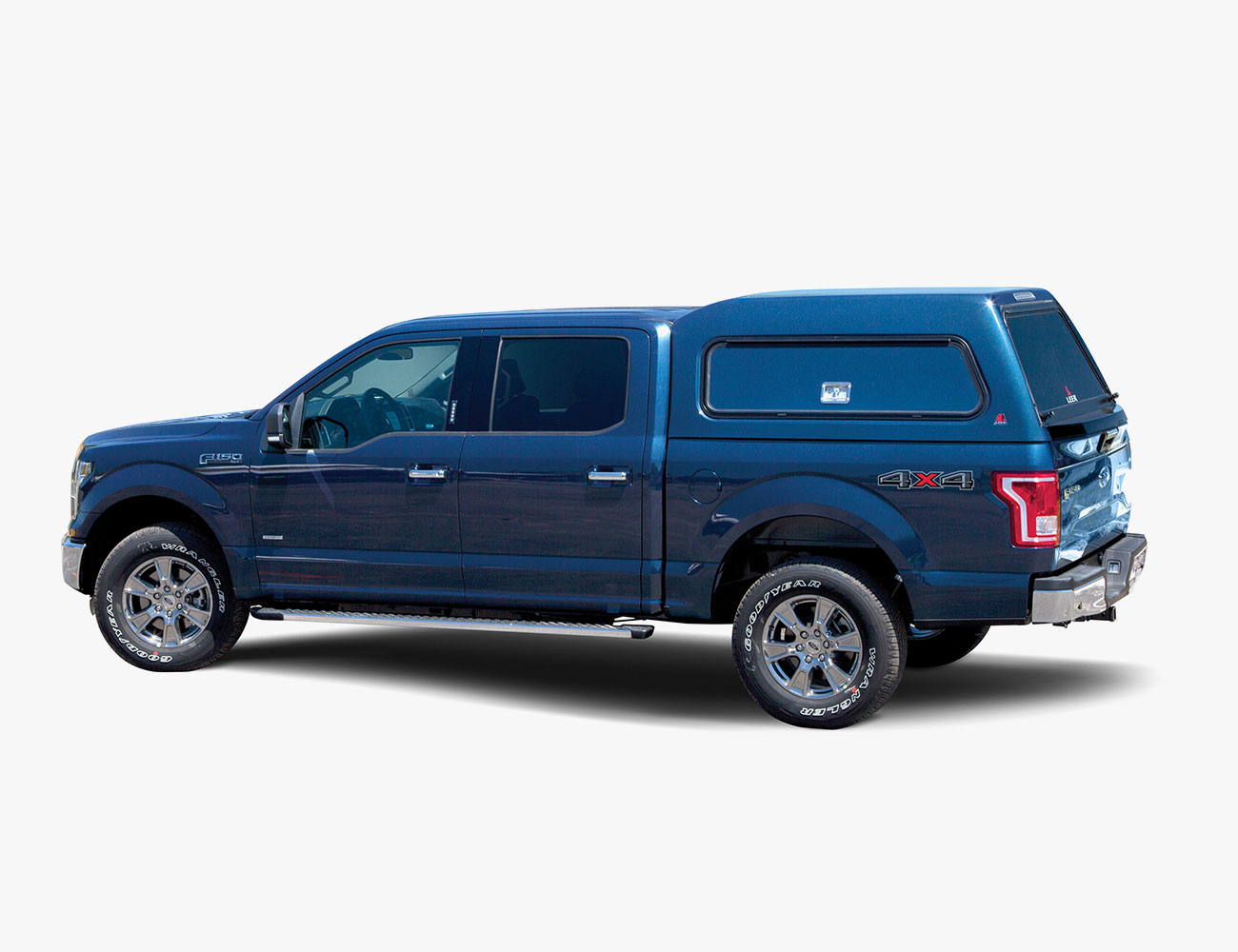
if you’re going to attempt to live full-time in your truck (or even just take it for a long road trip), the first purchase you should make is a roof over your bed —  a truck cap from LEER.  I’m partial to their commercial line of caps, because they offer access to the sides of the bed and lock securely, which helps to keep your things safe.

A truck cap is valuable to weekend warriors and more casual off-roaders as well; it offers you a safe and dry place to store gear, haul tools and, when needed, take a quick nap.

Leer 180CC Bed Cap

Utilities: Power, Propane and Fridge

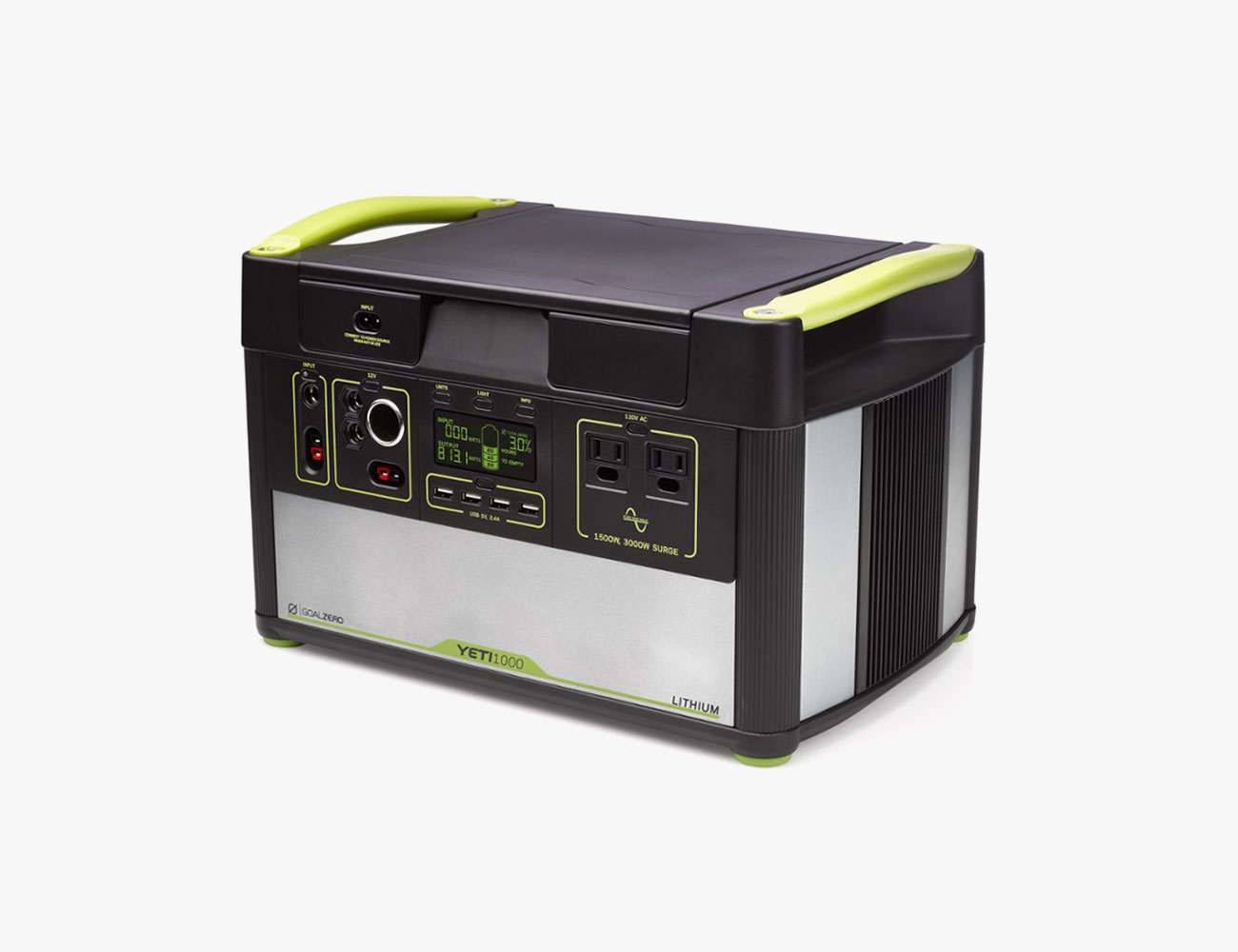
Even on an extended backcountry trip, it’s well worth bringing a few comforts of home. I plug my two Renogy solar panels into a Goal Zero battery, which in turn powers a small fridge. This lets me have fresh fruit, vegetables and meat (and cold beer) over the course of long periods away from grocery stores.

I also have a 10-pound propane tank that’s lashed in and used to fuel a two-burner Camp Chef stove. This systems helps streamline the cooking process — and makes me a healthier human.

Renogy 100-Watt 12-Volt Solar Panel

Goal Zero Yeti 1000

XtremepowerUS 58-Quart Portable Camping Refrigerator

Camp Chef Everest 2-Burner Stove

Better Seats

Last year, I spent over a thousand hours in the driver’s seat of my Tacoma. Just typing that makes my lumbar twitch. To protect my body and enjoy the long, rough drives more, I added the Corbeau Baja XRS suspension seats to the Tacoma. Though I was initially hesitant because of the steep price tag, these seats have become one of the most important upgrades to the truck.

Corbeau Baja XRS Suspension Seats (set of 2)

Extra Storage

If you think stuff starts to pile up living in a house, imagine what the back of a pickup looks like after an Amazon Prime binge. #Trucklife forces you to be judicious about all additions — and better about letting things go, too.

I keep all of my clothes in a few small bins behind the driver’s seat. To do, so I tore out the back row of seats and built a simple wooden structure to hold them. Behind the passenger seat is the fridge, water jug, propane tank and solar battery. Under my bed in the truck bed is a Bedslide an incredibly useful tool for storing all of my cooking supplies, food, books and spare tools. And on top of the truck cap. I have a Thule Vector Alpine, a small and aerodynamic boxtop that carries all my camping, climbing, ski, and paddling gear.

Bedslide Contractor

Thule Vector Alpine

Note: Purchasing products through our links may earn us a portion of the sale, which supports our editorial team’s mission. Learn more here.

How to Pump Up the Off-Road Capabilities of Your Toyota Tacoma

Soon after I bought the Toyota Tacoma I now live in, I spent six months tooling around the woods in it: using it for off-roading, and to access trailheads for backcountry skiing, running, mountain biking and whitewater paddling. Frankly, I was pretty happy.

Compared with my previous car, a Subaru Forester, the stock Tacoma’s ability to crawl over rocks, float over potholes and clear other obstacles was a night-and-day difference. Still, I invested roughly $1,000 into the rig — primarily in the form of better tires, as well as some recovery tools I discussed in the previous installment — and as a result was able to safely go further into the backcountry. If you take the time to improve your skills offroad, a Tacoma will get your surprisingly far.

But far never seems to be far enough. Once you get hooked into driving on dirt, the slippery slope begins. A few epic weekends on the trail often lead to longer trips in more remote places. These require higher clearance, more body protection and brighter lights to keep yourself out of trouble — a much larger investment, albeit one that quickly pay dividends on the trail.

So if you’re curious what’s around the next bend, here are my suggestions for upgrading your Toyota Tacoma in order to make sure you get there.

Suspension Lift

Tacomas are, as their reputation suggests, made to last. They hold their value well — and if they do break down, nearly every mechanic has spare parts for them. That said, durability can come at a cost of versatility, especially when it comes to driving on dirt.

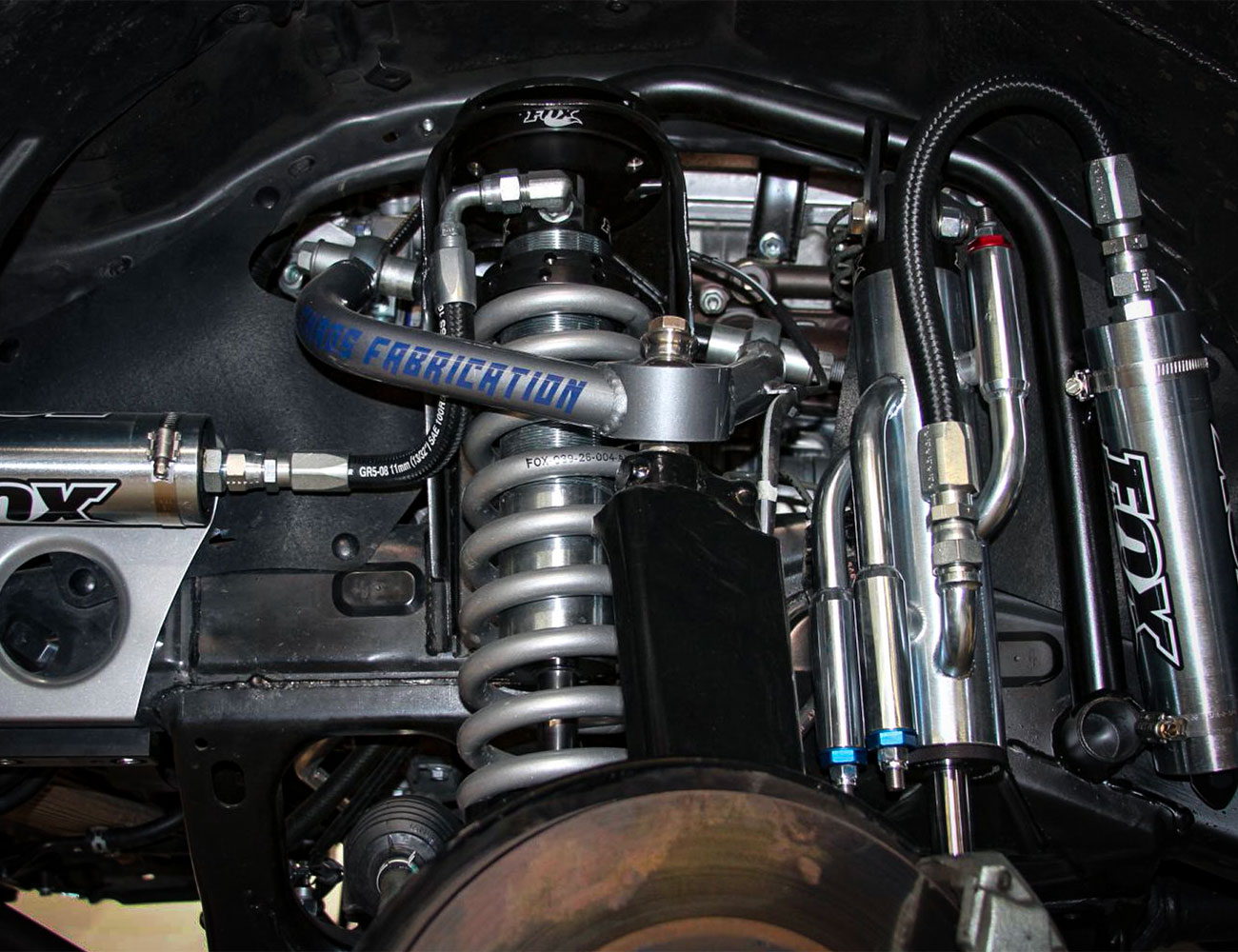
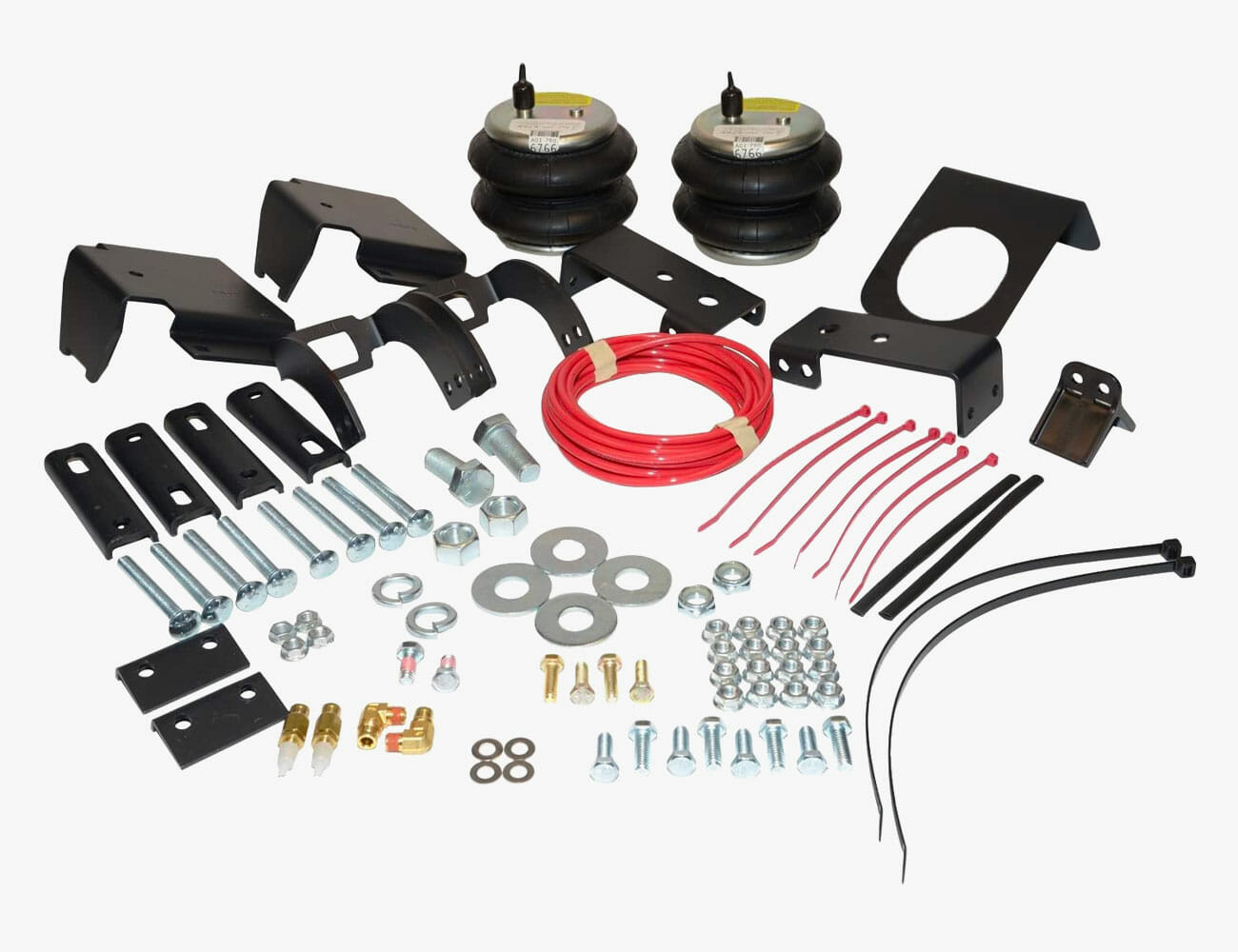
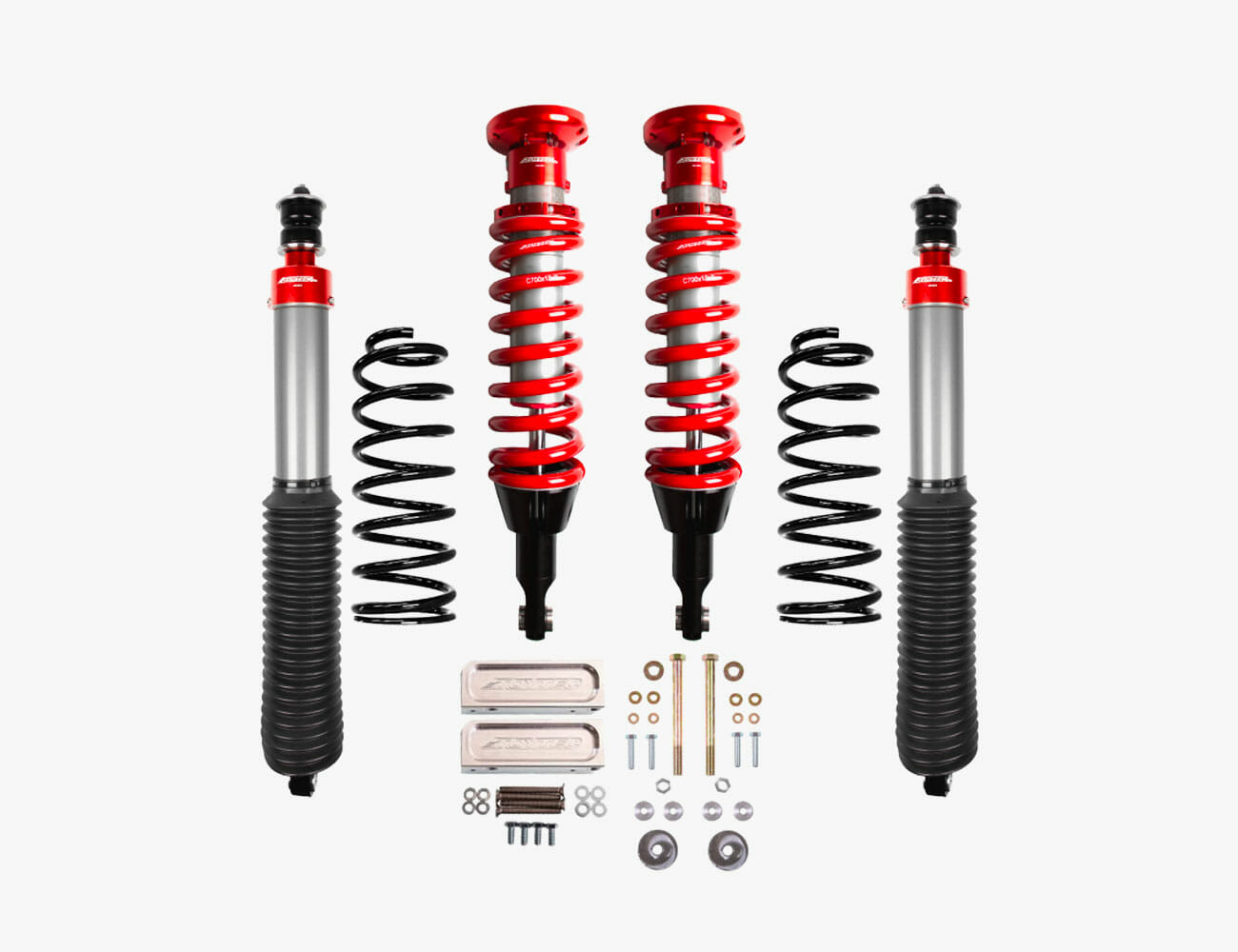
The first big step you need to take is a suspension upgrade. After hours of research, I decided the best bang for my buck was a ToyTec 3-inch lift kit with Total Chaos upper control arms for added travel, and additional leafs and airbags in the rear to compensate for my heavier load. This setup rides well on the highway and performs impressively well offroad. 

ToyTec 3-Inch Lift Kit

Total Chaos 2nd-Generation Toyota Tacoma Upper Control Arms

Firestone Ride-Rite Kit

Racks & Lighting

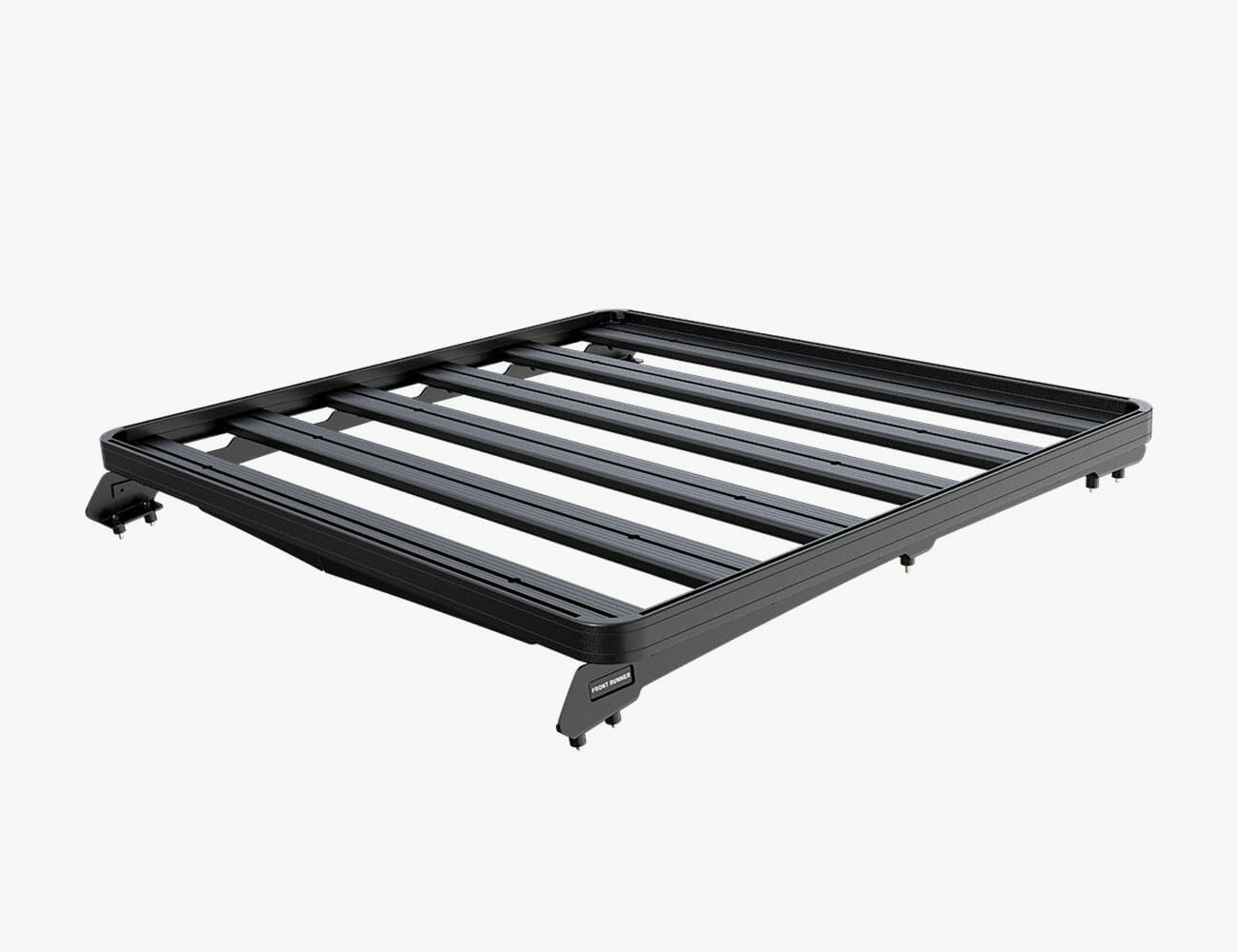
After years of using lighter and more flimsy racks, I recently upgraded my Tacoma with Front Runner Slimline racks. I’veve been hugely impressed with their build quality, strength, and ease of use. Frankly, I wish I had switched to them long ago.

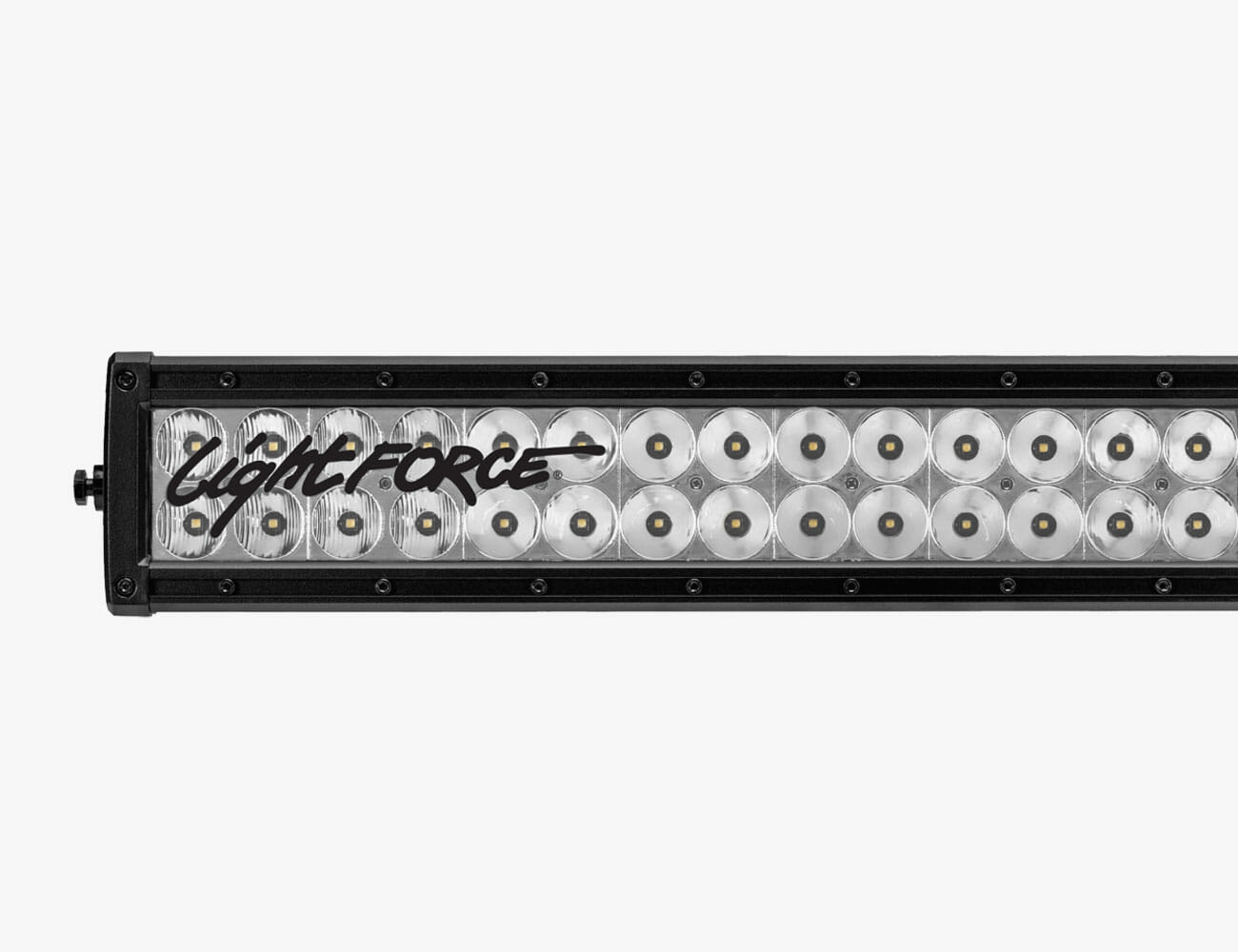
On the racks, I’ve mounted two Lightforce Nightfall lightbars and a pair of Genesis driving lights to my front grille, which offer much more visibility (and therefore safety) at night. Lightforce makes some of the best products on the market; they’re bright, waterproof and durable.

For most Tacomas, it’s also worth upgrading the stock headlight bulbs. I’d recommend BeamTech LEDs.

Front Runner Toyota Tacoma Slimline II Roof Rack Kit

Lightforce Nightfall 50-inch Dual Row Light Bar

Lightforce Genesis Driving Light

Beamtech LED Headlight Bulb

Body Protection

Even the best drivers, those that go slow and know all of their trucks “angles” eventually run into a rock, stump, or scrap the side of the tree. It’s part of the offroad experience. To protect your Tacoma from real, non-cosmetic damage, there are a few key upgrades to install.

The first: a decent grille guard, like this Westin. Also important: a skid plate to protect the underbelly of your truck. The last, for those inclined to go all-in, are high-clearance bumpers — like this one from CBI.

Westin Sportsman Tough Black Steel Grille Guard

CBI Offroad T3 High Clearance Rear Bumper

Heavy Duty Brakes

I’d be remiss if I didn’t mention your brakes. If you’re consistently carrying a lot of weight in your truck, it’s important to upgrade the full brake setup — rotors, calipers and pads. I installed BBK brakes from StopTech soon after I bought my truck, and I’m never going back. They’re strong, yet still offer a smooth feeling when I hit the brake pedal. 

StopTech BBK Brakes

Note: Purchasing products through our links may earn us a portion of the sale, which supports our editorial team’s mission. Learn more here.

This Exquisite Himalaya Land Rover Defender Offers a Taste of Forbidden Fruit

<!–You Can’t Buy Land Rover’s Best-Ever Defender, So Get This • Gear Patrol<!– –>

tribute with a twist


The original production run of the Land Rover Defender officially wrapped up in 2016 — but Defenders don’t die easy. The company then went on to release a limited series of 70th Anniversary V8 Defenders selling for more than $200,000. It was, perhaps, the best Defender ever made; trouble was, we couldn’t buy them in the United States.

Now, South Carolina Defender builders Himalaya has stepped into the breach with the next best (or perhaps even-better) thing with their newest build: a 70th-anniversary Defender tribute. It takes the classic style of the 70th Anniversary edition but adds substantial performance modifications.

This Defender 90 receives the classic engine swap for these boxy Landies: replacing the stock motor with GM’s bulletproof LS3 V8 engine, routed through a six-speed automatic. Per Himalaya, the setup produces 525 horsepower and 425 lb-ft of torque. Himalaya also gives the Defender a lowered, sport-tuned suspension (seriously) for better handling. Other updates include Fox shocks, a more robust roll cage and front and rear skid plates. Himalaya also provides some modern touches, like a touchscreen with Bluetooth, USB and HDMI connections, heated seats, and heat-reducing window tints.

Himalaya did not give a price for this build — though given past builds we’ve tested, expect a price tag significantly north of $100,000. And if you like the idea of this but want something a little bigger, Himalaya’s equally exquisite Crew Cab pickup is still for sale.

Note: Purchasing products through our links may earn us a portion of the sale, which supports our editorial team’s mission. Learn more here.
Tyler Duffy

Tyler Duffy is Gear Patrol’s Motoring Staff Writer. He used to write about sports for The Big Lead and The Athletic. He has a black belt in toddler wrangling. He’s based outside Detroit.

More by Tyler Duffy | Follow on Facebook · Instagram · Twitter · Contact via Email

<!–

–>

<!– –><!–

–>

The Lexus UX 250h Is a Solid Luxury Hatchback for Anyone Without Kids

Lexus launched the UX crossover for the 2019 model year. The company aimed the new subcompact crossover at the “modern urban explorer,” which sounds a bit more charitable than “upmarket, city-dwelling DINKs” (dual-income-no-kids). The UX is the entry-level Lexus crossover — sort of a fancier, more powerful and markedly more expensive version of the Toyota C-HR.

I drove the UX 250h, the hybrid model, which begins a bit above $34,000. Is it the subcompact you want for traversing the paved-over wilderness? I’m not so sure.

Mercedes-Benz, BMW, Audi and Volvo each offer a luxury subcompact competitor (the GLA-Class, X1, Q3 and XC40, respectively) that’s more powerful, more fun and more practical than this Lexus. I’d argue those cars are all more attractive than the UX, which will put off some with its big spindle grille and aggressive power lines. To be fair, none of those cars deliver fuel economy approaching the UX’s hybrid powertrain’s figures; it’s rated for 39 mpg combined. But if minimizing one’s carbon footprint is the buyer’s overriding concern, why not buy the fully-electric Hyundai Kona EV for about the same price?

The UX 250h is not quick, but it handles well.

Lexus lists an 8.6-second 0-60 mph time for the UX 250h, which is base-engine Subaru territory. Still, the hybrid is the more potent of the two UX powertrains, and the subcompact makes up for its lack of straight-line speed with its driving character and handling. As a de facto hatchback, it has a lot of positive hatchback characteristics, such as precise steering, a low center of gravity and good balance in corners.

I wouldn’t describe driving it as exhilarating, but it makes the most of its 181 horsepower. The cabin is luxurious and quiet, without the grating noise one might complain about from a Toyota hybrid. If you don’t often need to floor it merging onto a highway, the UX 250h will agreeably get you from A to B.

This Lexus is freaking tiny.

Some subcompacts, like the Kia Seltos, offer surprising space and versatility. The Lexus UX is not one of them. It’s a pint-sized, cladded, and modestly lifted hatchback. A high load floor and a sloping back roof combine to form a ludicrously small trunk. It measures 17.1 cubic feet, but seems smaller; I couldn’t fit my son’s diaper bag in the narrow sliver of space between the floor and the tonneau cover the UX offers for some reason.

The rear seating area is tight, too, and makes accommodating a front occupant and a car seat on the same side of the vehicle a challenge. If your nest has an occupancy of greater than two, you probably need a bigger Lexus.

The corporate infotainment touchpad is an absolute nuisance.

Touchscreens are problematic — potentially more distracting than texting, according to at least one study. Instead of a touchscreen, Lexus UX uses a touchpad to the right of the PRND shifter to manipulate the screen. It bills itself as a sophisticated haptic interface that “mimics smartphone operations.”

I found navigating complex menus with it to be an infuriating nuisance. Coordinating your finger movement on the pad with the free-floating cursor on the screen adds another layer of distraction, instead of peeling one away. I had to pull the car over to perform simple functions like changing the radio station. Touchscreen alternatives should be explored, but a simple click wheel would have been more intuitive and functional.

Price as Tested: $43,625
Drivetrain: 2.0-liter four-cylinder hybrid, CVT, all-wheel-drive
Power: 181 hp
Fuel Economy: 41 mpg city, 38 mpg highway
Seats: 5

Lexus provided this product for review.

Note: Purchasing products through our links may earn us a portion of the sale, which supports our editorial team’s mission. Learn more here.
Tyler Duffy

Tyler Duffy is Gear Patrol’s Motoring Staff Writer. He used to write about sports for The Big Lead and The Athletic. He has a black belt in toddler wrangling. He’s based outside Detroit.

More by Tyler Duffy | Follow on Facebook · Instagram · Twitter · Contact via Email

This Arctic-Ready Ford F-150 Is Extreme Overkill, But We Still Want It

<!–This Arctic-Ready Ford F-150 Is the Best Kind of Overkill • Gear Patrol<!– –>

prep for that polar vortex


A lot of Ford F-150 buyers want the most badass, most capable rig in the neighborhood. That desire is why Ford sells (and never has to offer incentives on) the Raptor. It’s why tuners like Hennessey Performance build crazy 775-hp versions. It’s why that bro down the street jacked his Ford’s suspension into the stratosphere and added some stupid-big tires with massive rims.

Icelandic tuners Arctic Trucks may have them all beat, at least on appearance, with their new 2020 F-150 AT44 build. Their goal was to modify an F-150 to be fit for an arctic expedition. (Arctic Trucks, for the record, is the company that modified the Toyota Hilux used by Jeremy Clarkson and James May for Top Gear‘s North Pole expedition.)

The AT44 name comes from this F-150’s massive studded 44-inch Nokian Hakkapeliitta snow tires. The AT44 also gets some wide fender flares and upgraded body armor. Arctic Trucks hasn’t posted all of the information on the build yet. So, it’s not clear which F-150 engine they used, let alone whether it was modified. Muscle Cars and Trucks, which stumbled across this truck, says they suspect it has the 3.0-liter V6 diesel.

There’s also the small matter of pricing. It’s not clear how much the AT44 mods would cost…and even if it was affordable, shipping your F-150 to Iceland and back probably wouldn’t be cheap.

While the AT44 appears to be supreme overkill for any situation that isn’t an expedition to the Arctic, you will look like a genius when that freak polar vortex blizzard hits and you’re the only one able to get to Starbucks.

Note: Purchasing products through our links may earn us a portion of the sale, which supports our editorial team’s mission. Learn more here.
Tyler Duffy

Tyler Duffy is Gear Patrol’s Motoring Staff Writer. He used to write about sports for The Big Lead and The Athletic. He has a black belt in toddler wrangling. He’s based outside Detroit.

More by Tyler Duffy | Follow on Facebook · Instagram · Twitter · Contact via Email

<!–

–>

<!– –><!–

–>

Porsche’s Best Sports Car Is About to Get Lighter, Meaner and More Powerful, Report Says

<!–Porsche 718 Cayman GT4 RS Coming Soon, Report Says • Gear Patrol<!– –>

no longer a what if


Porsche’s undisputed icon is the 911. But many car folks who aren’t entirely besotted by that history believe the cheaper 718 Cayman may be the best pure sports car in the Porsche lineup — or perhaps of any car lineup. According to Car and Driver, Porsche will give the Cayman a new top-of-the-line performance version: the Cayman GT4 RS.

The Cayman GT4 RS will use the same 911-derived 4.0-liter flat-six engine as the Cayman GT4, but it will be tuned up to around 500 horsepower — about 100 hp more than the new Cayman GTS models that also share the same engine. The Cayman GT4 RS will be lighter than the GT4, and have the suspension lowered and sharpened for even greater performance. Porsche lists a 4.2-second 0-60 mph time for the Cayman GT4; expect the Cayman GT4 RS to be even quicker. It’s perhaps a strong testament to Porsche’s confidence in how great the new 911 is that the company would produce a six-figure Cayman with around 120 hp more than the base 911 Carrera.

Car and Driver did not mention the new Cayman’s transmission. Super-high-end, performance-oriented 911 models have dropped the manual as an option and gone with Porsche’s spectacular PDK, so an RS Cayman seems likely to do the same. That said, the Cayman GT4 only offers a stick shift, so there’s a chance the Cayman GT4 RS will follow suit as well.

Pricing, as you’d expect with Porsche, won’t be cheap. Car and Driver expects the Cayman GT4 RS to start around $130,000, about $30,000 more than the GT4 and more than double the base Cayman price.

So when can we see this super-Cayman? Well, C/D reports that Porsche’s original plan was to launch the Cayman GT4 RS in late 2021 or early 2022.  That said, product timelines at Porsche (and everywhere else right now) may be delayed due the ongoing coronavirus pandemic.

Note: Purchasing products through our links may earn us a portion of the sale, which supports our editorial team’s mission. Learn more here.
Tyler Duffy

Tyler Duffy is Gear Patrol’s Motoring Staff Writer. He used to write about sports for The Big Lead and The Athletic. He has a black belt in toddler wrangling. He’s based outside Detroit.

More by Tyler Duffy | Follow on Facebook · Instagram · Twitter · Contact via Email

<!–

–>

<!– –><!–

–>

The 2020 Lexus RC F Is a Performance Car at Odds With Its Luxury Station

Brand: Lexus
Product: RC F
Release Date: Mid-2019
Price: $64,750 base / $89,960 as-tested
From: lexus.com

It’s been a while since I was fixed up on a date, but I remember the drill: You’ve been linked up with a person who seems to be a match based on mutual interests. You’ve even seen a photo or two.  and you’re intrigued enough to give things a whirl. Expectations run high. It’s either going to be magical or a horrible tragedy…

…but the reality ends up being somewhere in the middle. You get on well, and there are admirable qualities to this person, but the connection isn’t there. You really believe the right person for them is out there, it just isn’t you — and you even feel a little guilty for not falling head over heels for them.

That’s how I felt about the 2020 Lexus RC F. It’s a great car I should’ve loved…but didn’t.

What We Like

At first sight, the Lexus RC F makes a solid impression. The blend of luxury styling around an aggressive package communicates that this is a coupe meant to tear up the track by day and drop you off at the club at night. Like a boxer working as part-time muscle, the elegant exterior of the RC F barely contains the bruiser underneath. Usual Lexus trappings like the spindle grille front fascia are exaggerated, and further accented by the hood and wheel well vents. The rest of the design looks more stately and traditional; what bold choices taken are much more subdued that the ones up front. It contributes to a fun-house mirror effect in person that really makes the front end stand out — but look at it from afar, and it presents a fairly clean package.

The centerpiece to the RC F is the 5.0-liter V8 that gins up 472 horsepower and 395 pound-feet of torque. Funneled through an eight-speed automatic gearbox, the Lexus lays down enough power to the rear to please any driver looking to “stunt on some fools,” as goes the parlance. Eager to see if the RC F can put its money where its mouth is, I took it to Monticello Motor Club and pitted it against its 4.1-mile track.

Rolling out of pit lane, I was hesitant to join the pack of performance cars out running laps. The Lexus was an odd duck among them, but it didn’t take long for the RC F to find its groove. From the jump, the RC F has the grunt to get up and going very quickly, bludgeoning its way out of corners and shooting down straightaways. The 14.9-inch six-piston Brembo front brakes worked wonders bringing the RC F to a halt, and remained consistent throughout multiple sessions.

Watch Out For

The RC F’s cabin starts to betray the RC F’s identity crisis. Split between luxury and sport, the interior of the Lexus tries to support the Lexus standard of comfort and elegance while also appealing to the youthful lead-foots who don’t want “dad’s stuffy Lexus” but still want to be taken seriously. The end result is a suit-with-sneakers vibe that is not inherently bad, but will probably turn off those who expect a certain level of Lexus-level panache.

Take or leave the design, and you still need to reconcile with the functionality of the cockpit. There are plenty of menus and options to dig through in both the gauge cluster display and through the infotainment system. The layout of the cabin doesn’t lend to touchscreen functionality and instead sticks to the trackpad that’s been a mainstay for Lexus and Toyota vehicles for some time. Haptic vibrations and snap-to item selection helps in execution, but the track pad is still tricky to use while on the move. There is, thankfully, an array of physical buttons to reach for when it comes to most, but the layout struggles to make the best of the real estate provided. Compatibility with Apple CarPlay does make things feel a little more familiar to the iOS-inclined.

And while the harmonious moments behind the wheel of the RC F on track were great, it took work to get there. In its track-reading setting — with the steering tight, the throttle response maxed out and the torque vectoring differential keyed to give you its best — the Lexus still felt overburdened. All the good work it was doing felt less in service of achieving maximum speed and mostly to keep from tripping over its own feet.

Other Options

Other luxury performance coupes in this general price range include the Audi RS 5 Coupe ($74,200+), the BMW M4 Coupe ($69,150+) and the Mercedes-AMG C63 Coupe ($67,995+).

Verdict

By the end of the day at MMC, I felt like I’d explored all the performance the RC F had. Though it did indeed prove it could walk the walk, it didn’t leave me wanting more. It’s fun to drive, it’s got the looks and has plenty of performance capabilities for any RC F owner to take to the occasional track day, but those who want to make that a regular thing will quickly find the car holding them back. (Perhaps that’s when they buy the RC F track edition.) It’s got performance enough to hold its own on a track day, but there are diminishing returns on the excitement it provides.

Stylish, sleek, and sexy, the RC F turns heads no matter where it goes. But for some, it may just not be love at first drive.

Lexus provided this product for review.

Note: Purchasing products through our links may earn us a portion of the sale, which supports our editorial team’s mission. Learn more here.


You Could Be the First Owner of This Perfect 2002 Mercedes-Benz SL-Class

As anyone who’s glanced at their dealership or website in the last couple years can tell you, Mercedes-Benz offers a ton of different models. Of course, it’s only natural that, with so many cars being developed, some might wind up receiving a little less attention than others. The SL-Class roadster has been sandwiched into an awkward place for the last few years; buyers seeking a sportier convertible wind up tempted by the topless Mercedes-AMG GT, while those looking for a more luxurious option have the newer, roomier S-Class cabriolet in front of them.

Two decades ago, though, the Sl-Class was the créme de la créme of Mercedes-Benzes — the Three-Pointed Star car that epitomized class and elegance like none other. And right now, Mercedes-Benz itself is offering a chance for one lucky buyer to become the very first owner of a brand-new, limited-edition 2002 Mercedes-Benz SL500.

This isn’t just any SL500, mind you, it’s an SL500 Silver Arrow, one of a limited number of special edition cars commissioned for the last model year of the model-defining R129 generation sold from 1989 to 2001. Just 1,515 Silver Arrow SL500s were made for the U.S., each boasting sexy ultra-metallic silver paint, polished aluminum trim, six-spoke alloy wheels, and silver-painted brake calipers on the outside. Inside, a two-tone black-and-silver leather adds a surprising amount of elegance, as does the metallic-effect black maple wood trim, machined aluminum trim and special Silver Arrow badging.

R129-era SLs aren’t hard to find online, if you simply want to get into a vintage Mercedes roadster. What makes this one particularly special is that it’s never been titled. It is, effectively, a brand-new car — even though it’s old enough to vote. (Don’t let the 142 miles on the odometer put you off.) It’s being offered as part of Mercedes-Benz Classics’s All-Time Stars collection, a handful of old, pristine vehicles that can be snapped up from Benz itself. Unsurprisingly, it’s not cheap; if you want to take this Silver Arrow home, you’ll need to fork over $135,000 — about $20,000 more than the price of a brand-new SL550.

From what we hear, the SL-Class’s fortunes are soon to turn around; AMG has reportedly taken up the development of the next model, using a modified version of the GT sports car’s chassis to create a more athletic roadster, and the S-Class convertible is expected to expire along with the current generation that’s set to be replaced. But no matter how good it is, it’s not likely to have the charm of this brand-new vintage ride.

Note: Purchasing products through our links may earn us a portion of the sale, which supports our editorial team’s mission. Learn more here.
Will Sabel Courtney

Will Sabel Courtney is Gear Patrol’s Motoring Editor, formerly of The Drive and RIDES Magazine. You can often find him test-driving new cars in New York City, cursing the slow-moving traffic surrounding him.

More by Will Sabel Courtney | Follow on Instagram · Twitter · Contact via Email

Rivian’s Badass Electric Adventure Pickup Won’t Arrive This Year

<!–Rivian’s Electric Overland Pickup Truck Won’t Arrive Until 2021 • Gear Patrol<!– –>

postpone those electric adventure plans


2020 was supposed to be the year of the EV, with many exciting new electric vehicles flooding the market. But the COVID-19 pandemic has put automotive plans everywhere on the planet on hold — and that includes one of the EV debuts we were most anticipated for. American electric car startup Rivian, we’ve learned, has pushed back the launch of its overlanding-ready adventure pickup truck to 2021.

Rivian had originally scheduled R1T pickup production to start in late 2020. However, the company told its employees — and confirmed to the Chicago Tribune — that production will now begin sometime in 2021, as the pandemic has delayed retooling at Rivian’s Normal, Illinois plant. (That delay, presumably, will also push back the launch of Rivian’s R1S SUV, which had been scheduled for early 2021.)

Rivian’s R1T and R1S have generated a lot of anticipation. They’re expected to be supremely capable overland vehicles, with top-tier models putting out close to 800 horsepower. Rivian will price base models competitively to take on established internal combustion players in the full-size truck and three-row SUV segments. The company also has backing from major companies like Amazon and Ford.

The R1T and R1S are far from the only vehicles delayed by the present crisis. Reports have GM putting off changes to multiple vehicles, and Bollinger has deferred its electric truck and SUV timeline to 2021 as well.

Note: Purchasing products through our links may earn us a portion of the sale, which supports our editorial team’s mission. Learn more here.
Tyler Duffy

Tyler Duffy is Gear Patrol’s Motoring Staff Writer. He used to write about sports for The Big Lead and The Athletic. He has a black belt in toddler wrangling. He’s based outside Detroit.

More by Tyler Duffy | Follow on Facebook · Instagram · Twitter · Contact via Email

<!–

–>

<!– –><!–

–>

12 Brand-New, Damn Fun Automobiles That Cost Less than the Average New Car

Americans spend a lot of money on new cars. The average sticker price for a new vehicle in 2019 was $37,183 — about the price of an entry-level BMW or Mercedes-Benz. Those pickup trucks and SUVs we love so much can get pricey.

We can leave debates about whether those are smart outlays of capital to economists. What we can discuss, though, is that you don’t need to spend nearly that much to buy a great, enjoyable car — even before you factor in the incentives manufacturers have begun offering and likely will continue to for the next few months.

Indeed, many of our favorite sports cars, purpose-built off-roaders and other entertaining rides can be had for less than the average new vehicle price. Below, we present 12 of them worth your hard-earned money.

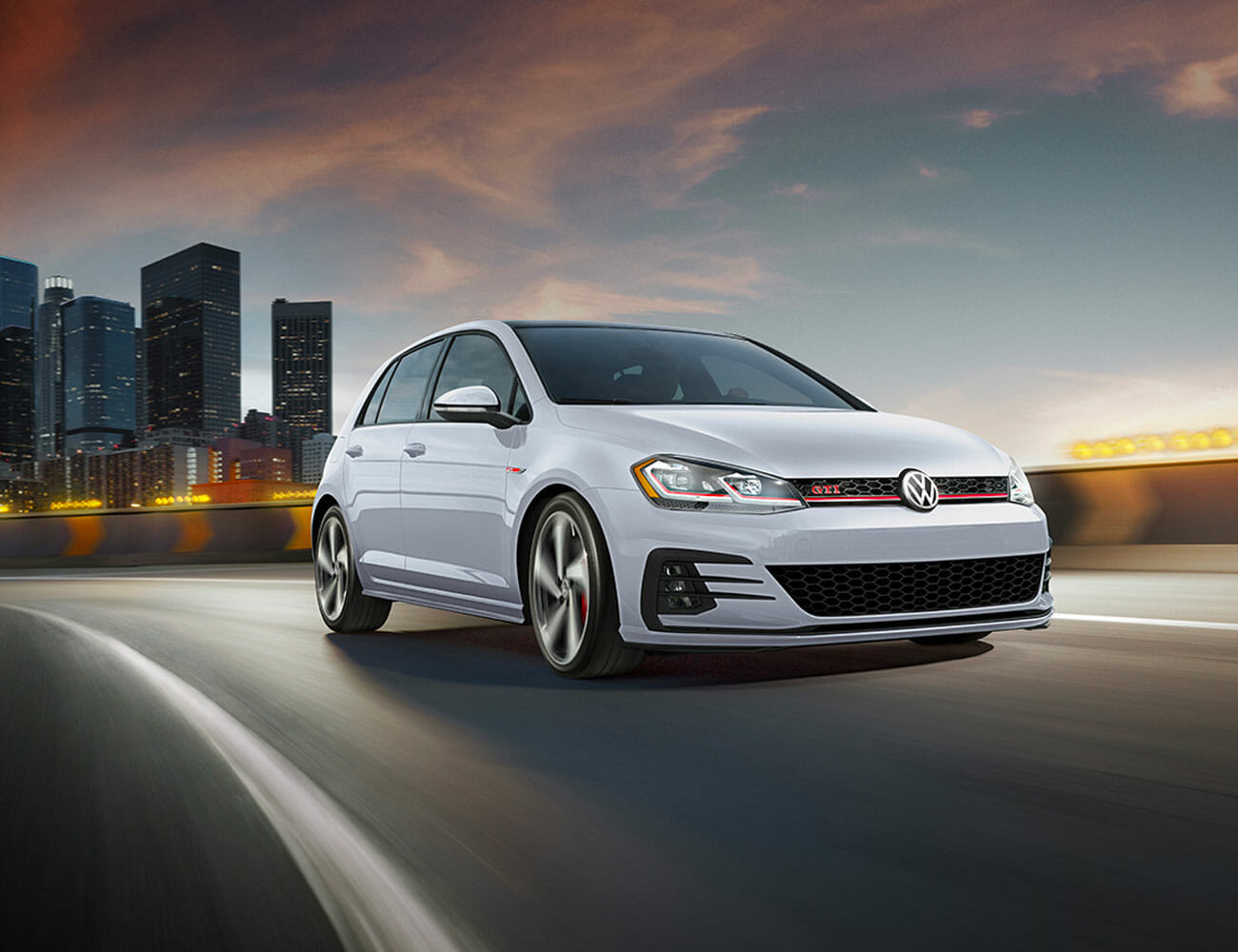
2020 Volkswagen Golf GTI

The current (although outgoing) GTI is a legend — it’s one of the best-handling cars on the road, period. You can upgrade to the mid-grade SE trim, score LED headlights, a panoramic sunroof and leather seats, and still come in comfortably under our price ceiling.

2020 Mazda MX-5 Miata

Mazda’s best car just keeps getting sportier, and the performance-minded Club trim starts at just $30,920.

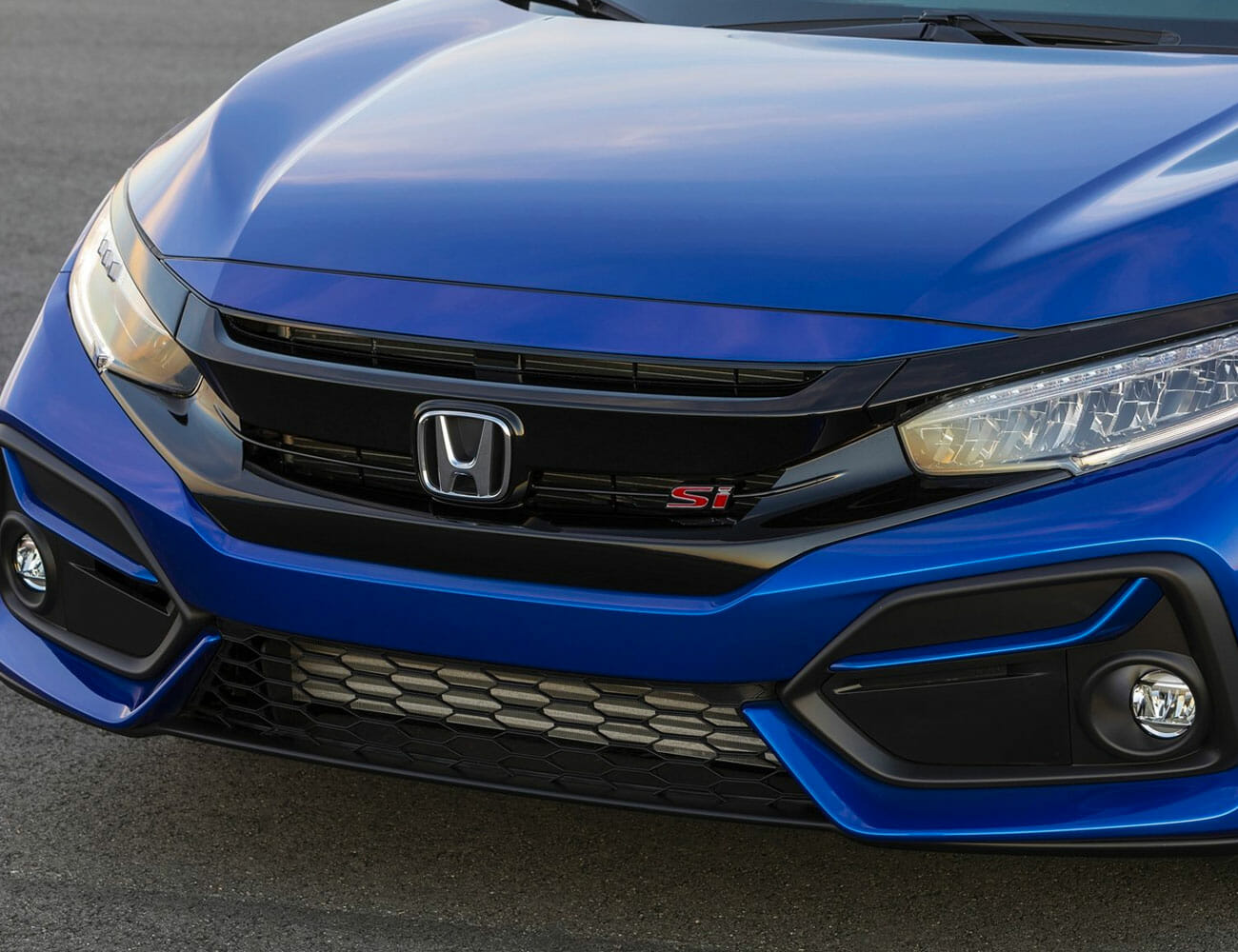
2020 Honda Civic Si

The souped-up Civic sedan is as much fun to drive as any car on the road —  and it’s an absolute steal at a well-equipped price of just over $25,000.

2020 Jeep Wrangler

Jeep Wranglers can get pricey, but you can still buy a two-door model for under $30,000 before incentives. That means you can still have some cash left over for luxury options…like that sweet three-piece removable hardtop.

2020 Toyota 86

The poor man’s Supra is one of the best pure driver’s cars on the market — at a far cheaper price point.

2020 Ford Mustang 2.3L EcoBoost HPP

Granted, the 2.3-liter EcoBoost does not have quite as nice of an engine note as the 5.0-liter V8. But this car is still quite the performance bargain, with legit sports car speed and handling for thousands less than the average new car price.

2020 Toyota Tacoma

Being a bro can be fun. You can get your pick of lower-trim Tacos for less than the average American vehicle price, or even juuuuust squeeze into a TRD Off-Road with a six-speed manual for less than the average new car price. (Who needs floor mats?)

2020 Hyundai Veloster N

The should-be-standard Performance Package boosts the Veloster N up to 275 horsepower and adds other fun-to-drive goodies, and still lets the MSRP come in below $30,000.

2020 Subaru WRX

The Subaru WRX is the preferred choice for driving connoisseurs who enjoy running afoul of traffic cops. You can build out a WRX Limited for less than the average vehicle price, but you’ll have to go without the added power of the WRX STI; jumping up to that 310-hp version will push you over.

2020 Toyota Camry TRD

You don’t often see “fun” and “Toyota Camry” in the same sentence. But the iconic midsize sedan’s new TRD trim is a lot sportier than your dad’s Camry — and the cheapest way to get a V6-powered version of the car.

2020 Fiat 124 Spider Abarth

2020 model Fiat 124 Spiders do still exist, and the starting MSRP for the Abarth trim is less than $30,000. Of course, that’s before a Fiat dealer rejoices at having a customer and offers you five figures in incentives and discounts to relieve them of their poor-selling roadster.

2020 Mini Cooper S JCW

The Mini John Cooper Works no longer has a manual, and you need to upgrade to the Clubman JCW for the 300 -p hot hatch engine. But you can build a hardtop Mini JCW for less than $35,000.

Note: Purchasing products through our links may earn us a portion of the sale, which supports our editorial team’s mission. Learn more here.

Tyler Duffy

Tyler Duffy is Gear Patrol’s Motoring Staff Writer. He used to write about sports for The Big Lead and The Athletic. He has a black belt in toddler wrangling. He’s based outside Detroit.

More by Tyler Duffy | Follow on Facebook · Instagram · Twitter · Contact via Email

The Best Station Wagon on Sale in America Today Is Sticking Around (Thankfully)

<!–The Mercedes-AMG E63 S Wagon Isn’t Going Anywhere • Gear Patrol<!– –>

When Mercedes-Benz announced back in March that the tough-looking E-Class All Terrain station wagon would be making its way to the United States for the first time, we were enthused — for the most part. See, while the idea of a Mercedes version of a Subaru Outback certainly gets our engines running, Mercedes-Benz’s announcement said it would be replacing the conventional E-Class wagon that’s been a staple of the lineup here for years, which left many enthusiasts wondering: Does that mean the E63 wagon we love so much will be axed, too?

Luckily, though, it seems Mercedes-Benz USA has no intentions of leaving us Americans without what’s almost inarguably the best station wagon you can buy Stateside today. That’s the word from Car and Driver, which is reporting that the E63 wagon will indeed stick around alongside the sedan when the max-attack AMG E’s facelifted version debuts — reportedly, later this month.

As spy photos and leaked images have already revealed, the facelifted 2021 E63 S will receive subtle changes like those of the other E-Class models, such as wider tail lights that bear a passing resemblance to those of the new A-Class and reshaped headlights with a bit more angularity to them. The biggest change will be up front, where the E63 will trade the dual-horizontal-bar grille of the current model for the vertically-strafed Panamericana grille that’s become the visual trademark of AMG’s newest models, like the GT 63 S.

Don’t expect much in the way of changes beneath the skin, apart from what Car and Driver reports will be some mild suspension retuning to smooth out the ride at the request of the customers. The 603-hp twin-turbo V8, the nine-speed automatic with its dry clutches in lieu of a torque converter, the sport-tuned all-wheel-drive with RWD drift mode — they should all stick around just as they are. Which is absolutely fine with us.

Note: Purchasing products through our links may earn us a portion of the sale, which supports our editorial team’s mission. Learn more here.
Will Sabel Courtney

Will Sabel Courtney is Gear Patrol’s Motoring Editor, formerly of The Drive and RIDES Magazine. You can often find him test-driving new cars in New York City, cursing the slow-moving traffic surrounding him.

More by Will Sabel Courtney | Follow on Instagram · Twitter · Contact via Email

<!–

–>

<!– –><!–

–>

Here’s How to Pump Up the Off-Road Capabilities of Your Toyota Tacoma

Soon after I bought the Toyota Tacoma I now live in, I spent six months tooling around the woods in it: using it for off-roading, and to access trailheads for backcountry skiing, running, mountain biking and whitewater paddling. Frankly, I was pretty happy.

Compared with my previous car, a Subaru Forester, the stock Tacoma’s ability to crawl over rocks, float over potholes and clear other obstacles was a night-and-day difference. Still, I invested roughly $1,000 into the rig — primarily in the form of better tires, as well as some recovery tools I discussed in the previous installment — and as a result was able to safely go further into the backcountry. If you take the time to improve your skills offroad, a Tacoma will get your surprisingly far.

But far never seems to be far enough. Once you get hooked into driving on dirt, the slippery slope begins. A few epic weekends on the trail often lead to longer trips in more remote places. These require higher clearance, more body protection and brighter lights to keep yourself out of trouble — a much larger investment, albeit one that quickly pay dividends on the trail.

So if you’re curious what’s around the next bend, here are my suggestions for upgrading your Toyota Tacoma in order to make sure you get there.

Suspension Lift

Tacomas are, as their reputation suggests, made to last. They hold their value well — and if they do break down, nearly every mechanic has spare parts for them. That said, durability can come at a cost of versatility, especially when it comes to driving on dirt.

The first big step you need to take is a suspension upgrade. After hours of research, I decided the best bang for my buck was a ToyTec 3-inch lift kit with Total Chaos upper control arms for added travel, and additional leafs and airbags in the rear to compensate for my heavier load. This setup rides well on the highway and performs impressively well offroad. 

ToyTec 3-Inch Lift Kit

Total Chaos 2nd-Generation Toyota Tacoma Upper Control Arms

Firestone Ride-Rite Kit

Racks & Lighting

After years of using lighter and more flimsy racks, I recently upgraded my Tacoma with Front Runner Slimline racks. I’veve been hugely impressed with their build quality, strength, and ease of use. Frankly, I wish I had switched to them long ago.

On the racks, I’ve mounted two Lightforce Nightfall lightbars and a pair of Genesis driving lights to my front grille, which offer much more visibility (and therefore safety) at night. Lightforce makes some of the best products on the market; they’re bright, waterproof and durable.

For most Tacomas, it’s also worth upgrading the stock headlight bulbs. I’d recommend BeamTech LEDs.

Front Runner Toyota Tacoma Slimline II Roof Rack Kit

Lightforce Nightfall 50-inch Dual Row Light Bar

Lightforce Genesis Driving Light

Beamtech LED Headlight Bulb

Body Protection

Even the best drivers, those that go slow and know all of their trucks “angles” eventually run into a rock, stump, or scrap the side of the tree. It’s part of the offroad experience. To protect your Tacoma from real, non-cosmetic damage, there are a few key upgrades to install.

The first: a decent grille guard, like this Westin. Also important: a skid plate to protect the underbelly of your truck. The last, for those inclined to go all-in, are high-clearance bumpers — like this one from CBI.

Westin Sportsman Tough Black Steel Grille Guard

CBI Offroad T3 High Clearance Rear Bumper

Heavy Duty Brakes

I’d be remiss if I didn’t mention your brakes. If you’re consistently carrying a lot of weight in your truck, it’s important to upgrade the full brake setup — rotors, calipers and pads. I installed BBK brakes from StopTech soon after I bought my truck, and I’m never going back. They’re strong, yet still offer a smooth feeling when I hit the brake pedal. 

StopTech BBK Brakes

Note: Purchasing products through our links may earn us a portion of the sale, which supports our editorial team’s mission. Learn more here.
Enter to Win This Tesla-Powered Porsche 911 and Help Support One of the Best Automotive Museums

There’s no point in beating around the bush on this: the days of social distancing are hard on all of us. But they’re particularly hard for museums, which depend on visitors to keep the necessary interest and funds to pursue their missions flowing in. The Petersen Automotive Museum in Los Angeles — one of the world’s biggest and best car museums — is one of those that’s suffering; they’re trying to make the best of the situation by offering virtual tours of their collection, but that’s hardly a long-term way to make up for the loss of revenues from people popping in to see the unmatched collection of vehicles inside.

So if you’re looking for a way to help them out — and also maybe win a really cool car — there’s no better time to jump on this giveaway for a Tesla-powered vintage Porsche 911.

Or, of course, you could just enter for the chance to win this awesome electric Porsche. This Irish Green 1968 911 is a vision of classic Teutonic sexiness, but it has a distinctly modern twist beneath that timeless skin. The classic flat-six engine has been yanked out, replaced with the electric motor from a Tesla Model S P85. (The conversion was done by Zelectric, one of the biggest and best-known names in gas-to-EV conversions.)

Granted, the P85 may be old news by Tesla standards — Elon Musk’s car company hasn’t made that specific model since late 2014 — but that doesn’t mean it’s not potent; according to Wikipedia’s figures (the best reference for Tesla power outputs, as the carmaker doesn’t release them itself), the P85 motor makes a maximum of 469 horsepower and 443 lb-ft of torque. Considering that could hustle a bulky Model S from 0 to 60 in barely more than four seconds, this tiny Porsche should haul.

Now, this classic 911 isn’t quite as big as a Tesla, so it can’t fit quite as many battery packs. Still, the electric Porsche can travel around 120 miles at highway speeds — about as far as you’d want to drive an old car in one go, anyway. (A Level 2 charging port lets you suck up power once you’re stopped.) A new sport suspension and upgraded brakes help it drive a little better than the original version, while a solar panel on the back helps you pick up a little extra juice on the go.

As a bonus, not only are taxes and shipping costs included if you win, but you also get $20,000 in cold hard cash to spend as you like. Which, theoretically, you could also donate to the Petersen Automotive Museum if you’re really feeling generous…but we think they’d understand if you spent that on a second car instead.

Note: Purchasing products through our links may earn us a portion of the sale, which supports our editorial team’s mission. Learn more here.
Will Sabel Courtney

Will Sabel Courtney is Gear Patrol’s Motoring Editor, formerly of The Drive and RIDES Magazine. You can often find him test-driving new cars in New York City, cursing the slow-moving traffic surrounding him.

More by Will Sabel Courtney | Follow on Instagram · Twitter · Contact via Email

Some of the Upcoming GM Cars and Trucks We’re Most Excited For Have Been Delayed

<!–GM Delayed Some of Its Most Anticipated Cars and Trucks • Gear Patrol<!– –>

hold tight, CTS-V fans


The Covid-19 pandemic has caused a massive disruption in the car industry, creating cash flow problems and shutting down virtually all domestic automotive production in the U.S. The tumult is bound to affect product planning at almost every company; now, we’re starting to see proof of that. Recent reporting has revealed GM plans to delay refreshes and launches for numerous vehicles across its lineup — including some of the ones we were most excited to see.

The Detroit News reports that GM will push back mid-cycle refreshes for the Silverado 1500 and Sierra 1500 pickups, which presumably would have included better-designed, more upscale interiors. Other upgrades that have been delayed include updates to the GMC Terrain, Chevy Equinox, and Chevy Traverse SUVs, as well as the Chevy Bolt and Chevy Camaro. GM will also hold up a new version of the C8 Corvette — likely a new Z06 — that had been slated for to be revealed after 2020.

According to Muscle Cars & Trucks, Cadillac’s launches for the upcoming CT4-V Blackwing and CT5-V Blackwing performance sedans — the latter using the legendary CTS V’s famed supercharged 6.2-liter V8 — will also be delayed by six months, until the end of 2020 or later. That’s doubly disappointing, because those sedans are also expected to bring back manual transmissions to Cadillac’s V-Series lineup.

One thing that won’t be affected as of right now, per The Detroit News, is GM’s massive push toward electric vehicles. That includes the Ultium battery program, the Hummer EV, and the two (oddly named) new Cadillac EVs.

Note: Purchasing products through our links may earn us a portion of the sale, which supports our editorial team’s mission. Learn more here.
Tyler Duffy

Tyler Duffy is Gear Patrol’s Motoring Staff Writer. He used to write about sports for The Big Lead and The Athletic. He has a black belt in toddler wrangling. He’s based outside Detroit.

More by Tyler Duffy | Follow on Facebook · Instagram · Twitter · Contact via Email

<!–

–>

<!– –><!–

–>

Fiat 124 Spider Vs. Ford Fiesta ST: Which of These Cheap Speed Machines Would You Buy for $20,000?

It’s a chaotic time for carmakers — and not just because of 2020’s wild ride. With SUV and truck sales booming and conventional sedan, coupe and hatchback sales falling, Ford is phasing out all regular cars (except the  Mustang) from its U.S. lineup. Italian automaker Fiat, which returned to the States roughly a decade ago, has struggled to sell cars to Americans.

As a result, two super fun driver’s cars with manual transmissions — the Ford Fiesta ST hatchback and the Fiat 124 Spider convertible — are leaving America’s showrooms. But there’s an upshot to this: brand-new copies of both cars are available at dealers, right now, at incredible discounts. Fiesta STs are going for a couple grand off sticker; Fiat 124s are going for as much as $10,000 off. As a result, you can now buy either one brand-new for roughly $20,000.

The only question — beyond whether your lifestyle can accommodate a tiny sports car — is which one you should buy.

2019 Fiat 124 Spider

The Fiat 124 Spider is a solid, affordable sports car. It’s effectively a Mazda MX-5 Miata that has been restyled by Italians and outfitted with a punchy turbocharged engine. But for whatever reason — possibly practicality-related — Americans haven’t been buying it, leading to a massive dealer backlog. As a result, Fiat dealers are offering absurd discounts to try to move them.

Here’s a 2019 124 Spider from a dealer in Spokane, Washington. It’s a black Lusso (Luxury) trim edition. It has a six-speed manual transmission. A $4,590 dealer discount and a $3,000 Fiat 124 Spider discount bring the price down from a $30,585 MSRP to $22,995 — and that’s before you start haggling.

Wanna see more? Check out other Fiat 124 Spiders listed across the land on Cars.com.

2019 Ford Fiesta ST

The Fiesta ST is a dated model; we reviewed it allllll the way back in 2013. But it packs a lot of punch for its size; it weighs well south of 3,000 pounds, packs nearly 200 horsepower and a six-speed manual, and is as agile as a go-kart. Best of all, you can find new ones for well below MSRP.

This white 2019 Fiesta ST is for sale in Fargo, North Dakota. Options include a moonroof and red brake calipers that aren’t Brembos but sorta look like them. The dealer is selling it for $20,885, $3,295 below MSRP. (If you want to see more, check out other Fiesta STs on sale across America here.)

In addition, Ford, as part of its COVID-19 response, is also offering 0% APR financing on all 2019 models for up to 84 months, which means you should be able to buy this Fiesta for less than the cost of most cars’ lease payments.

Note: Purchasing products through our links may earn us a portion of the sale, which supports our editorial team’s mission. Learn more here.

Tyler Duffy

Tyler Duffy is Gear Patrol’s Motoring Staff Writer. He used to write about sports for The Big Lead and The Athletic. He has a black belt in toddler wrangling. He’s based outside Detroit.

More by Tyler Duffy | Follow on Facebook · Instagram · Twitter · Contact via Email

Almost No Car Can Match the Opulence of This Customized Mercedes G-Wagen

<!–Meet the Fancest Mercedes G-Wagen We’ve Ever Seen • Gear Patrol<!– –>

do you respect wood?


Here at Gear Patrol, we often joke about luxury SUVs such as the Toyota Land Cruiser being opulent land yachts. Well, Polish automobile customizing firm Carlex Design has taken that concept to its literal extreme with the G-Yachting — a modified Mercedes G-Wagen that goes heavy on the wood.

The G-Yachting is a top-spec Mercedes-AMG G63 that’s been decked out in what appears to be yacht-worthy wood trim. But that’s not the sole attraction here; photos show a choice between both white and brown leather interiors, and you even score custom “G-Yachting” logos on the headliner and spare tire cover. The interior mods make the brushed silver roof and big 22-inch rims on the exterior seem almost tame by comparison.

Carlex made no mention of pricing for this Lonely Island-featuring-T-Pain-worthy conversion, but we suspect it won’t be cheap. The one G-Class interior conversion shown on their site costs a little above $26,000, and takes about 45 days to complete. This conversion involves exterior modifications as well. You also, of course, need a Mercedes-AMG G63 to modify, and that starts at $156,450 MSRP.

Of course, if you don’t want to send your G-Class all the way to Poland, Mercedes can do a delightful job making your G-Class feel special by customizing to your specific tastes. The carmaker has no fewer than 34 paint colors, 30 upholstery options, and seven different trims on offer for the newest Geländewagen.

Note: Purchasing products through our links may earn us a portion of the sale, which supports our editorial team’s mission. Learn more here.

Tyler Duffy

Tyler Duffy is Gear Patrol’s Motoring Staff Writer. He used to write about sports for The Big Lead and The Athletic. He has a black belt in toddler wrangling. He’s based outside Detroit.

More by Tyler Duffy | Follow on Facebook · Instagram · Twitter · Contact via Email

<!–

–>

<!– –><!–

–>

A Ton of Details Have Been Confirmed About the 2021 Ford Bronco Sport

The bevy of launch events planned to usher the all-new Ford Bronco into the world have been postponed — for obvious reasons. But Bronco-related leaks are still arriving at a furious pace. We caught our first glimpse of the Bronco Sport crossover a couple of weeks ago when pictures snuck onto the internet; then, Connecticut-based performance shop Juggernaut Performance has posted what appear to be details about the 2021 Bronco Sport pulled from Ford’s dealer ordering system onto its Facebook page. Now, paperwork filed with the National Highway Traffic Safety Administration by Ford (and dug up by the Bronco Sport Forum) has confirmed much of that earlier leak.

Here’s a rundown of the information revealed.

Powertrain

According to the leak, the Bronco Sport will share an engine lineup with its platform-mate, the Escape. The smaller engine is a turbocharged 1.5-liter three-cylinder that puts out 180 horsepower in the Escape. The larger engine is a turbocharged 2.0-liter inline-four that puts out 250 horsepower. Both engines will use an eight-speed automatic.

Unlike the Escape, all Bronco Sport versions will come with all-wheel-drive.

Trims and Colors

The leak shows five initial trim levels, most with evocative names: the base model, the Big Bend, the Outer Banks, the Badlands and the First Edition. It shows 10 exterior color options: Alto Blue Metallic TC, Area 51, Cactus Gray, Carbonized Gray, Cyber Orange Metallic TC, Iconic Silver, Kodiak Brown, Oxford White, Rapid Red Metallic TC and Shadow Black. It shows two roof options — black and gray. Interior options include cloth seats with a choice of Orange or Area 51 trim, or black leather.

Wheels and Tires

The leak shows that the Bronco Sport will have a 105.1-inch wheelbase, which is 1.6 inches shorter than the Escape. The leak shows gray and carbonized gray 17-inch wheel options and two tire size options — 225/65 R17 A/T and 235/65 R17 A/T.

A Towing Package

The leak shows a Class 2 Tow Package option, which suggests the Bronco Sport may be able to tow up to 3,500 pounds.

The NHTSA document filed by Ford (via Bronco Sport Forum).
Tyler Duffy

Tyler Duffy is Gear Patrol’s Motoring Staff Writer. He used to write about sports for The Big Lead and The Athletic. He has a black belt in toddler wrangling. He’s based outside Detroit.

More by Tyler Duffy | Follow on Facebook · Instagram · Twitter · Contact via Email

The 2020 Honda Civic Si May Be the Best Cheap Driver’s Car

The sportiest Honda Civic you can buy, of course, is the Type R — a stripped-down, track-oriented, 306-horsepower hot hatchback. The S, in contrast, is the sportier Civic — slotting between that bewinged sports car and the standard model. Unlike the Type R, the Si is a sedan or coupe, not a hatch; it puts out 101 fewer horsepower; and the styling is markedly less turnt. Most importantly, it also costs around $11,000 less than the Type R.

Honda gave the Civic Si a facelift for the 2020 model year, but it does not alter much: tweaked bumpers, LED lights, more driving assistant tech and a shorter final drive ratio to improve acceleration a bit. But in this case, minimal substantive changes are a good thing. For a hair above $25,000, Honda may have the best value driver’s car on the market, undercutting both the Volkswagen GTI and the Mazda MX-5 Miata on price — and those minor tweaks only add to the value.

The Civic Si is fun to drive — sometimes too fun.

Look, your jaw won’t smack against the tabletop when I tell you about the Civic Si’s potent 1.5-liter four-pot that delivers 205 hp and 192 lb-ft of torque. But, as with the Toyota 86/Subaru BRZ, power output isn’t everything. The Civic Si amps up the fun parts of driving. It has a short-throw six-speed manual; plus, the engine makes a lot of the right kind of noises, and comes to life higher in the rev range. The Civic Si begs you to hoon it around like some sort of reprobate.

The only drawback to the Civic Si is there’s no chill mode. You have to be engaged and ready to run, even when you just forgot to buy coffee and need to make an early-morning Starbucks run.

The Civic Si is refined.

Like the Volkswagen Golf, the Civic stands out from the compact shitboxes in its price range by feeling better-made than it should for the price. The original Civic was a great concept, and Honda’s since spent decades perfecting it. It’s an impressively solid all-around car — and an excellent base to tweak for a performance car.

Every little detail with the Civic Si feels spot-on. Nothing feels like a sacrifice. It corners with aplomb, and has perfectly weighted steering. Even with its lowered sport suspension, it weathered rutted late-winter Detroit roads without jarring impacts. The sport seats were supportive, and the cabin sealed out a good chunk of road noise. Honda even threw some grippy high-performance summer tires on my tester (admittedly, a bold choice for Michigan in March).

The Civic Si is still practical.

Life changed drastically during my early-March week with the Civic Si. As the world juddered to a halt around me, I was forced to use the car for practical matters I hadn’t anticipated — like shopping for weeks’ worth of groceries in a single trip. Yet, in a performance that would shame many similar-sized crossovers, the Civic Si’s capacious trunk handled everything without me having to bash up items by cramming them in — or supplement the cargo capacity by using the back seat.

While a hatchback option for the Civic Si would be cool, I don’t think you need one for it to be a fully-functional everyday family car. (That said, you may still want your partner to drive a CR-V — y’know, for relaxed road trips.)

Price as Tested: $26,130
Drivetrain: Turbocharged 1.5-liter inline-four, six-speed manual, front-wheel-drive
Power: 205 hp, 192 lb-ft
Fuel Economy: 26 city, 36 highway
Seats: 5

Honda provided this product for review.

Note: Purchasing products through our links may earn us a portion of the sale, which supports our editorial team’s mission. Learn more here.
Tyler Duffy

Tyler Duffy is Gear Patrol’s Motoring Staff Writer. He used to write about sports for The Big Lead and The Athletic. He has a black belt in toddler wrangling. He’s based outside Detroit.

More by Tyler Duffy | Follow on Facebook · Instagram · Twitter · Contact via Email