All posts in “Cars”

We Found the Perfect Off-Road Camper. It’s Based on a Toyota Land Cruiser

<!–Meet the Perfect Toyota Land Cruiser Off-Road Camper • Gear Patrol<!– –>

a landcruiser with a bathroom


The Toyota Land Cruiser may be the ultimate all-terrain vehicle for traversing the globe. But a drawback to overlanding in one is, well, there just isn’t a lot of room.

Now, Australian manufacturer EarthCruiser — the people behind the construction of this wild Mitsubishi truck — has a solution for that dilemma in the form of the new Extreme XTR model. It’s a Land Cruiser-based, solar-power-packing, pop-top motorhome.

Earth Cruiser’s base vehicle is a 79-Series Land Cruiser pickup truck. (Yes, one of the ones we can’t buy here in the United States.) Toyota’s 4.5-liter turbodiesel V8 powers it, generating 202 hp and 317 lb-ft of torque. Buyers can opt for a five-speed manual or a six-speed automatic transmission. Off-roading mods include a two-inch suspension lift and upgraded leaf springs, differentials and axles. Need some range? This rig can be outfitted to carry as much as 63 gallons of fuel.

The cabin sleeps three, with both a queen bed and a dinette that folds out into a single bed. It packs a fridge/freezer, a diesel cooktop and heater and an internal toilet and shower. A 540-watt solar panel provides electricity — which should mean power will be plentiful in sunny Australia.

According to New Atlas, which dug up this cool off-road camper, the Extreme XTR won’t come cheap. It will start at $240,000 AUS (a little under $154,000 in U.S. dollars) Down Under. Earth Cruiser expects to have the first Extreme XTR unit finished in July.

Note: Purchasing products through our links may earn us a portion of the sale, which supports our editorial team’s mission. Learn more here.
Tyler Duffy

Tyler Duffy is Gear Patrol’s Motoring Staff Writer. He used to write about sports for The Big Lead and The Athletic. He has a black belt in toddler wrangling. He’s based outside Detroit.

More by Tyler Duffy | Follow on Facebook · Instagram · Twitter · Contact via Email

<!–

–>

<!– –><!–

–>

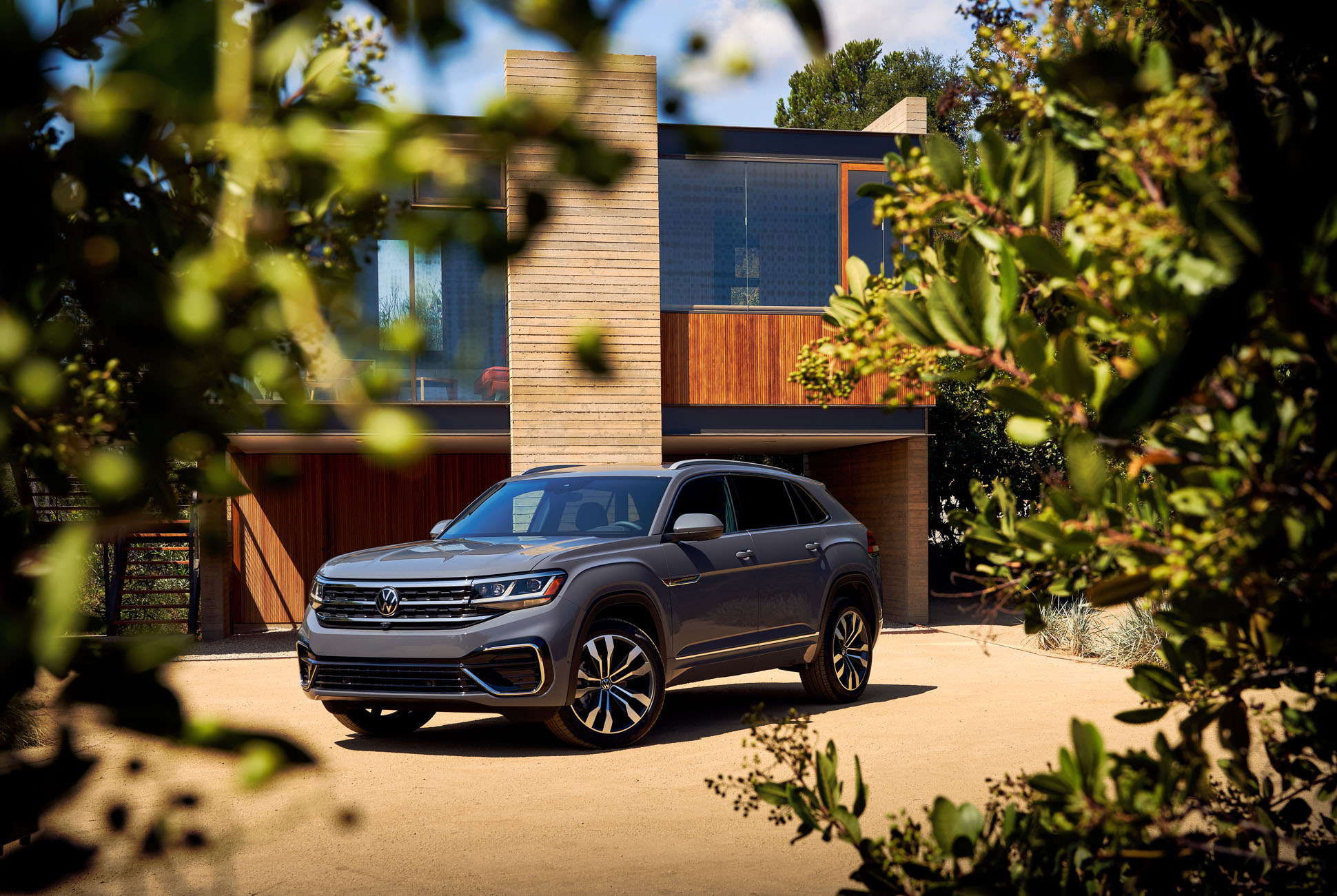
2020 Volkswagen Atlas Cross Sport Review: I Am Large, and I Contain Multitudes

Volkswagen’s sales foundation has shifted over the past few years. Once, we considered VW a small car company, producing cheap, practical and great-handling cars like the Golf. Nowadays, though VW is an SUV company — especially Stateside. Two spacious American-built crossovers, the Tiguan and the Atlas, constituted more than 50 percent of VW’s American sales in 2019.

Naturally, VW is reacting to its new reality by altering its vehicle lineup, which was slanted 11-2 in favor of passenger cars in 2019. Out went much of the Golf family; in, for 2020, comes the new Atlas Cross Sport. It’s a sportier-looking, smaller-but-still-midsized version of the standard Atlas, with that coupe-like sloping back roofline that’s all the current rage. It loses the third-row seat, because its active buyers care not for carpool flexibility.

Like the standard Atlas, the Atlas Cross Sport can seem like an anomaly. Other manufacturers have taken their SUVs in traditionally Teutonic directions, striving for elegance, precision and performance. But already-German VW laser-focused on making a crossover that would tick every box for an American focus group. It looks upscale, can accommodate large people, and take on a lot of stuff. Plus, it’s affordable, with an MSRP starting just above $30,000.

With the Atlas Cross Sport, Volkswagen is betting your friends, relatives, and acquaintances don’t care much about lackluster capability and uninspired driving dynamics. Judging from recent VW SUV sales performance, it’s probably the right bet.

The Atlas Cross Sport is large and contains multitudes.

Like the standard Atlas (and much of America), everything about the Atlas Cross Sport feels super-sized. The hood is a vast expanse that reminded me of driving a full-size pickup. The passenger area is wide and long. Plus, eliminating the third-row opens up a few inches of extra legroom for the reclining second-row.

The trunk has more than 40 cubic feet with the seats up. How big is that? I forgot my son’s giant off-road-ready stroller was in the trunk before I went grocery shopping, and still crammed 10 Trader Joe’s bags in the trunk’s other half. If you’re a tall person who lugs around hockey equipment, the Atlas Cross Sport is your vehicle.

The Atlas Cross Sport has Toyota 4Runner-esque fuel economy.

The fuel economy for the Atlas Cross Sport underwhelms. I drove the larger 3.6-liter V6 version — which a strong majority of customers will buy — with front-wheel-drive. The EPA rates that combination at 17 mpg city and 23 mpg highway, which translates to 19 mpg combined. The all-wheel-drive version, meanwhile, offers 16 mpg city and 22 mpg highway, about the same as a V8-powered Ford F-150. That’s Toyota 4Runner territory, without any of the off-road prowess.

Compare the Atlas Cross Sport to another popular, spacious, mid-size five-seater: the Subaru Outback. That family carter earns 29 mpg combined with the base engine and 26 mpg combined with the turbo. The Atlas Cross Sport does edge out the (nine-year-old) Jeep Grand Cherokee fitted with a 5.7-liter Hemi V8,  so at least that’s something. Still, if you want to see the glass as half-full: gas prices so low right now, buyers may not care as much about fuel economy.

The Atlas Cross Sport is not a tall GTI.

The Atlas Cross Sport drives almost indistinguishably from the standard Atlas — which means well enough, but nowhere near as sporty as its budget-Q8 looks might suggest. Both Atlases are built for comfort, not for speed. The steering is soft and uninspiring. Power, at least from the V6 model I drove, was adequate — though the eight-speed automatic was hell-bent on limiting revs, which stops you making the most of it. And don’t think this results in an off-road advantage; while the AWD version should handle snow, the fact that the Atlas Cross Sport offers wheels up to 21 inchs is just one of many clues that it’s a definite road dweller.

The Atlas Cross Sport will meet the needs of most American drivers. It will be serviceable for school runs, Costco trips and the odd tour down straight highways. Yet it will continue to annoy me — because I drove a GTI right after this. I know what sort of great driving dynamics Volkswagen can achieve, yet they chose not to emphasize here.

Price as Tested: $40,710
Drivetrain: 3.6-liter V6, 8-speed automatic, FWD
Power: 276 hp, 266 lb-ft
Fuel Economy: 17 mpg city, 23 mpg highway
Seats: 5

Volkswagen provided this product for review.

Note: Purchasing products through our links may earn us a portion of the sale, which supports our editorial team’s mission. Learn more here.
Tyler Duffy

Tyler Duffy is Gear Patrol’s Motoring Staff Writer. He used to write about sports for The Big Lead and The Athletic. He has a black belt in toddler wrangling. He’s based outside Detroit.

More by Tyler Duffy | Follow on Facebook · Instagram · Twitter · Contact via Email

The New Ford Bronco and Its Baby Sibling Might Come in 3 Different Looks

<!–The Ford Bronco and Bronco Sport May Wear 3 Different Faces • Gear Patrol<!– –>

That’s two more than Derek Zoolander


The coronavirus pandemic derailed Ford’s planned March rollout for the new 2021 Ford Bronco, as well as its sibling, the Bronco Sport. The current launch date is to be determined. Still, we know what to expect by now; we’ve seen a bunch of leaked photos of the new SUV, and other details continue to trickle out. The latest nugget comes from Ford Authority, who report that the new Bronco will offer three different grille designs.

Names for the grilles aren’t confirmed yet, but Ford Authority’s report has monikers for them for now. The Bronco will offer a Modern grille as standard; this, reportedly, is the black design we’ve seen leaked in photos. There will be a Classic grille  — which, as one would anticipate, brings in retro Bronco styling cues. Finally, a  Custom grille will deliver shiny, upscale looks to the off-roader. The smaller Bronco Sport crossover will get a similar grille lineup.

Ford Authority does not know whether the grilles will be available a la carte, or attached to specific Bronco trim levels. But any of the three should look great with your preferred choice from the slightly less than 50 shades of grey paint colors that Ford will offer on the new Bronco.

Note: Purchasing products through our links may earn us a portion of the sale, which supports our editorial team’s mission. Learn more here.
Tyler Duffy

Tyler Duffy is Gear Patrol’s Motoring Staff Writer. He used to write about sports for The Big Lead and The Athletic. He has a black belt in toddler wrangling. He’s based outside Detroit.

More by Tyler Duffy | Follow on Facebook · Instagram · Twitter · Contact via Email

<!–

–>

<!– –><!–

–>

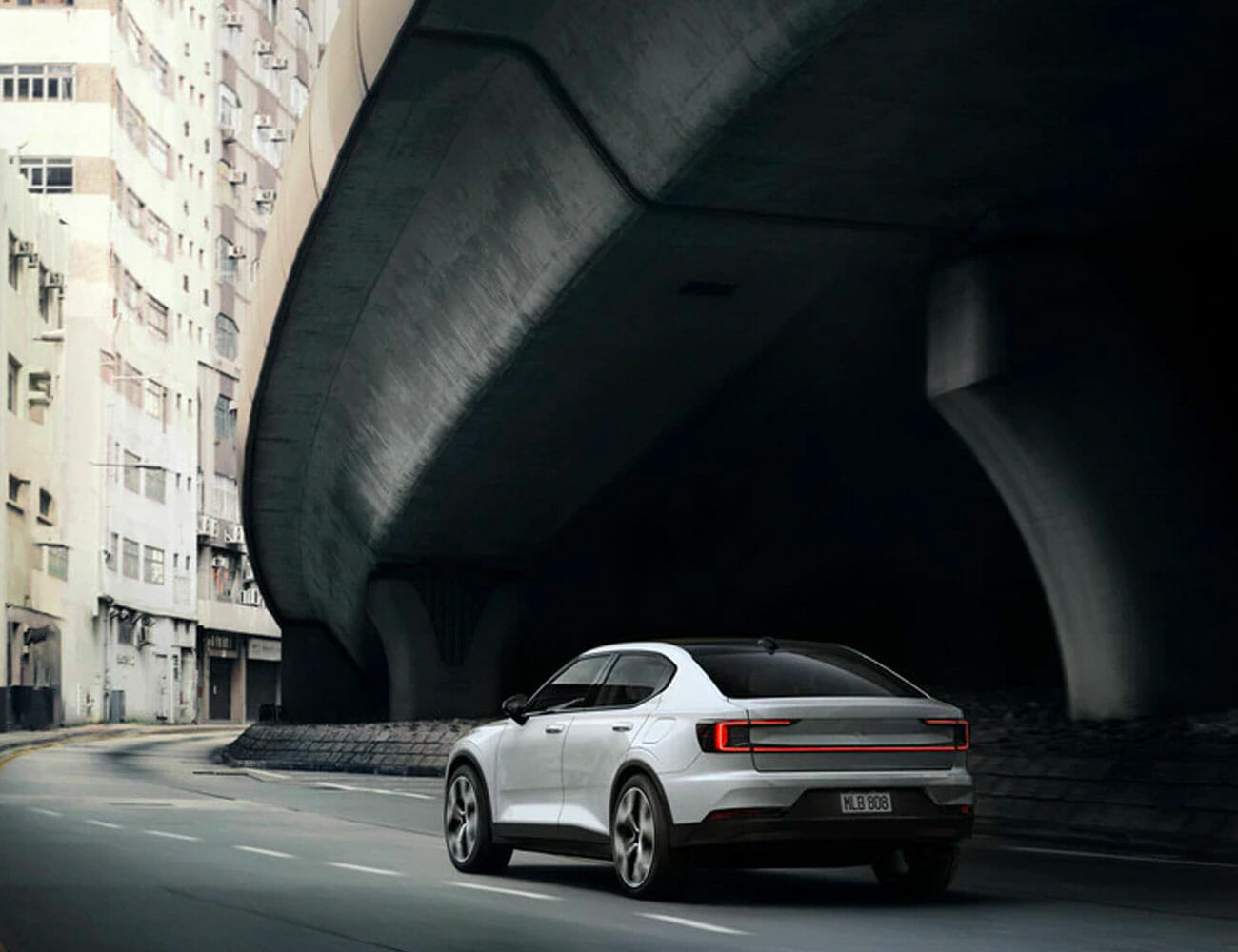
Polestar’s Head of Design Reveals How the Precept Concept Throws Out the Rulebook

The Polestar Precept Concept should have been the star of the 2020 Geneva Motor Show. It had all the right characteristics needed to dominate an auto show in this day and age: an electric powertrain, a fighter jet-worthy array of sensors to enable semi-autonomous features, a gorgeous design and the veneer of being just close enough to a production vehicle that you could picture yourself cruising home in it.

Then came COVID-19. With the coronavirus’s rapid explosion into a global pandemic, the Geneva Motor Show organizers canceled the 2020 edition of the event, leaving the Precept a debutante without a ball. But even a planet-wide viral outbreak can’t keep a good car’s story from getting out there; with the auto show canned, Polestar, like many of us, turned to the power of videochat to keep its plans in motion and spread the good word about the futuristic Precept.

Which is how we came to be speaking with Max Missoni, Polestar’s head of design, from his home in Sweden instead of on the show floor in Geneva.

Q: When did you guys start working on the Precept?
A: Mid-2019. I must say, it is a shame [that it didn’t get to debut in Geneva]– but I do hope we find a way to exhibit it. And we will, of course. It’s really nice when you see it in person. I’m always my own hardest critic, but this car, I’m in love with it.

The big thing about this car is, [it was a chance] to put our foot down and say, this is our future direction. There was a lot of discussion about Polestar — are we gonna be like Volvo, are we going to move away from Volvo? Now we’re gonna show everyone what our future direction for the brand is.

Max Missoni

[The development] was quite fast with the Polestar 1 and Polestar 2. The point was to be fast to market. Now, [we] have to show where [we’re] going. Now we have three points. Now you know where the journey’s going.

Q: How much of what we see here, design-wise, is bound for production?
A: We don’t want to overpromise too much. We do like these crazy concept cars, but we believe in being much closer to production. It’s more inspiring to people if they could see themselves driving it.

Q: What’s one difference between designing an internal combustion concept car and an electric one?
A: All the goodies that you get from working with electric platforms — infotainment, sustainability, driver assistance — how do we embed them into the design? How do we celebrate them?

I always dreamt of replacing the grille with something else. I was playing with this idea [of celebrating advanced driver assistance systems] for quite a while. There is a point where they will basically take over. Sop, what used to be the exhaust pipes and auto-tech items that we celebrated, that had to do with combustion…why don’t we replace them with high-tech sensors and systems and celebrate those instead? To get away from this breathing look [of a front grille] to a seeing look.

Q: What was the biggest challenge of this design?
A: There were a couple of challenges. One was to create an aesthetic on the interior that was premium, but without quoting the obvious – no chrome, no leather. We tried to create a new, more minimalistic, more futuristic sense of luxury.

Q: I heard that there was also a challenge in squeezing a spacious-feeling interior into a four-door coupe with a good drag coefficient.
A: It started out as a challenge, but it turned into a “eureka!” moment.

Q: That’s how you came up with the idea of ditching the rear window and just using a camera, correct? So you could design the rear for max headroom?
A: Yes. It’s not just quirky for being different. It actually has a very pragmatic reason.

Q: It’s not a legal issue, either, right? I mean, box trucks and vans get away without a rear view mirror.
A: (nodding) That’s why it’s a very attractive thing. Let’s see what happens [in terms of production potential].

Q: What part are you most proud of?
A: The front sensors and aesthetics. I’ve been working to get this idea realized for the last few years. Even the name [for the front sensor area], “SmartZone” — it seems so obvious. It’s really nice, that we can reinvent how a front is laid out.

There is nothing in this car that is just styling-based. Everything is very logical and stringent, There are no styling features just because we can. Everything you perceive as an exciting styling feature has some technology behind it.

Will Sabel Courtney

Will Sabel Courtney is Gear Patrol’s Motoring Editor, formerly of The Drive and RIDES Magazine. You can often find him test-driving new cars in New York City, cursing the slow-moving traffic surrounding him.

More by Will Sabel Courtney | Follow on Instagram · Twitter · Contact via Email

6 New Car Logos, Ranked from Best to Worst

The year 2020 marks the start of the new decade (unless you’re one of those well-actually-the-decade-starts-in-2021 pedants). The 2020s will be a crucial period for the car world, with fundamental elements the define our very relationship with the automobile in flux like never before. How will we pay for them? What fuel will they use? Will we even drive them?

Some of the world’s largest automakers have seen this transition period as a time to refresh and perhaps to reestablish their visual brand identity with new logos, following Apple iOS icons into a two dimensional, chrome-free future. There have been some hits — and one blatant miss. Below, we rank the recent new car logos from best to…whatever BMW just did.

1. Volkswagen

Volkswagen’s freshened logo is flatter then before; it uses a different font, and the W is detached. But changes were subtle, and it still reads very much like a VW logo. We’d give it an A+…but, alas, Volkswagen made more drastic changes to its “R” performance logo, which is unsightly enough to drag down our feelings about the brand as a whole.

2. Toyota

Toyota flattened and de-chromed the logo, and made the brand name more natural, to read with black text. It was a strong, subtle effort. So subtle, in fact, that I forgot the change even happened.

3. Lotus

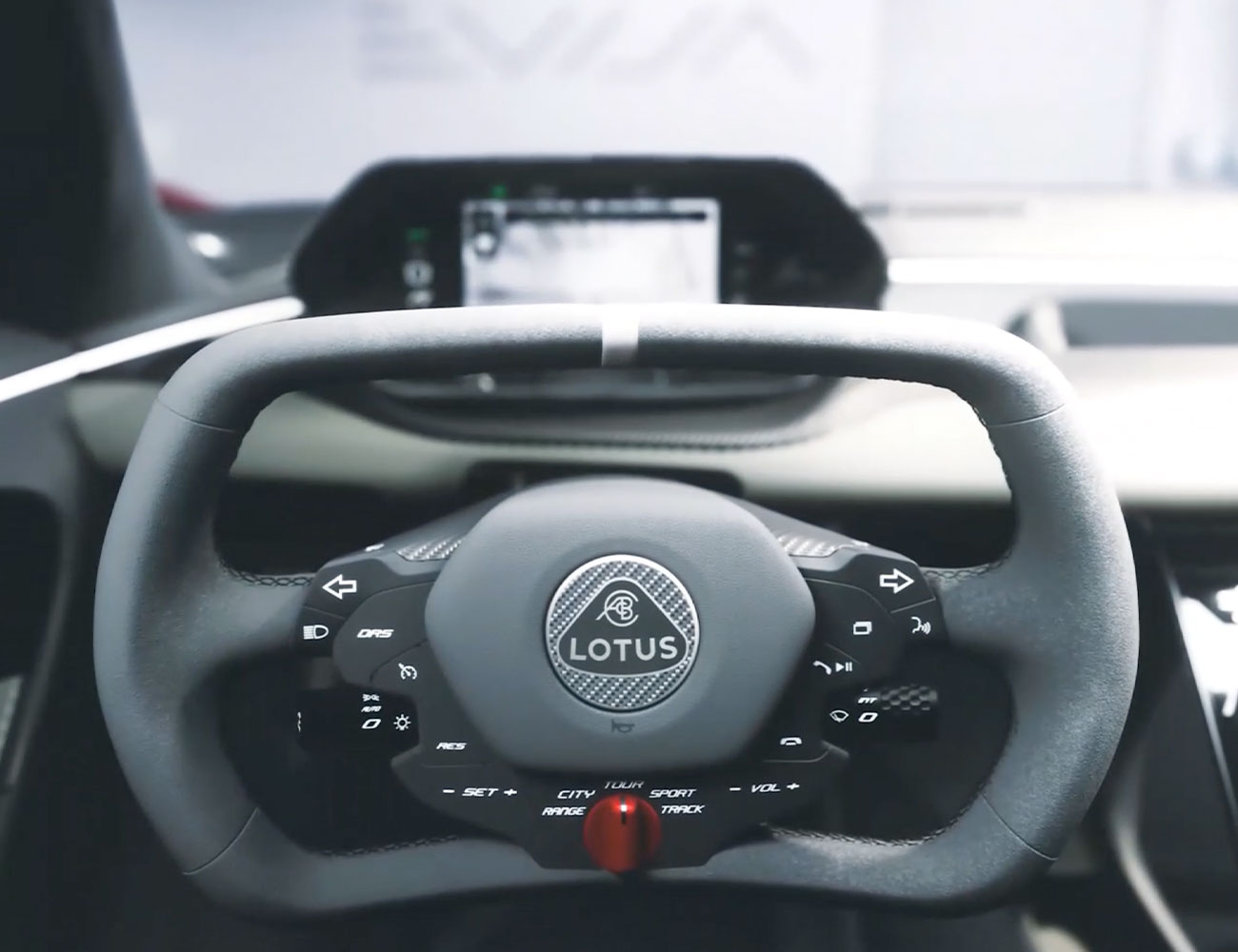
Just like its cars, Lotus simplified, added lightness — and brought its classic logo into the modern era. It’s flat. No chrome. A straight, sans serif font. Hard to quibble with that.

4. Nissan

The future is flat and minimalist, and Nissan is preparing to join it. Solid effort, even if we’re more excited about the new “Z” logo and the vehicle that follows.

5. Kia

Fresh off of a World Car of the Year victory for the outstanding Telluride SUV, Kia is redefining its identity as an automaker. A logo revamp isn’t a bad idea, especially since the current one is not particularly memorable.  The new one we’ve seen is weird, triangular and doesn’t read as “KIA” unless you’re specifically looking for it.

6. BMW

BMW has used the same logo essentially throughout its history. It’s easily identifiable. Now, though, BMW has removed one of the core elements from the roundel: the black ring. It will now be transparent. One could argue it’s BMW’s most controversial decision since trying to make customers buy Apple CarPlay as a subscription plan.

Tyler Duffy

Tyler Duffy is Gear Patrol’s Motoring Staff Writer. He used to write about sports for The Big Lead and The Athletic. He has a black belt in toddler wrangling. He’s based outside Detroit.

More by Tyler Duffy | Follow on Facebook · Instagram · Twitter · Contact via Email

Help the First Responders Fighting Coronavirus by Entering to Win the Coolest Station Wagon

<!–This Mercedes-AMG E63 S Wagon Is Being Raffled Off to Help 1st Responders • Gear Patrol<!– –>

the apex predator of dad cars


Note: Purchasing products through our links may earn us a portion of the sale, which supports our editorial team’s mission. Learn more here.

The Mercedes-AMG E63 S station wagon is the apex predator of dad cars, and all but inarguably the best wagon you currently can buy in the U.S. Its handcrafted AMG 4.0-liter twin-turbo V8 puts out 603 horsepower and 627 lb-ft of torque, and the car accelerates from 0-60 mph in 3.4 seconds. The AMG E 63 S wagon is the ideal car for the parent who wants to transition seamlessly from cargo carriers and school runs to dusting an Alfa Romeo Giulia Quadrifoglio — and looking like James Bond while doing all of it.

Car enthusiasts revere the Mercedes-AMG E63 S wagon. But most of us will do so from afar: a new one starts at $111,750, making it all but unobtainable for mere mortals. You may never be able to buy a new one. But you can enter to win this Mercedes-AMG E63 S wagon for far less money — and donate to a great cause in the process.

Omaze is auctioning the wagon to benefit International Medical Corps, an organization helping global first responders battle the COVID-19 pandemic. Their multi-pronged approach includes training and capacity building for healthcare providers, deploying medicines, supplies, and protective equipment, setting up screening and triage stations, even assisting with case management and communications.

If winning this rarified Mercedes wagon isn’t enough incentive, Omaze covers the taxes, shipping costs and registration fees. The car also comes with the bonus $20,000 cash — which you could always donate to the International Medical Corps or another charity of your choice.

Is a tire-shredding family transporter not your speed? You could also check out this Tesla-powered vintage Porsche 911 or this electric Gateway Bronco.

Tyler Duffy

Tyler Duffy is Gear Patrol’s Motoring Staff Writer. He used to write about sports for The Big Lead and The Athletic. He has a black belt in toddler wrangling. He’s based outside Detroit.

More by Tyler Duffy | Follow on Facebook · Instagram · Twitter · Contact via Email

<!–

–>

<!– –><!–

–>

The Lexus RX 350 F Sport Is a Sharp-Dressed Crossover

The Lexus RX is one of the pioneering members of the crossover class. The first RX went on sale in all its bright-eyed glory all the way back in 1998, a front-wheel-drive-based easy rider of an SUV designed to appeal to suburbanites who liked the idea of sitting up high but didn’t want the truck-like driving experience of a conventional sport-utility vehicle. As history has shown, that turned out to be a pretty smart move.

Not surprisingly, then, the RX has been one of Lexus’s best-selling vehicles ever since, flying out of showrooms over the course of the last couple decades by the literal millions. And it shows no signs of stopping: last year was nearly the best yet for the RX in the United States. Still, while Lexus may not be the quickest on the trigger when it comes to updating its models, the RX’s status as a big seller means it’s unlikely to be the last to score a facelift. So seeing as how the carmaker gave it a mild mid-life refresh last year, we took it out for a week to see how this O.G. crossover is holding up in its latest form.

The Lexus RX looks ridiculously aggressive (and we’re into it)

If the cutesy little first-gen RX 300 turned a corner and came face to face the 2020 RX 350 F Sport, it’d probably honk its horn in surprise and leak oil in fear. Lexus’s trademark spindle grille, squinting headlights and ginsu-edge lines give it the sort of sex appeal you don’t expect to find in this category — and especially not from Lexus.

It makes the RX look smaller than it is in real life, though that’s not to suggest it’s gargantuan; rather, it’s right in the Goldilocks zone for a two-row SUV, with decent room for both rows of occupants and a body that doesn’t require panicked searching for a plus-sized parking spot. (The three-row RX 350L, however, is best left ignored, as its last set of seats are barely adequate for anyone over child-seat age.)

The RX 350 F Sport drives better than you’d think

With looks like that, you might expect the RX F Sport to pack serious firepower beneath its hammered-angle hood. Sadly, all that’s there is the same 3.5-liter V6 found across much of the Toyota/Lexus lineup, tuned here to make 295 horsepower and 268 pound-feet of torque. (There’s also an RX 450h hybrid version, but in spite of the substantially bigger number in its name, it only makes 13 more horses and 19 fewer pound-feet.) Still, that’s more than enough for real-world duties; paired with the eight-speed automatic that’s best left to its own devices, it’ll merge onto highways with vigor, if not involvement.

And, like the newest Camry, Avalon and Corolla, the RX drives better than Toyota products of the early 21st Century would have you believe. The ride is pleasantly dampened but still doesn’t serve up much body roll, and while the steering may not be spewing details about what it’s doing into your fingertips, it’s direct. Remarkably, Lexus even offers an F Sport Performance Package with retuned steering, suspension and drive modes, as well as a few stylistic add-ons. My car had it, which probably helped in this regard.

Anyone looking to drop $50,000 or so on a luxury SUV that’s fun to drive would be better served with a Porsche Macan (ideally a Macan S) or at least a BMW X3, but if that’s lower on your list of priorities than reliability or aggressive looks, the RX F Sport is a solid choice.

A better Lexus interior is still not a great luxury car interior

For the 2020 model year, Lexus made strides to improve its oft-maligned infotainment system, it of the free-floating mouse controller and maddening, incomprehensible menus. The infotainment screens — both the standard eight-incher and the optional 12.3-inch one — get touchscreen functionality. It helps mitigate some of the issues, though you still have to use the trackpad-and-cursor setup for some moves. My advice: spend 20 minutes when you get the car setting all your defaults and presets and practicing with the system, so you know how everything works…and then resort to Apple CarPlay or Android Auto for everything but the radio stations.

It feels like a bit of a throwback in a few places, too. I’m glad for the presence of hard buttons over touchscreen controls for things like the climate and seat heating and cooling, but the buttons in the RX feel too cheap for a luxury car in 2020. It’s not that they don’t work, but, to steal a phrase from the beer world, they don’t have great handfeel. And it’s rather jarring to climb into a car that looks as futuristic as this one does…and see a CD player staring back at you from front and center in the dash.

Price as Tested: $58,115
Drivetrain: 3.5-liter V6, eight-speed automatic, all-wheel-drive
Power: 295 hp, 268 lb-ft
Fuel Economy: 19 mpg city, 26 mpg highway
Seats: Five

Lexus provided this product for review.

Note: Purchasing products through our links may earn us a portion of the sale, which supports our editorial team’s mission. Learn more here.
Will Sabel Courtney

Will Sabel Courtney is Gear Patrol’s Motoring Editor, formerly of The Drive and RIDES Magazine. You can often find him test-driving new cars in New York City, cursing the slow-moving traffic surrounding him.

More by Will Sabel Courtney | Follow on Instagram · Twitter · Contact via Email

This Cheap Off-Road Camping Trailer Can Follow the Toughest SUVs Anywhere

<!–Here’s the Affordable Off-Road Camping Trailer You Really Want • Gear Patrol<!– –>

starts under $20,000


Australia is renowned for heavy-duty all-terrain vehicles that can withstand the torturous Outback. So you can be more or less guaranteed that a company calling itself Australian Off Road would produce exactly that — even if the vehicle in question is actually designed to be towed behind another vehicle. Last year, we wrote about AOR’s Sierra trailer,  which is basically a mobile bunker in case your weekend goes all Mad Max. Now, AOR is offering a cheaper, pared-down version: the Sierra ZR.

The Sierra ZR offers pretty much maximum versatility, enabling you to turn it into whatever you want. It can be a fully out-fitted mobile campsite with a tent platform, a well-equipped kitchen, fridge and barbecue setup, awnings, even a shower; or, it can simply be a stripped-out rig to store your gear. Whatever your setup, the common element with all Sierra ZR is off-road capability; with dual Outback Armour Offroad shocks on each wheel and a 40.7-degree departure angle, it can follow your off-road vehicle of choice pretty much anywhere.

The Sierra ZR starts at a little above $19,000 in U.S. dollars — which is about $10,000 cheaper than the Sierra with its sleeper cabin. Neither trailer, alas, is available for sale in the United States as of this moment. But if you’re looking for an American alternative, the awesomely-named Taxa Outdoors Woolly Bear has a similar concept, and a base model costs less than $10,000.

Note: Purchasing products through our links may earn us a portion of the sale, which supports our editorial team’s mission. Learn more here.
Tyler Duffy

Tyler Duffy is Gear Patrol’s Motoring Staff Writer. He used to write about sports for The Big Lead and The Athletic. He has a black belt in toddler wrangling. He’s based outside Detroit.

More by Tyler Duffy | Follow on Facebook · Instagram · Twitter · Contact via Email

<!–

–>

<!– –><!–

–>

Help Support a Good Cause by Entering to Win Your Ideal Camper Van

<!–Help Protect Nature by Trying to Win the Perfect Camper Van • Gear Patrol<!– –>

nature! (goulet)


Note: Purchasing products through our links may earn us a portion of the sale, which supports our editorial team’s mission. Learn more here.

If you’re anything like us — and hey, you’re reading Gear Patrol right now, so odds are good we’ve got something in common — you’re likely itching to hit the road and blast off into the great outdoors. Part of this is probably feeling cooped up after weeks of coronavirus-related isolation; part of that is likely just good old-fashioned spring fever. Regardless of the reasons, the end result is the same: a gas flare of wanderlust burning hot in your chest.

So if you can’t go exploring and sojourning the way you’d like just yet, why not express that side of you in a roundabout way: by helping support an organization that protects and maintains America’s wild lands and natural wonders?

Access Fund, in case you’d never heard of them, is a group that guards and attends to public lands and other wild places where climbers go to appreciate the world beneath their feet (and hands). And in order to help them keep climbing areas and the like, they’ve teamed up with Omaze and Vansmith on a raffle that raises money by raffling off a damn sweet camper van.

In fact, if you win, you’ll have the chance to work with Vansmith to create the perfect camper van you’ve always wanted. The raffle’s winner will score a four-wheel-drive Mercedes-Benz Sprinter cargo van, plus $60,000 worth of modifications from the Boulder, Colorado-based camper van maker. (Omaze covers the taxes, too, as well as the cost of either shipping the van to you or the cost of flying you to Boulder to grab your new ride.) Vansmith’s own FAQ suggest that $60K can get you a damn nice buildout, and as a quick glance through their previous builds will tell you, they can build you a gorgeous van set up for whatever your partciular camping tastes may be — be it for weekend sojourns or long-term living.

Will Sabel Courtney

Will Sabel Courtney is Gear Patrol’s Motoring Editor, formerly of The Drive and RIDES Magazine. You can often find him test-driving new cars in New York City, cursing the slow-moving traffic surrounding him.

More by Will Sabel Courtney | Follow on Instagram · Twitter · Contact via Email

<!–

–>

<!– –><!–

–>

This Forthcoming Tesla Fighter Is Cheaper Than Expected. Here’s Why That Matters

In the world of electric cars, Tesla remains the 800-pound gorilla — but its silverback status is about to be challenged by a whole host of other carmakers. New companies like Rivian and Bollinger are poised to take it on from the startup side, while existing automotive goliaths like Ford, General Motors and the VW Group are in the process of spooling up their war machines to crank out dozens of new varieties of electric vehicles in the next few years

Perhaps one of the most interesting competitors, though, is Polestar. Volvo’s spinoff division marks the rare occurrence of an existing car company whipping up an entirely new brand solely for EVs, and it seems poised to take Elon Musk’s car business on directly with a tit-for-tat vehicle strategy. Tesla launched with the Roadster, a sexy proof-of-concept halo car based off an existing design; Polestar launched with the 1, a sexy proof-of-concept car based off an existing design. Tesla followed that up with the Model S, an all-new, all-electric luxury sedan; Polestar is about to launch its second car, the 2, which is — you guessed it — an all-new, all-electric luxury sedan.

Yet in price and size, the Polestar 2 is closer to a Model 3 competitor than a vehicle to take on Tesla’s range-topping four-door. It’s a smart move; after all, as Tesla’s own figures have shown, there are far more sales to be found there, and if the intent is to establish Polestar as a mainstream EV maker, sales are exactly what it needs. And that’s why Polestar’s announcement of U.S. pricing for the Polestar 2 shows it’s all about making smart moves.

While the Polestar 2 was originally expected to come in somewhere in the low-to-mid-$60K range, the carmaker announced on April 23rd that its base price would actually be $59,900. That’s important, because it allows the car to limbo under the $60,000 price cap that states like New York and California apply to electric vehicle incentives; if an EV’s base price is over that mark, it’s not eligible. Limboing the price in at that point means the Polestar 2 will be eligible for up to $9,500 in combined federal and state tax breaks, depending on where buyers live. (Tesla, of course, is no longer eligible for the federal $7,500 tax credit, having sold too many cars.)

Polestar also announced the pricing for the 2’s options — some of which sound far more entertaining than others. The $5,000 Performance Pack, which adds a sporty Ohlins suspension, Brembo brakes and a new wheel-and-tire package, will probably take a bit off the Polestar 2’s claimed 275-mile range, but it should make up for it in fun by enabling drivers to make the most of the all-wheel-drive sedan’s 408 hp and 487 lb-ft of torque. The $4,000 Nappa Leather Interior sounds nice, but not essential. You don’t need the $1,200 20-inch wheels because, well, you presumably already got the Performance Pack, but you probably will want to budget $1,200 for a paint color other than black.

Note: Purchasing products through our links may earn us a portion of the sale, which supports our editorial team’s mission. Learn more here.
Will Sabel Courtney

Will Sabel Courtney is Gear Patrol’s Motoring Editor, formerly of The Drive and RIDES Magazine. You can often find him test-driving new cars in New York City, cursing the slow-moving traffic surrounding him.

More by Will Sabel Courtney | Follow on Instagram · Twitter · Contact via Email
Porsche Just Made Owning a Vintage 911 Even Better With This New Upgrade

<!–Porsche Just Made Owning an Air-Cooled 911 Even Better • Gear Patrol<!– –>

even Porsche purists need directions


Many Porsche purists prefer air-cooled 911s — i.e. those built before 1998, when Porsche switched to liquid cooling for its engines in order to meet modern emissions standards. It’s why buying a vintage 911 in good shape can cost as much as buying a new one. One slight disadvantage to those older cars, however, is a lack of modern infotainment features. After all, even the most astute and tasteful automotive enthusiasts want access to navigation — and a broader range of audio content than the local shock jocks.

Porsche has announced a new solution for those owners: the Porsche Classic Communication Management (PCCM) system. It’s a new radio head unit compatible with 911s built between 1965 and 1998 that’s controlled with rotary knobs and a 3.5-inch touchscreen. Drivers will get access to Apple CarPlay, Android Auto and SiriusXM satellite radio.

Plus, Porsche isn’t leaving the runny-egg-headlight generation of sports cars out to dry. There’s a larger PCCM Plus unit for 996-generation 911s and 986-generation Boxsters.

How much the PCCM setup will cost is a little unclear. Porsche’s press release only gives European pricing, which starts at the equivalent of $1,554.87 with VAT included. Let’s just say that American buyers can expect to pay more than $1,000.

The PCCM resolves a pressing issue for many 911 owners. While you surely can buy an aftermarket head unit for less than that, having one with the Porsche imprimatur would be valued both by 911 owners and future buyers. And a cynic might note Porsche just figured out a way to sell a four-figure option to people who aren’t even buying a new Porsche…which feels incredibly on-brand.

Note: Purchasing products through our links may earn us a portion of the sale, which supports our editorial team’s mission. Learn more here.
Tyler Duffy

Tyler Duffy is Gear Patrol’s Motoring Staff Writer. He used to write about sports for The Big Lead and The Athletic. He has a black belt in toddler wrangling. He’s based outside Detroit.

More by Tyler Duffy | Follow on Facebook · Instagram · Twitter · Contact via Email

<!–

–>

<!– –><!–

–>

Rivian’s Next Electric Off-Roader Should Terrify Tesla (And Subaru, Too)

<!–Rivian’s Next Off-Roader Should Scare Tesla and Subaru • Gear Patrol<!– –>

did someone say 500 horsepower rally car?


Rivian isn’t just positioning itself as an electric car company. It also wants to be an upmarket, environmentally-conscious adventure brand. (Think Patagonia, but for cars.) Their first two EVs — the R1T truck and R1S sport-utility vehicle — are badass, high-performance, gear-toting overlanders.  Their third vehicle may aim toward the Subaru end of the off-roading spectrum…and not in the slow-crossover-clogging-a-two-lane-highway sense.

We knew Rivian’s third vehicle will be rally-inspired. CarBuzz, citing high-placed Rivian sources, offers some further details. According to them, the new vehicle is — at least at present — dubbed the “R2R.” It will use a quad-motor all-wheel-drive system producing up to 500 hp. The looks, reportedly, will be a cross between the old Subaru Impreza WRX wagon and the oft-maligned but off-road capable Isuzu Vehicross.

The R2R may even be affordable…relatively speaking. Rivian startled competitors by pledging a low (by luxury electric vehicle standards) starting price of $69,000 for the R1T and $72,000 for the R1S, and the base models may end up being even cheaperCarBuzz says the price point will be “more agreeable” than those figures, which could make it well-placed to compete with some distinctly less off-road capable Tesla vehicles.

When the third Rivian vehicle will arrive remains unclear. Production and development timelines all over the automotive world have been set back by the pandemic; Rivian has already pushed back the R1T launch to 2021. But we’ll definitely be looking forward to driving it when it does.

Note: Purchasing products through our links may earn us a portion of the sale, which supports our editorial team’s mission. Learn more here.
Tyler Duffy

Tyler Duffy is Gear Patrol’s Motoring Staff Writer. He used to write about sports for The Big Lead and The Athletic. He has a black belt in toddler wrangling. He’s based outside Detroit.

More by Tyler Duffy | Follow on Facebook · Instagram · Twitter · Contact via Email

<!–

–>

<!– –><!–

–>

The Best Fun New Cars to Buy, Sorted By How Much You’ll Pay Each Month

Buying a car is a tricky business for many a reason, but perhaps one of the most frustrating and intimidating factors is the financial jujitsu the dealer can pull on you. Few of us, of course, have the cold hard cash to buy a brand-new car outright; instead, we finance it, breaking the payments up across several years’ worth of monthly installments that allow us to work it into our household budgets. That, however, gives your foe across the dealership desk more power to confuse you, moving items around to bring down the payments without actually reducing the total amount that you’ll pay.

Recently, however, have brought several trends to a head that help make this a little easier. Expanding loan terms, coupled with dealerships and manufacturers willing to bend over backwards on interest rates to keep that fresh metal moving, have led to lower overall monthly payments for many new car buyers. So — as much as a thought exercise as a practical reality — we thought we’d pull together a guide to what sort of cars you can grab across the spectrum of fun new cars at some nice, round monthly payments.

We chose a 72-month loan at 0.9% APR for our scenario; while neither is quite as favorable as many promotional rates and terms are right now in these coronavirus- and recession-afflicted times, they’re also more forgiving than many people pay, as the average overall 72-month new-car loan rate for people with exceptional credit runs around 3.6%, according to LendingTree. So this 72-month/0.9% APR represents an optimistic, but still realistic, situation for many of us. (Also, that combination has the handy luck of producing some pretty round numbers, which makes this exercise a little easier to understand.) We also chose to run the numbers assuming no money down, so any cash you drop on the hood will knock the monthly payments down some more.

Consider this a guideline as to what, realistically, you can get for any set monthly car payment. You may wind up paying a bit more or a bit less, depending on how you structure your own loans, but this gives you an idea what you should be looking at first once you set your monthly new car budget. Also, we’re playing by The Price Is Right rules; prices can come right up to the line, but not over it.

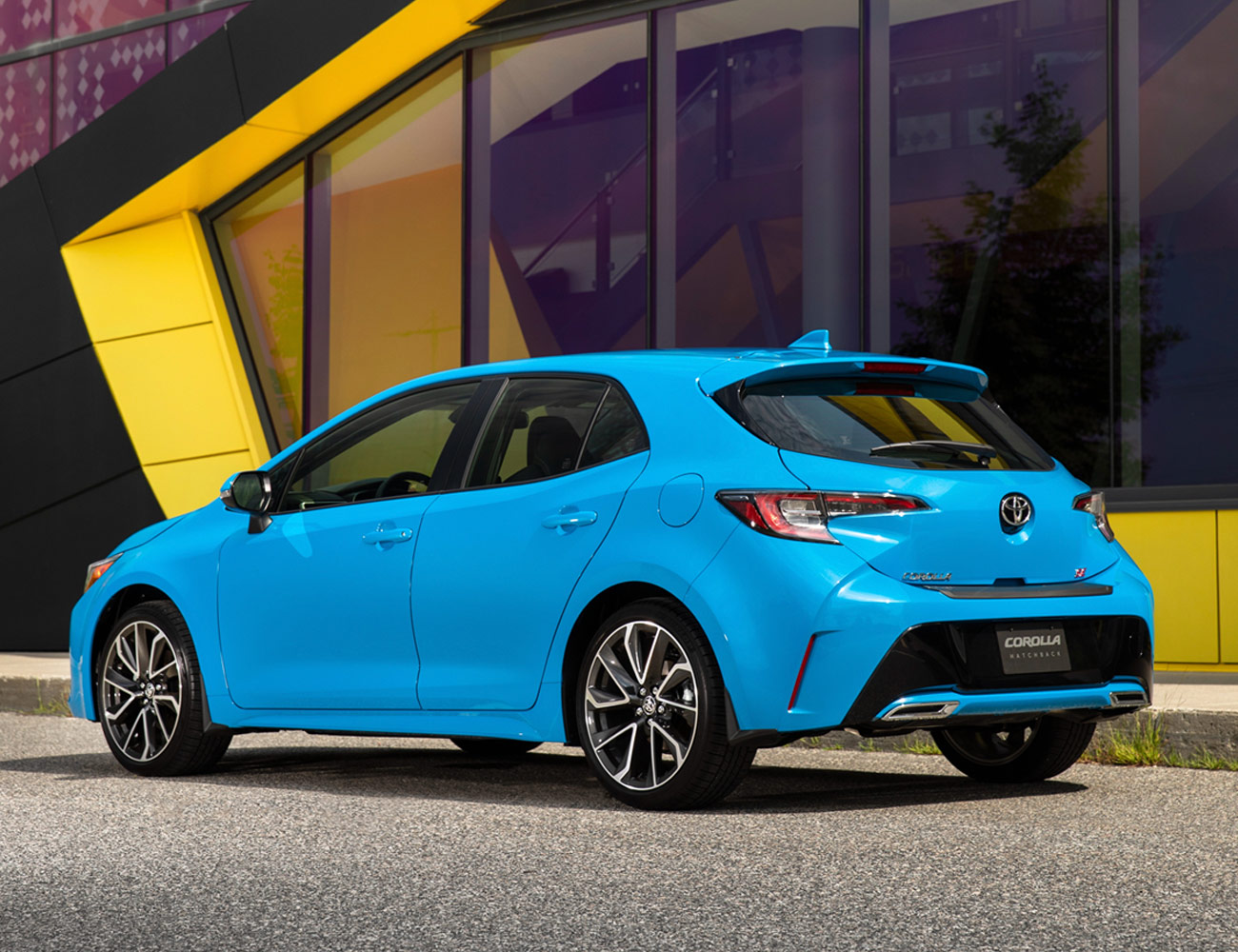
$300 per month ($21,000)

Toyota Corolla Hatchback SE

It may not be, say, a GR Yaris hot hatch, but Toyota’s two-box Corolla is a surprisingly fun, value-packed ride for less than $21,000 — especially when equipped with the six-speed manual transmission over the CVT. The SE may be the base model, but it’s hardly a stripper; not only does it look as good and go as well as the pricier XSE, but it even offers an 8.0-inch touchscreen infotainment system with Apple CarPlay and Android Auto and Toyota’s Safety Sense 2.0 suite of active safety features for that low, low price.

Fun fact: the average American student loan payment lands here, at $393/mo.

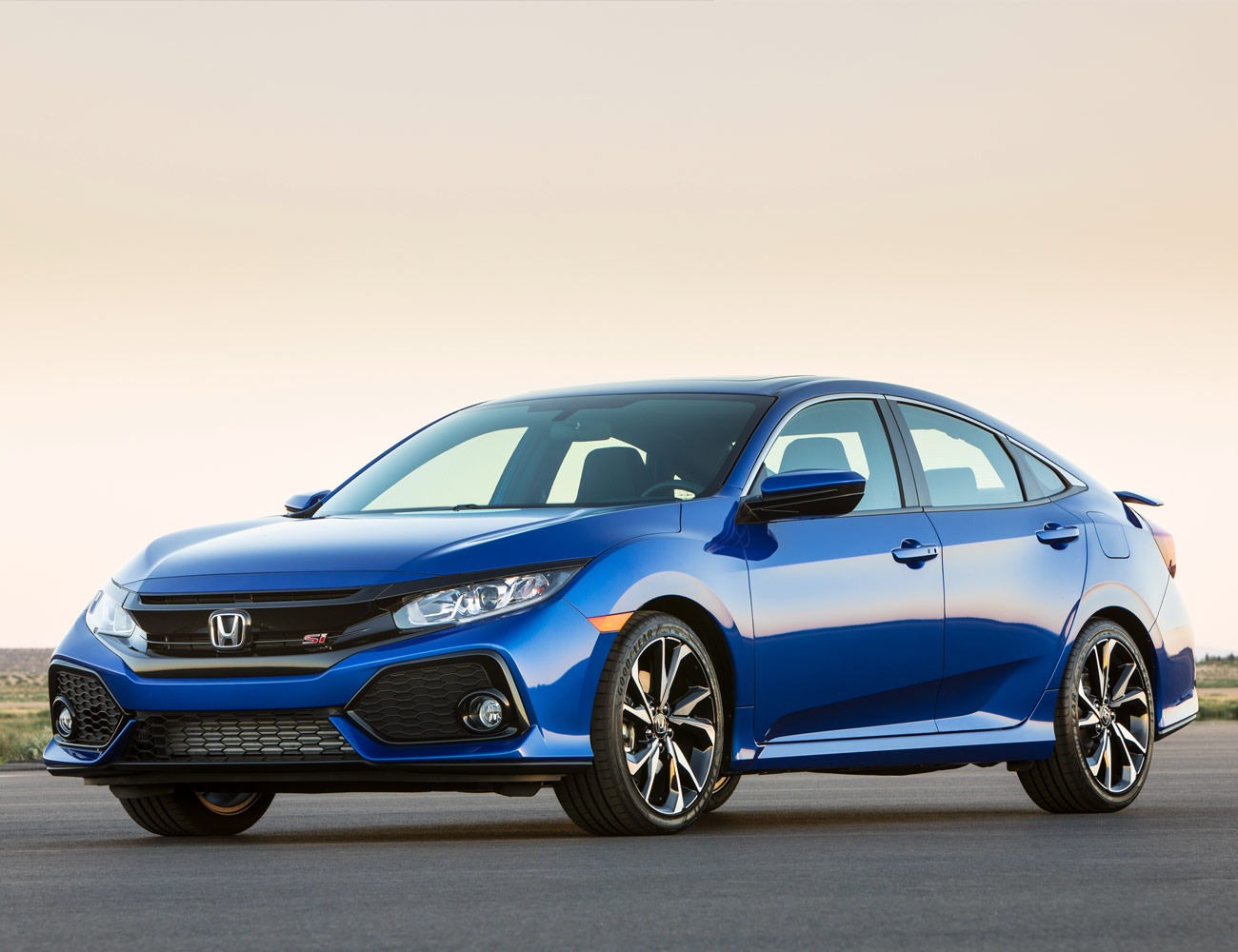
$400 per month ($28,000)

Honda Civic Si sedan

It’s just a fact: no new car on sale can beat the Civic Si on fun-for-your-dollar. The punchy 205-hp turbocharged engine, six-speed manual, limited-slip diff and sport-tuned suspension with adaptive dampers all team up with one of the best compact car chassis ever developed to create a sedan that thrills like a sports car — while still offering a ridiculous amount of room and versatility for an inexpensive sedan. (Oh, and if you find $400 a month a little high but don’t need to own a car at the end of six years, Honda has been offering lease deals of around $200 a month on the Si for ages.)

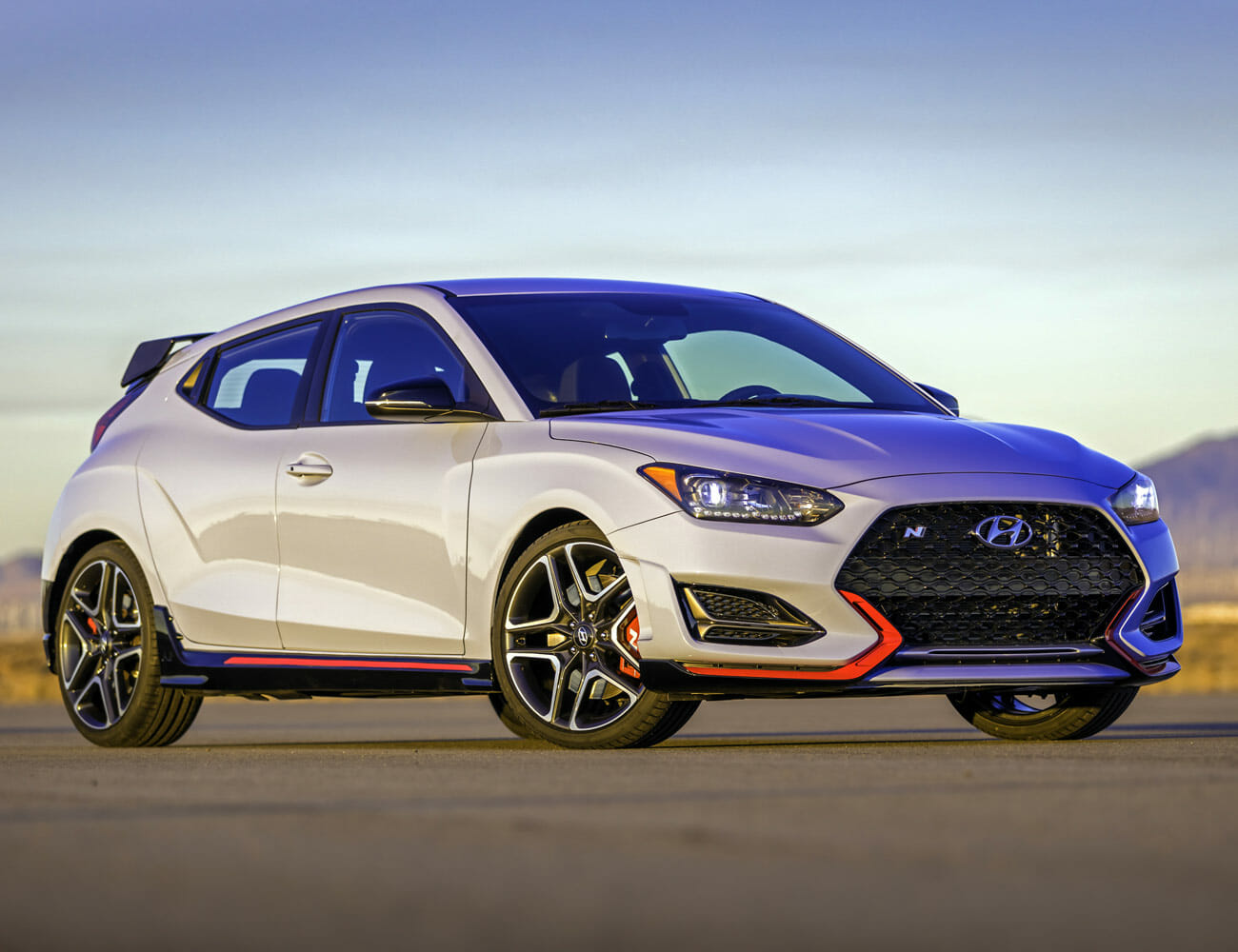
$500 per month ($35,000)

Hyundai Veloster N Performance Package

This price point makes us regret our Price Is Right rules more than any other — the Subaru WRX STI, Honda Civic Type R and Ford Mustang EcoBoost HPP with Handling Package are just out of reach. Nonetheless, rules are rules, and if we have to keep it to a hard cap of $35,000 as-equipped, we have to go with the Hyundai Veloster N — provided you get it with the Performance Package.

That $2,100 add-on pushes the 2.0-liter turbocharged inline-four up 25 horses to 275 lb-ft, and adds on a trick electronic limited-slip diff, beefier brakes, 19-inch wheels wearing Pirelli P Zero performance tires and a rorty performance exhaust. You can even buy it with a new dual-clutch gearbox soon enough…though why you’d skip the stick shift is beyond us. Plus, it’s cheap enough to leave you money for plenty of extra tires.

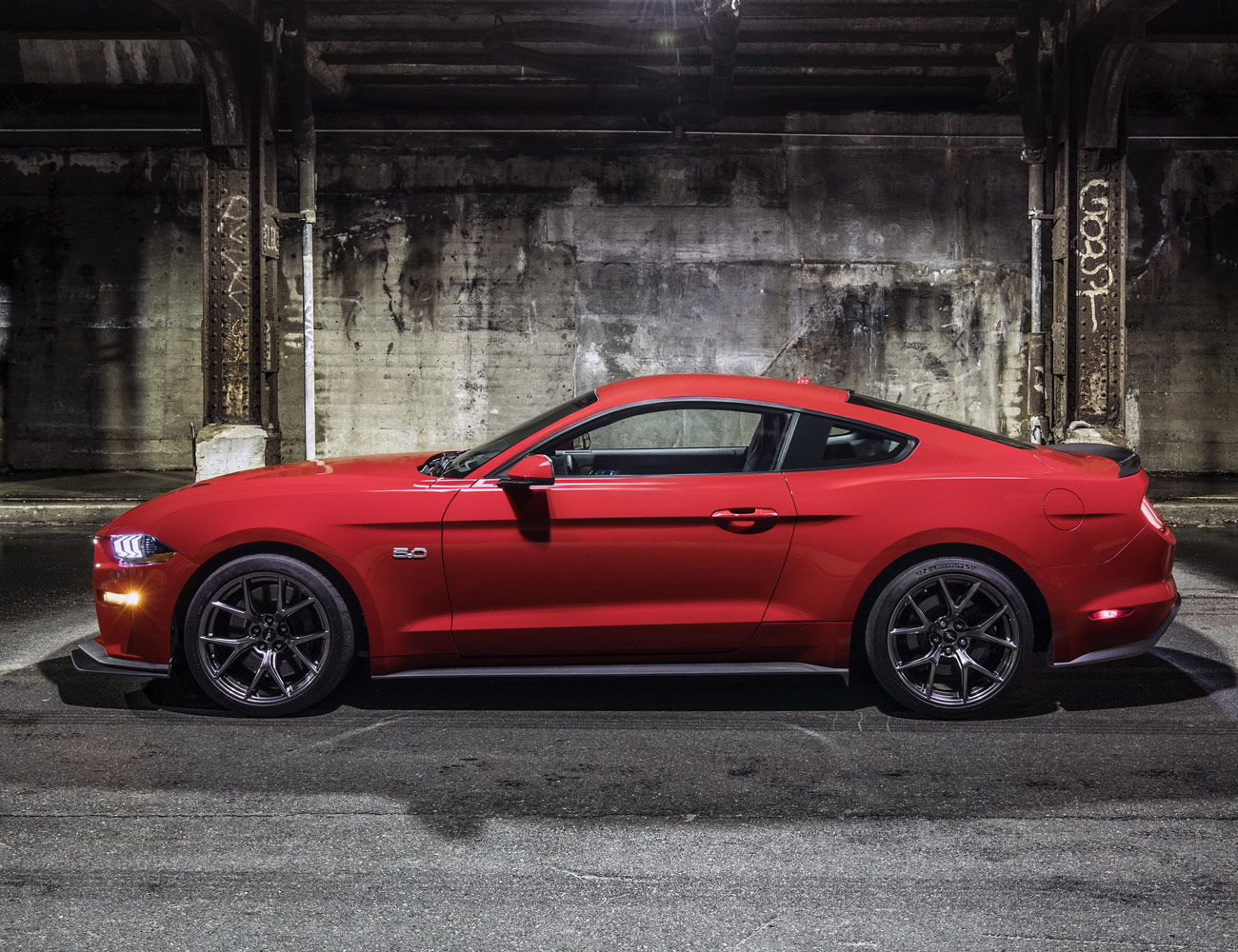
$600 per month ($42,050)

Ford Mustang GT Performance Package

Believe us, we agonized long and hard between the ‘Stang and the VW Golf R, both of which slide in juuuuust under the line when properly equipped. Still, delightful as the VW is, its aging soon-to-be-replaced status and lack of power next to its rivals made the Mustang the ultimate choice.

Getting it under the line means no leather seats, no bigger infotainment system, no sports exhaust and no fancy stereo. What it does get you: a spectacular 460-hp V8, a six-speed stick with rev matching, spectacular looks and a Performance Package that offers a litany of add-ons (Brembo six-piston front brakes, a sport-tuned suspension, a Torsen limited-slip diff, bigger wheels and tires, additional cooling, etc.) that turn this muscle car into a real sports car.

$700 per month ($49,050)

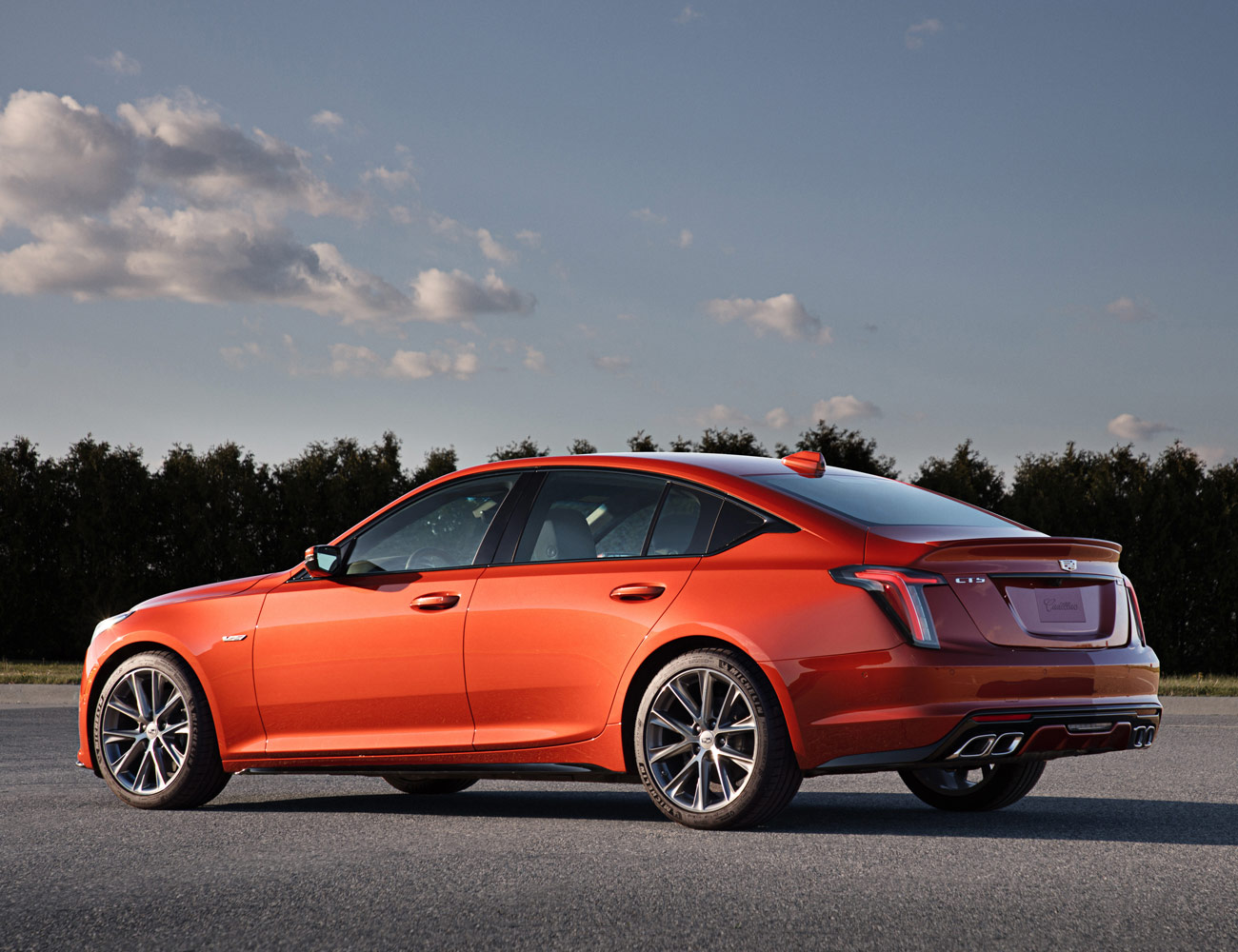
Cadillac CT5-V RWD

When Cadillac announced the new CT5-V, we weren’t exactly fans of it. What changed? Well, Cadillac revealed that the model was actually a replacement for the lesser CTS Vsport, and that a true CTS-V replacement called the CT5-V Blackwing would still be coming (with a manual gearbox, no less).

Couple that with the great reviews the CT5-V has been receiving and the fact that it offers all its performance tech as standard, and it’s hard not to see it as a sport sedan steal. You basically have to go without any options to slide it under our price line, but hey, a basic Caddy is still a Caddy.

$800 per month ($56,050)

Toyota GR Supra Premium

For just $850 more than our price cap, you could have a Tesla Model 3 Performance — one of the most revolutionary EVs on sale today in sport-tuned form, with a track-tuned suspension and the ability to do 0-60 mph in a claimed 3.2 seconds. Sadly, rules are rules, so we’ll have to settle for the new Supra.

This price cap lets you level up to the Premium version, which brings a 12-speaker JBL stereo, a bigger touchscreen infotainment system, heated leather seats and four-piston ventilated Brembo front brakes, among other details. Still, no matter which Supra you buy, you’ll be grabbing performance that outclasses many sports cars that cost even more.

$900 per month ($63,050)

BMW M2 Competition

With the upgrade from M2 to M2 Competition in 2018, BMW’s smallest M model finally became the car it always deserved to be. A 405-hp twin-turbo inline-six sourced from the M3 and M4 provides a ridiculous amount of grunt, given the car’s small size, but it’s never too wild — just wild enough. Add in some of the best steering and handling found on a modern BMW and its strong, aggressive looks, and you’ve got a modern-day icon of a sports car.

$1,000 per month ($70,050)

Porsche 718 Cayman T

If you can fork over $1,000 a month under our hypothetical scheme, you can finally land your butt in a truly great Porsche. The 718 Cayman T (and slightly more expensive 718 Boxster T) is among the most involving new cars money can buy at any price, even if their turbocharged boxer-four engines aren’t quite as mellifluous as flat-sixes of Caymans past. Just be sure to go light on the options, as Porsche’s notorious pricing structure can send this car’s pricing close to six figures without adding much to the fun.

Fun fact: the average American mortgage payment lands here, at $1,494 per month.

$1,500 per month ($105,100)

BMW M5

Okay, so you have to go without the M5 Competition that makes the absolute most of BMW M’s powers to limbo under our price. Luckily, the regular M5 offers 98.5% of the M5 Comp’s performance, even if you’re stuck with a “stripper” version. That bare-bones M5, by the way, still has all the premium features you’d expect of a six-figure Bimmer — along with acceleration, braking and handling that let it keep up with super sports cars.

$3,150 per month ($220,750)

Lamborghini Huracan Evo RWD

Admittedly, this may seem like an odd monthly payment on which to end this, but it’s one that hits close to home for us at Gear Patrol. $3,150 a month, as it turns out, is the average rent for a one-bedroom apartment in New York City.

Now, if we were looking to buy a ride that we could live out of for that sort of money, we’d probably opt for something like a Mercedes-Maybach S650, an Alpina B7 or an Airstream Interstate Lounge. But since this is a list dedicated to fun cars, we think we’d have to go for a rear-wheel-drive Lamborghini Huracan Evo. At a base price of a bit below $210,000, we could even grab a few nice options before we hit that price ceiling.

Note: Purchasing products through our links may earn us a portion of the sale, which supports our editorial team’s mission. Learn more here.
Will Sabel Courtney

Will Sabel Courtney is Gear Patrol’s Motoring Editor, formerly of The Drive and RIDES Magazine. You can often find him test-driving new cars in New York City, cursing the slow-moving traffic surrounding him.

More by Will Sabel Courtney | Follow on Instagram · Twitter · Contact via Email
Rolls-Royce Cullinan Too Expensive for You? Try a Volvo XC90

Rolls-Royce may be the world’s most rarefied car brand. Other cars eclipse the company on performance and price, but few, if any, road-going passenger vehicles project opulence and wealth to the same degree. It’s not a car you’re likely to buy if you don’t answer to a royal title…or profit from a shady yoga empire. You don’t purchase a Rolls-Royce, you commission it. 

The Cullinan SUV is the latest — and, sales-wise, greatest — expression of the Spirit of Ecstasy. The pleasure barge provides an elevated sanctuary like none other, offering options like bookmatched wood veneers, a fiber optic starlight headliner and lambswool floor mats. It even has coach doors and rear-seat cocktail setups, because, let’s face it — if you can afford a Cullinan, you can also afford someone to drive it for you.

The trouble with the Cullinan is, even by expensive car standards, it’s expensive. The Cullinan starts at $325,000, and optioning one out is probably going to run north of $400,000. However, there’s a way to get that pampered, luxurious appeal for far less. Get a Volvo XC90. The top-tier Inscription trim starts about one-fifth the price of a Cullinan, yet it offers at least three-fifths of the interior elegance.

Okay, so you aren’t getting a V12

Rolls-Royce offers just one engine in the Cullinan: a stonking 6.75-liter twin-turbocharged V12. It propels the three-ton SUV from 0 to 60 mph in about 4.5 seconds. Volvo takes almost the precise opposite approach with the XC90; all three powertrain options employ a 2.0-liter inline-four in some capacity.

But the XC90 is still plenty quick

In top T8-spec, the XC90’s four-pot is supercharged, turbocharged and paired with an electric motor. The total system puts out 400 horsepower and 472 pound-feet of torque. That won’t match the Cullinan’s 563 hp and 627 lb-ft, but the XC90 is nearly 1,700 pounds lighter. It can accelerate to 60 mph in 5.3 seconds, a tick slower than the Honda Civic Type R. You may not notice the straight-line distinction between the Rolls and the XC90 in normal driving, but you will notice that even the least efficient XC90 betters the Cullinan’s combined fuel economy by at least eight miles per hgallon

And the XC90 certainly brings the luxury

Like the Cullinan, the XC90 insulates you from the outside world. It’s super quiet, and the suspension delivers a smooth ride over roads. Maybe the Cullinan is better off-road, but how many of them ever see a speck of dirt? And even if your Volvo ventures off the beaten path, the front passengers — which is probably who you’ll be if you buy an XC90 — can have any bumps and bruises treated by the massaging seats.

The XC90 is more of a restrained Swedish spa design than over-the-top splendor. But you can get an Orrefors crystal shifter. And the Bowers & Wilkins premium sound system may be the best stereo I’ve experienced in a car. Who needs the Spirit of Ecstasy when you can have ABBA?

Note: Purchasing products through our links may earn us a portion of the sale, which supports our editorial team’s mission. Learn more here.
Tyler Duffy

Tyler Duffy is Gear Patrol’s Motoring Staff Writer. He used to write about sports for The Big Lead and The Athletic. He has a black belt in toddler wrangling. He’s based outside Detroit.

More by Tyler Duffy | Follow on Facebook · Instagram · Twitter · Contact via Email

We’ll Have to Wait Even Longer for the Faster, More Powerful Corvettes

Update: This story has been revised to reflect new info from GM Authority published after our piece went live.

The ongoing coronavirus pandemic is throwing off timelines all over the automotive world — most notably, in our minds, delaying the new Ford Bronco and Bronco Sport. But it’s not just all-new vehicles that are suffering; variants of existing models are also being pushed back. One of the latest vehicles to be affected, it seems, is the new mid-engined C8-generation Chevrolet Corvette.

Hagerty is reporting that GM has issued an order pausing all future car and truck development for the moment — a directive may delay several new, more powerful versions of the Chevy Corvette slated for upcoming years. The report, however, also gives us some insight into what those versions of the new ‘Vette will be…and that has us even more disappointed that we’ll have to wait so long.

According to Hagerty, which cites leaked documents and their own reporting, the next Corvette due to arrive stateside is the Z06 in 2022. It will have a more powerful version of the 5.5-liter flat-plane crank V8 found in the C8.R endurance race car, which is expected to put out around 650 horsepower and 600 lb-ft of torque in road car form. (That, incidentally, tracks with Car and Driver‘s inside reporting, so we’re guessing this is pretty much guaranteed.)

Reportedly, a new Corvette Grand Sport is set for 2023, with a slightly more powerful version of the Stingray’s engine. Around that time, the Corvette E-Ray should also reportedly arrive, allegedly packing a hybridized 6.2-liter V8 powertrain that makes around 600 hp and 575 lb-ft, as well as bringing all-wheel-drive to the table. A Corvette ZR1, in turn, is slated for 2024; it will allegdly have a twin-turbocharged version of the 5.5-liter V8, pushing the output to somewhere around a stunning 850 hp and 825 lb-ft.

Hagerty also lists a new halo version of the Corvette, the Zora (named after the car’s spiritual father, Zora Arkus-Duntov, who always wanted to see it go mid-engined), arriving in 2025. That will add a hybrid component to the engine from the ZR1, bringing the total to 1,000 horsepower and 975 lb-ft. That car, like the E-Ray, will also reportedly have all-wheel-drive.

Our big takeaway? There appears to be a lot of awesome coming down the pipeline for Corvette enthusiasts — though don’t expect a manual transmission. Hopefully, this development delay won’t affect the timeline too much.

Note: Purchasing products through our links may earn us a portion of the sale, which supports our editorial team’s mission. Learn more here.
Tyler Duffy

Tyler Duffy is Gear Patrol’s Motoring Staff Writer. He used to write about sports for The Big Lead and The Athletic. He has a black belt in toddler wrangling. He’s based outside Detroit.

More by Tyler Duffy | Follow on Facebook · Instagram · Twitter · Contact via Email

We Found the Perfect Off-Road Camper. It’s Made from a Toyota Land Cruiser

<!–Meet the Perfect Toyota Land Cruiser Off-Road Camper • Gear Patrol<!– –>

a landcruiser with a bathroom


The Toyota Land Cruiser may be the ultimate all-terrain vehicle for traversing the globe. But a drawback to overlanding in one is, well, there just isn’t a lot of room.

Now, Australian manufacturer EarthCruiser — the people behind the construction of this wild Mitsubishi truck — has a solution for that dilemma in the form of the new Extreme XTR model. It’s a Land Cruiser-based, solar-power-packing, pop-top motorhome.

Earth Cruiser’s base vehicle is a 79-Series Land Cruiser pickup truck. (Yes, one of the ones we can’t buy here in the United States.) Toyota’s 4.5-liter turbodiesel V8 powers it, generating 202 hp and 317 lb-ft of torque. Buyers can opt for a five-speed manual or a six-speed automatic transmission. Off-roading mods include a two-inch suspension lift and upgraded leaf springs, differentials and axles. Need some range? This rig can be outfitted to carry as much as 63 gallons of fuel.

The cabin sleeps three, with both a queen bed and a dinette that folds out into a single bed. It packs a fridge/freezer, a diesel cooktop and heater and an internal toilet and shower. A 540-watt solar panel provides electricity — which should mean power will be plentiful in sunny Australia.

According to New Atlas, which dug up this cool off-road camper, the Extreme XTR won’t come cheap. It will start at $240,000 AUS (a little under $154,000 in U.S. dollars) Down Under. Earth Cruiser expects to have the first Extreme XTR unit finished in July.

Note: Purchasing products through our links may earn us a portion of the sale, which supports our editorial team’s mission. Learn more here.
Tyler Duffy

Tyler Duffy is Gear Patrol’s Motoring Staff Writer. He used to write about sports for The Big Lead and The Athletic. He has a black belt in toddler wrangling. He’s based outside Detroit.

More by Tyler Duffy | Follow on Facebook · Instagram · Twitter · Contact via Email

<!–

–>

<!– –><!–

–>

The 2021 Audi A3 Looks Tougher & Cruises Cleaner

For 2021, Audi’s sporty little A3 sedan looks a bit beefier. Now in its 4th generation, the redesigned & more muscular build also benefits from a mild hybrid-assist drive train that combines a 2.0-liter turbo 4 with a 48-volt electric for MPGs hovering around 50. Tech features like presense collision mitigation, adaptive cruise control, traffic light & lane-keeping assist add to its compact charms. Pre-order is slate to begin at the end of April.

10 Vintage Resto-Mod Off-Roaders We Can’t Stop Fantasizing About

We love vintage off-roaders. Whether you’re summering on Martha’s Vineyard or cruising past California’s beaches, they are some of the chicest vehicles one can own.

The fashionable part, however, is the aesthetic, not the driving or ownership experience. Vintage off-roaders can be unpleasant to drive by modern (or really any) standards. Few want to deal with an old Land Rover Defender fresh from the farm with eccentric British electrical work, or a Ford Bronco with upholstery depressed by 50 years of butts.

What swanky customers truly want (and will pay well into the six figures for) is a restored and modified vintage off-roader that looks like the old one, but has been masterfully rebuilt from the ground up into the Platonic ideal of the old one. They want a ride where the materials and amenities are more luxurious, one with a more modern and forgiving suspension setup. Depending on one’s preference, one may even want to swap in a more-powerful, easier-to-manage crate engine.

Many companies are out there converting old Broncos, Defenders, Land Cruisers and Jeeps into genuine works of art. Below are 10 of our favorites that we’ve written about over the past year.

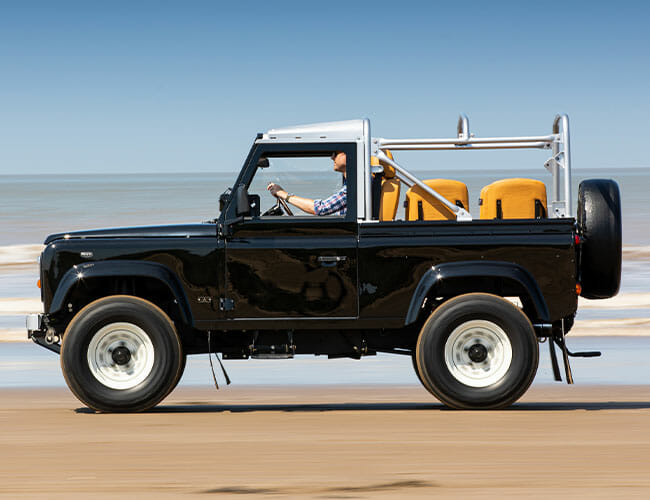
Arkonik SoCal D90 Land Rover Defender

Arkonik built what may be the ultimate custom beach cruiser.

Ball and Buck Jeep CJ-8 Scrambler

Ball and Buck make the perfect vintage Jeep pickup to pair with their outdoor menswear. A bonus: it costs less than $100,000, which makes it something of a rarity on this list.

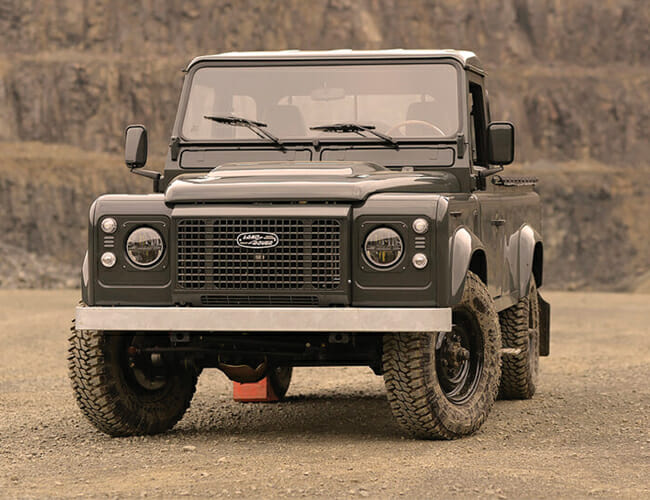
Commonwealth Classics Defender 110 Pickup

U.S.-based Commonwealth Classics partnered with Portuguese restorers Unique Masterpieces on this stunning single-cab pickup.

Coolnvintage Yellow Land Marine Nr86 Defender

Coolnvintage collaborated with Deus Ex Machina on this custom motorcycle carrier.

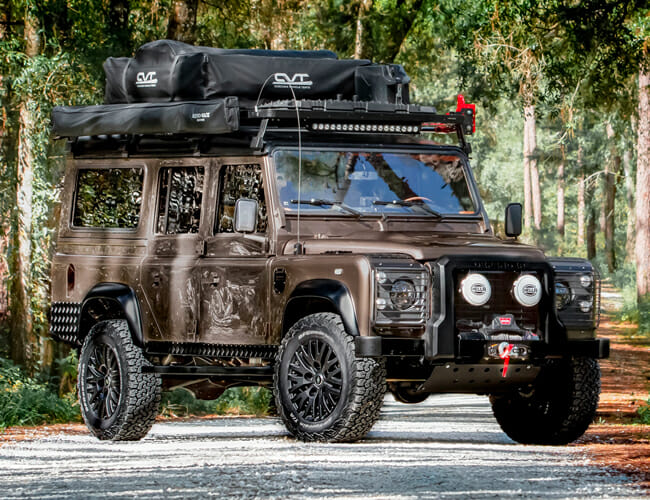
E.C.D. Automotive Design Project Invictus Defender

Land Rover Defender masters E.C.D. Automotive Design produced a resto-modded Defender that’s also an overlanding rig. Yes, we love it.

The FJ Company Signature G-45S Land Cruiser

This Cruiser is a tribute to the long-wheelbase FJ45 Troopy. (The “S” stands for supercharger.)

Icon 4×4 Shelby GT500-Powered Ford Bronco

The biggest celebrity auto enthusiast in the land (Jay Leno) had this converted from a gag gift into an exemplary Bronco, complete with the engine from a Shelby GT500.

Legacy Overland FJ40 Land Cruiser

Legacy Overland put thousands of man-hours to good use with this exquisite FJ40 Land Cruiser.

Overfinch Land Rover Defender 90

Overfinch produced what may be the most ridiculous Land Rover Defender resto-mod we’ve seen.

Himalaya Defender 110

This company’s Defender by Himalaya models hew closely to the original Land Rovers — albeit with some modern enhancements.

Note: Purchasing products through our links may earn us a portion of the sale, which supports our editorial team’s mission. Learn more here.
Tyler Duffy

Tyler Duffy is Gear Patrol’s Motoring Staff Writer. He used to write about sports for The Big Lead and The Athletic. He has a black belt in toddler wrangling. He’s based outside Detroit.

More by Tyler Duffy | Follow on Facebook · Instagram · Twitter · Contact via Email

Ford Just Made the Ranger More Powerful With a Simple, Inexpensive Upgrade

<!–Ford’s New Ranger Engine Upgrade Adds Power for Just $825 • Gear Patrol<!– –>

just plug and play


There’s no denying that the Ford Ranger is a delightful little truck. Sure, its bones date back more than a decade, but it’s still a stalwart rig that does everything you need a midsize truck to do. Still, like just about any vehicle, it could use at least a little more power; while the Ranger’s 2.3-liter turbocharged inline-four may be plenty potent for everyday duties — we’ve used it to haul Airstreams on multiple occasions with nary a complaint from the Ford — the 270 horses and 310 pound-feet of torque start to seem a little inadequate compared with the sort of power you can grab in an F-150 for not much more money.

Luckily, Ford Performance has a solution to those woes: a power upgrade that sizably boosts the Ranger’s EcoBoost four for just $825.

The power upgrade, remarkably, requires no new parts; it’s all done by recalibrating the engine. It’s less about improving maximum output than it is about delivering more power at everyday engine speeds; the calibration adds 45 horsepower at 4500 rpm and 60 pound-feet of torque at 2500 rpm, and retunes both the throttle response for improved drivability and tweaks the transmission’s shifts to make them a bit more crisp. (Still, Ford says the tuned Rangers should make close to 325 horses at full go.) The setup is legal in all 50 states, and comes with a three-year/36,000-mile warranty.

Better yet, you don’t need to haul your Ranger into the dealership to add this upgrade. Buy the package through Ford Performance, and the Blue Oval will send you a new Ford Performance Pro Cal 4 tool and a voucher to plug into your computer. Once you register your voucher, just plug the Pro Cal tool into your computer via USB, download the software, then take that Pro Cal out to your truck and plug it into the OBD 2 port under the dash and bam — more power, easy as pie.

Note: Purchasing products through our links may earn us a portion of the sale, which supports our editorial team’s mission. Learn more here.
Will Sabel Courtney

Will Sabel Courtney is Gear Patrol’s Motoring Editor, formerly of The Drive and RIDES Magazine. You can often find him test-driving new cars in New York City, cursing the slow-moving traffic surrounding him.

More by Will Sabel Courtney | Follow on Instagram · Twitter · Contact via Email

<!–

–>

<!– –><!–

–>