All posts in “Car News”

$6.05 Million Pagani Zonda Aether Leads RM Sotheby’s Abu Dhabi Auction

For the second weekend in a row, the car market is talking about the sale of a bespoke Pagani Zonda. This week, RM Sotheby’s took care of this week’s headlines, securing a $6.05 million hammer price for a Pagani Zonda Aether. Jumping from $4 million to $5 million, and eventually to $6 million, it took further offers before the gavel fell at $6.05 million.

The Pagani Zonda Aether had been given an estimate of $4.5 million – $5.5 million ahead of the auction. As a reference, it had the Pagani Zonda Riviera‘s sale at $5.5 million last weekend.

The Aether is fitted with the full ‘760’-specification 7.3-litre V-12 engine which delivers a full 749 bhp. The Aether’s biggest draw is the fact it is one of few Zonda Roadster’s, it also features a six-speed manual transmission. Other special features include the Zonda HP Barchetta/Huayra BC–style seats, deletion of interior door handles, replaced by leather pull straps, a large starter button in the centre console, LED rev counter, extra oil gauges, and a gear selection read-out.

Elsewhere, it was a mixed bag of results, RM secured the sale of a McLaren P1 GTR for $2.05 million, a little below its pre-auction estimate. At the other end of the spectrum, a McLaren Senna GTR, one of the first to leave the factory, hit the stoppers at $1.15 million, failing to reach its reserve and falling short of its $1.4 million sticker price.

The Michael Schumacher, Ferrari F2002 car hit the second-highest price of the day. Hammering at $5.9 million, the proceeds of sale go to a charitable cause. It exceeded its lower estimate by $400,000.

The list of no-sales included a Maserati MC12 at $2.4 million, a Diablo GT at $640,000, a Diablo 6.0 at $475,000, a Ferrari F40 at $1.3 million and Lamborghini Concept S at $1.1 million.

A Koenigsegg Agera R fell dramatically short of its $2 million lower estimate, struggling to get to its $1.2 million hammer price. It sold with no reserve.

GTSPIRIT NEWSLETTER

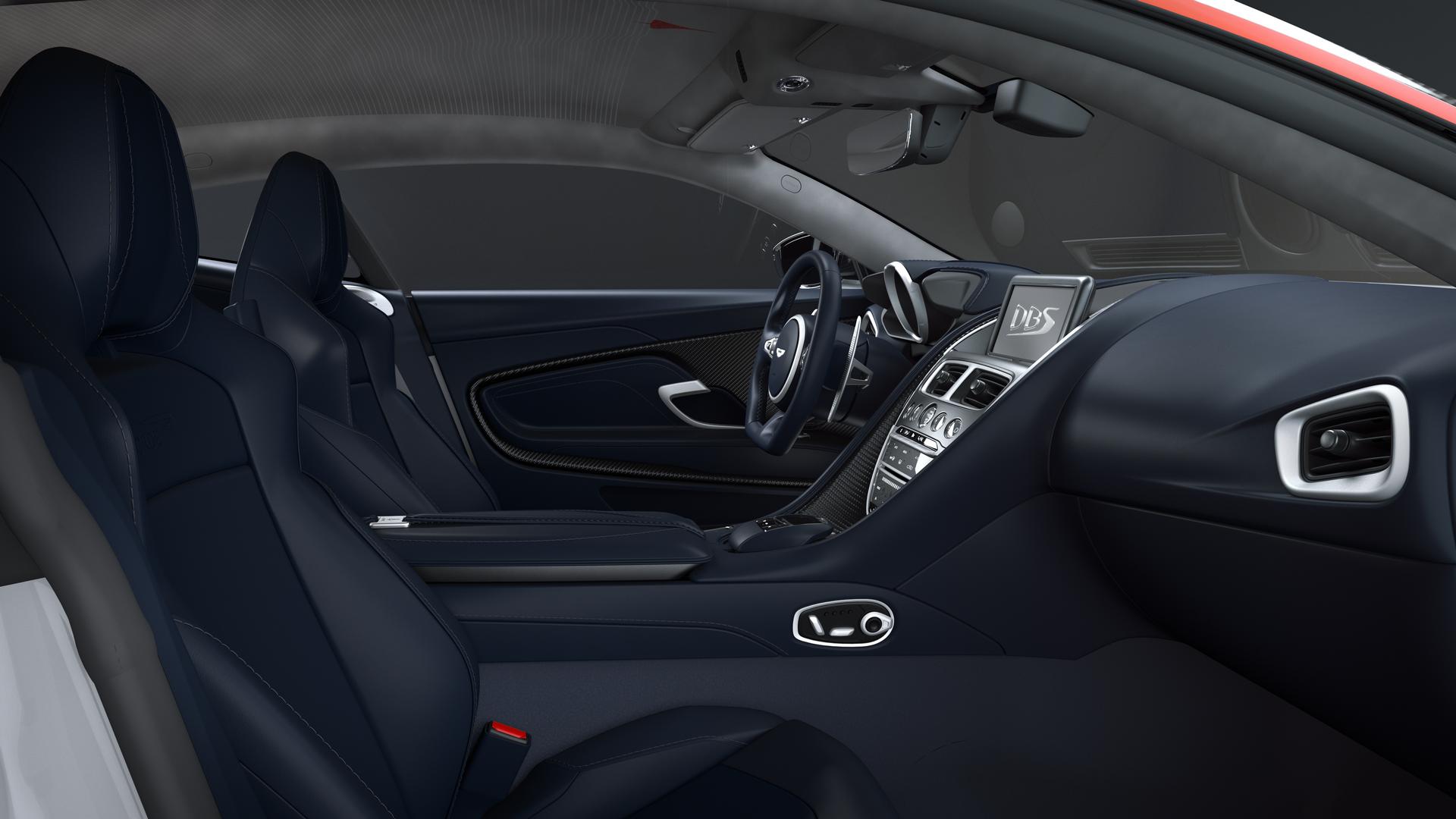
Aston Martin DBS Superleggera Concorde Edition Revealed – 10 Cars Only

In its centenary year, British Airways is also celebrating the 50th anniversary of one of its most iconic airplanes, the Concorde! Aston Martin appears keen to celebrate the groundbreaking, supersonic airplane too, revealing the special edition Aston Martin DBS Superleggera Concorde yesterday, 50 years after Concorde first took to the air.

For those few who haven’t heard of Concorde before. It flew between 1976 and 2003 as the first commercial supersonic passenger plane. It was operated exclusively by British Airways and Air France. It was developed and manufactured as a joint venture between Sud Aviation (later Aérospatiale) and the British Aircraft Corporation (BAC). It’s success was due to the fact that it cut travel times roughly in half, due to the fact that it could travel at supersonic speeds.

For its homage, Aston Martin’s Q by Aston Martin division has created 10 special edition versions of the DBS. It joins the Aston Martin Wings Series, following on from the Vanquish S Red Arrows Edition; Vantage Blades Edition; and the V12 Vantage S Spitfire 80. The commission comes via Aston Martin Bristol.

On the outside, the unique touches include bespoke side strakes milled from solid aluminium; a bespoke livery comprising British Airways colours on the roof strake, aero blade and rear diffuser; black tinted carbon fibre roof with Concorde silhouette graphic; the famous British Airways ‘Speedmarque’ logo in chrome on the front wings; a Q by Aston Martin wing badge with black enamel infill; authentic jet black painted Civil Aviation Authority aircraft identifier numbers and bespoke inspection plaques signed by Aston Martin Lagonda President and Group CEO Andy Palmer and British Airways Chairman Álex Cruz.

The interior gets predominantly blue design features. It includes the Concorde logo on the front seat facings; a Mach Meter graphic embroidered on the driver’s side sun visor; a unique headliner featuring printed Alcantara displaying a ‘sonic boom’ graphic; paddle shifters made from titanium from Concorde compressor blades; floor mats in Terence Conran design pattern; seatbelt buckle badges milled from solid aluminium and bespoke sill plaques.

Aston Martin DBS Superleggera Concorde Edition Interior

Aston Martin will handle the sale of the 50 unit production run. Parts of the proceeds from the sale of each individual car will be donated to the Air League Trust, a not-for-profit organisation that teaches under-privileged children how to fly, and offers support for them to work in engineering.

GTSPIRIT NEWSLETTER

Exclusive: V12 Will Return in Next Generation Mercedes-Benz S-Class in 2021

Good news for fans of the V12 engine. During an exclusive interview with GTspirit, today at the Guangzhou Auto Show 2019, Daimler CEO Ola Kallenius confirmed that the V12 engine will return in the next generation 2021 Mercedes-Benz S-Class.

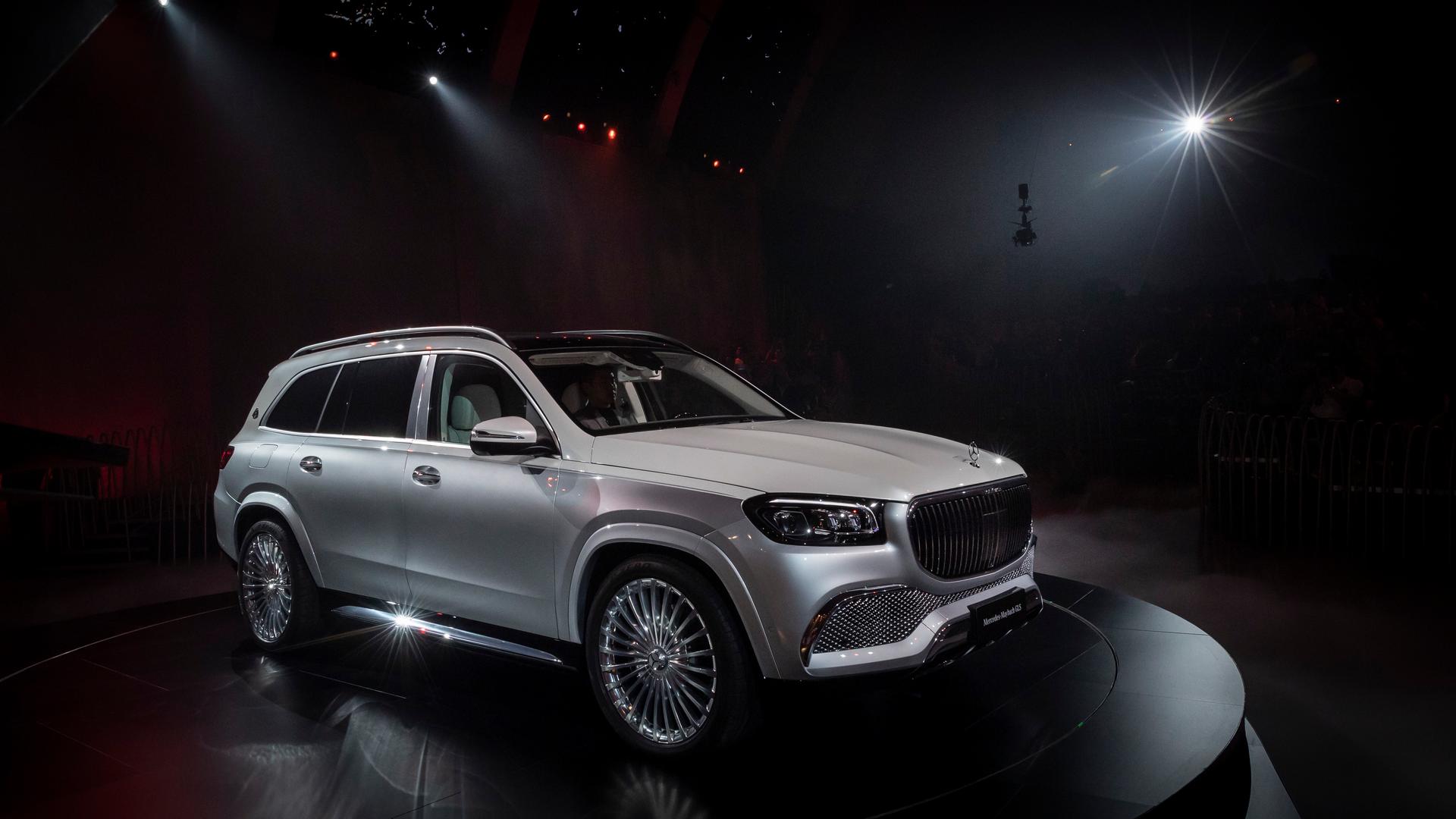
Doubts about the return of the V12 engine were raised when Mercedes-Benz released the Mercedes-Maybach GLS 600 earlier this week. 600 modes normally receive the iconic V12 power plant, yet the GLS features a V8 unit instead. It has now been confirmed that, in the S Class at least, the V12 will live on.

Official details for the V12 version of the Mercedes-Benz flagship limousine will be announced next year. It is likely that Mercedes-Benz will develop the current V12 engine, found in the S 600 and Mercedes-Maybach S 600, will be updated to comply with strict upcoming emission standards.

During our interview, we also spoke with We also spoke with Kallenius about the brand new Mercedes-Maybach GLS 600 luxury SUV:

GTspirit: Exclusively available in China, the six-cylinder Mercedes-Maybach S 400 is the top selling Maybach model. Is there any chance we can expect a Maybach GLS with a six-cylinder any time soon?

Kallenius: “We launched the new Maybach GLS 600 with a V8 engine first but it is possible there will be a six-cylinder version of the GLS Maybach in due time. The AMG developed 4.0 liter V8 fits the GLS Maybach very well and was the obvious choice for launch of our first Maybach SUV.”

Asked about a possible Mercedes-Maybach GLS V12, the Daimler CEO is short and clear: “We have no plans for a Maybach GLS V12.”

Read more about the Mercedes-Maybach GLS 600

Mercedes-Maybach GLS 600

GTSPIRIT NEWSLETTER

New Tesla Cybertruck Reinvents the Pickup Truck

At an event, away from the ongoing Los Angeles Auto Show 2019, Tesla unveiled its highly anticipated Cybertruck. The next stage in building a model range, the Cybertruck is Tesla’s most controversial design yet.

In true Silicon Valley style, Elon Musk took to the stage on Thursday to unveil his latest model. Things didn’t go entirely to plan though. During a part where Musk intended to demonstrate the “armour glass”, he invited Tesla’s head of design, Franz von Holzhausen, on stage to throw a metal ball at the side windows. The idea was that it would just bounce off, causing no damage. The Cybertruck is supposed to protect occupants against bullets and sledgehammers The armour wasn’t as strong as it perhaps should have been as the window cracked on impact.

Of course, the biggest story is the pickup truck itself. Tesla rips up the rule book, as you would expect. The design features lots of straight lines, seemingly inspired by Lockheed Martin’s Skunk Works or the classic DeLorean than by any conventional pickup truck. It has proved controversial.

The exterior bodywork is milled from Ultra-Hard 30X Cold-Rolled stainless-steel using Tesla armour glass for the windows. This is said to make it extremely strong. The glass, which we suspect will be redesigned before the market launch, gets a polymer-layered composite skin for its strength.

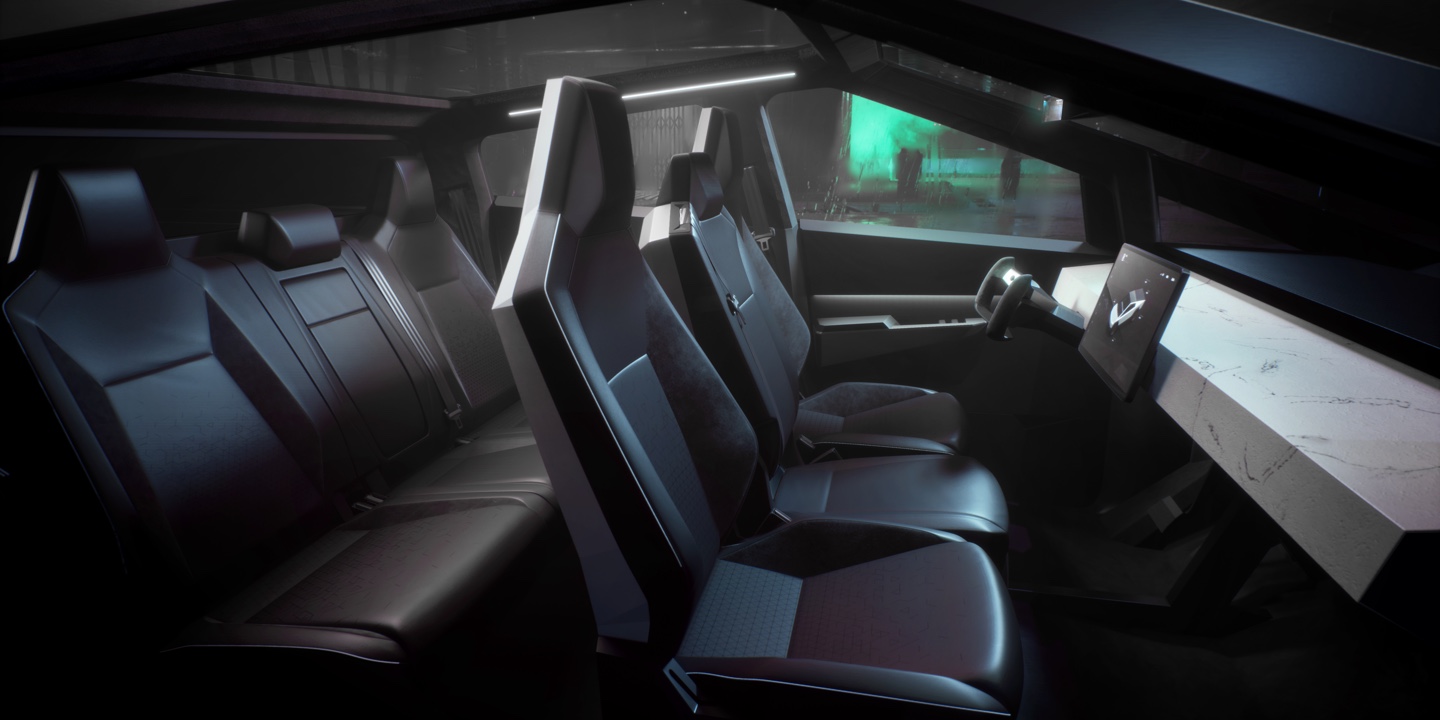
The interior features 6 seats. 3 in the first row and 3 in the rear together with a 17 inch display. The passenger cell is separated from the rear bed. From the side, you wouldn’t guess that it was a pickup truck. The rear bed is hidden by a gently sloped rear panel. It’s 1.98 metre rear bed has a payload capacity of 1,580 kg and 2,830 litres of space.

Under the chassis sits Tesla’s battery system. In its highest specification, it should hit 60 mph in a blistering 2.9 seconds with 500 miles of range. Tesla will in fact offer the Cybertruck in three options. The single motor, rear wheel drive option will manage a 250 mile range with a 6.5 second 60 mph sprint. The dual motor, all wheel drive model cuts the sprint time to 4.5 seconds and increases range to 300 miles. It is the triple-Motor, all whee drive model that gets the blistering pace and huge range.

Tesla Cybertruck Interior

At all four corners, the Cybertruck uses air suspension. This allows Tesla to program some convenience features, including a program which drops the ride height for entry and exit.

The Cybertruck is available to order immediately with a $100 deposit. Deliveries are expected to begin in 2021 with tri-Motor versions to follow on 2022. A full self driving mode costs extra. Pricing of the range starts from $39,900 for the entry level, rising to $49,900 for the mid range and $69,900 for the top of the range model.

GTSPIRIT NEWSLETTER

Mini John Cooper Works GP Revealed in Los Angeles

A new range-topping, special edition Mini has been released at the Los Angeles Auto Show 2019, the Mini John Cooper Works GP. The GP has been teased for a long time with teaser runs up the Goodwood hill climb earlier this year and plenty of leaks.

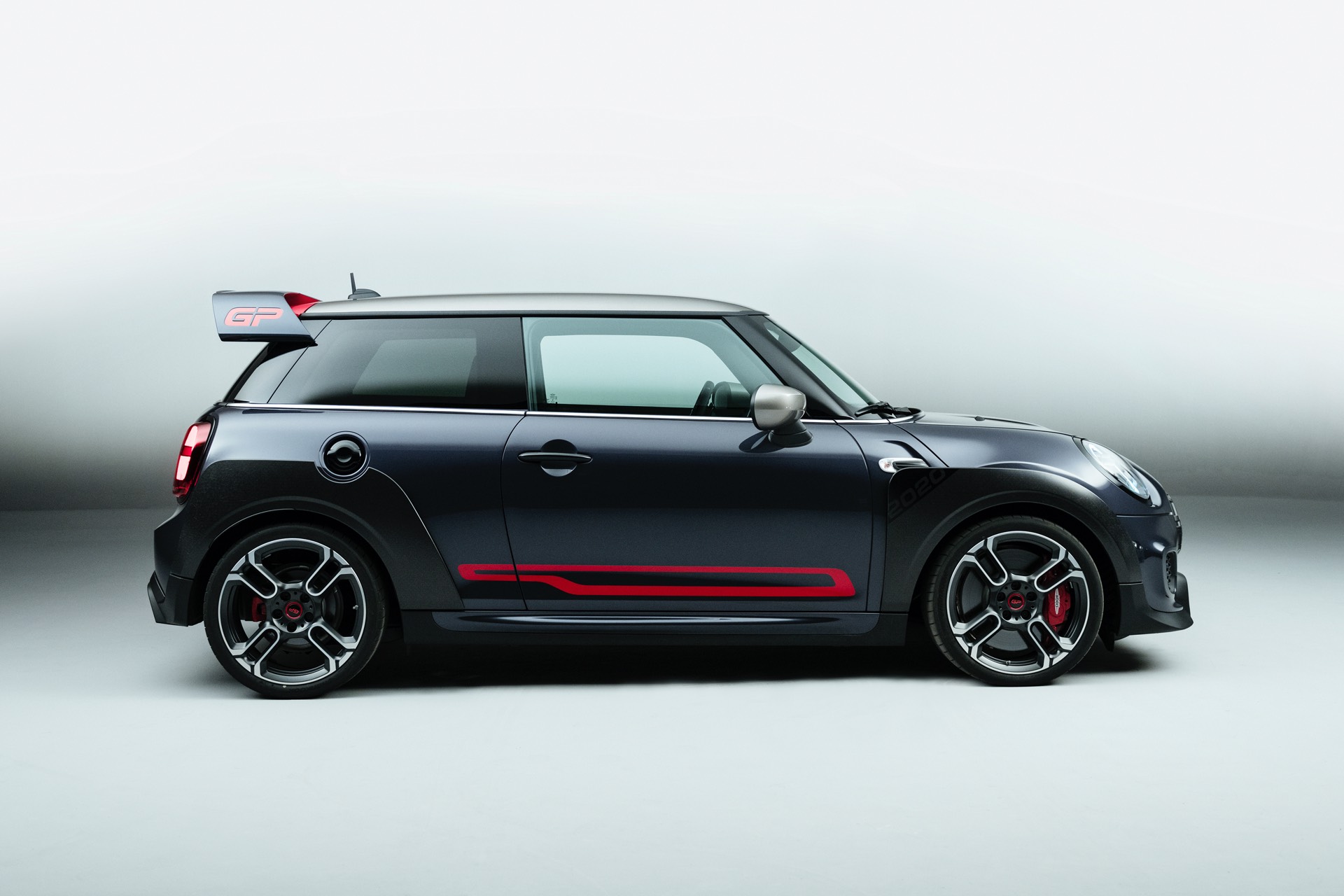
The Mini John Cooper Works GP is the most extreme production Mini to date. It is set to give bigger hot hatches a run for their money!

Design

The Mini Cooper receives a variety of modifications to its design. The most noticeable is the wheel arch trim. Made from carbon fibre-reinforced plastic, it is the first time BMW has used this material. It is made using material recycled form he BMW i8 and BMW i3 production, making it highly efficient. It flares the wheel arch in a new and distinctive way.

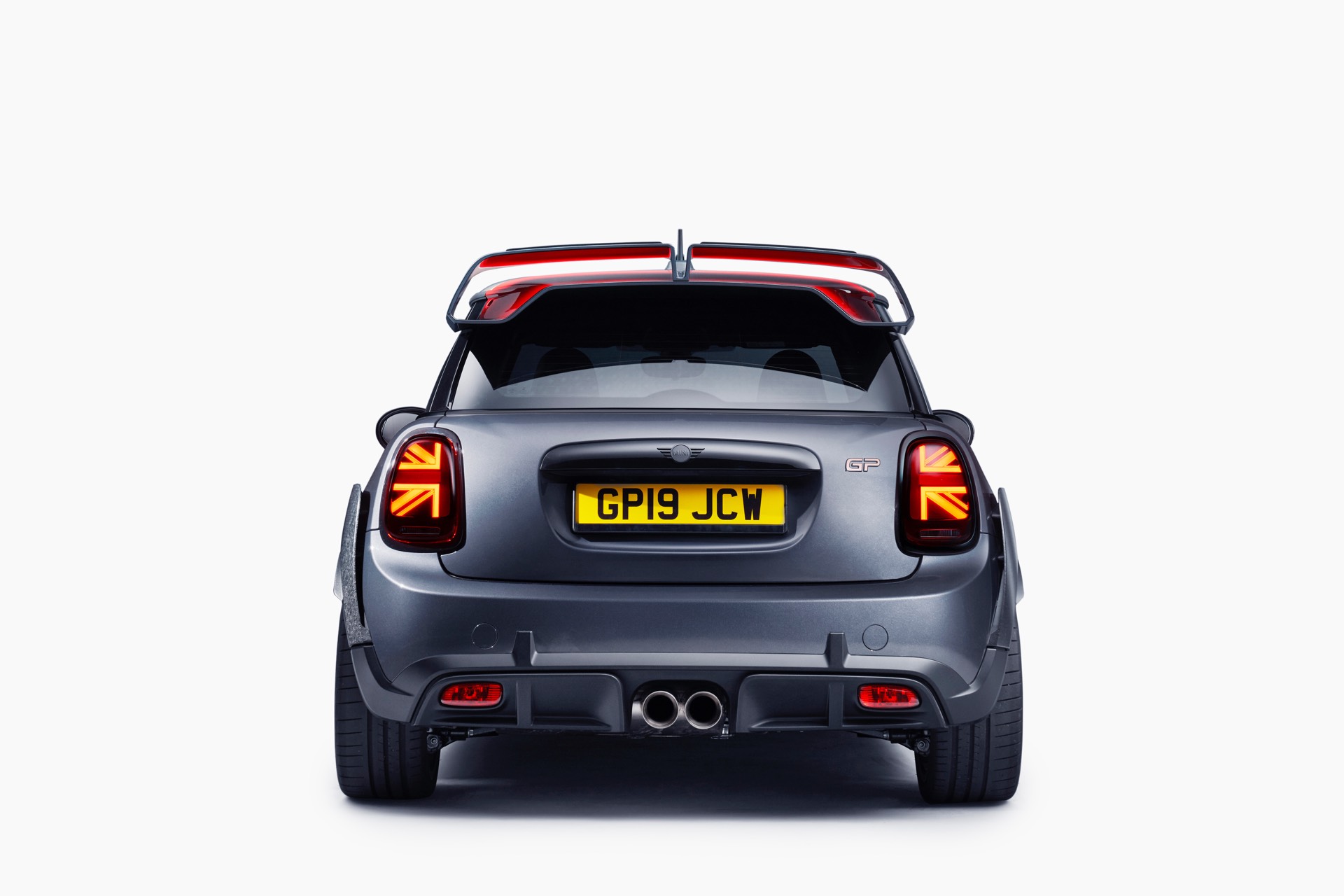
Other changes include a new set of wheels and black painted trim pieces. At the rear is a massive rear spoiler, the biggest we’ve ever seen on a production Mini. The rear gets a redesigned rear diffuser and a smaller set of air outlets.

Powertrain

Under the bonnet sits a 2.0 litre, twin-turbocharged, 4-cylinder engine. Power is pushed up by 75 hp to 306 hp and 450 Nm of torque. It sits on a new engine mount with new tunnel bridges.

The power is achieved through a variety of changes. The turbocharger is also new. Fitted to the exhaust manifold, a divert-air valve helps it achieve better response times. The compression ratio is lower by 0.7, but the system has increased boost pressure. The intake air duct is all-new with enlarged inlet and flow cross-sections.

The injection system is revamped too. New multi-hole injectors are arranged centrally and push at increased flow rates with an injection pressure of up to 350 bar. The final modification is an all-new engine oil sump. The modifications to the engine mean that the Mini should be more responsive.

The reinforced crankshaft uses an enlarged main bearing diameter, specific pistons, bushless connecting rods and a torsional vibration damper with enhanced cooling.

The John Cooper GP Works hits 100 km/h in 5.2 seconds and a top speed of 265 km/h (with no limiter). Naturally, Mini have installed a new exhaust system with a fuller, more sonorous sound. The system is unique to the GP Works and with a straight pipe, large rear silencer and two 90 mm brushed aluminium stainless steel tailpipes.

Power is routed to the front wheels through an 8 speed Steptronic transmission as standard with an integrated differential lock. The mechanical differential distributes traction between the right and left wheels. It locks up to 31 per cent under load and the helps counteract any loss of traction.

Suspension

Changes have also been made to the suspension setup. The single-joint spring front suspension and rear multilink axle receive a completely new tune. The track width is wider and the body is lowered by 10 millimetres.

New swivel bearings are installed which increaser front wheel and rear wheel camber. Rigidity is enhanced through a stiffer rubber support bearings.

A special GP mode in the DSC settings allows increased stability intervention through the brakes to improve agility. Talking about brakes, those are completely new too. At the front, you have 4-piston units with a floating-calliper. At the rear, a single-piston, both made of aluminium. They are hidden by a set of 18 inch forged wheels.

Availability

The Mini John Cooper Works GP gets its debut at the Los Angeles Auto Show 2019 this week.

It will be replicated 3,000 times with production set to get underway in March 2020. Pricing has been announced at 45,000 euros in Germany, £33,895 in the UK and $44,900 in the US.

Competition

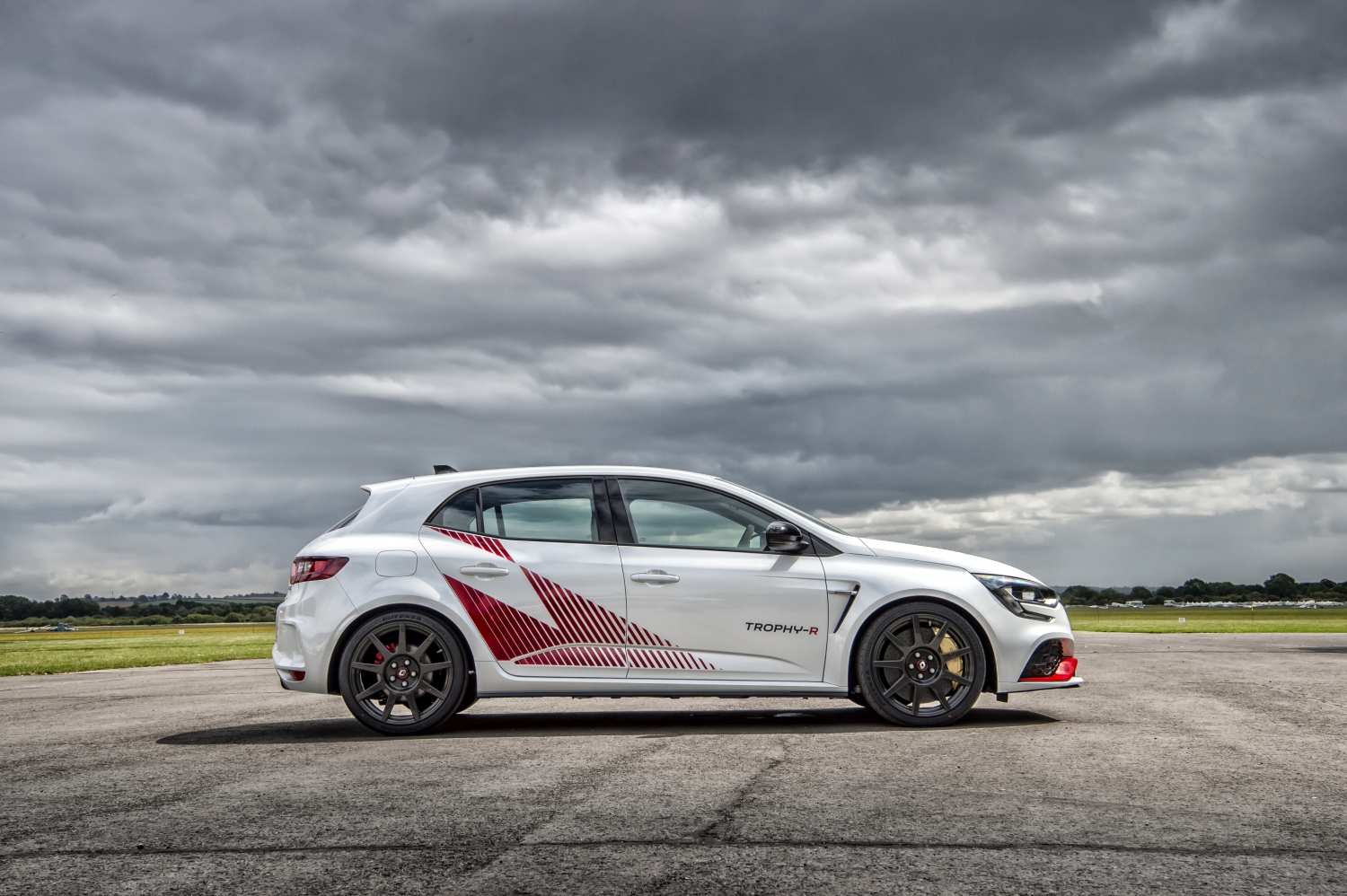
Renault Megane R.S. Trophy R

The hot hatch market isn’t as buoyant as it has been in the past, yet the Mini Cooper GP Works has no shortage of competition.

The Renault Mégane RS Trophy is clearly Mini’s immediate benchmark. The British marque is keen to lap the Cooper GP Works around the Nurburgring faster than Renault’s 7 minutes 40.1 seconds earlier this year.

At this price tag, the Honda Civic Type R, Volkswagen Golf R and Ford Focus ST. Of course, all three are considerably larger than the dominative Mini Cooper.

Gallery

GTSPIRIT NEWSLETTER

Maserati Ends Production of the GranTurismo – Looks to the Future!

It is the end of an era at Maserati. The final Maserati GranTurismo has left the factory floor. The GranTurismo Zéda is a one-off, built to celebrate the extraordinarily long production run that the GranTurismo has enjoyed.

The GranTurismo Zéda is set for a world tour, promoting its replacement, due for a 2021 reveal. It has been designed by Centro Stile Maserati. The distinctive elements include the paintwork which moves from a satin finish to a burnished “metallurgic” effect, back to front. The colour begins at the front with Maserati’s traditional blue, blending towards the back into a light silver colour.

It’s difficult to believe that the GranTurismo has been around since 2007. It debuted at the Geneva International Motor Show 2007, a four-seat, two-door coupé, with Pininfarina design. It’s biggest draw was that 4.7 litre Ferrari V8 engine. It provides an epic soundtrack in every iteration.

The end of the GranTurismo’s production run also marks the beginning of renovations at Maserati’s Viale Ciro Menotti plant in Modena. The Italian company has announced that it will adapt the factory for a new generation electrification and autonomous driving.

The new GranTurismo and GranCabrio are set to be produced in Turin. As for the Modena factory, the press release confirms only that it will house a new “super sports model” slated for launch in 2020. Maserati’s press release promises a: “new era of electrification for the Maserati range of cars, constituting the first models to adopt 100% electric solutions in the history of the Brand.”

GTSPIRIT NEWSLETTER

Swaziland King Allegedly Purchases Rolls-Royce Fleet While Nation Deals with Widespread Poverty

Swaziland’s King, Mswati III, has been making headlines recently. Famed for his lavish spending, the African monarch is alleged to have purchased a new fleet of Rolls-Royce for the royal household. The fleet is alleged to extend to 15 Rolls-Royce Ghost and 1 Rolls-Royce Cullinan.

Alongside the Rolls-Royce shipments, King Mswati III has also taken delivery of no less than 79 brand new BMWs. The BMW shipment was said to extend to 12 trucks, loaded with the latest BMW X3 and BMW 540i.

Land-locked by South Africa and Mozambique, Swaziland has struggled historically with 39.7% of its 1.2 million population living below the poverty line. The country faces public health problems too, with 26% of the adult population HIV-positive and the 12th-lowest life expectancy in the world, at 58 years.

Of course, these problems are not instantly solved by reallocated the estimated $20 million value of the King’s new fleet. Yet there is no denying that the sheer volume of cars (which are alleged to be used by the King’s multiple wives) is an unnecessary drain on public resources.

It’s not clear whether King Mswati III’s new fleet was ordered direct from BMW and Rolls-Royce or whether it was ordered by an intermediary. When King Jong Un was pictured in a Mercedes-Maybach S600 recently, Mercedes-Benz was forced to confirm that the order had not been made directly with its dealership network.

King Mswati III joins names such as Teodorin Obiang Nguema and the Sultan of Brunei whose habit of spending public money on personal indulgences stands at odds with their countries domestic issues.

GTSPIRIT NEWSLETTER

Special Report: The McLaren 720S Spider is Britain’s Finest Export

Be warned, this tale features the B word, Brex*t. The title has been coined to address the colossal saga that is the United Kingdom’s departure from the European Union and must be one of the most used words in international news in the past three years. There have been amendments, referendums, prorogations, high court rulings and even Queen’s Speeches. I shall not dwell, you’re not here for politics, but for automobiles.

Ever switch on the 10 o’clock news and see politicians being ferried from conference to conference in rather dull executive limousines? The best you can hope for is a Mercedes-Benz S Class, black on black, of course. This got me thinking, it was the night before the final European Union Summit that would be deliberating the latest iteration of the Brexit deal, Prime Minister Boris Johnson’s first attempt. Tomorrow, news agencies from across the world would crowd and jostle outside Le Berlaymont to catch a word from the 27 EU leaders that would be reviewing the latest version of proposed deal.

What if BoJo didn’t arrive in a mundane, vanilla S Class or Jaguar XJ, but instead stunned the crowds by representing British business, an example of the very businesses that will be impacted so significantly by the outcome of this tumultuous series of events? I felt Boris needed a helping hand, I took matters into my own palms. The next morning I left home at 0630 on a mission to not only improve Boris’s image, but to showcase one of the finest exports that Britain produces. It is an example of why the UK is one of the worlds leading automotive manufacturing countries, and why trade deals with the UK should never be doubted, but encouraged.

The ambassador of choice was perfect. Bentley and Rolls-Royce are British brands, but are both now parts of Audi and BMW, respectively. Jaguar is Indian and Lotus Chinese. Caterham and Morgan are British, but neither are known internationally as representing the best of British, more cottage industry forerunners. There is only one brand suited to this endeavour – McLaren.

I recently was on the continent in a McLaren GT, a car that left me somewhat conflicted and confused. Having previously driven to Paris and back to London in a single day in a 720S, I was in no doubt that it doubled as both a track monster and a capable GT car. To reaffirm my thoughts, I had a 720S Spider for the ride to Brussels to see if the additional 49 kilograms for the roof mechanism would alter the driving characteristics and if the GT would make more sense for such a journey.

One thing that does not change, roof or no roof, is the fuel economy. It is abysmal, even when trundling towards the Channel Tunnel with the cruise control set to a smudge above the speed limit. Seeing anything above 23 miles per gallon was a rare treat. Boris’s refusal to take no deal off the table had sent the pound into a tizzy and fuel prices were through the roof, premium unleaded was emptying my wallet faster than the my ex girlfriend – just as thirsty too. Best not to worry about saving fuel and instead blow it to thy kingdom come with a smile on your face and bangs and cracks coming from the twin exhaust pipes.

A grey drive to Folkestone, quick Starbucks and a deep breathe in to squeeze onto the train later, it was time to cruise across the Continent. Well, part of it at least. It is always surprising how quickly the French autoroute gives way to terrible Belgian tarmac. With the active panel engaged and the handling and drivetrain toggles in comfort, the 720S cruises quietly and somewhat comfortably. The hydraulic suspension is fabulous and plaint. It is upset by bigger holes and cracks in the road, but it is a tradeoff worth making for the terrific handling through the bends on more engaging roads. One element that, still, cannot be faulted is the steering. It remains hydraulically assisted and a pleasure to work with.

The mighty torque is impressive too. The gearshifts are as great as you would expect from a McLaren dual clutch, but when touring you need not be pulling the left carbon paddle for downshifts as you can ride the torque in the upper gears. This is, of course, when the revs are above 2,500rpm, there is a world of lag below this threshold. As the kilometres trickled by, the weather worsened and the chances of experiencing the 720S Spider with the roof down diminished. A special mention, once again, to the awesome rear window that can be lowered or raised regardless of the roof being up or down. It is a great way to enjoy both fresh air and that hard edged engine tone, even when it is raining.

This car featured a clever and very expensive option, an electrochromic glass roof panel. This meant that the panoramic glass was able to go from fully clear to dark in a couple of seconds. It is cool and strangely satisfying to press the button and watch the glass ceiling change from ‘shade mode’ to ‘full sunlight’.

Other interior highlights included the luxurious Cognac leather in this ‘Luxury’ spec 720S. The 720Ss I had previously driven were all configured in ‘Performance’ trim meaning there was far more Alcantara and less leather to be found. The quality of the leather is great, as is the colour, my opinion of course. The infotainment is a generation behind the updated McLaren GT system, but I was not a huge fan of the update and the older system felt no less capable as it also lacks Apple CarPlay and Android Auto systems.

As Brussels neared, the rain relented and there was time to relish precious minutes with the roof down. Heated seats work brilliantly to negate wind chill and the car looks utterly spectacular in shop front reflections. Say what you like about the eye-socket headlamp design, few will argue that the 720S does not look like a missile from its side profile. The well behaved demeanour from the motorway cruise continues in the congestion of Brussels. The Start-Stop system decided to go on strike, other than that the 720S Spider was flawless around town. Visibility was good, the ride supple and the turning circle…acceptable. Things are a little scarier when squeezing through narrow gaps or high kerbed car parks, more a case of driver fear and being unfamiliar with the supercars dimensions.

As the infamous Berlaymont building neared, Theresa May had been collected, riding shotgun and Boris Johnson jumped in behind the wheel. The time had come to change the bumbling Prime Ministers image once and for all. Passers by gasped and laughed in equal measure. Camera phones flashed and selfies were taken. It seemed that it was mission accomplished, a hypothesis that was all but confirmed later that day when Boris Johnson announced that Jean Claude Juncker had accepted his governments proposed deal. I’m not saying that it had anything to do with the McLaren or my mission…but maybe, just maybe, it did.

In another bizarre ‘coincidence’, McLaren CEO Mike Flewitt confirmed that McLaren Automotive will keep production entirely UK based despite Brexit in an interview to CNBC on the same day. He continued saying that the firm is ‘born and bred’ in the UK. The brand is one that is proudly British and one that should be celebrated. The McLaren F1 is, arguably, the greatest car ever and when the 12C rolled off the production line in 2011 a new era was born. McLaren seemingly came out of the blue and shattered any complacency that the likes of Ferrari, Porsche and Lamborghini had, pushing performance to new levels.

Almost 9 years on, McLaren continues to push it rivals to the extent that it is difficult to compare its offerings to that of the aforementioned rivals. The 720S is pitched against cars like the Porsche GT2 RS, Ferrari 488 Pista and Lamborghini Huracan Performante – hardcore special edition models that are stripped out track animals. The 720S obliterated the trio in a number of tests and it is the ‘standard’ car complete with creature comforts and touring credentials that make it just as usable as the McLaren GT. The LT model is expected to demolish its European rivals. McLaren Automotive represents the best, not only of British, but supercars produced anywhere in the world. Brexit or not, deal or no deal, McLaren will continue to be a flag bearer of British innovation and technology for years to come.

GTSPIRIT NEWSLETTER

Porsche Taycan Turbo S Review

This is a big deal and perhaps the most significant car I have ever written about in my short, prepubescent life as an editor writing about cars. I am also a sceptic of electric cars, I am just not a fan, this is a chance for Porsche to change my views. Some 350 journalists have been driving the Taycan before me, specifically the Turbo and Turbo S models, on a mega road trip starting in Oslo. Nineteen days later, the convoy would reach the spiritual home of Porsche, Stuttgart and I had the honour of driving the final leg of the journey from Berlin.

Stepping into the Taycan is quite an overwhelming experience for me. Knowing that I would be able to finally drive a car I have sat in on multiple occasions before and even been a passenger in when in pre production form, it was my time to drive one of the most eagerly anticipated and important cars in a decade.

When I jump behind the wheel the first thought is that there is a wall of screens to comprehend. There are a lot of screens, four in this car (including optional passenger screen). That being said, it all is very clear and logical, futuristic but still familiar in a typical Porsche way. If you have not previously sat in a Taycan you may need a second to: a) know whether or not is is on, b) find the gear selector (it is hidden to the right of the wheel like it was in a 918 Spyder).

Orientation completed, what is it like to drive? Crawling around the congested streets of Berlin in a Taycan is a quiet and tranquil experience. Then you find yourself in the left turning lane but you need to take a right. Sport Plus engaged…red, red, red. GREEN. I am pinned to the seat and crossing four lanes and feeling like a naughty school child. The feeling of speed is intensified by the synthesised spaceship noise the accompanies the neck snapping acceleration, the noise can be turned on or off at the touch of a button. So it goes like a Porsche, a very fast one at that. The Taycan Turbo S will do 0-100 in a blistering 2.8 seconds, that GT2 RS quick, in a family saloon that will fit four adults and has two boots. As I am sure you would have seen, the Taycan Turbo S recently set the fastest Nurburgring lap time for a four door EV with a sterling time of 7min42, a time that was seemingly set on very ordinary tires, bring out the Cup 2 Rs and watch Tesla cry.

Out onto the country roads of rural Germany the Taycan can stretch its legs, and boy, it has legs. The acceleration from standstill is potent, instant and and honestly, takes your breath away. When you’re up to speed you can focus on placing the car fabulously using the brilliant steering, typical Porsche. Thread it through a corner and the acceleration out of the bend dominates again. Into the next one and it dawns upon me that I am chucking a 2.4 tonne car through the corners like a car that weighs a tonne less. The weight is all down in the floor, the Taycan has a lower centre of a 911 and it shows. There is little to no body roll, there is supreme control and composure. The only time the illusion wears thin is under heavy braking, you can’t cheat physics forever. It stops well and hard using the giant carbon ceramics, but the inertia can be felt.

So it is a revelation for electric cars in the way it drives, it has a futuristic interior and it looks the part. The car is fabulous, but then we come to the other side of the coin: the infrastructure.

When setting off from the start line in Berlin the navigation was set and the car displayed an estimated battery change percentage upon arrival. It read 12% to the lunch stop where the car would be charged at one of the Ionity 800watt chargers. 12% is a reasonable level and my passengers and I felt confident that we could arrive without giving the range much thought. Remember that quick lane change in the city that I mentioned earlier?

That switch into Sport Plus and the pedal to the metal acceleration cost 1% of that 12% estimate. A few amusing accelerations from standstill to the speed limit cost a further 5%. A short 3km autobahn blast to the vmax of 260km/h and the estimated battery upon arrival is at 1%. With more than 100kms to go, the famed range anxiety set in. I shift into Range mode to try and earn back some precious power. This is where things get a little dull, there are some stunning roads coming up, but I cannot push or my passengers and I will be stranded on the side of the street playing I Spy.

Some careful driving and arduous steady kilometres later we are close to the destination with around 4% charge remaining. Into sport plus I hope to make the most of the remaining power, only to find the car is warning me to preserve the remaining charge and it has limited the max speed. Killjoy.

Throw in a short unexpected detour, such as dropping a friend to a train station a few kms off the route and you will not make it to your final destination without having to visit another charger on the way, make sure it supports 800watts or you’ll be sat around for far too long staring at the percentage of charge in a service station memorising the Burger King menu.

The Taycan is a fabulous machine, one that has, without a doubt, changed perceptions and the expectations of electric cars. I cannot help but question how the concept of electric cars can be considered feasible in a world where the infrastructure is not yet ready to alleviate the woes of range anxiety. We are so accustomed to the convenience of having endless access to petrol stations where we can brim our tanks with fossil juice in seconds. Until we can charge our batteries in less than the time it takes to do a shot of espresso and chomp down a Snickers bar, there will always be sceptics of the need to build in 20-30 minute stops to recharge a battery. For day-to-day short commutes in congested towns and cities like London, the efforts of the BMW i3s or Renault Zoe are far more compelling. A week of commuting can be completed on a single charge overnight on the weekend, a real alternative to combustion motoring. Why claim that electricity is ready to replace fossil fuels in all scenarios?

GTSPIRIT NEWSLETTER

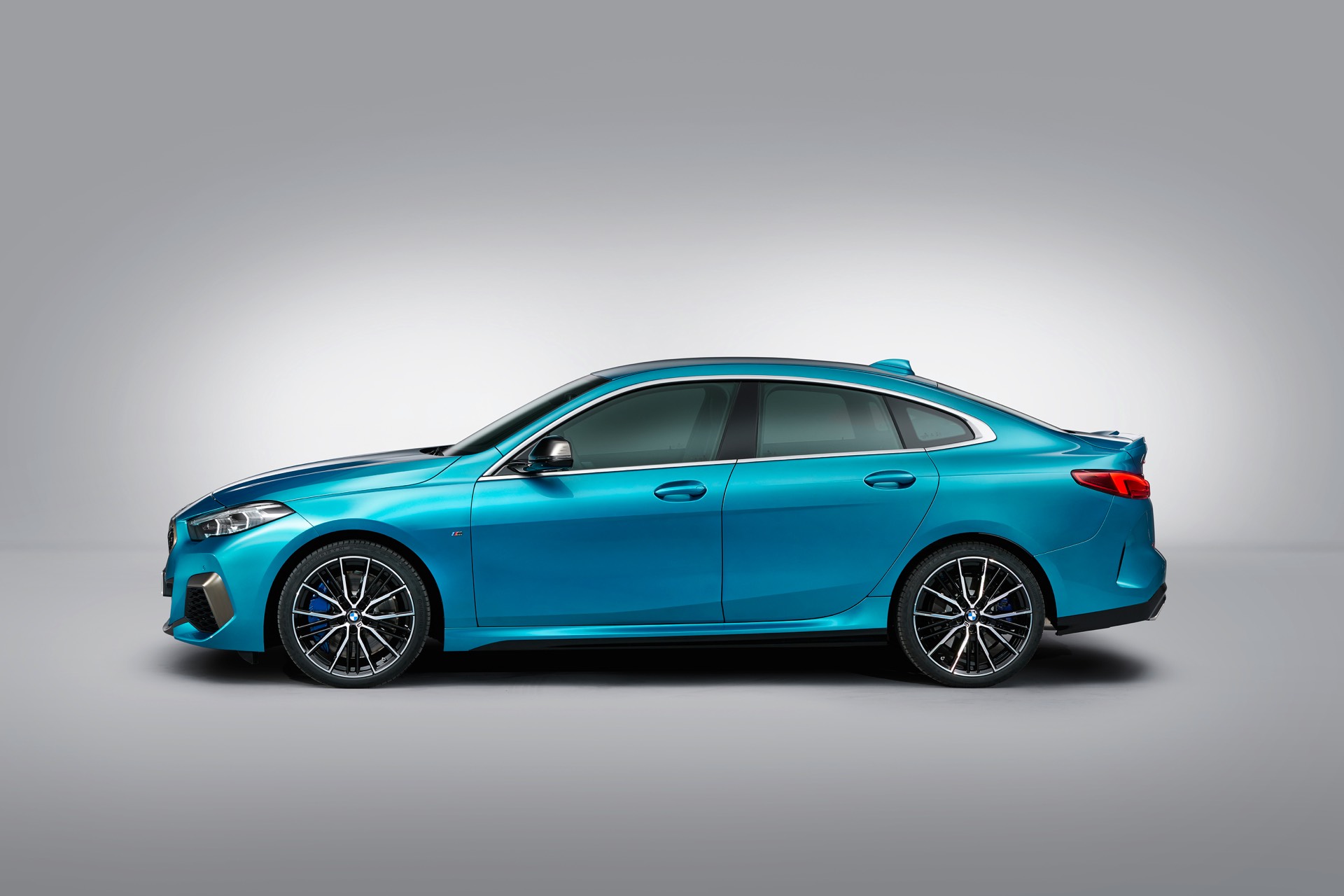
BMW 2 Series Gran Coupe – BMW Reveals Front-Wheel-Drive Sedan

BMW has today announced that it will offer a BMW 2 Series Gran Coupe for the first time. The Gran Coupe model follows from the recent release of the BMW 1 Series. Interestingly, it precedes the expected release of an updated BMW 2 Series Coupe.

The 2 Series Gran Coupe is also the first front-wheel-drive BMW sedan in recent memory (aside from a 1 Series Sedan – sold exclusively in China). With the development of BMW’s xDrive platform permeating higher up in BMW’s model range, traditionalists might want to look away now!

Design

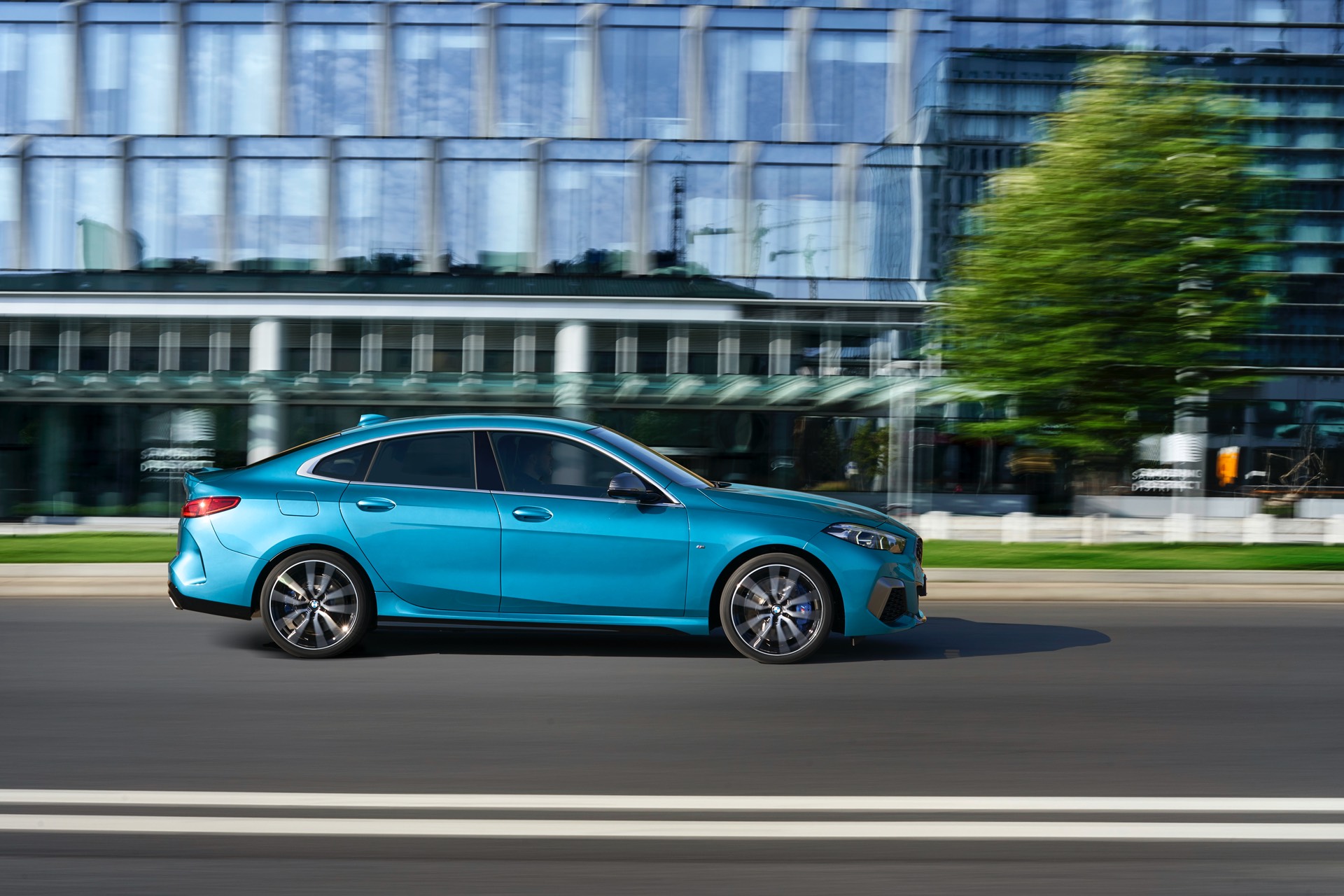
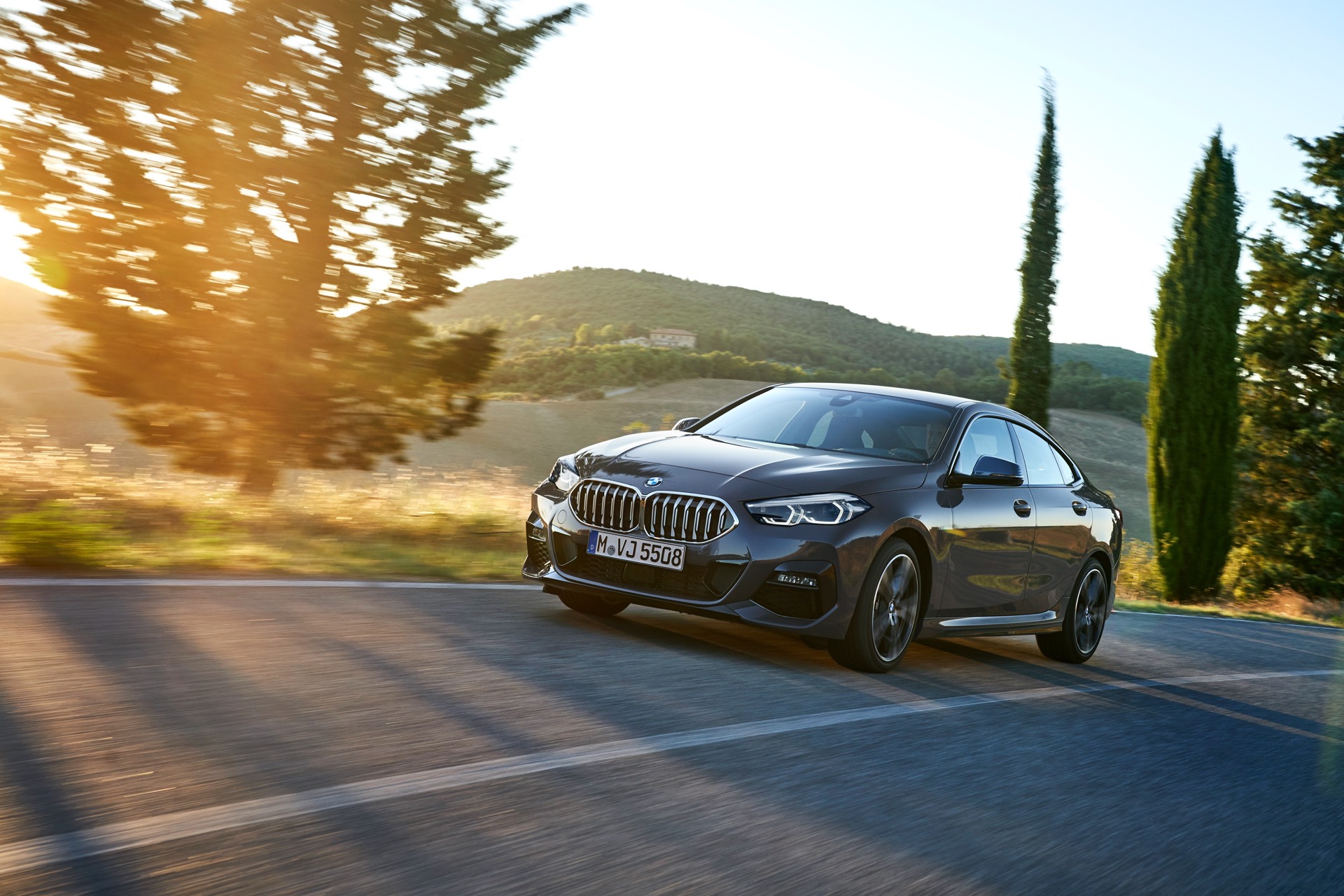
We’ve seen BMW’s Gran Coupe concept time and time before. The format is similar for the 2 Series Gran Coupe. BMW stretches the silhouette of the BMW 1 series, adding four-doors with frameless side windows and full-LED headlights as standard.

The side taper of the C-pillar is clear, accentuating the shoulders of the car. Other design elements include the contoured kidney grille bars with a different mesh design for the flagship M235i xDrive. The rear lights are completely new too, stretching further into the back until they reach a gloss black band.

The Gran Coupe measures 4.5 metres in length, 1.8 metres in width and 1.4 metres in height. Interior space has been a driving factor behind the project, BMW claims a 430-litre load space, 40 litres more than the Coupe version.

Drivetrain & Performance

The 2 Series Gran Coupe uses the FAAR platform which debuted this year in the 1 Series. The Gran Coupe is front-wheel drive predominantly; the first BMW sedan to use this configuration. Performance versions use the xDrive system in preference to BMW’s usually preferred rear-wheel-drive setup.

The 2 Series Gran Coupe also carried over the near-actuator wheel slip limitation system. A slip controller is positioned in the engine control unit rather than in the DSC system. It works together with the DSC system, to reduce the time it takes to relay information, operating ten times faster than a conventional system. Additional bracing in the engine bay and struts linking the rear sub-frame to the body improve stability.

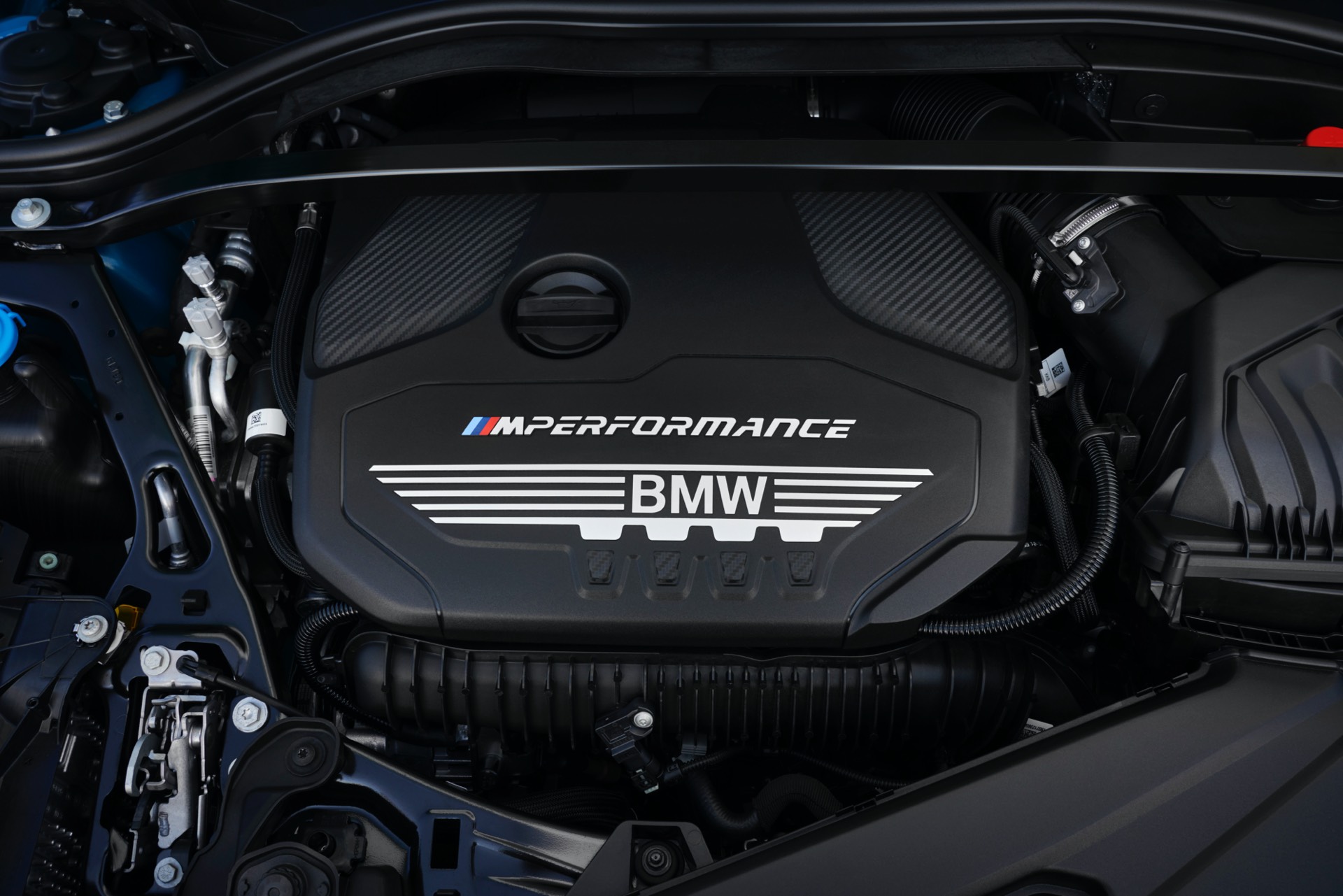
One diesel engine and two petrol engines will be available straight away. The BMW 218i uses a three-cylinder petrol engine with 140 hp, a four-cylinder model, with 190 hp, will be available in the BMW 220d. Finally, the range-topping BMW M235i xDrive will use a 306 hp, four-cylinder engine. The US market will get an additional 231 hp BMW 228i xDrive model with the 2.0-litre four-cylinder engine.

In terms of performance, the 218i hits 100 km/h in 8.7 seconds, the M235i xDrive in 4.9 seconds and the 220d in 7.5 seconds.

The power is relayed with a six-speed manual gearbox as standard. A seven-speed dual-clutch transmission is an option while the eight-speed transmission is reserved for the diesel and the M235i xDrive.

The BMW M235i xDrive adds a mechanical Torsen limited-slip differential, M Sport steering and M Sport brakes. Three different suspension setups are on offer, tailored to each model. M Sport suspension reduces the ride height by 10 mm while the Adaptive suspension option includes variable damper controls.

All models will be available with a Lane Departure Warning, active lane return and collision and pedestrian warning with city braking function. Active Cruise Control, the Driving Assistant including Lane Change Warning, rear collision warning and crossing traffic warning, plus the reversing assistant are all available as options. 

Interior

Five trim levels are available; Basic, Advantage, Sport Line, Luxury Line and M Sport. Six colours will be available from launch.

Space is generous too. the 2 Series Gran Coupe offers 33 mm of extra legroom over the existing 2 Series Coupe with a seating position 12 mm higher. The rear seats split 40/20/40 to add more space.

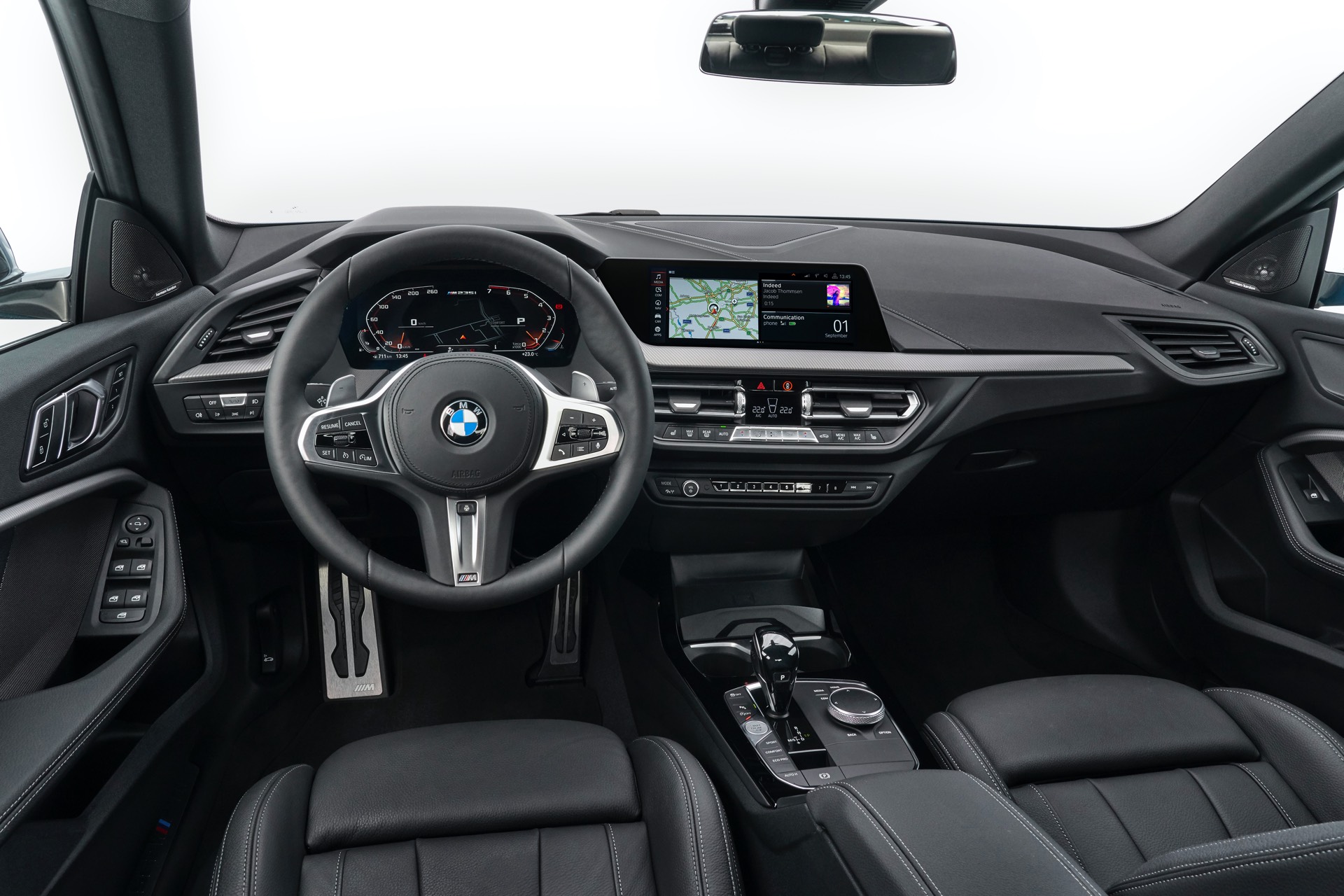
The BMW Operating System 7.0 is installed onto the two large screens. The BMW Live Cockpit Professional increases the size of the centre screen to 10.25 inches with the further option of a 9.2-inch head-up display.

As always, iDrive Controller, touch, vice and gesture options combine for easy input of information into the infotainment system.

Competition

The BMW 2 Series Gran Coupe slots into the marketplace alongside the 1 Series. The 2 Series badge has always been reserved for a coupe version of the 1 Series, the Gran Coupe adds a Sedan body-style to the lower end of the range. BMW’s target is the young professional, clearly.

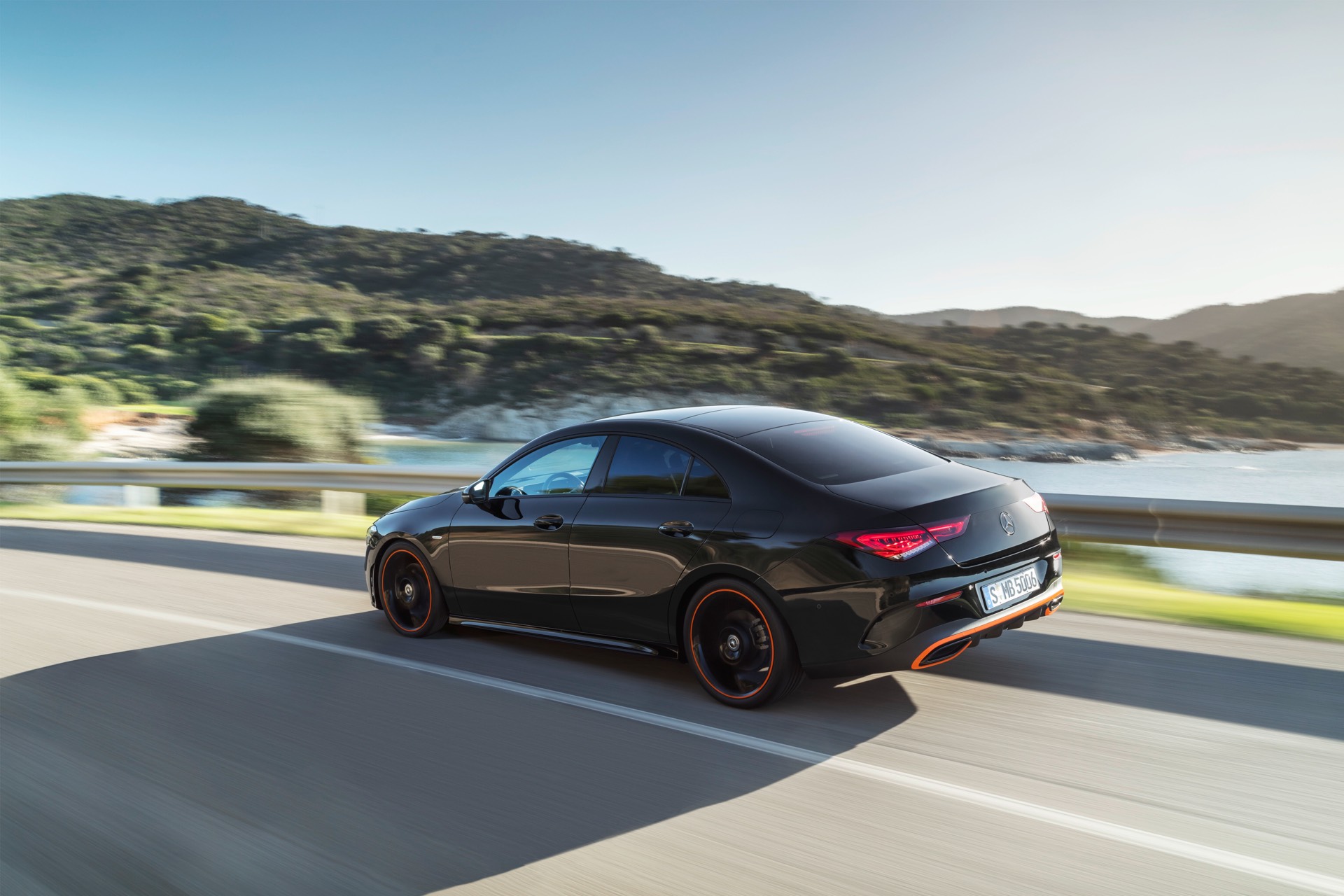
This makes BMW’s competition, the likes of the Mercedes-Benz CLA Class and the Audi A3 Sedan. Both fill niches but have sold well, marketed towards younger buyers who want something small, practical, but with a certain amount of style.

Whether you prefer one to the other likely comes down to personal choice. In terms of the 2 Series Gran Coupe’s defining features, it carries less luggage than the Mercedes-Benz but more than the A3 Sedan. Infotainment is also likely to factor in any buying decision.

Availability

The 2 Series Gran Coupe will make its debut at the Los Angeles Auto Show 2019 which takes place towards the end of November.

Afterwards, expect a market launch in March 2020 with sales to begin soon after

Pricing in Germany will start at €31.950 for the BMW 218i, with the range-topping BMW M235i xDrive commanding €51,900.

Photo Gallery

GTSPIRIT NEWSLETTER

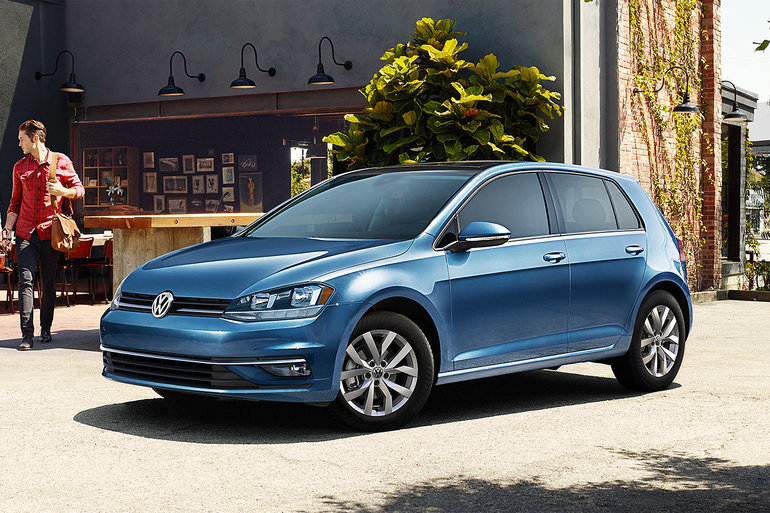
Volkswagen Golf 8 Teased: Preview Changes Over Outgoing Model

Volkswagen is gearing up for the release of a new generation Golf. The Volkswagen Golf is one of the most important Volkswagen models, the German behemoth sells millions of the hatchback models each year. The eighth generation Golf is set to debut next week, before then, we have a teaser sketch.

The sketch reveals a few details about the design. As you would expect, it will be an evolution of the existing Golf. It looks sleeker and wider than before, with smaller headlights which give the effect of spanning the entire front fascia.

Golf 8 Interior

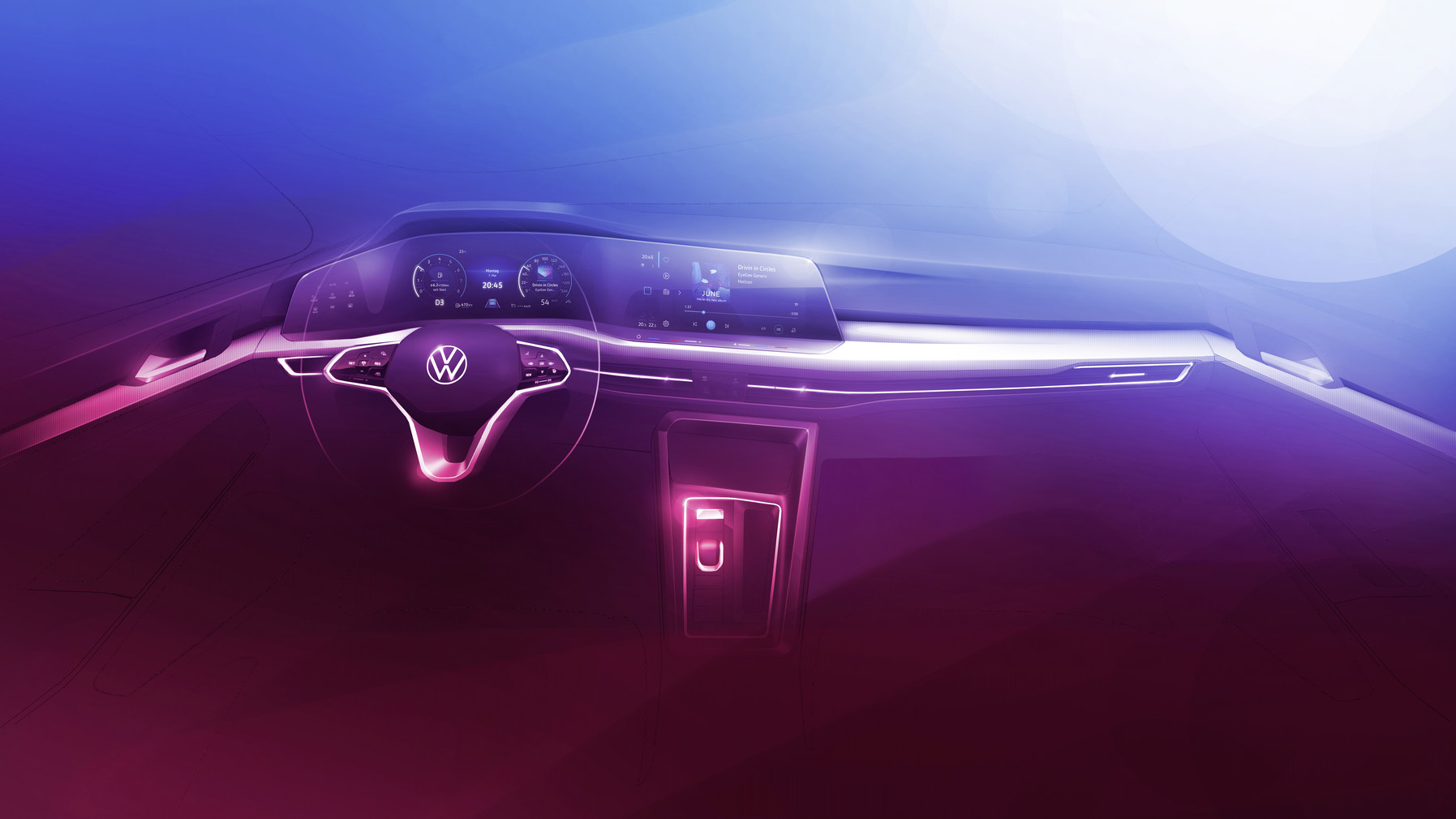
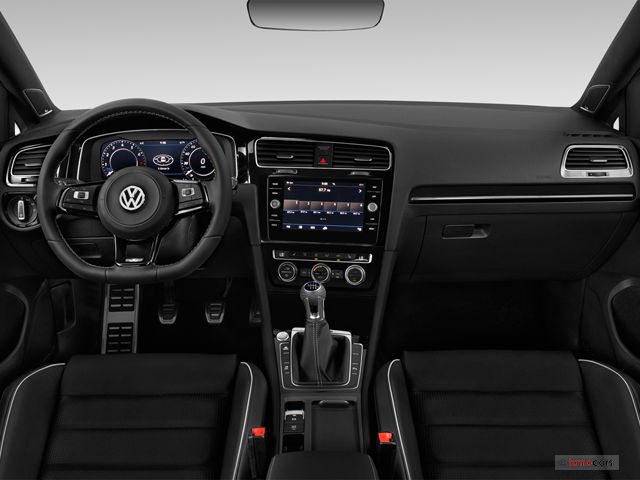
An interior photo shows a central display which blends into the instrument panel. Very few buttons are visible, in fact, we could only spot the electronic parking brake button, gone are the controls for the air conditioning.

Of course, these photos appear to be conceptual sketches. This could mean that the true Golf, when released, does not share the same characteristics, or that items are added.

When the new Volkswagen Golf debuts, it is expected to be made available in European markets first. US markets are unlikely to get quite the same range, however, the popular GTI and R models, which will inevitably follow, should be released stateside in due course.

Outgoing Model

2019 Volkswagen Golf

2019 Volkswagen Golf Interior

GTSPIRIT NEWSLETTER

BMW 530 MLE Fully Restored: First M Model Unofficially

At the start of the year, we brought you a story about how BMW South Africa had located one of 110 Type 1 530 MLE. The MLE is an important part of BMW Motorsport history. Built to homologate a BMW race car, it was the first road-going BMW built by BMW Motorsport and the first ‘M-car’.

The restoration is finally complete with the restored BMW 530 MLE unveiled at the “Home of BMW Legends”, BMW Group Plant Rosslyn. The grand unveiling of the MLE took place in front of four BMW Group South Africa employees who were on hand to build the original more than four decades ago.

The BMW 530 Motorsport Limited Edition was produced on the southern tip of Africa as part of a limited production run. BMW were keen to compete in the flagship Modified Production Series in South Africa. Starting in 1976, BMW South Africa ran a car in the Series, achieving fifteen wins from 15 consecutive starts and 3 championship titles in three consecutive years. BMW eventually retired the 530 MLE in 1985 as the most successful racing BMW 5 Series in history.

In order to compete in the series, it was necessary for BMW to homologate the 530 MLE. 110 units of the Type 1 530 MLE were produced in 1976, with a further 117 versions of the Type 2 530 MLE built on the production line at the BMW Group Plant, Rosslyn in 1977. Very few of these cars are still on the road.

The car is quite special in its own right. It has a 3.0 litre straight six which originally produced around 197 bhp together with 277 Nm of torque, a 208 km/h top speed and a 0 – 100 km/h sprint time of 9.3 seconds. In the context of modern performance, this might not seem a huge amount of pace, in the mid-1970’s it would have been class-leading! The BMW 530 Motorsport Limited Edition also featured weight-reduction measures that included bodywork and pedals drilled by hand, manual windows with no air conditioning, and Mahle wheels.

GTSPIRIT NEWSLETTER
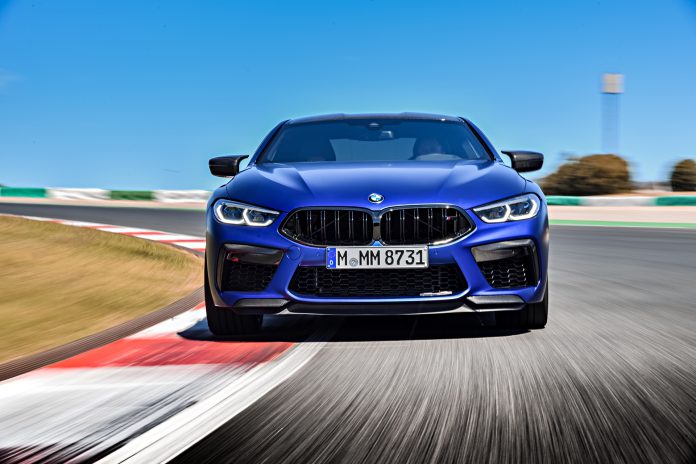
2019 BMW M8 Competition Coupe and Convertible Review

The BMW M8 Competition is a difficult car to place. The replacement of the M6 is tagged by BMW as being a luxury GT car, but one that packs 625 horsepower and 750Nm of torque. Those aren’t numbers that are used to waft from the country estate to the golf course, something I learnt when I went to The Algarve to put the most powerful series production M car in BMW’s history to the test.

After an evening of being inundated with stats and filled with the finest prawns I’ve ever eaten, it was time to see how the figures felt in the real world. Exploiting 625 horsepower on the street isn’t exactly easy, the infamous Autódromo Internacional do Algarve, colloquially referred to as Portimao, had been booked out for us to put the M8 Competition through its paces (the base M8 was not on offer to test on this occasion). Boy, oh boy there was pace. BMW claims 0-100km/h in 3.3 and it feels every bit as fast. 3.3 isn’t a number typically attributable to a wafty GT car, and neither is the way the M8 Competition handles itself around what is one of the most testing tracks in Europe. Stability and control were a focus for the M division and can be directly linked to three innovations that have been created with sharp handling characteristics in mind: M xDrive, Active M Differential and M-specific Adaptive suspension. They each do what they say on the tin and each element takes the poise of the M850i and turns it up a notch to far more serious, track usable levels.

Yes, the car still feels all of two tonnes when you really start to hustle it into bends and quick direction changes, but you’ve got to be forcing it into such a scenario. I suspect 98%, if not more, of owners will never venture onto a track with their M8, but it’s spectacular to know how capable the car can be. The xDrive system deserves a special mention as it allows you to apply power extremely early after an apex, you feel it dragging the car out with terrific grip and speed. That’s not to say that there isn’t fun to be had, with the traction and stability systems in MDM, the rear end comes in to play and is easily adjustable on the throttle.

The 4.4-litre V8 revs to 7,200 but peak power is done at 6,000. The 750Nms come courtesy of two turbochargers that are nestled between the two cylinder banks for a sharper response and less lag. This unit teams up with an eight-speed M Steptronic transmission which is as good as any dual clutch setup on sale today, you are never left helplessly tugging at paddles for downshifts multiple times before they are delivered.

Braking performance is often a point of criticism on BMW M cars, even the carbon ceramic setups of the past have been known to find themselves in a spot of smokey bother after a couple of intense laps on track, not in the M8. Thanks to cutting-edge technology, the brake activation, brake booster and braking control functions are brought together within a compact module. The brake pressure required is triggered by an electric actuator, which means it can be generated more dynamically, pedal feel is optimised and the interventions from the stability control system are significantly faster and more precise. The driver can choose between two pedal feel settings: one more comfort-oriented and the other a particularly direct, instantaneous setting. I can report that the feel remains remarkably consistent even after a pounding on the track.

As I said, I can never imagine myself seeing an M8 on track except for in special circumstances such as a motoGP safety car. The road is where M8s will be used and that’s where the real world consumer testing needs to be done.

Weighing in at 2.1 tonnes, the convertible M8 Competition is around 100 kilograms more than the Coupe and is the variant assigned for the road testing element of the test. It is 0.1 seconds slower to 100 (3.4 seconds) but with the roof retracted the sensation of speed is heightened.

With every new car review I write, I seem to drone on and on about the crippling OPF that has restrained the exhaust noises that enthusiasts so crave. The story is the same here and the soundtrack is not what you would traditionally associate with a 4.4 V8. That being said, M have worked hard to give the M8 some serious bass. It’s not great, it’s acceptable.

On the billiard table smooth tarmac of the track the steering felt numb, there is more weight in the sportier modes, but the feel is absent. The same can be said for the steering on the road. So not very good then? Hold your horses, the M8 really surprised me on the deserted, tight and twisty roads away from the circuit. The coupe was great on track, the convertible continued to exceed expectations on the street. The xDrive system means you can use the power and mammoth torque without fearing for your life, the systems mentioned before, particularly the suspension and diff shine and come together to make the M8 not only savagely fast, but also very easy to drive at speed.

Then you slow down to admire the scenery and stick everything into comfort and the character of the car completely changes – it demonstrates an impressive breadth of ability. The cabin is comfortable, the seats could be a little more supportive but are well suited to long drives. The back seats are usable for adults too, perhaps not for longer journeys but certainly suitable for children. The infotainment system remains one of the best in the business and there are new M displays to separate this from the rest of the 8 family. Gone is the questionable crystal gear selector from lesser 8 series models.

This brings me back to my opening statement: the M8 is a difficult car to place. Is it a 911 competitor? I feel it’s not sporty enough and lacks feel in comparison to the Porsche. Maybe the Bentley Continental GT or DB11? I feel the M8 is not premium enough. The Aston Martin Vantage or AMG GT could be in the sights of the M8, but neither of those can demonstrate the soft, supple cruising abilities of the M8 Competition. Regardless, the M8 Competition stands tall and proud as the current head of the BMW M table with the ability to cruise quietly or attack a road with seemingly endless torque and power. A mighty fine M car.

GTSPIRIT NEWSLETTER
Dubai Ambulance Adds Corvette and Nissan GT-R to Fleet

Dubai has a reputation as the city where hedonistic opulence dominates. Everything is more luxurious. From the seven-star hotels to the endless luxury shopping malls, everything seems gold-plated. In an effort to maintain the city’s reputation, and no doubt in pursuit of Dubai’s show-stopping police department, the city’s ambulance service has this week announced the purchase of three high-end luxury cars.

The police force already runs a fleet of mega-expensive hypercars. The collection includes some of the most desireable cars on earth; the Bugatti Veyron and the Aston Martin One 77, two examples. Dubai’s ambulance service follows this month with the announcement that it has purchased a Nissan GT-R and Chevrolet alongside a new Range Rover.

Dubai Ambulance Corvette

If you suffer a heart attack while out shopping, or get struck watching one of the famous (but highly illegal) Tafheet drift events, don’t expect these vehicles to rush to your assistance. The Dubai ambulance service will use them mostly for patrols in tourist areas and for the odd sporting event.

The Dubai ambulance service suggests that response times can be reduced from 4 to 8 minutes using the vehicles. Each one has been equipped with cardiopulmonary resuscitation (CPR) equipment and oxygen cylinders as well as road traffic-specific resuscitation equipment.

The three vehicles join a Lotus Elvora, a Dodge Challenger and two Ford Mustangs which the service ran prior to its latest announcement.

GTSPIRIT NEWSLETTER

Porsche Panamera 10th Anniversary Editions Revealed

It’s hard to believe that the Porsche Panamera is 10 years old. The production version debuted at the Auto Shanghai International Automobile Show in 2009. It was a controversial design back then. It has mellowed in recent years, yet it has also proved a massive sales success, shifting 251,000 models.

The Porsche Panamera 10th Anniversary Editions have been revealed to celebrate the milestone. The special edition package is available for the four Panamera 4 models; the Saloon and Sport Turismo models of the Panamera 4 and Panamera 4 E-Hybrid.

Each example will get a ‘Panamera 10’ badge repeated on the interior and the exterior. White-gold decorative stitching will punctuate the interior leather.

The Porsche Panamera 10th Anniversary Editions will get new 21-inch Panamera Sport Design wheels in satin-gloss White Gold Metallic.

A huge amount of additional equipment will also be bundled in; LED matrix headlights including PDLS Plus, Lane Change Assist and Lane Keeping Assist, Park Assist, panoramic roof system, privacy glass, heated 14-way comfort seats and the BOSE Surround Sound system.

The special edition models will also receive adaptive three-chamber air suspension, Porsche Active Suspension Management (PASM) and Power Steering Plus.

The catch? The Porsche Panamera 10th Anniversary Edition will only be made available in Germany.

GTSPIRIT NEWSLETTER
New Aston Martin DBS GT Zagato Revealed: $7.4 Million Price Tag

Aston Martin’s latest collaboration with Italian design house, Zagato, has been revealed. The Aston Martin DBS GT Zagato is also the most expensive to date. Customers will have to stump up $7.4 million to own one! Of course, the DBS GT Zagato isn’t an ordinary supercar purchase.

The Aston Martin DBS GT Zagato has been promised for some time. It is only available to customers of the Aston Martin DB4 GT Zagato Continuation; a two for one deal!

It makes its debut at Audrain’s Newport Concours in the United States. The DBS GT Zagato is the final part of Aston Martin’s DBZ Centenary Collection, built to celebrate the 100th anniversary of the Italian coachbuilder.

The Aston Martin DBS GT Zagato gets a 5.2-litre twin-turbo V12 with 760 bhp. This means that the DBS GT Zagato gets 35 hp more than the standard Aston Martin DBS Superleggera. Performance figures have not been disclosed. Zagato models tend to be less about engineering and all about the design.

It uses the special Zagato colour, Supernova Red, with contrasting exposed carbon fibre accents and Satin Black and Gold 3D machined wheels. The design incorporates a gloss-finish carbon fibre roof and rear diffuser together with 18-carat gold wings badges front and rear, black anodised active front grille, gold anodised side strakes and centre-lock wheel nuts.

Inside, the Aston Martin DBS GT Zagato gets Caithness Spicy Red leather, Zagato ‘Z’ seat quilting and satin-twill exposed carbon fibre. A big part of the DBS GT Zagato is its configurable carbon and metal 3D-printed interior finishes. Elements of the interior design will be fully custom using 3D printed Carbon, Aluminium, or Gold PVD (physical vapour deposition).

‘Q by Aston Martin’ will take care of the customisation. No two cars will be the same. Just 19 will be produced.

GTSPIRIT NEWSLETTER
Abt Creates One-Off 400hp Audi A1 as Ultimate Pocket Rocket

Not content with waiting for a performance version of the Audi A1, Abt recently announced a one-of-one tuning package. The Abt A1 “1of1” was built for Daniel Abt, Abt racing driver and the son of owner and principal of the Abt Sportsline team, Hans-Jürgen Abt. The ultimate pocket rocket features a unique set of updates.

The Abt A1 is fitted with a bespoke Abt bodykit. The design is clearly inspired by DTM with new front fascia, incorporating a deep front splitter and a new set of air intake surrounds and multiple canard-style air channels. The fenders receive a bolt over look, widening the bodywork significantly. There is a new bonnet, side skirt and mirror coverings. At the back, Abt have fitted a massive rear spoiler alongside a new rear diffuser.

The package is finished with a new set of wheels. The 19-inch ABT ER-F forged wheels are finished in black and recieve a set of internally mounted golden aero-rings, evocative of Abt’s Formula E car.

Based upon the 40 TFSI model, ABT has breathed new life into the 2.0 litre TFSI engine. How have they managed to generate 400 hp? The explanation is complicated, because Abt have infact switched the engine from a standard 2.0 litre TFSI to an unspecified 2.0 litre TFSI, likely with racing parts.

Still, should you wish to have your own version, Abt will hapily forego the engine transplant and fit a set of modest performance enhancements, with a new stainless steel exhaust system and 114 mm tailpipes, booting power to 240 hp.

The “1of1” is complete with a set of H & R suspension sprints, rear seat roll bar and a complete Alcantara interior upgrade. Last but not least, Abt are proud of the Erik Aleksanjan, geometric pattern designed which they have termed the “polygon split design”. The design was penned by the same man who styled Jon Olsson’s Audi RS6 Avant!

GTSPIRIT NEWSLETTER
Liberty Walk Previews SEMA 2019 Creation: Widebody Lamborghini Huracan

SEMA 2019 is just around the corner. It is the biggest annual tuning event. It takes place in Las Vegas every year, showcasing some a wide range of tasteful, and tasteless, aftermarket modifications.

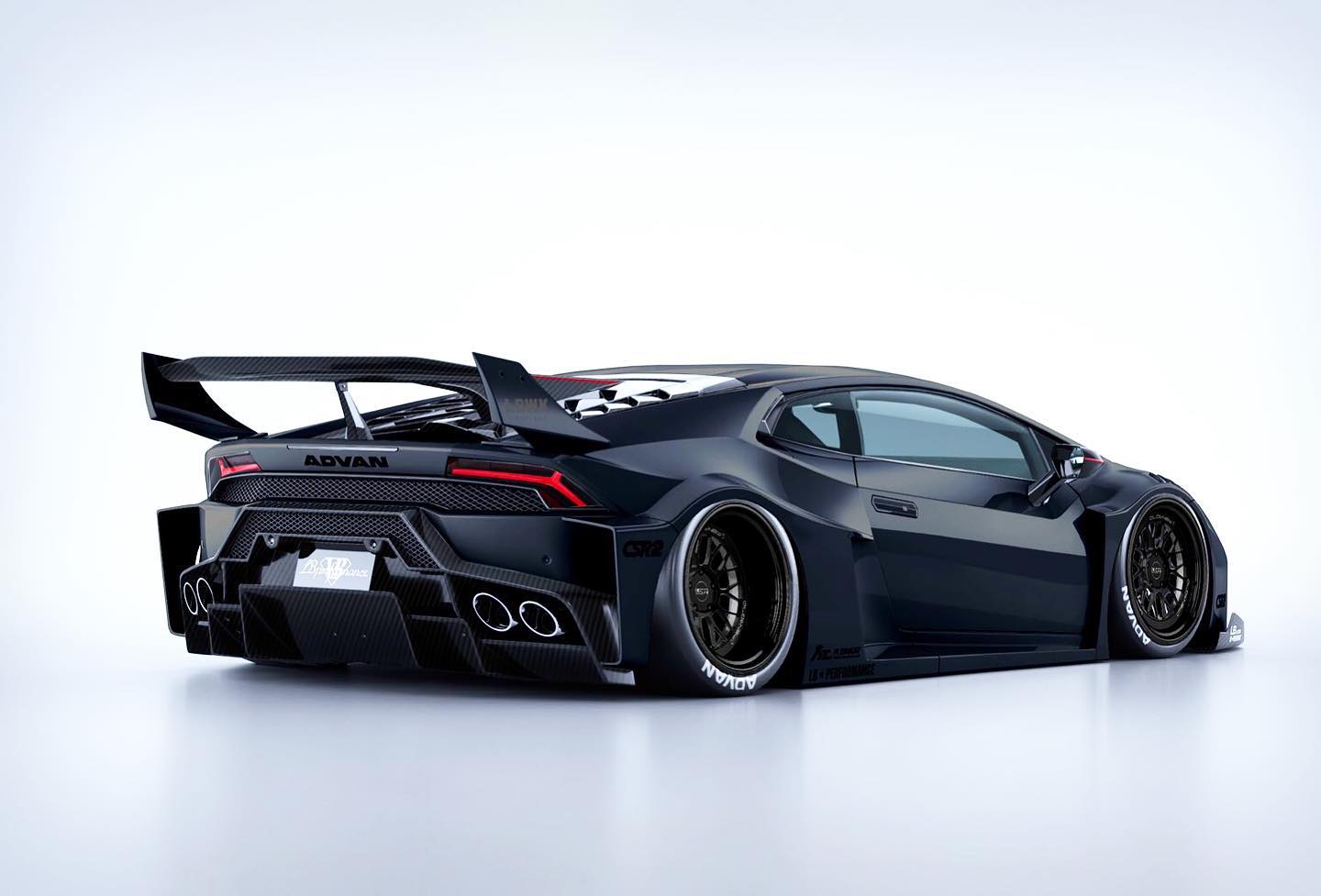
As far as the performance market goes, one of the biggest international names, Liberty Walk, has announced that it will show a widebody Lamborghini Huracan.

Rear Wing Huracan Liberty Walk

Liberty Walk already produces one of the most popular Lamborghini Huracan body kits. This latest version builds on what is already available and adds parts inspired by the Lamborghini Aventador SVJ!

It’s clear that the Liberty Walk program isn’t for those that want the ability to easily reverse the modifications. Extensive modifications have been made, adding width, a massive rear wing and a carbon fibre front hood.

The wheel arches include a front-wheel arch vent and fender gills a new side skirt leads to large air intakes which feed the rear-mounted engine. At the front, a new bumper includes a redesigned front splitter. It blends into the new front hood.

The rear gets a new engine cover which supports the rear spoiler. The massive carbon fibre unit imitates the SVJ with the centreboard. The rear bumper is entirely new with a large rear diffuser and aerodynamic rear wheel outlets.

The ride height has been slammed to the ground for maximum effect, suffice to say you would not get far on most modern roads!

GTSPIRIT NEWSLETTER

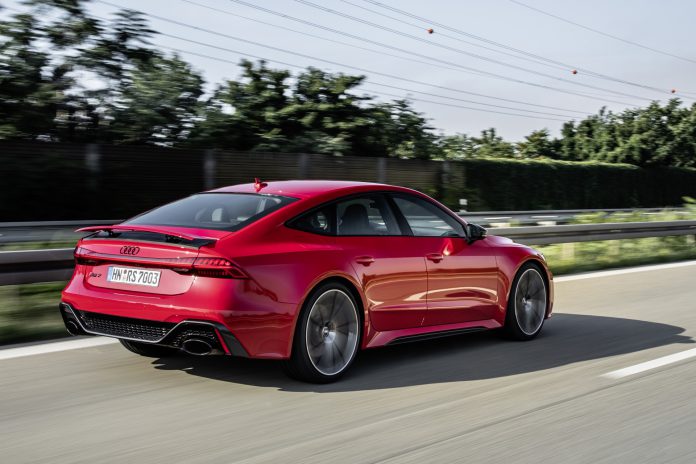
2020 Audi RS7 Sportback Review

There forever has been and, hopefully, will always be an inexplicable level of cool associated with a fast German saloon car. Perhaps it is that they are based cars on which are typically a little beige, boring and, more often than not, diesel barges that trundle down the autobahn minding their own business. Then the skunkworks departments at the likes of M, AMG and RS get to work and the results are snarling hulks that both look and feel like swollen hulks of the timid cars they once were.

Since the turn of the millennium, there have been a couple of personal highlights: the E60 BMW M5 saloon and estate which both featured derivatives of the Williams F1 V10 that howled like nothing else, and the Audi RS6 Avant that also featured a mighty large V10 taken from the Lamborghini Gallardo. The recently replaced Audi RS6 is also up there nestled amongst the best. The pressure is on for the new one to deliver, but the opportunity to drive the RS6 is a few months away. To whet the appetite, Audi asked if I would like to drive the RS7, a car that seems to have been somewhat overshadowed by the mass hankering the market had for the RS6, despite both cars sharing the same mechanicals underpinnings. Could the latest iteration steal the hearts of many as the RS6s of the past had? To find out, I flew to Frankfurt.

Let’s get the numbers bit out of the way: at the heart of the package sits a 4.0-litre V8 engine producing 600 hp and 800 Nm of torque. 100 km/h is dispatched in just 3.6 seconds with a 250 km/h top speed. The Dynamic package removes the limiter, pushing this up to 305 km/h.

A 48-volt system runs a belt alternator starter with car recover 12 kW of power for use between 55 and 160 km/h. The system is meant to provide instantaneous power to the drive while offering the ability to coast on electrical energy with the engine switched off. The cylinder on demand technology further aids fuel consumption. Power is fed to a Quattro permanent all-wheel-drive system through an eight-speed tiptronic transmission. The RS7 gets a launch control function with torque control provided through a sport differential, part of the optional Dynamic and Dynamic plus packages.

That’s that, what does this all feel like off the paper and on the tarmac? Well, that depends on one decision that owners will have to make, it makes a rather considerable difference: suspension. The RS7 can be optioned with either the standard, more comfortable, RS adaptive air suspension or an optional sport suspension with Dynamic Ride Control, that is the one you want. Why? The optional DRC set up is harder and, yes, it is touch harsher on the road. Make no mistake, it is still comfortable when you’re cruising, but when you get a hustle on, the body control and the limit before understeer and tyre squeal become a factor, is far higher.

I am no track day magician, but I was finding the handling limits of the car in the air suspension fitted cars remarkably easily. The conventionally sprung car felt far more up for a good time, and as a result, I feel it is worth the comfort trade-off. All cars tested rode on massive 22 inch wheels all around.

What about the performance? My first thoughts on the autobahn were ‘oh, it’s not THAT quick’, I then looked down and noticed I had hit the top speed. In gear acceleration in first, second and third in particular, is astonishing. It feels every bit 592bhp quick. At speed, the sensation of power is somewhat stymied by the lack of a certain characteristic: sound. There is a huge 4.0-litre V8 under the hood, but you would have no idea judging by the sound in the cabin. It is a little depressing, but it is a sign of the times in a world muzzled by the legislative necessity for the awful OPF. Audi combated my comment stating that they wanted to keep the noise authentic and refused to pipe fake sounds into the cabin…if you listen carefully you can hear BMW M retreating into the bushes.

Back to the bends, there is a lack of something here too, steering weight and feedback. This is a gripe that I’ve had with Audis for years, the chances of this being remedied in the RS7 were slim, it is a little difficult to understand what the front tires are doing and where the limits of adhesion are when there is such an absence of palpable communication coming through the wheel. That being said, there is good news too. The car is savagely fast out of bends and the 48 volt antiroll system masks the weight as well as you could ask from a car that weighs in at 2,500 kilos. As previously mentioned, the DRC suspension is where the car is at its best. It must also be noted that the gearbox is fine on the way up, but hesitates on downshift – third to second, in particular, seems to take an age.

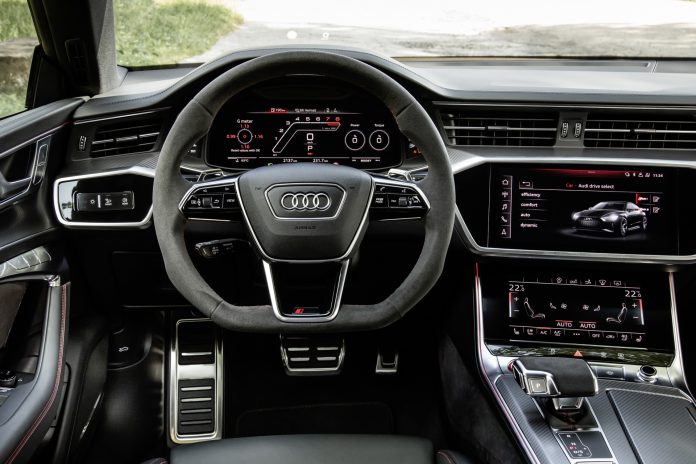
Inside there are a few niggles, but on the whole, the interior is a very pleasant place to be. There are lashings of leather, alcantara and plenty of room in the front and rear. There are also walls of screen. The dash is impressive and there and a multitude of configuration options to display as much data as I’ve seen in a machine this side of an F16. For me, the two stacked central touch screens are a little fiddly on the move and require more concentration than I would like to give them when pushing on or trying to focus on a twisty stretch of tarmac. This, I guess, is personal preference and others may love them as much as I loathe them. On the whole, I feel there could be more going on in the interior to set the RS apart from the series A7 to reflect the changes to the exterior. It lacks a special touch.

On the whole, the RS7 is a mighty fine piece of kit. If you’re in the market for an M5 to E63, the RS7 really is a viable alternative. It is a little softer and quieter than the aforementioned cars, but is by no means slower. It features all the tech you could ever need, is spacious and in plenty fast. Audi claim 0-100 in 3.6, I saw 3.2 time and time again with the deeply effective launch control activated. To answer my opening question, yes, I really think this car deserves adoring fans as there is plenty to love in this new RS7 as there has been in every RS6 to date. Now we need to see just how impressive the new RS6 is.

GTSPIRIT NEWSLETTER

450hp Manual: Details Leaked on 2020 BMW M2 CS

Details on the BMW M2 CS are beginning to emerge. Alleged leaks apparently confirm key aspects of the hardcore 2 Series model. The details allegedly arrive through attendees of a private event in Belgium last week.

The Bimmerpost insider confirmed that BMW’s 3.0 litre straight six engine will get a boost up to 450 hp. The power will be fed to the rear wheels through a manual gearbox with the automatic DKG gearbox an option.

BMW will also fit active suspension And updated sports brakes with red calipers. Carbon ceramic brakes will be optional. The M2 CS will be offered with 763 M wheels in gold or black, with regular or sport cup tires.

Plenty of carbon fibre components will complement the looks. A new hood, roof, outside mirror covers, trunk lip spoiler, front spoiler lip, rear diffuser, central console and door handle will all feature carbon fibre elements. The M2 CS badge is apparently finished in chrome and Alcantara also features heavily in the door and seat design.

The seats are lifted straight from the M4 Competition seats and feature red stitching. The back seats are now fixed so cannot be folded. BMW are expected to offer just 4 colours for the M2 CS; Alpine White, Misano Blue, Hockenheim Silver and Saphire Black.

We are expecting to see the BMW M2 CS very soon with production of the 2,200 models to begin in April.

GTSPIRIT NEWSLETTER