All posts in “architecture”

How To Score A Private Tour At The Louvre Museum

No Paris itinerary is complete without a stroll inside the hallowed halls of the Louvre Museum. Popular works of art, some of which staples in pop culture dialogue, reside here. Seeing them up close would be an experience like no other.

But why not take it further with a private tour around the iconic museum?

As it turns out, you don’t have to be Beyoncé or Jay-Z to score some alone time with Mona Lisa or Venus de Milo. But you do have to have the same amount of paper to show for it. The Louvre Museum Private Tour, which costs $34,000 apiece, begins with a Tesla ride from your hotel to the Louvre Museum’s glass pyramid main entrance.

From there, you’ll be guided through a private, after-hours Louvre tour starting in the medieval section. No other tourists will be there except those as rich as you who snagged a ticket. A historian will take take you throughout the labyrinthine quarters of the sacred space. During which you’ll see highlights like the Winged Victory of Samothrace.

The 90-minute Louvre Museum Private Tour ends on the Pont des Arts bridge, where guests will exit on a private boat for a quaint ride down River Seine.

The solo excursion is obviously far more expensive than the museum’s regular-day admission of €15. But if you think roaming the vast corners and pockets of the Louvre during the quiet hum of night is worth the asking price, then be our guest.

The Louvre Museum houses more than 500,000 works of art, though only 38,000 are exhibited. The pricey Louvre Museum Private Tour isn’t just about luxury, though. It’s also about savoring a handful of the museum’s most treasured pieces without the chaos of crowds.
MORE INFO HERE

St Andrews Beach House

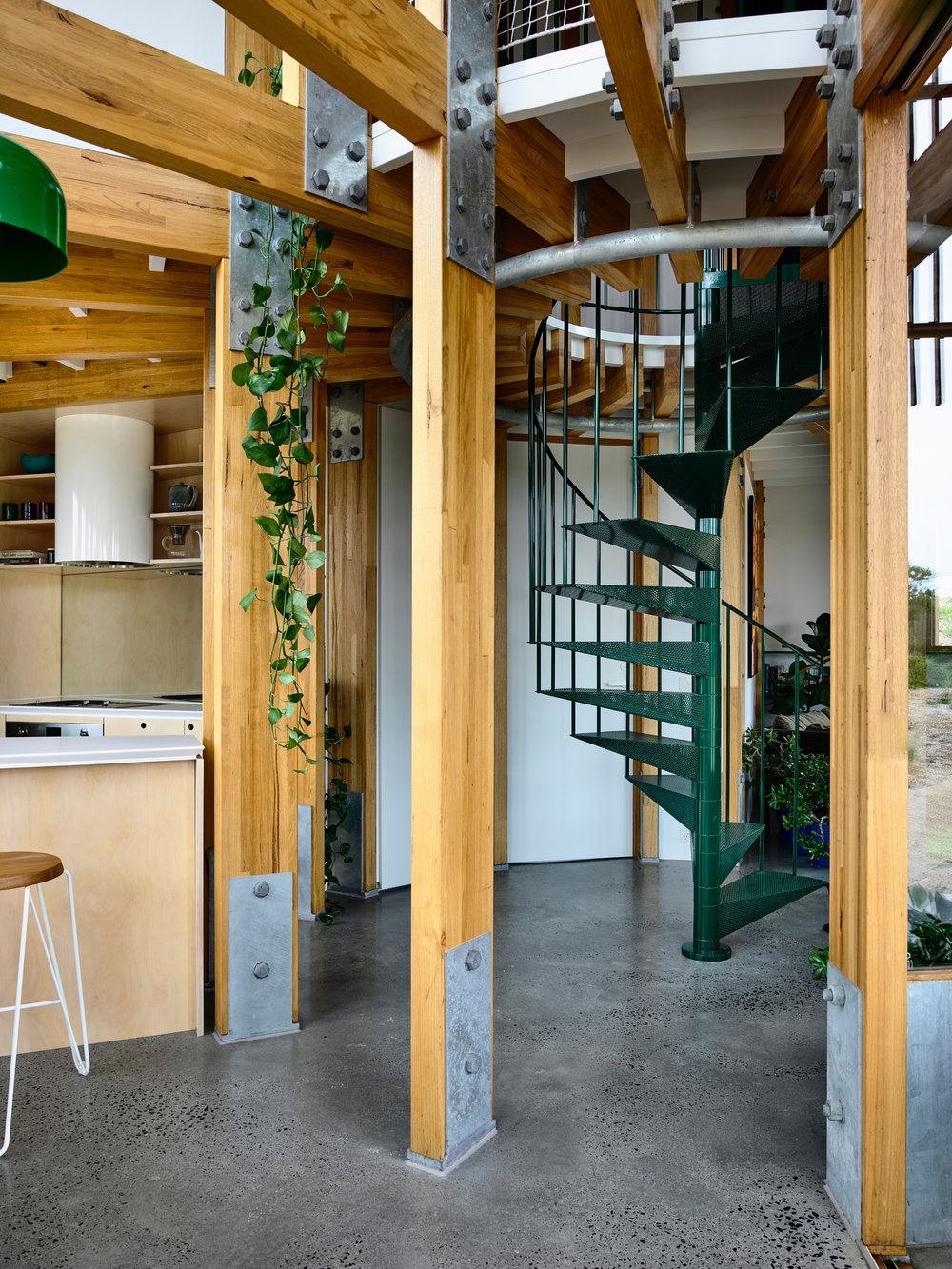
We’ve written plenty about beachfront properties here at Men’s Gear, but the St Andrews Beach House, as seen above, is perhaps the most striking of them all thus far.

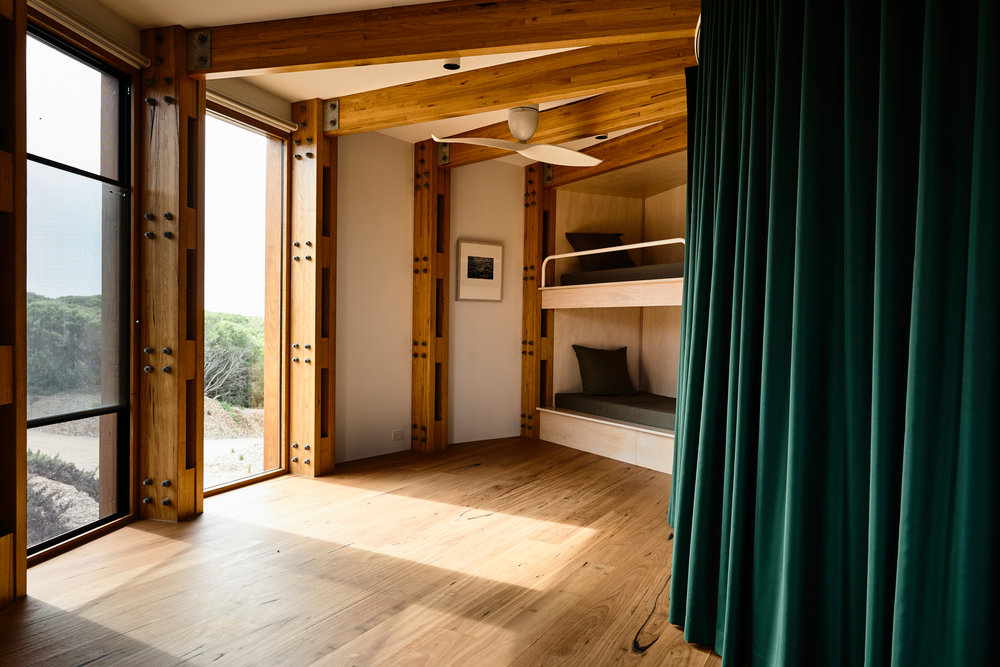
Instead of subscribing to conventional architecture, Austin Maynard Architects completely got rid of corners and made a circular plan. The result is a dynamic, eye-catching structure that looks like a massive block of wood that sits on top somewhere on the coast of Victoria’s Mornington Peninsula.

From outside, what’ll strike you the most is its timber-clad facade, which call forth images of classic sheds. What’s great is that overtime, these planks will weather, making the St Andrews Beach House as live and organic as the greenery surrounding it.
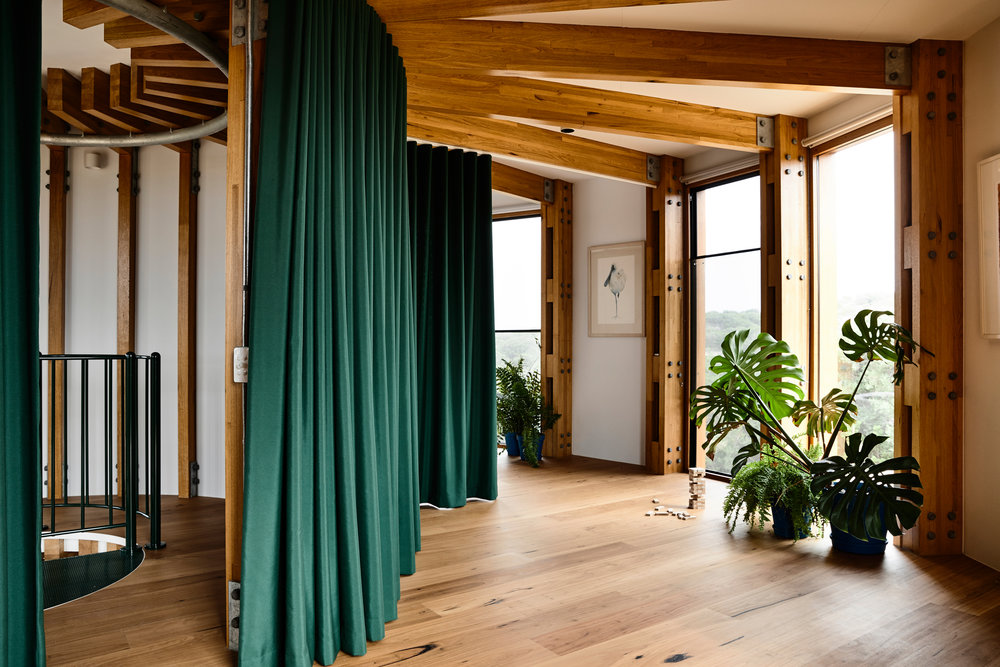
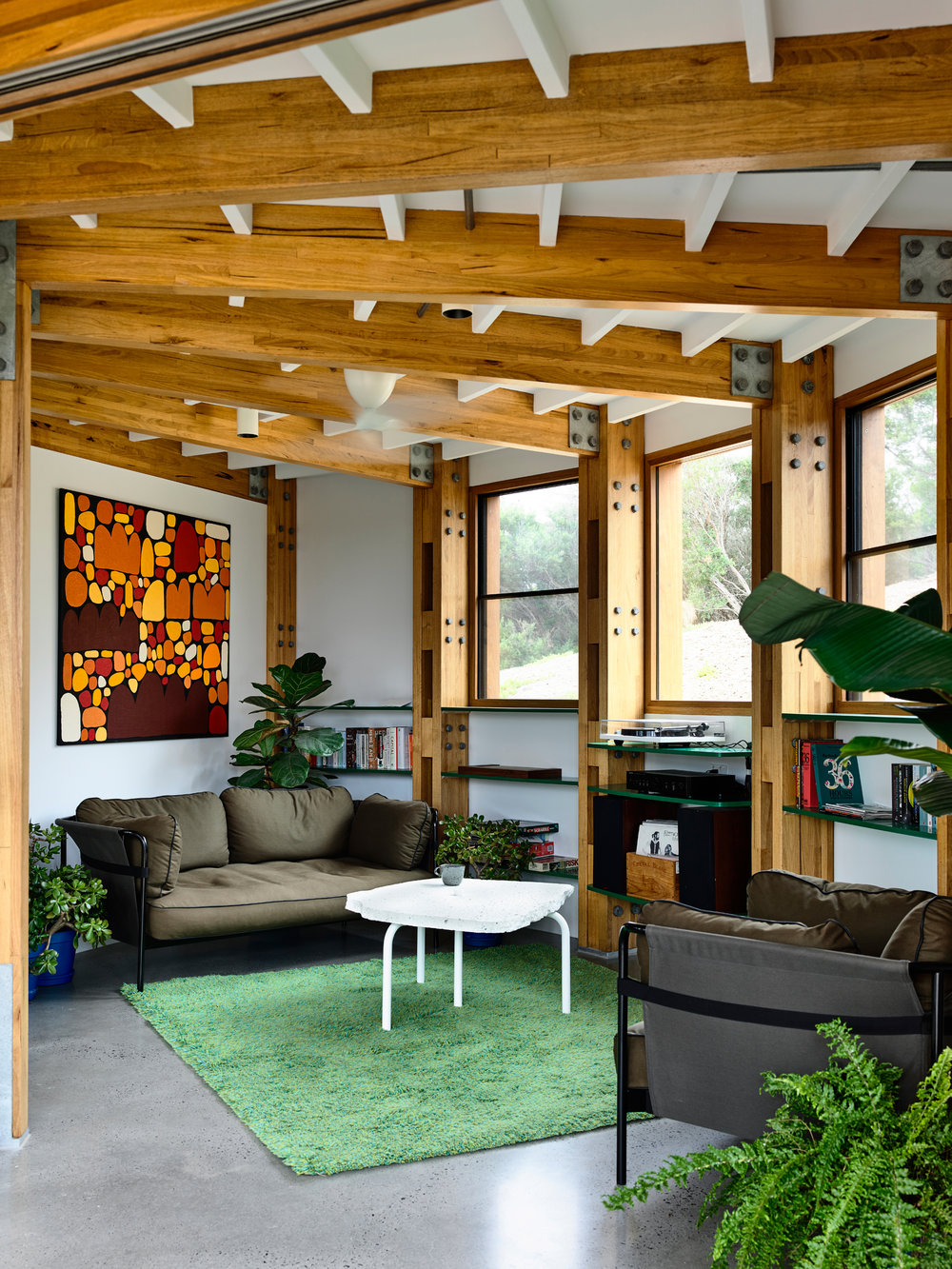
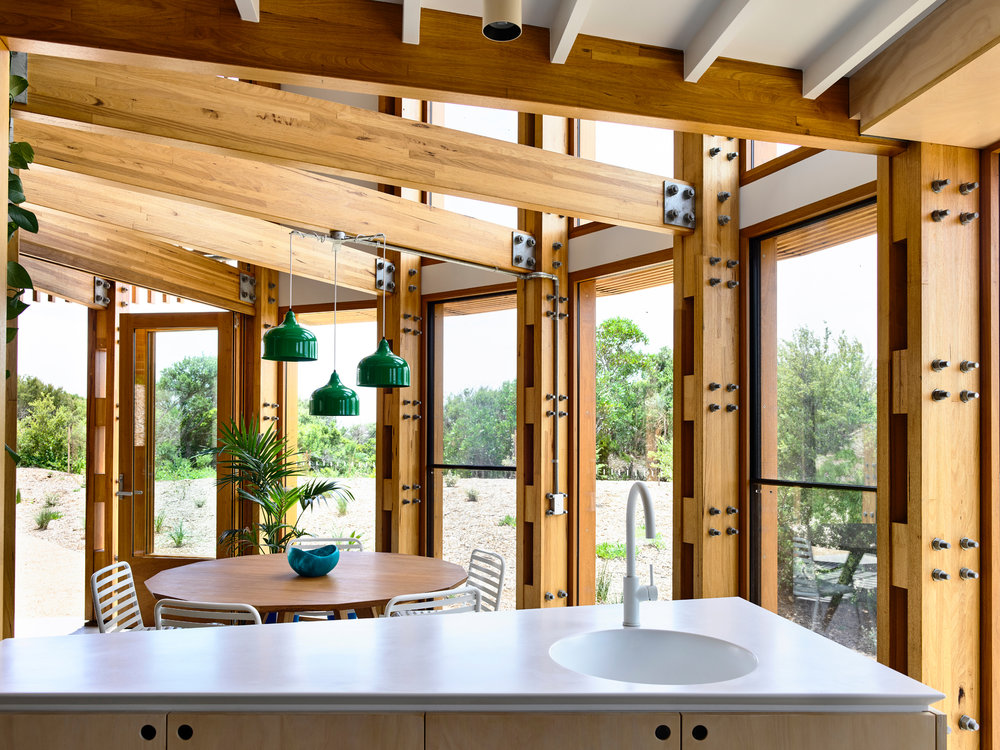
Inside, you’ll find very few, if any, walls or corridors. As such, the two-story cylinder offers unobstructed views whichever point you’re looking from. That synergy is hard to achieve, even for extremely open flans. And yet the St Andrews Beach House pulls it off with ease thanks to its circular shape.
Typically, beach houses offer terraces or balconies for mesmerizing views of the ocean. The St Andrews Beach House has none. However, the entire living room downstairs is so open that it’s basically a terrace in and of itself.

Also, instead of private sleeping quarters, the home features a single bunk room separated by curtains. It’s so open that it can also double as extra living space or a games room. And you don’t need to go there to sleep. One of the primary principles of this is actually, “Wherever I lay my head, that’s my bed.” Name a more iconic concept.

SEE IT HERE

Photos courtesy of Austin Maynard Architects

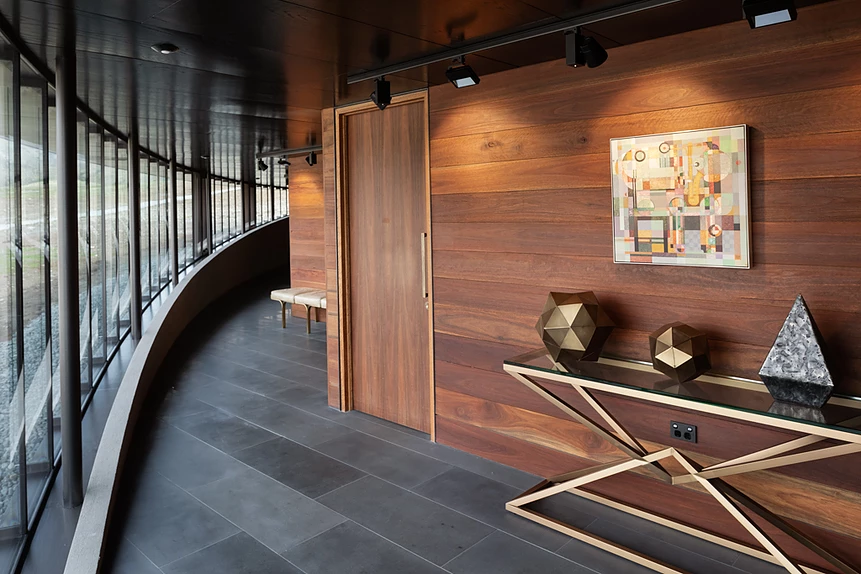
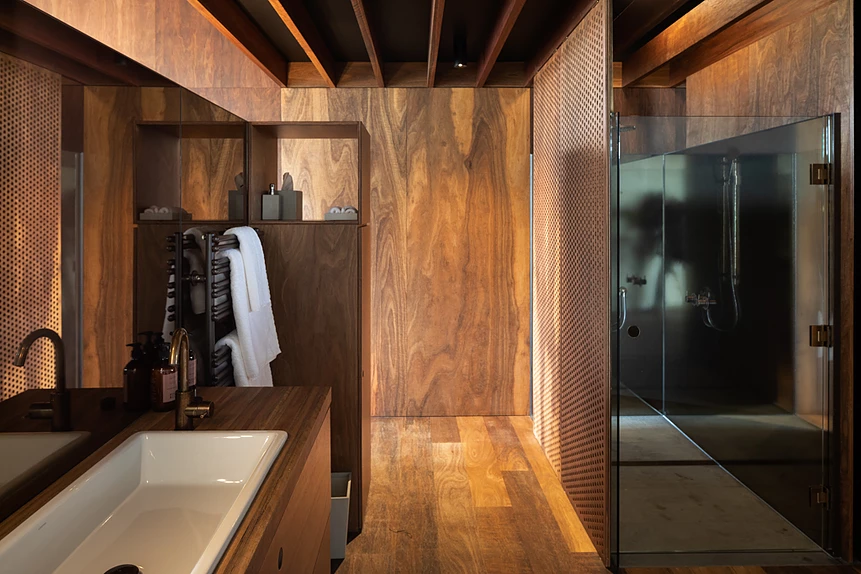
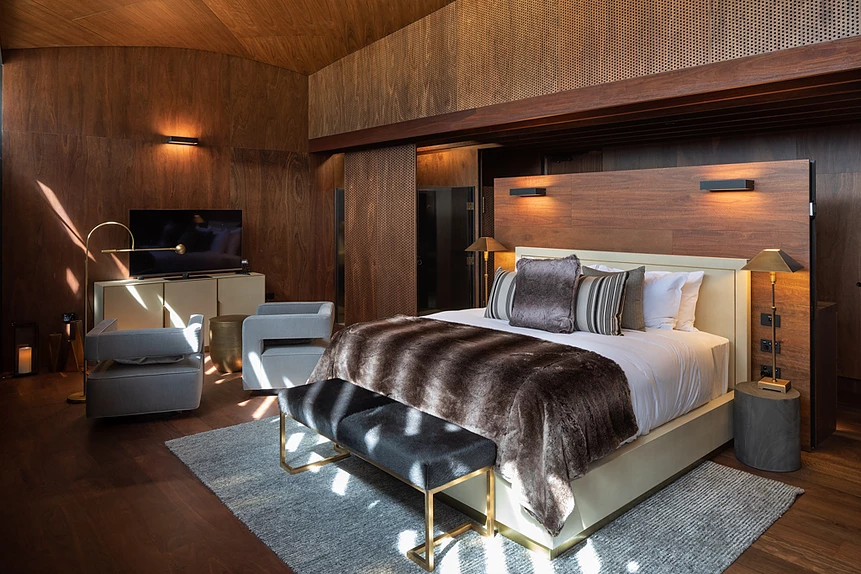
Head Out Into The Lavish Outdoors With Lindis Lodge

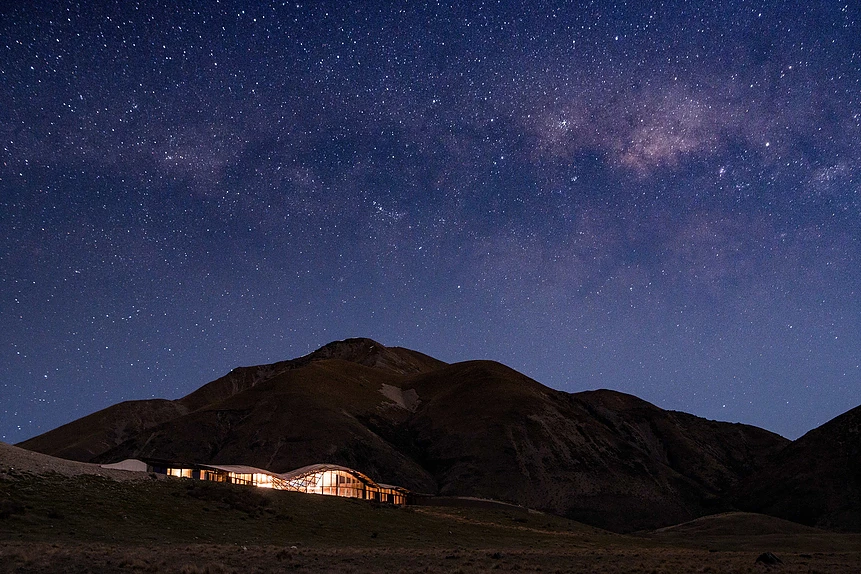
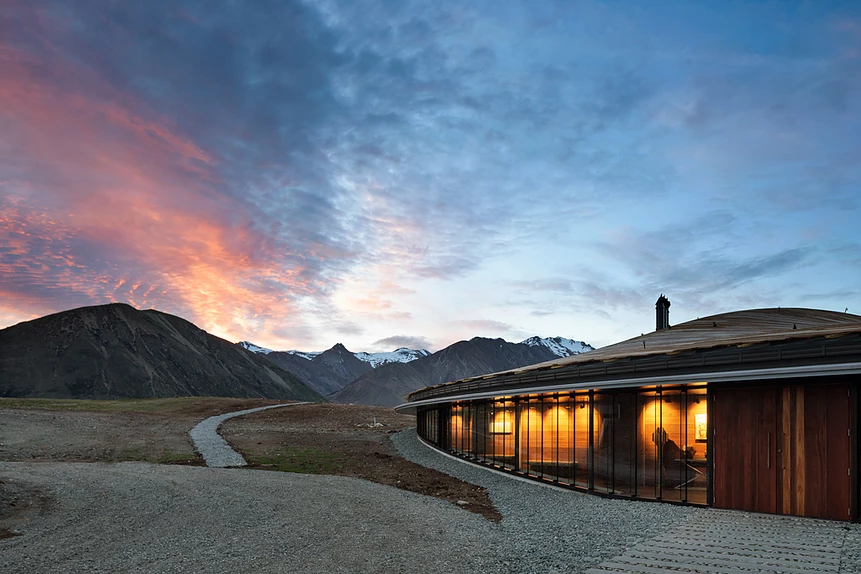
New Zealand is probably one of those countries you see pictures of in your feed everyday and swear to visit someday. But it never happens. Maybe the Lindis Lodge will finally nudge you to hightail to the southwestern Pacific Ocean and visit this country’s wonders.

The quaint and cozy little retreat sits alone against a vast panorama of mountains and grasslands. It tops the “Places Where You’ll Feel Like The Only Person In the World” list.
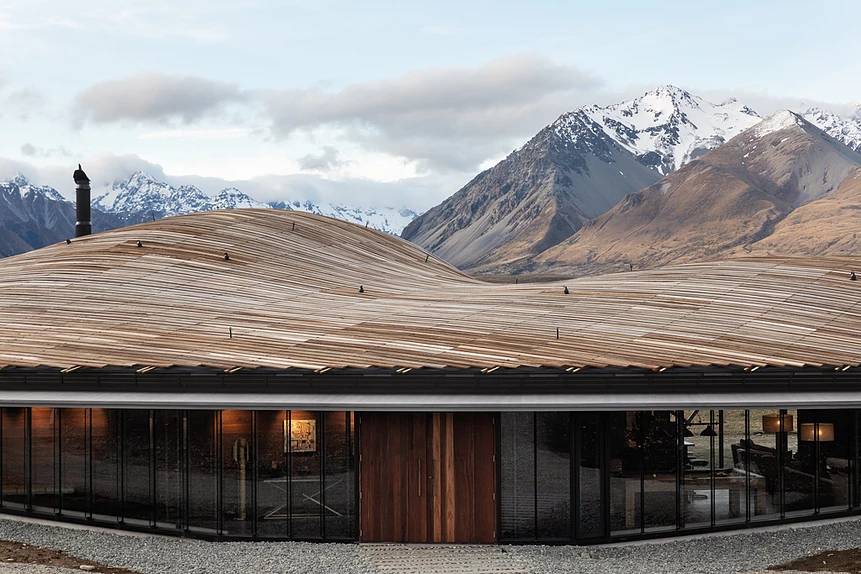
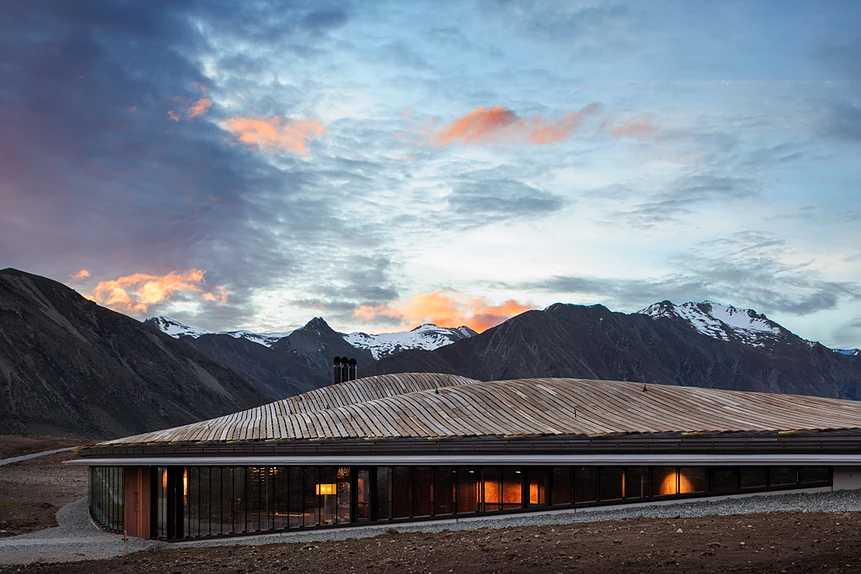
Lindis Lodge and its 6,000-acre periphery nearly goes undetected, and there’s a good reason for that. The structure’s wood plank roof is camouflaged, as if it’s part of the landscape. The effect is mesmerizing, like the whole place is wedged into a giant crevice just waiting to be discovered.

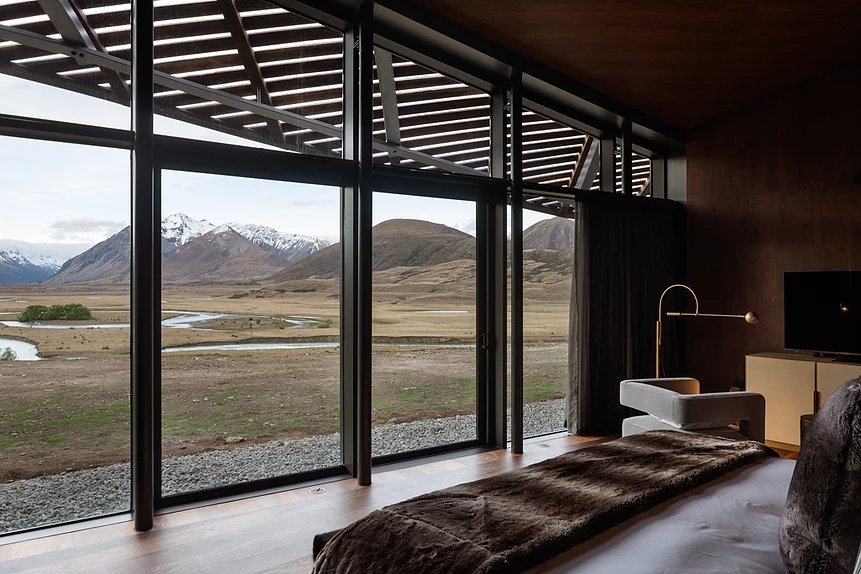
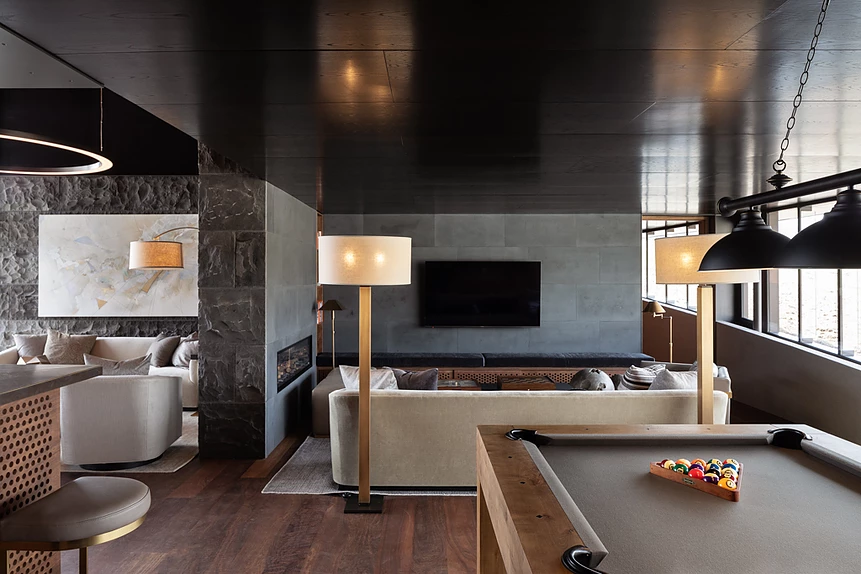
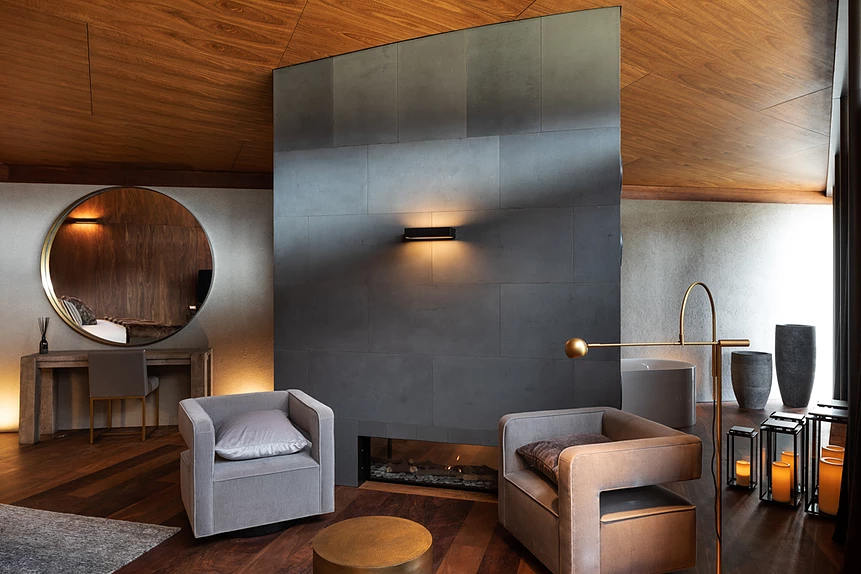
The inside is as tantalizingly beautiful as the exterior. Floor-to-ceiling windows line the space generously, letting visitors peak outside the majestic Ahuriri Valley. Such a design invites the outside in, creating a delicate and organic synergy between the outdoors and inner comforts.
There are a host of activities that await outside, most of them in the Ben Avon station. You can try horse trekking, fly-fishing, or just good ol’ biking. If you’re aching for a bit more adrenaline, you can go off-roading with a 4WD buggy. Or for something more extreme, you can glide across Mt. Cook and Milford Sound.
Then, just as the sun begins to dip down the picturesque mountains, you can head inside. Pop open a bottle of champagne. Snuggle down into your blanket. And do it all over again the next morning.

SEE MORE

Photos courtesy of Lindis

Petre Island On Lake Mahopac

There’s a funny thing they often say about New York. That the only trees you’ll ever find in the city are in Central Park. It’s funny, of course, but it’s also terribly wrong.

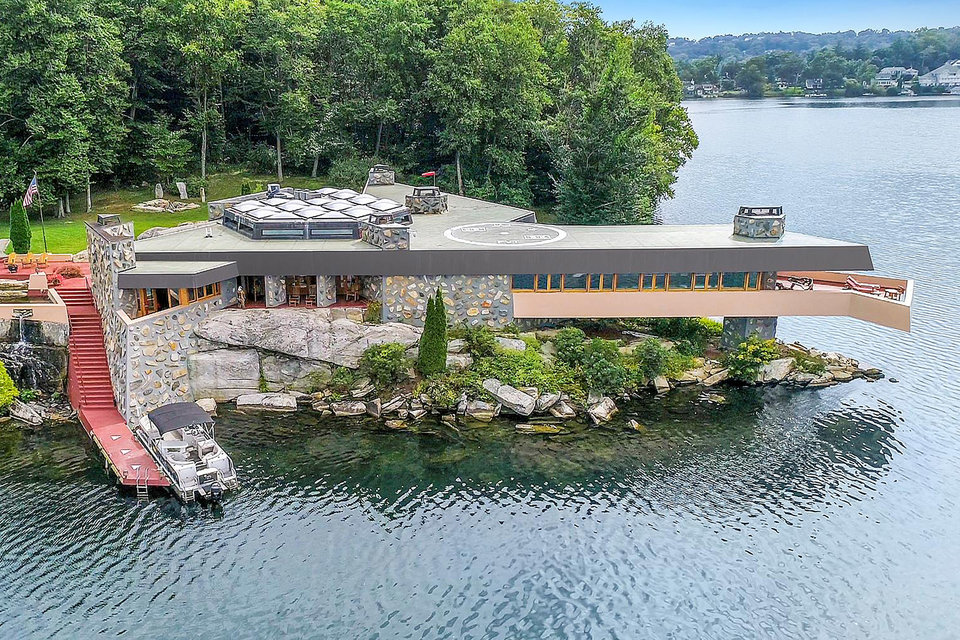
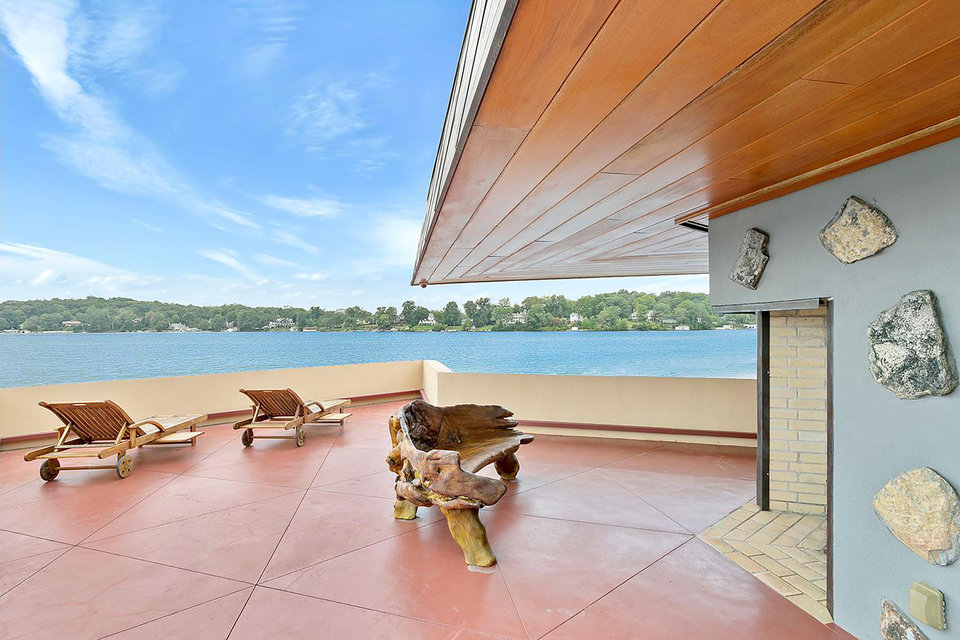
Beyond the grime, noise, and filth of the bustling urban metropolis, you can score this million-dollar idyll smack dab atop this private island in Lake Mahopac.

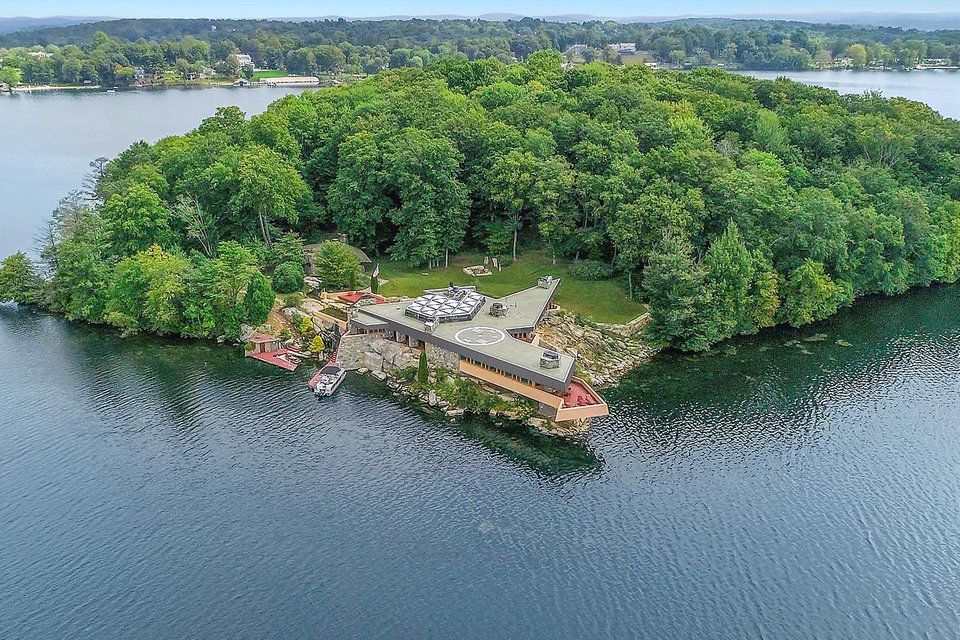
Petre Island is a rare piece of property. Not just because it’s a private island located in one of the most expensive states to buy property in, but because it’s got houses made by a legendary architect.

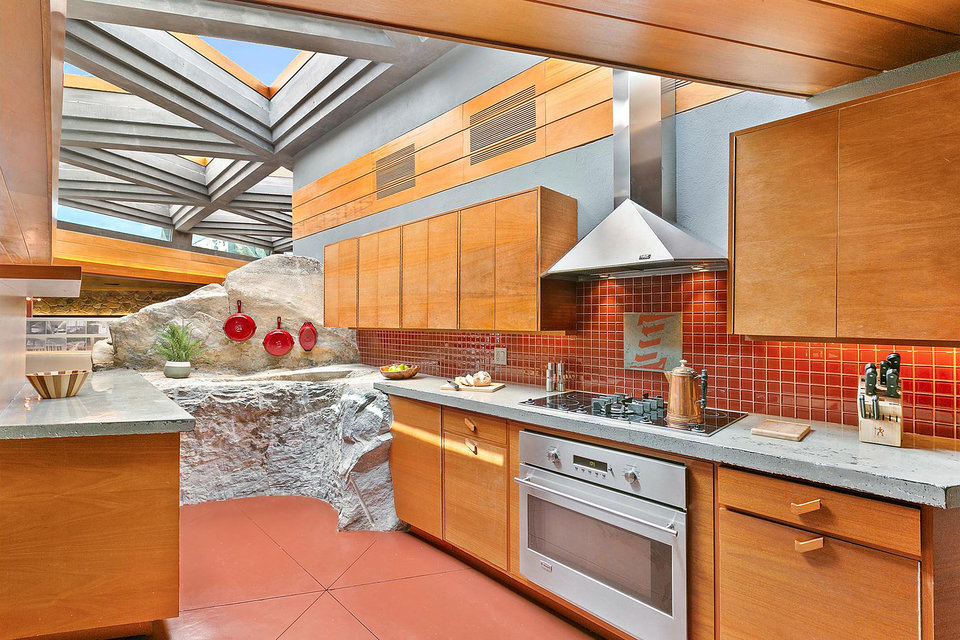
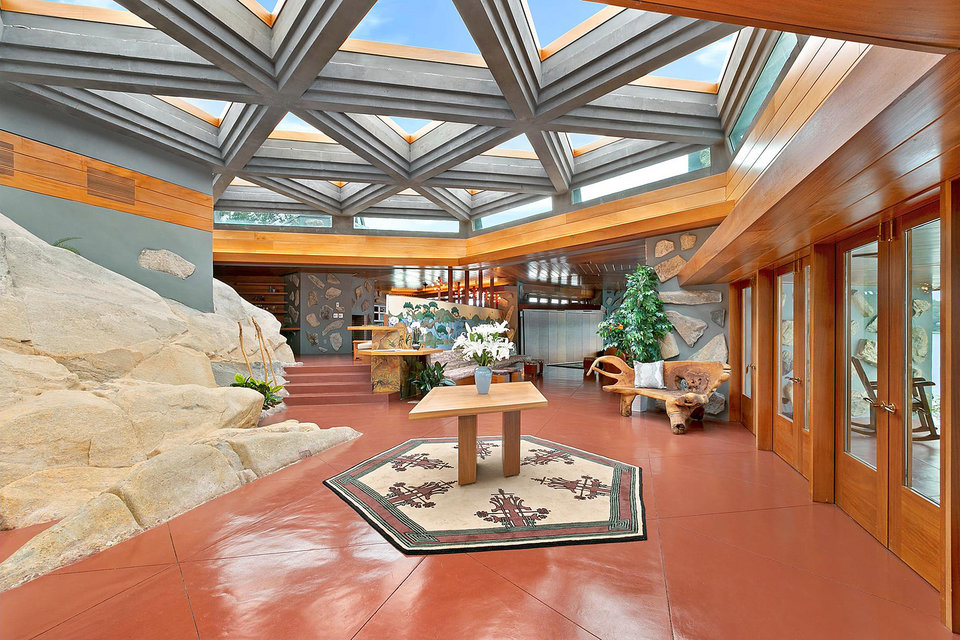
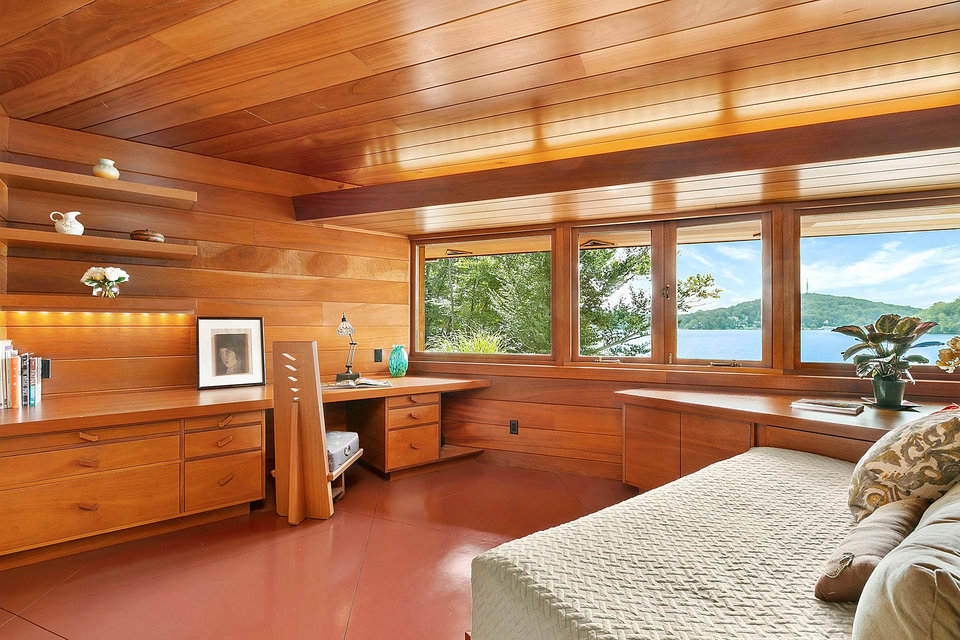
On the edge of the ten-acre, heart-shaped Petre Island sits two houses made by none other than Frank Lloyd Wright. The first one, a guest cottage, was built in 1950 and has three bedrooms and a single bathroom. The other, a main house, was finished in 2007 and has four bedrooms.

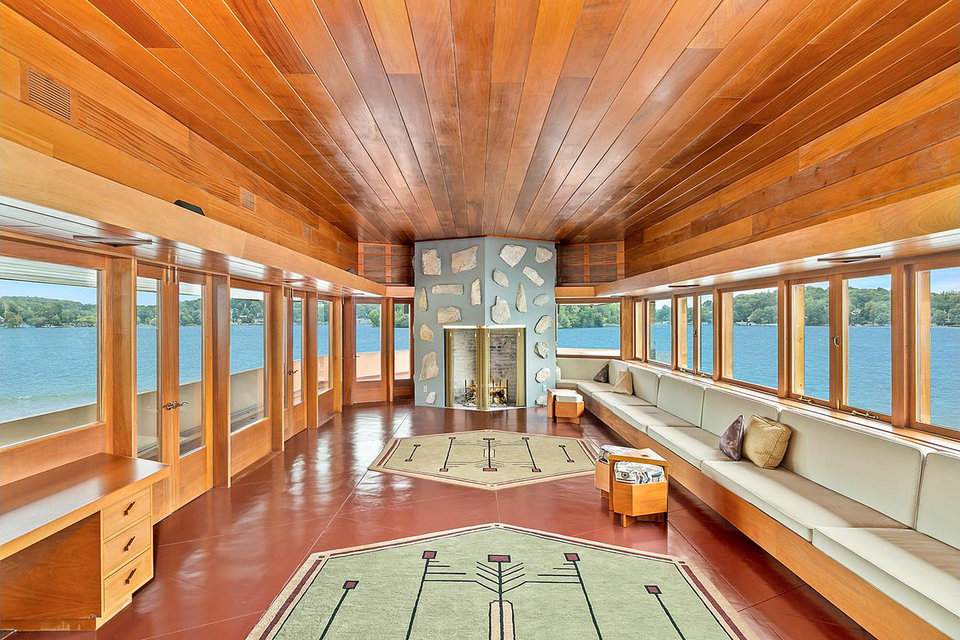
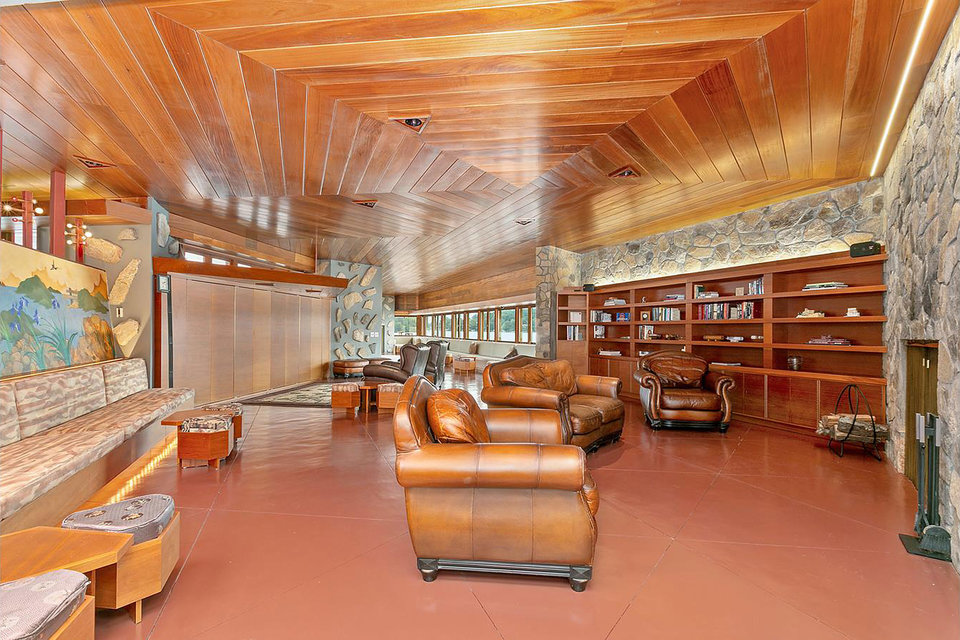
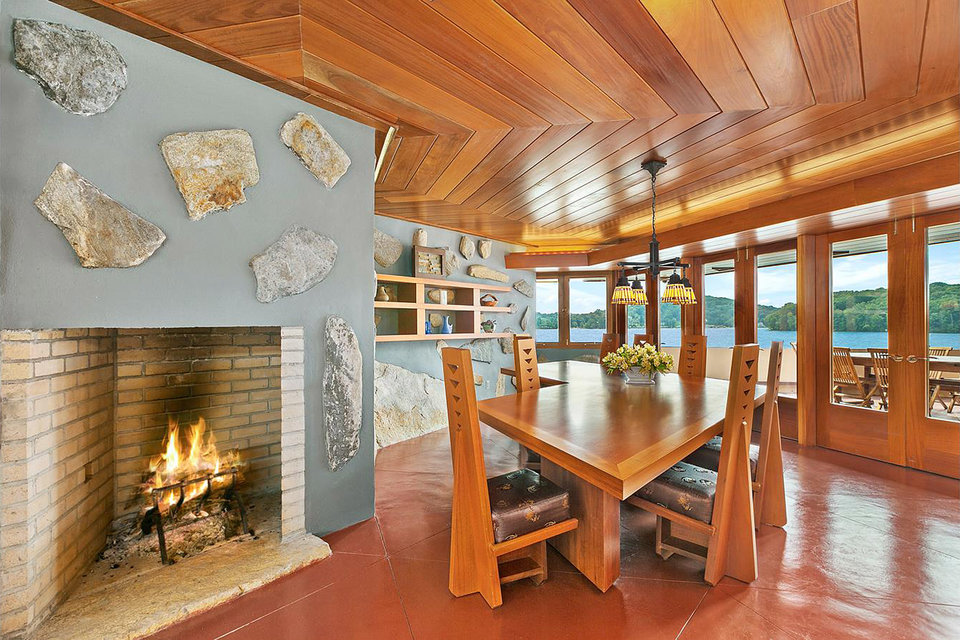
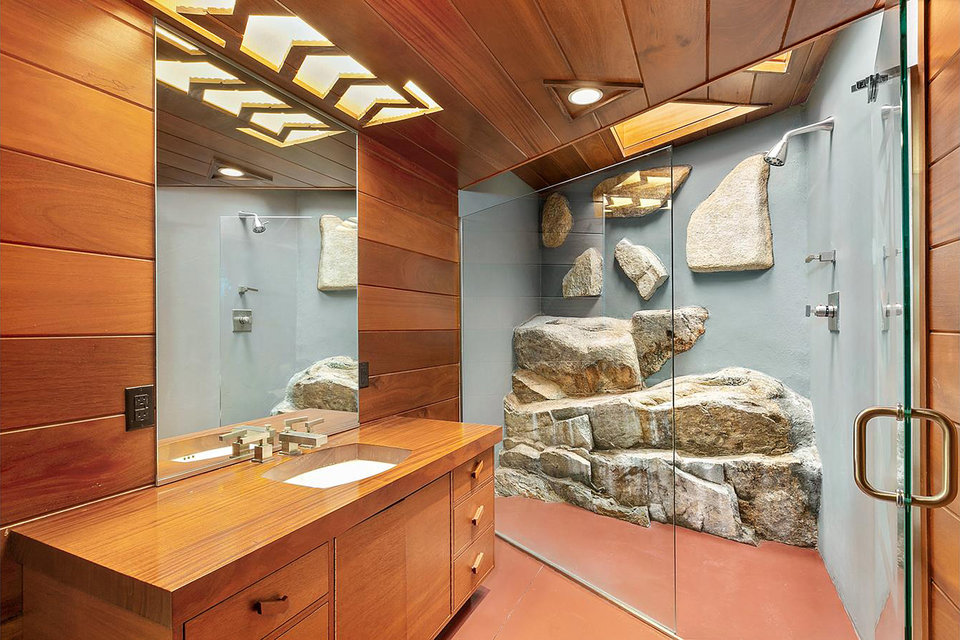
The main abode was finished well after Wright had died, of course. But it retains all of Wright’s architectural peculiarities and genius. That explains the organic integration of the site’s natural rock, built-in furniture, and multiple cantilevered decks.

Since this is a private island, the purchase comes with a private beach, a tea house, dock, and a rooftop helipad. That should get you from Petre Island to New York City in just 15 minutes. That is if you’re not too queasy aboard helicopters.

If you’re interested about living in isolation at the gorgeous Petre Island, contact Douglas Elliman Real Estate. Prepare to cut a check for $12,900,000, though.

Yours For $12,900,000

Photos courtesy of Douglas Elliman Real Estate

Snowman Glass World Resort

If Finland is you next destination and you don’t have any plans for lodging yet, look no further than the Snowman Glass World Resort.

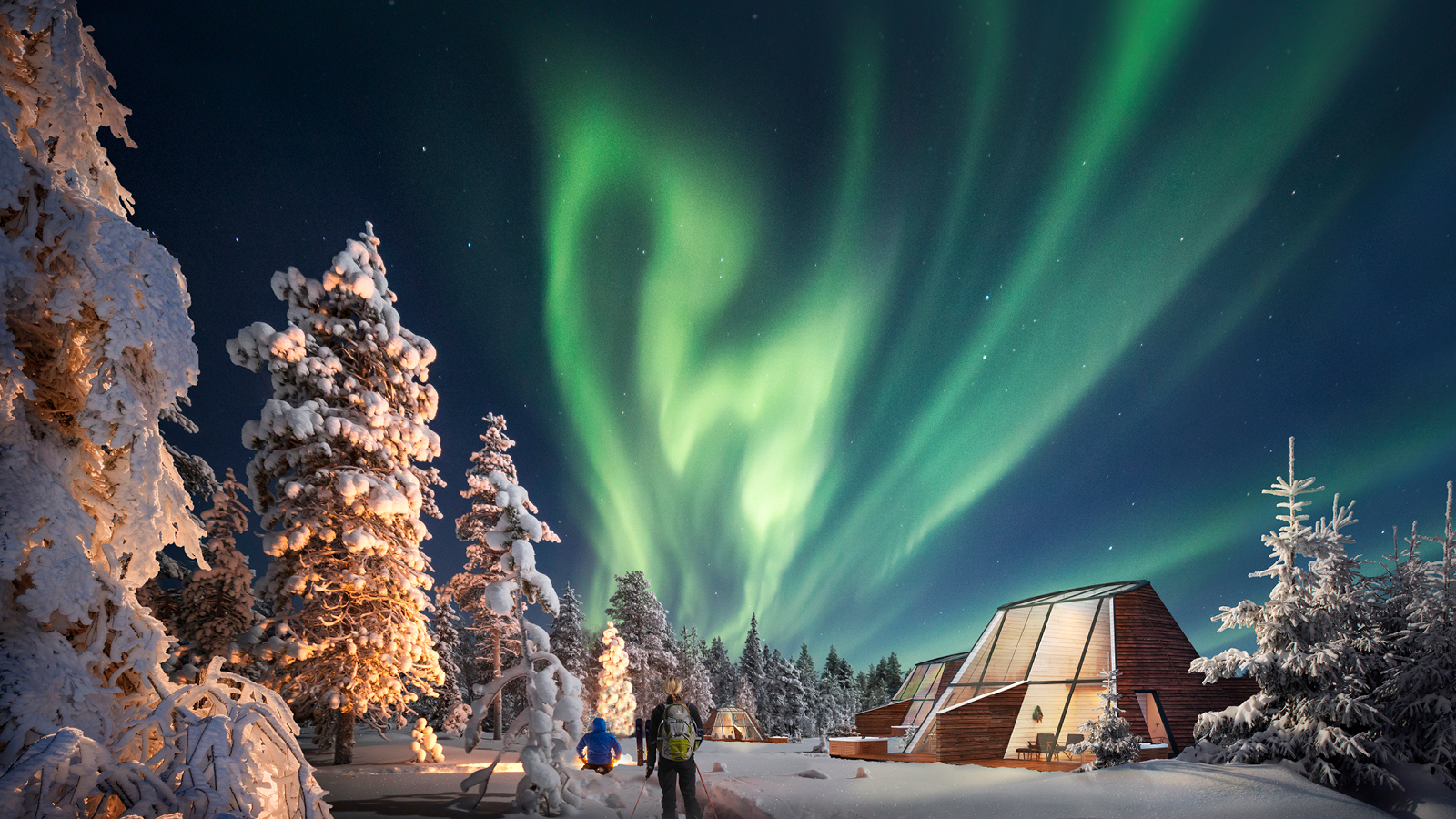
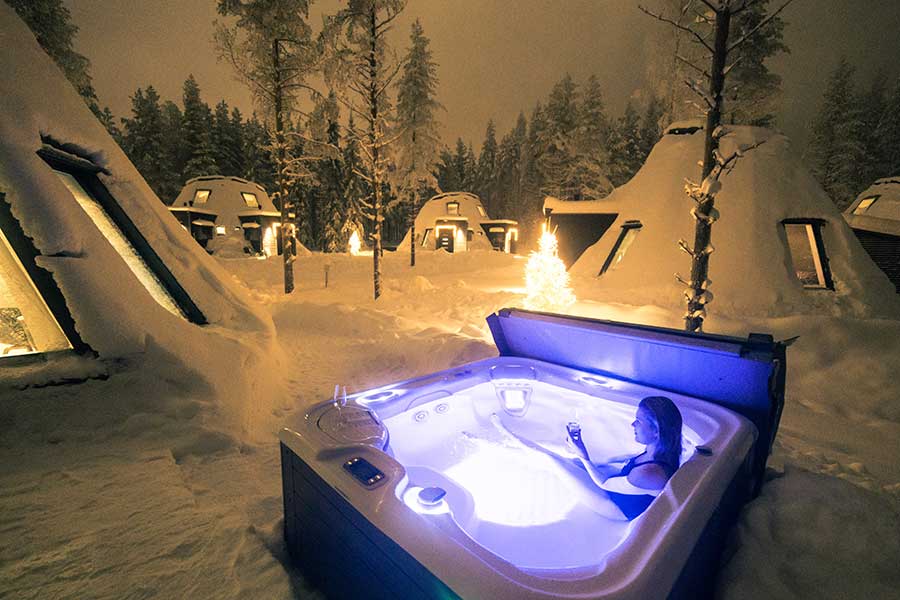
Sitting in the quaint and cozy city of Rovaniemi, this hotel shelters adventurers with its plethora of luxury glass igloos. Finland has sort of been leading the charge lately when it comes to winter travel accommodations. Just like the Kakslauttanen Arctic Resort that went viral a couple of years past, Snowman Glass World is perfect for folks waiting to witness the Northern Lights.

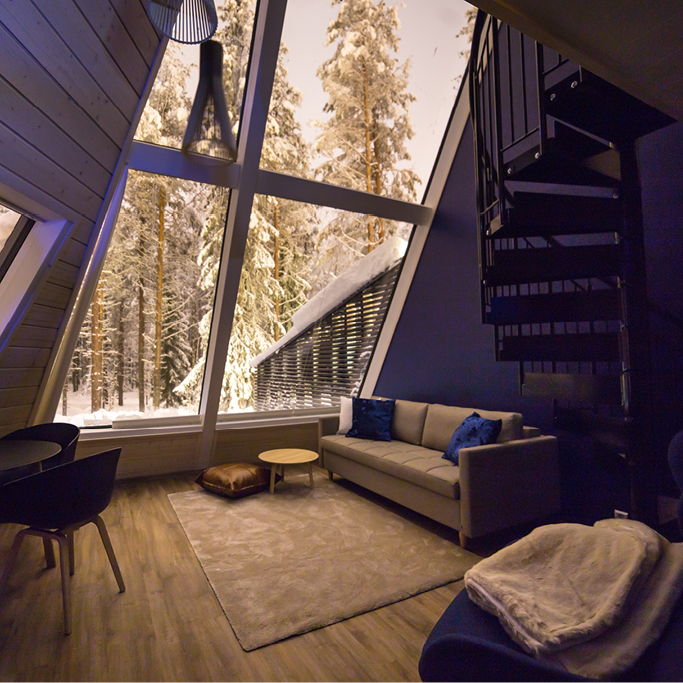
The winter resort, open just this month in Santa Claus Village, is the most luxurious take on the genre yet. Here, there are standalone Scandinavian-style apartments affixed with modern architecture and furnishings. For each cabin, there’s a living area, a modest-sized kitchen, and an upstairs bedroom. Topping it all off are floor-to-ceiling windows for your full view of the snowy landscape and the Northern Lights.

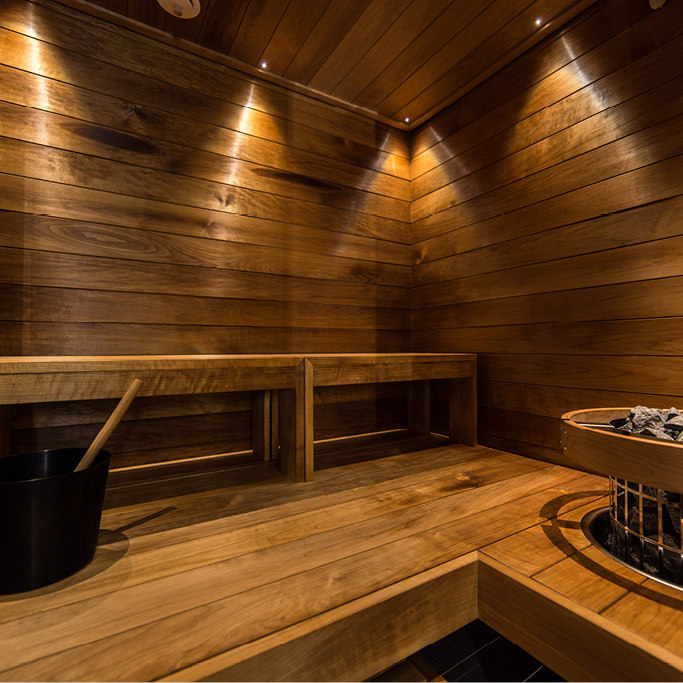
It’s a bit odd that there are private terraces in the hotels given that you’ll be staying here in winter. But here you’ll find a private hot tub and an en suite sauna. Both should keep you pretty warm and snug during the cold season.

Staying at the glass apartments will run you around €496 per night. That’s a pretty penny to spend on accomodation, of course. It does, however, include Wi-Fi. Plus, you’ll get all-day entrance tickets to Snowman Ice World. And there’s free breakfast in the resort’s Restaurant Ensilumi. If you’re headed to Rovaniemi for vacation, then you really shouldn’t miss this experience.

BOOK HERE

Photos courtesy of Snowman Glass World

The Most Lavish Garage Ever

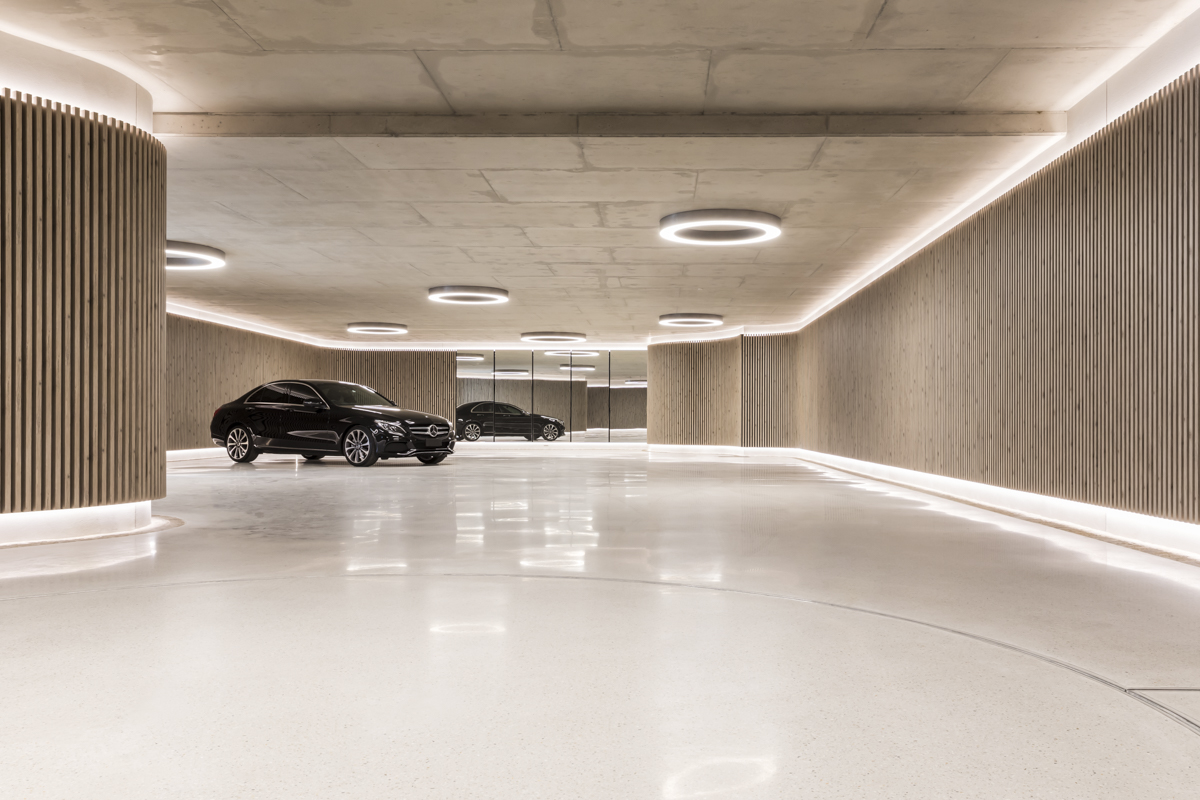
A garage as garish as this only belongs in big-budget Hollywood blockbusters. And even then they’re almost always thanks to CGI. But this right here is the real deal, and it’s in Sydney, Australia.

And no, this isn’t Batman’s garage. A family owns it, actually. They asked studio Kenström Design to come up with a garage to accommodate its increasing vehicle collection, especially as the children reach driving ages.

Problem was, the family had no extra space to build a garage on. So, naturally, they had to go underground, like Bruce Wayne’s parking structure in The Dark Knight. Funnily enough, Architect Angela Kent admits that the term “bat cave” was thrown around.

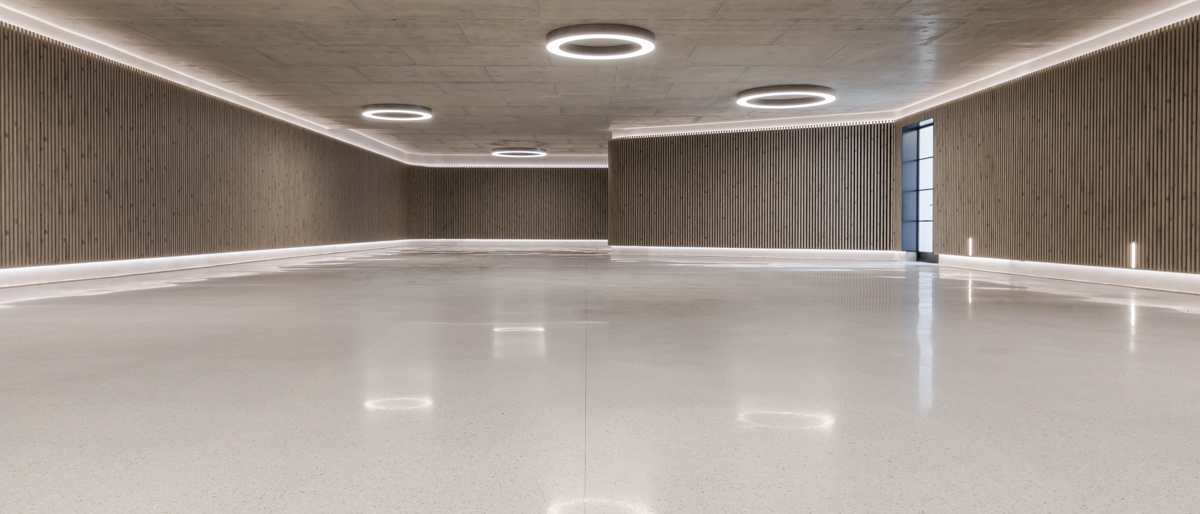
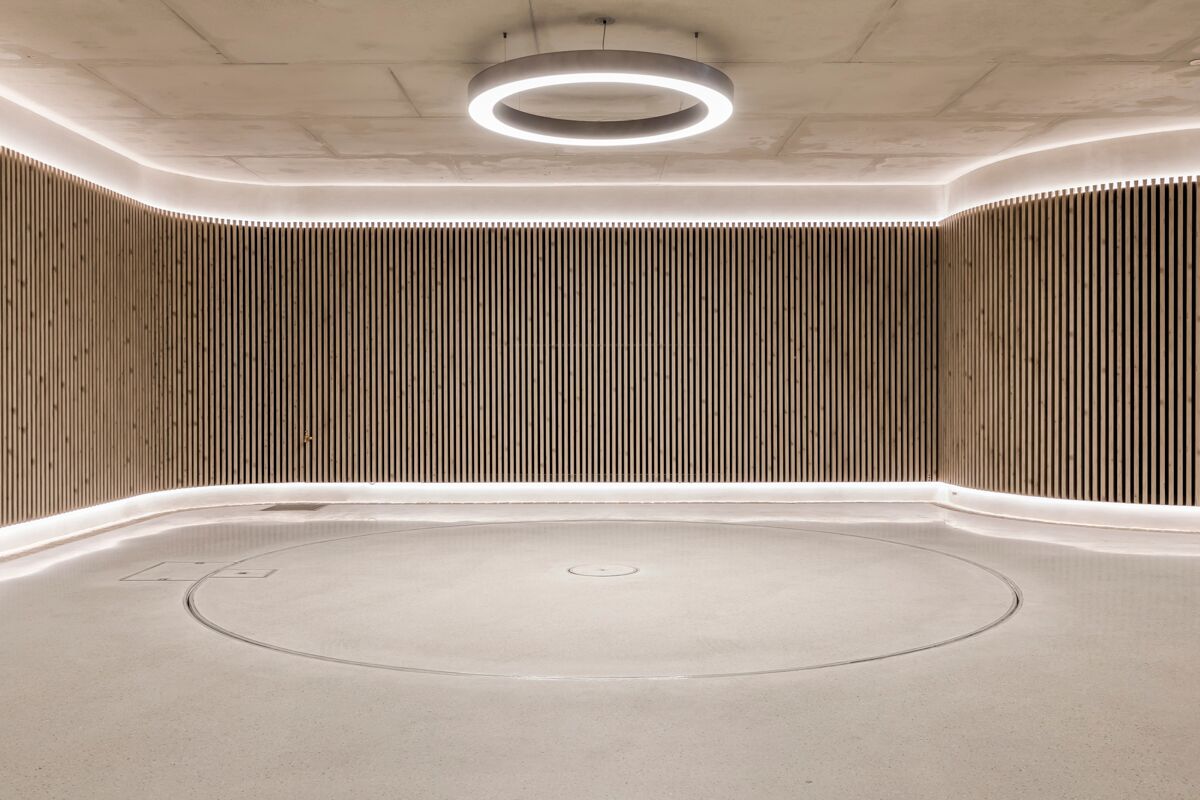
Obviously, she chose not to go the traditional route and opt for more lurid reflective surfaces. Instead, Kent ditched the excessively luxurious showroom vibe and focused on a warmer, softer, and calmer atmosphere, an odd yet interesting choice because when you think of garages, you don’t usually picture zen.

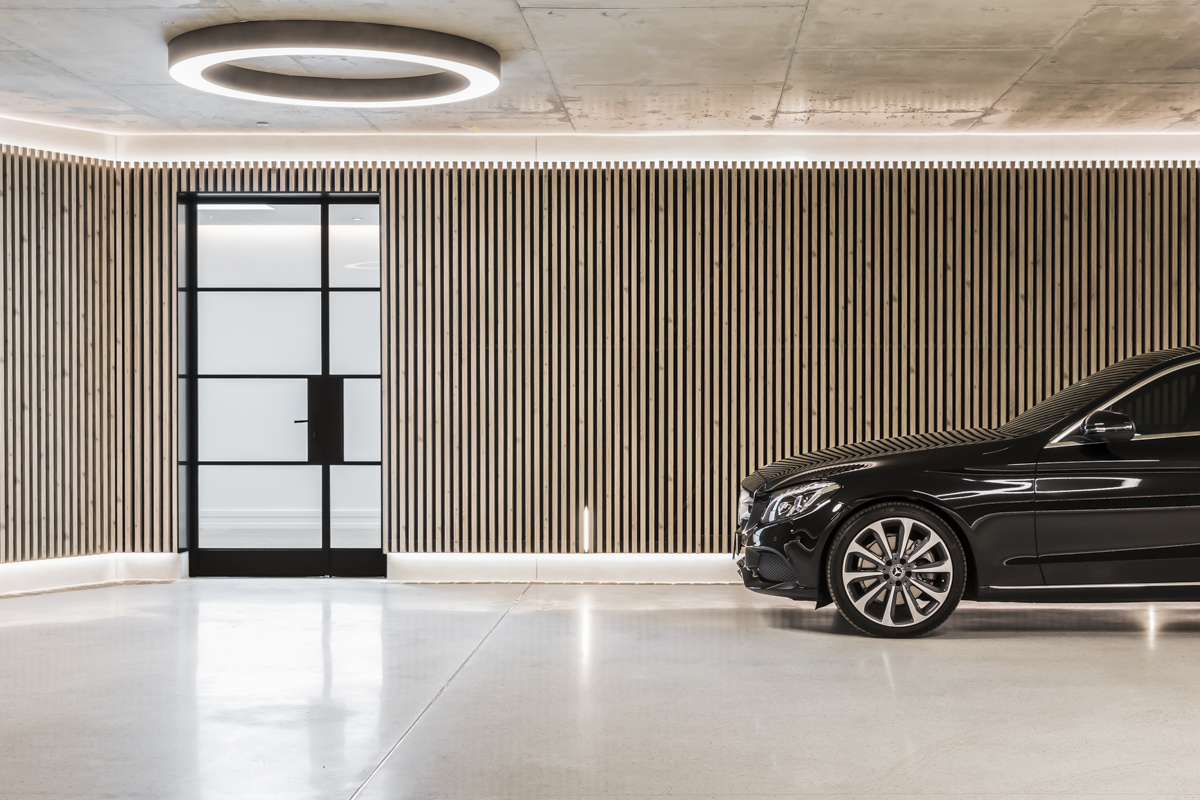
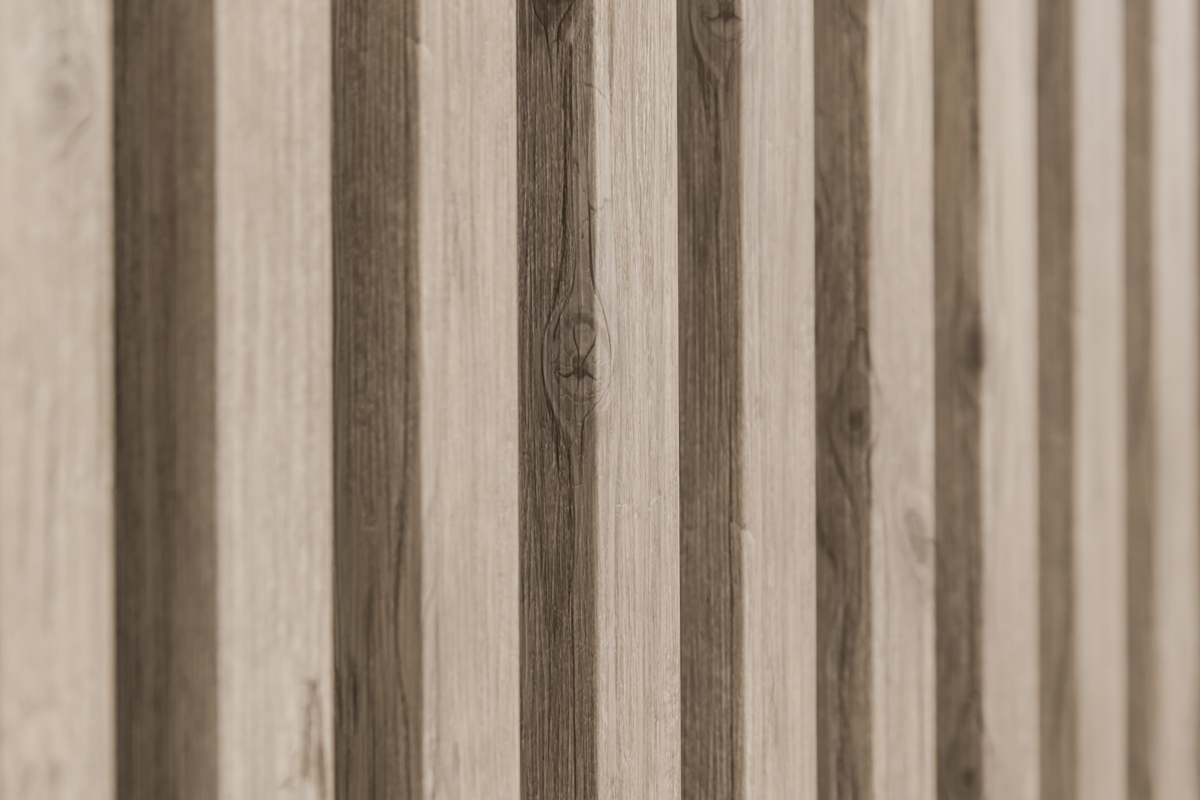
Kent pulled it off, though. She used Ever Art Wood aluminium battens to prevent mould from growing. That’s a really smart choice since the garage would be devoid of natural light. She then took it a little bit further by using a timber finish, making the exterior grade battens a perfect material for the underground space.

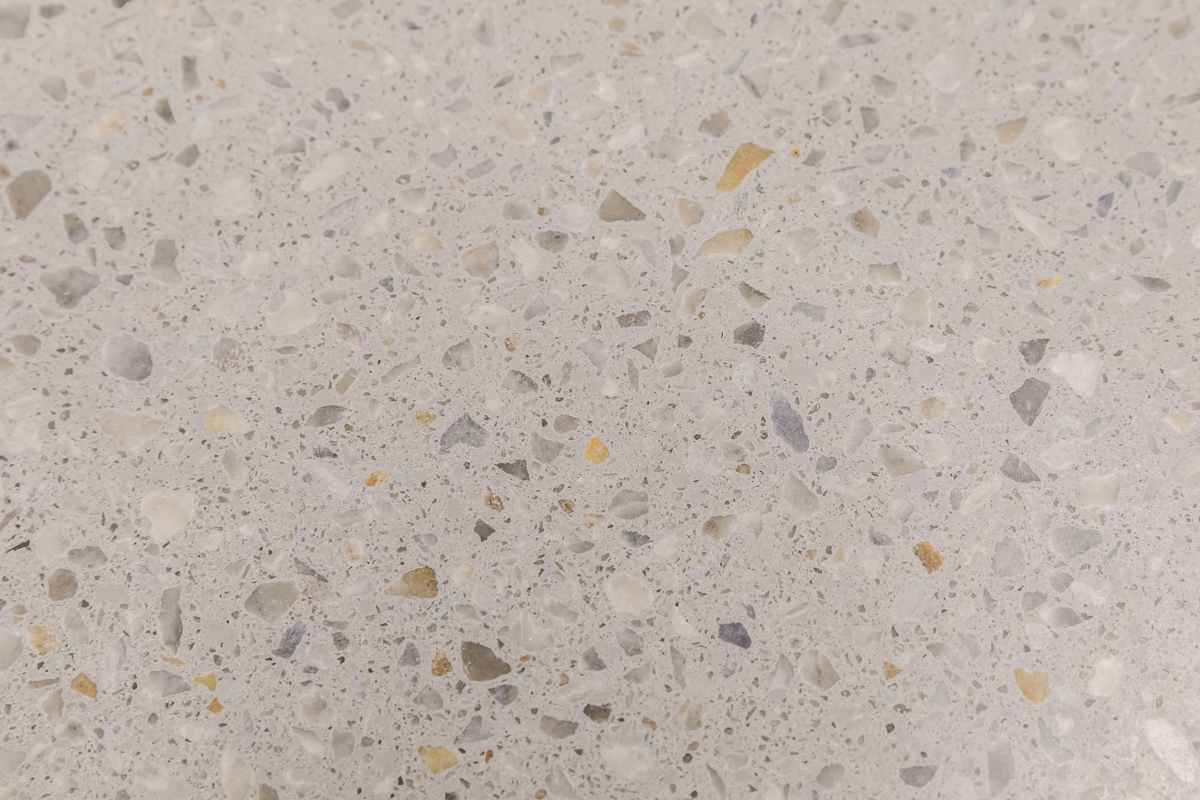
Partnered with the walls are 12mm concrete overlays instead of typical large format tiles, resulting in more regal and elegant look that’s simultaneously low-maintenance and durable. Just the qualities you need to describe the perfect garage.

Kent fit in LED lighting behind the battens and along the skirting. She also put in vertical market strips to mark off parking bays for five cars. This lighting setup tiptoes the line between subdued and showy, generating enough contrast so as to give a bit of texture but not too dramatic as to deride the whole atmosphere. In a word, sublime.

LEARN MORE HERE

Photos courtesy of Kenström Design

A House Covered In Corrugated Aluminum

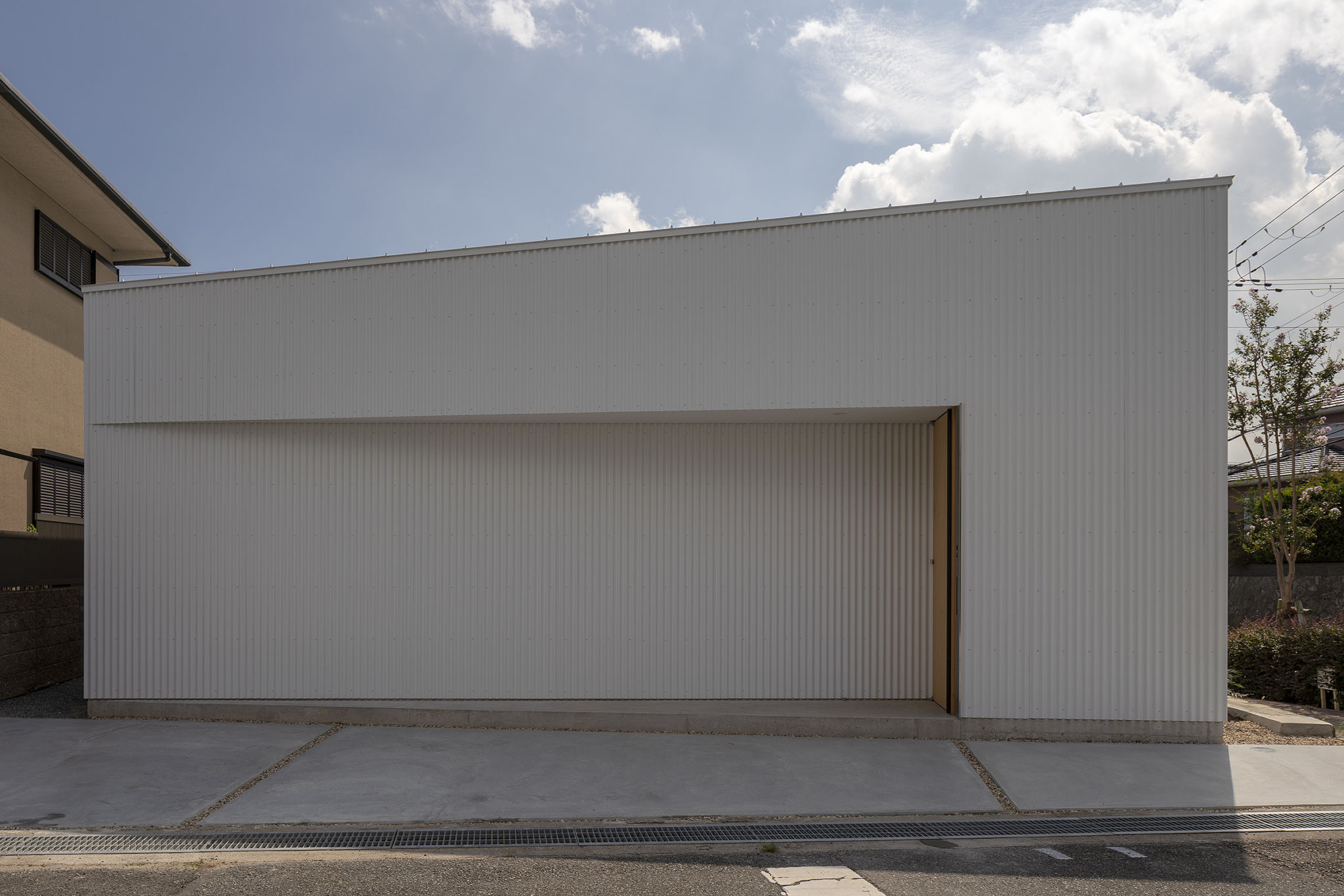
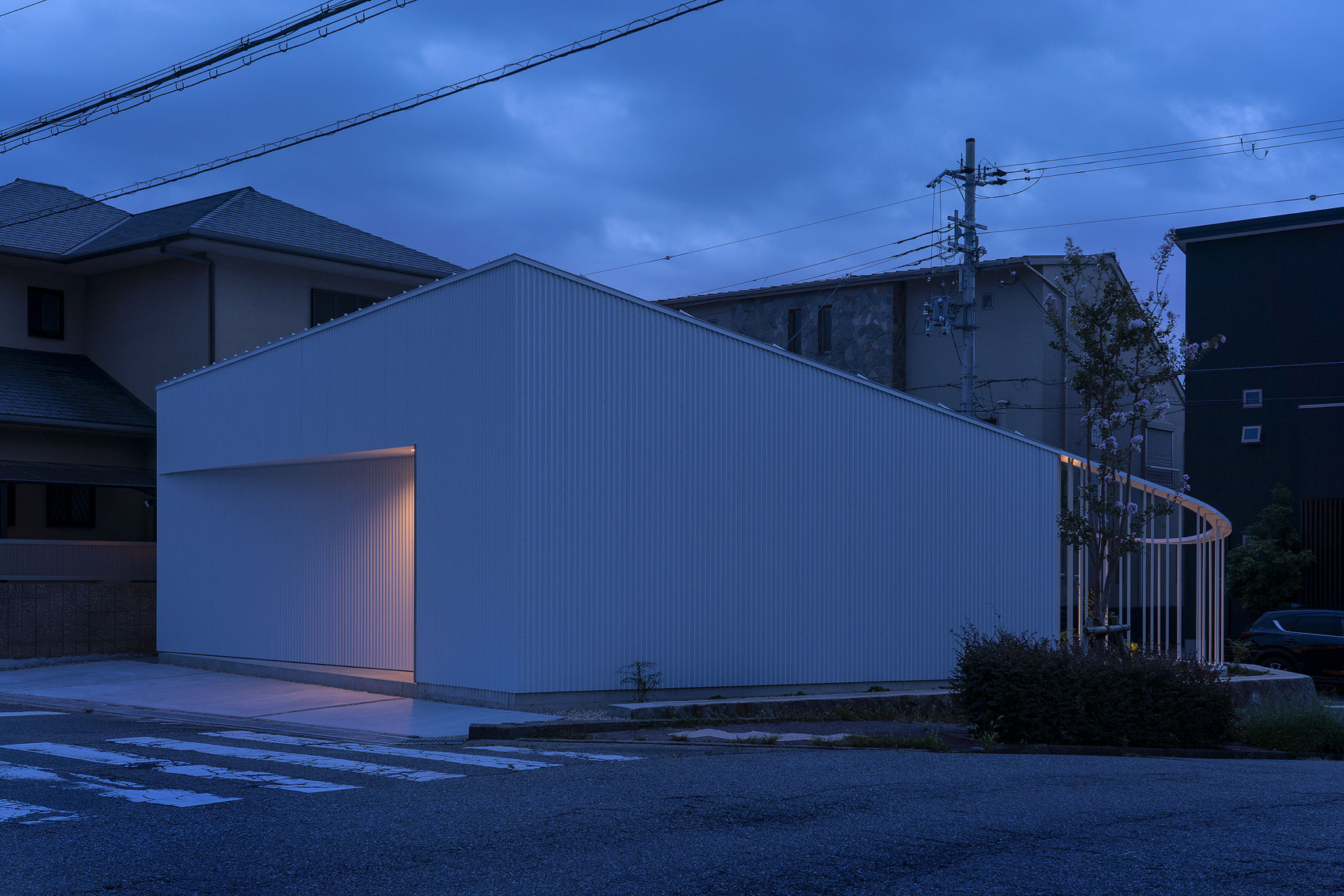
Japanese architectural firm and design studio Arbol has a single-story home in the city of Takarazuka whose primarily monolithic design cues still imbue a sense of natural space. That’s a hard dichotomy to achieve, but Arbol’s skilled designers managed to do it.

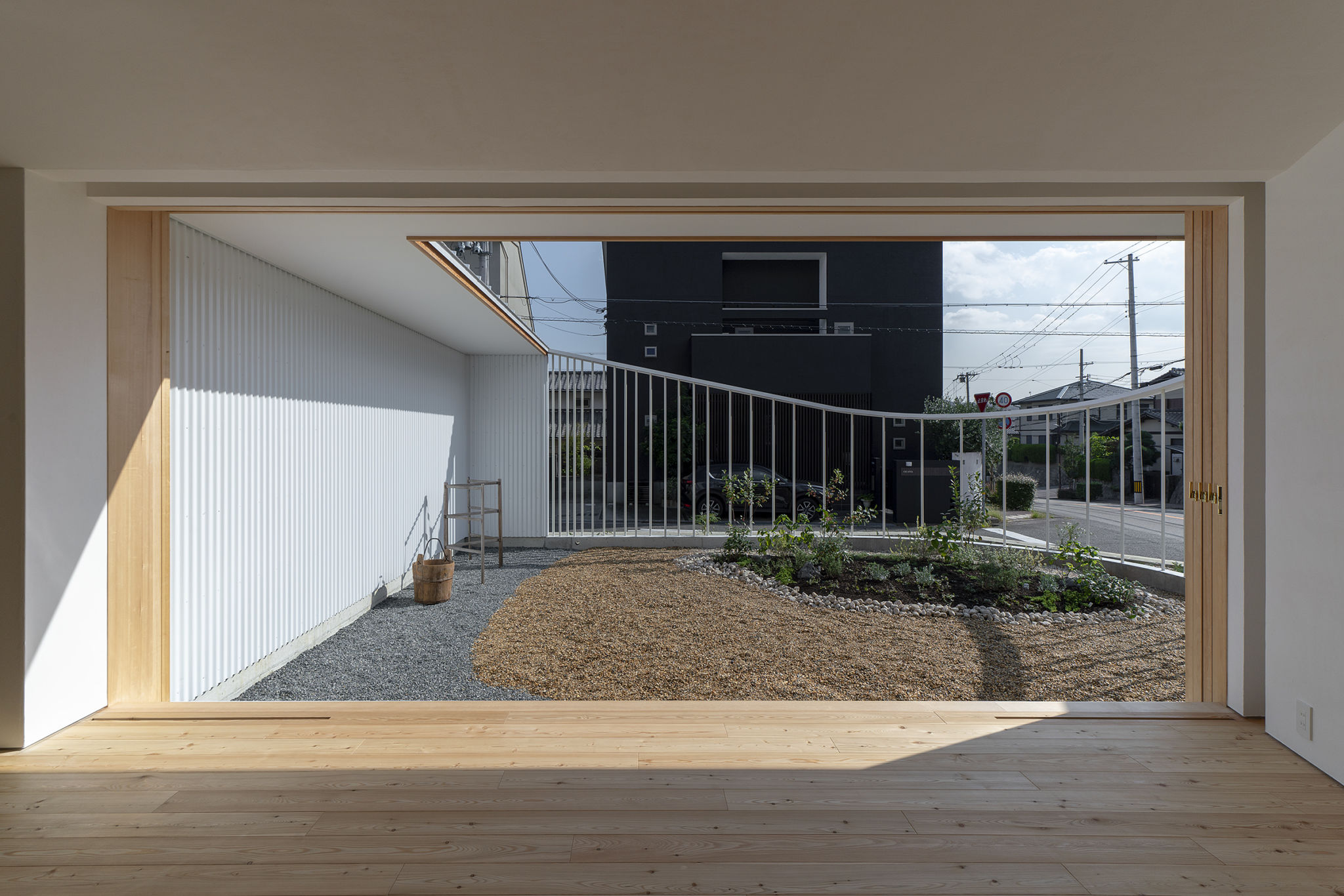
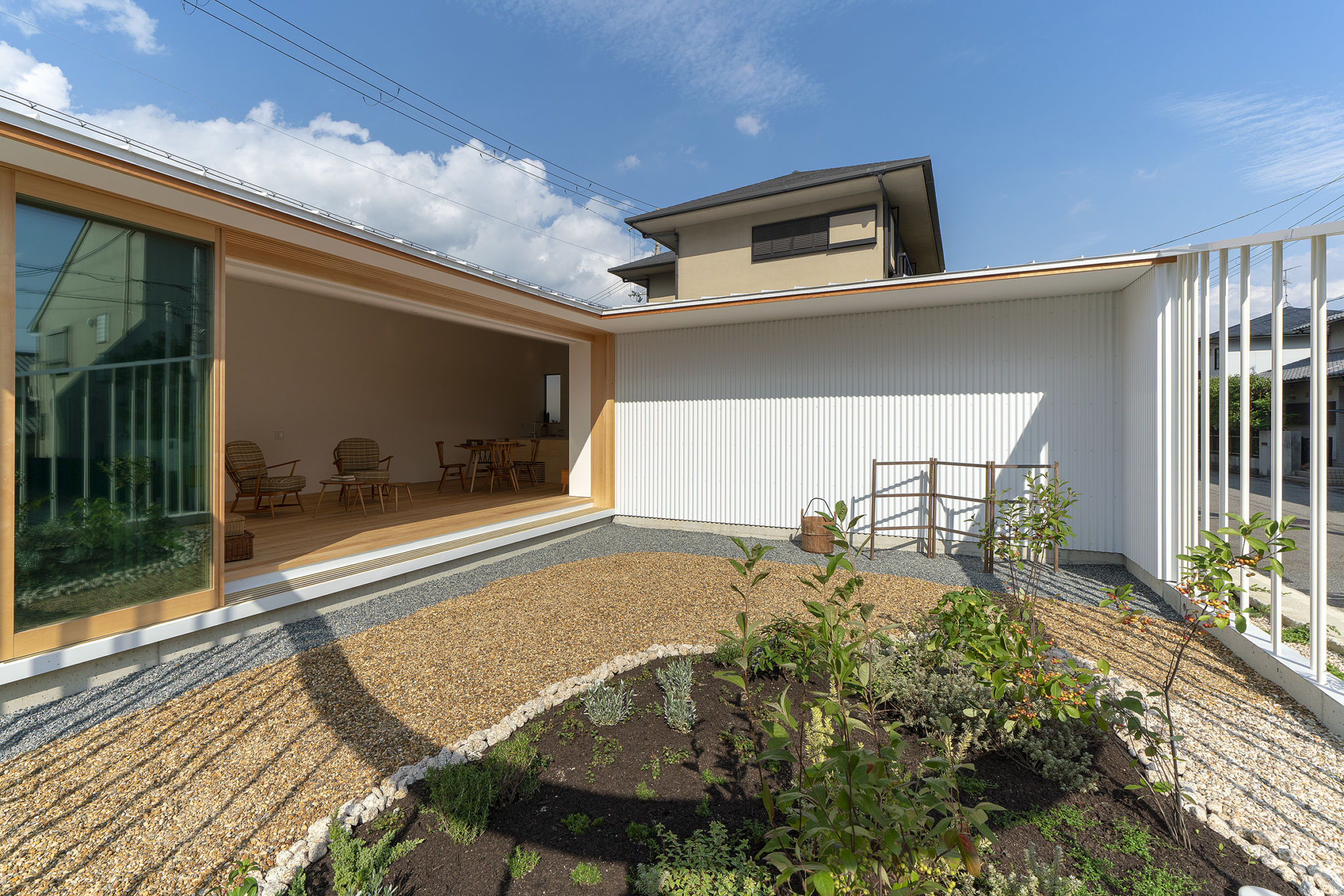
The structure features a sloped roof that descends from north to south, wherein you’ll find an open courtyard that’s fenced with metallic pillars.

Featuring an L-shaped plan, the house features very simple divisions. The first space, for instance, is the living room, which then leads to a private are where the bedroom lies. A bathroom sits in the middle for easy access, regardless of where you’re coming from. There’s a kitchen peninsula for cooking purposes. This space loosens into the living room for a sense of openness and breathability.

The real highlight here, of course, is the slanted ceiling covering the courtyard. It’s supported by what at first looks like sticks but are actually thin pillars. This simplistic approach evokes traditional Japanese architecture, making for a fragmented but soft and practical aesthetic overall.

Those aforementioned elements come together in the minimalistic garden that reminiscent of the highly unique Japanese gardening concept known as “hakoniwa” or box garden, adding a much-needed splash of invigorating color to the mostly stark-white space.

Also of note are the corrugated aluminum walls, which break the monotony and add texture to the largely monolithic walls. It’s a simple but really smart design, and we’re excited to see what else Arbol Design comes up with in the future.

ARBOL DESIGN

Photos courtesy of Arbol Design

An Earthquake-Resistant Library

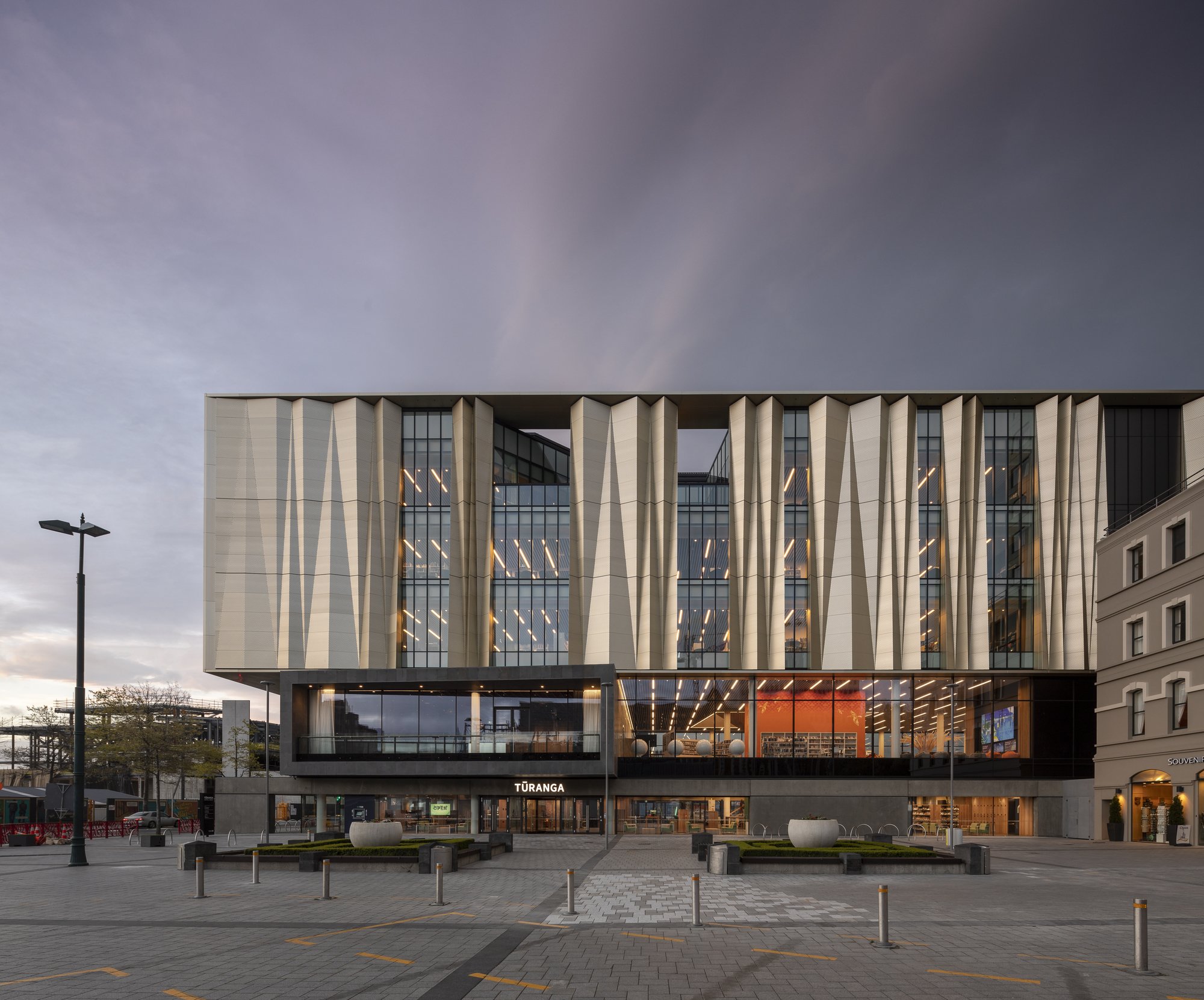
At the geographical center of Christchurch, New Zealand you’ll find Tūranga, a freshly minted library that was built to address the earthquakes that damaged Christchurch in 2010 and 2011.

It’s one of the first buildings to open downtown following the tragic disasters, and more than a library, it stands as a symbol of hope and rebirth for the indigenous Māori people of New Zealand’s South Island.

Architectural firms Schmidt Hammer Lassen Architects and Architectus focused on resilience, functionality, and cultural awareness while designing Tūranga. The earthquake resistant library’s entrance, for instance, evokes the important cultural concept of whakamanuhiri. That’s the cordial invitation and “bringing in” of visitors. Here, you’ll find a reception wall decorated with multi-colored transitions of flora and fauna. Such elements are important to Ngāi Tahu, the local Māori tribe.

Lewis Bradford Consulting Engineers, the structural engineering firm on the earthquake-resistant library, worked with the team to develop a structure that could withstand potential earthquakes. They came up with a self-centering mechanism that allows the building to sway and then return to its original position. In effect, the building suffers only minimal structural damage during a large earthquake.

As such, the Tūranga proves it’s possible for architecture to go beyond design. It can also aid in the redevelopment of a ravaged place. Moreover, architecture can also serve as a beacon of possibility. A way to show an example of being able to move forward despite what disasters may hit. As such, the earthquake-resistant library is both a stunning achievement in design and a crucial keystone of resilience.

LEARN MORE HERE

Photos courtesy of Schmidt Hammer Lassen Architects and Architectus

The Rimrock House

We’ve written aplenty about cliffside homes. There’s just something about the precariousness of these structures that evince some otherworldly charm. It’s as if they’re little dollhouses perched on huge boulders. But enough waxing poetic.

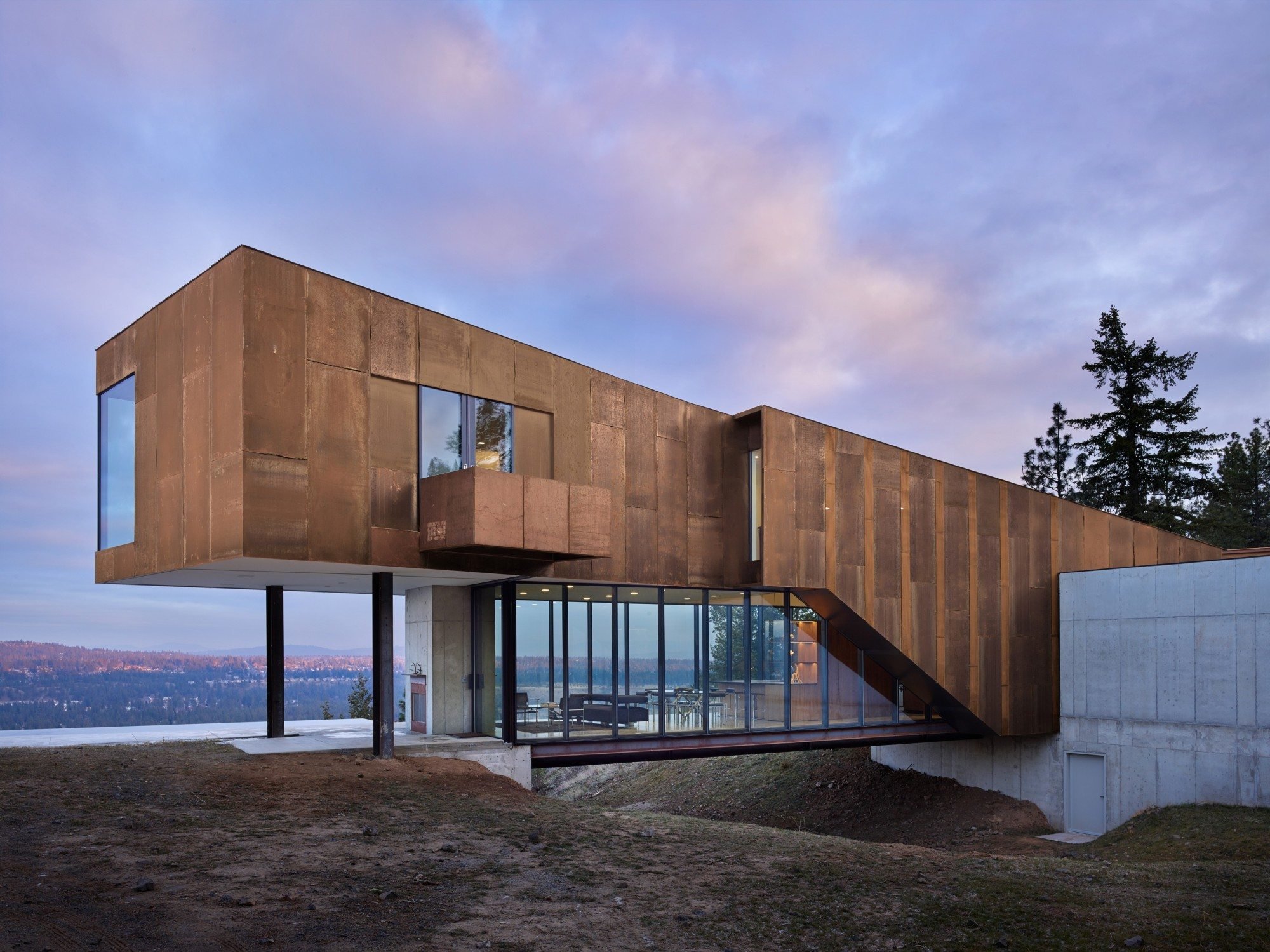
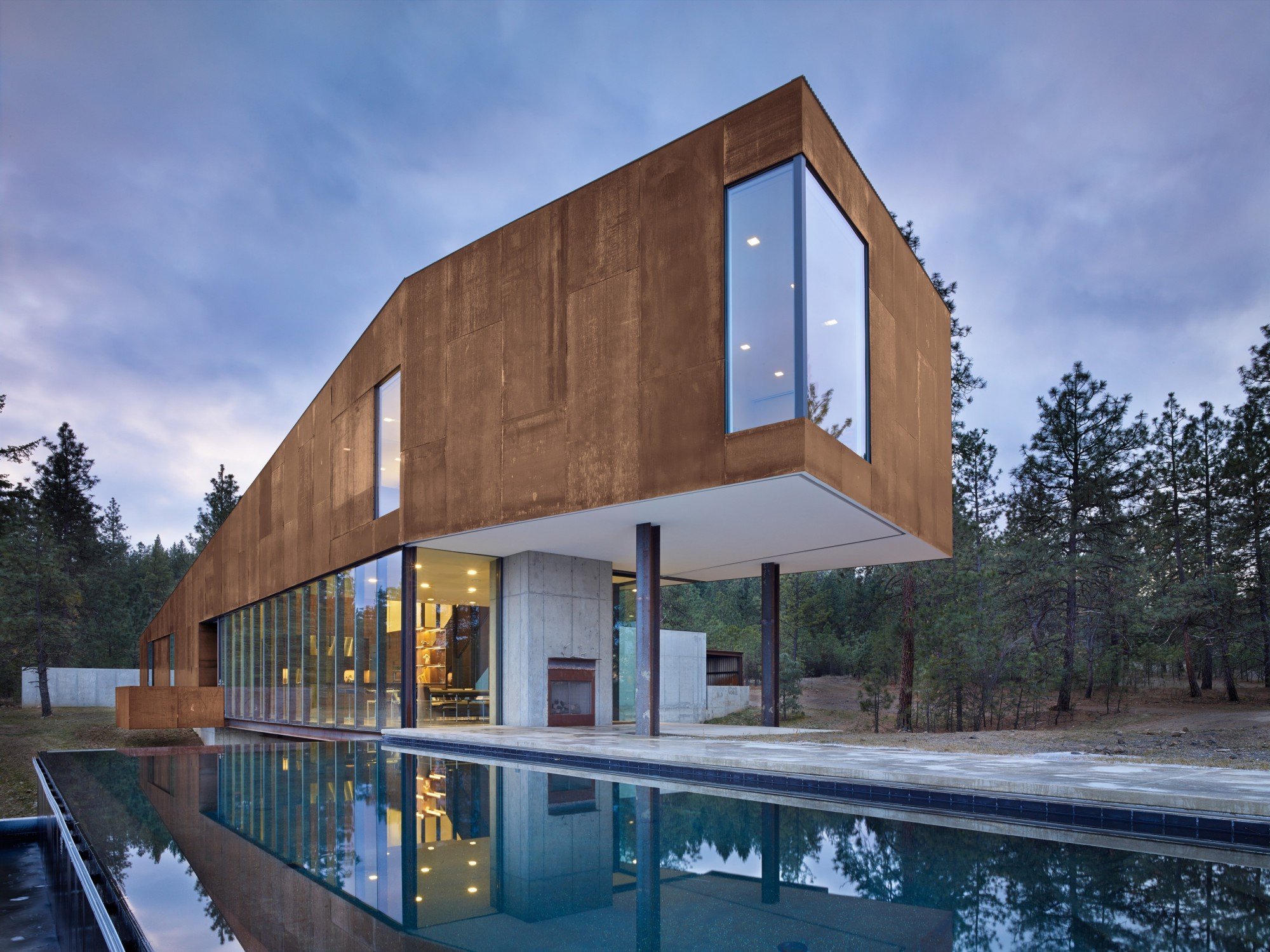
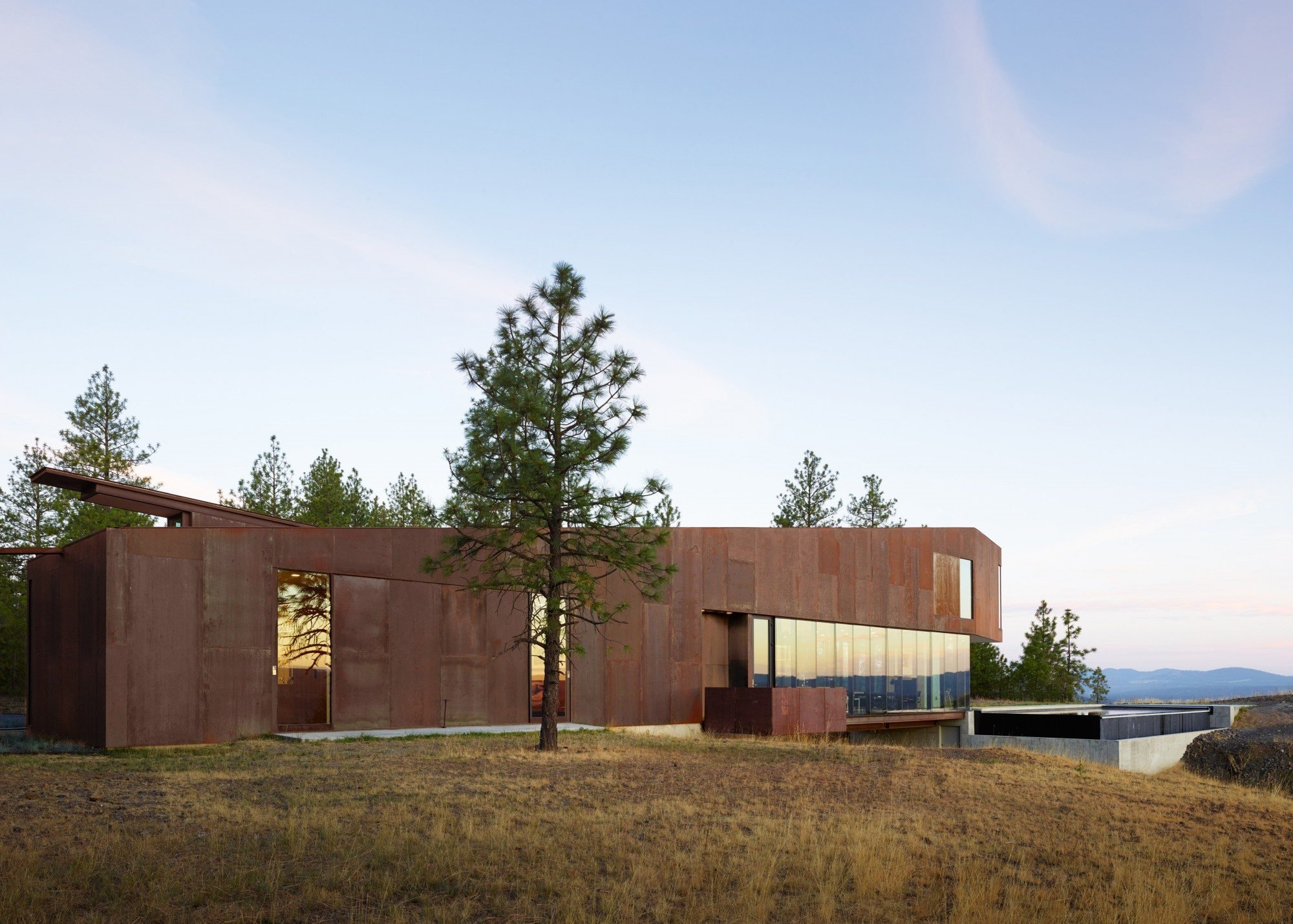
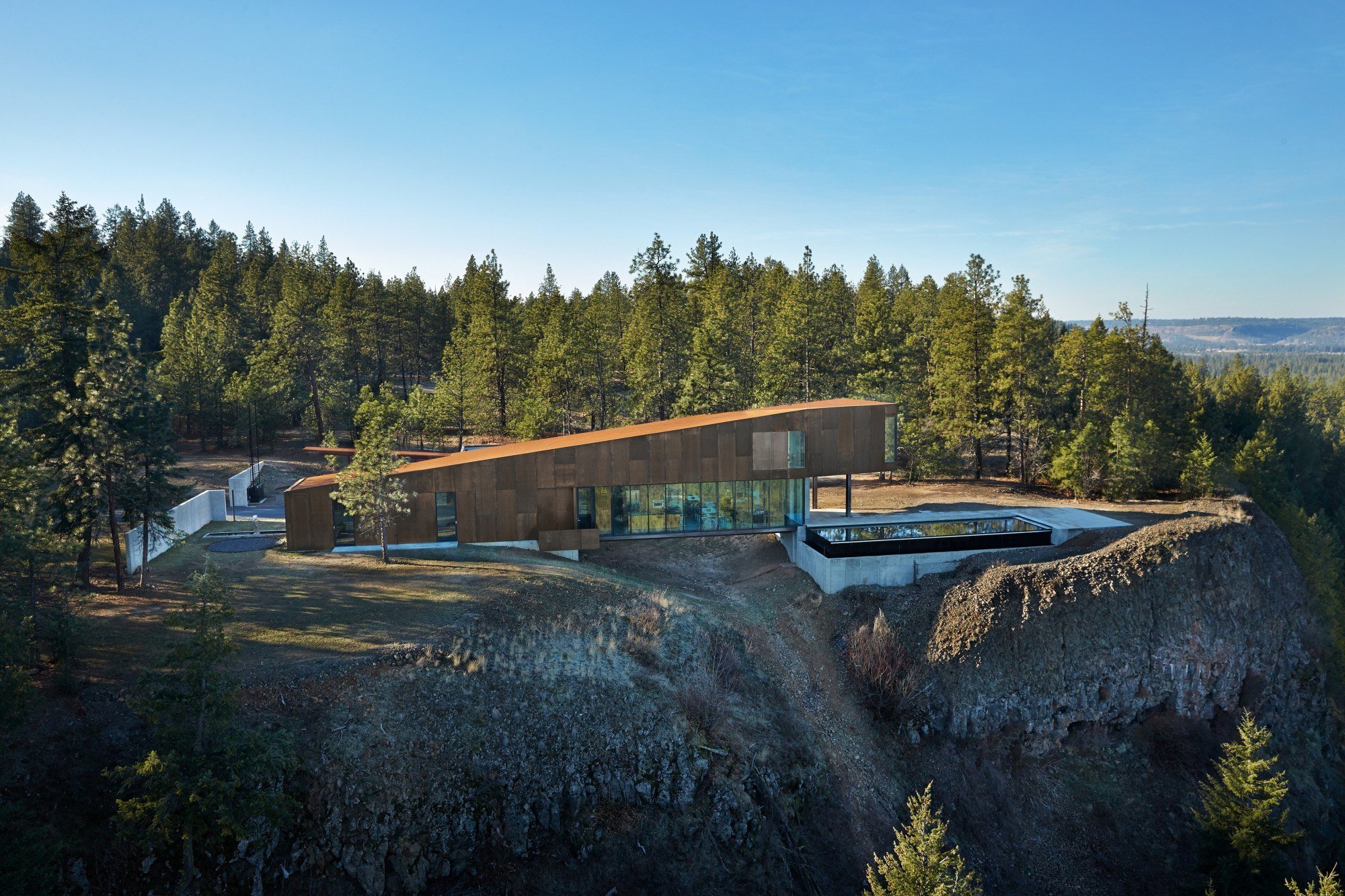
Today’s cliffside house is from from Seattle-based design firm Olson Kundig. What makes this house particularly special is it’s not just lavish and luxurious. It has those qualities, sure. However, it also quite unique in that it takes great effort to bridge the surrounding natural landscape unto itself.

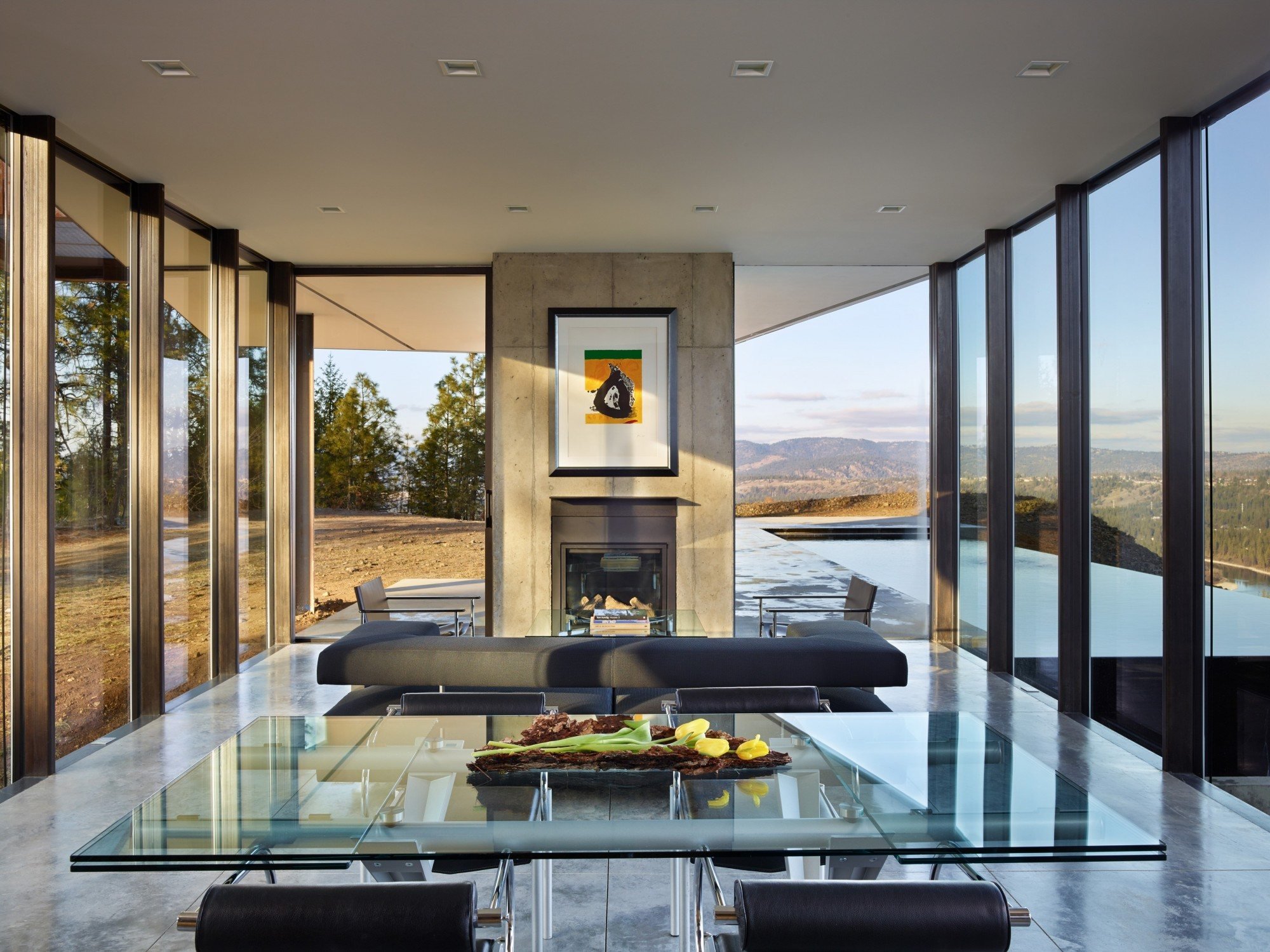
Sitting on a bluff in Washington, the Rimrock House treats the cliffside it sits on not just a location, but also a part of the whole atmosphere. It bridges over a natural wash while maintaining the seam just below the house, which animals use as a path to move between the mountains and the river. The house has a glazed facade above the winter snow, letting enormous amounts of natural light while also providing exemplary views of the outdoors.

The T-shaped structure is aptly named a “rimrock” because of the way it straddles two sides of wash a top a stable outcropping of tough, slow-cooled volcanic basalt. Rimrocks are one of the most magnificent and fascinating geological occurrences here on Earth. And what a delight it is that Olson Kundig found a way to implement that phenomenon into a functional space.

The overall design of the Rimrock House deserves mention because it reverses what we expect architectural elements do. The upper part, for example, is typically transparent. Yet, it’s actually very private thanks to the large amount of glazing. In effect, you get a house that transcends the boundaries of design, and one that also takes nature into account.

MORE INFO HERE

Photos courtesy of Olson Kundig

Santa Clara 1728

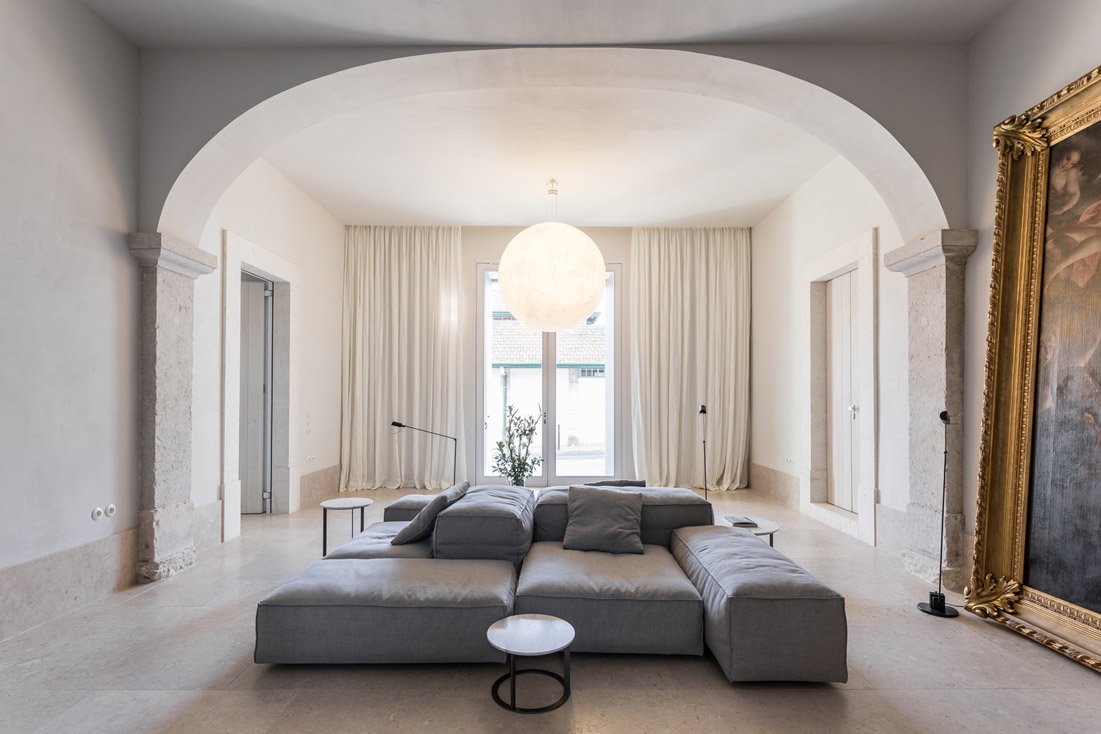
In the heart of the Old quarter in Portugal sits a quaint little hotel called the Santa Clara 1728. Cinched inside an 18th century palace, the space has been completely renovated with modern furnishings. Yet one look inside shows you that it still takes great lengths to pay homage to the building’s historical charm.

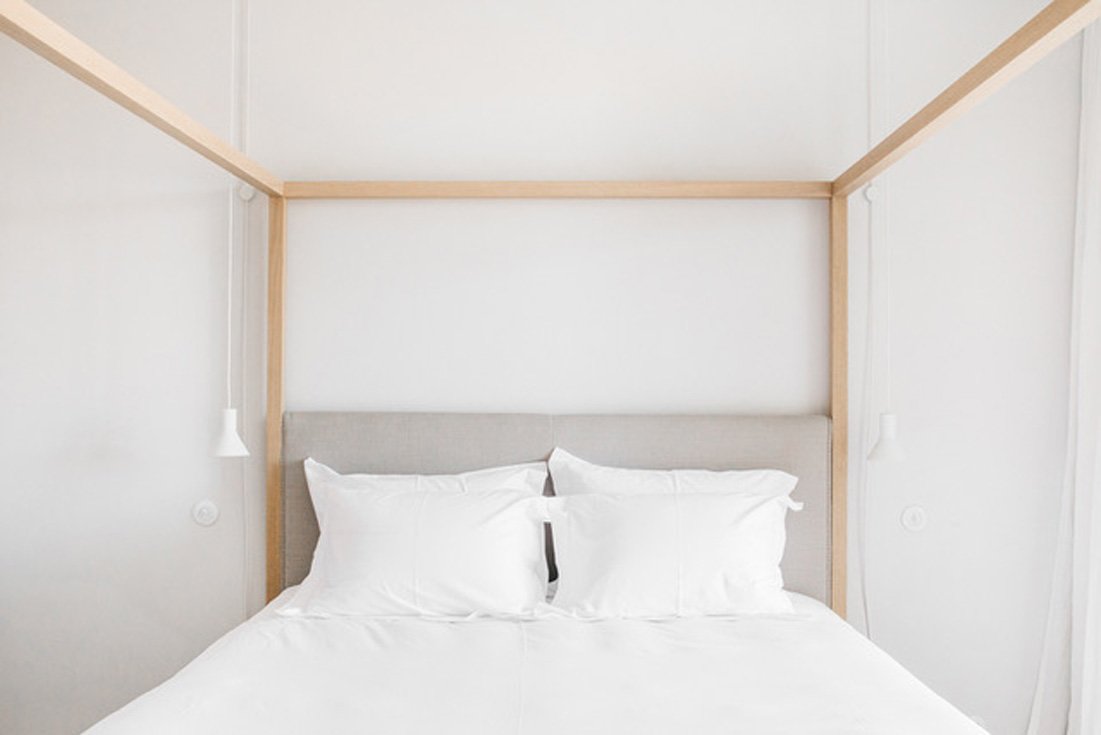
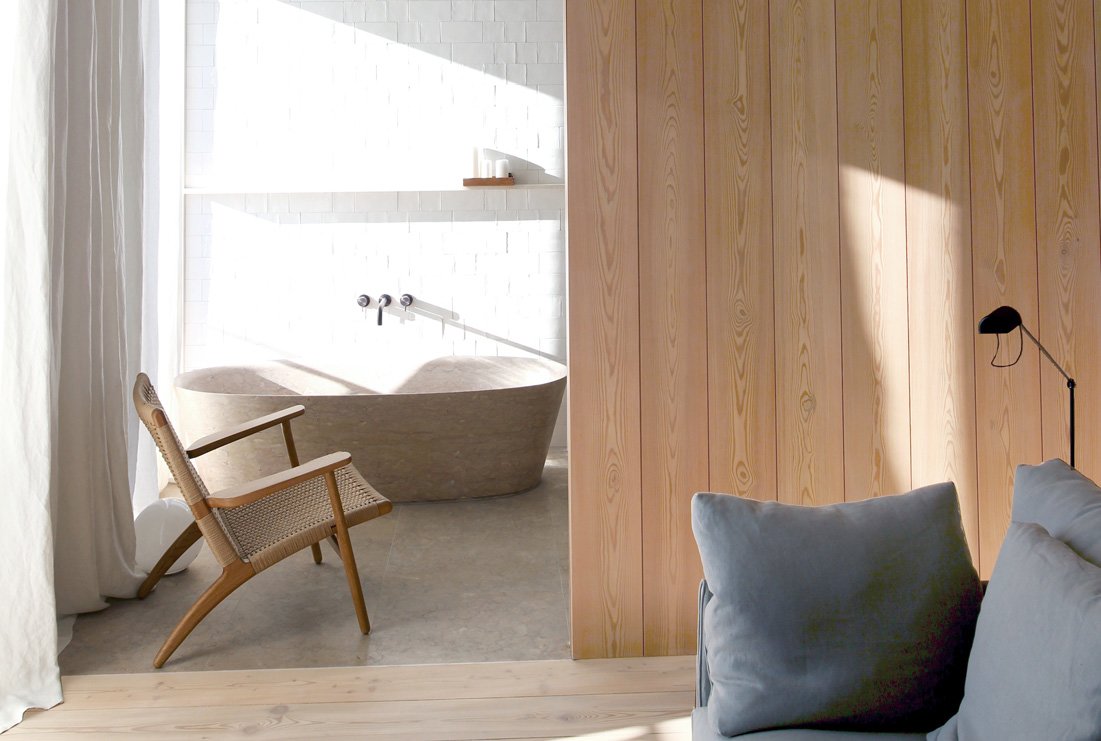
Each room is so bright during the day it’s as if the sun itself came down and kissed every single one. But the serenity doesn’t stop there. You’ll also find that the entire atmosphere is beset with calm. There are large windows, sections of exposed concrete, pale wood, and soft, neutral tones throughout the whole room that allows you to bask in a headspace of peace and zen.

Outside, views of the Tagus River will greet you in the morning, and all six suites get this exemplary view. That and a terrace overlooking the property’s private garden abundant in lush, vivid greenery.

And if somehow you begin to feel a bit sheltered staying indoors, a rich and diverse cultural experience awaits you upon stepping outside. The Feira da Ladra flea market is just nearby, and so are ancient castles, 17th century monasteries, and a whole slew of shops, museums, and other places of recreation. If that ain’t your thing, you can always just stroll through Lisbon while talking to locals and taking Polaroids of every little thing you see.

At the end of the day, you’ll have the comfort of Santa Clara 1728 to fall back to no matter how tired you get.

BOOK HERE

Photos courtesy of Silent Living

SJA III Cabana

We’ve written plenty about Casas de México here at Men’s Gear, and for good reason. The works that come out of this Zapopan architectural firm in the never fails to impress or widen our understanding of architecture.

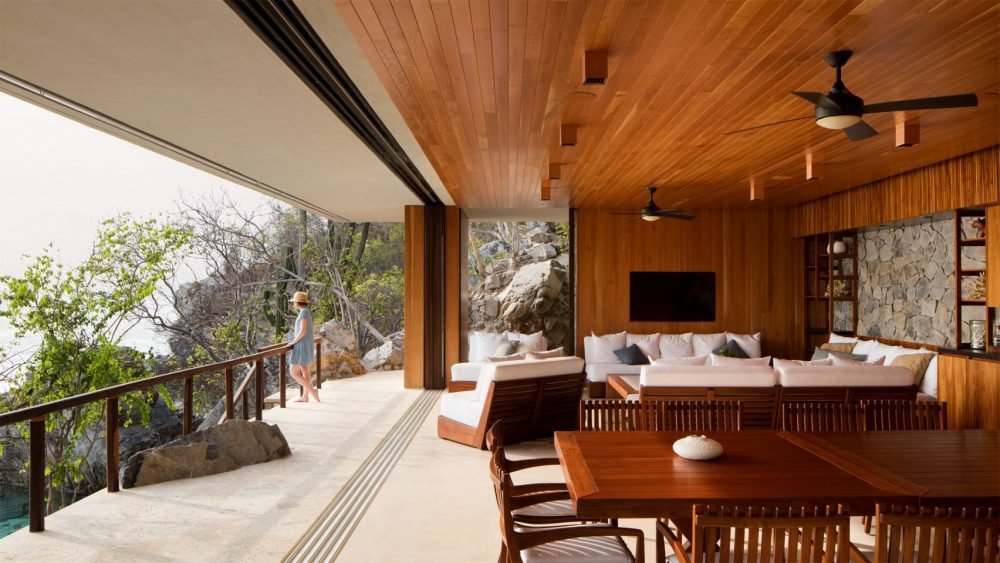
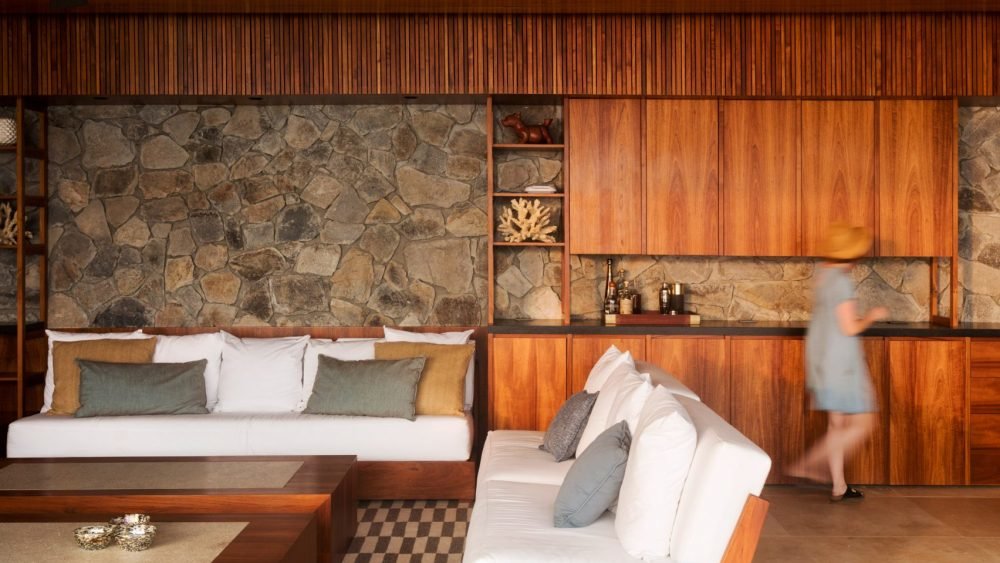
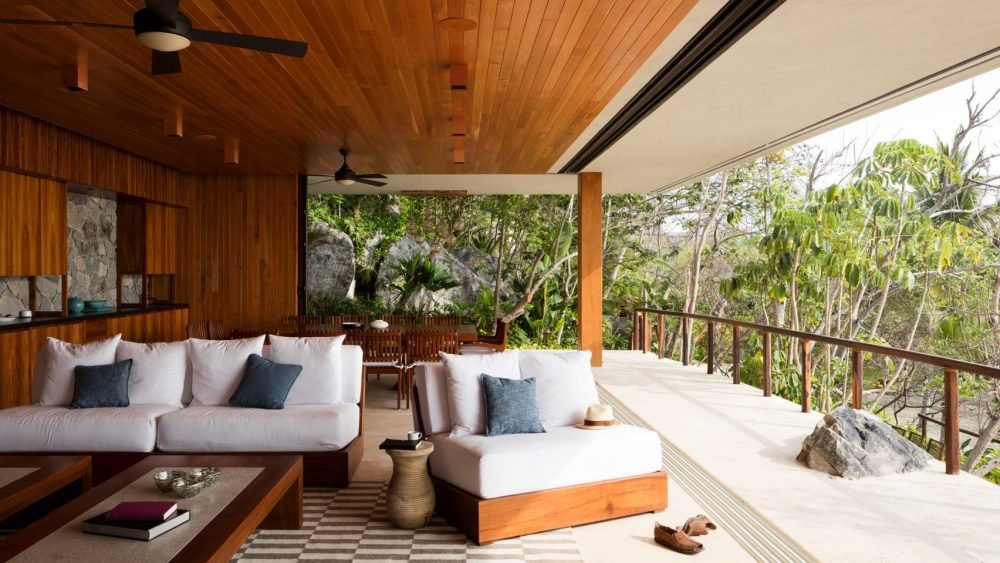
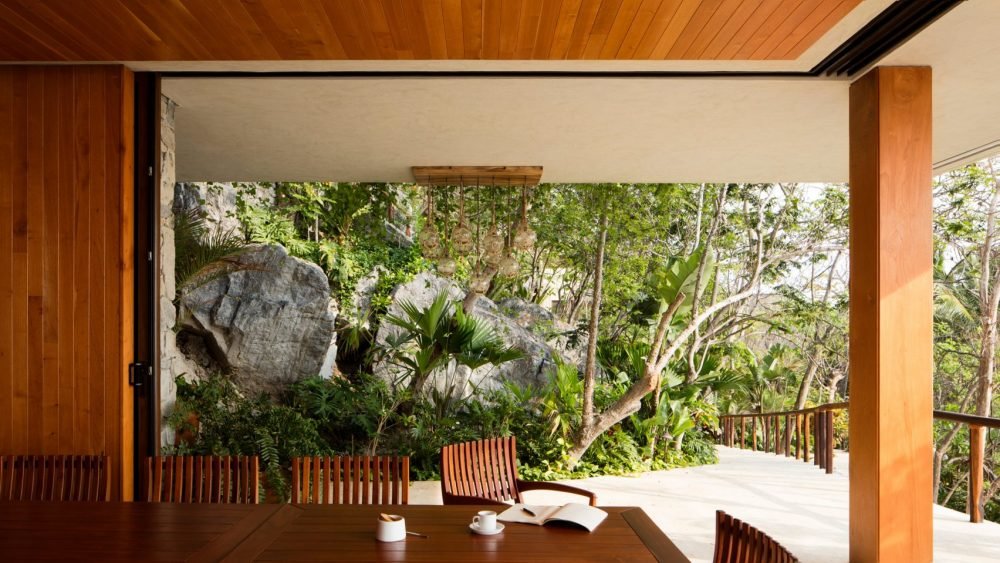
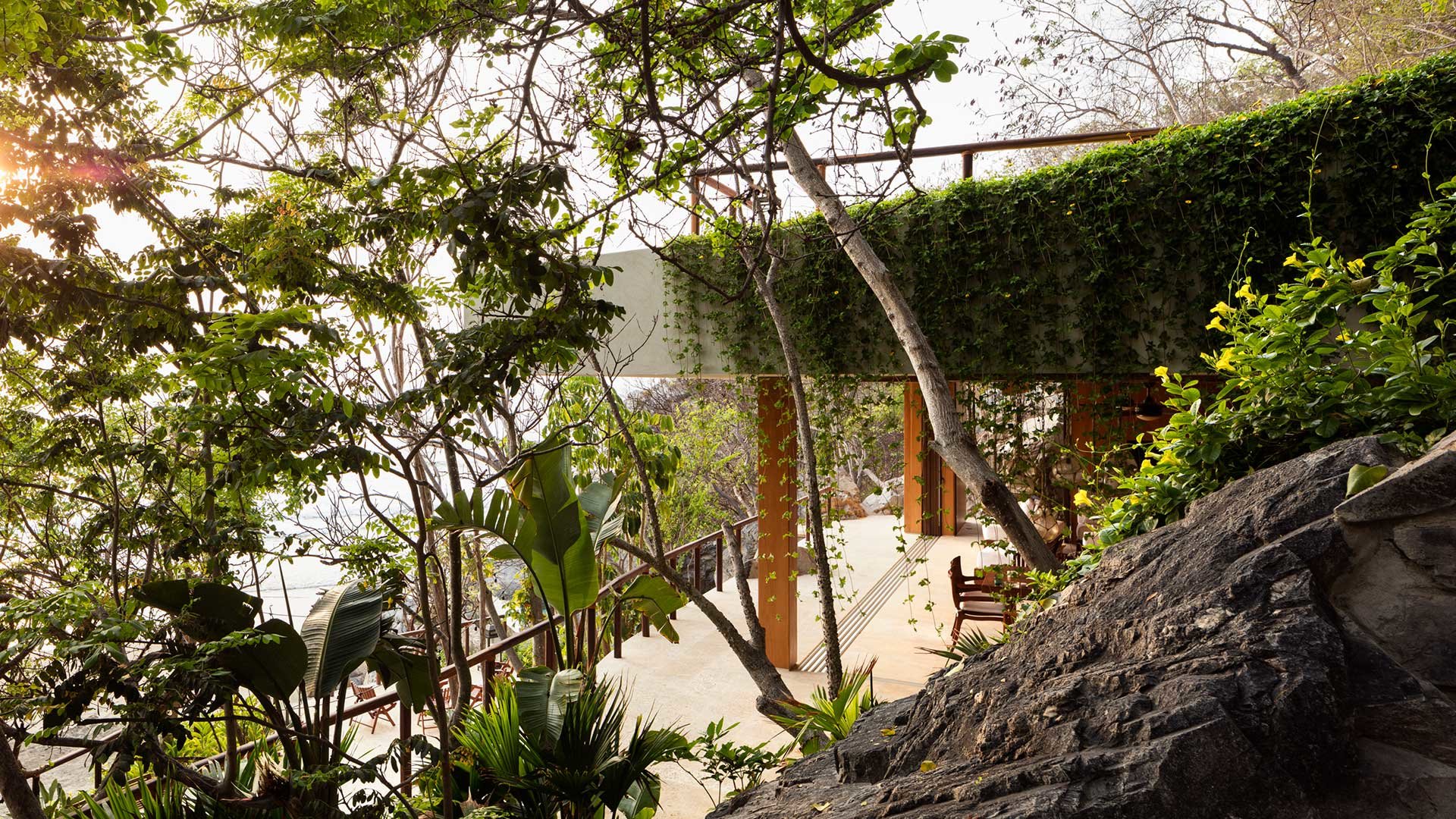
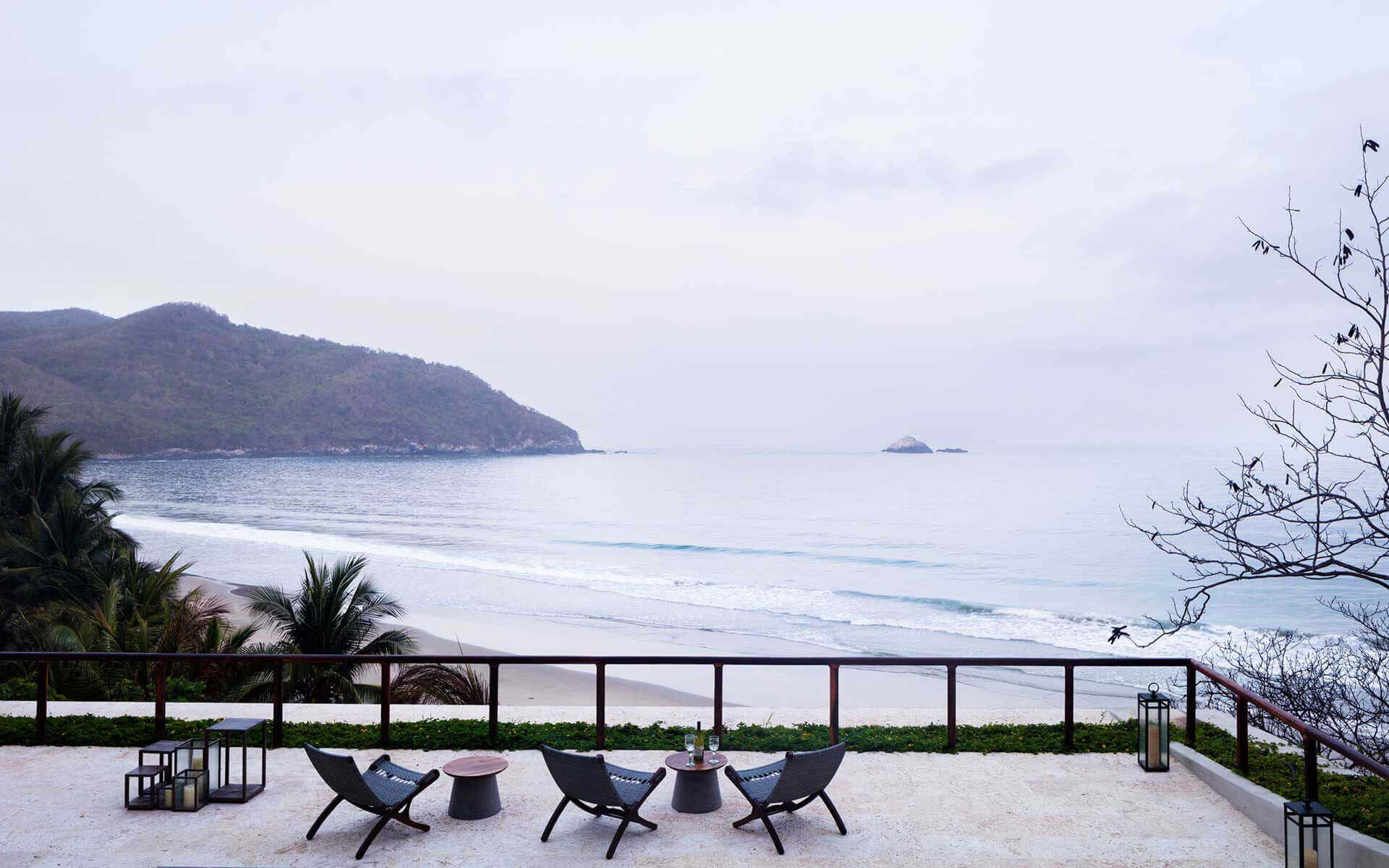
One of its newest masterpieces, the SJA III Cabana, is another example of just how exemplary Casas de México is in terms of integrating different spaces together to make an architecture based on harmony, not opposition. As such, the SJA III is a beachfront cabana that invites the outside in. It’s smack dab in the slope of a rugged hillside that overflows with vegetation. You essentially have a front-row seat to watch incredible views of the Pacific Ocean’s rippling waters.

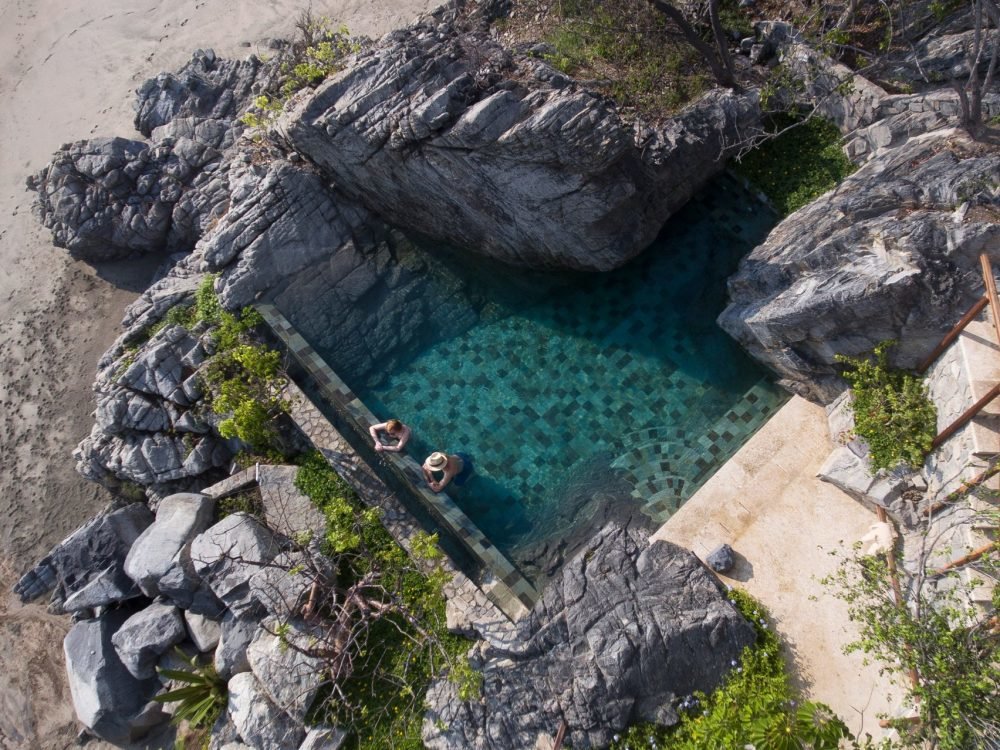
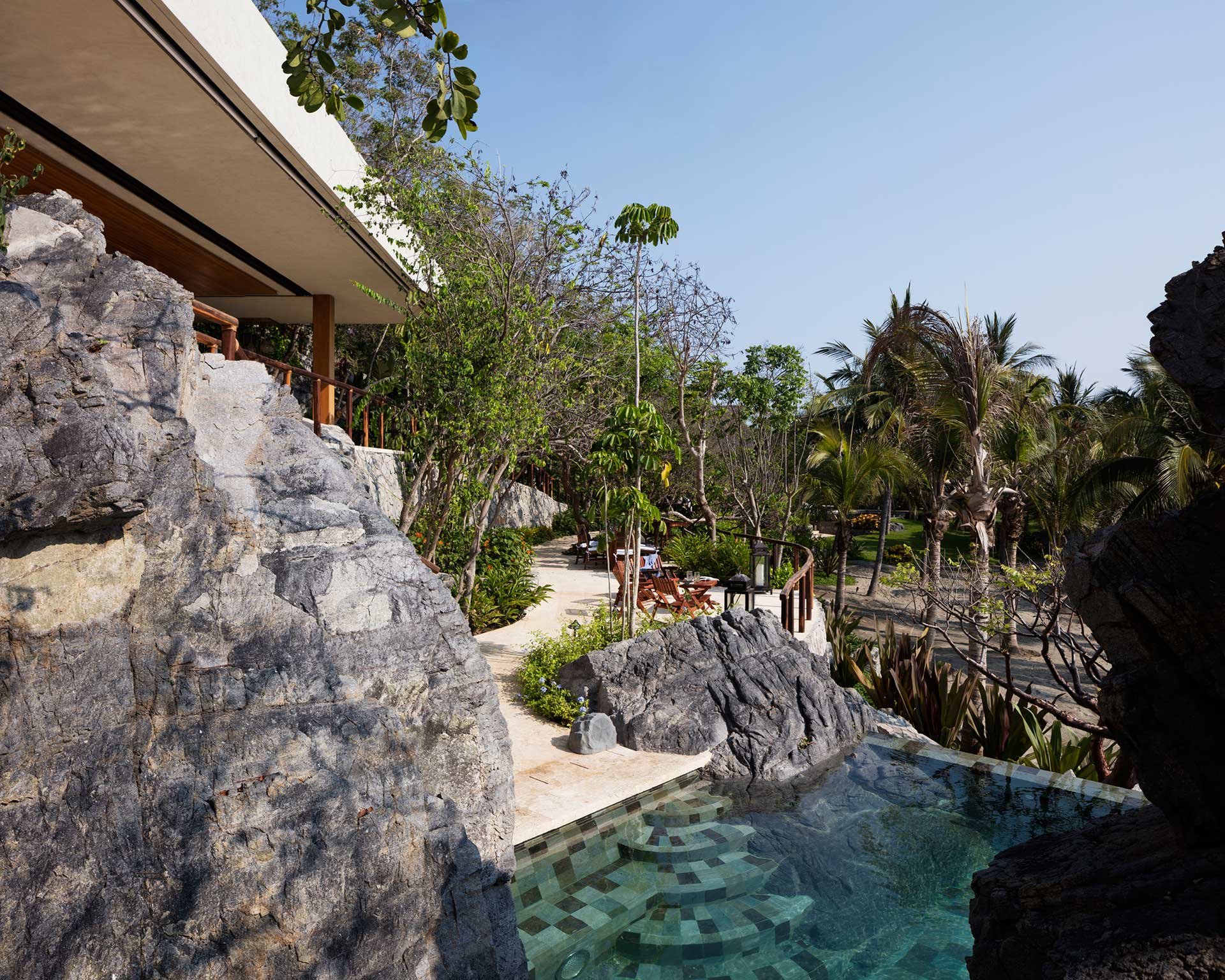
And as much as it welcomes the surrounding nature, the SJA III also manages not to disrupt the beauty of the entire landscape. Both the cabana and the swimming pool are deliberately designed to look like they’re part of the natural space.

The cabana boasts a unique, unconnected roofing structure. It integrates a palapa redesigned into a cover, extruding from the mountain out toward the ocean. The swimming pool is another highlight, featuring large boulders that make it seems like a miniature pond.

You can sneak in the observatory that overlooks the majestic ocean at daytime for amazing views of the sun. Or you can check the stars at nighttime. It’s a place to relax and contemplate about our space relative to nature. A space complete with ivy draperies to help eke out the inner zen in you that aches for peace and calm.

SEE MORE HERE

Photos courtesy of Casas de México

Payette Lake Cliff House

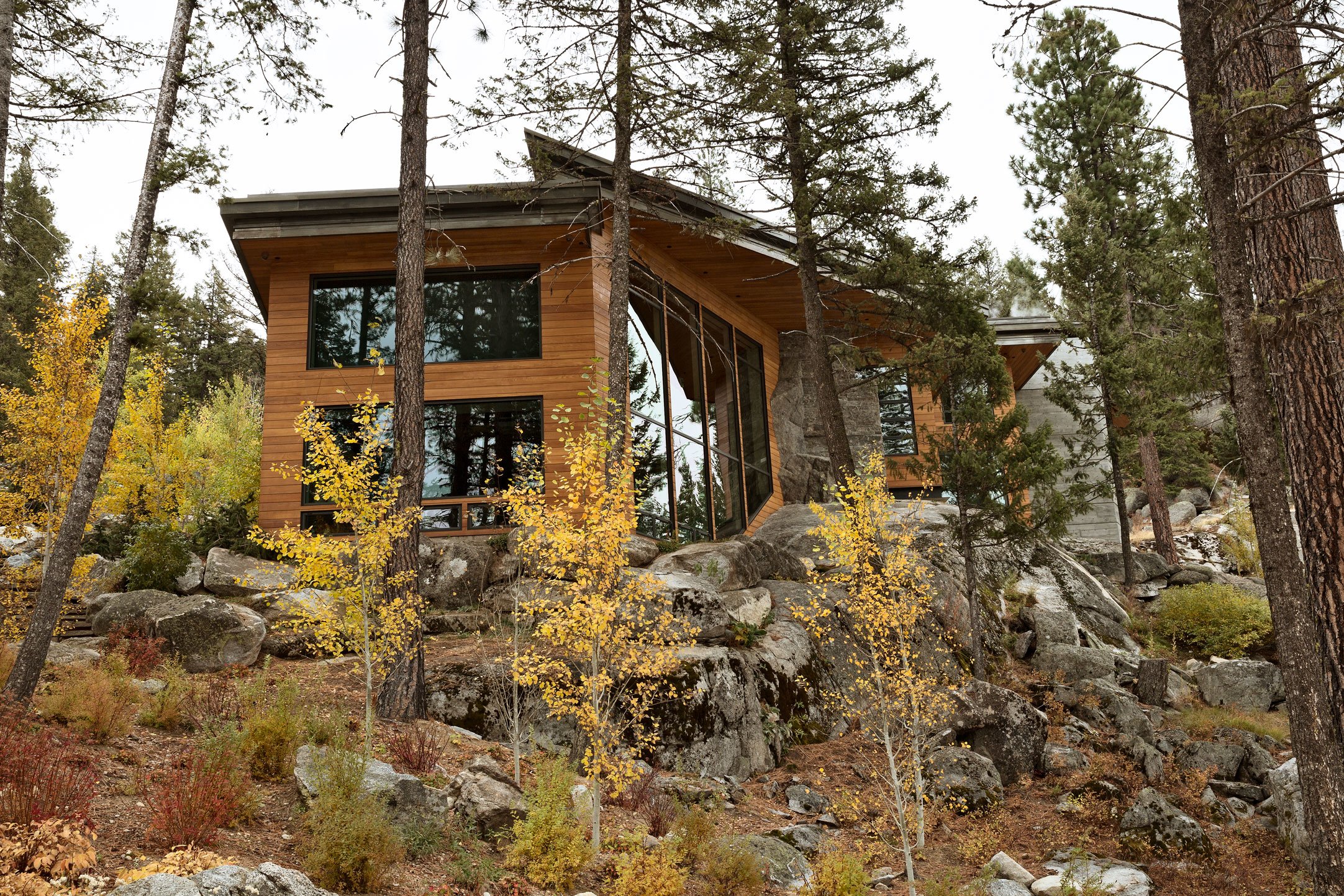
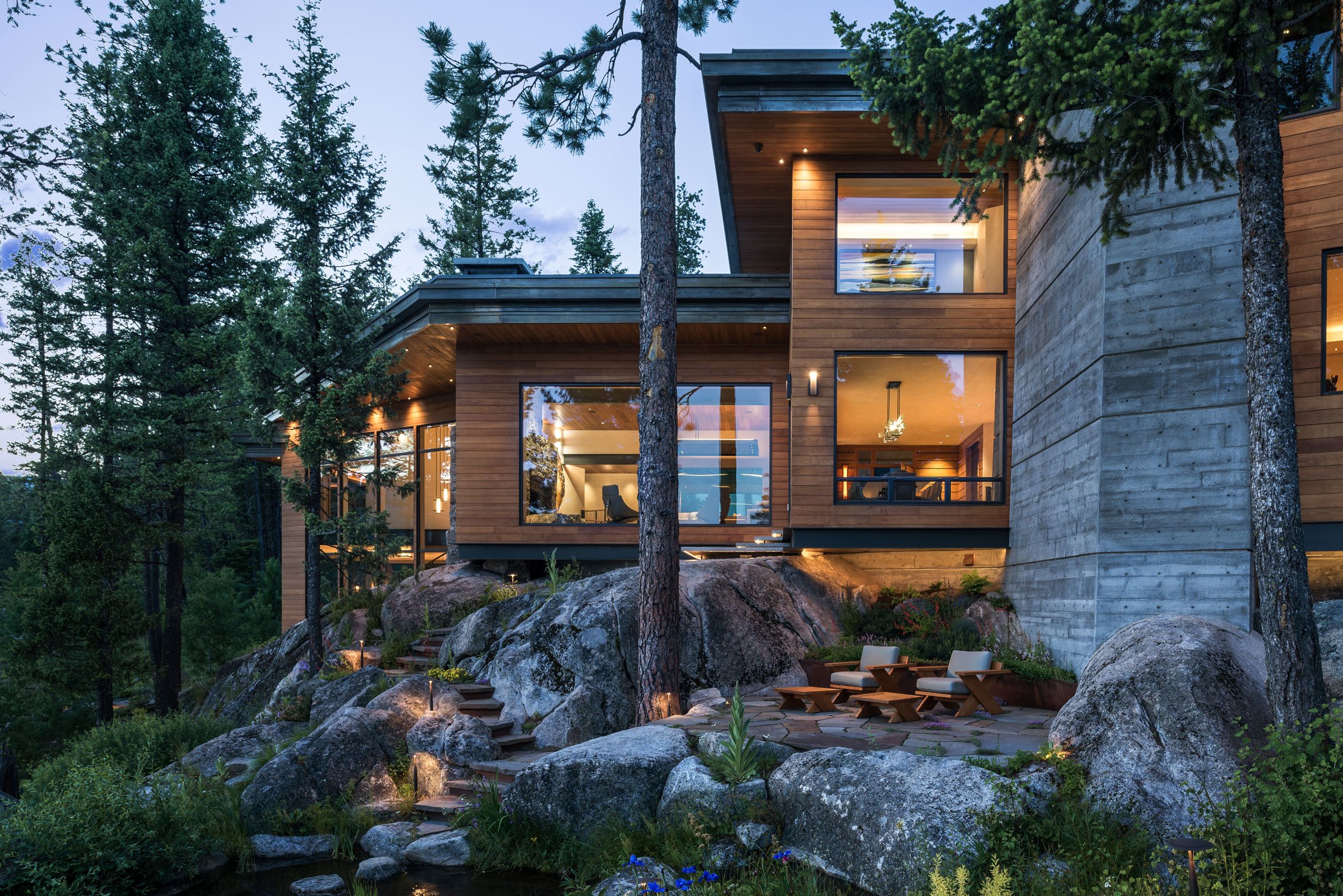
This waterfront vacation retreat is a rejuvenating reprieve from the troubles of city life. Head over to to Idaho and see this quaint, wood-clad home from McCall Design and Planning. You’ll love the fact that it sits on a rocky cliff that overlooks Payette Lake.

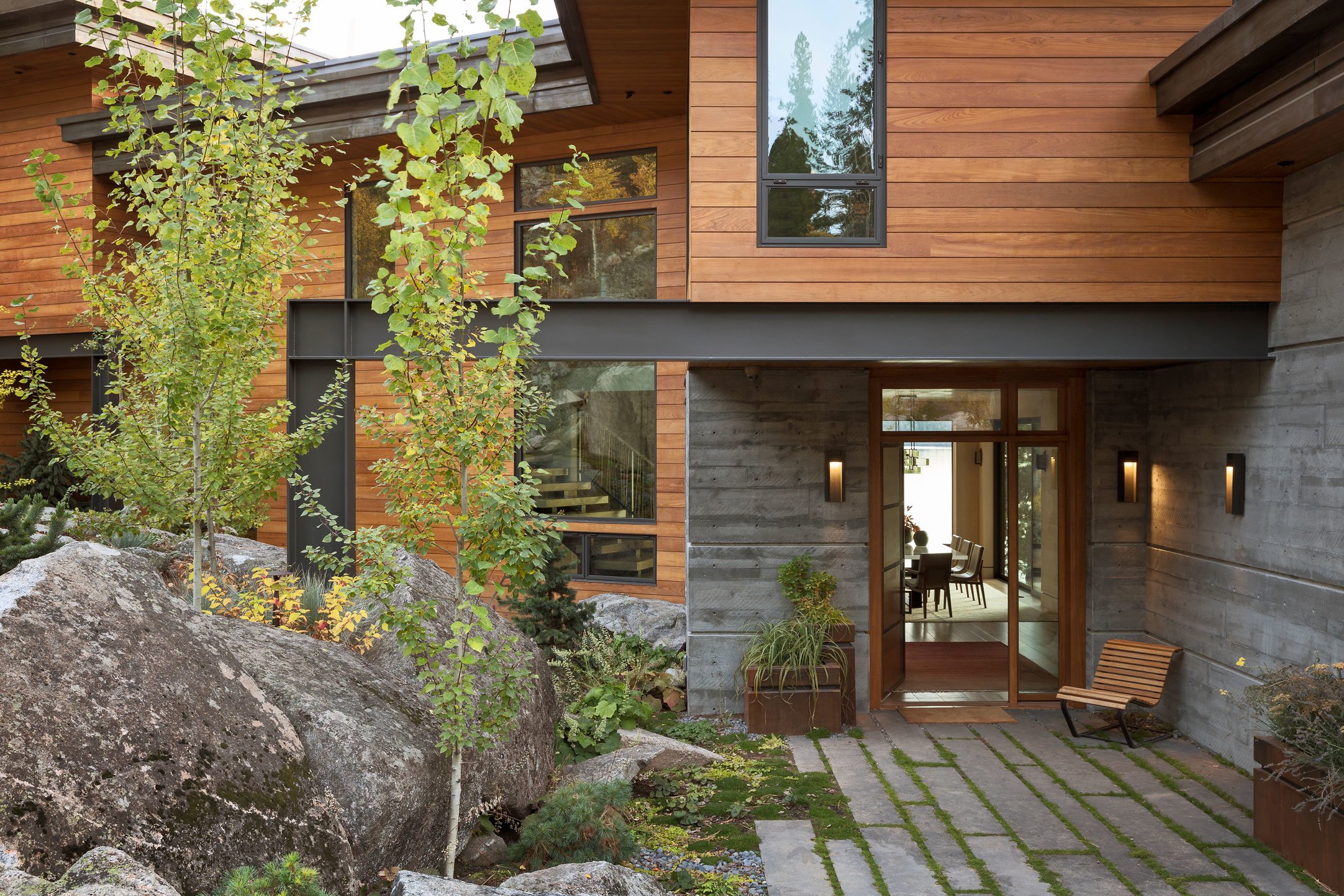
The exterior features mostly teak over a rainscreen system. But you also have thermally broken steel windows and natural zinc aged prior to installation. The designers wanted to keep the ruggedness of the home as much as possible. They wanted it to remain as congruous to its surroundings as possible.

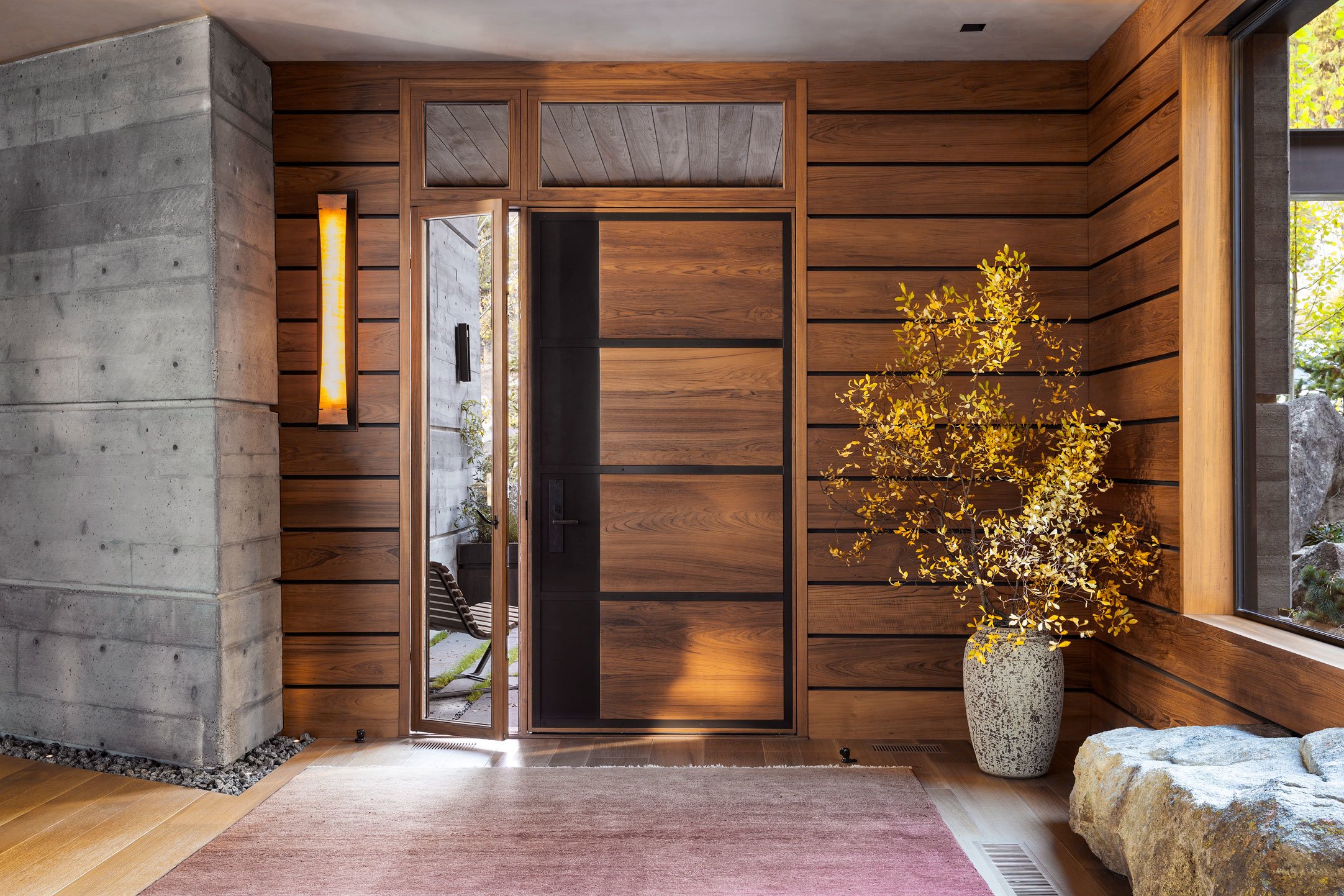
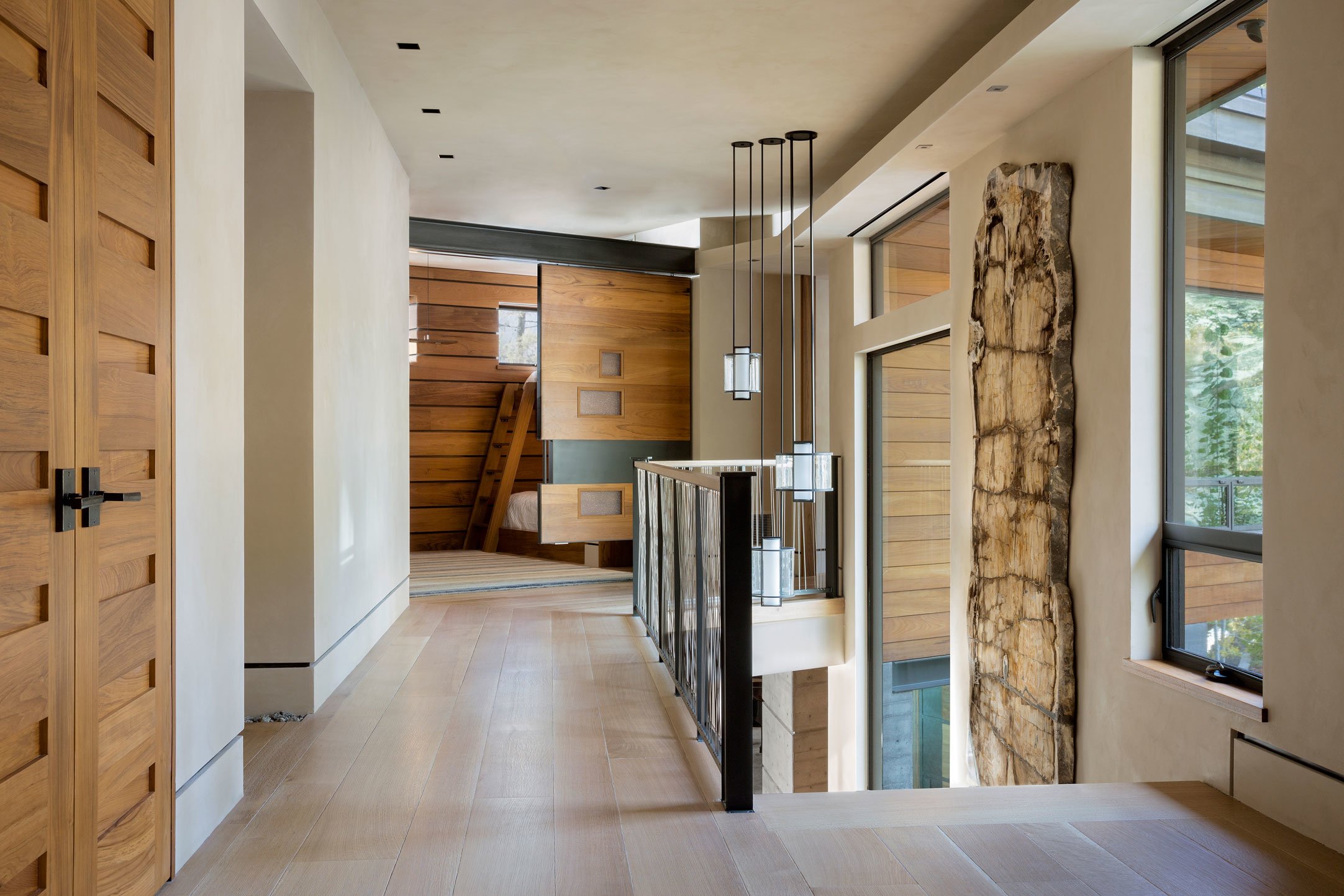
Everything, right from the entrance — a warm wood front door on the middle level that loosens into a an open vestibule, which leads to the dining area on one side and the living room on the other — to the wrap-around picture windows that allow the main social areas to peek outward into expansive landscape vistas, has been meticulously implemented to have as deep a connection to the outside as possible. Which is why the house itself features a zig-zag plan, for all the rooms to have views of the wooded scenery and make the people inside them feel “as though you’re outside,” according to the designers.

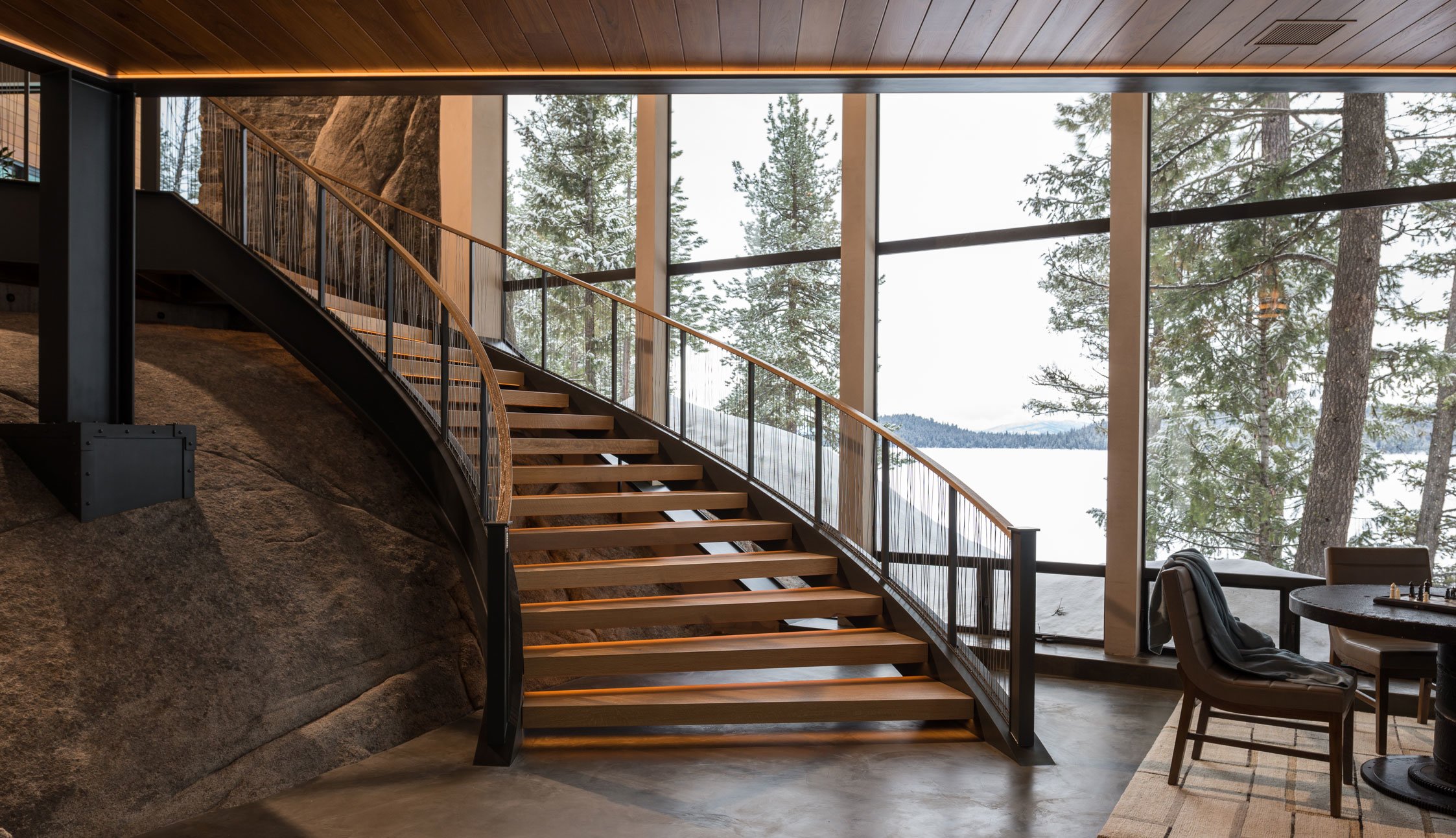
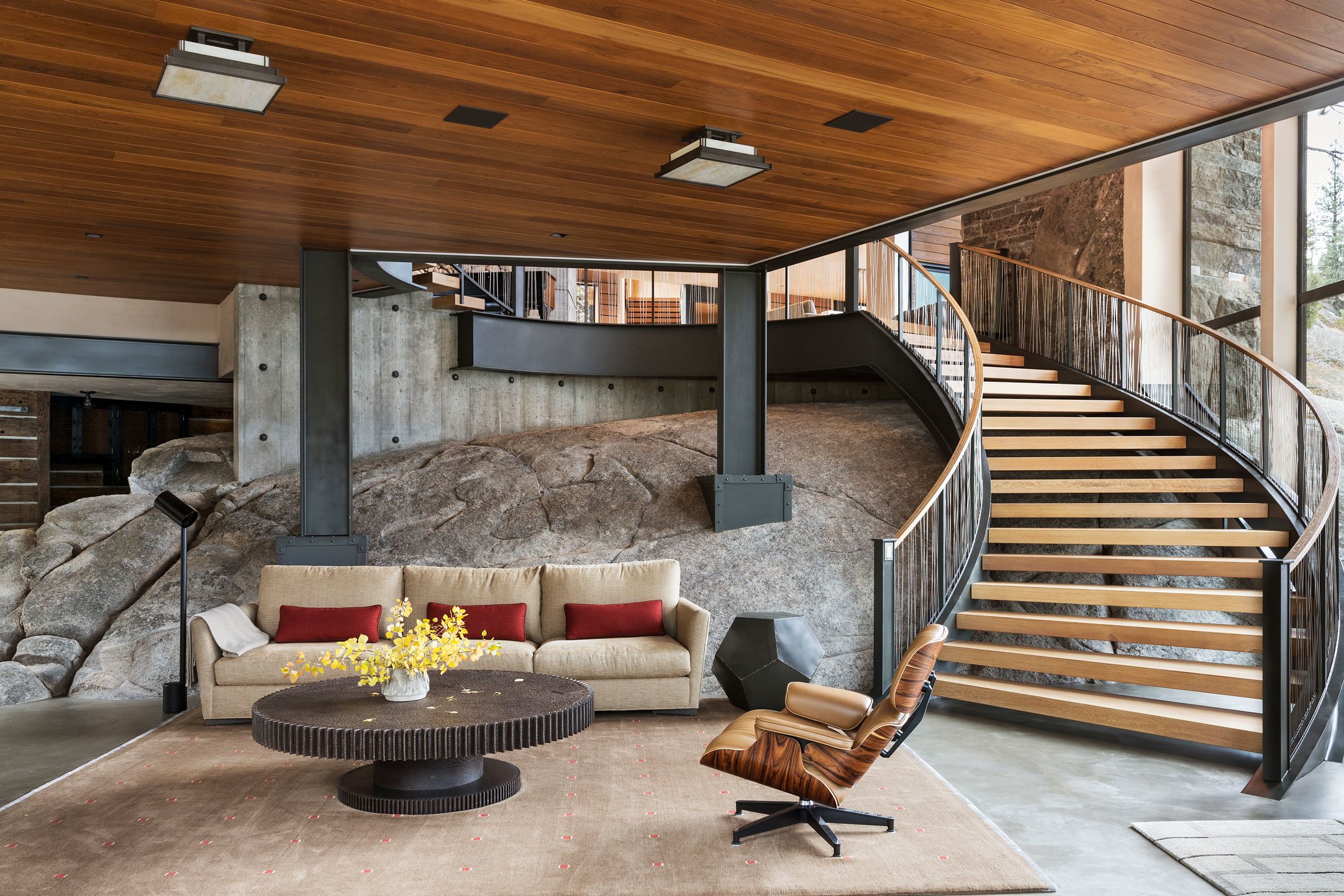
Inside, you’ll find plaster-finished walls that create a soft, mottled finish. This serves up a sharp and welcome contrast to the space’s sharp steel lines and wooden elements. The centerpiece is a circular staircase made from bent I-beams and wood.

The Payette Lake Cliff House is one of the finest examples of architecture that integrates the outside into the inside instead of putting barriers between human living spaces and nature.

SEE MORE HERE

Photos courtesy of McCall Design and Planning

A House With Its Own BMX Ramp

“I ordered a ramp with a side of house.”

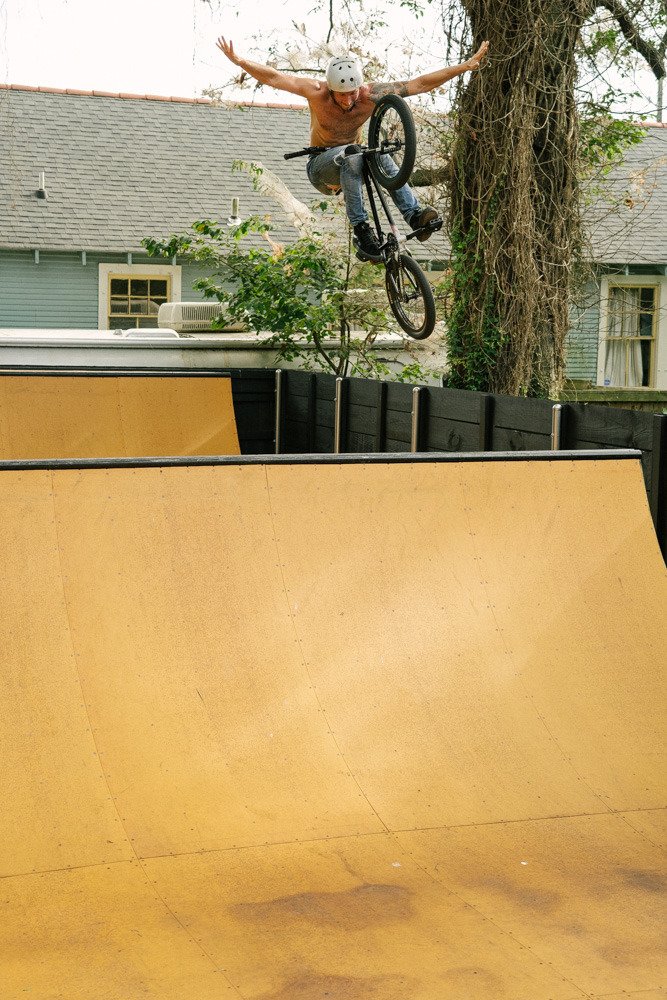
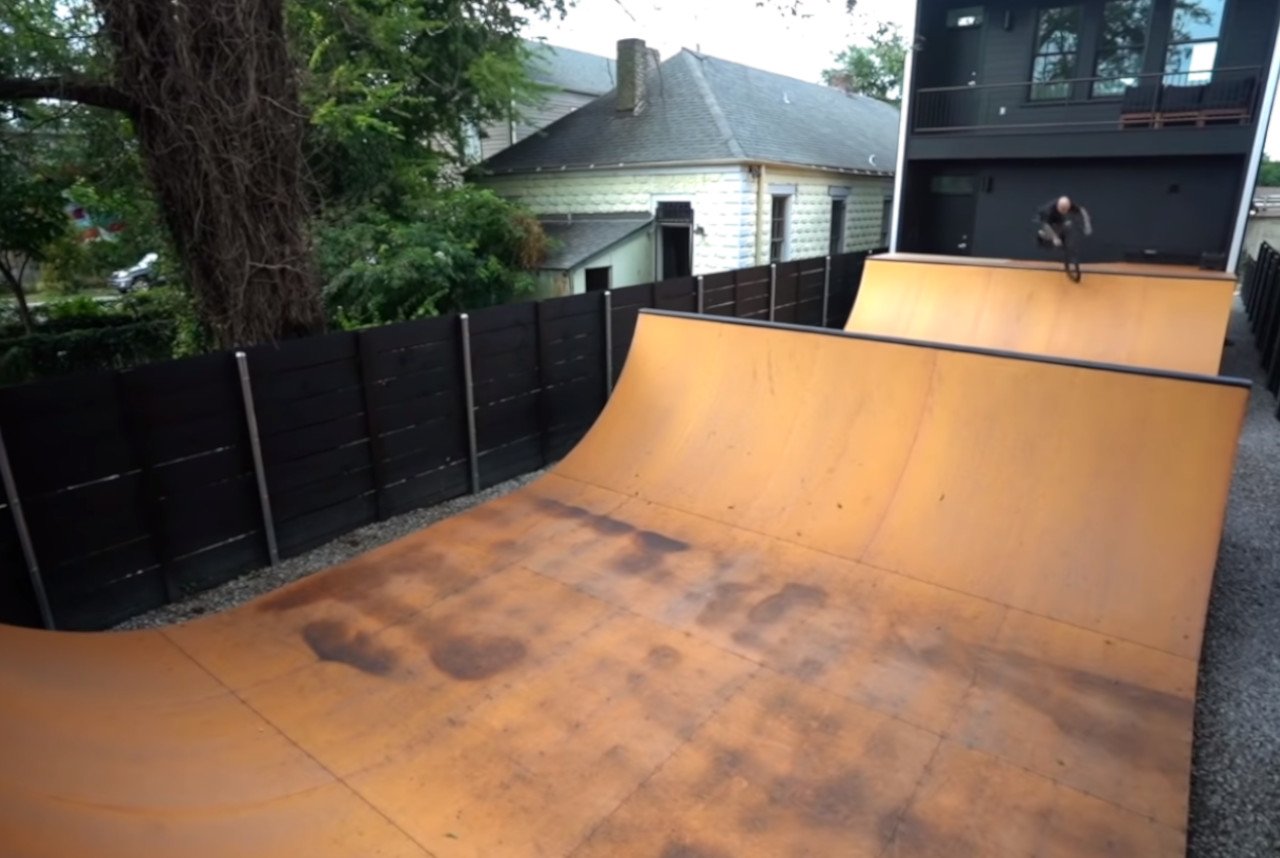
That’s BMXer and visual artist Ooti Billeaud speaking about turning his lifelong dream — to have a BMX ramp in his own backyard — into reality. It took him over five years to finish the house he dreamed up. Now it stands proudly in the historic Bywater district of New Orleans. No other house will ever be like it, at least not within Billeaud’s vicinity.

Here’s how it all happened. Originally, Billeaud wanted to build the BMX ramp first before the actual house. However, city authorities told him that if he did that, they would be forced to confiscate his land. As a recourse, he built a small house first then started working on the BMX ramp.

Fast forward to today. Billeaud now gets to live his childhood dream the minute he jumps out of bed, looks out the window, and sees that humongous BMX ramp in his backyard, ready for some BMX action. It might have taken over five years to build, sure. But for Billeaud, he’d been dreaming of this for 22 years.

“It’s surreal to accomplish a goal you’ve been directly working your ass off towards for 5 1/2 years and wanting for 22 years.” According to Billeaud, this is one of those ideas where he really didn’t think about the level of work that was going to be involved.

“I have this bad habit of grossly underestimating the amount of time, energy, and money it takes to do things in general,” he says. “It’s almost like I get so psyched on whatever crazy ass idea that pops into my head that my subconscious keeps me from truly considering what’s involved.”

As crazy as this idea was, it’s now true. Props to Billeaud for never letting the kid in him disappear.

SEE IT IN ACTION HERE

Photos courtesy of Ooti Billeaud

The Lighthouse Office

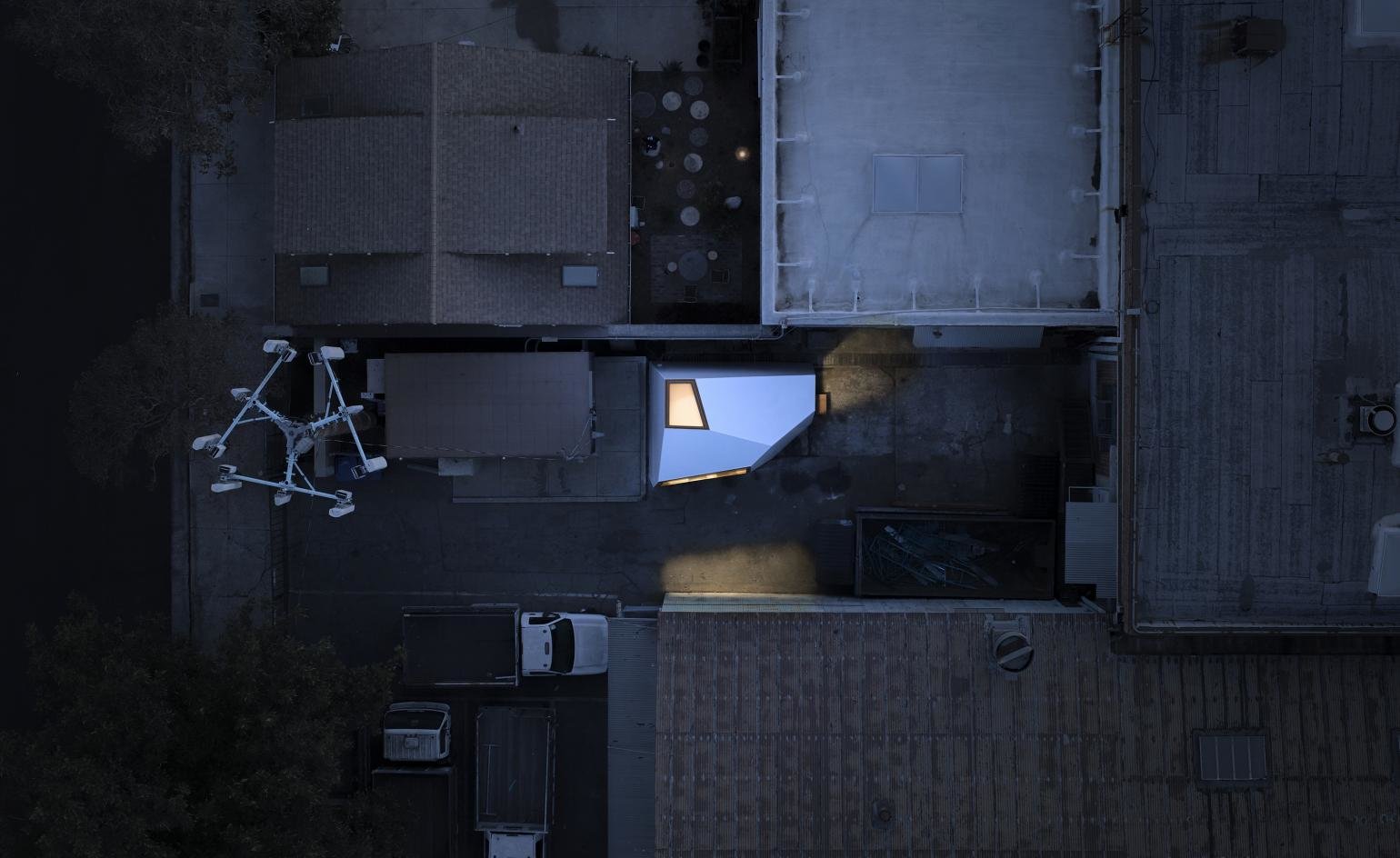
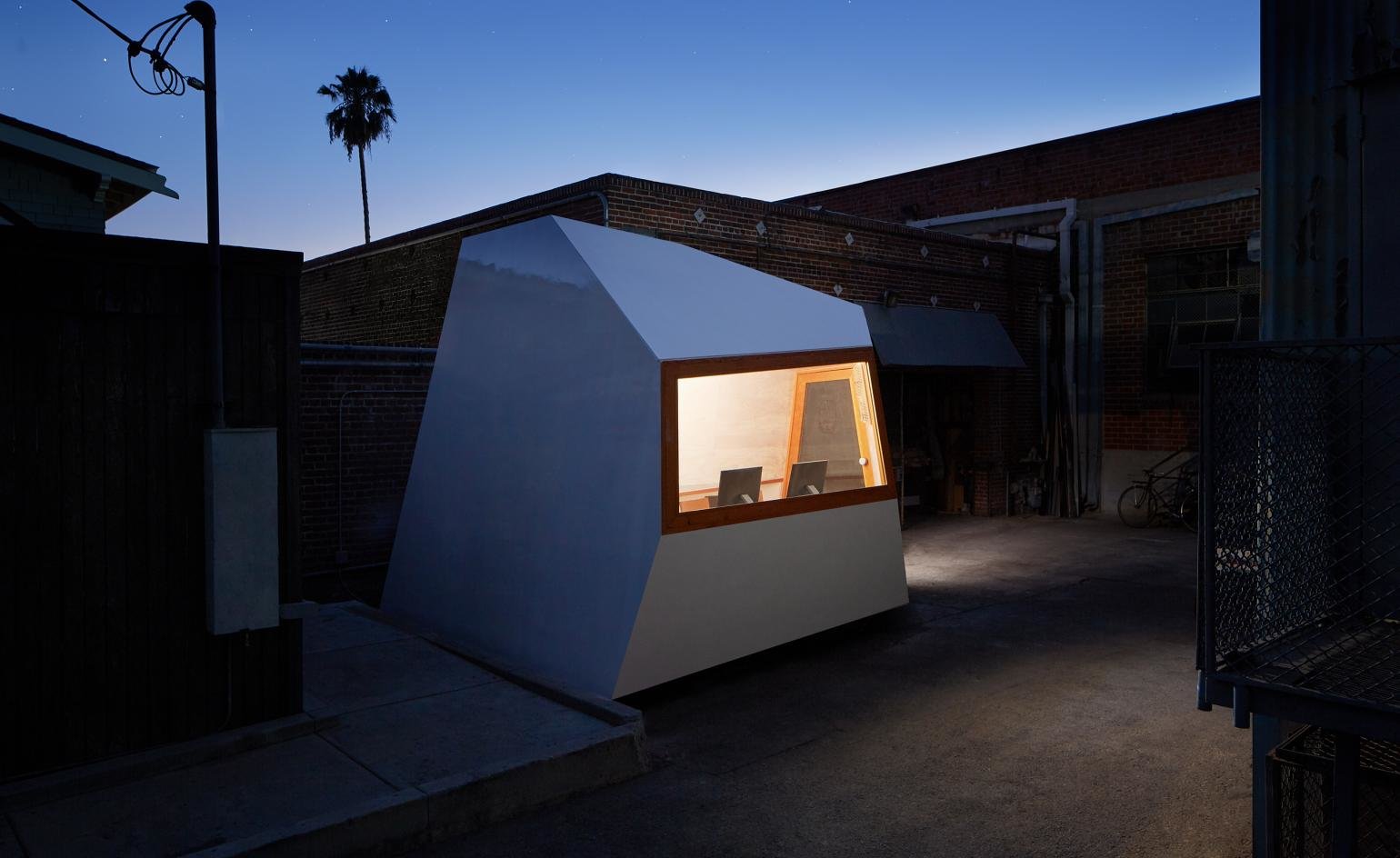
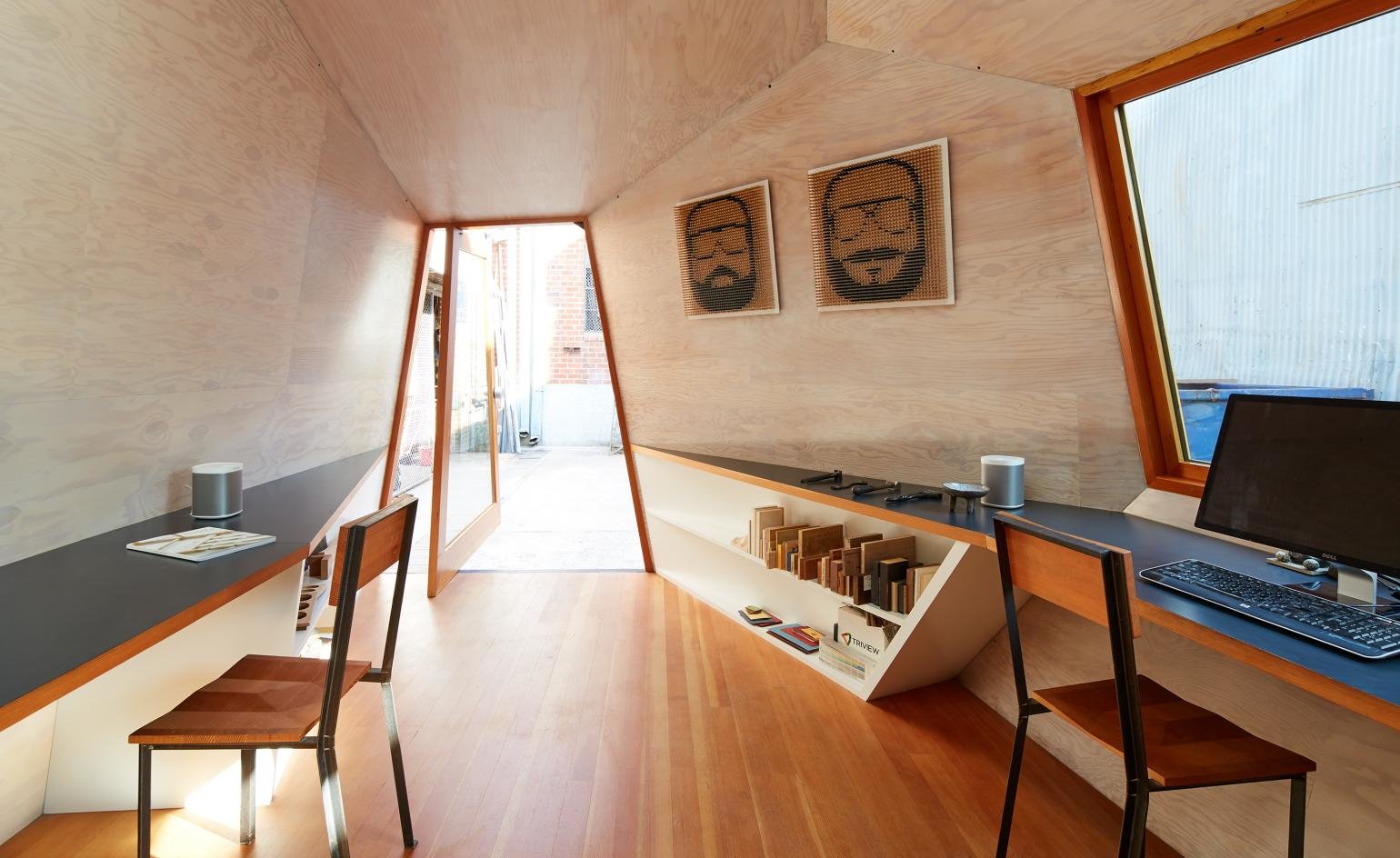
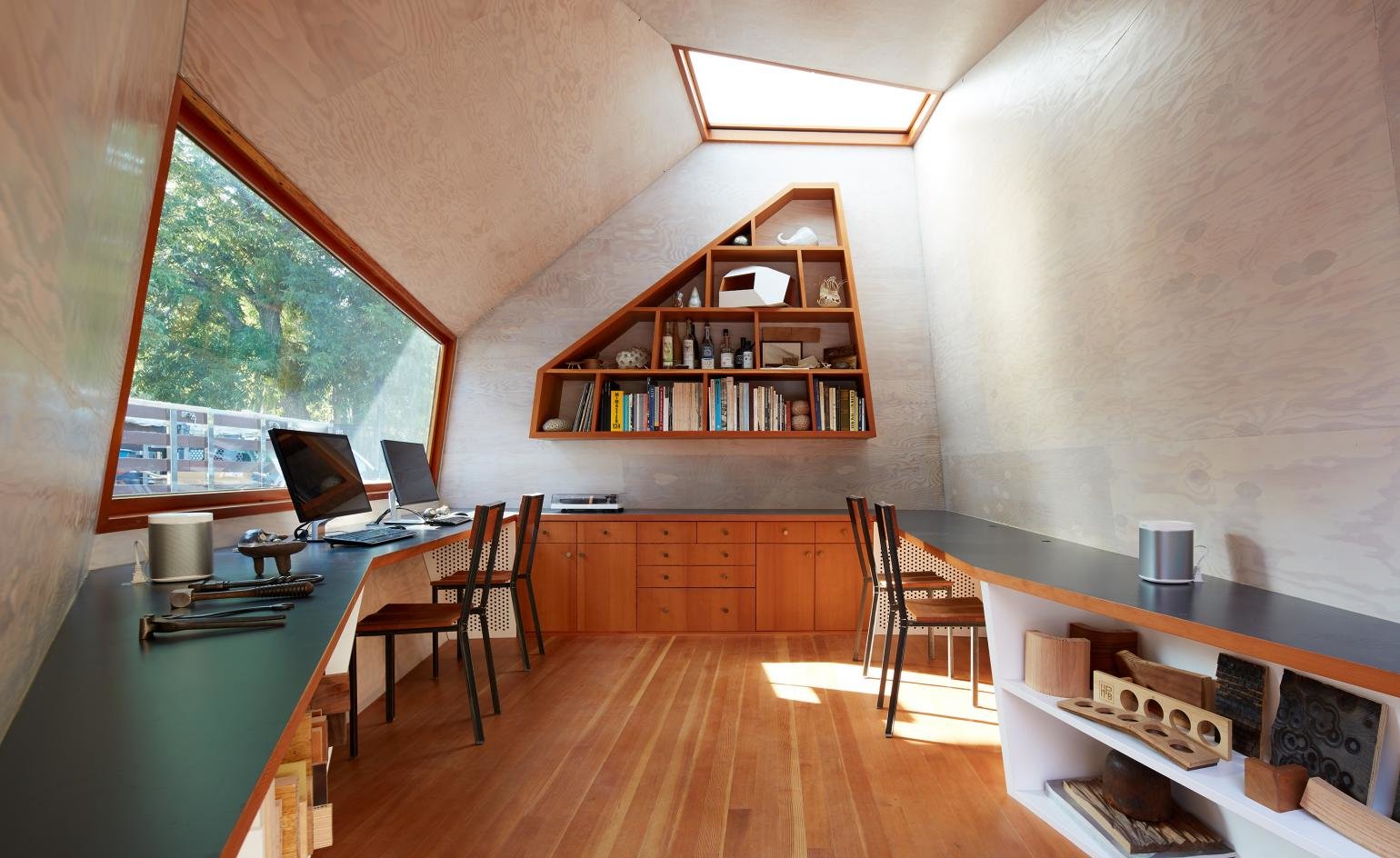
The Lighthouse Office is a quaint little office space from Los Angeles studio Knowhow Shop. It’s marked by a bizarrely alluring polygonal exterior. Suffice it to that it’s truly one of the most unique spaces we’ve ever seen.

The design isn’t just for show, though. The micro-building’s lightweight prefabricated panels were assembled with minimizing environmental impact in mind. The structure’s asymmetric windows pave the way for more natural light to come in. In effect, you don’t really need to turn on lights at daytime. This also makes for a warm and wonderful glow after sundown.

The structure sits on industrial casters originally made to support roll-off dumpsters — this means the office can travel. And details like the custom-made skylight that blends traditional boatbuilding materials with details borrowed from a car sunroof take this place from experimental to exemplary. But it was quite a challenge to build, according to Knowhow Shop. The studio had to rethink — if not completely wipe clean — their old ways and approach the project in an entirely different light.

“Our intent was to build this project entirely by ourselves from ground up, not only due to financial constraints but as a proof of concept for a contemporary micro-building.” This is, however, a project they wouldn’t have been able to simply hand off to a contractor then call it a day.

“So we bypassed the normal methods of architectural production, and relied on the most experimental potential of our design/build model.”

The result, as you can clearly see above, is an office space that allows light in just as much as it wields it, showing us an exciting new possibility in contemporary architecture.

http://www.knowhowshopla.com/projects/lighthouse-office

Photos courtesy of Knowhow Shop

Apollo Bay Beach House

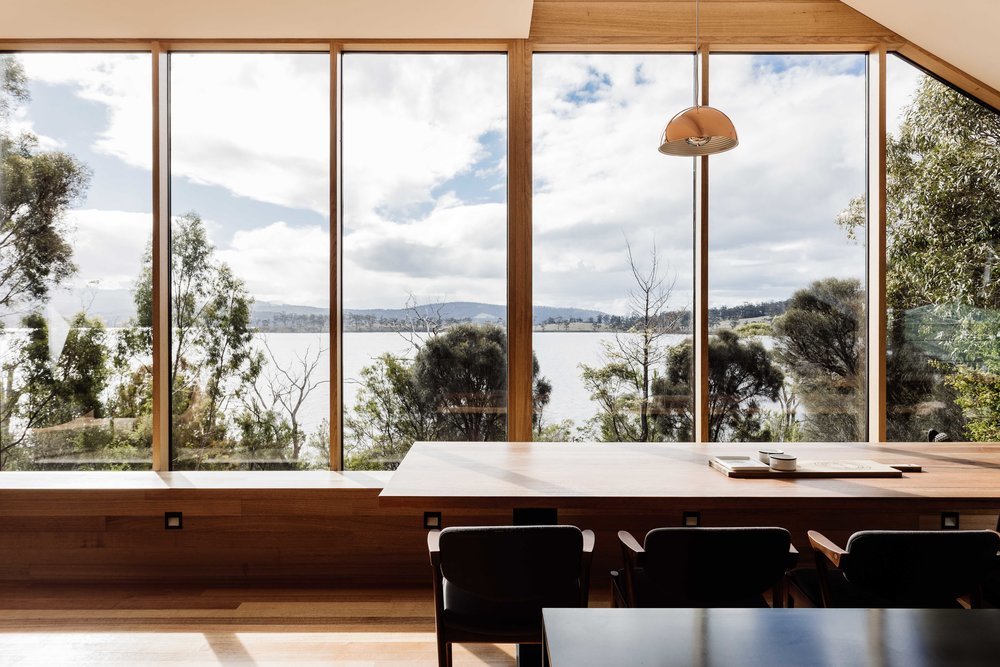
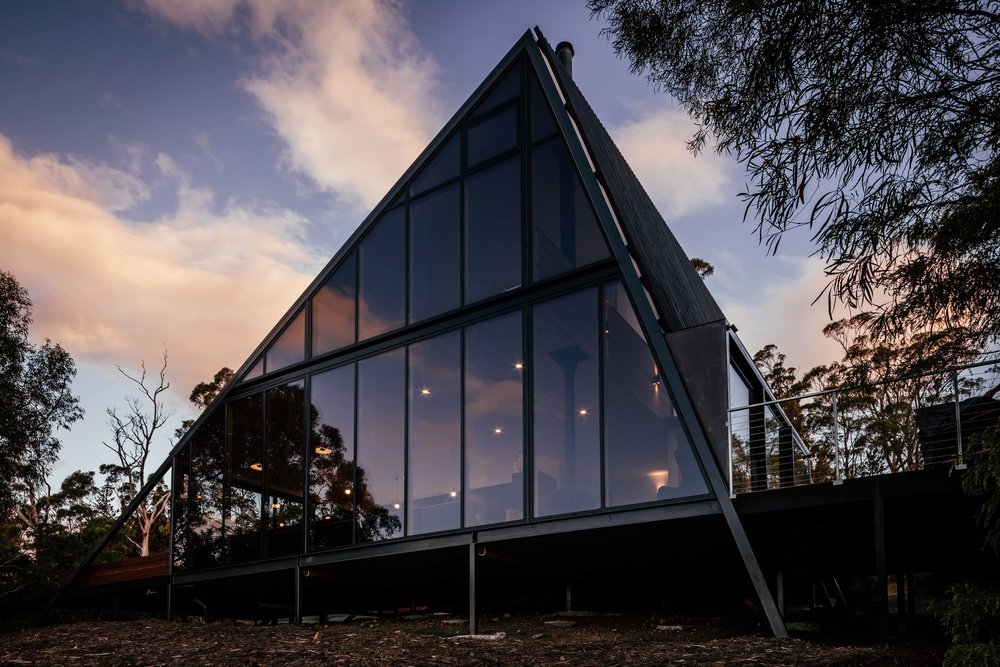
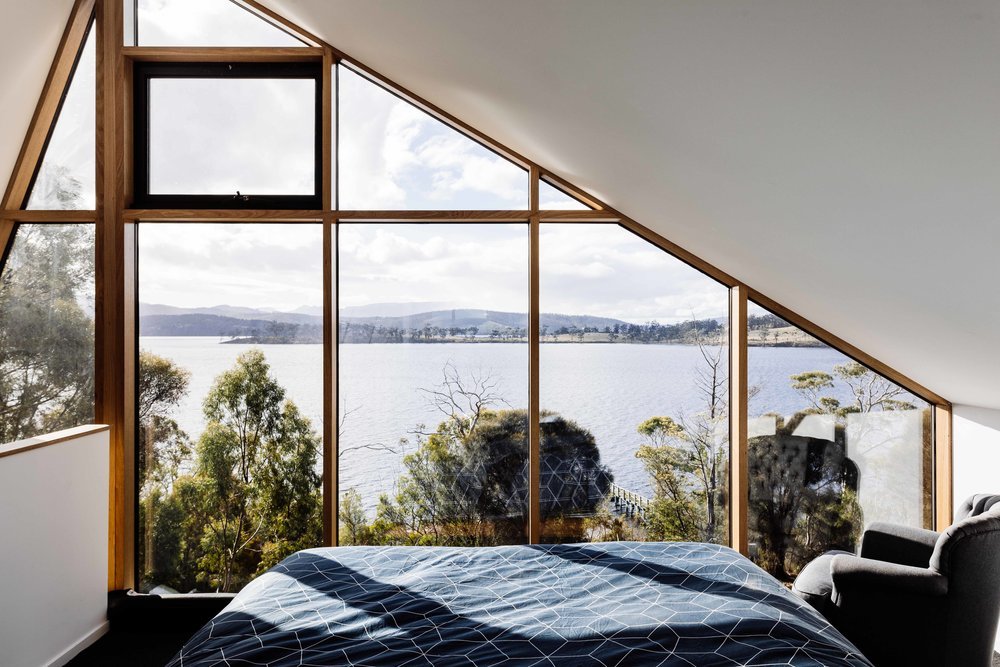
You never think of a beach house as a permanent residence. However, Dock4 Architects’ new take on the summer home essential might change your mind. The Apollo Bay Beach House sits amongst the coastal vegetation that fringes the bay. The minute you step up to your window, you’ll see the majestic waters greeting you as the sun rises.

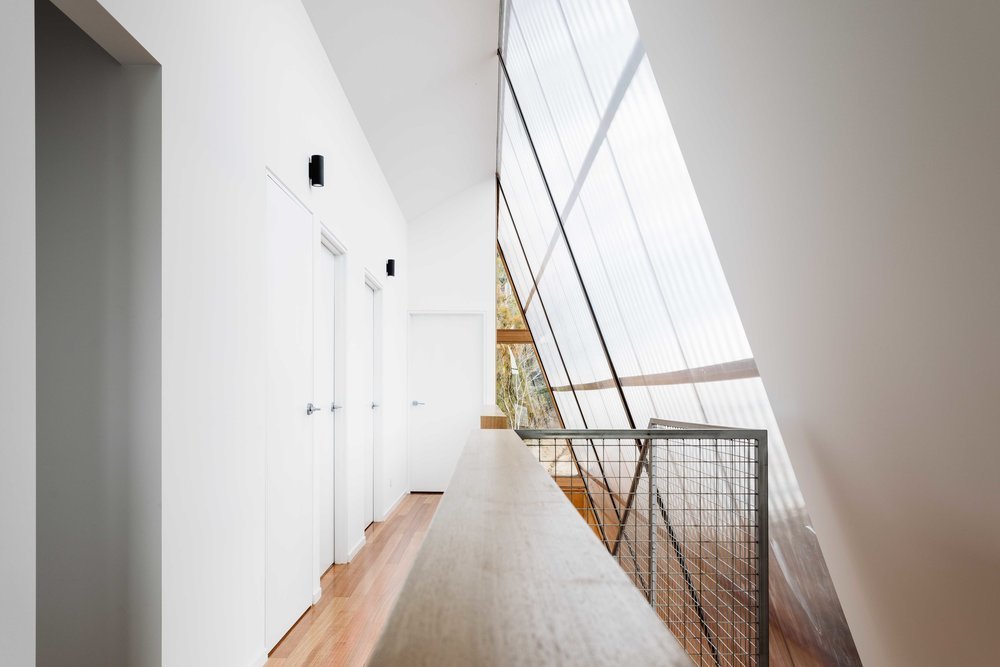
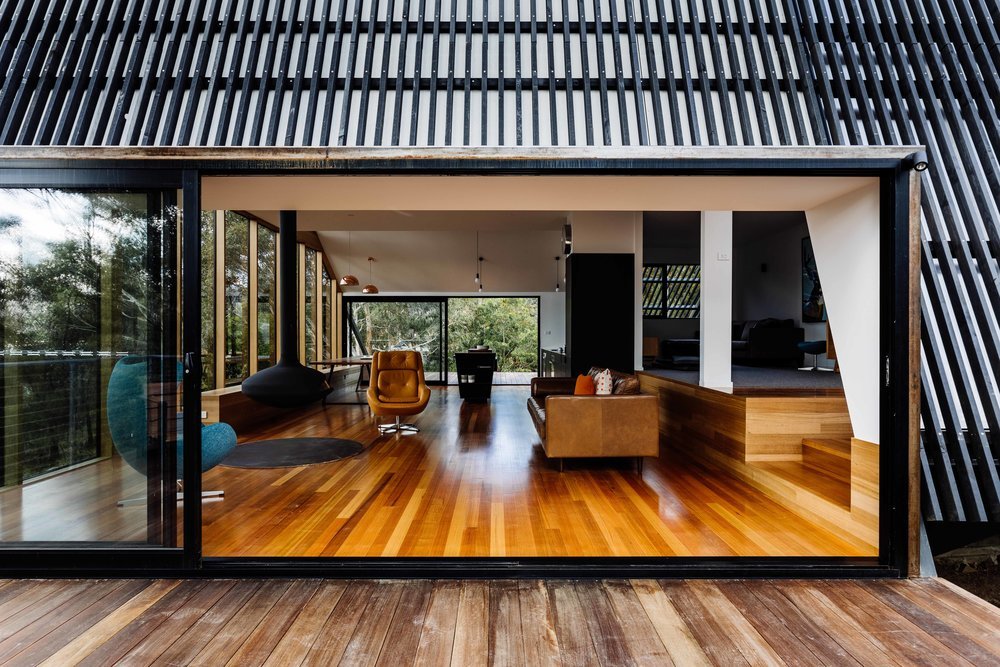
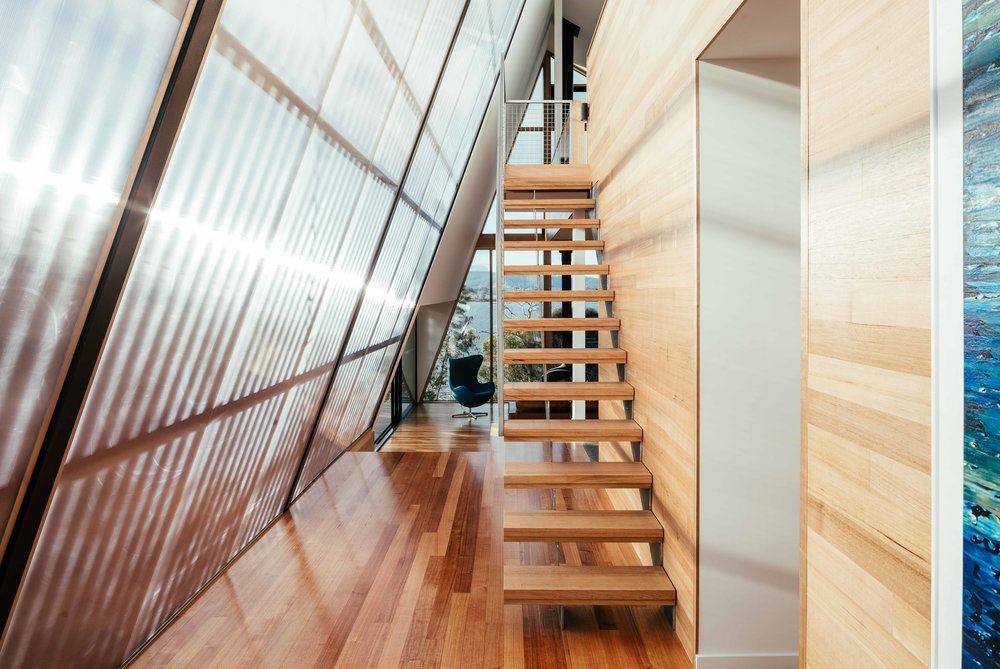
Designed with relaxed coastal living in mind, the Apollo Bay Beach House crosses the line between inside and out. It does this through the use of multiple sheltered platforms and a strong visual connection to the outside, says Dock4. The firm worked with the space’s original cedar clad shack and built a new asymmetric steel structure below. They also developed new spaces in front and on top of the old shack. Spaces that are always bathed in light and constructed with angled walls to contrast the more enclosed, rectilinear rooms.

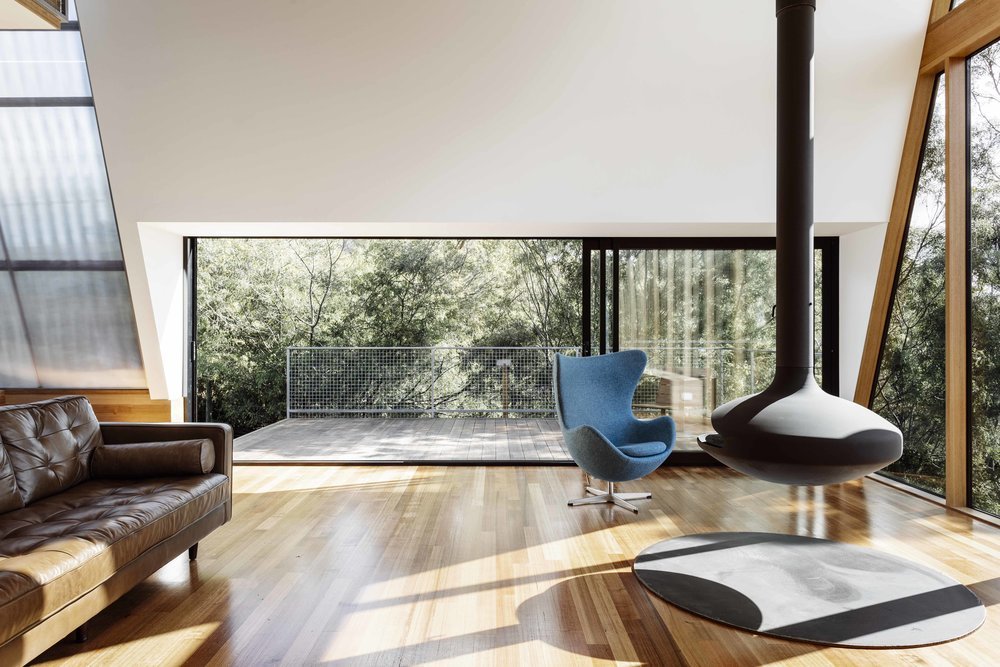
Inside, you’ll find that the palette is has a clean and light vibe to it. The main living area features a suspended matte black fireplace as the centerpiece of the space, and its flue stretches up through the master bedroom. This creates a sense of connection between disparate rooms. You get a broad view of the rustic outdoors from the main space, including the surrounding greenery and the marvelous hills just across the glistening water.

The Apollo Bay Beach House primarily features mid-century furniture, whose contrast come in the form of contemporary detailing and accents that complete the split-level great room. You’ll find more images of the space below, and you might find yourself with a new understanding of what a beach house could be.

SEE THE HOUSE HERE

Photos courtesy of Dock4 Architects

LJ30 House By Casas de Mexico

The LJ30 House by Casas de Mexico is one of the most spectacular examples of what contemporary architecture can be. Stashed away in Zapopan, this monolithic masterpiece deconstructs the sharply rigid elements of modern structural design by angling them towards open, airy spaces.

In effect, you get what looks like a set of intimidating blocks stacked on top of another. But look closer and you’ll see that the entire space welcomes nature with open arms. This is marked by its spacious balconies, wrap-around glass windows, and a ground floor that’s heavily integrated into the whole landscape.

The house takes conventions from traditional haciendas and takes pride in its Spanish roots. You can see that with the antique furniture peppered across the entire space, all part of the overall quaint atmosphere. Once you’re inside, you’ll see what we mean when we describe it as being open. There’s lush foliage that stretches up to the second floor. Big chunks of this greenery face up the naked sky, letting an enormous amount of natural light in at daytime.

Wooden banisters replace steel, and hardwood floors are laid throughout, even in the bathroom. But these oddly placed elements don’t feel the least bit unusual — in fact, they serve a nice contrast to the brutal feel of the house’s shapes, and they all work to make the LJ30 feel like a classic home in the contemporary age. It’s an incredible thing to witness, combining vintage elements and modern amenities but never exploiting them or waxing nostalgia mindlessly.

SEE MORE HERE

Photos courtesy of Casas de Mexico

The Artery Residence

An art collector and his wife approached renowned architectural firm Hufft to build them a new home. So the group used the couple’s extensive art collection as the basis for the design. As such, artworks fill the lower level, and a subgrade gallery serves as the “heart” of the home.

Practically built for showcasing the couple’s personal collection, art flows from the main gallery into the circulation spaces of the other levels. They spill out into the hallways and vertical atriums, as well. These “arteries” lend the residence its name.

At the main level of the Artery Residence, you’ll find limestone-clad living spaces, including the living room, kitchen, dining room, and the couple’s individual offices. The house contains five upper level timber-clad bedrooms. There’s one for the couple, two for each of their children, and vacant ones for two guests. These rooms are all cantilevered dramatically, perhaps to further evoke a sense of being in an actual high-art gallery.

If you think all the art is housed inside, you’re terribly mistaken. In fact, the couple’s collection extends into the landscape. The lawn, for instance, features a sculpture park, grass pavers, long terraces, and gentle landscape stairs. You’ll also find a tension edge swimming pool wrapped into the main house, the walls around it softened by climbing vines. Any art collector or frenzied art lover would definitely love to take a walk in the hallowed halls of the Artery Residence — just expect to be overwhelmed by all the art you see. It’s like a museum you can sleep in.

SEE MORE AT HUFFT

Photos courtesy of Hufft

Czech Forest Retreat

For a zen vacation, nothing beats the forest. However, not all of us want to go through the hassle of setting up camp. Not to mention cleaning the portable grill once you’re done making dinner. Or wriggling inside sleeping bags because of the extreme cold.

While those aforementioned things are what truly defines an honest-to-goodness outdoors experience, you can opt out of them entirely and live in this quaint little forest retreat designed by Uhlik Architekti instead.

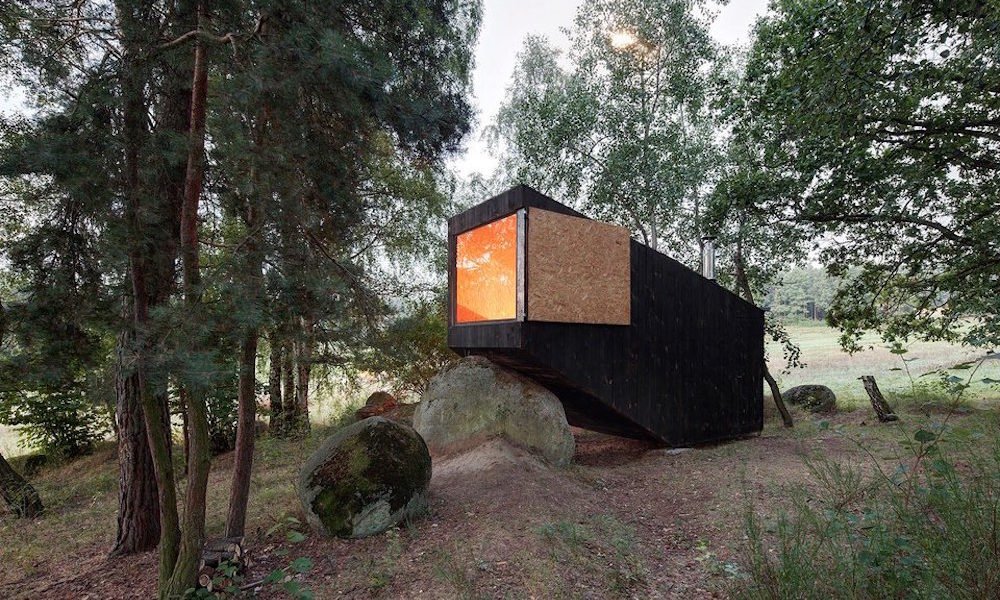
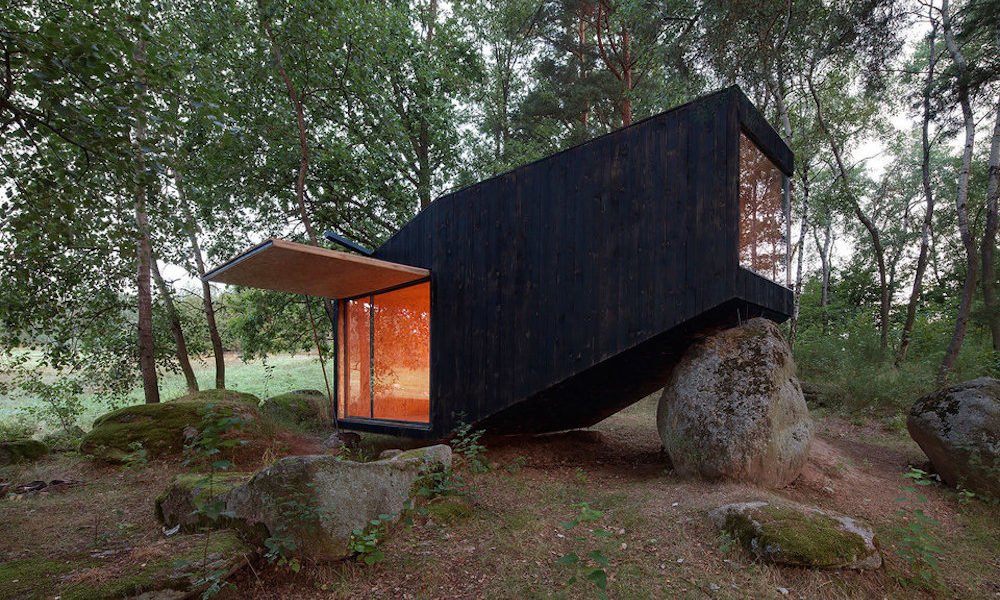
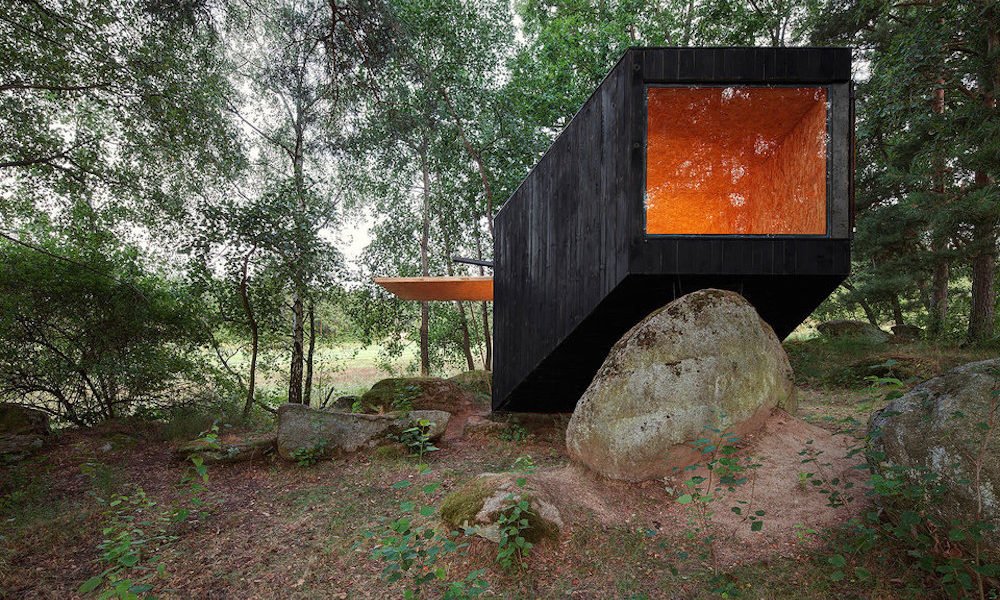
The minimalist and highly modern house is uniquely in contrast with its surroundings. It’s got sharp edges, rigid shapes, and intensely dark colors against the lush, freewheeling zen of the forest. Even still, the designer found a way to make it appear an organic part of the area. He they did so by making what’s possibly one of the simplest elements in architecture — a boulder. Yup, a huge boulder appears to be holding the entire structure together. In effect, you see the monolithic slab of black leaning heavily on the stone. It’s such a tiny addition but it makes all the difference.

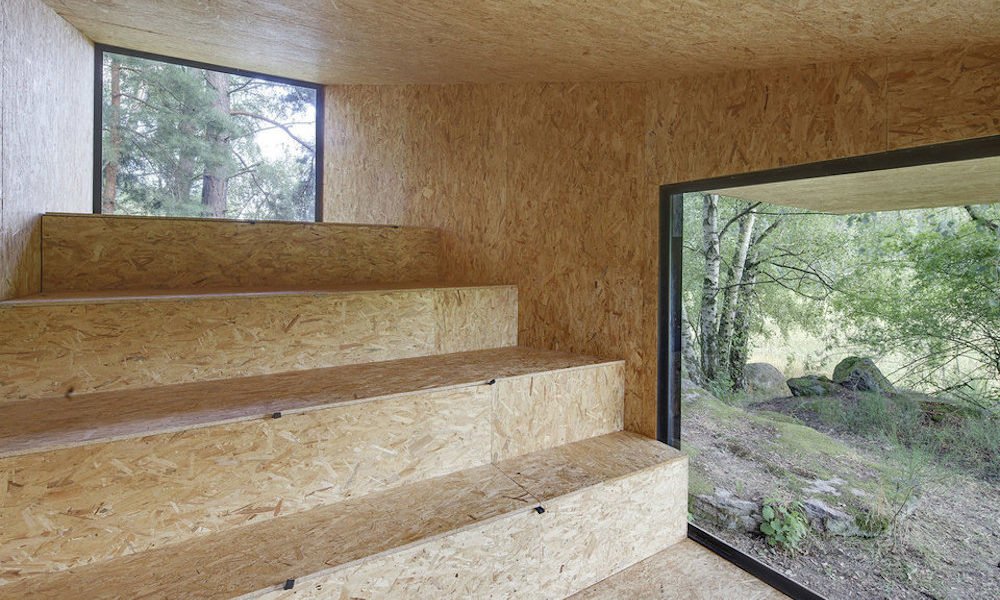
More on the forest retreat itself: You can flip the walls up and expose large panels of glass, revealing the scarce space inside. The interior is done up in raw plywood, its lightness in color and appearance serving as a lovely complement to the harshness of the exterior. In the ground floor you’ll find a wood-burning stove, plus large stairs that takes you to the additional stretch of space above, with scenic views of the forest just outside the glass. Much of the interior space is kept minimal, making it a perfect opportunity for transformation. Surely anyone giddy enough to convert the nondescript space into their personal sanctuary will find this extraordinary.

SEE MORE HERE

Photos courtesy of Uhlik Architekti

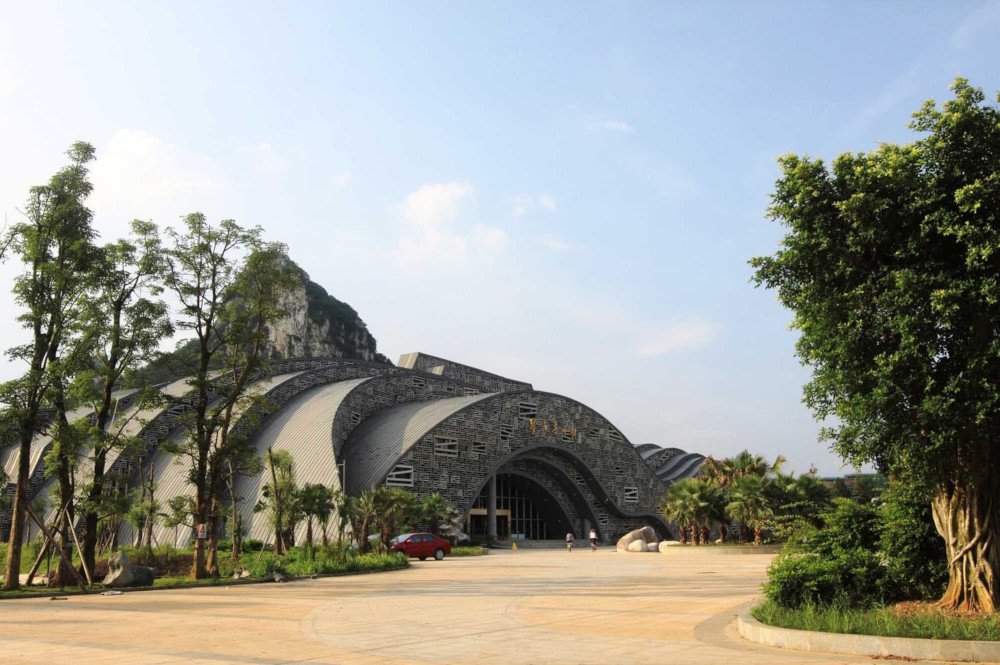
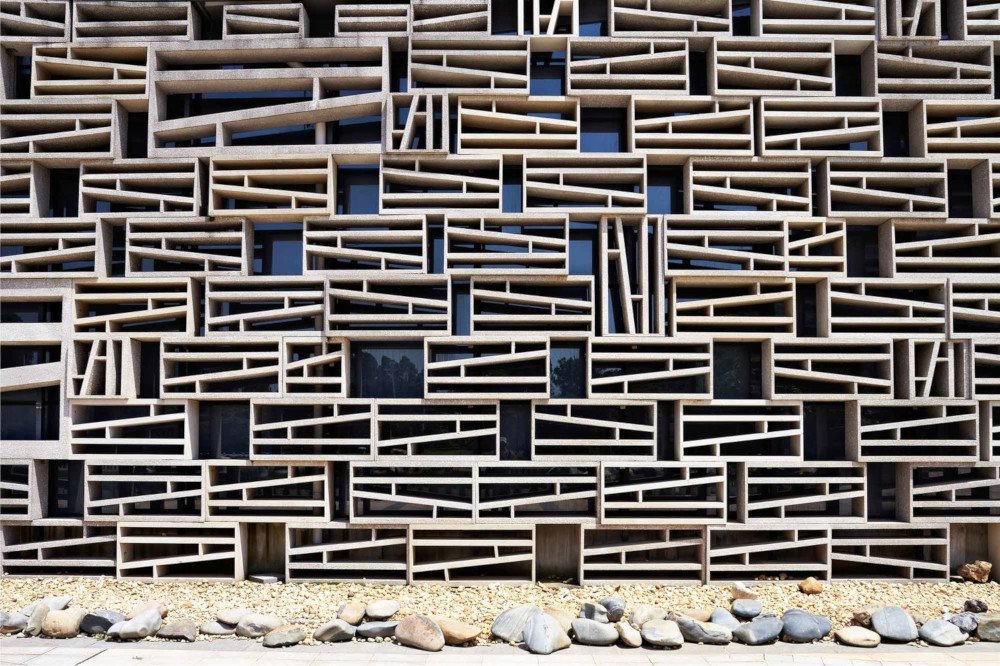
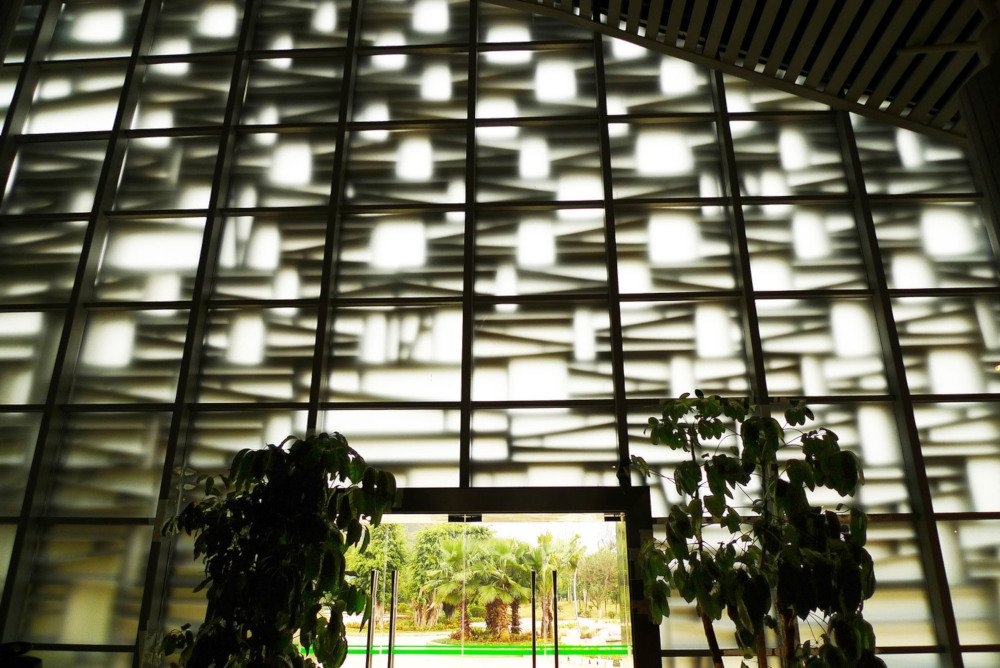
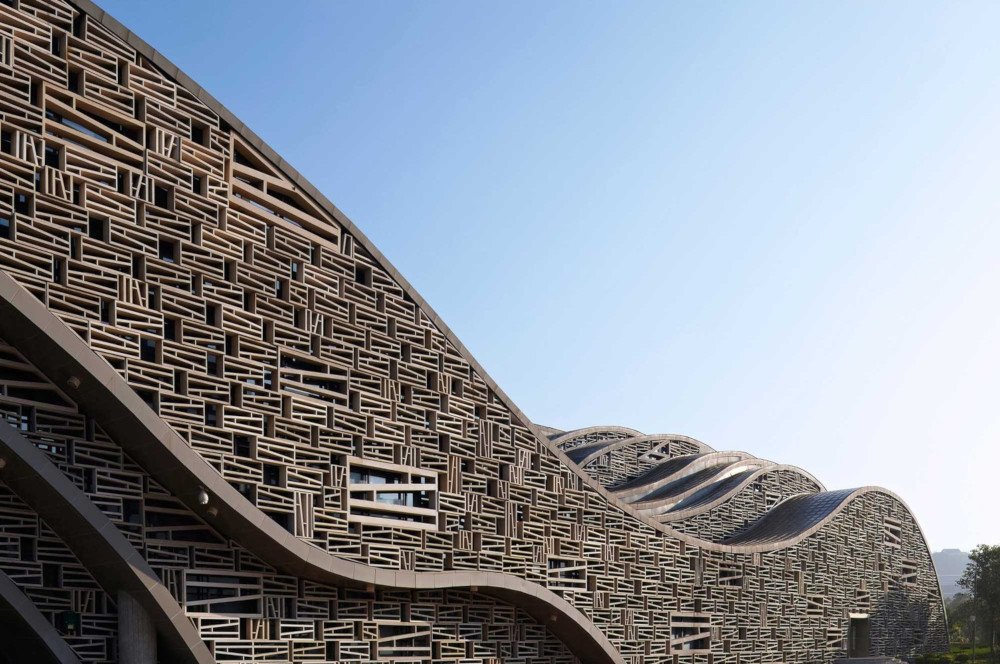
China’s Liuzhou Suiseki Hall

In China’s Guangxi province sits a beautiful ancient town called Fuzhou City. In it you’ll find one of the most marvelous architectural centerpieces of the country. It’s called the Liuzhou Suiseki Hall.

Zhanghua Architects, the firm responsible for this highly unusual building, drew inspiration from the two mountains visible in the Fuzhou landscape, the other one being much shorter and rounder. They deliberately made nature and man-made marvel coexist in harmonic bliss. As such, the angular rear face and curving front face make up most of the volume. In effect, you get a picturesque combination of nature and landmark. Tthough both are strong visual points when seen together, neither cancel each other out. A fine balance, so to speak.

At first glance, you’ll realize that the building looks like a chunk of rice terrace being swallowed by the ground. That’s too simplistic a description for this awfully wonderful architectural achievement, though. Zhanghua shows how different parts of nature, however antagonistic, can mesh beautifully. Here’s the firm explaining further:

“From the cultural point view of, in Chinese landscape culture, a mountain and a stream are not opposite but a harmony worldview. Mountain and flowing water like ‘yin’ and ‘yang’ are the performance of all things. Two sides is a unity of opposites and can transform into each other between the two. The heavy part is earth, while the light part is heaven.”

Using that principle, Zhanghua was able to interweave peculiarities of linearity with the more free-form elements of curves and waves, amounting to a building that’s supposed to look off-putting and bizarre, but isn’t.

LEARN MORE HERE

Photos courtesy of Zhanghua Architects

Whiskey Ridge House

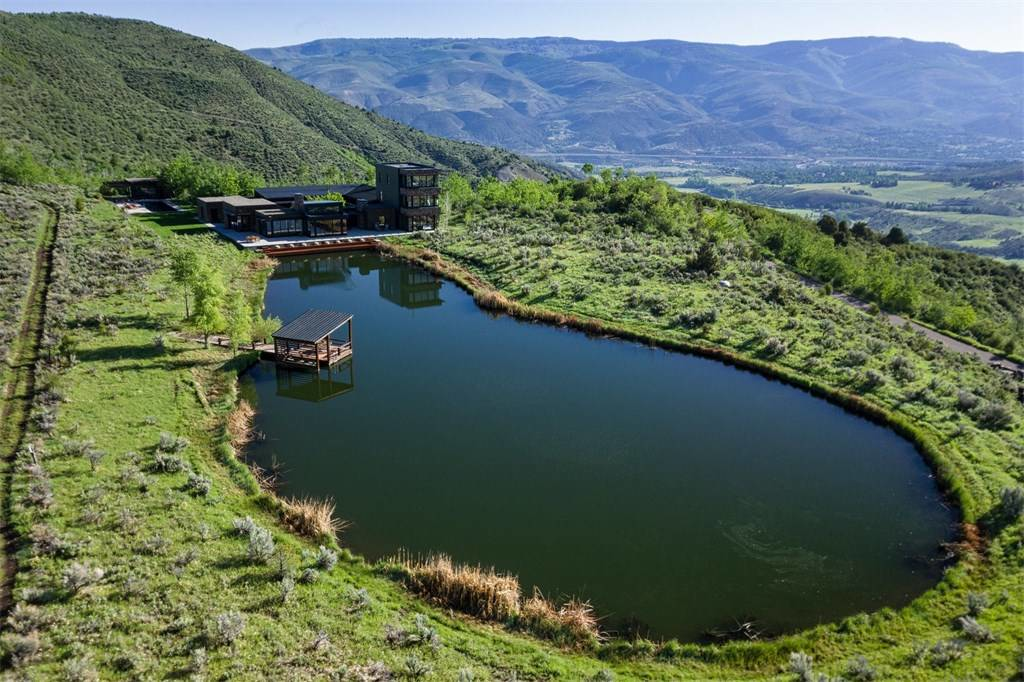
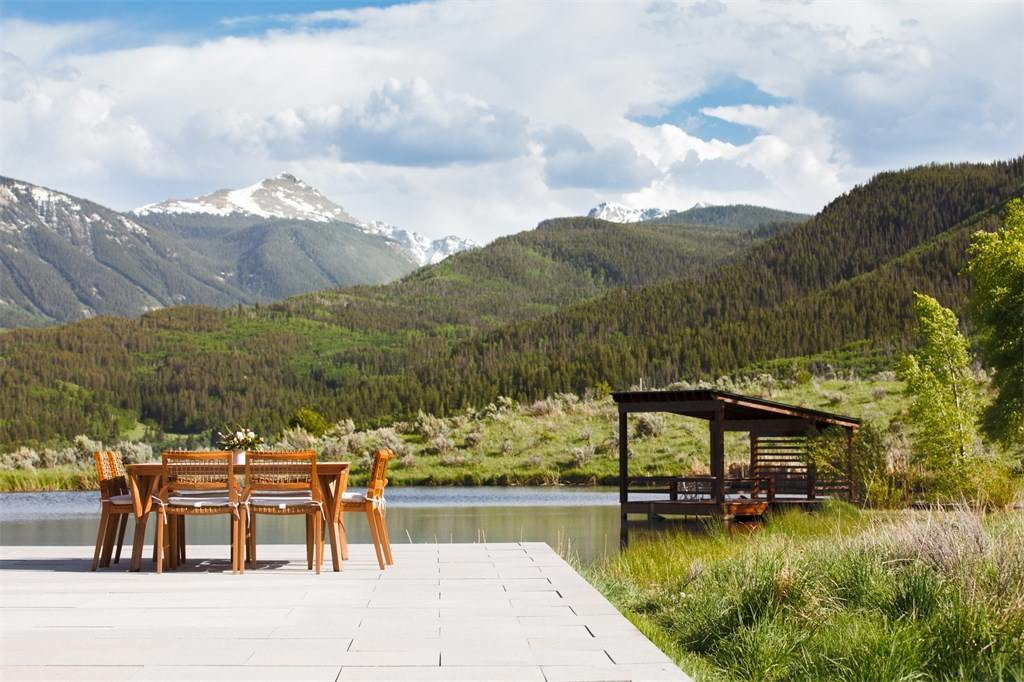
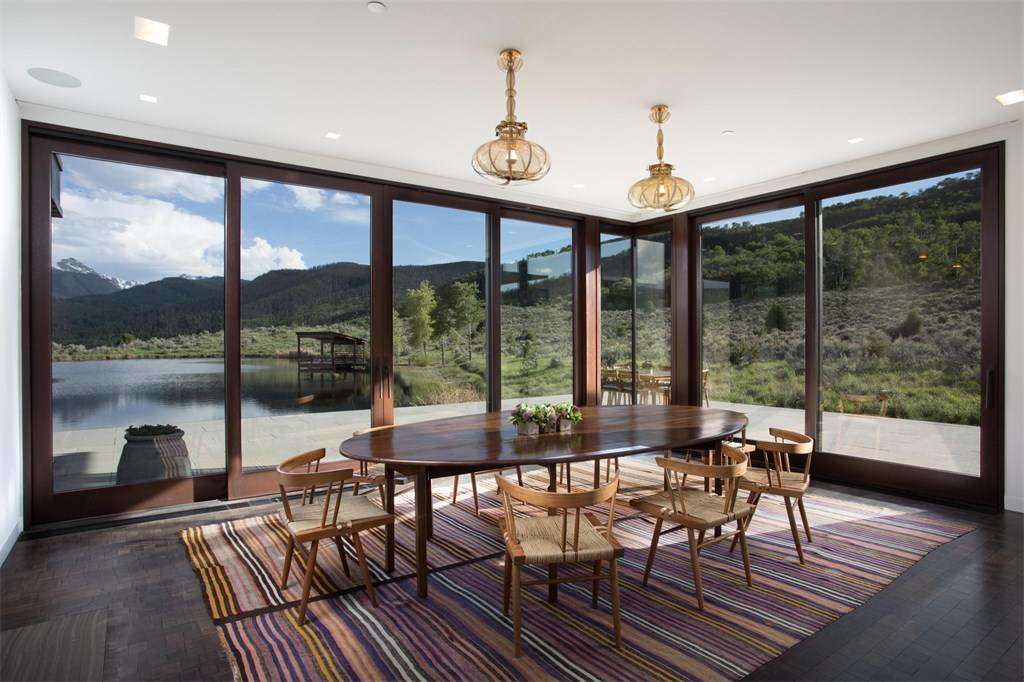
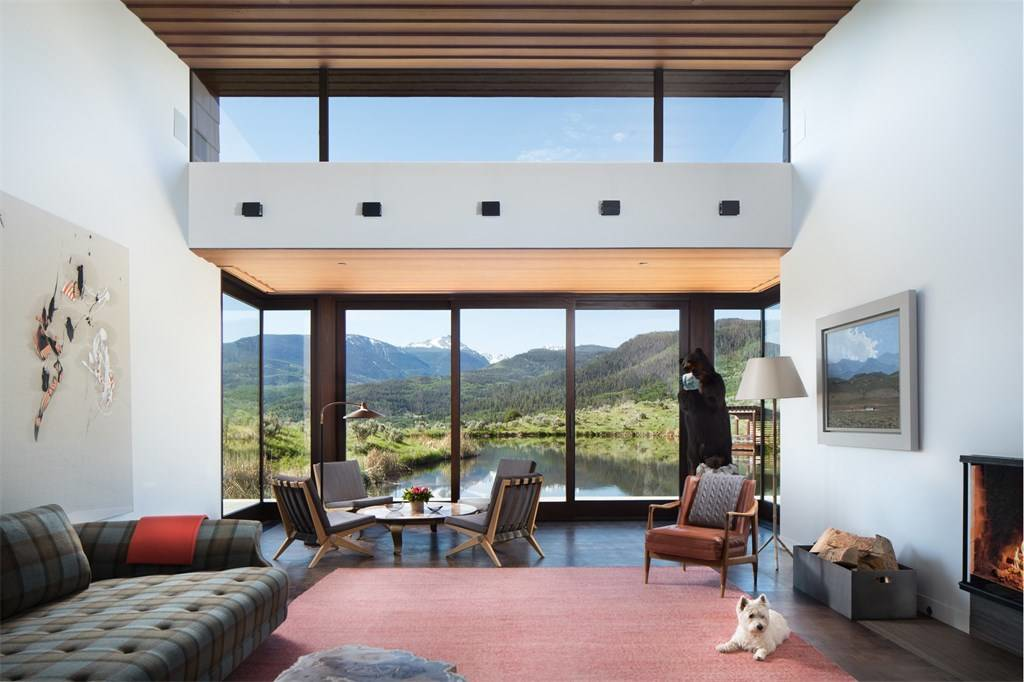
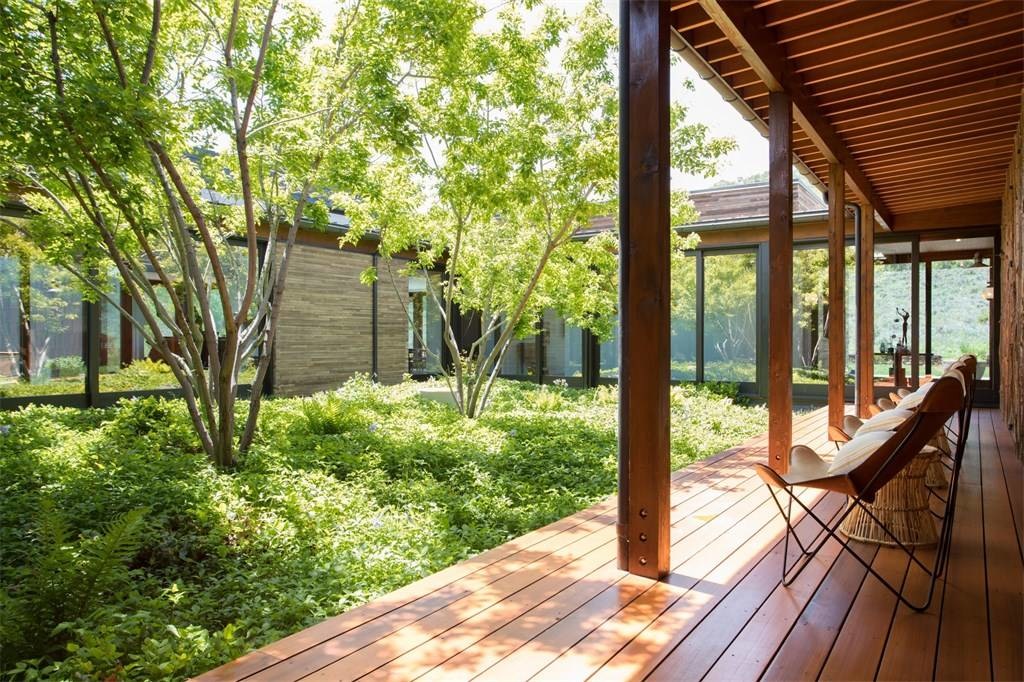
For a cool $29 million, you can own this lush getaway hidden in the middle of West Lake Creek, Colorado. A bit too much, sure, but you’re getting your money’s worth if you’re a recluse. The Whiskey Ridge House is the definitive private lodge. You’ll be surrounded by picturesque national parkland, including Gore Range and New York Mountain. The best place to finish your novel, for sure.

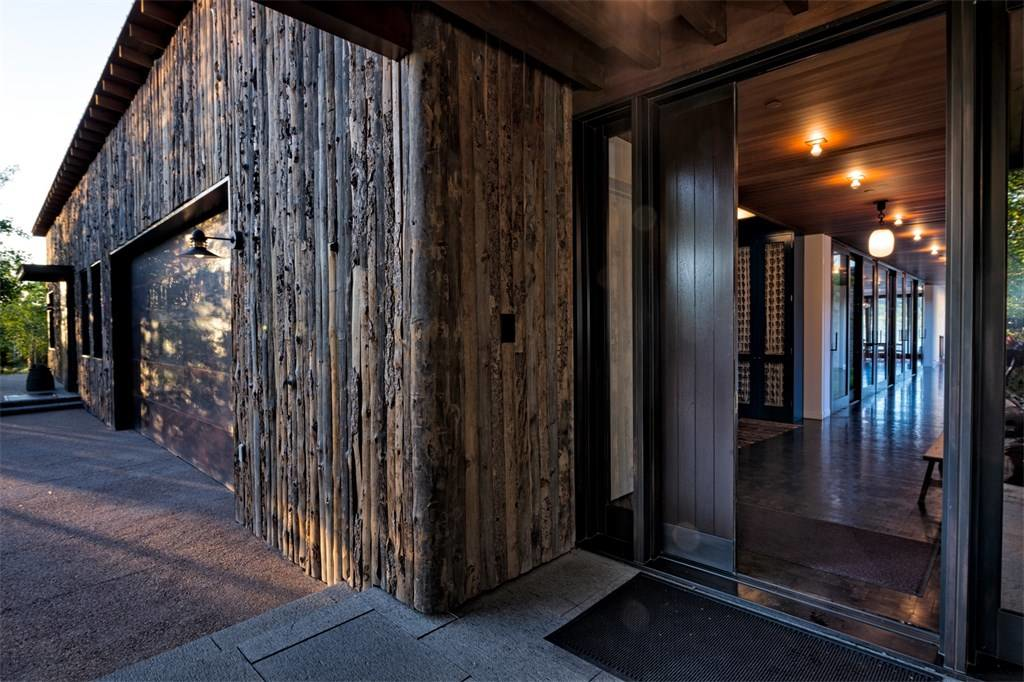
Chances are, however, you’re not a writer. You just really want to abandon the potent anxiety in the metropolis. This is the escape you’re looking for. The house features modern architectural elements. that said, it still blends well with its surrounding greenery quite beautifully. It incorporates elements like locally sourced beetle-kill pine and Anasazi sliver stone to amplify the countryside vibe, not suppress it. As such, the Whiskey Ridge House feels like an extension of the outdoors, not a seclusion from it, inviting the outside in.

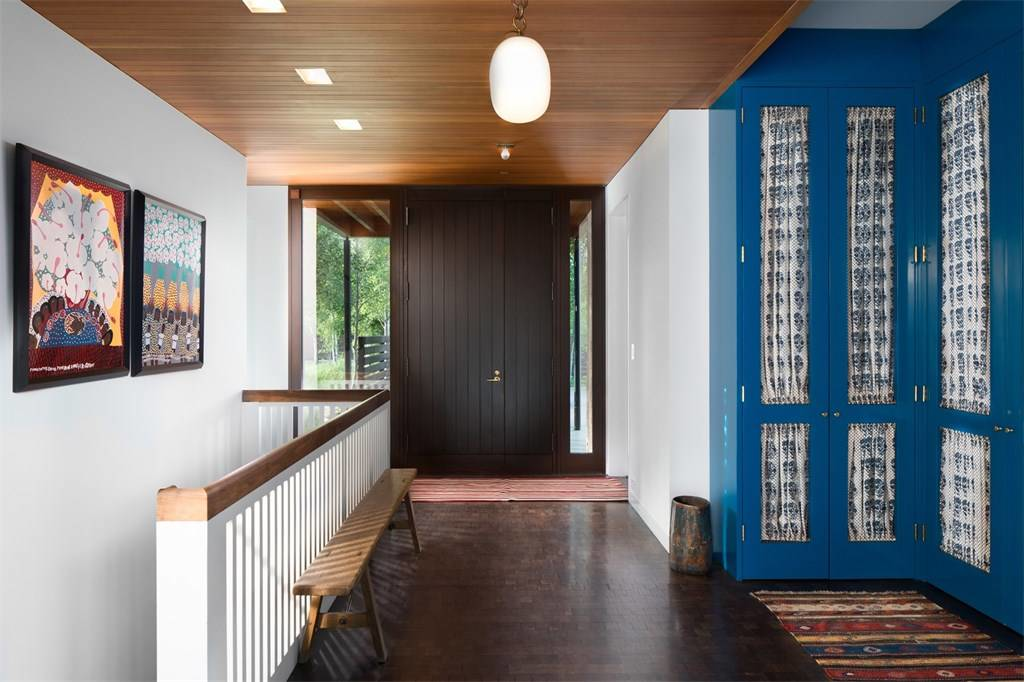
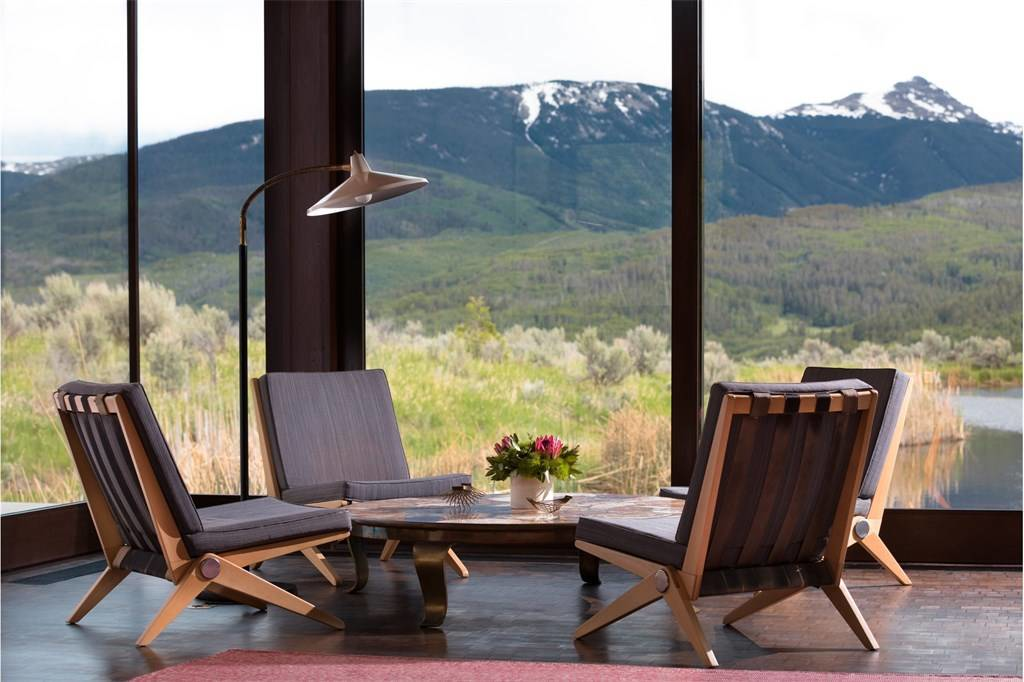
The interior amounts to 10,515 square meters and seven bedrooms, plus nine baths. The open living area is wrapped in floor-to-ceiling windows, offering views of the pond and the mountain peaks in the distance. Off the main house is a swimming pool and a detached glass cabana that also serves as a gym. Suppose you end up feeling a bit sick of staying inside, you can pack your hiking gear and venture forth, trotting the the nine-miles worth of trails for hiking and biking outside. If you like much chiller adventures, the Beaver Creek and Vail Villages, world-class skiing destinations, are just a stone’s throw away.

SEE MORE HERE

Photos courtesy of Sotheby’s International Realty