All posts in “Stuff”

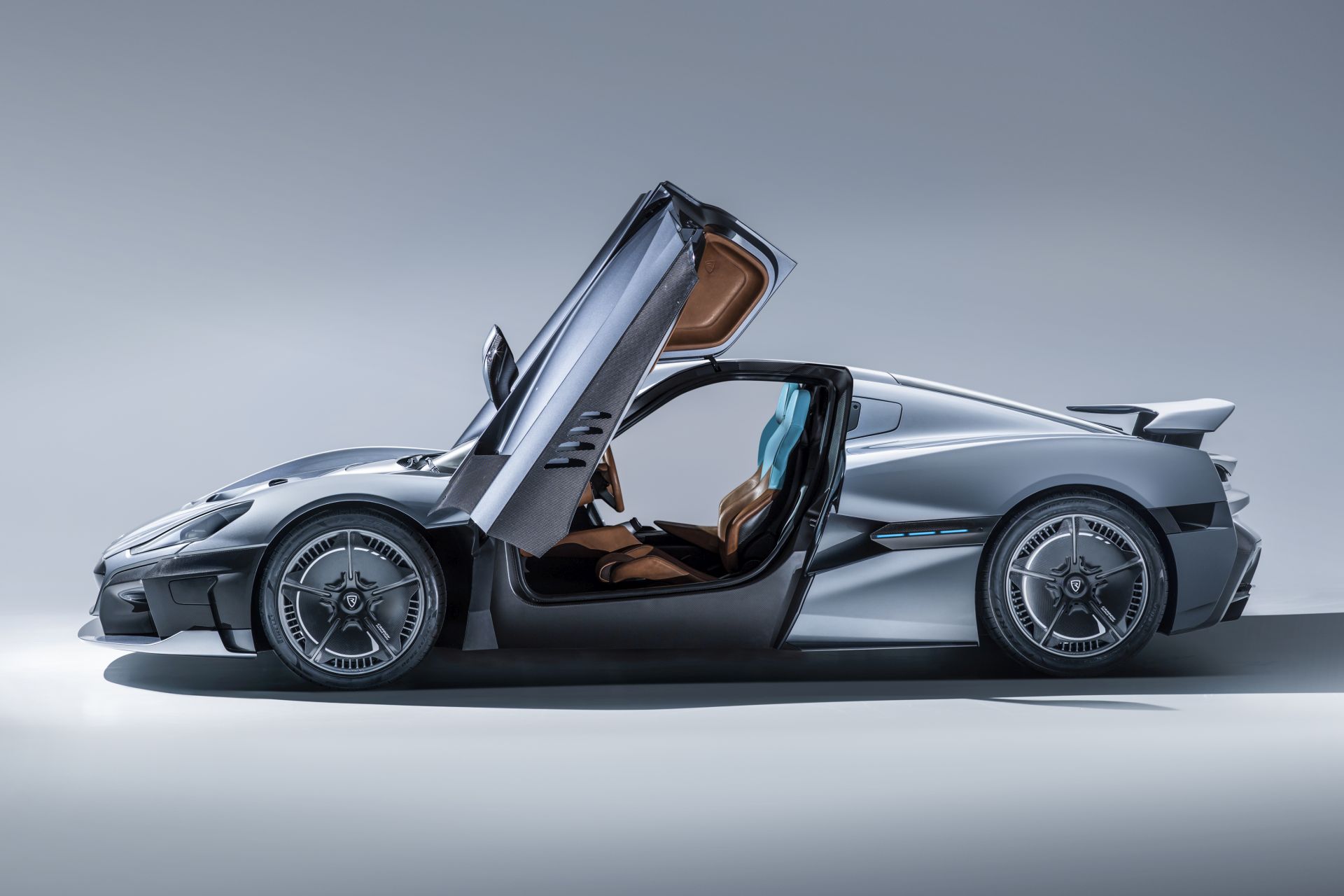
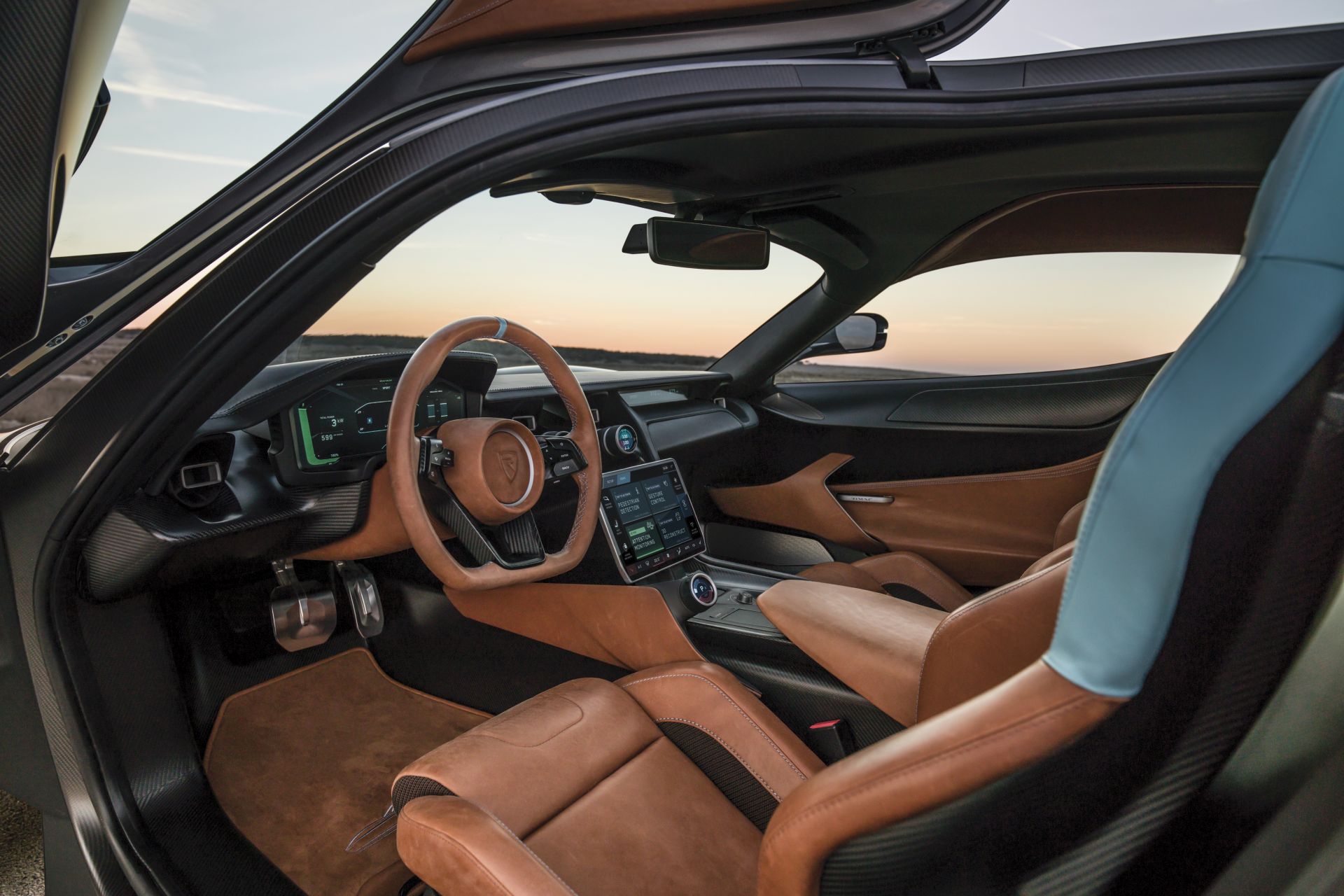
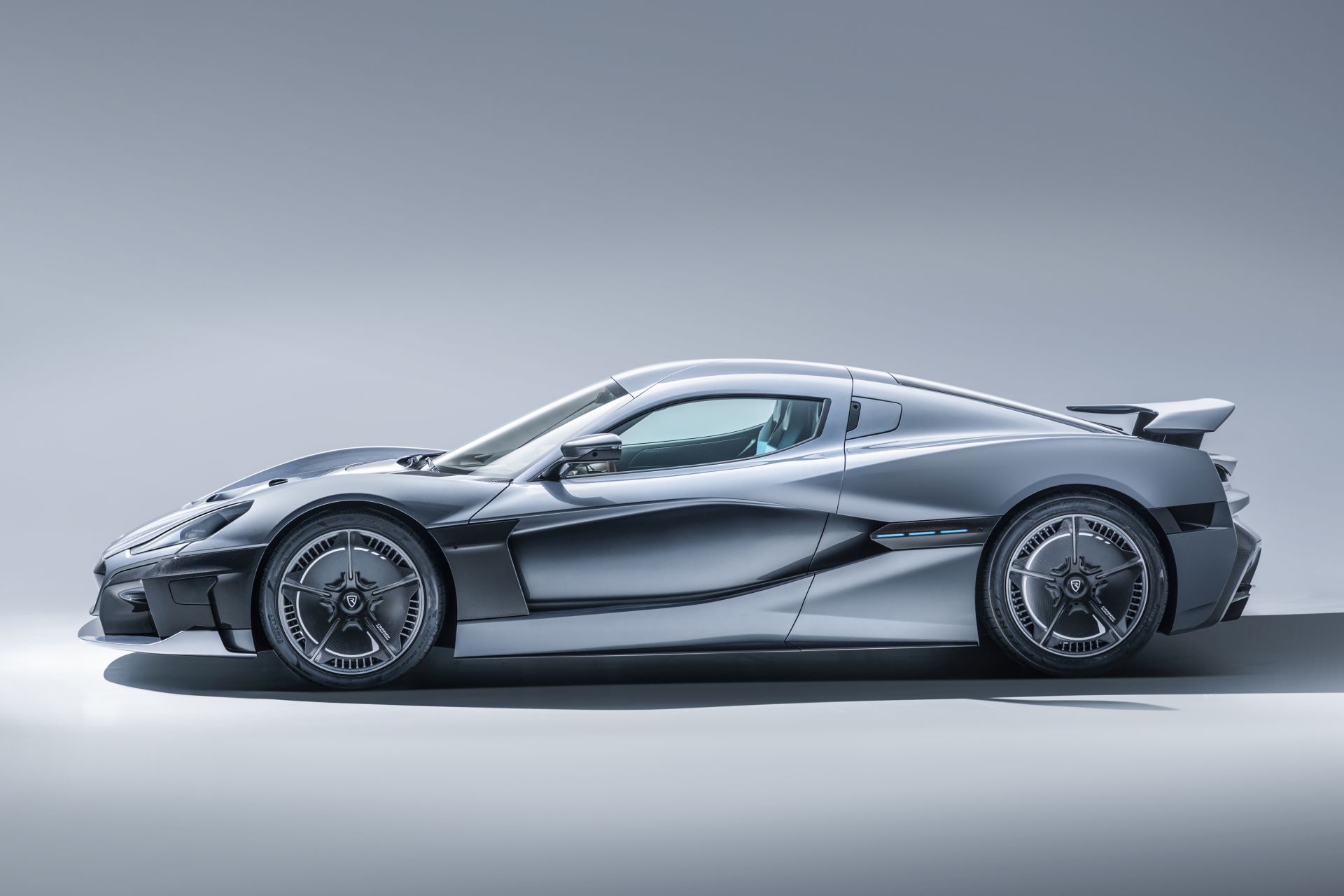
The Rimac C_Two could be yours for about $2 million

Introduced at the 2018 Geneva Motor Show, the Rimac C_Two, also referred to as the Concept Two, boasted some really impressive figures: 1,914 hp with a top speed of 412 km/h (258 mph). Rimac calls it the new breed of hypercar, with acceleration figures of 1.85 seconds to reach 60 mph from standstill, this might be the closest thing to launching a jet fighter from an aircraft carrier on the road.

Using butterfly doors Rimac avoids having wide sills, getting into the C_Two, which will not be the name used for the production version, is made a lot easier by a cut out in the roof too, this might be a very practical ultra-high-performance car when customers finally receive their cars.

And this is where things get complicated it seems, some sources state the limited production run of 150 units sold out quickly, but Rimac’s CEO and founder Mate Rimac recently put an interesting post on is social media. It seems only the first year of production is actually sold, not all 150 cars, and furthermore, most of the cars that are on the books will go to dealers, not customers.

Mate Rimac clarifies that while many people are extremely interested in this fully electric hypercar, not many are willing to commit to the $2,000,000 price that has been mentioned, before being able to actually test drive the car. That’s right, there isn’t a Rimac C_Two available at this time, a few hand-built prototypes are finished and have been going through intensive testing … but there isn’t a single car ready for possible customers to touch, feel, and drive.

And this is where according the Mate Rimac the big issue comes from, and anybody who wants to put a Rimac C_Two in his garage is still able to get his name into the order book, probably even on the pages for the first year of production, so don’t worry, it isn’t too late … yet.

Bugatti uses patented 3D-printing technology to make the Bolide

Bugatti routinely uses this innovative 3D printing technology to enhance components with complex three-dimensional structures. The French luxury manufacturer applies principles from the field of bionics to give the printed components a bone-like structure: featuring thin walls, a hollow interior, and fine branching. And this is precisely how the components obtain their remarkable rigidity despite their low weight – with wall thicknesses of up to just 0.4 millimeters. “We will continue to reduce the weight of our cars while increasing their innovative features in every conceivable area,” explains Henrik Hoppe. From conception through production to installation in the vehicle, the engineer designs and plans the individual steps and carries out all of the calculations. This also includes an evaluation of the commercial feasibility for the production of the components. “Although Bugatti demands the highest quality standards in terms of materials, manufacturing processes and components, they must be commercially viable,” he adds.

Bugatti is the technological leader in the field of metal 3D printing. Since production began of the Chiron, the hyper sports car has been fitted with the industry’s first series-produced metal 3D-printed functional component: a small, water-carrying high-pressure pump console next to the transmission fluid reservoir. In 2018, the world’s largest 3D-printed titanium component, a titanium brake caliper, was presented by Bugatti. This was followed by the world’s largest hybrid functional assembly made of 3D-printed titanium and coiled carbon. “These components are extremely lightweight, robust and durable, and therefore absolutely suitable for use in production vehicles,” says Frank Götzke, Head of New Technologies at Bugatti.

The new materials and manufacturing processes are now being used in the Bugatti Bolide2 technology carrier, which celebrated its world premiere in late October 2020. “As an experimental vehicle in the form of a racing car, the Bolide is no show car; it is an uncompromisingly road-ready extract of Bugatti’s complete technological expertise. Bugatti enthusiasts will also find these cutting-edge technologies in other vehicles in the future,” says Frank Götzke.

Just like the turbofans typically used in motorsport, Bugatti has found a way of including radial compressors on ultra-lightweight magnesium forged wheels. Their appearance is similar to that of a wheel rim, but they perform multiple functions: they pump the air out of the wheel housings through the brakes and draw the warm air to the outside. In this way, the turbofans cool the brakes and minimize lift. In contrast to the well-known mono-material solutions, the Bolide components have a hybrid structure. This consists of a central bowl made of 3D-printed titanium with a thickness of 0.48 millimeters, and a 0.7-millimeter thick carbon plate with small inner blades, also made of carbon. Cross-pieces with a width of 0.48 millimeters further increase the rigidity of the central titanium bowl, which weighs just 100 grams. All of this adds up to a total weight of under 400 grams for an individual 18 ¼-inch turbofan on the rear wheels (17 ¼-inch at the front). This would not be possible with a mono-material solution due to the fact that it is not possible to achieve the specific buckling resistance and flexural rigidity.

Highly complex components from the 3D printer are also used in hidden places. A mounting bracket for the front wing, on which the front wing can be mounted at three different heights, is printed in titanium by Bugatti. With a hollow interior and a wall thickness of 0.7 millimeters, the mounting bracket can withstand an aerodynamic downforce of up to 800 kilograms – with a weight of just 600 grams. The downforce of the rear wing, which can reach up to 1.8 tonnes at 320 km/h, is introduced via the Bolide’s central carbon fin into the upper structural matrix, which forms the upper termination of the high-strength stainless steel rear frame. Inside this central fin, there is a laminated and printed titanium component for connecting the fin to the wing, for which the angle can be adjusted by means of a coupling rod. Despite its rigidity, it weighs just 325 grams. The engineers also use titanium to print the bracket for mounting the steering column, which features integrated dashboard support, the support collar for the steering column throughfeed, and the two air vents in the vehicle interior. All components are designed as lightweight hollow structures, with a uniform wall thickness of 0.5 millimeters.

The Bolide features wheel control based on double-wishbone kinematics on both the front and rear axles. On the rear axle, the spring-damper elements have a vertical configuration, while on the front axle they are arranged horizontally at right angles to the direction of travel. The springs are made of titanium, and the dampers feature an adjustment mechanism and a reservoir, which is integrated internally on the front axle dampers. In the case of the horizontal spring-damper elements on the front axle, the vertical contact forces are transmitted by means of a linkage located directly beside the swivel bearings on the lower wishbones via pushrods and rockers. The brackets that control the rockers have a wall thickness of just 0.4 millimeters and weigh only 95 grams each. The rockers weigh just under 195 grams each. Since air flows completely through the Bolide’s front axle, its kinematic components – both the 3D-printed titanium components and the high-strength stainless steel wishbones – are extremely lightweight, rigid, and aerodynamically optimized. The tensile strength of this and all other 3D-printed elements is 1,250 N/mm2. “Using a special heat treatment process developed in-house, we achieve this high tensile strength with a simultaneously high fracture strain of at least 19 percent,” explains Götzke.

The developers are particularly proud of the pushrods in the Bolide. “They transfer a force into the rockers which, depending on the driving maneuver, is equivalent to a weight of up to 3.5 tonnes. Nevertheless, thanks to the implementation of multiple ideas, they only weigh as much as a bar of chocolate, in other words, 100 grams each,” explains Henrik Hoppe. For the first time, the Bugatti developers varied the wall thickness of the thin-walled, hollow rods. They become thicker towards the center and then thinner again, meaning that they are optimally adapted to localized stress. Similar to a human bone, the component has an internal structure. This special structure was also recently registered as a patent.

In the tailpipe trim cover, a hybrid component made of 3D-printed titanium and ceramic, Bugatti reduced the weight by around half compared to the already weight-optimized titanium tailpipe trim covers well known from series production. The component, which measures more than 280 millimeters in length and has a consistent wall thickness of just 0.5 millimeters, therefore weighs less than 750 grams. Since ceramic material is a significantly less effective heat conductor than titanium, Bugatti introduced special ceramic elements that are built into the titanium housing and center the cover with respect to the carbon outer skin, so that the outer skin is not damaged even at high exhaust gas temperatures. This thermal shield is also supported by a built-in Venturi nozzle: when hot exhaust gas enters the tailpipe trim cover, fresh air is drawn in, thereby creating a jacket of cool air around the hot exhaust gas flow. In its entirety, this is an invention for which Bugatti has submitted a patent application.

With the launch of the Bolide – the track-oriented hyper sports car – a few months ago, Bugatti presented an extraordinary technological concept. The iconic 8.0-liter W16 engine, with up to 1,850 PS, powers a car weighing just 1,240 kilograms. This equates to an incredible weight-to-power ratio of 0.67 kg/PS, a top speed of over 500 km/h, perfect handling, and maximum agility. “It is the Bolide’s many technological highlights that make it so special. But these can also be transferred to production vehicles. This is what we are continuing to develop and work on because Bugatti has set itself apart with its impressive innovations for over 110 years – and will continue to do so in the future,” says Frank Götzke.

(From the official Bugatti press release)

The M1 was the first BMW Motorsport car in the Eighties

These days everybody knows the BMW M3, the BMW M5 or the smaller BMW M2 … some of these even come in upgraded Competition versions, but all of these BMW Motorsport models that we know today had their origins back in the Eighties … with the M1, the first production car from BMW’s in-house Motorsport division.

1980 BMW M1 AHG – photo copyright BringATrailer auction site

At one point BMW even had Automobili Lamborghini SpA working on their new mid-engine super car … but sadly this didn’t go beyond a few prototypes being developed at Sant’Agata, the actual production models for the BMW M1 were assembled by Baur in Stuttgart, Germany.

1980 BMW M1 AHG – photo copyright BringATrailer auction site

Back in the early Seventies, BMW wanted to create a new model to enter into FIA Group 5 racing, and regulations required 400 cars to be sold to customers for road use, the BMW M1 was designed by Giorgetto Giugiaro. The fiberglass bodies would be made in Italy and shipped to Germany for final assembly, where both road cars and bespoke race cars would be built side by side … a total of 450 BMW M1 would be built.

1980 BMW M1 AHG – photo copyright BringATrailer auction site

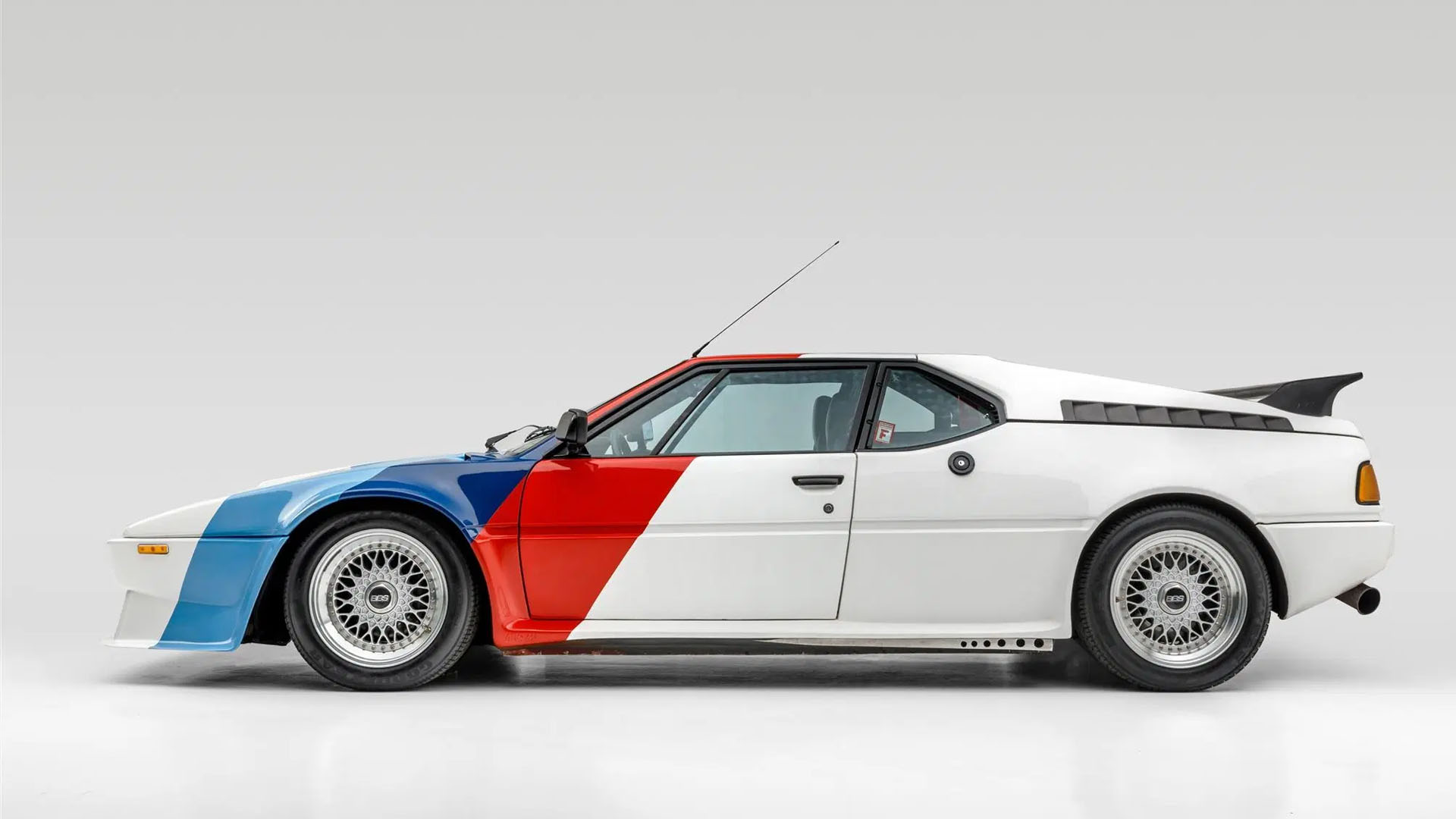
And now you might have a chance to own a piece of BMW Motorsport history in the shape of a bright white, 1980 M1 with AHG upgrades. This specific M1 (chassis WBS00000094301090) was delivered as a regular street version in late 1979, as a 1980 model, but only a few years later BMW dealer AHG added their ‘Studie’ package.

1980 BMW M1 AHG – photo copyright BringATrailer auction site

The AHG modifications included a power increase to 350 hp on the factory M88, 3,454cc in-line six cylinder engine, an impressive body kit inspired by BMW’s own Procar racers, complete with flared fenders, stunning 16″ BBS multi-piece wheels (8″ at the front, 9″ at the rear), a new exhaust, a bespoke, full black leather interior, and to make the look complete, a typical BMW Motorsport livery with the red and two-tone blue stripes.

1980 BMW M1 AHG – photo copyright BringATrailer auction site

Only 10 BMW M1 would be built with the AHG Studie package, which makes this already rare car, even more interesting, this BMW M1 ended up in the United States of America probably in the Nineties, but the current owner didn’t acquire it until 2014, today she is for sale at auction through a dealer in Costa Mesa, California … she holds a Montana title.

1980 BMW M1 AHG – photo copyright BringATrailer auction site

With still 10 days to go on the BringATrailer auction, this amazing 1980 BMW M1 has been bid up to $350,000, interested in placing a bid? Just go to the auction site, register, and try to put the winning bid in at BringATrailer 1980 BMW M1 auction

One of one Isdera Commendatore 112i goes to auction

Renowned RM – Sotheby’s will host a very special auction on February 13 2021 in Paris that has some amazing super and hyper cars already listed at this moment. How about six different Lamborghini from the time when Ferruccio was still running the company from Sant’Agata, or a 2015 Spania GTA Spano, one of 12 ever made, and the only one from the 2nd series production, interested in a 2008 Gumpert Apollo? It’s entered into the auction next month too, don’t miss it.

But for me personally the most interesting car is the silver metallic, 1993 Isdera Commendatore 112i … only one was ever built, and it comes with the same V12 Mercedes-Benz M120 engine as a Pagani Zonda! But the story of the Isdera Commendatore 112i begins in the Seventies, when Eberhard Schulz joined forces with B&B in Frankfurt to develop the CW311 prototype unveiled at the local 1978 IAA.

Mercedes-Benz even allowed B&B to put the famous star on the front of their CW311, but Schulz left B&B four years later and started his own company, Isdera, an abbreviation for Ingenieurbüro fur Styling, DEsign und RAcing. His first car was the Isdera Spyder 036i in 1982, a very rare car today as only 17 would be built, but Schulz really wanted to create a road-going version of that CW311 prototype … which became the Isdera Imperator 108i in 1983.

The Isdera Imperator 108i was powered by a 5-Liter V8 engine from Mercedes, the M117, and it came with real gullwing doors just like the Mercedes 300 SL, between 1983 and 1991 only 20 units would be made, all bespoke to order … but Schulz wasn’t satisfied yet, so he continued the development of a real boutique super car.

1993 Isdera Commendatore 112i Rémi Dargegen © 2020 RM Sothebys

In 1993 Isdera unveiled the next step in design and performance … the Commendatore 112i, a car named in honor of Enzo Ferrari himself, this new model took the Imperator idea to the extreme. Installing a V12 engine underneath two gullwing-style engine covers, delivering 400 hp from its 6-Liter displacement, dual overhead camshafts and coupled to a manual gearbox through a bespoke flywheel (Mercedes only had developed an automatic gearbox for this engine). RUF delivered the Porsche gearbox for the Commendatore with an additional sixth gear … which resulted in a theoretical top speed of 340km/h (211 mph), during wind tunnel testing this one-off prototype reached the magical 200 mph speed (322 km/h) … in 1993!

1993 Isdera Commendatore 112i Rémi Dargegen © 2020 RM Sothebys

Over the lightweight spaceframe chassis, Schulz mounted a body made from GRP, a Porsche 928 suspension was modified with BBS/Bilstein developed active dampers … the Commendatore would lower itself three inches at speed to reduce drag, which was only 0.306 when tested. The car came with the Isdera trademark gullwing doors, their own windshield wiper system to avoid drag, and the Commendatore didn’t even have traditional rear view mirrors on the fenders … there was a glass panel in the roof and a periscope style mirror was fitted on top of the roof.

1993 Isdera Commendatore 112i Rémi Dargegen © 2020 RM Sothebys

Massive BBS racing wheels were used and Schulz had every intention to build a few road-legal cars and have a racing variant enter the famous 24 Hours of Le Mans race in France … but in 1993 a major economic downfall occurred in Japan. And unfortunately most of Isdera’s funding came from Japan, so the company was forced into a restructuring and the Commendatore 112i project was halted. No entries into Le Mans, and the one-and-only car built was put aside, only to be unveiled again at the 1999 IAA in Frankfurt. Renamed into the ‘Silver Arrow’, a Swiss consortium had removed the BBS wheels, the periscope mirror and installed five-spoke wheels and ‘normal’ wing mirrors, have a look at those modifications in our earlier article on this car.

1993 Isdera Commendatore 112i Rémi Dargegen © 2020 RM Sothebys

But things had turned around for Isdera by 2016, and they managed to buy this unique prototype back from the new owner, with only 10,500 km on the counter, it was rebuilt for road use and even had a license plate and registration now. Isdera did return their Commendatore 112i back to 1993 specs with those stunning, gold finished, multi-piece BBS Racing wheels. But also blue and black upholstered Recaro seats and the correct Porsche Arctic Silver paint.

1993 Isdera Commendatore 112i Rémi Dargegen © 2020 RM Sothebys

This Commendatore 112i comes with a certificate if authenticity from Isdera themselves confirming this is the only one in existence, ever. This very special Nineties car will draw attention, even when parked next to a Koenigsegg or a Pagina from the same era … or newer, the Commendatore 112i is a very unique car that aged extremely well.

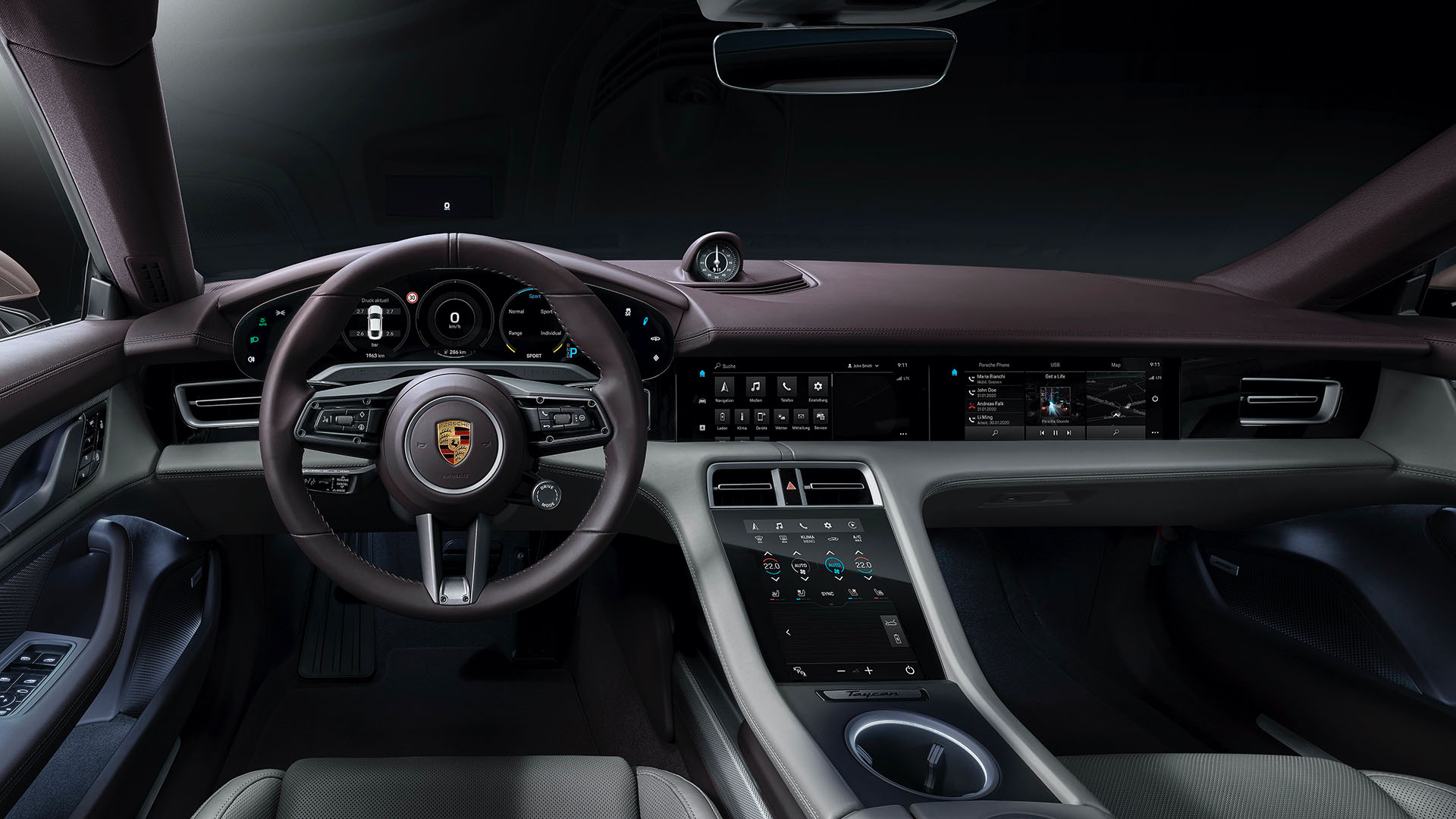
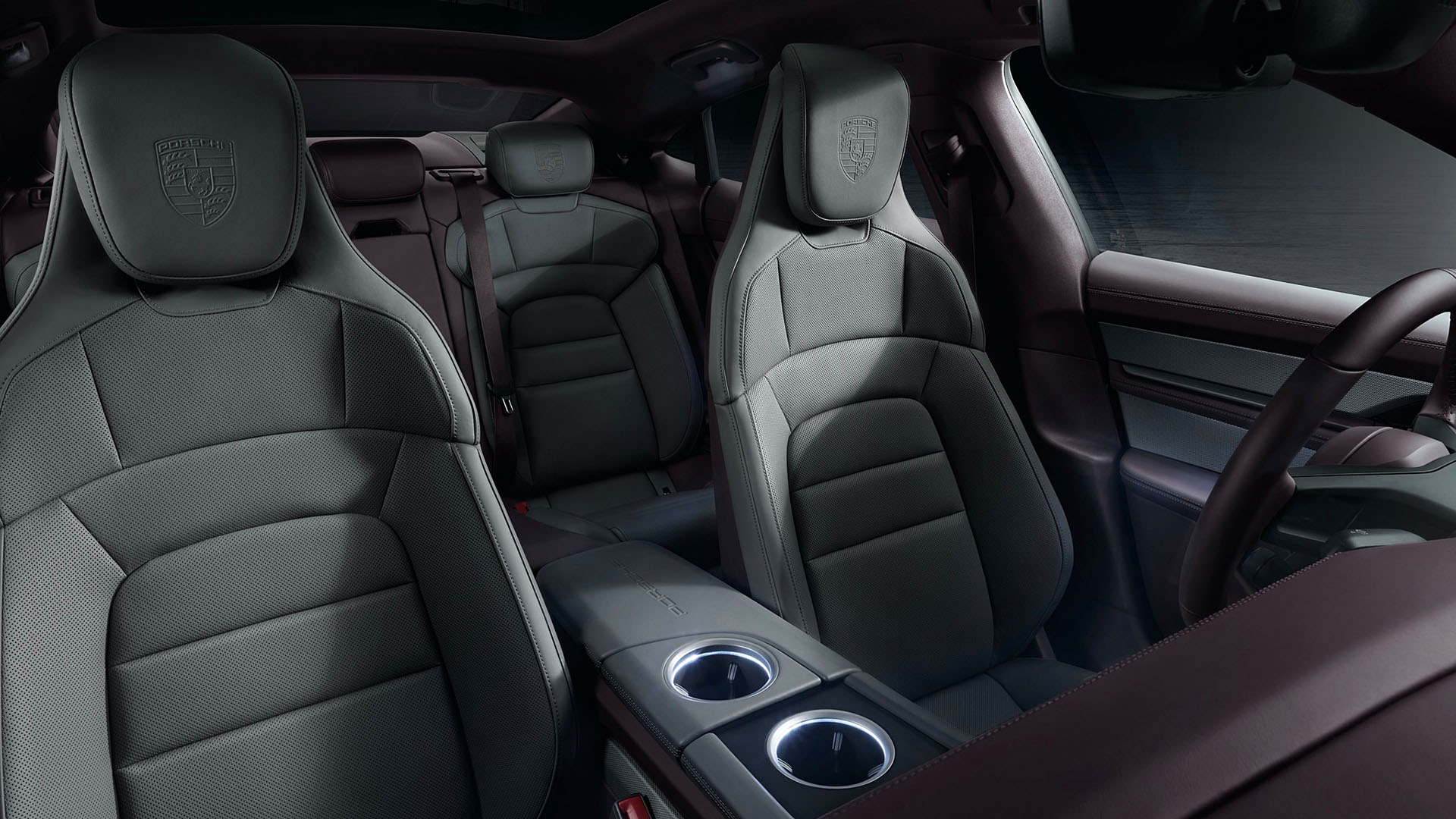
New Porsche Taycan version comes with an MSRP of only $79,900 !

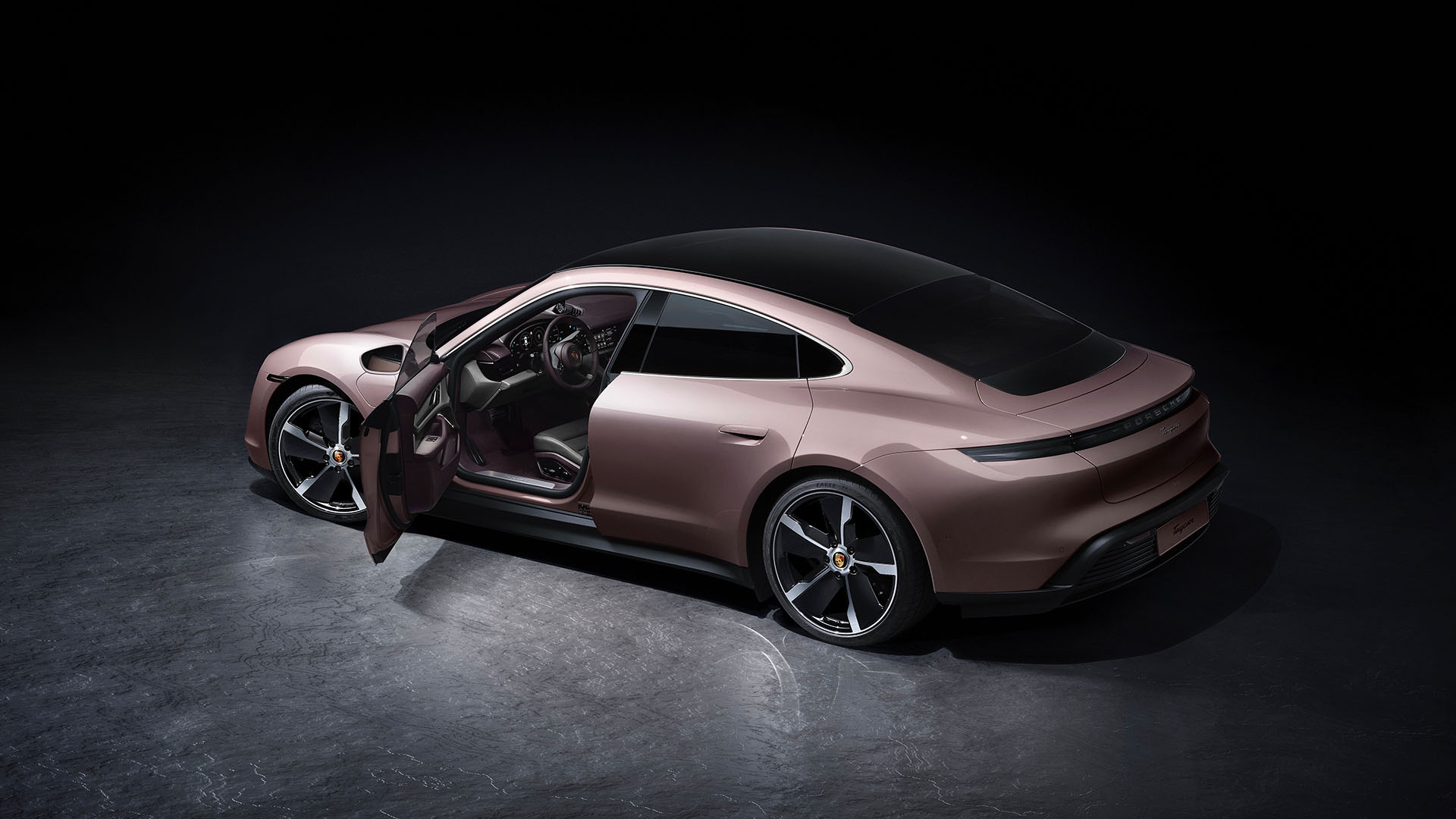
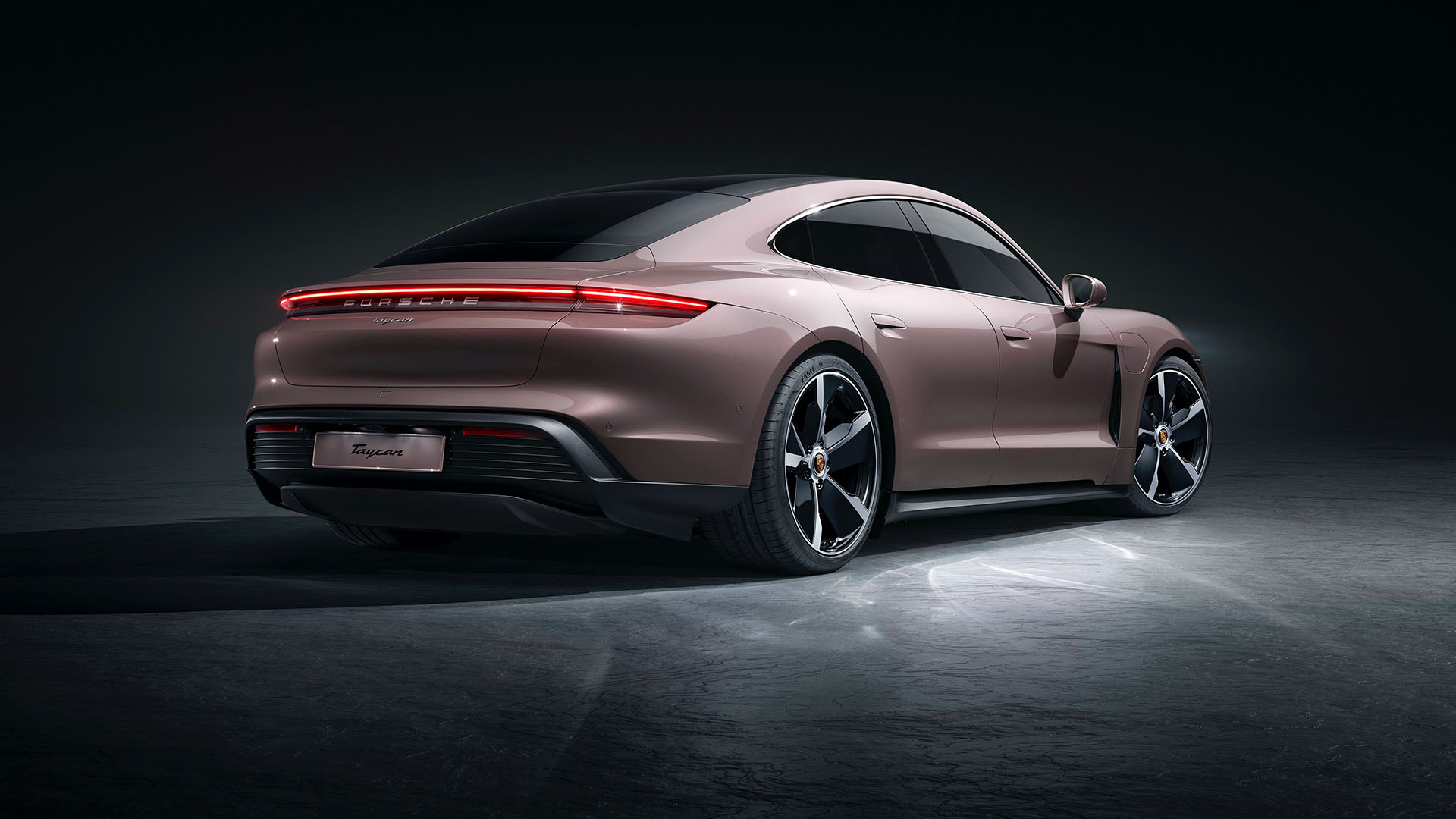
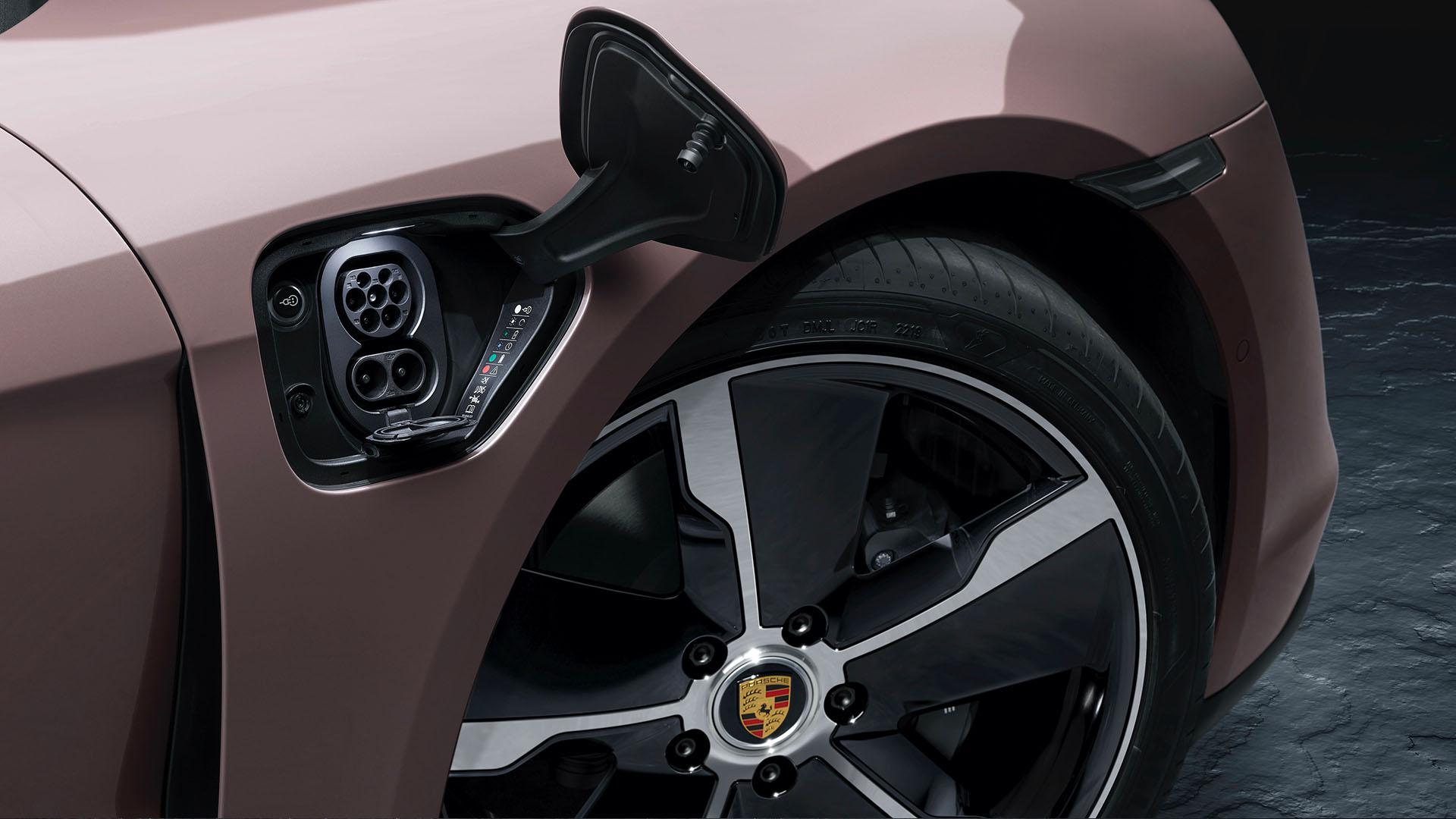
It seems Porsche is going into a different market segment with their all-electric Taycan model, we already know the Taycan 4S, Taycan Turbo, and Taycan Turbo S. But those are priced between $103,800 and $185,000 … now Porsche is releasing a more entry-level version, simply called Taycan, and it will be listed at dealers for $79,900.

This new Porsche Taycan variant will come with rear-wheel drive only, and it was previously only sold in China, but it seems Porsche thinks there is also a market for a lower-priced Taycan on other markets too. Making this Taycan RWD only means Porsche removed the front-drive unit, and while you might think having no all-wheel-drive anymore is a bad thing … think about the 90 kg (200 pounds) weight saving this brings.

As with the Taycan 4s, this new version can be ordered with either the 79.2 kWh Performance battery, or the 93.4 kWh Plus battery, unfortunately, the latter is also 77 kg (170 pounds) heavier, so you’ll have to decide which is more important to you. With the Performance battery, the Taycan comes with 402 hp (300 kW) and a 344 Nm torque … on the other hand, the Plus battery rises those numbers to 469 hp (350 kW) and 357 nM.

Acceleration figures stay the same no matter which battery option you go for, 0 to 60 mph takes 5.1 seconds while the top speed of this Taycan is 230 km/h (or 143 mph) … strangely enough only the EURO spec Taycan gets a range rating from Porsche, 431 km (268 miles) with the Performance battery, or 484 km (301 miles) with the Plus battery … why Porsche didn’t give range figures for the US model to be available in the spring of 2021 is unclear.

10 Sales That Smashed The Hagerty Price Guide In 2020

The name Hagerty should ring a bell as one of the best classic vehicle insurer in the world, but they also have a Drivers Club with 600,000 members, a classic magazine that’s printed 800,000 times, and their YouTube channel has 1.4m subscribers, Hagerty is a world-class automotive lifestyle brand.

Hagerty also offers a Price Guide for cars, they keep track of auction results, compare those against the original estimate, but also monitor independent sale, the value at which cars are insured, and use their figures to help set prices in the automotive marketplace … however, sometimes they get it wrong, and a car goes to auction and reaches a never expected high bid … and this is their list of cars that outperformed everyone’s expectations when the hammer came down at auction in the UK:

The highest priced Lamborghini Miura ever:

Listed at the Passion of a Lifetime auction on Saturday, 05 September 2020 by Gooding and Company, our headline photo depicts the 1971 Oro Metallizzato P400 SV Speciale was estimated at $2,000,000 to $2,600,000 … the winning bid was $ 4,163,219 due to the fact it was one of a very few factory-built SV’s with Dry Sump lubrication and a limited-slip differential.

The most underestimated car on the list:

A 1972 Bentley Corniche was offered by Silverstone Auctions in July 2020 with an estimated value between $100,697 and $113,284, while Hagerty had put a value of only $78,166 on this car … it sold for a massive $199,664 at the auction, 155% more than what Hagerty deemed the car to be worth.

The 1989 Mercedes-Benz 300 SL

This R107 was made in 1989, sold by Historics at their September auction, the red roadster had only 10,000 miles on the counter with an estimate between $32,162 and $38,594 … it would sell at 146% of Hagerty’s $36,664 own evaluation … with a winning bid of $90,289.

A 1988 Porsche 928 SE

At one time the Porsche 928 was an entry-level car into the world of Porsche, values were low, but that might not be the case anymore today, as this 1988 example managed to impress buyers at the Silverstone Auctions in November by reaching a sale price of $170,684 while Hagerty listed only $90,768 for this car.

This SE, for Sport Equipment did have a mere 10,325 miles since new and being one of only 42 units made for the UK market in RHD, this specific Porsche 928 was a rare model indeed.

The 2005 Porsche 911 Turbo S

Another Porsche raised eyebrows when sold at $106,847 instead of the $80,202 Hagerty valuation, this 996 model was 15 years old at the time of the August Silverstone Auction venue, the auction house has set the estimate between $59,359 and $72,551 for this 18,000 mile super car.

A classic 1961 Jaguar Mk II 3.8

These beautiful Jaguar four-door sedans from the Sixties are highly sought after, especially in good condition, but this 1961 matching-numbers sample came with a pedigree: previous ownership by a celebrity, complete with comprehensive history, magazine features, and certification. The Hagerty value of $85,104 was shattered by selling for $114,000 a the May Silverstone Auction.

A 1987 BMW M3 E30 Competition Pack

I have owned a BMW E30 when I was 19 years old, but unfortunately not an M3 Competition Pack, and when I sold it in the late Eighties, it certainly didn’t get me the amount of money that was needed to buy this special M3 when it sold for $113,329 last year.

Hagerty had put a value of $88,152 on this car, which started life as a street version M3, it was later converted into a rally car, complete with a balanced and lightened 2.5-liter competition engine … but part of the high price surely came from the fact this BMW M3 came from Jay Kay’s personal collection.

1960 Mercedes-Benz 190 SL Hardtop

These classic W121 series Mercedes have been expensive for years now, still this 1960 model sold at the Goodwood Speedweek by Bonhams for an unexpected $189,289 after it was given a high estimate of $146,310 by the auction house, and a little higher value at $154,845 by Hagerty.

A 1973 Dino 246 GTS

Over the last decades, the value for a Dino 246 has skyrocketed, back in the beginning of 2000 these would hardly reach over $75,000 … but these days a 1973 Dino 246 GTS, which is the spider version, gets an estimate between $365,776 and $426,738. This Italian beauty reached $411,497 at auction in July, still 21% more than what Hagerty valued her at, $339,927.

Another multi-million Lamborghini Miura

We end this list of top-10 unexpected sales with another milestone car, the 1972 Lamborghini Miura SV, valued at $2,097,113 by Hagerty, which was considerable less than Silverstone Auctions own high estimate of $2,926,204, this rare RHD Miura SV was sold to a customer in Australia and was featured in CAR magazine, one of only 11 made in SV trim, she sold for $2,331,819.

This list is again a clear indication that value is a very subjective reference, some cars sell at auction well below their estimated value, while other sell for way more than was expected … it just shows that a car is worth what that one specific buyer is willing to pay for it … and in some cases that can be considerably more than what the car is objectively worth.

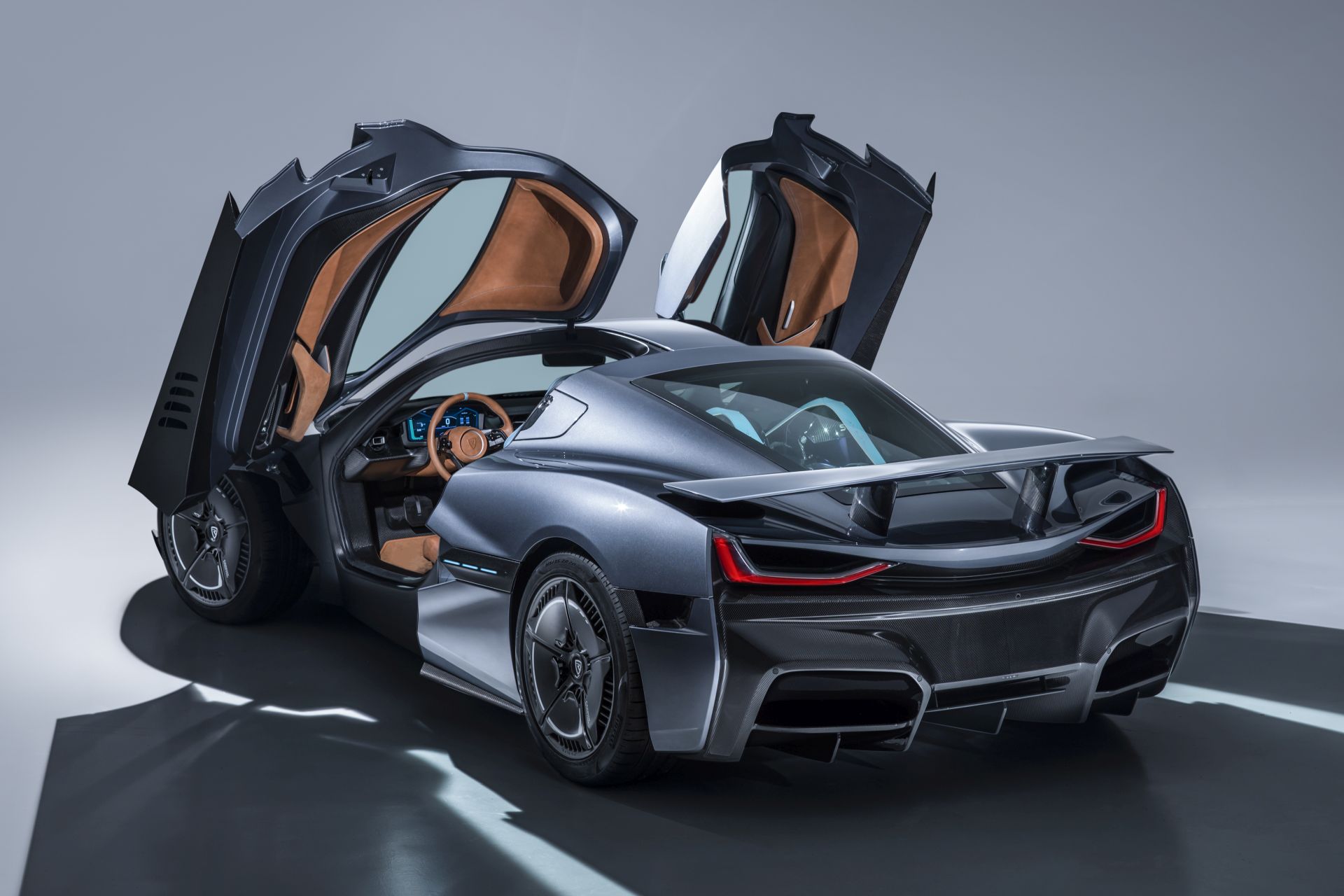
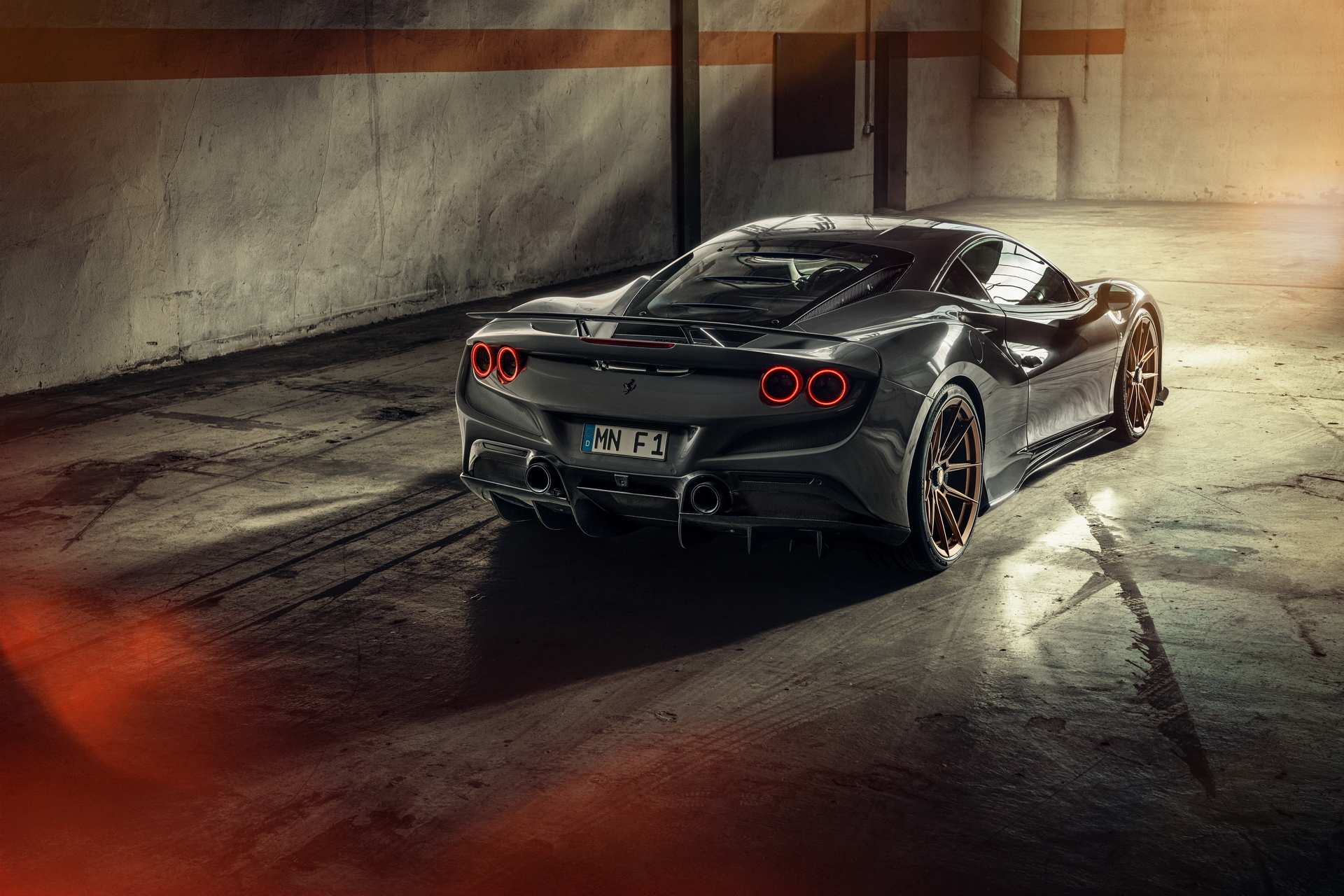
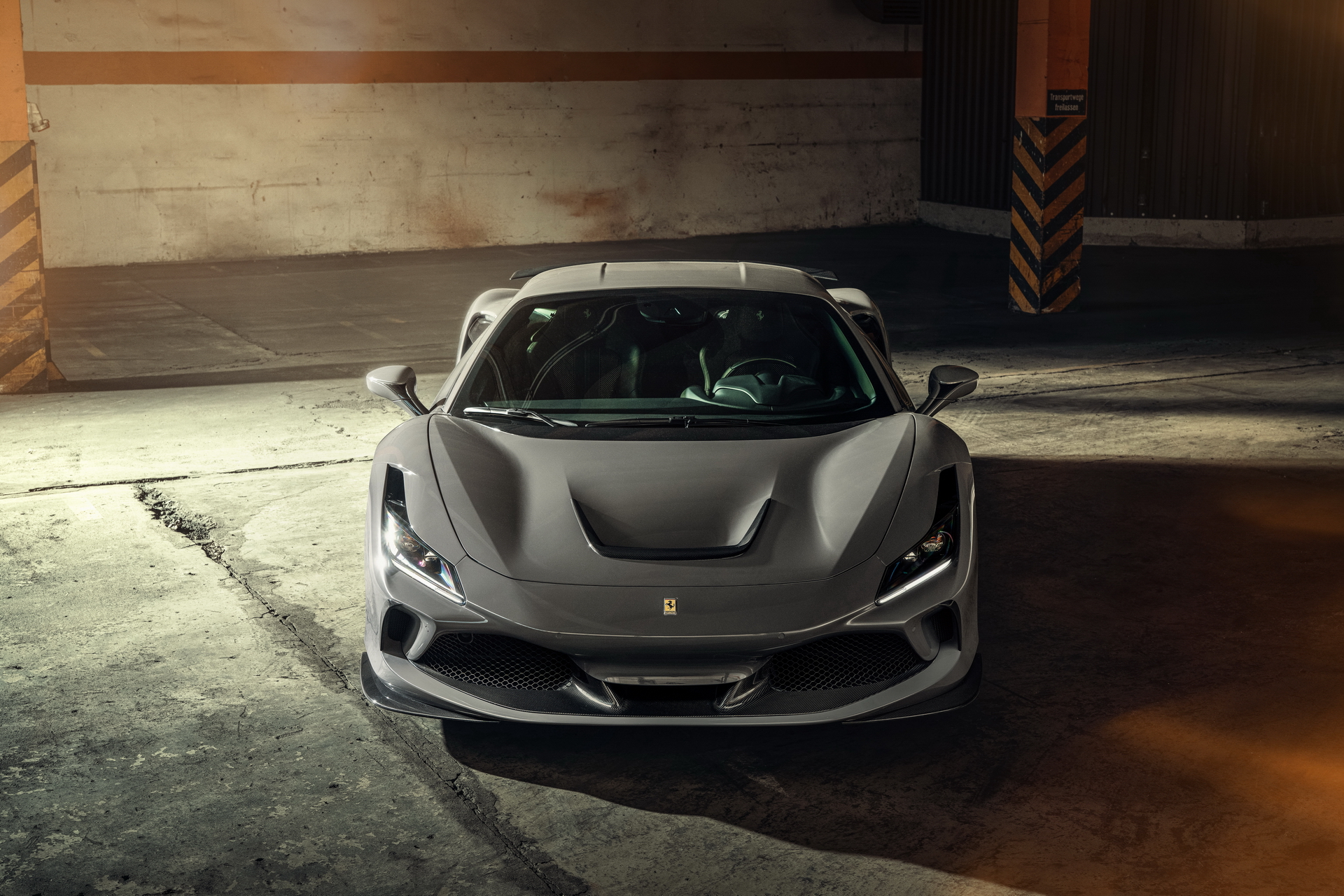
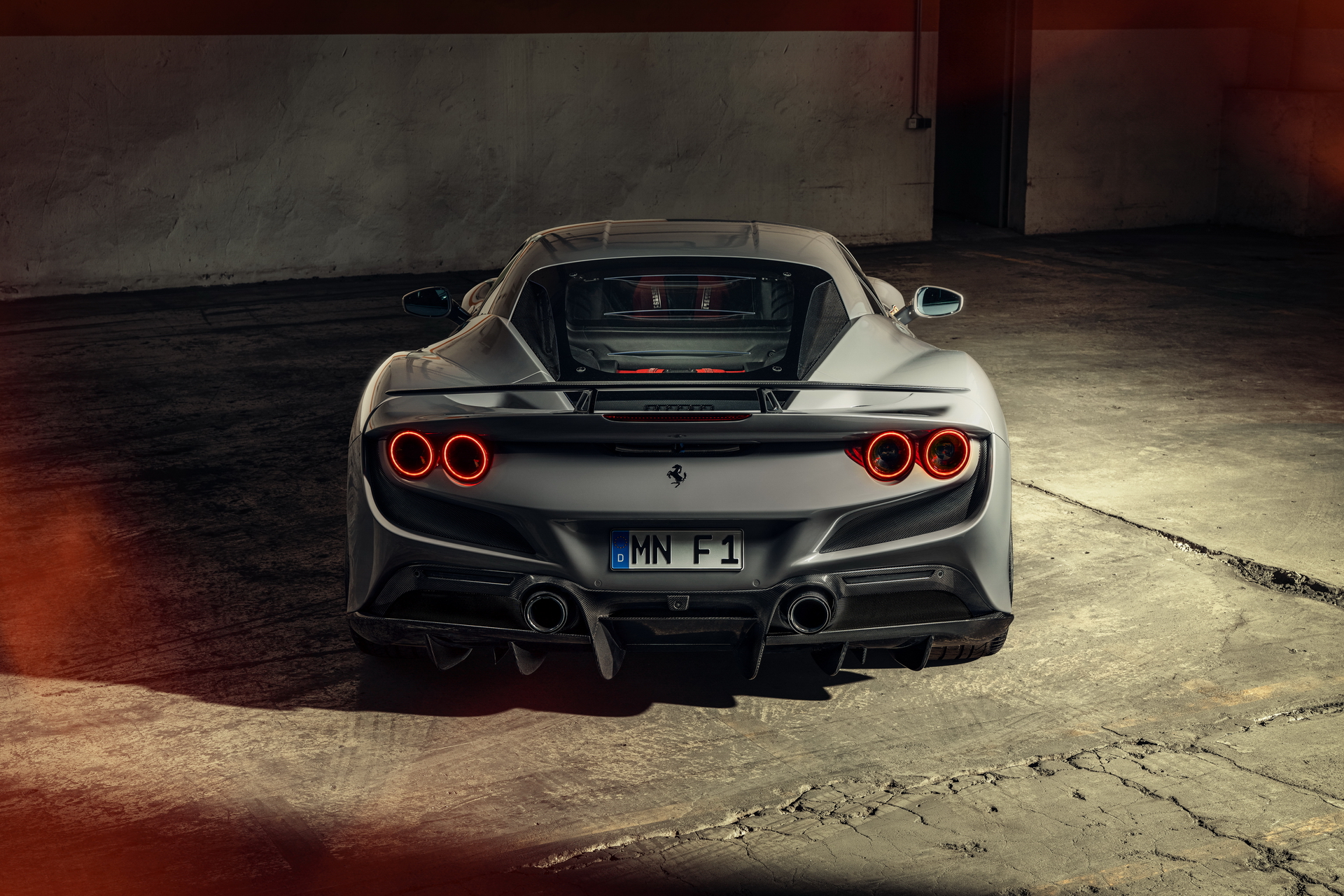
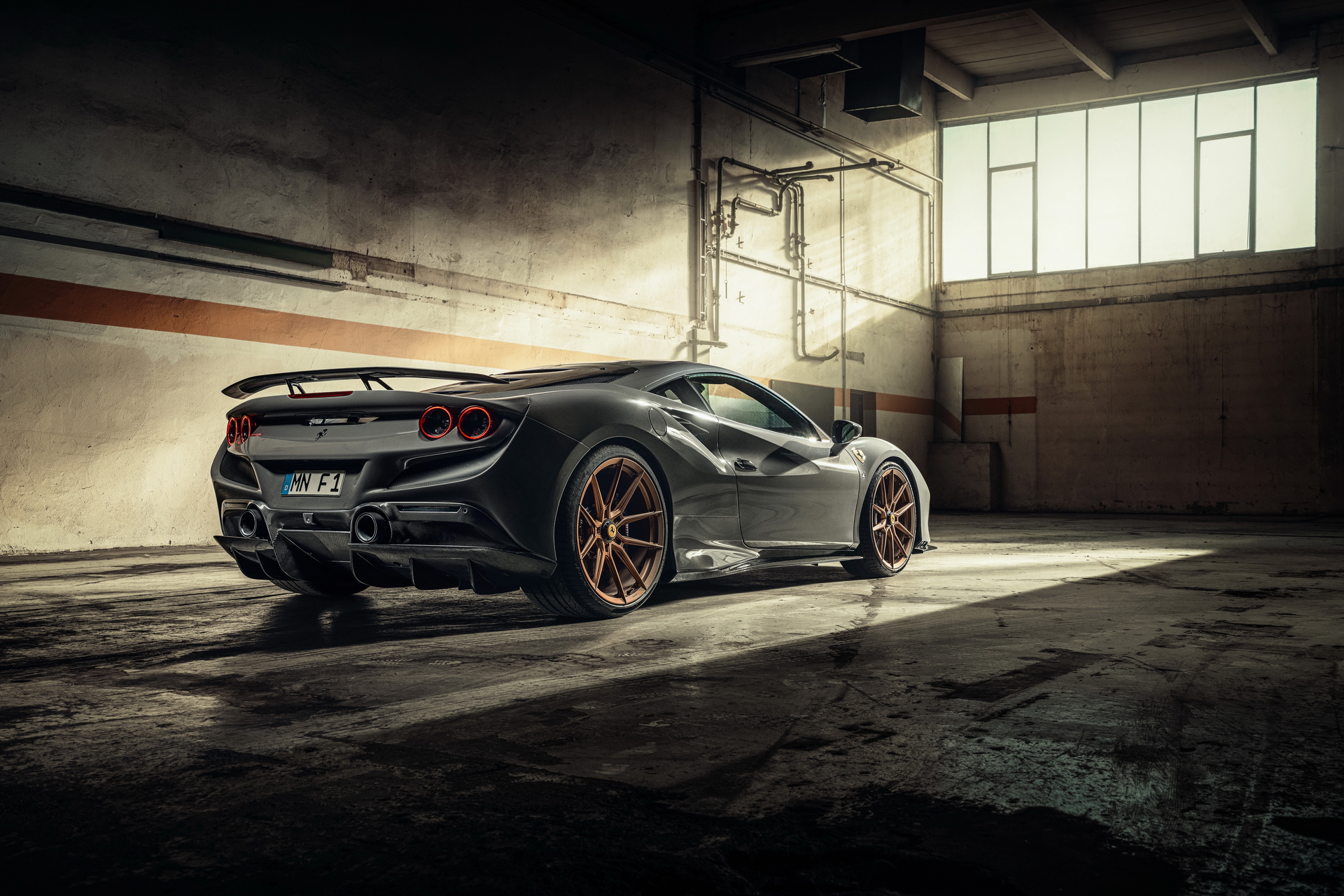
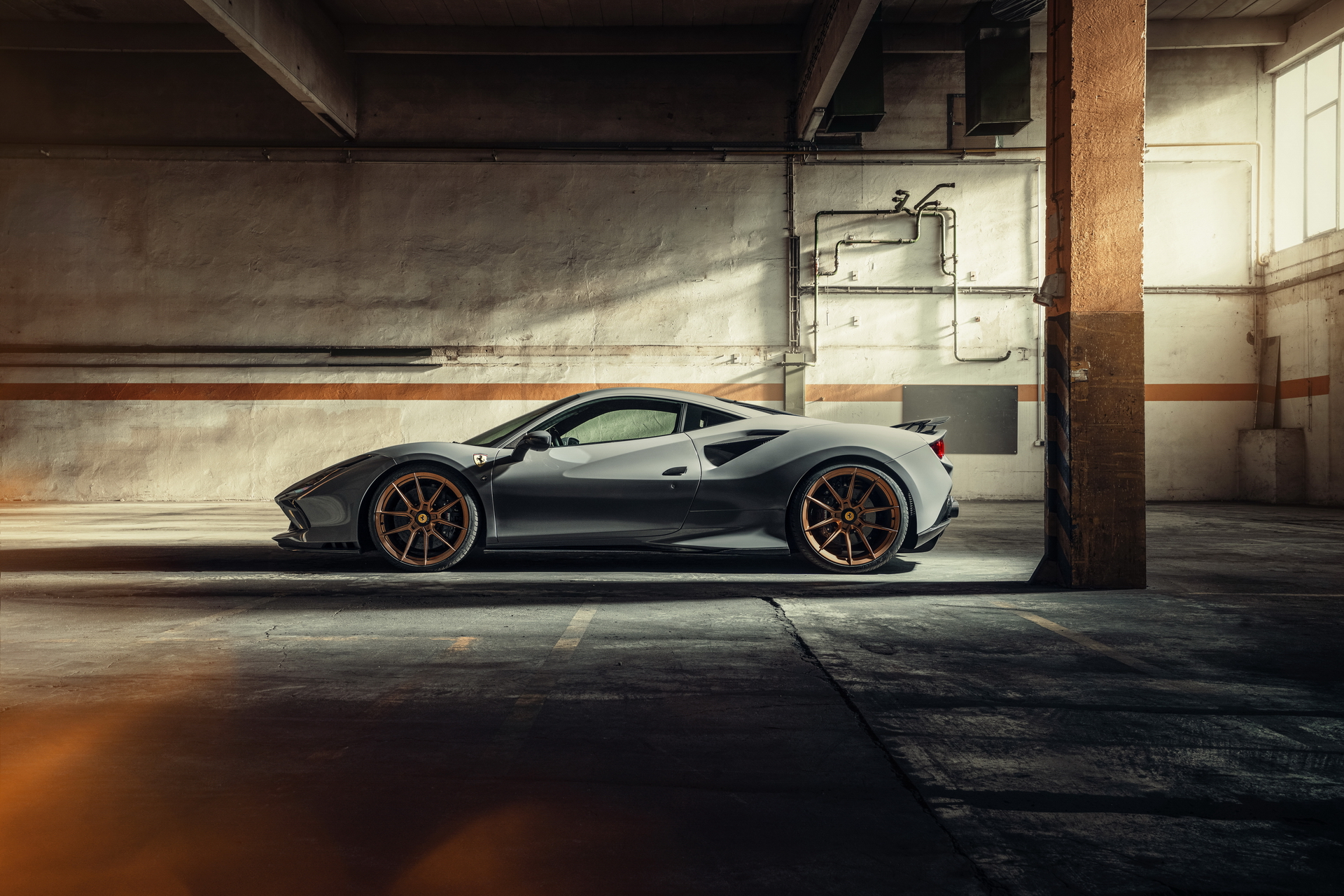
Ferrari F8 Tributo by Novitec

If a factory standard Ferrari F8 Tributo just isn’t exclusive enough for you, just give Novitec a call and have them transform your Prancing Horse into an 802 hp super car. Acceleration from 0 to 100 km/h only takes 2.6 seconds, and now the Ferrari doesn’t run out of breath until it reaches 340 km/h.
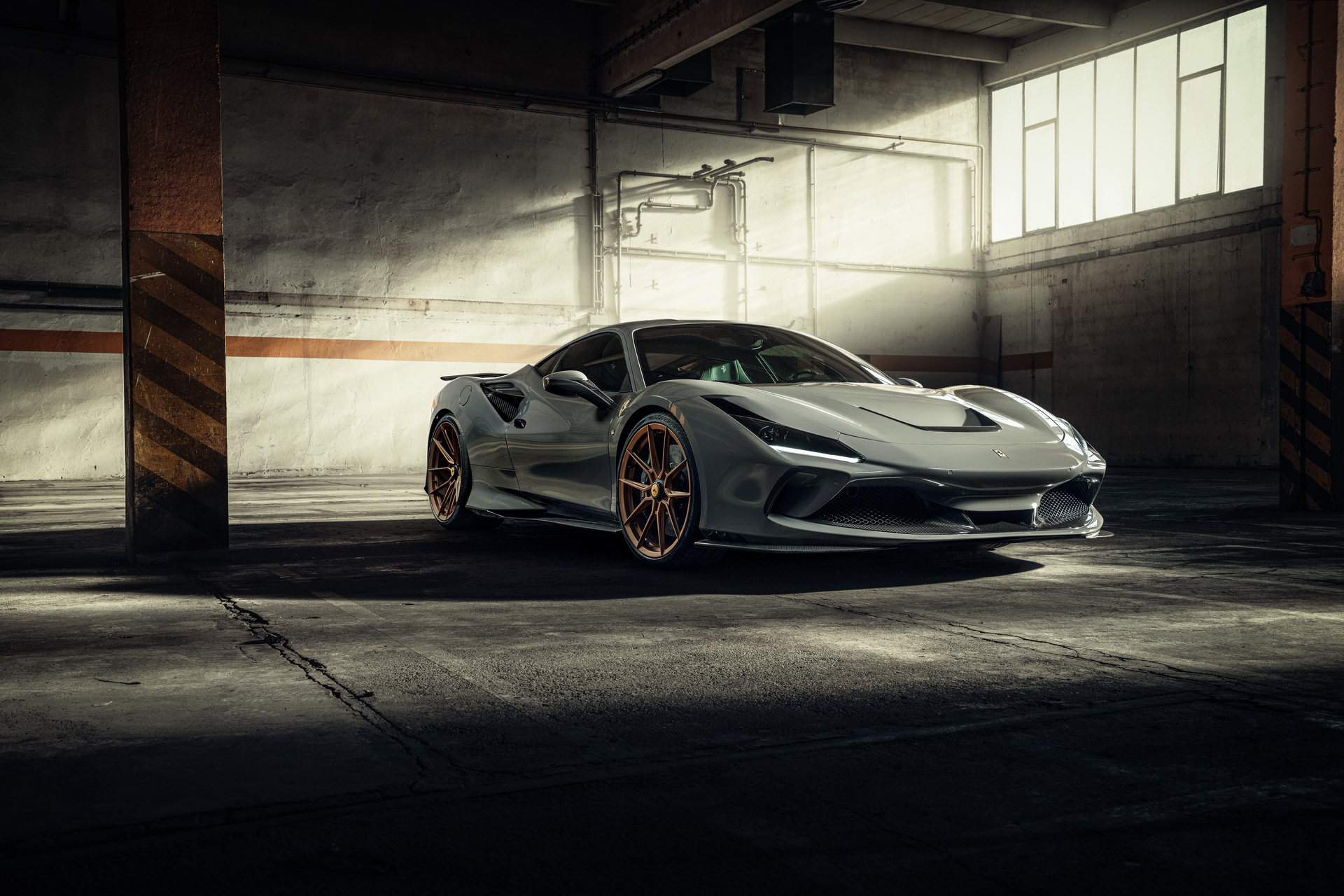
This increase in performance is thanks to the Novitec engineers development of a custom mapping of two plug-and-play modules, called Novitec N-Tronic, that work in harmony with the standard ECU of the twin-turbo V8. Add the Novitec high-performance exhaust system and the boost from 720 hp to 802 hp is present.
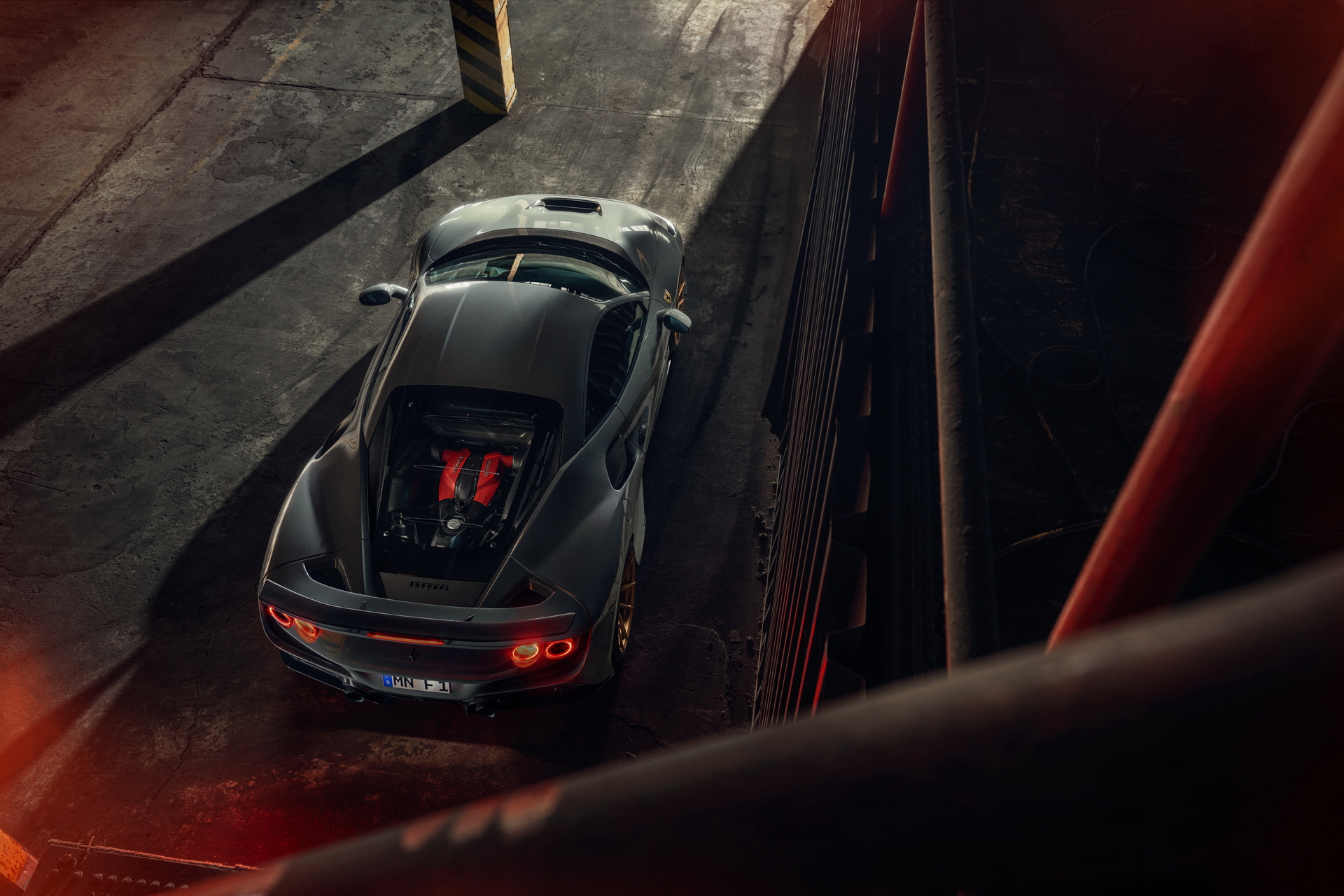
Novitec offers different exhaust options for the Ferrari F8 Tributo, but without a doubt the best one is the lightweight Inconel version, complete with electronic sound management. This Inconel version is also plated with 999 gold, not only for looks, but this material dissipates the heat better (remember the gold surround in the McLaren F1?), and you can even have the 100-cell sports catalyst gold plated to match.

Probably the best part of the Novitec Aero parts for the Ferrari F8 Tributo is the fact you can order them in clear-coated carbon fiber, to get that F1 inspired look on your road car. At the front a two-part spoiler is fitted with flaps on the air intakes, a front hood insert in carbon fiber just completes the F1 look.

Novitec side sills generate a better airflow, and thanks to the carbon fiber mirrors and air deflectors on the side air intakes, the race car looks gets even better. Naturally, you also need a rear wing, and Novitec has options there too, either a large version that offers massive downforce, or a more subtle style version. A new cover can be fitted to the rear diffuser, while a cover for models with a rear-view camera is on the list too.

If you really insist, Novitec will even ship you a complete replacement diffuser for the Ferrari F8 Tributo to fit into the factory rear bumper, add the carbon fiber trim on the engine cover to have the full kit.

The Novitec wheels are made with the service of Vossen, and these forged rims fit the F8 Tributo perfectly, Novitec offers a few different designs for the most discerning customers out there. And on top of that Novitec offers a palette of 72 shades, brushed surface, or polished surface … whichever you prefer.

If you really want to fit a special wheel, you should go for the Novitec NF10 forged wheel, with five, twin spokes and center-lock look. These would be 9×21 at the front and massive 12×22 at the rear, 255/30 ZR 21 and 335/25 ZR 22 tires are fitted, and the Ferrari sits 35mm lower to the street thanks to a set of Novitec Sports springs. if the car is fitted with the front lift system, Novitec can install their own rendition that can raise the car by 40mm when needed.

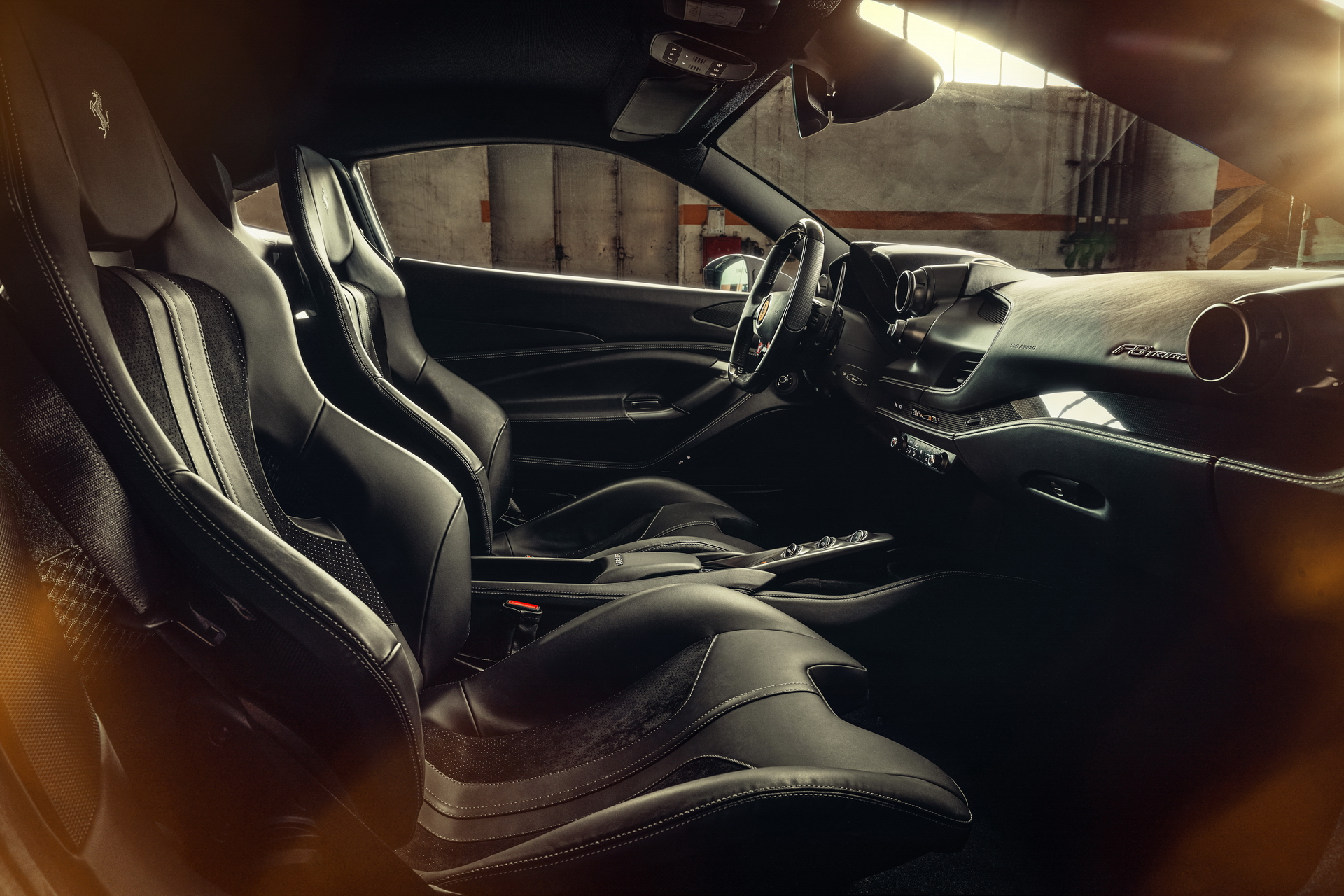
A fully bespoke interior using Alcantara and leather is no problem at all for the artisans at Novitec, they can even change the design of the factory original upholstery, naturally, some exposed carbon fiber will be possible too.

The ARES Design S1 Project

ARES Design is based in Modena, Italy, and you might know them for the reïncarnation of the De Tomaso Pantera, which they call the Panther Progettouno, a stunning, 21st-century remake of that amazing Lamborghini Countach competitor from the Eighties (the Pantara was built between 1971 and 1993 by the way).

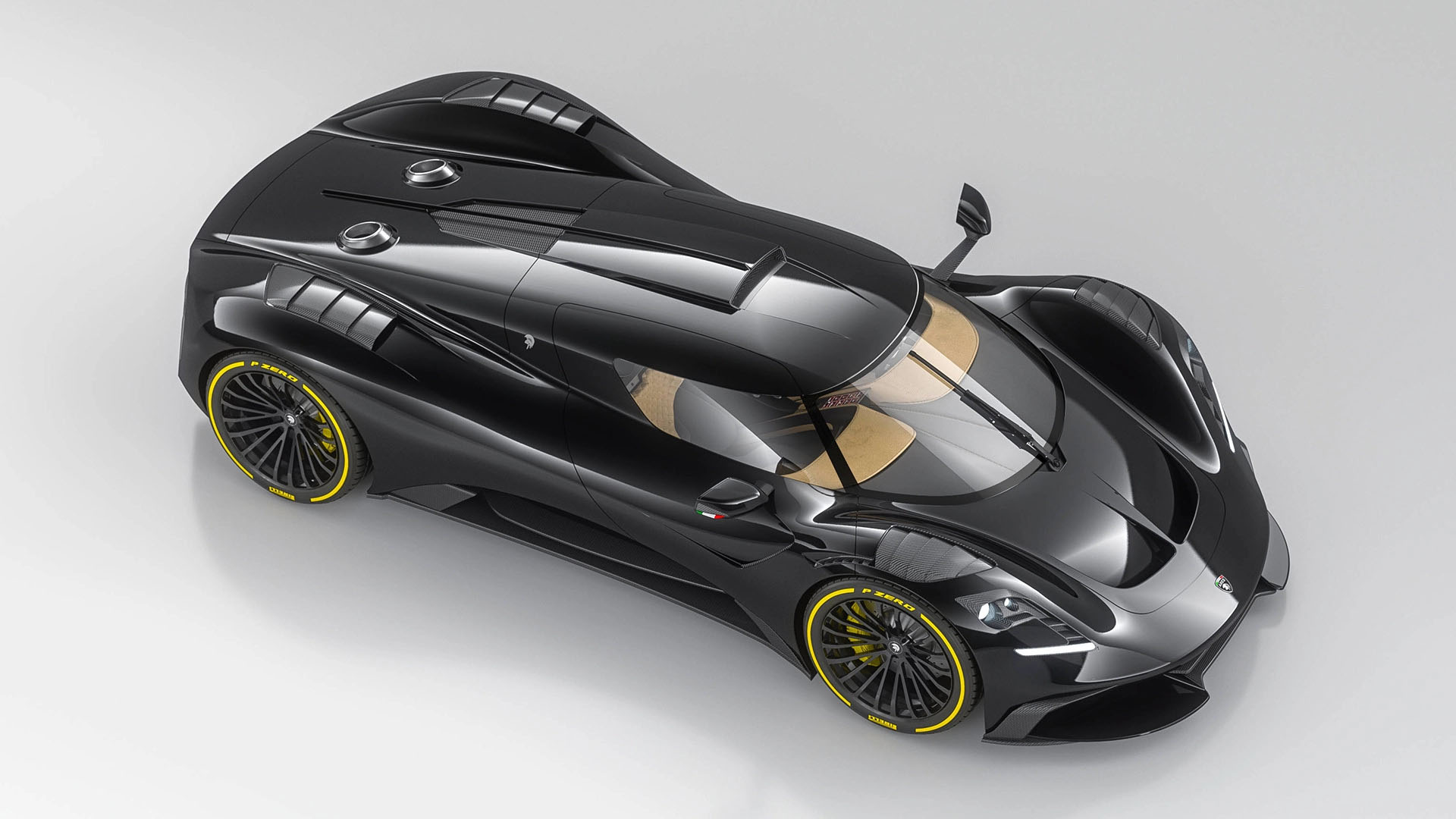
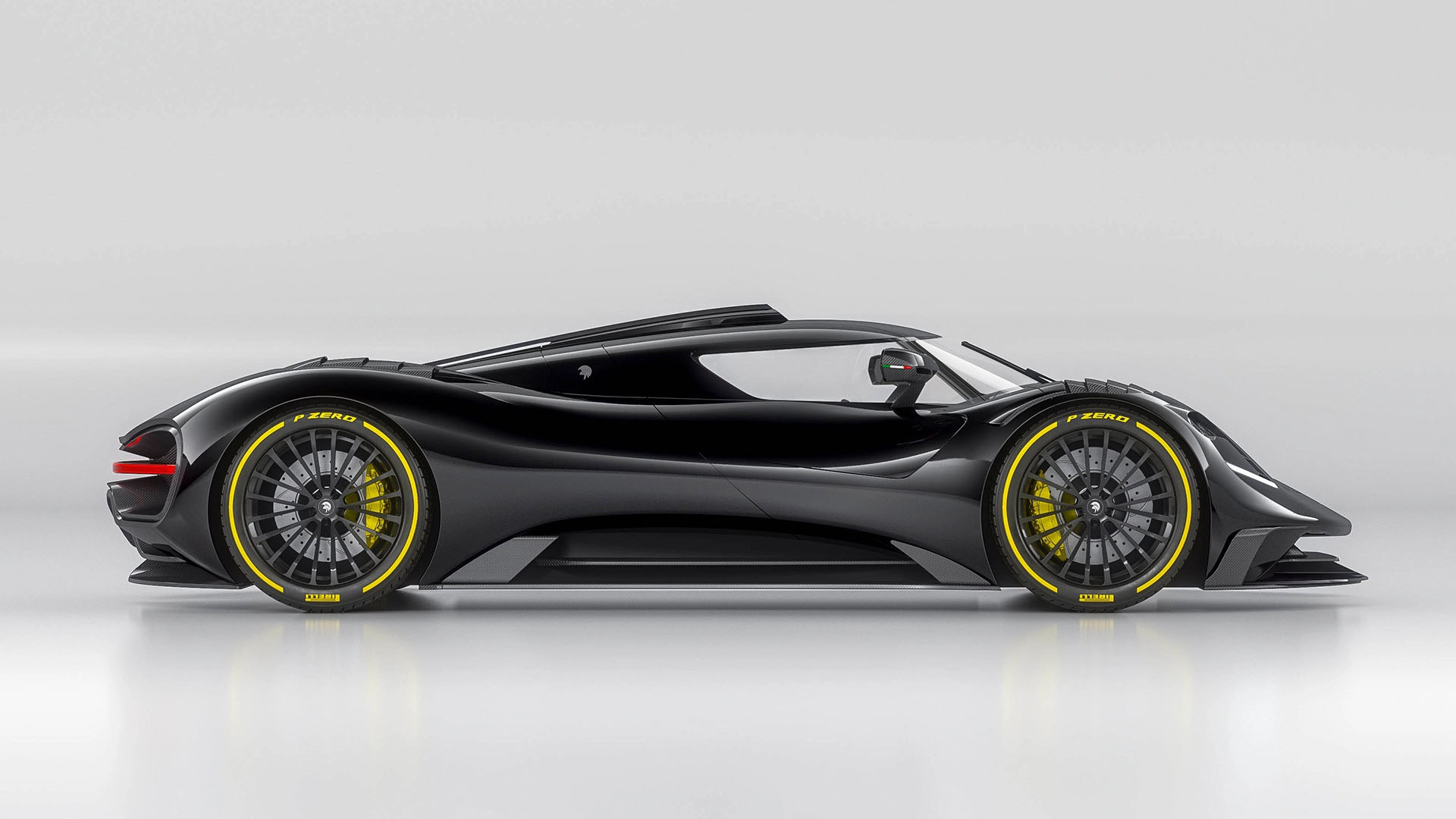
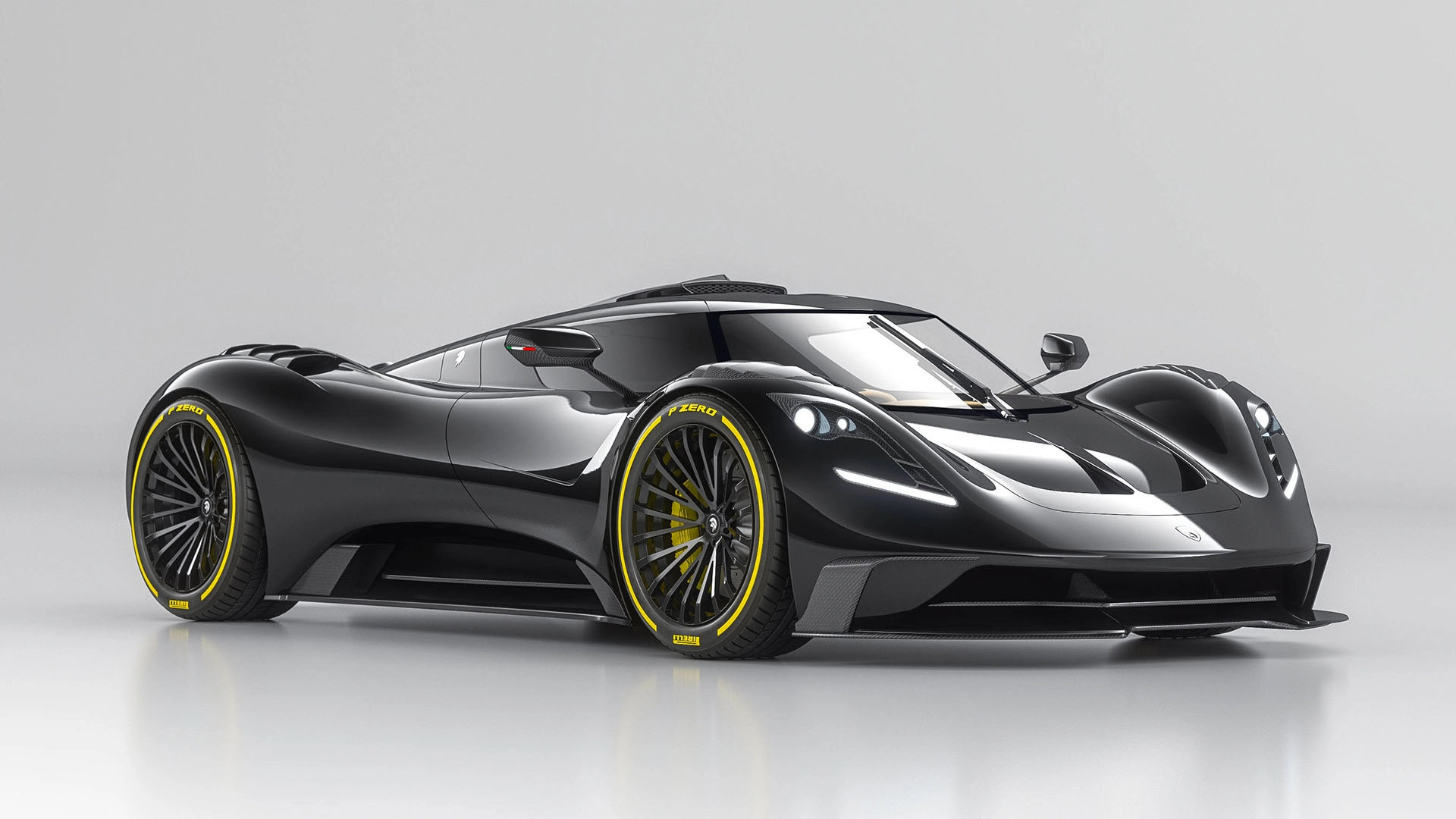
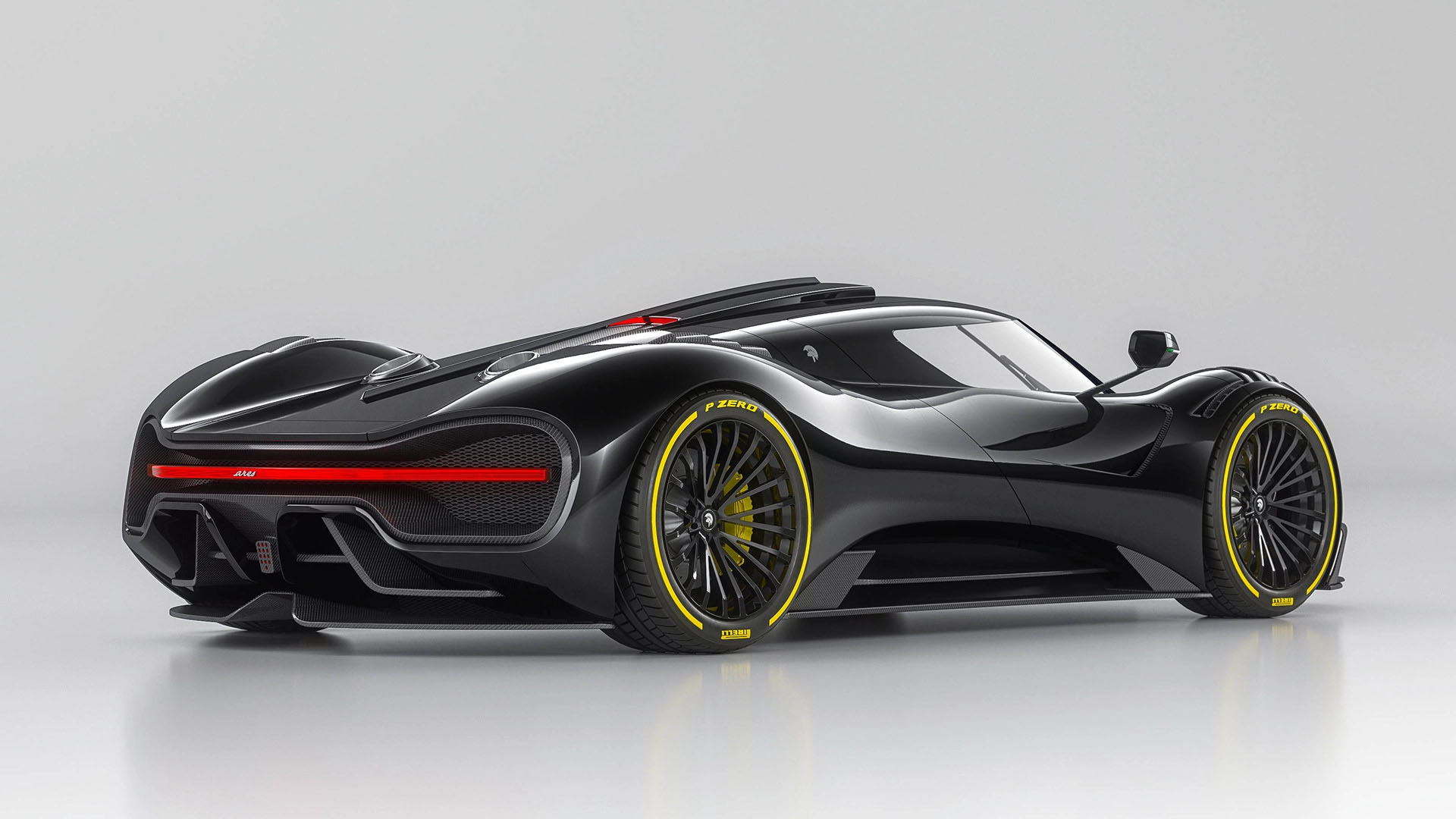
But ARES Design also created a very impressive concept car, the S1 Project, a mix between the looks of a hypercar, the speed of a supercar with the accessibility of a sportscar. All while taking inspiration from racecars from the Sixties and Seventies. ARES Desing’s Centro Stile made extensive use of CFD studies to create the best possible aerodynamic body, naturally made from carbon fiber, with a very low front splitter, stylish wheel arches that hold massive, bespoke wheels. The rear spoiler on the S1 Project is adjusted dynamically, while the exhausts come out of the engine cover, this way the entire tail section is extremely clean looking and boasts one single taillight design from left to right.

The side profile of the S1 clearly shows how far forward the cockpit sits in this design, creating an aggressive look, while still maintaining a very ‘flowing’ style and offering the maximum downforce possible with the least possible drag coefficient

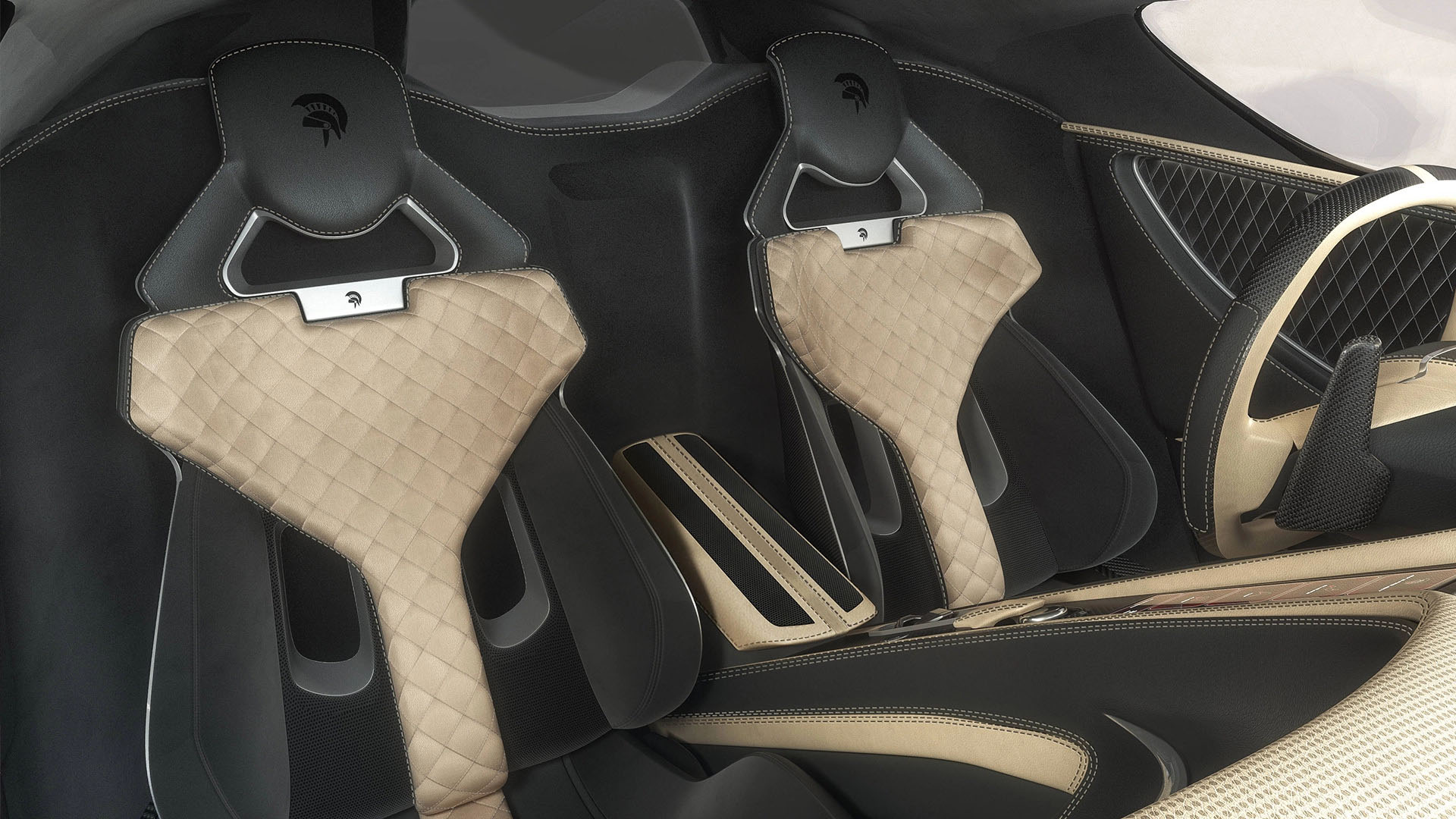
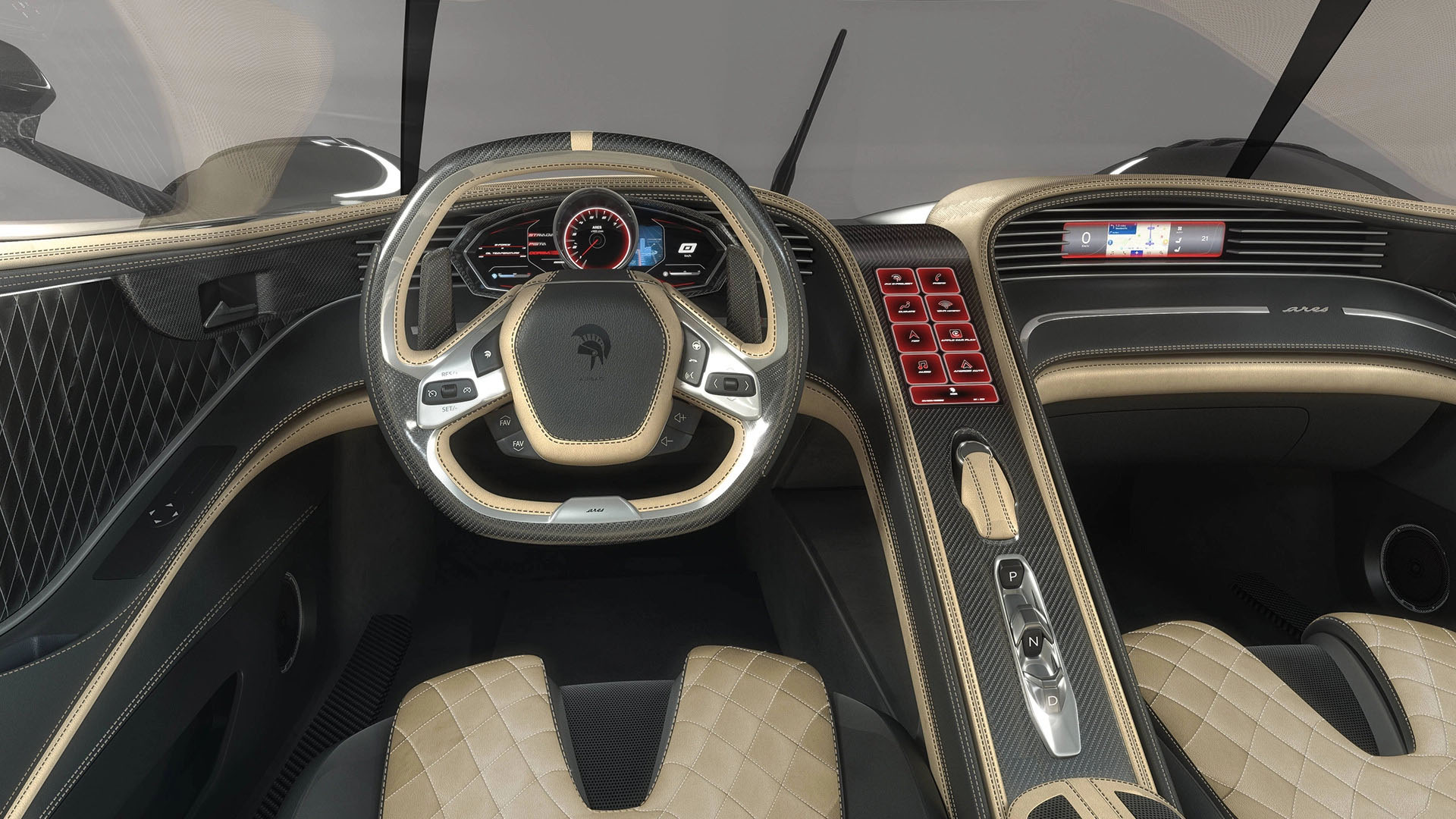
A concept design like the ARES S1 Project wouldn’t be complete without a bespoke, futuristic interior. A central console that runs from the top of the dashboard all the way down between the two seats, containing the HMI naturally, it seems the dashboard cluster will be made out of LCD displays anyway. Luxurious Alcantara will be combined with the finest Italian leather to create a perfect match with the carbon fiber used on various panels, there’s even an LCD in front of the passenger in the S1.

At this moment there isn’t a price set yet, and as far as we know, the S1 is still in the project stage, not even in the prototype stage … but it does look amazing nonetheless.

Some more photos of this amazing concept:

First Bugatti Chiron Pur Sport delivered in the USA

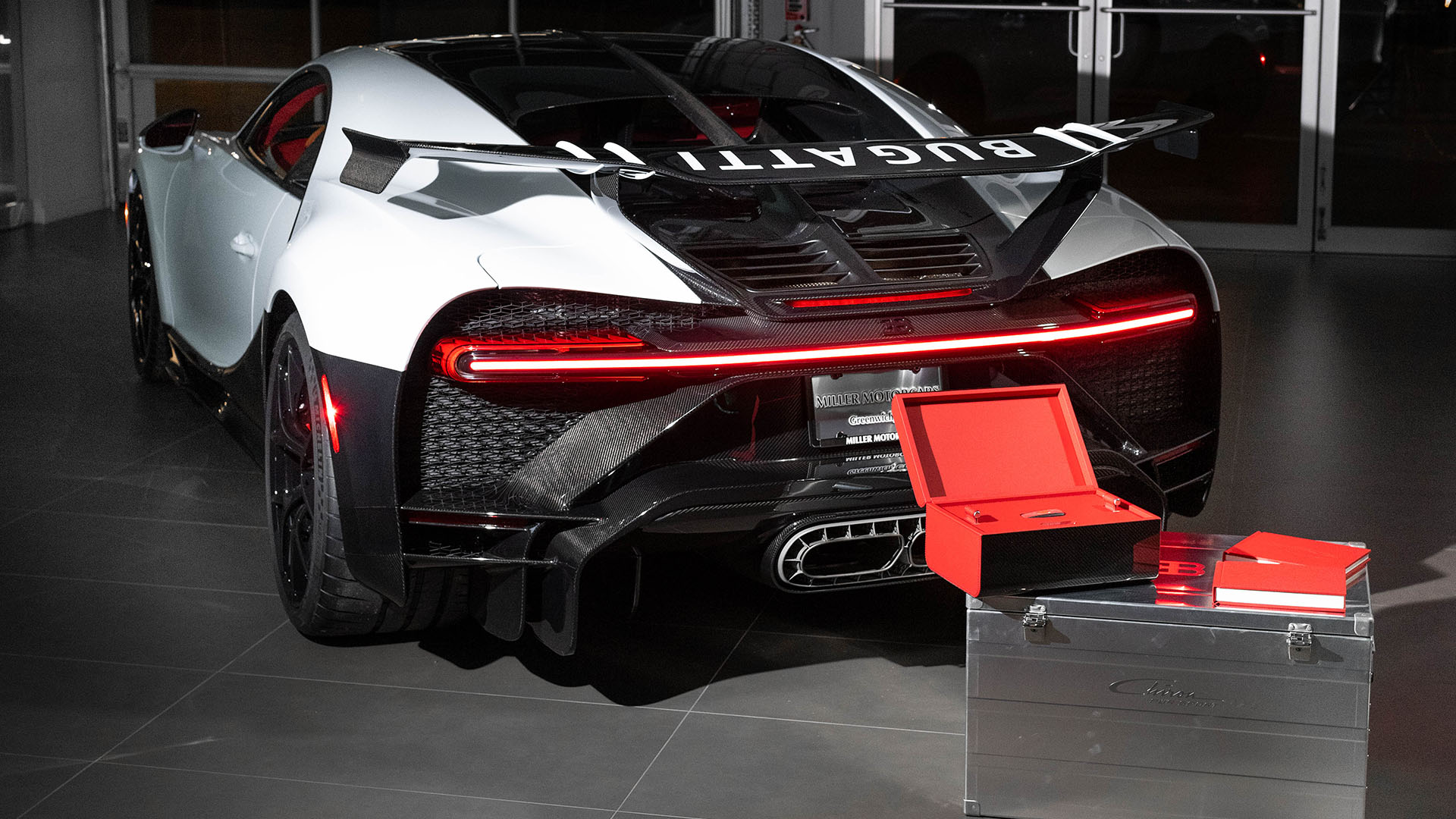
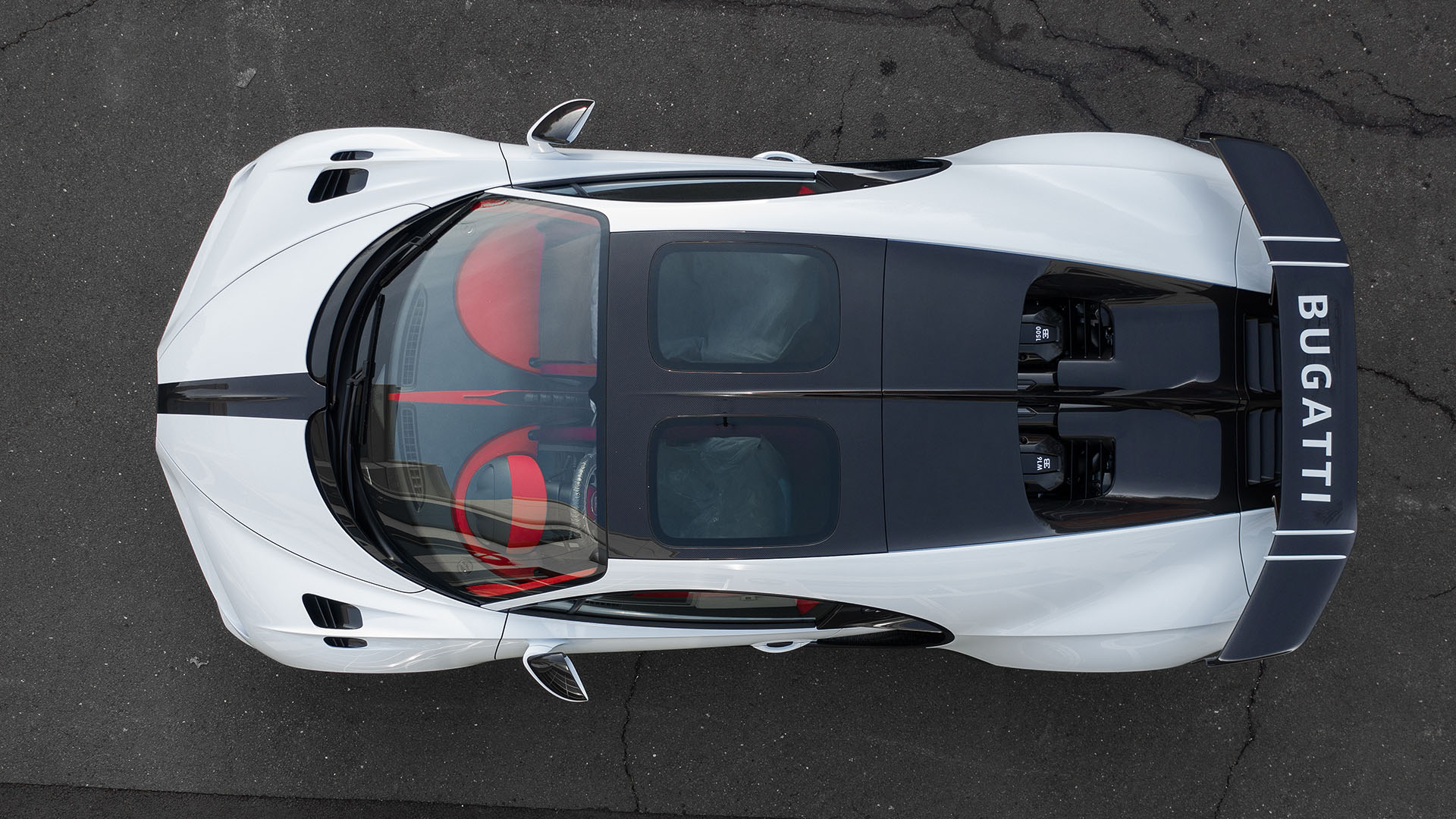
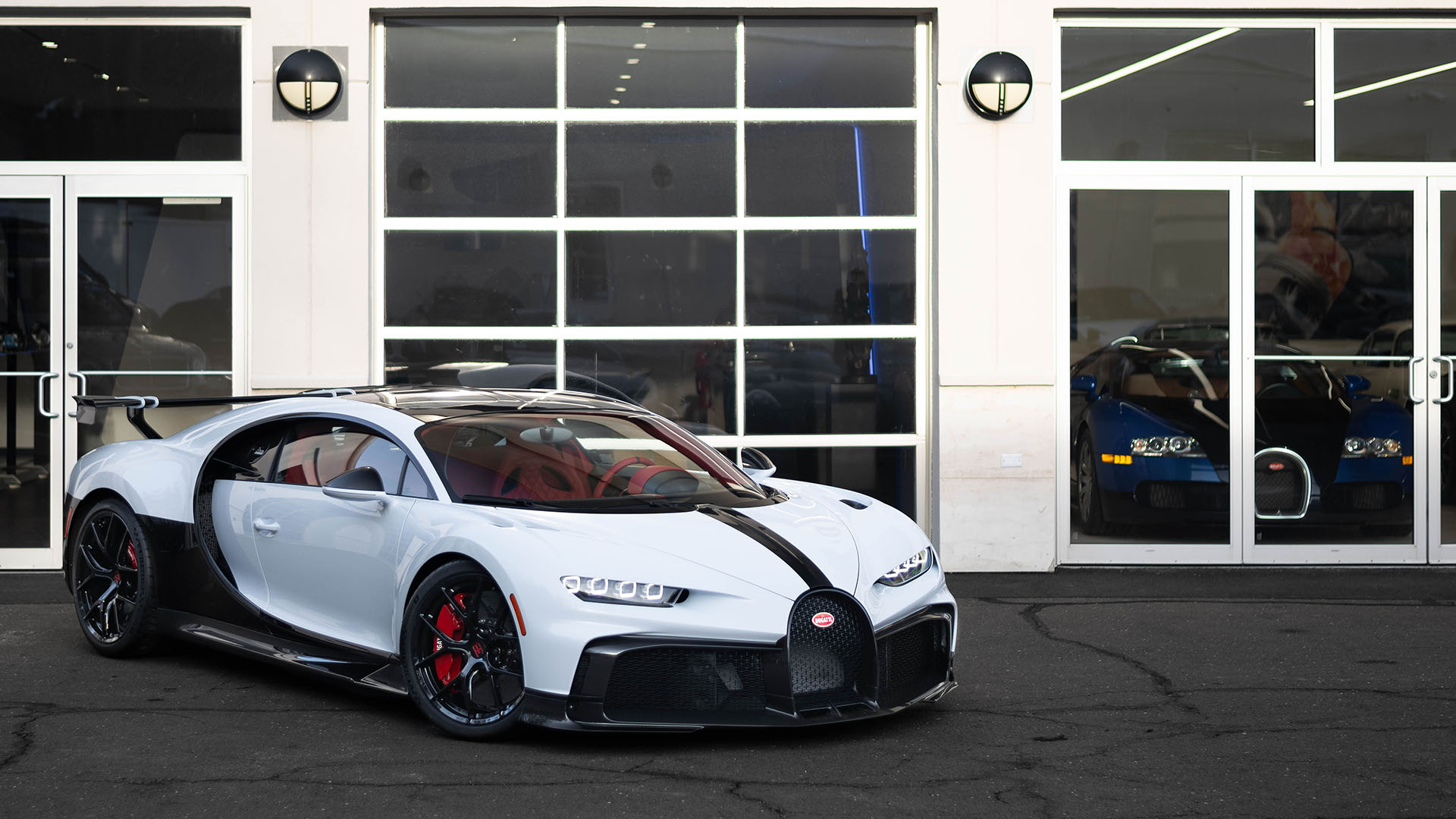
2021 begins with the world’s first delivery of a Bugatti Chiron Pur Sport in the USA. Bugatti Greenwich, the official dealer/partner of the French luxury brand, recently handed over to its customer the keys to happiness. “Bugatti of Greenwich is honored to have delivered the world’s first Bugatti Chiron Pur Sport to a very valued and loyal client. A long time Bugatti aficionado who now holds the keys to the purest Bugatti ever made,” says Evan Cygler, Sales Manager Bugatti Greenwich.

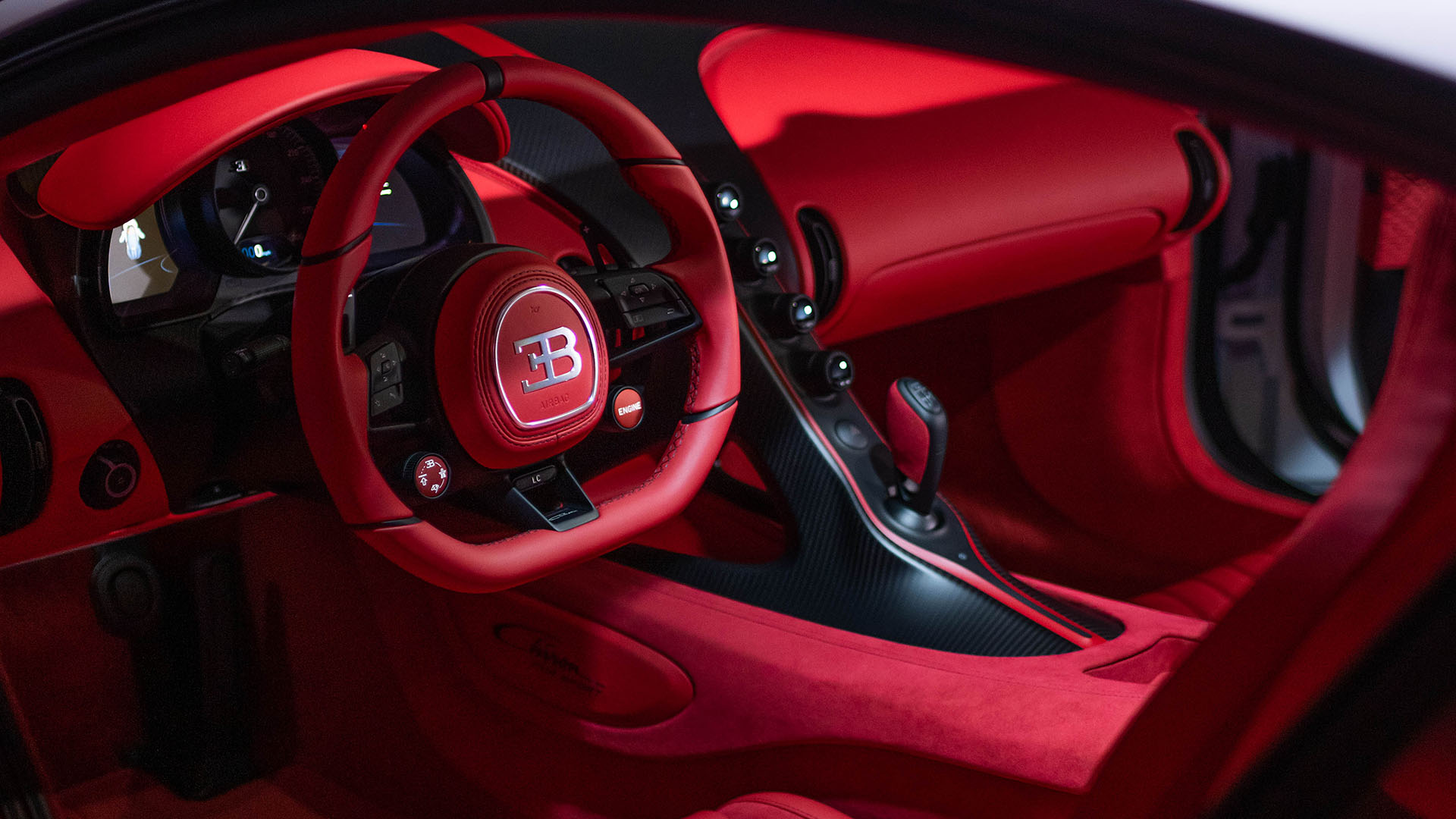
Like every Bugatti, the first Chiron Pur Sport is unique and individualized to perfection down to the smallest detail by its new owner: On the outside, the upper part of the vehicle is dominated by Quartz White with Pur Sport Split in Grey Carbon, while the lower part is also in grey exposed carbon. The entire roof, rear wing, horseshoe, and side mirrors are also in Grey Carbon, with accents in “Gun Powder”. The icing on the cake: the optional Sky View, which gives the driver a view of the sky. The Pur Sport color split contrasts with the “Italian Red” leather interior.

Bugatti has calibrated the Chiron Pur Sport for agility, handling, and driving performance. In addition to immense power; it also offers a high level of comfort and is suitable for everyday use. It is powered by an 8.0-liter W16 engine delivering 1,500 PS and 1,600-newton meters that is designed for an engine speed of up to 6,900 rpm in the agile Chiron Pur Sport. With the assistance of a 15 percent shorter transmission ratio, the Chiron Pur Sport accelerates even faster than the Chiron. The Chiron Pur Sport catapults from zero to 100 km/h in just 2.3 seconds, to 200 km/h in a mere 5.5 seconds, and to 300 km/h in less than twelve seconds. Compared to the Chiron, the new model’s elasticity has improved to 3.4 seconds in the 60 to 100 km/h range and to just 2.4 seconds from 80 to 120 km/h. Grip-optimized tires and sophisticated aerodynamics with a fixed rear wing ensure more downforce and lateral dynamics.

The Chiron Pur Sport is produced in the Atelier in Molsheim, Alsace since autumn 2020. In total there will only be 60 vehicles at a unit price of 3 million euros (net).

(official press release from the Bugatti Newsroom)

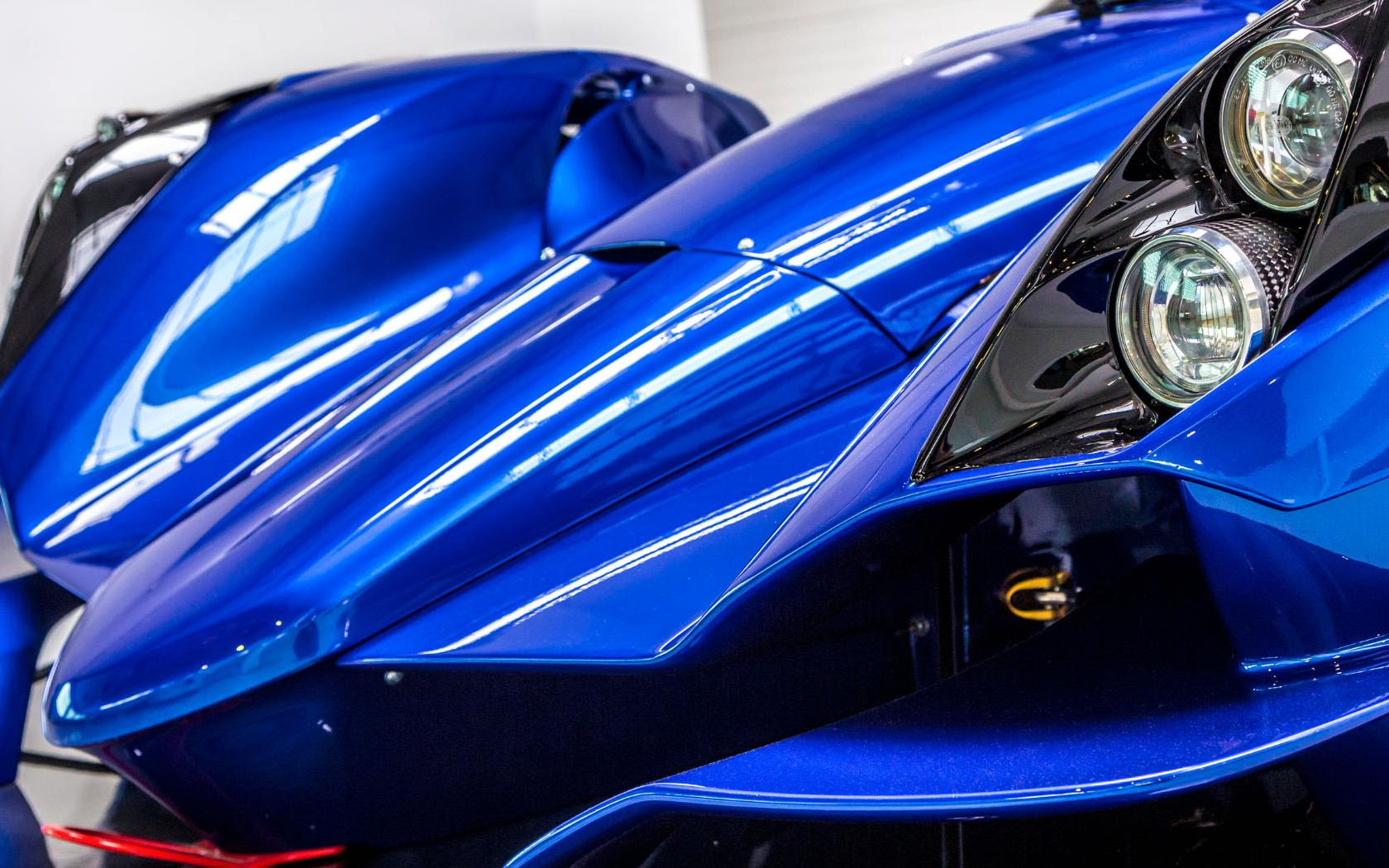
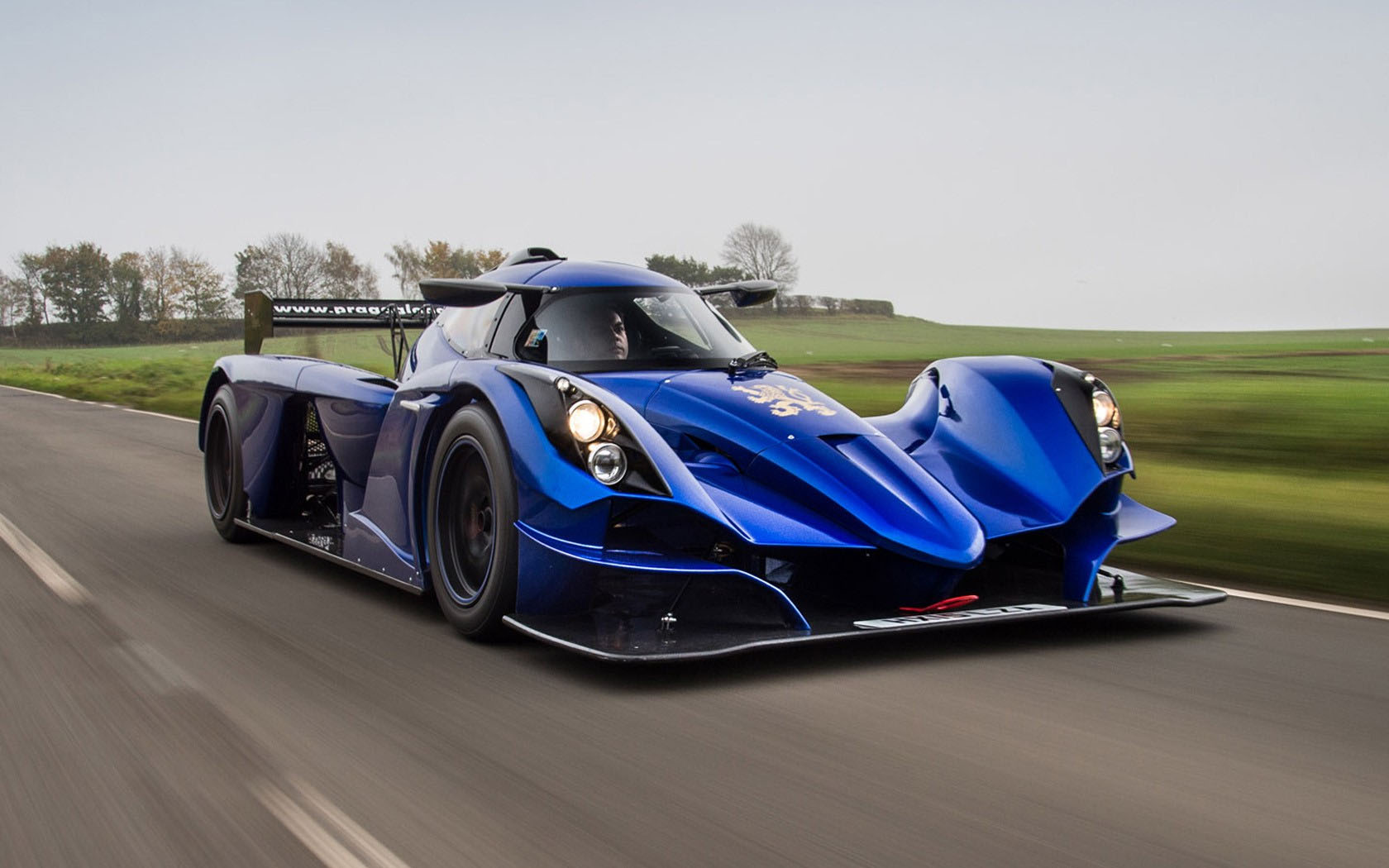
The Praga R1R, an actual race car for the road

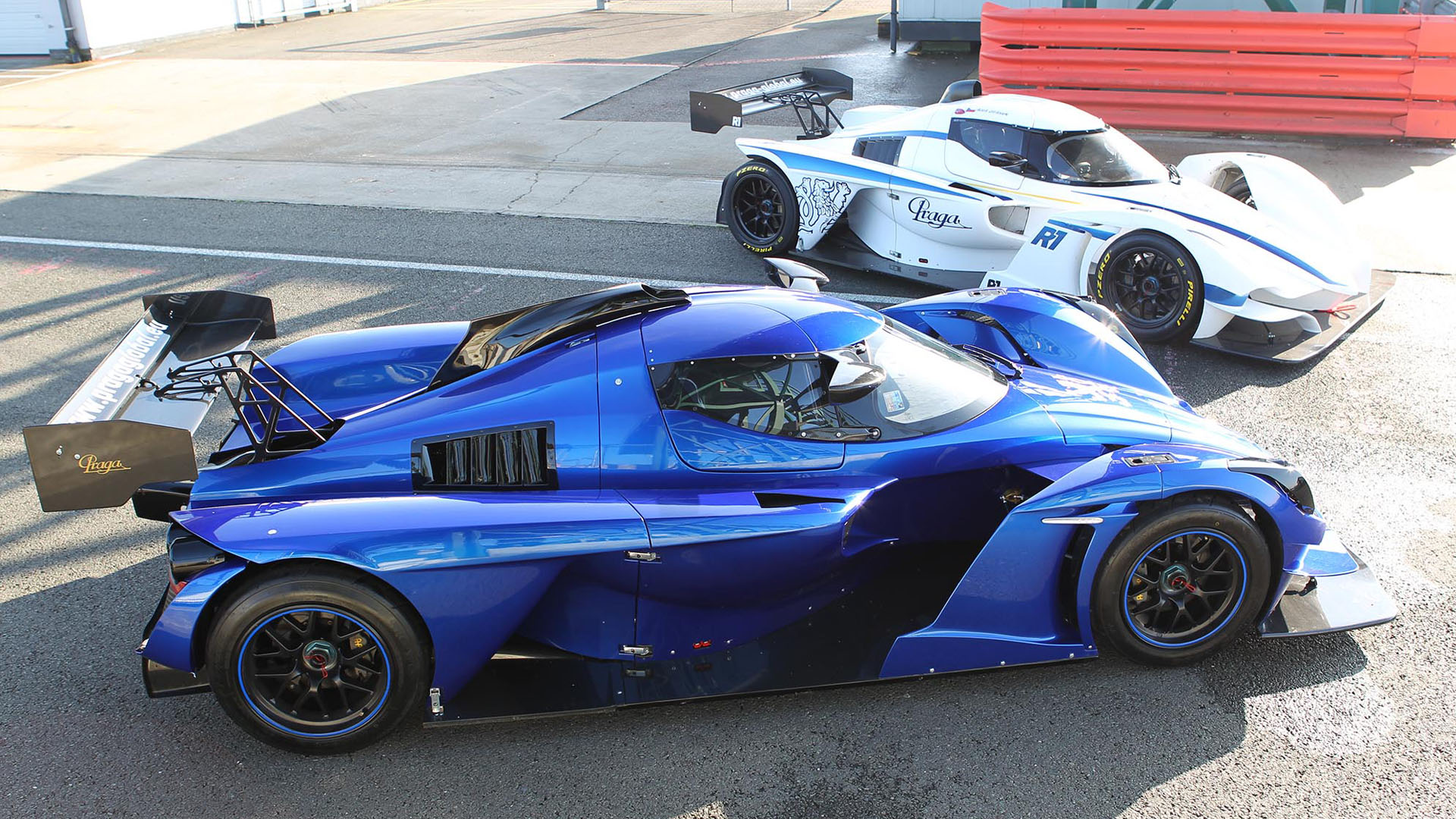
We see many cars being advertised as a street-legal race car, and most of those are ‘dialed-down’ versions of the cars we encounter on the race track, but the Praga R1R is different … the R1R is an actual race car. Praga just added the necessary items that allow this racer to be driven on the open road … so this is probably as close as you can get to an actual race car that is legal to drive on the public roads.

Praga might not ring a bell to must of us, but they based in the Czech Republic, and have been for over 100 years. Founded in 1907, they have been designing, developing and producing not only race cars, but also road cars, airplanes, trucks, buses, motorcycles and go-karts that have been sold worldwide.

The Praga R1R is the ultimate track day car, you can do lap after lap at top speed on the track on Sunday, and still drive it home without a trailer. This is true racing technology for the road, be it a twisting mountain road in the Swiss Alps or the avenue in Monaco, the R1R feels at home on all of them.

The R1R is actually the first road car Praga has built since 1947, and they took their race-winning R1 as a base to add the required technology to make it a road car. Safety equipment was added, but also a suspension specifically tuned for the public roads, all while retaining the racing heart of the original.

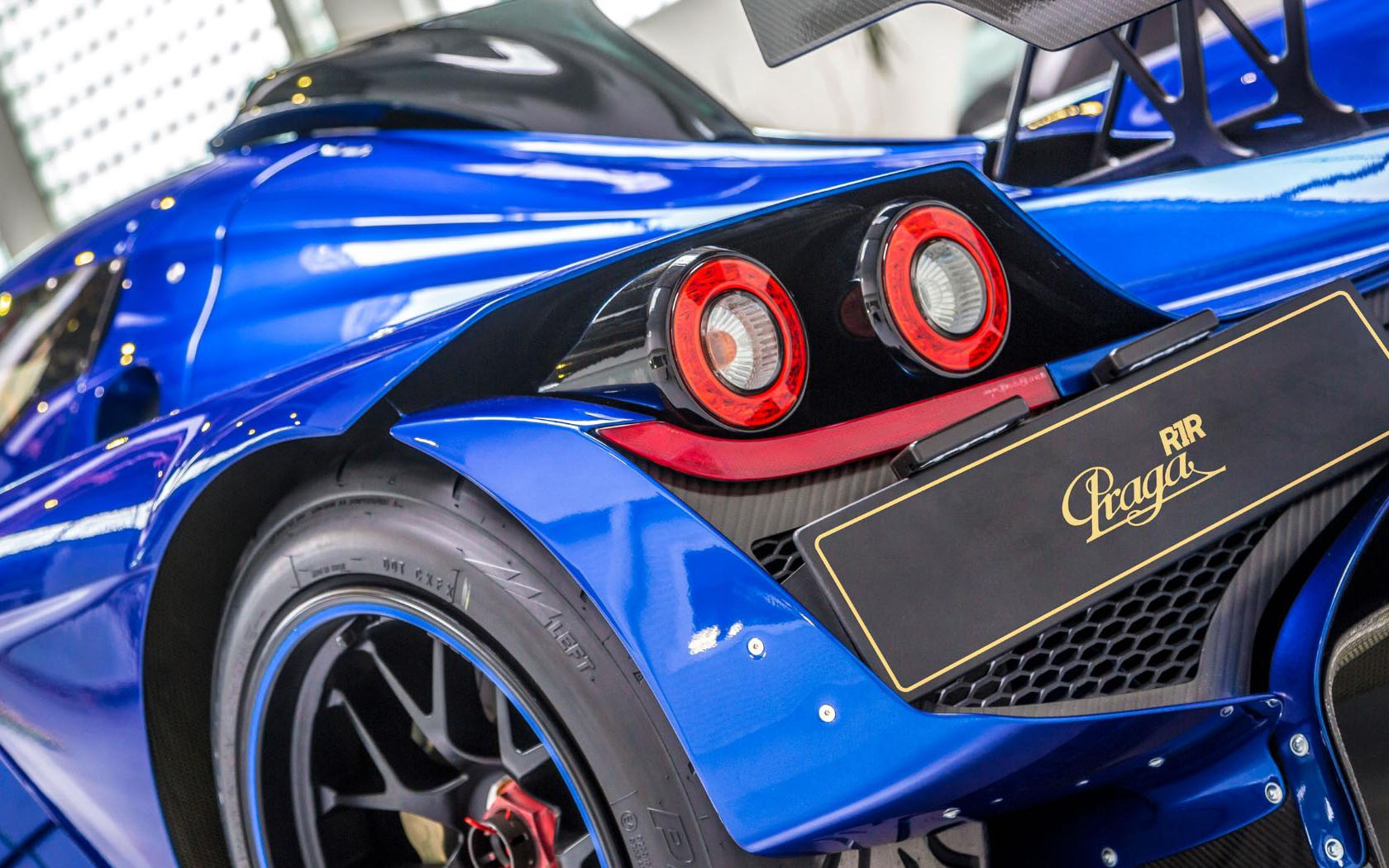
There was no need to make the Praga R1R feel like a race car, because it was a racer from the start, they just added a certain degree of comfort and made a race car cope with everyday road driving. The teardrop design of the cabin was created for optimum aerodynamics, and the entire design of the R1R, complete with that massive rear wing actually generates more down force over 200 km/h than the overall weight of the car. This means you could theoretically drive this car upside down in a tunnel, but more importantly it offers amazing cornering capabilities.

Did the Mercedes-AMG GT Black Series set a new Nurburgring record?

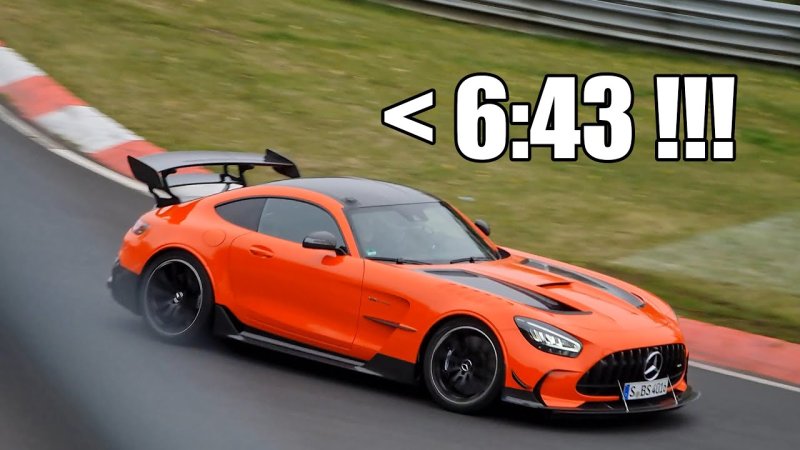
According to well-known YouTube Nürburgring-watcher Misha Charoudin, the Mercedes-AMG GT Black Series likely set a new production car record at the famous German race track. According to the channel’s calculations, the 720-horsepower AMG GT Black Series likely crossed the finish line with around 6:43 showing on the stopwatch. If that’s true it would be a new record, taking top billing away from the Lamborghini Aventador SVJ, which did the deed in 6:44.97. It also wouldn’t be a big surprise, since Mercedes was known to be honing the car at that exact track for years.

Instead of rehashing the great debate about the never-ending quest to set records at the Nürburgring Nordschleife, we’ll just recap a few highlights: Does it matter? Is it repeatable? Is it relevant to actual street performance? Do the mods that make it fast at the ‘Ring make it worse on the road? Now that those are out of the way, let’s add this unqualified statement: ‘Ring records are nothing if not impressive and newsworthy.

If Charoudin’s projected time is accurate — and he’s been on the mark in the past — we expect confirmation from Mercedes-AMG will be coming in short order. Probably with onboard video, and probably with much pomp and circumstance. We look forward to it.

Related Video:

Watch This Inventor Fly a Jet Suit Over Iceland

For as long as we can remember–and even probably before then–we’ve wanted to be able to fly. It’s a pretty common thing for humans and something that Richard Browning’s Gravity Industries wanted to make possible…

Listen to the Mercedes-AMG Project One romp around Mercedes’ proving grounds

It’s been over three years since we saw the reveal of the Mercedes-AMG Project One, and we’re still waiting on a final production car. Mercedes isn’t keeping us entirely in the dark on what’s going on behind closed doors, though.

Today, Mercedes has dropped a new video and new photos of the Project One testing on track. The company says that testing is entering a new phase now, as pre-production models are running hot laps on Mercedes’ proving grounds in Immendingen. Mercedes also says that this is the first time it’s testing with the engines turned up to their full power potential of “more than 1,000 horsepower.”

For us, this is simply a great chance for us to hear the 1.6-liter turbocharged V6 scream around a racetrack. Mercedes says the sound we’re hearing is authentic and what owners will hear from behind the wheel of their Projects Ones. Since this engine is a street-tamed Formula One engine, it sounds very similar to the Mercedes race cars piloted by Lewis Hamilton and Valterri Bottas on Sundays. The sound isn’t exactly the same as what we hear on TV, but there’s no mistaking this engine’s origins. 

In addition to running at full power, Mercedes says it’s working to validate and develop the active aerodynamics. After this bout of testing is complete, Mercedes says it plans to head to the north loop of the Nurburgring. Don’t expect to see a record attempt, though — AMG already ruled that out a couple years ago.

Related video:

Hyperion unveils XP-1 hydrogen fuel cell supercar

Did you hear that? It didn’t sound like much, did it? Pretty quiet. Did you feel it? Just a whiff of passing vapor? Either that’s the emissions of a fuel cell supercar, or a big entrepreneurial dream not long for this world. When you see it, though, it’s hard to miss. That’s the Hyperion XP-1, which, after a little teasing, was officially revealed in the video above.

We don’t have a lot of details yet. Hyperion says the hydrogen hypercar can travel 1,000 miles between refueling — a process that takes mere minutes — and that it’ll do 0-60 miles per hour in a blistering 2.2 seconds. Its side aero elements not only help provide high-speed cornering stability, but they house solar panels, “which can articulate to follow the trajectory of the sun.” Hyperion, which also has aerospace and energy arms in addition to its automotive business, plans to produce the XP-1 in the U.S. starting in 2022.

Sure, I was a little flippant in my lede with the vaporware insinuation. We’ve seen a lot of high-tech, green cars come and go without making much of a splash or nary a ripple in the marketplace. We’ve seen it go the other way, too, and we’re still waiting on sure signs of success from others. Hyperion CEO Angelo Kafantaris called the XP-1, in part, “an educational tool for the masses.” He added, “Aerospace engineers have long understood the advantages of hydrogen as the most abundant, lightest element in the universe and now, with this vehicle, consumers will experience its extraordinary value proposition. This is only the beginning of what can be achieved with hydrogen as an energy storage medium. The potential of this fuel is limitless and will revolutionize the energy sector.”

It’s easy (maybe even lazy) to be dismissive of hydrogen with all the gains battery electric vehicles are making, but I still believe hydrogen has a place in the green energy ecosystem, and I’m not alone. Look at Toyota, Hyundai, even a number of countries that see a big future for it in their economies. It currently has its challenges (and listen to our Green Episode of the Autoblog Podcast for more about that) but also plenty of promise, if you know how to look at it. Furthermore, Hyperion says it has a “plan to revolutionize the hydrogen refueling industry.” If that’s the case, it gives the XP-1 — and hydrogen cars in general — a better shot at success.

Anyway, check out the cool fuel cell car from Hyperion in the video and photos above, and debate about it — and about hydrogen — in the comments.

Related Video:

Prototype Ferrari 812 Superfast caught making awesome noises at Fiorano

In January, spy photographers snapped an 812 Superfast prototype testing around Maranello. Bodywork revisions included an open front intake, smoothed-out bumpers, taped-up side sills, covered air extractors behind the rear wheels, and new bodywork around the exhaust outlets with what appeared to be additional venting. The Supercar Blog suspected the prototype was a hardcore version of the 812, possibly earning the hallowed “GTO” appellation. Autoevolution went further with the speculation, writing that a reworked 6.5-liter V12 would produce 850 horsepower, a 61-hp jump over the standard 812, and would rev beyond the 9,000-rpm limit in the Ferrari LaFerrari.

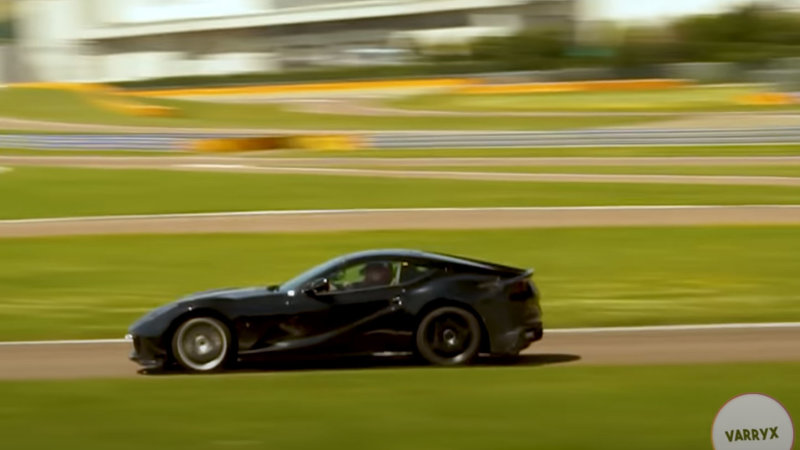
At least one more of these testers has been caught on video around Ferrari’s Fiorano test track, giving us a chance to hear what’s going on underneath the patchwork skin. YouTube user Varryx got the footage, doing us the favor of including a regular 812 lapping the circuit for comparison. The differences are clear. The 812 is already praised for its glorious exhaust note. The prototype, which looks to have put on a more finished rear valance, snarls more during downshifts and bellows with a lower, angrier pitch on the flyby. 

We’re still not sure what it is, but perusing Ferrari Chat forums reveals members having a conversation about an “812 VS” for nearly two years now. VS is Italian for Versione Speciale, the thrust here being a track-focused and lighter 812. The Speciale cars began with the one-off 1955 375 MM Berlinetta Speciale — “MM” representing Mille Miglia, another name mooted for the special 812. The denomination has returned a few times throughout the decades, used most recently on the one-off 458 MM Speciale commission shows in 2016.

Keeping in mind that this is all speculation until Ferrari reveals the real thing, one Ferrari Chat poster wrote we’ll get “a somehow more powerful blistering naturally aspirated large V-12 track oriented version of the prodigious 812 Superfast. As one of, if not the last of, its kind this will be a high-priced limited edition. Likely limited to 799 pieces. Probably priced at $750,000 or more and approaching $1 million for Tailor Made cars. Prospective launch date 2020. Confidence level 80%.” That production figure matches the number of F12 TDF units Ferrari built. Another forum member said the 812 VS will make 860 metric horsepower, which comes to 848 of our horsepower.

Supposedly, Ferrari had planned the debut the car at the Geneva Motor Show. As of now, suspicions have settled on Ferrari showing an SF90 Spider in September, and this hardcore 812 VS with “organic and pure” bodywork in October or November. We’re also waiting on the mid-engined hybrid supercar spotted all over Maranello of late, so it could be an especially flouncy year for prancing horses.

Ferrari mule lapping Fiorano could house V6 hybrid

Ferrari spoke of plans to add a V6 to its lineup two years ago, without dropping its two other trademark motors. The brand’s SVP of commercial and marketing, Enrico Galliera, told Australia’s WhichCar last year, “So the technology we are going to have, V12, V8, V6 turbo. Hybrid will give us the possibility to have a platform that we can mix to achieve emissions targets.” There’s been much chatter around when and where the V6 in turbo and/or hybrid form would show. We still don’t know, but it’s possible that we’ve had our first sound check for it, thanks to four brief videos on Instagram.

Instagram user simonemasetti_photography, a regular around Ferrari’s Fiorano test track in Maranello, captured the vids, while Instagrammer cochespias uploaded them. The camouflaged 488 mules lapping the circuit wear camo similar to that on a 488 mule spotted on Maranello roads with an electricity warning sticker on its frunk.

We can’t be certain of what engine lurks behind the cabin of the test cars, but all the cars are much quieter than one would expect Ferrari’s 3.9-liter twin-turbo V8 to be. In the first video, the coupe accelerates so hard that a long lick of fire shoots out the exhaust, with only a gentle ‘whoosh’ — no wail or roar — to accompany it. The third vid makes the best comparison, the one that opens on two 488-looking coupes in the far distance, one black and one camo’d. When the camo’d car takes off, moving away from the camera, we hear the sound we’d expect from a charging Ferrari V8. However, when the car we suspect is a hybrid V6 passes right in front of the camera, even under acceleration it makes hardly any noise compared to the car in the distance.

These cars, in fact, sound just like the car Masetti caught testing at Fiorano last September, which he believes is the V6 hybrid.

No matter what’s being tested, we know little about Maranello’s V6. One origin story says the mill has been developed from the 2.9-liter twin-turbo six-cylinder in the Alfa Romeo Giulia Quadrifoglio, which itself is suspected to be derived from the 3.9-liter twin-turbo V8 in the F8 Tributo. Another origin story figures the V6 is a brand new engine. No matter where it began, consensus is that the hybrid unit will enter production around 2022 and produce more than 720 horsepower.

Related Video:

SSC Tuatara shown screaming down an empty highway in new video

Nearly three months after SSC North America finally unveiled the production version of the Tuatara, and after more than a decade in development, the company has released video showing the supercar in action.

The 49-second clip shows company founder Jerod Shelby piloting the Tuatara at speed down an empty highway along a windswept, treeless landscape. The rear-mounted camera gives us a good view of the cockpit and its sense of openness, thanks to the expansive glass roof panels on the butterfly doors.

We also get a view of the CIMA seven-speed automated manual gearbox, developed by Automac Engineering of Italy and sending power to the rear wheels as Shelby uses the paddle shifters on the wheel. There’s no indication of how fast he was driving, but we hear the sound of its engine, which has an 8,800-rpm redline, and the video is tagged with #lifebeginsat300 and #yearofthetuatara, reminders of the company’s boast that the Tuatara can go “well over” the vaunted 300-mph mark.

The car boasts a 0.279 drag coefficient and active aerodynamics. Its 5.9-liter twin-turbo flat-plane crank V8 was developed with Nelson Racing Engines. It puts out 1,350 horsepower using 91-octane fuel, and 1,750 hp on E85. Torque is 1,280 pound-feet at 6,800 rpm.

Others have already broken the 300-mph barrier, of course, including a street-legal 2006 Ford GT and a Bugatti Chiron longtail prototype last September, with Koenigsegg claiming that simulations suggest the Jesko Absolut is capable of doing 330 mph. Still, we look forward to SSC’s inevitable assault.

Related Video:

Alois Ruf details 80 years of history in ‘RUF: Love at the Red Line’

Alois Ruf, Jr. knows the exact moment he and his father Alois Ruf, Sr. realized just how fanatic Porsche people are about their cars. While sitting at a stoplight in their Porsche 356 Karmann hardtop one Sunday afternoon, a stranger knocked on the window and begged for a chance to buy that exact car. The Rufs agreed to follow the person to his house, and the random buyer used cash from a candy box to overpay for the car that same day. After handing the cash over, the trusting stranger then loaned the Rufs a different Porsche to use to grab the necessary paperwork. “These Porsche people, they must be crazy,” Alois, Jr. remembers his father saying. “Everything is different with these people. Something is there that is not normal.” The Rufs went on to use craziness to build an 80-year business that is now engrained in Porsche lore.

Marking eight decades of service, Ruf put together a 30-minute documentary about its own history and recently released the project in full on YouTube. The video is spearheaded by Alois, Jr., and includes several other notable Porsche employees, owners, historians and fans. Ruf remains headquartered at Pfaffenhausen, Germany, where Alois, Sr. first opened a small repair shop.

Senior’s first Porsche was the result of a terrible crash. In 1963, while driving a Mercedes-Benz O 321 HL, he witnessed a Porsche 356 Karmann hardtop pass his slow-moving omnibus. When the Porsche try to correct into the proper lane, it lost control, drove into a ditch and flipped twice. Senior calmed the man down, brought him to the hospital, and explained he had an auto shop that could repair the car. But the owner ended up selling the car to Alois, and Alois sold it about a year later in the previously mentioned scenario. From that seed, a lasting relationship grew.

The car RUF is known for, the Yellowbird, came from an idea that emerged back in 1979. At the time, Junior called it the 945 R, and he planned to give it 450 horsepower with a twin-turbo version of the 935 engine. He ended up building the CTR 1 out of a shell from a 911 Carrera 3.2, and the car’s pure performance characteristics filled a gap left by Porsche at the time. In part due to a popular VHS tape, that car later became a legend.

Learn more about RUF’s beginnings, and how the business progressed, straight from Alois, Jr., in the video above.

Related Video: