All posts in “Rides”

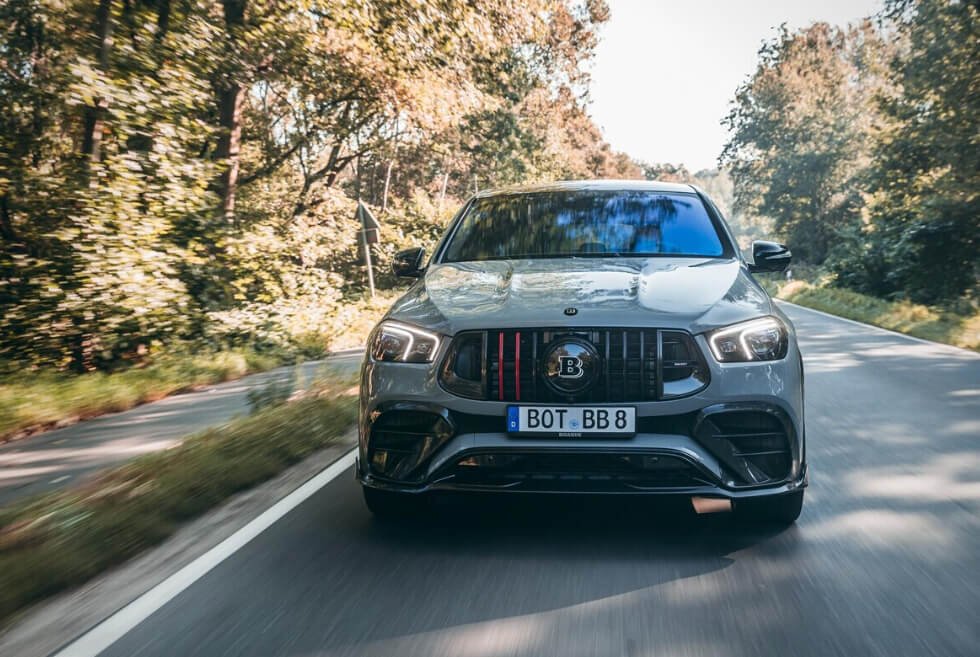
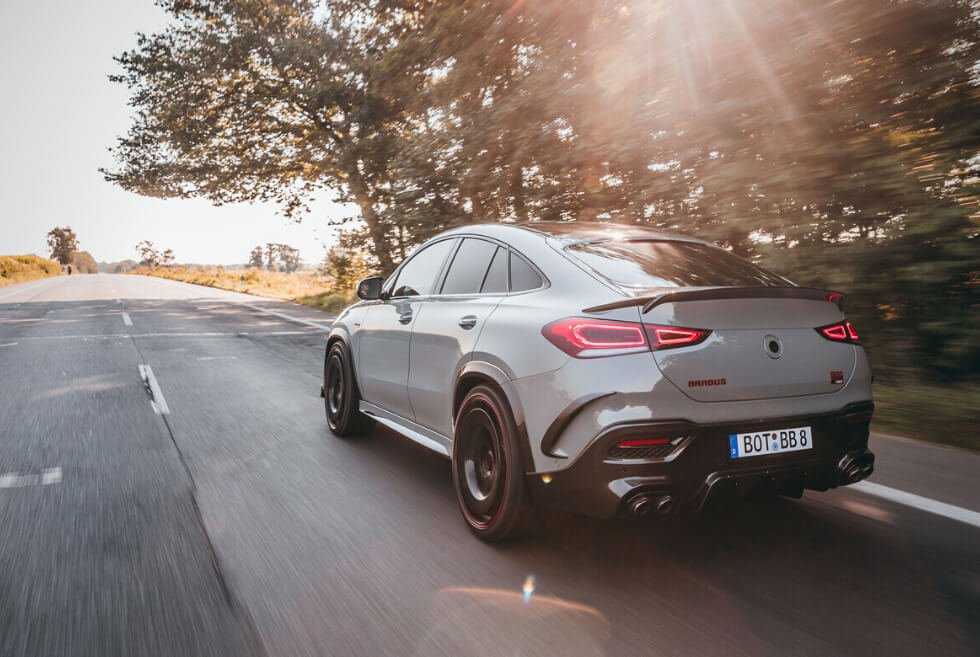
Brabus 900 Rocket: The Most Expensive Mercedes GLE in the World

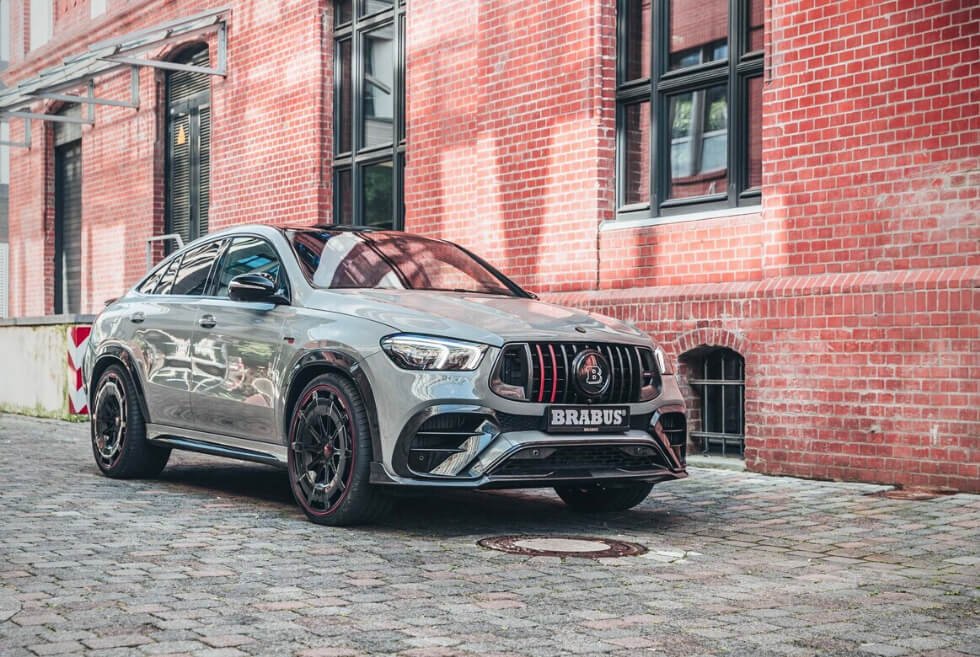
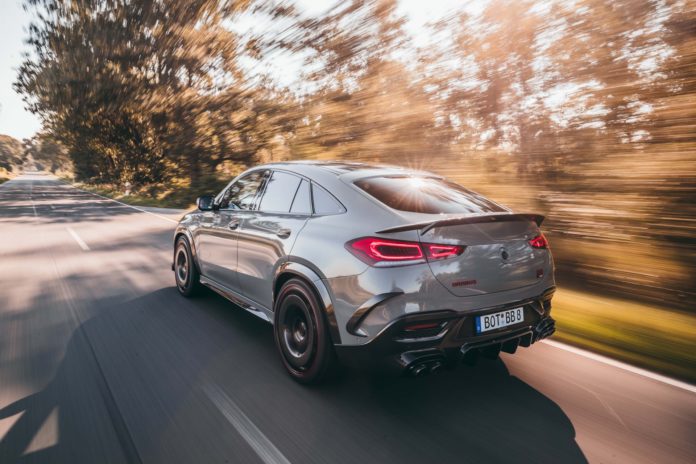
The new Brabus limited-edition supercar based on the Mercedes-AMG GLE 63 was revealed at the 2021 Monaco Yacht Show. It is limited to 24 cars worldwide, and is the fastest street legal SUV that money can buy. Each of the 24 cars will retail at $450k before taxes and shipping.

Brabus increased the displacement of the GLE Rocket engine from 4.0L to 4.2L, it now delivers an output power of 900hp and 1250 Nm peak torque. The acceleration from 0-100km/h is achieved in just 3.2 seconds, the new top speed is 330km/h.

Fuel is supplied to the engine through two high-pressure pumps with an increased delivery rate and an additional boost pump. Additionally, the two production turbos have been replaced by special turbochargers with larger compressors unit and core assemblies with reinforced axial bearings.

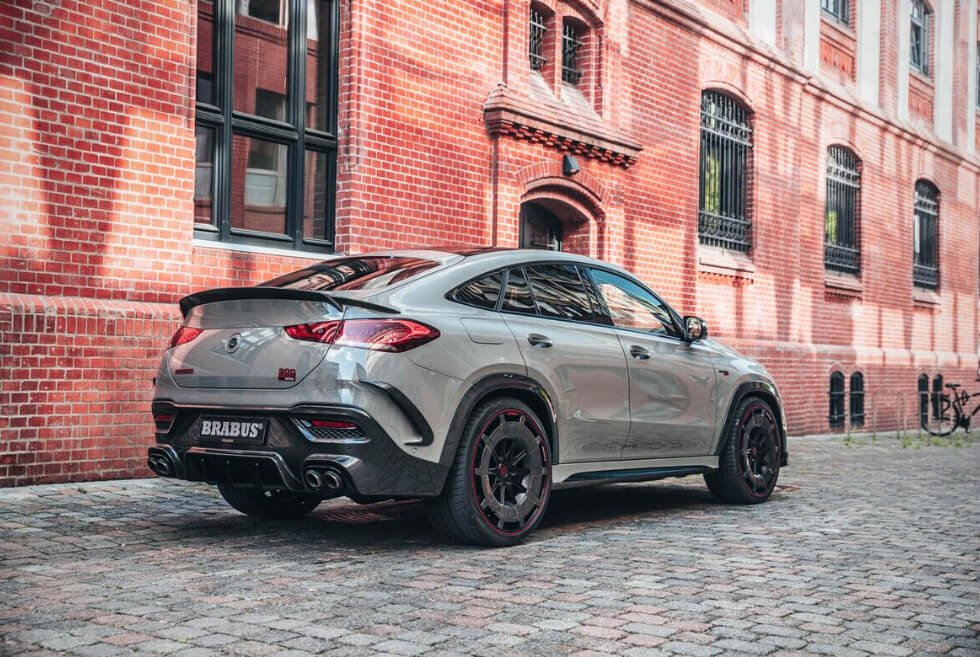
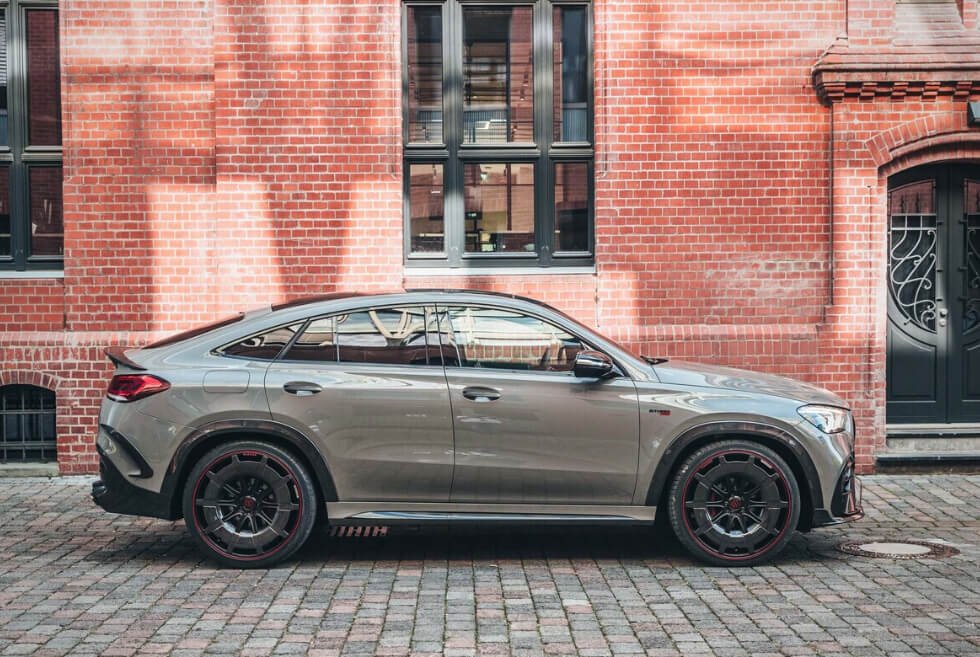
The vehicle features bodywork components made from hi-tech material carbon, a chin spoiler for minimizing front-axle lift at high speeds, intakes with ‘Rocket’ logo, carbon trim for the side air outlets and a diffuser insert that showcases the high-performance exhaust system perfectly. The vehicle has also been fitted with a three-piece rear spoiler.

Brabus is offering the GLE 63 with a set of alloys wheels in various designs and in diameters of 21, 22 23 and 24 inches. The 900 Rocket Edition has been fitted with Monoblock Z ‘Platinum Edition’ wheels with a diameter of 24 inches and exposed-carbon aero-discs. The front axle runs on size 10Jx24 wheels mounted on 295/30 ZR24 high-performance tires whereas the rear axle gets 12Jx24 wheels with 355/25 ZR24 tires.

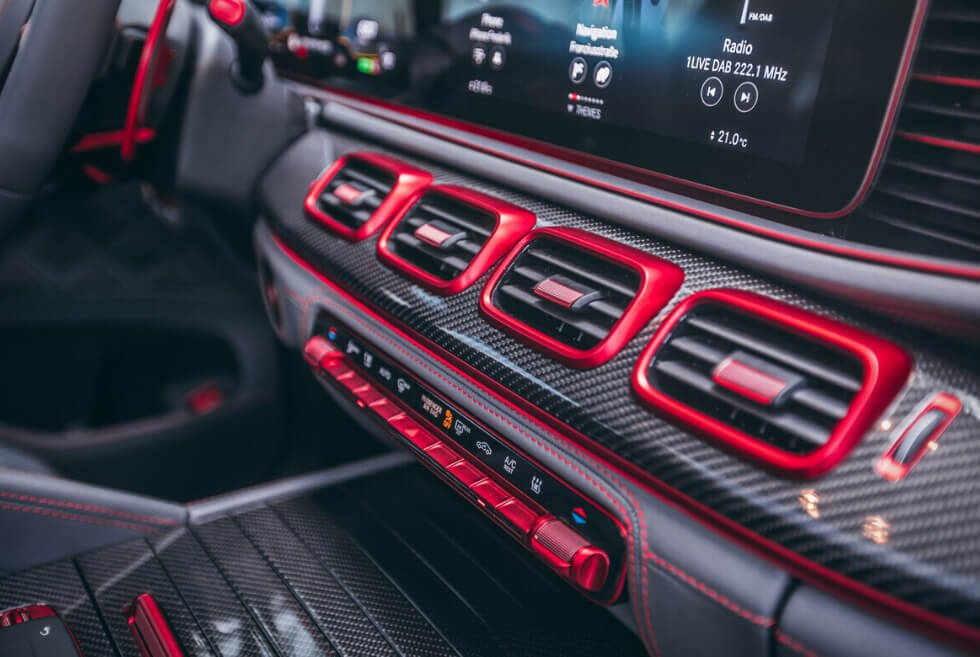
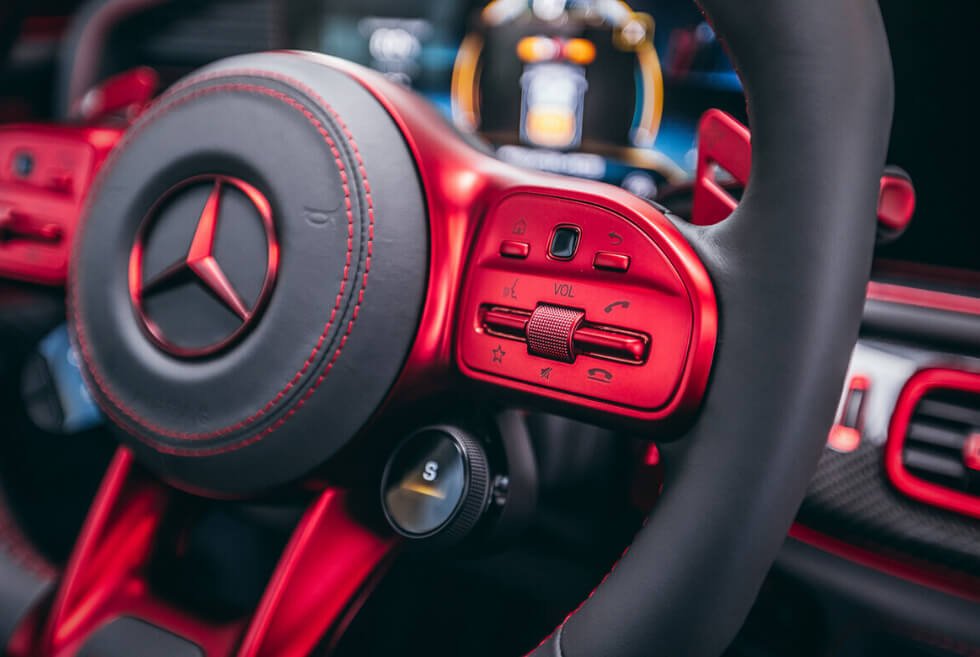
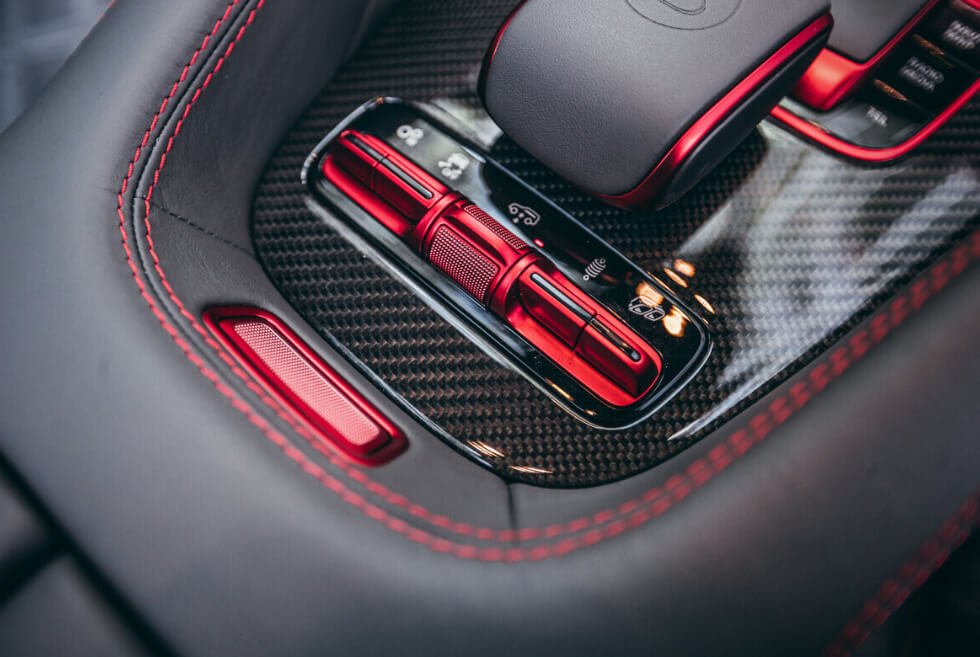
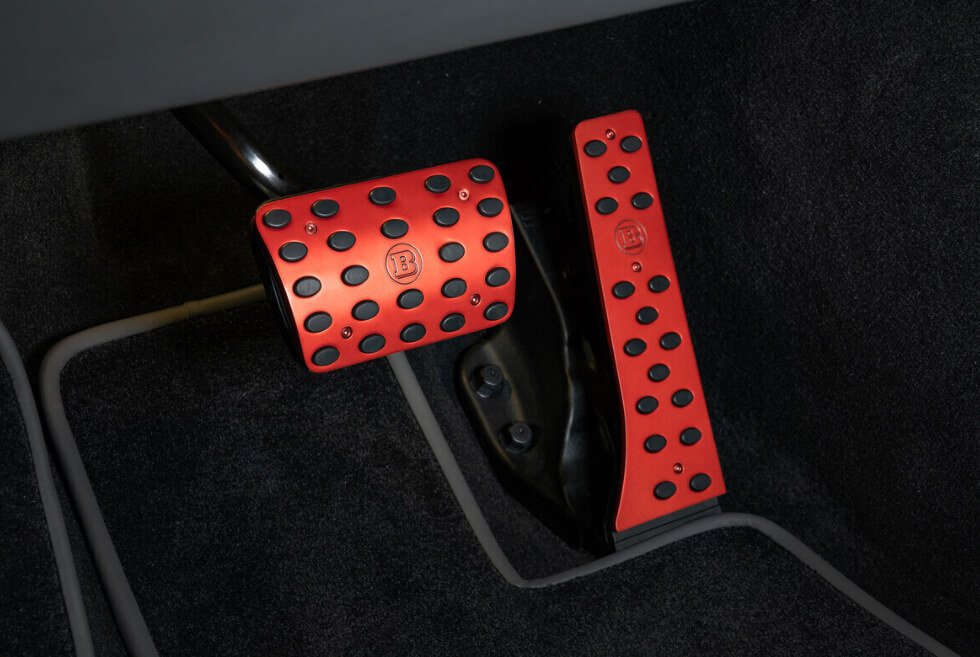
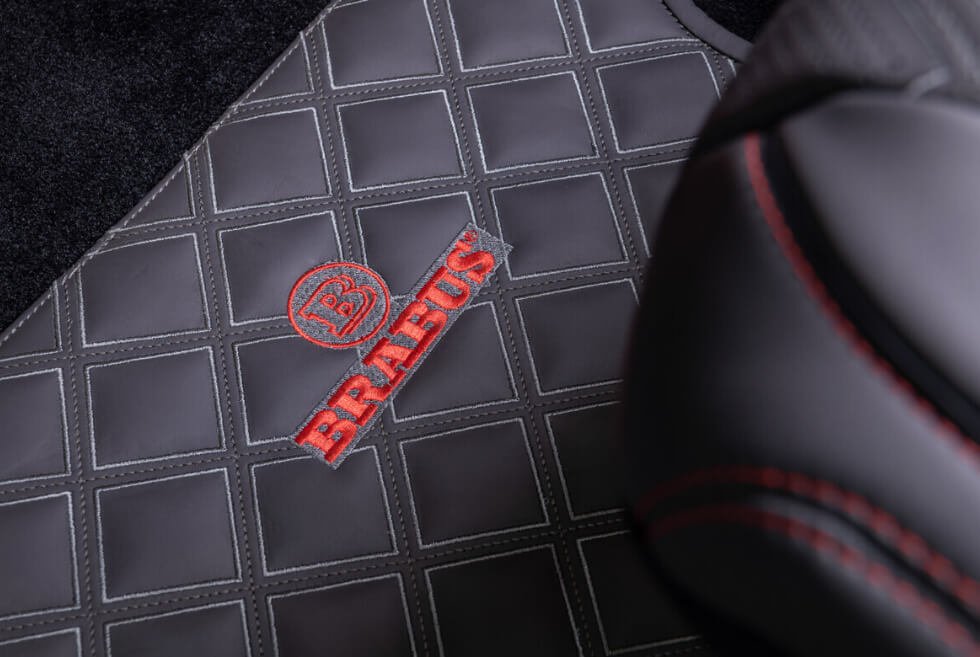
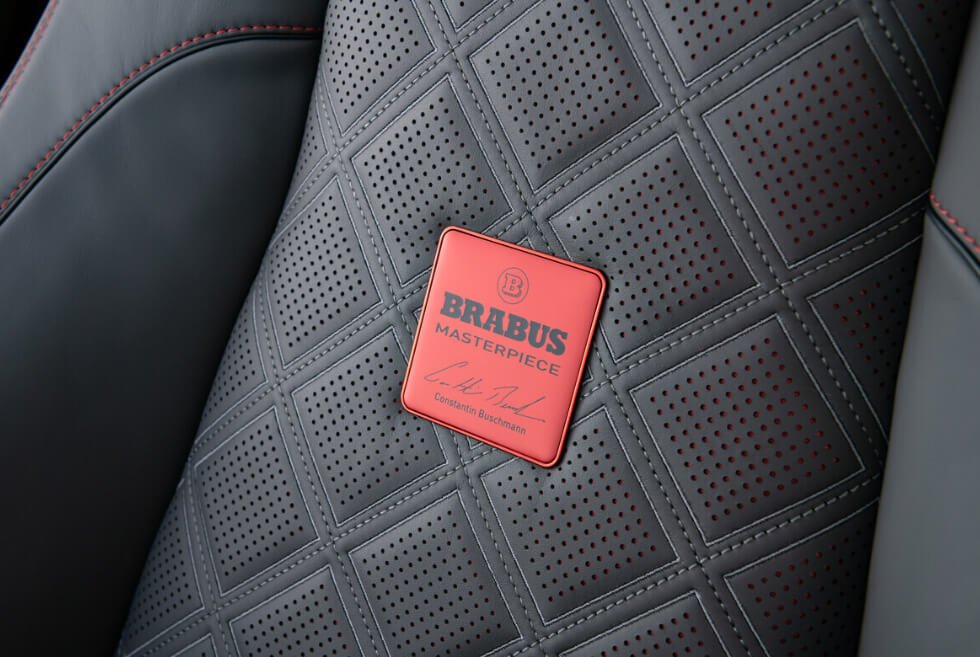
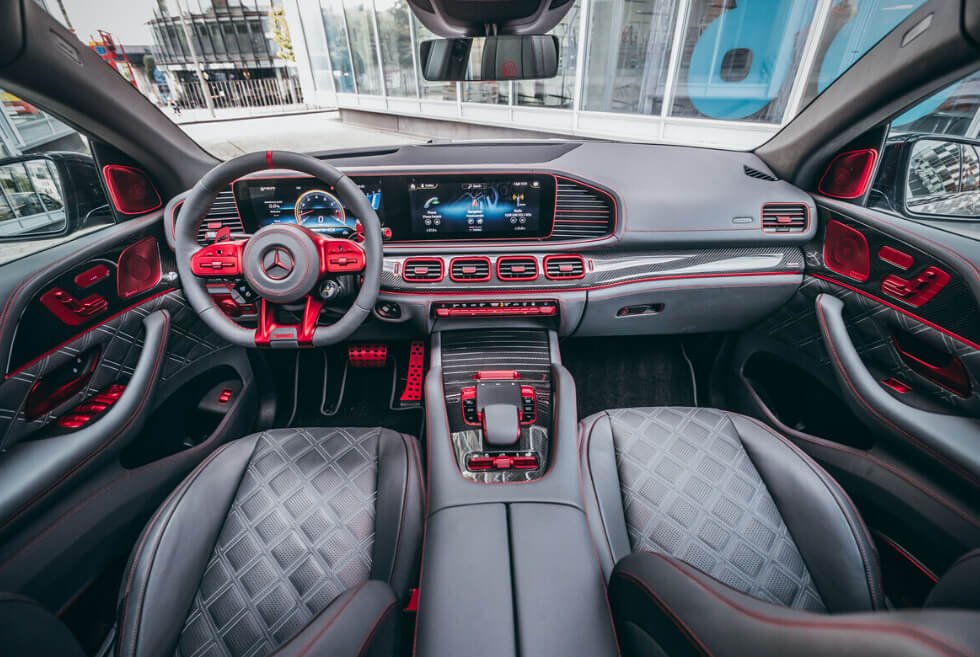
The interior of the model features upholsters in fine Mastik leather, Alcantara in any desired color and noble-wood and carbon interior sets in a variety of colors and surface finishes. Additionally, the interior has been finished in ‘Superior Gray’ in color-coordination with the exterior. The price of the Rocket Edition starts at 381,243 euros excluding taxes and shipping.

Mansory RR Dawn Soft Kit is for Those Who Want Simplicity in a Mansory

Mansory has released a new ‘softkit’ program for the Rolls-Royce Dawn dubbed the ‘Silver Bullet’. It’s limited to 50 units only.

The soft kit features various add-on body parts in carbon, a modified wheel and tyre combination as well as a performance upgrade which can be ordered and installed individually.

The Mansory Dawn Silver Bullet has been finished in a special Duo-tone paintwork supported by all-black Mansory aluminium wheels. The Duo-tone paintwork is available on request and in any color combination.

The Softkit features a front lip, rear apron, side skirts, front and rear flaps, new brackets for the front daytime running lights and a discreet spoiler lip for the tailgate. These add-on body parts have been finished in carbon elements and they can be ordered and fitted individually.

The Dawn has been equipped with a set of V.6 alloy wheels in dimension of 10.0×22 inch all-round fitted with corresponding tyres in size 265/30/22 and 295/35/22. The wheels can be finished in Black Diamond, Black Glossy or any color that the customer desires.

For the Dawn Silver Bullet, a performance upgrade is available through a modified ECU unit for the engine management system. The engine delivers a maximum power output of 740hp and 1000 Nm of torque. The acceleration from 0-100km/h is achieved in 4.5 seconds before achieving a top speed of 285km/h.

The softkit does not include any changes to the interior, however, it can be supplemented and combined with interior conversions from Mansory.

Simulate your next Overlanding Run With The Traxxas TRX-4 Scale and Trail Crawler

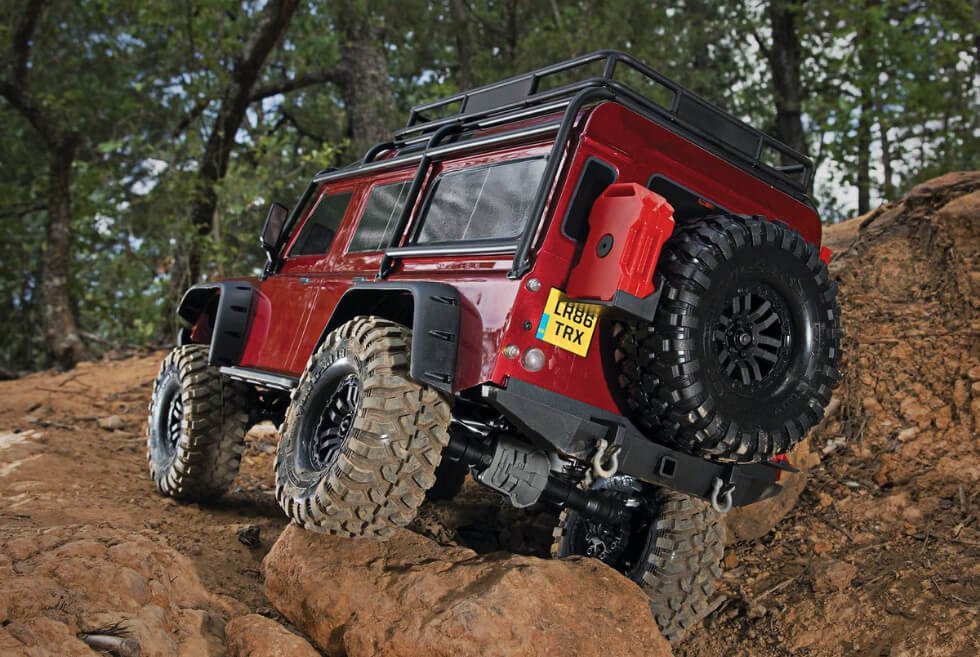
Overlanding is a drug many people can’t get enough of. Those who love off-roading, remote locations, and camping can find it all here. The combination of man, machine, and the great outdoors appeals to adventurous souls out there. Now, you can enjoy a part of it at home, albeit at a smaller scale with the TRX-4 Scale and Trail Crawler from Traxxas.

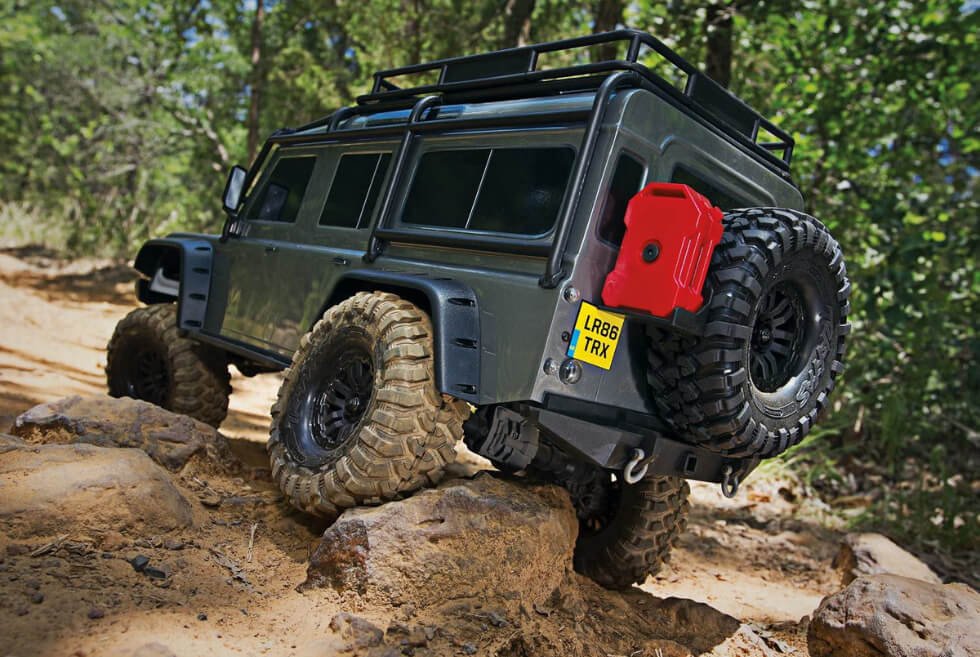
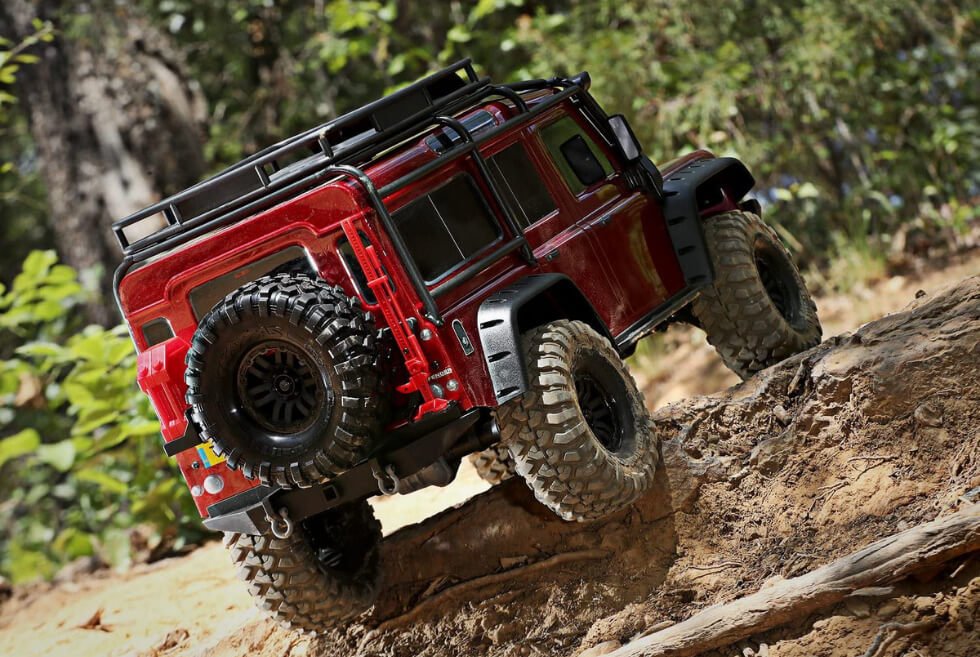
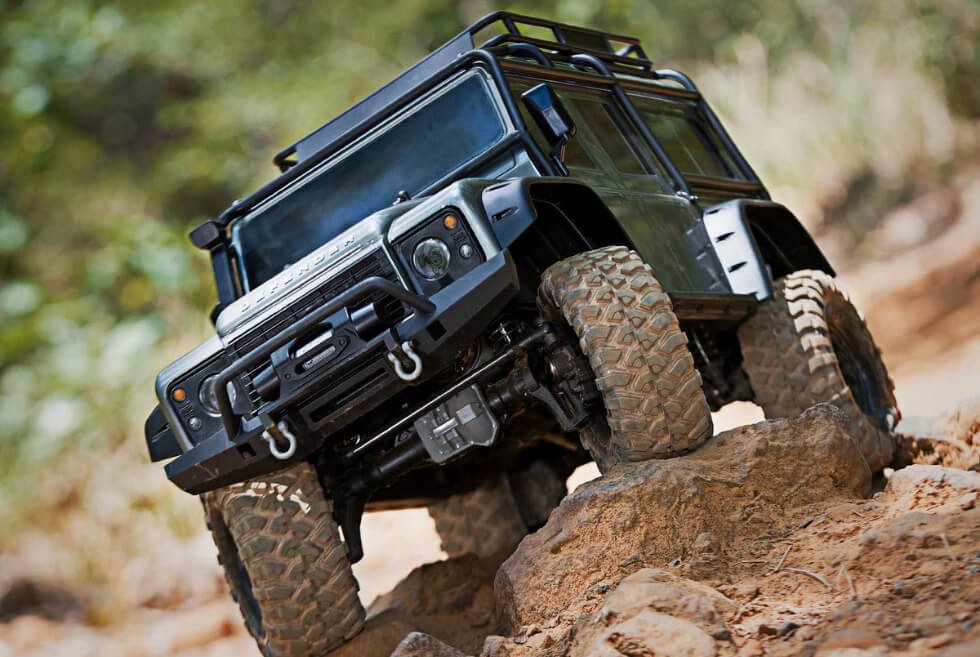
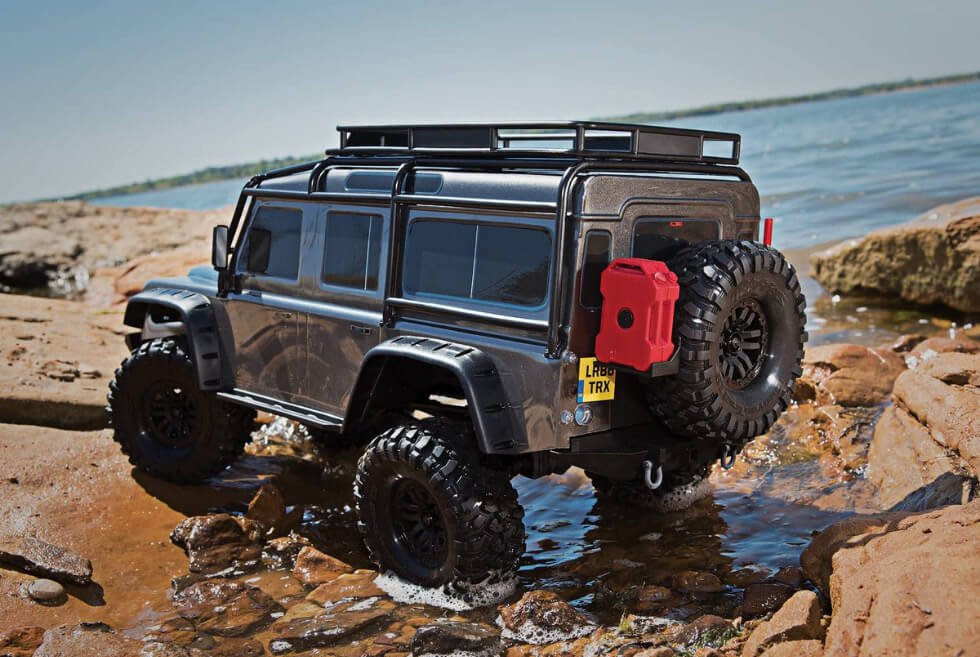
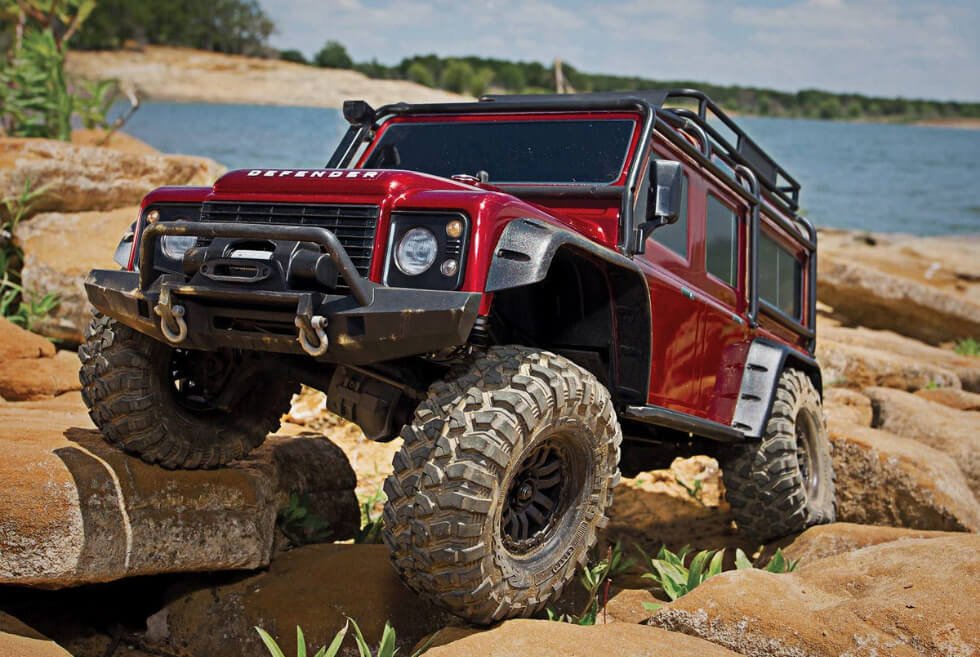
Those who’ve done their homework, know that this is a toy version of the legendary Land Rover Defender. This British SUV has long been the ride of choice among overlanding enthusiasts thanks to its capabilities. Traxxas attempts to reproduce these features the best way they can on an RC vehicle.

Attention to detail here is remarkable as the manufacturer tries to keep everything as close to the real thing. In fact, carefully curated shots from specific angles can easily fool anyone into thinking the images are of the actual SUV.

The TRX-4 Scale and Trail Crawler lets your practice your maneuvers ahead of your next expedition. Traxxas does everything it can to emulate real-world performance. As such, you have stuff like T-Lock remote locking differentials, high/low transmission, portal axles, aluminum scale shocks, and so much more.

Functioning as the engine is a powerful Traxxas Titan high-torque brushed motor. This replica Land Rover Defender stands 11.5 inches high, 9.8 inches wide, and 23.1 inches long. Ground clearance is 3.14” which helps it navigate over hazards.

The TQi 4-channel radio system packs everything you need toggle some settings on the TRX-4 Scale and Trail Crawler. If you want, Traxxas likewise offers accessories to give it a visual overhaul. Now your RC SUV can stand out from the rest. Consider it as a cool tech gift to give this holiday season.

Buy now

imageimageimageimageimageimageimage

Images courtesy of Traxxas

James Jean Goes Surreal With The Design Of This Koenigsegg CCX Art Car

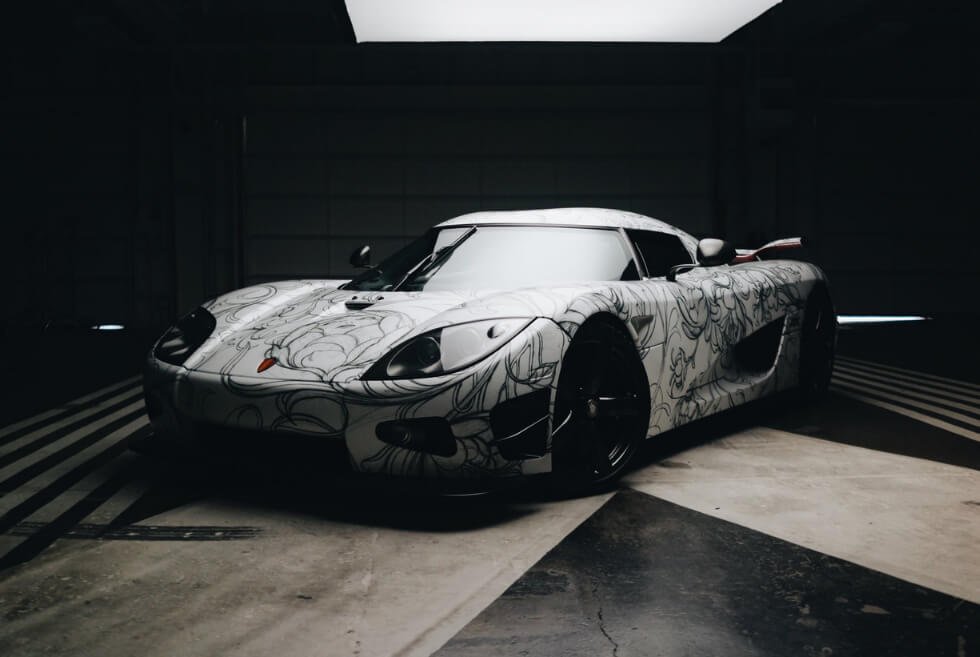
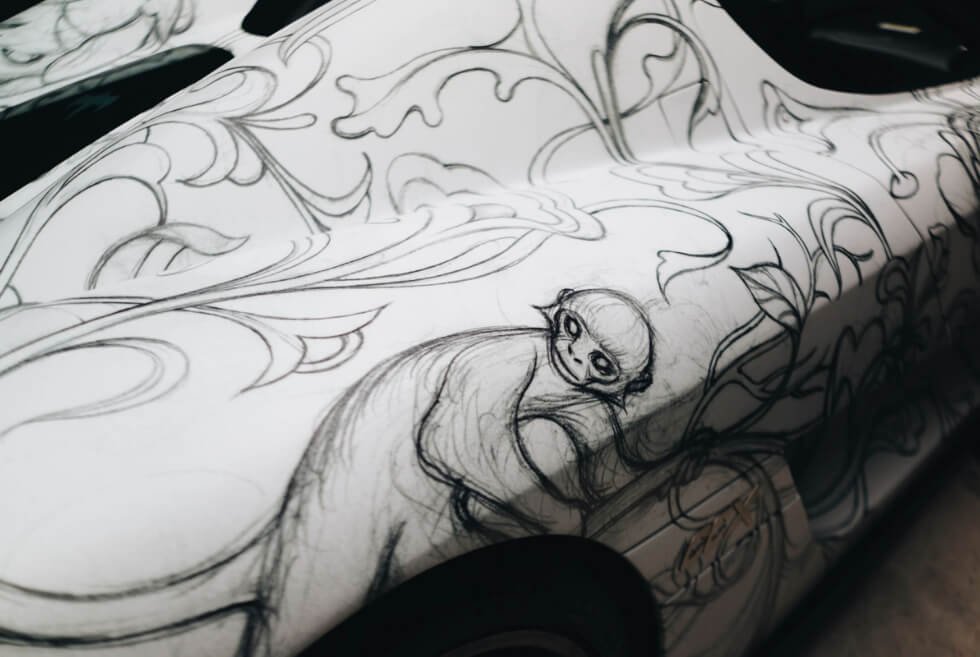
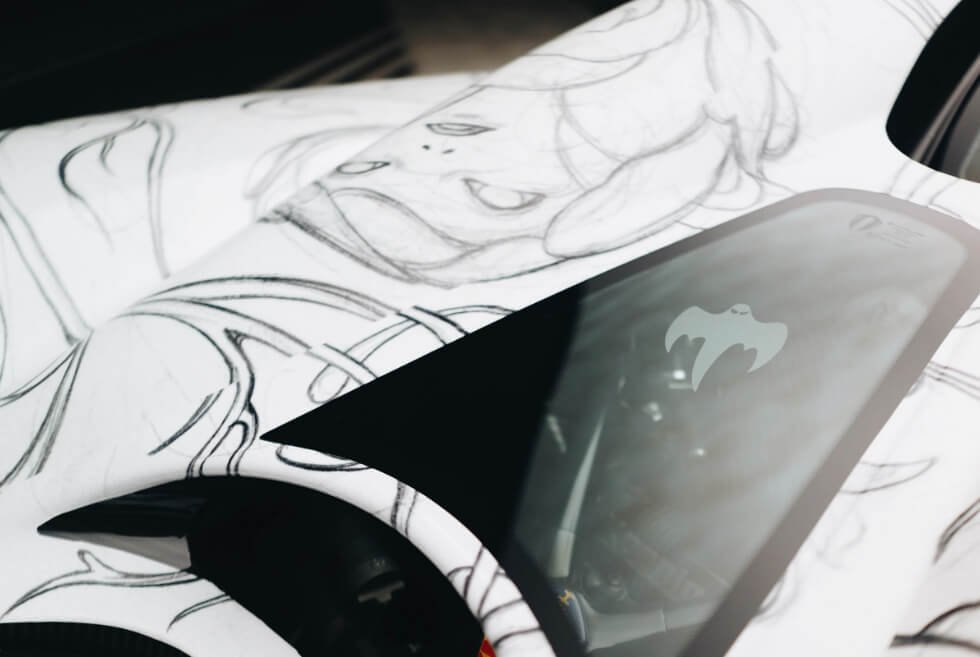
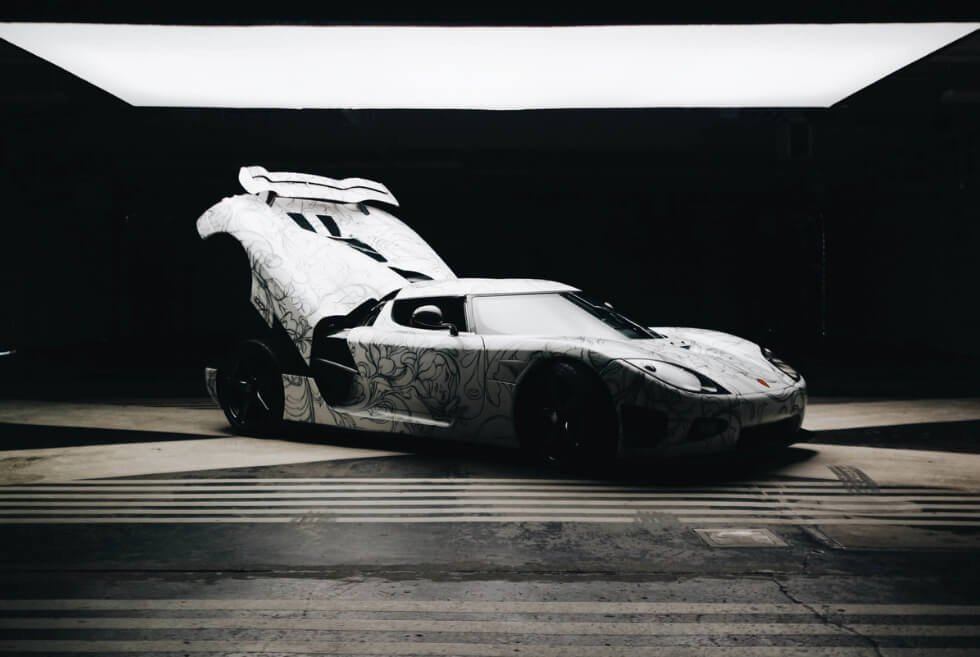
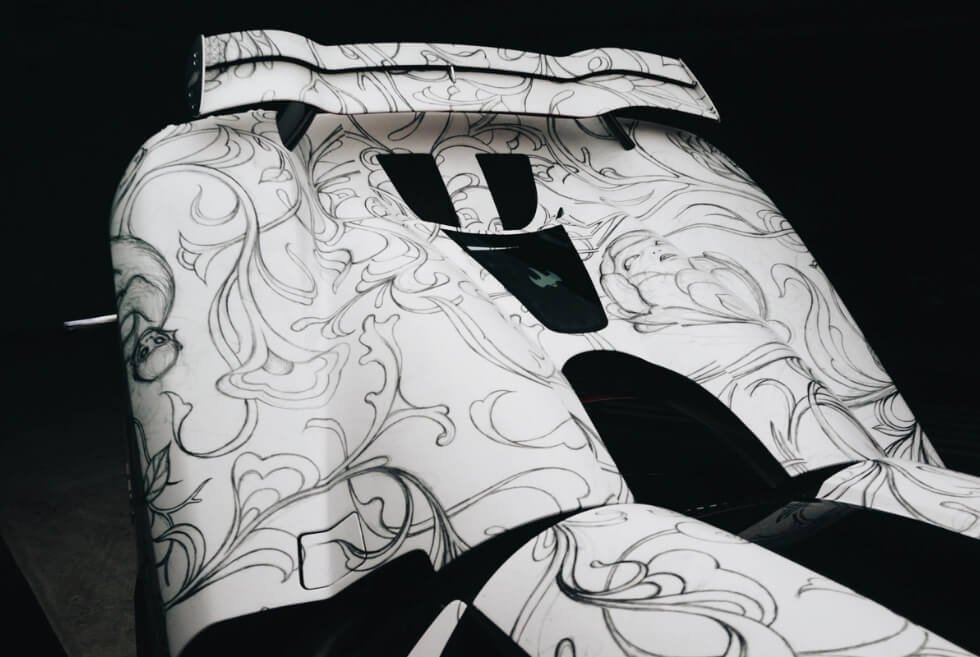
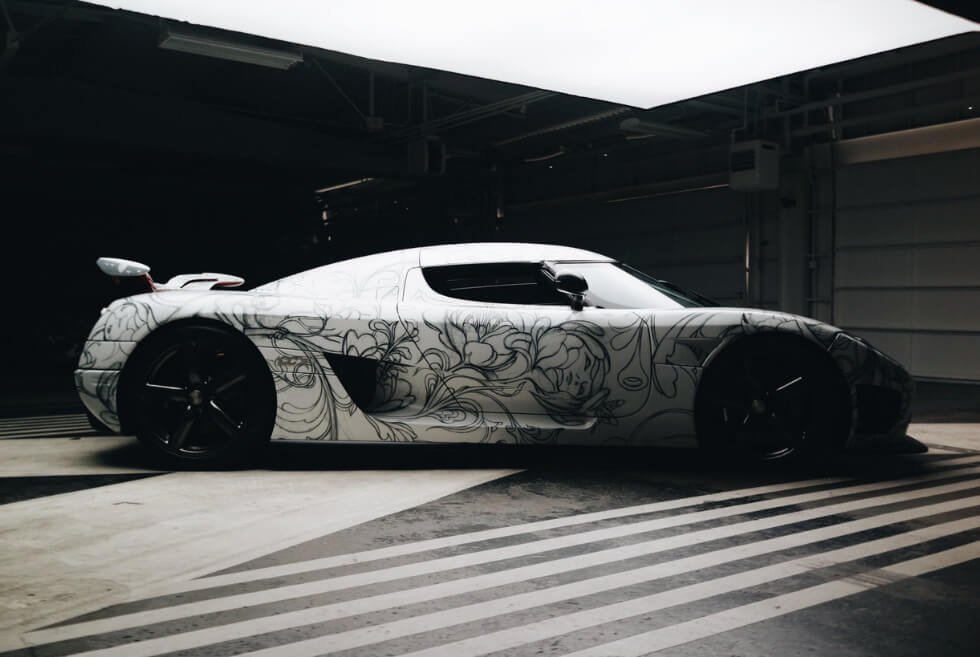
Back when we were kids, some of our favorite activities involves art supplies. It’s a great way for children to nurture their creativity and perhaps even discover artistic talents. If you love coloring books, this unique collaboration between Taiwanese-American artist James Jean and Koenigsegg is a tribute to that. However, instead of print on paper, we have the latter’s CCX hypercar.

Following the stunning Agera RS “art car” that debuted earlier in September 2021, the subsequent project is a little more interactive. Celebrating the 20th anniversary of the Festival of Children Foundation, Koenigsegg and Jean coming up with a fun visual upgrade.

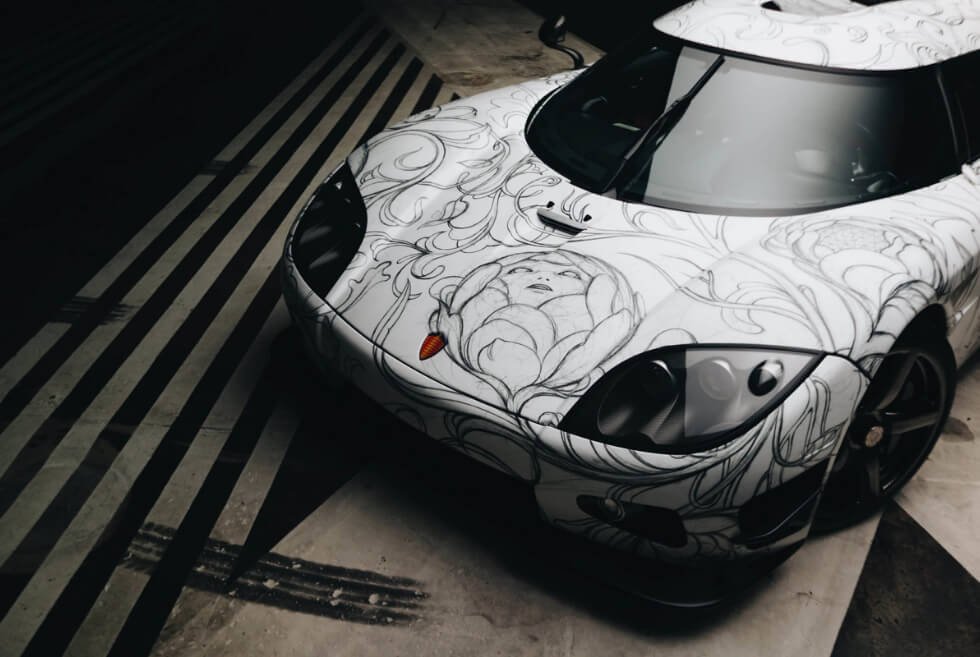
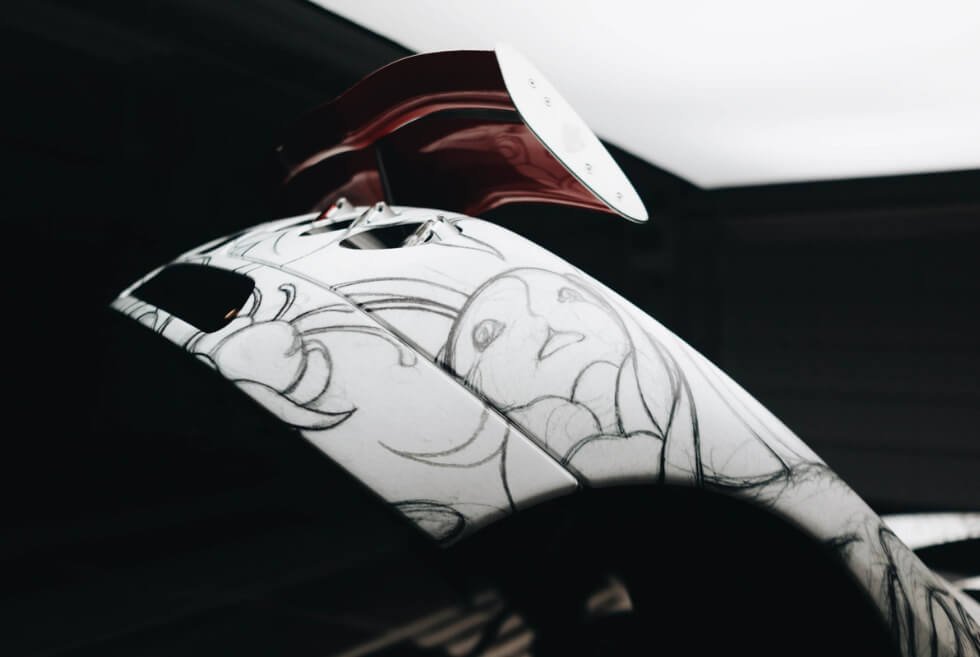
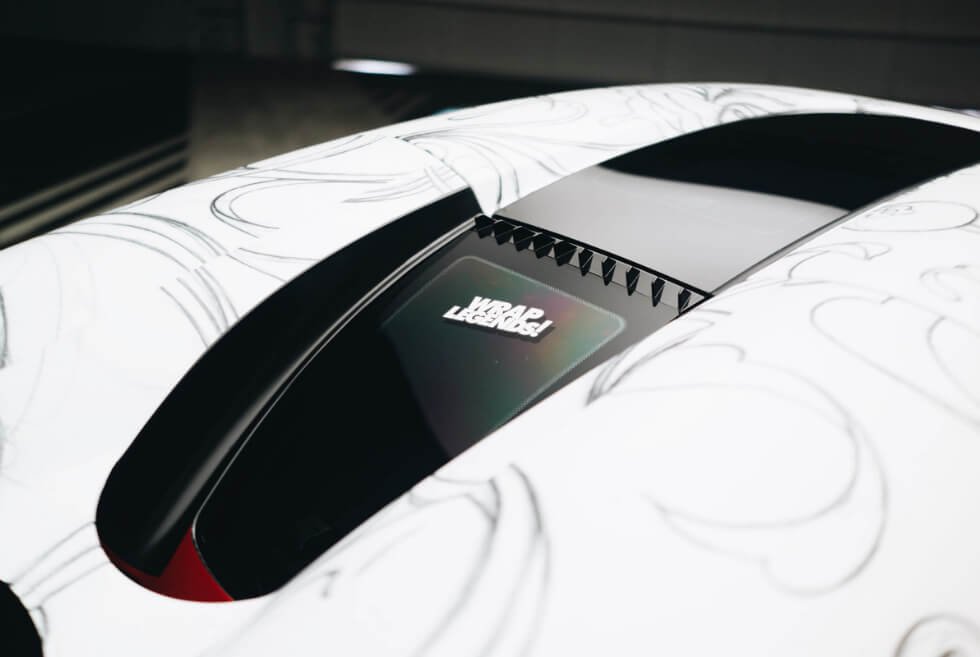
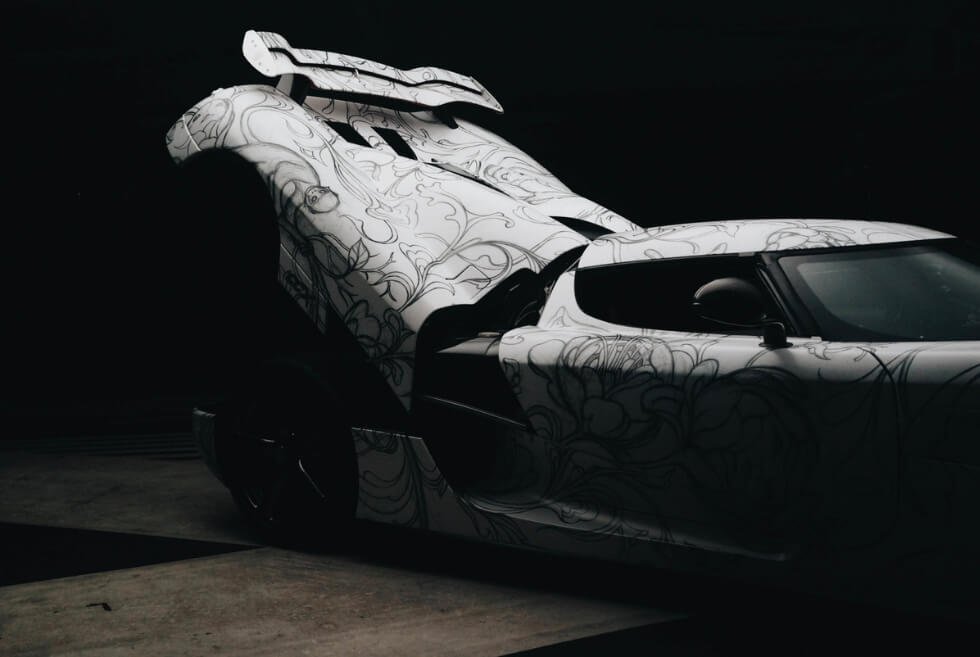
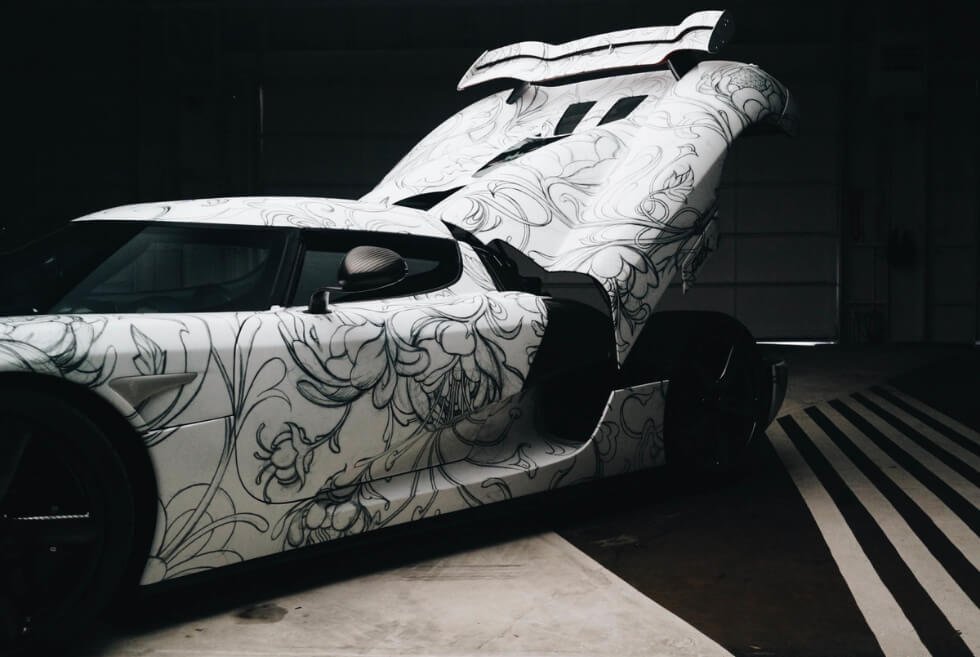
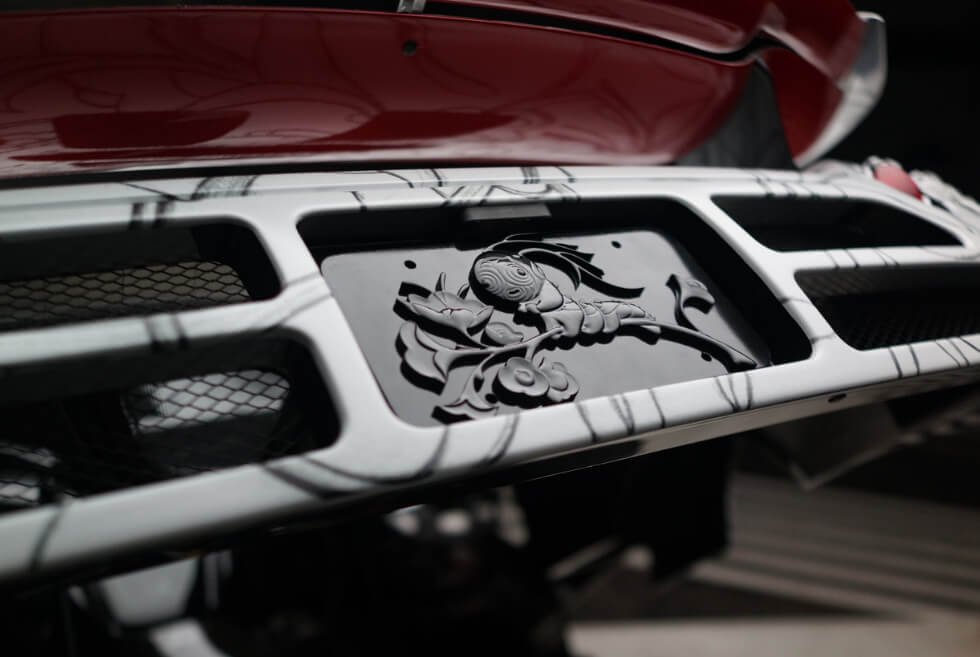
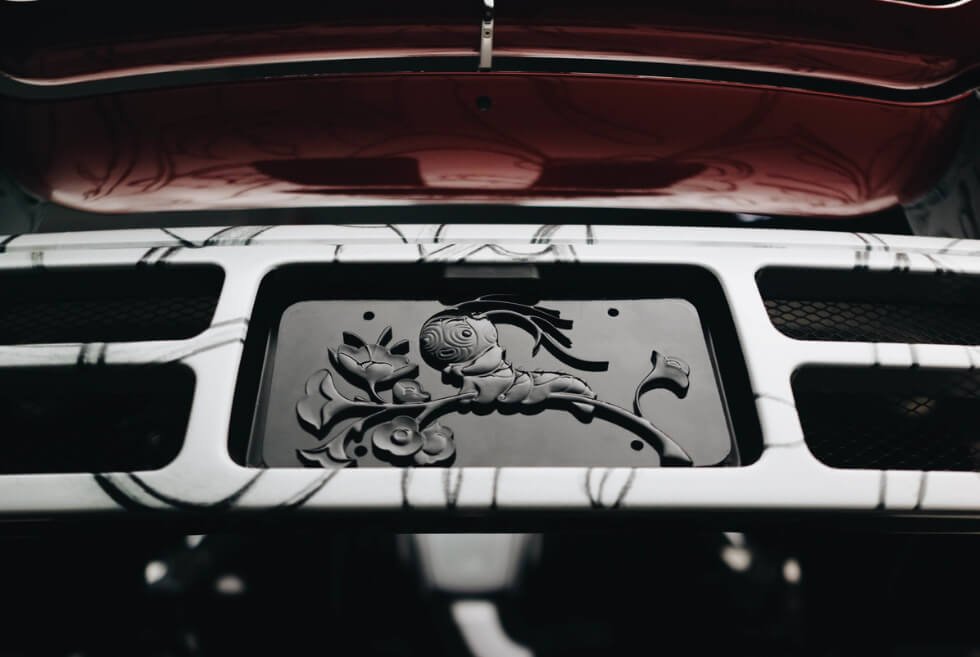
Wrapping around the CCX is a mesmerizing fantasy artwork in black and white. Evidently, this is intentional as guests at the exhibit are encouraged to participate. The same concept applies to a regular coloring book. However, it’s on a bigger scale and with a powerful machine.

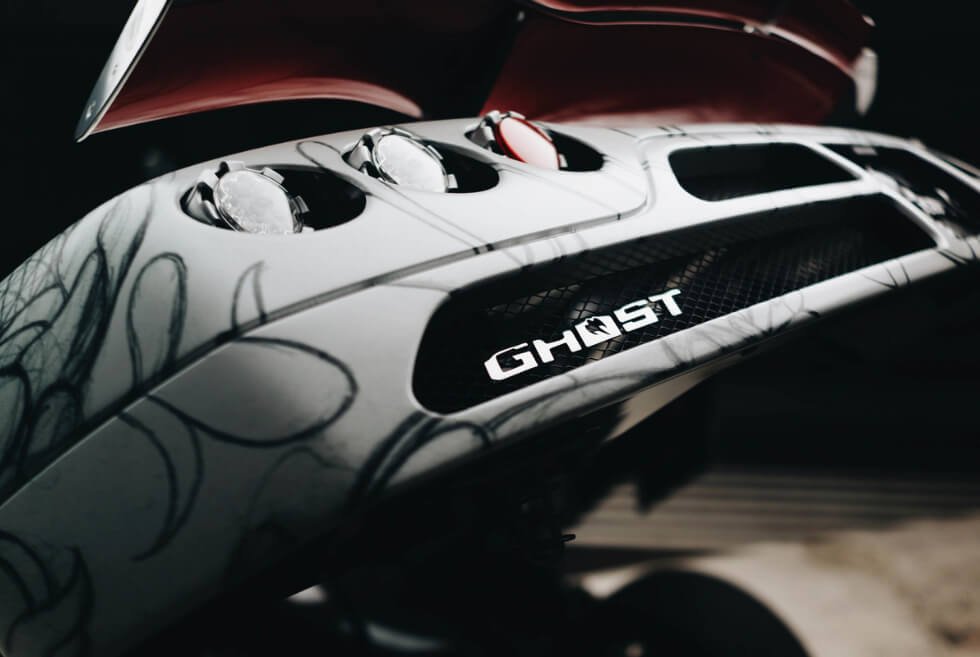
Dubbed “Les Forestiers II,” images of flora and fauna adorn the exterior of the Koenigsegg hypercar. Instead of the actual body of the CCX, the graphics are printed on a wrap the covers it. The event was held at the Ghost Squadron at South Coast Plaza in Costa Mesa, California.

Koenigsegg is a renowned Swedish carmaker that produces some of the world’s most remarkable high-performance vehicles. The CCX proudly boasts completely in-house construction. The aluminum V8 engine produces 806 horsepower with 693 lb-ft of torque.

This allows the hypercar to go from zero to 62 mph in 3.2 seconds. Track testing also shows a top speed of more than 245 mph. We know discerning clients can practically order their CCX in whatever configuration they want. However, the James Jean tie-in is as bespoke as one can get.

Learn more

imageimageimageimageimageimageimageimageimageimageimageimageimageimage

Images courtesy of James Jean/Koenigsegg

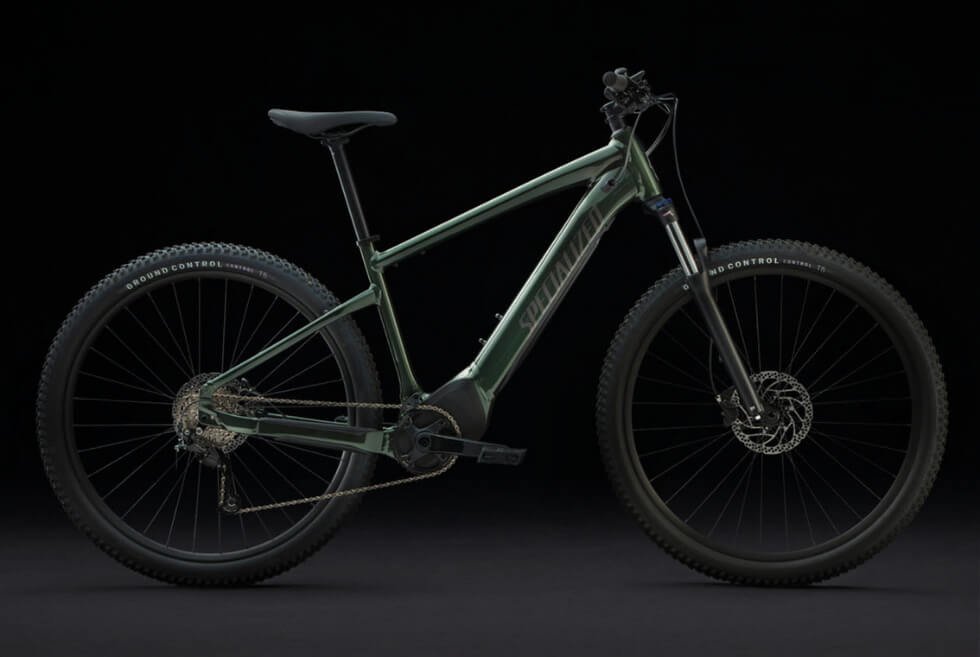
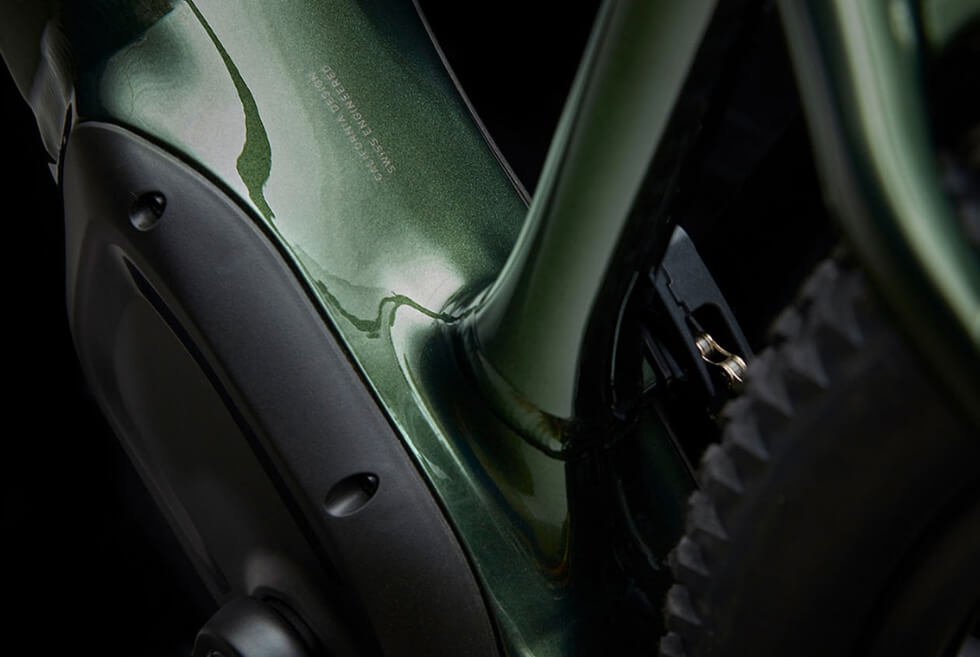
Specialized Markets The Turbo Tero As Its Most Versatile And Powerful E-Bike Yet

Among sustainable personal transportation solutions, e-bikes are creeping up the rankings. With the popularity of cycling at an all-time high, consumers prefer a platform that can switch from pedal power to electric motors on the fly. Therefore, Specialized unveils its latest generation models with the Turbo Tero as the newcomer.

The brand has been in the business since 1974 and continues to innovate its fleet of two-wheelers and accessories. In 2009, Specialized introduced its first electric bike and the Turbo catalog welcomes new upgrades. Also, the e-bikes receiving cutting-edge tweaks include the Como and Vado.

Moreover, the fresh face among the group is the Turbo Tero. This newcomer promises “unrivaled power, confidence, and versatility,” according to the product page. It is a high-performance all-arounder for riders who welcome the dynamic shift in terrain and the challenges that follow.

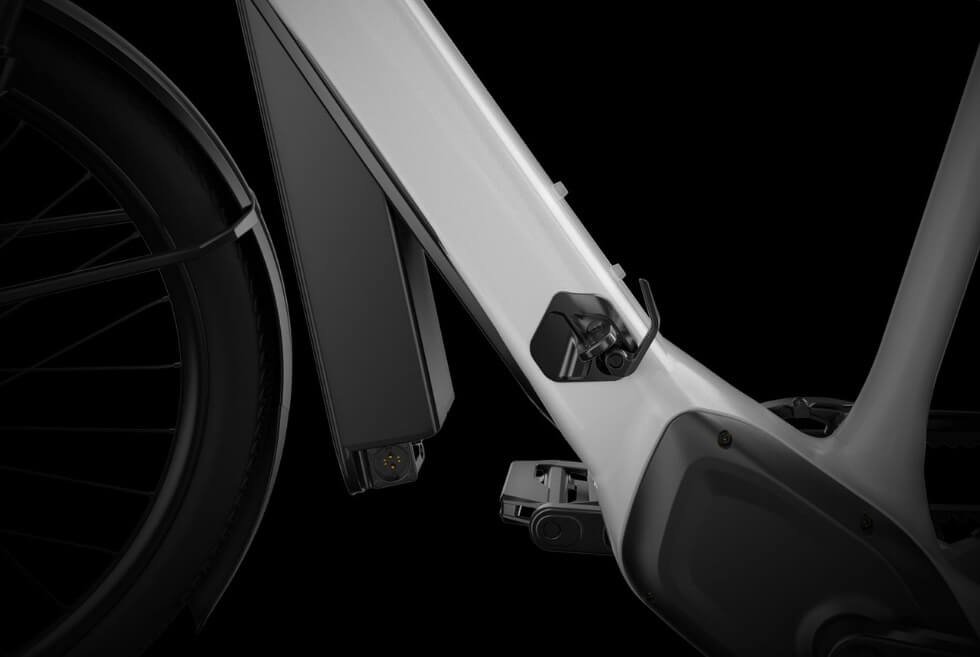
This means Specialized is taking its 40 plus years of manufacturing experience and building an e-bike with flexible capabilities. Likewise, you can use it for almost every scenario imaginable as its DNA adapts to urban and off-road landscapes. The powerful 2.2 motor is backed by a removable 710-Wh battery.

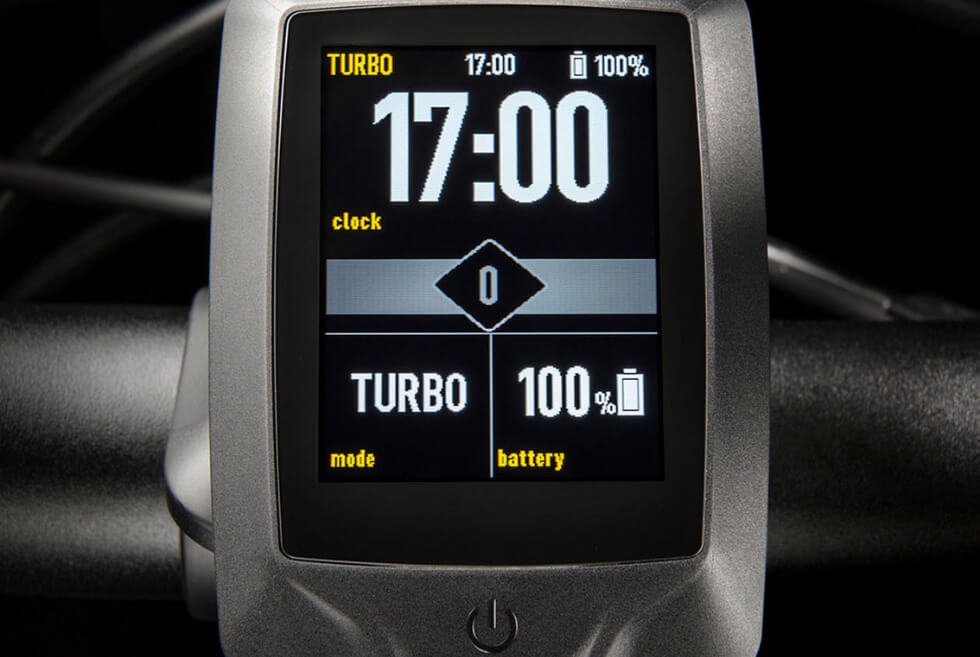
Hence, even with an additional load of about 60 lbs, the Turbo Tero’s pedal-electric powertrain won’t make you break a sweat. As such, it’s time for you to gear up and go. At the heart of its intuitive features is the MasterMind TCD controller. Pair your e-bike with Specialized’s Mission Control companion app and enjoy the convenience it delivers.

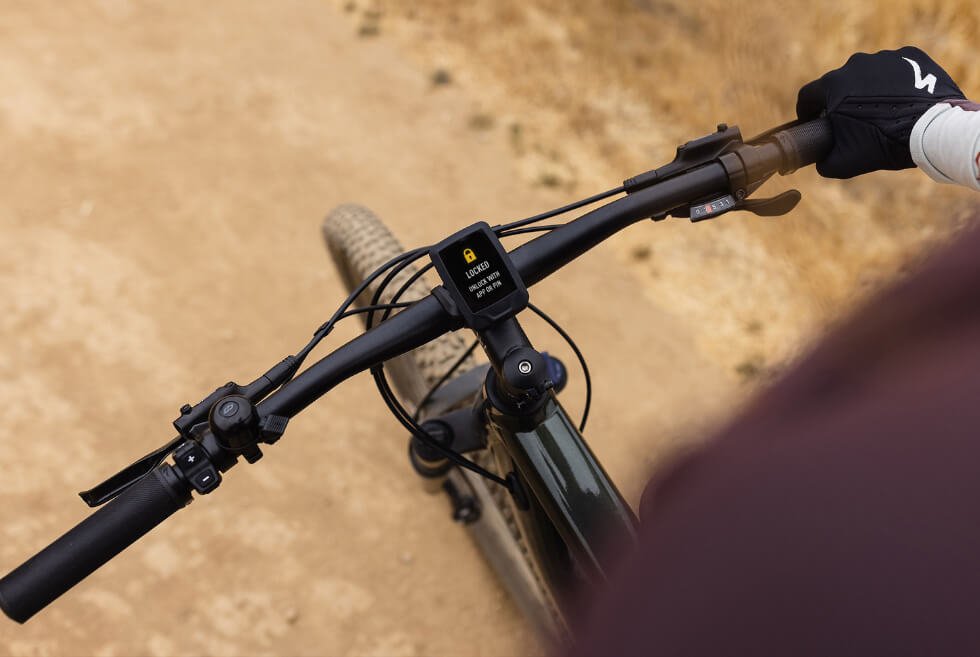
For additional safety, Specialized equips the Turbo Tero with a rear-facing radar to warn you of potential fender benders or worse. Moreover, the advanced anti-theft system remotely renders the electric motor unusable, while the motion sensors trigger an alarm when someone attempts to steal your ride.

Get yours here

imageimageimageimageimage

Images courtesy of Specialized

Bugatti Chiron Super Sport 300+ ready for delivery

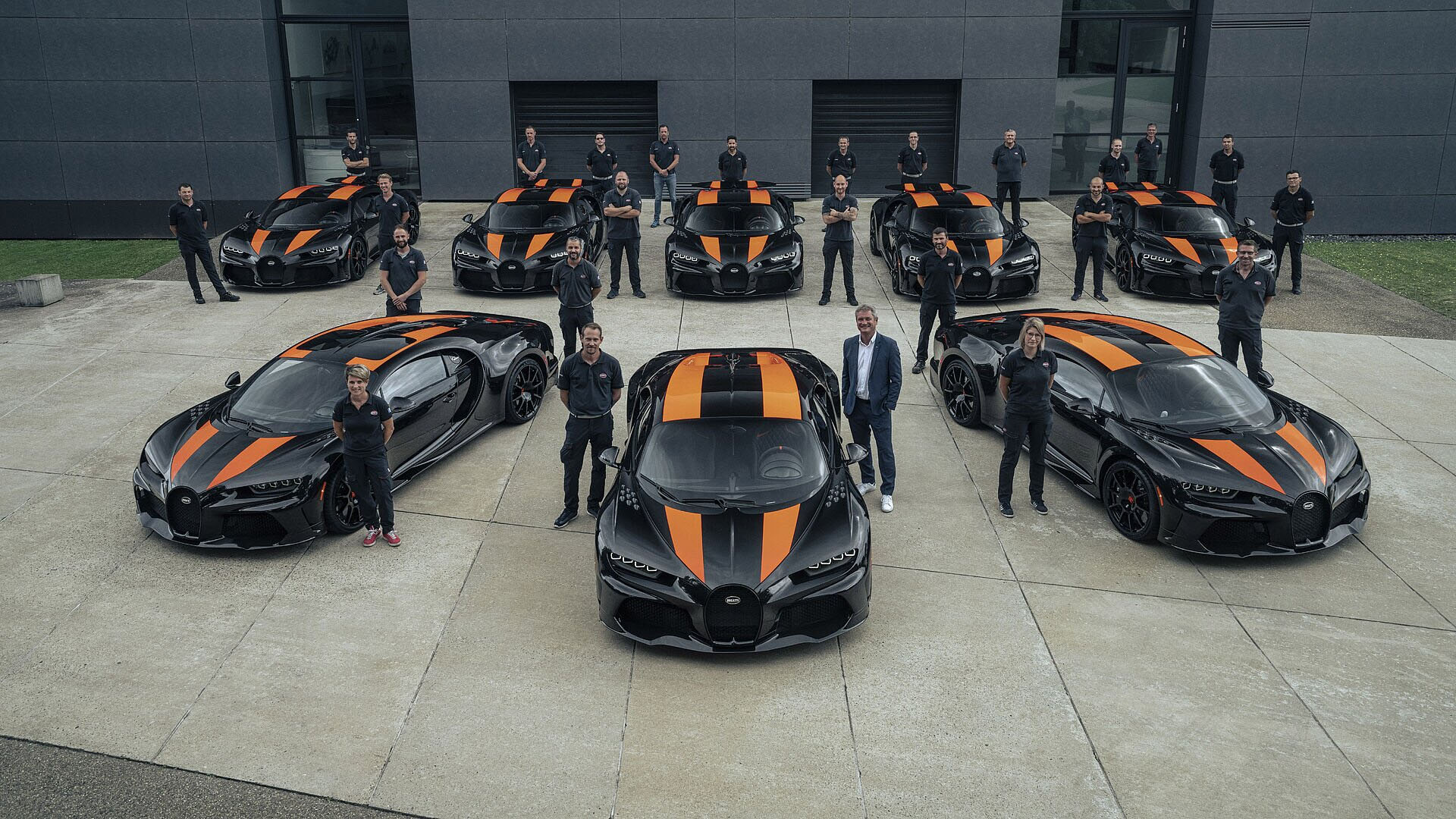
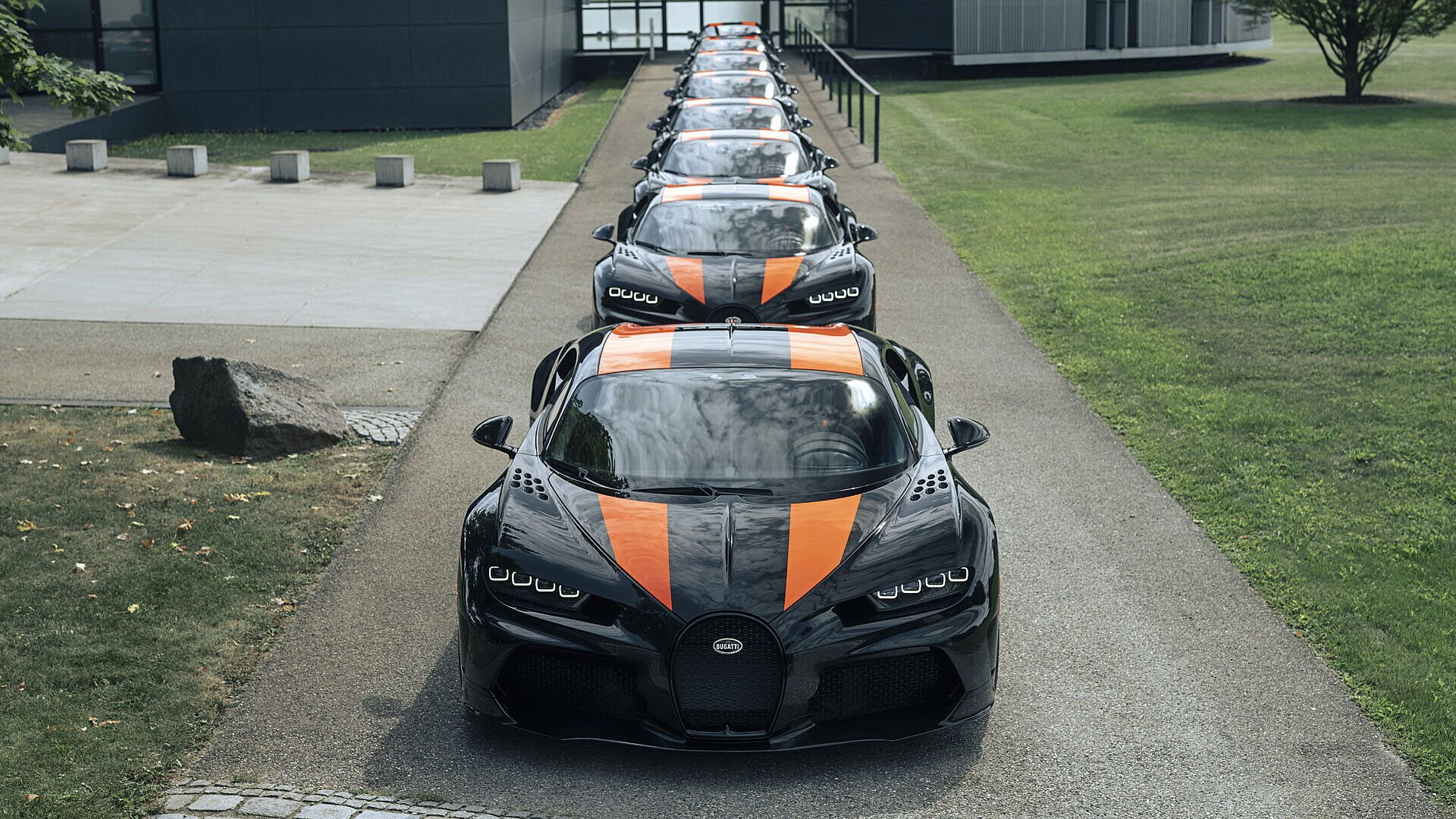
The fastest Bugatti ever will reach 305 mph and set you back $3,900,000 while only 30 will be made worldwide, and all of them are finished in visible, Jet Black carbon fiber only available on the Bugatti Chiron Super Sport 300+, developed specifically for straight-line performance over a time period of two years, the first 8 units of the limited production run have just been completed at the atelier in Molsheim.

“The Chiron Super Sport 300+ will forever remain a cornerstone of our marque’s illustrious history as it elevated automotive performance to levels that were once thought to be unreachable,” comments Christophe Piochon, Managing Director of Production and Logistics. “It is the fastest hyper sports car Bugatti has ever made and is a true testament to the engineering passion, technical expertise, and relentless pursuit of performance our brand is synonymous with. We are excited to deliver the first eight units of this record-setting pioneer to our customers, and for them to experience the sheer sensation of speed behind the wheel.”

This record-setting masterpiece from Molsheim made a pass at 304.773 mph (490.484 km/h) back in 2019 already as a concept, but to mark the 110th anniversary of Bugatti they announced a limited production run of 30 units, this performance was only possible because of the 1,600 PS W16 engine, 8-Liter displacement, and a quad-turbo setup, it didn’t take too long for all 30 build slots to sell out, years before the first production car was even built.

When you are looking at this kind of performance a lot of variables come into play that aren’t even to be considered at lower speeds, like cooling the engine, but also the transmission and all rolling components. And then we get to the engine management, which is different from the regular Bugatti Chiron on this top speed model … but probably the most important distinction between a standard Chiron and the Super Sport 300+ version is aerodynamics.

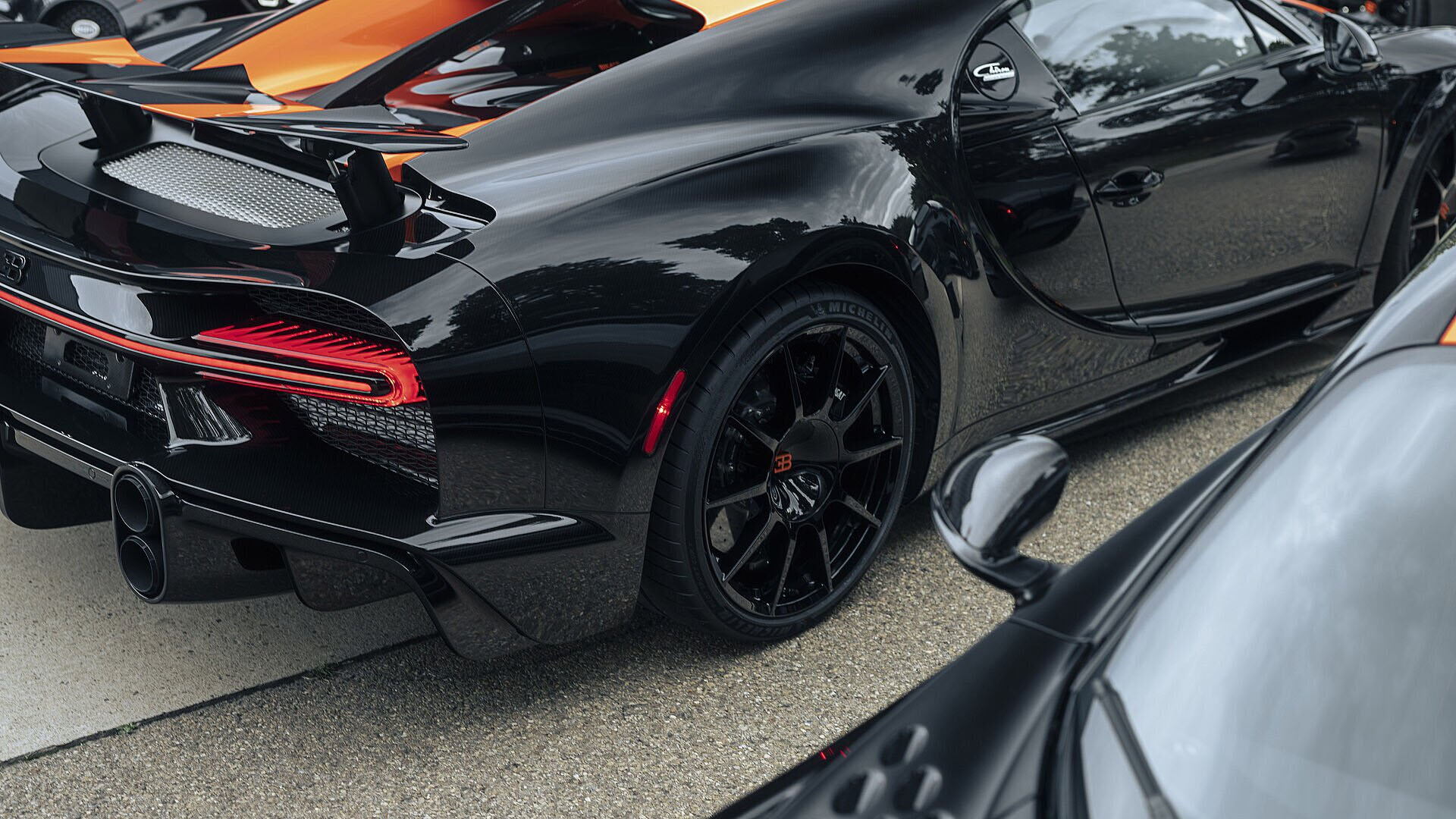
Because the Chiron Super Sport 300+ has to remain stable at extremely high speeds, Bugatti implemented the ‘longtail’ philosophy onto this model, making her 25 centimeters longer compared to the regular Chiron, vertical fins at the front cope with tunneling air onto the sides while vents behind the wheels create less pressure in that area and even reduce drag.

Naturally, the Bugatti Chiro Super Sport 300+ boasts exposed jet-black carbon fiber with just a touch of Jet Orange in the shape of a racing stripe while the famous Bugatti Macaron logo for this model is made from genuine silver and black enamel, the magnesium alloy wheels get covered in a bespoke black called ‘Nocturne’.

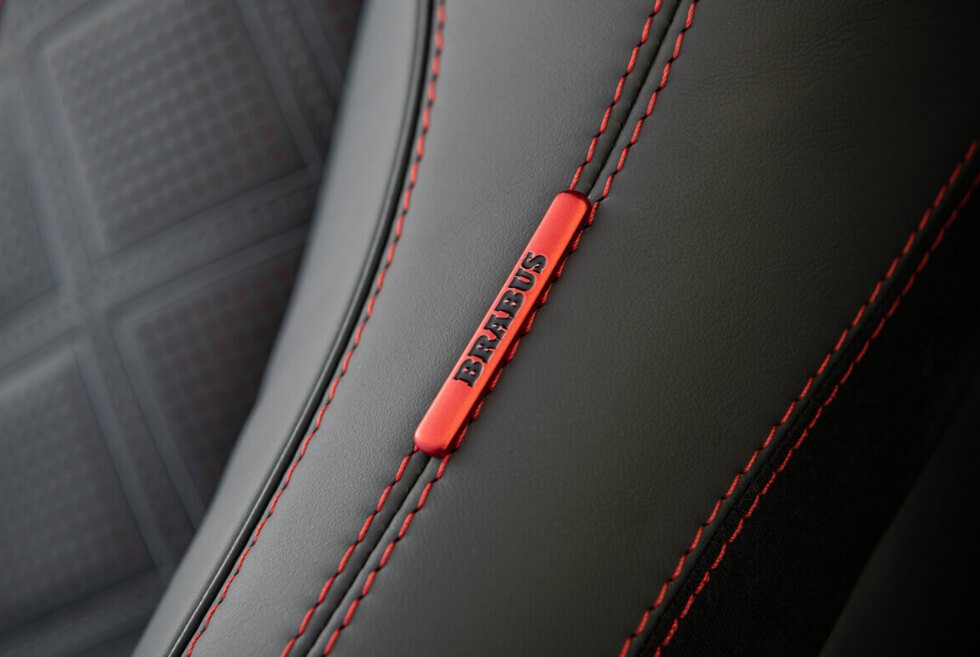
At 900 Hp With 922 Lb-Ft Of Torque, The BRABUS 900 Rocket Edition Is A Luxe Beast

In our years of regularly featuring some of the most badass rides from BRABUS, it’s always a thrill hearing about its latest projects. Most of you might know the badge for their jaw-dropping armored conversions. What many overlook is the insane work they do with aftermarket tuning. Don’t believe us? Maybe the 900 Rocket Edition will change your mind.

Boasting a highly limited production run of only 25 examples, this souped-up machine is overflowing with extreme upgrades. BRABUS loves working exclusively with an iconic German marque and is not breaking tradition anytime soon. Its latest venture involves the Mercedes-Benz GLE 63 S 4MATIC Coupe.

The donor model is by no means an underwhelming platform when it comes to performance and luxury. However, BRABUS exists to push SUVs like it beyond their limits. The 900 Rocket Edition exceeds whatever the stock powertrain can deliver by a remarkable margin.

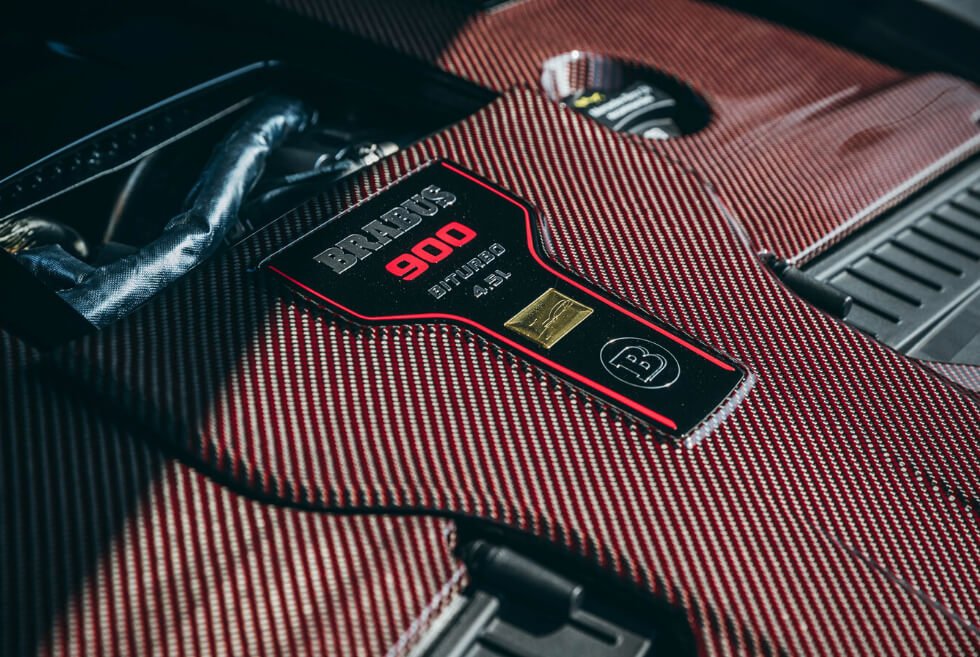
Its 4.5-liter BRABUS 900 twin-turbo V8 engine is good for 900 horsepower with a 922 lb-ft of torque. This allows the 900 Rocket Edition to reach 60 mph from a standstill in just 3.2 seconds. Furthermore, the top speed is around 205 mph.

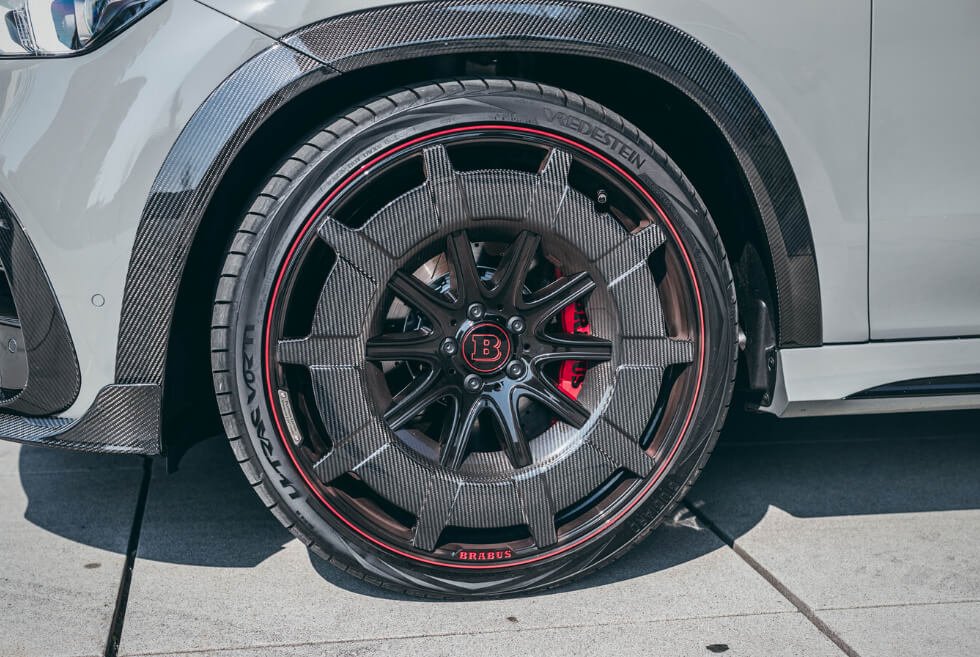
To give onlookers an idea of what’s in front of them is a sportier and aggressive silhouette. They call the new coat of paint “Superior Gray” which is appropriate given the performance tweaks it received. Carbon fiber elements peek out in all the right places and the set of 24-inch BRABUS Monoblock “Platinum Edition” Z forged wheels.

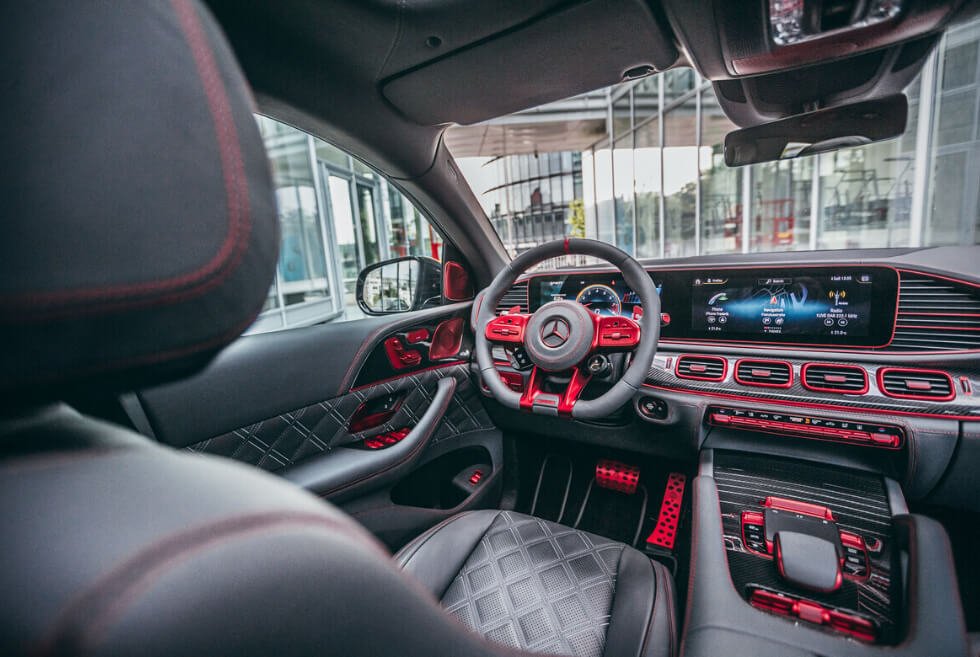
The 900 Rocket Edition is decked with a multi-tone interior of black, gray, and red elements. Leather and plush Alcantara wrap almost all surfaces of its cabin. Of course, BRABUS will gladly cater to their client’s tastes when it comes to customization.

Learn more

imageimageimageimageimageimageimageimageimageimageimageimageimageimageimageimage

Images courtesy of BRABUS

The State and Fate of the Plug-in Hybrid

A lot has changed in the automotive industry since the Toyota Prius gave the term hybrid a face in the early 90s. Terms PHEV and BEV ring a bell for most buyers and their market shares continue to show double digit growth year after year. Volkswagen invited us to have a look at their complete plug-in hybrid line-up which gave us a good opportunity to discover the current state of the PHEV segment and discuss the fate of this still relatively new powertrain.

Even though plug-in hybrids are a pretty recent thing, only really gaining traction since 2010, it is not a new invention. In 1899 the Lohner-Porsche Mixte Hybrid was the first hybrid electric car. Developed by Ferdinand Porsche at Lohner-Werke using 2 or 4 hub mounted electric motors and a petrol engine. Due to the high costs it never became a real success and sales were limited to 300 vehicles.

VW Golf eHybrid

Fast forward to 2021 and plug-in hybrids are available in all sorts and sizes. Pushed by legislation and financial stimulation both manufacturers and customers have embraced the format. Globally battery electric vehicles have overtaken PHEV in terms of sales about 2 to 1, but in several European countries PHEV sales are still higher than pure battery powered cars.

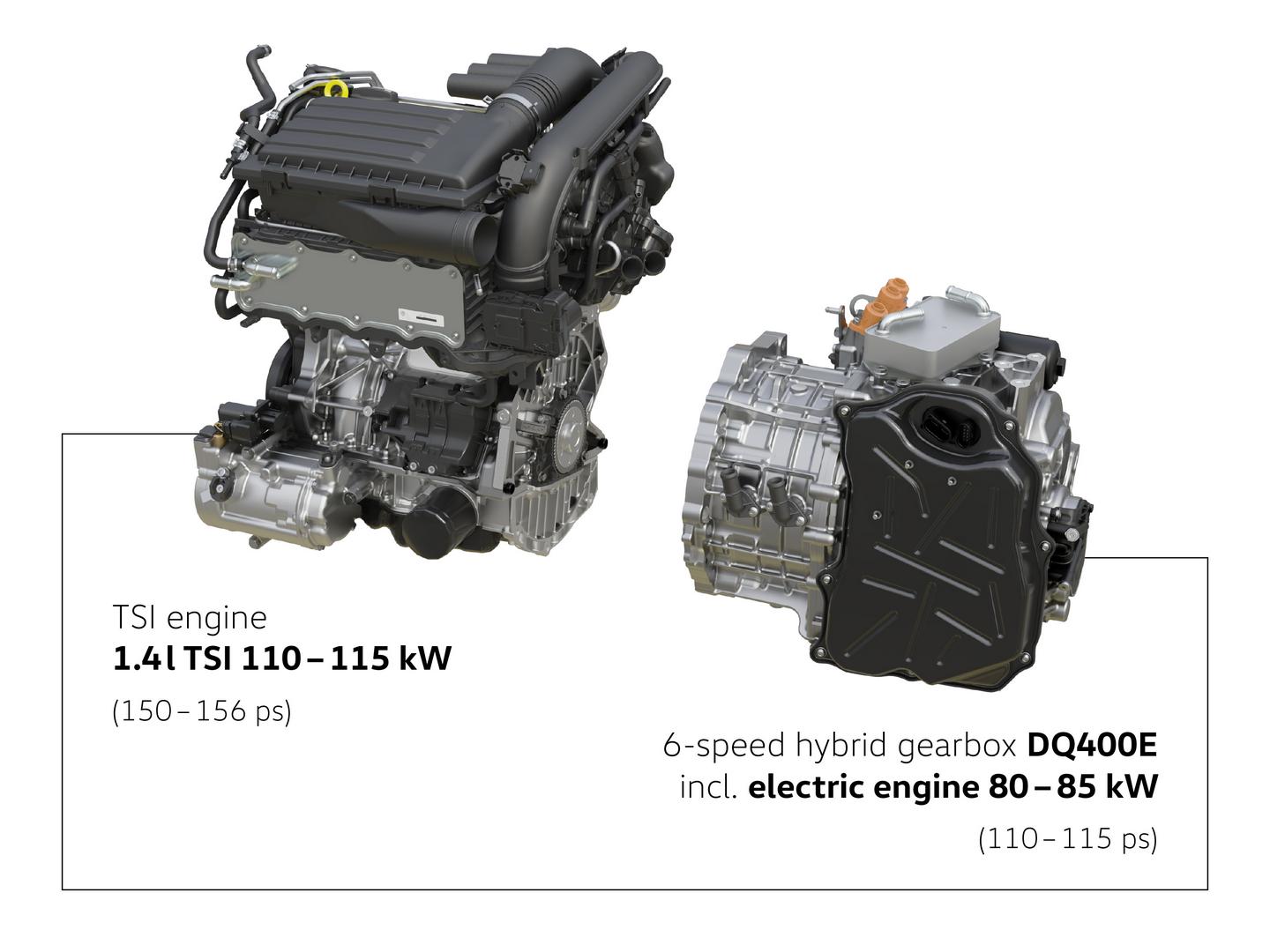
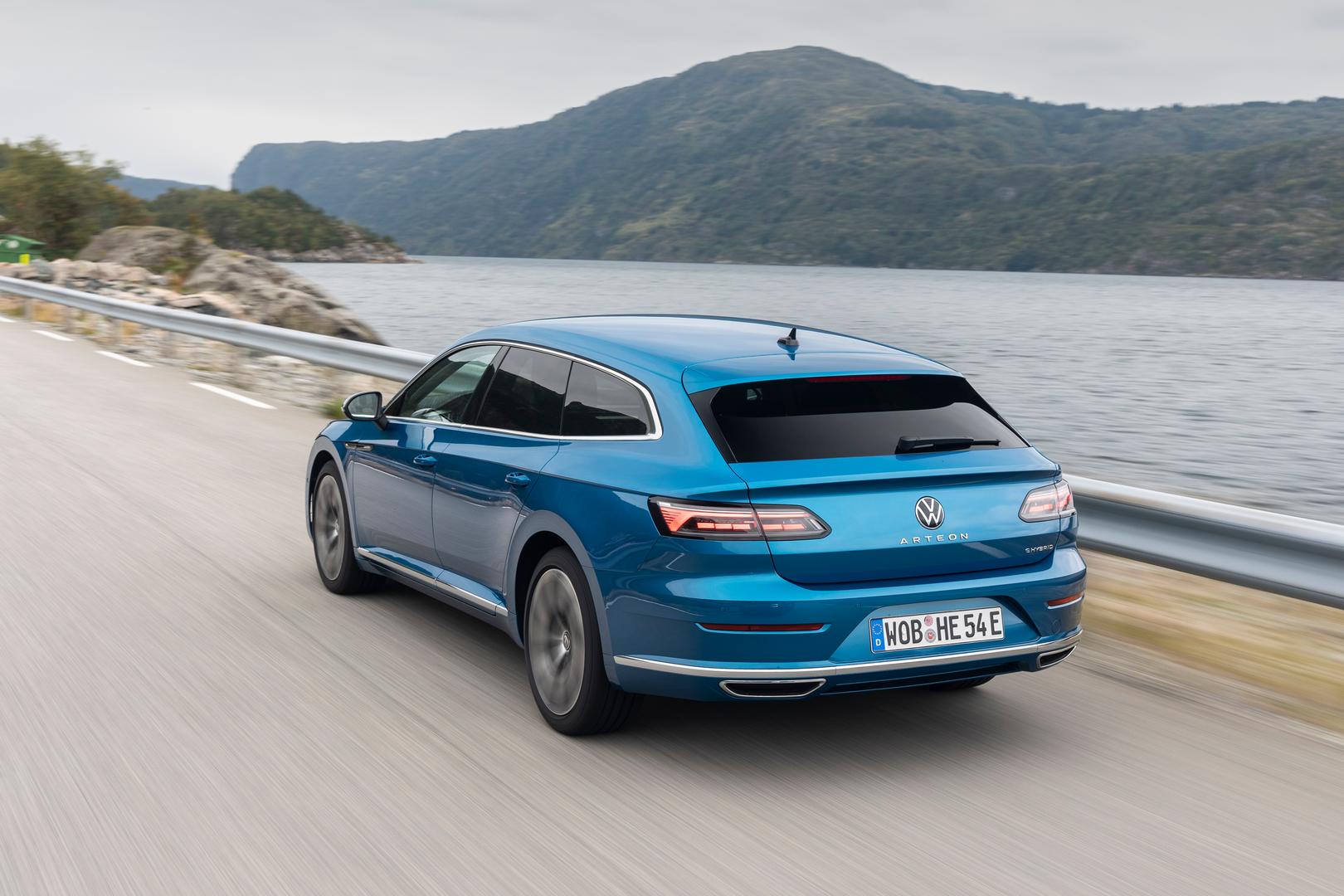
Volkswagen brought their full range of PHEV to the city of Molde in Norway to exhibit the capabilities of their current range. These include the new Volkswagen Arteon eHybrid, Golf, Tiguan and the SUV flagship Touareg R. With exception of the Touareg all plug-in hybrids from VW have a 1.4 liter petrol engine combined with a 10.4 kWh battery and electric motor producing 115hp.

VW Plug-in_hybrid__Drive

The output varies slightly per car but the setup is generally the same. The full electric range varies between 50 km in the Tiguan up to 72 km in the Golf eHybrid. All start automatically in the dedicated e-mode which is local emission-free. Once the battery power runs out or you travel above the electric mode speed threshold the petrol engine joins in. The transition between electric and hybrid mode is smooth and effortless. The only moment the cars feel strained is when adapting a sporty driving style with an empty or near empty battery.

Main drawbacks of the current PHEVs are the relatively limited full electric range and slow loading speeds of 7.6 KW for the Touareg (2.5 hours for a full charge) and only 3.6 KW for the other VW PHEVs (3 hours 40 minutes for a full charge). Volkswagen is working on addressing this issue; by 2024 a new generation VW PHEVs should hit the road with more than double the battery capacity (25 kWh) and thus double the electric reach in the same packaging. This generation will also include DC fast charging capabilities which should significantly reduce the time needed to fully charge the battery.

VW Arteon PHEV

Although these changes open up the PHEV segment to a few new use-cases such as city dwellers who don’t have a charging opportunity at home. The main reason for choosing a PHEV over a BEV will remain a certain level of range anxiety. With the range of BEVs and charging infrastructure constantly improving and the threat of combustion engine bans looming in countries and cities around the world, this reason will play out less and less in favor of PHEVs.

That range anxiety plays a role for many PHEV buyers is indicated by the many use cases where PHEV owners reach 5,000 km or more between refueling stops, something they never imagined possible before buying a battery powered car. From a technical perspective this behavior leads to issues that also require new technical solutions. In VWs case this is a polymer coating applied to the cylinder bore to prevent damage when the petrol engine is not used for a longer period of time. But the same goes for brakes and other components that suddenly see a completely wear and use scenario.

The Volkswagen PHEVs are excellent cars, as are most of the other PHEVs I recently drove, but I can’t help but feel they will go down in history as merely a tool to ease the transition from internal combustion engines to battery electric vehicles between 2010 and 2030. If this politically driven transition is the right and only solution to tackle the environmental challenges we are facing is another question.

VW R

Porsche 911 (992) GT3 Cup: An In-depth Look

Introduction

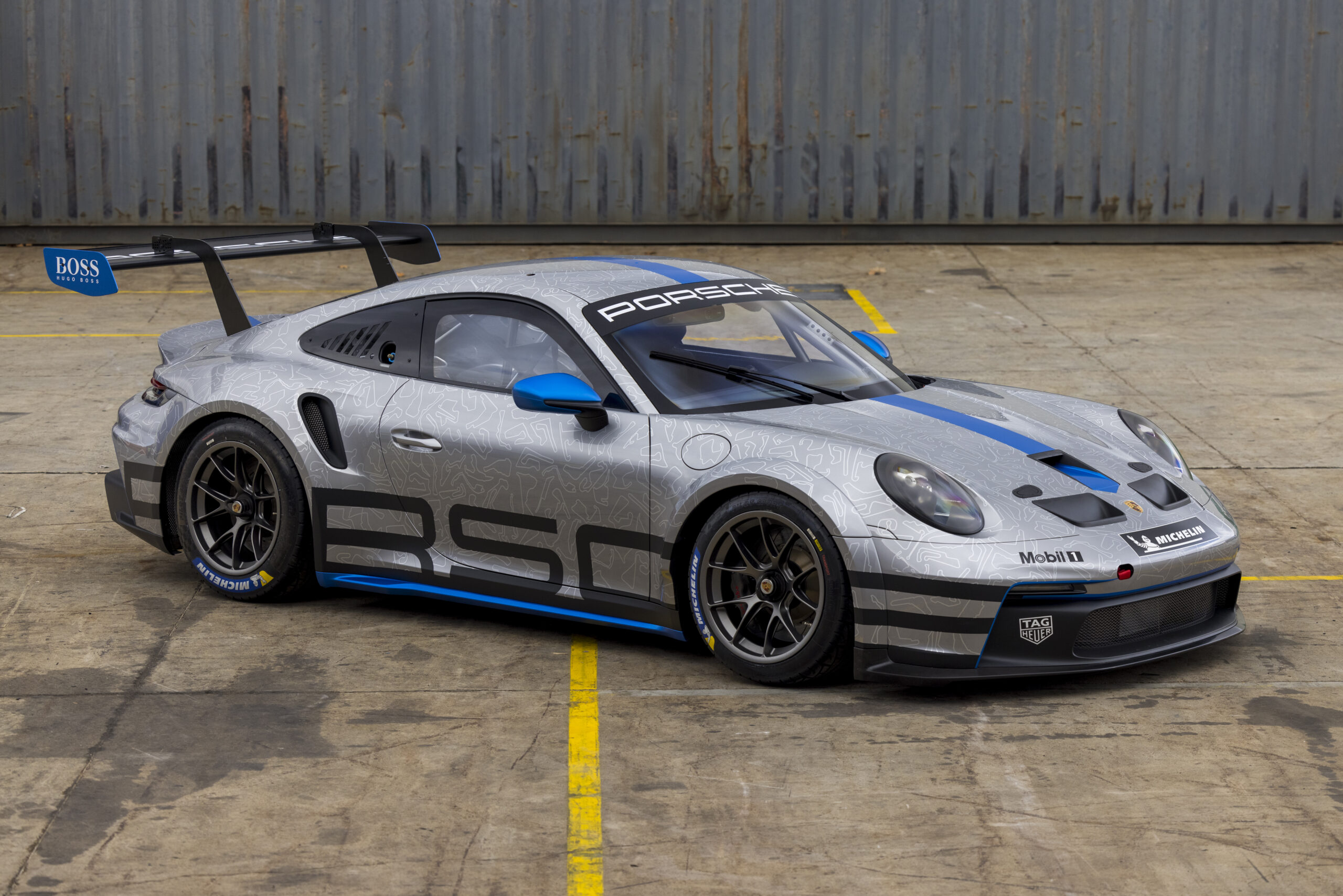
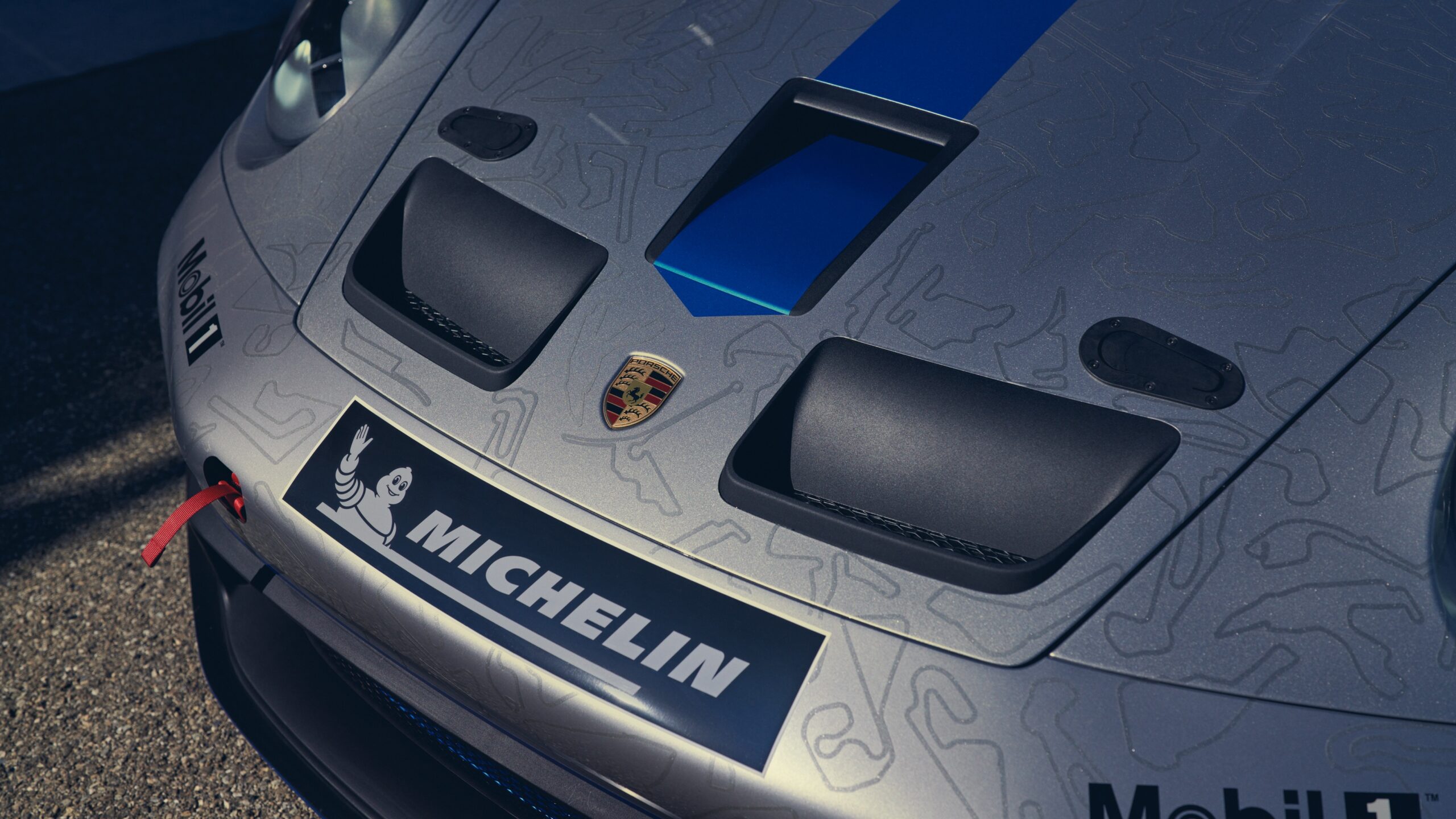
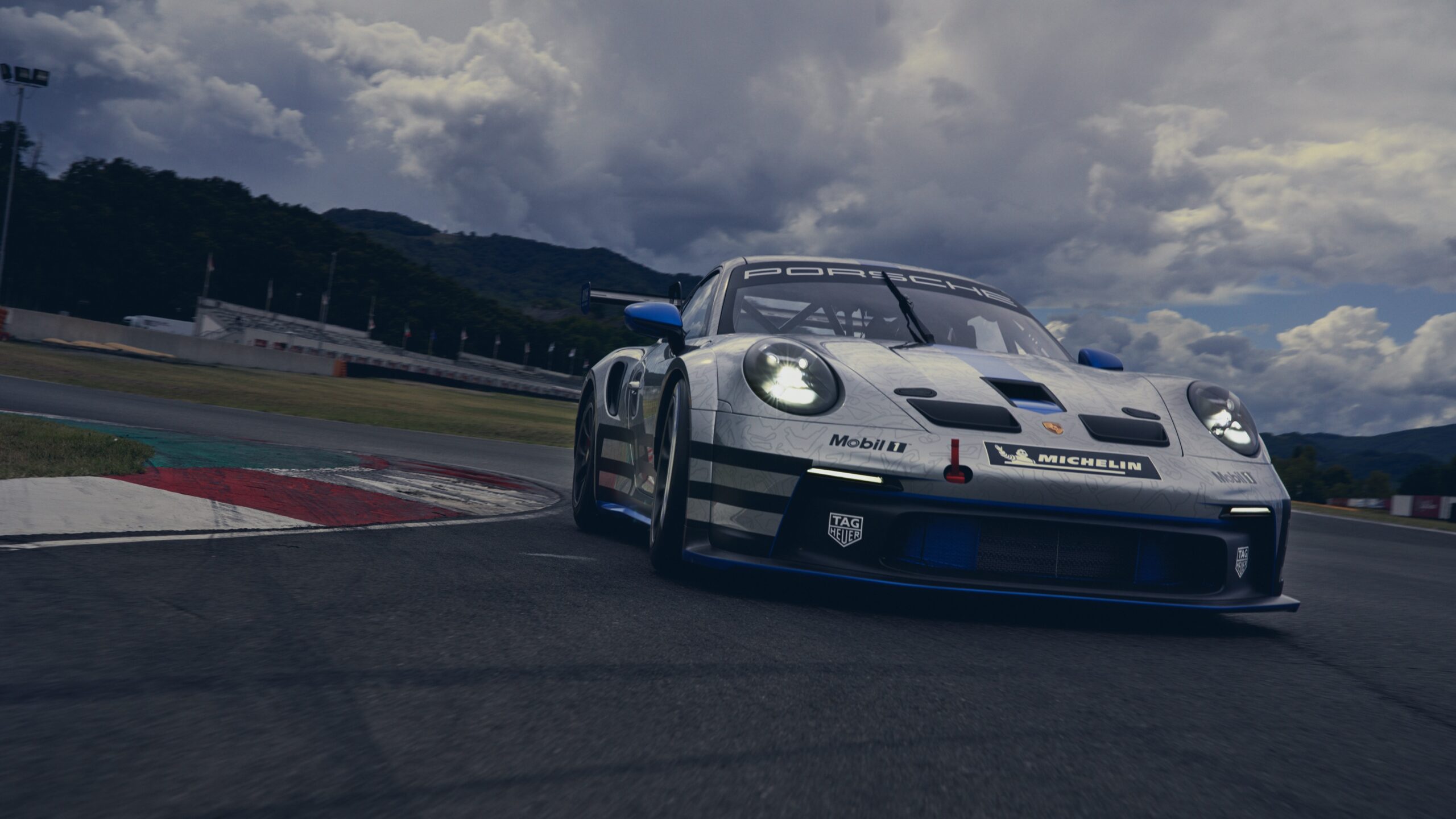
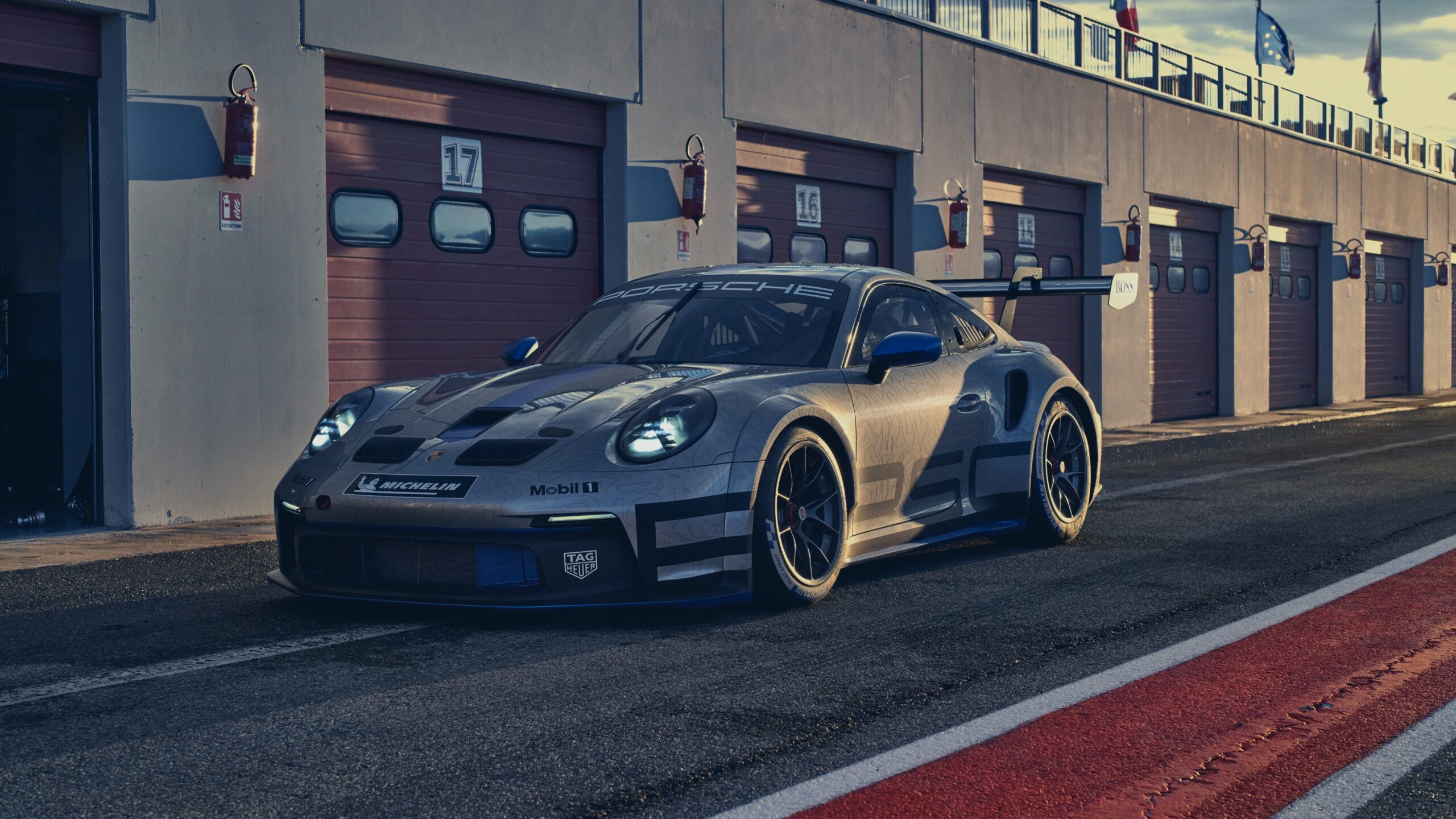
The world caught its first glimpse of the new 992-gen Porsche 911 GT3 Cup car back in December 2020, at about the same time that we were treated to a teaser of the yet-to-be-released production road car. 

Ironically, more details were revealed about the race car than the road car at that point. Thus, we originally found ourselves relying on the Cup car – which we knew would make 510 hp and run on synthetic fuel – to give us clues on what the street-legal GT3 was going to look like, and not the other way around. But even then, most of the information remained vague. 

Fast forward to mid-February 2021, with Porsche finally pulling back the curtains and officially unveiling the 2022 Porsche 911 GT3 via digital livestream on YouTube. Rather quietly – under the shroud of all the fanfare surrounding the road car – Porsche also got the ball rolling for the 992-gen GT3 Cup car, delivering the first 23 examples to customers.

New Era, Better Cup Car

As is the case with any automobile (and especially one of the 911 GT3’s caliber), development of the production car – and by association, the Cup car – was years in the making. Jan Feldmann was appointed Project Manager for the new Porsche 911 GT3 Cup, making him ultimately responsible for bringing the many different departments together needed to produce a pure-bred race car.     

The very beginnings of this project can be traced back as far as 2018, with things really beginning to take shape by early 2019. The undertaking was huge, but the message was simple: “build a Porsche 911 GT3 Cup car that had better performance, a more aggressive design, and greater durability than any other before it.”

We all know that these types of challenges are nothing new to Porsche, who seem to be on a perpetual winning streak of building a better car than the ones made before it. However, this particular Cup car did present a unique obstacle for Feldmann and his team, as Porsche sought to have it run on synthetic fuel rather than conventional gasoline. The immediate goal here was to achieve a significant drop in carbon emissions, which the new Cup car has proven to be possible.

It also serves as a laboratory for the potential trickle-down of eFuels to production road cars. Producing a competitive race car that uses eFuels is surely going to have huge implications for the company down-line; Porsche have already hinted that this manner of powering some of their production cars (alongside EVs) is at the forefront of their future developments. The company’s altruistic stance on this is reflected in their desire to make eFuels accessible for all manner of combustion-powered machines.    

As the seventh iteration of this one-make race car, the new 992 GT3 Cup will be carrying on a great legacy. Since 1990, Porsche has produced 4,251 units of this world-class machine; all of which have been built alongside Porsche’s production road cars at Zuffenhausen, and will continue to be in the case of the 992.

To The Races

Early adopters of the new Cup cars were invited to a private testing session to give the race car its first real shakedown on March 8, 2021. Considered to be one of the world’s most unforgiving race tracks (one which demands everything from a car’s chassis) Sebring International Raceway would host this event. Keeping in the mindset of “if it’ll survive here, it’ll survive anywhere”, the car performed remarkably in every metric and duly impressed the Porsche brass and customers alike.    

This was not just a preamble for the cars, but for the drivers as well, who would then compete on the same track just 9 days later at the 12 Hours of Sebring – the inaugural event for the 2021 Porsche Carrera Cup North America season. Since then, the competition has made its rounds to Circuit of the Americas, Watkins Glen, Road America and Indianapolis Motor Speedway. The full schedule can be viewed here. 

Also, a special shout out to my fellow Canadian, Parker Thompson of JDX Racing, who continues to compete for a top 3 position in the series. He won the most recent event which took place at Indianapolis, where he also set the fastest lap of the race. All the best, Parker!
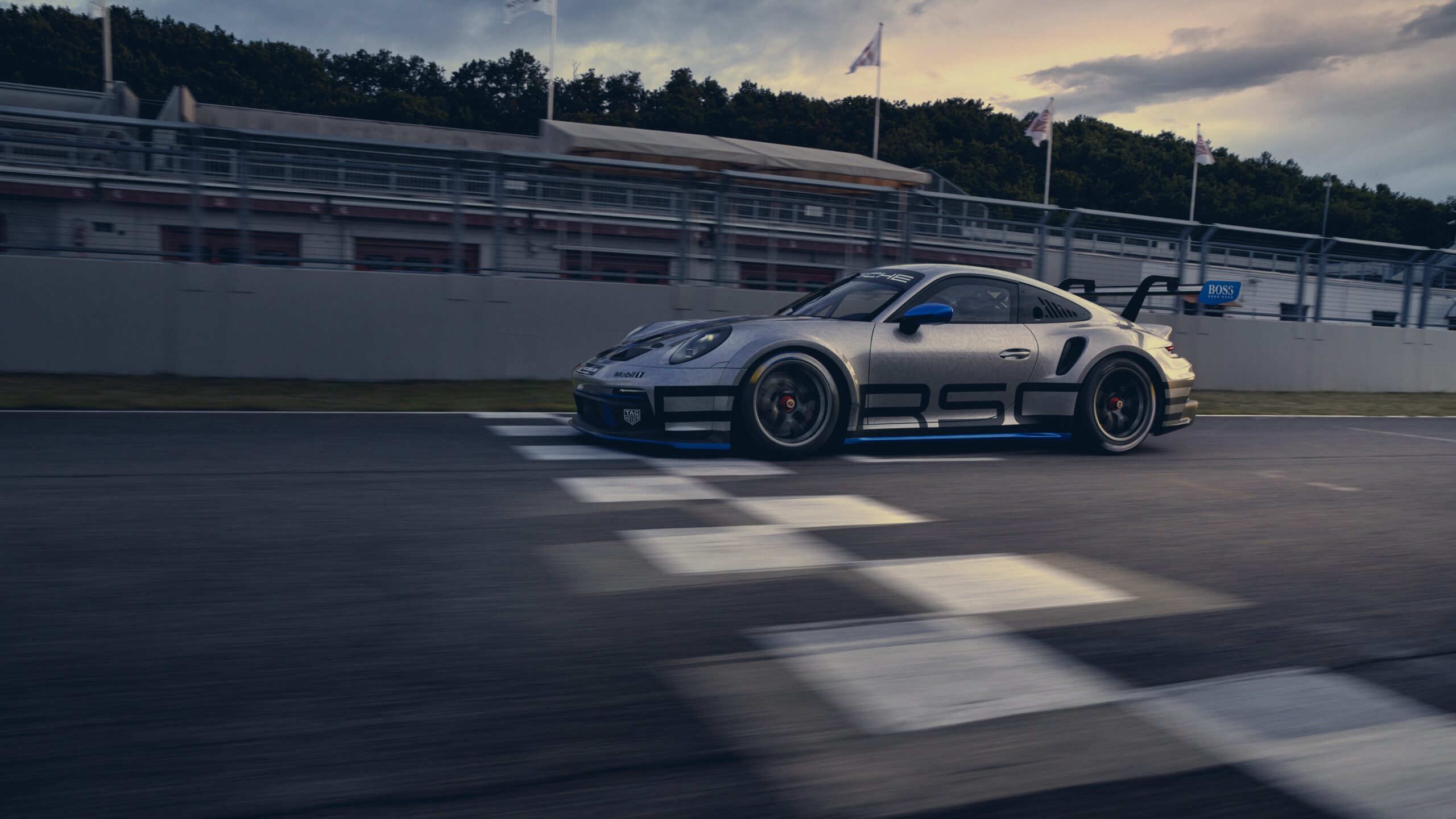
Porsche 911 GT3 Cup Rolling

“Being able to introduce the new Porsche 911 GT3 Cup race car in our own debut as Porsche Carrera Cup North America is a great honor. It is among the first of many key elements that makes Carrera Cup special for our customers here. While we will have multiple unique details which set the Carrera Cup North America apart, like a bespoke paddock experience and Michelin Pilot race tires, the most obvious and quickly recognizable to the fans will be the latest and greatest Porsche 911 GT3 Cup race car. Not only is this special on this continent, but it is also special worldwide. People will be able to watch the future of Porsche one-make racing for the first time at our series’ debut at Sebring on March 17 – 19.” – Brian Blocker, Series Director of Porsche Carrera Cup North America

Engine & Performance

The Stats

The new Porsche 911 GT3 Cup car continues to fashion a 4.0L naturally-aspirated engine, which is the same as that used in its predecessor as well as the 992 GT3 road car. In its latest evolution, the engine produces 510 hp @ 8,400 rpm – up from 485 hp @ 7,500 rpm in the outgoing race car – and 347 lb-ft of torque @ 6,250 rpm. 

Porsche 911 GT3 Cup Pit Lane

Arguably more significant than the 25 hp bump, is the fact that the water-cooled flat-6 engine runs on synthetic fuels – a feature that could revolutionize how motorsport race cars and production road cars look going forward. Porsche also claims that the engine is more robust than ever and requires less routine maintenance than the forgone “Mezger” engines used in the previous cars. This means that the car should be good for 100 hours of track-duty, before requiring any maintenance checks.      

The Components

Unlike the road-going car, the GT3 Cup race car opts for a single intake system instead of the more ‘blingy’ individual throttle bodies, as a matter of simplicity for race engineers and mechanics. The car also comes with three interchangeable exhaust systems which allow for compliance within different race series’ rules and decibel limits.

The 4.0L naturally-aspirated flat-6 engine is mated to a 6-speed sequential transmission, which is electronically controlled using steering-wheel-mounted paddle shifters. The most notable improvements to the drivetrain, which include new driveshafts, make for a much more durable race car. 

Porsche says that the GT3 Cup car’s transmission only needs inspecting once every 60 hours of racing, with the comprehensive servicing/rebuilding interval being double that. More time on the race track. Less time in the garage. A clearer path to victory.  

Chassis & Suspension

The new 992 GT3 Cup has significantly enhanced safety features compared to the outgoing 991.2 equivalent, with extra reinforcements added to make the safety cell – which ultimately protects the driver – much stronger. The net increase to total weight is about 35 kg, though it is important to note that the car has shed mass other areas to help mitigate the additional encumbrance. 

Porsche 911 GT3 Cup Rear

This is achieved by using more aluminum than ever before, with roughly 70% of the new Cup car’s components being made of the lighter material (and the rest with steel). A generous serving of carbon fiber can be found on panels such as the doors, engine cover and rear wing, while all windows are made out of polycarbonate.  

Overall, the 992 Cup weighs 2,778 pounds – up from its predecessor’s 2,701 pounds – which isn’t insignificant in race car terms; however, it now comes with the extra protection and heightened safety standards that are part and parcel of building a car that is now faster than ever before. 

One of the biggest changes to the new GT3 Cup car is via its suspension geometry with the introduction of a double-wishbone suspension setup in the front. This design is inherited from the mid-engined 911 RSR race car, and is also a characteristic shared with the new 992 GT3 road car, which also debuts with this same feature.

This change is significant in that the shock absorbers are only affected by axial forces, and no longer to lateral forces. In essence, this will improve handling performance and allow for more precise road manners and enhanced turn-in capabilities. The rear end continues to utilize a 5-point multi-link suspension system which also borrows its valve design from the 911 RSR. The new GT3 Cup car will also feature fully electro-mechanical power steering for the first time, which will improve the car’s reaction to driver inputs while providing greater feedback. 

Aerodynamics

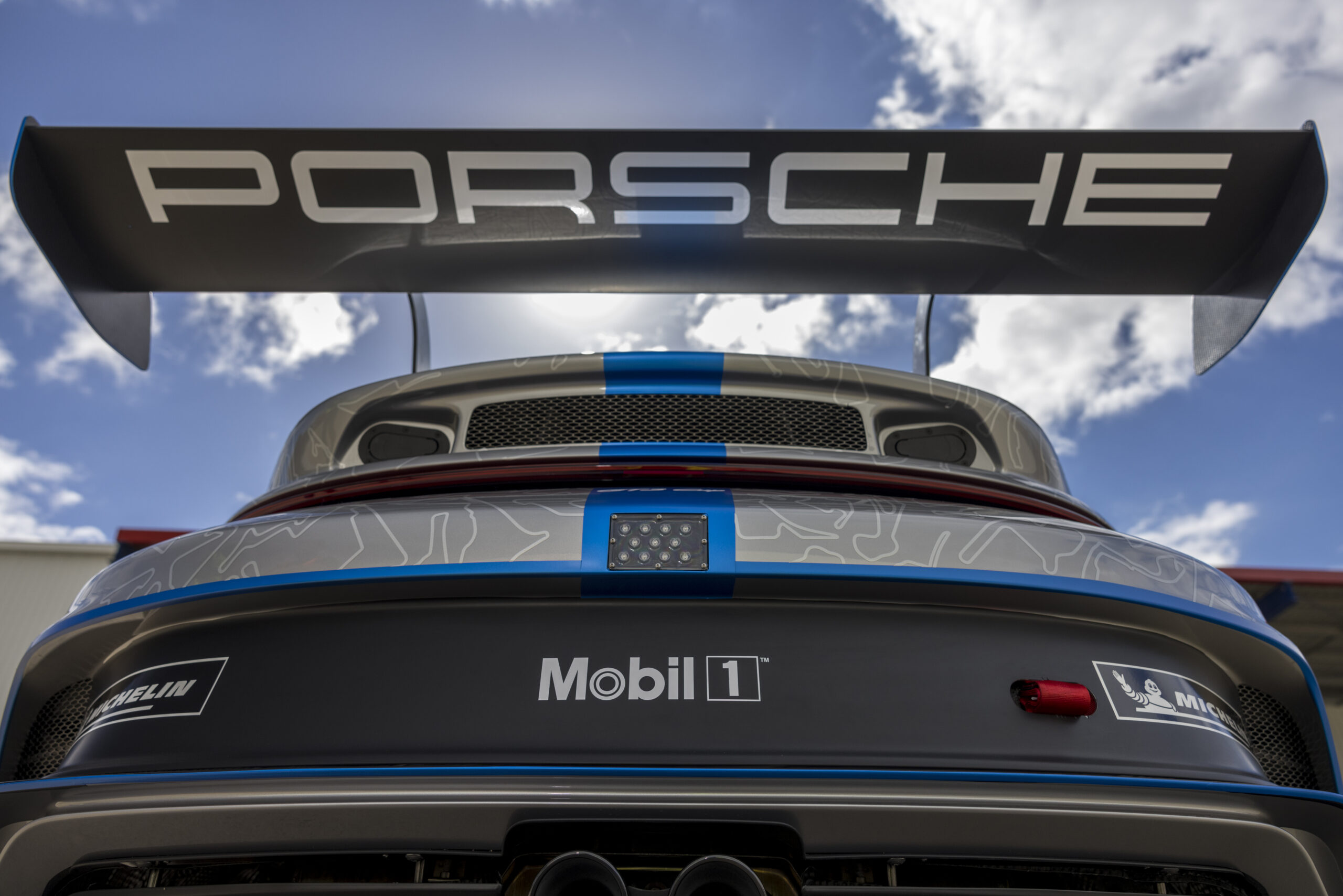
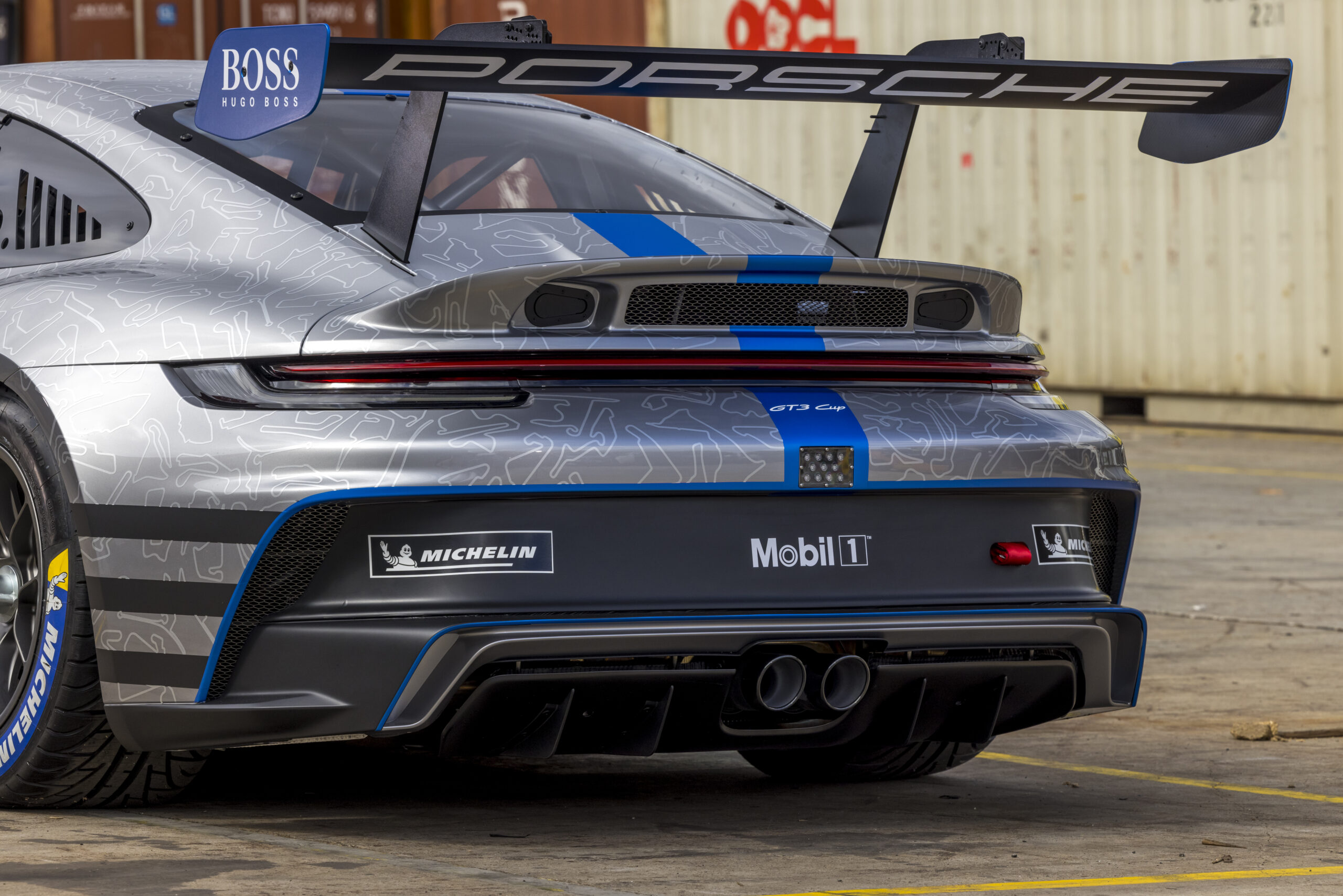
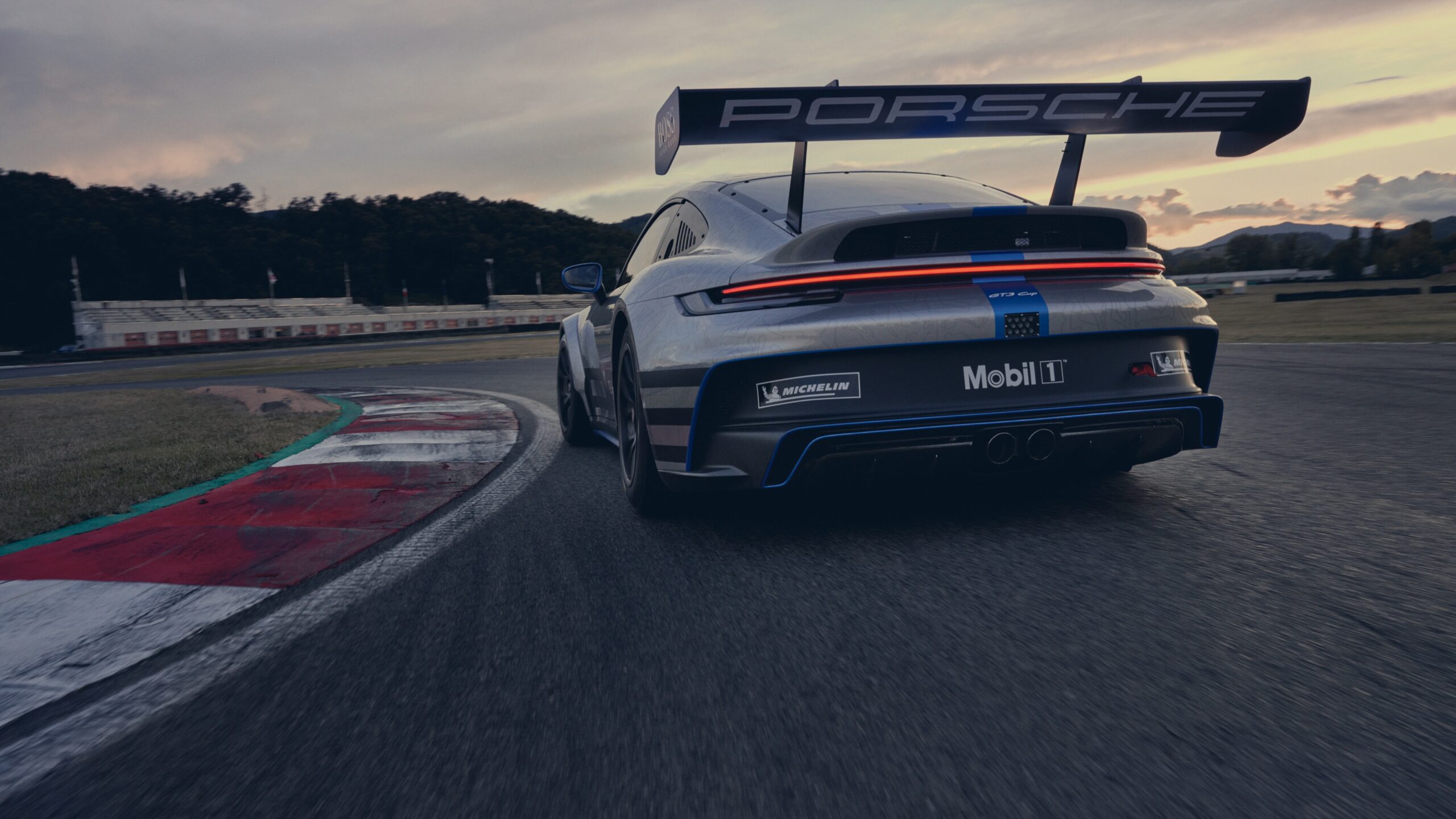
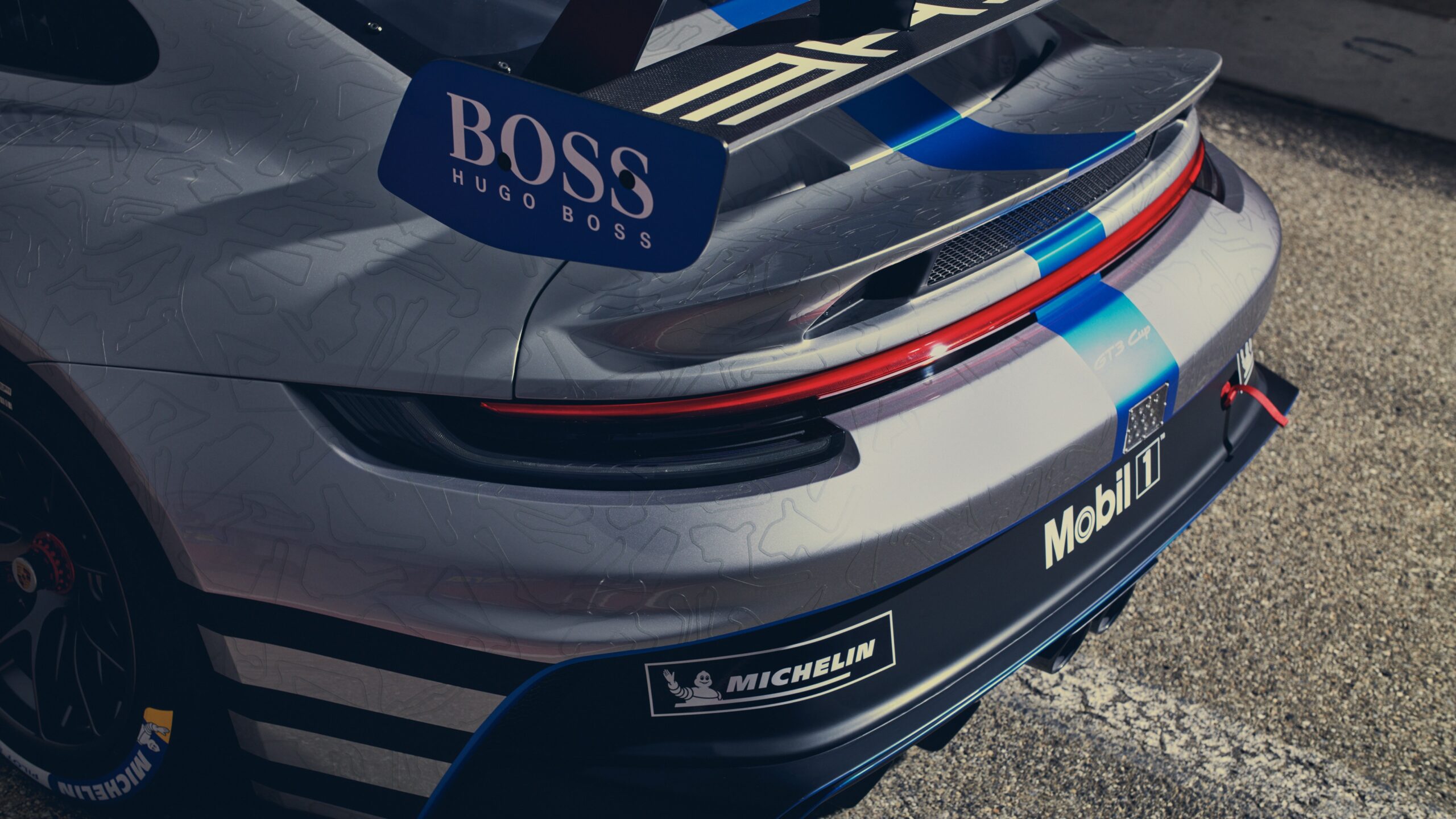
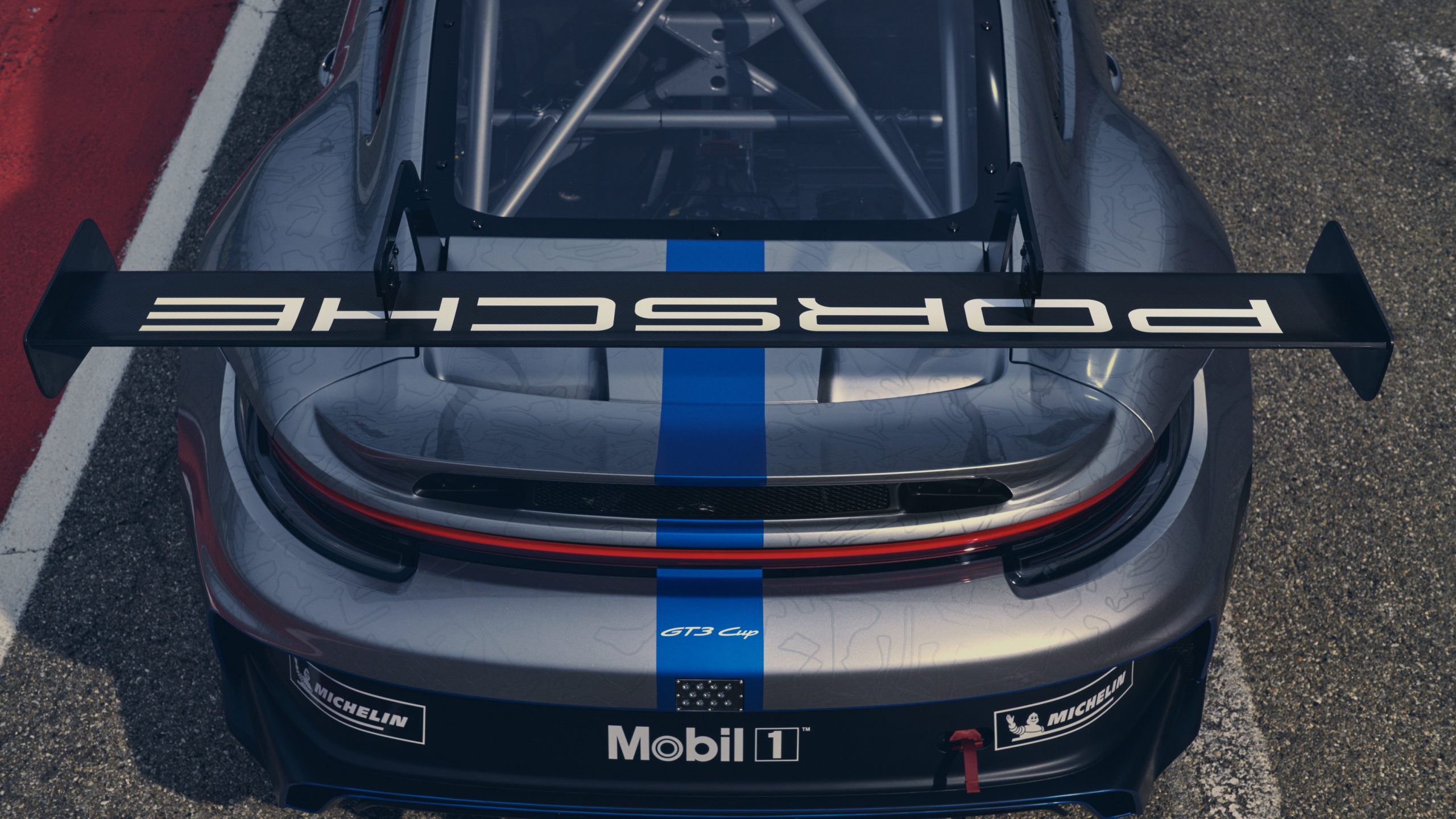
As expected, the new 992 GT3 Cup also features improved aerodynamic performance compared to the outgoing race car, with the new adjustable ‘swan neck’ rear spoiler being the most visually-telling change in this regard. 

Porsche 911 GT3 Cup Rear Wing

This design – also adopted for use on the 992 GT3 road car – is an improvement on the more traditional shape, allowing for greater downforce while simultaneously reducing drag. New NACA-style air ducts at the front of the car also help to channel airflow throughout the body and assist with engine and brake cooling.  

The overall footprint of the car has also been increased, with a wider body and larger overhangs improving downforce but also making for bigger dimensions. However, as part of the total package, these changes work in tandem with the rest of the car in striking an optimal balance which ultimately makes for a faster, better and safer car. 

Stability & Traction Control Systems

While driver assistance systems such ABS and traction control are optional on the GT3 Cup, they are pre-programmed into every car’s onboard ECU; they can be toggled on or off using a unique digital code. 

However, the majority of these driving aids are prohibited in professional categories of competitions such as the Porsche Carrera Cup North America – pro-am and amateur racers are typically given more leniency when it comes to racing with assists turned on.  

Brakes & Tires

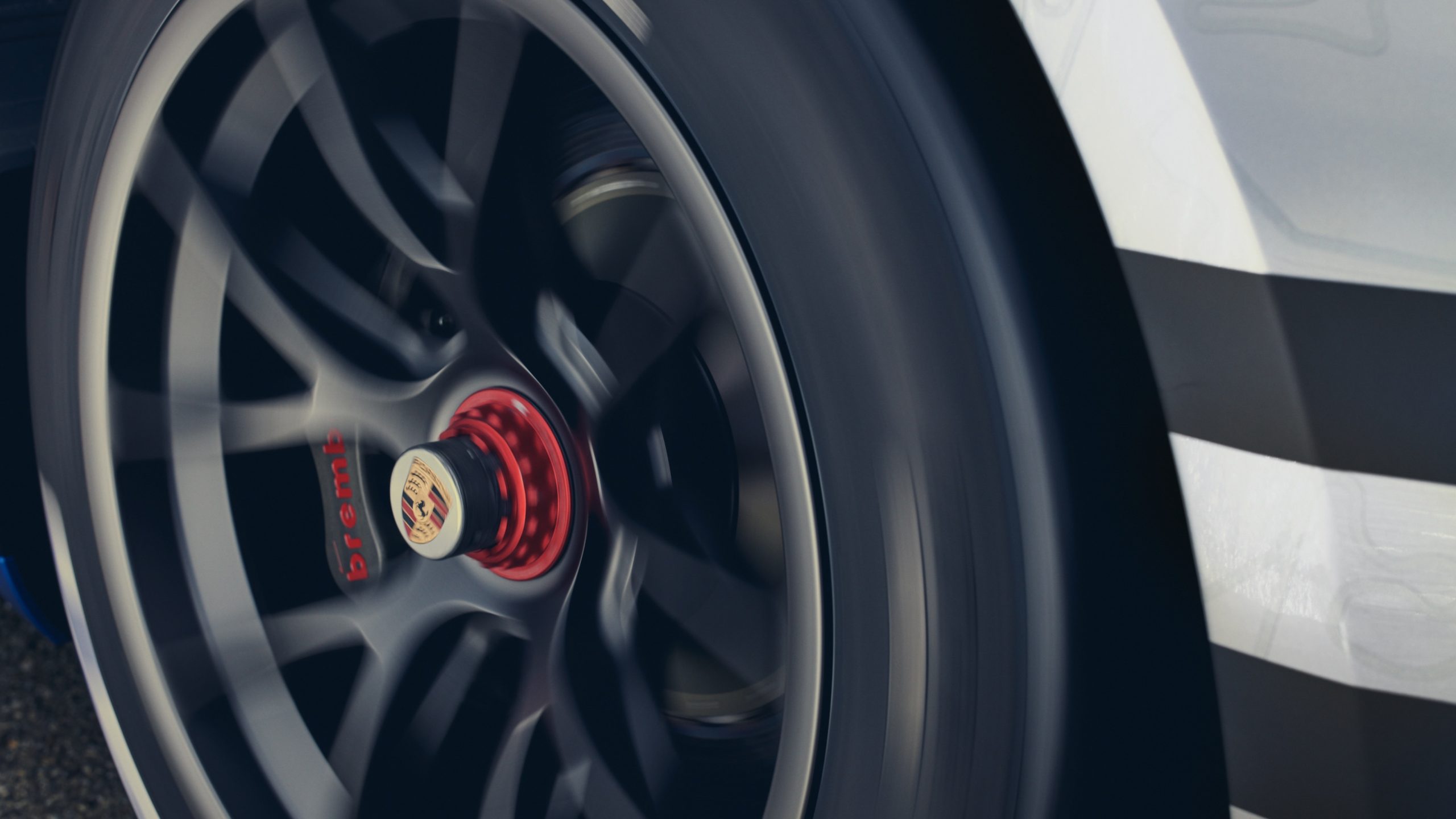
The new 992 GT3 Cup car utilizes Brembo steel brakes for stopping power, forgoing the more exotic (but less reliable) carbon-ceramic setup which is an option in the road-going GT3. The brake calipers utilize a special “quick release” mechanism, which allows for faster brake pad changes during pit stops. Brake bias can also be adjusted on the fly from the cockpit using a rotary knob located on the switch panel.  

Porsche 911 GT3 Cup Rear Quarter

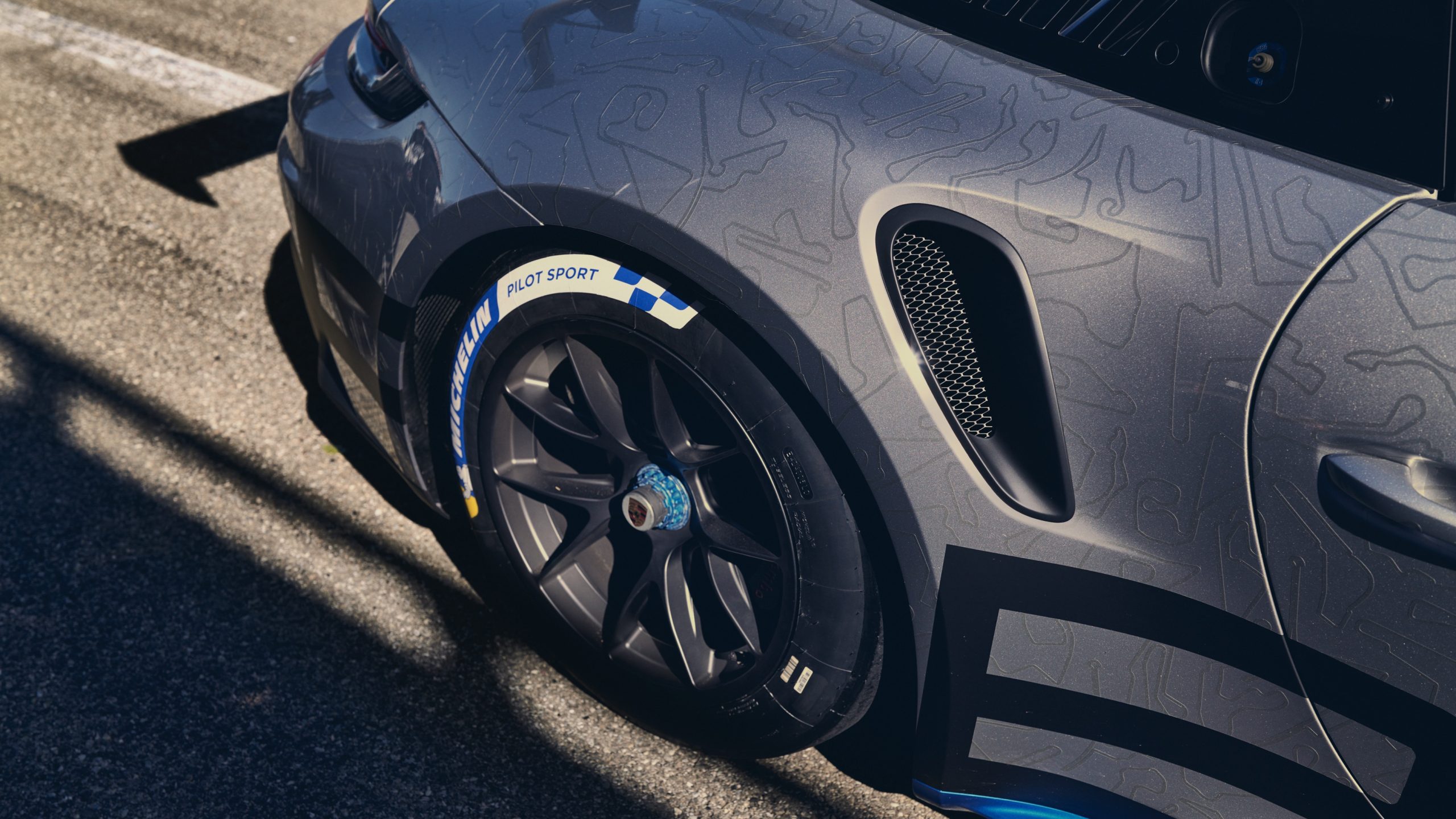
Thanks to wider fenders and a larger body, the new race car can also accommodate a beefier wheel / tire combination than before – by default, this equates to 12” wide wheels in the front and 13” wide wheels at the rear, each wrapped in Michelin Pilot Sport race tires.

Design, Styling & Interior

Speaking in greater detail about the car’s increased width, the new 992 GT3 Cup is built upon the wider platform of the 911 Turbo production car, rather than the narrow-bodied variants as was the case for the previous Cup car iterations. Add to that, even wider fenders after the fact, and you have a front and rear track which has been widened by 1.8” and 1.1” respectively.  

The car’s body panels are made of either aluminum or carbon fiber; considerations have been made for reductions not just in weight, but in cost as well. For example, panels that are more susceptible to taking damage during customary track incidents – such as bumpers and fenders – are made from the less expensive aluminum.   

Porsche 911 GT3 Cup Interior

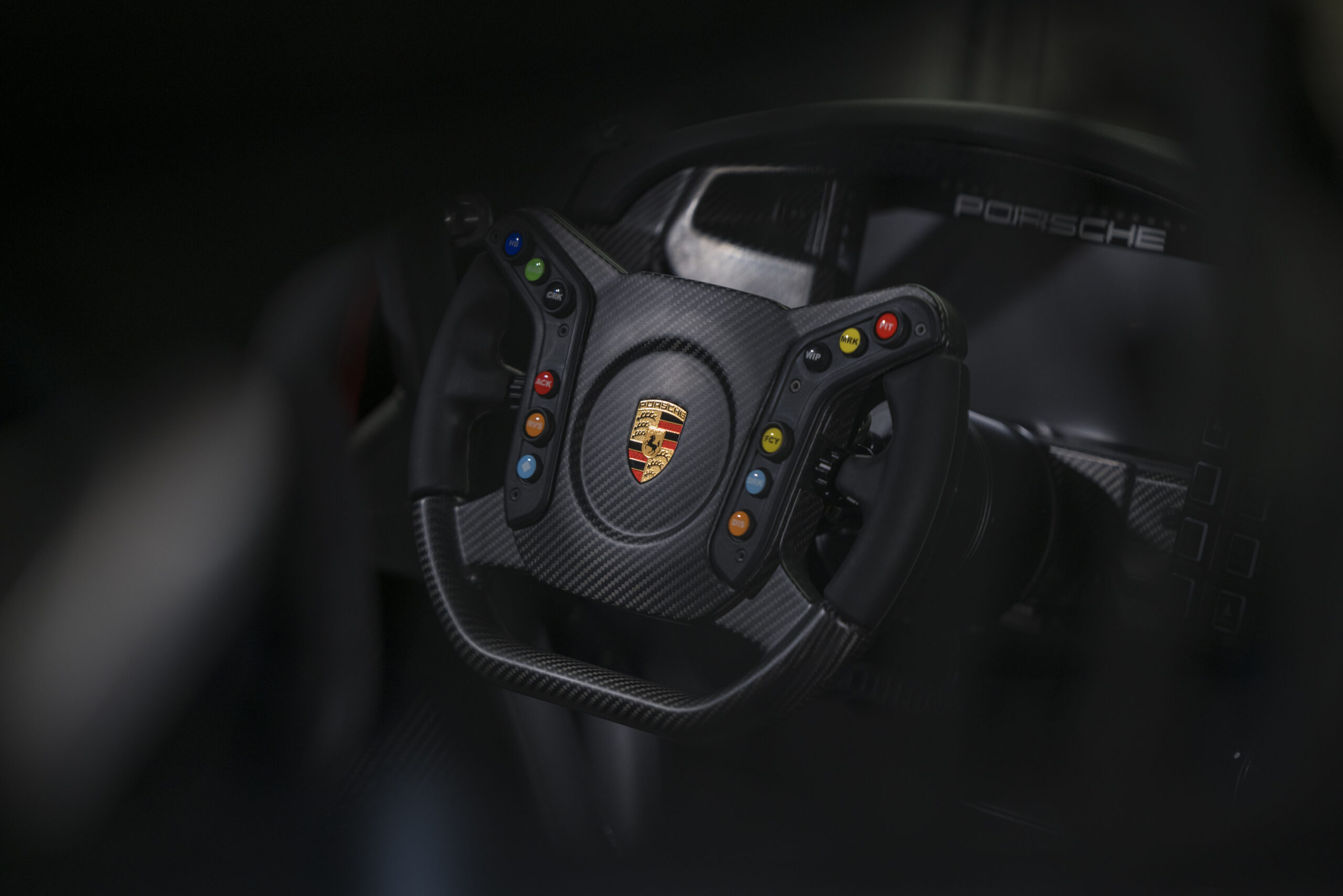
Inside, the GT3 Cup is fitted with a 10.3” center monitor which displays important information to the driver. The steering wheel is transplanted from the GT3 R and has carbon fiber paddle shifters attached. The dashboard can also be customized to the driver’s preferences.

Pricing

According to Porsche Motorsport, the new 992-gen Porsche 911 GT3 Cup “is now delivered with a complete accessory kit, which includes, for example, all special tools and wishbone spacers required for track adjustment.” 

As for the price? Each Cup car will cost the equivalent of €225,000 (roughly US$275,000).

This of course, does not include any of the costs associated with funding a race team or the other post-purchase expenses required to keep the car running and staying competitive. Deliveries began in February 2021, with testing and the first 5 Porsche Carrera Cup North America races already having been concluded at the time of this writing. The series will be making its next stop at Virginia International Raceway, before wrapping up at Road Atlanta.

Specifications Summary

Engine

Configuration Flat-6
Location Rear, Longitudinally-mounted
Construction Aluminium Alloy Block and Head
Displacement 3,996 cc / 243.9 cu in
Bore / Stroke 102.0 mm (4”) / 81.5 mm (3.2”)
Valvetrain 4 Valves / Cylinder, DOHC
Fuel Feed Fuel Injection
Lubrication Dry Sump
Aspiration Naturally-aspirated
Power 503 bhp / 375 kW @ 8,400 rpm
Torque 470 Nm / 347 ft-lbs @ 6,150 rpm
Redline 8,750 rpm
BHP/Liter 126 bhp / liter

Chassis & Drivetrain

Chassis Aluminium and Steel Monocoque
Front Suspension Double Wishbones
Rear Suspension Multi-link
Steering Electro-mechanical Power Steering
Front Brakes Ventilated discs, 380mm (15”), 6-pot caliper
Rear Brakes Ventilated discs, 380mm (15”), 4-pot caliper
Gearbox 6-speed Sequential
Drive Rear-wheel Drive

Dimensions

Weight 1,260 kg / 2,778 lbs
Length / Width / Height 4,585 mm (180.5”) / 1,920 mm (75.6 in) / N/A
Wheelbase / Track (fr/r) 2,459 mm (96.8”) / N/A / N/A
Fuel Tank 110 Liters (29.1 Gallons [US] / 24.2 Gallons [Imperial])
Wheels (fr/r) 12” x 18” / 13” x 18”
Tires (fr/r) 30/65 – 18” / 31/71 – 18”

Porsche 911 (992) GT3 Cup Photo Gallery
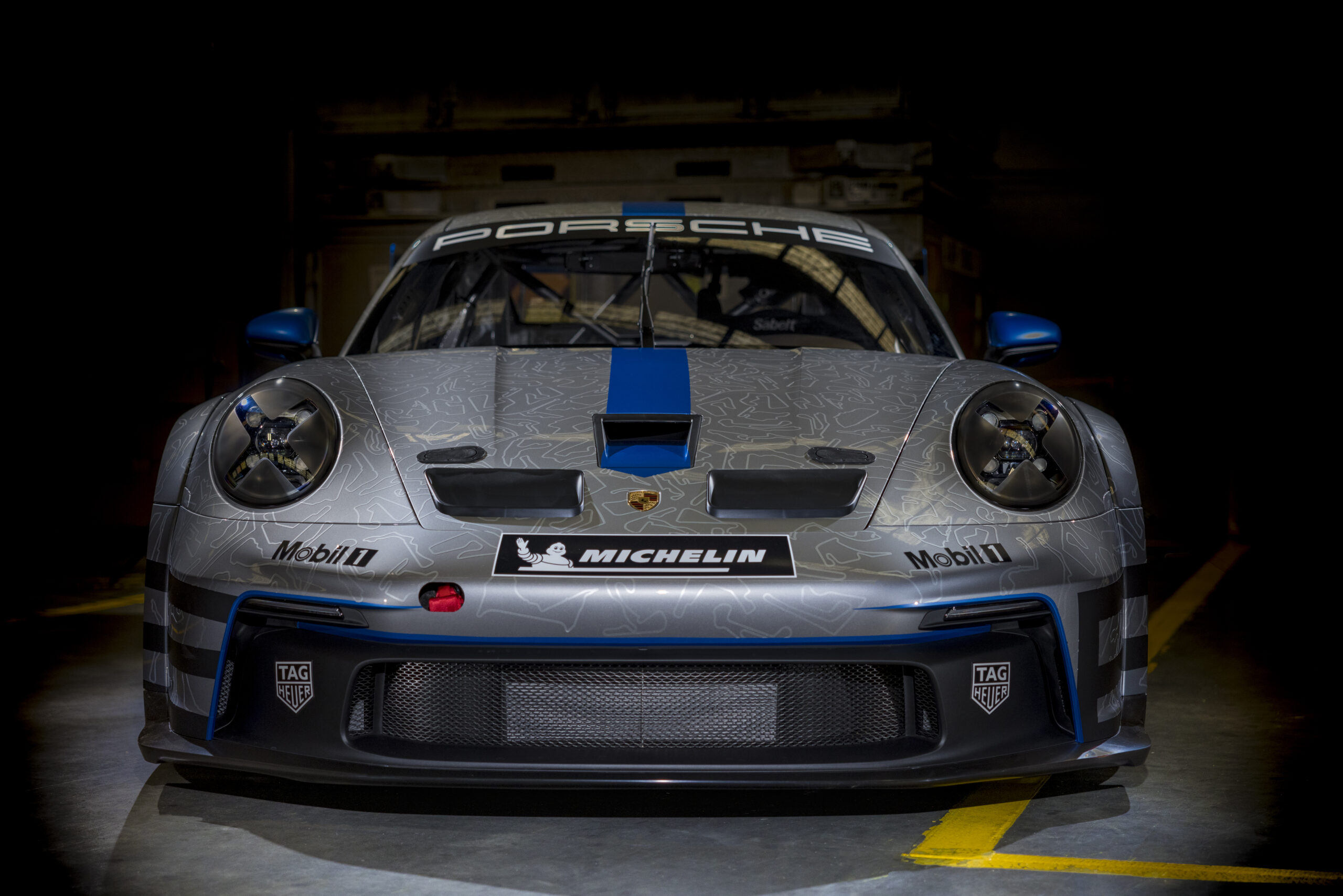
Porsche 911 GT3 Cup Front Porsche 911 GT3 Cup Side Porsche 911 GT3 Cup Rear Wing Porsche 911 GT3 Cup Steering Wheel Porsche 911 GT3 Cup Rear Porsche 911 GT3 Cup Bonnet Porsche 911 GT3 Cup Rolling Porsche 911 GT3 Cup Rolling Porsche 911 GT3 Cup Rolling Porsche 911 GT3 Cup Rear Porsche 911 GT3 Cup Pit Lane Porsche 911 GT3 Cup Side Porsche 911 GT3 Cup Rear Wing Porsche 911 GT3 Cup Porsche 911 GT3 Cup Top View Porsche 911 GT3 Cup Tire Porsche 911 GT3 Cup Rear Quarter Porsche 911 GT3 Cup Rear Quarter Porsche 911 GT3 Cup Door Card Porsche 911 GT3 Cup Interior

Video Gallery

[embedded content] [embedded content] [embedded content] [embedded content] [embedded content] [embedded content]

Official Press Release

Porsche Premiere. Newest Porsche 911 GT3 Cup Race Car to Make Testing Debut with Newest One-Make Series.

02/08/2021

Porsche Motorsport Weekly Notes

The Porsche Carrera Cup North America will be a leader in many ways entering its debut season in 2021. Among the firsts for the entrants into the new championship – the highest of the one-make series on the Porsche Motorsport Pyramid North America – will be the privilege as the earliest to test and race the newest Porsche 911 GT3 Cup competition car worldwide. Porsche will host an open test for all full-season entrants in the series at Sebring International Raceway on March 8 – 9. The private test will include the first 23, 2021 Porsche 911 GT3 Cup race cars produced and delivered worldwide, as well as a limited number of previous generation cars. Following the two-day private event on the 3.74-mile, 17-turn race course in Sebring, Florida, entrants will make the international competition debut for the first race variant of the type 992 generation of the iconic 911 platform on March 17 – 19 during the Mobil 1 Twelve Hours of Sebring weekend.

North America holds the honor of being the first to see the most produced factory race car in the world in Central Florida. It will be followed by its Porsche Mobil 1 Supercup premier March 30 at Zandvoort in The Netherlands. Other Carrera Cups will follow.

The seventh cup-car iteration will carry forward a great legacy. Since its 1990 forerunner, Porsche has built 4,251 units of the globally successful one-make cup racer. Of its immediate predecessor alone, 1,410 cars rolled off the 911 assembly line in Zuffenhausen, Germany: 673 vehicles from the 991.1 generation and 737 from the 2017-launched 991.2 generation.

Producing 510 hp (375 kW), the new-for-2021 machine exceeds the output of its immediate predecessor by approximately 25 horsepower. Moreover, the new GT3 Cup car can run on synthetic fuels, which significantly lowers CO2 emissions under racing conditions. The completely new Cup 911 race car is expected to cut lap times, depending on the track layout, by an astounding one-percent – an almost unheard of gain made year-to-year. Delivery to teams will begin in February 19 with the first production allocation scheduled to be delivered to North America.

The groundwork for the latest model was laid in 2018. Concrete development began in early 2019. The main development goals of the team led by project manager Jan Feldmann were to further improve performance, achieve a more aggressive design and greater durability with less outlay in terms of time and maintenance. The result is reflected in many aspects of the new racing vehicle, which, like its predecessor, is built on the production line in Stuttgart-Zuffenhausen alongside the 911 road models.

One of the most striking features of the new 911 GT3 Cup is its optimized aerodynamics and the overall more muscular appearance. This is partly thanks to the wide, turbo-spec lightweight body that is being used for the first time in the Cup car. This improved aerodynamic efficiency ensures more stable handling, particularly in high-speed corners.

Optional vehicle functions such as ABS or traction control are already stored in the car’s onboard ECU. They can be activated via a digital code. In the Porsche Carrera Cup North America as well as the Porsche Mobil 1 Supercup, the majority of these driving aids are switched off in the professional classes. The focus of Carrera Cup and Supercup is on the talent of the drivers not the race car.

While the rear axle in the new Cup car essentially remains unchanged compared to the production 911 model, the front wheels are now controlled by a double wishbone suspension and Uniball bearings – like in the Porsche 911 RSR, the top racing model in the Porsche lineup. Through this, the shock absorbers/dampers are no longer exposed to lateral forces, only axial forces. This ensures more precise turn-in behavior and gives the driver a better feeling for the front axle. The shock absorbers have also inherited the cutting-edge valve technology from the Porsche 919 Hybrid LMP race car and 911 RSR. Fully electro-mechanical power steering has been introduced into the Porsche 911 GT3 Cup for the first time this year as well. While the car remains true to its Porsche roots in feel and performance, drivers who have experienced even the most recent generation of “Cup car” will have to adjust to the new, more precise handling of the newest generation. This puts a premium on the first test session at the fast, and bumpy, central Florida race course.

In terms of the engine, the 911 GT3 Cup remains true to the naturally-aspirated principle. In its racing version, the four-liter, water-cooled flat-six engine develops 510 hp (375 kW). The engine is connected to the sequential, six-speed gearbox with gear changes being made via a paddle shift on the steering wheel.

Entrants will take delivery of their new Porsche 911 GT3 Cup race cars beginning February 19. To help maintain a level playing field for all customers, regardless of their designated delivery slot, teams will not be allowed to test the cars on track prior to the Porsche Motorsport North America-managed Sebring test on March 8. To learn more, please visit www.PorscheCarreraCup.us

Serial 1 Reports Strong Sales Of Its Classy Limited-Edition MOSH/TRIBUTE e-Bike

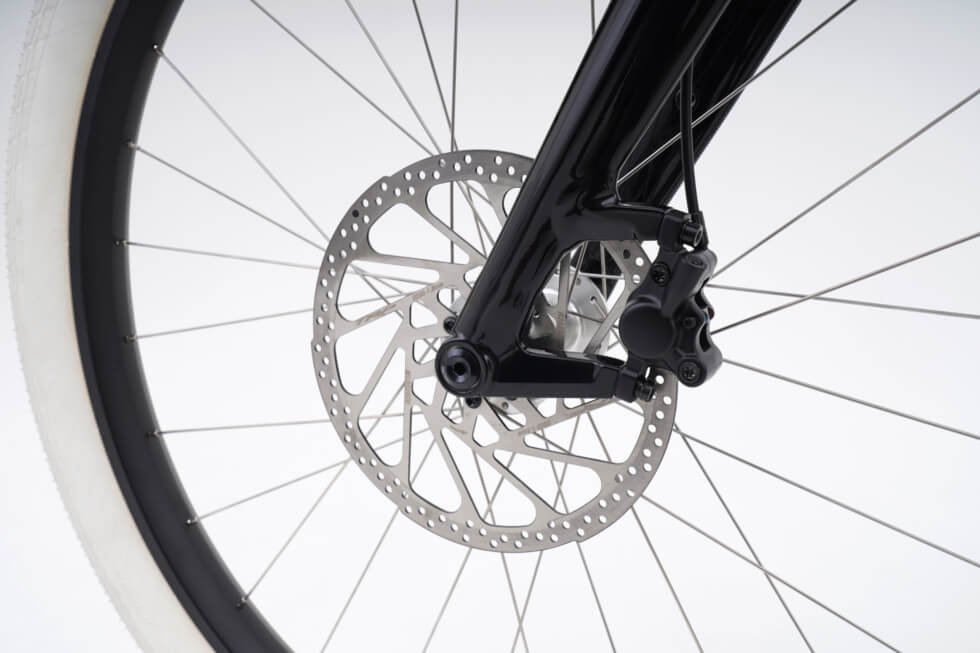
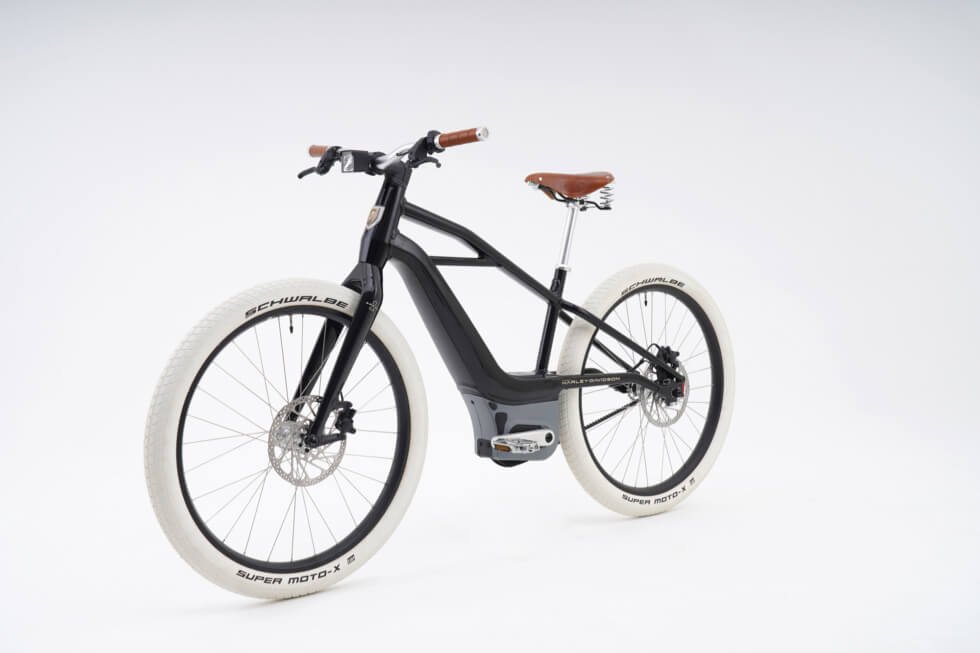
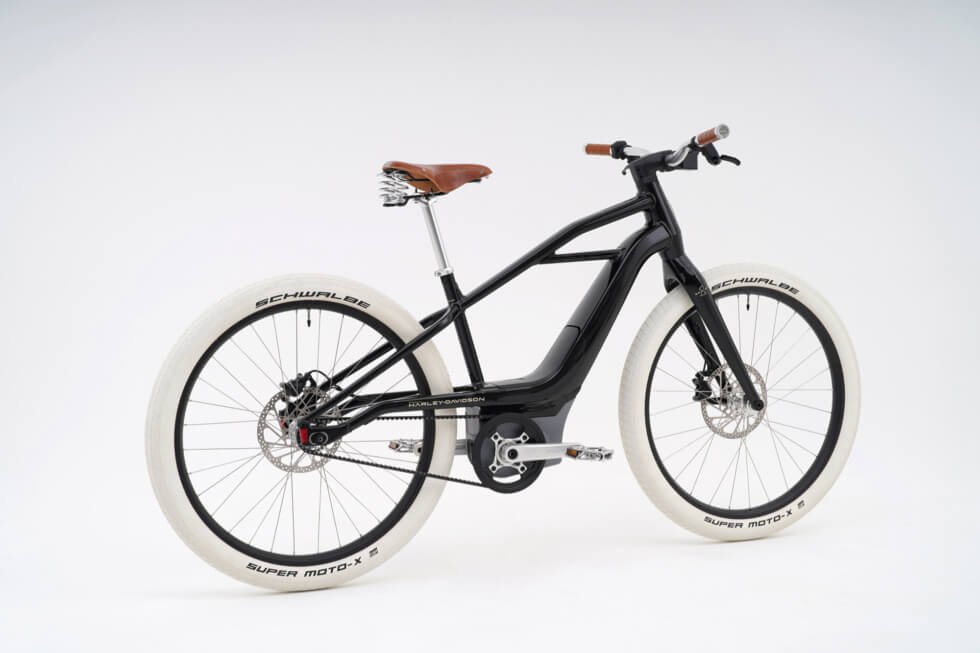
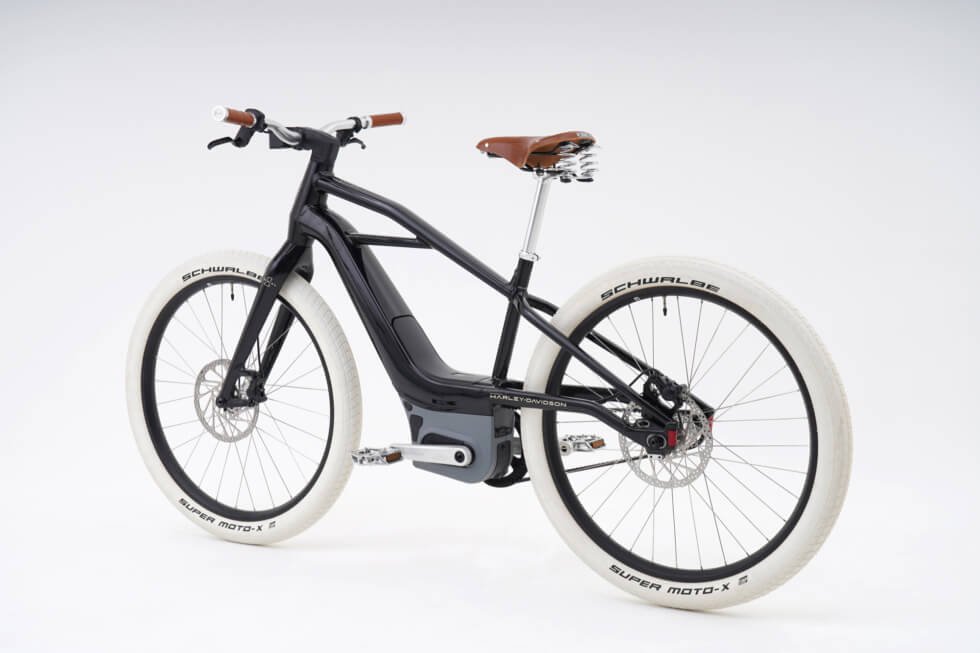
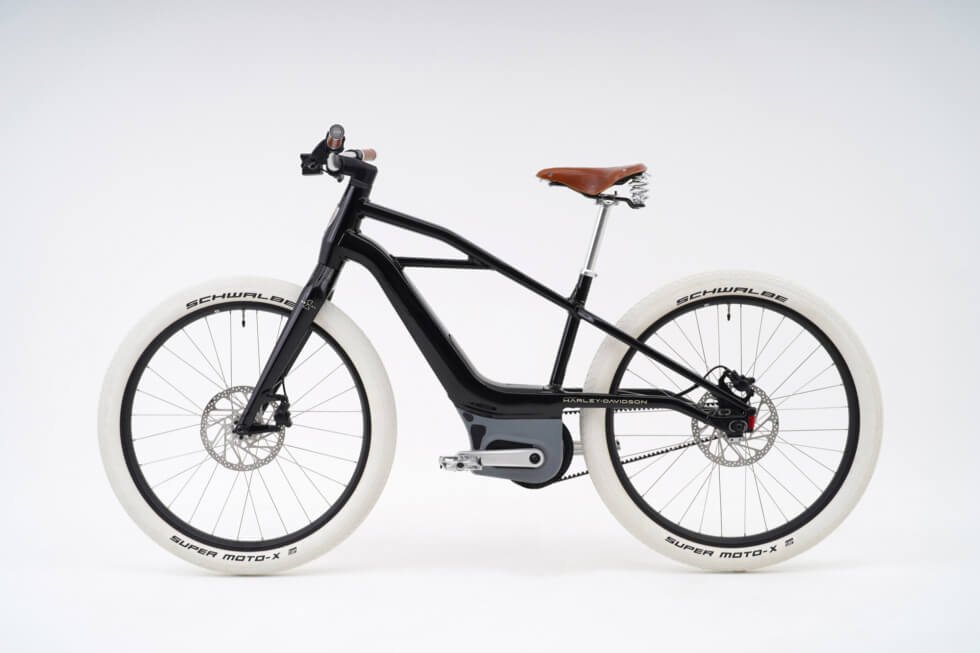
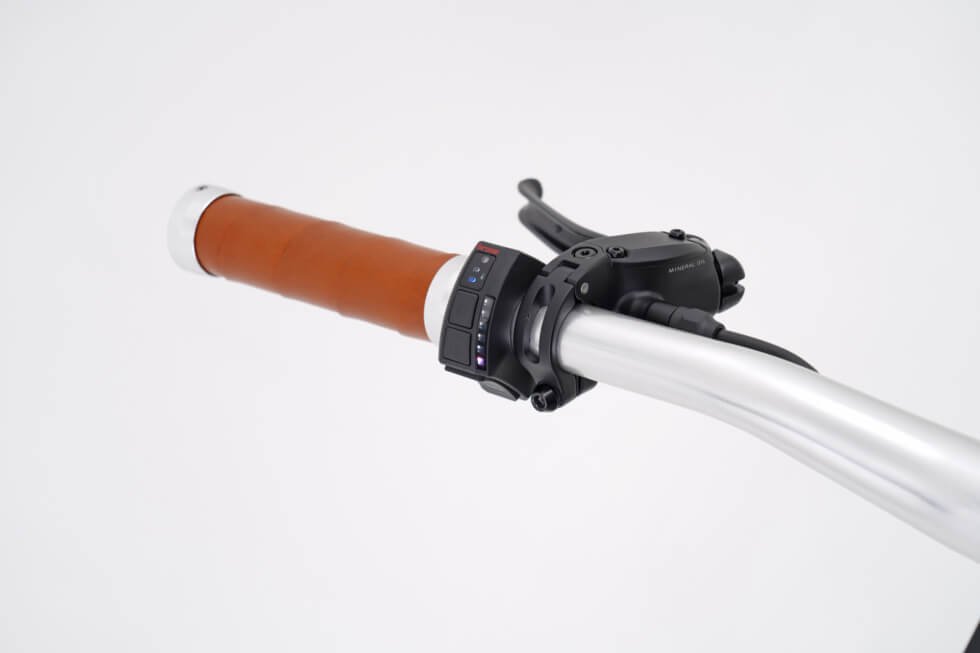
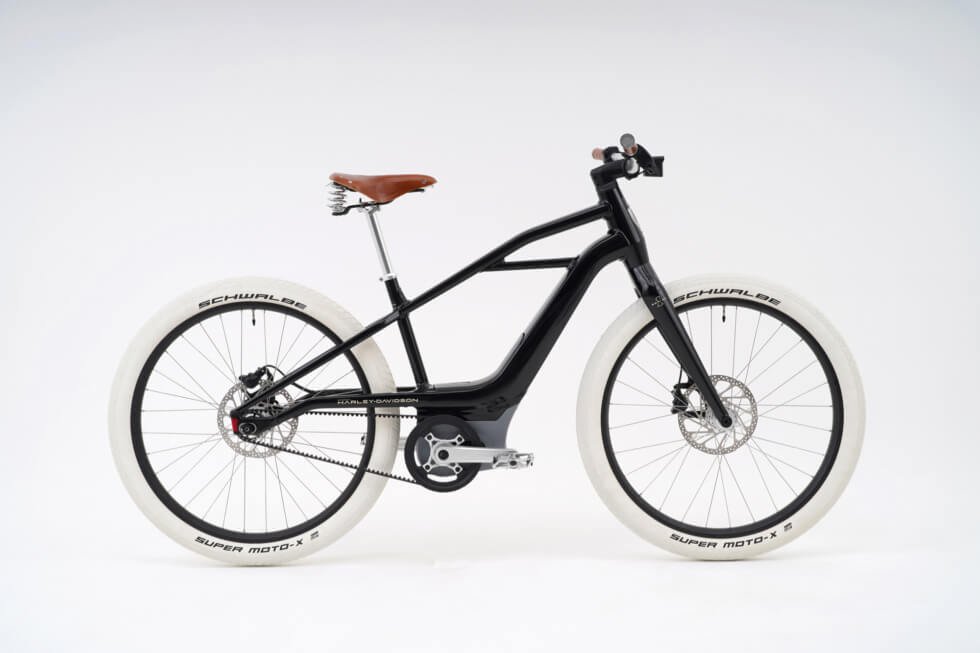
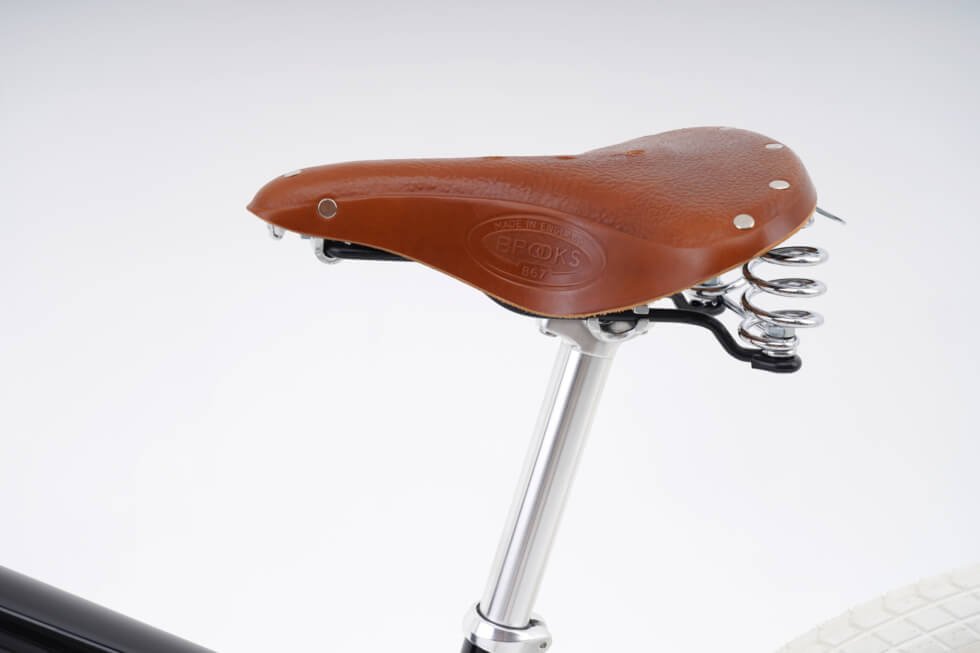
Harley-Davidson might be dead last on anyone’s mind when it comes to cycling. Nevertheless, its years of building badass two-wheelers are not just going to waste. The American motorcycle manufacturer’s push for sustainability is already underway with the LiveWire ONE as its latest electric motorcycle. Now, it’s ready to break into urban mobility with the sleek Serial 1 MOSH/TRIBUTE.

Longtime fans of the legendary brand now have a chance to own this limited-edition model. As of this writing, all units of the large version are already spoken for. Nonetheless, you can still grab the medium which is still in stock as of this writing. You can check if this is the right fit for you via the “Size Guide” on the MOSH/TRIBUTE webpage.

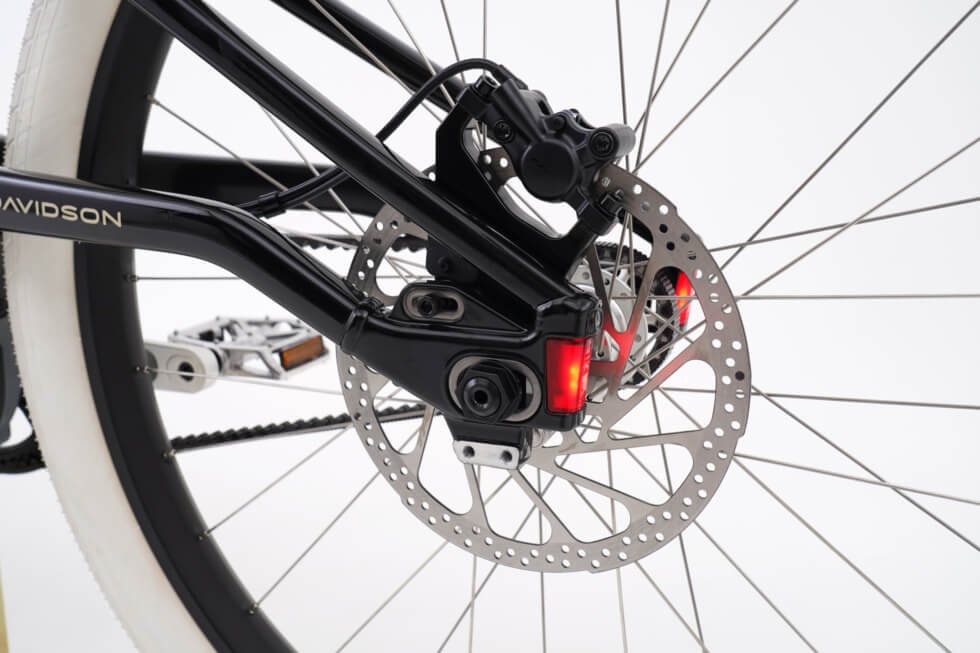
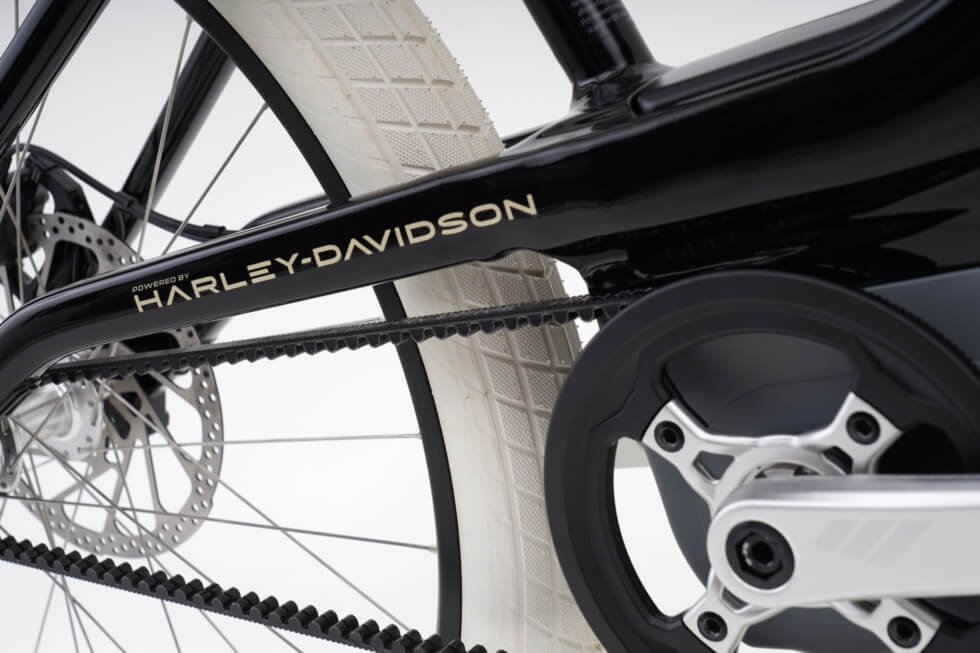
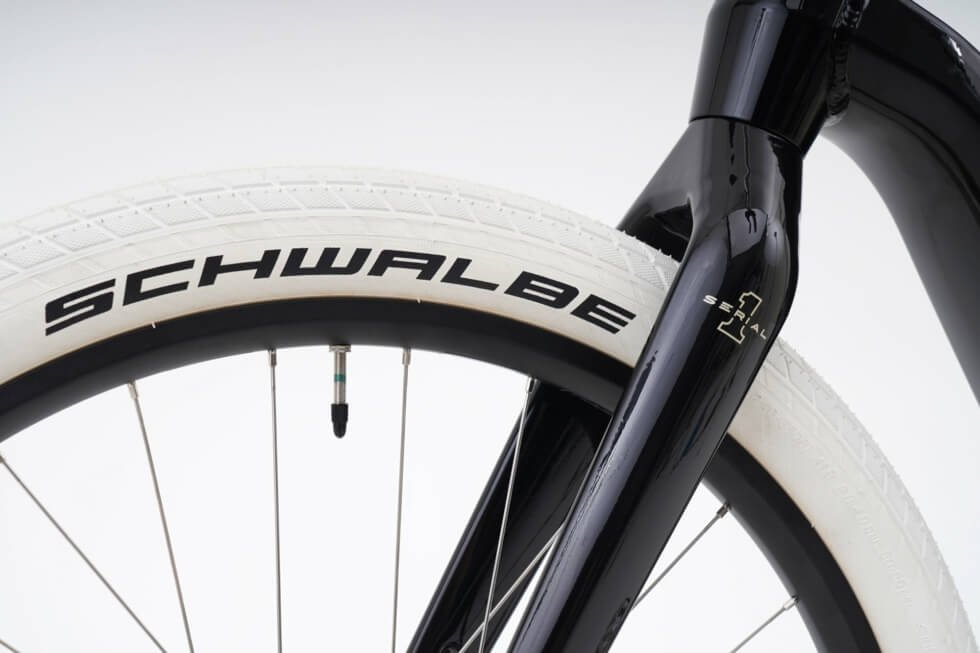
As the name suggests, it is an exclusive offering based on Serial 1’s first prototype. Eventually, it was turned into the MOSH/CTY which is the silhouette that inspired the MOSH/TRIBUTE. True to the original, it sports a glossy black coat with graphics in gold. Adding to its old-school appeal are the Schwalbe Super Moto-X tires in white rubber.

The drivetrain uses a mid-mounted Brose S MAG motor that produces up to 66 lb-ft of torque. It connects to a single freewheel hub with a Gates carbon fiber belt drive. Now you can pedal with confidence as the electric assist helps tackle inclines like a boss.

When you want to just cruise solely on electric power, the 529-Wh lithium-ion battery takes over. Depending on the cyclist’s pedal input and ride mode, the range varies from 35 to 105 miles on a full charge. Deliveries of the MOSH/TRIBUTE should be in time for the holiday season.

Reserve yours now

imageimageimageimageimageimageimageimageimageimageimage

Images courtesy of Serial 1/Harley-Davidson

Are Supercars Lawsuit Magnets?

No matter what type of car we are talking about, auto accidents usually include common denominators, such as recklessness, negligence, intoxication, and speeding. In some cases, all the above.

All vehicles are prone to be involved in traffic accidents. However, the costs in your and other’s physical integrity, material damage, and often in legal expenses increase proportionally to the type of car involved in an accident.

Many people say that high-performance are magnets for legal trouble, and we can’t blame them. These expensive machines tend to be driven at high speeds because they were designed precisely for that. But is it the case? Are supercars magnets for lawsuits?

Another factor to consider is the psychological effect of driving a supercar. In most cases, the average enthusiast who has access to a vehicle of these characteristics does not know the car or has the skills to “control” a machine with such performance. These individuals usually don’t take the time to educate themselves about their new purchase in a controlled environment to know the car’s limits.

And let’s not forget the ego factor; showing off these expensive boy’s toys increases the risk of an accident with all the consequences we have just described. So, more accident proneness means more legal consequences.

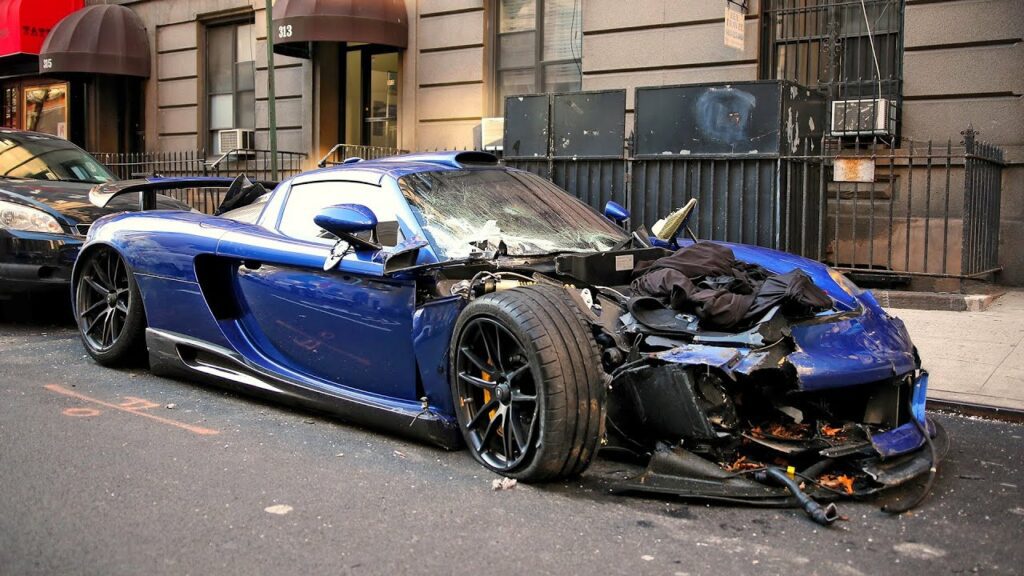
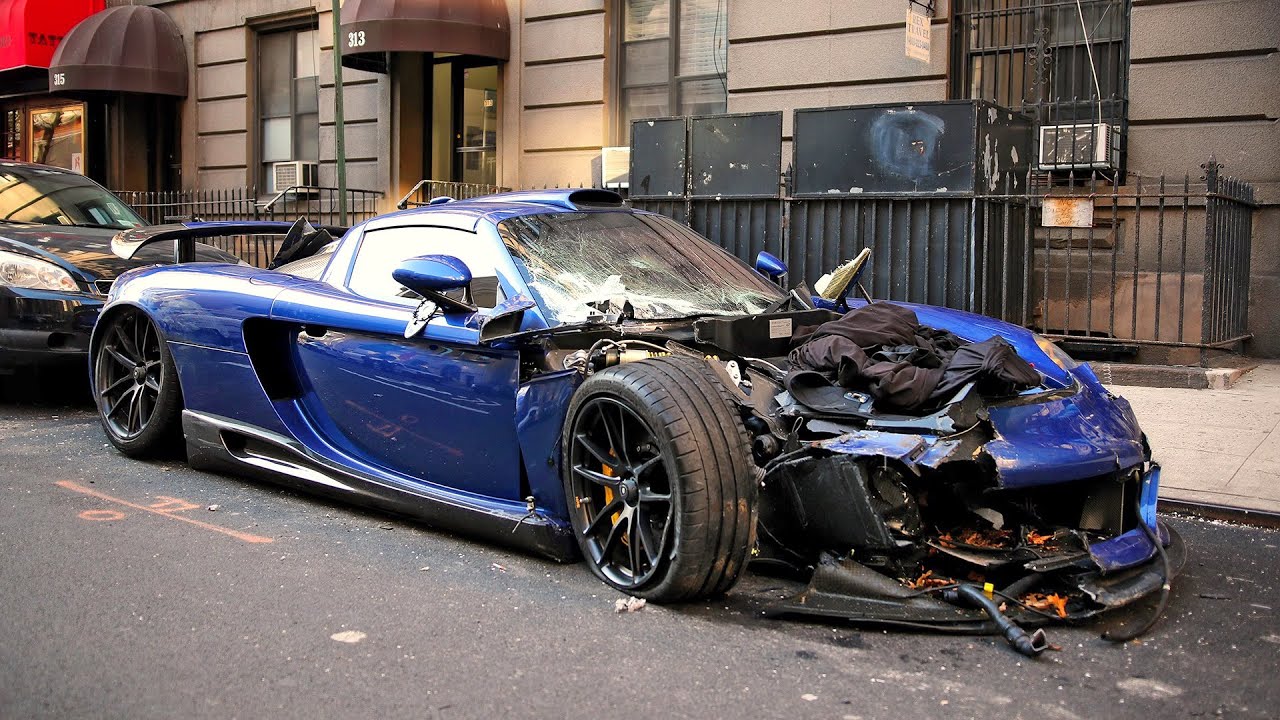
Gemballa Mirage GT Wrecked in NYC
Via: YouTube

Statistics from the Institute for Highway Safety show some car models are more prone to accidents and, in supercars, more expensive accidents and, in some cases, more expensive lawsuits.

Despite being a rarity, since high-performance cars are driven faster and often with less caution, they are more prone to accidents and legal consequences.

Also, their repair costs are much higher than the average car. And to top it all, many supercars are more likely to catch fire than the average car.

According to studies conducted by the Highway Loss Data Institute on accident frequency and cost, although supercars represent a small percentage of all cars on the streets, they are more likely to bear the brunt of an accident.

Ferrari catching fire
Via: The Times of Israel

Luxury brands like Ferrari, Bentley, Maserati, Audi, and BMW each have at least one of their models in the ten most accident-prone cars list. For example, in the case of the Ferrari 458 Spider, it is at the top of the list for having an accident susceptibility index almost six times higher than the average car.

With high-performance cars, even a minor fender bender can result in thousands of dollars worth of repairs. And in more severe accidents, become the most expensive car crashes ever. So, yes, we can confidently say that supercars are lawsuit magnets.

How Common Is To Get Sued If We Are Involved In Car Accident?

When we are involved in a car accident, we must start a claim process, have our car inspected, and get back to our lives. That is the usual process. However, it is not uncommon to receive a notification couple of months down the road, letting us know that the other party involved in the crash is suing us.
Not all accident claims lead to a lawsuit. In fact, in most auto accident cases, a lawsuit does not apply, especially if there were no fatalities or injuries among the involved.

But when we do get sued, we want to find out why someone is suing us for this accident.
Understandably, we are uncertain about what we are up against or how to solve it.

This requires understanding how the negligence laws of our state work and seeking the legal advice of a professional to represent us. Someone with the experience and knowledge to assess the circumstances of the accident.

Courtroom jury hammer
Via: Sora Shimazaki / Pexels

Establishing who is at fault is essential to determine if we are eligible to be sued after an accident. In rear-end collision accidents, it is not that difficult to determine who was at fault. But there are other scenarios where liability in a car accident is not easy to decide on, especially if several vehicles were involved.

If you are found at fault for the accident, the first thing to do is contact your insurance company. Preferably do it with the person who processed your claim from the beginning. In most cases, our insurance policy covers any expenses to be paid to the other party.

How much someone can sue for after an accident varies. We recommend seeking advice from an attorney before agreeing on any amount in this process.

Who Is Suing Who?

Suppose someone else caused your accident and, therefore, your injuries. In that case, you can file a claim with your insurance company to collect compensation. However, before you can make this claim, you must prove fault.

Taking photos of car crash damage for insurance with a smartphone
Via: California Business Journal

To obtain compensation through a car accident lawsuit, you must establish that a responsible party caused the accident. Other sources of liability can be:

Other Driver’s Employer

If the accident occurred in the scope of the other person’s usual work, the employer could share the responsibility.

Owner of the Other Car

If they knowingly allowed an unsafe driver to use their vehicle or in cases where the at-fault driver was a minor, the owner may share the blame.

Maintenance Workshop

The person or entity in charge of maintaining or repairing the vehicle may share the blame if the lack of maintenance caused the accident or if they performed maintenance incorrectly.

Manufacturer or Vehicle Part Supplier

Suppose a defect in vehicle parts caused the accident. In that case, they can share blame for causing the accident and the injuries.

Other Unsafe Drivers

Sometimes, other drivers contribute to the crash but avoid getting involved in the actual accident. Still, they are eligible to share responsibility for causing the accident.

A Government Entity

Government agencies that must maintain the road can share the blame if a road defect causes the accident. But, again, you must prove negligence before receiving any compensation.

Typical Car Accident Lawsuits Scenarios

It is not uncommon for an insurance company to deny a claim due to an auto accident. Sometimes insurance companies offer a settlement that might be insufficient. Or the worst-case scenario is the insurance company refuses to negotiate. If you are in any of these situations, then you should consider filing a lawsuit.

It is worth emphasizing that every state has its statute about the time you must wait to sue after a car accident. Once that statute has expired, you no longer can sue for damages.

Most Common Injuries Involved In Auto Accidents Lawsuits

Suffering an injury resulting from a car accident, especially if we were not responsible for causing it, is a valid reason to sue. There is no specific type of injury that is more justified than others. Although, there are more recurring types of injuries involved in lawsuits.

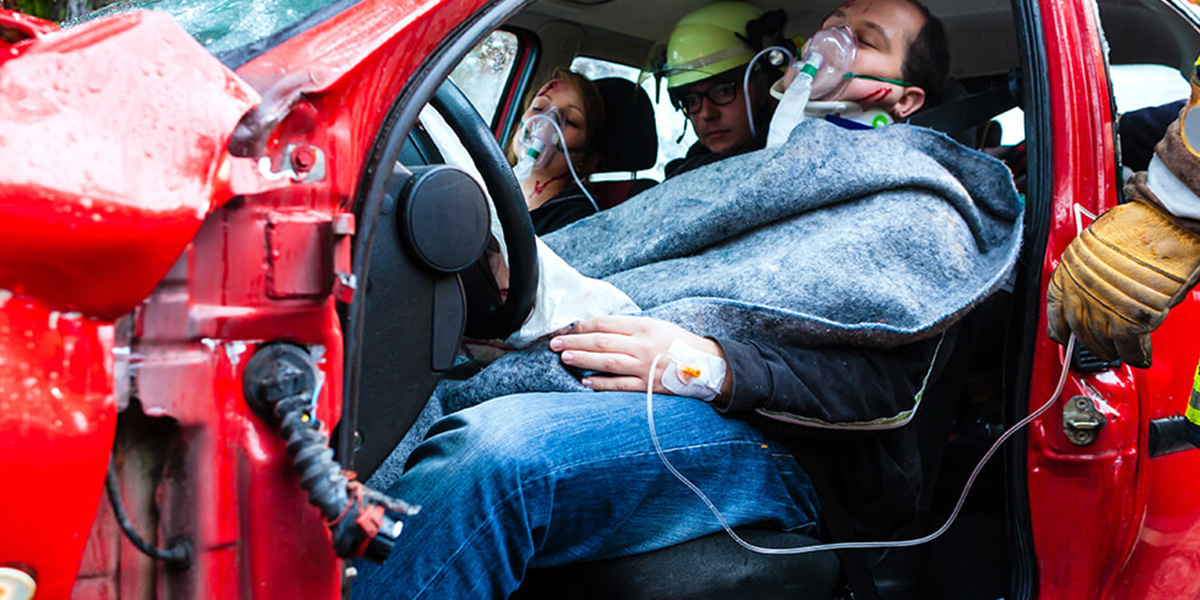
Car crash victim being rescued
Via: Applied Physical Medicine

The most common injuries involved in car accident lawsuits are:

Torso and Chest

These include thoracic or abdominal trauma that may affect the respiratory tract and internal organs

Brain

This is traumatic brain injury (TBI), where the loss of consciousness and skull fracture occur at the accident

Head, Neck & Face

We refer to scratches, abrasions, and fractures

Limb

These include fissures or sprains of the wrists, knees, etc., open fractures, and even amputations

Spine (Vertebrae injuries)

These include cervical sprain (often called whiplash) and headaches, dizziness, neck pain, or even alterations in mood

Spinal Cord

Unlike the injuries of the vertebrae, in this case, it is the nervous tissue that is affected. Spinal cord injuries can cause paraplegia, tetraplegia, or hemiplegia

Injuries caused by seat belts

When used correctly, seat belts can reduce injuries that occur in an accident. However, misused seat belts may cause some injuries.

The seat belt must be below the anterior/superior iliac crest and above the femur to function correctly. In addition, it must be tight enough to stay in place during the movement of the impact.

When misused, the seat belt can cause rupture of the viscera by entrapment of organs between the anterior wall and the spine.

Most Common Types Of Car Accidents

Among the typical auto accidents where it is common for those affected to file a lawsuit are:

Frontal Collisions

This is the impact with another car or object in front, which abruptly reduces the speed of the vehicle(s) affected in the crash

Side Collisions

It is the collision against the side of the vehicle and accelerating the occupant away point of impact (acceleration as opposed to deceleration

Rear-End Collisions

It usually occurs when a vehicle is stopped and hit from behind by another car

Rollover

When the occupant of a car that rolls over, is not wearing a seat belt, can hit any part of the interior of the vehicle compartment

Hitting a Pedestrian

It means striking or running over someone with a vehicle

The interaction between the victim and the vehicle depends on the type of collision that occurred.

Fatal car crash between SUV and sedan
Via: MLive

How Much Is The Average Claim For Each Type Of Crash & Injury?

Several factors determine the value of a car crash claim, for instance, insurance policy values, comparative fault, and your current and future medical expenses, to name a few.

According to The Patel Firm, In Texas, drivers are required to carry liability insurance. Their policy must be worth at least:

  • $30,000 of coverage for injuries per person, up to a total of $60,000 per accident
  • $25,000 of coverage for property damage

This is also known as 30/60/25 coverage. Some drivers opt to carry more.

Knowing all this information helps determine how much our claim is worth in advance. However, it is always advisable to consult an attorney to advise us and obtain the best possible result.

The Bugatti EB 110, the super sports car of the 1990s

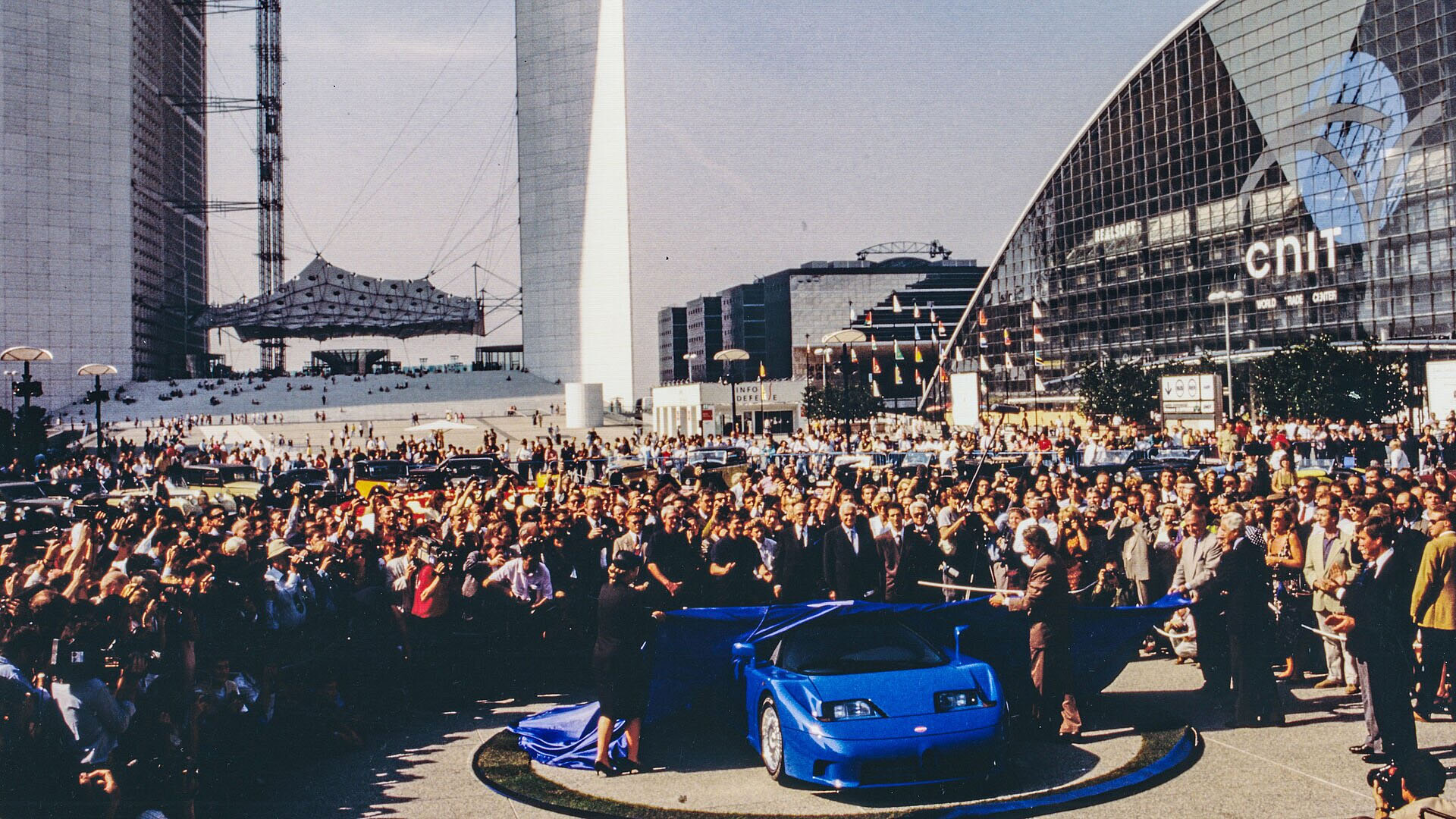
Let’s take a trip back to September 15, 1990, the Champs Élysées in Paris, a Bugatti EB110S drives down this famous road as a celebration of Ettore Bugatti’s 110th anniversary. With angular styling, Lamborghini style doors, and a massive amount of power … the super sportscar for the 90s was unveiled, the Bugatti EB110.

We are talking about a V12 powered supercar with a quad-turbo setup complete with intercoolers mounted on a lightweight carbon monocoque with about 550 hp being delivered to all four wheels through two differentials. If we compare that to the Lamborghini Diablo that was unveiled in January 1990, the Bull from Sant’Agata came with 492 hp and didn’t offer four-wheel drive until the 1993 Diablo VT version) … so it’s safe to say the Bugatti EB110 was very impressive at that time.

And that also reflected itself in the price, the 1990 Bugatti EB110GT was listed at 450,000,000 Lira (about $200,000 in 1990), but it did come with service and parts included for three years, the later released EB110 Super Sport had an MSRP of 550,000,000 Lira ($240,000 in 1992) compared to the Lamborghini Diablo VT MSRP in 1993 of $239,000 those numbers aren’t too crazy … but today’s values are even more impressive, only ten years ago, in 2011, a Bugatti EB110 would change hands for under $300,000, today we are talking about $3,000,000 for one that was recently sold by RM Sotheby’s.

The story of Bugatti was started in 1909 when Ettore Bugatti founded his company in Molsheim in the Alsace where he built the famous Bugatti Type 35, the Type 41 Royale, and the beautiful Type 57 Atlantic, sadly Ettore passed away in 1947, and even more unfortunate, his son Jean Bugatti was taken from him in 1939 already, so there was no successor to run the car building company and after about 8,000 Bugatti were built the Bugatti factory was bought by Hispano-Suiza in 1963 and the Bugatti cars went into the automotive history chronicles.

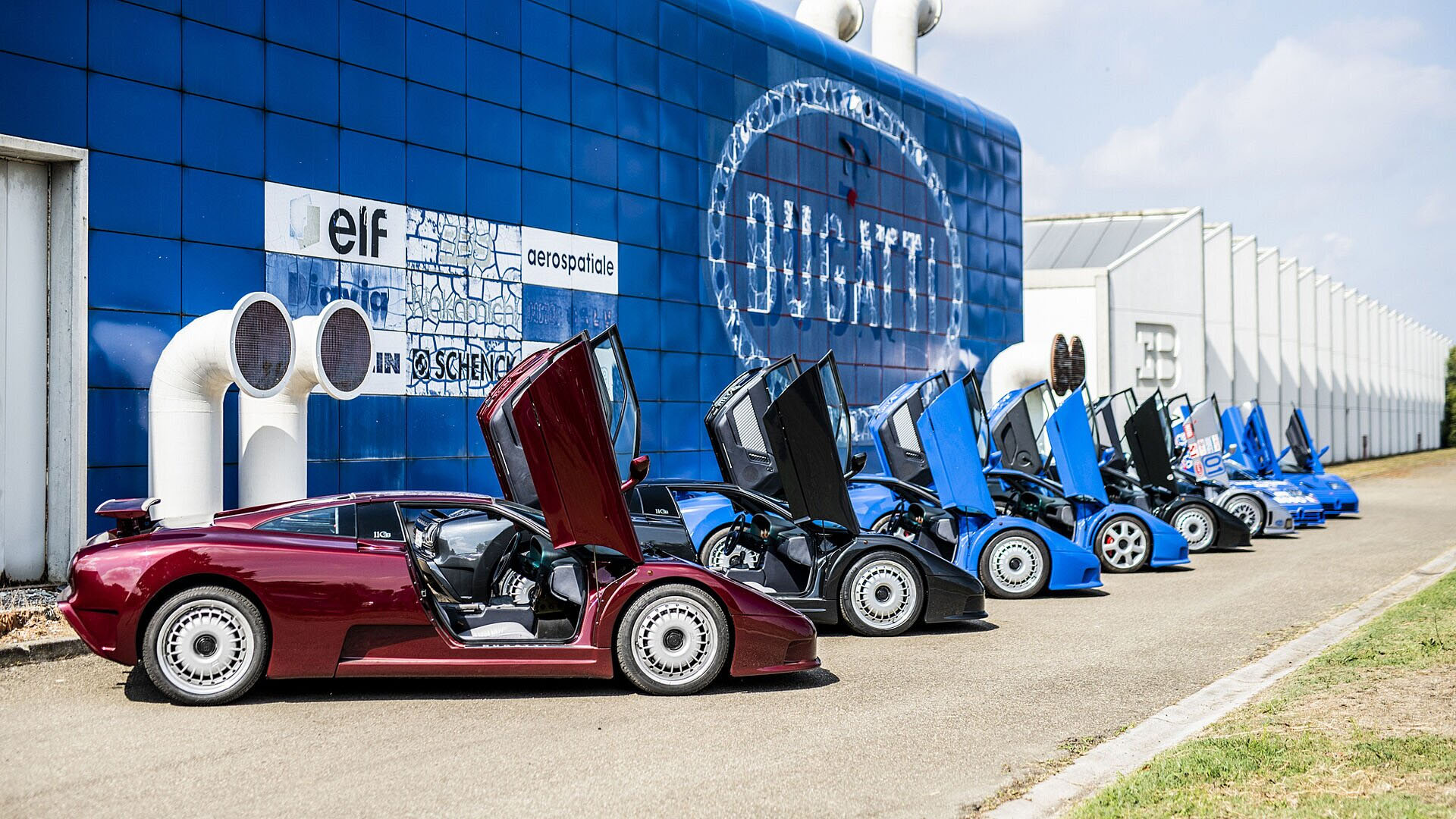
About 25 years later, in 1987, Romano Artioli was able to buy the rights to the Bugatti name and start building cars again, as he was Italian he opted to have Bugatti Automobili SpA located in Italy, in Campogalliano, Modena more precisely, and the design of his new factory made it unforgettable, even today, the at the time highly modern production facility was designed by a star architect and boasted state-of-the-art technology. The “Fabbrica Blu,” or blue building for the Development department sported the Bugatti emblem, and the large white ventilation ducts symbolized the heart of the factory.

But the economic collapse in the ’90s meant the number of customers for a super sports car like the Bugatti EB110 was dwindling fast, and a series of setbacks resulted in another demise in automotive history, Bugatti Automobili SpA ceased operations in September 1995, but five more EB110SS would be made by 1997 as German-based Dauer Racing obtained a license to build the EB110 and they even obtained the remaining stock from the factory grounds in Campogalliano, the factory itself was sold to a different company that went out of business before moving in, so this amazing production facility stood empty ever since.

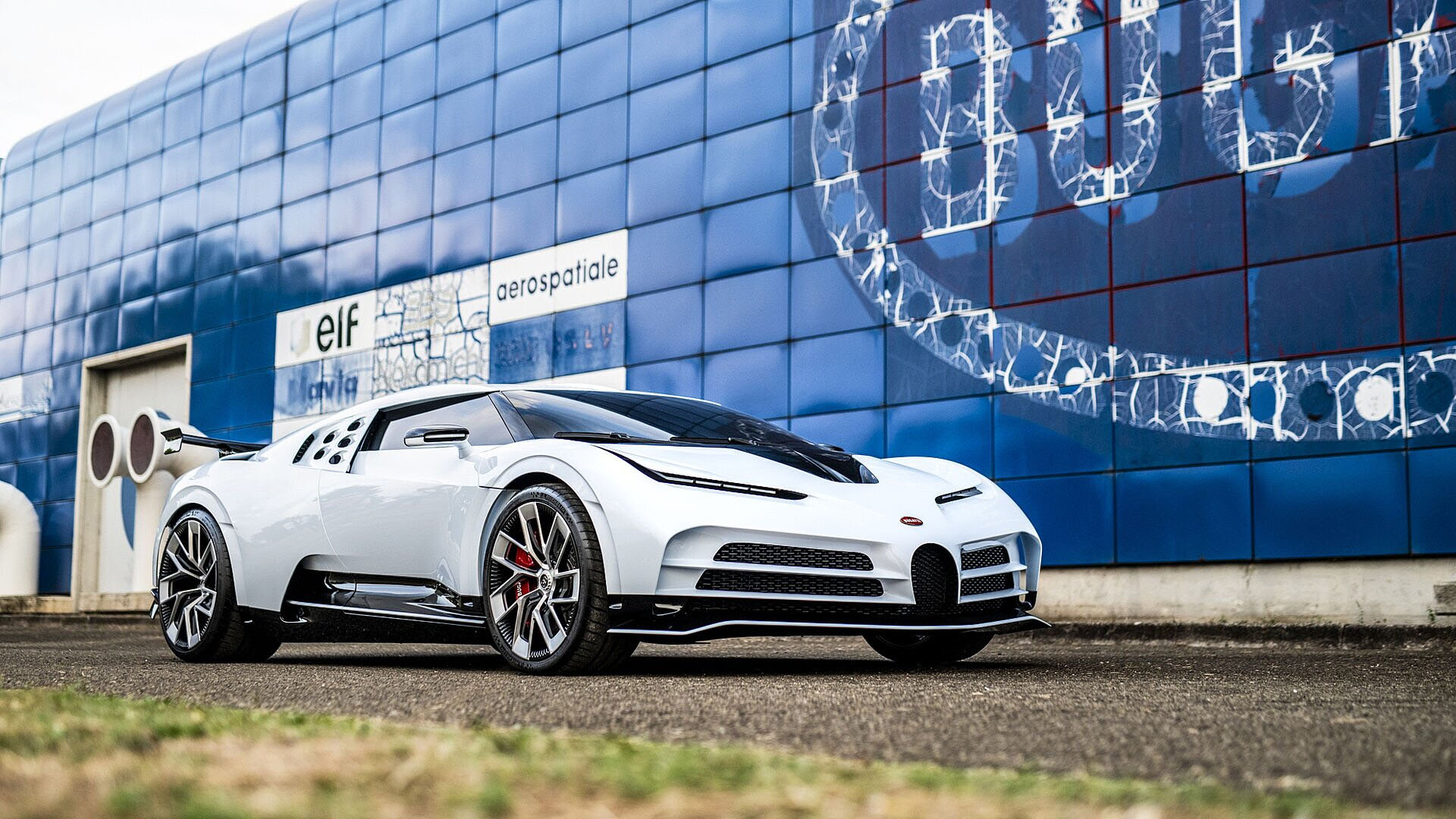
In 1998 the Volkswagen Group came into the picture, obtaining the brand name and starting Bugatti Automobiles S.A.S. with a headquarter that returned to Molsheim, back where Ettore Bugatti started this journey 90 years earlier, and some of the world’s most impressive hypercars were built, from the Bugatti Veyron in 2005 to the Bugatti Chiron from 2016, but this year, 2021, they are also finalizing the Centodiece, as an homage to the EB110 from the Nineties, a car that celebrates her 30th anniversary now.

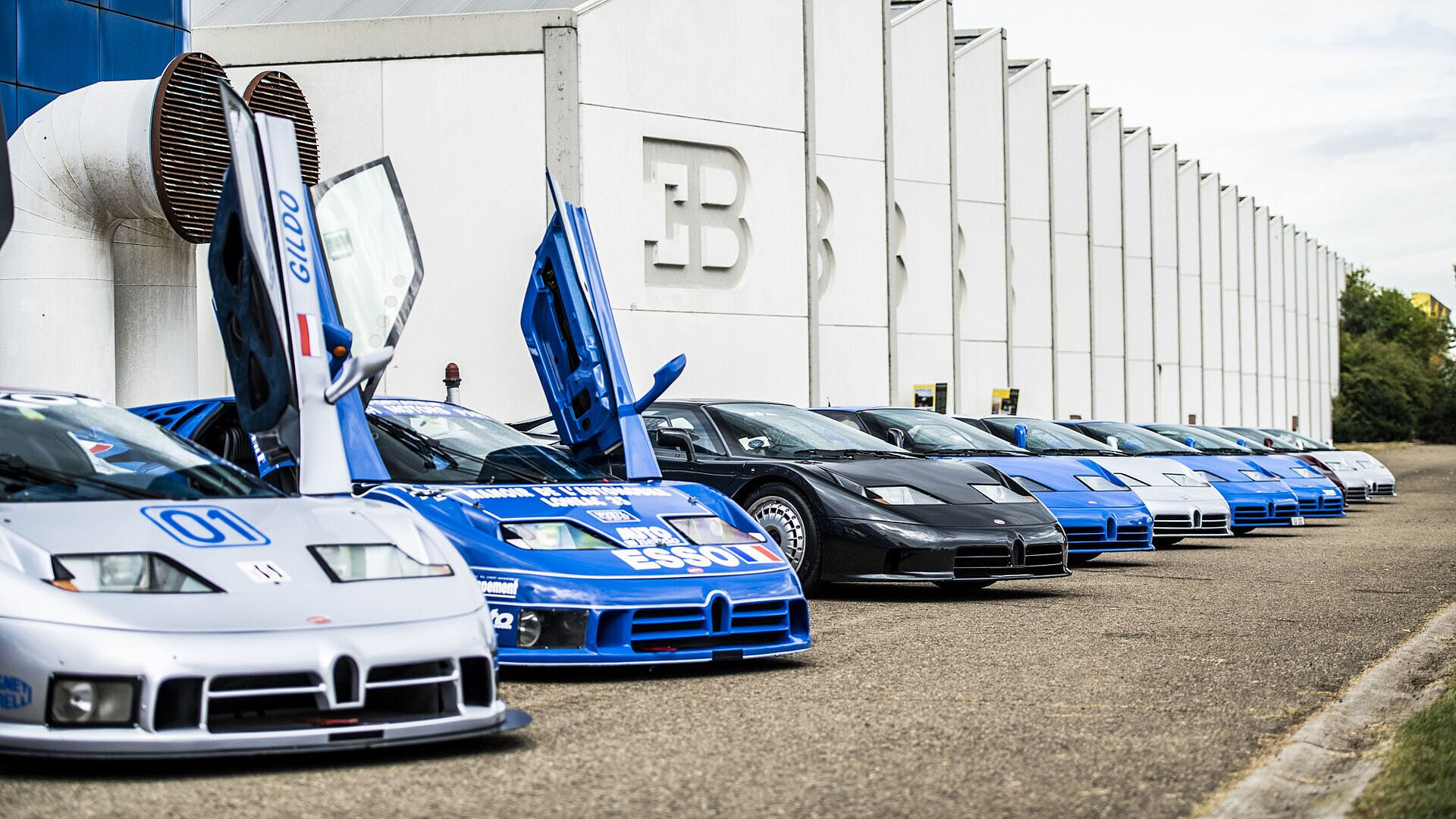
To celebrate the fact the Bugatti EB110 was unveiled 30 years ago, owners took a total of twelve classic Bugatti EB110 back to Campogalliano to visit the famous Blue Factory again to pay tribute to their birthplace, ranging from the EB110GT to the EB110 SS and even the two factory race-spec models, this impressive collection of Bugatti EB110 was joined by the production prototype of the Bugatti Centodiece.

“With the EB 110, Bugatti developed a completely innovative super sports car 30 years ago that was pioneering not only for the brand but also for the automotive industry,” says Stephan Winkelmann, President of Bugatti. “Already 30 years ago, the technology, innovations, design, and handling were years ahead of the competition. At the same time, the EB 110 established the DNA of modern Bugatti hyper sports cars with its combination of a carbon monocoque, all-wheel drive, and four turbochargers.”

In the end, a total of 95 units of the Bugatti EB 110s and just 39 Bugatti EB 110 Super Sport cars were built in Campogalliano between 1990 and 1995, so only 135 original Bugatti EB110 exist worldwide, one of them being the famous yellow EB110 SS owned by Michael Schumacher, making the Bugatti EB110 a collector’s item for sure, and their value will only rise over the years to come.

Special Report: Living The BRABUS Lifestyle via Land & Sea

BRABUS is a brand that commands respect, whether or not ‘BRABUSizing’ anything from a Smart Car to a Mercedes-AMG 6×6 is to your liking or not, you cannot argue with the reputation or success of the Bottrop based tuner. To demonstrate the breadth of ability of the company, BRABUS invited GTspirit to Dusseldorf to experience a slice of the BRABUS lifestyle for ourselves, and boy, we were in for a treat.

Arriving at the harbour side Hyatt, we could not help but notice the BRABUS x Panerai branding on everything from the shuttles to the flip-flops we were given. Why flip-flops? We had an appointment on a house boat where the alliance with the iconic Swiss watchmaker would be explained. This is the first time the two brands formed a partnership, to mark the beginning of the collaboration, Panerai debuted its first-ever skeletonized automatic movement in daring, high-end watches inspired by the design of the BRABUS “Shadow Black Ops” series of boats.

Available in a limited run of only 100 pieces, the Panerai Submersible S BRABUS Black Ops Edition (PAM01240) is the product of 3 years of development, which resulted in features like a patented polarized date display, allowing a view of the date indication only through the opening at 3 o’clock, without covering the mechanics of the skeletonized movement. Wait a minute, did you say it is inspired by the design of a BRABUS boat?

Get your snorkel on and meet the BRABUS Shadow 900. 900? Yes, 900 horsepower in a boat! We don’t know much about boats, but the Shadow 900 range benefits from Mercury Marine’s latest dual 450R Verado XL 4.6 litre V8 FourStroke engines with Joystick Piloting for easy docking and manoeuvring, and that sounds spectacular. The forces and sensations on the water are mind blowing, with unbelievable agility and crazy cornering speeds on the derestricted waters of Dusseldorf.

900 is a number that is not just special to BRABUS boats, it’s not uncommon to see that number on a badge of a BRABUS ROCKET… and there’s a new one, a crazy one. Meet the fastest SUV in the world, the BRABUS 900 ROCKET EDITION, based on the Mercedes-AMG GLE 63 S COUPÉ 4MATIC. Just 25 of these maniacal machines will be built, each hitting 100km/h in just 3.2 seconds and onto a top speed of 330 km/h (!).

How? Well, the displacement has been stroked out to 4.5 litres and now produces 900 horsepower and a bonkers 1250 Nm which has to be electronically restrained to 1050 Nm. Visually, the iconic BRABUS treatment has been applied with a punchy new bodykit and spectacular 24-inch wheels with carbon-fibre aero-discs. This car is as sensational as the numbers would suggest. On the Autobahn you hit the pedal and feel the front end rise as it rides the torque and power before blasting towards the horizon with relentless brutality. Accompanied by a raucous exhaust bark, this ROCKET EDITION feels like a BRABUS, it is wild, over the top and is set on obliterating anything you could come across on the highway. If you see this in the mirrors, move aside unless you’re in anything less powerful than a Bugatti Veyron.

BRABUS demonstrated the power of its branding and quality on a fun filled day which highlighted how diverse and accomplished the company has become. There is a coherent, consistent feel and image that is applied to every project they work on. It is impressive, we look forward to see what the future has in store for BRABUS.

REC Watches RNR Arkonik: Automotive-Inspired Watchmaking At Its Finest

image

Land Rover is an iconic British marque that supplies the automotive industry with rugged and expedition-ready vehicles. Among its lineup of tough rides, the Defender has amassed a cult following for years now. The model’s immense popularity makes it a perfect platform for aftermarket customizations. As such, REC Watches pays tribute to a mechanical masterpiece with an exclusive timepiece – the RNR Arkonik.

Given the difficulty of finding a classic that’s in pristine condition, most people turn to restomods. For its latest project, the Copenhagen, Denmark-based watchmaker draws more than just inspiration from a 1984 Arkonik Land Rover Defender 110 UJO. Before we dive in let’s give you a brief overview of the SUV that led to this awesome collaboration.

How The UJO Came To Be

image

As REC Watches tells it, the story began when Arkonik founder Andy Hayes arrived home from the hospital in 2006. Coming from a two-month recovery period after a motorcycle accident, his wife surprised him with a “Stratos Blue” 1984 Land Rover Defender 110. It was supposedly something he could work on as a hobby.

The “UJO” moniker apparently came from the last three randomized letters of the Defender 110’s plate number – “B379 UJO.” After a comprehensive restoration, Hayes took the SUV on a tour across Europe. By the end of his travels, the experience sparked the creation of the Arkonik brand. Now, you can own a piece of the legendary machine that started it all with the RNR Arkonik.

A Sophisticated Homage To A Stunning Ride

image

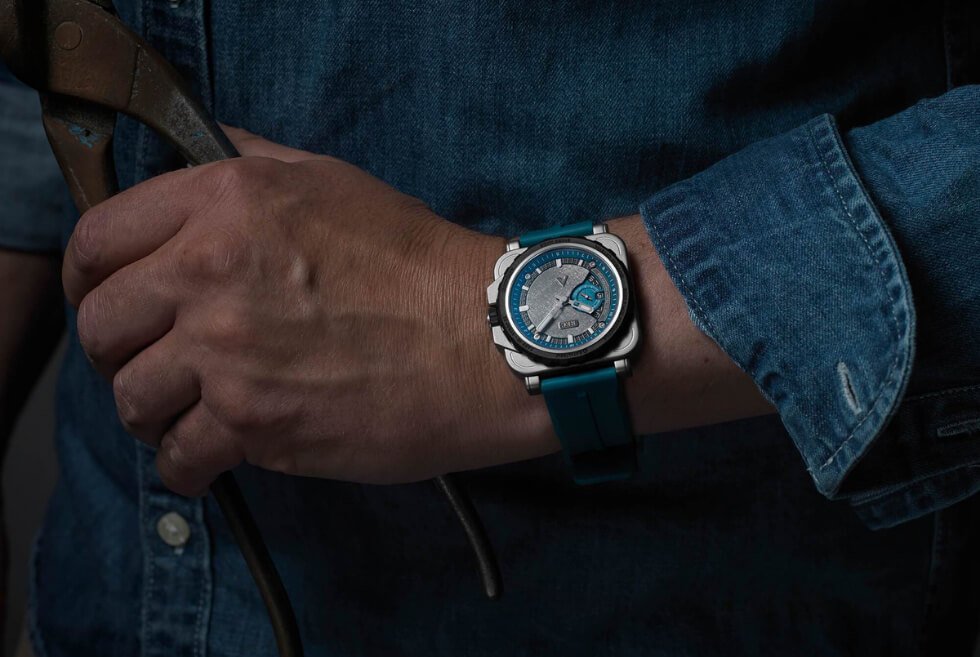
Much like their previous outings, REC Watches allows us to own an actual part of the vehicle they choose to feature. For the RNR Arkonik, they are sourcing it directly from the abovementioned 1984 Land Rover Defender 110 UJO. The result is nothing short of amazing as the design and accents are carefully curated to best represent the essence of this British-built beauty.

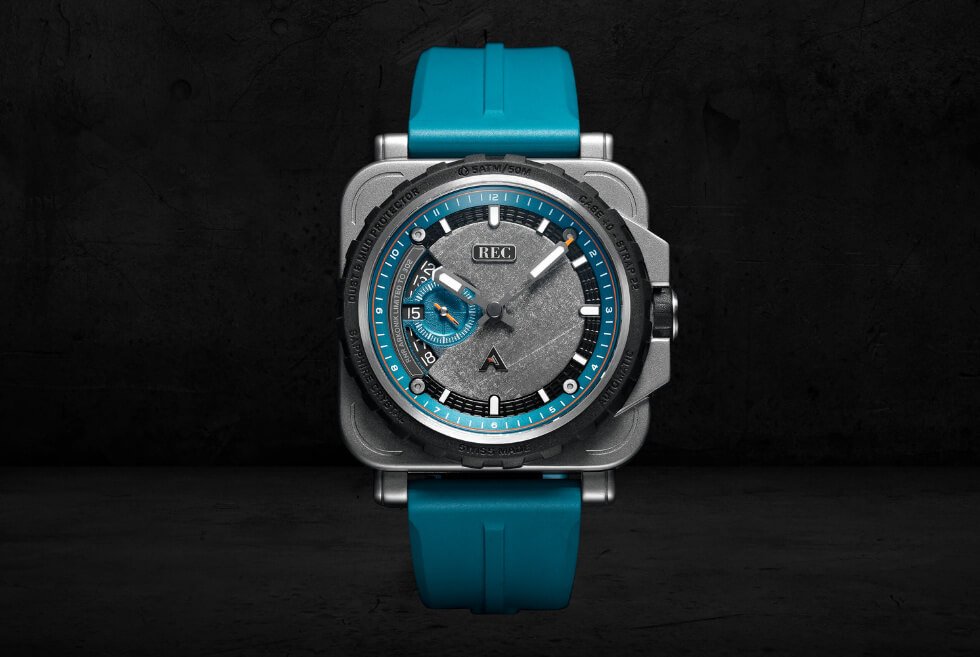
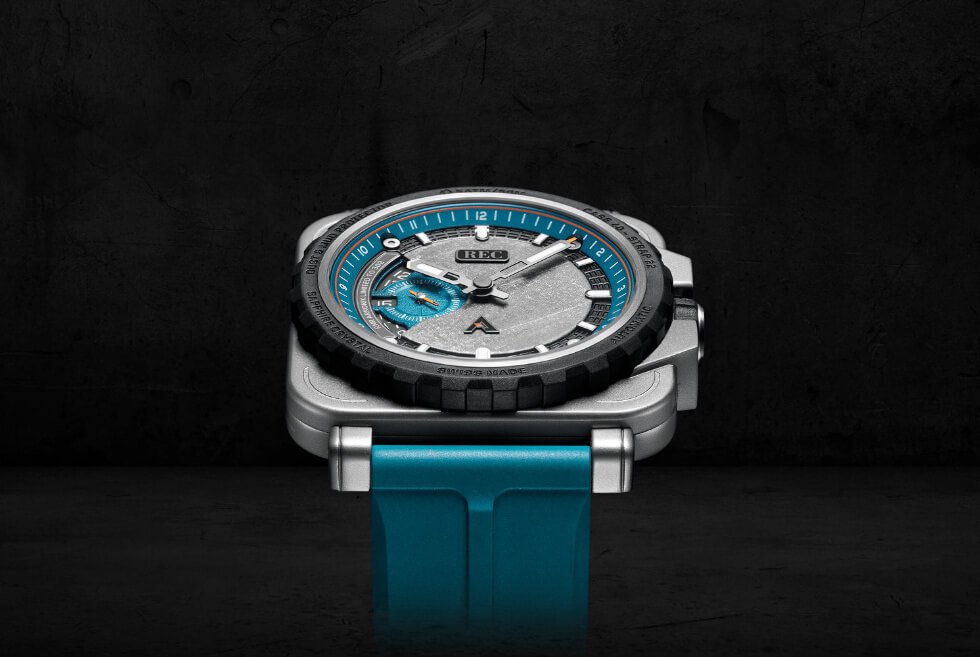
Let’s start with the 40-mm square case with rounded corners crafted out of 316L stainless steel. We love how they went with three different finishes: sandblasted, polished, and vertical brushed. It different textures of the surfaces endow the RNR Arkonik with a nice contrast when the light hits it from different angles.

What follows is the durable Viton (FKM) rubber bezel in the shape of a tire. You can also find it on the crown. Beneath the sapphire crystal, is the soul of this limited-edition production, which is an aluminum dial cut from the 1984 Arkonik Land Rover Defender 110 UJO’s door. After the metal panel was stripped of its paint and primer, 302 dials were punched out to become bespoke elements on the RNR Arkonik.

No further treatment was necessary as REC Watches wanted to keep scuffs and dents that the SUV accumulated over the years. The hour and minutes are indicated by two skeleton hands. Meanwhile, a small seconds sub-dial sits at 9 o’clock as It shares the spot with the date window. The REC branding is just below 12 o’clock with the Arkonik badge at above 6 o’clock. You then have the minute track on the flange with an orange outer ring.

Referencing The UJO

image

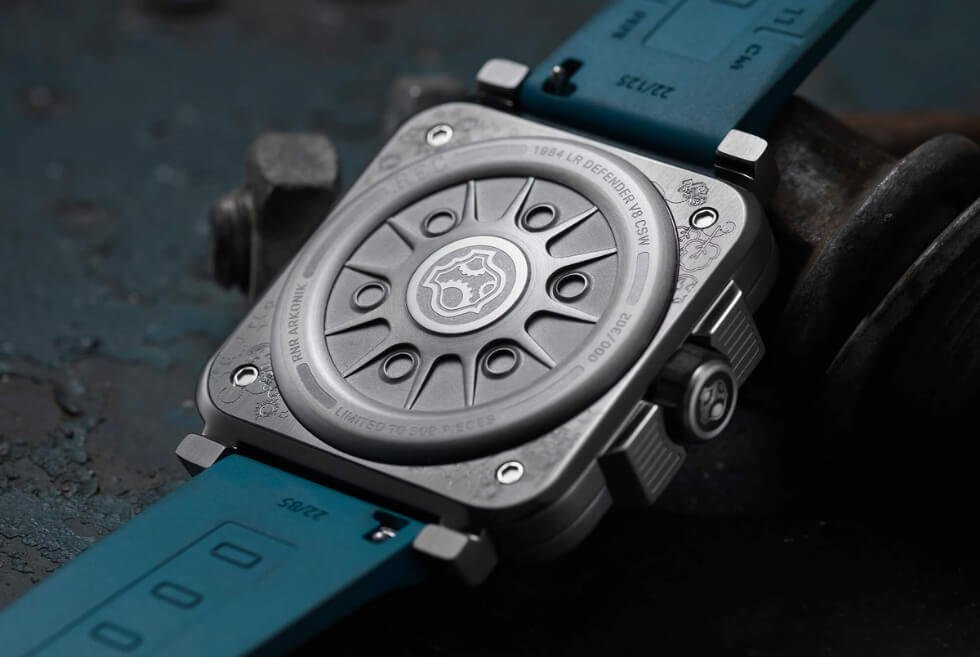
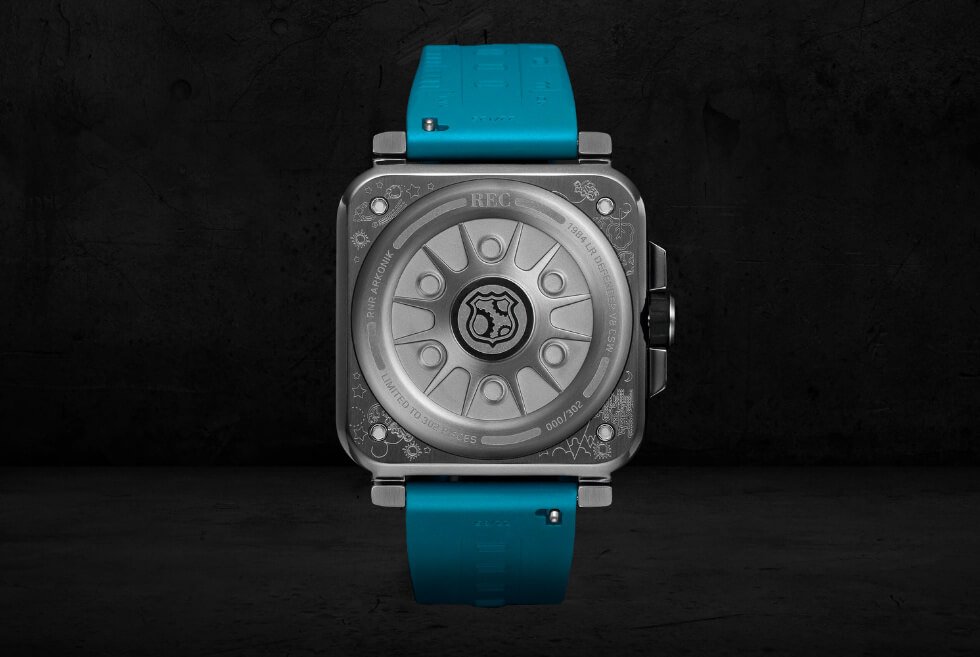
Next up are the design references to the 1984 Arkonik Land Rover Defender 110 UJO. Look closer to spot the hour markers at 12, 3, and 6 o’clock in the shape of a fuel cap. A view from the right flank of the case band reveals crown protectors that resemble the front grille. Make your way to the caseback to spot engravings laser-etched engravings of the chassis décor. Finally, the rear cover channels the alloy wheels.

At the heart of the RNR Arkonik is a Swiss-made Sellita SW290-1 self-winding caliber. This 31-jewel mechanical movement beats at the frequency rate of 28,800 VPH (4.0 Hz) and touts a 38-hour power reserve. To finish off the theme, the watch receives a blue Viton (FKM) rubber strap. REC Watches plans to produce only 302 examples, so order yours before all units are spoken for.

About REC Watches

image

Founded in 2014 by Jonathan Kamstrup & Christian Mygh, the brand lives by the concept of “RECOVER, RECYCLE, RECLAIM.” Thus, they’ve shortened it into “REC” and appended it “Watches” to showcase their passion for both. Since they source materials directly from the vehicle or aircraft featured, each release is a treat for collectors. Furthermore, this means no two timepieces are ever the same. Aside from the RNR Arkonik, you can check out other cool offers from REC Watches.

Make it yours

imageimageimageimageimage

Images courtesy of REC Watches

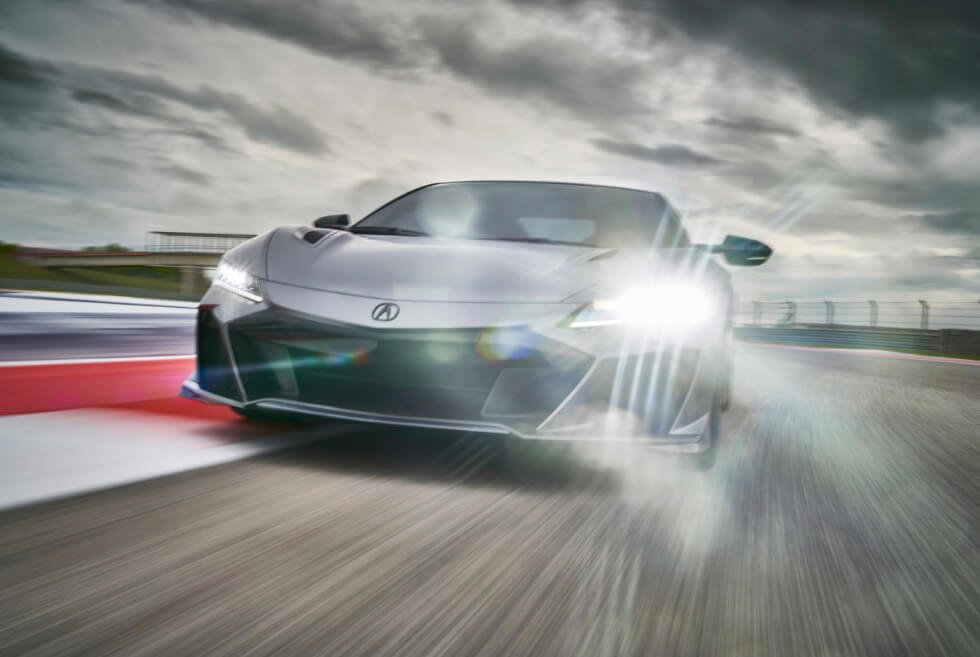
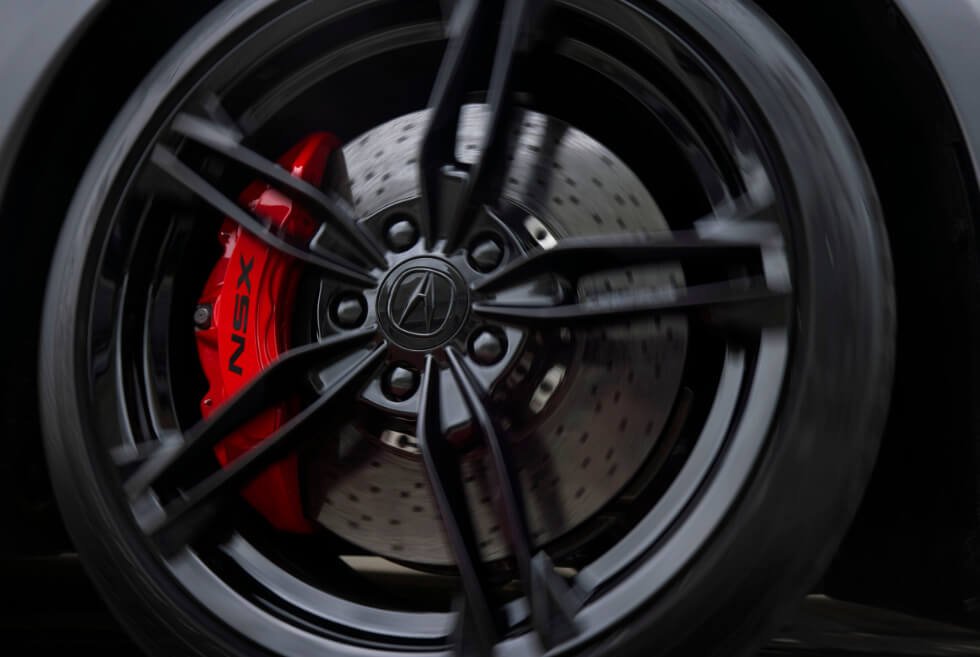
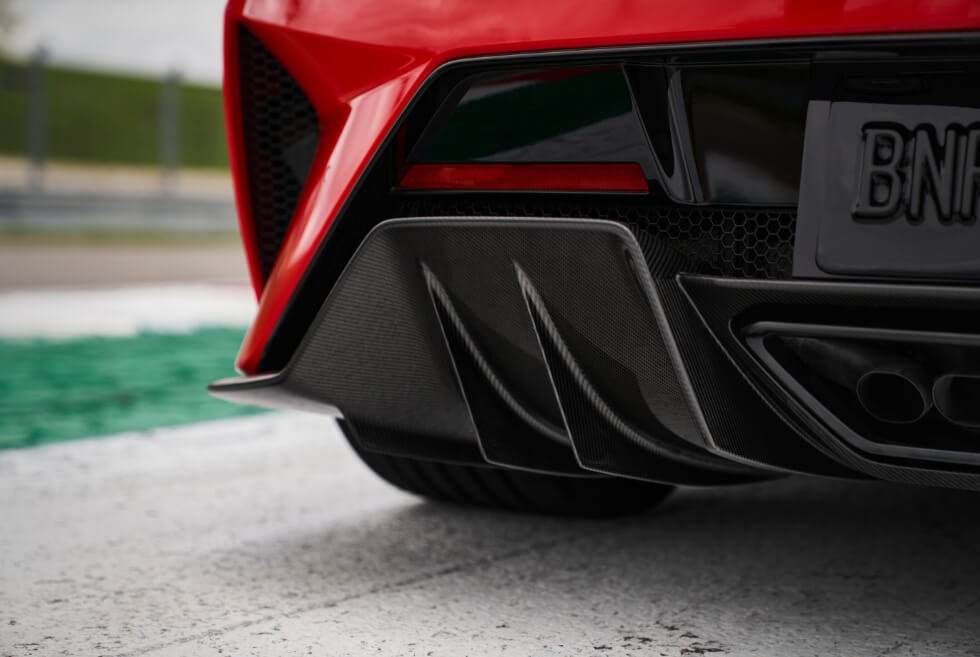
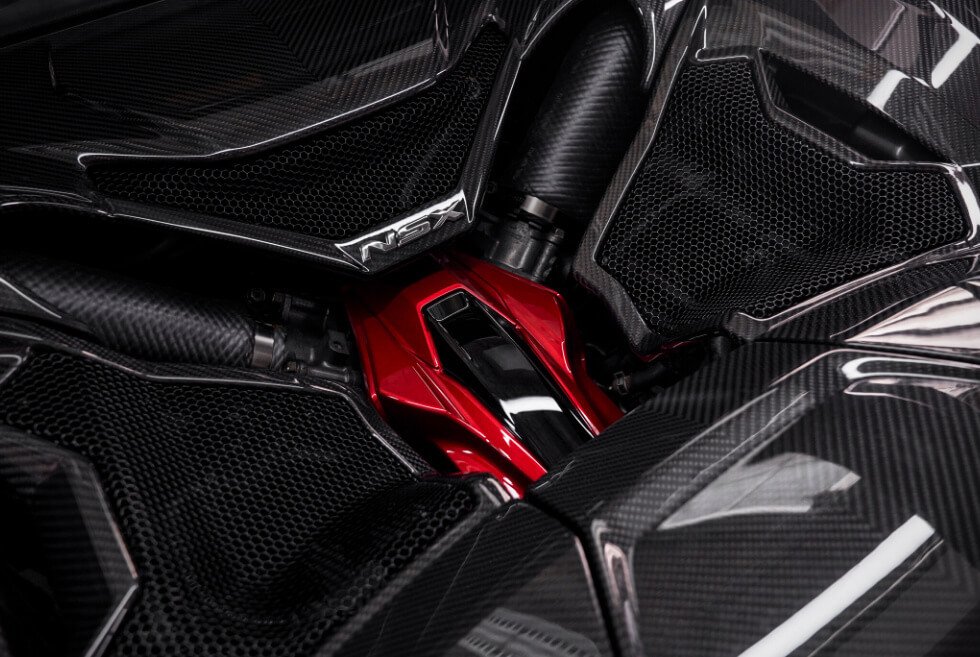
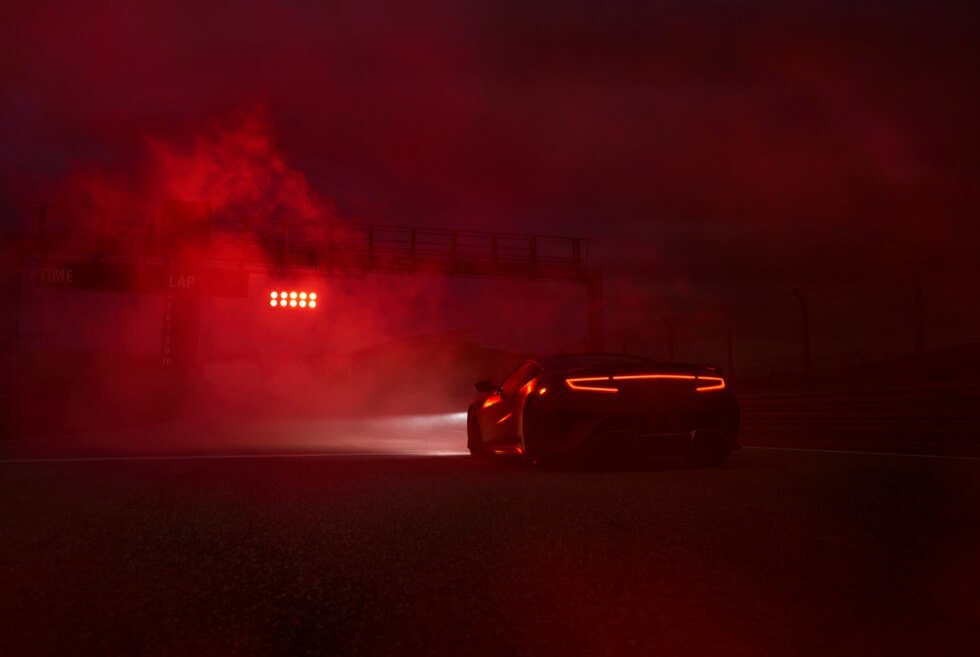
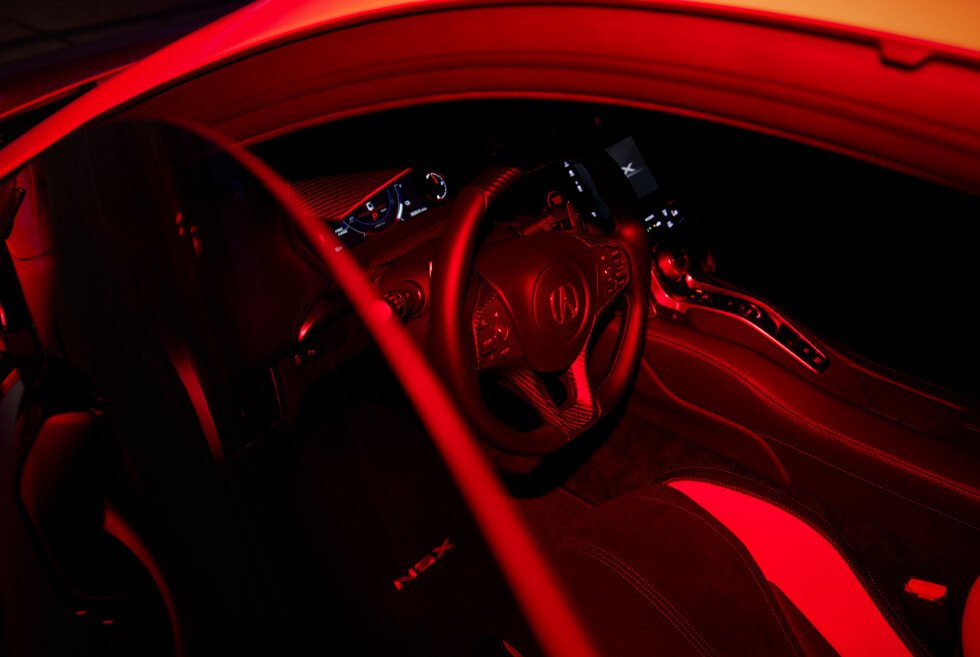
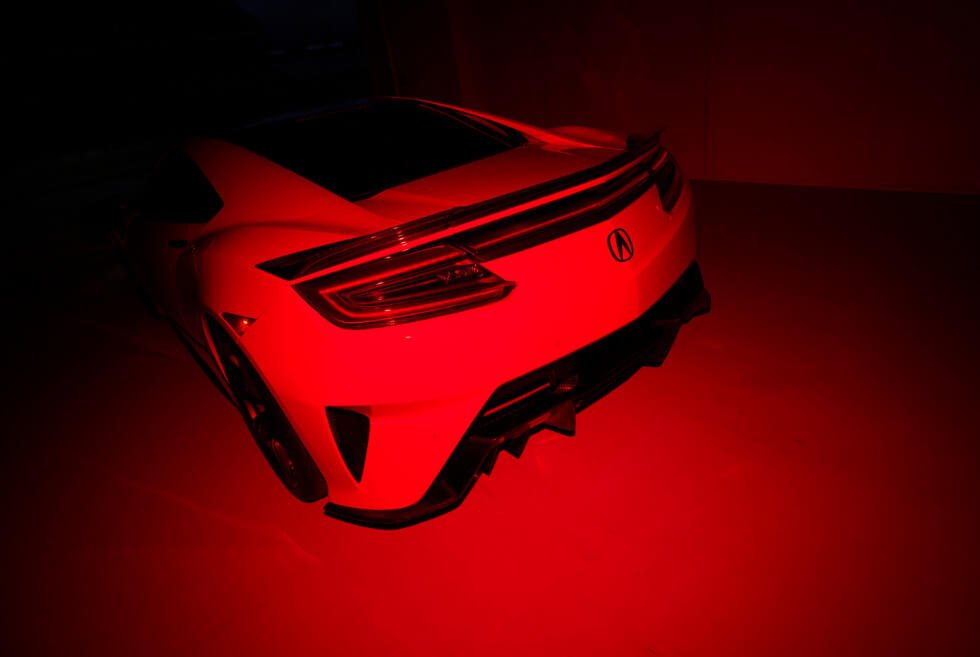
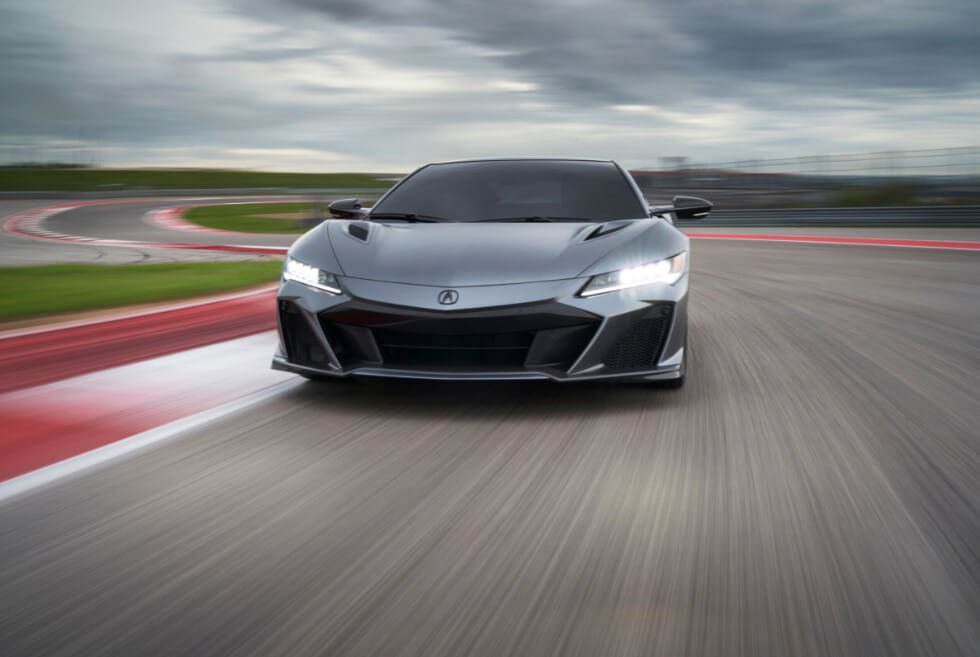
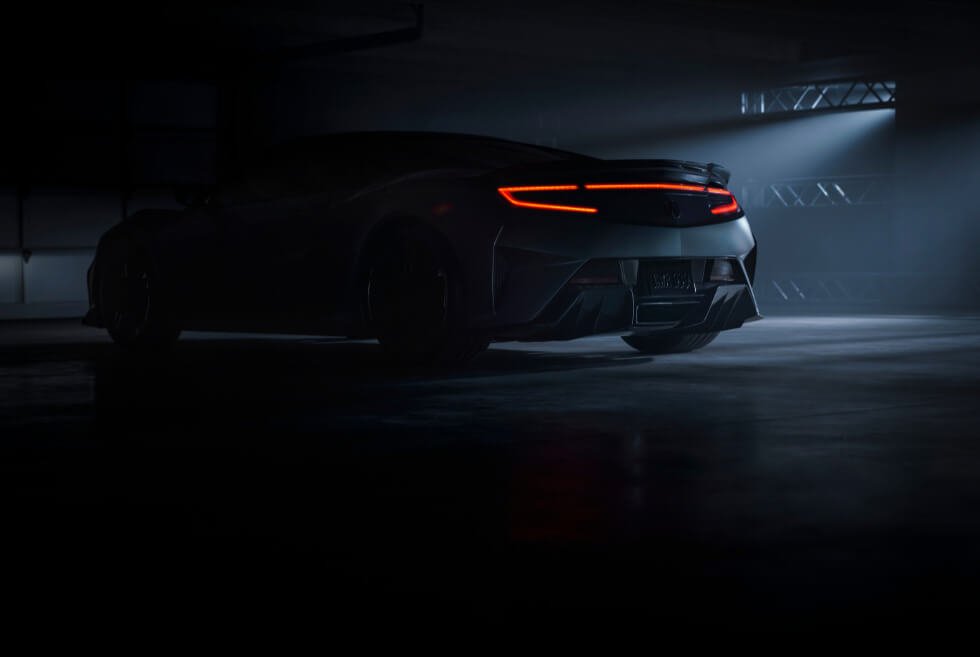
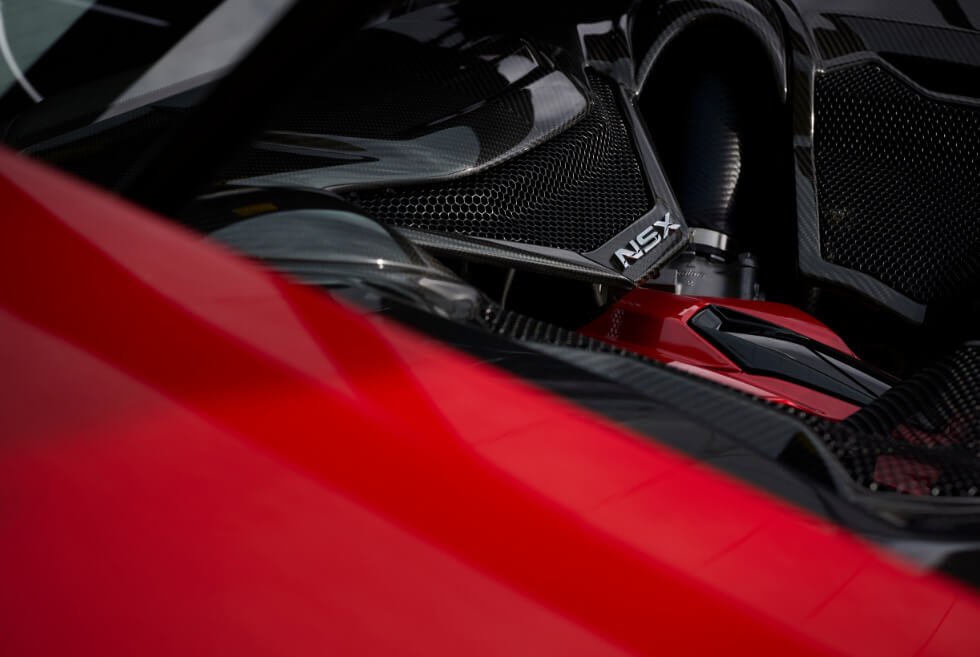
In Less Than 24 Hours, Acura Sells Out All 350 Units Of The 2022 NSX Type S

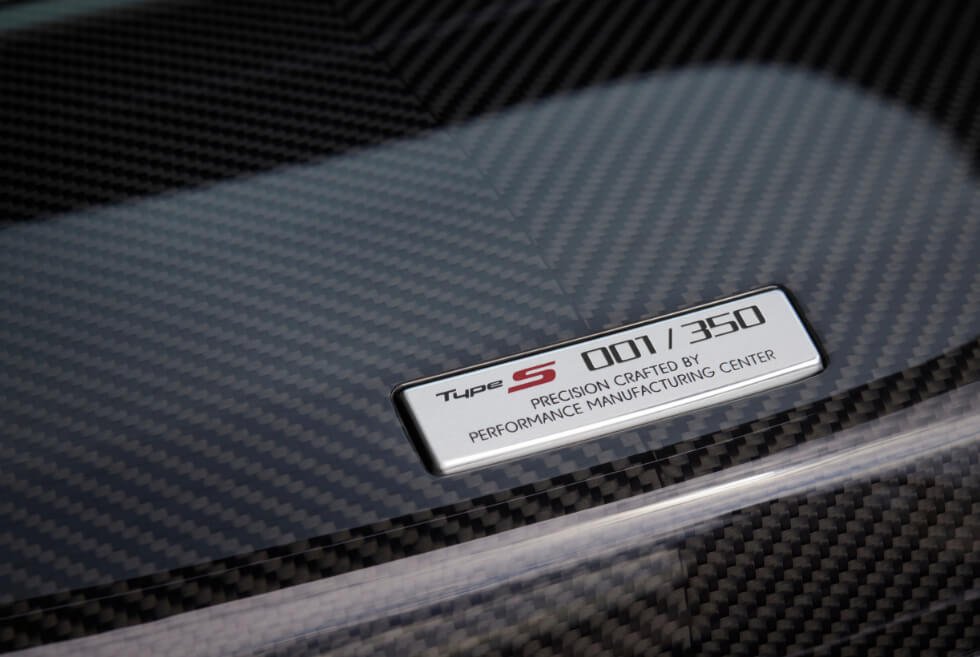
One of the showstoppers at the 2021 Monterey Car Week was Honda’s luxury division’s reveal of the 2022 NSX Type S. Acura plans to produce only 350 examples of this everyday supercar and 300 are heading stateside. The remaining 50 are for the Japanese market. Unfortunately, those who plan to get one are out of luck because all are already spoken for.

Reports reveal that in less than 24 hours the entire fleet of 2022 NSX Type S bound for the United States sold out. This was supposedly confirmed by an Acura insider who also noted that all allocated units have been reserved with deposits. Even before the big reveal, interest surrounding the platform was already at an all-time high.

Perhaps the key factor behind this rush is Acura’s recent announcement regarding the vehicle. This might be the last chance for anyone to own the one since the next model year is apparently the last. Pricing starts at $169,500 for the standard trim and goes up to $182,500 with the lightweight package of automotive upgrades.

Of course, when it comes to the vehicle identification number (VIN), some discerning collectors have their preferences. We heard the unit tagged 001 commanded an insane price. Aside from its exclusive production run, the 2022 NSX Type S is no slouch when it comes to performance.

Acura endows the coupe with a 3.5-liter twin-turbo V6 hybrid engine that produces 600 horsepower with 492 lb-ft of torque. Completing the powertrain is a nine-speed dual-clutch transmission. It can complete 0-60 mph dash in less than three seconds with a top speed of 191 mph. We think the 2022 NSX Type S is a thrilling ride preview of when Acura finally goes all-electric in the future.

learn more

imageimageimageimageimageimageimageimageimageimageimage

Images courtesy of Acura

This is How Much the New Lotus Emira Sports Car Will Cost

Lotus officially confirmed the full specification details and price of the new Emira sports car.

The price of the Lotus Emira V6 First Edition in major European markets including Germany is €95,995 and £75,995 in the UK. Prices in the USA and China will be released in the coming weeks and the production is scheduled to begin in the spring with the ‘i4’ four-cylinder First Edition arriving in the autumn.

The Emira has been developed on a new lightweight aluminium chassis and is powered by a 3.5 L supercharged V6 engine from Toyota. The engine delivers an output of 400hp and 420 Nm of torque, the acceleration from 0-100km/h is achieved in 4.3 seconds before achieving a top speed of 290km/h. Furthermore, the engine is mated to a six-speed manual gearbox with a visible gear change mechanism and a hydraulic power-assisted steering wheel making the Emira a proper driver’s car.

The vehicle has been fitted with a set of ultra-lightweight 20 inch V-spoke forged alloy wheels in a premium two-tone finish, two-piece brake discs with branded calipers and a Tyre Pressure Monitoring System (TPMS).

The exterior of the vehicle features LED light, titanium exhaust finisher, heated power-fold door mirrors, rear parking sensors and a lower Black Pack fitted as standard.

The interior features heated seats with 12-way adjustability and two memory presets, a premium audio system which includes DAB digital radio and a 10.25 inch touch screen display. The vehicle has also been equipped with a control system which supports climate control, cruise control, keyless start as well as selectable drive modes.

In addition, the interior is offered in seven color choices at no extra costs; red, black, grey and tan Nappa leather and black Alcantara with either red, yellow or grey stitching.

Three more option packs are available as standard, the Drivers Pack, the Design Pack and the Convenience Pack. The Drivers Pack features a choice of Tour or Sport suspension with Goodyear Eagle F1 Supersport tyres or Sport suspension with Michelin Pilot Sport Cup 2 tyres.

The Design Pack consists of privacy glass, sport pedals, black alcantara headliners, Lotus-branded footwell mats and brake calipers finished in black, red, yellow or silver paint. The Convenience Pack adds front parking sensors, reversing camera, rain-sensing wipers with aero blades , auto dimming mirrors as well as a rear luggage storage net.

The First edition will be available in six colors ; Seneca Blue, Magma Red, Hethel Yellow, Dark Verdant, Shadow Grey and Nimbus Grey. More colors will be revealed in 2022. An entry level Lotus Emira will be priced at £59,995 and will be available from 2023.

Are EVs Ready for Dakar? Audi RS Q e-tron Hits Moroccan Desert Ahead of Dakar 2022

Audi Sport tested the Audi RS Q e-tron in Morocco for almost 2 weeks under extreme conditions, the vehicle had already done extensive tests in Germany and Spain with all three drivers included. The drivers were ; the Dakar record winners Stephane Peterhansel and Carlos Sainz alongside rallycross veteran Mattias Ekstrom.

Additionally, the co-drivers were also present during the tests to form a unit in the Dakar Rally as well as to ensure the cockpit feels comfortable.

The extreme conditions the test team encountered in Morocco included high temperatures of over 40 degrees Celsius at times and sandstorms which hampered the tests and caused interruptions which needed to be solved after next test.

The team is expecting lower temperatures at the Dakar Rally 2022, components such as MGU were not developed to be used in high temperatures but the drivetrain and other components were pushed beyond their limit.

The high-voltage battery equipped in the vehicle was developed for the Dakar Rally specifically , the battery features optimum temperature management as well as maximum performance.

The Audi RS5 DTM car is powered by a new generation 2.0L turbocharged engine that can produce up to 670hp with the boost function. This number is somewhat irrelevant to the RS Q e-tron as the key drivetrain power source comes from MGUs. Oddly enough, the total system output of the e-drivetrain is also 670hp or 500kW.

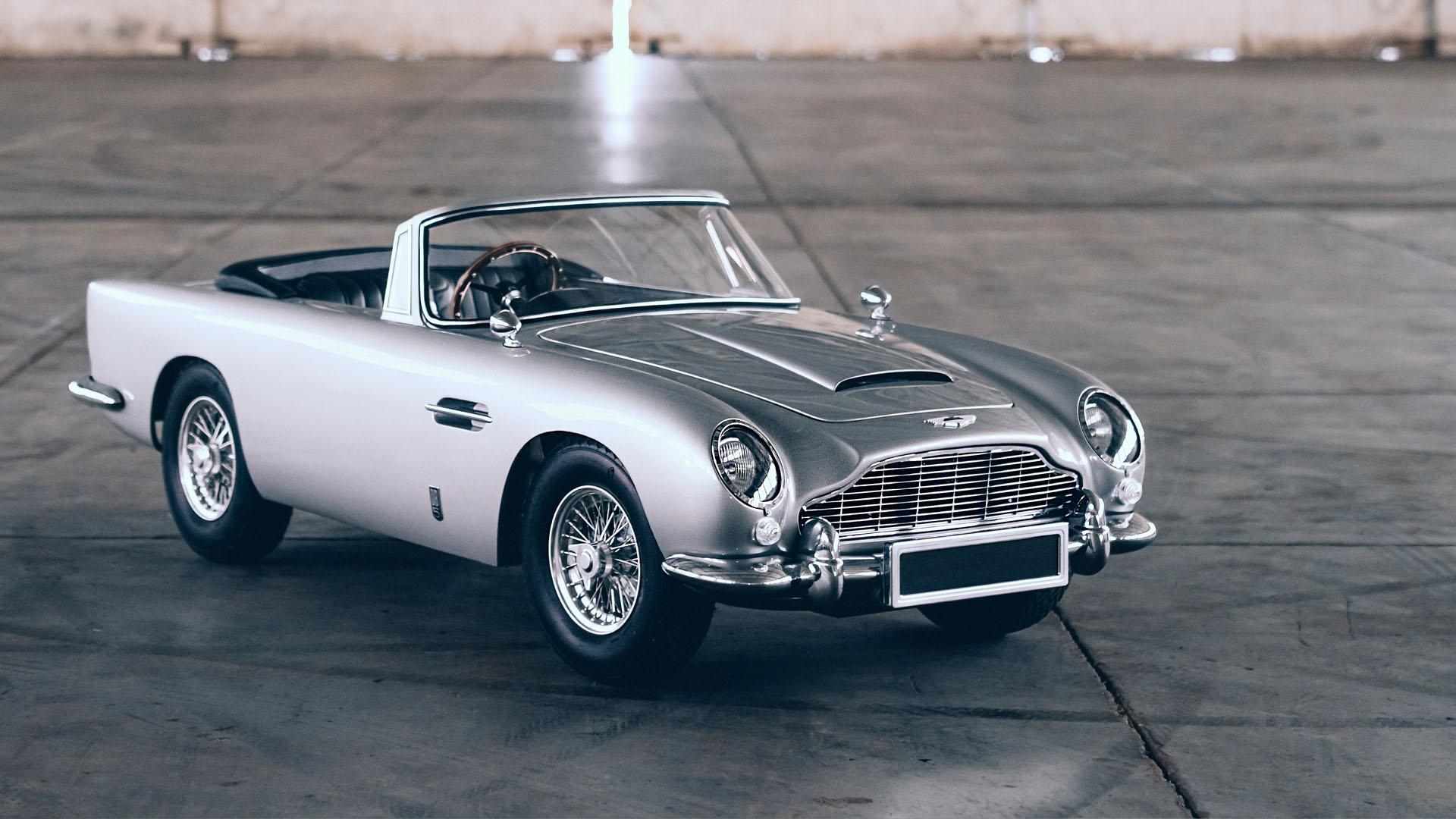
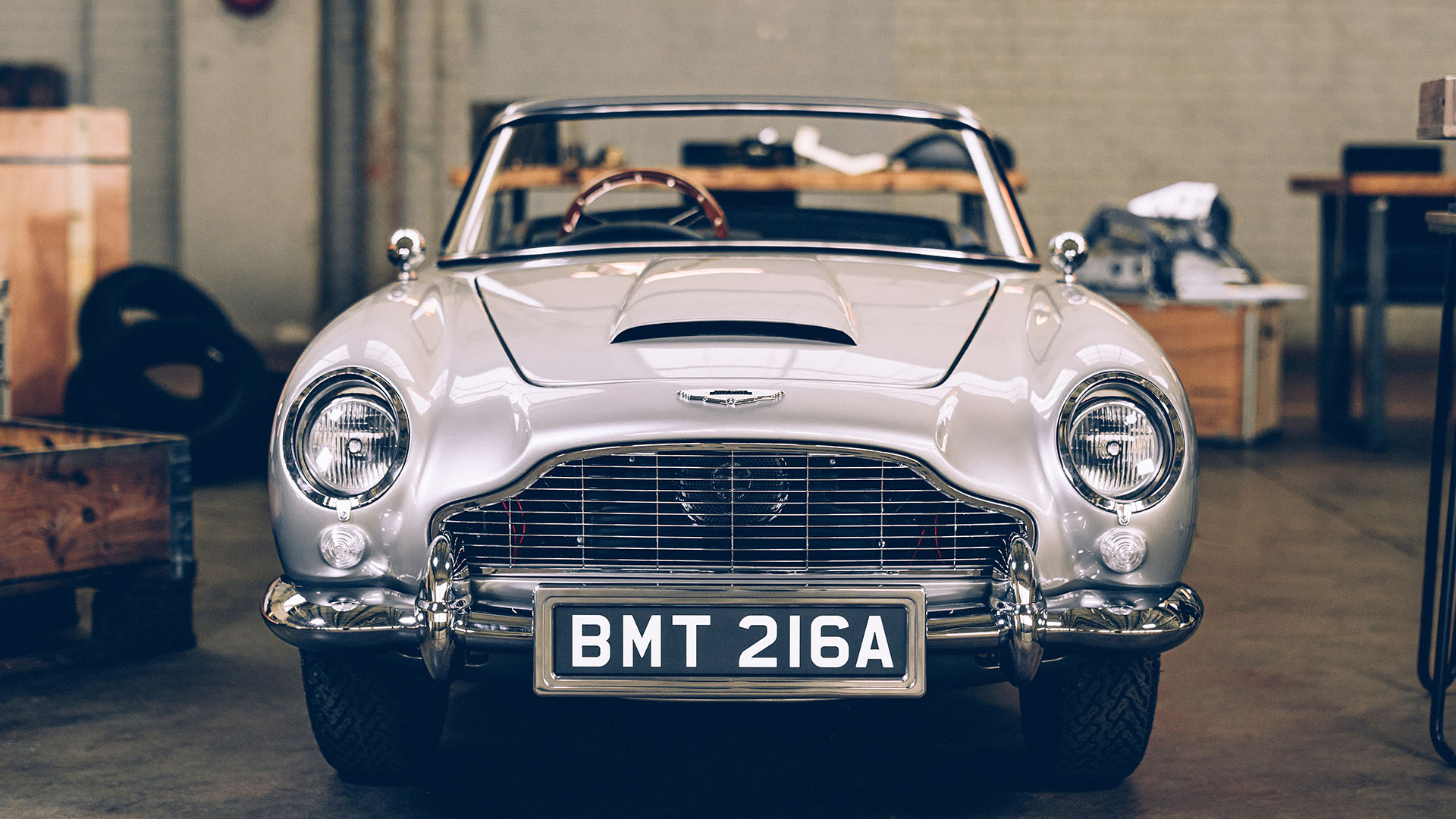
Aston Martin DB5 Junior: 2/3 Scale Model For Sale at $122k

Aston Martin, The Little Car Company and EON productions announced the launch of the special edition Aston Martin DB5 Junior inspired by the 25th James Bond film No Time To Die. The film will be released in cinemas from 30th September.

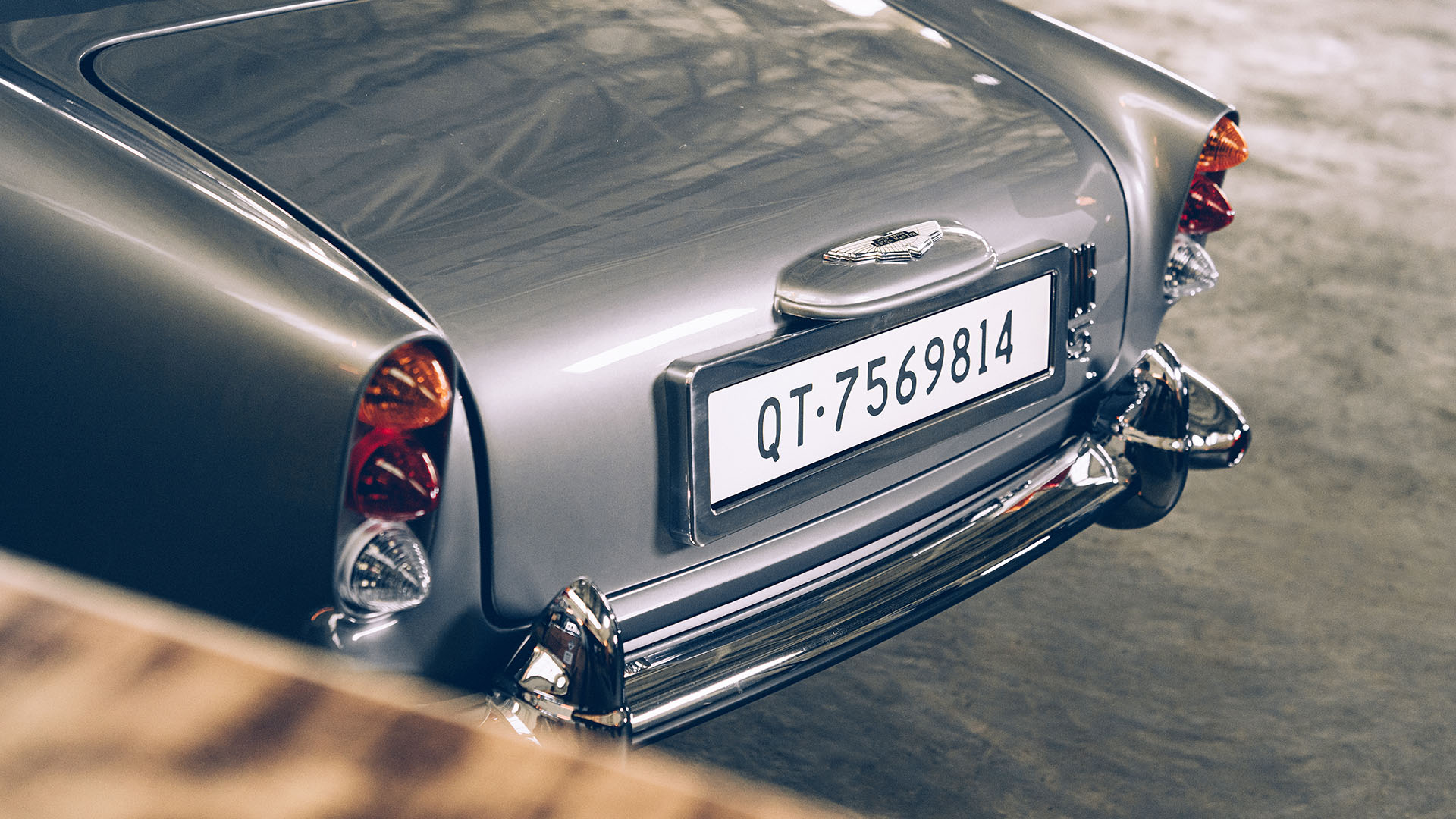
The special edition model will pay homage to both the Aston Martin and 007 brands with Silver Birch paintwork, Smiths instruments, individually numbered chassis plates and Aston Martin badging. The model has been designed as a convertible to offer seating for an adult and child side by side.

In addition, the vehicle features multiple driving modes, Q style gadgets, a range of up to 80 miles and some secret ‘Easter Eggs’ have been hidden within the car for the lucky owners to find.

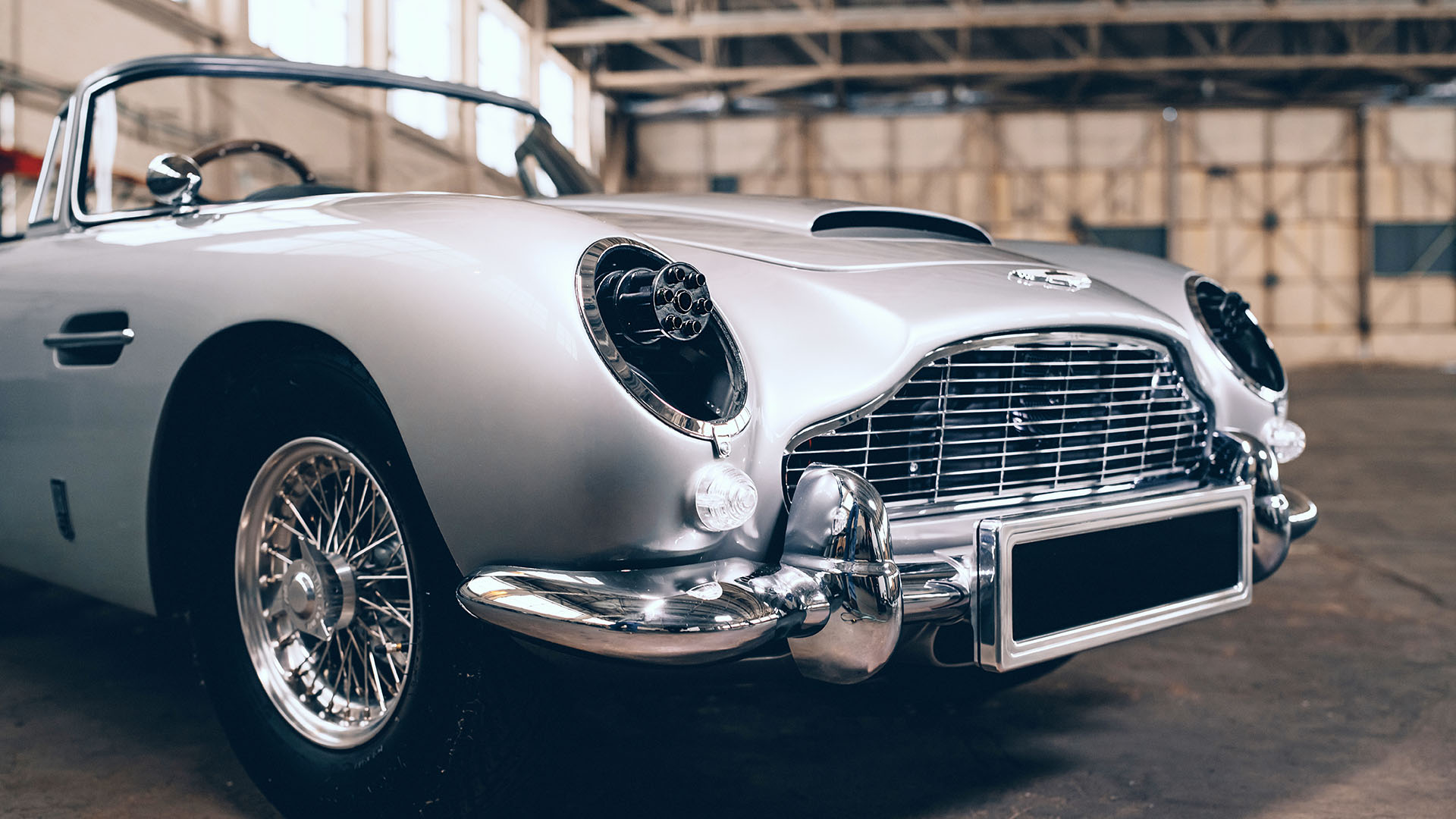
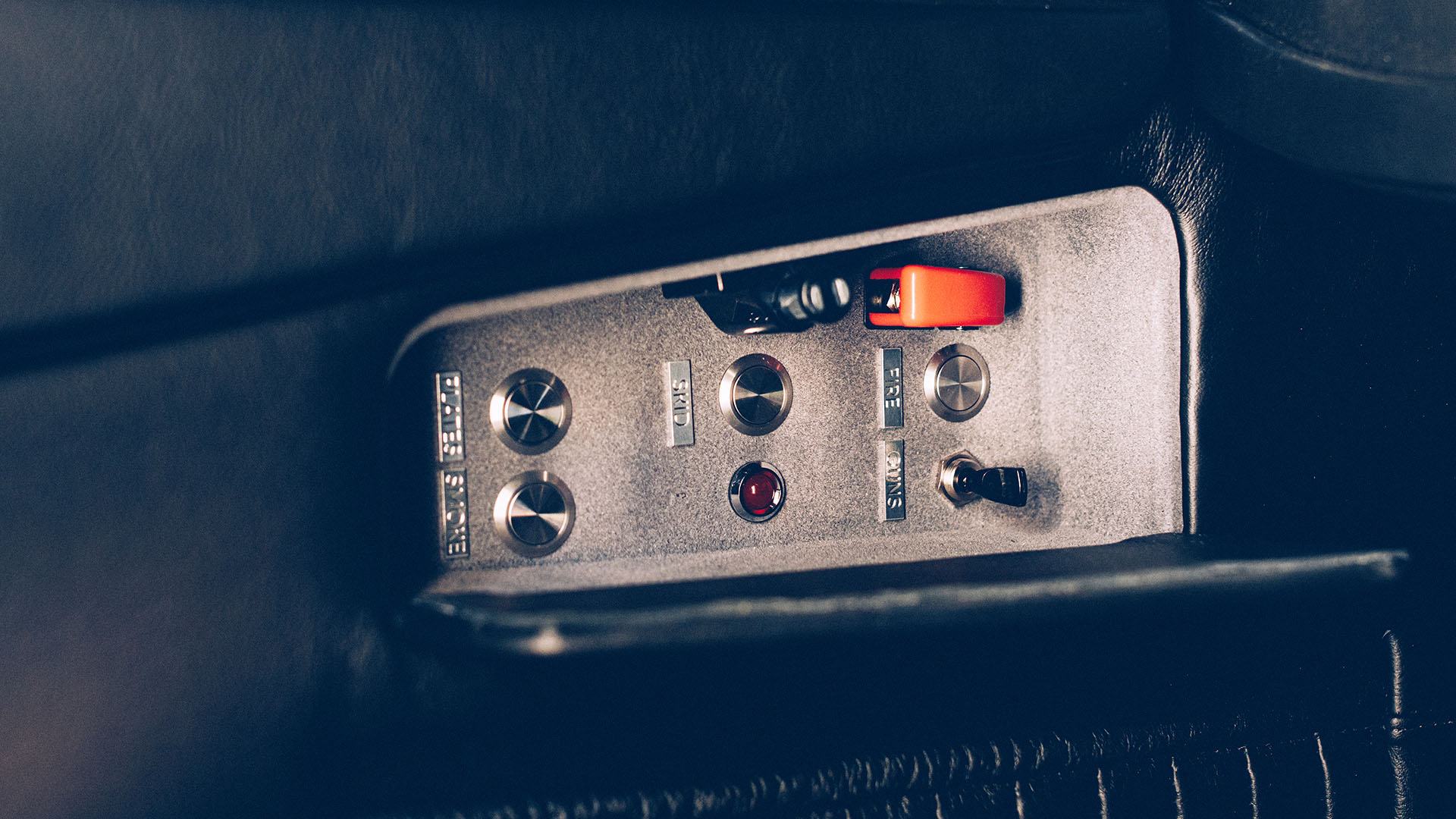
The Q style gadgets are controlled by individual controls in a hidden switch panel in the passenger door, at a push of a button, the headlights drop and reveal a twin set of simulated Gatling guns with imitation barrel blasts and flashes.

Furthermore, the DB5 Junior can produce a smoke screen to aid a successful getaway and although it’s not road legal, customers will receive automatic membership of the Aston Martin Members Club and will also be allowed to attend and take part in exclusive events held by the company.

The No Time To Die special edition model will be limited to 125 units only and the price has been set at £90,000 including local taxes.

Aston Martin DB5 Junior No Time To Die Edition

The latest James Bond movie is about to be released at the time of writing, and while Aston Martin themselves have already started their No Time To Die campaign by putting a 1:1 scale replica of the famous Bond DB5 inside a giant Corgi Toys box, there are others that plan to ride the James Bond wave this new movie will cause, just check out this amazing silver metallic DB5 Convertible ‘No Time To Die Edition’ … but it might not be what you would expect …

What you are looking at here is actually a two-thirds scale replica of the iconic Aston Martin DB5, all-electric by the way, created by ‘The Little Car Company’ together with Aston Martin and EON Production … only 125 units of this very special Aston Martin DB5 Junior No Time To Die Edition will be made worldwide, and it does include some of those famous Bond gadgets.

© 2021. All rights reserved. The Little Car Company. The Ferrari Testa Rossa J is hand-built in the UK under license by The Little Car Company. Use of the Ferarri brand is with permission of Ferrari s.p.a

The Little Car Company has a very interesting catalog of amazing classic cars, downscaled to be enjoyed by not only children but their parents too. How about a 75% reproduction of the legendary Ferrari 250 Testa Rossa, called the Testa Rossa J, and limited to 299 units, they even have a complete configurator online to create your bespoke Testa Rossa J in just about any color you like.

But it gets even better, with the Bugatti Baby II, another 75% scale model, but this time of the 1920’s Bugatti Type 35, probably the most successful race car of all time with about 2,000 wins under her belt, but the story gets more interesting when Ettore Bugatti built a half-scale replica for his son Jean’s fourth birthday. Intended as a one-off, customers convinced Ettore to start building this smaller-scale version too, and in the end about 500 units were made almost a century ago.

© 2021. All rights reserved. The Little Car Company. The Bugatti Baby II is hand-built in the UK under license by The Little Car Company. Use of the Bugatti brand is with permission of Bugatti Automobiles S.A.S.

Today you can get a more modern version, which happens to be a little larger too, as a three-quarter Bugatti Baby II model from The Little Car Company, again limited to only 500 units, available in many different colors, this new Bugatti Baby II is a rear-wheel drive, battery-powered car that can reach a top speed of about 20 km/h in ‘novice mode’ but this can be raised to 45 km/h in export mode … the Baby II even comes with a ‘Speed Key’ like the Chiron, which releases 10kW and no speed limiter.

But back to the Aston Martin DB5 Junior now, and while we will discuss this new limited edition ‘No Time To Die’ version next, first let’s take a look at what The Little Car Company offers in their DB5 Junior range too, at a more democratic price. With a battery-powered engine delivering 5kW or 6.7hp from a 1.8kWh battery the base model DB5 Junior is listed at £35,000 (US$ 50,000) before options, but just like the big brothers from Aston Martin, you can opt for a DB5 Vantage Junior which comes with two batteries and doubles the power output to 10kW (13.4 bhp) and even comes with a limited-slip differential … at £45,000 ($62,000).

But we are here for the piece de résistance, the DB5 JUNIOR No Time To Die Edition that starts at £90,000, so about $125,000 … for a toy car … or is it. No, this 2/3rd scale replica is much more than a toy, this very special model is limited to just 112 units and comes with a massive power upgrade compared to the Vantage edition. Now 4 1.8 kWh batteries get installed delivering 16kW of power or 21.5 bhp that pushes this electric car up to 45 mph … this isn’t a toy anymore.

But wait, there is more, we are talking about a James Bond special edition, so that comes with Gatling guns behind the headlights, digital revolving license plates, a smokescreen generator, a hidden switch panel for the gadgets, and even a Skid mode, and while the real Aston Martin DB5 driven in the movie is a coupe, this one comes as a convertible, as this allows the child to be accompanied by an adult sitting side by side.

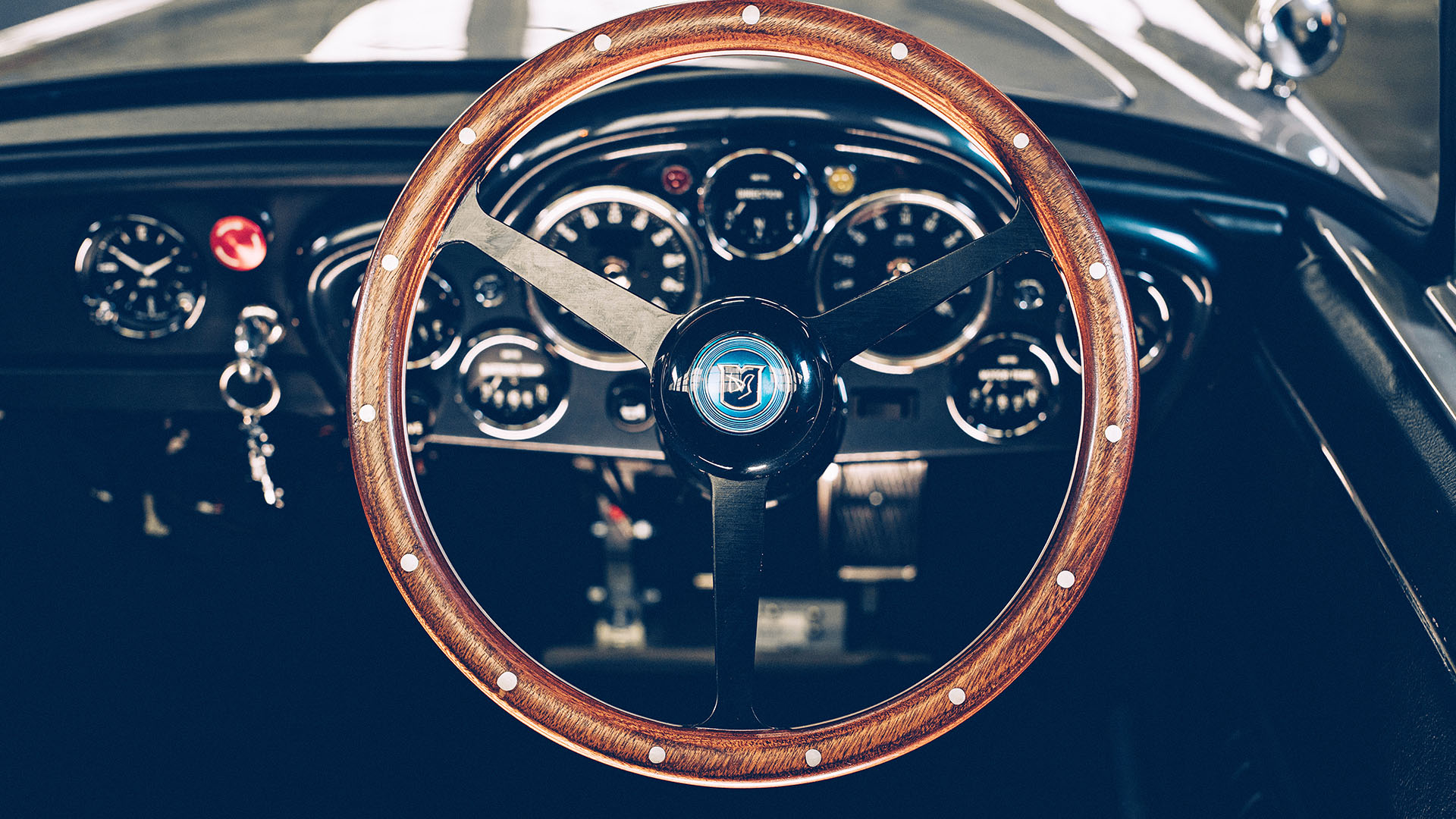
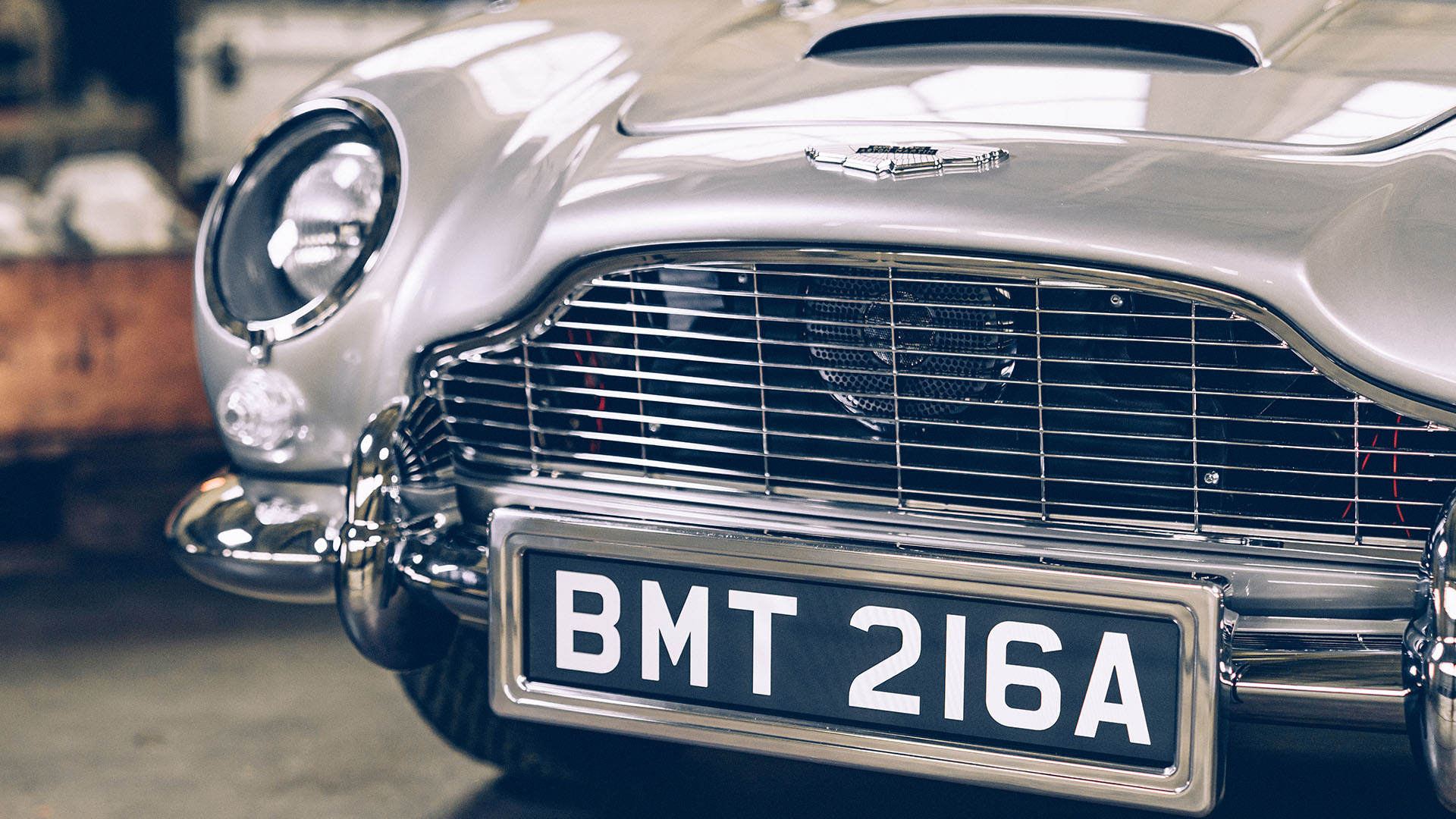
The paint on this Aston Martin DB5 Junior No Time To Die Edition is the period-correct Silver Birch while for the dashboard the correct Smiths instruments are fitted, being a limited edition, there are individually numbered chassis plates and genuine Aston Martin badges on this two-thirds replica.

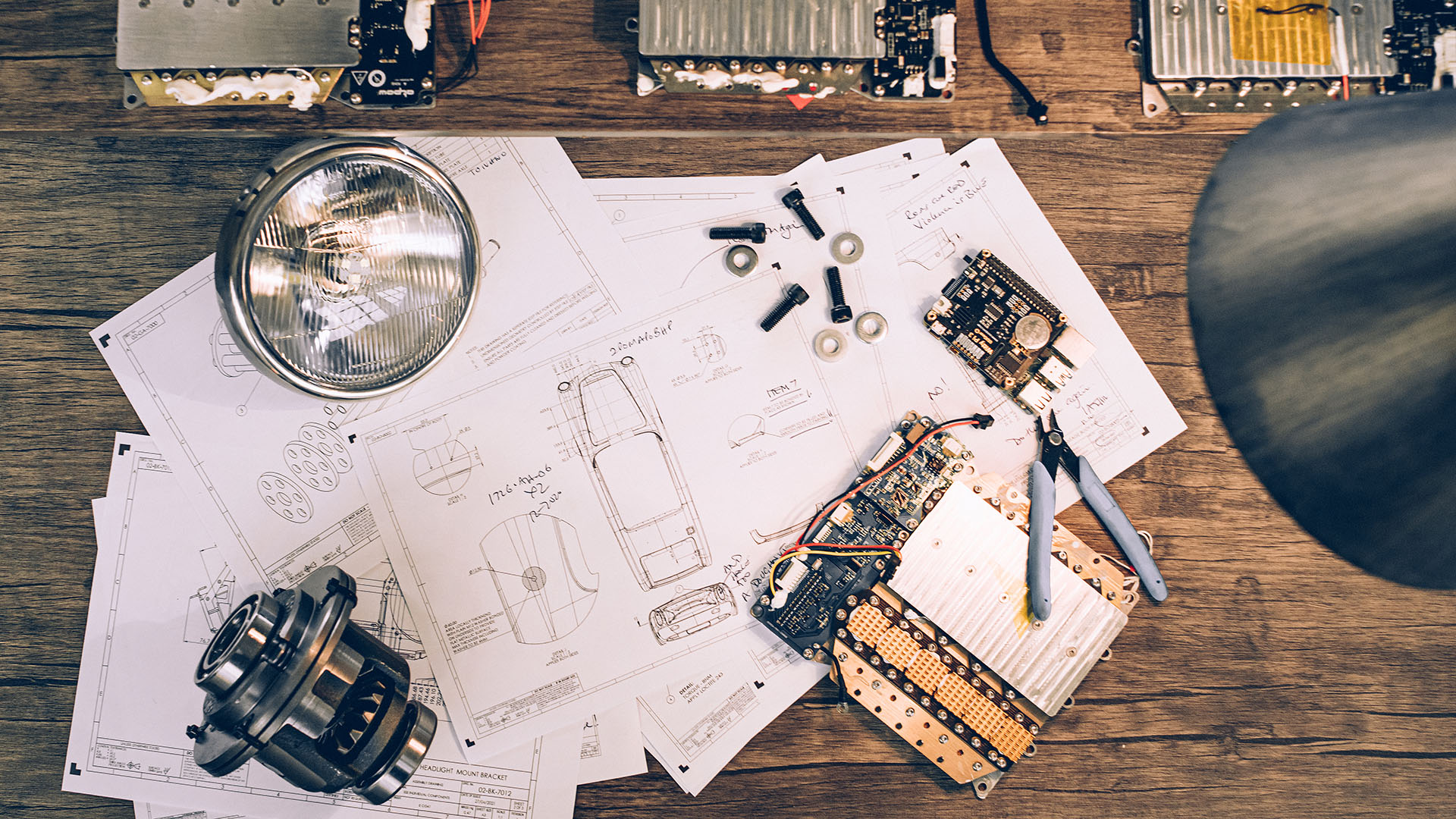
Further testament we aren’t talking about an expensive toy here is the fact they did a 3D scan of a real Aston Martin DB5 to create this smaller-scale version, and while it’s electric, the fuel gauge has been replaced by a battery meter, but in their effort to create a safe car for a child to drive, they also fitted Brembo disc brakes, which regenerate when braking while Bilstein dampers and coil-over springs can keep up with the performance.

Ben Hedley, CEO of The Little Car Company, said: “Regarded as the most famous car in cinematic history, the gadget-laden Aston Martin DB5 awed audiences around the world over fifty years ago. Now, that story continues. As part of an exclusive partnership with EON Productions and Aston Martin, we have had the opportunity to create something truly unique for James Bond fans and collectors. We can’t wait to see the adventures these cars take with their owners.”

Gunther Werks Is Building Only 25 Examples Of Its Bespoke 993 Speedster Remastered

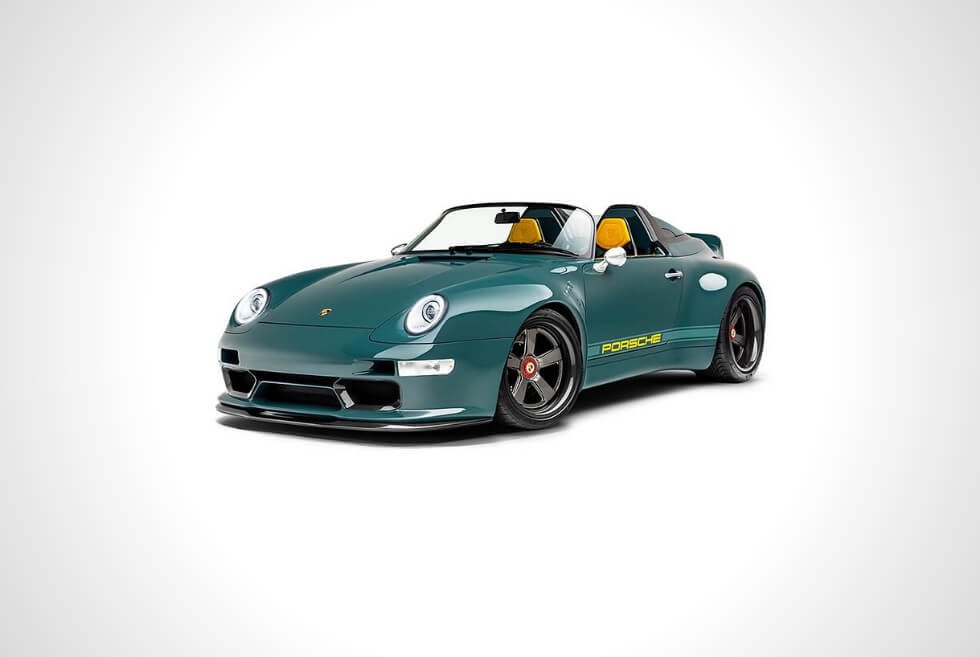
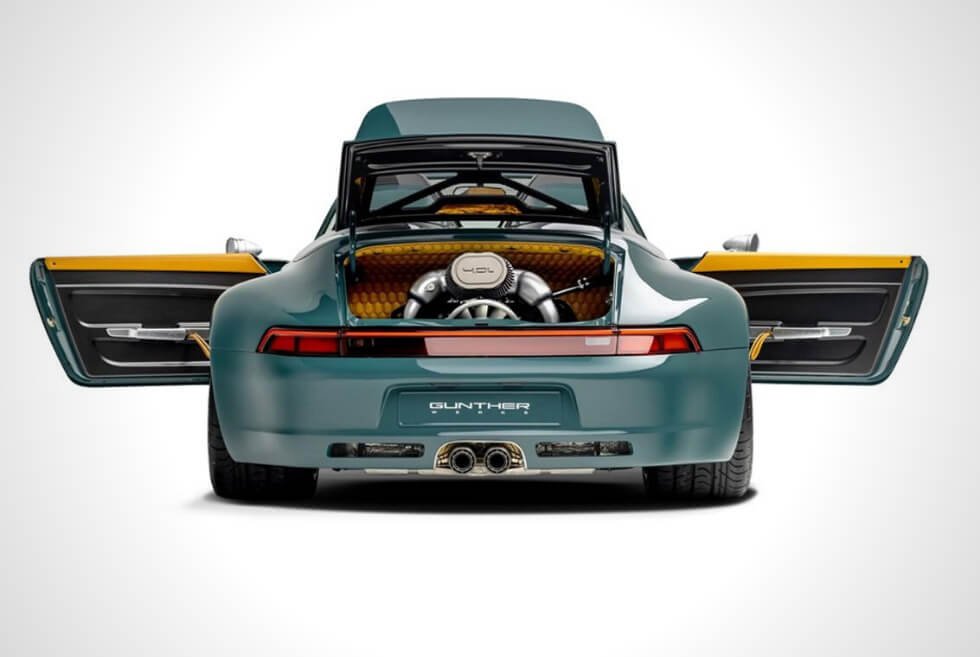
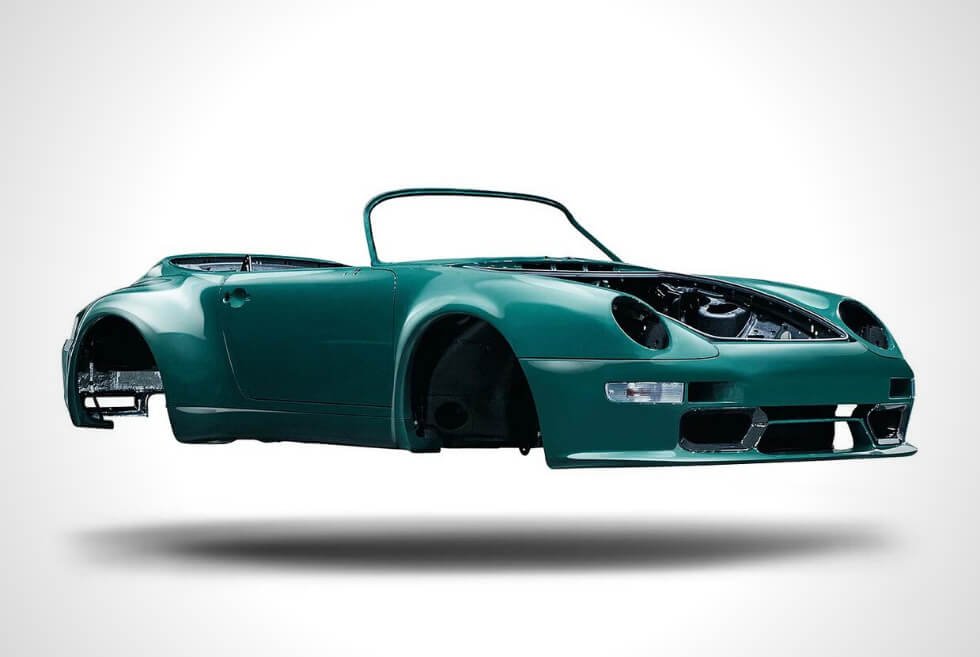
When a carmaker’s bespoke offerings just can’t meet your expectation, aftermarket establishments will gladly take up the challenge. If you live and breathe all things Porsche, Gunther Werks might have something special for fans. Breathing new life into a classic sports car, the 993 Speedster Remastered will be hitting the streets soon.

Production of this exclusive restomod will begin in 2022 with only 25 examples planned. Each unit is a bespoke creation with some wiggle room for personalization based on the client’s desires. Before anything else, let’s talk about the engine. Gunther Werks is closely working with Rothsport to revamp the power plant.

The 4.0-liter flat-six now flaunts a billet crank, billet barrels, and Mahle pistons. It redlines at 7,800 rpm thanks to the Motec ECU, engine management, and tuning. It is then mated to a Getrag G50 6-speed transmission with custom gear ratios. This bestows the 993 Speedster Remastered with a 435-horsepower output and 335 lb-ft of torque.

The shop adds a pair of custom headlights that use modern LED technology. The component is built out of T-6061 aluminum and carbon fiber. This allows Gunther Werks to fit bigger Bi-LED projectors alongside the active daytime running lights. Additionally, Instead of acrylic, it uses aerospace-grade glass for the housing which is notably more premium.

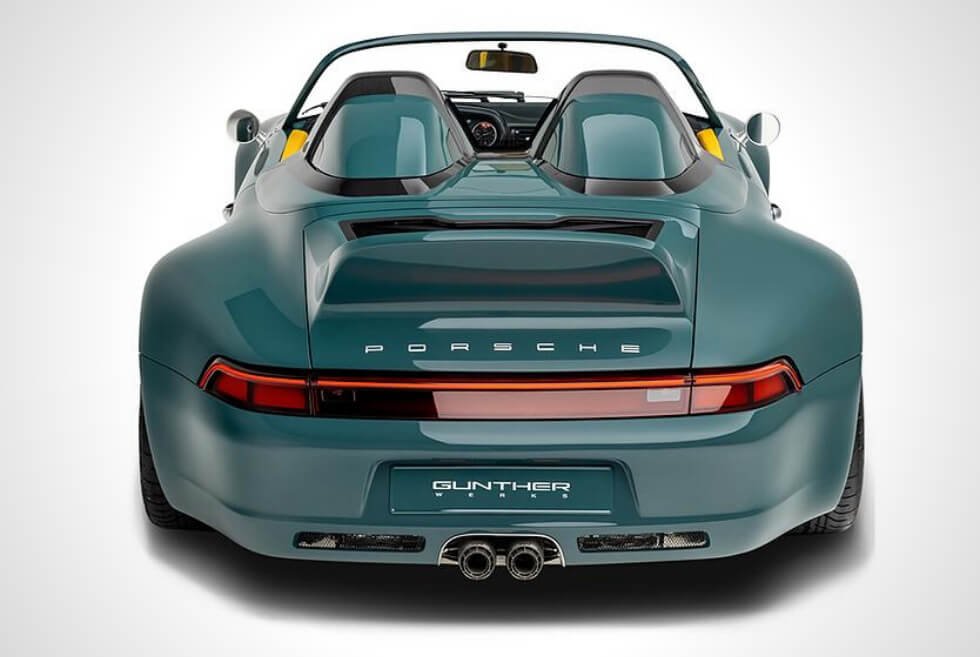
With the roof out of the picture, the 993 Speedster Remastered showcases a new outline just behind the seats. To compensate for its removal, the chassis receives reinforcement tweaks to bolster its torsional rigidity.

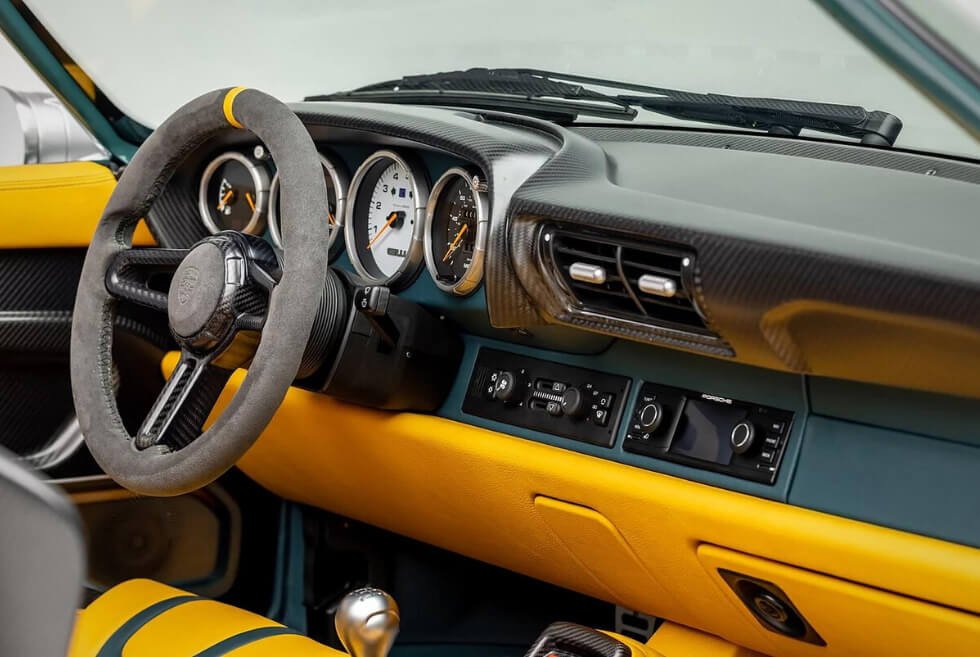
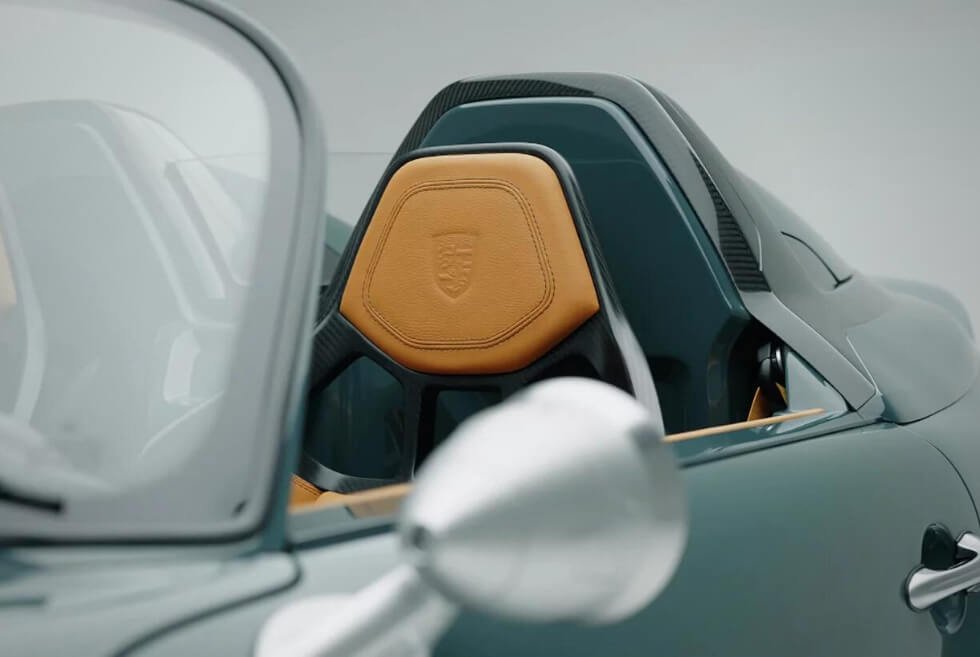
Also, Gunther Werks gives it a new carbon fiber tonneau cover to shield the classy interior from the elements. Speaking of the cockpit flaunts a lavish selection of leather and Alcantara upholstery. The level of luxury on the 993 Speedster Remastered is remarkable.

Reserve yours

imageimageimageimageimageimage

Images courtesy of Gunther Werks