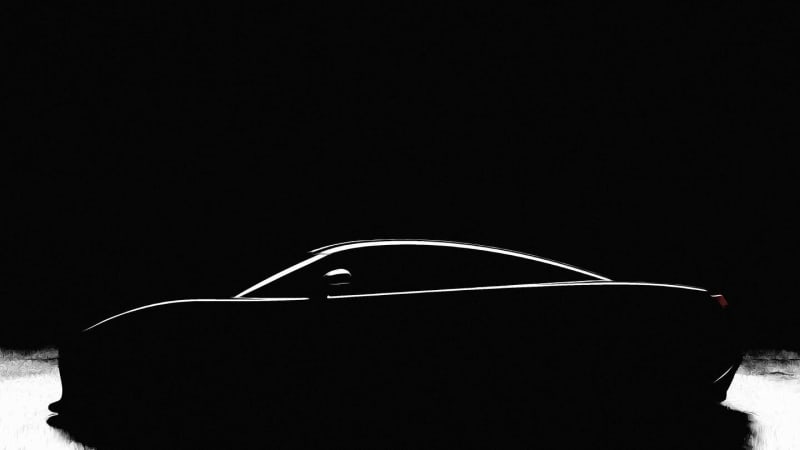
Koenigsegg’s resolution for 2022 is one that most enthusiasts can agree with: “more ultimate performance.” While details are few and far between, the Swedish firm published a dark preview image on its social media channels that gives us an early look at a new hypercar.
As is often the case, the photo asks more questions than it answers. What’s intriguing is that the model seems to wear a far more angular exterior design than the 1,600-horsepower Jesko, which is characterized by curved lines. Even the Agera RS was more rounded. We won’t go as far as calling the new car retro, but it’s certainly worth noting that Koenigsegg’s early models (like the CC8S) were also rather square.
Another point worth bringing up is that throwback design cues sell well in the supercar and hypercar segments. Bugatti had no trouble selling 10 examples of the Chiron-derived Centodieci, which is a tribute to the EB110 built in the 1990s. And, the born-again Lamborghini Countach was sold out before its unveiling in 2021; it’s limited to 112 units. Koenigsegg’s CC8S is turning 20 in 2022, if you catch our drift.
We’re told that Koenigsegg will deliver more ultimate performance through “clever engineering and optimal design,” so the new model likely has a few tech tricks up its sleeve. It won’t be the kind of technology that’s dominating CES 2022: Koenigsegg has made it clear that its customers want to drive themselves and that an autonomous car isn’t in its pipeline. However, the company is experimenting with extremely innovative ideas in the powertrain department (its four-seater Gemera is powered by a 1,700-horsepower gasoline-electric hybrid powertrain built around a camless three-cylinder engine) so it’s reasonable to assume that the new model’s specifications sheet will surprise us.
Color us intrigued, then. More information about the next Koenigsegg model will emerge in the coming months.
Related Video:
January 3, 2022 / Comments Off on Koenigsegg’s resolution for 2022 is to launch a new hypercar
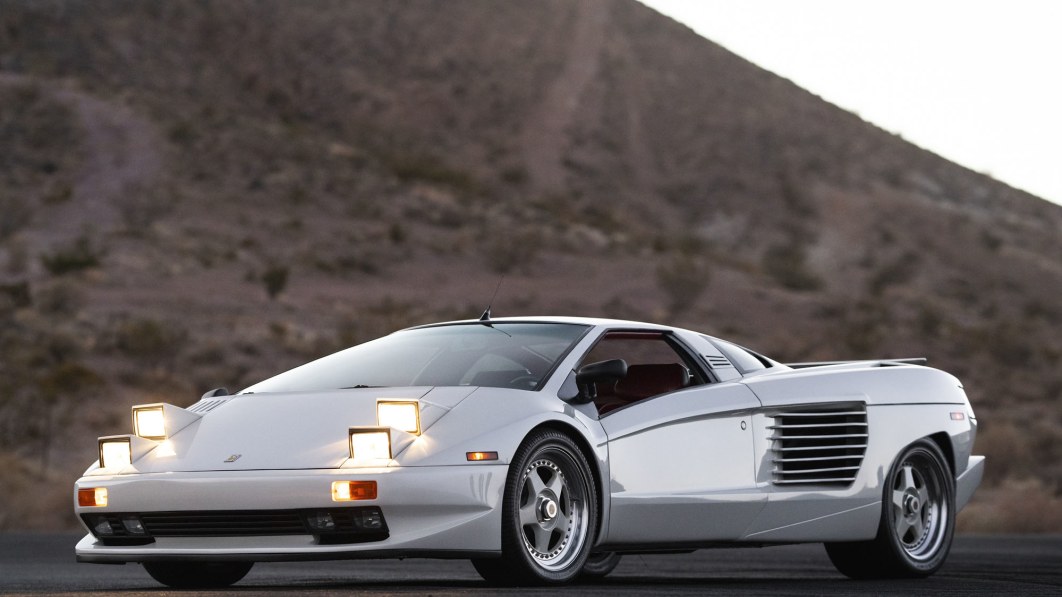
Auction house RM Sotheby’s is giving collectors with a penchant for obscure Italian supercars from the 1980s a rare opportunity. One of the classics it will offer during its January 2022 sale is the original Cizeta-Moroder V16T prototype that was displayed at several car shows.
Cizeta-Moroder isn’t a household name. When you think “Italian wedge,” odds are you imagine a Lamborghini Countach (or maybe a slice of parmesan). The short-lived company was founded by former Lamborghini test driver and engineer Claudio Zampolli with funding from music producer and composer Giorgo Moroder, who is also known as the Father of Disco. Bertone’s Marcello Gandini was commissioned to design the car, and Zampolli decided to power it with a 6.0-liter V16 engine in order to one-up better established supercar firms like Ferrari.
Mounted transversally behind the passenger compartment, the naturally-aspirated 16-cylinder engine sent about 520 horsepower and 398 pound-feet of torque to the rear wheels via a five-speed manual transmission. These numbers were huge for the late 1980s when Lamborghini’s Countach put 449 horses under your right foot and a BMW M3 was rated at 220 horsepower. Zampolli and Moroder worked together long enough to build a running and driving prototype but the relationship between the two men quickly soured. The car was consequently renamed Cizeta V16T, and Zampolli built nine additional examples before his company filed for bankruptcy in 1994.
The original prototype is the only example built with “Cizeta-Moroder” badging, and it’s still owned by Moroder. RM Sotheby’s explains that the prototype was unveiled in December 1988 at an upscale gathering held in Los Angeles and hosted by Jay Leno. It was also displayed at the 1989 editions of the Los Angeles and Geneva auto shows. Several key details differentiate it from the production versions: the air intakes on both sides are bigger, and parts like the turn signals, the door mirrors, and nearly everything inside are specific to chassis number 001.
Moroder reportedly had the car refurbished by California-based Bruce Canepa in 2018 after keeping it in storage for many years. It’s said to be in running and driving condition and its odometer displays 322 kilometers, which represents approximately 200 miles.
If you think this V16T belongs in your collection, you’re in luck: it’s scheduled to cross the auction block during an RM Sotheby’s sale taking place in Phoenix, Arizona, on January 27, 2022. We don’t have a pre-auction estimate yet, but nothing suggests that the winning bidder will score the deal of a lifetime. In 2021, RM Sotheby’s sold a 1993 model (chassis number 101) for $665,000. We’re guessing that the original prototype will sell for considerably more money considering its historical significance and the fact that it’s a documented one-owner car.
Several other classic cars shaped like a door stop will be looking for their next home in Phoenix in January 2022. RM’s catalog also includes a 1971 Ferrari 365 GTS/4 Daytona Spider, a 1995 Ferrari 512 M, a 1978 Maserati Bora 4.9, and a no-reserve 1981 DeLorean DMC-12.
January 1, 2022 / Comments Off on Father of Disco’s Cizeta-Moroder had ’80s looks, double pop-up lights and a V16
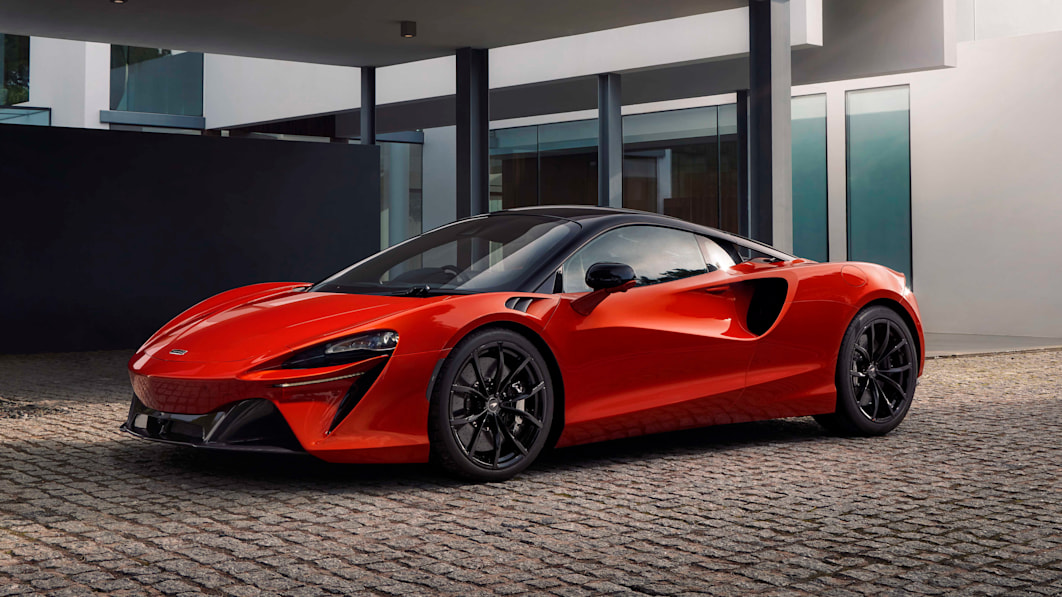
When McLaren officially revealed the Artura, it promised that deliveries would begin in the third quarter of 2021. The third quarter of this year has long since gone, and we’re about to head into 2022, and there are still no Artura deliveries taking place. The new target date for initial deliveries is set for July 2022.
Automotive News heard confirmation of the delay from a McLaren spokesperson.
“We held on longer than everybody else in terms of stopping production, but unfortunately, our semiconductor supply dried up,” the spokesperson said. “That made us have to reduce production across the board.”
So, there’s your reason for the delay, too. McLaren is blaming the chip shortage that is currently plaguing the entire automotive industry. It’s unfortunate, because McLaren could certainly use the new Artura to freshen up its lineup. Automotive News reports that McLaren originally meant the Artura to make up 40% of its deliveries in 2022. With the delay until July next year, that’s going to be a difficult number to approach.
In case you needed a reminder, the Artura is a totally new McLaren from the ground up, as it’s sporting a new platform, new twin-turbo V6 engine and a plug-in hybrid electric system for purely electric motoring — 19 miles with a full battery pack. The engine and electric motor combined produce 671 horsepower and 531 pound-feet of torque, sending it to 60 mph in just 3.0 seconds. Base price for the Artura is $225,000.
Related video:
December 28, 2021 / Comments Off on McLaren Artura hybrid supercar delayed until second half of 2022
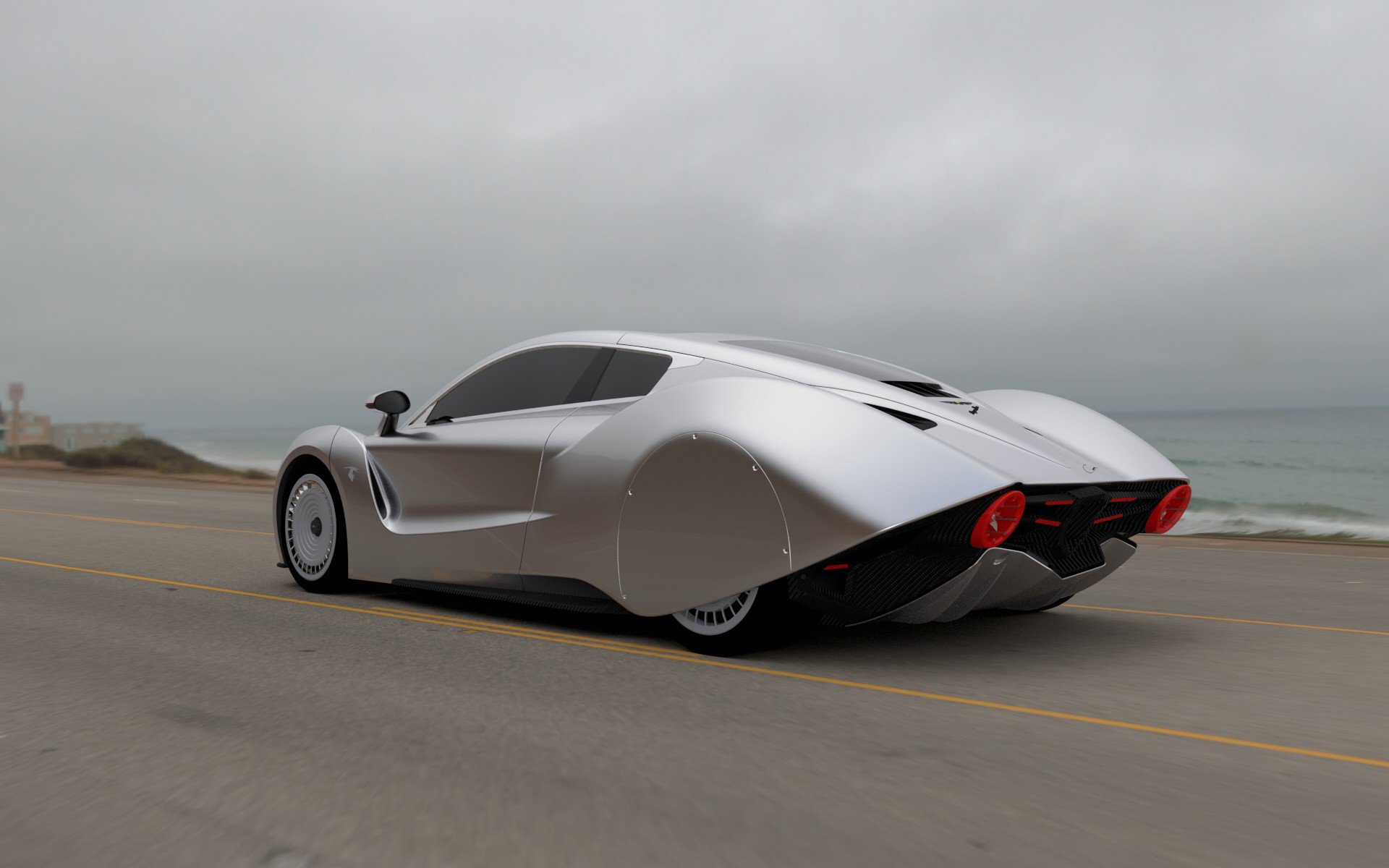
Hispano Suiza Fábrica de Automóvil S.A. is a company that dates back to the ‘old days’ of automotive history, between 1904 and 1946 they not only created a total of 12,000 luxury high-performance cars but also 50,000 aircraft engines in Spain, sadly after 1946 this glorious name became somewhat dormant … until 2000, when the HS21 supercar was shown in Geneva, followed by the K8 in 2001 and the HS21-GTS in 2002 as evolutions of the HS21 version.
The 2001 Hispano Suiza K8
But there is a lot more to know about the history of this glamorous car builder, so take a look at the 10 things you might not know about them is the extract from their latest press release below:
1 – More than 100 years of history Hispano Suiza was founded on June 14, 1904, by Damián Mateu together with Francisco Seix and Swiss engineer Marc Birkigt, who had worked for two companies that had preceded Hispano Suiza: La Cuadra and J. Castro. Birkigt’s experience in the industry was key in laying the foundations for Hispano Suiza.
In 1905, Hispano Suiza created their first vehicle, the Armored Type Birkigt System, which was equipped with a four-cylinder engine and 20 CV of power, and which reached a top speed of 87 km/h. It was followed, a year later, by what would be the first car with a six-cylinder engine built in Spain, a model delivering 75 HP of power that completed the Perpignan-to-Paris route in 22 hours, a feat which received great media attention at the time.
2 – Hispano Suiza did not just produce cars throughout its history During World War I, Hispano Suiza went from producing cars to manufacturing aircraft engines. It was a period of great success for the company: they applied their technological know-how in the manufacture and development of automotive engines to a new field, which brought them great benefits.
Georges Guynemer and his fighter plane
Birkigt built an aircraft engine that was based on a racing car engine, following the “direct drive” principle, with a V8 layout and aluminum alloy blocks to reduce weight. Hispano Suiza began to receive numerous orders, so many that they had to sell licenses to other manufacturers in France, the United Kingdom, the United States, Italy, Japan and even Russia… In total, more than 50,000 Hispano Suiza engines were built.
Hispano Suiza aviation engines also found their place at sea. The most spectacular engine, a V12 delivering 1,300 HP, was mounted on a series of racing boats, including the so-called Aurora, built in 1935. Birkigt collaborated in the assembly of this boat, which was auctioned a few years ago for a figure close to a million euros.
3 – King Alfonso XIII
King Alfonso XIII played an important role in the early days of Hispano Suiza. The monarch was a car enthusiast, who instantly fell in love with the 20CV Hispano Suiza that he drove in in 1905. So much so that in 1910 he became a shareholder, purchasing 8% of the company shares. King Alfonso XIII also had a car named in his honor, a two-seater sports car, with a 3,619 cc four-cylinder engine, delivering 60 HP, with a top speed of 120 km / h. It was the Hispano-Suiza T45, better known as Hispano Suiza Alfonso XIII.
King Alfonso XIII of Spain with Hispano Suiza
4 – A car for the elite Thanks to the performance of its vehicles, which combined speed with lightness and amazing driving sensations, thanks to its luxury materials, the handcrafted to the highest quality standards, Hispano Suiza immediately rose to fame.
In addition to King Alfonso XIII, the vehicles of the Spanish brand were chosen by aristocrats, intellectuals, and the most renowned artists in the world, such as Gustavo V of Sweden, Carlos II of Romania, Louis II of Monaco, Pablo Picasso, André Citroën, Coco Chanel, René Lacoste, Paul McCartney or Albert Einstein.
The history of Hispano Suiza cars has always been closely linked to clients with high purchasing power, an exquisite taste for luxury and an incalculable passion for the automotive world. Today, classic Hispano Suiza cars are preserved with great care in museums and private collections around the world.
5 – Hispano Suiza, not just a car but an asset of cultural interest The Hispano Suiza 30-40 HP was an important model in the history of the brand, developed by Birkigt as a replacement for the 20-30 HP. Of all those produced, there was a very special unit custom-built for the Marquis of Zayas and bodied by Francisco Capella.
This model used noble woods and materials such as ivory and silver. The steering wheel was positioned to the right, as it was customary then, and featured mahogany details, ivory handles, beveled glass, automatic blinds, fine cushioned upholstered seats, a perfume diffuser, vases, and numerous details that underlined the elegance and exclusivity of the car. It was a Hispano Suiza made to measure.
The model, after all cars once belonging to the Marquis of Zayas were auctioned, was acquired by the Spanish Home Office which declared it an Asset of Cultural Interest in 1988, being the first car to achieve this status, which is normally granted to monuments and works of art. The vehicle was then displayed in the Museum of Automotive History located in Salamanca (Spain).
6 – The stork Hispano Suiza’s emblem, the stork, is a nod to the company’s heritage as a manufacturer of aircraft engines. The brand decided to feature it in all its models to pay tribute to Georges Guynemer, a French fighter ace, who had a stork painted on the fuselage of its fighter jet during World War I, powered by a Hispano Suiza engine.
In 1919, the silver stork accompanied the new Hispano Suiza H6B in its presentation at the Geneva Motor Show and, since then, it featured in all the brand’s models, accompanied by the flags of Spain and Switzerland. 100 years later, the stork flew again at Carmen’s presentation, once again at the Geneva Motorshow.
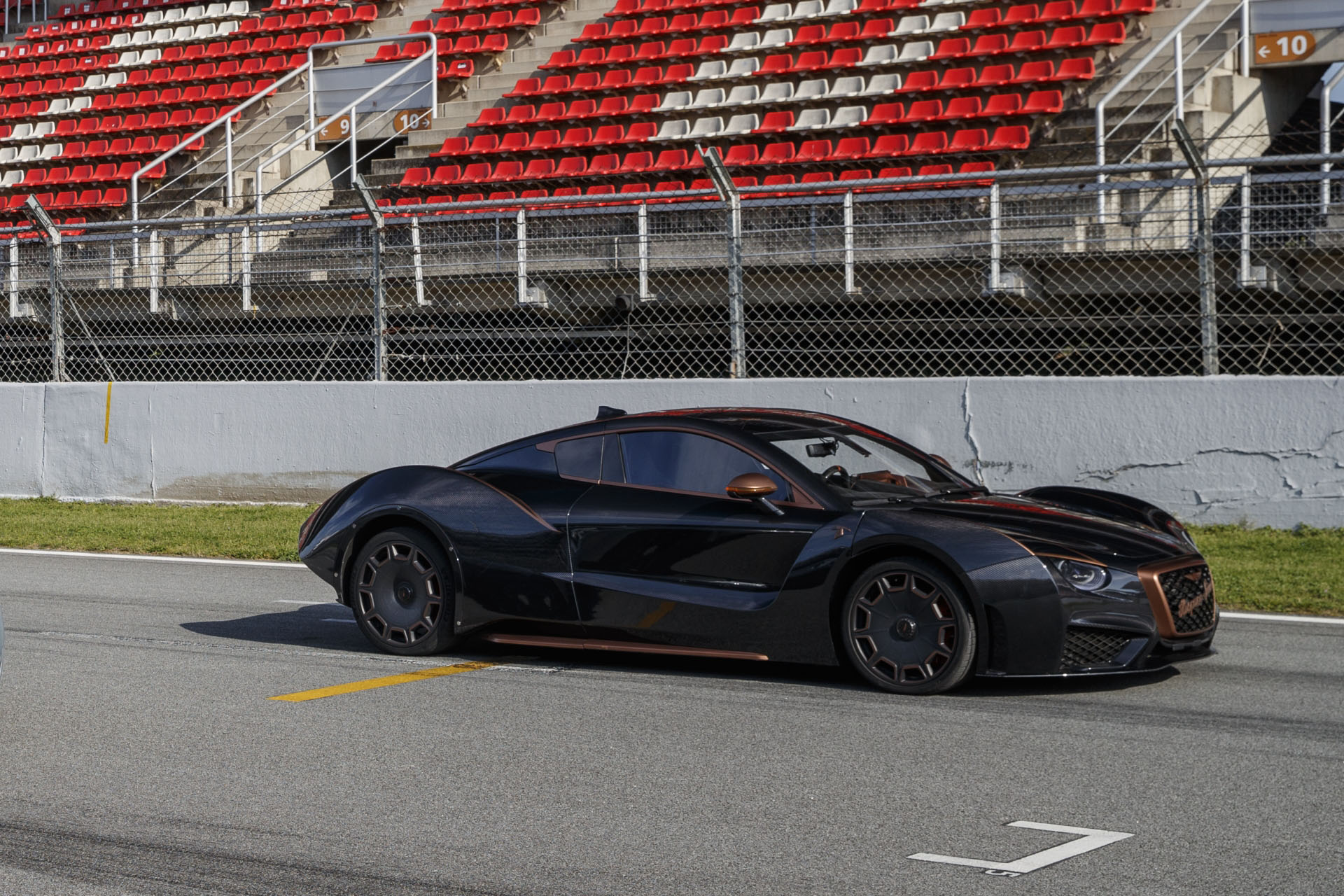
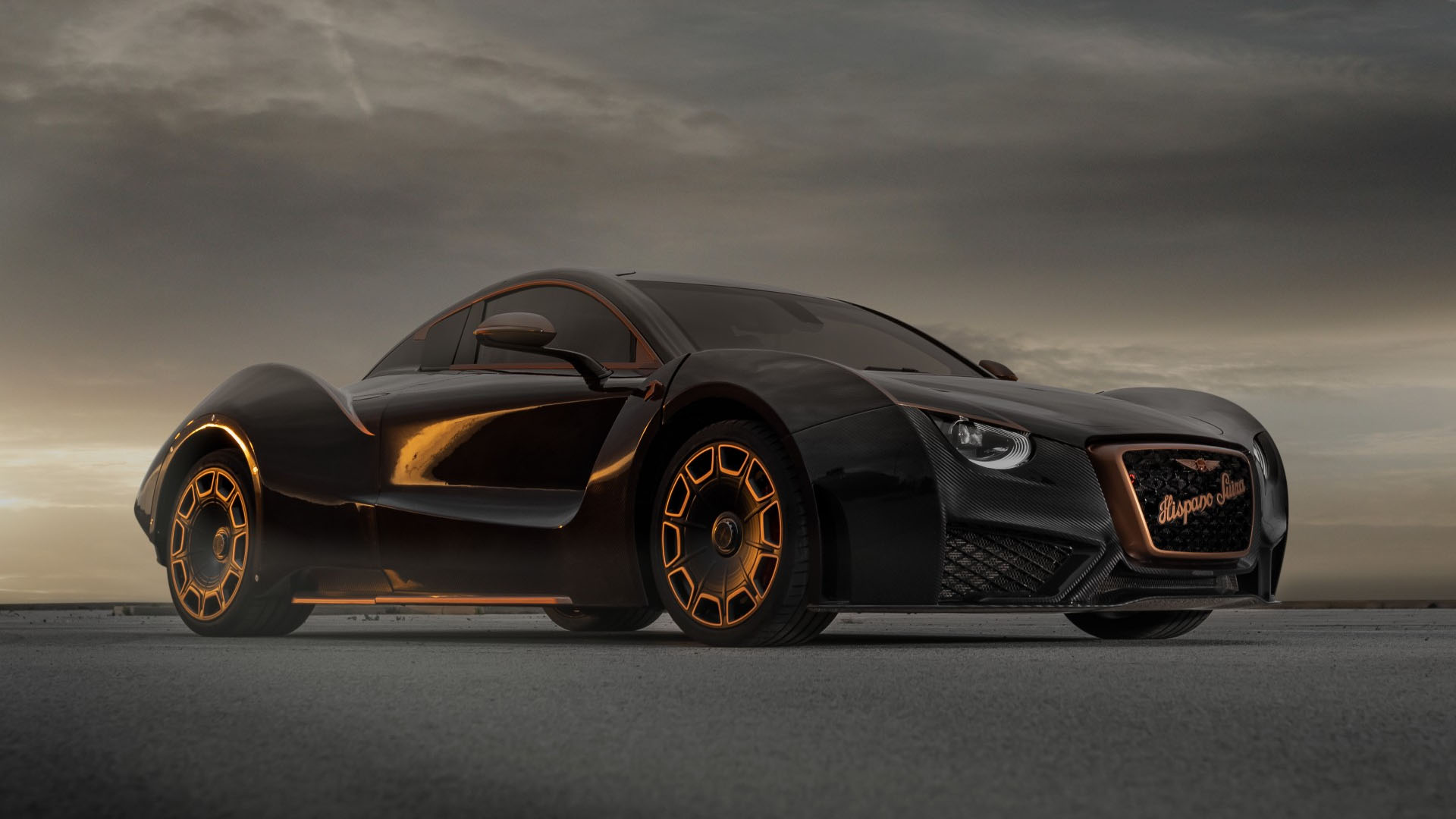
7 – Carmen Carmen is the name that Hispano Suiza has given to the vehicle with which it made its comeback to the world of automotive manufacturing. It is a model that has already made history; the most technologically advanced that has been designed, manufactured, and developed in Spain. The choice of the name is not a mere coincidence: it is a tribute to Mrs. Carmen Mateu, granddaughter of Damián Mateu – founder of the company – and mother of the current president of Hispano Suiza, Miguel Suqué Mateu.
“The name Carmen is a tribute to our mother. When we were debating what to name the new vehicle, we immediately thought of Carmen and the family loved it ”, declared Miguel Suqué Mateu. “She always told me that she wanted to see Hispano Suiza roaring on the streets again, and I am sure that she would be very proud of it. The signature on the back of the vehicle is her original signature.”
The ‘last name’ Boulogne, which is used for the more powerful version of Carmen, is not a coincidence either. It is a tribute to the victories achieved by the Hispano Suiza H6 Coupé in the Georges Boillot Cup, held in the French town of Boulogne-sur-Mer a century ago.
8 – A car made to race The Hispano Suiza Carmen and Carmen Boulogne have been developed on the racing circuits. For the creation of this very special model, which was presented at the 2019 Geneva Motor Show, Hispano Suiza had the backing of QEV Technologies, a motorsport company that built the first car that went on to win the drivers’ title in the Formula E championship.
Thus the Hispano Suiza Carmen´s dream performance, typical of a racing car. Its 1,019 CV of power – 1,114 CV in the Boulogne version – and its less than three seconds of acceleration from 0 to 100 km / h, make it one of the most powerful and fastest road cars in the world.
9 – Hispano Suiza has a former F1 driver in their team After completing the design and manufacturing process, Hispano Suiza handed over the steering wheel to a former Formula 1 driver: Luis Pérez-Sala. Pérez-Sala has been in charge of developing the model on the track and on the road since the Hispano Suiza comeback was announced, and has worked to ensure that the select group of owners of the new Hispano Suiza feel like racing drivers.
In addition to Pérez Sala, Pablo Suárez, an experienced rally and rallycross driver with training as a motorsport engineer, also participated in the development process, bearing witness to the creation of an authentic work of art on wheels.
10 – The opportunity to create the car of your dreams Each Hispano Suiza Carmen is unique. Thanks to the brand’s Unique Tailormade program, customers have access to a wide variety of options to create the model they have dreamed of all their life. There are 1,904 possible combinations, so no two Hispano Suiza are alike.
Hispano Suiza Carmen Boulogne
Clients can choose between three main configurations that reflect the key values of the brand’s DNA – Elegance, Heritage and Sport – and, based on these, they can choose different colors and materials for the interior and exterior of their car, to add a personal touch to the design and adapt it to their individual tastes. Colors have been chosen and named in a tribute to the history of the brand, and include Peralada Green, Swiss Red, Xenia Gray, Birkigt White, or Begur Blue, among others.
Hispano Suiza is part of the Peralada Group, which represents the pinnacle of luxury in gastronomy and entertainment through its global portfolio of casinos, restaurants, hotels, golf courses, vineyards, music festivals, and marinas.
December 22, 2021 / Comments Off on 10 things you didn´t know about Hispano Suiza
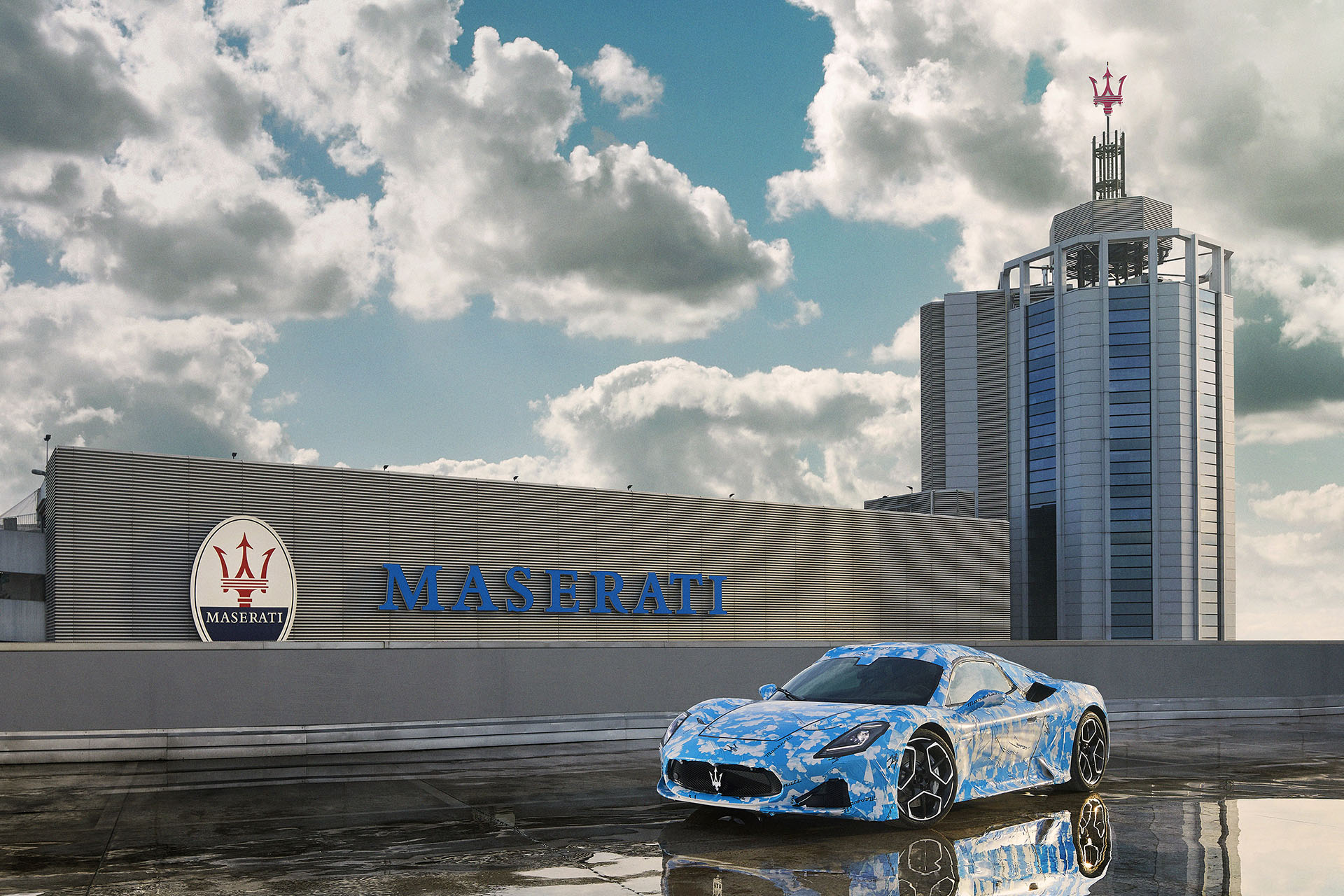
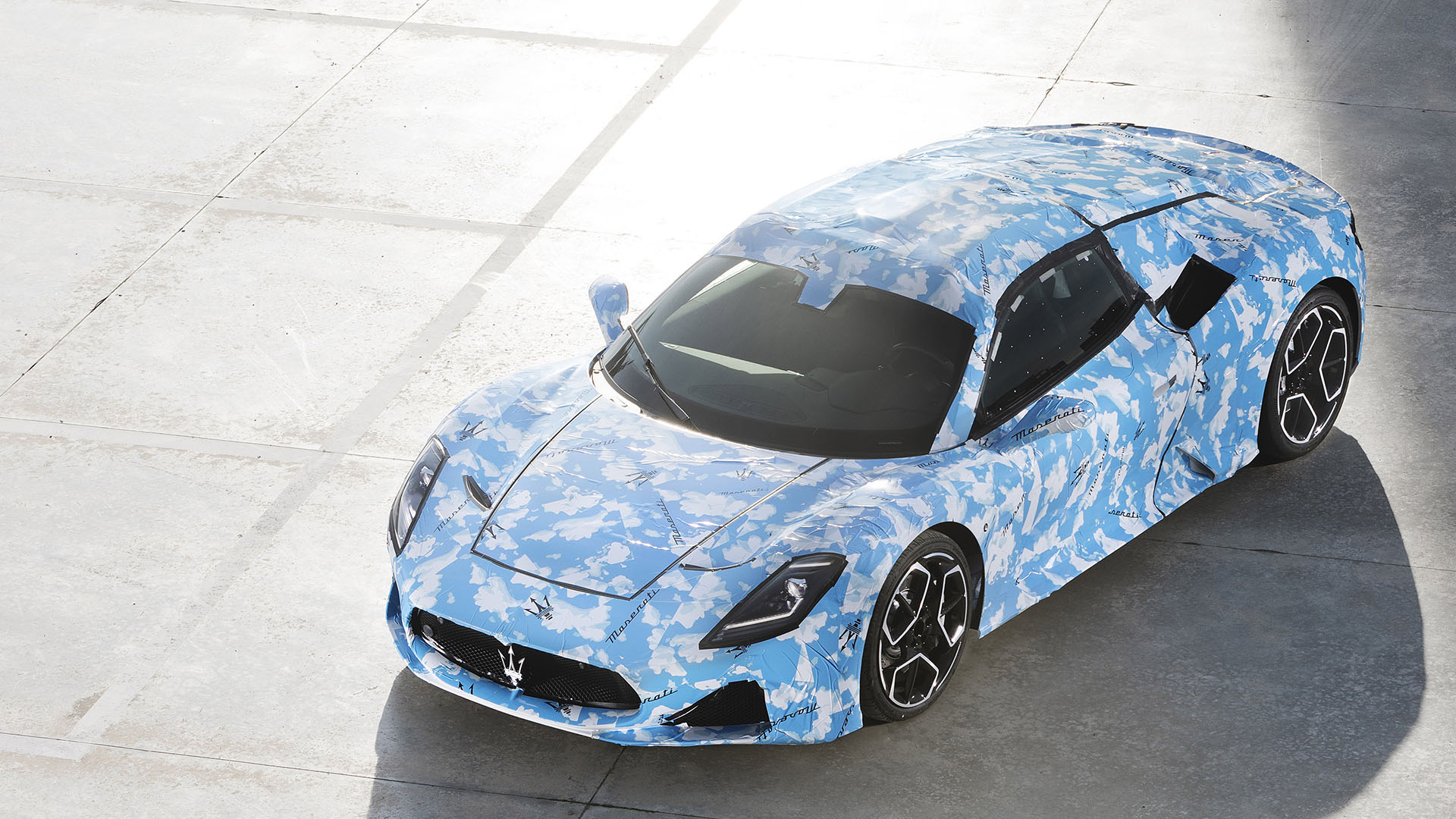
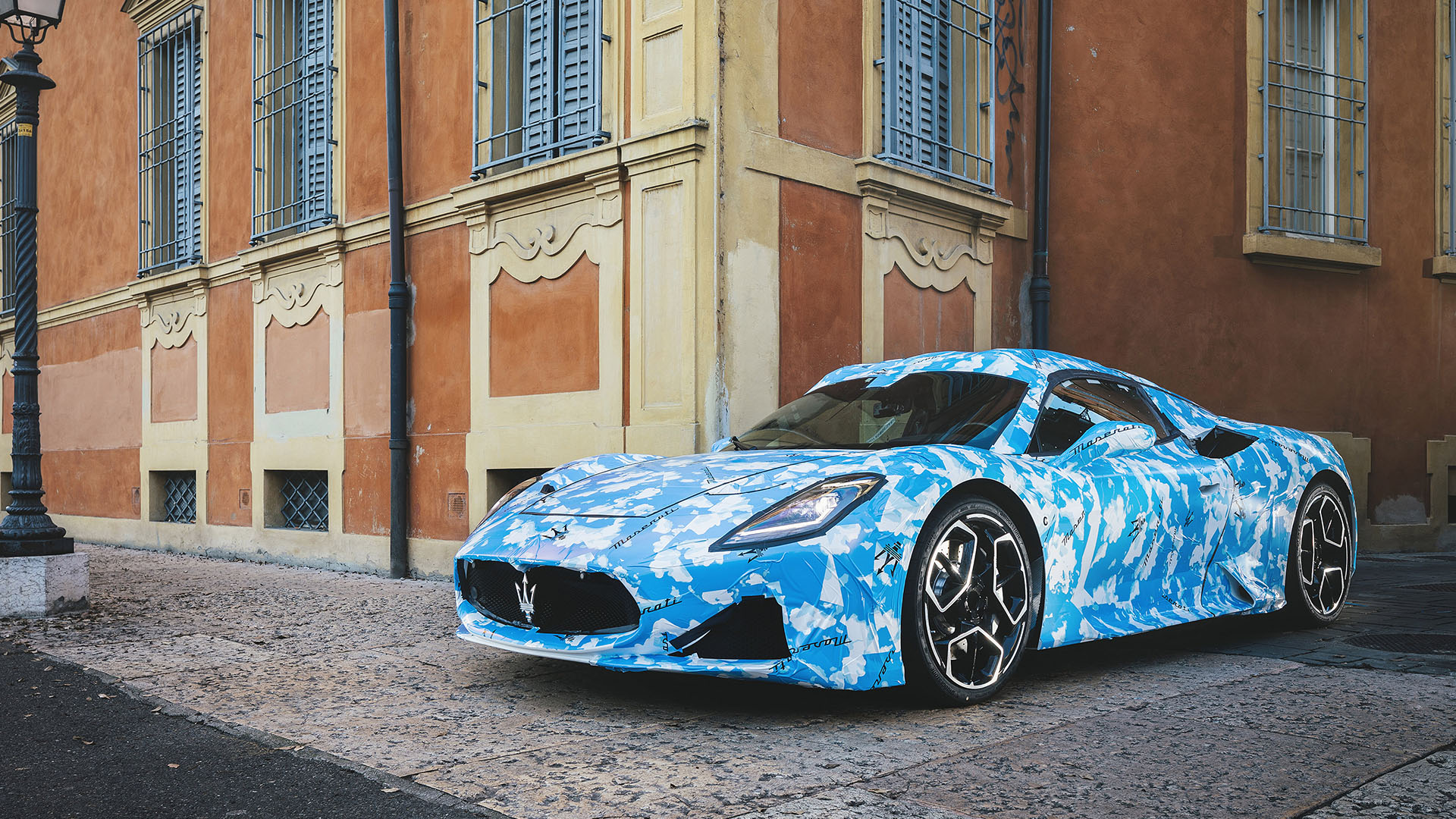
I guess it was only a matter of time before Maserati would create a topless version of their latest supercar, the MC20, and that time has come now, the first prototype test mule for an MC20C, or Cabrio has been seen on the road during initial trial runs, covered under a cloud-style camouflage wrap, complete with Maserati scripts and tridents, but we might be able to order this new supercar with a removable top from Maserati soon it seems.
Naturally, the wrap is there to avoid us from seeing just how Maserati plans to offer their MC20 as a convertible, but chances are they will be taking inspiration from Ferrari’s mid-engine Spider models, so most likely we’ll be seeing a hardtop that folds down behind the two seats under a rigid cover, I would be very surprised if Maserati would opt for a canvas roof on their supercar, we’re not talking about the Lamborghini Murciélago Roadster with the terrible ‘toupet’ that took ages to fit over the frame, and limited top speed to 180 km/h, this is a 21st-century supercar from Maserati after all.
The Maserati MC20 was the first model of their new era, combining performance with luxury, the MC20 comes with their in-house developed Nettuno V6, twin-turbocharged, mid-mounted engine, a 630 hp beauty with Formula One sourced technology that pushes the new supercar to 62 mph from a standstill in just 2.88 seconds, while a top speed of more than 202 mph is listed in the specifications, but those are the figures for the coupe, I wonder if they needed to add additional weight to reinforce the base to cope with the absence of a roof structure.
From these initial test mule photos, we can see the overall looks of the Maserati MC20 Convertible will be very close to the Coupe lines, the front bumper looks the same, the side sills look similar too, and while there isn’t a view from the rear of this prototype, I think it will be safe to say that the rear fascia and lower diffuser are just about identical between the two. Even the vents next to the front lid, the headlights, and the air intakes on the rear fenders behind the door all look very close, if not the same between the Coupe and the Convertible, but the big difference will be the roof most likely.
If you look at photos of the Maserati MC20 with the doors open, you’ll notice they open like butterfly wings, and while Aston Martin had to redesign the doors when they went from the Valkyrie to the Valkyrie Spider, it seems Maserati will be able to keep the Coupe doors when converting her into a Convertible, the hinges aren’t on the windshield surround nor on part of the roof, so the Modena based Trident might have dodged a bullet there.
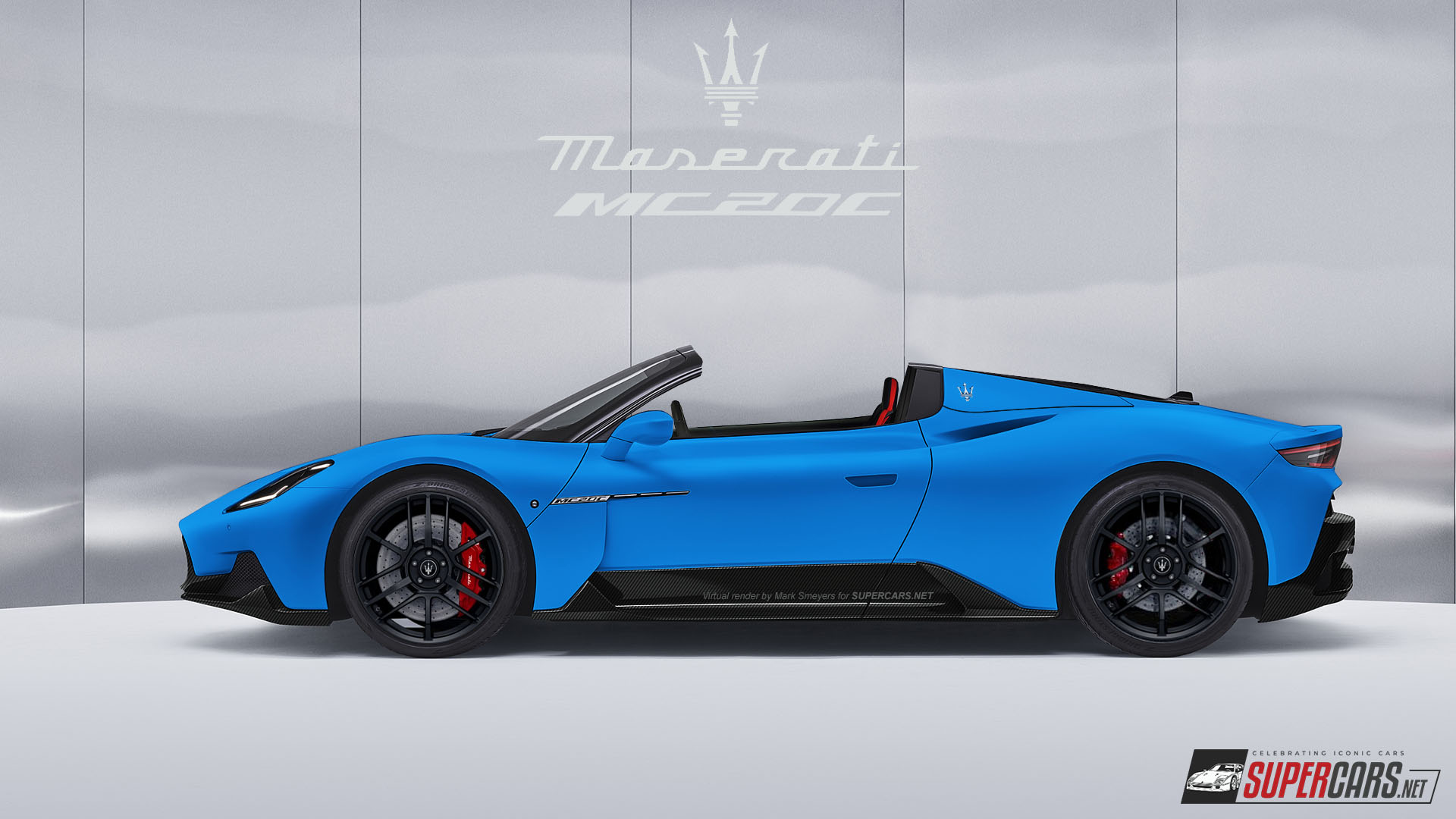
With the camouflaged prototype rolling on the standard fitment 20-inch Birdcage Design Alloy wheels, I used those for my first render on how I think the new 2022 Maserati MC20C would look, I went with a classic Bianco Audace body with an added touch of color on the brake calipers in gloss blue which ties in with the interior where I opted for the Nero upholstery with Blu Cielo insets … a classic Maserati color combination.
Personally, I would opt for a slightly more aggressive styling by fitting the 20″ Corsa Design Forged wheels in a Matte Dark Miron Finish over red brake calipers together with a touch of Rosso on the seats too, all red seats would look even better, but that option doesn’t seem to exist from Maserati … yet. Add a classic blue bodywork and the exterior carbon fiber package, and I think you’ll end up with a great-looking Maserati MC20 Convertible.
Note that the name MC20C is just how I think this Convertible might be called, it’s not an official name, neither are the side view I’ve created for SUPERCARS.NET, they are virtual renders of how this new Maserati MC20 Convertible might look, with a rigid roof that folds down in sections underneath a hard tonneau cover behind the seats I think the style seen on the above renders will be very close to the real car.
December 22, 2021 / Comments Off on Maserati testing an MC20 Convertible
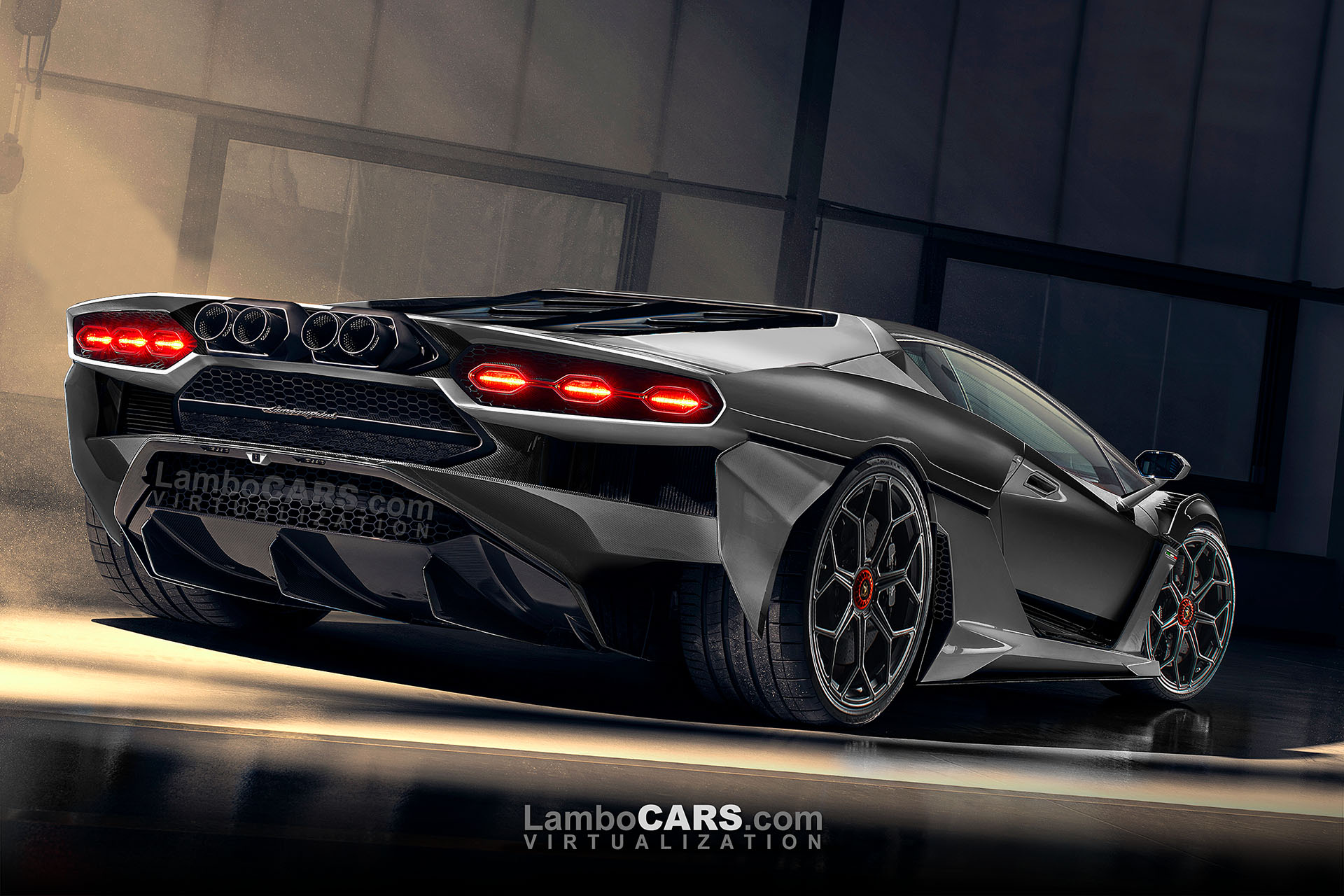
Did Automobili Lamborghini SpA drop the ball and accidentally drive the new V12 Hybrid model inside the factory compound, right in front of a camera lens with just a loose cover and some camouflage decals on the door, the new model we’ll only be seeing towards the end of 2022 or early 2023 as the replacement for the current flagship model, the Lamborghini Aventador … or is Lamborghini playing tricks to stir up interest even more?
Via MOTOR1.com
I will post a video shot by YouTuber Varryx at the bottom of this article, it shows the car driving right in front of his camera, and I have to admit, she sounds great, but first let’s go over some details we noticed on the video and the subsequent photos that appeared online earlier today, the obvious elephant in the room are those exhausts:
Via MOTOR1.com
Check out the placement of those four tailpipes, grouped by two inside a hexagon tip, so far no big deal, the Aventador LP700-4 also had four exhausts, grouped inside one large tip, by the time the SVJ came around we saw two larger diameter exhaust tips moved a little higher onto the rear fascia, arguably to make the distance in piping shorter, but now those dual twin pipes sit really high at the rear, almost as high as on the Sesto Elemento we’ve seen years ago … the question is: are these real?
Via MOTOR1.com
Is Lamborghini test driving the Aventador successor with a totally new exhaust that exits this high up, or is this a smokescreen to make us believe these are the actual exhausts, while in real life there are still two big pipes at about the same position as seen on the SVJ because the cover does show something in that area too? My guess is they took an old cover from an Aventador SVJ to keep most of this test mule out of sight and just cut a hole at the top for these new exhausts … at least I hope so, I love this look.
Judging from the area above the exhausts, it seems there is something above these tailpipes, could be a rear wing, could be bodywork with an air intake, remember the Aventador SVJ also had a center-mounted intake behind the engine cover, or it’s just a fake impression from using an SVJ cover as that model had a fixed rear wing, and this test mule actually has nothing there, but a wrapped-together oversized cover.
Via MOTOR1.com
Now let’s look at the front, that’s not an Aventador front bumper, that’s for sure, not even the front fenders look like the current flagship, especially not the section at the front of the doors, there seems to be a vertical air vent present that will open with the doors, in traditional Lamborghini fashion, going up, as they have done since the Countach, a Lamborghini trademark by now, so I’m sure the new MY2023 top of the line from Sant’Agata will keep that style of doors.
The twirly camouflage makes it hard to distinguish details on the styling of this test mule, but let’s give it a try anyway: it looks like the typical Lamborghini design line … one uninterrupted line from the front bumper all the way to the rear fascia is kept alive for the upcoming model too, while there is a ‘swooping’ line from the bumper going up over the wheel arch only to go down a little again around the exterior rearview mirror before going up again into an air intake behind the side windows.
Via MOTOR1.com
From what we can see on these photos, it looks like the side air intake behind the doors has a steep angle going down from the ‘hip-line’ before going forward about halfway down. And what’s going on at the top … it seems the cover is either catching a lot of air while driving this slowly, or there is a roof-mounted air intake hiding under that grey fabric … personally I think it’s another trick from Lamborghini making us believe there is an intake, perhaps later, on a performance version, but I doubt the initial release will have something as aggressive as that right from the start.
One thing that’s for sure, this test mule is not sitting on an Aventador chassis, or even an Aventador drivetrain … take a closer look at those wheels, both front, and rear. Apart from the fact that these are five-bolt style ones and not the center-lock wheels we’ve been seeing on the SVJ and Ultimae, take a closer look at the calipers, these are not in the same position as the ones on the Aventador. At the front the latter has the calipers hanging several degrees lower onto the disk, while at the rear we notice the inverse, this car has the brake caliper hanging lower compared to the Aventador, and the hand brake caliper is even in a completely different position … this is a new chassis, with a new drivetrain, and most likely already holding the brand new V12 engine.
I sure wouldn’t mind if the Lamborghini Aventador successor would look something like this when we finally see it in 2023
We already knew that Lamborghini was developing a completely new V12 engine for the Aventador successor, it seems the 780 hp found inside the Aventador Ultimae was about the maximum power they could get from the current unit without stretching it too far, and adding electric motors onto the existing ICE V12 wasn’t an option apart from a supercapacitor and a 34hp unit for the Sián and Countach LPI 800-4 … so it was back to the drawing board to build a V12 from scratch.
So by 2023, we will be seeing a Lamborghini model come to market with a brand new V12 hybrid powerplant, how many electric motors and how much battery power will be helping the V12 propel the new car to speed isn’t published yet, and come to think about it, I’m not so sure we’ll be seeing a 6.5-Liter V12 again this time around, why would they, it is perfectly possible to have a smaller displacement V12 in the successor and still have a similar power output, think about it, 700 hp from the V12 with 4 to 5-liter of displacement, and an additional 300 hp from two 150hp electric motors … power from the V12 to the rear wheels, electric power to the front wheels, and we still have four-wheel drive, and we get 1,000 hp or more.
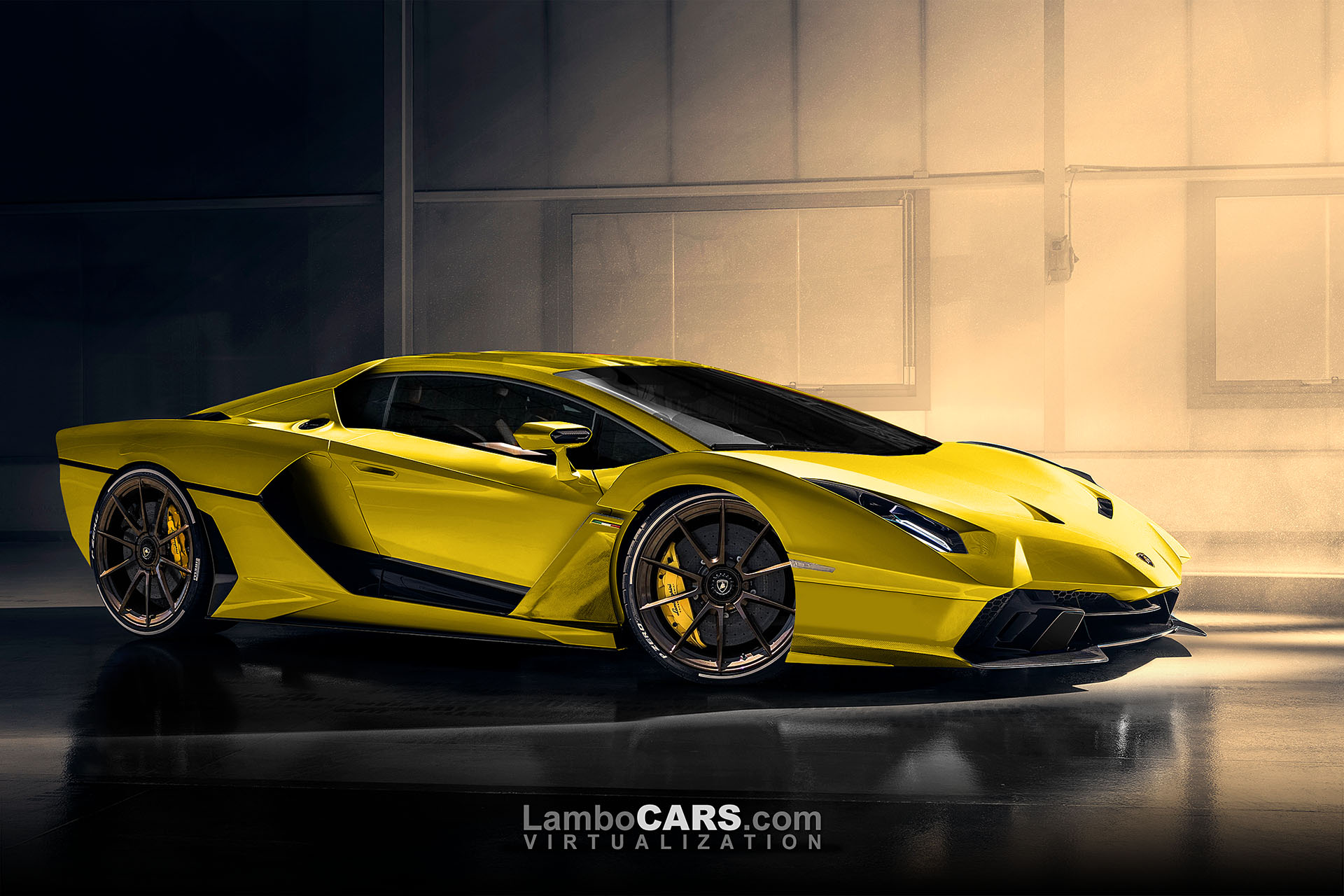
If you look closely at the photos of the test mule that were captured, it does look like the side profile might look similar to this render.
Sources state the Aventador will be replaced by 2023, and while that might be accurate, I think we’ll be seeing the last of the Aventador coming off the assembly line in Sant’Agata by August 2022 already. Lamborghini needs time to covert the current Linea Aventador for the new model, which is a hybrid, will require some serious modifications to the line, and what better time than to start during the summer holidays of 2022, when the factory is closed anyway, and as we’ve seen with the Linea Huracán, they just fence off an entire section of the factory during the construction.
Let’s do some math here … the Aventador SVJ Coupe and Roadster are very close to being finished, there are just a few more Sián and Sián Roadster to complete, production of the Countach LPI 800-4 is about to start, and they will only make 112 of them anyway, and I’m sure the first units of the Ultimae and Ultimae Roadster are already being built as we speak, and with 350 Coupe and 250 Roadster, all of which are sold out already, this adds up to less than 750 cars to be finished on Linea Aventador before it becomes obsolete … if you think about the fact they finished nearly 600 units in the first months of 2021, all of the remaining V12 models, be it NA or with the supercapacitor, will be completed by August 2021.
I did one more render of the rear of the upcoming model, at least how I think the new Lamborghini V12 Ibrido will look if they keep those amazing exhaust pipes, which I for one really like, and even the entire look and feel of the above render works for me, it’s clearly a Lamborghini, low, wide, and brutal … but for now, check out the video below, and hear the thunder of the Raging Bull, courtesy of Varryx:
[embedded content]
[embedded content]
December 20, 2021 / Comments Off on 2022 Lamborghini V12 hybrid test mule sighted
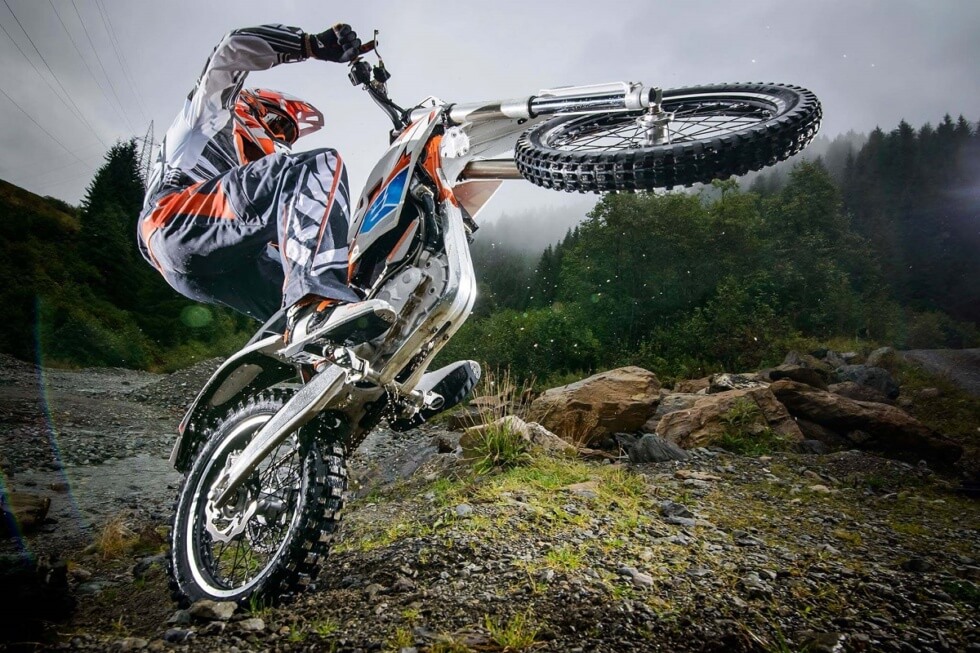
This electric dirt bike is easy for anyone to use, whether you’re a beginner or experienced dirt bike rider. It can reach top speeds of 85 mph, which is pretty cool. This is the highest speed of any electric dirt bike on our list.
It can reach top speeds of 85 mph, which is pretty cool. This is the highest speed of any electric dirt bike on our list. This is a tough electric dirt bike, thanks to its strong Z-Force powertrain, dual-sport equipment, and long-legged suspension.
It has a 100-percent electric powertrain, which means it doesn’t require much maintenance. It has an Eco mode that reduces its violent throttle. When you’re riding on the road, you will gain more energy whenever you slow down your speed.
What’s great about this electric dirt bike is that it has excellent acceleration to make you go fast, but its low frame weight makes it easy to ride. The bike has an attractive blue LCD dashboard so you can view a lot of useful information such as its power output, battery level, and other data.
It’s ideal for beginners, thanks to its one-speed, direct-drive clutchless drivetrain. This makes the bike easy to use, no matter your skill level. Its controller makes use of regenerative deceleration to save energy as well as harness it better so it doesn’t go to waste.
There is a potential drawback associated with its one-speed clutchless transmission – it can make it difficult to control and manage the throttle power output, and this can result in over-throttling. Another drawback is that it will take about five hours to charge this bike’s battery to 100 percent.
Pros
checkIt’s ideal for beginners
checkEco mode reduces its violent throttle
checkAttractive blue LCD dashboard
Cons
cross-altDifficult to control one-speed clutchless transmission
cross-altIt will take about five hours to charge
Specs
Speed:85mph
Battery:N/A
Weight:105.8 lbs
December 19, 2021 / Comments Off on 11 Best Electric Dirt Bikes For Your Next Outdoor Adventure
2022 will be the last model year for the Ford GT, the craftsmen at Multimatic turning out the last of the 1,350-unit production run. We already knew there’d be one more Heritage Edition coming, Ford using this year’s Monterey Car Week to reveal models that would honor the original 1964 prototypes. Now Ford Performance has teased a second Heritage Edition for next year, this one a nod to England’s Alan Mann Racing. The Surrey-based race shop prepped Fords for races like the Monte Carlo Rally and Tour de France Automobile before becoming a European factory team in 1964. AMR ordered five GT40 MkI racers with the small block 289-ci V8, intent on honing them to win Le Mans. Ford sent just two of the five before changing focus to the GT40 MKII powered by the 427-ci big block, believing the 289s couldn’t get the job done.
The Ford GT Alan Mann Heritage Edition is a limited-edition inspired by the lighter experimental ‘66 GT 40 race cars that Alan Mann Racing built that would help Ford GT to become America’s only Le Mans-winning supercar.#FordGT#LeManspic.twitter.com/SenAEUvwJS
Mann had his way with the two cars anyway, reskinning them in aluminum, designing a new coil-spring suspension, an oil fill tube accessed through the clamshell rear end, and Phil Remington’s quick-change braking system. Called the AM 1 and AM 2, Mann entered both lightweight GT40s wearing his trademark Monaco Red, gold, and white livery in the 24 Hours of Le Mans in 1966, leading the race for a brief spell before having to retire both cars. Ford then had Holman Moody convert the car to into a 427 MkII B model, but never homologated nor raced it, then had Holman Moody revert AM 1 to its Weber-carbed 289-ci spec. That original coupe has made a few appearances at Pebble Beach recently, owner Rex Meyers pulling it onto the lawn for judging and a sound check in 2019 — the first time it had been on display since 1968. Now Gooding & Company has put AM 1 up for auction this year with a pre-sale estimate of $7 to $9 million.
On a side note, Ford’s factory team won Le Mans twice with the 427-ci GT40s, retiring immediately after the win in 1967. John Wyer then created his own lightweight GT40 racers known as the Mirage cars, powered by the 289-cubic-incher, and won Le Mans in 1968 and 1969.
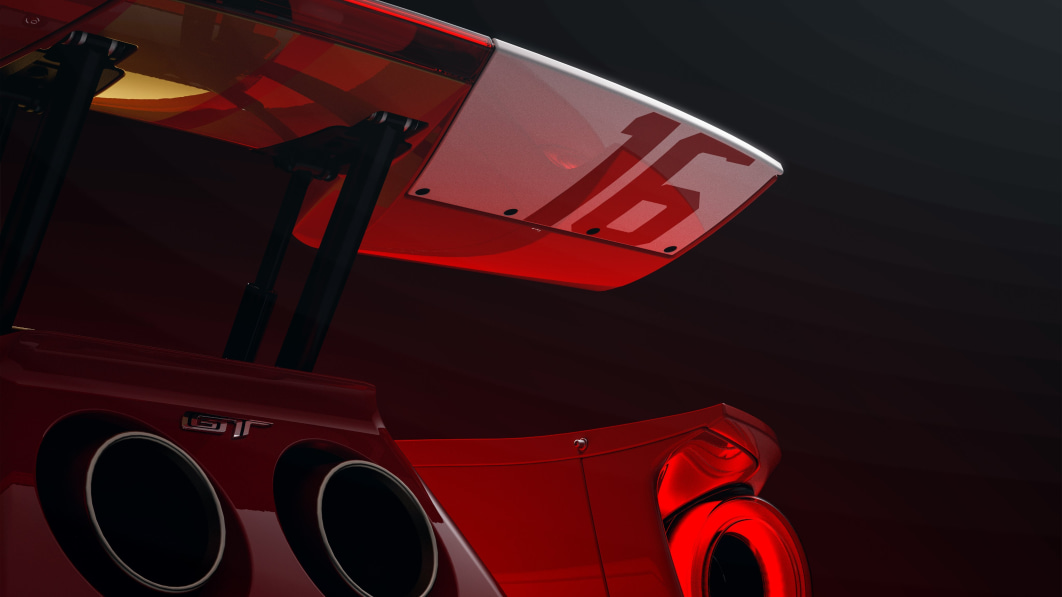
AM 1 wore the #16 in its roundel, and this is the car the new Ford GT Heritage Edition references by having “16” painted on the underside of the rear wing. Yes, it would be awesome if Ford went all the way with the AM 1 honor and rolled out a lightweight GT, but here’s to dreaming. Back on Earth, expect a lively paint job and a 3.5-liter twin-turbo EcoBoost V6 with 660 horsepower and 550 pound-feet of torque, akin to the previous GT Heritage Editions. Production will start sometime early next year, we await word on how many of the Alan Mann units are on the way.
Related video:
December 18, 2021 / Comments Off on 2022 Ford GT Heritage Edition celebrates Alan Mann Racing
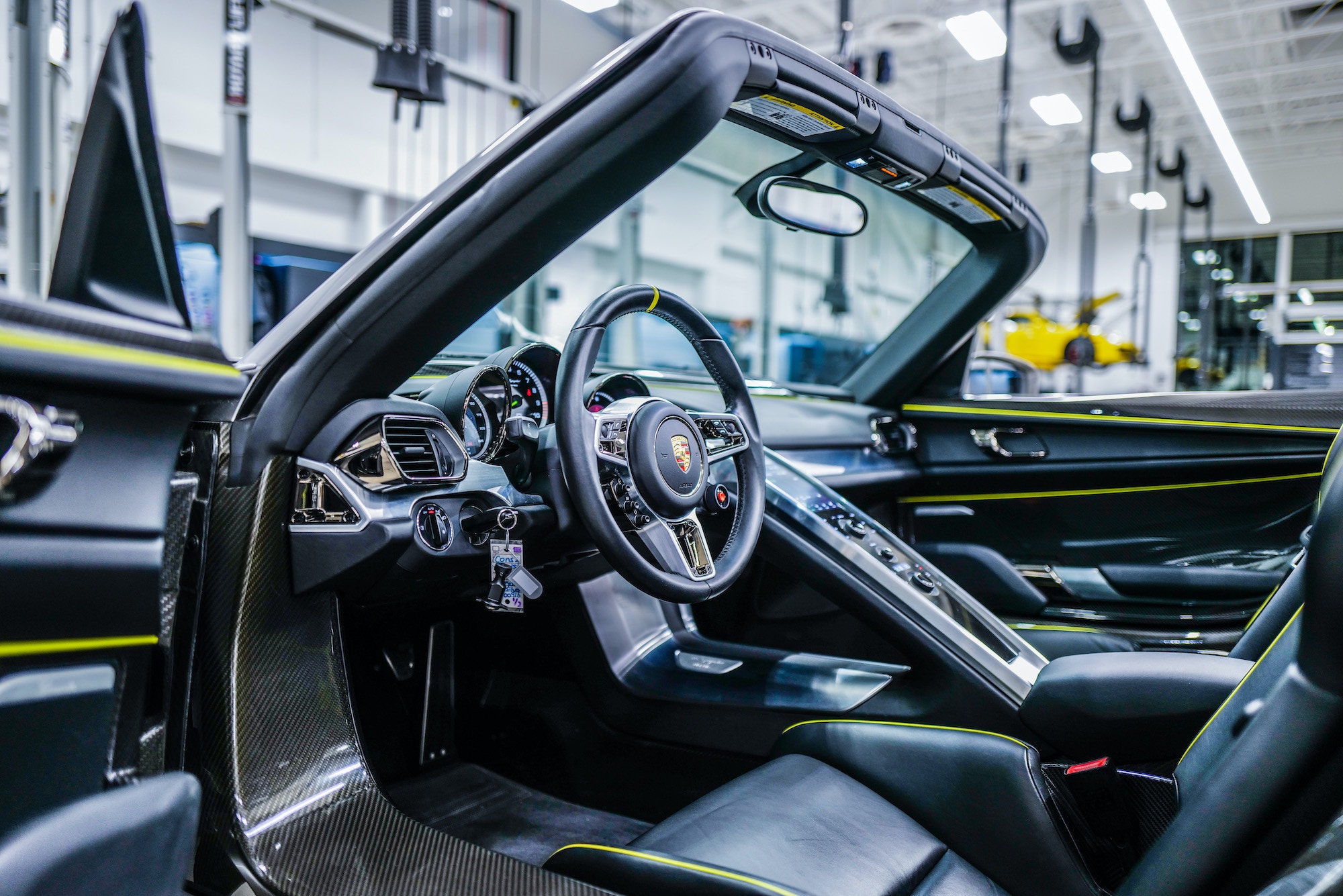
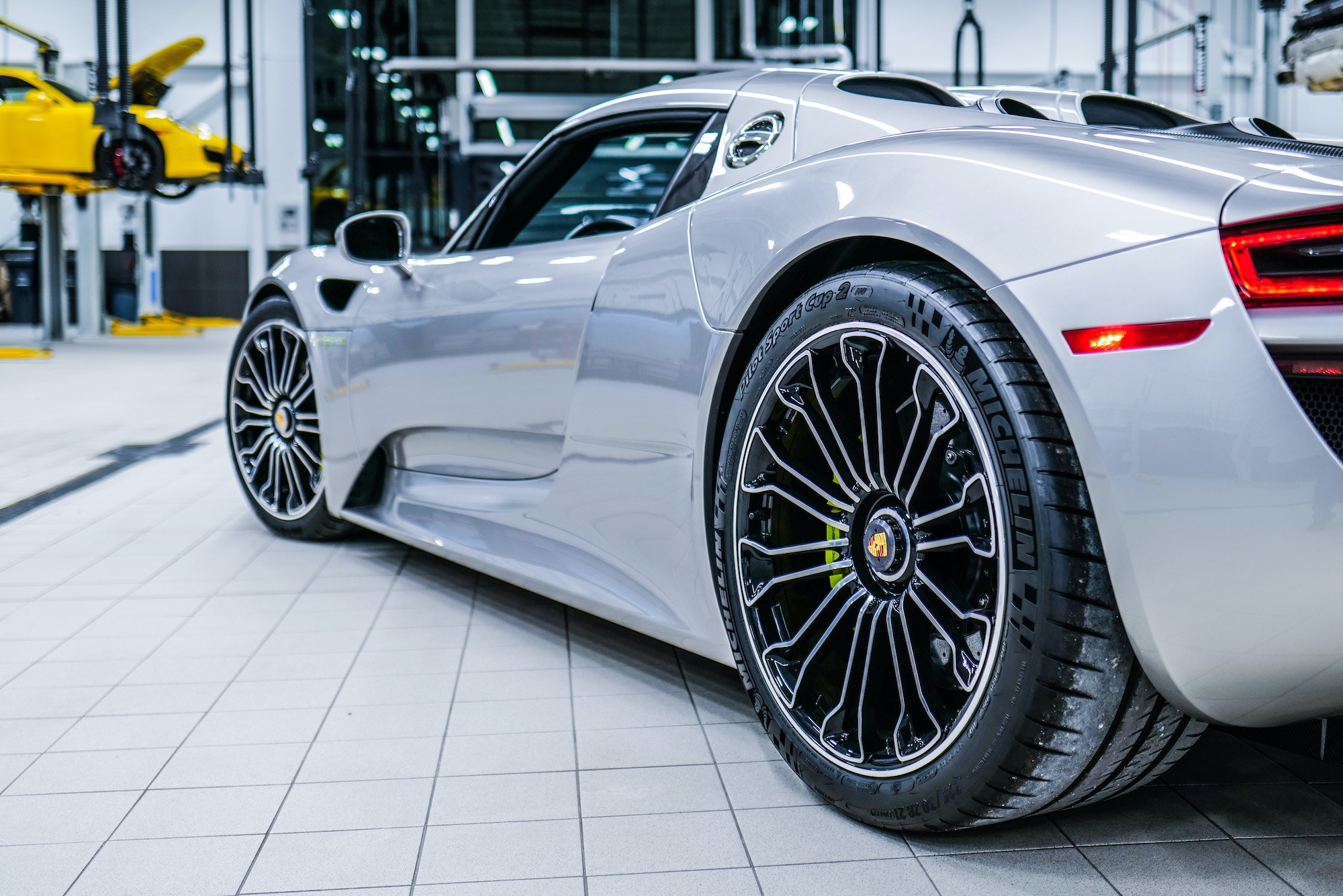
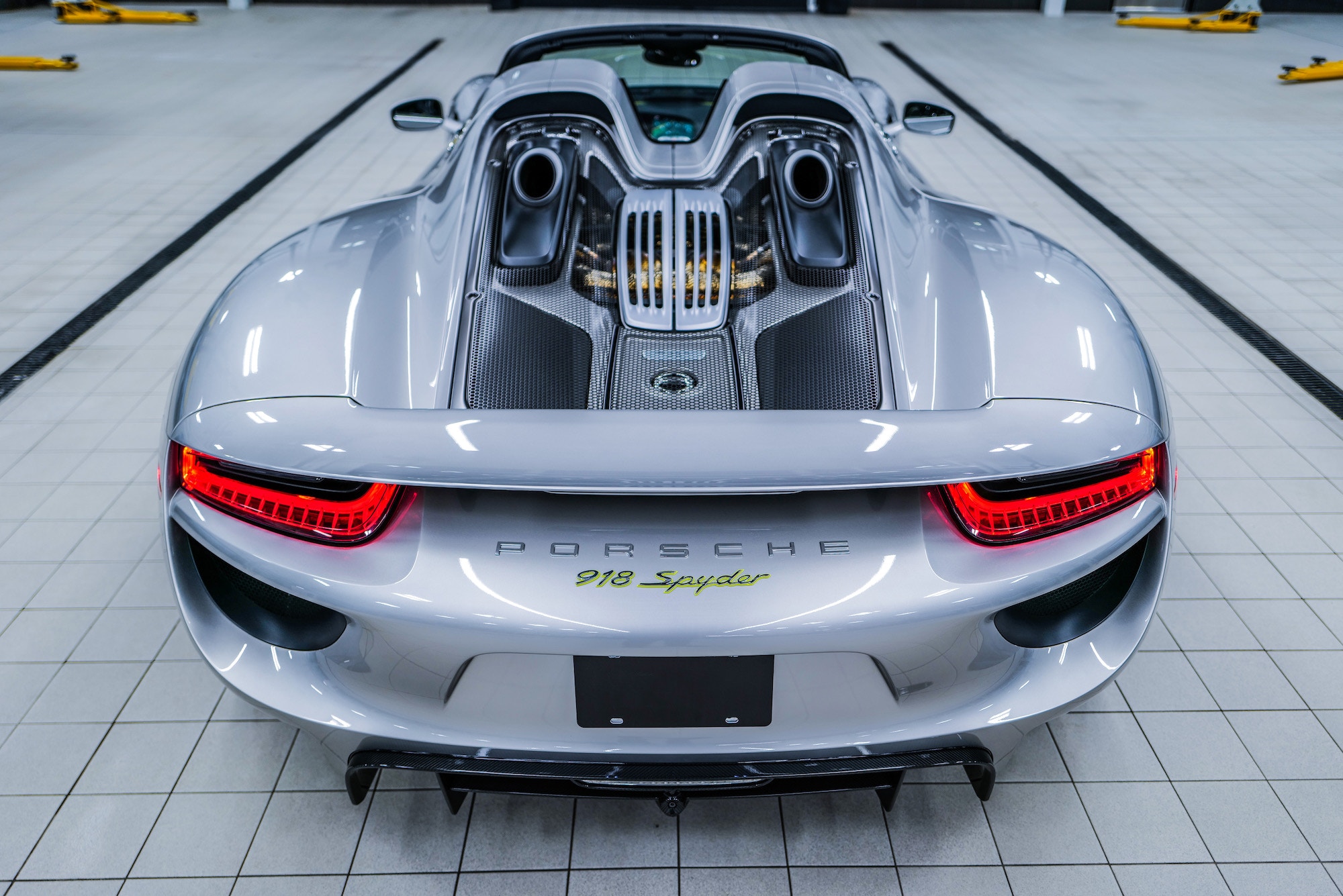
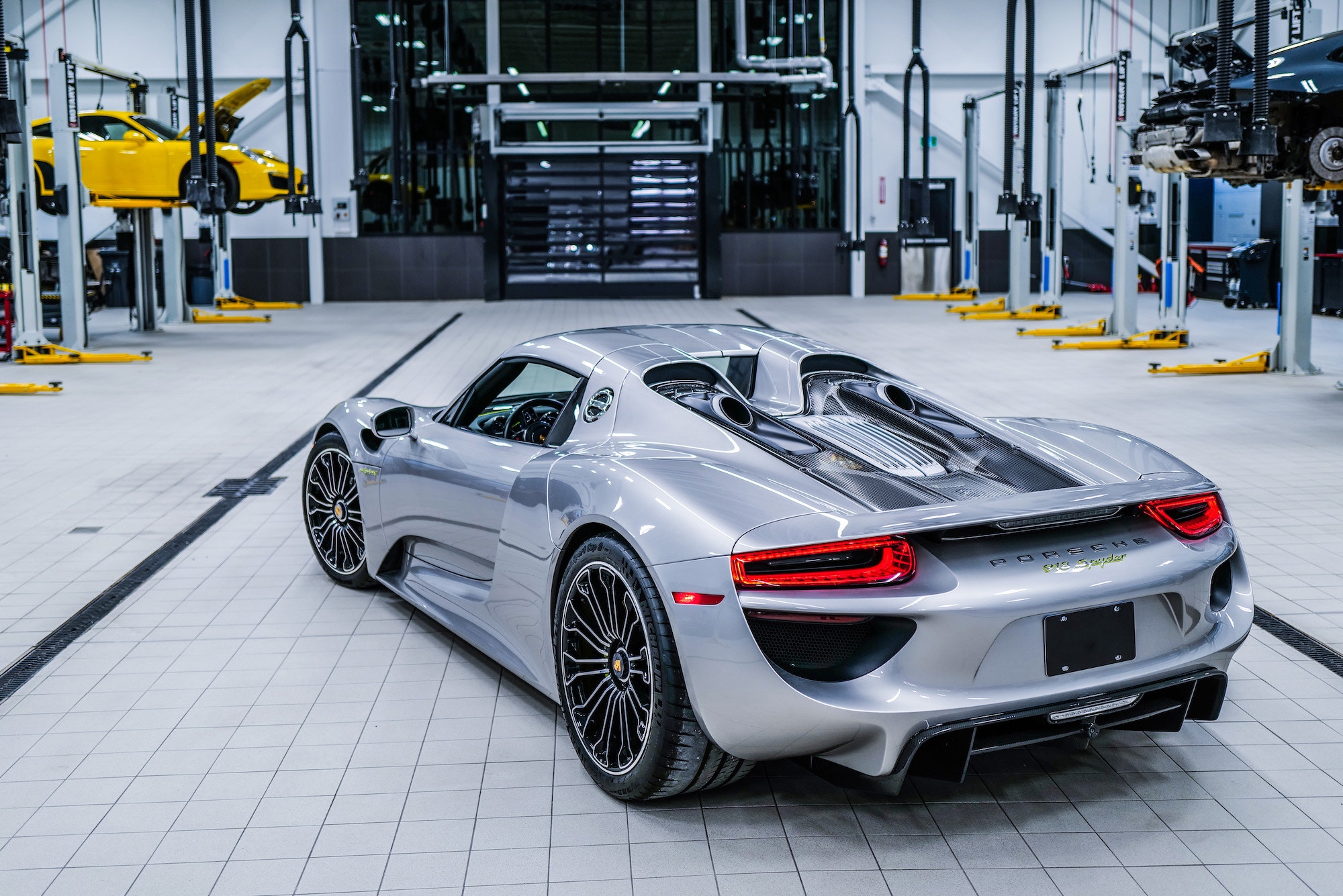
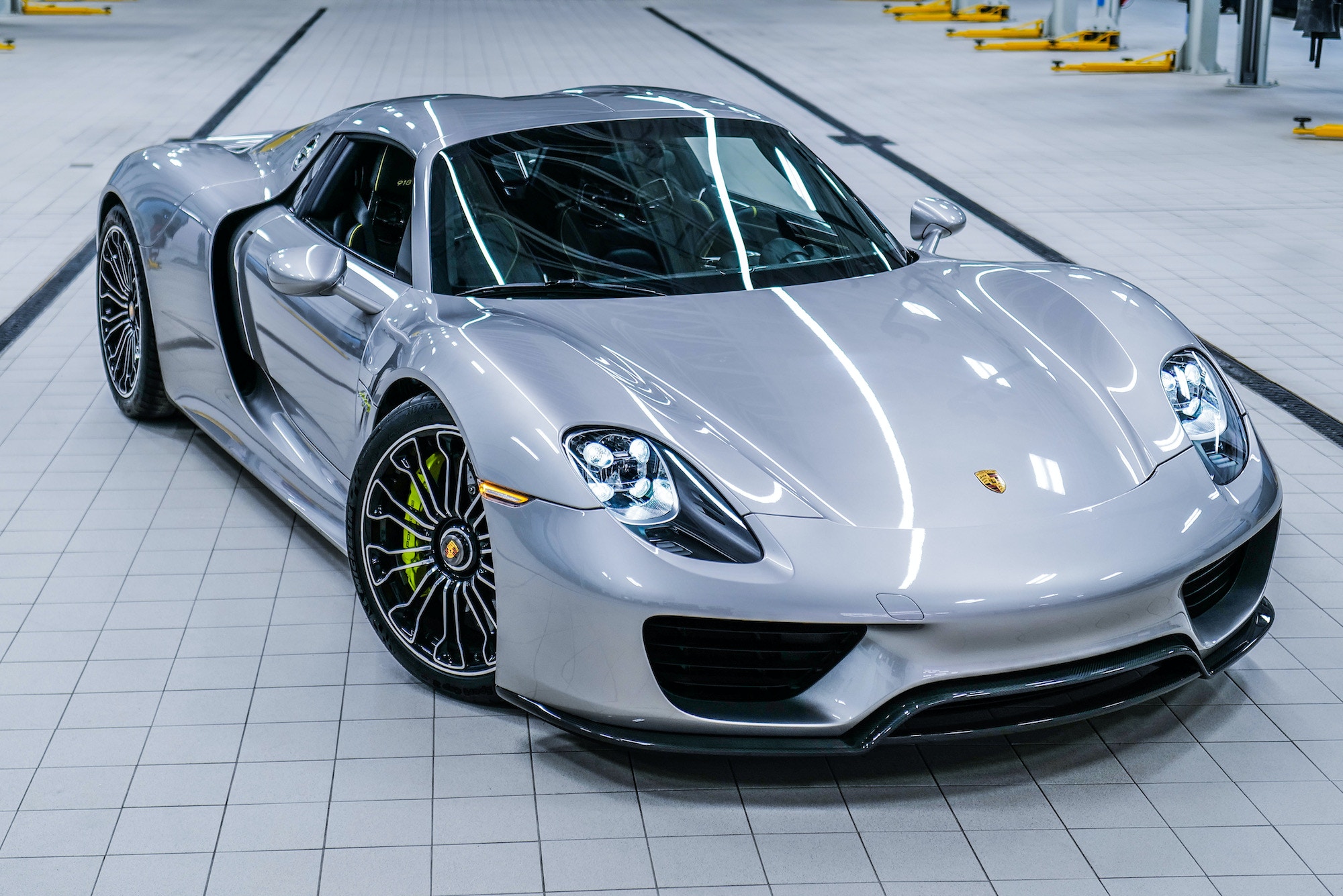
Collecting Cars recently offered a practically new 2015 Porsche 918 Spyder in their global online auction platform.
The plug-in hybrid hypercar is one of only 918 units built. Under the hood of this gorgeous Porsche hypercar is a 4.6-liter naturally aspirated V8 engine with an electric motor for each axle. It can produce a total of 887 hp and 944 lb-ft of torque. The engine and rear e-drive motor are matched to a seven-speed PDK dual-clutch paddle shift transmission. The front axle is connected to the front e-motor with an electric clutch coupling, so it makes the hypercar an all-wheel drive.
Marketing materials claim that the 918 Spyder is said to run from 0 to 100 kph – roughly 62 mph – in just 2.6 seconds, and it can go from 0 to 200 kph – roughly 124 mph – in just 7.2 seconds. It has a top speed of only 345 kph or 214 mph. However, independent media tests that was made showed that it was even quicker, where a magazine even claimed that they were able to record the Spyder going from 0 to 60 mph in only 2.2 seconds.
The 918 Spyder has five driving modes including the E-Drive where the car only uses the front and rear electric motors so that it’ll have a ‘zero emission’ driving range of roughly 30 km or 18 miles.
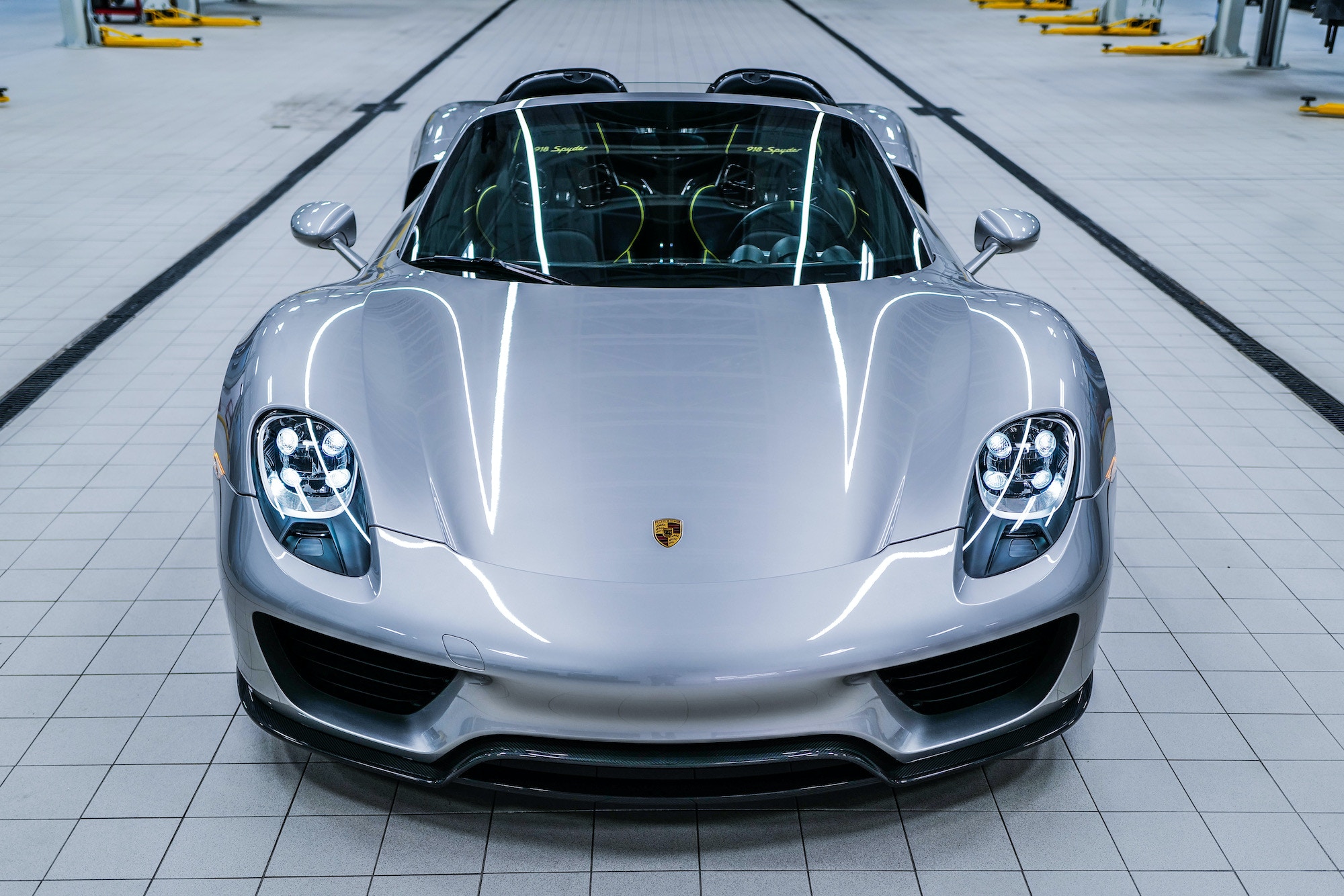
The hypercar was delivered with a Platinum Silver Metallic finish, matched with an Onyx Black leather interior with Acid Green piping. The leather can also be seen on the door cards and steering wheel, and both also have the vibrant contrast color accent. The seat headrests have an Acid Green embroidery, matching with the color of the brake calipers.
As standard, the 918 comes with a two-piece CFRP roadster panel tops, Porsche Communication Management (CRM) with navigation and Bluetooth, and lightweight full LED headlights.
There is no known bodywork damage, nor is there any electrical or mechanical faults. No significant wear was seen on the black leather upholstery although there is some very slight wrinkling on the driver’s seat lower outer bolster. The paintwork is in exquisite condition.
It was during the recall when the example had its most recent documented service which was back in November 2018.
The sale would come with an original battery charger, spare reflectors, and indoor car cover.
The best part of this Spyder is that is has a very low mileage of only 966 miles from new, so the lucky winning bidder will get to drive home a practically new hypercar.
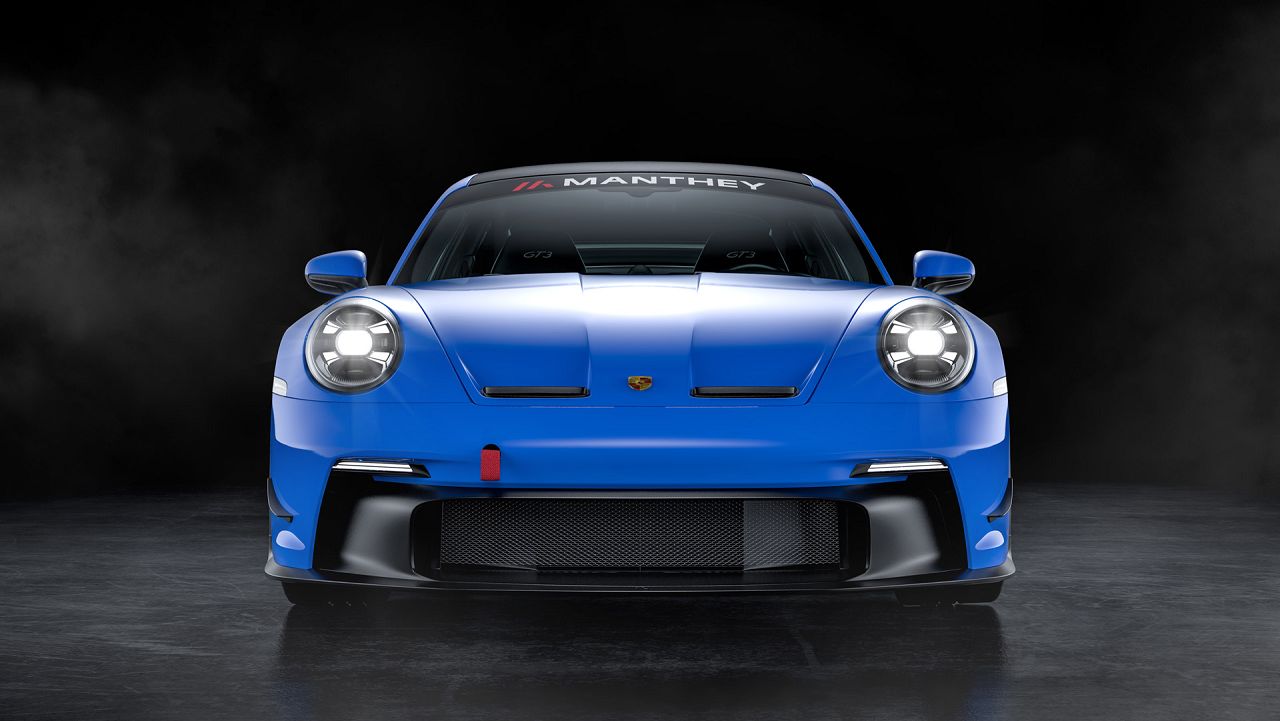
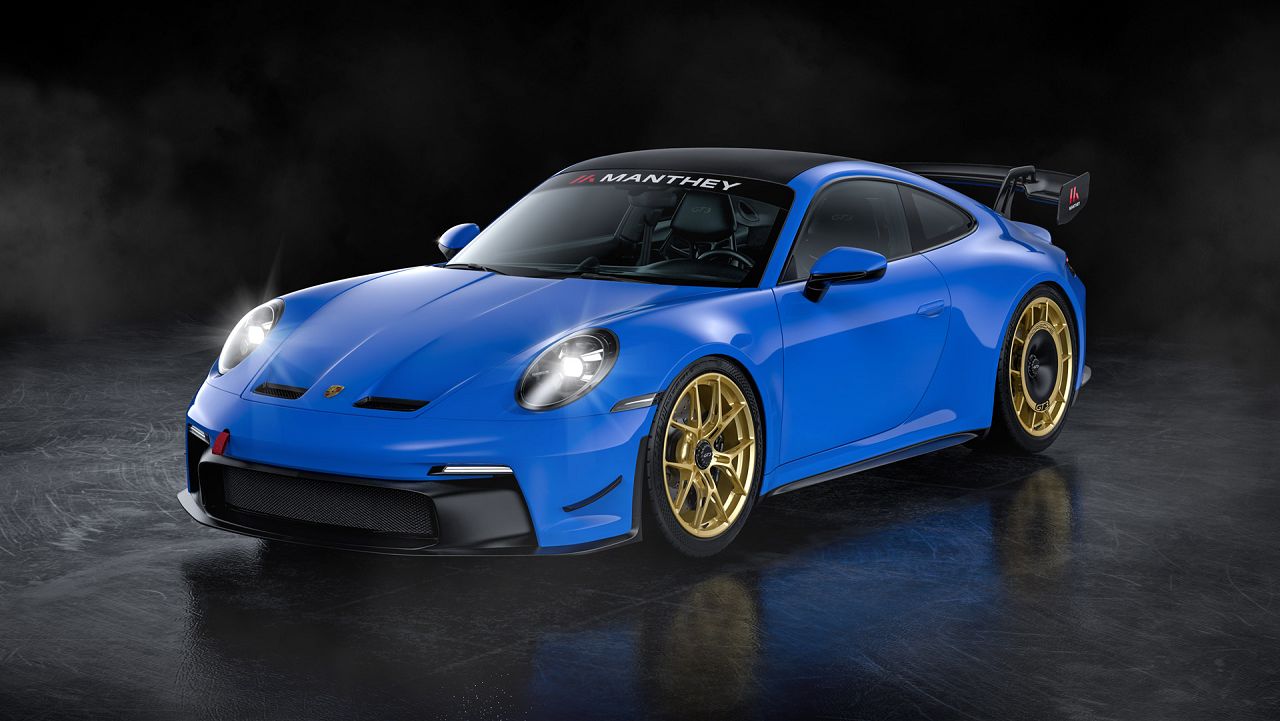
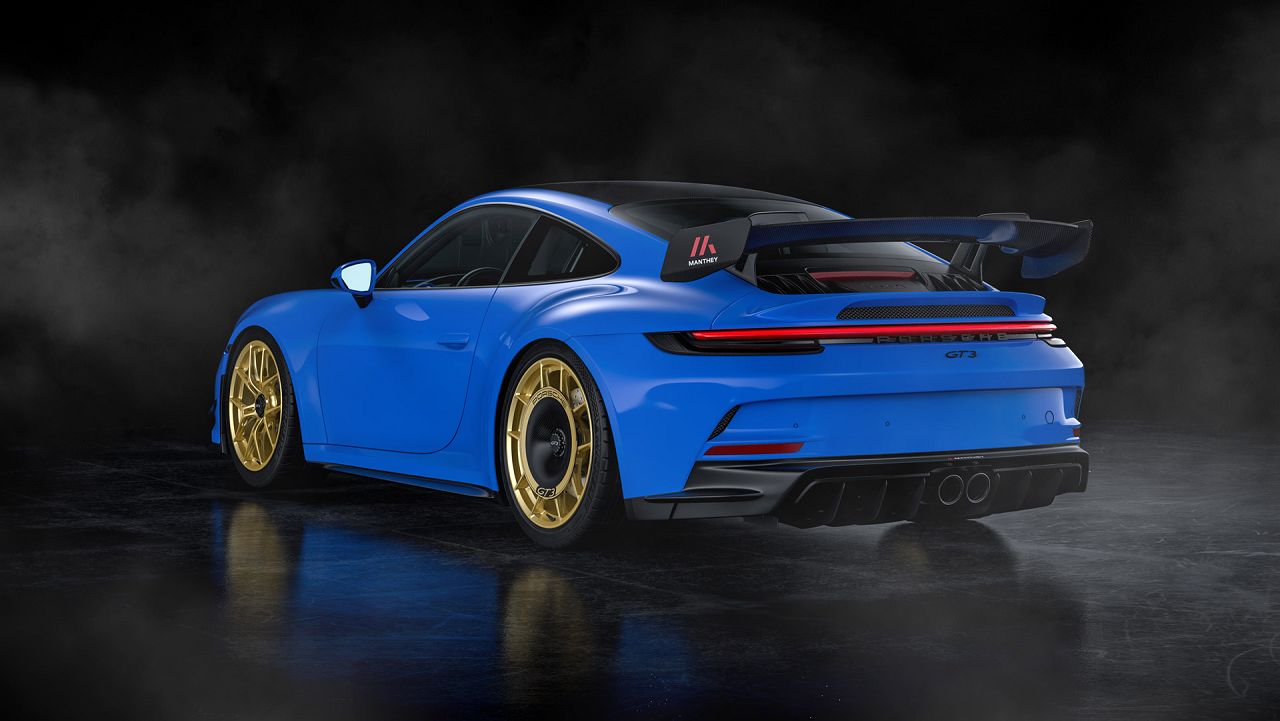
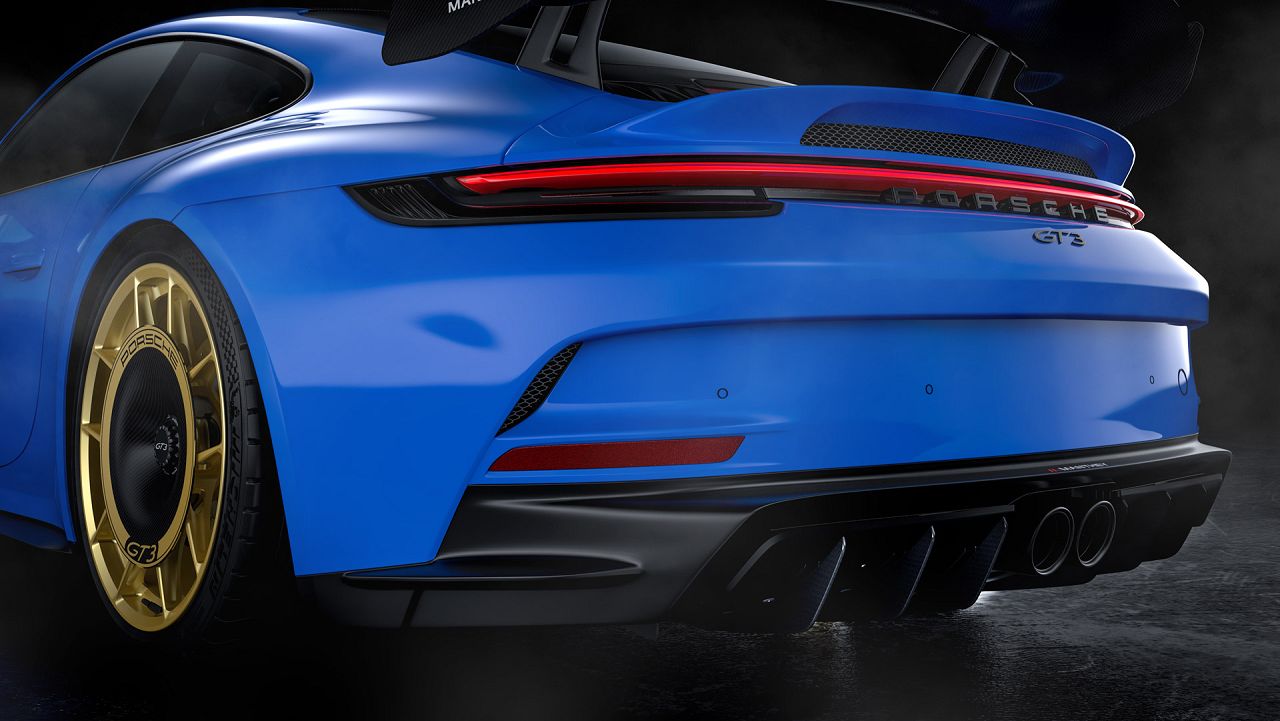
Tuning company and Porsche Motorsport affiliate, Manthey-Racing GmbH, have just revealed their first upgrade package for the new 992-gen Porsche 911 GT3 road car. Known more amicably as ‘Manthey Racing‘, the world renown P-car specialists have grown their reputation and fine-tuned their products on the Nürburgring Nordschleife, where their ‘MR’-equipped performance cars undergo the most rigorous of quality assurance benchmarks available on the planet.
With a proven track record (pun intended) over many years of providing measurable improvements, even to Porsche’s most impressive factory road cars, this latest iteration of the 911 GT3 MR is an amalgamation of all that experience in combination with Porsche’s best interpretation of the car to date. Needless to say, Manthey Racing isn’t your typical tuning company—in fact, Porsche AG owns a 51% stake in the company and have also recently incorporated Manthey products into their own Porsche Tequipment catalogue. Other recent works include the 991.2 GT3 RS MR, GT4 MR and GT4 Clubsport.
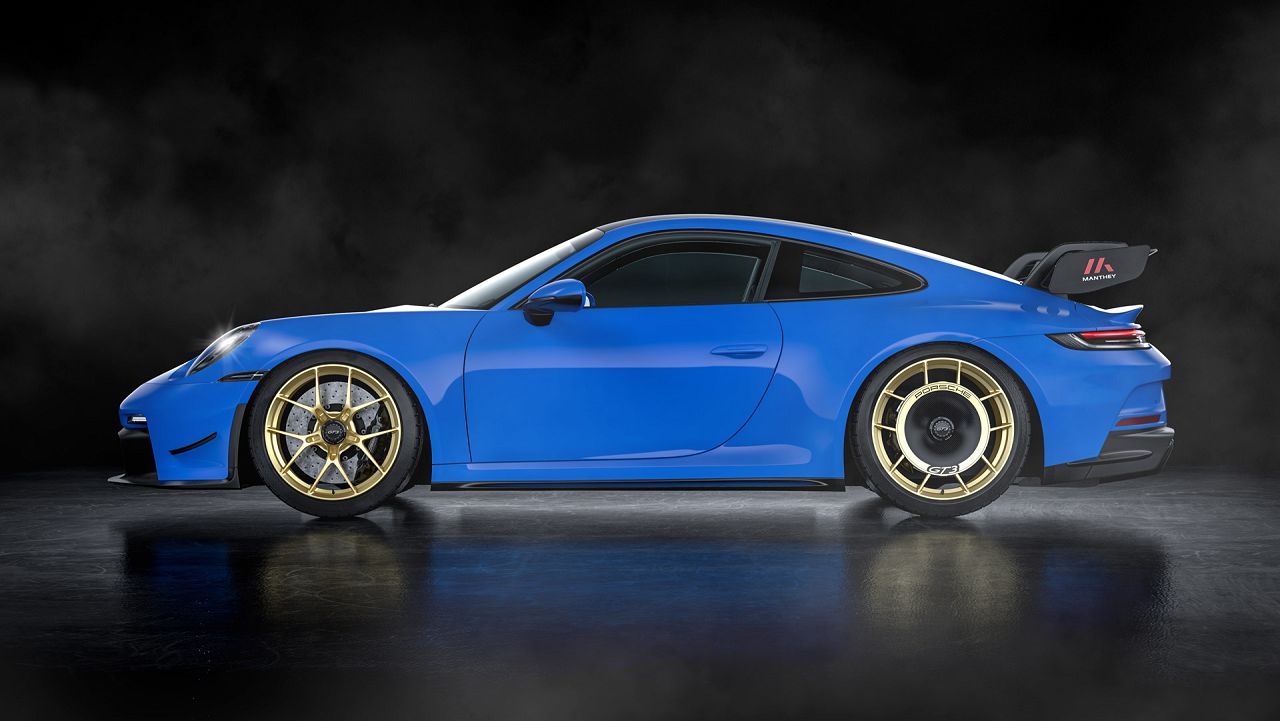
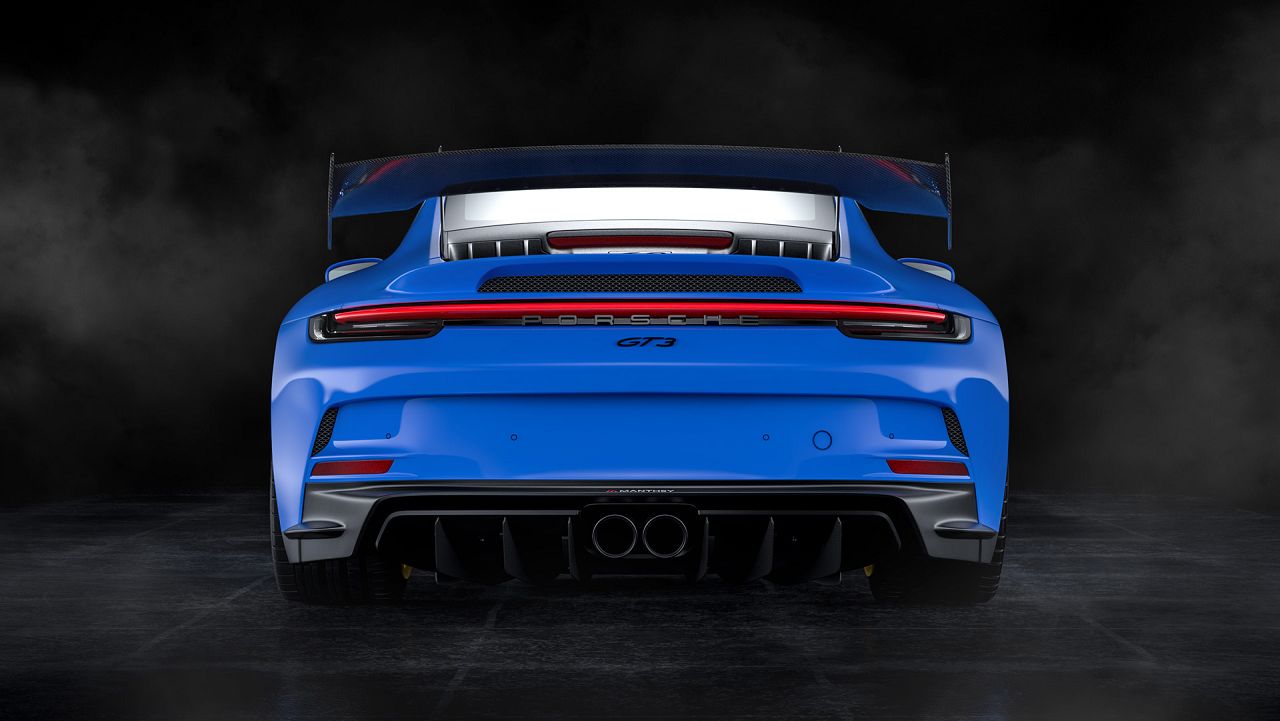
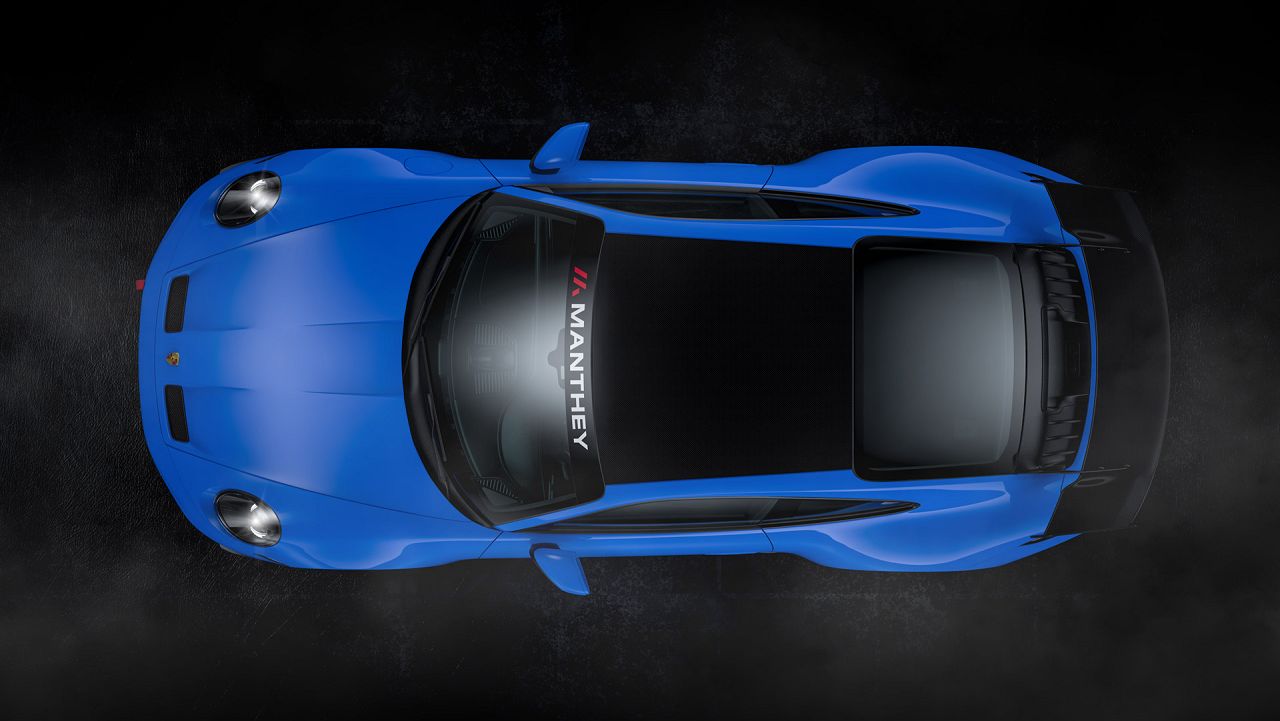
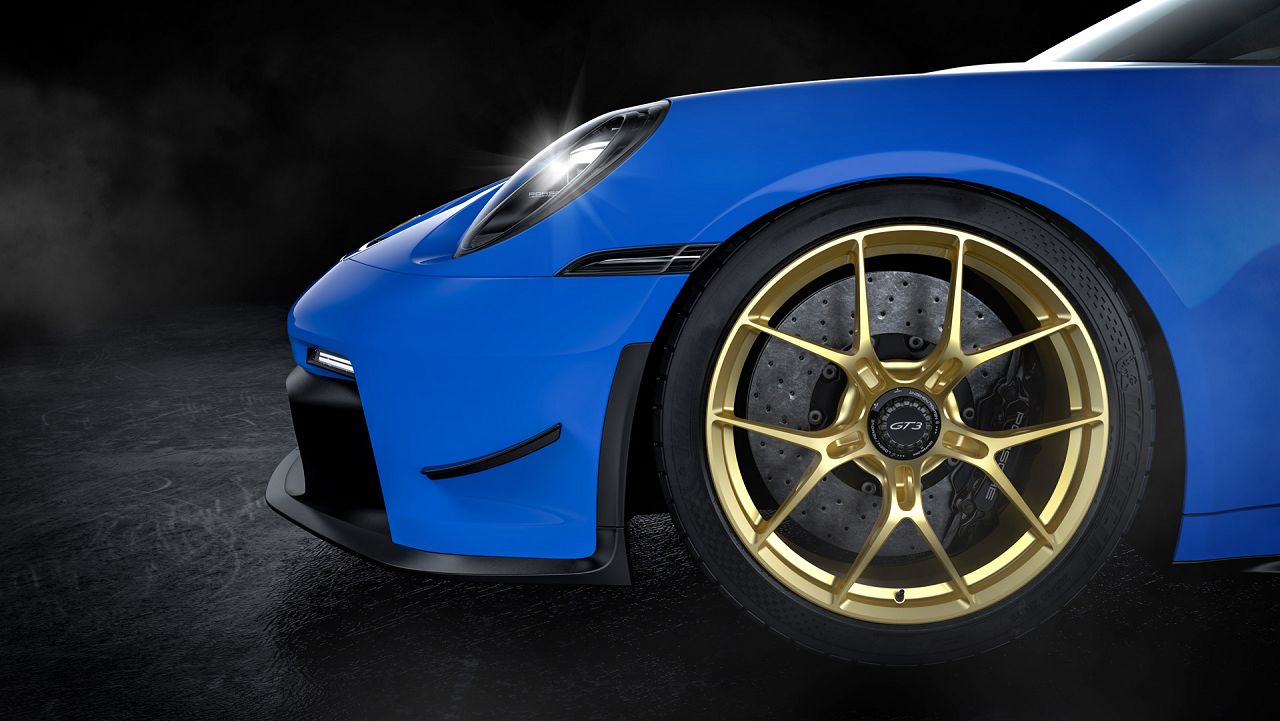
Now on to the good stuff; the newest MR car follows a similar formula to recent models, with a Manthey/KW suspension system, lightweight wheels, a brake upgrade kit and aerodynamic enhancements bringing the car to new heights both emotionally and quantifiably. Faster lap times, better performance, an enhanced connection between driver and machine, and the confidence to push the car harder than ever before, are some of the expected side effects of the MR package.
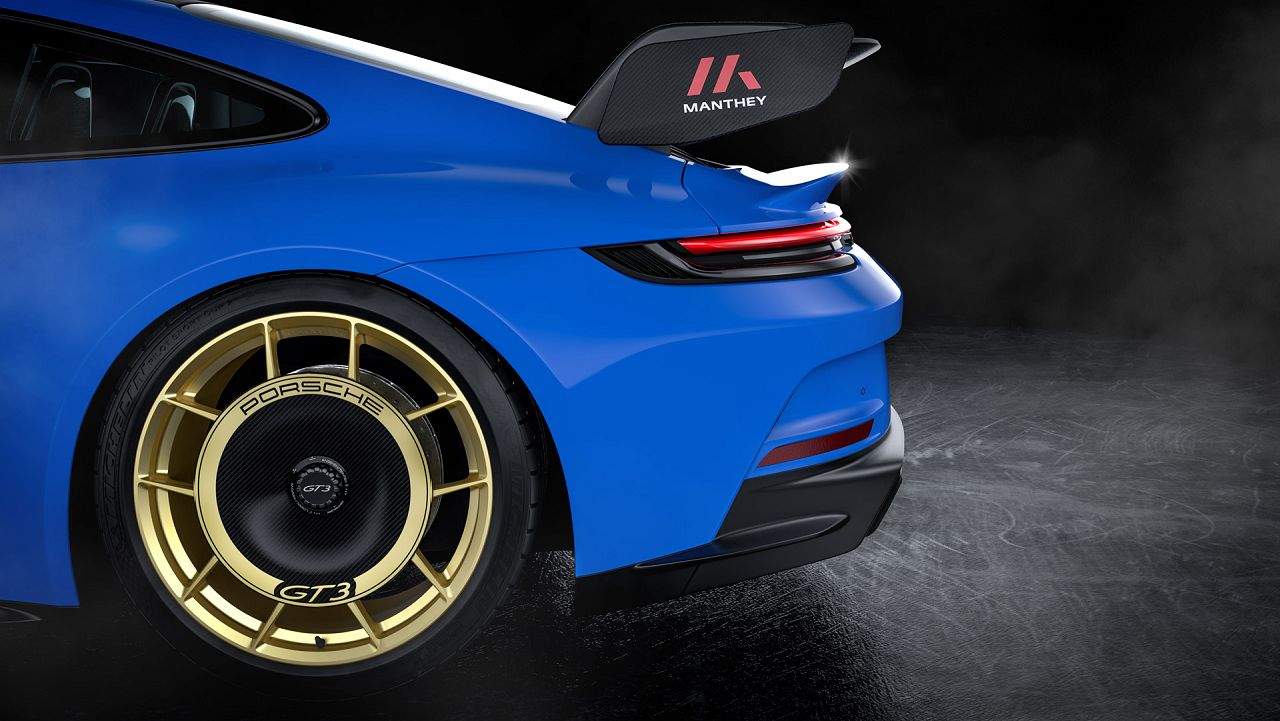
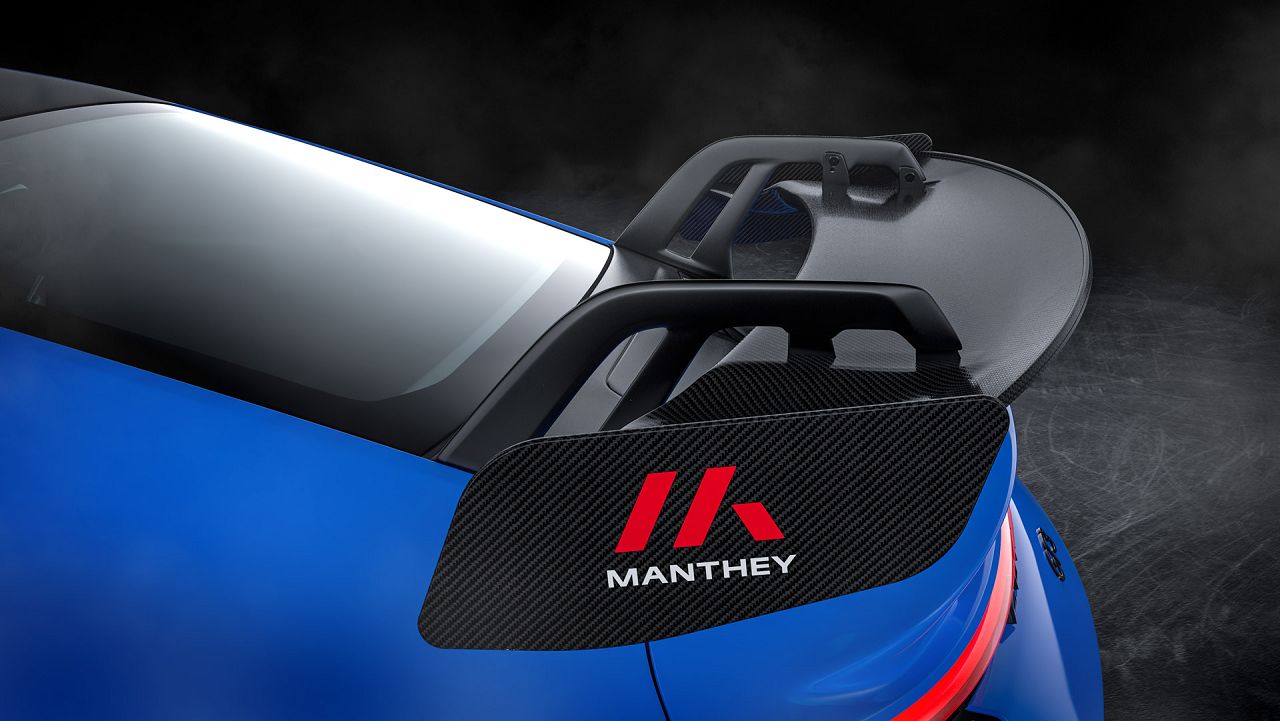
Arguably the most notable MR signatures on the car are the carbon fiber rear-wheel Aerodiscs—fitted exclusively to the Manthey OM-1 wheels—which help direct airflow more efficiently to the rear wing while providing the car with a truly distinctive appearance. First seen on the 991.2 GT3 RS MR, Aerodiscs are becoming an increasingly popular item in both the tuning and broader enthusiast communities as they are something that can make a car more distinguishable just on their own. A reimagined front splitter, rear wing assembly and diffuser (plus the addition of front dive planes) make up the remaining aerodynamic elements.
While the most apparent reason for giving any Porsche automobile the ‘Manthey Racing treatment’, is to push the performance envelope of the car, the company has been unequivocal in maintaining (if not enhancing) the factory car’s more road-going qualities. This means that owners of a GT3 MR can continue to enjoy the car as much on the public roads as they would on the race track, with the company going on to recommend doing it all on the same day to boot—race it at the circuit, then drive it to the opera, if you will.
“The team at Porsche in Weissach presented us with a big challenge when they produced the new GT3. Our goal of improving the performance of the Porsche GT models even further for track use, without making too many changes to the car’s essential DNA, and, at the same time, coming up with an attractive package for customers who love to drive on the track, has meant a lot of work for us with the new model. Alongside the performance, I’m also really pleased with the car’s appearance.” – Stefan Mages, Manthey Racing Head of Development
The company has promised that their 992 GT3 MR performance kit will be available for purchase in early 2022, although there is no word yet on pricing. As a Porsche-endorsed product, adding it on to the car will not void the warranty either. So, only one question remains for owners of the new GT3: “When are you ordering yours?”
December 17, 2021 / Comments Off on Manthey Racing Reveals Performance Kit for 992 GT3
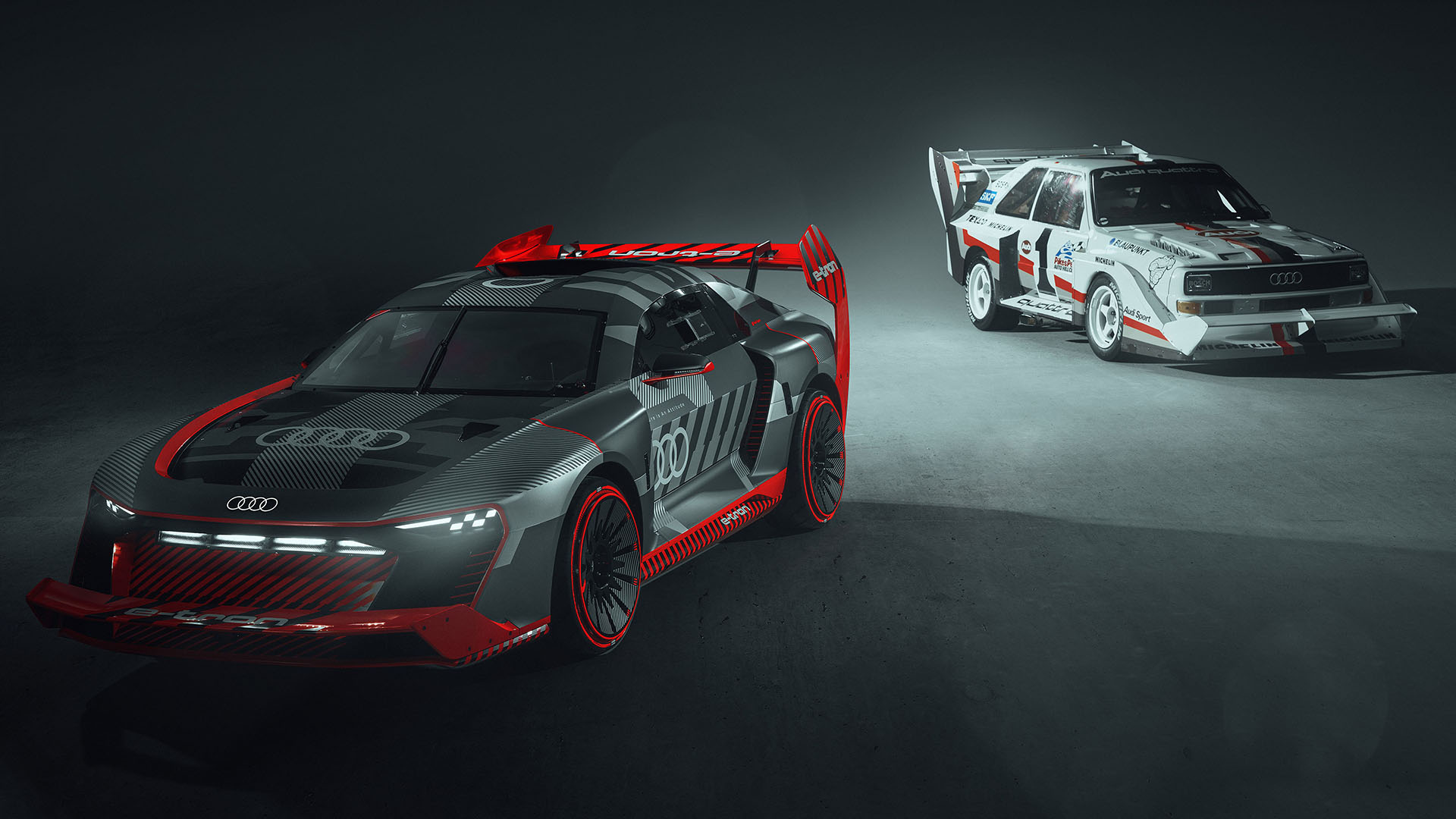
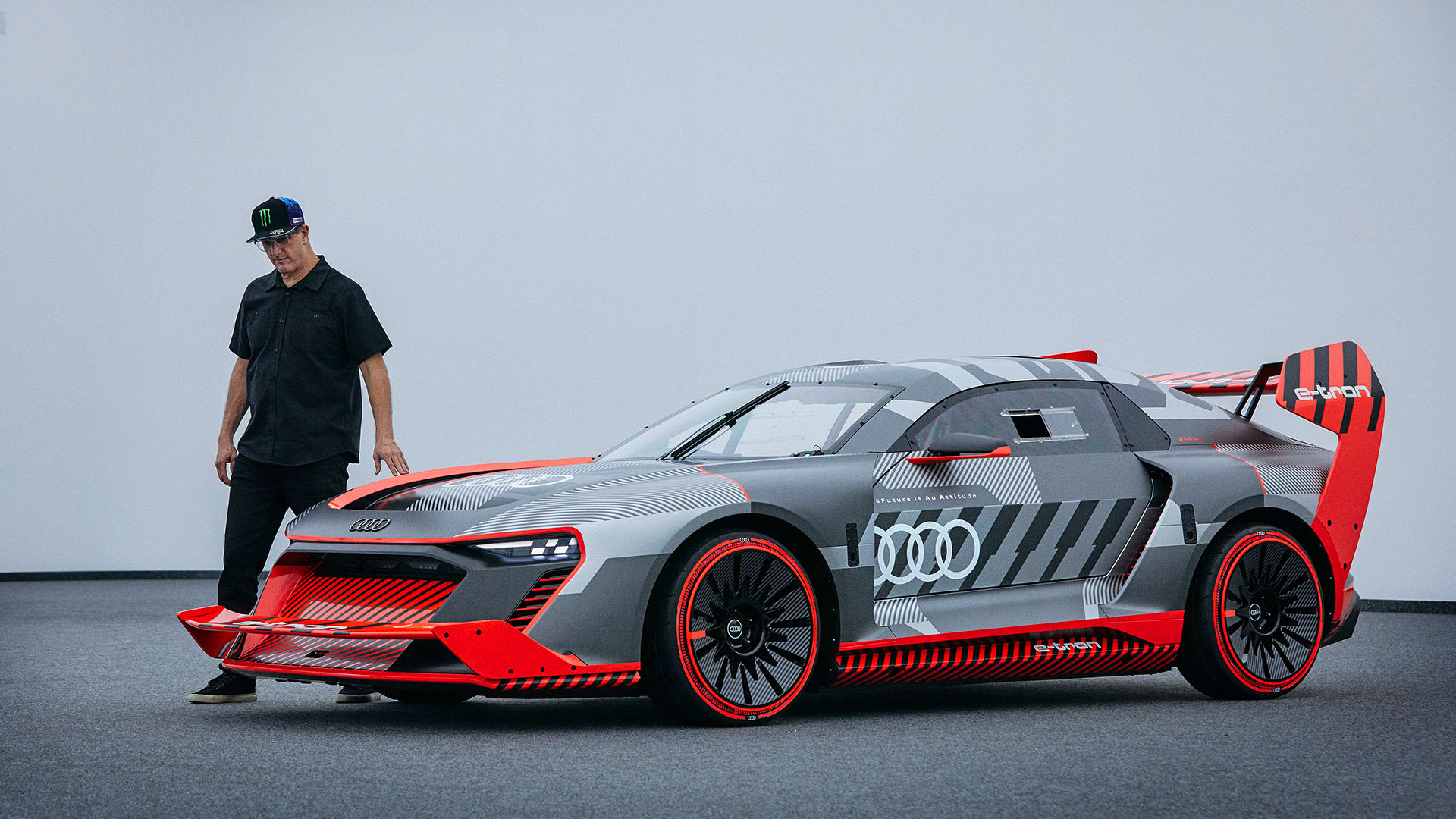
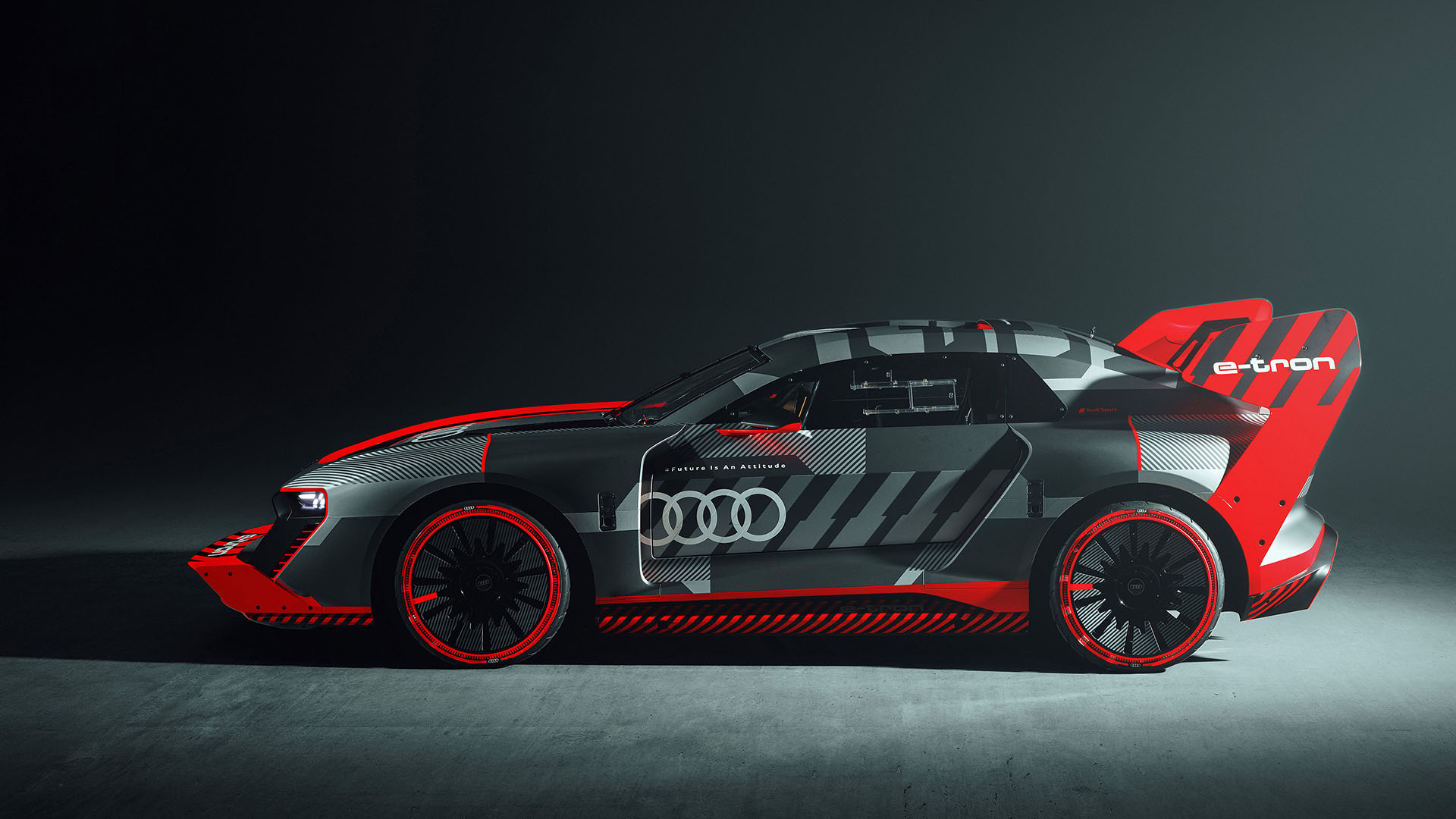
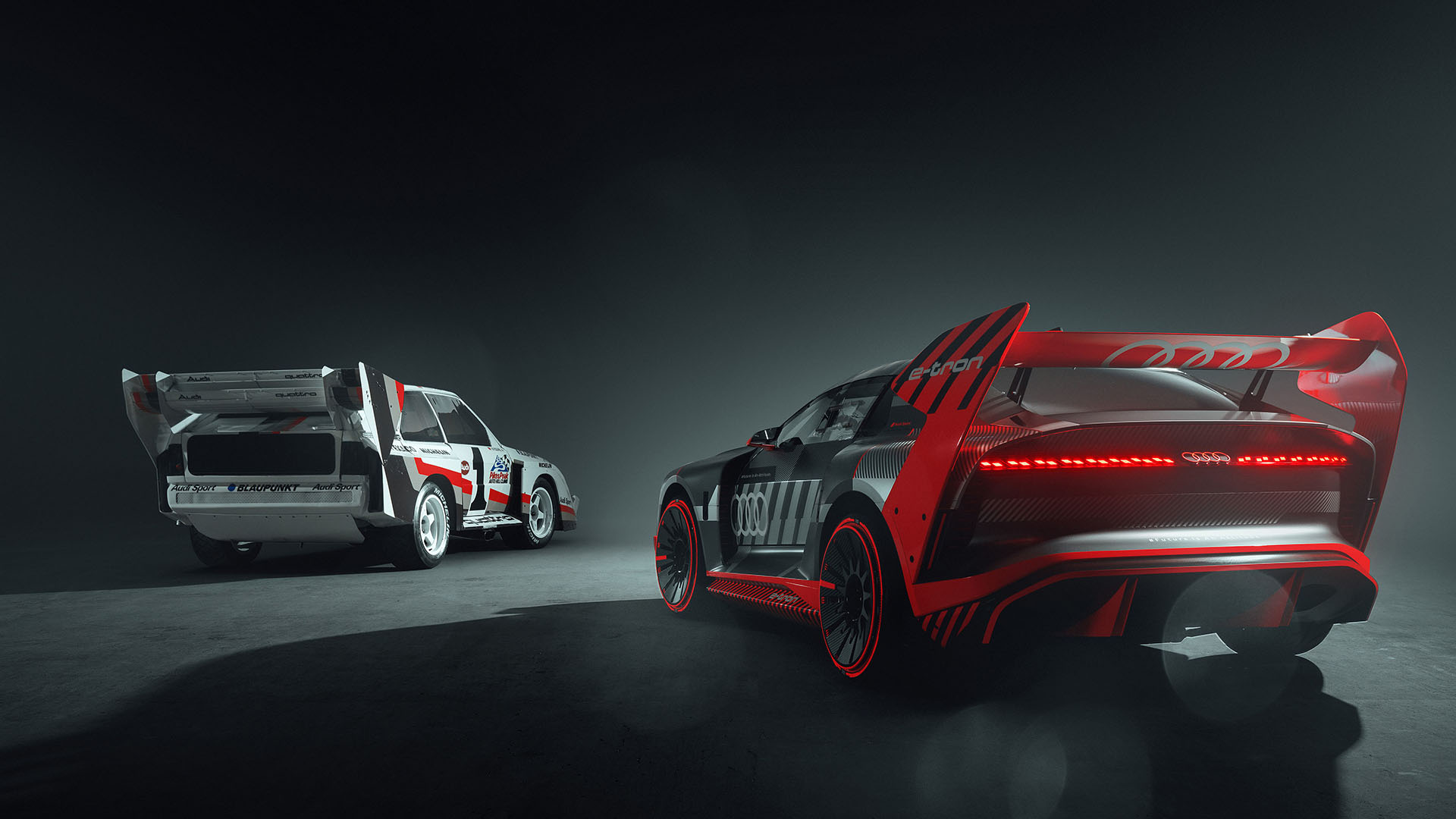
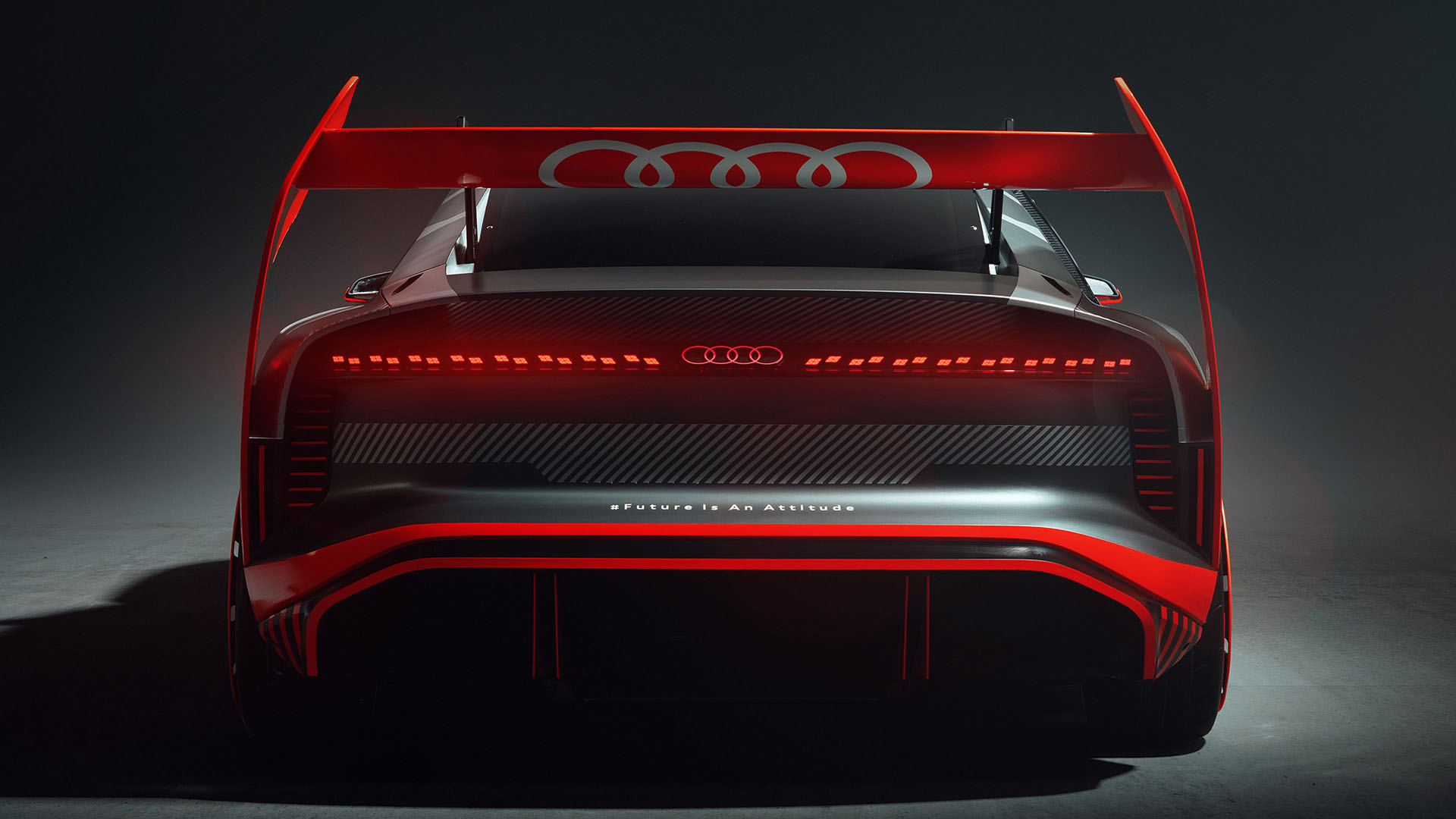
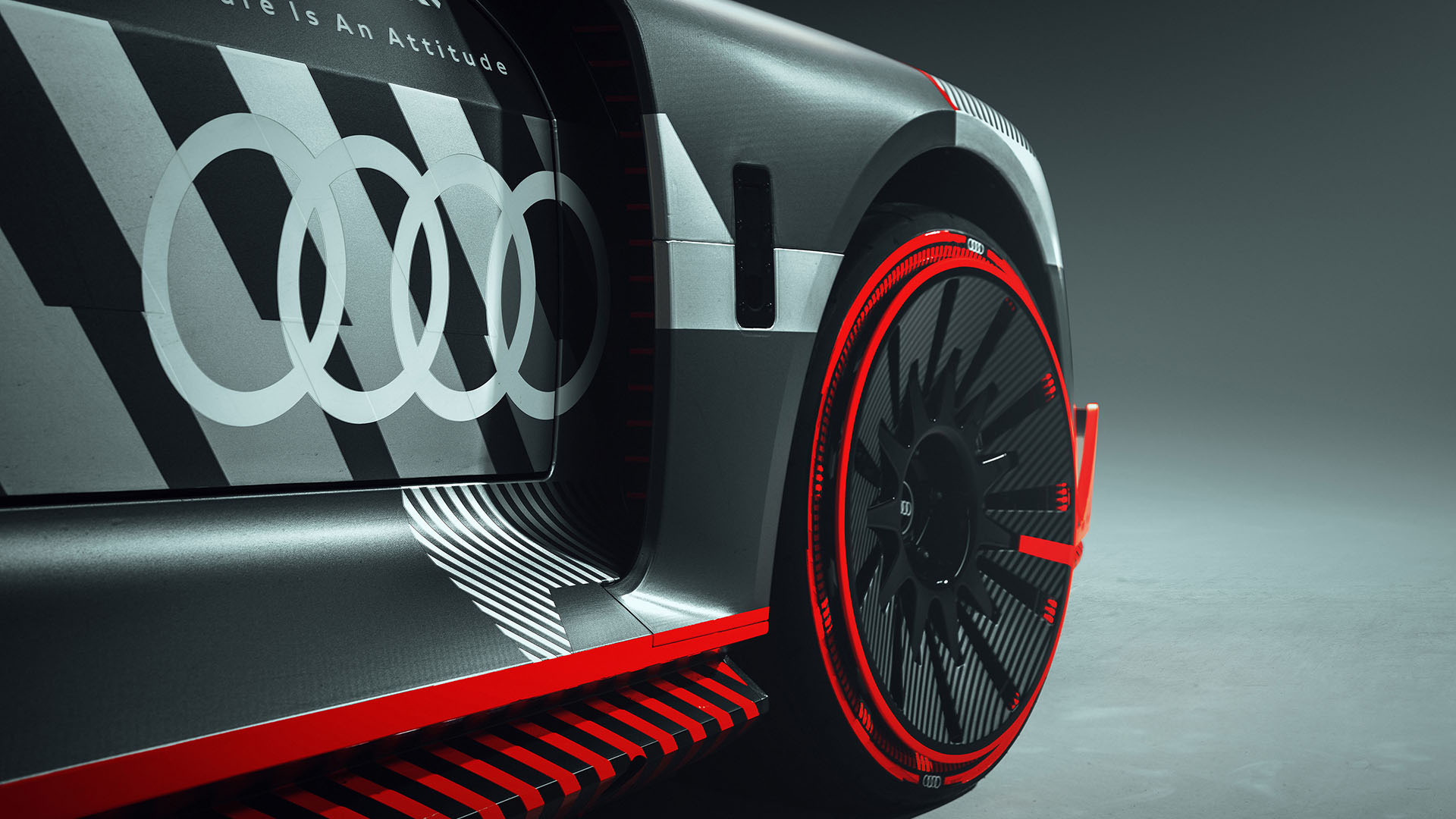
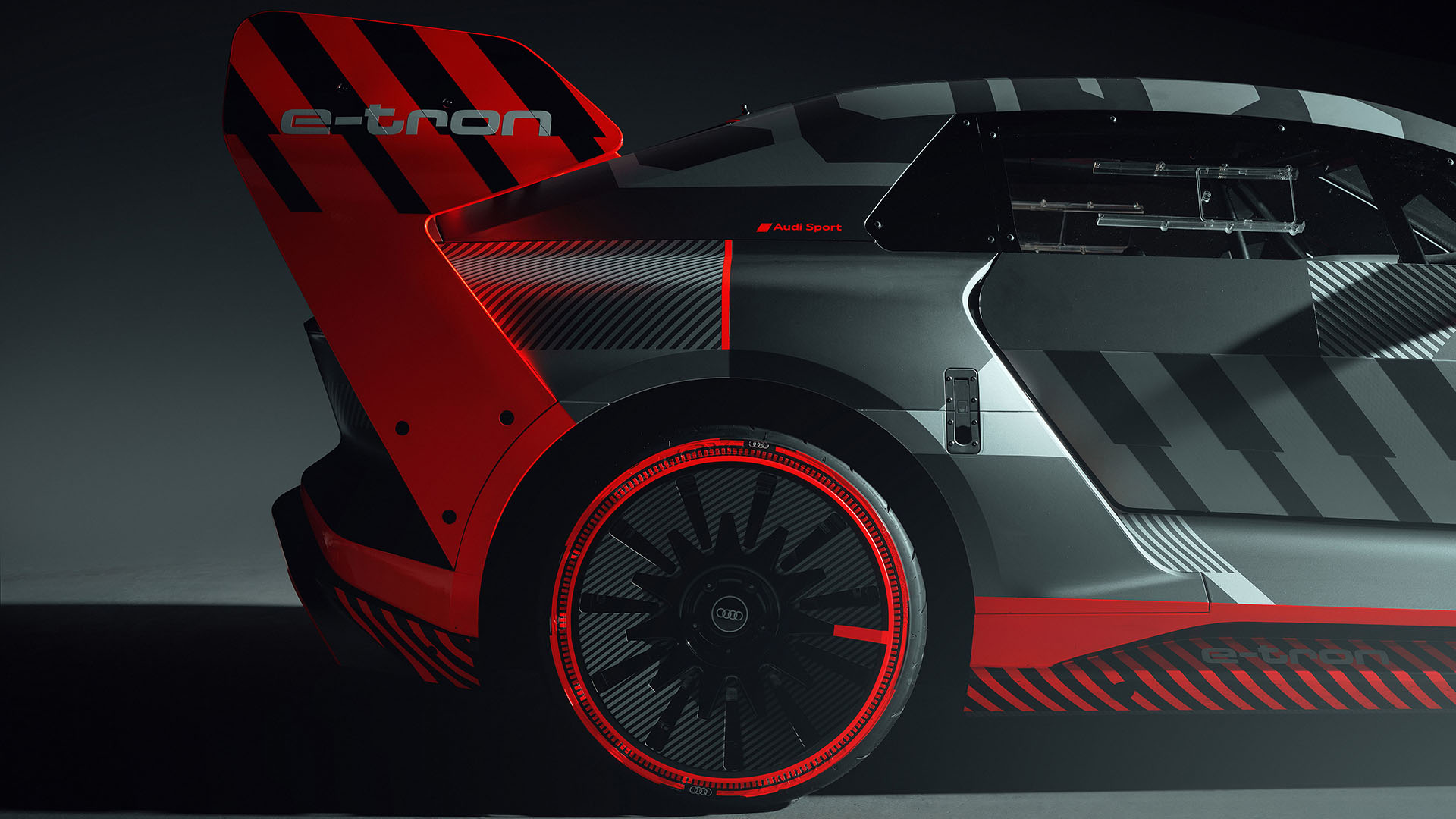
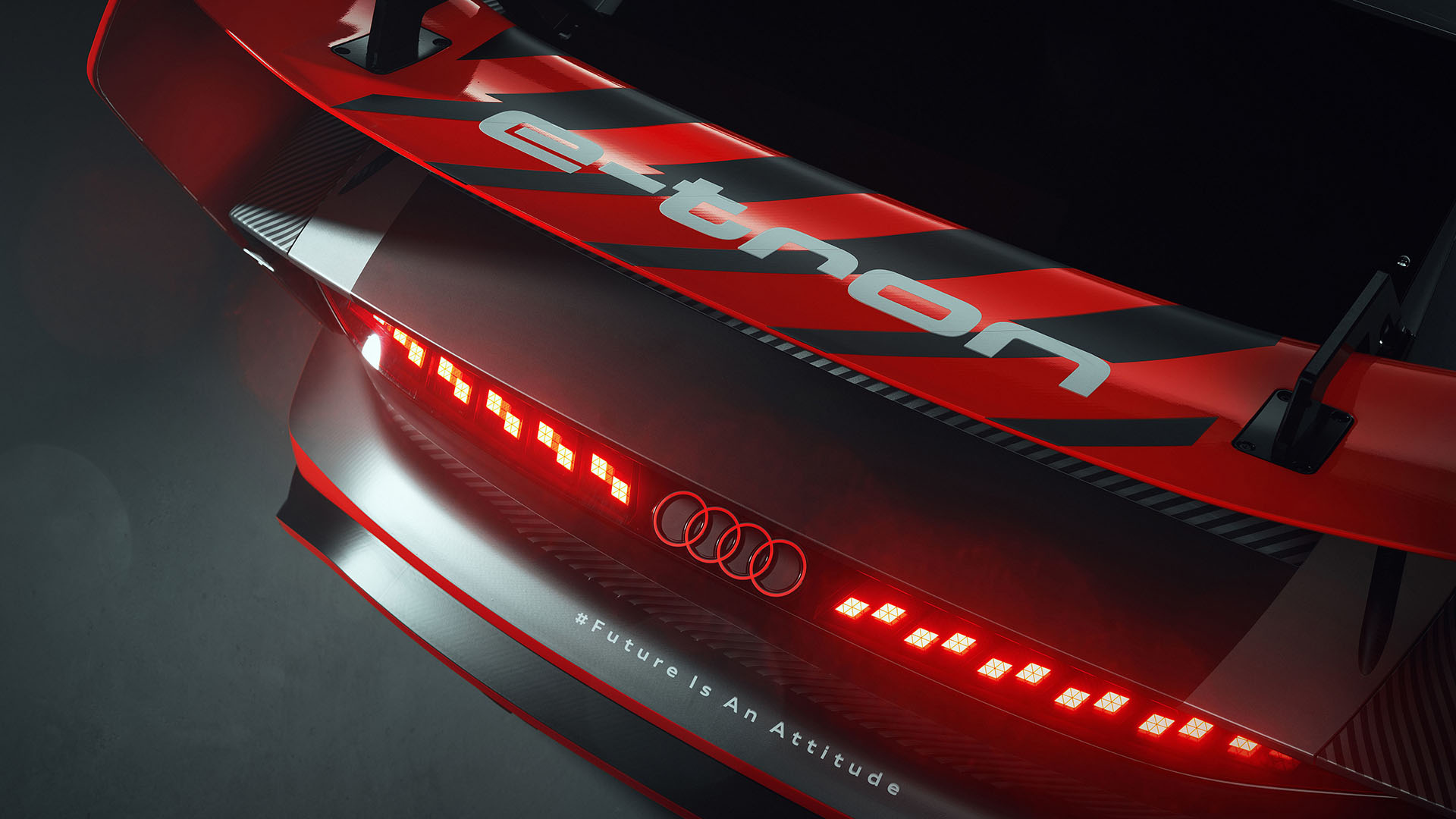
I am sure we all remember the legendary Audi Sport Quattro S1 we’ve seen attacking the Pikes Peak Hill Climb event, also known as the ‘Race to the Clouds’ as the finish line is so high up on the mountain it is usually above the cloud deck, and it is that very special car that inspired the looks of the latest development from Audi, the S1 e-tron specifically created for drift artist Ken Block … so this car is called the Hoonitron.
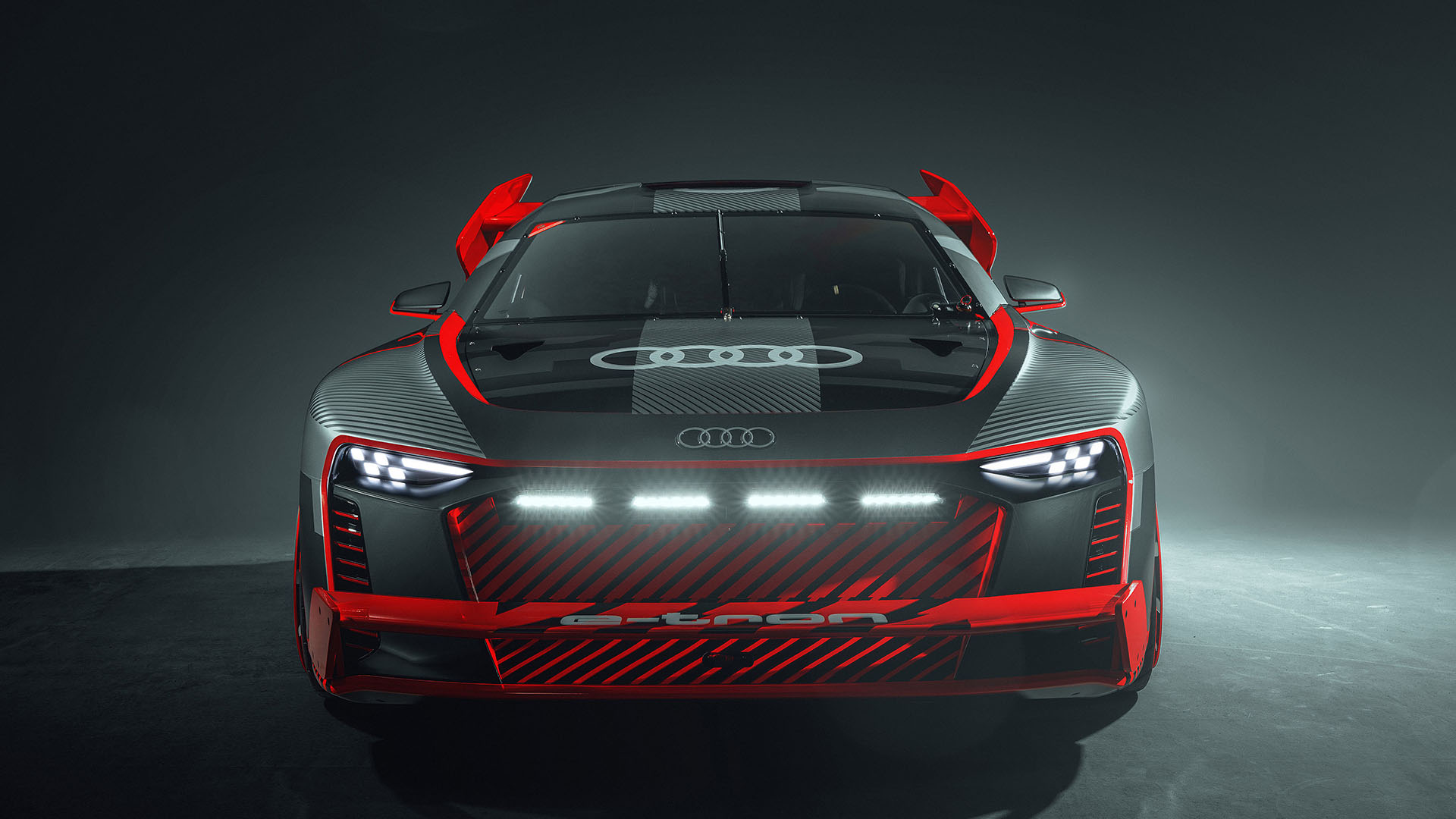
This is a one-off creation from Audi that will be featured in the upcoming video Ken Block is producing over the next few months, and being basically an S1 e-tron, we are looking at an all-electric car, powered by two electric motors, the Quattro name reveals it already, this is an all-wheel-drive car with oodles of power sitting on a lightweight carbon fiber chassis.
The Audi S1 Hoonitron is built to full FIA safety standards while the designers still managed to translate the raw design style of the classic Sport Quattro into the present day for the exterior styling of this 21st century S1 Hoonitron, note that development of this one-off was conducted at Neckarsulm by Audi Sport themselves, keep in mind the impressive Audi RS e-tron GT is built at that location too.
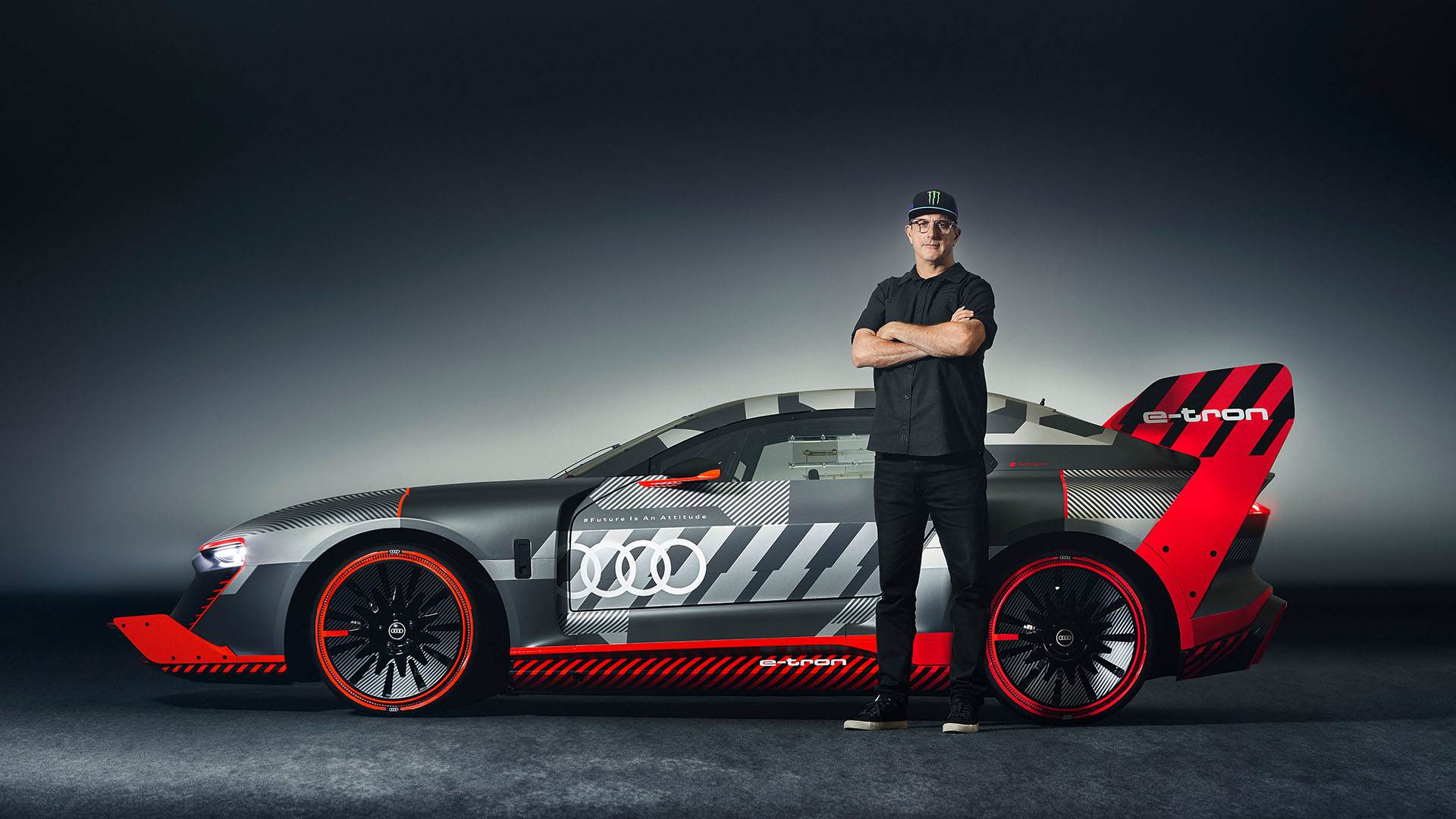
“Audi gave me the opportunity to test it for a few days in Germany,” says Ken Block. “I’m familiar with a wide variety of cars using internal combustion engines and transmissions, but there were a lot of new things for me to learn here. Spinning into a doughnut at 150 km/h directly from a standstill – just using my right foot – is an all-new experience for me. Our work was focused on getting the car and I used to each other. My thanks go to the whole Audi Sport squad for their outstanding teamwork.”
The futuristic design with a clear inspiration from the classic Sport Quattro was created by Audi Design in Ingolstadt, Marc Lichte, Audi’s chief designer, and his team commented: “When we first heard about this project, the whole team was thrilled immediately: we had the opportunity to develop a car that combines an icon of our brand with the future, the challenges were tremendous: “It was about creating a modern, all-electric interpretation of the S1 Pikes Peak. The timeline was extremely tight: while our design process normally takes one to one-and-a-half years, we only had four weeks from the first drawing to the final design. We were constantly in touch with Ken Block and his team and engaged in intensive exchanges.”
Back in the day, it was Audi that motived Ken Block to get into rallying in the first place, so having the brand you admire from the start create a bespoke car just for you is simply magic, so Block and his team will be creating a new episode in his Gymkhana series, this time using the S1 Hoonitron … therefore the working title for his latest video currently is ‘Elektrikhana’.
Ken Block: “The S1 Hoonitron combines a lot of what Audi was already famous for in the nineteen-eighties, for instance, the car’s spectacular aerodynamics have now been translated into a totally modern form. I think it’s cool that the Audi designers have been inspired by their own past and uniquely transferred the car’s technologies and appearance into the present.”
I for one am looking forward to checking out Elektrikhana when it’s published online, I’m sure it will be as least as impressive as Block’s previous work …
December 17, 2021 / Comments Off on Ken Block’s Audi S1 Hoonitron
Cavallino Classic is a place where Ferrari enthusiasts and owners come together to celebrate with relish the greatest cars to ever come from Maranello. It all started with the Cavallino maganize back in the late 70s, culminating to a culture of love for Ferrari guided by originality and pureness. Decades later, the event tours different locations in the world and for the final show of 2021 UAE was the center stage.
The Cavallino Classic Middle East took place between December 9 and 12 in Dubai and Abu Dhabi. It coincided with major events including the last F1 race of 2021, Abu Dhabi Grand Prix and the Dubai Expo.
It started with a Ferrari car show in Dubai on December 9, followed by a luncheon in the city before closing the day with a tour of the Dubai Expo. Guests were also treated to a dinner hosted by an Italian chef later in the day.
The following day the caravan left Dubai for Abu Dhabi, they visited the Casa Ferrari in Yas Marina and the Concorso Training later in the afternoon in the same venue. The main car show and judging took place on Saturday at the Casa Ferrari lawn. Later, guests were able to watch the Abu Dhabi GP qualifying.
Sunday was highlighted by the Abu Dhabi GP race as well as the Ferraristi Award to Cavallino Classic Middle East later in the evening.
If it seems like your car insurance costs are rising faster than the cost of living, you’re not alone—and you’re not wrong. In fact, car insurance rates have been rising steadily throughout 2021; the average cost to insure a vehicle in the USA is now $1451 per year.
Of course, those of us who own sports cars and other high-performance vehicles can expect to pay even more for insurance (for example, the average rate to insure a Corvette is $2220 annually). But what makes insuring a sports car so much more expensive, why are rates continuing to rise—and most importantly, what can you do about it?
Factors that Contribute to Car Insurance Costs
Generally, the following factors tend to have the most influence on auto insurance costs throughout the United States:
How old the owner of the vehicle is
The type of vehicle being insured
The owner’s credit history
Where the owner lives
However, some of these criteria—in particular, the type of vehicle being insured and the state it’s being insured in—are far less straightforward than they might seem. Let’s take a closer look at how tricky pinning down your car insurance costs can be.
We already know that sports cars are more expensive to insure than sedans and other commuter vehicles, but what makes it that way? Moreover, why does the gap seem to be widening?
The easiest and most obvious answer has to do with the intrinsic value of newer and more expensive vehicles. Simply put, new sports cars tend to just be worth more than other cars, and having a higher Insured Declared Value (IDV) tends to make their premiums more expensive. So if you’ve recently purchased a late-model sports car, you’re obviously going to be paying more than someone whose car is a few years old. However, even that doesn’t explain things completely.
There’s also the cost of repairing a sports car to consider. You obviously can’t take your Lamborghini Huracán or Porsche 911 992 Turbo S to the nearest Jiffy Lube for service, and the same goes for repairs—fixing a sports car requires specialized skills and experience, specific parts, and particular tools that most garages just don’t have. That means any insurance you purchase for a sports car is going to have to cover much higher repair costs, and you’ll more than likely pay higher premiums as a result.
How the State You Live In Affects Car Insurance
Then you’ll have to consider where you want to insure the car. It would be a mischaracterization of near-criminal proportions to say that insurance rates vary arbitrarily from one state to the next. In fact, insurance rates in each state depend on numerous details.
For starters, there’s the average cost of medical care in your state. Remember, insurance isn’t just about covering damage to your car—it can include injuries as well.
Most insurers will also consider the rates of vehicle theft or vandalism in your state—specific to the type of car being insured. Which is to say, expensive cars that are more likely to attract the wrong kind of attention also increase your insurer’s risk and drive up premiums.
And of course, the likelihood and severity of accidents for your vehicle will play a role in determining your insurance, too. For the last few years, sports cars have been the type of car with the highest highest rate of fatal accidents—4.6 cars per billion vehicle miles.
While we don’t see owning a sports car as inherently dangerous, many insurers might be hard pressed to agree in the face of that statistic. This, more than any other factor, likely explains why insuring a sports car appears to be getting more and more expensive as time goes on.
Strategies for Controlling Your Car Insurance Costs
So, what can you do to avoid ridiculous insurance premiums for the cars you love to drive? Here are a few ideas:
Consider Pay-Per-Mile Insurance
If you own a sports car but don’t drive it on an everyday basis, you might consider trying to find mile-based insurance coverage. This type of insurance (also called pay-per-mile) allows you to pay for car insurance based on the number of miles you drive in a given billing period.
Mile-based coverage differs from a low-mileage discount, in that it doesn’t come off your regular premiums when you stay under a certain distance. Instead, your insurance company will use telematics to track how far you drive in each billing cycle and charge you a per-mile-rate at the end (on top of a standard base rate).
However, be advised that tracking your usage this way can tell your insurance company other details as well—for example, how often you engage in risky behaviour like rapid acceleration or abrupt braking. So if you only drive your McLaren 720S a few times each month but you act like a demon behind the wheel, this might not be the best choice for you.
Maintain a Clean Driving Record
Remember, every factor that goes into calculating car insurance is based on one thing: the perceived risk to the insurer. So in many cases, safe driving can actually save you money on your premiums.
Many insurers offer discounts of 10% or more for drivers who have been accident-free for a long enough period of time. You might also get your premiums slashed for taking safe or defensive driving lessons.
Compare Insurance Companies
Finally, remember that you’ll get different insurance rates from different companies—so there’s no need to accept the first quote you’re given. Instead, try shopping around at different companies for the best available rate.
How Much Car Insurance Do You Really Need?
Another way that vehicle owners often try massaging their car insurance rates is by removing certain types of coverage from their policies—but this isn’t always a good idea. Having insurance isn’t much good if it isn’t the right kind of insurance, and the more limited your coverage is, the less likely it’ll be to protect you when you need it most.
Besides, insurance helps you avoid financial risk. For example, trying to settle a car accident without an insurance policy can be a disaster—you might agree with the other party to leave the incident unreported, but there’s no way of knowing if they’ll honor that promise. Check out Hassbrook & Hassbrook’s post to read more about why car insurance matters and how to make the best use of it.
December 16, 2021 / Comments Off on Why Insurance Costs are Rising
Bespoke, personal, one-off, Coachbuild, Ad Personam, sur Mesure … these are all terms used by the more high-end car builders to make one thing clear: when you order one of their automotive masterpieces, you don’t have to be content with the usual options list, no matter how extensive these already are, the likes of Bentley, Rolls Royce, Bugatti, Lamborghini, and Ferrari all have special in-house departments that allow the customer to create a tailor-made car unique to the client, at a price naturally, exclusivity doesn’t come cheap.
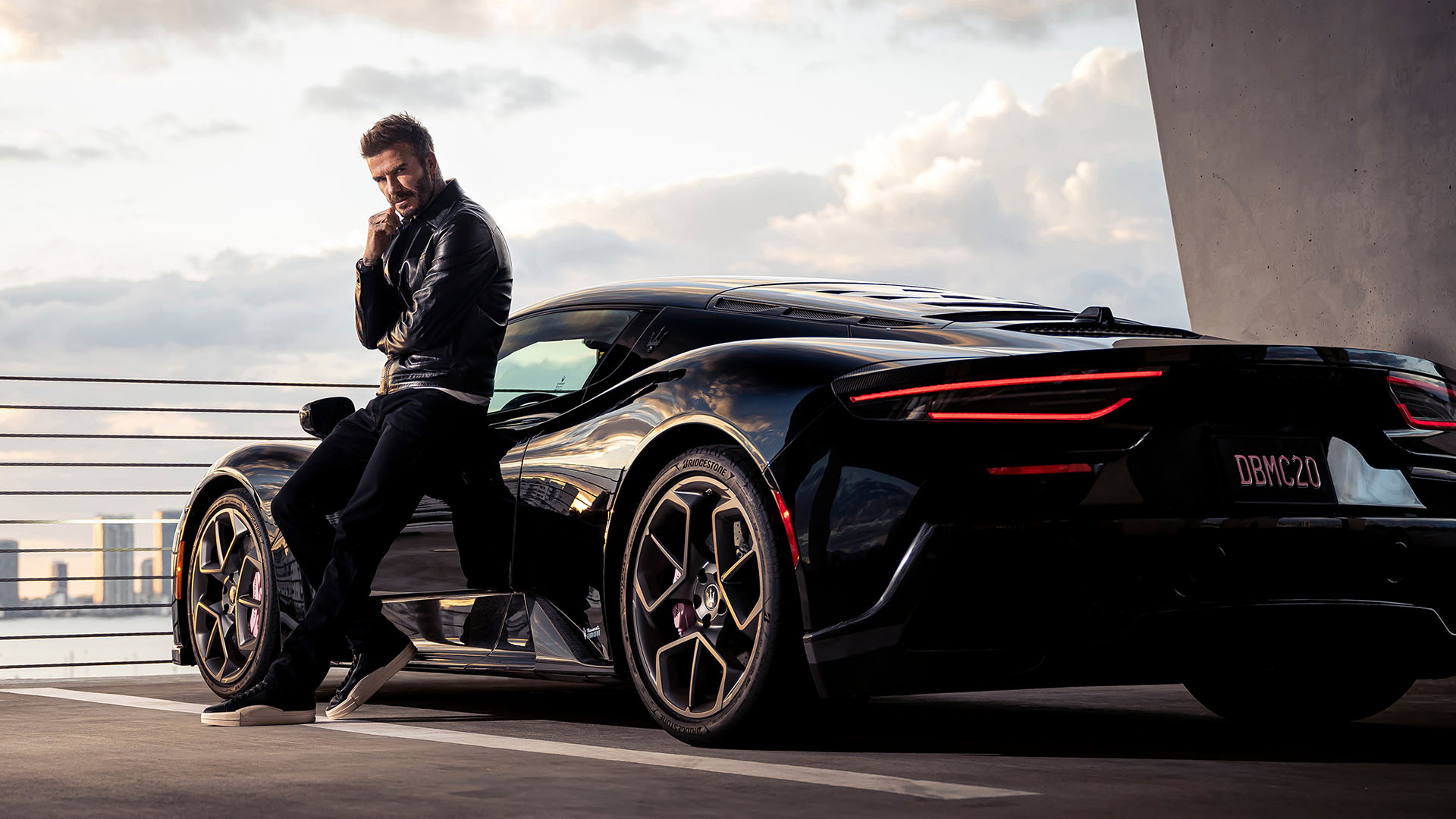
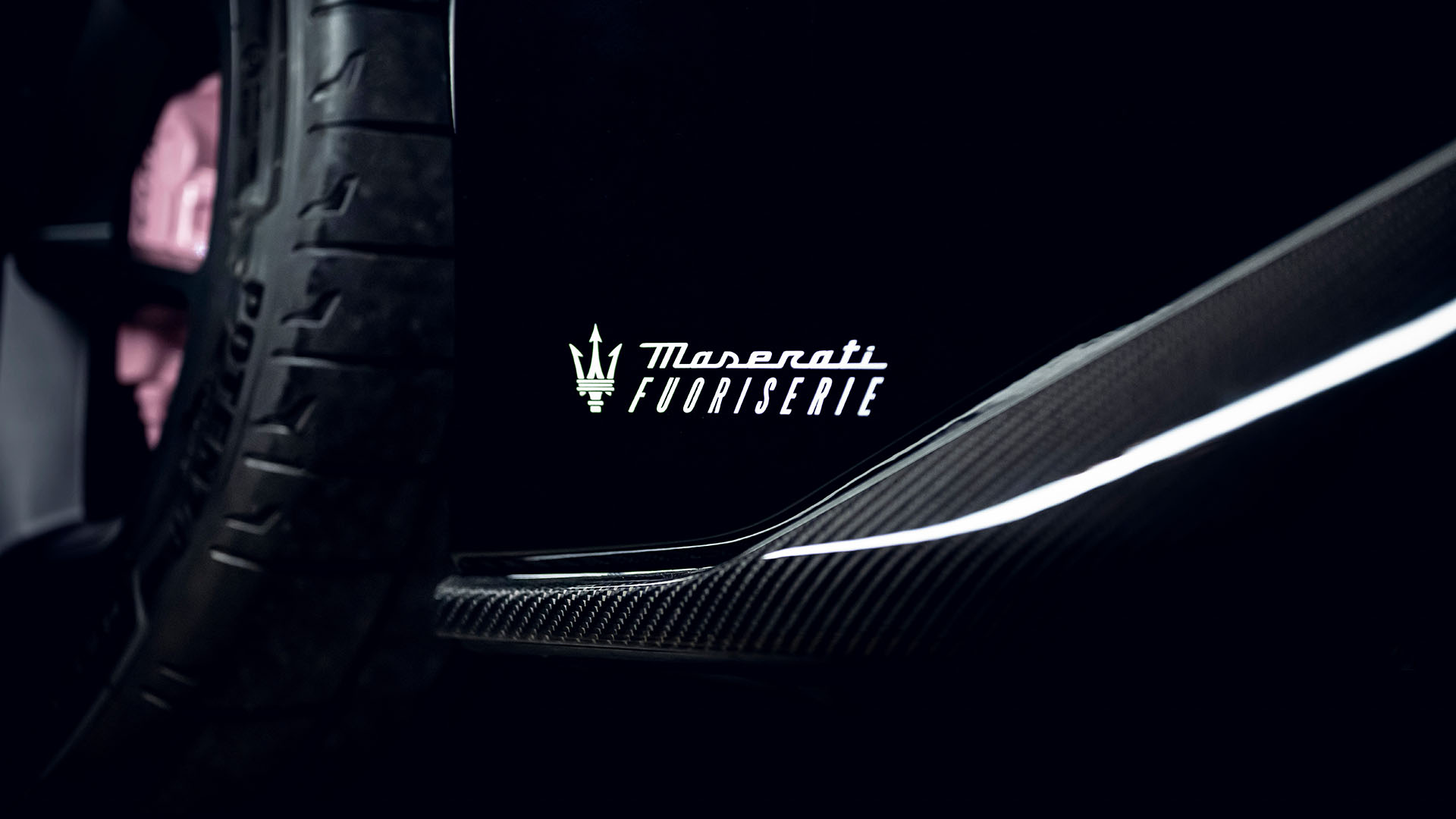
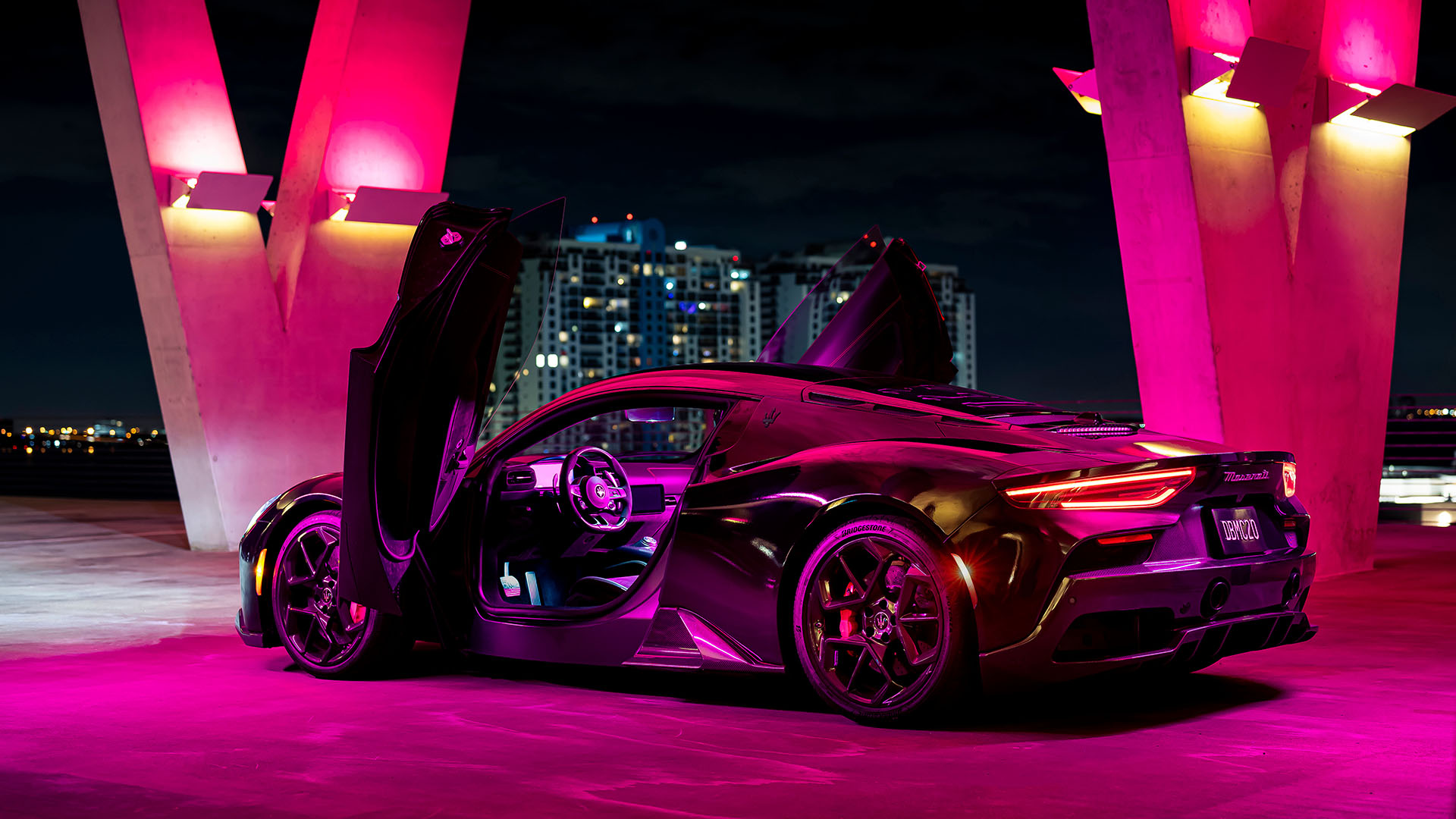
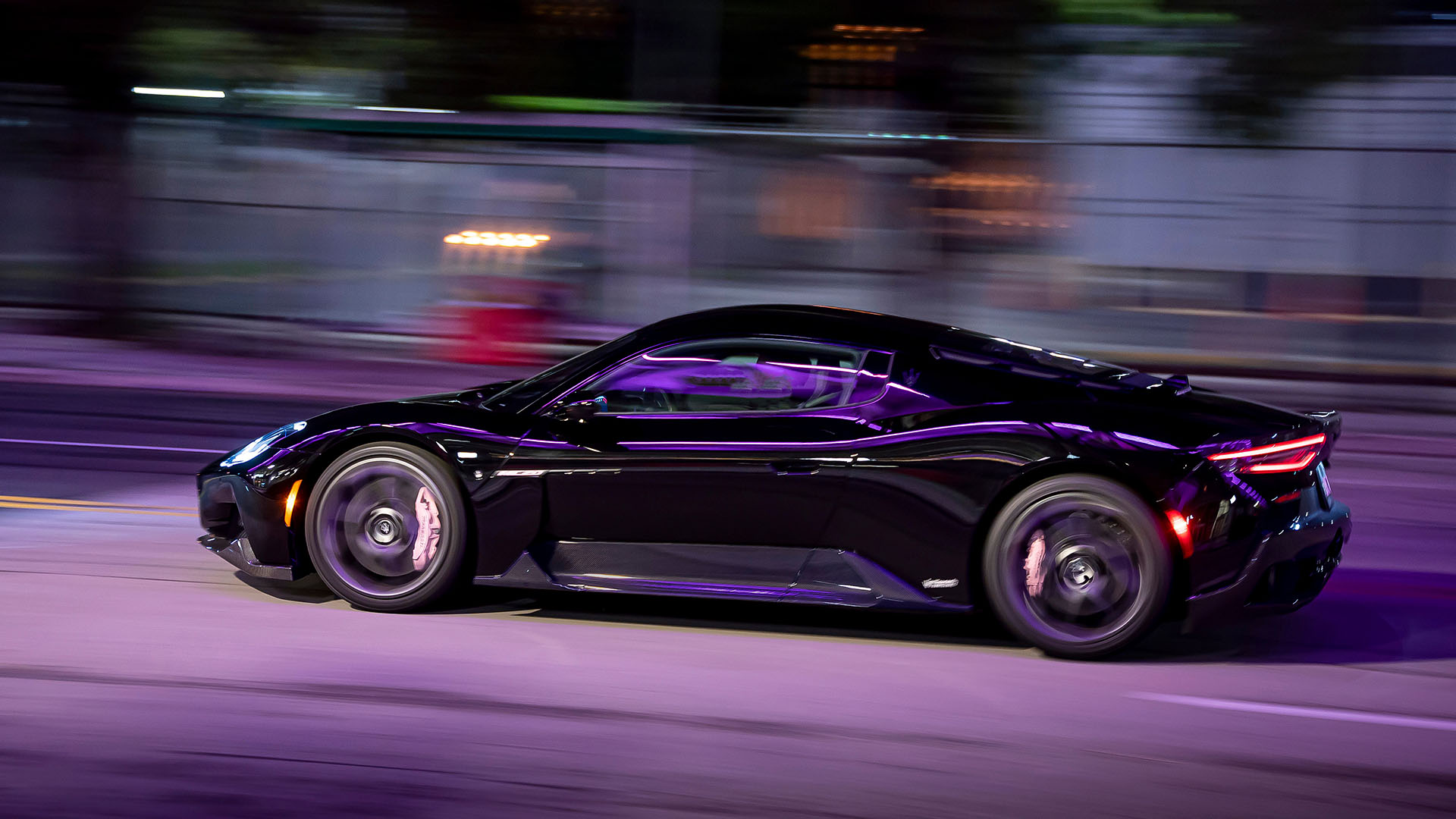
And Maserati S.p.A. has just joined the ranks of these tailor-made one-offs with their latest MC20, aptly called the MC20 Fuoriserie Edition for David Beckham: a love letter for the Magic City of Miami. David is the ambassador of Maserati, and with this Fuoriserie Edition, he also became a designer, backed by the professionals at the Maserati Centro Stile to create a customized MC20 that exemplifies the concepts of performance and sportiness.
When you turn to Maserati Fuoriserie as a customer, you are effectively offered a blank canvas from the House of the Trident, which offers a vast array of instruments to get creative with, just about everything is left to the customer in terms of taste and inspiration, giving them the opportunity to set their own trends and express their personality.
For this specific MC20 Fuoriserie Edition for David Beckham inspiration was taken from within the USA, not from Italy, more specifically from Miami, the home of Beckham’s US football club, whose team colors are black and pink, but their uniforms also combine both glossy and matt sections, and this has been taken into the design of this MC20 Fuoriserie Edition.
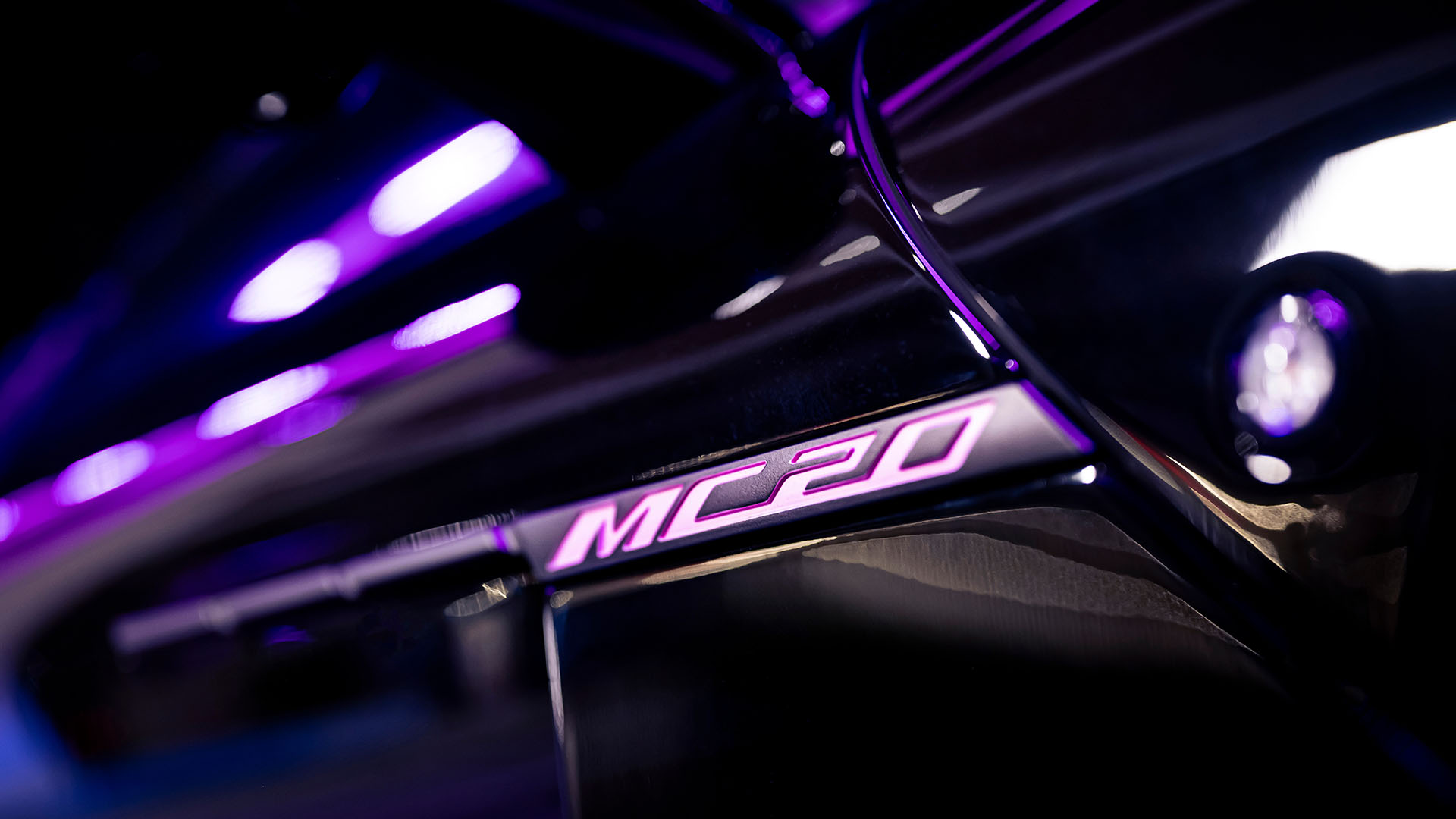
The Maserati MC20 gets adorned in a stunning, yet intriguing glossy black paint, but the traditional Trident logos at the front and on the side pillar get an opaque black finish, even the Maserati script on the rear fascia is finished in opaque black, as a contrast to this the MC20 badge on the door gets the pastel pink treatment, which is repeated on the brake calipers.
The same color theme is repeated in the interior, but fortunately, they didn’t go wild with pink on the inside, instead, the combination of leather and Alcantara inside the cockpit is done in all-black, but the pink returns as a detail in the stitching on the seats, which also feature a 3D embroidery in the same pastel pink shade. A final touch is added to the central tunnel with a personalized nameplate, also combining glossy and matt finish that shows the famous Trident with next to it the Maserati Fuoriserie lettering, in pastel pink, while further down we find “For David” in a beautiful aluminum effect.
Klaus Busse, Head of Maserati Design, commented: “As car designers, our mission is to offer a holistic experience. This value guides our Brand’s stylistic research, making each Maserati uniquely recognizable. Our customization program is another example of our brand’s goal to create singular experiences for our customers: Maserati Fuoriserie is a blank canvas, on which Maserati clients can write their own stories and unleash their creativity, making their dreams come true. Designing this special edition MC20 with David, as with all our Fuoriserie projects, is also an ode to the Brand’s past, taking us back to a time when every car was hand-built to the client’s requests, giving life to a one-off, a true fuoriserie.”
David Beckham said: “I have always been a car enthusiast, so to be part of designing and creating my MC20 through the Fuoriserie customisation programme has been an amazing experience. Cars are about individual taste whether it’s the model, color, or small personal details on the inside. It has been incredible to collaborate with the Maserati team and designers to create this one-off car that is inspired by my second home, Miami, and my football club there. It is a joy to be behind the wheel.”
The official press release from Maserati S.p.A. doesn’t mention any pricing on this MC20 Fuoriserie Edition, nor production numbers, but from how I interpreted the information given this will be a one-off, a bespoke build specifically created with, and for David Beckham, I just hope we’ll be seeing him drive this amazing car on the streets of Miami, apart from the pastel pink, which I understand why it’s there, this would be a spec I wouldn’t mind owning either, black always looks good on supercars and hypercars, and if you start to mix glossy and matt black finishes of the same shade … it just gets better and better.
December 15, 2021 / Comments Off on MC20 Fuoriserie Edition for David Beckham
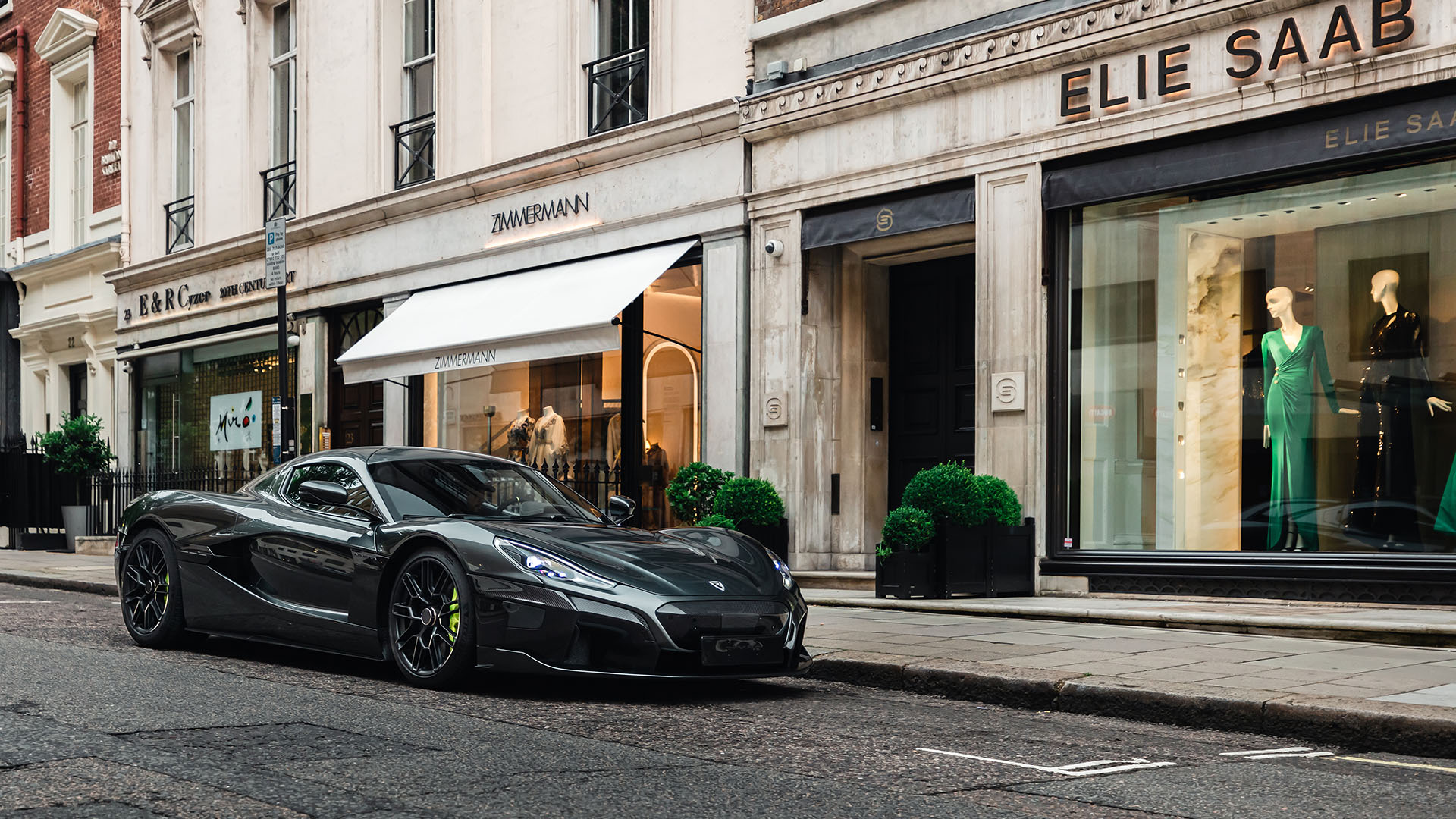
In his famous style of video, YouTube video creator Doug DeMuro takes us through the ‘quirks and features’ of the impressive Rimac Nevera, one of the most powerful cars in the world, a true hypercar, and it’s all-electric too with a power output of nearly 2,000 hp, and while we’ll be looking at nr 002/150, this is still a pre-production sample, so there are some quirks that don’t work yet, but even this one offers absolutely mindblowing acceleration … from 0 to 100 km/h in less than 2 seconds.
Started out as Rimac Automobili, this small car builder from Croatia made some impressive statements all the way back in 2018 when Mate Rimac unveiled the C_Two at the Geneva Motor Show, for Concept Two, let’s go over the figures again: total power output from four electric motors at 1,914 hp, delivering a top speed of 412 km/h (258 mph) and acceleration figures of 1.85 seconds to reach 60 mph from a standstill, this would be the start of a new breed of hypercars.
No other car builder came even close to these numbers, not any of the large companies, nor any of the more exclusive makes like Pagani, Koenigsegg … or even Bugatti, which makes the next detail even more interesting, today Porsche owns a controlling interest in Rimac, but on the other hand, Rimac now owns an interest in Bugatti. It seems the technology on electric hypercars that has been developed by Rimac gained some serious interest from the top brass at the VAG Group, and with the next evolution for Bugatti being at least hybrid, combining the two seemed a great idea, so on November 1, 2021, we saw the launch of ‘Bugatti Rimac’ as a company.
But back to the Rimac Nevera all-electric hypercar, we’re talking about a $2,400,000 two-seater performer, but if you look at the styling and the high-tech interior, you’ll notice Rimac took the Bugatti route and created a luxurious, relatively comfortable hypercar, even the exterior isn’t too wild or exotic looking, the styling is more subdued in fact, almost classy, which might be the only remark you could make about a car that can reach 300 km/h in just 9.3 seconds … it doesn’t look fast standing still, unlike most models from the likes of Lamborghini and Ferrari.
Let’s first check out the video by Doug DeMuro now:
[embedded content]
[embedded content]
Only 150 units of the Rimac Nevera will be available worldwide, and it seems the first units could be heading to their lucky owner very soon, in the next few weeks already, and let’s not forget with all the ‘low emission zones’ popping up in cities all over the world, an electric hypercar is just what you need to go downtown in style, I just wonder if any of these 150 units will actually be driven regularly, or if they will become a toy for the ultra-high net worth individuals to show off in their garage, only to be taken out onto the road occasionally to drive to an event.
I’m already wondering what Bugatti Rimac will unveil in the near future, will there be a Chiron successor first as the production run for the current flagship from Mulsheim is nearing the end of the limited production as only 500 Chiron are to be made, and they are down to less than 40 units remaining to be built. Or will we get another model from Rimac to succeed the Nevera, or get this … why not a Nevera Roadster, now that would be amazing, having this much power in a convertible model, that would really interest me more than a closed coupé, to be honest.
Whichever it will be, it is obviously clear the automotive world is at a turning point in history, we might be seeing a few more ICE powered hypercars in the near future, but let’s face it, in a matter of five to ten years the majority will be electric-powered, all the big names are developing hybrid models as we speak, or already have them in their lineup, while they all are preparing all-electric models as we speak … so the future will be different for sure.
December 14, 2021 / Comments Off on A look at the Rimac Nevera by Doug DeMuro
The concept of restomods is an intriguing one indeed within the dynamic space that’s the automobile industry. The term is reserved for cars, primarily classics that have been ‘restored’ and ‘modified’ (hence the name, restomod) in some way. It is a seamless combination of the ‘old’ and ‘new’ that allows enthusiasts to really get the best of both worlds.
A restomod retains the timeless design elements of the original classic car on which it’s based, wrapped around a modern framework that boasts improvements to safety, handling and comfort. In addition, the modification process crucially takes care of performance flaws found in the original vehicle and is one of the main appeals of the restomod culture.
It may not be as popular as other aspects of car culture like JDMs and the body kit craze. But don’t bet on restomods fading away anytime soon. All the signs indicate that this fascinating aspect of gearhead culture is on a fast track to even more popularity and fame.
The Roots of Restomod Culture
Restomods are not a new trend and have been around for several decades in one form or the other. To understand, you need to realize that the ‘50s automotive scene spawned two primary forms of car enthusiasts.
On the one hand, you had the collectors mainly after cars that could be shown off at car shows, the so-called ‘garage queens.’ These people cared less about performance attributes as the vehicles did not get driven around much. The second group were the hot rodders, adrenaline junkies who craved more from their cars in the form of engine power, improved brakes, and other components that significantly elevated the driving experience.
It did not take long for a third group to emerge; those interested in both the car’s styling and performance. This set of people actively sought ways to merge a car’s styling with upgraded performance mods. These classic cars not only got to retain their original design but also received the latest brakes, engines, and other mechanical parts for better performance.
There are those within the car community that kick against this idea. They believe classic cars should be left in their original state, and yes, some of the icons from the classic era are best left alone. The only drawback is that most of these cars are undrivable today, especially with current regulations and emissions standards.
Resto-moded cars offer a workaround here. They retain the visual impact missing from many of today’s automobiles and still allow owners to drive a ‘classic’ that’s practical, reliable and entertaining.
Restomod Culture: A Growing Trend
Technological advancements have played a significant role in the growing popularity of restomods. Sophisticated techniques like CNC (Computer Numerical Control) machining can now be used to manufacture custom aftermarket parts that would have otherwise been unavailable. In most cases, these bits prove even more reliable than the factory pieces they replace during the restomod process.
The easier access to a wider variety of parts has helped lower entry barriers to the world of restomods. Now, everyone from budding enthusiasts to established shop owners can spend less time hunting for materials and more time focusing on the actual restomod builds, relying on a host of modern technological methods to help execute their vision.
Then you have the internet, an inexpensive platform that’s allowed restomod builders to showcase their creativity to a large number of people unrestricted by physical boundaries. So far, the audience is lapping it all up. Restomods not only look superb in high-res photos, but they also sound great in videos and look even more impressive when they trump modern sports cars in a match-up at the drag strip or race track.
Social media and online forum communities have played their part in propagating the restomod culture, resulting in viral sensations of the truly standout builds. Examples include the 1969 Ford Mustang Mach 1 ‘Hitman,’ a restomod by Ford-licensed Classic Recreations with 1,000 ponies under the hood.
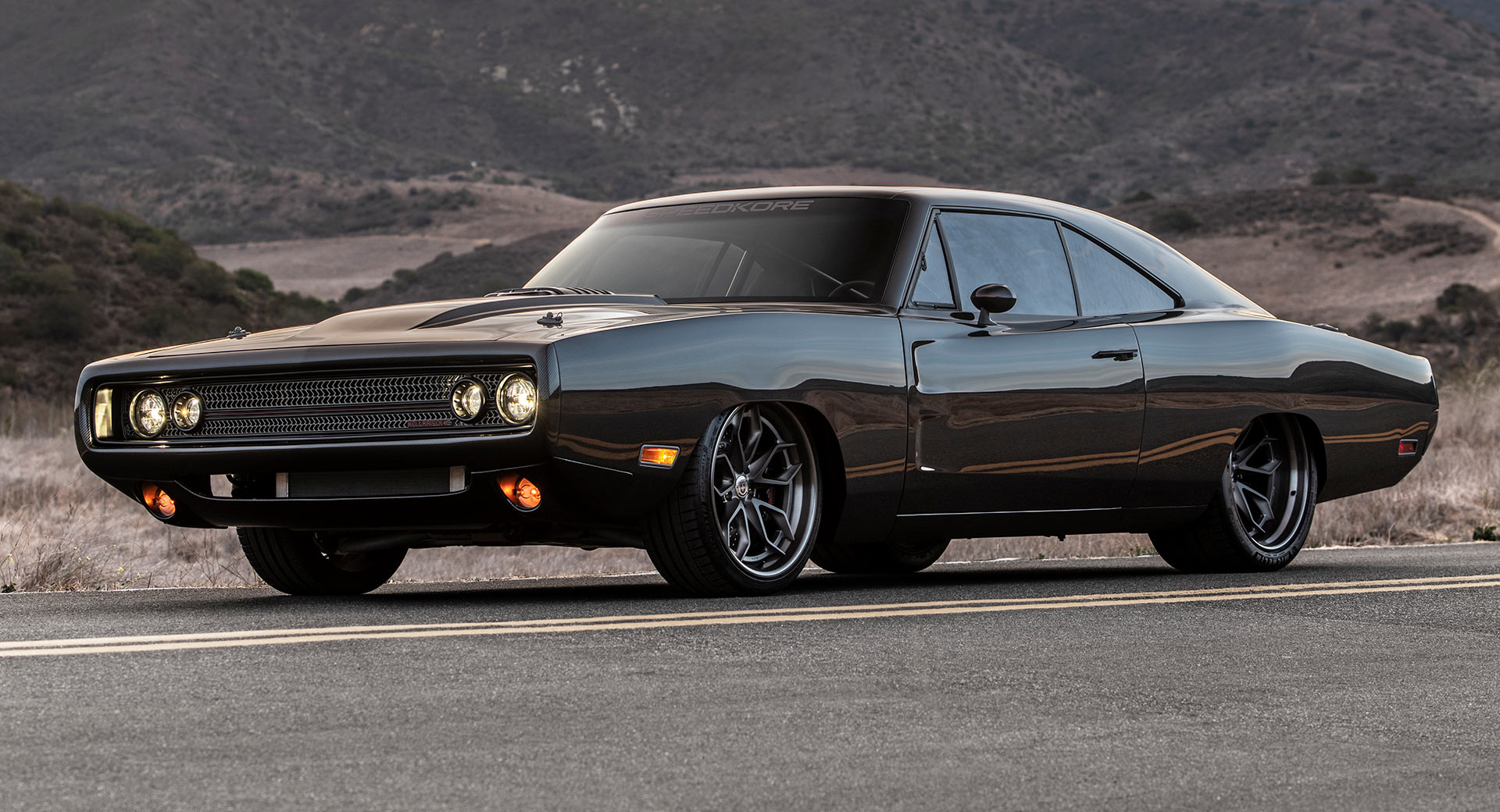
Speedkore Performance Group also came up with the ‘Hellraiser’, a restomod of the 1970 Dodge Charger with a full carbon-fibre body and a 7.0-litre Hellephant engine that cranked out 1,000-hp and 950 lb-ft of torque.
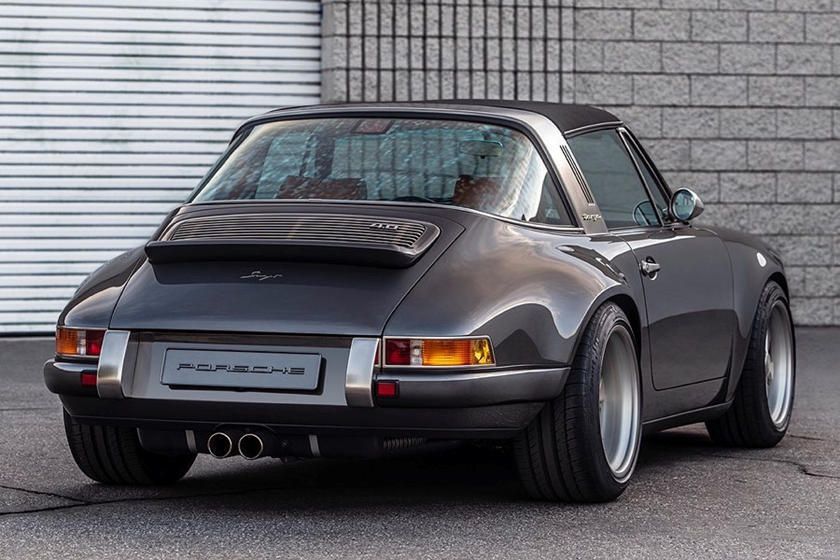
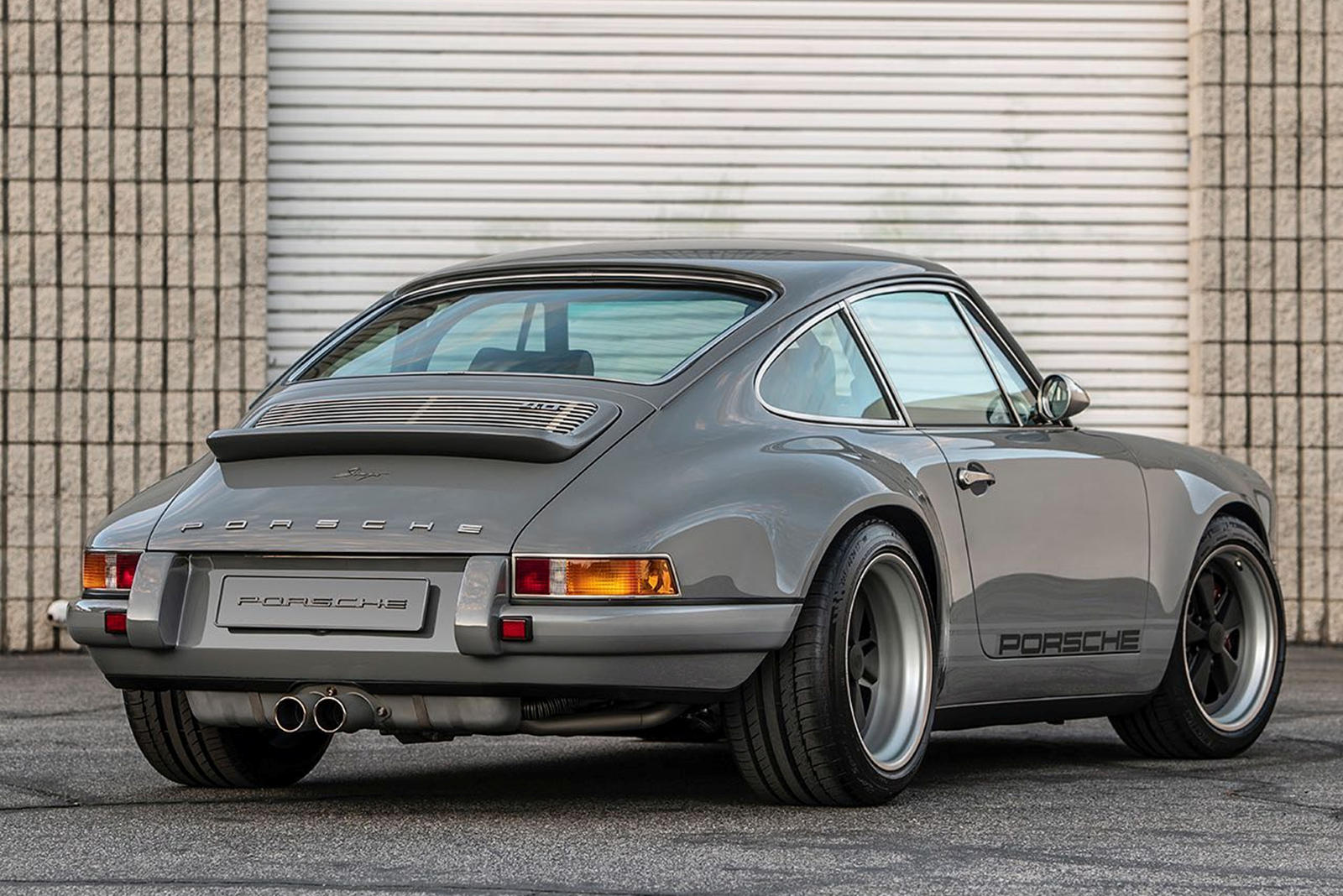
Restomods are popular with classic muscle cars, but other car types like sports cars and even trucks have also been the subject of interesting ideas. For example, there is the classic Porsche 911 Targa reimagined by Singer Vehicle Design, an American company that specializes in modifying Porsche sports cars.
In 2019, an Indiana-based company debuted a restomod based on a 1966 Chevy K30-style truck. It was a $150,000 behemoth with several mods like massive 37-inch tires, Bilstein shocks, extra bracing and a turbocharged diesel engine tuned to produce 550-hp and an insane 1,300 lb-ft of torque!
Electromobility is the next big wave in the automotive industry. It’s a trend that’s catching on with restomods as well. Swapping out traditional internal combustion engines with electric powertrains, complete with motors, batteries and circuitry, is not as inconceivable as it once sounded, thanks again to technological breakthroughs.
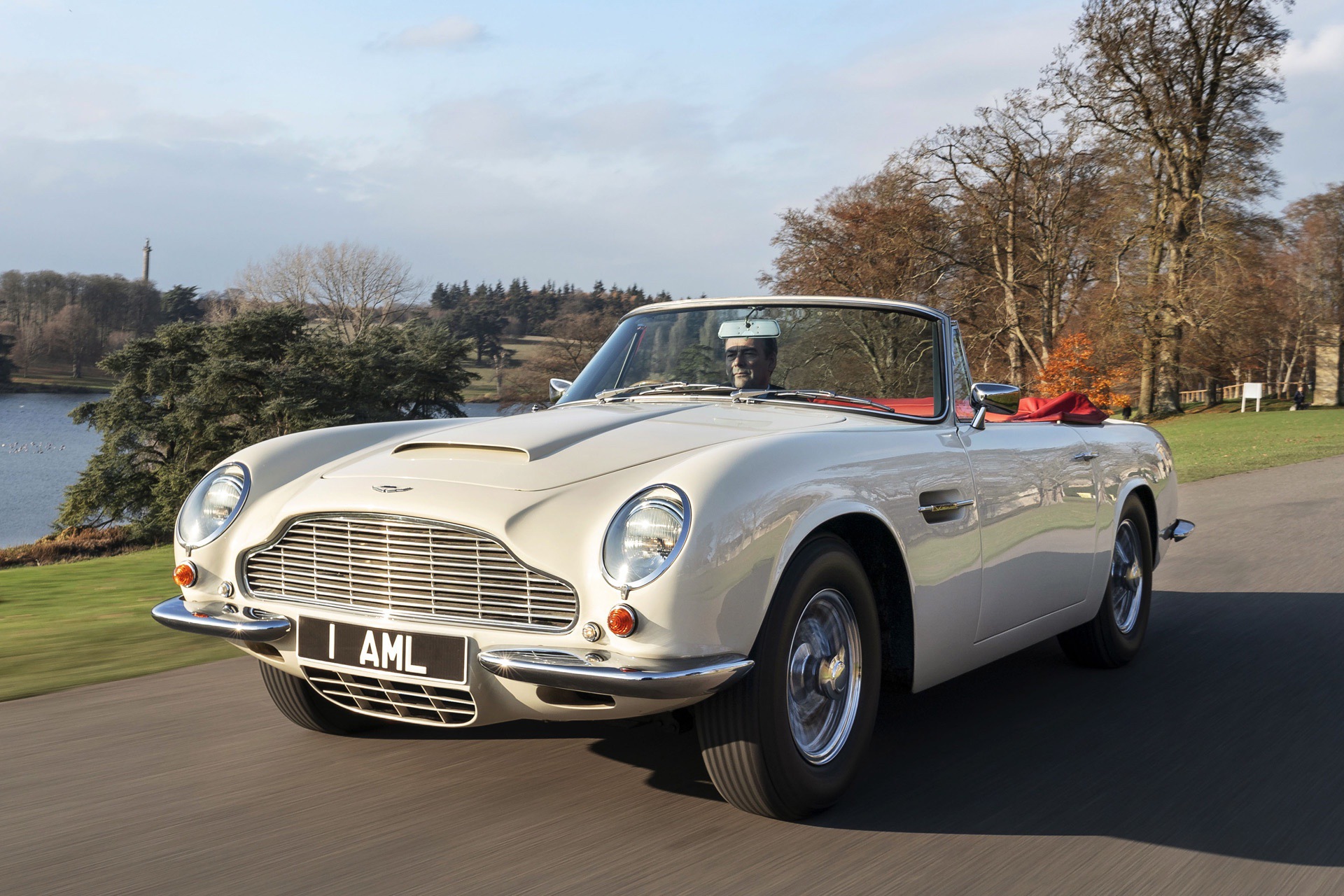
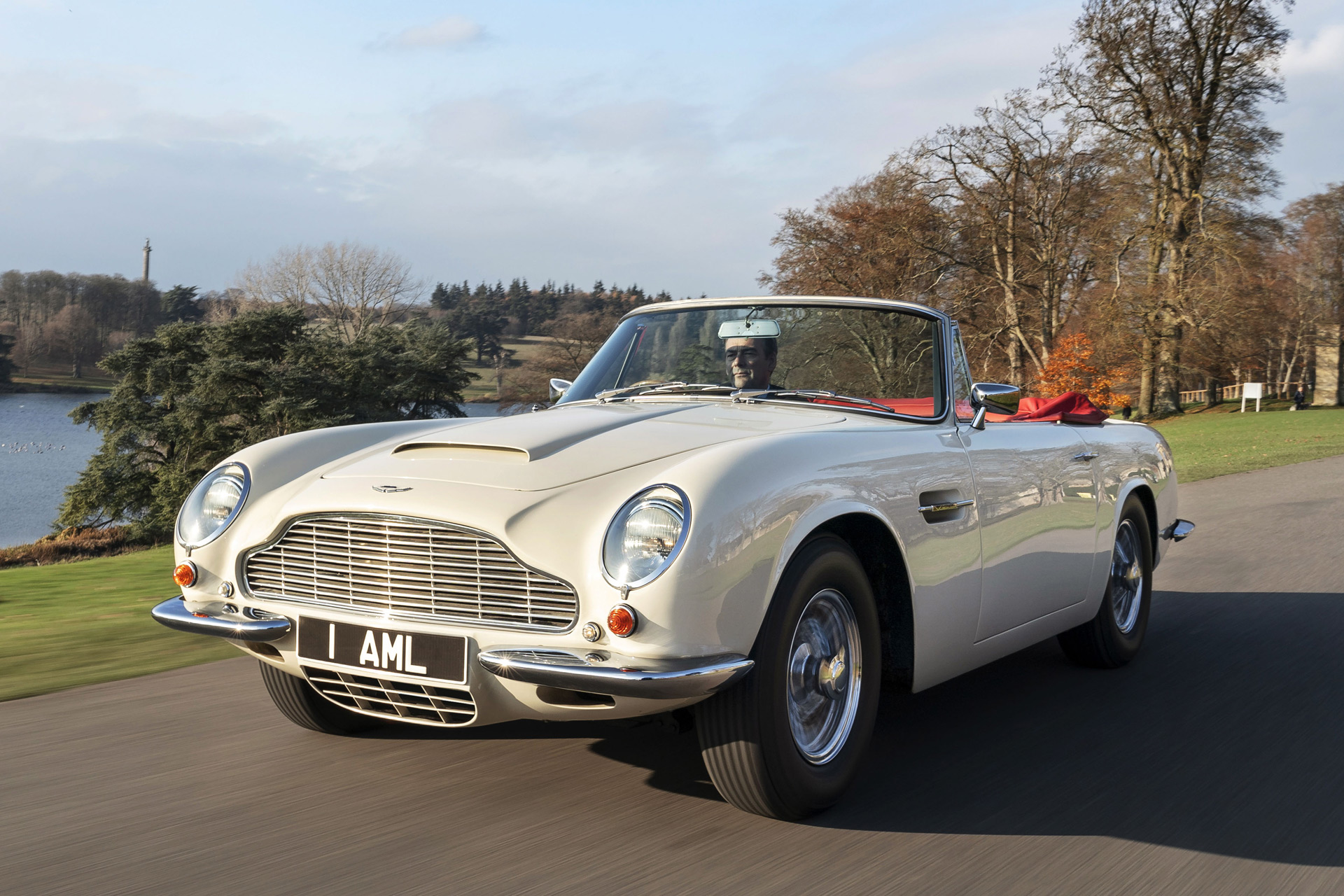
It is still incredibly niche, but there are already important players involved. Just take the 1970 DB6 MK2 Volante Restomod, an all-electric restomod introduced by Aston Martin in 2019 and available to interested clients for about $1.7 million per unit.
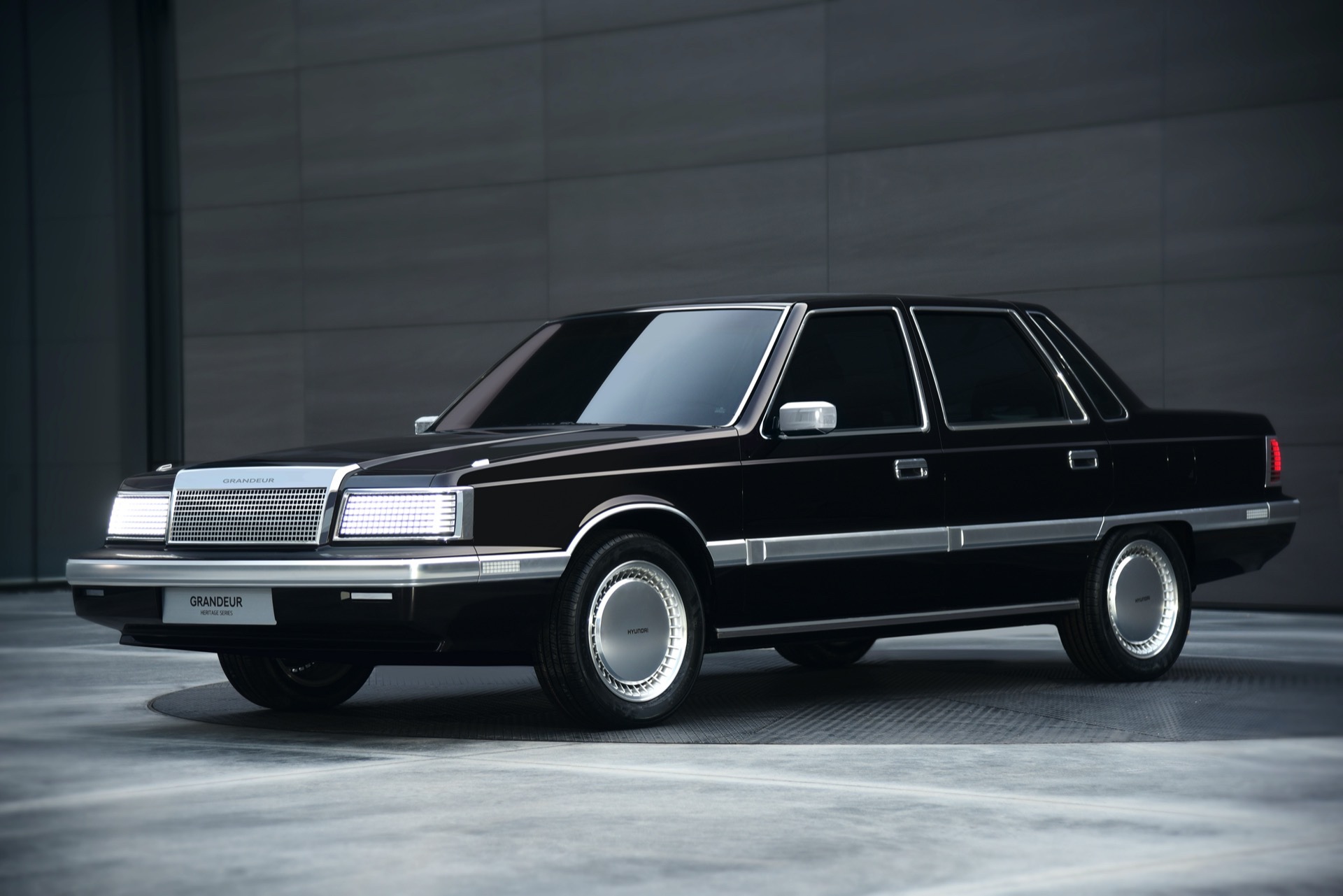
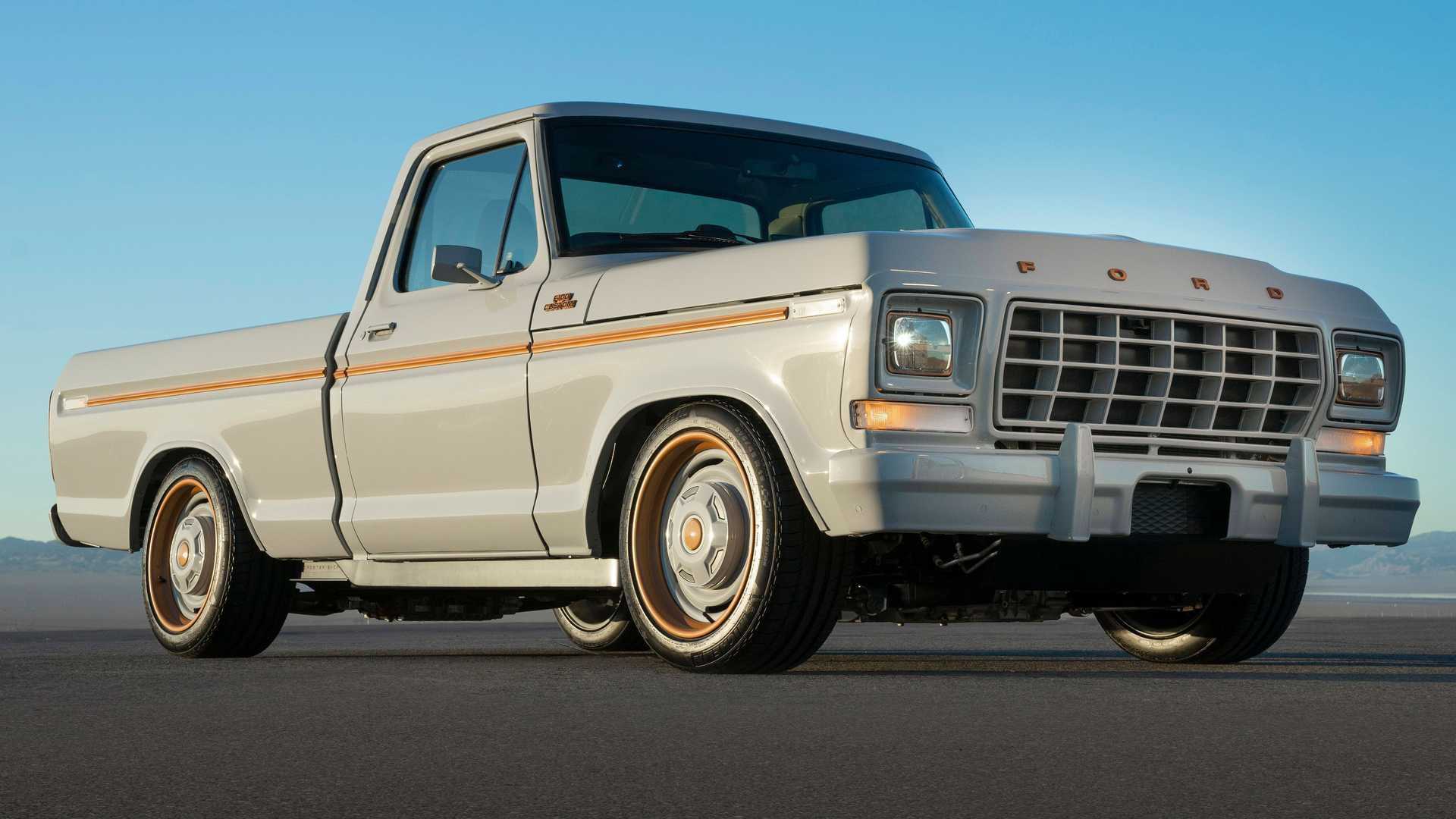
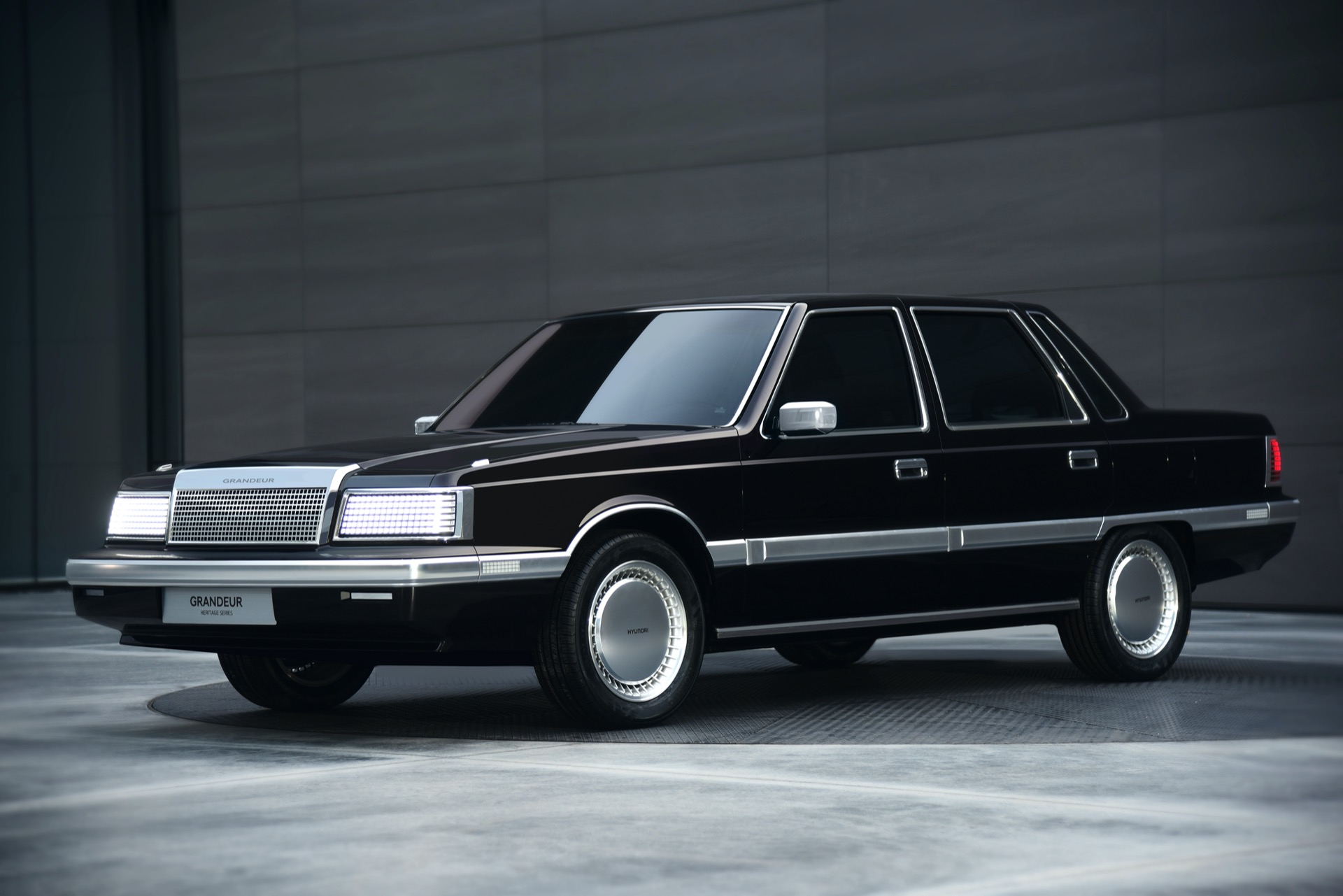
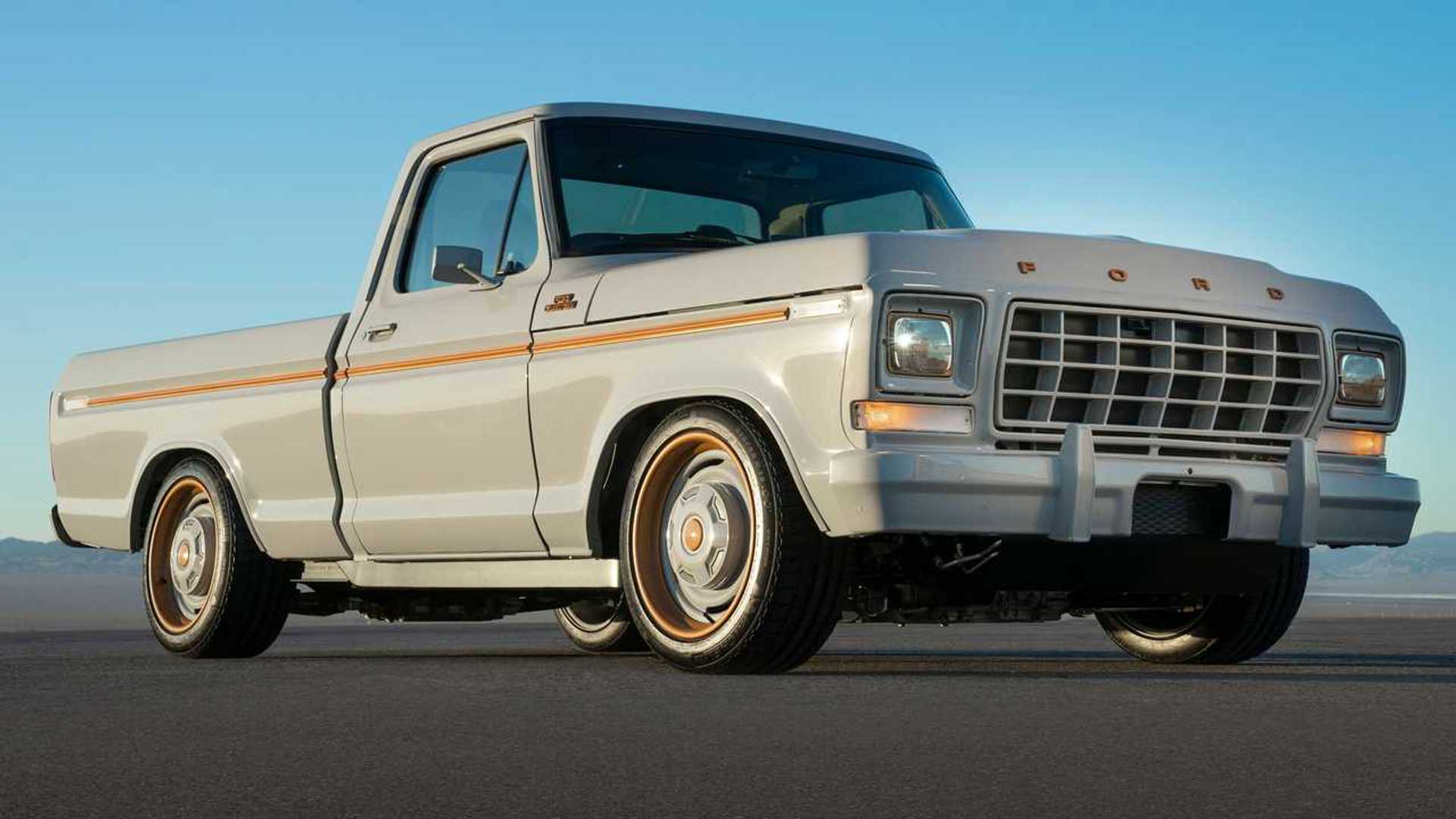
In November 2021, Hyundai showcased a 1980s Hyundai Grandeur restomod with a futuristic interior, and exterior complete with fancy LED lighting. More importantly, is the fact that the Grandeur is powered solely by electricity. The recently concluded 2021 SEMA also presented an opportunity for Ford to show off a 1978 Ford F-100 electric restomod with 480-hp on tap.
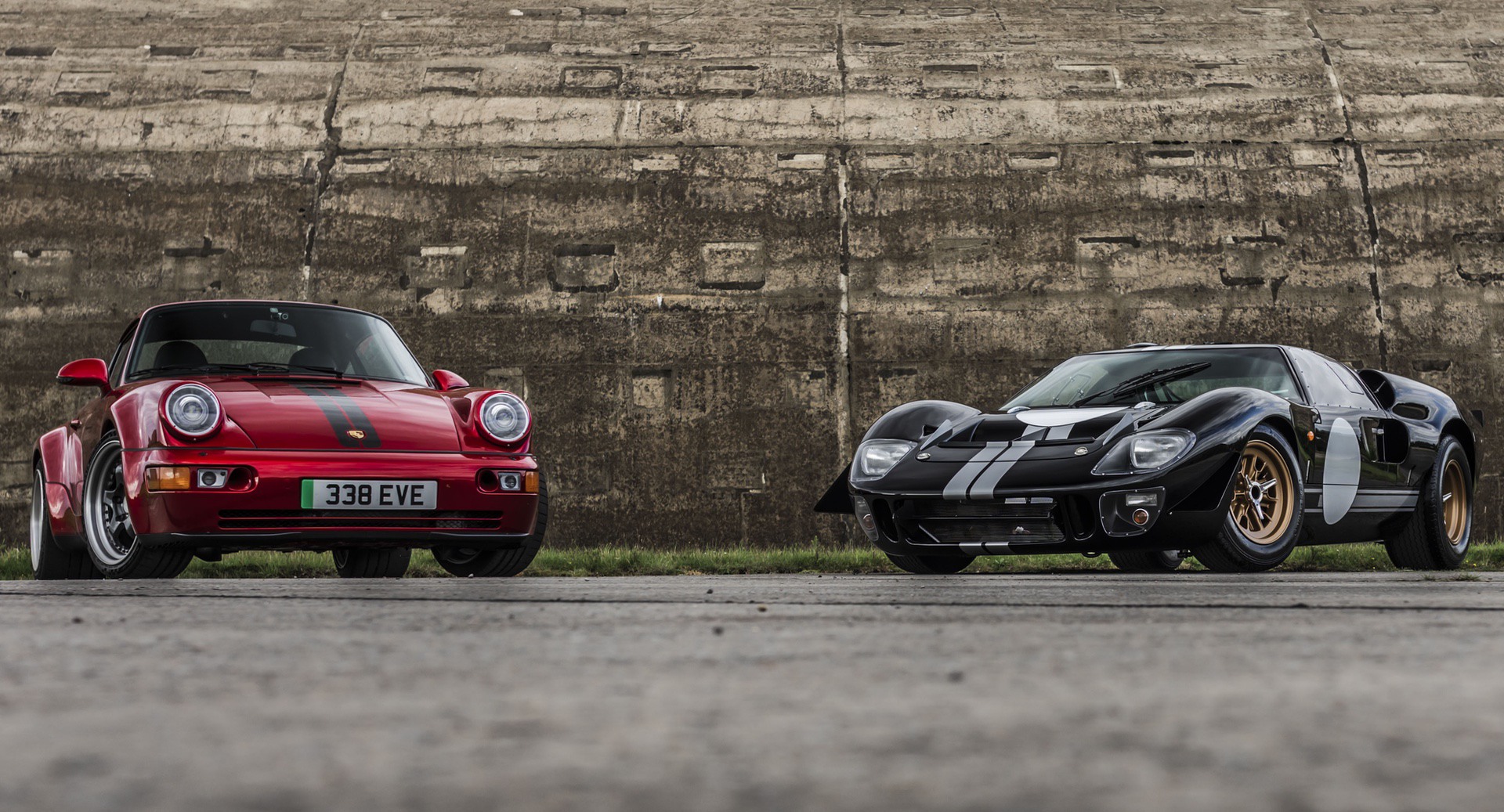
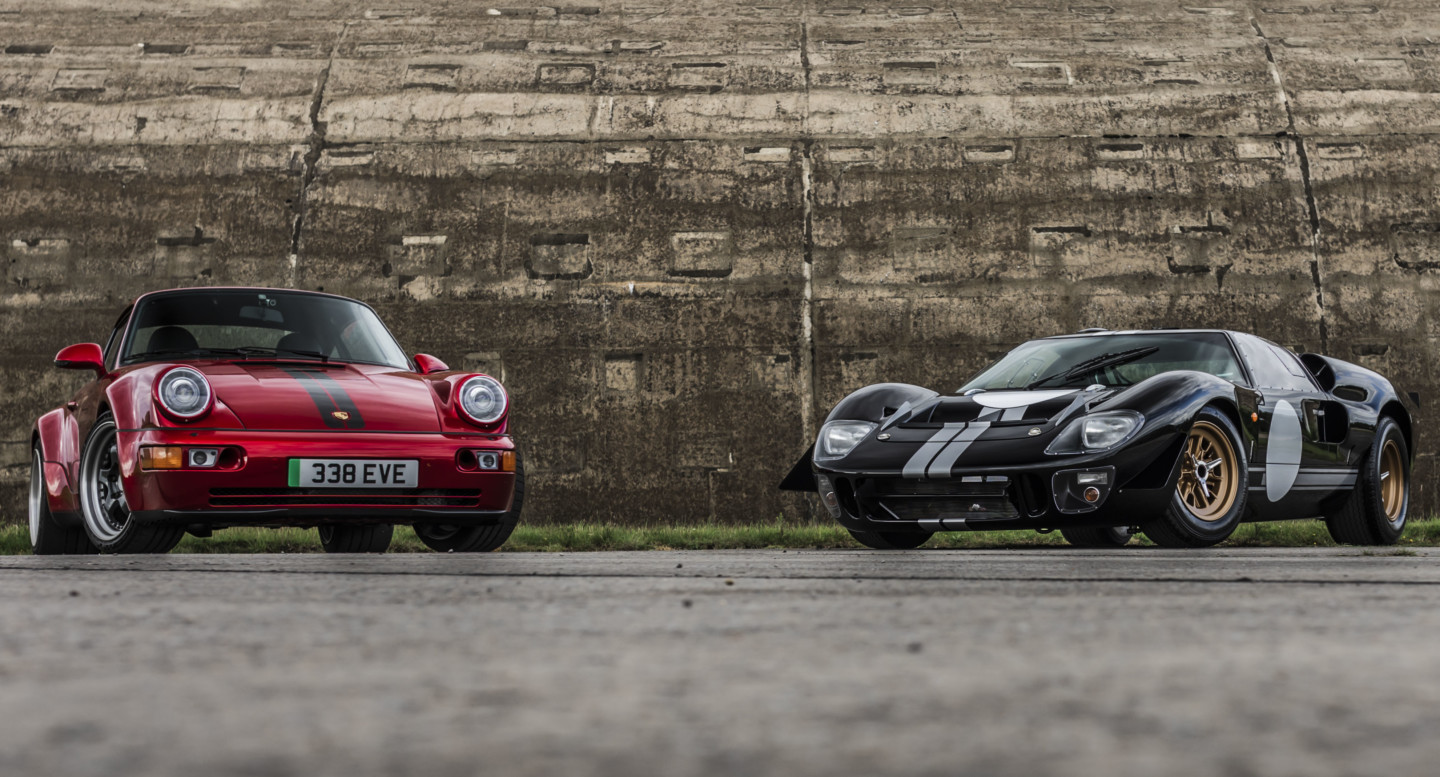
Apart from established carmakers, you also have boutique companies like UK-based Everatti and Netherlands-based Voitures Extravert specializing in electrifying classic vehicles from manufacturers including Land Rovers, Fords and Porsches.
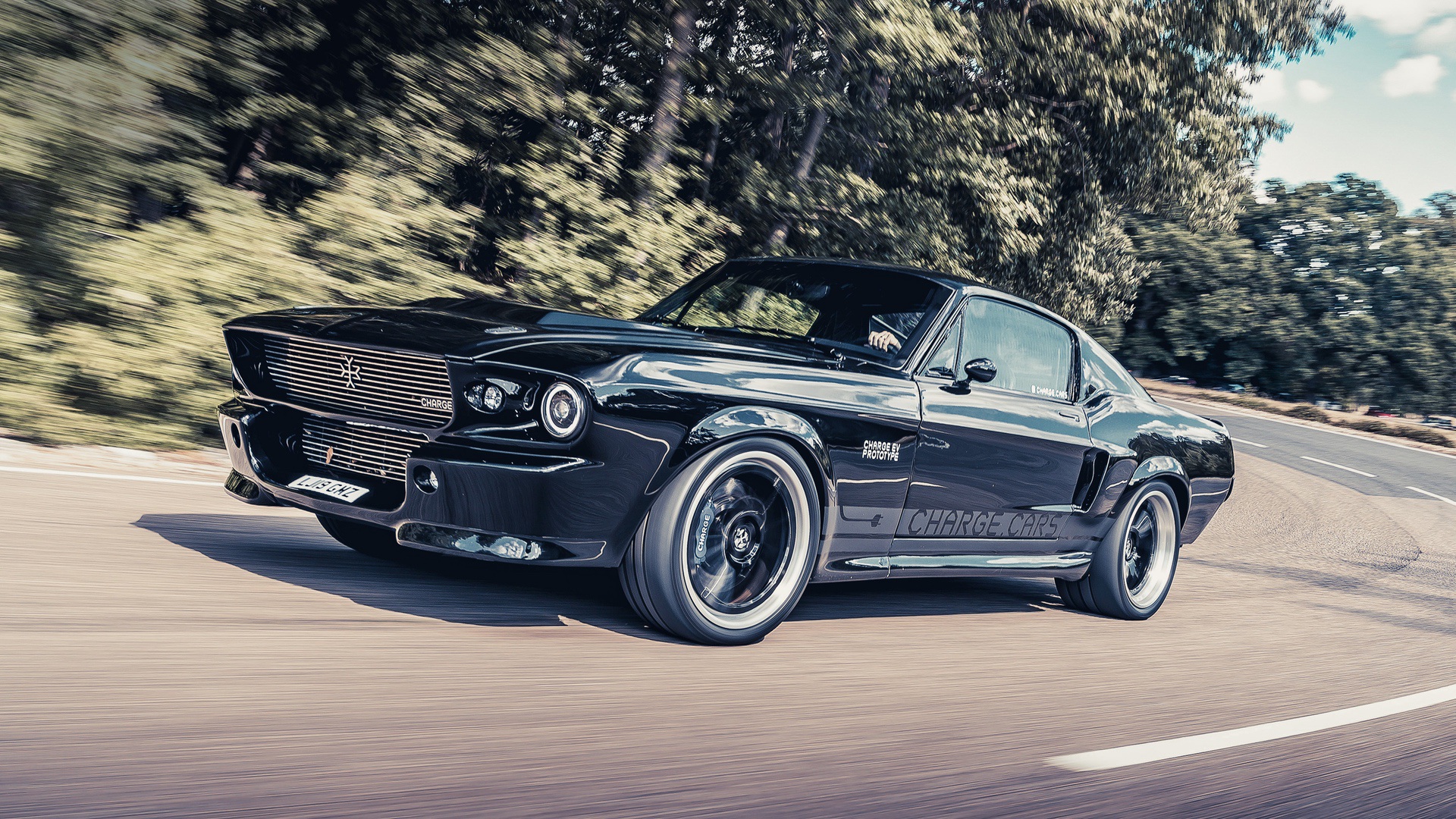
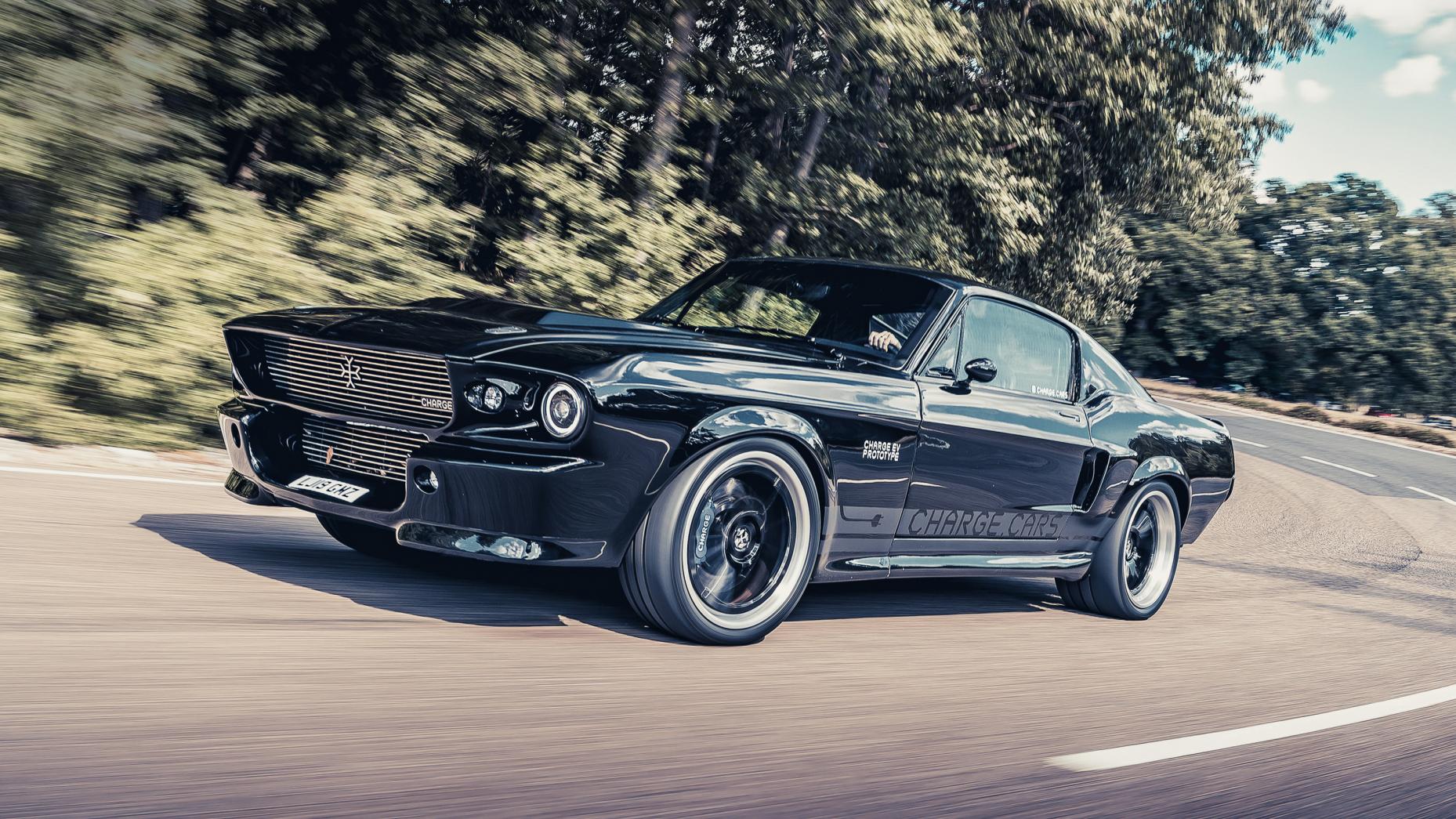
Further down the chain are even smaller outfits and individuals who have attempted to create their own custom electric restomods like the Charge ‘Eleanor’ Ford Mustang with four motors that produce a total of 543-hp and 885 lb-ft of torque.
It appears that restomod culture is gearing up to keep pace with the EV revolution, and electric restomods may turn out to be just as popular as the traditional fossil-fuel counterparts sooner than later.
Restomods: Here to Stay
The idea of restomods is bound to get even more entwined with the mainstream car culture as time goes on. Enthusiasts should be happy about that, and those who oppose the idea will do well to get on the bandwagon and applaud the hobbyists bold enough to tackle restomod projects.
Restomods may just turn out to be one of the most important ways by which we can continue to appreciate our favourite classic cars and see them being properly driven on the roads rather than squirrelled away in hidden collections until they rot away and fall apart. Okay, that may be an extreme scenario—but surely you get the point.
December 14, 2021 / Comments Off on Restomod Culture is Just Getting Started (& Finally Going Mainstream)
Thanks to a certain financial phenomenon known as depreciation, automotive enthusiasts around the world will always have a good shot at procuring some of the world’s finest automobiles; if they’re willing to wait. Although we’re currently in the middle of a hot used car market–chip shortages, supply chain issues, et al–many performance cars and supercars that cost above 6-figures not too long ago, are now well within the same price range as your typical brand new luxury SUV.
While I’m not suggesting that everyone should be rushing out to trade-in their family car for a mid-engined Audi R8—it’s more important to make the right choices based on our circumstances—I do reckon that if your budget and life stage allows for it, there are some pretty enticing options to look through in the classifieds.
Bang-for-buck, cars that meet the aforementioned criteria, often can’t be beat. Whether a 797 hp Dodge Challenger Hellcat tickles your fancy, a legendary all-wheel drive GT-R is more your jam, or a unique and exotic Evora wets your palate, there’s something out there if you’re willing to do the work and go hunting.
Here’s our picks for the 10 Best Used Sports & Performance Cars you can purchase in the $50K–$100K USD range. In the interest of keeping this list digestible, we’ve also filtered it down to cars produced within the last 10 model years; we’ll save older and vintage cars for another list. With that being said, a lot of these examples will still have their original manufacturer’s warranty intact—not unlike a brand new car.
Chevrolet Corvette Z06 (C7)
Price Range: $75K–$90K (2019 model year)
Sure there’s a new Z06 in town, but that car is shaping up to cost more than $100K and crucially, it’s also disqualified from this least being a brand new car and all. This isn’t necessarily bad news, particularly if you’re a fan of the traditional Corvette school of thought.
If your philosophy lines up more with the more quintessentially American engine-in-the-front archetype, then the previous-gen (C7) Corvette is probably the better choice for you anyway; and why not? After all, the 6.2L supercharged LT4 V8 engine in the C7 Z06 produces 650 hp and 650 lb-ft of torque makes an excellent value proposition on its own, and the chassis is pretty brilliant too.
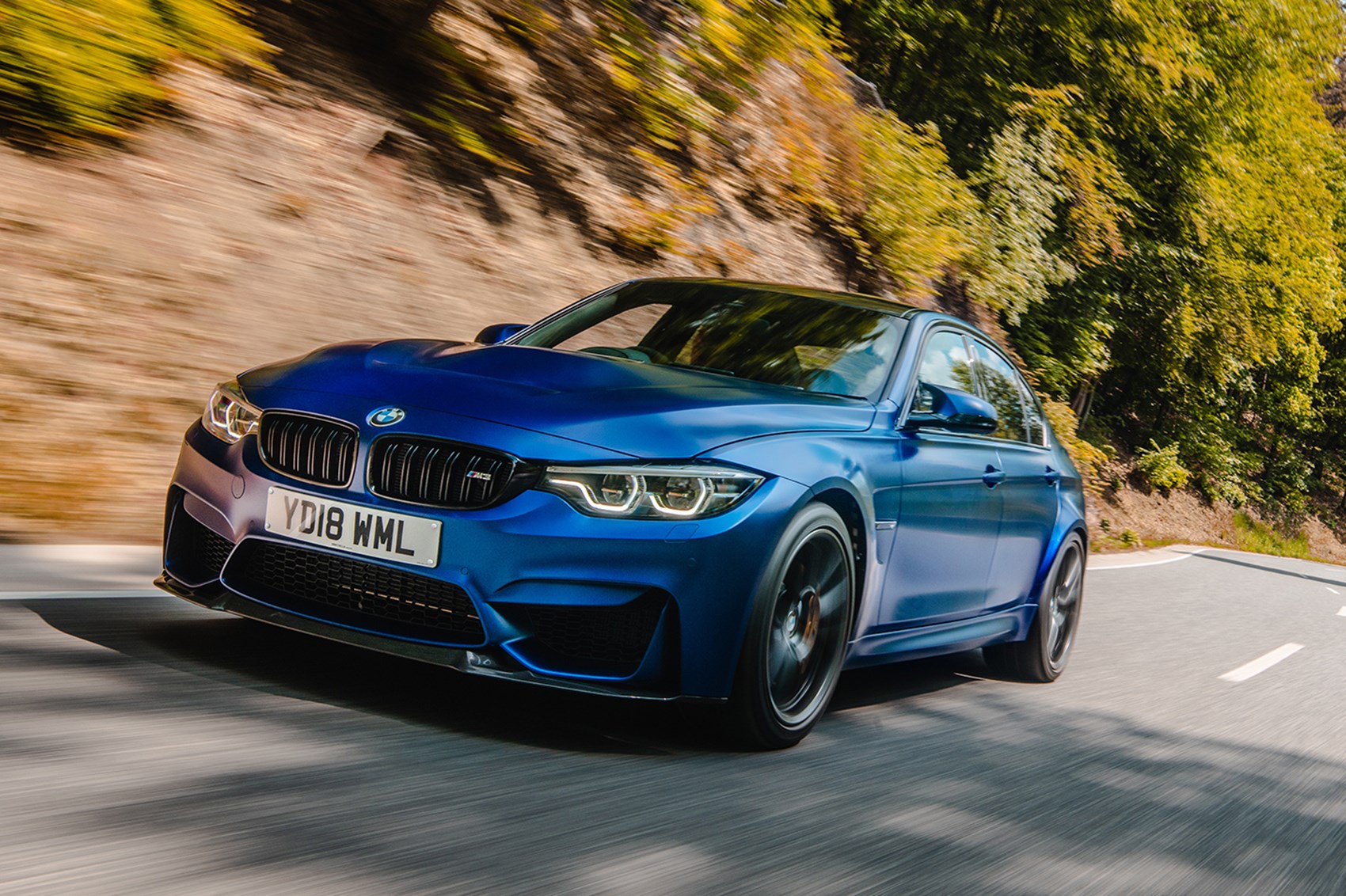
BMW M3 / M4 (F80)
Price Range: $50K–$80K (2014–2019 model years)
Much like the Corvette Z06 (also on this list), the presence of the new BMW M3/M4 models doesn’t do anything to diminish the appeal of the previous generation cars; in fact, some would argue that the G80’s polarizing appearance has worked in favor of the now-discontinued F80 examples.
Sure, you can get into a used BMW F80 M3 (sedan) or M4 (coupé) for under $50K, but having a higher budget will definitely open up the door to the more well-kept and lower mileage examples out there (or perhaps the special edition CS models).
Either way, you’re getting a potent 3.0L twin-turbocharged engine which outputs 431 hp and 406 lb-ft, making for a car primed for grand touring and the occasional race track excursion. GTS models are excluded from this range.
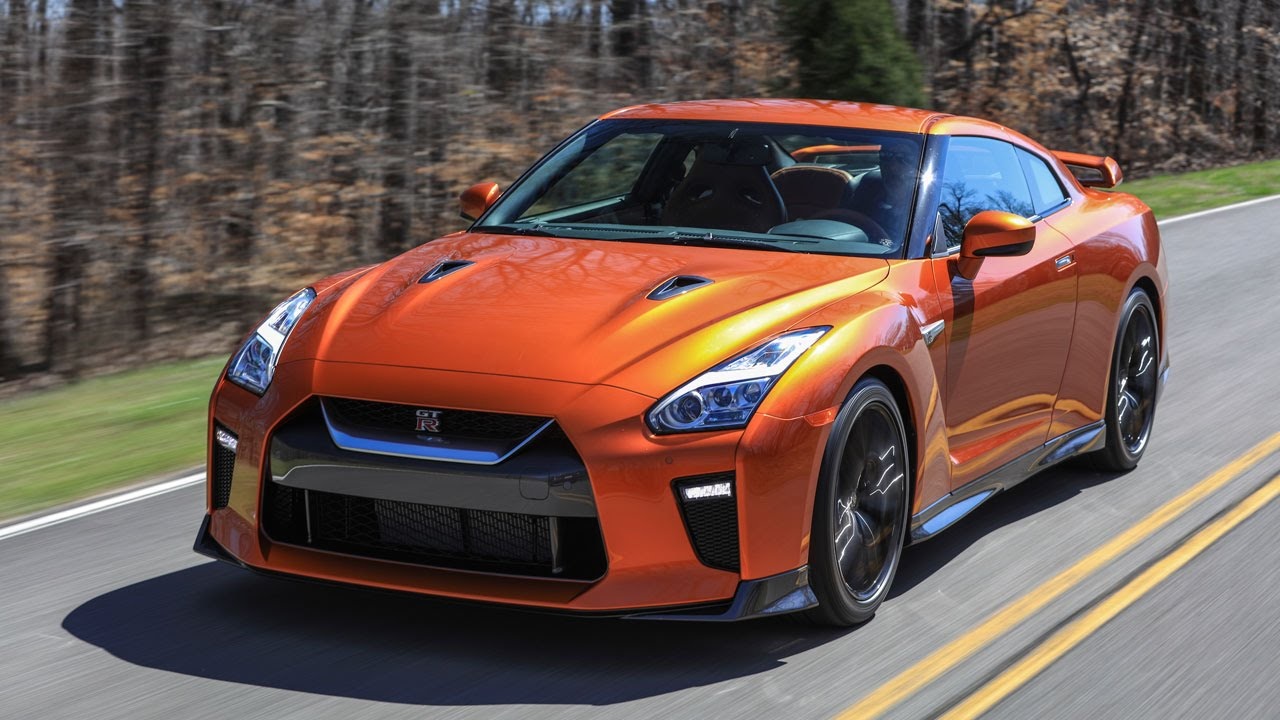
Nissan GT-R
Price Range: $65K–$100K (2009–2016 model years)
The R35 Nissan GT-R has been around for more than a decade now, so you’ll have a lot to pick from in terms of model years. The ceiling of this price range looks to be at around the 2016 or 2017 model years, so anything newer will likely set you back more than 6-figures.
One thing the GT-R has had going for it during its lifecycle, is that it’s been improved upon every model year. That means the newer models are the better cars, all else being equal, so you’ll do better finding one at the top of your budget, unless you’re looking for a project car of sorts.
As a former owner, I’d recommend the 2012 model year or newer; the earlier models suffered from transmission issues before Nissan figured it out and made them more robust for the DBA generation onwards. Nismo models are also excluded from this range.
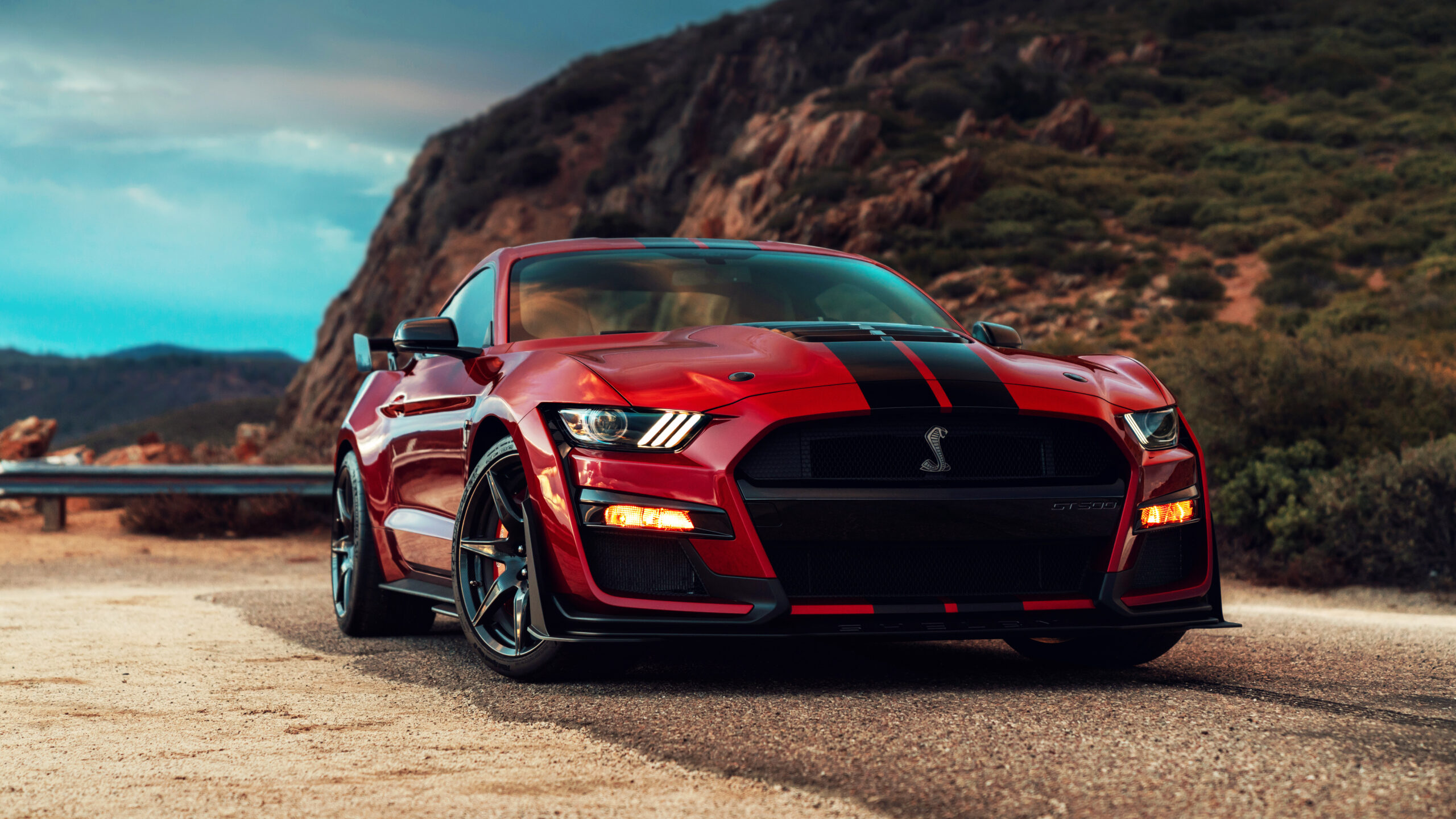
Ford Mustang Shelby GT500
Price Range: $80K–$100K (2020 model year)
There’s a lot to love about the Shelby GT350 series’ bigger brother—the Ford Mustang Shelby GT500—especially with the former car now being discontinued. It’s the most muscular of all of Ford’s vehicles, but it’s not just fast in a straight line thanks to its supercharged 760 hp supercharged V8 engine.
The car can pirouette its way around the twists and bends of the most technical racetracks really quickly, too–almost as quick as a Porsche 911 GT3 RS, if the conditions are right. Back on the topic of straight power, the GT500 also has enough brawn to beat the 797 hp Dodge Challenger Hellcat in the quarter-mile.
You’d be hard pressed to find a car that provides a better all-around performance package than the Ford Mustang Shelby GT500, especially at this price.
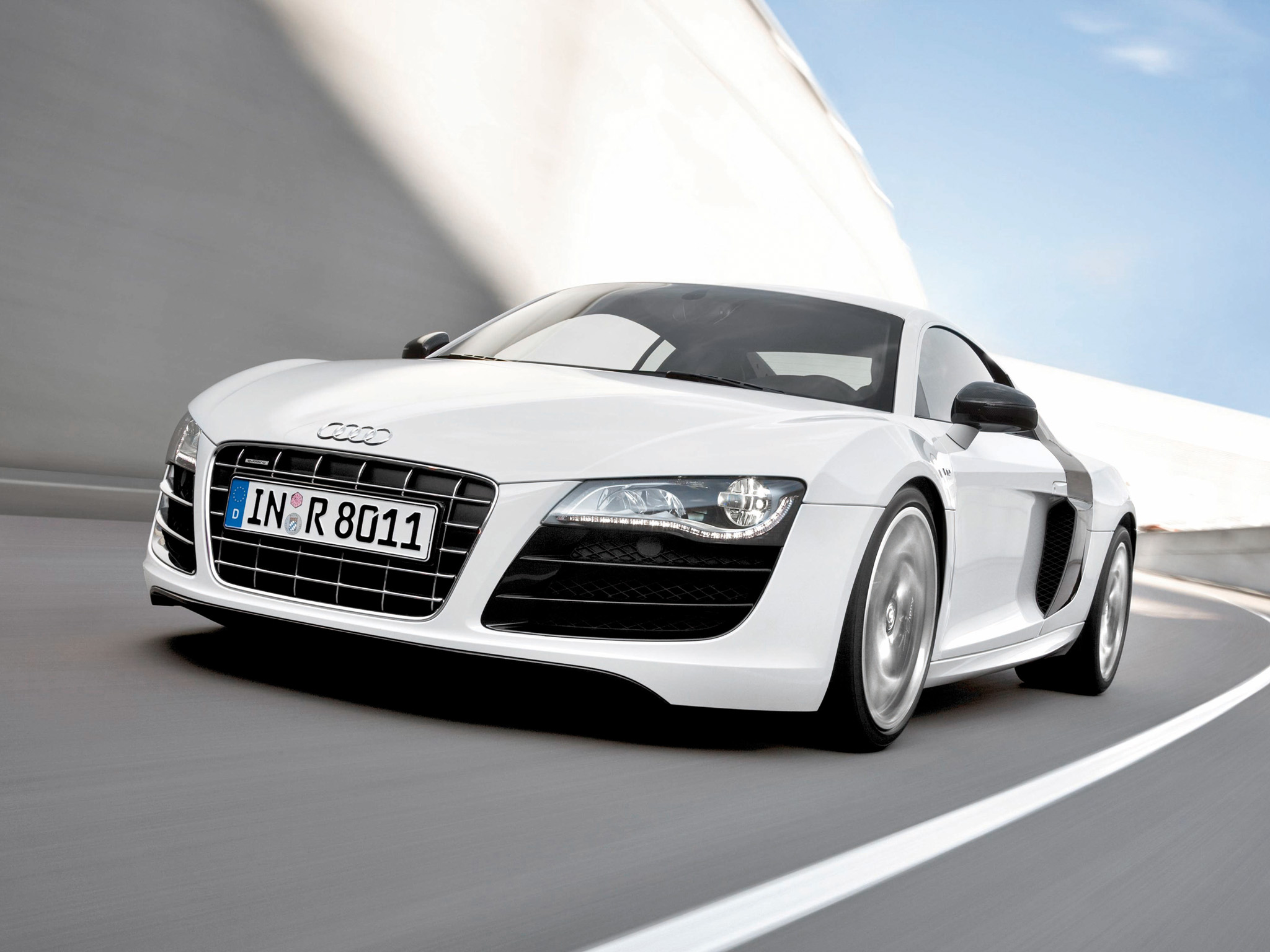
Audi R8
Price Range: $60K–$100K (2008–2012 model years)
The Audi R8 has been around for so many years that it also made it on to our $100K-$200K list. Of course, those are reserved for newer or more rare trims; but yes, you can certainly get into an R8 well under the $100K mark if you’re willing to look hard enough and make some compromises on mileage, wear and tear, and available technology.
With that being said, we’ve also stretched the ’10-year’ criteria out a little bit for this car, to include the earliest R8 models produced by the German automaker. Still, you’d be getting quattro AWD as standard, along with quintessential supercar looks and a badge that has meant so much—for so long—to the broader performance car world. The Audi R8 in this price range provides the opportunity to find a bargain unlike any other on this list.
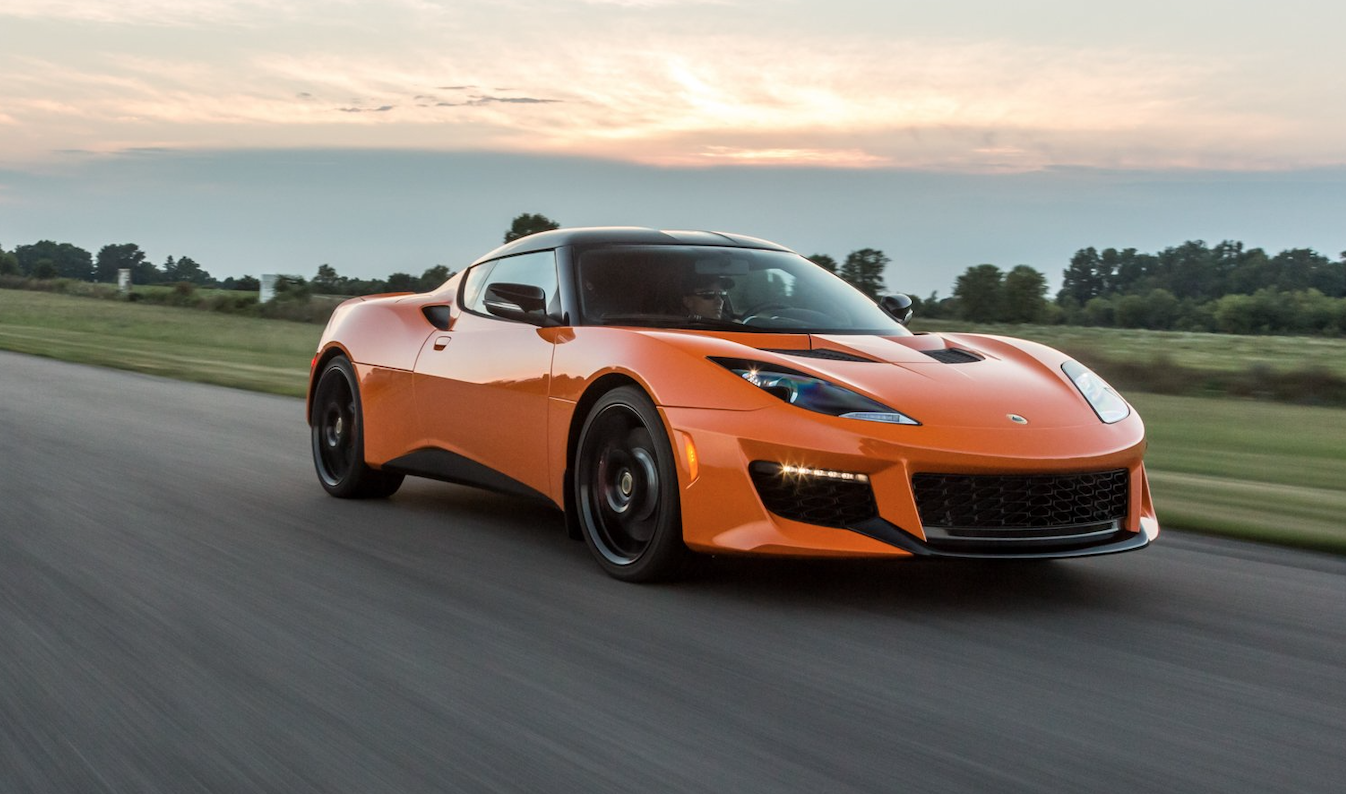
Lotus Evora 400
Price Range: $70K–$100K (2017–2018 model years)
Looking for something a little more unique–something you don’t see everyday? Then the Lotus Evora 400 would be exactly that car (for the purposes of this list, anyway).
For starters, it’s one of just three mid-engined cars to be mentioned here; but the Evora is even more of a standout, being produced by niche British automaker Lotus. The Toyota-sourced 3.5L supercharged V6 engine provides a sense of reliability and build quality to the platform, while its blend of exotic design elements and pragmatic luxuries makes for a unique, and very capable grand touring car. The driving dynamics and unique ownership experience it will provide its owner, are unlike anything else in this price range.
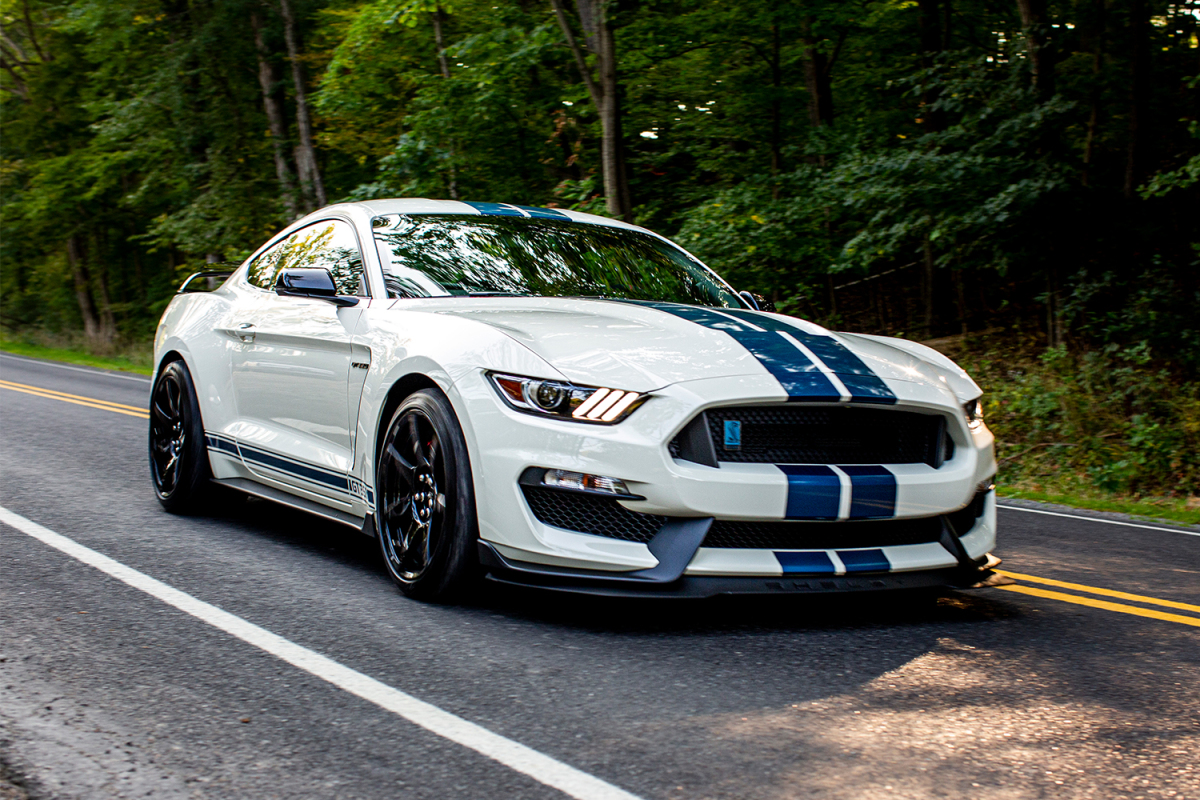
Ford Mustang Shelby GT350 / GT350R
Price Range: $65K–$85K (2017–2020 model years)
The GT500 might have more grunt to it, but the Ford Mustang Shelby GT350 cars are made for the purists. The Shelby GT350 is a powerful yet nimble version of the Mustang that is equally at home on the race track as it is on the city streets. One of its most remarkable traits is its super high-revving 5.2L naturally-aspirated V8 engine which redlines at an astronomical 8,250 rpm.
The sport-tuned suspension is very capable on the circuit but refined enough for daily use. The Shelby GT350R is available for those who prefer to have a more hardcore track-toy or weekend warrior via an even firmer chassis and a set of lighter carbon fiber wheels. It is arguably better than its faster (supercharged) big brother—as it is a more balanced unit—with the NA engine more attuned in providing the quintessential sports car experience.
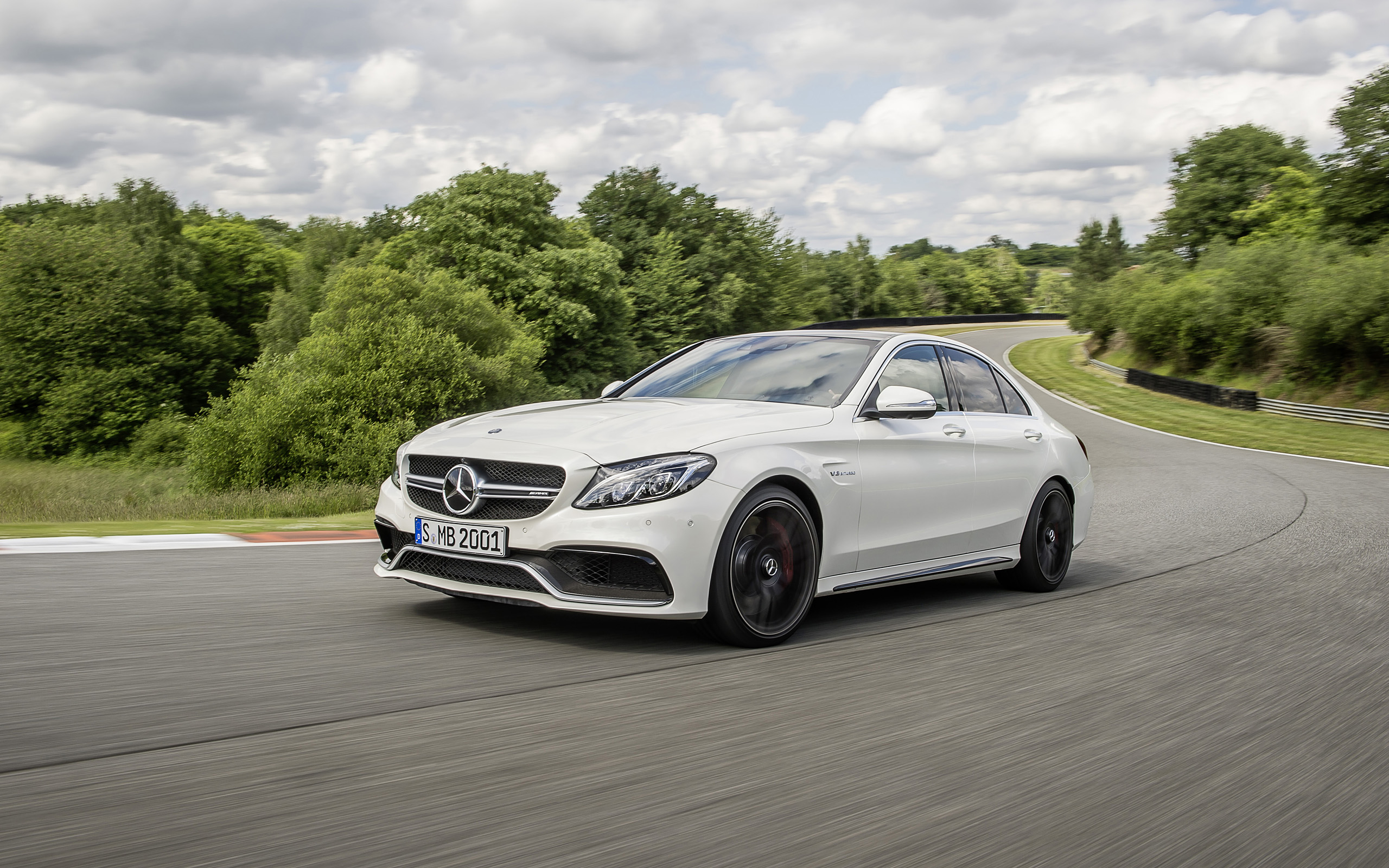
Mercedes-AMG C 63 / C 63 S
Price Range: $50K–$80K (2015–2020 model years)
Any concerns that the current-gen Mercedes-AMG C 63 and C 63 S would’ve lost an ounce of character by inheriting the downsized 4.0L twin-turbocharged V8 are washed away within seconds of firing up the engine.
Yes, the 6.2L naturally-aspirated V8 engine from the previous-gen Mercedes-AMG C 63 Coupé was an enthusiast’s dream, but the new biturbo unit delivers performance in an all-around better fashion; the W205 is by no means a watered-down version of its former self. It’s immensely rewarding to drive at any speed, and the quality of its interior sets it apart from ageing rivals.
BMW F80 M3 and M4 models are its most like-for-like competition, but that trademark V8 howl from the AMG car is so very alluring.
Porsche 718 Cayman GTS 4.0
Price Range: $85K–$100K (2019 model year)
Right now, there aren’t a lot of (new or new-ish) Porsche sports cars you can get into at under the $100K mark. The chip shortage has exacerbated this, causing prices for used models in particular to hyper-inflate over the last couple of years.
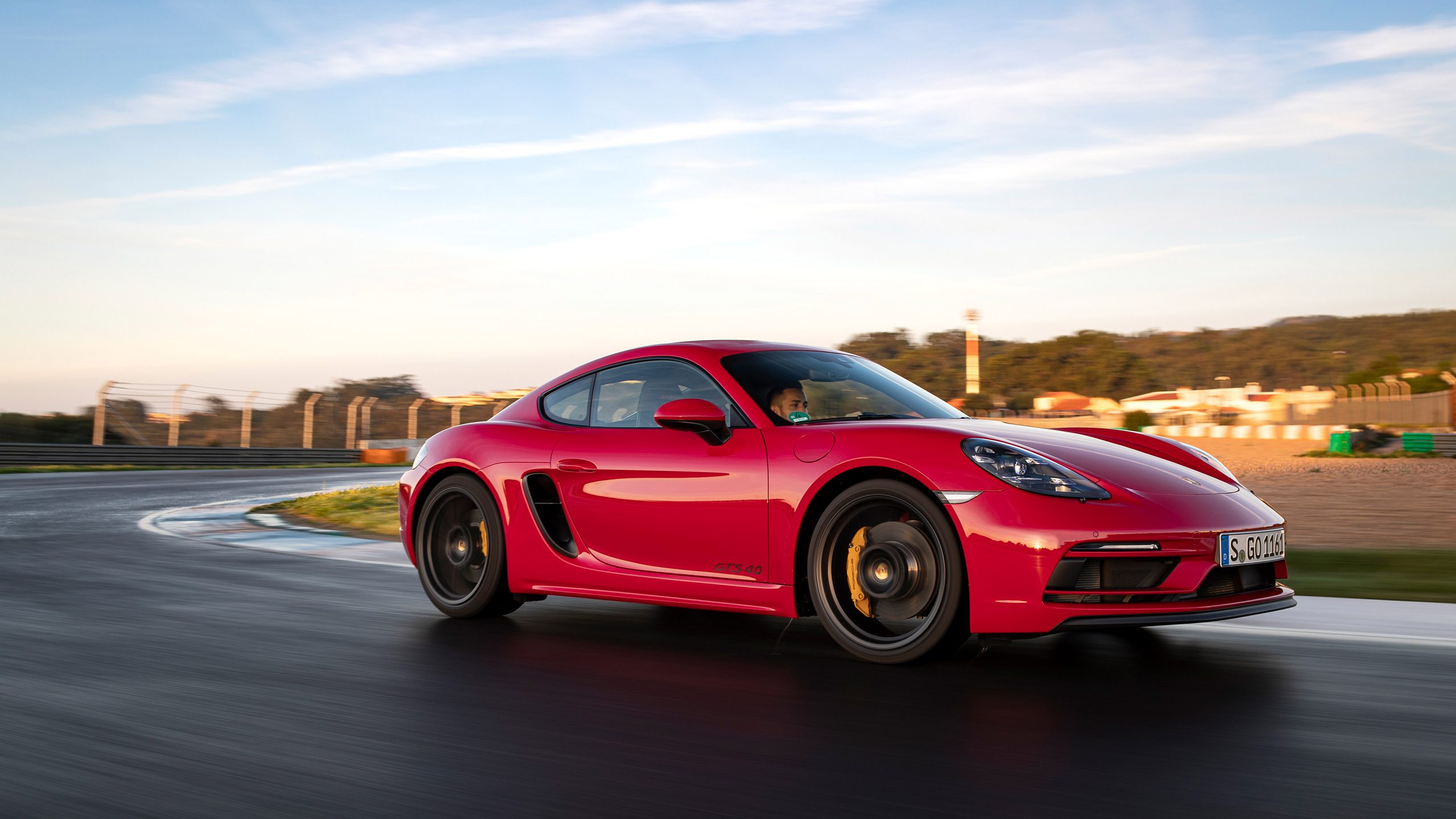
While this rules out any of the GT or Turbo badged cars, you can still get into one of the best Porsche cars in the entire line-up for under $100K—the Porsche 718 Cayman GTS 4.0. This model is extra special, as it is the only Cayman model (baring the GT4 and GT4 RS) equipped with the 4.0L naturally-aspirated engine architecture that powers the very best Porsche cars being produced today.
As the ‘sweet spot’ in the range, the GTS also achieves a perfect harmony of performance and daily suitability that no other car at this price point can match.
Dodge Challenger / Charger SRT Hellcat Models
Price Range: $50K–$90K (2015–2020 model years)
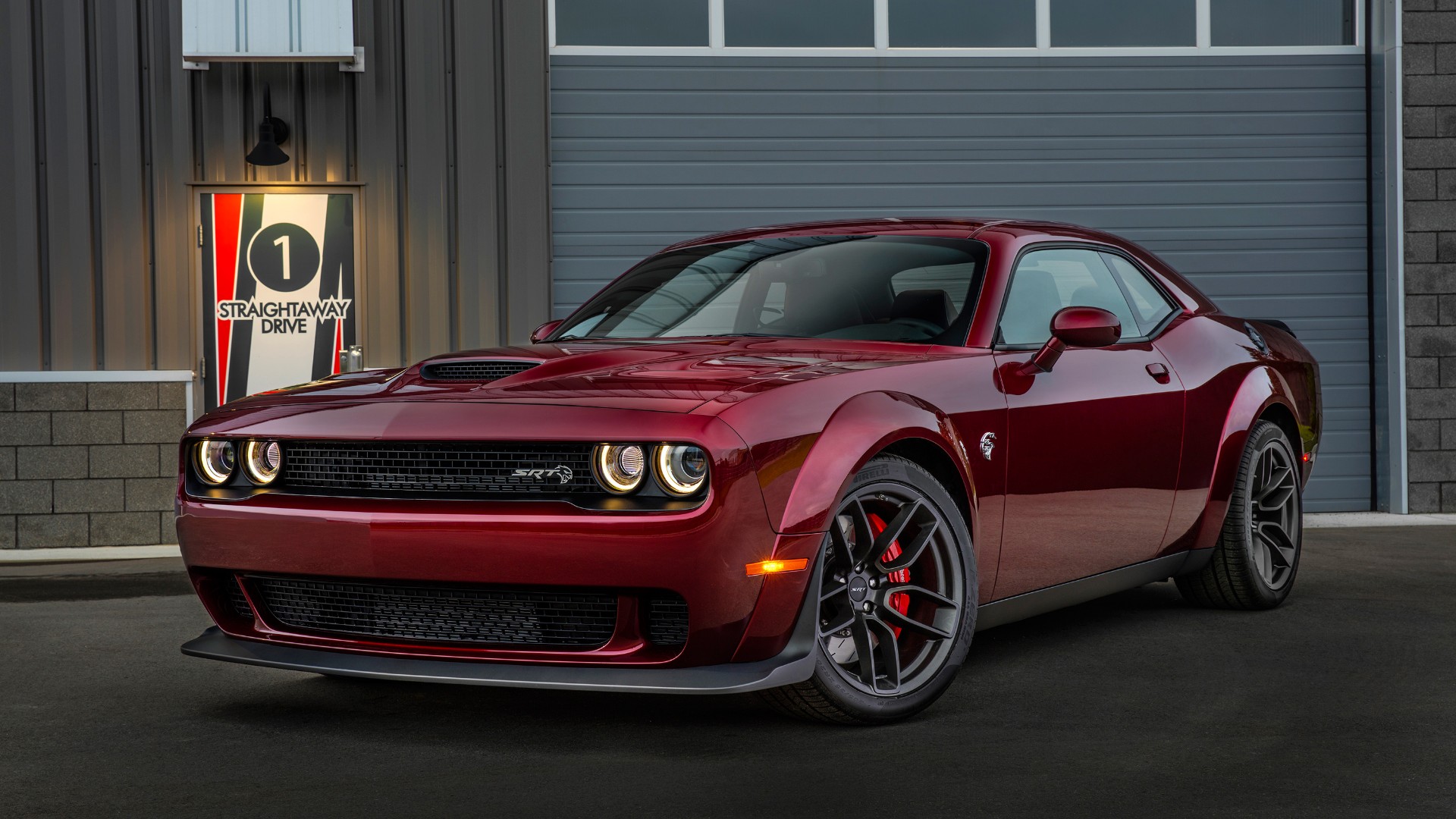
Although the Challenger can be purchased with a V8 engine (starting with the R/T models), we’re going to focus on the Hellcat models here. The supercharged 6.2L V8 engine is a mainstay, and the coupe can now be had with up to 3 different engine options—Hellcat, Redeye, and Super Stock—which produce 717 hp, 797 hp, and 807 hp, respectively.
These options allow the Hellcat to become one of the most powerful production cars in the world. The Dodge Charger is, for the most part, the sedan version of the Challenger, and it too offers up the company’s exclusive Hellcat experience as it is powered by the same engine. Power-per-dollar, there is nothing on this list (or any list, for the matter) that can hang with the Hellcats.
December 13, 2021 / Comments Off on Best Used Sports & Performance Cars ($50K–$100K USD)
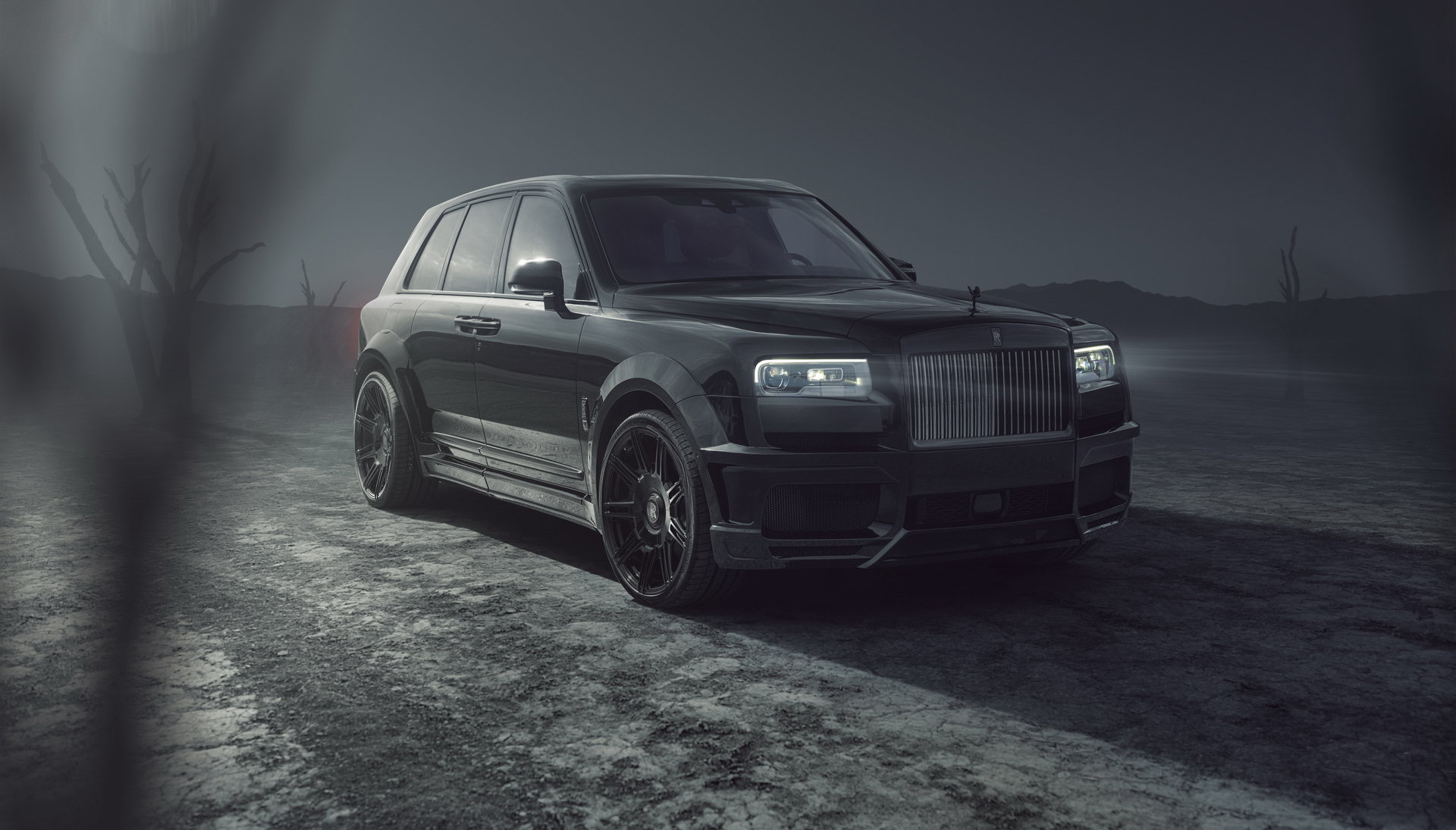
For some owning a Rolls Royce that came straight from the factory just isn’t exclusive enough, I guess it all depends where you are living, most people in the world don’t even see a real Rolls Royce in their entire life, while others see them driving around daily, especially the Ghost and Cullinan which seem to be more wide-spread than the Dawn for instance, but still, taking a high-end luxury car like this and having it customized beyond what the factory official Coachbuild offers seems just what some clients are craving for … in comes SPOFEC to make dreams come true.
SPOFEC is part of the NOVITEC group, so we’ve been seeing some amazing cars from them for a while now, but SPOFEC puts the focus on Rolls Royce specifically, and more importantly on wide-body conversions of these already impressive luxury cars, I’ve reported about their first car, the OVERDOSE Rolls-Royce Black Badge Cullinan, as if a regular Cullinan isn’t expensive enough, the Black Badge edition is about $150,000 on top of that, and that’s before SPOFEC makes her even wider.
The SPOFEC OVERDOSE Cullinan comes with 10cm (4 inches) wider front fenders and 12cm (nearly 5 inches) rear fenders, this makes the OVERDOSE 212cm wide (83.46 inches) overall, finished in all black, rolling 40mm lower than the factory Culinnan and fitted with a ‘valved’ exhaust system, this big SUV can get loud if you want her to, or whisper-silent as if she’s a factory original, just like Dr. Jekyll and Mr. Hyde.
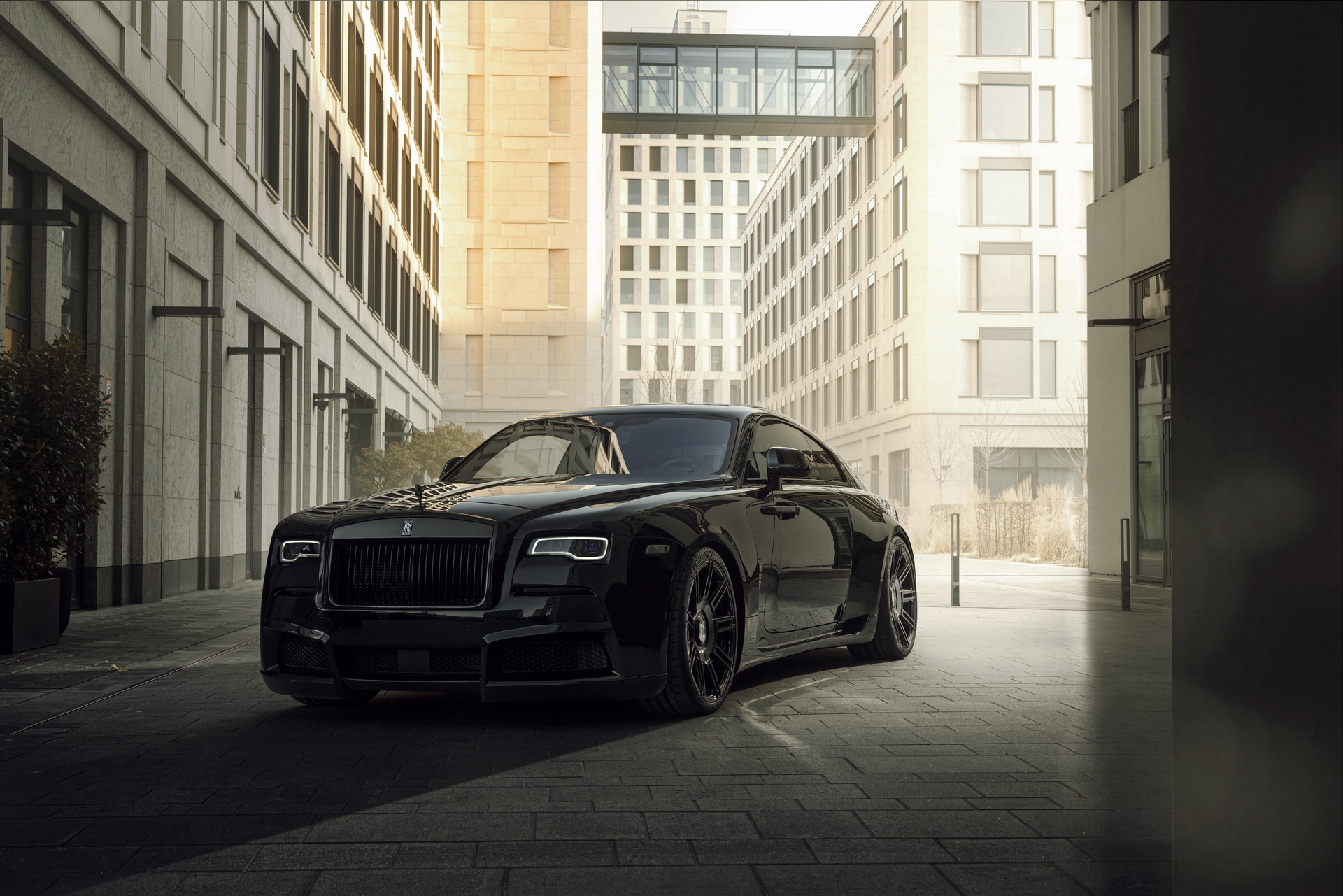
The people from SPOFEC took their wide-body conversion onto yet another Rolls Royce, this time it’s called the SPOFEC OVERDOSE RR Black Badge Wraith, the large four-seat coupe with the rear-hinged ‘suicide doors’, and they would only create three units for the entire world of this massive coupe, and while for this model they only added 7 cm to the front with replacement front fenders, the wheel arches at the rear were widened by a massive 13 cm … resulting in an overall width of no less than 208 cm.
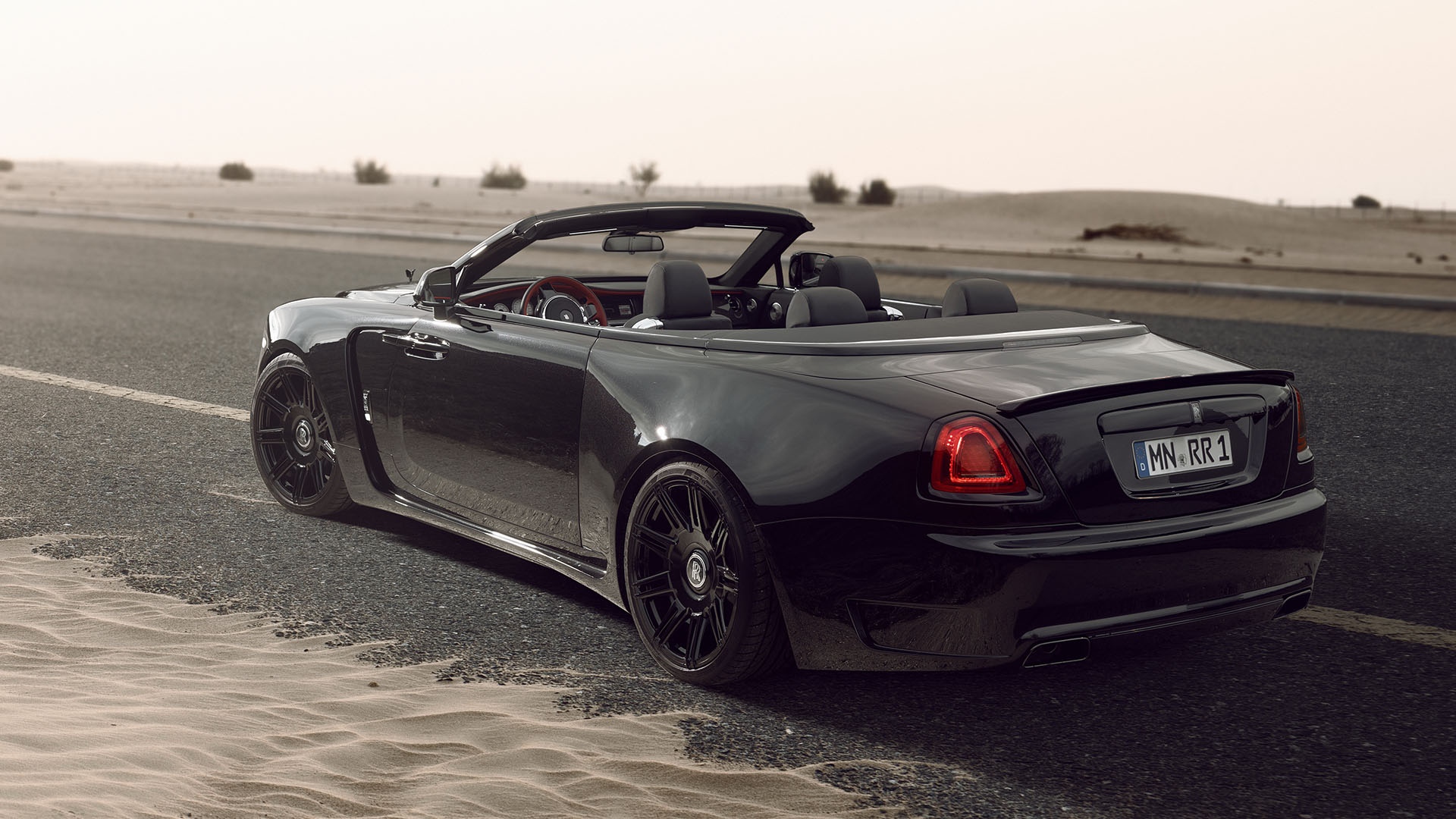
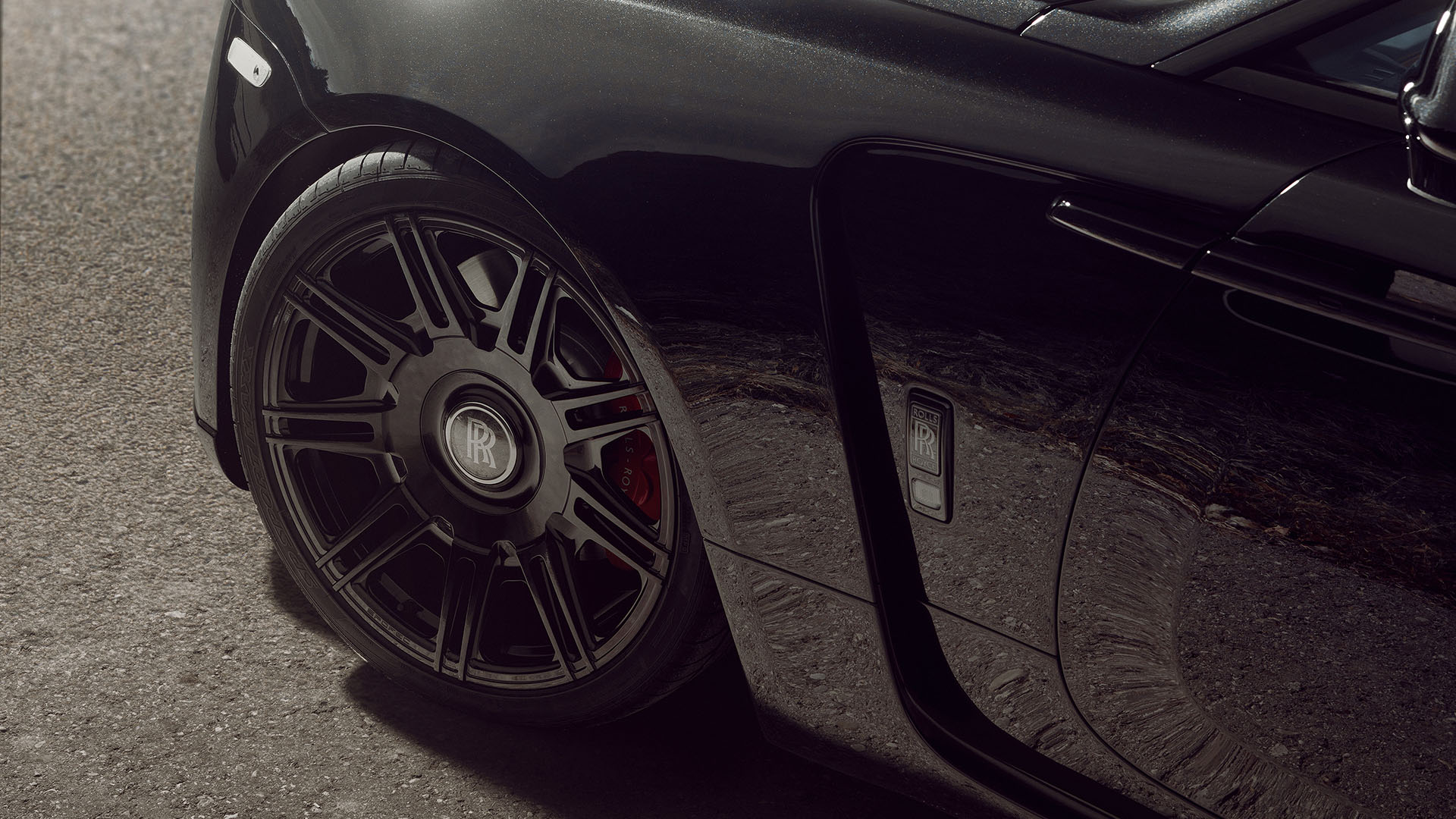
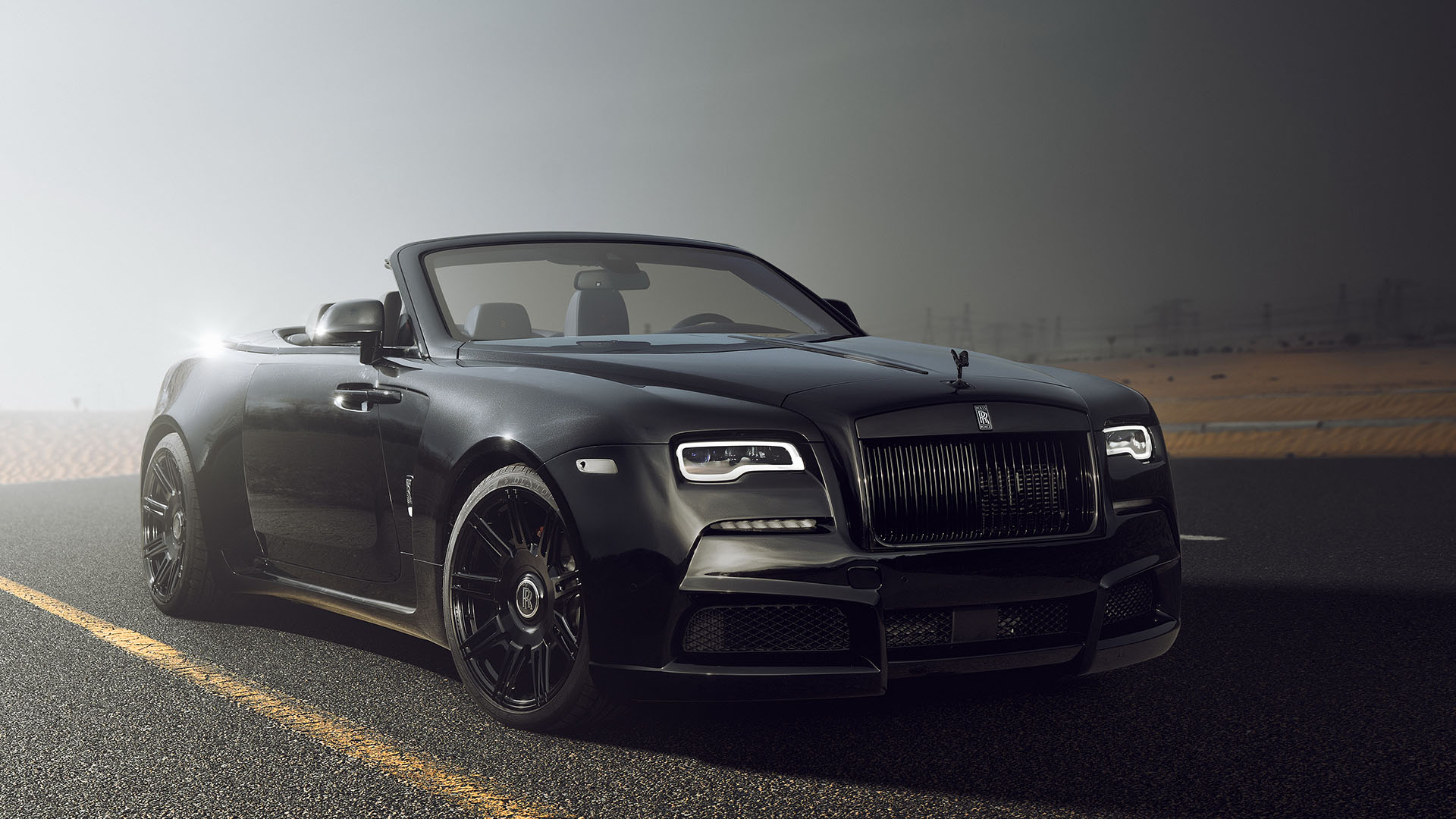
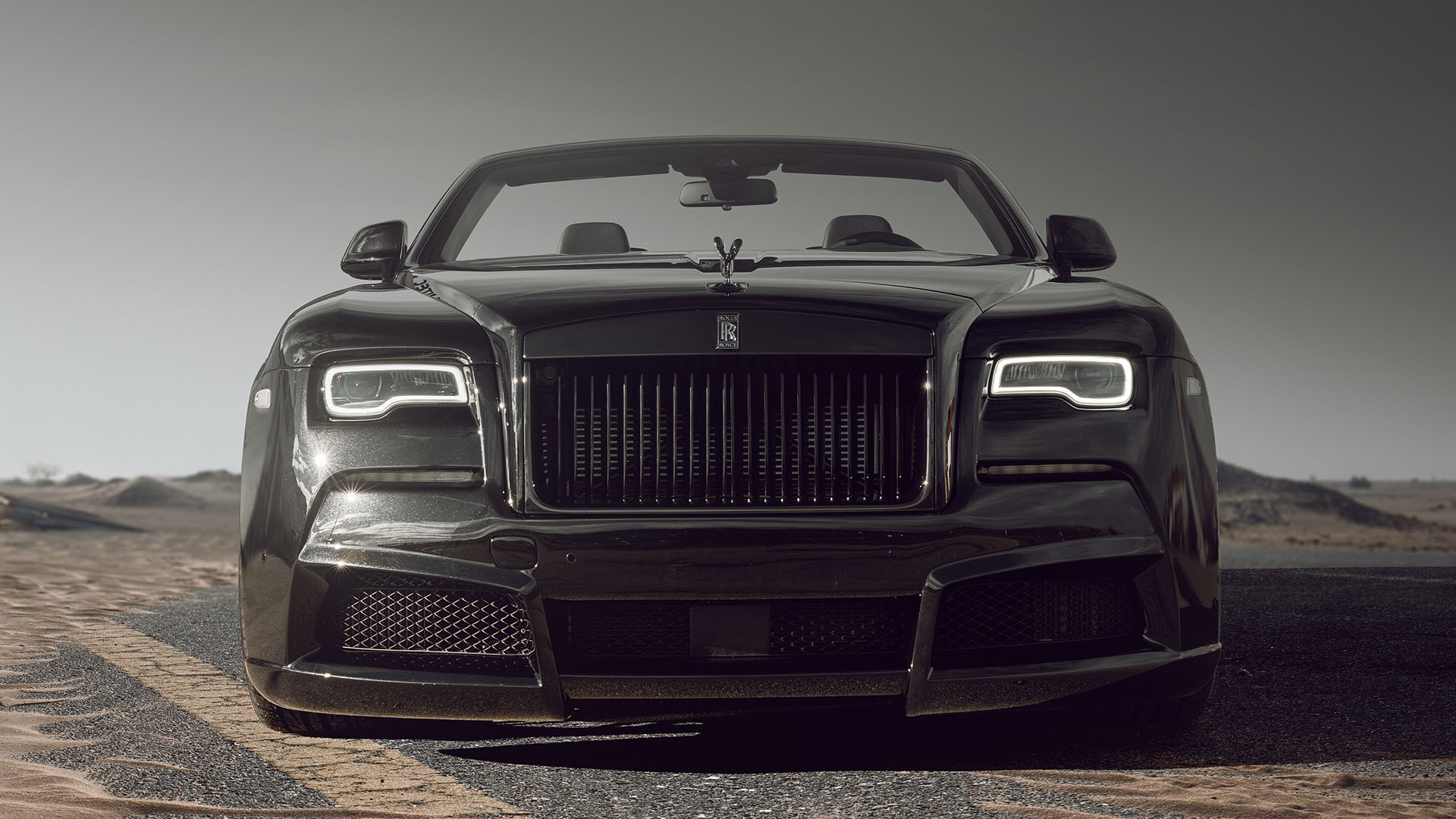
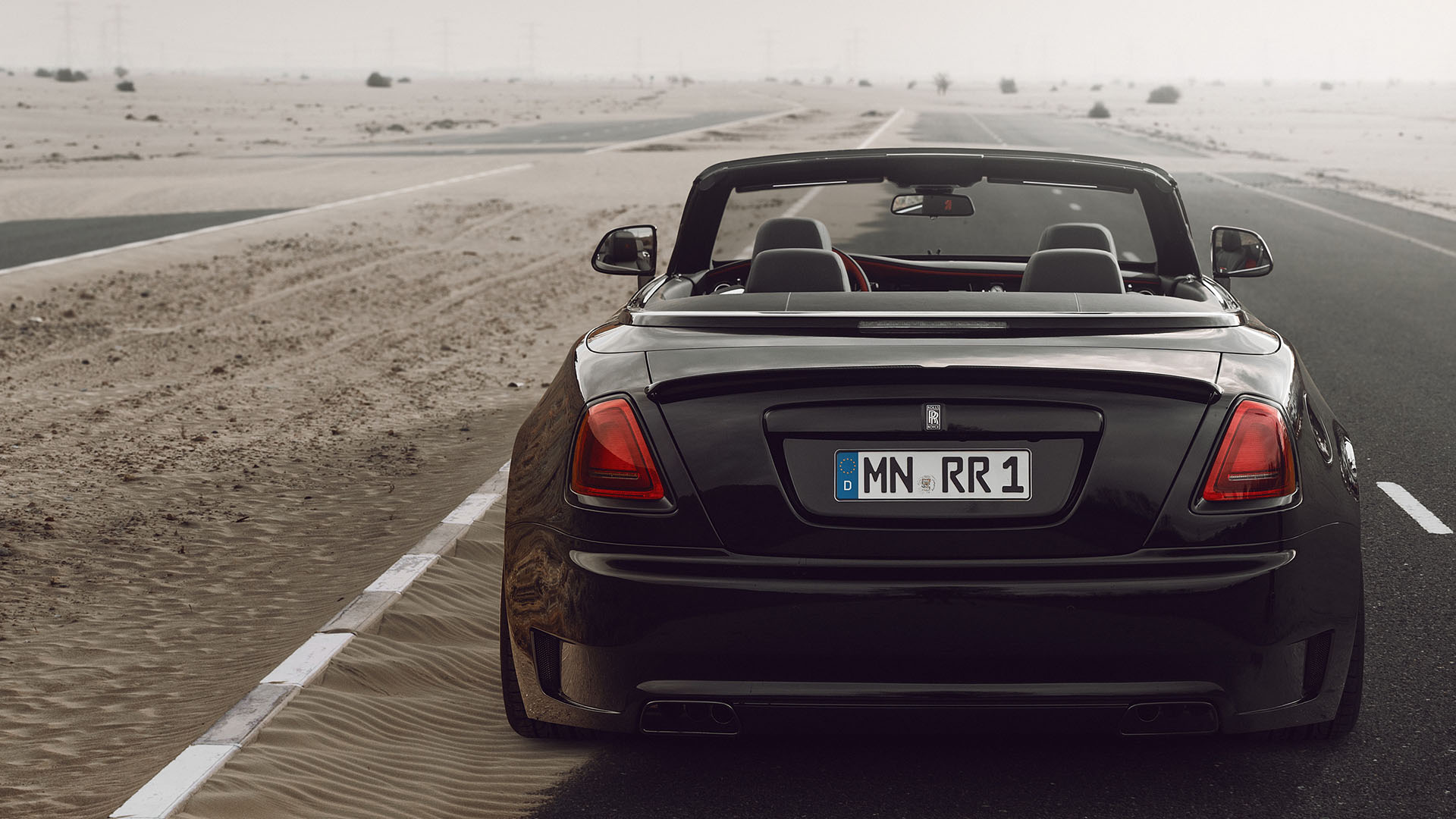
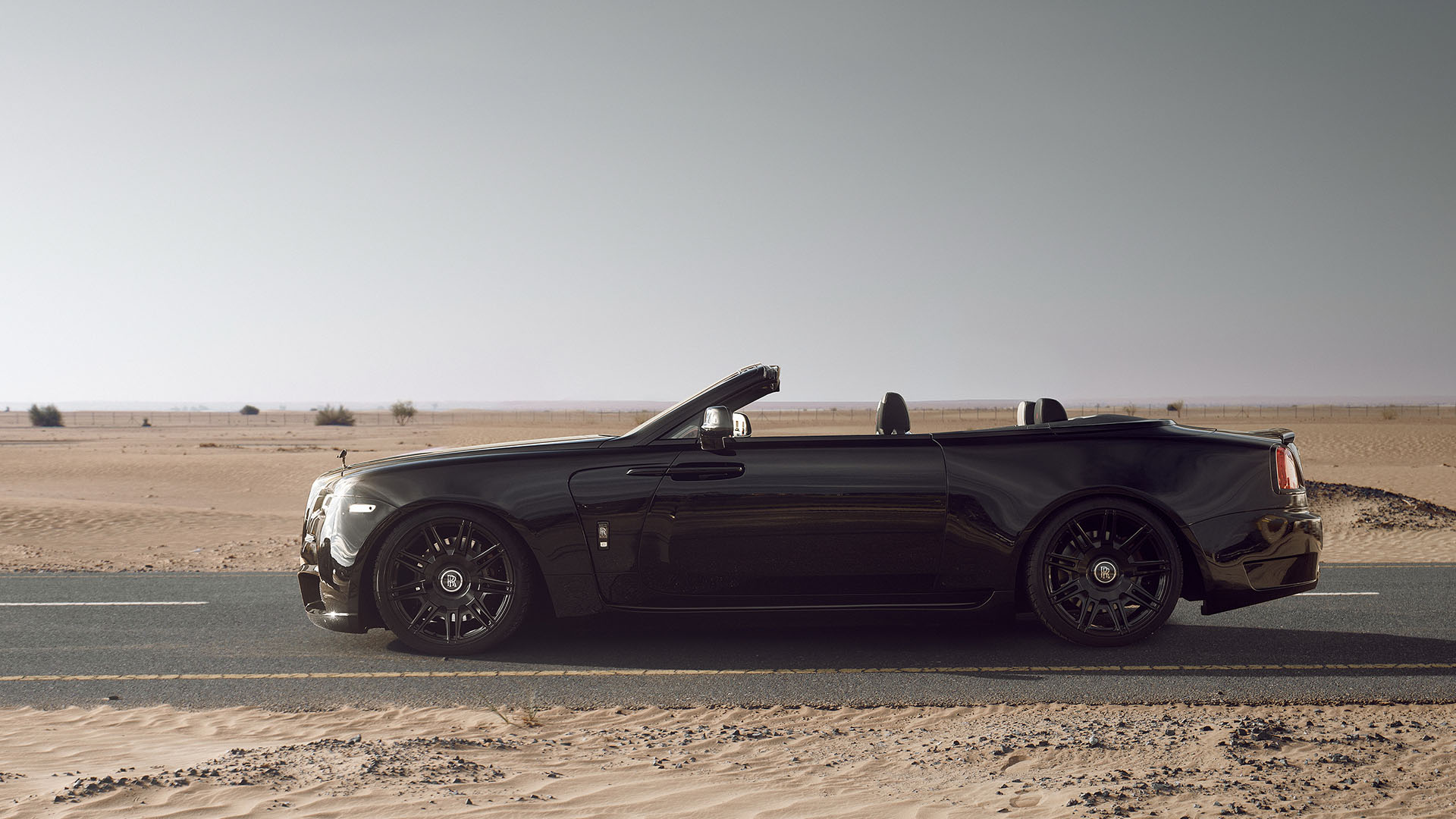
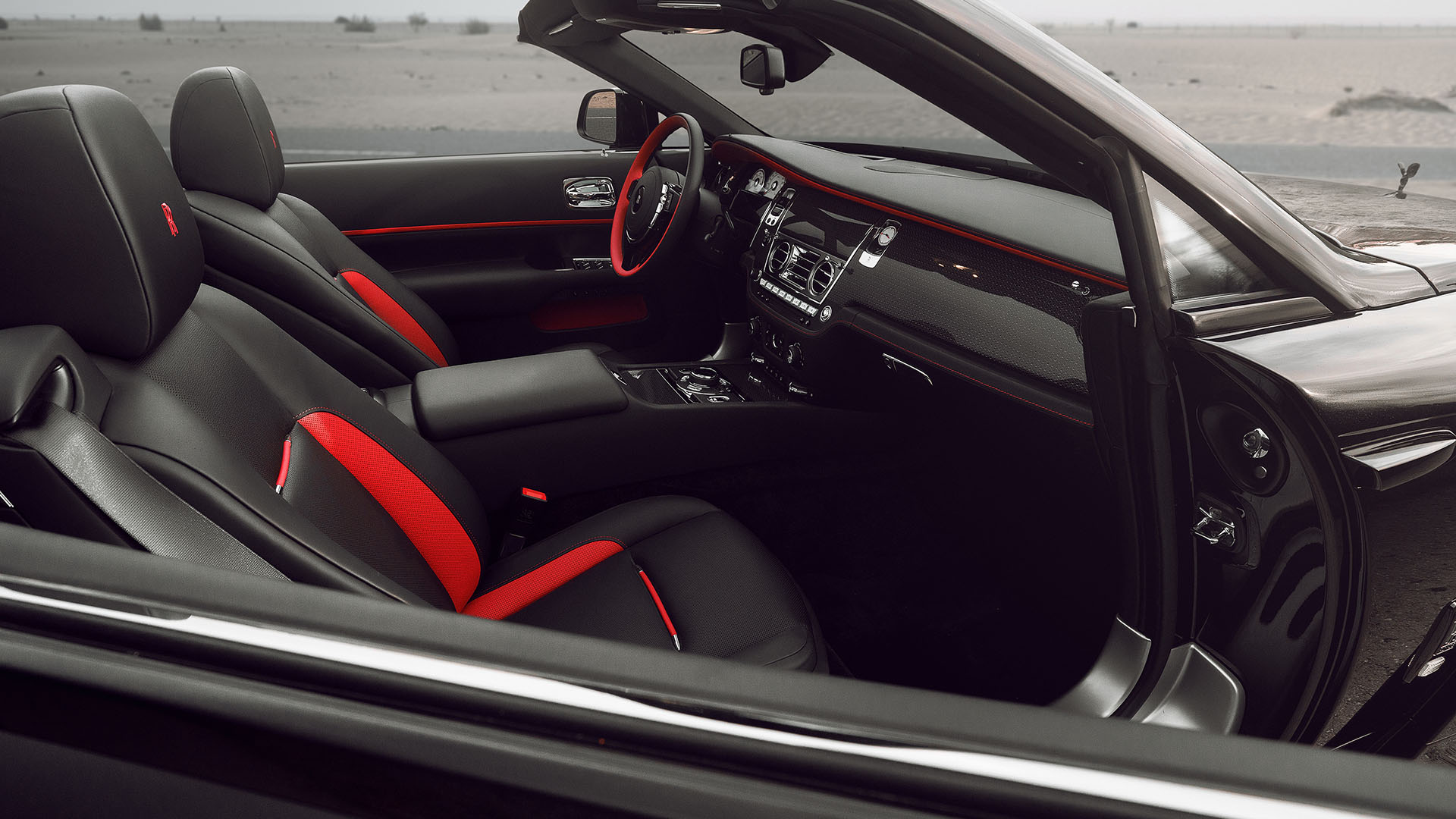
I guess they managed to find three fortunate clients for the Wraith coupe because now they unveil the SPOFEC OVERDOSE Rolls-Royce Black Badge Dawn the drop-top version of the Wraith, again limited at just three units, this carbon-fiber wide-body convertible seats four people in utmost luxury and comfort, and again she’s sinister-looking in her all-black dress.
Just like most NOVITEC tuning, the SPOFEC OVERDOSE rolls on bespoke VOSSEN forged wheels, for this occasion in massive 22-inch size, and once again the widebody kit has been designed in corporation with famous Vittorio Strosek, made from high-strength carbon fiber to keep the added parts as light as possible, and in a sublime finish that complements the high standards of the original Rolls Royce.
Just as with the Wraith coupe, this Dawn grows 13cm at the rear hips and 7 cm over the front wheels, creating that famous hourglass shape, a set of side sills with integrated air intakes tunnel air onto the massive rear brakes, covered by the massively wide SPOFEC SP2 forged wheels, 9.5Jx22 rims with 265/35 ZR 22 tires for the front axle, while a set of concave 10.5Jx22 wheels fill the rear fenders, wearing 295/30 ZR 22 performance tires.
SPOFEC can install a module that allows the factory original air suspension to be lowered 40mm in total for added aggressiveness and a lower point of gravity, while the newly designed front fascia effectively reduced lift at high speeds, a standard Rolls Royce Dawn might offer ultimate handling stability from the factory, but SPOFEC found a way to improve on perfection it seems.
Because of the replacement fenders at the front, and their increased width, you’ll need this new front bumper to match the wider stance, while SPOFEC went with a more subtle, clear carbon fiber rear spoiler lip on top of the trunk, still, there is a new rear diffuser too, complete with air vents and everything, just as a final touch.
Keep in mind we are talking about a very large, and subsequently heavy car here, but SPOFEC has come up with a plug-and-play N-TRONIC module, which comes with reprogrammed mapping for both injection and ignition, this pushes the 6.6-liter twin-turbo 12 cylinder engine to 686 hp at 5,400 rpm (an 85 hp increase) and additional torque of 140 Nm totals now at 980 Nm from 1,800 rpm on. Getting from a standstill to 100 km/h takes just 4.6 seconds, while for safety reasons and not to stress those 22-inch tires too much, top speed is electronically limited to 250 km/h.
If you haven’t been able to get the interior of your brand new Rolls Royce Black Badge Dawn to look exactly how you wanted it, which might surprise me with the vast list of options and finishes possible straight from the factory, fear not, SPOFEC has artisans available to make the interior inside your SPOFEC OVERDOSE Rolls-Royce Black Badge Dawn tailor-made just for you, in any color, using any leather type or other upholstery, in an endless variety of designs … if you can dream it, chances are SPOFEC will be able to create it for you.
And just in case these widebody conversions are a little too much for you, and you prefer a more subtle personalization for your Rolls Royce, SPOFEC also has a very nice looking aerodynamic package available for the Ghost:
SPOFEC GmbH is a business division of NOVITEC GROUP located in Germany, you can get in touch with them through their official website: www.spofec.com
December 13, 2021 / Comments Off on The SPOFEC OVERDOSE Rolls-Royce Black Badge Dawn
Personally, I rather like the idea behind the Dodge Challenger SRT Hellcat, a big two-door car with a stupendous amount of power going to the wheels, and yes, I get this is a straight-line drag race car, but that’s fine by me, and in case you really need four doors, there is the Dodge Charger SRT Hellcat, and for the 2022 model year there is something special available now: the SRT Hellcat Redeye Widebody with 807 hp when you add the $995 Jailbreak option package.
Jailbreak models give the client the possibility to select from previously unavailable options when it comes to seats, wheels, badges, stripes, brake calipers and so much more, and these models are part of the two-year Dodge Never Lift campaign, launching a variety of new Dodge models and initiatives, check out the Dodge Never Lift 24 Months of Muscle calendar at Dodgegarage.com/never-lift.
From the press release:
In addition to unlocking previously restricted color combinations, Challenger SRT Hellcat Redeye Widebody Jailbreak also unleashes new Jailbreak-exclusive content options, including:
Hammerhead Grey Laguna leather seats
Hammerhead Grey floor mat accents
Hammerhead Grey, Sepia and Demonic Red seat belts
Leather steering wheel and Alcantara steering wheel options, with white SRT logo
Copper Weaver carbon fiber bezel finish
Decklid stripe and Widebody side stripe
Brass Monkey, Satin Chrome and red exterior badging finish
Chrome fuel door finish
Blue and yellow brake calipers
20-by-11-inch Warp Speed Satin Carbon and lightweight Low-Gloss Granite wheels
For the Dodge Charger SRT Hellcat Redeye Widebody Jailbreak model, option and feature combinations include seven wheel options; six exterior stripe and brake caliper color offerings; five varieties of seats and exterior badging finishes; and four options of steering wheels, seat belt colors and floor mats. Exclusive Jailbreak content options for the Charger SRT Hellcat Redeye Widebody Jailbreak include:
Hammerhead Grey Laguna leather seats
Hammerhead Grey floor mat accents
Hammerhead Grey, Sepia and Demonic Red seat belts
Leather steering wheel and Alcantara steering wheel options, with white SRT logo
Hood, roof and decklid vinyl stripes
Brass Monkey, Satin Chrome and red exterior badging finish
Black Nickel exhaust tip finish
Blue and yellow brake calipers
20-by-11-inch Warp Speed Satin Carbon and lightweight Low-Gloss Granite wheels
Enthusiasts looking for inspiration can use “recipes” direct from the Dodge Product Design Office and available in the Jailbreak order guide, including “Old School” and “Brass Funky” ordering combinations, or let their imaginations run wild by configuring their own personalized combination. The first phase of Jailbreak ordering will be open only for customer sold orders and available through Dodge dealers.
Dodge has been profiling itself as a performance company with SRT editions on every single model in the lineup, for 2022 this translates into the Dodge Challenger SRT Super STock with 807hp to dominate the drag strip, while the Dodge Charger SRT Redeye comes with an eye-watering 797 hp making it the most powerful mass-produced four-door in the world, add the Dodge Durango SRT 392 which is the fastest, most powerful three-row SUV in America … so whichever body style you prefer, coupe, sedan, or SUV, Dodge has an SRT version available.
December 12, 2021 / Comments Off on 2022 Dodge Charger and Challenger SRT Hellcat Redeye Widebody Jailbreak Models
Collecting Cars recently posted a 2011 Pagani Huayra – Pacchetto Tempesta on offer on their online auction platform.
This rare supercar is equipped with a 730bhp, 6.0-liter twin-turbocharged Mercedes-AMG V12 engine that drives the rear wheels through a seven-speed Xtrac automated manual transmission with a paddle shift.
Pagani partnered with renowned chassis specialist Dallara to create the Pacchetto Tempesta (Storm Pack) handling package to provide improved airflow under the chassis as well as creating more downforce.
The Tempesta upgrade comes with a more aerodynamic bodywork, four-way adjustable Ohlins shock absorbers, forged and machined aero-grade alloy 20-inch front wheels while the rear was given 21-inch wheels. It also came with a 7 kg titanium exhaust system.
The Huayra has a metallic silver finish, which is a great contrast to the black carbon-fiber front splitter, sculpted wing mirrors, taillight surrounds, and the complete rear and panel and diffuser.
For the interior, they gave the Huayra black leather sport seats with white contrast stitching for accents. Throughout the cabin, it features gorgeous metal detailing as well as bespoke switchgear.
The interior was also fitted with a lot of carbon fiber finishes like the dashboard panel, windscreen surround, seat backs, door panels, steering wheel trim, and transmission tunnel. There is also the hidden carbon-fiber luggage storage compartment under the rear clamshell.
As standard, the Huayra is equipped with a 380mm drilled ceramic Brembo discs with four-piston Brembo calipers for both the front and rear.
Its most recent documented service was back in January 2019 at 2,790 km which was done by SPS Automotive Performance. A Hong Kong representative flew to Japan to carry out the maintenance. A full electronic diagnostic check was done, with the air filter checked and cleaned, while the engine oil and filter were changed. The battery was also recently changed.
This Huayra is currently registered and located in Japan, with the current owner holding it for the past five years.
As of writing, the 2011 Pagani Huayra – Pacchetto Tempesta have a bid of £900,500 with the bidding ending on December 15.
December 10, 2021 / Comments Off on A 2011 Pagani Huayra – Pacchetto Tempesta On Offer At Collecting Cars