All posts in “Porsche”

Porsche Redesigned the 911 RSR for 2019

Improving a Car That’s Already Excellent

The Porsche 911 RSR is a car that has won more than 20 FIA World Endurance Championship races. Porsche hasn’t decided to rest on its laurels, though. The company didn’t even want to make evolutionary changes to its winning racecar. Instead, it replaced 95 percent of the car with all new components and parts, making the 911 RSR better than ever before. 

In the last 911 RSR, the major design change was from a rear to a mid-mounted engine position. That change remains in the new car. What also remains is the headlights, brakes, clutch, driver’s seat, and a few other small parts in the suspension, according to Car Throttle. Everything else is all-new. 

The engine grew to 4.2-liters, and now the naturally aspirated flat six-cylinder makes a strong 507 hp, which is up slightly from 503. The engine also has a wider rev band, and better power delivery and control. The transmission is a six-speed sequential constant-mesh manual gearbox.

There’s also a multi-disc, self-locking differential. Power goes to the rear wheels. The exhaust pipes have been rerouted and shorted, helping reduce weight. Porsche also reworked the exterior of the car and says it’s more aerodynamic than it has ever been before. If the old car won more than 20 races, you can bet that this one will win even more. 

[embedded content]

Porsche Has Retro-Inspired Special Editions Planned

Drawing Inspiration from the 1950s and 1980s

Porsche Exclusive Manufaktur made an announcement that it will build some retro-inspired models based on cars from the 1950s and 1980s. There isn’t a lot of information at this time, but the company said it’s building these cars as lifestyle cars and that means they will follow a similar playbook to the Porsche 911 Speedster with the Heritage Design Package, according to Carscoops.

So what can you expect of the cars? They’ll all be based on the 911. The cars will feature specific design elements that harken back to the era of Porsches that they draw inspiration from. This will include things like updated, custom interiors with corduroy and tartan.

The cars themselves will be quite expensive, though Porsche has not yet stated an actual price for the vehicles. We would imagine they’ll let some more details and maybe an image leak out before announcing pricing. The company will also produce different Heritage Design Packages for the regular 911.

This means there will likely be a design package for the regular version of the car that you can add for a lower price than the special editions planned. This will let you get some of that specialty without having to fork over the big bucks. Just what’s in those packages has not yet been determined. 

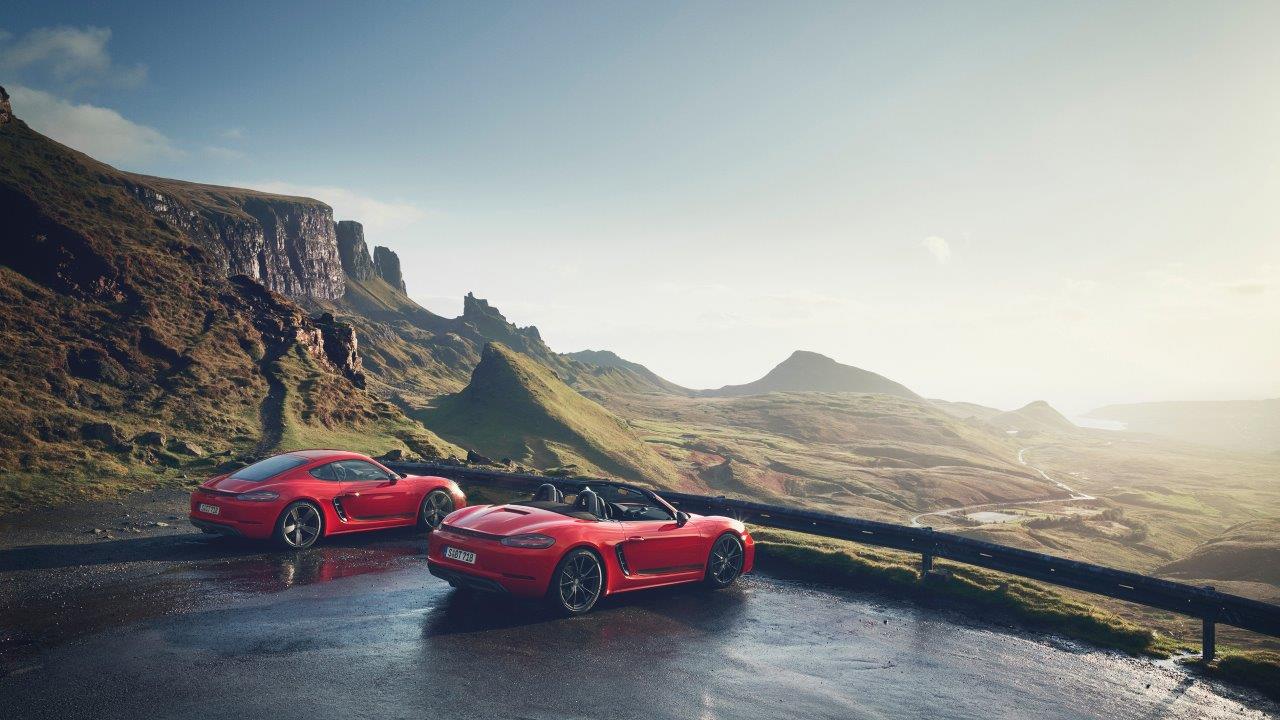
Porsche’s 718 Spyder and 718 Cayman GT4 are Ready for Action

Meet the New Range-Toppers

Porsche has unveiled the new 718 Spyder and Cayman GT4. The new top-of-the-lineup cars feature some updates to the body, borrowing from other Porsche models in some cases. However, the big news for the model is the newly developed 4.0-liter flat six-cylinder engine that makes a whopping 414 hp and 310 lb-ft of torque. In the 718, as we’re sure you know, that’s a lovely bit of power. 

The car’s engine is mated to a six-speed manual transmission. That transmission and engine combination makes these road cars good for a 0-62 mph time of just 4.4 seconds. The Spyder can sprint all the way up to 187 mph and the Cayman GT4 can do a slightly stronger 189 mph. The car’s new fancy engine isn’t just built for power and performance, though. It offers cylinder deactivation for fuel savings, not that we expect many owners to care much. 

The exteriors of both cars are unique. The Cayman GT4 borrows some things from the GT4 Clubsport, including the large rear wing and other various aerodynamic elements. Those additions add around 50 percent more downforce, ensuring the car sticks to the road as you whip it around. The Spyder has a unique style with a double-bubble design at the rear. It the middle rests a floating third brake light. Additional adjustments include an active rear spoiler that deploys at 75 mph and a rear diffuser. 

The cars get a lower stance by just over an inch and Porsche Active Suspension Management is standard for these models. The cars get a locking rear differential and an updated traction control system with different settings to choose from. Aluminum fixed monoblock caliper brakes or optional carbon ceramic brakes stop the car.

You can now order either or both of the cars if you want. The Spyder costs $96,300, and the Cayman GT4 starts at $99,200. There’s a destination fee of $1,250. If you do order one, you’ll have to wait until 2020 for delivery. 

Supercars.Net’s Comprehensive Guide To The 2019 Porsche 911 Speedster

Introduction

It has already been a few months since the ascension of the 992 Porsche 911, yet the swan song for the previous-generation 991 is only just beginning its chorus. Starring the 2019 Porsche 911 Speedster, the grand finale for the now outgone iteration is a celebration of both milestones and achievements.

The new Speedster was first unveiled as a concept during the Goodwood Festival of Speed in July 2018 – a time which also coincided with the 70th anniversary of Porsche sports cars – where they had described the philosophy behind the Speedster as simply, “a pure driving experience”. Fast forward to April 2019, where Porsche had officially green-lighted production of the Speedster at the New York Auto Show.

The Porsche 911 Speedster is the beneficiary of Stuttgart’s latest fixings, while also serving as a throwback to the Porsche 356 – the very first Speedster model. This schematic has forged a 911 with a silhouette based on the 4S Cabriolet body, carbon fibre bits borrowed off the 911 R, and front and rear bumpers from the GT3 Touring. That is not to say that there aren’t any unique offerings on the Speedster, with its shorter, more inclined windshield frame and lower fly-line being amongst its exclusive features.

As originally advertised, the car is powered by the same 4.0L, naturally aspirated, 9000 rpm unit used in the 991.2 GT3; for good measure, Porsche has kindly gone and wrung an extra 10-horsepower out of it too, just for the Speedster. They’ve also done nothing to disappoint the purists, with the same brilliant 6-speed manual transmission – offered in some 991.2 GT3 examples – mated to this legendary flat-6 boxer engine.

With just 1,948* units to be produced, the 2019 Porsche 911 Speedster is a car in its own right. It will be extremely rare. It will be undeniably unique. And with a price starting at $277,000 USD, it will be lavishly expensive.   

But most importantly, the Speedster is everything – that was, is and will be – wonderful about the Porsche 911.

*an homage to the first year that Porsche began to produce sports cars, and hence its 70th anniversary in 2018

Engine & Performance

At the heart of the Porsche 911 Speedster is a slightly tweaked version of the most current 911 GT3 engine, which now produces 502-horsepower @ 8,400 rpm and 346 lb-ft of torque @ 6,250 rpm.

The Speedster’s engine is able to extract an additional 10-horsepower from the GT3 unit, with the help of bolstered fuel injectors. Specially designed individual throttle bodies improve the engine response of the already pedal-happy 9,000 rpm redline, naturally aspirated power plant. Porsche claims that this engine is the most refined, most efficient and best performing version to come from the GT3 family.

Delivering power to the rear wheels is a 6-speed manual transmission, which like the engine, is also borrowed from the most recent iteration of the 991 GT3. This is the only transmission option available, as the manual gearbox is preferred by Porsche over the technically superior PDK in favour of a more tactile driving experience. While banging through the gears will never be as efficient as what the dual-clutch system delivers, this manual transmission is as precise and smooth as one can get; an absolute pleasure to drive with.

Overall the numbers are ultimately impressive, especially considering the Speedster’s relative lack of modern enhancements that seem to be part and parcel of what is required to make a fast car these days. The Porsche 911 Speedster is able to sprint from 0-60 mph in just 3.8 seconds – all in the absence of turbochargers, all-wheel-drive and a dual-clutch transmission.

Chassis & Handling

The Porsche 911 Speedster shares an array of suspension and handling components with the GT3 and 911 R which includes a fine-tuned adjustable sports suspension, torque vectoring system, and four-wheel steering. Overall, the Speedster sits about 5 millimetres higher off the ground than its compatriots and its spring rates offer more refinement and ride quality.

Compared to its donors, the Speedster is clearly and deliberately set up to focus more on driving pleasure rather than Nurburgring (or any other track, for that matter) lap times. The carbon ceramic brakes – 410 mm vented/perforated discs up front, 390 mm in the rear – also utilize softer compounds in favour of more user-friendly modulation and improved urbanity. The car meets the road with a set of 20” Michelin Pilot Sport Cup 2 tires, which provide plenty of street-legal grip.

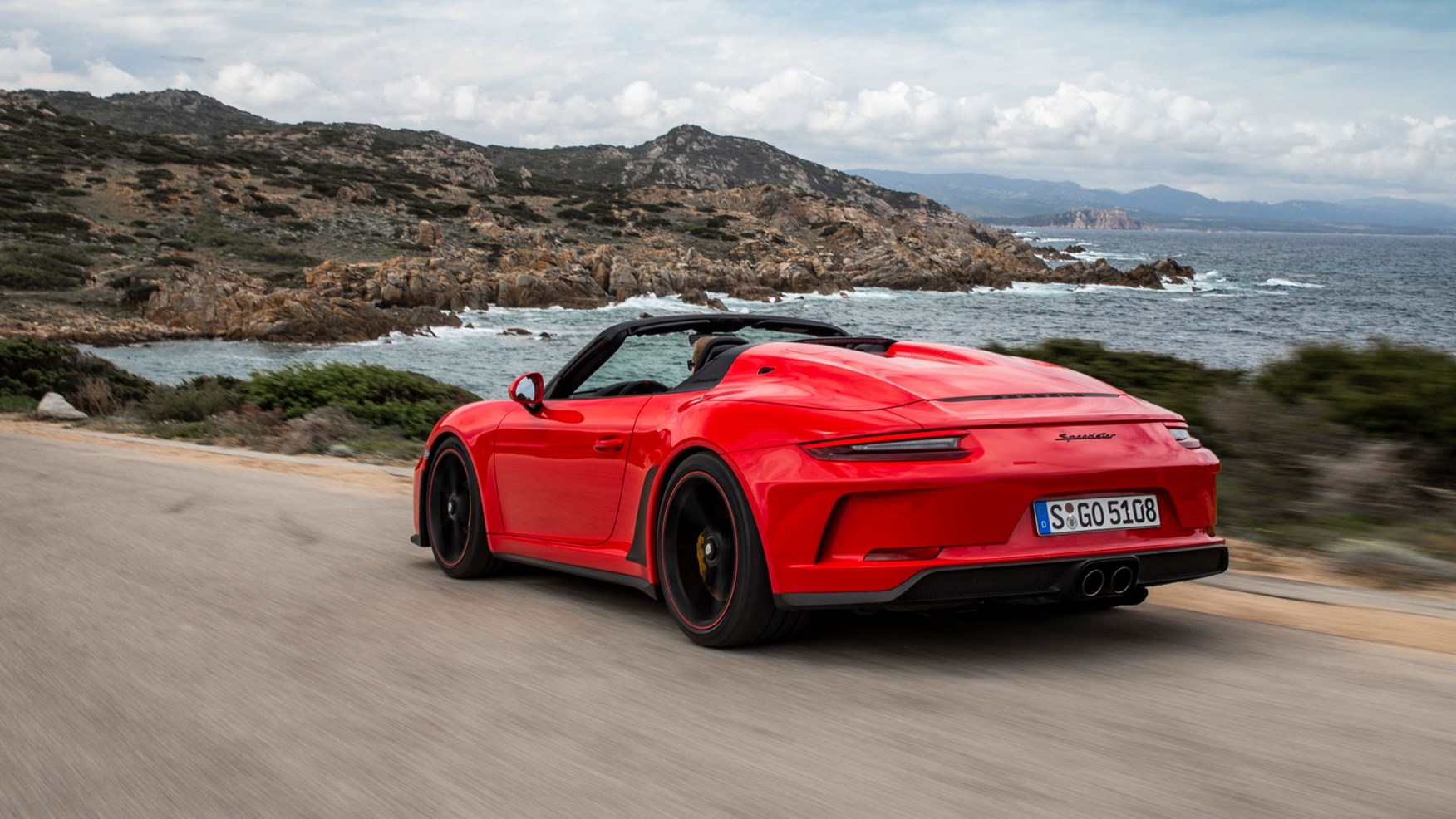
The first public test-drives of the Speedster took place along the winding country roads in Sardinia. The Speedster negotiated the often rough and uneven Italian terrains with absolute confidence; not only with its performance, but also its comfort and the peace-of-mind it provided the driver. The aforementioned suspension tweaks allowed the car to glide smoothly over imperfections without having to worry about scraping the undercarriage, or chipping a tooth while hopping over jarring surfaces.

Thanks in huge part to the talismanic three-pedal, 6-speed manual transmission, the Speedster feels as raw, connected and spirited as a 911 could possibly be. Minimalism is not lost on the rest of the car either, and to good effect, with a button-free steering wheel, short-shifting gear lever, and relatively spartan interior further emphasizing driving purity at its pinnacle. The Speedster still comes standard with stability control and traction control, but these can be dialed down for drivers who wish to induce a higher degree of rear slip angle, with a simple push of the “ESC OFF” switch.     

The Speedster delivers a masterclass all-around performance of 911-awesomeness, and truly is as Porsche had set it out to be – a “pure driving experience”. At the end of the day, the car should not be mistaken as a docile or watered-down version of a GT-line car, because that is simply not the case. It is just as engaging and visceral as any of the cars it is based on, with just the right amount of elegance added to make it perhaps even more appealing than the others.

Design, Styling & Interior

Aside from the aggregate of undertones which make it undeniably-911, the Speedster was designed to be different from anything else that Porsche has ever made. Most notable is essentially what gives the Speedster its name; the manual-folding, weatherproof soft-top which stores under a distinctive clamshell tonneau behind the driver. To further accommodate the design, the windshield inclines at a sharper angle while the side windows become more stocky at full extension. This gives the Speedster the lower fly-line that is attributed to its previous iterations, which becomes all the more distinguishable once seated inside the cabin.

The interior does nothing to detract from the overall design elements of the Speedster, with simplicity and function taking precedence over luxury and convenience. There is no lack of driver-focused comforts provided by amenities such as the snug, perfectly bolstered sport bucket seats and ideally-located controls; however, normally expected refinements such as door handles and PCM/climate control are replaced with door straps, or in the latter case, nothing at all.

As expected from a limited-edition Porsche, there is hardly a lack of finer details even in a spartan interior. As an option, the standard black leather interior can be complemented with red stitching, as well as having the “Speedster” designation imprinted in the headrests. This option also includes red door straps and the GT Sport steering wheel with a red centre marker. Many of the interior panels are made from carbon fibre.

Buyers who opt for the most extreme option – known as the Heritage Design Package – will get a silver and white two-tone paint job (similar to the concept), and a special livery which includes door numbers and Porsche decals on the side of the car. Also as part of the package, the brake calipers are painted black and the wheels are finished in an exclusive platinum satin finish. Cognac leather also replaces the standard black leather; and to ensure the exclusivity of it all really hits the mark, is a custom Speedster-inspired Porsche Design chronograph made specially for the lucky new owner.

Pricing gets

So here’s where things get a bit crazy but in a less than surprising fashion, really. With production numbers capped at just 1,948, the Speedster will be – for lack of a better term – ‘appropriately priced’.  This means that it won’t come cheap, and with an MSRP starting at $274,500 USD, the Speedster is about twice the cost of the GT3 on which it is based, and nearly the same price as the GT2 RS; and this is without any of the options added, which will send the price well north of $300,000 USD.

Dealers began filling orders on May 7, 2019, and with the entire allocation rumored to be already spoken for, all examples should be in the hands of their new owners by the end of this year.

Performance & Specifications Summary

Model & Price Info

Make Porsche
Model 911
Generation 991
Sub-Model Speedster
Car type Convertible
Category Limited Series Production Car
Built At Zuffenhausen, Germany
Introduced 2019
Base Price (US) $274,500
Units built 1,948

Chassis, Suspension & Powertrain

Curb Weight 1,465 kg (3,230 lbs)
Layout Rear-engined, rear-wheel drive
Body / Frame Aluminum-steel composite monocoque, carbon fiber elements
Suspension (F) MacPherson strut suspension with lightweight springs (including helper springs), anti-roll bar, fully ball-jointed mountings
Suspension (R) Multi-link axle with lightweight springs (including helper springs), anti-roll bar, fully ball-jointed mountings
Steering Electro-hydraulic; power-assisted
Brakes Carbon Ceramic Discs (410 mm front; 390mm rear); Aluminum Calipers (6-piston front; 4-piston rear)
Tires Michelin Pilot Sport Cup 2
Transmission 6-Speed Manual

Engine & Output

Engine Flat-6
Displacement (Litres) 4.0L
Position Boxer, 90°
Aspiration Naturally Aspirated
Power (hp) 502 hp @ 8,400 rpm
Power (hp) / litre 125.5 hp / litre
Power (hp) / weight 0.34 hp / kg
Torque 346 lb-ft @ 6,250 rpm
Average Fuel Consumption 13.8 L / 100 km (combined)

Performance, Acceleration & Braking Stats

Top speed 193 mph
0 – 60 mph 3.8 s
0 – 62 mph 4.0 s
0 – 100 mph 8.0 s
0 – 125 mph 12.2 s
¼ mile (standing) 11.7 s
124 mph – 0 TBD
62 mph – 0 TBD

Gallery & Videos

Image Gallery

The Speedster sets itself apart from any other 911 ever made, thanks to Porsche’s modern take on a classic, and sure-to-be timeless design. Reminiscent of the circa 1948 Porsche 356 “No. 1” Roadster, the soft-top compartment lid with its double-bubble shell case is the aesthetic landmark of this very limited edition vehicle.

In my opinion, the Porsche 911 Speedster is an interesting concoction of extroversion, uncanniness and classic design elements – the formula for an ideal balance of function and form – that makes for a car worthy to represent all that is good about the 911 and by extension, the Porsche brand as a whole.

Video Review Gallery

Here are some YouTube video reviews from some of my favorite car reviewers and auto personalities. All of them provide feedback from an “everyday guy” perspective – but aren’t afraid to thrash the car around a racetrack when given the opportunity – providing commentary that is both technical and easy to absorb.

Carfection’s Henry Catchpole provides a wonderful review of the Speedster while driving through the winding roads of Sardinia, starting off with a warm-felt tribute to the 356.

[embedded content]Next, Tony Crawford, Founder of CarAdvice.com, gives his down-under take on the Speedster. Though he admits to not being a 911-phile to begin with, Tony is unapologetically swooning over the Speedster while he rows through its gears throughout the video.

[embedded content]

The team at Netherlands-based AutoWeek, put together this comprehensive vlog chronicling their experience with the Speedster. The subject matter technical, and the imagery is engaging.

[embedded content]

Last but not least is Porsche’s official cinematic for the car.

[embedded content]

Original Press Release

New 911 Speedster goes into production

05/07/2019 | The 911 Speedster already caused a sensation when it was presented as a concept vehicle. Now Porsche is putting the open-top two seater into production.

The 911 Speedster combines the aspiration of a puristic, driver-oriented vehicle with motor sports technology suitable for everyday use. The 911 R (2016) and 911 GT3 served as a basis for development. A high-revving 375 kW (510 PS; Fuel consumption combined 13.8 l/100 km; CO2 emissions combined 317 g/km) four-litre naturally aspirated boxer engine delivers an emotive sound experience in the cockpit. The six-speed GT transmission is shifted manually. Visually, the new Speedster establishes a bridge to its own history – to the forebear of all Porsche sports cars, the 356 “No. 1” Roadster from 1948. The limited edition of the new 911 Speedster is also reminiscent of this vehicle. Exactly 1,948 units will be manufactured from mid-2019 at the Porsche plant in Zuffenhausen, Germany.

As a concept vehicle, the 911 Speedster celebrated its world premiere in 2018 at the ceremony for the “70 Years of Porsche Sports Cars” anniversary in Zuffenhausen. Other public appearances followed at the Goodwood Festival of Speed, the Rennsport Reunion VI in Laguna Seca, California as well as the Paris Motor Show in October. Numerous Speedster elements that characterise the concept vehicle can now be found in the same or similar design on the series production model.

Taking centre stage is the aesthetically shaped convertible top compartment lid with its double-bubble streamliners – a quintessential feature of this sports car type ever since the 911 Speedster from 1988. It is the largest and most complex component to date that Porsche has used in a road model made of a single piece of carbon-fibre reinforced plastic. Two trim elements in the double bubbles make room for the roll-over protection system as need, included in the two-seater as a standard feature just like in the 911 Carrera Cabriolet.

A weight-saving roof structure replaces the basic tonneau cover of the concept vehicle. Despite its puristic design, the fabric convertible top is suitable for everyday use. Together with the shortened window frames with their lowered cowl top panels and the smaller side windows, it gives the 911 Speedster its athletic profile. The excitingly low fly line already characterised historic designs such as the Porsche 356 Speedster from 1954.

The convertible top takes no effort to operate: the central locking hook at the windscreen frame and both the side fins of the fabric roof are released at the push of a button. The large rear lid made from lightweight carbon fibre is electrically unlocked and slides back a short distance, is then positioned by hand and makes room for the fabric roof, which folds into a Z shape behind the front seats. The cover can then be closed again effortlessly once the roof has folded into position. The roof is closed again in the same way – only the roof fins on the left and right of the streamliners have to be pressed by hand into their holders until they perceptibly engage.

Rear spoiler and rear apron of the 911 GT3 Touring

Lightweight design also dictates other body components of the Speedster. The carbon-fibre composite bonnet – which weighs in two kilograms lighter than on the 911 GT3 – and the carbon-fibre composite wings are originate from the 911 R. The front apron was borrowed from the GT3, but the front spoiler lip is a completely new development. Instead of the Talbot mirrors used on the concept vehicle, the production version of the new Speedster features electrically adjustable and heated Sport Design exterior mirrors. The extending, aerodynamically tuned rear spoiler and rear apron have been adopted from the 911 GT3 Touring for the Speedster.

The interior is characterised by black leather elements for the side bolsters and head restraints of the carbon-fibre composite full-bucket seats, the armrests in the door trims and the shortened gear lever. The centre panels of the seats are upholstered in perforated leather, while the lightweight door panels with black door pulls and stowage nets reduce the overall weight.

“Speedster” logos adorn the head restraints and the visible carbon door sills as well as the central rev counter. Like the other instruments, it has black dials with white needles as well as green digits and scales – features reminiscent of its famous forebear, the Porsche 356 Speedster. A limited-edition badge on the cross structure behind the front seats shows the serial number of the 911 Speedster, which is limited to just 1,948 units.

Porsche also optionally offers the new 911 Speedster with a Heritage Design package. Created by Style Porsche and implemented by Porsche Exclusive Manufaktur, this equipment version reinterprets classic elements from the 1950s and 1960s. This includes the interior colour scheme in Black and Cognac with golden details. Special “spears” paintwork in White for the front fascia and front wings is applied to the basic vehicle paintwork in GT Silver Metallic. Historic looking Motor sports decals for the doors and front lid complete the package. Owners can select their own maximum two-digit start numbers like shown in the photos. The Porsche crests and the gold-coloured logos correspond to the designs used in the 50s and 60s.

High-revving engine with 510 PS

The heart of the new Speedster is adopted from the 911 GT3. The naturally aspirated six-cylinder boxer engine with four-litre displacement is a pure GT engine. The peak power of 375 kW (510 PS) is reached at 8,400 rpm, with the maximum engine speed at 9,000 rpm. The engine delivers a maximum torque of 470 newton metres at 6,250 rpm. The new 911 Speedster accelerates from zero to 100 km/h in 4.0 seconds and reaches a top speed of 310 km/h.

Compared with the previous 911 GT3, the engine in the Speedster is fitted with two gasoline particulate filters (GPF) and complies with the emission standard Euro 6d TEMP EVAP-ISC (EU6 DG). However, the four-valve engine still manages ten PS more. This is due to improvements to detail such as the high-pressure fuel injectors with optimised spray pattern as well as a modified intake system with individual throttle valves, which enable a more spontaneous response to throttle commands. The newly developed lightweight stainless steel sports exhaust system weighs 10 kilograms less – including the two particulate filters.

Befitting its status as a driver’s car, Porsche only offers the 911 with a manual six-speed sports transmission. It features an auto-blip function which precisely and independently compensates differences in engine speed between the gears when downshifting through automatic throttle blips. Auto-blip can be activated at any time, in other words also independently from the chosen PASM (Porsche Active Suspension Management) variable damping system setting. A mechanical rear differential lock with asymmetric locking action rounds off sporty power transmission.

PORSCHE Infografic 911 Speedster ENPORSCHE Infografic 911 Speedster EN

The GT philosophy behind the new Speedster is also reflected in its chassis. With its sporty rear-axle steering and dynamic engine mounts, the chassis is based on the technology of the 911 GT3 and 911 R. Control systems such as Porsche Torque Vectoring (PTV), Porsche Stability Management (PSM) and PASM with sports tuning and lowering by 25 millimetres have been precisely adapted to the new requirements. The open-top two-seater runs on 20-inch forged Speedster alloy wheels with central locks. The standard equipment includes PCCB brakes (Porsche Ceramic Composite Brake) with internally vented and perforated ceramic composite brake discs.

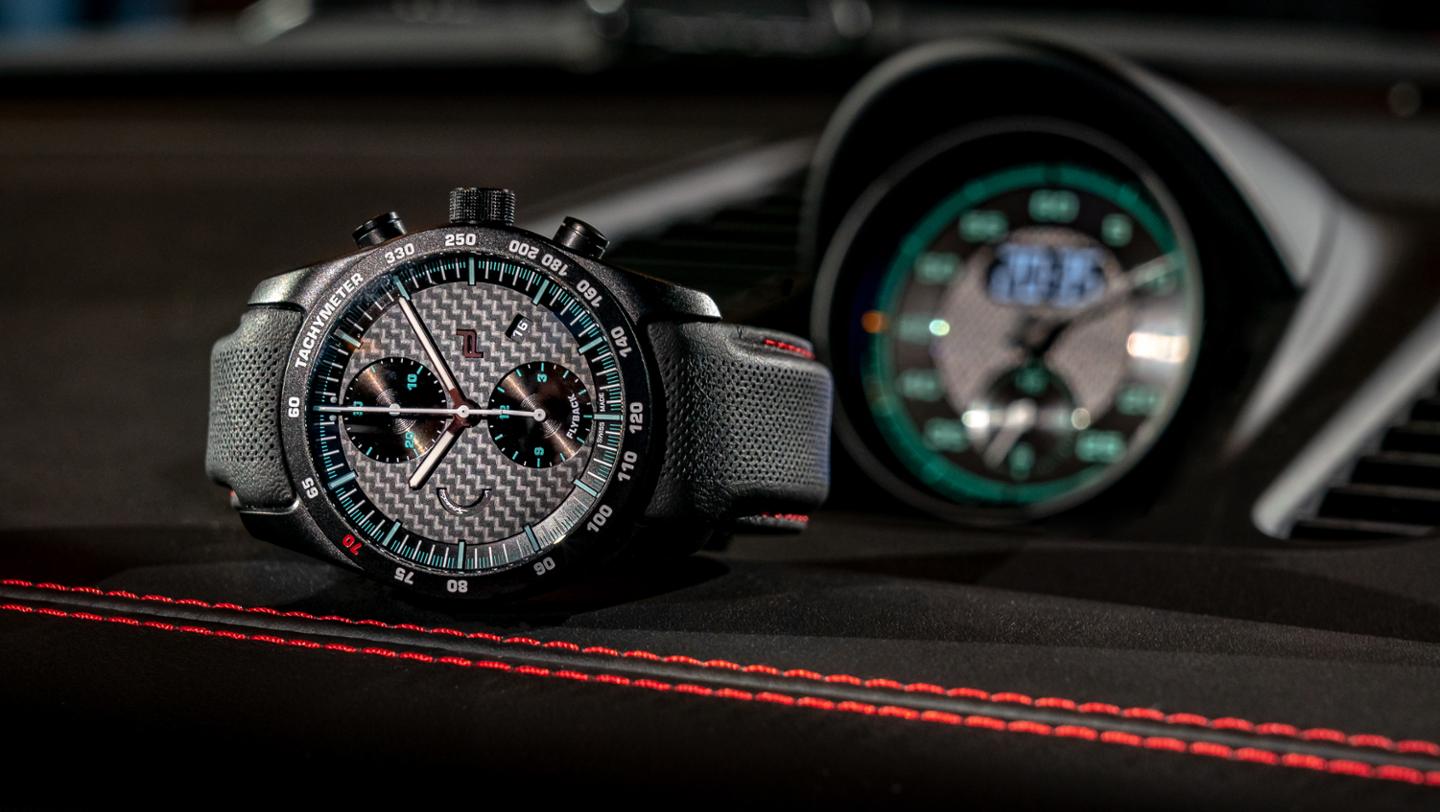
Chronograph

Porsche Design Timepieces has also produced special chronographs for the new 911 Speedster, likewise limited in number to 1,948: the Porsche Design “911 Speedster chronograph” and the “911 Speedster Heritage Design chronograph” can be ordered exclusively by future owners of a new Speedster model at Porsche Centres around the world from May 2019.

Consumption data

911 Speedster: Fuel consumption combined 13.8 l/100 km; CO2emissions combined 317 g/km

Final Verdict

As my fellow Supercars.net colleague, Nick Dellis once remarked, “The world is full of armchair commentators when it comes to cars. At Supercars.net we have a number of journalists and automotive publications we rely on when we want to get unbiased opinions from people we admire.”

Below are snippets from some of our favorite car reviewers and automotive personalities regarding the Porsche 911 Speedster As always, we ask that you support the amazing publications they release, so that the automotive community continues to benefit from the hard work and enthusiasm they put into providing us with content that we love.

Autocar – “Porsche’s fabled GT-car division turns out the 991-generation lights in spectacular fashion” – 5/5
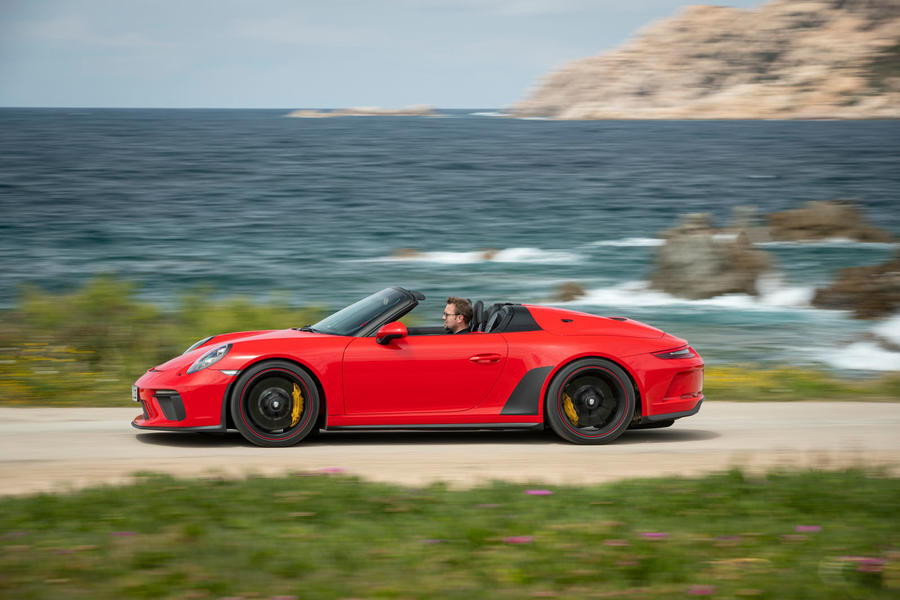
2-porsche-911-speedster-2019-fd-hero-side2-porsche-911-speedster-2019-fd-hero-side

Richard Lane from Autocar is well-versed in Porsche nomenclature, and his review of the Speedster is both historically-centric and detail oriented.

Knowing what he knows, the Speedster was almost everything he expected – it didn’t surprise him one iota, as he remarked that “Given the ingredients, it doesn’t take a genius to work out that the Speedster must be mind-blowing on the road – and it is.”

On that same trajectory, there is no doubt that its price raises his brows somewhat. However, acknowledging all that the Speedster is set out to be, perhaps the perception of what money is gets distorted when in the realm of owning the car.

He ends off his review stating, “Were it our money, we wouldn’t hesitate, because finally Porsche knows exactly what its hip-high Speedster needs to be, and the result is breathtaking.”

The Good

  • Linear power delivery and incredible throttle response
  • Car remains rigid despite no fixed roof
  • Mechanical grip better than expected

The Bad

  • Interior feels smaller than it actually is, some visibility issues
  • Four-wheel steering system could be improved

More: Read full review

Car Magazine – “Icing on the cake” – 5/5
911 speedster911 speedster

Car Magazine’s Kyle Fortune was another one of the lucky journalists to take the Speedster for a drive in Sardinia, remarking that “It’s more about driving, and here it delivers, with mesmerising cross-country pace.”

Kyle is as infatuated as anyone else by the Speedster’s purity, even going as far as saying that “…it’s the sheer joy of the feel and feedback that make the Speedster stand out, even from the exquisite 911 R.”

His final verdict: “I want one”.

The Good

  • Ultimate driver’s car
  • Chassis uncorrupted by being roofless
  • Manual transmission is as precise and quick as they come

The Bad

  • All Speedsters have already been spoken for
  • Heritage Desig/n Pack not really worth the money

More: Read full review

Car Advice – “Does it get any better than this?” – 8.8/10
Porsche 911 SpeedsterPorsche 911 Speedster

Tony Crawford of Australian-based Car Advice is absolutely in love with the Speedster, but his pragmatism prevails when it comes to its price – and this is primarily what prevents him from giving the car closer to a 10-rating.

In his own words he summarises,

“It’s a hugely expensive car that is easily outpaced by lower-priced versions in the 911 range, and yet such a limited production run has ensured that all 1948 cars are already spoken for. And that’s by buyers that haven’t yet driven the car.

It clearly demonstrates just how low on the priority scale outright performance figures can be. In the end, the Speedster is a purebred road car and one of the most accomplished sports cars on the planet, as well as one of the most enjoyable cars ever from behind the wheel.

I never thought I’d ever say that about a 911 soft-top, but this car is a spectacular triumph in every regard bar its sky-high asking price.”

The Good

  • Six-speed manual mated to 4.0 flat-6 is a match made in heaven
  • Huge grip levels
  • Throttle response off the charts

The Bad

  • Huge price bump above a 911 GT3 Coupe
  • Racing-style bucket seats can get tiresome

More: Read full review

My Final Verdict – 4.5/5

Make no mistake that the Speedster is an absolutely fitting conclusion to the 991-generation, which by my accounts, has been the best overall iteration of the 911 so far. It truly does represent everything we have come to love, and will continue to love, about the Porsche 911.

We are now living in a time where emissions regulations heavily influence automakers’ outlooks and decision making. As a result, electric vehicles are beginning to stake claim in mainstream thought. While I am all for change and doing what is right for the future, the Speedster’s homage to how things used to be – and in an ideal world, how they could continue to be – brings a welcome smile to my face. The Speedster is truly a time capsule of what could end up being a defining era in human civilization.

The Porsche 911 Speedster is an ingenious amalgamation of the latest technologies on offer, and the more simple ingredients that have been a principle of driving enjoyment since the invention of automobiles. A 502-horsepower engine, without turbochargers. A modern transmission, with just one clutch. A state-of-the-art suspension and chassis, with an unsullied purity. The list goes on.

Perhaps the only drawback is that the Speedster’s rarity and price precludes any sense of being able to really relate with the car.  It feels like the car inhabits another plane of existence, and that seeing one in person seems unfathomable as I can only imagine them occupying spaces deep underground in private collections, shielded from the real world and the sands of time. Quoting myself earlier, ‘The Speedster is truly a time capsule…’, and this is a bit hard for me to get over.

Rivals

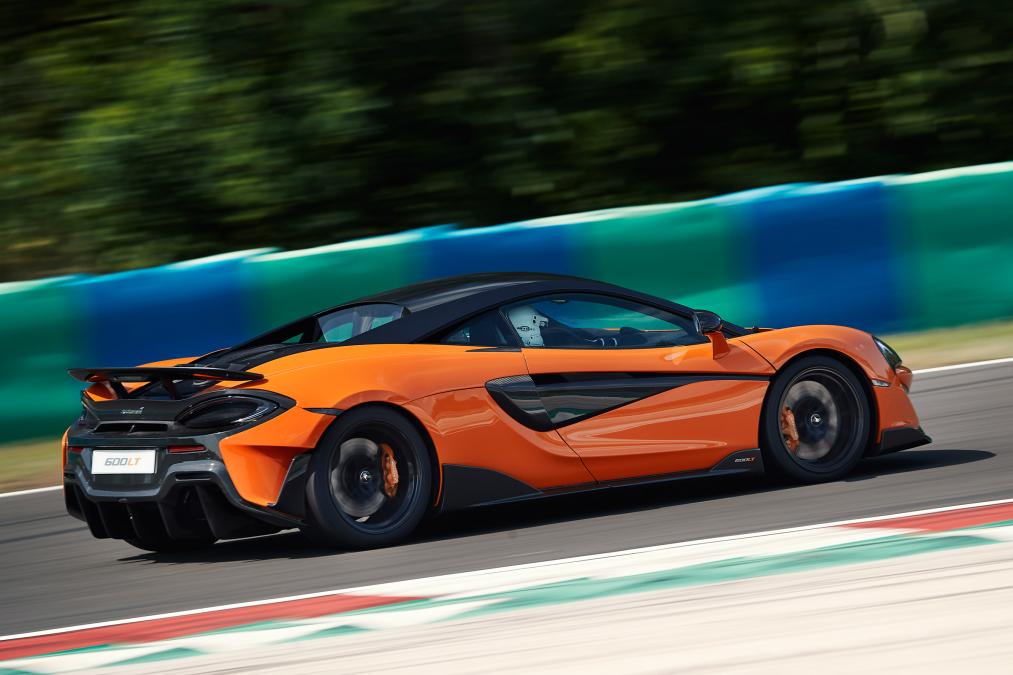
McLaren 600LT Spider

Ferrari 488 Pista Spider

McLaren 720S Spider

Porsche 911 GT3

Porsche 911 Turbo S Cabriolet

2019 Porsche Cayenne Coupe Turbo Review

Niche busting has defined the automotive industry. Like strange crossbreeds of dogs, cars of different purposes have been mating resulting in some rather weird and wonderful creations. One of the more widely accepted results was the BMW X6 that was born a staggering 11 years ago. Despite being called ugly and accused of being a compromised and impractical X5, the X6 was a hit and continues to sell well to this day.

Other manufactures cottoned on and soon Mercedes-Benz jumped on the bandwagon with the GLE Coupe. Both BMW and Mercedes-Benz chucked their large SUVs into the tumble drier and their shrunken siblings that are the X4 Coupe and GLC Coupe emerged. Niches within Niches. Porsche had always stayed true to their core models, the furthest they strayed was with the Panamera Sport Turismo off the back of the success and warm reception of the concept car that debuted a few years earlier.

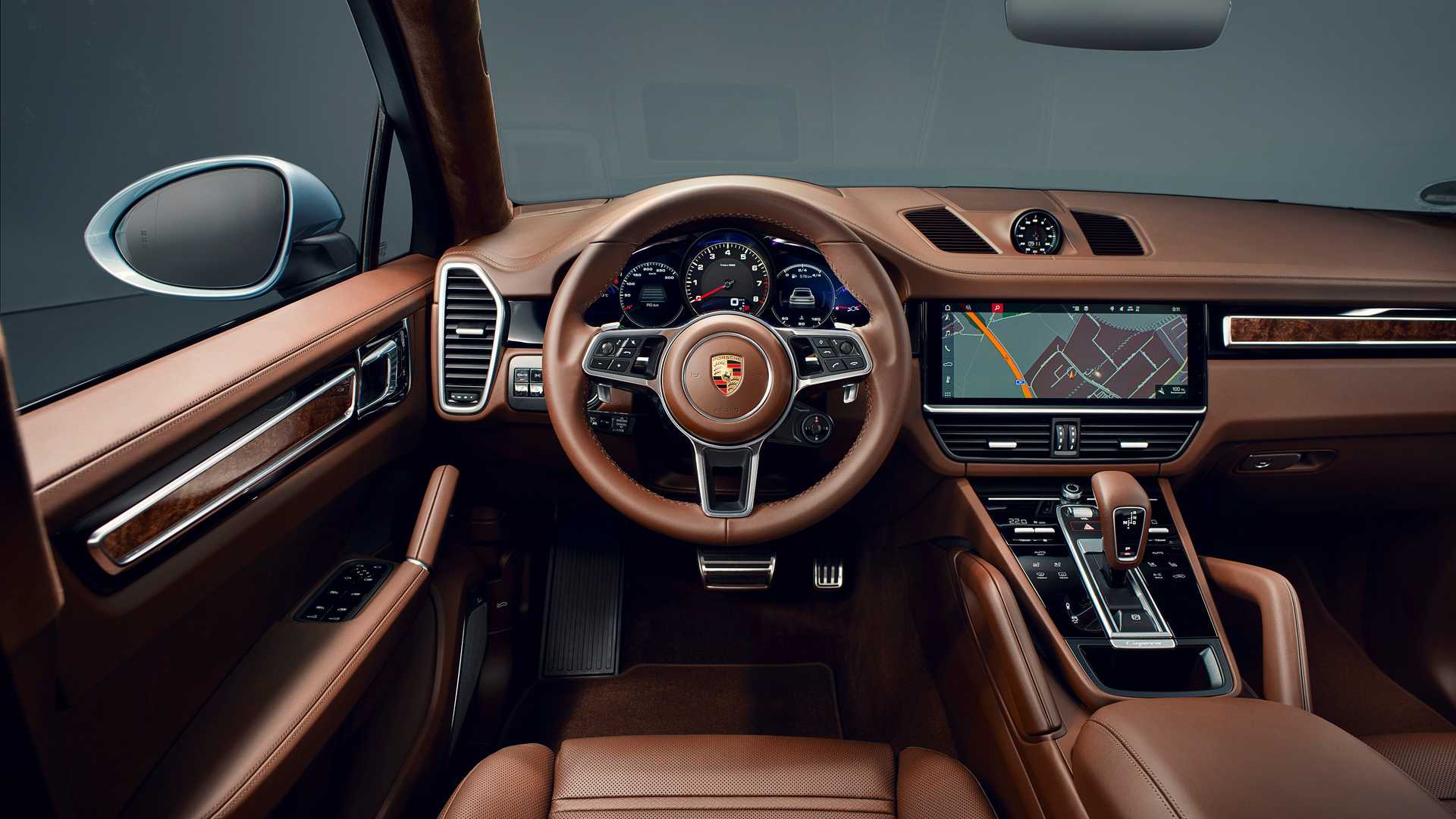
Then out of nowhere came the news of the Porsche Cayenne Coupe – I went to Austria to see what was what. Upon launch the base Cayenne and Turbo were offered, more recently the Cayenne S has been added to the range. It is safe to assume that there will the usual barrage of models soon to come. Since Porsche like to break records it is also possible that there could be a more potent model in the works, simply rumour and hearsay for now.

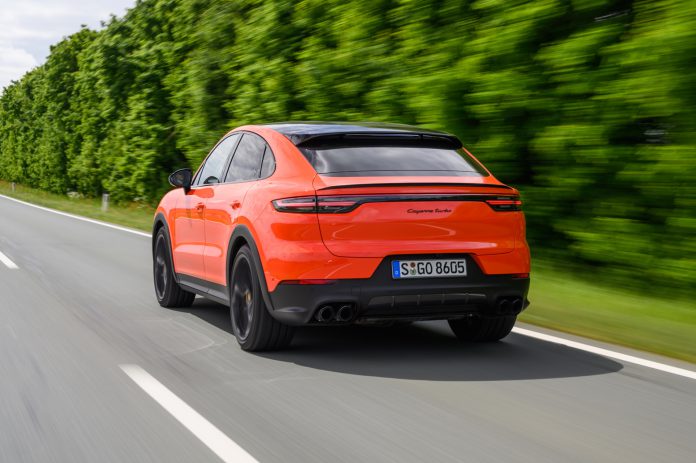
Seeing as this is GTspirit.com, I opted to spend my time with Cayenne Coupe in Turbo form. Unsurprisingly, the car felt very similar to the standard Cayenne – by no means a bad thing. Heading into the Austrian hills around Graz was more fun that it should have been in a car weighing two tonnes. The handling is sublime for something this big, the way you can chuck it into corners and not find understeer, just massive traction, is physics defying.

With a great big 4.0 litre 542 bhp V8 under the hood, it is no surprise that 0-100 is done in 3.9, but it still shocks you when you engage sport plus and mash the go fast pedal. The usual raft of optional tech such as four wheel steer, torque vectoring, active engine mounts and other weight masking wizardry do their best to really enhance the sporting characteristics of the Cayenne Coupe. Be aware that all of the aforementioned technologies are optional extras, even on the range topping and mighty pricy Turbo.

So what about that new rear end? Well looks are subjective, but I feel it is no more offensive to look at that any of it’s other German rivals…not that that’s very difficult. Inside the roof at the rear is 20mm lower, the seats have been lowered to compensate. Space is fine for anyone that is less than 6ft tall. There is also a loss of 145 litres in the boot, but it is still large enough for most scenarios you would expect to encounter.

The infotainment is identical to the standard car, it is functional but takes a little time to get used to – I still feel touch screens are far too distracting and that we need to return to physical buttons. Again, personal preference.

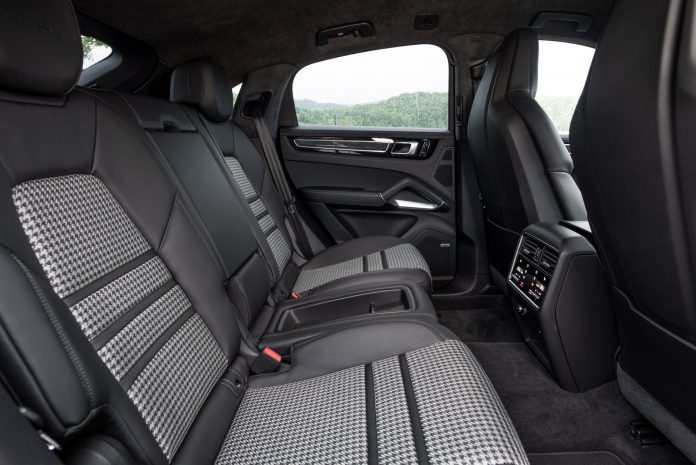
The car you see photographed in the very one I was piloting. What is amusing is that it was finishing in Lava Orange – a GT3 RS colour, it featured ‘GT style’ wheels and the rather amusingly named ‘Lightweight Sports Package’, yes, really. This comprised of a carbon fibre roof, SportDesign Package with carbon fibre diffuser, four sports seats finished in traditional ‘houndstooth’, alcantara steering wheel, the aforementioned wheels and a few other black bits. These options save a negligible amount of wait but will, no doubt, prove desirable in a world of must haves.

All in all, the Cayenne Coupe is Porsche’s answer to its competitors. It does it in the usual Porsche fashion and it is still a fantastic car to drive given its size. No doubt that it will sell by the dozen!

The Porsche Boxster Bergspyder Is the Single Seater Sports Car We Want to Drive

This One-Off Concept Is Awesome

Porsche often builds concepts to push the limits of its vehicle types and see how far it can take something. The Porsche Boxster Bergspyder you see here uses the 981 Boxster as its base. The car was to be as lightweight and minimalist as possible. The team tasked with building this car immediately turned to the Porsche 909 for inspiration. 

For those who don’t know the legendary Porsche 909 was the lightest Porsche ever used. With that as their guide, the team built the Boxster Bergspyder as a one-seater, roofless, door handless car designed to be as lightweight and extreme as possible. The car gets a short wind deflector for the driver. Where the passenger would usually go, there’s nothing there, just more bodywork. 

Powering the car is the same six-cylinder engine that powers the Cayman GT4. It makes a strong 388 hp which will drive this lightweight machine down the road with authority. The 0-60 mph time should be four seconds and Porsche says the car should be able to lap the Nurburgring in just 7:30. 

The cabin of the car features many elements from the 918 Spyder. The car’s bucket seat was taken from the 918 as well. It’s a very minimalist cabin, but then, in a car like this, you don’t need much. This vehicle is built for high-speed laps and feeling the wind whip around you. 

It’s hard to sell a car like this due to modern safety standards. Porsche never moved forward with it due to those reasons. The car will forever be a one-off concept. We’d love to see it as a production model, though. 

Vonnen Performance – Porsche 911 Hybrid

Vonnen Performance Offers Glimpse Into What a Production 911 Hybrid Could Look Like

Here we are in the year 2019, yet even the thought of a fully-electric 911 feels sacrilege; but a hybrid, on the other hand, is certainly inevitable and likely not that far off. After all, Porsche’s own 918 Spyder has long possessed the technology which is overdue for a trickle-down into the rest of the Porsche lineup – the 911 being next-in-line.

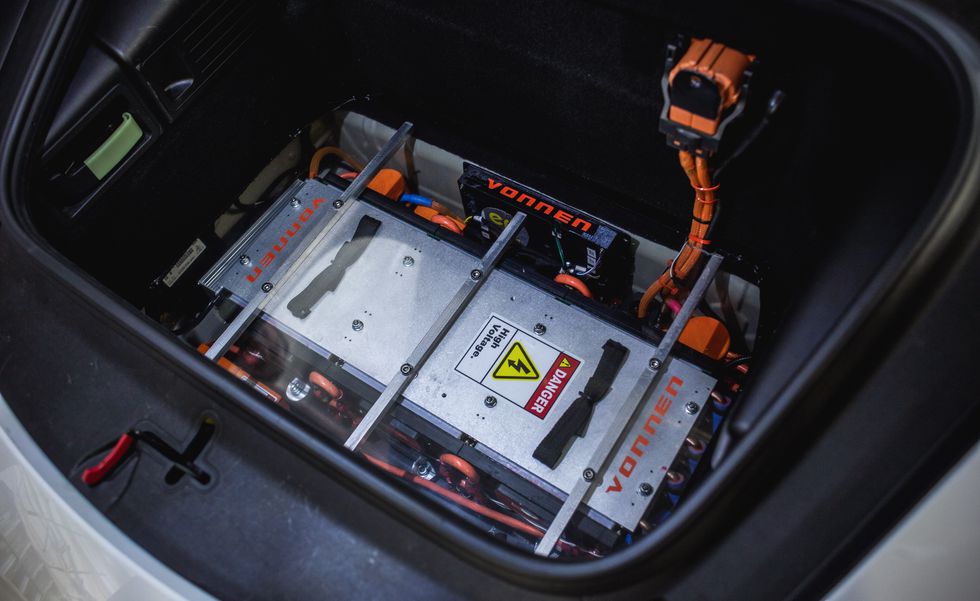
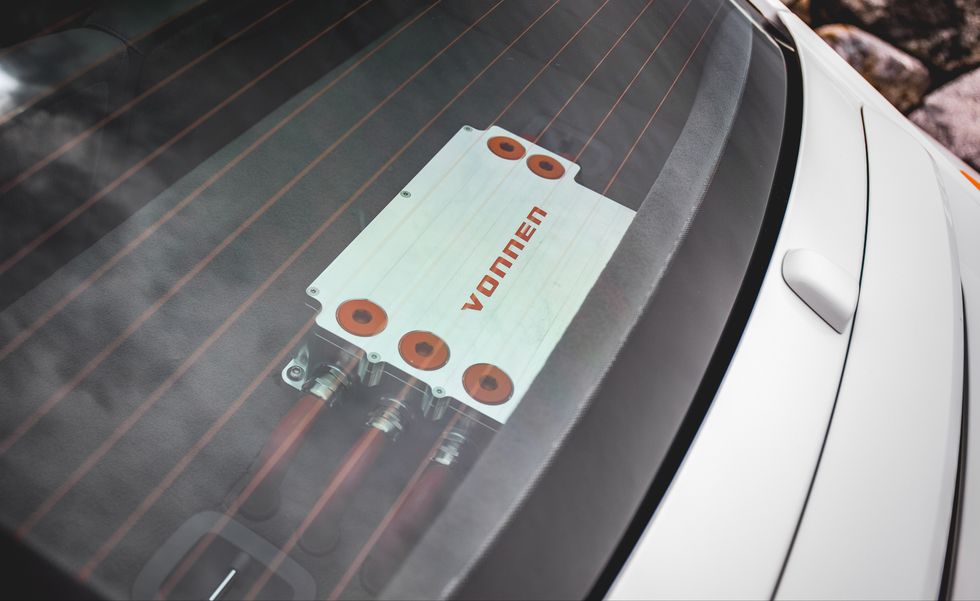
Even before Porsche has officially committed itself to a production 911 Hybrid, California-based Vonnen Performance has already staked an unofficial claim to the pioneering of this venture with a proprietary hybrid conversion kit called Vonnen Shadow Drive (VSD). At the present time, VSD is designed solely for integration into a 991.1 naturally aspirated 911 Carrera, with future plans to expand compatibility with other makes and models.

Vonnen Shadow Drive (VSD)Vonnen Shadow Drive (VSD)

The VSD conversion is able to complement the base Carrera’s factory combustion engine, adding up to 150-horsepower and 150 lb-ft of torque without requiring an overhaul of the factory electronics systems nor with the side effect of significant weight gains. The lightweight battery, electric motor, and various system components have a combined net weight increase of just 170 pounds. The aforementioned motor recharges the battery by storing and transferring energy generated by the combustion engine and through braking forces.

Vonnen president Chuck Moreland claims that the biggest appeals of the VSD conversion are its user-friendliness, simplicity and non-disruptive nature. What this translates to is a system that can be easily accessed through a smartphone app interface, has selectable driving modes (such as ‘Track’ and ‘Overboost’), can be turned on or off completely with the touch of a button, and provides real-time monitoring and data-logging which can be uploaded to the cloud.

That is not to say that the inner-workings of the system are neither complex nor advanced, as its brain actively conducts an orchestra of information to ensure the system is performing optimally under all conditions.

Vonnen VSD smartphone appVonnen VSD smartphone app

The seamless integration not only applies to the interface-side of things but also to the most important factor – the driving experience. While providing a significant bump in power over the base Carrera’s 350-horsepower and 287 lb-ft of torque, the car maintains near-instantaneous throttle response and linear power delivery with the electric motor at play. This makes the car feel more likened to the naturally-aspirated GT3 in terms of power than say, the Turbo. Vonnen VP Bill Davis remarks, “It basically feels like you’re driving a bigger-engined car”

A PDK-equipped car is able to improve its 0-60 mph time from 4.2 seconds to 3.6 seconds with the system turned on and set at Overboost. While VSD is compatible with a manual transmission model, PDK is able to extract the full potential of the system due to having more robust mechanical components which are better suited to deal with the significant increase in torque.

Vonnen Porsche 911 HybridVonnen Porsche 911 Hybrid

There are some shortcomings that potential users will be forced to consider before purchasing and installing VSD. The first is its price – $75,000 USD installed – which is rather hefty when taking into account that a second-hand base 991.1 Carrera will be ten to fifteen grand less than the entire system itself. However, for those seeking to consume the latest fixings of technology while also maintaining a purist-appeal – something very rare indeed – the price may have less of a factor.

Then there are the mechanical drawbacks to the system such as the heat it generates. The system has a temperature failsafe of 302 degrees Fahrenheit, beyond which point it will automatically shut down to cool off. This has the potential to occur quite frequently depending on driving habits and ambient conditions; however, it should be noted that the cooling process is typically completed within one minute or less.

Acknowledging this, Vonnen continues to commit its resources to improve the cooling system so it can be pushed harder and recover more quickly, as the release date for a production-version system approaches.

Porsche 911 Hybrid Image Gallery

Porsche Panamera – 10 Years and Counting

Porsche Panamera Reaches Decade-Milestone

Shortly before it was released, the Panamera could certainly have been considered a gamble by Porsche. While it is true that their SUV experiment conducted a few years earlier – with the Cayenne – was an overall success, further diluting its lineup with another 4-door vehicle seemed like a questionable move by the company best known and revered for its relatively diminutive sports cars.

Fast forward 10 years and over 235,000 sales later, and it appears the risk has been duly rewarded. The Panamera has undergone a variety of changes over the years to address a modern marketplace with rapidly shifting demands and tastes. There must be huge credit given to Porsche’s fleet-footedness in responding to change, as this is certainly what has allowed a niche car within a high-end brand to not only survive, but thrive.

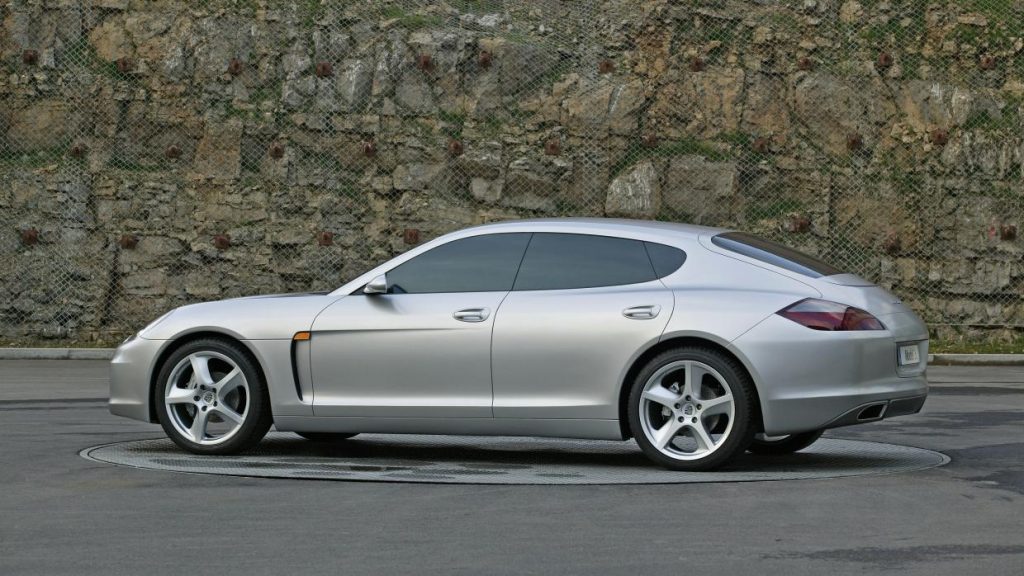
Porsche Panamera prototypePorsche Panamera prototype

Further fueling the initial precariousness of this move, were the failures of previous saloon prototypes such as the 989. Adding to that even more, was the reveal of Panamera prototype – with its design eerily similar to its failed predecessor.

With parent company VW involved in the design process, the car was prioritized to be utilitarian in nature. This presented challenges in providing the Panamera with the sleek and sporty design that Porsche executives and customers alike would have likely preferred at the time.

However, the idea of the Panamera really took flight with both Porsche’s existing and future customer base. It provided an alternative to buyers who wanted something more sporty (and less soccer-mom-ish) than an SUV, but more useful than the 2-door sports car – the only other choices offered by Porsche at the time.

Porsche was really on the ball in ensuring that its option and trim list was diverse enough to encompass a broad spectrum of customers, which included performance-junkies, luxury/executive aficionados, and everything in between.

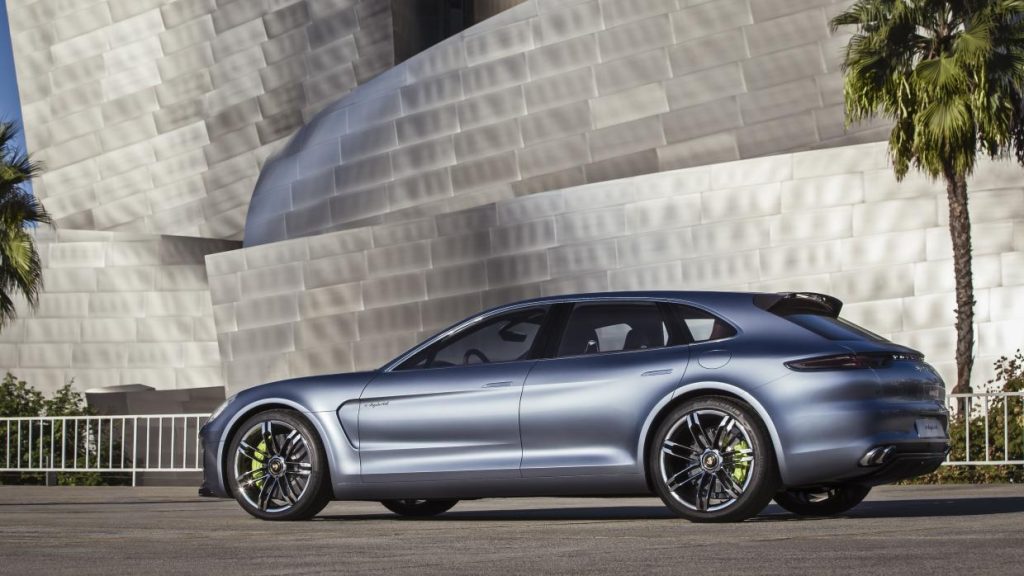
Porsche 2012 Sport TurismoPorsche 2012 Sport Turismo

As times changed, the Panamera continued to evolve. The 2012 Sport Turismo provided the first major styling change, offering a wagon version of the car. 5 years later, the Turbo S e-Hybrid would boast the latest and greatest of Porsche hybrid technology, sharing many of its characteristics with the hybrid 918 Spyder halo car.

It will be very interesting to see how the Panamera’s journey continues – will its evolution be ongoing, or does the eventual release of other Porsche models like the Taycan, signal an abrupt change of course?

Watch a Porsche 911 GT3 RS And Mercedes-AMG GT R Attack the Nurburgring

Two High-Powered Cars Doing What They Do Best

The Porsche 911 GT3 RS and the Mercedes-AMG GT-R are two amazing performance machines, and there’s no better place for the drivers of these two cars to have some fun than the Nurburgring. The cars are very evenly matched. When Mercedes set its official time in the GT-R it was the fastest rear-wheel-drive sports car with a time of 7:10.9 in 2016. Porsche has managed to best that time since 2016, but it’s safe to say both cars are performance beasts. 

In the video below, you can see just how evenly matched the two cars are. The Porsche 911 GT3 RS starts off behind the Mercedes-AMG GT-R and follows pretty closely to its tail. About halfway through the video, the cars change positions and the Porsche GT3 RS takes the lead with the Mercedes following closely behind it. 

Both drivers push the cars pretty well in the video and you can tell that these two would make for a hell of an official race. It would be awesome to do a lap of the Nurburgring without all of the other cars out there. These two have to slow down fairly often to make it around other track day goers. However, we’d hate to suggest kicking anyone off the track. It looks like a beautiful day to take on the Green Hell. 

[embedded content]

Porsche Will Offer the Cayman and Boxster With a Flat-Six Engine

Porsche Fans, Rejoice!

Porsche appears to have made a decision that will thrill sports car enthusiasts and Porsche enthusiasts everywhere. The company will bring it’s silky smooth flat-six to the Boxster and the 718 Cayman. The flat-six mill will be in a car that sits below the model line toppers for both cars. 

According to Automobile, a source within Porsche let this information come out. The expectation is that the six-cylinder version of the car will slot in between the GTS and the GT4. This would make sense. There is a gap to fill there. The GT4 is just too much of a hardcore racer for some people. The six-cylinder variant could offer more luxurious accouterments on the interior of the car with near GT4 levels of performance. 

Automobile points out that it would also make sense for Porsche to ditch the turbocharged four-cylinder in the 718 Cayman and Boxster S models. If the S models had a six-cylinder instead of the turbo four, it would be a real reason for people to upgrade to the S. The base 718 Cayman and Boxster cars could still use the turbo four-cylinder. That sounds like sound reasoning to us. 

The specifications of the six-cylinder engine are not yet known. Automobile suggests the 3.8 flat six that was used from 2012 to 2015. However, there are rumors of Porsche using the bigger 4.0-liter from the 991.2 911 GT3. That is unlikely, but it would be exciting if the company chose to do so. We’ll keep you posted with any updates. 

These Modern Porsche 935 Retro Livery Images Are What You Need to Start Your Weekend

Feast Your Eyes on These Beauties

The modern 935 Clubsport from Porsche is a car that’s simply to die for. It’s drop-dead gorgeous and features a 700 hp and a body reminiscent of the legendary Porsche 935/78. Now the modern car will really look the part thanks to some new images of the vehicle in retro-inspired liveries. 

Porsche recently released images of the new 935 in seven different liveries. Each and every single one of them is absolutely breathtaking and makes the most of the car’s sleek exterior. However, the mint green one shown above is our favorite. It makes the most of the car’s body. 

There are several others. There’s the Gulf livery, which is blue and orange. There’s a Sachs theme, featuring a white and blue livery. The John Player Special is a black and gold livery. Interscope a black and orange theme. The Momo Racing livery uses a red and yellow racing theme. The final one is the Salzburg theme, which is red and white. 

As we said above each one does a wonderful job of showing off the car’s sleek curves. The mint green is the one that stands out the most, though. It’s just not a color you see very often. 

The Porsche 935 Clubsport is based on the 911 GT2 RS. The company unveiled it to rabid fanfare at the Rennsport Reunion last year. Porsche will build only 77 of the cars. Customer deliveries are expected next month. 

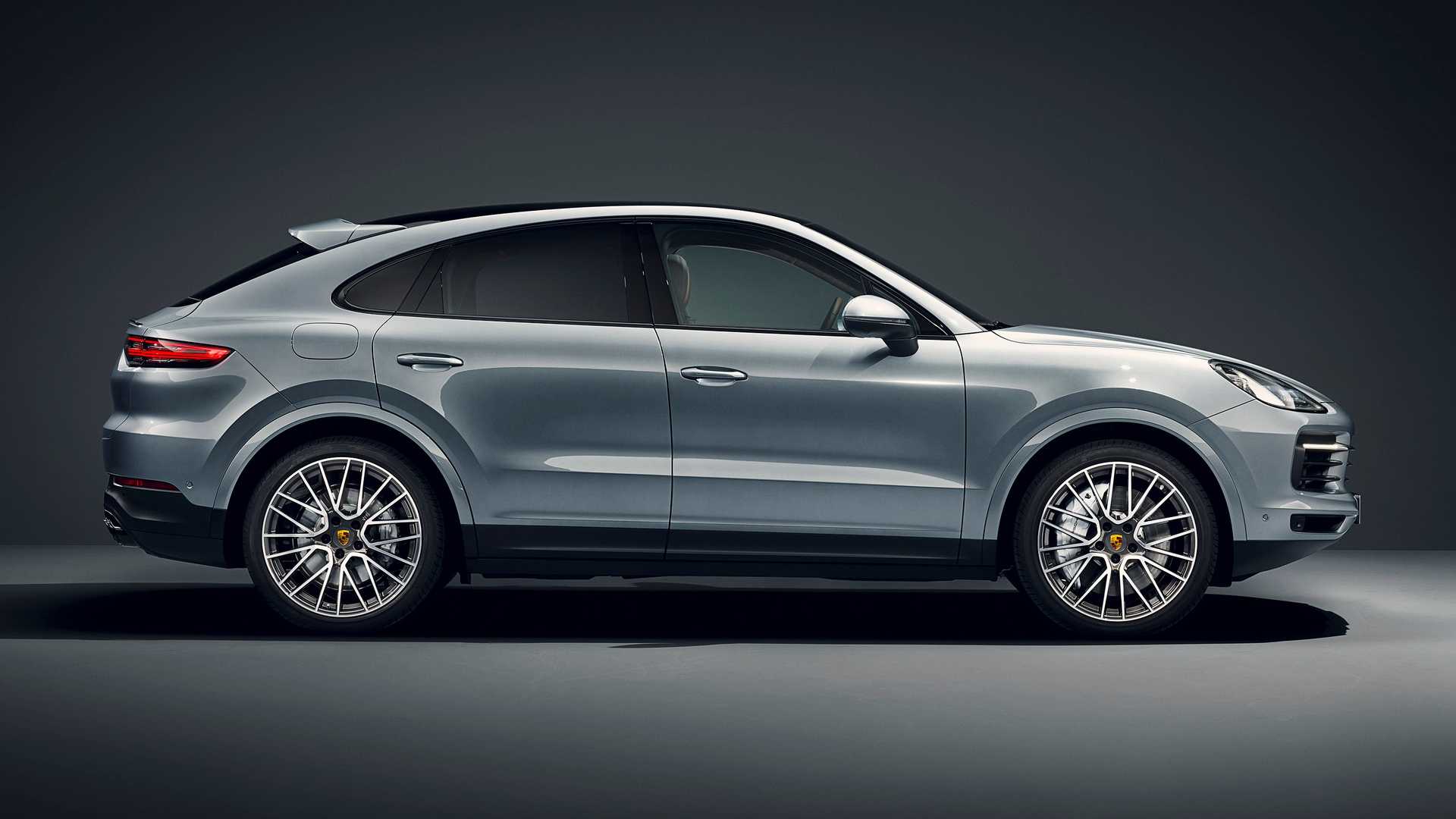
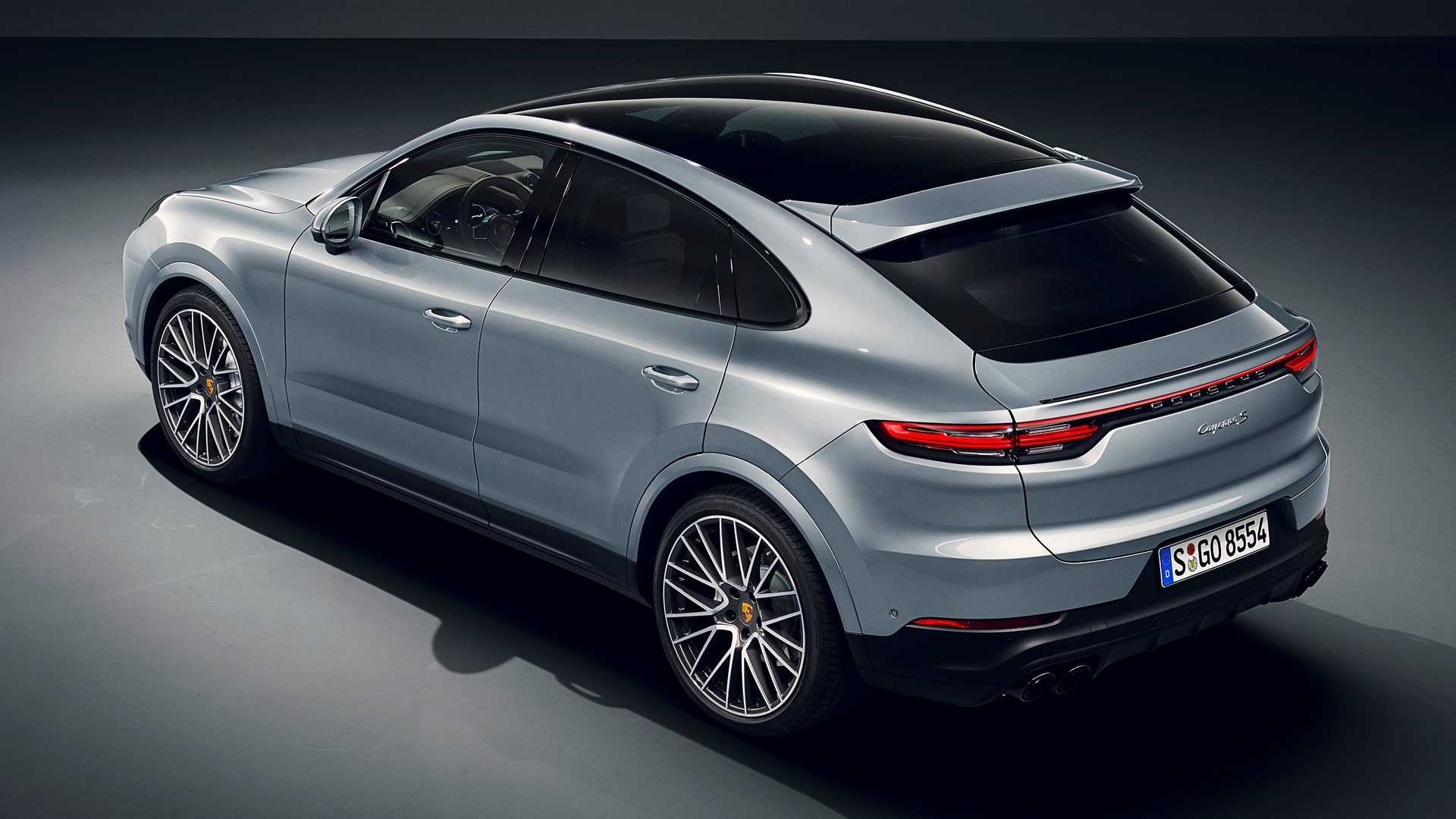
2020 Porsche Cayenne S Coupe

Nothing like Cayenne to spice up Porsche’s coupe slate. As they say, of course. All kidding aside, here’s the 2020 Porsche Cayenne S Coupe, sliding into the middle of the coupe-inspired crossover’s current lineup.

The new trim comes with a 2.9-liter twin-turbo V6 engine, topping up to 434 ponies and 405 pound-feet of torque. That’s an upgrade over the base model’s 335 horsepower. The ride comes with an eight-speed automatic gearbox that runs through an all-wheel-drive system. Per Porsche’s estimates, this thing can hit zero to 60 mph in just 4.7 seconds. That’s cut to just 4.6 seconds if you get the Lightweight Sport Package. Both, however, offer the same top speed of 164 mph.

The Cayenne S Coupe is a little different from the base Cayenne S. For starters, it’s got Sport Chrono Package right out the gate. Add to that eight-way sport seats, a panoramic fixed glass roof, and 20-inch wheels. Customers can pick between a two-seat layout in the back or a bench seat that adds a third seat belt. Not much going for this ride in terms of customizations, suffice it to say. But the default isn’t that bad all things considered.

The aforementioned Lightweight Sport Package bundles Sport Design body kit into the mix, in addition to matte black air intakes and airblades. You’ll also find in this variant carbon fiber parts for the roof and rear diffuser. In terms of interiors, you get an Alcantara-wrapped heated steering wheel. Plus houndstooth seat center sections, for good measure. Topping it all off is the carbon fiber cabin trim, and the Alcantara headliner. Coming this fall; prices start at $89,850.

MORE INFO HERE

Photos courtesy of Porsche

Watch the Porsche 911 Speedster Highlights Film and Long for the Car

This Is the 911 We Want

The Porsche 911 Speedster is one of Porsche’s most beautiful cars ever. The model takes everything we could love about the 911 and puts it into an open-top speedster that’s extremely fast. The company recently released a highlight video of the car showcasing all the best stuff. 

The video also has some serious eye candy of the car taking on various beautiful-looking roads. Even if you don’t care about the specifications of the car, you should care very deeply about the beautiful scenes in the video shown below. Porsche knows how to hit all the emotional spots and it does so with ease with the 911 Speedster. 

[embedded content]

For those of you that do care about the specifications, know this, it’s basically an open-top GT3. The car gets a 4.0-liter naturally aspirated flat-six-cylinder engine that produces 510 hp and 347 lb-ft of torque at a little over 6,000 rpm. The engine is mated to a good old-fashioned six-speed manual transmission.

The car also gets dynamic engine mounts, a motorsports (GT3-derived) chassis, Porsche ceramic composite brakes, rear axle steering, some special carbon-fiber-reinforced bucket seats, 20-inch wheels, and a focus on lightweight materials throughout the car. The speedster is truly special, and for that, Porsche is charging $274,500, according to CarBuzz.

Porsche Releases More Images of the Concept 917

The Company Still Won’t Make It

The Porsche Concept 917 was never meant to go to production, as much as we want it to, and Porsche is still pretty adamant that it won’t move beyond the stage it’s currently at. However, the company released more images of the amazing concept car that pays homage to one of its best cars of all time.

The 917 turned 50 years old this year, so Porsche decided to dig up the concept 917 that it put away in 2013. Most people had no idea it existed and didn’t know that Porsche was even thinking of such a design concept. We reported that the concept is actually older than a lot of people thought a while back. That bright to light how much Porsche had kicked the idea around before putting it into storage.

As Carscoops points out, the car in the images shown here is actually nothing more than a foil-clad study. It’s a representation of the car as far as it got and not an actual car or even a fully-completed concept. That doesn’t stop us from wanting Porsche to make this model into a reality, even if it never actually races.

1973 Porsche 911 Targa 2.4s

If you’ve got your automobile history down pat, you already know that 1973 was the last year for the long hood/narrow bumper Porsche 911. Safety regulation the following year would promptly trigger a design change. By then everyone was readying their goodbyes to that iconic bodywork. But you can relive those glory details care of RM Sotheby’s.

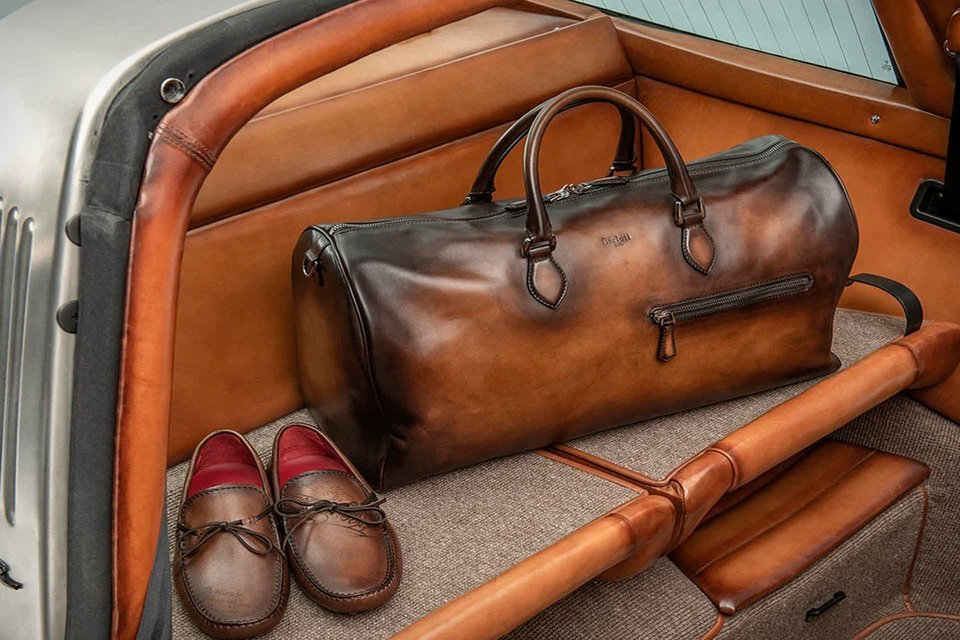
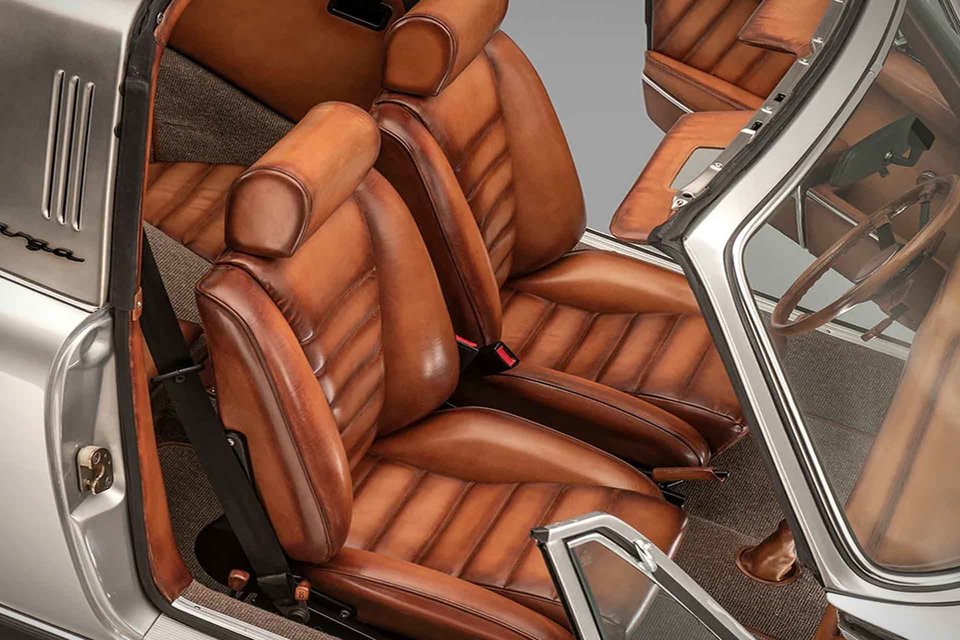
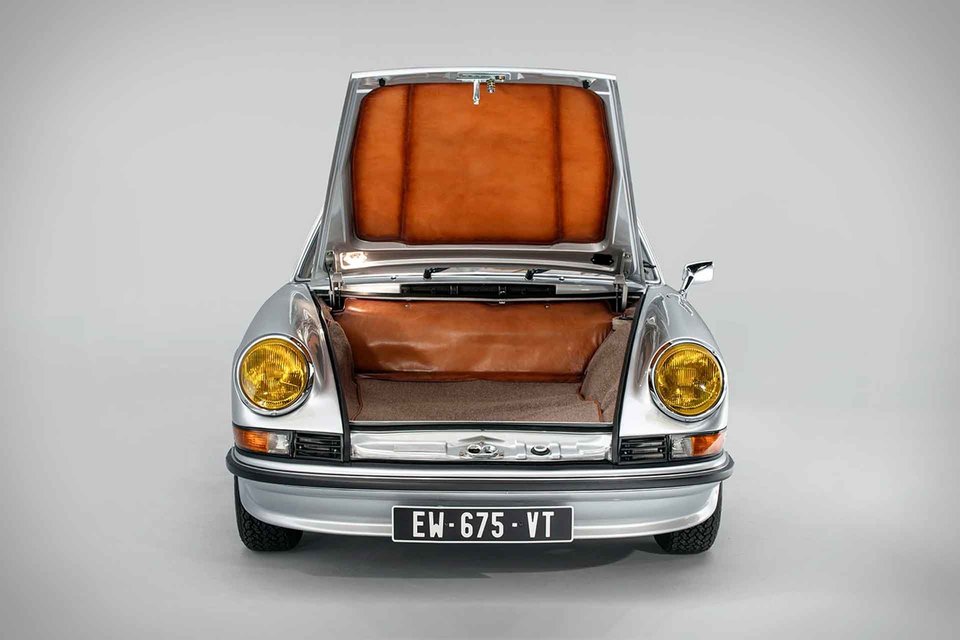
Up for auction now is this sleek 1973 Porsche 911 Targa 2.4s, which, while mechanically stock, boasts special custom interior by Berluti, France-based maker of premium leather goods. They’re all over — Berluti’s sophisticated burnished Venizia leather covers the seats, dash, and panels.

A few things not covered in hide, though: the Bouclé wool, including the seat backs, floor mats, and carpeting. But the pairing works, still. A pair of driving shoes and a day bag are also included, to boot. The car is for the modern man — or woman — who wants utmost comfort and premium flare when he’s ready to go vacationing somewhere not far, but remote.

Sure, Berluti’s tones and colors might not be for everyone. But they serve a stark and alluring contrast to the ride’s silver exterior. Classic, refined, elegant, and slick, this is a truly one of a kind Porsche 911. And believe us, we’ve seen plenty of Porsche 911s here. If you’re in Paris between April 24 to May 7, you can place a bid on this refined ride. If not, just hit the link below to read more about the 1973 Porsche 911 Targa 2.4s. We won’t blame you for drooling.

ON AUCTION

Photos courtesy of RM Sotheby’s

Watch a Porsche GT3 and GT3 RS Go Head-to-Head at the Dragstrip

Some German-Engineered Fun

The Porsche 911 GT3 and GT3 RS are both amazing cars. On a racetrack, the GT3 RS is the obvious winner with more power and better aerodynamics, but what happens when you put them on the dragstrip? Is the RS really a faster car in a straight line? Well, the guys at the YouTube channel DragTimes decided to find out.

The GT3 RS comes with a significant price hike over the GT3 and seeing the two cars race side by side will put into perspective what the speed difference is in a straight line. It’s worth thinking about if you’re looking at the GT3 or a GT3 RS. The jump of $40,000 from the GT3 to the GT3 RS is a notable one, and you’ll have to decide if it’s worth it. 

The video below can help you do that. While you might not be drag racing your Porsche, it’s a good way to see the difference between the cars. We won’t spoil the results for you, but we can say it’s definitely worth the watch. Watch it and then we’ll go over the results below the video.

[embedded content]

As you can see, these two cars are extremely evenly matched on the drag strip. Both drivers got good launches and had no issues during the several runs. This suggests that you might be better off saving the $40,000. If you frequent the racetrack, though, the GT3 RS’s upgrades will still make a big difference, though.

The Porsche 911 Speedster Debuts In New York With Gorgeous Styling

The Best Looking Porsche?

We reported on the fact that Porsche was going to pull the cover off the 911 Speedster at the New York Auto Show, and now it’s happened. The car looks better than we expected. The car isn’t just all about looks, though. It has the same 4.0-liter flat-six engine that makes 502 hp and 346 lb-ft of torque that’s in the 911 GT3. It also uses individual throttle bodies like the GT3 RS racing car.

The Porsche 911 Speedster can make 0 to 60 mph in 3.8 seconds and it has a top speed of 192 mph. The car weighs just 3,230 pounds and has a special rear axle steering and dynamic engine mounts. The car will be for sale only with a six-speed manual transmission. Porsche made significant efforts to lighten the car. The company used plenty of carbon fiber and lighter weight door panels to keep the weight as low as possible.

The Speedster features a super lightweight fabric top so you can get out of the weather if things turn bad while you’re out driving around. Porsche came out with a Speedster concept last year. While the production model looks great, it doesn’t have some of the retro-inspired features of that concept car. Still, we’d argue it’s one of the best-looking cars in the Porsche lineup. 

Porsche only plans to build 1,948 units worldwide. Some of the models built will come to North America. If you want a chance at owning one of these super sleek convertibles, you’ll really have to pony up the big bucks. Porsche wants $275,750 (that’s including the destination fee of $1,250) for each 911 Speedster. If you do get the car Porsche has a special watch called the Porsche Design 911 Speedster Chronograph to go along. It’s inspired by the car and will look perfect on your wrist as you drive.

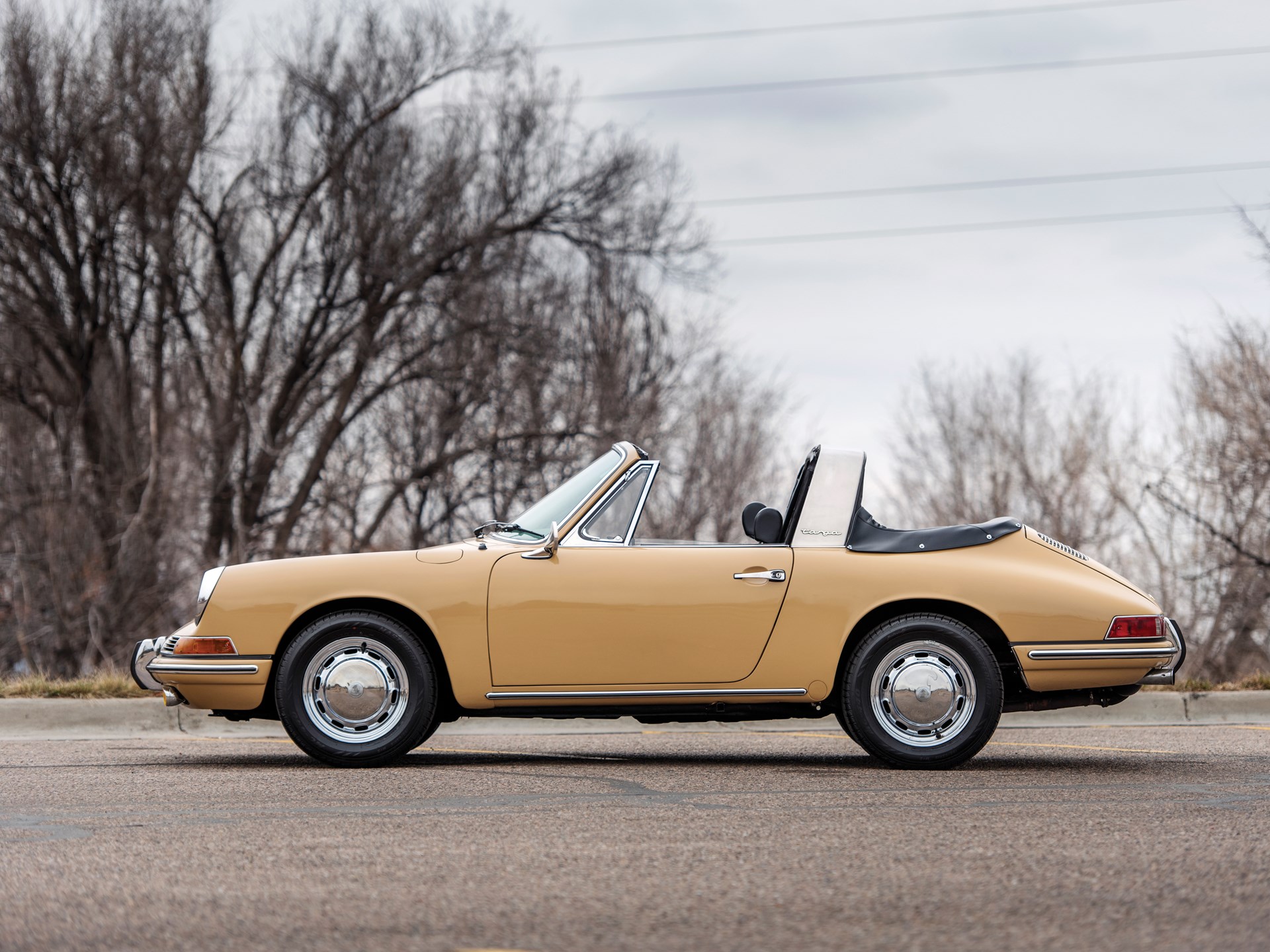
1968 Porsche 911 Soft-Window Targa

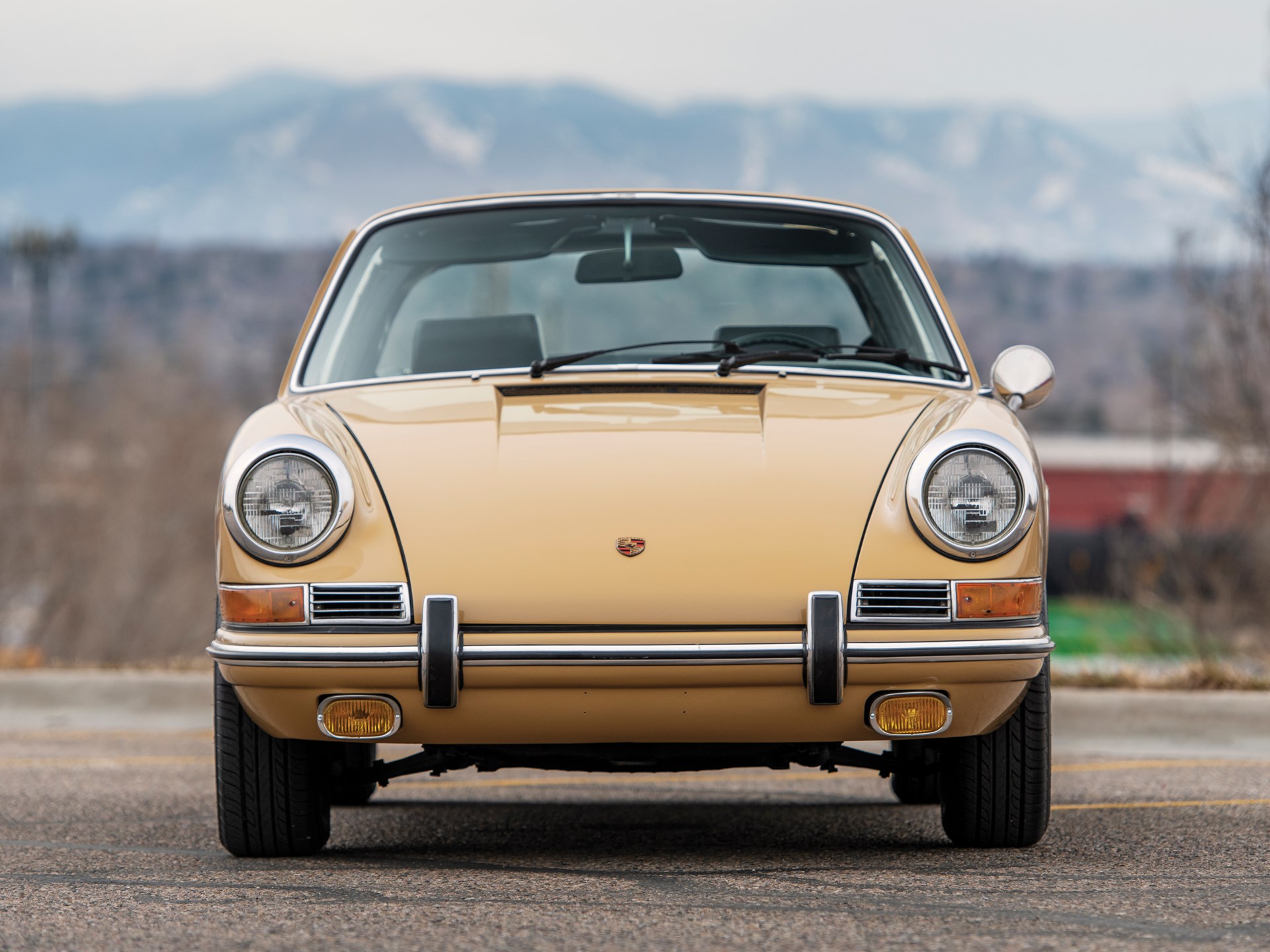
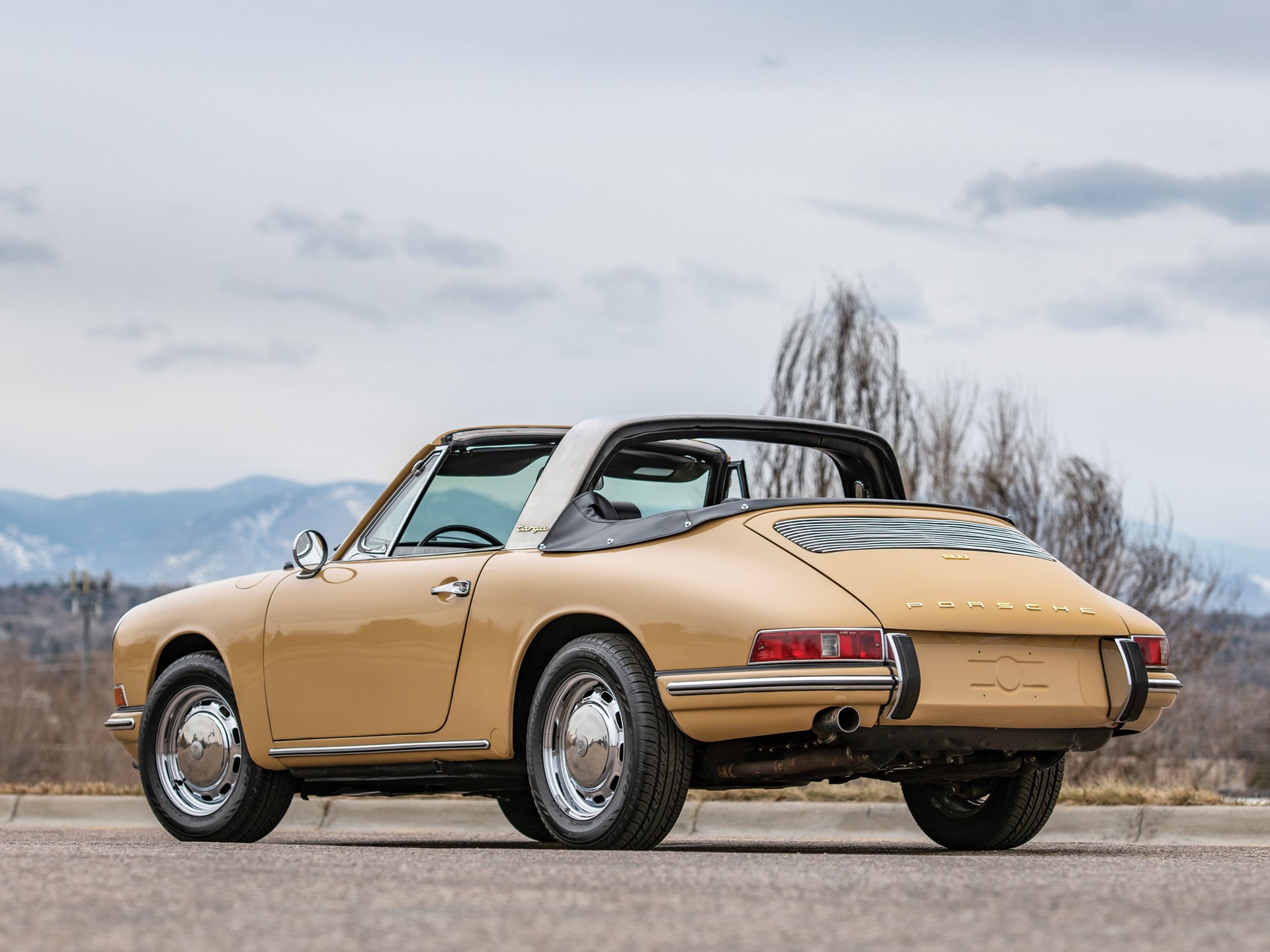
In 1968, Porsche built 268 examples of the 911 Soft-Windows Targa. Above is one of the last ones that exist. It’s one of Porsche’s sexiest rides, featuring a desirable body style that’s got a full open-air 911 motoring experience. Porsche didn’t make one like that until came the SC Cabriolet arrived in ’83.

1968 served as the final year of the SWB body style, sadly. Many Porsche collectors prefer this shape, especially those who appreciate the beauty of the original Porsche 911 design. The above is an extremely rare matching-numbers example that comes with a copy of its Porsche COA.

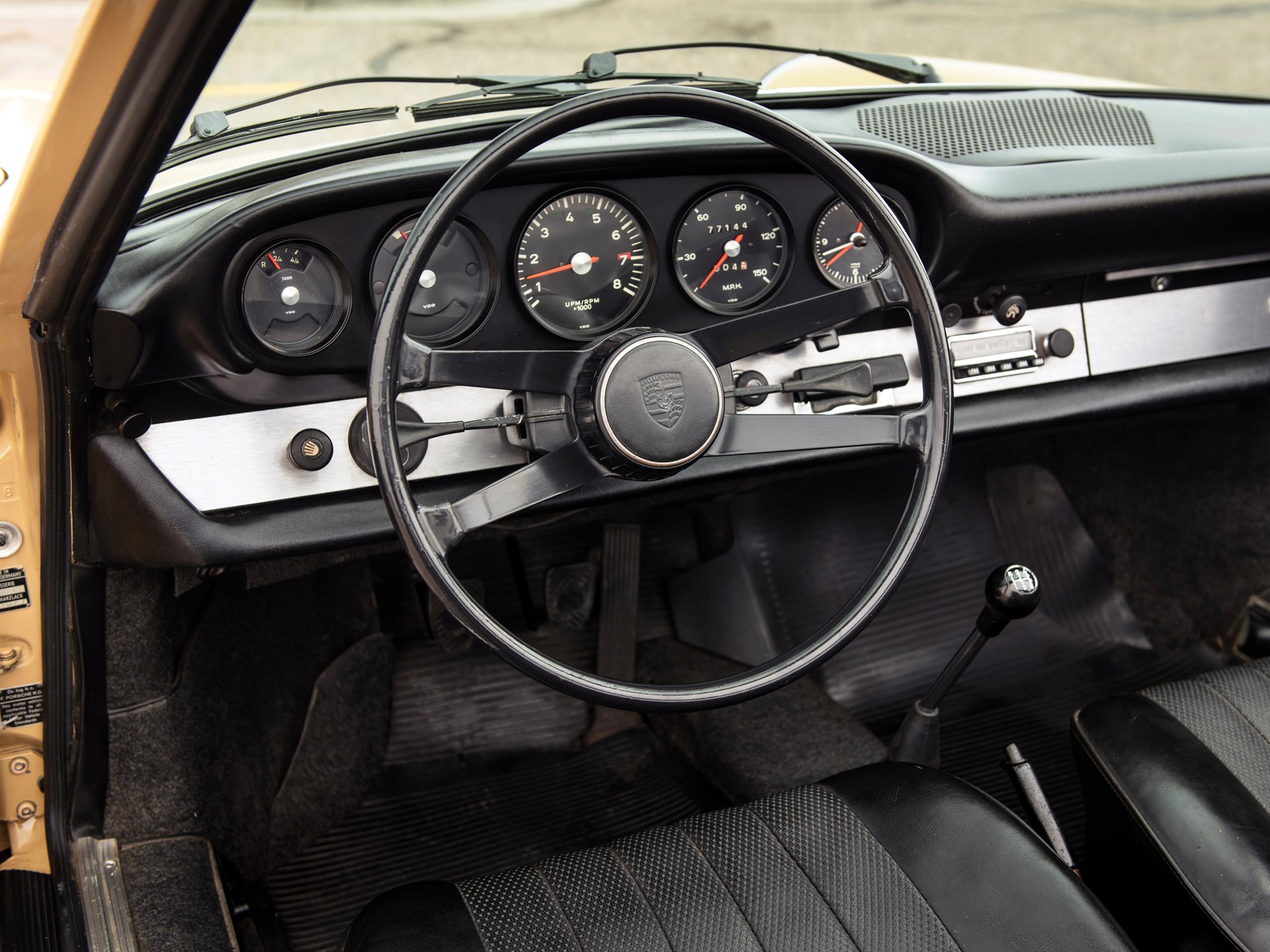
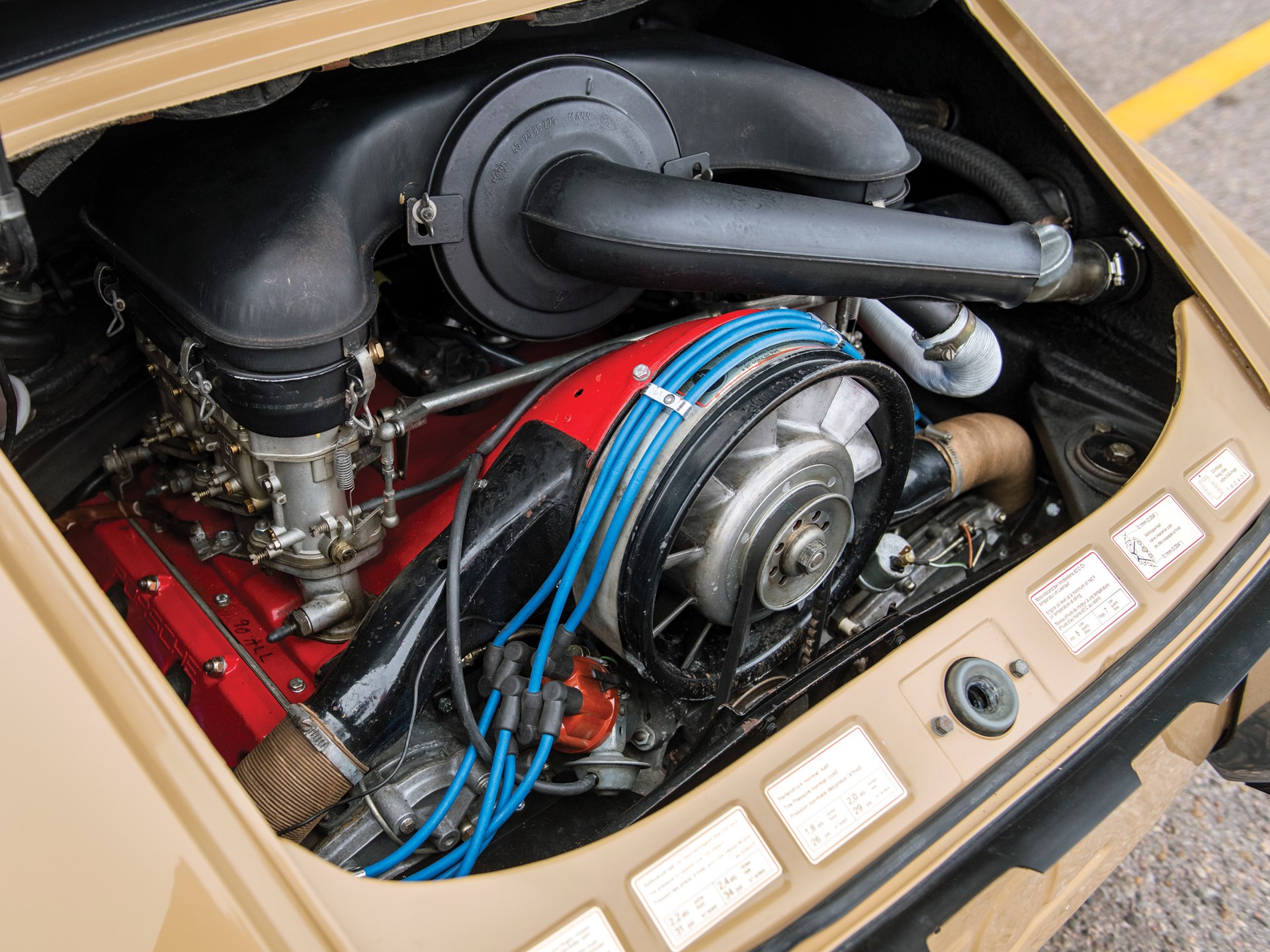
At 77,000 used, it’s been driven aplenty. RM Sotheby’s says it’s “believed original,” so bid at your own risk. Still, it comes with the original interior still preserved. That means pristine factory black leatherette seats, door panels, armrests, dash, mats, and mostly original carpeting. You’ll also find a rare rear seat delete compartment, a Blaupunkt radio, steering wheel, trim, and accessories. The convertible rear window and Targa top are both original, as well. The tonneau boot, meanwhile, is completely new.

The car finished its full disassembly and repaint recently, by the way. And it comes in its rare factory shade of Sand Beige code no. 6807. The newly rebuilt engine features less than 500 miles, so there’s plenty of rubber to burn. We get it: it does feel like we’ve seen all the Porsche 911s in the world. The quantity does lessen the notability of the base car. But make no mistake — this one’s as rare as they get.

GET IT HERE

Photos courtesy of RM Sotheby’s

Watch Porsche’s Most Iconic Racecars at the 77th Goodwood Members Meeting

You Might Not See This Again

Porsche is really going all out celebrating the 50th anniversary of the 917. The company released the modern concept car, has an exhibit in Stuttgart, and now has showcased several versions of the car at the 77th Goodwood Members Meeting. 

The company wanted to celebrate the 917’s prowess as a racecar, and showcase all of its victories of the 24 Hours of Le Mans, of which, the company has 19.

The showing at the 77th Goodwood Members Meeting showcased the original 917 as well as four other versions. At the Member’s Meeting, it was driven by none other than Richard Atwood who piloted the 917 to a victory at Le Mans, which was Porsches’ first. That victory started Porsche’s strong performances at the race. It also helped save the company from obscurity and bankruptcy at the time.

The video below shows some of the action at the Goodwood Meeting. That car’s more or less cruise around. It’s nice to see them out on the track moving. There are so many good shots of these iconic cars. It makes you imagine just what they must have been like in their time. Porsche at the moment has no plans to create a production car out of the modern 917 concept mentioned above, but we sure wish the company would.

[embedded content]

Watch This Week In Gear, Episode One: We Review the All-New Porsche 911, Apple Airpods & More

Welcome to the premiere episode of Gear Patrol’s first video series: This Week In Gear, the ultimate news show for gear enthusiasts.

As the definitive executive briefing on what’s new in product culture, every week we’ll be talking shop about the latest and best gear, from outdoor & fitness, automotive and tech to home, style, grooming and watches. Hosted by Editor-in-Chief Eric Yang, every episode will feature insights from Gear Patrol staff experts as well as field tests, interviews, buying advice and beyond.

In this episode of This Week In Gear: Nick Caruso gives a rundown of the all-new 2020 Porsche 911 Carrera S; Tanner Bowden introduces The James Brand Ellis multitool; Jacob Sotak explains just how hugely advanced the Orvis H3 fly rod is; and Tucker Bowe describes what’s new in Apple’s second-generation AirPods. Also in this episode, a lightning-round Q&A with Staff Writer Meg Lappe.

This episode of This Week In Gear is presented by Crown & Caliber: the convenient online marketplace for pre-owned luxury watches. Visit crownandcaliber.com/gearpatrol to get $175 towards any watch purchase until May 31st.

Featured Products

2020 Porsche 911 Carrera S

Porsche’s all-new 911 is, as expected, a tremendous performer.

|

The James Brand ‘The Ellis’

The brand’s first multi-tool is a gorgeous shot across the Swiss Army Knife’s bow.

|

Orvis Helios 3D 8-Weight 9′ Fly Rod

“Without a doubt, the most scientifically accurate rod ever produced.”

|

Apple AirPods with Wireless Charging Case

The second-generation earbuds feature incremental tweaks, which means they’re still great.

|

Advertisement

Note: Purchasing products through our links may earn us a portion of the sale, which supports our editorial team’s mission. Learn more here.