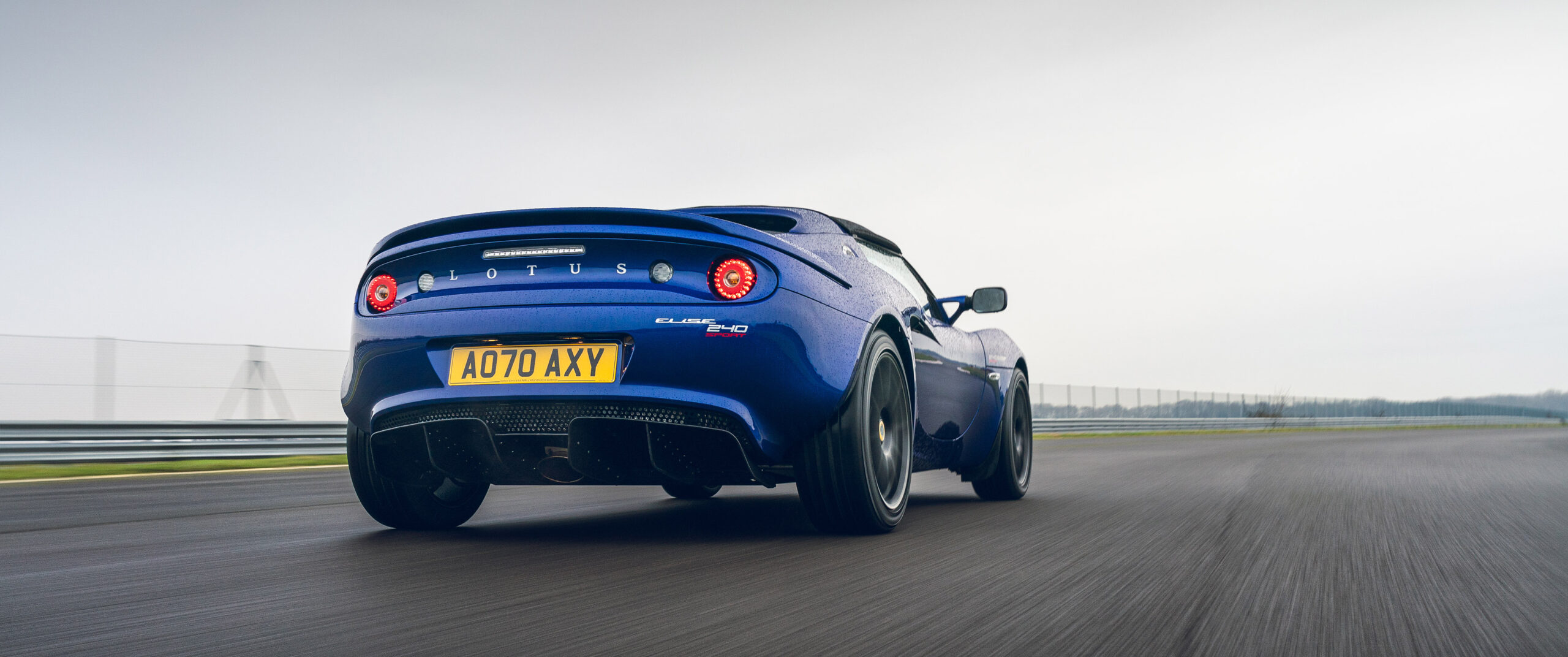
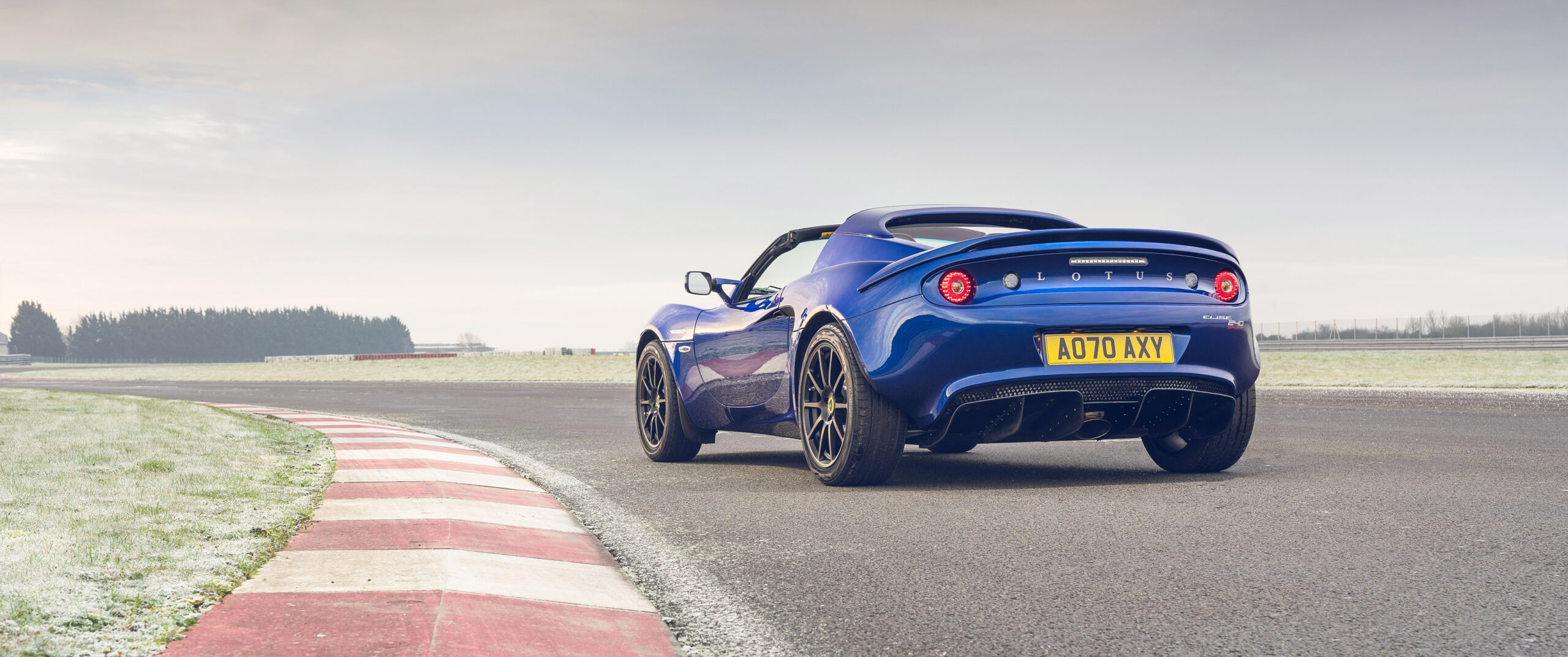
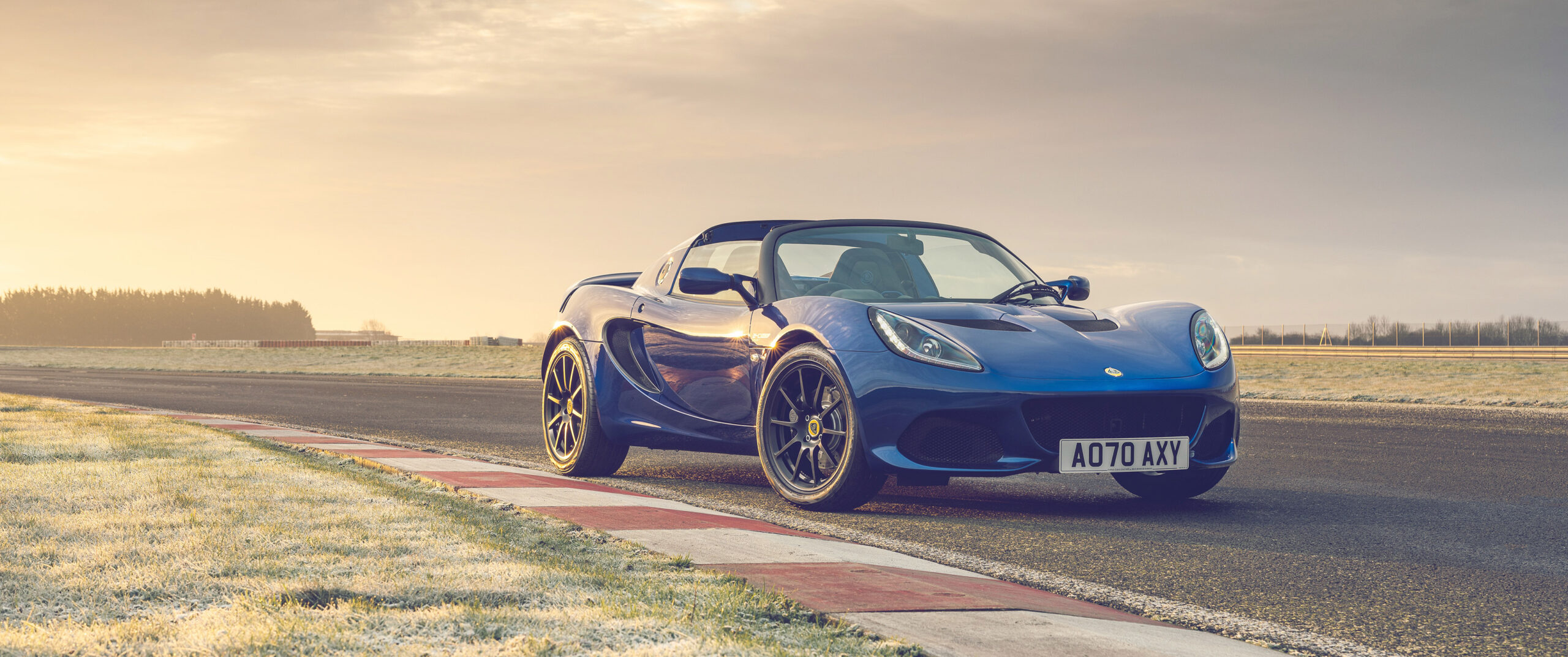
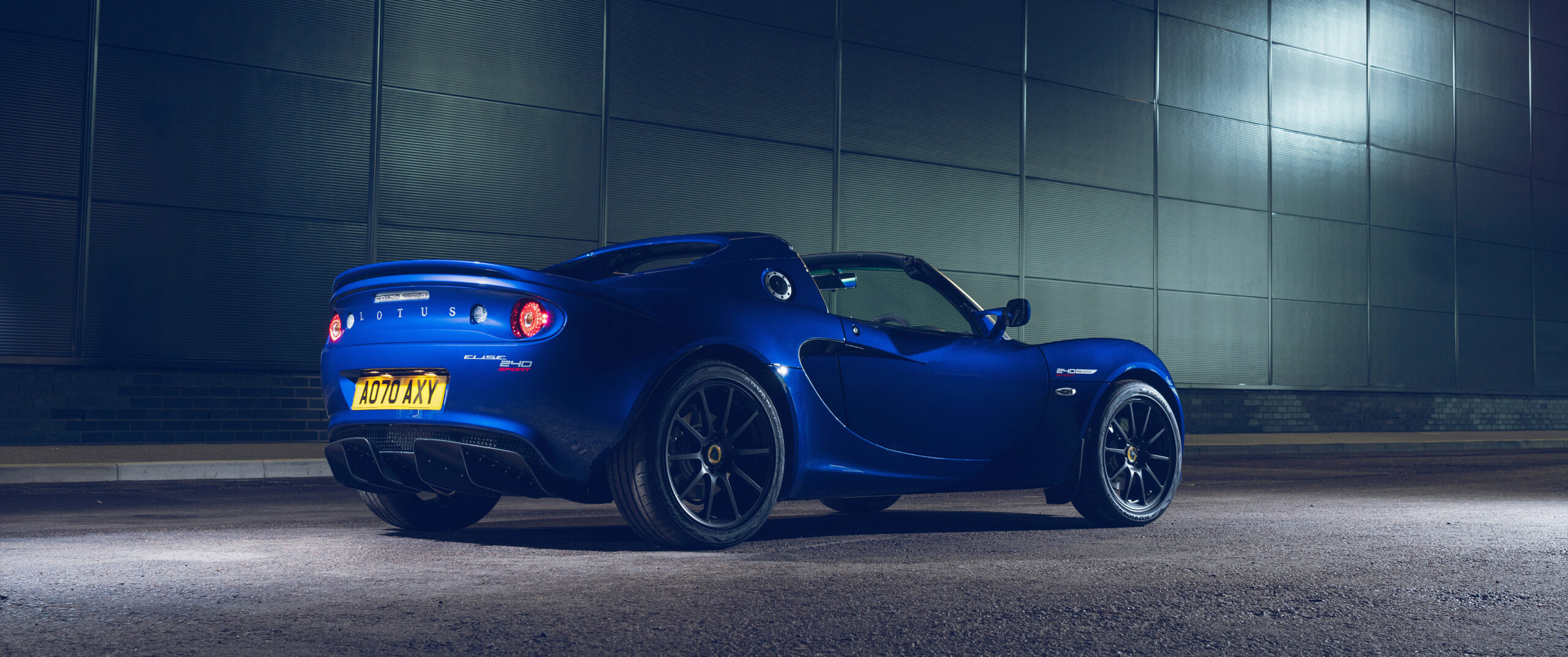
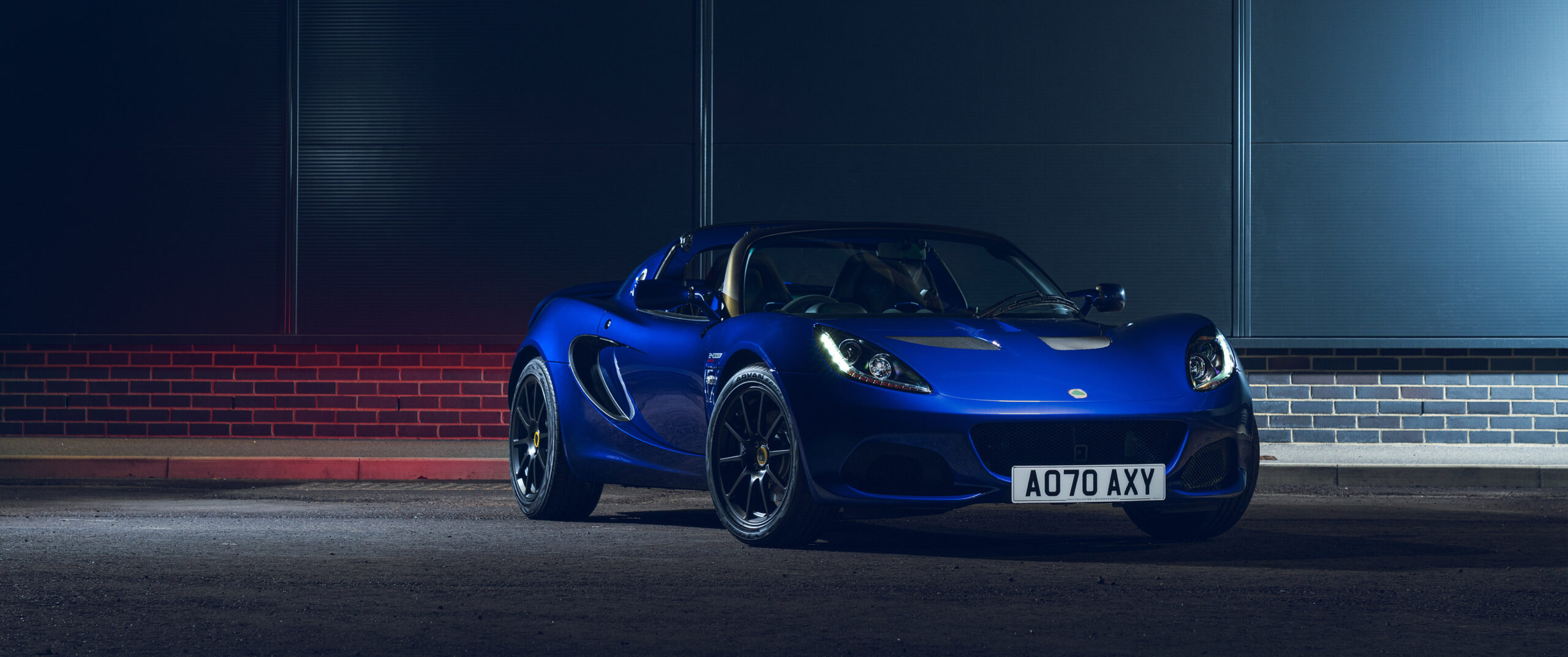
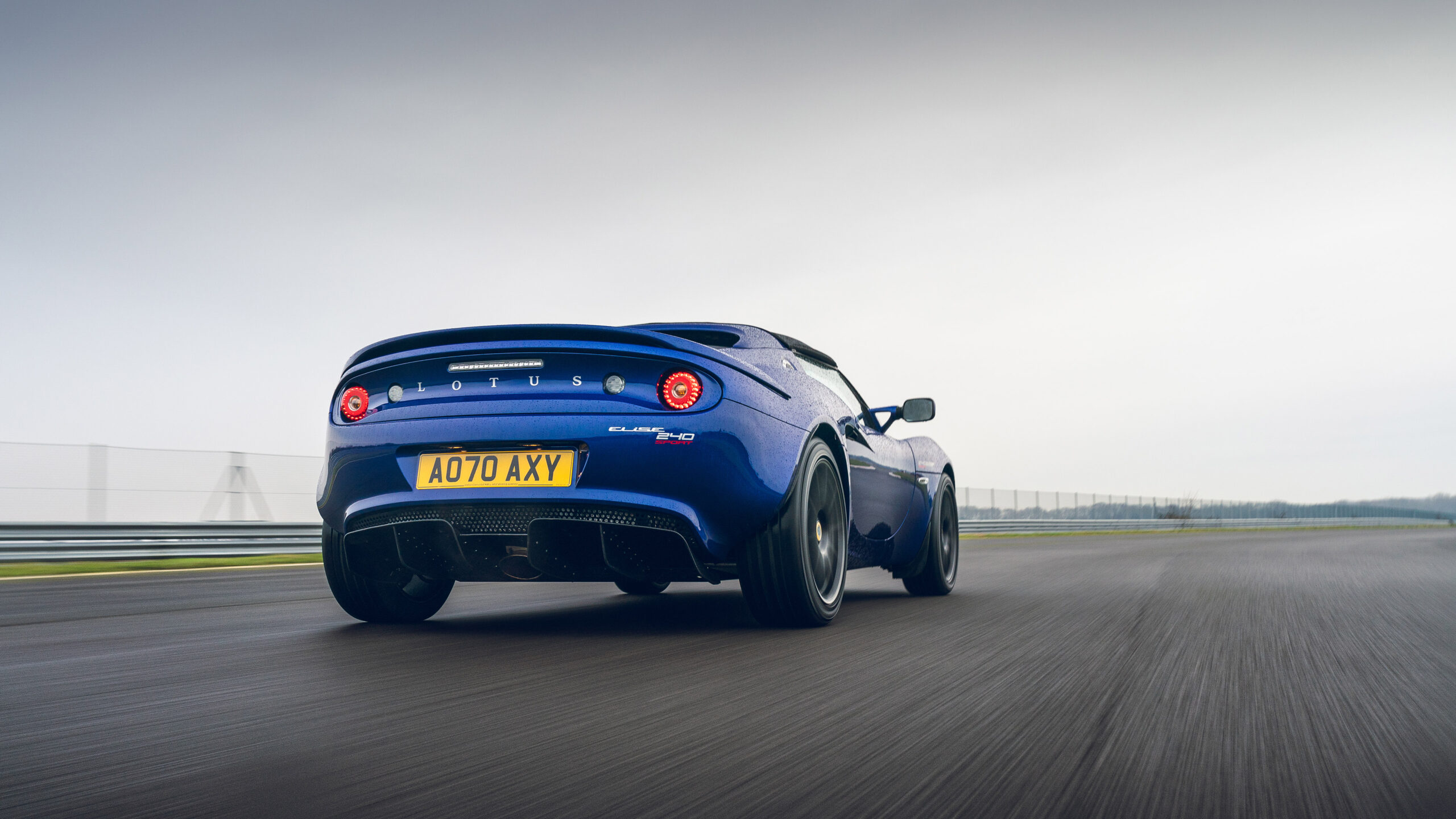
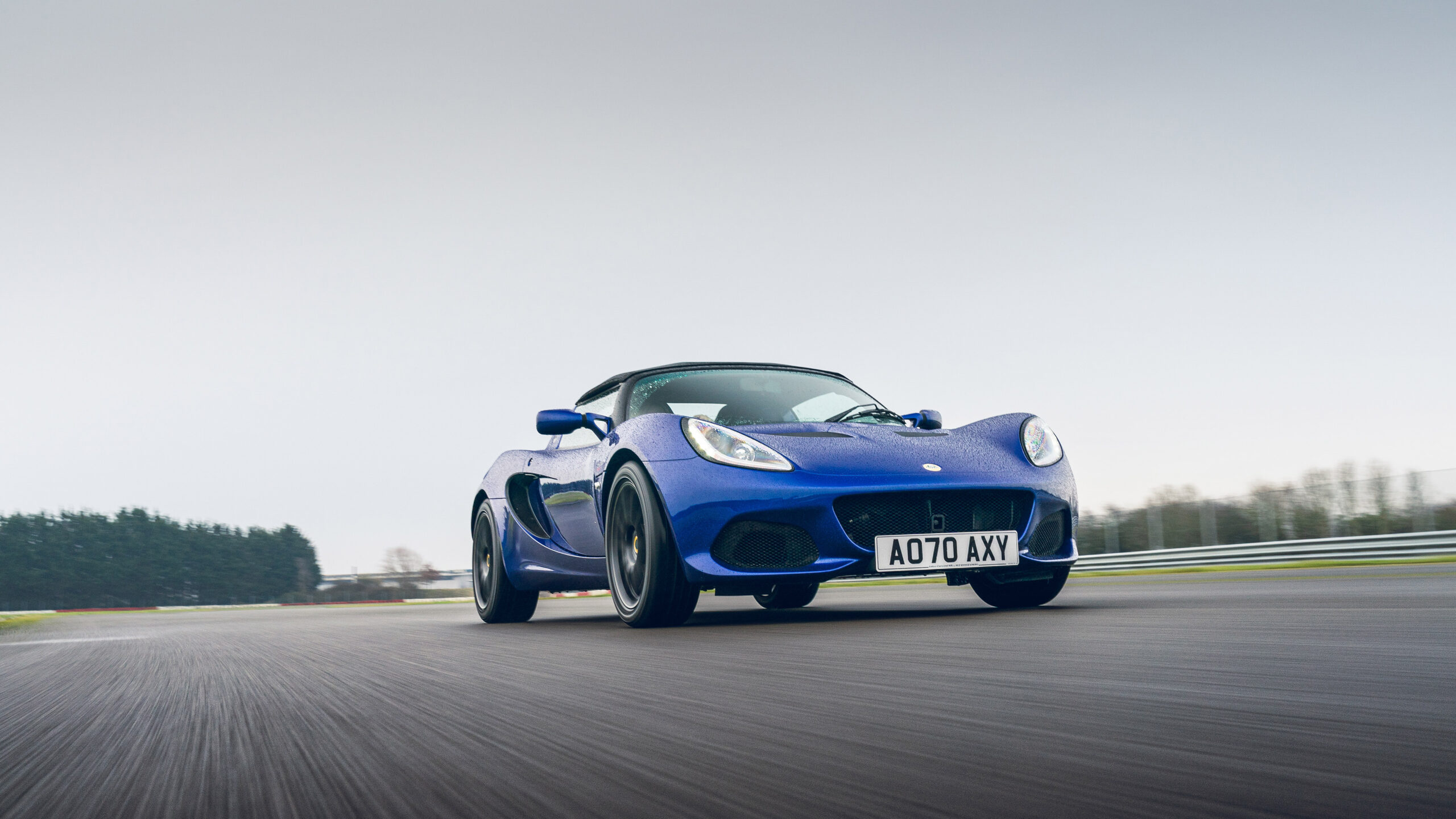
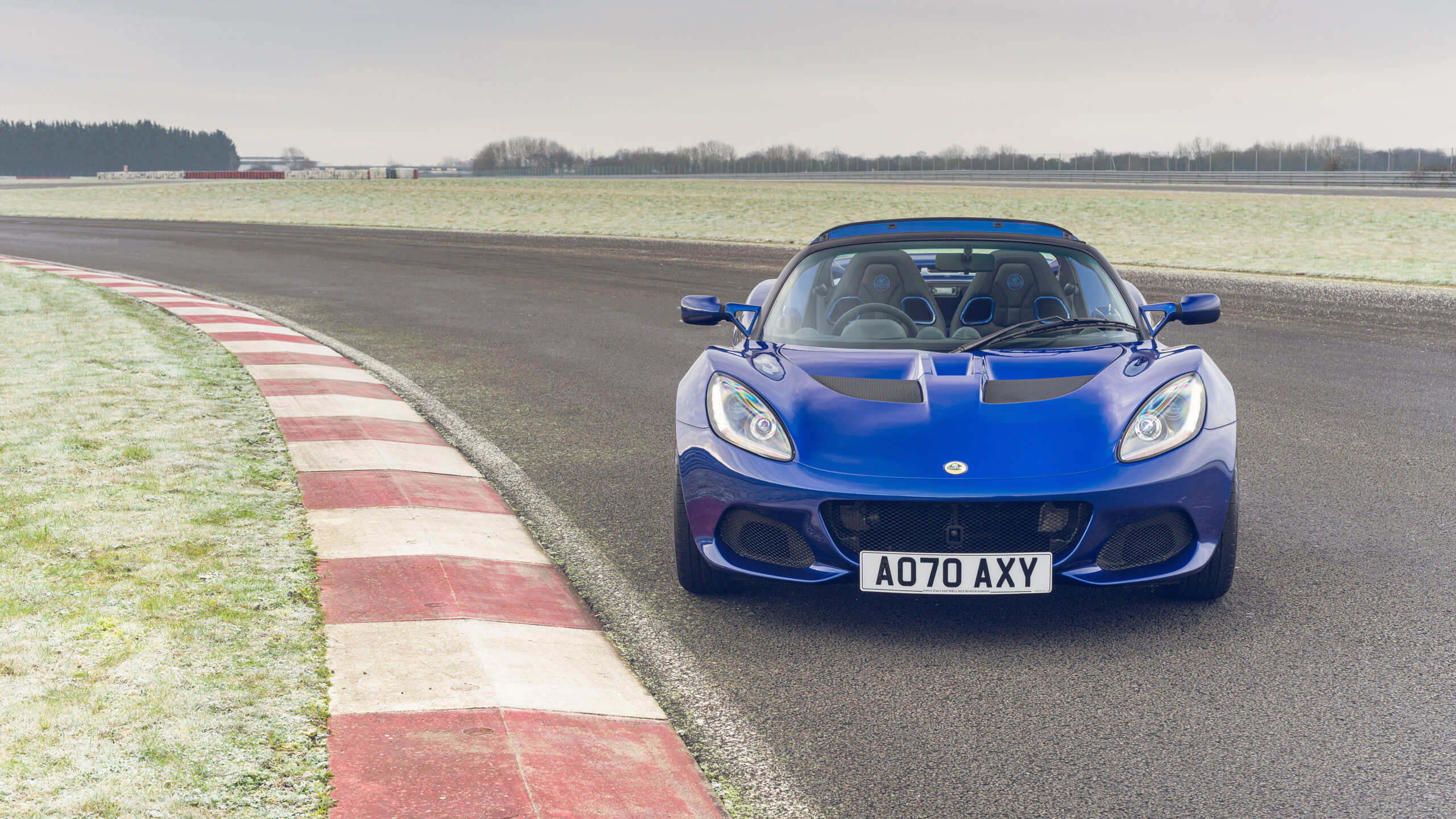
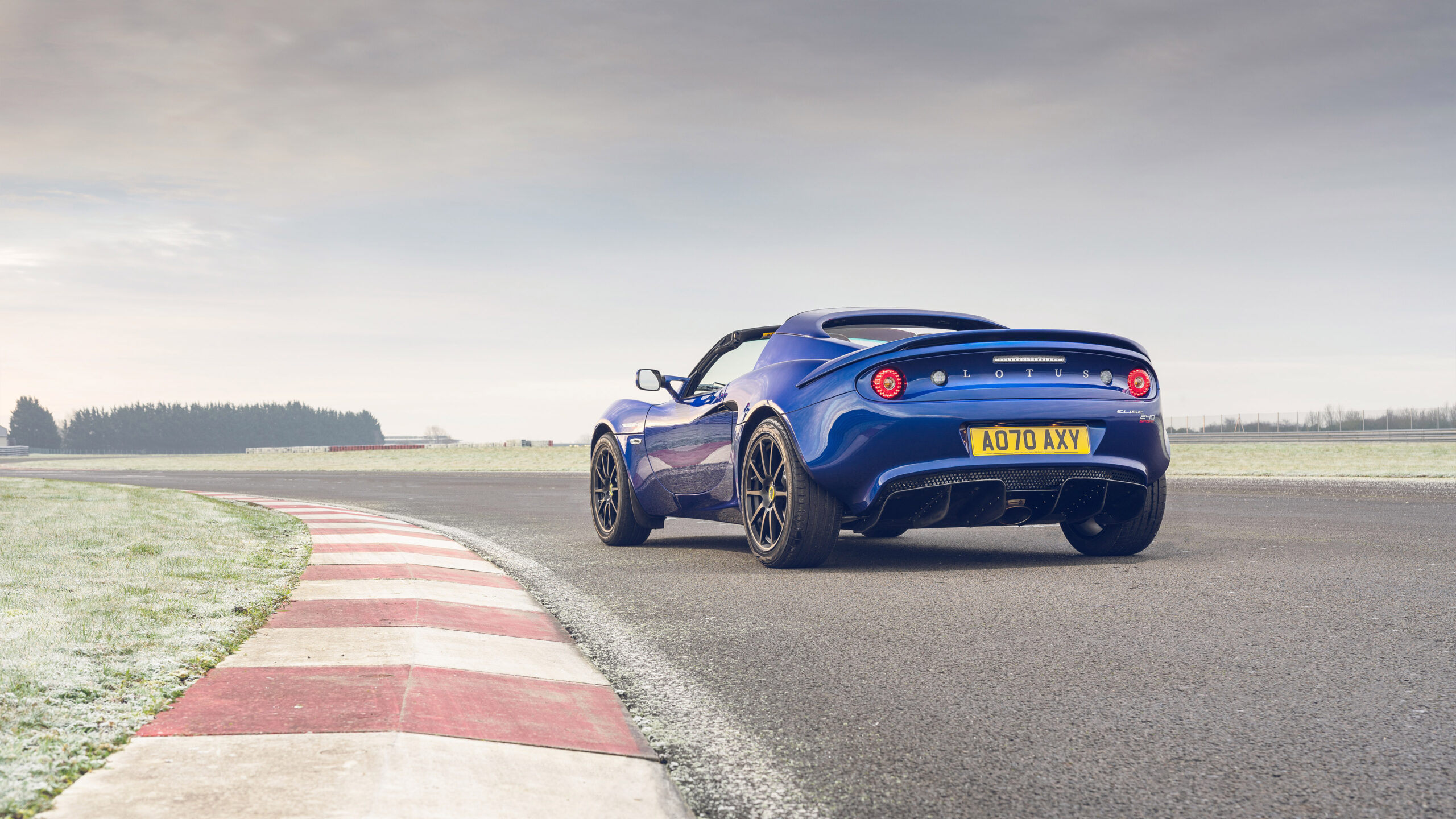
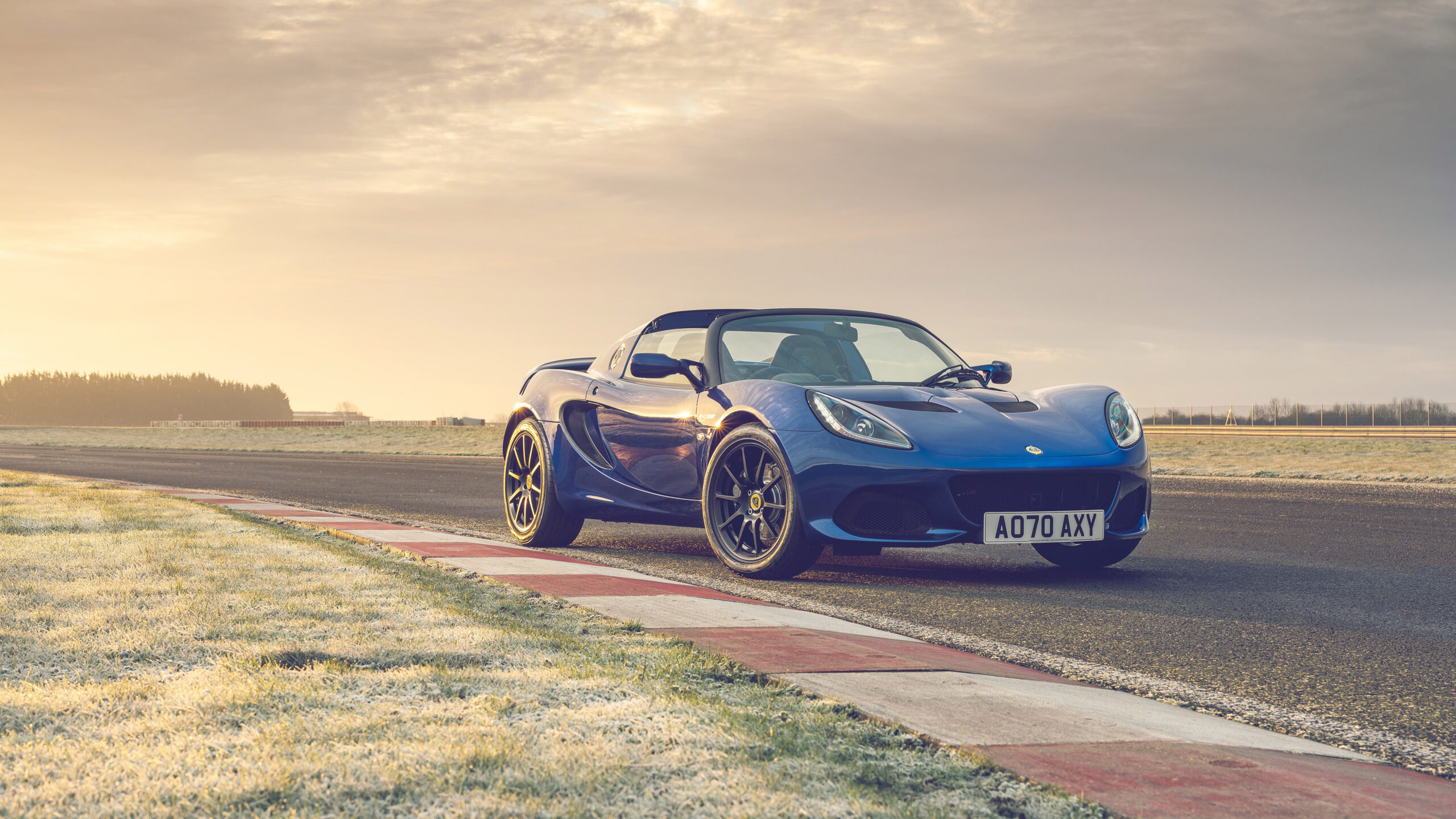
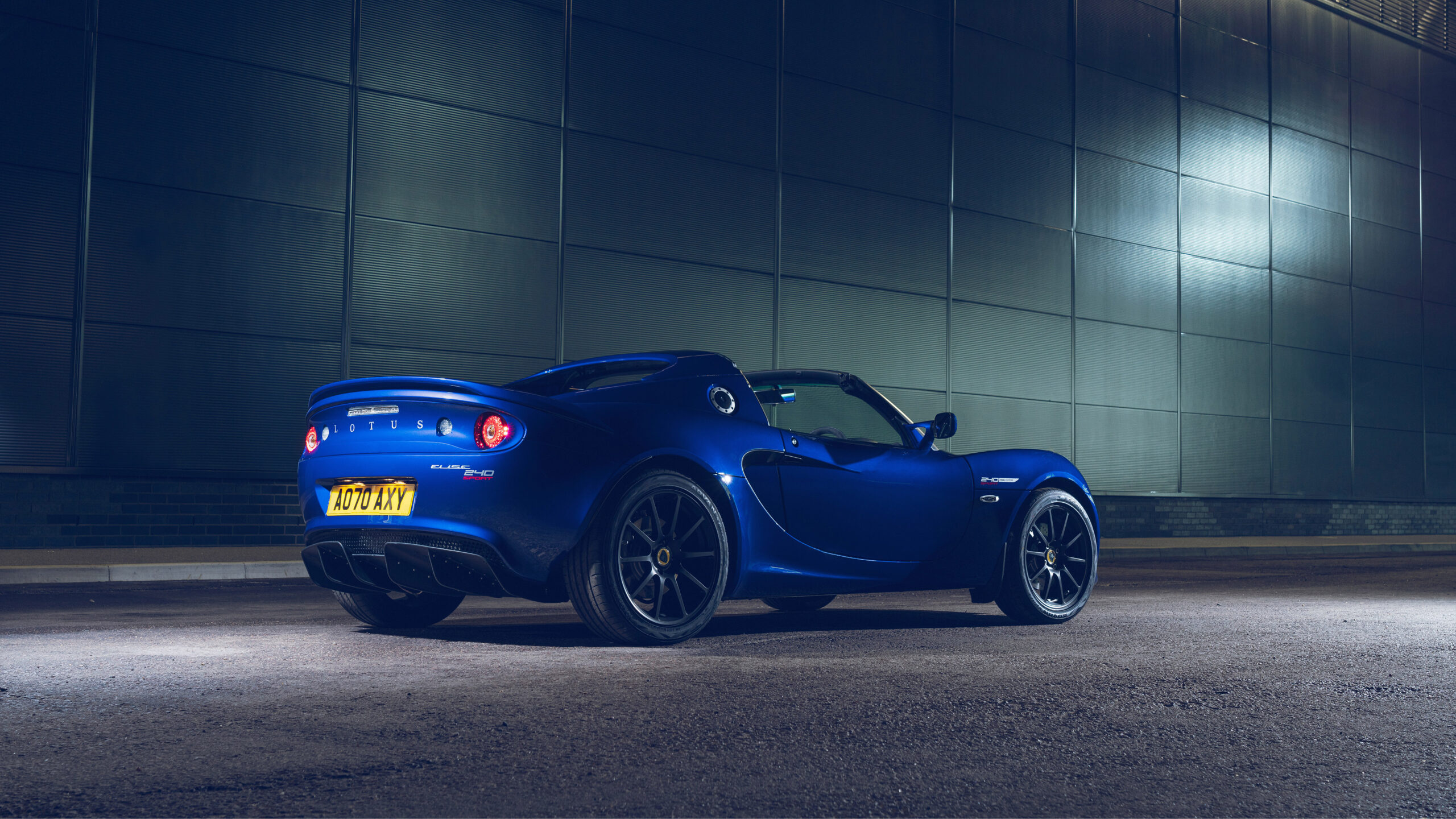
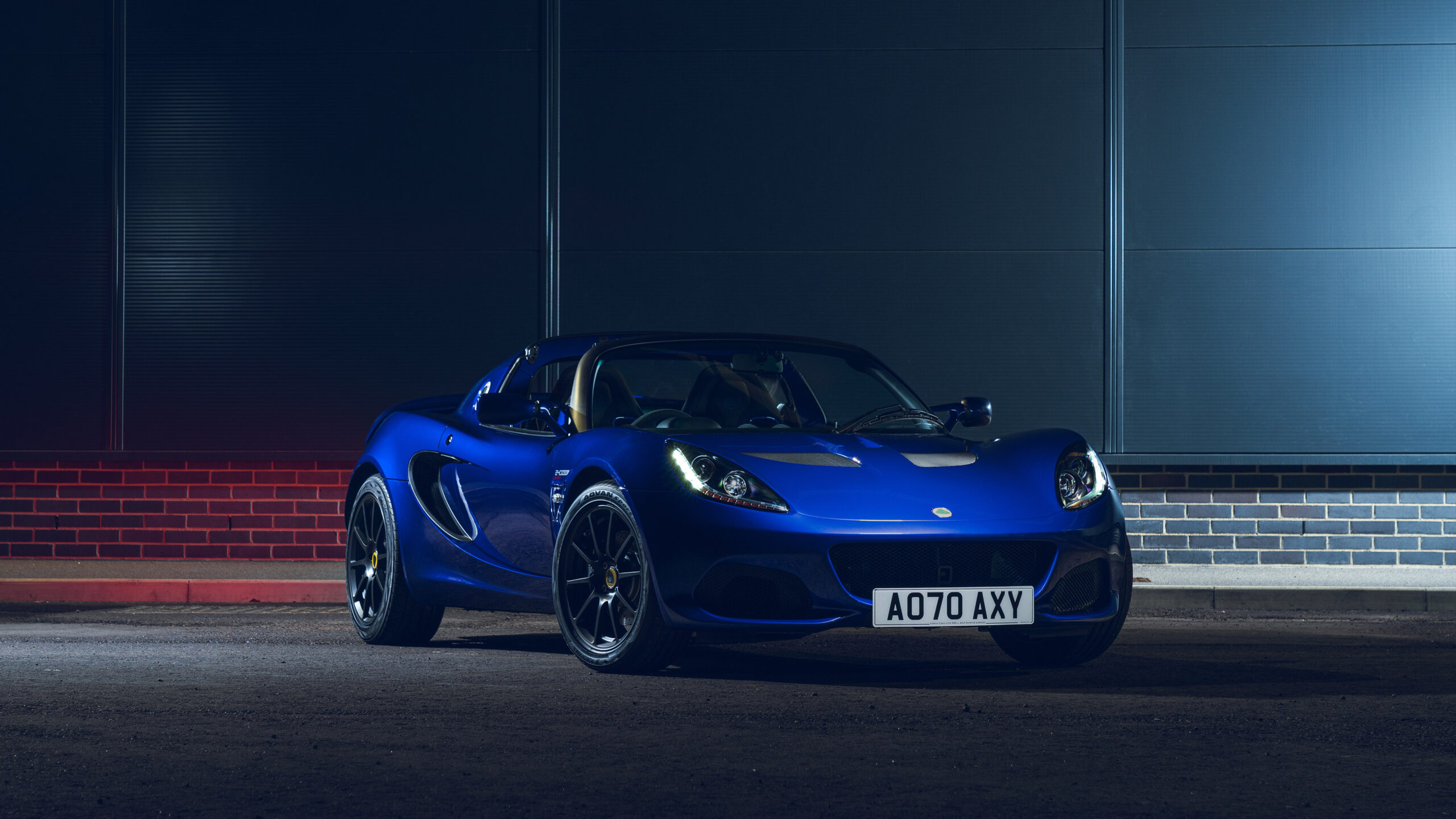
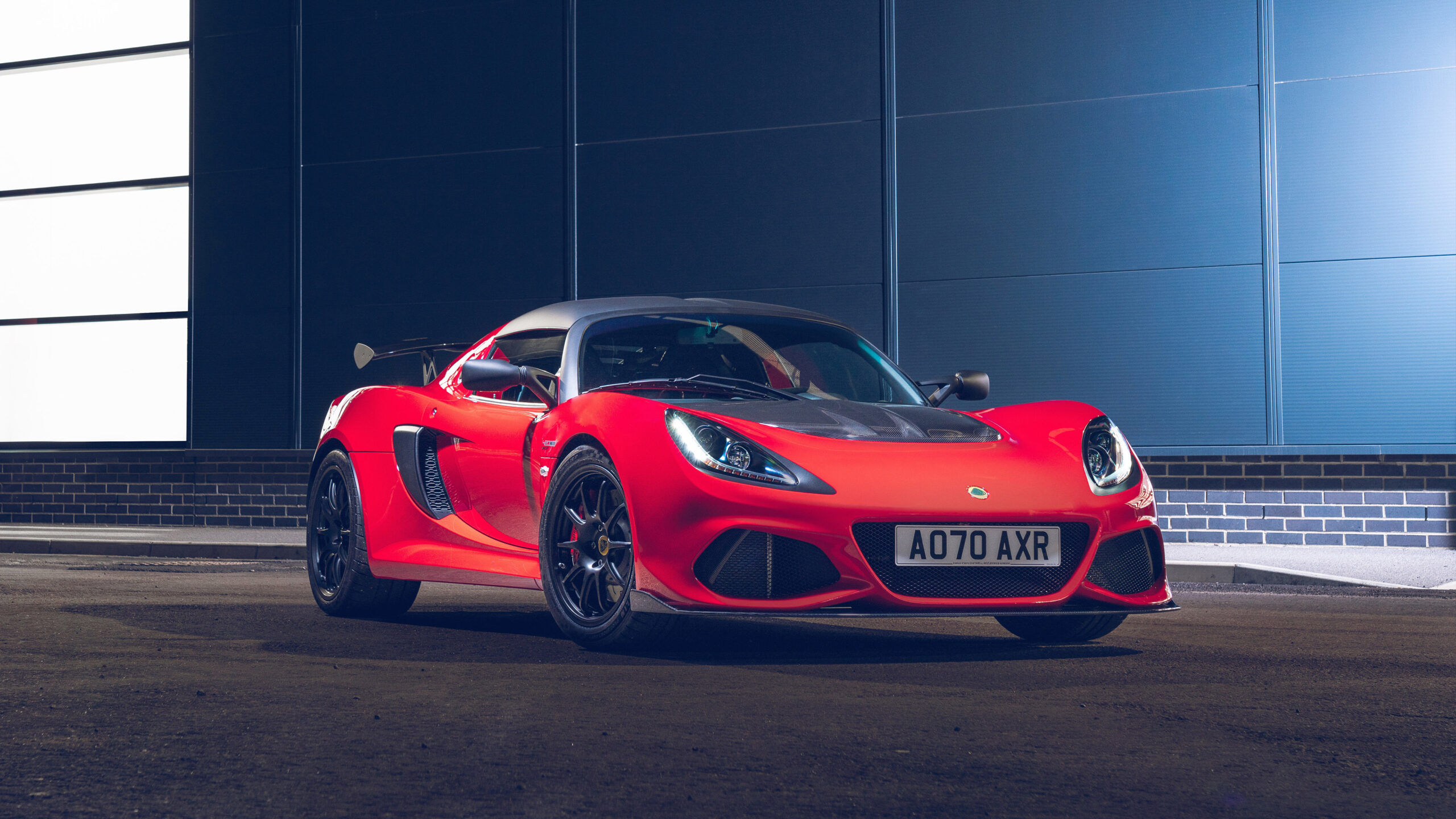
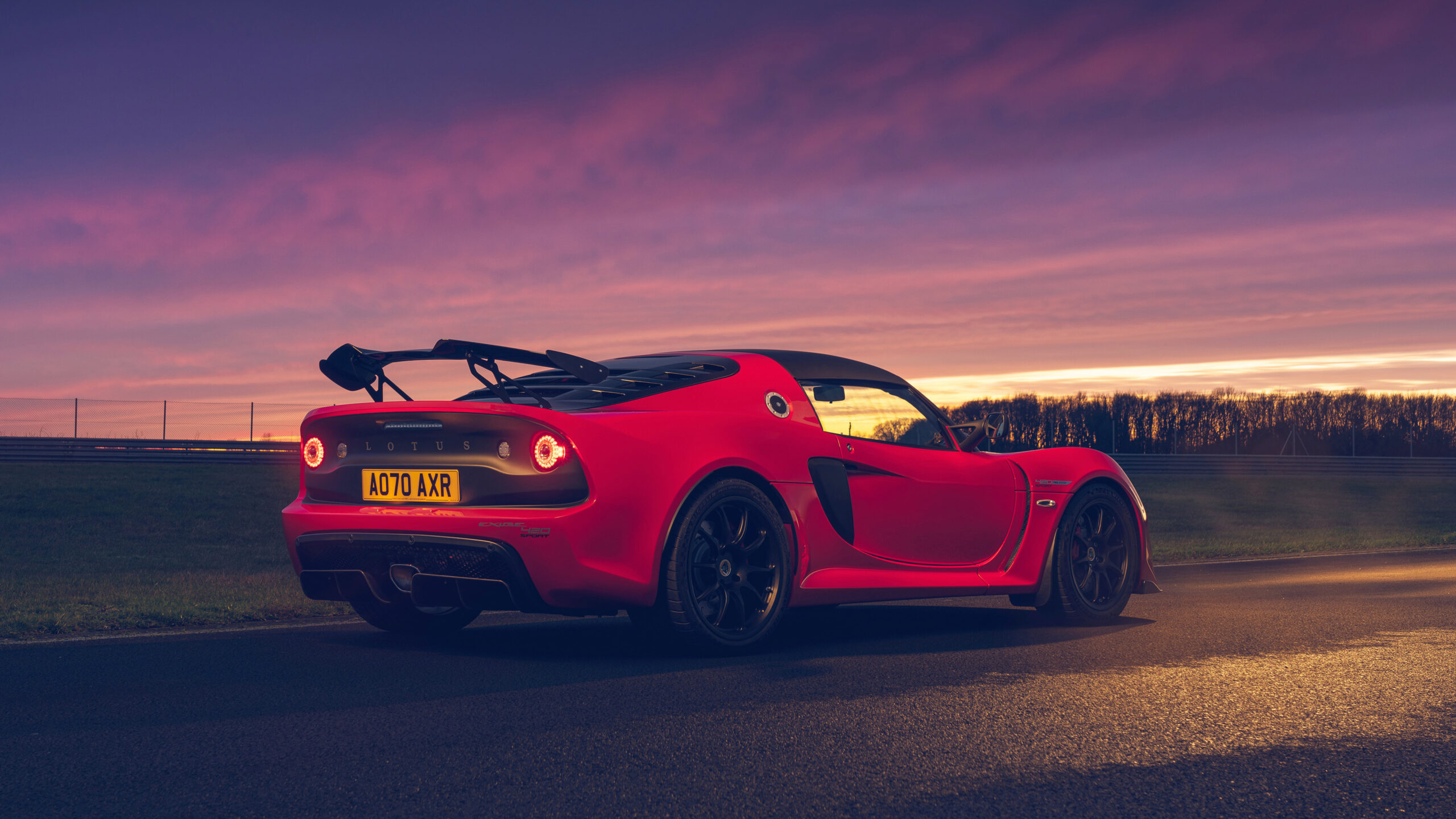
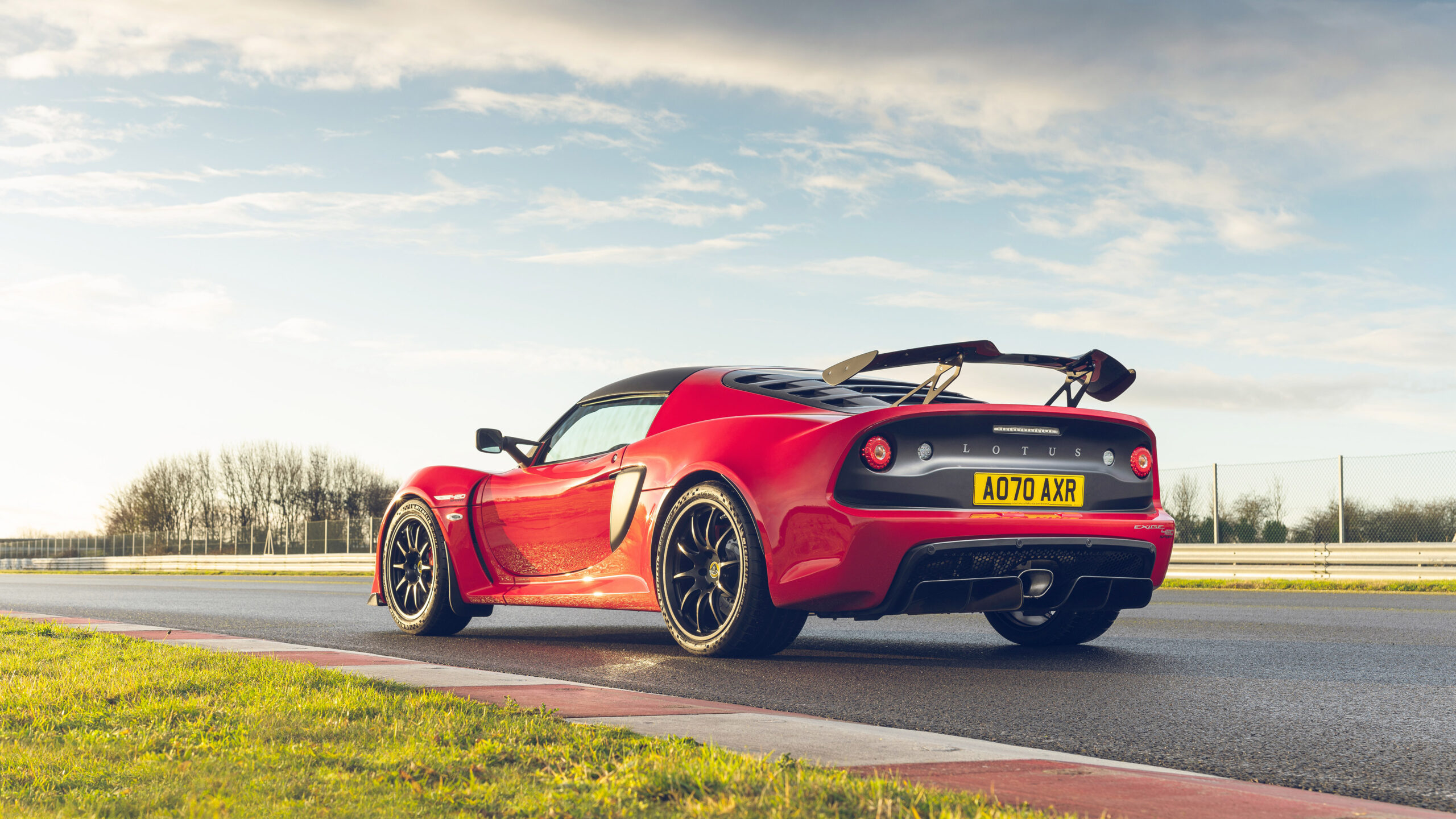
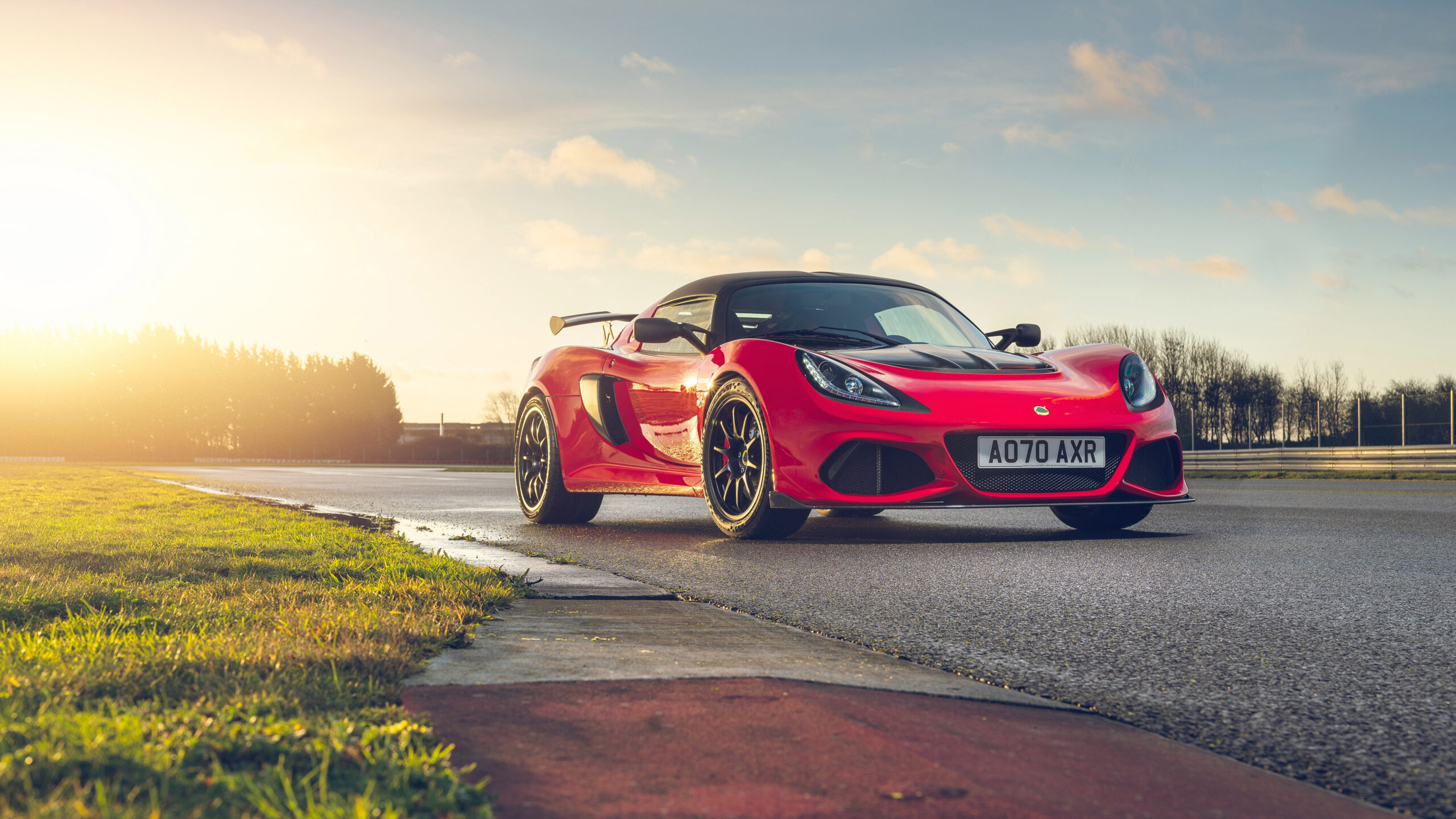
We have curated the ultimate collection of the best 2021 Lotus Elise Sport 240 Final Edition Wallpapers and HD backgrounds for you to enjoy. Our team focused on finding the top 2021 Lotus Elise Sport 240 Final Edition Wallpapers only to keep the quality high. These 2021 Lotus Elise Sport 240 Final Edition Wallpapers are free to download so go ahead. To download any of these pictures for use as a wallpaper, right click the picture and choose Save As…
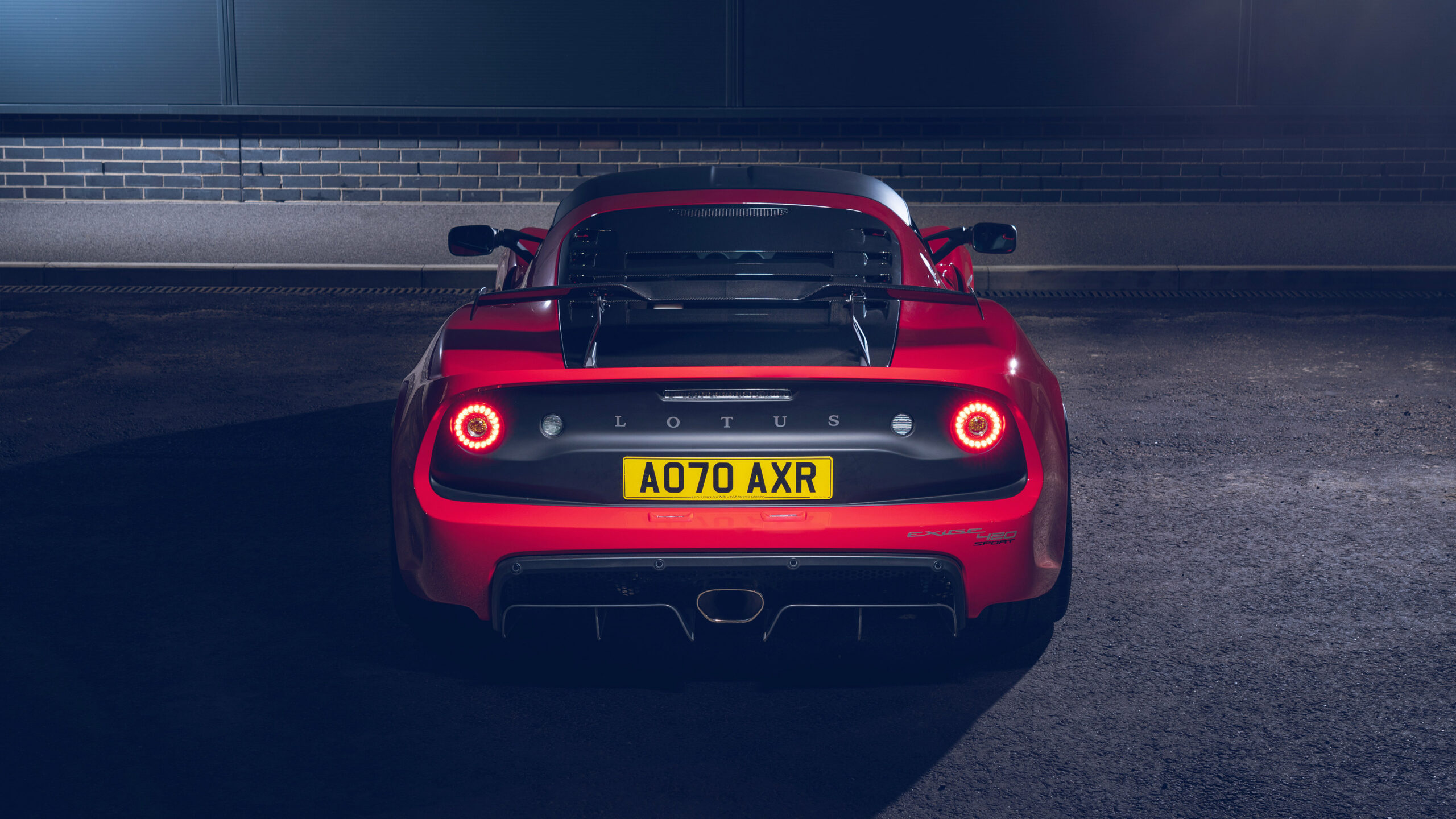
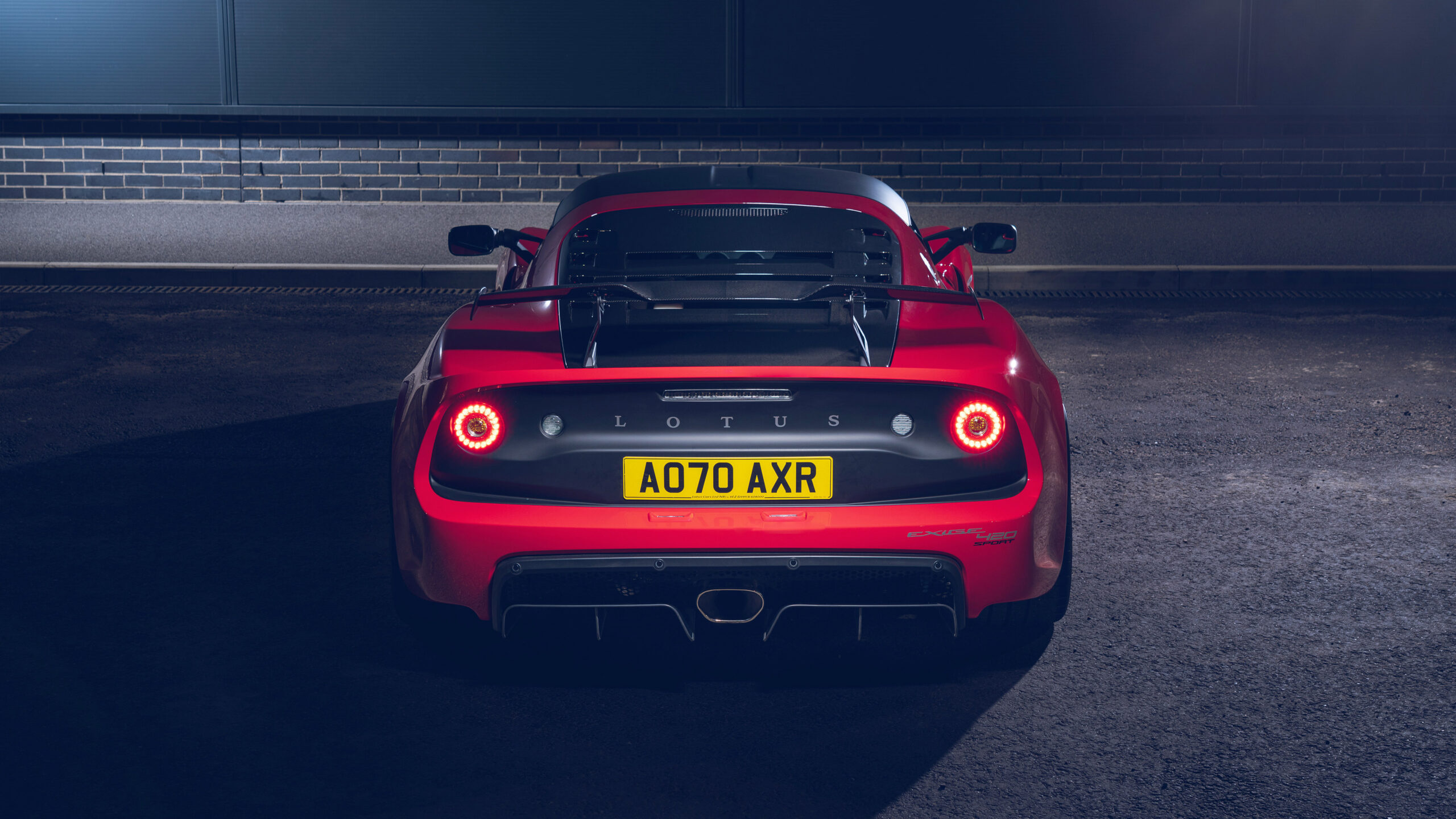
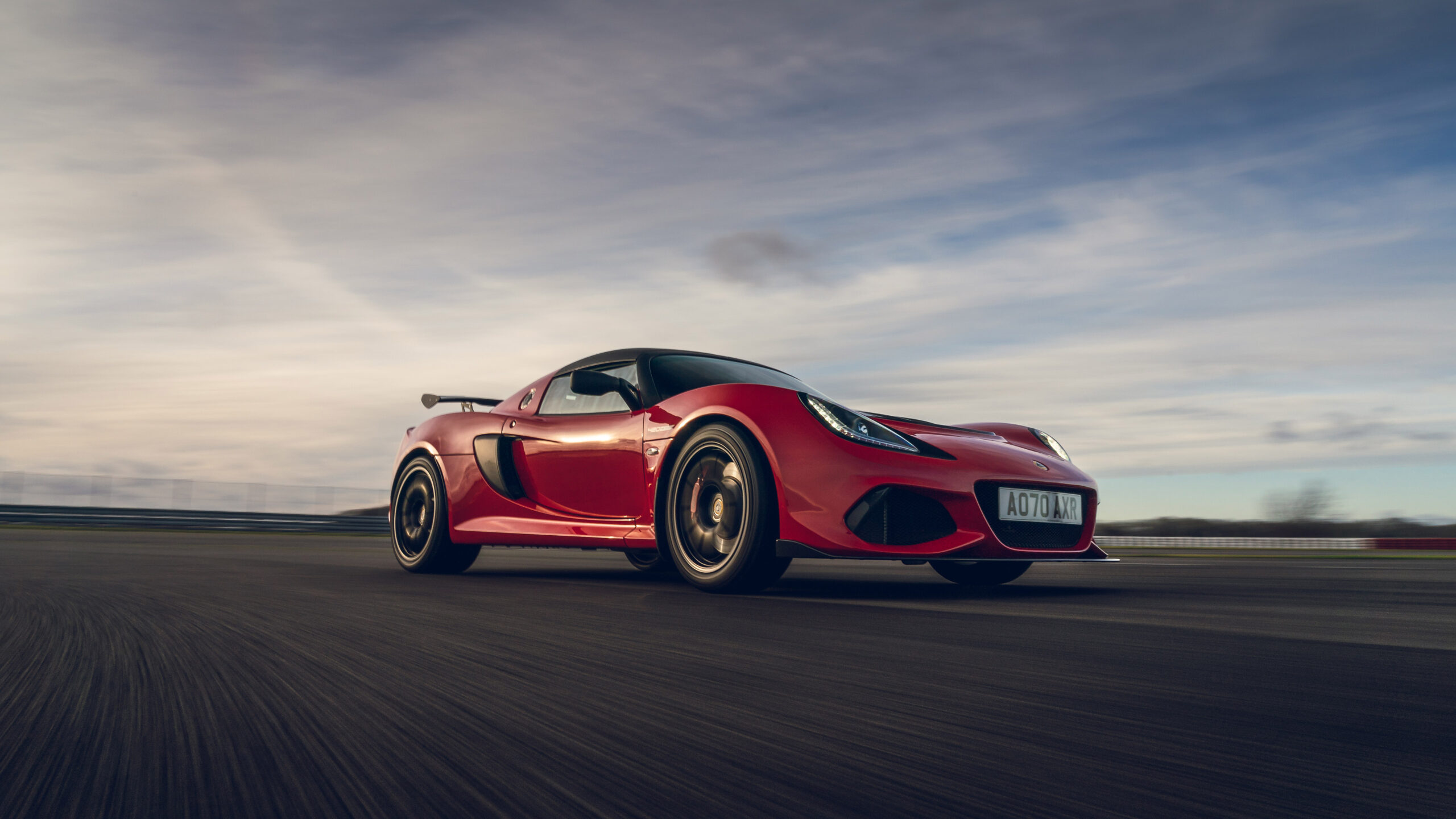
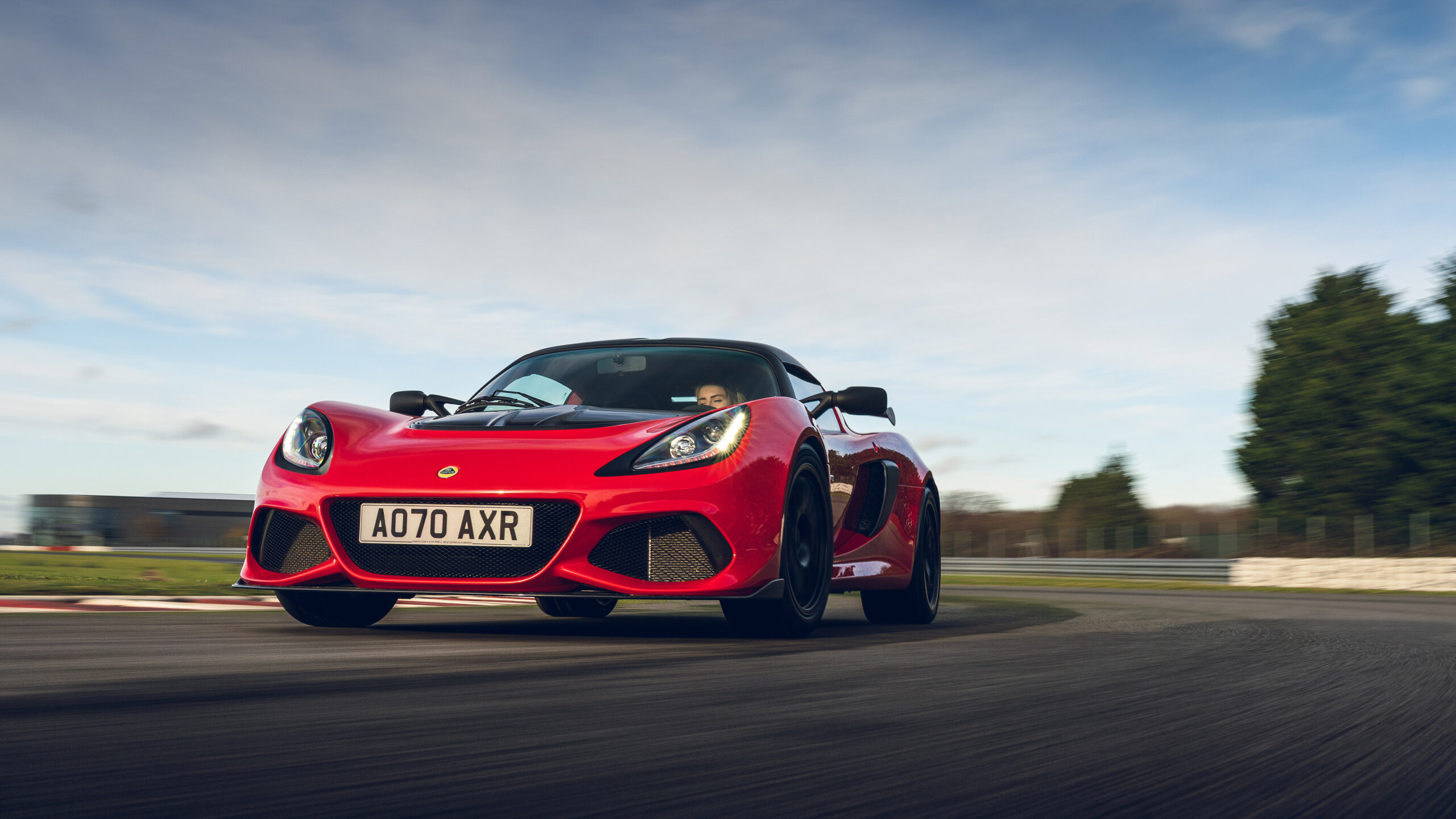
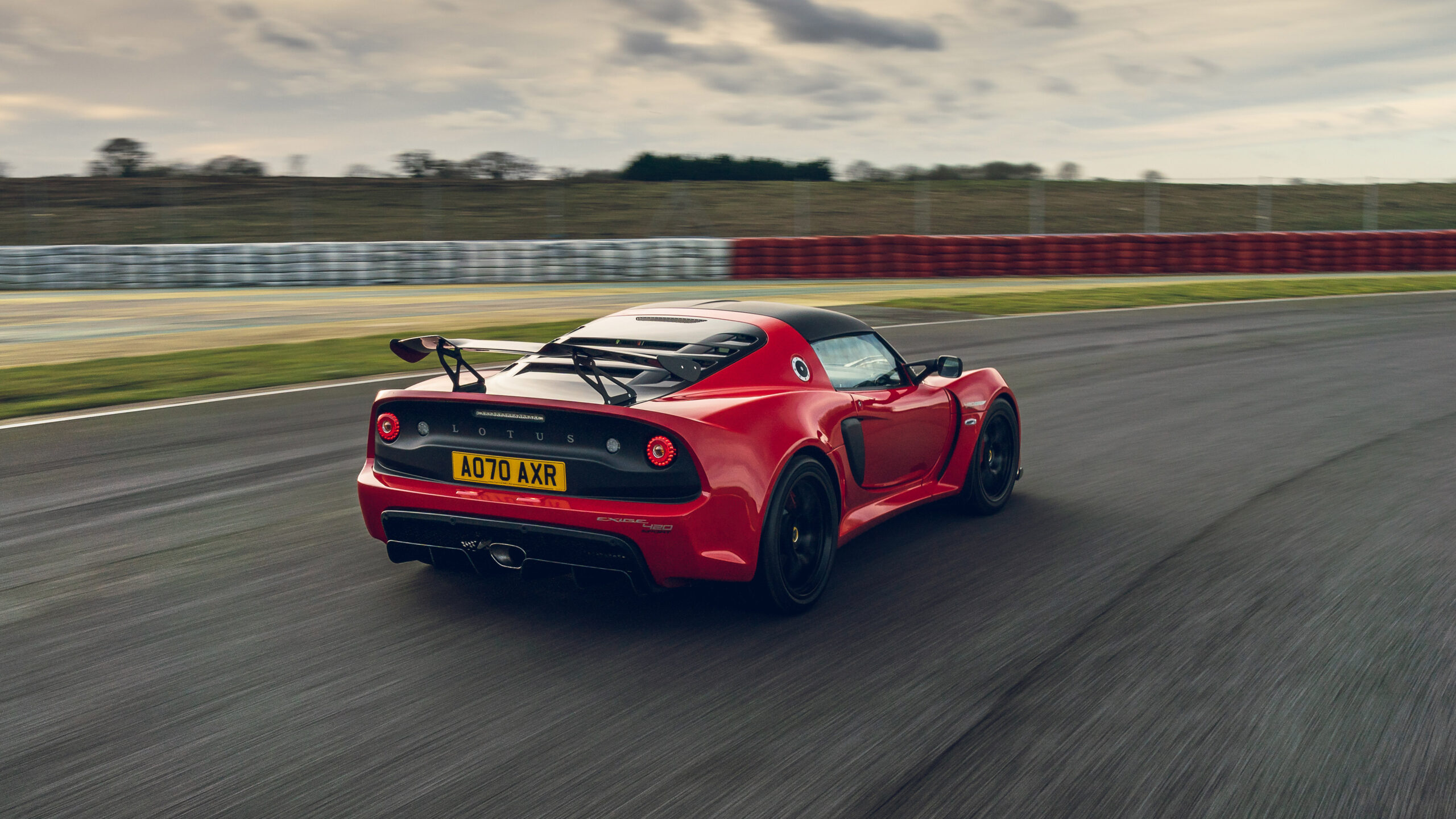
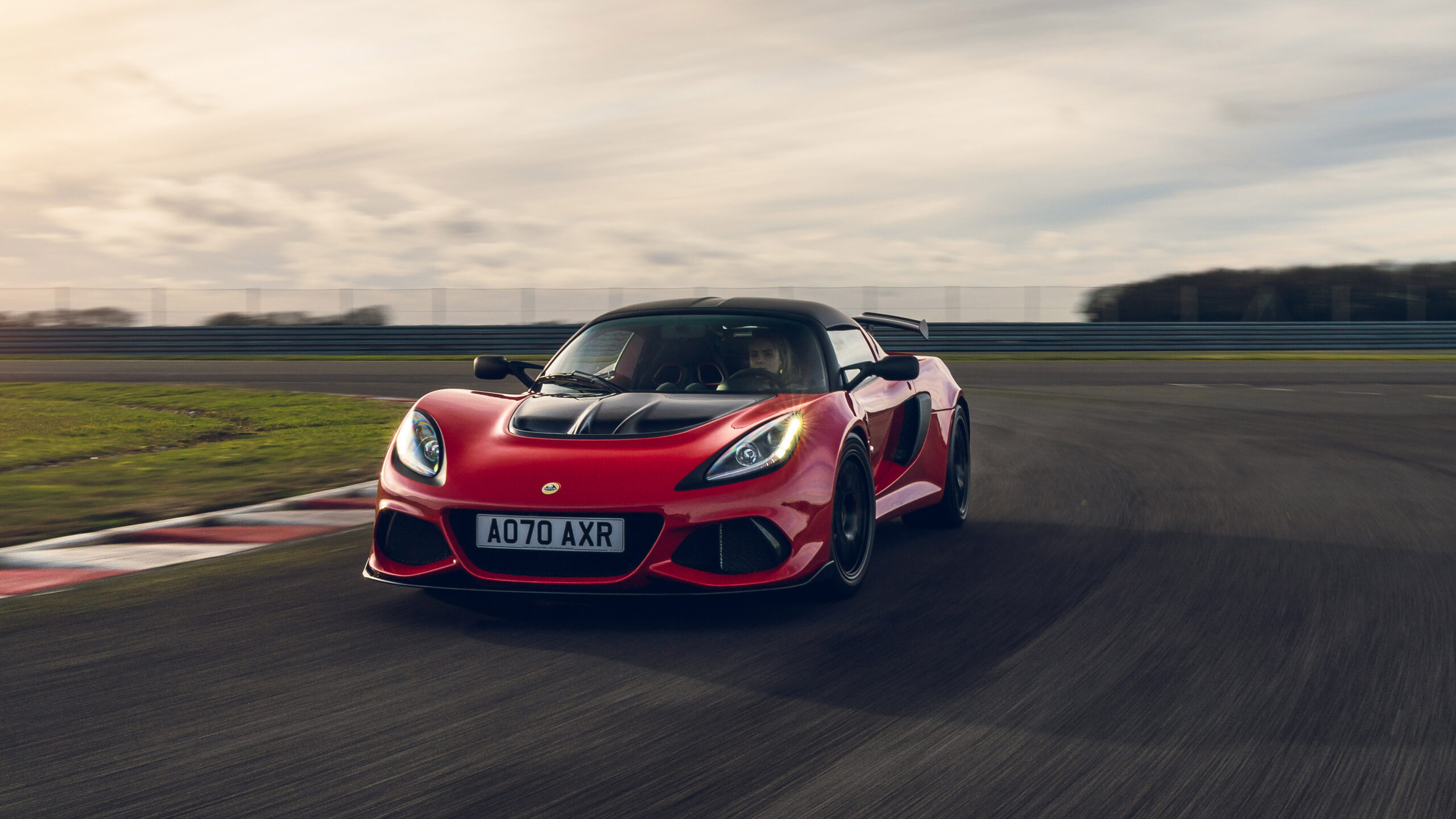
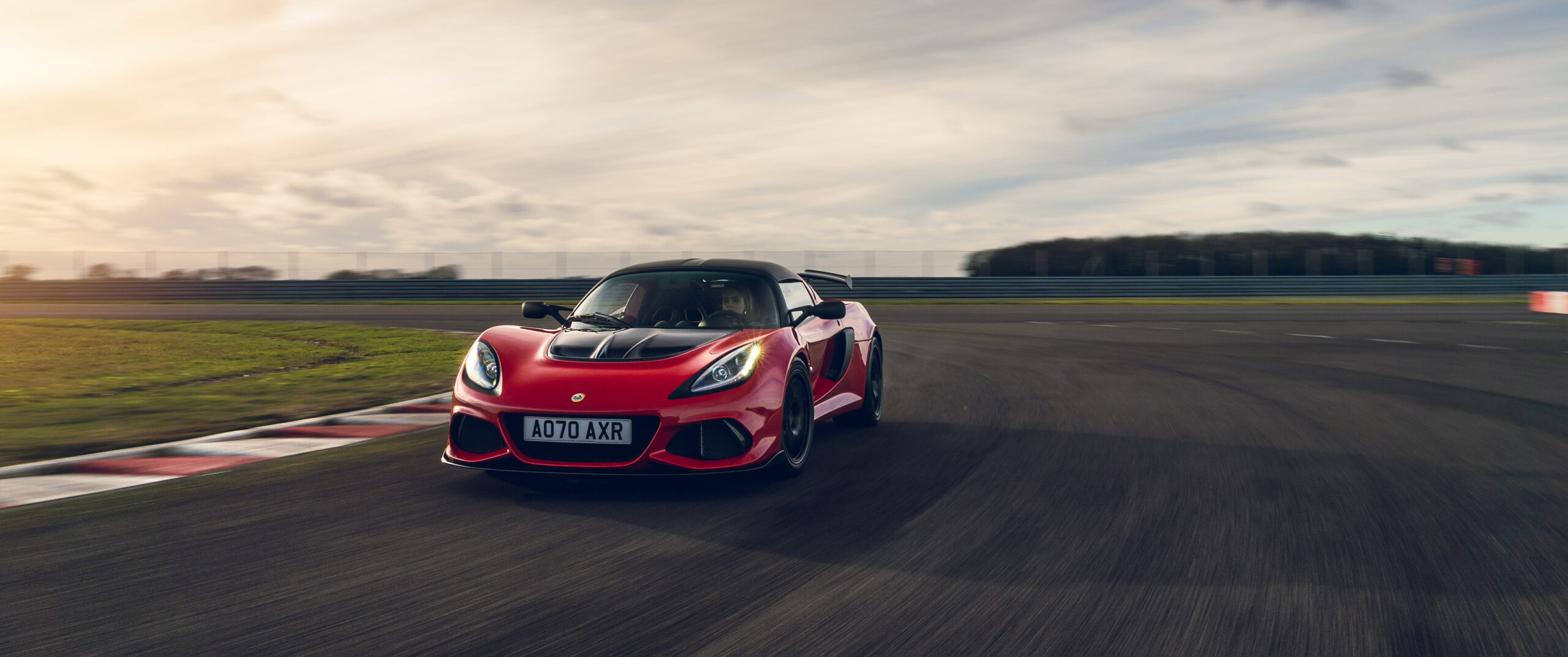
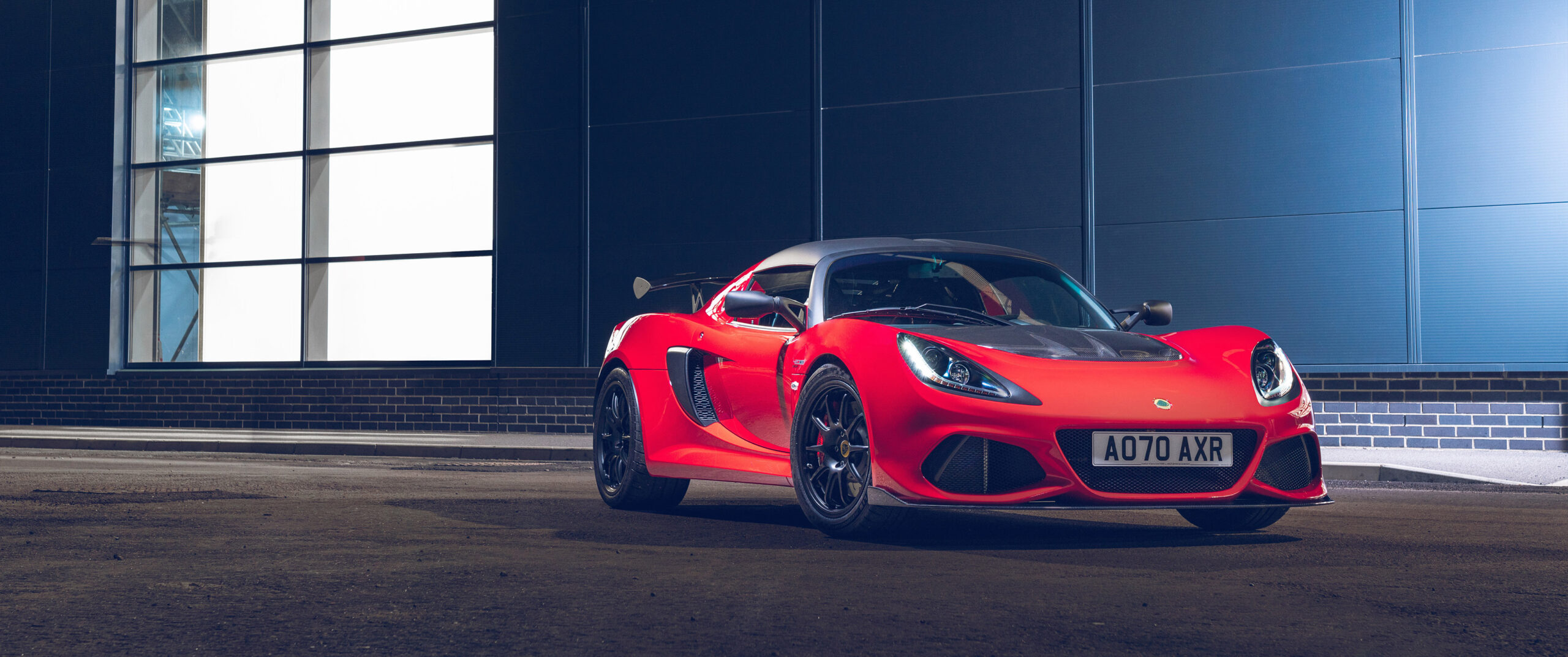
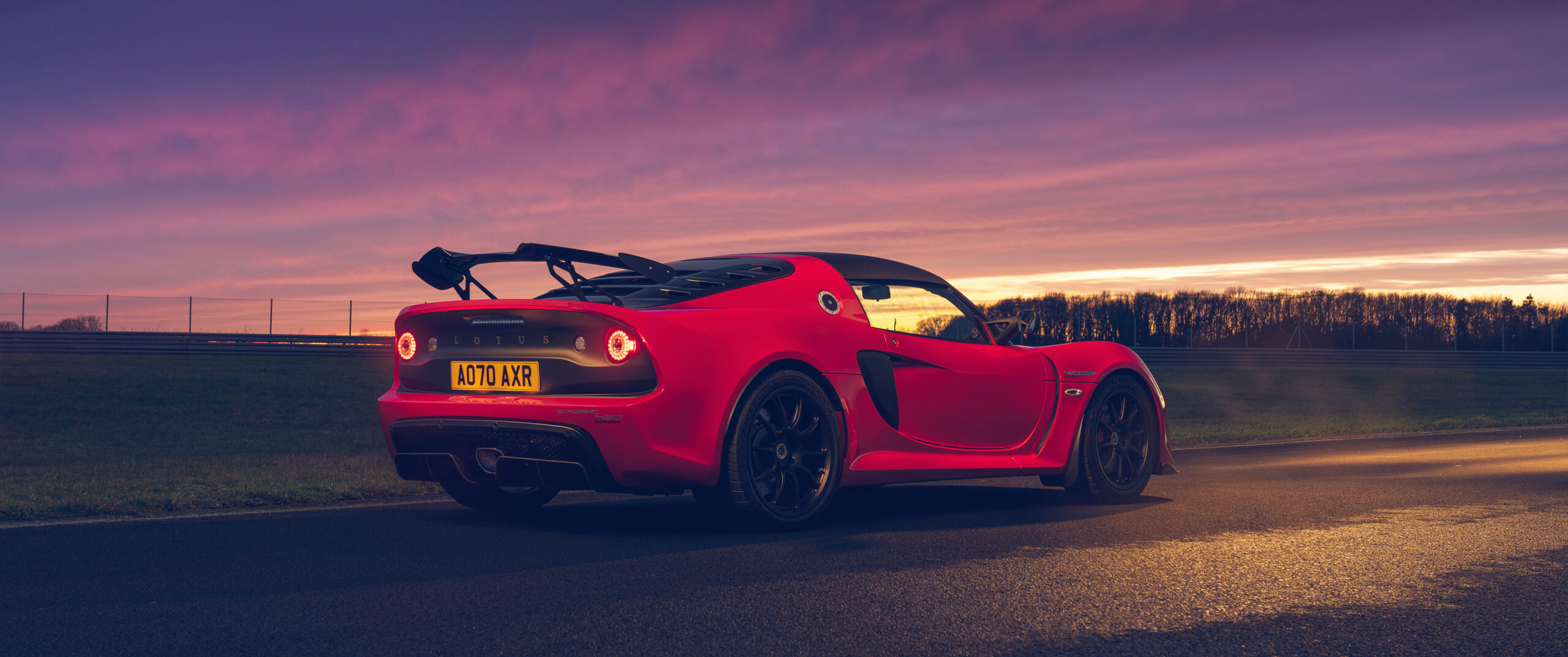
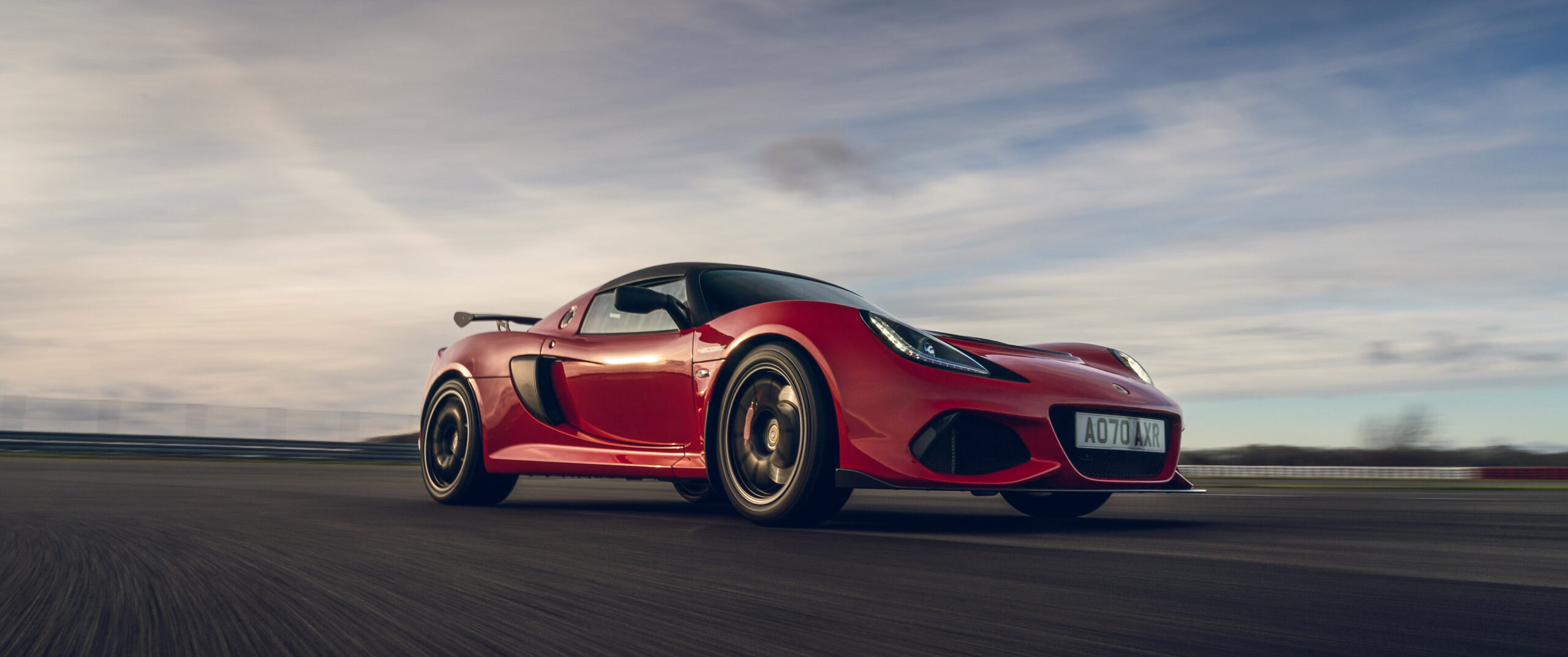
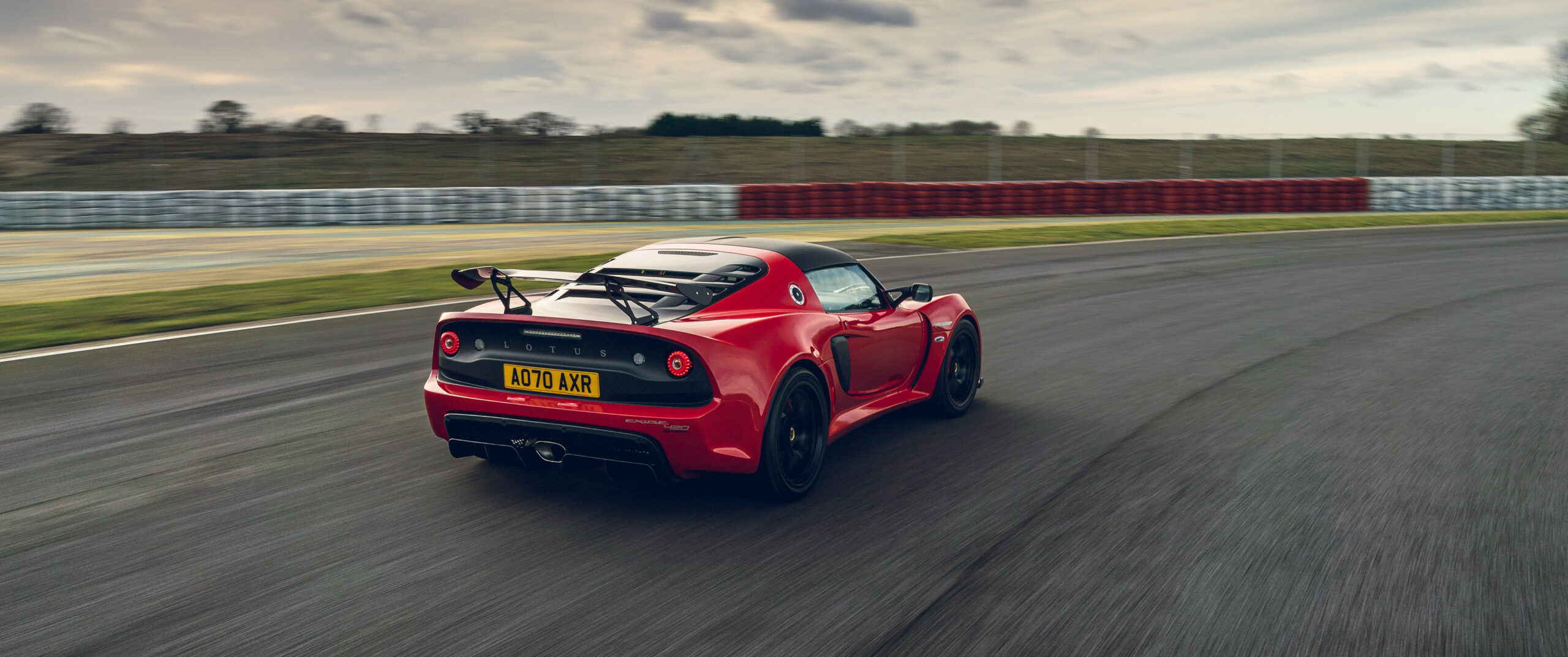
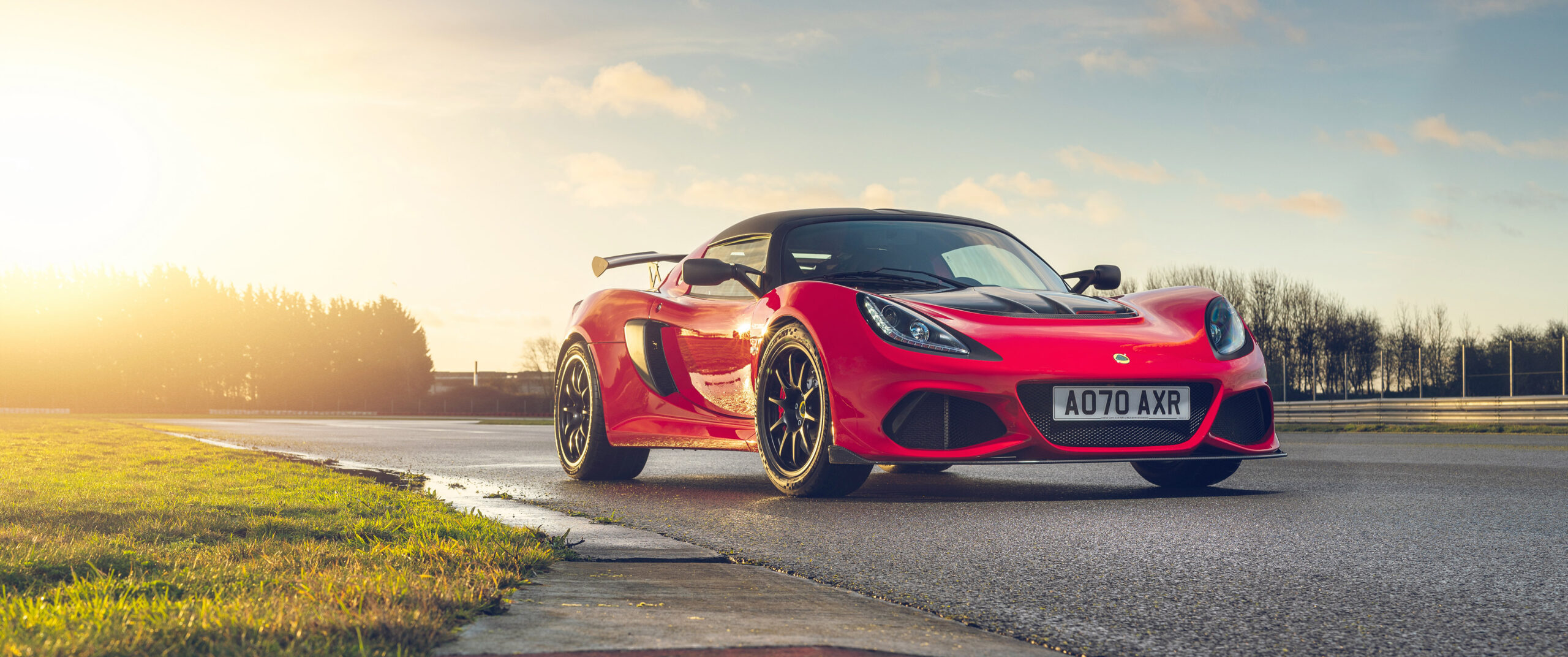
We have curated the ultimate collection of the best 2021 Lotus Exige Sport 420 Final Edition Wallpapers and HD backgrounds for you to enjoy. Our team focused on finding the top 2021 Lotus Exige Sport 420 Final Edition Wallpapers only to keep the quality high. These 2021 Lotus Exige Sport 420 Final Edition Wallpapers are free to download so go ahead. To download any of these pictures for use as a wallpaper, right click the picture and choose Save As…
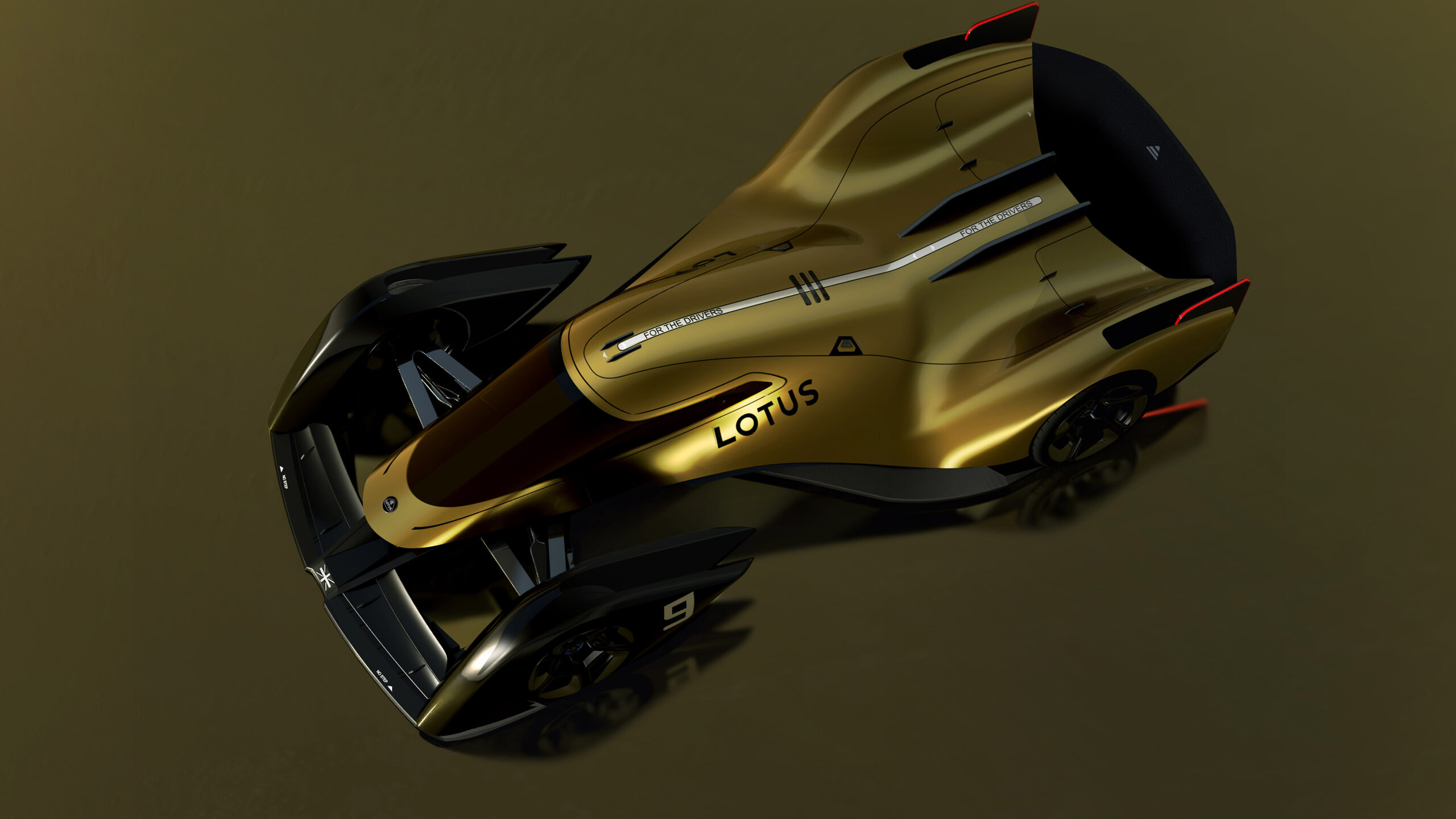
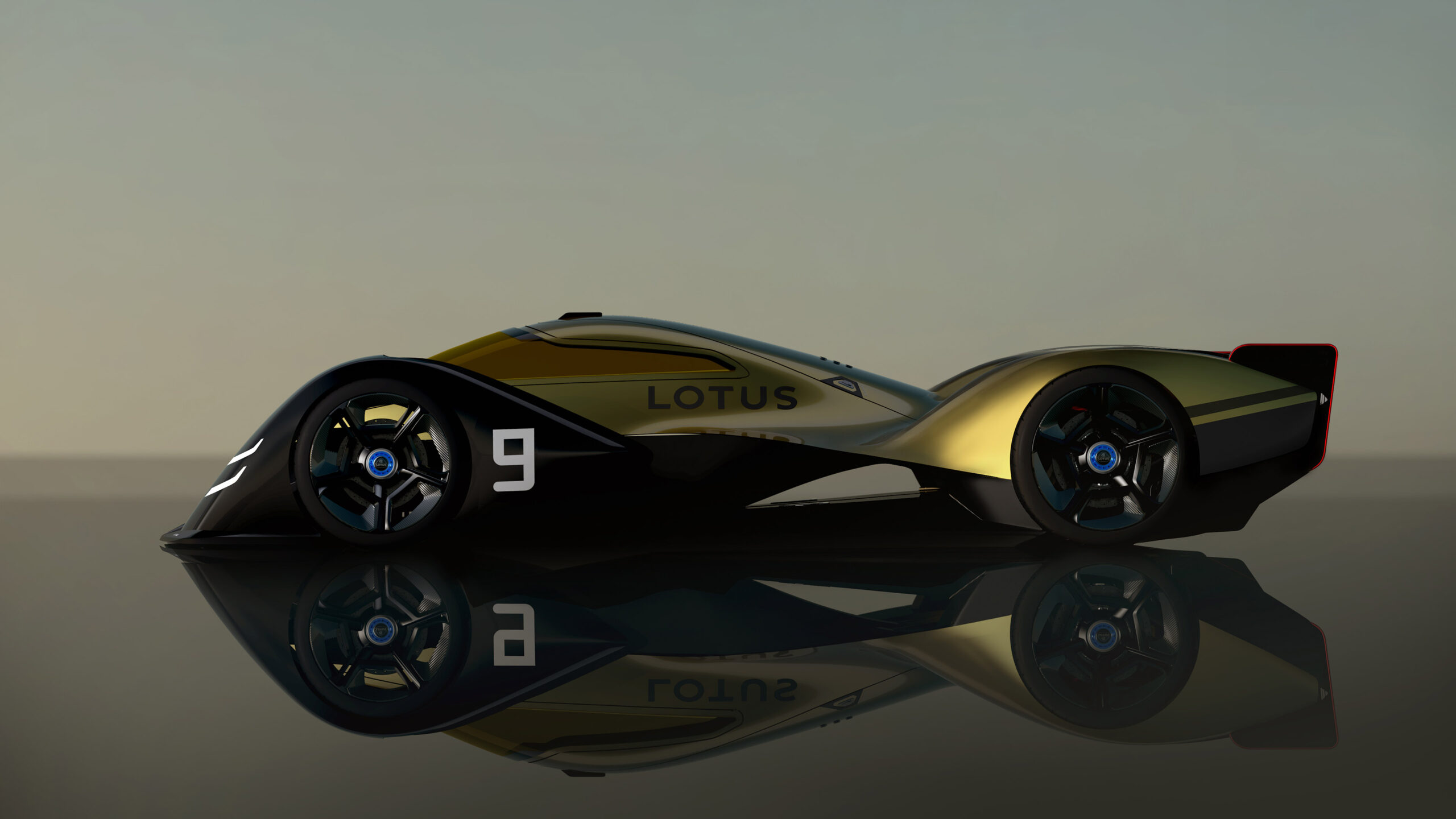
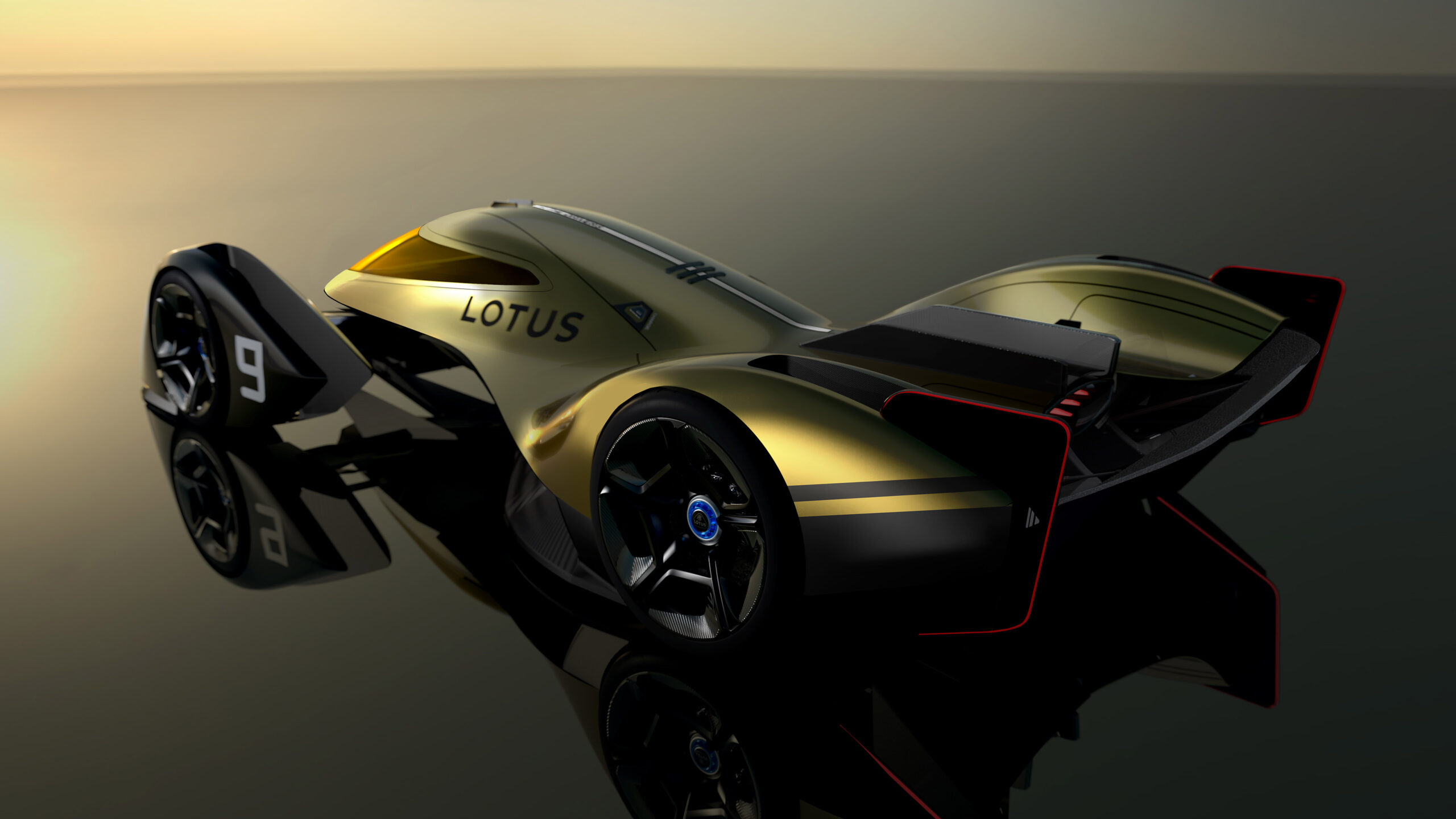
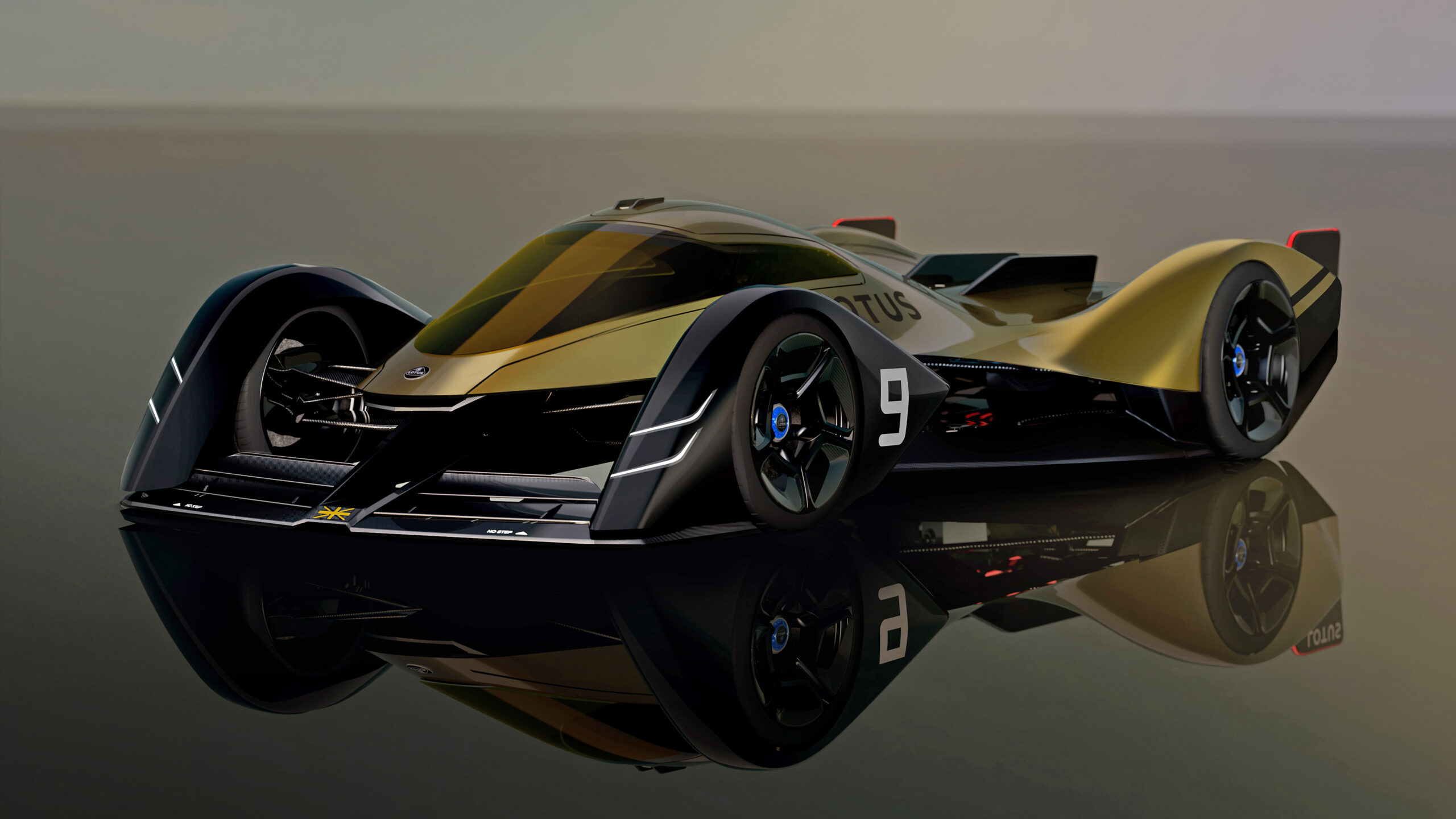
We have curated the ultimate collection of the best 2021 Lotus E-R9 Concept Wallpapers and HD backgrounds for you to enjoy. Our team focused on finding the top 2021 Lotus E-R9 Concept Wallpapers only to keep the quality high. These 2021 Lotus E-R9 Concept Wallpapers are free to download so go ahead. To download any of these pictures for use as a wallpaper, right click the picture and choose Save As…
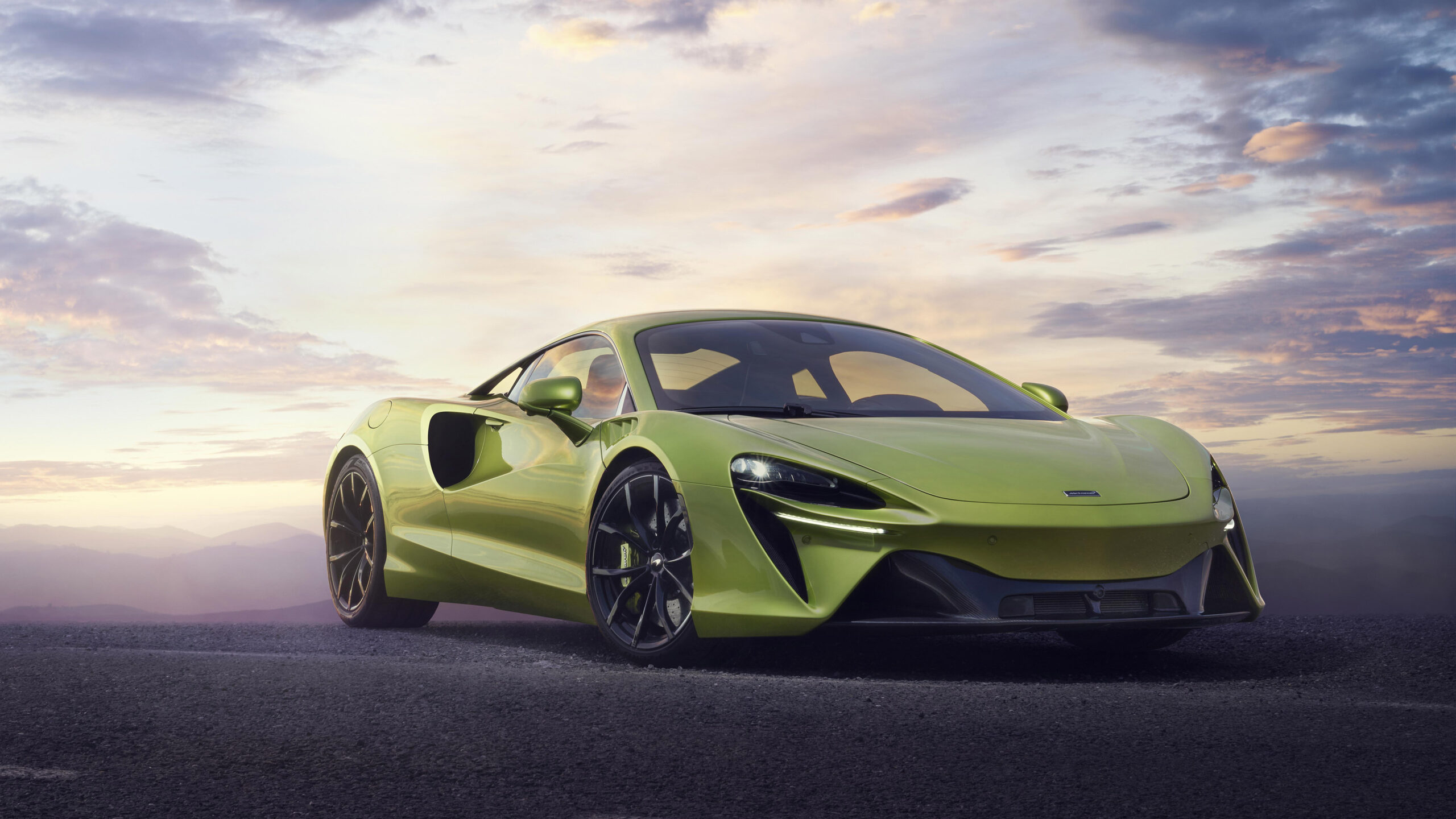
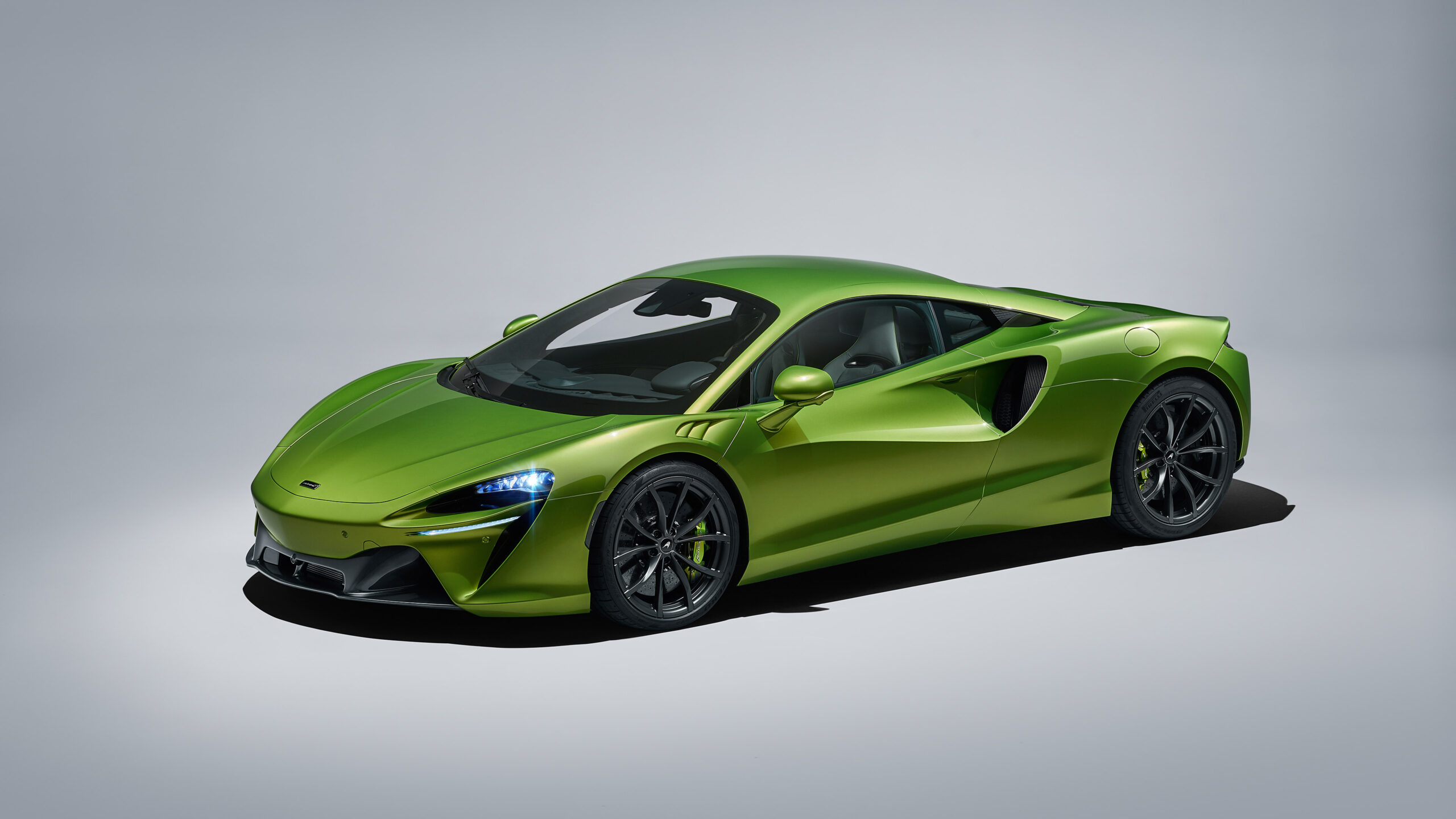
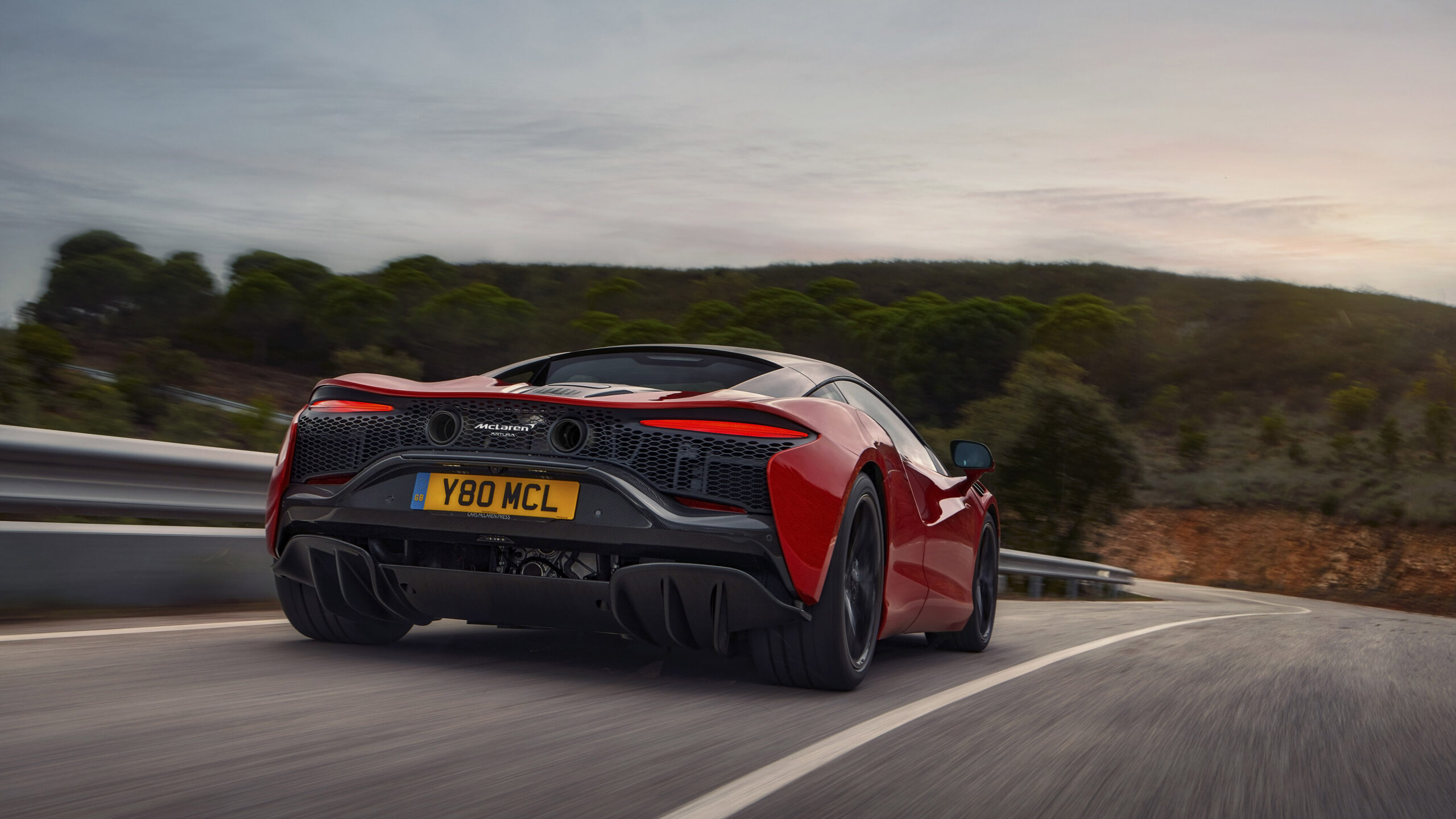
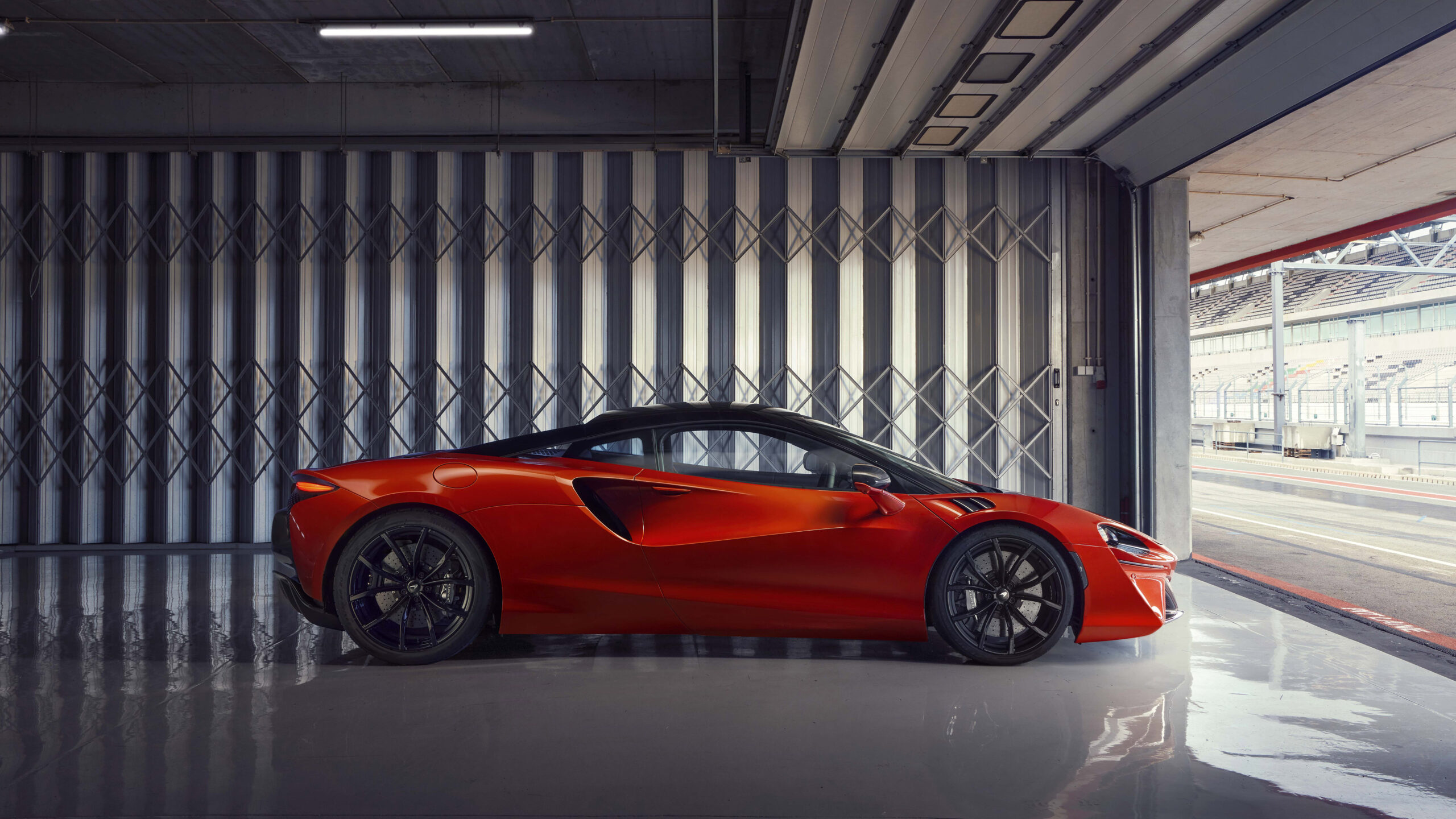
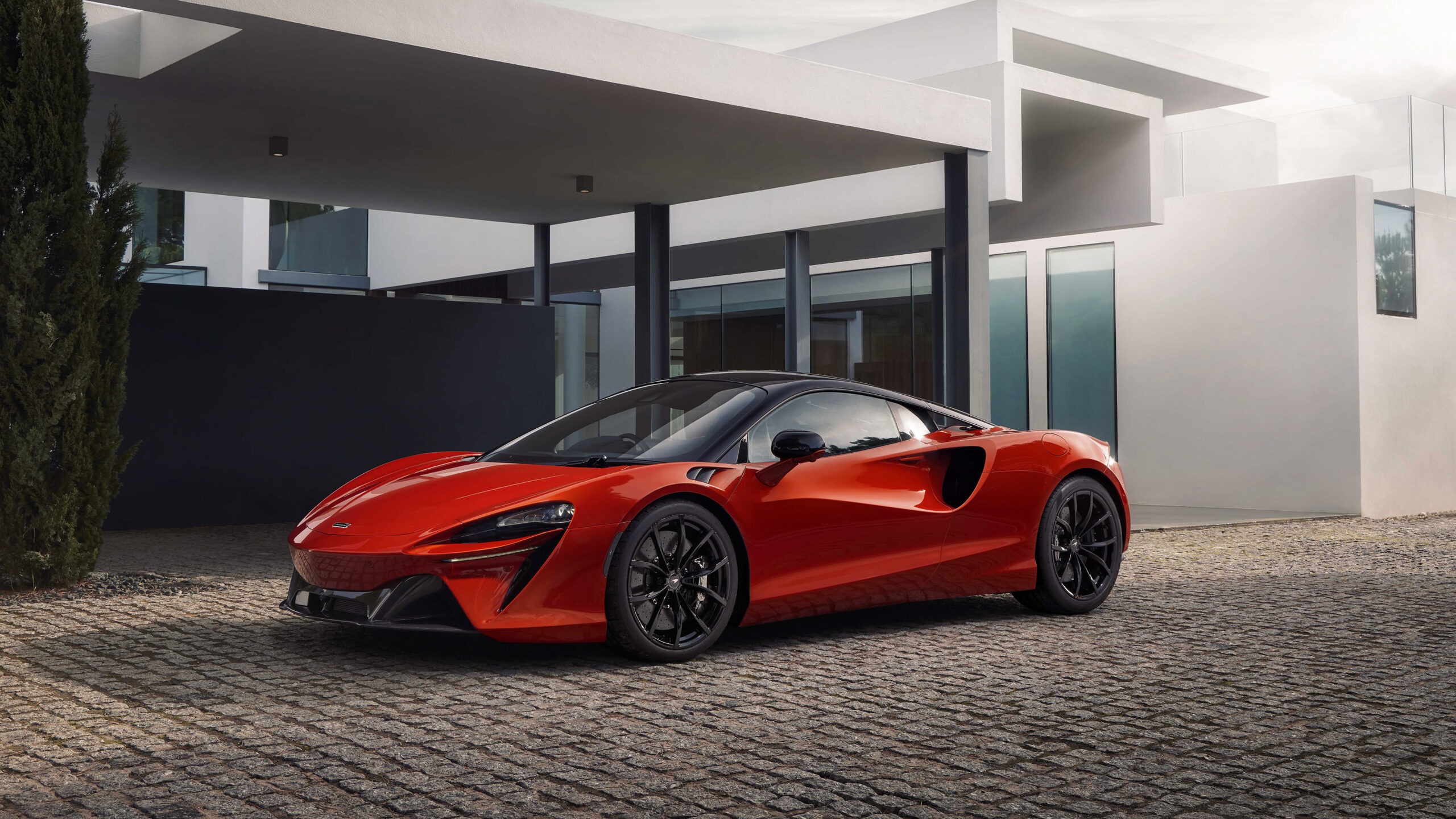
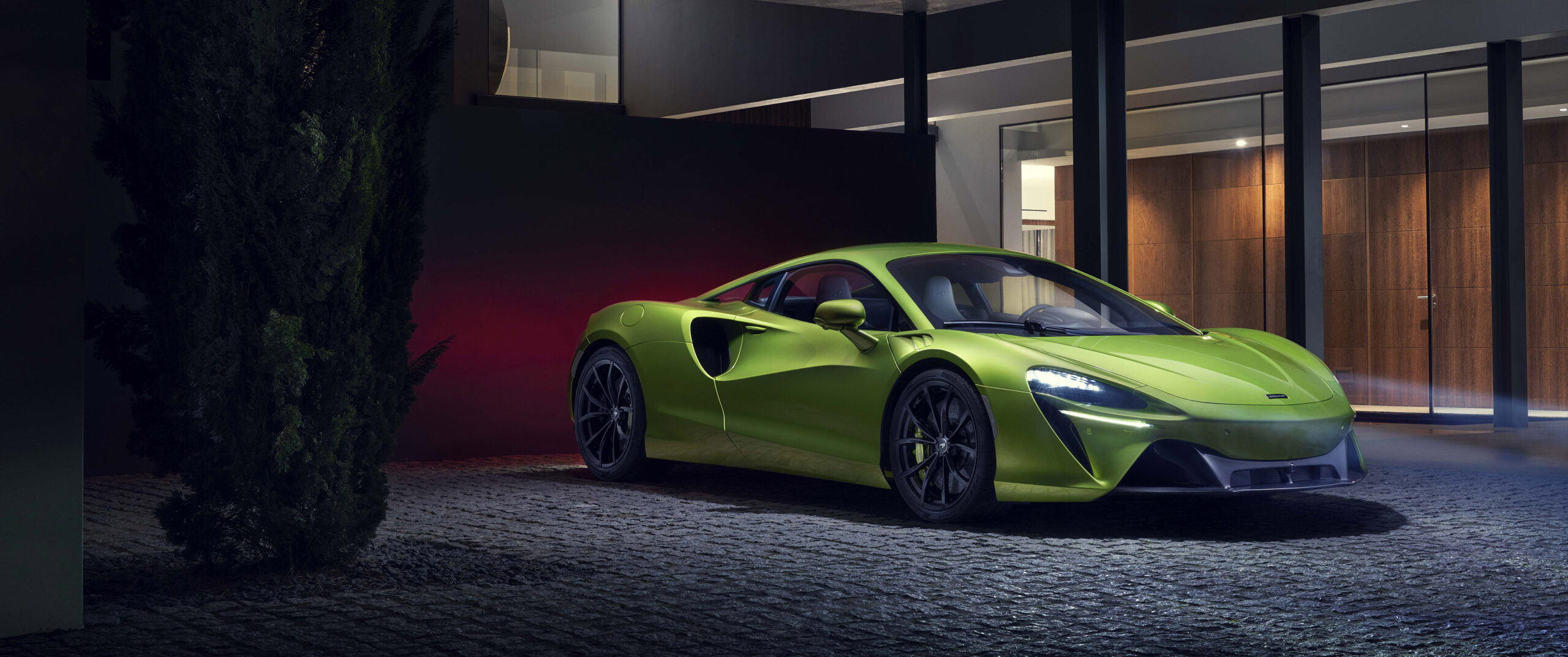
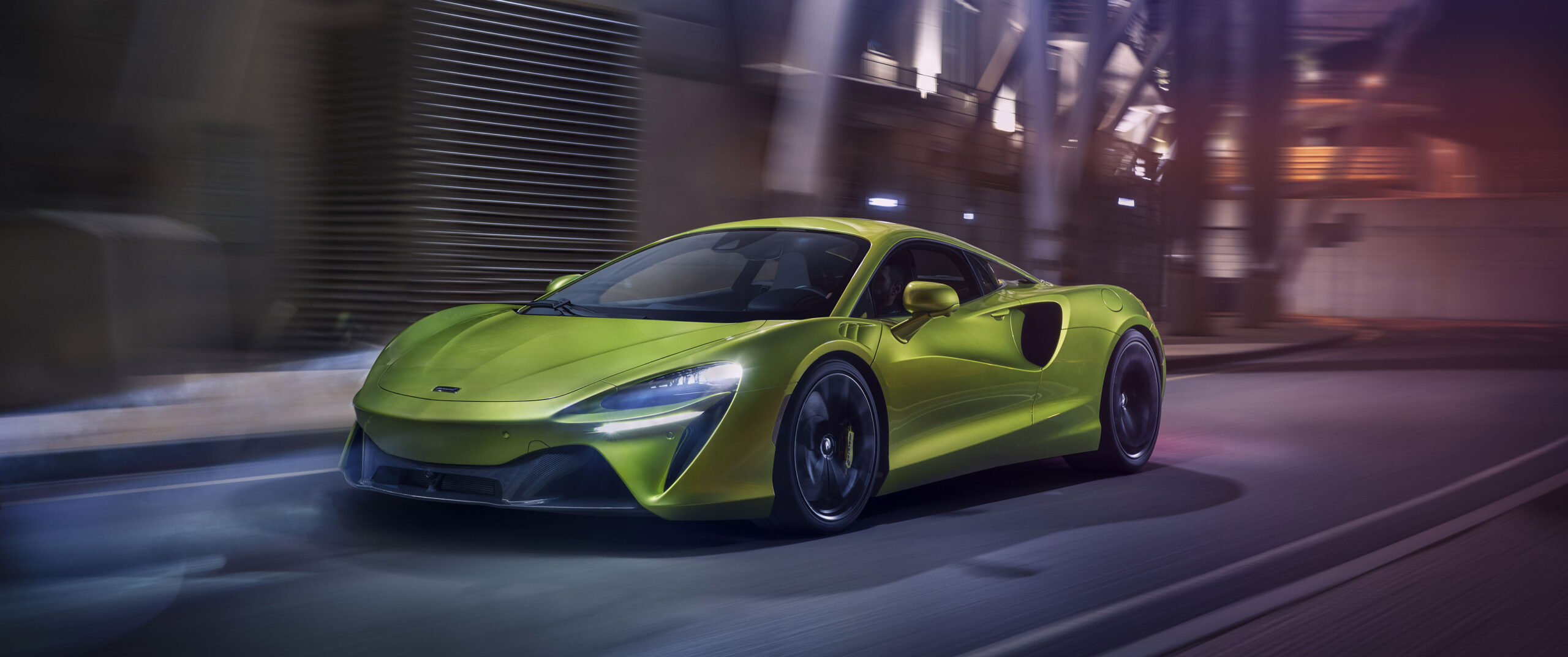
We have curated the ultimate collection of the best 2022 McLaren Artura Wallpapers and HD backgrounds for you to enjoy. Our team focused on finding the top 2022 McLaren Artura Wallpapers only to keep the quality high. These 2022 McLaren Artura Wallpapers are free to download so go ahead. To download any of these pictures for use as a wallpaper, right click the picture and choose Save As…
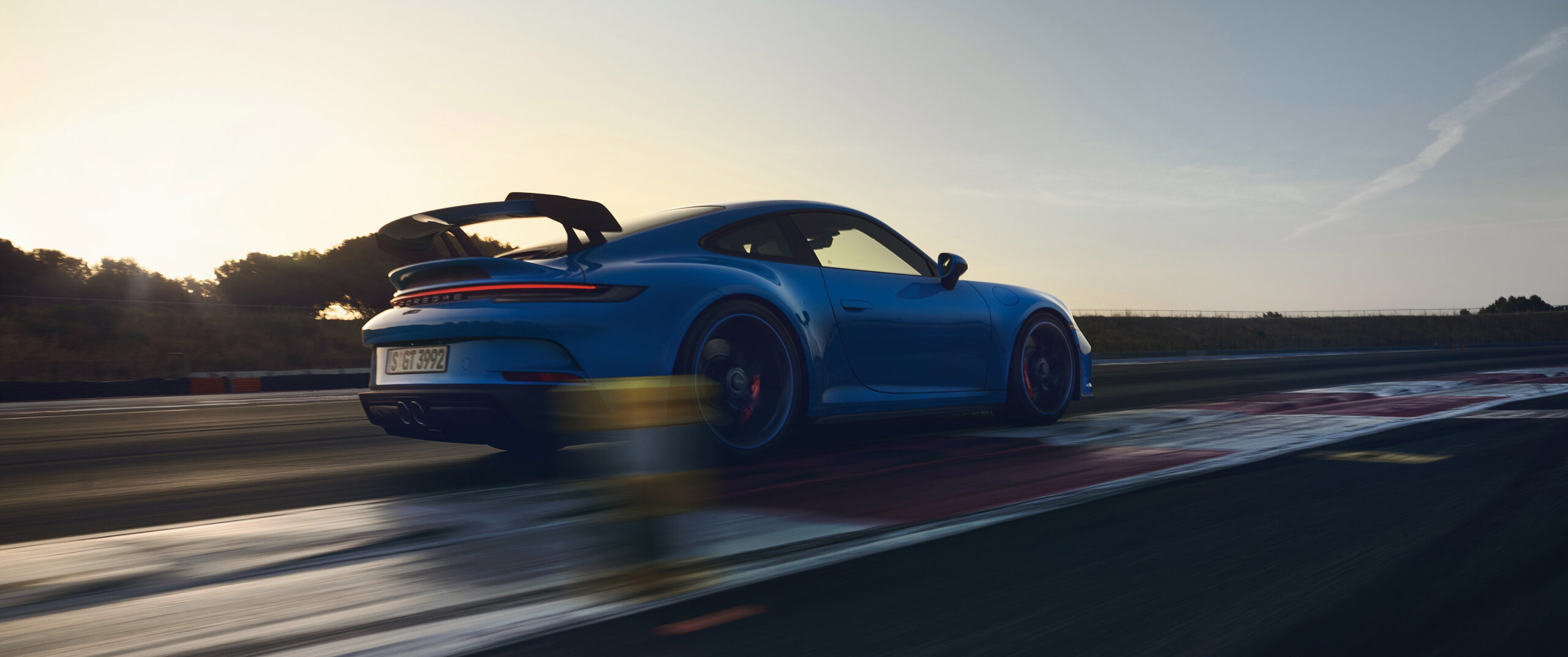
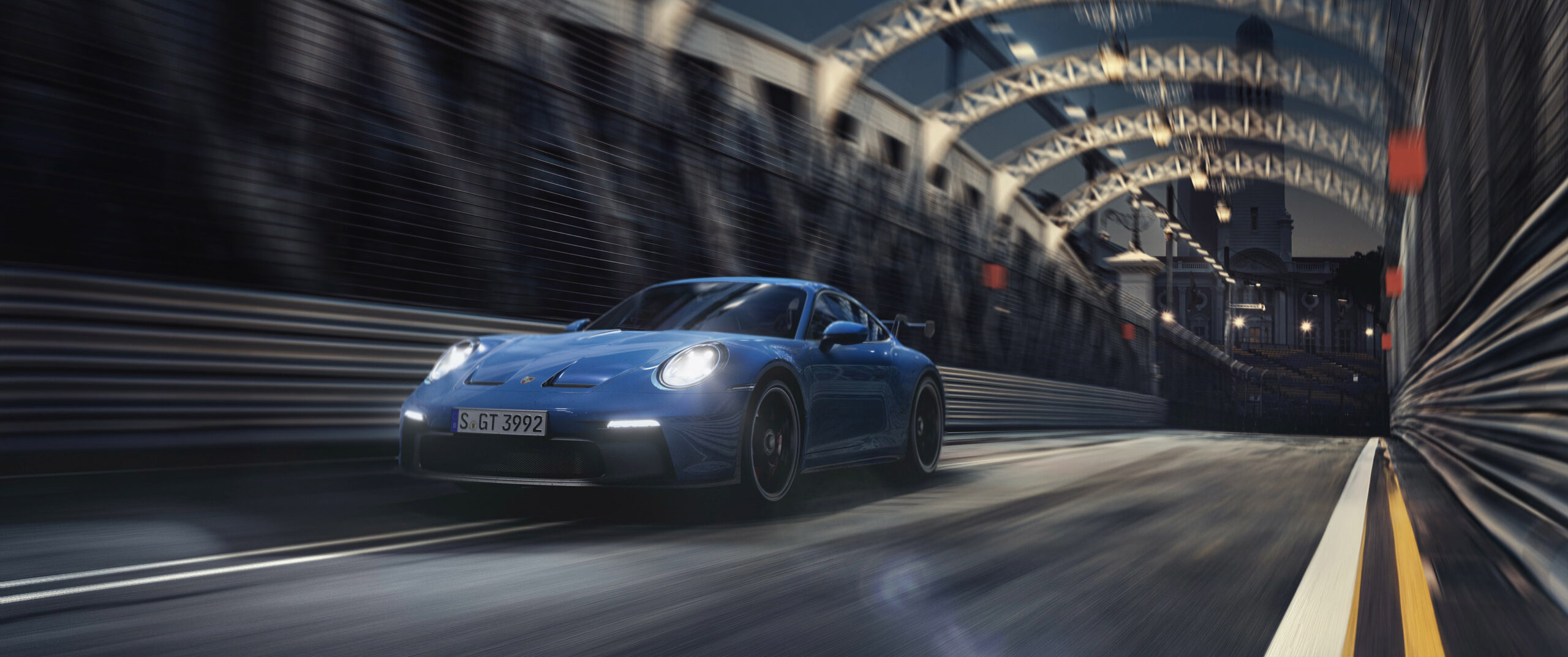
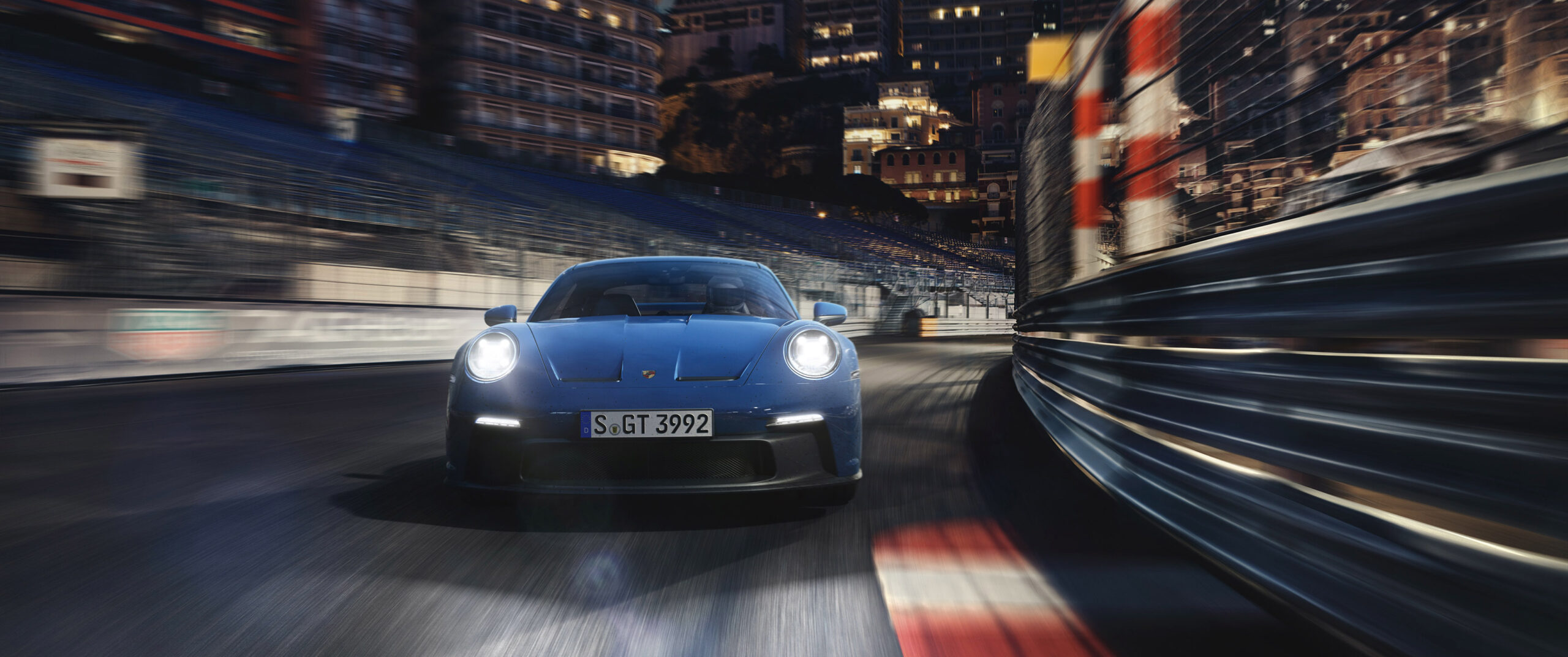
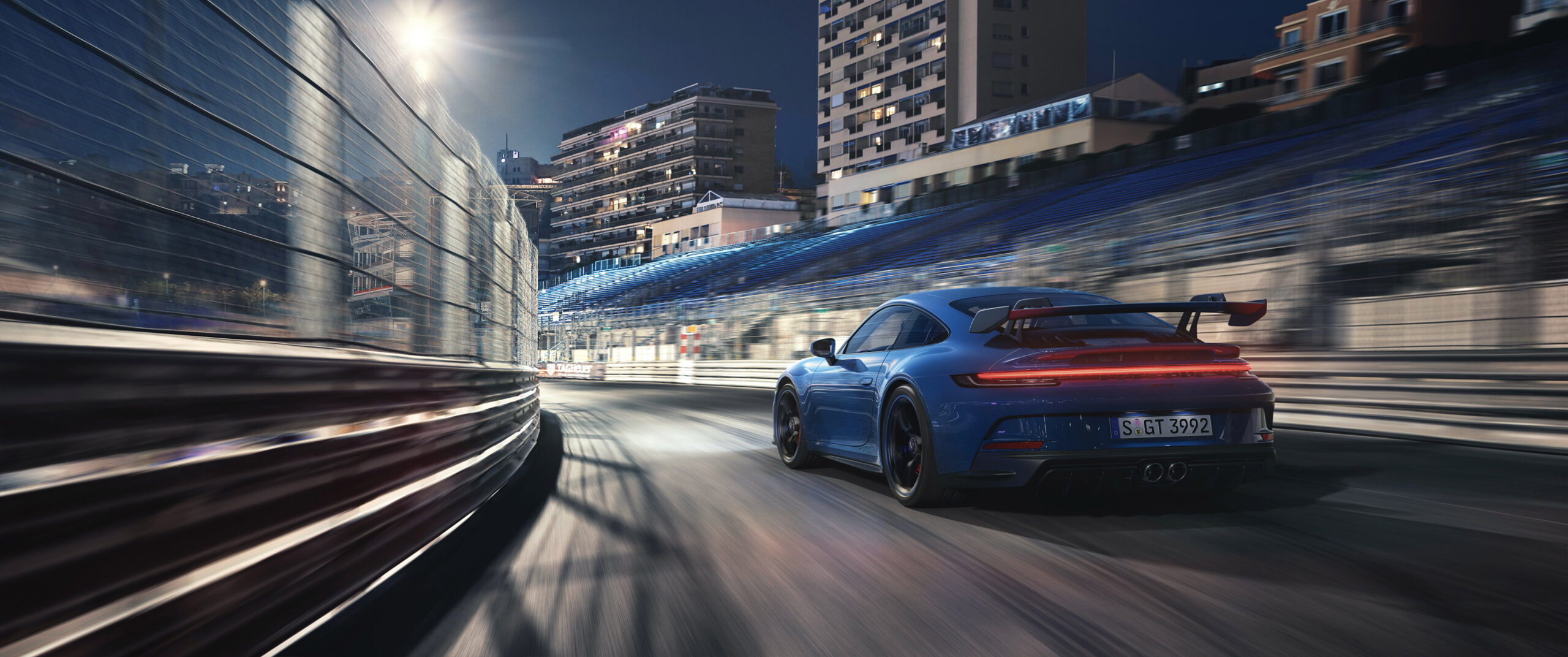
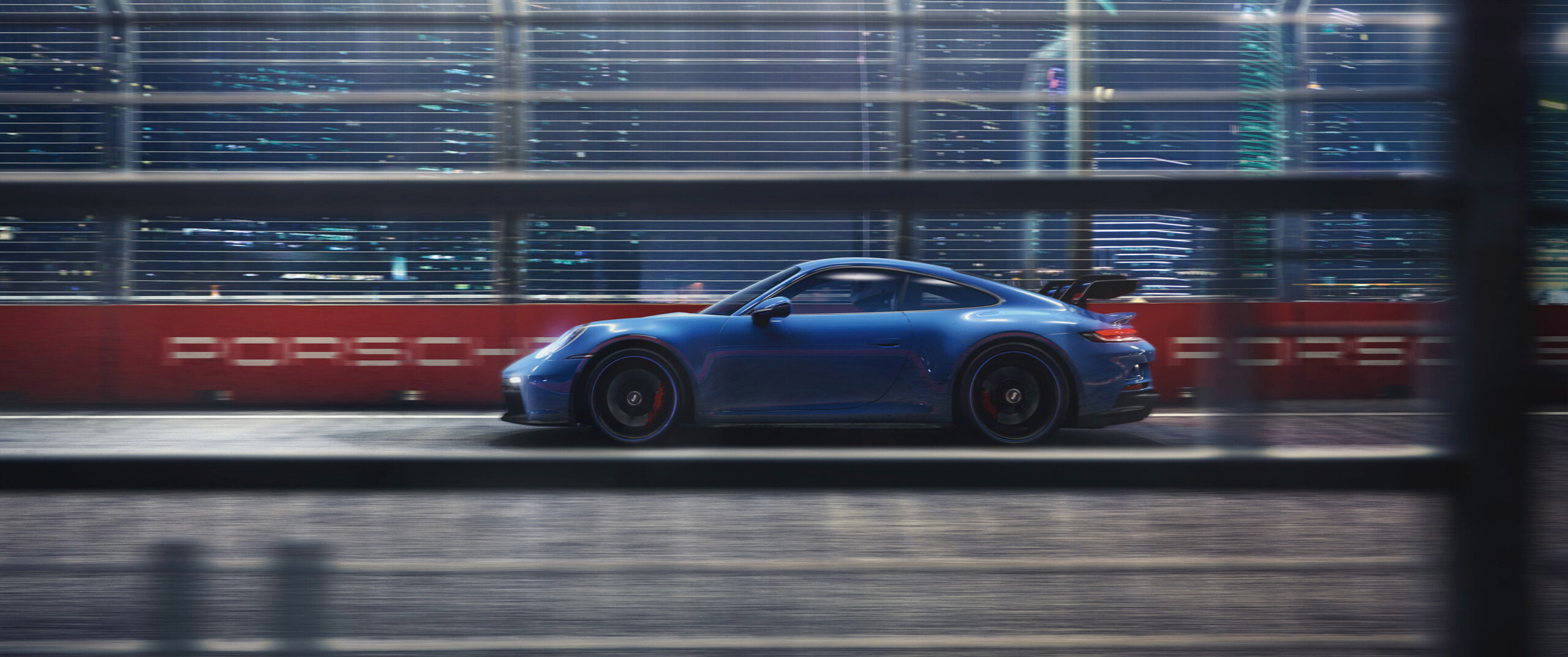
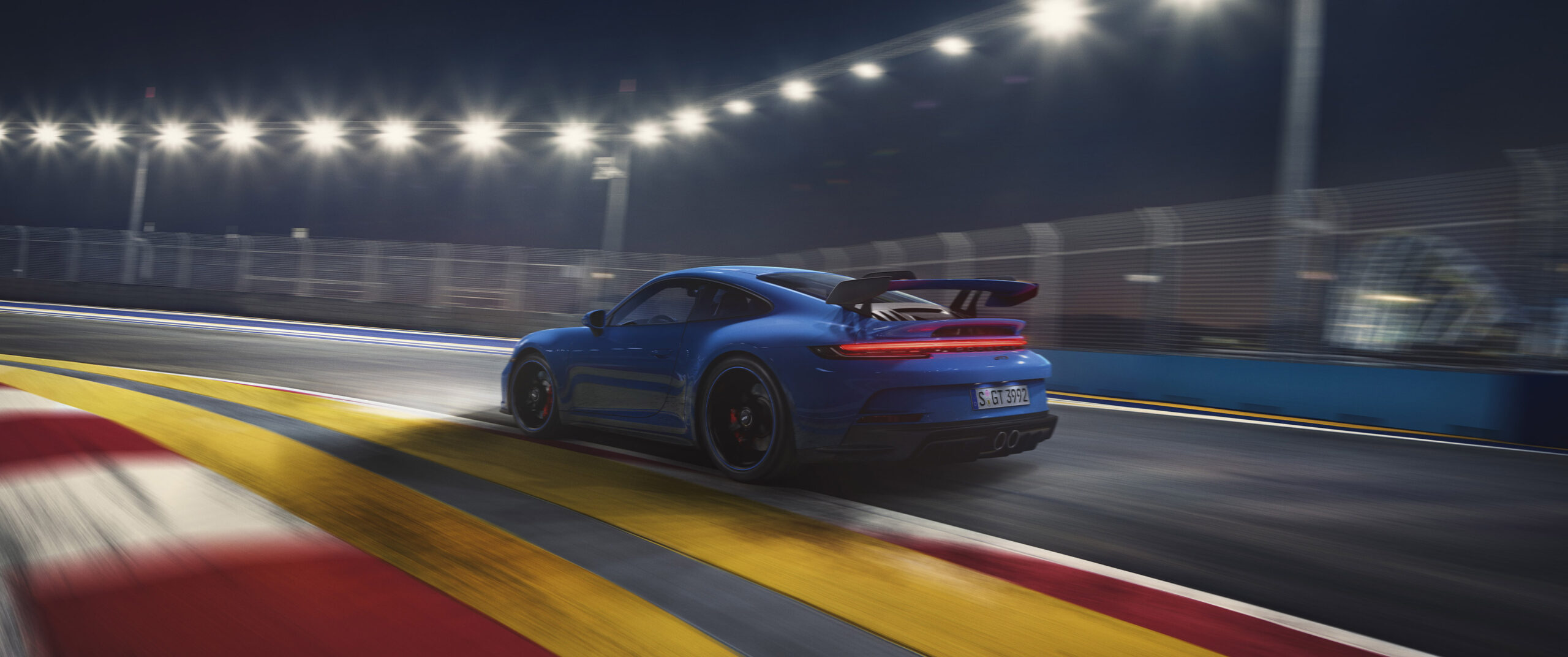
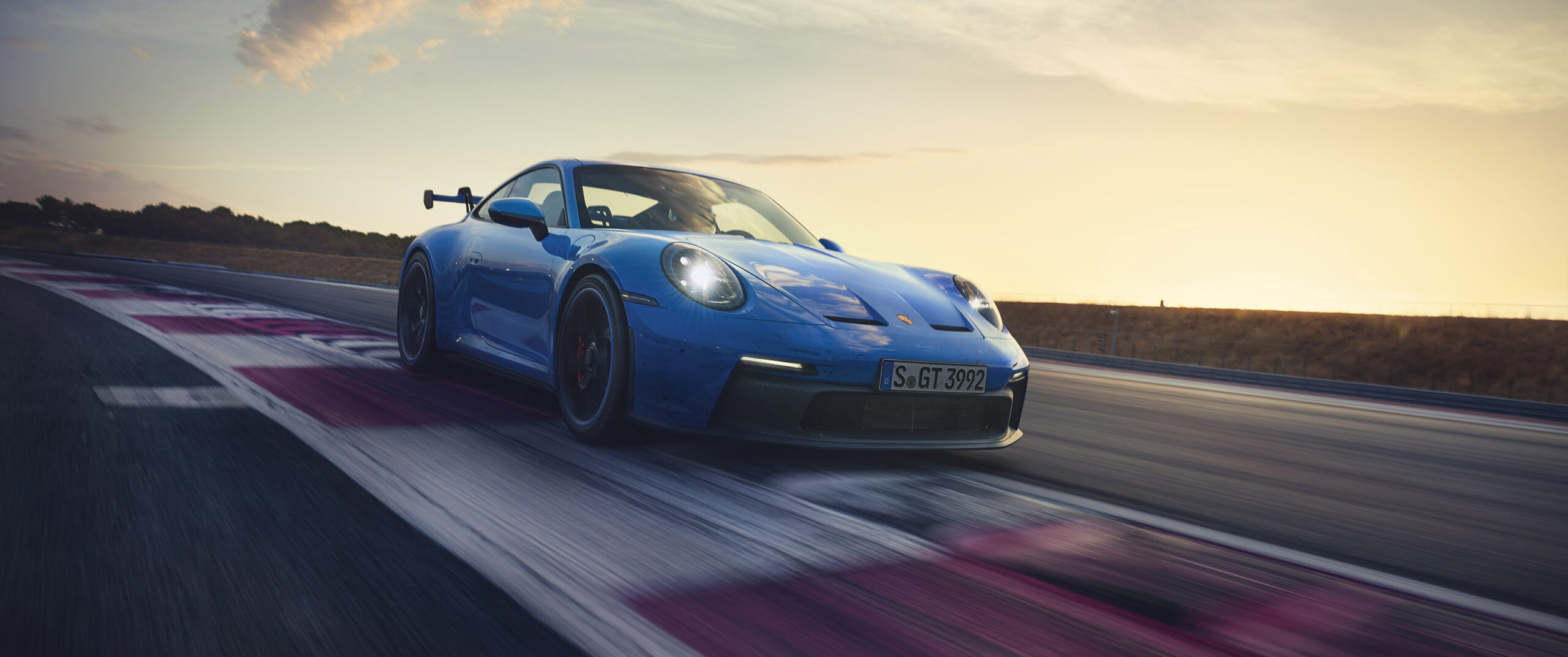
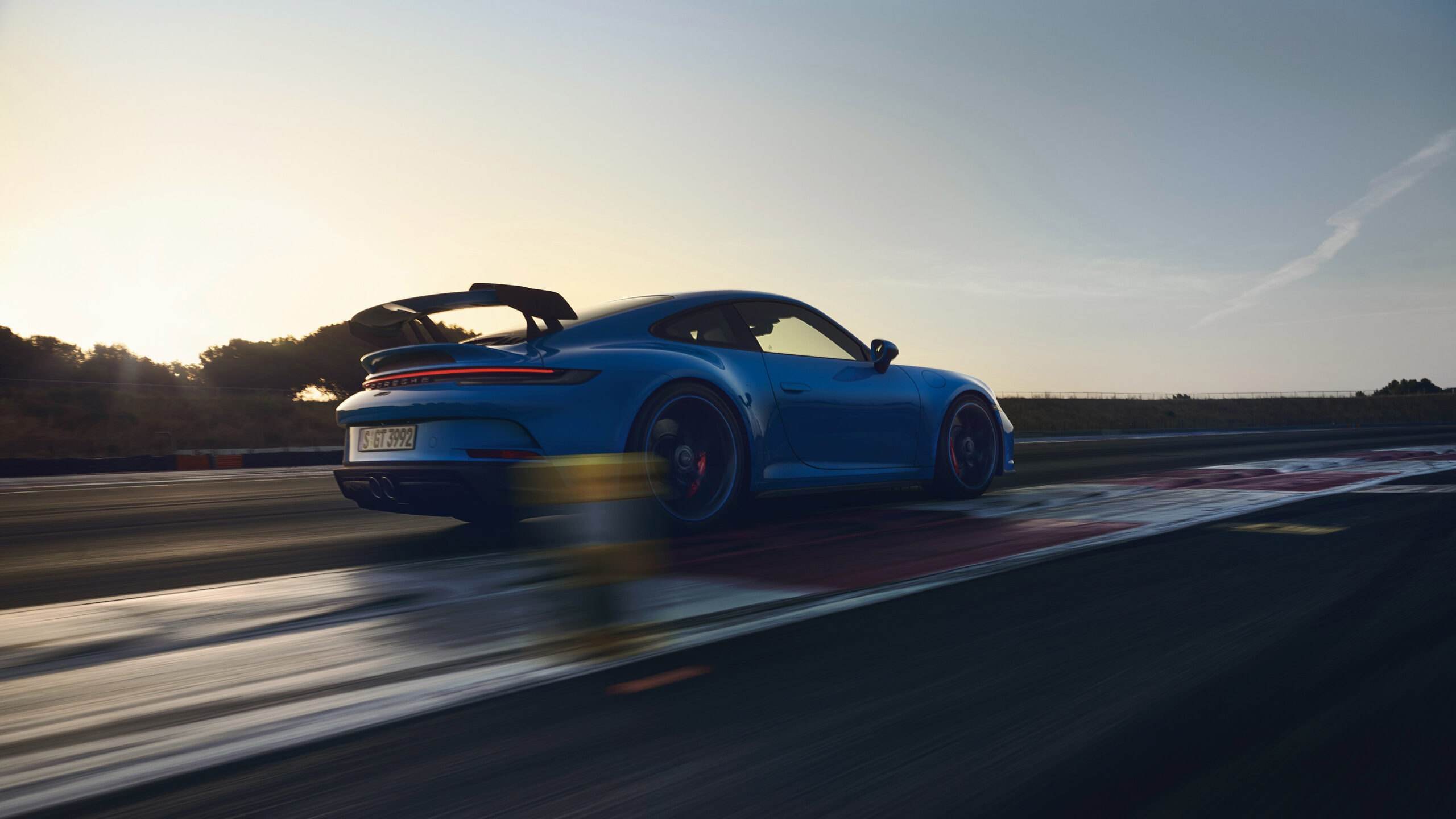
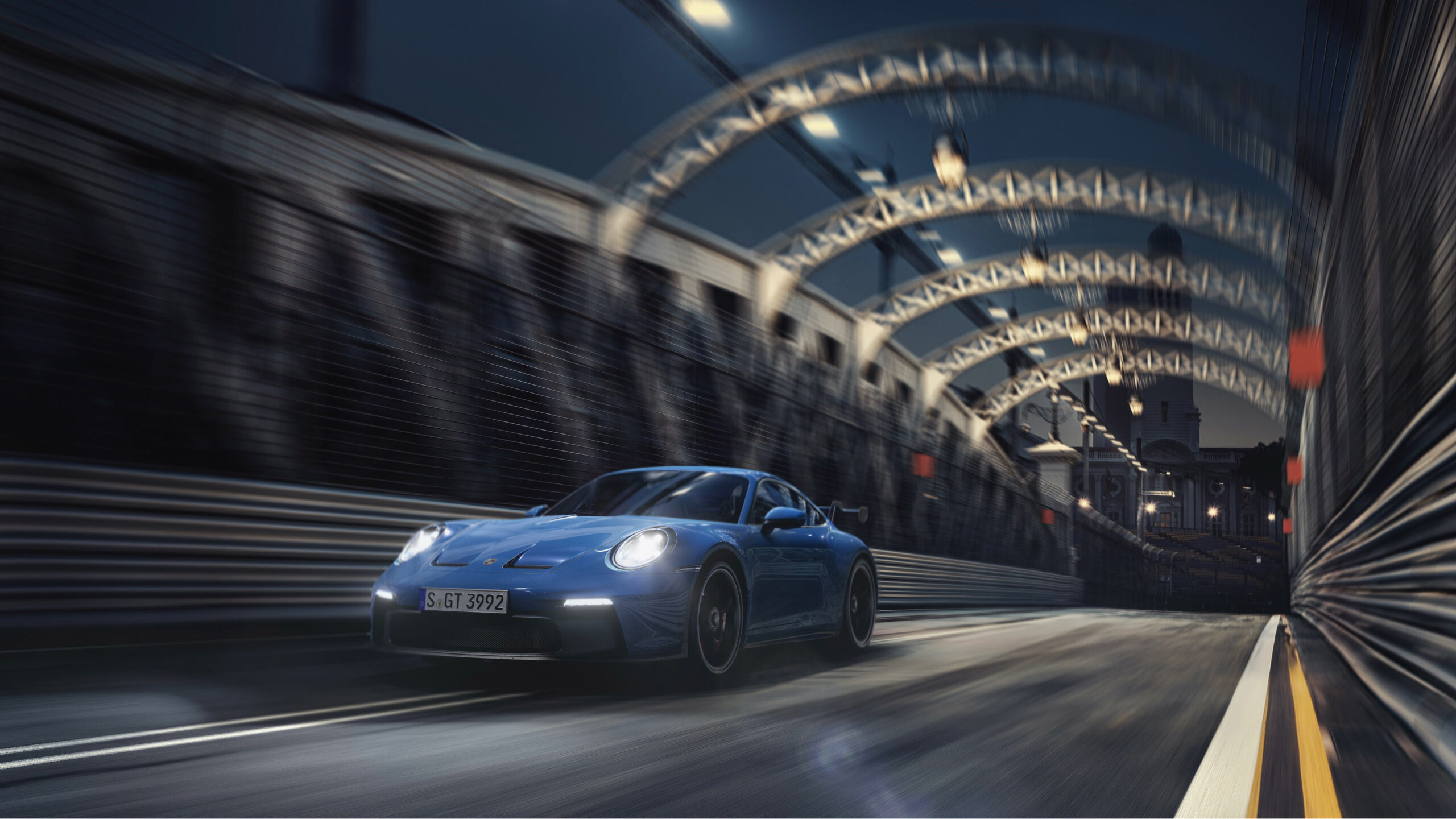
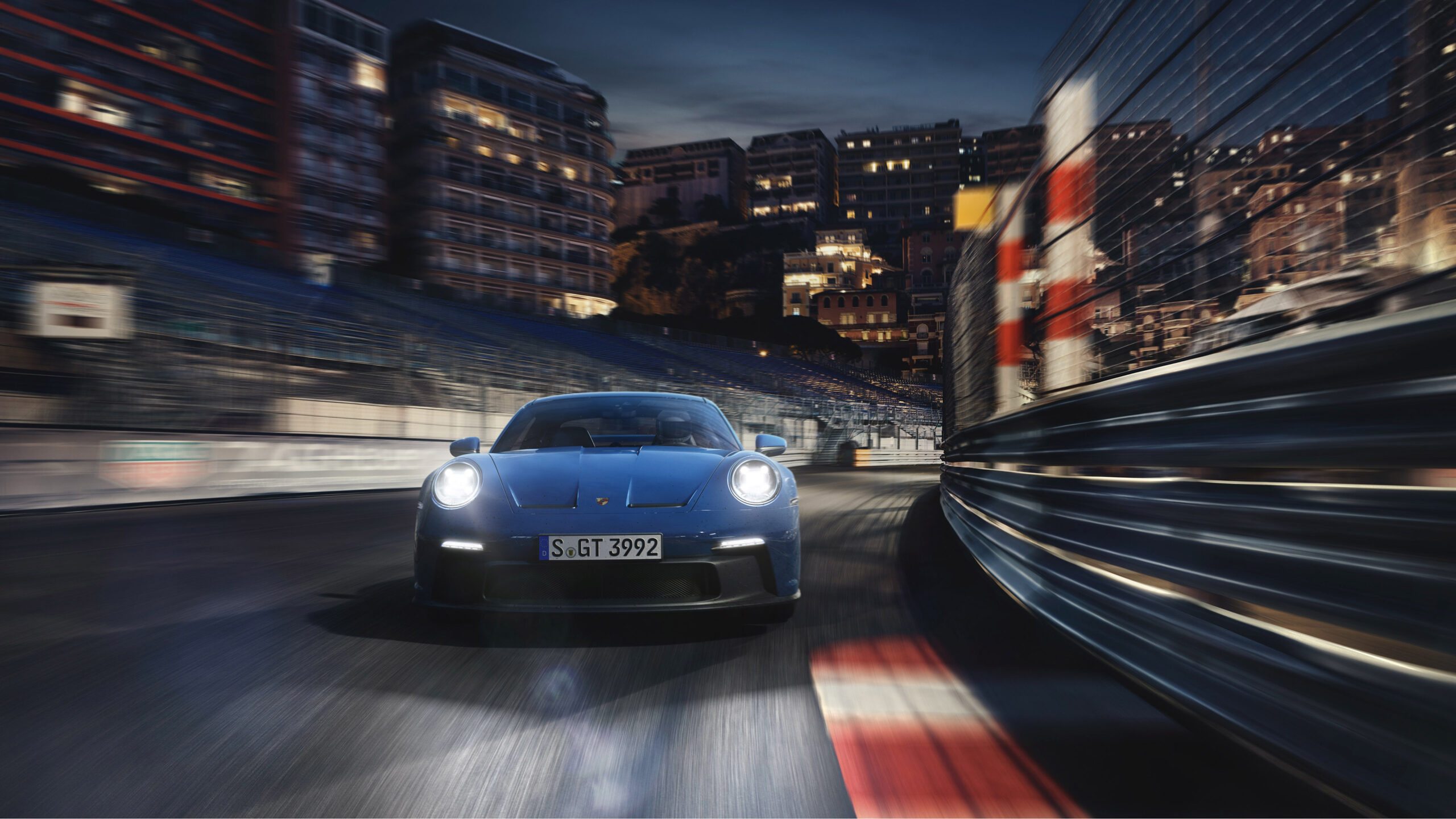
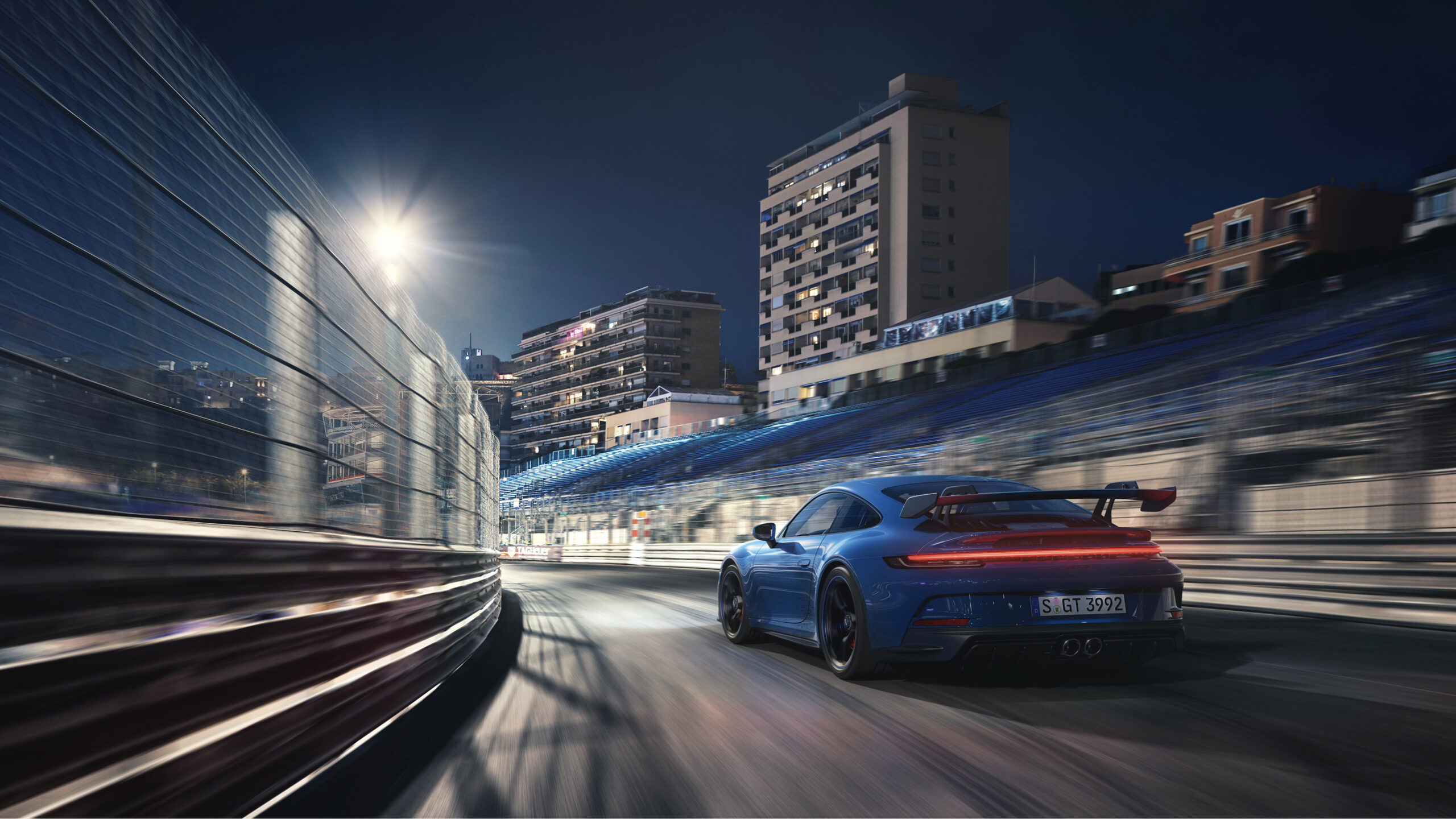
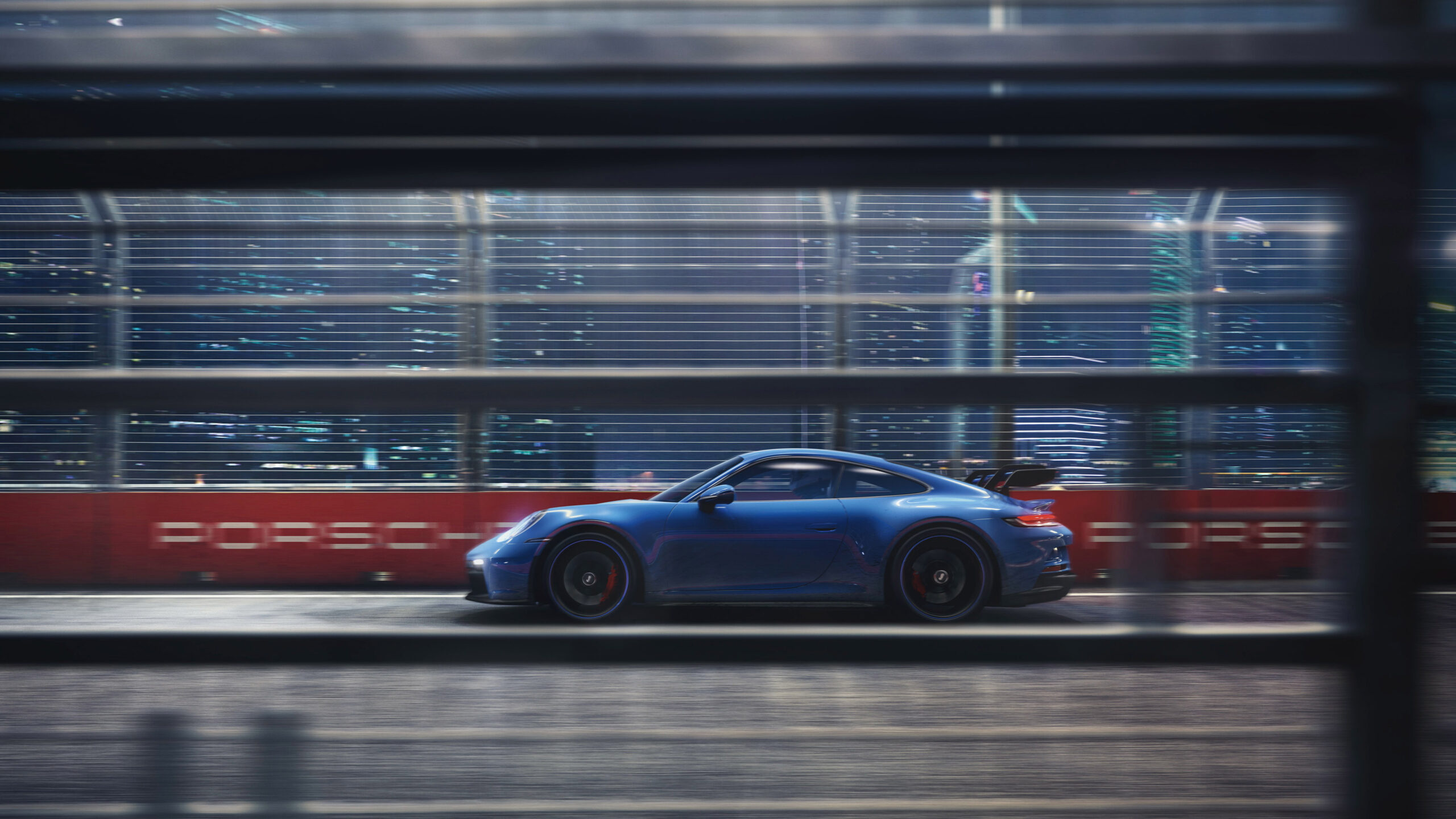
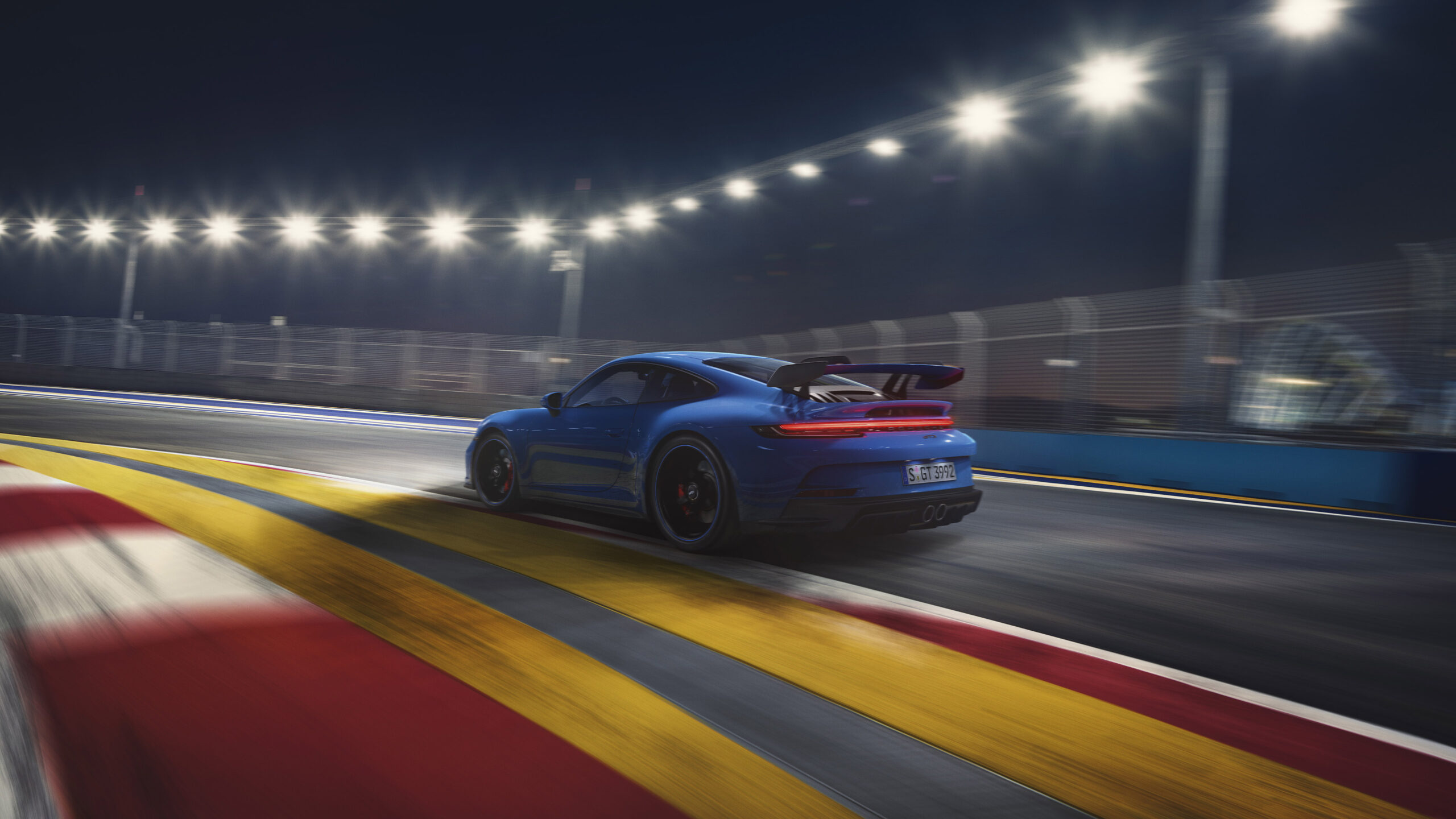
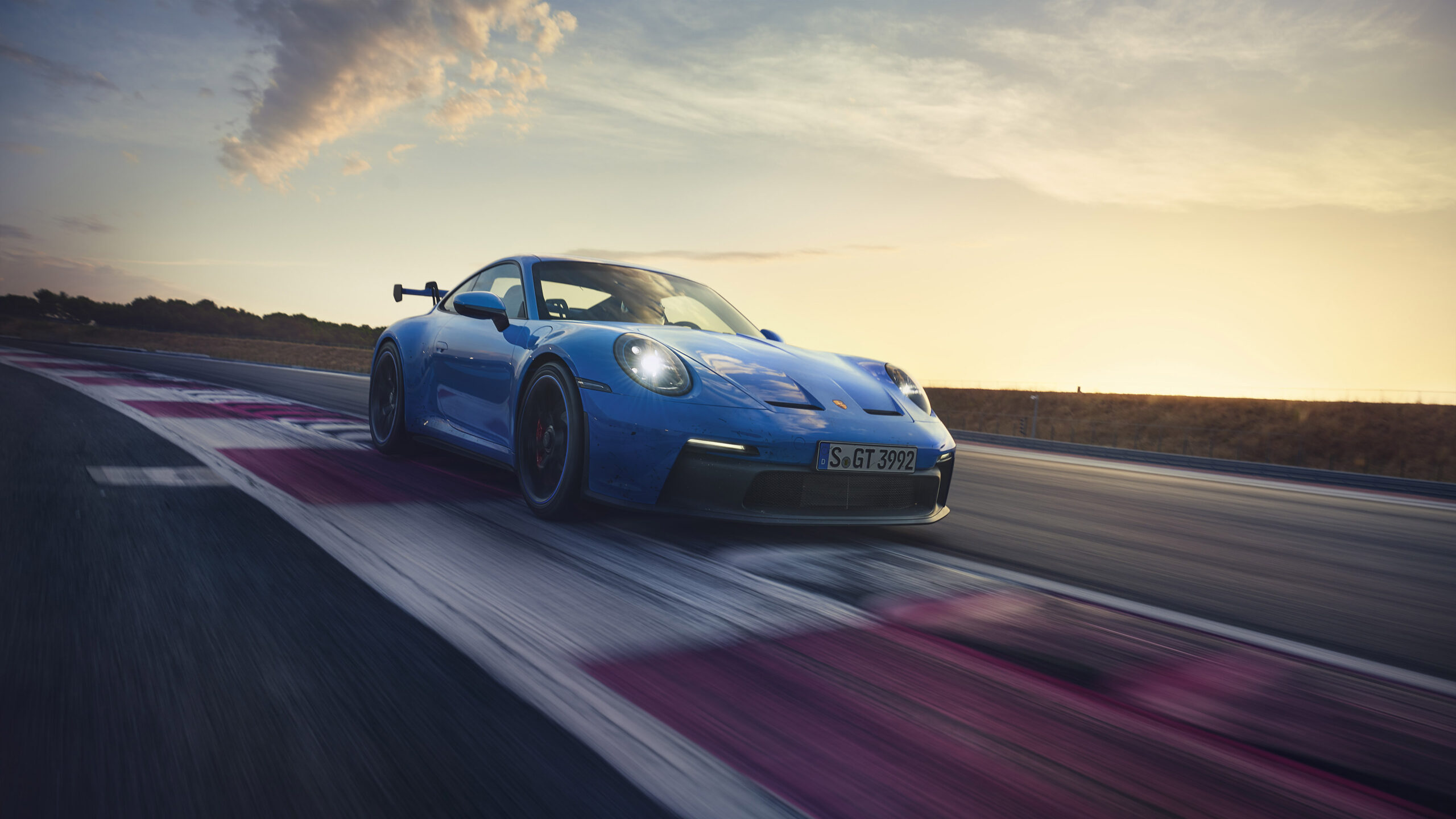
We have curated the ultimate collection of the best 2022 Porsche 911 GT3 Wallpapers and HD backgrounds for you to enjoy. Our team focused on finding the top 2022 Porsche 911 GT3 Wallpapers only to keep the quality high. These 2022 Porsche 911 GT3 Wallpapers are free to download so go ahead. To download any of these pictures for use as a wallpaper, right click the picture and choose Save As…
When you think of the term “custom”, many different things come to mind -it comes down to the interpretation of each supercar owner. “Customization” can mean anything from flashy decals to custom paint jobs and everything in between.
Costs associated with customizing your supercar can vary from a few bucks to upwards of $50,000. But everyone must start with a vision or at least some inspiration.
Today we cover some awesome ways you can customize your supercar or at least give you the inspiration you’re looking for to make your supercar a reflection of you. None of the customization options mentioned here will void an engine warranty, by the way – always a plus when it comes time to resell.
Totally Uncommon Question: Should You Customize a Supercar?
Well, it’s really up to you… but have you ever been to a car event and taken notice of how many stock cars are there? Of course, you have. But at the same time, some supercars should not be touched or permanently customized whatsoever.
It’s sort of an unwritten rule that you do not make customizations to rare collector cars. That being said, the Gas Monkey Garage Ferrari F40 that was painted black is an exception to the rule (and so are many other tastefully modified classic supercars).
When customizing your car there are two trains of thought: performance or aesthetics. We’re gonna cover some customizations that are affordable, get you style points, and in some cases add performance.
Customizations can come at a price depending on if they are a permanent modification or something reversible. Everyone has different tastes and this is why being conscientious of what you install/remove from your car is important.
Customizations that are non-reversible can hurt the value of your supercar, but if you plan on keeping it forever, then who cares?
If you plan on making any modifications, it is always good practice to keep any stock parts that you remove from the car. This will help when it’s time to sell and the car can be put back to its stock form. Many supercar owners prefer their vehicles stock (err, “unmolested”), so being able to remove your add-ons is always a plus.
You have a ton of opportunity to take your stock supercar and turn it into something personalized to you without breaking the bank.
Five Supercar Customizations We Like
Vinyl Wrap
Vinyl wrap is one of the best and most popular options in the customization world when it comes to changing up the livery of your supercar. Vinyl can wrap can be installed professionally or DIY (but we always recommend a professional install if you are inexperienced).
In the vinyl wrapping world, the customization options are endless. Wrapping can include adding racing stripes, custom decals, color-changing wrap, or even a completely custom printed vinyl specifically for your car.
The cost of vinyl wrapping can range but expect at least a few thousand dollars and up – all of which depends on the complexity, type of wrap, and hours associated with the job.
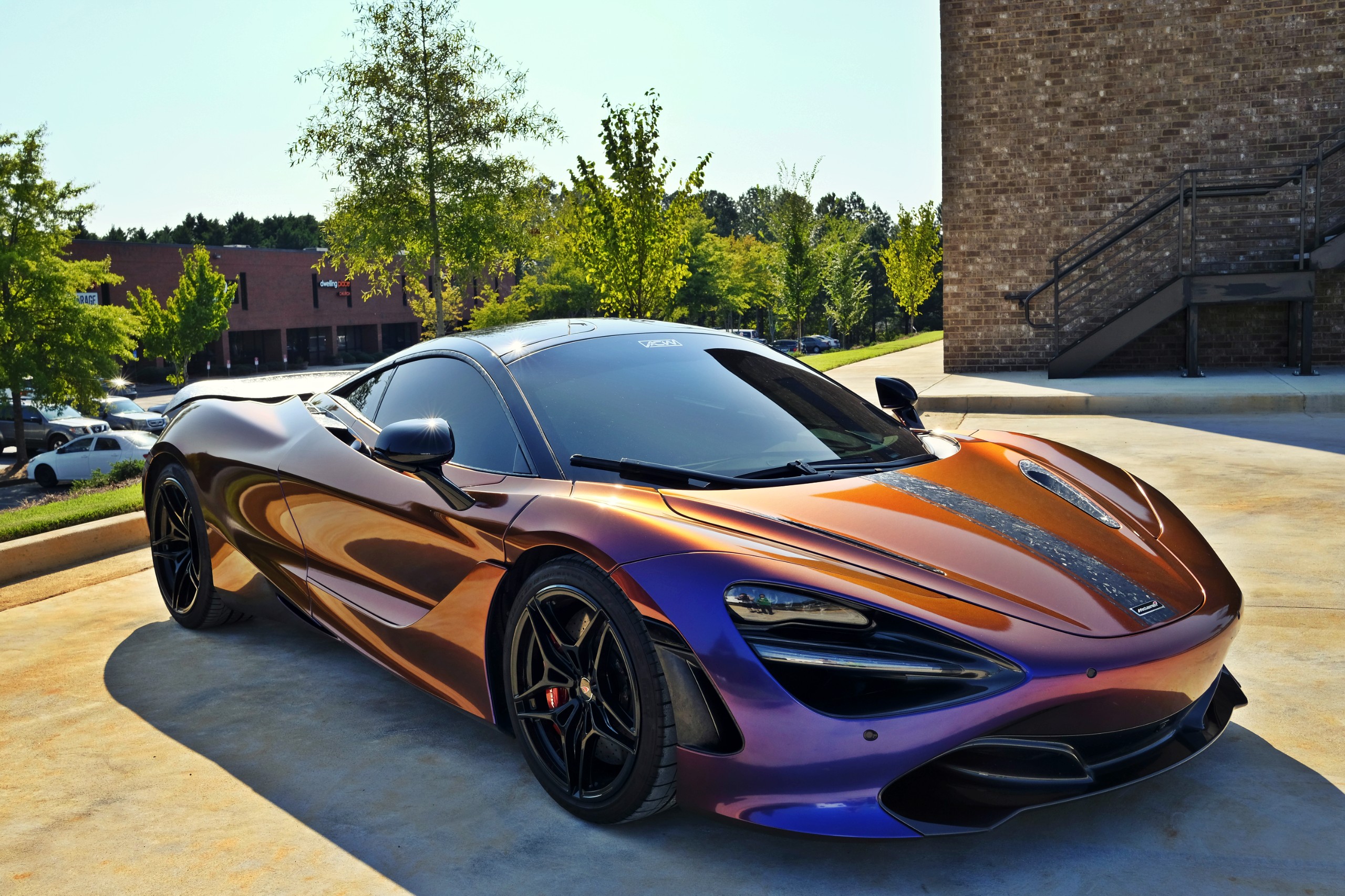
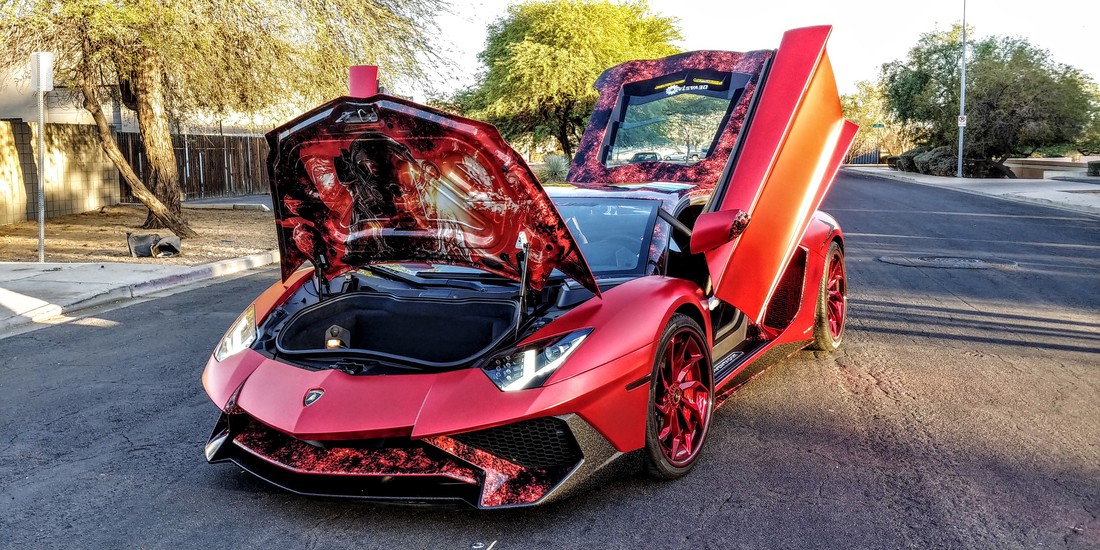
Prices can also differ depending on the shop that completes the work and the quality they are associated with. Check out these insane wraps done by Wrapsesh (AZ) and Atlanta Custom Wraps (GA).
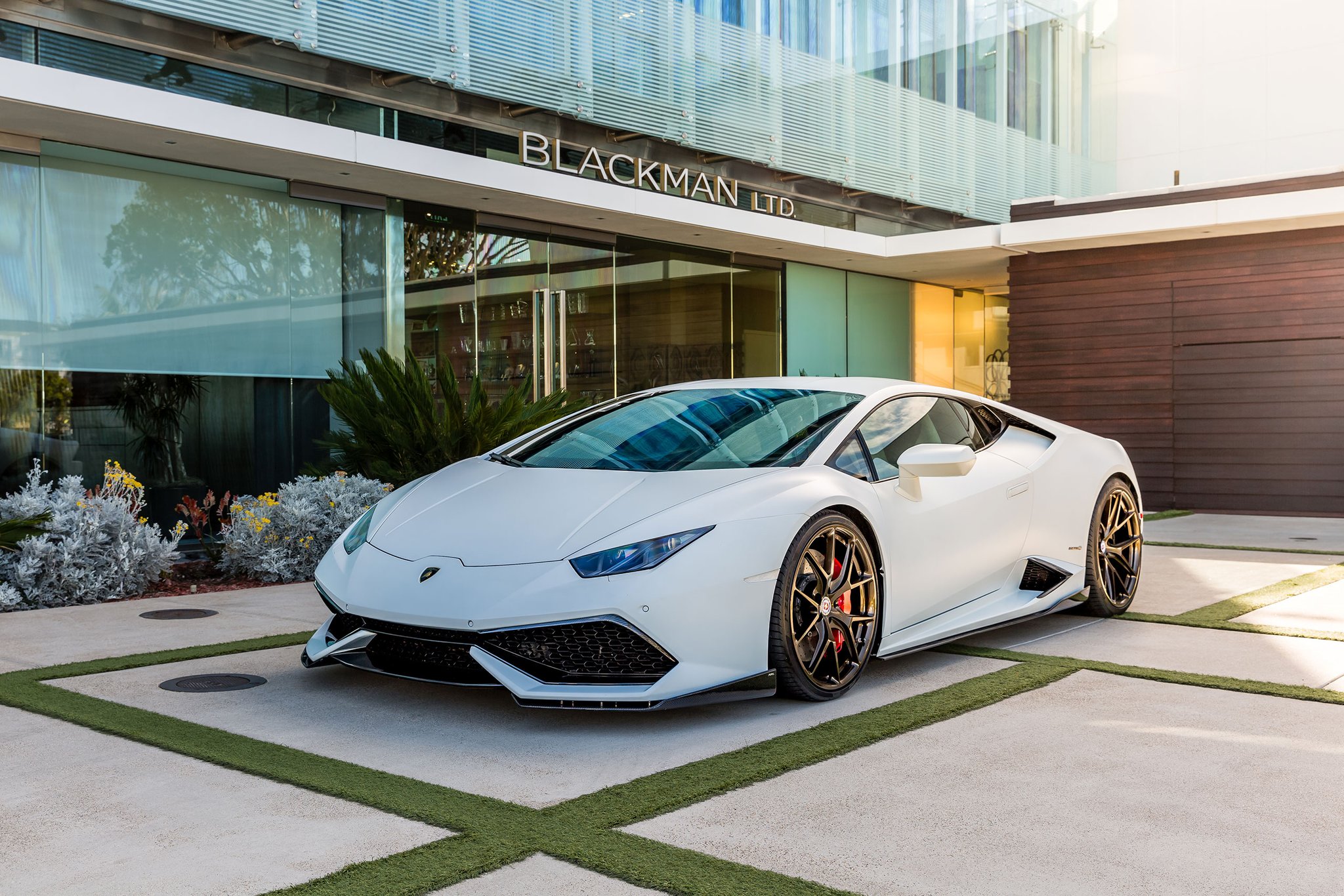
Lamborghini Aventador with Custom Wrap by Wrapsesh – Image Source: Wrapsesh AZ
Custom Plates
Let’s face it, registration plates are a necessary part of owning a car. Some places make you run one on the rear of your car while others enforce running a license plate on the front of your vehicle. Since this is a necessary evil of owning a car why not get yourself personalized plates?
Depending on where you live, you can either request a personalized plate by application through the DMV or using a service specializing in finding the right custom plate for you, such as CarReg based out of the UK. Prices for your own custom plate can range from a couple hundred to a few thousand dollars depending on availability.
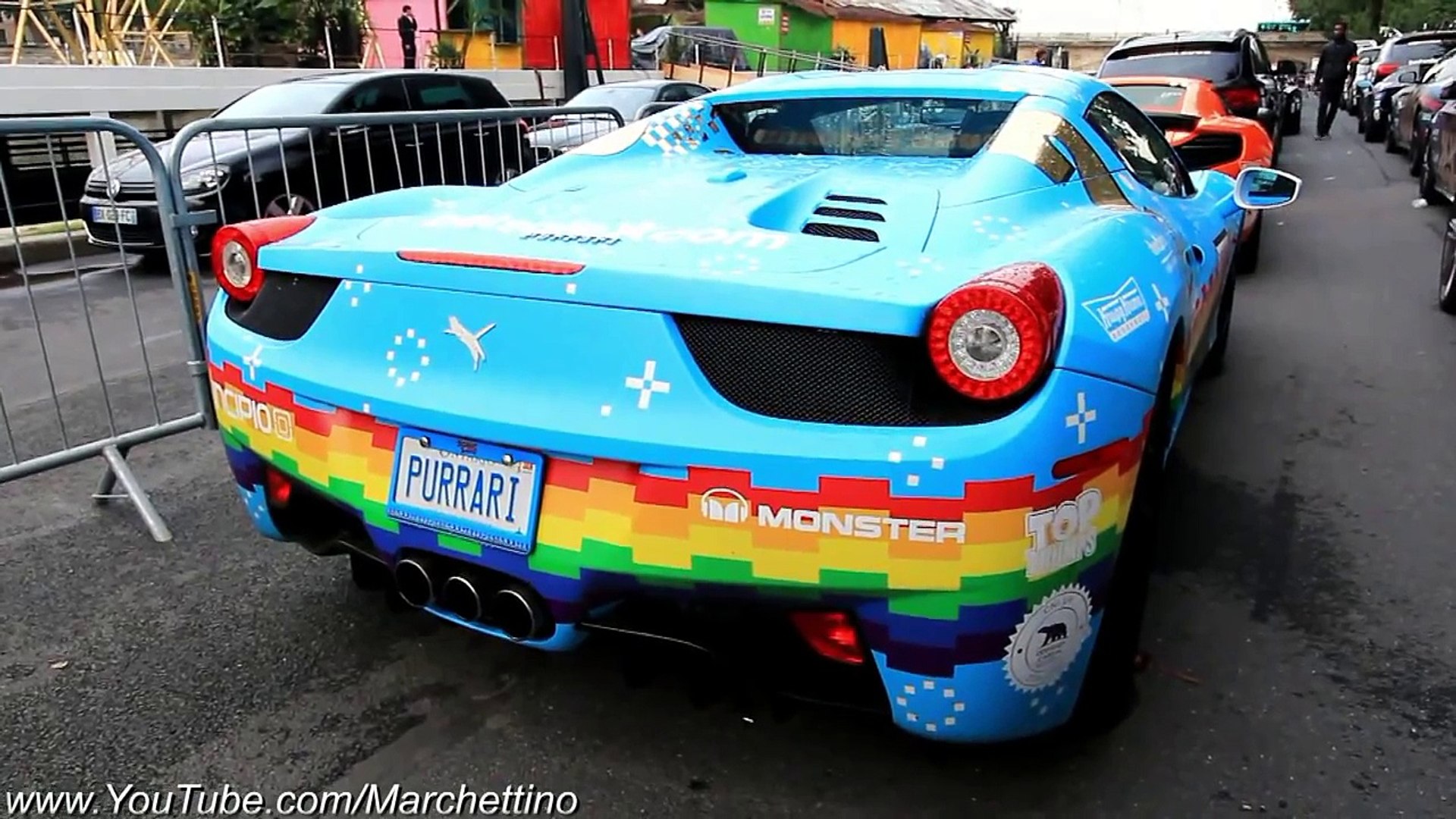
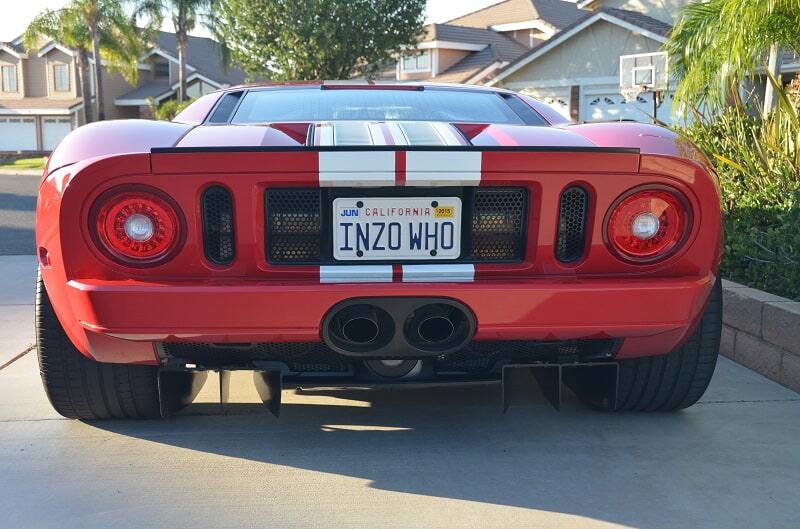
Adding custom registration plates to your car is another easy way to add personalization. Here are examples of custom plates that match each car perfectly.
Deadmau5 Ferrari 458 with vanity license plate – Image Source: Marchettino
Front Lip
Adding a front lip to your car can completely change the look of your ride, making it look lower, more aggressive, and enhancing the overall appearance.
Lips come in the form of an additional add-on to your stock bumper and can be made of a variety of materials such as carbon fiber or fiberglass reinforced plastic (FRP).
Front lips can also provide performance benefits as they can provide downforce to the front of your car. Like anything though, not all front lips are created equal and they vary in price depending on the brand, quality, and material used to make the lip.
You can expect to spend anywhere from $100 on a cheap universal lip on eBay or up to a few thousand dollars from a name brand like RSC.
Much like a front lip, rear diffusers will give your “boring” supercar the aggressive look you’ve been searching for.
A rear diffuser is an aftermarket add-on that sits on the lower section of your rear bumper. It gives an added performance benefit as it provides better downforce and therefore more traction.
Rear diffusers are found on Formula 1 cars and it was designed to create lower air pressure underneath the car to improve stability and traction. The same concept applies to road cars but not all road cars come standard with this type of aero accessory.
Bill Nelson’s Ford GT with rear diffuser – Image Source: Ford
Rear diffusers can be made from a variety of materials such as carbon fiber, plastic, and fiberglass. Again, much like front lips, the price can range from a few hundred dollars to a few thousand dollars. The quality, material type, and brand can dictate the price of this awesome upgrade.
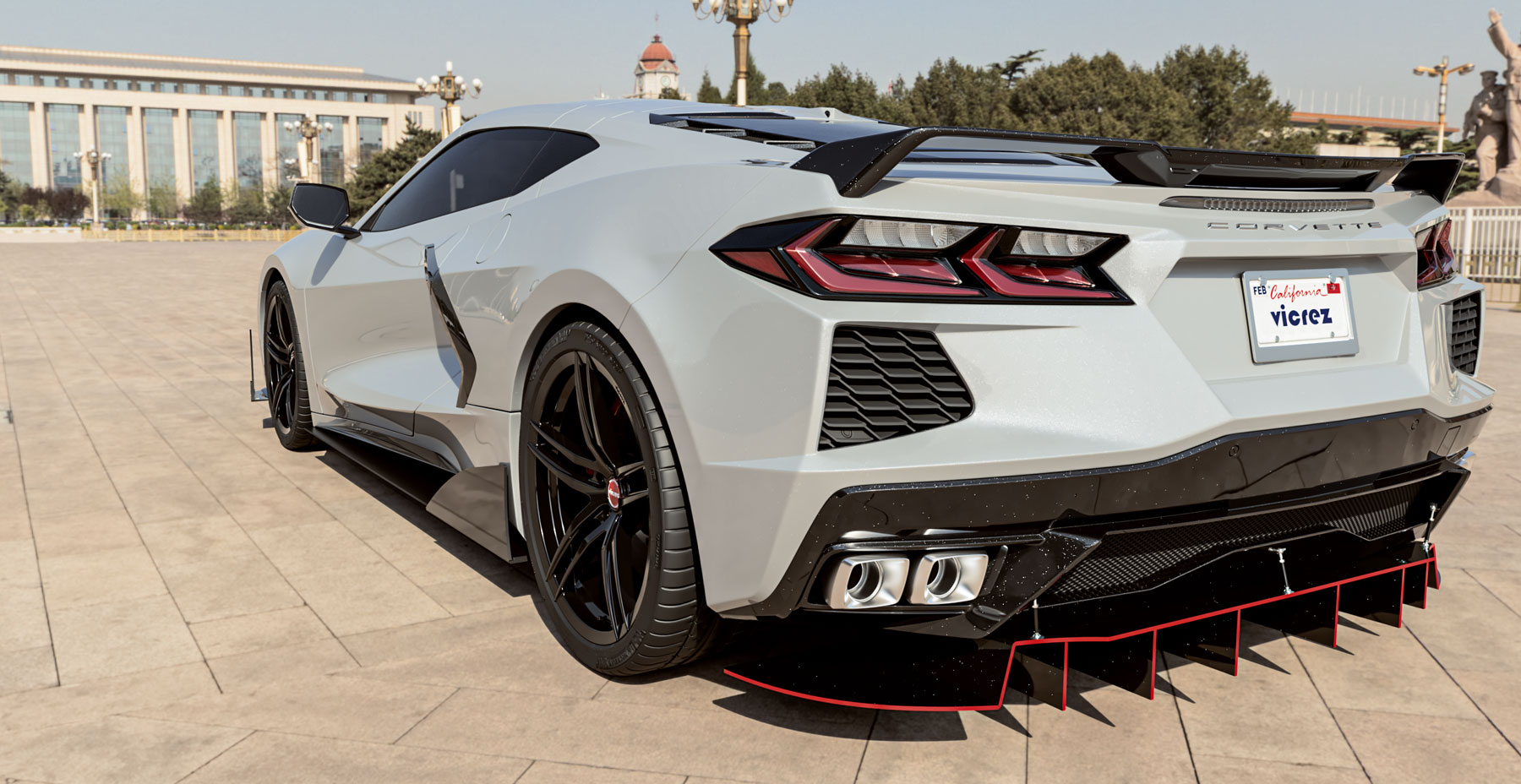
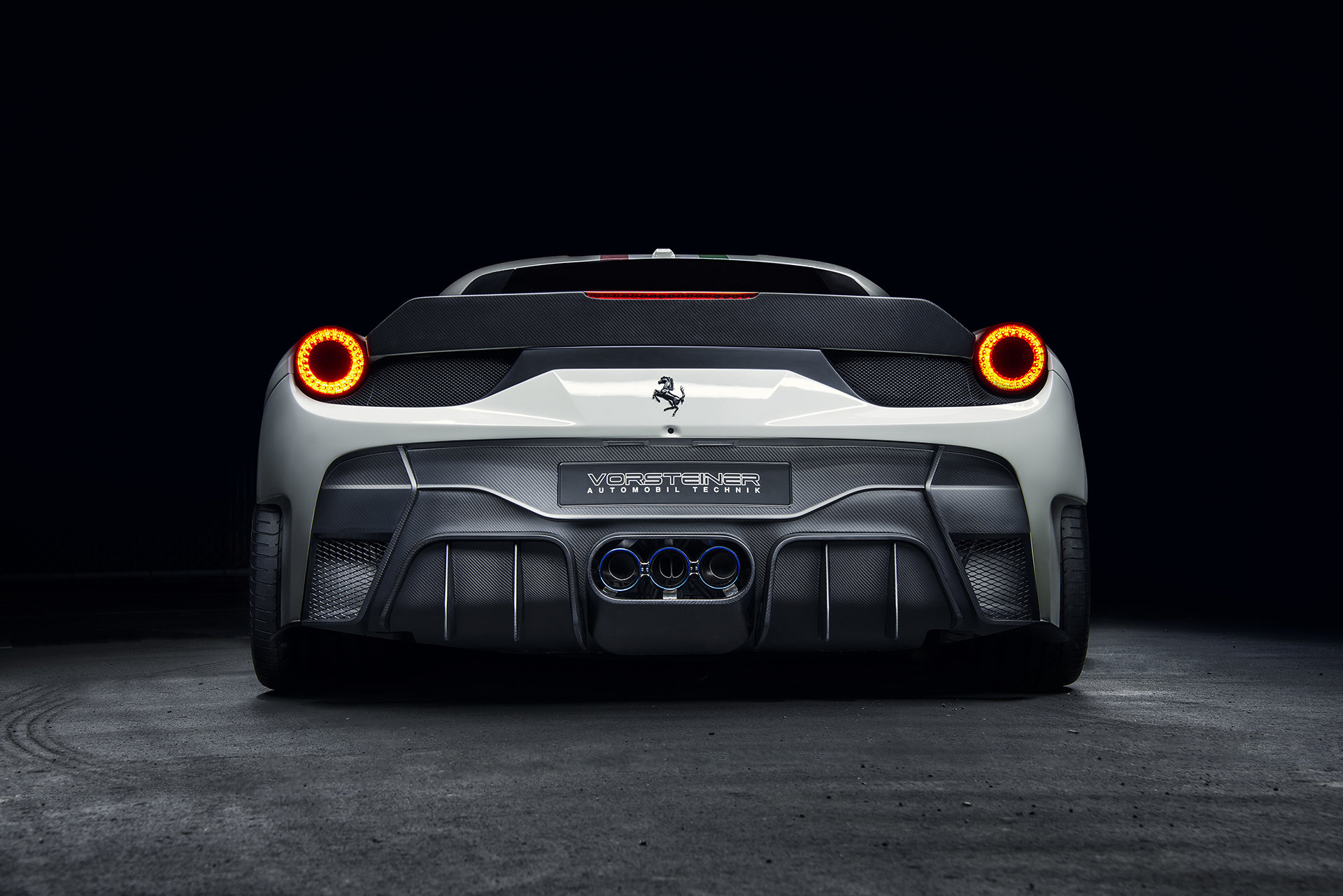
While you may not be racing your car, the diffuser comes with the added benefit of making your supercar look even better. Check out these cool examples below:
Chevrolet C8 Corvette with Vicrez Diffuser – Image Source: Vicrez.com
Ferrari with Vorsteiner Diffuser – Image Source: Vorsteiner
Carbon Fiber Accents
Have you been looking for a way to make your car stand out from the regular stock cars? Carbon fiber accents will save the day.
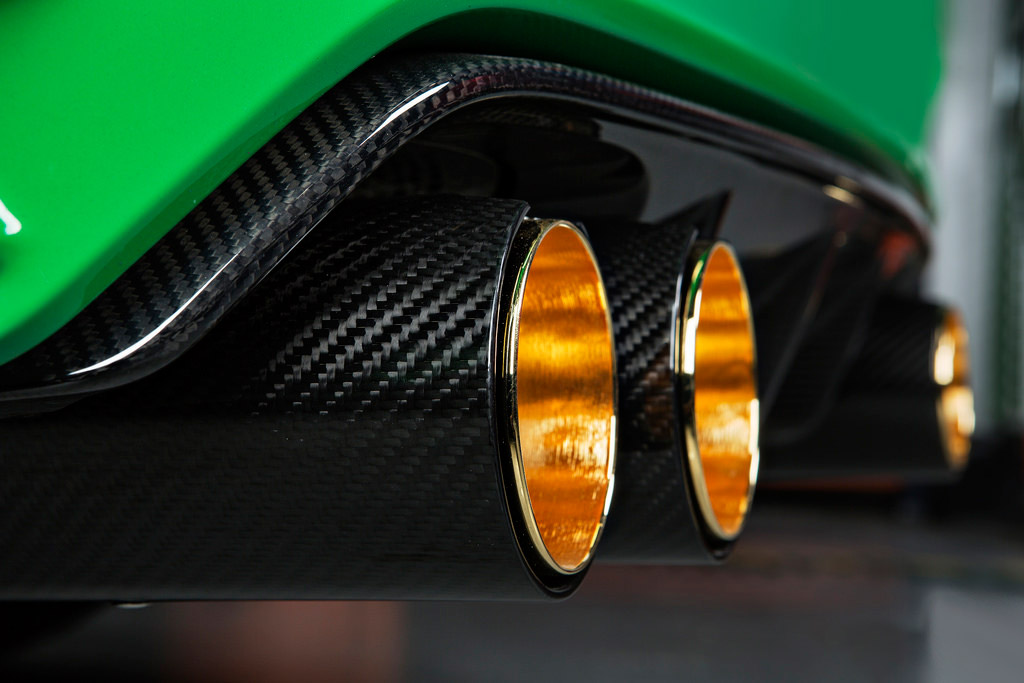
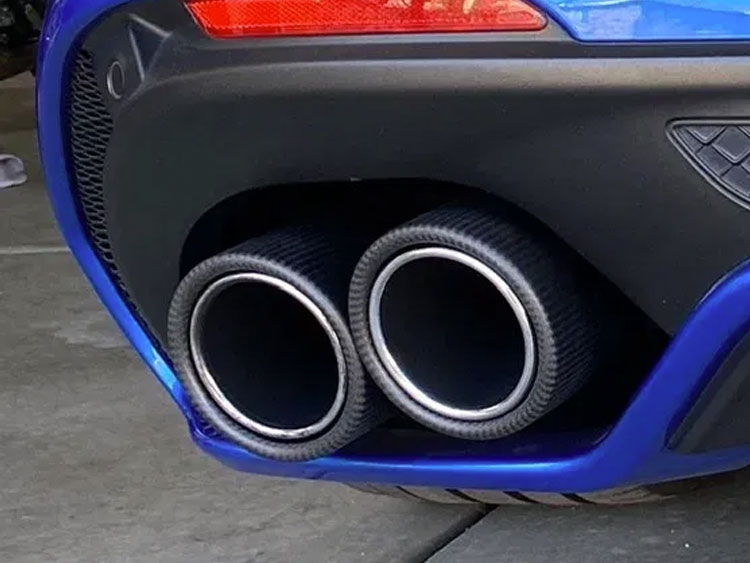
Carbon fiber is very strong, lightweight, and looks amazing in almost any application. You can get carbon fiber add ons for almost anything on your supercar. You can also get carbon fiber covers, which simply stick on top of whatever you want, or you can remove stock parts and replace them with carbon fiber parts altogether.
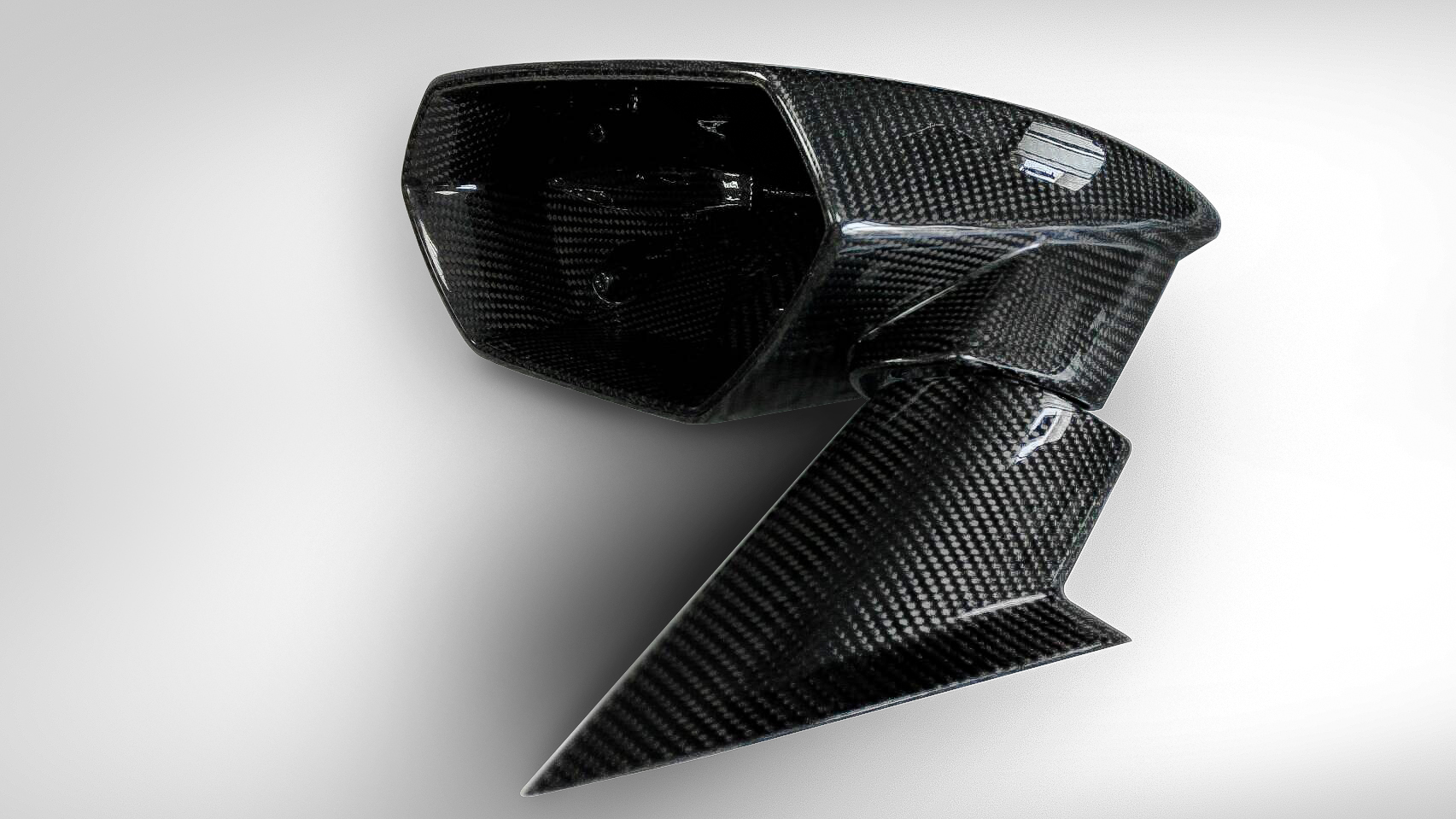
Carbon accents can consist of adding carbon fiber covers to existing parts like mirrors or interior pieces to improve the look of your car. They can also outright replace the items mentioned above by buying full carbon fiber replacement parts. Carbon fiber replacements can be anything from wheels, to full aero kits.
Adding carbon fiber replacement parts can help you save weight and can help increase performance. These can be found through an OEM dealership or an aftermarket supplier like Morph Auto Design.
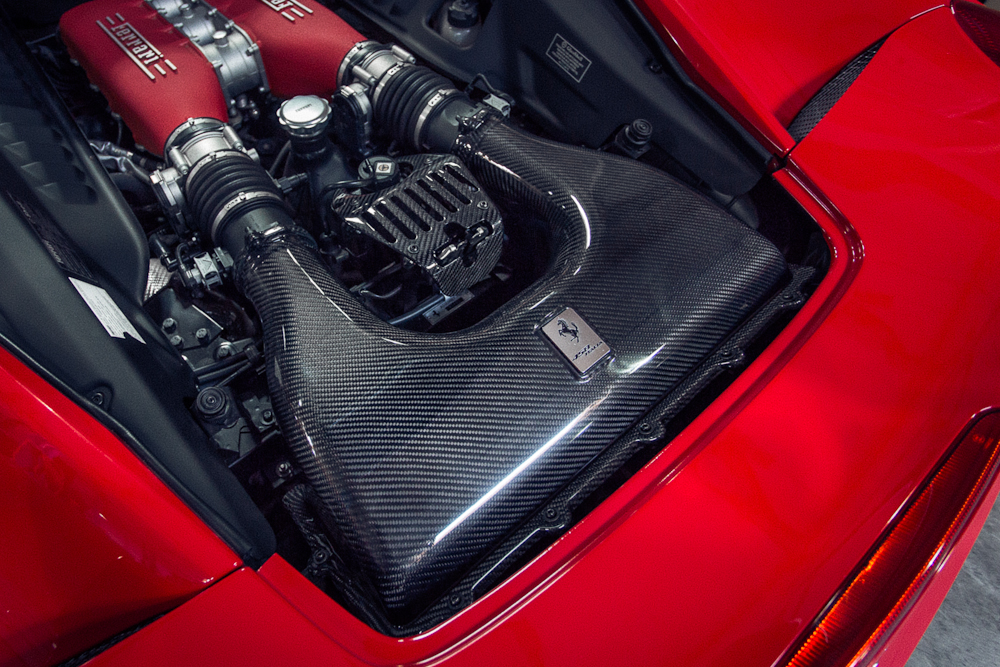
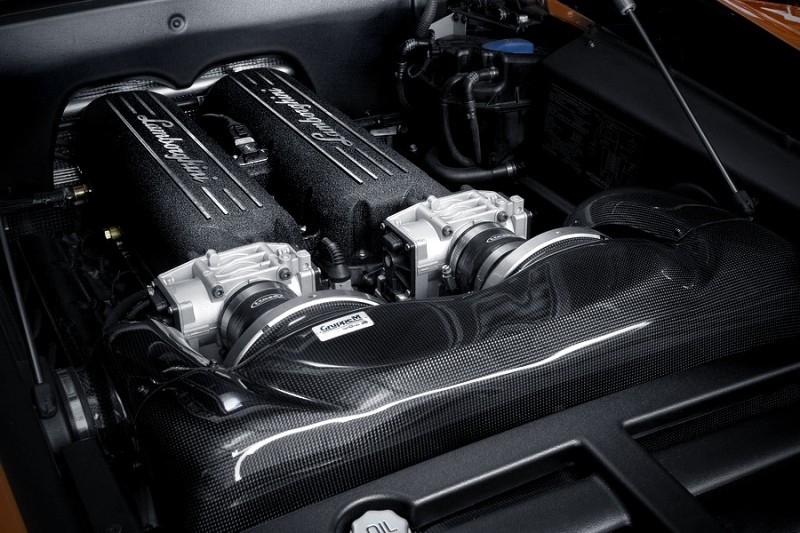
If you have an open-air engine bay, or if you love popping the hood to show off, a carbon fiber air intake is a stately way to do it. Not only will you bolt-on a few more ponies, but you’ll also shave of those precious, precious ounces.
Modern supercars have lightweight body panels already, but you can find high-quality aftermarket hoods that are even lighter. Given that the hood is one of the largest panels on the body, going carbon here can have a huge impact on the overall aesthetic.
Sorry, I can never resist a pun. Whether you have chosen to go with one of these options to customize your supercar or the entire list, you will completely change the look of your car and make it something that you can be proud of.
February 19, 2021 / Comments Off on 5 Ways to Customize Your Supercar Without Tanking Your Warranty (Or Resale)
This Porsche Type 301 10″ Knife comes in. With a refined Japanese steel blade and an ergonomic stainless handle, this knife make slicing, dicing and chopping as easy as ever so you can prepare restaurant…
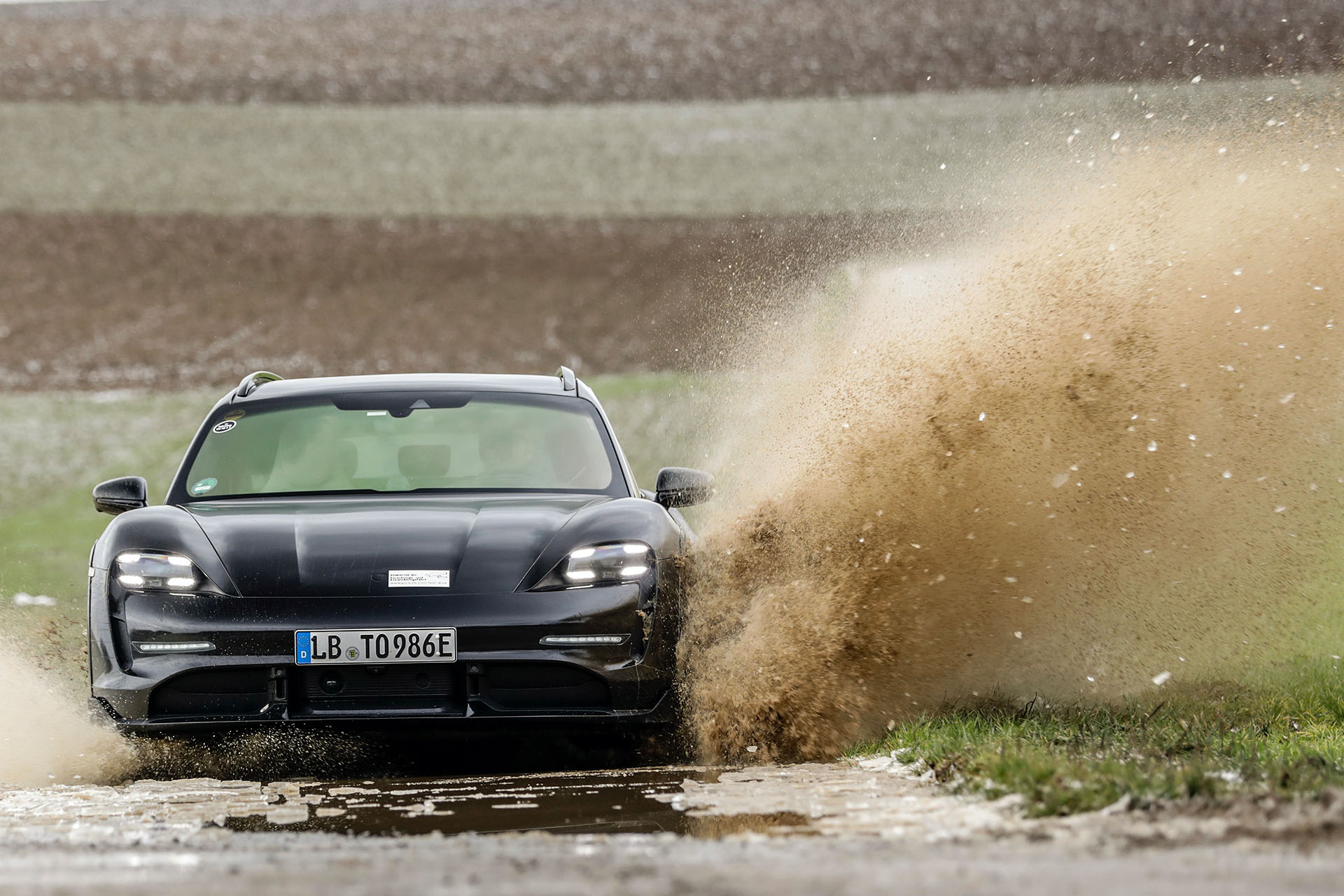
The head of the Taycan model line, Stefan Weckbach, took on very mildly camouflaged Porsche onto the open roads around Waissach for some real-world testing … boasting a long roofline combined with an increased ride height. And while the front looks like the Porsche Taycan, the rest looks more like the Mission E Cross Turismo concept from 2018.
This is the brand new Porsche Taycan Cross Turismo, a car for those people that love the Taycan, but need some more space and versatility … this Cross Turismo feels at home on the city streets, but also out in the country on sand roads, and while this model comes with increased ground clearance, it’s not a replacement for a Cayenne … the Cross Turismo is intended to be able to cross gravel roads and some mild off-roading, it even comes with bespoke CUV (Cross Utility Vehicle) driving modes.
Compared to the Porsche Taycan you’ll immediately notice the extended roofline, making it look like a sporty estate, but they also added roof rails for practicality, the rear seats are more spacious and the luggage area has been enlarged to create the Cross Turismo, this is the first all-electric cross utility vehicle from Porsche.
Until now the Taycan Cross Turismo was a closely kept secret beyond the walls of Weissach and the Taycan production line in Zuffenhausen, but the appeal of Porsche’s first all-electric sports saloon will only grow now, taking the Taycan (of which 20,000 units were sold during the first year of production) onto a different market segment, customers who want to take this all-electric Cross Turismo off the streets, onto the open fields.
February 19, 2021 / Comments Off on Porsche Taycan Cross Turismo on the road
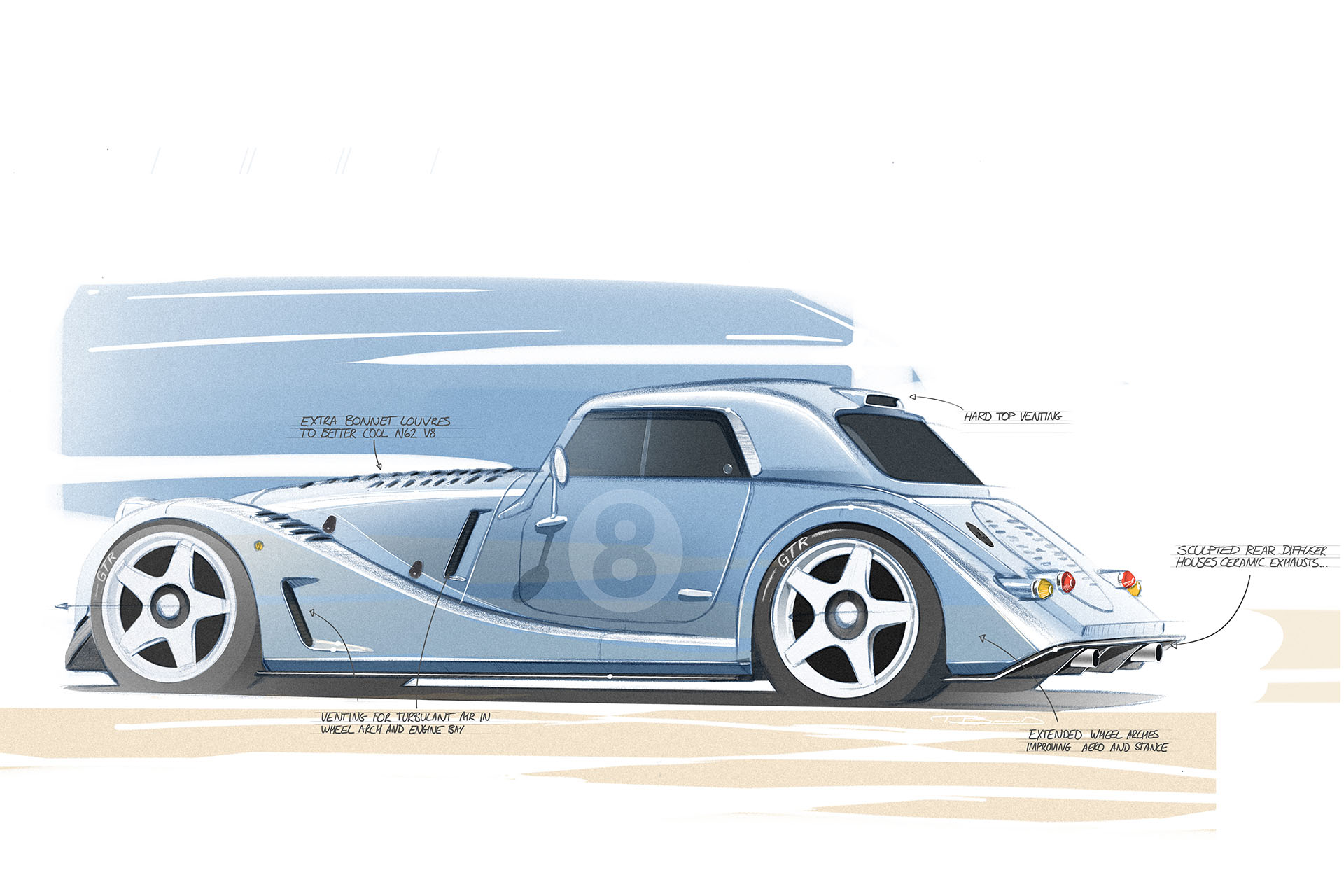
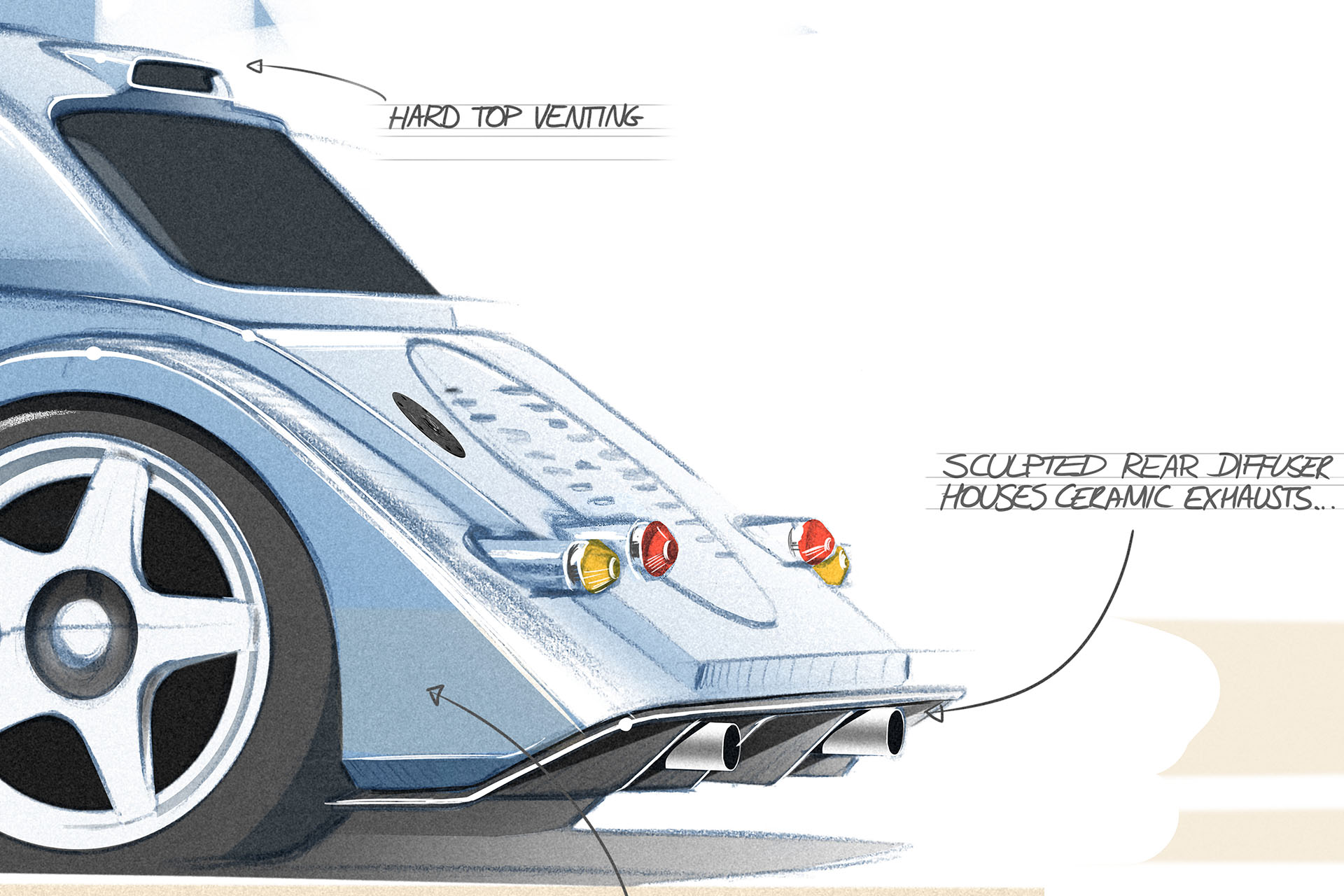
Raw, visceral, loud, and low, the Morgan Plus 8 GTR represents what the Morgan Motor Company can create when its design and engineering teams let their imaginations run wild. Limited to just nine examples, it marks the first in a line of Morgan special projects set to commence this year.
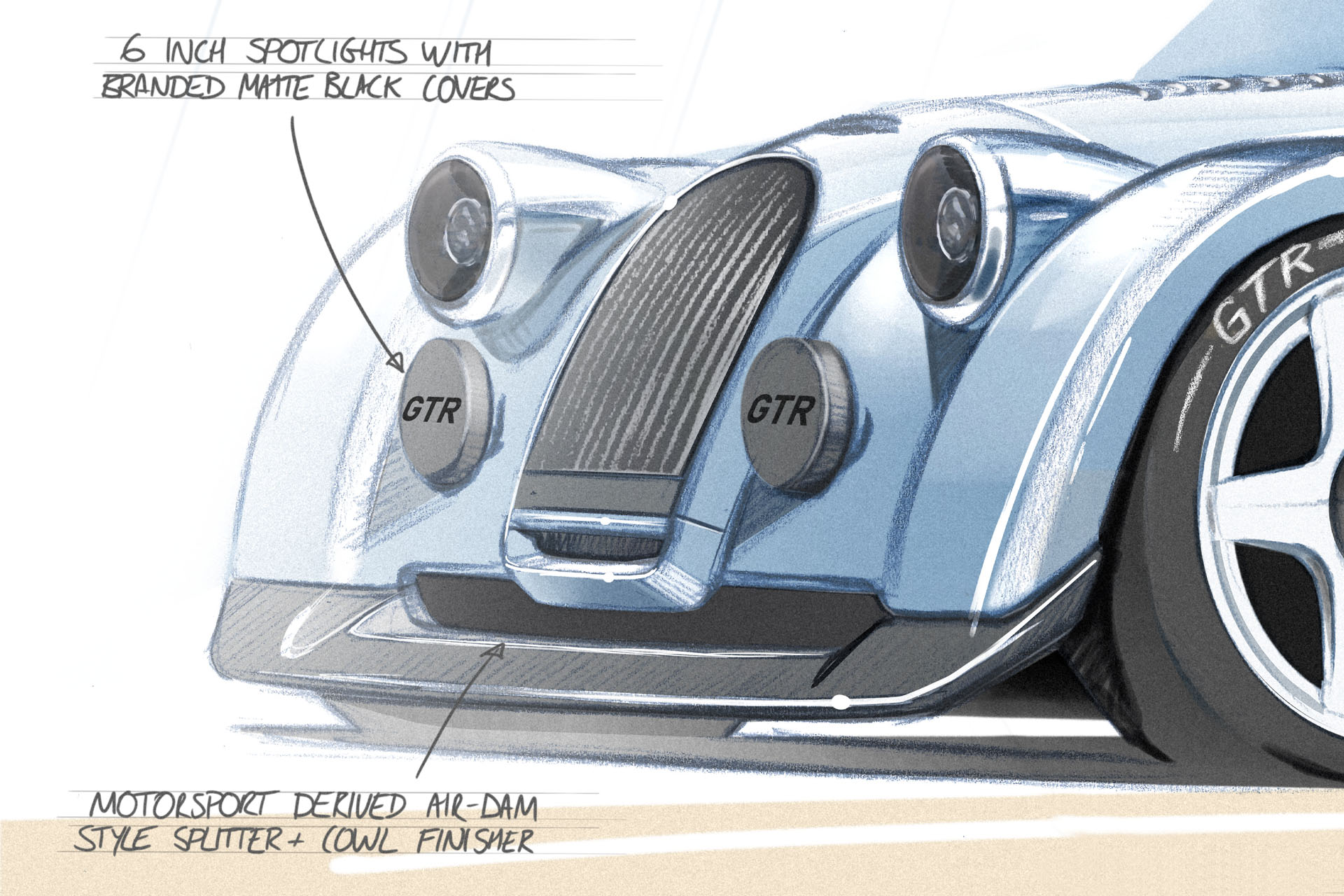
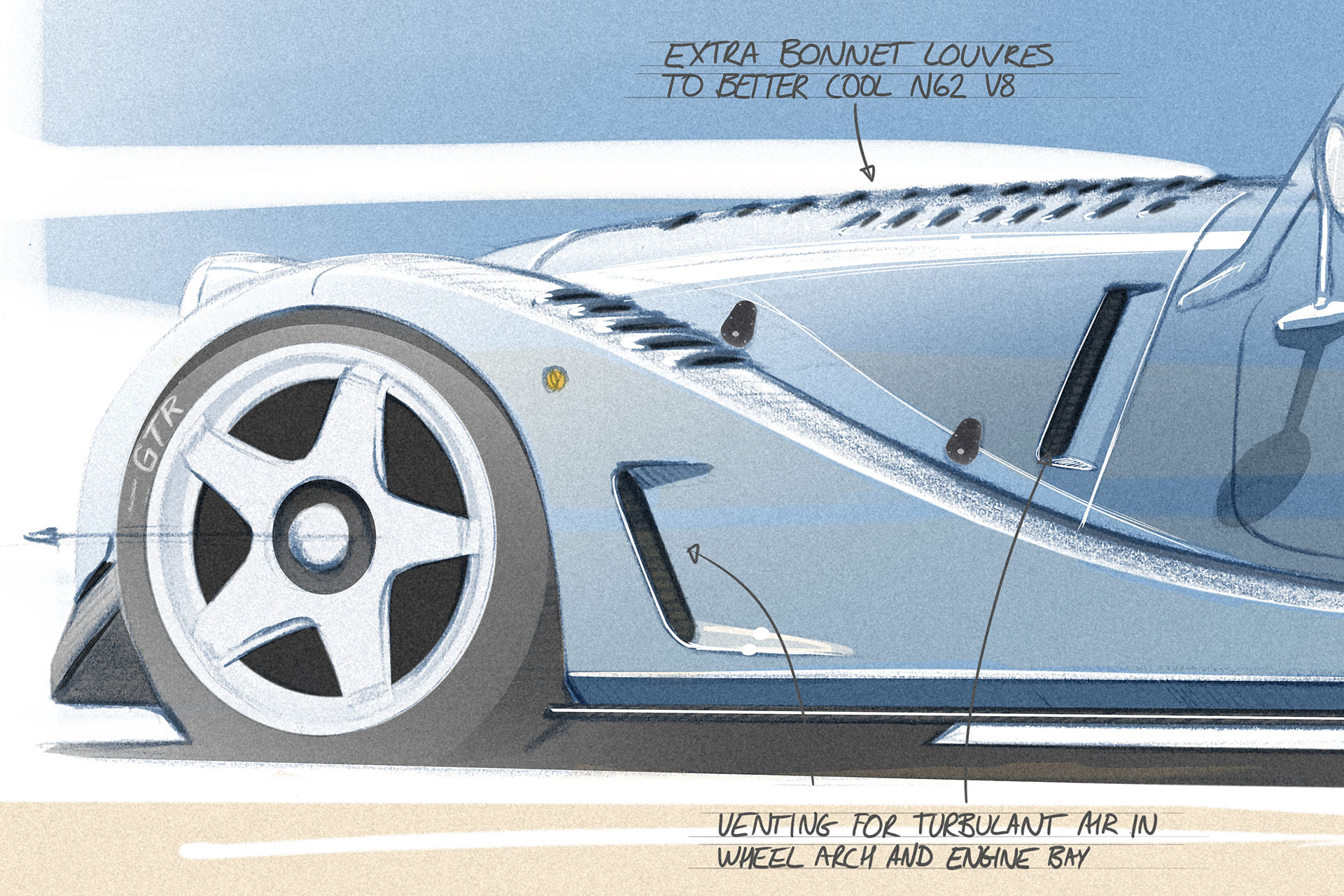
The Plus 8 GTR explores design themes such as the high shoulder line, not seen on a traditional Morgan body for decades. Its five-spoke center-lock wheels are reminiscent of Morgan’s 1990s Plus 8 race cars, framed perfectly by subtly re-sculpted wheel arches. Further design elements include a revised rear end, front wings, and front splitter, and the fitment of a hardtop. The model also benefits from the learning and expertise gained by the company since the Plus 8 officially finished production in 2018.
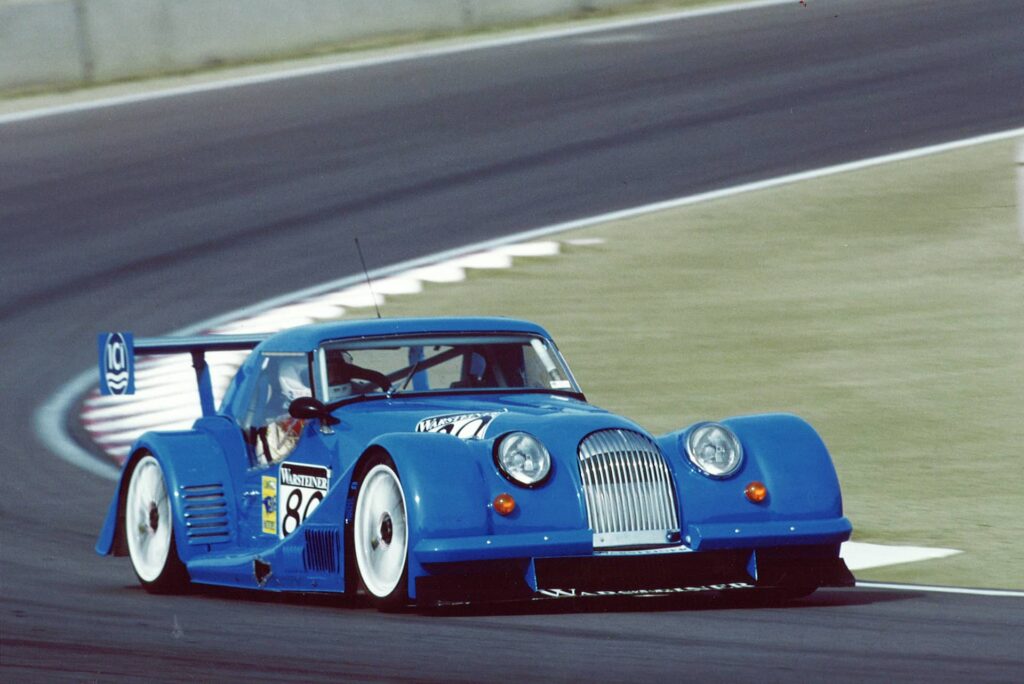
One particular design inspiration was the Plus 8 race car that competed in the GT series throughout the late nineties, more commonly known as ‘Big Blue’. This car served as the testbed for Morgan’s first bonded-aluminum chassis, which would go on to underpin the Aero 8 and ‘Aero-chassis’ Plus 8 models. It seemed fitting, following the recent launch of Morgan’s latest CX-Generation bonded-aluminum platform, to use this opportunity to pay tribute to the car that pioneered Morgan’s use of aluminum structures.
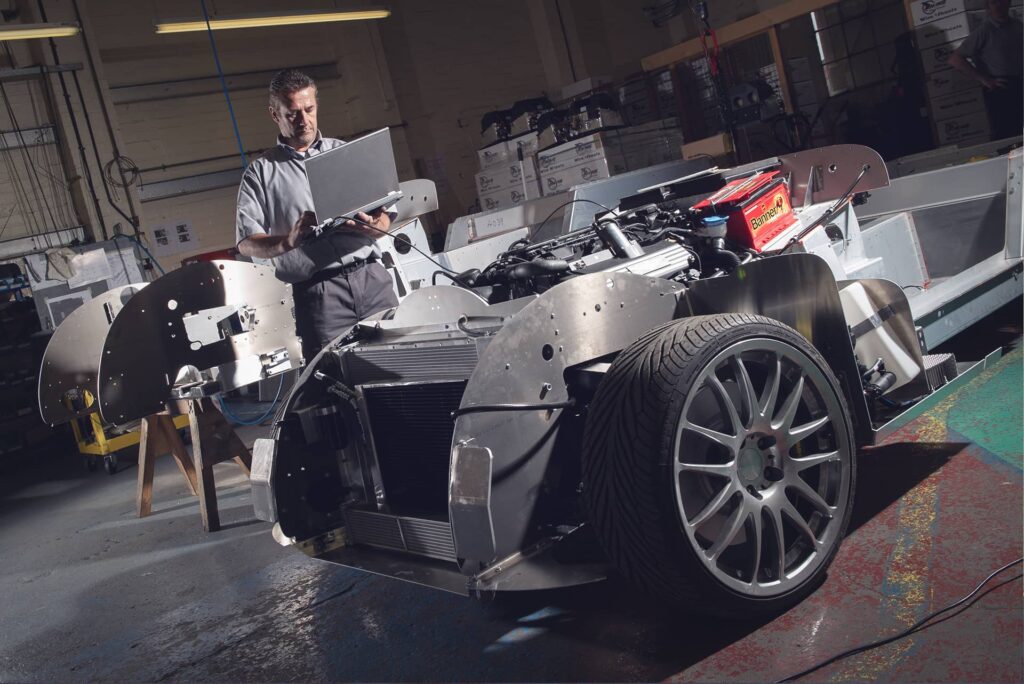
The project has only been possible because of the recent availability of a number of Plus 8 rolling chassis, which have been re-acquired from a third party following a discontinued project. These were all built by Morgan before 2018 and were never used for their intended purposes. All are to be recommissioned and will benefit from the upgrade of selected mechanical components.
As part of their transformation from rolling chassis to the finished vehicle, each GTR will be handcrafted using Morgan’s traditional coachbuilding techniques. In a break from over a century of Morgan tradition, much of this work will be completed not at its famous Pickersleigh Road factory, but at the nearby Morgan Design and Engineering Centre (M-DEC). The Plus 8 GTR runs alongside core programs and is one of several Morgan special projects to be announced this year. It follows numerous special project Morgan models in recent years, such as the Aero GT, SP1, and Aeromax.
These ‘Aero-chassis’ Plus 8s use the Morgan first-generation bonded-aluminium chassis developed initially for the Morgan Aero 8. Previously, from 1968 to 2004, Plus 8 models used Morgan’s traditional steel chassis and were powered by Rover V8 engines.
All ‘Aero-chassis’ Morgan Plus 8s were powered by the BMW N62 4.8-litre engine, and the GTR will be no exception. In its original specification, this unit produced 362 bhp, however, the exact power output for the GTR is yet to be finalized. A choice of a six-speed manual or ZF six-speed automatic gearbox will be available, with fixed allocations for each transmission option.
Just nine Morgan Plus 8 GTRs will be built, with production beginning in summer 2021. The transformed special project will be available in certain worldwide markets, subject to local rules on the importation of European vehicles. As part of the special projects program, customers will be invited to commission their bespoke Plus 8 GTR alongside Morgan’s design team.
Jonathan Wells, Morgan Head of Design, said:
“Reviving a V8-powered Morgan at the current time may not seem like the obvious choice for a manufacturer firmly focused on new platforms and powertrains. However, when the opportunity presented itself to recommission a number of rolling chassis and create an exciting special project such as Plus 8 GTR, we embraced it fully. This project has allowed Morgan’s design and engineering teams to revisit some of their favorite elements of past Morgan models, as well as experiment with some features that we hope will appear on future Morgan cars.”
February 19, 2021 / Comments Off on The Morgan Plus 8 GTR
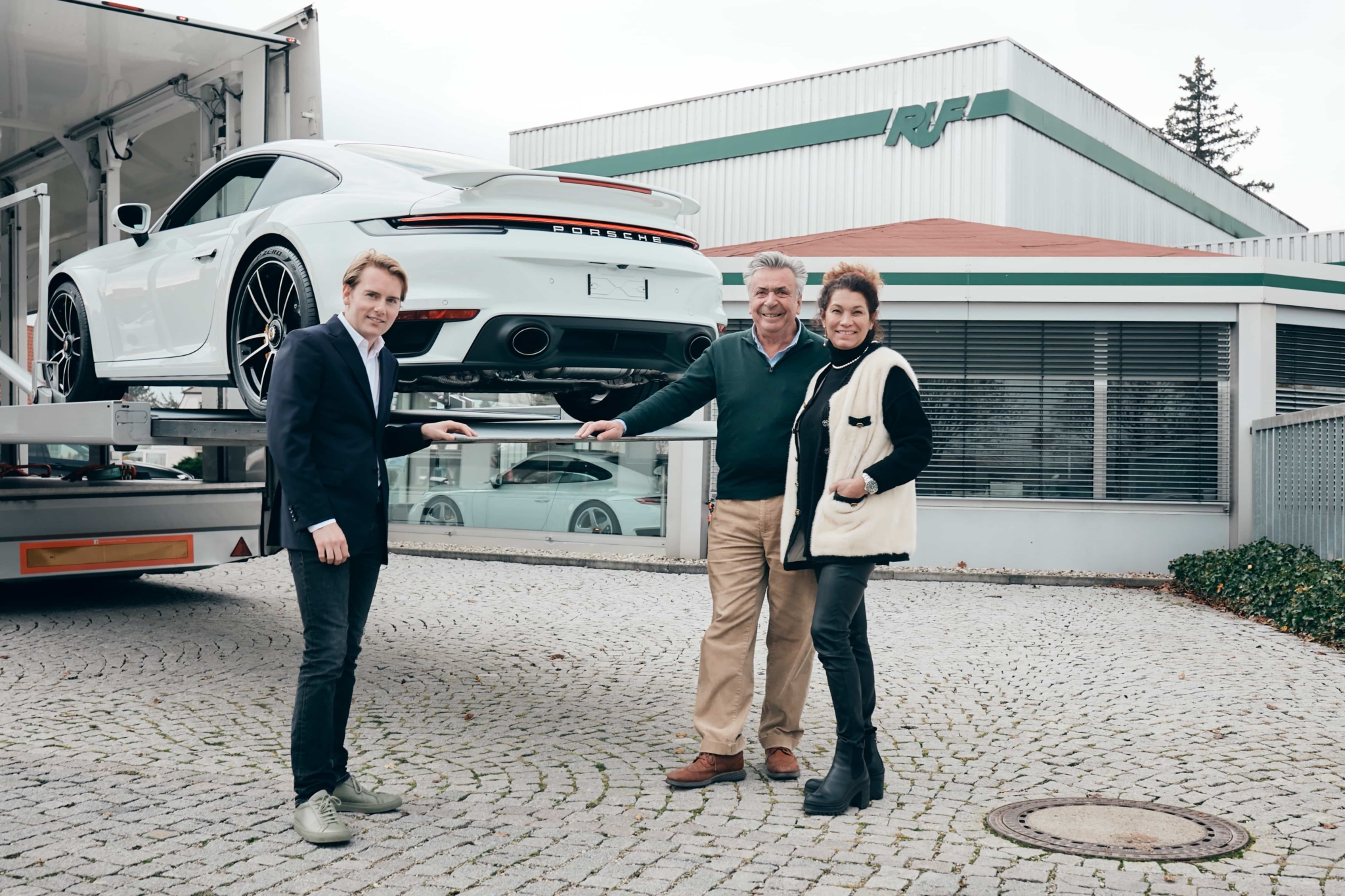
Uwe Gemballa already partnered with Porsche specialist Alois Ruf on engine development back in the 1980s. The two families have teamed up again this time led by Uwe Gemballa’s Son Phillip Gemballa. Phillip Gemballa will launch his first project in 2021 starting a new era with his new company Marc Philipp Gemballa GmbH (not associated with Gemballa GmbH) 10 years after the passing of his father.. The engine development designed by Marc Phillip Gemballa will be under the name “powered by Ruf”.
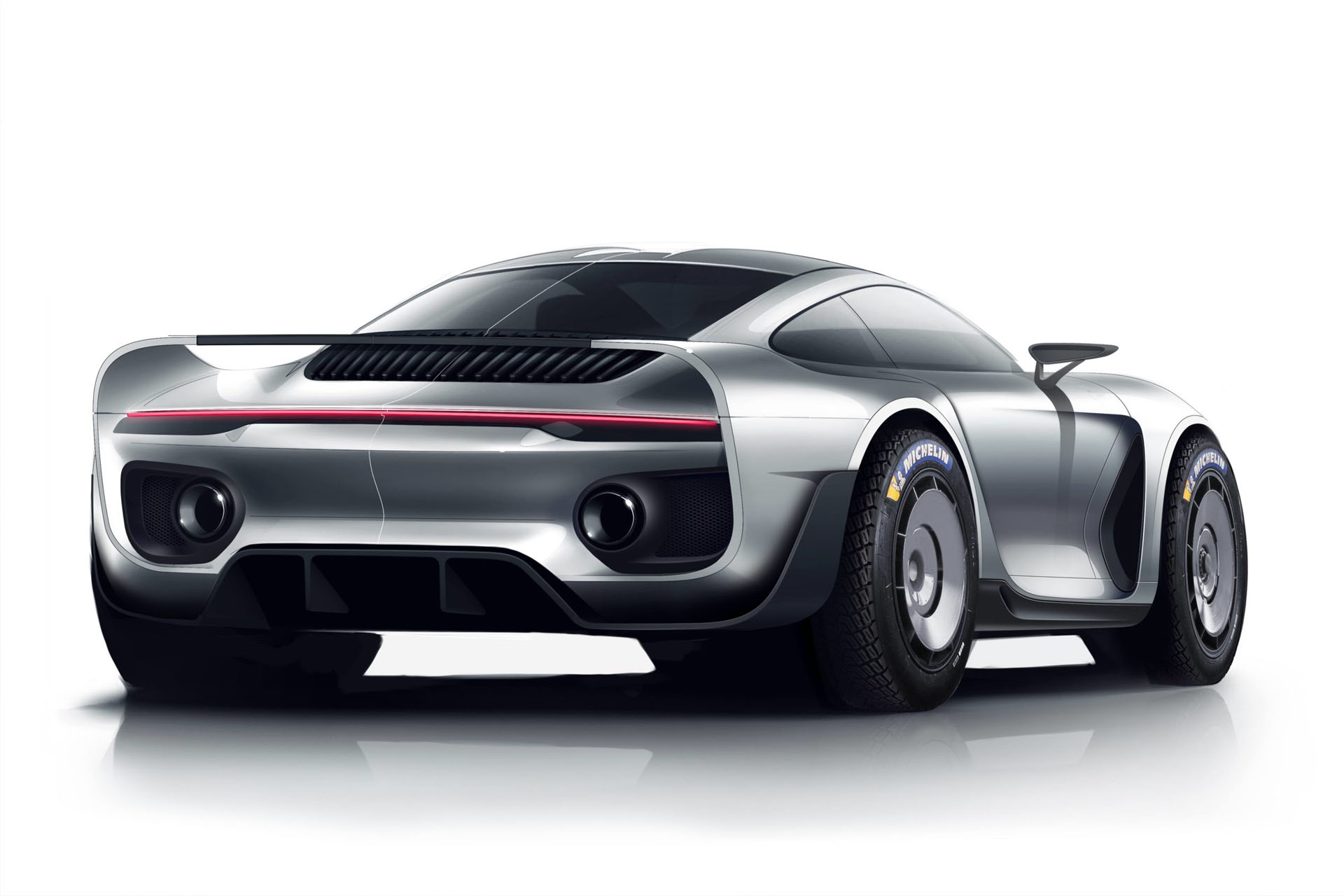
The collaboration’s first project will be an off-road supercar dubbed “project Sandbox” based on the new Porsche 911 Turbo S from the 992 series. The project is said to be inspired by the infamous Porsche 959 ‘Dakar’ car.
The engine upgrade allows the six-cylinder boxer engine to provide an output of over 750hp and 930Nm of torque and it adheres to the latest EURO 6 emissions regulations despite the increment in power.
The exclusive edition is limited to 40 units and 10 are already spoken for before the official launch leaving 30 units only. The company will be revealing more information later this year.
Specs
Base vehicle: Porsche 911 Turbo S (992 series) Engine: 6-cylinder twin-turbocharged flat-six Power (kW): 552 kW (Series: 478 kW) Power (hp): 750+ hp (Series: 650 hp) Max. torque: 930 Nm torque (Series: 800 Nm torque)
February 19, 2021 / Comments Off on Marc Philipp Gemballa’s Off-Road Porsche 992 Turbo to Use a 750hp RUF Engine
The announcement of a new 911 always gets us excited. The announcement of a new 911 GT3 is downright excitement-city for days on end. It has been two days since the announcement of the new 911 GT3 and we decided to go through the color options and see which one we would pick. Frankly, nothing crazy here in terms of color options. Shark Blue and Lava Orange are clearly the colors to choose if you want to make an entrance, but for us, we would go a little more subdued. Give us a GT3 in Agate Grey or Chalk and we will be happy forever.
Porsche 911 GT3 In Agate Grey (Metallic)Porsche 911 GT3 In Black (Standard)Porsche 911 GT3 In Carrera White (Metallic)Porsche 911 GT3 In Chalk (Special)Porsche 911 GT3 In Dolomite Silver (Metallic)Porsche 911 GT3 In Gentian Blue (Metallic)Porsche 911 GT3 In GT Silver (Metallic)Porsche 911 GT3 In Guards Red (Standard)Porsche 911 GT3 In Jet Black (Metallic)Porsche 911 GT3 In Lava Orange (Special)Porsche 911 GT3 In Python Green (Special)Porsche 911 GT3 In Racing Yellow (Standard)Porsche 911 GT3 In Shark Blue (Special)Porsche 911 GT3 In White (Standard)
February 18, 2021 / Comments Off on The Full List of New Porsche 911 GT3 Colors
Last year, Marc Philipp Gemballa, the eponymous supercar company started by Uwe Gemballa’s son, said it would build a heavily modified 911 Turbo S inspired by the Porsche 959 Dakar Rally cars. Based on the official render and past announcement, it will have retro-inspired body work and the ability to drive fast even on rough dirt roads. Since last year’s announcement, the company has developed a number of partnerships for development, and the latest was announced this week: RUF.
Yes, the legendary Porsche tuner and supercar builder is working with MPG to develop the engine for what the company is only calling “Project Sandbox.” It will be based on the 911 Turbo S engine, which starts with 640 horsepower and 590 pound-feet of torque. MPG and RUF say that the upgraded one will make more than 750 horsepower and 686 pound-feet of torque. The MPG car won’t be the only car to benefit, though, as the company said that RUF’s upgrades will be available for owners of regular 911 Turbo S cars looking for more power.
Other major automotive partners helping develop the MPG Project Sandbox include KW Automotive, Michelin, Akrapovic, VELA Performance and KLK Motorsport. The finished car will be revealed this spring, and production will begin later this year. MPG will build 40 examples, and the 10 first edition models have already been sold.
Related Video:
February 18, 2021 / Comments Off on Marc Philipp Gemballa’s 959-inspired supercar will have an engine tuned by RUF
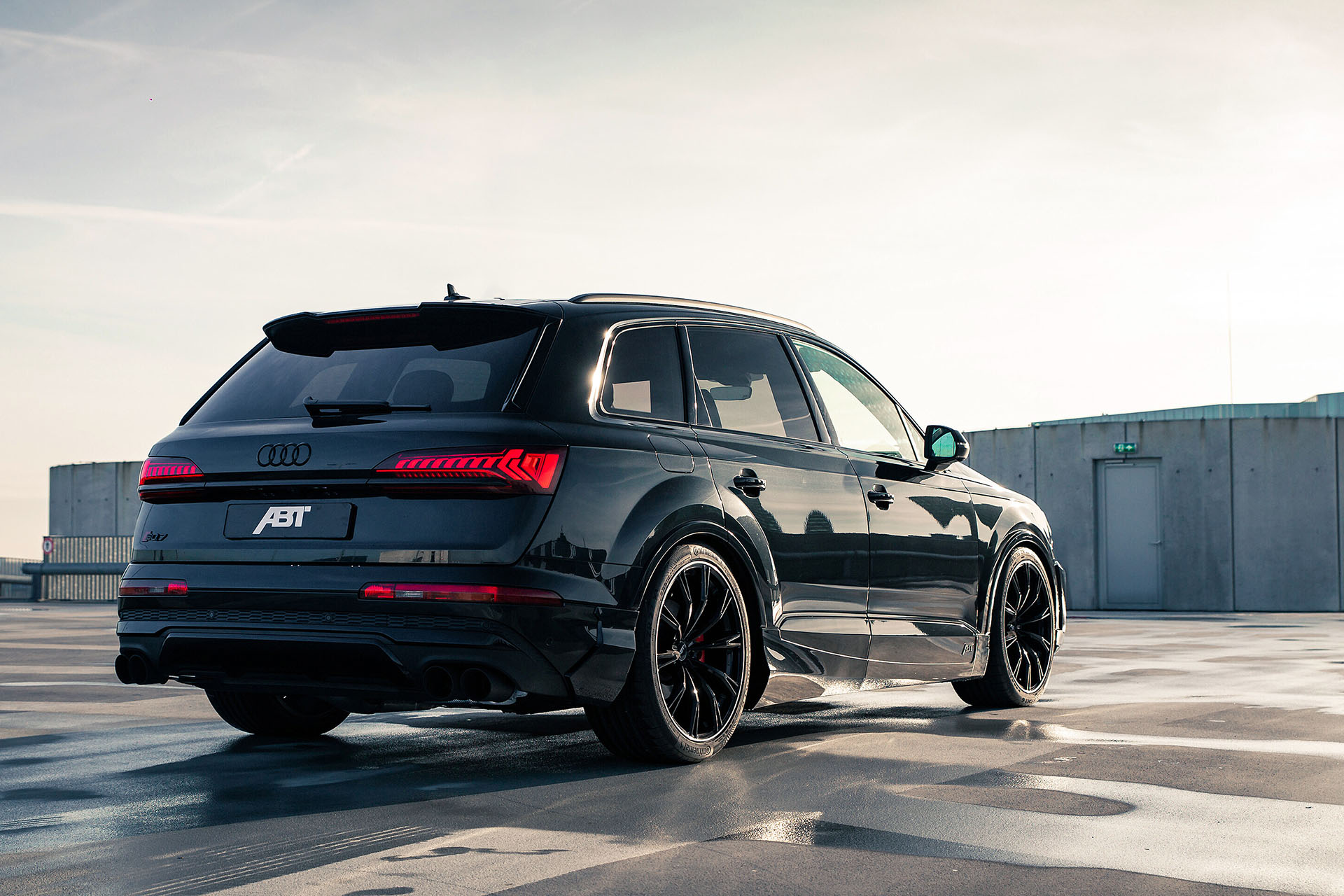
As a family man you’ll need a big car for the school run and those groceries over the weekend … a Lamborghini Urus might not fit into the budget and an Audi RSQ8 isn’t what you’re looking for … in that case another option from the Audi stable might be just what you need, the $85,000 Audi SQ7.
Considered a mid-size SUV in the United States, over in Europe this is a large car, nonetheless with 500 hp from a V8 engine, this 2.3-tonne beast still takes only 4.1 seconds to reach 100 km/h from a standstill … something a base model Porsche 911 barely manages too.
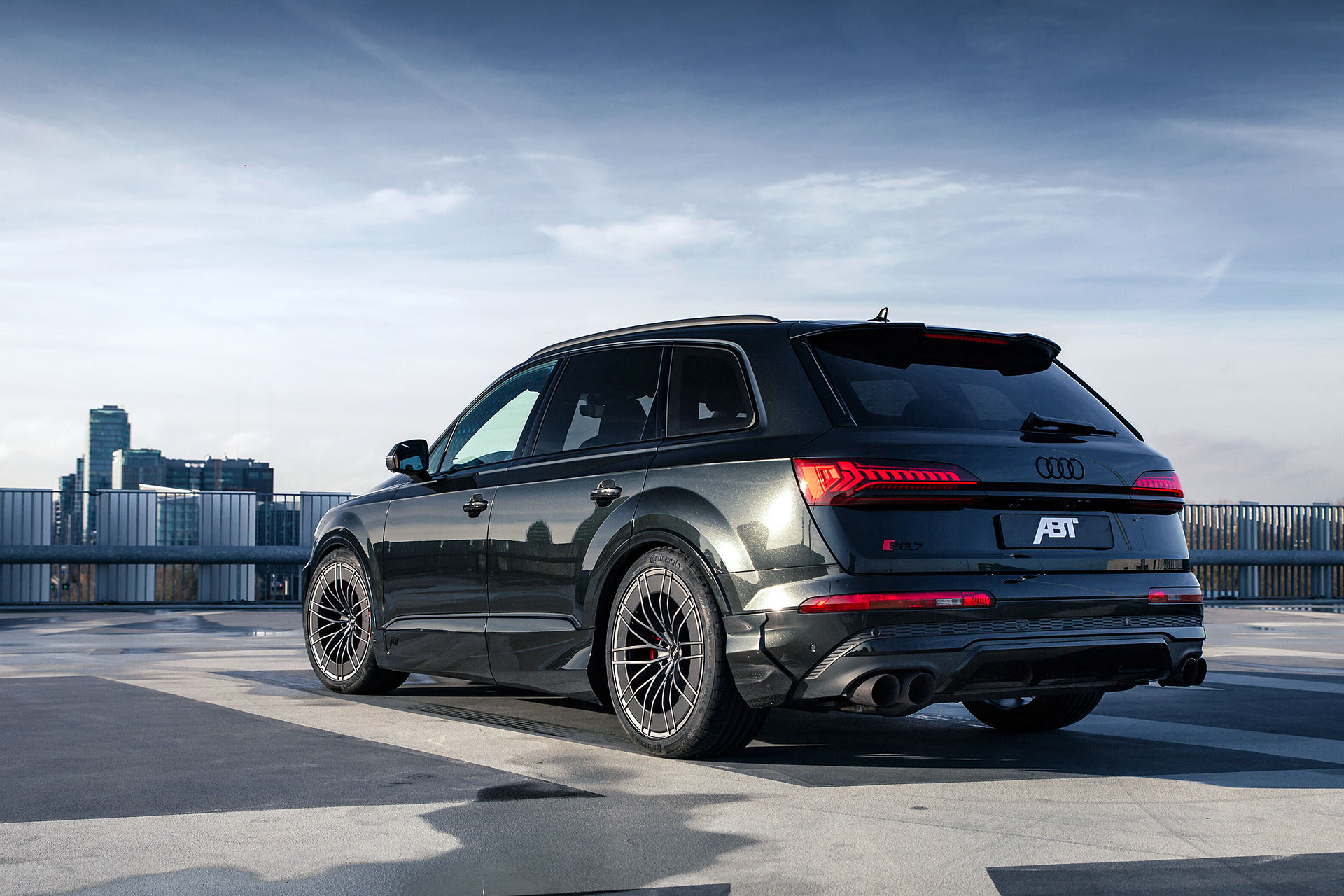
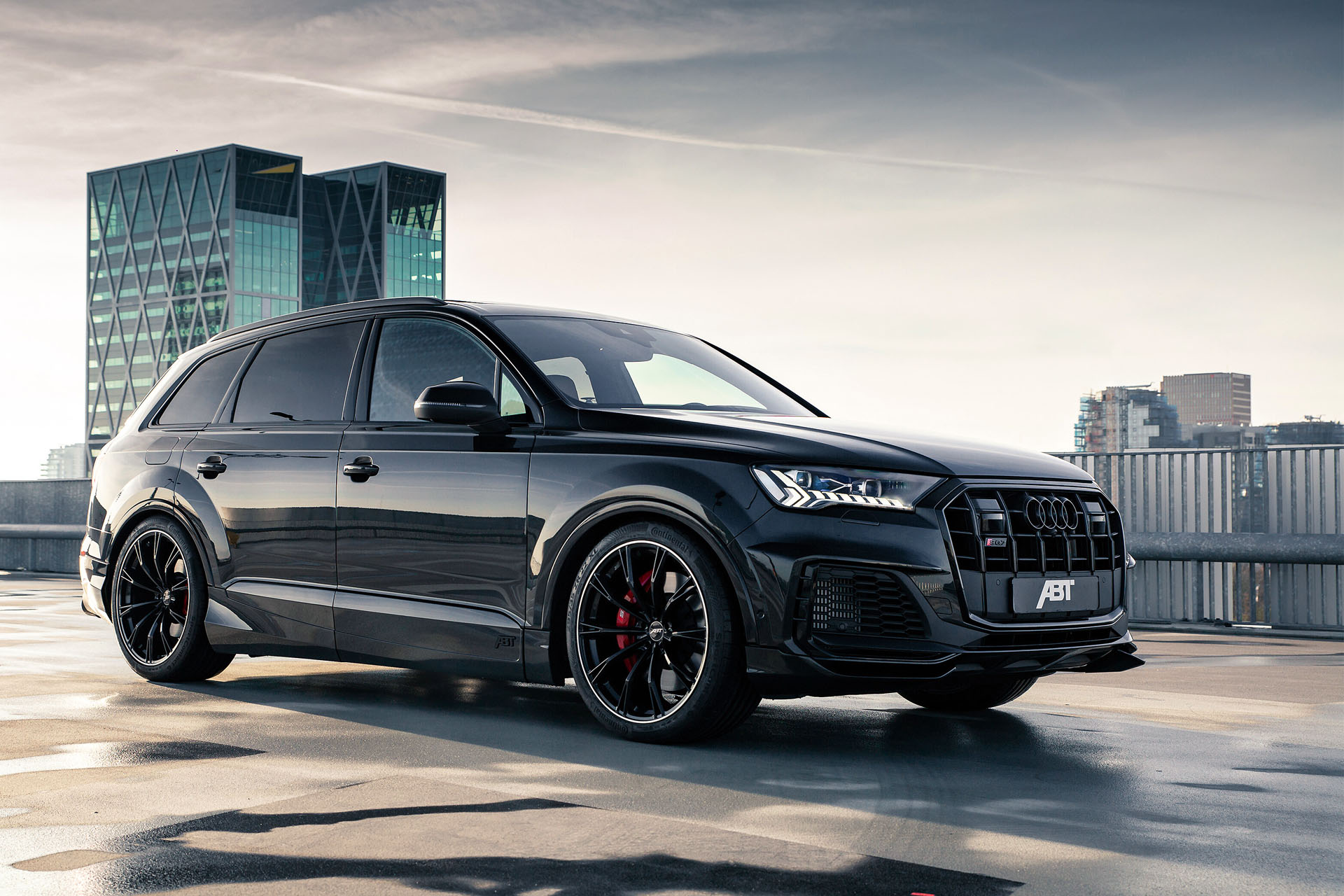
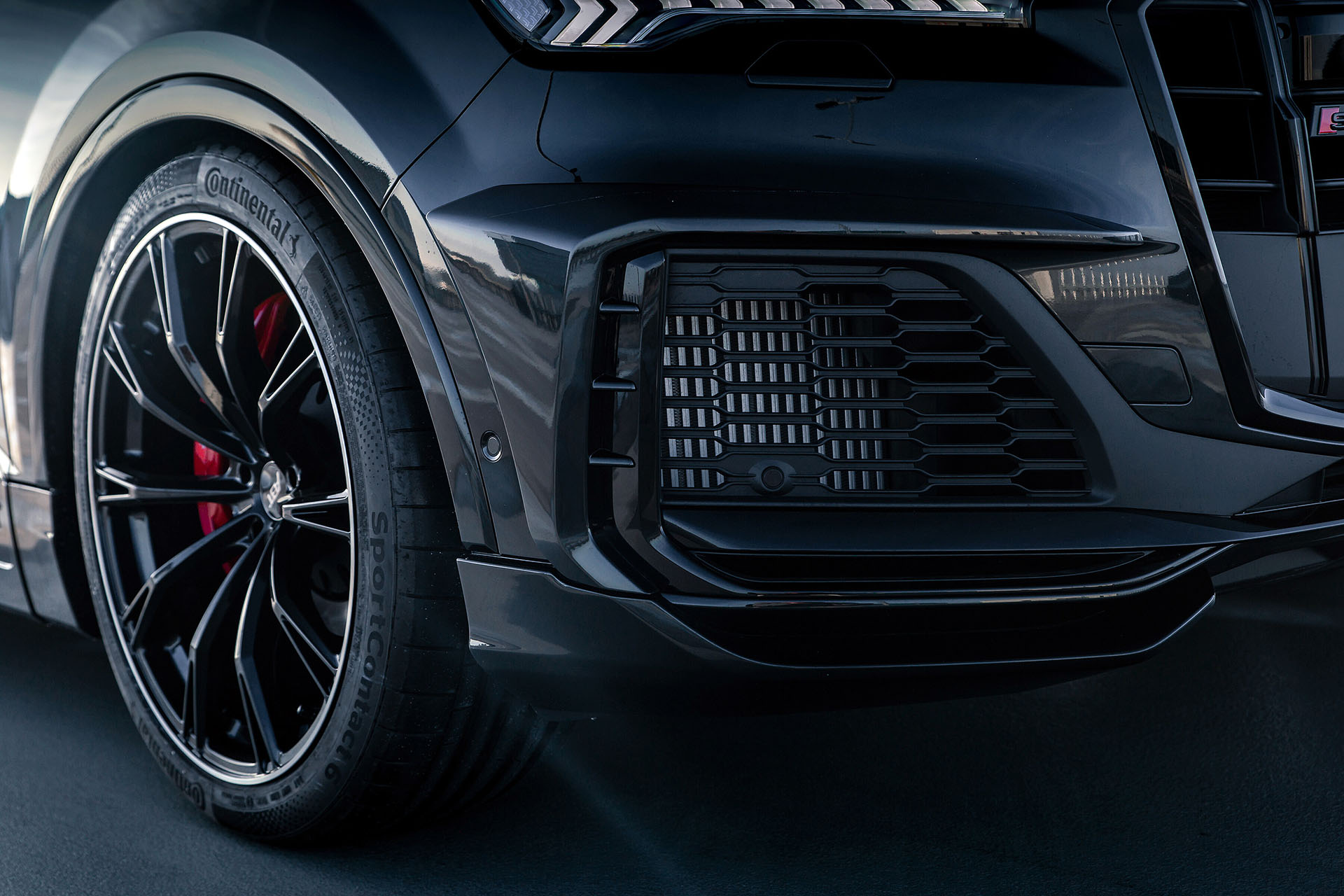
But a nicely optioned factory spec Audi SQ7 might just be too easy for some customers, in that case ABT can help you out, they are still developing a custom ECU tune to pull more power from the V8 engine, but for now you can already make your Audi SQ7 look more aggressive with a stylish wide-body kit from this German tuner.
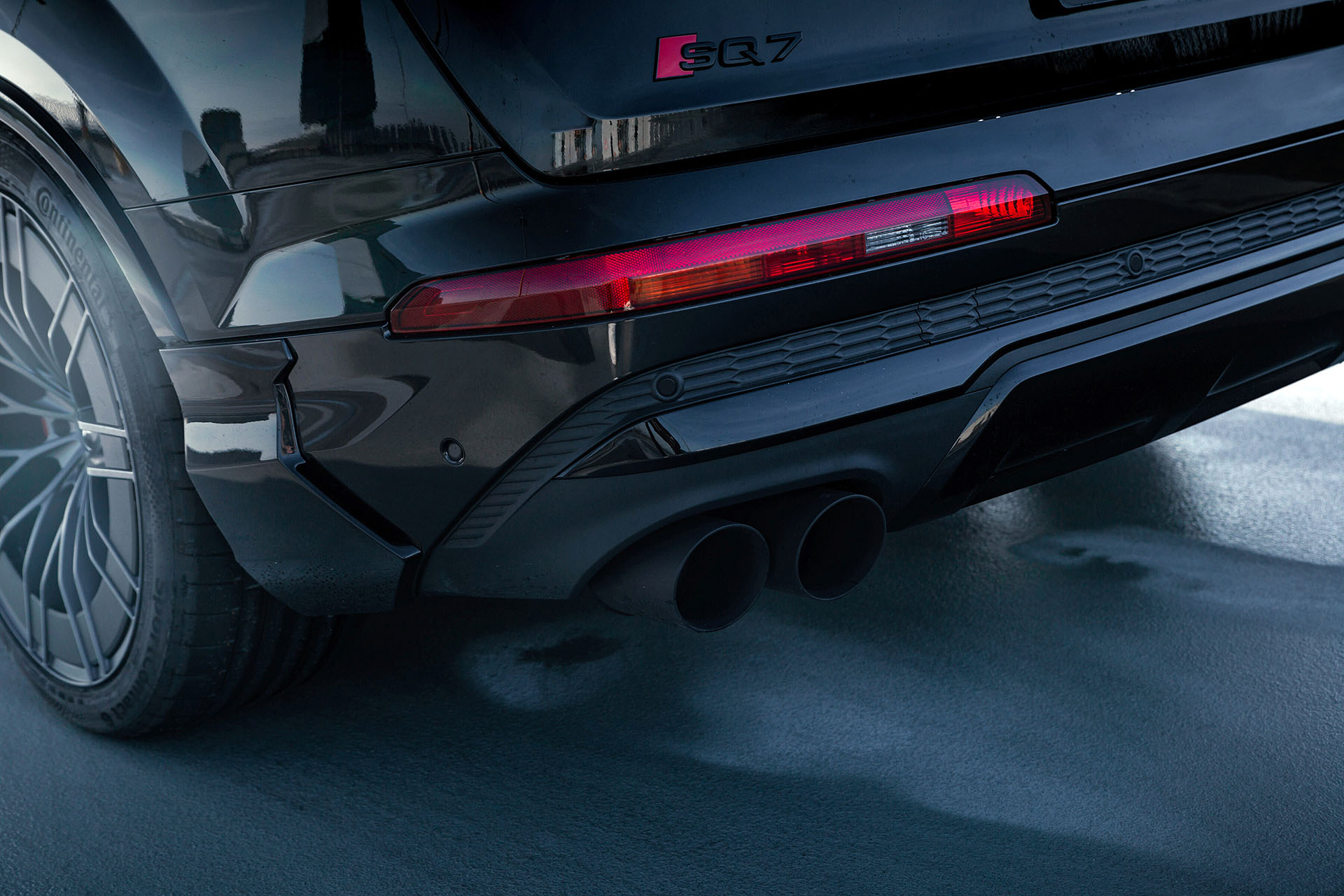
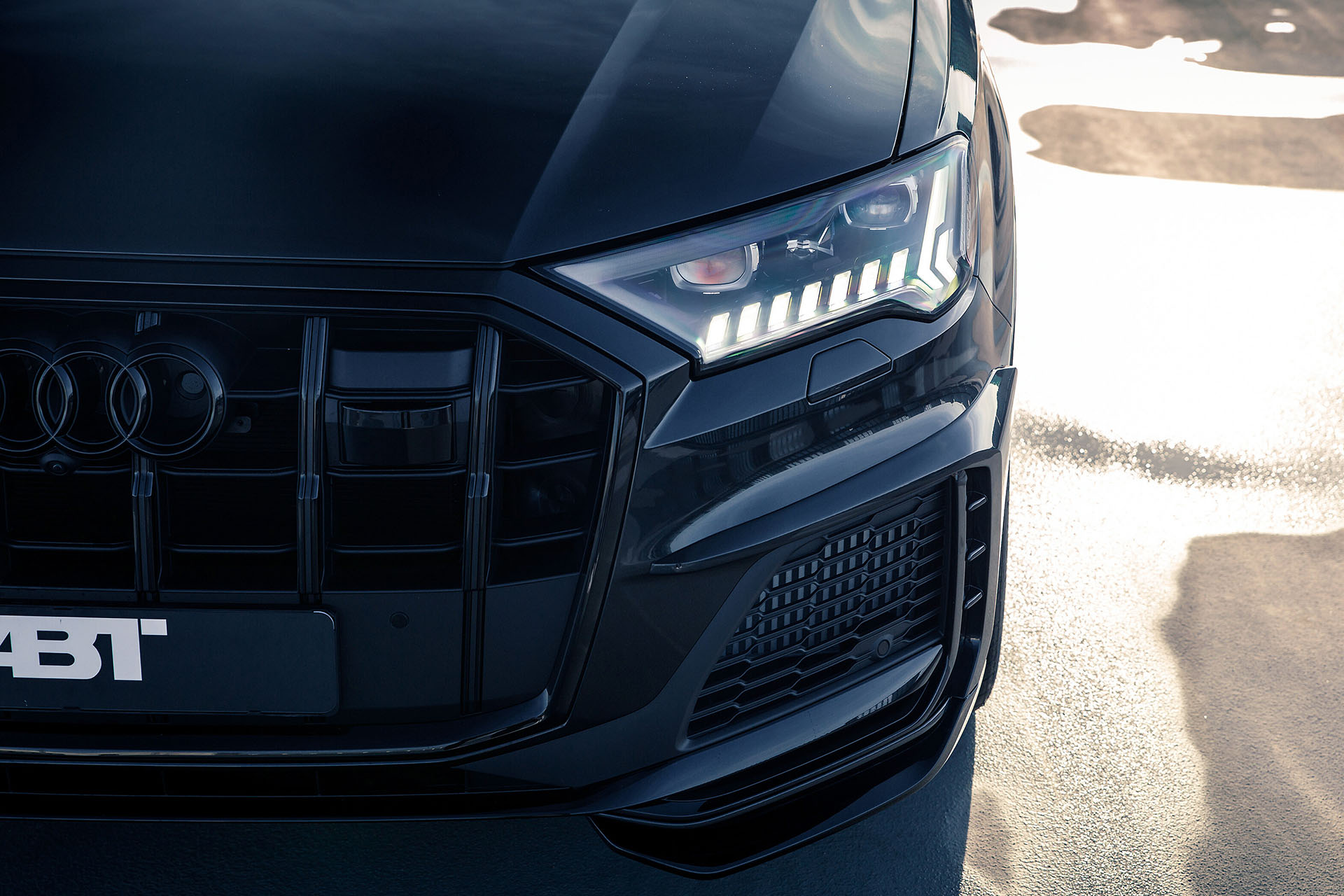
Abt is the world’s largest automotive aftermarket and performance parts specialist for Audi and VW, and they offer a new, aggressively designed front bumper add-on, wider wheel arch extensions, side sills, a rear diffuser fin and a set of massive tailpipe covers to fit over the standard ones.
If you’re not into wide body kits, you can also order the ‘narrow’ version that doesn’t include the fender flares. Additional options are possible in the form of a rear wing or fender inserts in either ABS or carbon fiber.
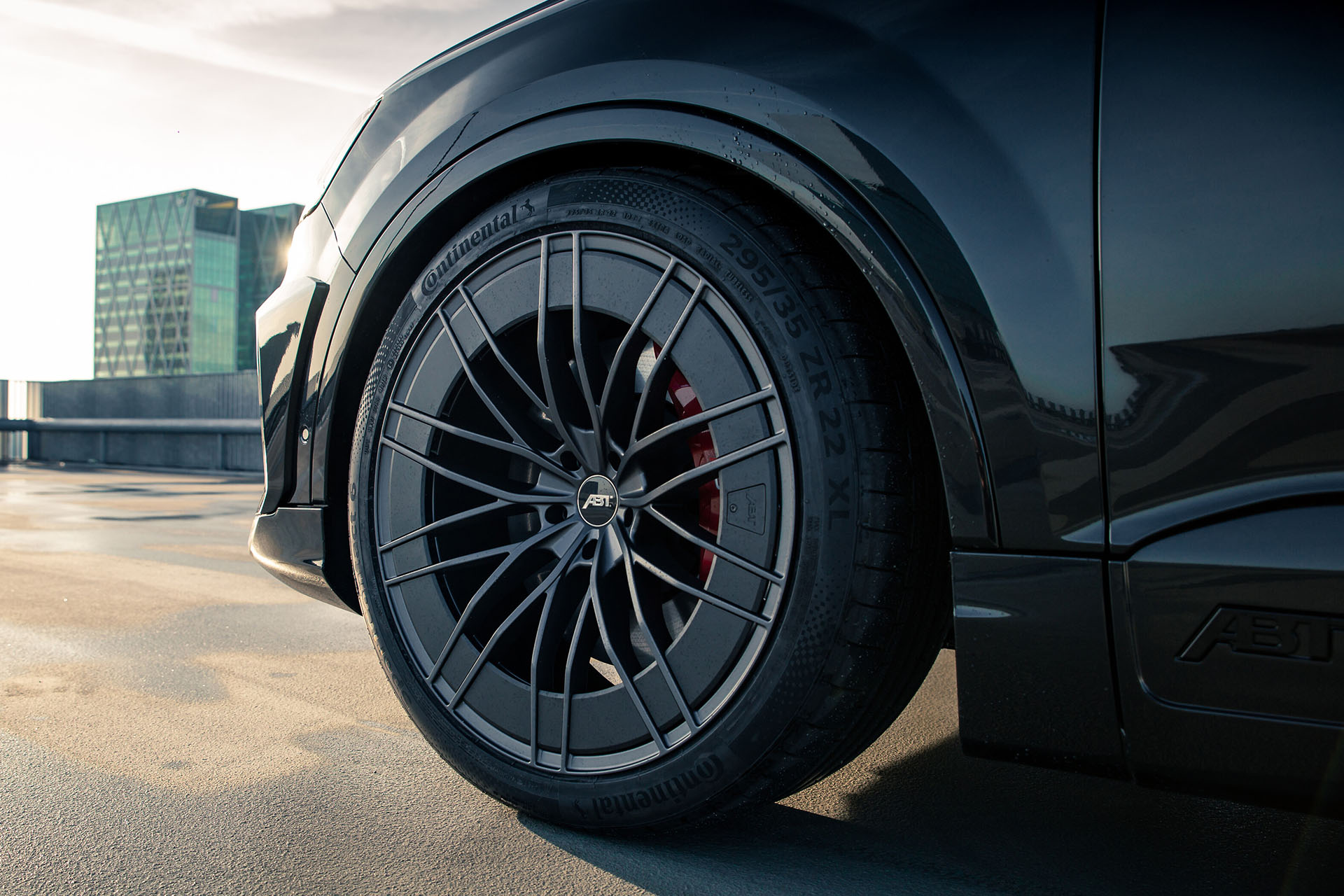
The Audi SQ7 can already come with large 21-inch wheels from the factory, but we wouldn’t be talking about ABT if they didn’t offer bigger, 22-inch replacement units for their customer, a choice between the ABT Sport GR, the ABT HR Aero, or the impressive flow-forming ABT High PerformanceHR-F.
Additional touches of carbon fiber can be added to the interior while some illuminated ABT logo can be fitted for that ‘personal’ touch to your very own ABT SQ7 SUV, I’m sure this will make dropping of the kids at school a lot more interesting …
February 18, 2021 / Comments Off on The ABT SQ7, 500hp and 7 seats
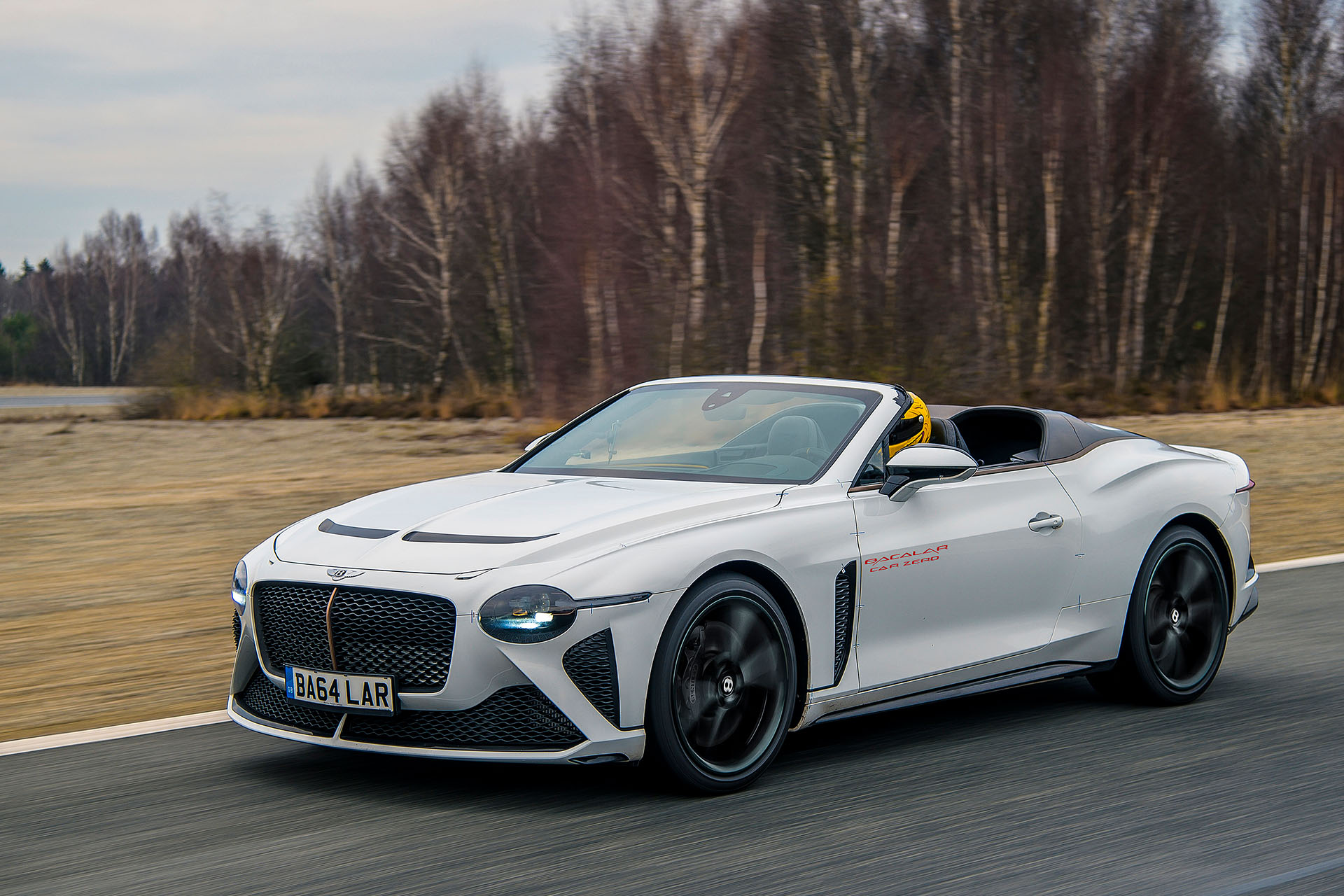
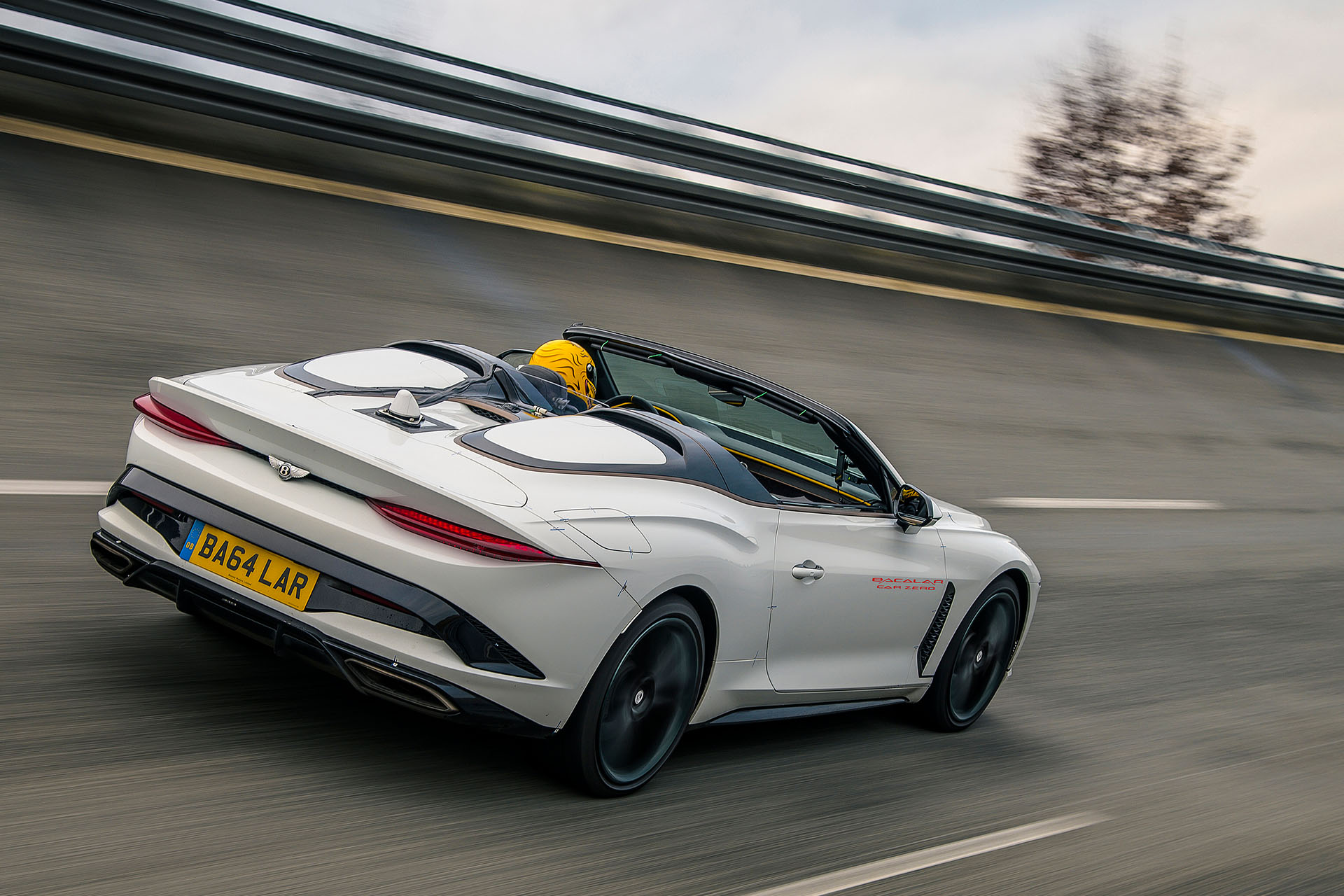
So what’s the most expensive, modern-day Bentley money can buy? That would have to be the $2,000,000 Bentley Bacalar, a two-seater, convertible luxury sports car that comes with the famous W12 engine and uses 5,000-year-old wood on the interior … but wait, sorry, you can’t buy it anymore, all 12 units were sold out by the time this car was unveiled in March 2020.
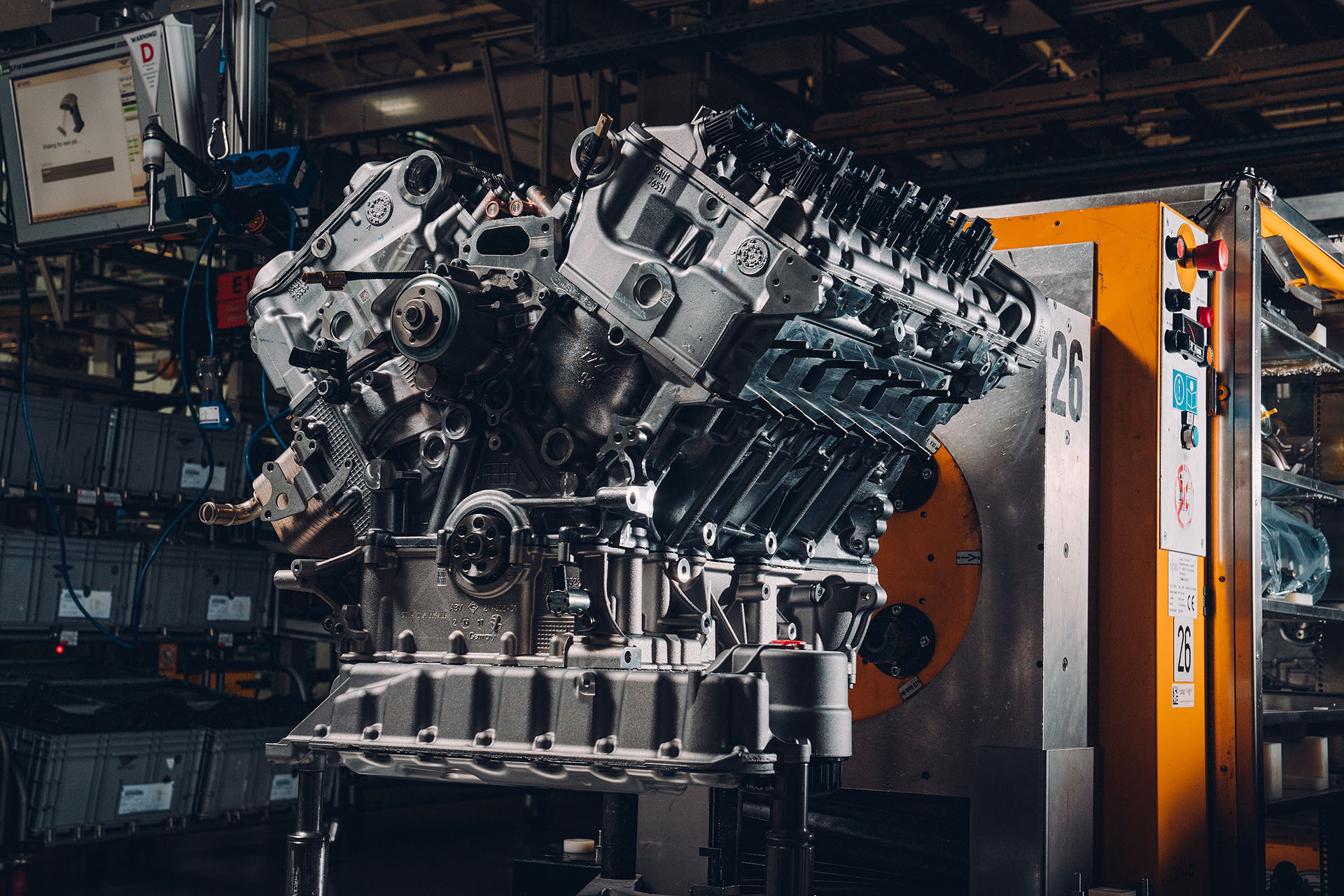
After a nine-month development period, the ‘Car Zero’ was taking through extensive road testing at speeds up to 200 mph (read our previous article on this), but that was still a production prototype … today the first W12 engine for a customer Bentley Bacalar has passed rigorous testing and will be fitted to the bespoke car soon, a return to coachbuilding for Bentley.
While the Bentley Bacalar takes the chassis from the Continental GT, not a single part of the bodywork will be used from that base, over 750 bespoke Bacalar parts will be created by Bentley, and while the engine is the famous W12 6.0-liter TSI unit we already know since 2003, it has been further enhanced for the Bacalar to offer the smoothest ride possible, but still provide a massive 650 hp and 900 Nm of torque.
Since 2003, the power output for this one-of-a-kind W12 engine has increased by 27%, torque went up by 38% while emissions were reduced by 38%, a major feat by the Bentley engineers, each of these W12 engines takes a team of 45 specialists a total of 6.5 hours to hand-build … only to be taken to a test-facility to be put through her paces for an hour to make sure the engine performs to Bentley specifications.
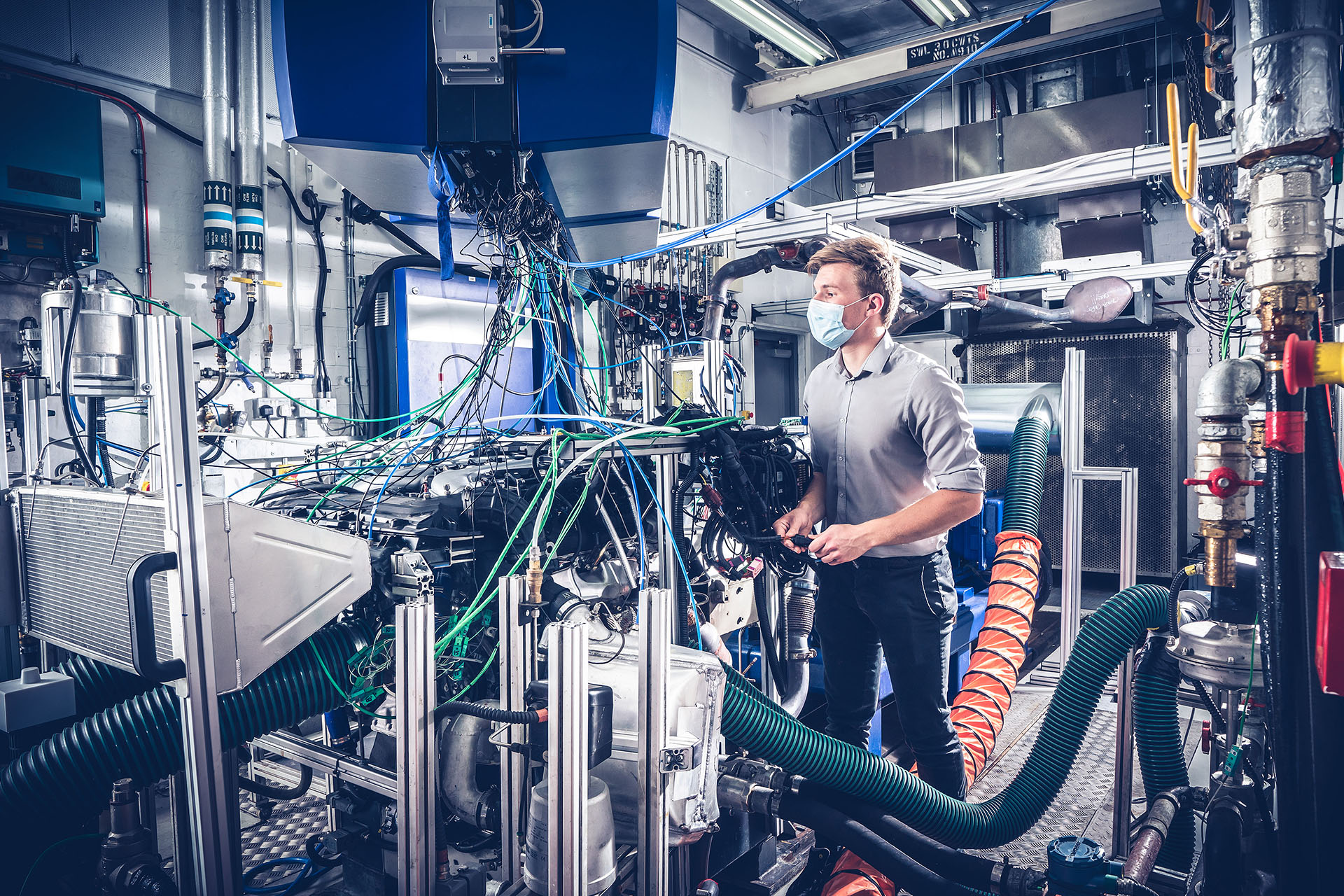
In fact, there are three separate tests each W12 engine has to endure before receiving her ‘pass’ … first up is a test for leaks when the engine reached the ‘short engine’ state when oil, fuel, and water can be added and a pressure of 0.2 to 5.0 bar can be forced onto the respective parts and they wait for any leaks.
The most advanced test is the second one, the ‘Cold Test’, where the newly assembled W12 is put onto a testbed and gets an electric motor fitted onto the crankshaft, the wire loom is connected and the engine is ‘turned’ for a period of 15 minutes while all the sensors gather data to make sure there aren’t any issues with internal parts.
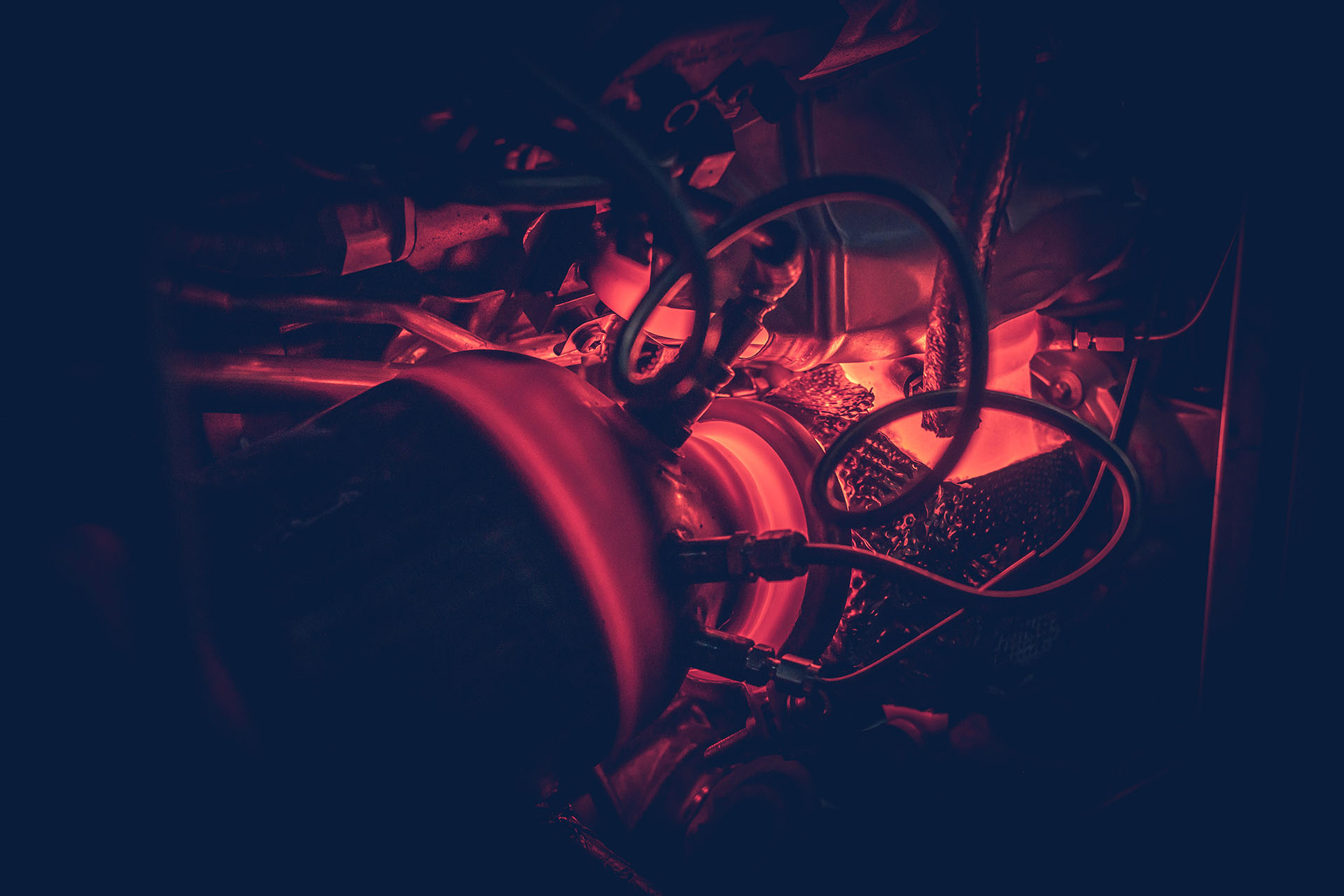
‘Hot Testing’ is the final stage for this W12 Bentley engine, now the exhaust manifolds, turbochargers, and all ancillaries are mounted. The engine runs at 3,800 rpm for at least 21.5 minutes, a maximum load of 300 Nm is set … this allows the engine test technician to listen for any refinements while the engine is simulated in real-world usage. For every 100 W12 engine, one of them is taken for an 8-hour test, pulling to 6,000 rpm, and it must reach the required 900 Nm.
So after all the testing on Car Zero, the first W12 engine made for the Bentley Bacalar that will be delivered to a customer is ready to be installed now, it won’t be too long before we will finally see this car leaving the factory doors at Crewe … about a year after the model was introduced.
February 18, 2021 / Comments Off on The first Bentley Bacalar W12 engine for a customer is ready
If names like 911 Extremo, Avalanche, Mirage GT, or MIG-U1 ring a bell, you probably know Uwe Gemballa’s creations from the past, back in the Eighties two famous families already partnered up to create some of the world’s most impressive Porsche engines, Uwe Gemballa and Alois Ruf … today these families join forces again.
Uwe’s son, Marc Philipp Gemballa (not associated with Gemballa GmbH) set up his own company to create an off-road capable sportscar based on the Porsche 992 Turbo S, and he’s going to partner up with RUF Automobile GmbH for the creation of an upgraded engine … the Porsche sourced six-cylinder boxer unit will be tuned to deliver over 750 hp and 970 Nm of torque.
This new Marc Philipp Gemballa GmbH car is called the ‘Sandbox Project, powered by RUF’, and while the car hasn’t been officially launched on the market, ten units are already sold simply based on 3D-renders. This will be the first project from this young entrepreneur takes the famous Porsche 959 ‘Paris-Dakar’ racecar and reimagines it as a new off-road supercar.
“We enjoy working with my father’s trusted business partners. Many of them rank among today’s leading suppliers in the automotive industry, and in addition to their decades of experience, they know the standards we strive for and perfectly understand what matters. My father trusted the technical expertise as well as the high-quality standards and the well-proven working methods of Alois Ruf. Consequently, the choice to partner with RUF Automobile for the engine development was a natural decision for us. I am pleased that we can continue this very special friendship and partnership”, says Marc Philipp Gemballa
An official World Premiere is scheduled for Spring 2021, but only 40 units will be built of the Sandbox, powered by RUF, and the initial ten units are even more special ‘Launch Edition’ models, these are all sold out already, only the remaining 30 units are still available … no MSRP has been listed, however.
Marc, now 27, starts a new era with his company Marc Philipp Gemballa GmbH, exactly ten years after his father, Uwe Gemballa passed away, being raised with supercars around him, he worked at companies like Aston Martin, Mercedes-Benz, and Porsche … but now he intends to create the next evolution of supercars, not just a focus on extreme high hp figures, or being the fastest on the ‘Green Hell’ track … his Sandbox vision is a supercar that can be taken off-road … just like the legendary Porsche 959 Paris-Dakar cars.
After two years of development, he created a contemporary supercar with an almost timeless design, offering comfort and daily driving possibility for a road car that can be taken off-road too, to build his vision Marc gets the support of his father’s worldwide network of clients, dealers, suppliers, and partners. Alan Derosier as a designer, KW Automotive for the suspension, RUF Automobile for the engine work, Michelin to supply the tires, world-renowned Akrapovič for the exhaust, VELA Performance as an engineering partner, and KLK Motorsport as aerodynamic specialists.
February 18, 2021 / Comments Off on The return of Gemballa?
Porsche have taken out the new 992 GT3 on the Nürburgring and managed to do a lap in 06:59:93 min
Porsche takes the new 911 GT3 off the leash. The seventh edition of this high-performance sports car was also developed in close collaboration with Porsche Motorsport. It transfers pure racing technology into a production model even more consistently than ever before. With a top speed of 320 km/h and 318 km/h with PDK it is even faster than the previous 911 GT3 RS. It accelerates from zero to 100 km/h in 3.4 seconds. It clearly isn’t just straight-line fast, because a sub 7 minute Nürburgring lap time is pretty amazing.
[embedded content]
February 17, 2021 / Comments Off on Watch the New Porsche 911 GT3 Crack A 06:59:93 Nürburgring Lap
When it comes to old school trucks and vintage SUVs, you’d be hard-pressed to find better than a classic Land Rover. The Land Rover Classic Defender Works V8 Trophy Edition combines everything you love about old…
Despite the fact most of us cling to the idea that all cars need to have four wheels, liveries like Vanderhall continue to impress us with their three-wheeled options like the Venice and Carmel. Now,…
It’s been more than two decades since Maserati was in the business of developing an in-house 90-degree V6 engine, and the last one it had traced its genealogy back 30 years. That story started in 1968, when Citroën took a controlling stake in Maserati, and the French requested that the Italians create an engine for the 1970 Citroën SM. Famed Maserati engineer Giulio Alfieri designed a 2.7-liter V6 producing 170 horsepower that could be built using Maserati’s existing V8 tooling, hence the 90-degree angle. Alfieri then revised that V6 and bored it out to three liters, upping output to 187 hp, for use in the 1972 Maserati Merak.
A decade later, Maserati – now owned by Alejandro de Tomaso, who had fired Alfieri — started with Alfieri’s V6 philosophy when developing a mill for a new sports car. The resulting V6 unit, in 2.0-, 2.5-, and 2.8-liter displacements, was the first twin-turbocharged motor put into a production car. That car? The hot, gorgeous mess known as the 1984 Maserati BiTurbo.
Almost 10 years on, the 1992 Maserati Ghibli II would get a 2.0-liter version of this 90-degree V6 making 306 horsepower. The 1995 Ghibli Cup turned that mill up to 330 hp, crowning the 2.0-liter V6 as the most power-dense engine in a production car, surpassing 1990s icons like the Jaguar XJ220 and original Bugatti EB110 (both 155 horsepower per liter).
When the Ghibli exited production in 1998, Maserati ceded engine development duties to Ferrari by order of Fiat, which owned both automakers.
Nettuno, the new beating heart of Maserati
Now we have the Nettuno, a 90-degree 3.0-liter V6 created to power Maserati’s renaissance and making its debut in the chunky, aerodynamic form known as the MC20. At 630 horsepower and 538 lb-ft of torque, the engine almost picks up where the Ghibli Cup left off: with 210 horsepower/liter, the Nettuno is one of the most power-dense in the world. The Bugatti Chiron, Ford GT, and McLaren 756LT don’t crack 200 hp/l. The only production cars in the ballpark are Euro specials like the Mercedes-AMG A45 (208.4 hp/l). Beyond it are seven-figure hypercars like the SSC Tuatara (229 hp/l) and Koenigsegg Jesko (256 hp/l on gas, 320 hp/l on E85).
The word we’re looking for in Italian is bentornato. Welcome back, Maserati.
The automaker recently hosted a virtual tour of its Engine Lab in Modena to show off the work put into the Nettuno’s intricate internals and assembly, and our first question probed the Nettuno’s origins. We’ve written before about reports that the Nettuno is derived from the Ferrari F154 V8 that Maserati uses in the top Ghibli, Quattroporte, and Levante trims. Alfa Romeo turned the F154 into the six-cylinder 690T engine for its Giulia and Stelvio Quadrifoglio trims. Bozi Tatarevic investigated the Nettuno, scanning everything from part numbers to cooling jackets to determine that while the Nettuno’s heads are unique, fundamental elements of the block’s design and many ancillaries appear cribbed from the Ferrari and Alfa Romeo antecedents.
What’s more, the Nettuno is designed as two three-cylinder motors working off a common crank containing four main journals and three rod journals that each hold two pistons. As an even-fire engine, the crank experiences a firing event every 120 degrees. These principles could all have been lifted from the Alfa Romeo 690T.
We asked Maserati chief engineer Matteo Valentini about the F154 connection. He replied, “Of course it has solutions you can find on other engines, but please don’t be fooled by the external shape of the engine.” He admitted Maserati engineers took advantage of knowledge throughout Fiat-Chrysler – the same resource sharing one finds at other OEM conglomerates like General Motors and the Volkswagen Group. Yet, stressing the in-house, beginning-to-end development of the new V6, Valentini said the engine “is designed by us, developed by us, produced by us, and assembled by us.”
The Nettuno shares its architecture with Alfa Romeo’s 690T but is cast by a different supplier, and the block “has different content inside, it has a different bore, [and] it has different oil ducts.” In his assessment, the heart of Maserati going forward is “a brand-new project that makes use of all the experience we had in the past.”
Pre-chamber combustion provides a 100-hp boost
The twin-turbo V6’s killer app is unequivocally not shared with the Ferrari and Alfa engines: pre-chamber combustion, an ignition technology German supplier Mahle started working on in 2010. Mercedes-AMG Petronas F1 adopted it in 2014, and Mahle provided it for Ferrari Formula 1 cars in 2015. The tech has served large-bore stationary gas engines for decades, and Honda put a variant of this technology on its CVCC engine more than 40 years ago.
Under certain conditions, a pre-chamber atop the combustion chamber shoots directed jets of flame into the cylinder during ignition. This induces more complete combustion and reduces emissions. A cost-effective solution for modern car engines, however, needed to address shortcomings including unwanted NVH, substandard efficiency at low engine loads, and stringent emissions regulations.
Pre-chamber ignition, which comes in active and passive forms, generally uses one spark plug. Maserati’s passive method fills in the pre-chamber’s weak spots by using two. One plug sits in the 1.5-cc pre-chamber. A second plug pokes its electrode into the side of each oversquare chamber. This makes the Nettuno a twin-spark engine with dual injection; port-injection works on a 6-bar fuel rail, direct-injection on a 350-bar fuel rail. Maserati’s patent application for the tech says it enables a 15% increase in compression ratio and a fuel consumption reduction of up to 30%. (Before anyone accuses Maserati of stealing Alfa Romeo’s twin-spark cleverness, Maserati was making twin-spark engines as far back as the 1950s for the inline-six in the 250 F race car, and later for road cars like the Mistral that also featured dual overhead cams, fuel injection, and hemispherical combustion chambers.)
Maserati’s press releases have explained the second plug “[ensures] constant combustion when the engine is operating at a level that doesn’t need the pre-chamber to kick in.” We asked Valentini about the performance parameters that activate the pre-chamber ignition, he told us the system isn’t binary; rather, the pre-chamber ignition always contributes.
“At mid and low loads,” he said, “the standard injection is predominant. When you go from mid to high loads, the prechamber takes the advantage, and we … play with the spark advance in order to give the right priority to one of them.”
We asked how much power the pre-chamber ignition adds, he said a touch more than 100 horsepower. The Nettuno goes from roughly 510 horsepower on standard injection to 620 or 630 with pre-chamber assistance.
Speaking of power contributions, the Nettuno’s turbos have been programmed to wind up to 3 bar (43.5 psi) so far and have electronically controlled wastegates. As for why the turbos hang off the side instead of being nestled between the cylinders, Valentini said the team looked into a hot-vee setup, but couldn’t find a simple, reliable solution able to hit the targeted 210 horsepower/liter. The traditional arrangement is cleaner and creates a lower center of gravity.
The dottori will build you, now
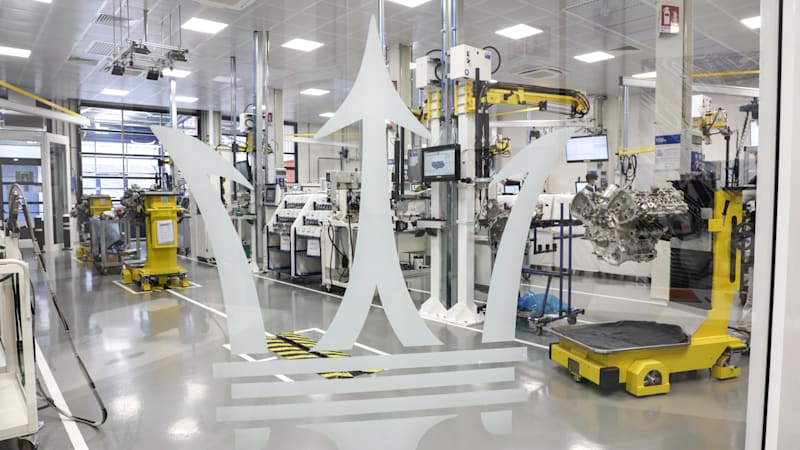
Maserati has not only given the Nettuno a supercar home, the engine gets supercar production techniques. There are about 1,300 parts in total, divided into roughly 100 sub-assemblies and pieces. Inside a clean room at the Engine Lab at the automaker’s historic Viale Ciro Menotti facility, a tiny number of technicians – Maserati calls them dottori (“doctors”) – turn those 100 constituents into a Nettuno in six stages. Each stage requires three to four hours, so one engine can take three full working days to complete. Powertrain facility manager Jonata Azzali told us the length of time required is partly why Maserati felt it better to spread the process among technicians instead of having one person build one complete engine.
But let’s face it, while Maserati has been lauded for hand-crafted luxury, the brand hasn’t always fared well with hand-built technology. On the Nettuno, the automaker is far more focused on eliminating failure points than celebrating individual artisans. Azzali’s tour of the build room was really a tour of the numerous digital safeguards Maserati has implemented for quality control.
The HVAC system keeps the build room at positive pressure to expel errant particles. Two screens at each build station illustrate what must be done and how it must be done. Cameras placed on the ceiling, on fixed equipment, and on tools monitor items such as proper seal placement on the cylinder liners and pistons. Electronic wrenches and screwdrivers monitor and record the torque applied to screws and bolts on every Nettuno. For the exhaust manifold, the screwdriver’s digital sensors are backed up by a camera that ensures the screws are inserted in the proper order. When assembling main and rod bearings on the crank, bar-code sensors control a set of drawers that only allow the technician to access the proper bearing for the next step in the procedure.
Toward the end of the build, a 21-point helium test checks for leaks in the injection and fuel systems. This follows leak checks performed during the assembly, like that done just after the valves are installed. Finally, every Nettuno is sent to a test bench for 40 minutes to verify its horsepower and torque figures. And once per month, Maserati selects a random engine for a four-hour bench test.
The current setup produces four to six engines per day, up to a maximum of 10. Unsurprisingly, with the Nettuno being prepped to earn its keep on racing circuits around the world – and designed without a balance shaft – Maserati engineers tuned its personality “to underline the race soul of the engine.” NVH calibration was set at idle, whereas stints at full power impart a “race feeling.”
And despite the voluminous technical considerations, feeling is what this is ultimately about. A brand preaching Italian character and passion for nearly 90 years won’t be served by mechanical excellence bereft of a soul. The answer to whether the Nettuno possesses such anima awaits in our first drive of the MC20.
February 17, 2021 / Comments Off on The Maserati MC20’s new Nettuno V6 is a high-tech showpiece
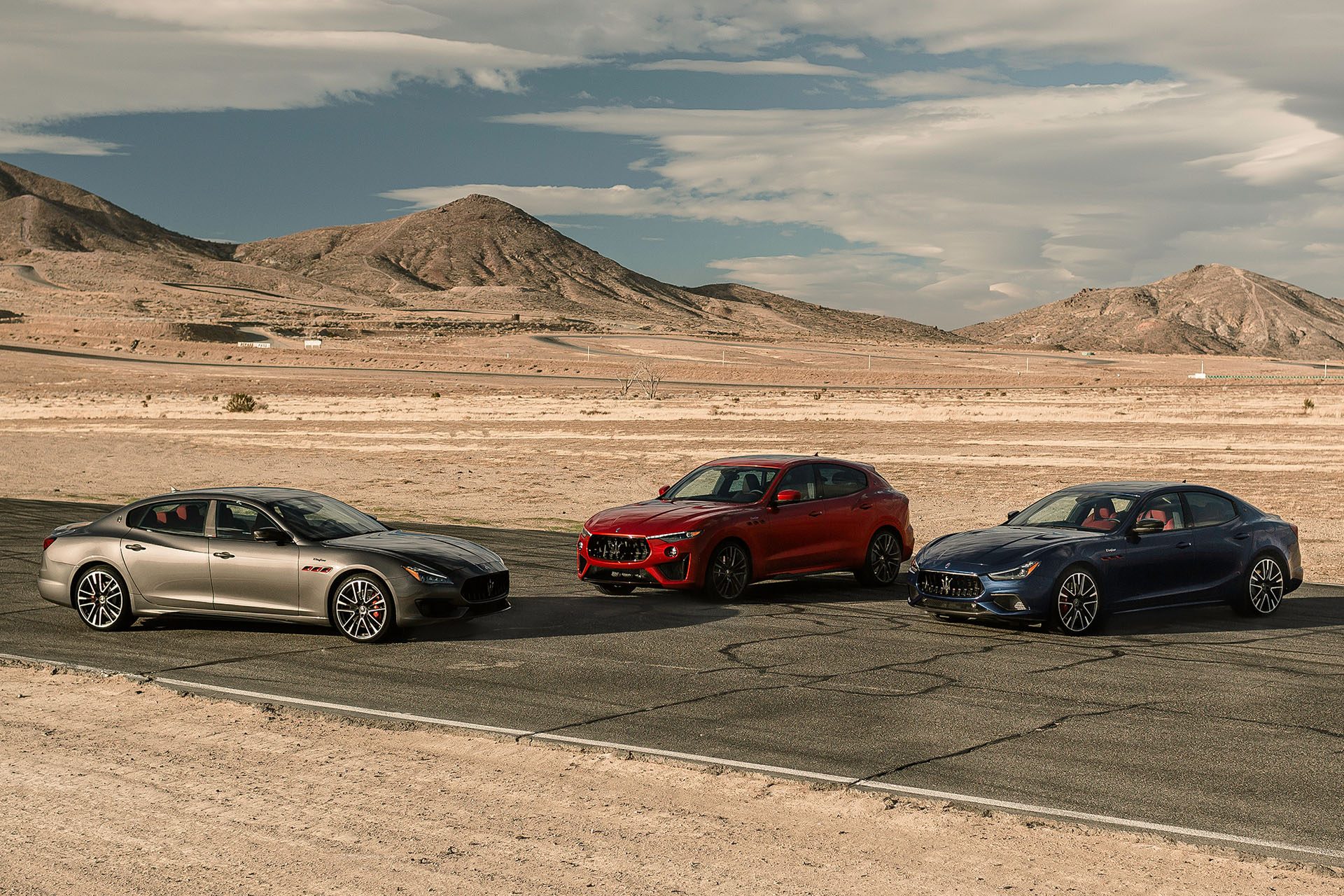
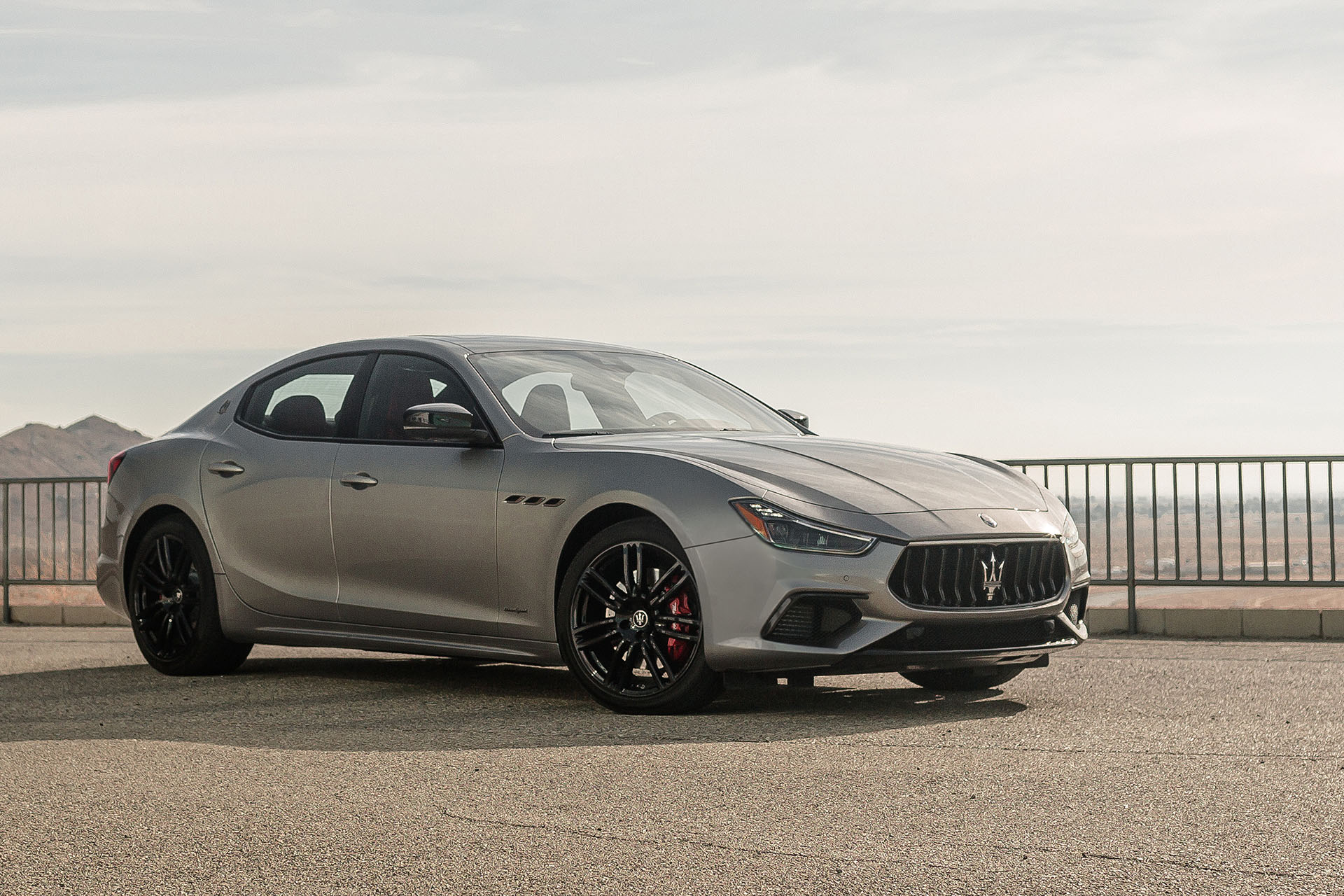
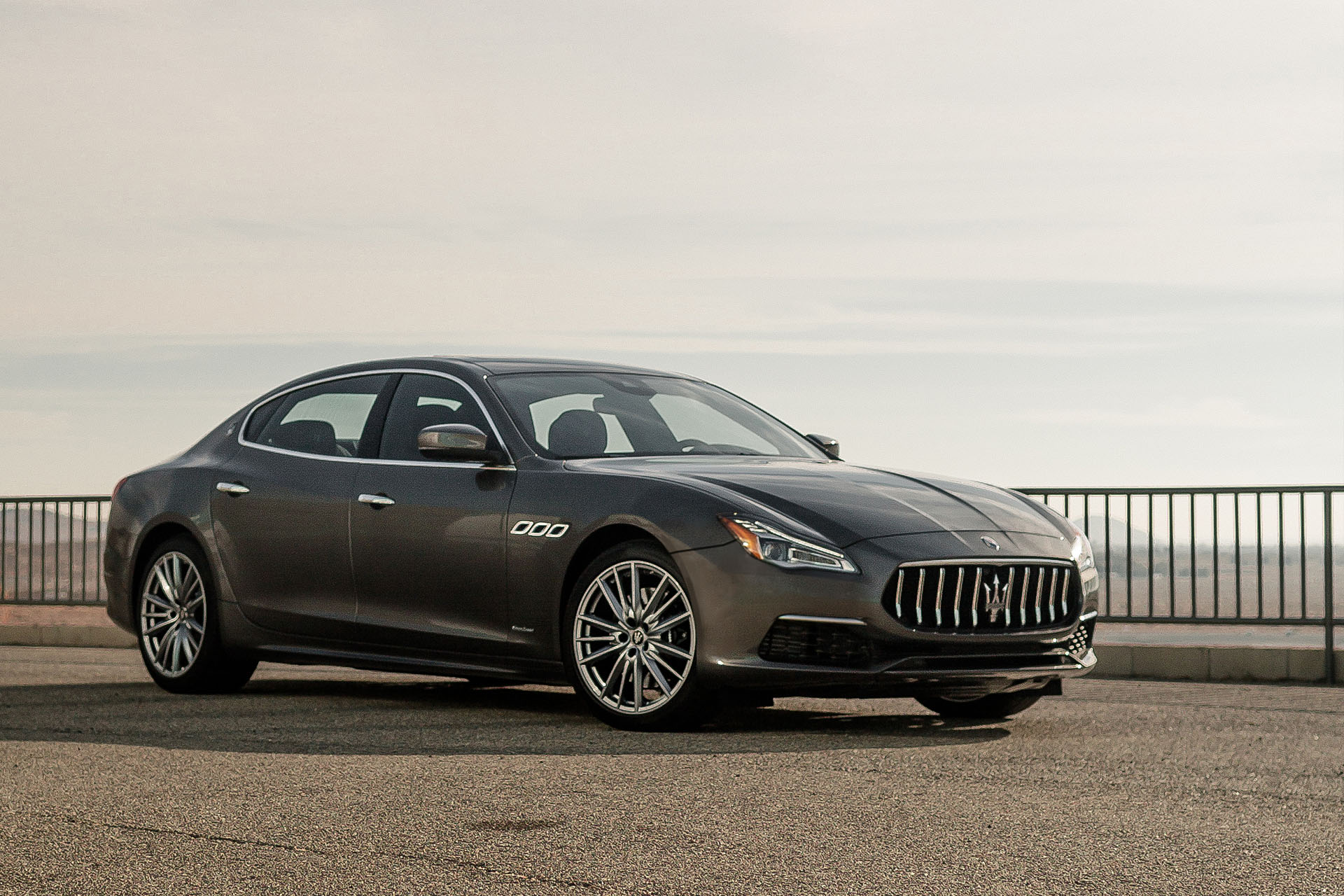
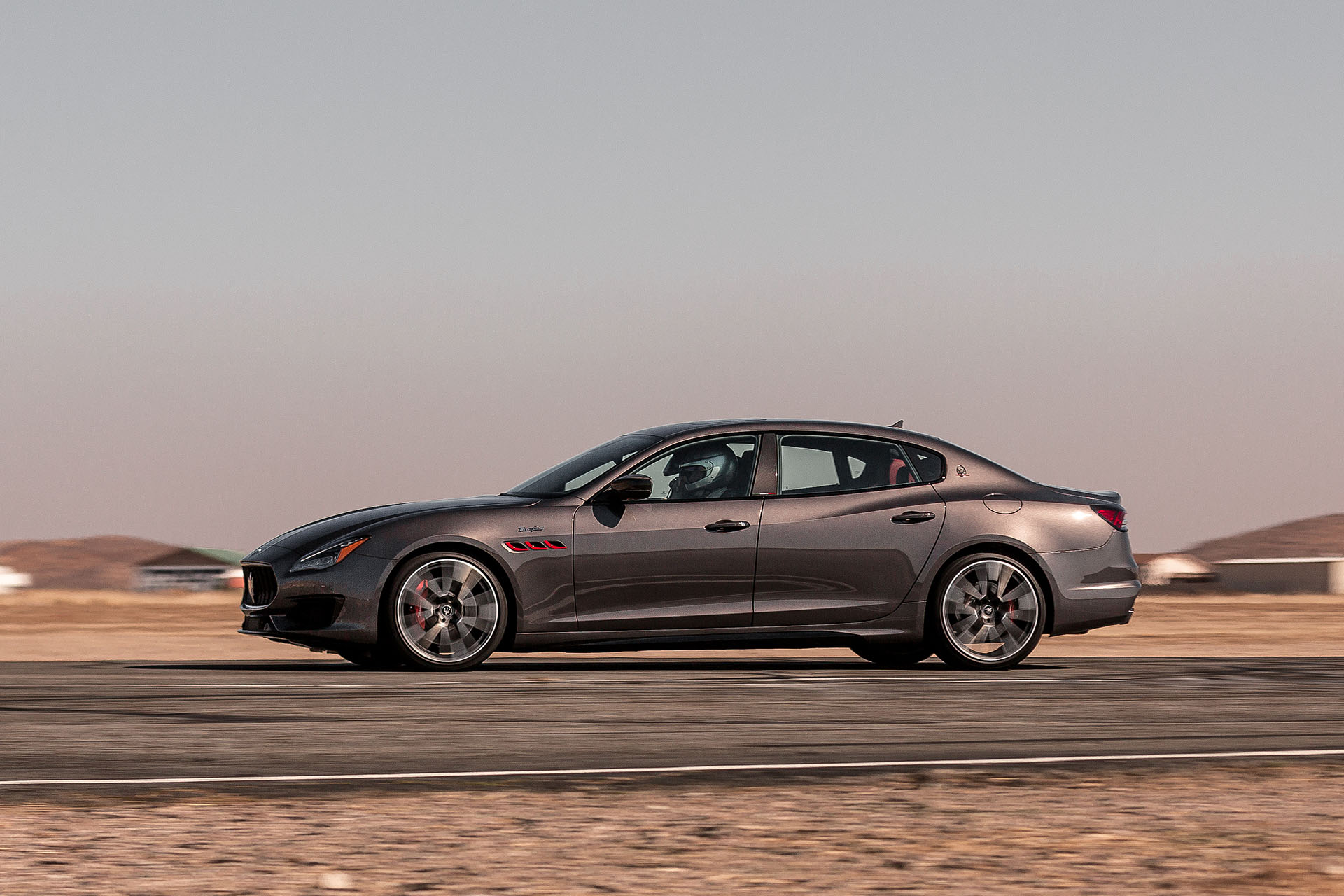
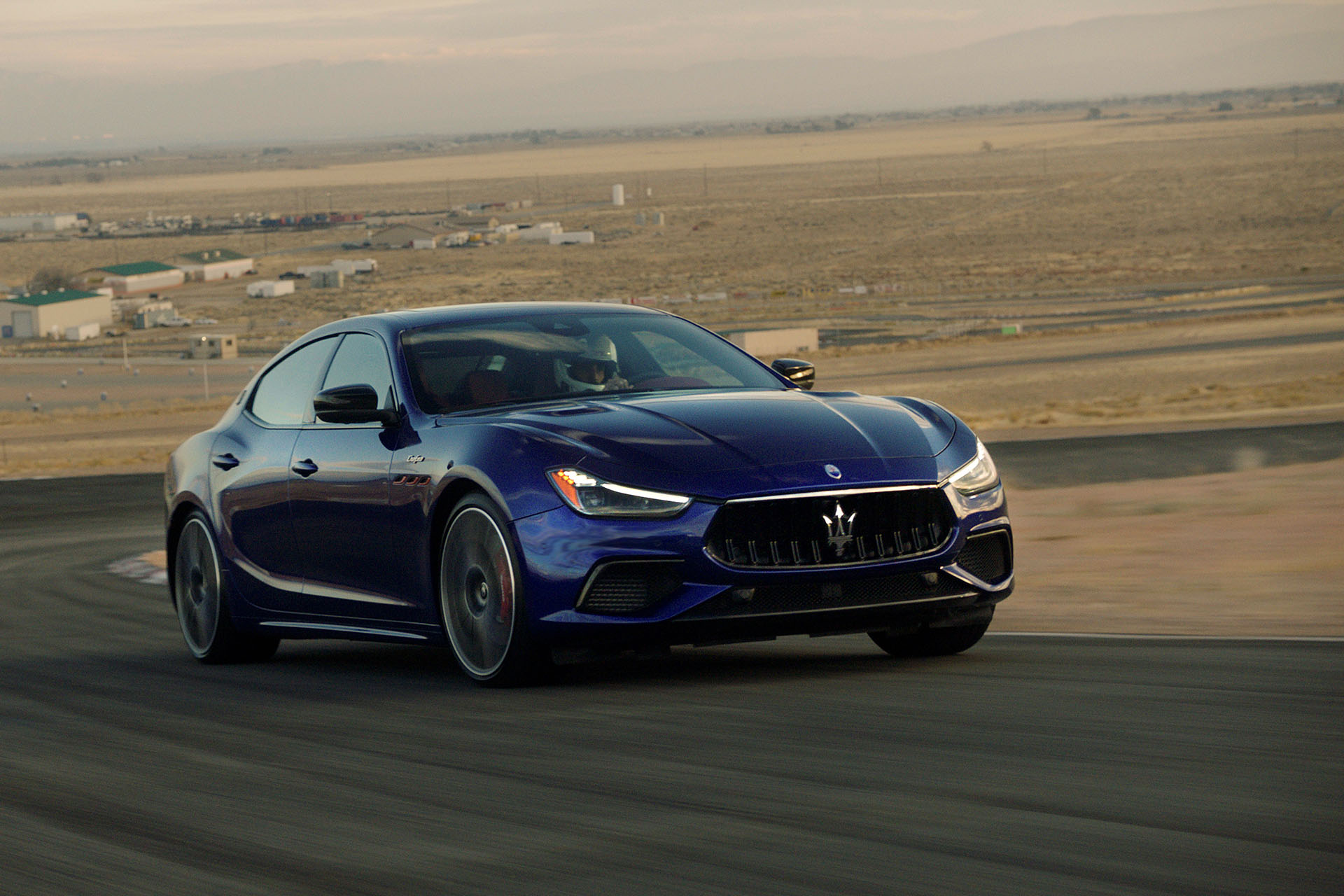
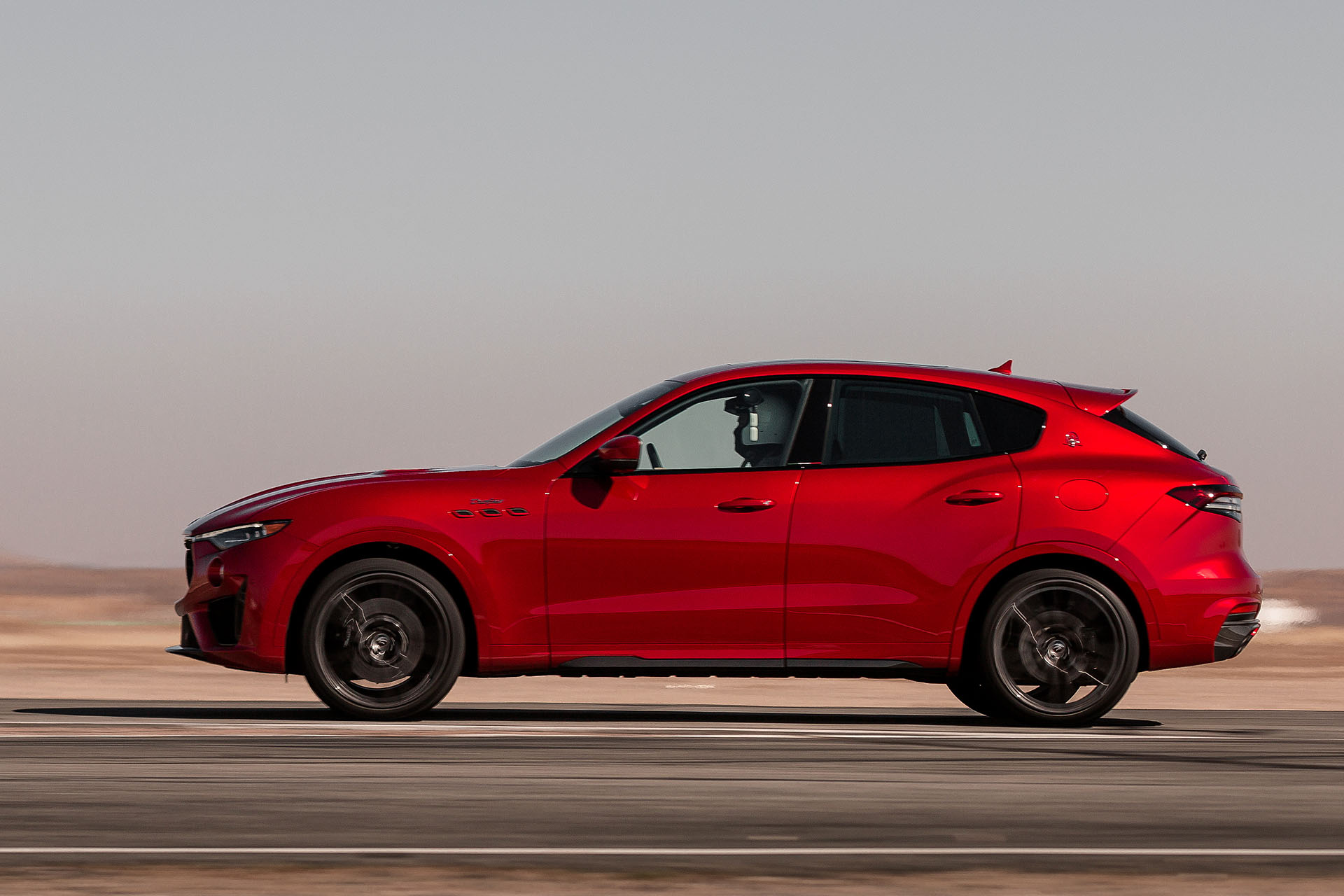
Maserati North America introduced the brand’s model year 2021 vehicles at Willow Springs, California showcasing their dynamic performance capabilities on the race track and road. This new range of vehicles features a variety of design and technology upgrades, such as updated styling to create a more unified look for the Levante, Ghibli, and Quattroporte, along with a new generation MIA (Maserati Intelligent Assistant) multimedia system.
Each of the three models has specific changes, all of which reflect the same philosophy, making these MY21 vehicles instantly recognizable. Distinctive design features include a new front grille and rear light clusters that provide a boomerang shape inspired by the 3200 GT. In each of the MY21 vehicles, these clusters feature a three-color lens as a result of using a state-of-the-art 3K injection molding technology. The boomerang shape has black around the edge, red in the middle, and clear in the bottom section.
The MIA multimedia system is powered by an Android Automotive operating system, offering a new and innovative user experience with full personalization capabilities. Integrated into this system for all MY21 models and beyond is the new Maserati Connect program that keeps the driver informed of the car’s health, alerts them when the vehicle needs to be serviced, and assists in emergencies and instances of car theft. Drivers can stay in contact with their car via the Maserati Connect app or virtual personal assistant, such as Google Assist and Amazon Alexa. MY21 vehicles also feature Active Driving Assist, which has been added to the ADAS already available in the Levante, Ghibli, and Quattroporte.
Active Driving Assist is an evolution of Highway Assist. It’s a “hands-on” function intended for use on any kind of well-maintained road and, while previous versions were only usable on highways, today it is available on any well-maintained road at speeds up to 90 mph with the Adaptive Cruise Control system activated. It reduces driver fatigue and enhances active safety by allowing the car to keep itself centered in its lane and to adapt its pre-selected speed in full autonomy, employing a radar unit and a forward-looking camera, working with the EPS to control the direction of the car.
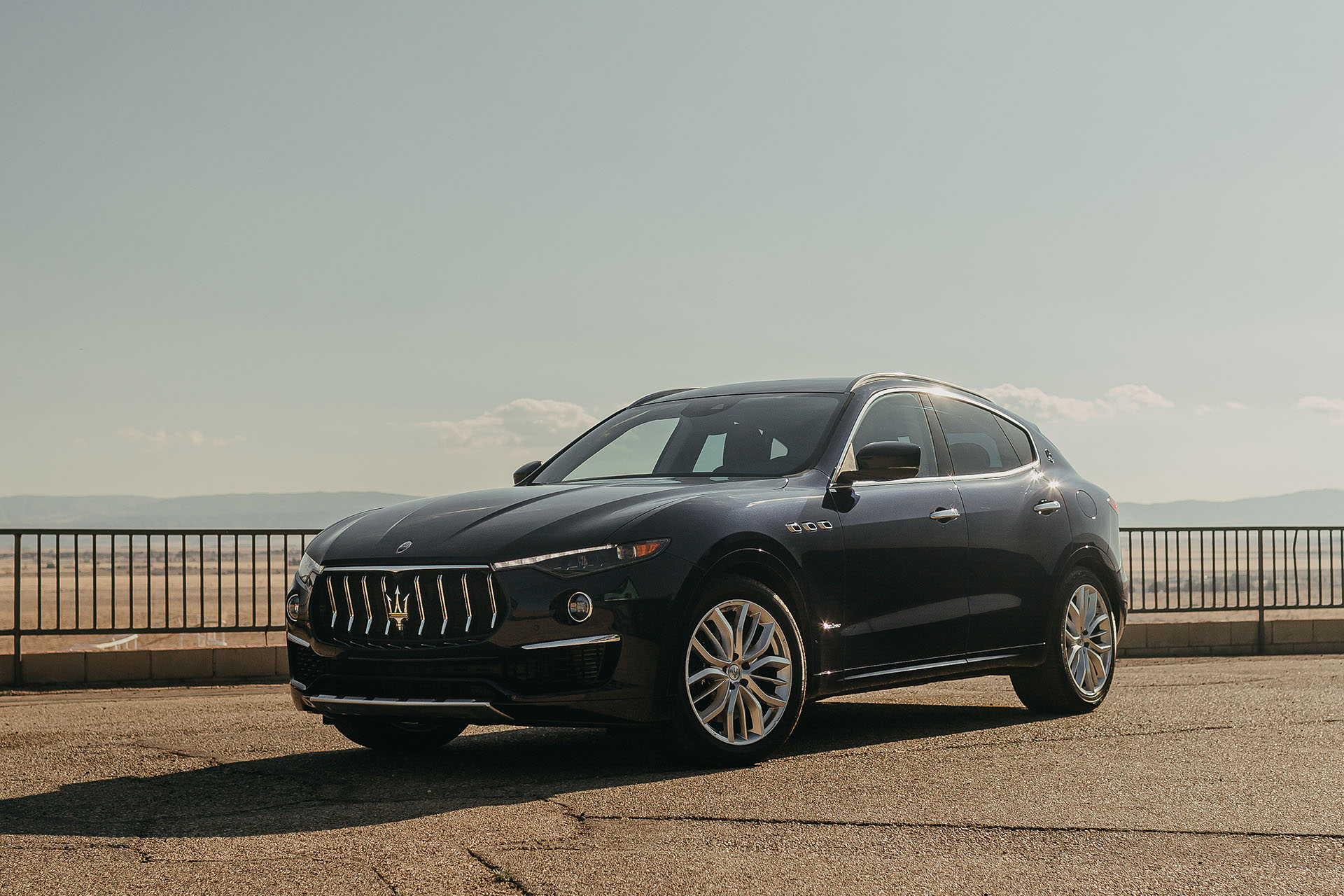
Levante The Levante, known as “the Maserati of SUVs,” features an innovative front grille with tuning fork design in the MY21 model, which is available in chrome for the GranLusso trim and Piano Black for the GranSport. The existing distinctions between trims remain unchanged. Inside, the Levante has received significant updates both in design and technology with the central display and instrument cluster. The Levante’s 8.4-inch display screen has an improved resolution and graphics with a visual effect that makes it look like a single curved screen with the air vents cut into it, enabling vertical reading of the whole display. The name Maserati is also screen-printed on the back of the screen at the bottom of the display, for a three-dimensional effect.
There has also been a sophisticated change to the instrument cluster, which includes a large rev counter and speedometer (still analog but with updated graphics) on either side of a 7-inch TFT display. Much of the plastic from the previous versions have been eliminated and replaced with real anti-glare flat glass covers over the instruments. All these changes give the instrument cluster a more high-tech look and generate a richer impression and are applied to the Ghibli and Quattroporte models, as well.
The model year 2021 Levante collection includes the Levante, Levante S, Levante GTS and Levante Trofeo.
Ghibli In addition to the rear light clusters, the MY21 Ghibli also features an updated grille with a Maserati tuning fork that is available in chrome for the GranLusso trim and a sportier Piano Black for the GranSport.
The central screen in the Ghibli has now been enlarged to 10.1-inches with a ratio of 16:10 with a high-resolution display and multi-touch functionality. The glass in the top of the display is now curved for a more elegant look, making it the first time this feature has been used in automotive design.
The model year 2021 Ghibli collection includes the Ghibli, Ghibli S, Ghibli S Q4, and Ghibli Trofeo.
Quattroporte
The Quattroporte, Maserati’s flagship, also features the upgraded grille with the same GranLusso and GranSport offerings as the Levante and Ghibli, along with the enhanced boomerang-shaped lighting cluster at the rear. Additionally, like the Ghibli, this model has a new central screen, enlarged to 10.1-inches with a curved glass top. The model year 2021 Quattroporte collection includes the Quattroporte, Quattroporte S Q4, and Quattroporte Trofeo.
Trofeo Collection
In addition to the new V6 models for 2021, the Trofeo collection has been expanded to include the Ghibli and Quattroporte. Now, all three models feature a V8 engine that produces 580hp, making the Ghibli Trofeo and Quattroporte Trofeo the fastest Maserati sedans ever built, with a top speed of 326 km/h or 203 mph. The Levante Trofeo’s maximum speed is 302 km/h or 187 mph. These vehicles also feature the Integrated Vehicle Control (IVC) system, providing enhanced driving dynamics, greater active safety, and superior performance. Both sedans have the Corsa button for a sportier driving style and Launch Control that unleashes the full amount of power from the V8 to deliver an authentic Maserati experience. In line with the other MY21 models, the Trofeo collection features the new boomerang rear light cluster and MIA system with the Maserati Connect program.
Zegna PELLETESSUTA™ Woven Leather Interior Available The soft, luxurious, lightweight Zegna PELLETESSUTA™ material is not only durable but brings comfort and beauty to Maserati interiors. The result of years of research and using thin strips of Nappa leather in place of fabric yarns which are woven together and interlaced replicating the traditional method of weaving cloth to obtain a real ‘fabric’ from leather. This method is an example of combining new avant-garde technologies with century-old traditions to create innovation. Through a longstanding partnership between Zegna and Maserati, two historical Italian companies, Maserati is the only automotive company to bring this elevated exclusive interior to the market. This Zegna PELLETESSUTA™ interior is available as an option across all three nameplates on Gransport/GranLusso trims and GTS and Trofeo.
MC20 Prototype A static prototype of the 2022 MC20 joined the MY21 range in Willow Springs following its highly anticipated global debut in September 2020. This new super sports car signifies a new era for Maserati, combining luxury, performance, and sportiness, and features the new Nettuno engine. This V6 produces 621hp with 730 Nm (538 lb-ft) of torque, delivering 0-100 km/h acceleration in under 2.9 seconds (0-60 miles in under 2.9 seconds) and a top speed over 325 km/h (202 mph). MC20 vehicles will begin arriving in North America this fall.
February 17, 2021 / Comments Off on Maserati launches MY 2021 vehicles