All posts in “Cars”

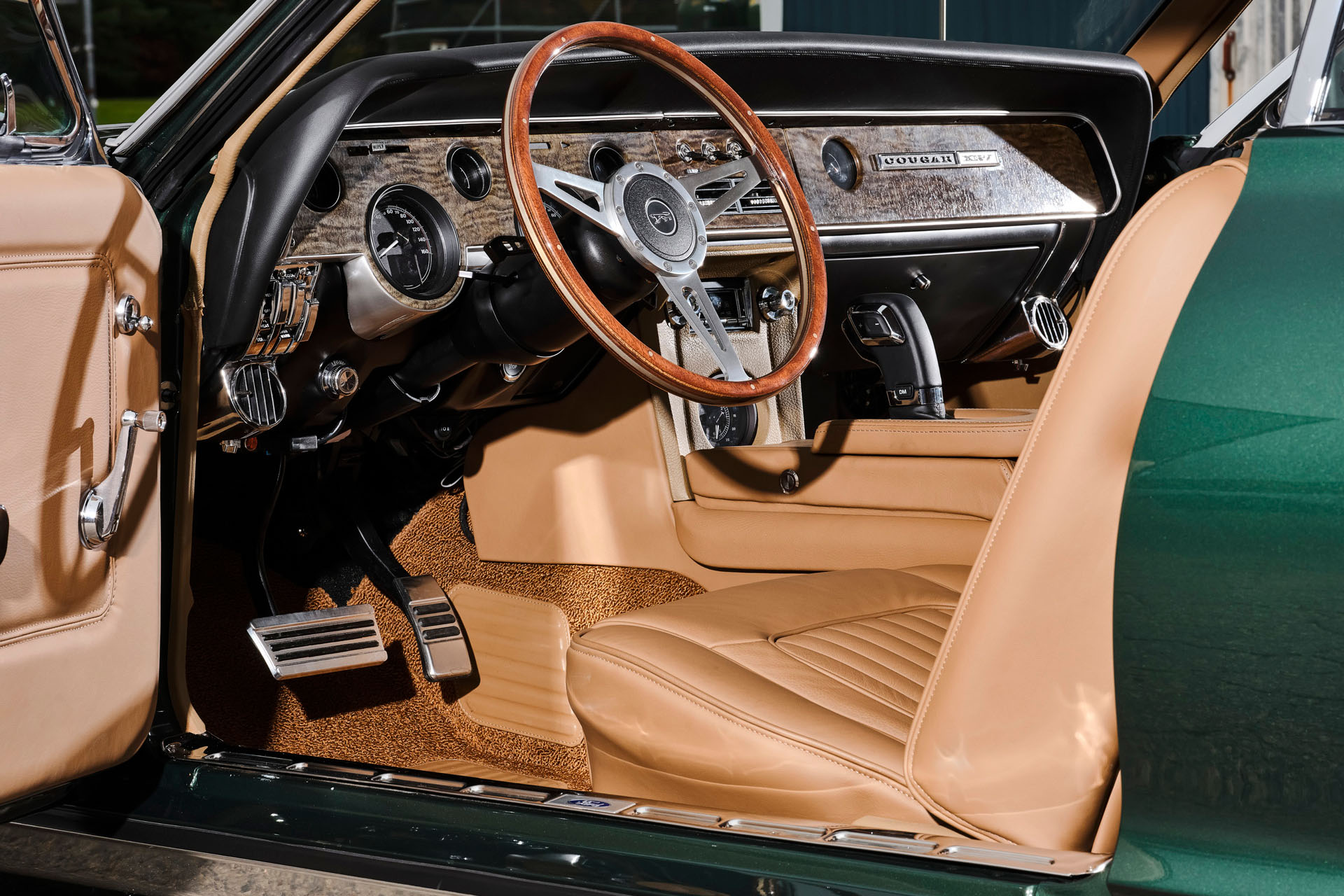
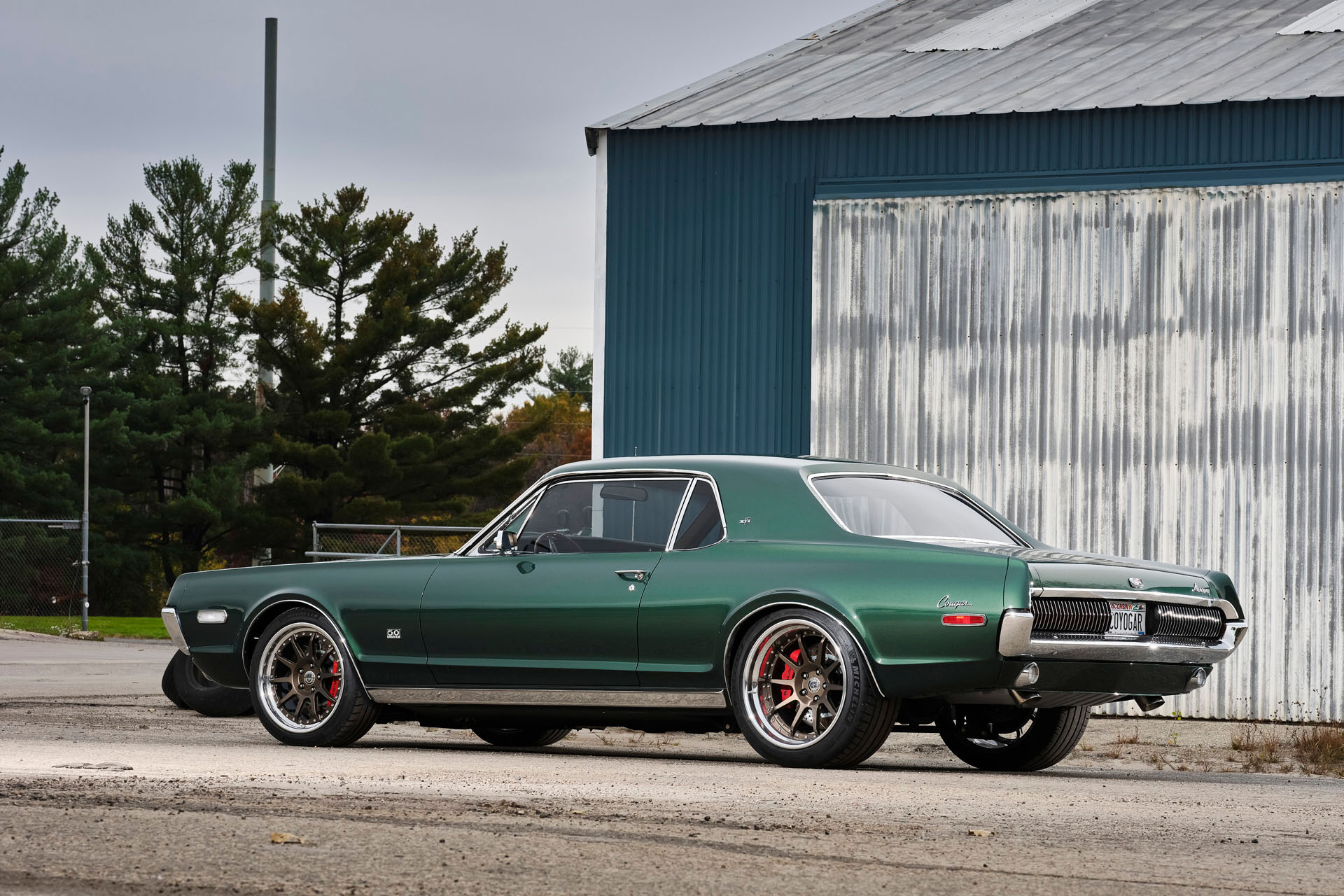
Ringbrothers Coyogar 1968 Mercury Cougar

Wisconsin-based custom car builder Ringbrothers might have just pulled off the best restomod we’ve seen this year, and it’s largely because it’s not a vintage Mustang, Challenger, or a Camaro. The 1968 Mercury Cougar is…

The post Ringbrothers Coyogar 1968 Mercury Cougar first appeared on Cool Material.

Alpine F1 for 2021

I don’t know about you, but I rather like the Netflix series Formula 1: Drive to Survive, I’ve seen both season 1 and season 2 and now I’m eagerly awaiting to start viewing season 3 when they release it on March 19 … and while I don’t normally watch the races when they happen, I do enjoy watching these behind the scenes series on Netflix.

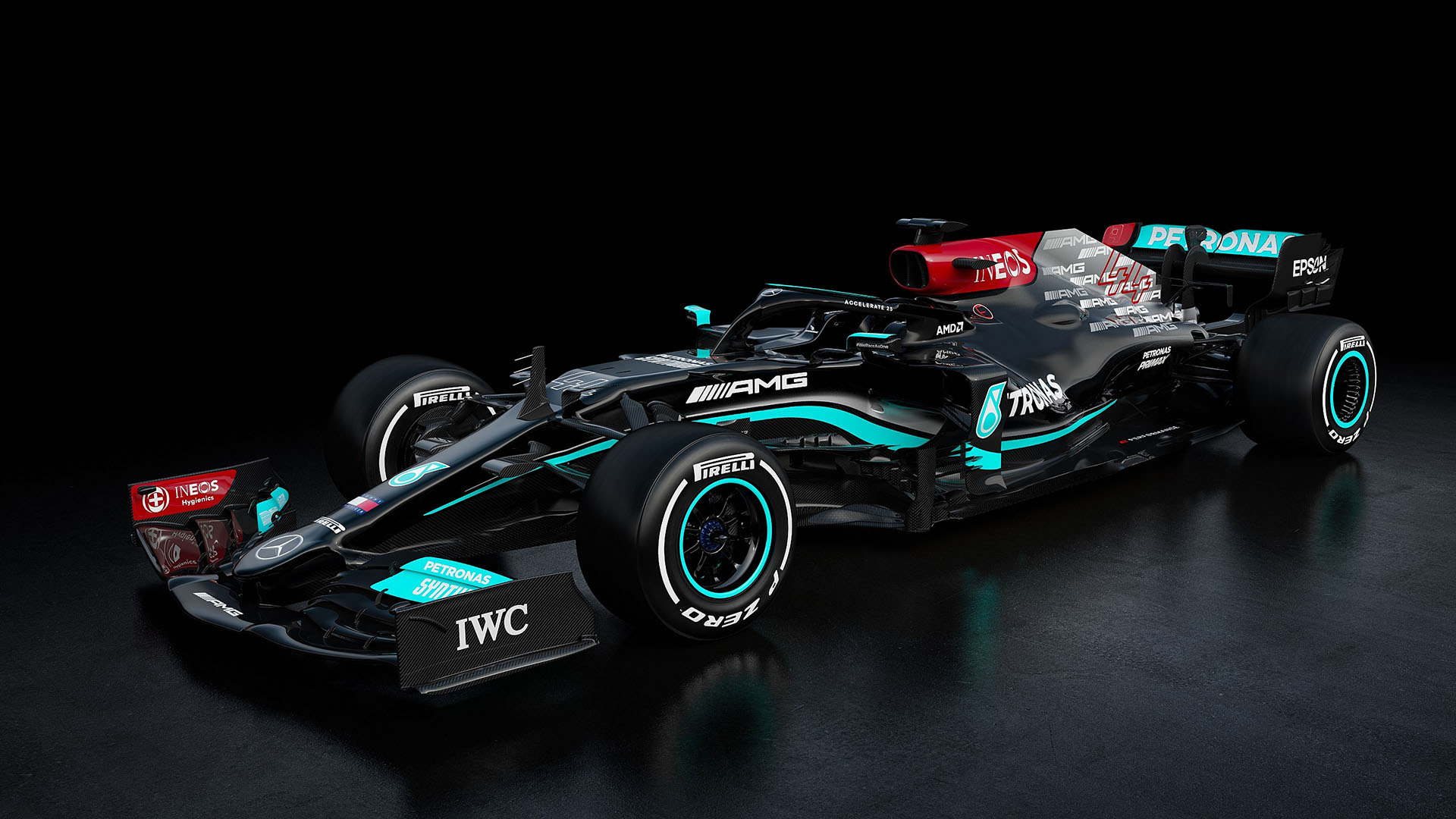
So I might not be an avid F1 fan, but I’m a car guy, so I keep up with what’s happening anyway. Earlier this week I saw Mercedes releasing their new car for the 2021 season, the Mercedes-AMG F1 W12 E Performance, the first car to use the ‘E PERFORMANCE’ designation. The new car will be driven by Lewis Hamilton and Valtteri Bottas, entering their fifth season as team-mates, a second year for the black base livery on the Mercedes-AMG Petronas Formula One Team car it seems.

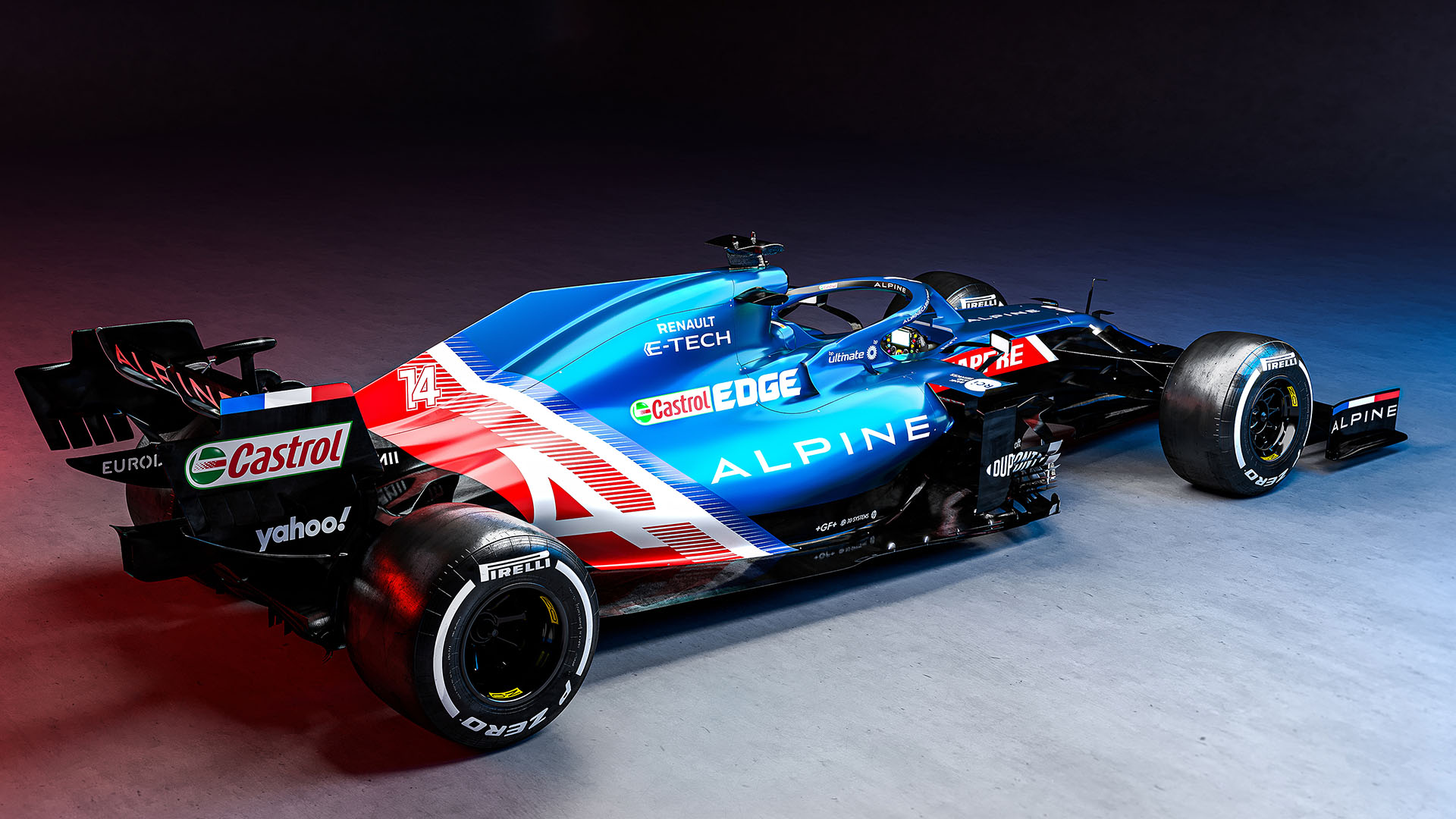
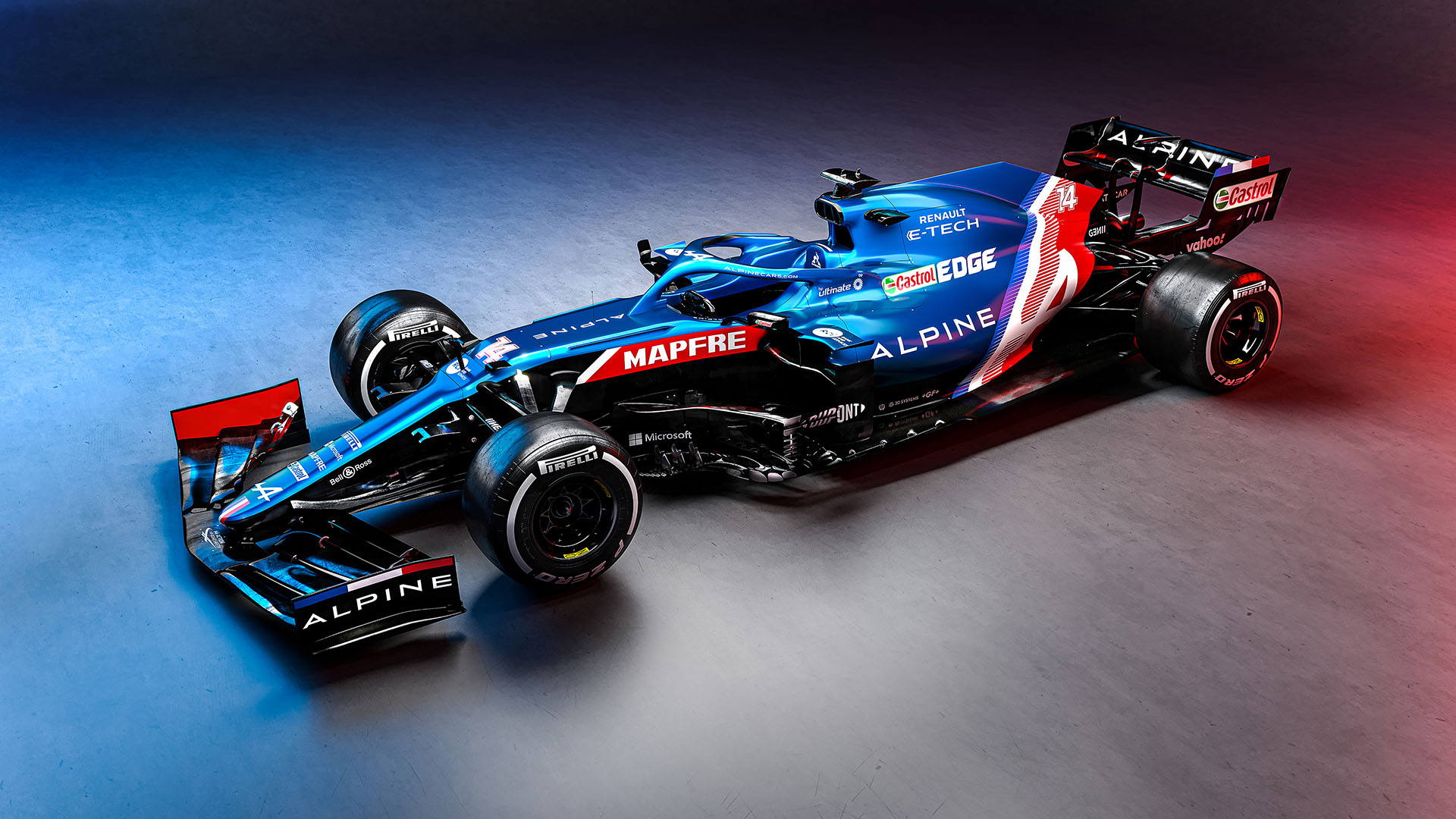
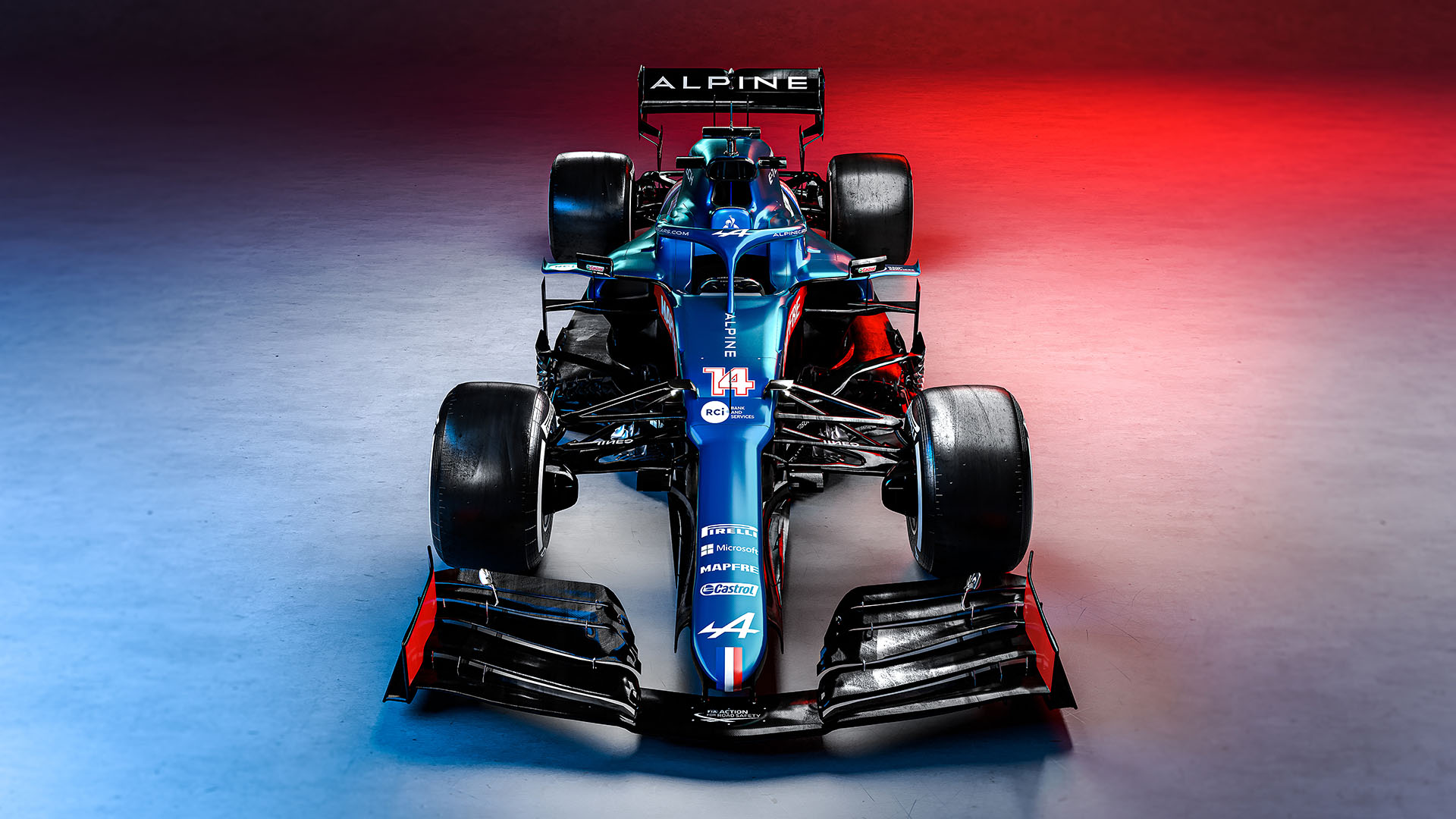
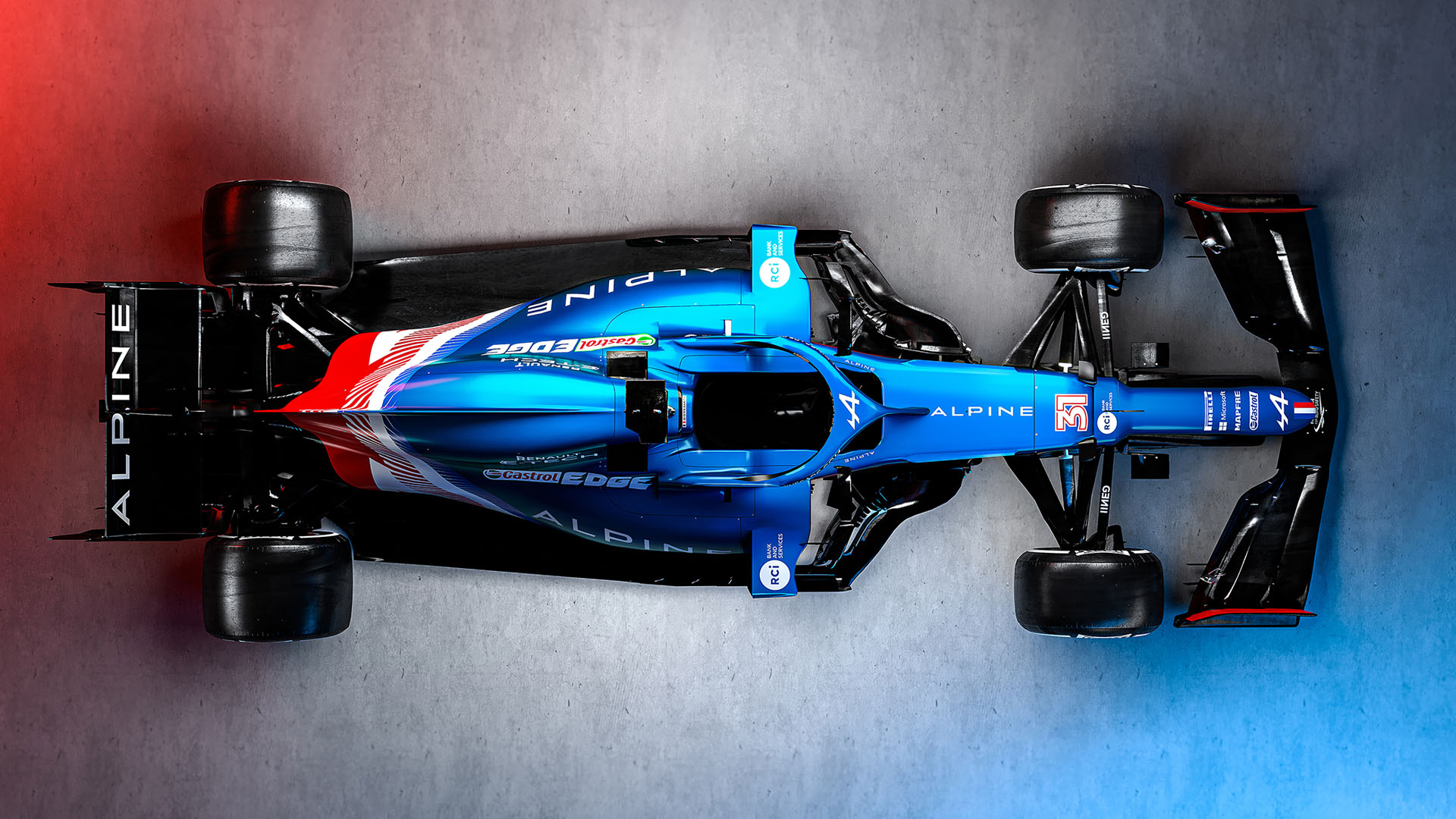
But today there is other breaking news, if you’ve followed the previous seasons of Formula One, you will have seen those bright yellow cars from the Renault F1 team … well, those are gone for 2021, it’s now called the Alpine F1 team, and their A521 race car comes in a blue, white, and red livery, which are both the official Alpine colors, but also the colors on the French national flag.

The A521 will use a Renault E-TECH 20B 1.6-Liter V6 engine, the car is an evolution of the R.S.20 that ran the 2020 F1 championship in the yellow Renault livery but with serious modification to the rear in line with the new aerodynamic regulations from the FIA, the new Alpine F1 will be driven by Esteban Ocon and Fernando Alonso.

The first-ever Alpine F1 Team car will make its on-track debut on March 3, 2021, with Esteban Ocon at a filming day at Silverstone Circuit, two weeks ahead of official pre-season testing at the Bahrain International Circuit.

The Bugatti Divo ‘Lady Bug’

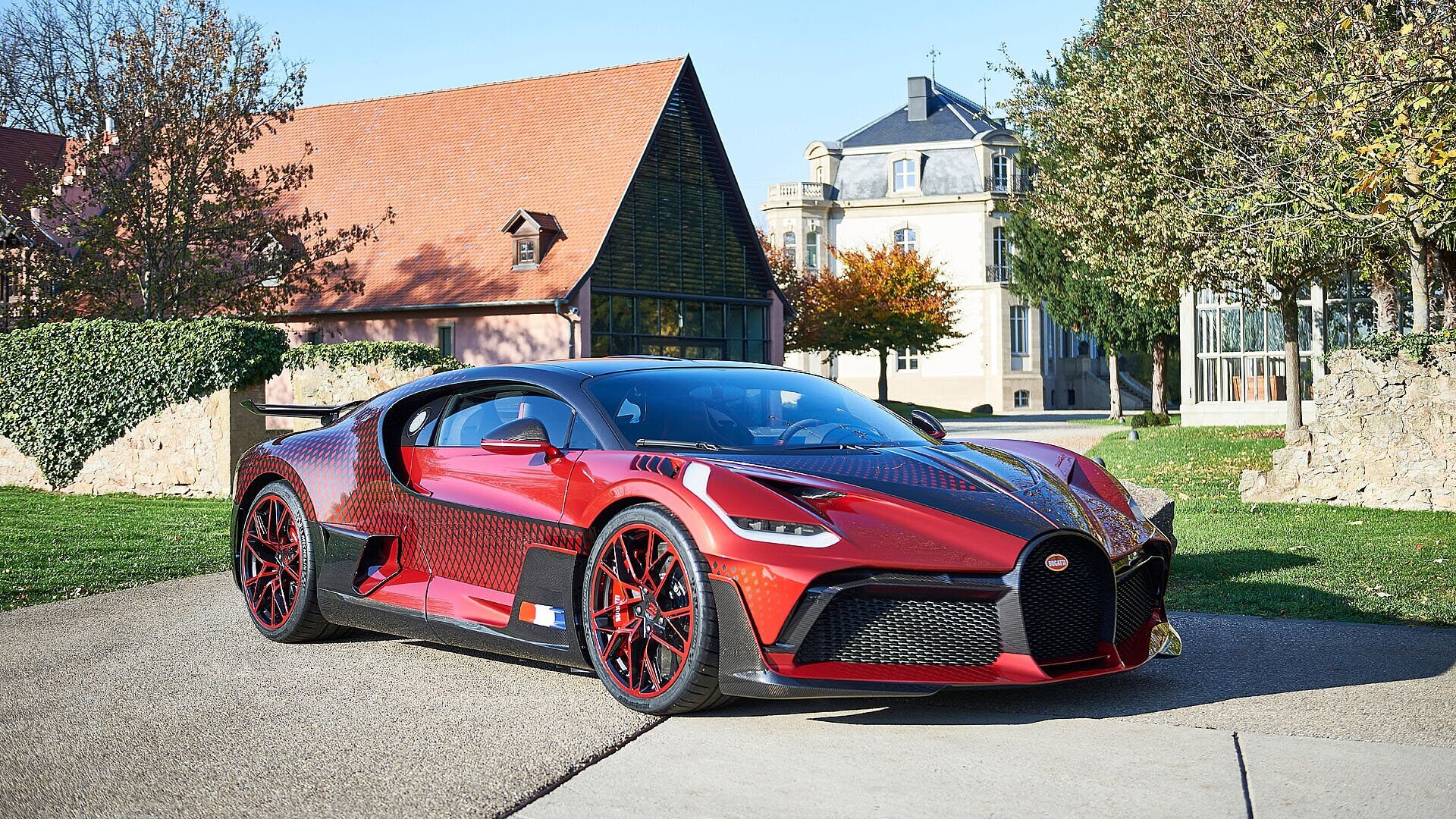
We have already mentioned this amazing-looking Bugatti Divo in our article ‘The Million dollar option‘, but just now Bugatti published a press release on this rather unique, bespoke build, keeping in mind only 40 Divo will be built, the last ones being delivered at this moment we’ve heard, and with a base MSRP of €5,000,000, these cars were ordered by some rather discerning customers, and that came with challenges never seen before, especially on this ‘Lady Bug’.

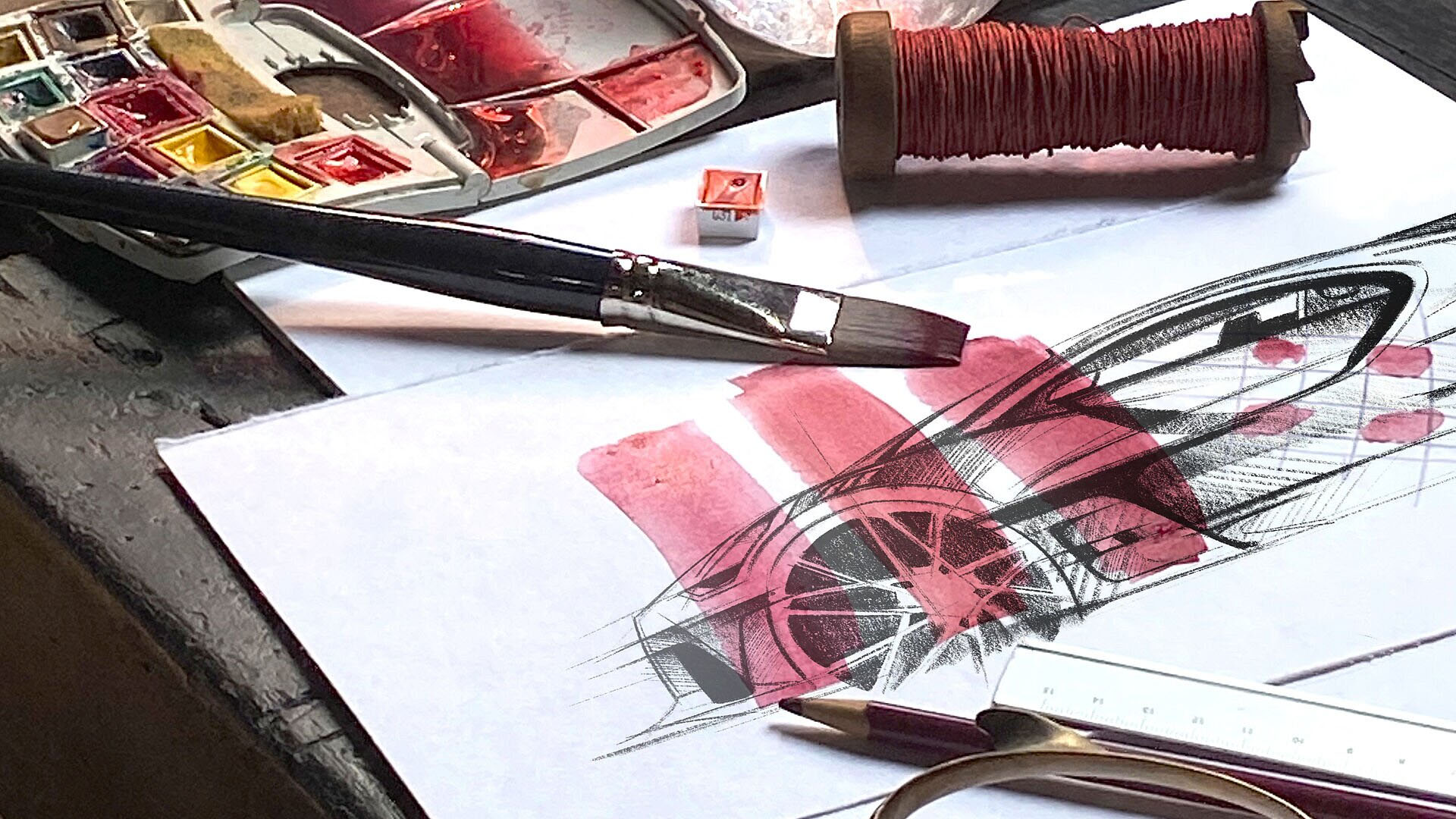
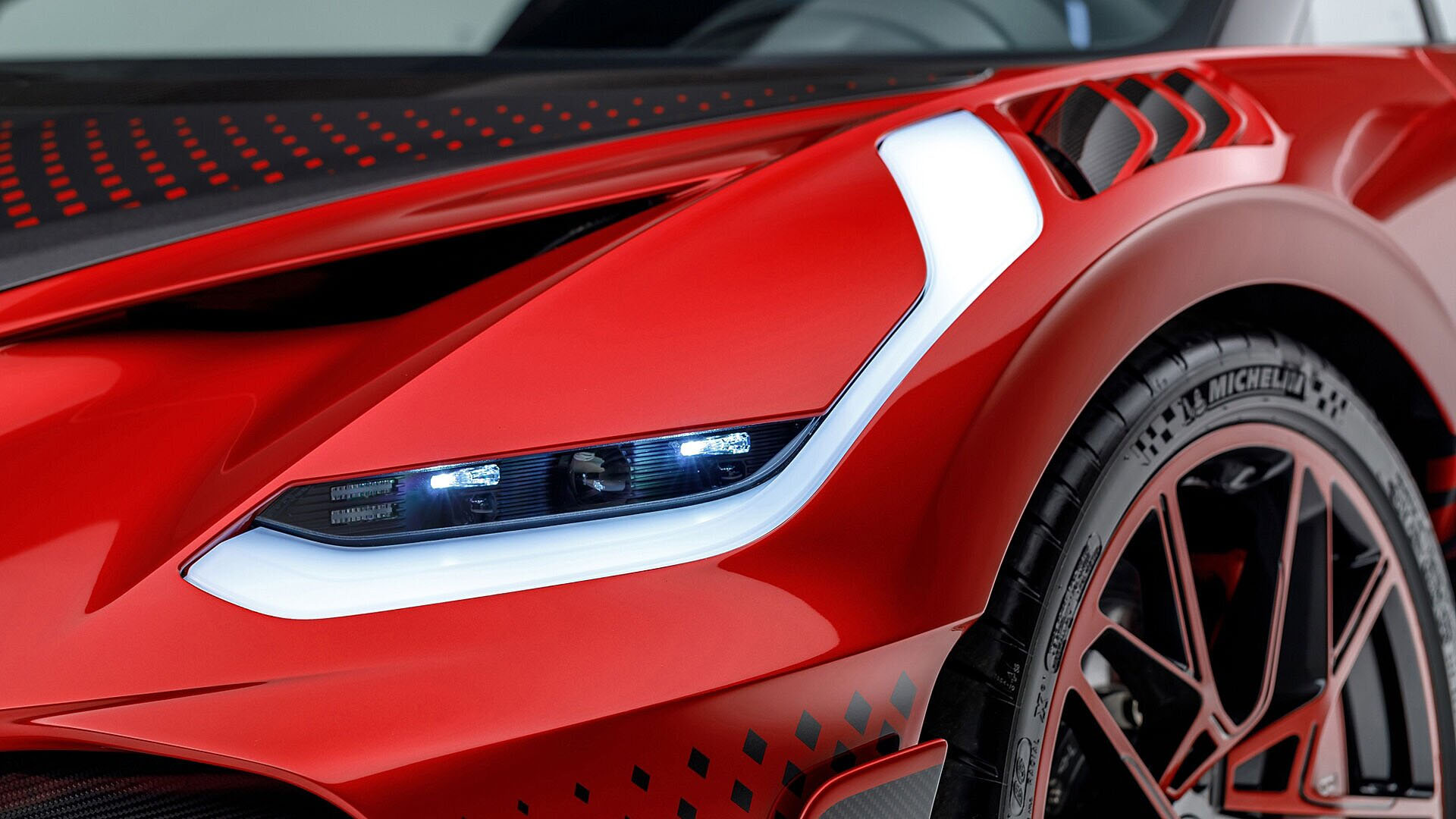
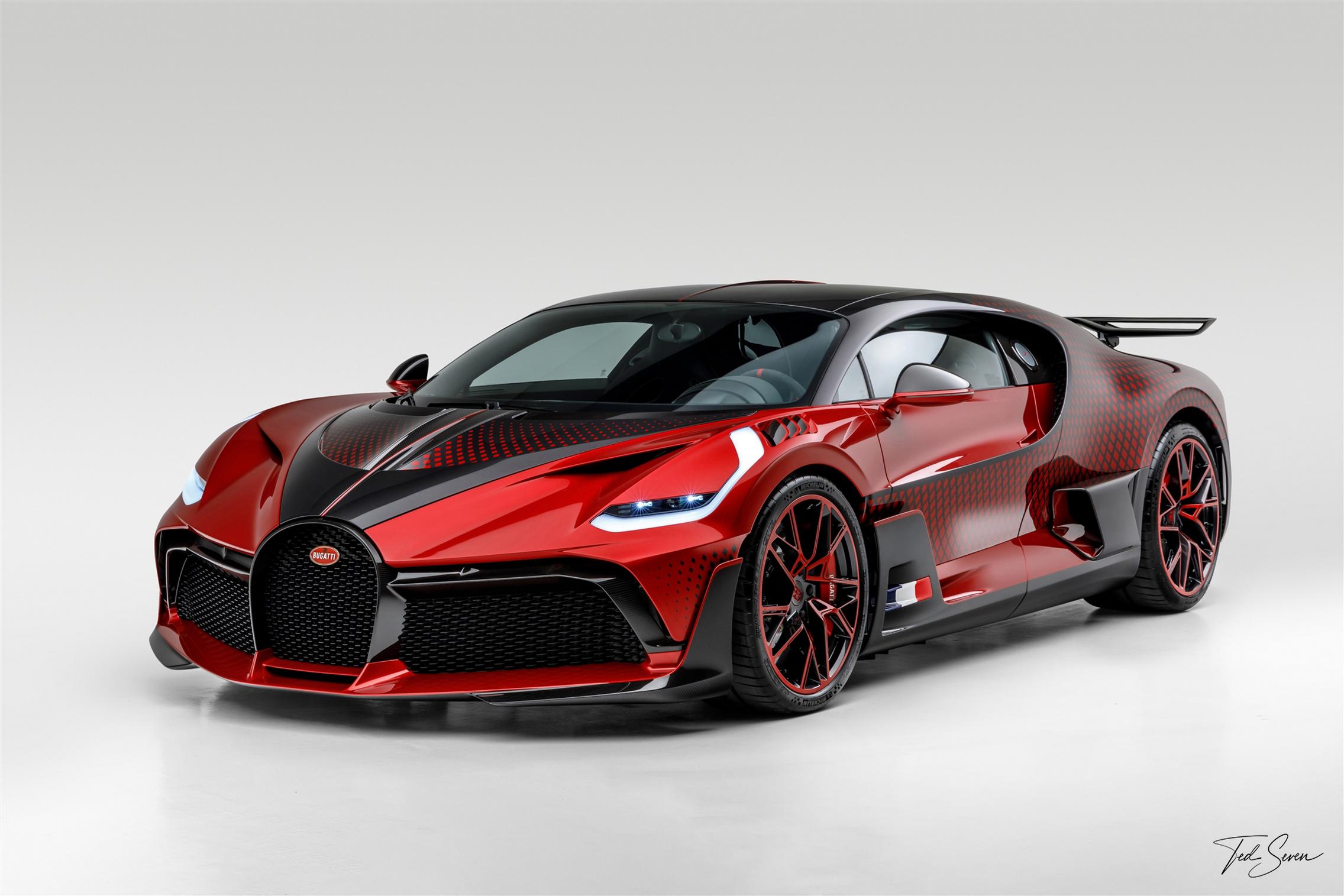
When the Bugatti Divo was introduced in August 2018, one customer located in the USA came up with a great idea: ‘a geometric-dynamic algorithmic fading pattern on the bodywork’. So he got in touch with Bugatti design to first decide on which shades to use … they created two special colors for this customer, ‘Customer Special Red’ (I guess they ran out of names) and ‘Graphite’, both metallic paints. But now came the hard part, designing a diamond pattern to run from the front over the sides of the Bugatti Divo.

The customer wanted to emphasize the silhouette of the Bugatti Divo with this gradient pattern, but it took the Bugatti design team over 18 months to develop and later achieve the correct look and feel on a real Divo. It’s easy to create a diamond pattern on a computer in CAD, but the problem comes when you apply that pattern onto a 3D, very round Divo body. The ‘diamonds’ get distorted, and it starts to look strange, although perfectly geometrically correct on the computer, even the slightest offset putting it onto the car ruined the look.

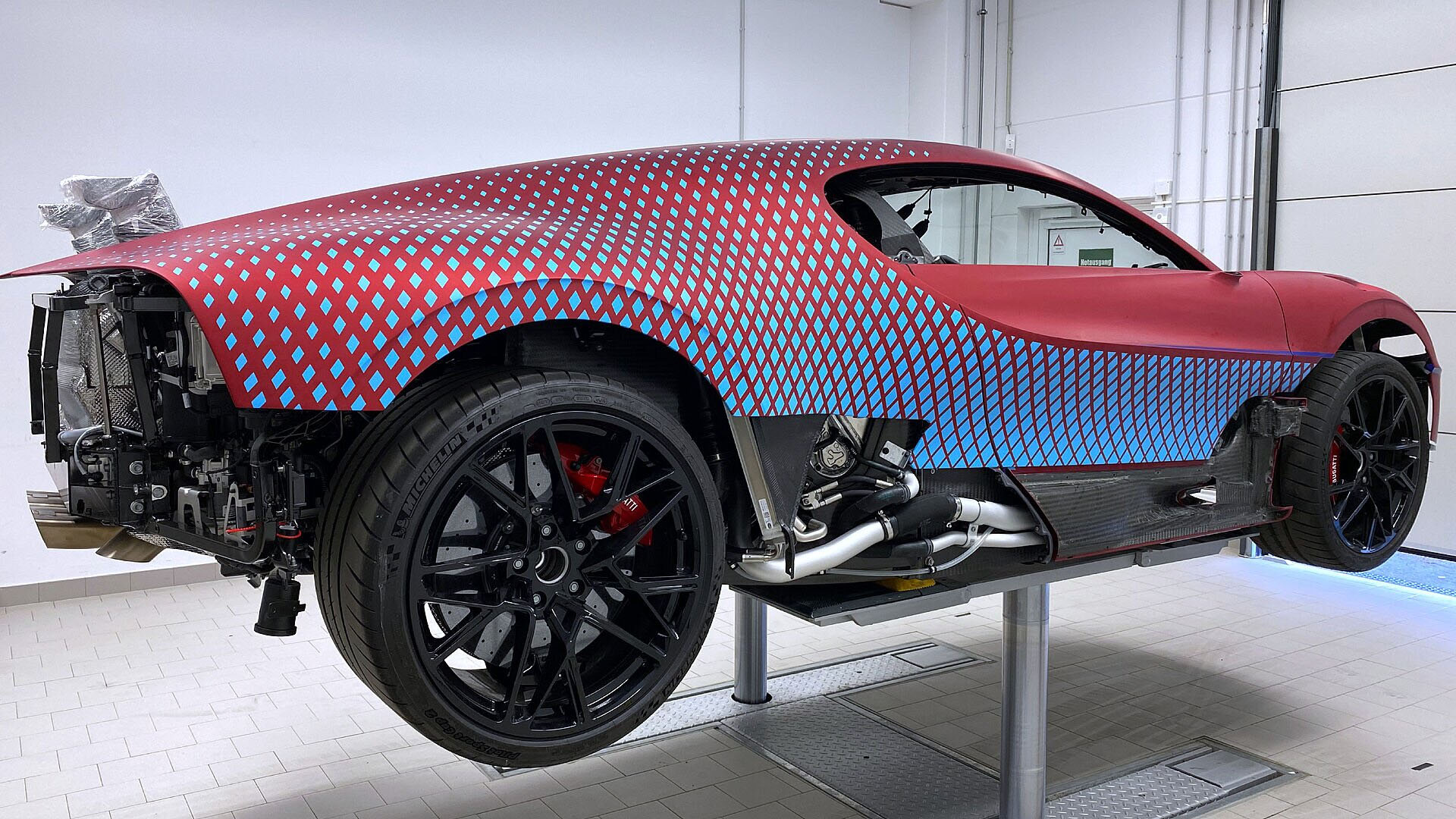
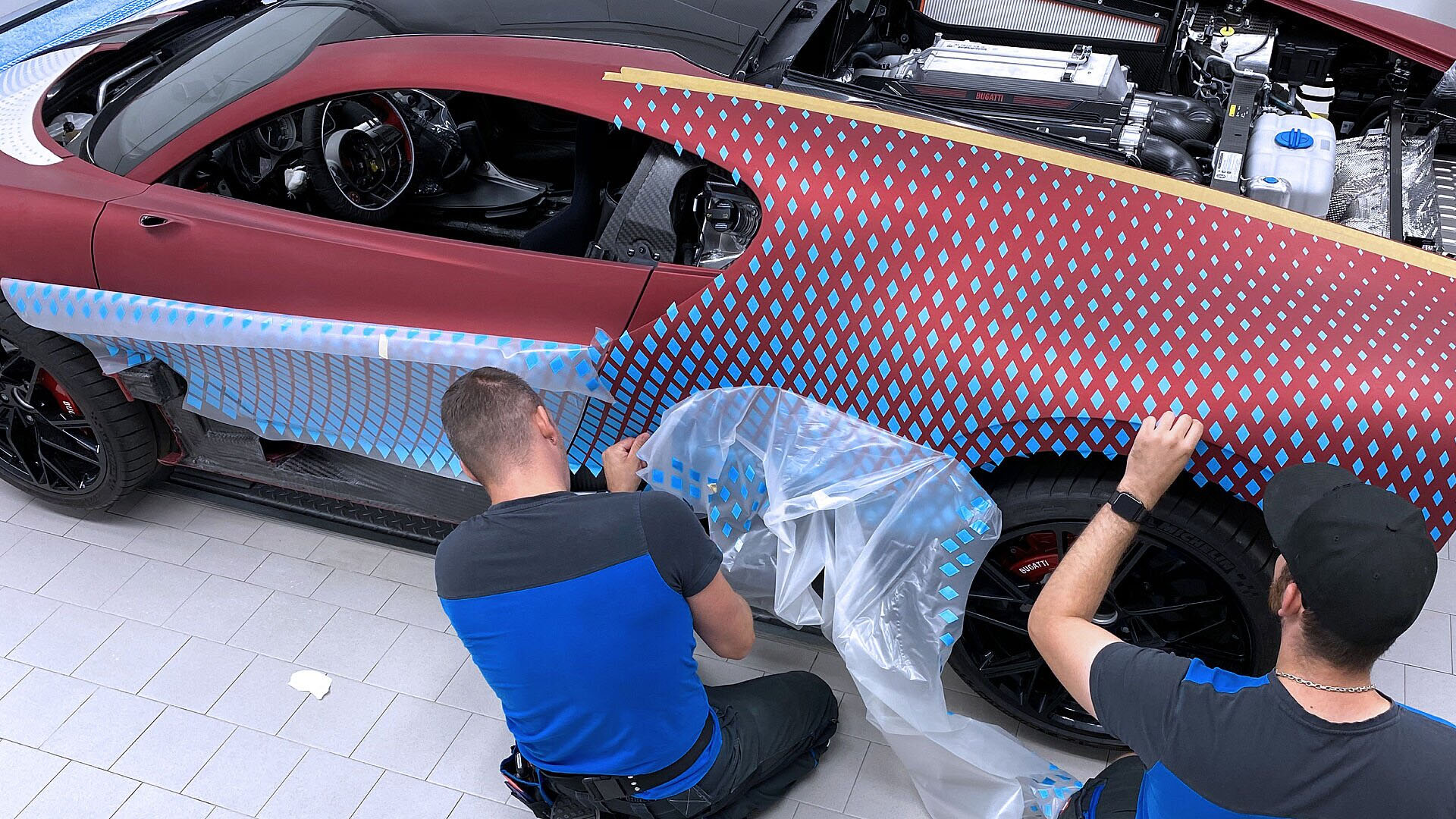
In the end, it would take approximately 1,600 diamond shapes, almost no two alike, to create exactly what the customer had in mind, and every single one of these had to be put in their perfect spot along the roofline, on the doors and rear fender edge in order to make sure it all looked right and created that perfect fade on the side of this unique Bugatti Divo.

At one point Jörg Grumer, Head of Color & Trim at Bugatti Design almost wanted to say: “We cannot meet the customer’s request’, however, it is our profound conviction that we should never give up and that our foremost motivation should always be to make the impossible possible for the customer.”

At Bugatti design they actually used 6-meter long film and did several trial fittings on one of their in-house test cars, only after several weeks, they managed to get it right and applied the bespoke diamond pattern onto the customer’s Bugatti Divo without any distortion or folds. After that, it took the Bugatti employees several more days to make sure every single diamond was positioned accurately, some of them were manually trimmed, some were even replaced at this stage.

After everybody was happy with the film on the car, it was time to paint … which involves not only applying the Graphite over the Customer Special Red but also meticulously removing every single diamond film, all 1,600 of them, without damaging the paint. After that, the paint gets sanded, smoothed, checked, retouched where necessary only to be re-sanded again. After applying the clearcoat another session of wet sanding and buffing goes on to create that deep, wet-look finish and gloss … it took months of hand craftsmanship to create this car.

1.5 Years to Paint it: Meet the Bugatti Divo ‘Lady Bug’

Bugatti Divo Lady Bug

Bugatti recently completed a custom Divo named “Lady Bug” featuring geometric patterns on the body in the shapes of diamonds – finished in special Red and Graphite metallic.

The Bugatti Divo is powered by an 8.0 liter W16 engine with 1,479hp and a top speed of 380 km\h. The car is limited to 40 units worldwide each priced from 5million euros excluding options. Deliveries started in August 2020 and are expected to finish within the first months of 2021.

It took one year and a half for the team to perfect the diamond shaped patterns to exact definition and eventually they had to be modified digitally and positioned on the roofline, doors and rear fender edge. The diamond patterns were separated and transferred into a film which was then stuck on the body. The shapes were replicated with 1600 diamonds all around the body.

After each diamond was checked and passed as perfect, the next task was painting the actual color and removing each diamond. In this process, the paint job was sanded, smoothed, re-touched and re-sanded all over again. The multiple layers of paint blended the diamond patterns into the anthracite color gradient.

The owner of the customized Divo was impressed by the job done and stated “ The thought of this project becoming a reality was exciting and a dream of mine, I was absolutely floored upon delivery”.

Additional Photos by Ted 7

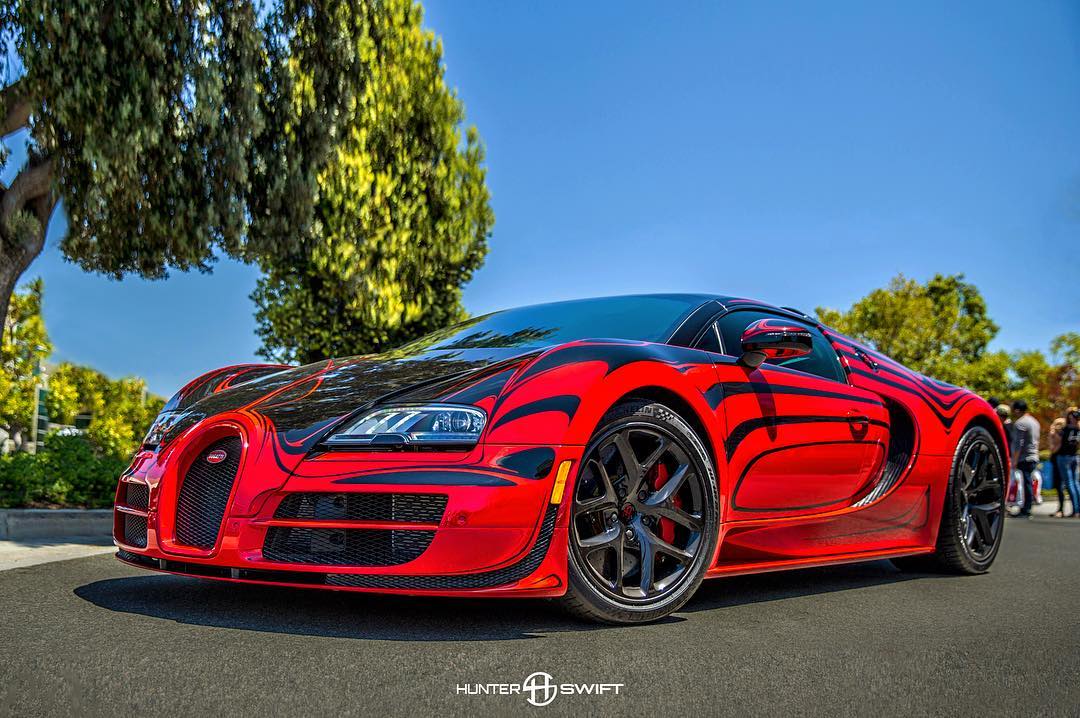
In addition to this Divo, he also owns a Bugatti Veyron Grand Sport Vitesse known as “Hellbug” due to its unique paint work. It was famous for hitting 230mph at an Idaho Freeway during the 2016 Sun Valley Road Rally.

Bugatti Veyron Vitesse Hellbug

Photos by Hunter Swift

1995 McLaren F1 For Sale: 1 of 64 Road Cars Made Worldwide

It’s not everyday that you come across a McLaren F1 for sale. A highly sort after British supercar from the 90s, it’s demand has grown exponentially in the past few years where it initially surpassed the $10 million mark before hitting the $20 million mark depending on the version.

This 1995 McLaren F1 for sale has been listed in the US by issimi.com, they were even generous to throw in a video review for any interested buyer out there. The video itself includes a few (rarely seen) scenes of a McLaren F1 road car getting driven properly.

The car is registered in the US and comes with a history of 2 owners from new. The new owner will acquire one of the fastest appreciating cars in today’s market. V12 supercars are becoming rarer by the day, the McLaren F1 boasts of a 6.1L naturally aspirated V12 supplied by BMW. Gordon Murray was in charge of the design, notably the central driver’s seat which was a first for the sports car industry. Murray who now owns a car company, plans to roll out his ‘F1 successor’ – a naturally aspirated V12 supercar with the same seat layout as the F1 called the T.50.

[embedded content]

The McLaren F1 was also famous for breaking the Guinness World Record for the world’s fastest production car in 1998 after achieving a top speed of 240.1mph.

McLaren F1 Specs

Engine: 6.1L BMW S70/2 V12
Output: 618hp, 650nm
Gearbox: 6-speed manual
0-100km/h: 3.7s
Top Speed: 240.1 mph (386.4 km/h)

McLaren F1 Photos (Red)

SWAE McLaren 720S

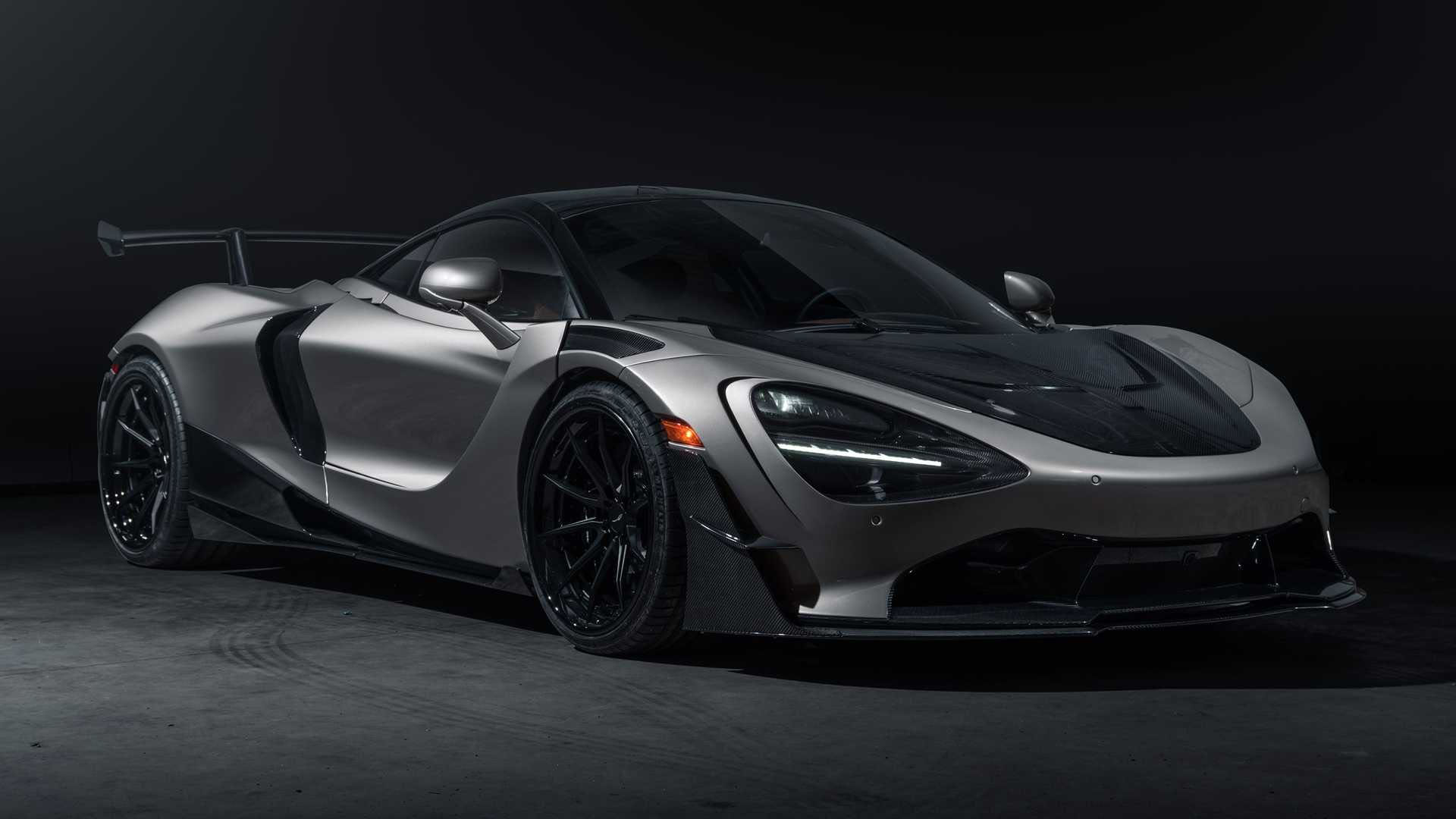
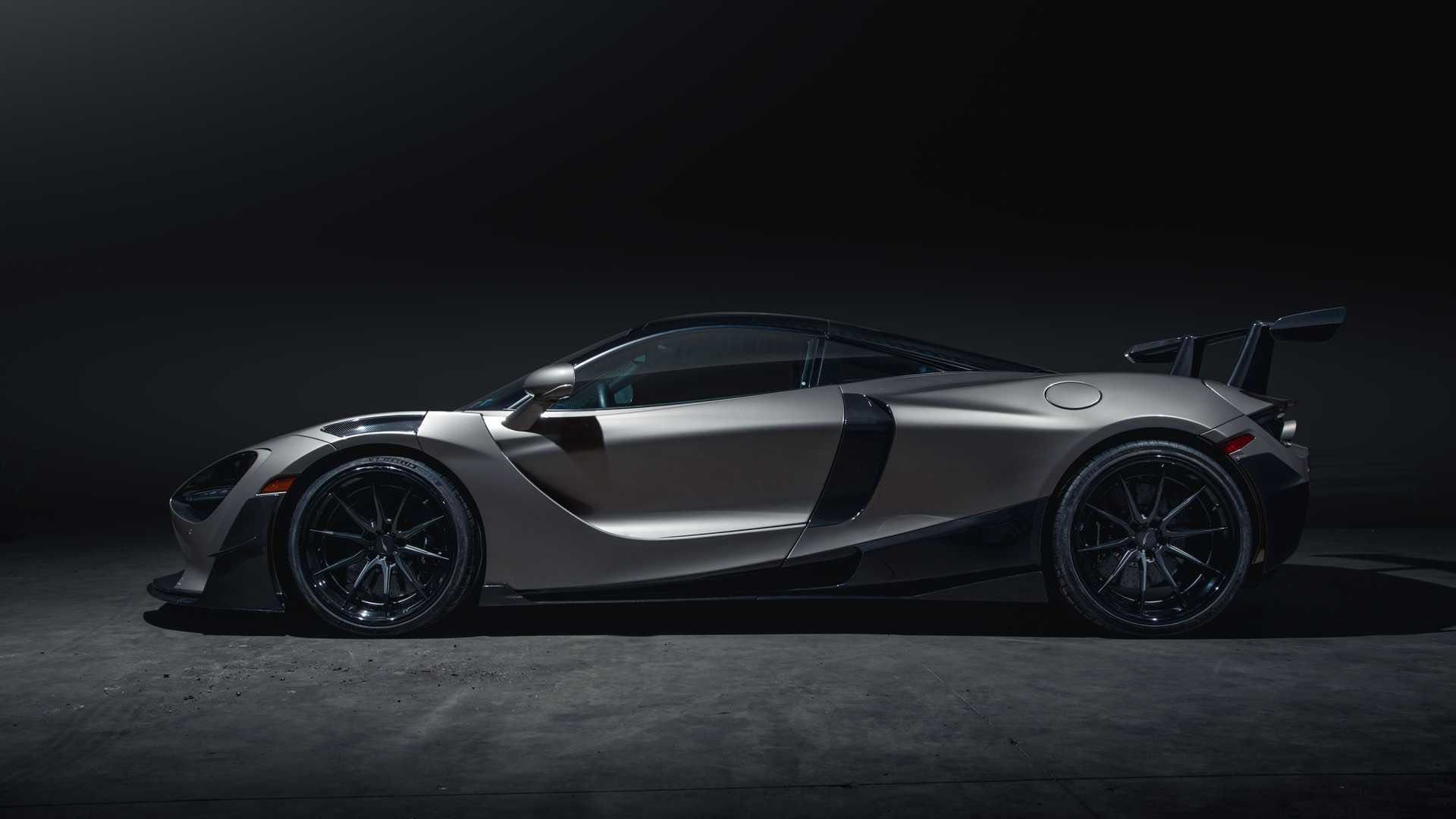
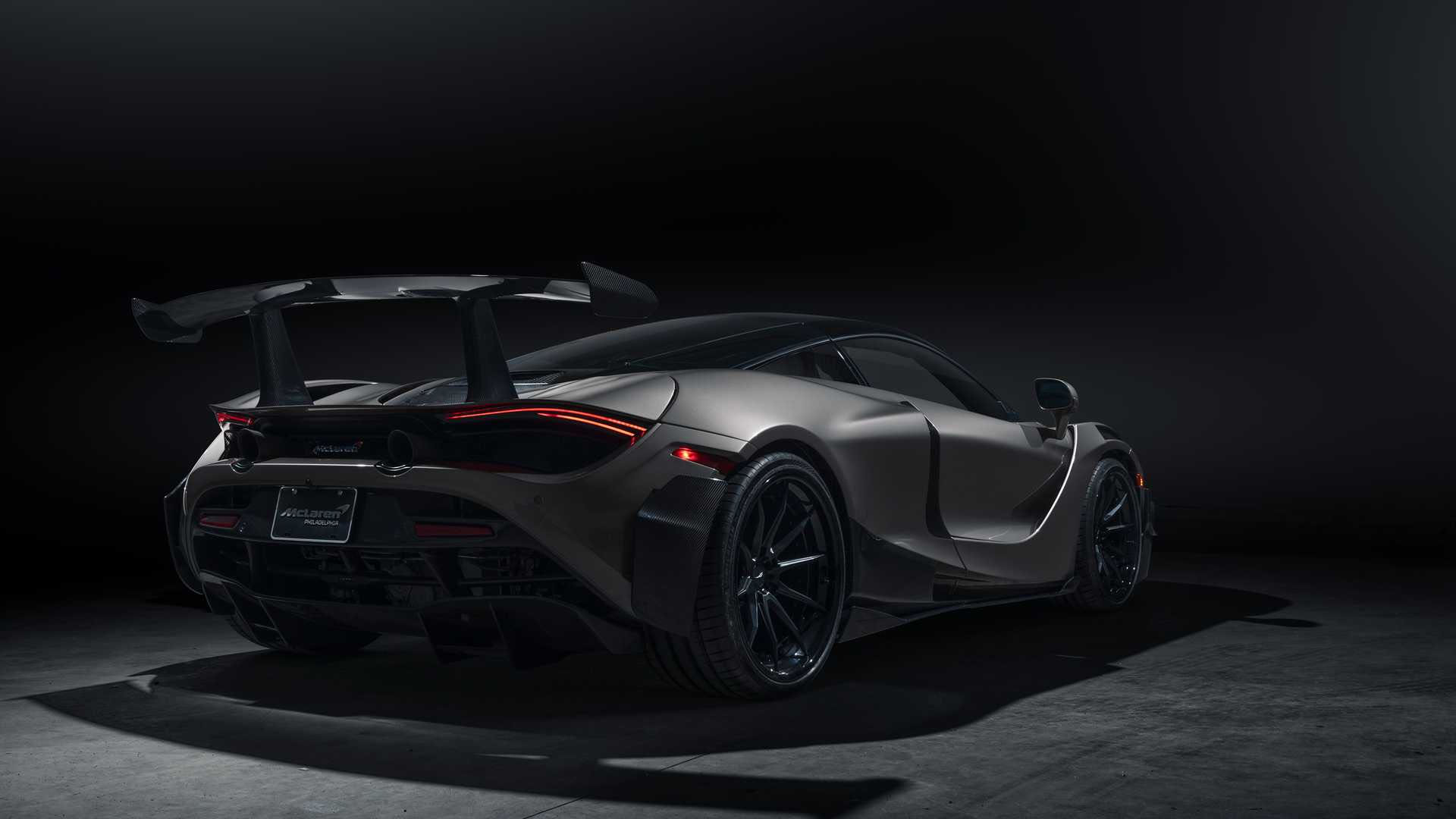
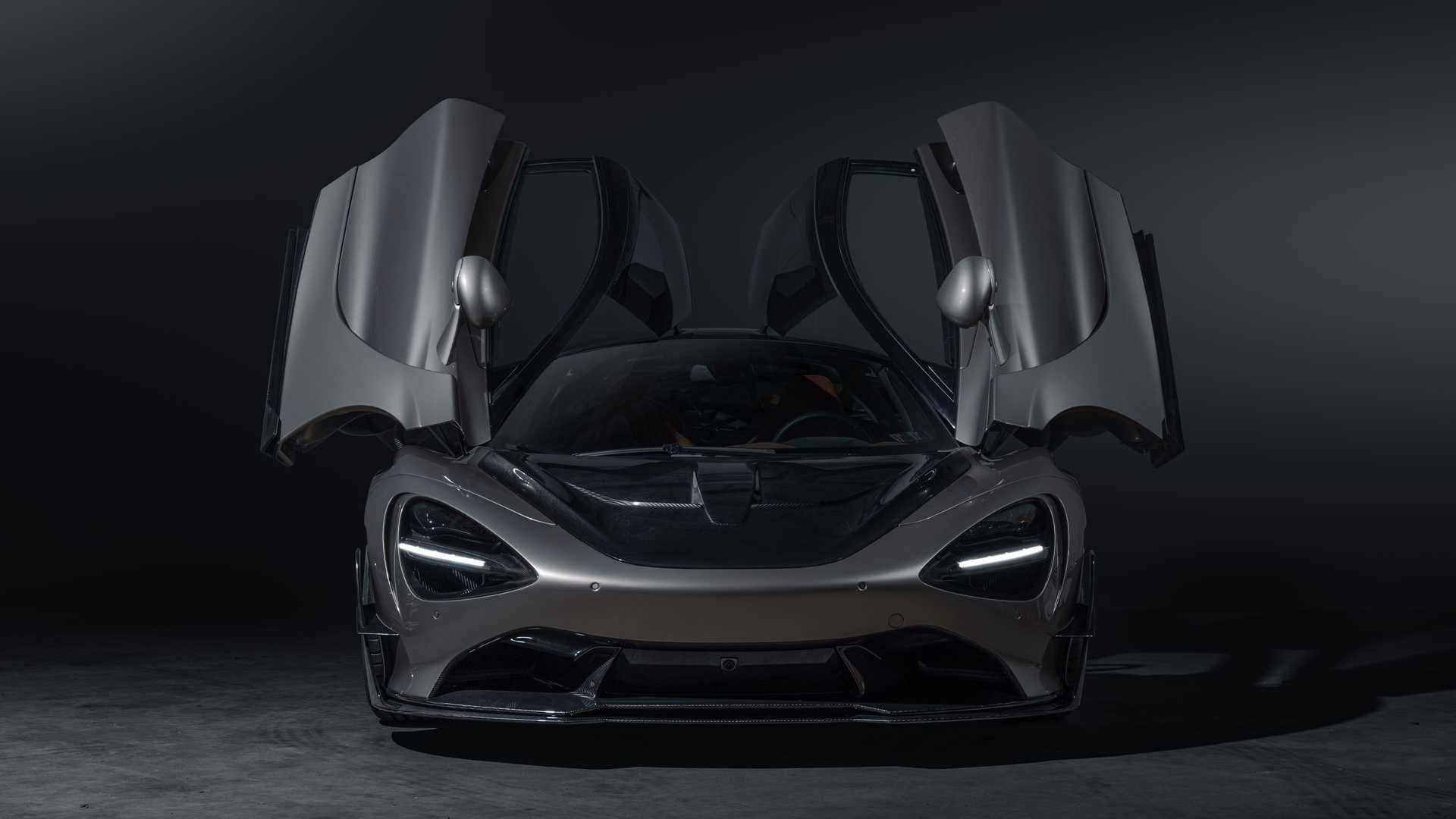
If you’ve never heard of SWAE, don’t feel too bad, they are a new company located in the Rocky Mountains not far from Glacier National Park that just released images of their first tuning package, and it’s for the McLaren 720S, which isn’t too bad straight from the factory, but SWAE takes it to the next level, both in looks and in performance.

First, you notice there is something different about this SWAE McLaren 720, and it’s a widebody kit you are admiring, with a new front lip and intakes on the front fenders, the rear fenders are widened too, and a massive rear wing is added too. While most parts seem to be made from carbon fiber, SWAE took the 3D printing route for the struts on the rear wing, made from titanium.

Bespoke, 10-spoke SWAE wheels complete the look of this $500,000 McLaren 720S, and the best is yet to come … engine tuning that delivers over 900 hp to the rear wheels from the twin-turbocharged 4-Liter V8, keep in mind this could mean the SWAE tuned V8 comes with over 1,000 hp at the crank.

SWAE says this McLaren 720S is just a ‘proof-of-concept’ at the moment, showcasing what they can do when combining carbon fiber and 3D-printing technology to create a bespoke car for the discerning customer, chasing dreams at all costs.

“SWAE operates in a space beyond luxury-  enhancing each caliber of craftsmanship to create a sum greater than its parts,” said Rosie Wolkind, SWAE director of operations.

This new SWAE McLaren 720S Widebody was recently unveiled in Miami, but it isn’t clear if this specific car is for sale, or was built on commission for an existing customer, or if it’s just a demonstrator for SWAE … only time will tell.

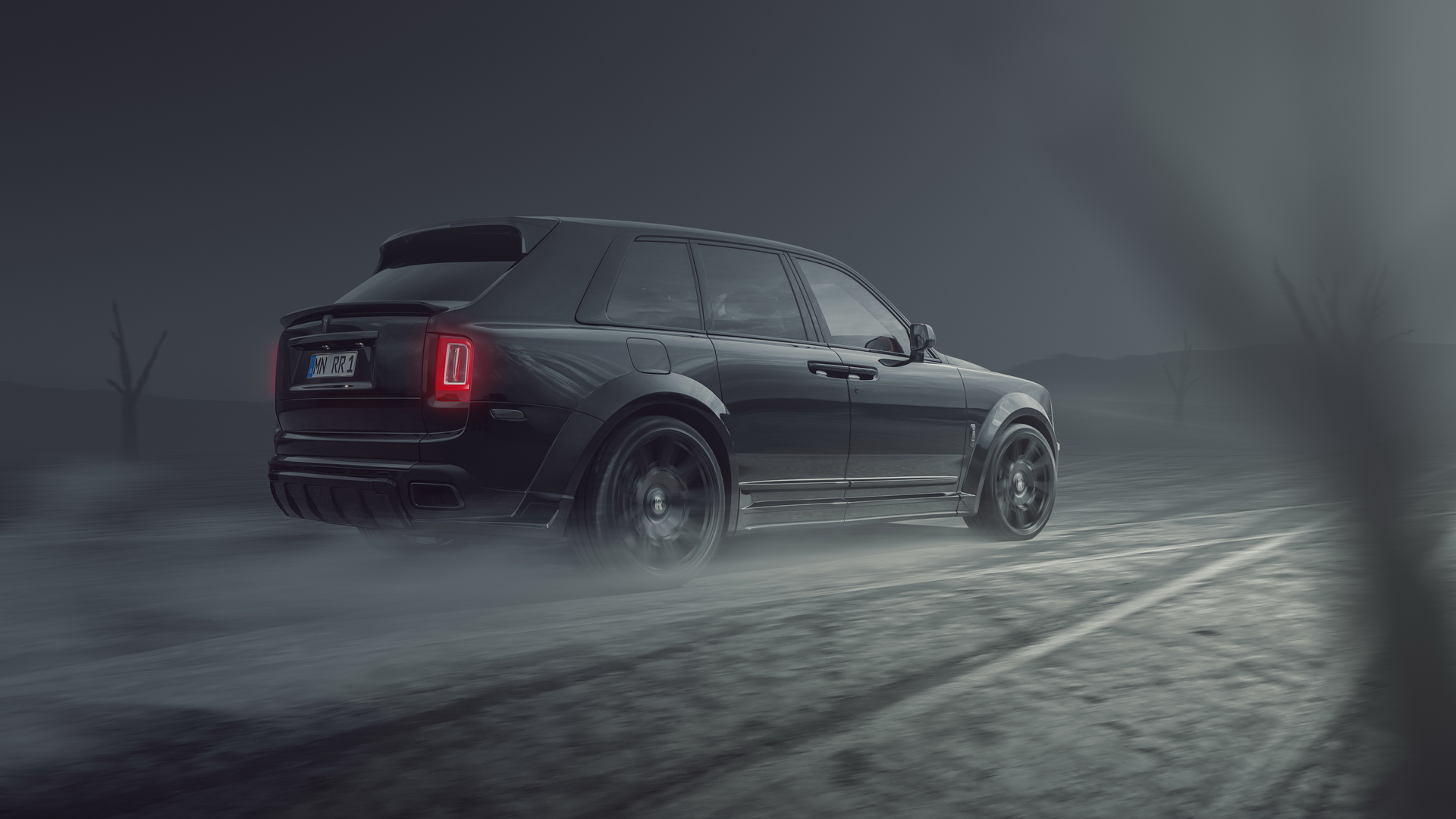
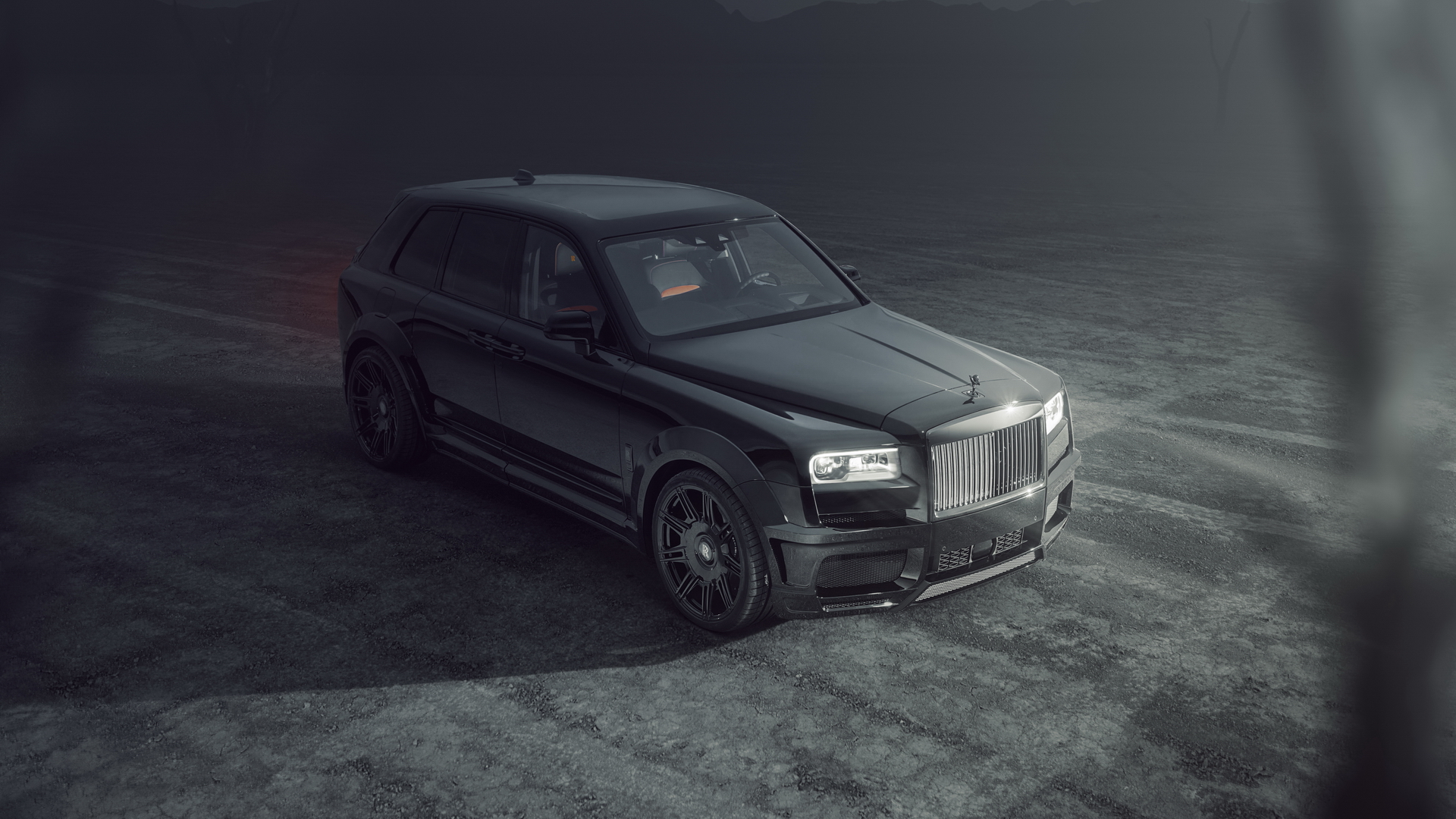
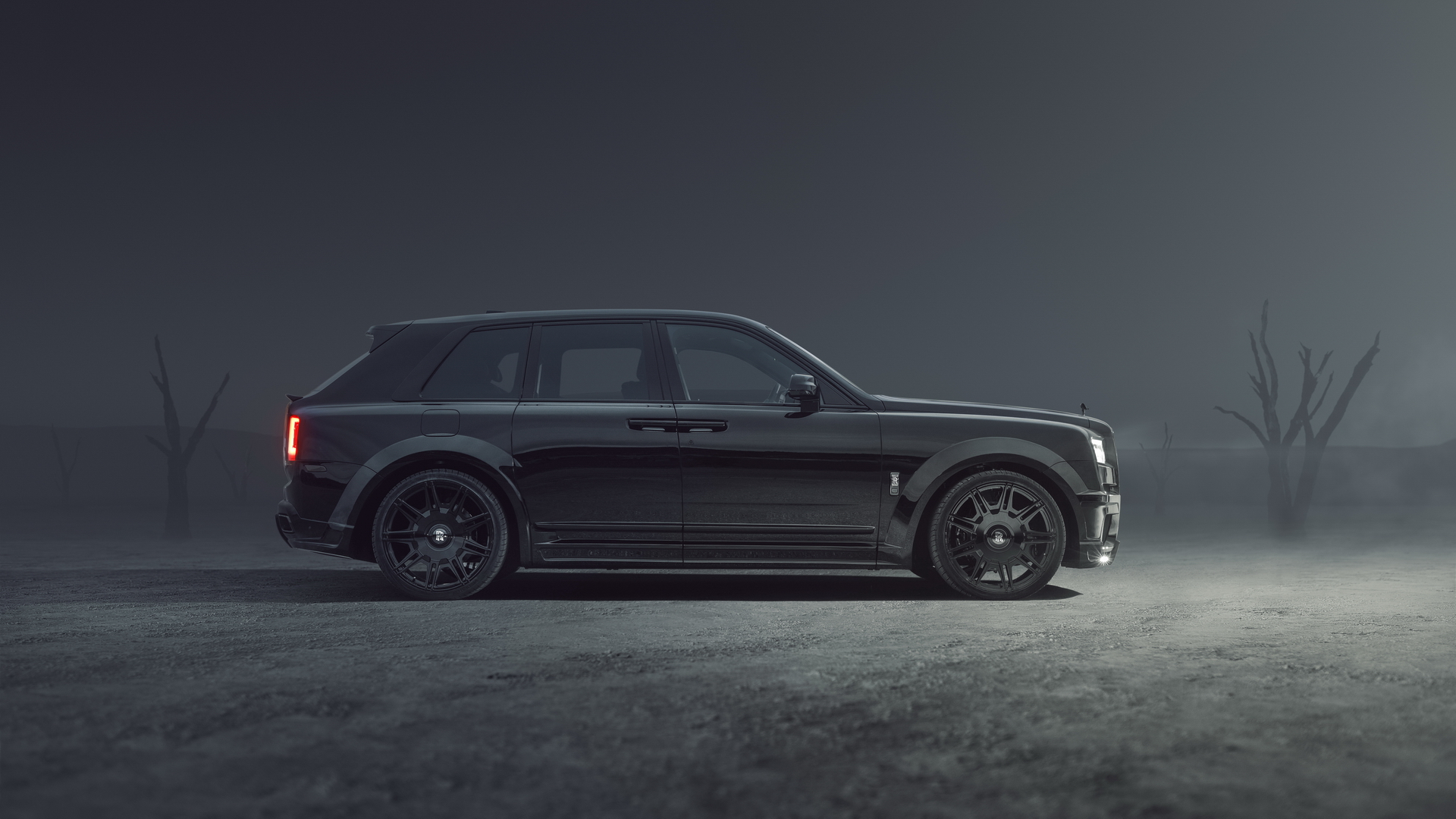
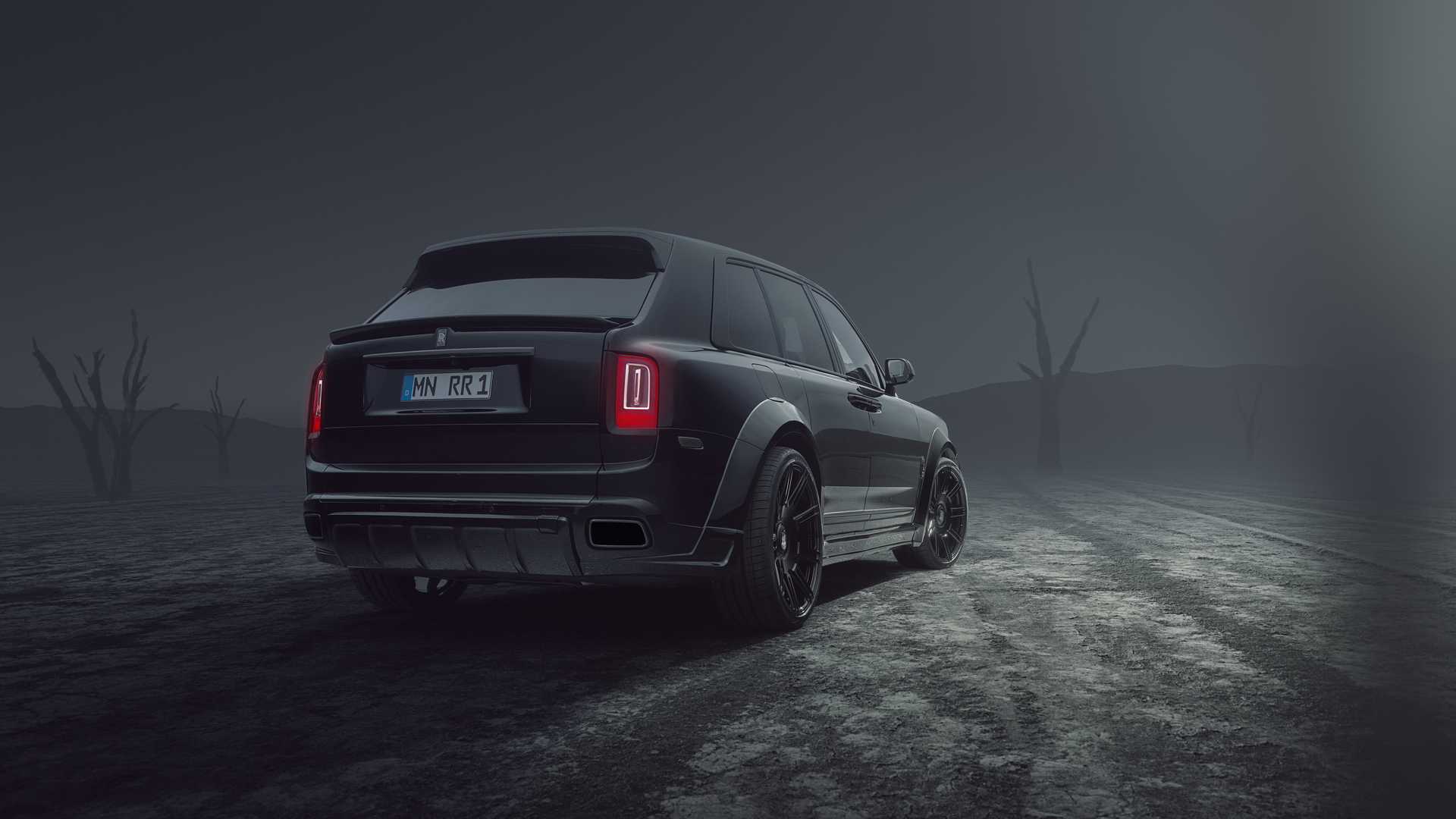
The SPOFEC OVERDOSE

In the world of SUVs, there was a time the Range Rover Vogue or the Mercedes G-Wagon was the ultimate ‘look at me’ car, these had amazing off-road capabilities, but most of them rarely left paved roads or got a spot of mud on them, and while the G-Wagon was initially a military vehicle, the later models were high-end luxury cars that could go off-road.

In the United States of America, you had a full-size SUV like the Cadillac Escalade and the Lincoln Navigator to take these big vehicles into the luxury segment … but over the years things started to change a bit and other big names in the industry came up with their own SUV, like the Bentley Bentayga that some might not like design-wise, but it is an ultra-high-end luxury SUV with some sportiness to it, perhaps a segment lower, but also very impressive was the Porsche Cayenne and the ‘Bull in the Chinashop’ … the Lamborghini Urus.

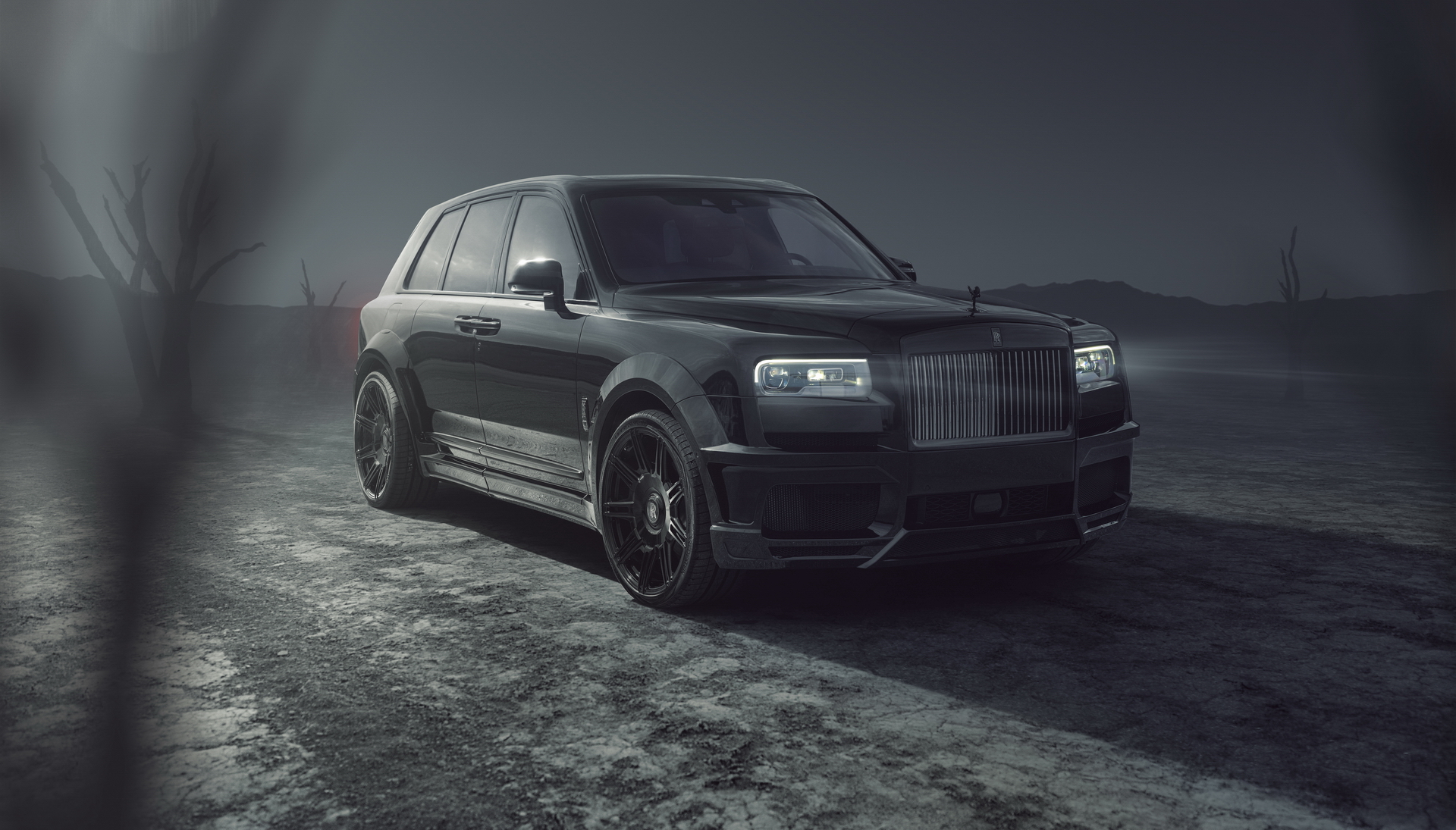
But then came another player on the SUV scene … Rolls Royce, with their massive Cullinan, taking its place as the most exclusive factory-made, production luxury SUV, and to make it interesting for those with lots of money but still craving for a little touch of sportiness, Rolls Royce came up with their ‘Black Badge’ series. Ditching the chrome-plated Spirit of Ecstasy for a glossy black finished lady, note you could get that beautiful bonnet ornament sculpture in just about any finish, they even offered it in actual crystal with illumination for a while, but they were forced to discontinue this $4,000 option because there’s a law against illuminated hood ornaments in Europe now.

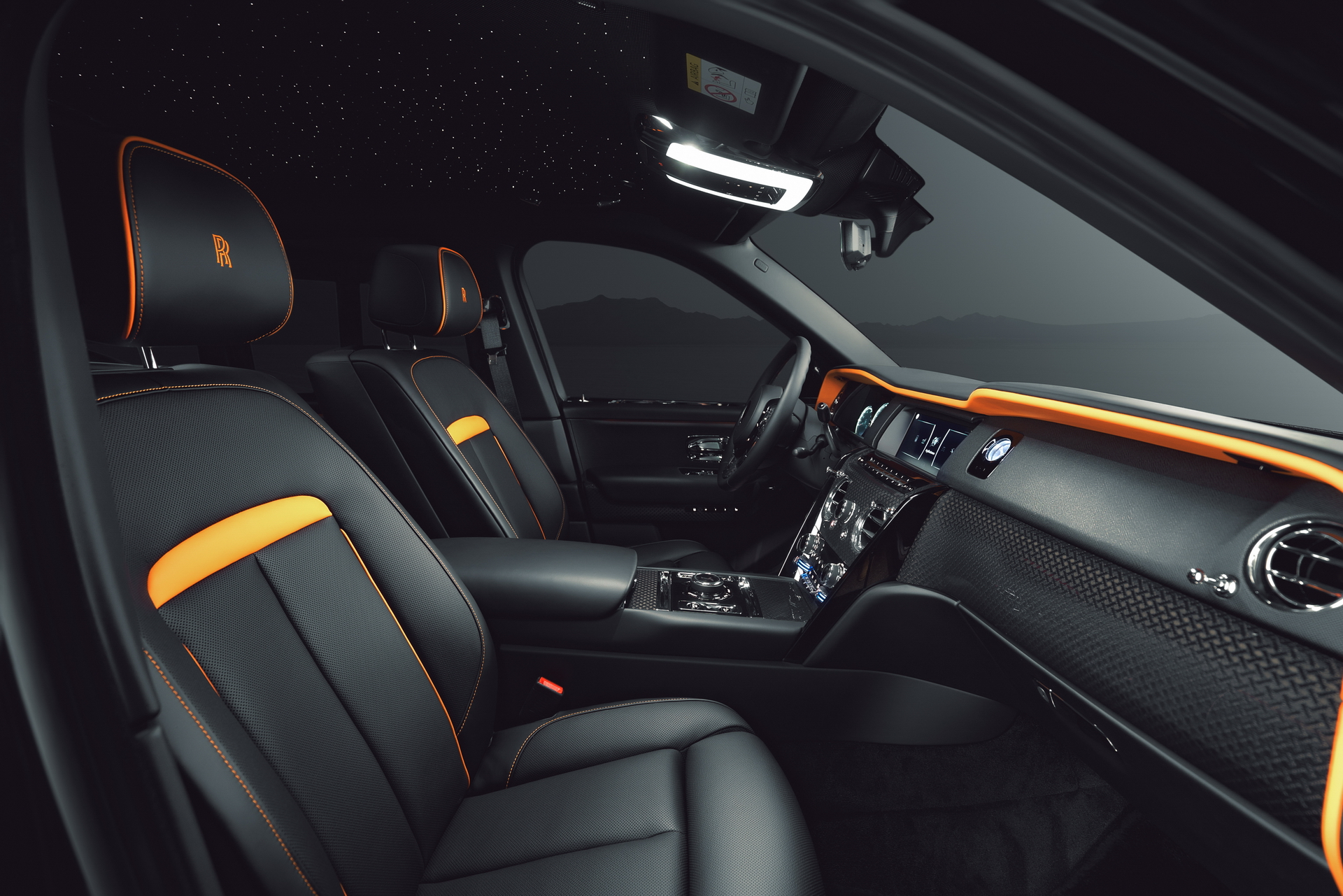
As the name suggests, a Rolls Royce Black Badge Cullinan is a breed apart from the regular Rolls Royce models, the world-famous front grill is also finished in black, as are most of the otherwise chrome trim around the windows … and no, you can actually order a Black Badge in another shade too … even white. And a Black Badge Cullinan is so ‘un-British’ it almost hurts … but it doesn’t, and I like the idea behind it, the black finish makes the car appeal to a younger crowd, and the Black Badge even comes with a harsher suspension … on a Rolls Royce mind you!

The difference between a Rolls Royce Cullinan and the Black Badge version is about $150,000, and that’s without a trip to SPOFEC in Germany to get their OVERDOSE tuning package, SPOFEC is part of the NOVITEC group by the way, just so you know you are dealing with people that have been in this business for many years.

And before we talk about the exterior of this SPOFEC OVERDOSE, let’s take a peek under that large hood. From the factory, the Rolls Royce Black Badge Cullinan comes with a 6.7-Liter twin-turbo V12 engine you hardly hear when it’s running and has a power output of 600 hp and 900 Nm of torque (the regular Cullinan has 563 hp and 850 Nm of torque for comparison). But SPOFEC offers the N-TRONIC plug-and-play auxiliary ECU, by remapping the injection and ignition and a small increase in turbo boost, the figures are now 707 hp (520 kW) and a peak torque of 1,060 Nm at 1,800 rpm.

Despite the massive size, and weight of 2.7 metric tons, the SPOFEC OVERDOSE can reach 100 km/h (62 mph) in only 4.5 seconds, the top speed is however still restricted to 250 km/h, and while we are still talking about an SUV, the SPOFEC suspension module allows a 40 mm lower ride height for added looks and a lower center of gravity.

But SPOFEC also turns the Rolls Royce Black Badge Cullinan into a ‘Dr. Jekyll and Mr. Hyde’ sorts of car … where the Rolls Royce is almost as silent as a whisper, with the SPOFEC exhaust, including actively controlled flaps, you can make this Rolls Royce sound like a sports car, there is nothing discreet about the SPOFEC OVERDOSE.

You can just imagine the marketing meeting at SPOFEC when they were discussing the OVERDOSE: “So discretion is out of the windows, let’s change the exterior too, and make it even wider” … they’ve added 10cm (4 inches) width to the front and 12cm (nearly 5 inches) to the rear fenders! This makes the OVERDOSE in total 212cm wide (83.46 inches), which also required a new set of side sills to connect those wide fenders with each other, and while they were at it, they replaced the entire front bumper with a new design, added a spoiler lip at the liftgate, and finished it off with a race-inspired rear diffuser. Precise-fit detachable parts create harmonious transitions from the fascia to the rear flares.

And with all this going on, you just can’t resist replacing the factory original wheels with these new SPOFEC SP2 forged wheels in 10×24 inch configuration, specially created in corporation with Vossen to handle the wider wheel arches, monstrous 295/30 R 24 high-performance tires cover these impressive wheels consisting of nine pairs of twin-spokes and with the wheel bolts disappearing behind a center cover.

The official SPOFEC press release on the OVERDOSE doesn’t list any prices for all these beautiful tuning options … but you know what they say: ‘if you have to ask’ …

2023 Maserati GranTurismo Test Mule Spotted in Sweden

Everyone has been awaiting the arrival of Maserati’s GranTurismo and may not have to wait much longer. A test mule has been spotted on the roads of northern Sweden. 

The test mule, in this case, looks to be an Alfa Romeo Giulia Quadrifoglio but do not let the exterior fool you. Test mules often use the body of an existing model to test out the mechanics of a vehicle awaiting final production approval. 

2021 GranTurismo Teaser Photo

Taking a closer look at the test mule, it’s apparent that the Giulia has been modified to have a longer wheelbase and hood along with stretched wheel arches and added venting on the vehicle. 

Maserati presented a teaser shot of the Grand Turismo last September and stated plans for its release in 2021. This took place while unveiling the Maserati MC20 supercar. The teaser shot pointed to the new GranTurismo to have a cleaner, more flowing aesthetic just like the MC20. 

The new GranTurismo will likely be powered by their new  3.0-liter twin-turbo V6 that is featured in the MC20. According to MotorAuthority, the GranTurismo may come with a mild-hybrid setup and potentially a fully electric model. 

The GranTurismo’s official reveal is set to take place this year, sales will likely be held in 2022, and deliveries likely to take place in 2023 for the US market. 

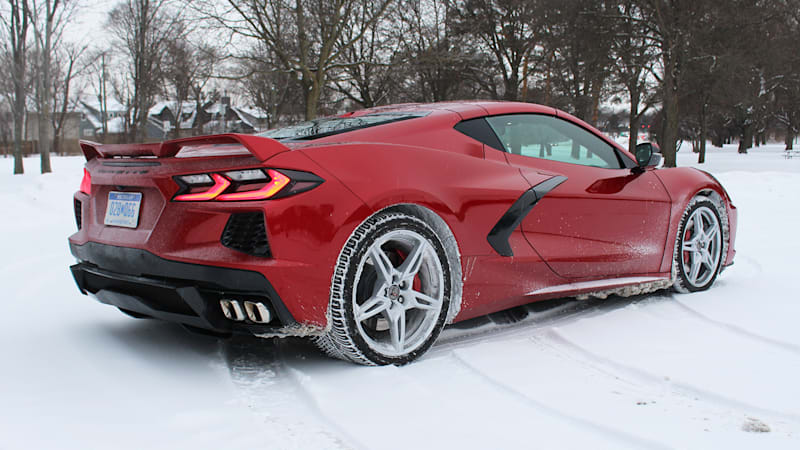
2021 Chevy Corvette loses its sub-$60,000 base price in mid-model year increase

The C8 Chevrolet Corvette snuck into its second model year without a price increase, but it’s not going to stay that way for the 2021 edition. A new report from CorvetteActionCenter.com confirms that GM is raising the base price of the C8 by $1,000 starting today, March 1.

That means the new base price for a Corvette is $60,995. It also means the days of Chevy advertising the C8 as a sub-$60,000 sports car are over. A report back in 2019 predicted that the $59,995 price wouldn’t last too long, and it’s proven to be at least partially correct.

We contacted GM to confirm the news, and received this statement — the same provided to CorvetteActionCenter.com — in response:

The MSRP of the 2021 Chevrolet Corvette Stingray coupe and convertible at all trim levels will increase by $1,000 beginning March 1. Customers who have event code 1100 sold orders and beyond by March 2 will not be impacted by the price increase on the 2021 Corvette Stingray. We monitor and adjust pricing on all our products regularly, and we’re confident the Corvette remains a winning formula of performance and attainability.

This confirms that it’s not just the base-level car getting more expensive. The price increase is applied evenly across the entire lineup. Those who have already ordered their 2021 Corvettes are the lucky ones. Anybody who was waiting will be on the hook for the extra $1,000.

Price increases are never fun, but this is one that we can stomach without much complaint. The Corvette overshoots its price by wide margins in every facet. Basically, it drives and presents itself as a car worth far more than the original $59,995 asking price. Adding $1,000 doesn’t do so much as to even dent its status as the bargain supercar that it is. That said, we’ll be watching out for continued price creep over the years. The C7 increased its price by $5,000 from start to finish. At this rate, the C8 is tracking along a similar path.

Related Video:

Column: Electric Cars, Synthetic Fuels and Beyond

Electric vehicles are quiet, simple, fast and good for the planet: that’s what we are told. We will soon be living in cities that will be far quieter where cars, buses, taxis and HGVs will hum through the streets of every developed city across the planet without emitting any harmful CO2 or unpleasant noises. This is the ideal scenario, but this utopia is more of a mirage than an imminent reality. Forget the utopian imagine, the current reality is rather less idilic.

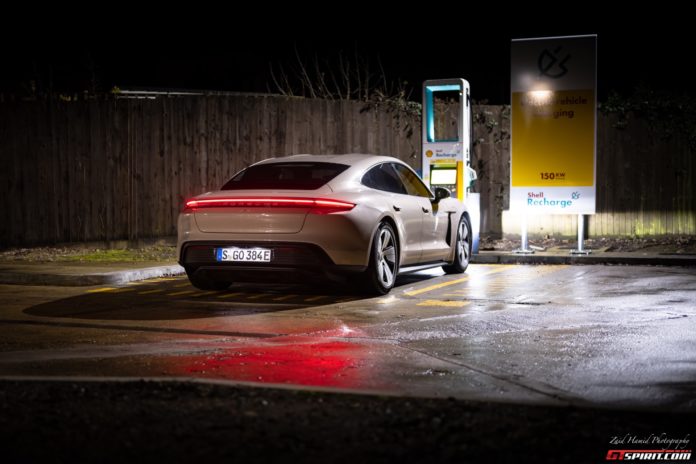
The limitations of physics, infrastructure and current technology means that even the most advanced cars and chargers combined will still have you plugging your EV in to charge for hours a week to ‘brim the tank’ from zero, this comes at a cost. Yes, if you have the luxury of owning a home and installing charger for you might get away with a night sipping at the juice box to cover your commute. But do you spend £150,000 for a Taycan Turbo S to drop the kids to school and potter over to a bourgeoise bakery for a loaf of seeded sourdough?

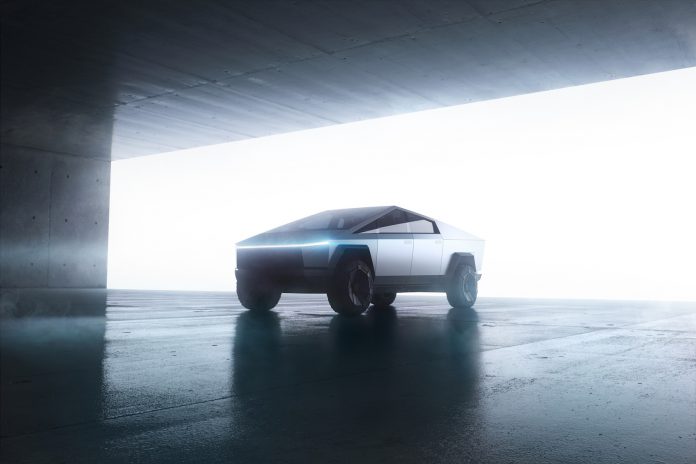
Automotive veganism is similar to the dietary kind. It’s not always enjoyable, but you’ll feel like you’re making a difference despite the compromises. Whilst the infrastructure is as broken and fundamentally flawed as it is, the stress and lack of options means that having a 751bhp Taycan or a 1,006bhp Tesla is not relevant or appealing to a true enthusiast. In the real world the numbers are one dimensional and the weight penalties blunt handling. Furthermore, you simply cannot get out and drive for fun without changing your mentality to factor in the state of charge and planning routes to pass fast chargers or face the pain of staring at the charge levels at a slow charger having downloaded four apps on your phone only for the charger to induce fits of rage with repeated ‘unable to connect’ error messages, true story. This isn’t a problem for a short city commute, a Honda e or any other small city focused EV makes the most sense in my mind, as does taking public transport.

Compliment these relatively cheap and snazzy commuter boxes with a car you can reserve for that Sunday morning coffee run with you partner or a drive out to The Cotswolds for lunch with old friends. Reserve petrol as a luxury and have an automobile that embodies the joy of driving to enjoy on sunny days and special occasions. Don’t sit in traffic in the city burning fuel, save it for the roads where you can enjoy it without being sneered at. Don’t drive a petrol powered car to get from A to B, drive it to smile and to relish a spontaneous 300 mile drive to the seaside via your favourite roads, you would break a sweat doing that in any current EV unless you restrain your right foot with a chastity belt.

Great advances are being made to improve infrastructure and EVs. The Taycan is held in high regard as it is made by engineers that know what it takes to make a car that is enjoyable to drive, not just to do 0‑60 times (before feeling queasy). My personal opinion is that the limitations are beyond the infrastructure. It will take decades and billions of pounds to get everyone out of a combustion car and into an EV. “With electricity alone, you can’t move forward fast enough,” says Michael Steiner, head of R&D at Porsche.

Whether it is hydrogen fuel cell technology or synthetic fuels, I’m sure there is an easier, more convenient and less compromised solution that will come to the fore. The €15bn synthetic fuel investment from Porsche with Siemens presents a glimmer of hope.

Tesla Cybertruck Distance

“Synthetic fuels are very important to allow us to reduce our CO2 output. Emissions are way better than current pump fuel, with less particulates and less NOx produced; synthetic fuels have between eight to ten components whereas petrol today has 30‑40 and not all of them are welcome,” Porsche’s Vice President Motorsport and GT cars, Dr Frank Walliser, explained.

“Synthetic fuel is cleaner and there is no bi‑product and when we start full production we expect a CO2 reduction of 85 percent. From a ‘well to wheel’ perspective ‑ and you have to consider the well to wheel impact of all vehicles ‑ this will be the same level of CO2 produced in the manufacture and use of an electric vehicle.”

There’s no infrastructure change required, just pull up to the pump, fill up and leave. Production begins in 2022 with half a billion litres expected to be produced in the next five years. The first commercial flight run on synthetic fuels flew from Amsterdam to Madrid this month, imagine if every flight or freight container ship produced 85% less CO2. Let’s hope us enthusiasts can help make a difference whilst driving the cars we love without being framed as villains or worse still, have automotive veganism thrust upon us without a choice.

UPDATE: Porsche could raise its stake in Rimac, and Rimac weighs in

CLARIFICATION: An earlier version of this Reuters story said Porsche could raise its stake in Rimac to nearly 50%, but Rimac reached out to Autoblog to say that’s not so. Here is a statement from Mate Rimac:

“We have a very strong partnership with Porsche that is key for Rimac Automobili. Porsche is a shareholder in Rimac since 2018 with 15.5% ownership currently, accumulated over several rounds of investment. While it is true that we are discussing further expansion of this collaboration that will lead to increase of Porsche’s stake in Rimac Automobili, some media have mistakenly reported that Porsche would take over 50% or nearly 50% of the company.

We are very happy that the partnership with Porsche will strengthen even further, but it is in the interest of both Rimac and Porsche that Rimac is a fully independent company. We are working with many car companies that are not our shareholders and there is a clear separation between shareholding and projects. It is very important to us that our industry customers have the peace of mind that Rimac is independent and that there is an “Information Firewall” between projects and shareholders (not only Porsche, but also Hyundai and others) – and this will not change. Confidentiality is very valued in the industry and one of the basics for collaboration between companies. Our shareholders are happy with such an arrangement and expect the same level of professional behaviour and confidentiality for their projects and customer projects.

So, the point is: Porsche’s stake will increase but nowhere near to 50% and Rimac will remain independent with many industry customers that are not our shareholders/investors.”

The original story, with the 50% reference removed, appears below.

FRANKFURT — Volkswagen unit Porsche is participating in a financing round of Rimac Automobili that will see the electric supercar maker raise 130 million-150 million euros ($157 million-$181 million), its owner Mate Rimac told weekly Automobilwoche.

The fundraising should be completed in two to three months and another round is planned at the end of the year, Rimac told the trade journal.

Porsche owns a 15.5% stake in Rimac Automobili and could raise its stake in a deal that would also include the transfer of Volkswagen’s supercar brand Bugatti to Rimac, Automobilwoche said.

Volkswagen and Rimac were not immediately available for comment on Sunday.

Porsche Chief Executive Oliver Blume said earlier this month that intense discussions on Bugatti’s future were ongoing and that Rimac could play a role as the brands were a good technological fit, adding that a decision was expected in the first half of 2021.

Rimac has developed an electric supercar platform, which it supplies to other carmakers, including Automobili Pininfarina.

“Supercars have a limited market, the market for components is much bigger. That is why we are planning to expand our company,” Rimac told Automobilwoche.

That includes plans to more than double Rimac Automobili’s workforce by early 2023 to 2,500 from 1,000 currently, he said.

Related Video:

[embedded content]

The Arden Jaguar AJ23 SVR

Perhaps you haven’t heard about Arden Automobilbau GmbH before, or you might have, but it’s been a while … let me get you back up to speed, Arden Automobilbau GmbH is located in Krefeld, Germany, and they specialize in world-class tuning, premium refinement and tailored conversions for a wide range of Jaguar, Range Rover, Bentley, and Mini Cooper models, and they’ve been doing this for some time now, the company was founded in 1972 … they will be celebrating their 50th anniversary next year.
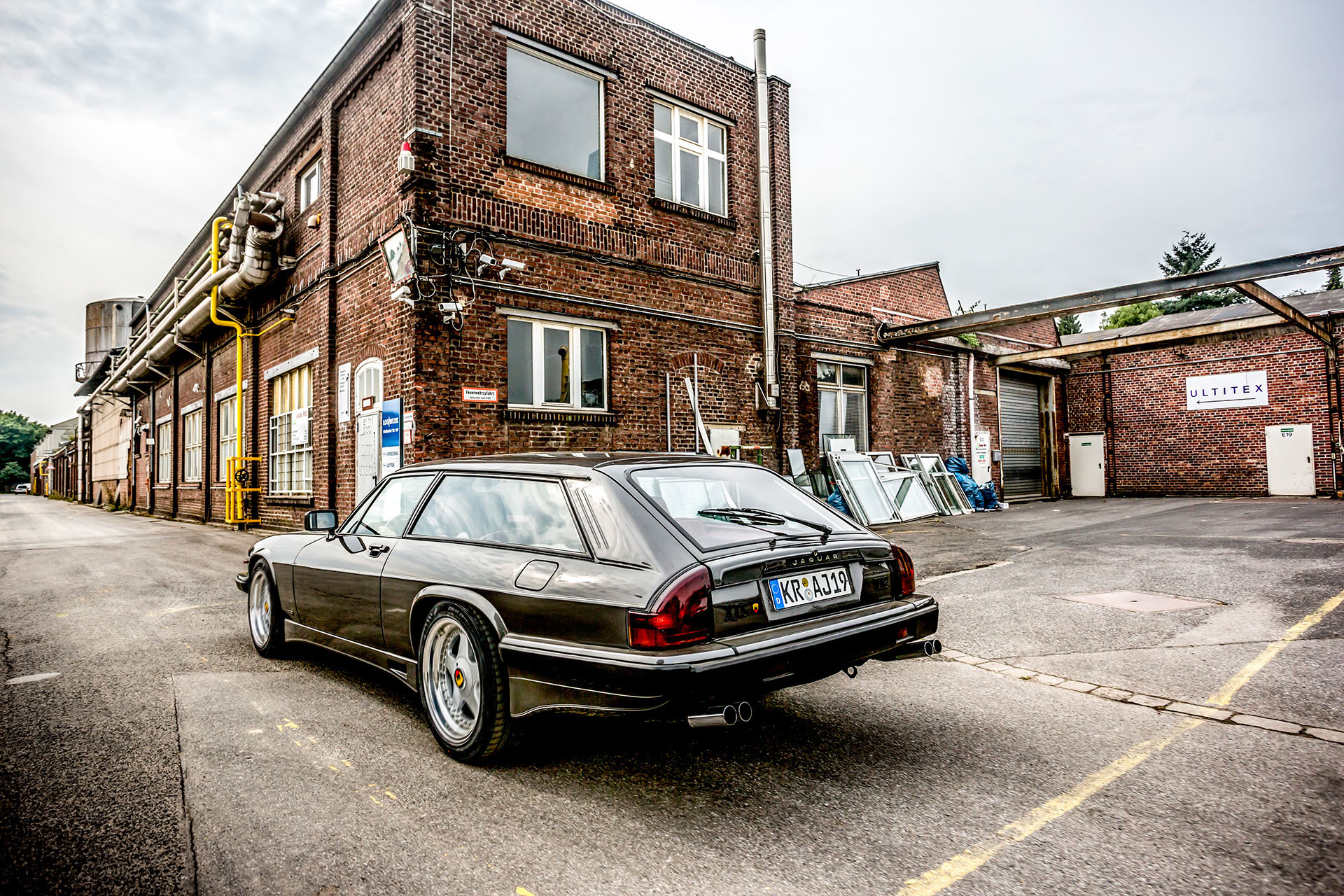
Another question, do you remember the Jaguar XJS, that stylish coupe or convertible made between 1975 and 1996, with a 21-year production span I guess you must have heard about it … did you know there was an ‘estate’ version too? Not made by Jaguar, however, but Arden did a complete conversion with their AJ3 Station Car, complete with period-correct Recaro seats upholstered in bright red leather … and they specifically didn’t call it a ‘Shooting Brake’ like some other builders.
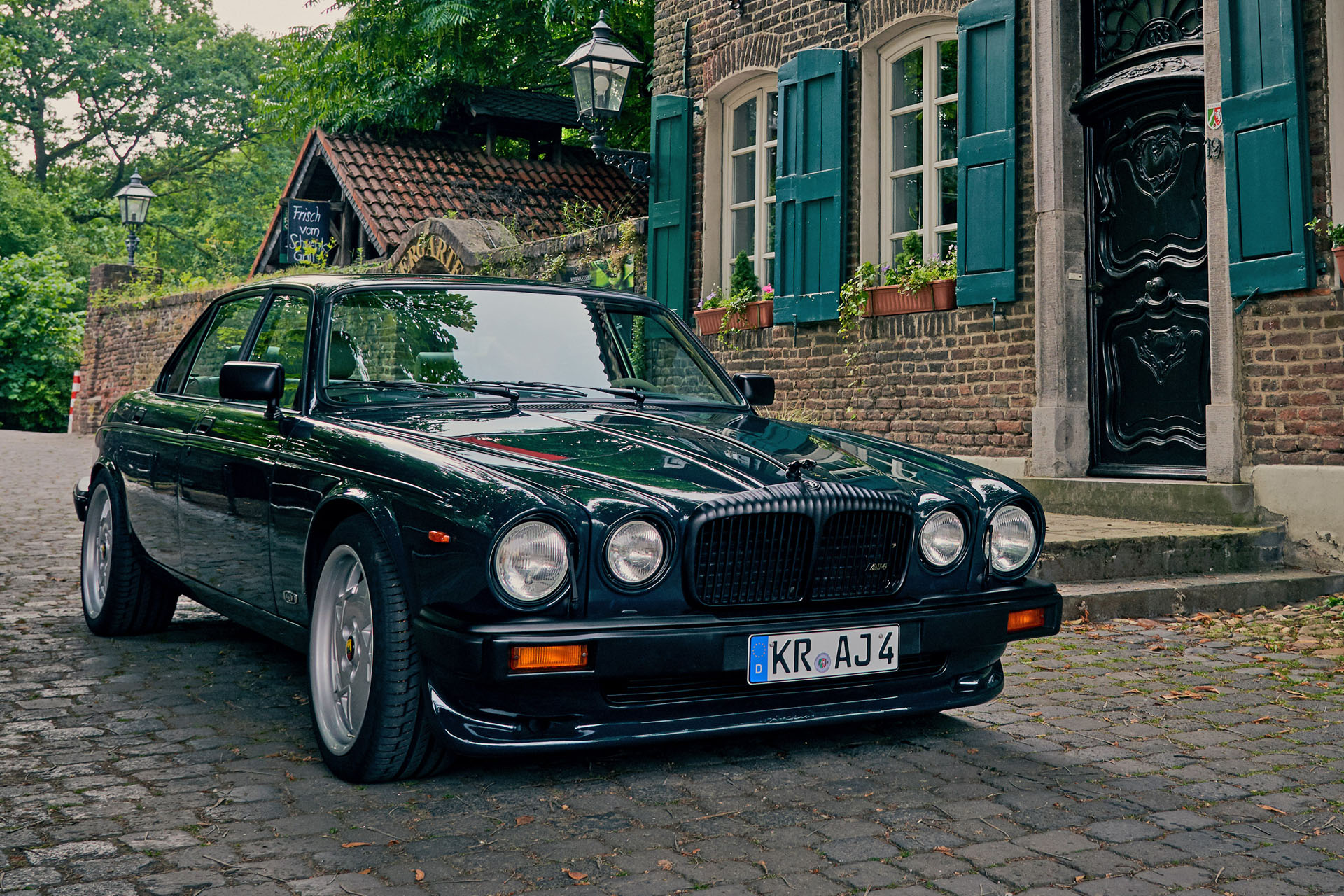
And in case you are wondering, there is also an Arden AJ4, based on the classic Jaguar XJ naturally, these are the classic models from Jaguar, but I bring them up to get you into the ‘Arden World’ of Jaguar tuning to prepare you for their very impressive AJ23 SVR model …

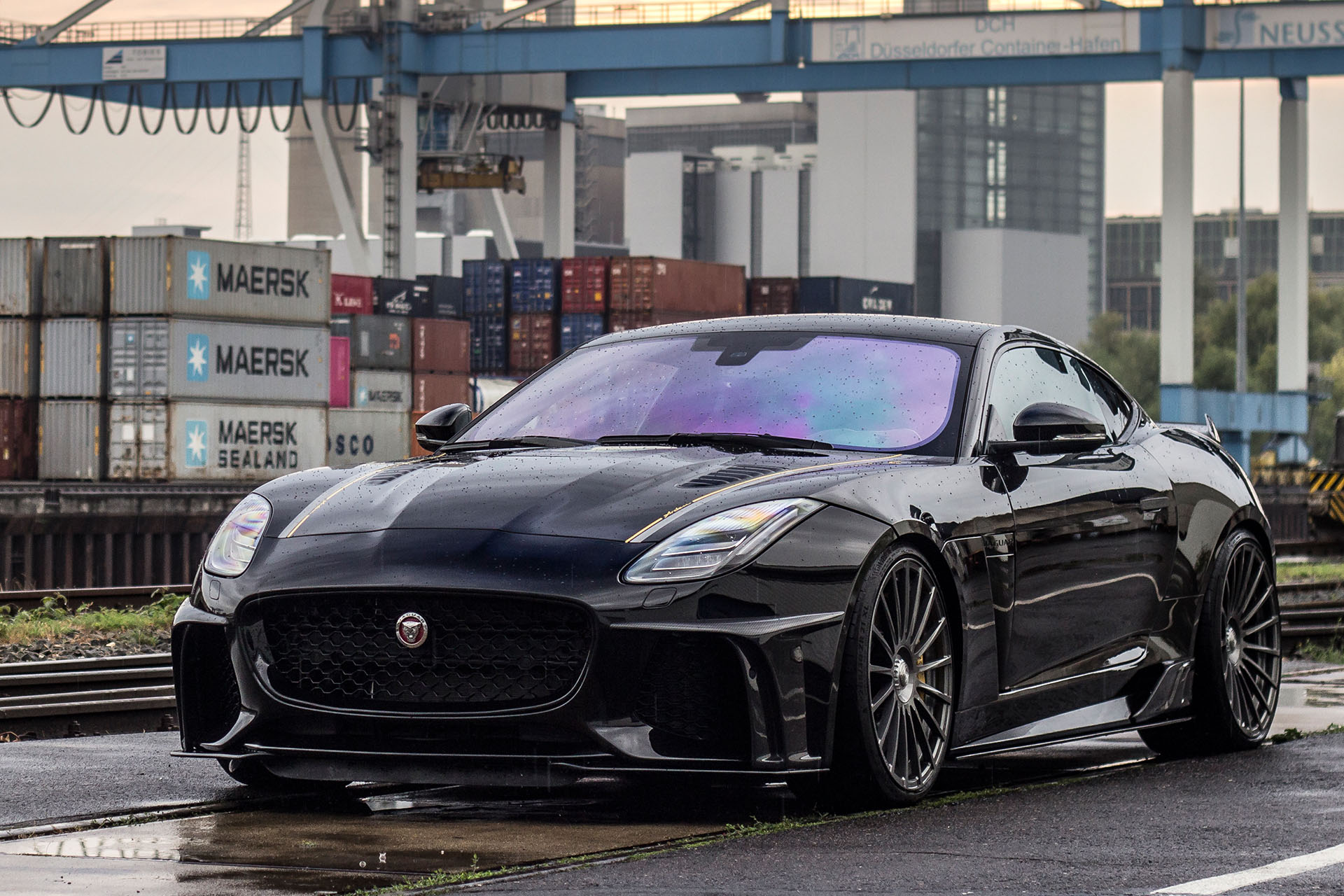
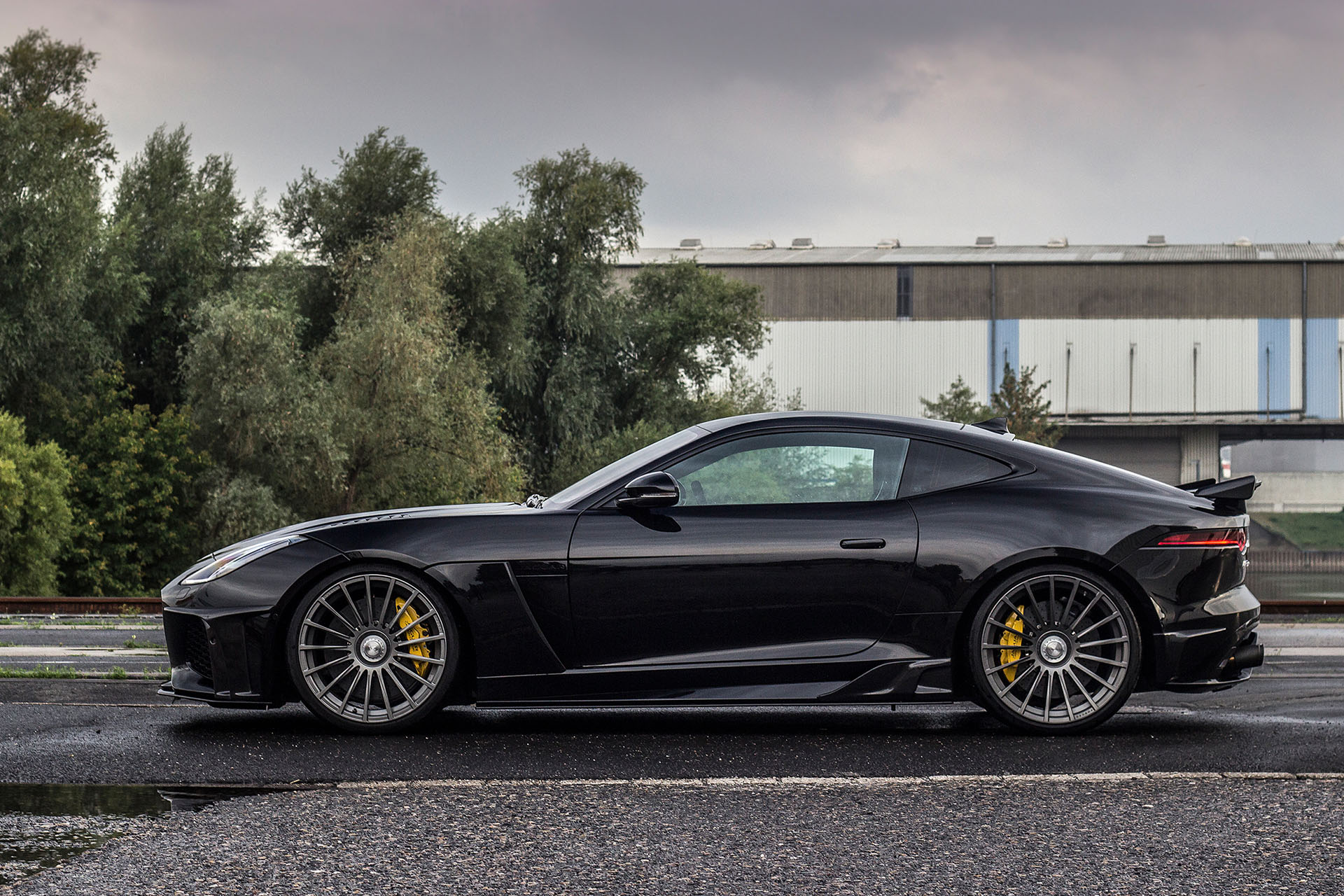
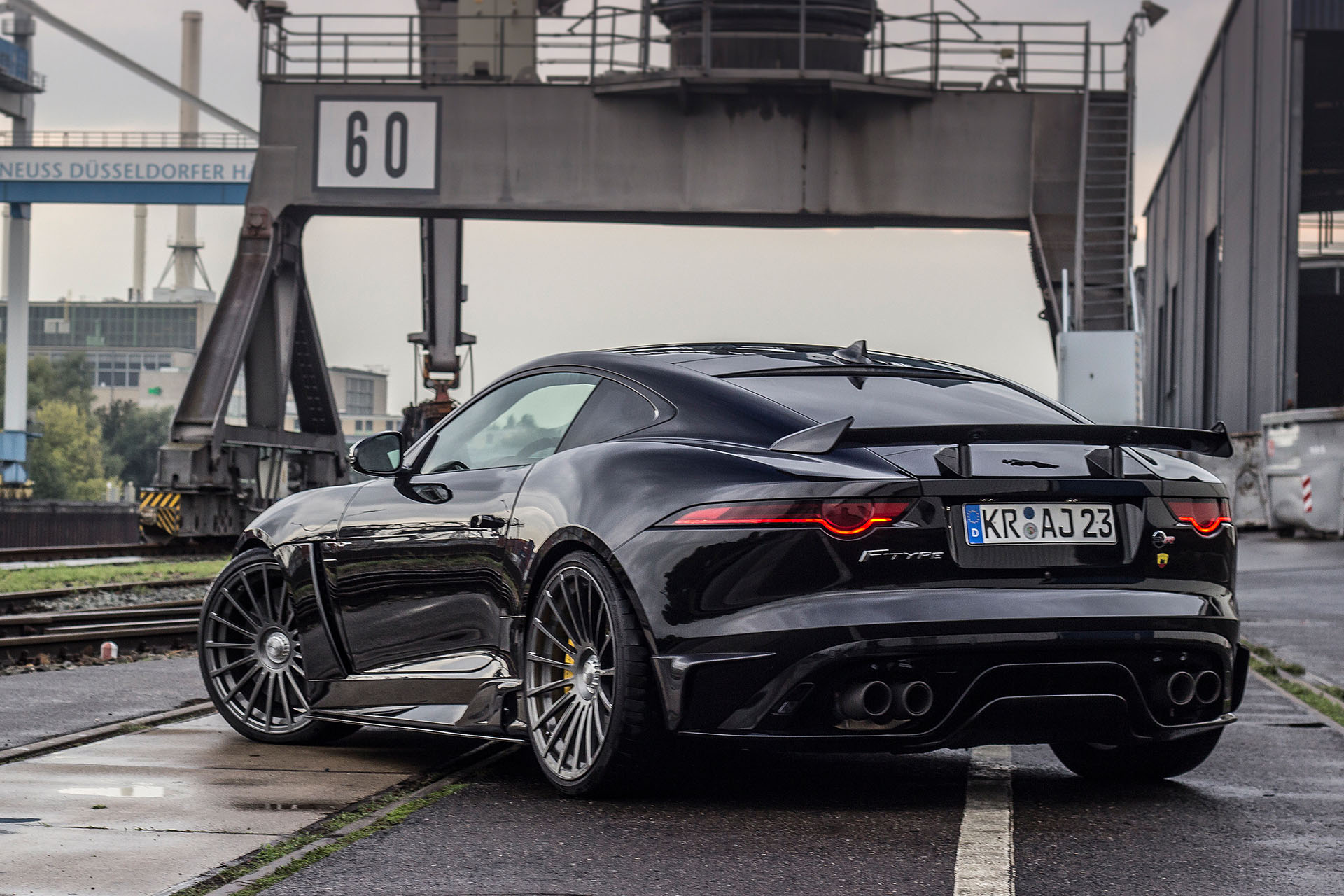
Arden Automobilbau GmbH has come a long way since those classic Jaguar kits, and now they have some rather aggressive styling for the current Jaguar F-Type model, which in the Arden world is called the AJ23 SVR and it’s finished in a very intimidating black paint with many of the Arden aero parts complementing that menacing shade with clear carbon fiber.

Note that the Arden AJ23 SVR is still based on the pre-2021 edition of the Jaguar F-type, the pre-facelift model that was replaced in December 2019, and while you can order a 2021 Jaguar F-Type R right now, there isn’t a new SVR available yet as far as we know, which is why we still talk about the Arden AJ23 SVR, getting a second-hand 2019 F-Type SVR might still be a great idea, adding this Arden aero kit to it might be an even better idea.
The Jaguar F-Type SVR comes with a 5-0-Liter Supercharged V8 engine with 575 hp from the factory, add the Arden Stage 2 upgrade kit to this and you’ll end up with 630 hp and an 80 Nm increase to the torque value, consisting of a software remapping combined with a set of sport air filters and a modified supercharger pulley and pulley crank for increased boost. Remapping includes the optimization of various engine maps, an increase of boost, the adaptation of the gearbox software, and optimized power delivery throughout the entire power band, and it comes with an Arden warranty.

Not happy with 630 hp? No problem at all, go for the Arden Stage 4 upgrade kit, adding 105 hp and 155 Nm, this time you’ll get a reprogrammed ECU, sport air filters, upper pulley, pulley crank, full Arden exhaust system incl. high flow catless downpipes, high-performance water-cooled intercooler, and a carbon air intake system … the result: 680 hp!
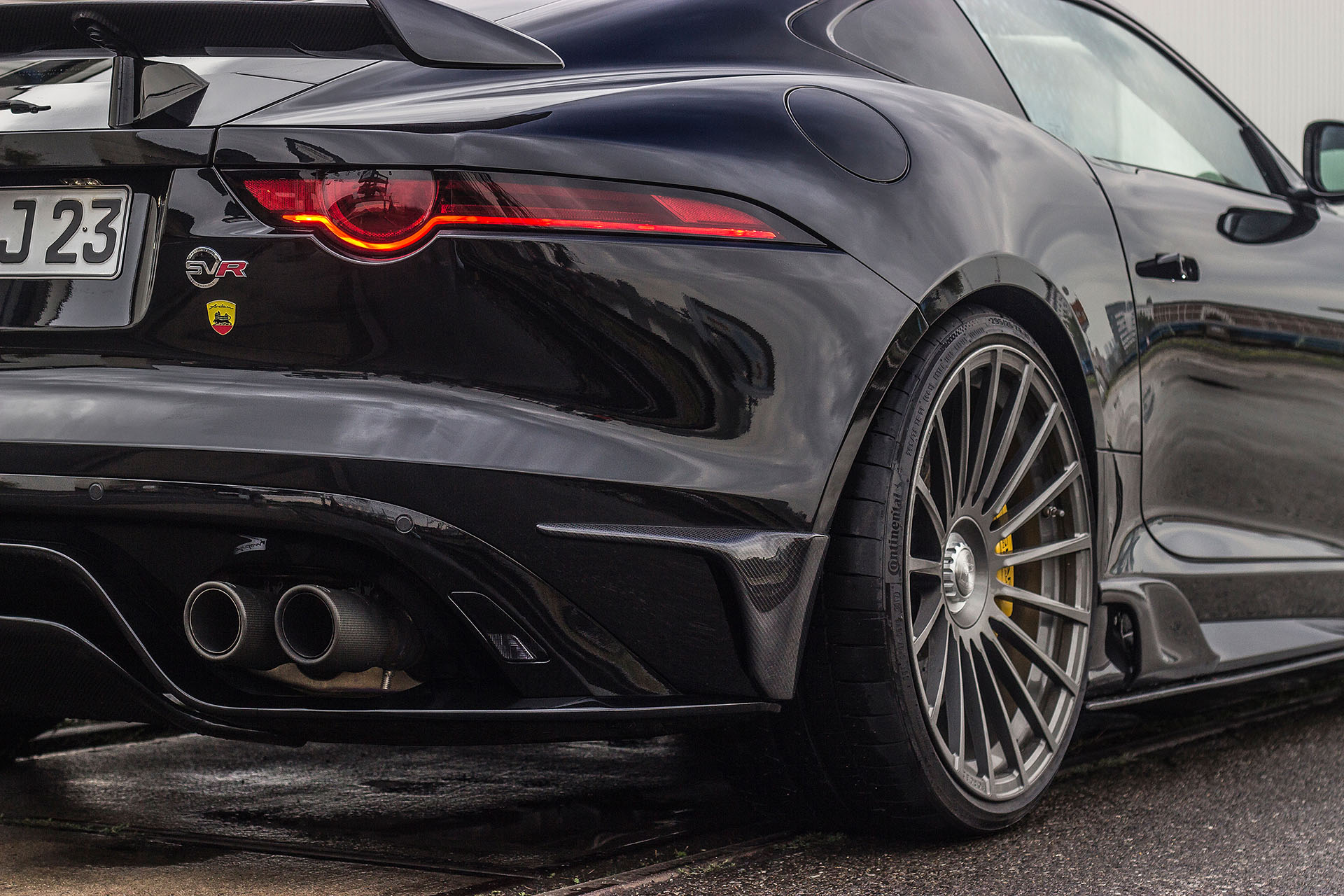
The black car pictured here rolls on the massive 21-inch Arden Sportline GT wheels, 9.5 inch wide with 255/30 R21 tires for the front, and 11 inch wide with 295/25 R21 Continental tires for the rear … listed at only €9,400 (US$ 11,300 at today’s exchange rate), Arden also offers a few other designs, and spacers for those that don’t like this multi-spoke GT-look.
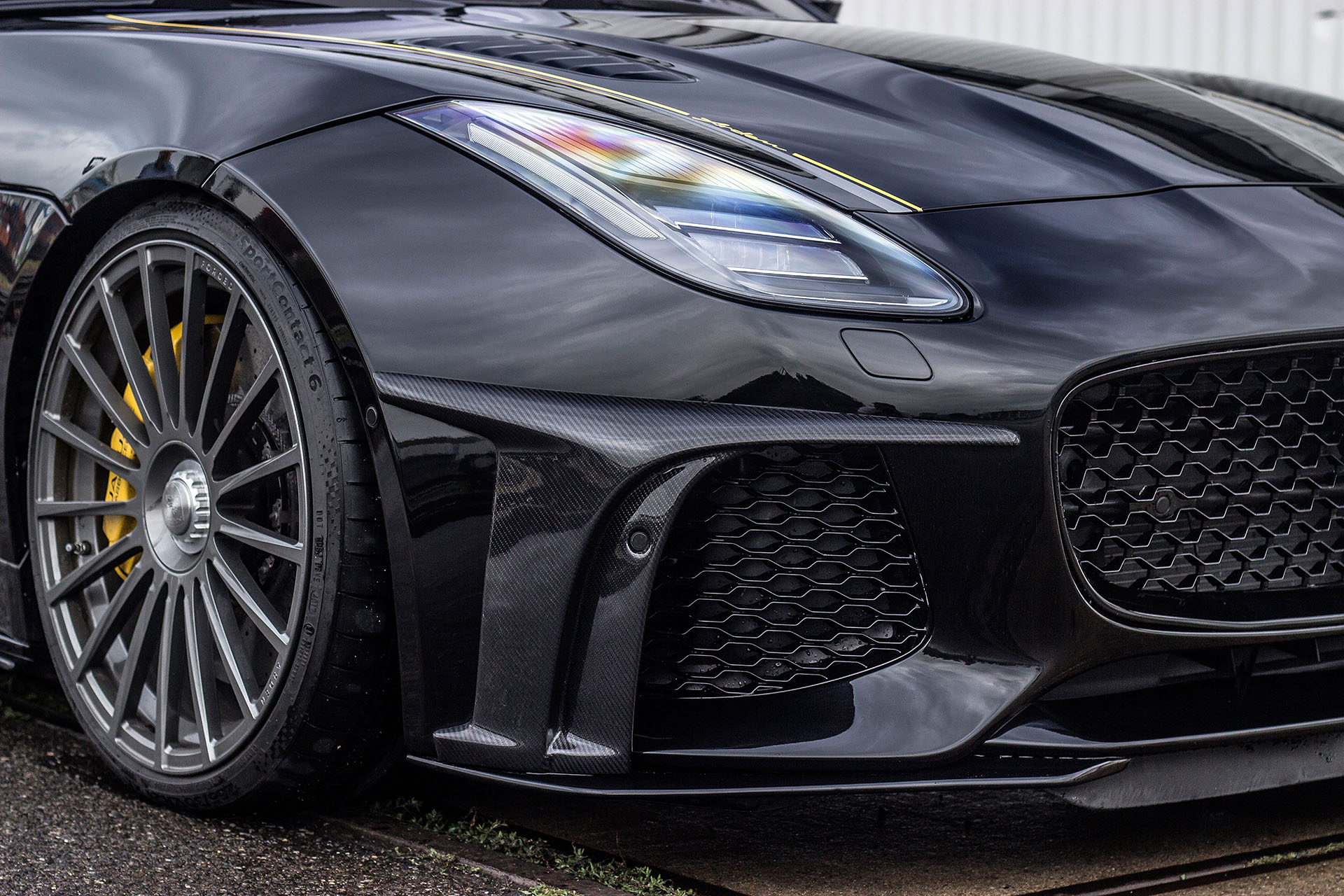
Furthermore, Arden offers a set of add-on splitters for the original Jaguar SVR front bumper for a more distinctive, wider front look while still retaining the factory original parking sensors, also available in clear carbon fiber? They can be enhanced by installing the Arden side sills, complete with their optional, vertical fin ahead of the rear wheels, and to complete the look you just need to add the additional fins for the rear bumper … the rear wing you see on this car is actually factory original from Jaguar on the F-Type SVR edition.

For the interior, Arden comes up with a different steering wheel, additional carbon fiber parts to cover some of the factory original parts on the dashboard and central console, and a very nice, aluminum pedal set including a footrest to match. In case you got hold of the Jaguar F-Type SVR Convertible, Arden offers their SmartTOP module which allows you to operate the convertible top with a push of a button on the existing radio remote.
But the ultimate request can be directed to the Arden saddlery shop, they have been creating bespoke Jaguar interiors to the highest demands in precision craftsmanship, which can really turn that second-hand Jaguar F-Type SVR into your one-off ‘Leaper’, and with prices for a 2017 model around the $75,000 mark, with a 2020 model demanding a $20,000 premium, it might make sense to create a bespoke Arden AJ23 SVR version, remember in 2020 the MSRP was a massive $1236,00 for an SVR Coupe.

2006 Ford GT Heritage

We all remember the very impressive Ford GT40 from the 1960s, winning Le Mans four consecutive years from 1966 to 1969, I guess most of us have seen the movie about the competition between Ford and Ferrari at that time, and to celebrate Ford’s centennial they created a more modern interpretation of those glorious race cars … the 2005 and 2006 Ford GT, in just two years of production they made a total of 4,038 units, making these modern-day classics rare, and expensive today, and they weren’t cheap to begin with, the MSRP was $149,995 in 2006.

2006 Ford GT Heritage Motorcar Studios ©2021 Courtesy of RM Sotheby’s

The ‘new’ Ford GT came with a dry-sump 5.4-Liter V8 engine fitted with a twin-screw supercharger from Lysholm delivering 550 hp to the rear wheels only, a six-speed transmission was fitted, acceleration figures were 3.3 seconds from 0 to 60 mph with a top speed of 205 mph … this was a very fast Ford back in 2005.

2006 Ford GT Heritage Motorcar Studios ©2021 Courtesy of RM Sotheby’s

If we look at listings for a 2006 Ford GT the price has doubled since new, most of them are around the $300,000 mark today, some a little cheaper, most of them near $350,000 and more … in 2006 a total of 2,011 Ford GT were made, but for that final year there was a special option available, the limited-production Heritage Paint Livery Package edition … only 343 units were sold with this specific option.

2006 Ford GT Heritage Motorcar Studios ©2021 Courtesy of RM Sotheby’s

If you selected this option, your Ford GT would be finished in ‘Heritage Blue’ and feature those impressive ‘Epic Orange’ stripes, the cars also came four white roundels to which the owner could add a number of their liking. This special livery took inspiration from the GT40 that won Le Mans in both 1968 and 1969, chassis number 1075, which featured the now famous ‘Gulf Oil’ sponsorship.

2006 Ford GT Heritage Motorcar Studios ©2021 Courtesy of RM Sotheby’s

And if you missed out on the Ford GT back in 2006, you now have a second chance as RM | Sotheby’s has one of these Ford GT Heritage listed for their Amelia Island auction on May 22, 2021. What makes this specific Ford GT Heritage, chassis 1FAFP90S26Y400783 even more interesting, is the fact it only has 2.7 miles on the odometer, this is basically a brand new, time capsule 2006 Ford GT Heritage, and it’s only 1 of 50 that were available in Canada.

2006 Ford GT Heritage Motorcar Studios ©2021 Courtesy of RM Sotheby’s

This specific Ford GT Heritage was sold in Canada, which makes it slightly different from US market cars, all Canadian cars were sold with the optional forged wheels, the gray-painted brake calipers, and the regular stereo, Canadian customers couldn’t request the ‘stripe delete’ option, nor the McIntosh CD stereo system. On the other hand, Canadian Ford GT all came with daytime running lights, different foam in the front bumper, and a rear bumper that protrudes more than on US-spec models.

2006 Ford GT Heritage Motorcar Studios ©2021 Courtesy of RM Sotheby’s

This is one of only a handful of remaining Ford GT that are still considered to be ‘new’, this specific one still has the driver’s seat, the steering wheels, and the door sills protected by the factory–original wrapping, it doesn’t get any newer than that. Naturally, all the original factory documentation is still present, as are the keys and user manuals … but also the original box of accessories that came with the car when new, including the set of roundel numbers in their original box.

2006 Ford GT Heritage Motorcar Studios ©2021 Courtesy of RM Sotheby’s

At the time of writing, I found one other 2006 Ford GT Heritage listed for sale, in West Palm Beach, FL (which makes it a US-Spec car probably), a car with 978 miles, listed at $479,900. And while there isn’t an estimate listed for the RM Sotheby’s auction listing yet, I wonder if this Canadian one with even fewer miles will reach that number, or sell for an even higher amount.

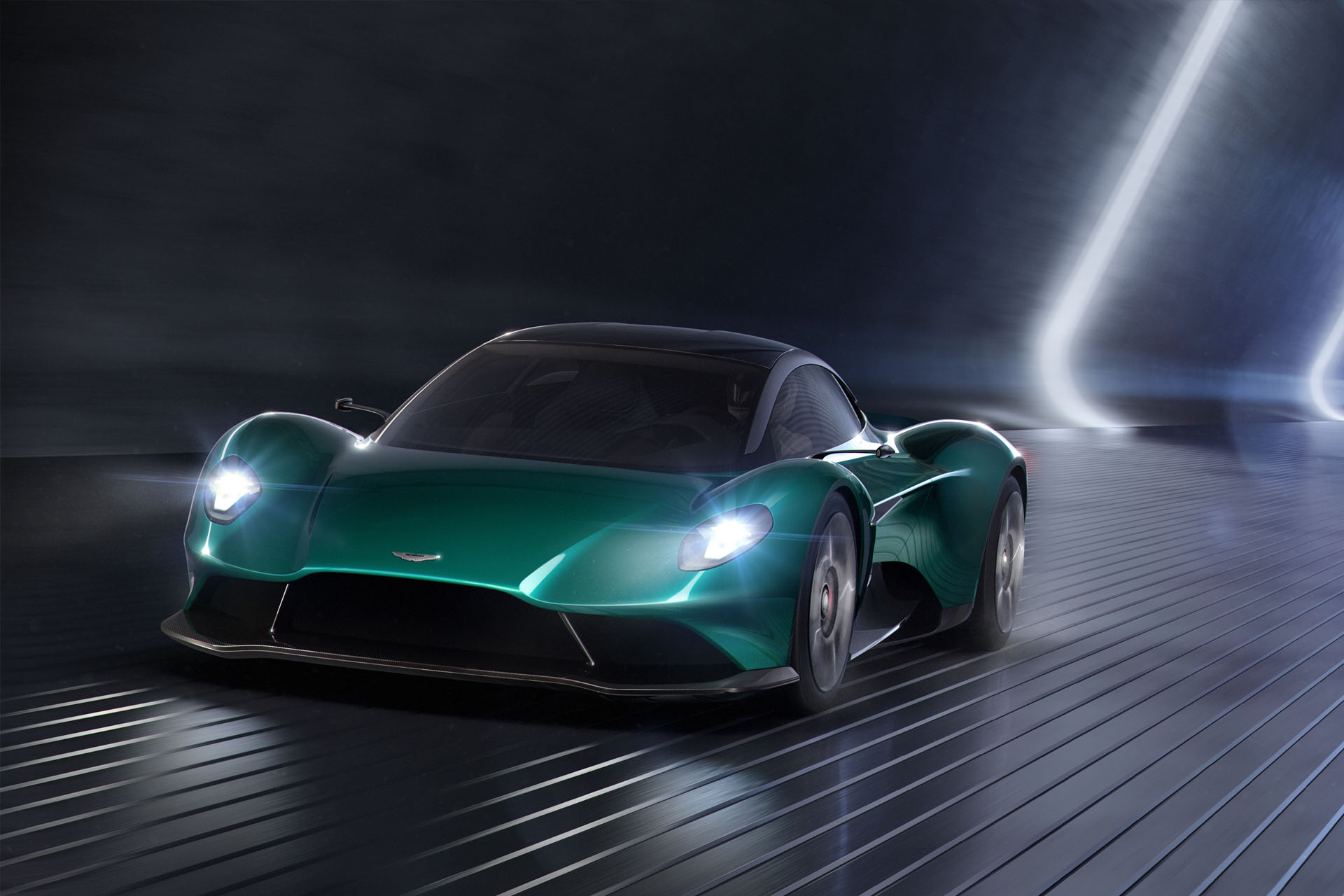
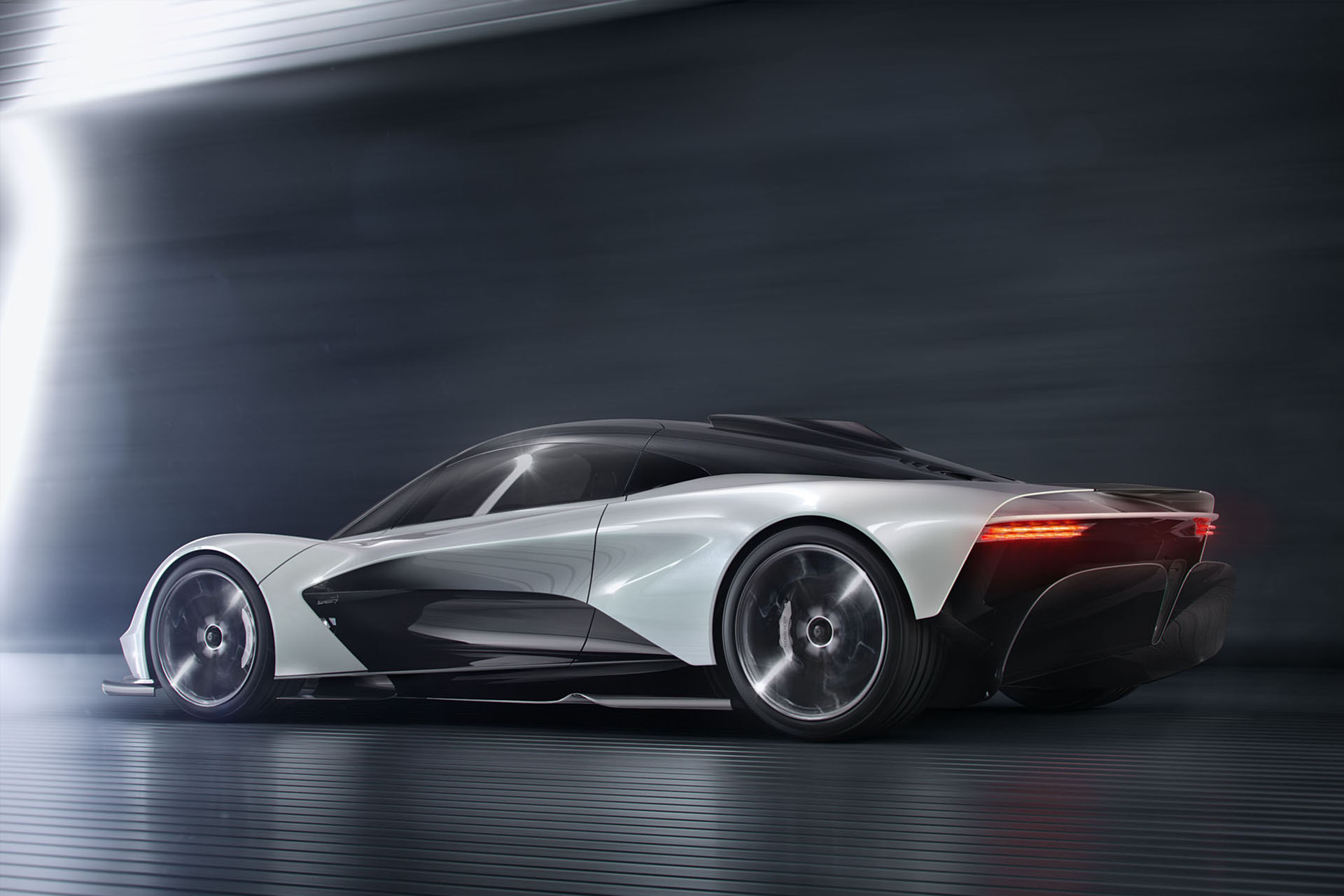
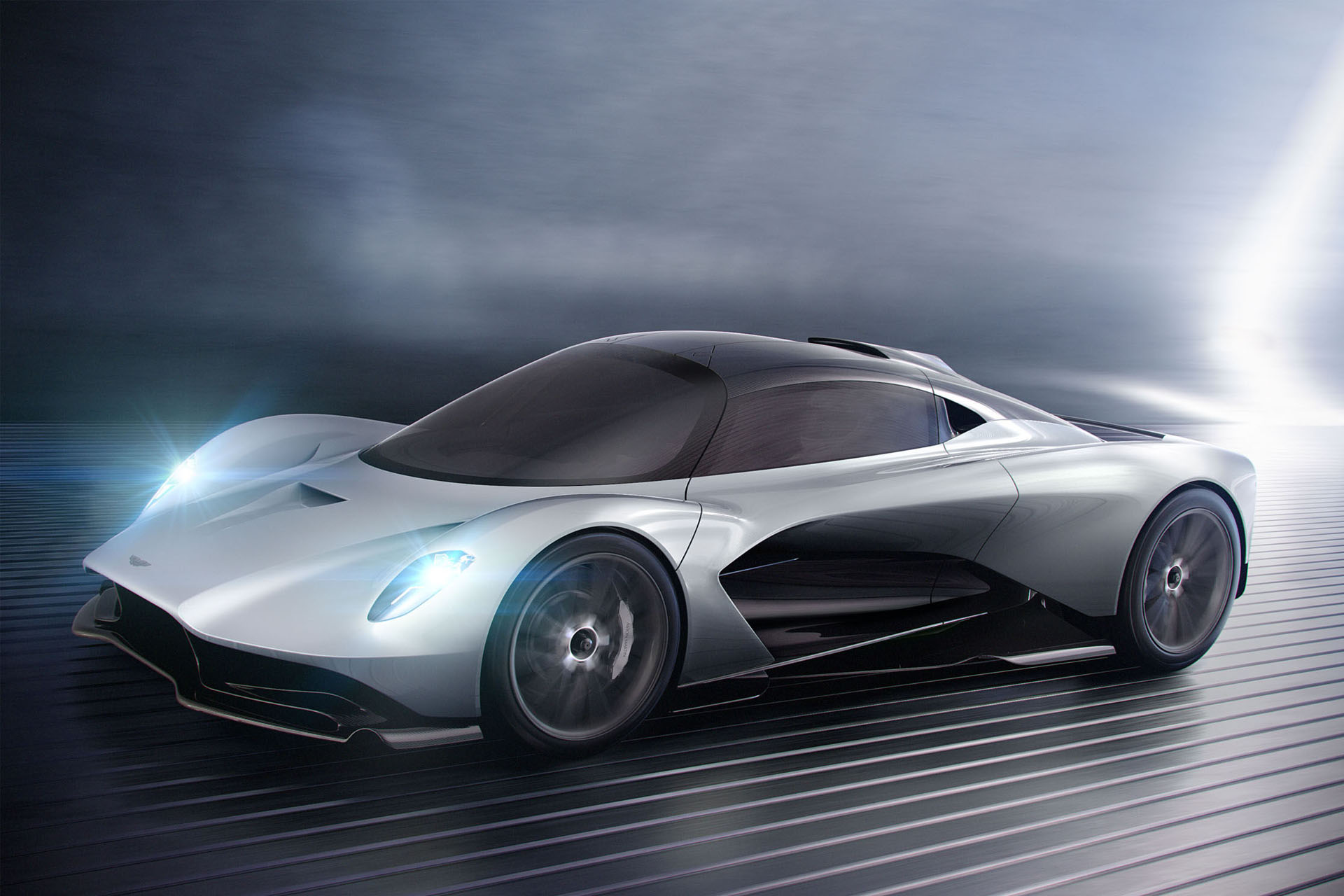
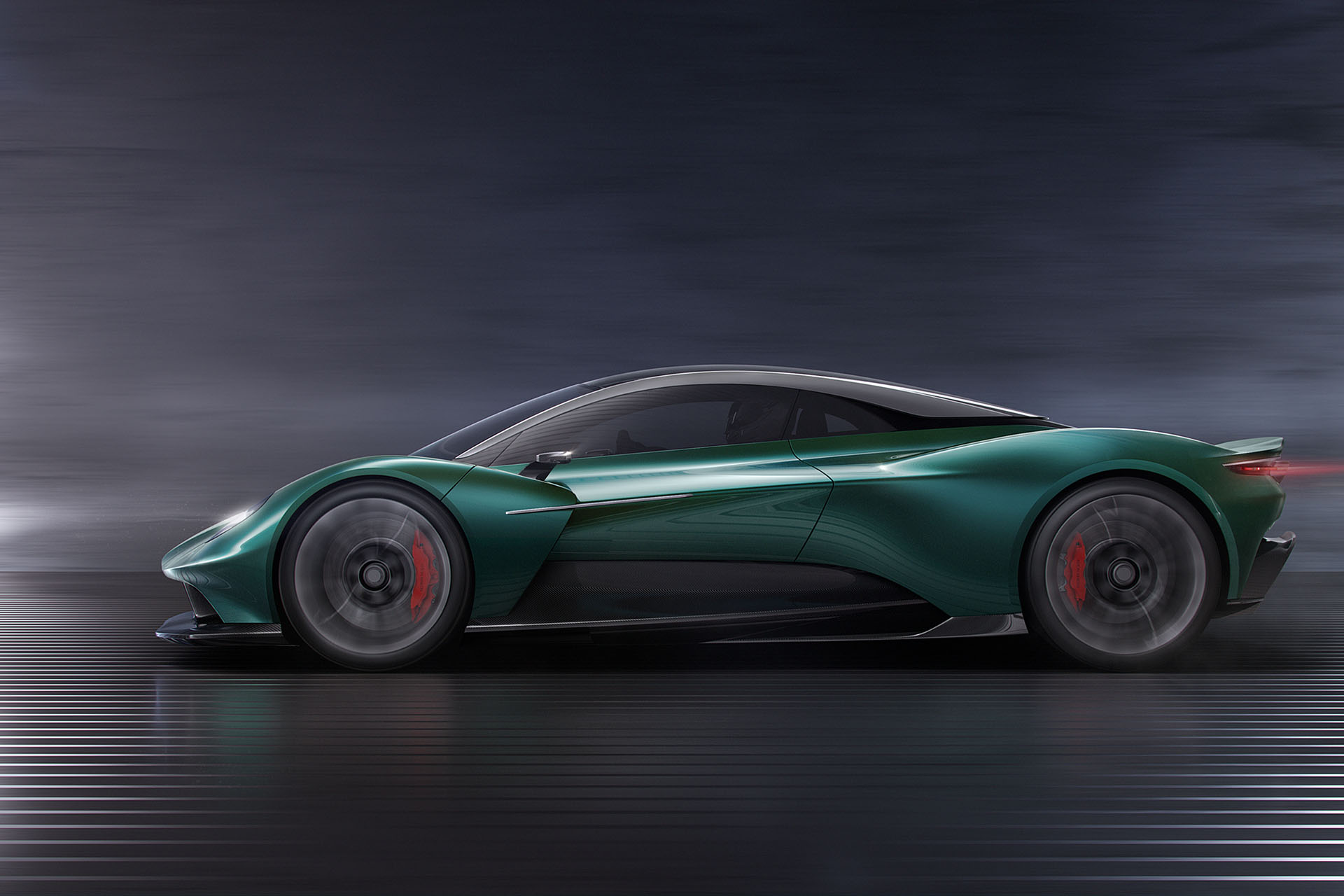
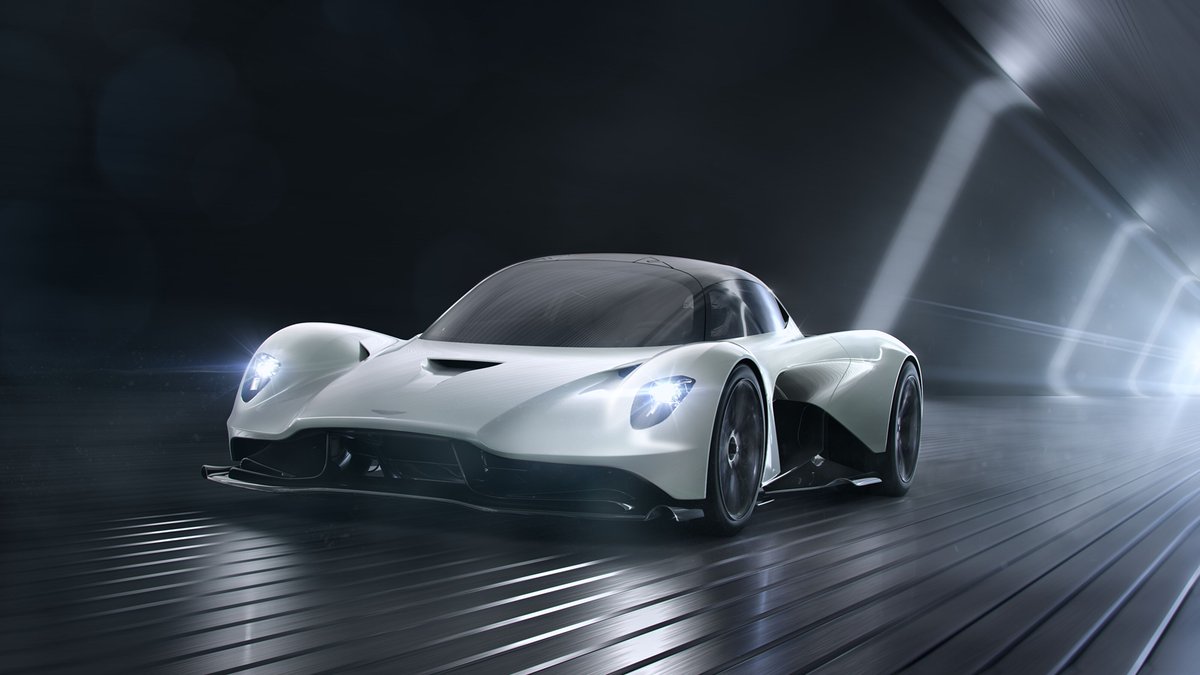
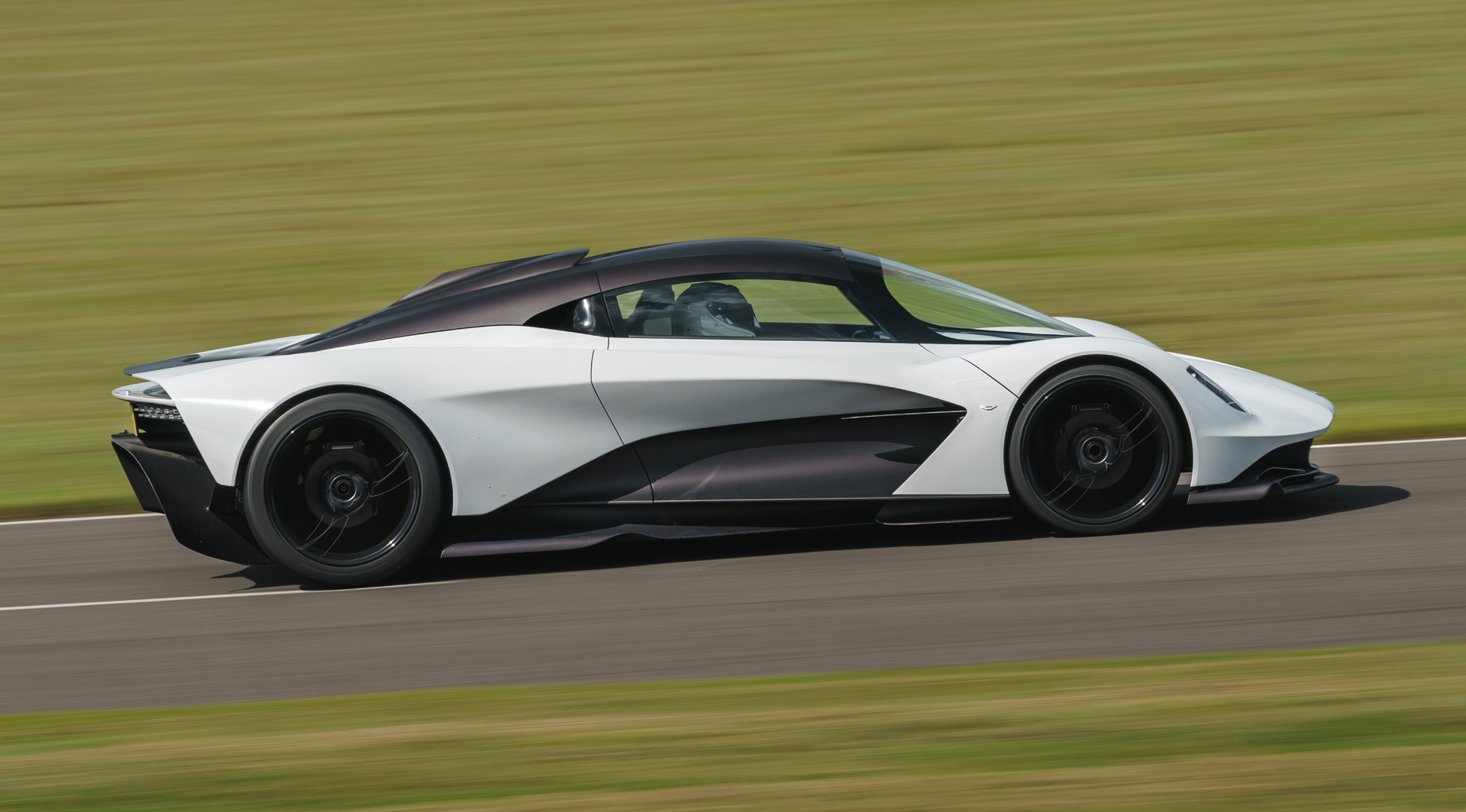
Aston Martin Valhalla, powered by Mercedes?

We have only just learned about the Aston Martin Valhalla that was introduced back in 2019 already at the Geneva Motor Show, will be postponed to 2023, that’s a four year development, but that’s apparently not the worst for all those people that have signed up to buy one of these hypercars from the Gaydon carmaker.

Things might not be looking too bright for the bespoke built V6 hybrid engine that was developed to power the new Aston Martin Valhalla, and that showed similarities with the unit we’ve just seen in the new McLaren Arturo. This 3.0-Liter V6 engine would have been completely developed in-house by Aston Martin, a first since their 5.3-Liter V8 engine back in 1969, and with the addition of hybridization this engine would become the most powerful ever in an Aston Martin, which means it would have become more powerful than the 1,160 hp engine in the Valkyrie.

But 2020 has been a disastrous year for Aston Martin, losses quadrupled due to the COVID pandemic and dropping sales figures, and while they hope their DBX will continue to gather sales, for the Aston Martin Valhalla this meant a return to the drawing board, and a one-year postponement on deliveries of the 150 units limited production run.
Tobias Moers, Aston Martin’s current CEO, confirmed they have an agreement in place with Mercedes-Benz to supply the engine for their Valhalla, it will still be a hybrid model, as Aston Martin plans to have a 90% electric line up by 2030, but the in-house V6 engine that sounded so amazing back in March of 2020 will be shelved and in comes, probably, an AMG unit.

And here comes the catch … which engine will Aston Martin use, as Moers stated “everything is a reasonable cost situation” during an interview, so will they go with the massive V8, 4.0-Liter twin turbo hybrid that will be introduced in the upcoming AMG 73 models, rated at 800 hp or more … or will they go for the much smaller M139 four-cylinder engine that will power the new AMG C63 with hybrid addition putting down about 500 hp?

Mercedes actually owns 20 percent of Aston Martin thanks to a recent technical partnership between the two, and part of that deal included using a German sourced engine for the new Valhalla, and, to be honest, with a price tag of $3,000,000 for each of these Aston Martin Valhalla … as a customer I wouldn’t be too happy with a four-cylinder engine, even if they manage 600 or 700 hp … that’s still a far cry from the ‘more than 1,160 hp’ they mentioned before.

Custom 1968 Mercury Cougar

Some collectors insist on a factory original, un-restored car so they can admire the patina it gathered over the decades and enjoy their car ‘as is’, while others have their pride and job go through a painstakingly expensive restoration to make their classic car look exactly how it left the factory doors over half a century ago … and then you get to the Restomod crowd.

Restomods are intended for a special breed of car owners, people that love their classic cars, but don’t want to forfeit on modern commodities like big horsepower and a big disc brake setup … and Ringbrothers, the world-renowned custom car builders and parts manufacturer, caters to those exact customers with their latest latest creation.

Their new 1968 Mercury Cougar was first taken through a full ‘frame-off’ restoration, where she received a completely new floor pan and transmission tunnel. The car itself had to be in perfect shape for what Ringbrothers had in mind … installing a massive Ford Coyote 5.0-Liter, V8 engine delivering 460 hp coupled to a Ford F-150 Raptor sourced, 10-speed automatic transmission, complete with paddle-shifters.

To keep all this extra power safe, Ringbrothers added a DSE suspension, performance brakes and a stunning set of HRE Series C1 C103 Forged 3-Piece wheels wearing top of the line Michelin tires, the thunder is brought to the outside world through a a custom Flowmaster exhaust.

“We put our heart into each car we build, and this Cougar is no exception,” said Ringbrothers co-owner Jim Ring. “The finished product is mild and classy, yet any enthusiast instantly knows it’s not stock. I imagine this is what Mercury designers would have come up with if they were building the Cougar today.”

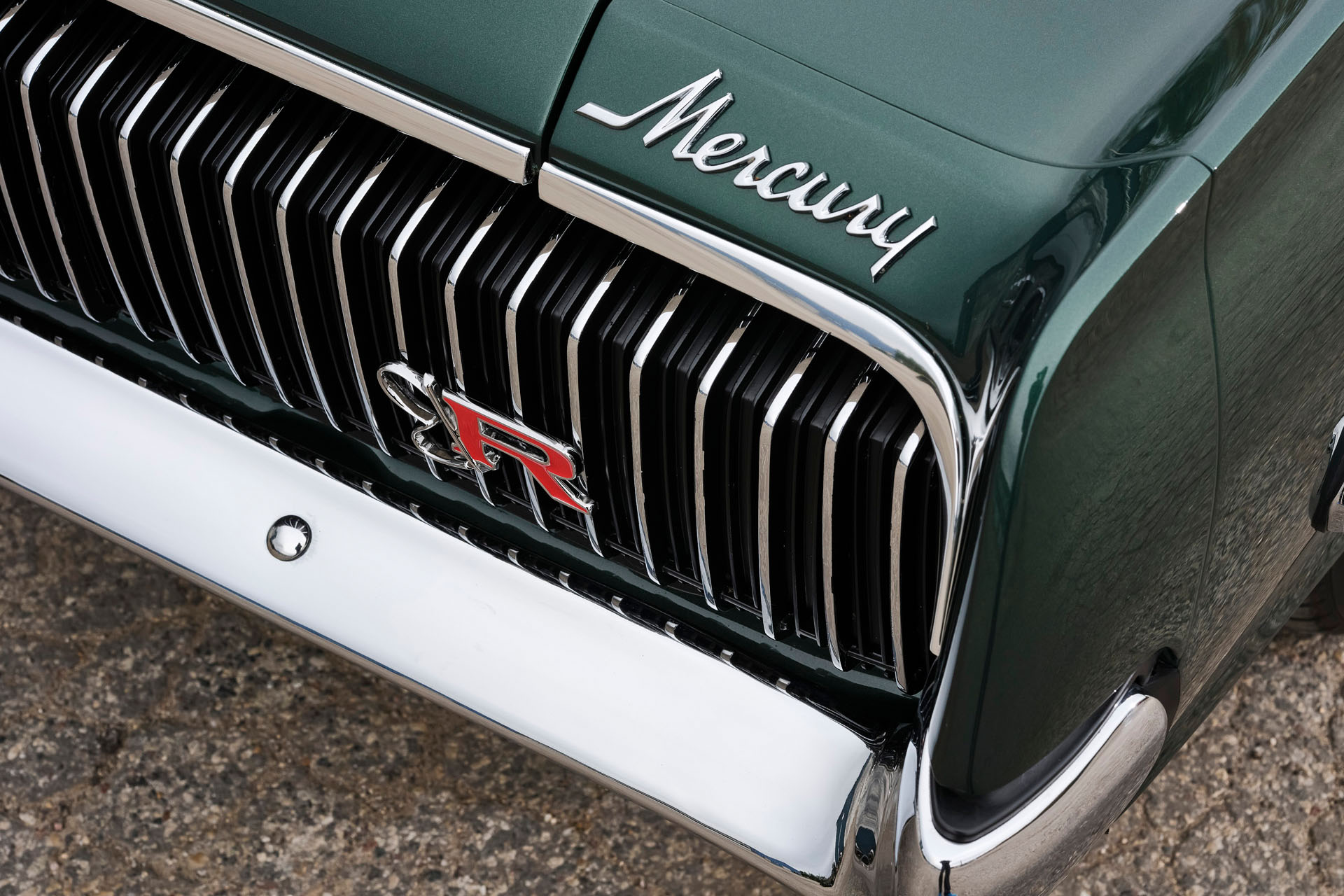
A classic 1968 Mercury Cougar usually needs new or redone bright-work, Ringbrothers installed a new bumper, new grille (remember these flip up to unveil the headlights, and this mechanism usually needs a lot of work during restoration) … and to really make that dark green BASF paint come out perfectly, all badges are new too.

This was the first time Ringbrothers took on the project of a Cougar, and while they would have loved to showcase their work at the SEMA Show, this unfortunately couldn’t happen at this point in time, but Mike Ring, co-owner of Ringbrothers, hopes they can have their latest masterpiece on display to the public soon.

Aston Martin Pushes Valhalla to Launch in 2023

Aston Martin’s new CEO Tobias Moers has just given an update on one of Aston’s latest hypercars named Valhalla. Previously, deliveries were said to take place in mid-2021 but that was pushed back to 2022.

Originally, the Valhalla (under the code name “AM-RB 003”) was unveiled at the 2019 Geneva International Motor Show as a concept. It was to be released as a hypercar you could actually get your hands on, unlike the Aston Martin Valkyrie due to the limited production of just 150 cars. The Valhalla was said to have a 500 car production and have deliveries take place in early 2022. 

Valhalla Concept

According to MotorAuthority, Moers has pushed back the delivery date to the last half of 2023. The reason for this additional delay is so the Aston Martin team can “reassess” the hypercar’s design, inclusive of the powertrain. The revised Valhalla will be ready for viewing for potential buyers within the next four months according to a report from Autocar

Aston Martin Valhalla Testing

The original powertrain design of the Valhalla was similar to that of the recently released 2022 McLaren Artura. The Valhalla was to be comprised of a V-6 engine combined with a hybrid powertrain. The V-6 was going to be a brand new engine developed in-house at Aston Martin, but it’s been said Aston Martin may be sourcing a Mercedes-Benz powerplant instead. 

Mercedes-Benz owns 20% of Aston Martin and currently supplies them with V-8 engines from the AMG division. Mercedes is also supplying Aston’s F1 team with engines for the 2021 season. With all of that in mind, it would not be unusual for Aston Martin to source a Mercedes-Benz V-6 for the Valhalla.

Gordon Murray Automotive T.50s Niki Lauda

Gordon Murray (the man behind the legendary McLaren F1 supercar) has built the T.50, a car he refers to as “the greatest analog driver’s car ever”, and now there’s one built as an homage to…

The post Gordon Murray Automotive T.50s Niki Lauda first appeared on Cool Material.

Jeep Wrangler Rubicon 392

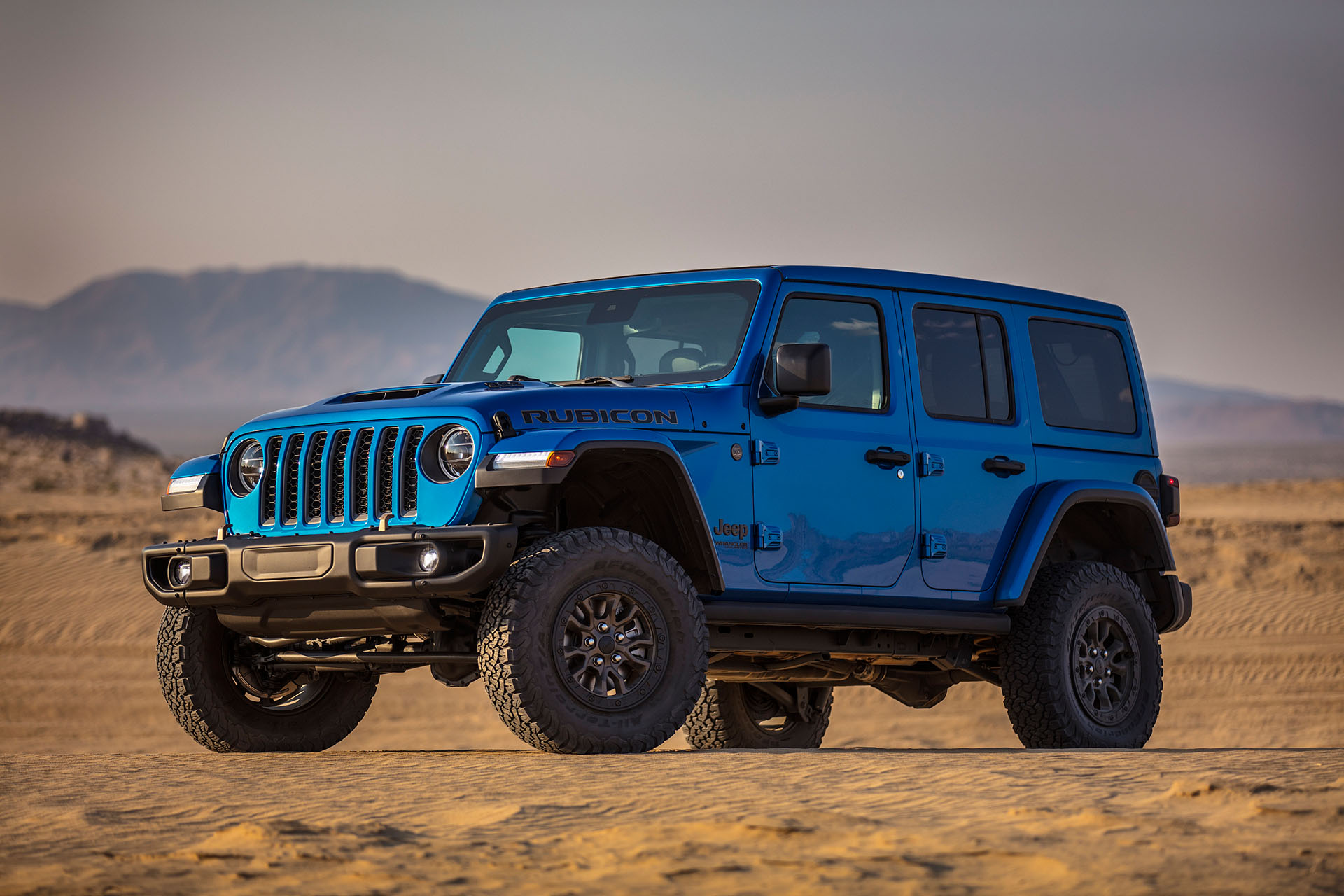
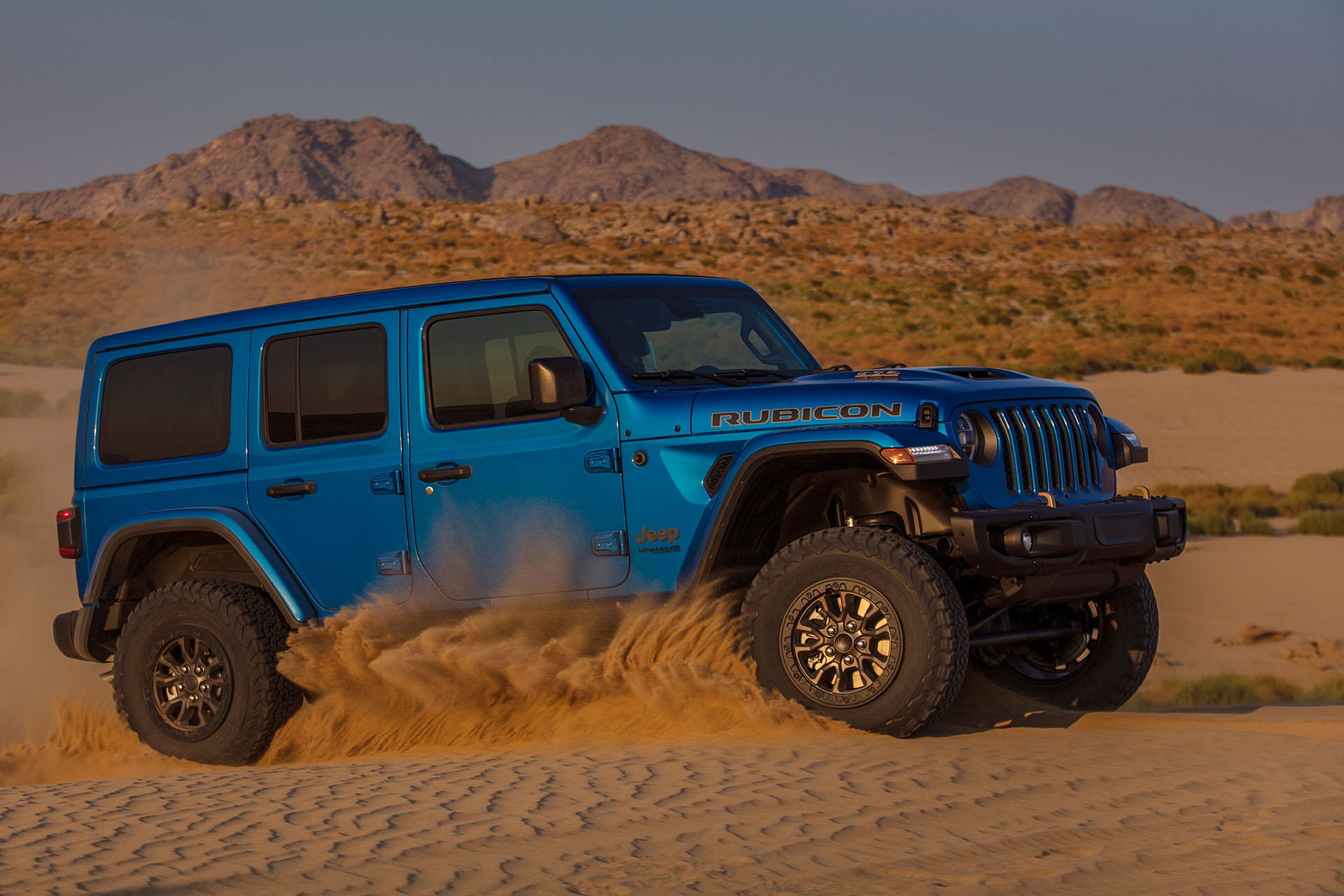
For a list price of $73,500 (excluding $1,495 destination), you can order the brand new 2021 Jeep® Wrangler Rubicon 392 launch edition, which not only comes with a host of options as standard but also with a 470 hp, 6.4-Liter V8, making this the fastest and most powerful Wrangler ever.

This full-time 4×4 Wrangler 392 receives a 6.4-Liter V8 engine capable of not only 470 hp, but also 470 lb.-ft. of torque, a functional hood scope, a performance exhaust, and many premium options, this is a factory model with V8-performance and a 0 to 60 mph acceleration of 4.5 seconds.

“Our Jeep enthusiasts asked us for a Wrangler powered by a V-8 engine, and we listened. The result is the quickest and most powerful Jeep Wrangler yet, loaded with standard off-road performance features that make this Jeep Wrangler incredibly capable of covering the most rugged terrain,” said Jim Morrison, Vice President, Jeep Brand North America

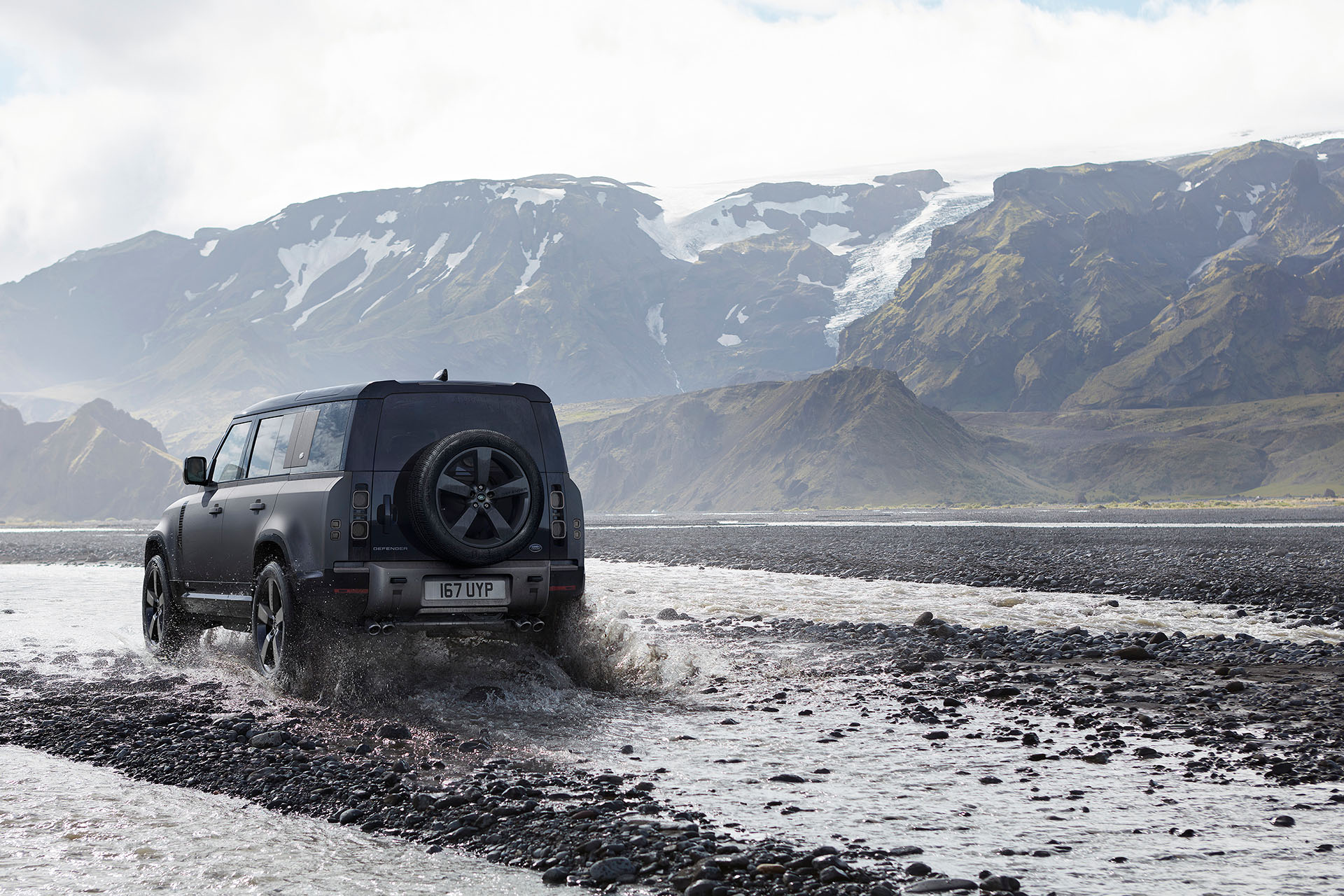
With the hood scope, the Wrangler 392 can wade through water up to 32.5 inches deep, helped by a 2-inch factory lift, beefier frame rails, and FOX shocks, while an active dual-mode exhaust lets the V8 breathe and release the right sound to onlookers, even when you master low-speed downhill descents by using the V-8’s engine braking, revised transmission torque converter lockup control and a 48:1 crawl ratio to manage vehicle speed without needing to touch the brake pedal.

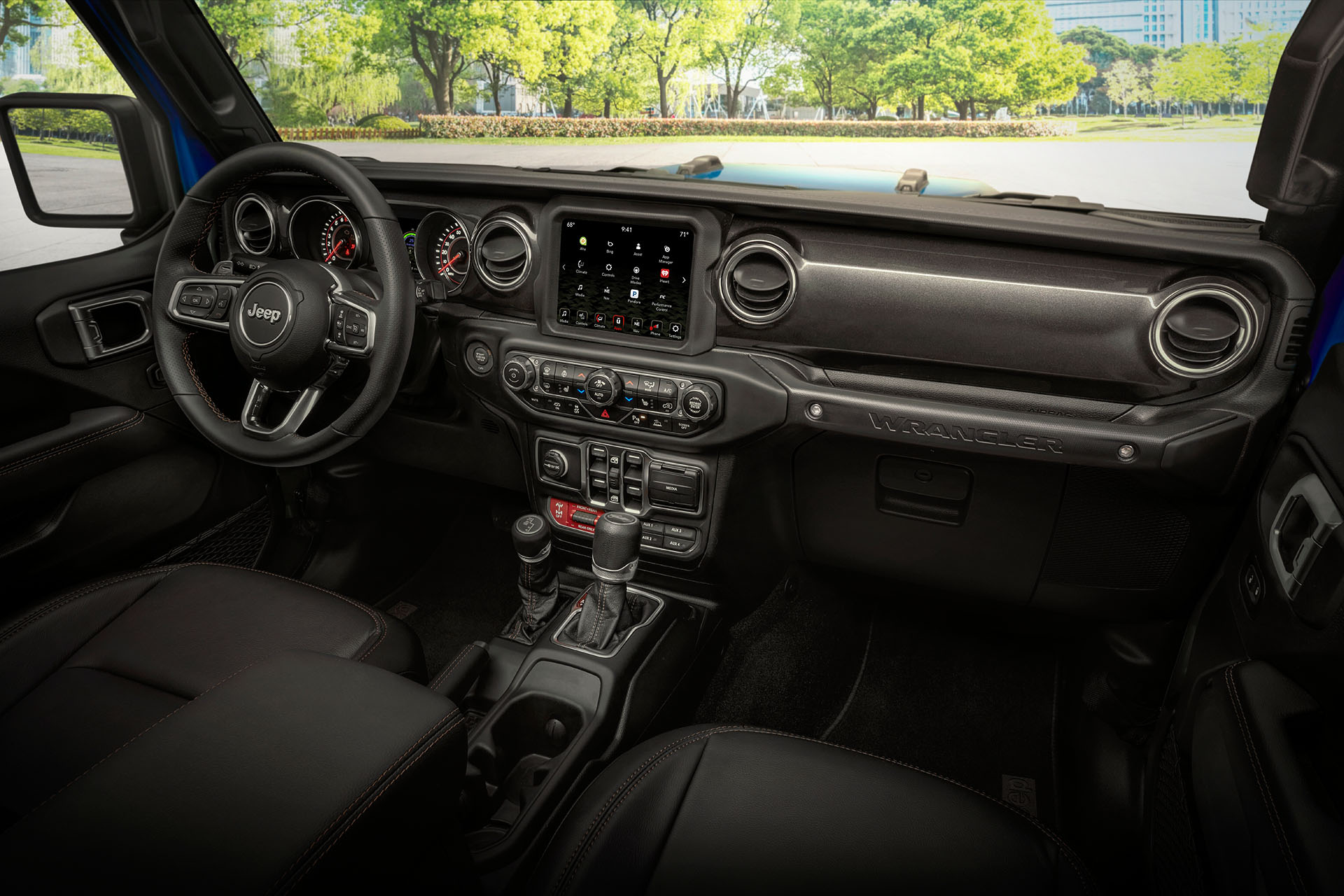
For the interior of the Wrangler 392 you get leather seats as standard, and these come with bronze stitching, which is only available on this version of the Jeep, a special steering wheel with additional bolsters is also added, and it comes with paddle shifters … we all like those, don’t we.

But on the Wrangler 392 Launch Edition the list of standard features continues on with: Body-color hardtop, Body-color flares, Infotainment Group, HD electrical switch bank, Steel Bumper Group, Cold Weather Group, LED Lighting Group, Remote proximity entry, and both the Safety Group and the Advanced Safety Group.

In case you really want to go all-out on your Jeep Wrangler 392 Launch Edition, you can check the option boxes for the Dual Door Group, Dual Top Group, Sky One-Touch Power Top and Integrated Off-road Camera, Trailer Tow Package, and make a choice between the 285/70R17C BF Goodrich KO2 All-Terrain Outline White Letter tires or go for the 285/70R17C Falken Wildpeak M/T tires.

The new 2021 Jeep Wrangler Rubicon 392 is scheduled to start arriving in dealerships this quarter already.

The new Defender V8

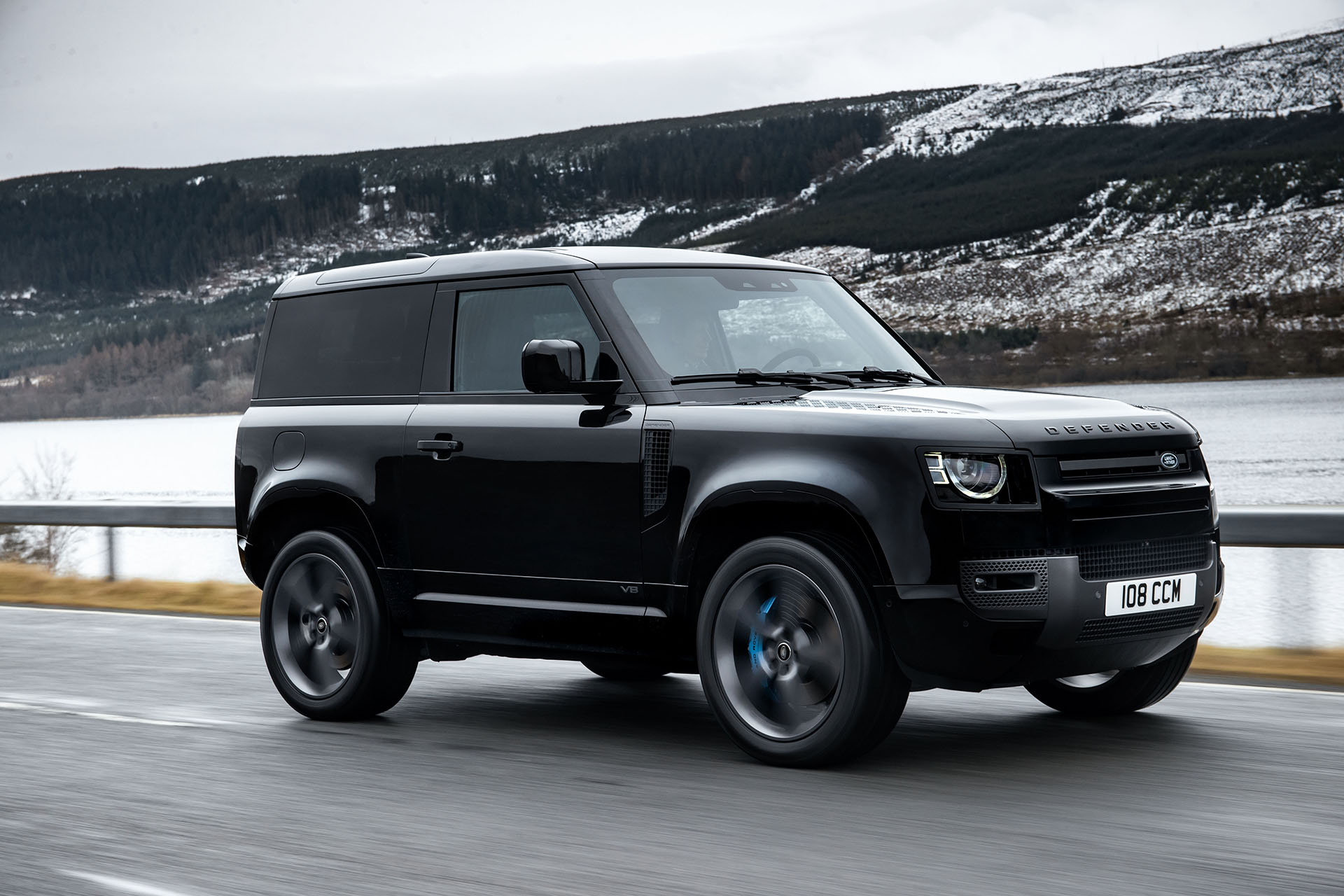
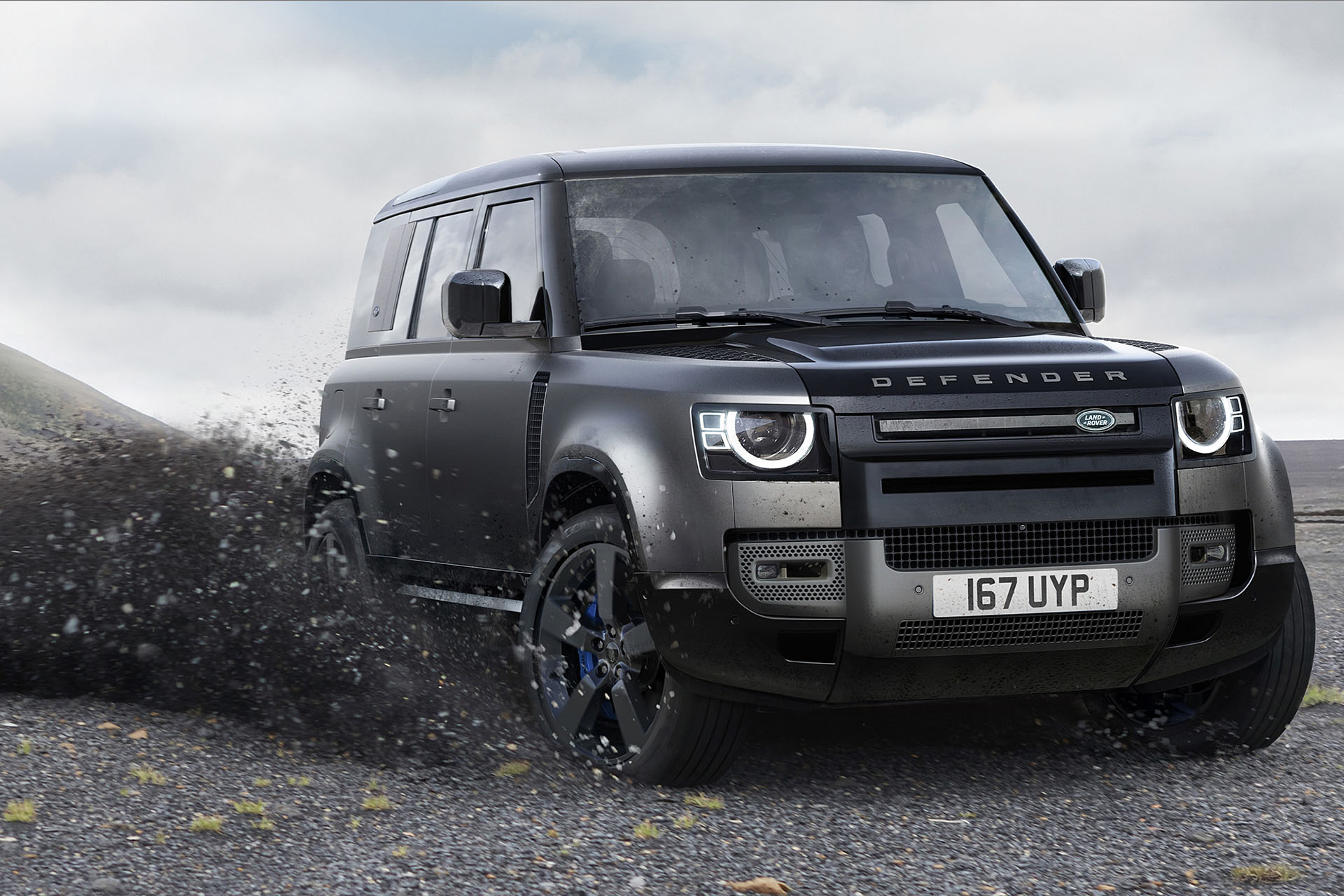
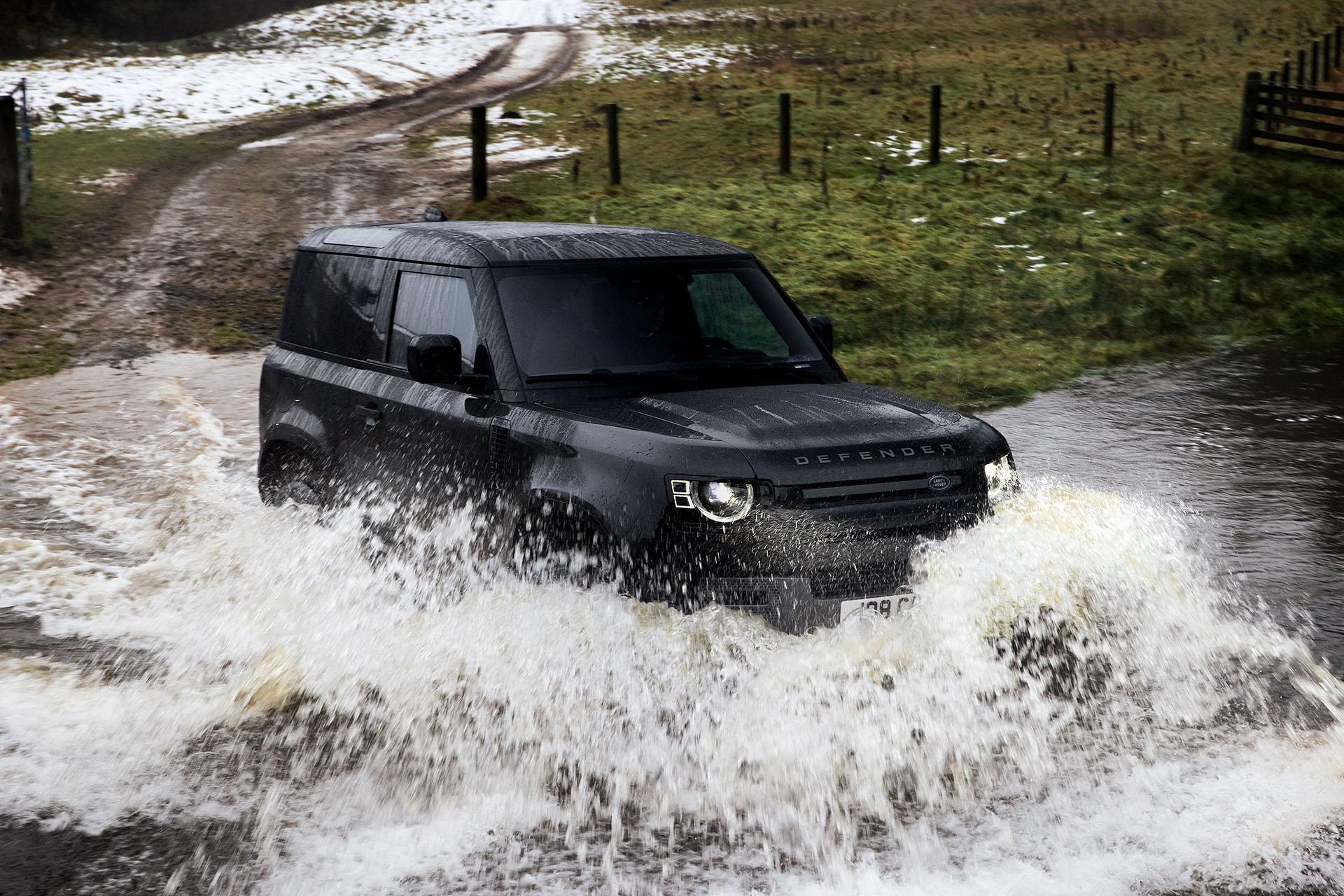
If you are a fan of the Land Rover Defender, I’m sure you’ll be delighted to learn they’ve just launched the most powerful model in history, a supercharged V8 version that delivers 525 hp and can get to 60 mph from standing still in only 4.5 seconds, and it still has exceptional off-road capabilities!

The new Defender 90 V8 will reach a top speed of 149 mph (240 km/h) thanks to its 5.0-Liter engine which continues a heritage set as far back as the Seventies when the first V8 was shoehorned into a Land Rover off-road vehicle. Combining this kind of performance with the award-winning off-road capabilities is even further refined with the flagship Defender V8 Carpathian Edition, note that the V8 engine is available in both the 90 and the 110 versions.

By now the Defender First Edition will be surpassed by a new XS Edition with bespoke design and improved specifications both inside and outside, and you get even more exterior ‘packs’ now … names like ‘The Bright Pack’, ‘Extended Bright Pack’, and ‘Extended Black Pack’ allow you to create a special Defender that matches your taste perfectly.

David Hemming, Chief Product Engineer, Jaguar Land Rover, said: “The introduction of our V8 powertrain adds a new dimension of driving engagement and off-road capability to Defender. Fast and fun to drive, it represents the pinnacle of the Defender family and is as rewarding on the road as it is capable off it. We’ve also broadened the appeal of the entire Defender line-up with new derivatives, option packs and enhanced connectivity, so there really is a Defender for everyone.”

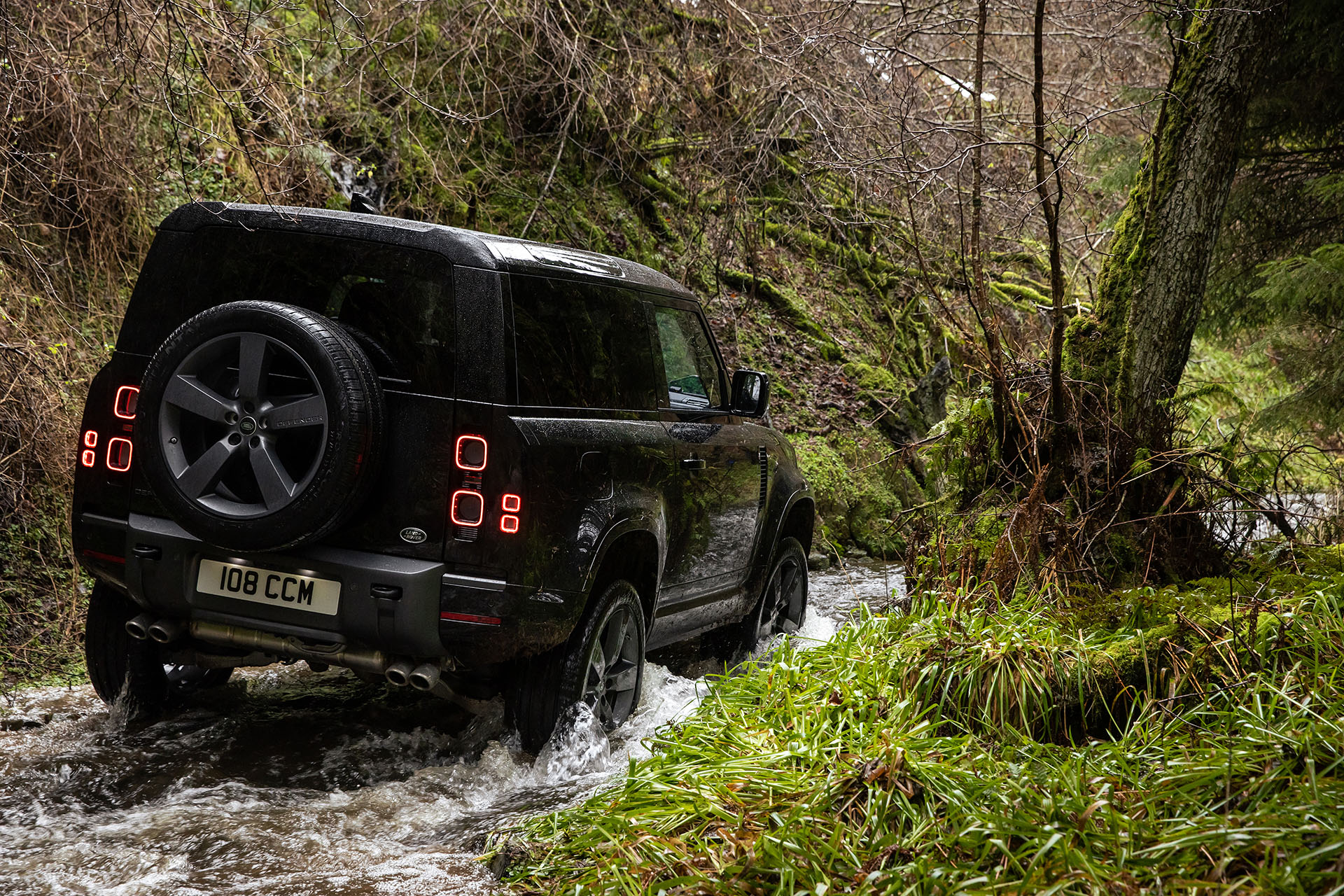
Naturally, the more powerful V8 engine requires a bespoke tuning for both the suspension and the transmission, with new rates for the springs and the dampers used to make sure the Defender’s unstoppable capabilities remain with the new 5.0-liter V8 supercharged petrol engine, which produces 525HP, 625Nm of torque and drives through an eight-speed automatic transmission.

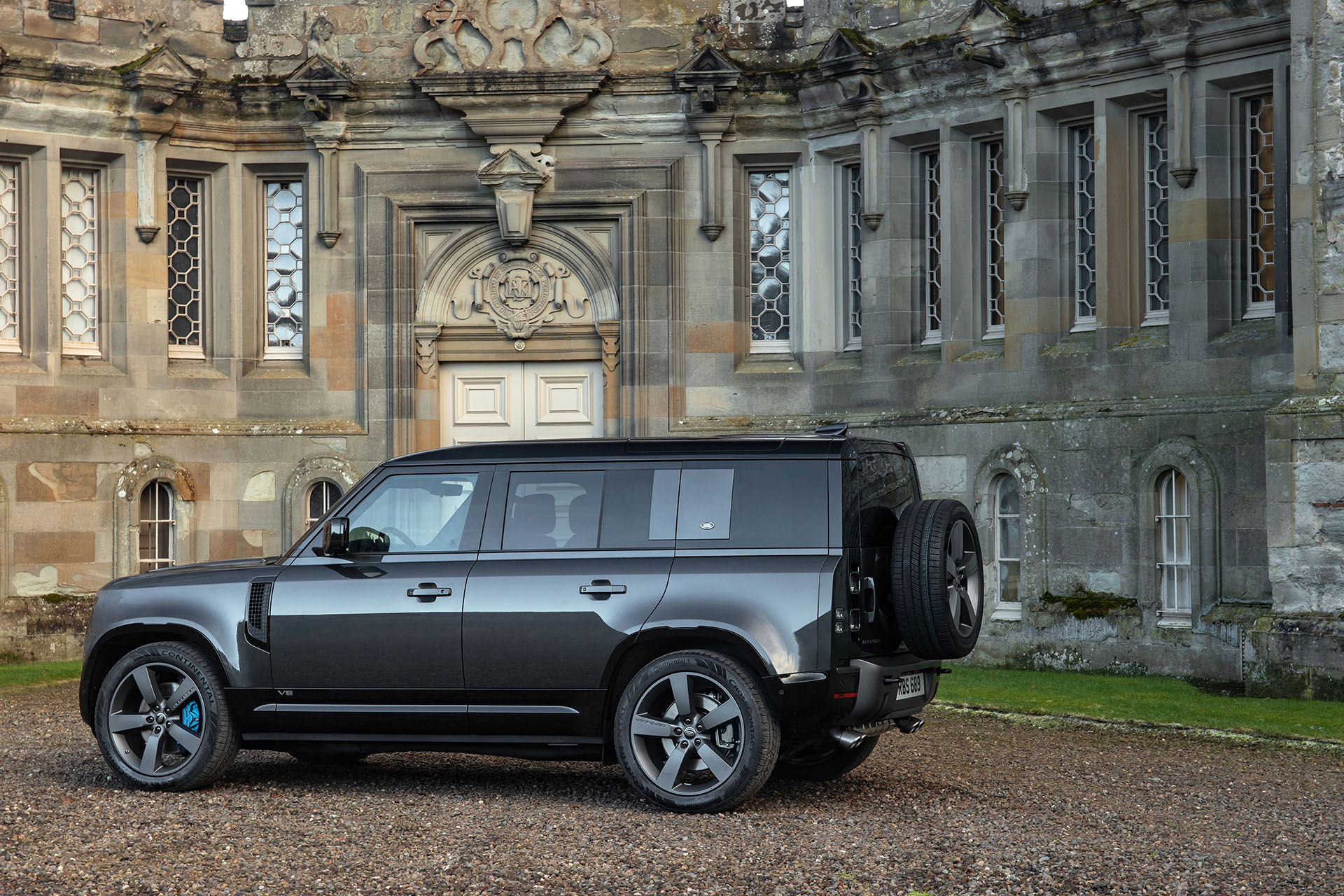
If the impressive sound of the V8 engine isn’t giving away this new model’s power, the distinctive tell-tales on the outside should make it easier … how about not one, not two, but four exhaust pipes at the rear, complete with distinctive tailpipes, or the special 22-inch lightweight wheels finished in a satin dark grey … and there are V8 badges to be found too.

For the outside, customers can go for one of three shades, Carpathian Grey, Yulong White, and Santorini Black, apart from the black one, you can also ask to have the roof finished in Narvik Black for some added contrast.

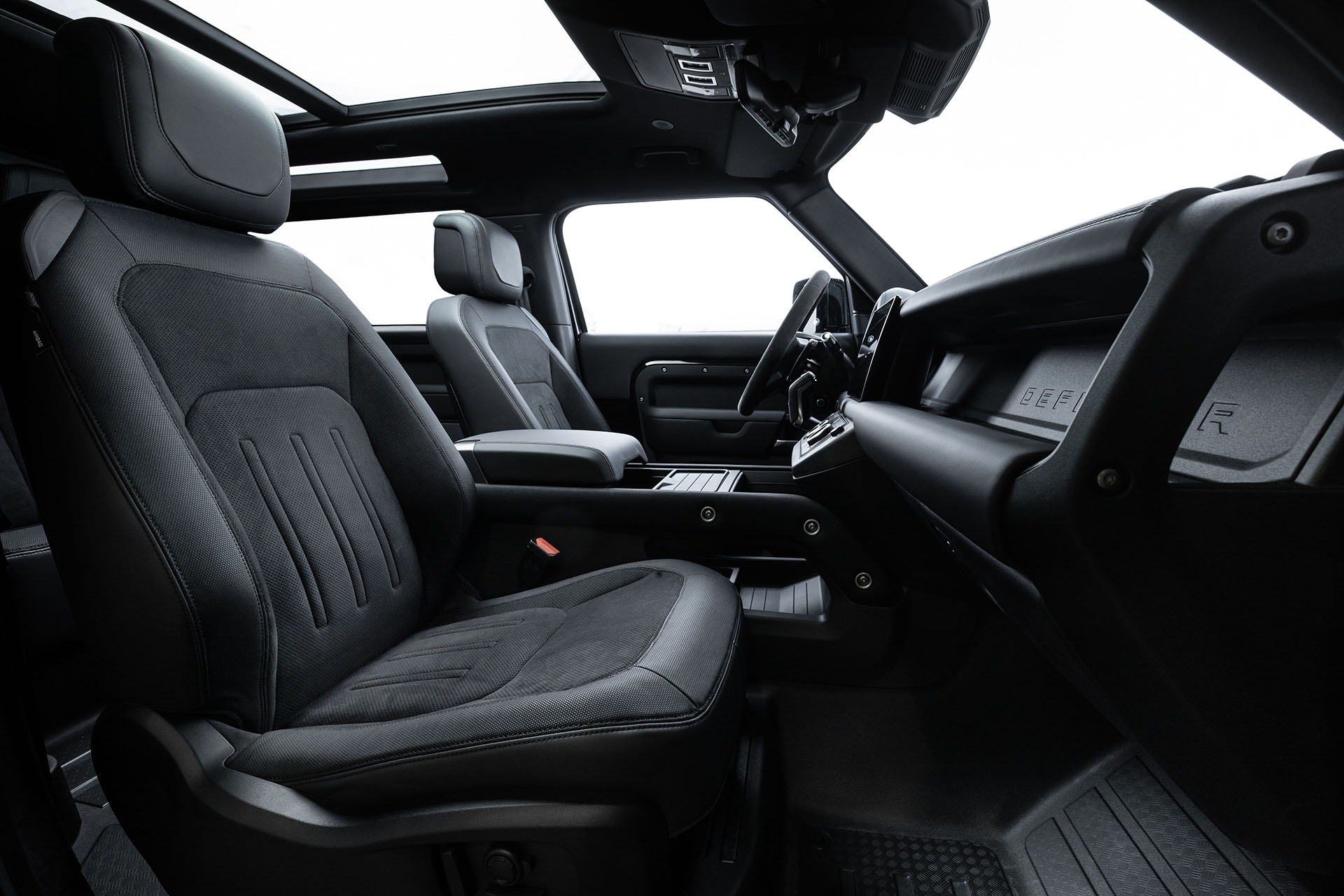
Inside, Defender V8 features seats trimmed in unique Ebony Windsor Leather with Dinamica® suedecloth and Robustec accents, while the Defender’s exposed Cross Car Beam has a special Satin Black finish. The four-spoke steering wheel is enhanced by an Alcantara rim and tactile satin chrome gearshift paddles, which are unique to V8 models. Leather covers the airbag housing and gear lever, while illuminated treadplates are completed with a V8 script.

If you opt for the new Defender V8 Carpathian Edition, you’ll take the 525 hp model to the next level of performance, durability, and design … this is the ‘top-of-the-line version which as the name would suggest, is only available in Carpathian Grey, and always comes with the Narvik Black roof, bonnet, and taildoor, the latter being a first on the New Defender.

Straight from the factory, this edition also comes with a Satin Protective film applied to the body, creating a semi-matt look, both for protection and for additional aggressiveness, add the blue front calipers and satin black towing eyes, and this Carpathian Edition looks mean.

Prices for the New Defender V8 start at £98,505 for the 90 and £101,150 OTR for the 110 in the UK, pricing for the US market, and when the new V8 will be available hasn’t been mentioned in their press-release yet.

The GTO Engineering Project Moderna

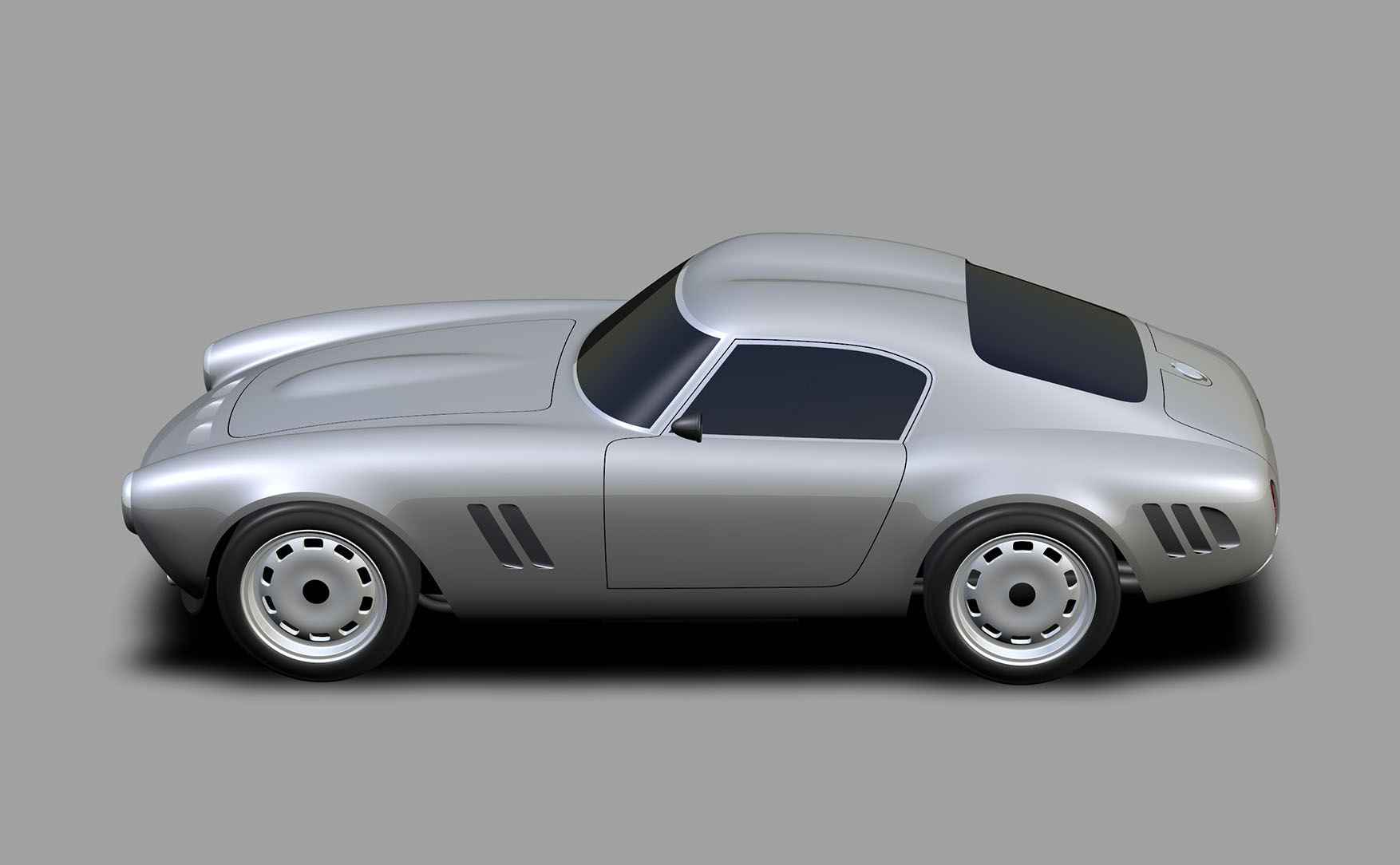
Since revealing the renderings, specification ethos, and registering significant customer interest for its Moderna-codenamed project, GTO Engineering has confirmed a pivotal development stage has been completed for its new car, and confirmed production.

Keeping to the promise that its new car will be a celebration of the best of Sixties motoring with a modern and motorsport-derived engineering twist, the quad-cam V12 engine that will be at the heart of GTO Engineering’s all-new vehicle is getting closer to being finalized and built. Likewise, the outer design modeling is about to commence as the team finalizes the drawings of the body shell, which still maintains a mix of modern and period features as seen in the initial sketches. The engine development and design styling are both centered around GTO Engineering’s commitment to creating a sub-1,000 kg sports car with a manual gearbox and a naturally aspirated engine, devised around a visceral experience in and out of the car.

With a track record of building cars from the ground up, either with restorations or its popular Revival series vehicles, GTO Engineering’s development of the Moderna project is led by Founder Mark Lyon who said, “After the exceptional reception from interested owners and fans who would like to own a car such as ours, we’re now making it happen and publicly documenting the development process. For our team, the engine and the aesthetics are two of the most important parts of any car, especially this one, which is why we were keen to start here.

“The quad-cam V12, with the help of our specialist in-house engine builders, is beginning to be finalized. At the same time, our designers have been working with us on the outer body to finalize the surfaces before transferring them to modeling. To ensure we keep to our goals we’re working around a custom ‘muletto’ chassis, which is situated in the GTO Engineering workshops. It’s a daily reminder of how we need to not only keep the design’s proportions right, as well as weight distribution and ergonomics. People have got a little taller since the Sixties, so we’re looking at the packaging with the design too, ensuring that the driver and passenger have enough room in the cabin and ample luggage space in the car.”

GTO Engineering’s team has chosen to maintain a traditional tubular steel chassis while adding modern, lightweight but high-strength aluminum subframes. Its development chassis, nicknamed ‘muletto’ is the formation of the packaging and design layout for the Moderna-codenamed project. It sits in the firm’s UK HQ and is used as a layout buck to ensure the packaging and size of the new vehicle are optimized for weight distribution as well as driver and passenger ergonomics and storage.

This development update follows the initial renderings and intentions for the new vehicle, which was initially announced in November 2020. Since then, the team continues to grow with in-house and external consultants collaborating together, all working on the same goal to create one of the most exciting enthusiast cars of the decade.