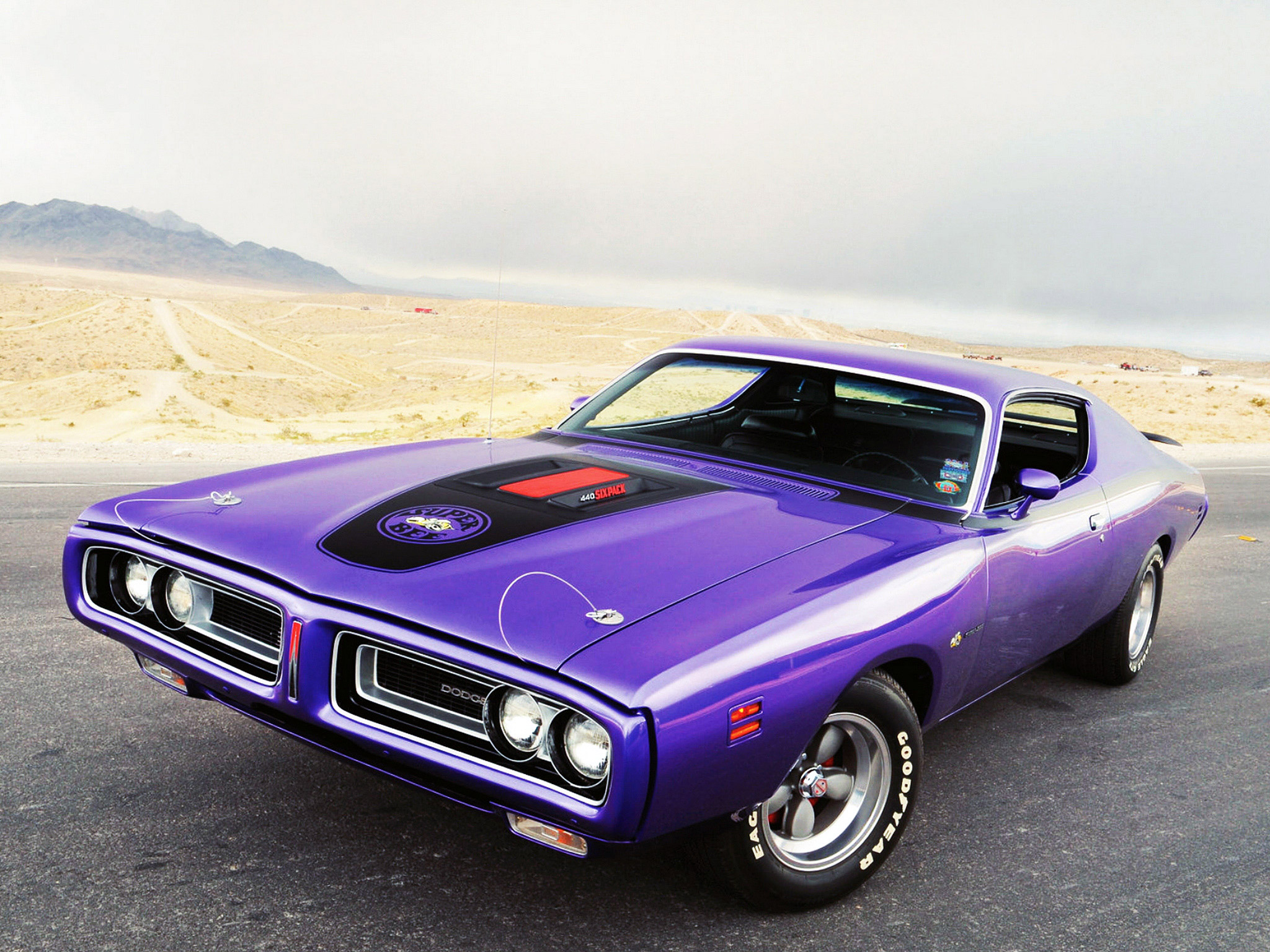
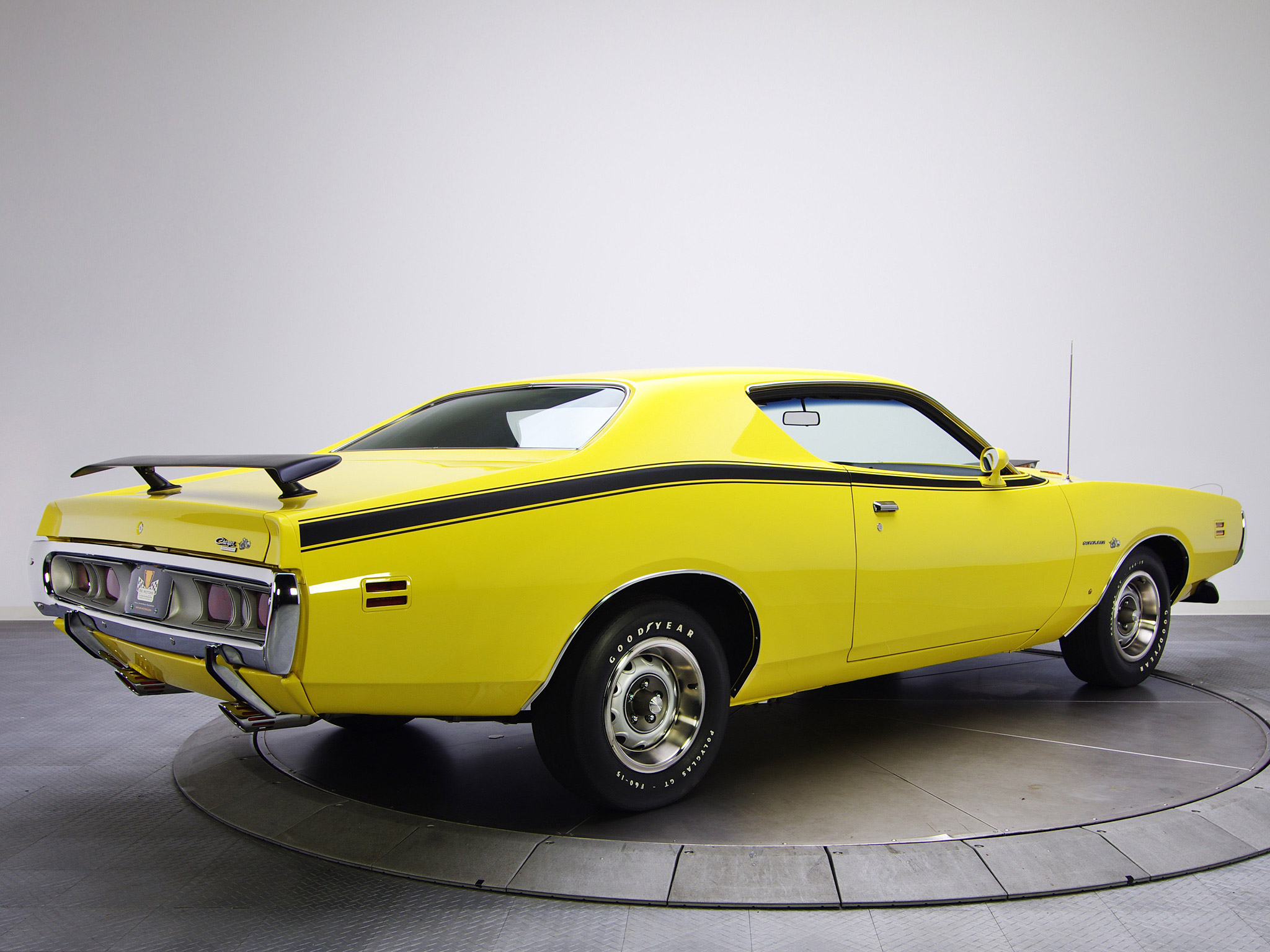
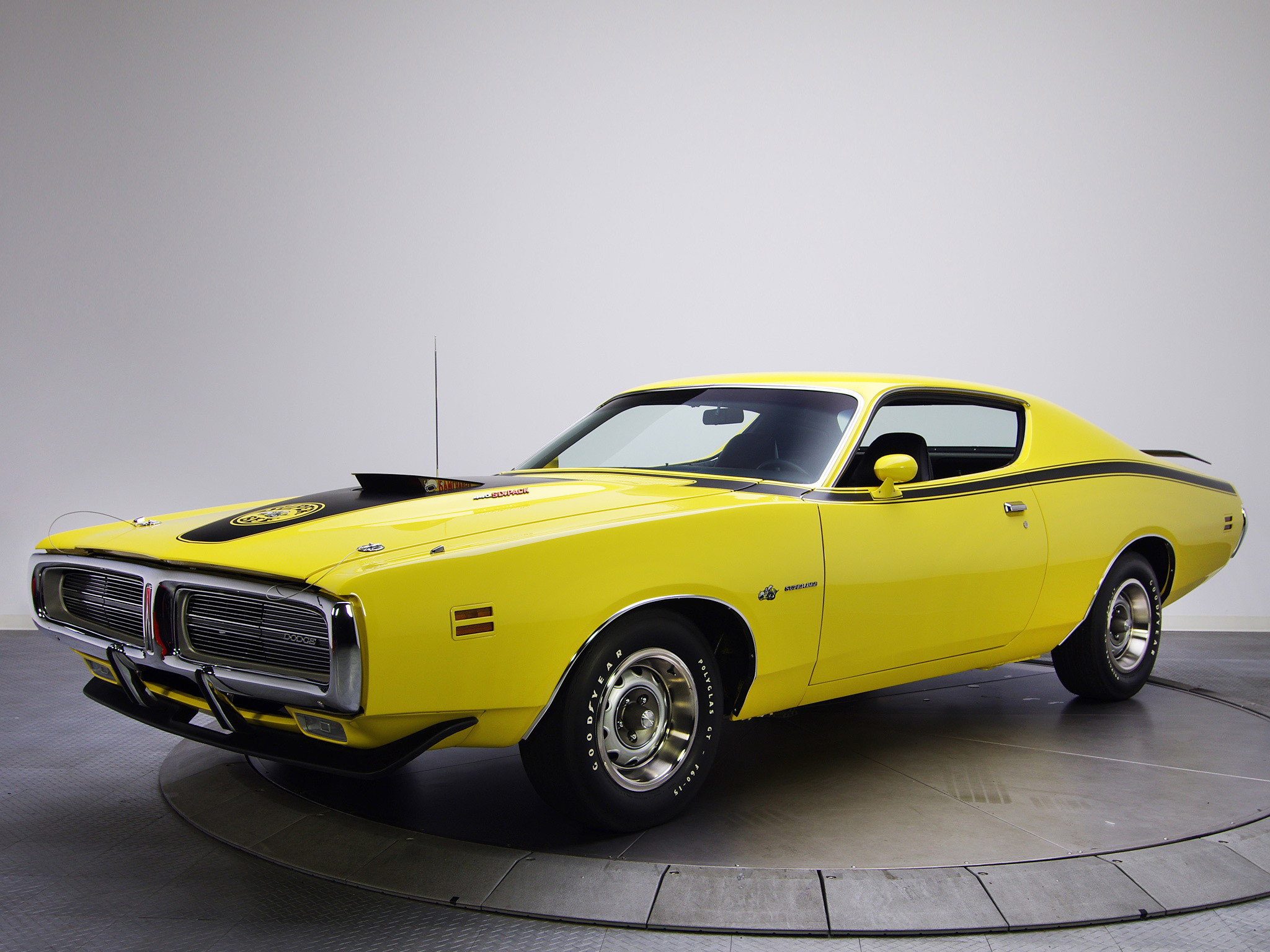
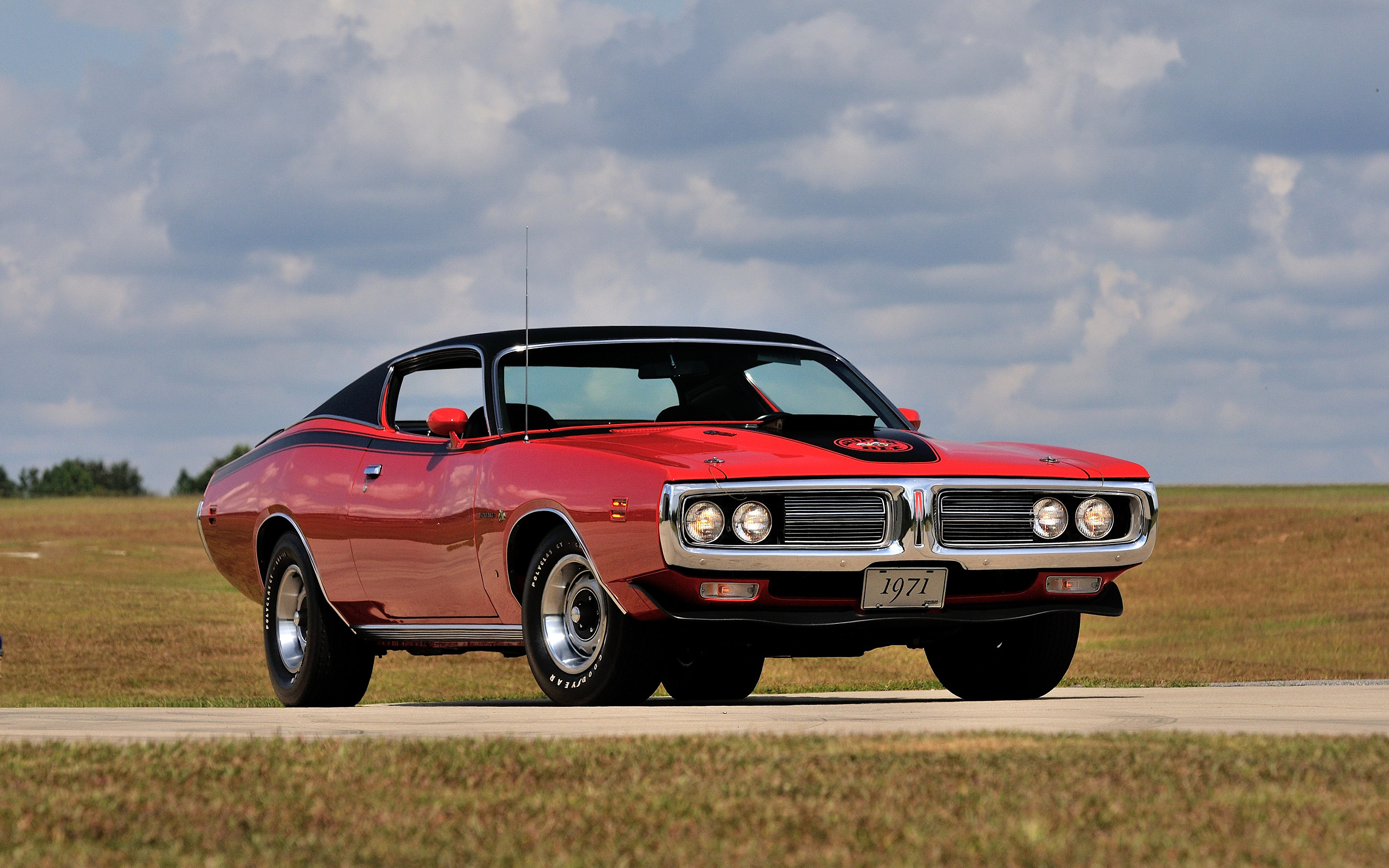
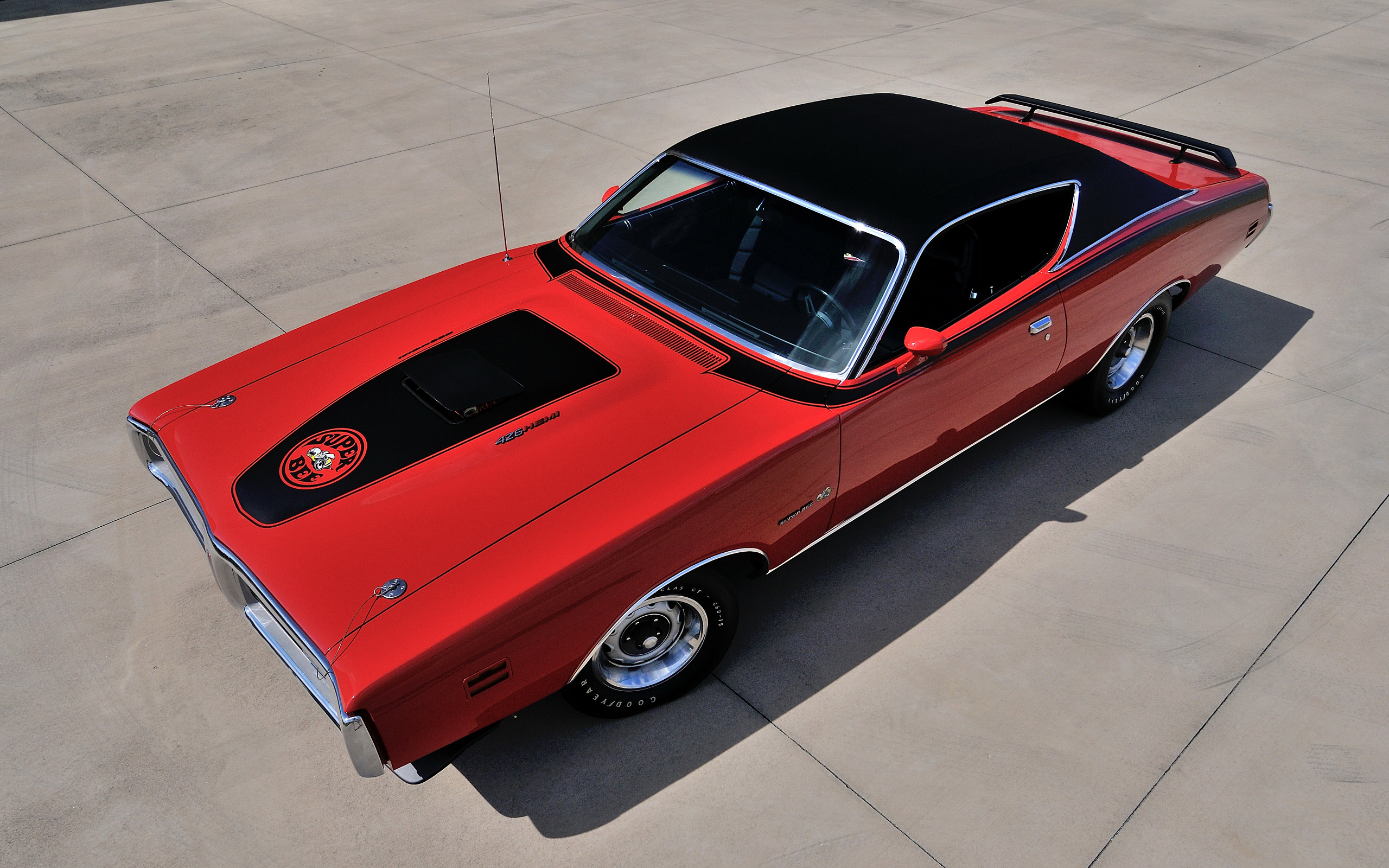
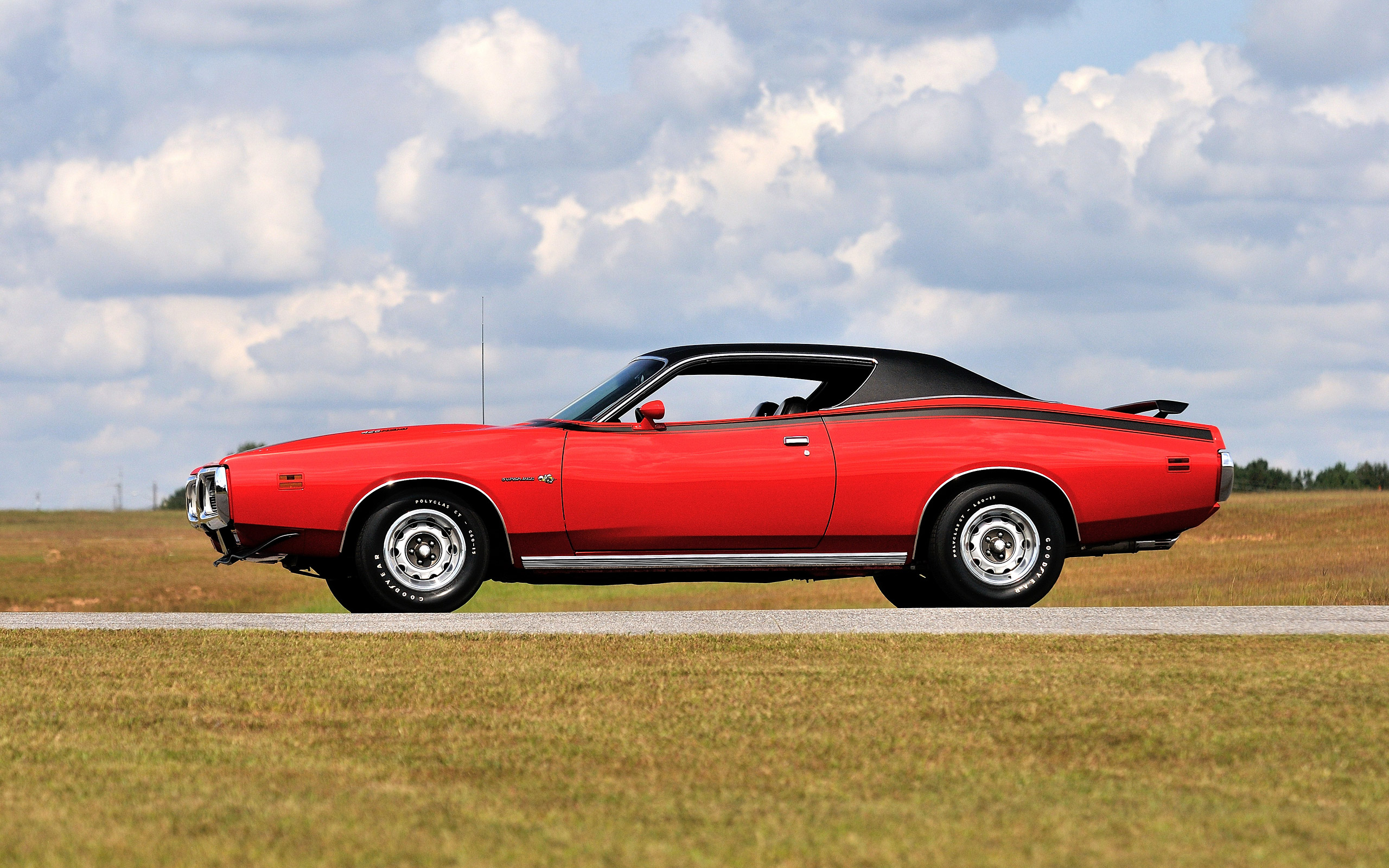
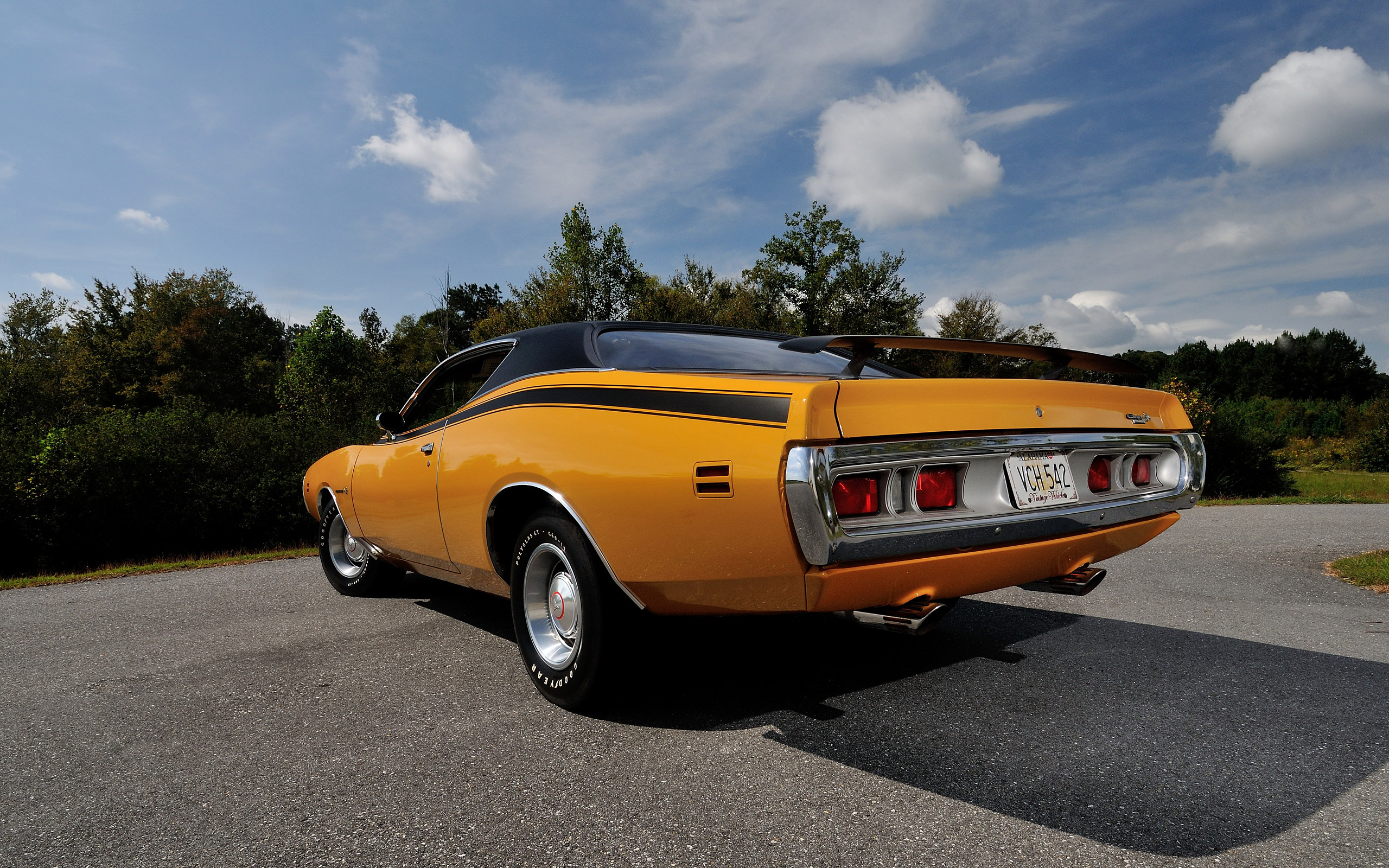
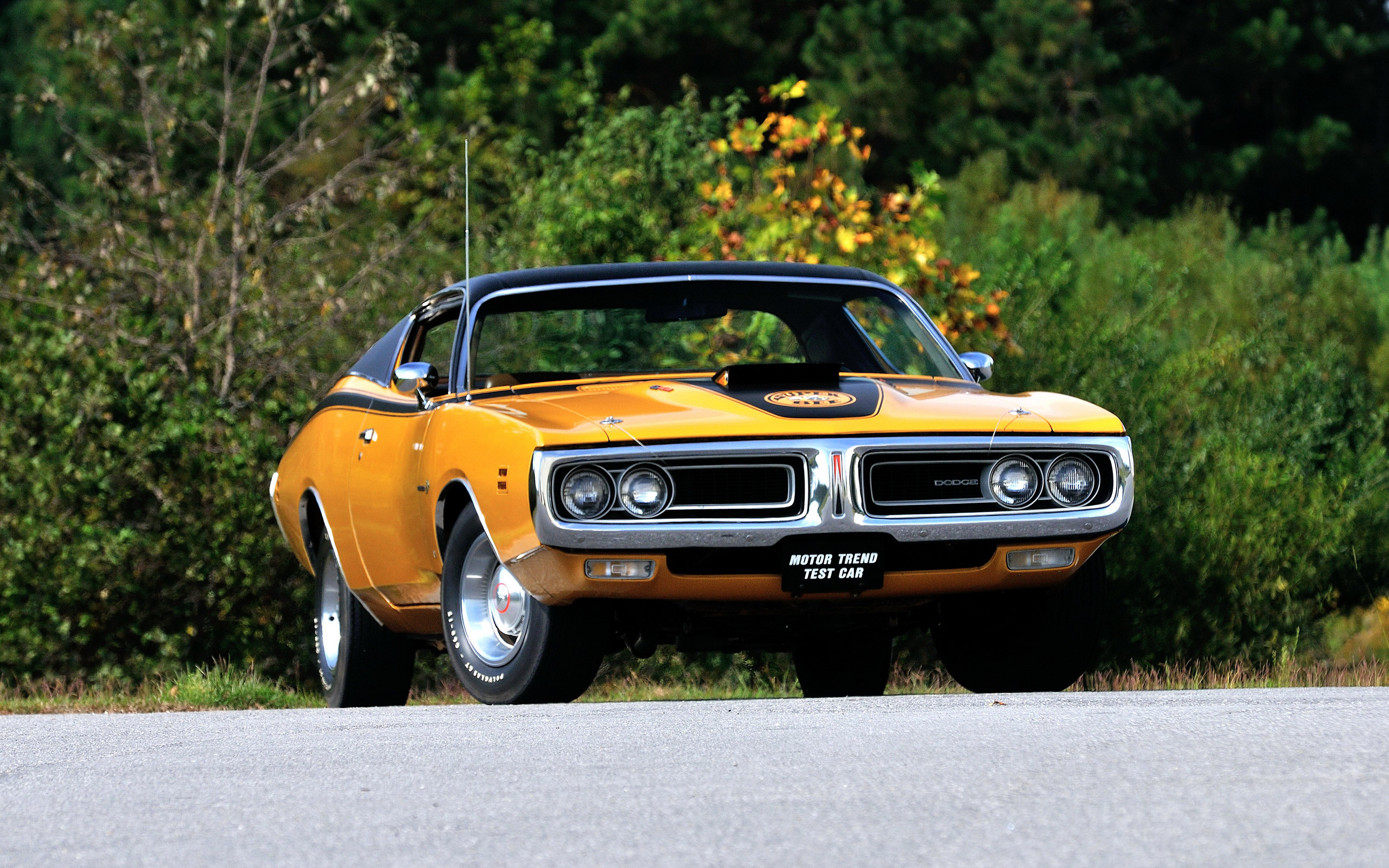
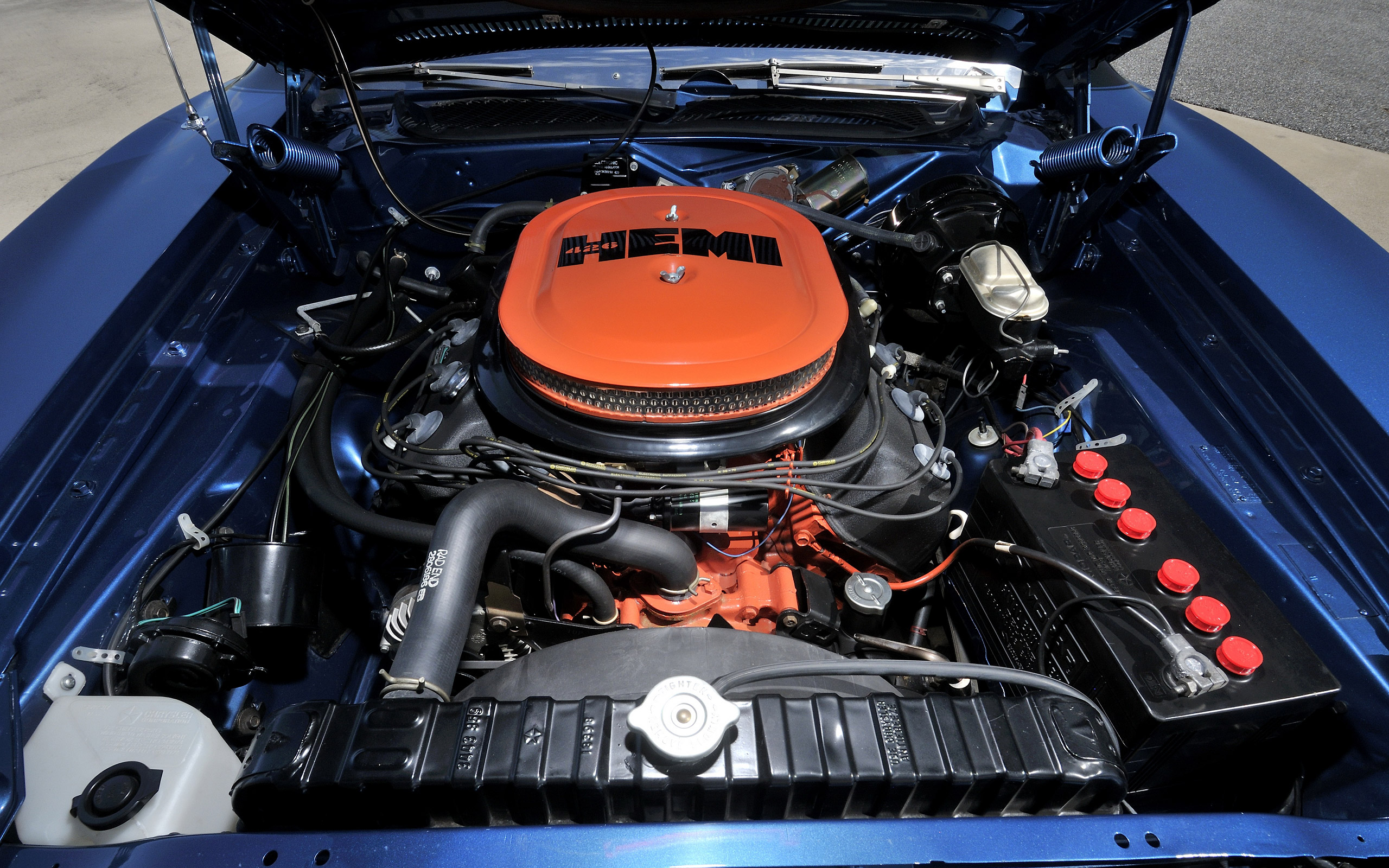
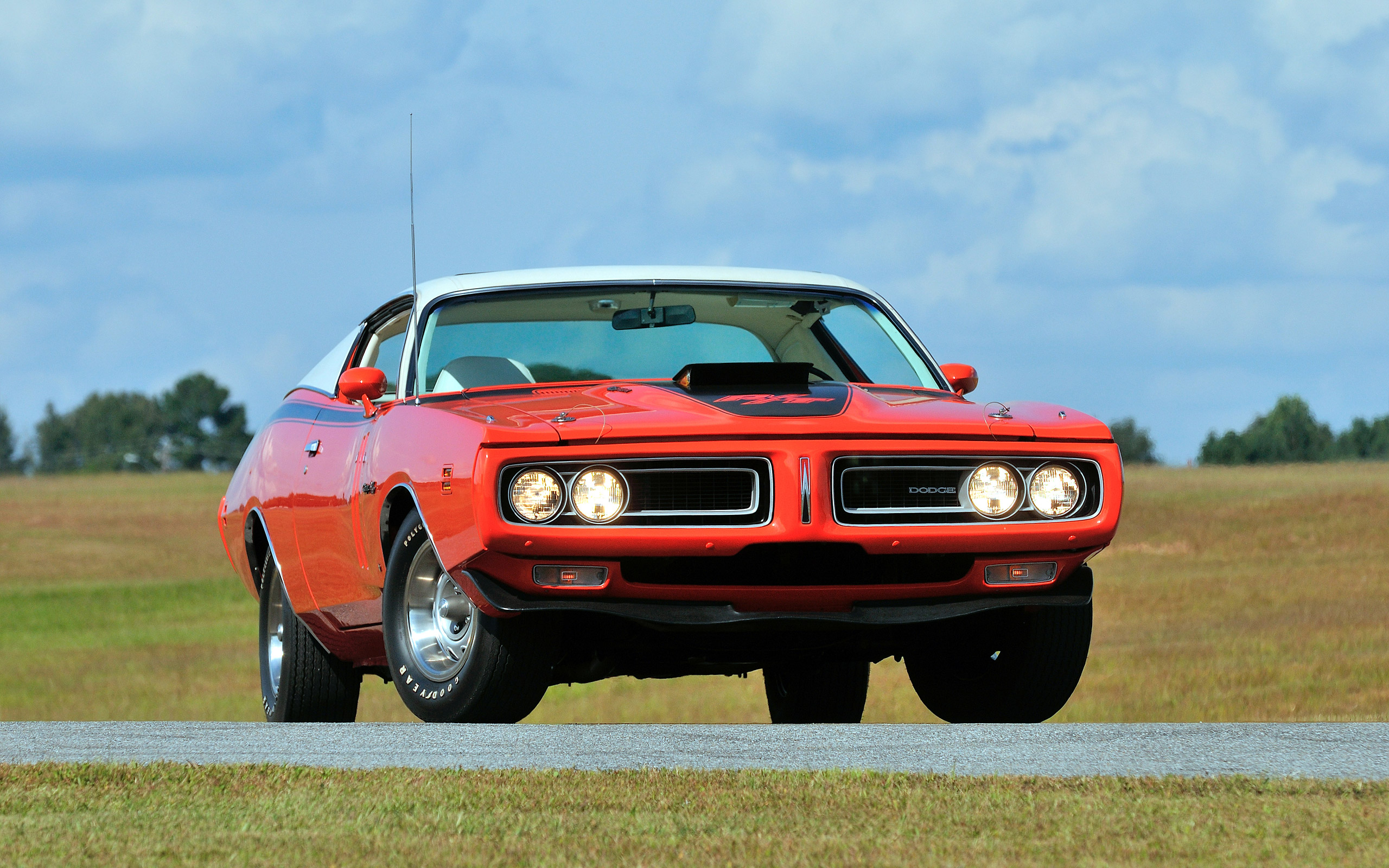
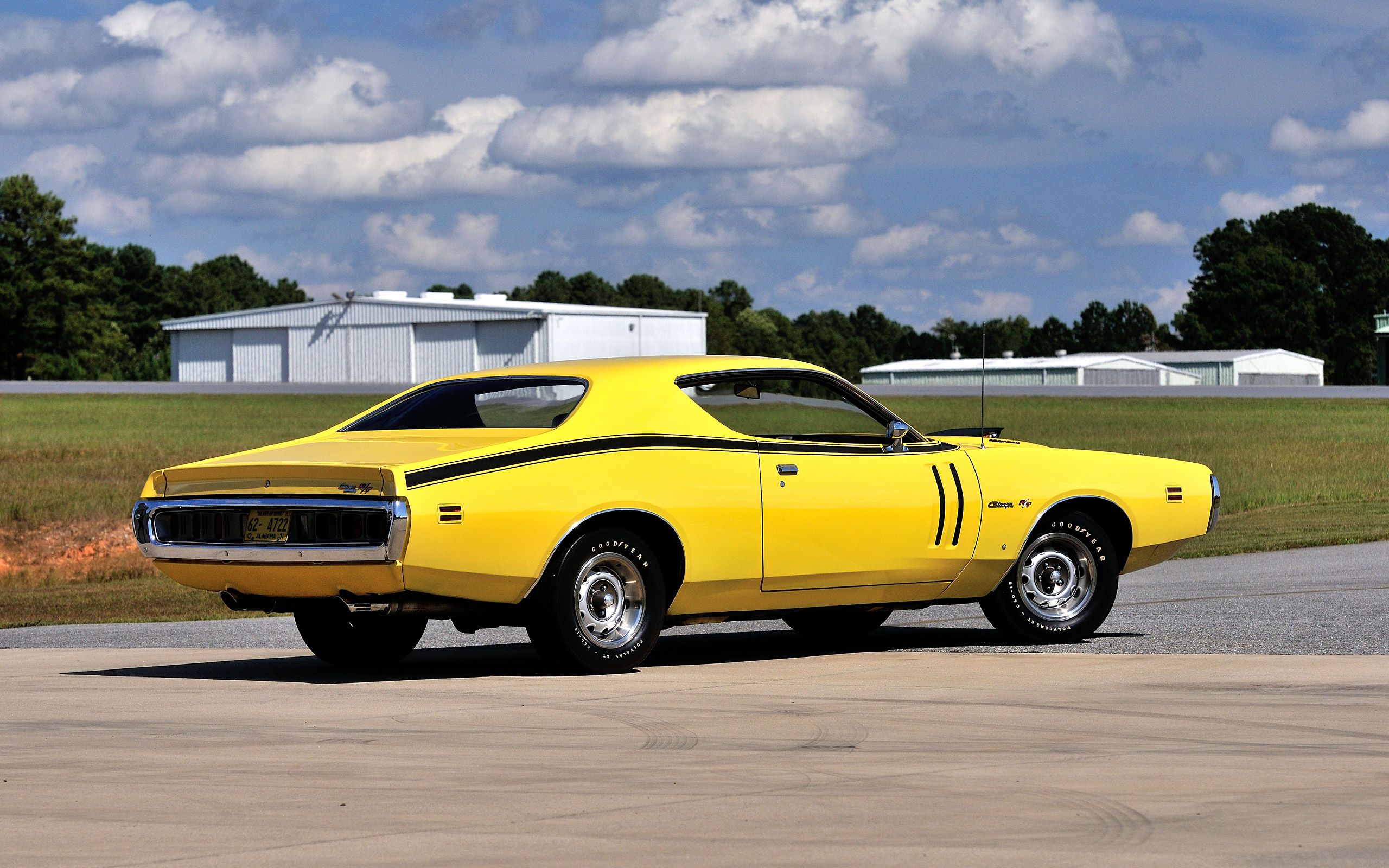
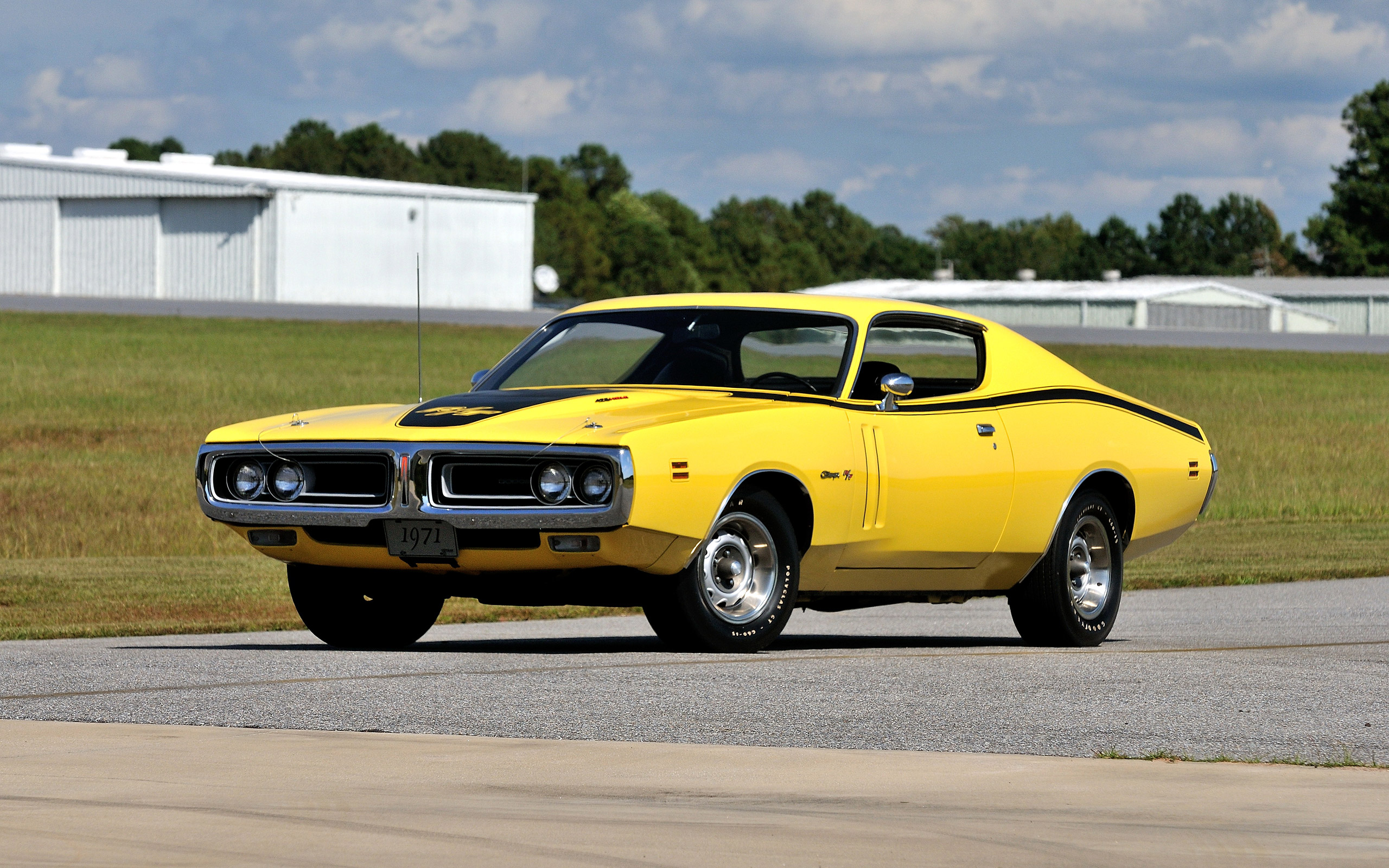
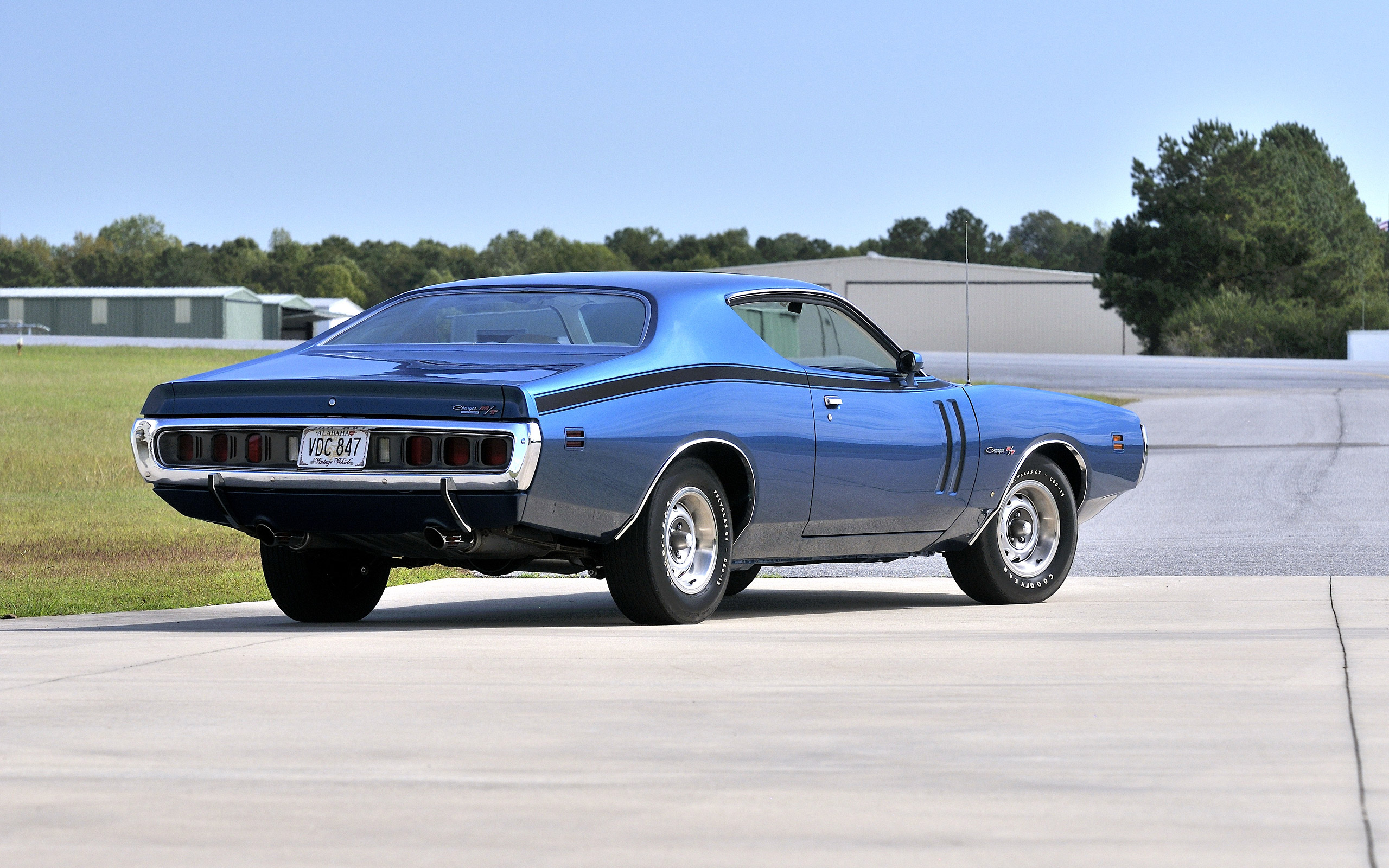
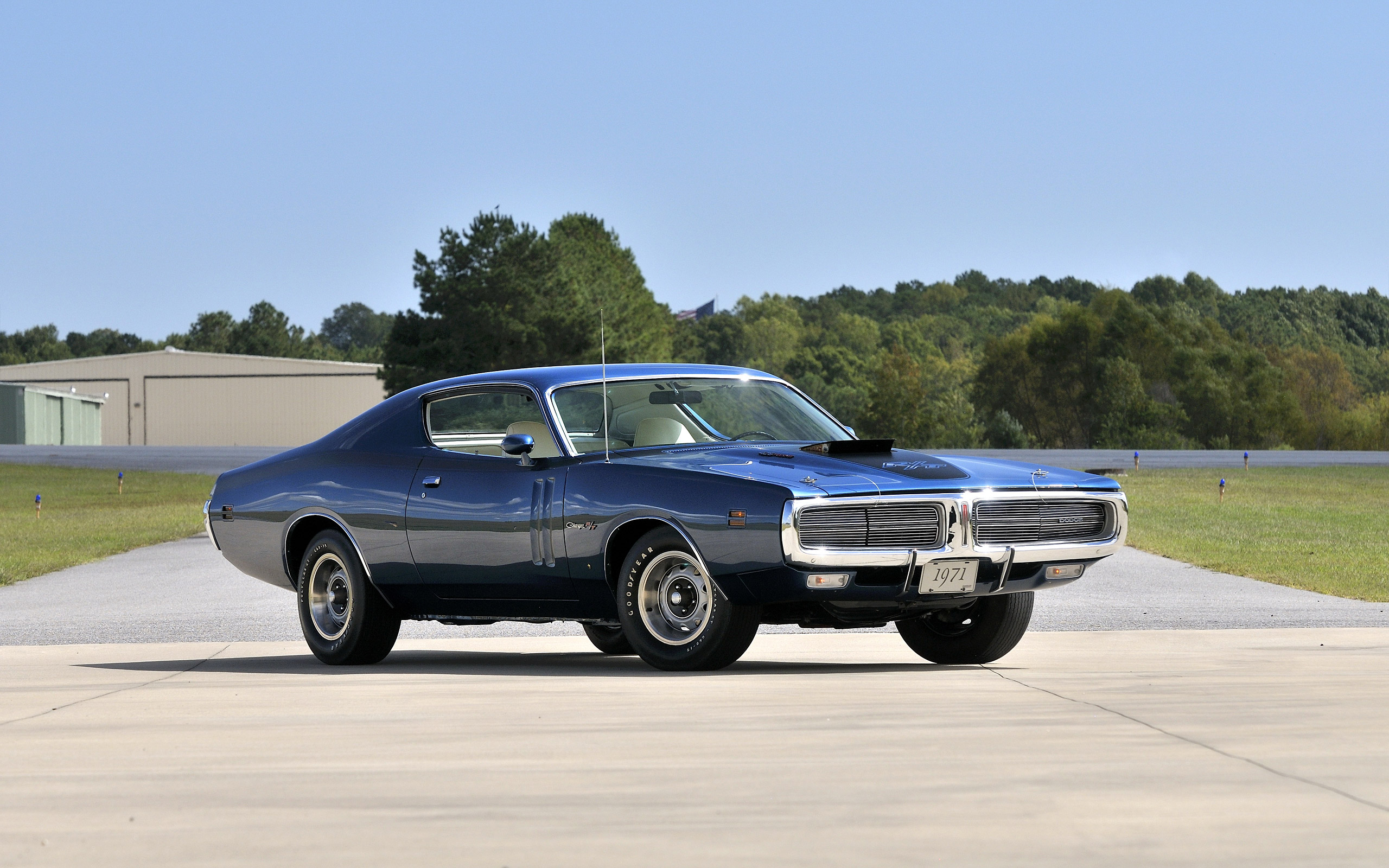
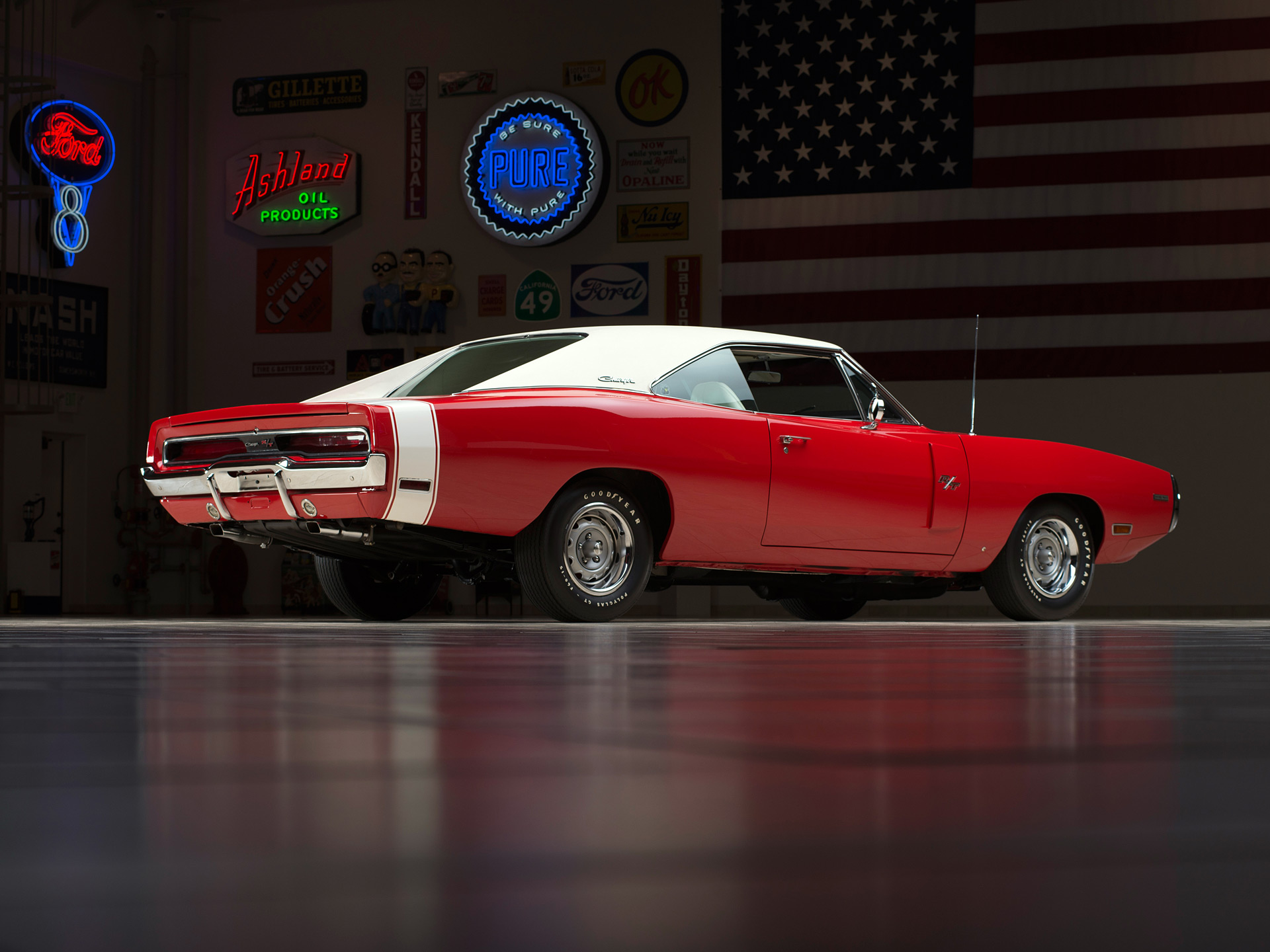
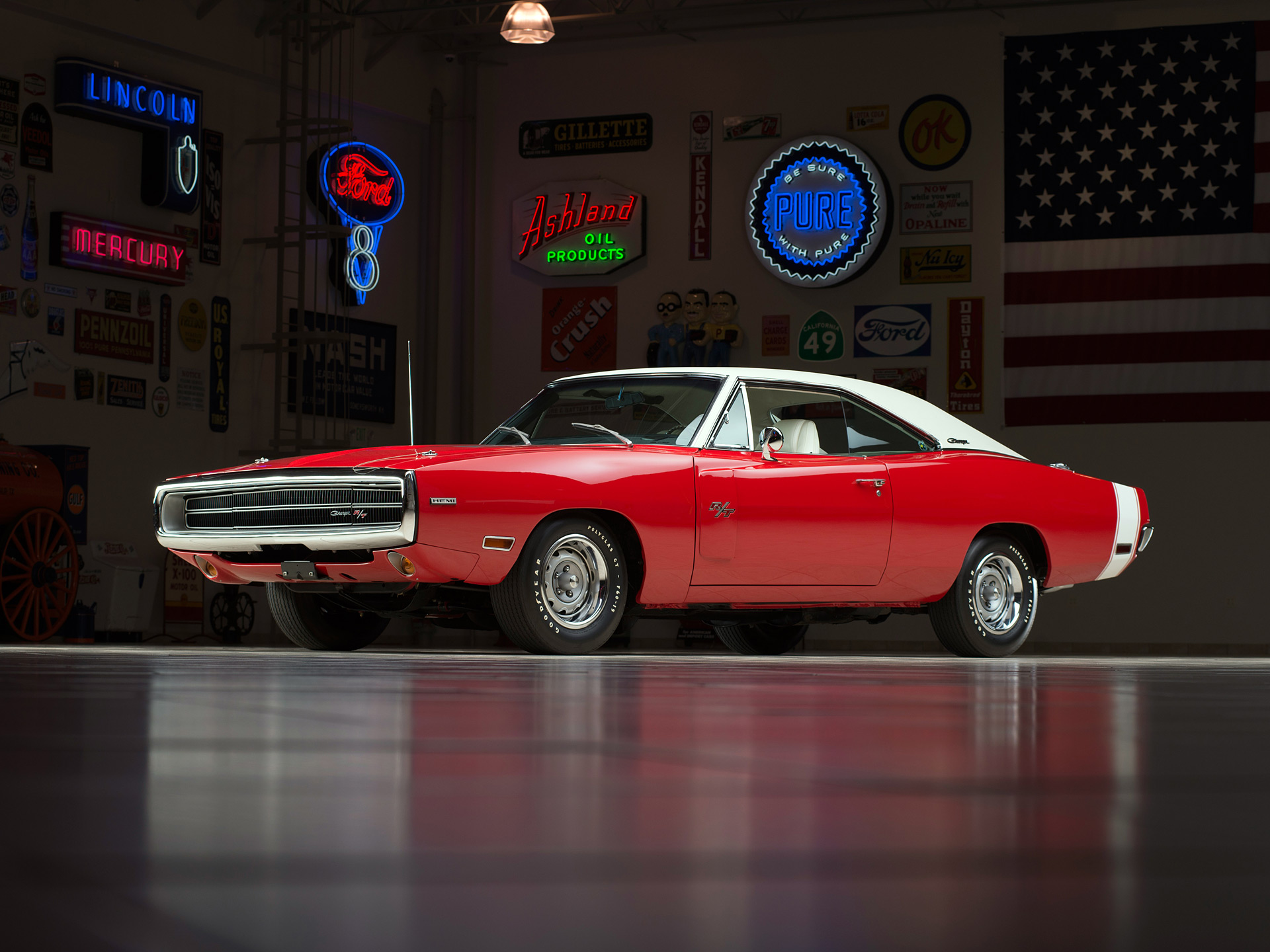
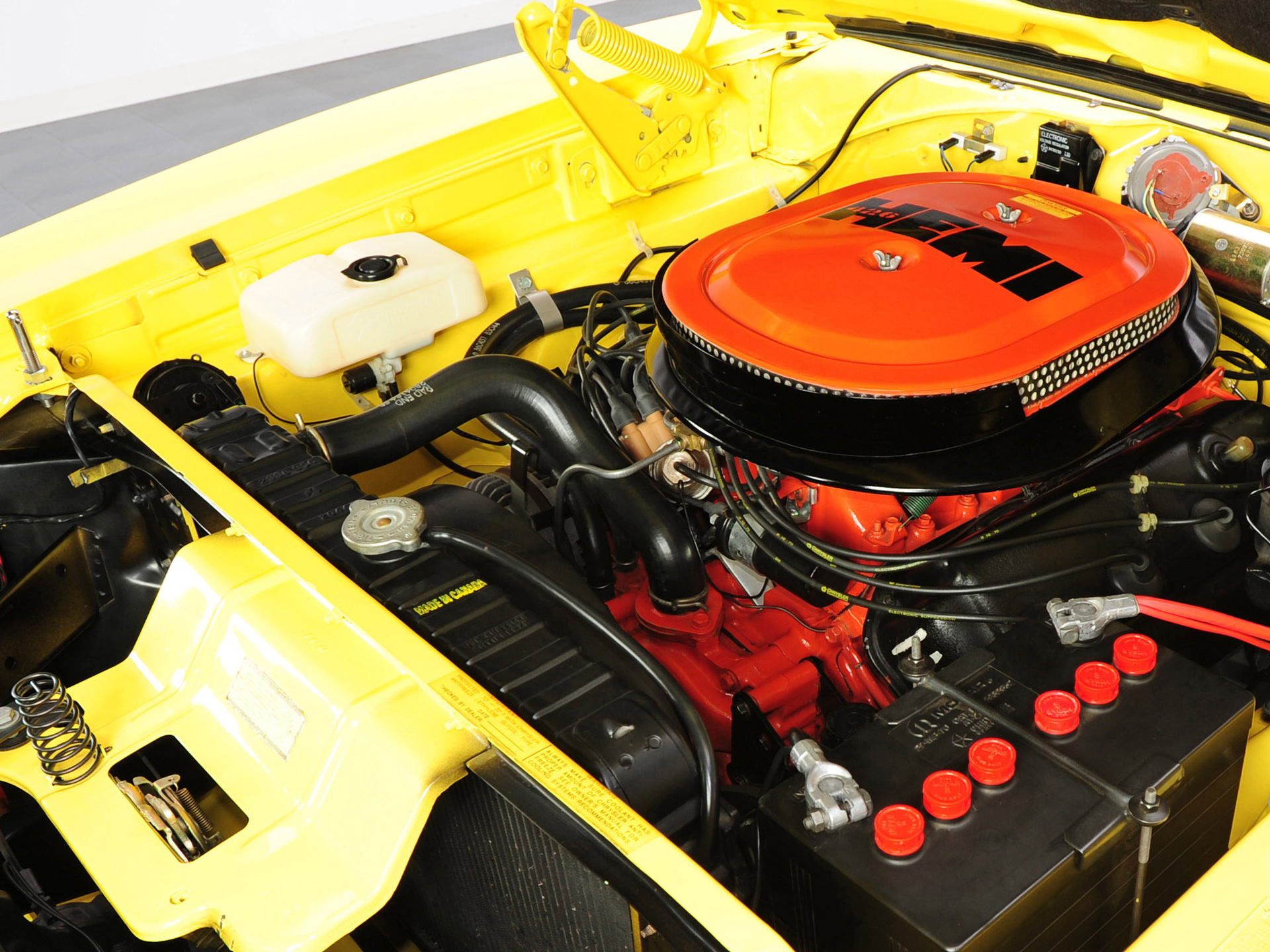
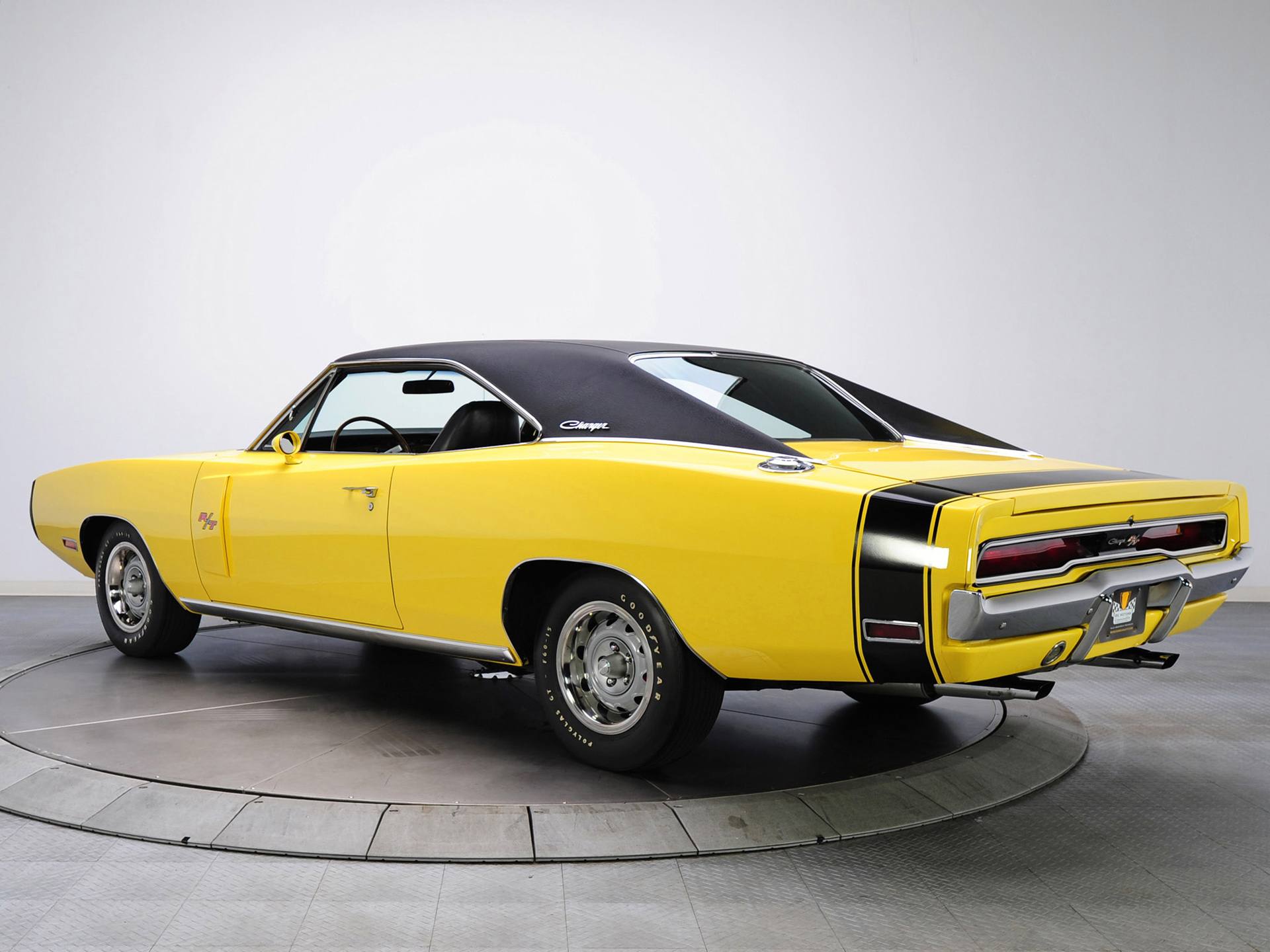
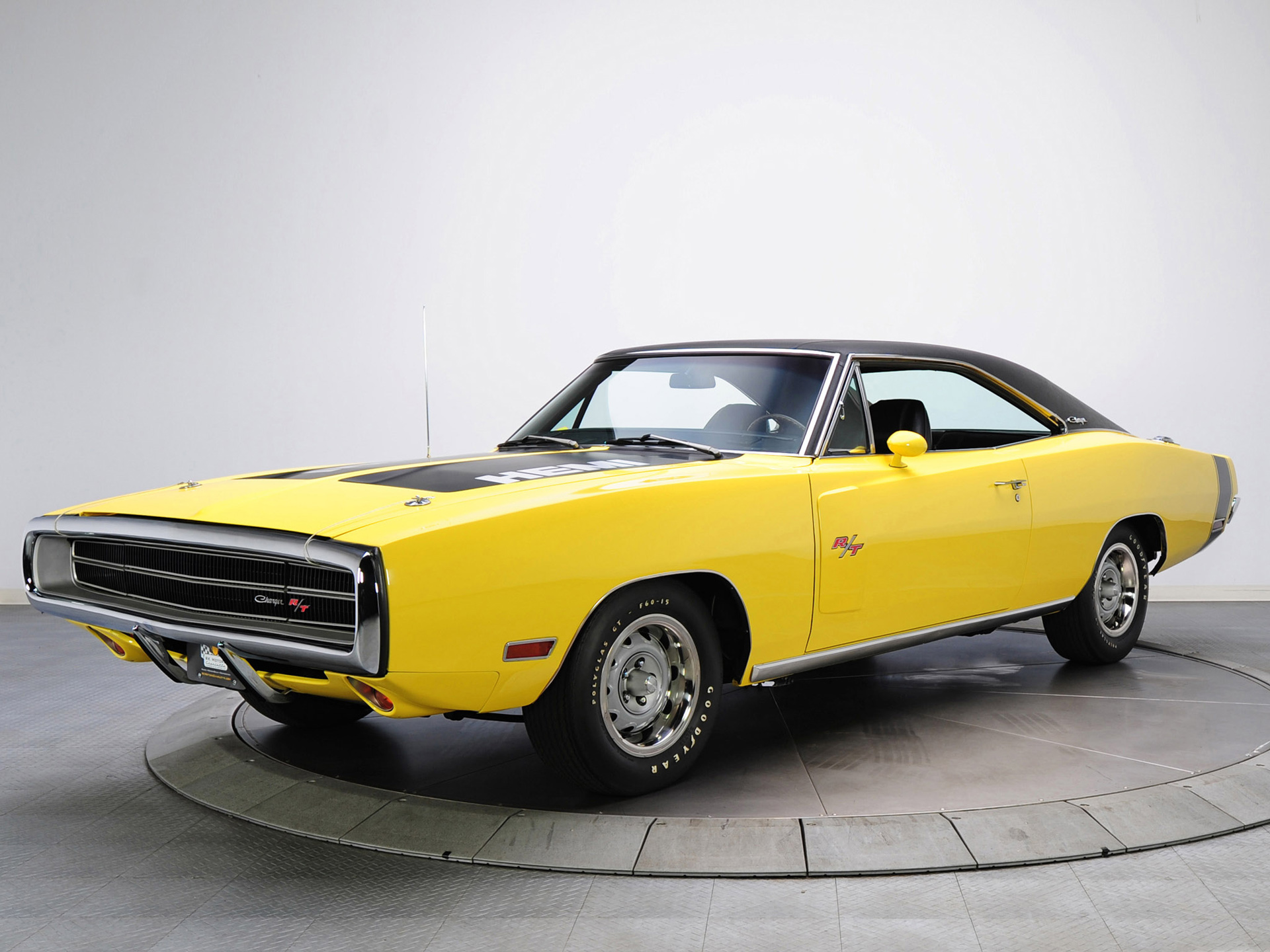
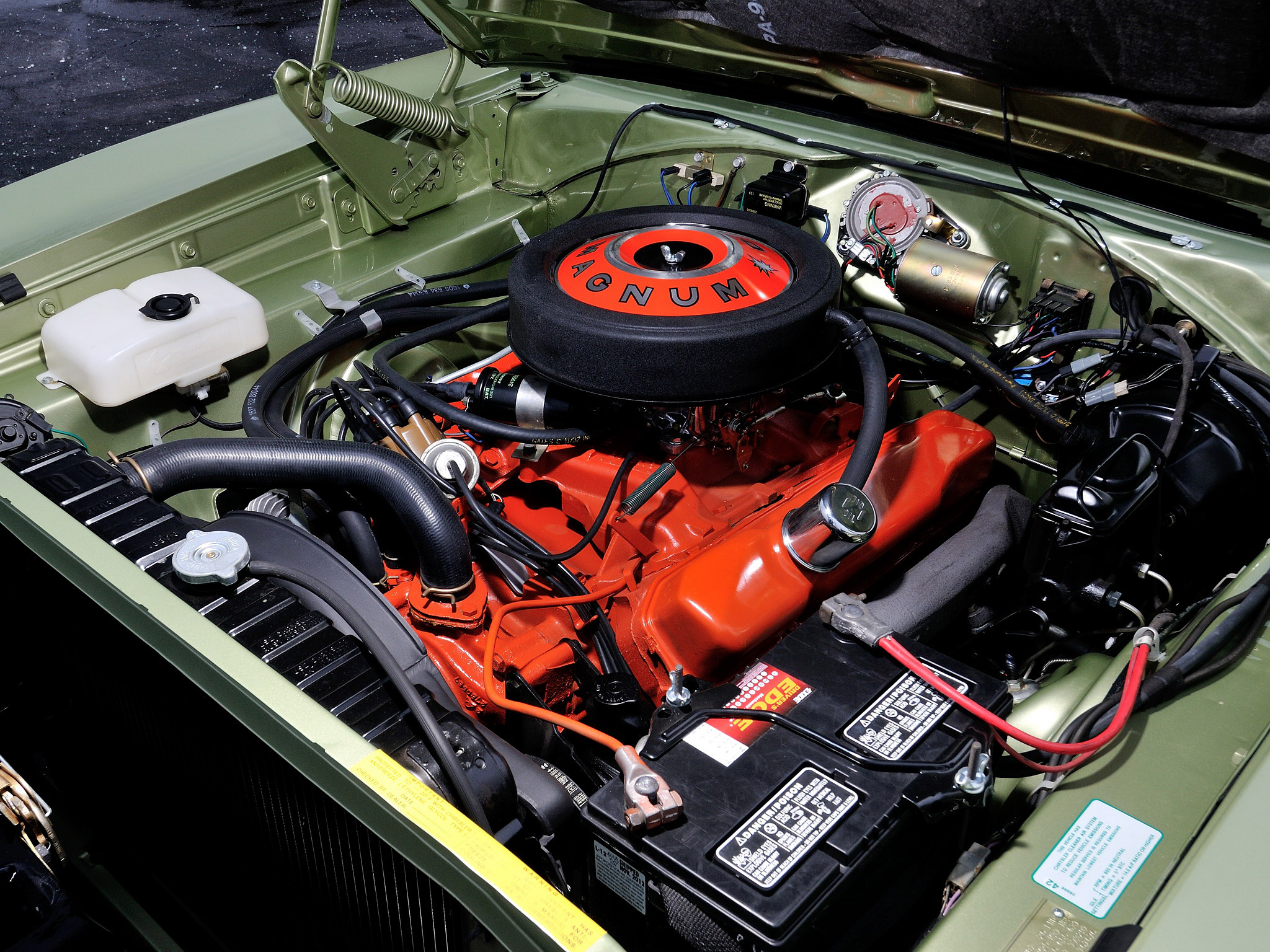
We have curated the ultimate collection of the best 1971 Dodge Charger Super Bee Wallpapers and HD backgrounds for you to enjoy. Our team focused on finding the top 1971 Dodge Charger Super Bee Wallpapers only to keep the quality high. These 1971 Dodge Charger Super Bee Wallpapers are free to download so go ahead. To download any of these pictures for use as a wallpaper, right click the picture and choose Save As…
We have curated the ultimate collection of the best 1971 Dodge Charger R/T Hemi Wallpapers and HD backgrounds for you to enjoy. Our team focused on finding the top 1971 Dodge Charger R/T Hemi Wallpapers only to keep the quality high. These 1971 Dodge Charger R/T Hemi Wallpapers are free to download so go ahead. To download any of these pictures for use as a wallpaper, right click the picture and choose Save As…
We have curated the ultimate collection of the best 1970 Dodge Charger R/T 426 Hemi Wallpapers and HD backgrounds for you to enjoy. Our team focused on finding the top 1970 Dodge Charger R/T 426 Hemi Wallpapers only to keep the quality high. These 1970 Dodge Charger R/T 426 Hemi Wallpapers are free to download so go ahead. To download any of these pictures for use as a wallpaper, right click the picture and choose Save As…
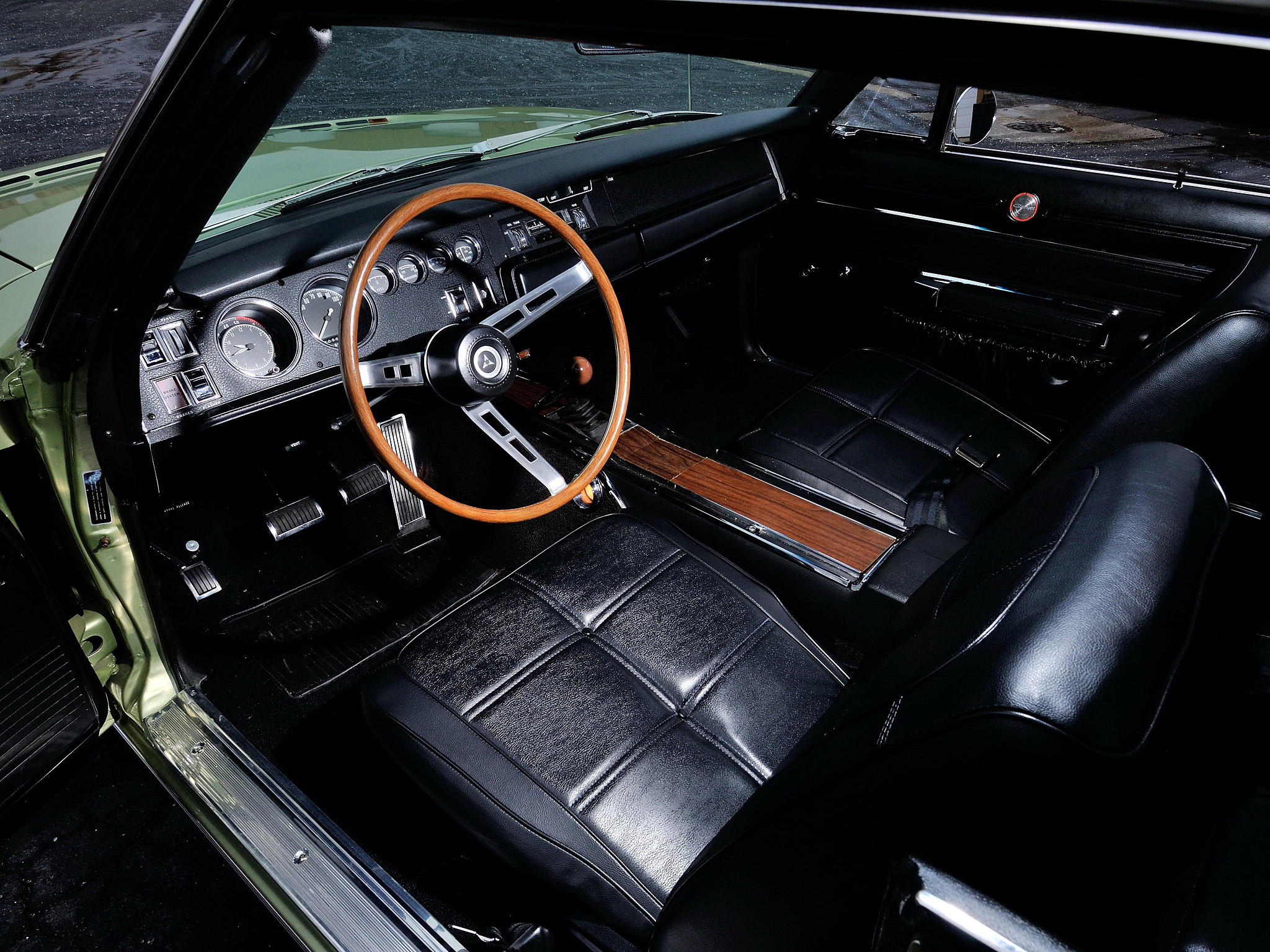
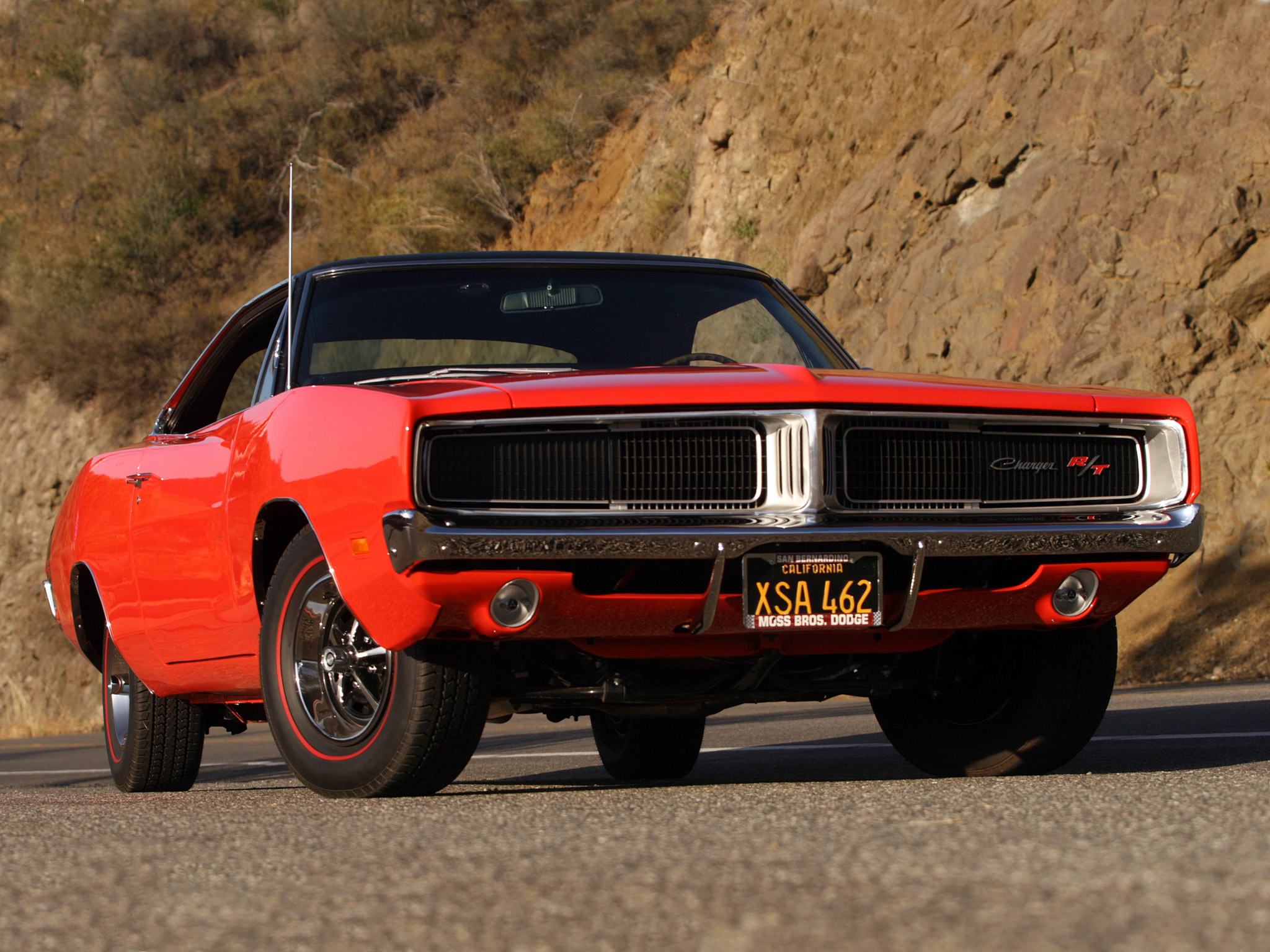
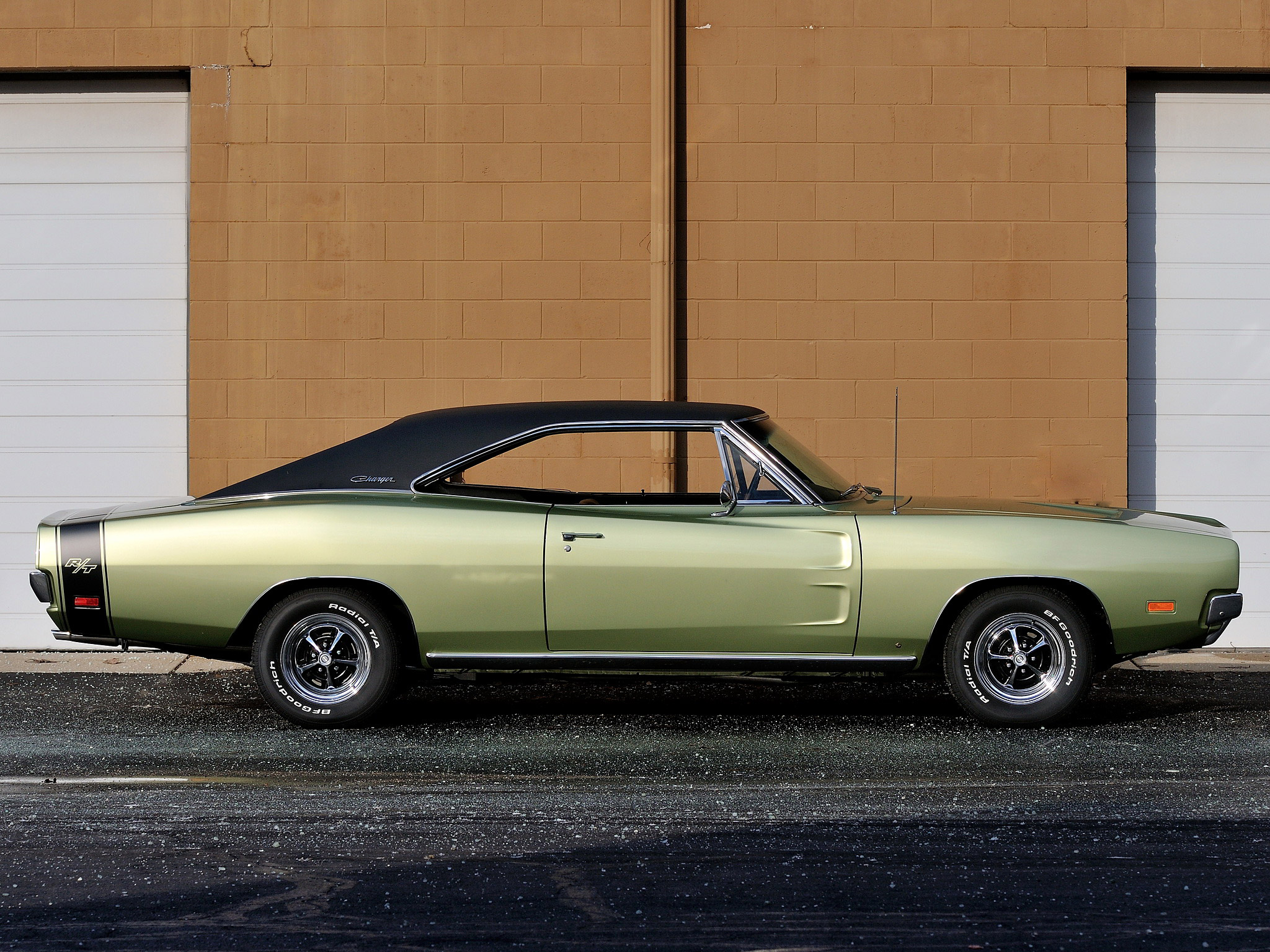
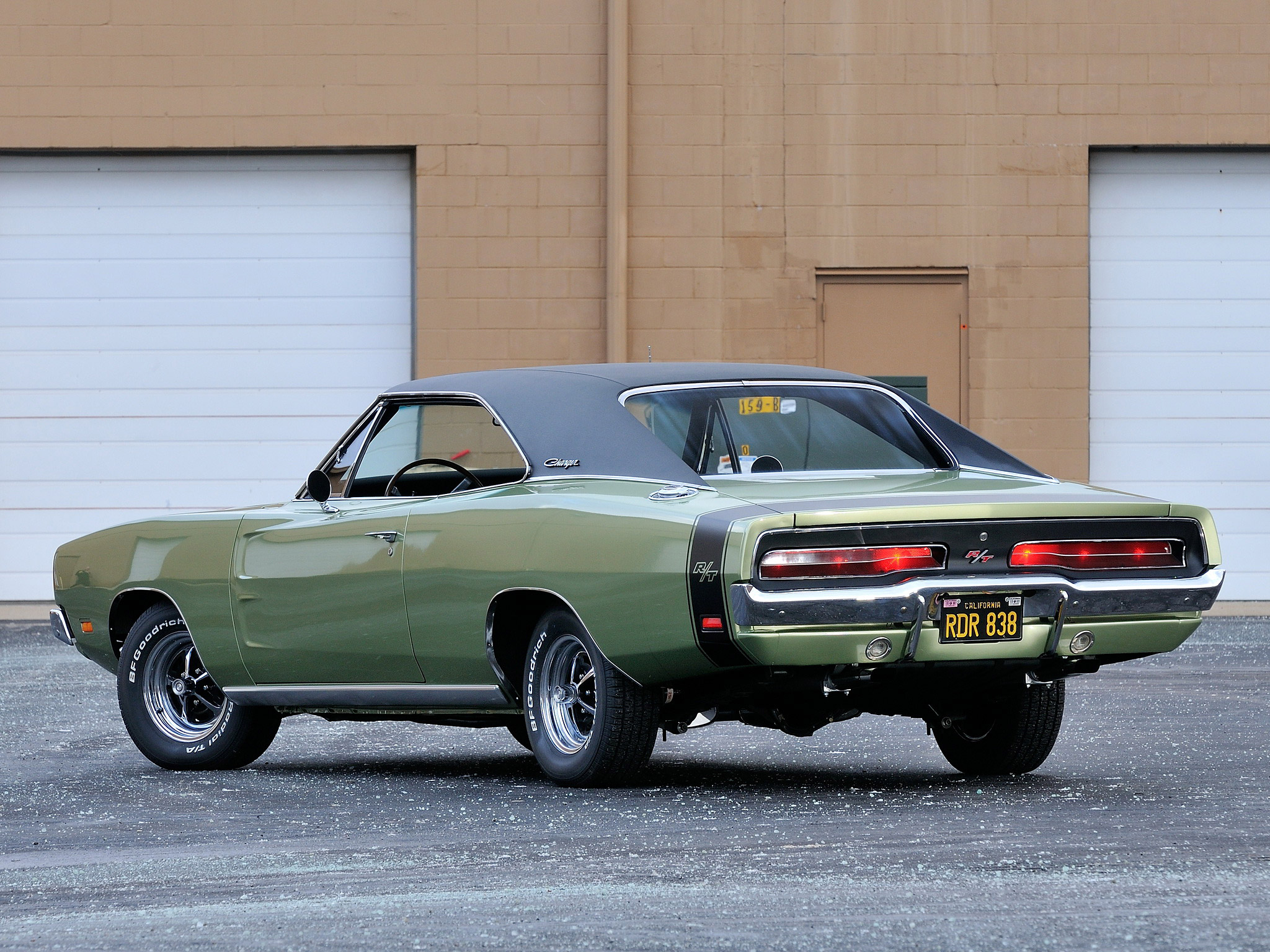
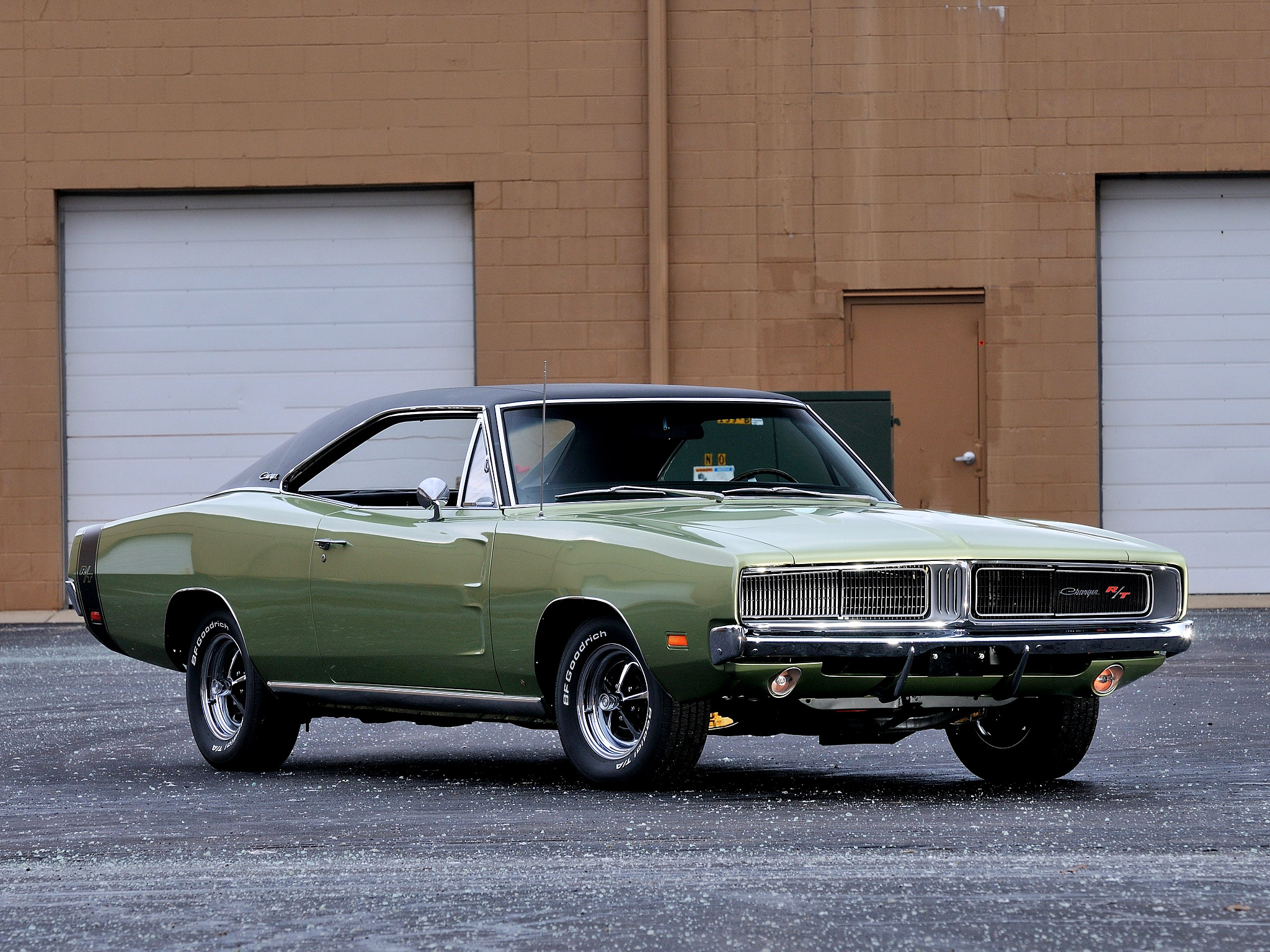
We have curated the ultimate collection of the best 1969 Dodge Charger R/T Wallpapers and HD backgrounds for you to enjoy. Our team focused on finding the top 1969 Dodge Charger R/T Wallpapers only to keep the quality high. These 1969 Dodge Charger R/T Wallpapers are free to download so go ahead. To download any of these pictures for use as a wallpaper, right click the picture and choose Save As…
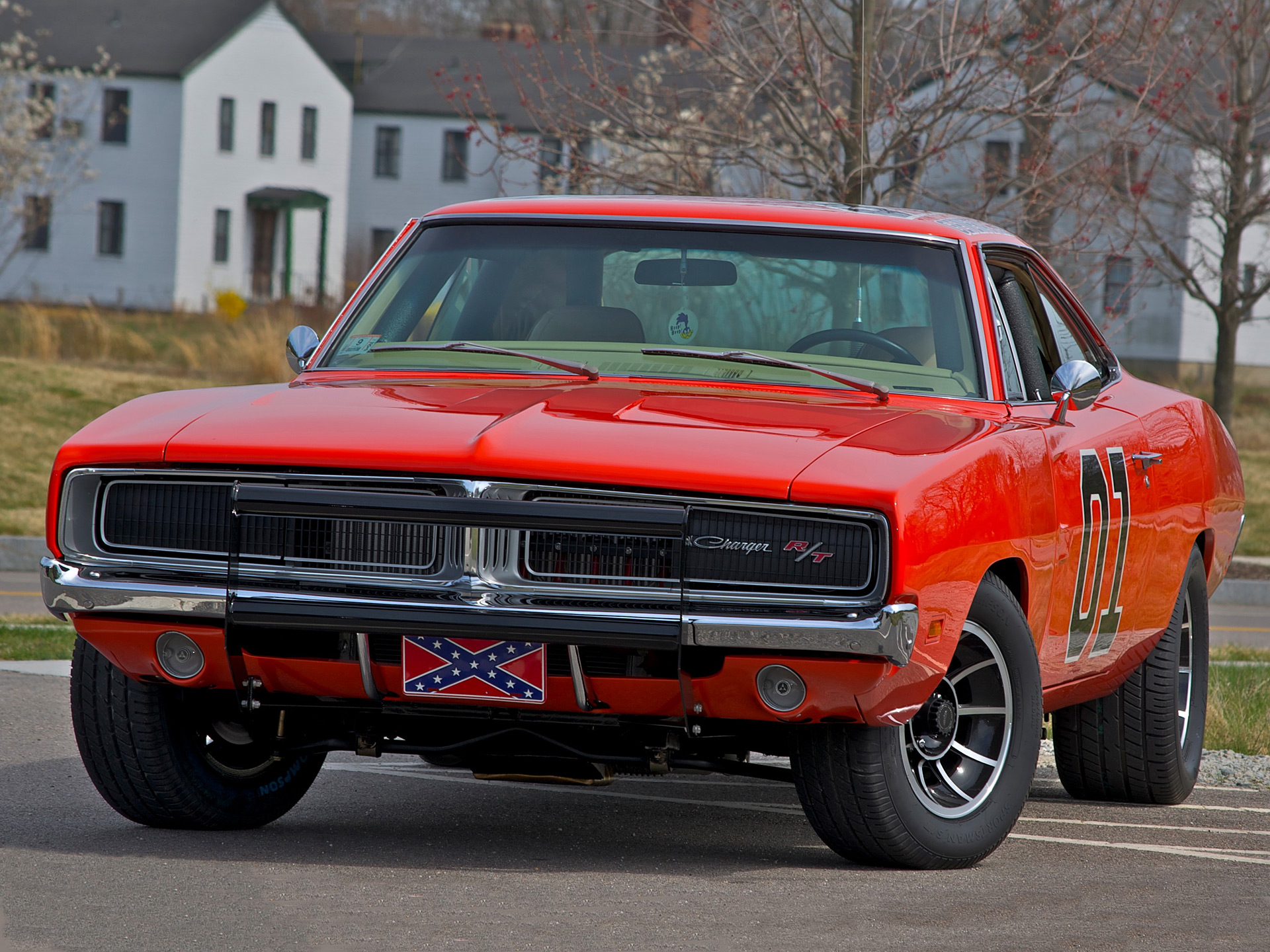
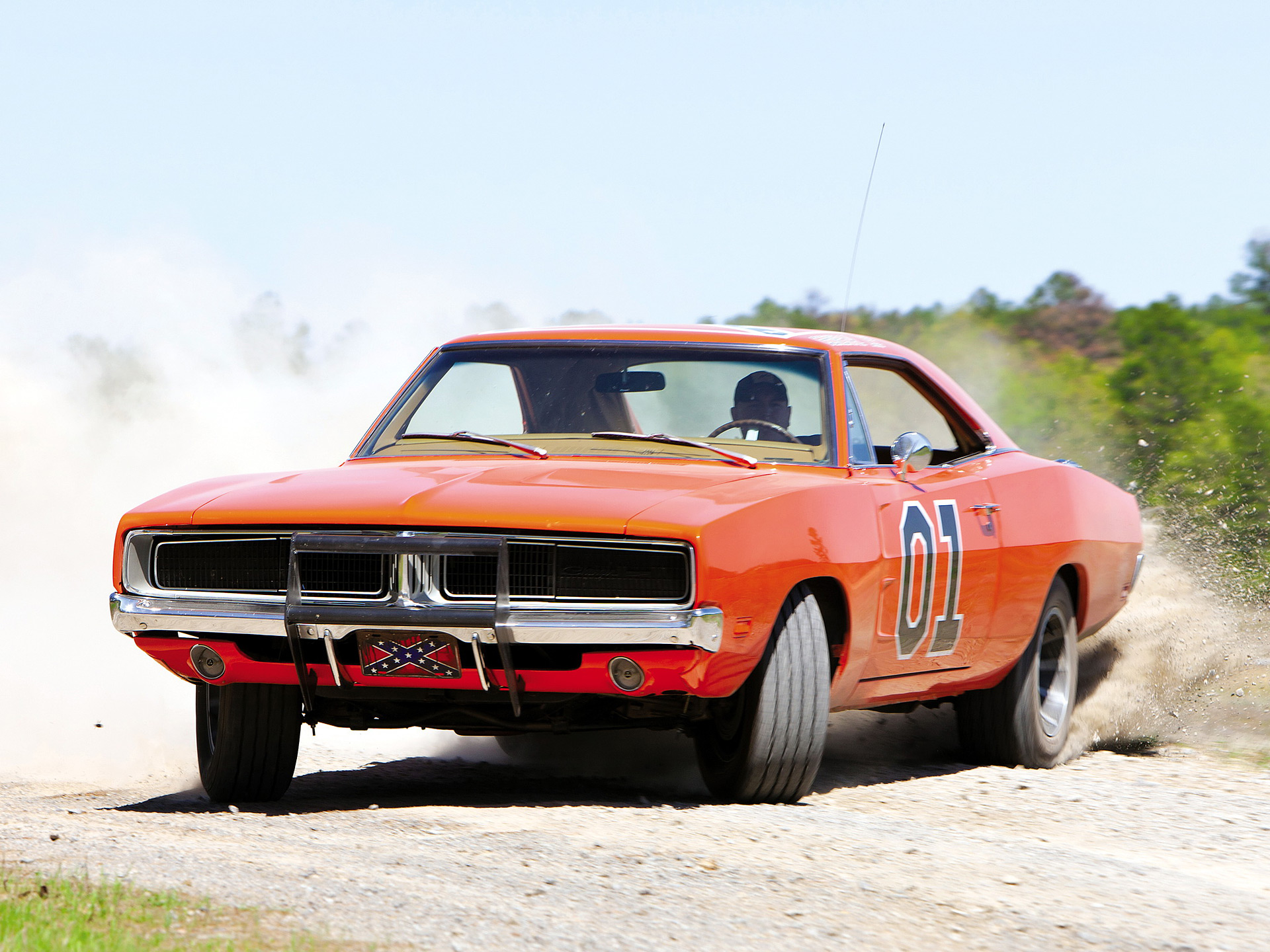
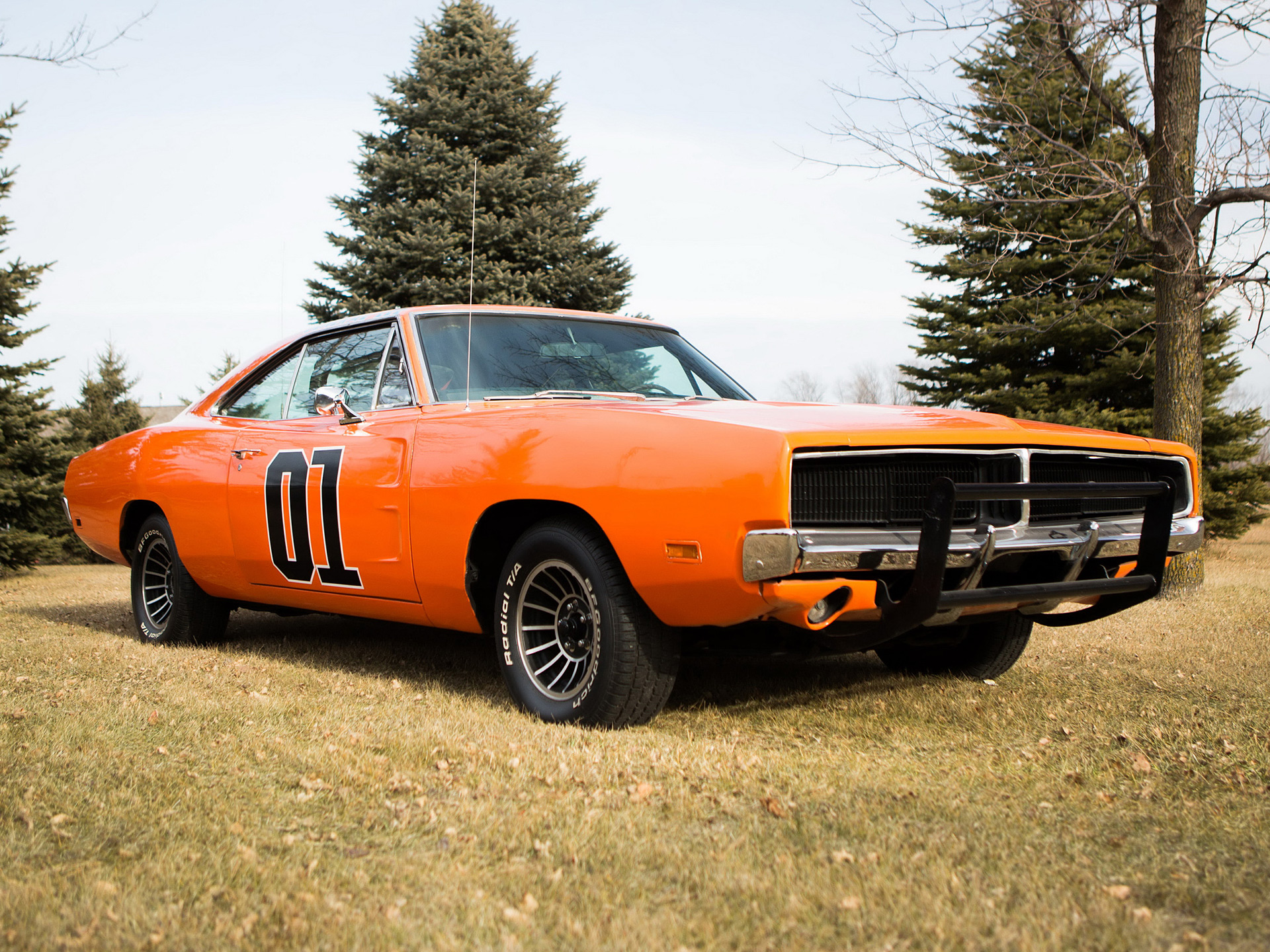
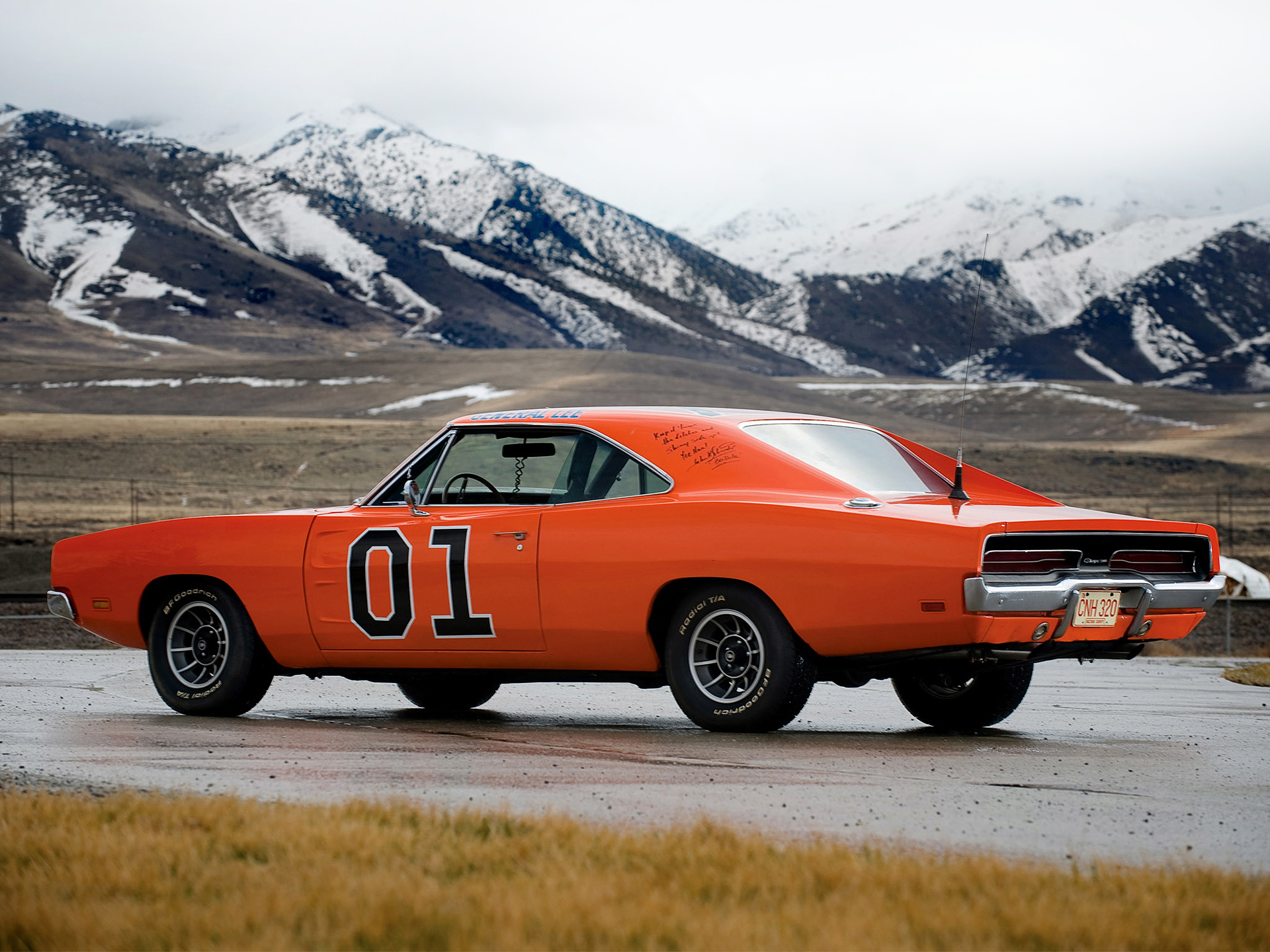
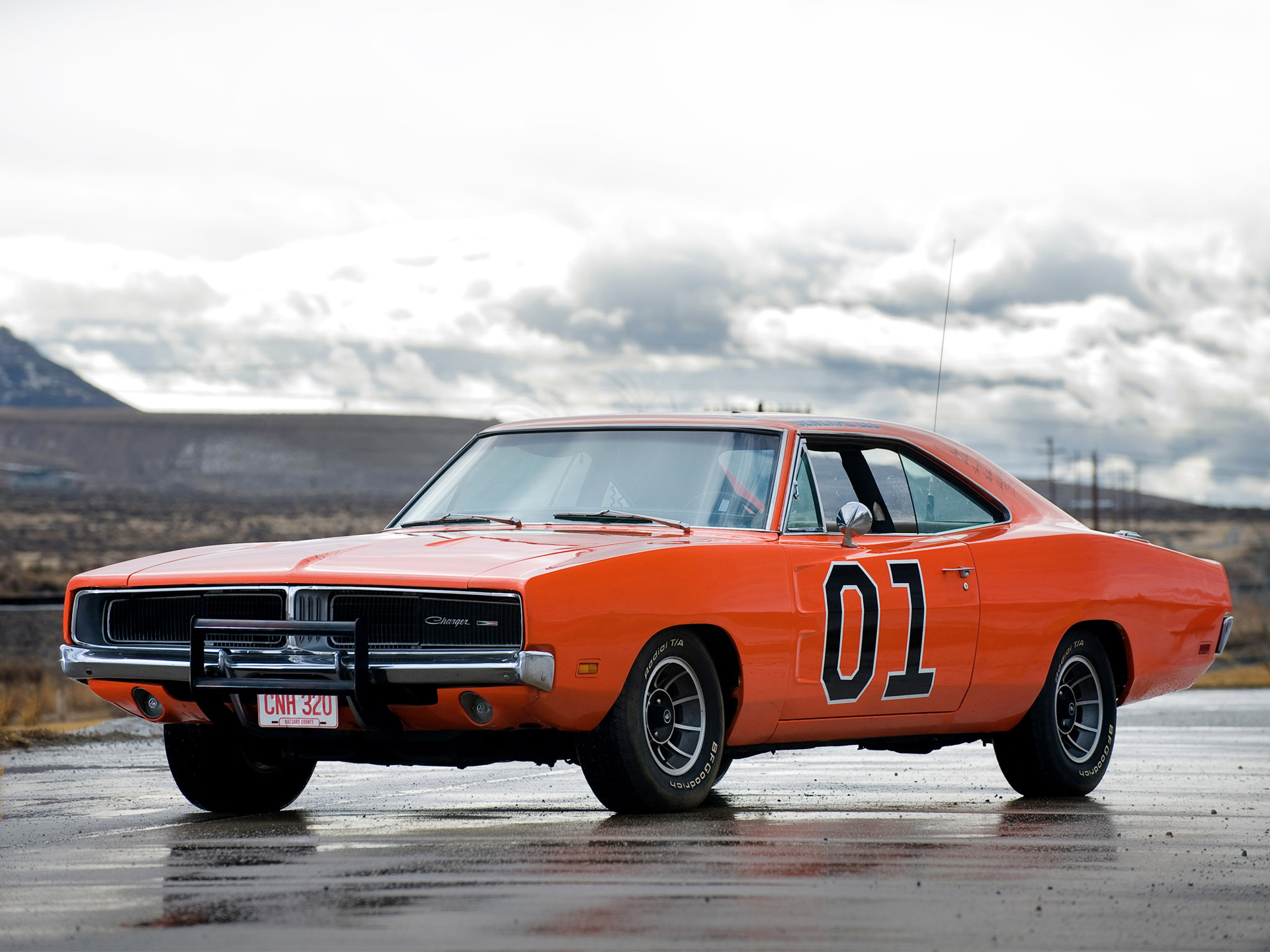
We have curated the ultimate collection of the best 1969 Dodge Charger General Lee Wallpapers and HD backgrounds for you to enjoy. Our team focused on finding the top 1969 Dodge Charger General Lee Wallpapers only to keep the quality high. These 1969 Dodge Charger General Lee Wallpapers are free to download so go ahead. To download any of these pictures for use as a wallpaper, right click the picture and choose Save As…
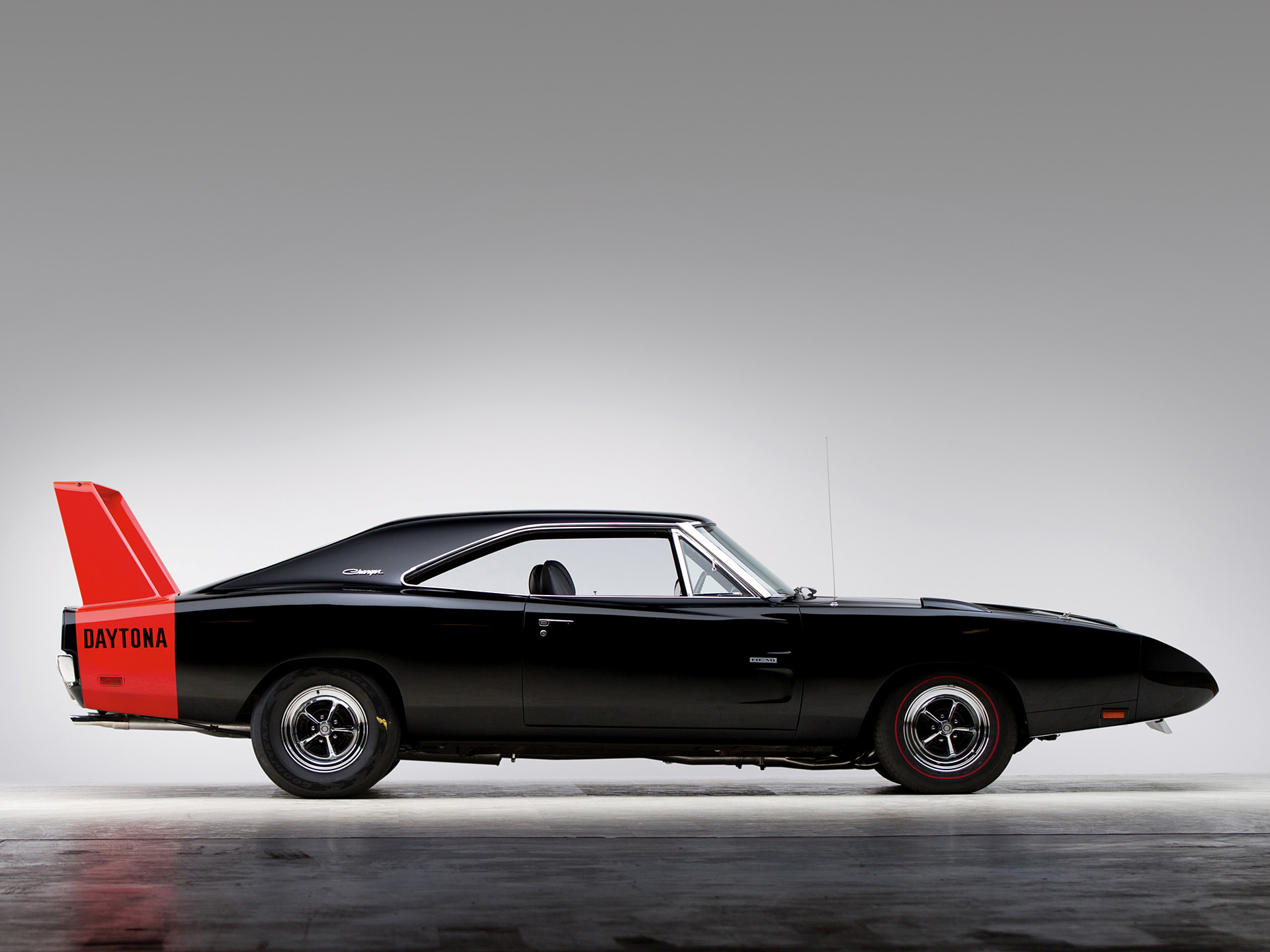
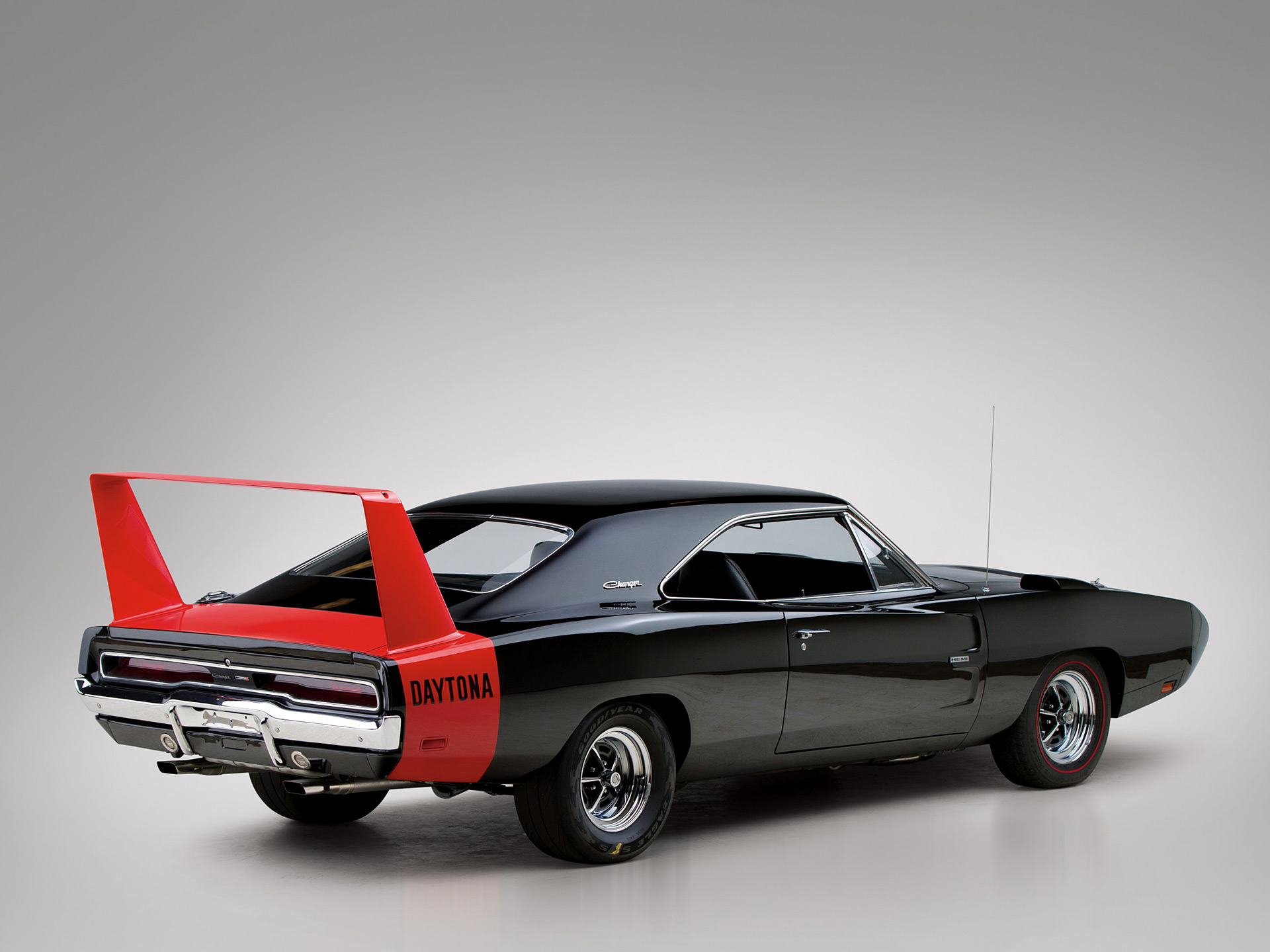
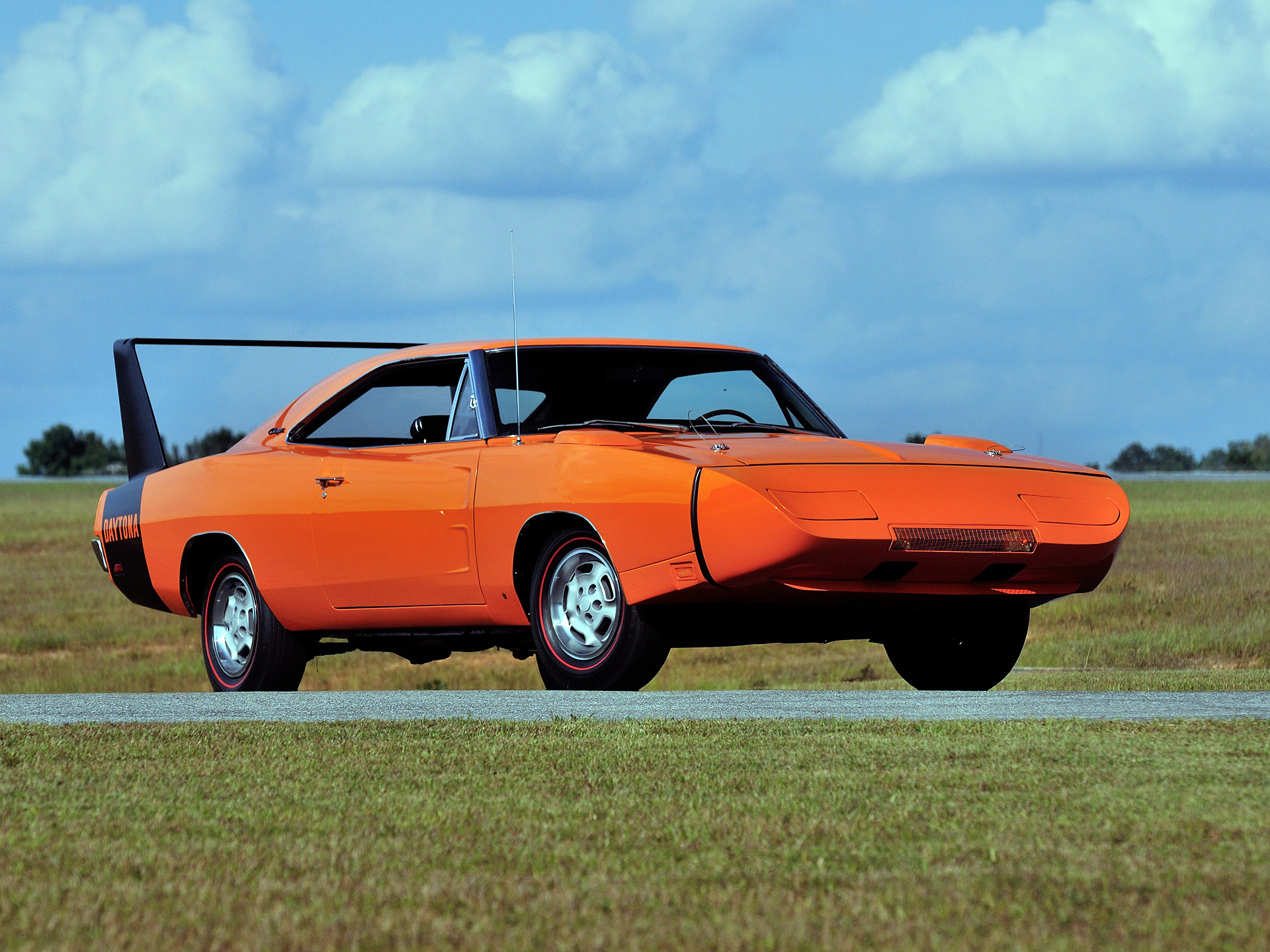
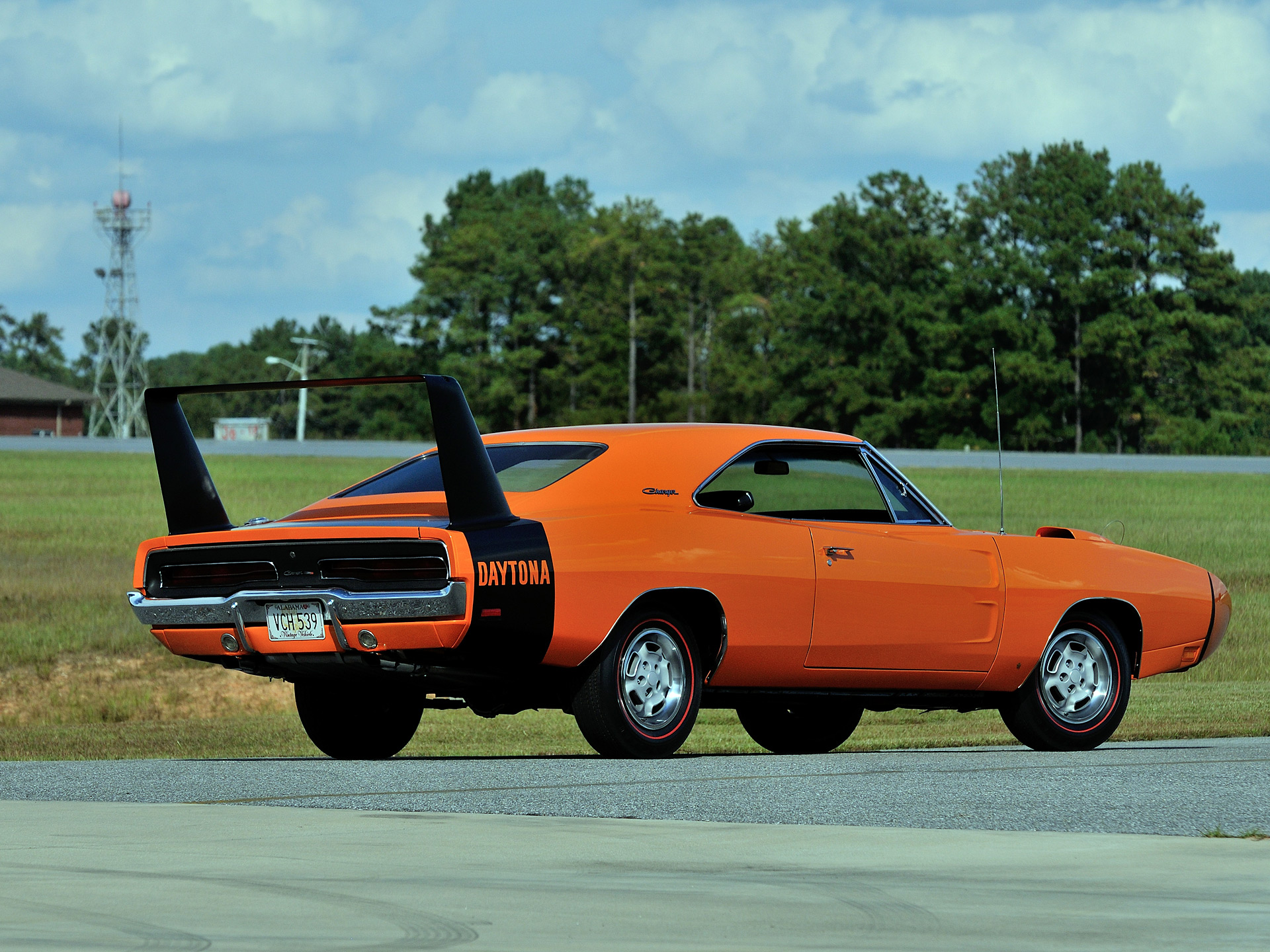
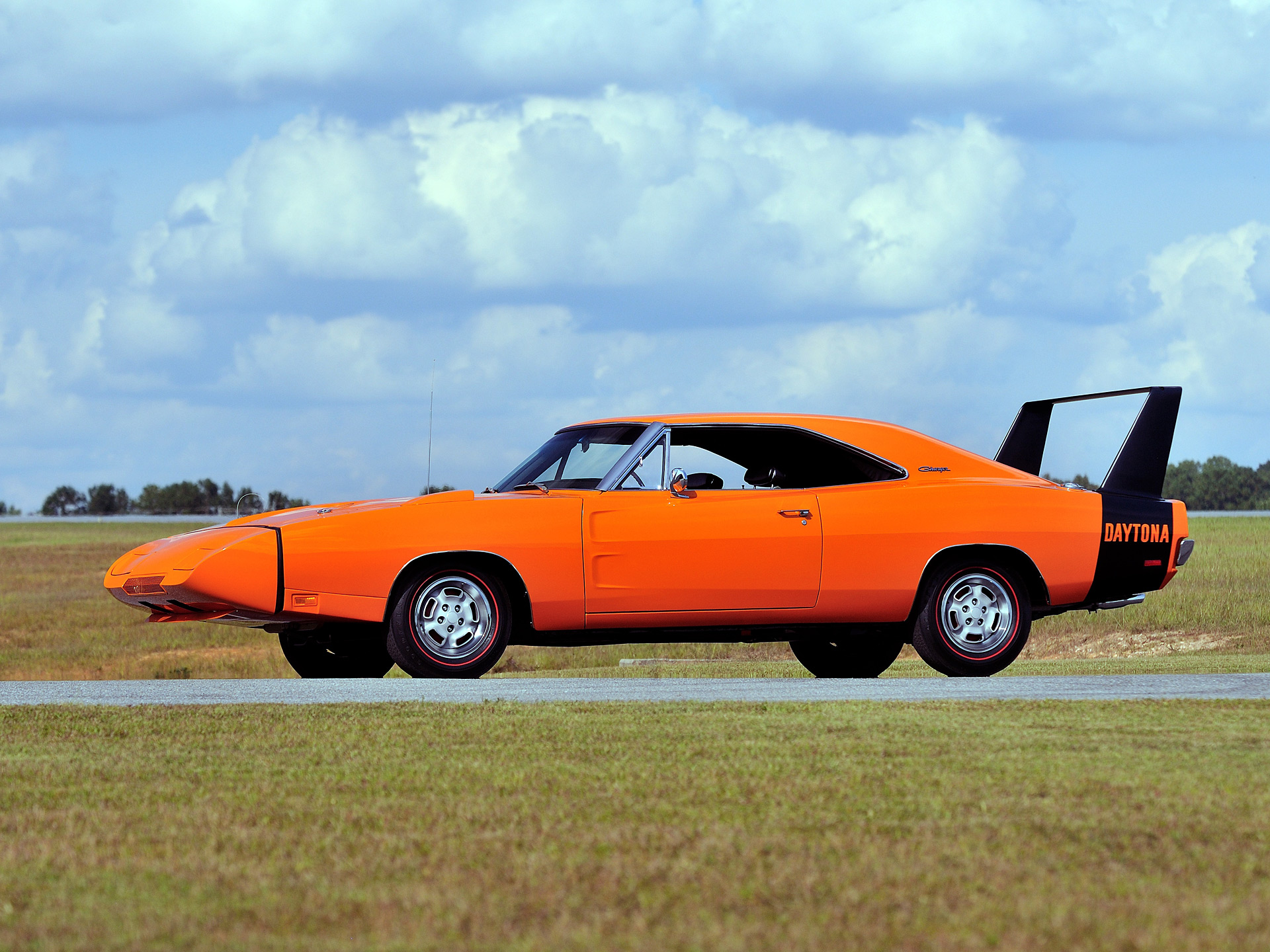
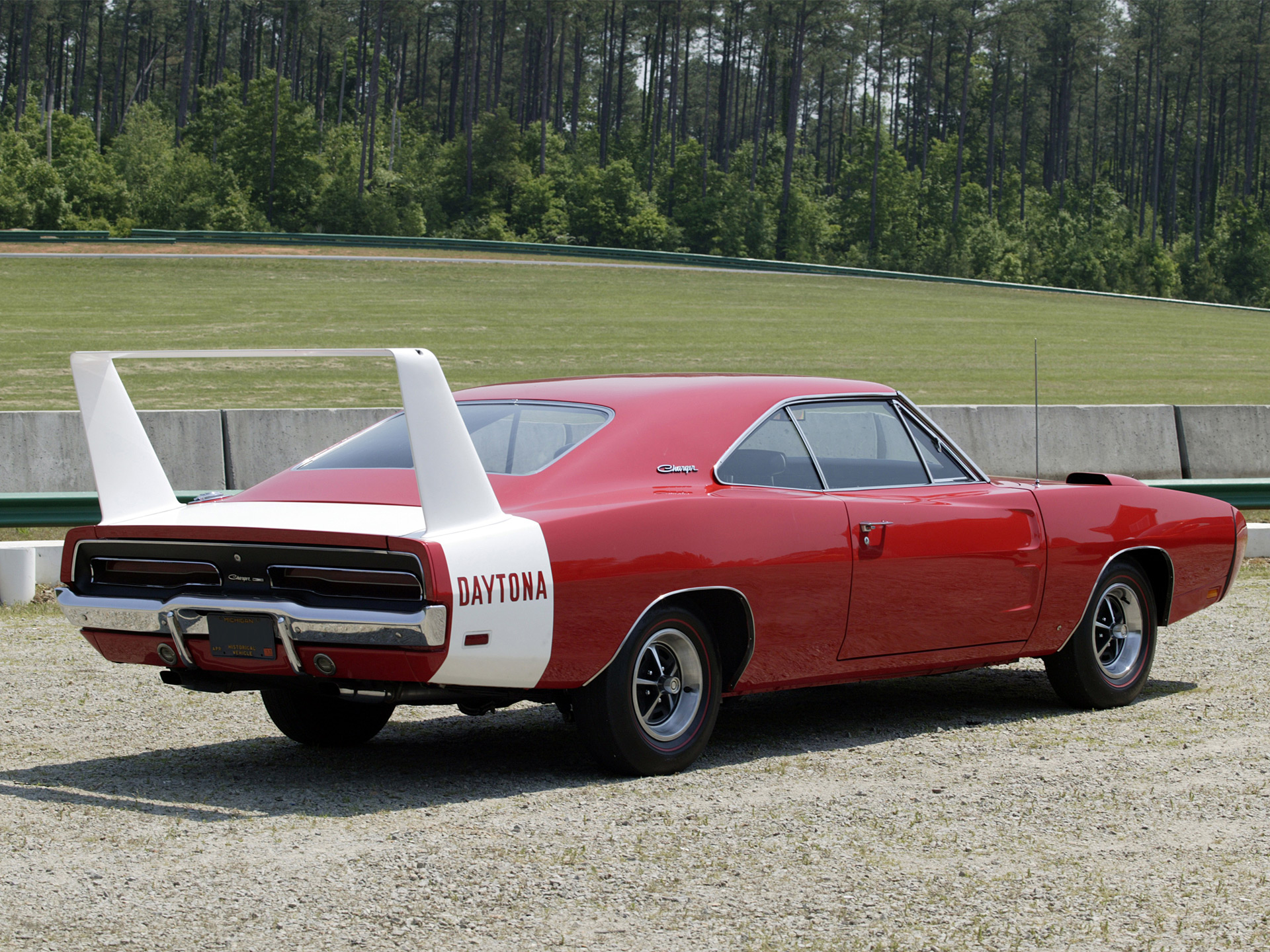
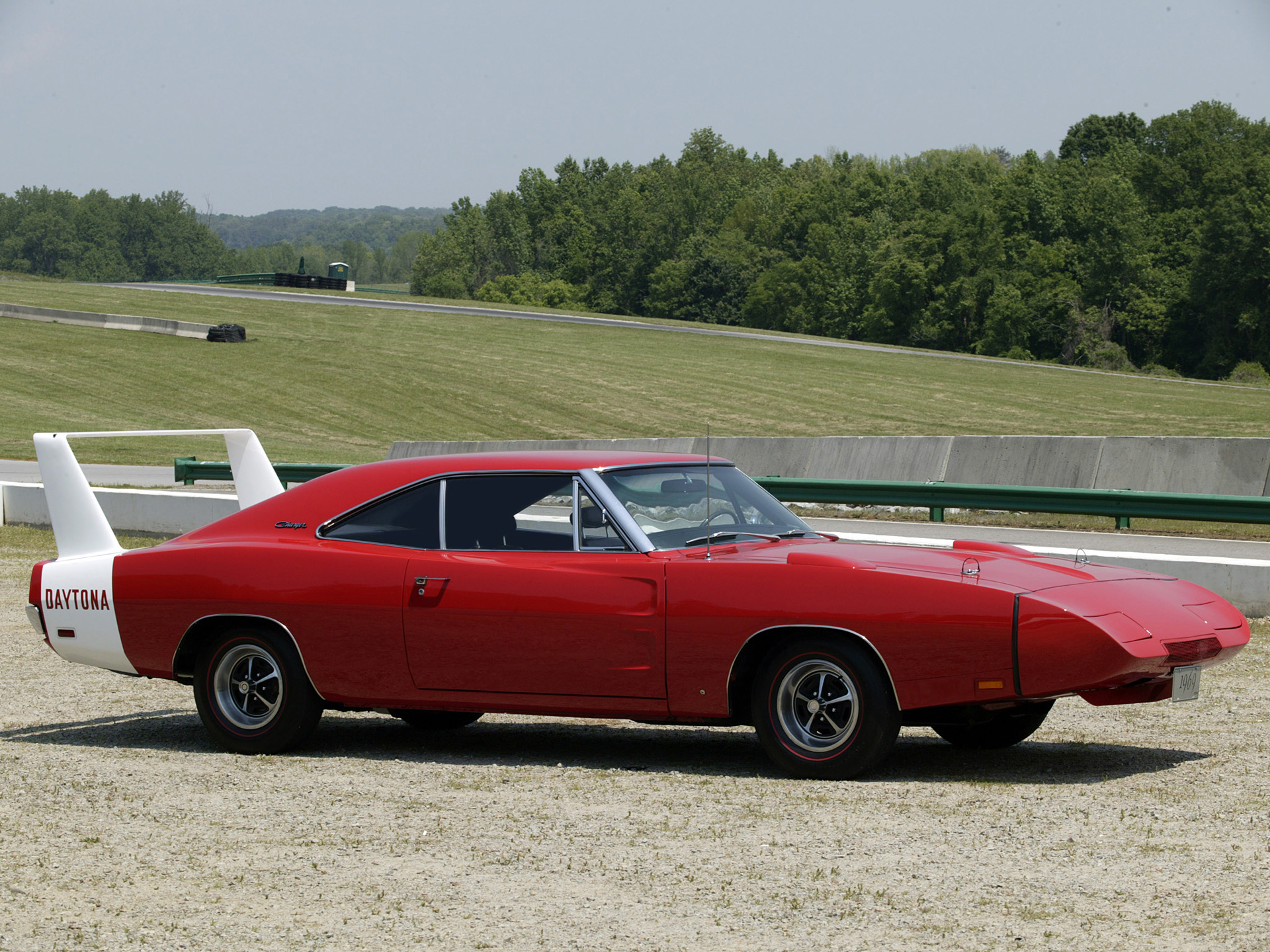
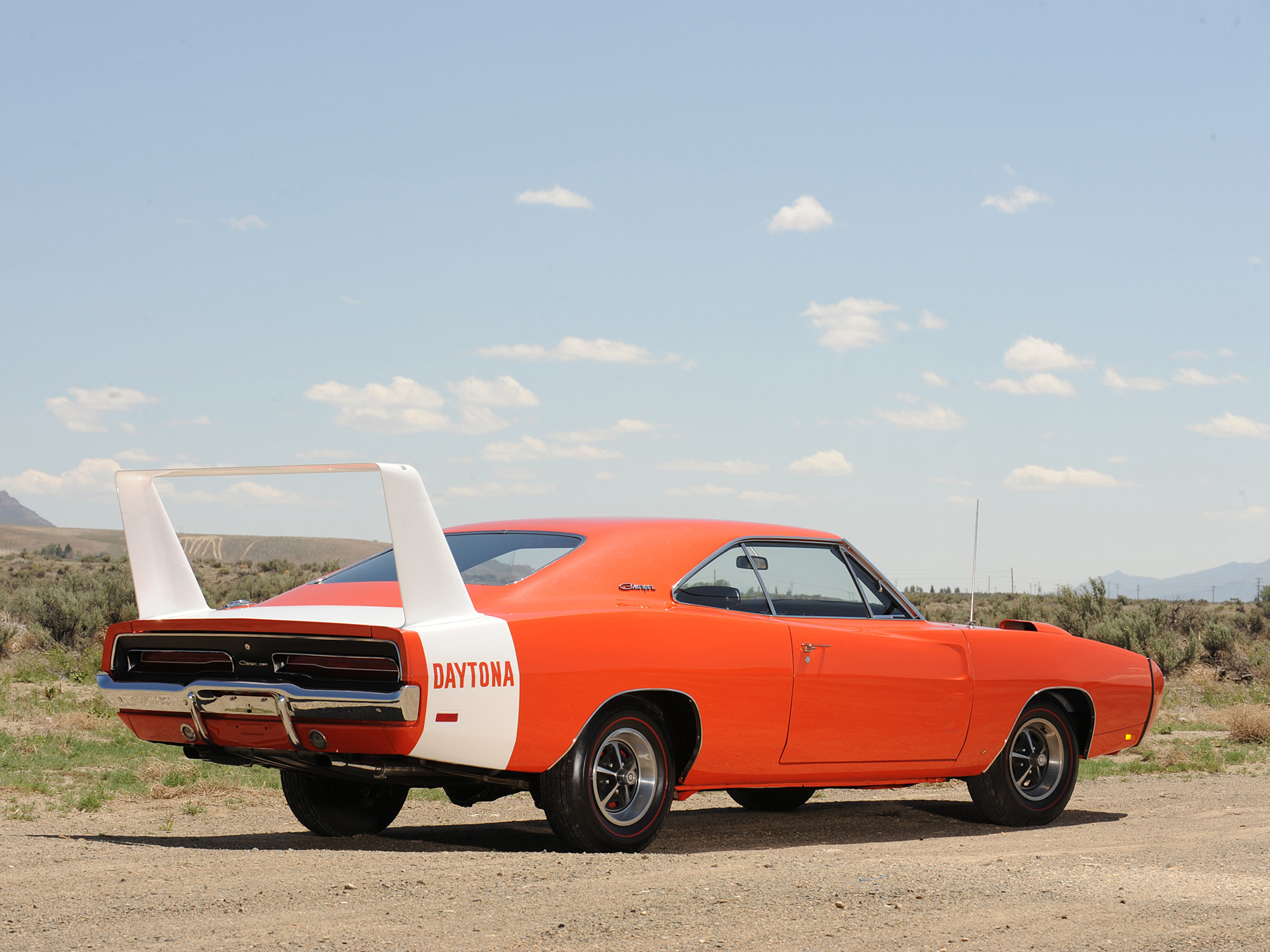
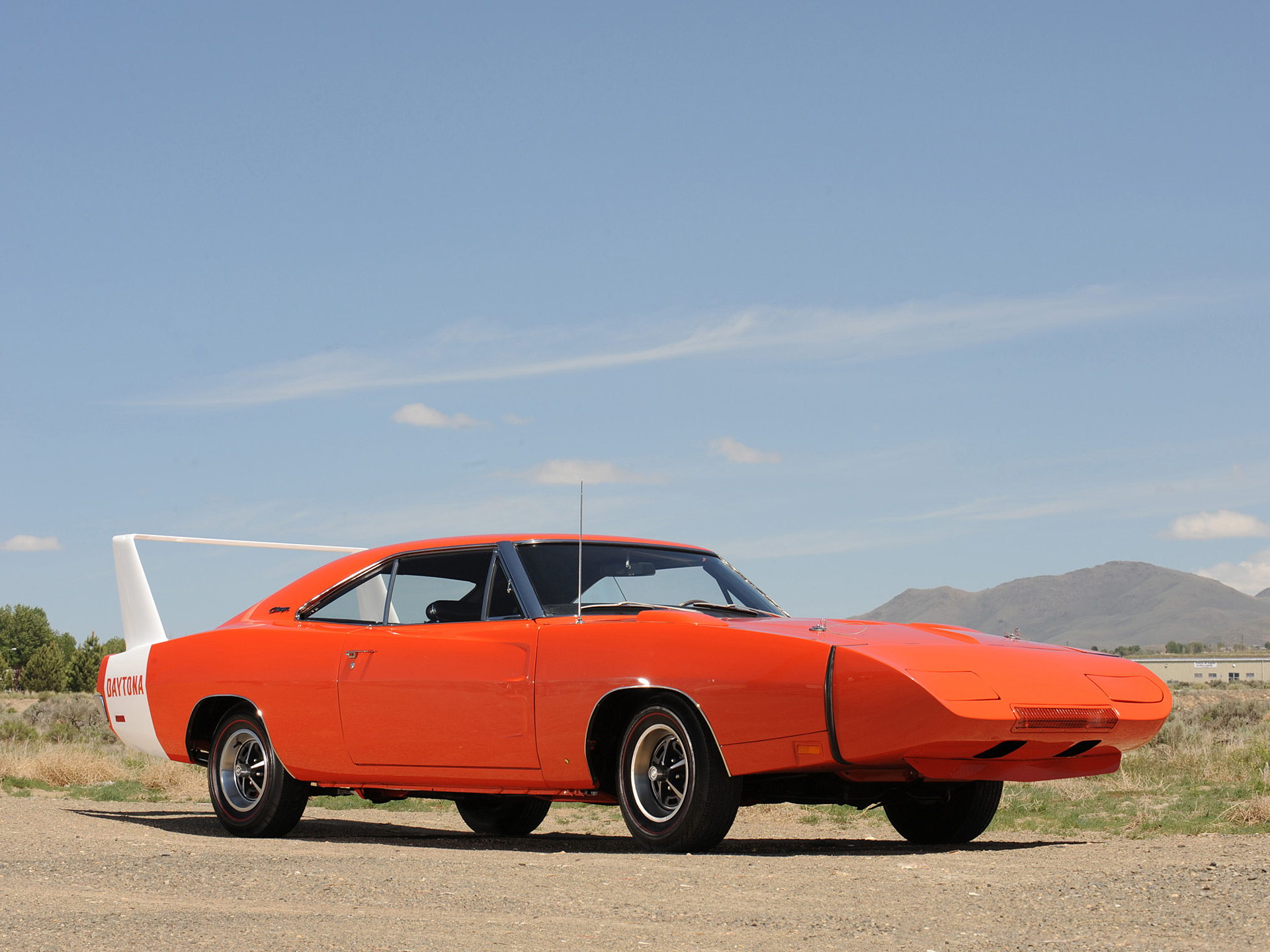
We have curated the ultimate collection of the best 1969 Dodge Charger Daytona Wallpapers and HD backgrounds for you to enjoy. Our team focused on finding the top 1969 Dodge Charger Daytona Wallpapers only to keep the quality high. These 1969 Dodge Charger Daytona Wallpapers are free to download so go ahead. To download any of these pictures for use as a wallpaper, right click the picture and choose Save As…
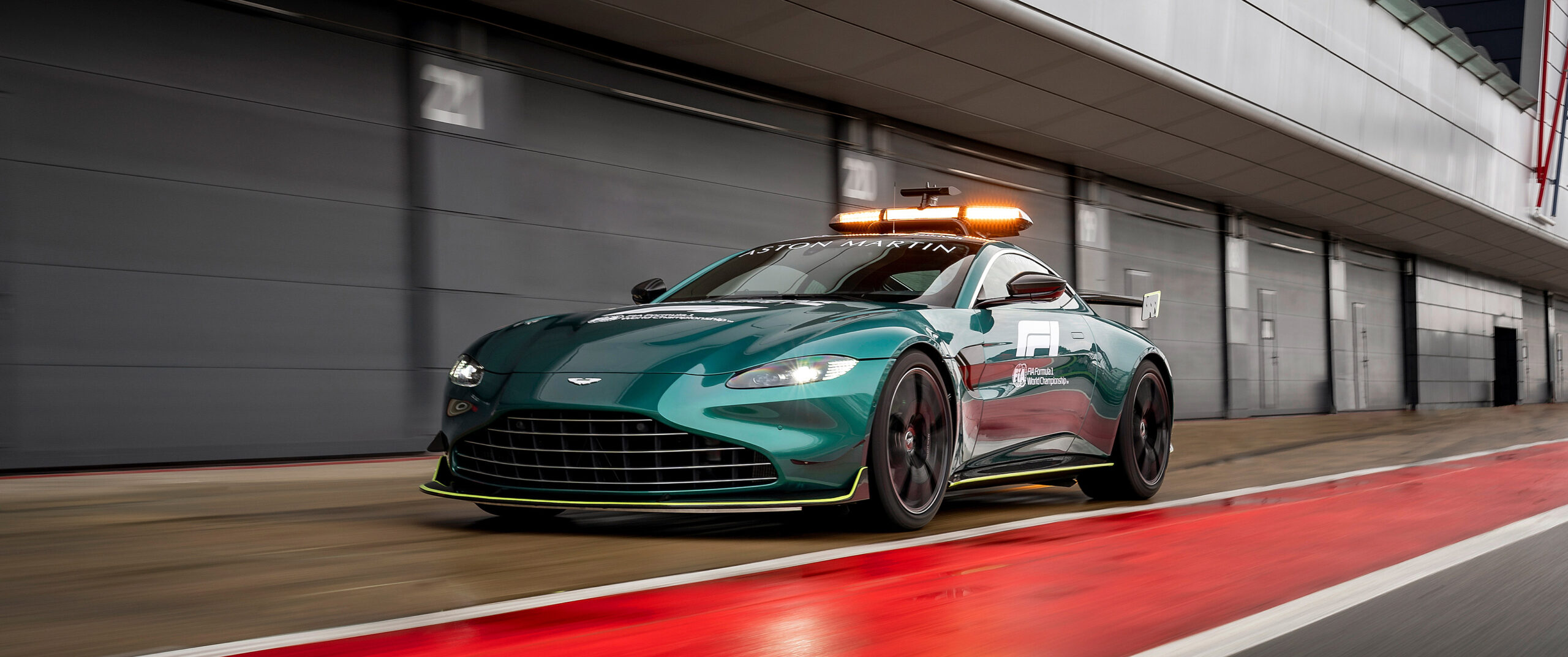
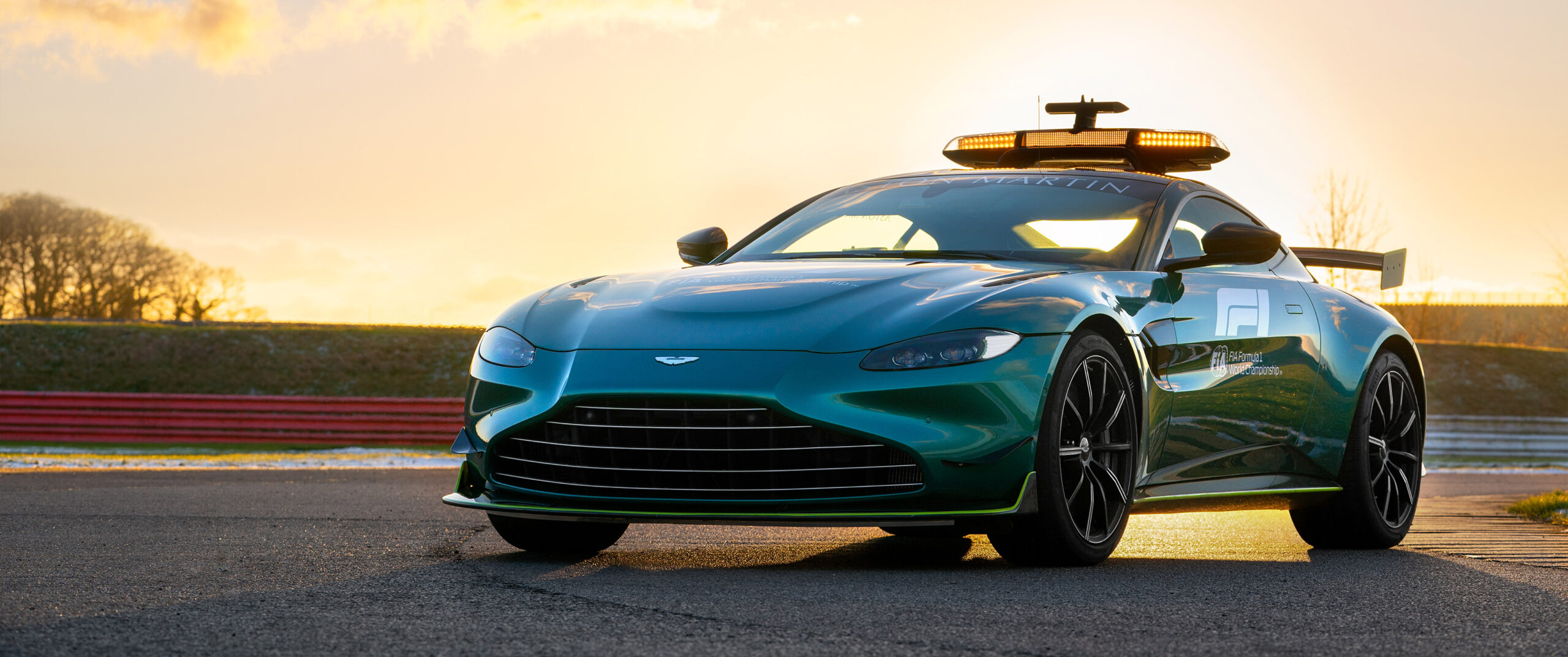
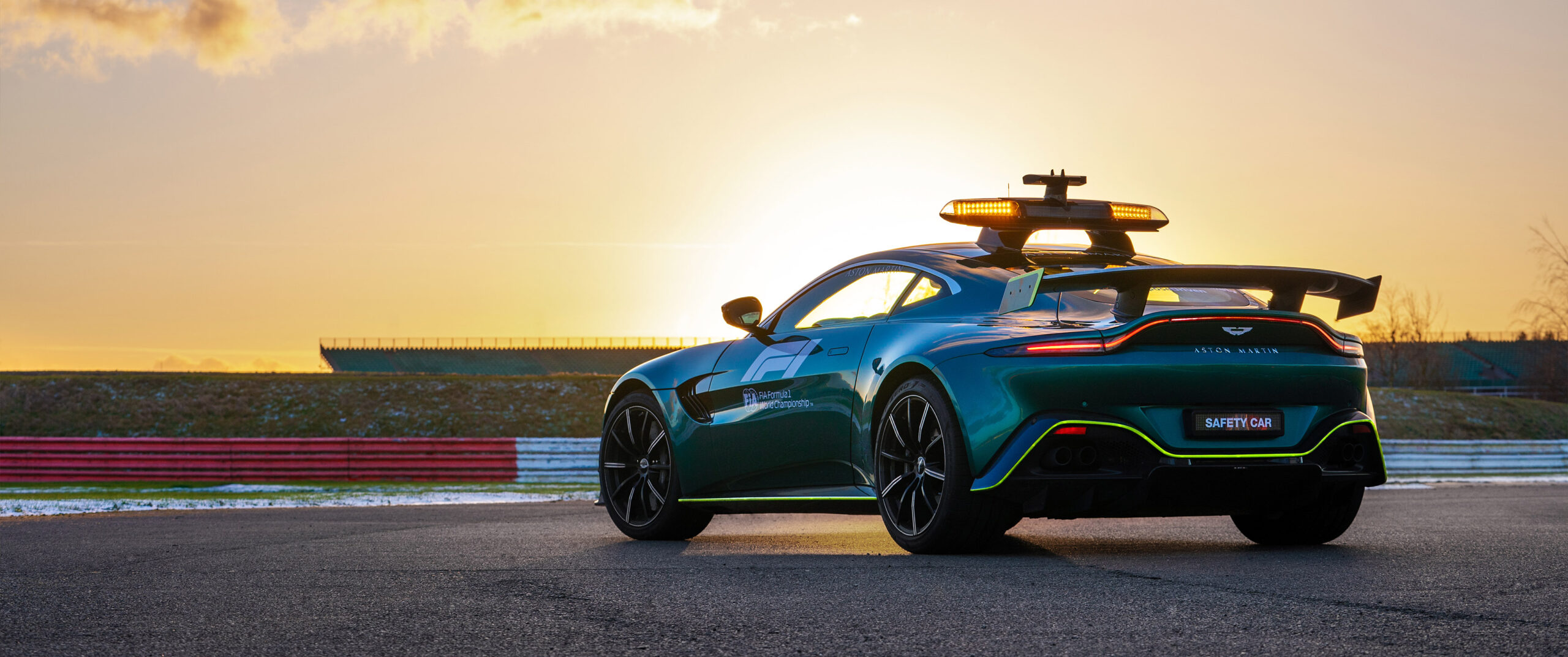
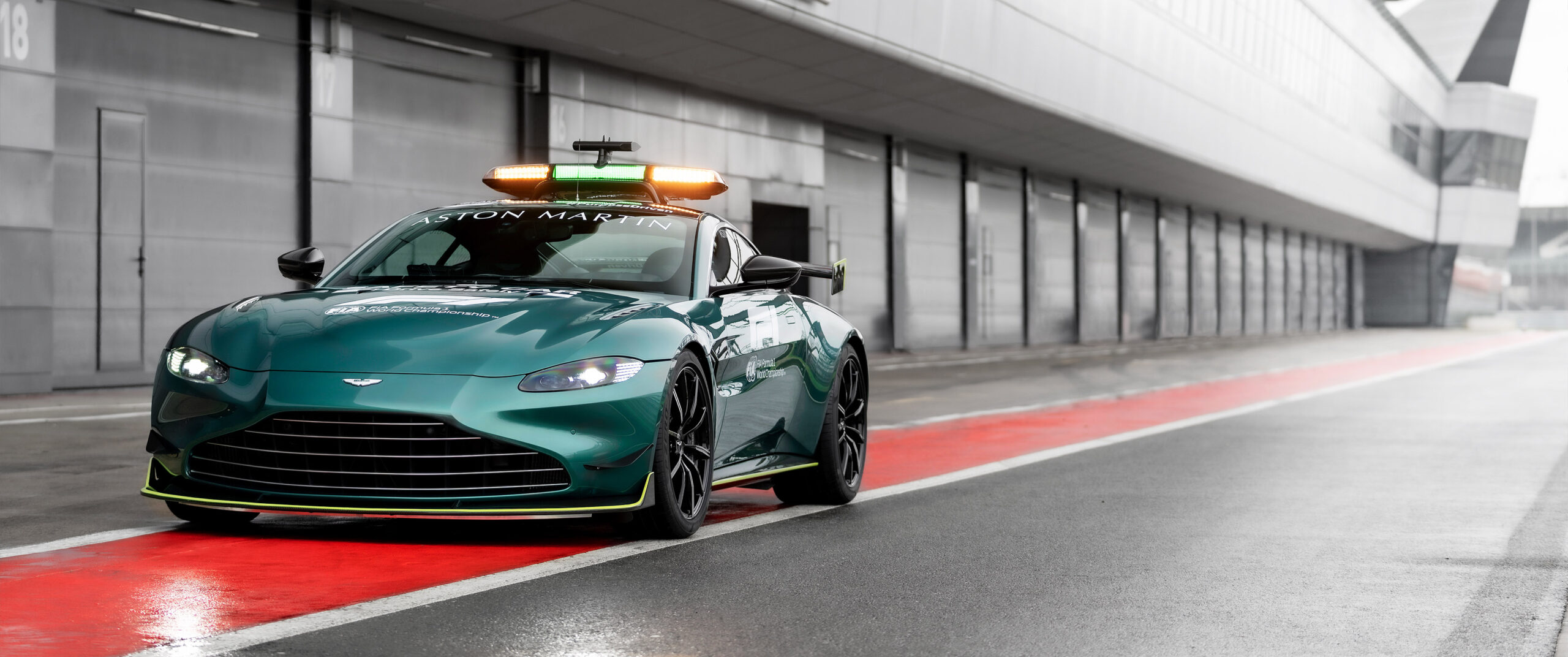
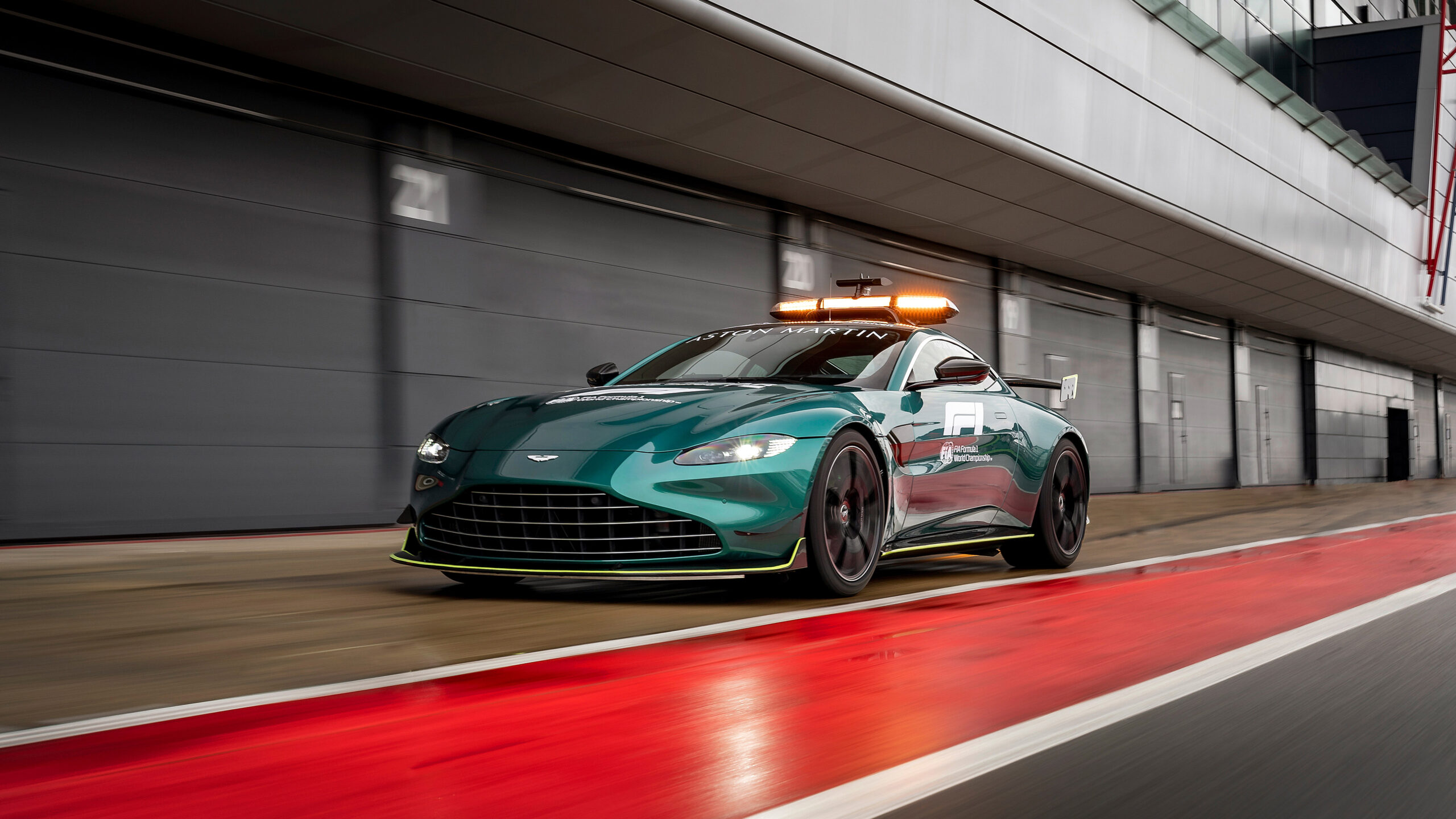
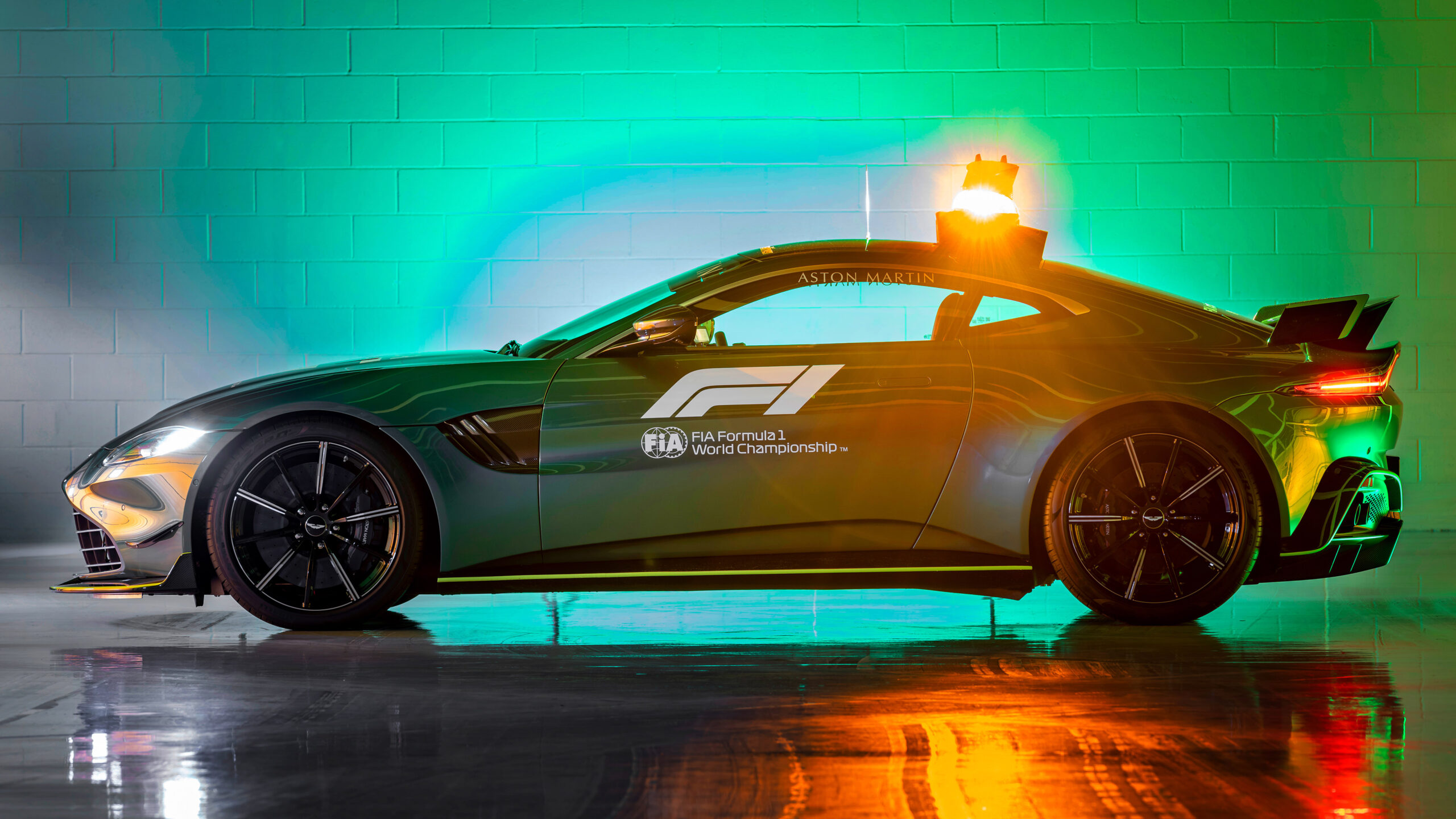
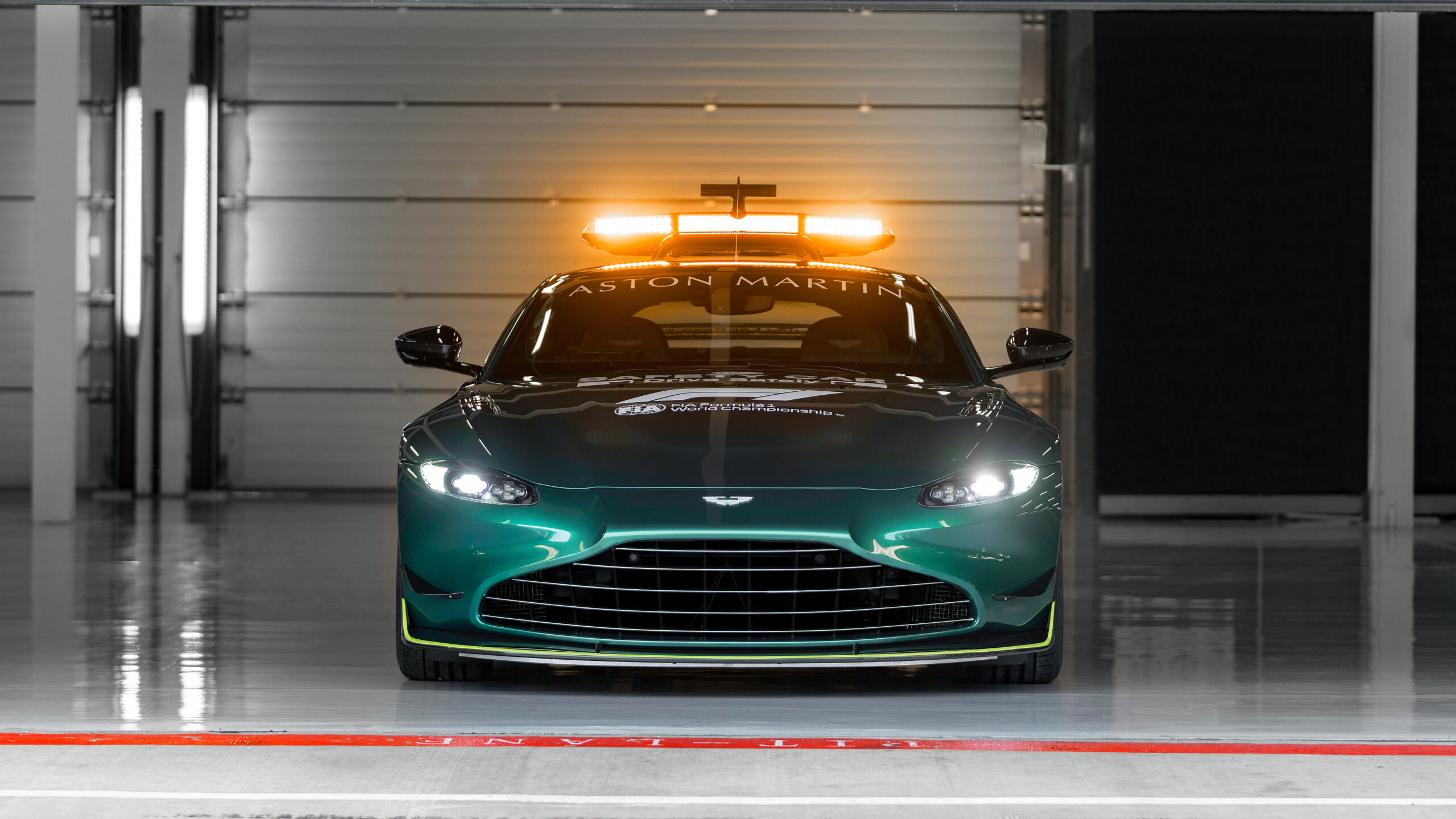
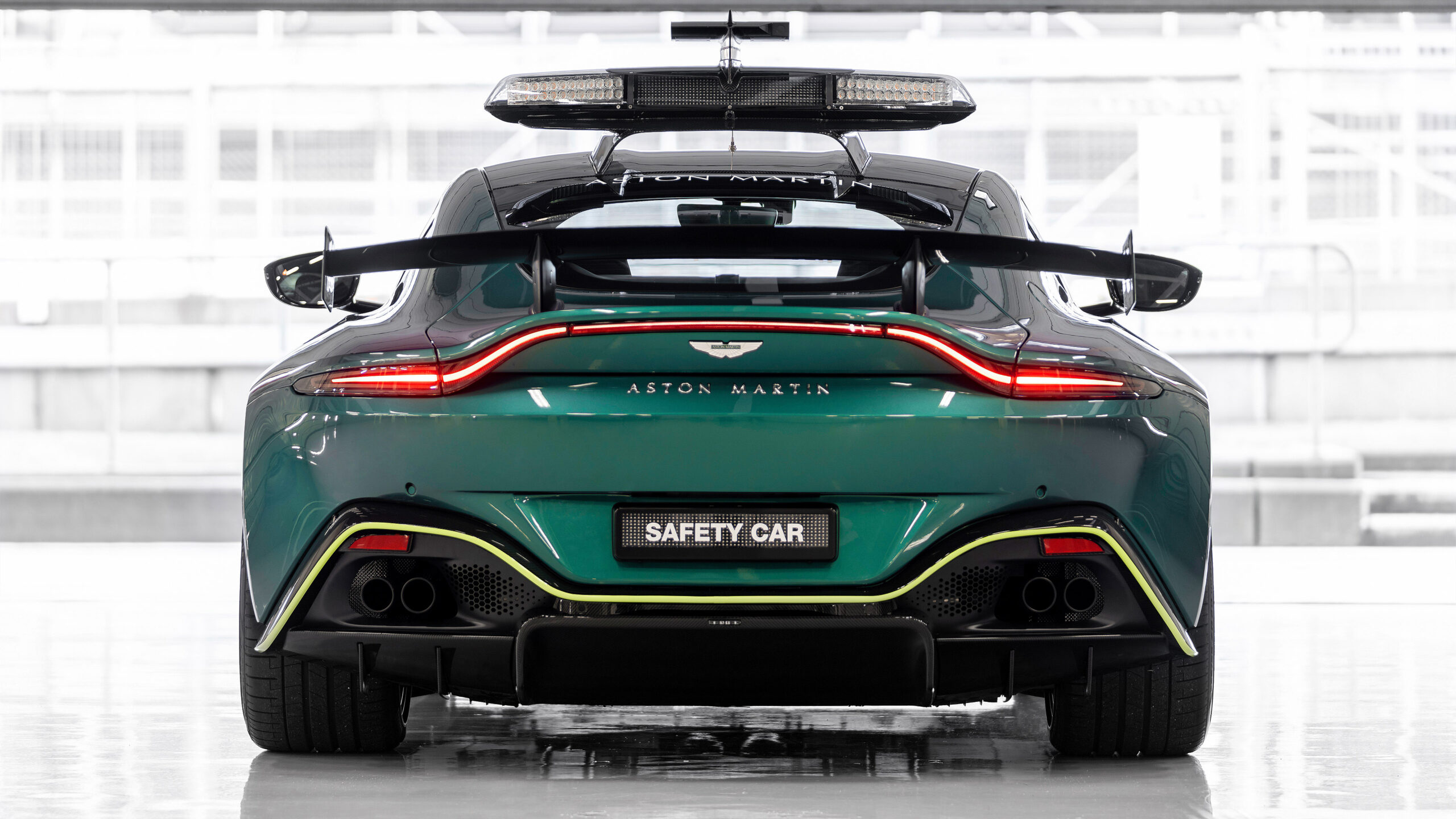
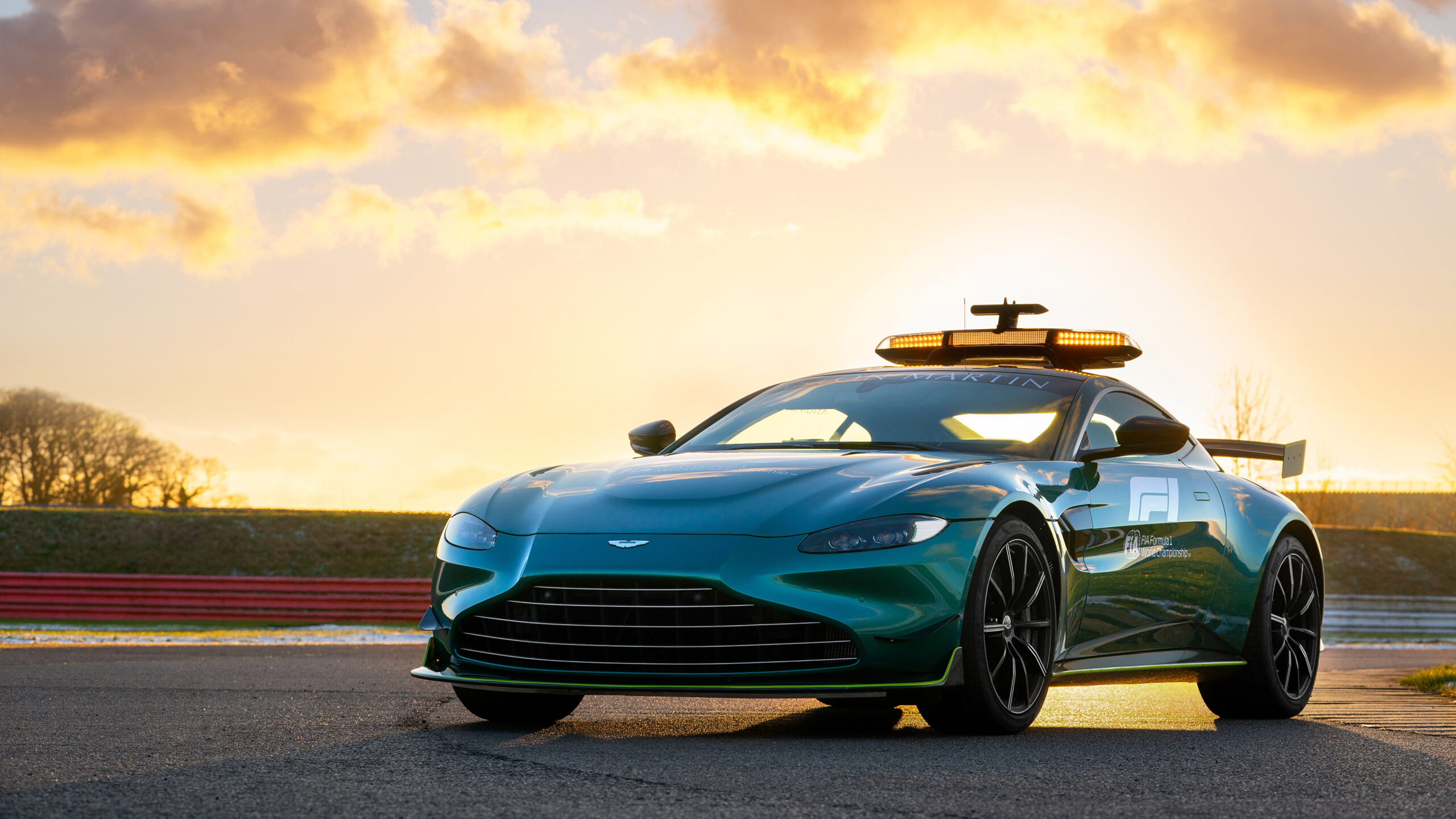
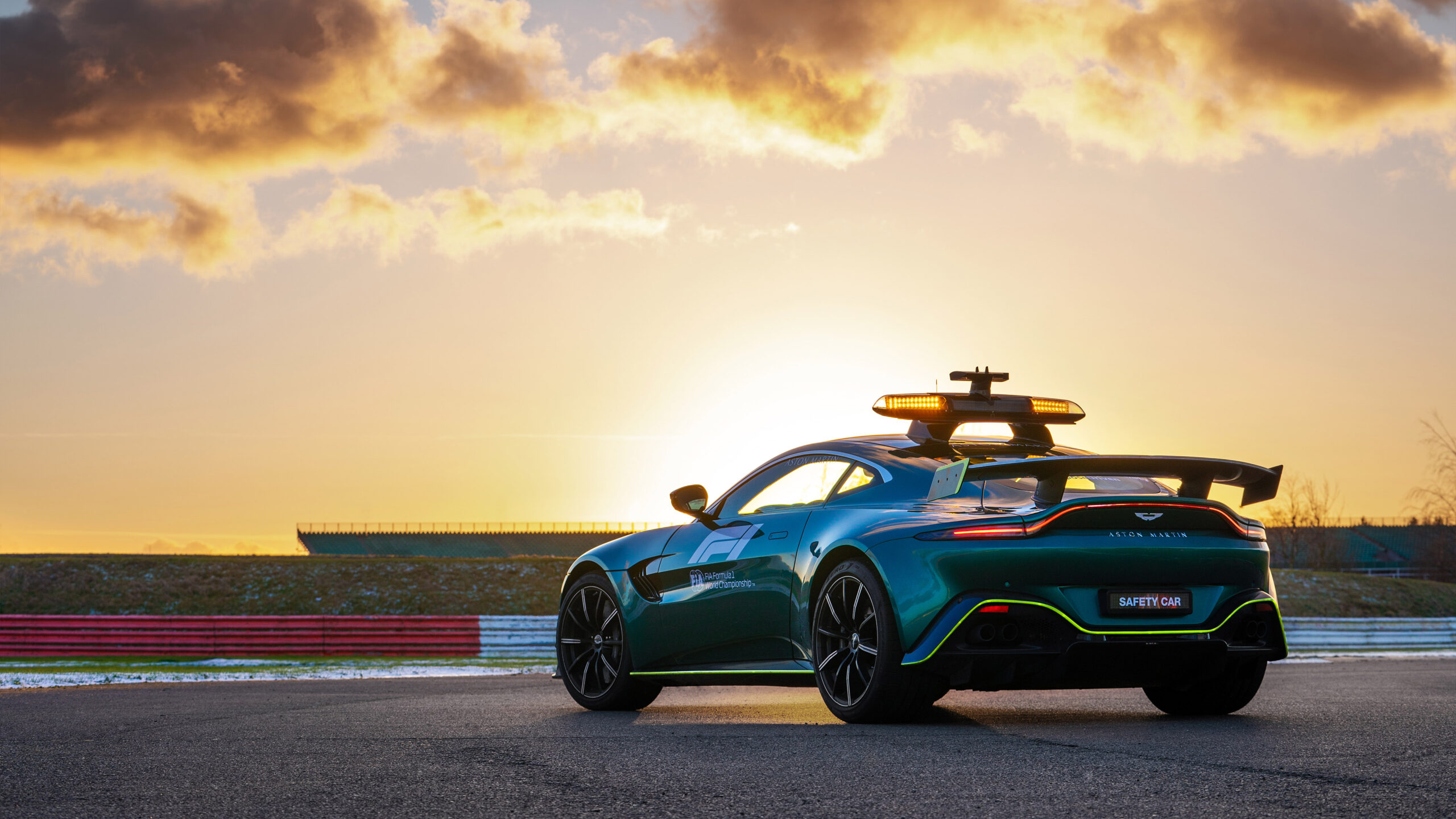
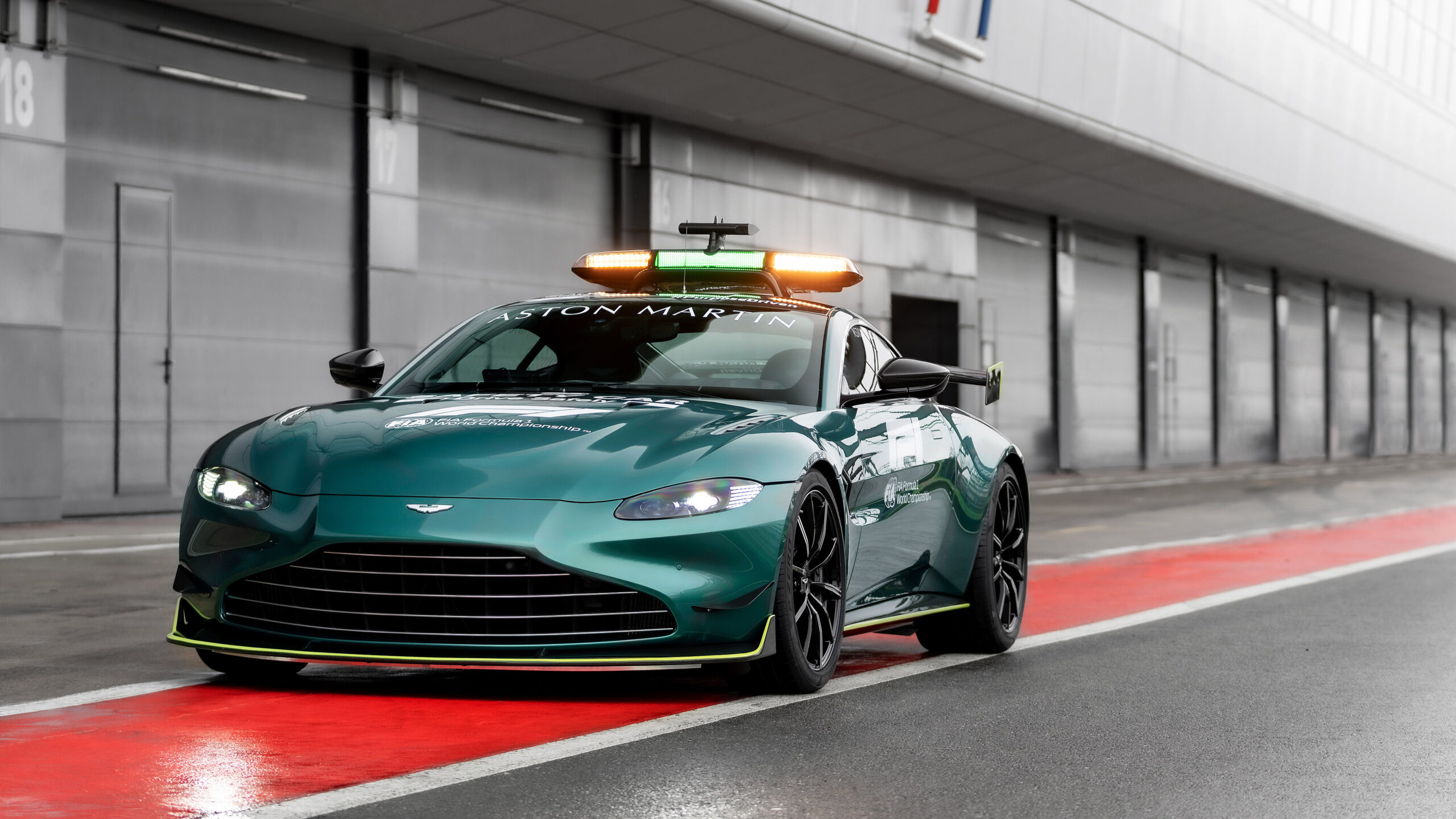
We have curated the ultimate collection of the best 2021 Aston Martin Vantage F1 Safety Car Wallpapers and HD backgrounds for you to enjoy. Our team focused on finding the top 2021 Aston Martin Vantage F1 Safety Car Wallpapers only to keep the quality high. These 2021 Aston Martin Vantage F1 Safety Car Wallpapers are free to download so go ahead. To download any of these pictures for use as a wallpaper, right click the picture and choose Save As…
British design studio ILOVEDUST commemorates its 17th year in business in high, dirty, automotive style with its own version of an art car. They took a 964 era 911, coated it in matte black paint…
There was a time when coachbuilding was common on cars, albeit reserved for the rich and famous, it wasn’t uncommon to buy a Rolls Royce chassis complete with engine and drivetrain, and have someone else design and build a body for it, today this is still possible, but it seems to be much less widespread, and companies like Rolls Royce, Bentley, Mercedes, Ferrari, McLaren, Porsche, or Lamborghini all have in-house departments now to cater very special requests from their customers.
But the traditional coachbuilding is still possible, companies that take a ‘base’ car from an expensive make and redesign the body, and we’re not talking about the likes of for instance Mansory that replaces a body with their own carbon fiber version, complete with an aggressive aero design … when we look at Niels van Roij Design from London in the UK, he has returned to the classic meaning of coachbuilding, I’m sure you’ve read my earlier article on the 1962 Ferrari 250 GT ‘Breadvan Hommage’ he created at the request of a customer, taking a Ferrari 550 Maranello and turning her into a modern version of the Breadvan.
Breadvan Hommage – photo copyright Niels van Roij Design
And that wasn’t even Niels van Roij’s first car in this ‘estate’ style, previously he also created the Silver Spectre Shooting Brake, limited to only 7 units worldwide, Niels takes the two-door Rolls Royce Wraith and converts that one into a Shooting Brake inspired by those cars from the 1930s, the longer roof is created in one-piece from light-weight carbon fiber and naturally the headliner features the sparkling star ceiling.
The Silver Spectre Shooting Brake by Niels van Roij Design
Niels van Roij Design even made a one-off Tesla Model S Shooting Brake for a Dutch customer, painted in a stunning green metallic shade that even used gold particles to create a very special shade, but you can also request them to create a two-door version of cars that don’t come from the factory in this configuration … like the Range Rover, at Niels van Roij you can opt for their Adventum Coupe, based on the large four-door Range Rover, van Roij turns her into a coupe, inspired by the actual two-door Range Rover that was available in the Seventies, there will only be 100 units of the Adventum Coupe made.
1975 Ferrari 365 GTB/4 Daytona Shooting Brake – Photo Credit: Gooding & Company
Niels van Roij confirmed on his Social Media channel they are now working on a second, bespoke Ferrari based conversion, taking inspiration from the unique 1975 Ferrari 365 GTB/4 Shooting Brake and creating a similar car today, starting from a modern Ferrari 599 GTB, Niels and his team of craftsmen will completely modify the 599 GTB into an homage for the Daytona based Shooting Brake.
1975 Ferrari 365 GTB/4 Daytona Shooting Brake – Photo Credit: Gooding & Company
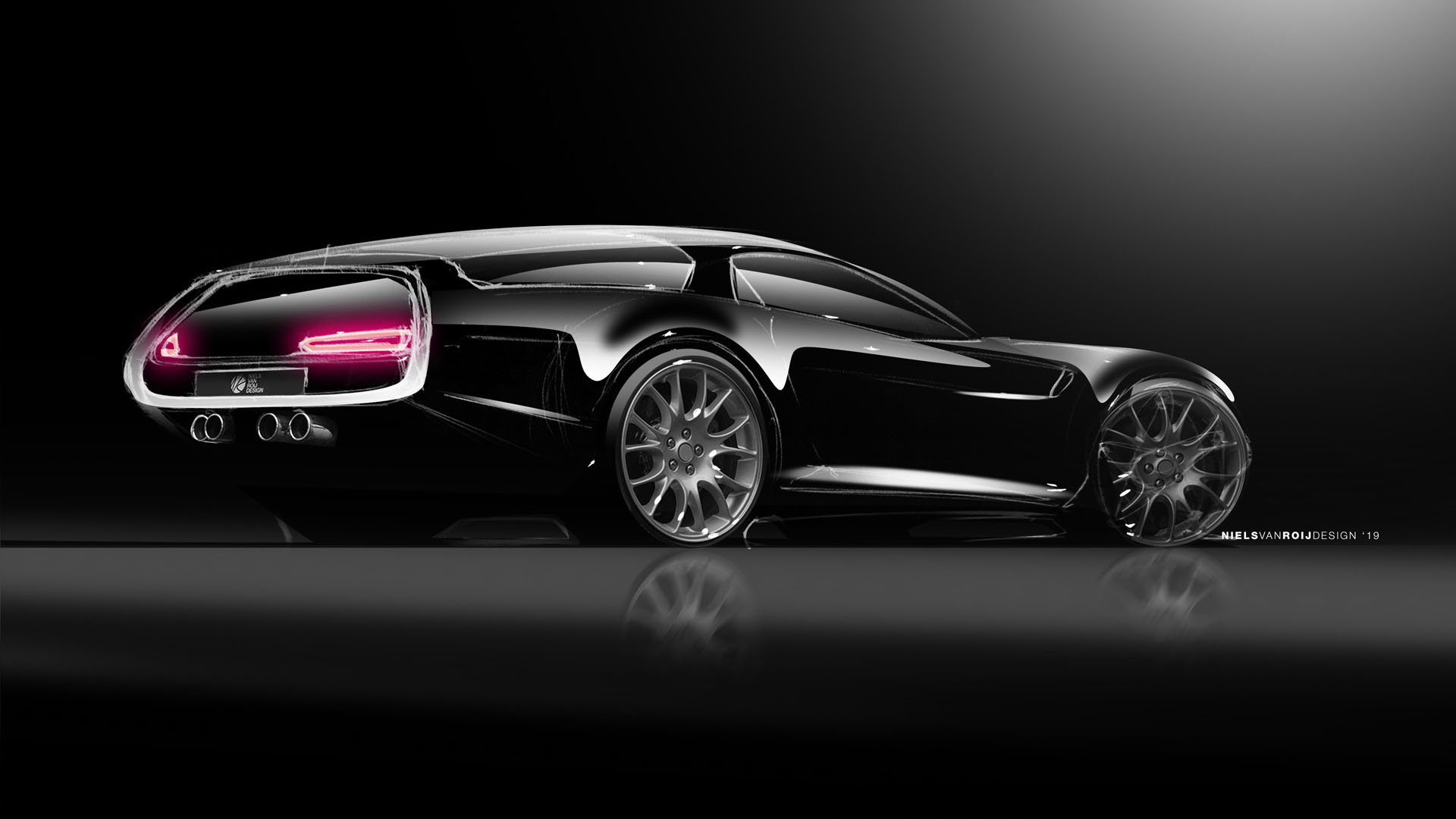
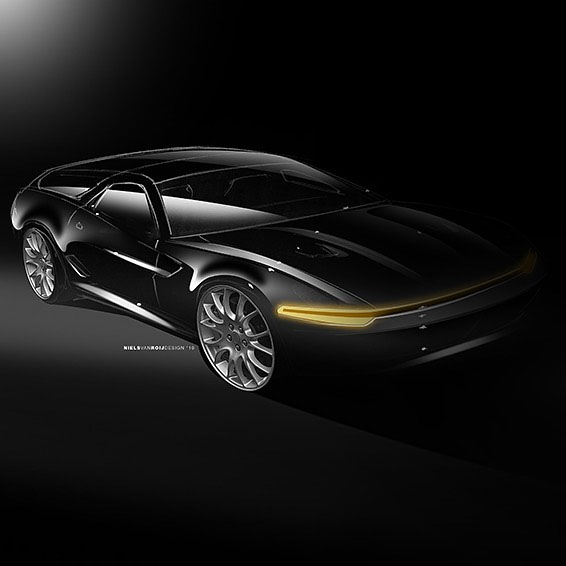
They intend to design new headlights to fit a different bumper and front bonnet design that reminds us of the car from the Seventies, but the most prominent change will be visible at the rear naturally, where a completely different roofline will be featured, but also new fenders and bespoke taillights … in the end, there will be not much left of the original Ferrari 599 GTB bodywork.
At this time we only have a few design sketches available for this new Daytona Shooting Brake Hommage from Niels van Roij Design, but they do show a very interesting, contemporary interpretation of the original car, most likely the hommage will also be finished in black, and just like the classic car, come with butterfly rear windows to access the space behind the seats.
This modern recreation of the Daytona Shooting Brake will take some time to develop and subsequently build, Niels van Roij Design will feature the process from design over construction to finalizing of this new hommage build on his social media accounts, I can’t wait to see what they will do for the interior, and if this new version will have a similar layout on the central console as the original.
March 12, 2021 / Comments Off on Daytona Shooting Brake Hommage
I have to admit, I never heard about the Falcon F7 supercar from the USA, so I had to look into this one to get the full picture. It seems Jeff Lemke founded his company, Falcon Motorsports, in Michigan, near Detroit to bring back the supercar to America, the Falcon F7 was unveiled in 2012 and came with a price tag of $250,000.
2014 Falcon F7 – photo courtesy of Cars&Bids
In total only 7 units of the Falcon F7 would be made, one was lost in an accident and the car seen in these photos is production number 3, made in 2014, this specific car was used at the Detroit Auto Show of that year, in March 2015 they used the same car for How it’s Made: Dream Cars season 2 on television … this car is a TV celebrity.
2014 Falcon F7 – photo courtesy of Cars&Bids
By using lightweight materials like aluminum, carbon fiber, and even kevlar, the total weight of the Falcon F7 is around the 2,800 pounds mark, the mid-mounted V8 engine is sourced from the Corvette Z06, after a tune-up of this 7-Liter unit by Lingenfelter, the power output is 620 hp with 585 lb-ft of torque and goes to the rear wheels only via a 6-speed manual gearbox, acceleration from 0 to 60 mph is listed at 3.3 seconds.
2014 Falcon F7 – photo courtesy of Cars&Bids
The seller states this car was bought by his father in 2014, brand new, and comes with 20-inch Forgeline wheels, a Penske coilover pushrod suspension system, leather sport seats, climate control, a removable roof panel to turn her into a convertible, and there’s even an iPad mounted on the dashboard.
2014 Falcon F7 – photo courtesy of Cars&Bids
After seven years, this Falcon F7, chassis #FMS08212013F7M003, only shows 3,300 miles on the odometer, comes in a nice, dark red metallic paint over a black and tan interior, the clutch and axle shafts were recently replaced, and the massive engine received a tune from Falcon Motorsport not too long ago either … do note that there are no service records with this car.
2014 Falcon F7 – photo courtesy of Cars&Bids
It seems this 2014 Falcon F7 is probably the rarest car ever to be listed on Cars&Bids … if you’re interested in adding it to your collection, at the time of writing the high bid sits at $81,000 …
2014 Falcon F7 – photo courtesy of Cars&Bids2014 Falcon F7 – photo courtesy of Cars&Bids
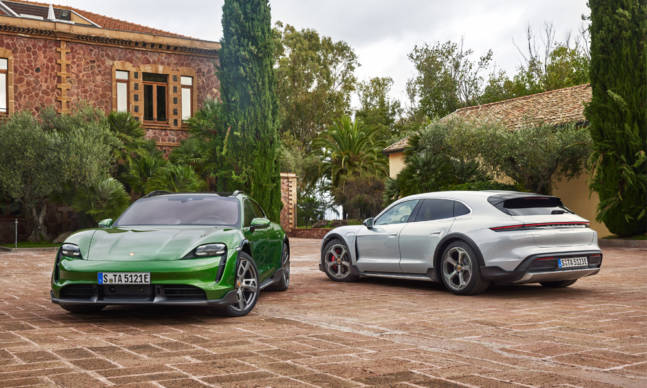
The electric Porsche Taycan sedan now has a more fetching, more rugged brother, and it’s a freakin’ wagon, to boot. The new 2021 Porsche Taycan Cross Turismo looks largely the same as the Taycan from…
I don’t know about you, but I rather like the idea of shoehorning a massive V8 engine into a small, lightweight car to create a supercar, and that’s exactly what happened when Caroll Shelby created the 427 S/C Cobra Semi-Competition model back in the Sixties, we’ve covered a few of these cars earlier already, but now we came across something a bit different.
You might wonder about the chassis number listed here, CSX 4602, that seems a bit high no? Well, it isn’t, because in the 90s Carroll Shelby started building ‘continuation’ cars, new Cobra models that came with a CSX 4xxx chassis to distinguish them from the classic 1960s originals, but still recognized as ‘real’ Shelby Cobra cars.
These continuation Cobra were built in Las Vegas, Nevada, on brand new frames to be fitted with either a fiberglass or an aluminum body, before being painted and usually fitted with those trademark racing stripes running from the front to the rear … but there were exceptions, as is evident on chassis CSX 4602 we see here.
This one is made strictly on commission by Kirkham Motorsports of Provo, Utah, which takes a rolling chassis from Shelby and builds his own body, still in the style of the original 60s cars, but made from copper instead of the usual aluminum … painstakingly hand-formed, this Copper Cobra uses 17 panels joined together to create this famous shape, and it’s done at such a high level of craftsmanship you can’t even see the seams anymore.
Chassis CSX 4602 is finished in a high-gloss, polished copper body, but Kirkham had the famous pair of LeMans stripes brushed to offset them from the glistering body, extremely nice, this is also known as ‘ghost stripes’ I’ve been told, and while your fellow drivers on the open road might not like you very much on a sunny day, this is a stunning car nonetheless.
Naturally, the car rolls on the classic, 15-inch Halibrand-style wheels with the required knock-off fitting, and to make the classic look complete, a set of ‘billboard’ Goodyear Eagle tires with the massive scripting on the side, this isn’t a restomod look, this is the original 1960s look they are going for here.
But there is nothing ‘1960s’ about the engine, chassis CSX 4602 comes with a brand new Carroll Shelby Engine Company, hand-built 468-cubic inch ‘427 FE’ V-8 engine that delivers 550 hp (580 lb-ft of torque) via a 5-speed transmission to the rear wheels, given this Copper Cobra weighs in at only 2,400 pound, you are happy to learn they fitted some strong disk brakes to help master that much power on so little weight.
This amazing, shiny Copper Cobra is currently listed for private sale via RM Sotheby’s at $475,000, located in New York.
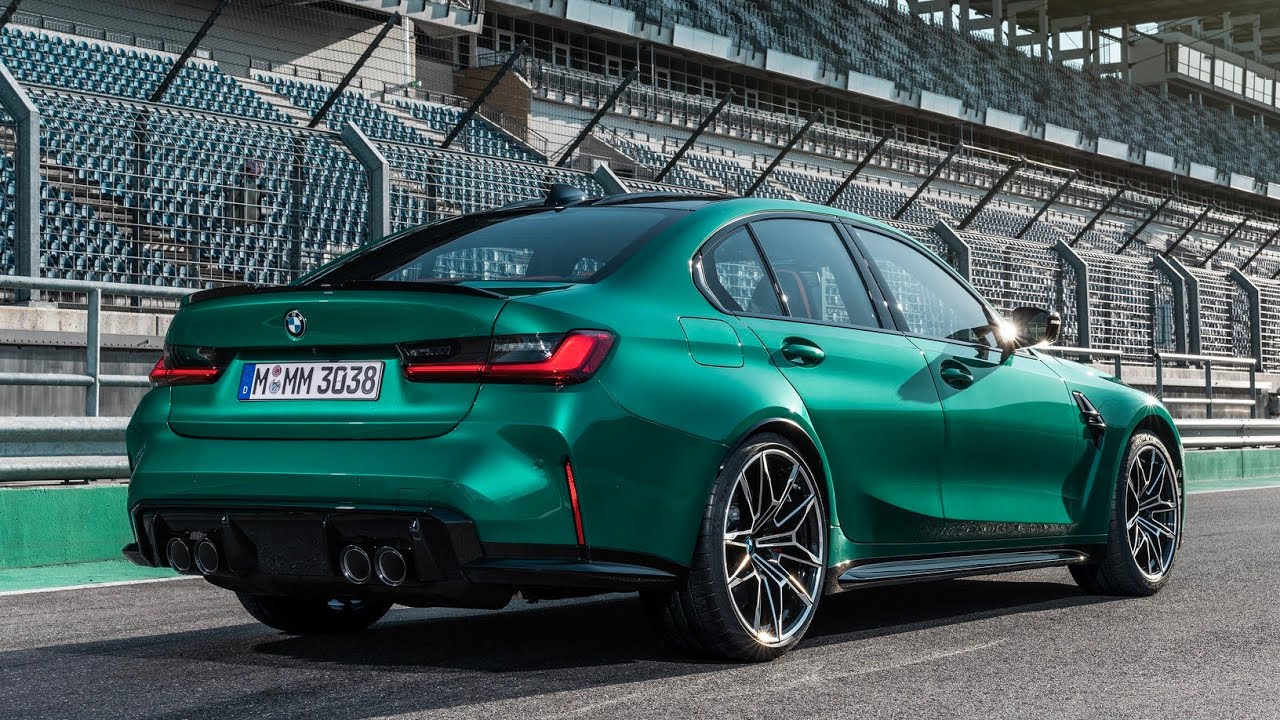
The new 2021 BMW M3 comes with a fresh redesign that been talked about for the past few months prior to its release. BMW has been getting teased about the massive grille on the front of the car – these comments are coming from everyone including BMW enthusiasts.
[embedded content]
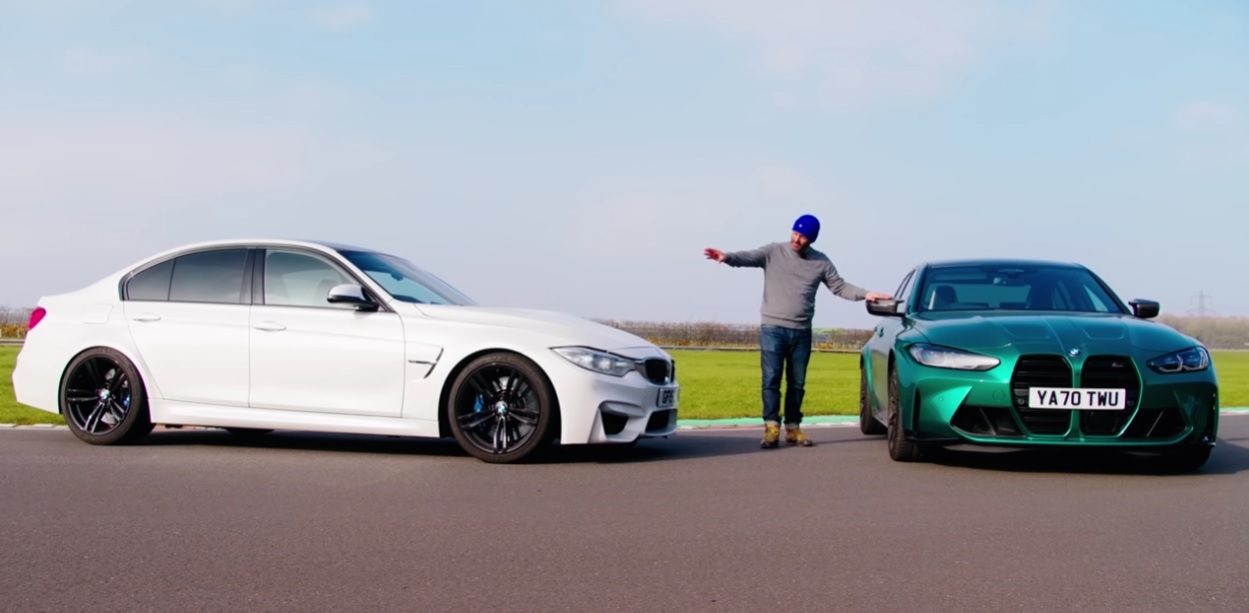
Chris Harris was not only puzzled about the animated and obnoxious grille affixed to the new M3 but also the lack of fitment and stance of the car. He compared the new G80 M3 to the previous generation (F80) and his comments were spot on. He pointed out that the previous generation looked perfect in almost every way especially how the body appeared to have been “wrapped” around the wheels. This was not the case for BMW’s new M3 – it lacks wheel fitment, fancy-looking mirrors, and an attractive front end.
The G80 M3 comes with a twin-turbo inline-six capable of 510 horsepower and 480lb-ft of torque. It also comes sporting a ZF automatic transmission instead of the previous generations’ DCT (Dual Clutch Transmission). Harris felt there was a bit of transmission lag during his time on the track but surprisingly mentioned there was virtually no turbo lag.
Looks aside, Chris Harris thought the new M3 was fantastic. The chassis was nice and tight, the handling and steering inputs were precise, and the carbon fiber seats were absolutely perfect. The news M3’s steering wheel looks to be packed with buttons resembling a calculator but now we’re getting picky.
The BMW R&D team appears to be fans of arcade games as they have incorporated an “M drift analyzer” into the car giving the driver statistics on distance, time, and speed of drift. This sounds like fun until you get busted for attempting to beat your “high score” on your way home from the race track.
Chris was impressed overall with BMW’s new M car but felt it was less “raw and angry” than that of previous generations. But BMW did not miss the mark, they just changed its destination with the new G80 M3.
March 10, 2021 / Comments Off on Chris Harris Gives His Take on BMW’s New M3
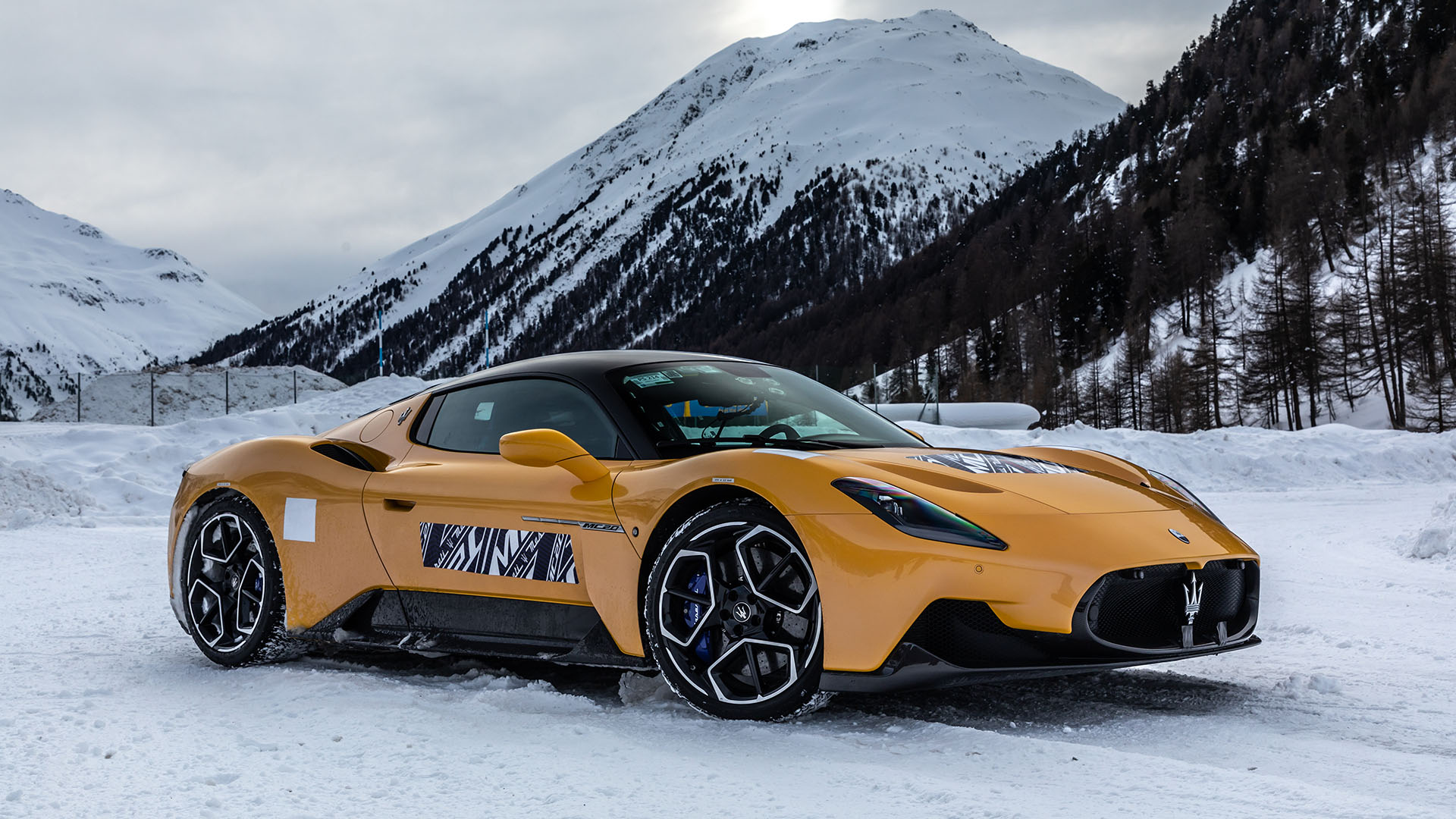
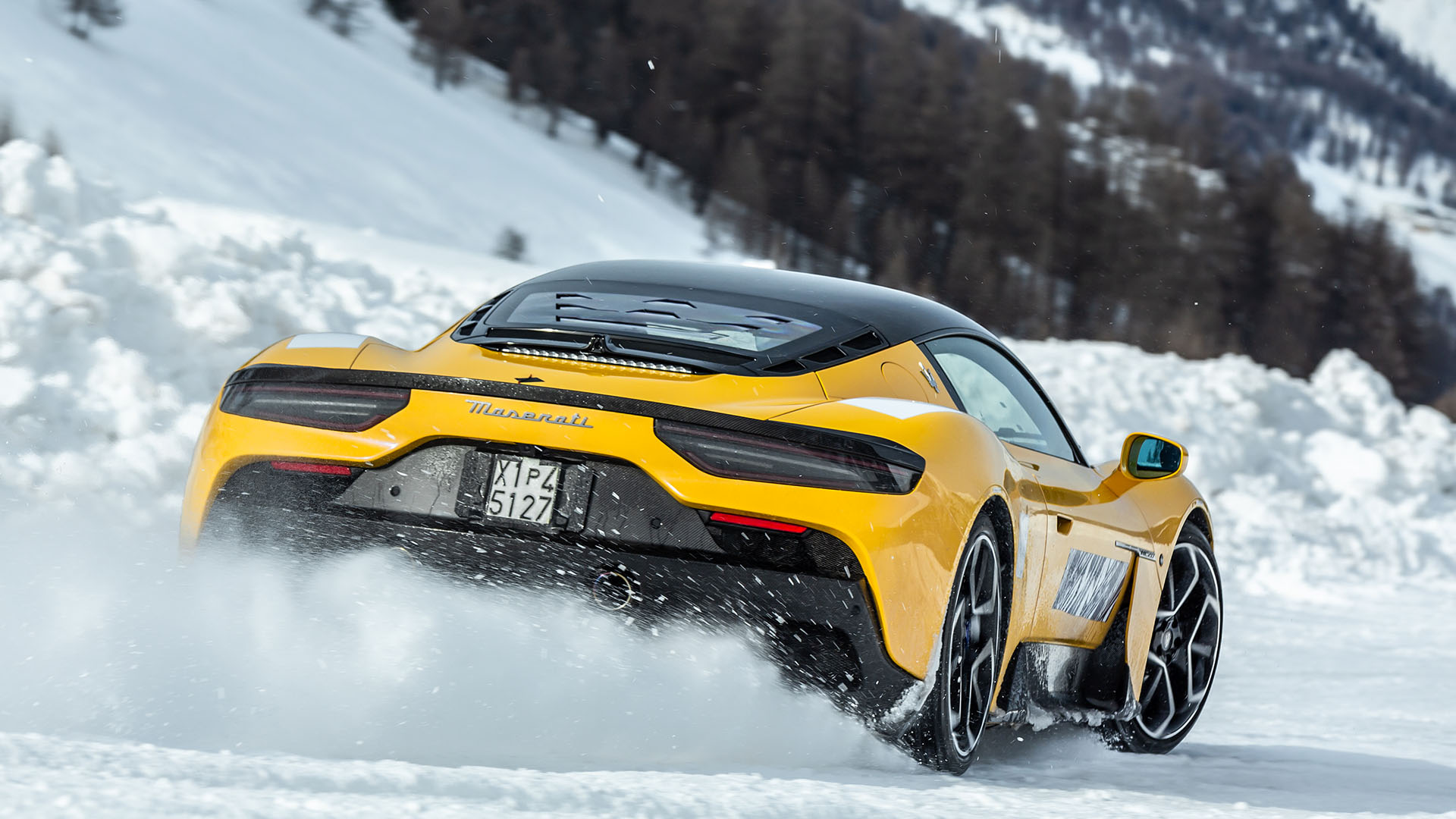
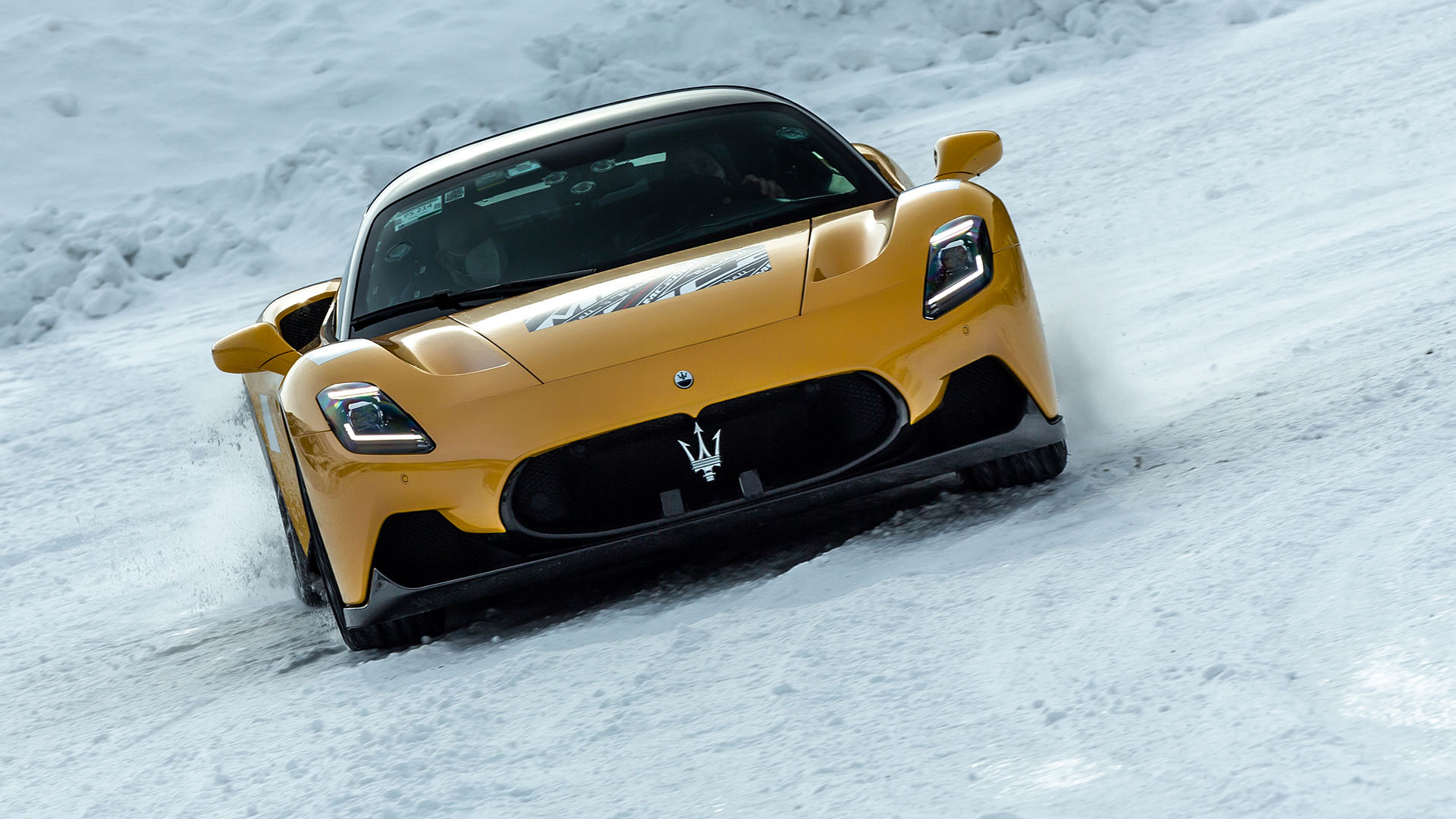
Only a few days ago we reported Maserati taking one of their late prototypes onto the race track for high-speed testing and fine-tuning, and now we find out they are taking another one of their MC20 test cars into a totally different environment … not so many high speeds this time, but a test of driveability in ice-cold conditions.
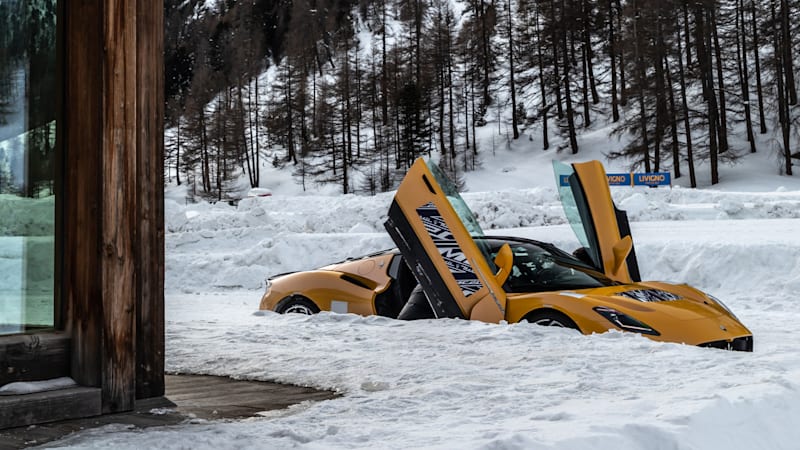
Maserati took a bright yellow MC20 with very little camouflage onto the snow-covered roads of the Valtellina and at the Ghiacciodromo Livigno (Sondrio), Italy’s most notable snow and ice circuit, for final cold-weather trials to make sure the car is ready for just about any customer later this year as the first cars become available worldwide.
Cold-weather testing is a perfect way to check how the components of the car handle extreme cold, things like the battery, suspension, and brakes might perform unexpectedly in these conditions, and you really want to make sure the heating for the driver and passenger can handle freezing outside temperatures, contrary to test runs in the desert to verify the climate control’s cooling capabilities.
It seems the Maserati MC20 handled herself very well on cold and low-grip asphalt during these trials, they have enhanced the opposing personalities of this car, born from the Brand’s racing DNA but designed for series production.
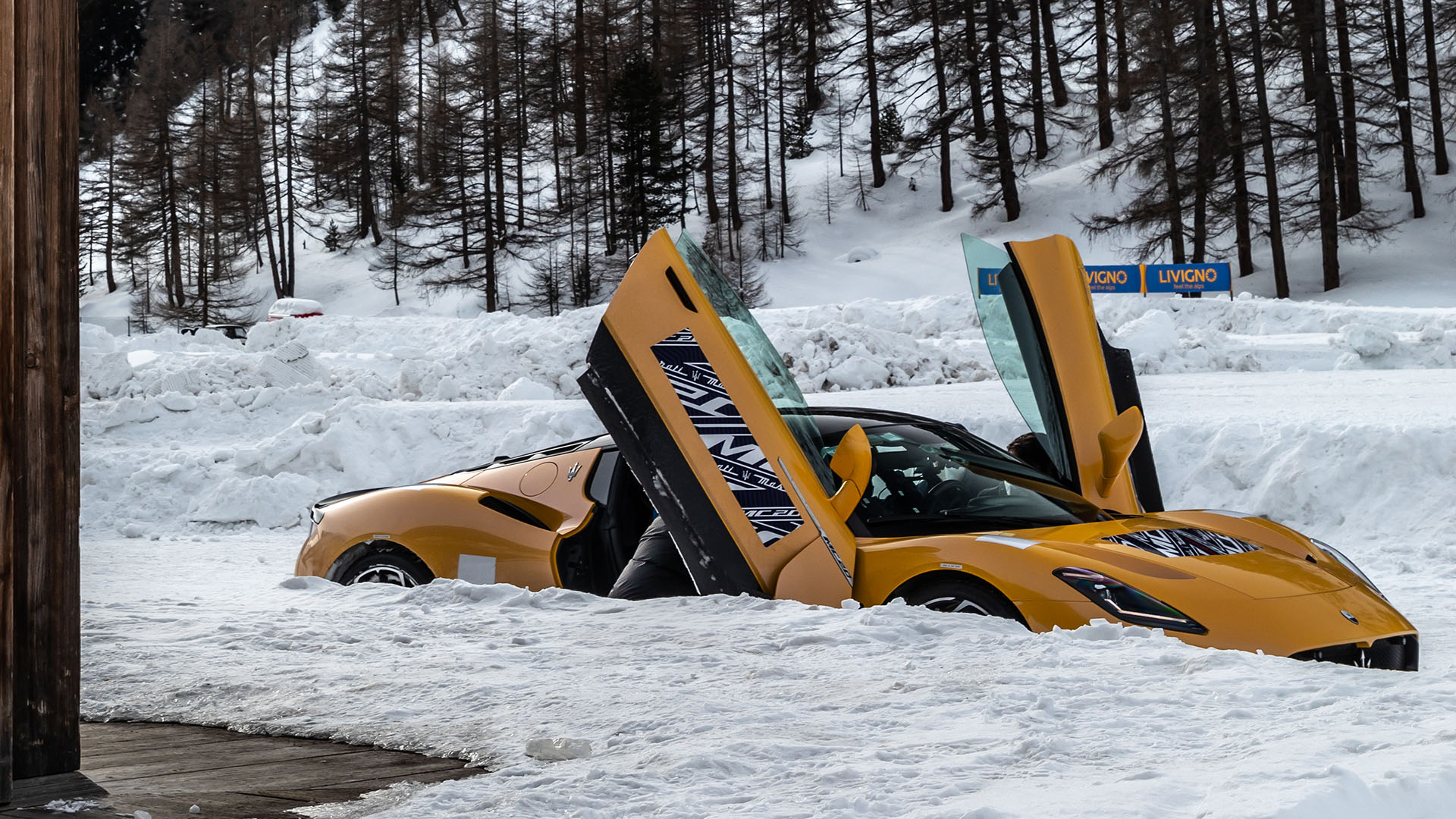
Those upward-opening doors really emphasize we are looking at a Maserati supercar, they might have required extensive engineering and add an additional cost to building the MC20, but they just look so cool it’s totally worth it.
March 10, 2021 / Comments Off on Maserati MC20 cold weather testing
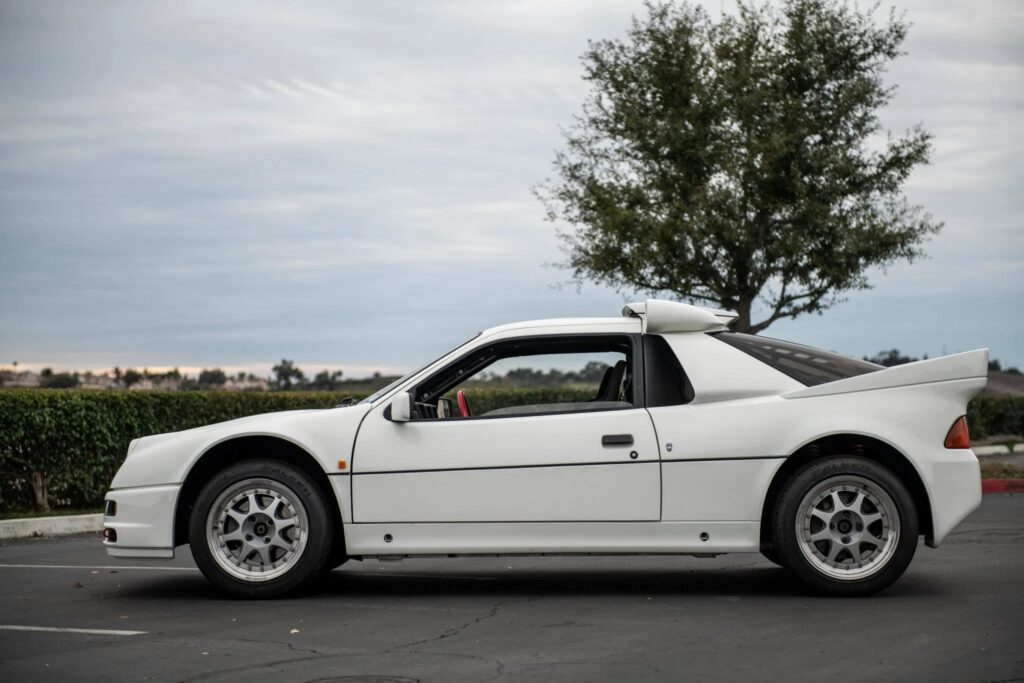
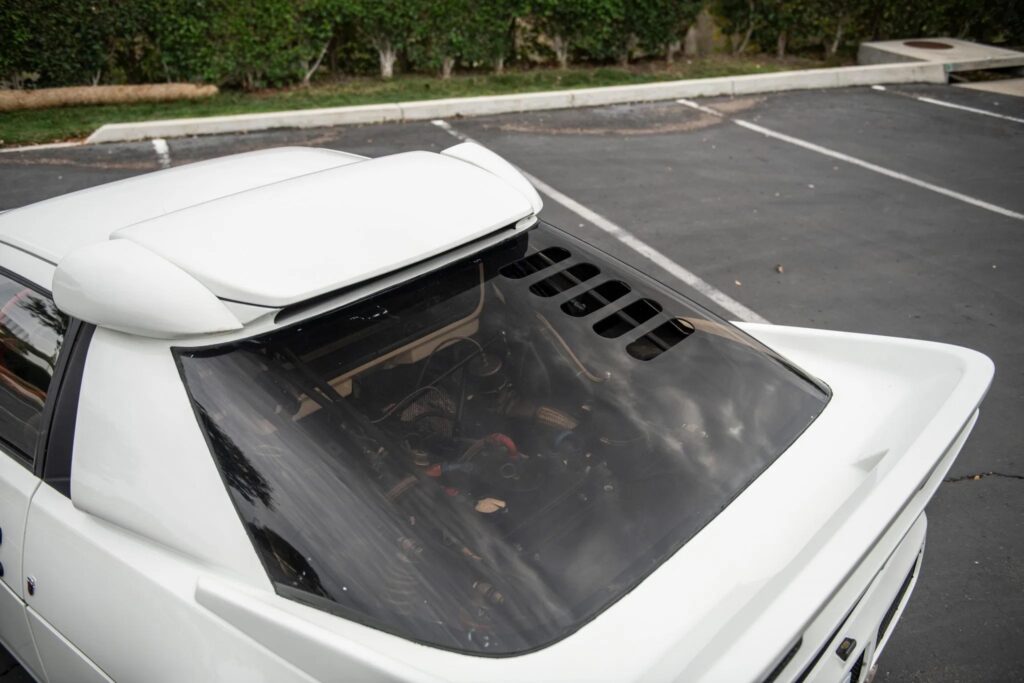
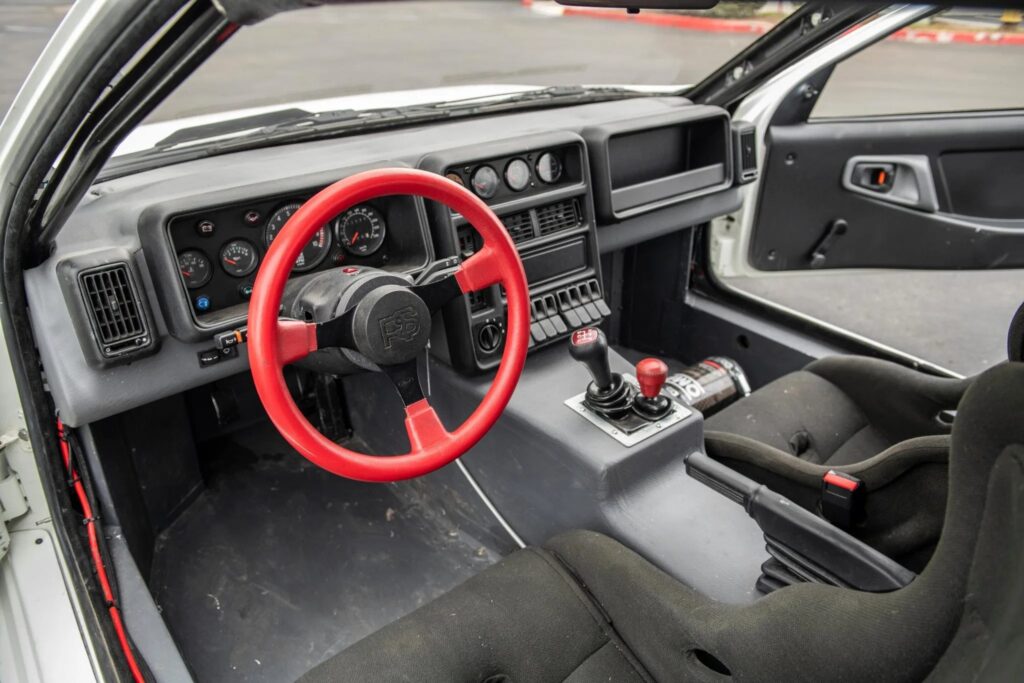
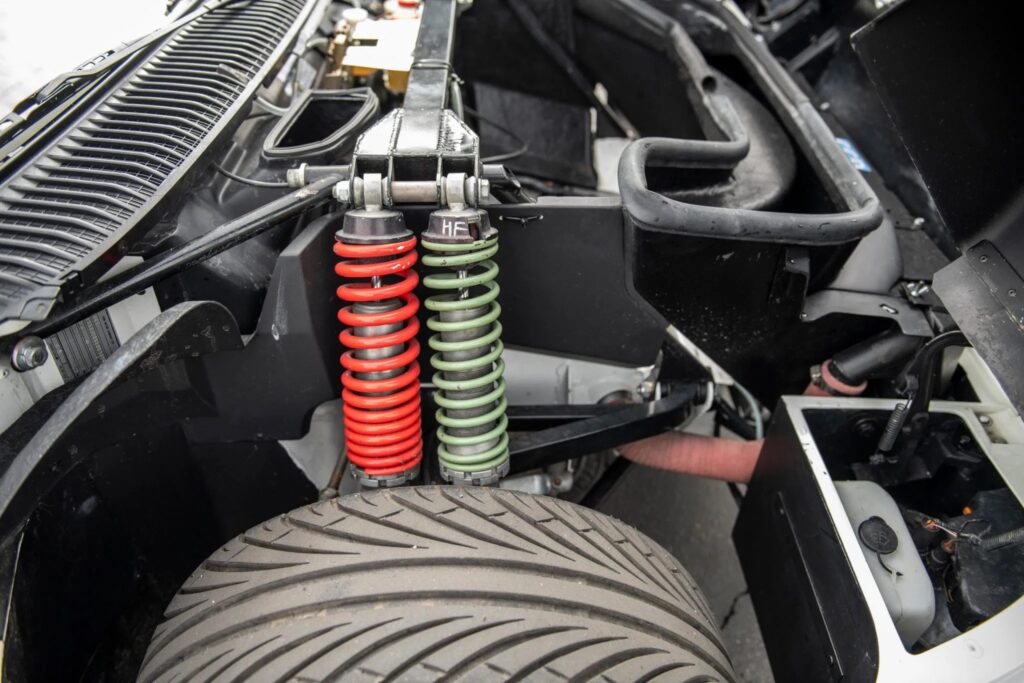
When one thinks of supercars, the mind automatically wanders towards names like Ferrari, Porsche, Aston Martin, and the like. It generally, at least until the 21st century, did not wander towards Ford. Yet, in the 1980’s, a special, unrestricted class of rallying known as Group B (or GrpB) thrust rallying supercars into the spotlight. The legendary Audi Sport Quattro S1 GrpB, the Lancia Delta S4 GrpB, and, in 1986, the Ford RS200 Evo GrpB. And one of the 24 Ford RS200 Evo homologation specialshas made it to auction!
The rules were pretty simple: build at least 200 cars that were road-legal homologation specials of the rallying supercar, and you could enter under the Group B regulations. In the group, the only restrictions were really wheel size and the amount of fuel that could be carried. This ended up allowing cars with more than 500 HP and all-wheel-drive to race across the roughest, toughest terrain the world had to offer, at times hitting over 160 MPH on long straights.
Unfortunately, halfway through 1986, after a string of both driver, co-driver, and spectator deaths, the class was immediately suspended, and then later canceled. The next class that was in development, Group S, was also immediately canceled. This left teams that had joined the class in 1985 and 1986 high and dry, and the extremely restrictive Group A regulations were introduced a few months later, meaning the rally supercar was dead.
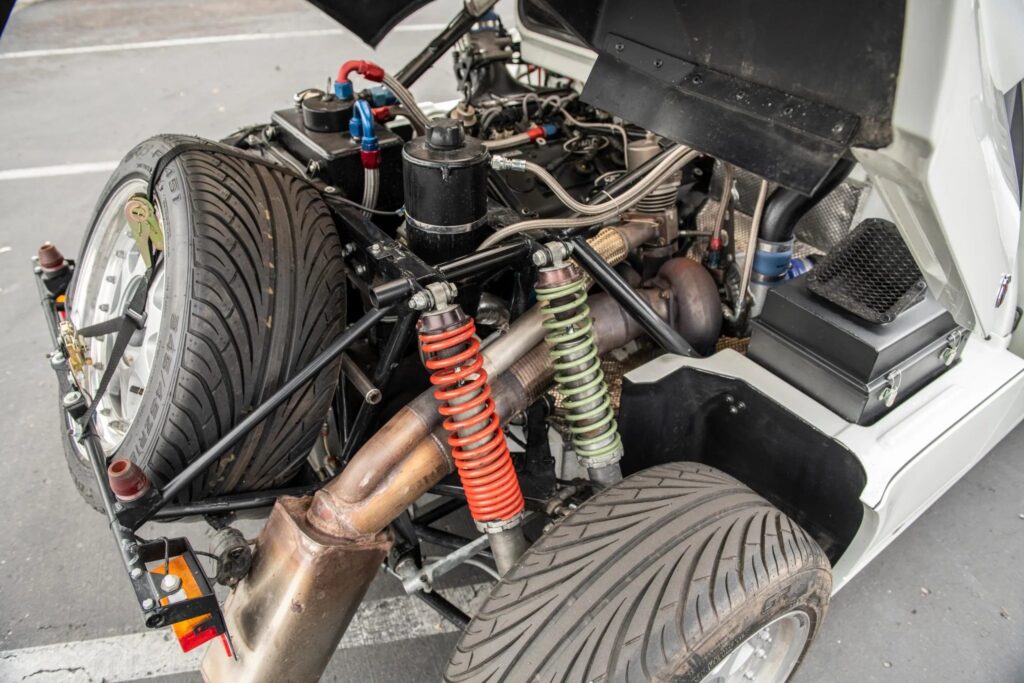
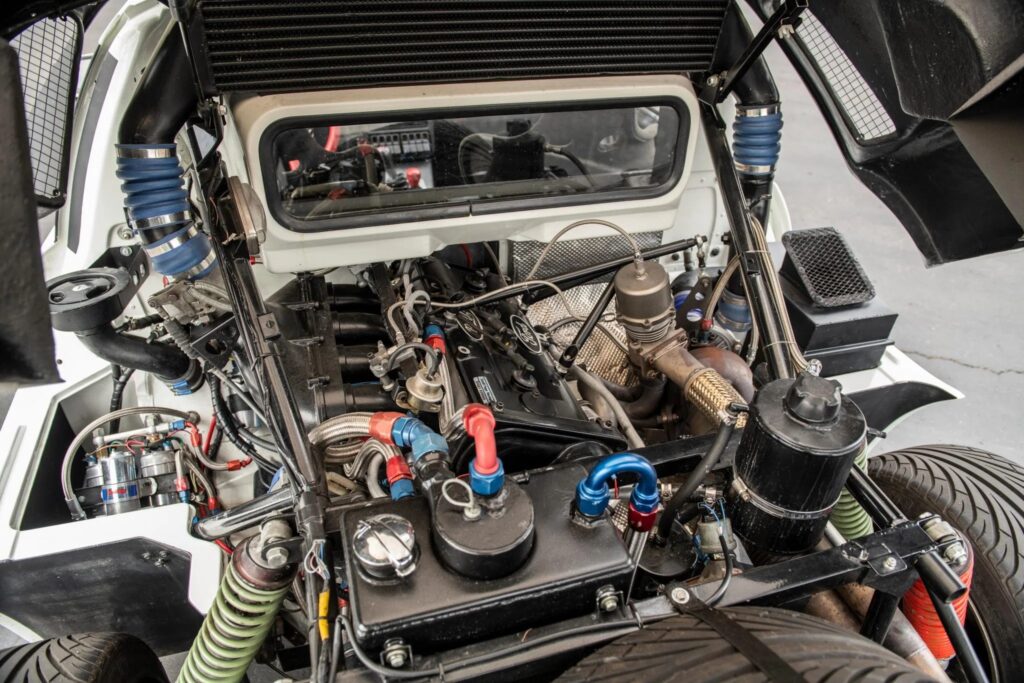
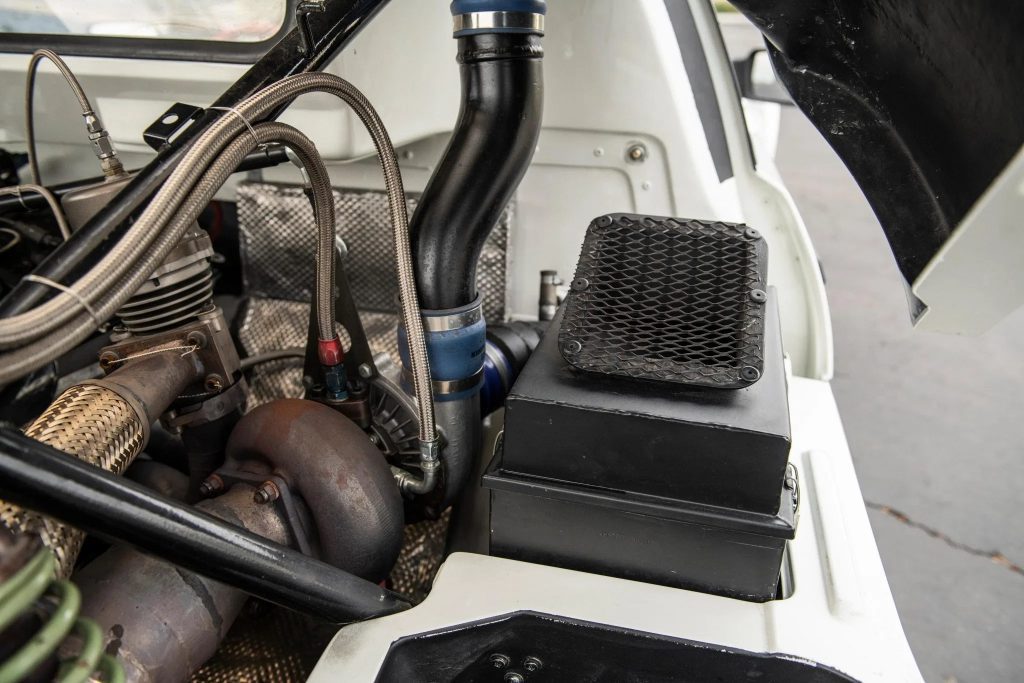
This specific car, converted from a standard RS200 to the uprated RS200 Evo’s that ended the production run, features a 2.1-liter BDT-E high-pressure turbocharged inline-four developed by Cosworth, producing a mindblowing 600 HP. It also howled like an absolute demon when pushed hard, the turbo screaming, the blowoff valve twittering away, and the engine growling nastily under it to produce the howl.
This is fed to all wheels through a rally-spec transfer case after going through a front-mounted five-speed manual transmission, which has straight-cut gears with no synchros, meaning you really need to be precise with your rev-matching.
This specific car also has only about 500 miles on the odometer, and the engine was completely stripped down to bolts and rebuilt in 2018 by Geoff Page Racing in England, a specialist engine refurbishing and build shop. It features a motorsports grade Holly fuel pump and fully braided stainless steel lines for fuel, brakes, and all hydraulics.
In another special setup, the RS200 Evo also features three limited-slip differentials: front diff, rear diff, and mid-mount transfer case diff. This ensures that the car, even when going at a fair clip, corners as if it was on rails. This is also one of the hardest cars to drive well, exactly because of that reason. Many drivers don’t expect the car to rotate around its cornering circle quite as rapidly and directly as it does.
It’s not a supercar because of exotic materials, a pleasant interior full of luxury, or for its ability to waft along comfortably. It’s not any of those things. It’s a supercar because it can quite literally out-drive, out-corner, and out-accelerate most modern supercars, with only hypercars being a match.
It may be feeling spring-like here in parts of the United States, but there was still plenty of snowpack in Livigno, Italy, when Maserati took its forthcoming MC20 supercar out for a photo session during some cold-weather testing at Ghiacciodromo Livigno.
“During its cold-weather mission, the super sports car was tested to evaluate engine cold starting, the low-temperature performance of its elastic components and the car’s handling on cold and low-grip asphalt surfaces,” said the accompanying release. “The test is also performed to verify correct functioning of the Climate Control System in cold conditions; tests were also conducted on the battery, suspensions and brakes.”
Just reading that, you’d think their trip was all business. Indeed, this is the latest stop on the MC20’s worldwide durability testing tour, but from the playful scenes we see here, it’s pretty obvious that the engineers had their share of fun giving the MC20’s suspension and powertrain a workout in the low-grip environment.
The MC20 is a mid-engined, 621-horsepower, mid-engine super-coupe that was built with the race track in mind. Power comes from a new V6 that is the first in the company’s new “Nettuno” (Neptune) engine series. The twin-turbocharged mill produces 210 horsepower/liter, making it one of the most power-dense engines in the world. It was designed, developed, and produced in-house by Maserati’s engineers despite sharing some of its fundamental design with other performance engines in its corporate family.
Maserati has only unveiled the street-legal variant of the MC20 seen here so far, but we expect it won’t be long before we hear more about its competition aspirations.
March 10, 2021 / Comments Off on Maserati teases us with its MC20 testing in the snow
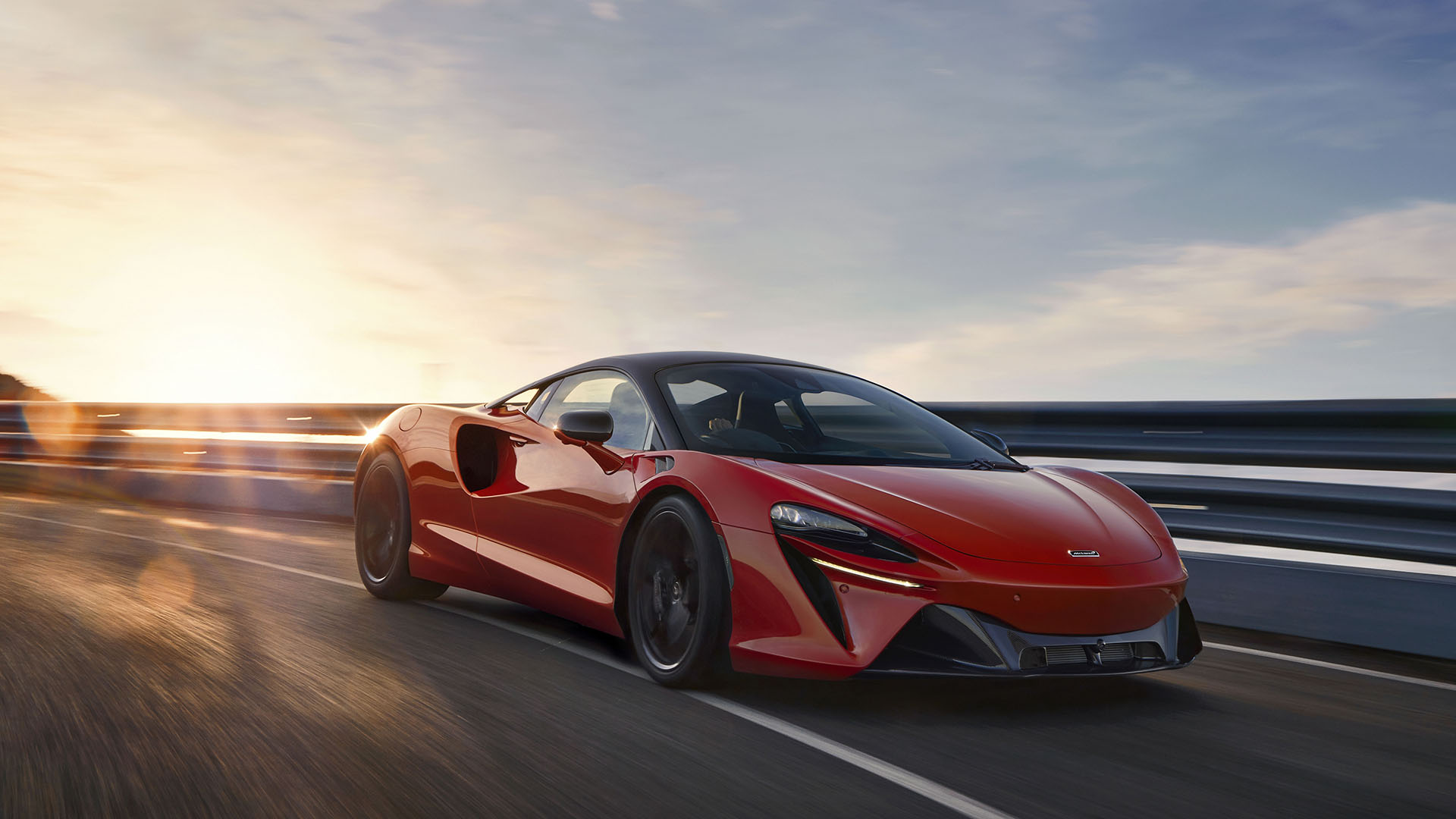
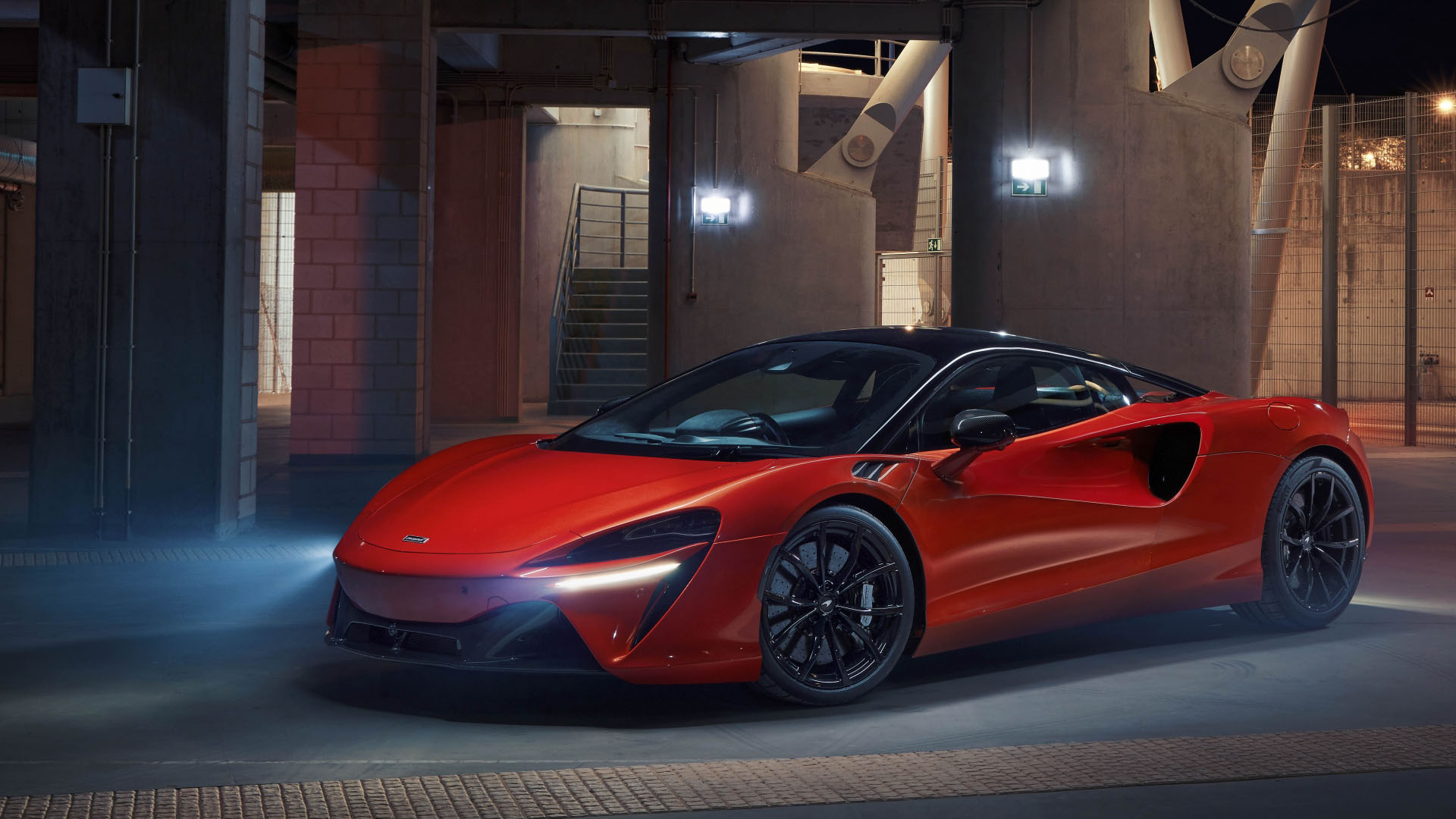
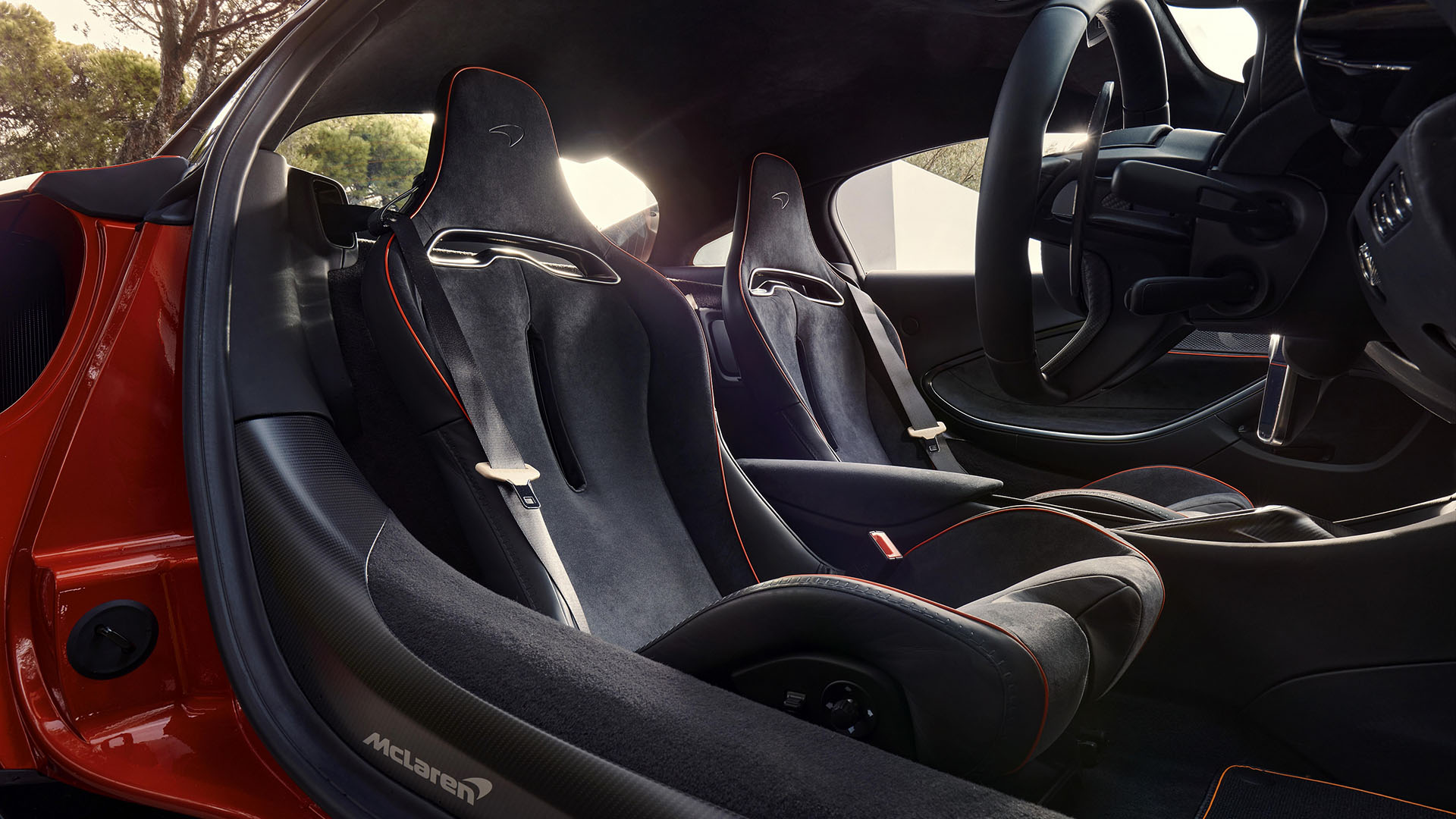
Buying a brand new, $225,000 McLaren Artura might inflict some stress on prospective, first-time supercar owners, especially after reading the horror stories online about massive repair bills when something goes wrong with a supercar, but it seems McLaren has the perfect answer for those that are still worrying about what happens after you finally managed to afford your Artura.
When you buy a McLaren Artura from your local dealership, you’ll get a 5-year vehicle warranty, which isn’t bad at all, but considering the Artura is a hybrid, there is also a battery to contemplate … no worries, McLaren warrants the battery for 6 years, why they choose to go for an extra year over the car’s warranty is beyond me, but that’s how McLaren does it.
While rust might not be an issue as let’s say on a classic Italian Alfa Romeo from the 80s, McLaren’s Artura comes with a 10-year, unlimited mileage, body (anti-perforation) warranty, note that the car and battery warranty covers you up to 75,000 km, so you can do about 12,500 km a year for six years to enjoy the complete warranty pack on the hybrid-battery.
And there’s more … as an owner of a McLaren Artura you also receive a 3-year Service Plan with the car, covering the regular maintenance every 12 months, or 15,000 km (9,000 miles) interval. Including oil and filter changes, renewing engine and E-motor air filters, brake fluid replenishment, and full safety inspections, the only thing you as an owner have to worry about are fuel, tires, and brake pads.
In most markets where the McLaren Artura is sold, the owner can add a 5-year roadside assistance package, and to make sure the Artura will be strong on the second-hand market, later on, all of these warranties are transferable to the next owner being a McLaren Qualified car.
March 10, 2021 / Comments Off on McLaren Artura comes with peace of mind
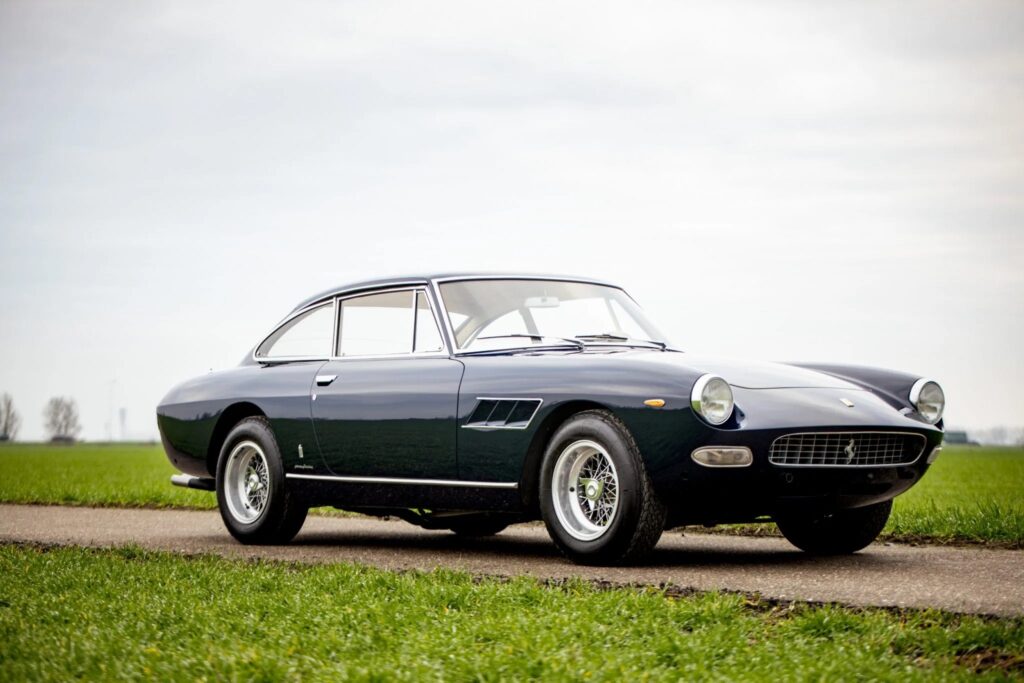
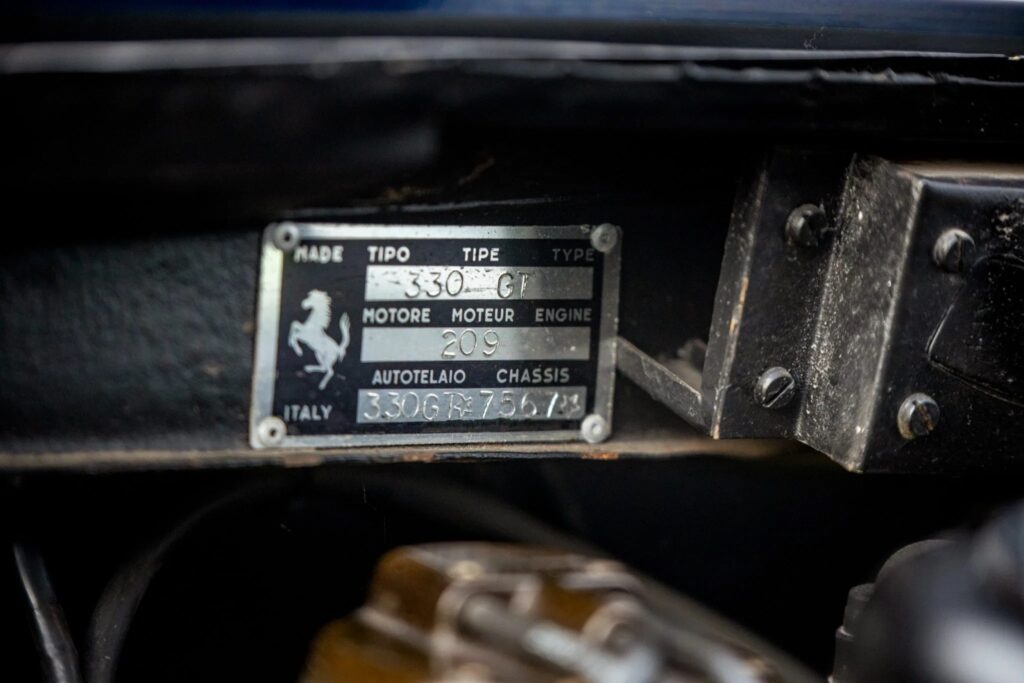
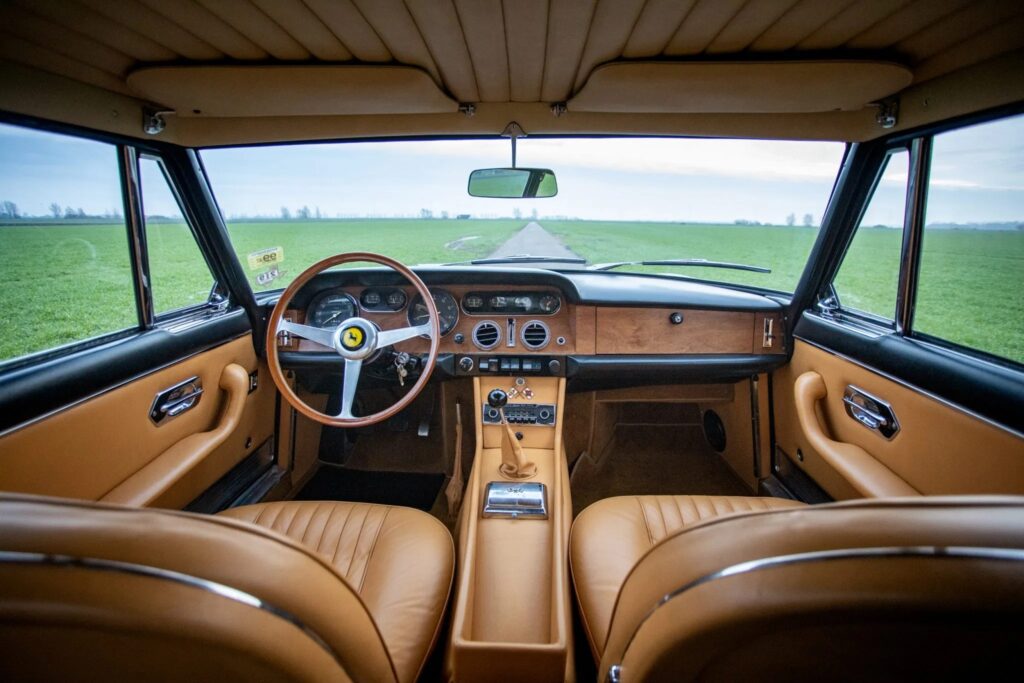
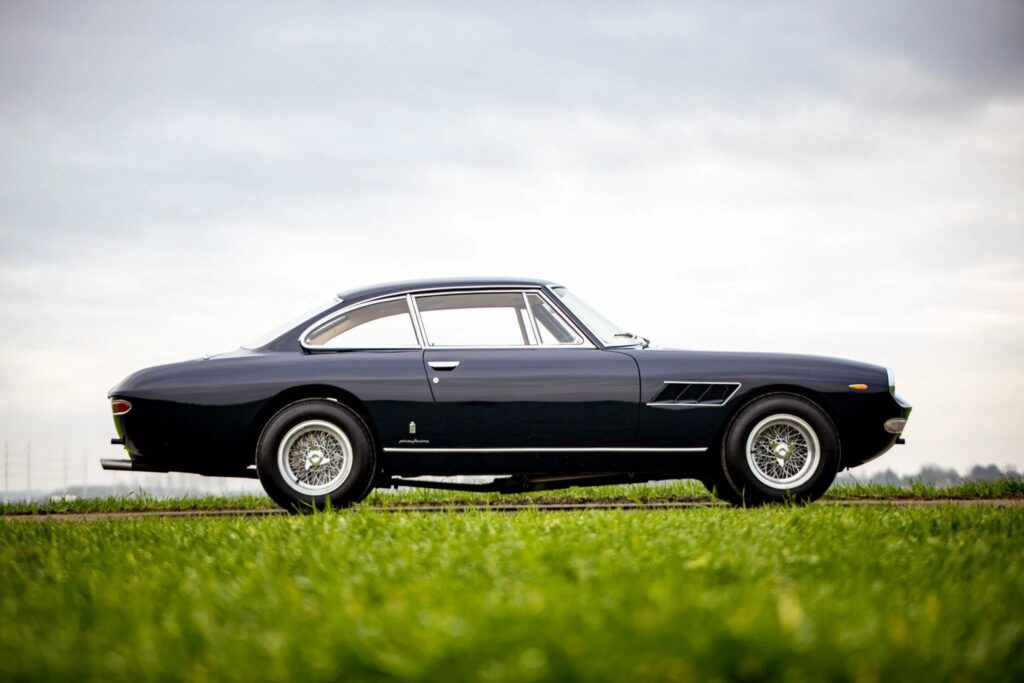
In the mid 1960s, the 2+2 coupe was all the rage amongst the rich and famous. Aston Martin was producing the legendary DB5, immortalized in film with the James Bond series. Alfa Romeo was putting out the Giulia, which soon became one of the best small Italian race cars of the period with the GTA Corsa and Stradale models. And then Ferrari swung into the middle of all of them and dropped down the Ferrari 330GT 2+2. And we’ve found a 99% restored and refurbished listed on BringATrailer!
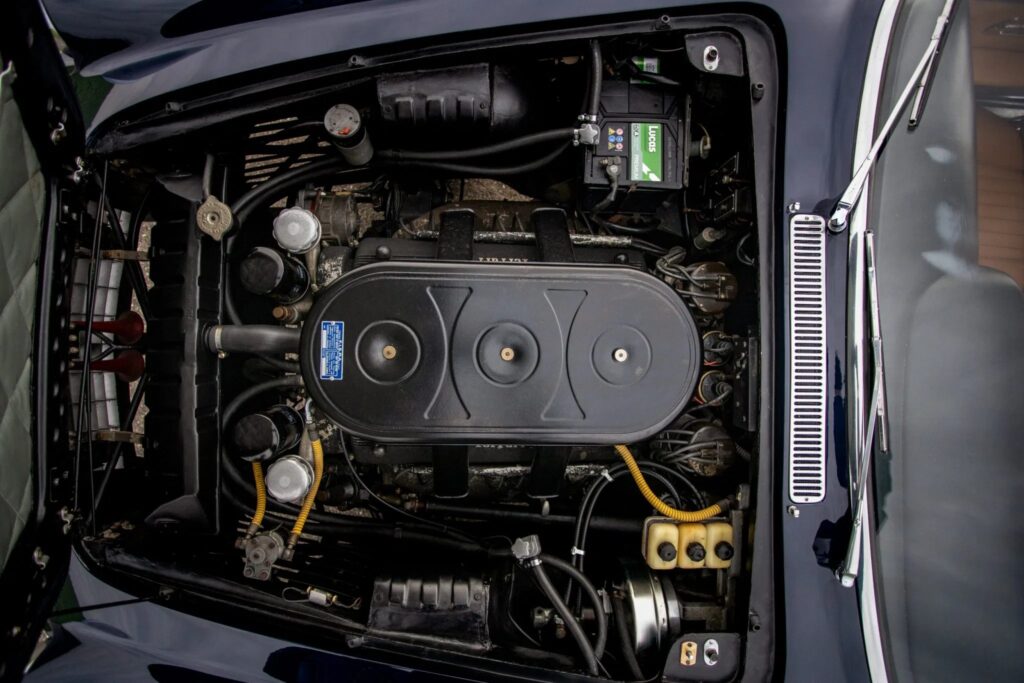
Power was delivered from a 4.0L Tipo 209 Colombo V12 mated to a gated 5-speed manual transmission, pushing out a shocking (for the era) 375 HP on average. Special to the Series II iteration, the triple Weber carburetors mounted in line are what helped develop the engine from a 340 HP V12 to one that could realistically be tuned without any changes to the engine up to nearly 400 HP.
Replacing the 330 America, it used the design lines from Pininfarina but modified them to have a wider grille, longer wheelbase, and slightly wider track than the outgoing car. It also went from two pairs of double headlights to singles on each side. Despite the popularity of the style at the time, only 455 330GT 2+2 Series II’s were ever made.
This specific car has undergone extensive refurbishment throughout the 2010s, with paint restoration, interior leather refurbishment, and has had an engine swapped out for a refurbished Tipo 209 Colombo V12. The replacement engine uses Weber 40 DCZ/6 triple carburetors, which are OEM fit for the V12. As part of the engine swap out, the hood liner was replaced with period-correct materials and stitching.
Recent service was done in September of 2020, with the alternator being rebuilt from a complete teardown, and a full oil and fluids service performed. The original bumpers, which are still off of the car, come with the sale and need to be re-chromed to finish the car to 100% restored.
The car is located in the Netherlands but is able to be registered in the USA and Canada as a premier vintage car. Current bidding has reached $175,000, with 9 days left in the auction at the time of this writing.
Having just completed its Ferrari Breadvan Homage, Niels van Roji Design is preparing yet another custom shooting brake inspired by a classic Ferrari. This new one-off will be a tribute to another custom coachbuilt car, a Ferrari 365 GTB/4 Shooting Brake built in the 1970s.
That original car, shown in the video below, was created by British coachbuilder Panther Westwinds, and was an extensive redesign of the Daytona coupe. Not only did it get a wagon tail, but it had wild gull-wing glass openings to access luggage, a fully revamped interior, and a tweaked nose with some unusual hideaway headlights.
[embedded content]
The Niels van Roji car, based on the renderings, appears to take all the key design cues and apply them to a more modern Ferrari, as was the case with the Breadvan. While they don’t explicitly say it, the renderings, V12 engine and production dates starting in 2006 seem to indicate the base car will be a Ferrari 599 GTB Fiorano. The front will be redesigned to feature low, wide headlights connected by a bright stripe to emulate the old Daytona’s signature look. A large rear hatch will be added with big windows including a distinctive glass rear fascia for rear visibility and to house the custom taillights. Those large rear windows will also open up like they did on the original.
We’re excited to see how this car develops, as the renderings look promising, and the company’s past shooting brakes have always been impressive. No reveal date has been set, but Niels van Roji Design will share updates on its Twitter, Instagram and Facebook accounts.
Related Video:
[embedded content]
March 9, 2021 / Comments Off on Niels van Roji Daytona Shooting Brake is a one-off inspired by a one-off
Ferrari World Finals 2020 finally went down after the postponement back in November 20 due to lockdown restrictions in Italy. The event took place at the Misano circuit behind closed doors. Ferrari Challenge race drivers could finally compete in the last race of the season and seal the victory for the Coppa Shell and Trofeo Pirelli championships.
Finale Mondiale Trofeo Pirelli
The World Champions of the Trofeo Pirelli and Pirelli AM 2020 were Florian Merckx and Han Sikkens (HR Owen) respectively. 30 minutes of racing was not enough to decide the winner of the elite class: after scrutineering race stewards decided to disqualify the car belonging to Thomas Neubauer (Charles Pozzi – Courage) for technical irregularities, in spite of the car having commanded the race throughout.
Following the disqualification of the Frenchman, the title was awarded to Merckx, second past the chequered flag, while Fabienne Wohlwend (Octane 126) and Cooper MacNeil (Ferrari of Westlake) occupied the remaining two steps on the podium. Neubauer’s appeal makes the ranking sub judice pending the result of the appeal.
In the AM class, after a complicated start, pole-sitter Frederik Paulsen (Formula Racing) was forced to retire as was Matús Vyboh (Scuderia Praha), who looked like a contender on the eve of the race. Likewise, Christian Brunsborg (Formula Racing) was sanctioned with a drive-through, effectively ruling out any title aspirations despite the fastest lap of the category. After a long series of overtaking and counter manoeuvres Sikkens took a decisive lead and went on to become the champion; behind him was Tommaso Rocca (Rossocorsa), while John Dhillon (Graypaul Nottingham) finished third.
Finali Mondiali Ferrari 2020
Finale Mondiale Coppa Shell
Roger Grouwels and Michael Simoncic (Baron Motorsport) are the new 2020 Coppa Shell and Coppa Shell AM World Champions. The race got underway with a fierce tussle between Ernst Kirchmayr (Baron Motorsport) and Grouwels, who managed to pull off a perfect overtaking manoeuvre at turn 8 to slip past his rival. In AM class, a troubled start from “Boris Gideon” (Formula Racing), saw him drop down the class order to third place behind Simoncic and “Alex Fox” (SF Grand Est Mulhouse).
The leading three then began to edge away: Grouwels set a fine pace and went on to clinch both the victory and a fastest lap of 1:37.135 ahead of Kirchmayr and Axel Sartingen (Lueg Sportivo). Meanwhile, among the AM class competitors, Simoncic took the top honours ahead of “Alex Fox” and Miroslav Výboh (Scuderia Praha), who produced an astonishing overtaking move on the final lap to outstrip Willem Van Der Vorm (Scuderia Monte-Carlo) hampered by damage to the car due to an earlier collision.
Corse Clienti
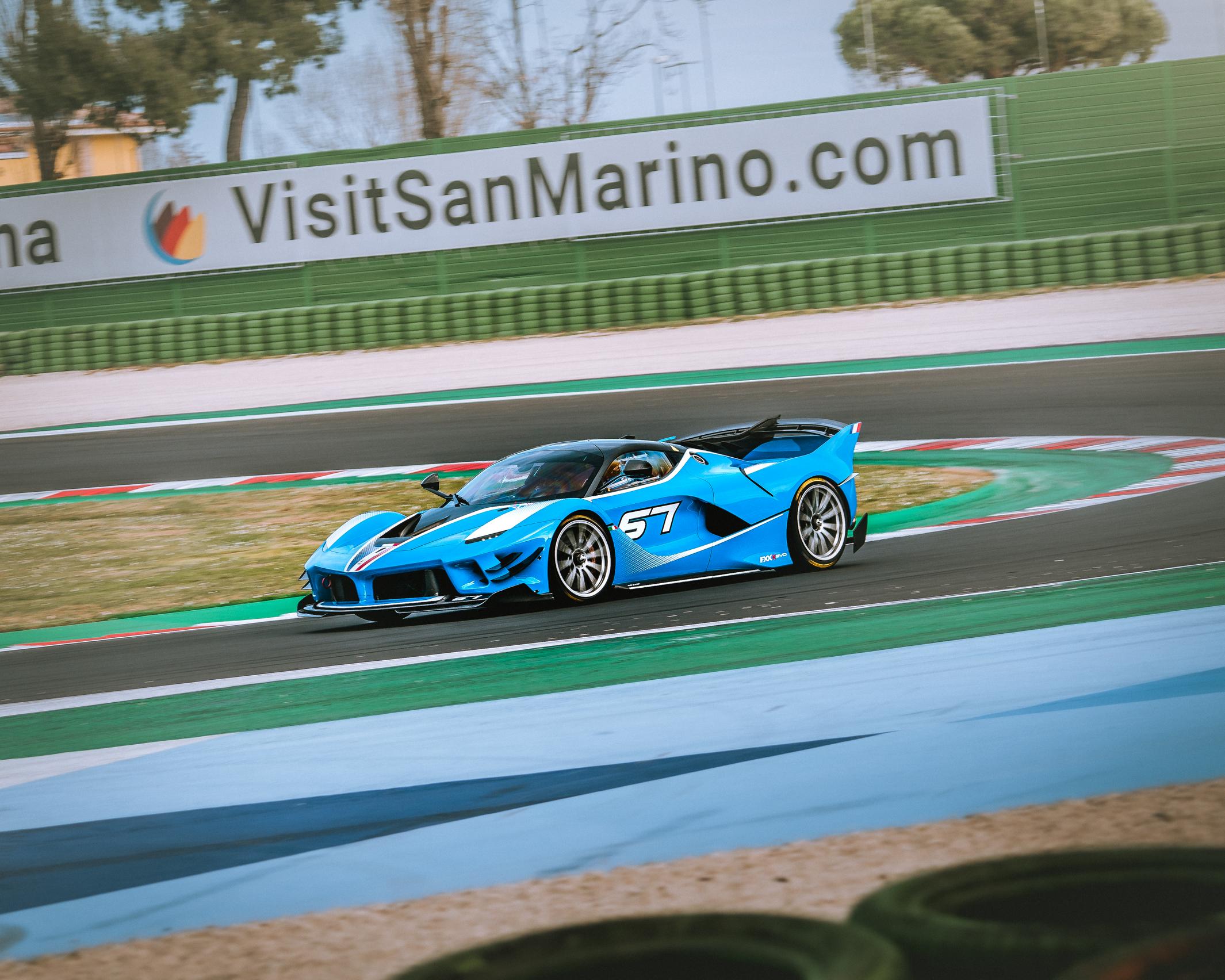
Naturally, between one race and another the XX Programme and F1 Clienti shakedown took place. This year, this part of the event was held in a reduced format but nonetheless a few FXXK EVO and 599 XX entertained the circuit with their screaming v12 and terrific performances. Old school F1 lovers were pleased as well with the presence of an F2007 and an F2008 that were raced by Kimi Räikkönen and brought two World Constructors’ titles to Maranello.
As tradition dictates, the long racing weekend concluded with the “Ferrari show”, this time unfortunately it was a pleasure available for the selected few that could attend the event. The show opened with several laps from the range of Prancing Horse covered-wheel racing models, namely the 488 GTE and the 488 GT3 Evo 2020 which raced in the FIA WEC and GT World Challenge Europe series, as well as the two #51 and #52 488 GTEs set to compete in the world championship.
At the wheels were a group of official Competizioni GT drivers, James Calado, Daniel Serra, Nicklas Nielsen and Alessandro Pier Guidi. It then came the turn of the Formula 1 single-seaters with Davide Rigon, Andrea Bertolini, Giancarlo Fisichella and Olivier Beretta driving four F60s, letting rip with their roaring V8s over a series of thrilling fast laps.
Next came the entrance of the 488 GT Modificata on the track, due to take part in Club Competizioni GT events – a car built for sheer driving pleasure and one unimpeded by any championship limitations and thus able to really bring out the best of the 488 GTE and 488 GT3 Evo 2020. The show concluded with a group photo of the official drivers from Ferrari Attività Sportive GT, Ferrari Challenge and the Competizioni GT teams with the cars lined up on the circuit.
Words and Photos by Yaron Esposito Instagram:@Aaronandcars
March 9, 2021 / Comments Off on Finali Mondiali Ferrari 2020 Rewind