

The Hummer EV SUV Has Finally Been Revealed

Now that GMC has officially taken the wraps off the 2022 Hummer EV pickup, they’ve finally released all the details on the previously teased GMC Hummer EV SUV. Well actually, they revealed two different versions.…
The post The Hummer EV SUV Has Finally Been Revealed first appeared on Cool Material.


Jerry Seinfeld’s 2016 Porsche 911 GT3 RS

Jerry Seinfeld might be a comedian, but he’s dead serious about Porsches, and he’s one of the pre-eminent collectors of our time. This particular 2016 911 GT3 RS was custom ordered by Seinfield, and do…
The post Jerry Seinfeld’s 2016 Porsche 911 GT3 RS first appeared on Cool Material.


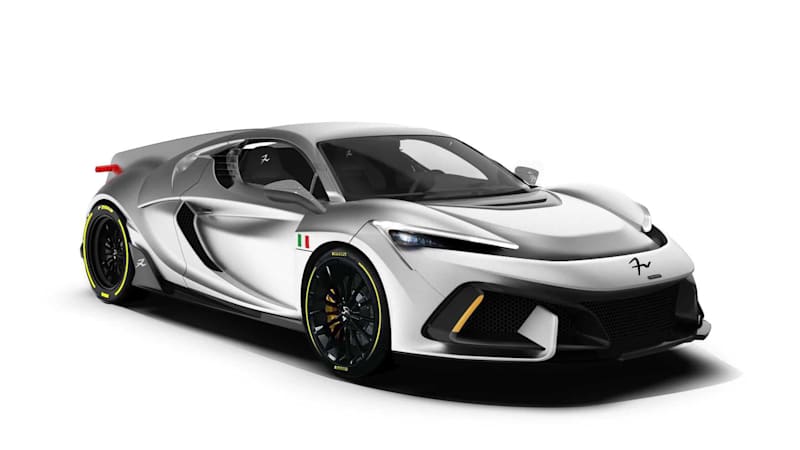
The Frangivento Sorpasso is a new all-Italian supercar with a V10 and mega customization
Little-known Italian car maker Frangivento just announced a new model (with two versions) called the FV Frangivento Sorpasso — one is named the Sorpasso Stradale, and the other is the Sorpasso GTXX. In case you hadn’t heard of “Frangivento” before (don’t worry, you’re not the only one), know that they’re a new, super-low-volume supercar company based out of Turin, Italy. Customization and style come first, but the performance is there, too.
The Sorpasso builds on what the company has already done with its Asfane DieciDieci hypercar, but in a more down-to-earth fashion. Instead of the 996-horsepower hybrid space machine that the Asfane is, the Sorpasso Stradale is a 610-horsepower supercar. It’s still extreme, but not as extreme as Frangivento’s first work. Power comes from a naturally aspirated V10 engine of currently unknown origin (we’ve asked the company for more details). It’s equipped with all-wheel drive and weighs approximately 2,866 pounds.
If you want more power, Frangivento has you covered with the GTXX, which is similar to the Stradale, but it adds a supercharger to the equation. This brings the V10’s power up to a whopping 850 horsepower. Frangivento supplies a few numbers to ponder for the FXX. It does 0-62 mph in just 2.9 seconds and 0-124 mph in 9.3 seconds. The top speed is 214 mph. Other details are few and far between.
Frangivento says it worked with suppliers like Brembo, Sparco, OZ and others to develop parts for the car, and it also points out that every company that supplied parts is Italian. The chassis is your supercar-typical carbon tub, which is why it weighs as little as it does.
The limited set of photos Frangivento provided is a real shame, as the company brags the loudest of its customization program and intricate design. You’ll be able to tell the difference between the Stradale (pictured) and GTXX by the GTXX’s two-tone body and big aero. Despite the GTXX’s focus on performance, they’re both meant for the road and are equipped with luxuriously appointed interiors full of Italian leather and suede. It even has an “Avatar Driving Assistant” that you can supposedly communicate with using normal language — it’s meant to simulate having a passenger, in case you don’t actually have a passenger.
Owners will take part in a 30-day customization program that allows them to work with stylists to make every part of it their own. You can even customize the name of the GTXX, as the “XX” can be made into any two numbers of your choosing. Frangivento says the first customer cars will be shipped to folks in July this year. Unsurprisingly, they’re headed to Monte Carolo and Dubai. It claims new customers will get their cars 150 days from their order confirmation, and is working on making the Sorpasso available worldwide. If you want to see one in person, Frangivento says the car will eventually go on display in a Munich store opened by the company’s German brand ambassador. There is no official price quoted for the car online at this time.

Lamborghini Gallardo Buyer’s Guide
Owning a Lamborghini is a dream of many, and with the number of cars leaving the factory doors in Sant’Agata over the last years, many seem to be able to fulfill this dream with relative ease, spending $250,000 and more on a brand new Raging Bull, spec’d to their taste sounds great, but it’s not possible for most enthusiasts.
All of the official, factory-authorized Lamborghini Clubs these days are ‘owners clubs’, you need to be the proud owner of a Lamborghini to be able to be a member, so how do you get in without spending $250,000 and more? Check out our Gallardo buyer’s guide …
At the time of writing a nice example of the early Lamborghini Gallardo will set you back around $100,000, which is still a lot of money, but it’s a lot less than a new Lamborghini, and you still get one of the ‘modern’ cars from Sant’Agata. Sure there are cheaper Lamborghini to be found, but we want to focus on a car you can get in and drive away, not a project car with lots of work to be done before you can enjoy it.

You might think an old Lamborghini Urraco is a bargain, but think again, this was the first V8 Lamborghini made back in the Seventies, only 520 were ever built (of the P250), and they are getting rare today, especially a good, preferably restored one, so expect prices well over $100,000 to add an Urraco on your driveway, and this is a classic supercar, with all the classic car gremlins that come with it … expect to be stranded on the side of the road with a 50-year-old car, that’s part of the charm.
So why not the next V8 from Lamborghini, the Jalpa from the Eighties (let’s not consider the beautiful Silhouette here, it’s way too rare with only 52 ever made, and a lot less that still exist) … those are found for about $60,000 and more. Only 410 were built between 1981 and 1988, and while I love the removable roof panel to offer open-top driving, it’s still a classic Lamborghini, and it comes with the same classic car troubles … if you’re into that, great, but let’s consider having a modern era Lamborghini … which leads us to the Gallardo, Lamborghini’s first V10 production model.
The Lamborghini Gallardo 5.0 was launched in 2003 at the Geneva Motor Show, and it joined the Murciélago flagship as an ‘entry level’ Lamborghini, sales quickly picked up, and by the time the Huracán took over in 2014, a total of 14,022 Gallardo were built in an overwhelming amount of versions and special editions, but if you are looking for a bargain, you’ll end up with the original 5.0 version.

If you look for a budget Lamborghini Gallardo online, you’ll end up with prices starting at €65,000 in Europe and from $80,000 up in the USA, those are usually the early cars, 2004 and younger, some even with the semi-automatic E-Gear transmission, but remember, the Gallardo was built in an era where a manual gearbox was still offered by Lamborghini, so you might prefer the latter.
Remember, the Gallardo does not have the upward-opening doors you might love on a Lamborghini, that feature is still reserved for the V12 flagship models, but there are a lot of aftermarket companies that can transform the hinges on the Gallardo … just be careful when looking at a modified Lamborghini Gallardo, because so many were built, and prices have dropped to a level many can afford, a lot of these early V10 Lamborghini have been modified, some with good taste, some not so much … and sadly many have been driven very aggressively too, to the point of abuse … remember these early Gallardo are 15 years old or more by now, wear and tear is setting in.
So you will probably be looking at a Gallardo built between 2003 and 2008, that will be either a coupe or a spyder, if you can stretch a little over $100,000 you can find the LP560-4 evolution on the market, overall a further-developed engine and with different looks, but it demands up to a 25% premium over the earlier cars, the best of the first years of production in the Gallardo series are the MY2006 and younger ones.
The Gallardo 5.0 Coupe and Spyder

As already mentioned, Lamborghini built a lot of versions of their V10 Gallardo, and that already starts with the 5.0 coupe launched in 2003, followed by the Spyder version in late 2005 … strangely enough a manual coupe might be harder to find than an E-Gear Spyder at the time of writing. But there was another version launched in the Summer of 2005, the Gallardo SE, for Special Edition, and it came with a rearview camera mounted on the rear wing, and new wheels.
The original Lamborghini Gallardo 5.0 was launched with silver Cassiopeia wheels, for the Spyder version Lamborghini kept to more intricate Callisto wheels from the Gallardo SE.
The Gallardo SE

Only 250 units of the Gallardo SE were ever built, most of them with full-option order sheets, the SE came with the new ‘Callisto’ wheels, had the otherwise optional glass engine cover as standard, but most importantly the SE got the upgraded 520hp engine before Lamborghini would fit it to the MY2006 Gallardo to replace the 500hp version of the initial release.
The Gallardo Nera

In 2006 Lamborghini made a second, limited edition Gallardo, the Nera, this time only 185 units would be made, all finished in glossy black with some parts in matt black, on the inside a combination of white and black leather … and Q-Citura stitching, which would become an option of the ‘normal’ Gallardo models.
The Gallardo Superleggera

Launched in 2007, just before the LP560-4 edition, the lightweight Gallardo Superleggera is probably the most sought after model of the early series, it came with even more horsepower (523hp) and lost 100kg in the process of creating the Superleggera, it even came with lightweight seats covered in Alcantara, and this version introduced the stunning ‘Scorpius’ wheels.
Don’t get tempted by any of the ‘specials’ in the Gallardo range if you’re on a budget, especially the Superleggera will demand a serious premium over all other versions, you’ll be way over the price of an LP560-4 model, and don’t even think about the later LP570-4 Superleggera or LP570-4 Performante … you’re in second hand Huracán pricing at that point.
The Gallardo LP560-4 Coupe and Spyder

If you can spend the extra money, try to get a low mile 2008 or younger Gallardo LP560-4 edition, this model comes with 552 hp and benefitted from ongoing improvements over the earlier cars, even the Gallardo LP560-4 Spyder can be found for $110,000 today, so it’s within reach, just make sure to find the right one.
The Gallardo LP570-4 Superleggera and Super Trofeo Stradale

If your budget is high enough, you’ll be able to shop for one of these top-of-the-line Gallardo models, either the Superleggera or the limited edition Super Trofeo Stradale, both in LP570-4 version with the most powerful V10 engine of that time from Lamborghini.
And if you really have a very healthy budget you could opt for the Gallardo Performante, which is none other than the Spyder version of the LP570-4 Superleggera.
How to find the right Gallardo for you
1. Mileage:
This is where things get tricky, what is ‘the right car’ for you? It might be the cheapest one, or the best-value-for-money one, or perhaps the lowest mileage one … personally, I would look for a Gallardo that has some miles, not a garage queen with next to no miles, you are bound to run into expensive repairs with a car that has been sitting for too long.
If you are really on a tight budget, you’ll probably end up with a high-mileage one, which might not be a problem, but you’ll have to expect some repair bills to come up very shortly due to the normal wear over time.

If shopping for a pre-2006 model Gallardo I would try to get one between 20,000 and 30,000 miles on the clock, this means the car was driven, but not excessively, and if you can verify it hasn’t had 10 or more owners, it has probably received the necessary maintenance too, which is extremely important on any Lamborghini.
A Gallardo between 2006 and 2008, with the 520 hp engine, I would even go as low as 15,000 miles, that’s a little over 1,000 miles per year, but it’s still a car that’s been enjoyed then, and hopefully not abused.
Once you’re into the LP560-4 model you really should try to find one with less than 15,000 miles, many of these Gallardo are still relatively new, so a low mileage one in the right spec should be relatively easy to locate, but as already mentioned, expect at least a 25% premium over the earlier cars.
2. Color:
It might come as a surprise, but not every Lamborghini Gallardo has left the factory doors in a bright, flashy color, if you are looking for a great deal, you might end up with a rather bland-looking car, if you could ever call a Gallardo bland.

But you’ll have to admit a silver metallic Gallardo doesn’t have the same animal-like attraction as a bright green metallic Verde Ithaca one. Which happens to be the most sought-after color, the pearl metallic green. But most Gallardo left Sant’Agata in orange, yellow, and white, some came in a very nice metallic blue, but that wasn’t a popular color … strangely back in those days black wasn’t ordered a lot either.
Just be careful with a wrap, try to avoid a Gallardo that’s still wearing a vinyl wrap, you never know how good, or bad the original paint underneath is. It wouldn’t be the first time you rip away a badly executed paint job when trying to remove a wrap, also a wrap can hide scratches and nicks on the paint underneath … just avoid it while shopping.
3. Manual or automatic:
While the optional E-Gear sounds like a great deal on the second-hand market, make no mistake, it is very expensive to repair if it fails, expect an invoice for $10,000 or more … and a failing E-Gear transmission is a total stop usually, rendering your new Gallardo useless.

While a manual Gallardo might be more fun to drive, make sure to have a service center check the clutch life … they can show you just how much more the clutch can withstand before it needs replacing, which is rather expensive too. Try to get a MY2008 or younger manual gearbox Gallardo, the earlier ones were prone to going through a clutch every 10,000 miles or so.

4. Maintenance records:
It’s always best to find a big folder with maintenance records and invoices that come with the Gallardo you’re interested in, it shows how well the car was cared for by the previous owners … and yes, that’s plural. Most of the Lamborghini Gallardo you’ll find listed for sale today will have been through a lot of hands already … a one-owner, 2,000 miles 2008 Gallardo is a unicorn.

The problem with the Gallardo is that prices have gone down to levels that make it affordable to buy for a large group but being able to perform the correct, and required maintenance can become expensive quickly, so many owners will sell the car again when major maintenance has to be done … beware of those.
5. Get a look and feel before buying:
Especially the very early Lamborghini Gallardo came with a lot of plastic on the inside, and when using the wrong products to clean that, it gets infected with the ‘sticky button syndrome’ … this will mean the price will be lower, but make no mistake, if you want to replace those trim pieces or buttons, it gets expensive in a hurry.

Either get a PPI on a Gallardo you are interested in, or at least go see the car in real life, sit in it, and look at parts like the steering wheel, the pedals, feel the seat bolsters … a Gallardo showing a few thousand miles with a very glossy steering wheel, worn down pedals, seats that offer next to no side support anymore … it’s probably been tampered with, and has a lot more miles under her belt than what the odometer shows.
If you’re looking at a manual Gallardo, don’t worry too much about scratches on that nice ‘ball’ on top of the gear shifter … even looking at it crooked will leave a scratch, anybody with a ring on their fingers driving a manual Gallardo or Murciélago will know exactly what I’m saying here.
6. The options:
I know having lots of options from the factory sound interesting to most buyers, and sellers will point them out, but remember, some options are better avoided when buying a second-hand Gallardo.
The glass engine cover was a very interesting option on the early Gallardo models, it allowed a peek onto that amazing V10 engine, just make sure the glass isn’t scratched and it opens and closes with all the normal space around … just remember, it is glass, and it can crack.

Carbon ceramic brakes might sound great, and they offer better braking when warmed up first, but just think about the long run, it was a very expensive option to begin with, and replacing a set of these disks is still extremely expensive.
From the MY2006 Gallardo you could have a rearview camera system that was fitted on top of the rear wing, just keep in mind the navigation system was still a separate option to this, so you might want to look out for that on your decision making, most of the 2006 navigation systems are completely outdated anyway … and there is still your mobile phone right?
After 2005 the Gallardo could come with a front lift system, and this is a good thing to avoid scratching the front bumper, but it’s also rather expensive to replace faulty shocks in this case.
7. Look out for these ‘hidden’ issues:
The Lamborghini Gallardo comes with an aluminum body, which is nice and light, but not every bodyshop will be able to repair dents and dings on it, make sure you check the entire body while shopping for your Gallardo.

If the front bumper on a 15-year-old Gallardo looks spotless, chances are it has been repainted, and this could be an issue on those amazing, pearl metallic shades Lamborghini offers, check for color mismatching, preferably in direct sunlight, and also open the hood and doors to check for overspray.
You will probably find a lot of the early Gallardo that have been retrofitted with the newer LP560-4 front bumper … and while that might be because one of the previous owners liked the new styling better … or this car was involved in an accident. Getting a third-party look-alike LP560-4 bumper is cheaper than an OEM original one, keep that in mind.
The Gallardo Superleggera came with an Alcantara interior, including the steering wheel, and many regular Gallardo had an Alcantara steering wheel fitted too, this looks amazing when new, but a well-used car will start to show a shiny steering wheel, better to go for a leather-wrapped one.

Double-check the tires, both for wear, but also cracks … as already mentioned, many buyers of these Lamborghini Gallardo don’t bother with maintenance or putting a new set of rubber on their car before they sell it again … remember there is a date code on tires too, with the size a Gallardo runs, these can get expensive for a set of four, make sure to calculate that into your offer.
Try to check the underside of the car before buying, especially the front bumper on a low-riding car like the Lamborghini Gallardo, it easily scrapes, so make sure there aren’t any really deep marks on it, that could mean more damage than meets the eye. Also, try to get the car onto a lift and remove the cover underneath the engine to check for leaks … a lot of fluids can drip onto that plate from the massive V10 before you’ll see anything on the floor.
8. Wheels:
I rather like putting custom wheels on my cars, but in the case of a Lamborghini Gallardo, I would stay away from those that come with non-factory wheels. Keep in mind most of these V10’s are all-wheel drive, and any misalignment of sizes front to rear will ruin the VT coupling, even fitting the wrong tires on a standard wheel might cause issues, so try to go for a Gallardo with factory fitted wheels.
Check for damage on the wheels, these V10 come with 19-inch wheels and rather low-profile tires, so catching a curb is quickly done, putting a nice scratch on the outer rim, or even worse, take a nick out of it, avoid those cars if possible, a scratch might not be a problem, but a real dented wheel can be expensive to repair.
The original Gallardo 5.0 model from 2003 right up to 2008 had the silver-finished Cassiopeia wheels as factory fitment, from 2005 you could opt for a titanium finish on these wheels, while many owners painted them black too.

From 2005 on an additional wheel became an option, the beautiful multi-piece look Callisto, first seen on the Gallardo SE in titanium, a few months later on the Gallardo Spyder in silver, when the Gallardo Nera was unveiled in 2006, she came with these Callisto wheels painted in glossy black.

In 2007 a return to OZ-Wheels was made with the introduction of the titanium finished Scorpius wheel limited to the Gallardo Superleggera at that time, later this same wheel would make a return on the Gallardo LP550-2 Balboni special and some other limited edition Gallardo versions.

When the Lamborghini Gallardo LP560-4 was introduced in 2008, along came two new wheels, a stylish five-spoke Apollo wheel in silver replaced the up to the standard Cassiopeia one.

An optional, chrome finished cross-spoke wheel called Cordelia appeared in 2008 too, which could also be ordered in gloss black.

To complicate things, the 2010 Gallardo LP570-4 Superleggera was fitted with a new, double five-spoke design finished in titanium … called Scorpius, this version was made by Fuchs and would later be used in glossy black on the Super Trofeo Stradale version one year later.

For the ‘Nuova Gallardo’ that was unveiled at the 2012 Paris Motor Show, the Appolo wheel was shown in black with machined fronts on the spokes, a very interesting look.
9. Final words:
With as many as 14,022 units of the Lamborghini Gallardo built between 2003 and 2014, many have been crashed, some of them repaired, but also a lot of these V10 Lamborghini have been modified in some way, either aerodynamics, wheels … or engine tuning.

Adding turbochargers to the Gallardo V10 engine has been seen a lot, and some of these are very professionally done, and these will demand a serious premium … while others look a little … strange, if a high-power Gallardo is the one for you, I’ll let you decide for yourself, personally, I would go for a well maintained, factory spec one with some nice options, but that’s just me.
One final tip … when you look around for a Lamborghini Gallardo, you’ll get the comment to go for an Audi R8, “it’s the same car, but for about half the price” … well, just have this answer ready: “It’s NOT a Lamborghini, period”. Not even an Audi R8 V10 model is the same as a Lamborghini Gallardo when it comes to impact on the road … get a Gallardo and enjoy it.
First Road Legal Pagani Zonda Revolucion: It’s Happening!
TopCar Design has an impressive Pagani collection that boasts of 6 cars including a Huayra Imola – one of the most expensive new Paganis with a start price of $5.4 million. They have recently acquired a 1 of 5 Pagani Zonda Revolucion, car #4 of 5. This is strictly a track car that Pagani introduced back in 2012 as an updated version of the R, another track only model.
After taking ownership, they approached UK based automotive company Lanzante Limited to perform a road legal conversion on the Zonda Revolucion. Lanzante is famed for converting many track only hypercars to road legal status such as the McLaren F1 GTR, McLaren P1 GTR and more. According to TopCar Design, Lanzante is in the process of studying the car ahead of the actual conversion, a list of changes will be made available in the near future.
After conversion, the Zonda Revolucion will effectively get a road license and run on UK plates. They will showcase it around Europe via events organized by the Supercar Owners Circle. Being an extremely rare car, prices start from around 6 million euros – the value is expected to go up once it receives road legal status.
The Zonda Revolucion is powered by the same 6.0L naturally aspirated V12 found on the R variant, now developing 800hp and 730nm of torque. Power is sent to the rear wheels via a 6-speed sequential gearbox. Thanks to the use of carbon-titanium monocoque, the Zonda Revolucion only weighs 1,070 kg.
The Marbella based tuning company also has a Zonda HP Barchetta on order, car #3 of 3. This is the most expensive Pagani model to date, it has a start price of $17.6 million and was created to celebrate Horacio’s 60th birthday.
Read: Top 15 Most Expensive Cars in the World 2020/2021
For now, we can’t wait to see the first road legal Zonda Revolucion on our streets!
Here is the full Pagani collection owned by TopCar Design:
1. Pagani Zonda Unica – 1 of 1 Roadster (Chassis 135)
2. Pagani Zonda Cinque #3 of 5 (Orange)
3. Pagani Huayra BC Roadster 1 of 40
4. Pagani Zonda Revolucion #4 of 5
5. Pagani Huayra Imola #1 of 5
6. Pagani Zonda HP Barchetta #3 of 3 (chassis 137)
A total of 140 Zondas have been made to date.
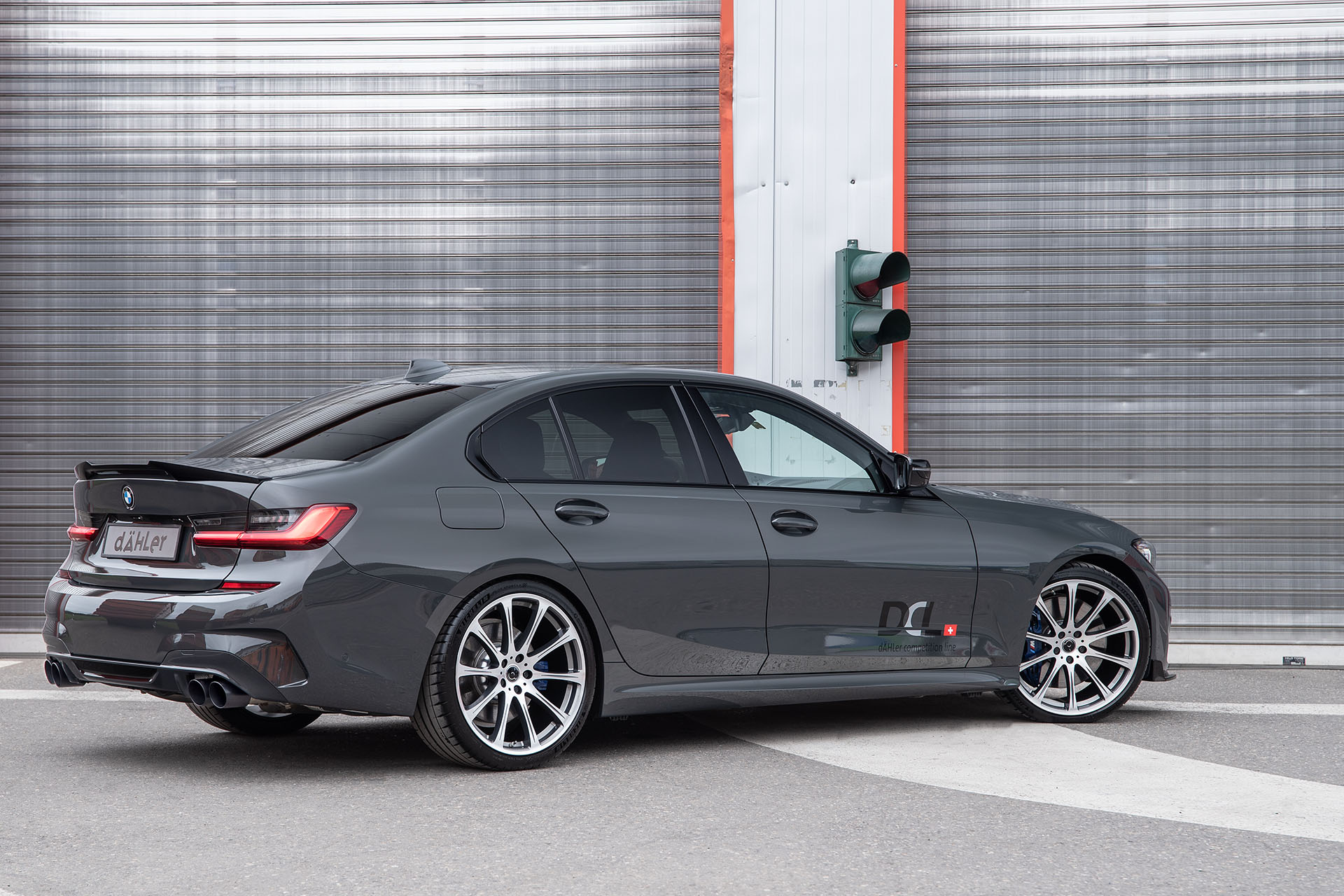
M340i xDrive DCL dAHLer competition line
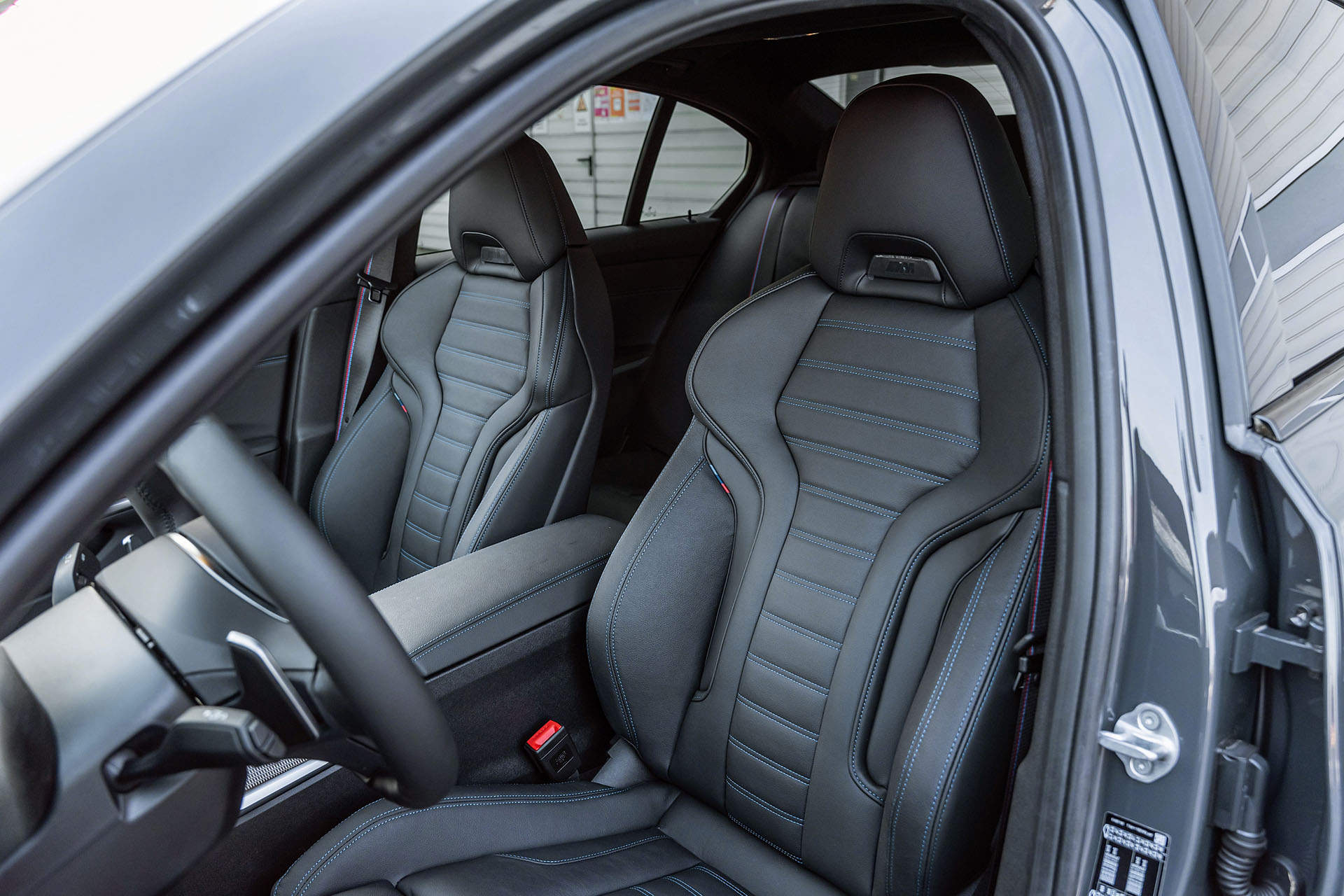
The BMW M340i comes from the factory as a ‘Mild Hybrid’, this means there is a starter-generator and a battery added to reduce fuel consumption and increase overall power output, the 48-volt adds up to 11 hp (8 kW) to the normal combustion engine to get you off the line quicker during acceleration, in this model the engine is the B58 unit with 374 hp (275 kW) and 500 Nm of torque.
But Dahler Competition Line AG from Bern, Switzerland, takes this mild hybrid to another level after their overhaul, which is available in two levels, the Power Boost level 1 brings power output to an impressive 435 hp (320 kW) and torque up to 610 Nm (450 ft-lb), and as this tuning is WLTP-E6d tested and approved for sale in the EU and Switzerland, you even keep the factory warranty on your brand new BMW M340i.
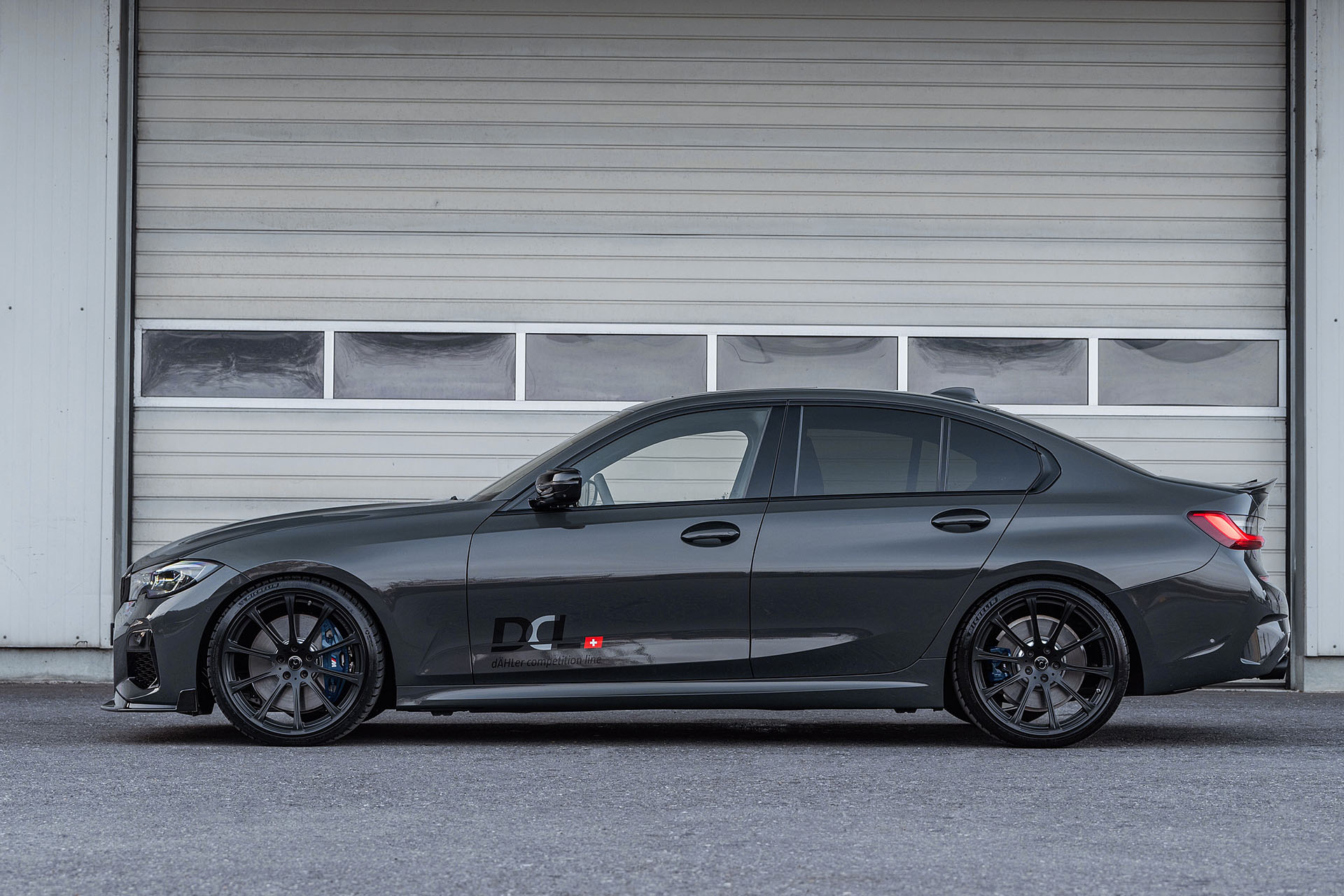
Going for the Power Boos level 2 ‘powered by dAHLer’ option will get you to 455 hp (334 kW) and 640 Nm (472 ft-lb) and will in the near future come with an increased setting for the top speed limiter, but you’ll could run into some issues with the factory warranty from BMW themselves, so that’s a risk you might need to take in this case.
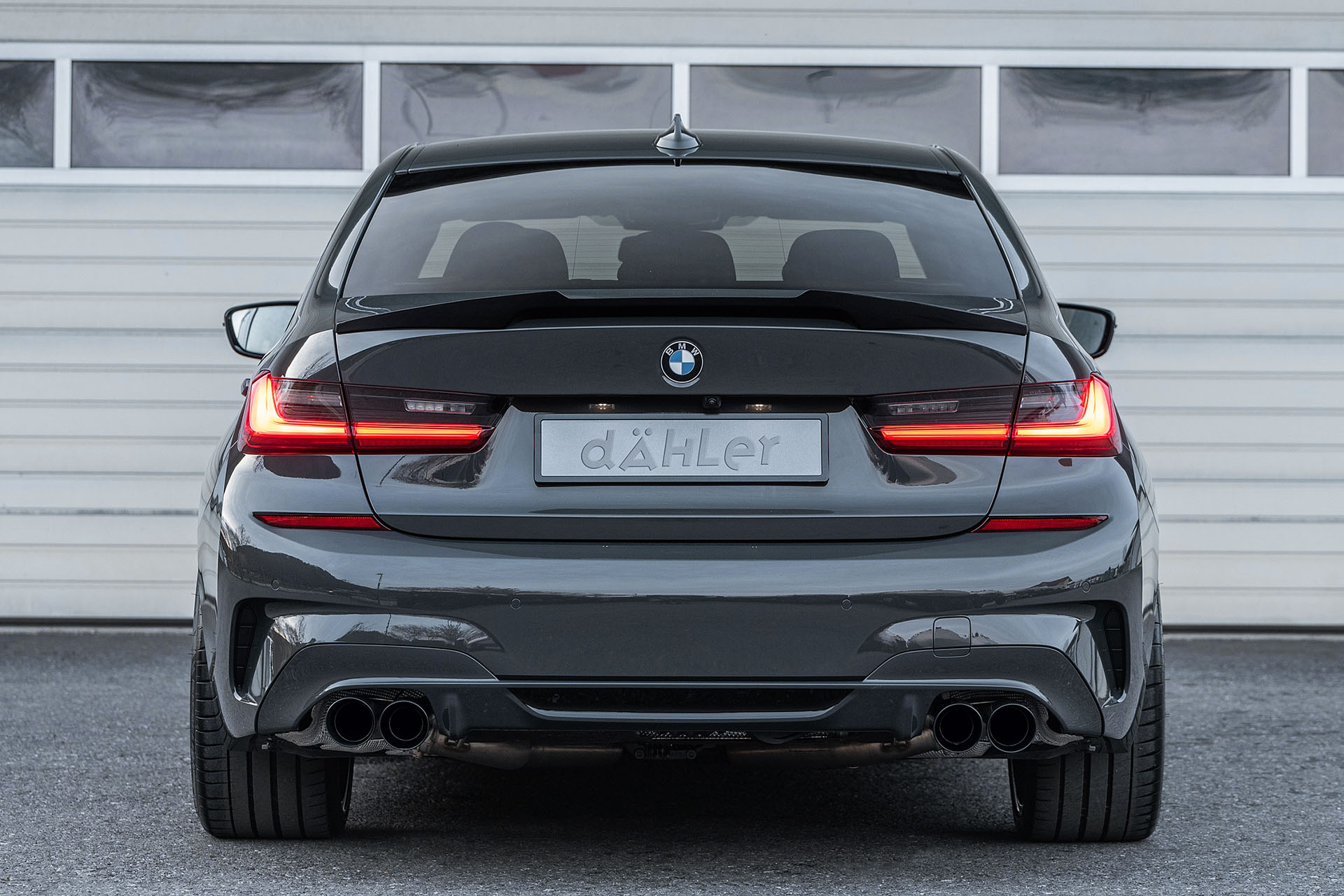
To make sure the looks of the BMW M340i dAHLer fit the sound from the exhaust, you might want to get their stainless steel exhaust system, specially tuned to the series GPF. It comes with quad ceramic-coated 90mm tailpipes, a top-quality ceramic coating is not only highly practical, with outstanding features such as hardness and resistance to wear, electrical insulation, low thermal conductivity, and a consistently reproducible surface structure, it also has a highly refined look.
Dahler Competition Line AG is also preparing an Eventuri intake system and they offer an additional, CAN bus-controlled exhaust valve controller so you can have a more subtle sound when you drive in the city, but unleash the sporty, signature dAHLer sound on the highway.
If your BMW M340i comes with the EDC Electronic Damping System from the factory, you can install an upcoming Competition coilover suspension “Built by dAHLer” with DDC plug and play, but for now, they already offer a Competition coilover suspension that can be manually adjustable in height and hardness, however, if you’re only going for looks, a set of sport springs is also a possibility.
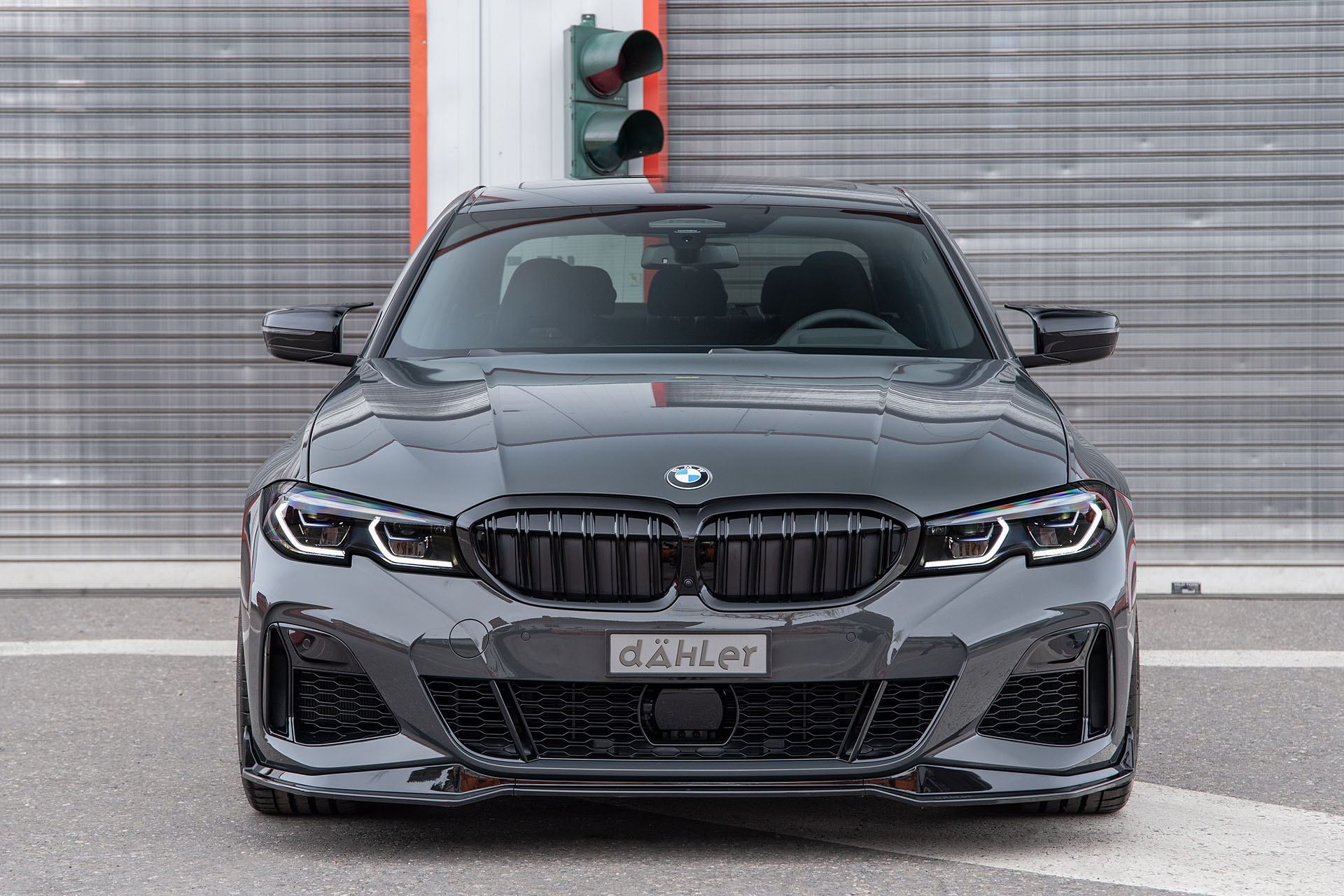
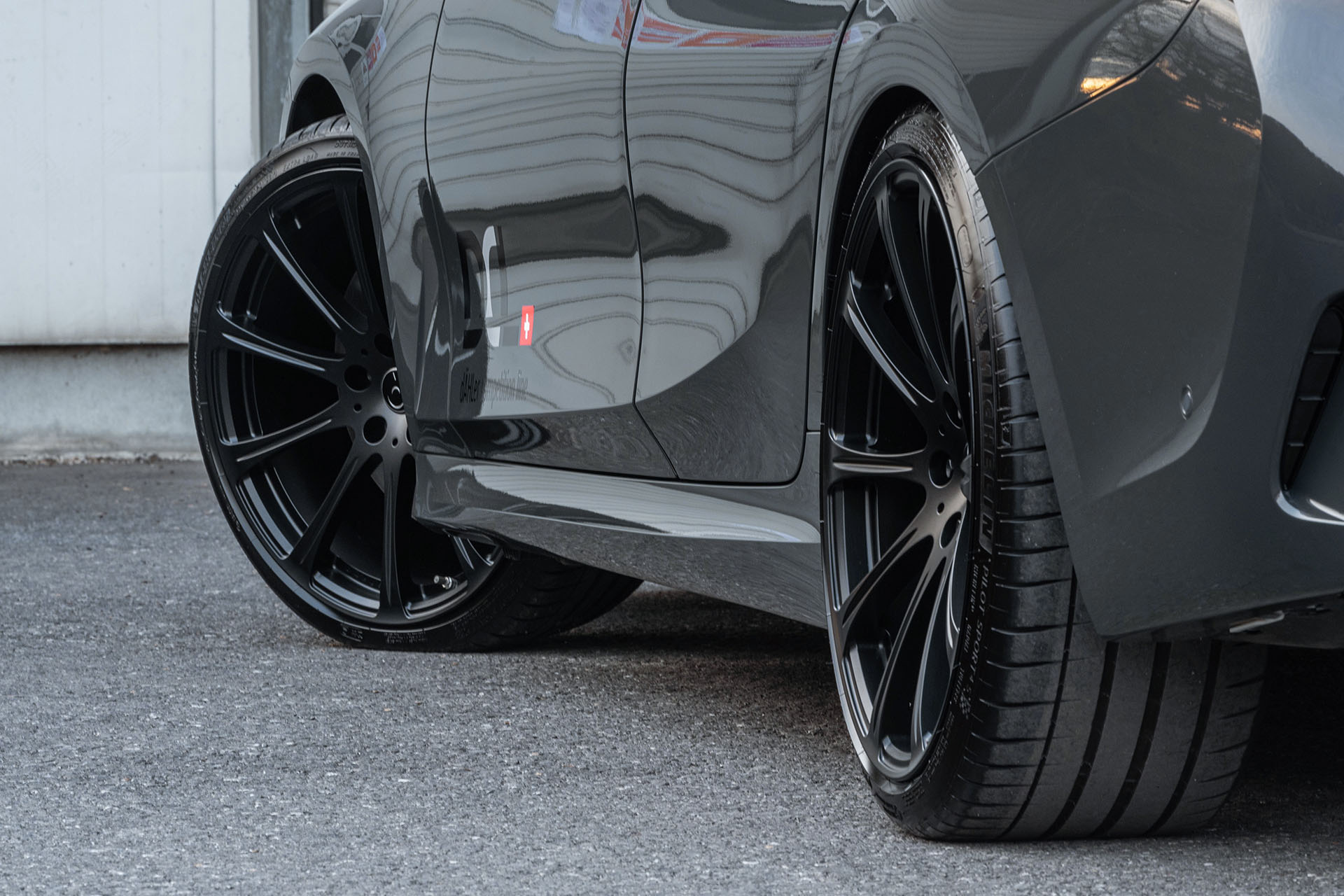
But you will have to get a set of ultra-light 20-inch “dAHLer CDC1 FORGED” wheels, 9×20 inches at the front with 235/35ZR20 tires and 10×20 inches at the rear with 275/30ZR20 tires (Michelin Pilot Sport 4S) to finish of the mild aero tuning from dAHLer in the form of a front splitter, a rear spoiler, special M Style mirror caps, a carbon-fiber roof antenna cover, and a front grille design in three different looks.
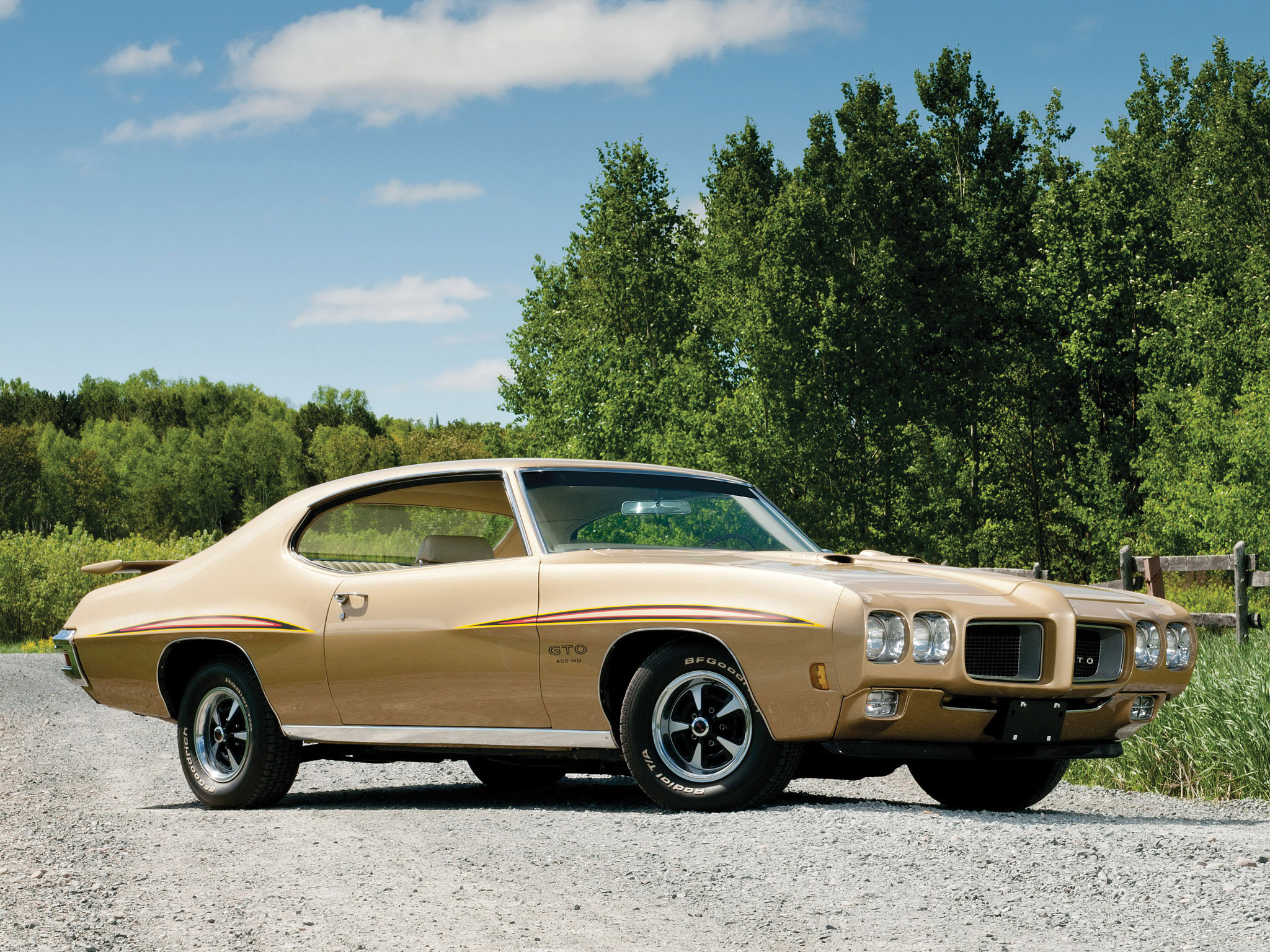
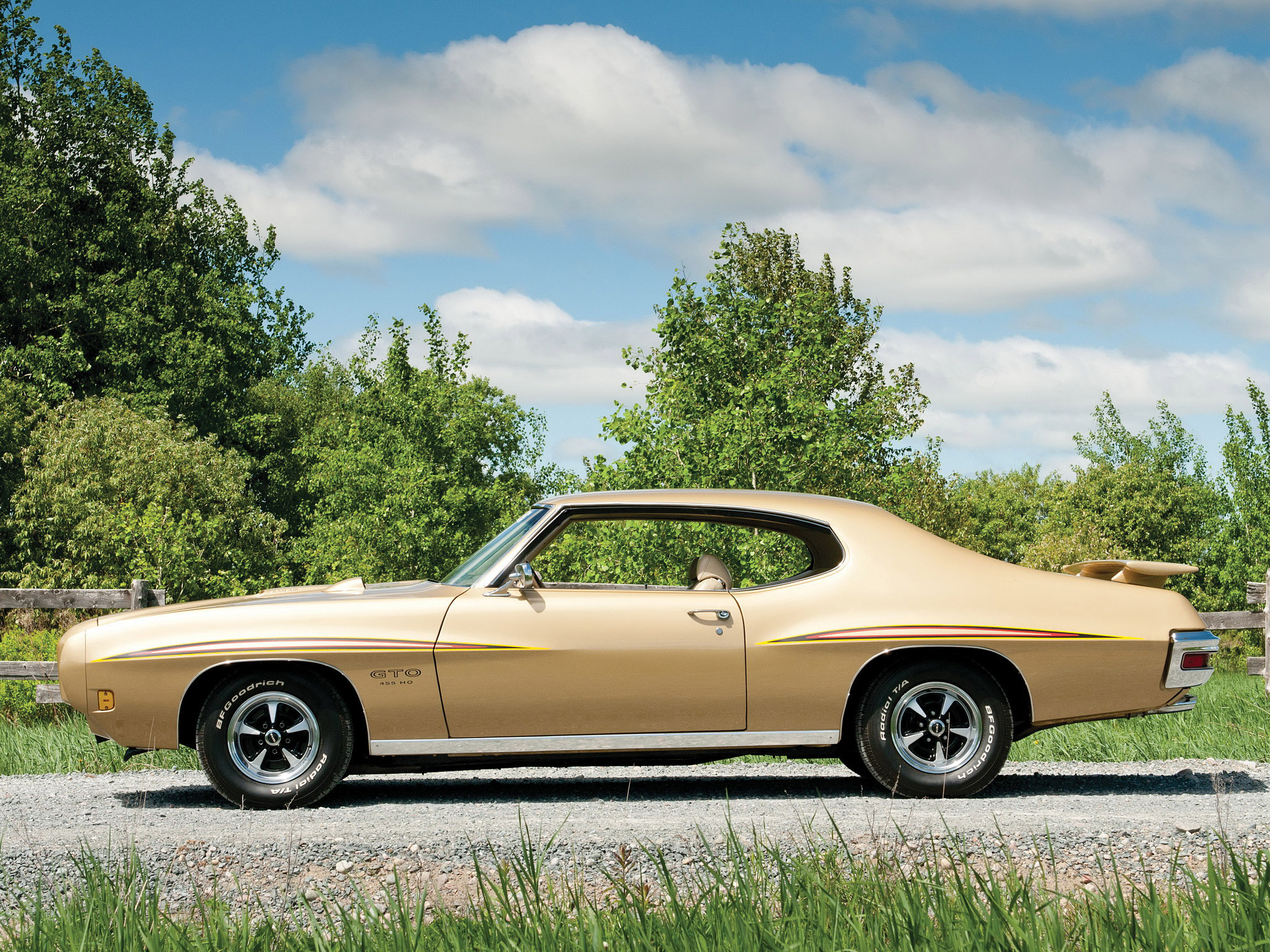
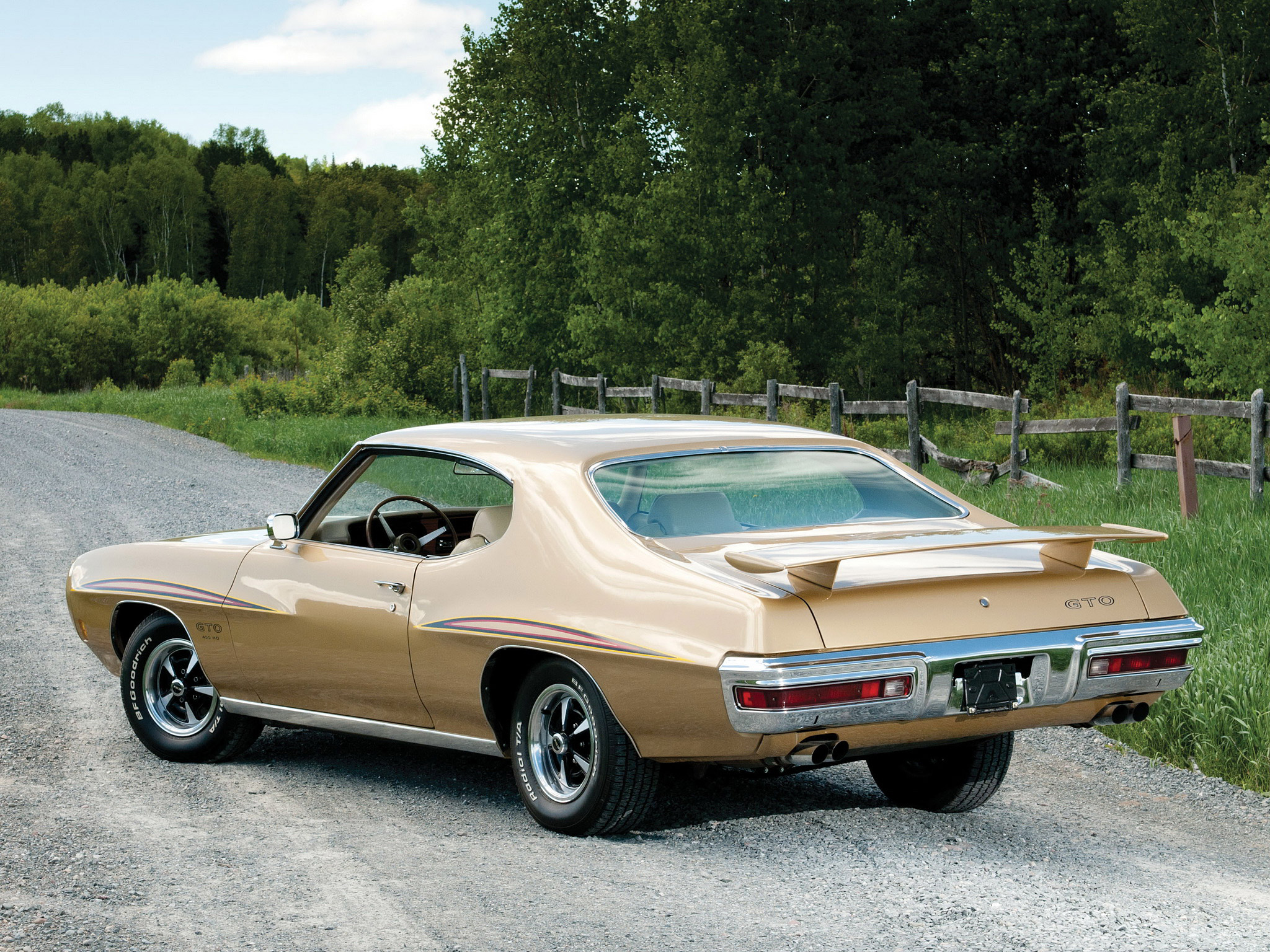
1970 Pontiac GTO 455 HO Hardtop Coupe Wallpapers
We have curated the ultimate collection of the best 1970 Pontiac GTO 455 HO Hardtop Coupe Wallpapers and HD backgrounds for you to enjoy. Our team focused on finding the top 1970 Pontiac GTO 455 HO Hardtop Coupe Wallpapers only to keep the quality high. These 1970 Pontiac GTO 455 HO Hardtop Coupe Wallpapers are free to download so go ahead. To download any of these pictures for use as a wallpaper, right click the picture and choose Save As …
Find more awesome Pontiac Wallpapers
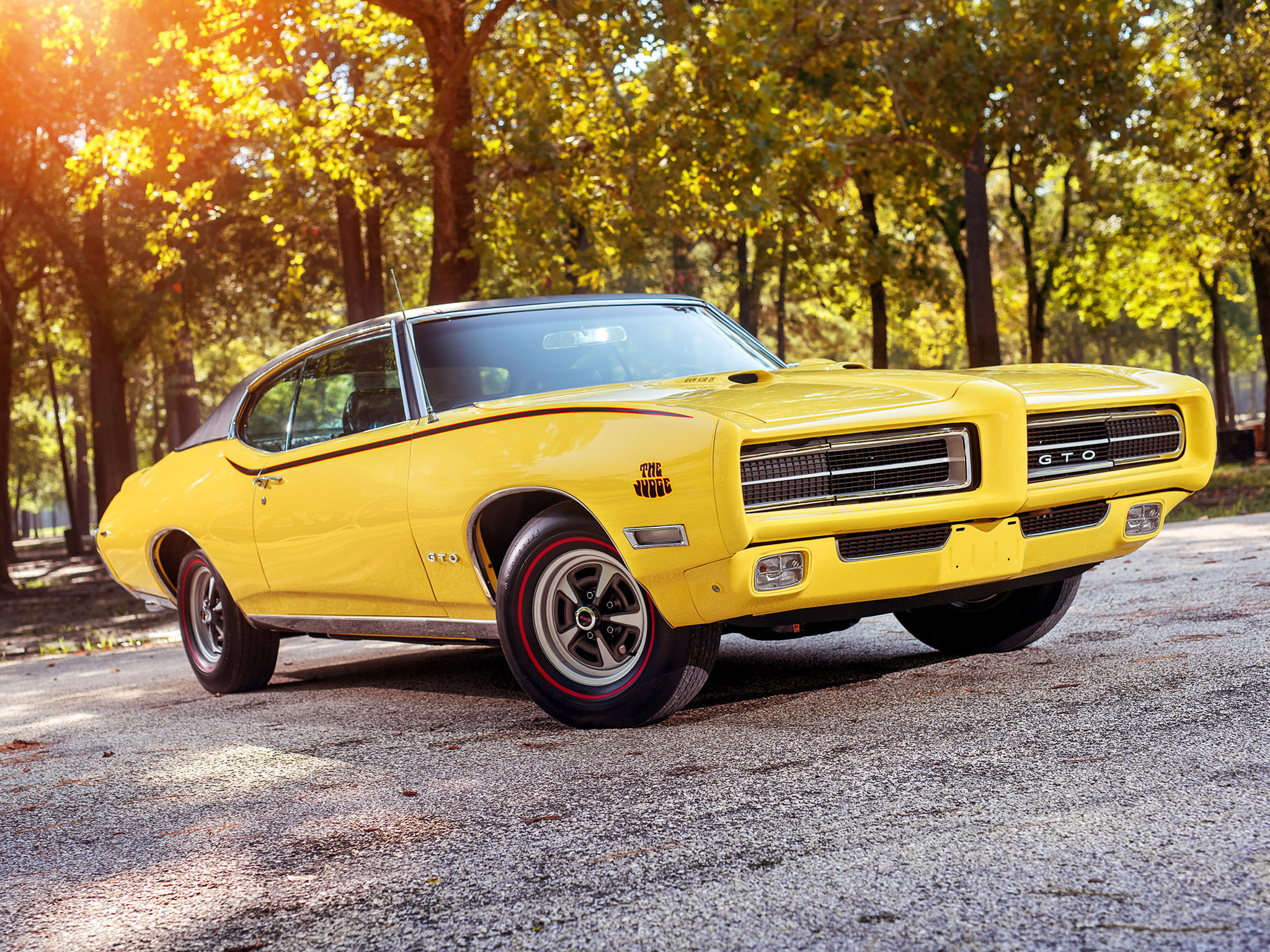
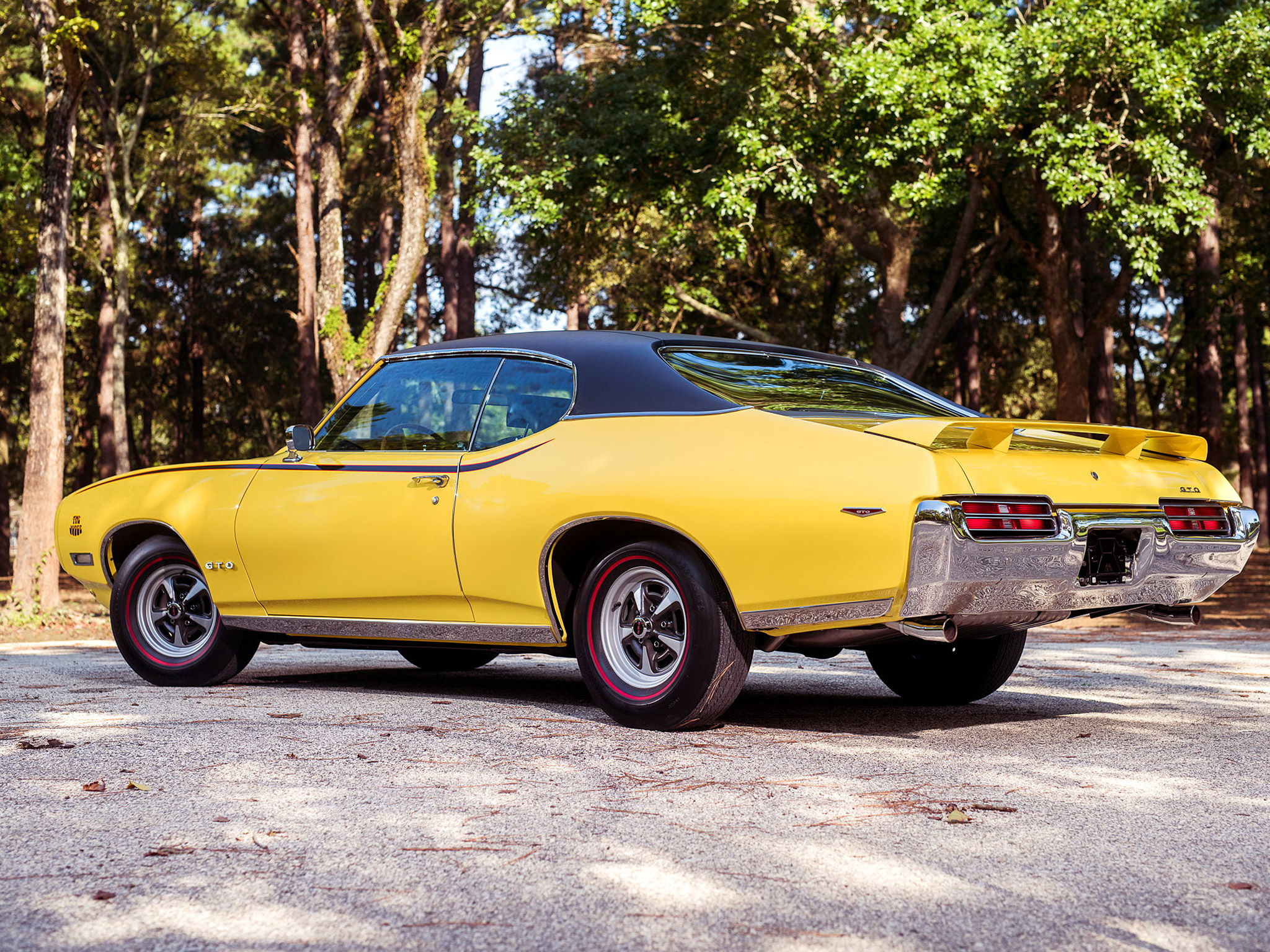
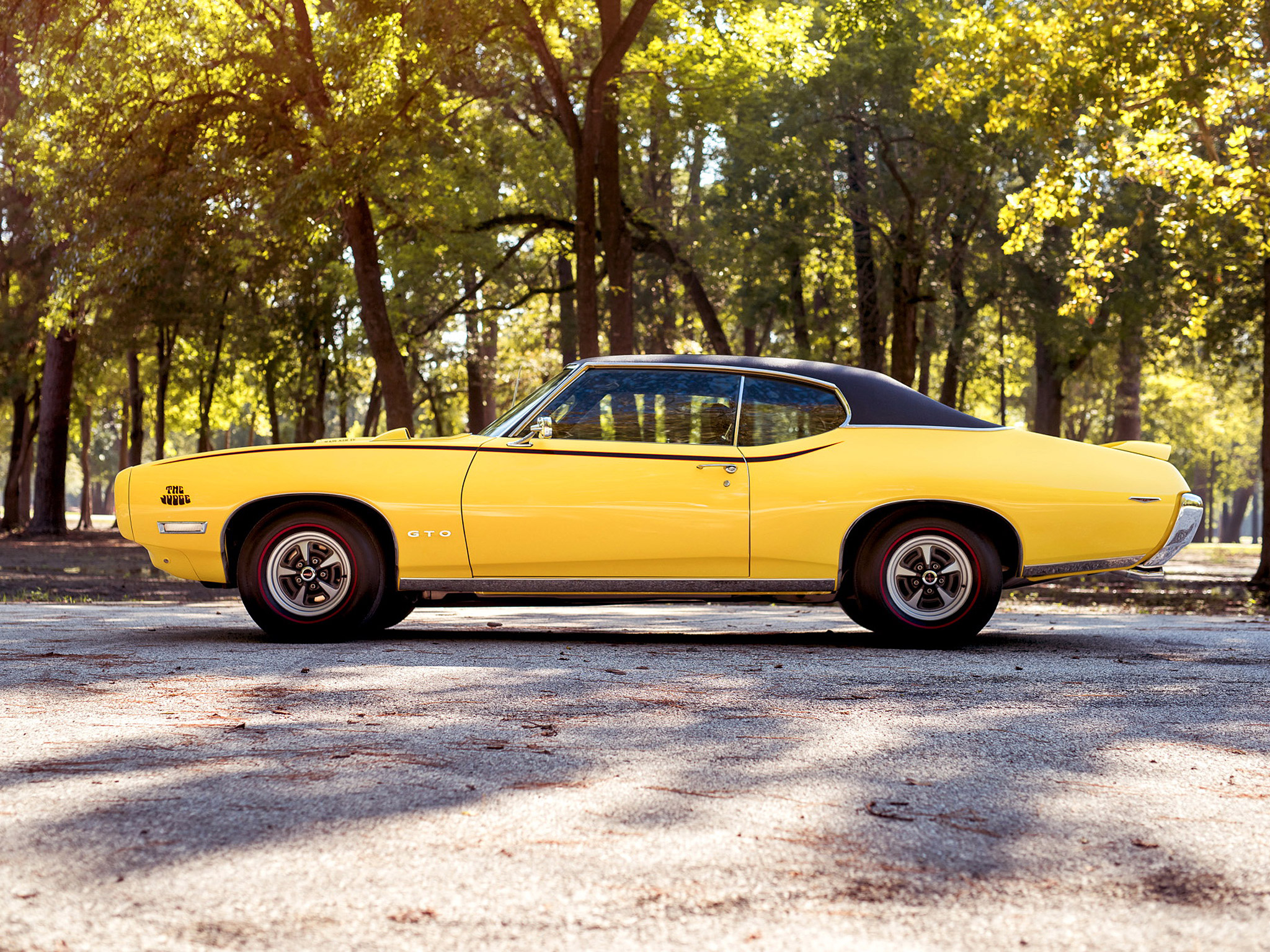
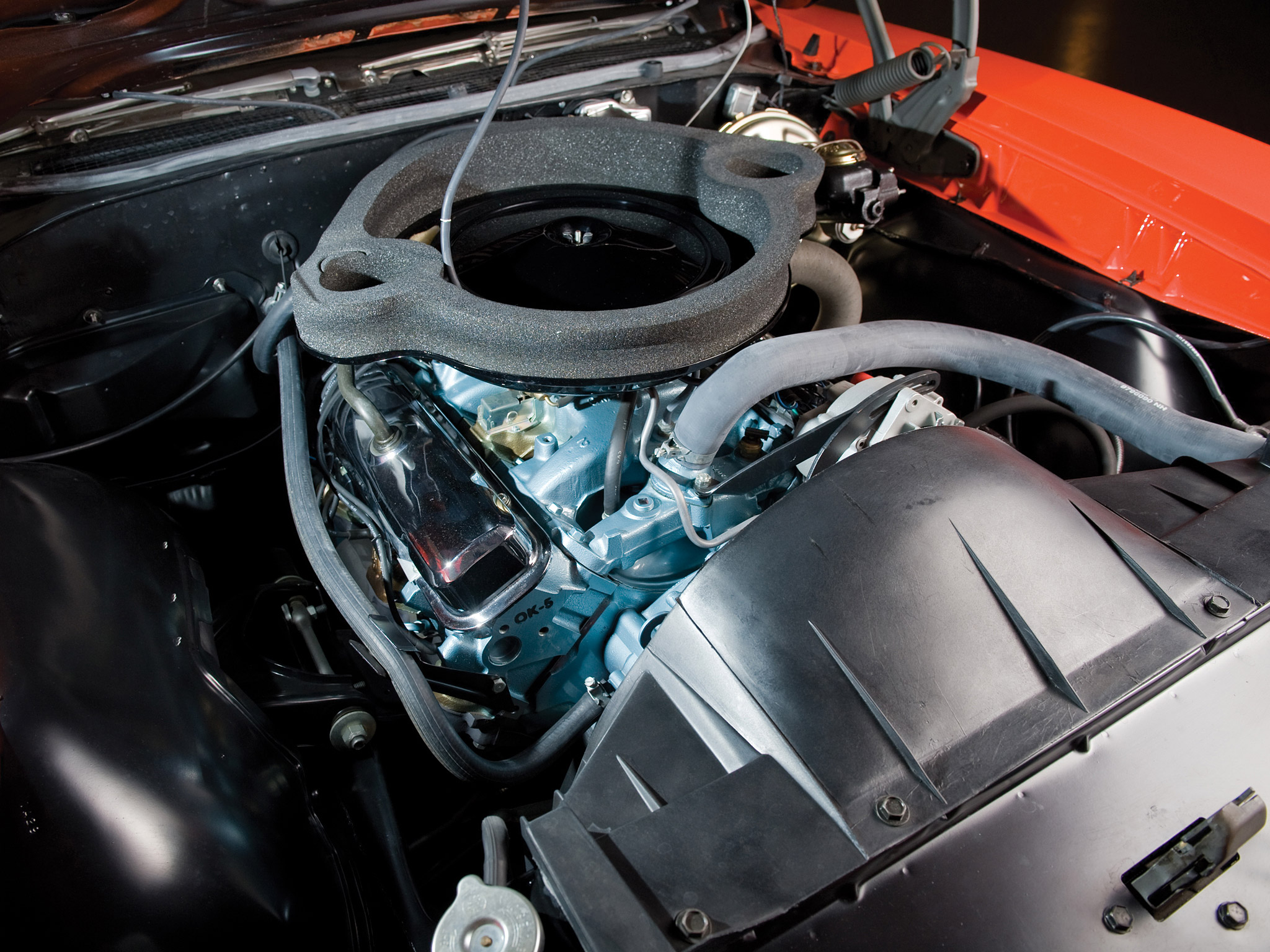
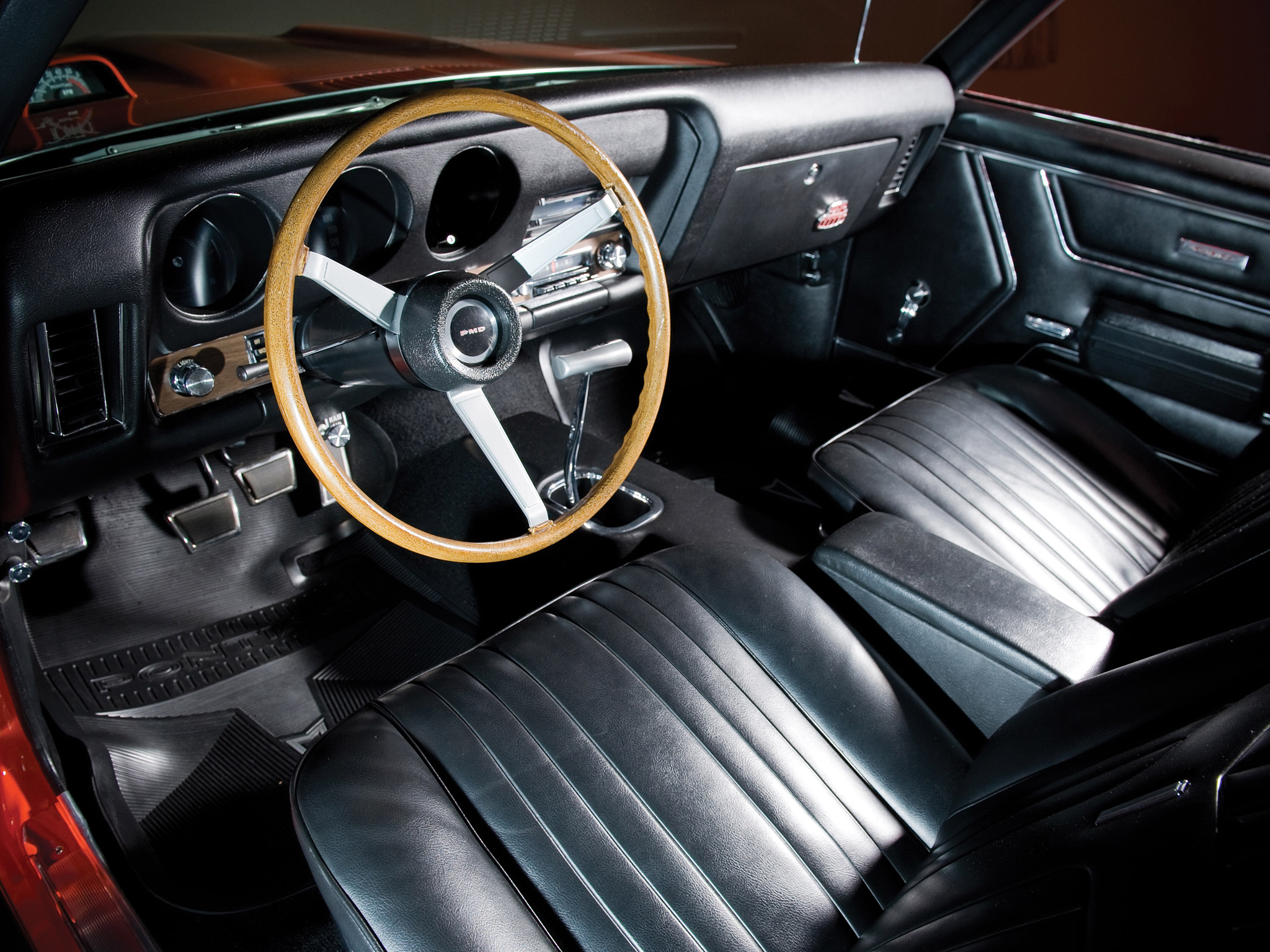
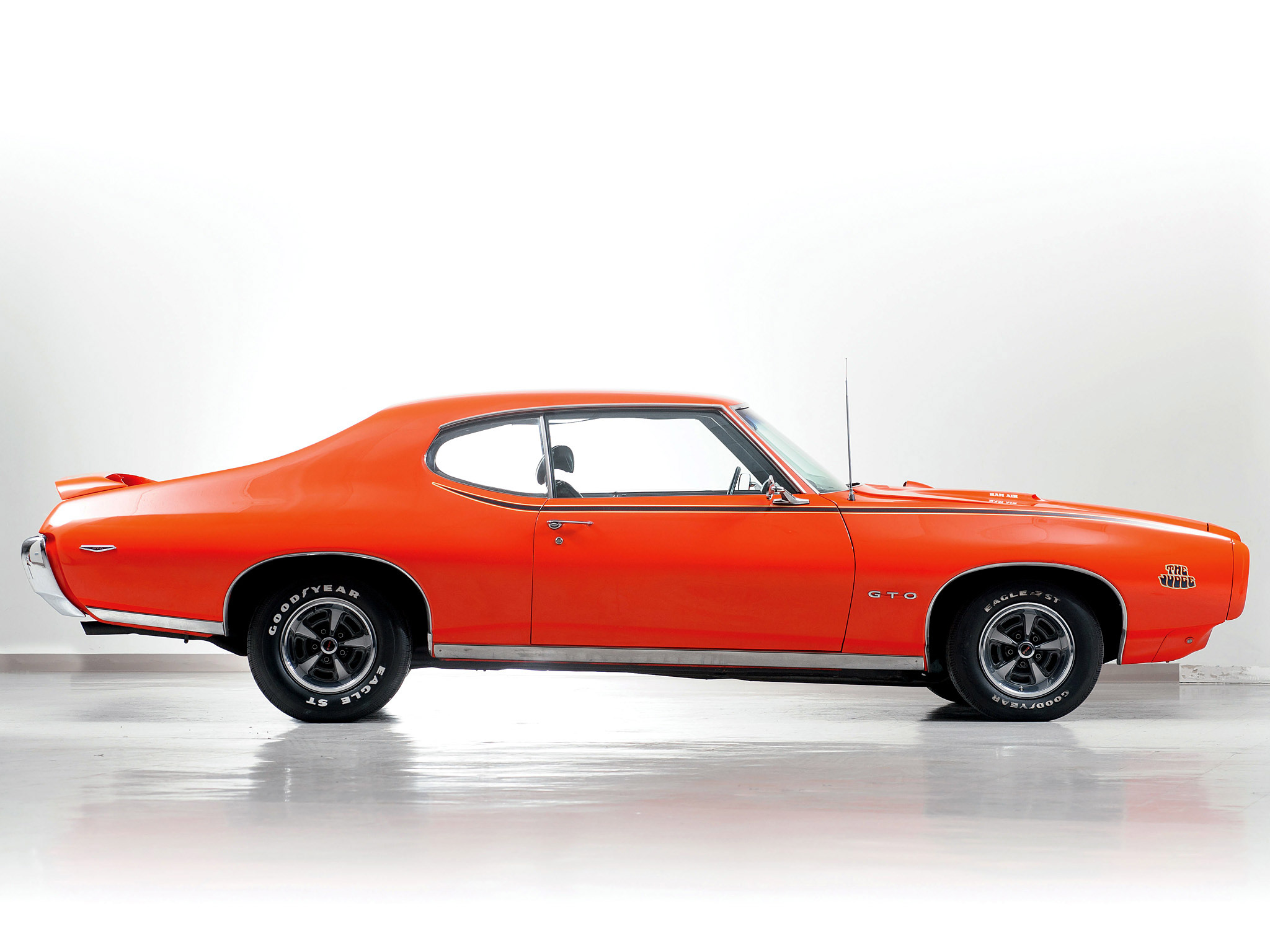
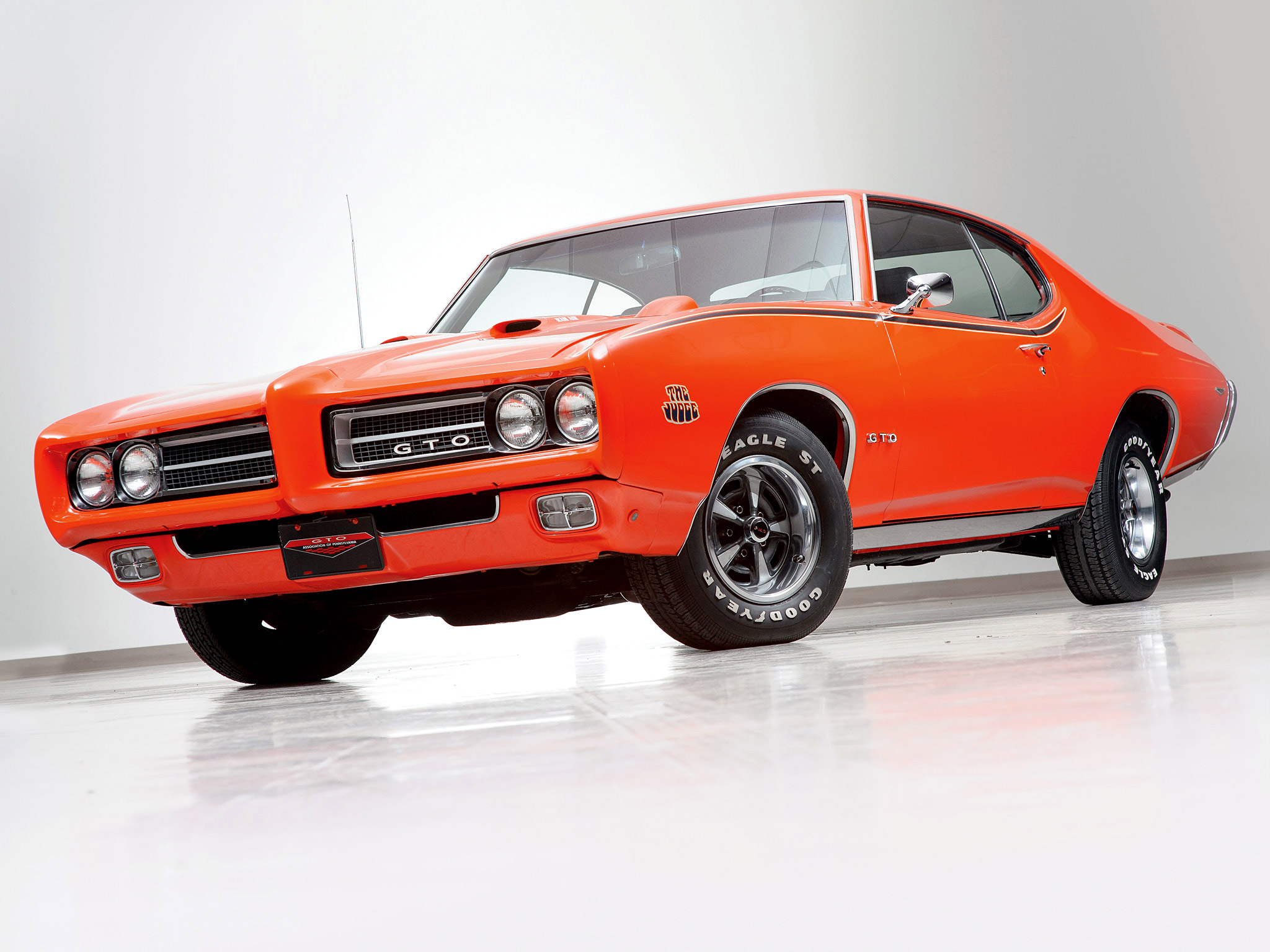
1969 Pontiac GTO Judge Wallpapers
We have curated the ultimate collection of the best 1969 Pontiac GTO Judge Wallpapers and HD backgrounds for you to enjoy. Our team focused on finding the top 1969 Pontiac GTO Judge Wallpapers only to keep the quality high. These 1969 Pontiac GTO Judge Wallpapers are free to download so go ahead. To download any of these pictures for use as a wallpaper, right click the picture and choose Save As …
Find more awesome Pontiac Wallpapers
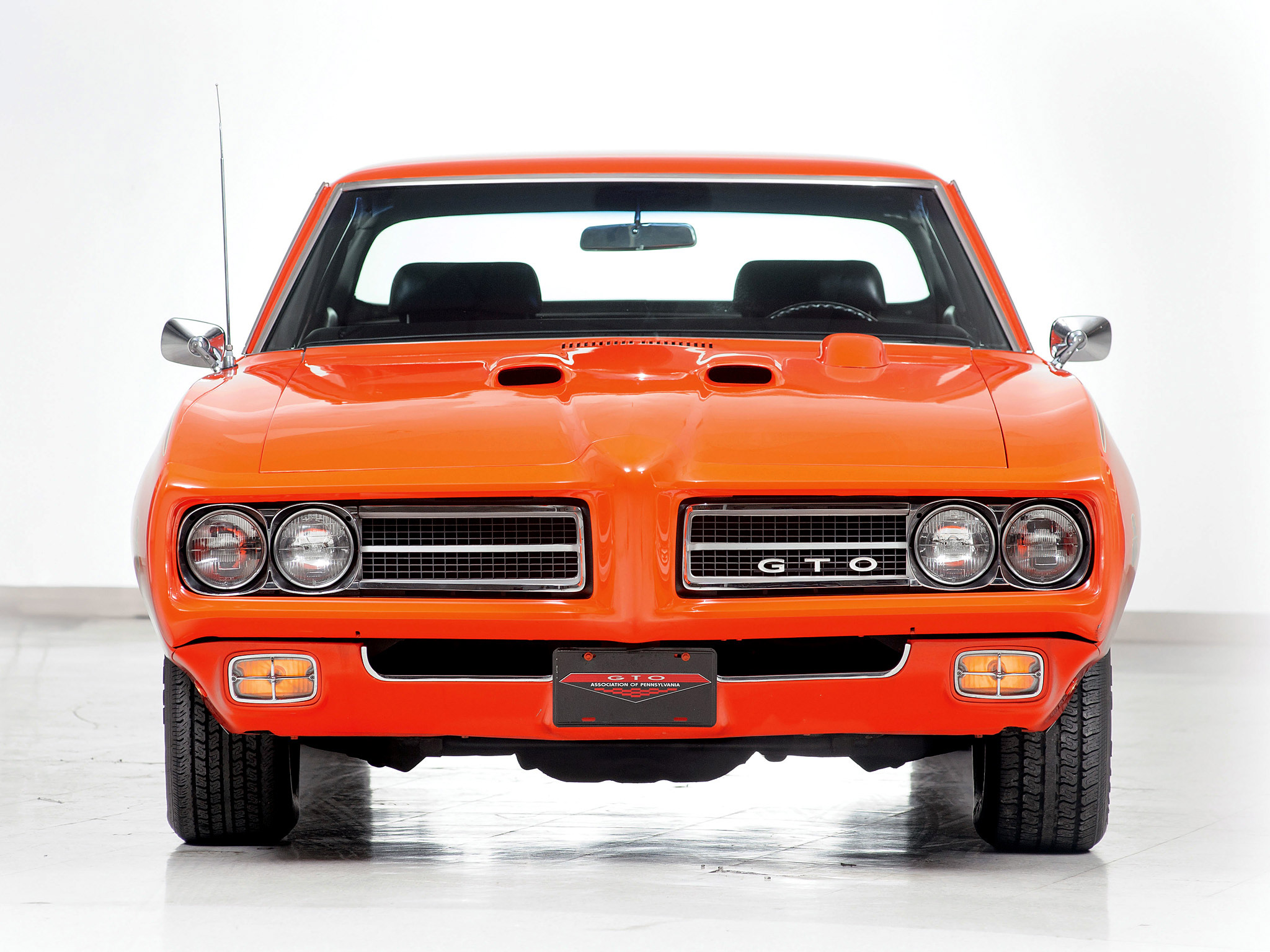
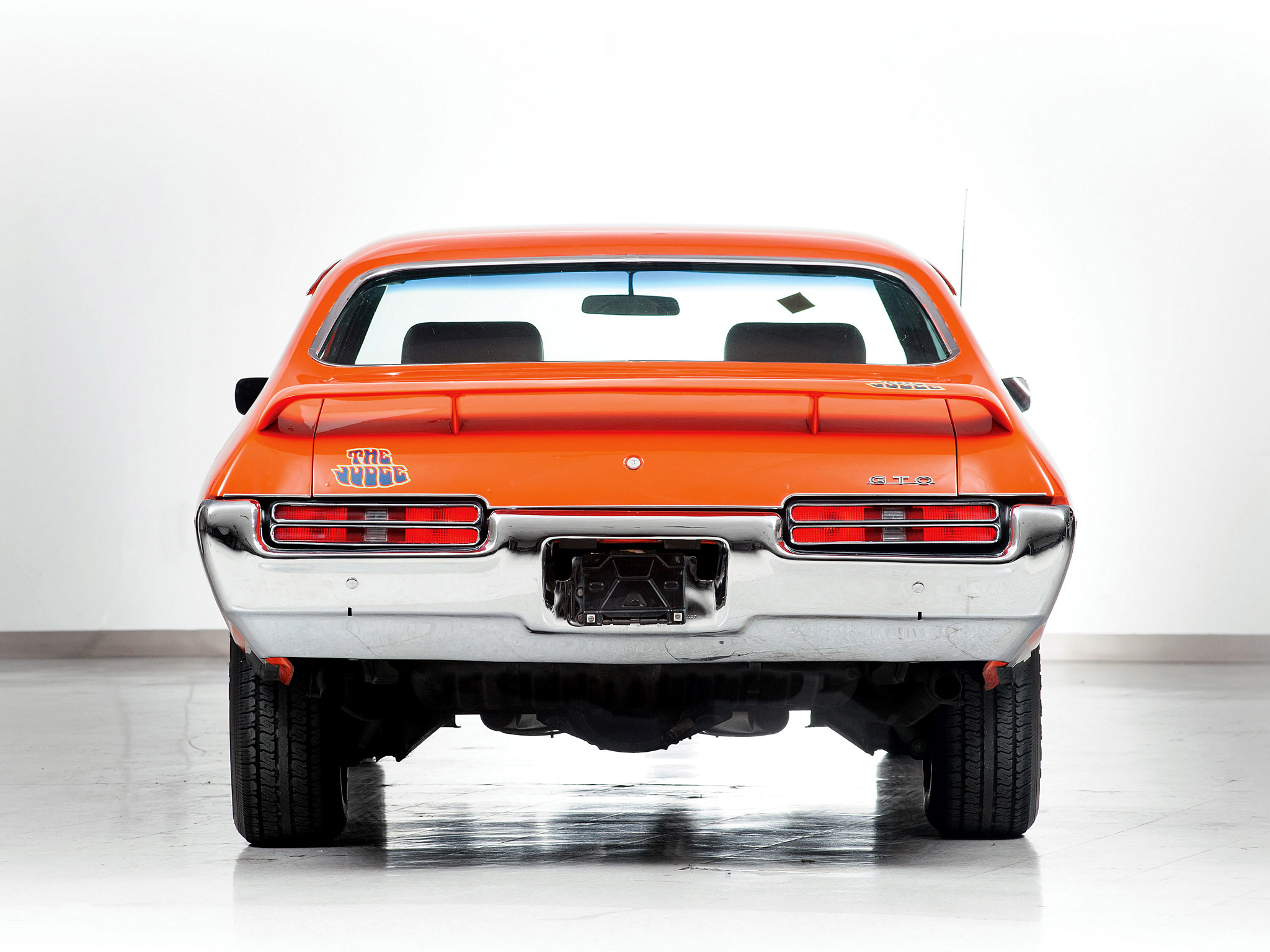
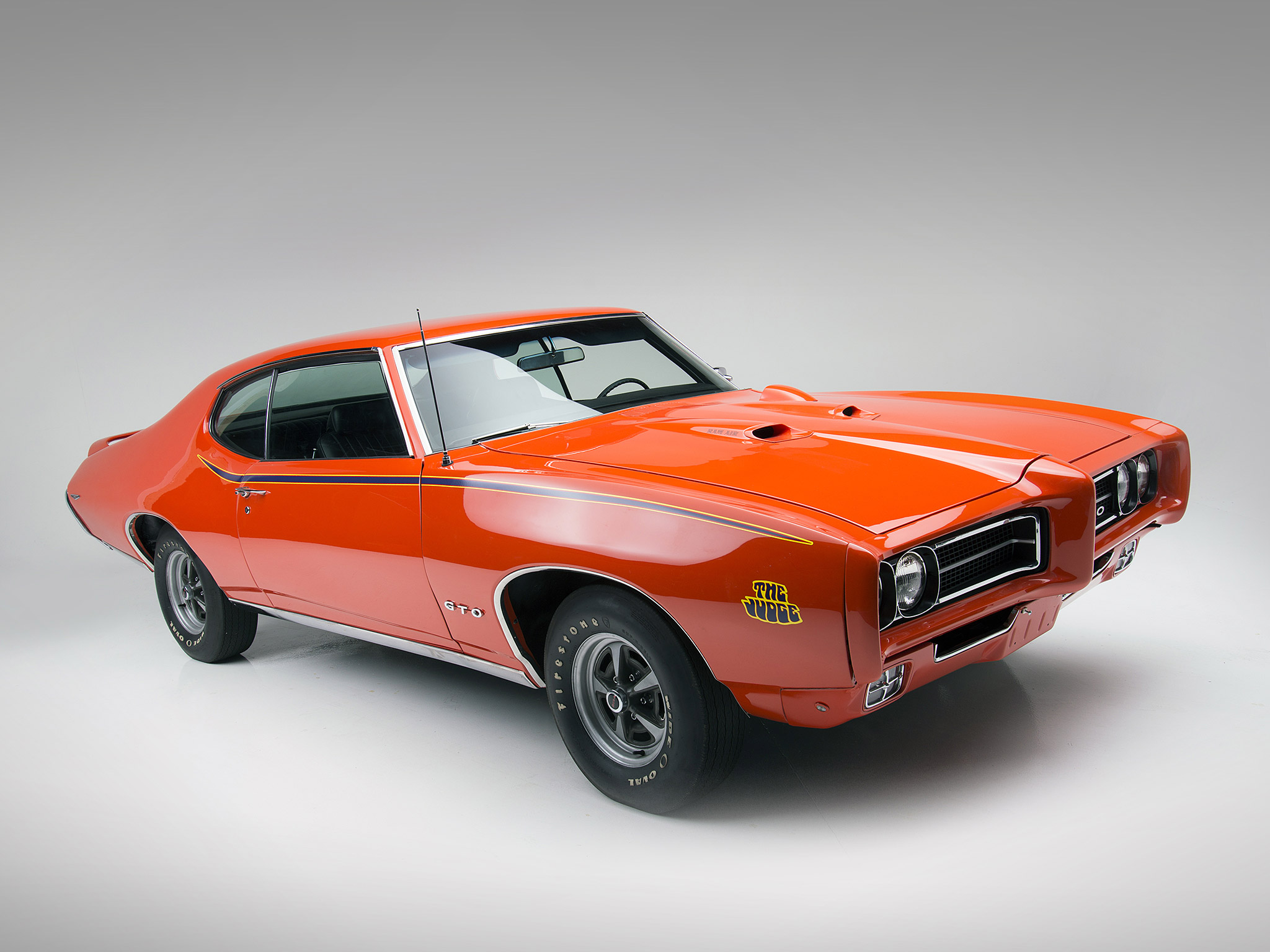
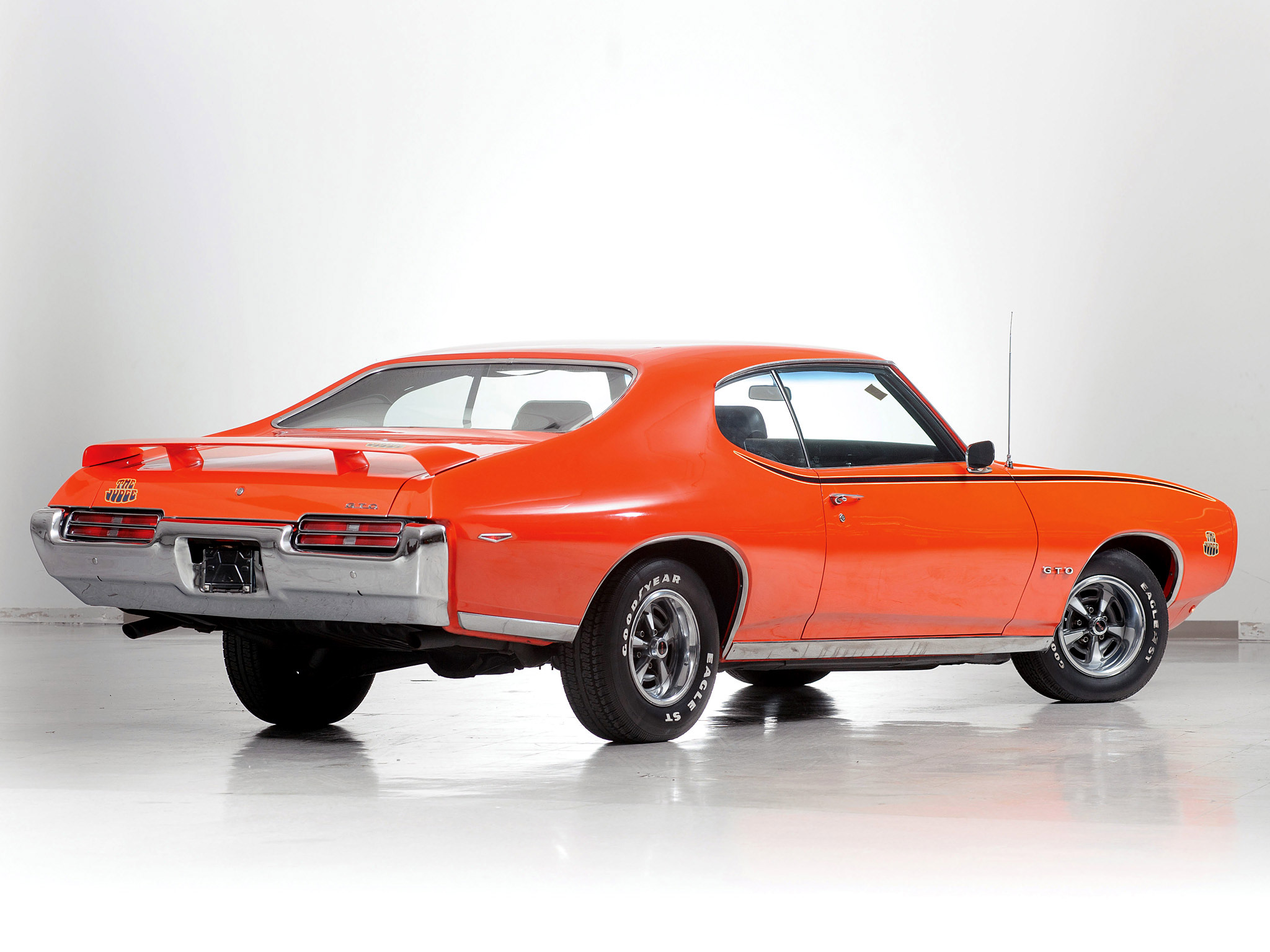
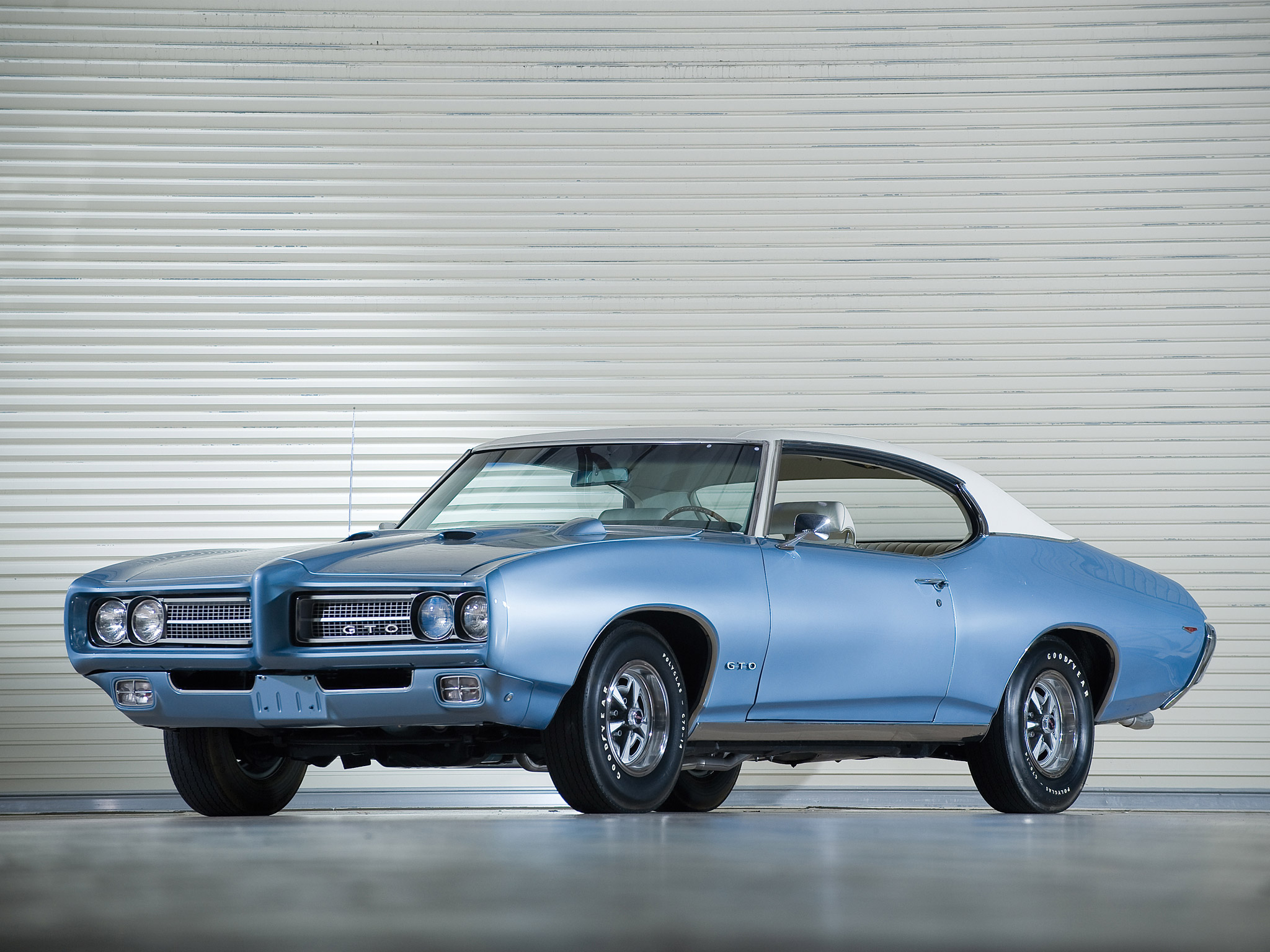
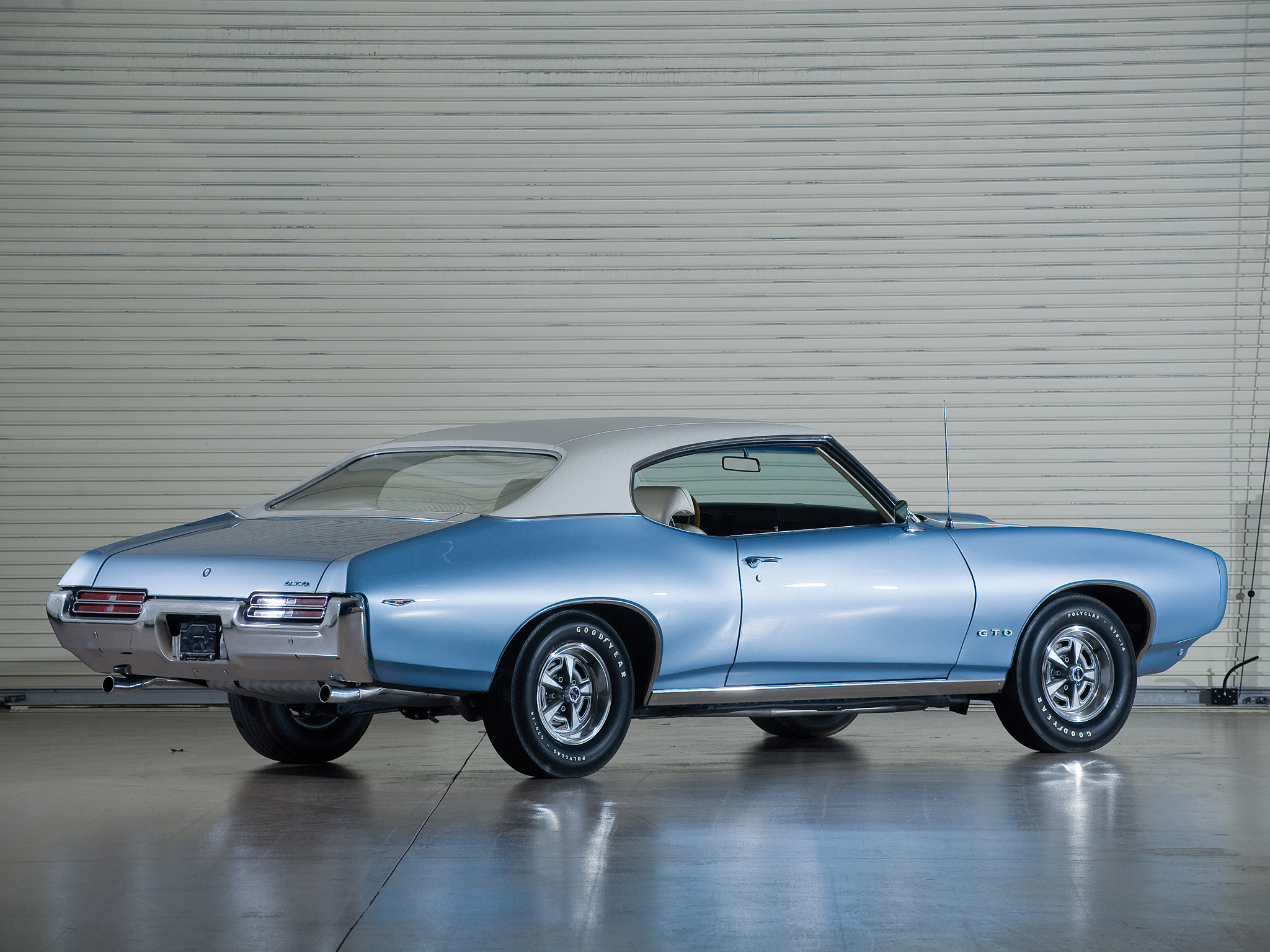
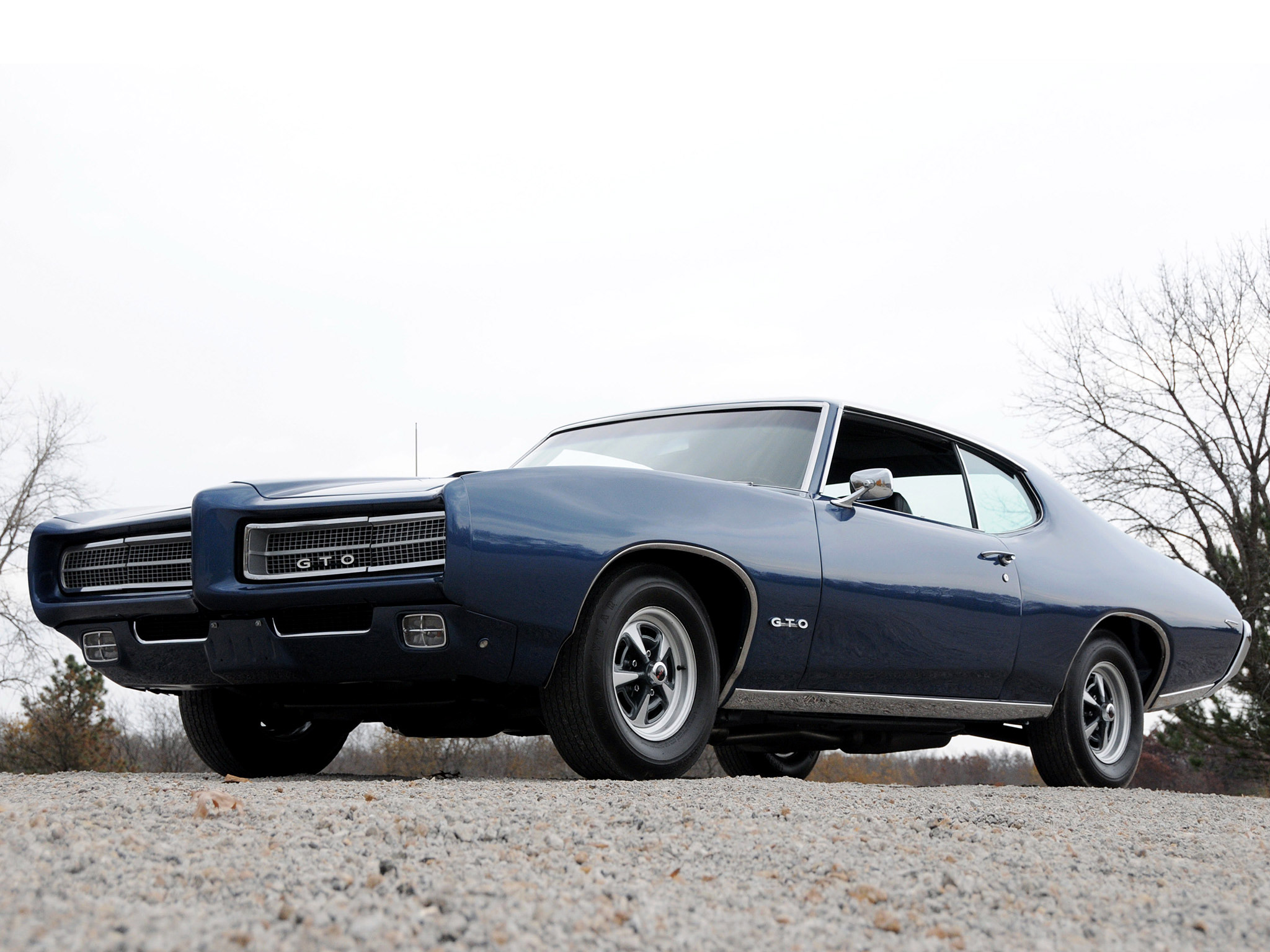
1969 Pontiac GTO Hardtop Coupe Wallpapers
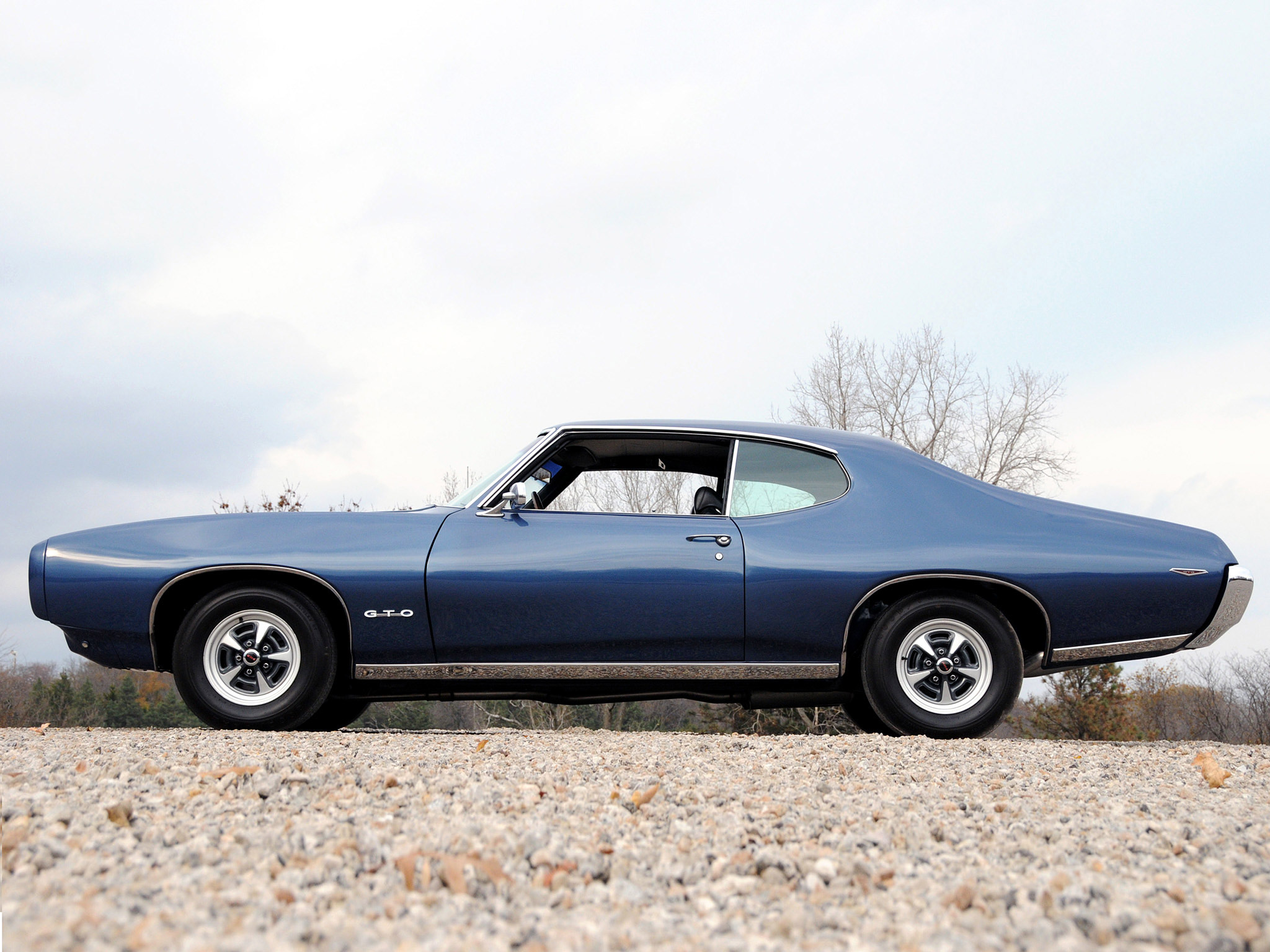
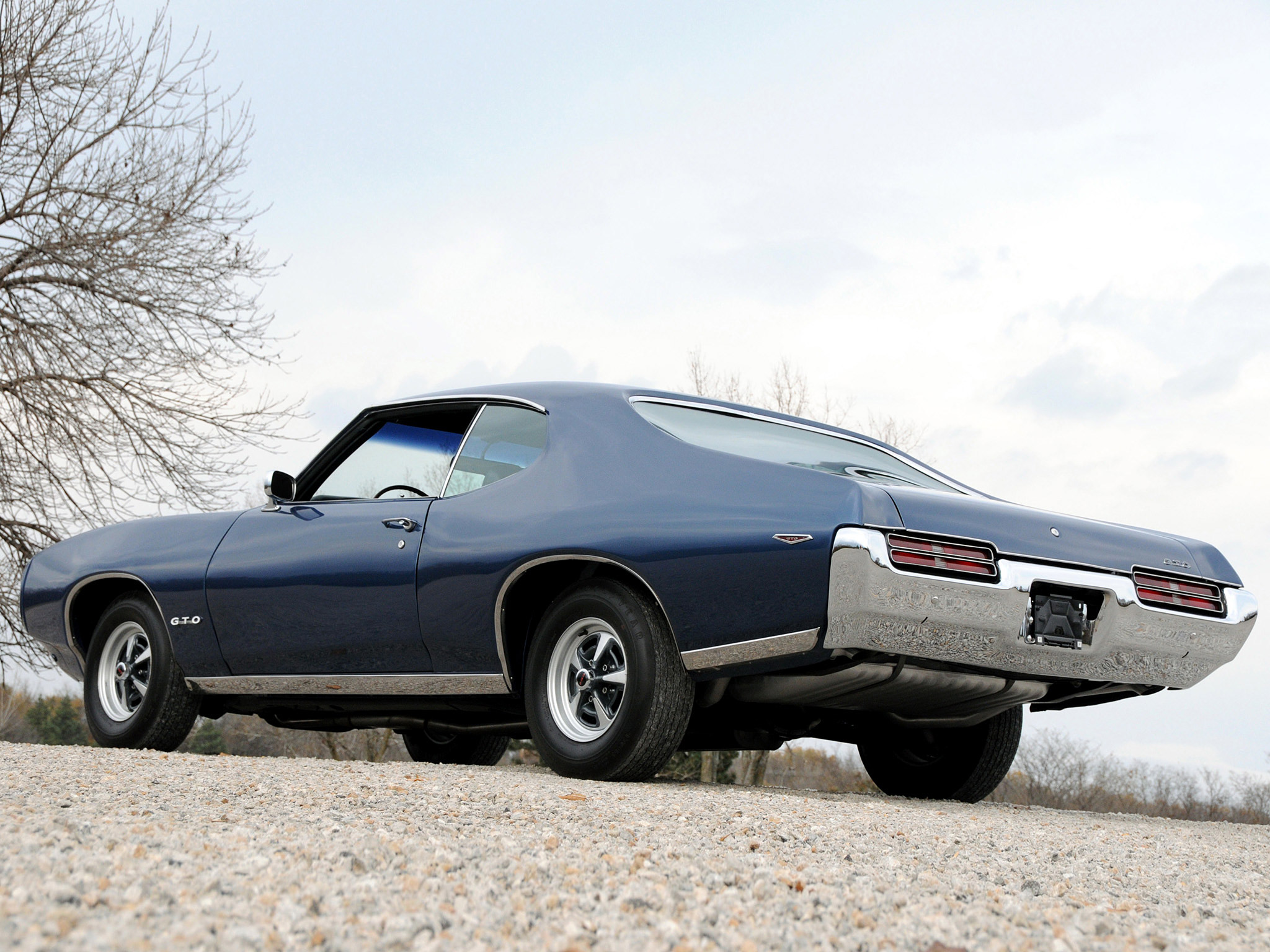
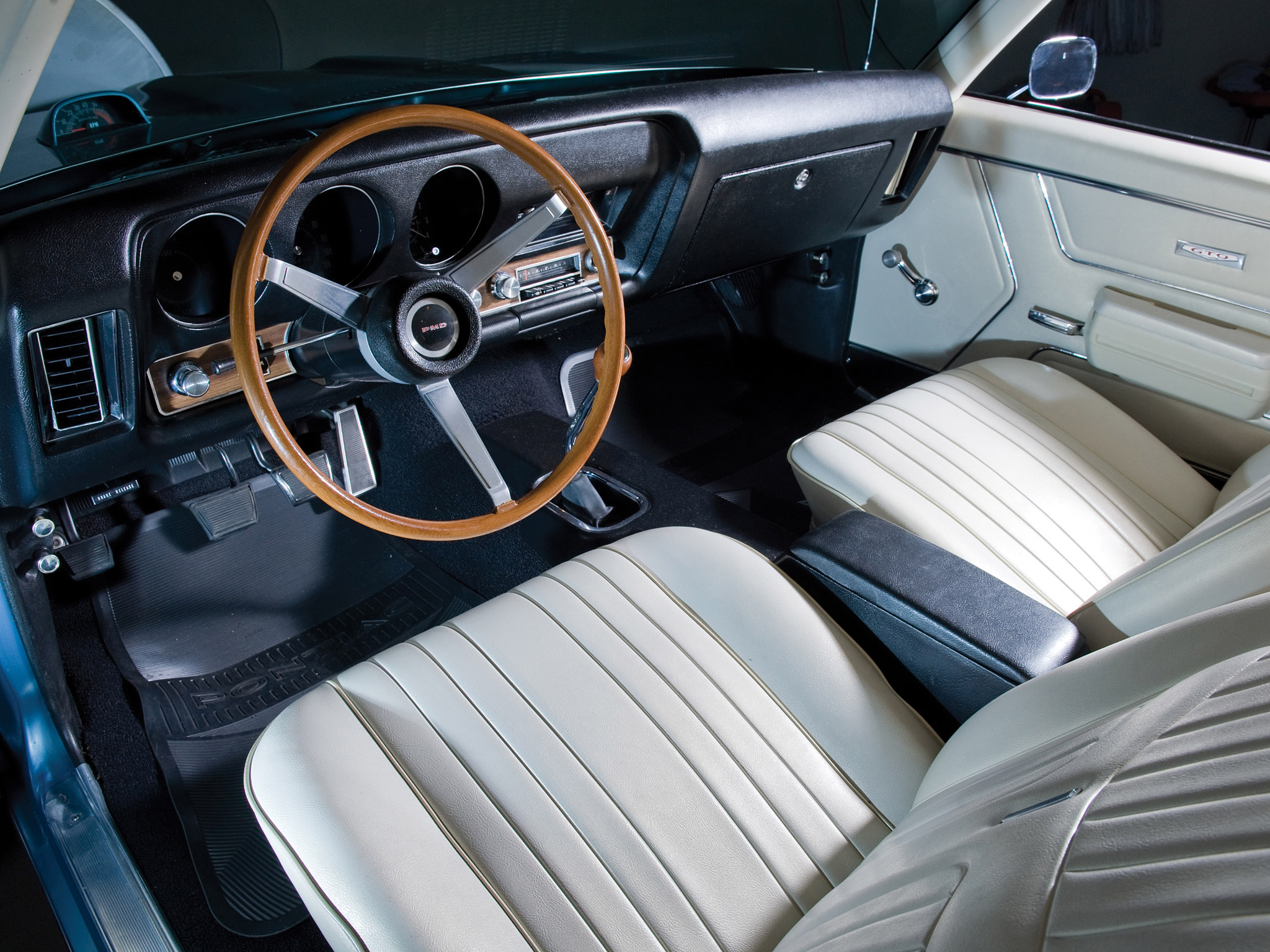
We have curated the ultimate collection of the best 1969 Pontiac GTO Hardtop Coupe Wallpapers and HD backgrounds for you to enjoy. Our team focused on finding the top 1969 Pontiac GTO Hardtop Coupe Wallpapers only to keep the quality high. These 1969 Pontiac GTO Hardtop Coupe Wallpapers are free to download so go ahead. To download any of these pictures for use as a wallpaper, right click the picture and choose Save As …
Find more awesome Pontiac Wallpapers
FV Frangivento Sorpasso
We all think about Ferrari, Maserati, and Lamborghini when someone mentions ‘Italian supercar’, but there are many more car builders in Italy, like FV Frangivento, located in Turin, and they just introduced their latest creation, the FV Frangivento Sorpasso, and while the ‘base’ model is called the Stradale, they also have a GTXX model, and it’s this one that comes with an interesting option.
As a special customization option, you can opt for the FV Frangivento Sorpasso GTXX to come with your choice of numbers for the ‘XX’ in the name, so you could have it as GT40, or GT63, or whatever number you like, and that’s not even the best part … there is also Programma Sviluppo and Programma Ego, this will give you 30-day access to the stylists at FV Frangivento to actually design you very own Sorpasso Stradale or Sorpasso GTXX.
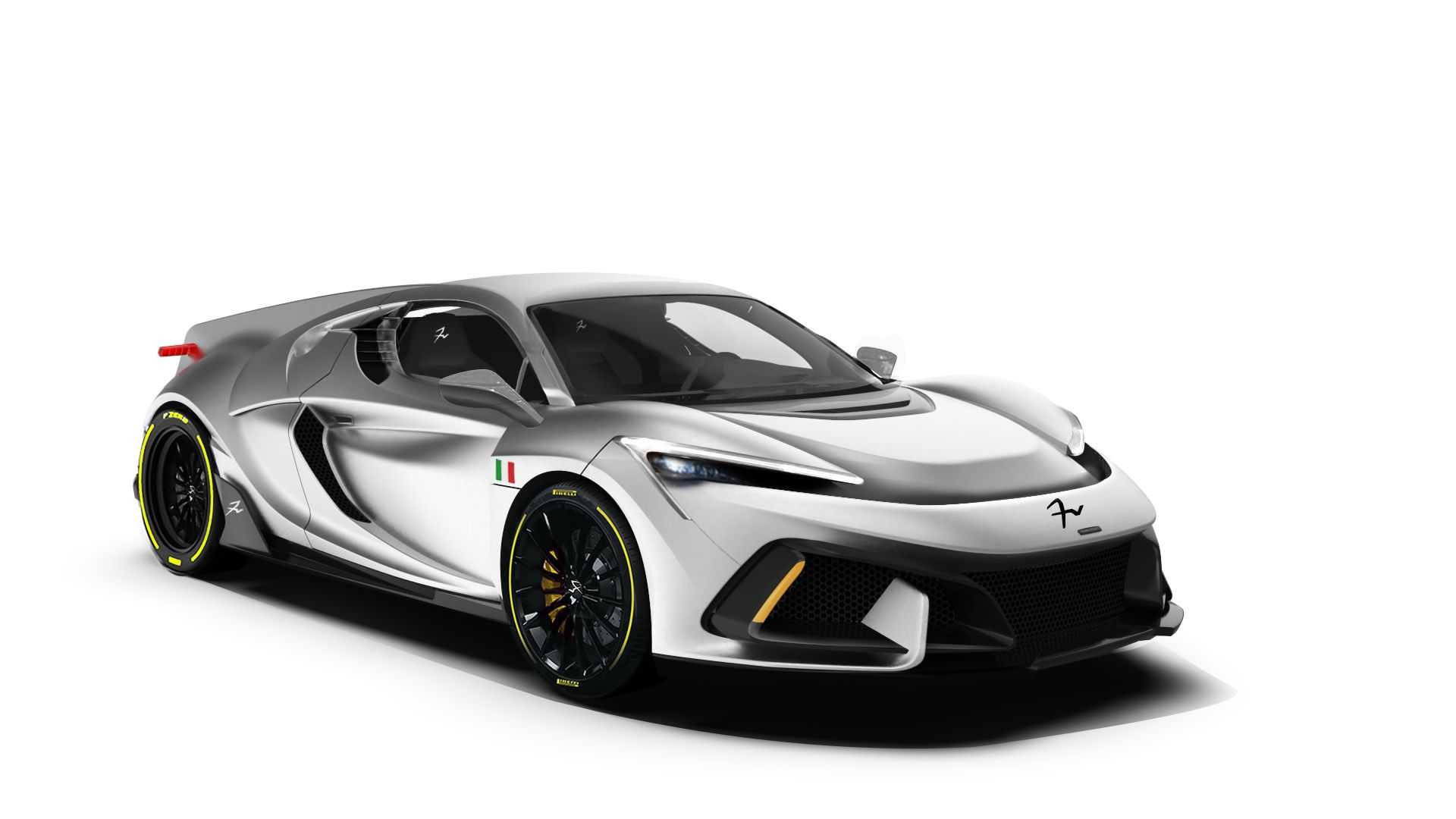
The car in these press renders is in fact the FV Frangivento Sorpasso Stradale, the more elegant supercar, in this case, finished in ‘Grigio Hermes’, the Sorpasso GTXX will come with a GT3 inspired, more aggressive design and boast two-tone paint finish, for the interior a combination of Alcantara and leather is possible, and FV Frangivento lists an optional Avatar Driving Assistant. Which should become an AI technology-based co-pilot or travel assistant.
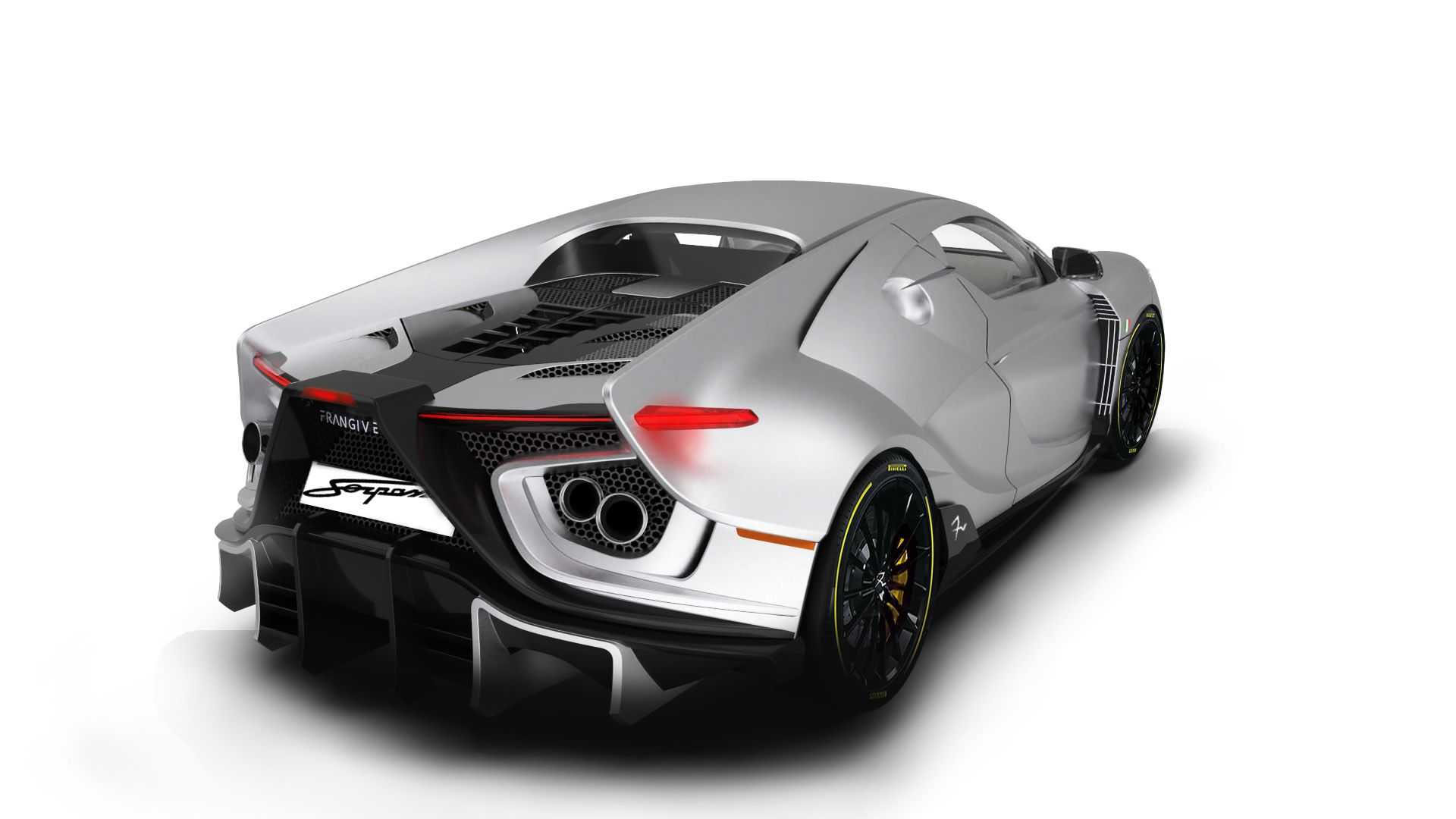
The FV Frangivento Sorpasso comes with four-wheel drive and a V10 engine, while the Stradala makes do with 610 hp, the GTXX will get a supercharger installed to raise the power output to 850 hp, the latter will be able to reach 100 km/h from a standstill in 2.9 seconds and won’t run out of breath until her maximum speed of 345 km/h (215 Mph) is reached.
No pricing yet, but FV Frangivento already has orders in, and plans to have the first of their latest Sorpasso delivered to their clients by July …
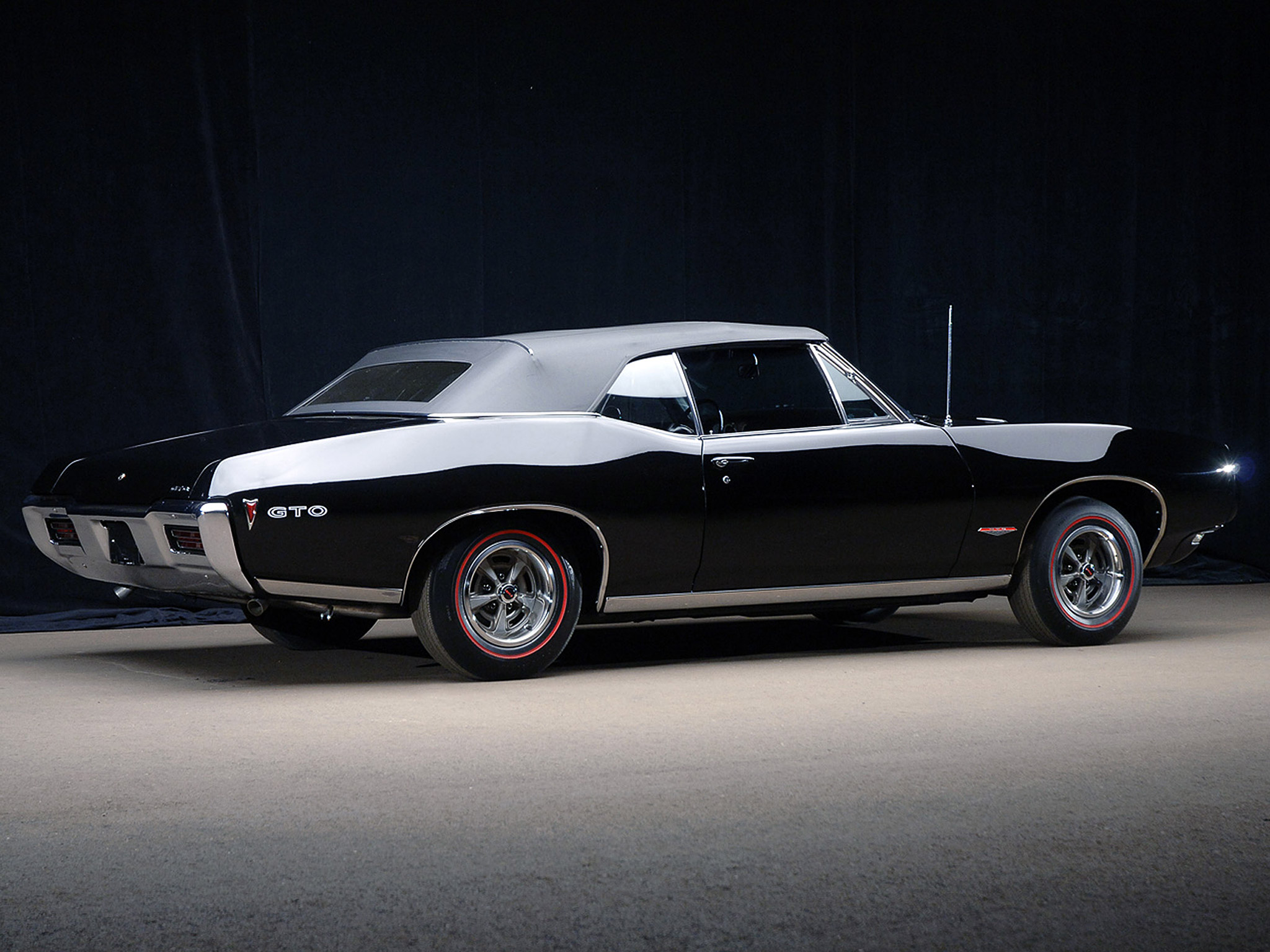
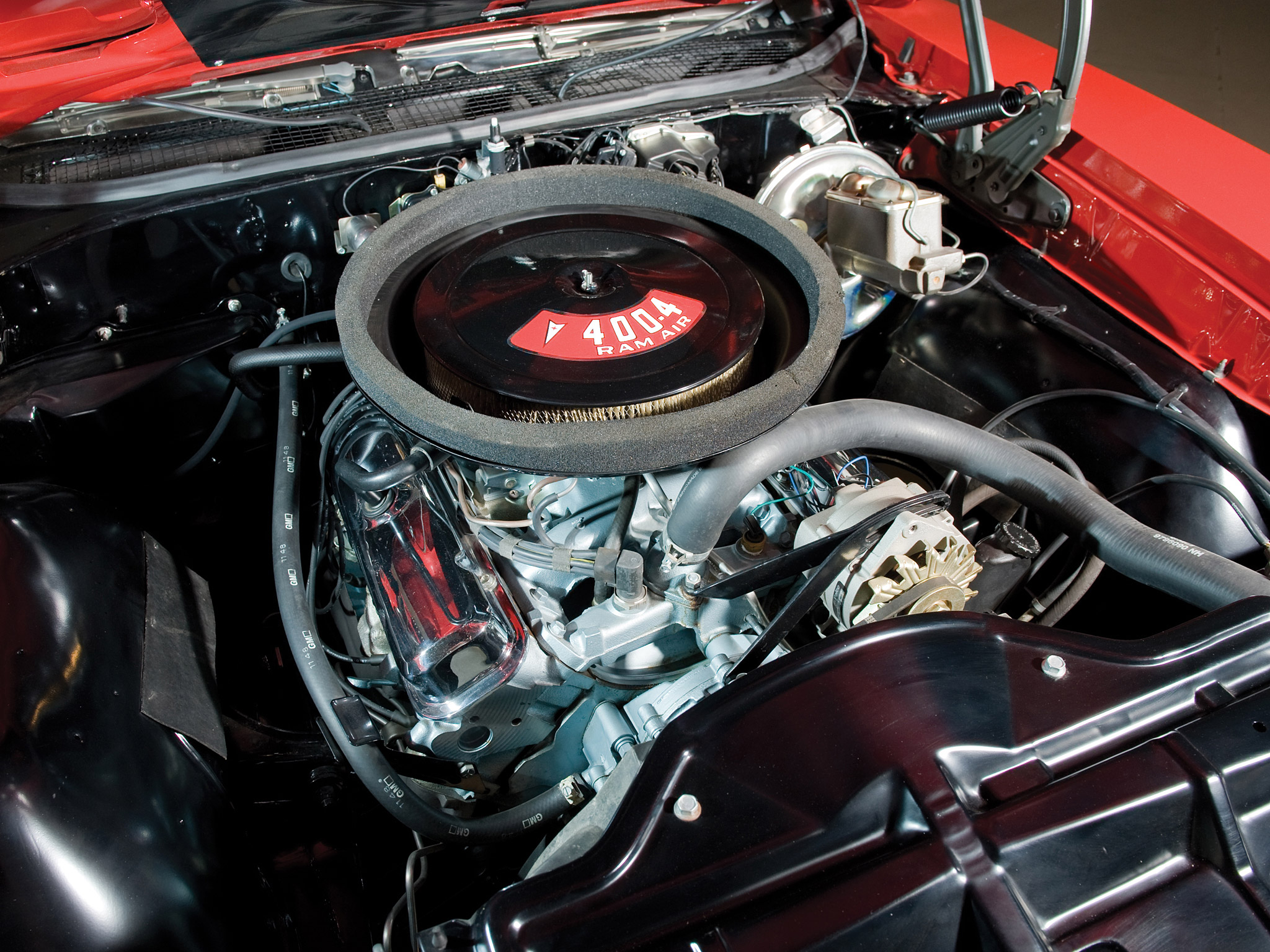
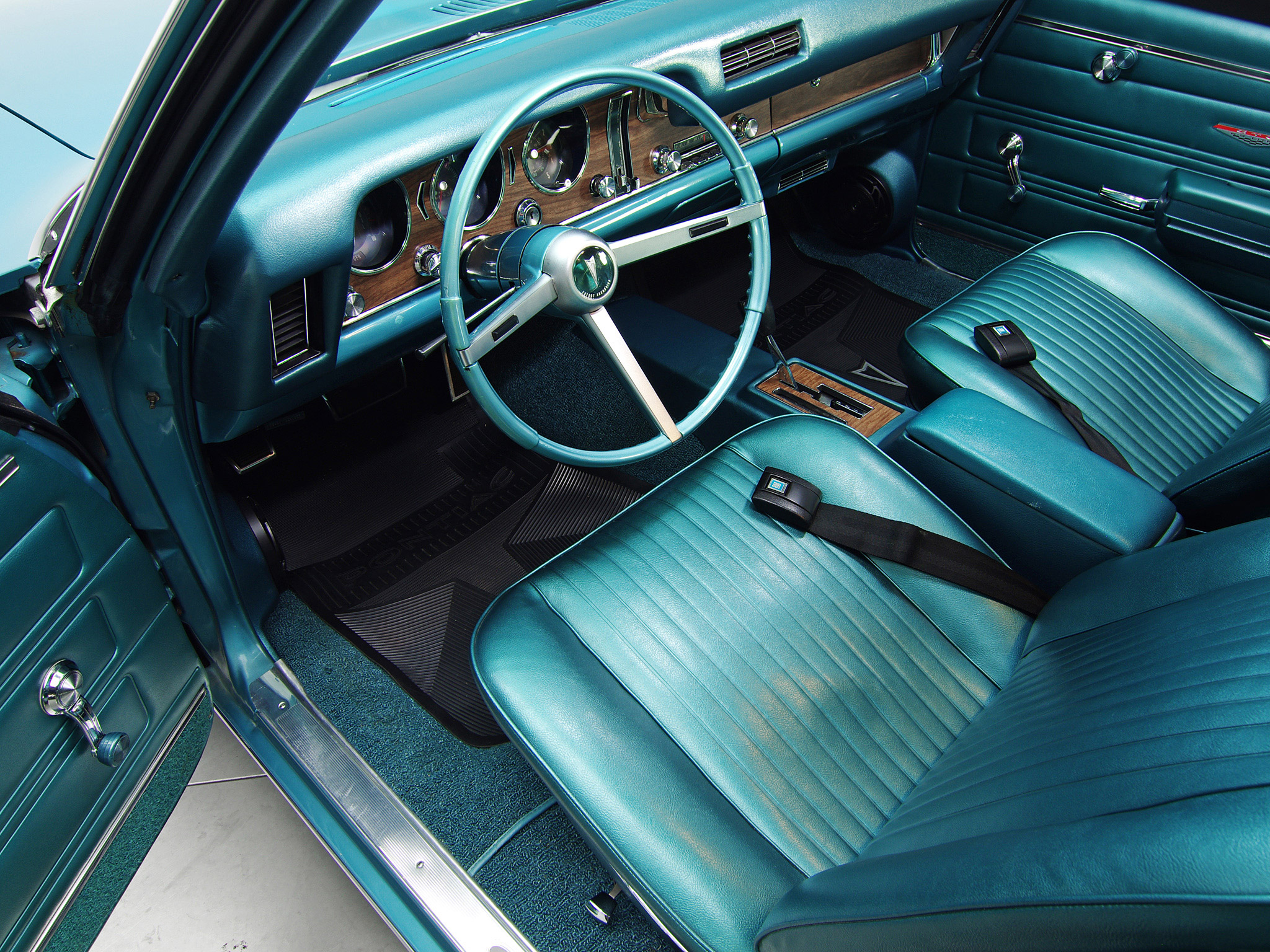
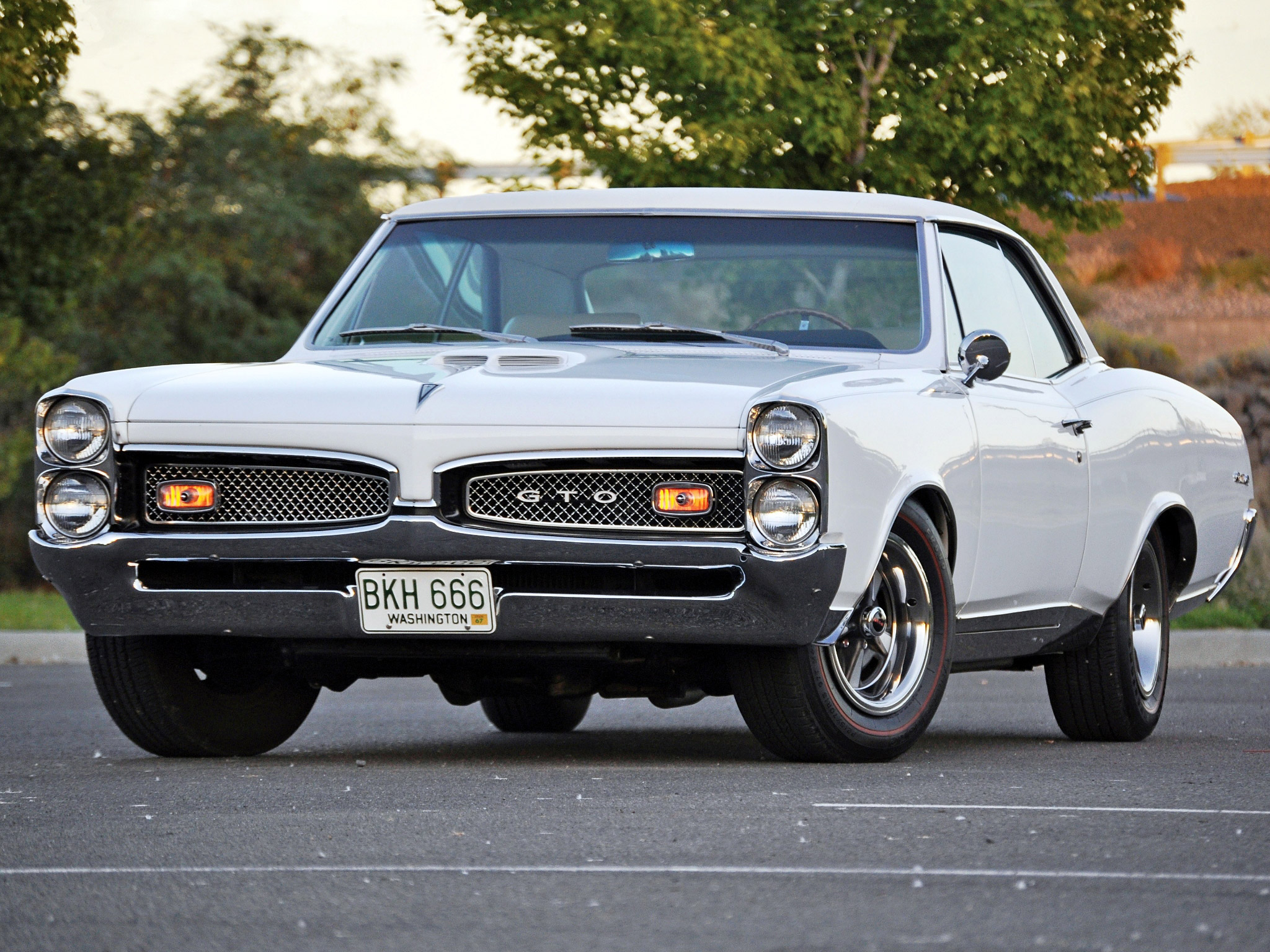
1968 Pontiac GTO Wallpapers
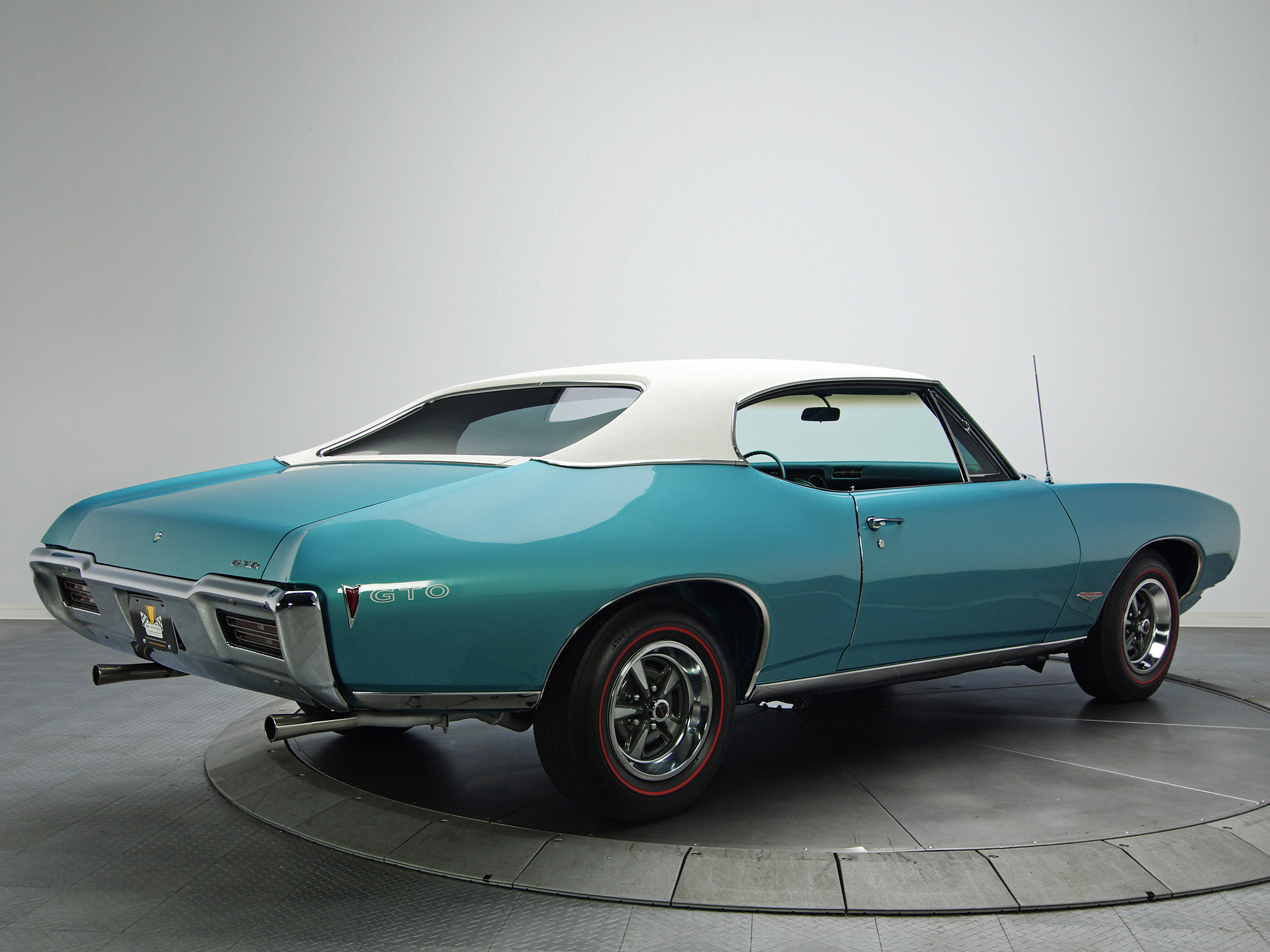
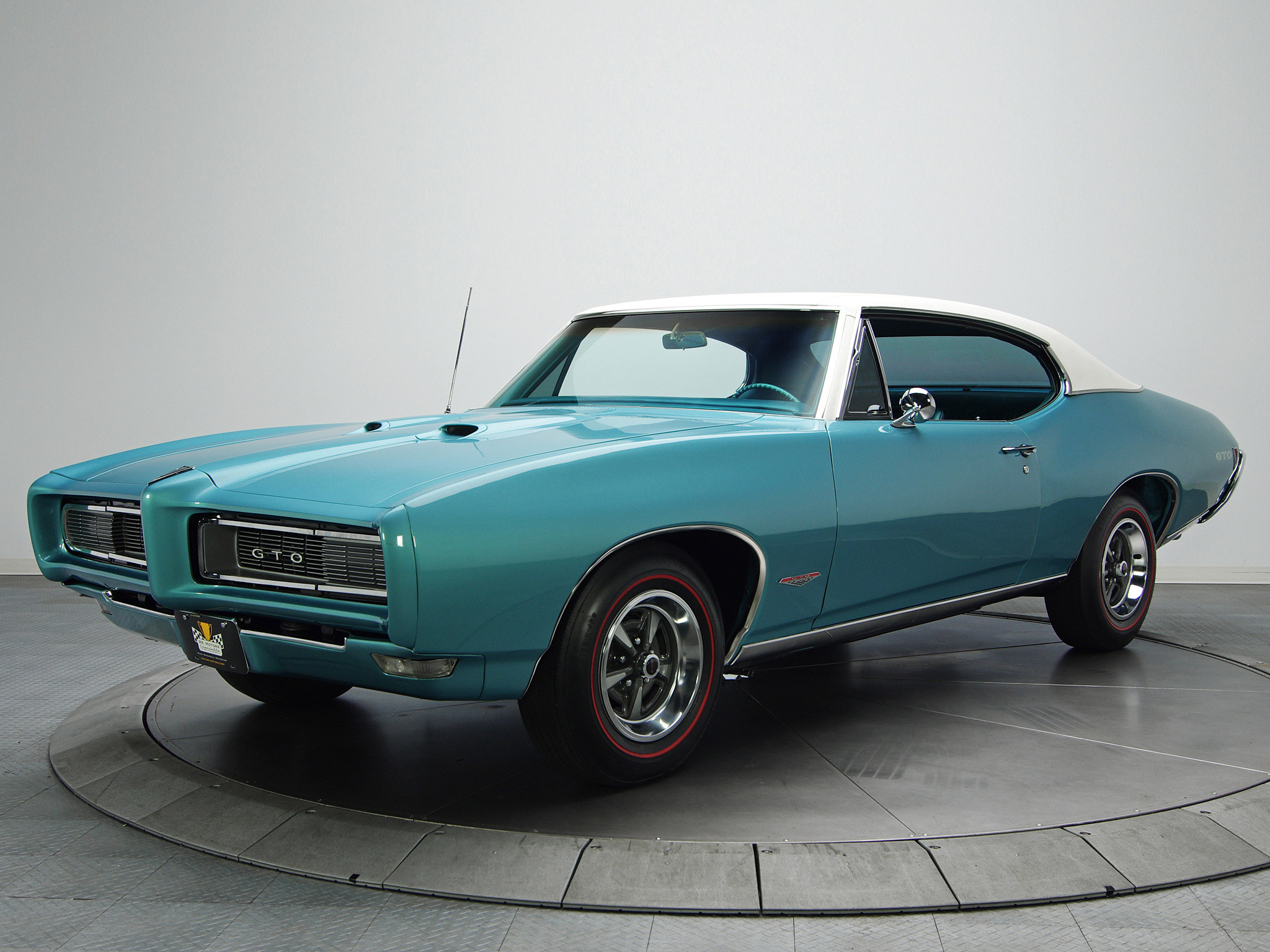
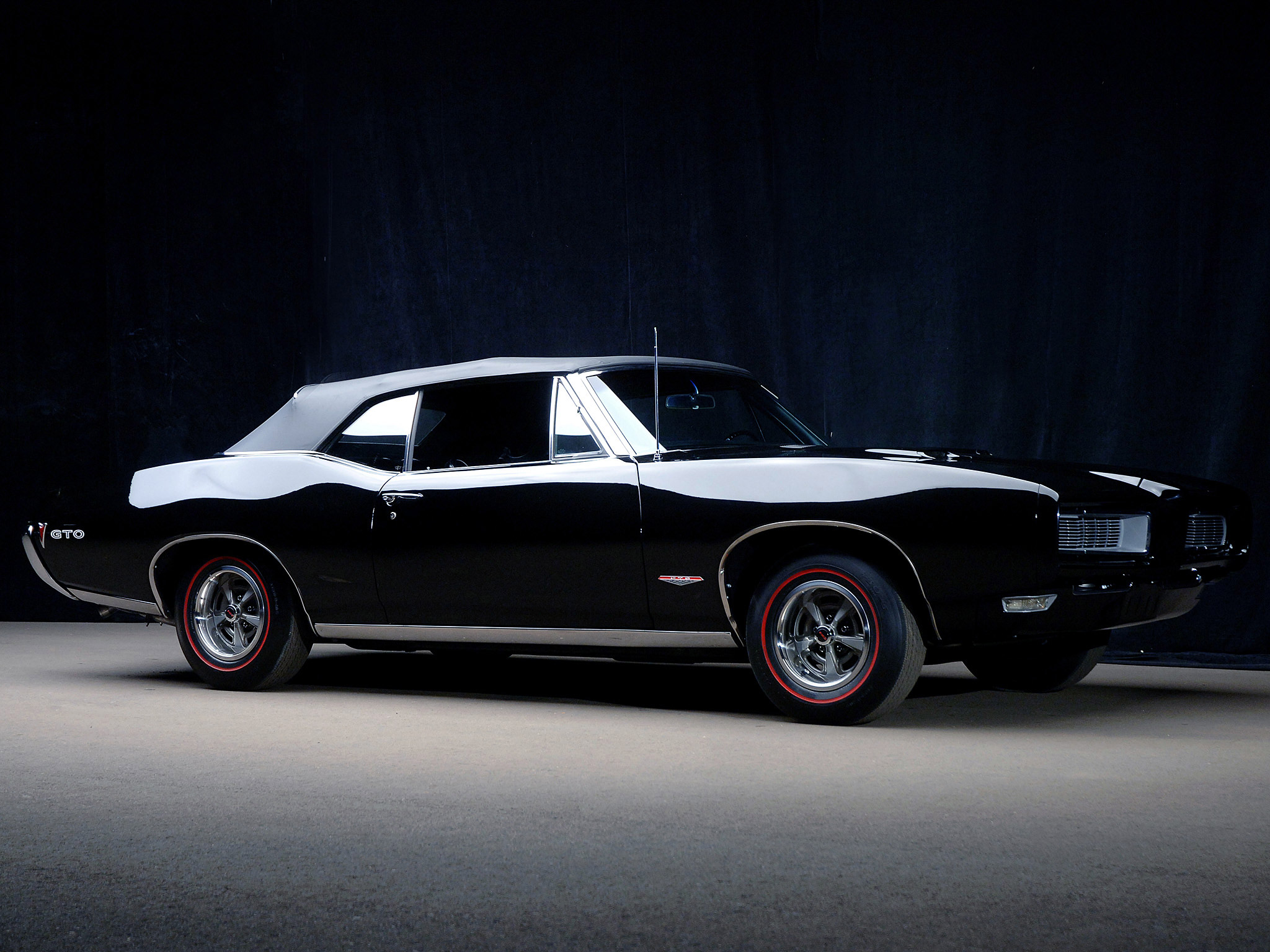
We have curated the ultimate collection of the best 1968 Pontiac GTO Wallpapers and HD backgrounds for you to enjoy. Our team focused on finding the top 1968 Pontiac GTO Wallpapers only to keep the quality high. These 1968 Pontiac GTO Wallpapers are free to download so go ahead. To download any of these pictures for use as a wallpaper, right click the picture and choose Save As …
Find more awesome Pontiac Wallpapers
1967 Pontiac Tempest GTO Wallpapers
We have curated the ultimate collection of the best 1967 Pontiac Tempest GTO Wallpapers and HD backgrounds for you to enjoy. Our team focused on finding the top 1967 Pontiac Tempest GTO Wallpapers only to keep the quality high. These 1967 Pontiac Tempest GTO Wallpapers are free to download so go ahead. To download any of these pictures for use as a wallpaper, right click the picture and choose Save As …
Find more awesome Pontiac Wallpapers
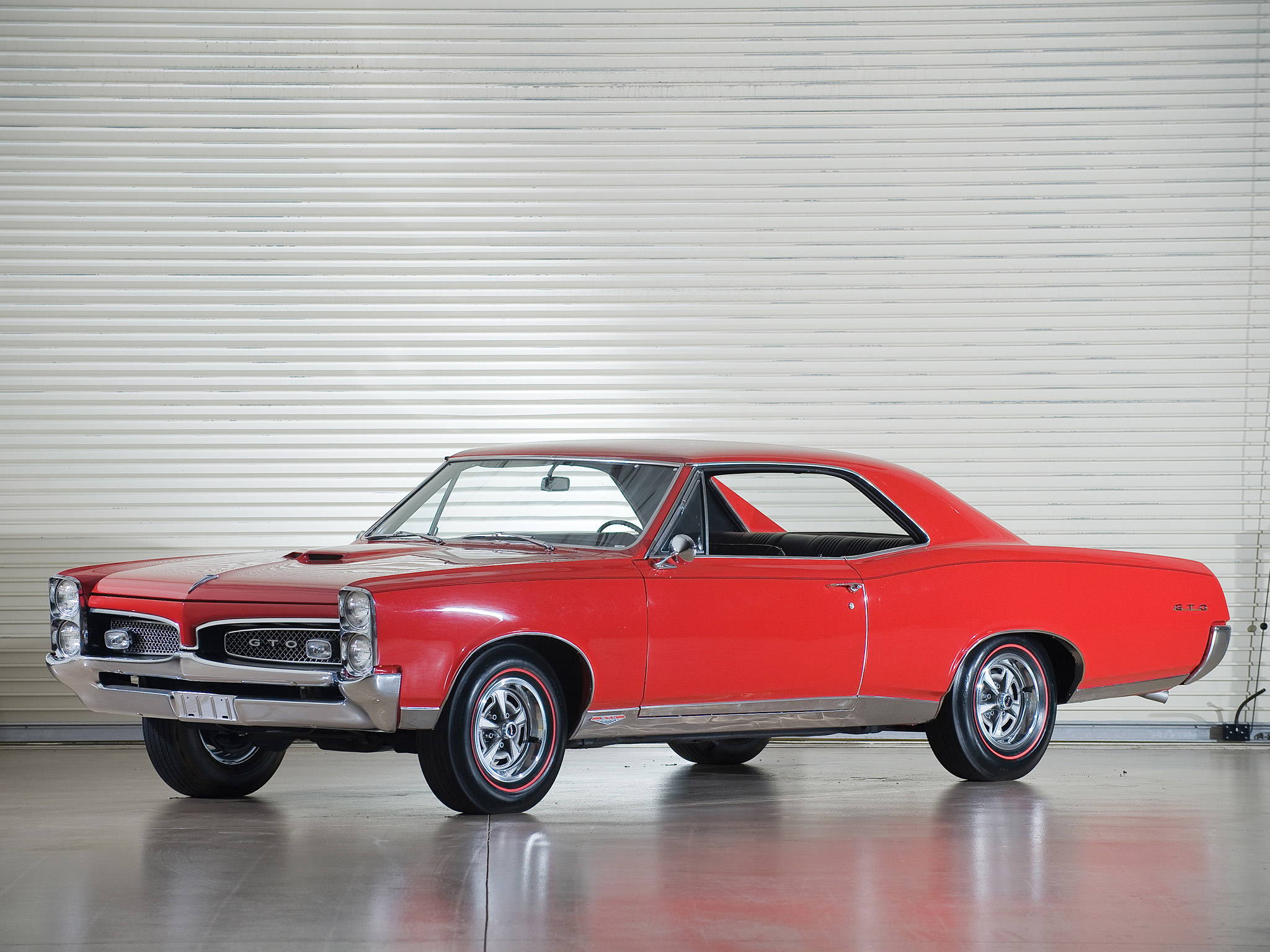
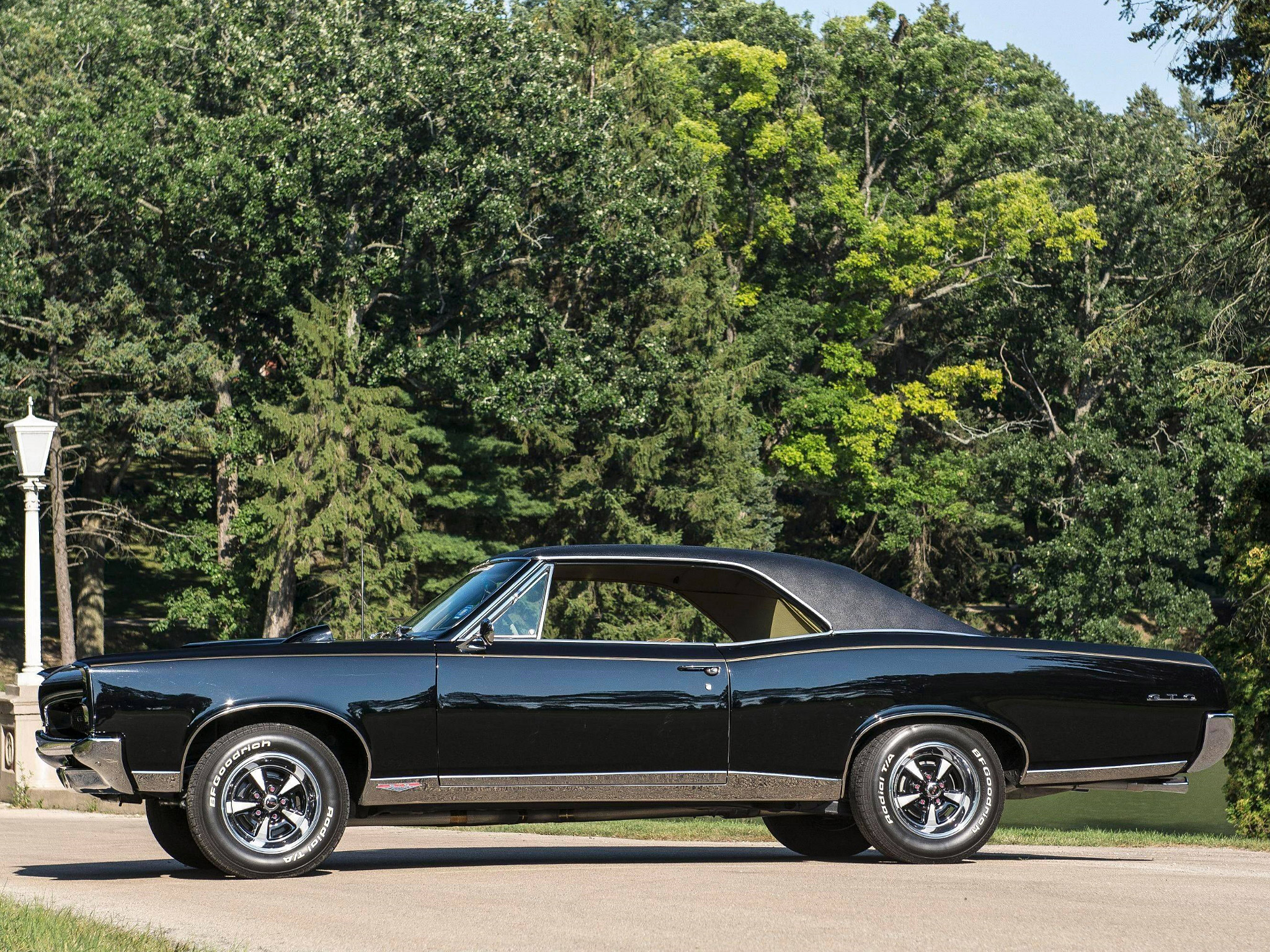
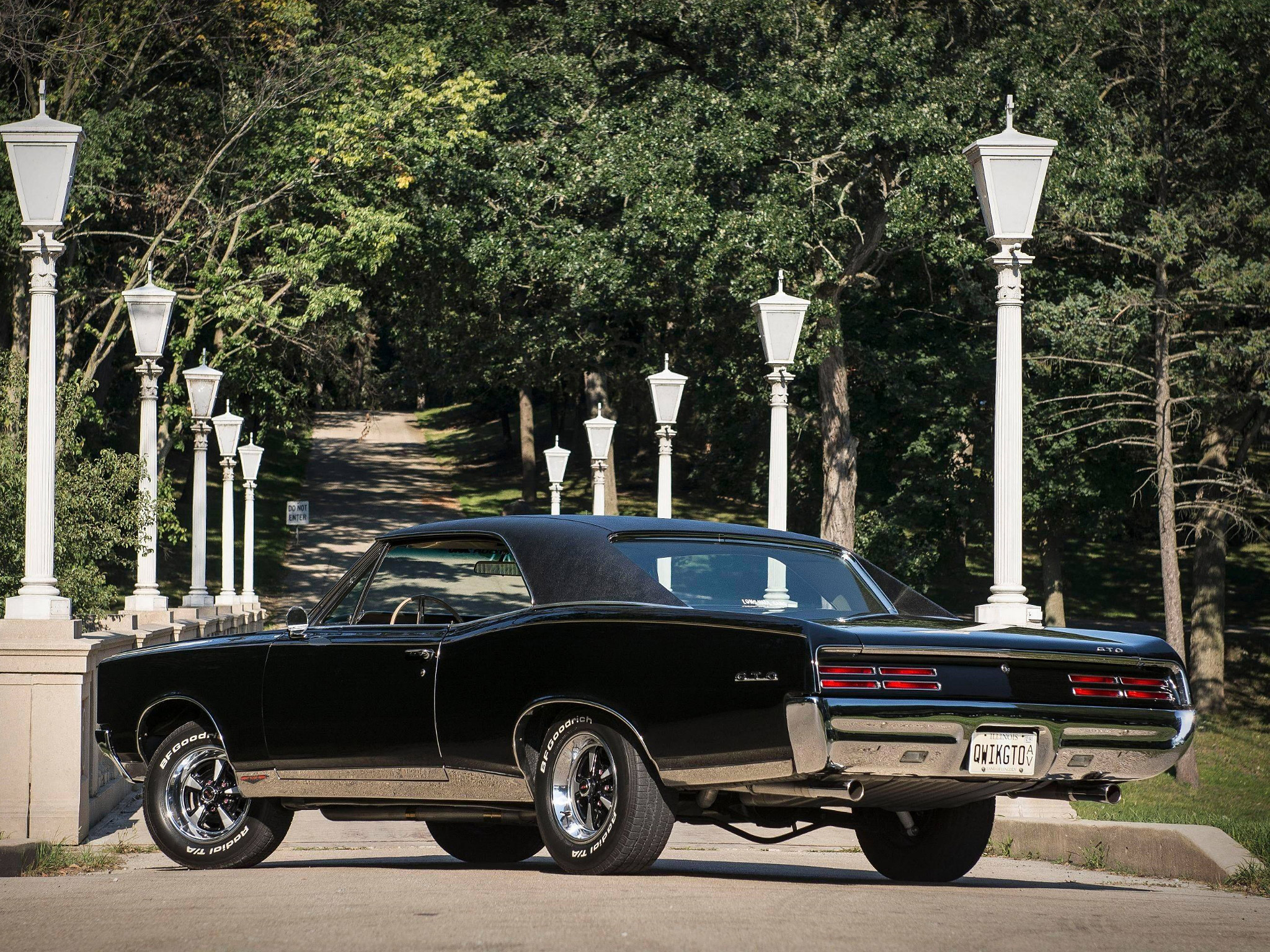
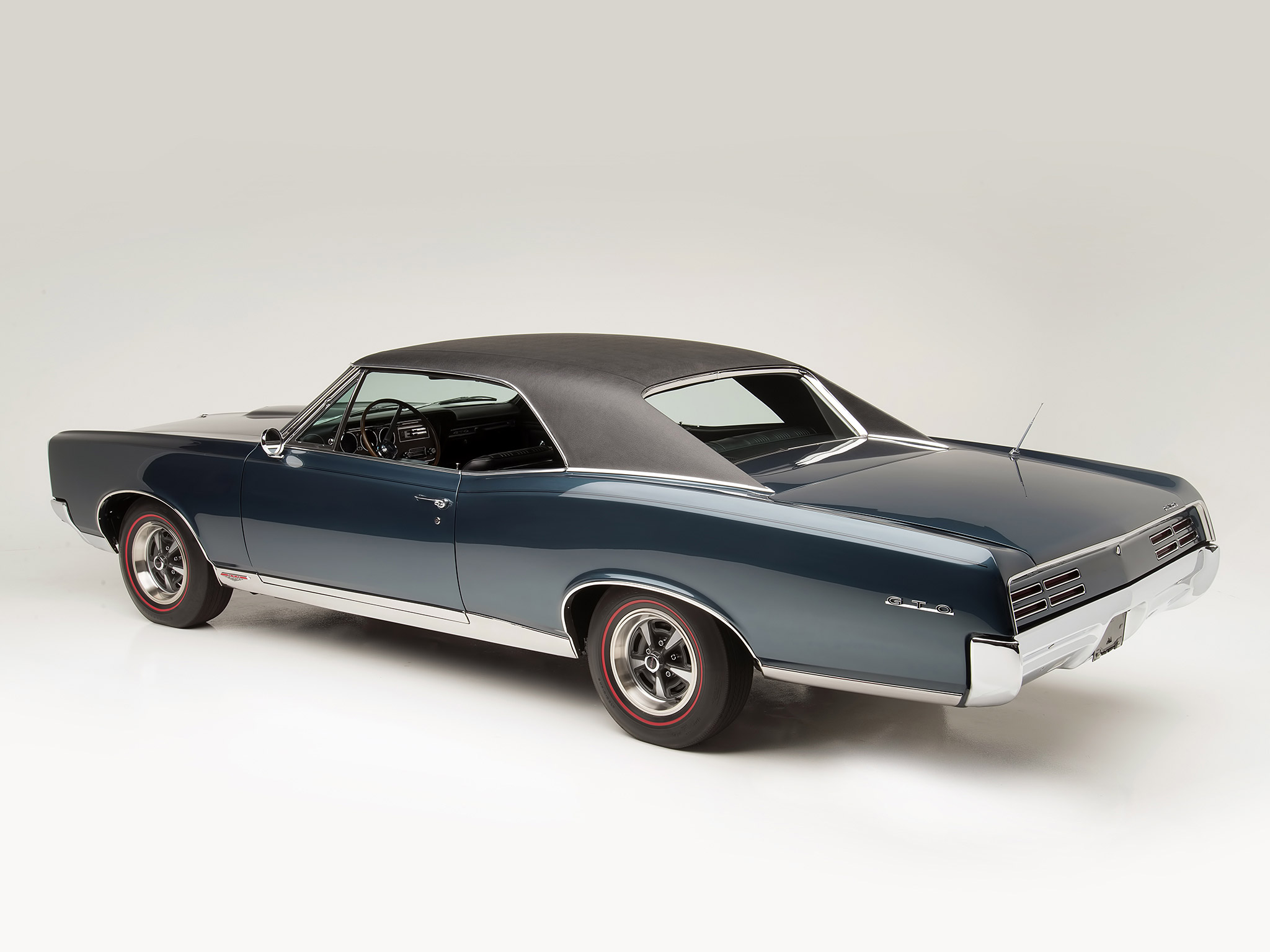
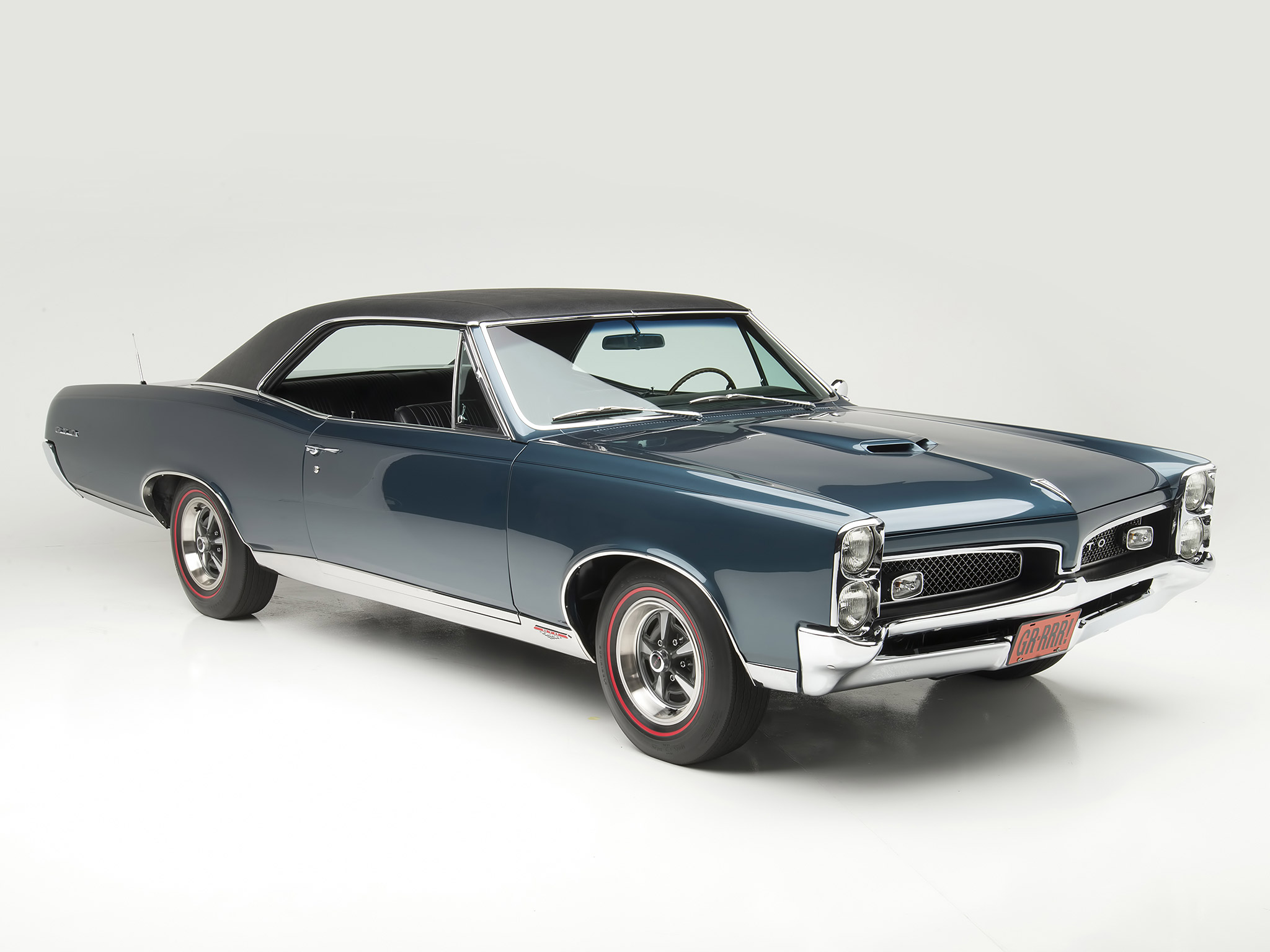
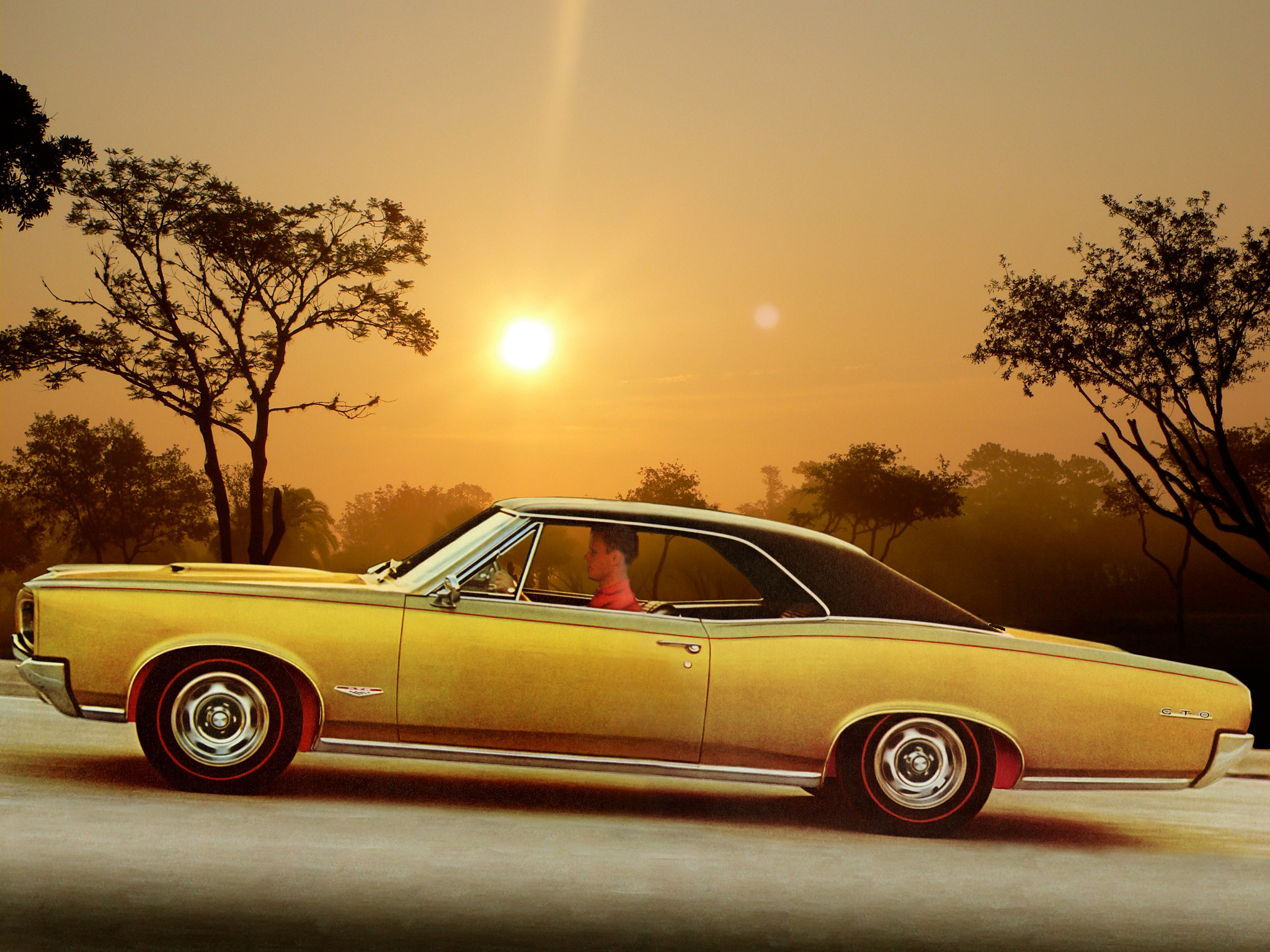
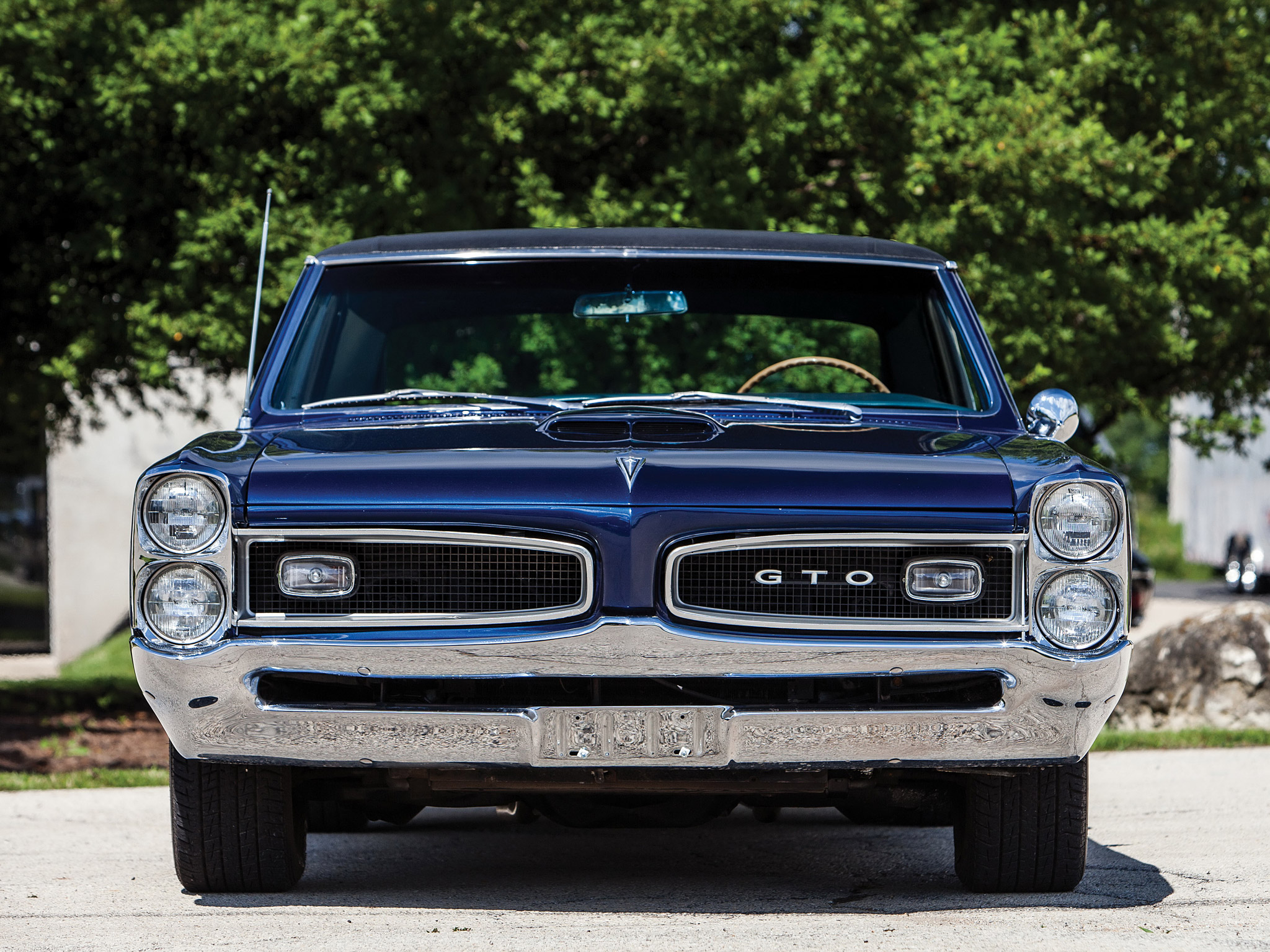
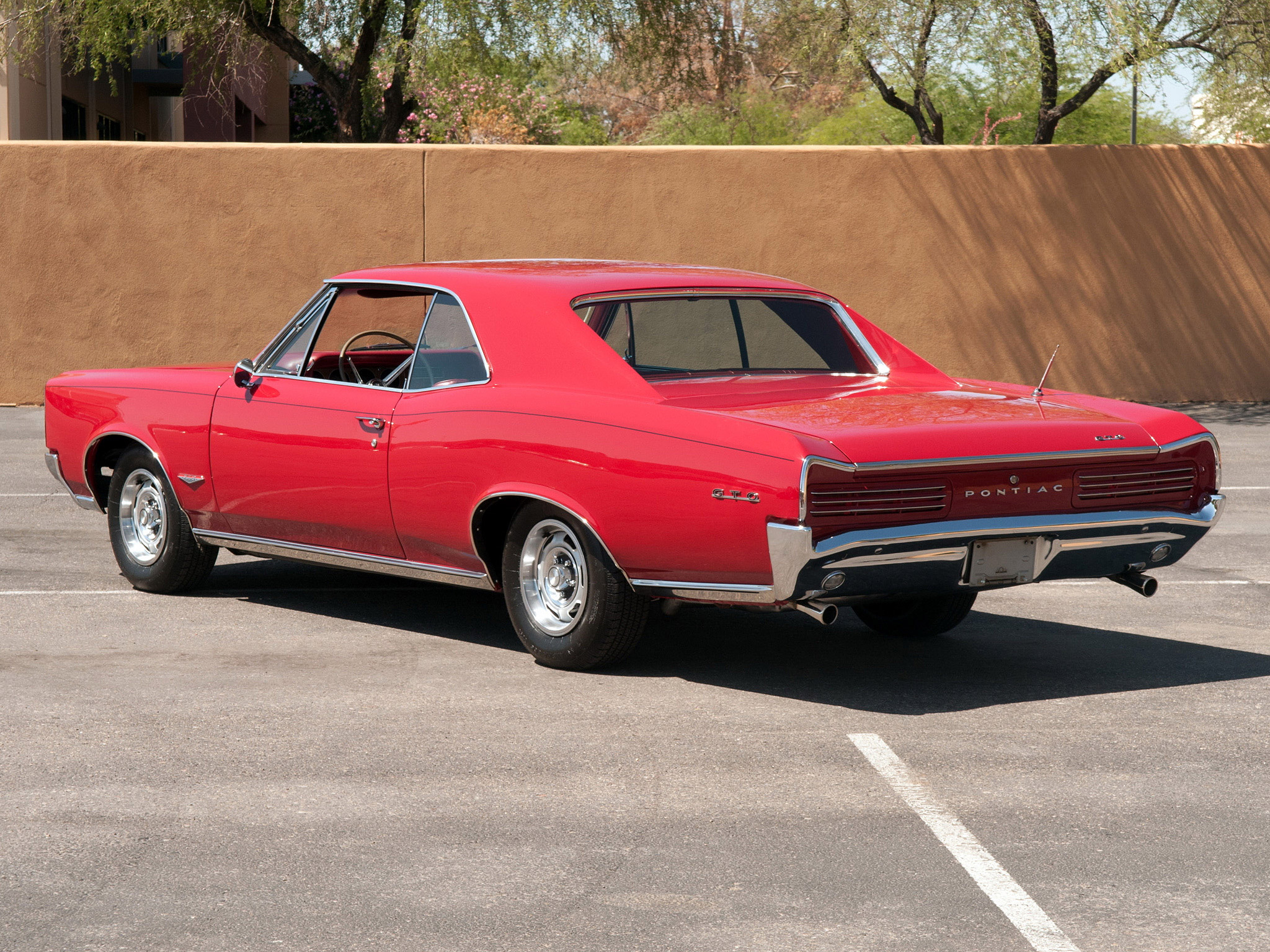
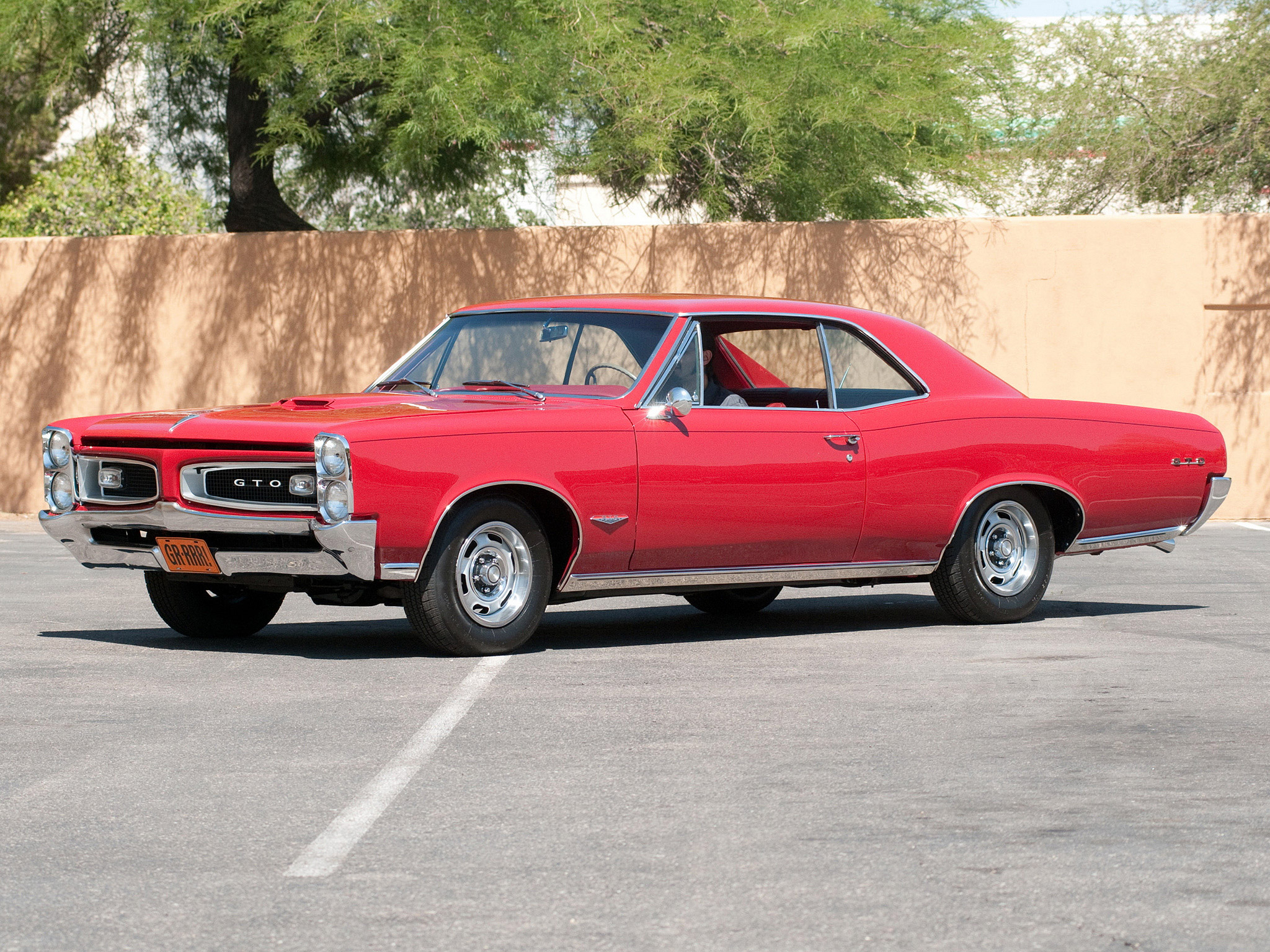
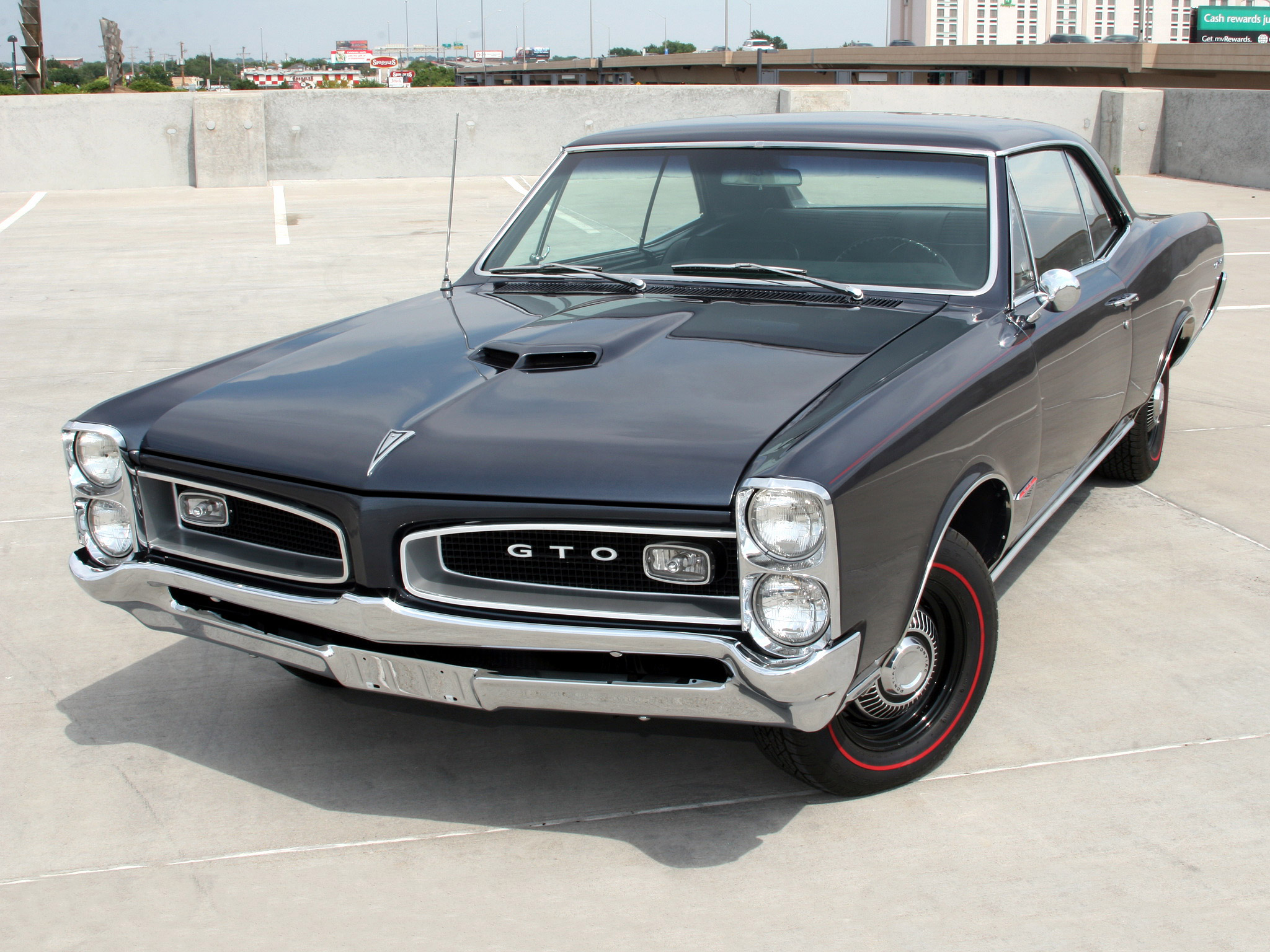
1966 Pontiac Tempest GTO Wallpapers
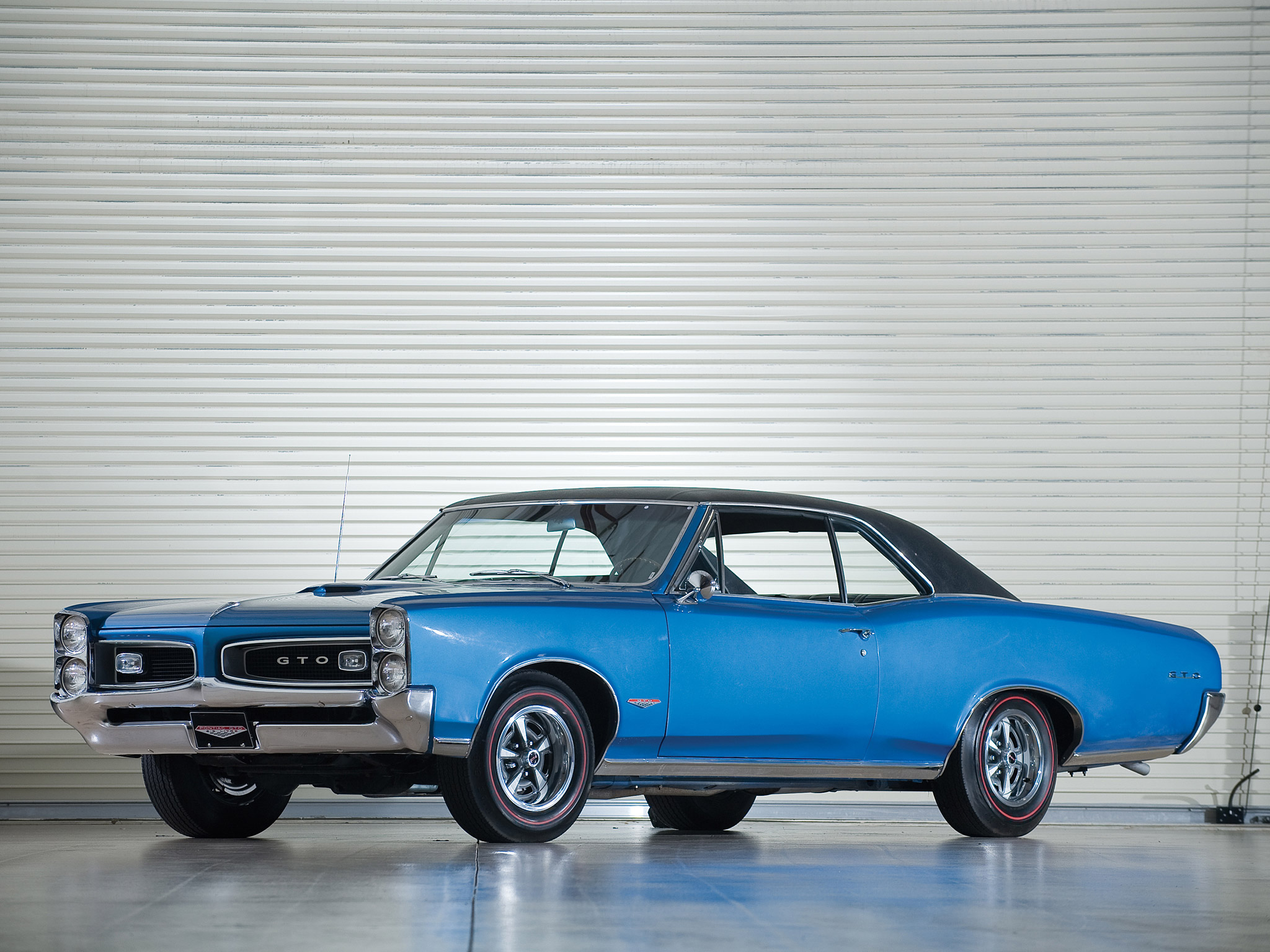
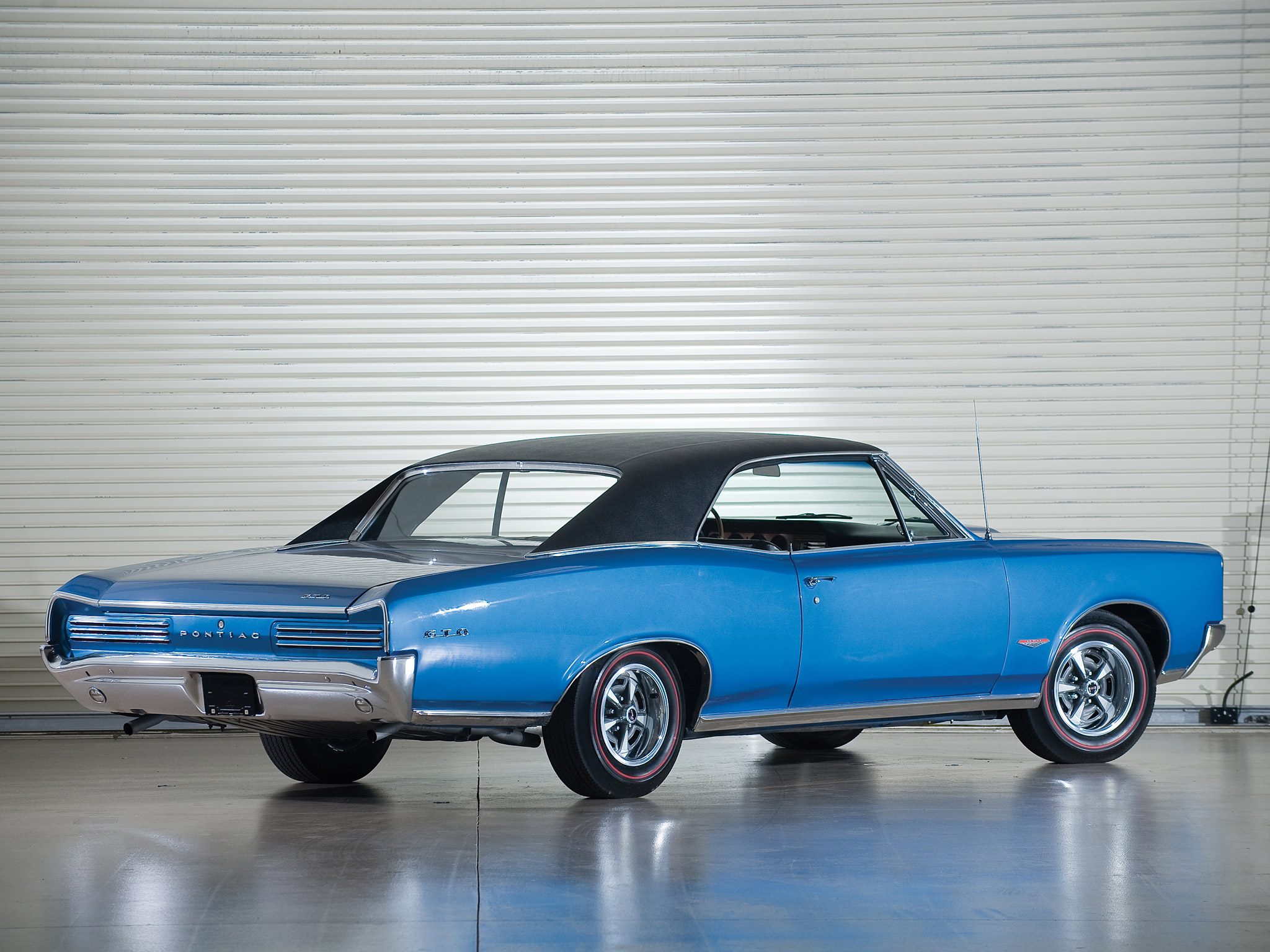
We have curated the ultimate collection of the best 1966 Pontiac Tempest GTO Wallpapers and HD backgrounds for you to enjoy. Our team focused on finding the top 1966 Pontiac Tempest GTO Wallpapers only to keep the quality high. These 1966 Pontiac Tempest GTO Wallpapers are free to download so go ahead. To download any of these pictures for use as a wallpaper, right click the picture and choose Save As …
Find more awesome Pontiac Wallpapers
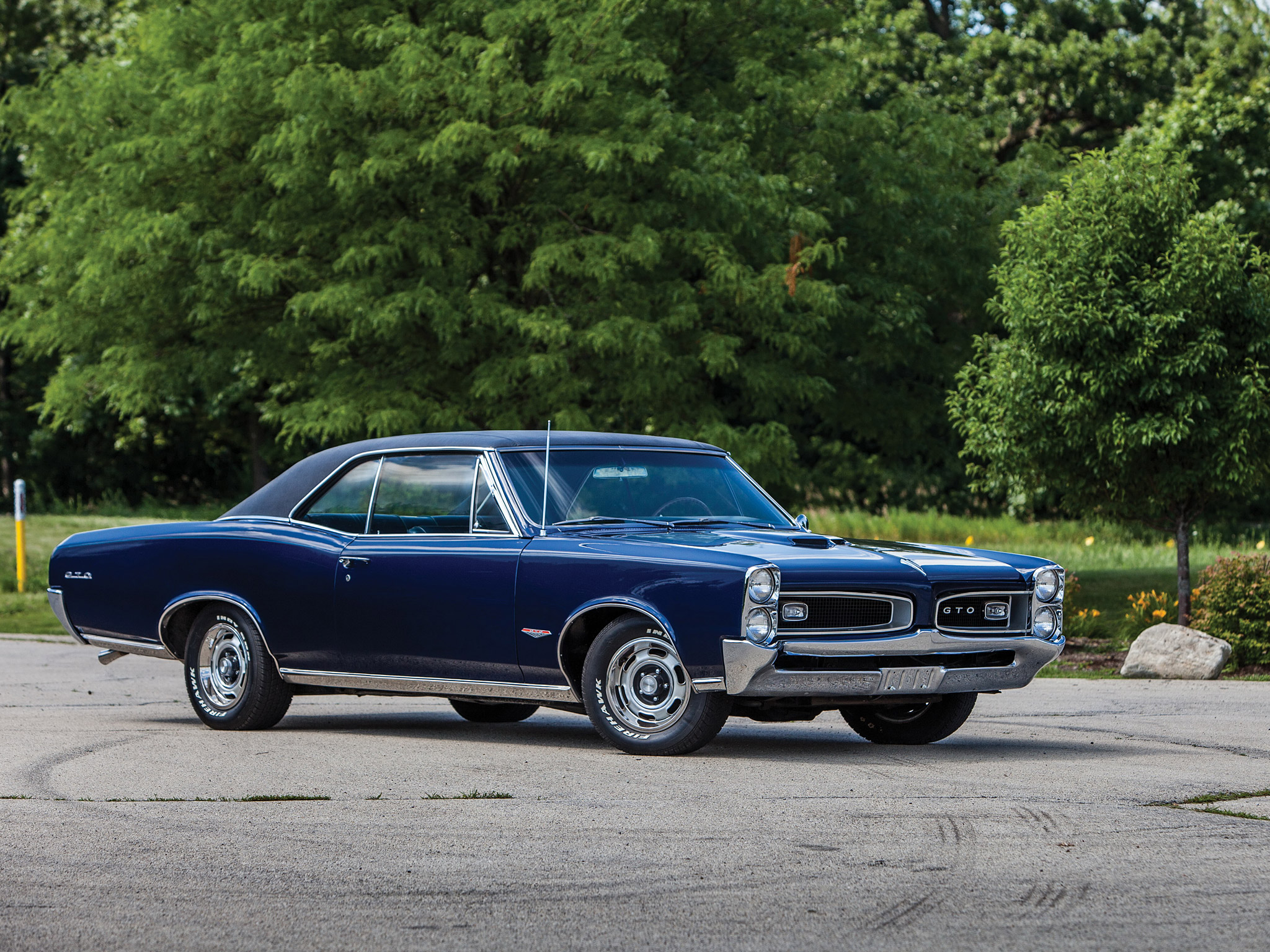
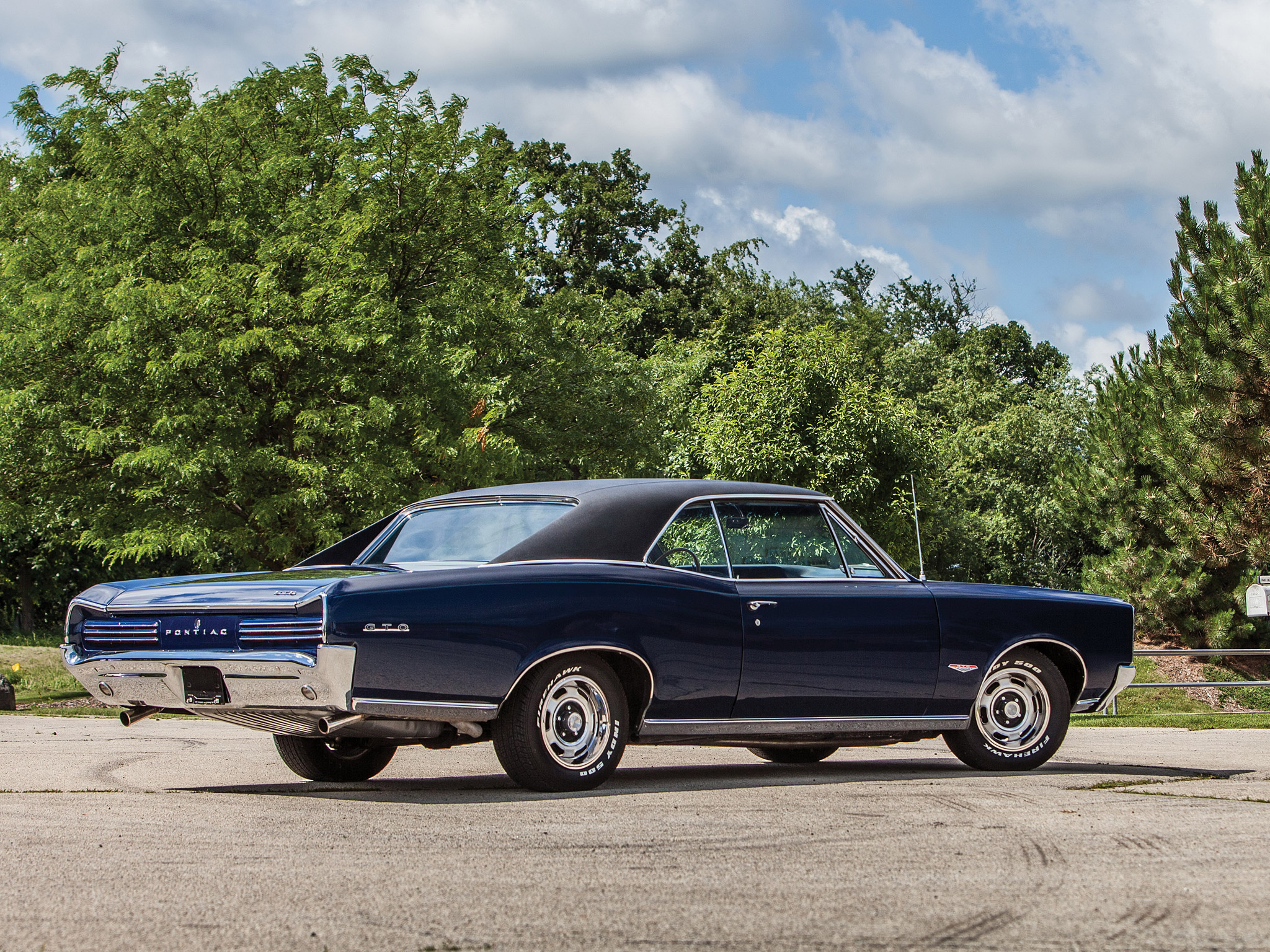

From Race to Road
Hispano Suiza and competition have gone hand in hand since its foundation in 1904. Back then, taking part in the most prestigious races not only gave the brand national and international visibility, but also allowed Hispano Suiza to learn about the behavior of its vehicles, when they were tested to the highest level of demand: it was vital to continue offering its customers increasingly powerful, reliable and, ultimately, better cars.
In its new stage, Hispano Suiza has maintained this philosophy. Both the Hispano Suiza Carmen, as well as its more powerful version, Carmen Boulogne – whose name honors its triumphs in the George Boillot Cup, in Boulogne, a century ago – have been designed by racing engineers, and their development carried out by professional racing drivers. Likewise, Hispano Suiza takes part in the new 100% electric SUV championship, Extreme E, an innovative concept that promotes values such as sustainability, equality, and electrification, and that will also provide the brand with valuable knowledge to be applied in future models.
A motto that defines the brand
“From Race to Road” is the motto that perfectly defines the philosophy of Hispano Suiza, the same one that has accompanied it since its foundation more than a century ago and that has forged its legend on circuits and roads around the world. The aim of the brand has always been to transmit through its new cars the passion for driving, high performance, luxury, craftsmanship, and ultimately, excellence on wheels.
When the historic Spanish manufacturer resurfaced in 2019, it did so together with its technological partner, Spanish engineering company QEV Technologies, bringing together a group of professionals with a wealth of experience in the main automotive championships all over the world. Hispano Suiza decided to return to the automotive world with Carmen, a hyper-luxury sports car, 100% electric. It needed that know-how to offer its customers a product that lives up to the brand’s legacy, with a design inspired by its own history, cutting-edge technology, dreamlike features, and unlimited customization possibilities that turned each car into a work of art on wheels.
Many of the technologies present in Carmen and Carmen Boulogne derive directly from Formula E, the first 100% electric racing championship where the members of Hispano Suiza’s technological partner achieved the first Drivers’ title in history, with the NEXTEV team and Brazilian driver Nelson Piquet Jr behind the wheel. Formula E has evolved enormously since that first 2014-2015 season, a period in which cars had to be replaced mid-race due to lack of autonomy, and during which they barely reached 270 hp of power. Now, the single-seaters are much more spectacular aesthetically, they complete the races without even having to stop to recharge the batteries, they exceed 340 hp and reach a top speed of 280 km/h, 55 km/h more than the previous generation.
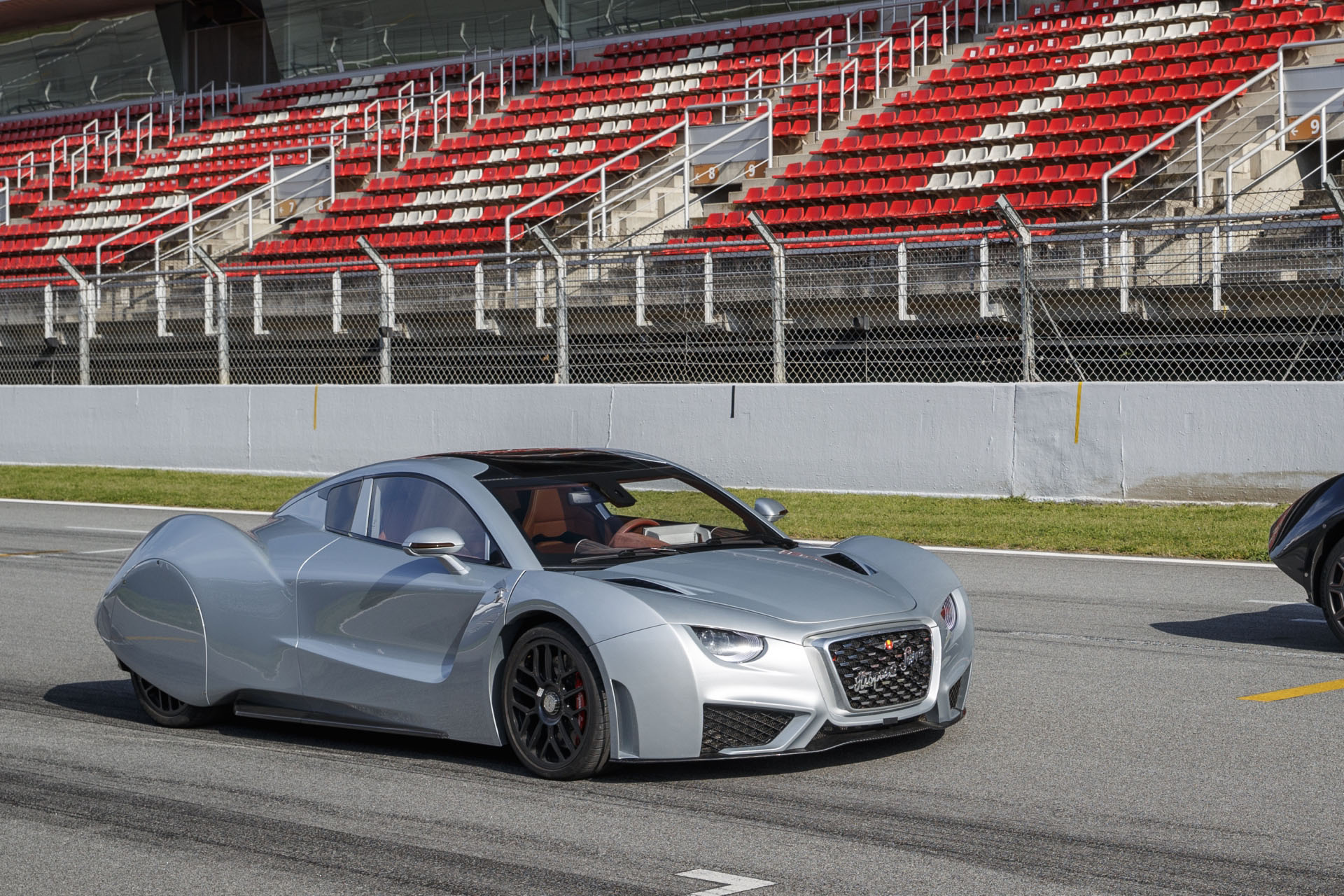
Hispano Suiza has not only been a direct witness of this evolution but has also used this experience to build one of the most beautiful and innovative vehicles ever made in the world. Among the technologies derived from Formula E that are part of Carmen and Carmen Boulogne is its power train, with four permanent magnet synchronous motors, housed in its rear axle. The impressive torque of each engine is controlled through sophisticated vectoring systems developed in-house with experience gained in Formula E. From 0 to 6,500 rpm, the engines are capable of reaching a maximum of 1,160 Nm of torque, enabling breath-taking acceleration, from 0 to 100 km/h in less than 2.6 s, and seemingly endless power and traction.
The lithium-ion polymer battery has a capacity of 80 kWh that allows it to develop a homologated range of up to 400 km. Batteries are designed and produced in-house and include a complete temperature control system to ensure that the cells can operate optimally. They have a fast charge capacity of more than 80 kW DC, requiring only 30 minutes to charge 30-80% through a CCS2 fast charger.
The exterior is made of carbon fiber, a material that guarantees maximum resistance and lightness, and which began to be used in Formula 1 in the 80s. In total, the Hispano Suiza Carmen Boulogne weighs 1,630 kg, which together with its 1,114 hp of power, guarantees a magnificent power-to-weight ratio of 1.5 kg/hp. The suspension also comes from Formula E: it is optimized to guarantee the maximum possible lightness. It’s design and architecture are the meeting point between the asphalt and the driver. It preserves the Racing DNA, also guaranteeing reliability and safety.
Another important technological feature is the software, responsible for transmitting more than 1,000 hp of power to the wheels, and which has been developed – also based on experience gained in Formula E – so that any customer can get behind the wheel of a vehicle with these characteristics without being a professional driver. Through the software, different driving modes (Sport, ECO, and Comfort) can be selected to guarantee the best sensations and performance at the right time.
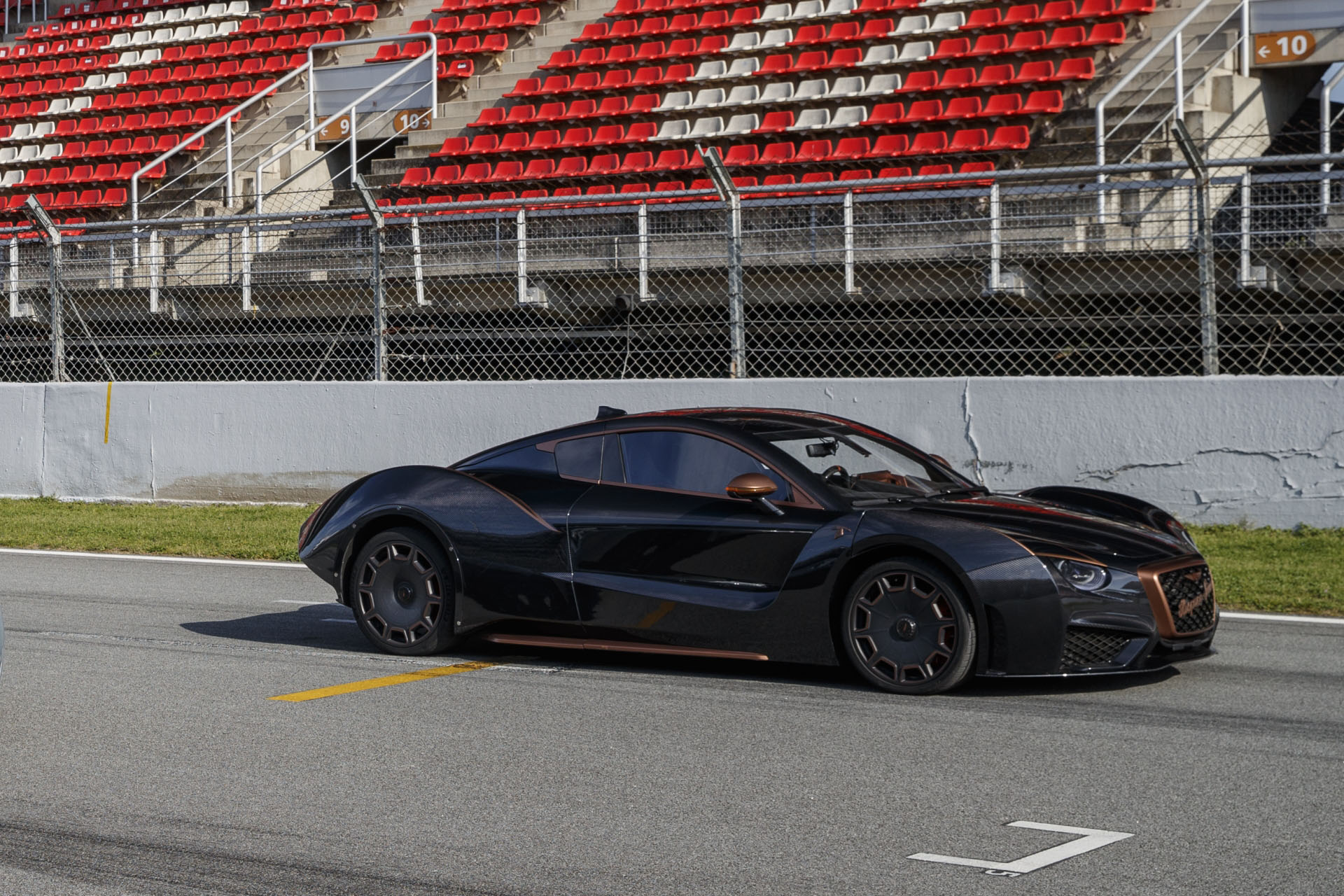
“We have tried to transfer our six years of experience in Formula E to a vehicle that is unrivaled,” says Joan Orús, CTO of Hispano Suiza. “It is not a car made to break records but to convey the passion for driving and, above all, to make everyone who climbs in it, fall completely and utterly in love. It is a vehicle designed to enjoy. Its more than 1,000 hp of power, located on the rear axle, ensure exceptional performance, and together with a magnificent exterior and interior design, unique and handcrafted, we achieve an innovative, beautiful, and at the same time comfortable vehicle ”.
“Thanks to this project we made a dream come true”, adds Orús. “We have been able to shape a sketch made on a blank sheet of paper. It is the dream of any automotive engineer: we have taken all the technology from Formula E and we have brought it to a road car. We have built a high-performance supercar and added details of pure luxury, hence our concept of hyperlux ”.
Luis Pérez-Sala, at the forefront of development
For the development of its vehicles, Hispano Suiza chose to have authentic racing drivers, who were used to pushing competition cars to the limit to discover where they can improve, continue to evolve, and who knows how to transmit the feedback of the vehicle to the engineers. as precisely as possible. During the development process of Carmen and Carmen Boulogne, the brand relied on the expertise of Luis Pérez-Sala, former Formula 1 driver and two-time Spanish Touring Car Champion, and Pablo Suárez, technical specialist in electric vehicles and racing driver.
Over the past year, Pérez-Sala and Suárez have travelled more than eight thousand kilometres on roads throughout Spain and on circuits such as Calafat, the Circuit de Barcelona Catalunya and even Le Mans. All this to achieve the best performance, reliability and thus be able to transmit to the driver of the Hispano Suiza Carmen the authentic sensations of a unique car born on the circuit, prepared and developed by professionals and racing drivers, and that, in addition, can be driven on the road.
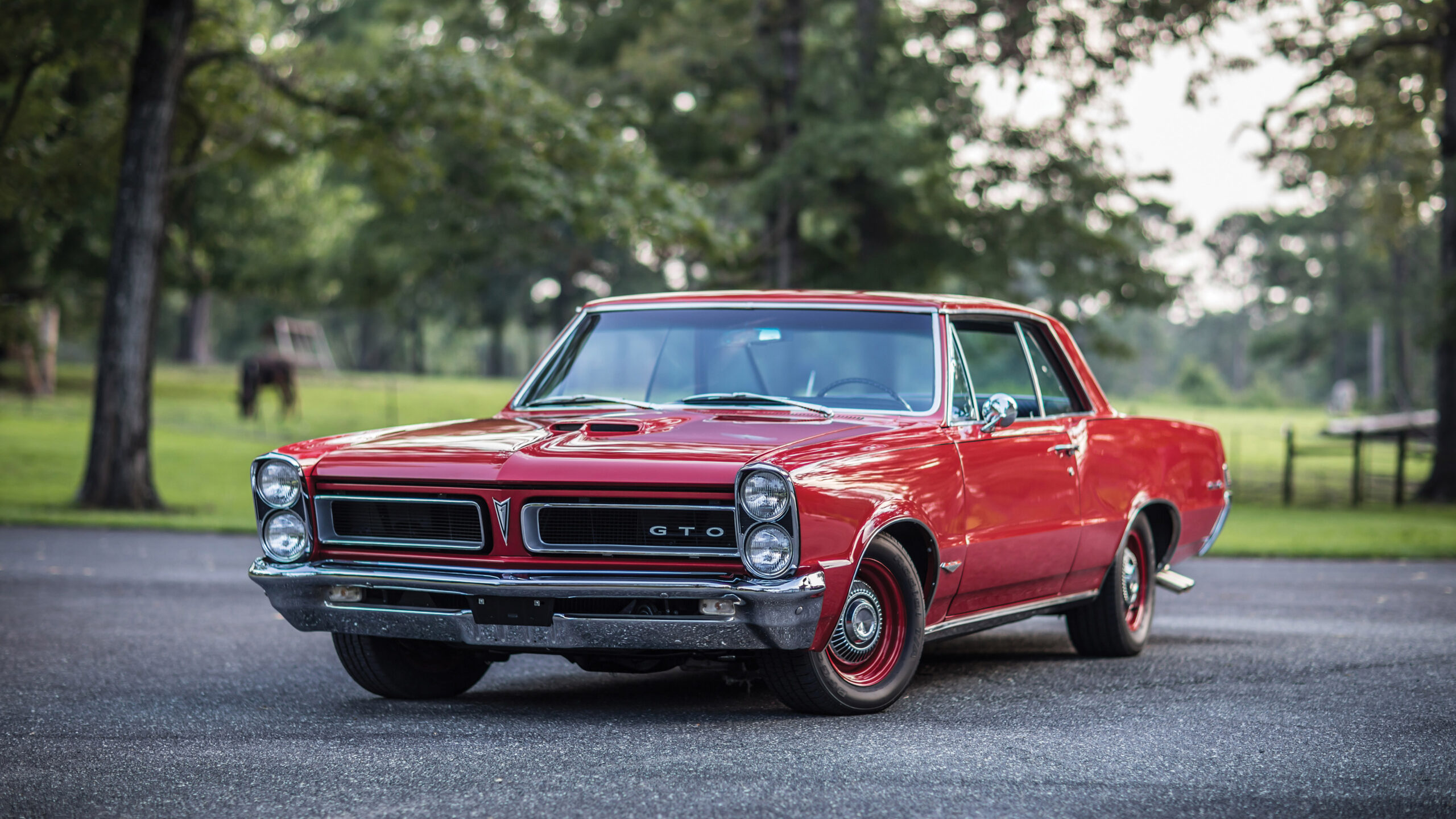
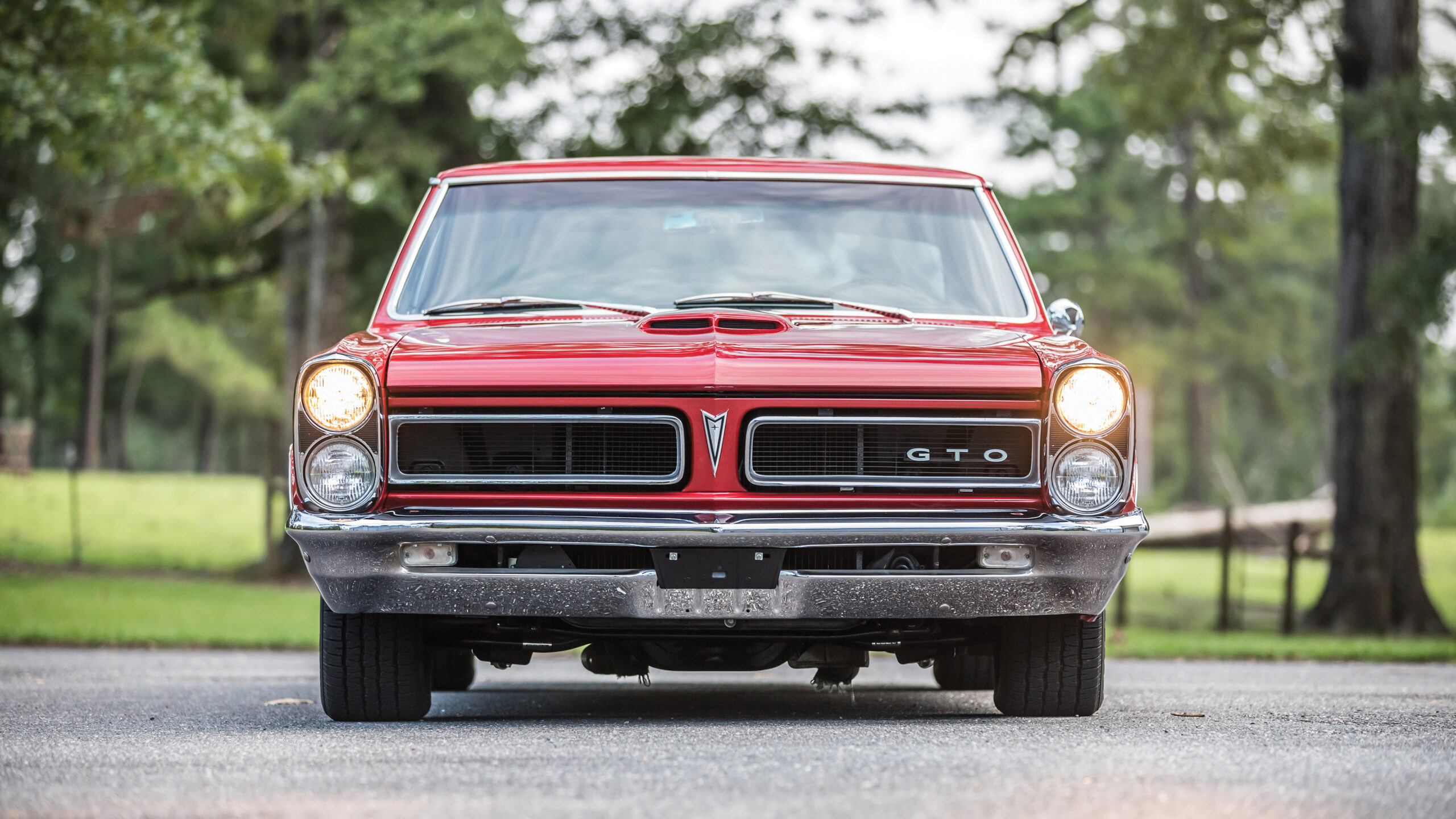
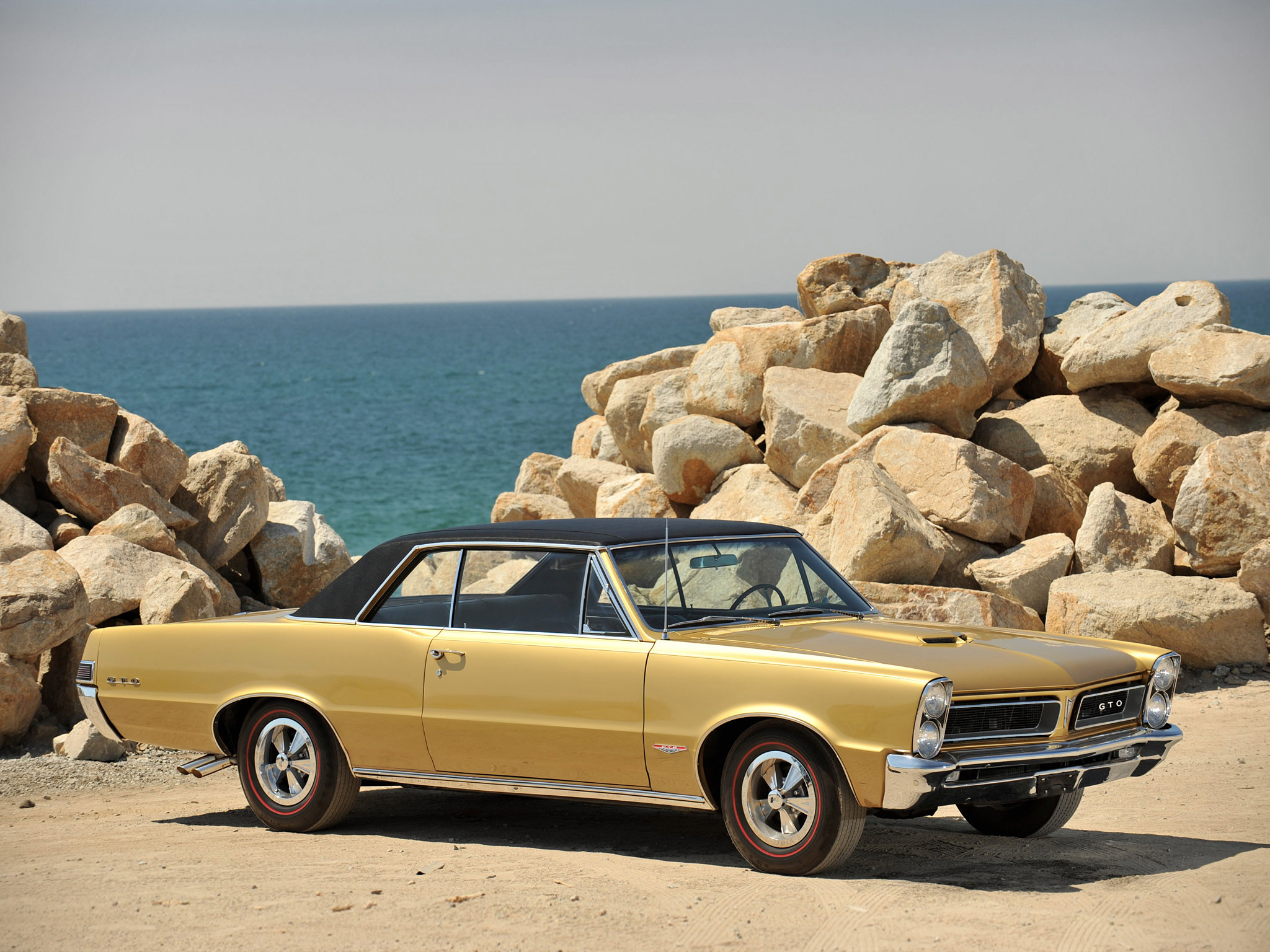
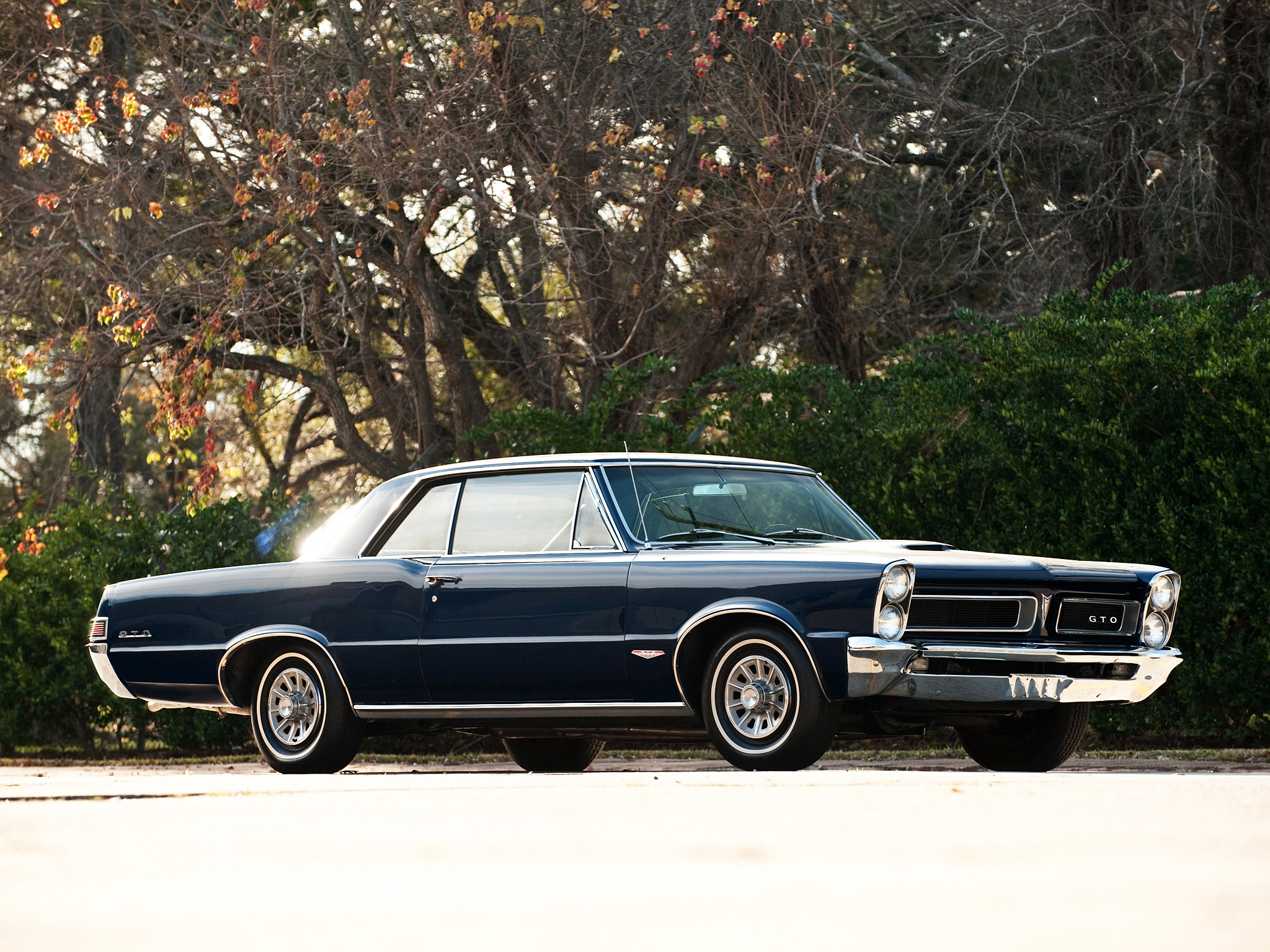
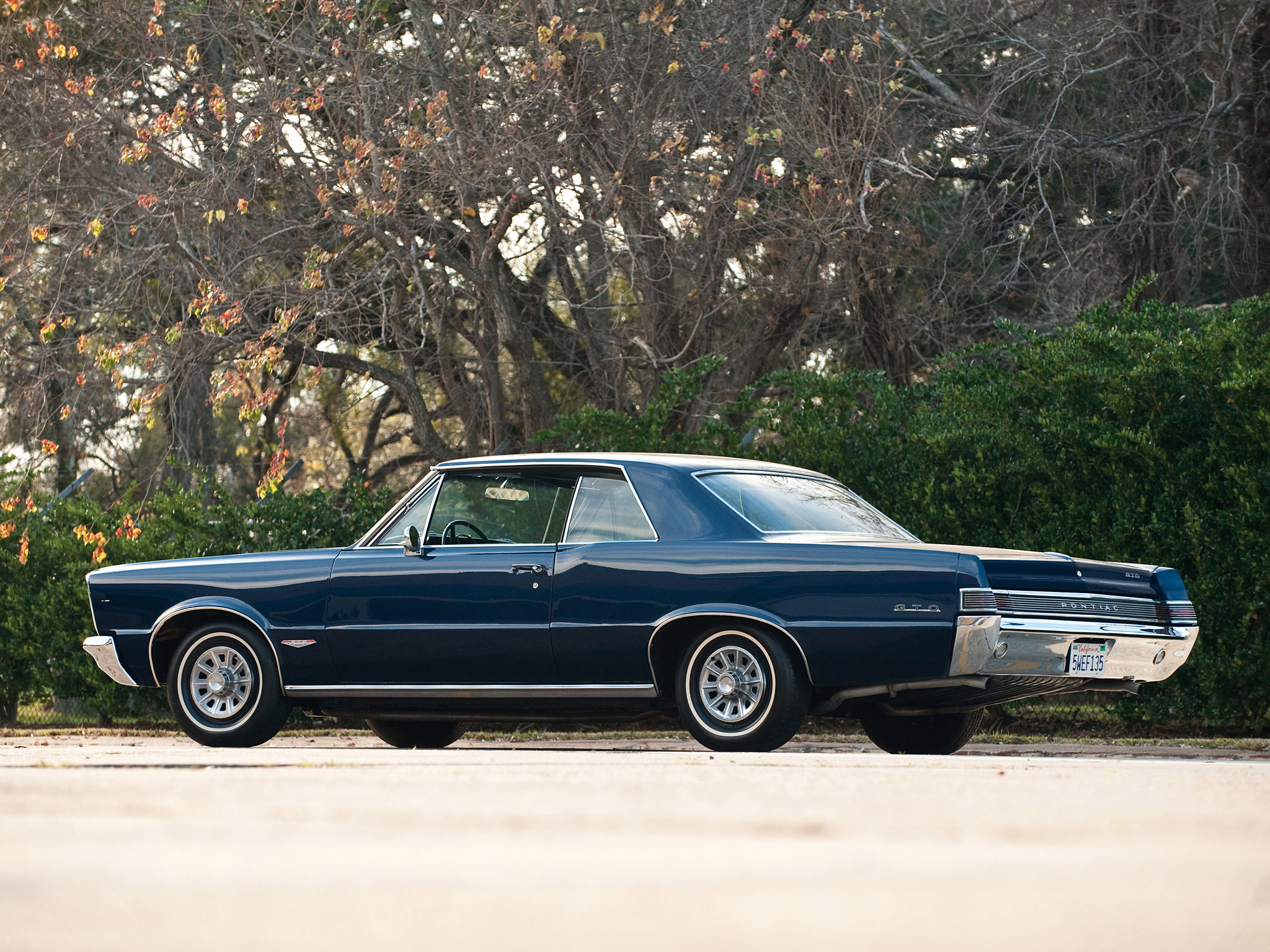
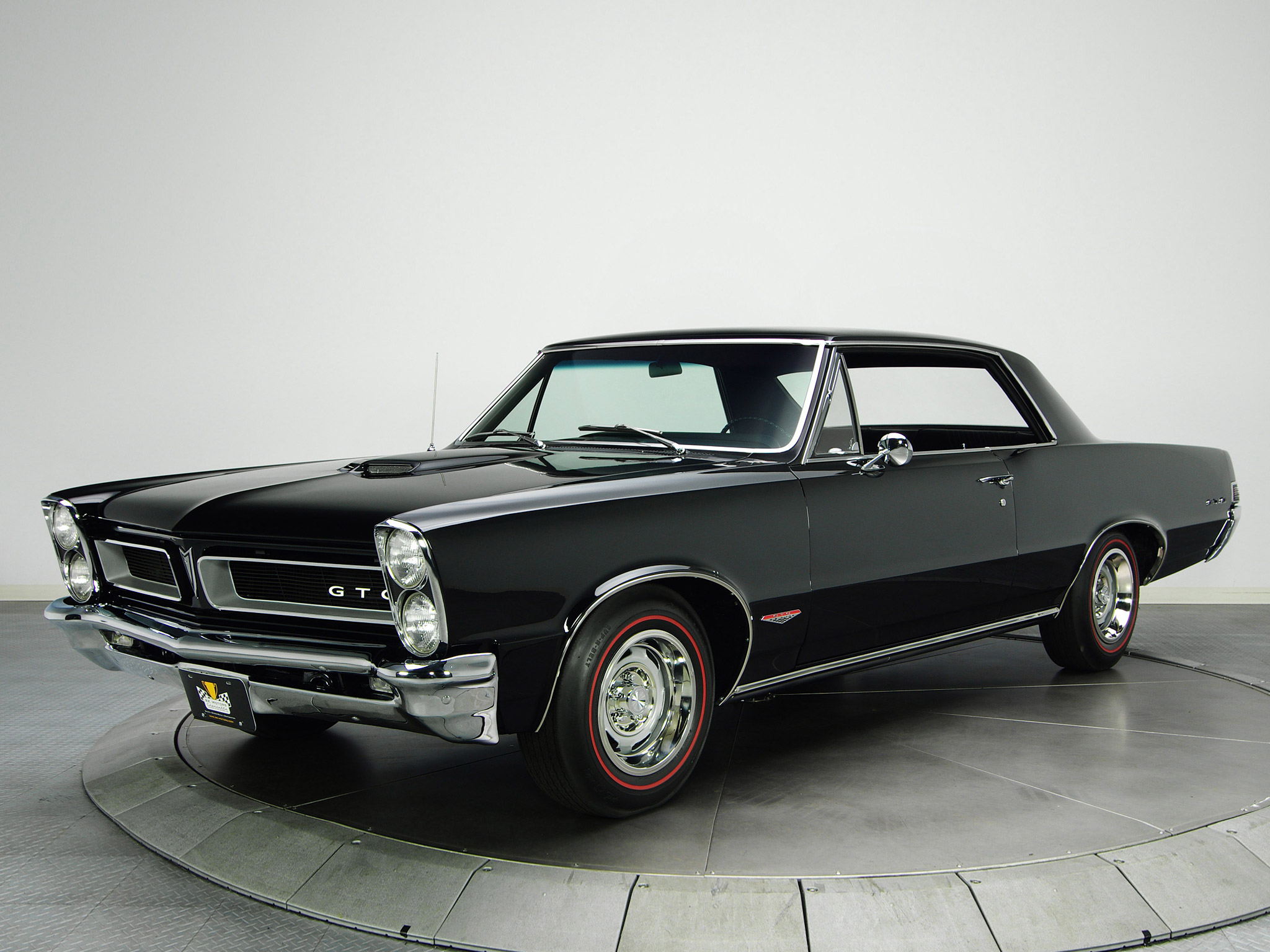
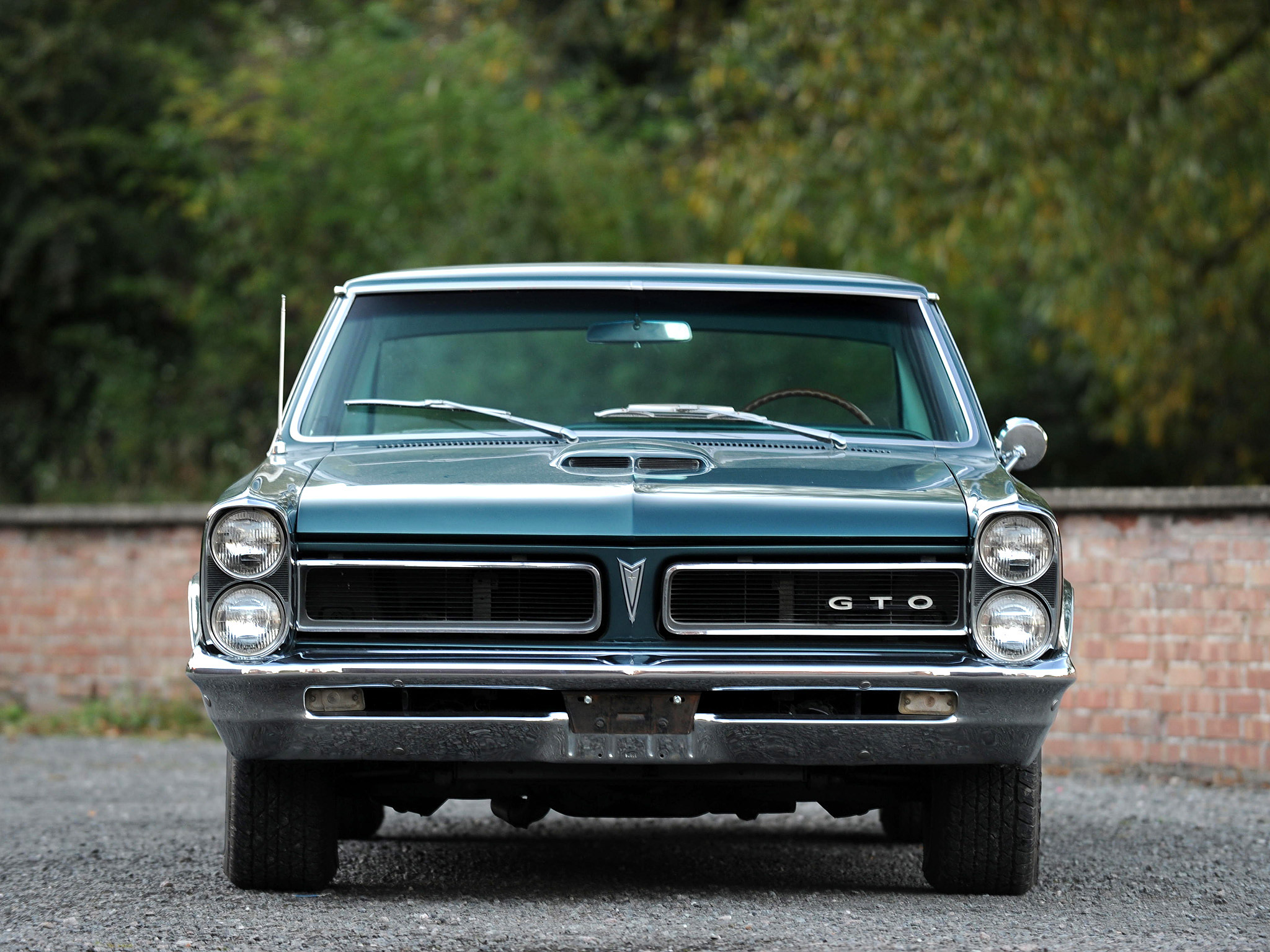
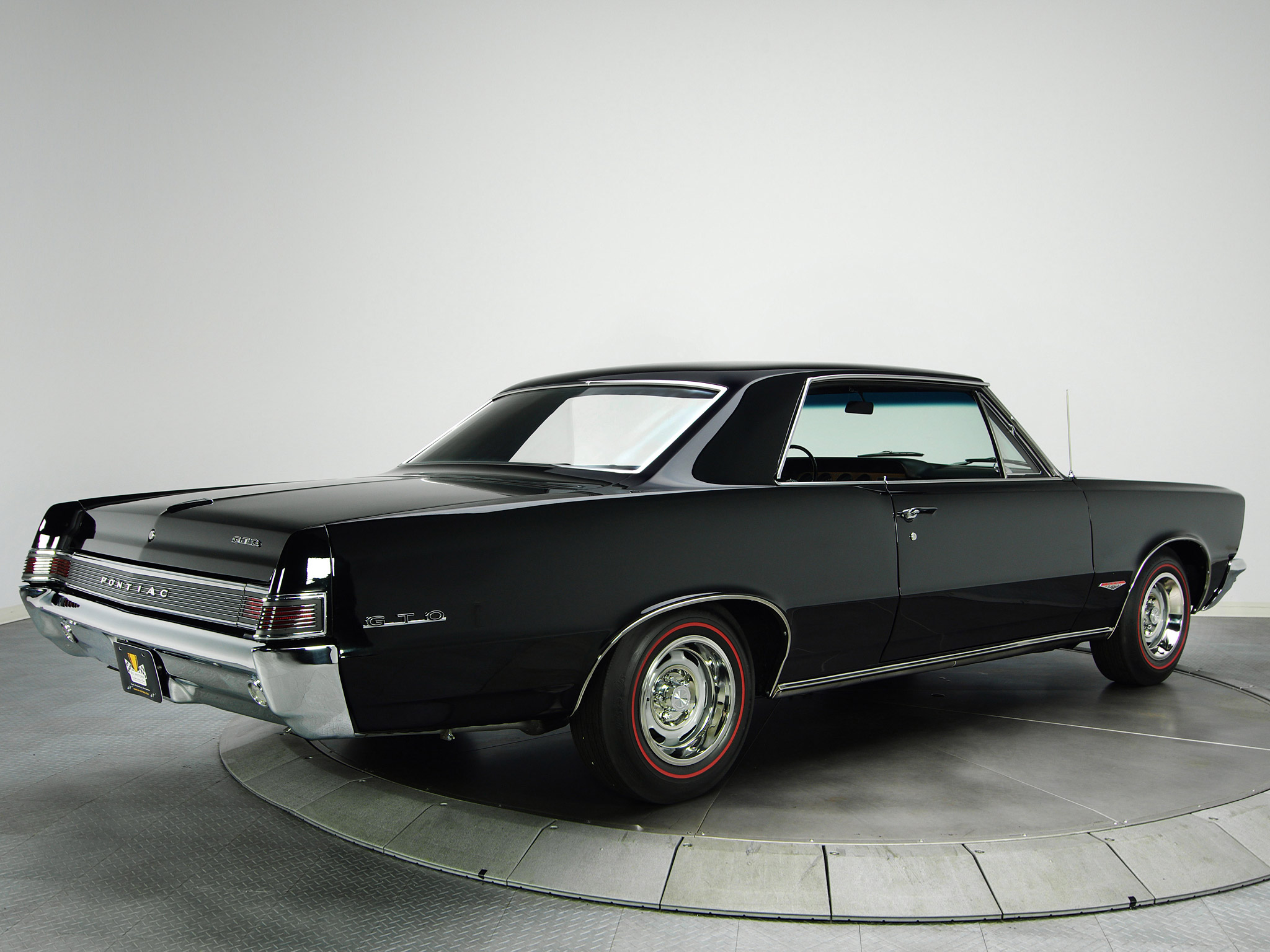
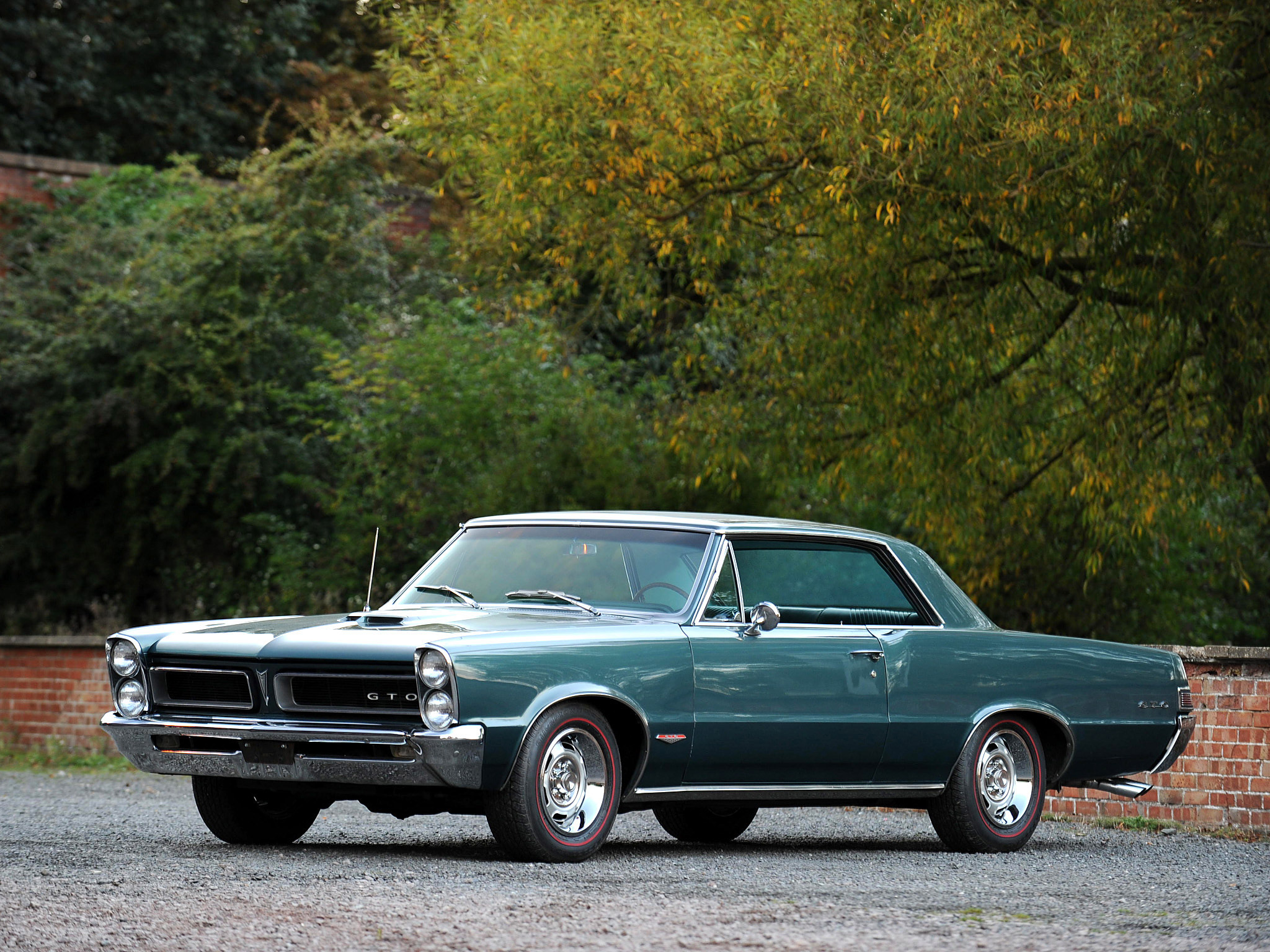
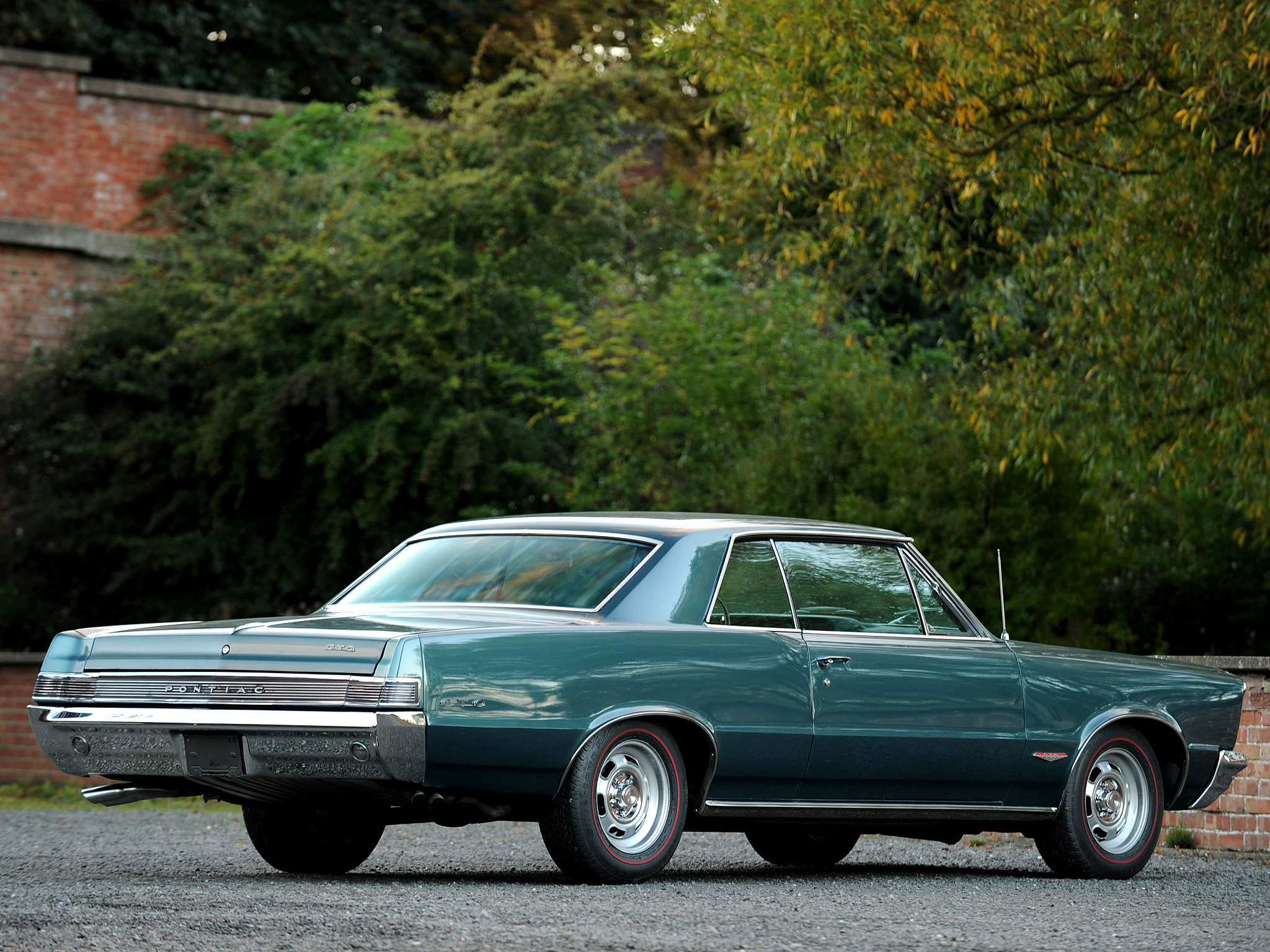
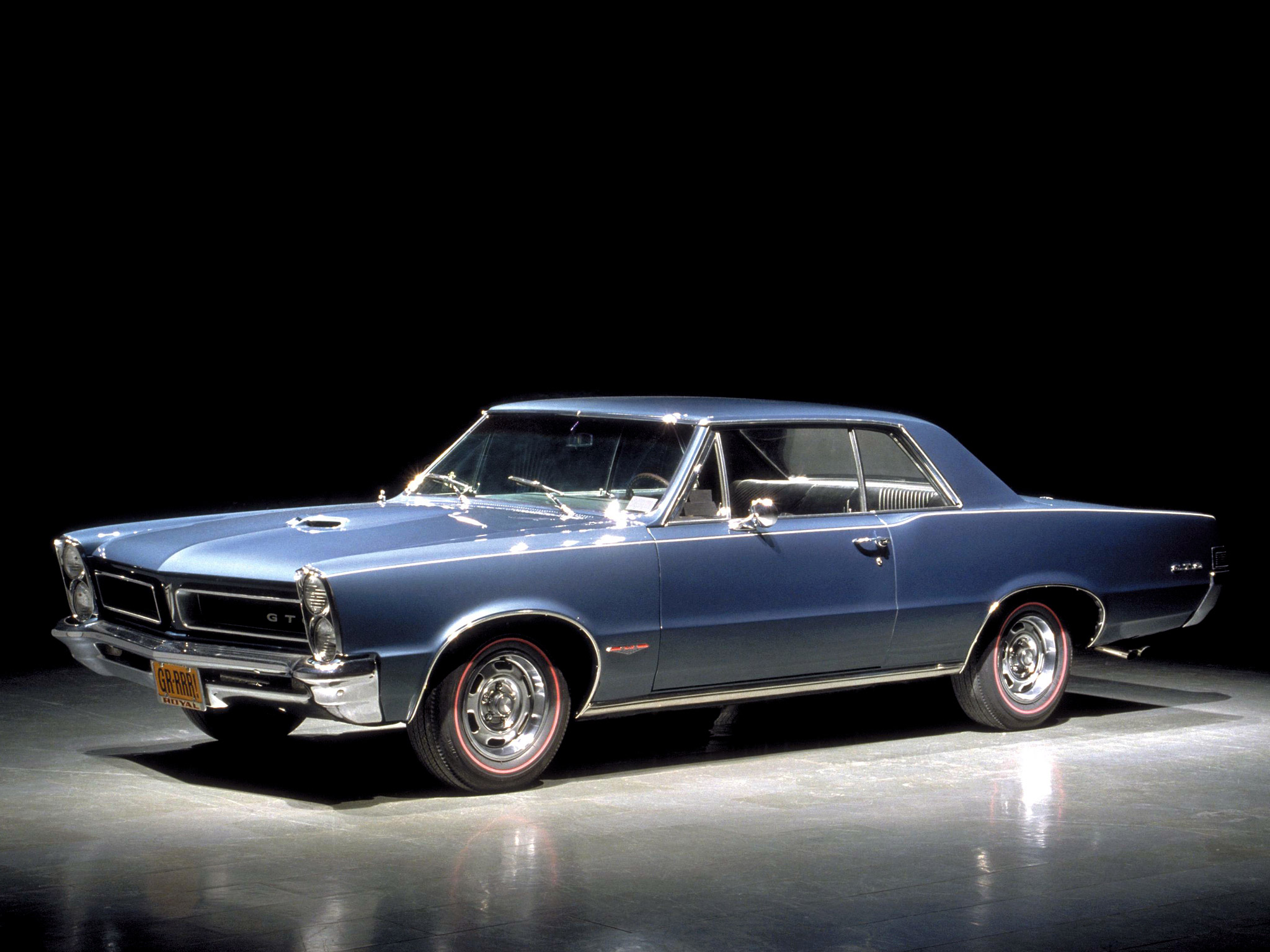
1965 Pontiac Tempest LeMans GTO Wallpapers
We have curated the ultimate collection of the best 1965 Pontiac Tempest LeMans GTO Wallpapers and HD backgrounds for you to enjoy. Our team focused on finding the top 1965 Pontiac Tempest LeMans GTO Wallpapers only to keep the quality high. These 1965 Pontiac Tempest LeMans GTO Wallpapers are free to download so go ahead. To download any of these pictures for use as a wallpaper, right click the picture and choose Save As …
Find more awesome Pontiac Wallpapers
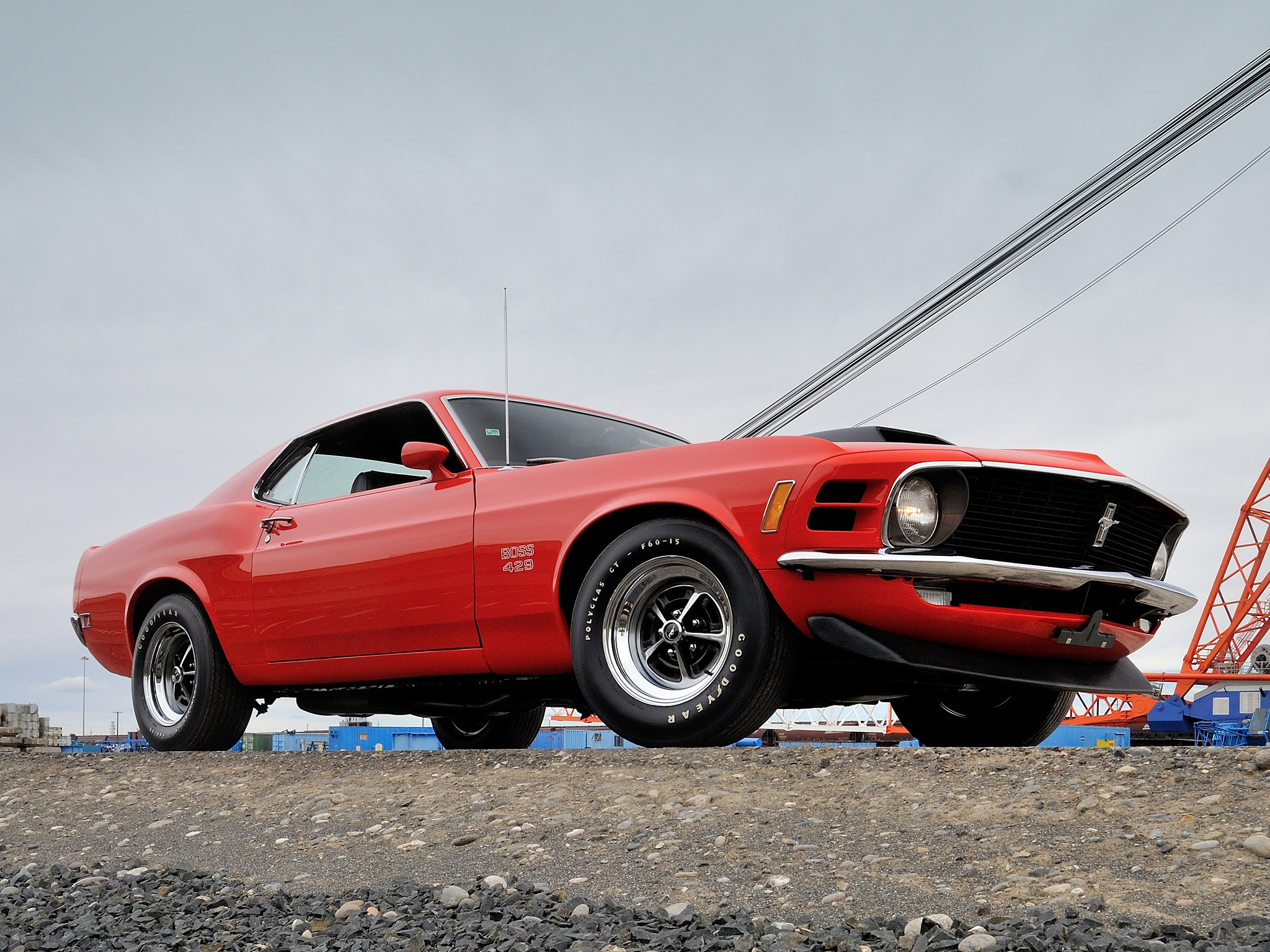
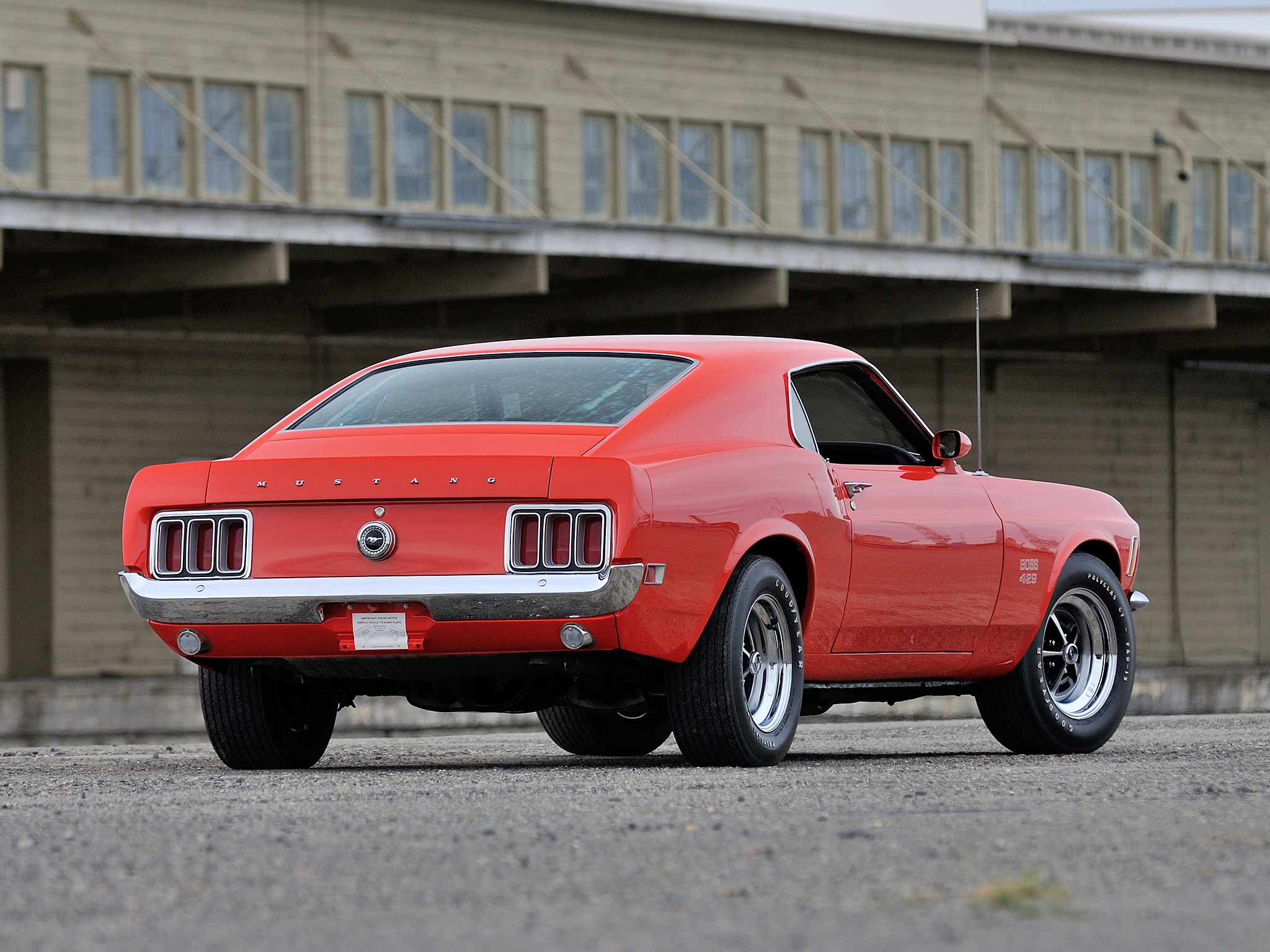
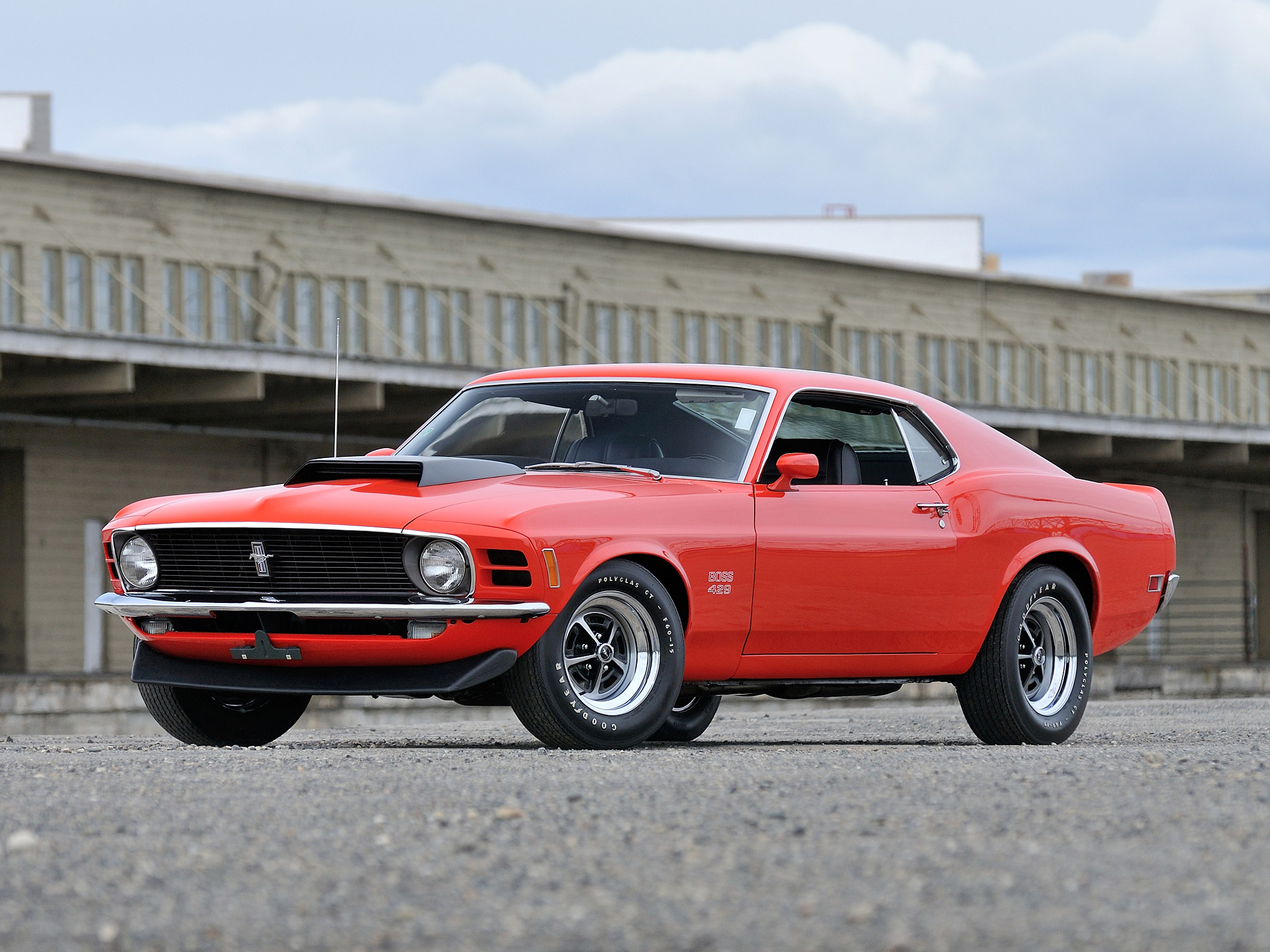
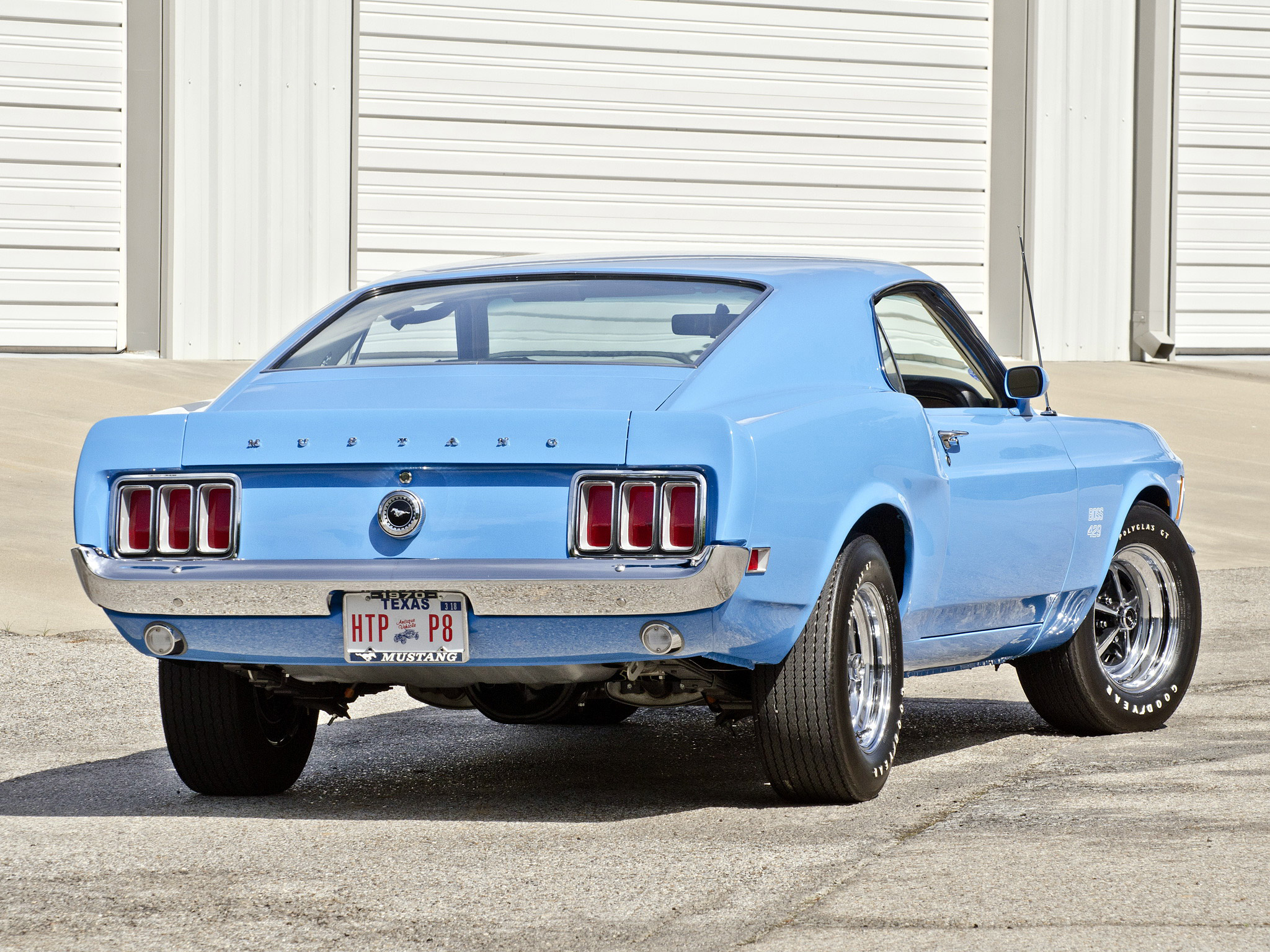
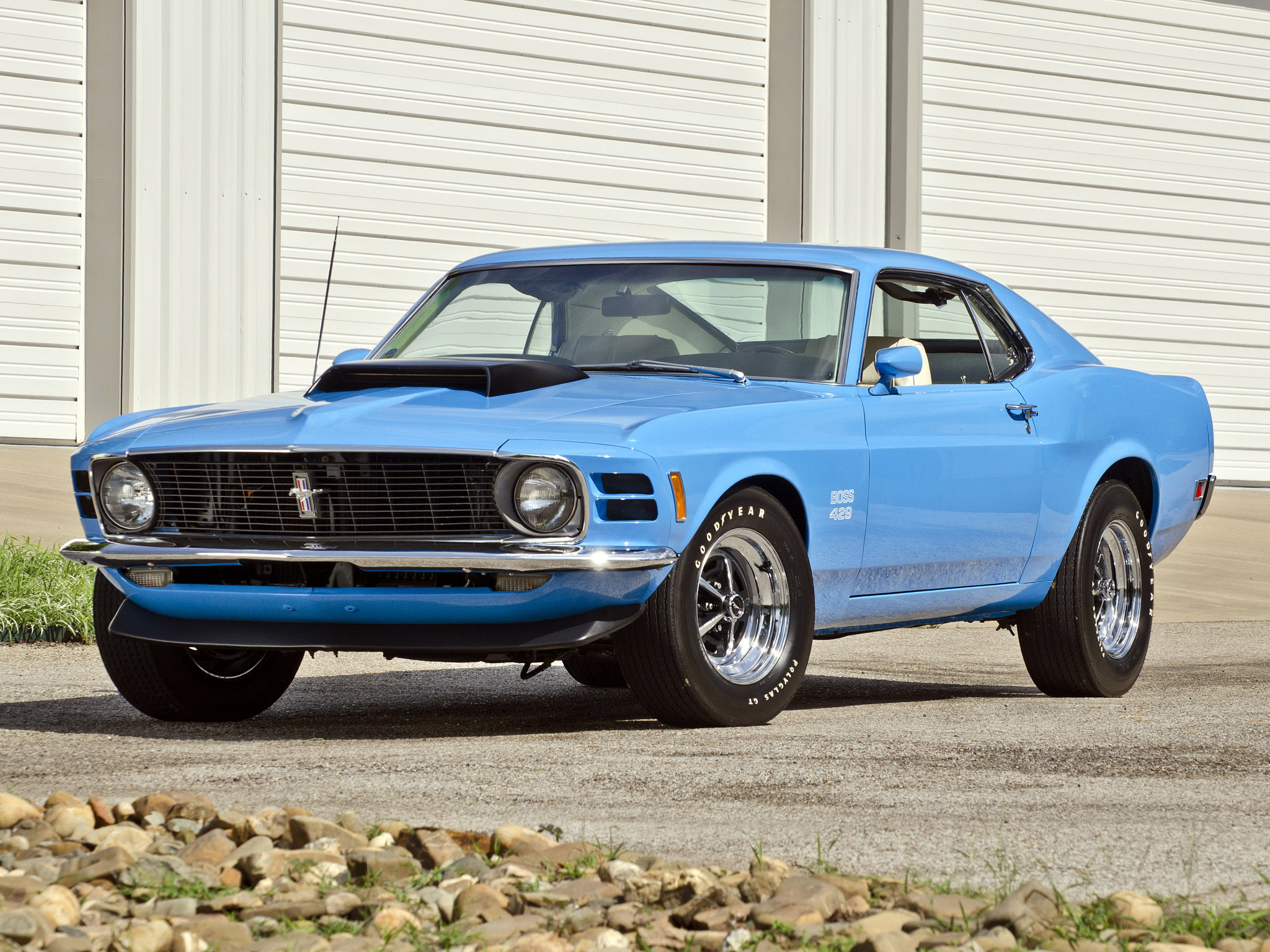
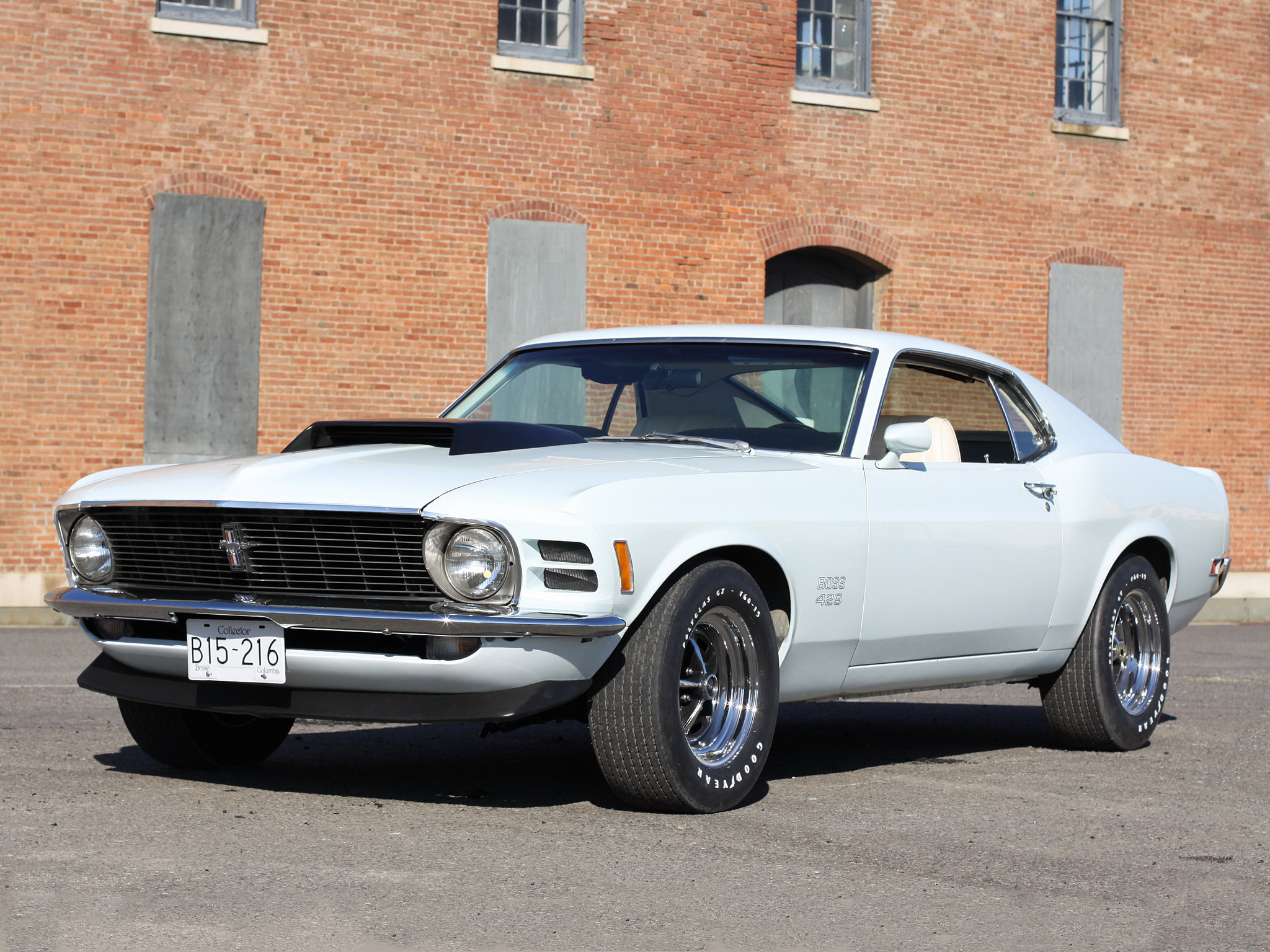
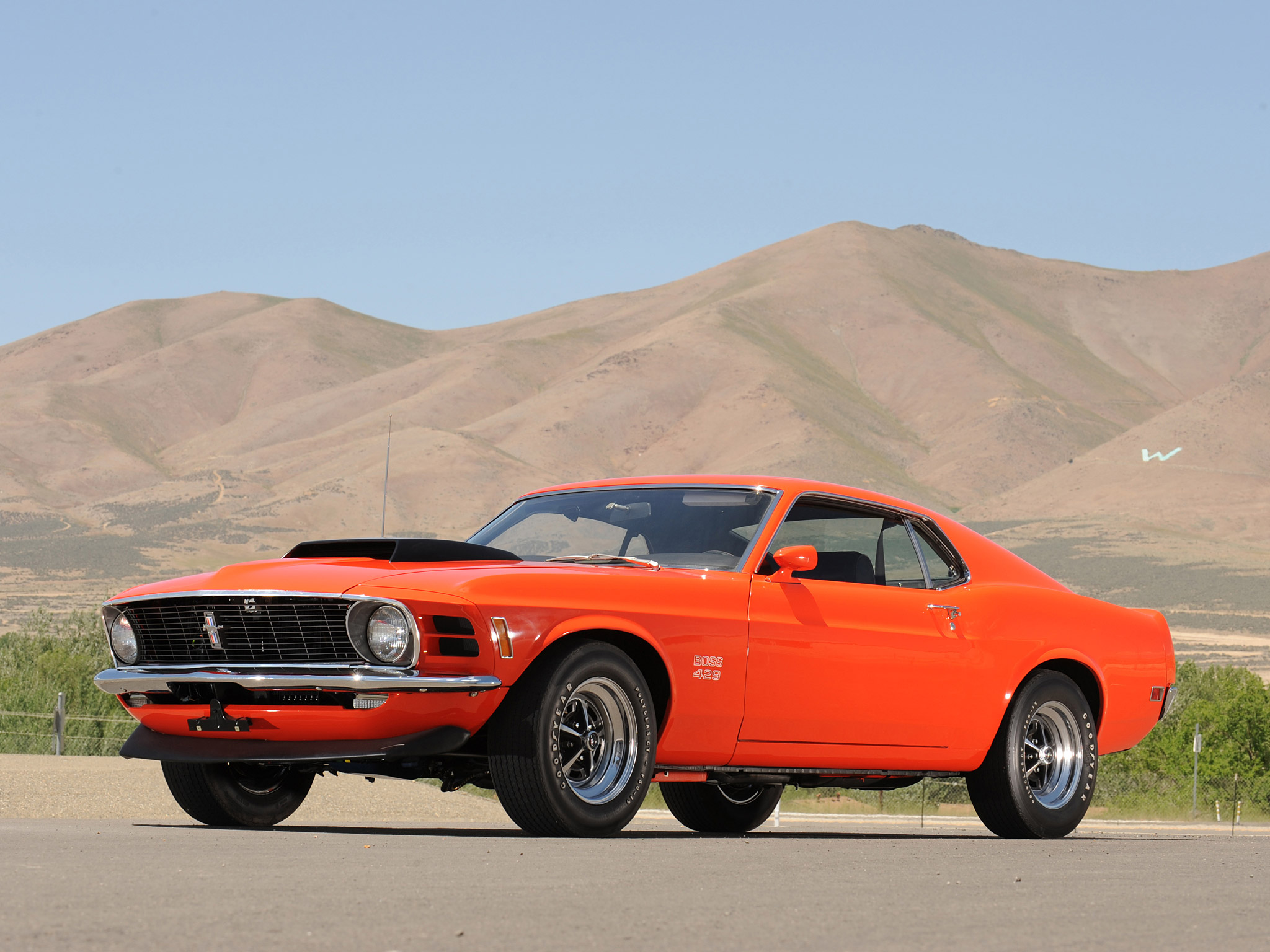
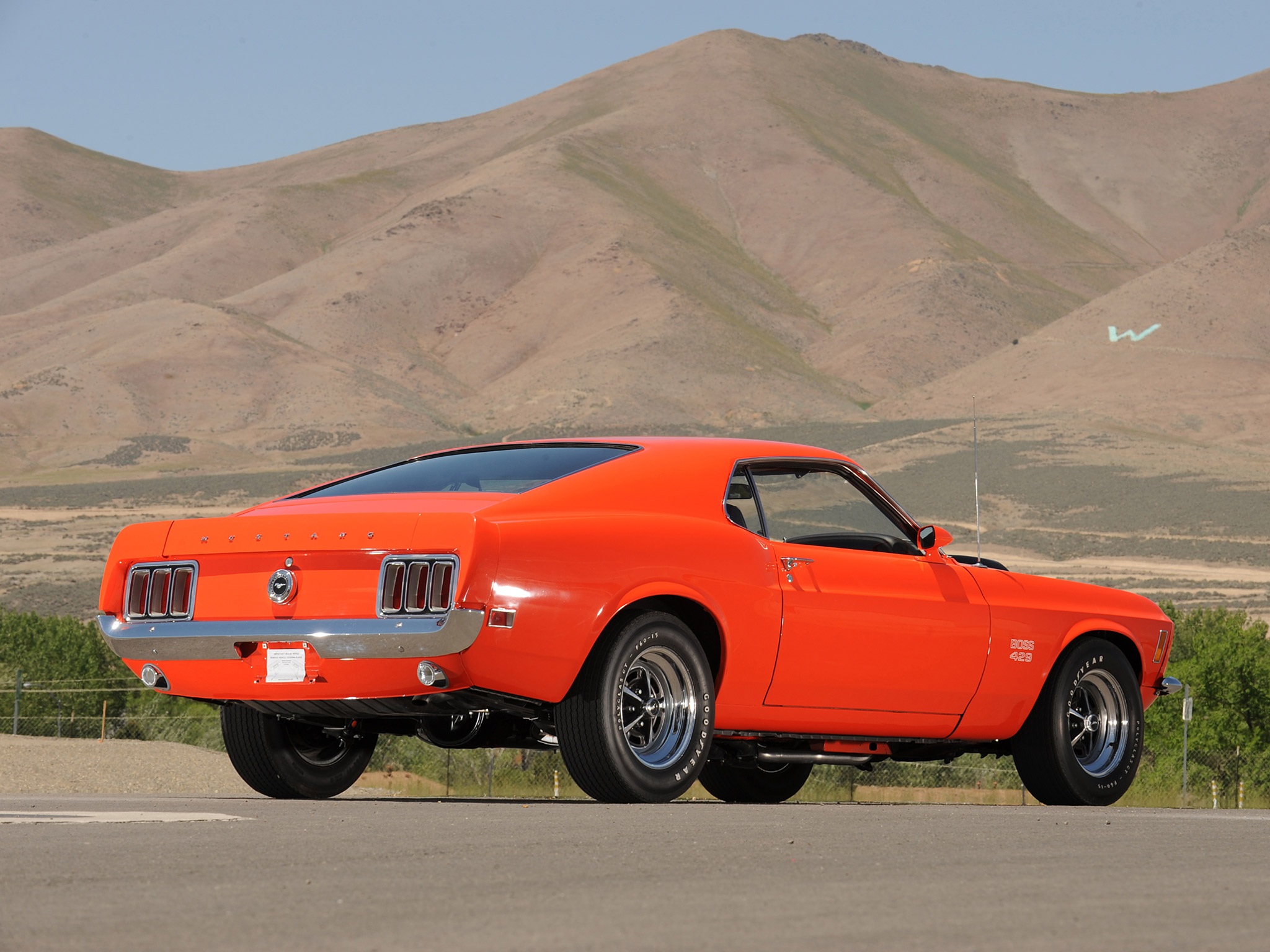
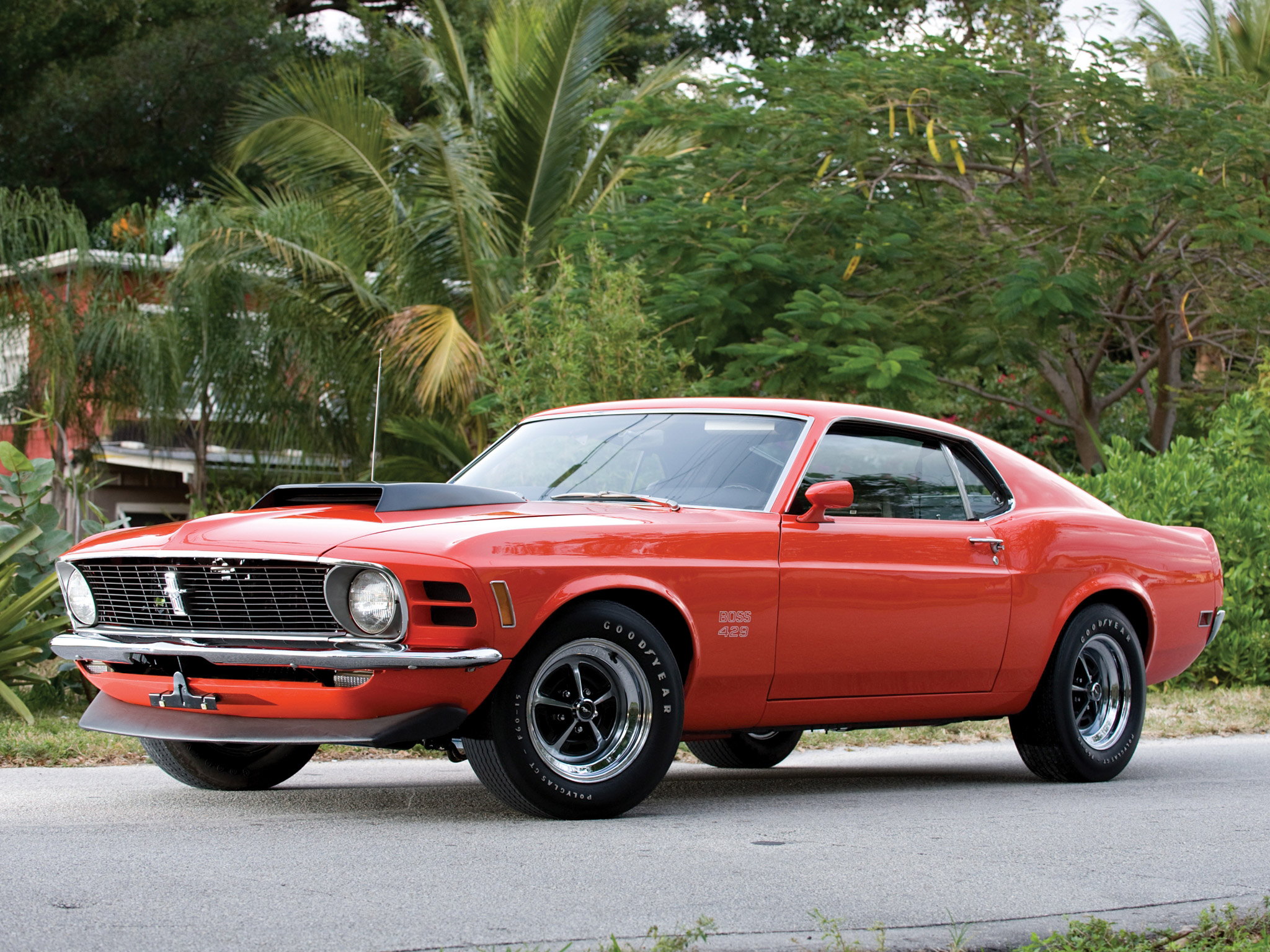
1970 Ford Mustang Boss 429 Wallpapers
We have curated the ultimate collection of the best 1970 Ford Mustang Boss 429 Wallpapers and HD backgrounds for you to enjoy. Our team focused on finding the top 1970 Ford Mustang Boss 429 Wallpapers only to keep the quality high. These 1970 Ford Mustang Boss 429 Wallpapers are free to download so go ahead. To download any of these pictures for use as a wallpaper, right click the picture and choose Save As…
Find more awesome Ford Wallpapers
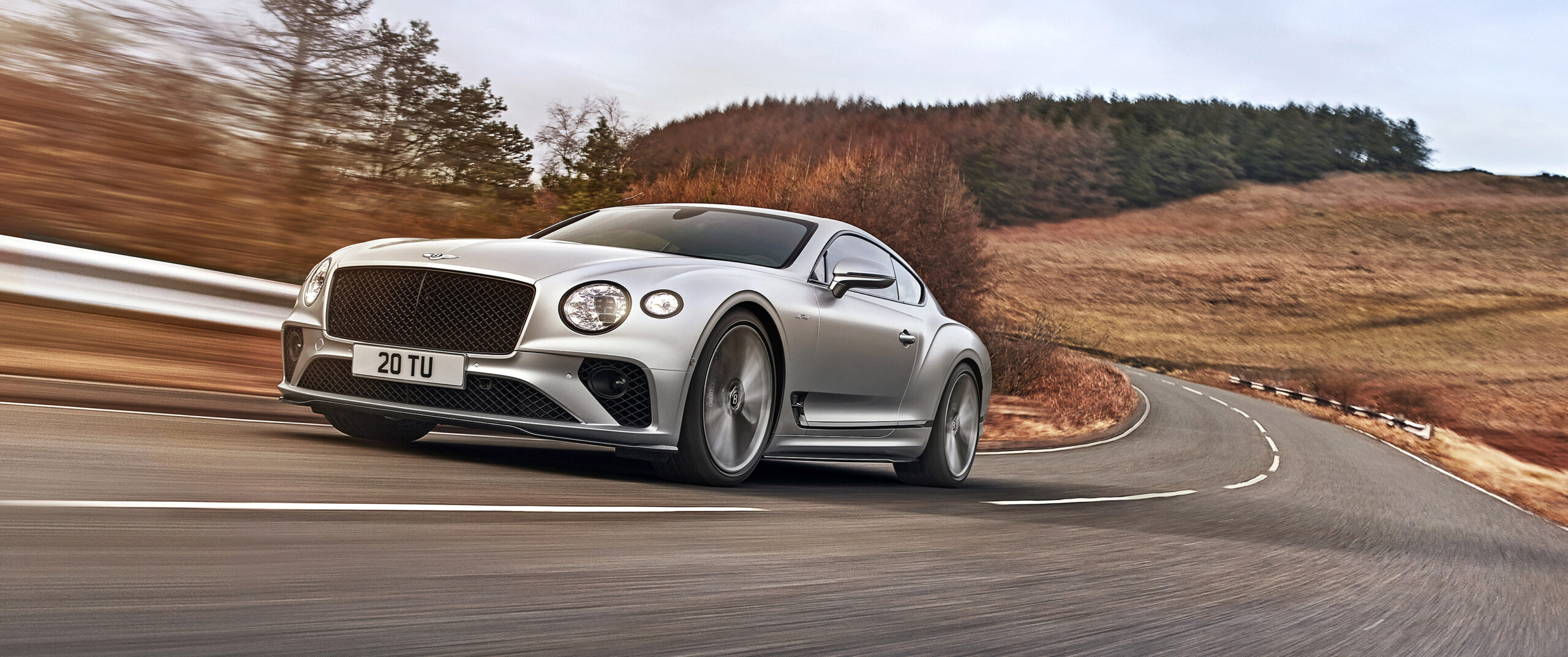
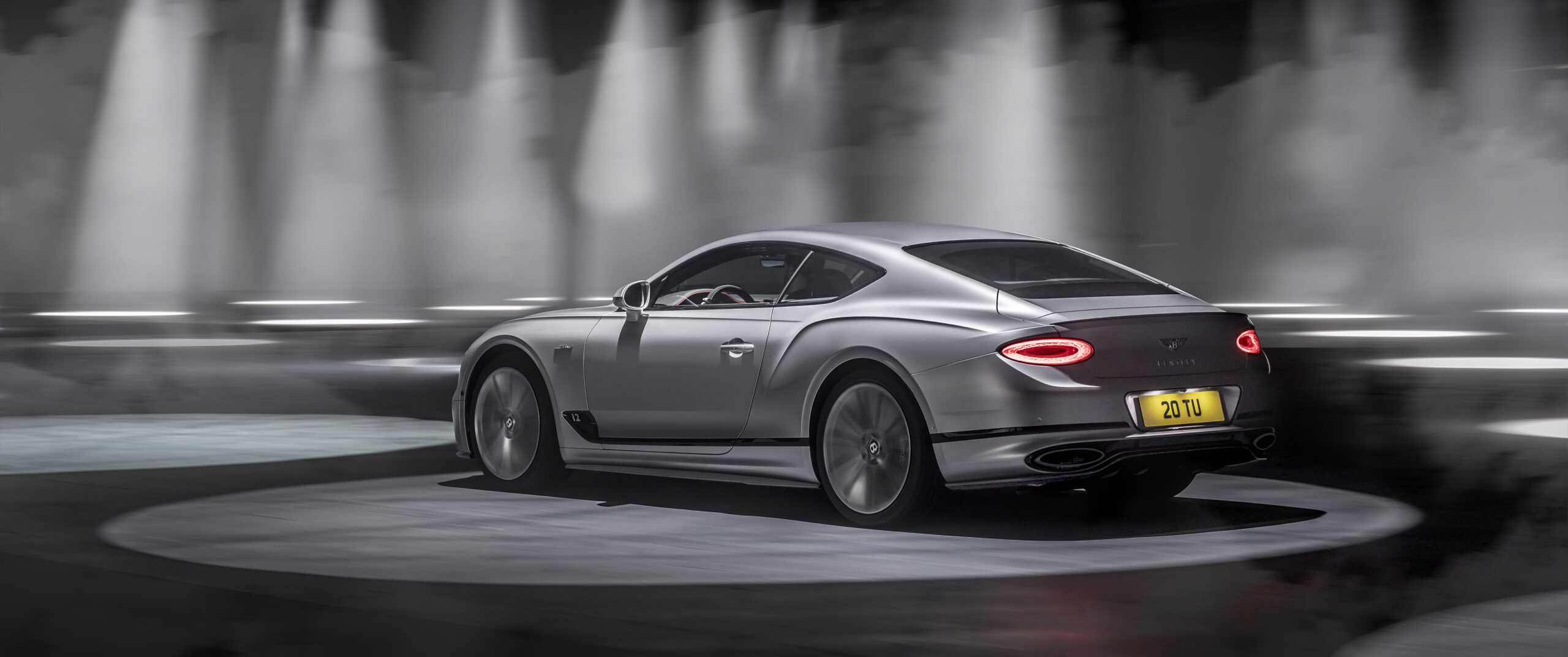
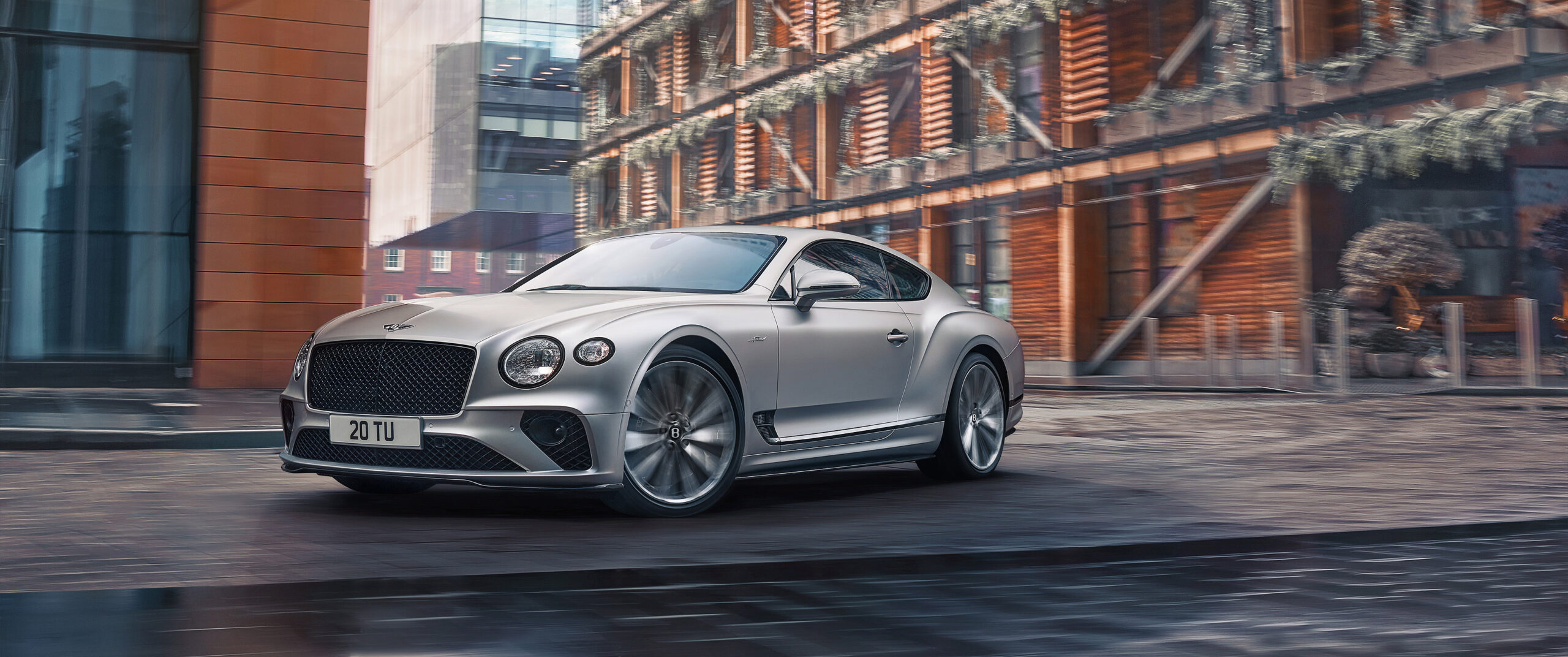
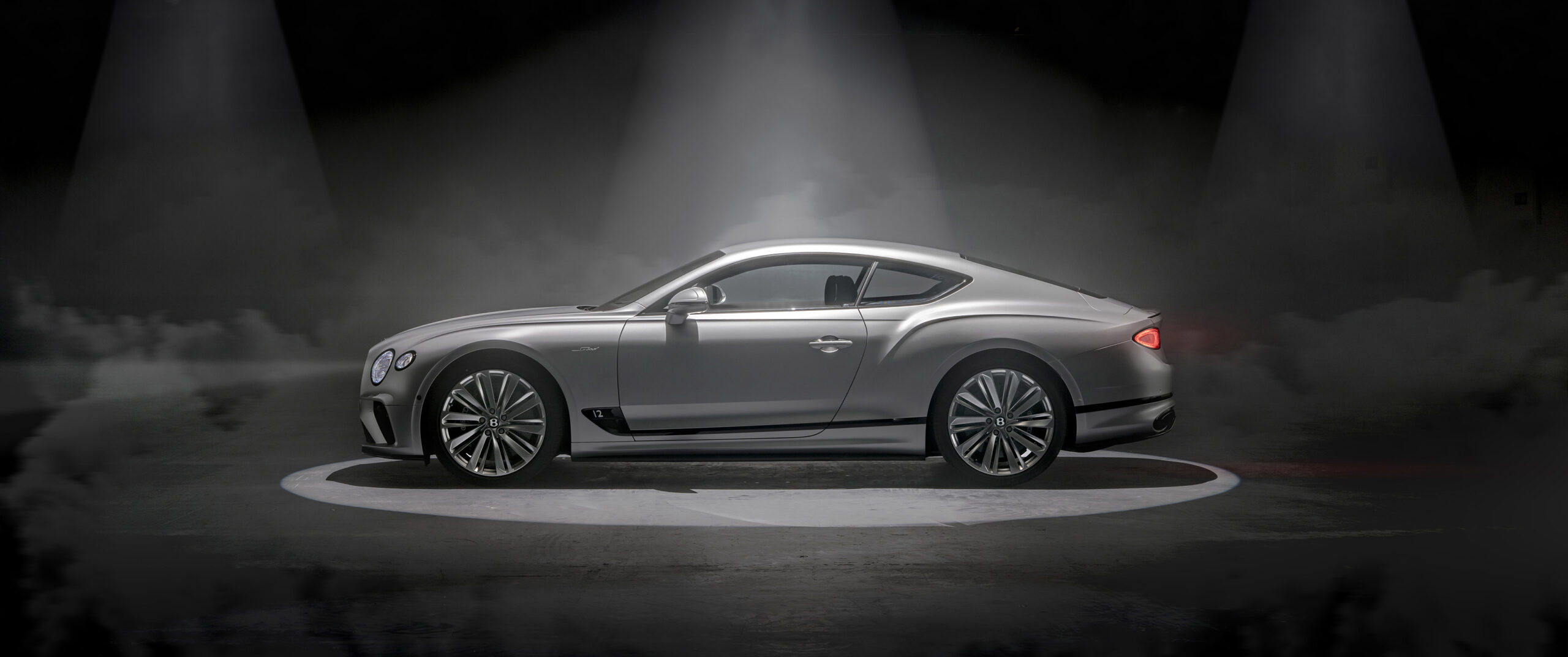
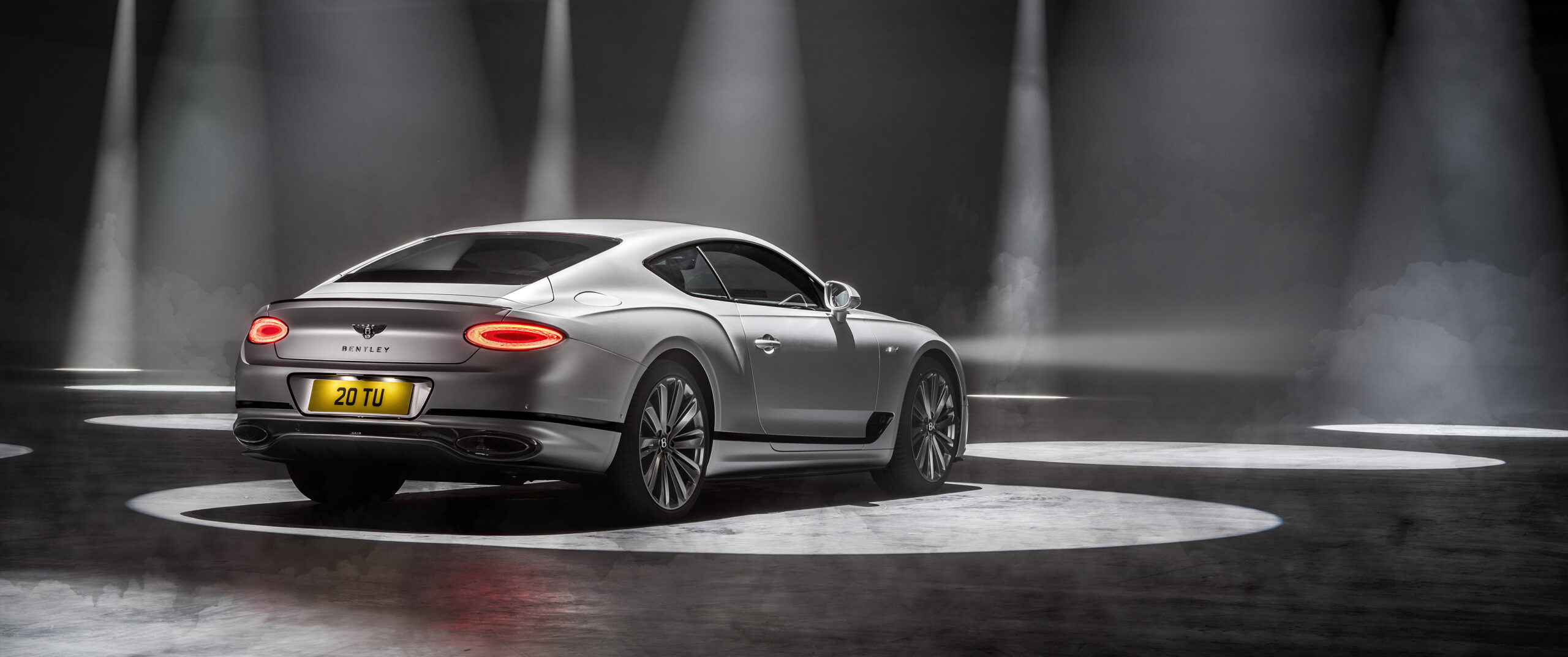
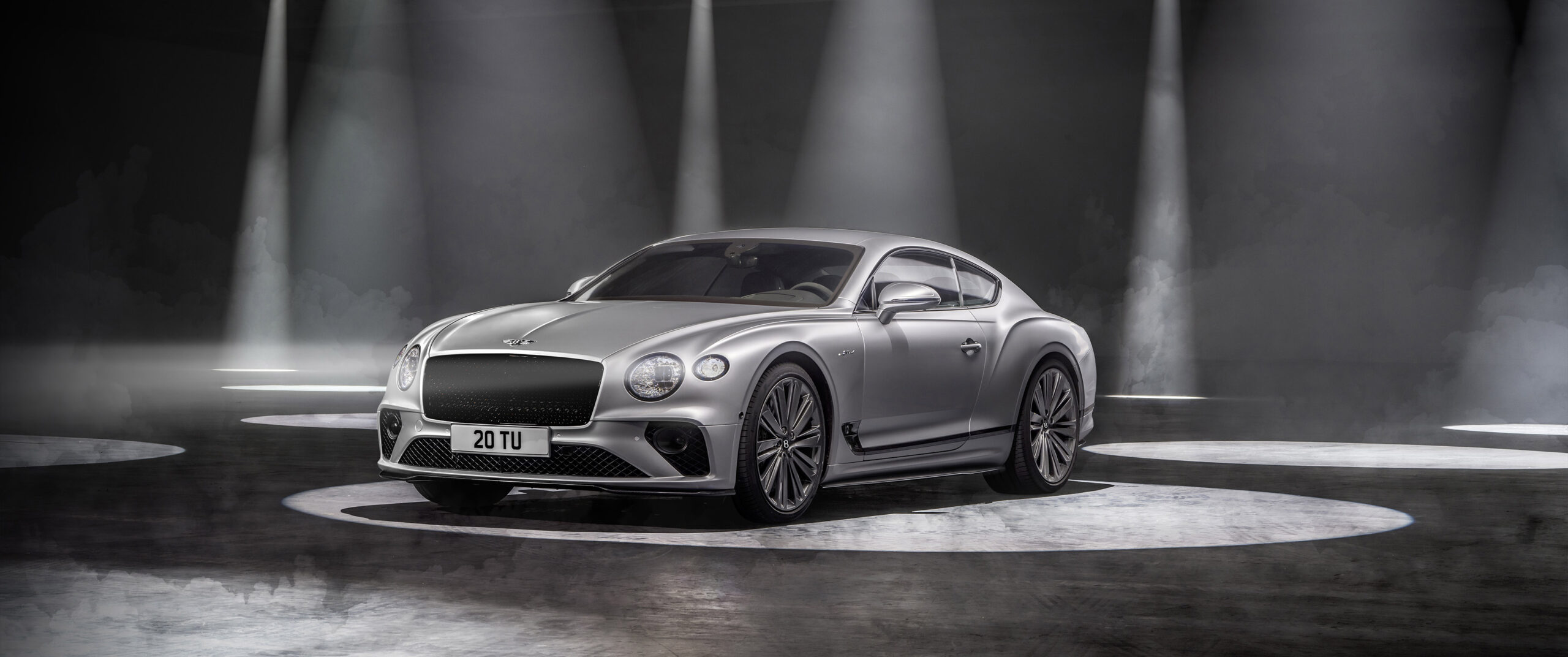
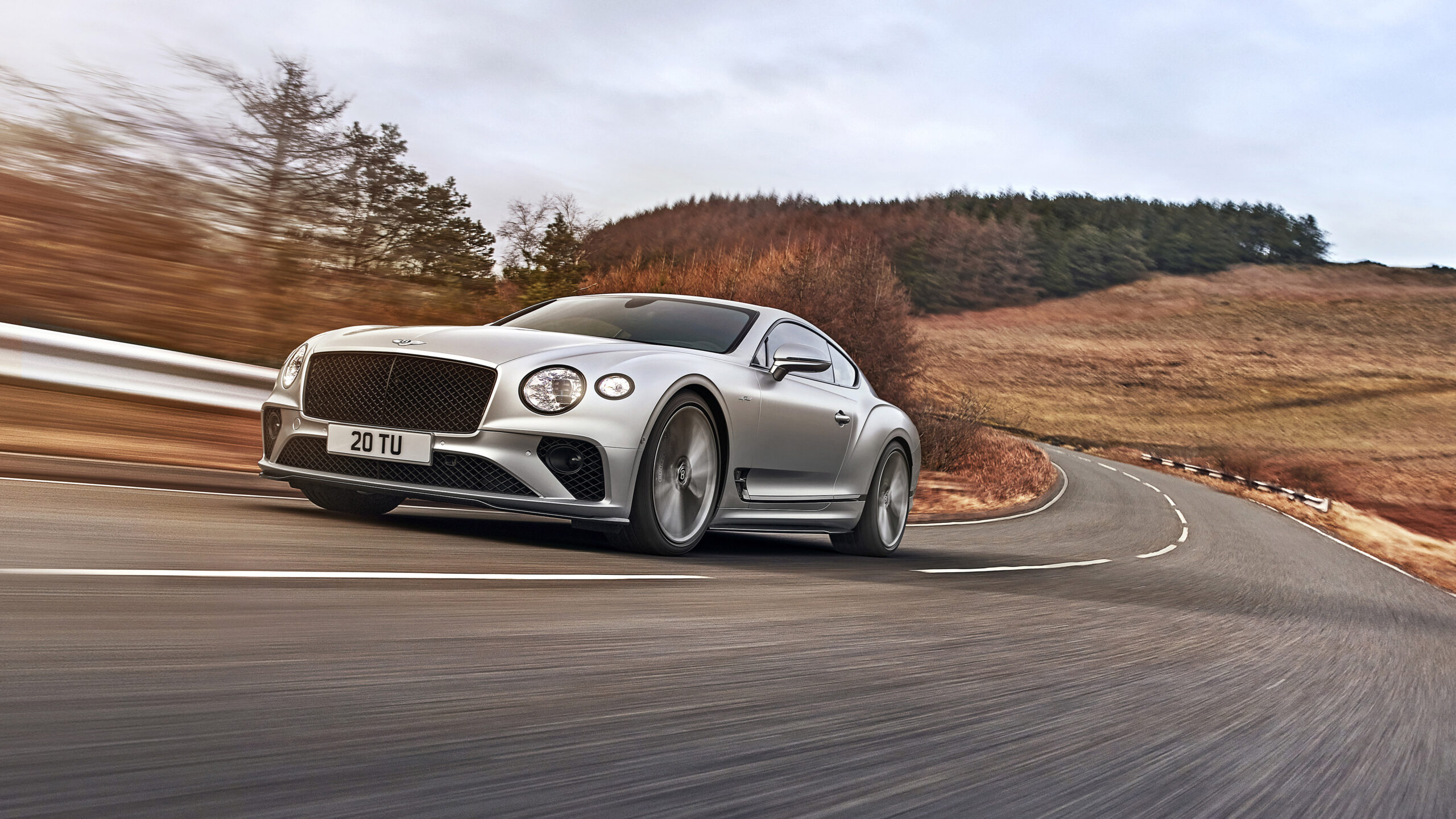
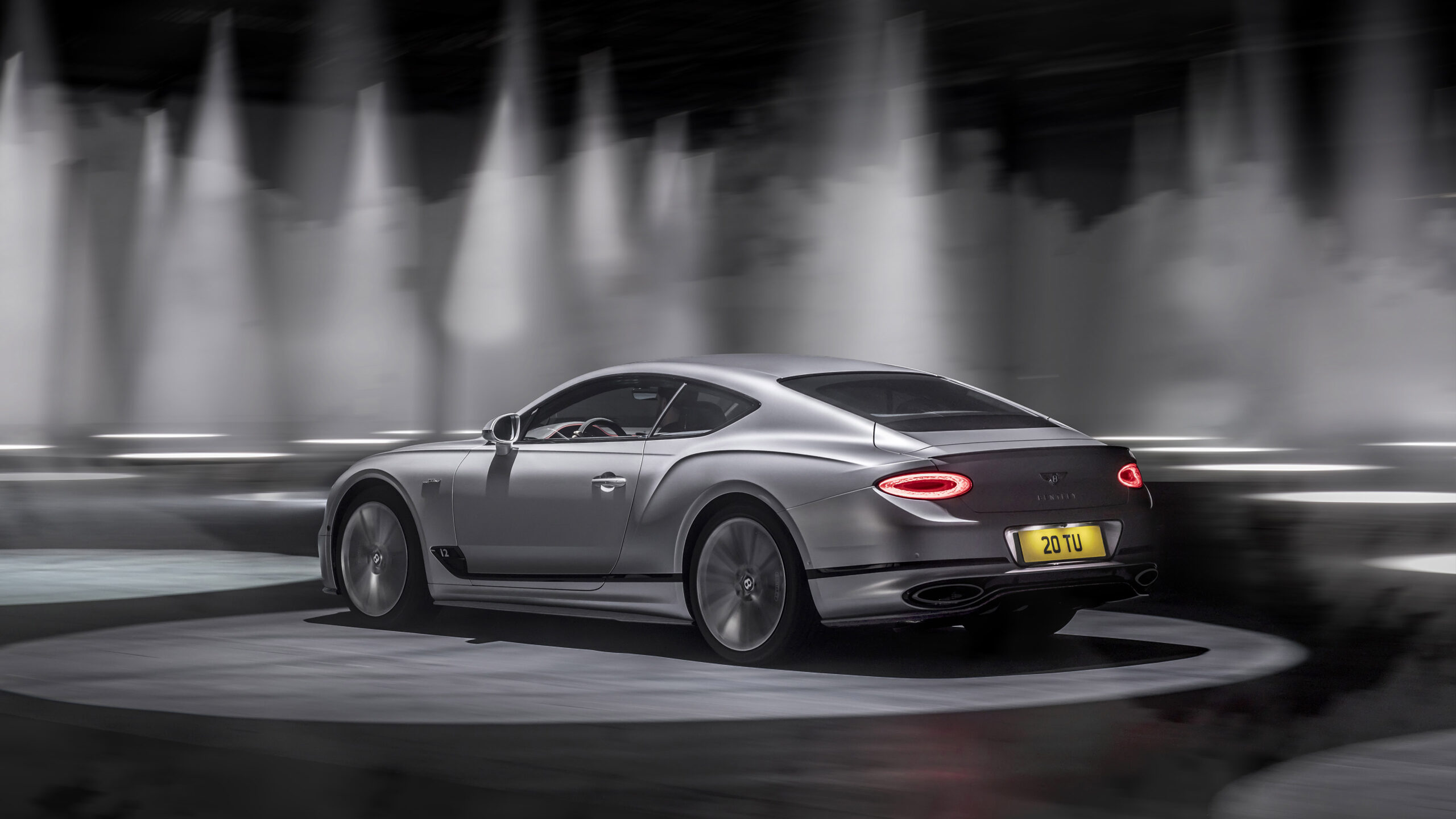
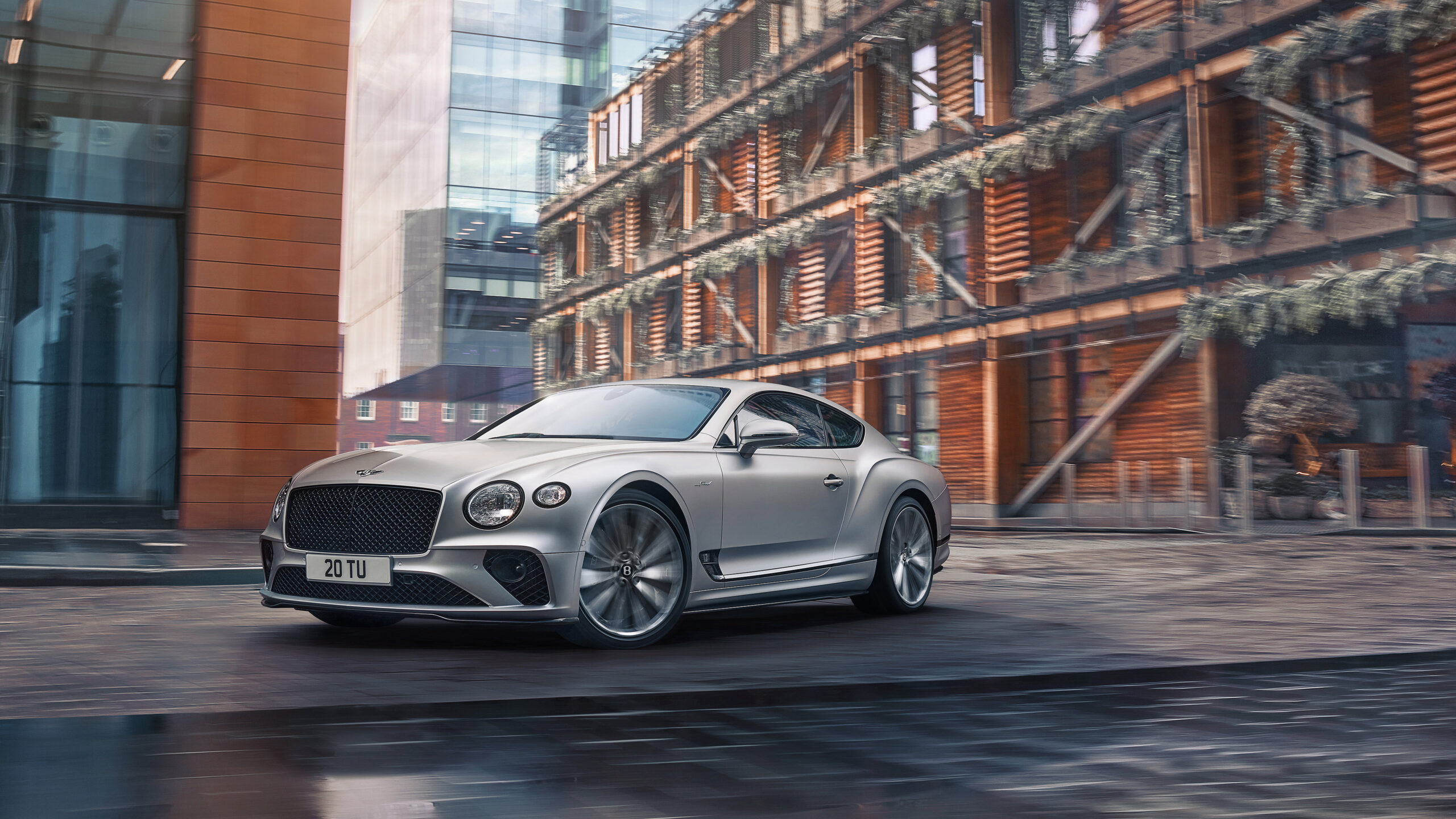
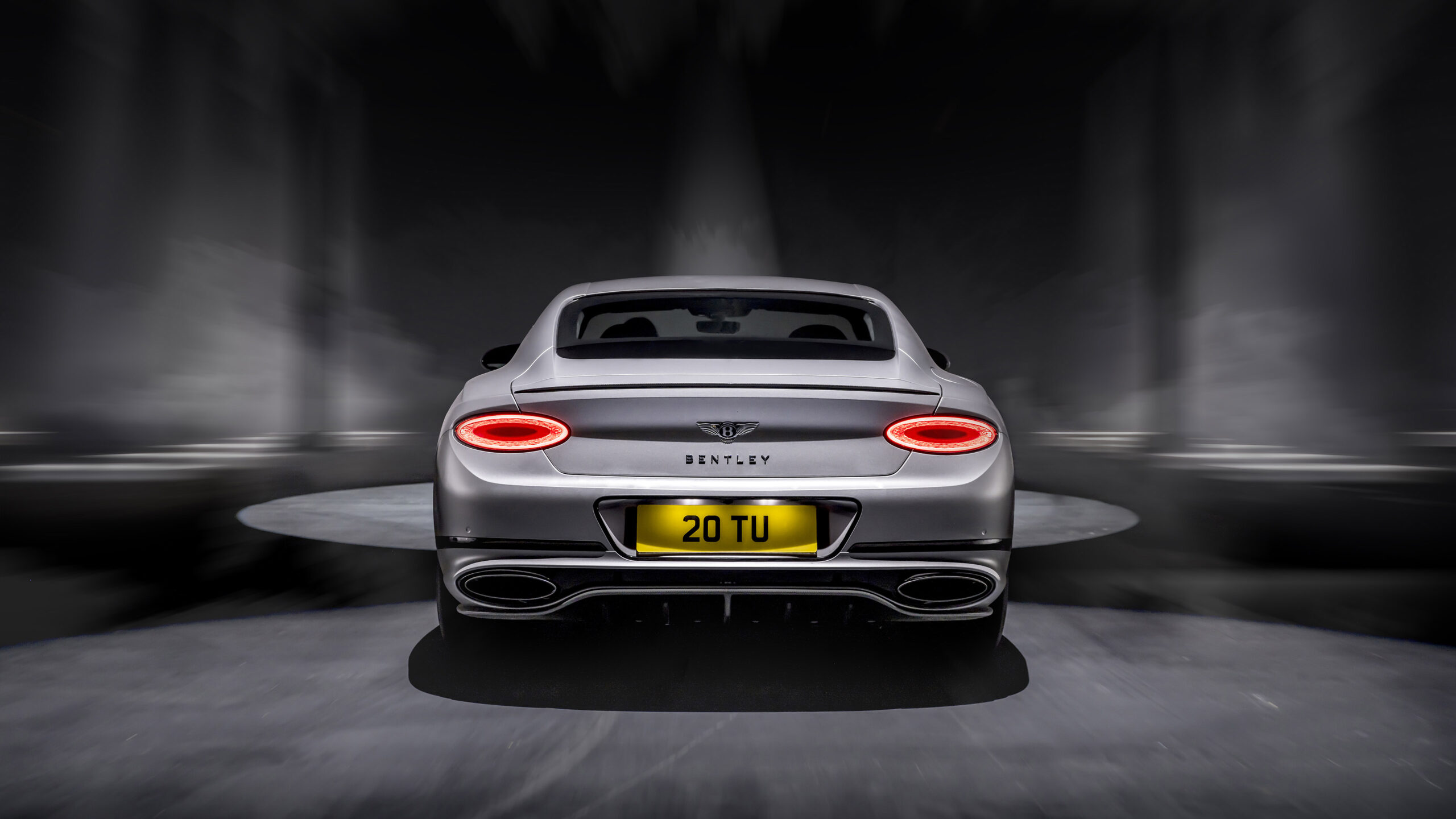
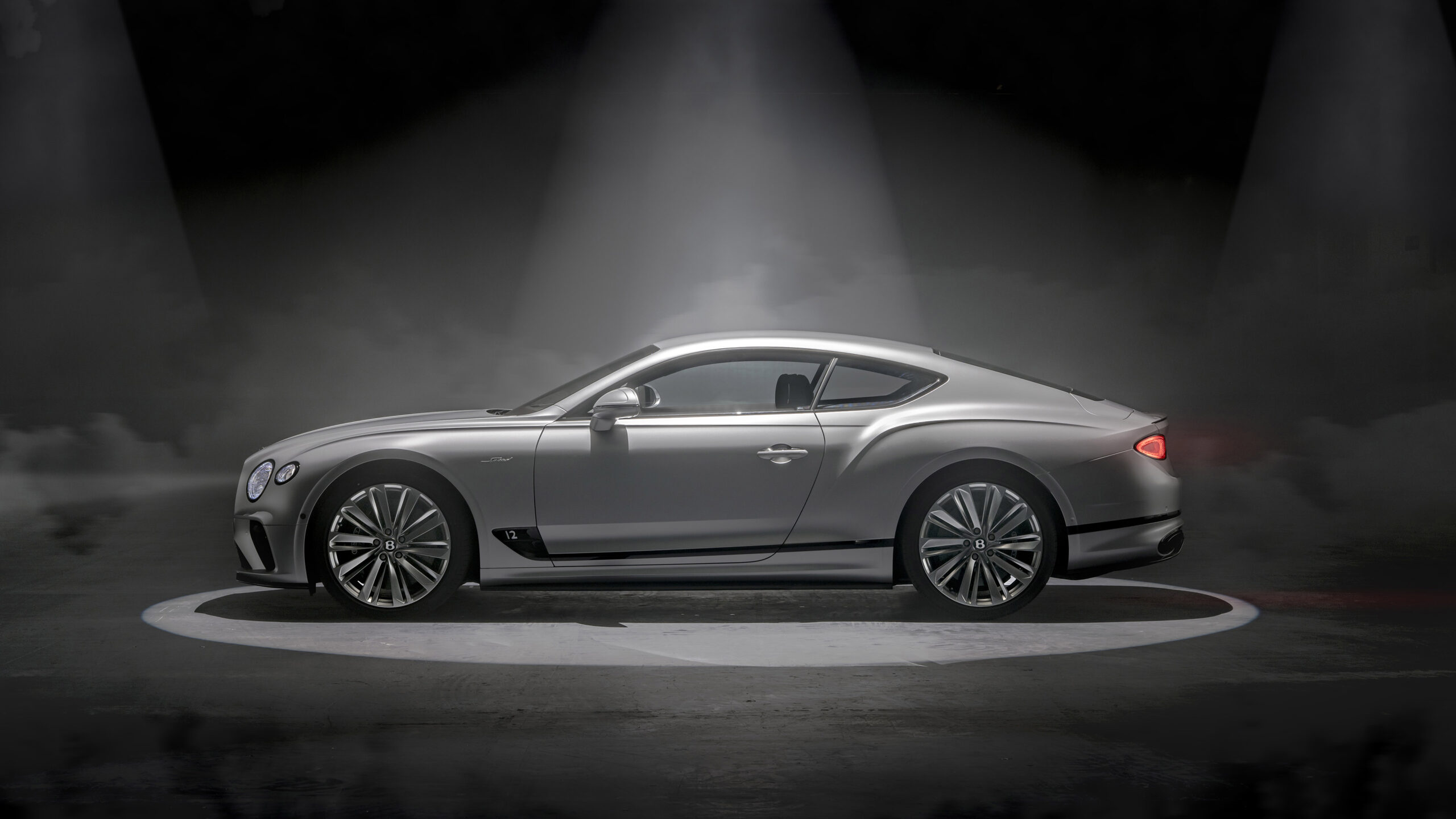
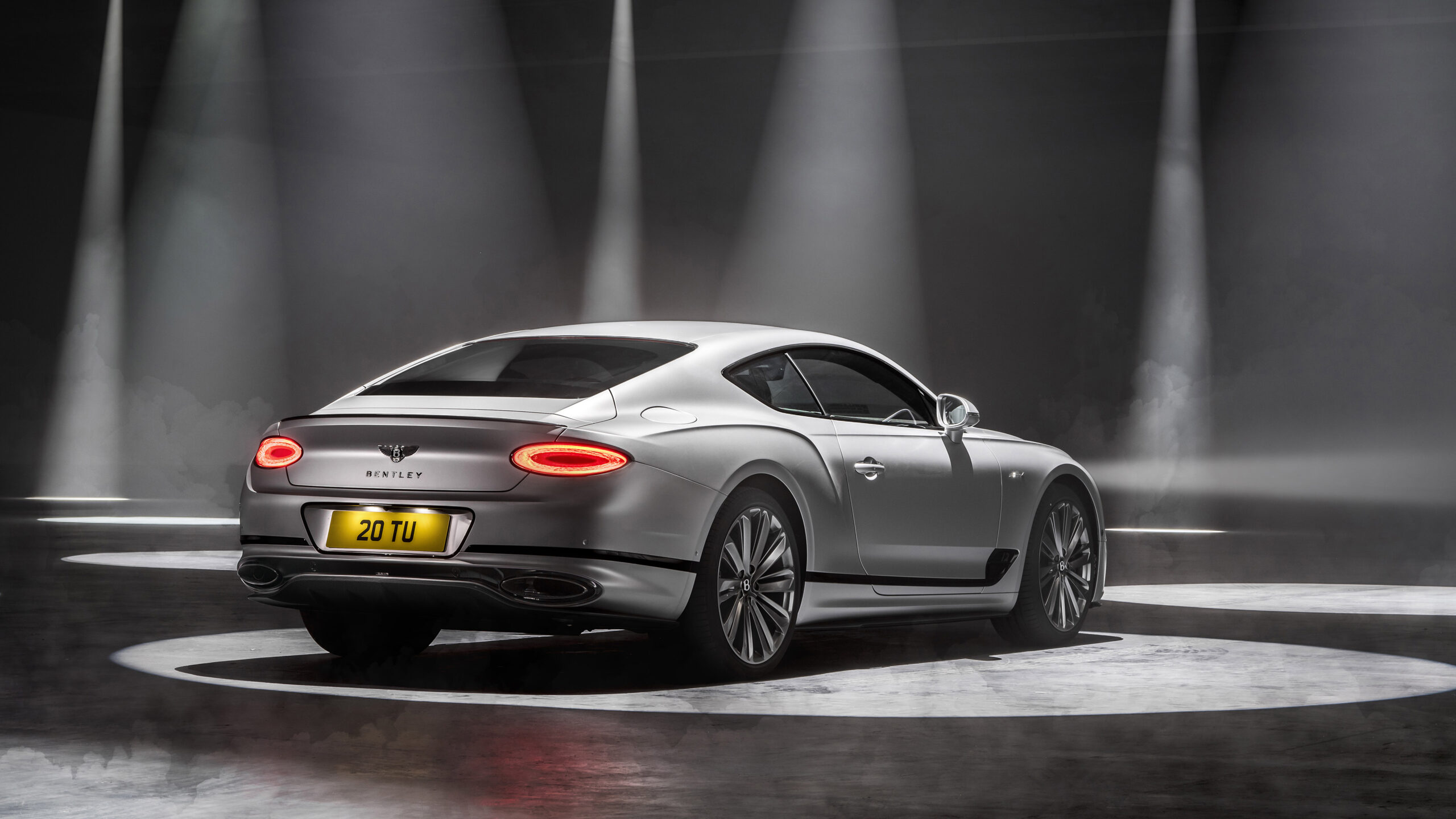
2022 Bentley Continental GT Speed Wallpapers
We have curated the ultimate collection of the best 2022 Bentley Continental GT Speed Wallpapers and HD backgrounds for you to enjoy. Our team focused on finding the top 2022 Bentley Continental GT Speed Wallpapers only to keep the quality high. These 2022 Bentley Continental GT Speed Wallpapers are free to download so go ahead. To download any of these pictures for use as a wallpaper, right click the picture and choose Save As…
Find more awesome Bentley Wallpapers


The Factor Speed Plays In Accident Injuries
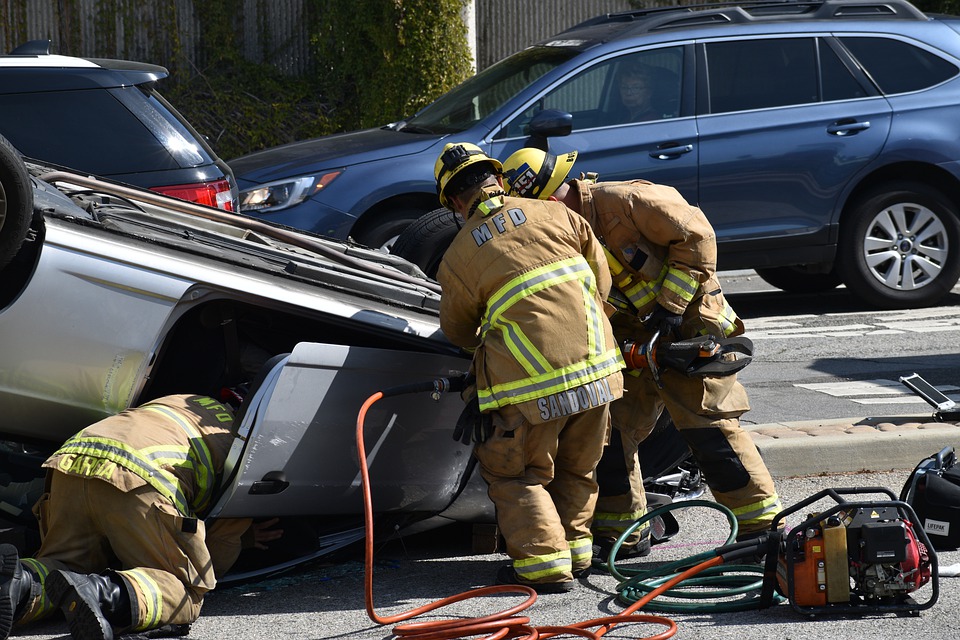
There is a fairly infamous saying about speeding, one that both highlights and makes light of the simple facts of physics: “Speed never killed anyone. It’s the sudden stop when you hit the tree that kills you.” Despite being a little bit of dark comedy, it’s also true. Speed has never killed anyone in and of itself.
That isn’t to say, however, that speed has no part to play in accidents that cause injuries or fatalities. Speed affects multiple parts of driving, each of which can be a contributing factor to the severity of any injuries or accidents.
This is especially true with performance cars, supercars, and now hypercars. These vehicles are capable of speeds that even 10 years ago were thought unreachable. The Bugatti Chiron 300, for example, is able to reach 300 MPH. The Koenigsegg Jesko 500 is another, designed to go over 500 KPH (310 MPH). We are getting to a time in automotive history where the cars are starting to be able to go at speeds that the common driver may not be able to control.
What Role Does Speed Play With Respect to the Severity of an Injury in an Auto Accident?
To first understand how speed can injure, we have to define exactly what speed does to a large piece of plastic and metal with a sentient watery sack of flesh inside of it. When you accelerate, you are combating inertia to obtain velocity. You and the vehicle move together, as you are supported by a full back seat, which pushes you at the rate of acceleration.
Now, when you’re going 30 MPH or so, you are covering 44 feet a second. In case that doesn’t sound that bad, take into account that the average American small car is only about 14 to 18 feet long. You are literally covering 2 to 3 car lengths per second, which is why during driver’s ed, the 2 second rule for following the car ahead of you is emphasized.
Now double that to 60 MPH. 88 feet per second. Now accelerate past the national limit and hit 90 MPH. 132 feet per second. It’s an exponential amount of inertia and distance covered that continues to build, and that speed is transferred into your body.
So what role does speed play in severity? Assume that you come around a bend and see traffic at a dead stop about 100 feet in front of you. At 30 MPH you can hit the brakes, engage the ABS system, and will more than likely be thrown forwards into your seatbelt but be able to stop in time. All you’ll get then is possibly a bruise, maybe a sore collarbone.
At 60 MPH, no matter how fast you react or how hard you brake, unless the brakes are carbon ceramic and the car is superlight carbon fiber, it’s almost inevitable that you will crash into the back of traffic. How much speed is dispersed before impact helps reduce the chance of injury, but if you hit at full speed, expect at least a facefull of airbag and possibly a concussion from your brain sloshing around, hitting the front of your skull from the sudden deceleration, and then smacking the back of your skull as you are recoiled into your seat.
Coming around that corner at 90 MPH is where things can get serious, even deadly. Since you are covering 100 feet in less than a second, probability states that your foot may not even be pressing the brake pedal yet. In this case, crumple zones, seat belts, and airbags can quite literally save your life, although the force of deceleration, countered with the force of the car crumpling until it’s reached its limit before transferring the deceleration to you, can easily be enough to snap bones. Collarbones are common with seatbelts, ankle and lower leg breaks are also common due to bracing or pushing against the brake pedal or floor.
The force of the crash can cause your brain to hit your skull so hard you are rendered unconscious, as well as your internal organs can be decelerated so violently that they can tear off their muscular and skeletal mount points, and even tear open vital blood vessels. If you manage to tear your aorta somehow, there is little to no chance of survival. Not to be dramatic, but the faster you go, and the more sudden the stop, the higher the chance of death or permanent injury is.
Are Some Cars More Likely to Result in Injury Than Others?
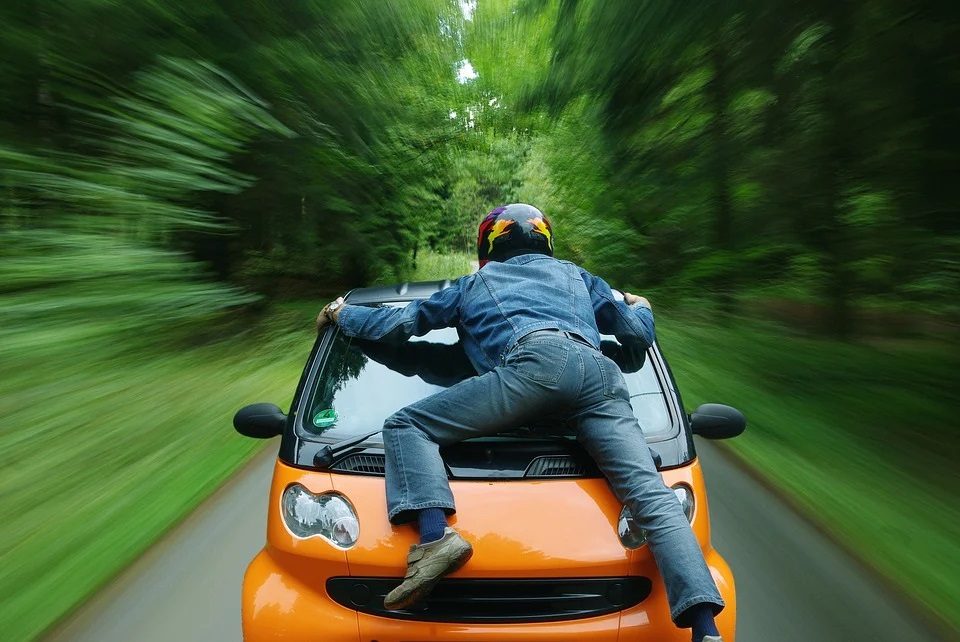
In a word, yes. The fact of the matter is that the shorter the car is, the smaller its energy dissipation via crumple zones is, and unless there is a safety cell and energy transfer design in the cabin area, the more force is transmitted to the driver.
In order of most to least severe, microcars like the Smart brand are the most likely to result in injuries, as there quite literally is no crumple zone, and the cars rely on energy dispersion around the vehicle to bleed off as much force as possible. Small four door hatchbacks and small family sedans are the next most severe, again because of the forces involved not having much area to disperse. Ford, GM, Fiat, BMW, and Porsche all have worked around this by making their cabins very strong and allowing the deceleration force to pass around the car, crumpling the roof and side panels, without affecting the actual cabin structure and safety cell.
Next most severe are actually CUVs and SUVs. This is not because of them not having a large crumple zone, but because they have a tendency to flip if they cannot dissipate their speed before the vehicle goes sideways. You will often find in crash videos where an SUV is struck in any way other than head on or tail on, the CUV/SUV will tip up on two wheels, and if there is enough inertia, roll over. These rollover accidents do not so much disperse the inertia as allow it to cycle about the vehicle, and as seats are often not bolstered or protected on their sides, the humans inside might fling about in their seatbelts, hitting their heads on door jambs, their arms potentially flying out an open window to be crushed by the vehicle as it rolls.
The least severe in terms of injury are heavy duty trucks, pickups, and large commercial vehicles. With these vehicles, it is mostly weight that reduces the chance of injury, as they are often several tons compared to a small sedan that might be 2,400 lbs in a generous world. Basically, it has way more inertia than whatever it hits, so unless it’s a solidly built brick wall, whatever it hits is going to take the brunt of the impact.
What Steps Can Someone Take to Reduce Their Risk of Serious Injury?

In all honesty, drive within your limits. Something else to consider is that, according to the injury lawyers at Batson Nolan, your insurance company may void your claim or fight to prevent payout if excessive speed is found to be a factor, even if you are ruled not at fault.
It is quite concerning how many accidents occur in our modern times from people being distracted from the road. Smartphones are the #1 distraction, with many fatal accidents being caused by texting, recording a video or taking a selfie, or simply speaking on the phone without using a hands-free device, which is basically unacceptable in 2021 as most cars in the past decade have some form of bluetooth hands-free connectivity. The better option is to put the phone in your pocket or center console, on silent mode, and have your voicemail recording say something along the lines of “Hey, I can’t come to the phone right now because I’m either busy or driving…”
Road rage is another contributing factor to accidents. It is far too common for someone to feel cut off, even if they were not, and to fly into a rage that causes them to speed up and chase down the “offender.” Sometimes, they are so angry that they want to physically hit the other person’s vehicle with their own, causing a motor vehicle accident where speeding could very well be involved. Honestly, before boiling, take a few deep breaths. By the time you’ve done that, you’ll probably have realized that the person that cut you off may not have seen you, and is it really worth potentially dying over?
As well, drive the speed limit. Speed limits are there for a purpose, not just a suggestion. On long, straight freeways, you’ll often find speed limits around 70 MPH. This is because you can see well ahead what’s happening on the road, and it is expected you’ll leave the 2 seconds between cars as taught in driver’s ed. Notice, however, that off-ramps from the freeway often have a speed limit way below 70 MPH. This is because unless you have the world’s stickiest tires, going around that bend at 70 MPH will result in you being flung off the road due to loss of traction.
And if you are going to do the speed limit, while it’s not effectively a law on the road, don’t take the left lane. Let those who want to speed risk themselves in the HOV or left lane. Stay safe in the middle or right lanes. The common guidance is “slower traffic keep right,” and with how impatient some American drivers get, driving the speed limit can sometimes be seen as driving slowly.
So, in sum: Don’t be distracted, focus on the job of driving above all else. Let go of rage, realize that the “offense” is really not worth being injured or killed over. Drive the speed limit, and let those that don’t risk themselves at their own peril in the left lane of the freeway. Always wear a seatbelt. Drive to survive, not to get there quickest.
And if you are lucky enough to own a supercar or hypercar, realize as well that while they are performance cars, you could damage or destroy that car by being too exuberant with your speed. They’re beautiful vehicles, drive responsibly and let yourself, and those around you, enjoy them as the rolling pieces of art they are.
Are You A Lawyer? We Pick The Supercar For You!
Lawyers. They are either your best friend, or your worst enemy, depending on what type of attorney you need. There are as many different types of law as there are lawyers willing to work in those fields. So, we thought it would be a fun exercise to try and pick out the perfect supercar (or even hypercar!) for each type of lawyer.
This is in no way meant to be an authoritative list. As well, since a lawyer probably will read this, we are not liable, accountable, or responsible if you either a) disagree with our choices and b) actually end up buying one of these supercars and not liking it!
Corporate Lawyer
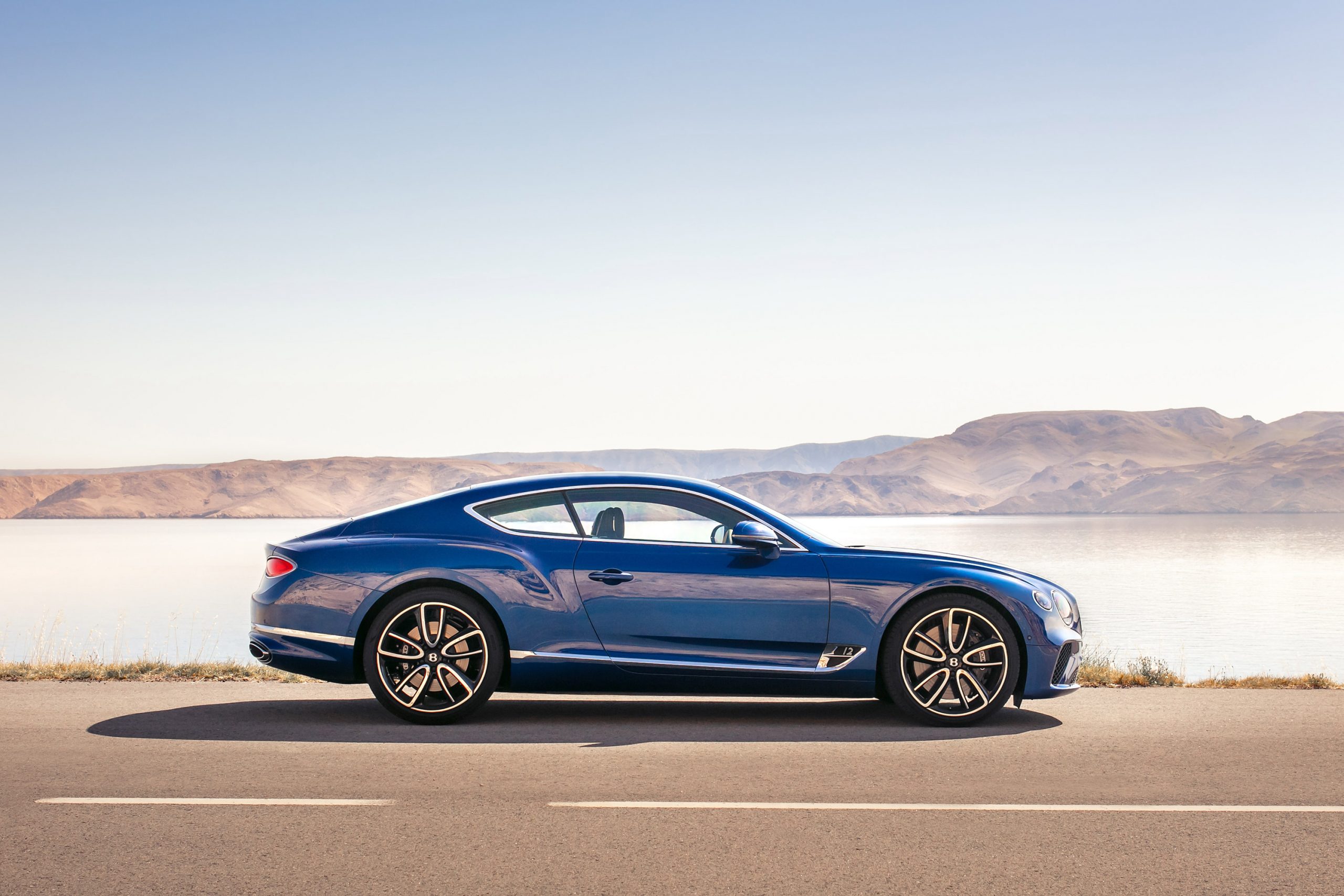
- Car: 2018+ Bentley Continental GT W12
This lawyer is the one that understands the finer points of contracts, trades, intellectual property, and the risks associated with any inter- or intra-corporate negotiations. This lawyer is either part of a firm of partners, or is working in the legal department of the company in question.
So why is the Bentley Continental GT the perfect corporate lawyer supercar? Consider its looks for a moment. It’s smooth, slick, even a little understated. Yet hiding under that body is a twin-turbocharged W12 that produces 626 HP and 664 lb-ft of torque.
A corporate lawyer also usually wears a nice suit, can talk smoothly, and often looks unassuming. Yet their knowledge of corporate law, and the ways to attack those infringing on their client’s intellectual property or trying to pull a fast one on a contract, can be downright scarily powerful. A powerful car for a powerful lawyer.
Personal Injury Lawyer

- Car: Lamborghini Urus
Personal injury lawyers are often the common layman’s best friend. When you are injured at no fault of your own, these are the attorneys that you retain to research your case, determine what, if any safety guidelines and OSHA laws have been infringed on or broken, and then take your case to a court of law to get you a proper settlement. They know everything about safety, what rules and laws need to be followed, and are fierce litigators.
So, why not give them a supercar that also knows all about being safe while also being fierce? The Lamborghini Urus is one of the few super-SUVs out there in the world with a perfect 5 star rating from the NHTSA and Euro NCAP safety tests. It has multiple driver aids to keep the SUV on the road, in a whole slew of conditions that the AWD system can adapt to.
And it’s fierce, with a low-mounted 4.0 liter twin-turbocharged V8 that bellows out 650 HP and 627 lb-ft of torque. It has active torque vectoring and four wheel steer when needed, and active roll stabilization to maximum comfort and surefootedness. The 8-speed semi automatic gearbox also actively senses the way the Urus is being driven, and sends signals to the torsen locking center differential to make sure that at all times, the Urus is safe.
Criminal Lawyer
- Car: Koenigsegg One:1
Criminal lawyers are the ones that either defend or prosecute those charged with everything from local misdemeanors all the way through to felonies at the federal level. Their knowledge of the specific laws involved in the charges must often be quickly gained on a per-case basis, and their defense or prosecution must prove beyond a reasonable doubt that the suspect awaiting trial is either guilty or not guilty. Despite how long criminal cases can take, it’s often a fast paced job, with attention needed to every word spoken by any witnesses or other lawyers to be able to seize any opportunities to object or call testimony into question.
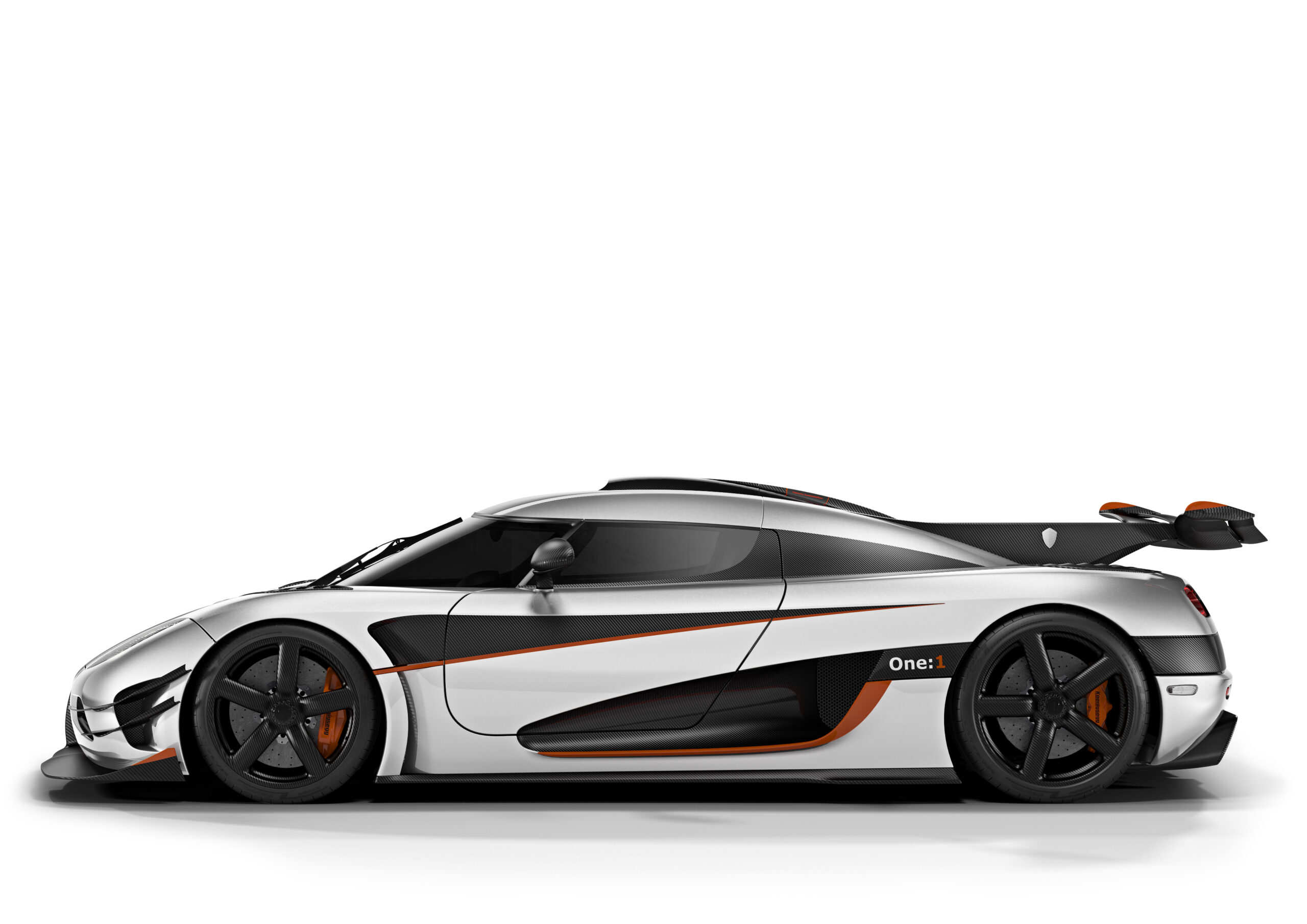
This rapid fire, on demand knowledge needs a hypercar that is just as fast, just as able to seize opportunities to call that corner coming up into question. The ultimate expression of that in the past twenty or so years has to be the Koenigsegg One:1. For quite a few years, it was the most powerful hypercar in the world, and had a power plant capable of producing 1 megawatt of power.
That is the 1 part of the One:1. The One part of the name comes from the fact that the car has an equal weight to its HP. 1,360 kgs being powered by 1,360 HP. And that is the final power to weight ratio, as the third reason for the name. 1:1, or One:1. It is also insanely quick, able to sprint to from 0 to 400 KPH (249 MPH) in 20 seconds. A quick hypercar for a lawyer that needs to be equally quick in the courtroom.
Automobile/Motorcycle Accident Lawyer
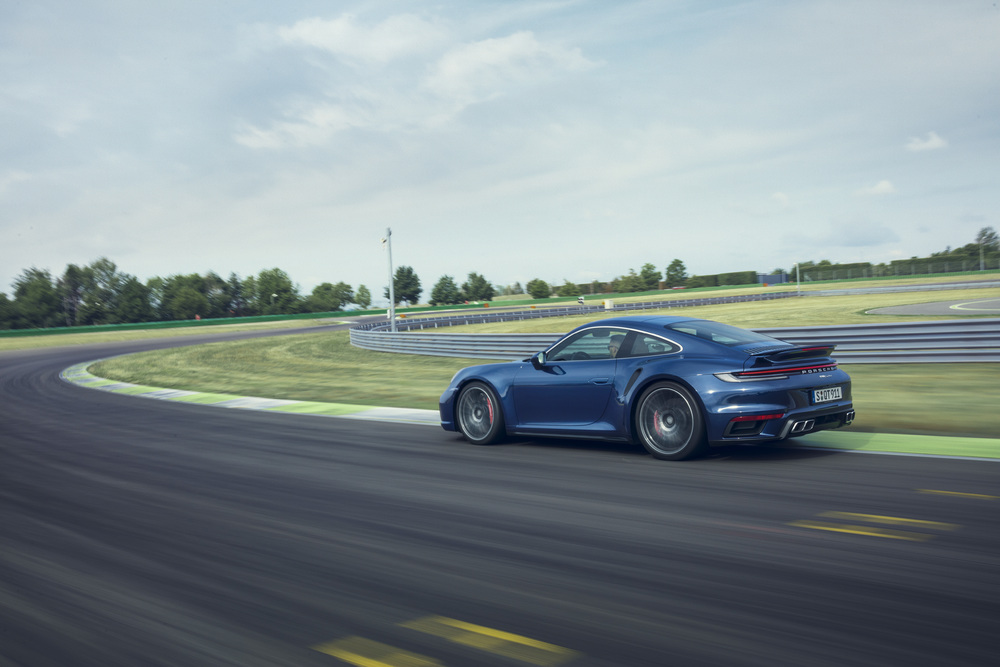
- Car: 2021 Type 992 Porsche 911 Turbo S
Auto accident lawyers are a special breed. They know local and federal insurance laws inside out, upside down, and front to back. They’re the ones that will fight the insurance companies tooth and nail to get you every penny you deserve. Often, insurance companies have a very sour taste in their mouths after you tell them that you are retaining an auto accident attorney and not accepting their quickly offered settlement.
One thing auto accident attorneys also know better than most are the supercars that are out there on the road, which are the ones you need to treat like fragile art and which ones that can be wrung out to within an inch of their specifications. The 2021 Type 992 Porsche 911 Turbo S is the latest and greatest of those durable, usable, and fast supercars that you don’t really need to wrap in bubble wrap whenever you want to go for a drive.
Consider: A reliable 3.8 liter boxer-six engine with two variable turbine geometry turbochargers that change their impeller pitch depending on demand from the right foot of the driver. 640 HP and 590 lb-ft of torque. All-wheel-drive, all the time. Active suspension. Active aerodynamics that won’t snap the first time you introduce them to wind. And it can clear speed bumps and entry/exit ramps because Porsche knows that the real world exists, and builds their cars to fight in the real world, not solely on the track.
Immigration Lawyer
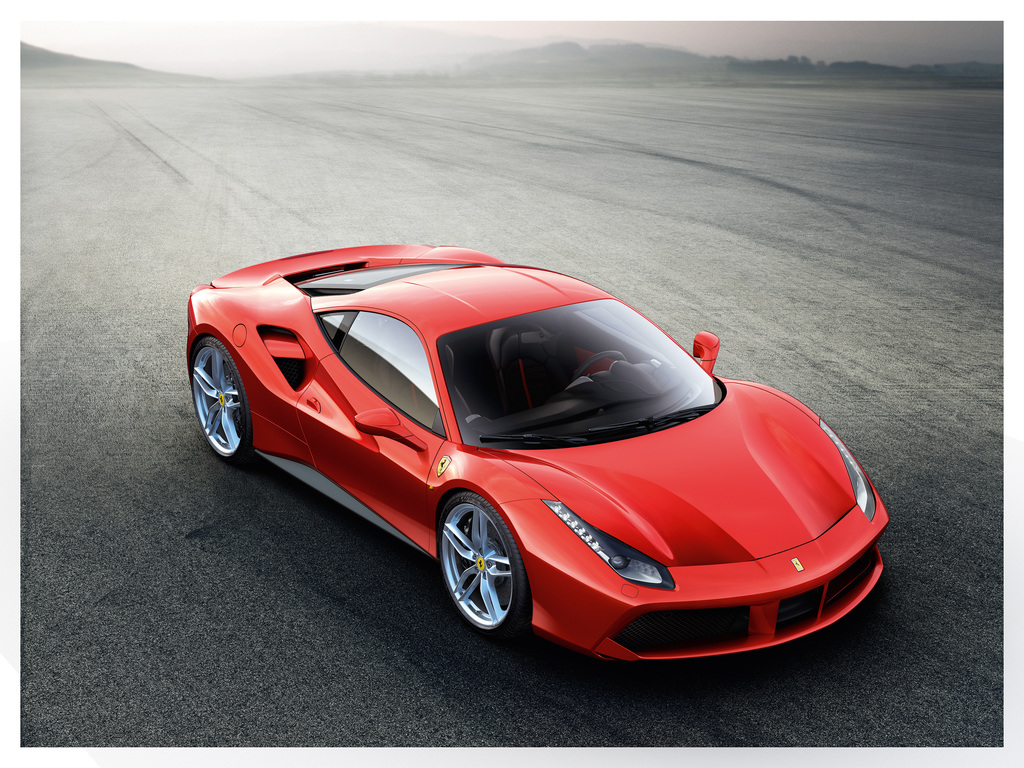
- Car: Ferrari 488 GTB
Immigration lawyers have the unenviable task of having to know immigration law, and all its sub-sections, intimately at all times. They need to be able to present cases before USCIS, the immigration board of appeals, and even immigration courts, often with very little preparation time and under immense time pressure. They really only have one chance, one swing at the bat, to win their cases, and in legal terms, are at the razor’s edge of litigation.
It would make sense, then, that an immigration lawyer would want their supercar to also be a razor’s edge weapon of performance and handling. The Ferrari 488 GTB is just that car, with a nearly telepathic steering wheel that combines with a drive mode switch to allow the driver to carve a perfect apex on the track while the rear end steps out just enough to make it fun.
It’s not the fastest, nor the most difficult to drive, nor the most legendary Ferrari. But with a 3.9 liter twin-turbo V8 singing Italian opera behind your head, 670 HP at your right foot’s command, and 560 lb-ft of torque to get you going, it is one of the most exciting Ferrari cars in many years. And if you turn the drive mode selector all the way to “off,” everything really is off, and it’s up to you to handle the fury and the razor sharp handling all on your own. And to come to US shores, the Ferrari also needs to immigrate, although it goes through an entirely different set of laws.
Estate Lawyer
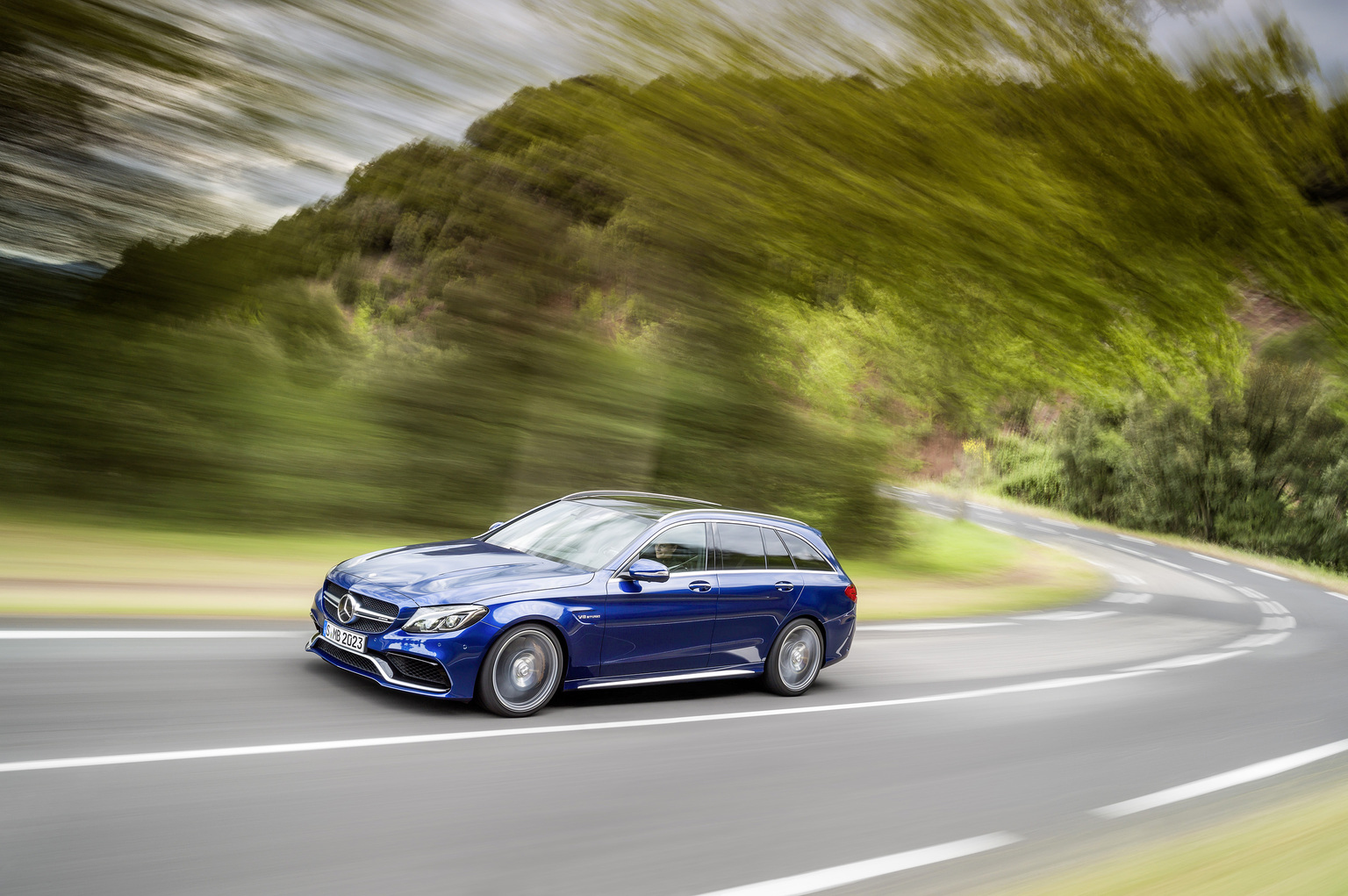
- Car: 2015 Mercedes-AMG C63 S Estate
Estate lawyers have to deal with one of the few most unpleasant duties of life. Their entire job revolves around death and/or disability, and handling someone’s personal effects and affairs once that person has passed on. They also deal with both living wills and last wills, and may be instructed to pass a “do not resuscitate” order to a medical professional should someone request it in their living will. It is a heavy burden, but there are laws regarding the passing on of property, assets, and even businesses to descendants or named parties.
For someone with so much darkness to deal with, a comfortable, fun, powerful supercar with the ability to carry a lot of boxes in the back certainly makes the duty a bit more enjoyable. The 2015 Mercedes-AMG C 63 S Estate is just that car, and not because it has the word Estate in its name.
A reliable and bulletproof 4.0 liter twin-turbocharged V8 produces 510 HP and 516 lb-ft of torque. What makes it special, however, is that it handles corners beautifully and flat, and is, as expected from a Mercedes, incredibly comfortable. Folding down the rear seats, you can also fill it up with any number of boxes of files you may need. And it will get you to your clients with a NHTSA 5 star safety rating, ensuring that you don’t need your own estate lawyer!
Bankruptcy Lawyer
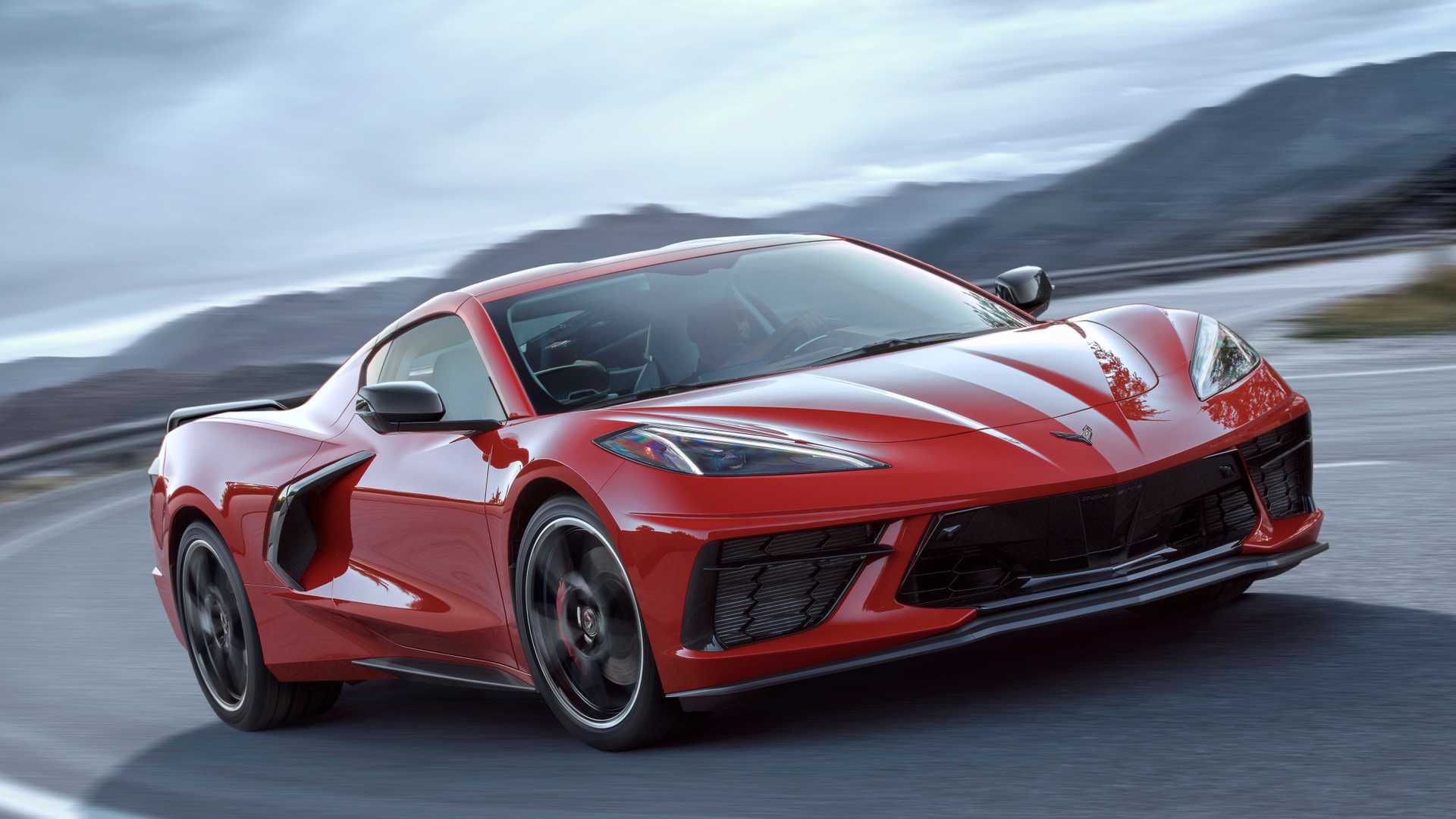
- Car: 2020 Corvette C8 Stingray
Bankruptcy lawyers deal with way more than just bankruptcy. Insolvency, personal and corporate bankruptcy, creditor and debtor litigation, contract disputes, consumer proposals to creditors… if it has to deal with money, these are the lawyers that handle it. While all bankruptcy lawyers need to be familiar with bankruptcy law, almost every single one also specialises in a derivative field, such as reparation law, or creditor/debtor litigation and dispute processes.
Seeing as these lawyers know the dangers of bankruptcy and insolvency, they also want to get the most supercar they can for their money. The 2020 Chevrolet Corvette C8 Stingray, as has been stated by almost every reviewer, is the bargain of a generation. Well equipped in 2LT spec, it won’t cost much over $75,000.
And by well equipped, we mean the carbon appearance package and the Z51 performance package. All versions of the Stingray (1LT, 2LT, 3LT) are powered by a 6.2 liter V8 that punches out near-as-makes-no-difference 500 HP. It will hit 60 MPH in 2.8 seconds using the available launch control. It is built strong, with a next generation dual clutch transmission that is damned near telepathic. It handles well, will corner hard, and produces a great American roar from the exhausts. And, as stated, it’s probably the least expensive, easiest to finance American supercar ever!
Tax Lawyer
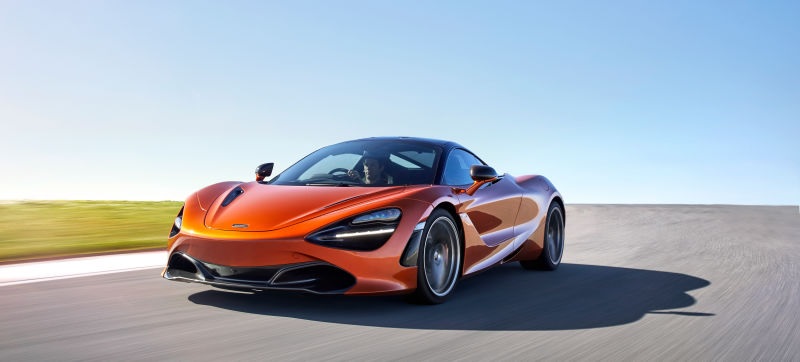
- Car: McLaren 720S
Tax lawyers are a necessary evil, if you believe the adage of “only two things are certain in life: death and taxes.” What they are in reality are specialists in the field of tax law, which is surprisingly in-depth in the USA. These are the lawyers that will fight for you in relation to paying back taxes, stop your wages being garnished by the IRS, and even go to court to fight the IRS if you are being egregiously over-taxed or over-garnished by them. They deal a lot with over-the-top and sometimes unfair treatment of their clients, and can help settle things amicably with the IRS.
So for a lawyer that deals with over-the-top a lot, how about a bonkers over-the-top McLaren 720S? Coming out just a few years ago, these ridiculously fast cars come with a twin-turbocharged V8 that puts out 710 HP and a bucketload of torque in a carbon-fiber body and chassis that is shaped to pierce the air as efficiently as possible.
And to take over-the-top literally, the 720S stops with a ferocity few cars can match. As the air flows over the top of the car, it passes over a low spoiler that keeps the rear planted. When you engage the carbon-ceramic brakes, however, that spoiler flips up, becoming a massive air brake that does up to 30% of the total effort in slowing the car down. It also handles beautifully, and can accelerate faster than some hypercars. It really is the perfect car for the over-the-top lawyer!
Medical Malpractice Lawyer
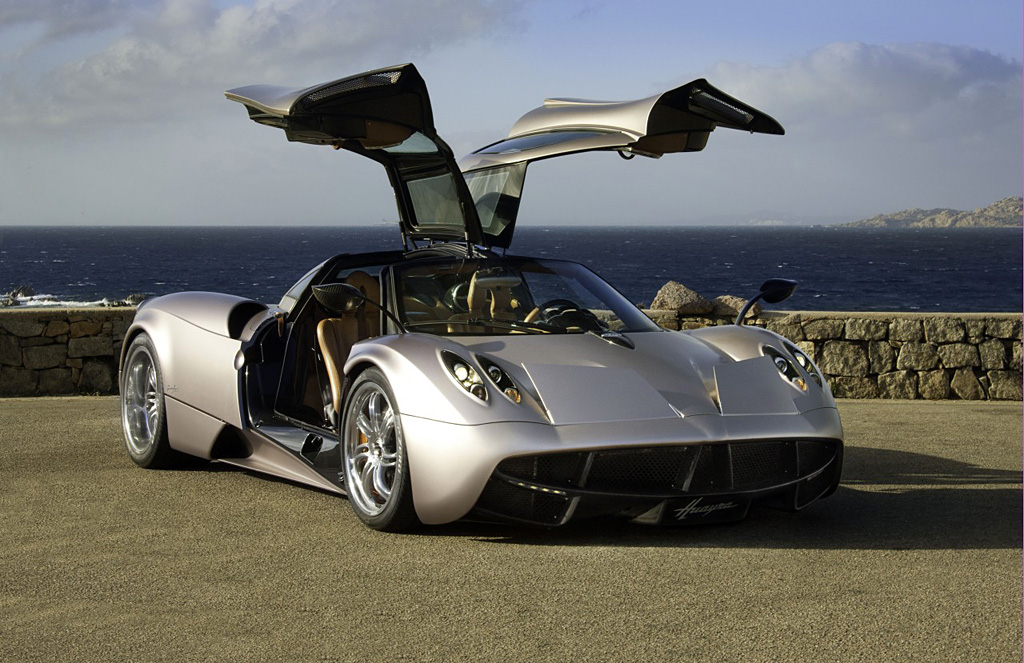
- Car: Pagani Huayra
While medical malpractice technically falls under personal injury, it is such a diverse and deep field that it has been splintered off into its own specialized section of law. More succinctly “medical malpractice and negligence law,” these lawyers are the ones that will pursue restitution and settlement if you become injured or disabled due to a doctor performing his or her duties incorrectly, or through negligence caused you medical difficulty or harm. These lawyers are often extremely specialized and may even be former doctors themselves.
In that case, why not have a hypercar that is just as specialized? The Pagani Huayra, from the insanely genius mind of Horatio Pagani, is a car that is dedicated to taking the laws of physics and manipulating them to make the car do the nearly impossible. No Italian hypercar, when it came out in 2011, cornered as hard, nor accelerated as brutally, as the Huayra did. Even today, it’s an exceptionally specialized car.
It is the first car to use carbo-tanium, a weave of carbon fiber with titanium threads interwoven. It means that less of the material was needed to make the car as strong as if it was pure carbon fiber. This resulted in a vehicle that weighs only 1.350 kg. Then throw a highly tuned, Mercedes-AMG M158 V12 twin-turbo in the back on a bespoke, sculpture-like engine mount, and make it dish out 750 HP and a barely believable 738 lb-ft of torque. And on top of all that, add four major active aerodynamic flaps to control the air passing over the body, and you have a car that is worth its multi-million dollar price, if for no other reason for being so incredibly specialized.