All posts in “Cars”

$13.3 Million Bugatti La Voiture Noire Finally Delivered to Mysterious Buyer

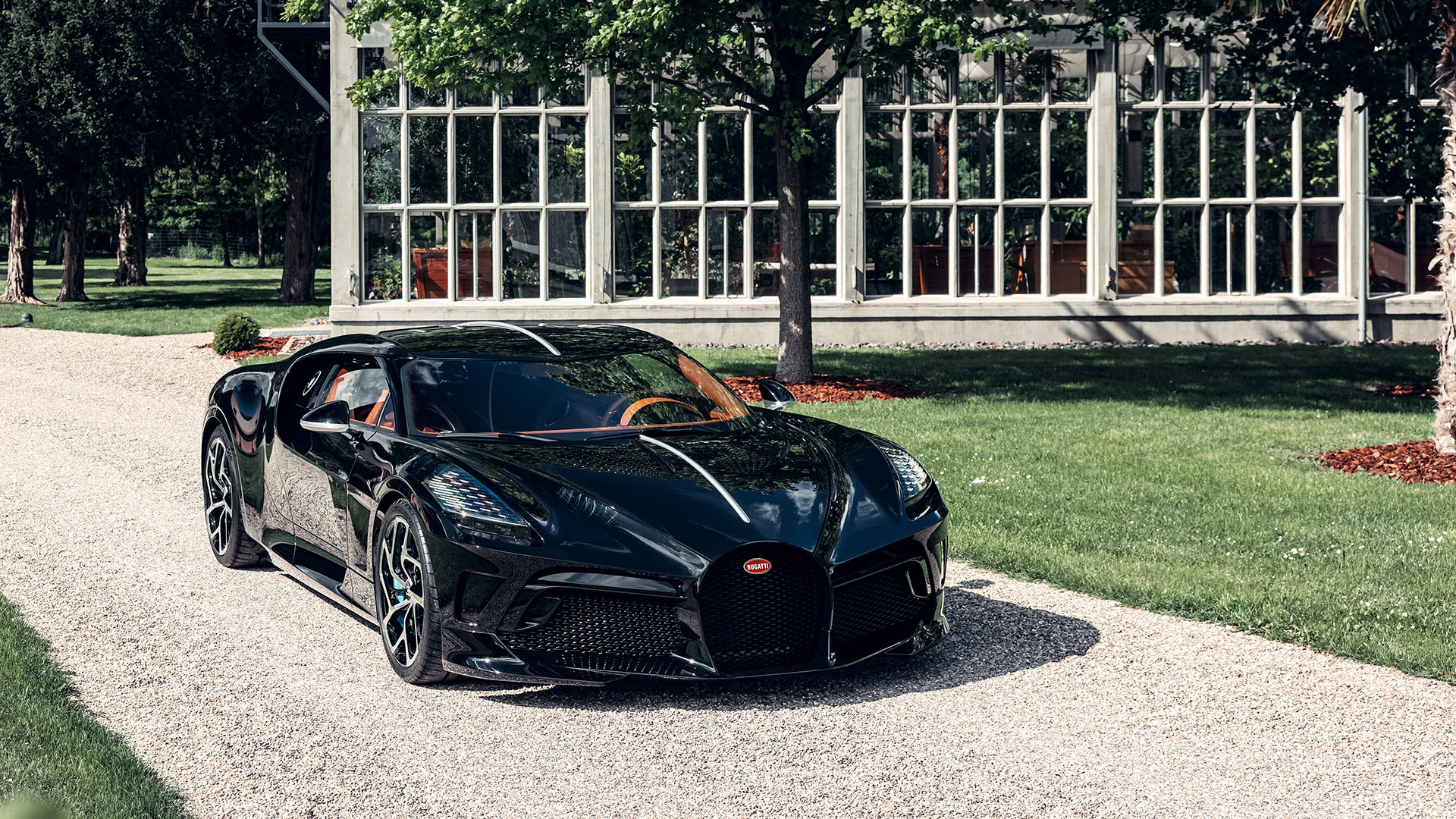
The 1 of 1 Bugatti La Voiture Noire has finally been delivered to its owner after 2 years of extensive development and testing.

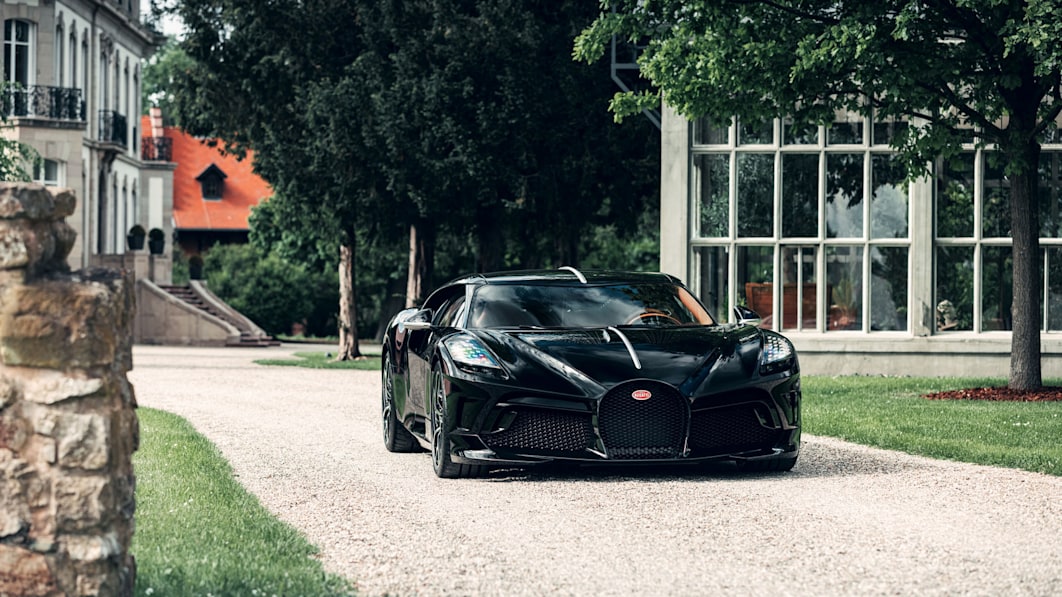
La Voiture Noire meaning ‘the black car’ was named by Ettore Bugatti’s son Jean after the Type 57 SC Atlantic that disappeared shortly before World War 2. The vehicle is a minimalist coupe similar to the 57 SC Atlantic thanks to the reduced lines, reduced essentials as well as the lack of a large rear wing.

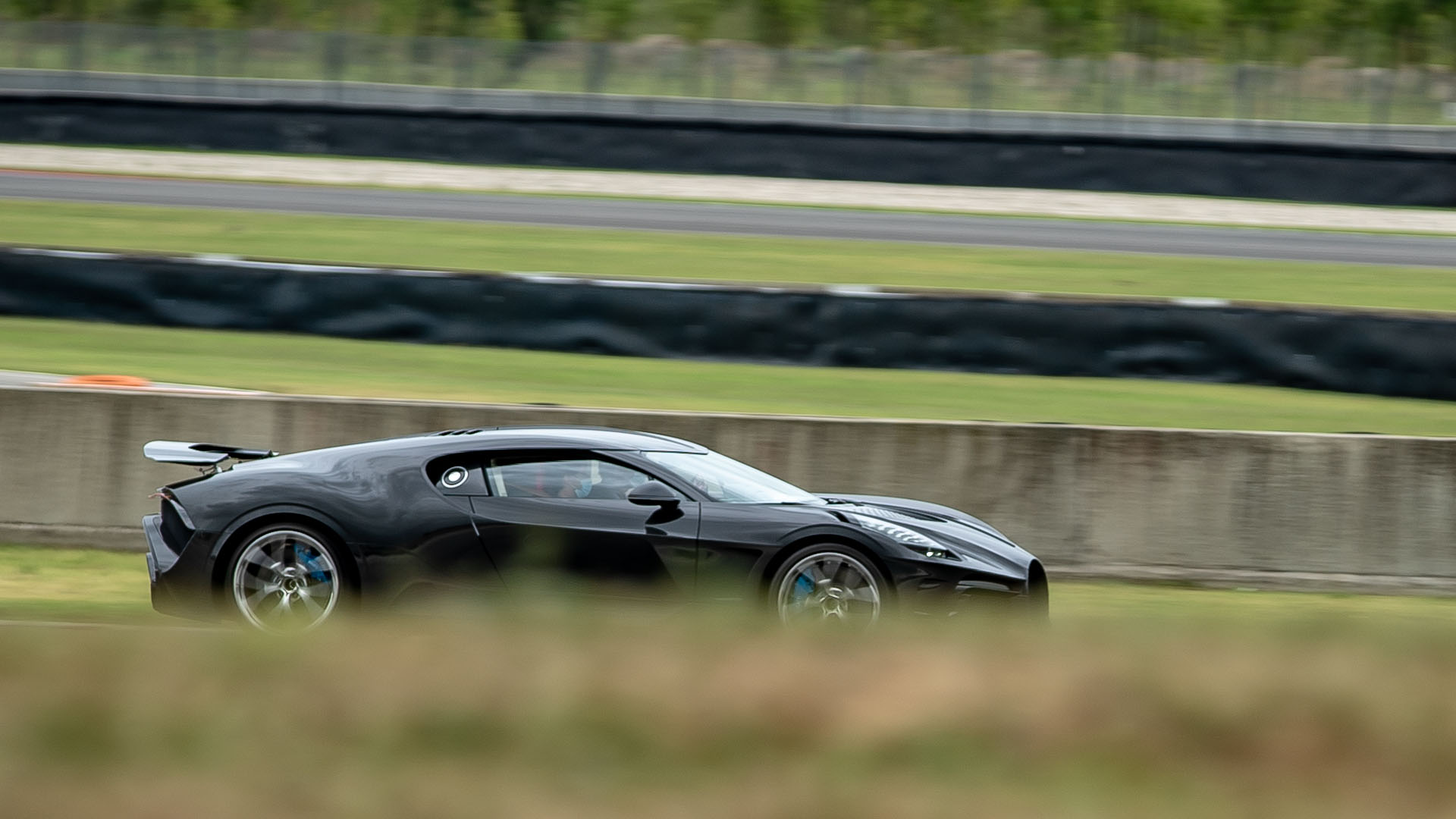
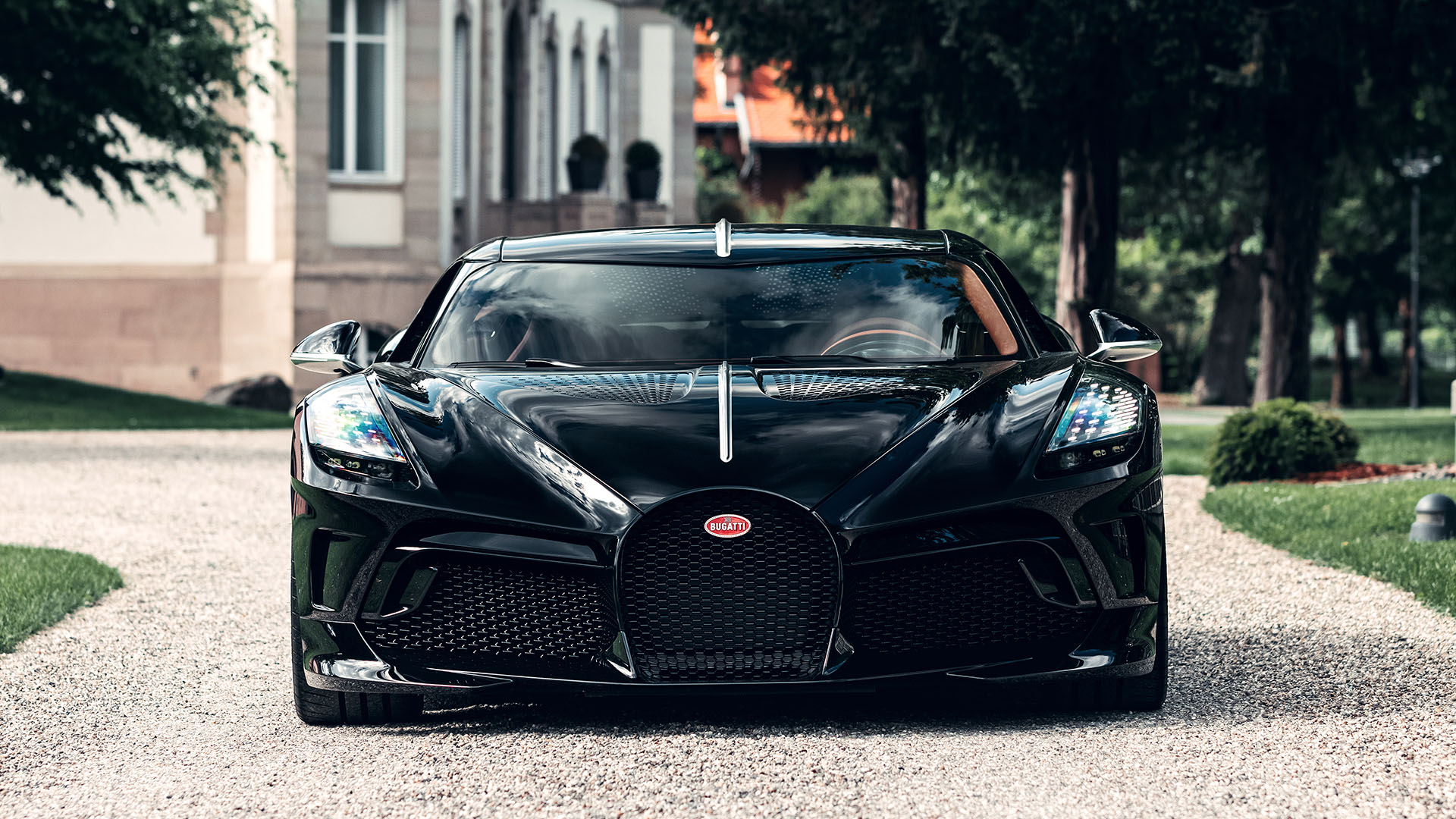
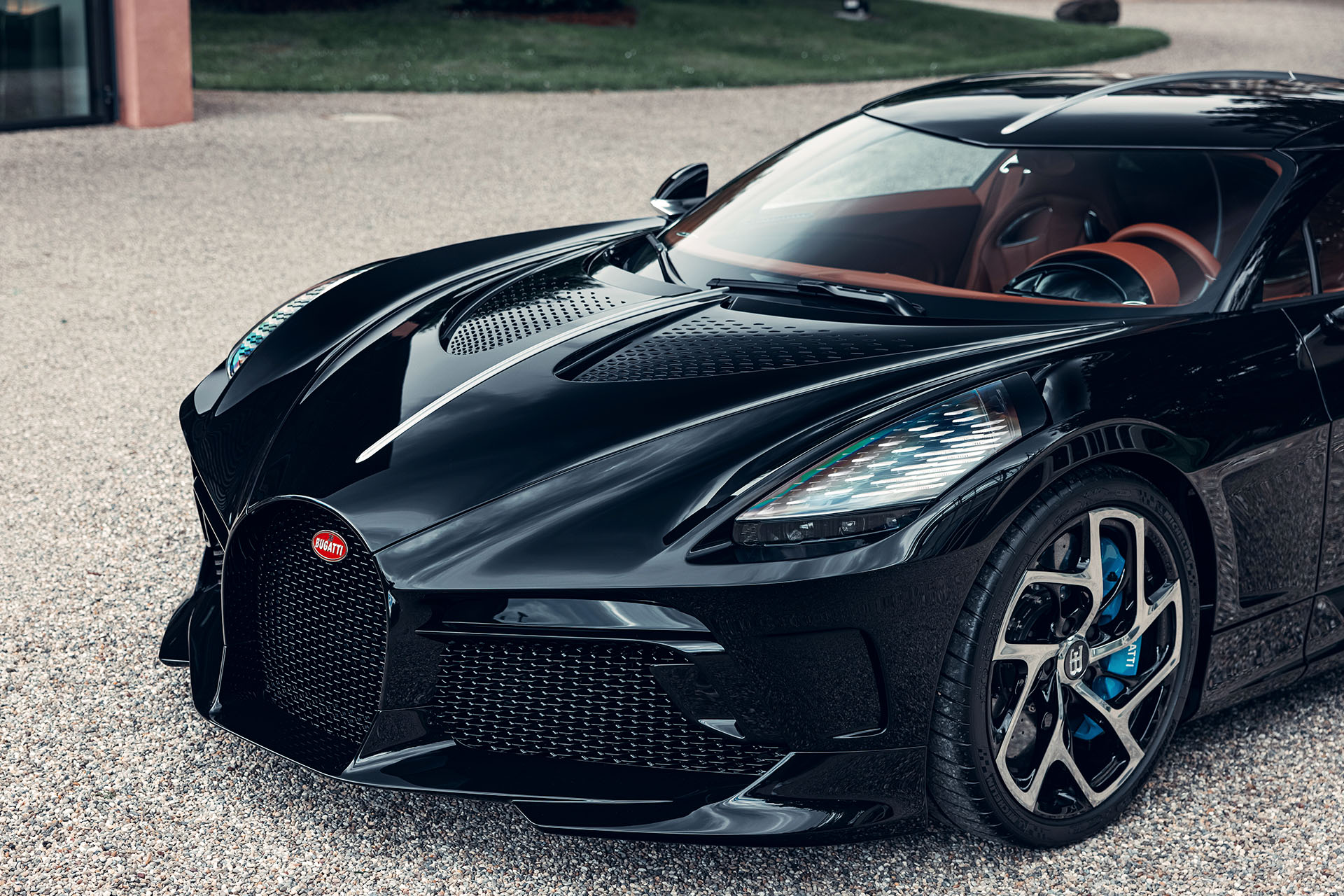
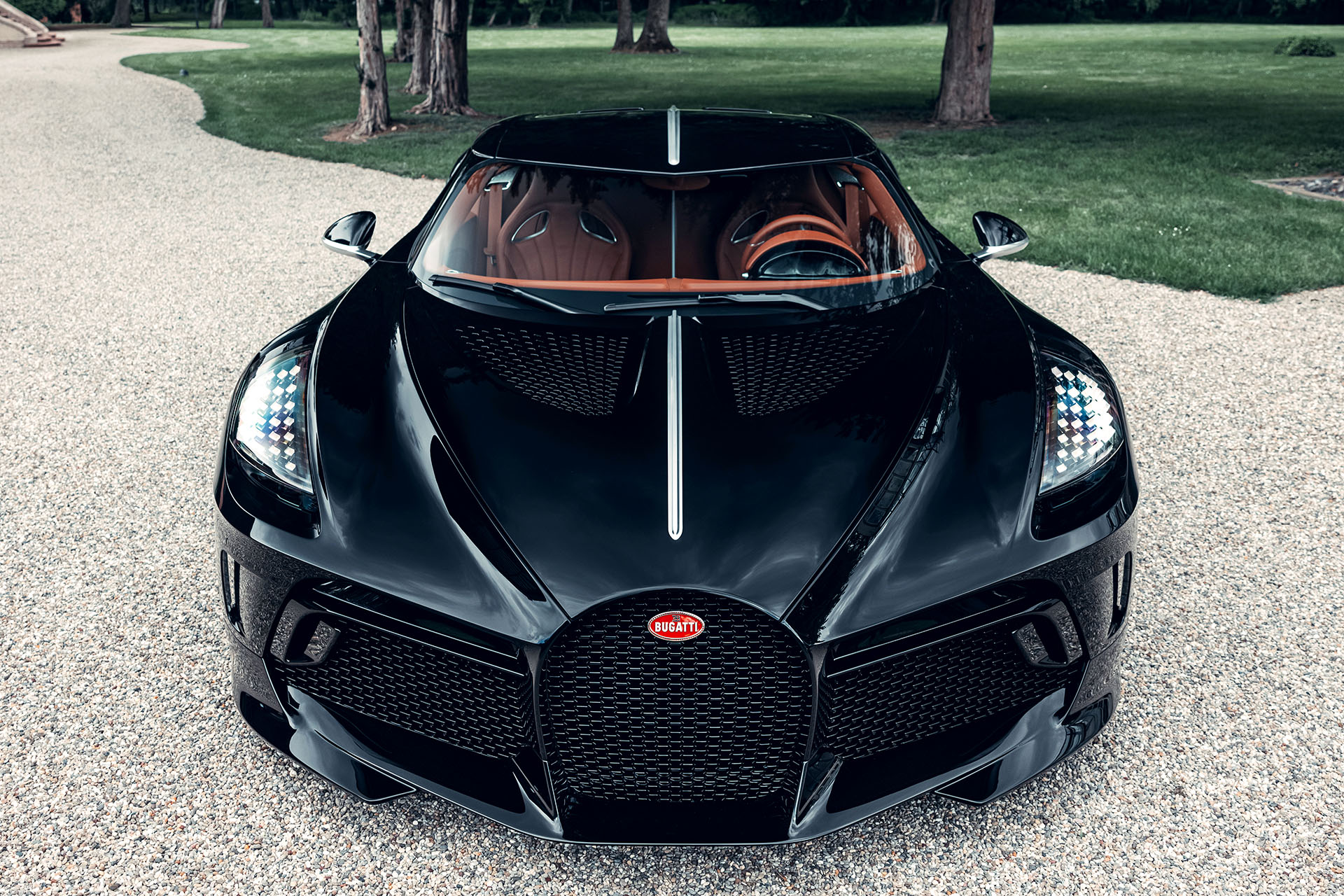
The engineers and designers of the La Voiture Noire have reimagined the historic vehicle and developed a specific shape and style including the dorsal seam down the centerline, an extended front section and the clear lines adorned on the rear. The body of the new model has been finished in visible carbon fibre with a ‘Black Carbon Glossy’ clear coat.

In addition, the finishing doesn’t generate any reflections virtually, the bumpers are gently integrated into the bodywork and the windscreen appears to merge with the side windows like a helmet visor. The attitude of the vehicle has been transformed from a hyper sports car to a grand tourer because the surface of the vehicle appears to have been cast in one piece thanks to the lack of disruptive lines.

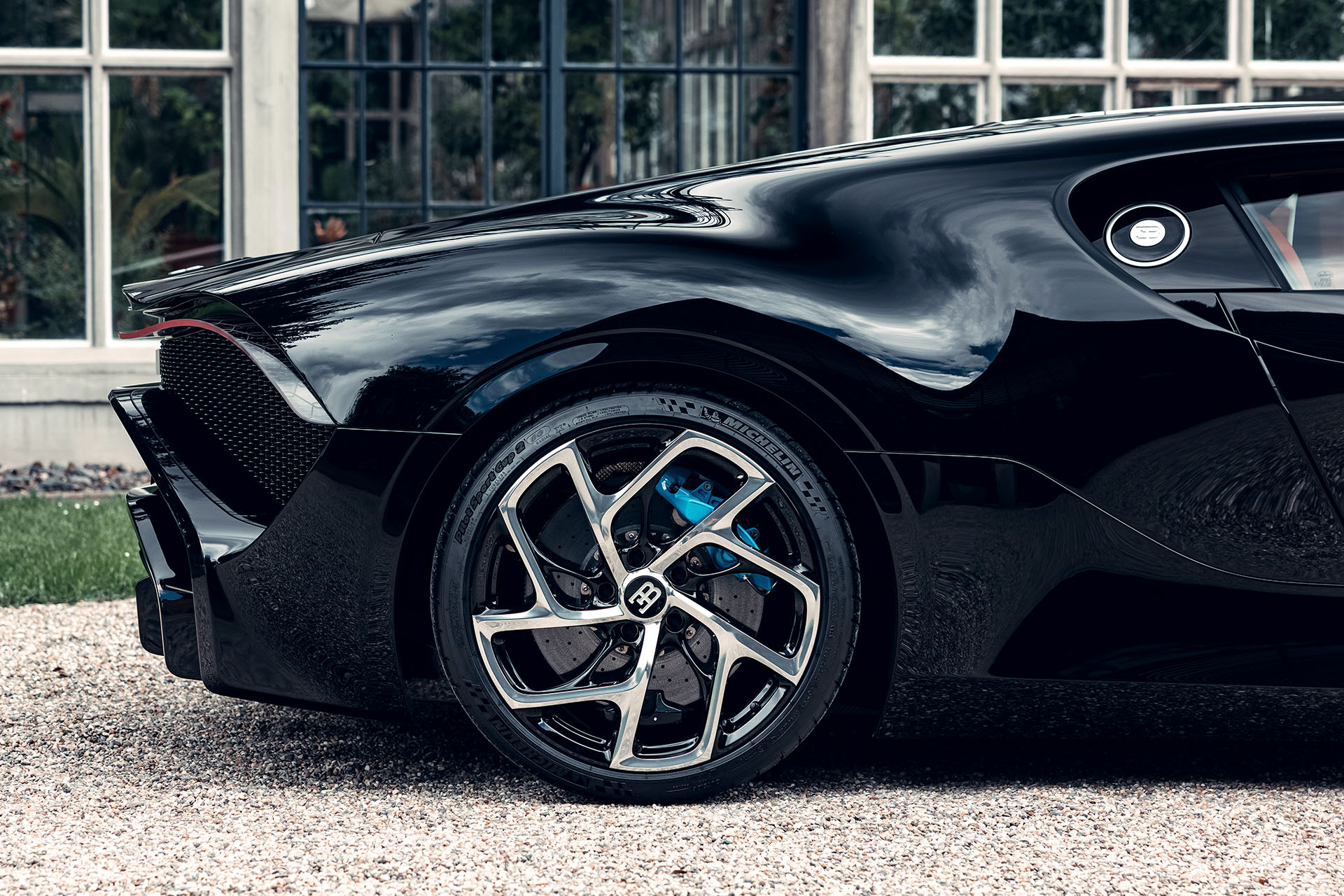
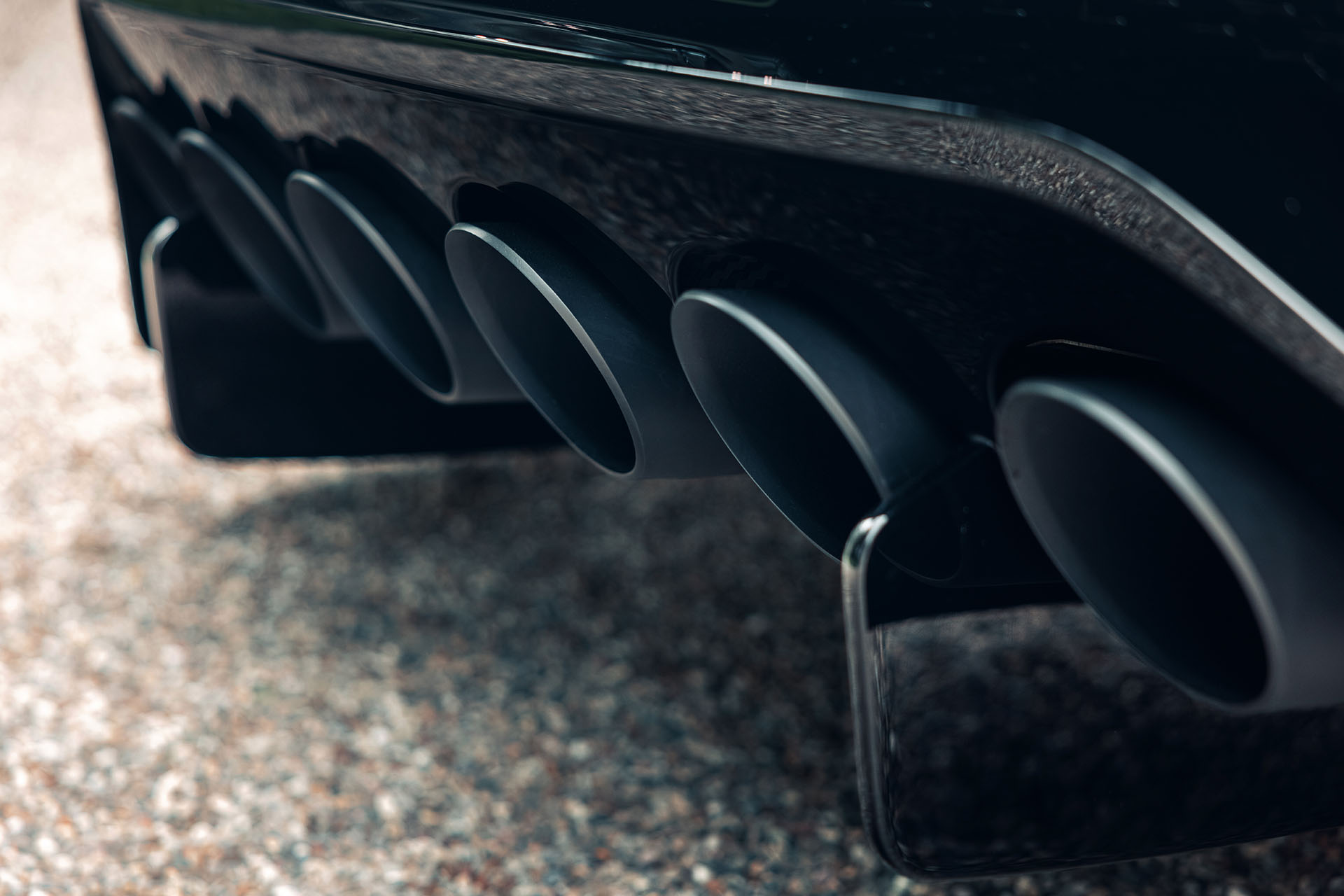
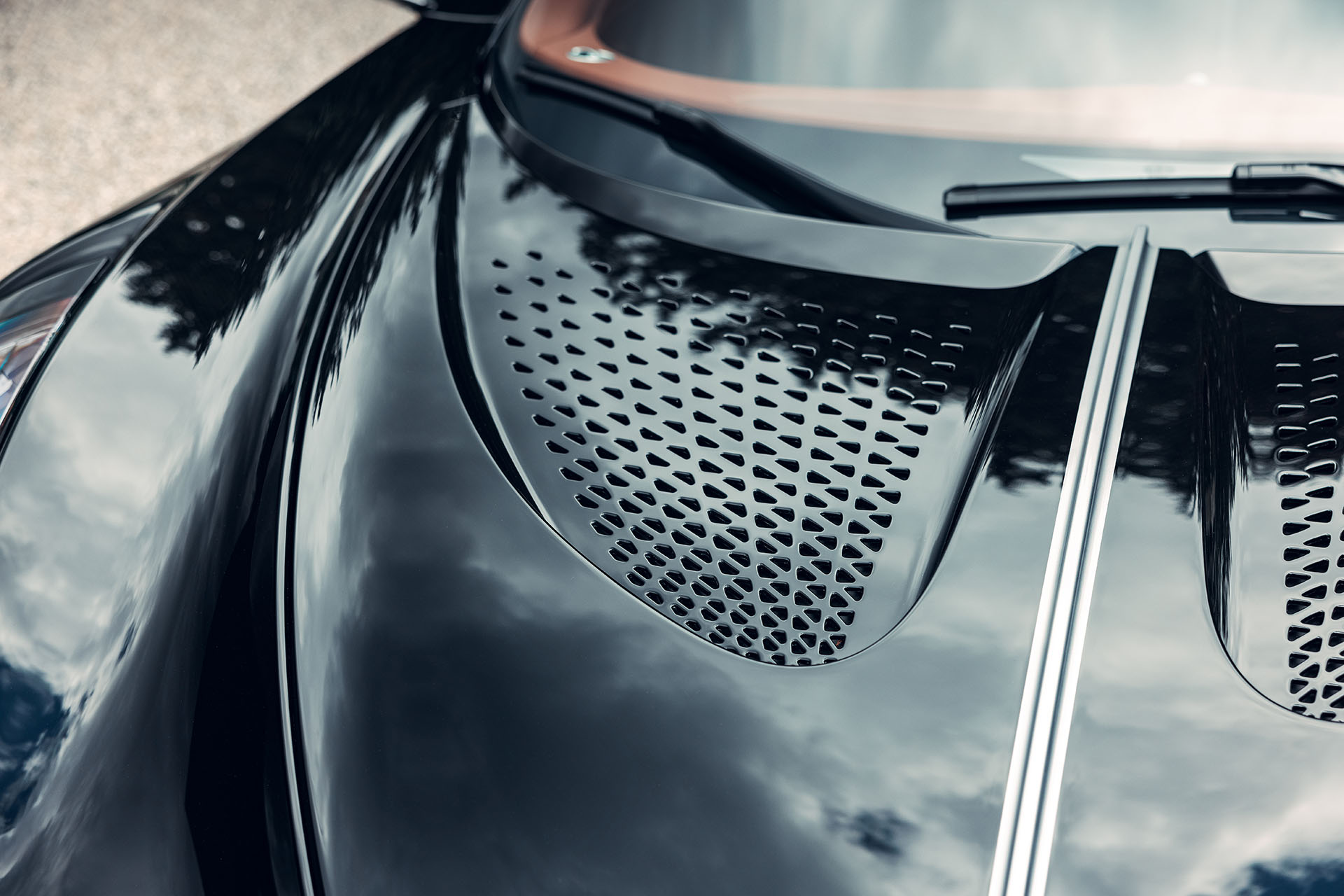
The La Voiture Noire features extraordinary details including 25+ individually milled lights elements on each headlamp, each cell of the 3D-printed front grille has been examined to perfection, the rear light features a single-piece surround with no joints for the first time and the new parametric design at the front and rear enables the vehicle to appear sealed but they are actually air-permeable. The six individual tailpipes serve as a nod to the vehicle’s template.

The interior of the new model features grain leather in Havana Brown based on the historic model and aluminium inlays on the centre console, centre spine and the doors. The car also consists of several drive modes that can be changed through a sophisticated rosewood switch.

Bugatti engineers built the La Voiture Noire in just 2 years, each part of the vehicle had to go through extensive Bugatti tests and quality procedures before they were used. The tests took place in the wind tunnel, on test benches and on the track.

Additionally, the bodywork modifications, thermodynamics, cooling, wheels and wheelbases all require perfect coordination in order to ensure new balance. The extended wheelbase and the new bodywork result in new aerodynamics and handling worthy of a grand tourer.

The question remains, who is the mysterious buyer?

One-off McLaren 765LT

Buying a McLaren sports car is the dream of many aspiring car enthusiasts, a dream that comes true for some, but there are still clients out there that won’t settle for a factory original car with some standard options, even if you’re talking about a McLaren 765LT, which in itself is already a limited edition model and the final chapter in the ‘Longtail’ story for McLaren, with 755 bhp from the 4.0-Liter twin-turbocharged V8 M840T engine, this is McLaren’s most powerful model to date.

With only 765 units, each with an MSRP of $358,000 before options, the McLaren 765LT is already sold-out when you read this, by the summer of 2021 all of the cars will have been delivered to their lucky, and usually fortunate owners, as McLaren states over 25% of the production for this model was ordered with major personalization from MSO, the McLaren Special Operations department, and rest assured, this will raise the original $358,000 list price considerably, I wouldn’t be surprised if some of these high-spec McLaren 765LT would come at a price well over $500,000.

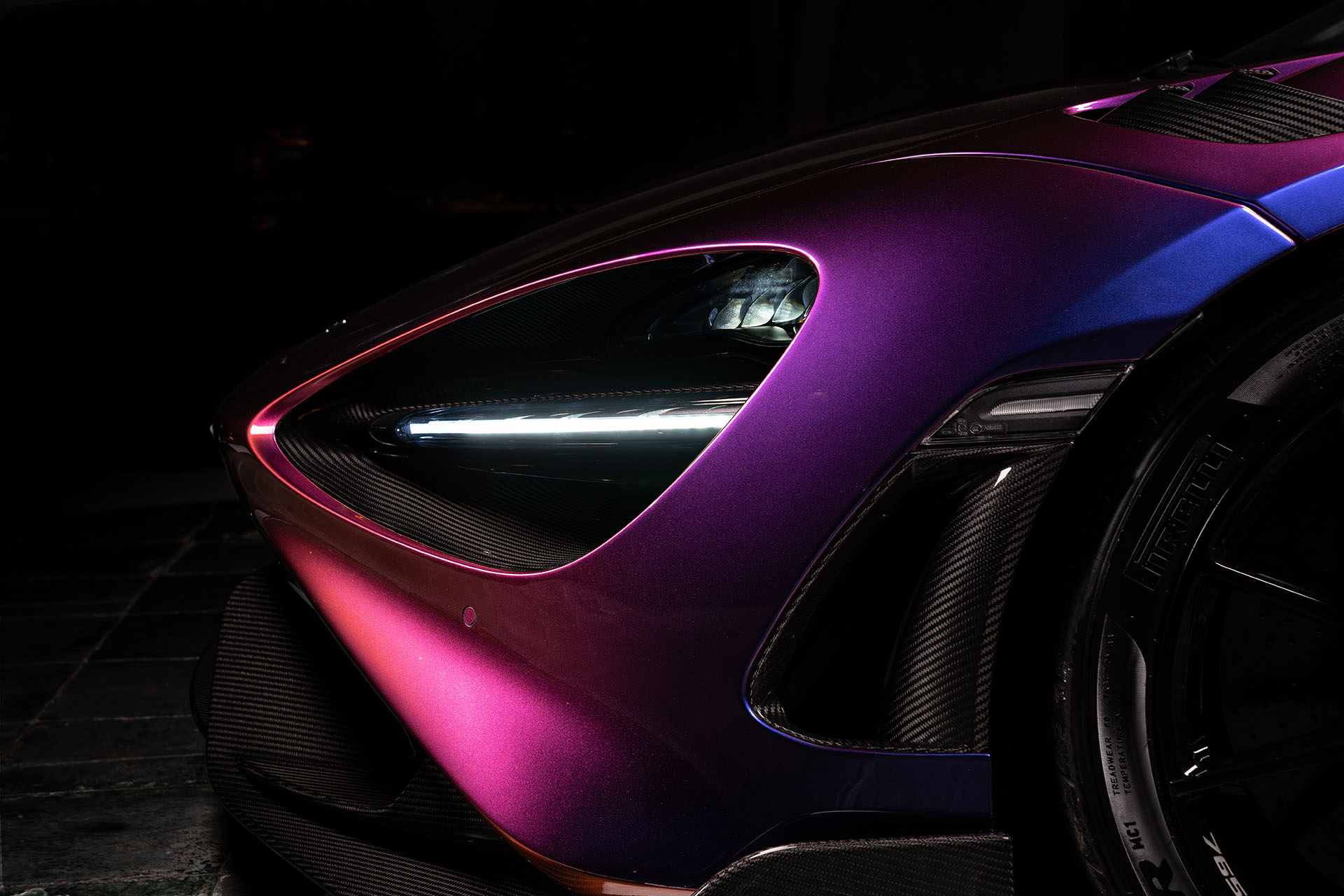
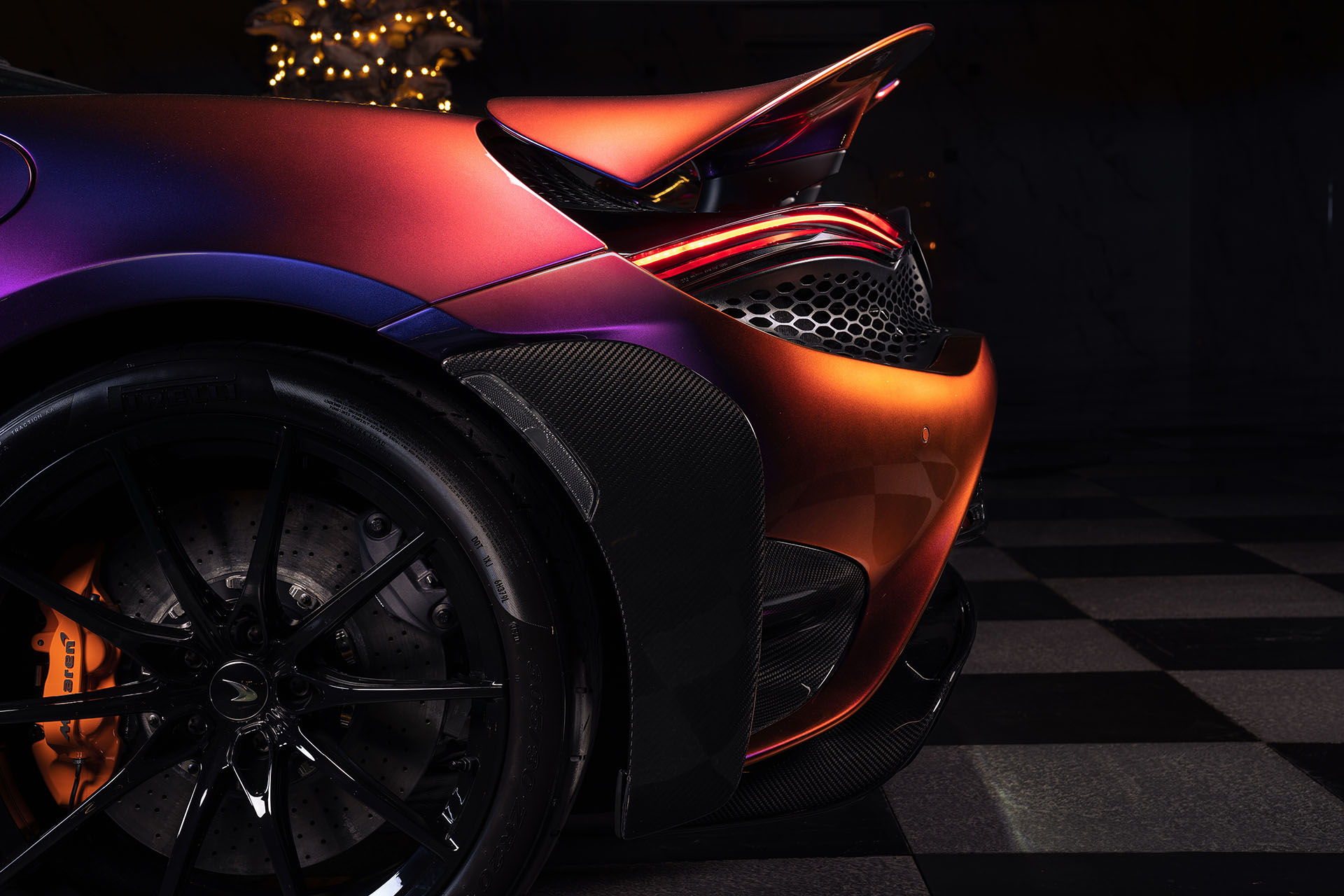
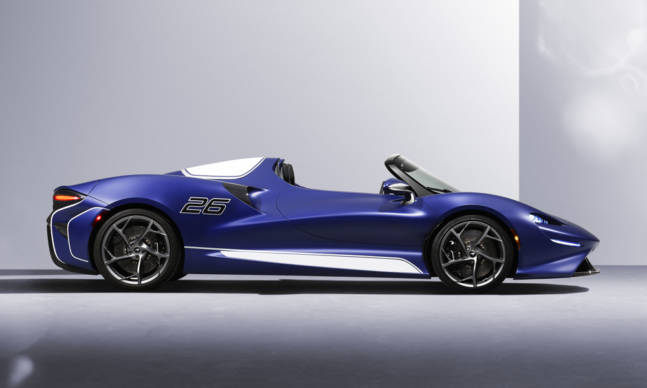
And the one we are presenting here might be among those ‘half a million dollar’ units, this car is a showcase of what MSO can create for the more discerning client, with a color-shifting paint called MSO Cerberus Pearl that shows hues of blue, purple, gold, and orange depending on the angle of view and the light … a truly amazing looking paint for sure that has previously been seen on the McLaren Senna and the McLaren P1.

The McLaren 765LT is about 80 kg lighter than the 720S, and this has been achieved by using a lot of carbon fiber parts, and to emphasize the lightweight design of this LT, the customer of this MSO custom opted to have all the visible carbon fiber on his car finished in high gloss, this includes the front splitter, the rear bumper, the side skirts, as well as the mirror housings and the large air intakes.

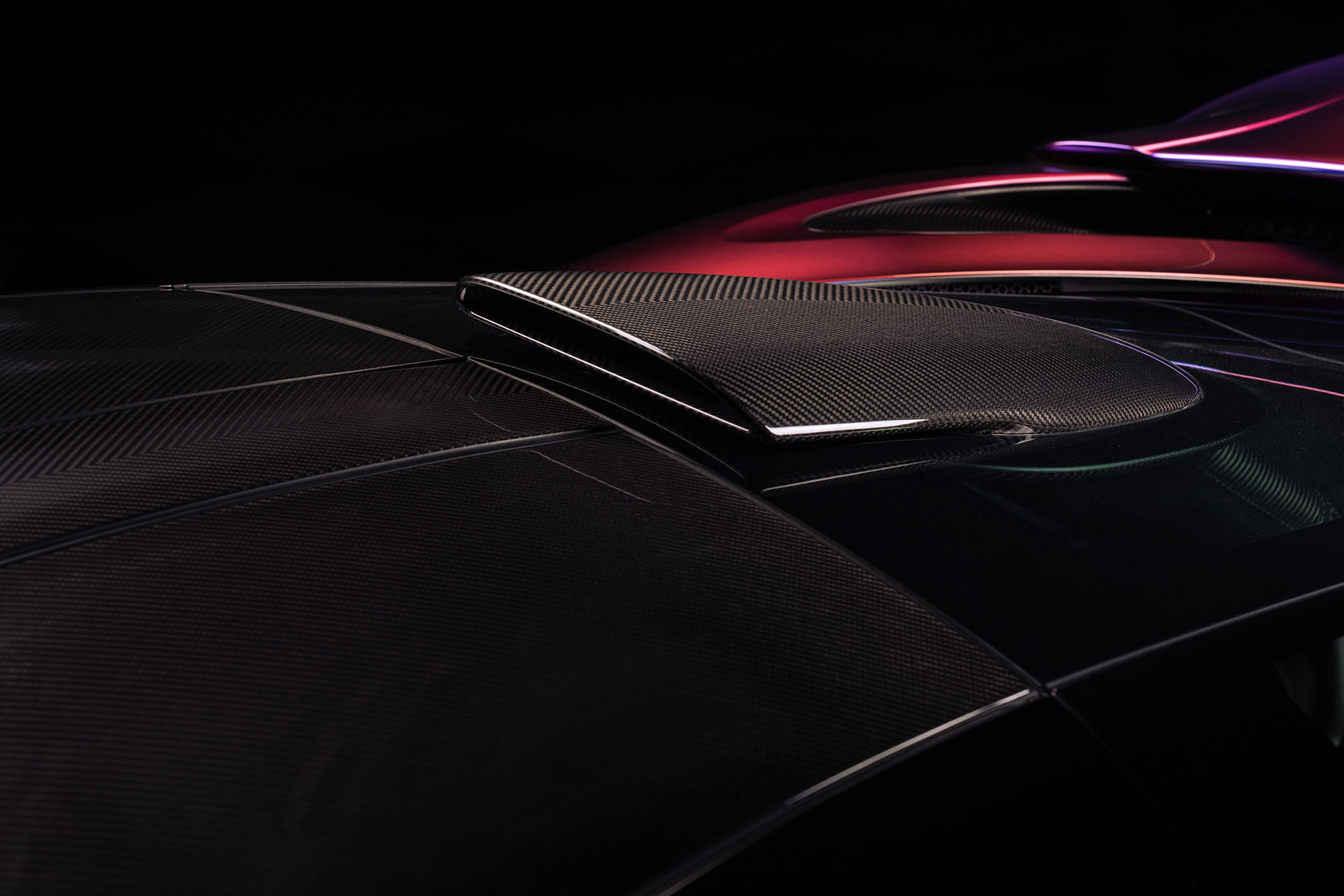
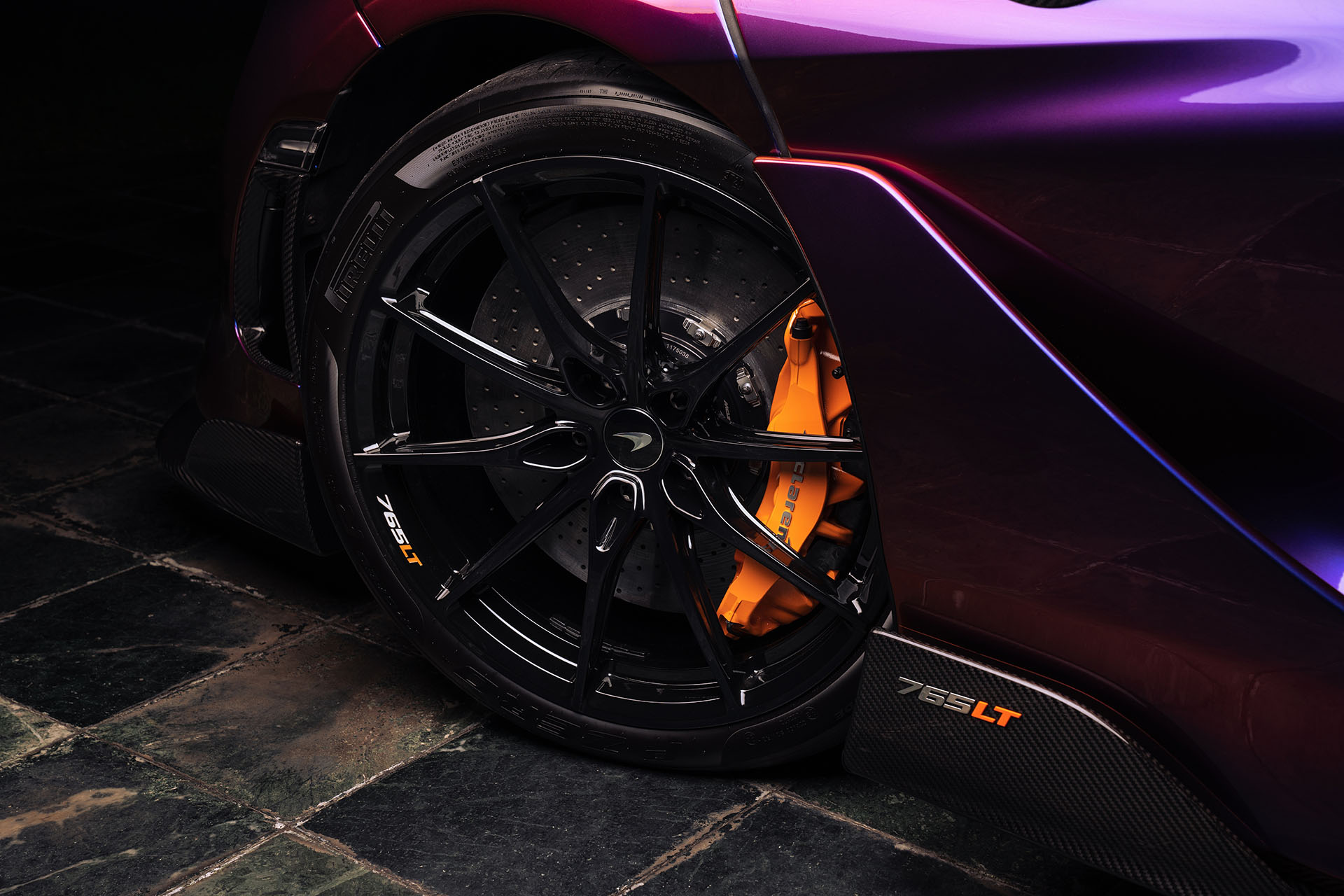
This specific McLaren 765LT was also ordered with the extremely expensive, functional roof scoop, naturally also finished in clear carbon fiber, while the car rolls on glossy black, 10-spoke ultra-light wheels covering orange brake calipers that match the interior trim inside this one-off 765LT.

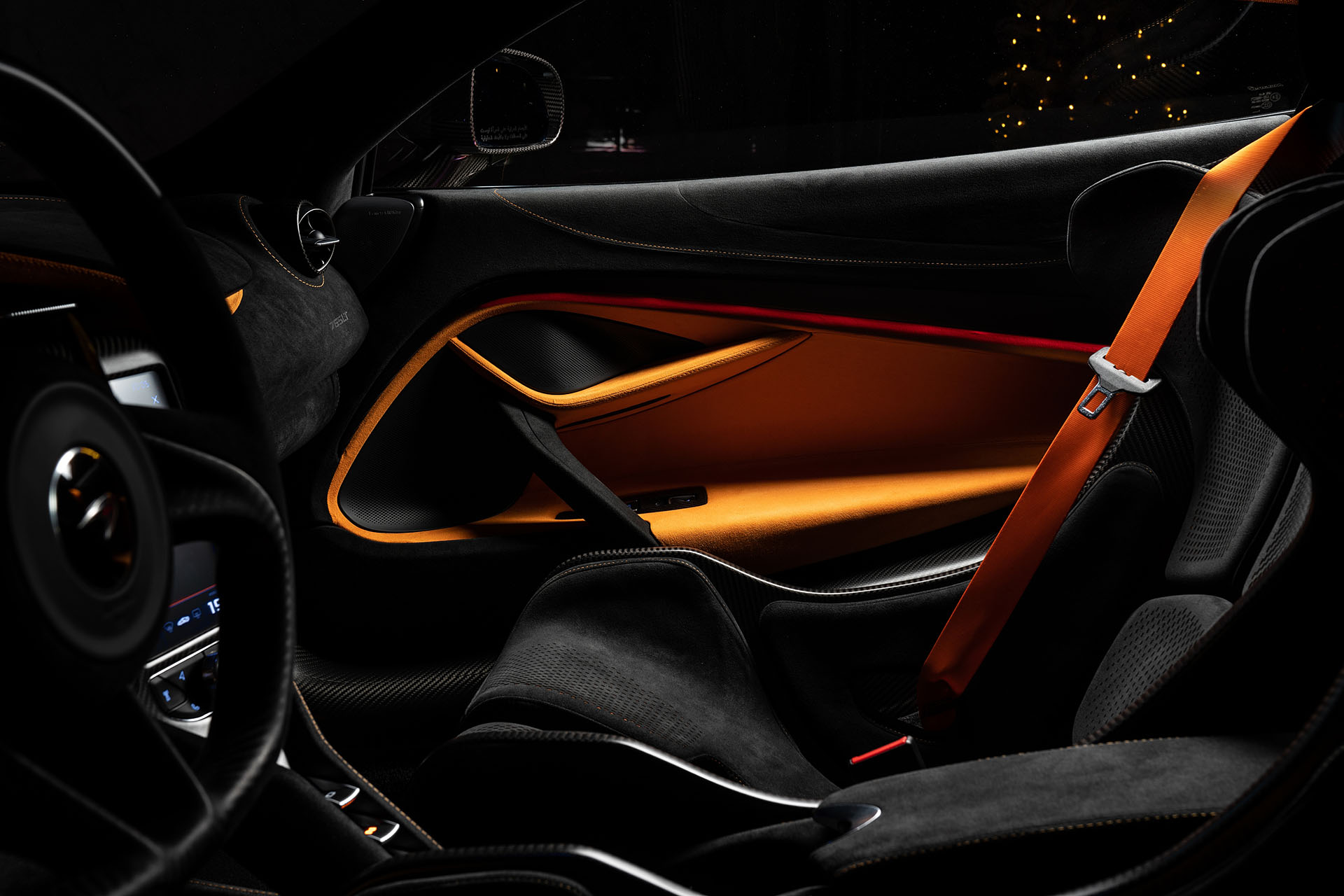
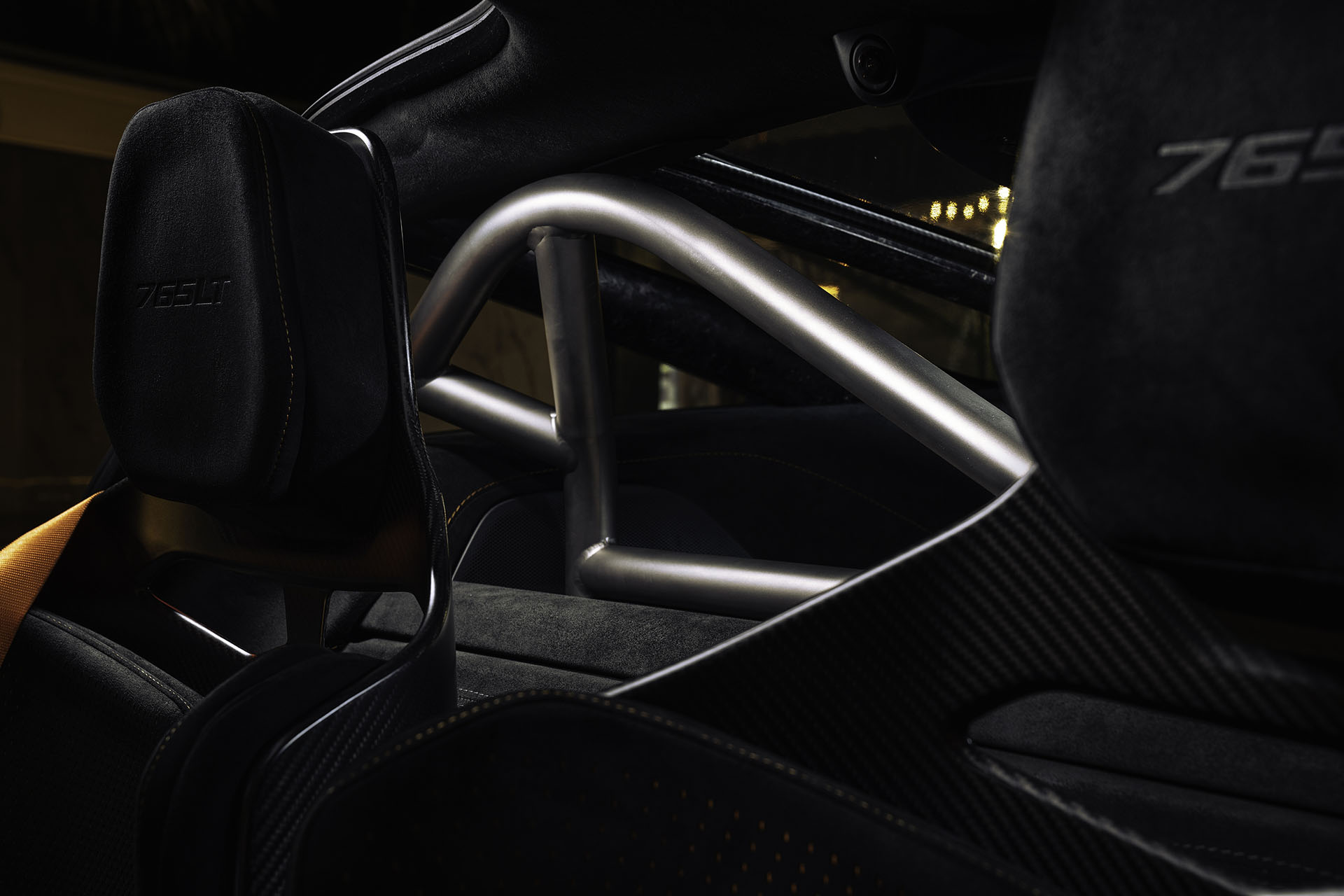
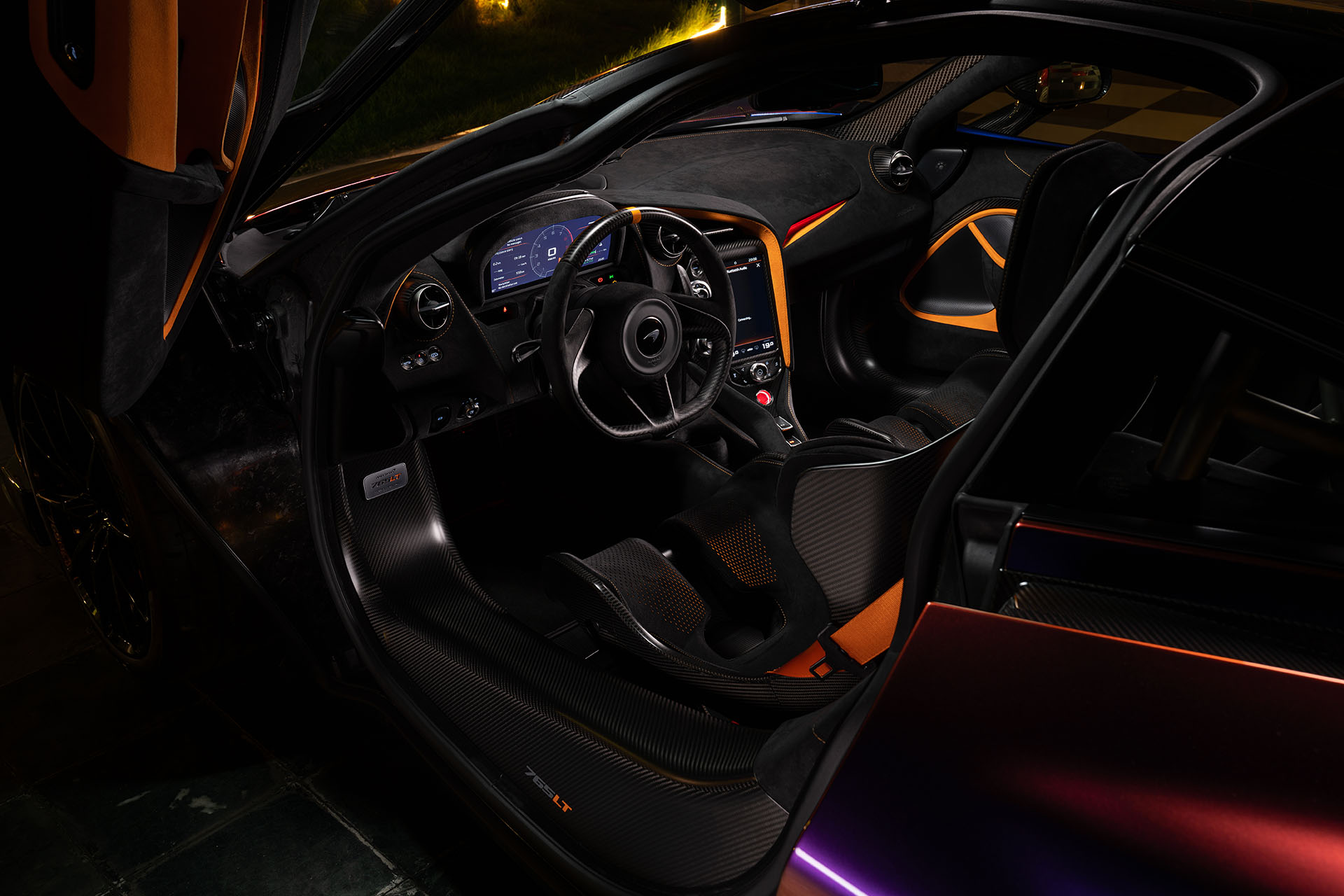
On the inside, the carbon fiber craze continues, but this time with a satin finish to avoid glare when driving in bright sunlight, while the door panels, speaker rings, and seatbelts come in bespoke McLaren Orange as a reminder of McLaren’s racing legacy, the 765LT is part of the Longtail story that started with the McLaren F1 GTR race car in the 1990s, this 765LT also comes with the MSO titanium harness bar behind the seats and track-inspired six-point harness for the driver and passenger.

The future of McLaren and sports and hypercars, in general, is full electrification, Lamborghini has recently released a statement that in a matter of two or three years all their models will be hybrids, and after 2025 we will even see an all-electric Raging Bull, McLaren has already taken that route with their new Artura, the first McLaren to use the McLaren Carbon Lightweight Architecture (MCLA) to spearhead the brand’s electrified future.

Best Sports & Performance Cars From The 2000s

As someone who experienced a good chunk my adolescent years in the early 2000s, this decade is up there as one of the most memorable, and certainly the most influential when it comes to cars. In terms of becoming an automotive enthusiast, these were the formative years that would go on to put me on a trajectory where I would eventually be writing this very article as a contributor for supercars.net!

Suffice to say, this list is very special and personal to me, and that certainly wouldn’t have been the case if not for some of the most outstanding cars being produced during this decade. In my opinion, this time period was the heyday of Japanese sports cars – I don’t think I’m alone in this sentiment, as there are countless pop culture, social media and grassroots references to support this theory. Don’t worry; I’ve made many picks from both sides of the hemisphere, as there were great products coming out of Europe and North America too.

Even today, I would reckon that every single car that has made it onto this list continues to remain in high (and often increasing) regard. More than 20 years on, they’ve all become iconic cars and many of them are more relevant today than ever before. This is reflected in the highly inflated values seen for these cars on the used market, with many models going for near-or-above brand new MSRP, even after adjusting for inflation.

Here’s the shortlist of 10 such cars, which we have curated:

Honda S2000

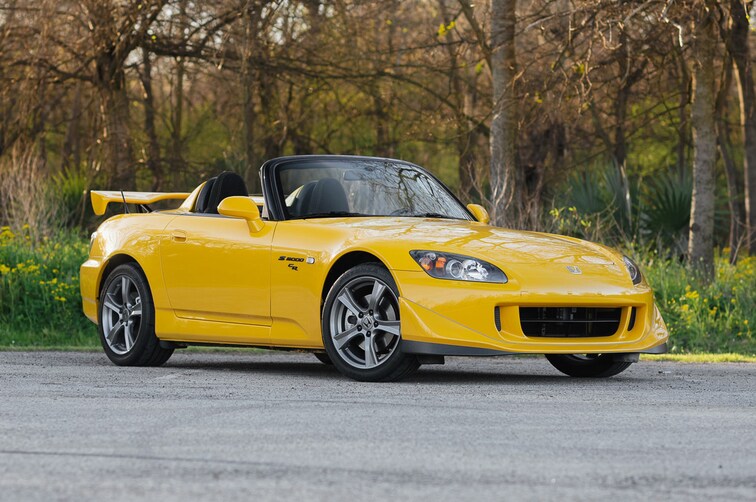
Yellow 2008 Honda S2000

For many years, Honda’s beloved roadster held the distinction of producing the most hp per liter of any car on the planet, via its F20C engine. Despite being a convertible, the S2000 is renown for its rigid chassis which helps to provide one of the most raw driving experiences one can have in a production road car. The slick 6-speed manual – the only choice of transmission – was a perfect match to the car’s 2.0L VTEC powerplant which produced 240 hp and revved all the way up to 9,000 rpm.

Later variants of the S2000 featured a strokered 2.2L engine which delivered more power in the lower rev-range and had slightly shorter gearing to improve acceleration. The Honda S2000 embodies everything that is awesome about a naturally-aspirated sports car that is built around the driver; and now, many enthusiasts and collectors alike are seeking to own their piece of its brilliant history.

Chevrolet Corvette Z06 (C5 & C6)

Chevrolet Corvette Z06 C6

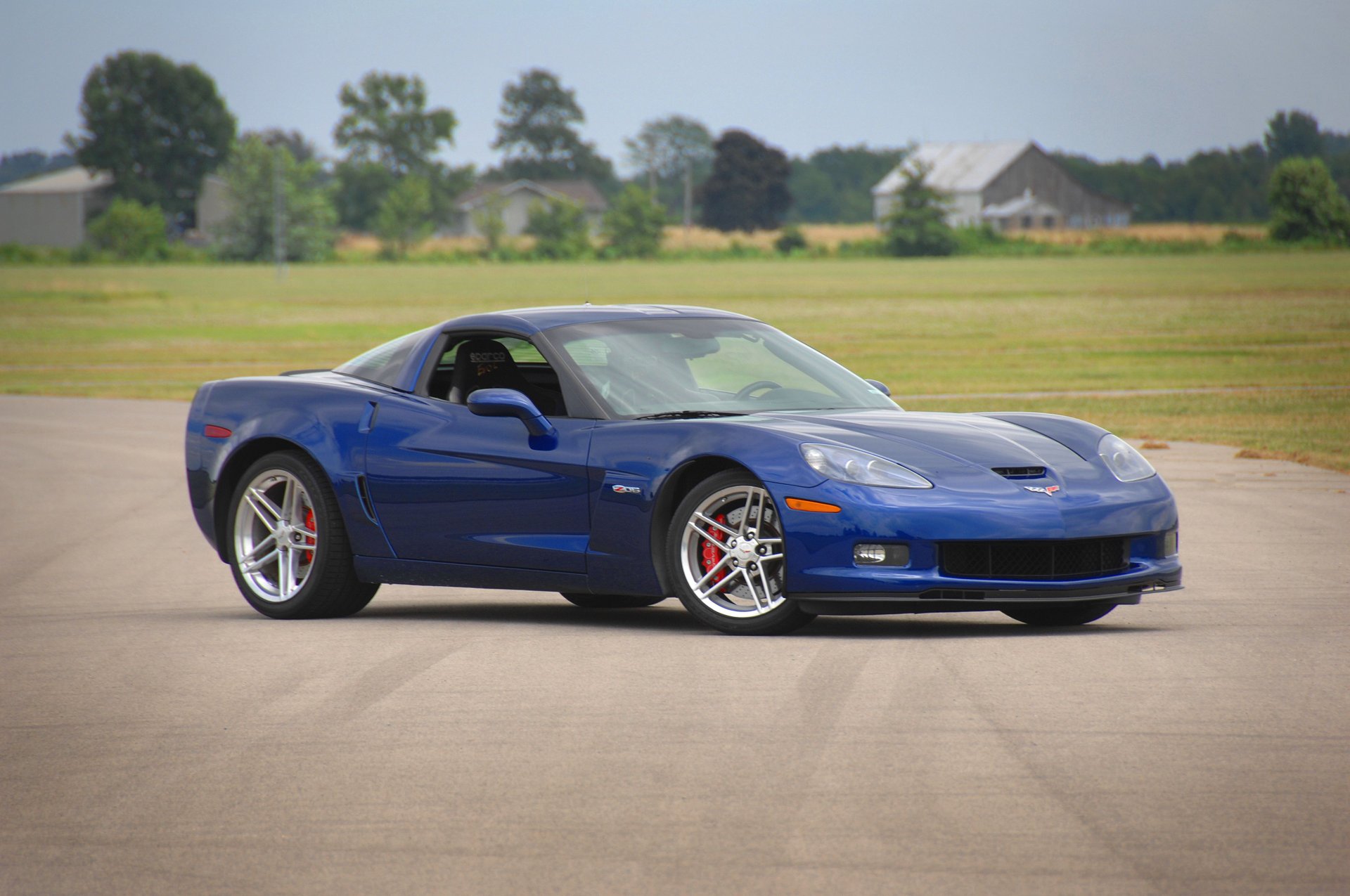
Chevy’s Corvette has a storied history, and the C5 (1997-2004) and C6 (2005-2013) models have almost an equal share of playing time in the 2000s decade. The C5 Corvette Z06 was introduced in 2001 and produced 405 hp from a 5.7L naturally-aspirated V8 LS6 engine. The C5 has aged well, and is considered by many in the motorsport community to be one of the best “budget race cars” you can buy today. The C6 Corvette Z06 arrived as a 2006 model, and is most renown for its 7.0L naturally-aspirated V8 LS7 which produced 505 hp.

To this day, the C6 remains the most powerful naturally-aspirated engine Chevrolet has ever assembled – as next-gen Z06 engines would go on to be supercharged – making it the darling amongst Corvette enthusiasts.

Nissan Skyline GT-R (R34)

Blue Nissan GT-R r34

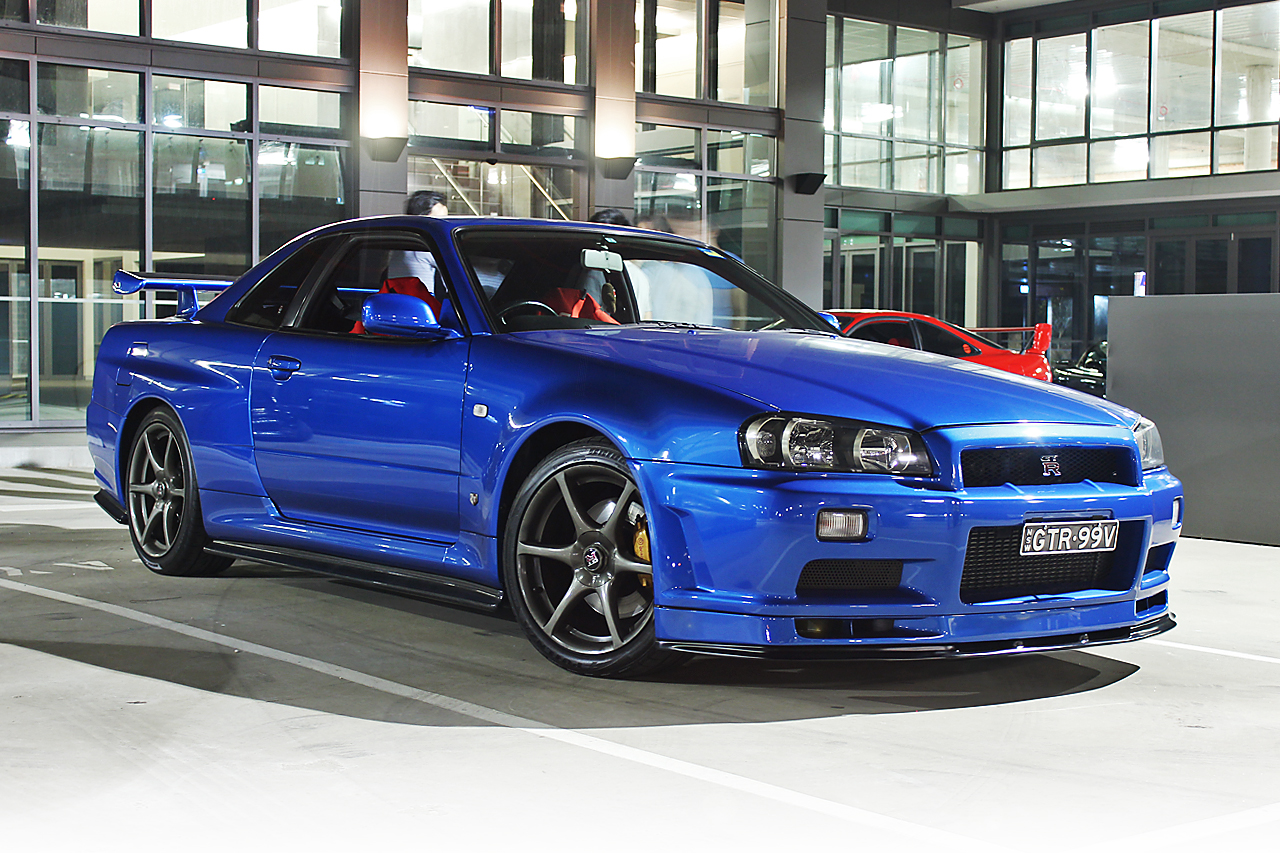
As far as pop culture icons go, the Nissan Skyline GT-R has cemented a reputation as one of the world’s most revered automobiles. Whether you’re a young teenager who has only been able to experience one through your favorite video game, or a wealthy car collector looking to add a unicorn to your garage, the R34 (1998-2002) Skyline GT-R in particular, checks everyone’s boxes.

Some would argue that the Skyline GT-R only gained international recognition thanks to the “Fast & Furious” movie series, but those into JDM car culture or motorsport were well aware of “Godzilla’s” credentials well before the silver screen event.  The Skyline GT-R produced 280 hp (which could easily be tuned to much, much more) from a twin-turbocharged RB26 engine and featured an all-wheel drive system with HICAS, allowing it to become a dominating force on both circuits and mountain roads alike.

BMW M3 (E46)

Blue BMW E46

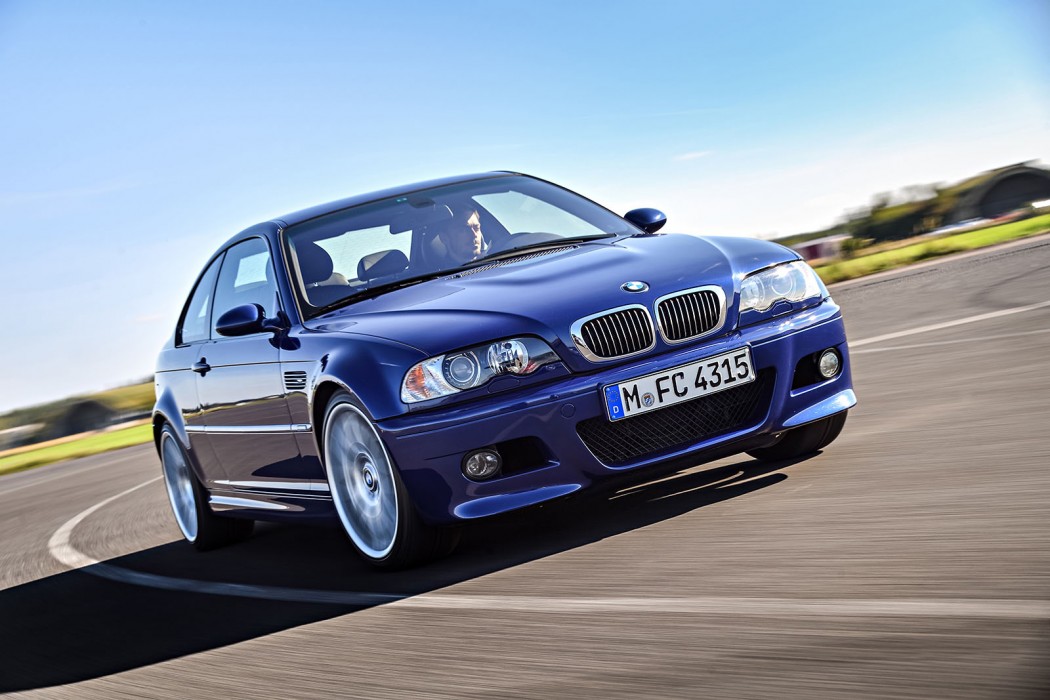
The E46 (2000-2006) BMW M3 was in a league of its own: it possessed the chiseled good-looks that older and less handsome E36 never had, and didn’t have the bubbly-like demeanor of the E90. Add to that, an iconic inline-6 engine that was lighter (and in my opinion, has more character) than its successor’s V8, and you have a truly balanced and pure driving machine. The E46 also had mechanical steering, but would forgo most of the electrical helpers or ‘nannies’ that the later generations of M3 cars would have as standard.

It was more advanced than the E30 that came before it, and not as bloated as its successors. It was the ideal concoction of luxury and raw driving purity. It had the best of all worlds; and that’s why we believe that the E46 is the perfect M3.

Mazda RX-7 (FD3S)

2001 Mazda RX-7 Type R Bathurst

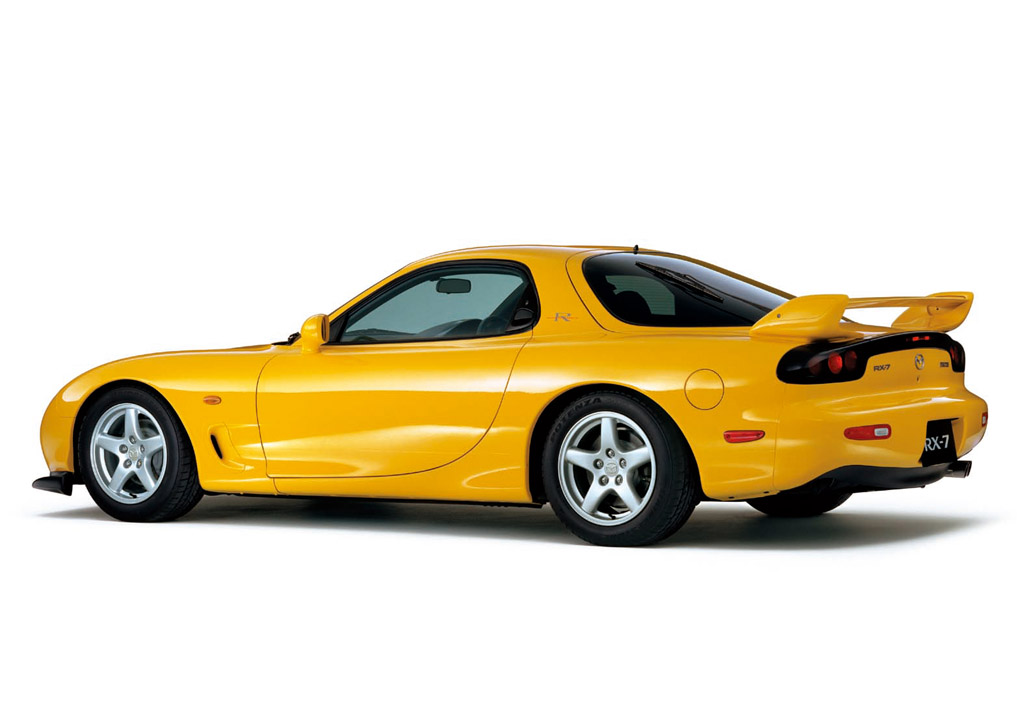
Epitomizing rotary performance, the FD (1992-2002) Mazda RX-7 is one of the planet’s most famous automobiles, particularly amongst JDM car enthusiasts and the broader tuning community. While spending most of its life in the 1990s era, the FD3S cuts a very modern silhouette for its age, featuring just the right amount of curves and bulges which helped to create its timeless design – even during a period when “boxy” looking cars were the more predominant template.

In that sense, the RX-7 is often perceived to be a 2000s era car, which speaks volumes of its credentials. Of course, it’s engine was revolutionary too, with the 2-rotor twin-turbocharged 13B-REW engine becoming popular for its performance potential and unique personality.

Honda NSX (NA2)

White Honda NSX

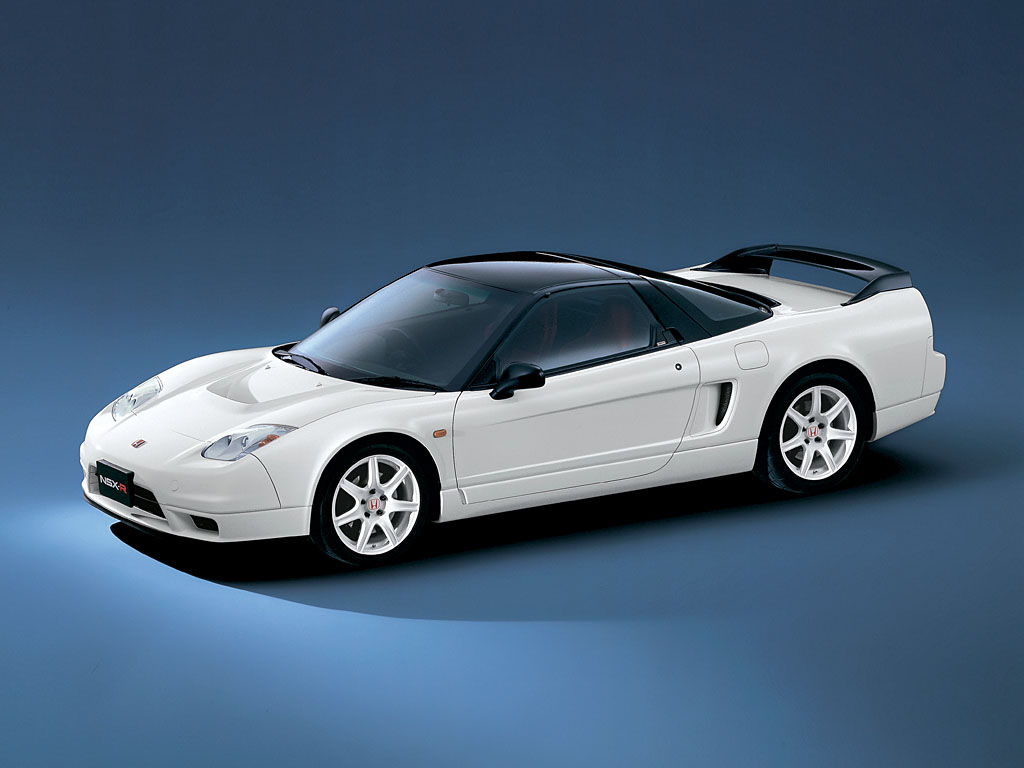
When the NSX was first introduced to the world in 1990, it sent shockwaves throughout the automotive dimension, pioneering an unprecedented amalgamation of characteristics and engineering principles. At a time when the words ‘supercar’ and ‘reliability’ couldn’t be spoken in the same sentence, the formula Honda used to create the NSX resulted in a vehicle that was truly unique for its time – it had all of the desirable characteristics of a supercar, but was packaged with the same reliability, build quality and sensibility of a Honda Accord.

Shortly after the NA2 facelift in 2002, Honda released a Type-R version of the NA2 NSX which was exclusive for MY2002 and for the Japanese market only – just like it did for the NA1 NSX in 1992. By this time, the Type-R moniker had become the official signature of ultimate Honda roadcar performance, and the 2002 Honda NSX Type-R (officially abbreviated to NSX-R on this occasion), certainly lived up to its badge.

Lotus Exige (Series 2)

Lotus Sport Exige 240R

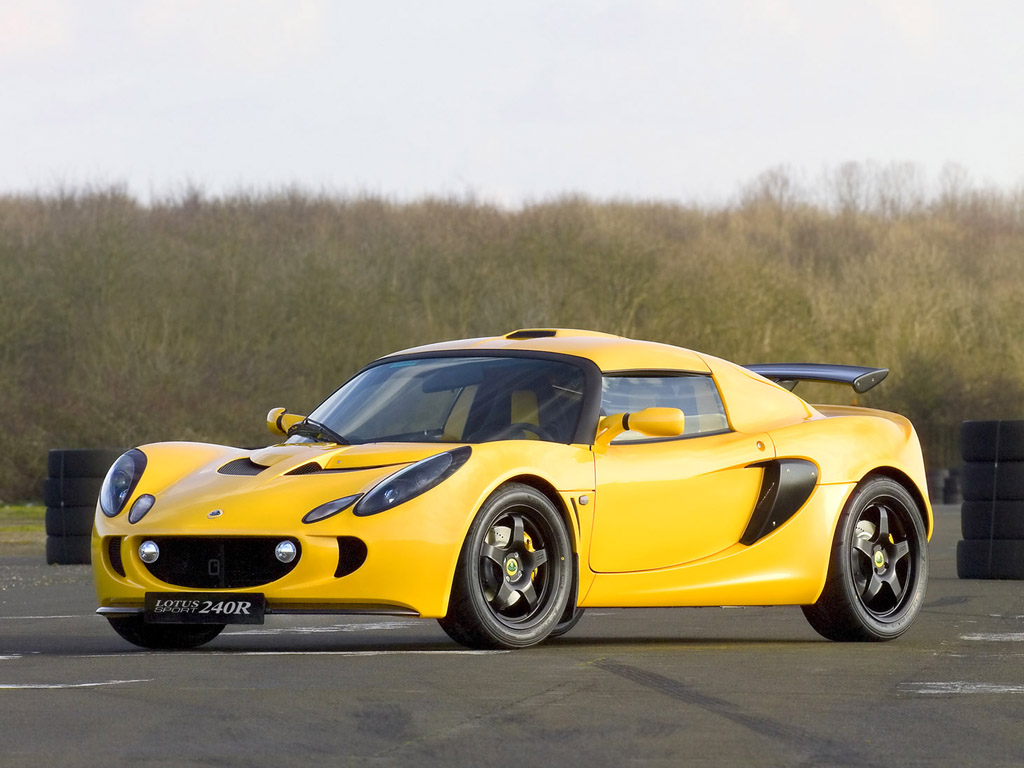
If you ever want a true track car, any Exige model is a great choice. Fun, playful and seriously quick, it will trouble almost any exotic (old and new) on more technical circuits. The Exige was updated to the ‘Series 2’ beginning in 2004 and received a 192 hp Toyota Celica engine and 6-speed manual gearbox. As for chassis, the Series 2 Exige rides on a 10% stiffer suspension setting than the Elise 111R. But most significant, is the adoption of Yokohama A048 semi-slick tires, helping the new Exige corner quicker and flatter than the Elise.

It wasn’t just track driving that improved, with the Series 2 Exige cars also being more comfortable and smooth on regular roads too. As expected, several updates were made during the the 7-year production run, including the release of over a dozen special edition and limited edition cars.

Dodge Viper ACR

2000 Dodge Viper ACR

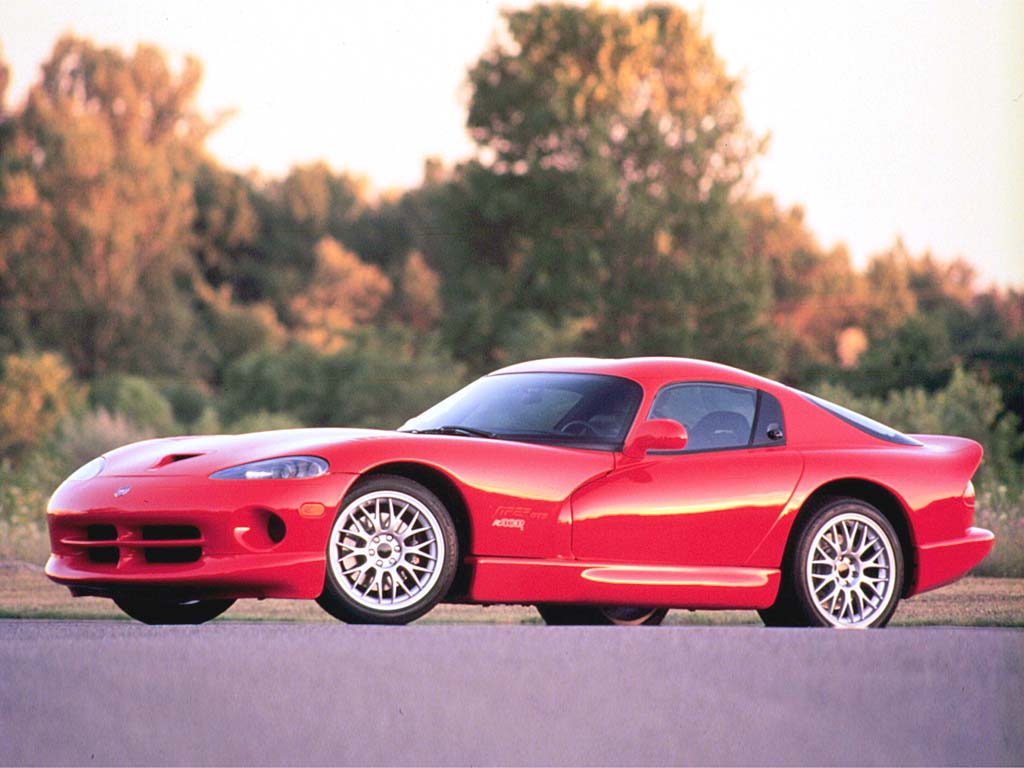
Even if the Dodge Hellcat is hogging all the headlines these days, there’s always something you have to admire about the lunacy of having a two-seater sports car powered by a naturally-aspirated 8.4L V10 engine. No, the Dodge Viper doesn’t do subtlety very well. Yes, it does happen to fall under the ‘Old Testament’ definition of awesome. With 640 hp and 600 lb-ft of torque being produced from that colossus of an all-aluminum engine, the Viper has the exhaust note of a semi-dormant volcano.

It would make absolutely no sense at all if it wasn’t just so damn fast. Variants such as the SRT-10 and ACR-X took the road-going version of the car to the next level, with the latter being a turn-key, non-street legal race car which participates in Viper racing leagues around the world.

BMW Z8

2000 BMW Z8

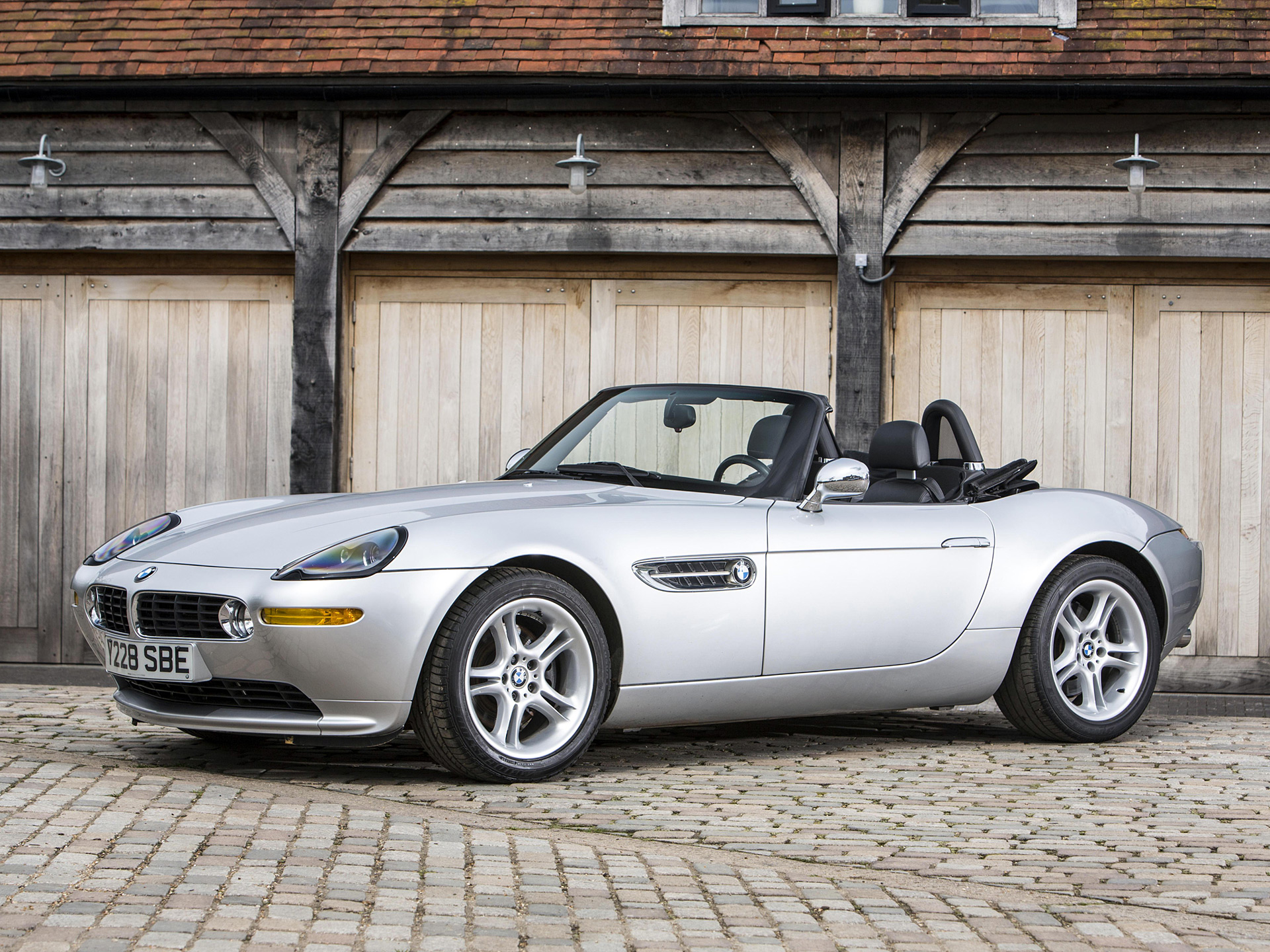
The new millennium super roadster: The BMW Z8. With breathtaking looks and classic proportions, the BMW Z8 was presented the beginning of 2000 as the latest addition to the portfolio of sporting two-seaters. The Z8’s appearance is as equally thrilling as its trendsetting chassis structure, this being a self-supporting aluminum frame called ‘space frame’. This is wrapped in a sleek body shell featuring screw-on components.

Under the bonnet there is a high-performance V8 sports motor displacing five liters. Impressive power of 400 bhp is transmitted to the wheels by a six-speed transmission. Today, the BMW Z8 has become a bit of a unicorn car with a cult following of wealthy collectors. Most examples are going for around US$250,000 on the used market – almost double the brand new MSRP.

Porsche Boxster (986)

1996 Porsche Boxter

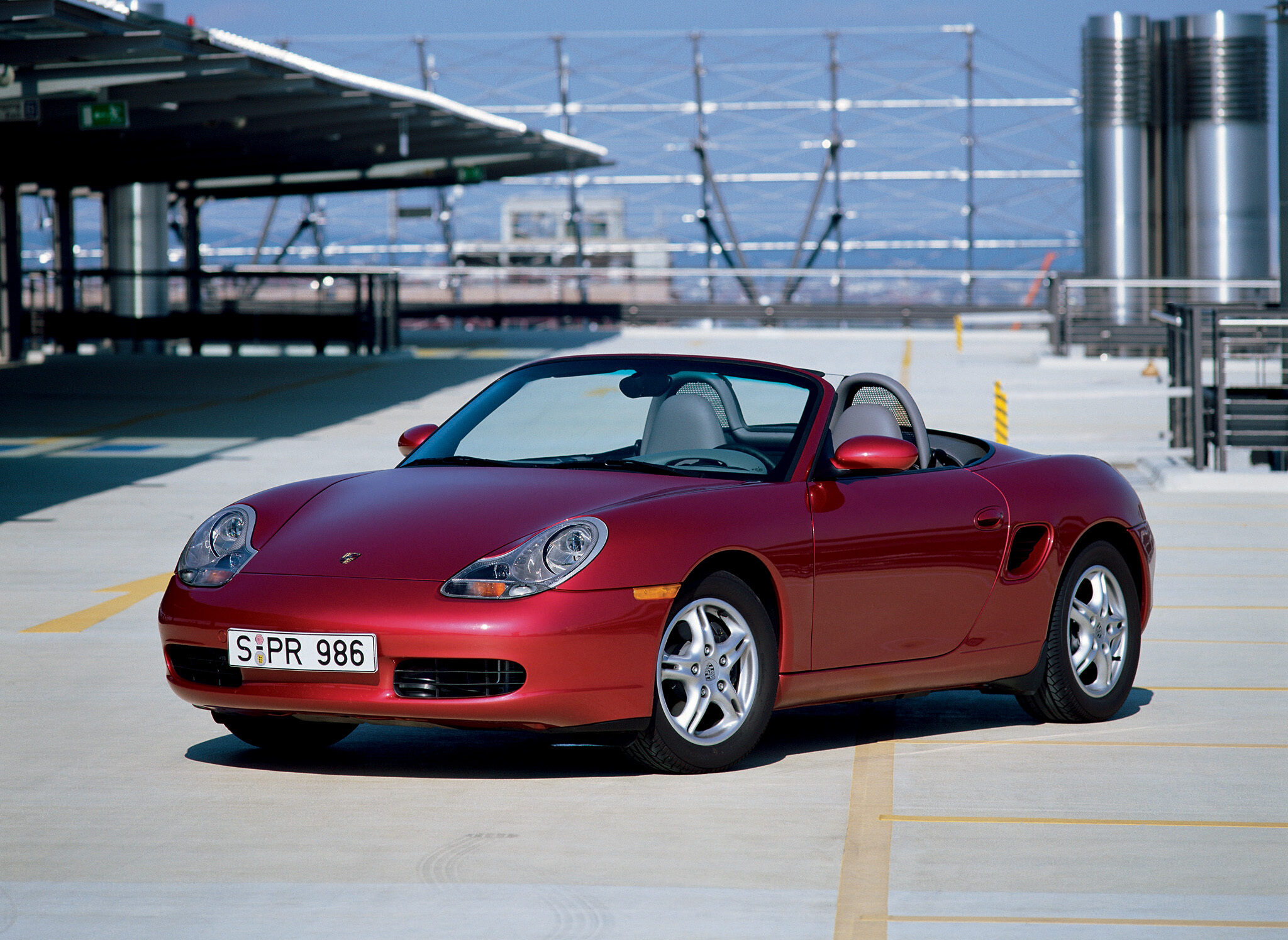
The Porsche Boxster (986) was introduced in late 1996 and would be produced until 2004. The car featured a water-cooled, 2.5L flat-6 engine rated at 201 hp. A mid-engine layout provided the Boxster with a low center of gravity, near-perfect weight distribution, and neutral handling. It also shared many of the same body components as the new 911 including the same bonnet, front wings, headlights, interior and engine architecture.

In hindsight, the Boxster was the right car, at the right time, for both enthusiasts and for Porsche alike. It quickly became a hot seller and steadied the ship at Porsche, broadening the brand’s appeal to the mass market and helping to establish the foundation upon which it is so successful today. Reviewers gushed that the car was near perfect.

The Bugatti La Voiture Noire

There are valuable cars out there, usually, the older, classic masterpieces that tend to be worth millions, for instance, a Ferrari 250 GTO is in the $100,000,000 bracket these days, but there is one illustrious car that is even more valuable … if you could find it that is.

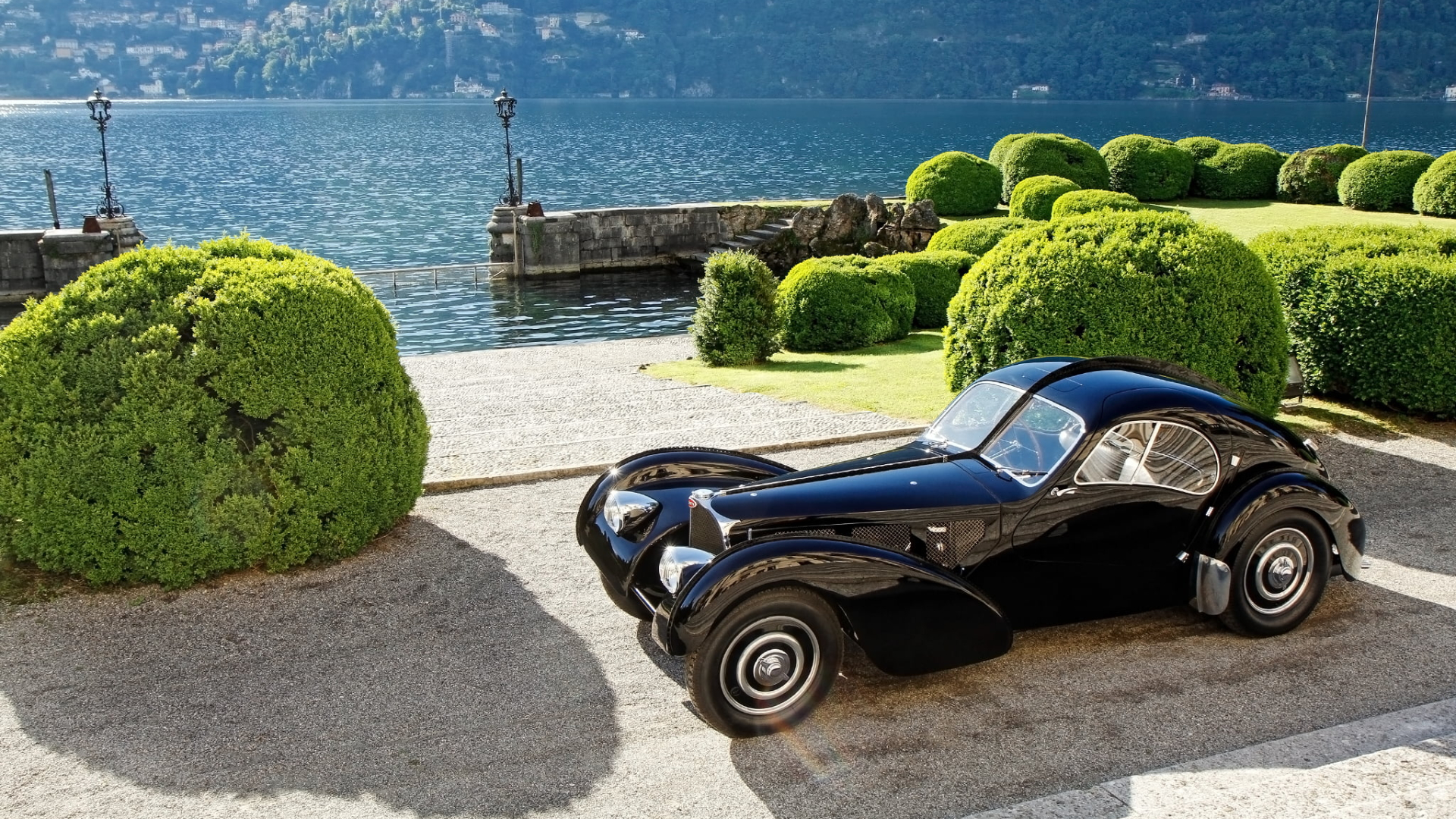
In the 1930s Ettore Bugatti’s son, Jean developed and drove one of only four Bugatti Type 57 SC Atlantic ever built, a 1936 Bugatti Aero Coupe (which was the original name), with chassis 57453 was the fastest car on the road at that time, and Jean called it ‘La Voiture Noire’, being a black car, the name suited the car … sadly this car is now a mystery, we could say an urban legend maybe, but as history tells the story, this rather unique Atlantic went missing just before World War II broke out in 1940, and she hasn’t been seen since … but if this very special Bugatti would ever be found, it would literally be priceless, in 2019 Hemmings estimated the value for this ‘lost’ Bugatti at $114,000,000, today we should add several million on top of that with the current market for supercars.

Fast forward to about 20 years ago today, when Bugatti’s Design Director Achim Anscheidt came up with the idea to create an homage to the illustrious ‘La Voiture Noire’ from the Thirties, to celebrate the fame of the Bugatti Type 57 SC Atlantic but designed for the 21st century, this would have to become a one-off for one very fortunate client, designed on the current flagship model, but clearly showing the influence from Jean Bugatti’s design on the Type 57 SC … this homage would come with massive historical responsibility and respect for Bugatti’s values.

It would take many years before Bugatti was ready to recreate Jean’s La Voiture Noire for the modern world, the original car was a masterpiece, the three remaining ones are still considered some of the best to ever be built in Molsheim in the late Thirties, the flair of original La Voiture Noire had to captured in a brand new, hypercar design … the task for the designers was easy: try to understand how Jean Bugatti designed his La Voiture Noire back in 1935 and translate this into a 21st-century design … easier said than done probably.

The 2021 Bugatti La Voiture Noire had to become a minimalist design, much like the 1935 car was, reduced to the essentials of a hypercar, clean and simple lines, and most importantly … no massive rear wing, and one design element was a requirement right from the start … the dorsal seam down the centerline, that one just had to be present on this homage car no matter what.

The resulting design was made from a uniquely finished material, La Voiture Noire is made from carbon fiber naturally, but Bugatti gave this one a ‘Black Carbon Glossy’ clearcoat … the result is nearly no reflections, but it still shows all the beauty of the visible carbon fiber, both front, and rear bumper are perfectly integrated into the body while the windshield is almost a ‘wrap-around’ style as seen on motorcycle helmets.

And the new Bugatti La Voiture Noire comes with some amazing details, like the fact the headlights consist of 25 individually milled lights, the front grille is made from 3D-Printed cells that had to be honed and examined into perfection, the taillight is made from a single-piece surround and no less than six exhaust tips come from the rear diffuser, the body parts might seem to be sealed, but in fact, they are air-permeable … that’s just incredible.

To complement the black carbon fiber exterior, the Bugatti La Voiture Noire comes with a warm Havanna Brown leather interior, inspired by historical Bugatti models, brought into the 21st century by the use of polished and turned aluminum inlays on the center console, the center spine and the doors, a special rosewood switch allows the setting of drive modes … this isn’t a harsh hypercar, the Bugatti La Voiture Noire is a beautiful and fast dream car that’s perfectly suited for long road trips … imagine driving this lady over the German Autobahn where there is no speed limit (for now) and then driving down to Monaco.

It would take Bugatti two years to create the La Voiture Noire from start to finish, every part had to be developed and undergo rigorous testing before they would release it for use on this one-off special, they even extended the wheelbase for this unique model to make sure the balance was just perfect.

“Although the La Voiture Noire is a one-off, we spent two years using a test vehicle to develop and test it in all areas like handling and driving safety so that it can be approved,” says Pierre Rommelfanger, who is the Head of Coachbuilding Projects at Bugatti.

If you like the sound of this La Voiture Noire homage from Bugatti and would be interested in owning this amazing grand tourer handling powerful, fast, and exceptionally comfortable car that has been built to pay respect to a long tradition, to France, and to Jean Bugatti’s creative work … you’re too late, this one-of-a-kind Bugatti La Voiture Noire has already been sold for €11,000,000 before taxes, that is about $13,500,000 at today’s conversion rate … but that’s still about $10,000,000 less than the Rolls Royce Boat Tail … and honestly, I would opt for this Bugatti instead.

The 2021 McLaren Elva Gets a Windshield

The McLaren Elva track machine is the brand’s lightest supercar, but it’s missing something: a windshield. Designed for race days and track days only, the Elva is meant to be driven with a helmet and…

The post The 2021 McLaren Elva Gets a Windshield first appeared on Cool Material.

Bugatti reveals the final version of the one-off La Voiture Noire

Bugatti is ready to deliver the La Voiture Noire, a one-of-a-kind model introduced at the 2019 edition of the Geneva auto show. Based on the Chiron, the coachbuilt coupe meets the same quality standards as a series-produced car.

Making the La Voiture Noire a reality took two years because it underwent a long list of tests before Bugatti signed it off. As we’ve previously reported, it was blasted with thousands of gallons of water to ensure it’s watertight and was driven flat-out on a track, among other evaluations. Over 65,000 engineering hours were invested into the project, a number that underlines the significant differences between the La Voiture Noire and the Chiron it’s related to. And yet, Bugatti managed to keep the show car’s lines and finer design details intact during development.

While the quad-turbocharged, 1,479-horsepower 8.0-liter W16 engine comes from the Chiron, all of the carbon fiber exterior panels are new and the wheelbase is slightly longer. Bugatti also notes each headlight features 25 individually-milled elements, and that the grille was 3D-printed. Overall, the La Voiture Noire wears a purer, more touring-oriented design than the aforementioned Chiron and the Divo. It’s not fitted with a rear wing, for example.

Interior photos haven’t been released, but we’re told the seats are upholstered in Havana Brown leather. It creates a classic ambience that matches the turned aluminum inlays scattered across the cabin, like on the center console.

There is but a single example of the La Voiture Noire, and Bugatti’s not taking bids. The coupe is already sold to an anonymous collector, who paid 11 million euros (about $13.4 million at the current conversion rate) for it before taxes enter the equation. Time will tell if the new owner reveals his or her identity, drives the car, or keeps it tucked away in a private collection. In the meantime, the French firm will work on bringing the Centodieci to production.

Perhaps inspired by Bugatti’s success, some of the other luxury carmakers have started breathing new life into the long-lost tradition of coachbuilding during the past few years. Rolls-Royce notably created a yacht-inspired, one-of-a-kind convertible called Boat Tail for an anonymous couple that reportedly paid approximately $28 million for it.

What’s in a name?

La Voiture Noire literally translates to “The Black Car” in French. It’s entirely black, but there’s more to it than paint and trim. Bugatti design boss Achim Anscheidt explained his team drew inspiration from one of the four examples of the Type 57 SC Atlantic built; it was driven by Jean Bugatti, the son of company founder Ettore Bugatti, and nicknamed La Voiture Noire. It enigmatically disappeared before World War II, and it hasn’t been found since. It could have been destroyed during the conflict, but there’s a sliver of a chance that it’s hidden in a barn somewhere in a remote part of France; crazier things have happened. If found, it would be worth tens of millions of dollars.

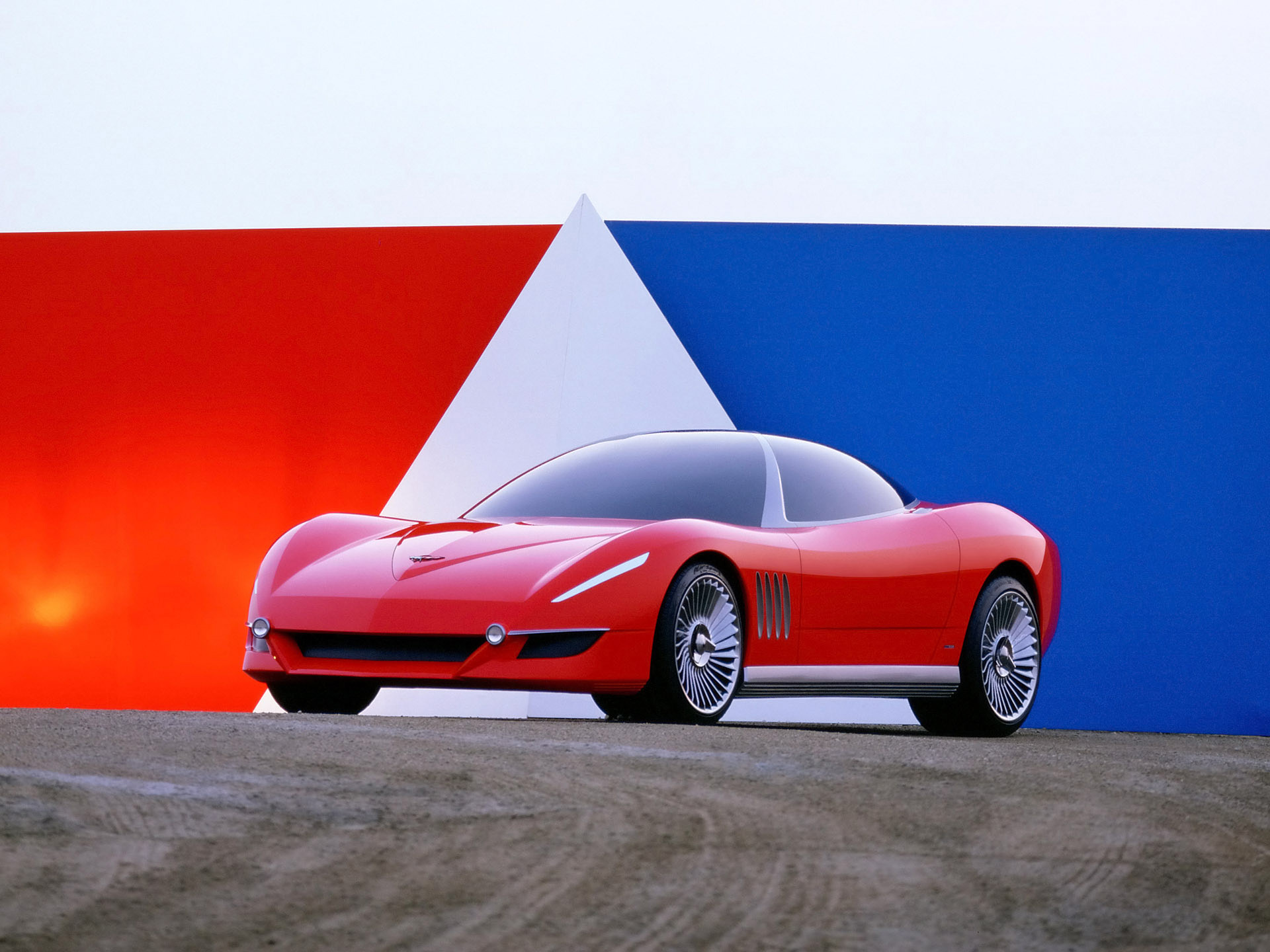
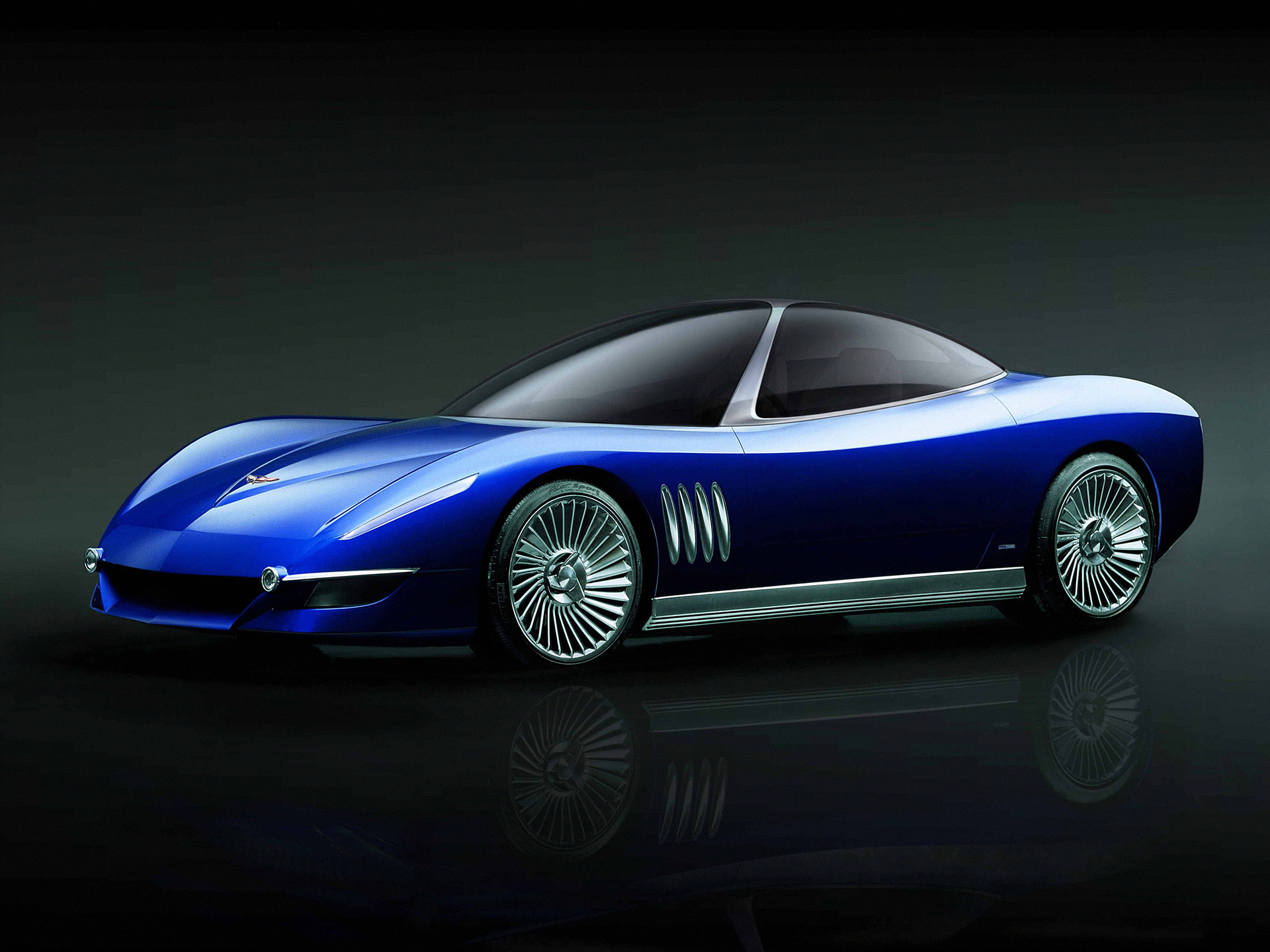
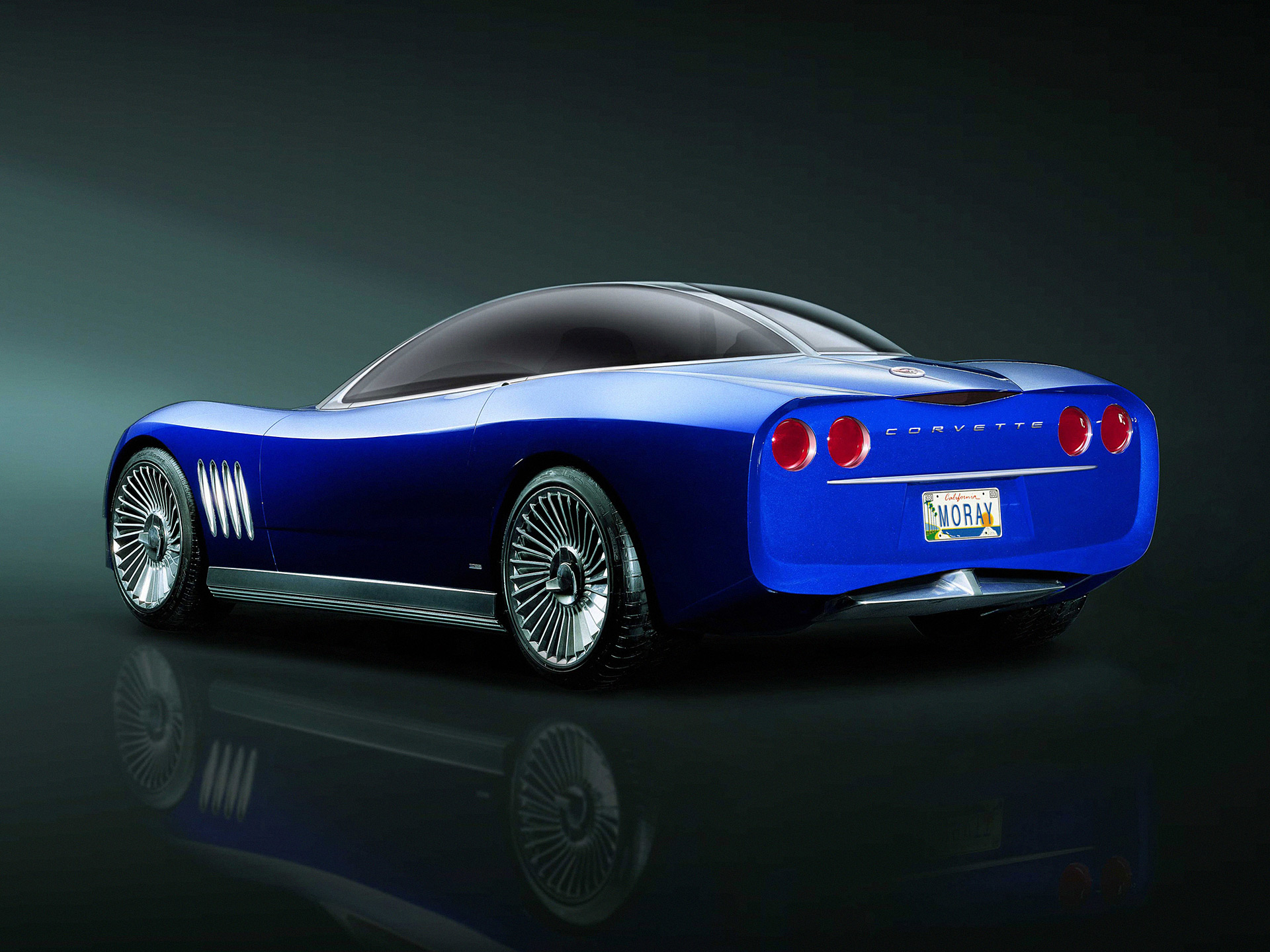
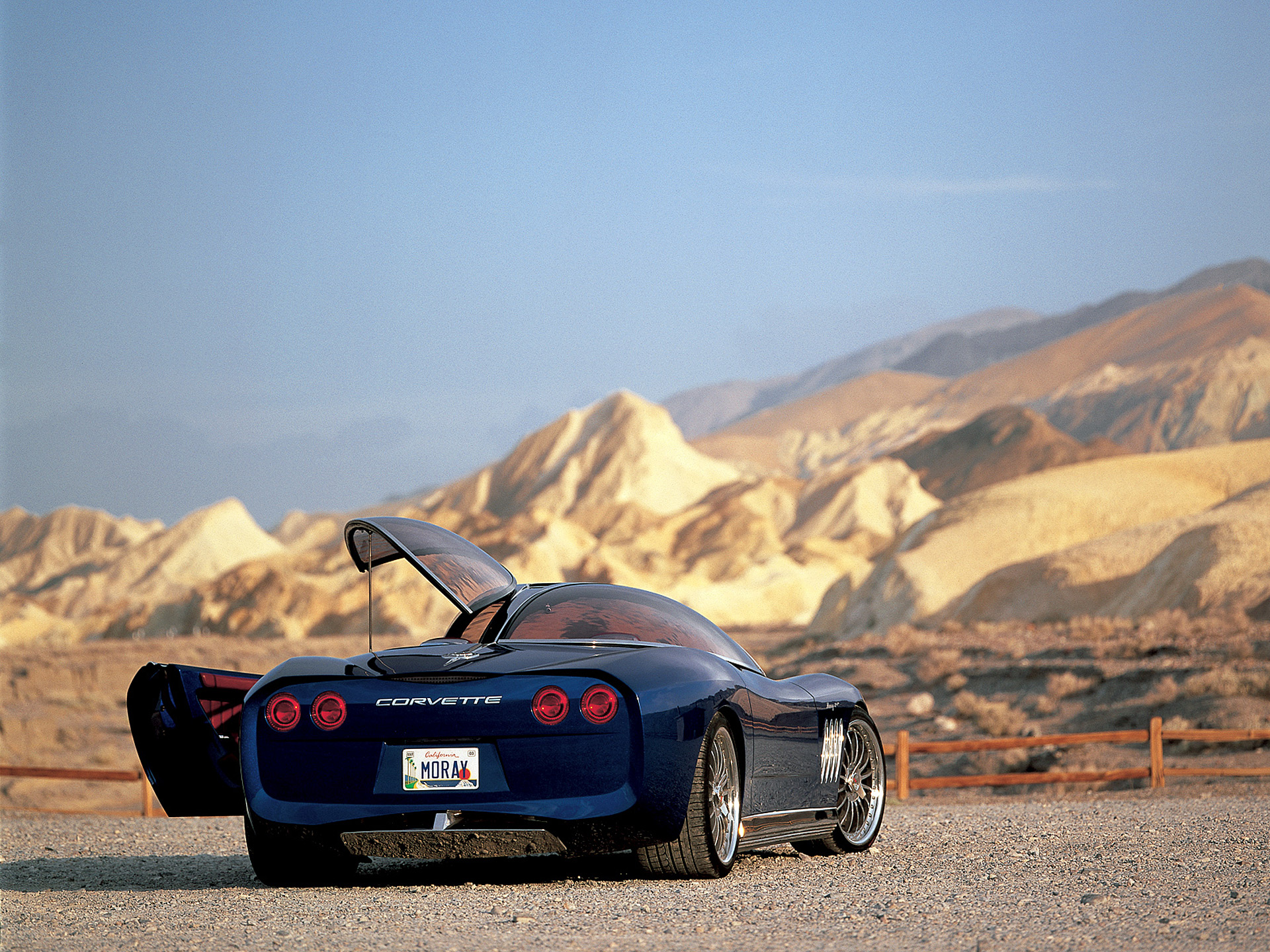
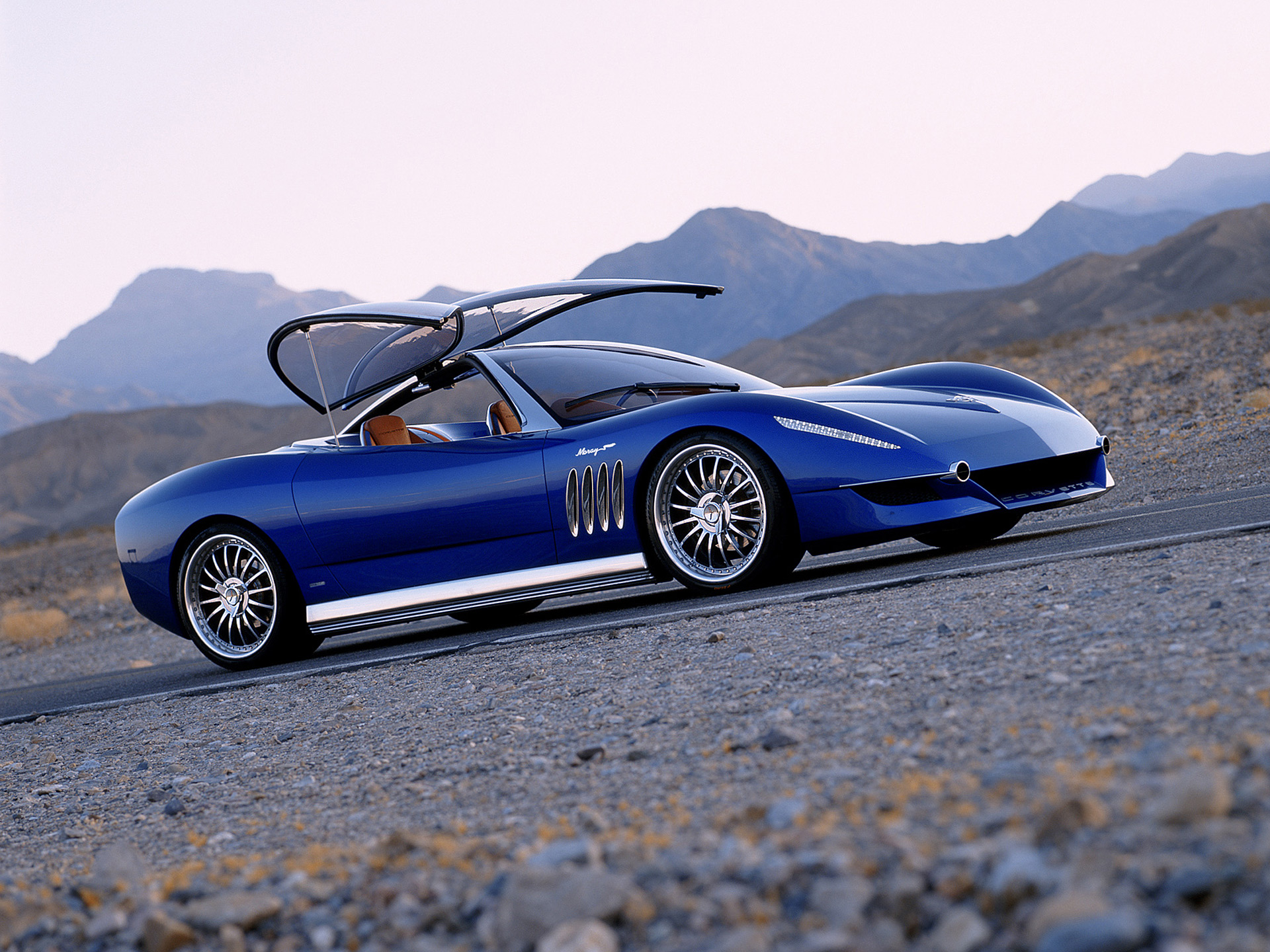
2003 Italdesign Corvette Moray Wallpapers

We have curated the ultimate collection of the best 2003 Italdesign Corvette Moray Wallpapers and HD backgrounds for you to enjoy. Our team focused on finding the top 2003 Italdesign Corvette Moray Wallpapers only to keep the quality high. These 2003 Italdesign Corvette Moray Wallpapers are free to download so go ahead. To download any of these pictures for use as a wallpaper, right click the picture and choose Save As …

Find more awesome Italdesign Wallpapers

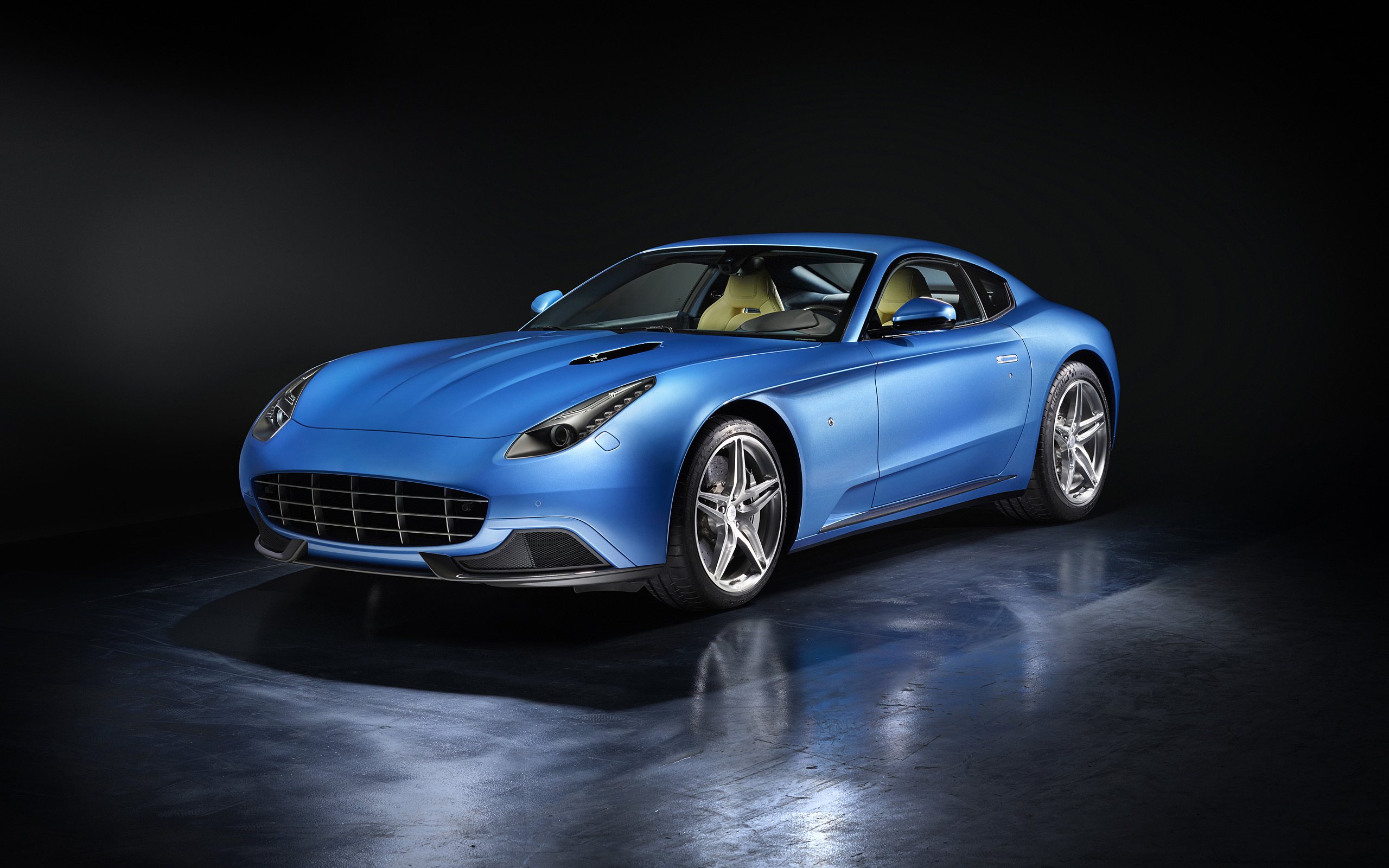
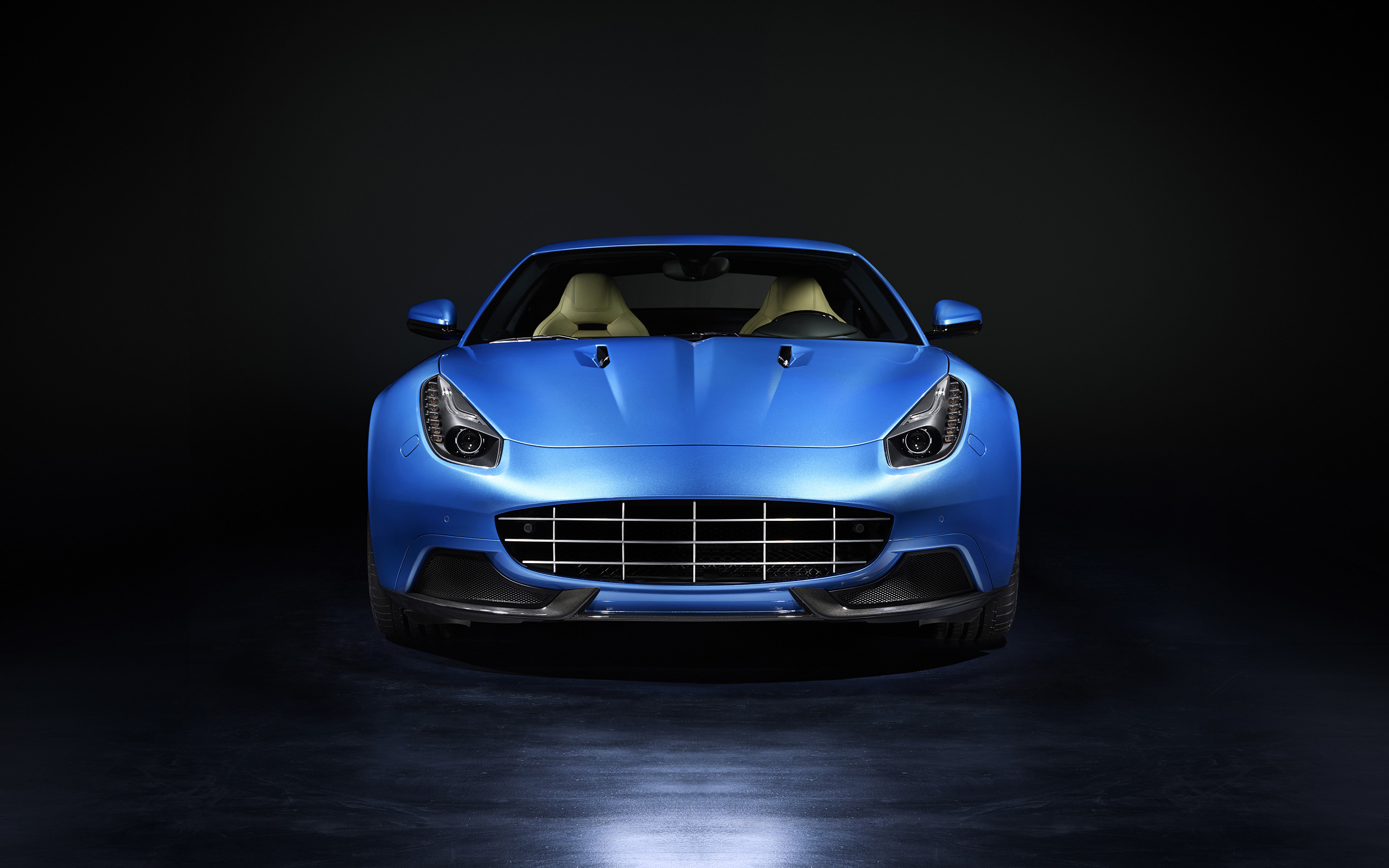
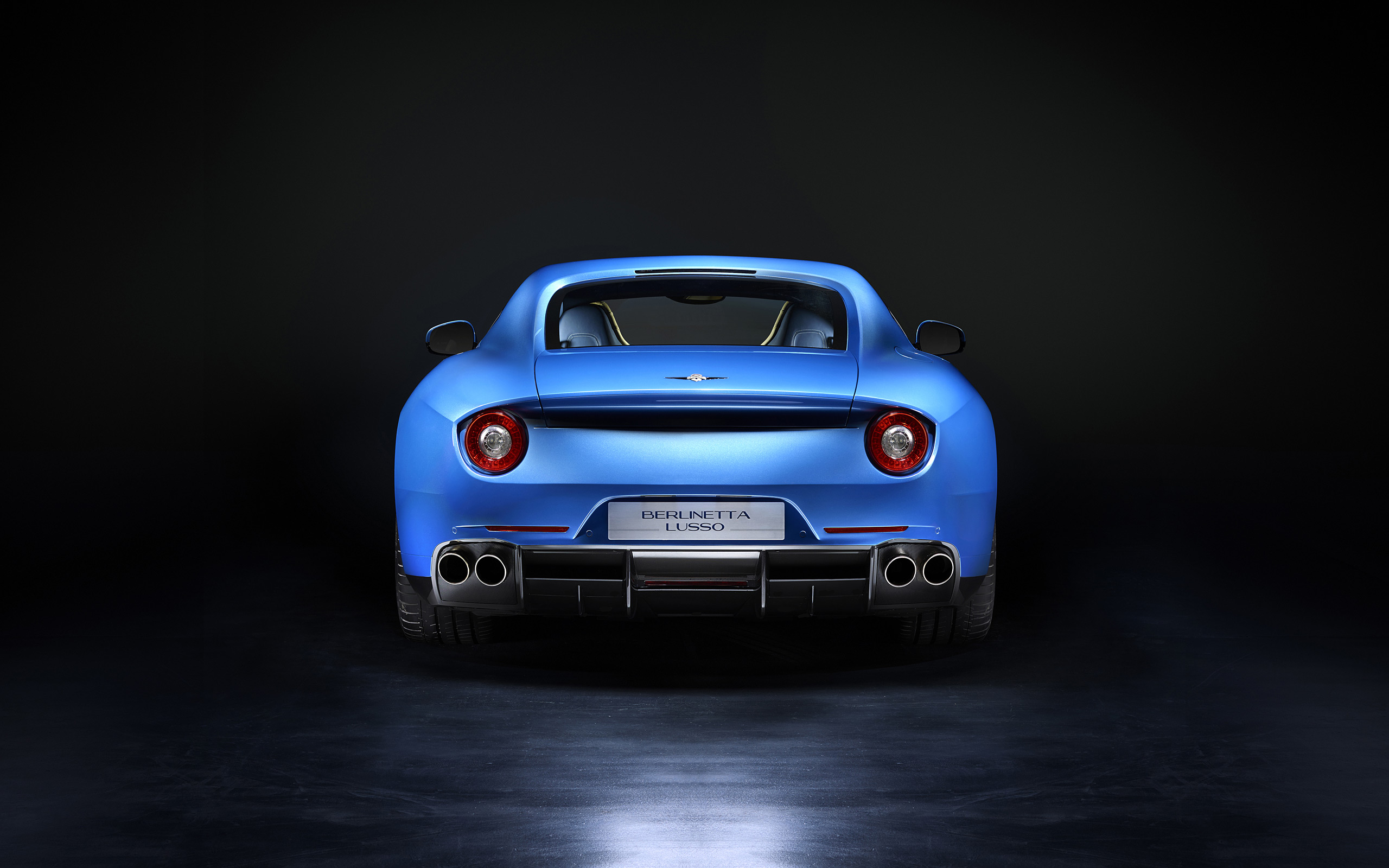
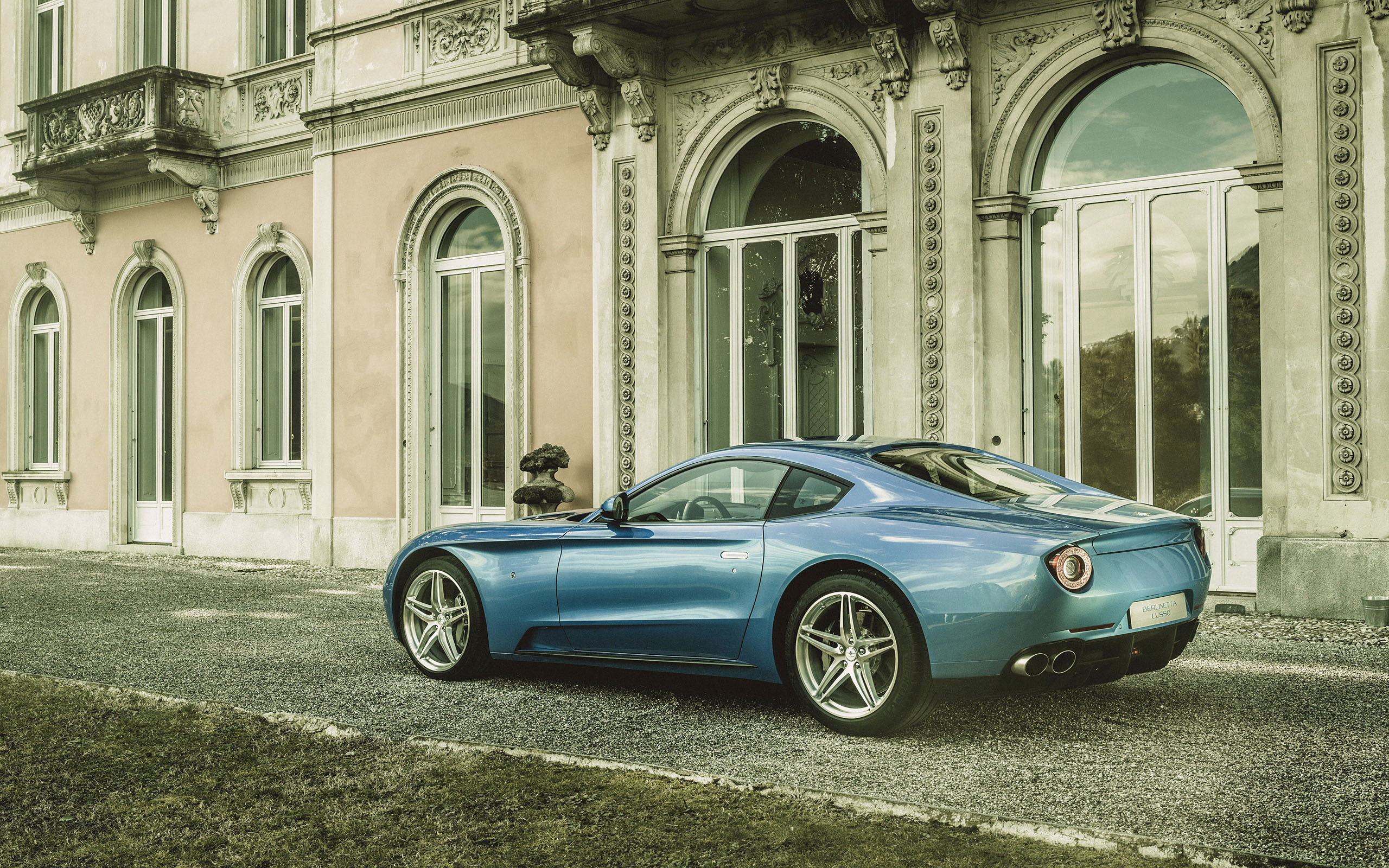
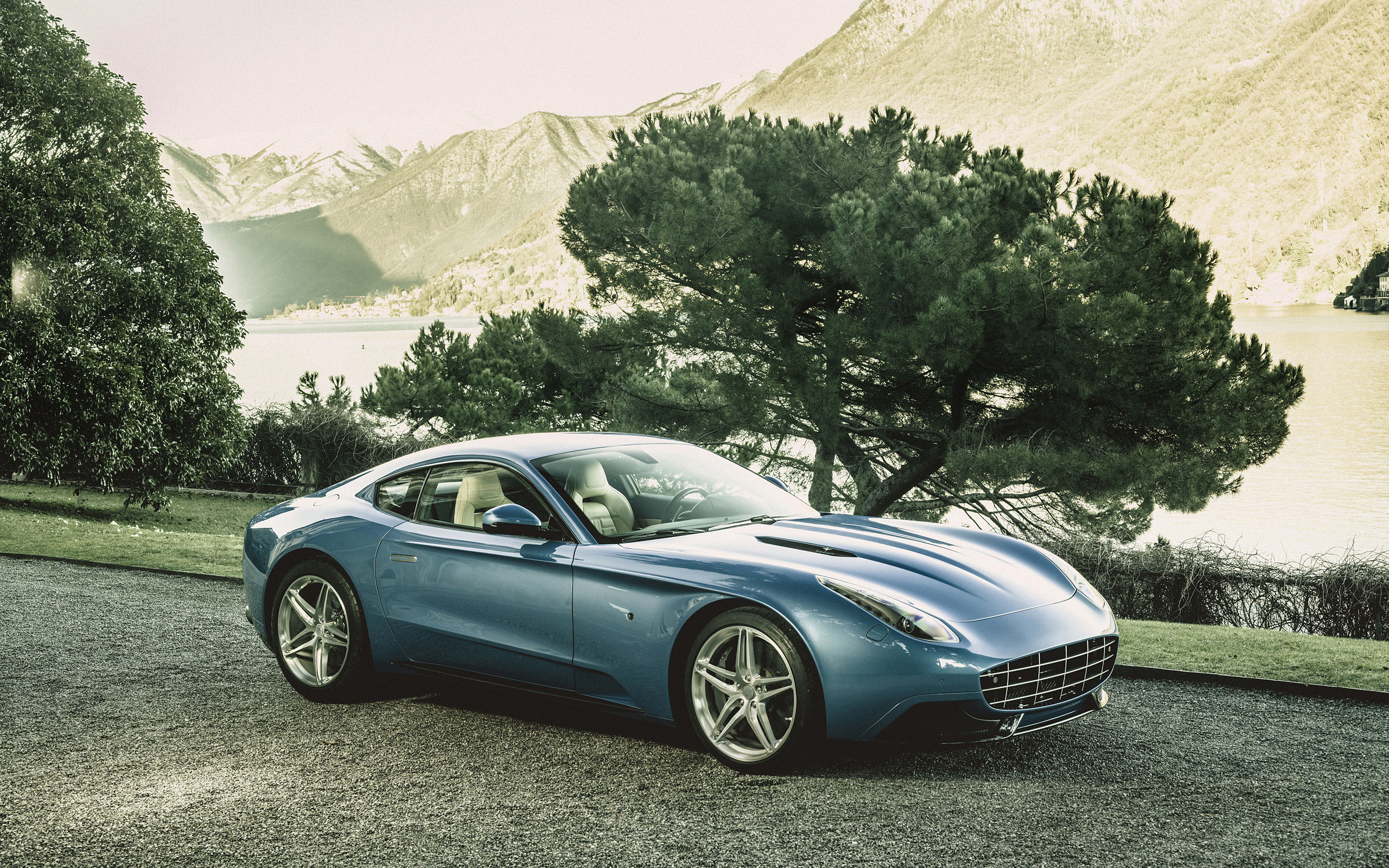
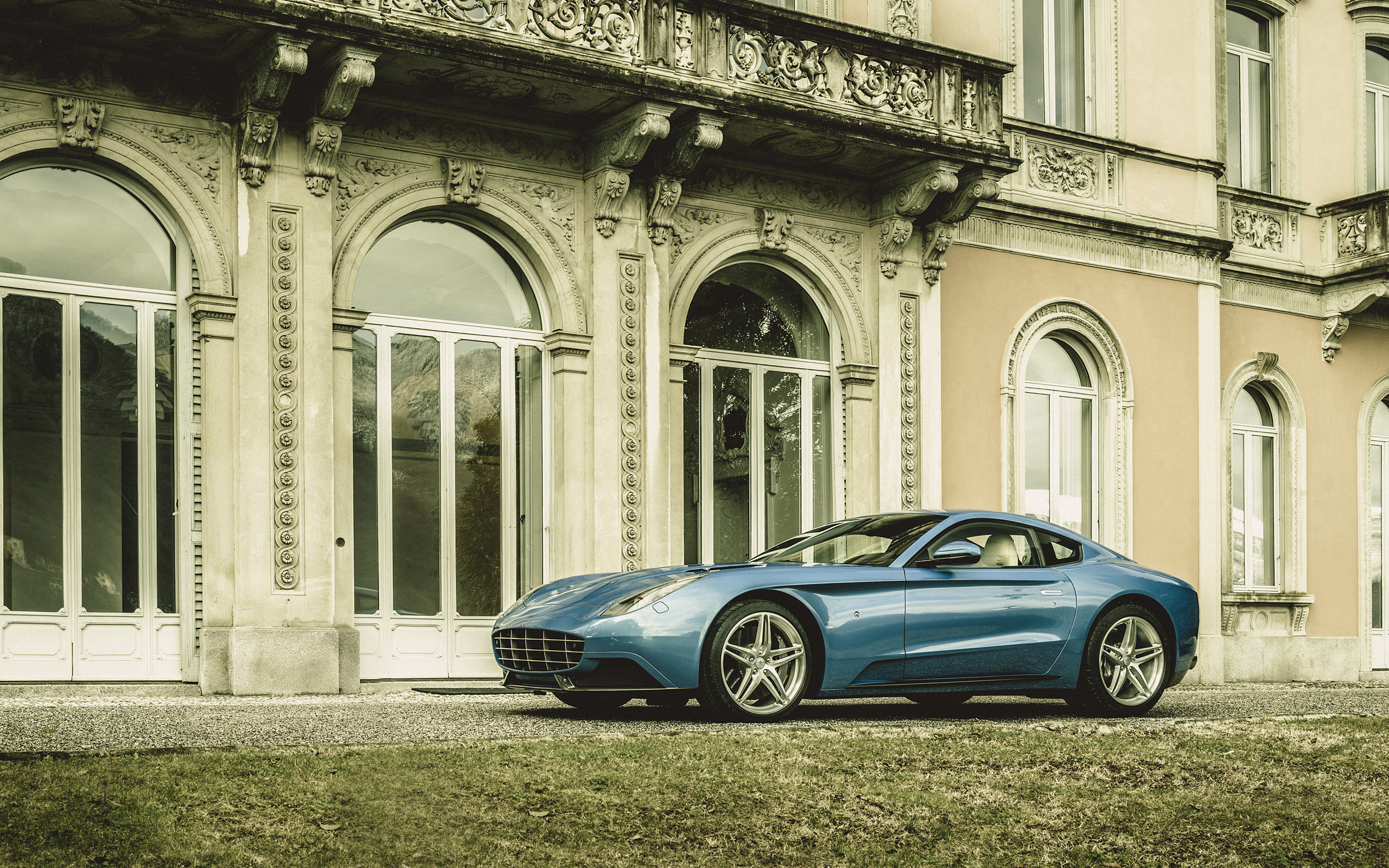
2015 Touring Berlinetta Lusso Wallpapers

We have curated the ultimate collection of the best 2015 Touring Berlinetta Lusso Wallpapers and HD backgrounds for you to enjoy. Our team focused on finding the top 2015 Touring Berlinetta Lusso Wallpapers only to keep the quality high. These 2015 Touring Berlinetta Lusso Wallpapers are free to download so go ahead. To download any of these pictures for use as a wallpaper, right click the picture and choose Save As…

Find more awesome Touring Superleggera Wallpapers

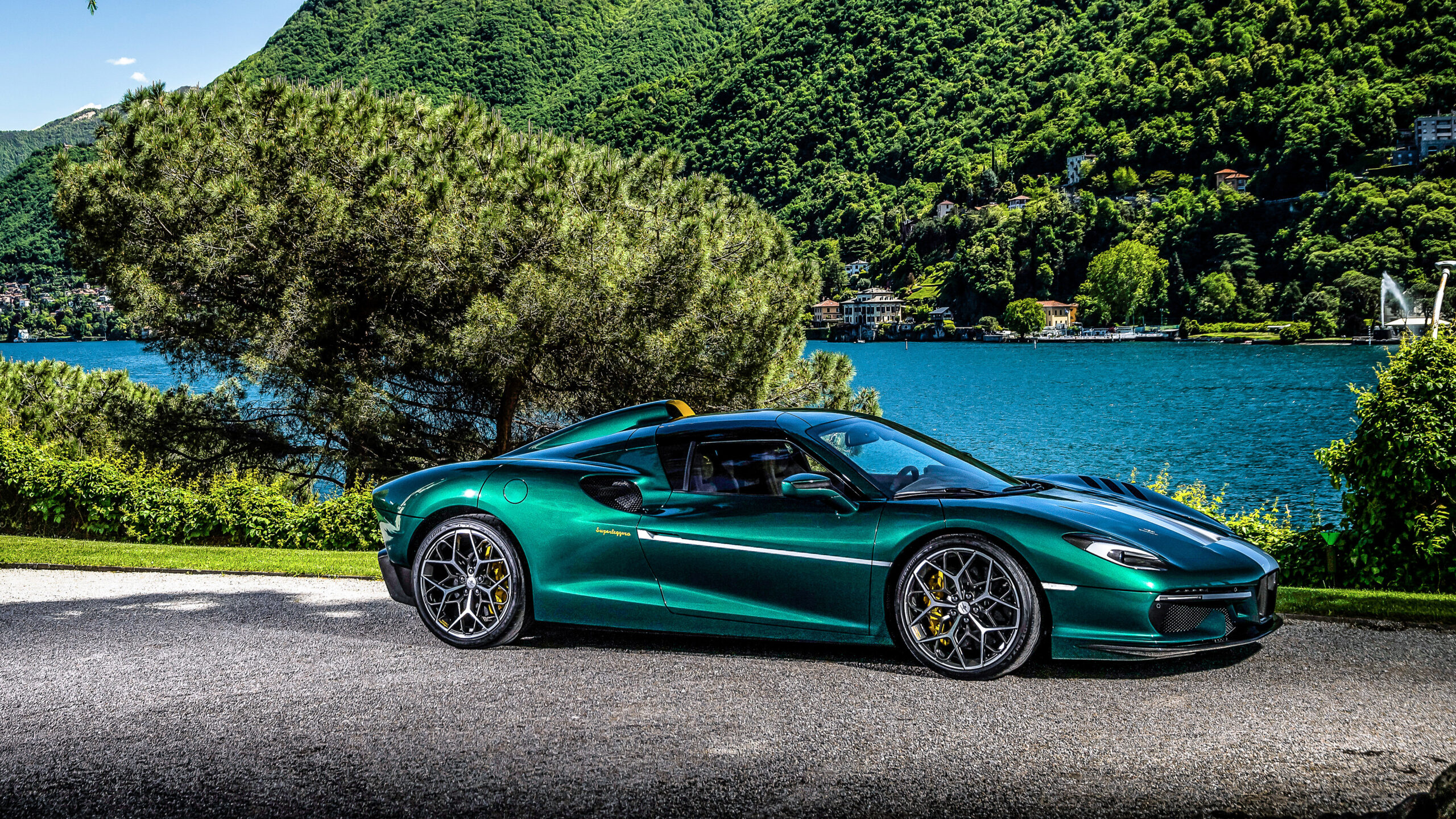
2021 Touring Arese RH95 Wallpapers

We have curated the ultimate collection of the best 2021 Touring Arese RH95 Wallpapers and HD backgrounds for you to enjoy. Our team focused on finding the top 2021 Touring Arese RH95 Wallpapers only to keep the quality high. These 2021 Touring Arese RH95 Wallpapers are free to download so go ahead. To download any of these pictures for use as a wallpaper, right click the picture and choose Save As…

Find more awesome Touring Superleggera Wallpapers

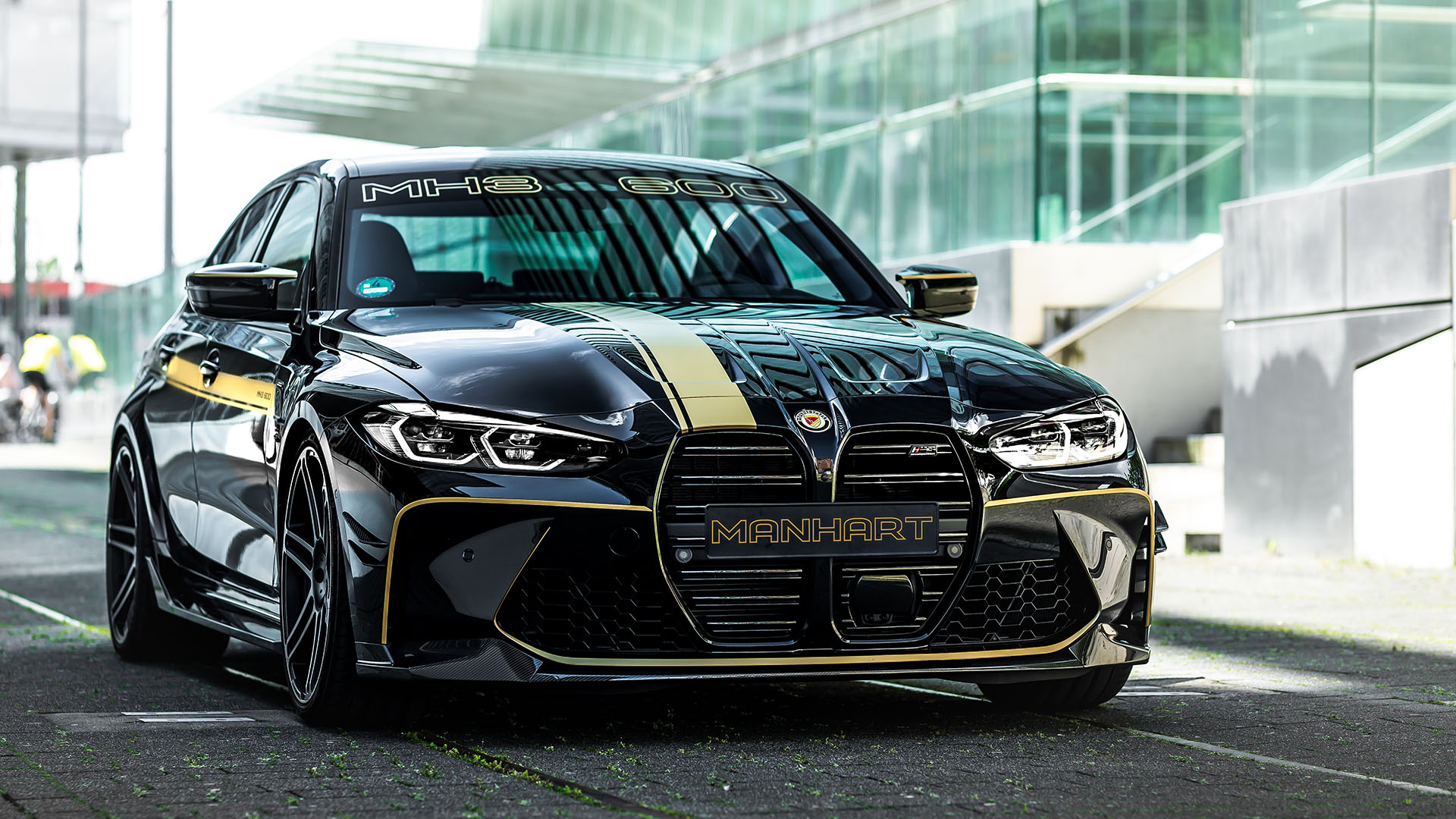
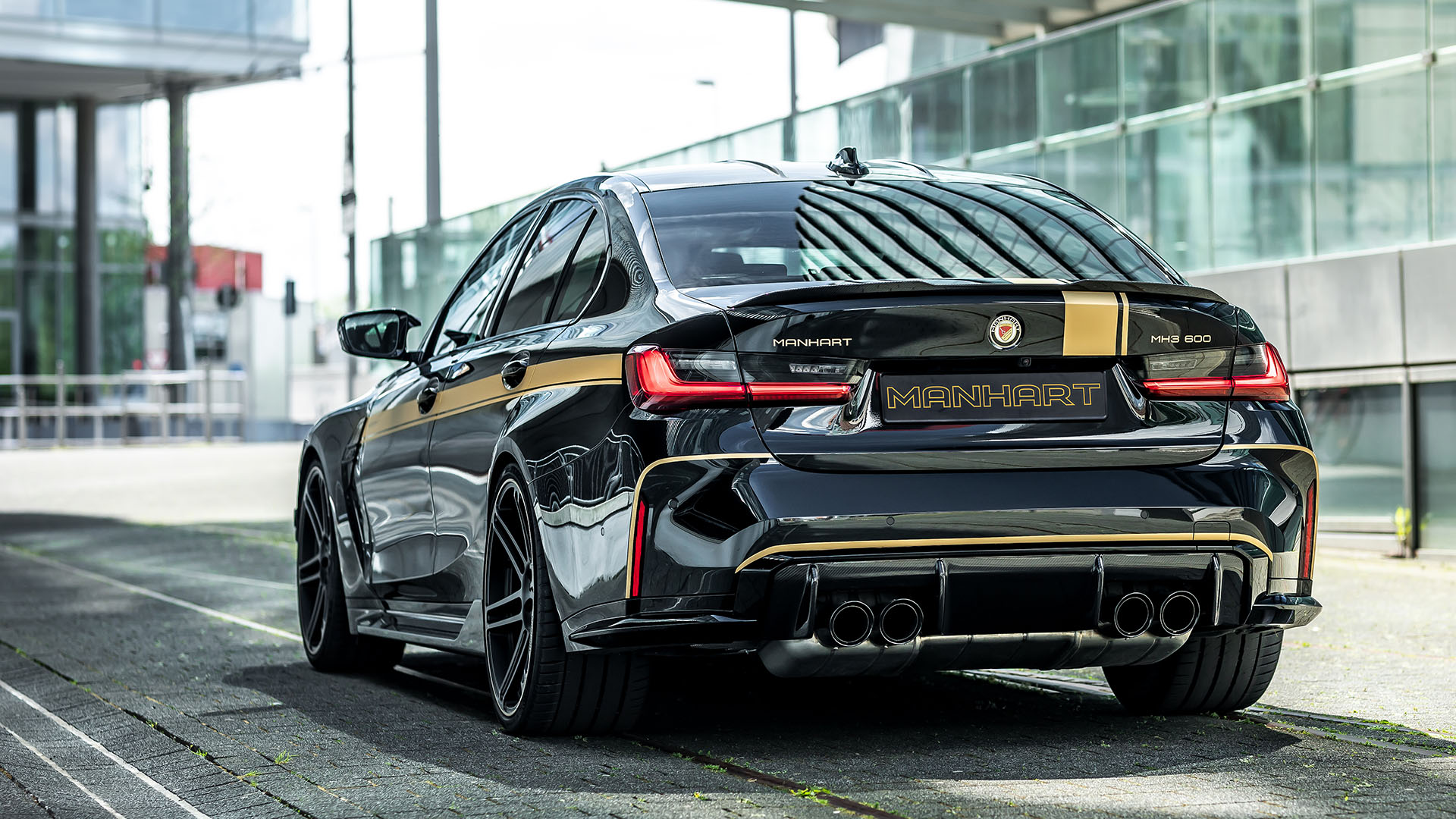
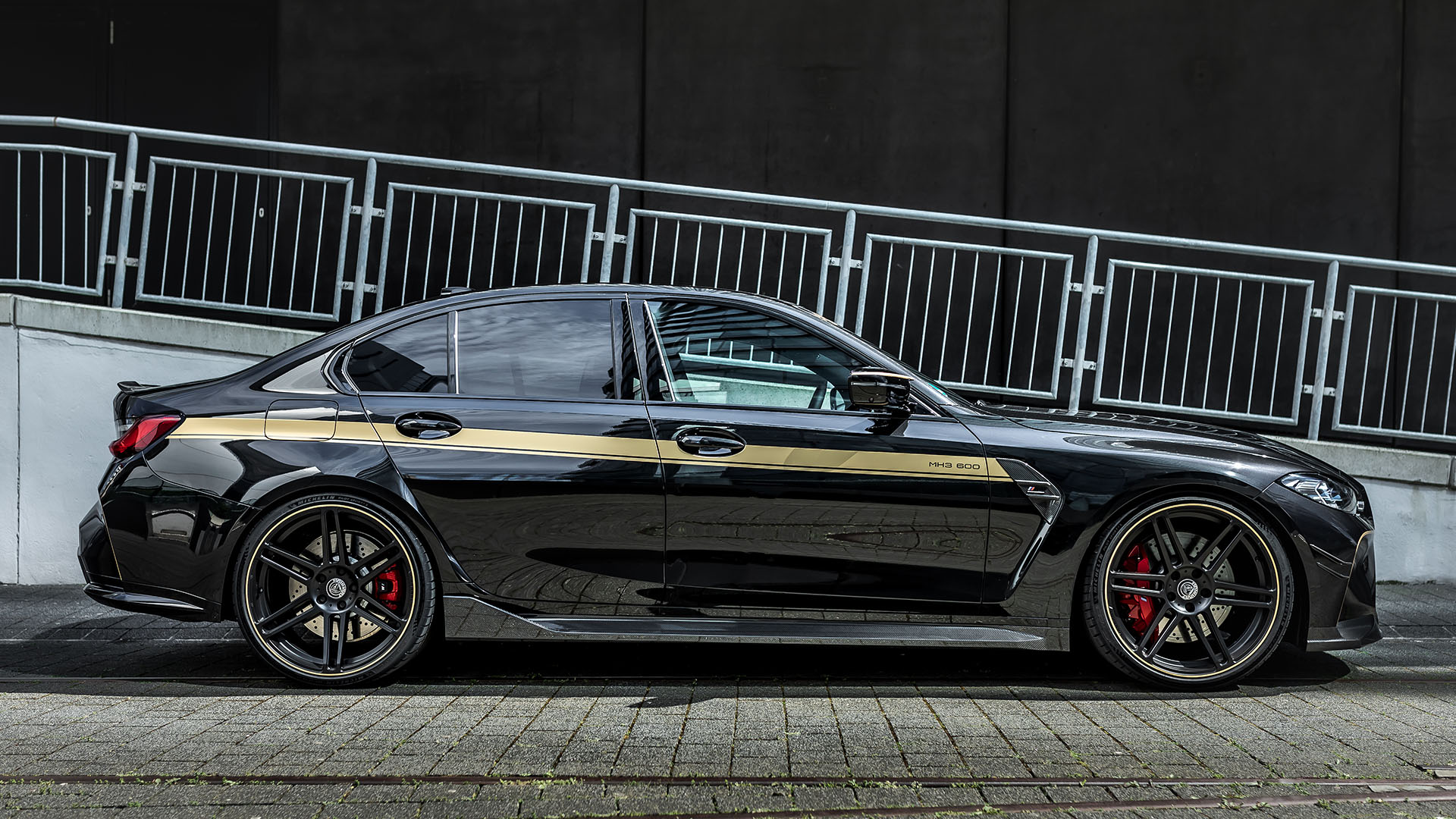
The Manhart MH3 600

It has been 35 years ago that BMW unveiled their M3, based on the E30 series at that time, the first M3 ever is still considered one of the best cars in the world, even today, and prices for this classic from Munich have gone through the roof … today we’re at the 7th M3 series, called the G80, and while the styling, especially at the front, hasn’t been received unanimously positive, the idea behind the car is still strong.

The BMW G80 M3 has become a high-power saloon, today the M3 isn’t a two-door anymore like on the E30, but it comes with four doors (if you want a similar car in a two-door configuration you’ll have to opt for the M4 strangely enough), and just in case a factory standard G80 M3 isn’t enough for you, BMW offers her in ‘Competition’ trim, the 3.0-Liter Biturbo in-line six-cylinder comes with 510 hp and 650 Nm of torque, which isn’t too bad I guess.

But we wouldn’t be taking a look at Manhart’s latest offering if we would take a factory original power output for granted … so by adding the MHtronik powerbox to the M3 Competition engine, the Manhart engine wizards increase the power to a massive 635 hp and no less than 780 Nm of torque … the Manhart MH3 600 will reach it’s electronically limited top speed of 250 km/h in less than 17 seconds, which is four seconds quicker than the factory original M3 Competition.

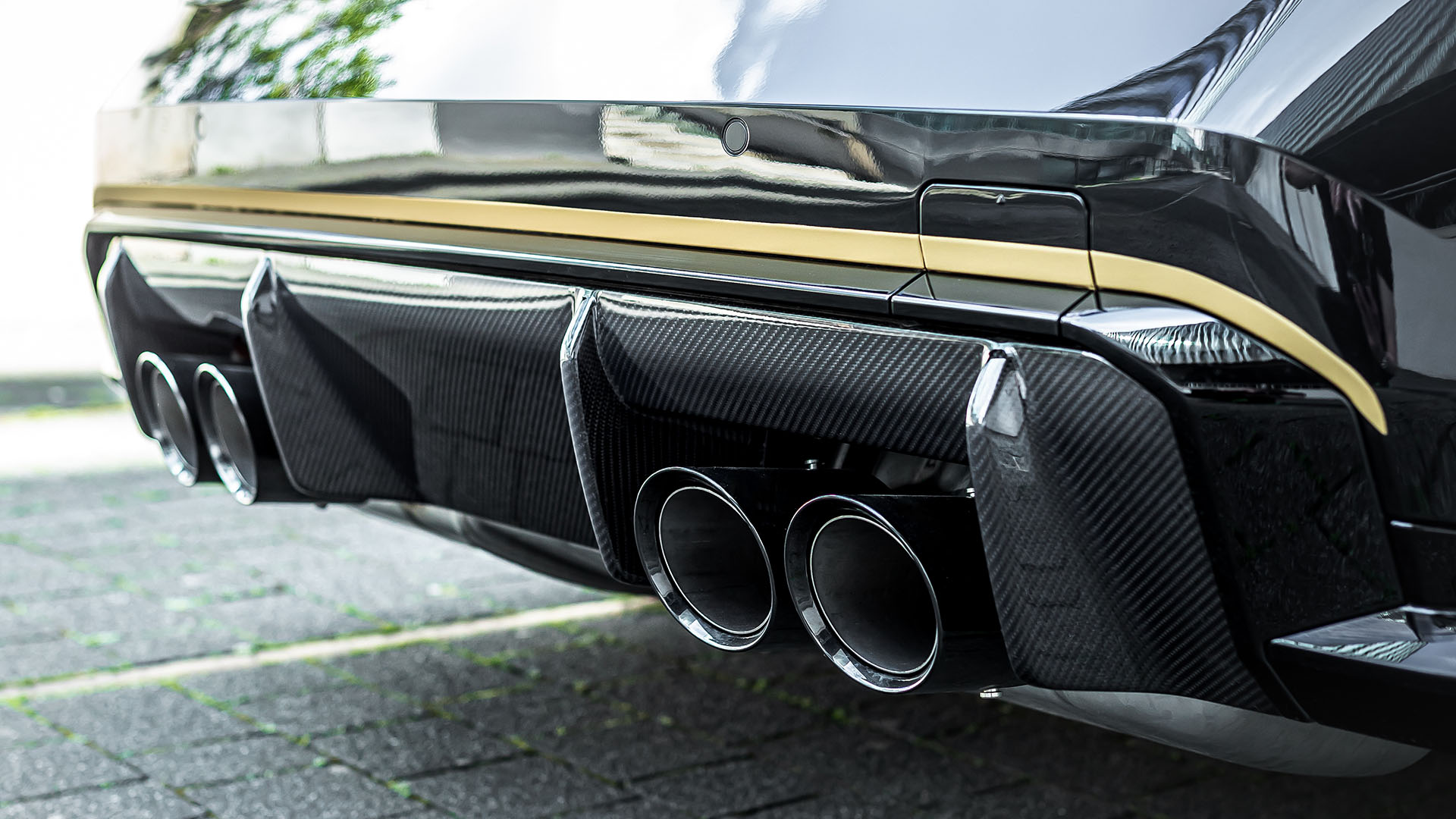
But with great power must come a great soundtrack, so Manhart fits their in-house stainless steel rear silencer, which retains the valve control system … the thundering sound comes through four 100mm exhaust tips, which depending on the choice of the client, are either ceramic coated or finished in carbon fiber … if you like living in the grey area of the law, you can fit Manhart Race downpipes that delete the catalytic converters or install the Manhart OPF-Delete pipes that have their own 200-cell HJS catalytic converters … but neither are street-legal strictly speaking.

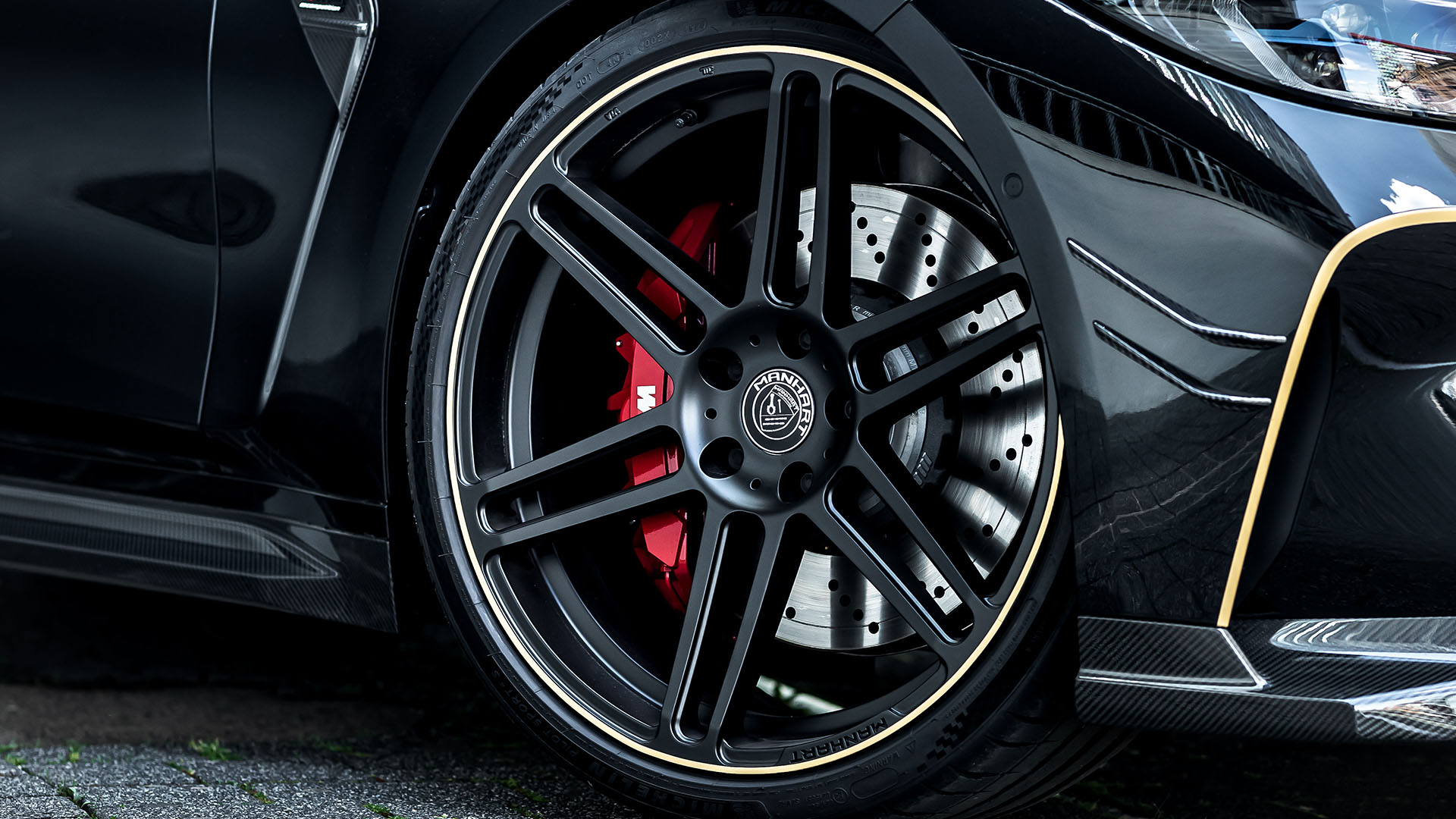
To get that lower to the track look, Manhart has two options for their MH3 600, either a set of H&R lowering springs that bring the car down by 30 mm at the front, and 10 mm at the rear, or you go all-out for a KW Suspensions adjustable coil-over setup that has been specifically tuned for Manhart only by KW, and to complete the ‘lowered’ look you just need to add these amazing looking 21-inch wheels, called the Manhart Concave One, in either gold look or satin black with a gold outer rim, 9×21 inch for the front axle, 10.5×21 inch for the rear axle with 255/30ZR21 and 295/25ZR21 tires respectively.

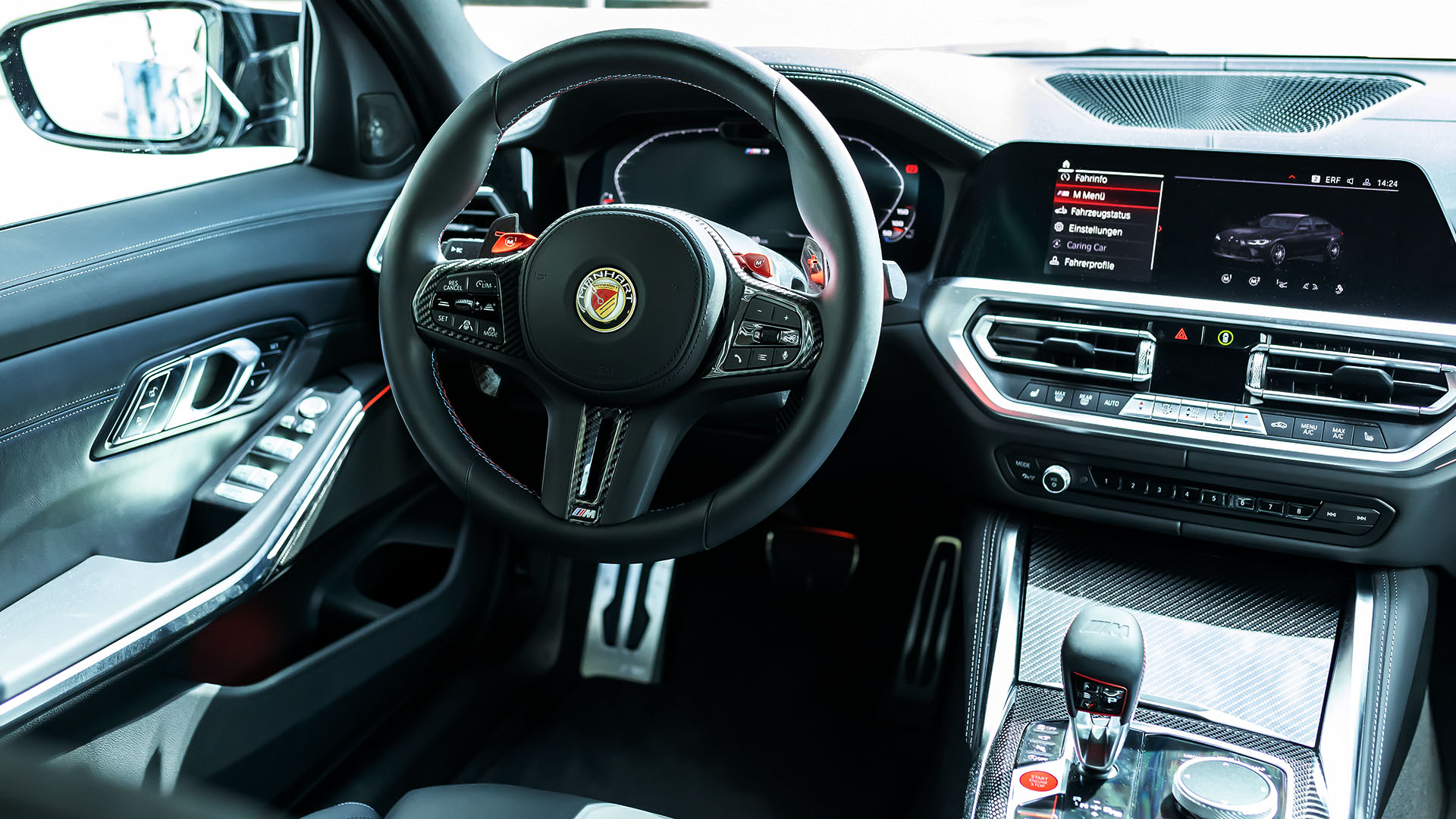
As an option, you can have a very impressive carbon fiber aero package on the BMW M3 Competition straight from the factory, but Manhart adds a different rear diffuser, also made from clear carbon fiber, and it works perfectly with the larger, 100 mm diameter exhaust tips from the Manhart sport muffler, more Manhart Carbon fiber can be found on the interior where you’ll notice a carbon fiber shell against the back of the seat and the headrest … just to include the motorsport feeling on the inside too.

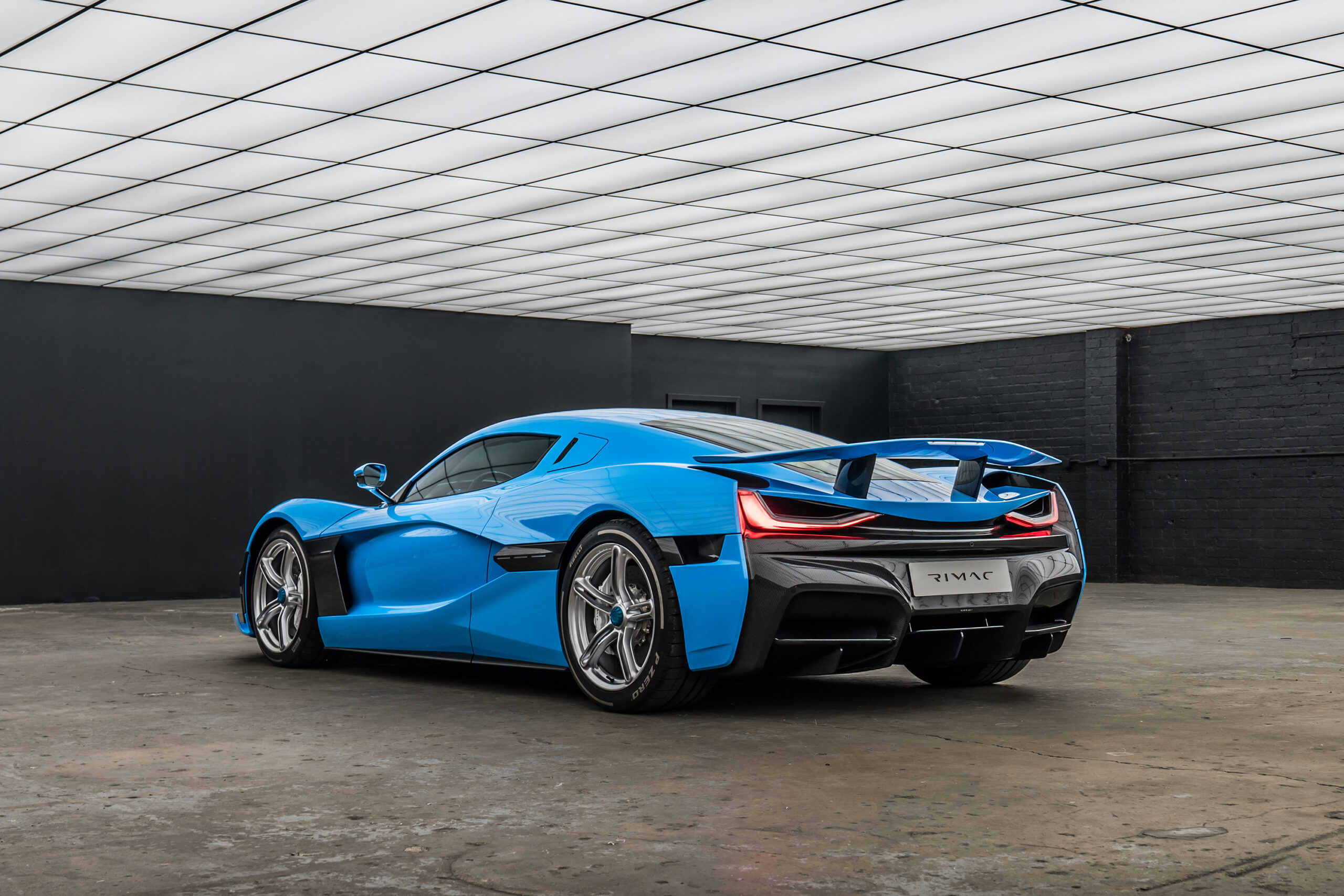
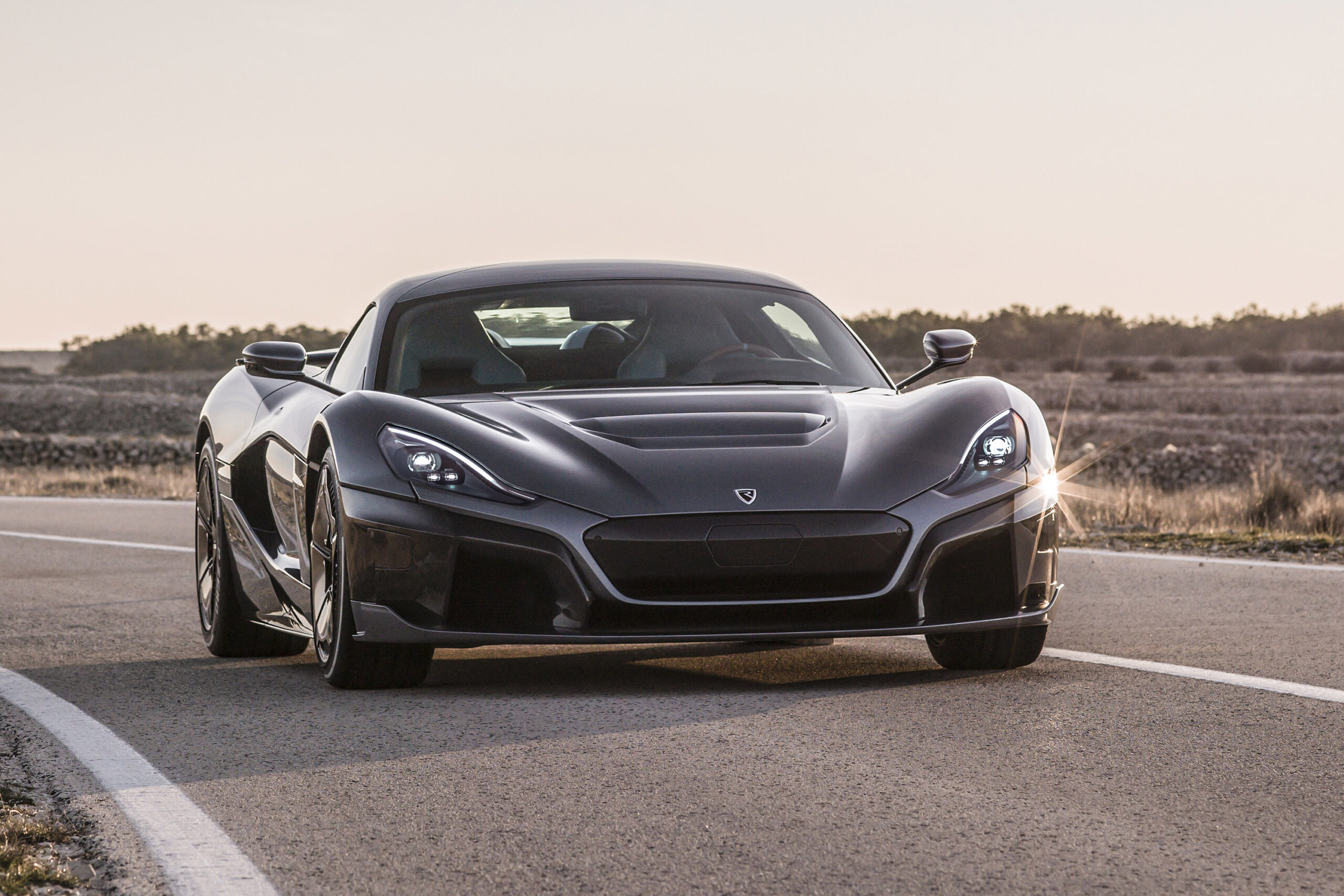
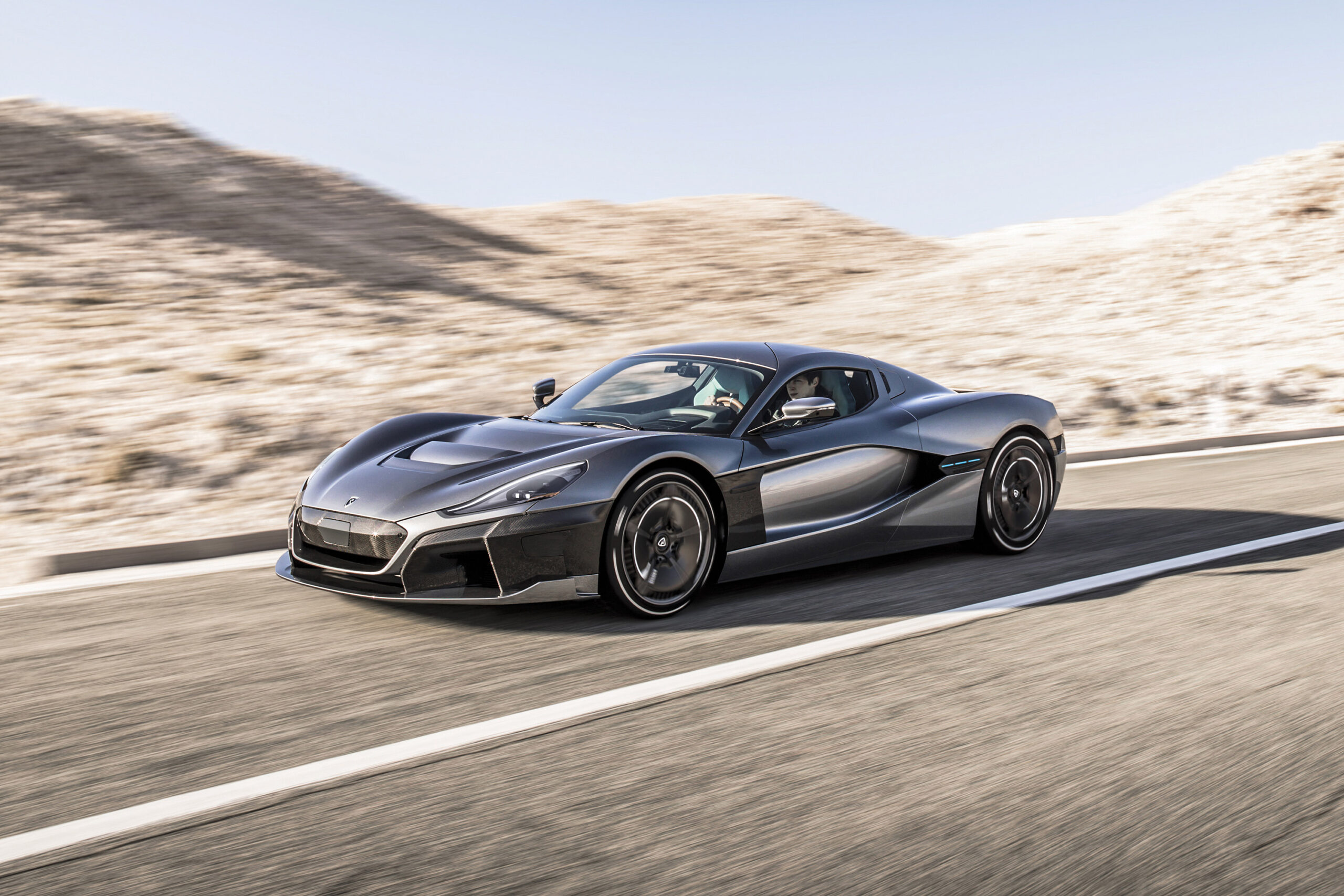
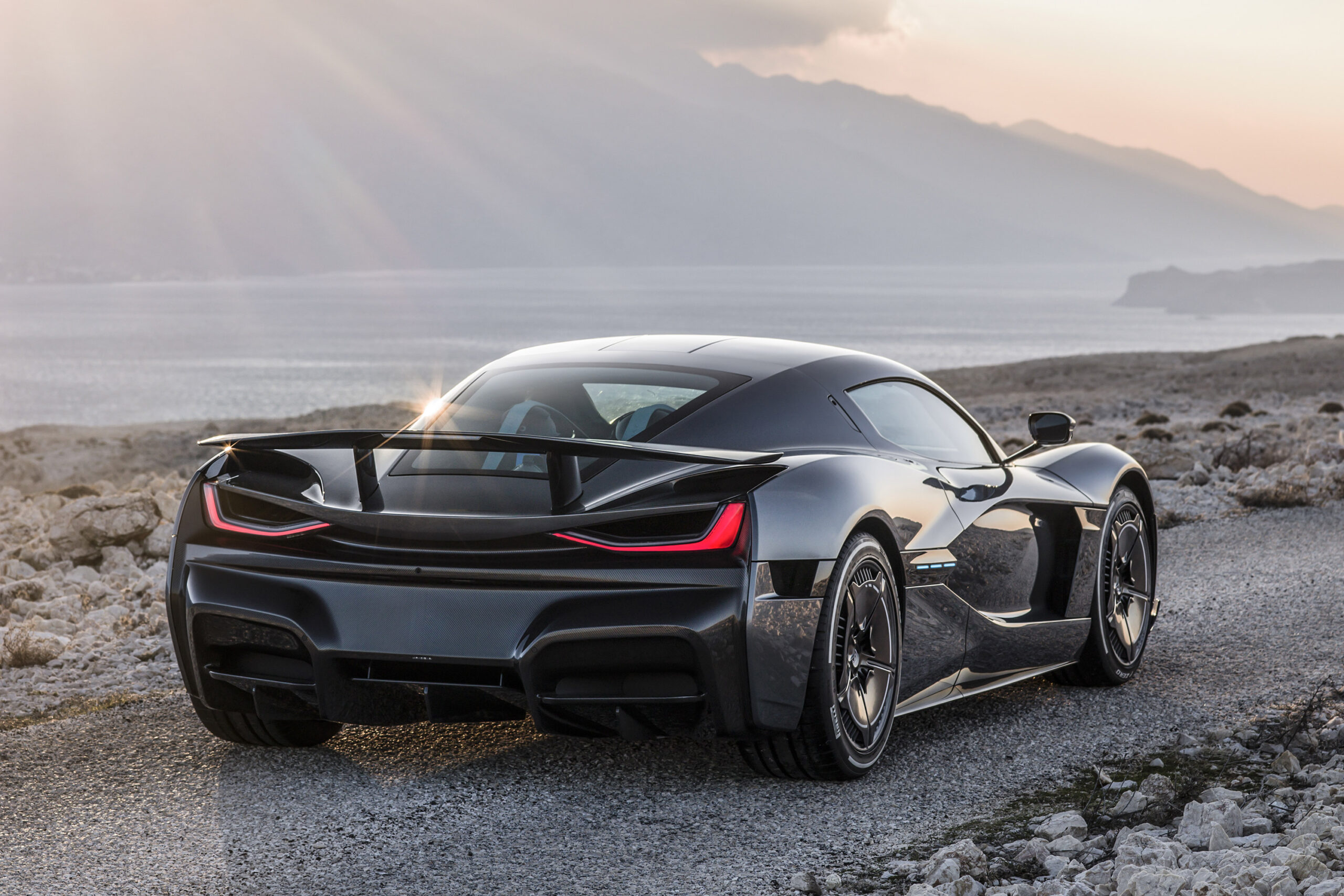
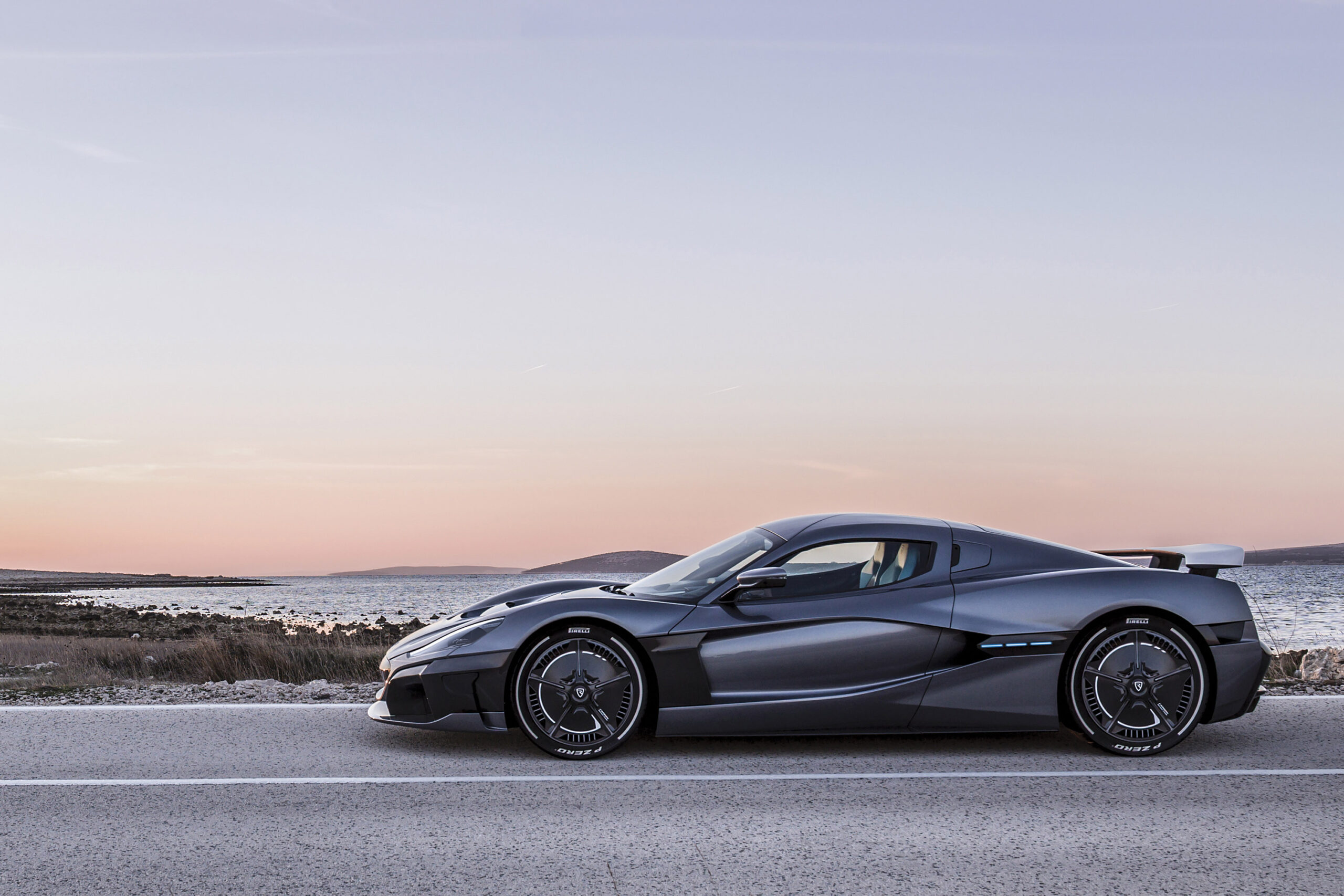
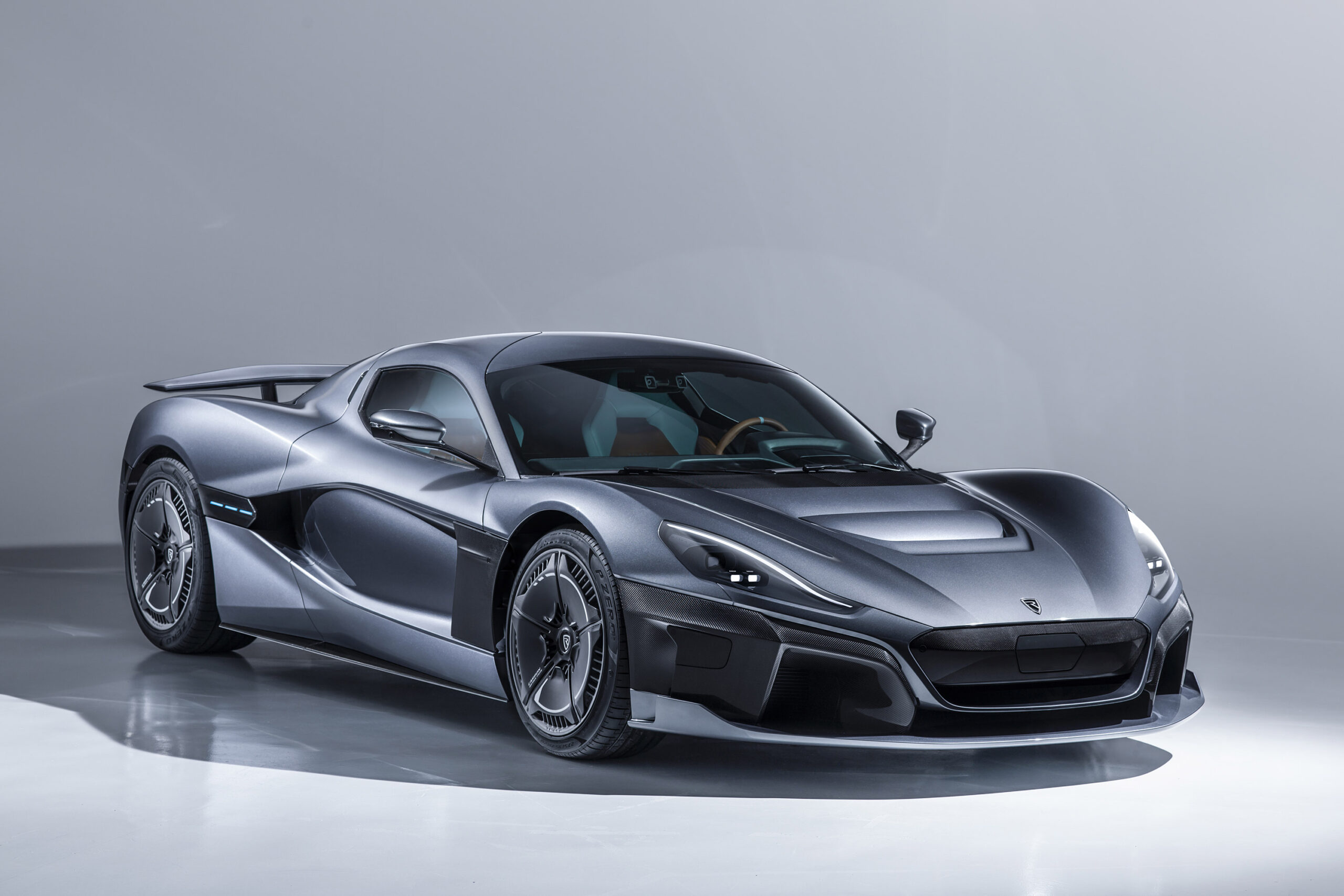
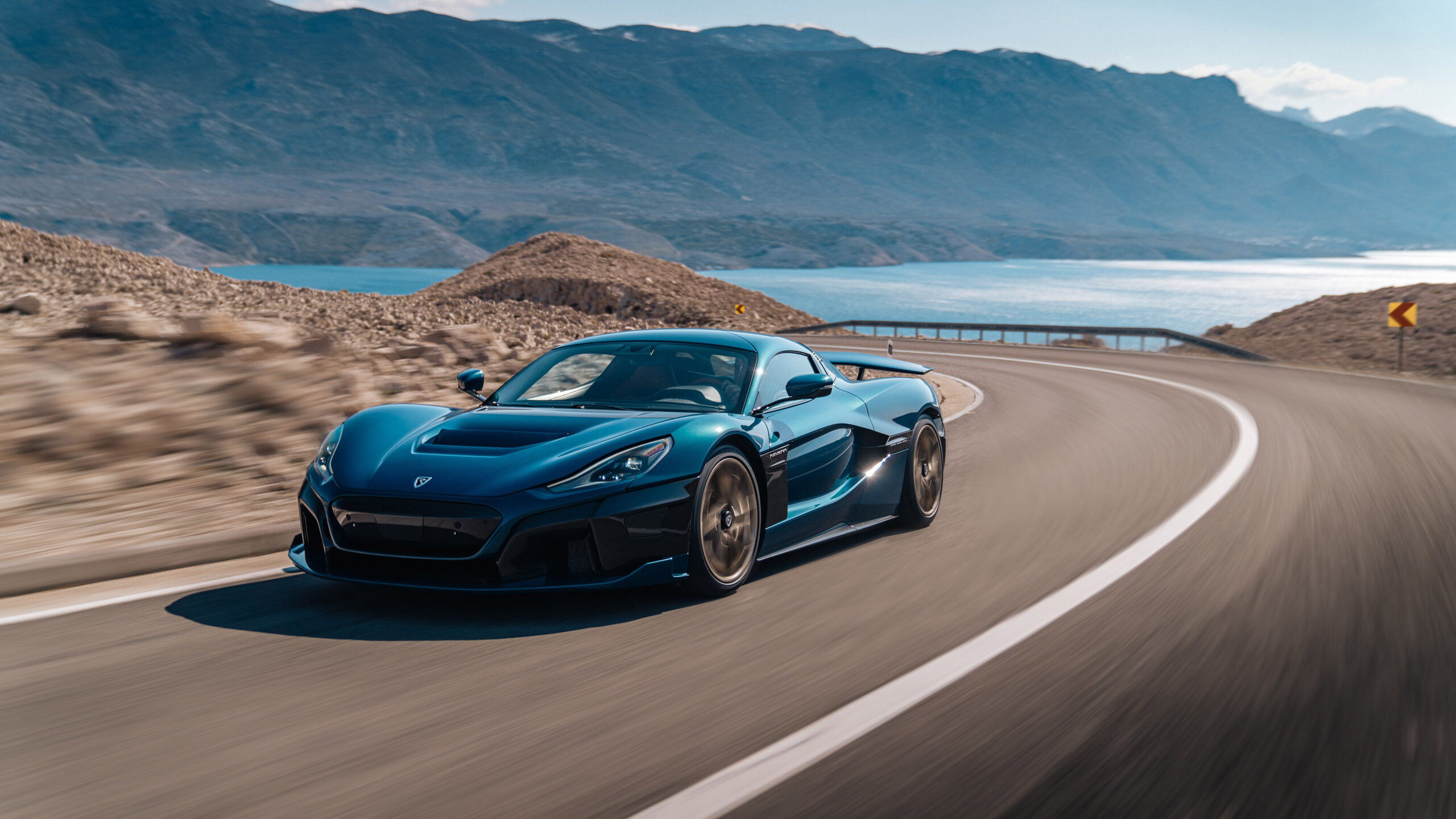
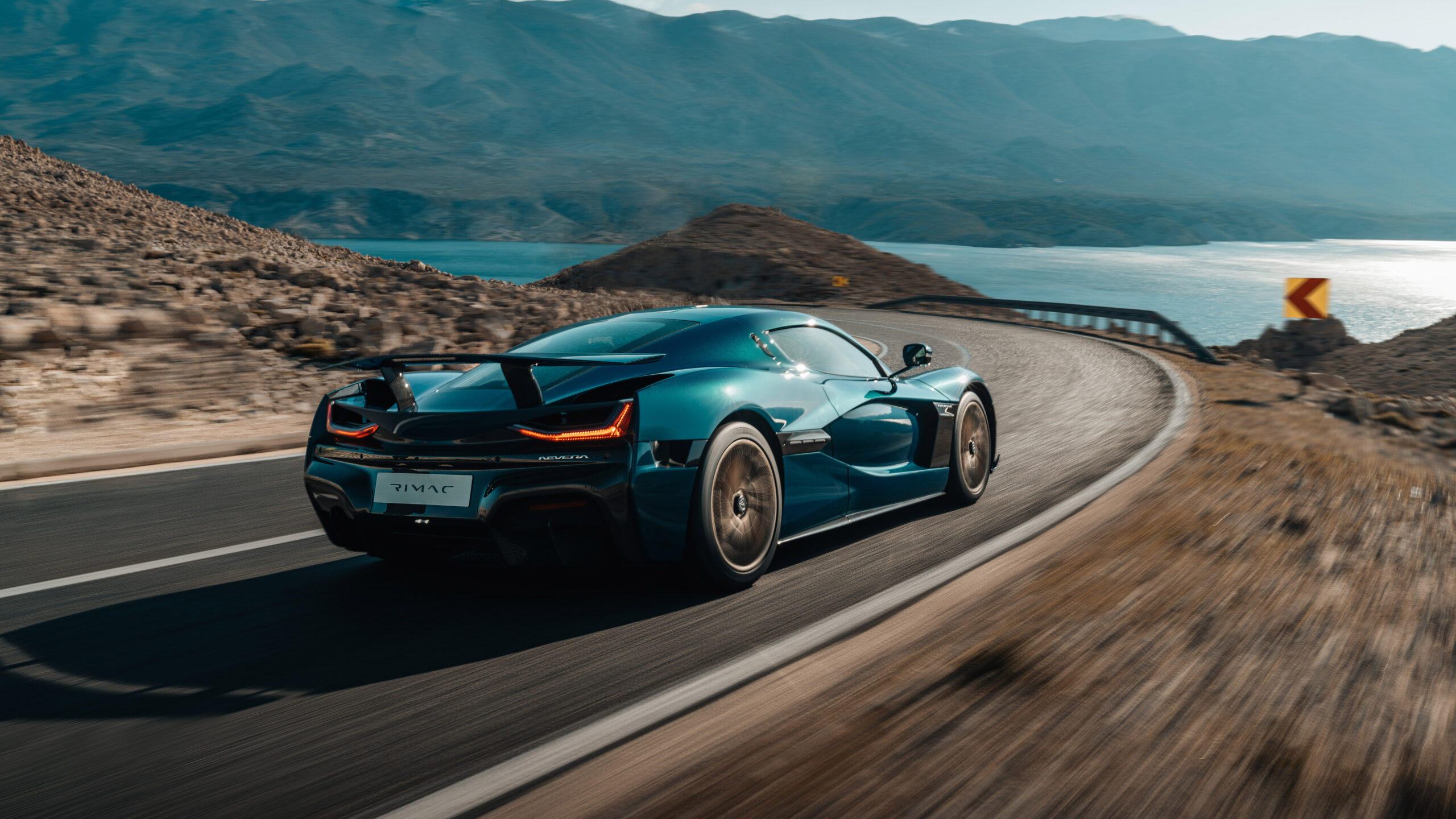
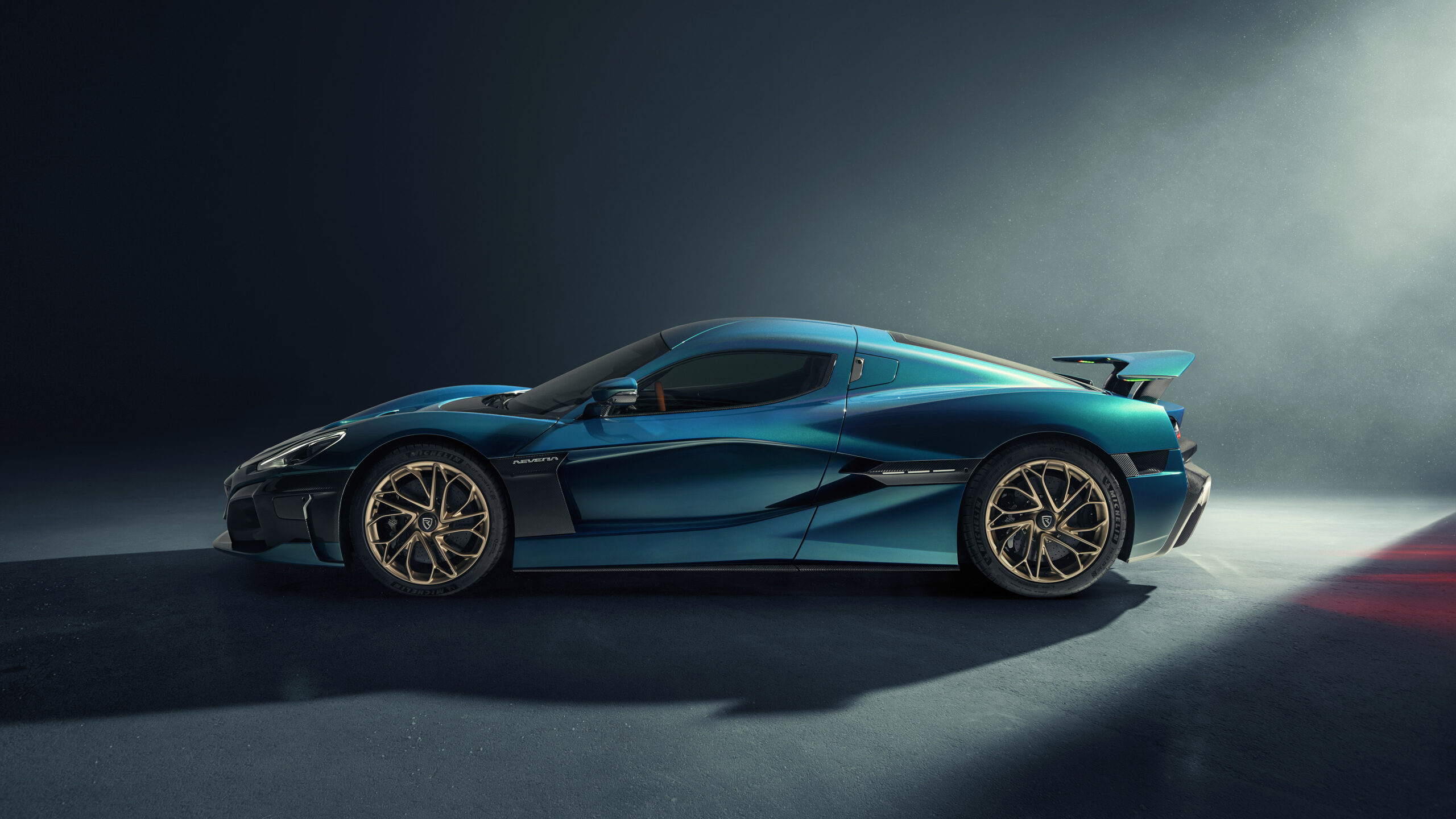
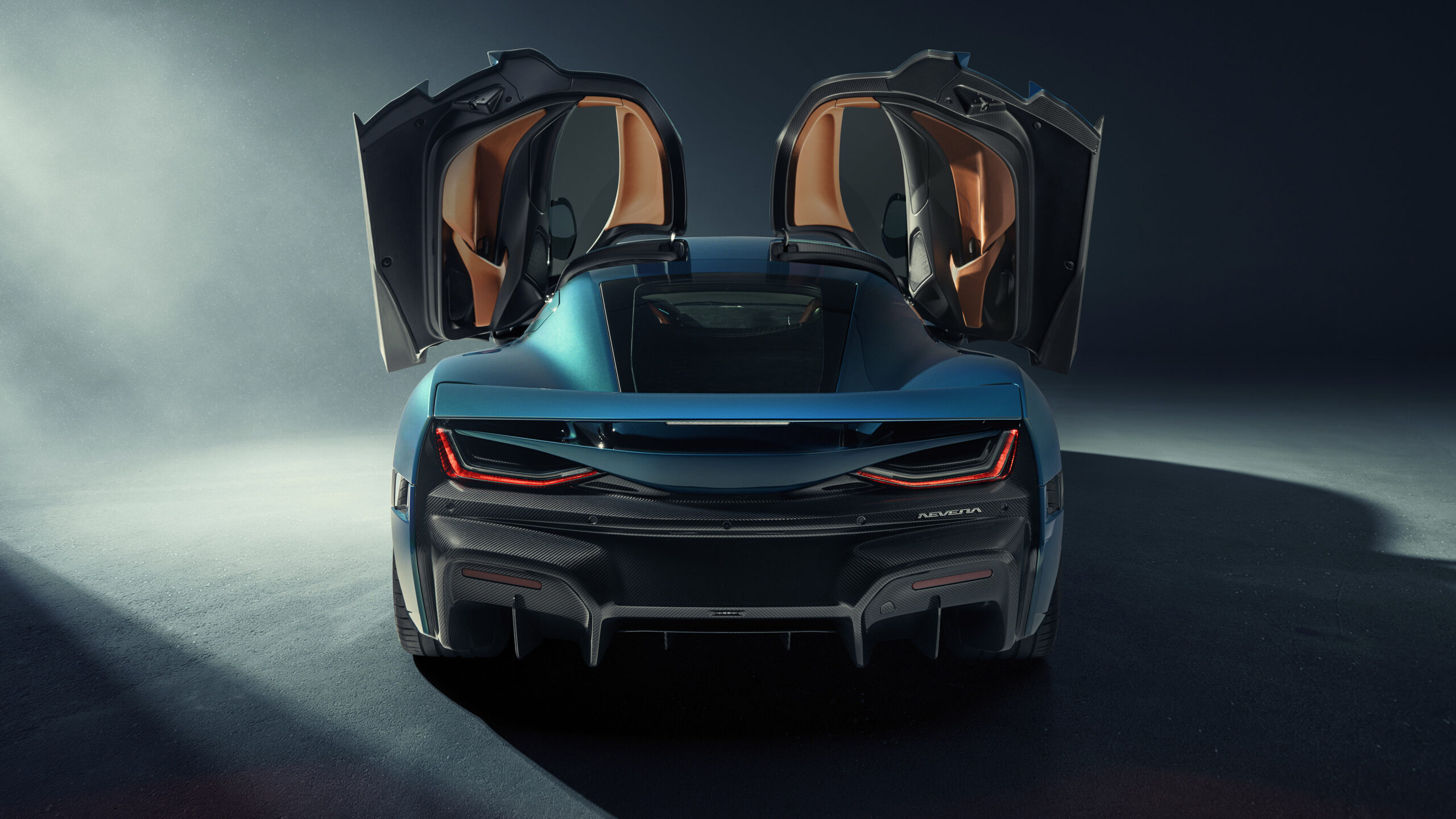
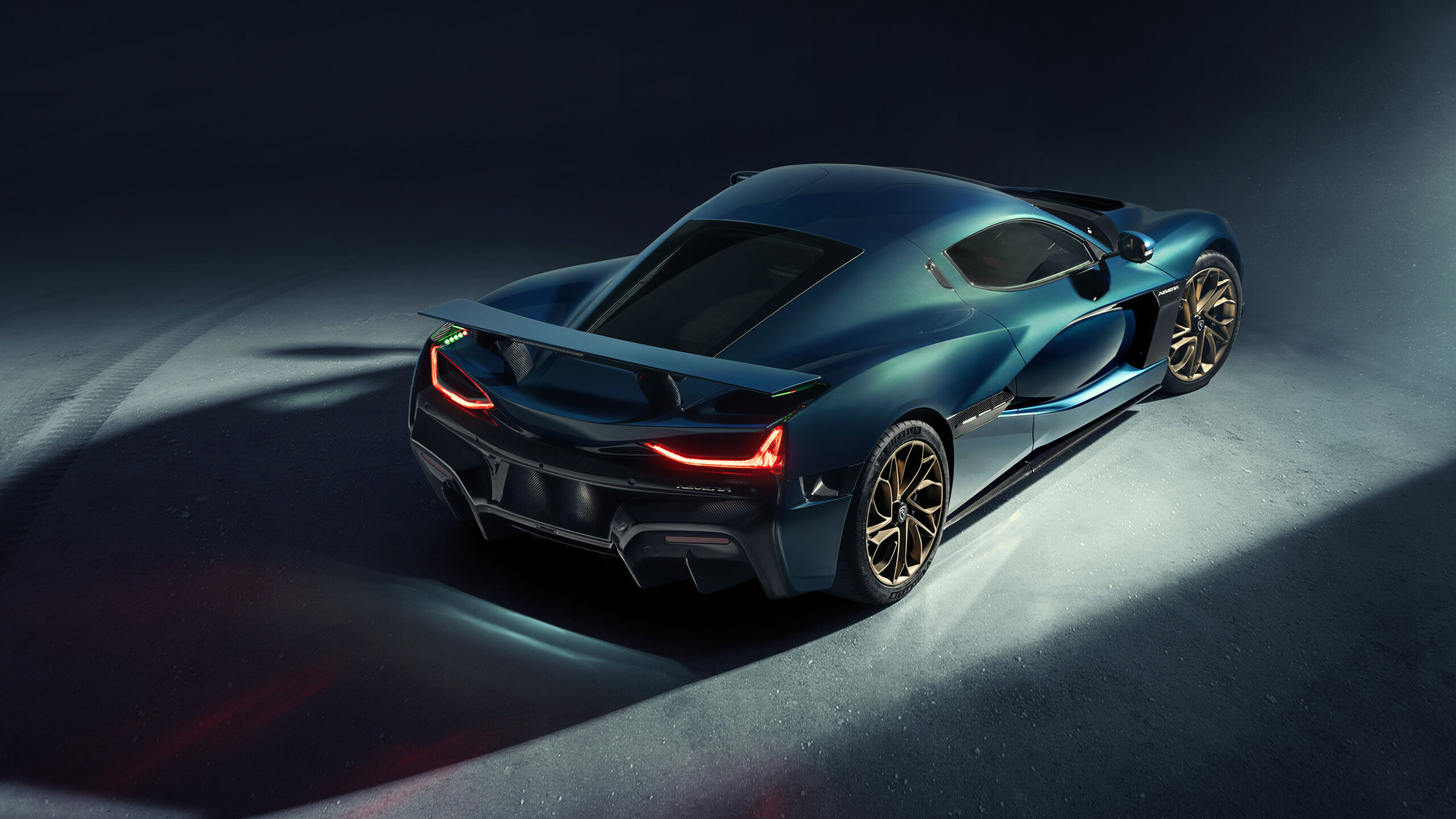
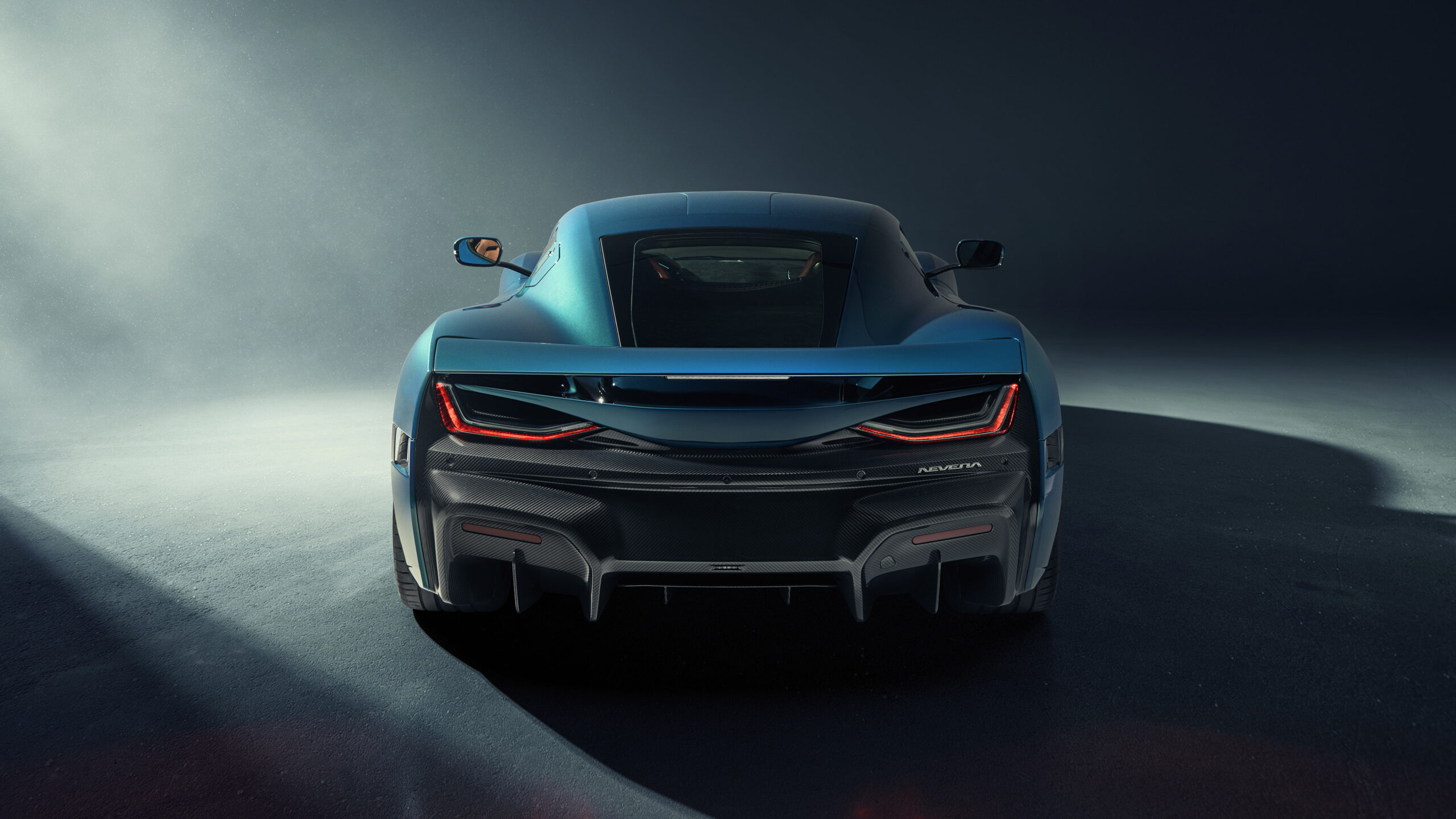
Mate Rimac introduces the Nevera

“This is it. This is the car I had in mind when I embarked on the ‘impossible’ journey ten years ago. All our hard work has resulted in the Nevera – our record-breaking hypercar. This car was born to outperform, and to raise the bar, redefining the norm for performance cars. And not only in performance but as an all-around package. When we first revealed the C_Two, we set our targets extremely high. There was nothing else that could even come close to matching the car’s cutting-edge electric powertrain and extreme performance. But for us, that was only the starting point,” explains Mate Rimac, Founder and CEO of Rimac Automobili.

Take a look at the 19-minute video where Mate Rimac explains how the Rimac C_Two was developed into the Nevera we can admire, and buy, today:

[embedded content] [embedded content]

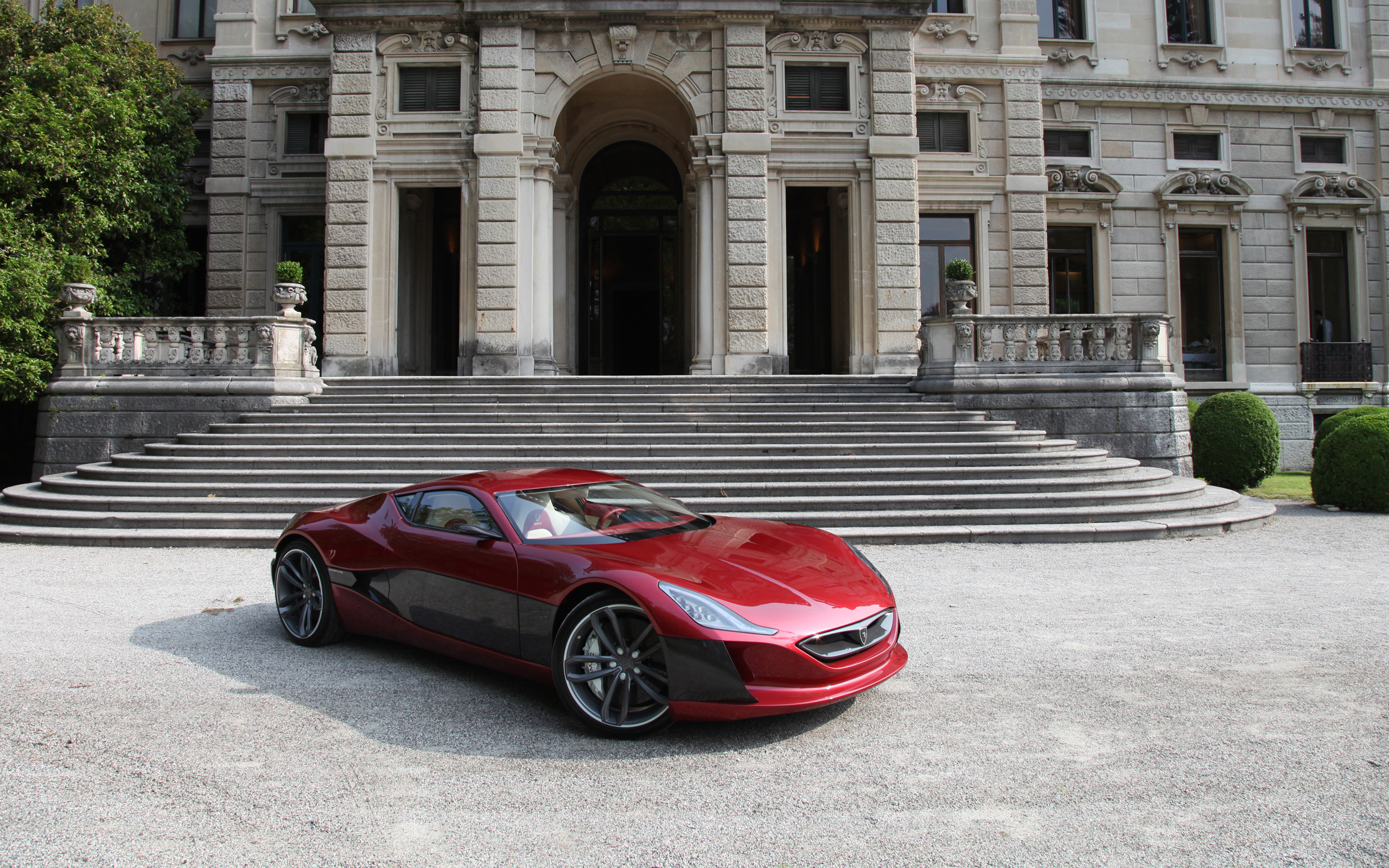
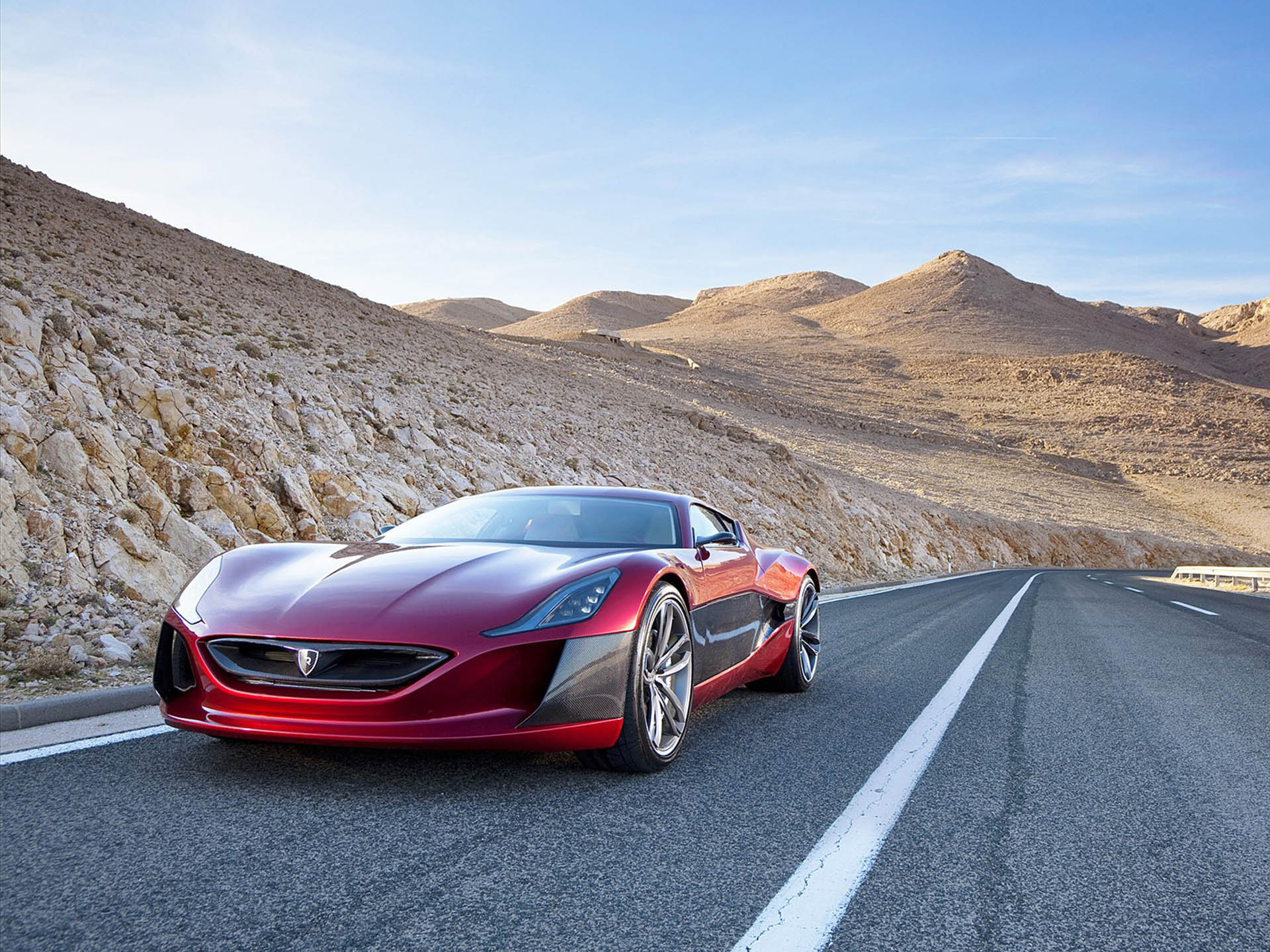
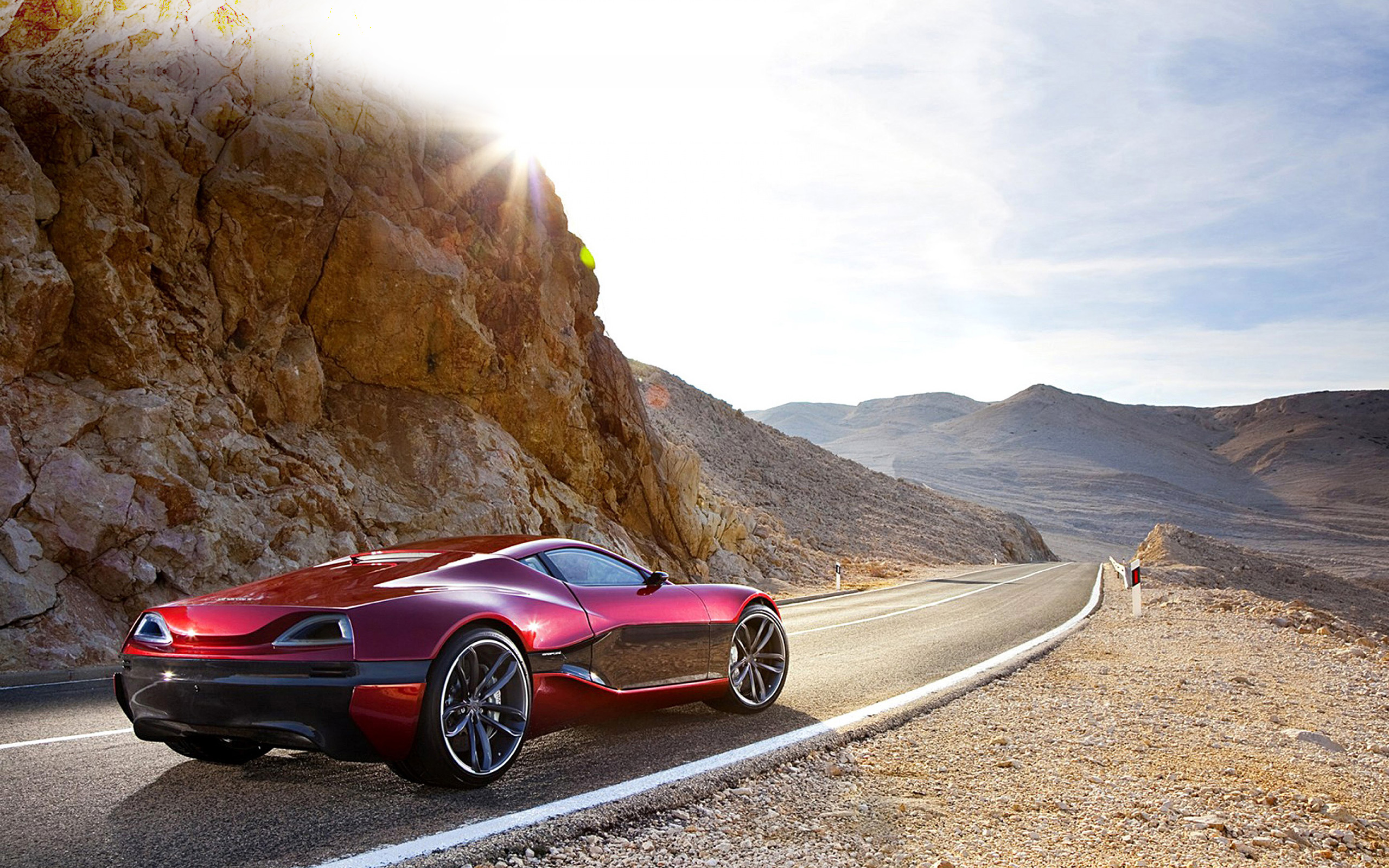
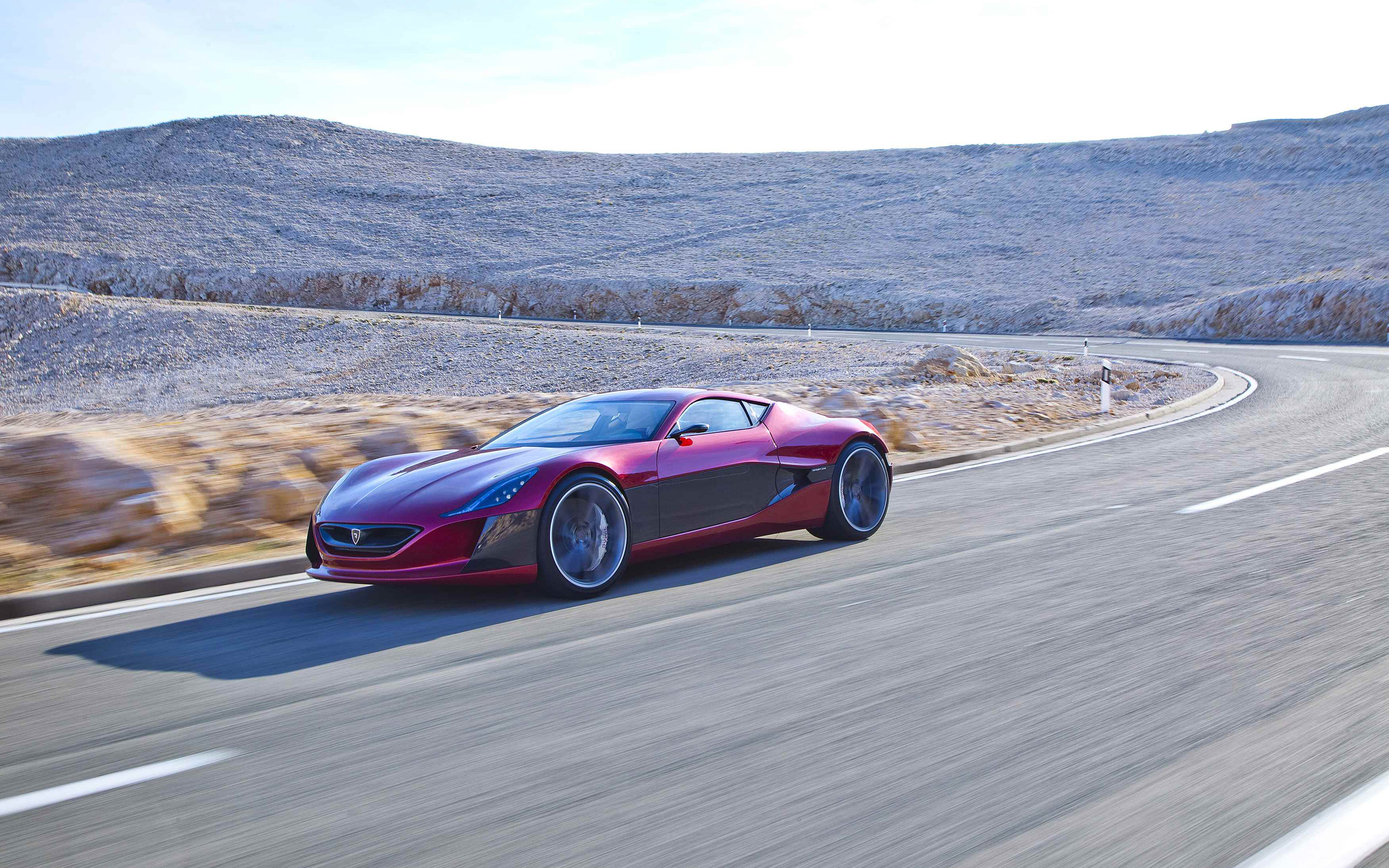
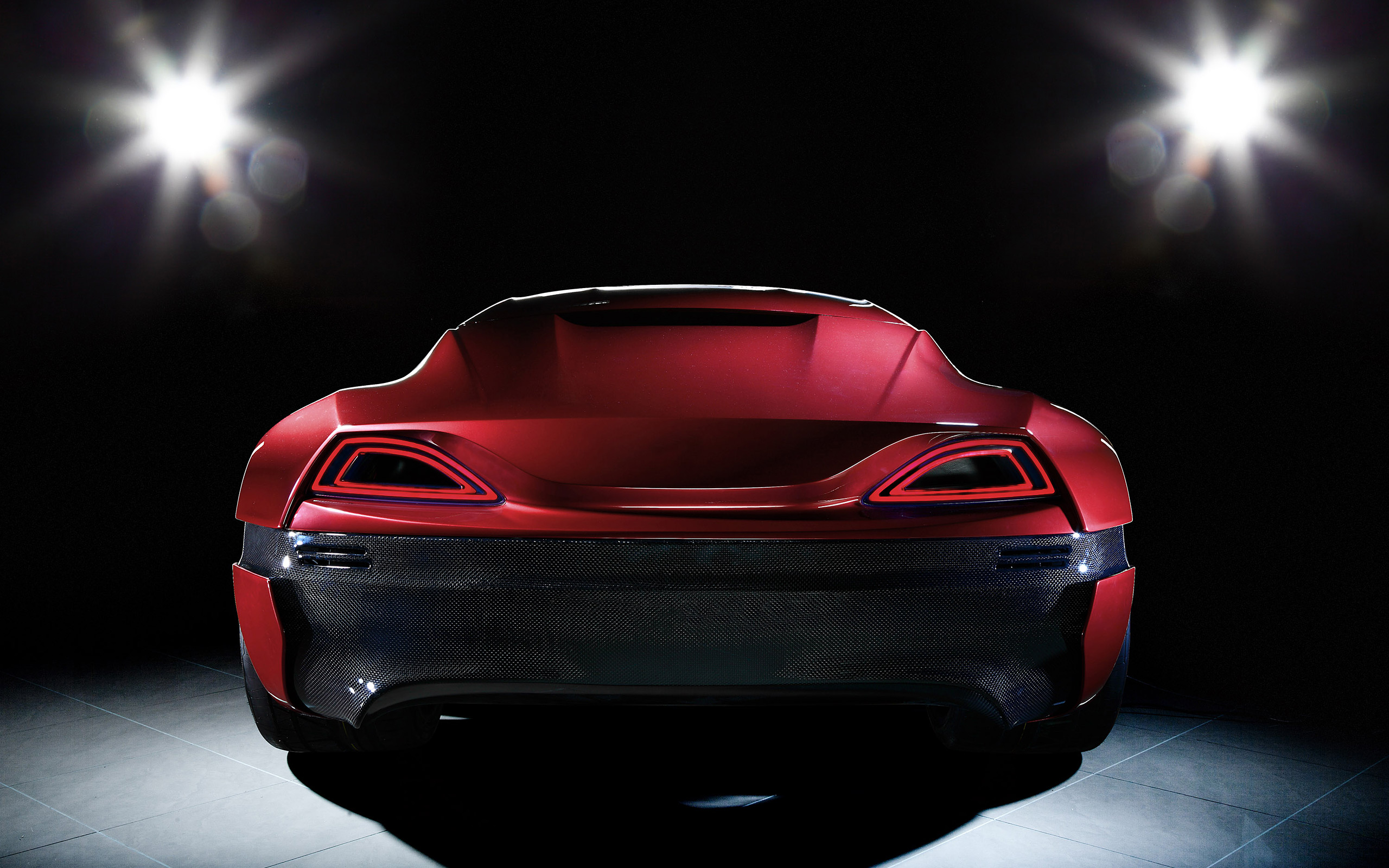
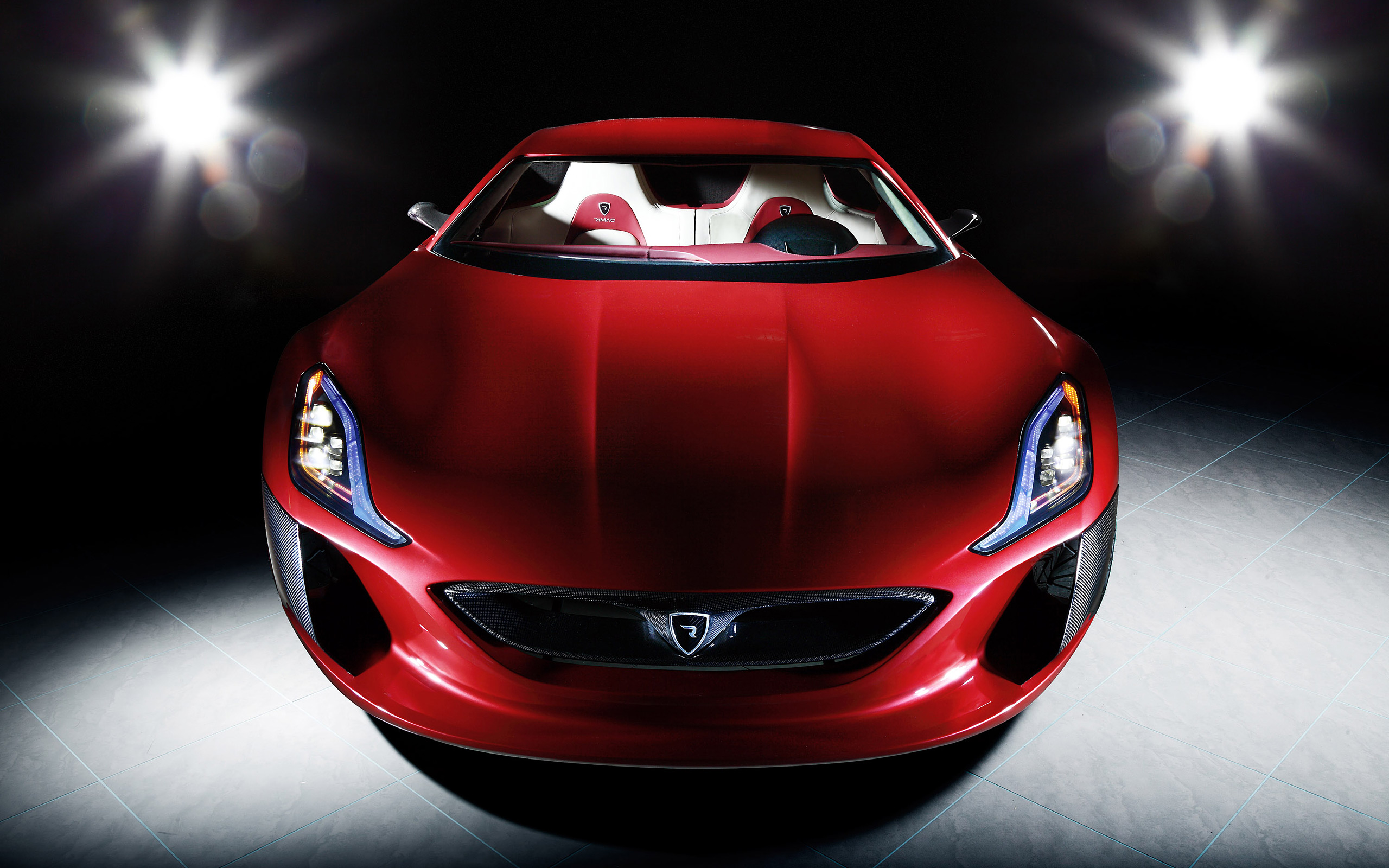
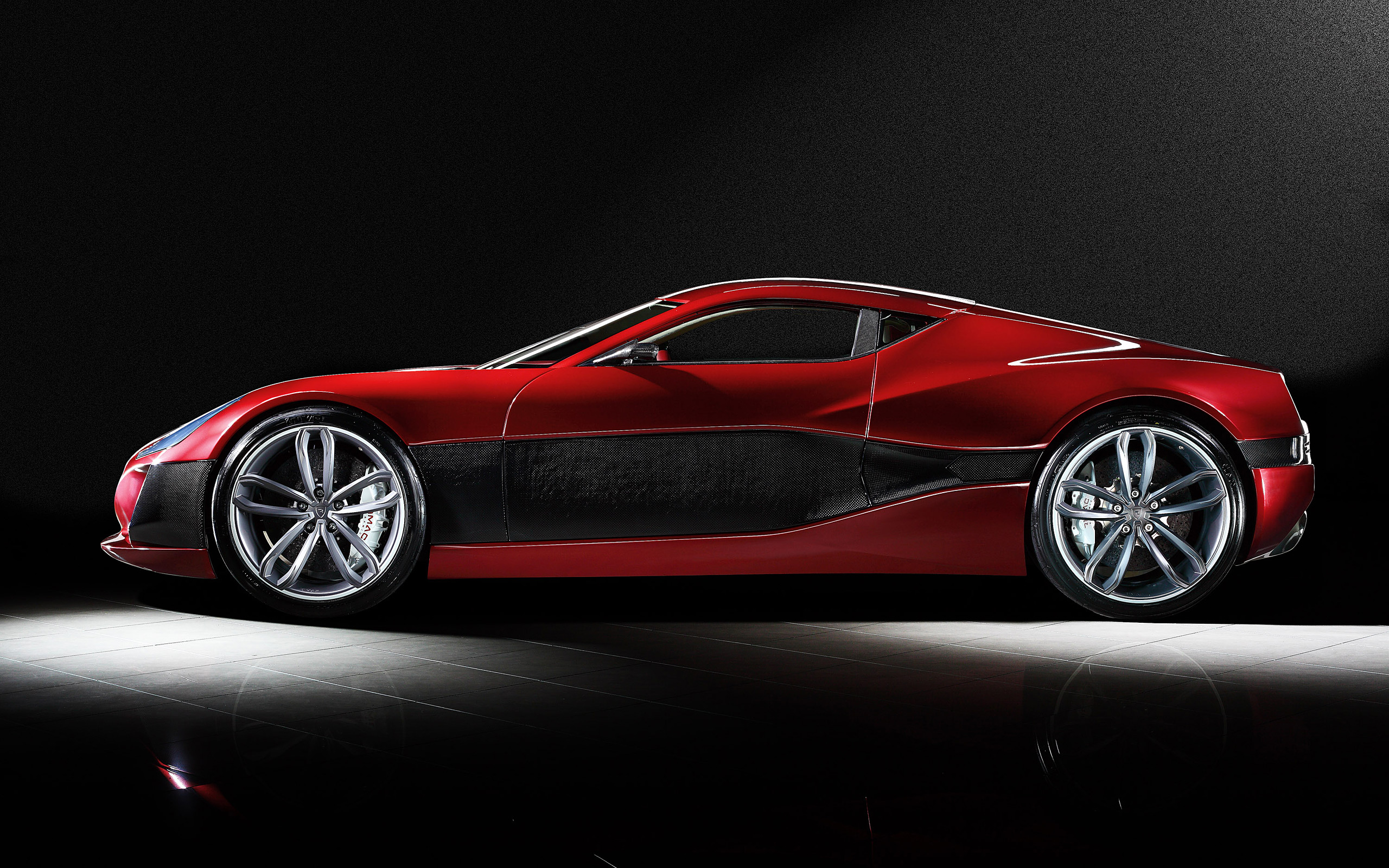
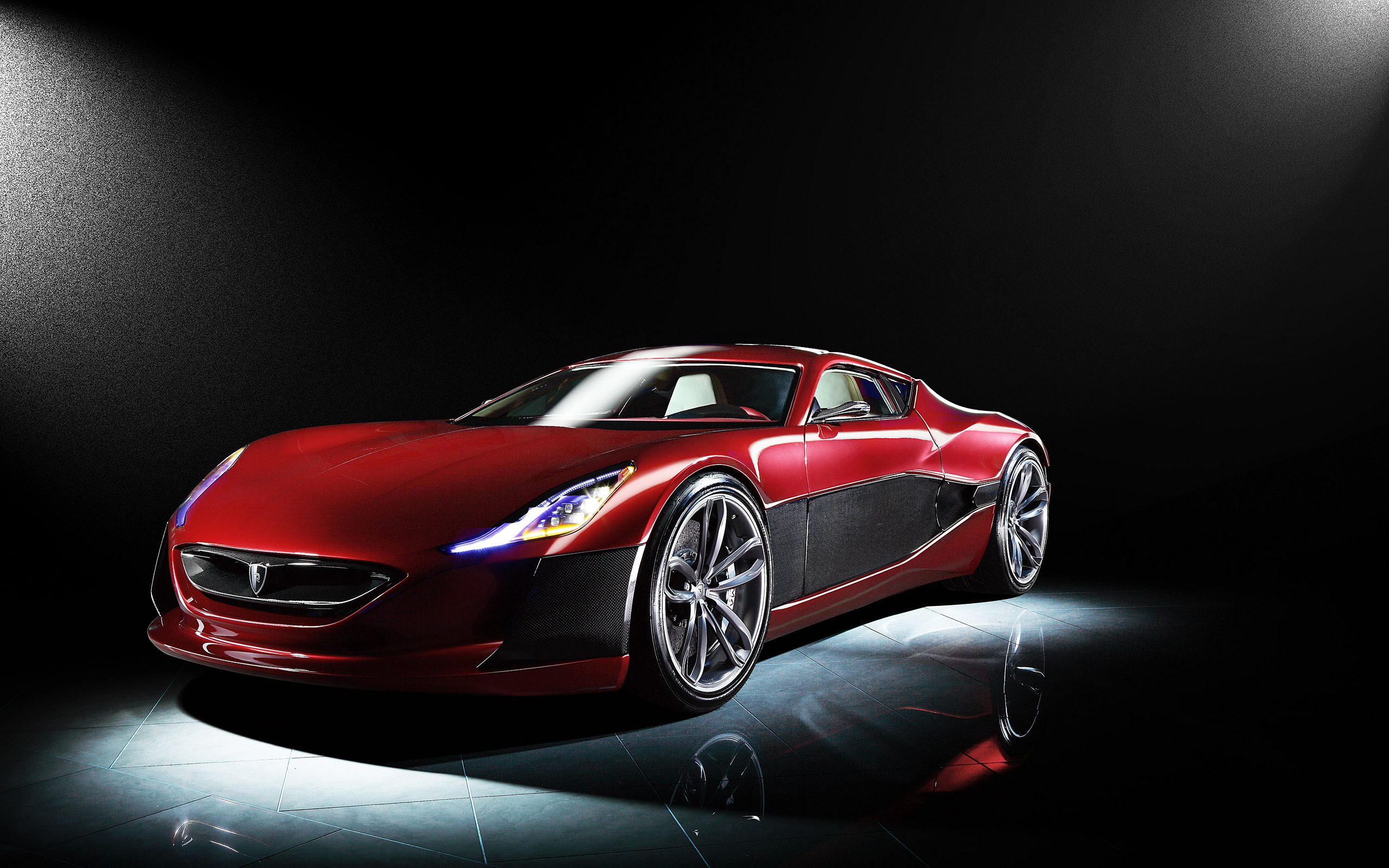
2011 Rimac Concept_One Wallpapers

We have curated the ultimate collection of the best 2011 Rimac Concept_One Wallpapers and HD backgrounds for you to enjoy. Our team focused on finding the top 2011 Rimac Concept_One Wallpapers only to keep the quality high. These 2011 Rimac Concept_One Wallpapers are free to download so go ahead. To download any of these pictures for use as a wallpaper, right click the picture and choose Save As…

Find more awesome Rimac Wallpapers

2020 Rimac C_Two Wallpapers

We have curated the ultimate collection of the best 2020 Rimac C_Two Wallpapers and HD backgrounds for you to enjoy. Our team focused on finding the top 2020 Rimac C_Two Wallpapers only to keep the quality high. These 2020 Rimac C_Two Wallpapers are free to download so go ahead. To download any of these pictures for use as a wallpaper, right click the picture and choose Save As…

Find more awesome Rimac Wallpapers

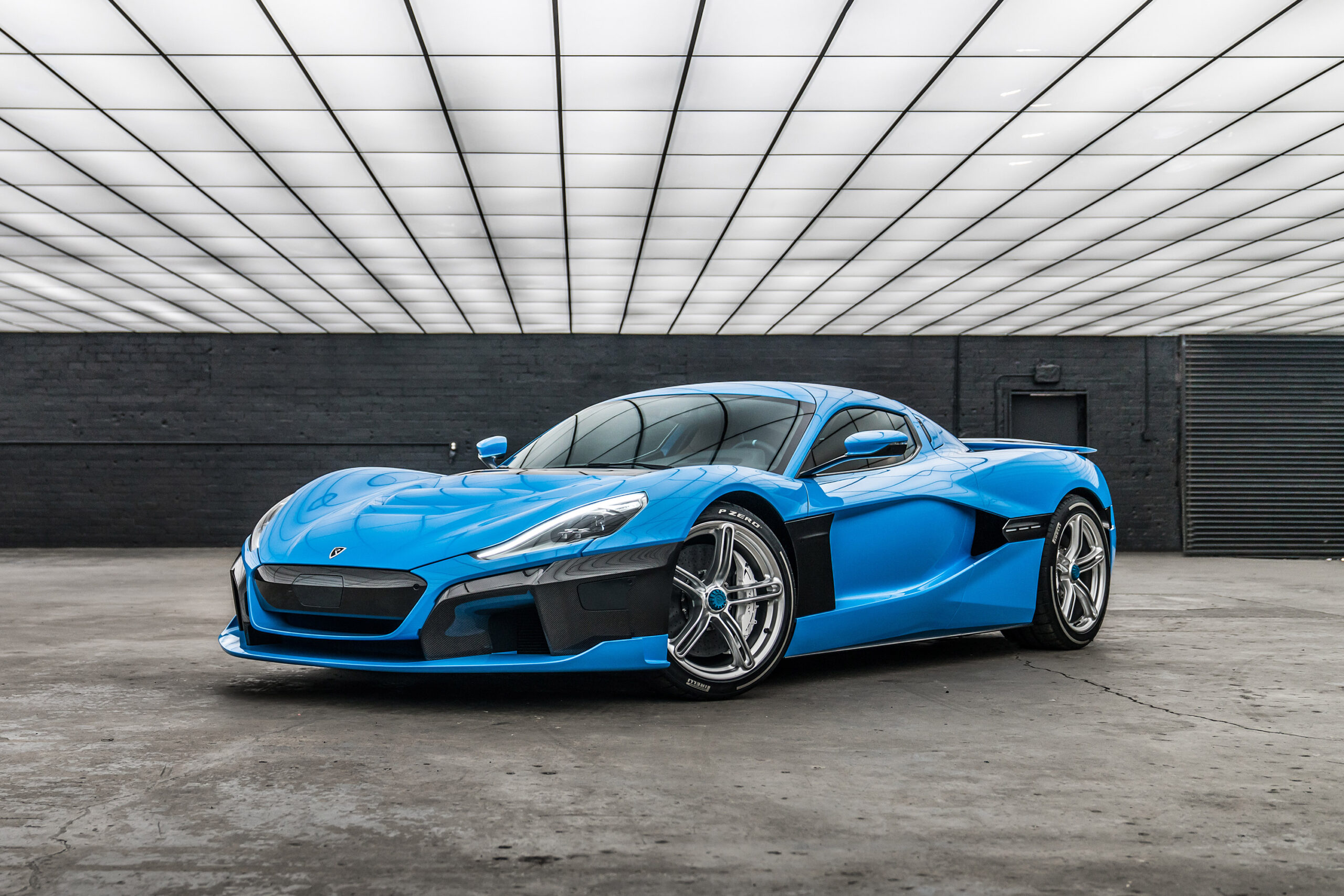
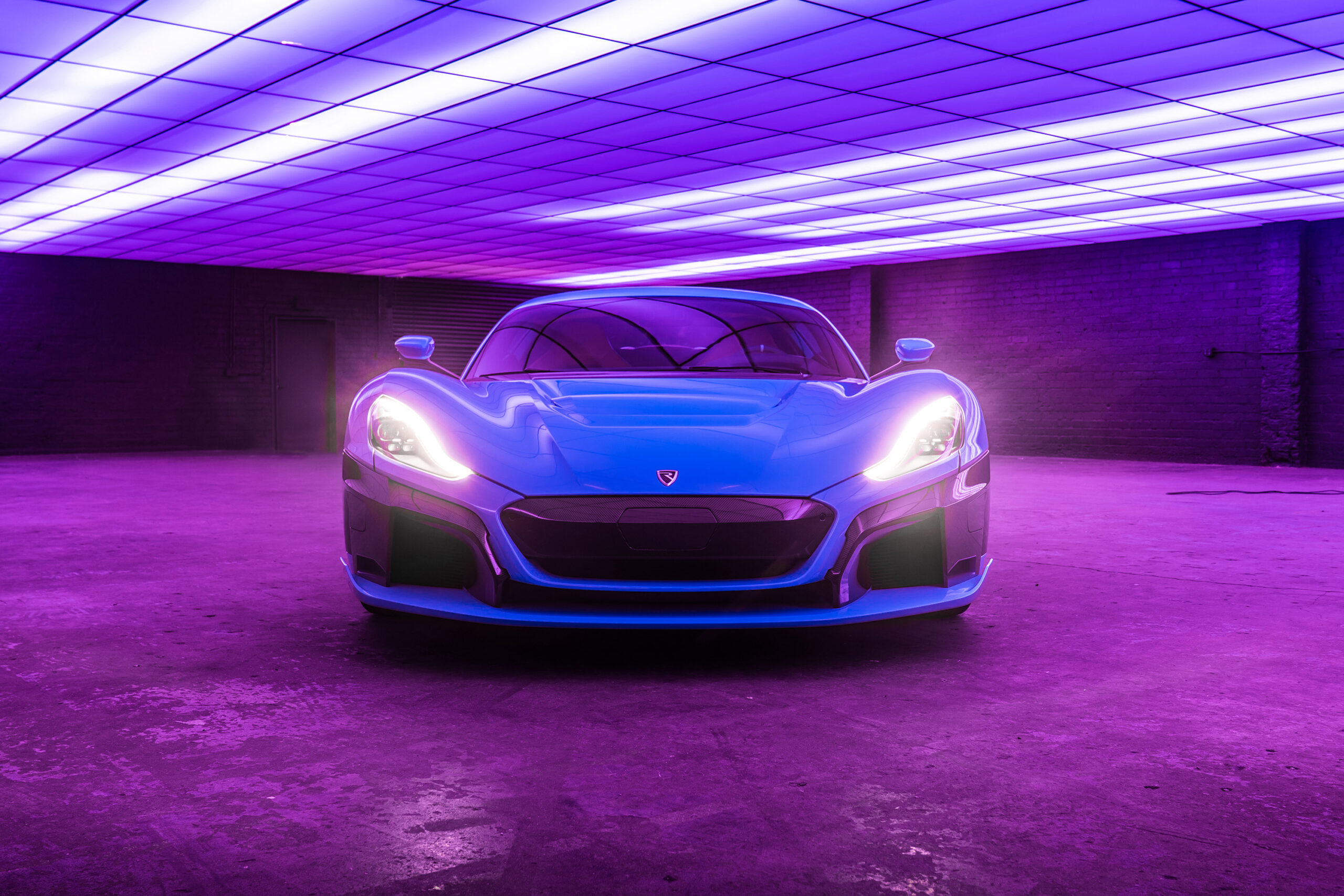
2022 Rimac Nevera Wallpapers

We have curated the ultimate collection of the best 2022 Rimac Nevera Wallpapers and HD backgrounds for you to enjoy. Our team focused on finding the top 2022 Rimac Nevera Wallpapers only to keep the quality high. These 2022 Rimac Nevera Wallpapers are free to download so go ahead. To download any of these pictures for use as a wallpaper, right click the picture and choose Save As…

Find more awesome Rimac Wallpapers

Rimac Nevera Revealed with 1914hp and a $2.4 Million Price Tag

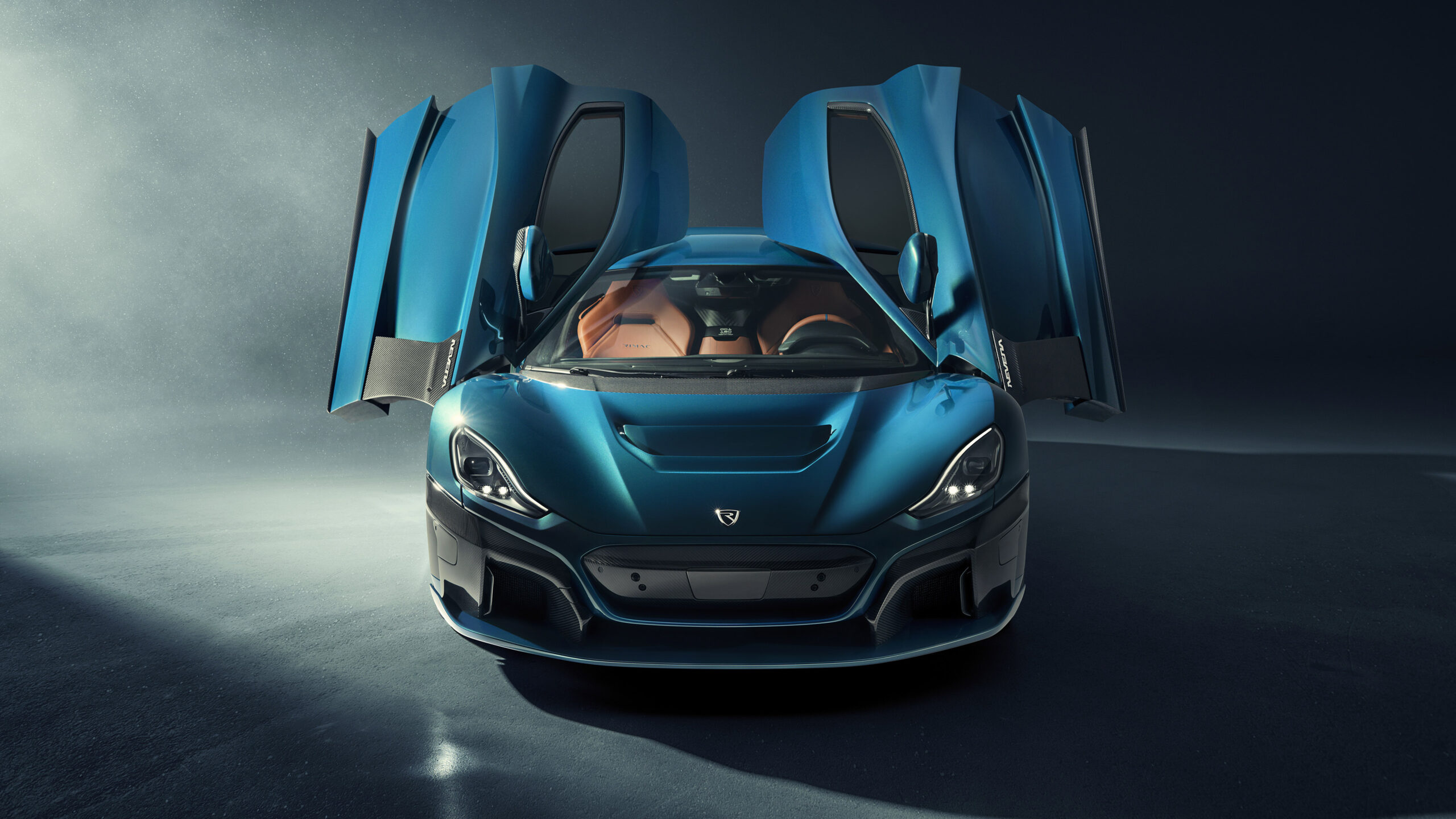
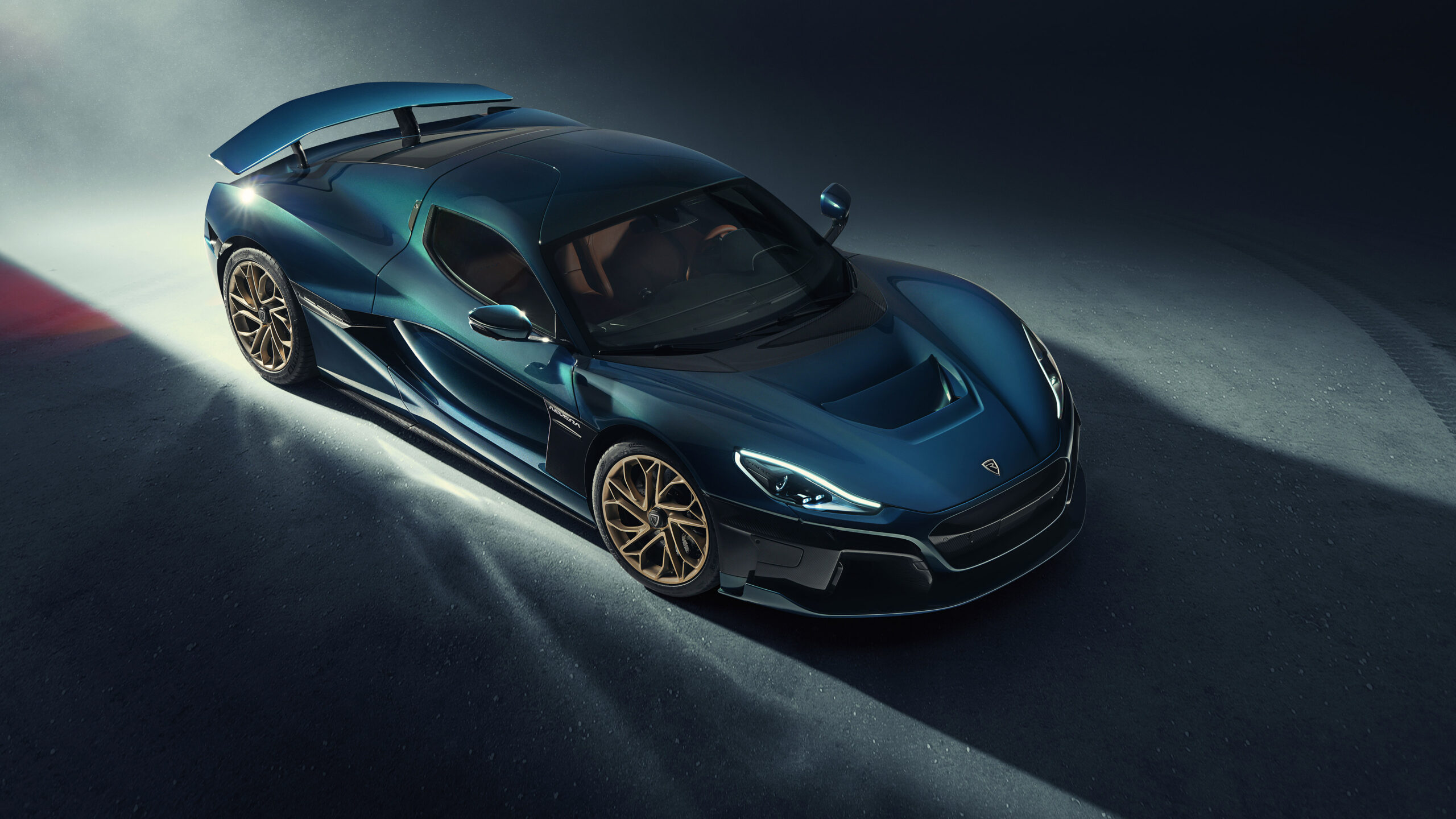
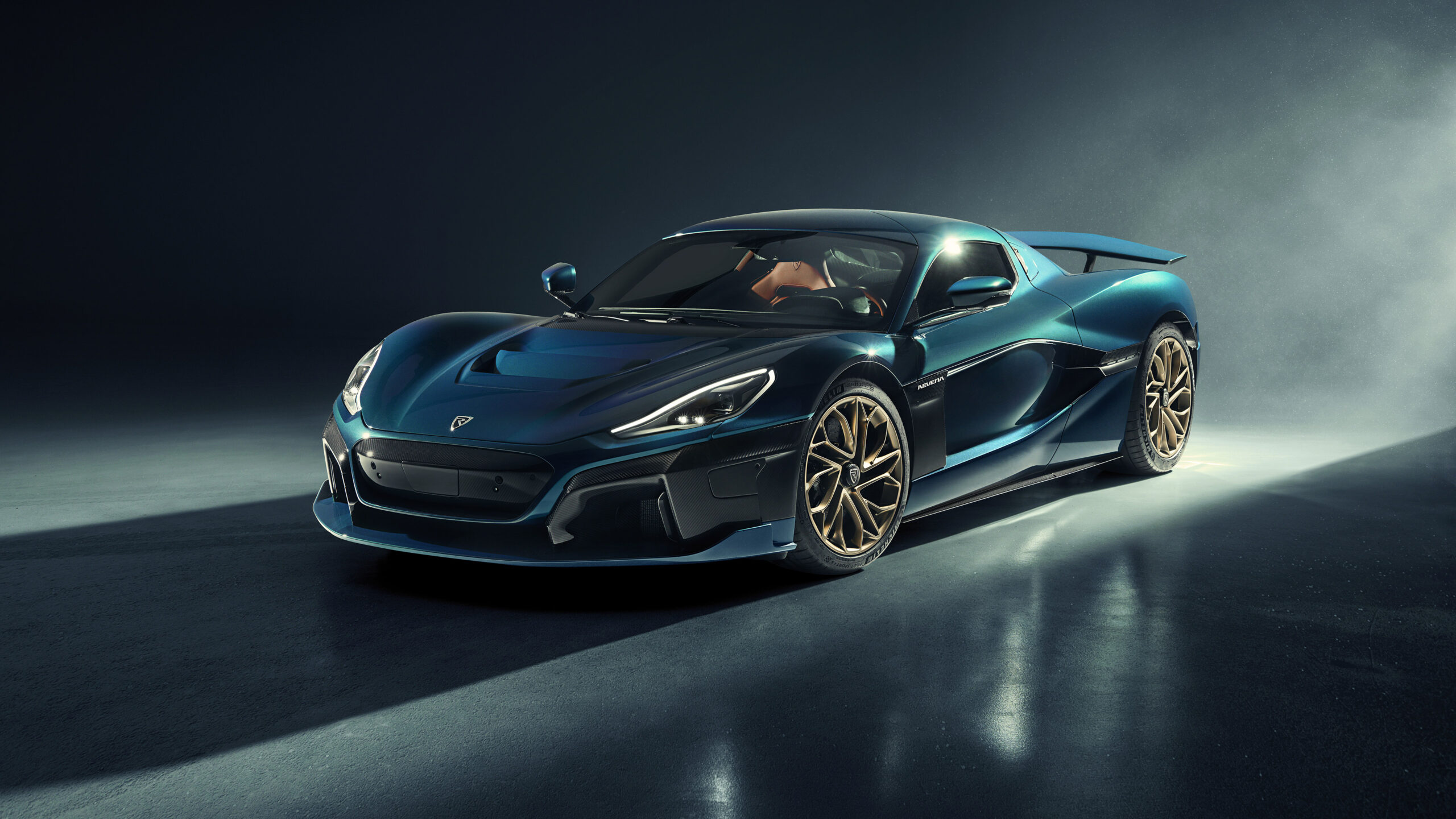
Rimac Automobili officially unveiled the new all-electric Nevera hypercar based on the Rimac C_two concept car which was released in 2018 at the Geneva Motor Show.

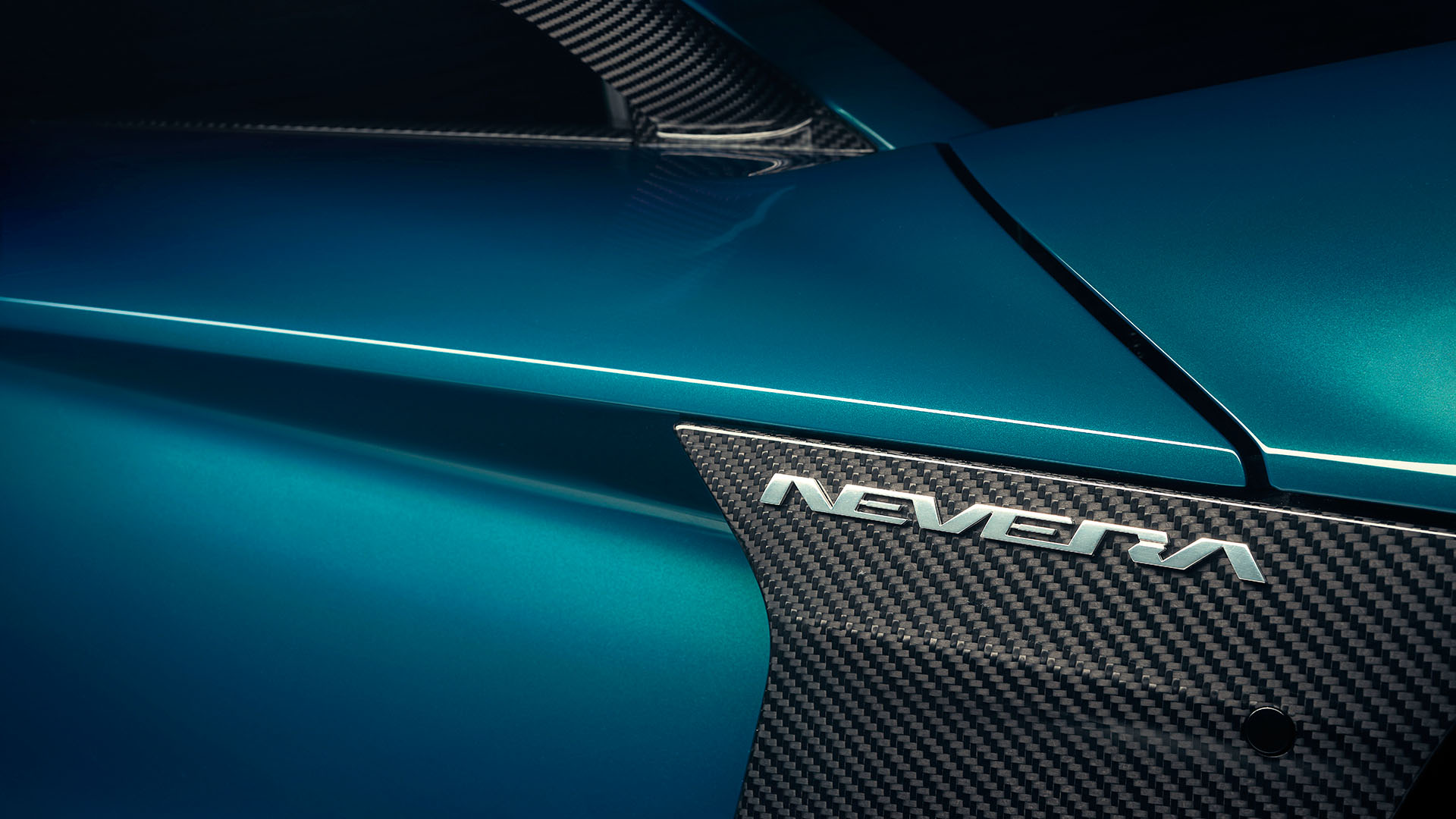
Nevera is a Croatian name of a mighty Mediterrenean storm that races across the open sea off Croatia, the name reflects the performance of the vehicle. In addition, the next generation Rimac hypercar shares the name and design of Nevera and it’s just as proficient at transforming its character from a grand tourer to a performance vehicle in an instant.

The bodywork of the all-electric vehicle features air diffusers and intakes that improve the aerodynamic efficiency by 34%. In addition, the bonnet, splitters and radiators, design of the diffuser and shape of the pillars have been examined and clarified to improve the airflow and downforce. The inlets and air intakes have improved and increased the cooling efficiency of the engine and the brakes by 30% at low speeds and 7% at high speeds.

Additionally, the front bonnet, underbody flap, rear diffuser and the rear spoiler enhance the performance, stability and efficiency of the vehicle and each can move independently thanks to the complex algorithms that provide optimum aerodynamic settings for every driving condition. Switching from ‘high downforce’ to ‘low drag’ mode reduces the drag by 17.5% to create a coefficient drag of 0.3 whereas switching back to ‘high downforce’ mode increases the downforce by 326%.

The interior of the vehicle features a cockpit divided into two zones, high-definition TFT screens and tactile billet aluminium rotary controls and switches.

The vehicle’s monocoque features a bonded carbon roof, integrated structural battery pack and a rear carbon subframe that forms a large single carbon fibre piece. The monocoque encases the battery pack and it weighs less than 200kg and utilises 2200 carbon fibre plys and 222 aluminium inserts.

The 6960 cell battery of the Nevera is H-shaped, liquid cooled and 120kWh was developed by Rimac, it is capable of producing 1.4MW of power. The battery forms an essential part of the car’s core and increases structural stiffness to the carbon fibre monocoque by 37%. The battery has been fitted at the central low part of the vehicle To contribute to the low centre of gravity as well as balance the weight distribution and stability of the vehicle.

The four bespoke surface-mounted permanent magnet motors enables the vehicle to produce a maximum output of 1914hp and 2360Nm of torque. The vehicle can accelerate from 0-100km/h in 4.3 seconds, 0-300km/h in 9.3 seconds and complete a quarter-mile distance in 8.6 seconds. The top speed is limited to 412km/h.

Furthermore, the front and rear wheels are each connected to a pair of single-speed gearboxes.

The Nevera also features 390mm Brembo CCMR carbon ceramic brake disks and six-piston calipers, double wishbone suspensions with electronically controlled dampers and ride height adjustments and R-AWTV 2 system that enables drivetrain calibrations through seven drive modes i.e Sport, Comfort, Drift, Track, Range and Custom. The vehicle also features Artificial Intelligence (AI) Driver Coach and the latest operating system.

Rimac reveals the Nevera

Rimac Automobili, located in Zagreb, Croatia, has finally unveiled their production-ready hypercar that will set the scene for the future, the 1,914hp all-electric concept from 2018 only known as the C_Two up to today has received her name … Nevera, a name inspired by the mighty and unexpected Mediterranean storm that races across the open sea off Croatia according to Rimac Automobili Founder and CEO Mate Rimac.
It took the engineers at Rimac about three years of development to arrive at this stage,  finally, the €2,000,000 limited production Rimac Nevera is ready to be sold, only 150 units will be made in Zagreb, but these will come with four electric motors for a combined power output of 1,914 hp and a massive 2,360 Nm of torque.
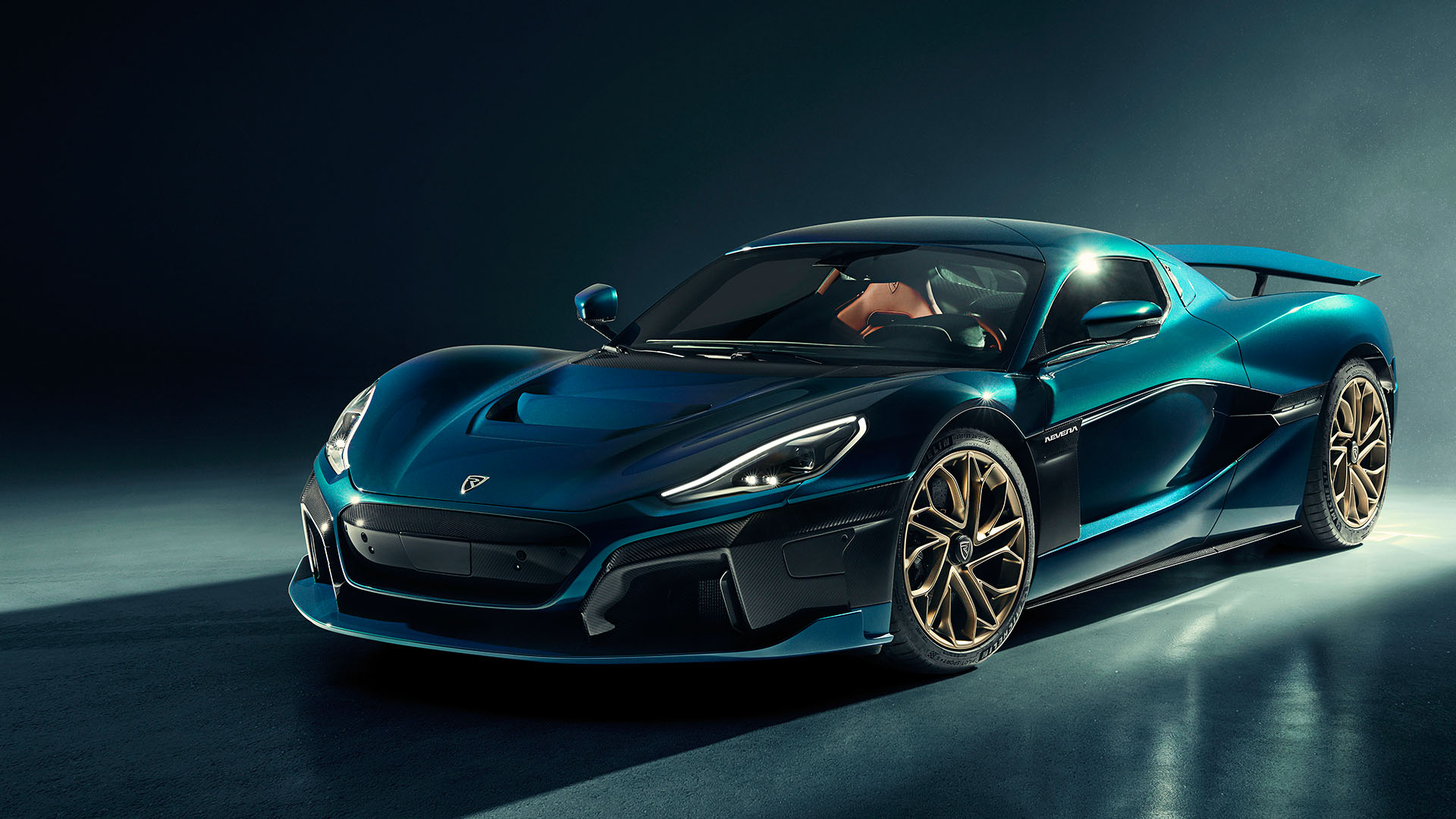
This kind of power comes with some amazing performance figures in the Rimac Nevera, a top speed of 412 km/h (258 mph) and an acceleration from 0 to 60 mph in 1.85 seconds, now that’s not fast, that’s blindingly fast … after only 8.6 seconds you have traveled a quarter-mile in the Nevera, and thanks to the 500 kW battery, the range is an impressive 550 km or 340 miles, and if you run low on battery power, it only takes 19 minutes to go from 0% to 80% charge, do note that these electric cars never really deplete the battery to 0%.

Mate Rimac has been inspired by fellow-Croatian Nikola Tesla when he converted his personal BMW E30 to battery power in 2008, Mate performed this conversion in his own garage, before he founded Rimac Automobili in 2009, by 2020 he was developing a trend-setting electric hypercar with a team of 1,000 employees, things have moved fast for Rimac Automobili, and this new Nevera is possibly even faster, a nice touch is the fact that each of the 150 Rimac Nevera that will be built, will have been tested and signed-off on by Mate Rimac himself.
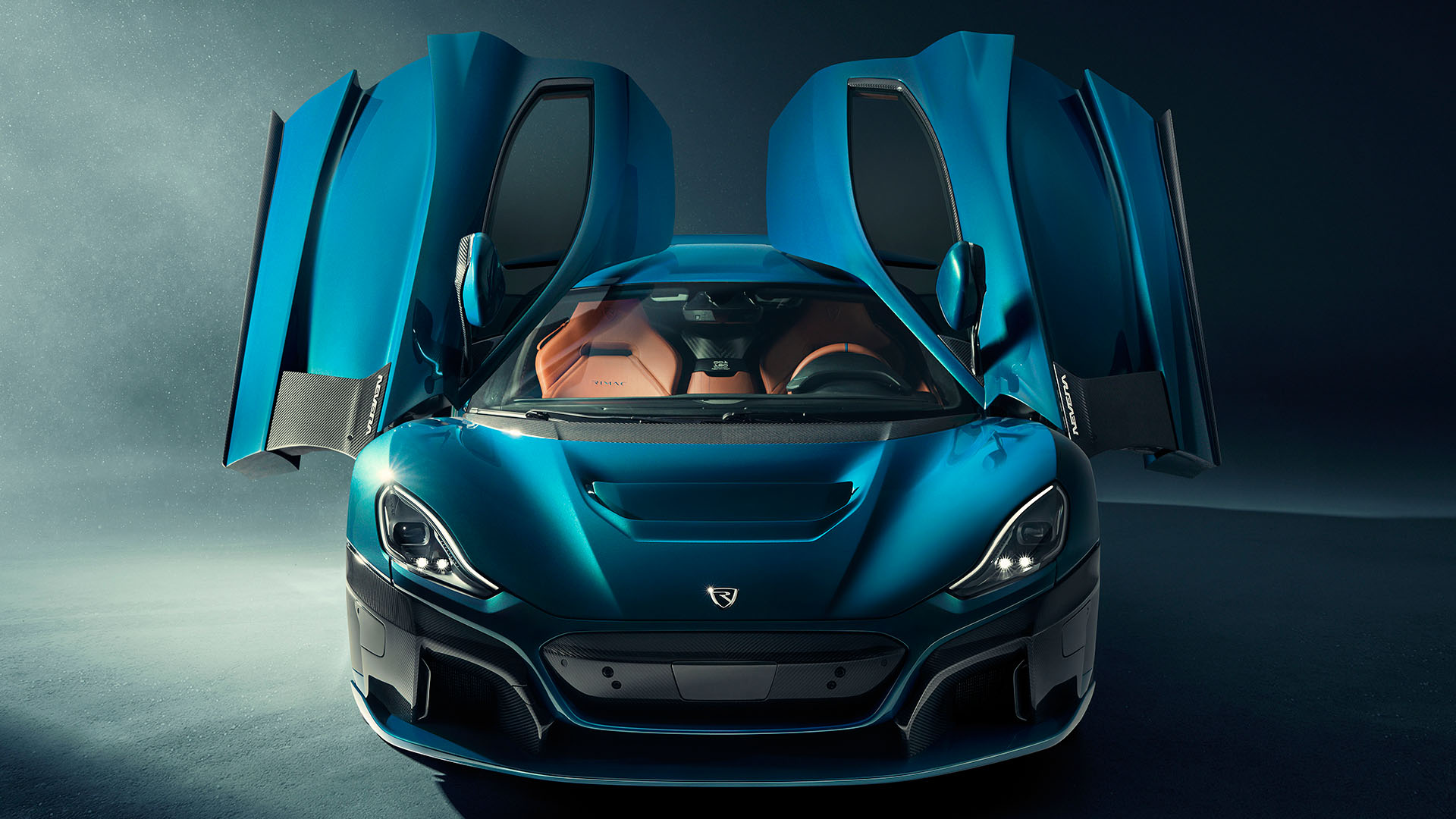
But this isn’t the only electric car Rimac is making, in fact, Rimac Automobili has been creating electric drivetrains for high-end carmakers like Aston Martin, Porsche, Pininfarina, Hyundai, Kia, Koenigsegg, Renault, and Cupra to name a few, but the Nevera will be the fastest of them all, just like the Mediterranean storm her name was derived from, a storm that’s extremely powerful and charged by lightning, a perfect name for this electric hypercar.

During development since the 2018 concept prototype, Rimac managed to increase the aerodynamic efficiency of the design by 34% by modifying the profile of the bonnet, the pillars, and even the design on the diffuser, the splitters, and the radiators, all effort has been made to create the optimum airflow and downforce for the cooling channels. Rimac developed an innovative active aerodynamics system for the new Nevera, while many cars settle for an adjustable front splitter and rear wing, Rimac also installs flaps on the undertray and adds an adjustable rear diffuser … and all of these aero parts can be altered independently from each other. Switching from ‘high downforce’ to ‘low drag’ mode reduces aerodynamic drag by 17.5 % to create a 0.3 coefficient of drag. Changing back into ‘high downforce’ mode increases downforce by 326 %.
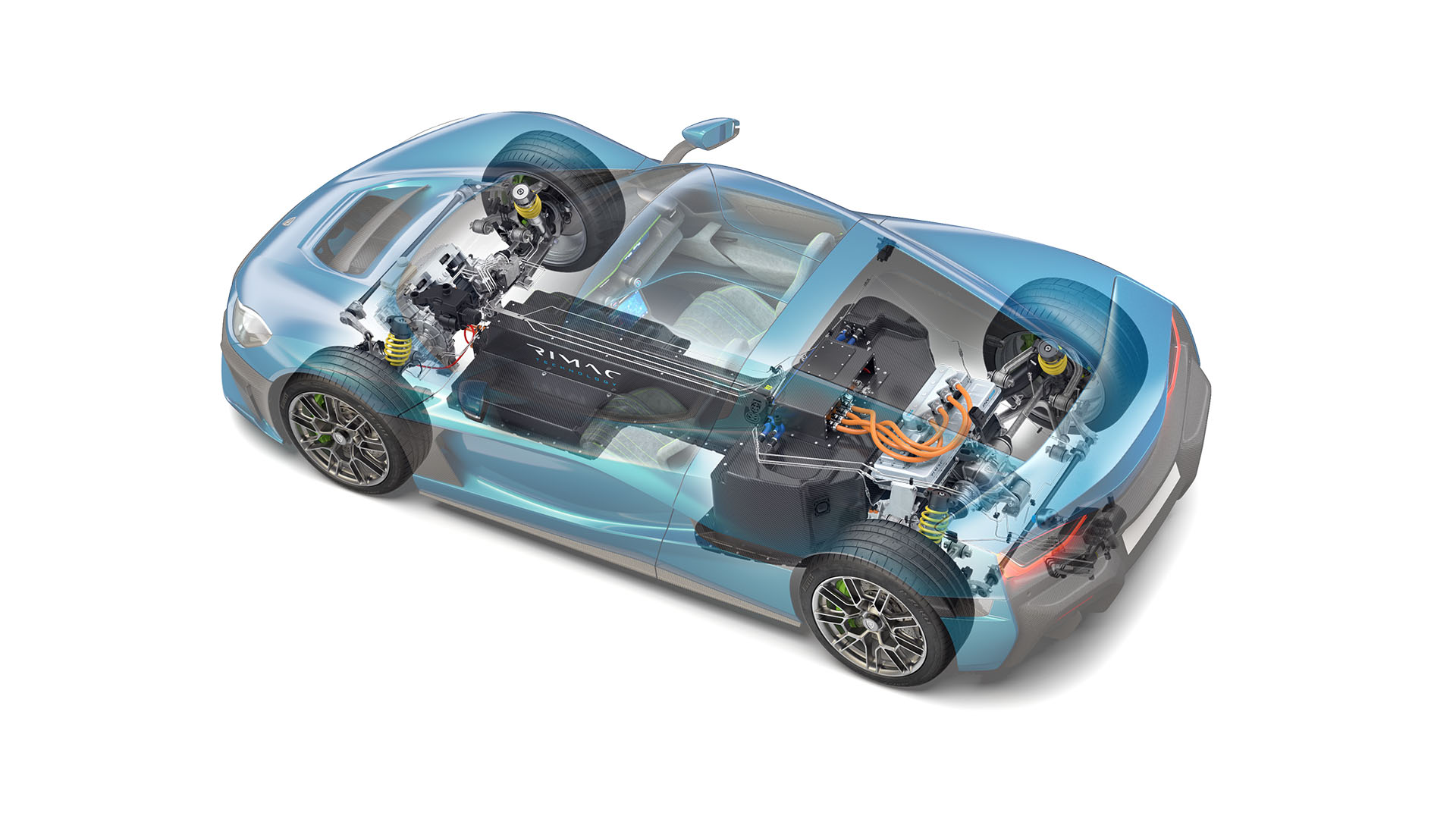
The Nevera monocoque has been developed by the former C_Two Chief Engineer Daniele Giachi, it is made up of a bonded carbon roof with an integrated structural battery pack and rear carbon subframe … this combined is the largest single carbon-fiber piece in the automotive industry. With an overall weight below 200kg, the monocoque is made up of 2200 carbon fiber plys and 222 aluminum inserts, to create an incredibly strong structure with a torsional stiffness of 70.000 Nm/degree, this is the most rigid structure of any car ever made, I do hope they do a convertible version in the future too.

The Rimac Nevera comes with a liquid-cooled, H-shaped 6,960-cell battery with a capacity of 120kWh, being an integral part of the monocoque structure, the battery has an optimum position low in the chassis, and in the center, weight distribution in the Nevera is an impressive 48/52% front to rear for an amazing handling balance.
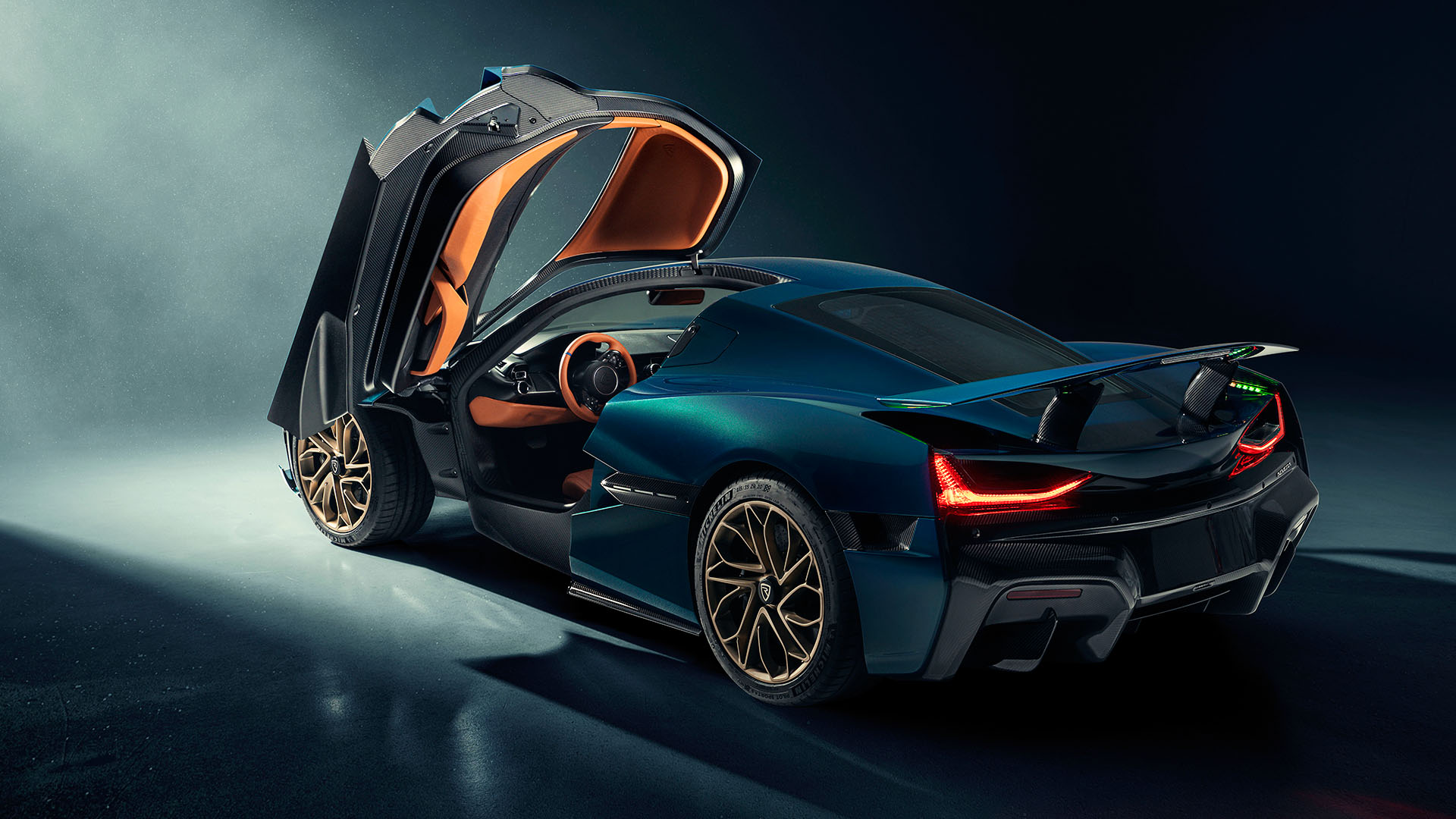
Everything about the Nevera has been further developed since the C_Two concept, the battery is capable of producing 1.4MW of power, and the four bespoke surface-mounted permanent magnet motors drive are coupled to each wheel individually, they can deliver more power for a longer period of time, combined these enable 1914hp and 2360Nm of torque, the front and rear wheels are each connected to a pair of single-speed gearboxes, you just press the pedal … and go … and keep going, no gear changes.
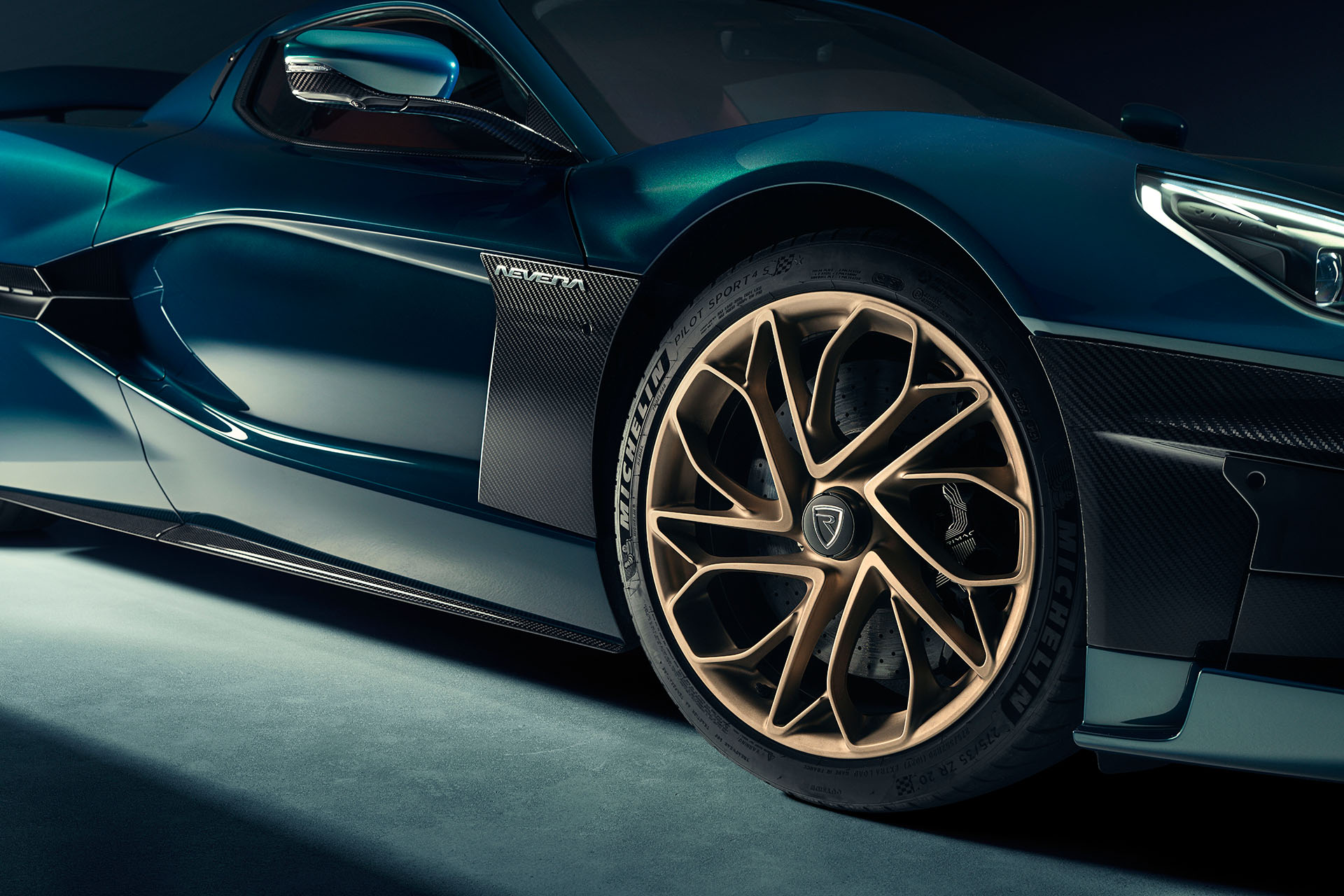
Nevera’s impressive stopping power comes from 390 mm Brembo CCMR carbon-ceramic brake discs and six-piston calipers called friction brakes by Rimac, but being an all-electric car, the Nevera also has regenerative braking through the electric motors, hence a maximum range-enhancing regenerative braking of 300 kW is provided by these electric motors.

The Nevera also comes with Rimac’s All-Wheel Torque Vectoring 2 (R-AWTV 2) system which completely replaces traditional ESP and Traction Control systems, the Nevera’s R-AWTV 2 system enables infinitely variable dynamic responses to road and track conditions by calibrating the amount of torque supplied to each wheel, this allows the Nevera to be drifted sideways or provide optimum levels of all-wheel-drive grip, traction, and safety … this is a luxury GT car, a sportscar, and a hypercar all in one.
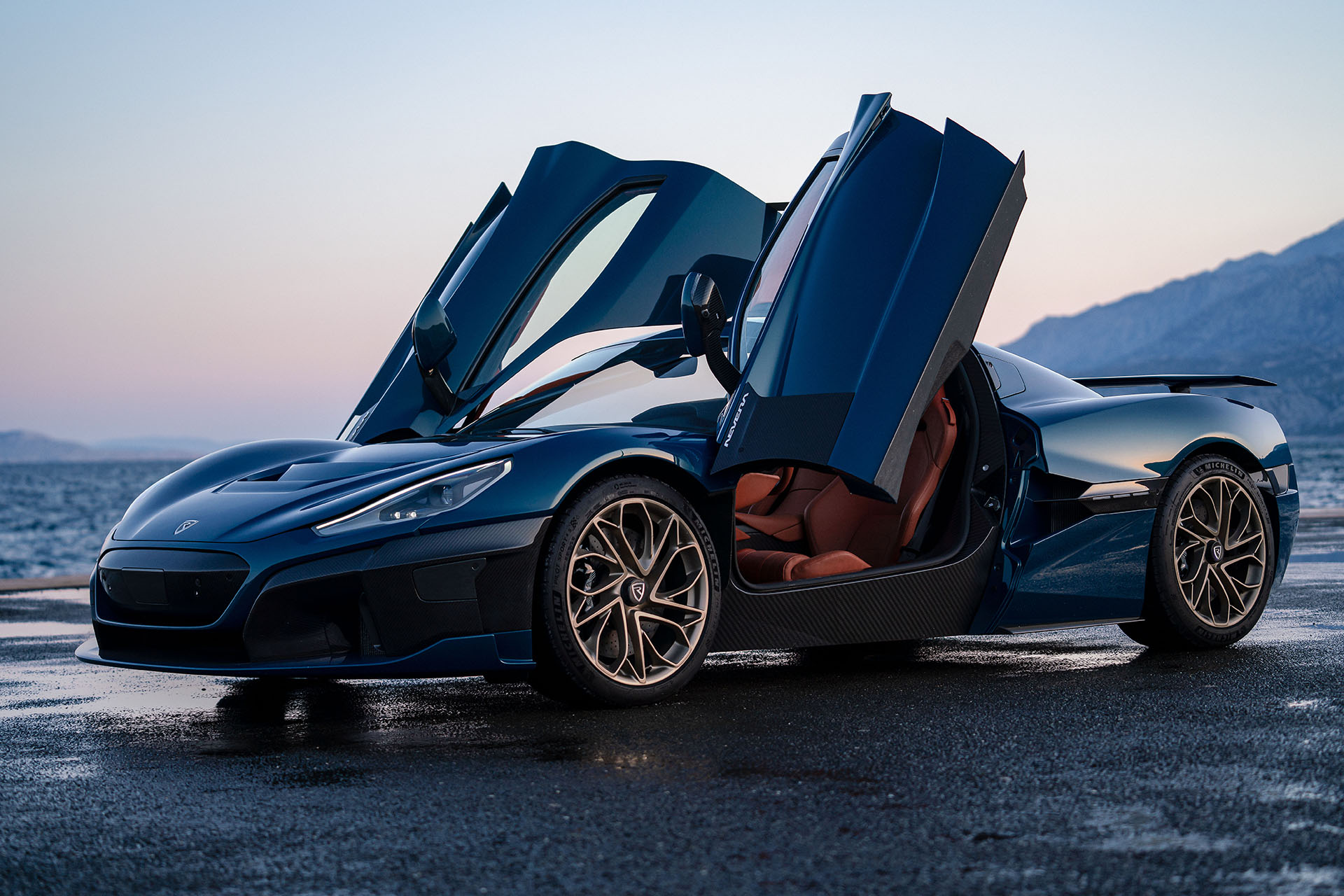
This GT approach is further emphasized by the use of a double-wishbone suspension with electronically controlled dampers together with active ride height adjustment, to offer both a smooth and comfortable ride, but at the same time, amazing body control and ultra-agile handling by the ‘steer-by-wire’ electric power steering system … this Rimac system also helps with the ‘Driver Coach’ mode where the Nevera to demonstrate optimum racing lines and vehicle control to the driver.

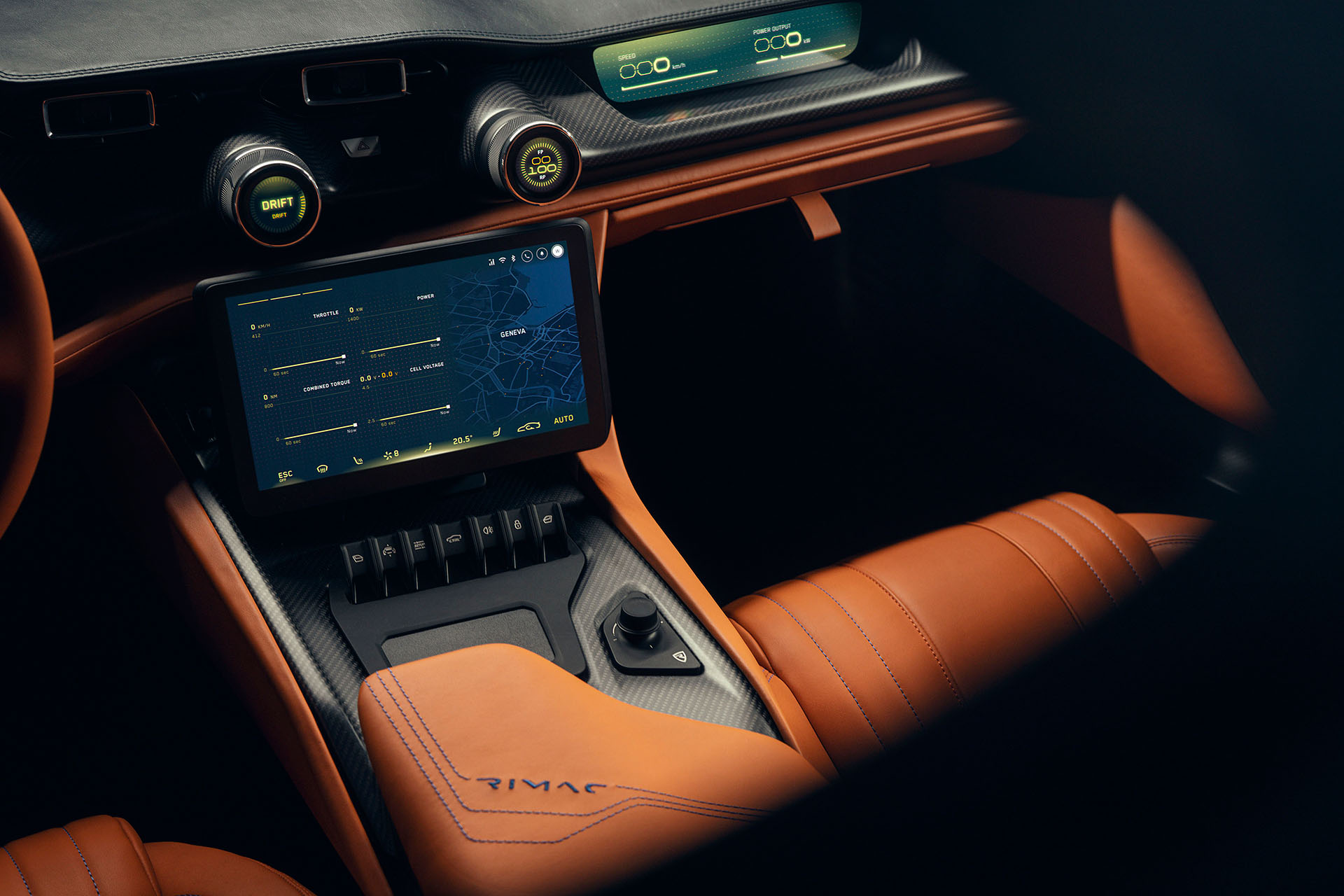
The Rimac Nevera comes with seven different driving modes pre-programmed into the system, SPORT, DRIFT, COMFORT, RANGE, TRACK, and two more custom modes for the owner to set their own preferences for various options on the performance characteristics like throttle response, brakes, suspension, steering, and torque split front to rear.
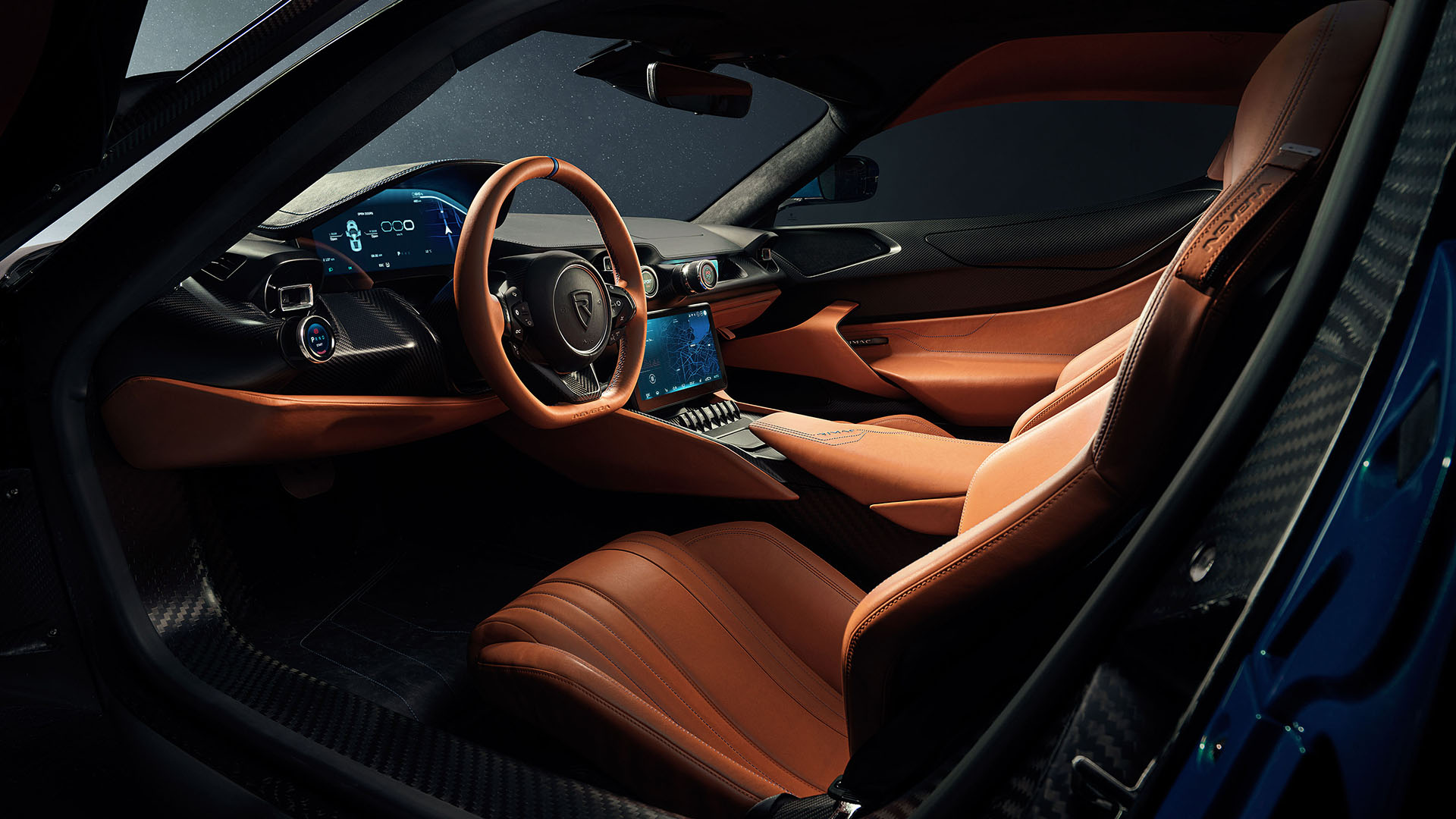
We know not all owners will be F1 pilots, but from 2022 on Rimac has the perfect solution to allow every driver to get the most out of their Nevera, the innovative Driving Coach can access 12 ultrasonic sensors, 13 cameras, 6 radars, and uses the very latest NVIDIA Pegasus operating system, to offer the most immersive experience behind the wheel. The Driving Coach can overlay race circuits in real-time, adds clear and precise audio and visual guidance, so every driver can train to perfect their racing lines, braking and acceleration points, and steering inputs.
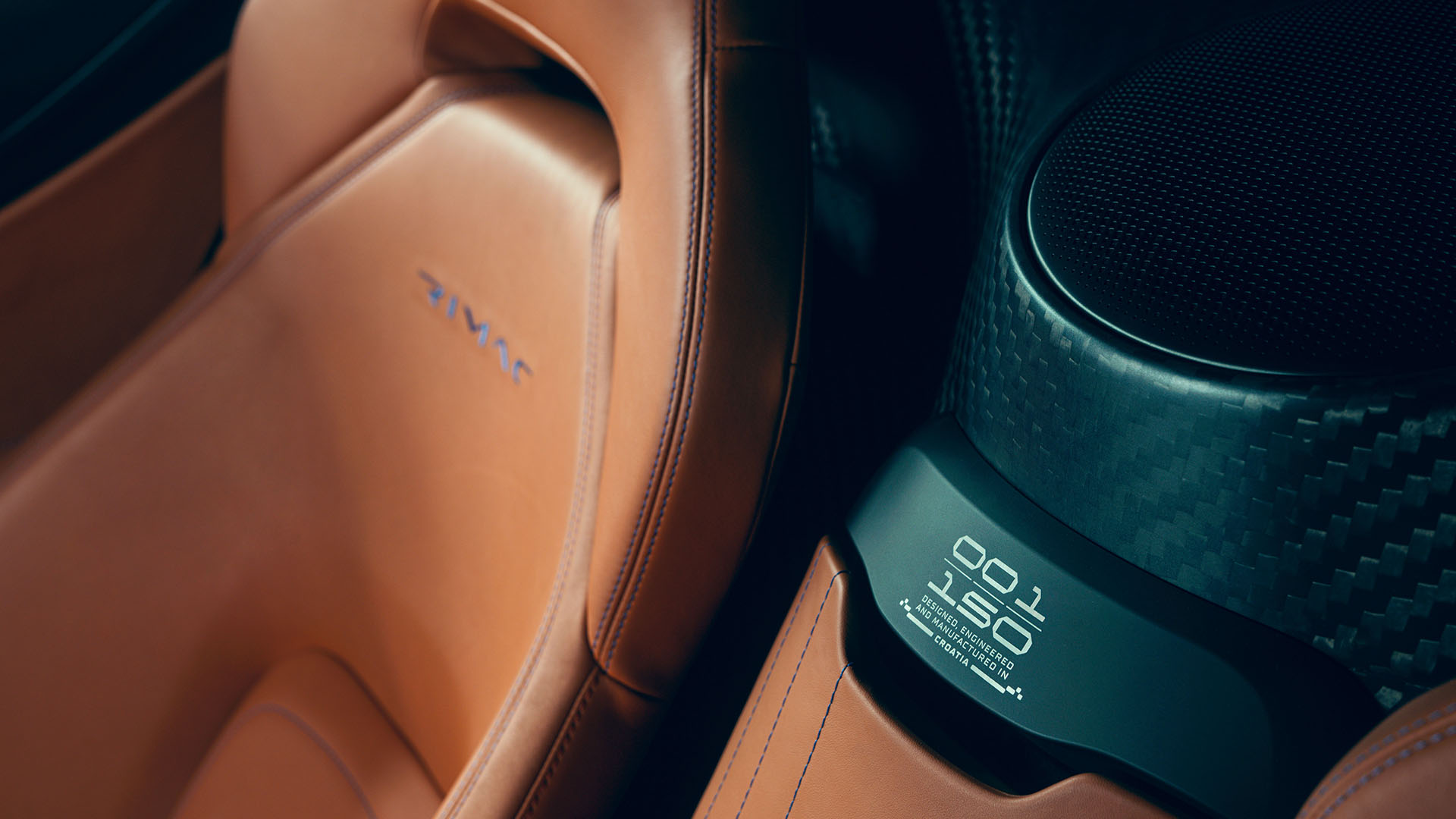
The Rimac Nevera only offers room for two occupants, but that’s complete with luggage and race equipment if needed, all the information is shown on three different TFT displays, which can be configured for Race mode or Comfort mode … in Race mode, only a minimum of information is shown so the screens don’t attract unwanted attention, while in Comfort mode they show a lot more information that could be useful during that relaxing drive … in a 2,000 hp hypercar.
Chances of two of the 150 Rimac Nevera looking the same are slim to non-existent as customers will be able to choose from a massive range of bespoke trim and materials, this flagship is available in different editions by the way: GT, Signature, Timeless, and Bespoke … with a €2,000,000 MSRP I wonder how much some of these Nevera will add up to once the client is finished with his, or her options.

Each client is invited by Rimac to visit the HQ in Croatia so their Nevera can be perfectly matched to their demands, the cars are exclusively available through Rimac’s global dealer partners network, taking in 19 sites and many of the world’s major cities across Europe, North America, Latin America, Europe, Middle East, and Asia.
I for one can’t wait to see the first Rimac Nevera on the streets being filmed and photographed ‘in the wild’, I think this will be a hypercar that many future cars will be measured against, the Rimac Nevera will most likely become a reference in this domain … if this is what electric cars look like, and how they perform, I think we are good … still nothing beats the raw sound of a V12 naturally aspirated Lamborghini for me, but that’s personal, the automotive world is changing, and we’ll have to change with it I guess.

Czinger 21C: American Hypercar with a 1350hp V8 and 11,000 rpm Redline

California based Czinger have revealed full specifications of their Czinger 21C hypercar. The car is now production ready after receiving key updates within the last few months. They were prepared to showcase two cars at the Geneva Motor Show 2021 but that was postponed alongside the show itself.

The 21C enters the scene at a time when most car makers are moving away from combustion engines, they have combined a V8 engine and two electric motors meaning it should be able to pass most emission regulations especially in California and Europe in general.

Despite the added weight that comes with a hybrid system, Czinger managed to get a 1:1 power-weight-ratio. The combined output is 1,250hp and the weight is rated at 1.240kg. An optional power upgrade of 100hp is also available, bringing the total power output to 1,350hp. In comparison, the Ferrari SF90 Stradale has a similar V8 hybrid setup but weighs in at 1600kg and produces 986hp.

Even more interesting is the nature of the engine used on the Czinger 21C, a 2.88L twin-turbo V8 developed in-house. This is the most power dense production engine in the world right now. While the engine drives the rear wheels, two electric motors are responsible for driving the front wheels. In addition, the powertrain benefits from a 800v system.
Czinger 21C Specs

Top Speed 281mph / 452kmh
0-100km/h (0-62mph) 1.9s
0-300km/h (0-186mph) 8.5s
1/4 Mile 8.1s
Engine 2.88L V8 Twin-Turbo
Output 1250hp (1350hp with power upgrade option)
Weight 1240kg
Electric Drive 2 e-motors + Lithium batteries
Gearbox 7 Speed Sequential
Redline 11,000rpm

The lithium batteries are charged through regenerative braking and via a Motor Generator Unit (MGU) which is connected to the engine.

The Czinger 21C will be built in Los Angeles and is limited to just 80 cars worldwide each priced at $2,050,000.

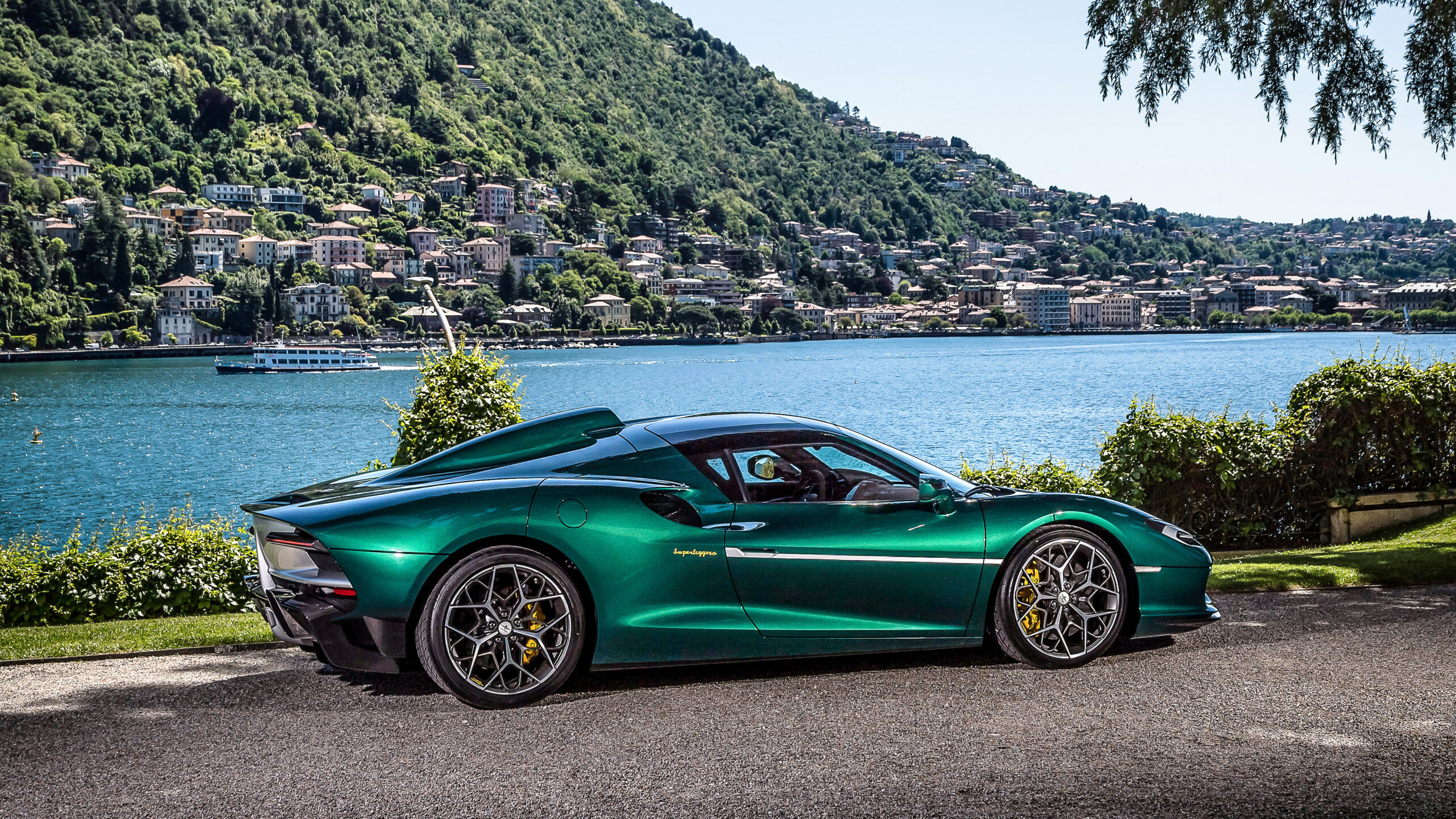
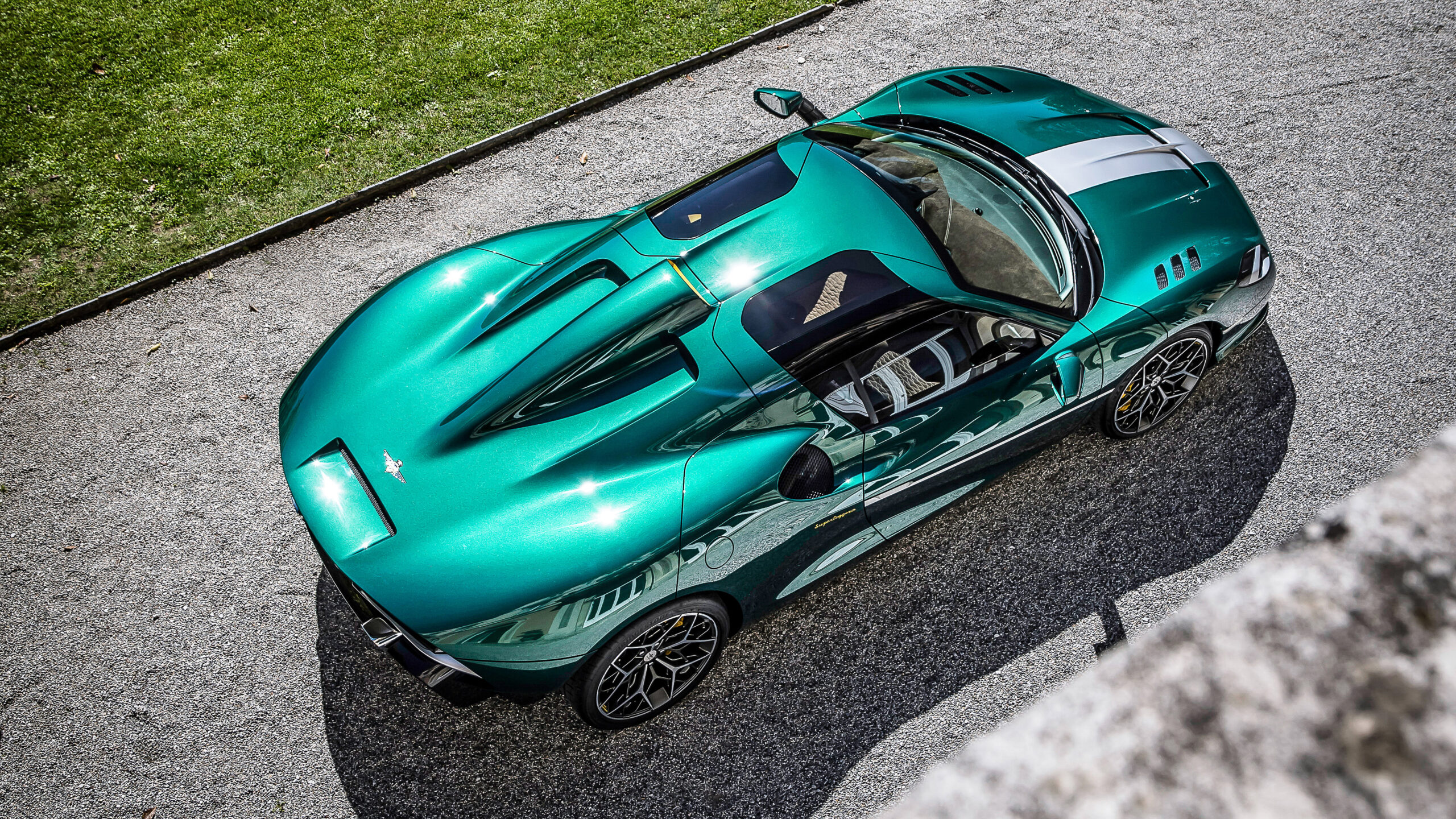
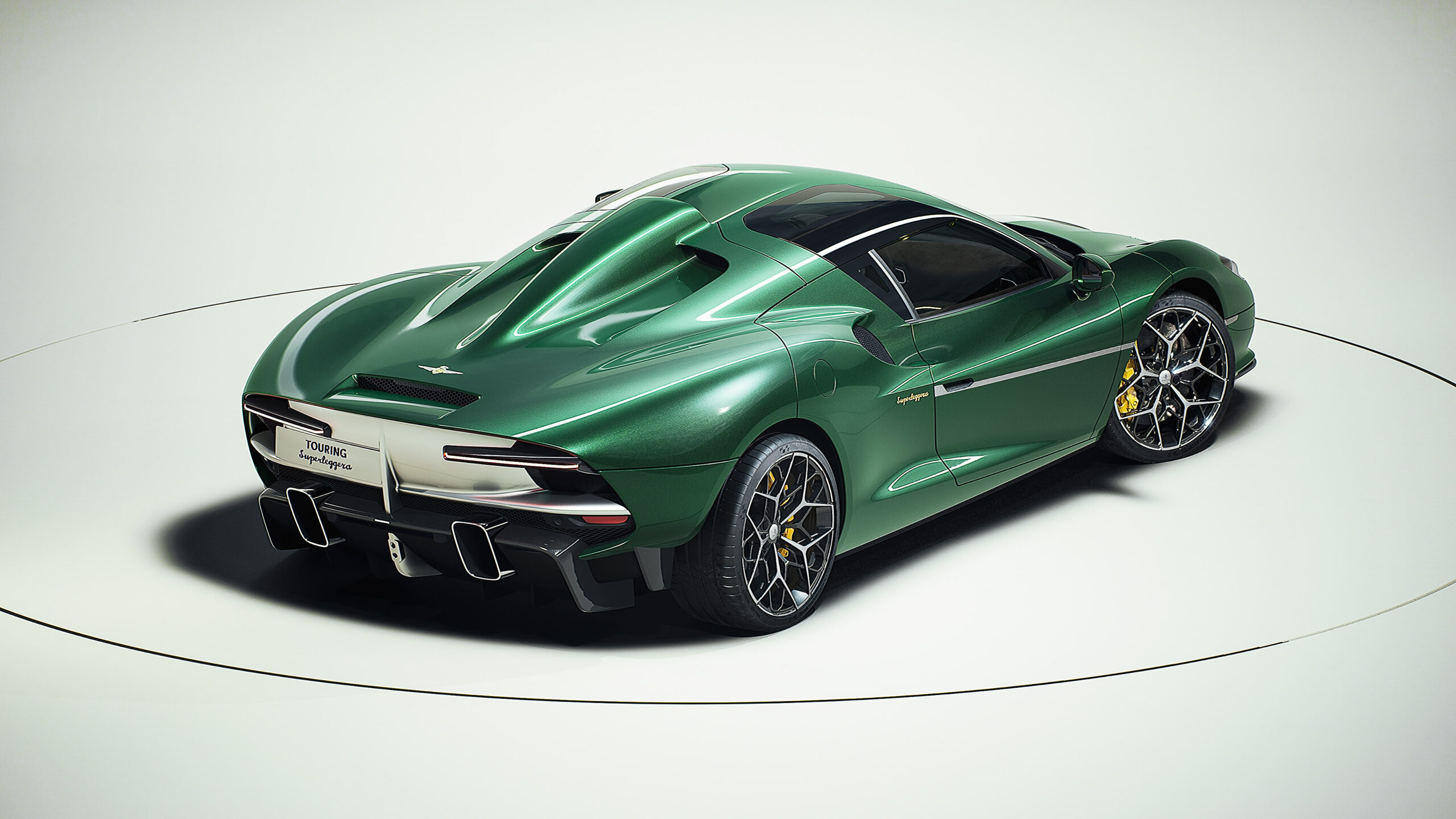
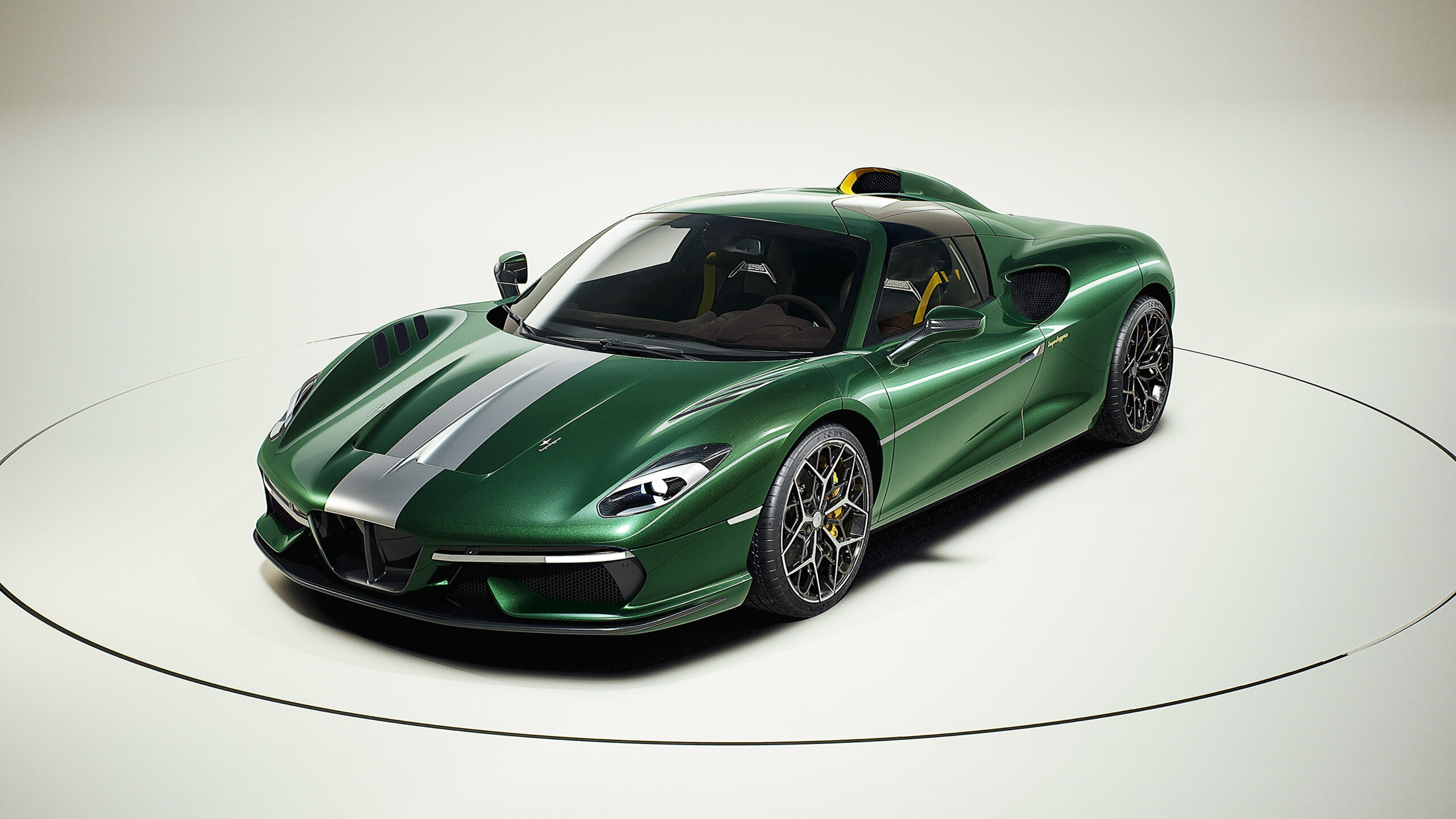
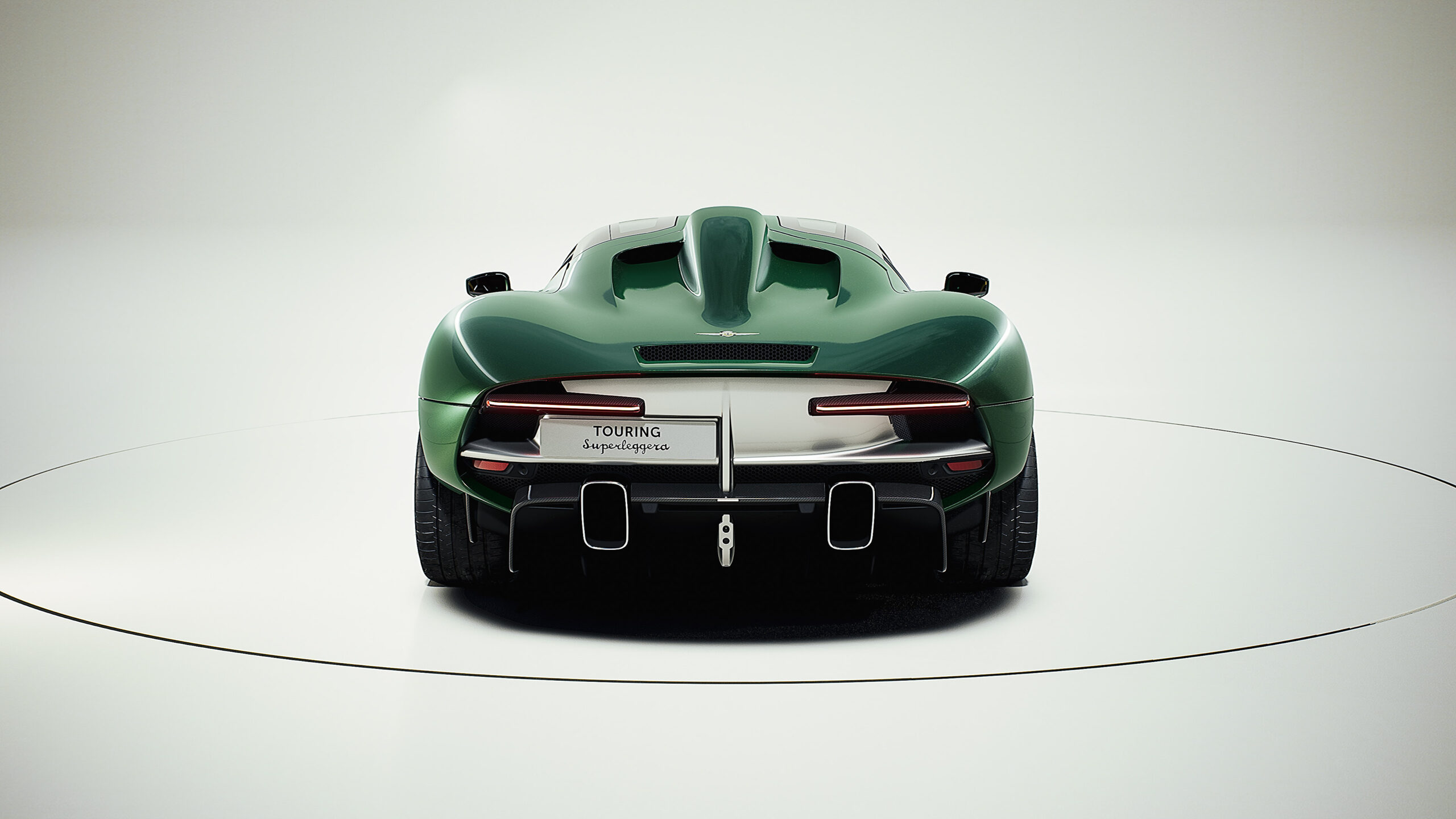
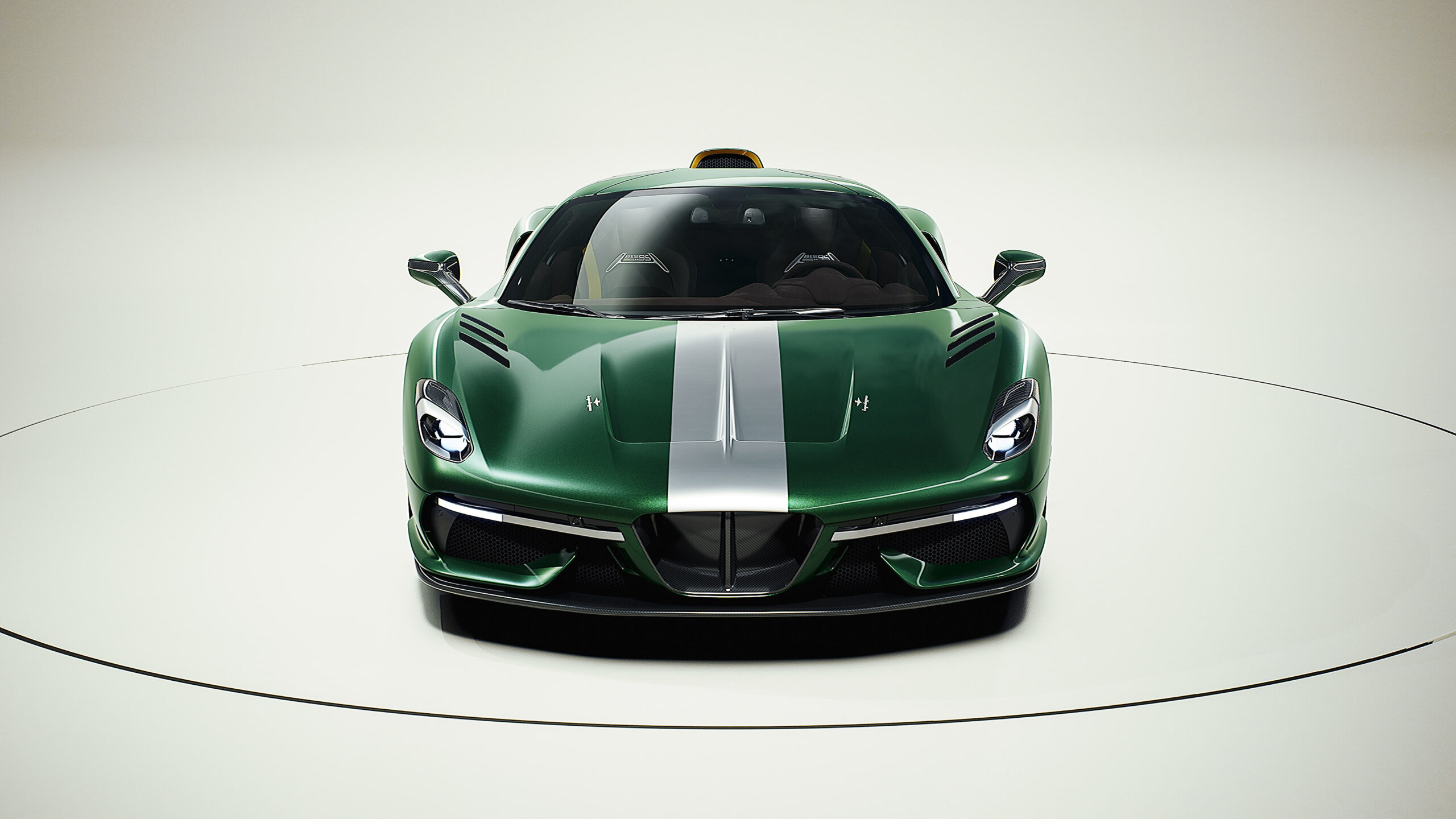
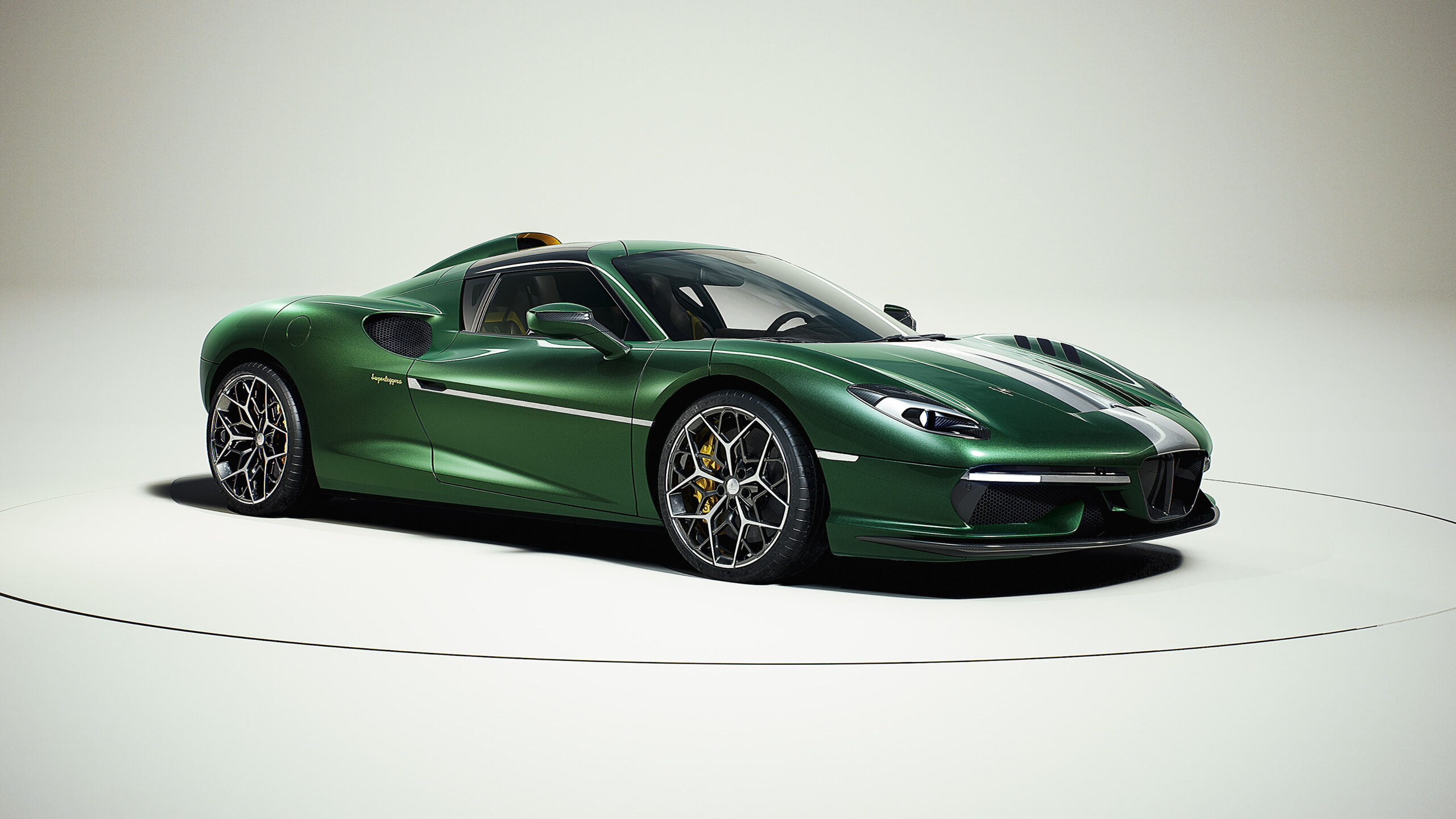
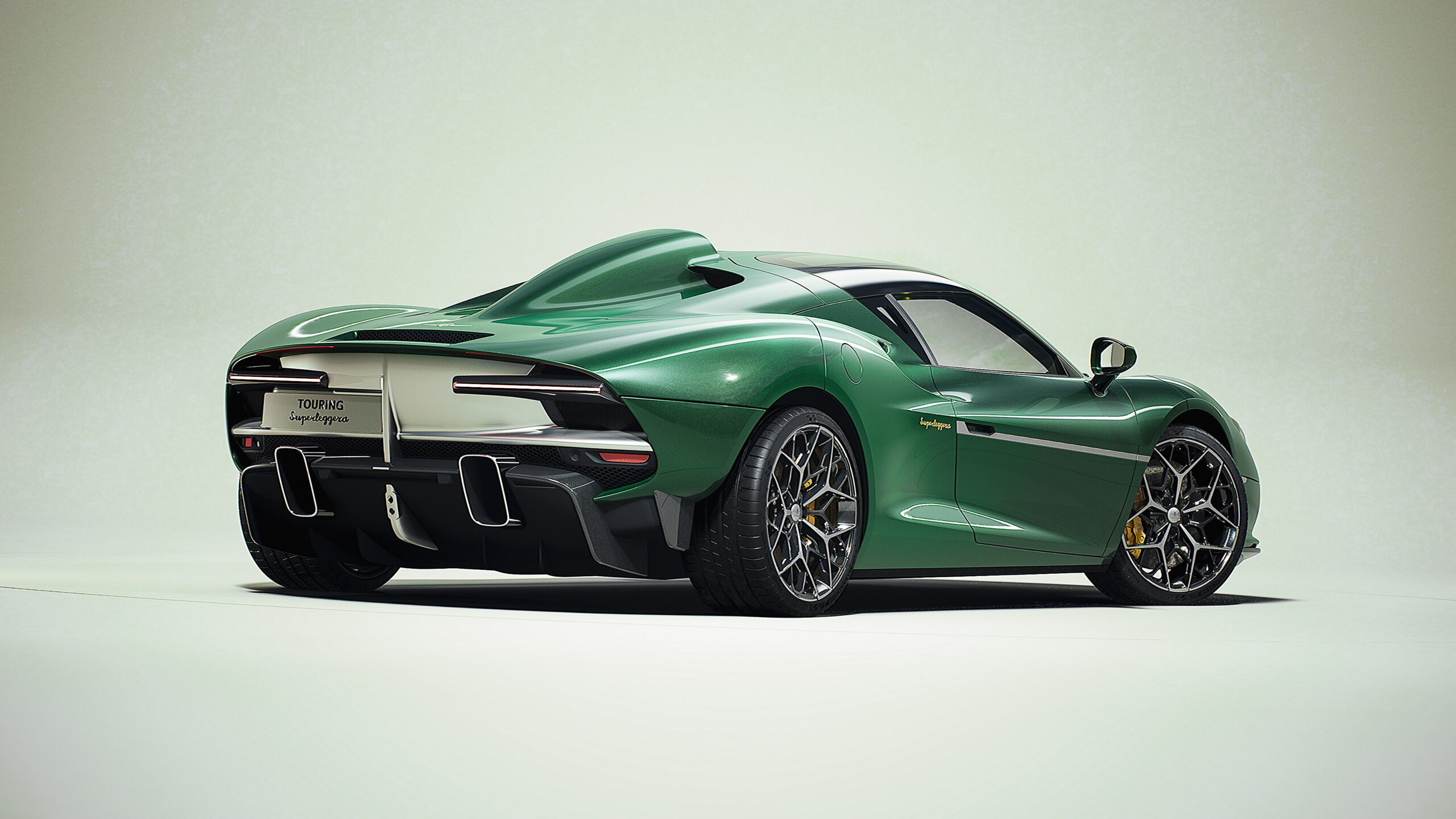
Arese RH95: A Mid-Engine V8 Supercar by Carrozzeria Touring

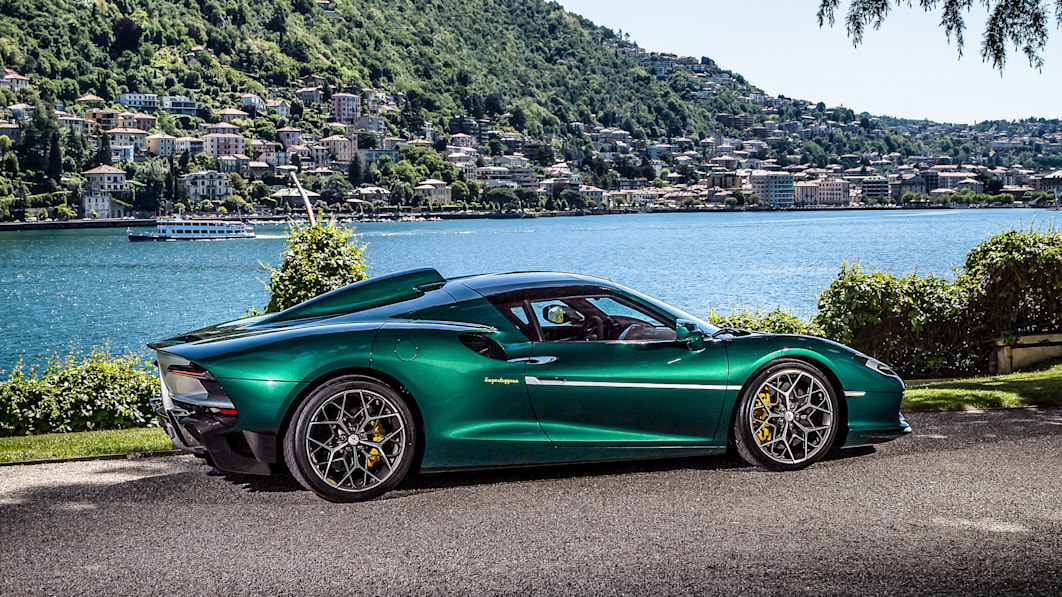
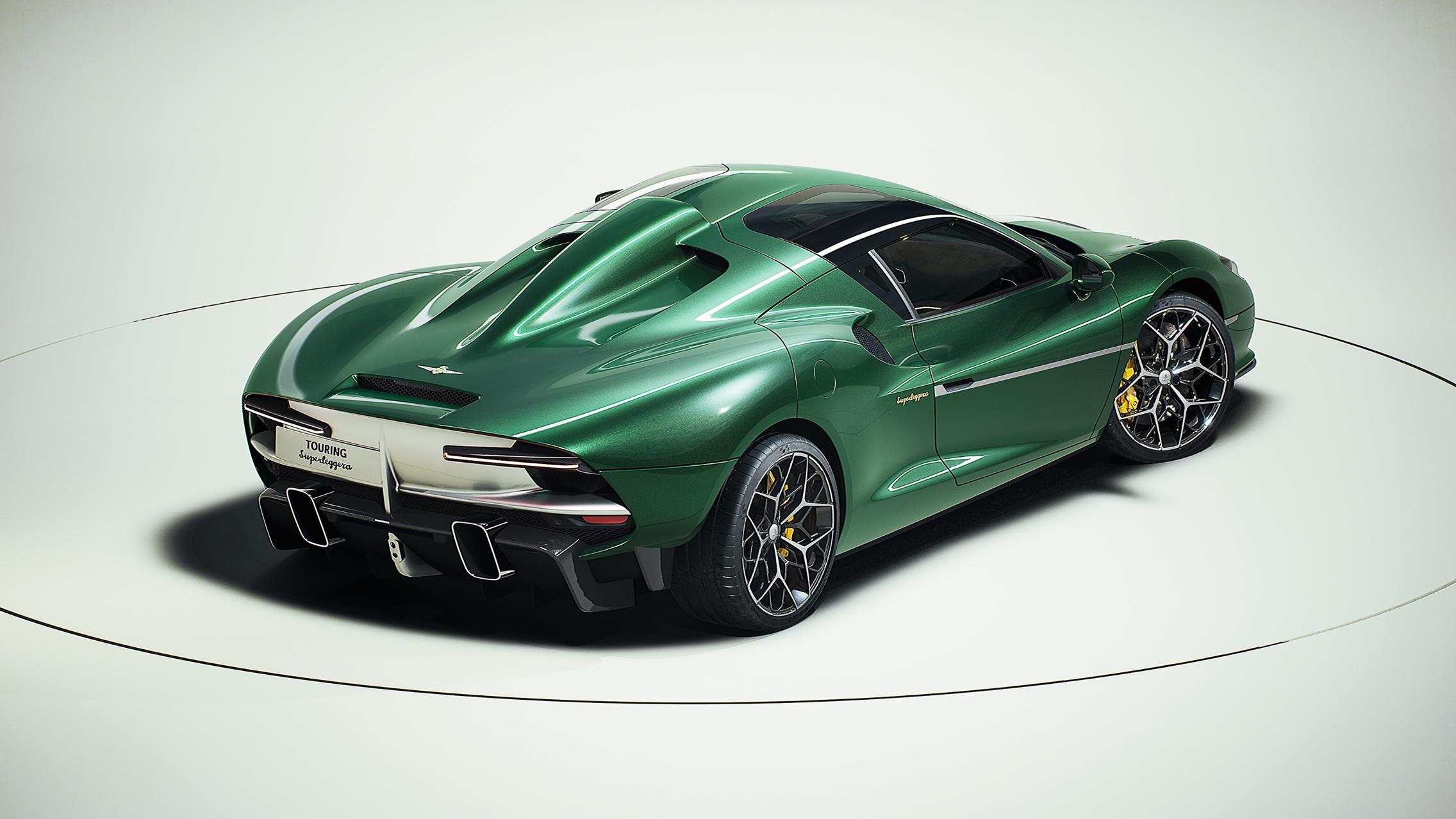
Carrozzeria Touring released their first mid-engined V8 supercar the ‘ Arese RH95’ to celebrate their 95th anniversary. The Arese RH95 is named after the Touring base in the Arese suburbs of Milan and the ‘RH’ represents initials of the first client.

The vehicle represents a technical milestone for the company as its first mid-engined V8 supercar, the new model also promises to be a sports car as well as a high-performance vehicle with luxurious specifications i.e Scissor doors and a spacious luggage compartment.

Carrozzeria Touring has not released the performance details of the new V8 but it is possible that the engine will have an output of approximately 670bhp at 8000rpm and 760 Nm of torque at a low 3000rpm. The vehicle is expected to achieve the acceleration from 0-100km/h in 3 seconds at a top speed of 340km/h.

Touring-ARESE_RH95 rear

The Arese RH95 features an all-carbon bodywork in respect to the ‘Superlegerra’ moniker as well as optimised aerodynamics including 3-derived grille, front air ‘nostrils’ and a rear clamshell with a dorsal scoop that allows air to pass through into the engine and out through the rear vent. The shoulder scoops are for cooling the V8 engine.

The new mid-engined V8 will be limited to only 18 units each tailored as per the customer’s specifications. The pictured vehicle is finished in Verde Pino color complemented by a caramel and cocoa colored leather interior with Saffron colored seat facings. The second car will be finished in a red hue of Alfa 8C Competizione whereas the third vehicle will be completed in Gulf Oil colors of blue and orange.

In addition, the first RH95 model will be ready for delivery a month from now, further versions will take approximately 6 month to build and every part manufactured by Carrozzeria will be offered with a two-year warranty.

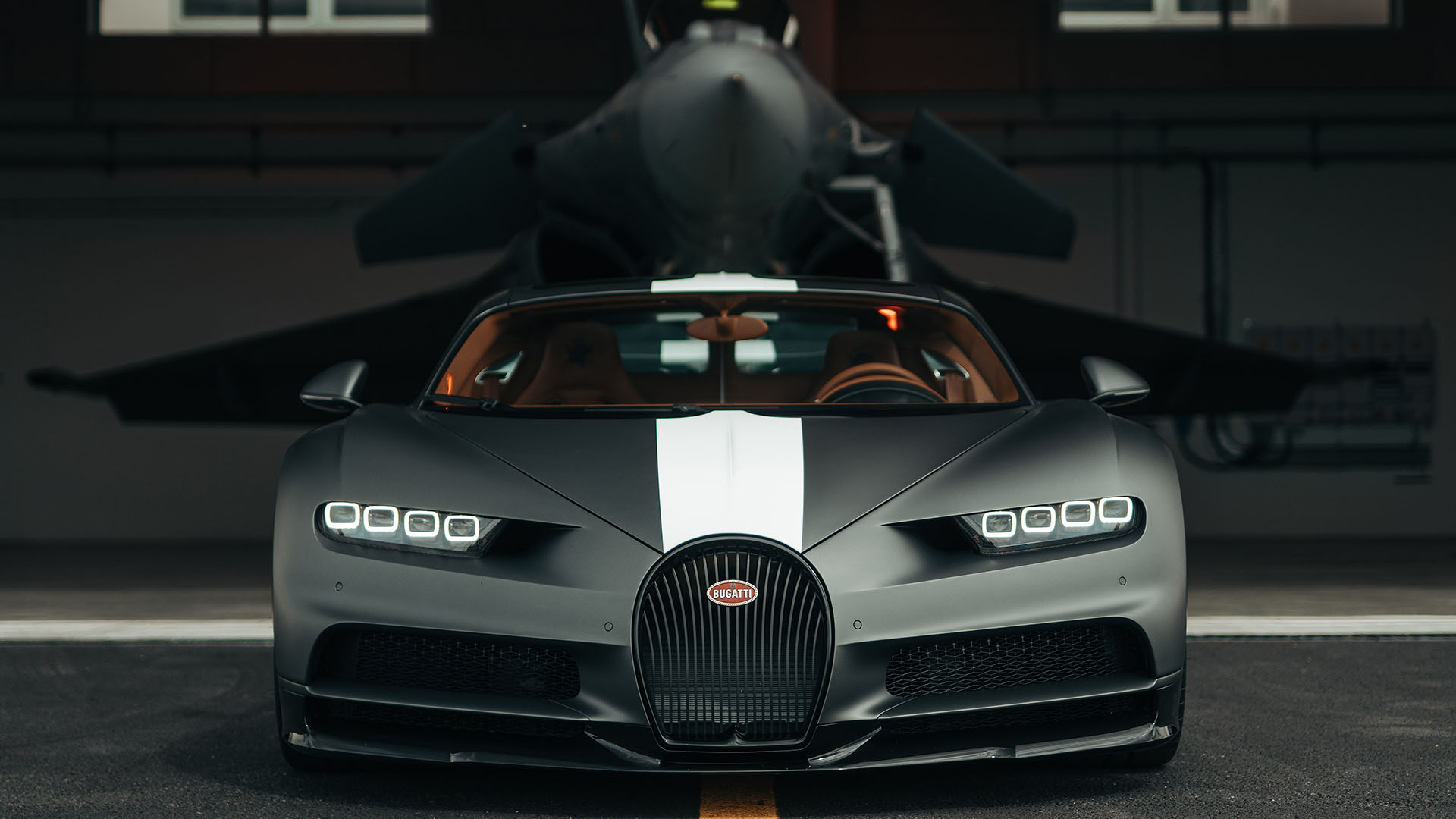
Bugatti Chiron Sport meets Dassault Rafale

What do you do when you have a car that’s called the ‘Les Légendes du Ciel’, ‘The Legends of the sky’, in your lineup, and it’s in France as we’re talking about a special edition of the Bugatti Chiron?

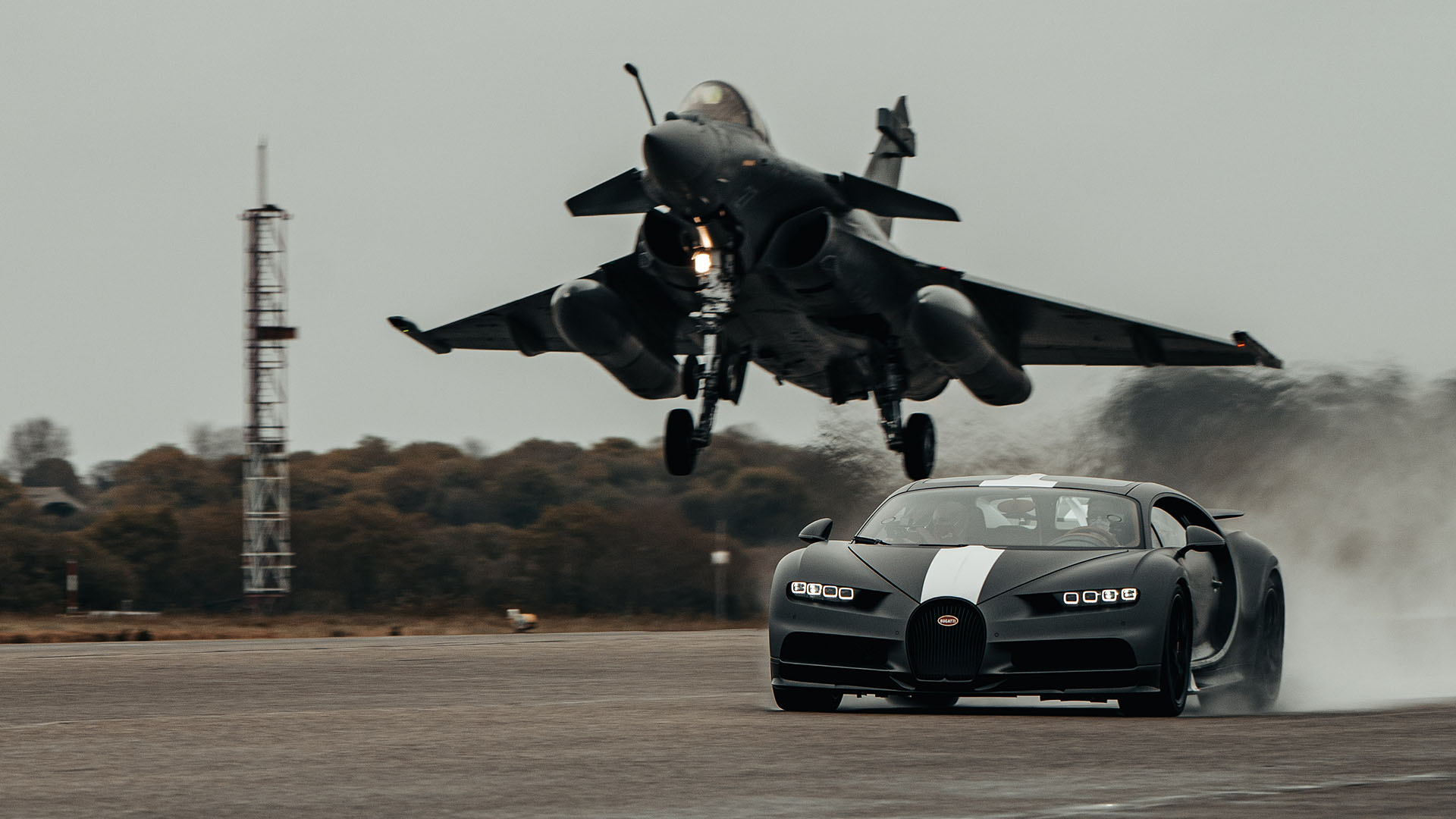
Well, you make it race against a navy jet fighter on an airplane strip, in this case, a Dassault Rafale Mirage and the strip is at Landivisiau, in the north-west region of France, a 1,500 PS car takes on a 5,727 PS (58,550 newtons of trust) airplane, both being the pinnacle of their respective fields and the result of decades of development their segment.

Behind the wheel of the Bugatti Chiron Sport we’ll see their ‘pilote officiel’ Pierre-Henri Raphanel while the Rafale jet will be piloted by frigate captain Etienne, in an event that took weeks of planning to get both amazing machines lined up together on the same day at the same venue, the Bugatti Chiron Sport ‘Les Légendes du Ciel’ is a limited edition version, only 20 will be made, at €2.880.000 each, while the Dassault Rafale Marine is a €60,000,000 jet fighter.

Bugatti has had a link to aviation for over 110 years, their drivers like Albert Divo, Robert Benoist, and Bartolomeo “Meo” Costantini were also pilots in the French Air Force, and in 1915 Ettore Bugatti even developed airplane engines, by 1937 Ettore even built a complete aircraft … and a record-setting one at that too, sadly things came to an end when WWII broke out a few years later.

The Chiron Sport ‘Les Légendes du Ciel’ forges a link between the past and the present, the 20 limited edition models are finished in a Gris Serpent matte grey shade with the blue, white, and red Tricolor at the front of the side skirts made from black visible carbon fiber. The fins in the front grille are made from laser-cut, deep-drawn aluminum and look like a series of planes in a flyby formation. The brushed aluminum door sill panel with the lettering ‘Les Légendes du Ciel’ clearly distinguishes this very special commemorative edition.

On the interior of this Chiron, we find Gaucho tinted leather that looks like the natural leather found in airplanes of the past. A contrast with aluminum trims and an aluminum inlay featuring the ‘Les Légendes du Ciel’ logo works perfectly, while the same logo is also featured on both headrests. The door panels show a stunning sketch of a racing scene between the Nieuport 17 airplane and a Bugatti Type 13 that represents the two historical links commemorated by the limited edition hyper sports car.

Keep in mind this has been done before, by Lamborghini with their limited edition Reventón taking on a Tornado fighter jet, and by Bugatti themselves back in 2007 when the Veyron 16.4 was set against a Eurofighter Typhoon for a similar drag race, but as France stepped out of the Eurofighter program, the French company Dassault developed its own aircraft; one which was uncompromisingly tailored to the requirements of the French army, and that Rafale Marine now goes head to head with the new Chiron.

The encounter between these two masterpieces has been perfectly described in the press release:

“The Bugatti Chiron Sport takes the lead soon after setting off. The hyper sports car accelerates from 0 to 100 km/h in 2.4 seconds and to 200 km/h in 6.1 seconds. It takes 13.1 seconds to hit a speed of 300 km/h and 32.6 seconds to accelerate to 400 km/h, a speed at which pilot, Etienne, and the Rafale Marine look to match to take off.

The aircraft hits 165 km/h after 150 meters and 210 km/h after 250 meters and takes off after 450 meters at around 260 km/h. “I pulled away from the Rafale over the first few hundred meters, but after a few hundred meters more it was around 20 meters above and alongside me in the air. An incredible and fantastic sight,” says Pierre-Henri Raphanel later. To be on the safe side, the Bugatti driver initiates his braking maneuver after approximately 1.5 kilometers and over 350 km/h – by which time the Rafale has disappeared into the horizon.”

I couldn’t have put it any better, and in the end, the comparison of these two ultimate technical models is declared a draw, both in terms of technology and driving/flying behavior, but also emotionally … seeing both pulling away from a standstill is just an amazing sight, which you can experience in the official Bugatti video below:

[embedded content] [embedded content]