All posts in “Cars”

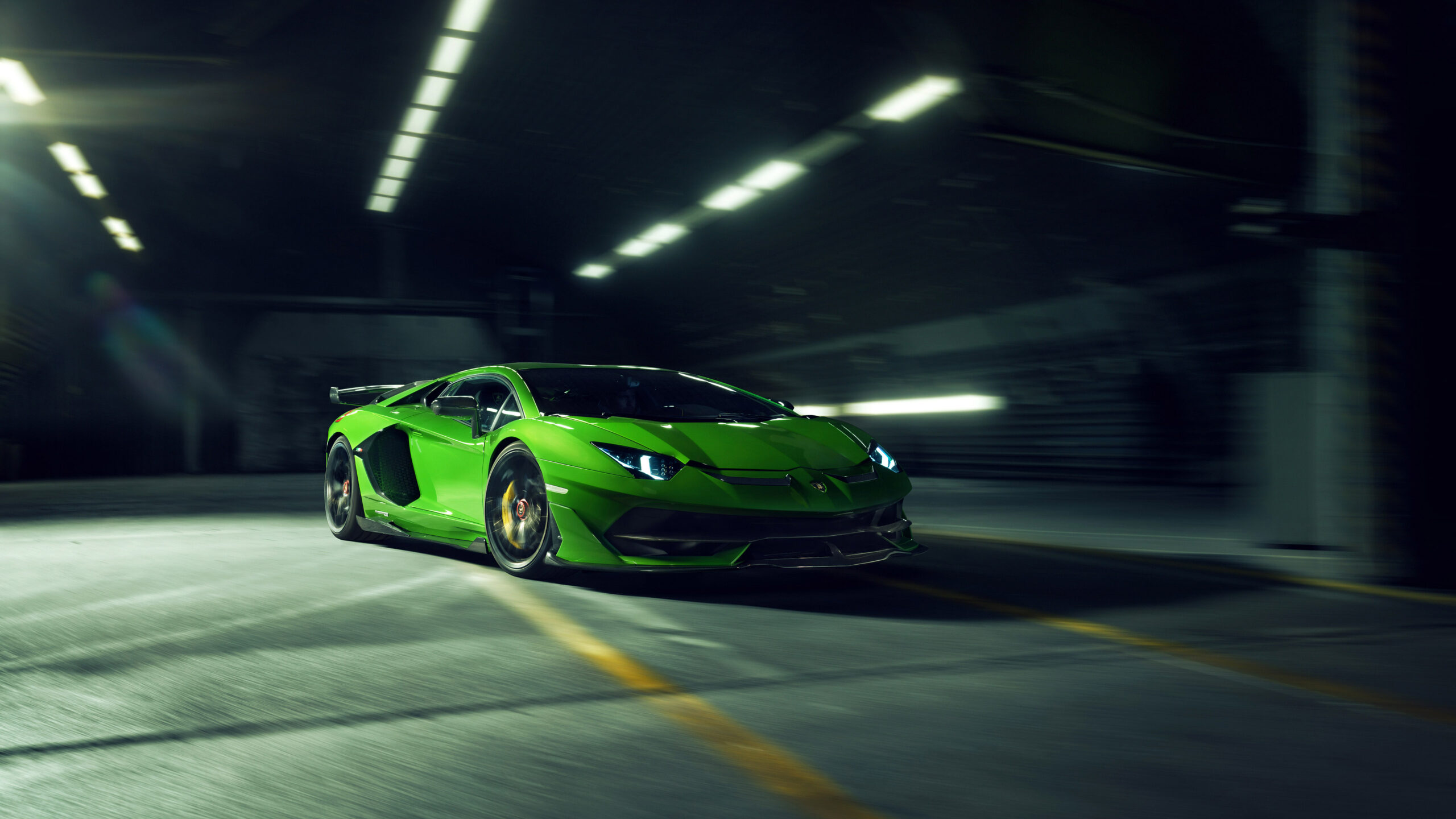
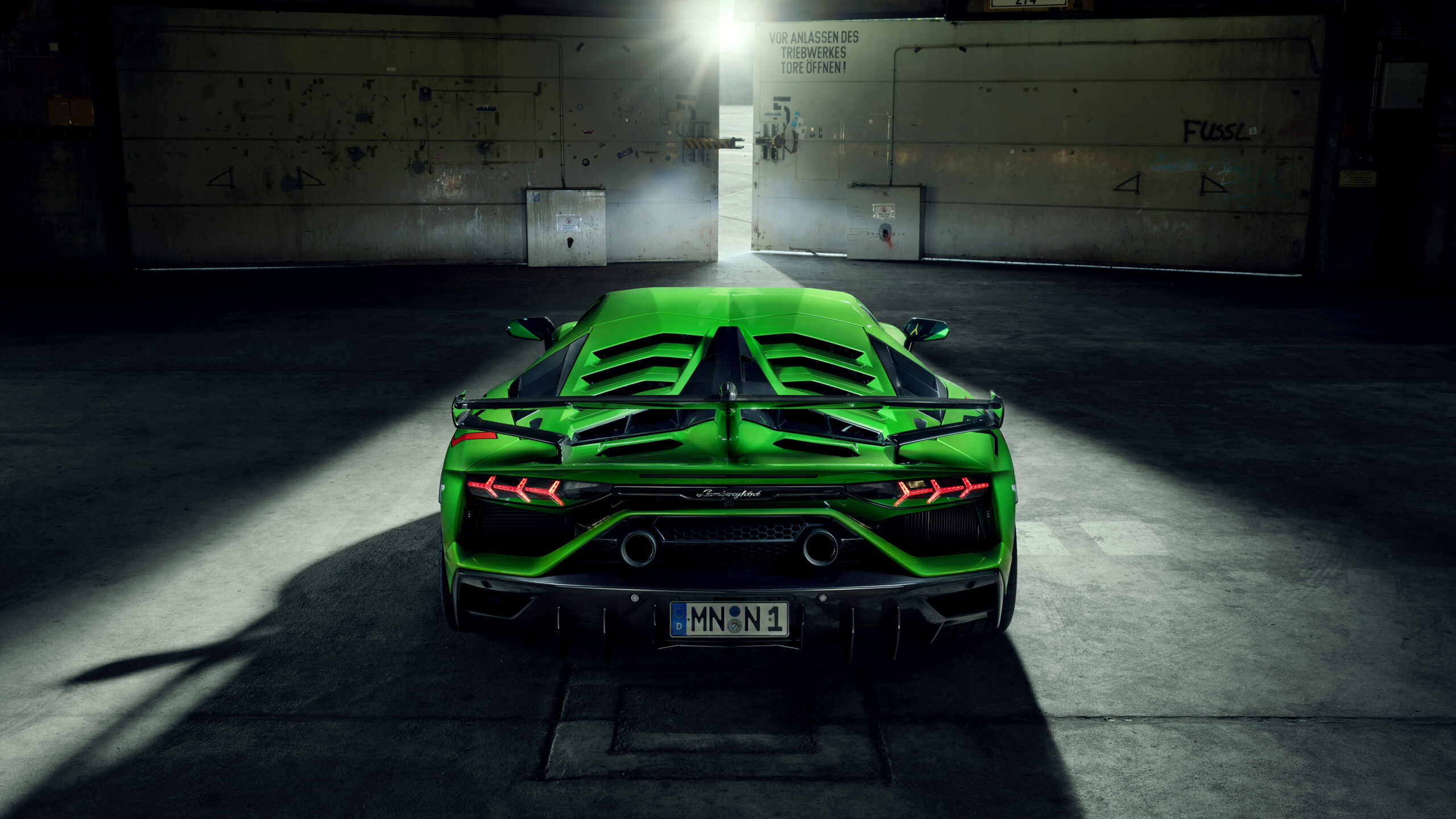
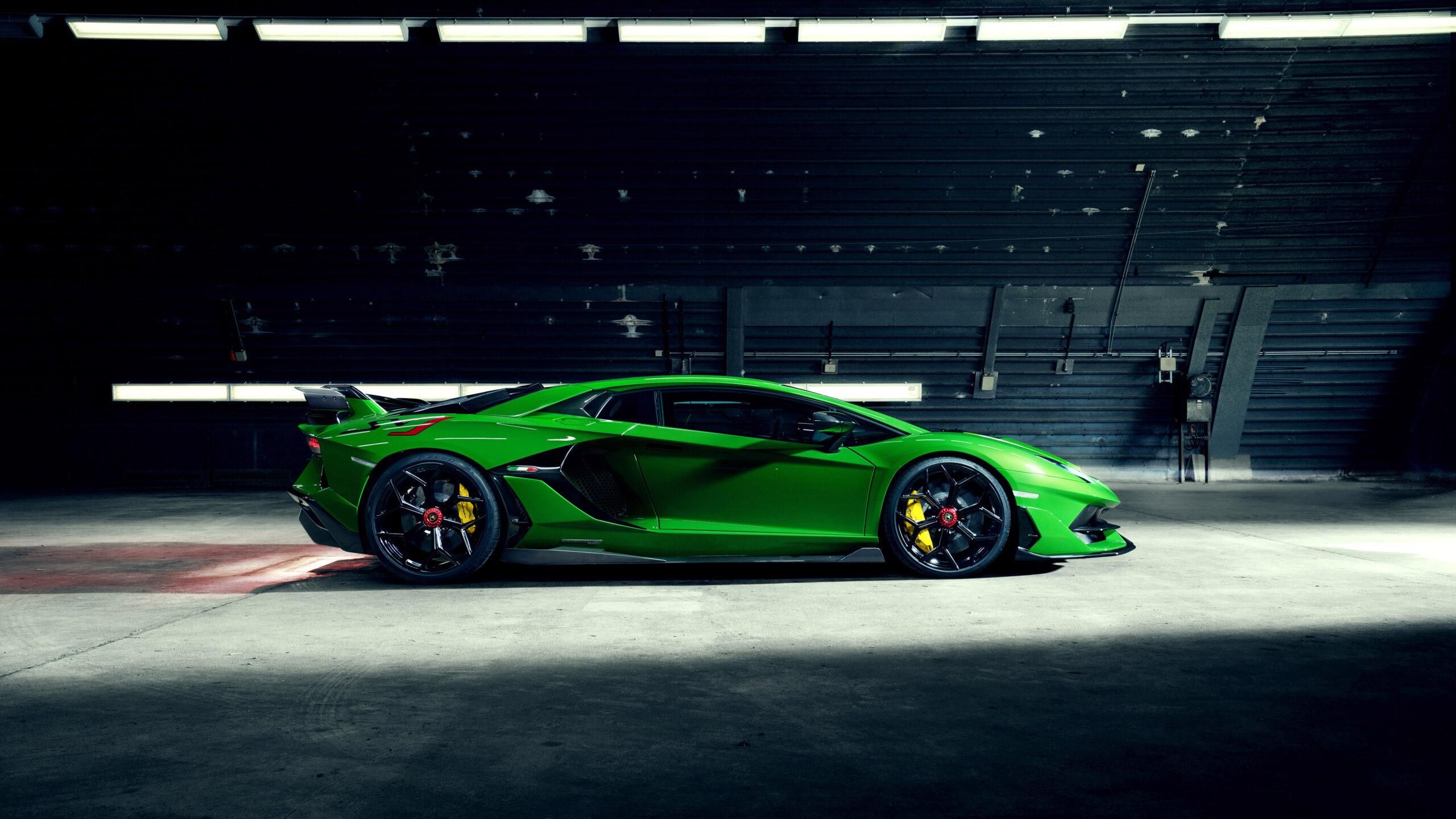
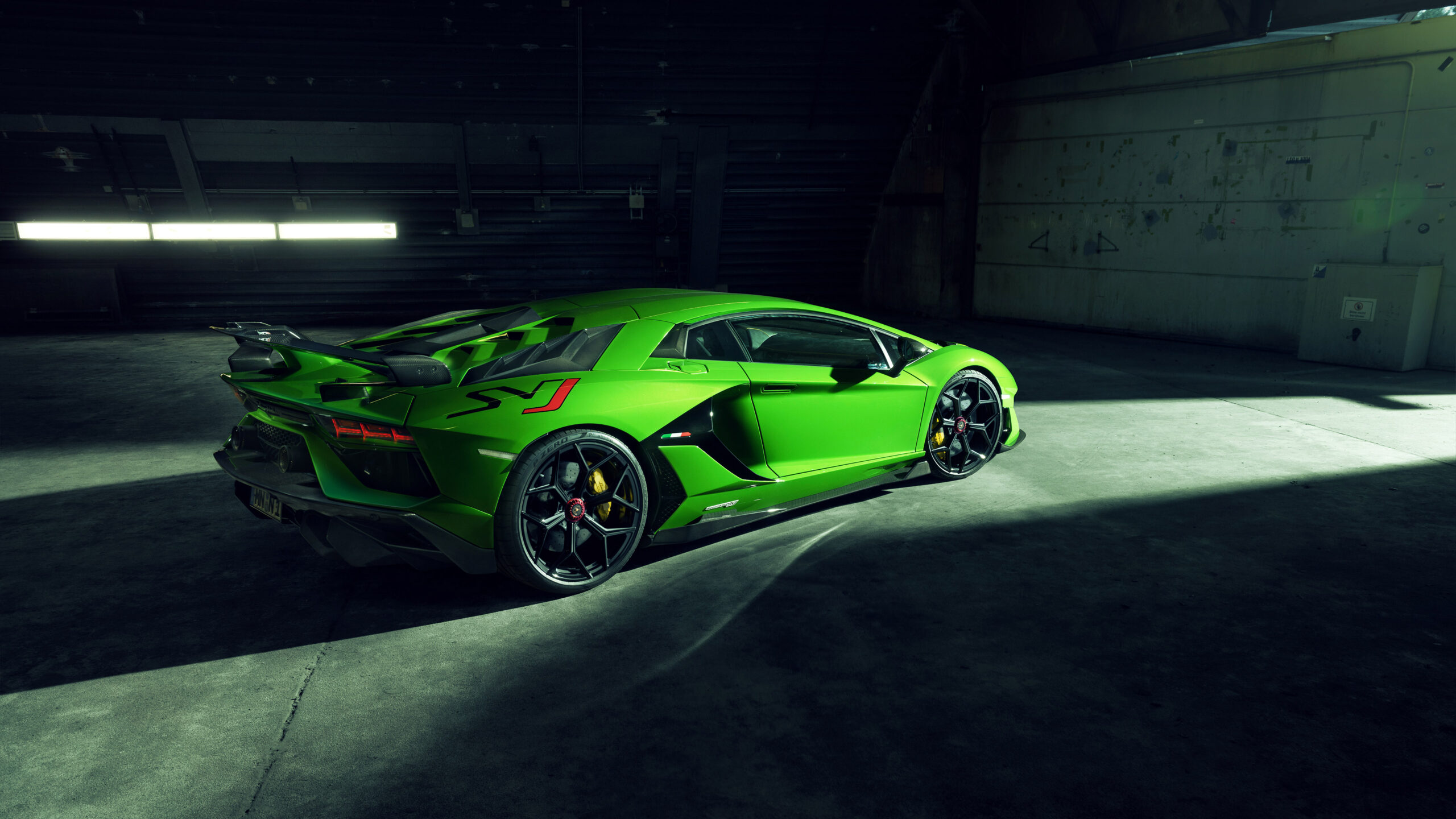
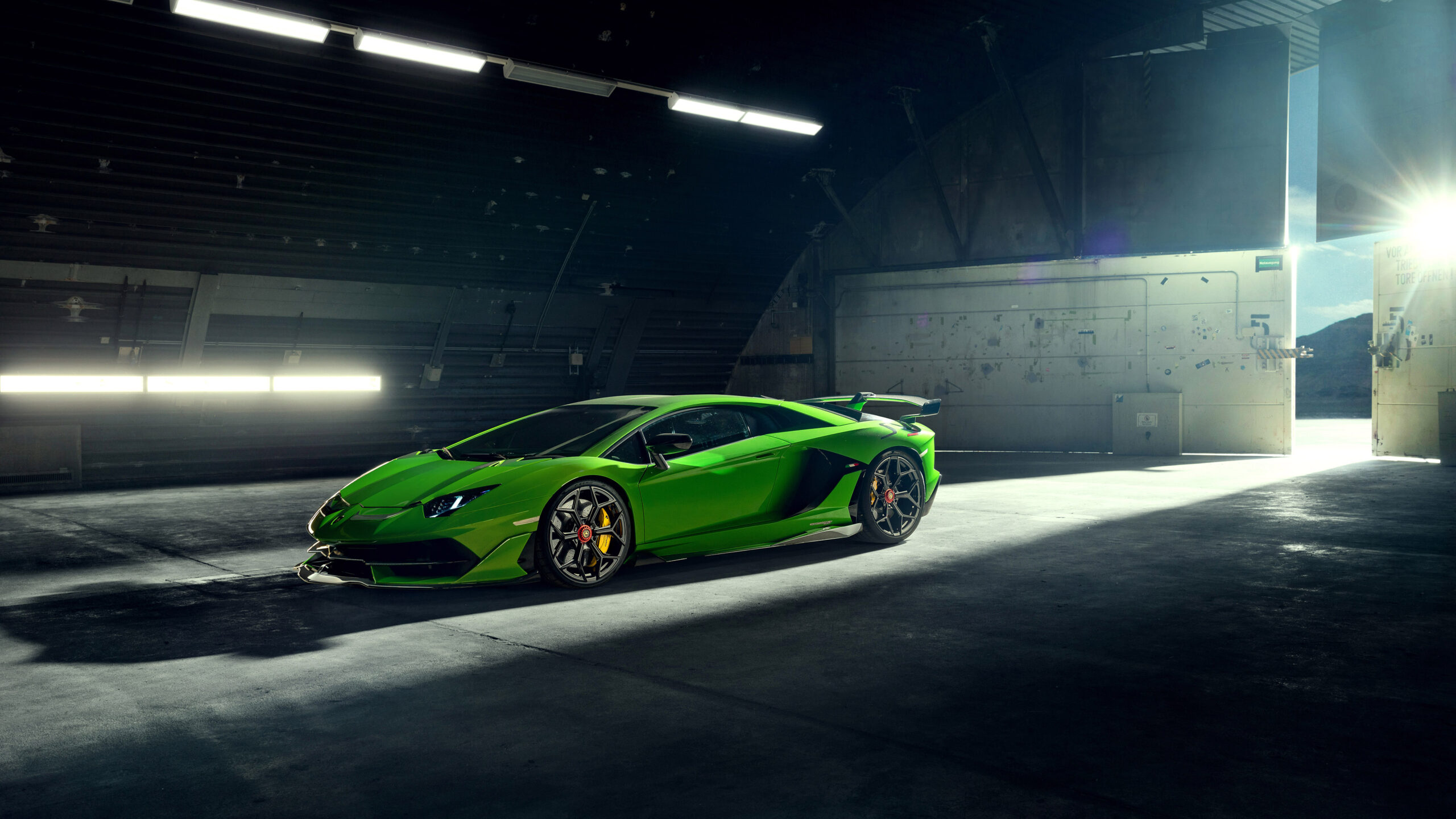
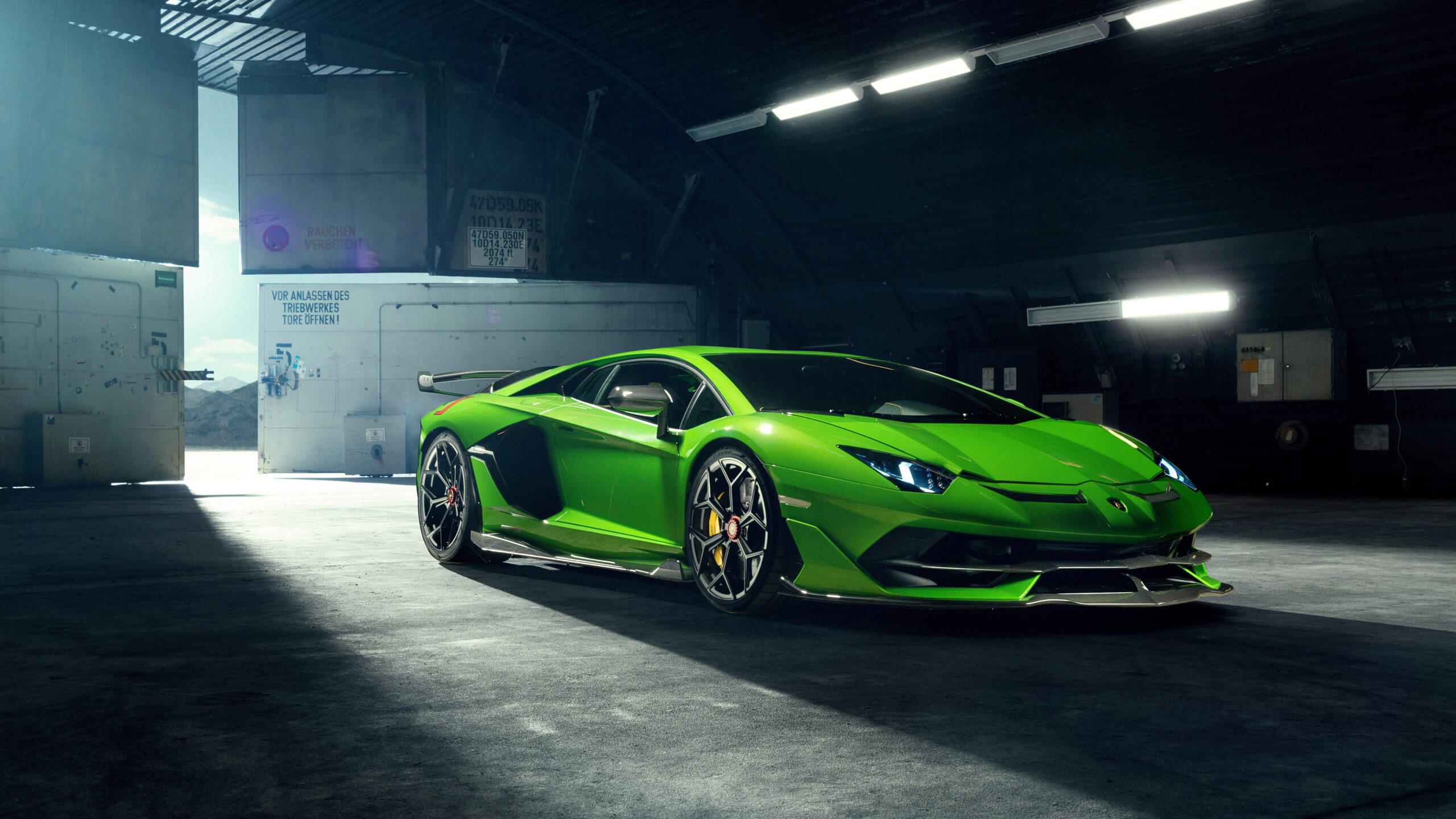
2019 Novitec Lamborghini Aventador SVJ Wallpapers

We have curated the ultimate collection of the best 2019 Novitec Lamborghini Aventador SVJ Wallpapers and HD backgrounds for you to enjoy. Our team focused on finding the top 2019 Novitec Lamborghini Aventador SVJ Wallpapers only to keep the quality high. These 2019 Novitec Lamborghini Aventador SVJ Wallpapers are free to download so go ahead. To download any of these pictures for use as a wallpaper, right click the picture and choose Save As…

Find more awesome Novitec Wallpapers

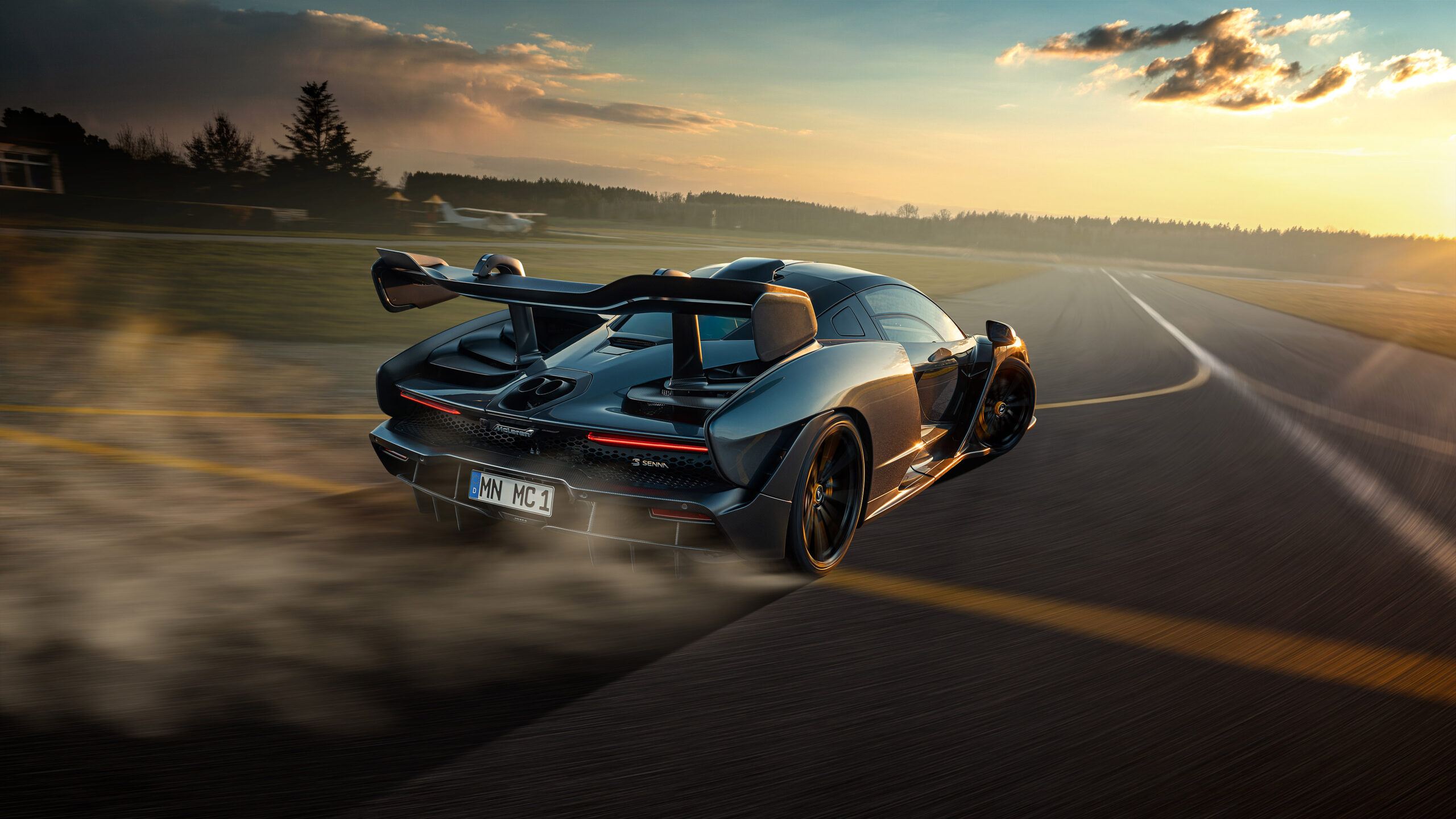
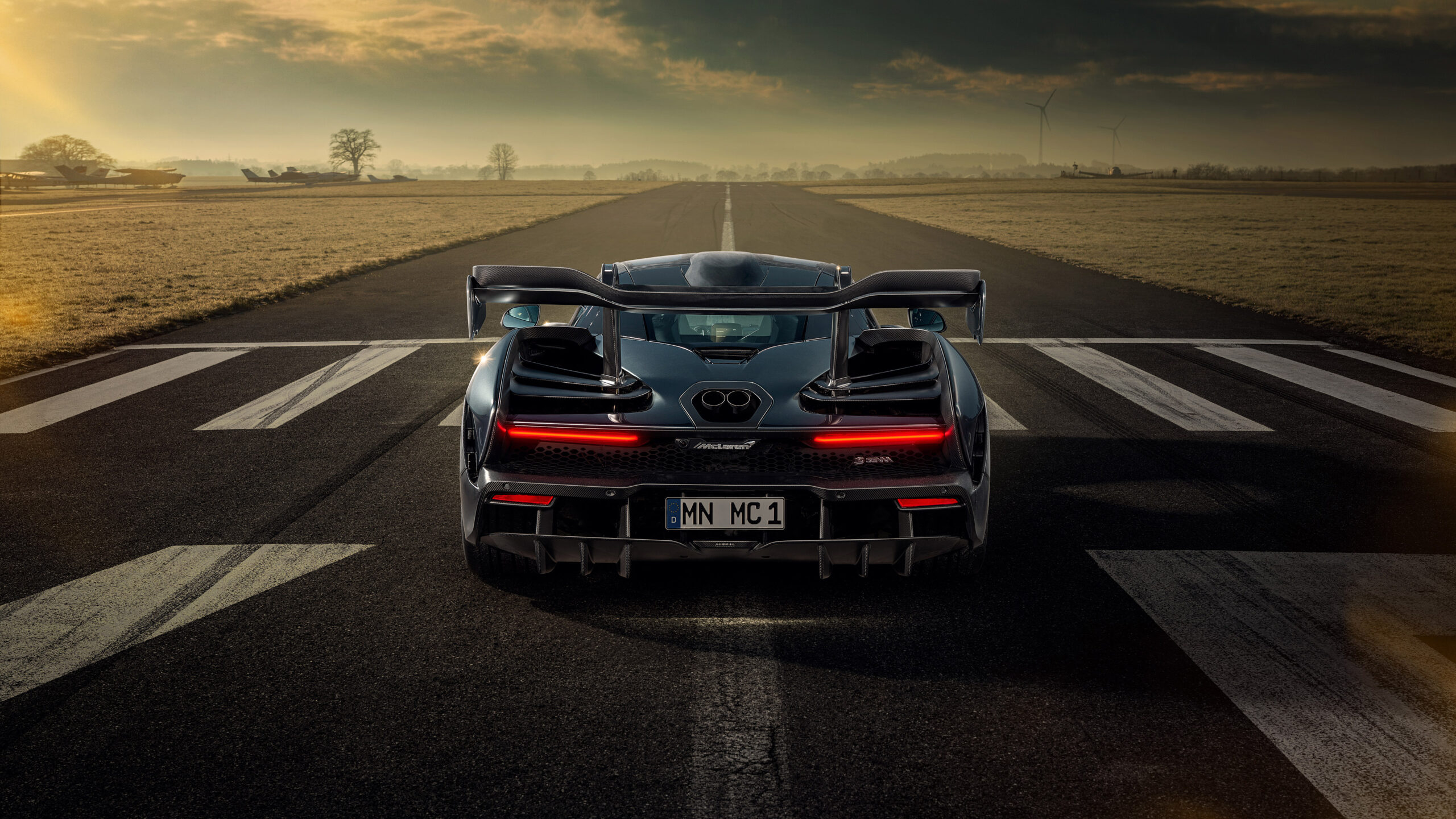
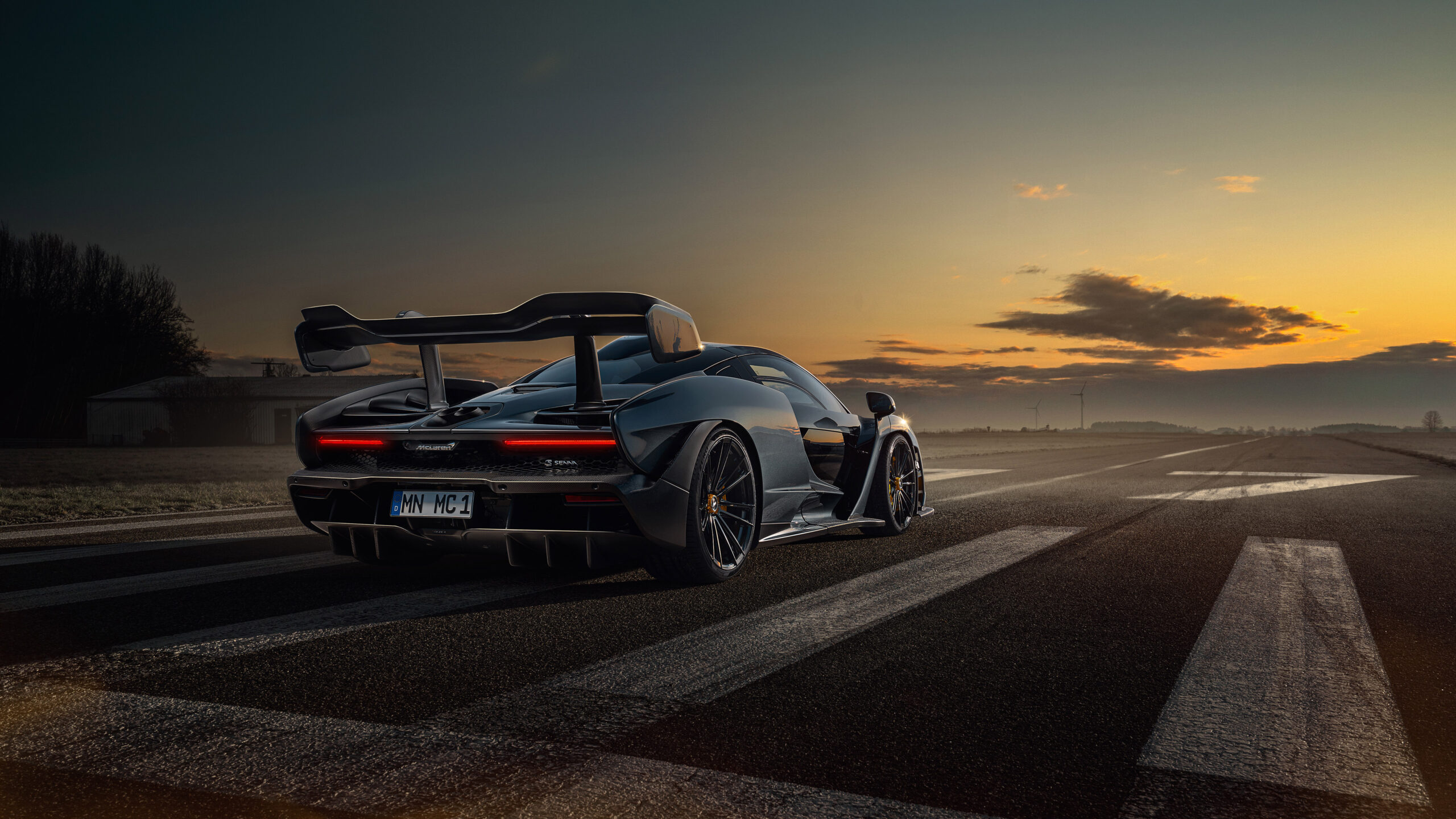
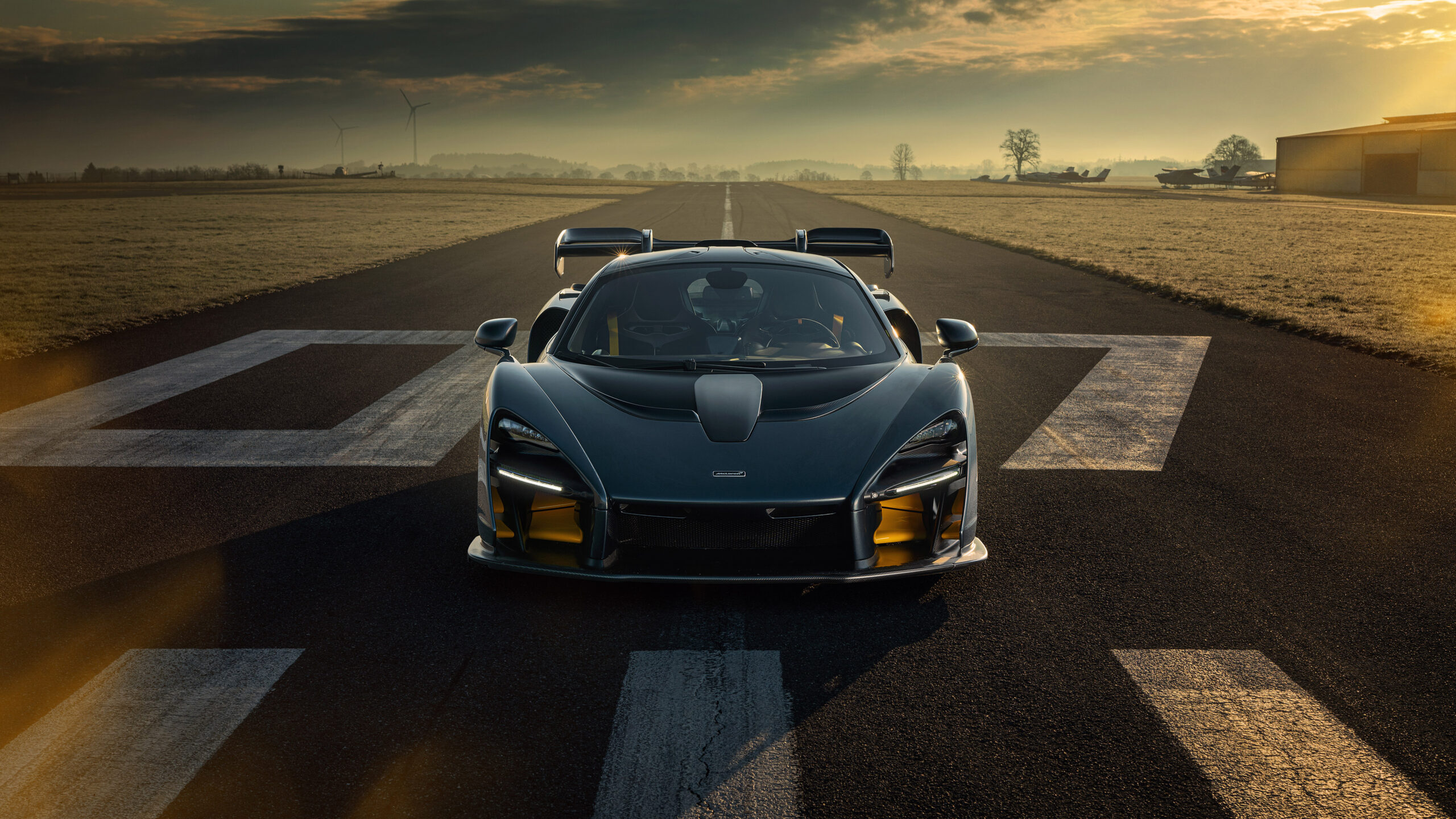
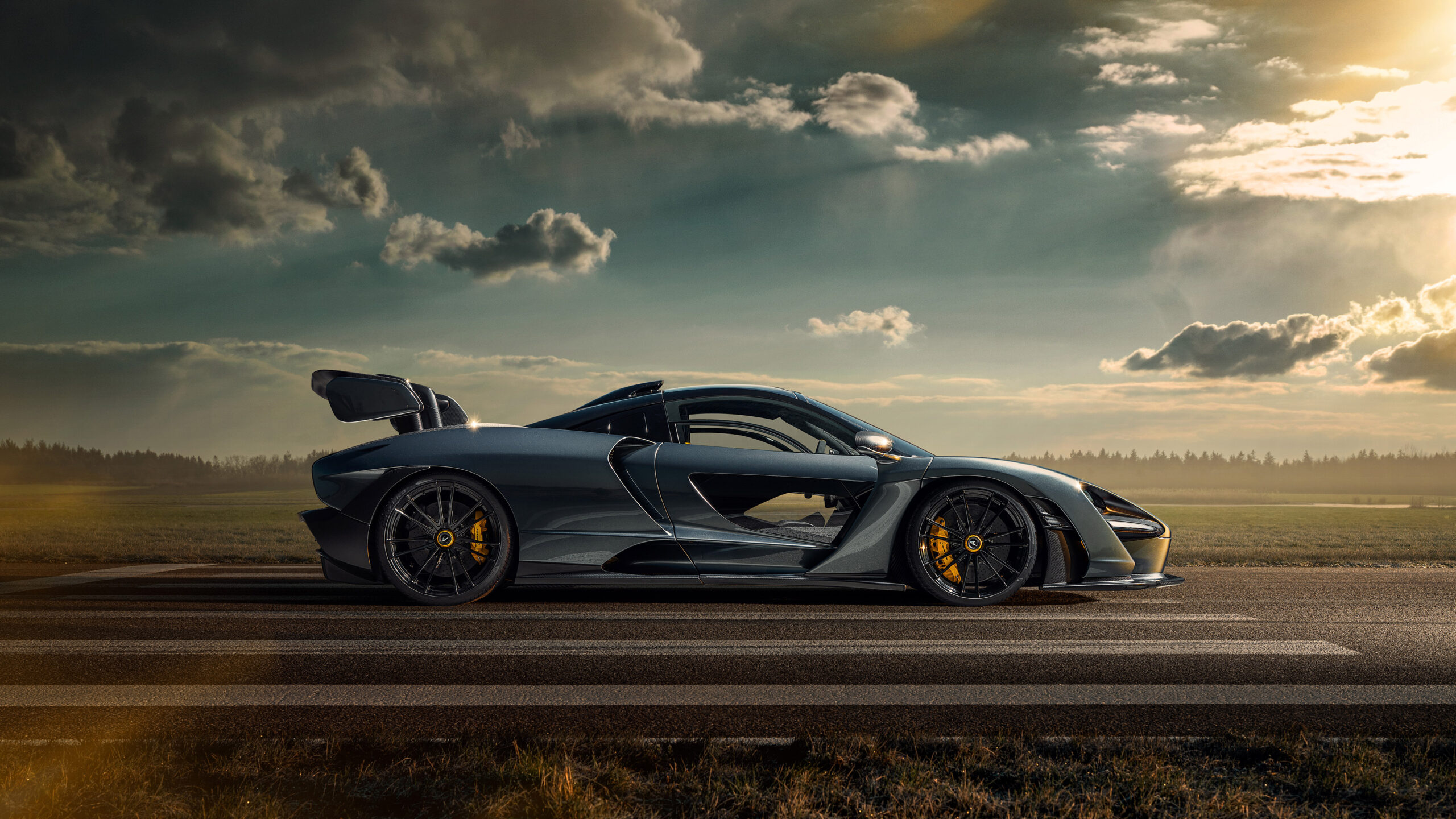
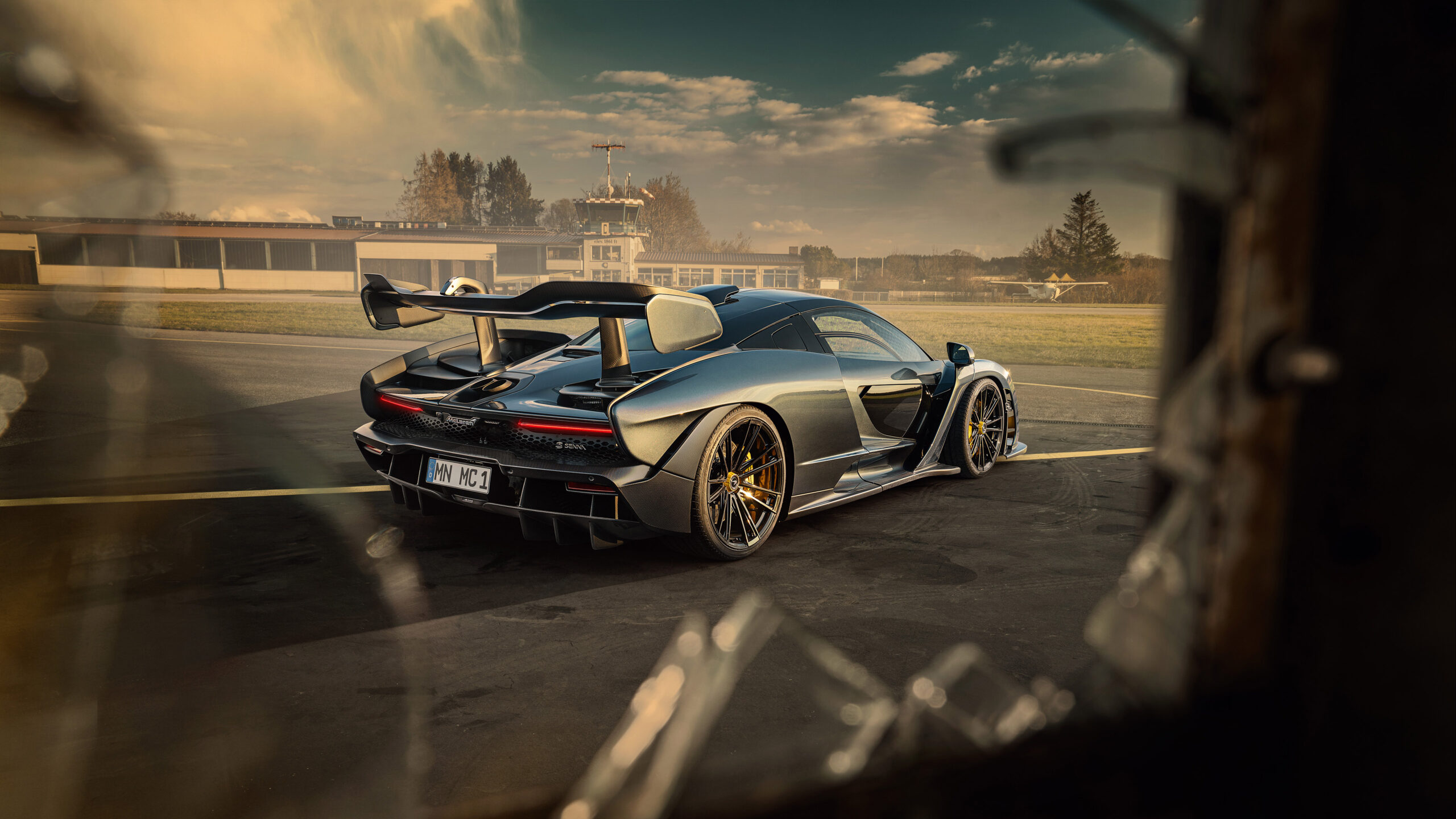
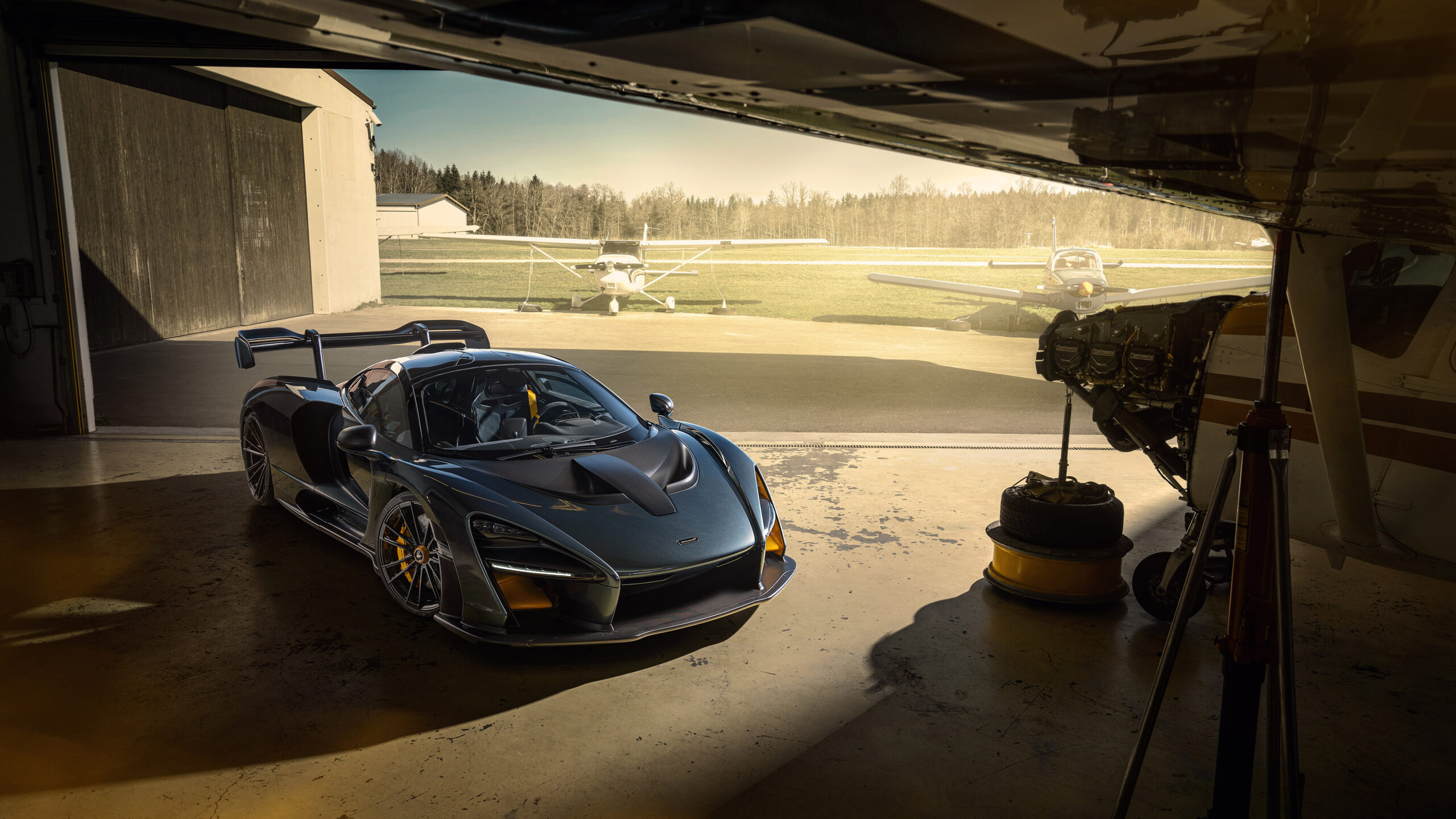
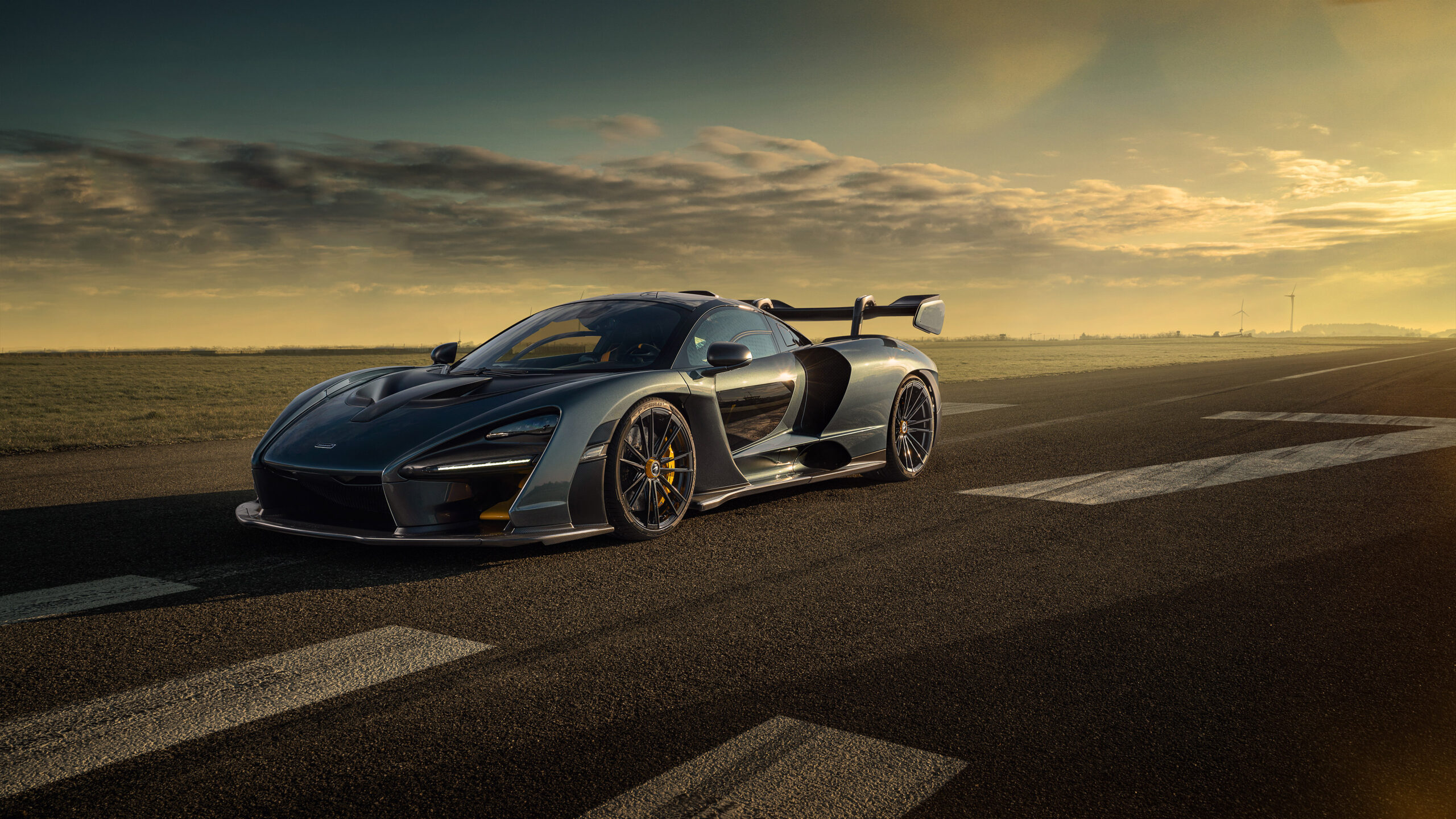
2020 Novitec McLaren Senna Wallpapers

We have curated the ultimate collection of the best 2020 Novitec McLaren Senna Wallpapers and HD backgrounds for you to enjoy. Our team focused on finding the top 2020 Novitec McLaren Senna Wallpapers only to keep the quality high. These 2020 Novitec McLaren Senna Wallpapers are free to download so go ahead. To download any of these pictures for use as a wallpaper, right click the picture and choose Save As…

Find more awesome Novitec Wallpapers

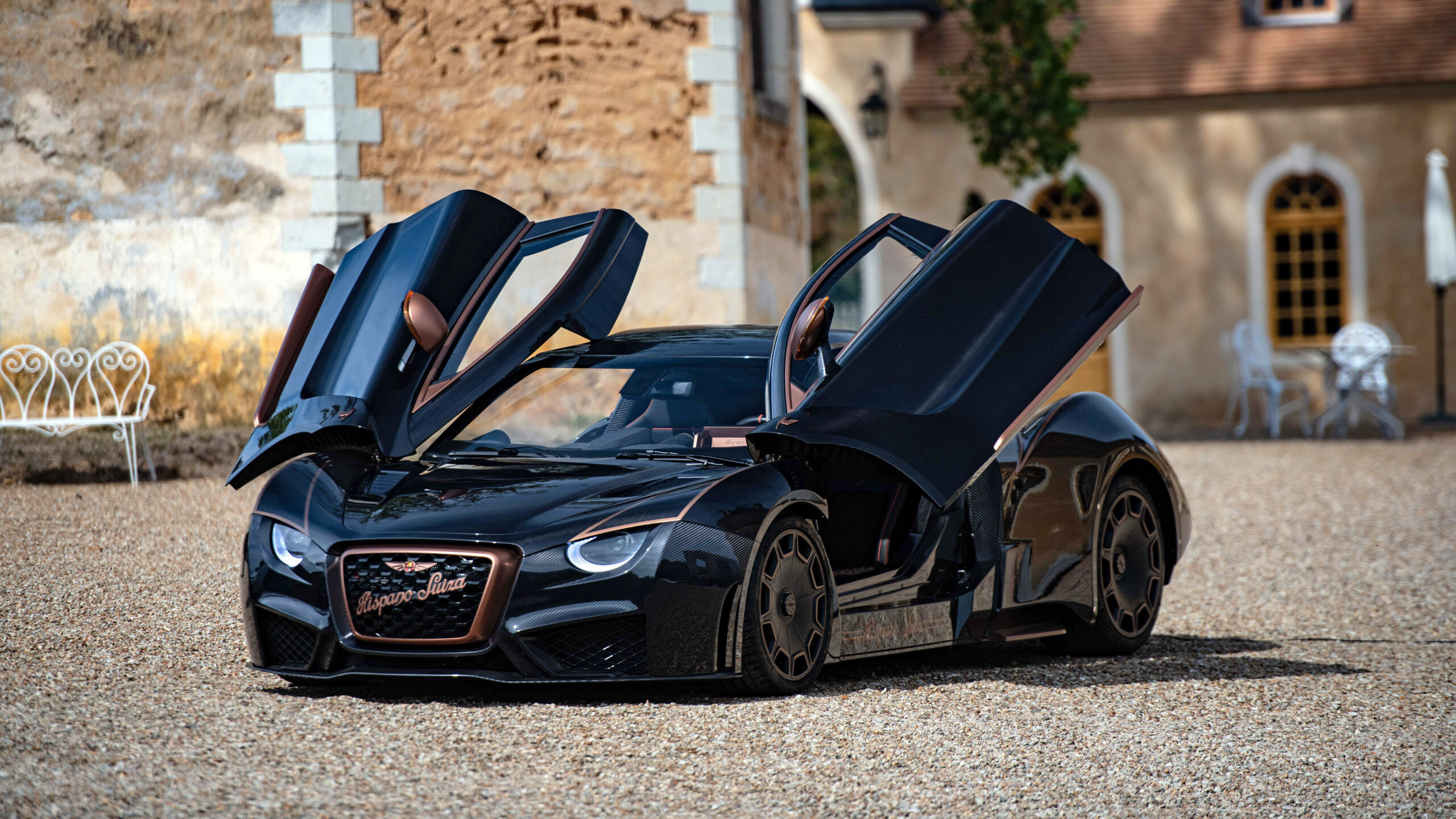
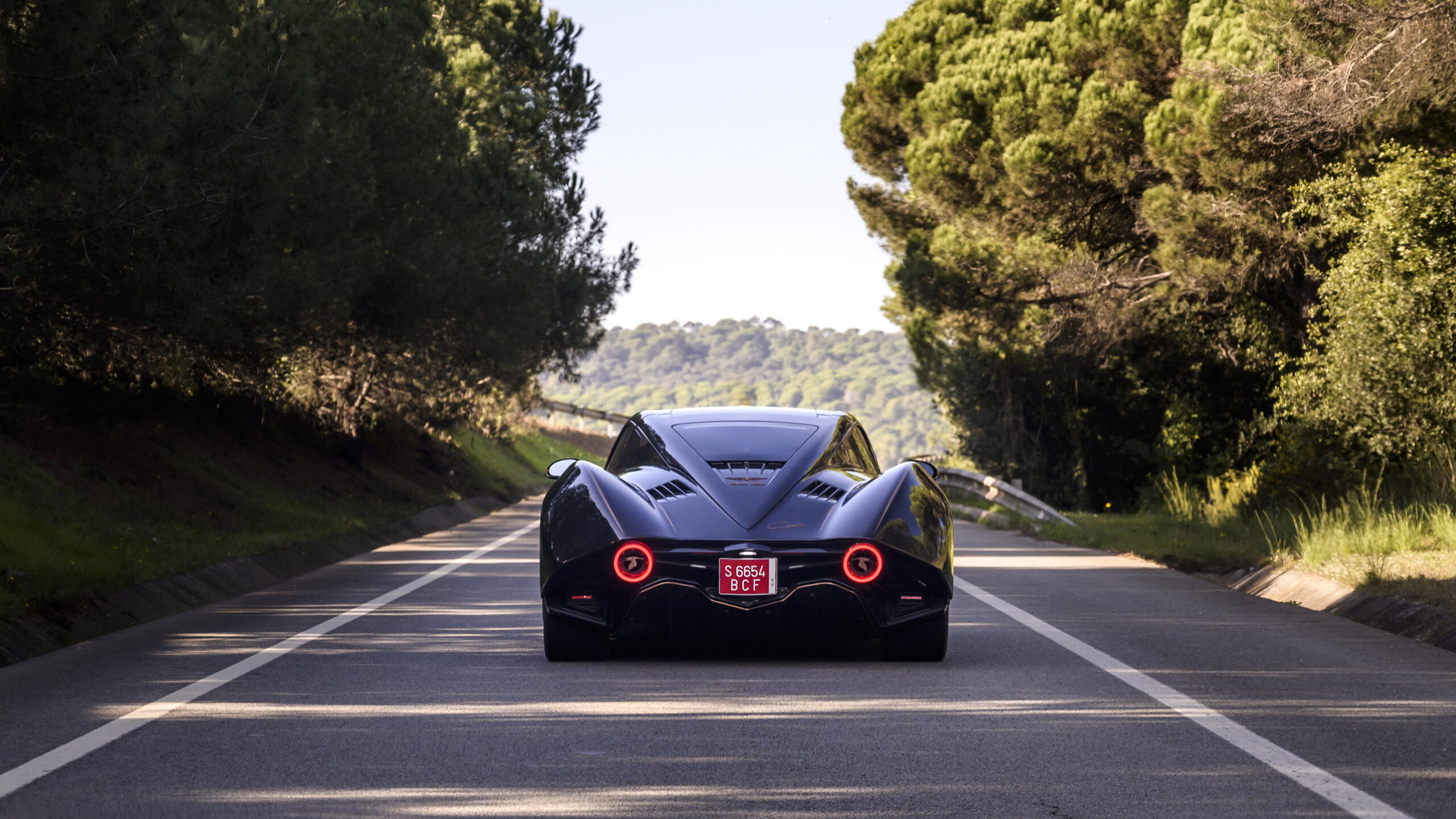
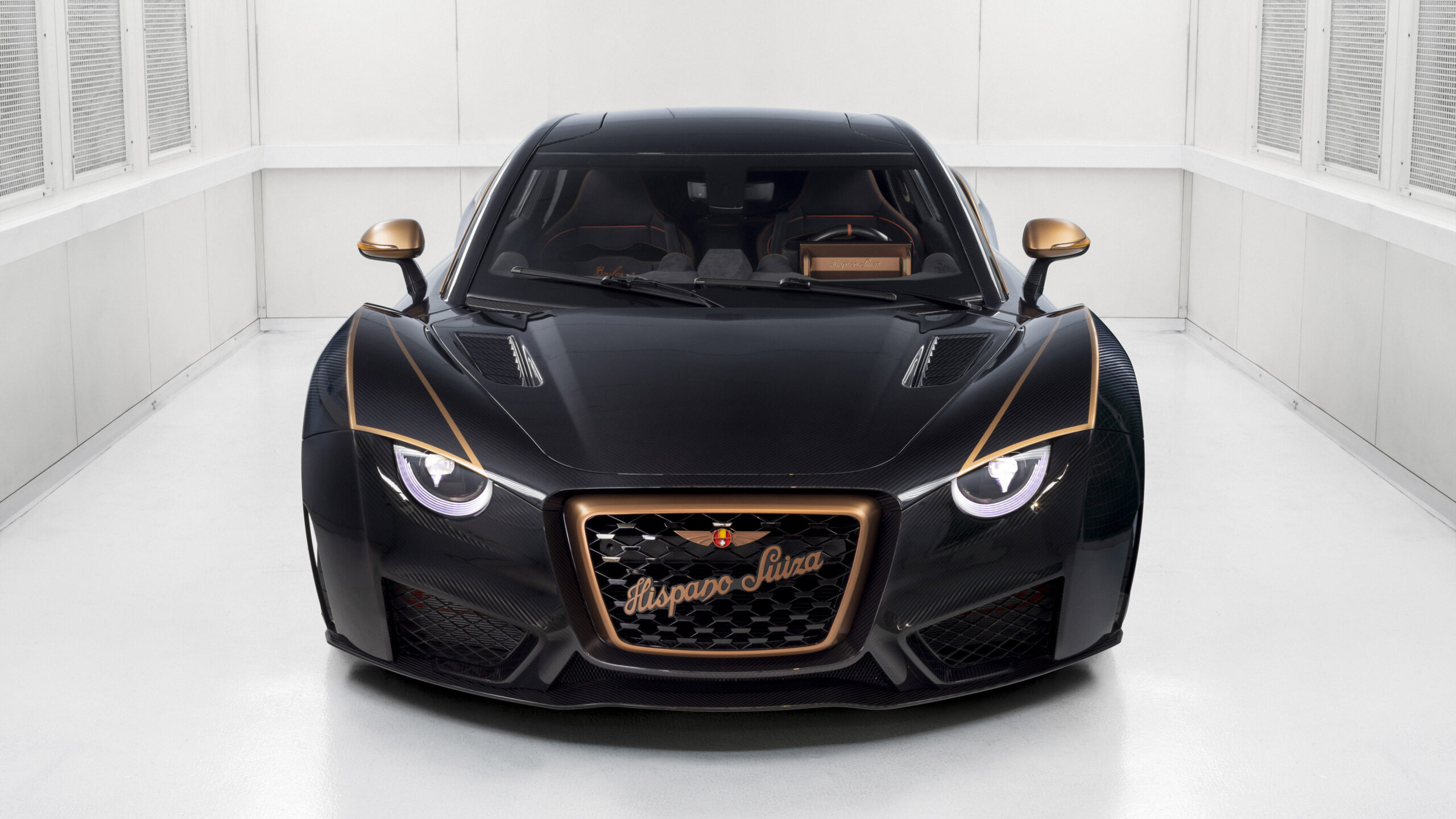
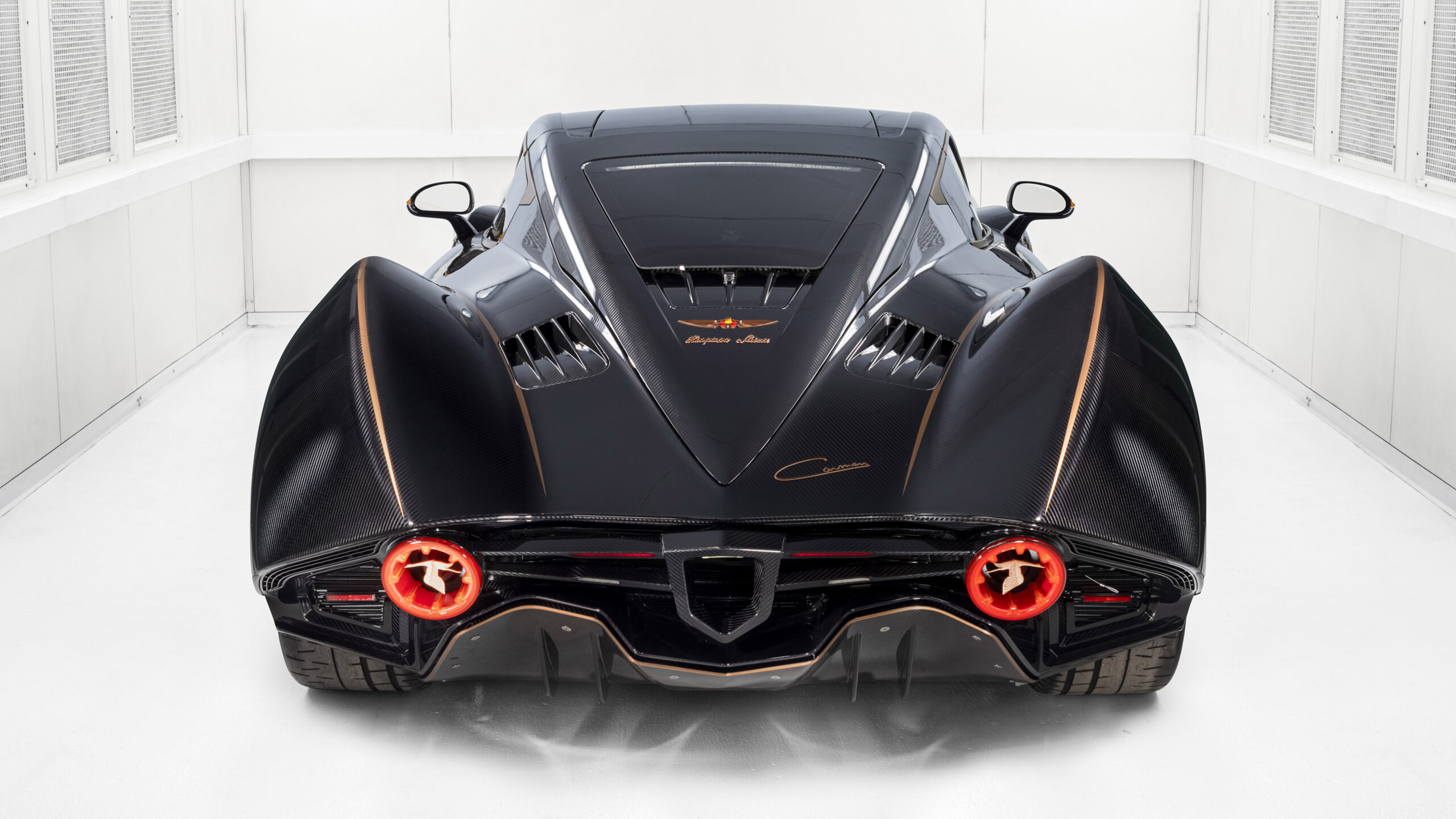
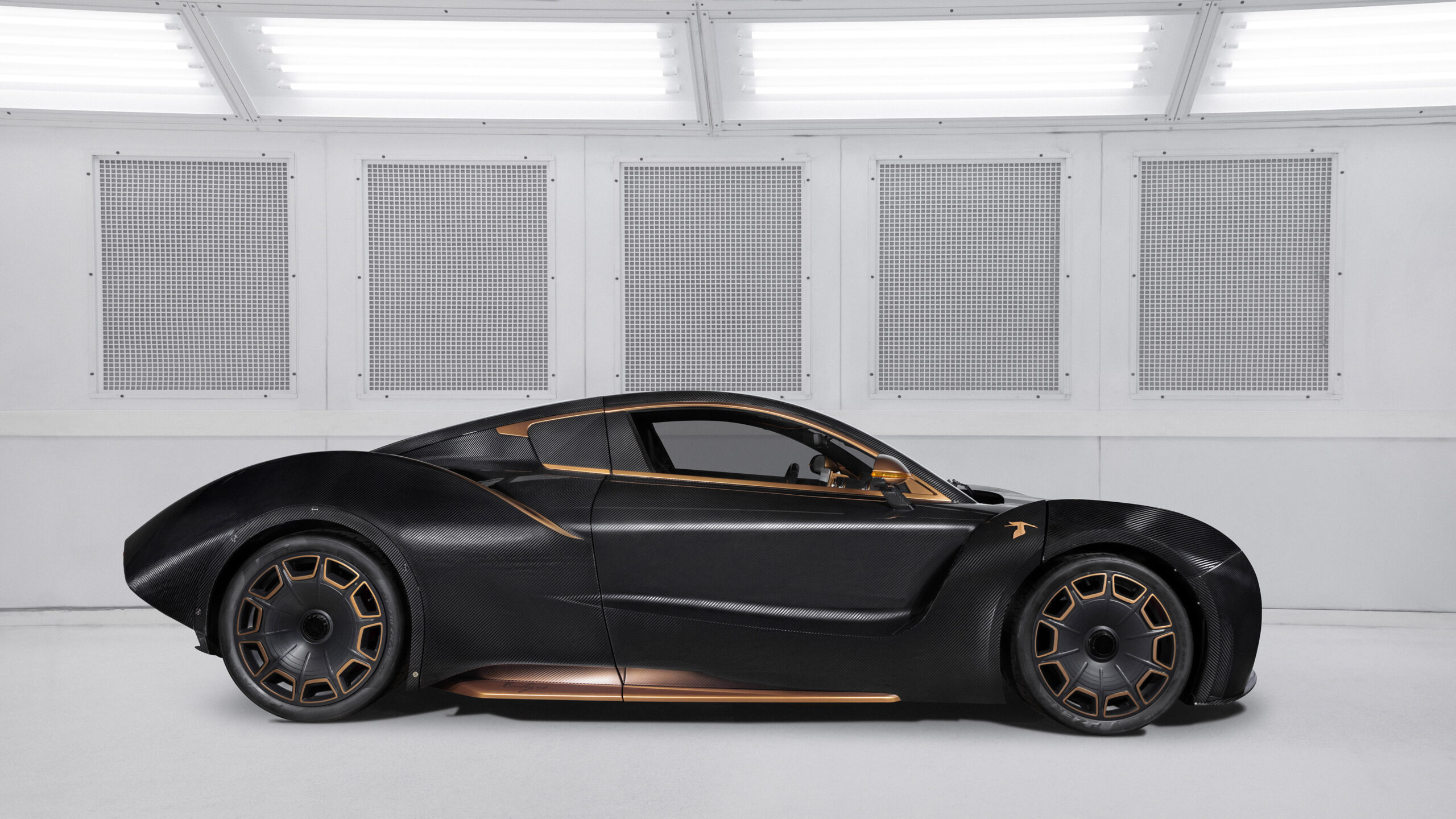
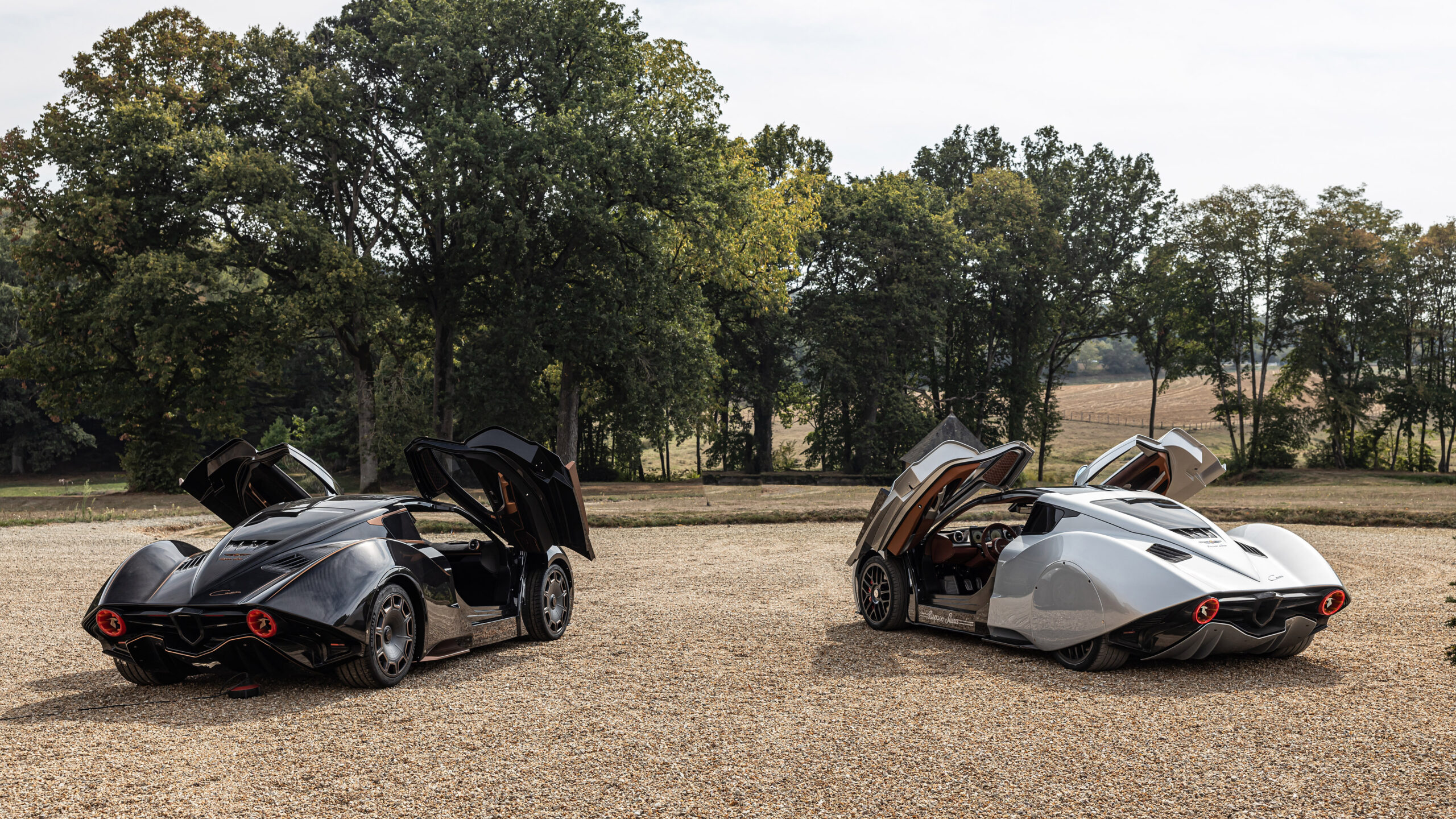
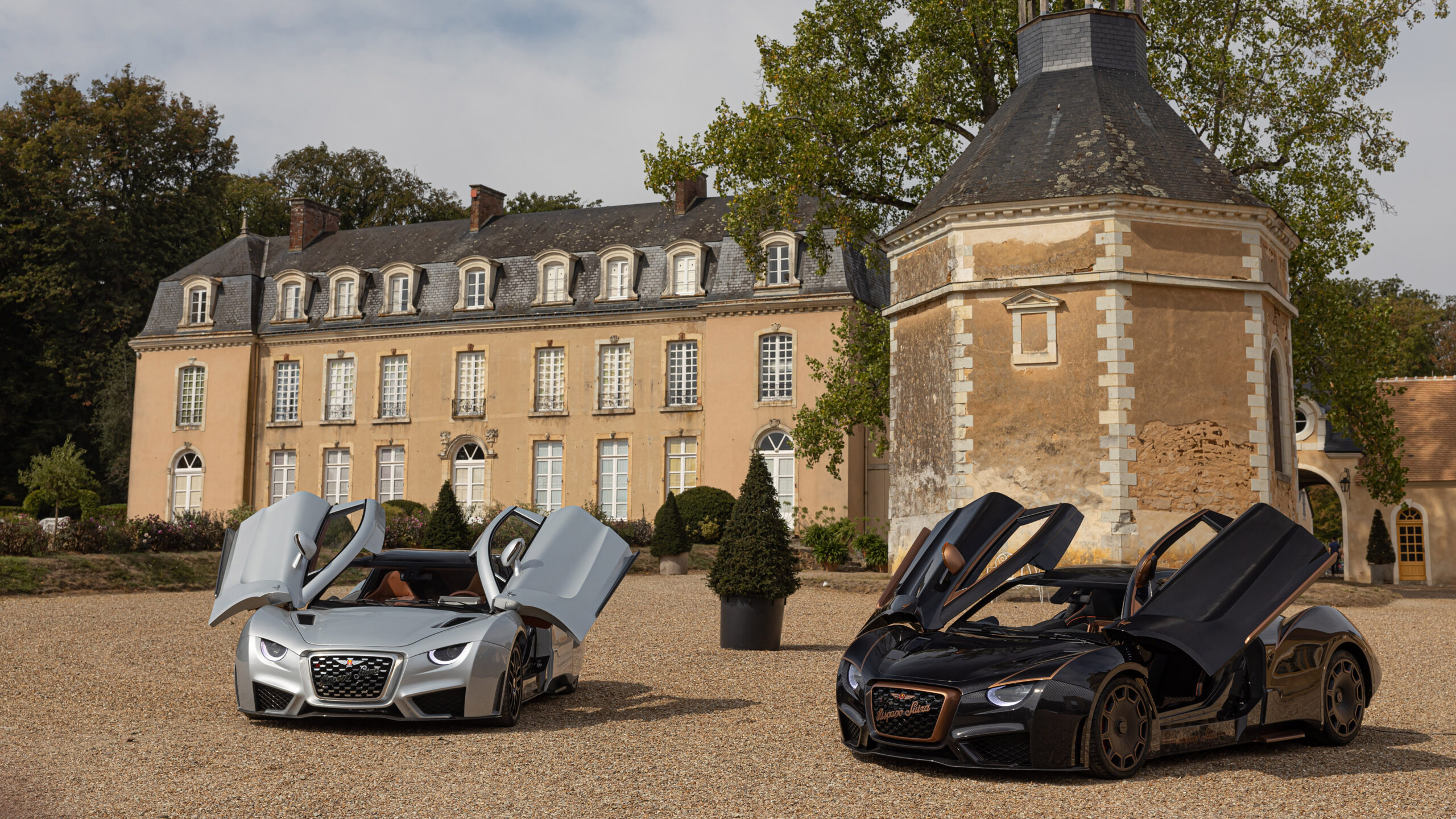
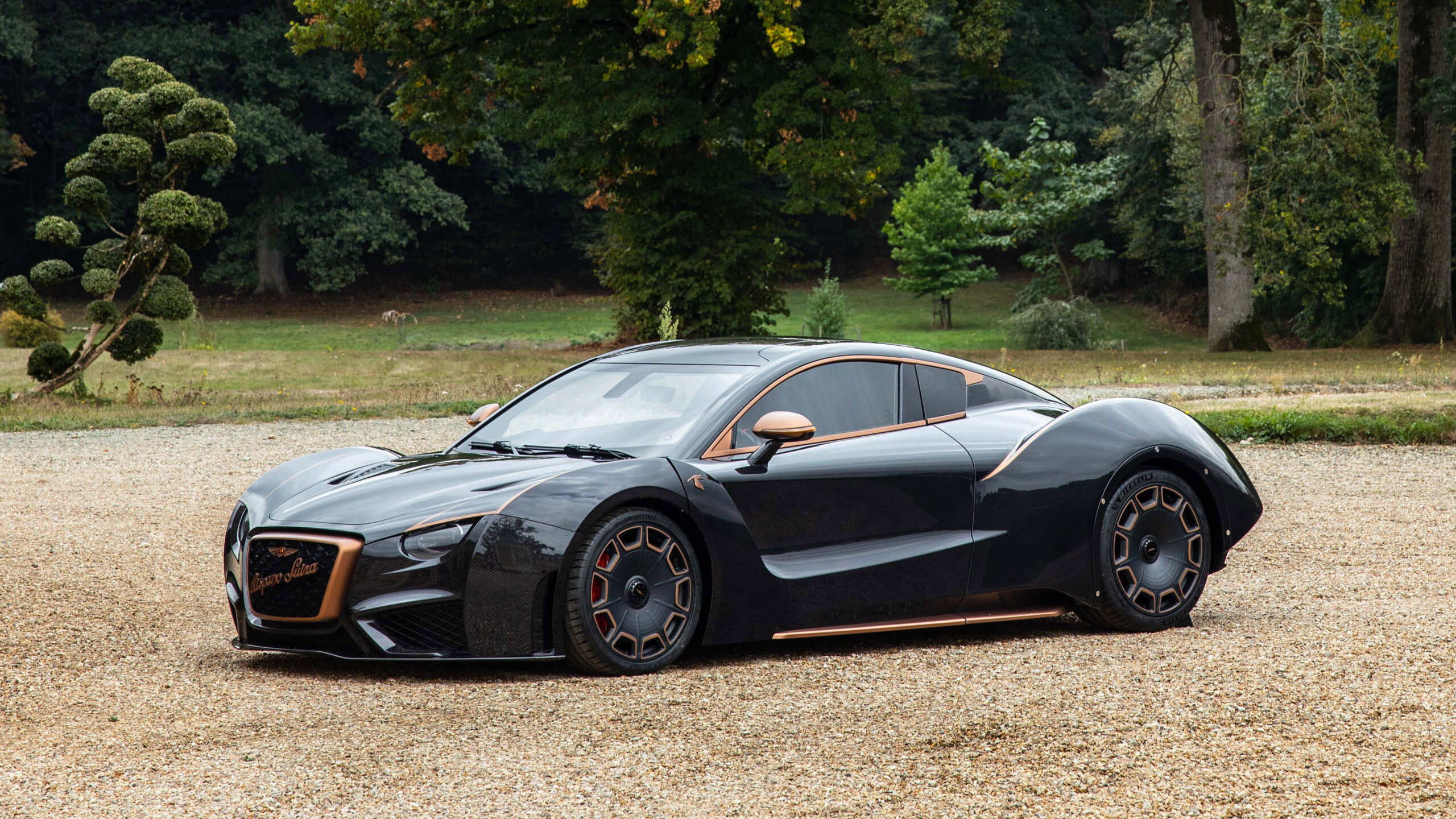
2020 Hispano Suiza Carmen Boulogne Wallpapers

We have curated the ultimate collection of the best 2020 Hispano Suiza Carmen Boulogne Wallpapers and HD backgrounds for you to enjoy. Our team focused on finding the top 2020 Hispano Suiza Carmen Boulogne Wallpapers only to keep the quality high. These 2020 Hispano Suiza Carmen Boulogne Wallpapers are free to download so go ahead. To download any of these pictures for use as a wallpaper, right click the picture and choose Save As…

Find more awesome Hispano Suiza Wallpapers

2021 Cadillac CT5 Premium Luxury AWD Review

After spending a week with Cadillac’s CT4-V, Cadillac also gave us some time with a CT5 with the Premium Luxury trim level. While appearing similar is size and general overall shape to the CT4, it felt much different than the CT4-V.

The design was a little more conservative, less flashy, than the CT4-V. The lines were still taut and crisp, like an ironed dress shirt, but the car also looked muscular and lean too. Overall, it’s an attractive car whose design conveys refinement, power, and prestige.

The inside was tastefully done in black and tan, with some wood accents that actually seem to fit with the interior design of the car. That seems like a rare thing these days. Cadillac employs a color-block approach to the interior and it works very well. The stitching and leatherwork of the seats really stands out as extraordinary and we found we were quite comfortable in the car, both literally and figuratively. Controls were nearly identical to the CT4. There was ample legroom in the backseat for adult passengers.

Under the hood was Cadillac’s twin-turbo 3.0L V6, which provides 360hp and 405 lb-ft of torque through a 10-speed automatic transmission to the AWD system. It’s a smooth engine that generates a lot of power throughout the rev range and is a pleasure to drive. The fact that it didn’t feel any faster than the twin-scroll four-cylinder turbo engine in the CT4-V is more a testament to that engine than any criticism of the 3.0L TT V6. While we were impressed by the CT4-V’s engine, the 3.0L V6 provided a smoother, more aurally pleasing experience, better suited to a luxury car.

The attractive 18” wheels hid some solid brakes behind them that stopped the car quickly. Pedal feel was good; there didn’t seem to be any sponginess or grabbiness.

The suspension was a pleasant intersection of sporting and comfort. The car didn’t seem to have magnetic suspension like many of it’s other cars have, which surprised us.

The car handled well and through the use of weighted steering and additional NVH damping, makes the car feel larger than it really is and more stately. It doesn’t encourage you to drive in a sporting manor, nor does it really reward it. Road and tire noise is nearly non-existent and the ride is forgiving and comfortable. We enjoyed driving it around town on in rush hour on our daily drive.

If we were surprised by anything it’s that for a “Premium Luxury” trim level, there was a lot of notable Cadillac “premium luxury” features missing, even from the similarly priced CT4-V. Our CT4-V had massagers built into the driver’s seat. The CT5 did not. Our CT5 lacked Cadillac’s Supercruise feature, which blew us away a few years ago when we drove the CT6 Premium Luxury version. There were no magnetic shocks to improve the ride. There was no infrared night vision system. Now granted, not all of these features are needed, and by not adding them the price stayed lower, but when you read “Premium Luxury” trim level, you expect a little more than some electronic safety features and some gorgeous seats. It seemed odd to offer a premium luxury car with little in the way of competitive “premium luxury.”

The EPA estimates 18mpg in the city and 26 on the highway. That matches up pretty close to what we saw.
The CT5 Premium Luxury AWD is a lovely car to drive and, in our opinion, it’s a good looking car. And at a price point of $51,500, it’s certainly very affordable for what it is and what you get. Perhaps it just leaves the higher-end goodies to the CT6 and Escalade.

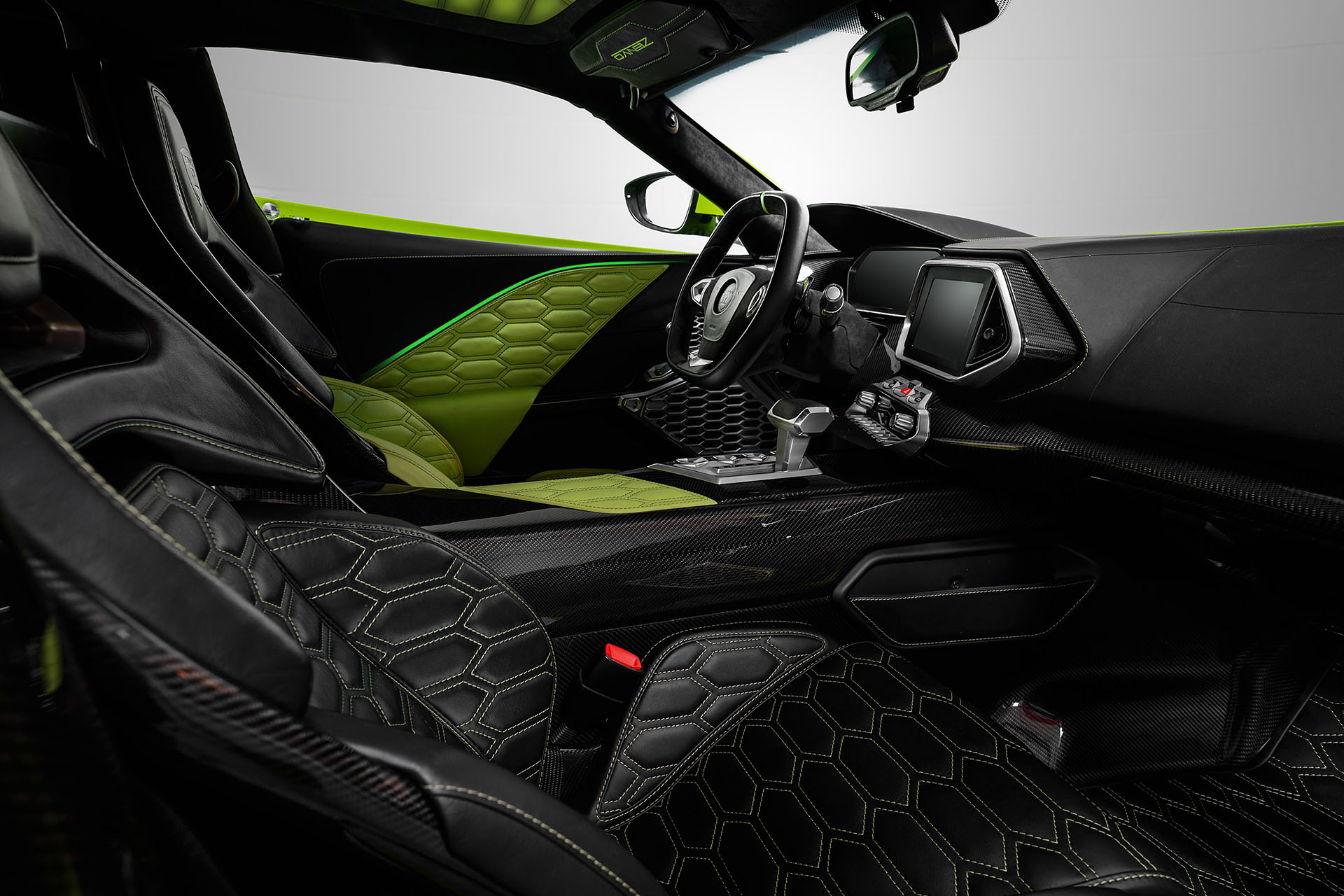
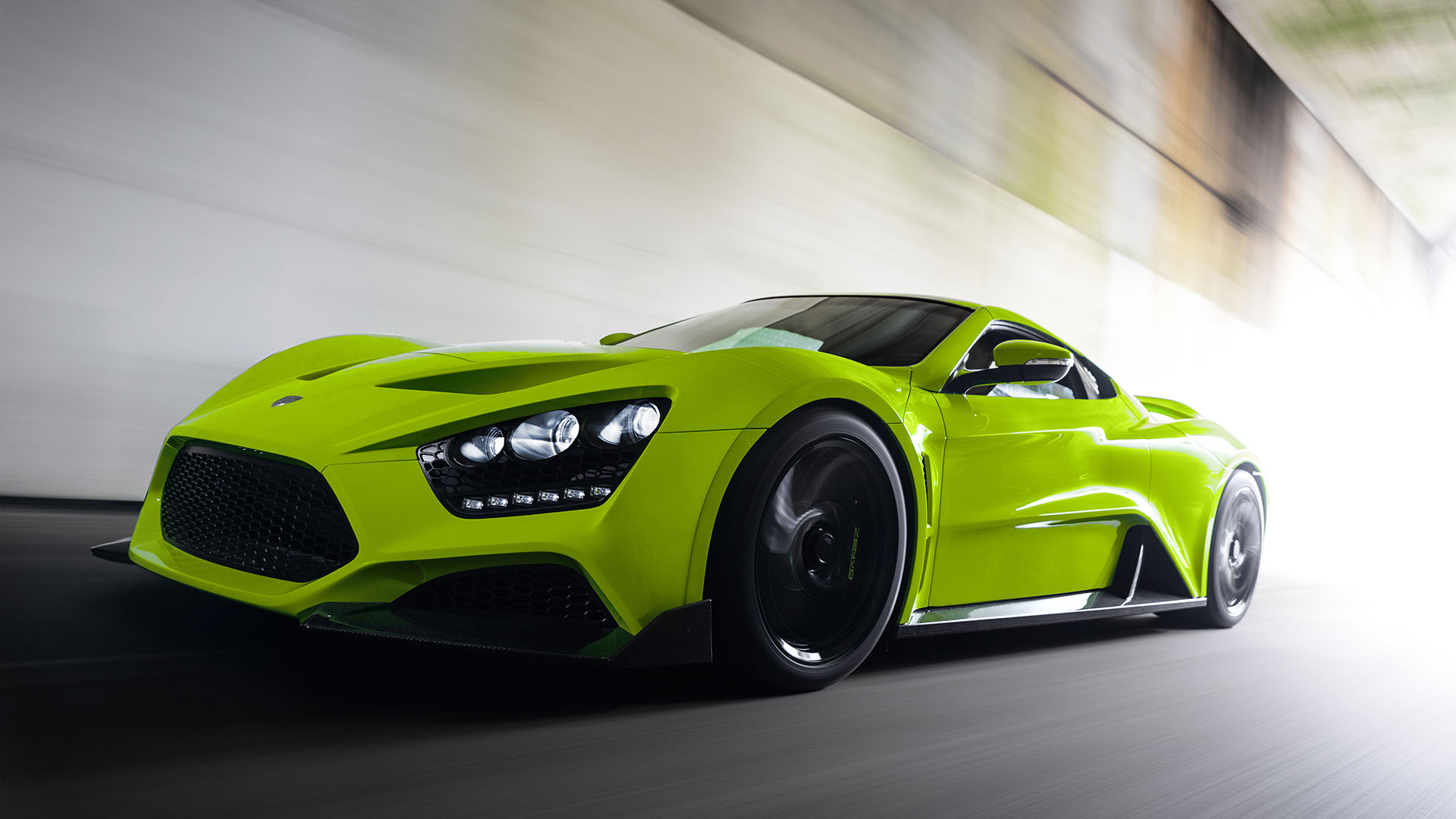
Zenvo at the Goodwood Festival of Speed

Finally, we are able to visit the famous Goodwood Festival of Speed again this year after the 2020 edition was canceled for obvious reasons, between June 8 and June 11 we’ll be able to admire some of the world’s most impressive supercars and hypercars, both as a static display, and in high-speed action on the impressive ‘hill climb’ session, and the best part perhaps … not all of the cars you can admire at the FoS are street legal.

The Zenvo TSR-S at the Goodwood Festival of Speed in 2019 – Credit Staledo

Ever since they showed the ST1 at the Goodwood FoS in 2015, Danish car builder Zenvo hasn’t missed an edition, so for this 2021 edition they are bringing the thunder from Denmark once again, not one, not two … but three different Zenvo will be shown at this year’s FoS, and while two will probably be just there for show, one of the limited edition TSR-S hypercars will race on the legendary Goodwood Hill with Zenvo’s own production manager, Alberto Solera, at the wheel.

The Zenvo TSR-S at the Goodwood Festival of Speed in 2019 – Credit Drew Gibson

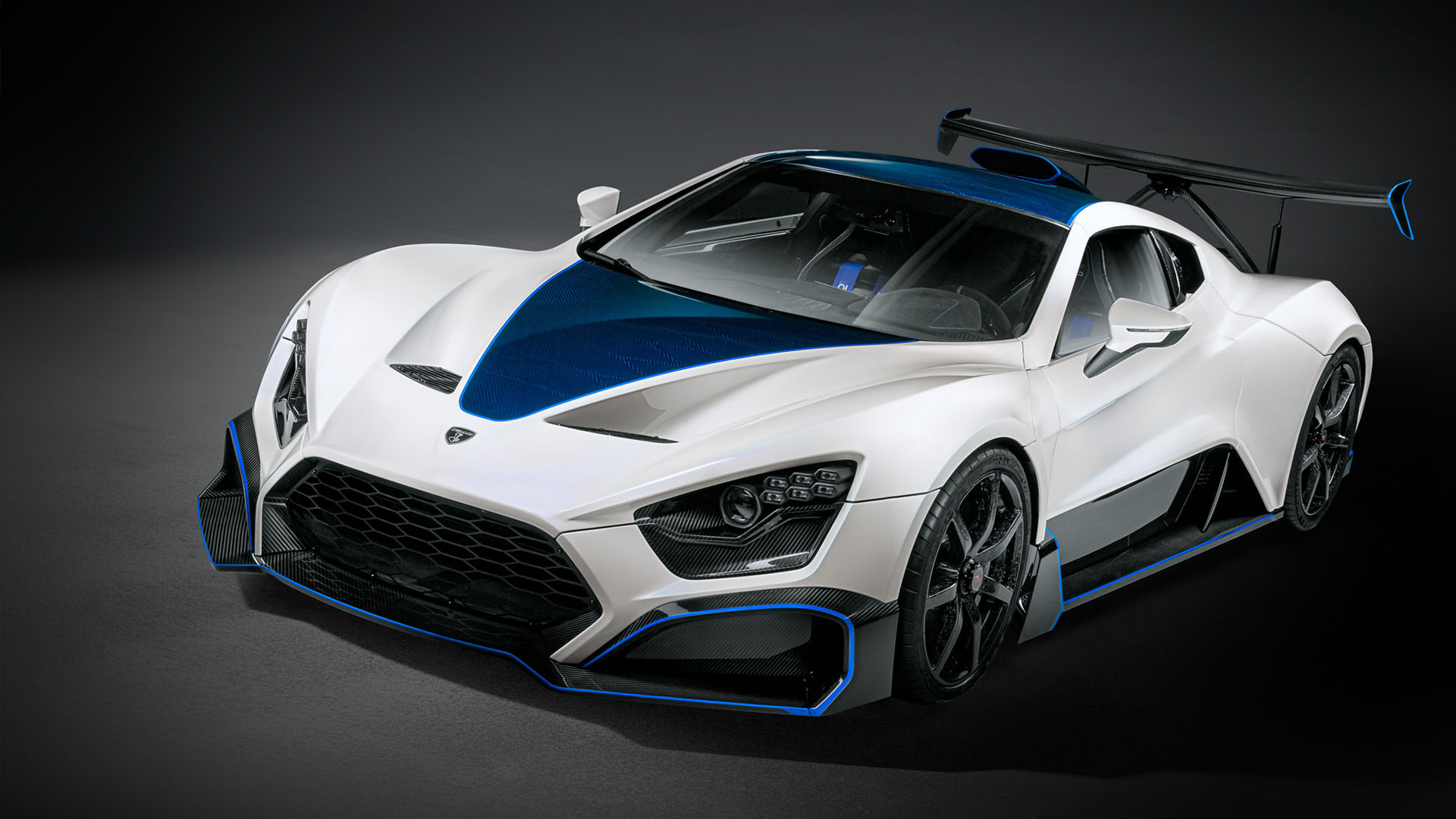
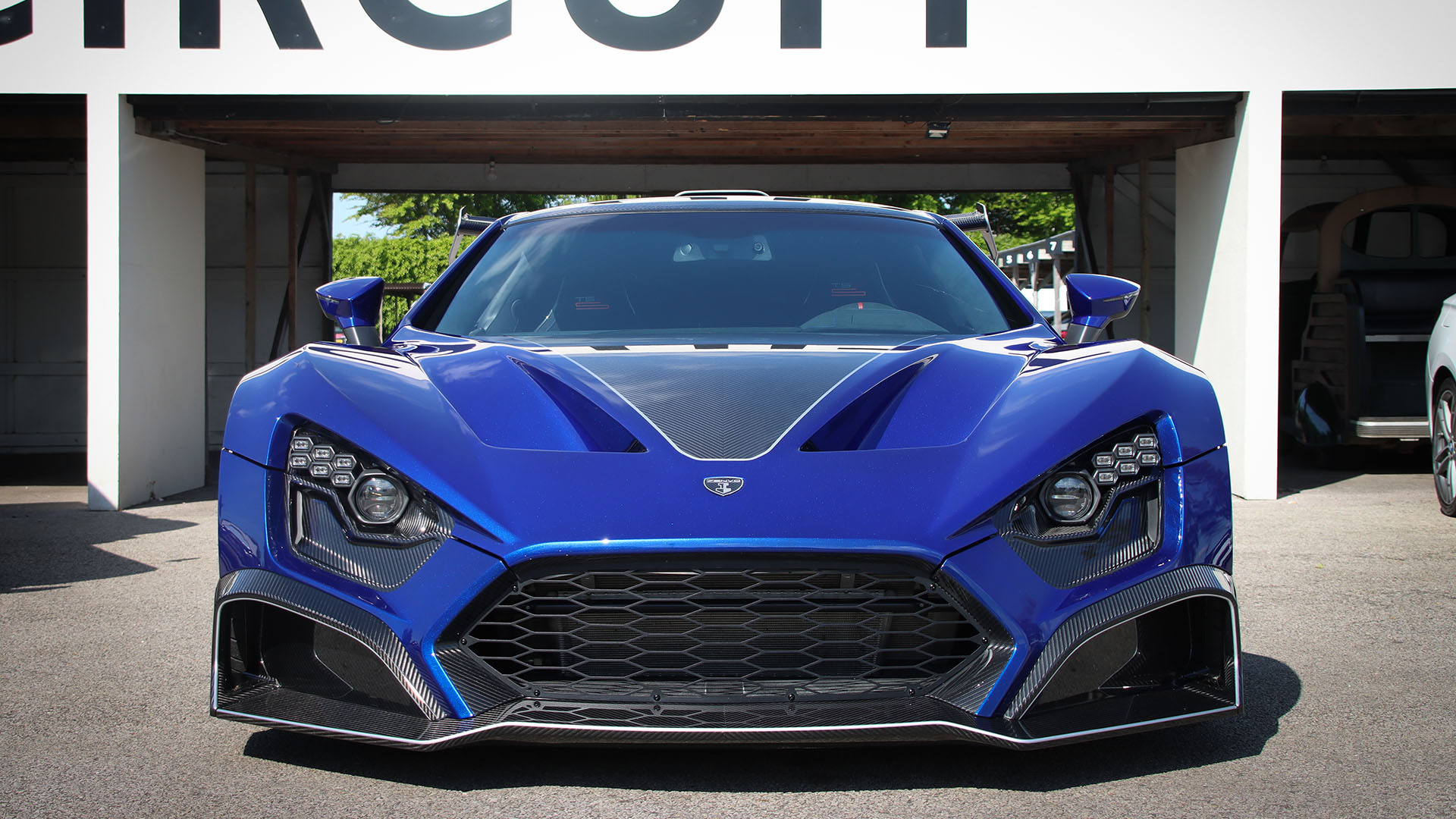
Zenvo will put two of their impressive TSR-S hypercars for visitors to admire, with 1,177 hp from a twin-turbocharged 5.8-Liter V8 engine, the TSR-S can reach 100 km/h from a standstill in just 2.8 seconds, only 4 seconds later the tacho will show 200 km/h … the top speed for this amazing hypercar is electronically limited to 325 km/h, and keeping the car firmly down to the track comes courtesy of the patented Zenvo active Centripetal wing at the rear.

Zenvo TSR-S pictured at Goodwood Circuit May 2021 – Credit Philip Harbord

This very special, active rear wing will tilt upward under braking to act as an air brake, but much more impressive to look at is the angle of the wing that changes when the Zenvo TSR-S takes a corner on the track at speed to change downforce actively to the inner side of the car for minimal body roll … and it just looks cool too.

The Zenvo TSR-S at the Michelin Supercar Paddock at Goodwood Festival of Speed 2021

The absolutely stunning looking Baltisk Blå (pearl metallic blue) TSR-S will be shown inside the Michelin Supercar Paddock during the 2021 Goodwood FoS, the place to be for visitors to admire the most recent, state-of-the-art, most powerful, and record-setting cars from all over the world … supercar and hypercar heaven for sure.

But Zenvo is bringing a second TSR-S to Goodwood, their more recent Ishvid Perlemor (pearl metallic white) finished one with the plethora of clear carbon fiber parts, the car this intended to showcase at the 2020 Geneva Motor Show, but as that was canceled too, and just about every subsequent event, the 2021 Goodwood Festival of Speed will probably be a perfect possibility for many to view this car for the first time.

Zenvo TSR-S pictured at Goodwood Circuit May 2021 – Credit Philip Harbord

Angela Kashina, CEO of Zenvo Automotive, said: “Goodwood Festival of Speed is a highlight of our year – it presents a fantastic opportunity to spend time with automotive aficionados and car connoisseurs, and present our limited-edition vehicles. The world-famous event is one of the best stages to demonstrate our TSR-S, with onlookers getting the opportunity to hear its sonorous soundtrack as it performs. After last year’s absence, we are eagerly looking forward to welcoming both existing and new customers as well as enthusiasts to experience the Zenvo brand.”

But wait, there is more … all the way from Denmark, Zenvo will bring their TS1 GT demo car (the two TSR-S are already located in the UK at the time of writing), to be positioned at its team base near the Goodwood circuit. The TS1 GT also comes with a twin-turbocharged 5.8-Liter V8 engine and a sequential injection … power output in the GT is 1,104 hp at 7,100 rpm, but it takes 3.0 seconds to go from 0 to 100 km/h, and while that’s 0.2 seconds slower than the TSR-S, the top speed of the TS1 GT is higher with an impressive 375 km/h.

2021 Ford Mustang Ecoboost Review: The 6 Speed Manual Version

Last year, somewhat late in the summer, we looked at and reviewed the the 2020 Ford Mustang Ecoboost Coupe with Ford’s new 10-speed automatic. For those not in the know, Ecoboost refers to Ford’s ubiquitous turbocharged 2.3L four-cylinder engine. We felt some real promise in the platform when we drove it but the 10-speed automatic was determined to keep things efficient, which kept us from really enjoying the car. It also kept the revs low, where the most uninspiring sounds were created and released from the tailpipes. Only with the drive mode set to “Race” did it begin to reveal it’s potential and we spent our entire time with the Ecoboost Mustang wishing it had come with a manual transmission. This year, Ford was kind enough to indulge our request and we were able to spend some time shifting through the six gears to see if it made a marked improvement.

It’s still got the same exterior design as last year, and it’s still utterly iconic. This generation’s body style is probably the most faithful and attractive of all the later Mustang’s stylings and we love it. From the aggressive front end and grille box to the bladed tail lamps, this Mustang was designed by someone who not only has some historical reverence for the model, but also has an excellent sense of proportion and taste.

The inside is just as nice. Our car once again came with the Premium package which, along with a whole suite of electronic safety and security programs, also includes some of the most gorgeous seats ever seen in a Mustang. The bright red (“Showstopper Red”) Recaro’s that color block the black interior have bolsters adequate for spirited driving but that are still easy to get into and out of. There’s plenty of room in the front seats for just about any size person – I’m 6’1” and 250 lbs and never felt remotely constrained, while my 4’10” 95 lb wife felt like she was “in a ballroom by herself” in the passenger seat. A quick glance at the bright red backseats revealed that there was absolutely no usable legroom for backseat passengers. Its more of an attractive bolstered package shelf or a dog seat.

The view out is good, and the side mirrors and rear-view mirror give you a good idea of what’s behind and to the sides of you. All the controls fall readily to hand and most of the frequently-used controls are also duplicated on the steering wheel. All of the controls have a good feel to them, except for the cheap knock-off plastic toggle switches in the center stack. Not only do they feel cheap and somewhat delicate but none of them toggle downwards which is an easier and more natural motion to perform than toggling them upwards when driving. Metal switches that activated downwards would have been a better choice, in our opinion. And I’m not sure how the car comes without heated or ventilated seats in a “Premium Package” but it was devoid of both. At the very least, heated seats are expected in this day and age.

None of the other features have changed since our last visit with the Mustang Ecoboost. Start it up and the 2.3L rumbles to life with a lot of noise and a pretty decent imitation of a larger displacement engine. My hats off to the exhaust engineers. It sounds a lot meaner than most four-cylinder engines I’ve had the privilege to hear, and I guess if it makes 320 hp it probably SHOULD sound aggressive. The car’s body feels pretty tight and solid but we had a mystery rattle coming from the back that I’m pretty sure was just a loose license plate surround and nothing to do with the actual car.

Shift it into first, let out the clutch, and the car moves off without issue. The gearbox shifts smoothly and cleanly with only the slightest bit of notchiness. The clutch pedal is a light but on the heavy side of light. Ford knows it’s customers are going to be rough on it and drive it spiritedly and it feels robust enough to take the abuse. Working your way through the gearbox is rewarding. Instead of a computer trying to keep your driving fuel efficient, you have complete control over where in the rev band you keep it. If you want to hold it in the top of third all day, you can do that and it feels very rewarding to have that freedom.

First gear gets you moving, second starts to give you some speed, but third gear really shines. this is where you feel a major increase in speed. It’s so much more noticeable that you wonder if first and second have been holding out on you. Downshifts are as easy as upshifts and the platform responds to your directions much more readily than the automatic. If you enjoy driving and have been interested in a Mustang, the manual is worth it’s weight in gold. It really helps the platform shine.

The magnetic suspension is responsive and absorbs bumps and cracks in the asphalt nicely while providing good feel while cornering but it feels pretty firm, even in “Normal” drive mode. Not harsh, just very firm, which lends some sporting feel to it. The steering is quick and the car turns into corners eagerly but the tail seems to slow it down mid-corner like an anchor was thrown out. Given the short wheelbase of the car, it’s likely due to stability control cutting in and keeping the rear end locked down so it can’t get away from new Mustang drivers. We can probably thank YouTube posters for this one, given the sheer volume of videos depicting Mustangs leaving car shows sideways.

The brakes are strong but a little grabby. Gently push the pedal and you get nothing at first, then with a little more prodding, they grab suddenly and firmly and make braking efforts look clumsy until you get accustomed to their feel and can anticipate and adjust for it. It’s not a huge issue, just one that requires a little getting used to.

Fuel mileage is estimated by the EPA to be around 20mpg in the city and 28mpg on the freeway, which is pretty good for a sporty car.

The Ecoboost Mustang starts about $32,000 base. Ours had roughly $13,000 in options on it, mostly performance options related to the Ecoboost platform, which brought the total up to around $46,500 with delivery charges. Strangely enough, if you were careful with your option selections you could get a V8 Mustang with magnetic shocks and a manual six-speed for roughly the same money, which seems a more interesting proposition. Perhaps that’s what we’ll review next.

Fast & Furious Toyota Supra Fetches $550,000 at Barrett-Jackson Las Vegas

The Barrett-Jackson Las Vegas event proved successful last week for many owners and buyers alike. This car was one of the most exciting items to hit the auction block – a 1994 Toyota Supra used in the Fast & Furious movie franchise.

All car enthusiasts remember when Brian O’Conner (Paul Walker) gave Dom (Vin Diesel) a “10-second” car after he smashed up his 1970 Dodge Charger R/T in The Fast & The Furious movie. That one iconic scene ultimately skyrocketed the value of Supras around the globe and making the ones featured in the Fast & Furious almost priceless – well, unless you have a few hundred grand to drop on one. 

Paul Walker Toyota Supra

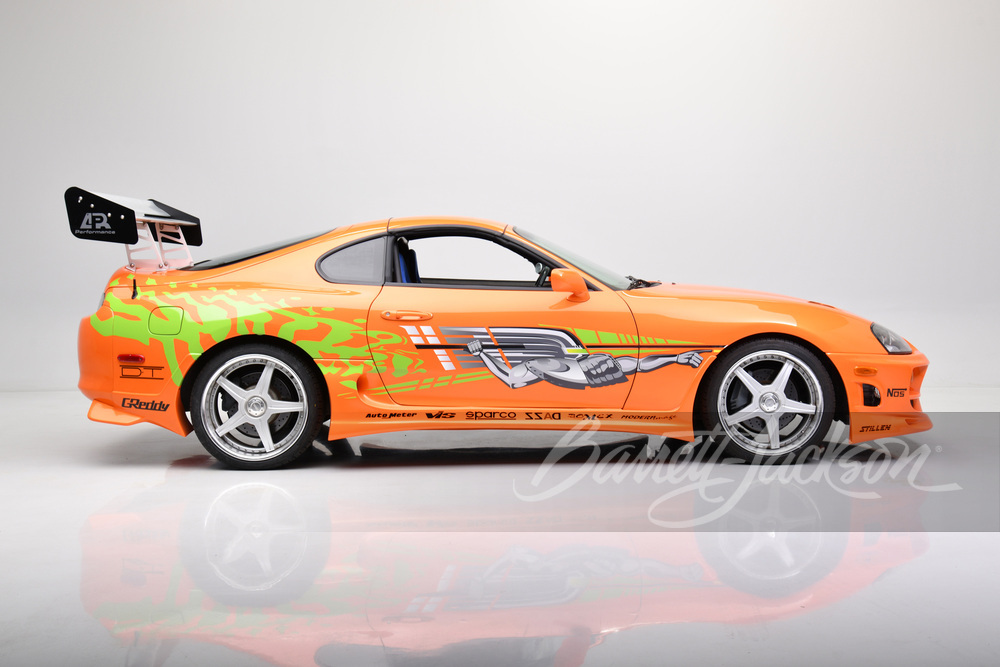
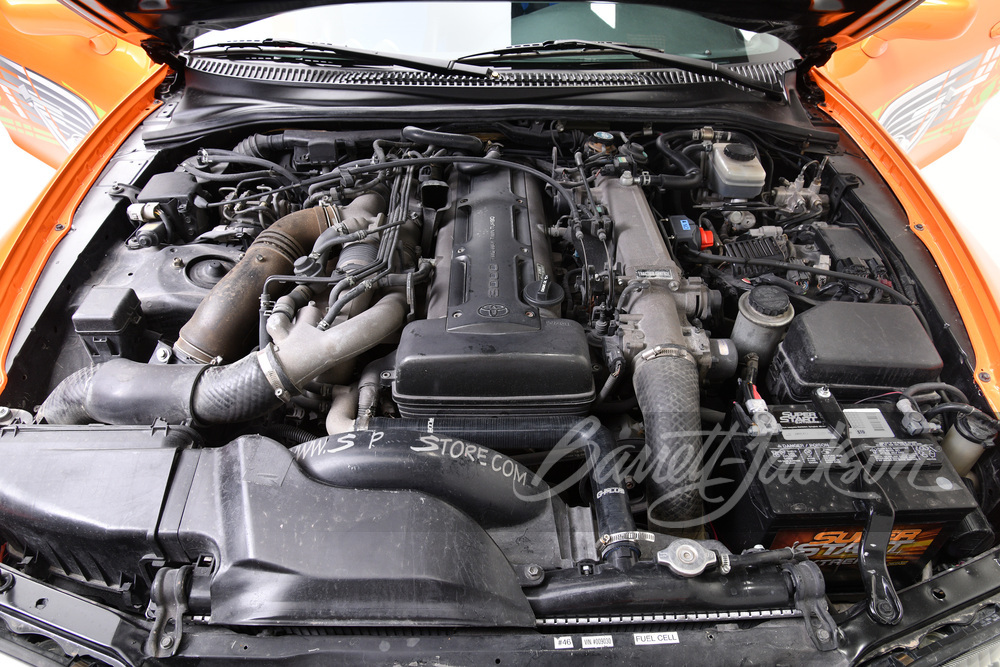
Originally built by Eddie Paul at The Shark Shop in El Segundo, CA, this 1994 Toyota Supra movie car was finished in Lamborghini Diablo Candy Orange pearl paint with the iconic Troy Lee-designed “Nuclear Gladiator” along the sides of the car. The car came with a factory 2JZ-GTE 3.0-liter turbocharged inline-6 engine paired with a 4-speed automatic transmission. This car was used to shoot multiple exterior and interior shots during filming and not all of the movie cars needed to be manual to give the same effect. 

Paul Walker Toyota Supra

This car was featured in “The Fast and the Furious” and “2 Fast 2 Furious,” which have all been documented and sold with the car along with applicable certificates. This example is one of eight Supras used in filming the Fast & Furious films and driven by the late Paul Walker. 

The last F&F Toyota Supra to sell at auction caught a whopping $185K in 2015 but I don’t think anybody expected the hype and nostalgia to leap it to the $550,000 mark. Did someone overpay for an Automatic A80 Supra? Yes. Did they overpay for a movie car that made tuner history? Absolutely not. 

Porsche Macan: Final testing for the facelift

How far can you stretch a nameplate? There are virtually no limits since Ford has decided to name a portly electric SUV the Mustang Mach-E – while simultaneously selling the real thing. Now Porsche is taking the same approach with its Macan: Going forward, there will be an electric Macan – and a conventionally powered Macan.

It’s no surprise that Porsche is taking this dual approach: The Macan is the best-selling Porsche of all, thanks not least to its popularity on the Chinese market.

It is still unclear how quickly electric mobility will take off – or whether alternatives will prevail, such as hydrogen-powered cars or even conventionally powered cars that are more efficient than today and presumably powered by carbon-neutral synthetic fuels.

China, in particular, has taken a decidedly cautious approach on E-mobility, and Porsche understandably doesn’t want to take undue risks with its crossover cash cow. And therefore there will henceforth be two entirely different Macan models.

“When it launches in the 2023 calendar year, the Macan Electric will be the first Porsche off the PPE platform,” says Porsche spokesman Ben Weinberger. That platform is currently being co-developed with Audi, and the Macan Electric is a close sibling of the upcoming Audi Q6 crossover SUV and the next-gen Audi A6, which was previewed with a concept car at the Shanghai motor show this spring.

In off-the-record conversations, we are told that the Macan Electric will come in several power levels, and it is important to Porsche that its range significantly tops the Taycan’s. It will likely come to the US as a 2024 model.

But before that, the brand will launch the next generation of the conventionally powered Macan; we had a close look at a slightly camouflaged protoype. If it doesn’t look a lot different from the current model, that’s because it isn’t. To be launched later this year, it is the second big facelift of a model that initially launched in 2014 as a close relative of the Audi Q5.

What we can expect is a bolder, wider front fascia, and a new rear bumper with a black diffuser. That’s pretty much it, as far as the still-fresh looking exterior is concerned. “A good proportion never gets old,” says Weinberger. The Macan was styled by Mitja Borkert, who is now chief designer at Lamborghini.

Inside, the changes are more significant: There will be a new center console with a large glass area with touch-screen functionality. The number of buttons is sharply reduced, and the infotainment system boasts a 10.9-inch touch screen. There are new materials, the gear selector is shortened, and there is now a standard analog clock. Steering wheels are shared with the 911 – for the first time.

In the new Macan, Porsche will offer three power levels, down from four: The standard 2.0-liter four will now make 265 horsepower and serve up 400 Nm of torque, both significantly more than before.

One level up is the Macan S, powered by a 2.9-liter V-6 that will make 380 horsepower and 520 Nm of torque; that’s exactly the engine that was fitted in the pre-facelift Macan GTS. The ultra-aggressive application is unchanged from the former GTS, and thus Macan S customers get a car that’s a lot more interesting to drive than before.

The GTS itself rises to a whopping 440 horsepower and 550 Nm, exactly on the level of the former Macan Turbo. But the application has been sharpened in order to achieve the more boisterous temperament associated with the GTS nameplate.

The top-level Turbo version is gone; Porsche is not looking to go beyond the 434-horsepower power level, for several reasons: They want to give the uplevel versions of the Cayenne room to breathe, and both the 2.9-liter V-6 and the 7-speed PDK dual-clutch gearbox are close to their limits with the former Turbo and the upcoming GTS power level.

The future GTS top model will be lowered and include the PASM system; the dampers are new, the air suspension is stiffer. And an optional GTS Sport package will be fitted with Porsche Torque Vectoring Plus (PTV Plus), the Sport Chrono package and sports seats.

Our impressions of the new Macan, which will be unveiled next month and launch as a 2022 model, are decidedly positive. It looks like the electric Macan will meet a formidable competitor when it launches a few years down the road…

2021 Lamborghini Huracán Evo RWD First Drive | One smart, well-groomed bull

LE CASTELLET, France — Growing up in the 1990s, the Italian supercars I read about sounded like the automotive equivalent of kayaking over a waterfall — thrilling, unforgettable, and potentially very hazardous. The industry’s elites were often described as cramped, unpredictable, and generally finicky but extremely rewarding for the few skilled enough to tame them.

It’s a stigma that still hovers above the supercar segment like a dark cloud in 2021, yet with a handful of notable exceptions, it hasn’t been accurate in many years. It takes little more than a lively jaunt in a 2021 Lamborghini Huracán Evo RWD to spot how Italy’s unique breed of road weapon has evolved over the past few decades.

Autoblog has spent time in the Huracán Evo before, but it was in an all-wheel-drive model that we put through its paces on the Willow Springs track in Southern California. Fast-forward to 2021, and I’m in a rear-wheel-drive coupe on the picturesque winding roads surrounding the Paul Ricard circuit in Southern France. I couldn’t sneak my way onto the track for a few laps because Super Trofeo and GT3-spec variants of the Huracán hogged it all weekend.

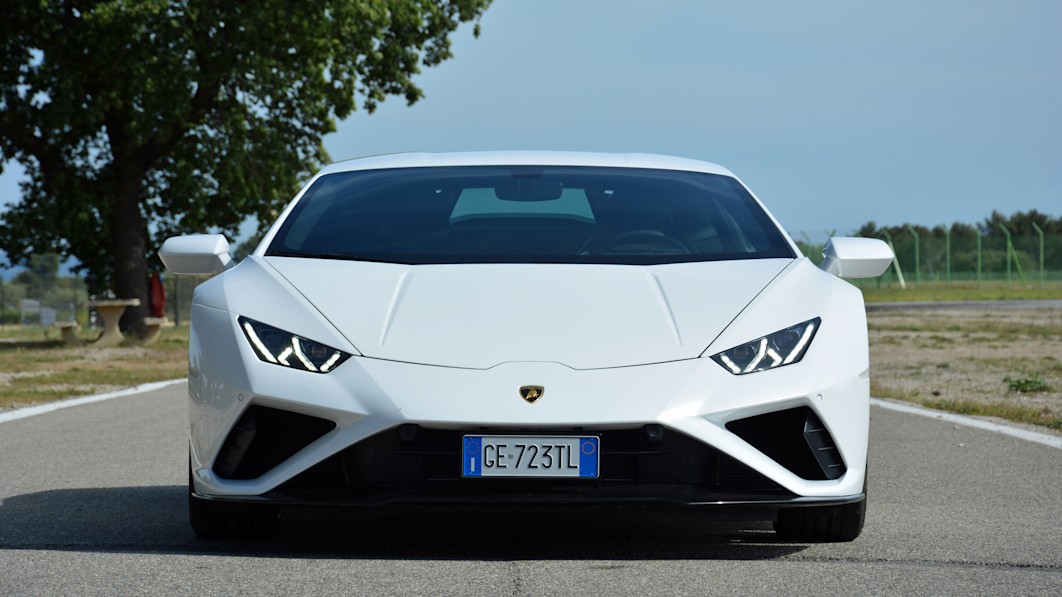
Several carmakers positioned all over the automotive spectrum have used the Evo designation. In Lamborghini-speak, it denotes not a rally-bred sports sedan but an evolution of the Huracán with subtle design tweaks that add downforce and increase the amount of cooling air channeled to the engine bay. It still looks like a Huracán, but you don’t need a magnifying glass to tell the updated model apart from its predecessor, especially from the back.

Lamborghini saves scissor doors for its V12-powered models, like the Aventador S, so the Huracán’s swing out like in a normal car’s. Once inside, the first thing you notice is that it feels like a proper luxury car. The cabin is dominated by Alcantara, leather, and a type of carbon fiber called Forged Composites (which was developed in-house by the brand). It’s all very well put together; the fit and finish is excellent. In the driver’s seat, you face a digital instrument cluster whose layout changes depending on the driving mode selected (they’re called Strada, Sport, and Corsa, respectively) and a three-spoke steering wheel with a switch that lets you select the three aforementioned profiles.

Even a supercar needs technology in 2021. Stuffing a mammoth engine in a lightweight chassis hidden under an attention-grabbing body is no longer enough to lure enthusiasts. Lamborghini knows this, so one of the tricks it taught the Huracán before assigning it the Evo nameplate is a new infotainment system displayed on an 8.4-inch touchscreen. This is a major update, because the original Huracán released in 2014 didn’t have a touchscreen. Its infotainment system was displayed in the instrument cluster. Specific to Lamborghini, the software is quick, straightforward to navigate, and the screen’s graphics are almost as sharp as the exterior design. Better yet for technophiles, Amazon’s Alexa voice assistant is programmed directly into the system.

Embedding a tablet-like screen into the center console allowed Lamborghini to send a variety of buttons back to the parts bin, including the volume knob, but there’s one that hasn’t been dethroned yet: the ignition switch. It’s located under a red flap, fighter jet-style, and pushing it fires off a naturally-aspirated, 5.2-liter V10 tuned to deliver 602 horsepower at a screaming 8,000 rpm and 413 pound-feet of torque at a slightly less riotous 6,500 rpm. It’s mounted directly behind the driver, where you’d find booster seats and/or a load of suitcases in more pedestrian sports cars, and it spins the rear wheels via a seven-speed dual-clutch automatic transmission. Rear-wheel-drive is this version of the Huracán’s party trick: it swaps four-wheel grip for oversteer and loses about 70 pounds by relinquishing its front axle and the all-wheel-drive model’s rear-wheel steering system. It also lets 29 horses escape from its cavalry.

We know the Huracán is capable of great things on the track — there’s a good reason Lamborghini makes no major chassis modifications to the cars it builds for its Super Trofeo one-make series — but it lives up to the hype even if you prefer not to don a racing suit. It whooshes off the line with a soft brutality that makes you immediately understand the definition of a supercar as its exhaust system trumpets out an addicting racecar-like tune. The 29-horsepower difference between the rear- and all-wheel-drive Huracán isn’t instantly perceptible, there is plenty of power to go around, and hitting 60 mph from a stop takes about 3.1 seconds. Having less weight over the front axle also makes a difference in terms of handling, especially in Sport mode. Corsa mode kills all electronics and is best saved for the track.

Sport is the sweet spot in the driving mode hierarchy, then. It makes Lamborghini’s smallest bull high-strung without turning it into a beast that can’t be tamed (or, worse, one that tames its driver), and it unlocks just the right amount of aggression to make twisty roads feel like a roller coaster. With your foot buried in the throttle, and your right hand on the carbon fiber shift paddle, ready for a split-second upshift, the Huracán displays a level of agility that’s more natural than what you get in the all-wheel-drive model with its trick four-wheel steering system. It’s not better or worse; it’s a different breed of supercar. The steering is direct and accurate, the suspension keeps body roll at bay, and brake rotors the size of a medium pizza slow the Huracán at least as quickly as it accelerates.

Don’t get the wrong idea: Grip is phenomenal, even without the front wheels receiving power. That’s partly due to the electronic wizardry happening behind the scenes, and to styling revisions that increase downforce on the front axle.

On a track, the fun only ends when the safety car comes out, or when the checkered flag stretches its threads. On the street, motorists routinely encounter situations that are tedious, annoying, or plain bland. The V10 is as bored as I am humming behind a Citroën C15 — a simple, do-it-all van with a life expectancy that rivals a red dwarf star’s — on a narrow road with too many oak tree-lined blind corners to pass, but it doesn’t show it. Flick the steering-wheel-mounted switch to engage Strada mode (which numbs most chassis settings and hushes the exhaust), crank up the radio, and comfortably follow along as the air conditioning keeps you cool. This compliance shows another facet of the Huracán, and it’s part of what sets this car apart from its less docile predecessors.

Drawbacks? Yep, even in a Lamborghini, you’ll find a couple. Cargo capacity is largely symbolic, so you’ll need to get creative if you plan to spend a week on the road. I don’t think anyone makes a trailer hitch for a Huracán, but several aftermarket vendors sell roof boxes that look really cool. And, it goes without saying that subtlety isn’t available from Sant’Agata Bolognese. While the Huracán can make you feel like you’re flying, it’s never under the radar. These quirks have been passed down from generation to generation; the V12-powered Miura was hardly a role model in the realm of practicality.

Configured with rear-wheel-drive, the Lamborghini Huracán Evo is one of the purest expressions of the supercar ethos money can buy. It’s quick, head-turning, loud, expensive, and unapologetically rowdy, which is exactly what it should be. Anything less would be a monstrous insult to the Italian gods of motoring, especially coming from one of the companies that laid the foundations of the segment as we know it in 2021. On a secondary level, it’s relatively easy to live with thanks to a luxurious interior and just the right amount of in-car technology. Sure, it falls short in nearly every category when compared to the all-wheel-drive model on paper, but its character can’t be quantified.

Supercars have never been merely about numbers, after all.

Related Video:

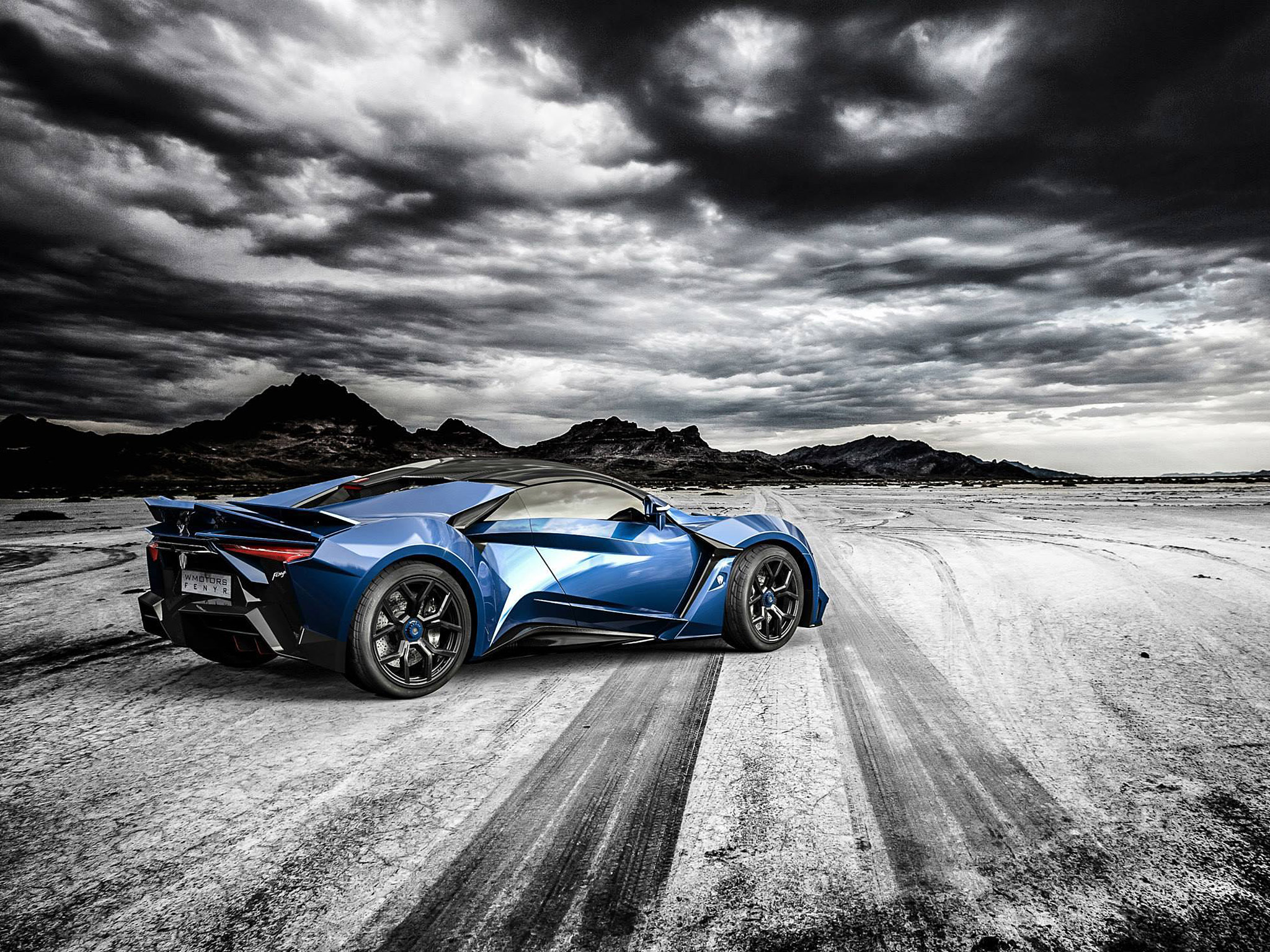
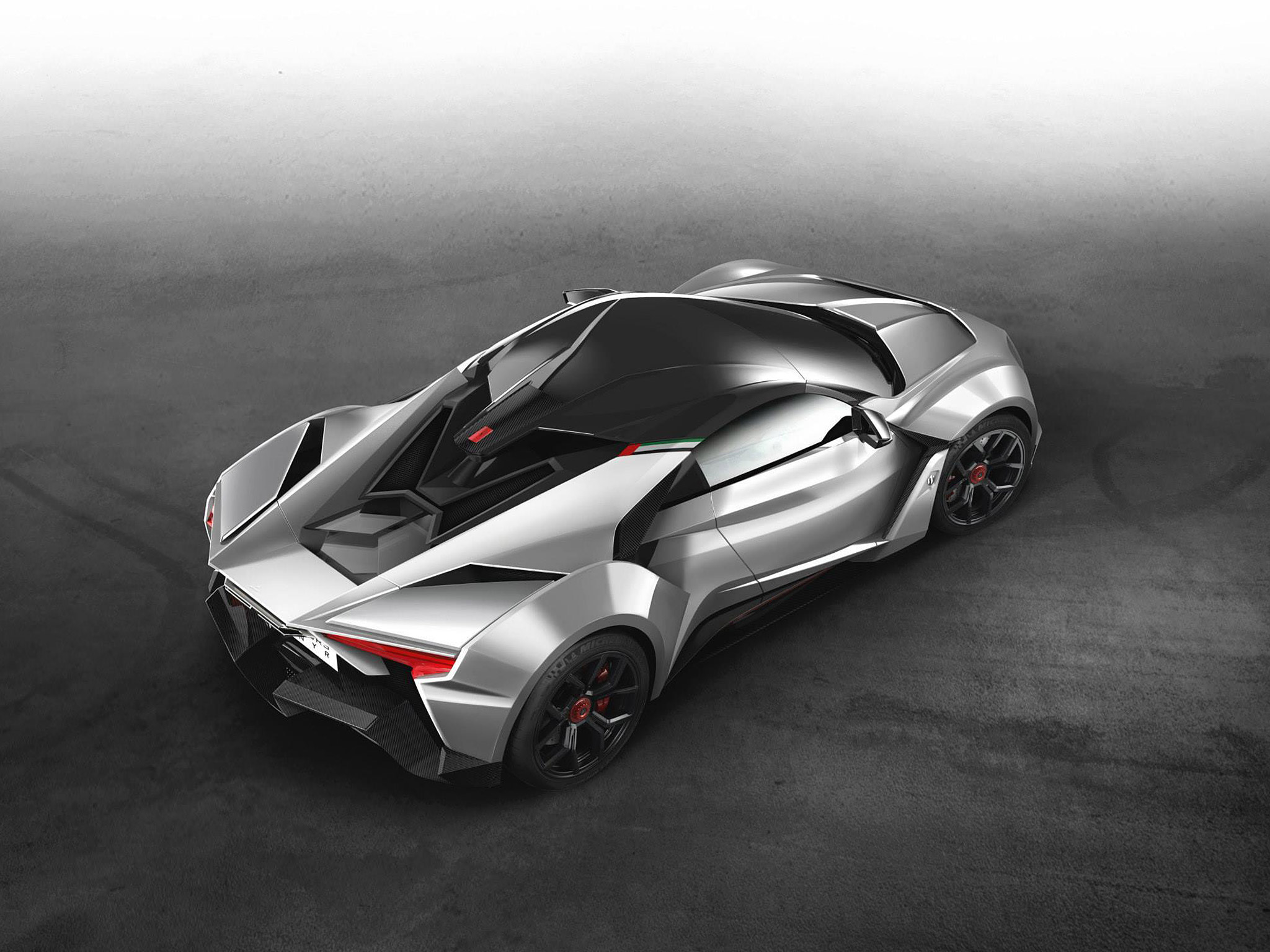
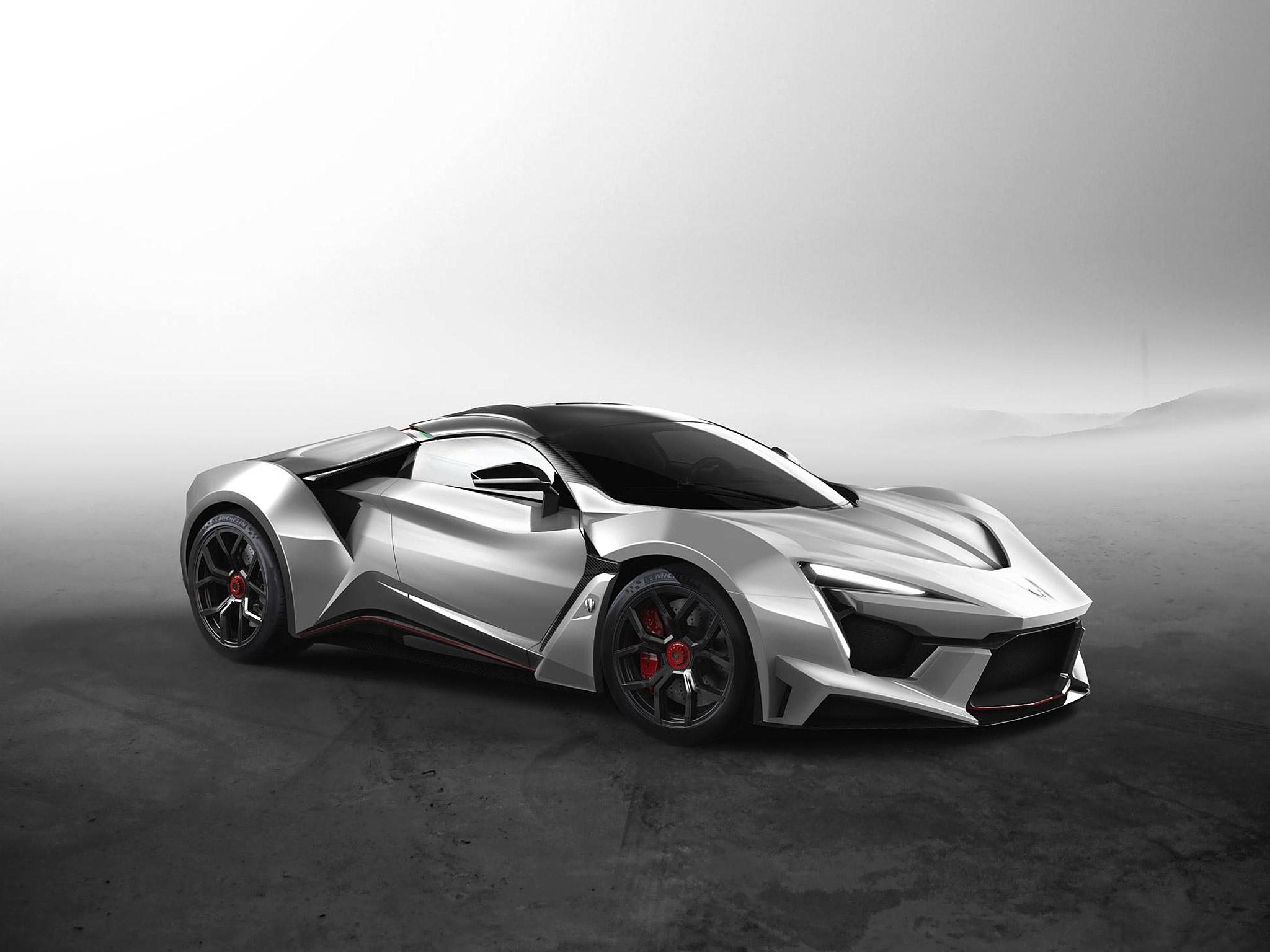
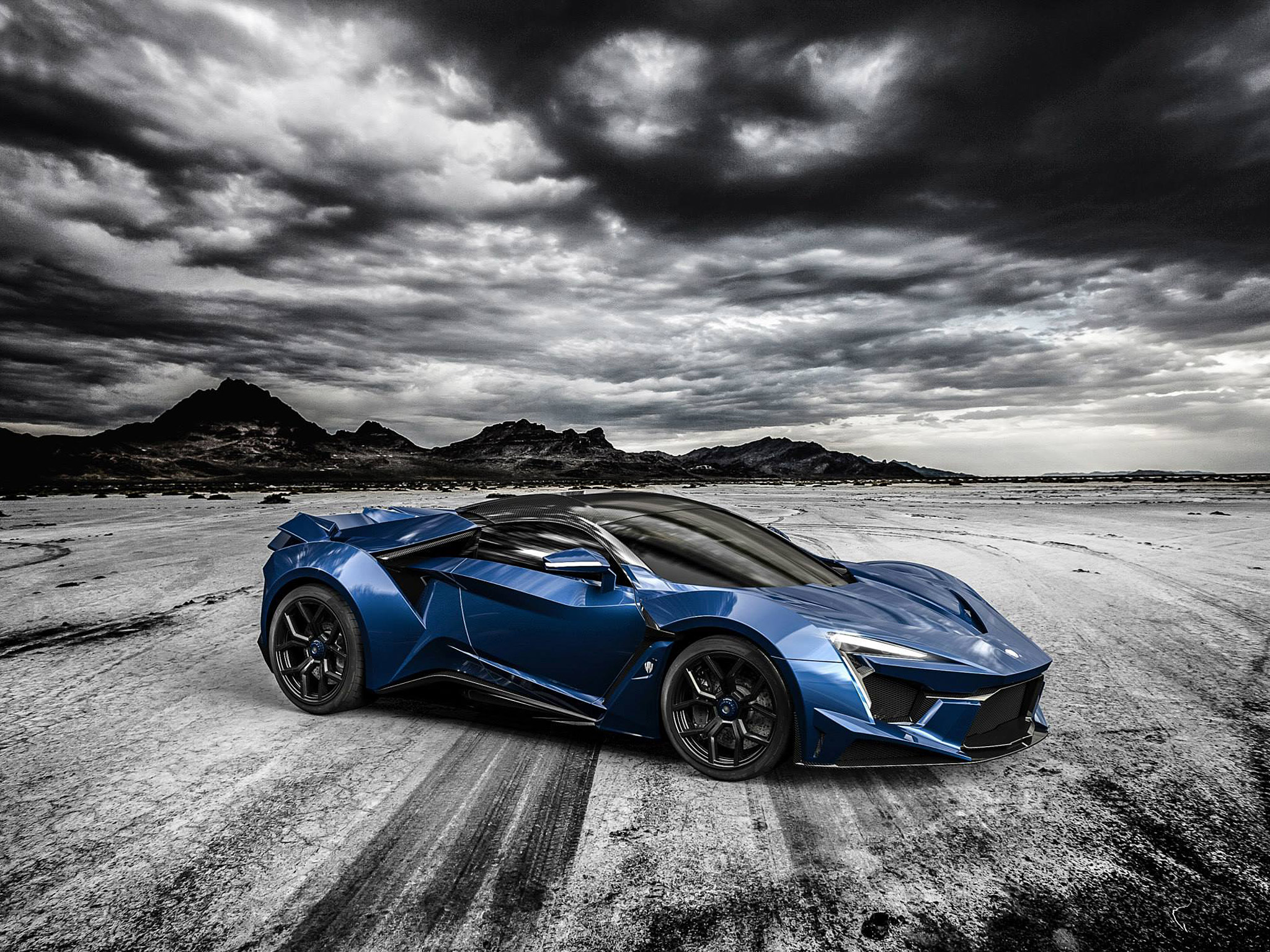
2018 W Motors Fenyr Supersport Wallpapers

We have curated the ultimate collection of the best 2018 W Motors Fenyr Supersport Wallpapers and HD backgrounds for you to enjoy. Our team focused on finding the top 2018 W Motors Fenyr Supersport Wallpapers only to keep the quality high. These 2018 W Motors Fenyr Supersport Wallpapers are free to download so go ahead. To download any of these pictures for use as a wallpaper, right click the picture and choose Save As…

Find more awesome W Motors Wallpapers

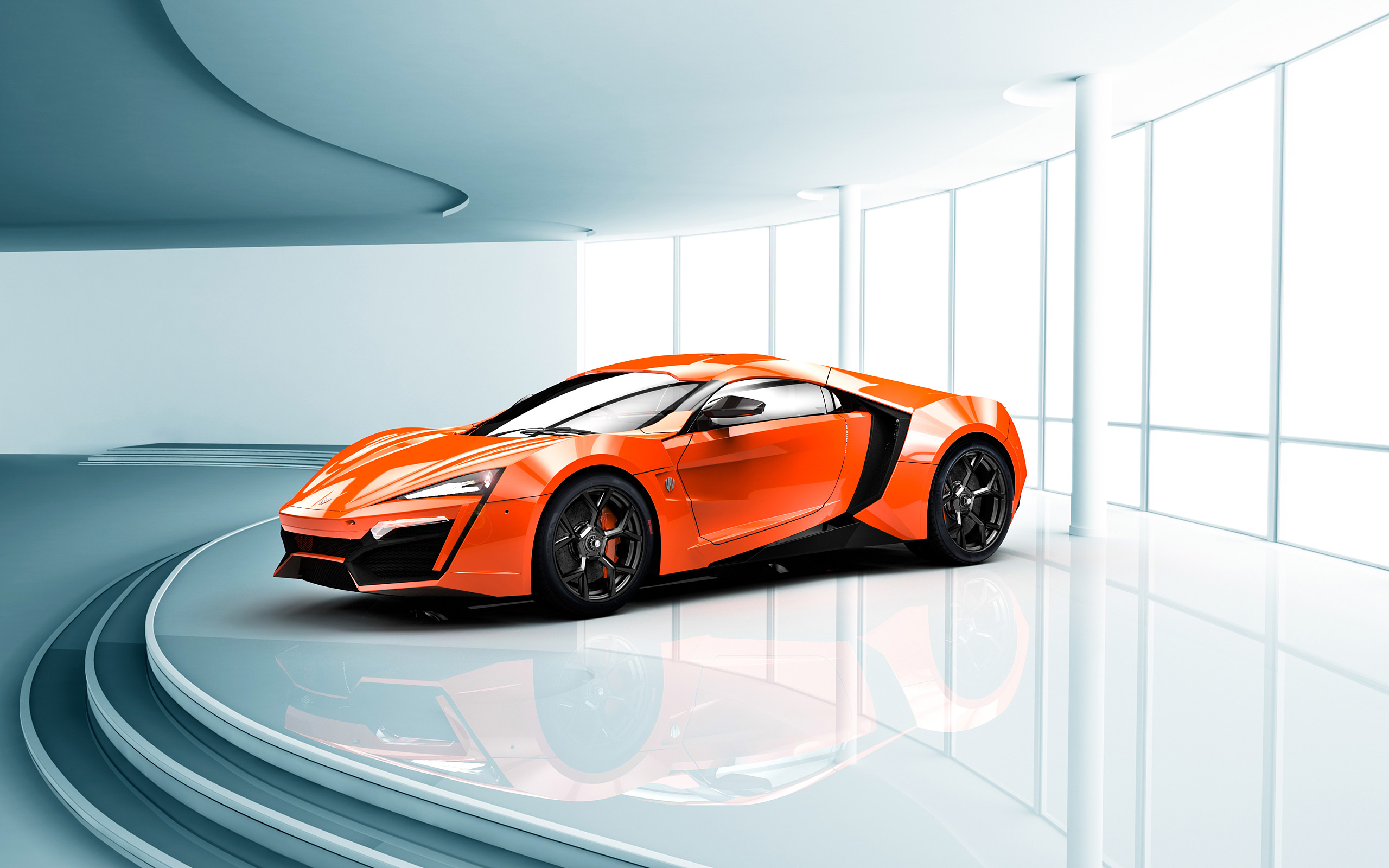
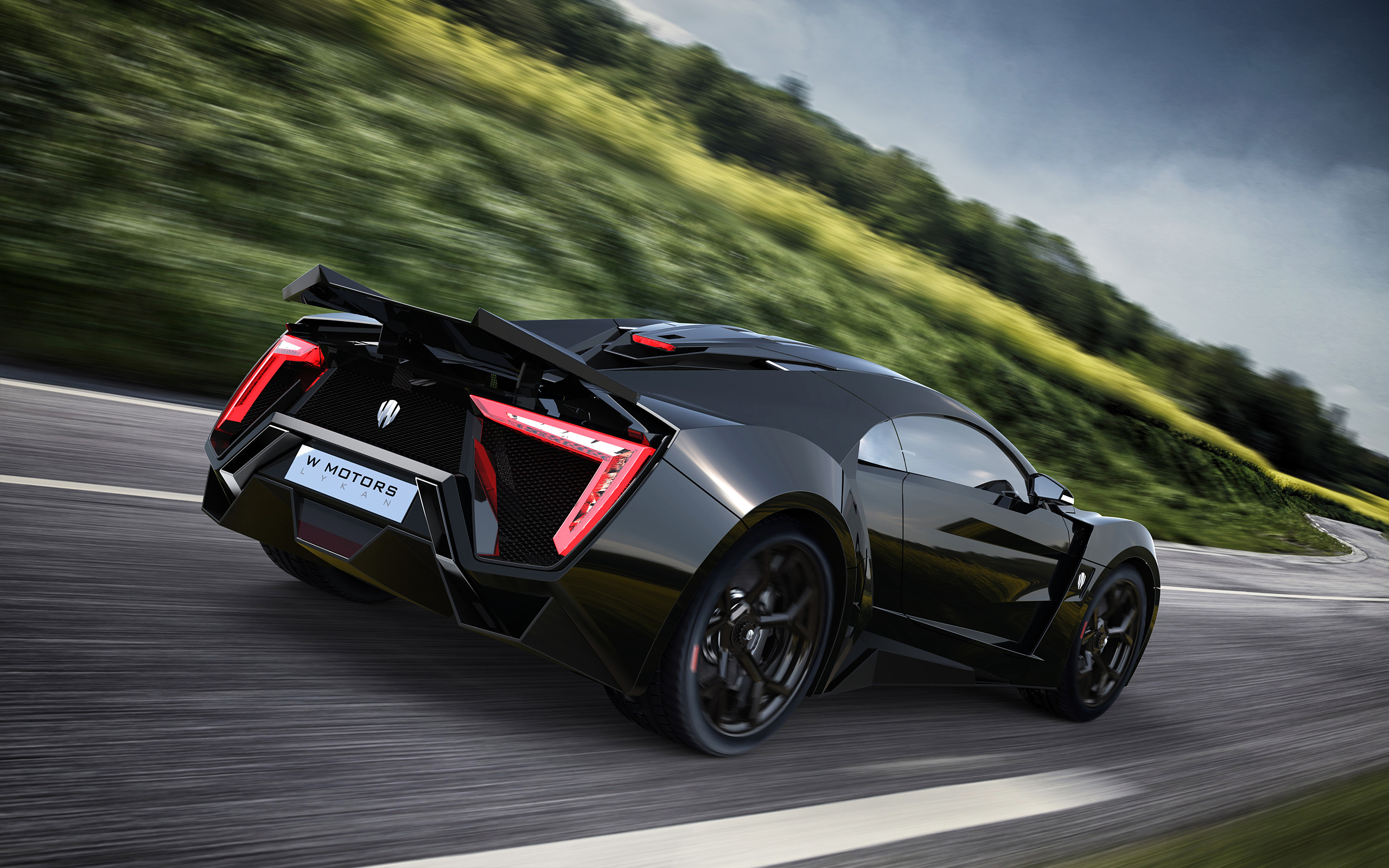
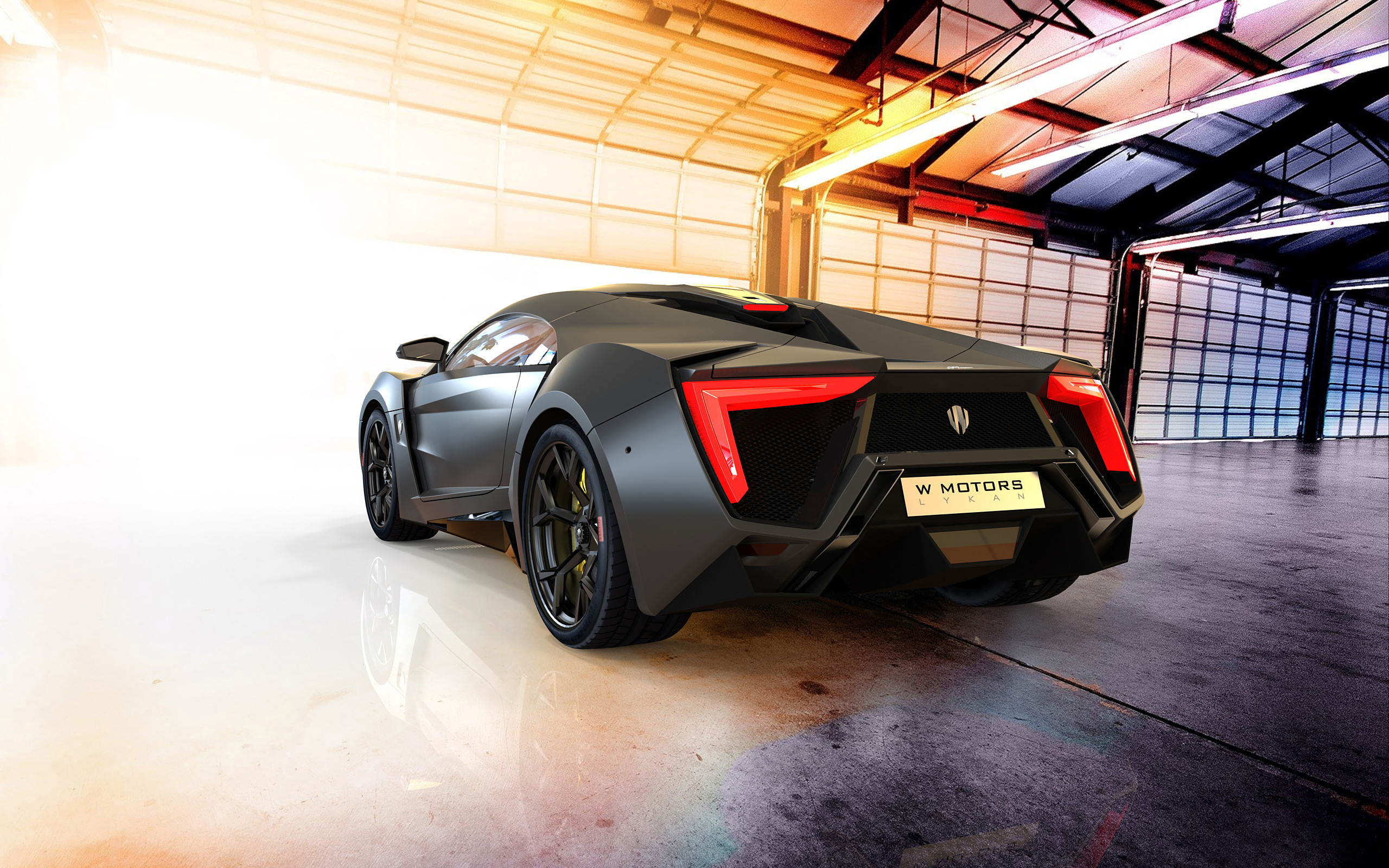
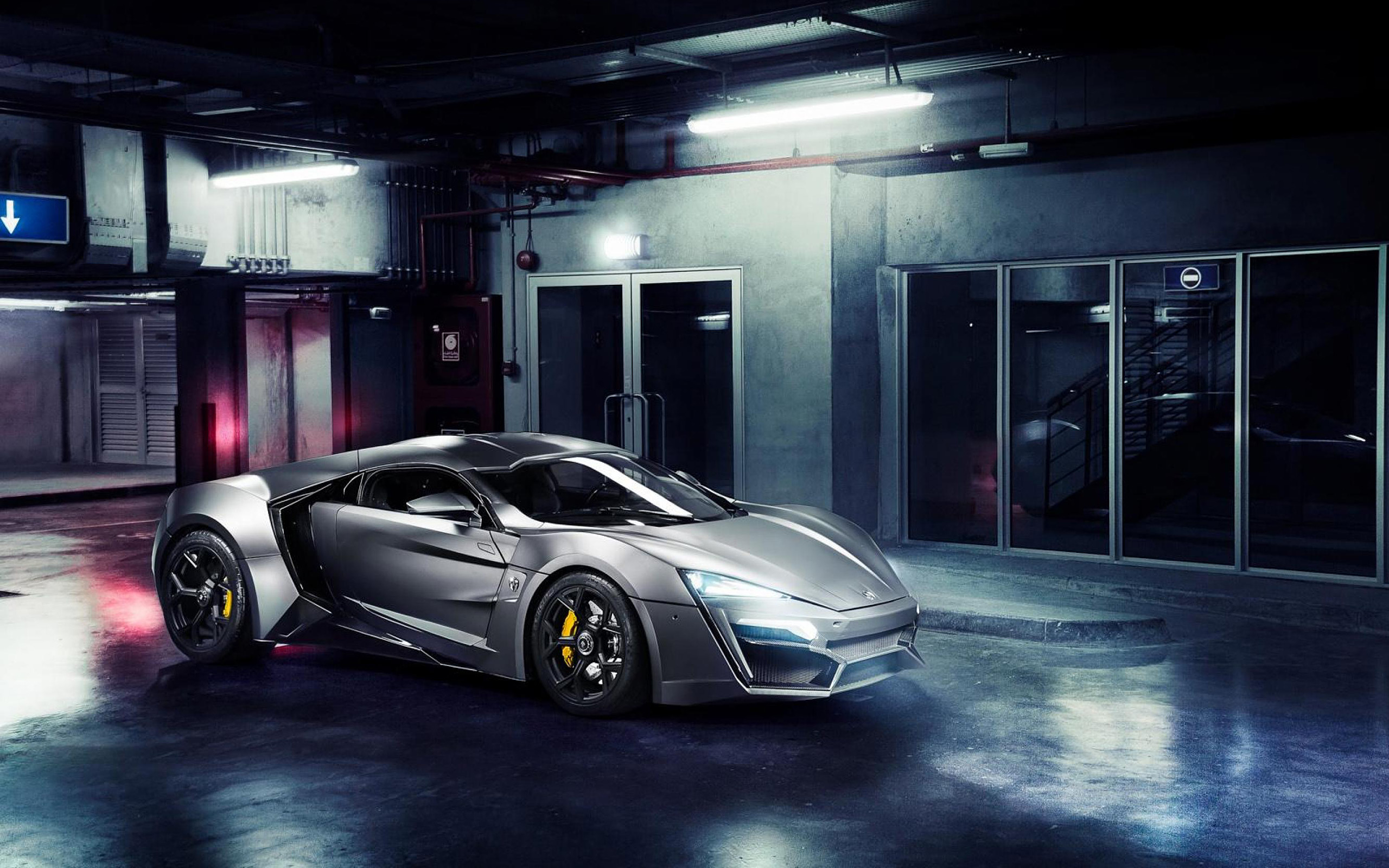
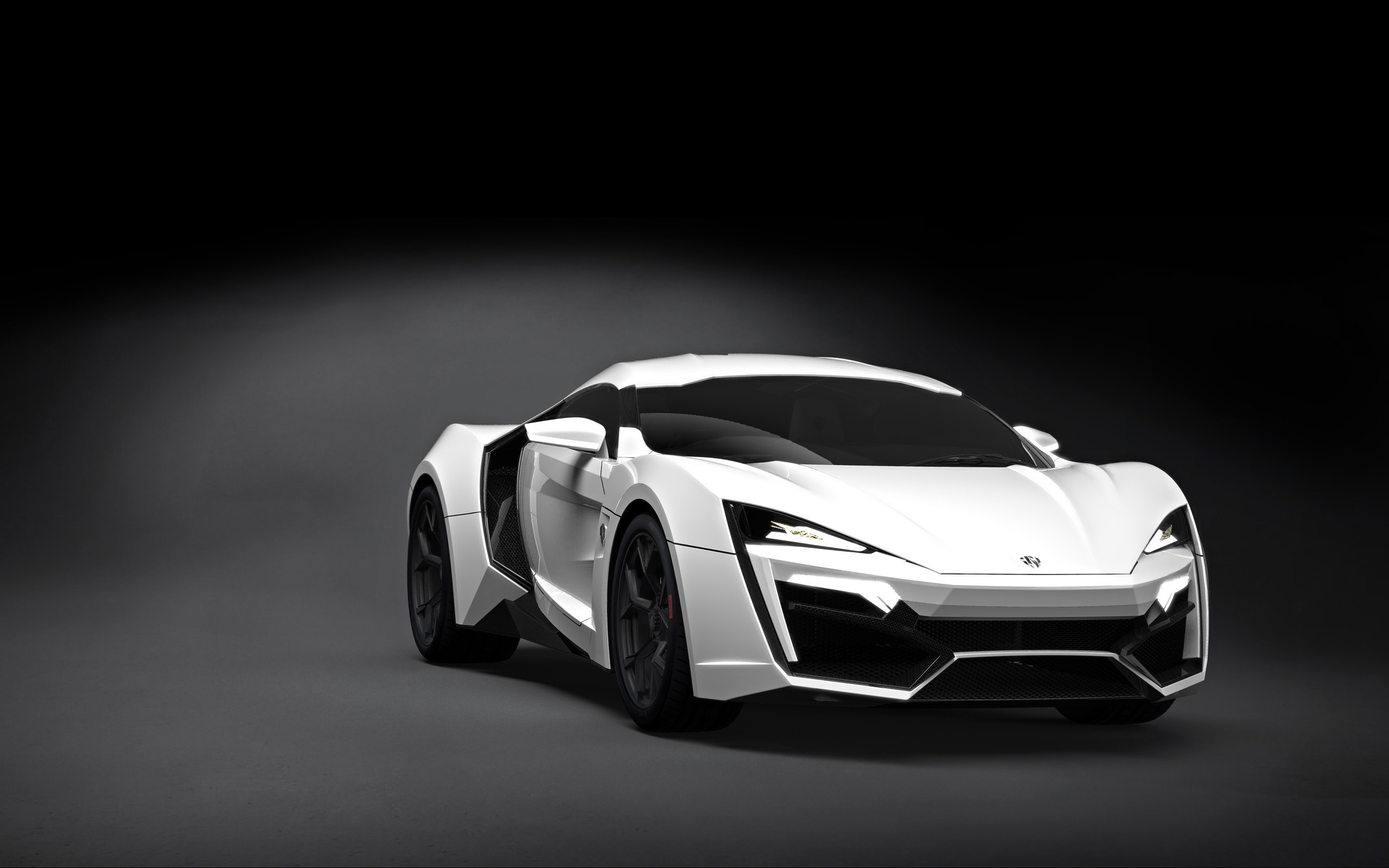
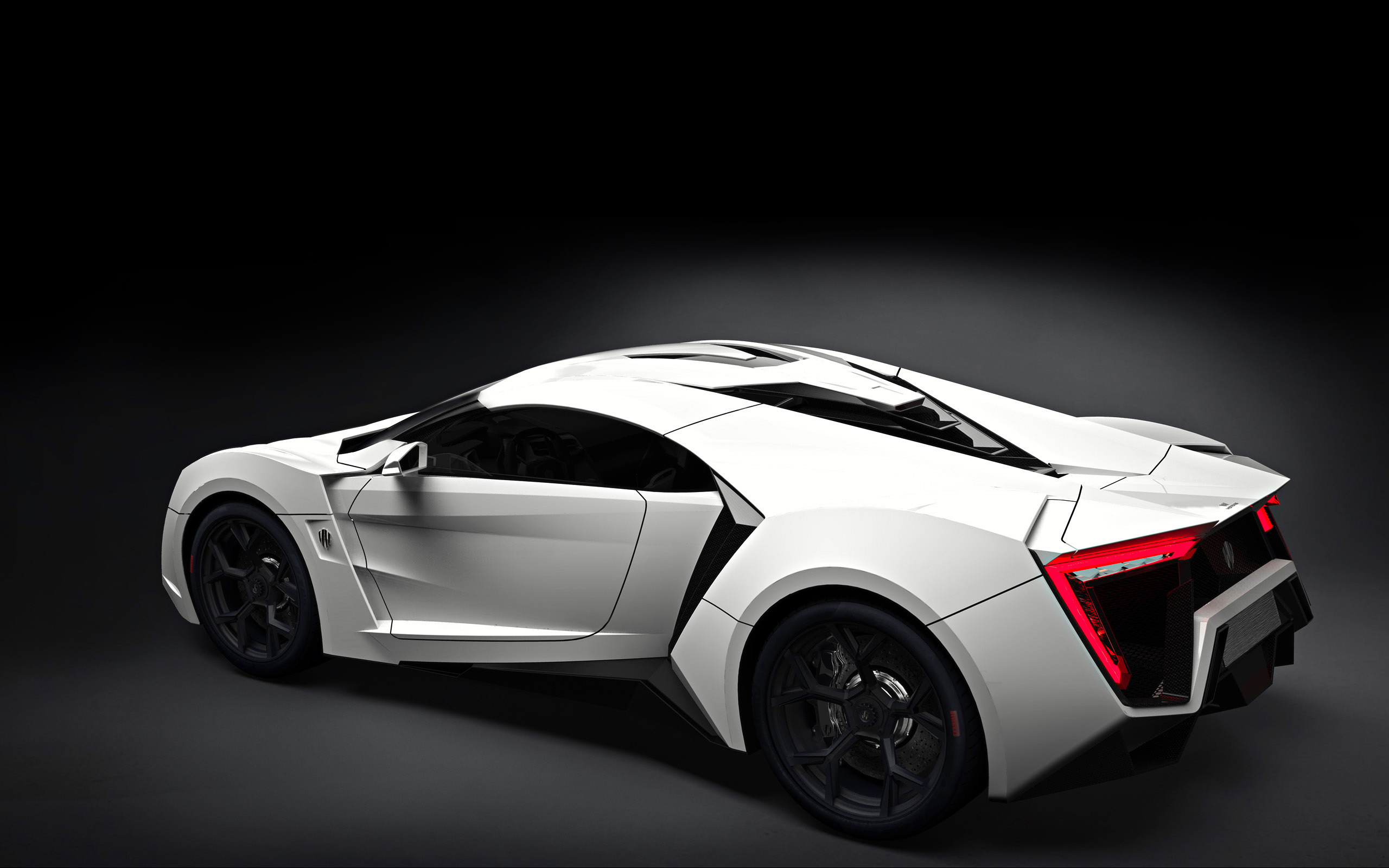
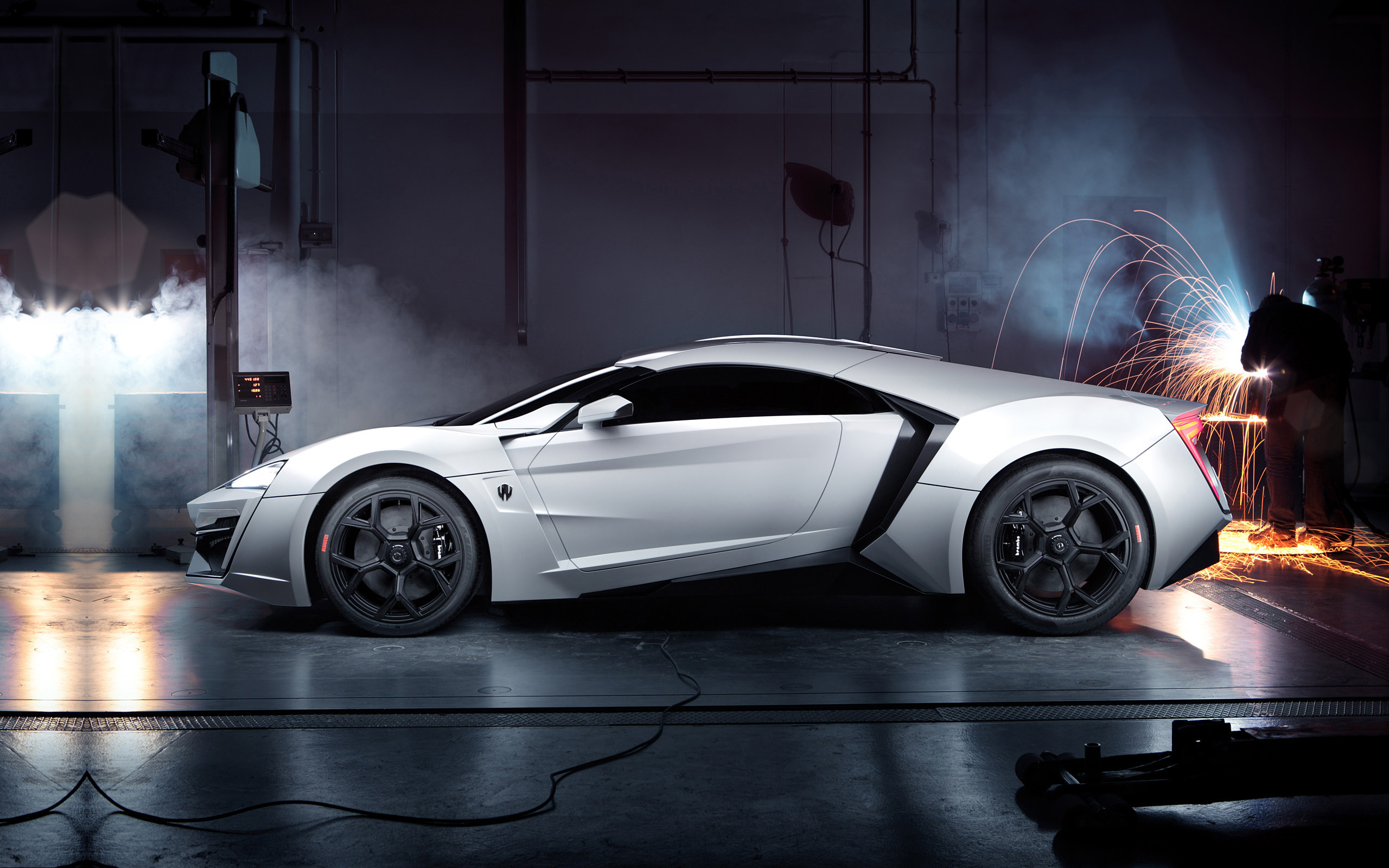
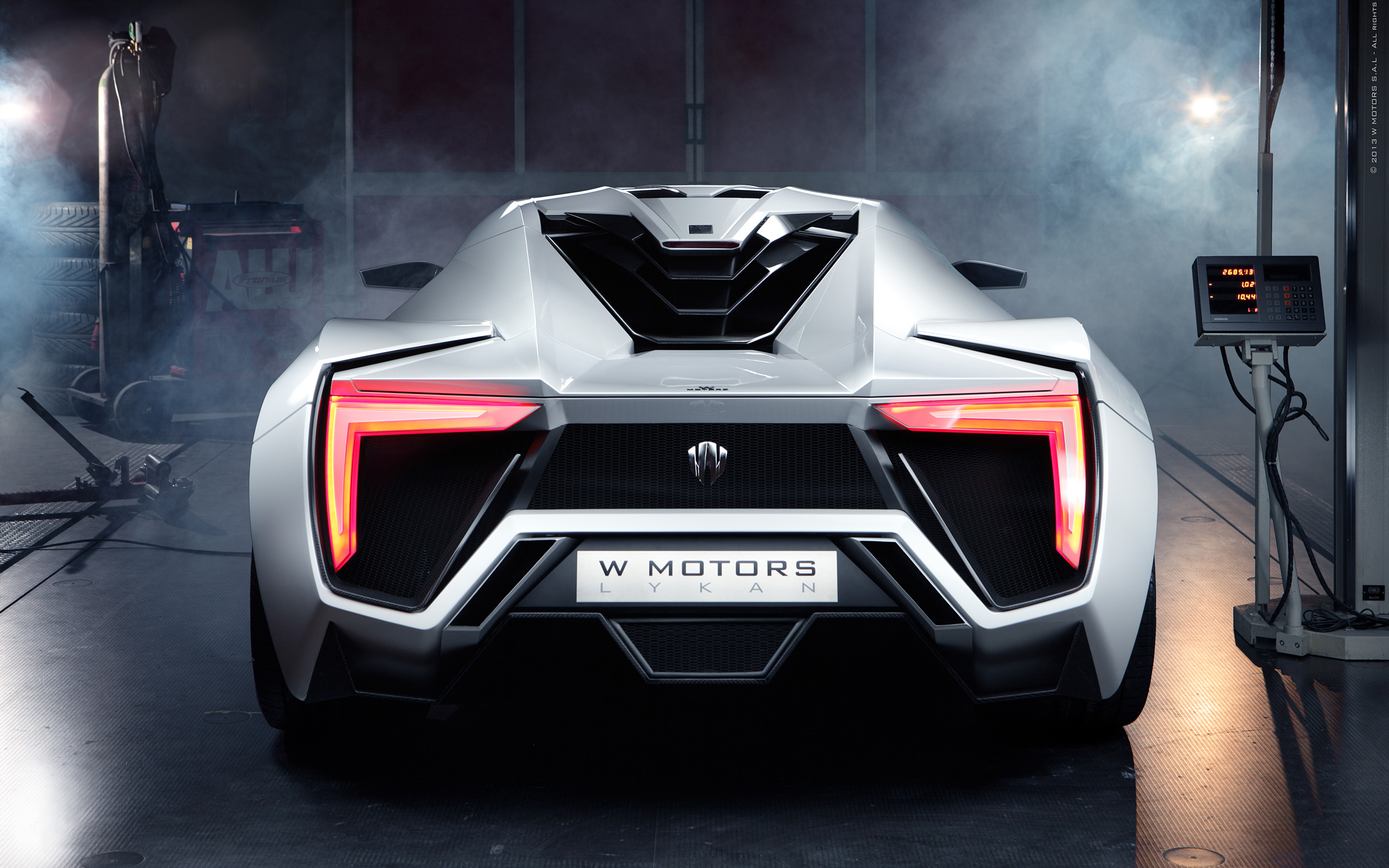
2013 W Motors Lykan Hypersport Wallpapers

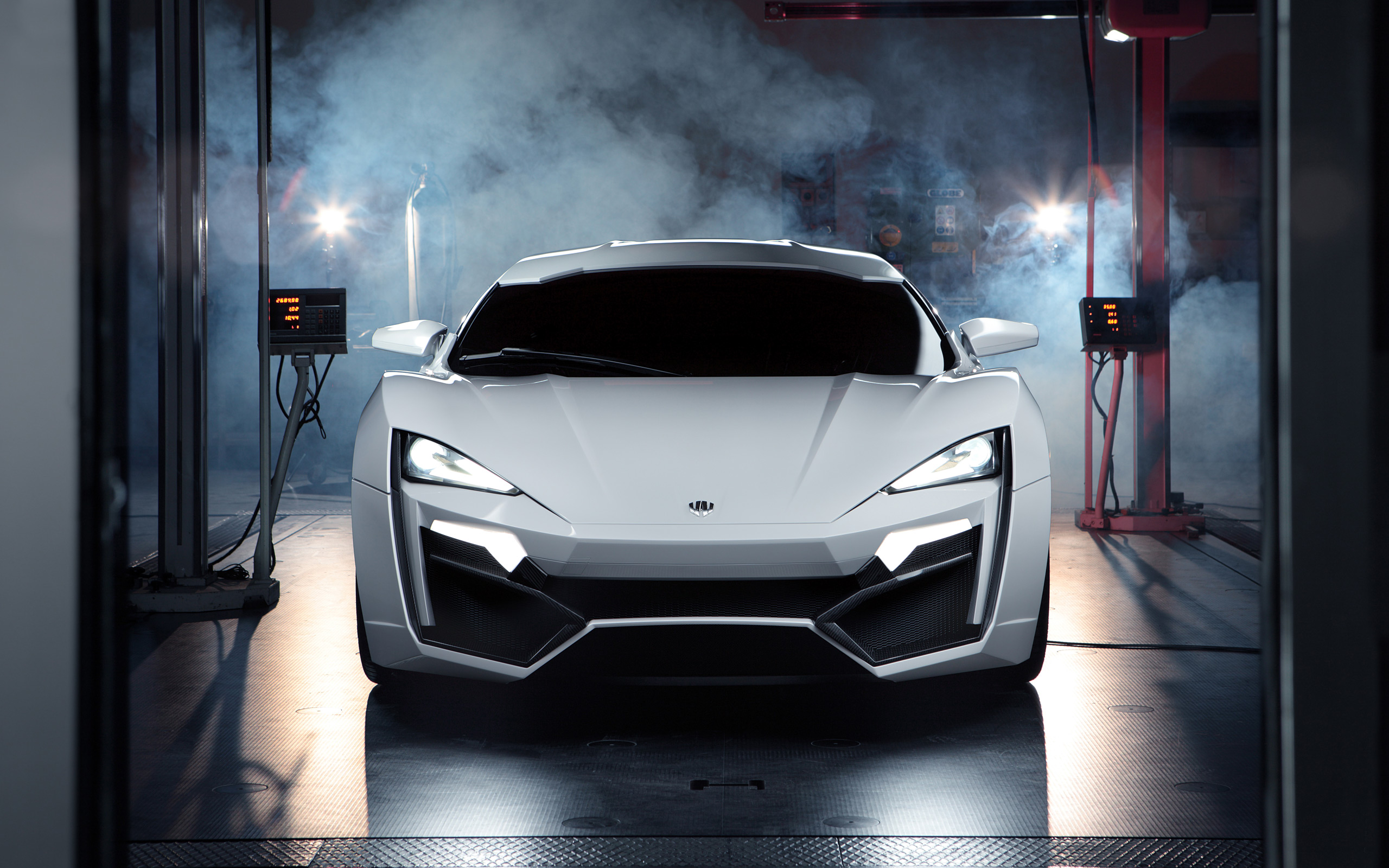
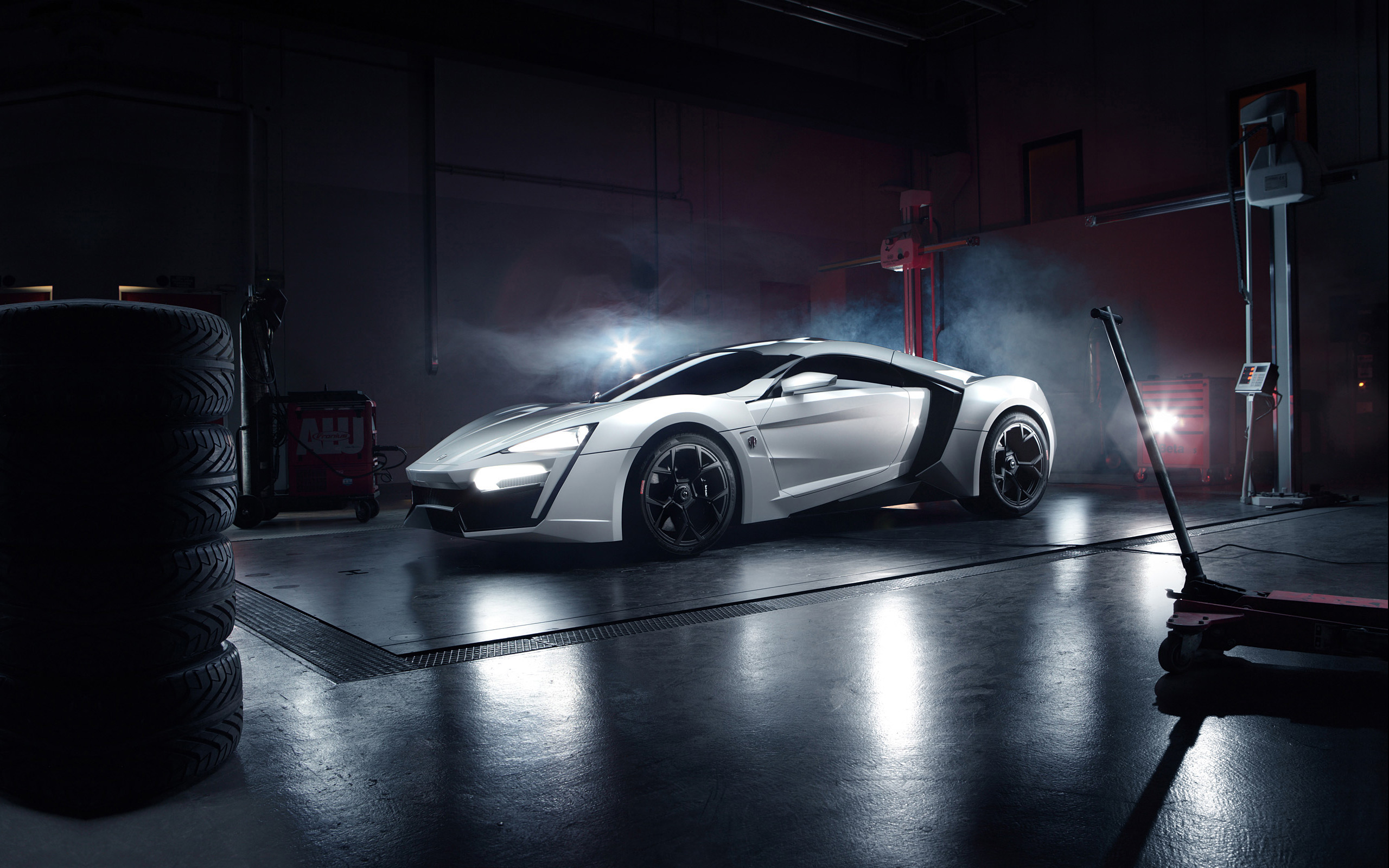
We have curated the ultimate collection of the best 2013 W Motors Lykan Hypersport Wallpapers and HD backgrounds for you to enjoy. Our team focused on finding the top 2013 W Motors Lykan Hypersport Wallpapers only to keep the quality high. These 2013 W Motors Lykan Hypersport Wallpapers are free to download so go ahead. To download any of these pictures for use as a wallpaper, right click the picture and choose Save As…

Find more awesome W Motors Wallpapers

The BRABUS 900 ROCKET EDITION

Just think about these figures for a second … acceleration from 0 to 100 km/h in 3.7 seconds, an electronically limited top speed of 280 km/h, powered by a 4.5-Liter Biturbo V8 engine with 900 PS (662 kW) and a massive 1,250 Nm of torque at an RPM of only 2,900 … did that settle in yet? You might be thinking we’re talking about some low-riding, harsh, uncomfortable but stunningly beautiful and aerodynamic supercar … right?
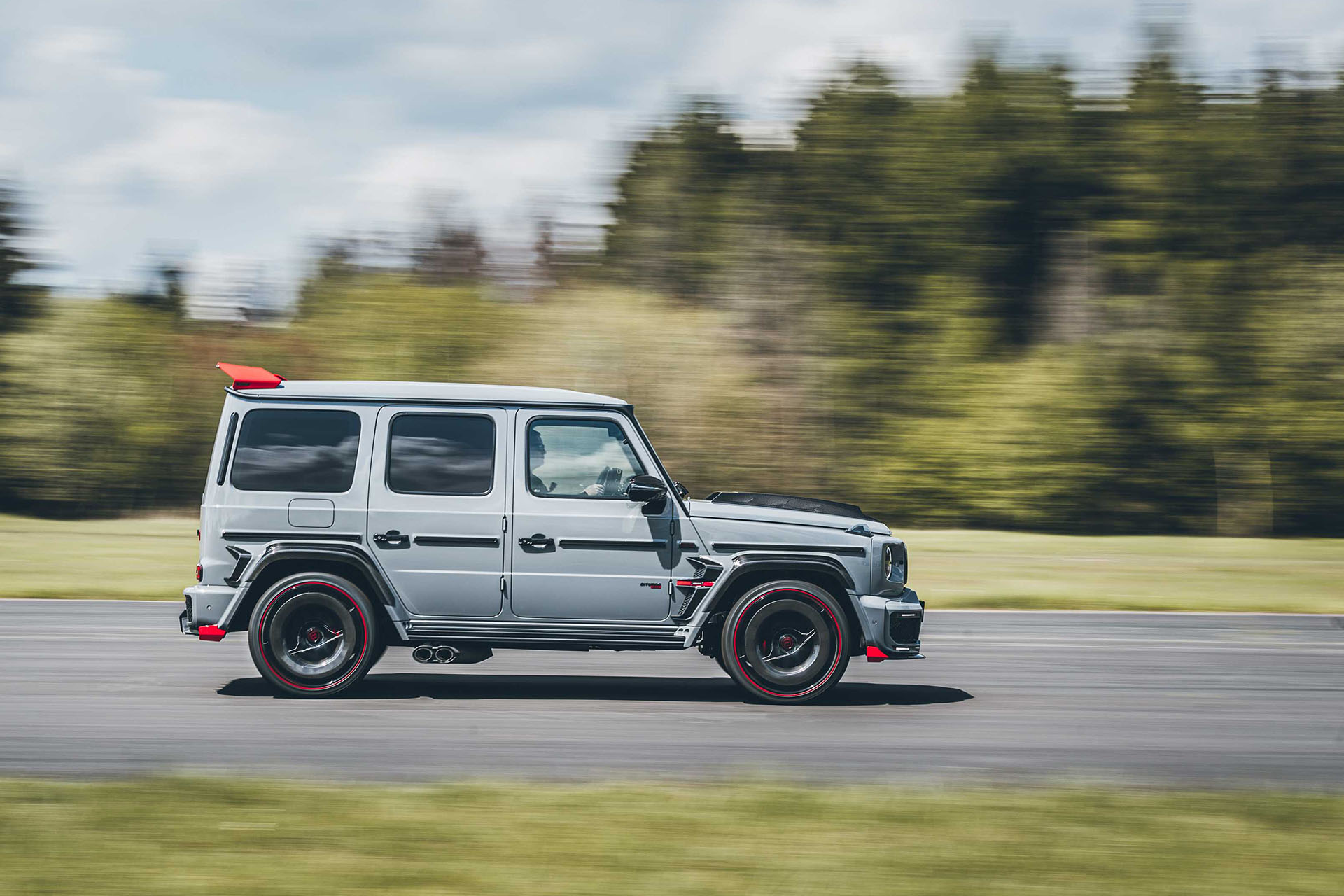
Nope, wrong … this is the brand new BRABUS 900 ROCKET EDITION, and since it’s based on the Mercedes G63 SUV, we are talking about a car with as much aerodynamic styling as a brick house … well, that might be a bit harsh, but you get the idea, this is a 2,560 kgs (5,644 lbs) heavy SUV, and she’s wide and tall too, 204 cm (80.3 in) wide and 462 cm (182 in) long, riding on massive 24-inch wheels, 10-inch wide at the front and a girthy 12-inch wide at the rear.

The new BRABUS 900 ROCKET EDITION comes with a serious price tag attached to her, €571,270 ($677,750) including German VAT (which is 19%), but BRABUS will only build 25 units for the entire world, 10 of which will be ready for delivery later this year while the remaining 15 units will join their customers by the end of 2022 … and while BRABUS always unveils their new cars in black or grey, the client can choose from an almost infinite palette of colors for his, or her Super SUV … both on the outside, and on the inside.

So what does BRABUS offer to justify adding about half a million US$ to the MSRP of a top-of-the-line G63 AMG model, which is about $160,000 before adding options, also note our previous article on a BRABUS SUV was about their 800 Black & Gold Edition, which comes in at about €200,000 less than this new 900 ROCKET EDITION … then the latter should really be something utterly amazing and special … right?

Just for this new model, BRABUS created the ROCKET widebody aerodynamic kit that includes some amazing carbon fiber parts, also a new set of Monoblock Z wheels in a massive 24-inch size was developed for the ROCKET EDITION which come with fashionable ‘aero discs’ and the rear wheels are fitted with massively wide 355/25 R 24 tires … that’s Lamborghini tire sizes on a large SUV!

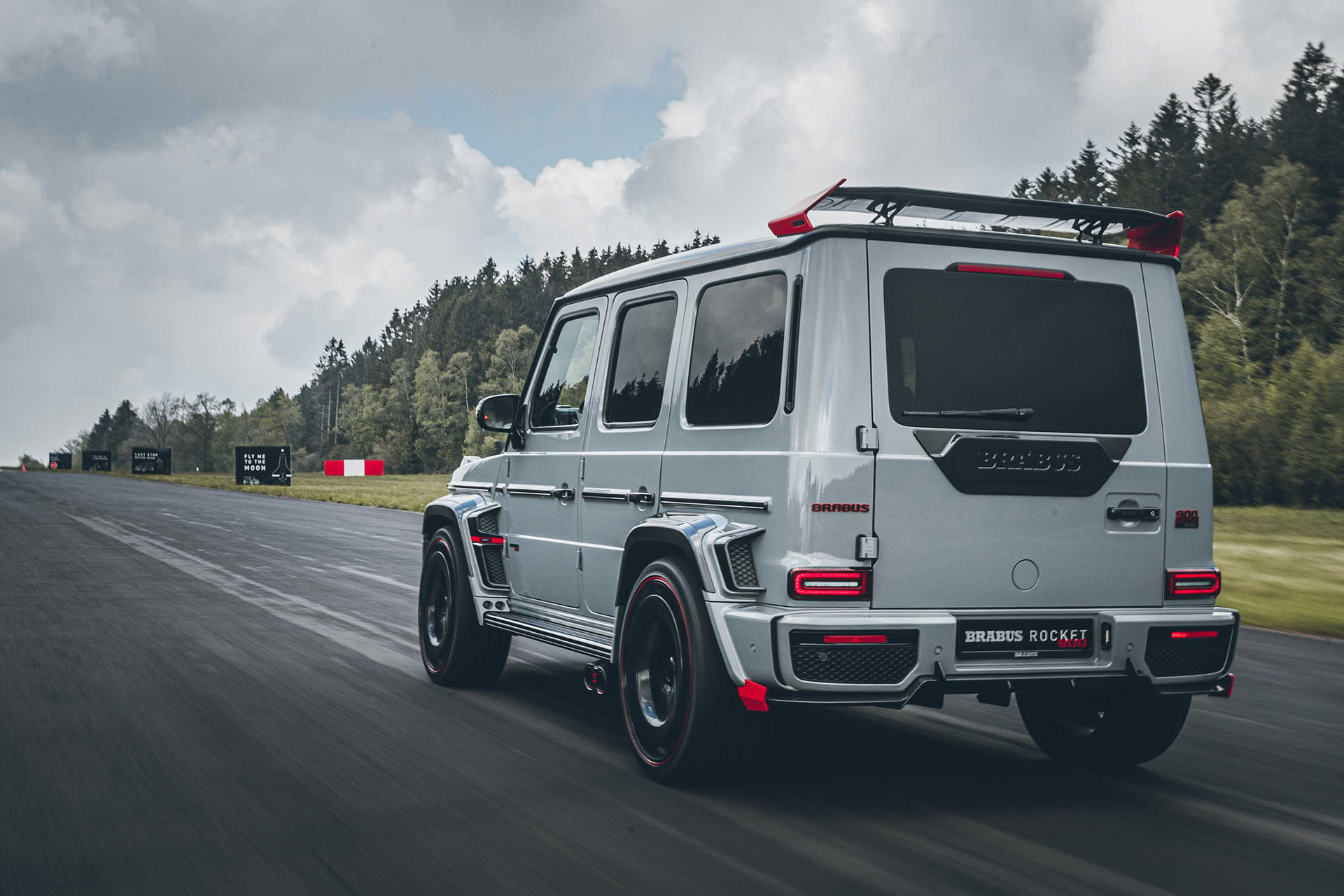
The two demo cars BRABUS prepared to showcase this new 900 ROCKET EDITION are finished in their famous “Signature Black” and “Stealth Grey”, and while the exterior is already extremely impressive (more on that later), it is on the inside where BRABUS fitted their MASTERPIECE interior in the best black leather and individual seats for the rear with a central console that houses a table for comfort, on the dashboard, doors and central console you’ll find a lot of breathtaking carbon fiber being fitted.

But first, back to what makes the BRABUS 900 ROCKET EDITION tick, the highly modified engine, if you know the statistics, the base G63 comes with a 3,982 cm³ displacement V8 engine, BRABUS takes that engine apart and bores out the cylinders to 84 mm and mills a new crankshaft from a solid rod of aluminum … the result is a displacement of 4,407 cm³, but that alone isn’t enough to get a power increase of 315 PS, so BRABUS replaced the factory original turbochargers with a pair of their own, in-house units that are capable of a 1.4 bar boost, a ram-air intake made from carbon fiber makes sure these turbos can draw enough cold air, and just for looks, the engine is covered with a stunningly beautiful, red infused carbon fiber cover.

Some more help to reach that 900 PS output comes from the amazing stainless steel exhaust system fitted by BRABUS, complete with 76 mm downpipes and sport catalysts, and naturally a valved high-performance exhaust, so you can adjust the soundtrack of this impressive V8 depending on your surroundings, most neighbors don’t like you starting this beast at 5 in the morning with the exhaust in ‘Sport’ mode … naturally, the dual, carbon fiber exhaust tips are fitted underneath this supercar and exit fumes just in front of the rear wheels, and to top it all off, BRABUS integrated their ROCKET ambient light into them, just for fun.

We’ve all seen the BRABUS WIDESTAR kit before, used on many Mercedes G-Wagon conversions from this Bottrop based manufacturer, but for their ultimate, limited edition version of the G63 they created a new version of their famous aerodynamic kit, using more visible carbon fiber on the outside than before, adding vertical stabilization fins to the front bumper, but also a new front grille with ROCKET logo and the required ram-air intakes for the turbochargers behind it.
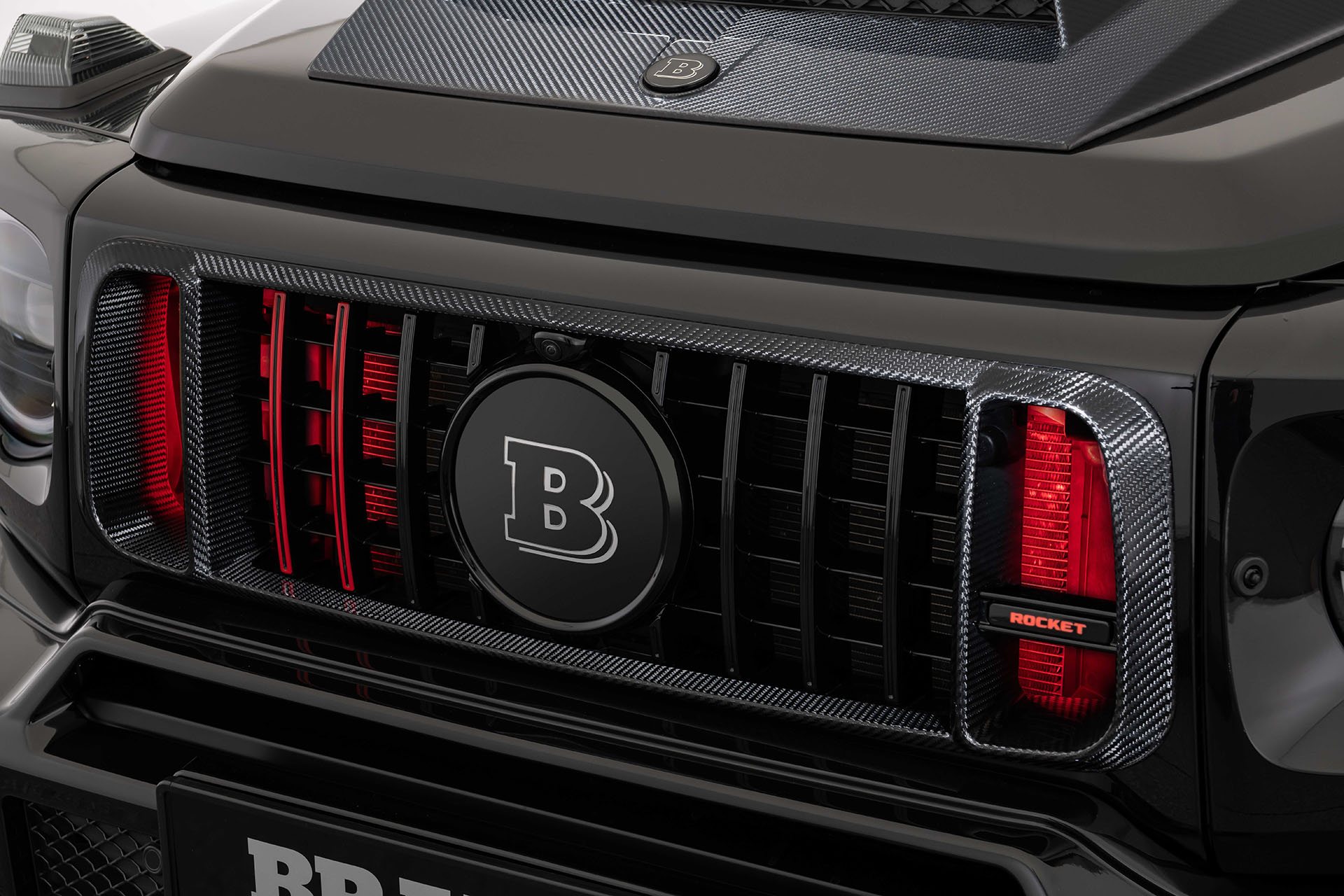
We also note the ROCKET Startup Glow and illuminated ROCKET logo, but you just can’t miss those massively wide wheel arch extensions from BRABUS, made from carbon fiber for both the front fenders and the rear axle, they add 10 cm of width to the base G63 model, and they flow perfectly from the new front and rear bumper into a pair of side sills that are LED lighted in the dark, naturally a stylish roof spoiler and an aggressive-looking rear diffuser are also part of the ROCKET EDITION kit.
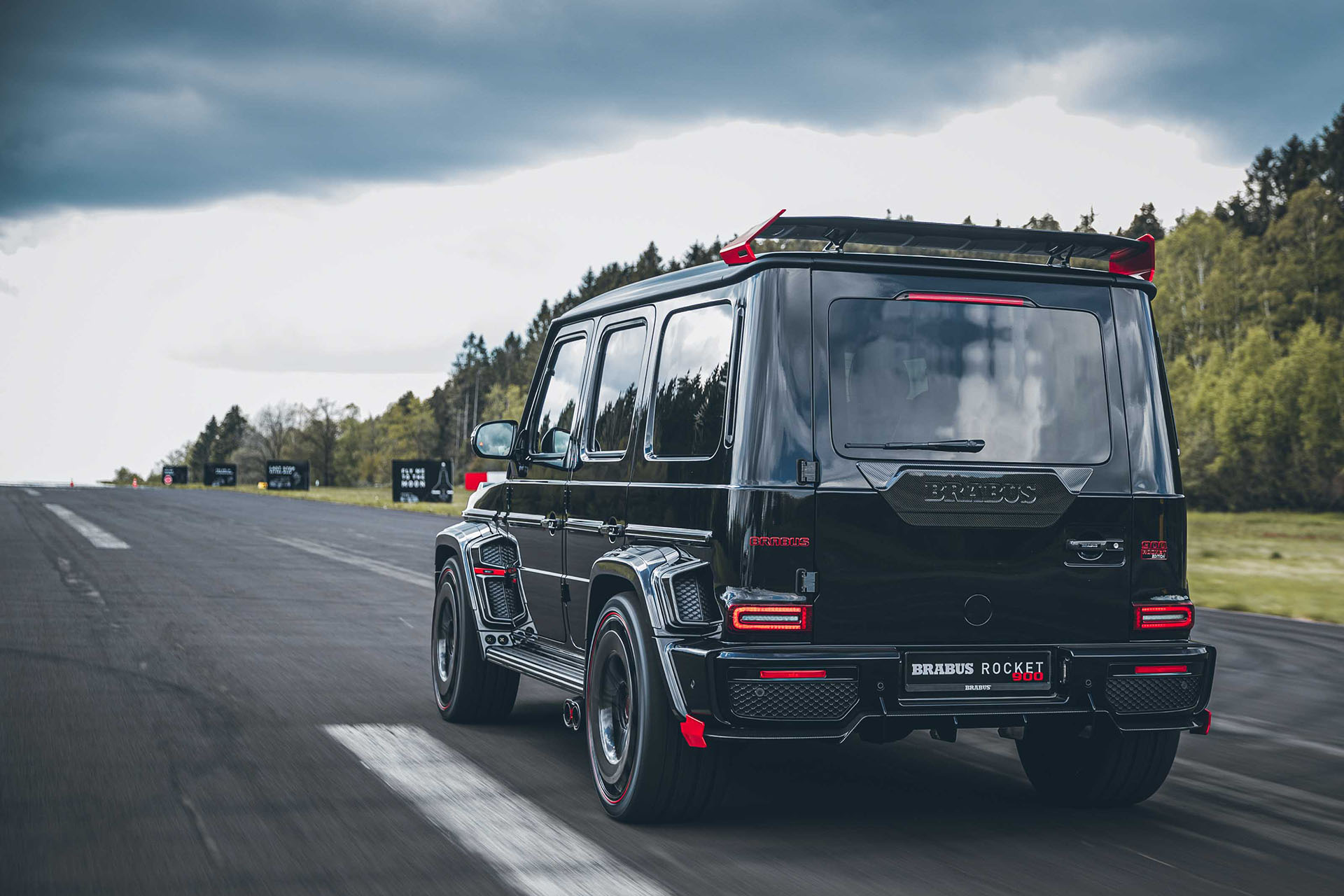
At the rear, the spare tire is removed from the door and BRABUS puts a carbon fiber cover over the attachment, also at the front, the original engine cover gets an add-on from BRABUS that completely changes the front, the ROCKET EDITION is extremely aggressively styled, from every angle, but it also comes with creature comforts like LED mounted underneath the side sill that illuminates the floor when you want to step out of the car at night.
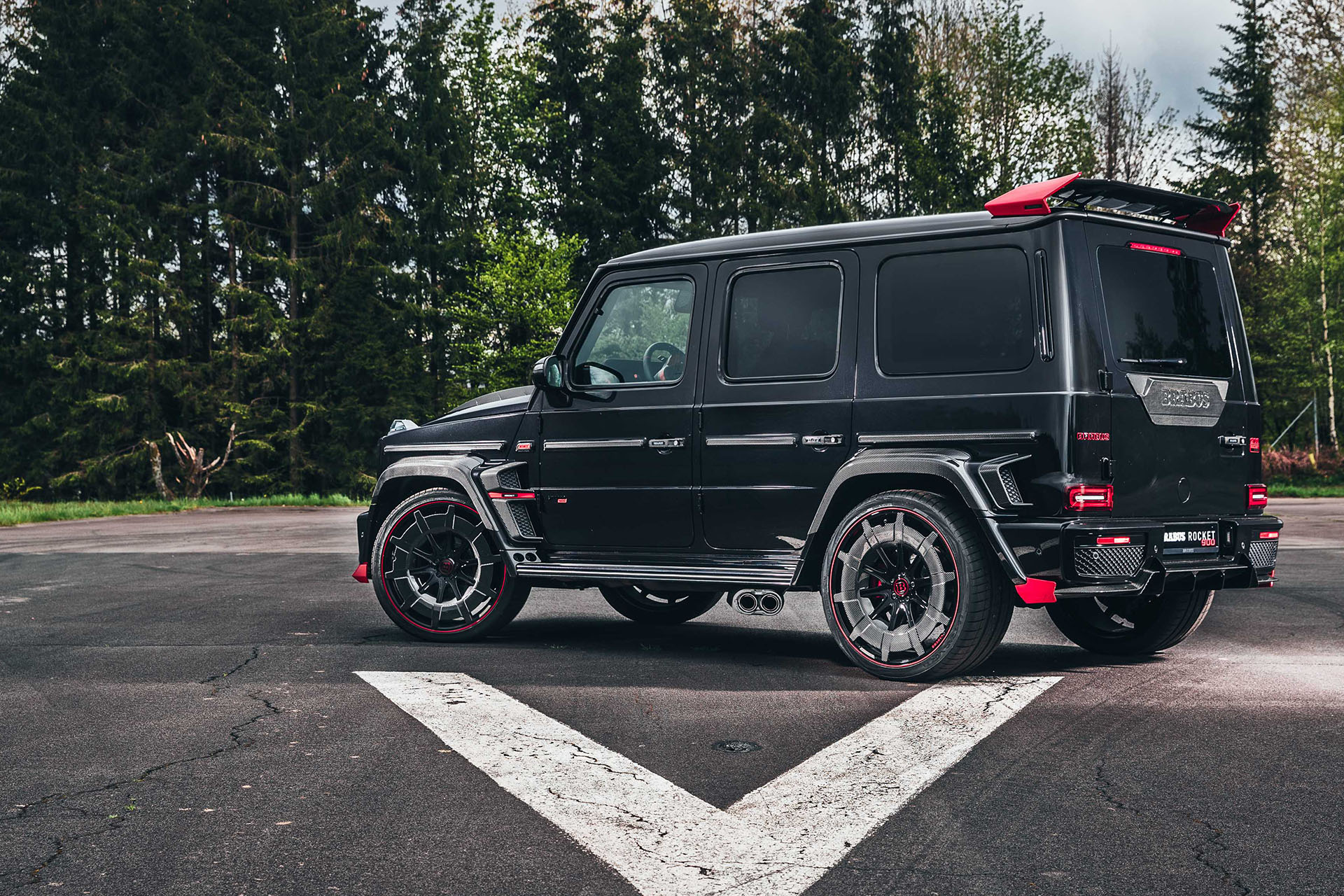
A wider body requires a special set of wheels, and these come in the form of the new BRABUS Monoblock Z “Platinum Edition” units, 10×24 inch for the front, 12×24 inch for the rear, fitted with 295/30 ZR24 and 355/25 ZR 24 respectively, either from Continental, Pirelli, or Yokohama, whichever the client prefers, or can source locally when it’s time to replace them, and trust me, with this much power in such a heavy car, these tires will wear quickly, even without the occasional burnout or donut.
And that concludes only the exterior and engine … now comes probably the best part, the interior, which is completely customized by BRABUS saddlery, yes, they have their own, in-house saddlery to create some of the most beautiful and bespoke interiors, in whatever color the customer wants, and that not only includes the leather hides, but also the Alcantara, the stitching, the perforation and even a tint of the carbon fiber used … at BRABUS the sky is the limit when it comes to creating a bespoke interior … but it seems they do like black at BRABUS nonetheless.
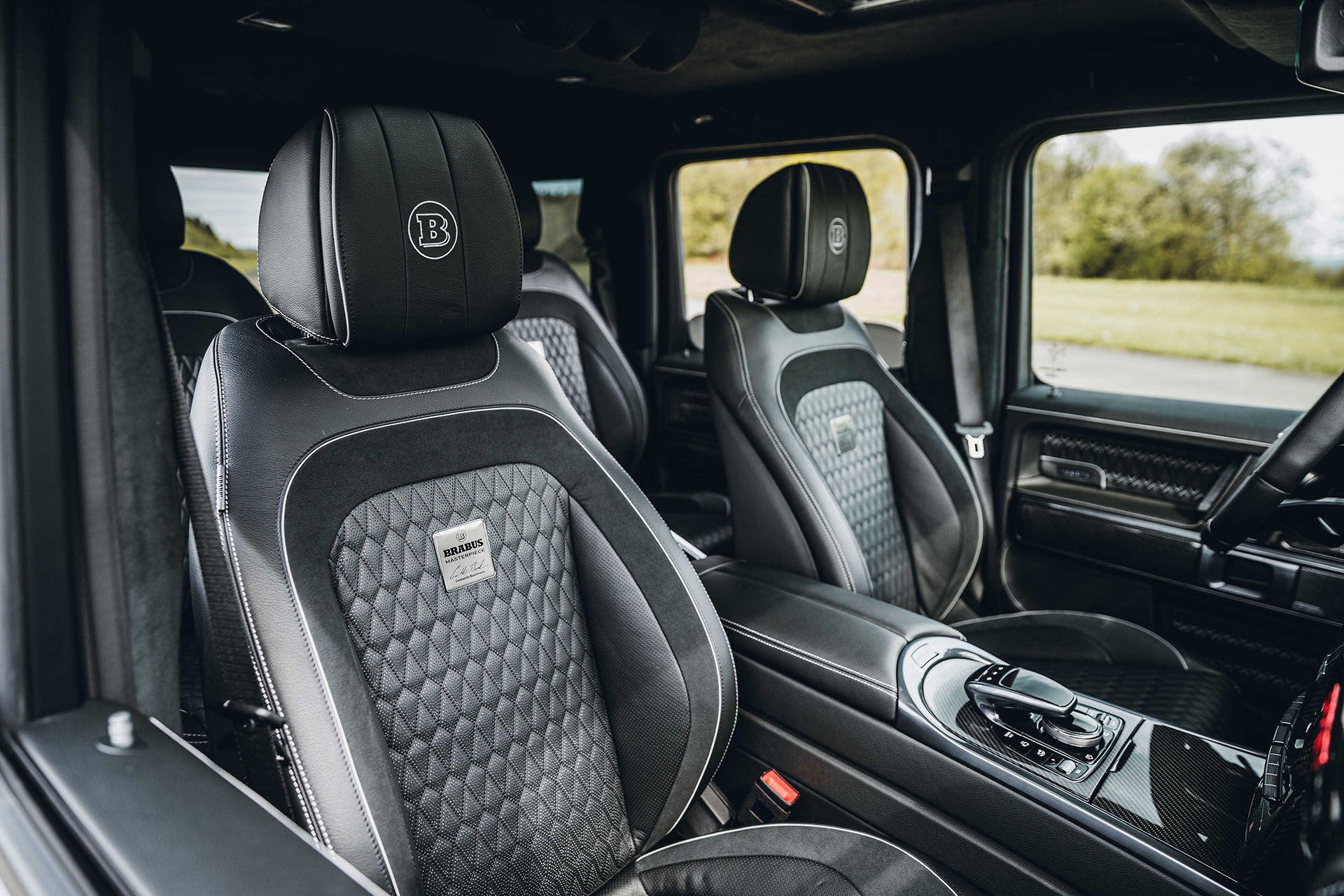
A total of 206 parts will get the BRABUS touch if you go all the way on the interior, and this includes some amazing shell-shaped quilting on the leather seats and door panels, but you’ll also find leather carpets inside this beauty, contrast stitching to match the exterior color or bright red for even more difference is always possible, BRABUS can even install ambient light inside the air vents if you like.
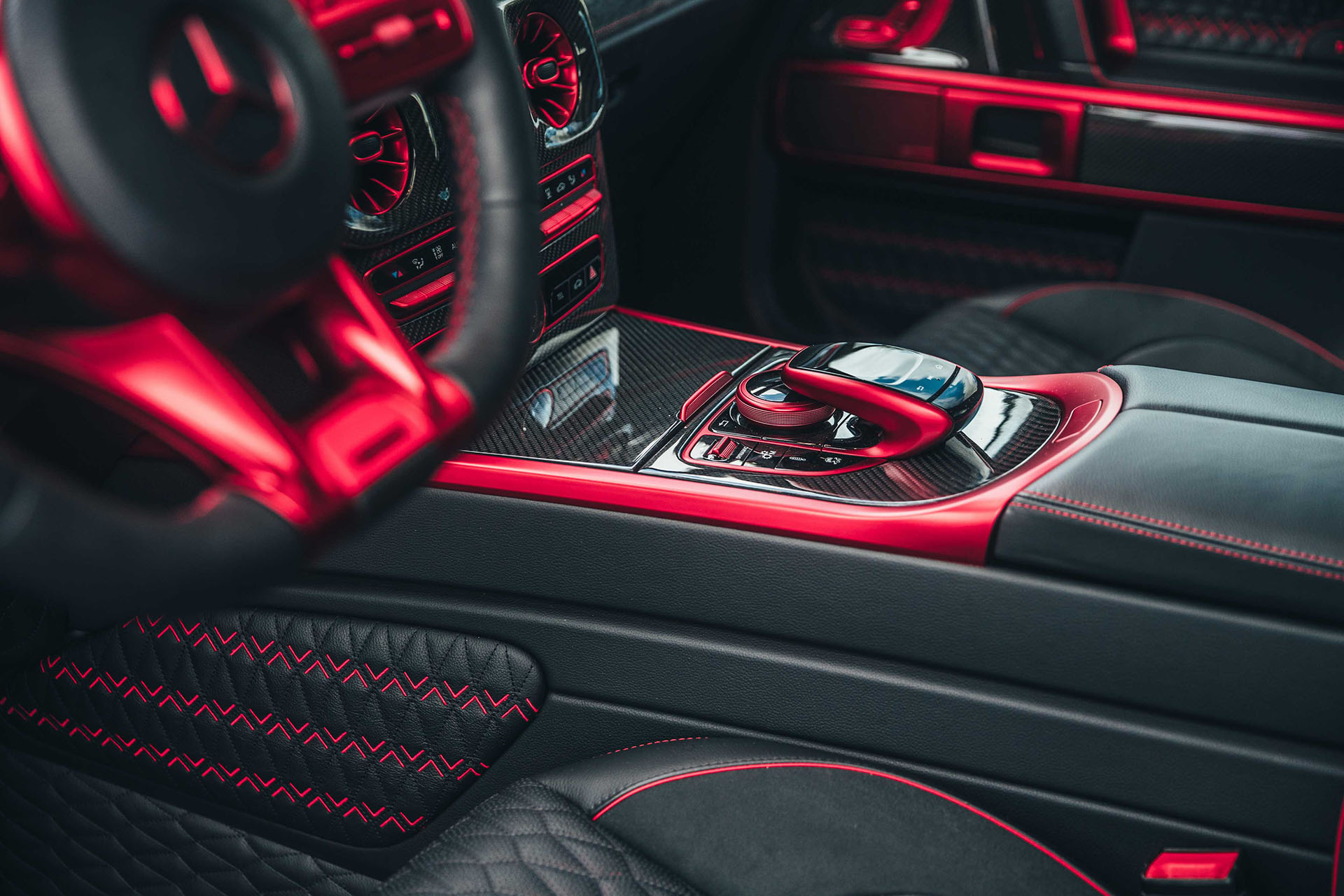
A lot of magnificent carbon fiber can be found inside the BRABUS 900 ROCKET EDITION too, as are aluminum pedals and door sills, with the BRABUS logo that lights up naturally, and since this limited edition packs a lot more power than the original G63 base car, the tachometer has been increased to 300 km/h (186 mph) so you can see just how fast this 2.5 tons SUV really goes down the road.

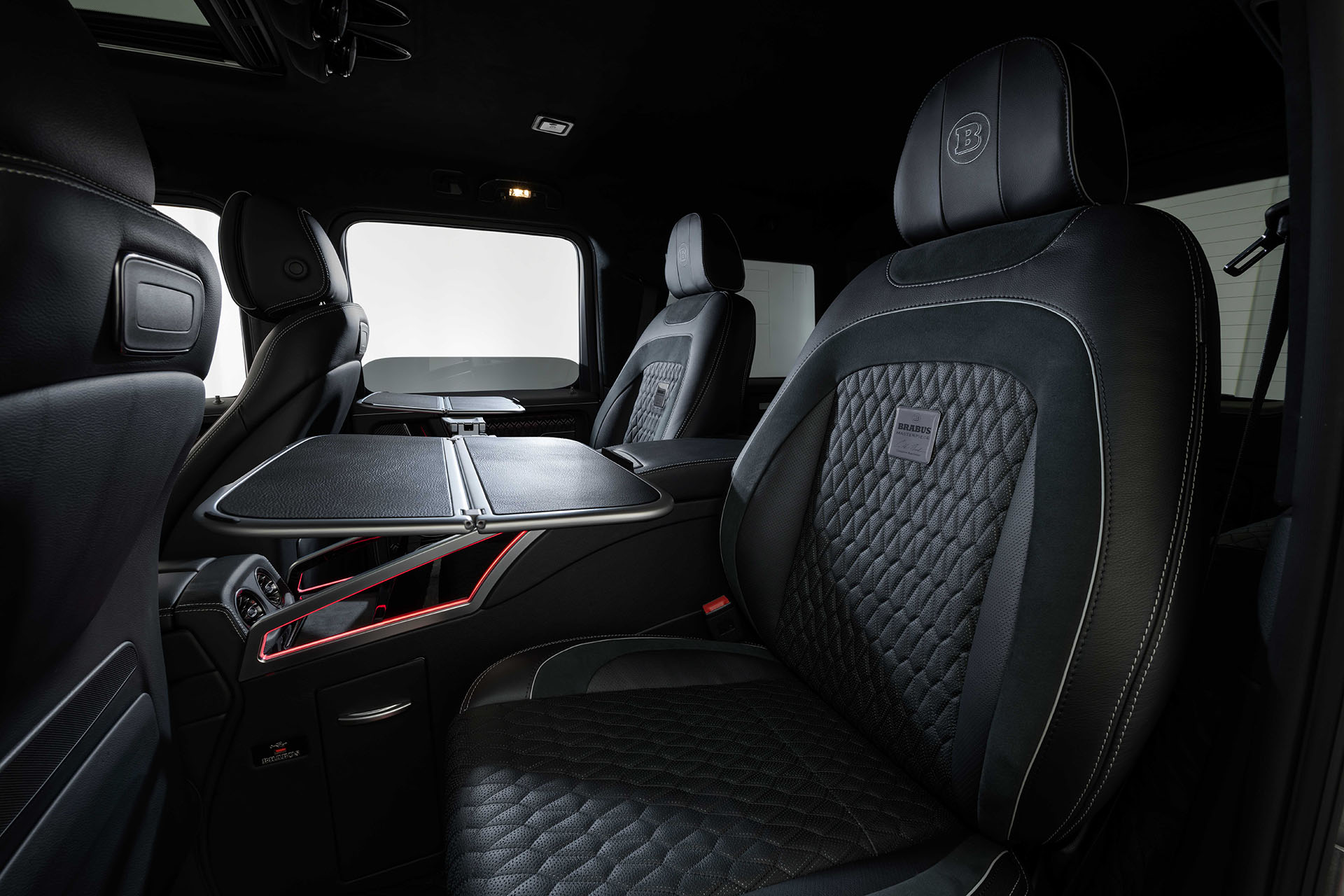
On their 900 ROCKET EDITION, BRABUS replaces the rear bench seat with two individual seats and a central console in between them that holds a fold-out table, so you can work in a laptop or tablet while being seated in the rear, both seats are not only heated, but also cooled, and even the cup holders are cooled and heated.
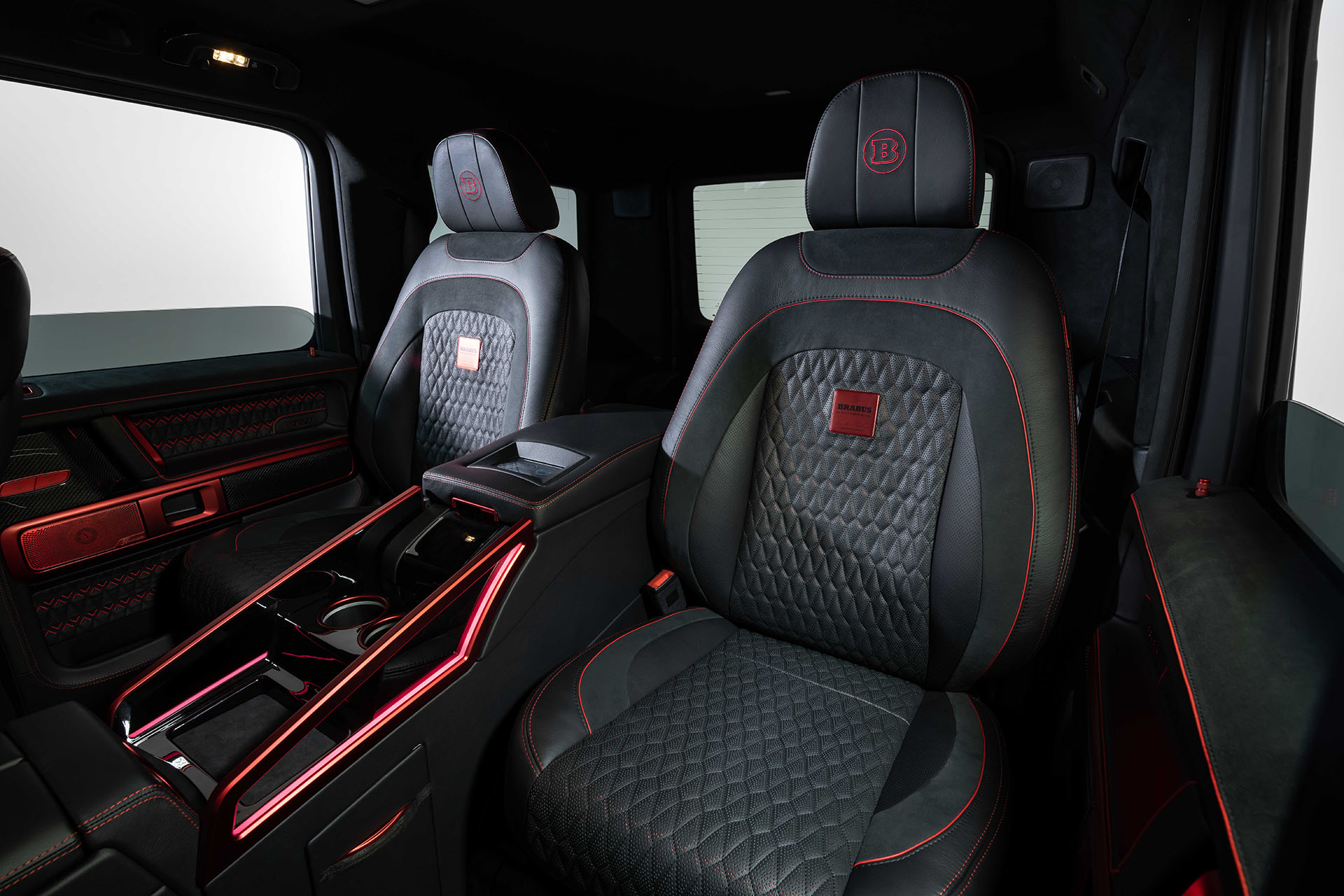
There is even a 4.3″ touchscreen installed at the rear that controls the rear seat adjustments and grants access to the factory original ‘COMAND’ system of the G-Wagon … you can control the sound system with it, turn on the reading lights in the rear. And if that’s too much bother, there is the option of connecting a smartphone via the USB cable and control the COMAND that way, while your phone or tablet gets charged at the same time. BRABUS added a few displays in the headliner so passengers can check the outside temperature, see how fast the driver is going, and find out what time it is, all while the ‘fridge’ in the central console keeps your drinks cooled.
I guess the BRABUS 900 ROCKET EDITION isn’t to everyone’s taste, but seeing how many of these WIDESTAR versions from BRABUS are around, and the fact they create a limited edition model with only 25 units at nearly $700,000 each, there must be a viable market out there for totally insane SUV like this, I for one can’t wait to see one of these behemoths in real life, and possibly experience it, even if it’s only for a short while.

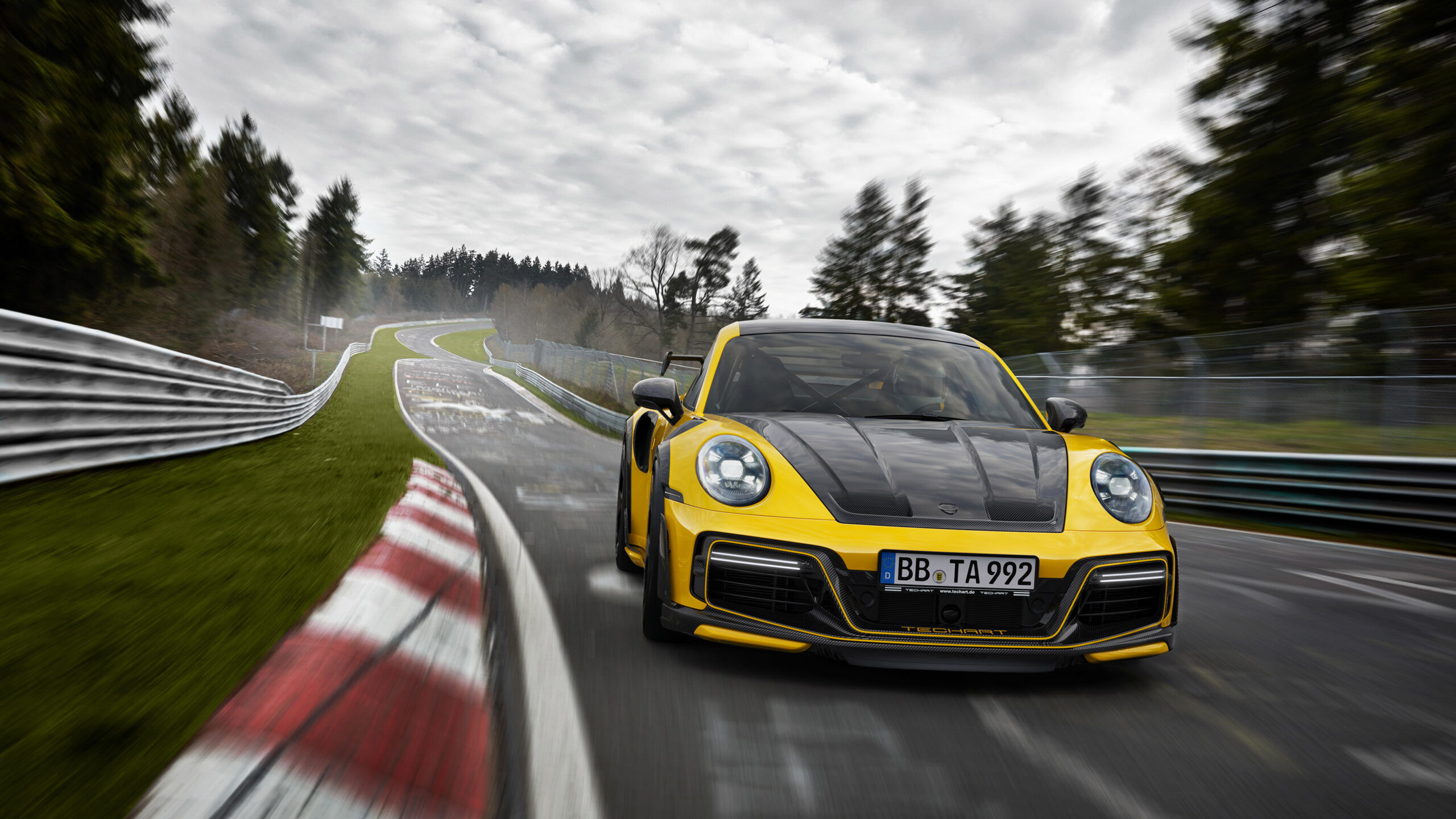
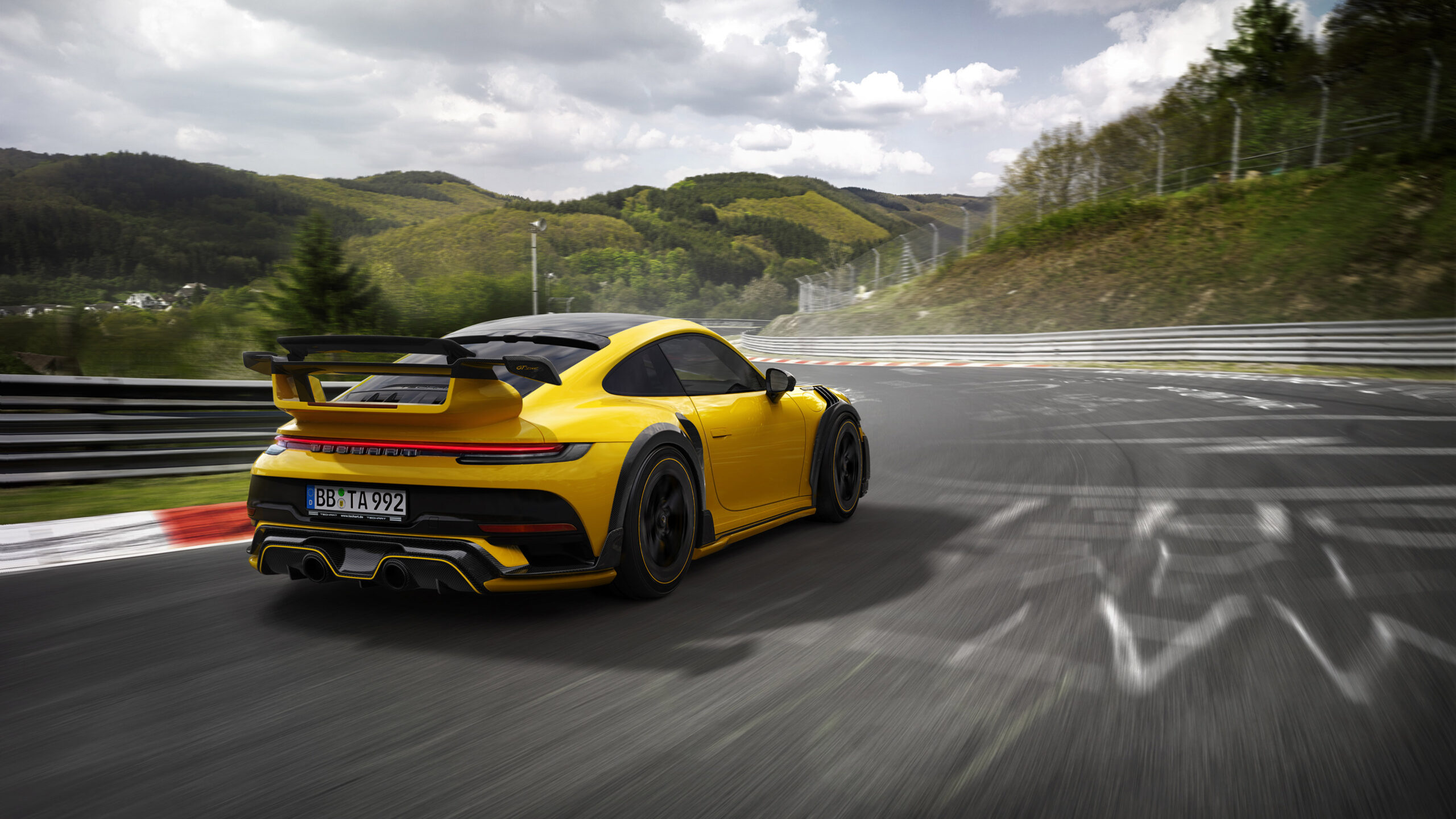
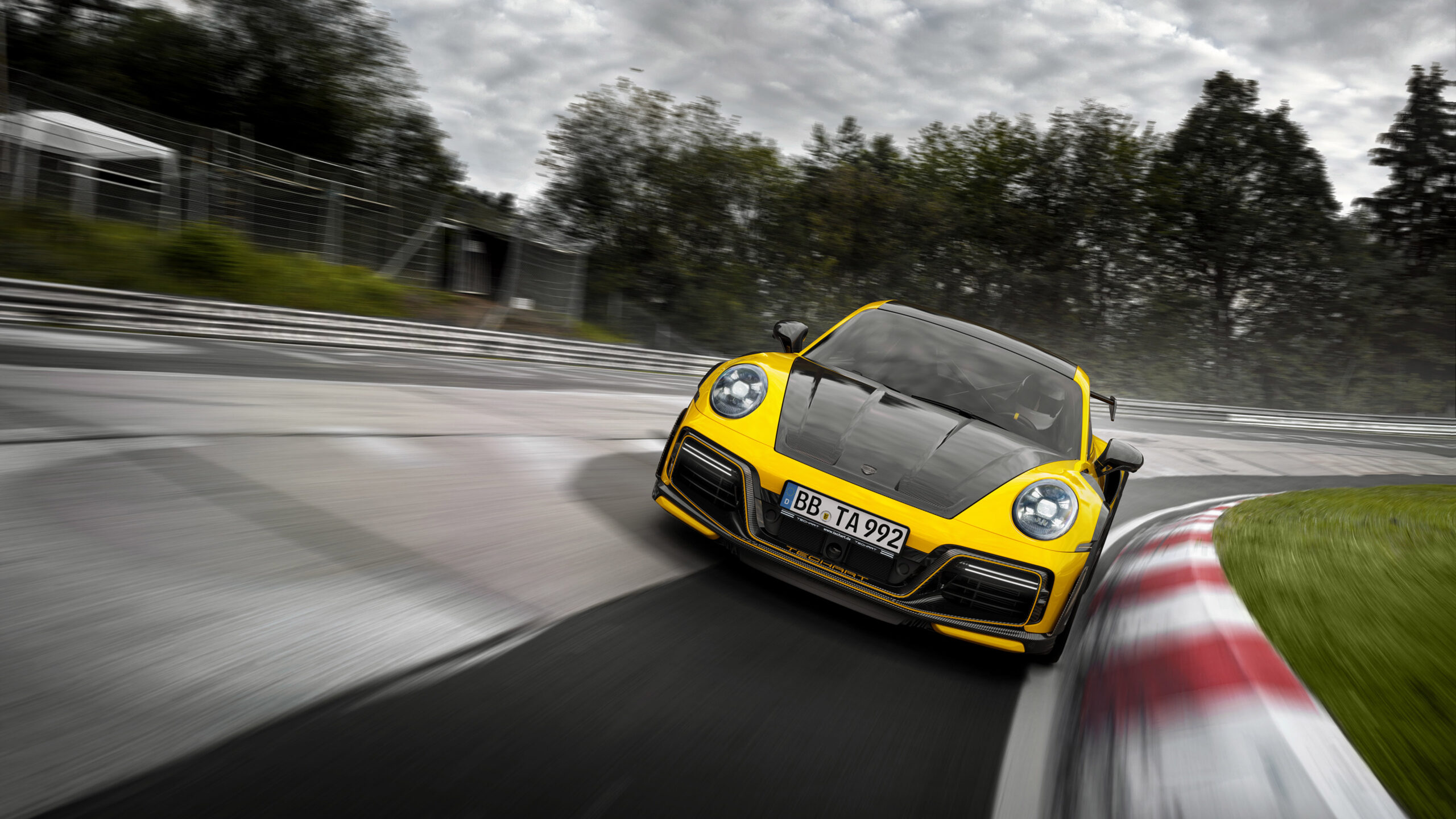
The new TECHART GTstreet R

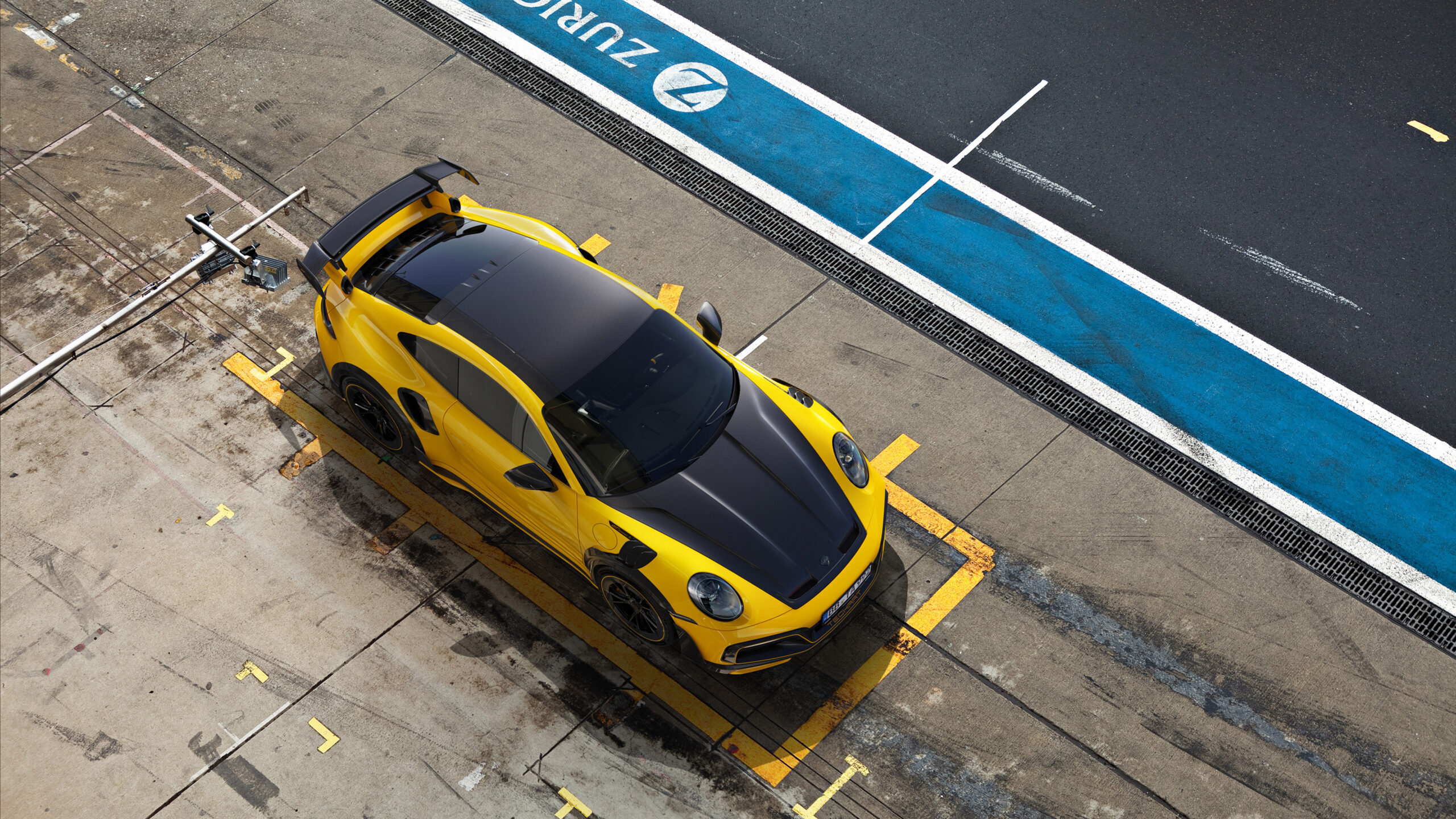
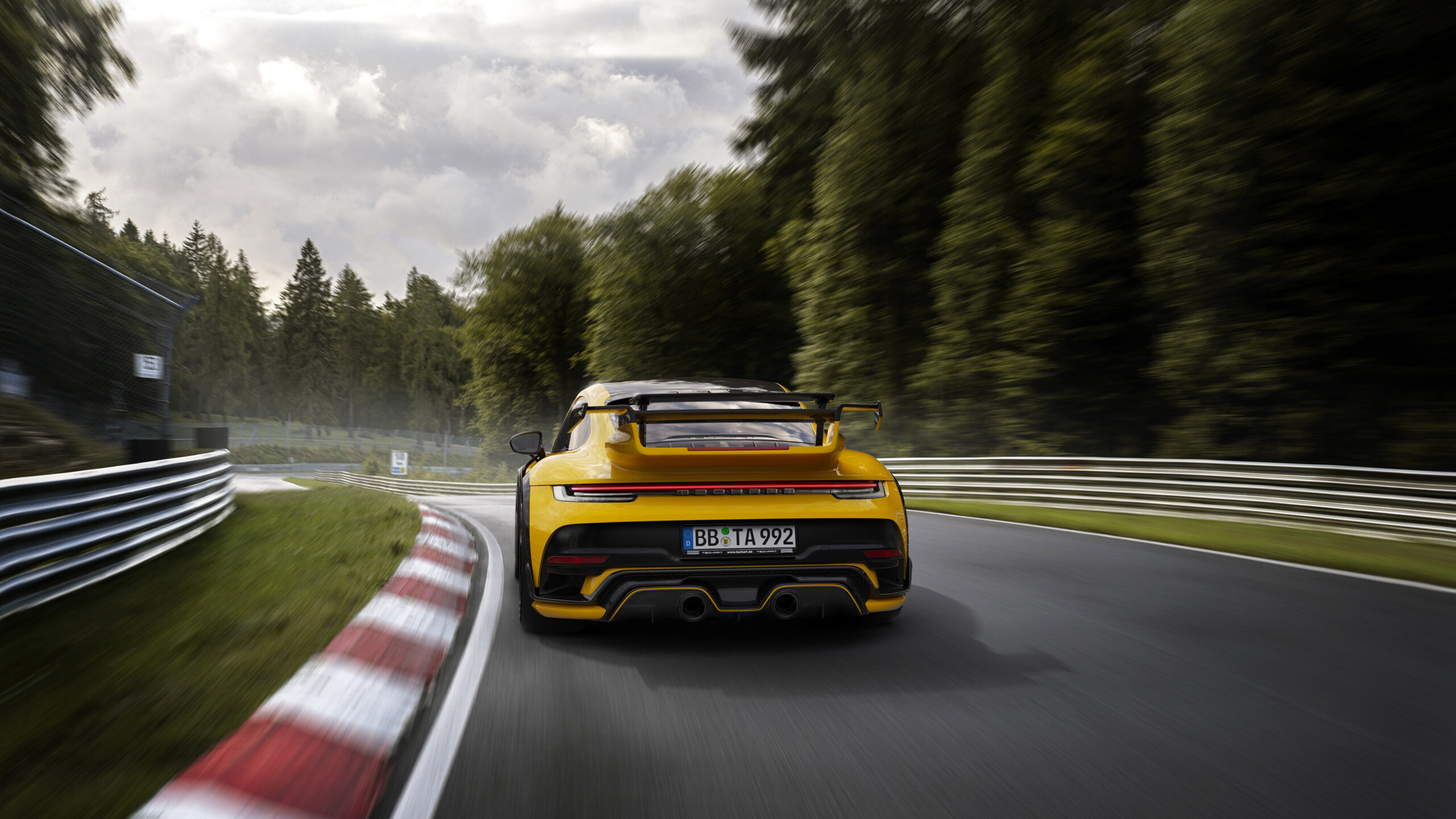
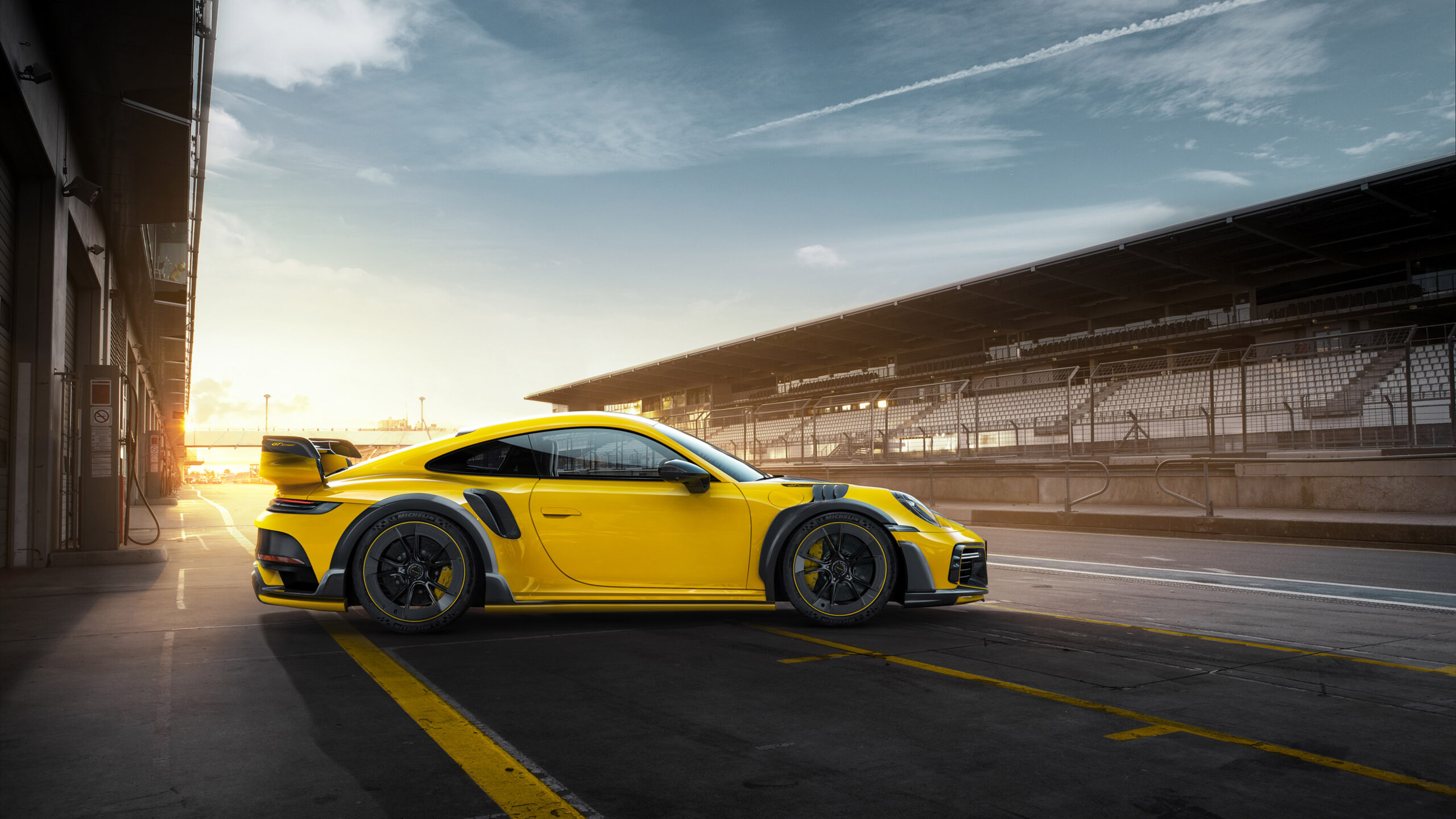
20 years ago, in 2001, renowned Techart presented the first GTstreet model, at that time based on the Porsche 996 Turbo, today the base is the 992 series 911 Turbo or 911 Turbo S, but the philosophy behind these super sports cars for the road has remained the same: combine everyday usability with uncompromised track performance … and that is exactly what the new GTstreet R we are looking at today is, a perfect car made even better and more powerful.

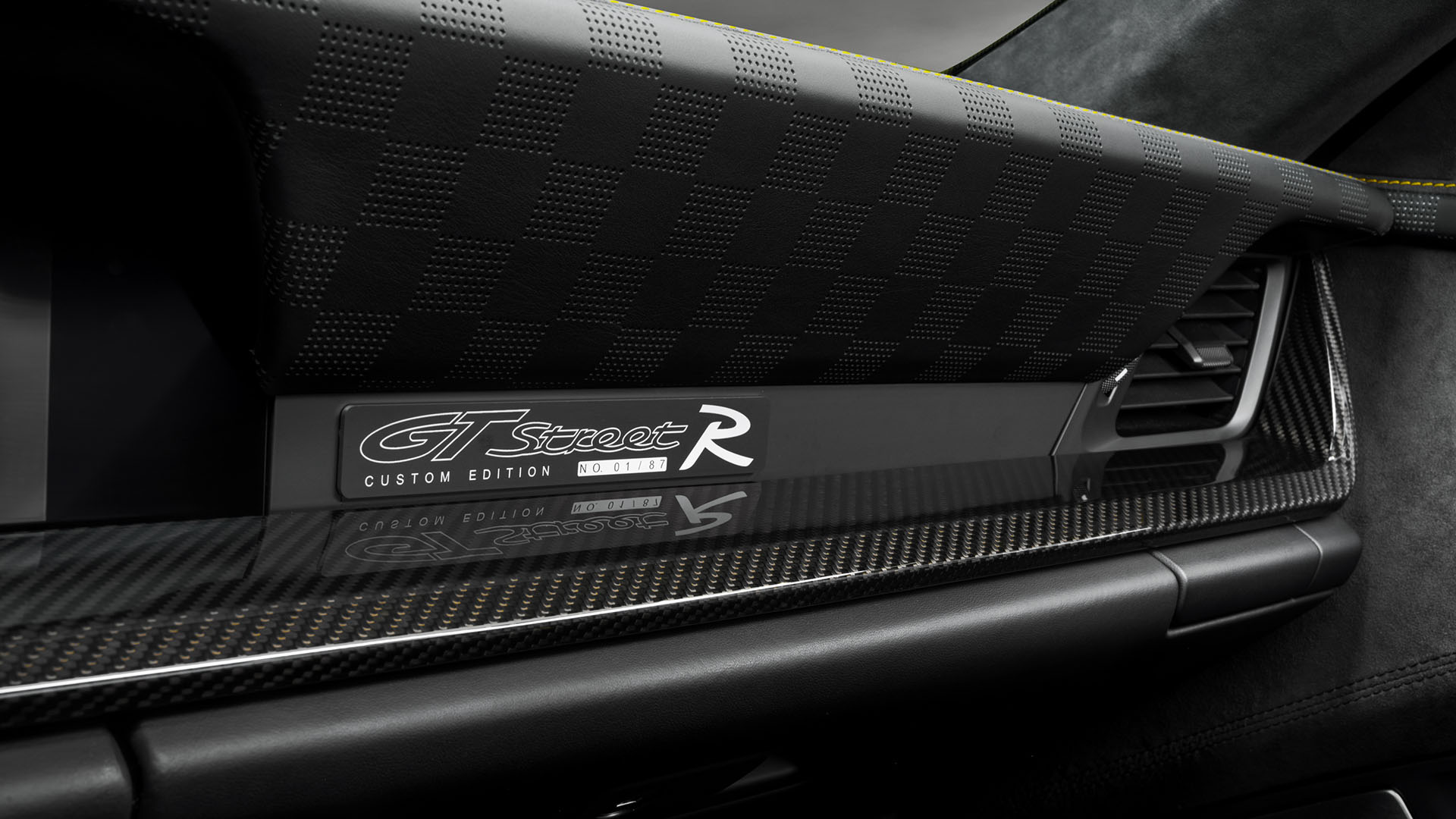
The new TECHART GTstreet R comes with up to 800 hp (588 kW) and a massive 950 Nm of torque … top speed of this German masterpiece is 350 km/h, the list price is €73,000 before VAT on top of the base 911 Turbo or Turbo S, that’s about $87,000 at today’s exchange rates, but there is more … this GTstreet R is a limited edition, each one individually numbered on a plaque in the customized interior.

TECHART offered a nearly limitless range of possibilities for Porsche owners, both in customizing as in performance upgrades since they founded the company in 1987, that is why they will only build 87 units in this new GTstreet R program, which consists of lightweight aerodynamic add-ons, complete with a massive carbon-fiber GT rear wing and stunning TECHART aero discs made from the same material.

The TECHART GTstreet R carbon-fiber aero kit has been painstakingly tested in the wind tunnel, the result is a 400% increase in downforce at the rear and a reduction of 45% in lift at the front at 140 km/h compared to a factory standard Porsche 911 Turbo, and just in case you were wondering about the active aero on the base model … this is retained with the TECHART GTstreet R aerodynamic package.

A combination of painted and clear carbon fiber characterize the new GTstreet R, add the special TECHART lettering in the lower front bumper and pinstriping in any shade possible, and the client will have a hard time choosing from all the personalization possibilities, and this continues with the replacement front hood, with aero indents and air vents that are a testament to just how functional the entire GTstreet R package really is, which is also shown in the wider front fenders with their louvers for even more ventilation.

The side air intakes in front of the rear wheels get a new design from TECHART while a pair of amazing looking side sills connect the front to the rear of the GTstreet R, which is where the fun really starts, the iconic GT design is used for a massive rear wing, complete with air intakes that get air tunneled into them by the special roof spoiler, a new engine cover was required to allow the high-performance to be cooled enough, be it on the open road at commuter speeds, or on the race track at full throttle.

TECHART offers two performance upgrades, their TA092/T1.1 with TECHTRONIC management adds 60 hp (44 kW) for a total output of 710 hp (522 kW) with a maximum torque of 900 Newton meters, but the most powerful TECHART power upgrade to date is called the TA092/T2.1, and this option includes new turbochargers and special engine management software changes, including a modification to the transmission control unit … the result is 800 hp (588 kW) and a massive 950 Nm of torque!

And because we all love a nice soundtrack behind the wheel of our car, a new stainless steel sports exhaust system is also part of the GTstreet R kit, hand-welded with two exhaust pipes fitted centrally in the new carbon fiber rear diffuser, it comes with valve control, so you can have a more civilized sound when leaving the house in the morning, but still enjoy some thundering roars on the track.

Now on this edition of the GTstreet R are the aero discs from TECHART, made specifically for their Formula VI Race forged wheel, these discs are made from carbon fiber with a foam core to reduce weight, wind tunnel testing showed these aero discs offer a lower air resistance compared to running without them, the Formula VI Race wheel is a center-lock rim, and the aero discs are fitted in either glossy or matt carbon fiber, or can be color-coded to the car.

The new TECHART Formula VI forged wheels can be ordered with 265/35 ZR20 on the front axle and 325/30 ZR21 on the rear axle, the German tuner recommends the Michelin Pilot Sport Cup 2 tires for track day use but turns to the Michelin Pilot Sport 4S tires for normal road use, as well as an occasional stint on a track.

Exterior looks are important, but if you are a car enthusiast that wants to enjoy this TECHART GTstreet R as much as possible, you’ll be spending a lot of time behind the steering wheel, in the cockpit, so with elaborate customization on the outside, the already very nice and luxurious interior of the base Porsche 911 Turbo (S) couldn’t be overlooked … so TECHART interior manufactory comes into the picture.
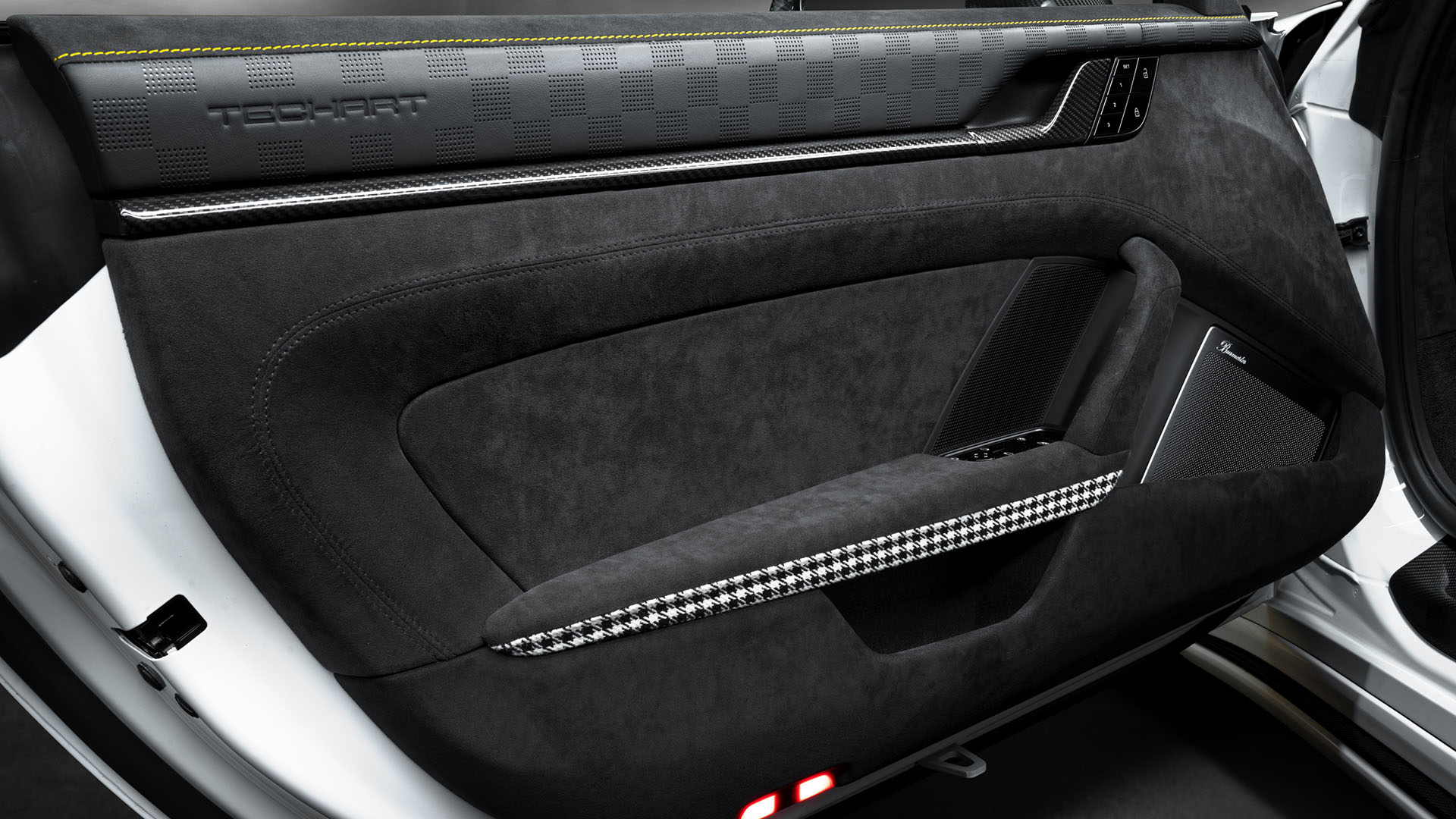
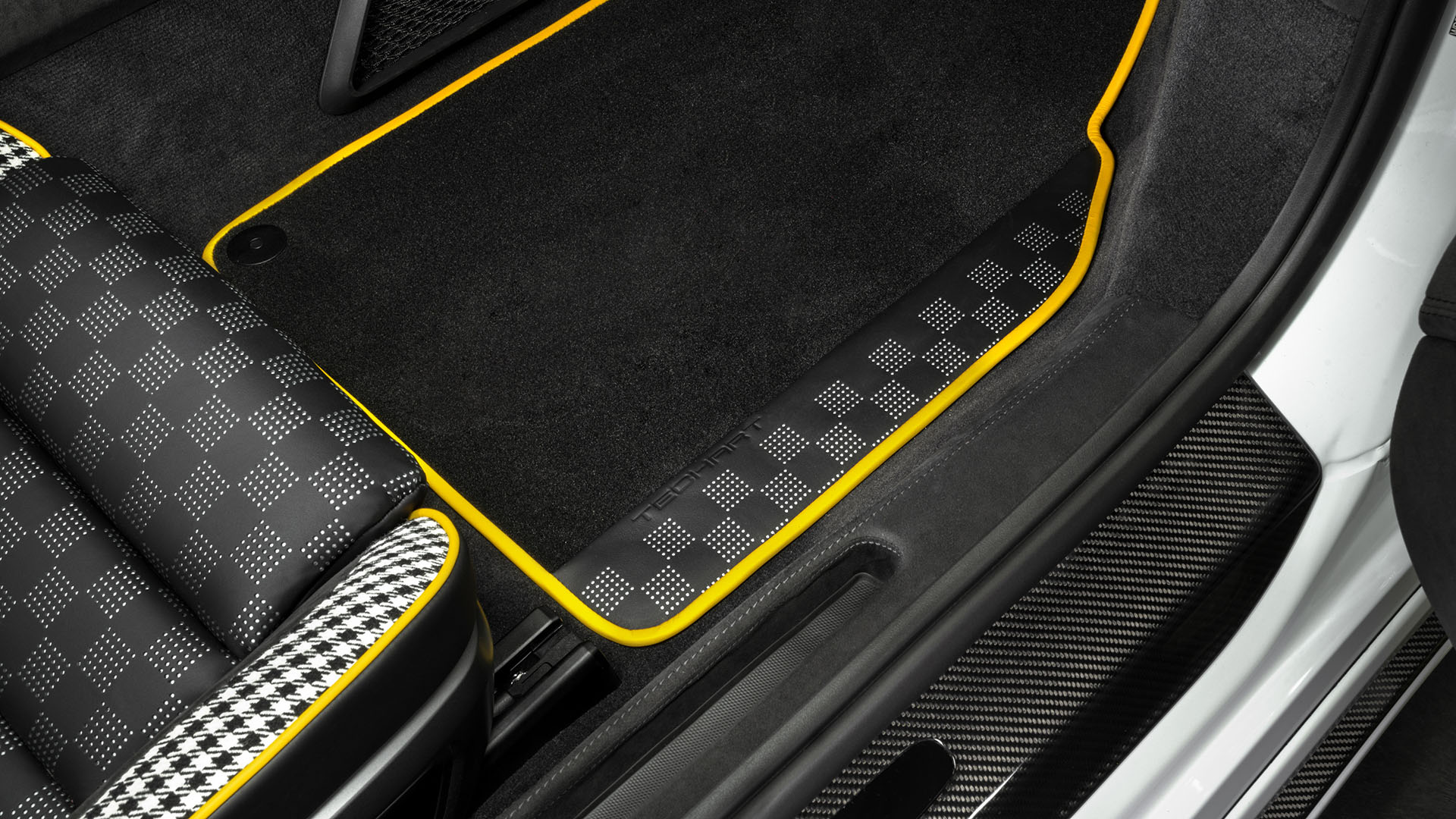
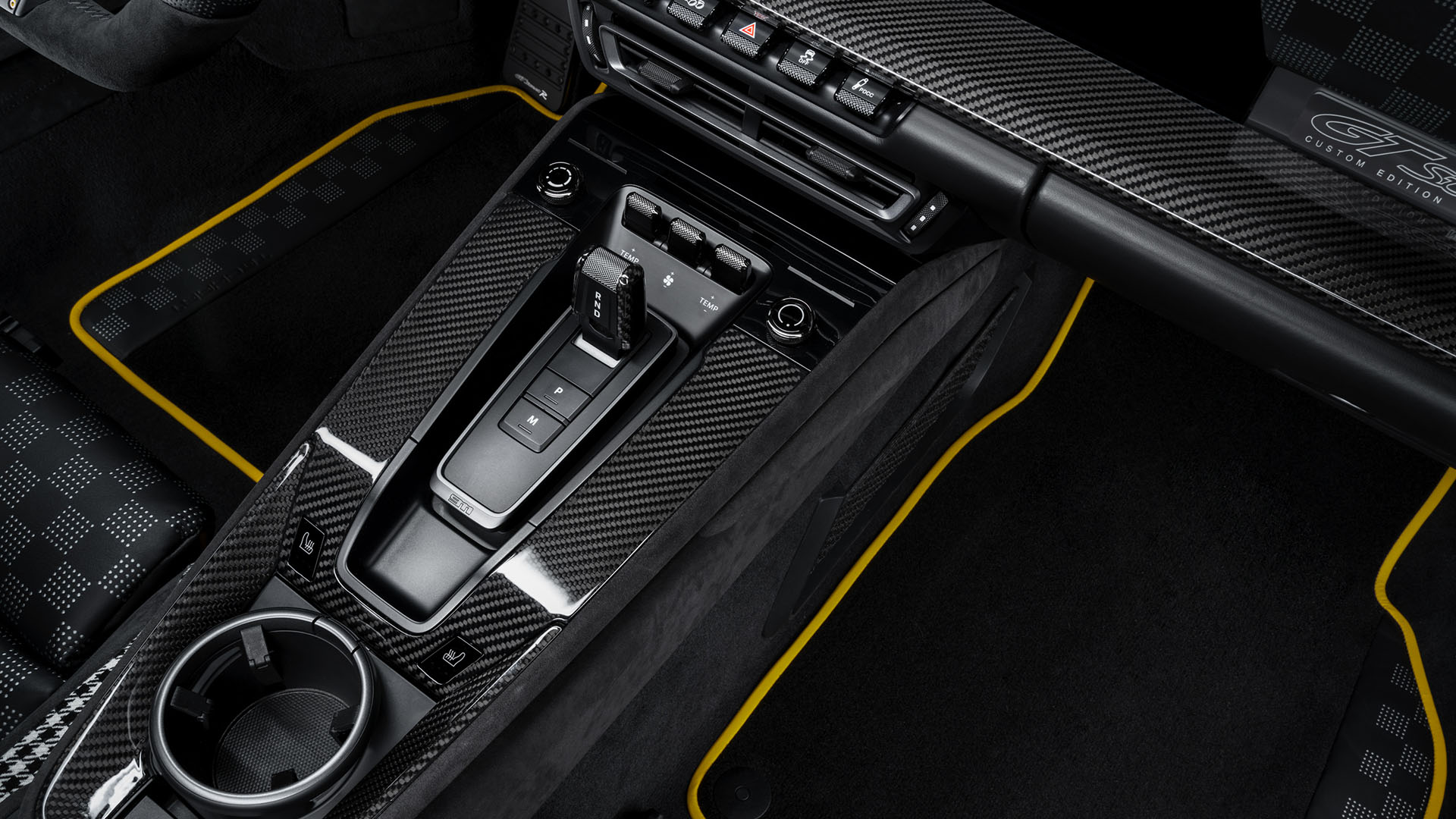
The sample car we see in these official photos comes with a stunning combination of classic fabrics, leather, Alcantara, and carbon fiber, remember TECHART has its own in-house saddlery that can take the look of Porsche’s historic sports cars into the present, the amazing black and white checkered pattern is just one of those individual touches they can add to the interior of the GTstreet R.
Multiple carbon fiber packages are available from TECHART to convert the interior of the base Porsche 911 Turbo (S) into a CF haven, but on the client’s request the entire cabin, consisting of seats, doors, central console, dashboard, and even the headliner can all be finished in full Alcantara, with aluminum door sills and pedals.

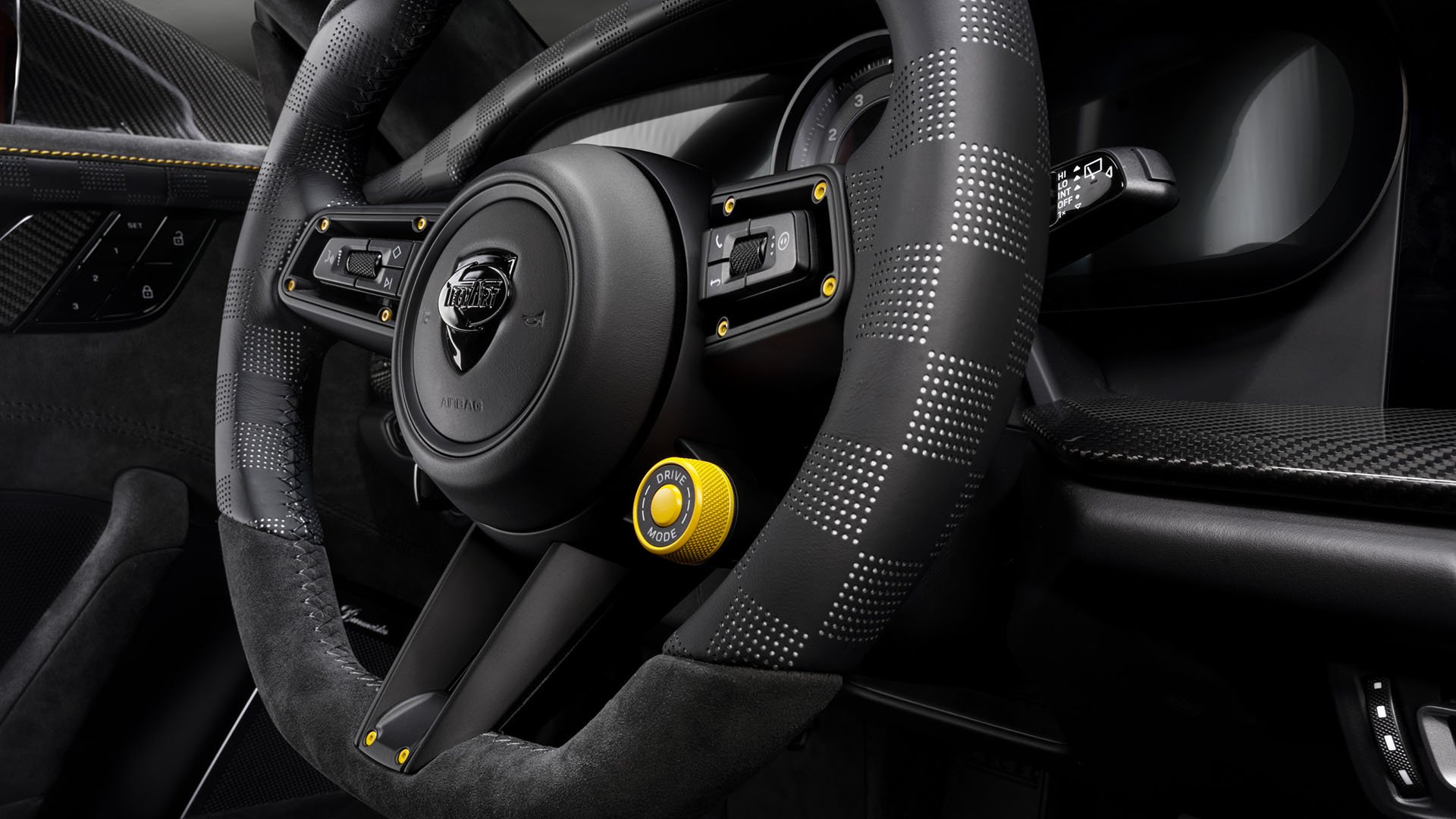
One of the amazing touches TECHART has shown in their previous Porsche interior tuning is their possibility to create a truly bespoke leather perforation combined with their contrast color underneath … on this GTstreet R unit they went with a checkered flag perforation on the door panels and dashboard, also note the TECHART logo is embossed on the top of the door panel by the way.

But one of the most amazing details inside this TECHART GTstreet R is a massive 87 on the center part of the seatback, this is also a perforation that shows a contrast color underneath, and it reminds us of the fact only 87 units will be made available of this high-performance super sportscar from Leonberg, Germany, while the headrest gets a nice GTstreet R embroidery, add some amazing piping and special stitching throughout the interior and this really is a very nice place to be.

Naturally, TECHART didn’t forget the steering wheel, here again with a stunning checkered flag perforation and a 5 mm wide ‘top-center’ mark in a bespoke color, just like the driving mode switch and all the covers found on this steering wheel, also note that all the functions of the base unit are kept in place, like shift paddles or heating … TECHART just makes it look better.

And TECHART isn’t even finished … they are now prepared a Clubsport Package that will come with lightweight performance seats and a roll bar for the interior, but also an adjustable performance suspension as further upgrades for track day use.

Unleash your inner race car driver in this super-rare 2017 BAC Mono

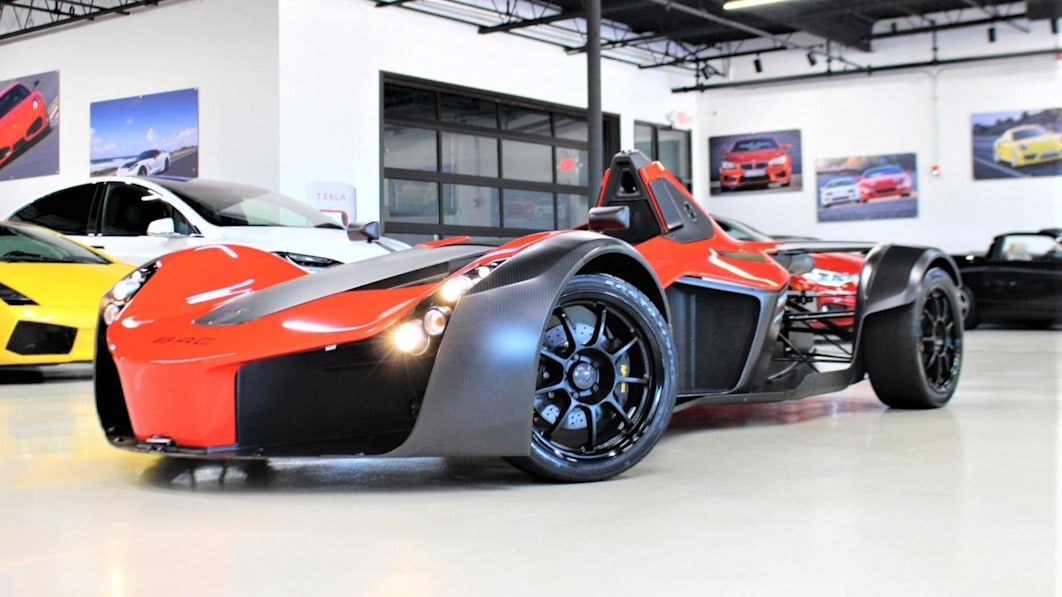
Getting an open-wheel single-seater race car titled for street use in America is nearly impossible. Unless you’re in line for a Mercedes-AMG One, the next best thing is the BAC Mono, which is manufactured in strictly limited numbers in England. Finding one is difficult, but there’s a 3,000-mile example listed for sale on Cars & Bids.
BAC stands for Briggs Automotive Company, and it’s not a household name unless you’re well-versed in small, obscure car manufacturers based across the pond. Formed by two brothers in 2009, its goal was to create what it describes as “a road vehicle that offers the most authentic and pure driving experience possible while implementing the very latest racing technology.” Using an existing chassis was out of the question. BAC developed the Mono in-house on a blank slate, and it enlists the help of over 100 suppliers (95% of them British) to secure parts.

Carbon fiber keeps the Mono’s weight down to about 1,200 pounds, while a pushrod-style suspension system on both axles helps it deliver the kind of handling only race car pilots are normally acquainted with. If it rains, drive faster or wait it out in a dry spot; there are no wipers because there is no windshield, and a roof isn’t available.
The Mono’s engine comes from Ford, though it takes a trip through the Cosworth workshop before settling in ahead of the rear axle. It’s a 2.3-liter four-cylinder that provides around 280 horsepower and 207 pound-feet of torque, and it’s bolted to a six-speed sequential gearbox that the driver must shift manually using paddles on the steering wheel. Note newer models use a different 2.3-liter Ford four that’s turbocharged to comply with emissions standards.
The example currently live on auction platform Cars & Bids was manufactured in 2014, shipped to the United States, and finally completed in 2017, which is the year listed on the title. It shows about 3,000 miles on a digital instrument cluster embedded into the steering wheel, and it’s unmodified with the exception of a red exterior wrap. Built for serious track use, it’s equipped with AP Racing brake calipers gripping carbon ceramic rotors, an adjustable suspension system, an exhaust system made with Inconel, and a five-point harness provided by Williams. It’s the opposite of a regular road car: its seat is fixed, but its braking bias can be adjusted by the driver.

Bidding is up to $42,068 as of writing with about five days left on the clock (four days as of publishing). We suggest adding this Mono to your watch list if you’re in the market for one; a little over 100 have been made since production started in 2011 so used examples rarely come up for sale, especially with an American title that’s ready to be transferred to the next owner. Bust out the measuring tape before placing a bid, though. The seat was made for a driver that measures between 5’7″ and 5’10” with an inseam of 32 inches or less. If you’re tall, or if your legs are long, you might not fit. BAC has never crowed itself a champion of practicality, but it released a variant of the Mono that’s a few inches wider in 2016.

Related Video:

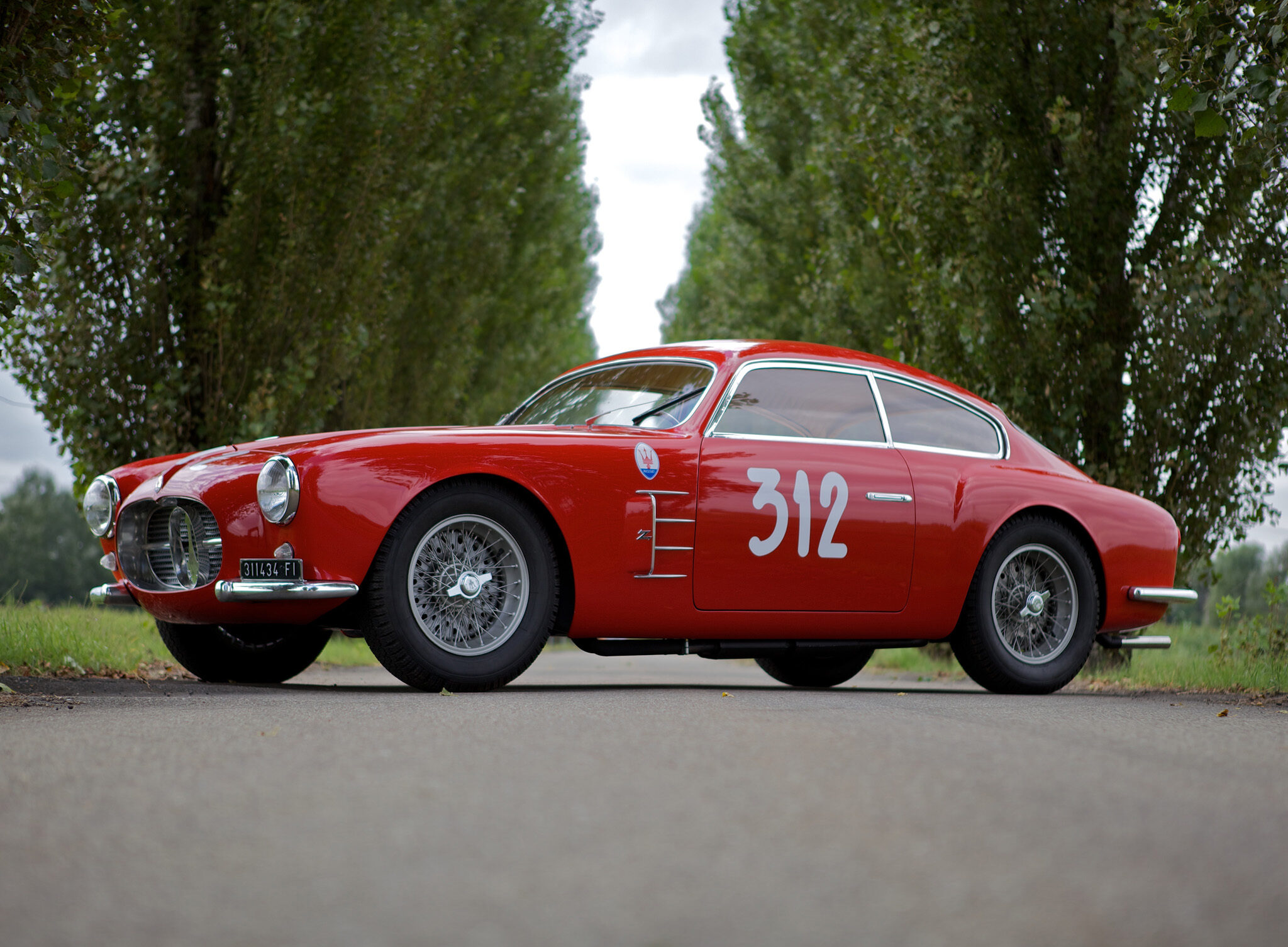
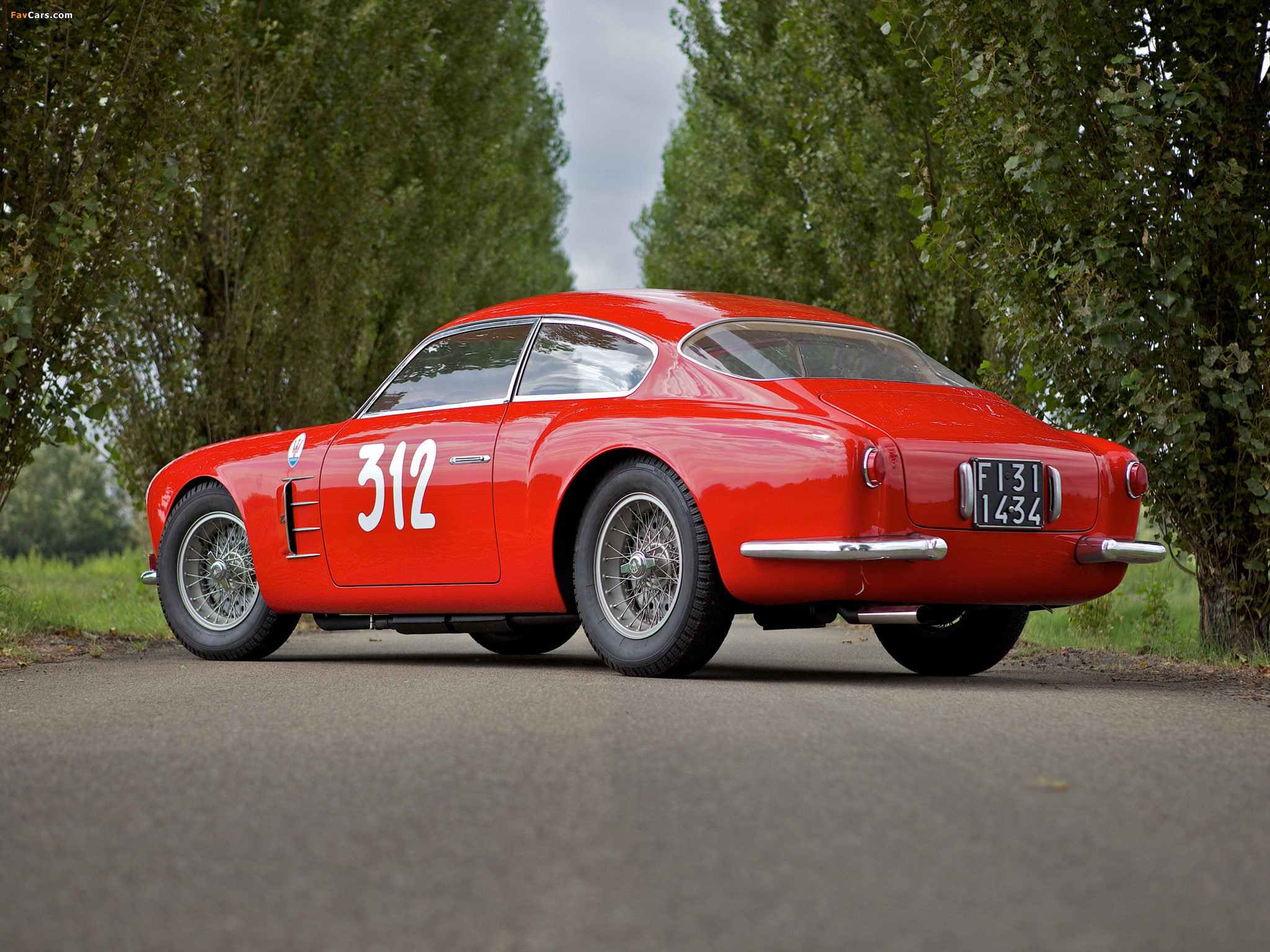
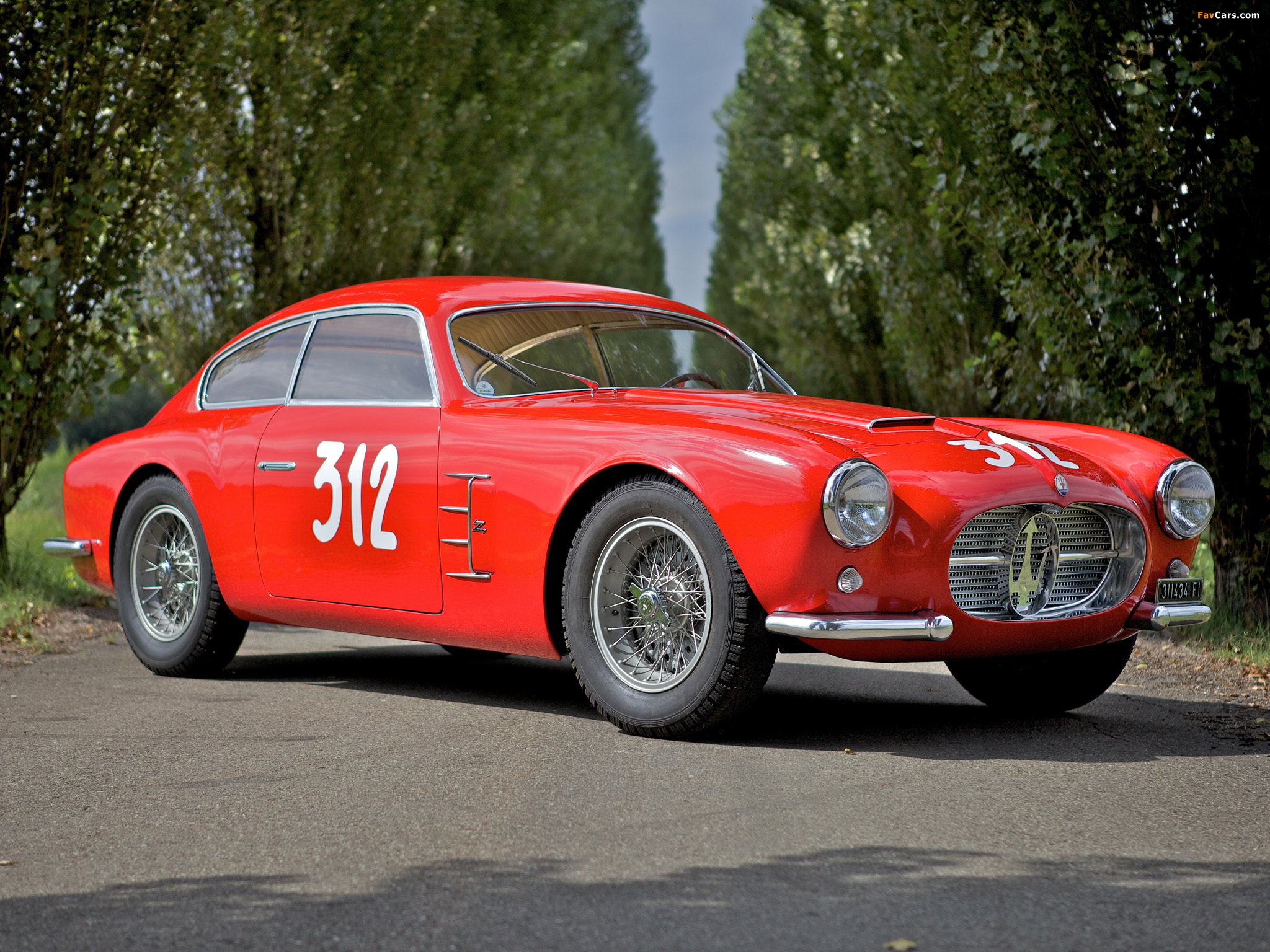
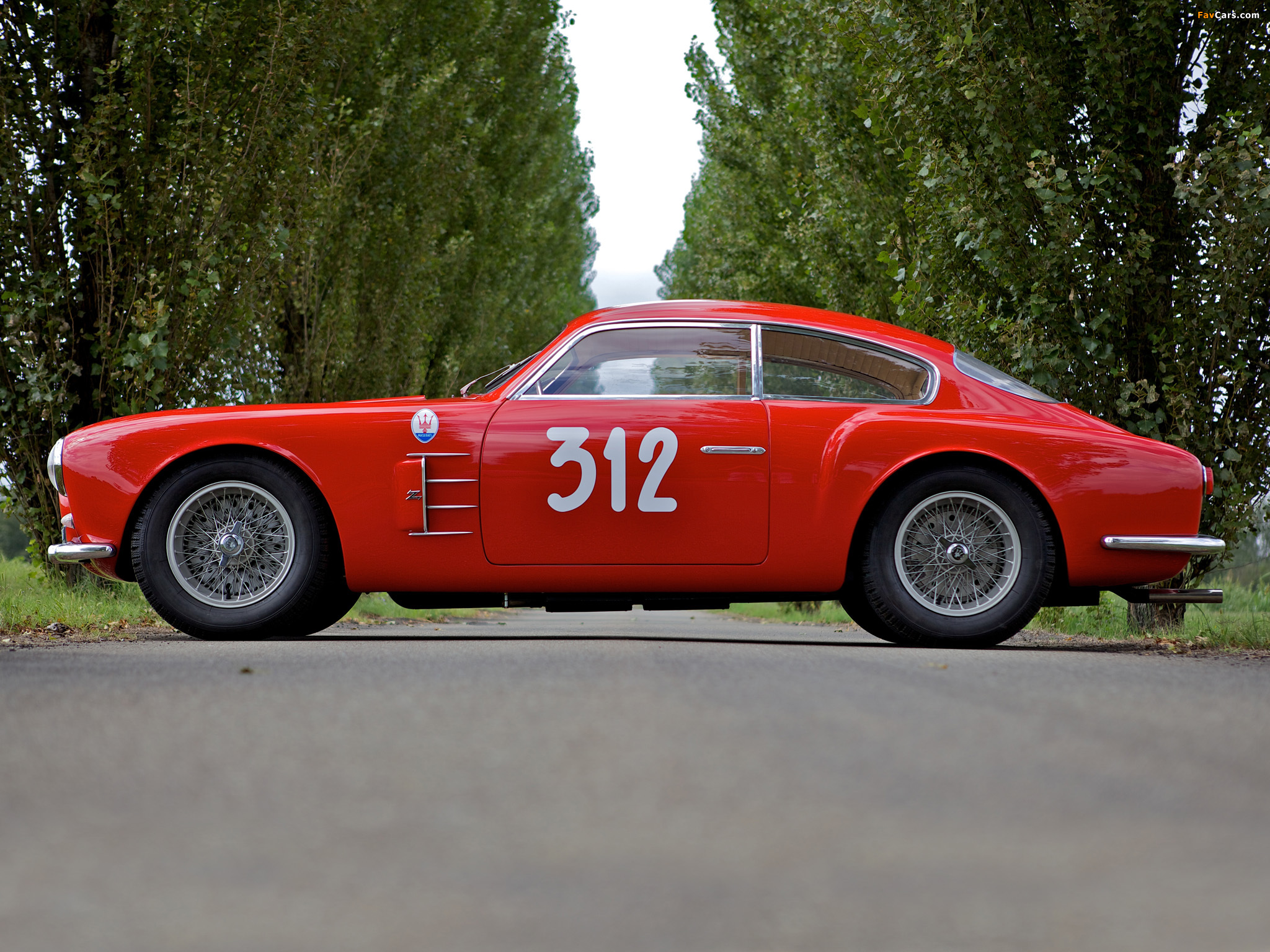
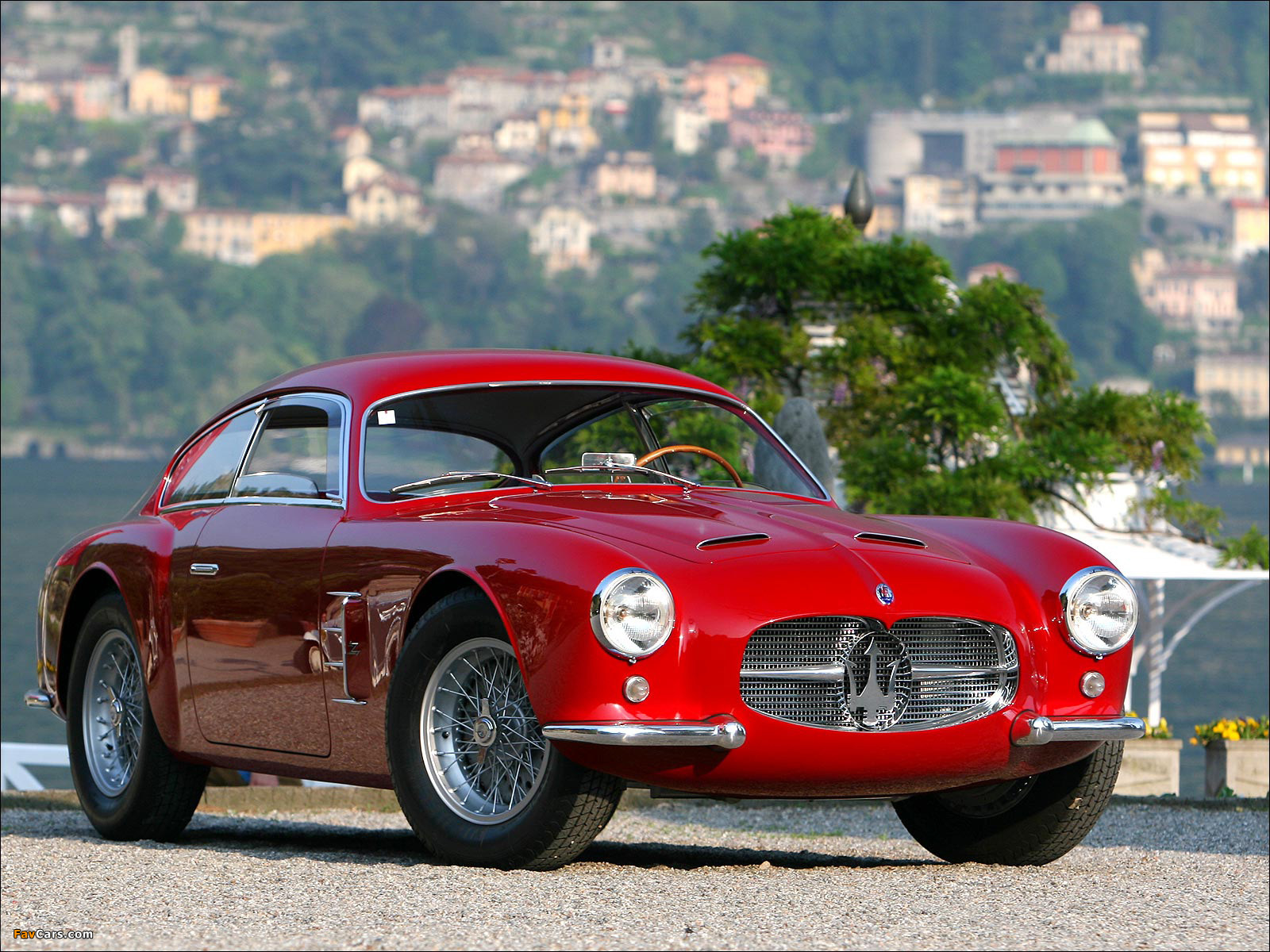
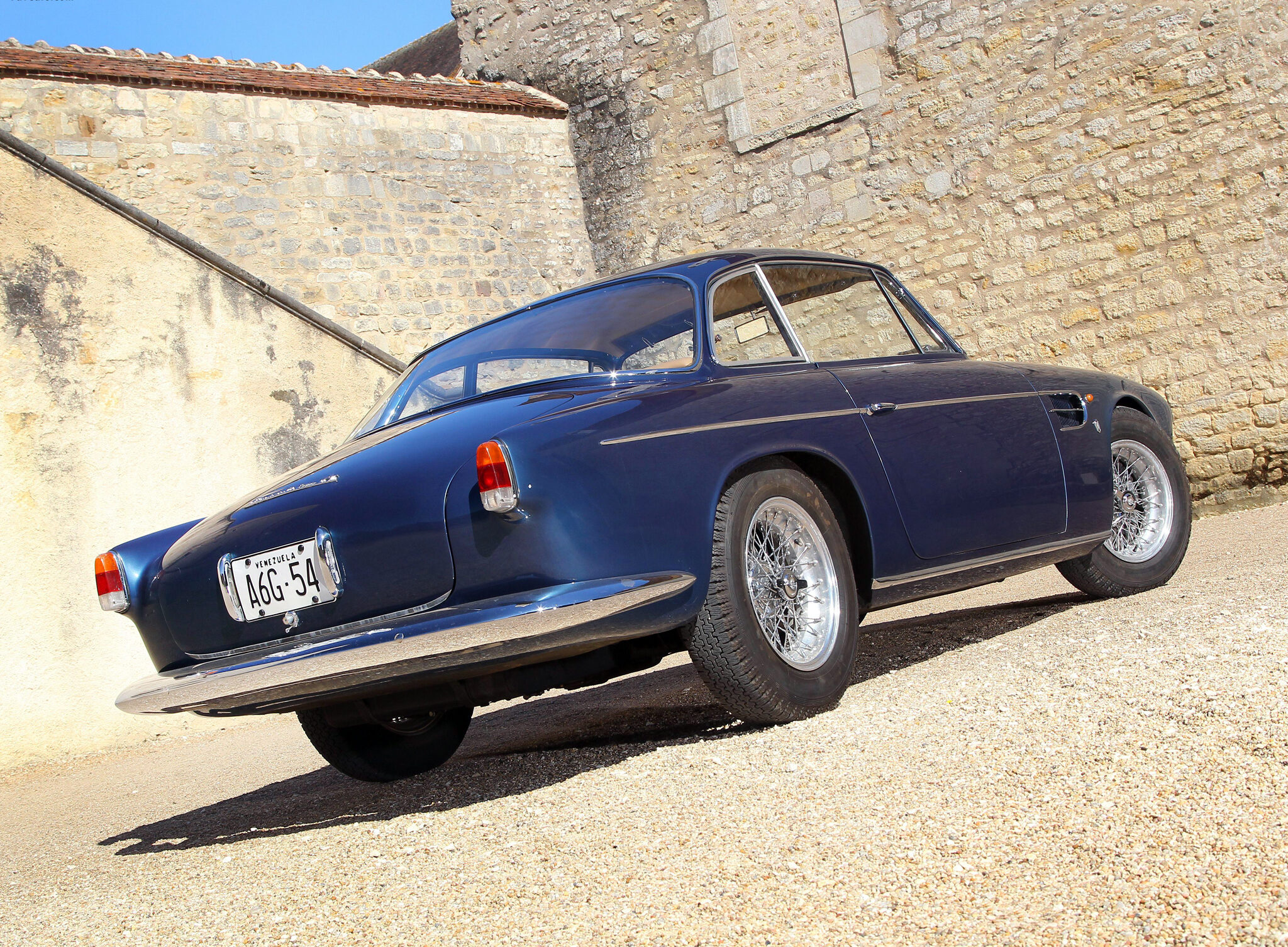
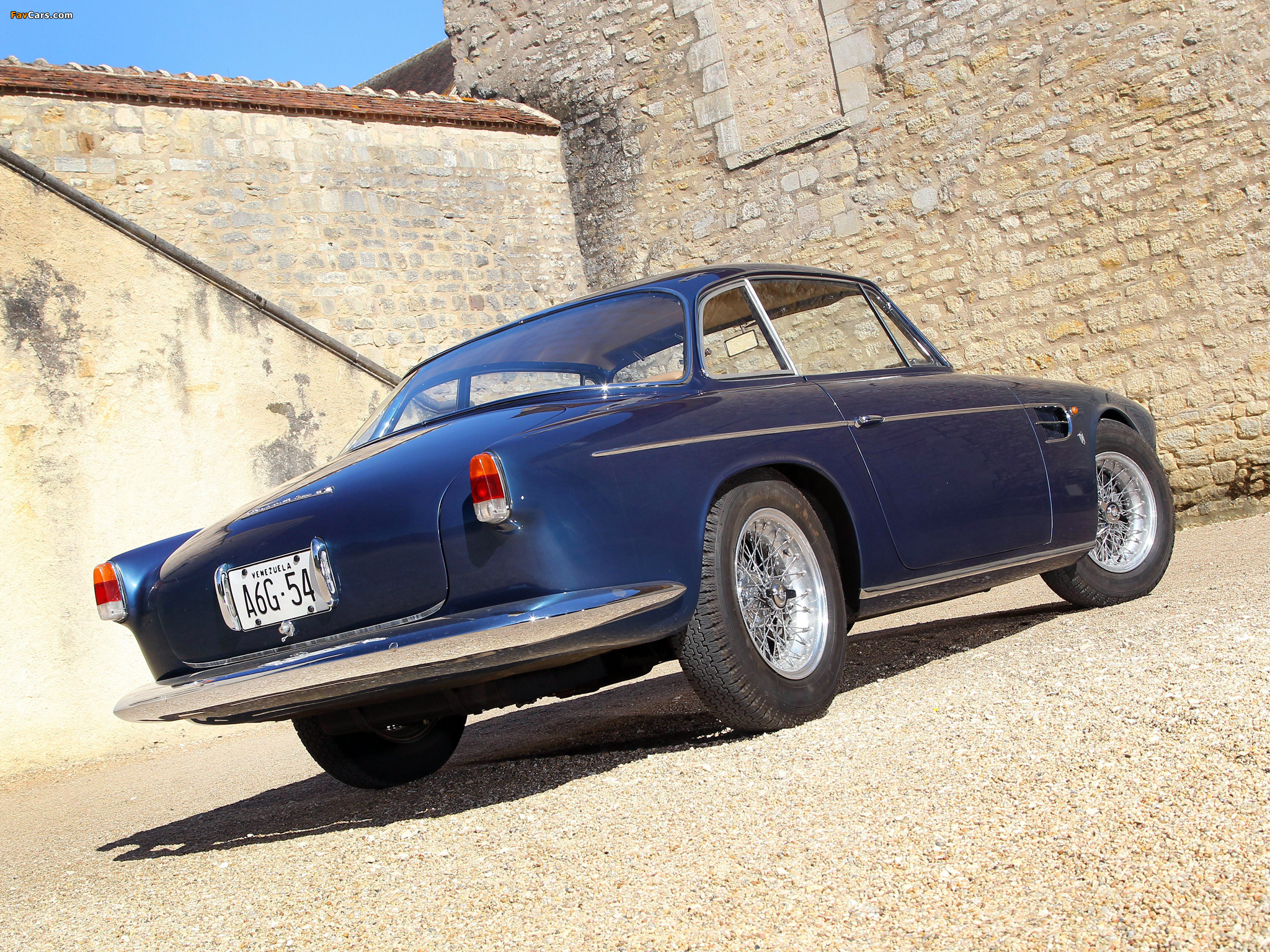
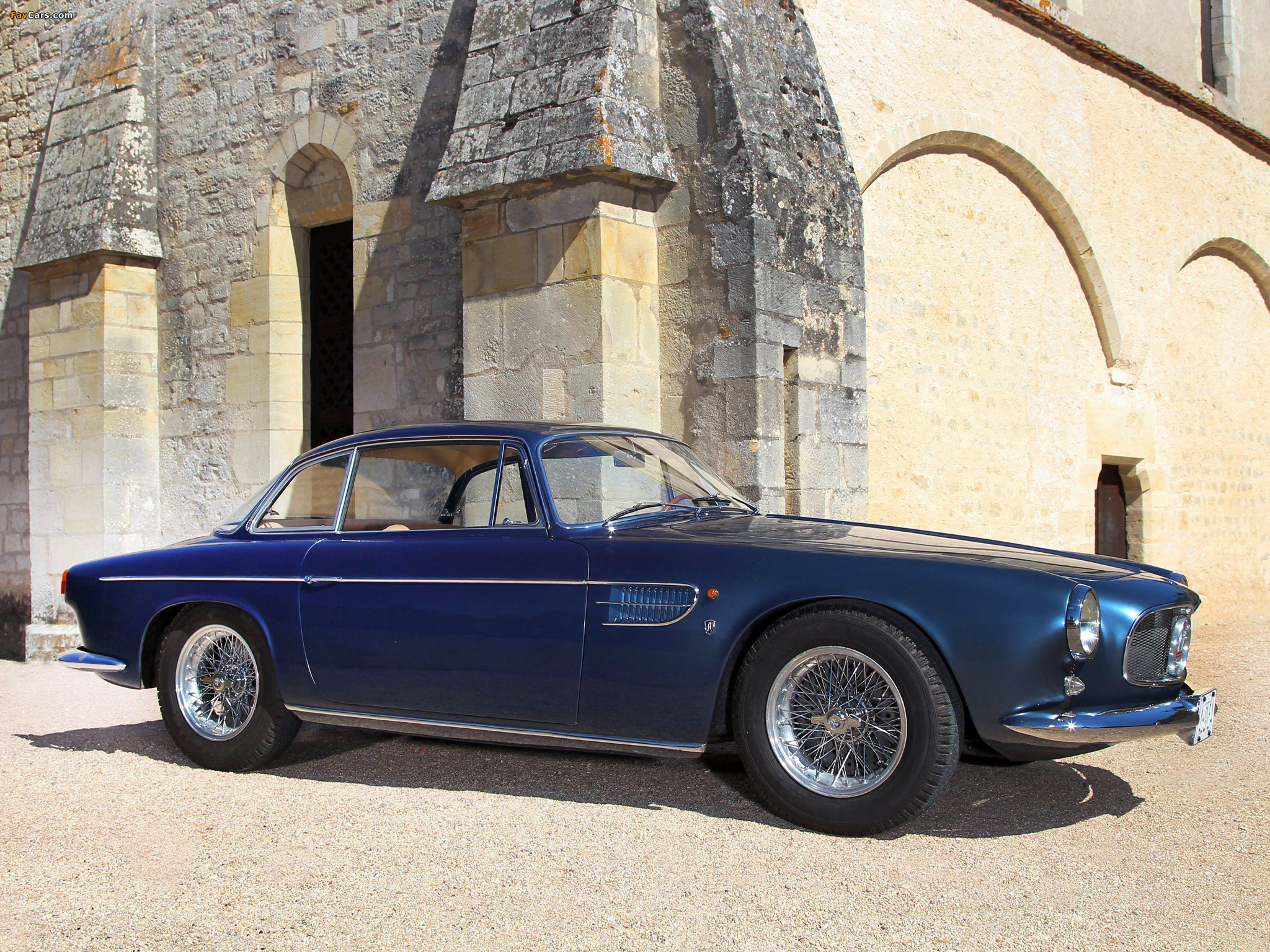
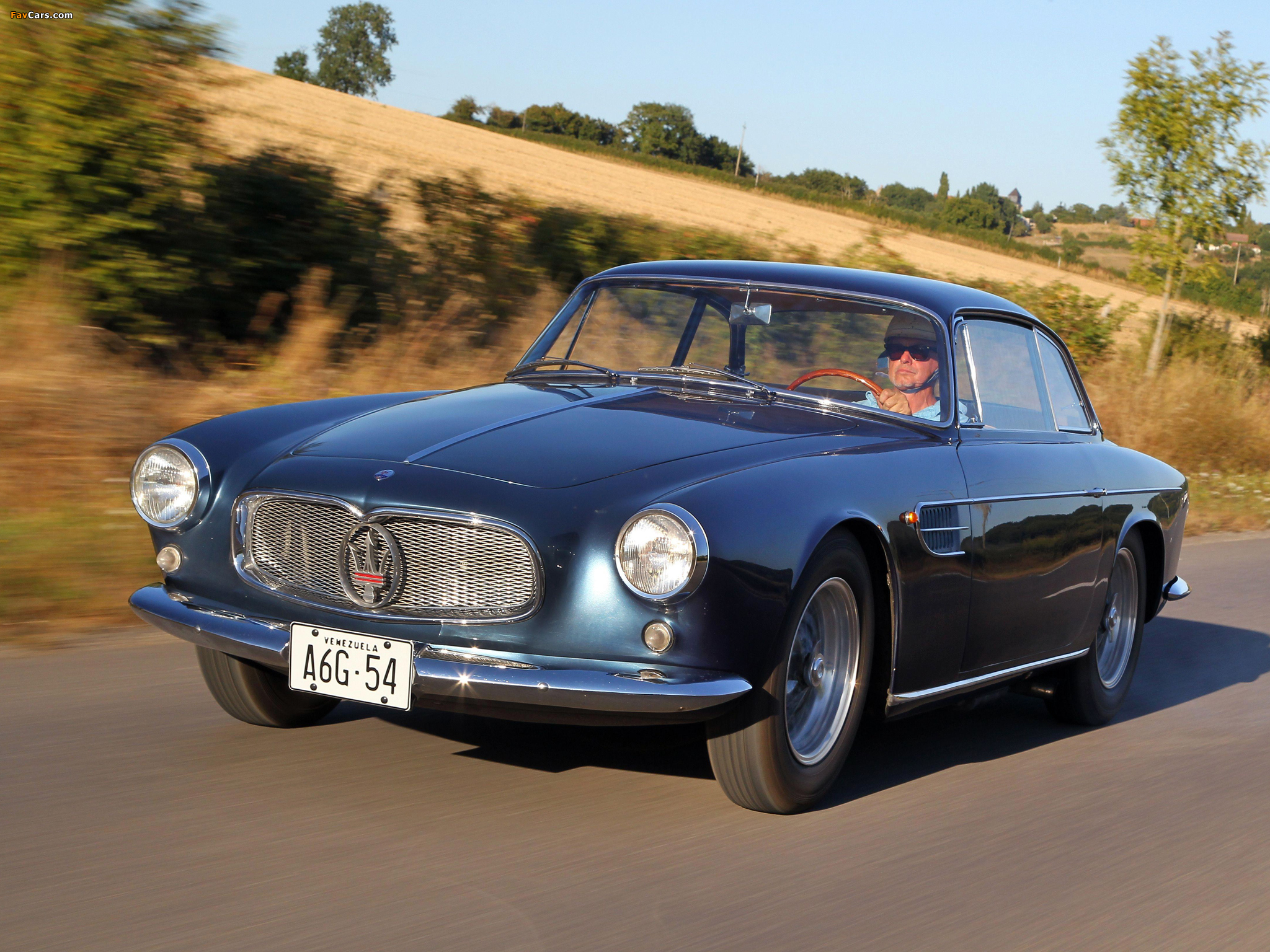
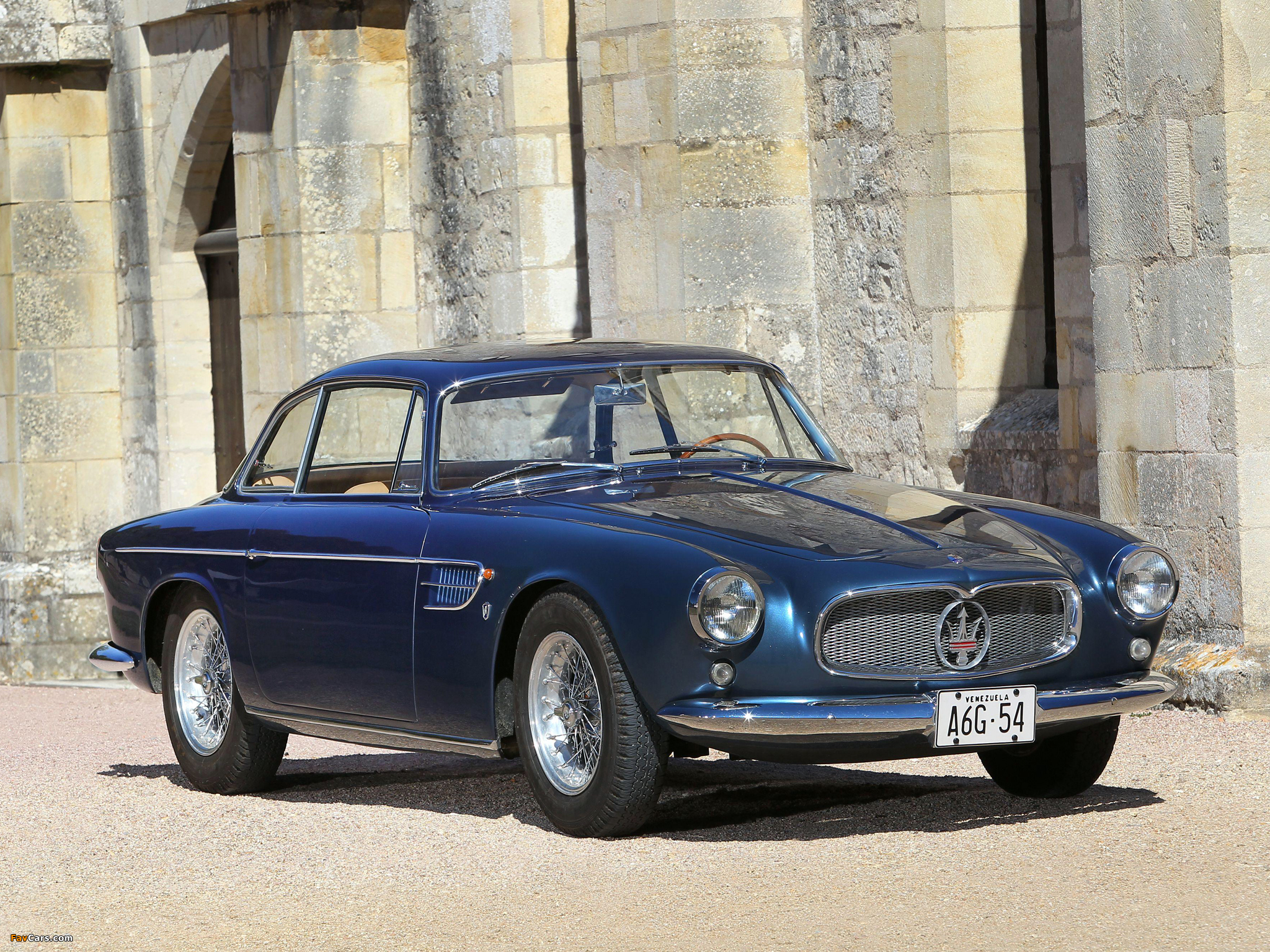
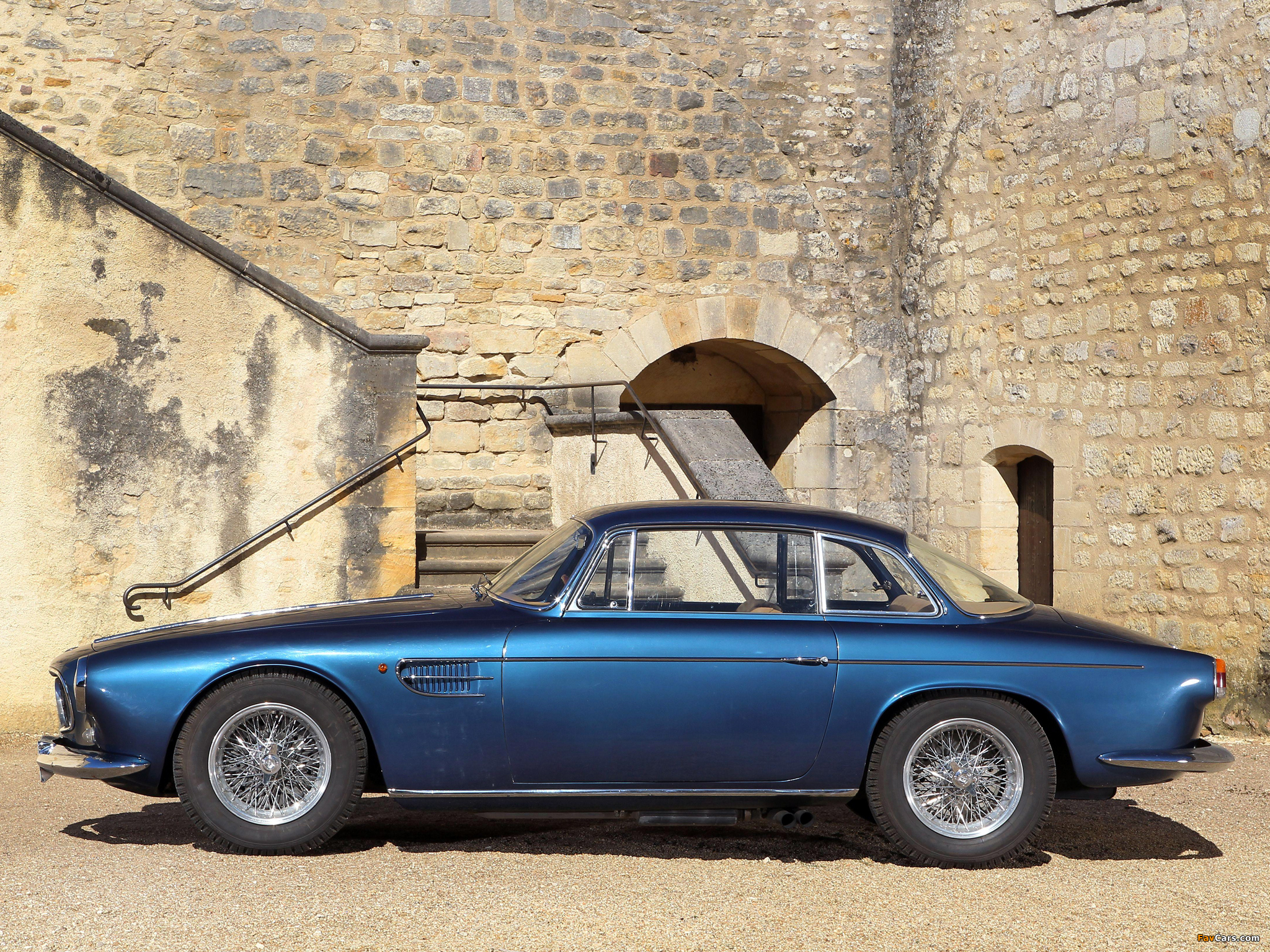
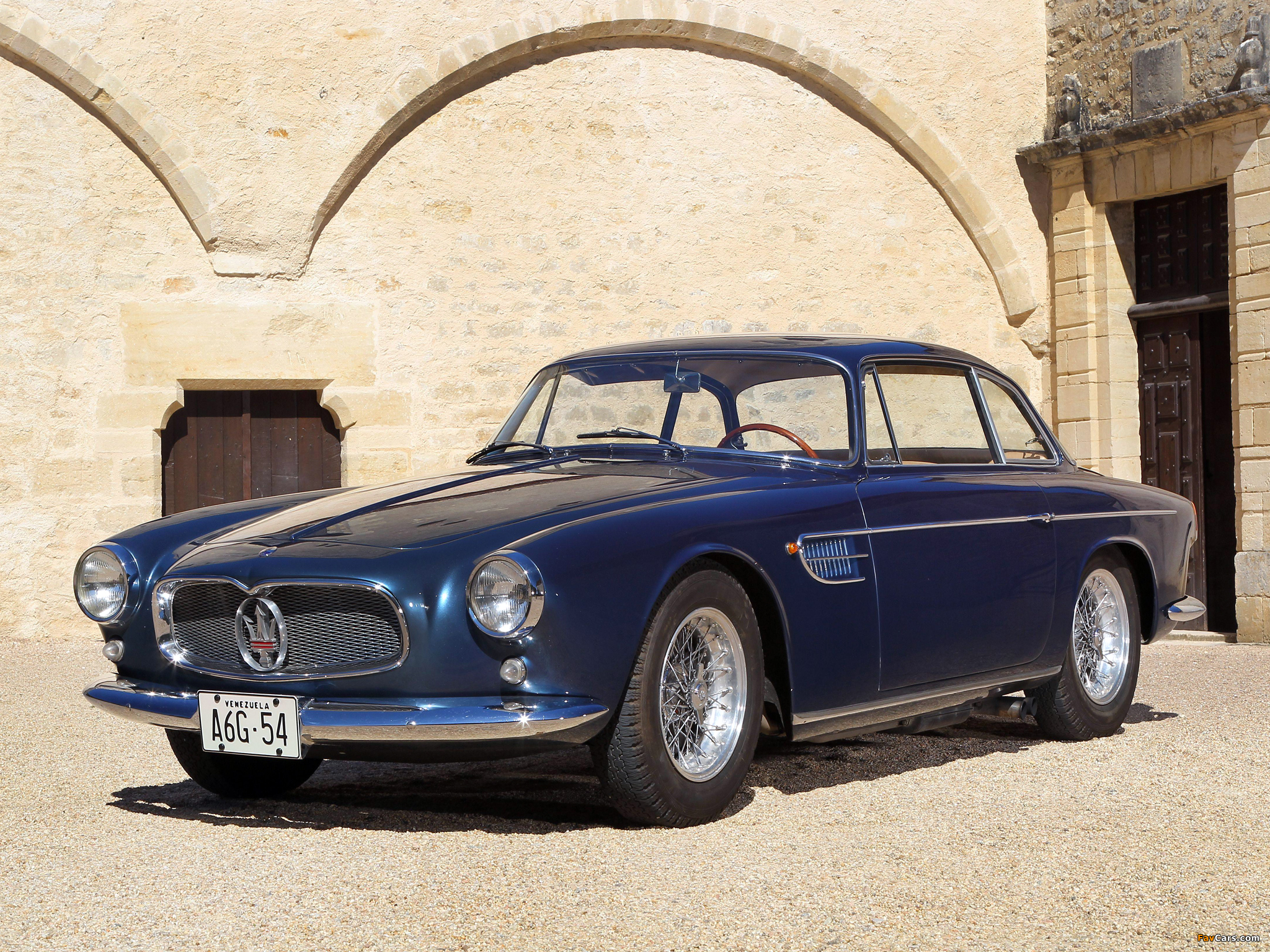
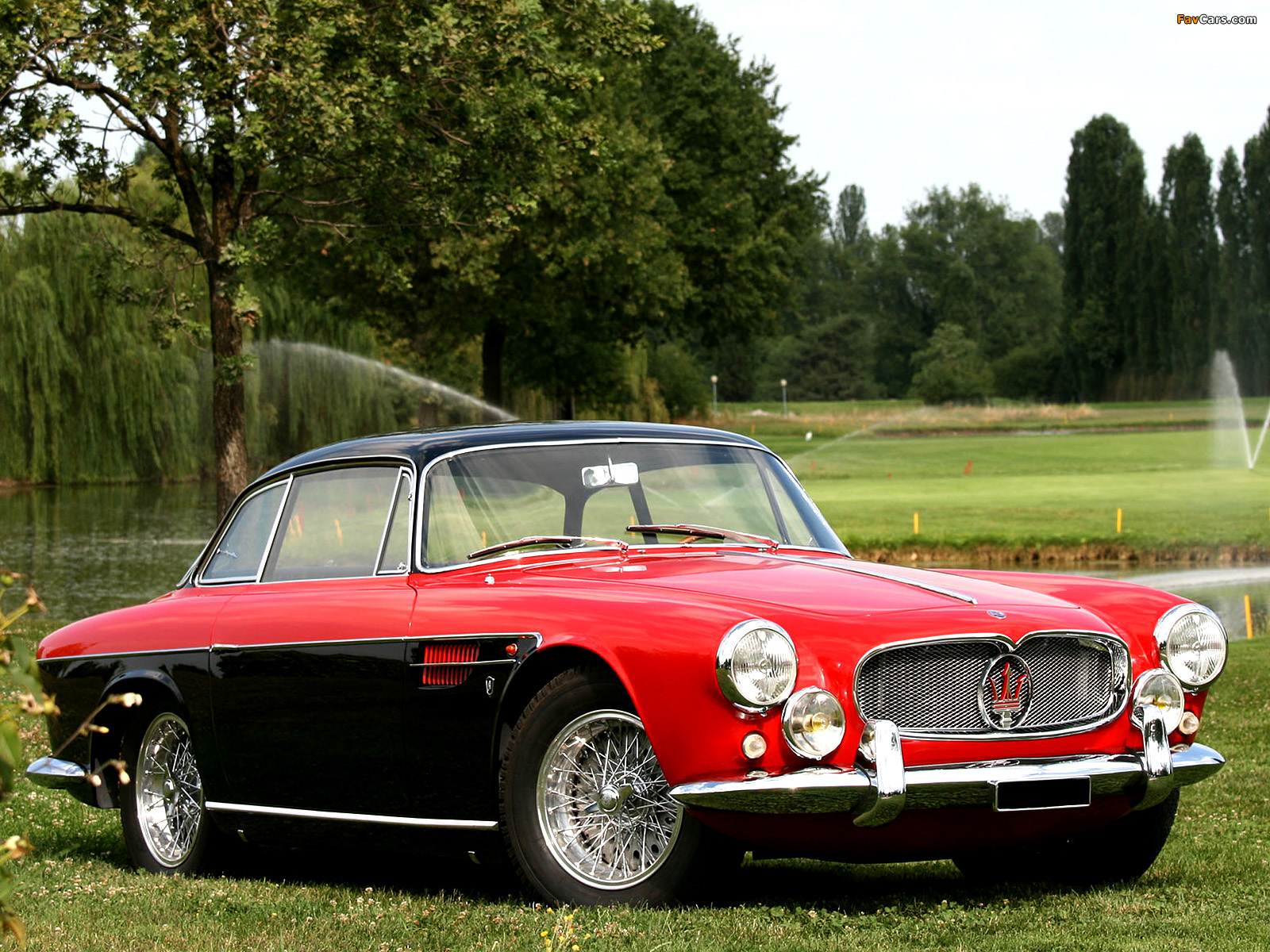
1954 Maserati A6G 2000 Coupe Wallpapers

We have curated the ultimate collection of the best 1954 Maserati A6G 2000 Coupe Wallpapers and HD backgrounds for you to enjoy. Our team focused on finding the top 1954 Maserati A6G 2000 Coupe Wallpapers only to keep the quality high. These 1954 Maserati A6G 2000 Coupe Wallpapers are free to download so go ahead. To download any of these pictures for use as a wallpaper, right click the picture and choose Save As…

Find more awesome Maserati Wallpapers

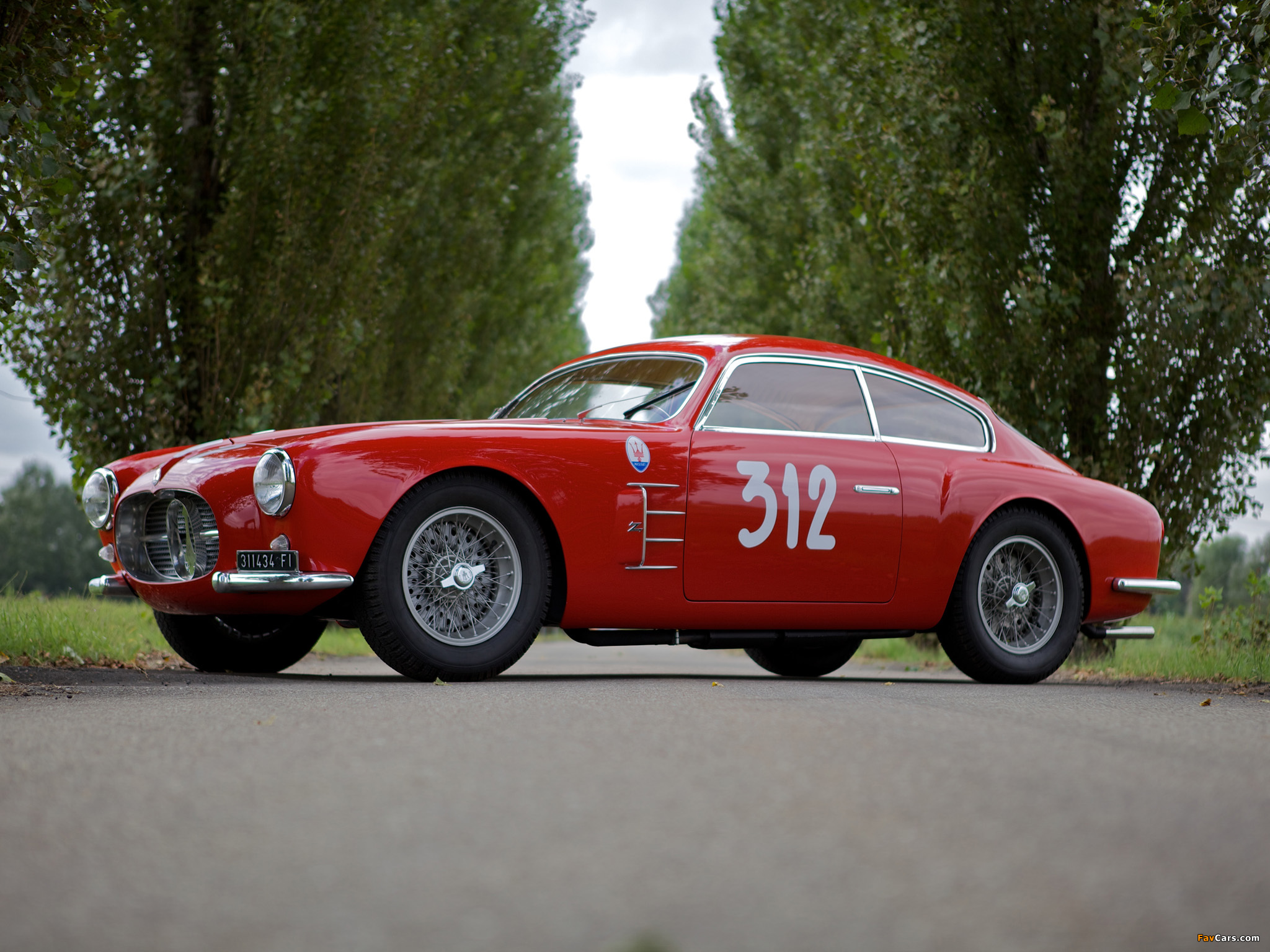
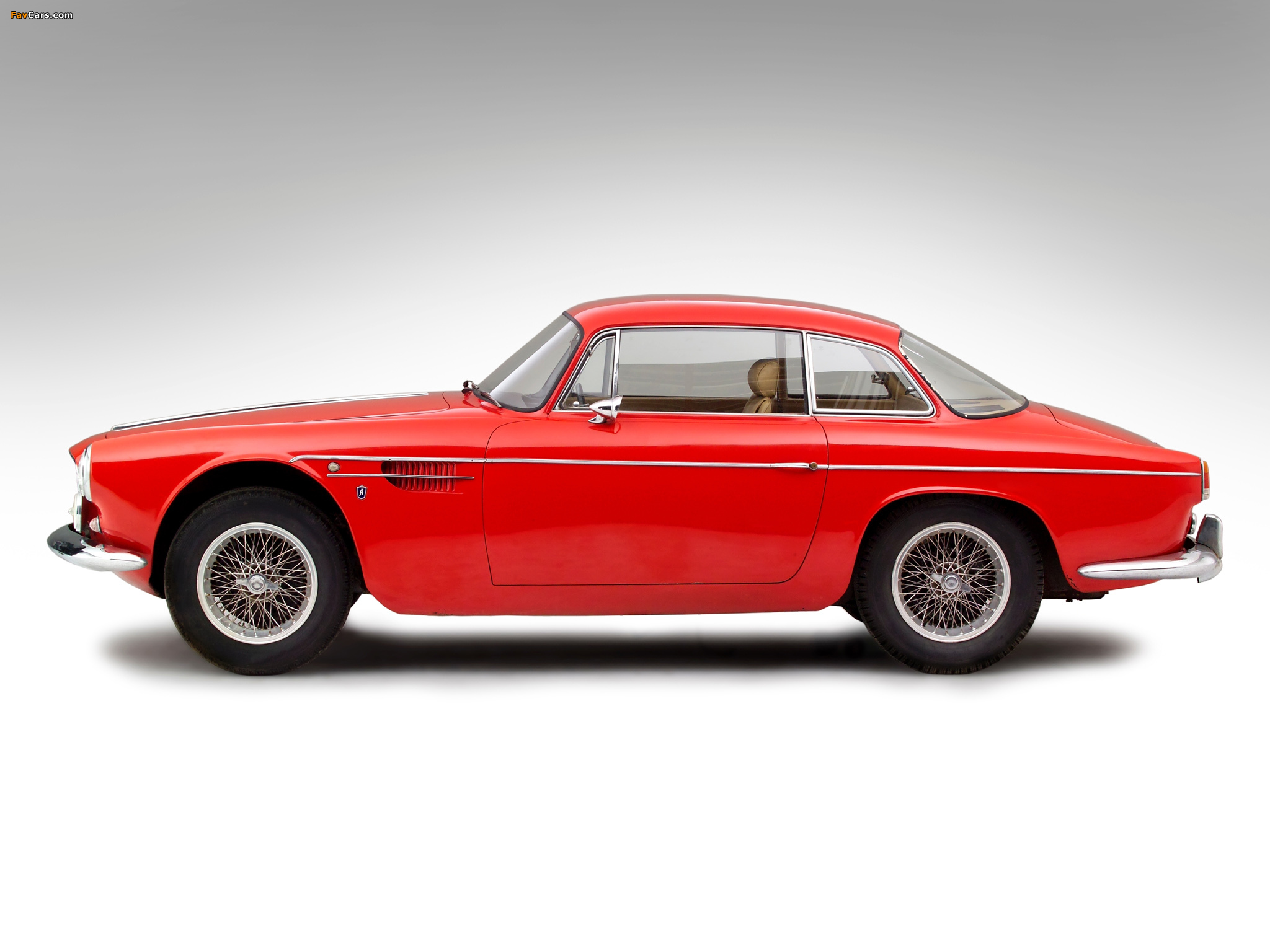
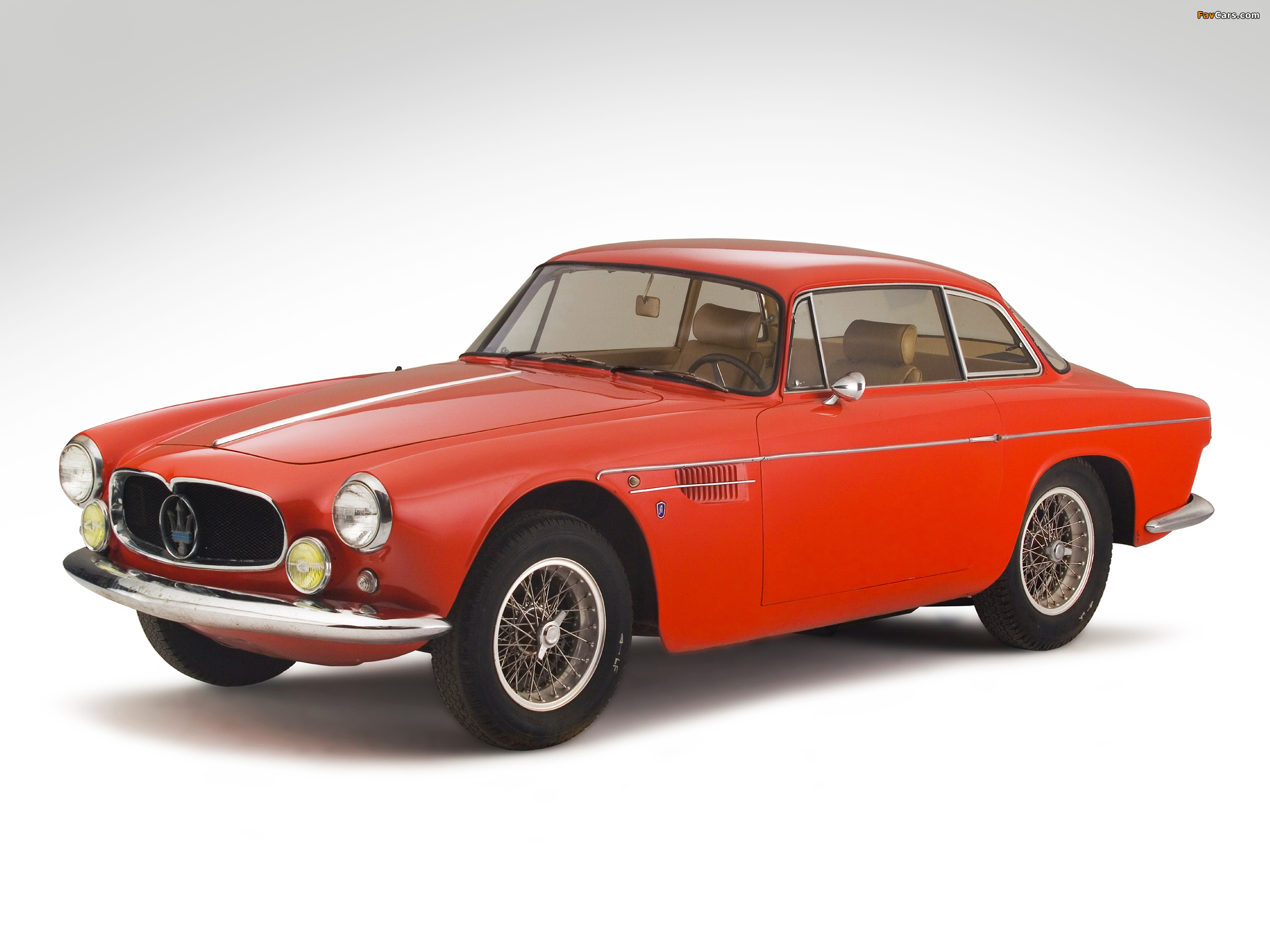
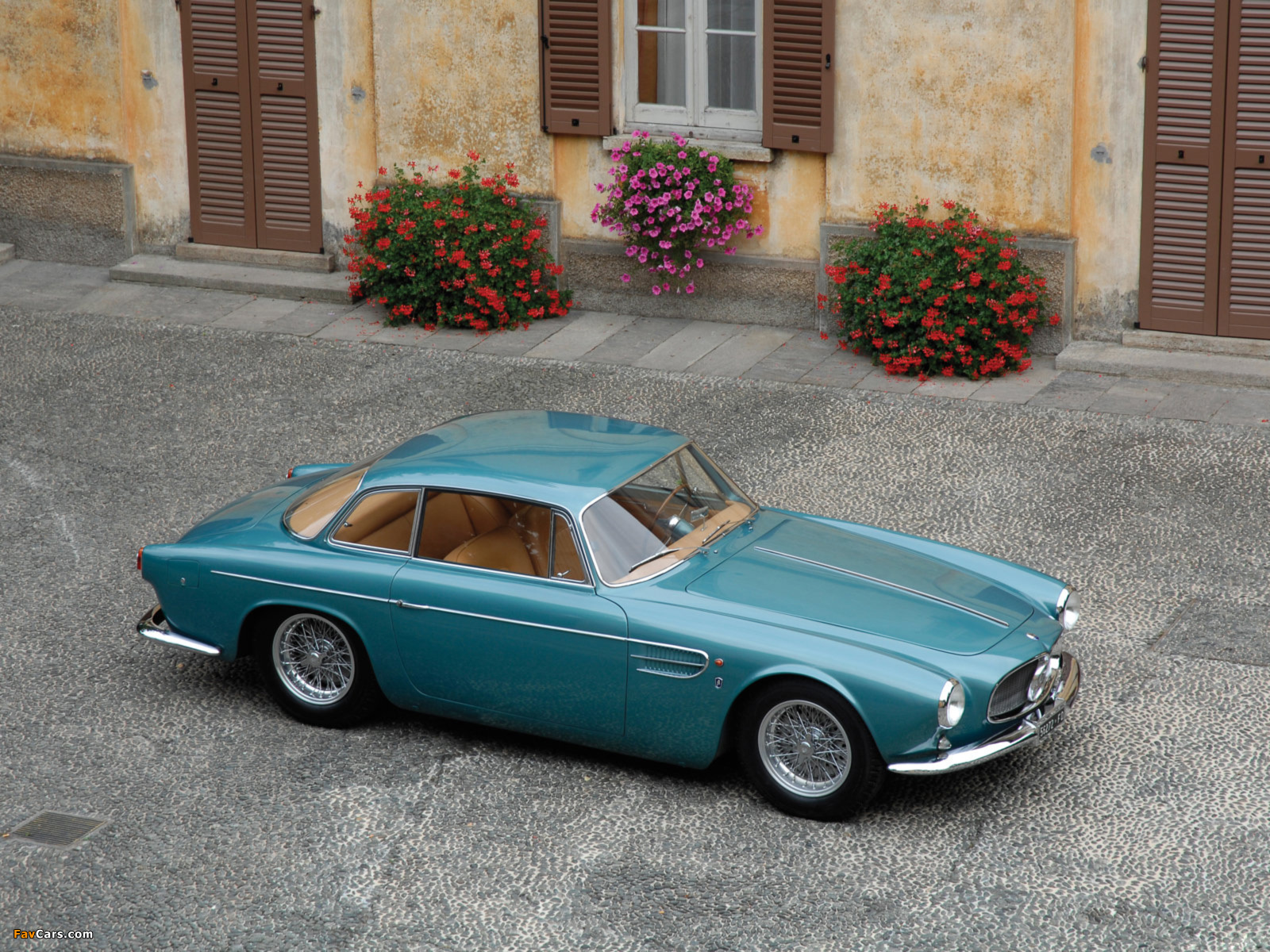
1956 Maserati A6G 2000 GT Wallpapers

We have curated the ultimate collection of the best 1956 Maserati A6G 2000 GT Wallpapers and HD backgrounds for you to enjoy. Our team focused on finding the top 1956 Maserati A6G 2000 GT Wallpapers only to keep the quality high. These 1956 Maserati A6G 2000 GT Wallpapers are free to download so go ahead. To download any of these pictures for use as a wallpaper, right click the picture and choose Save As…

Find more awesome Maserati Wallpapers

2021 TechArt GTstreet R Wallpapers

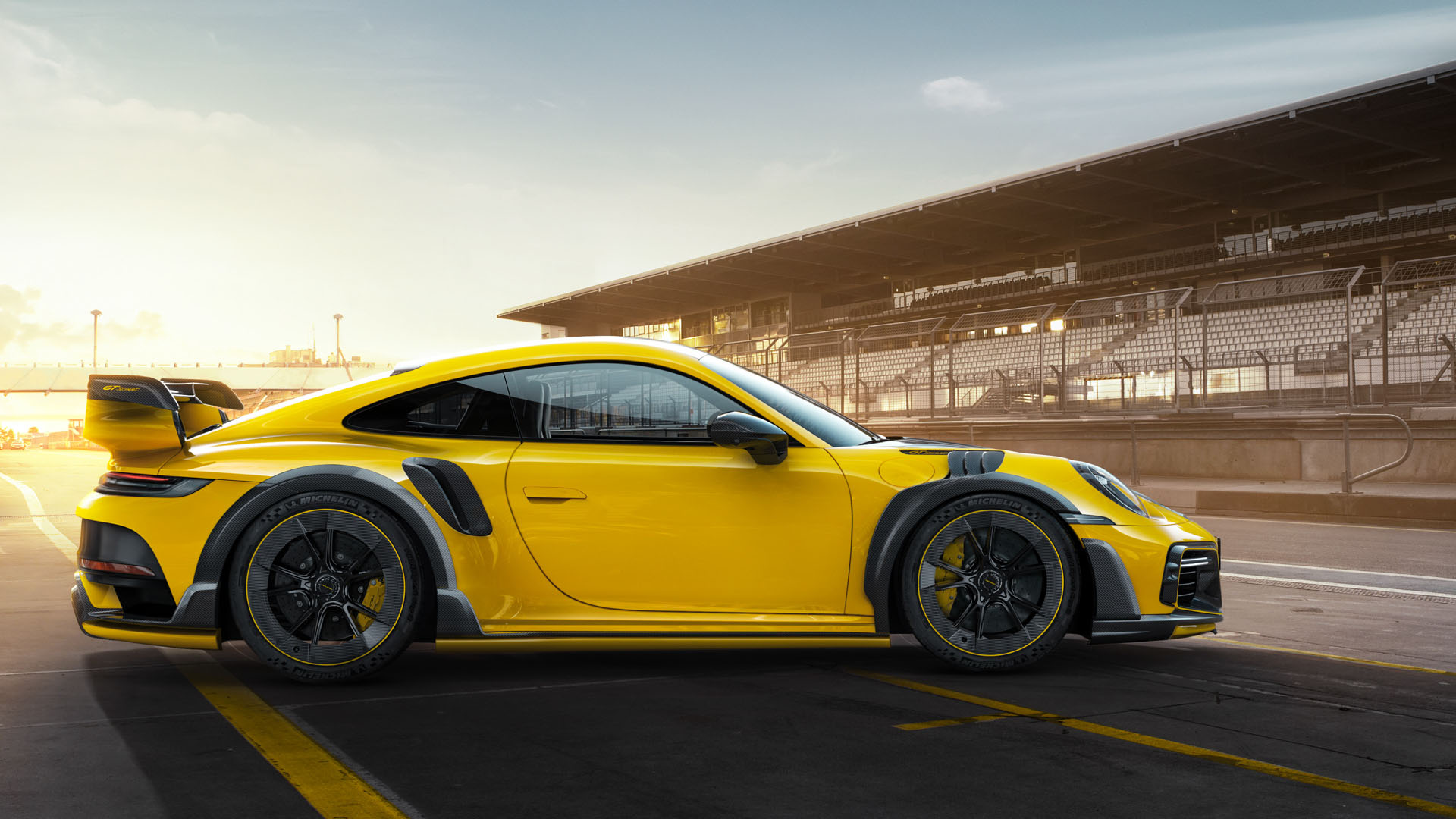
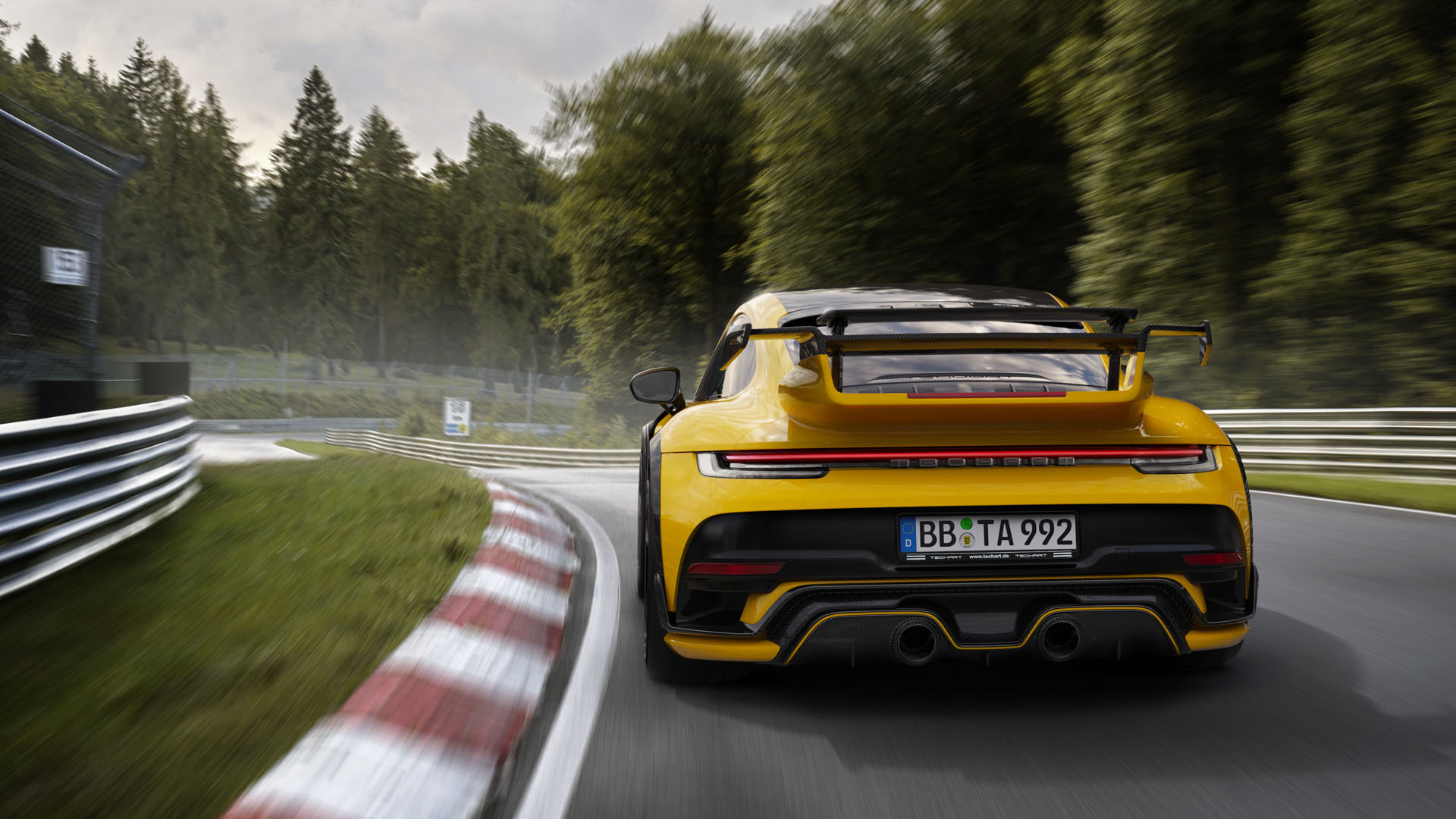
We have curated the ultimate collection of the best 2021 TechArt GTstreet R Wallpapers and HD backgrounds for you to enjoy. Our team focused on finding the top 2021 TechArt GTstreet R Wallpapers only to keep the quality high. These 2021 TechArt GTstreet R Wallpapers are free to download so go ahead. To download any of these pictures for use as a wallpaper, right click the picture and choose Save As…

Find more awesome Porsche Wallpapers

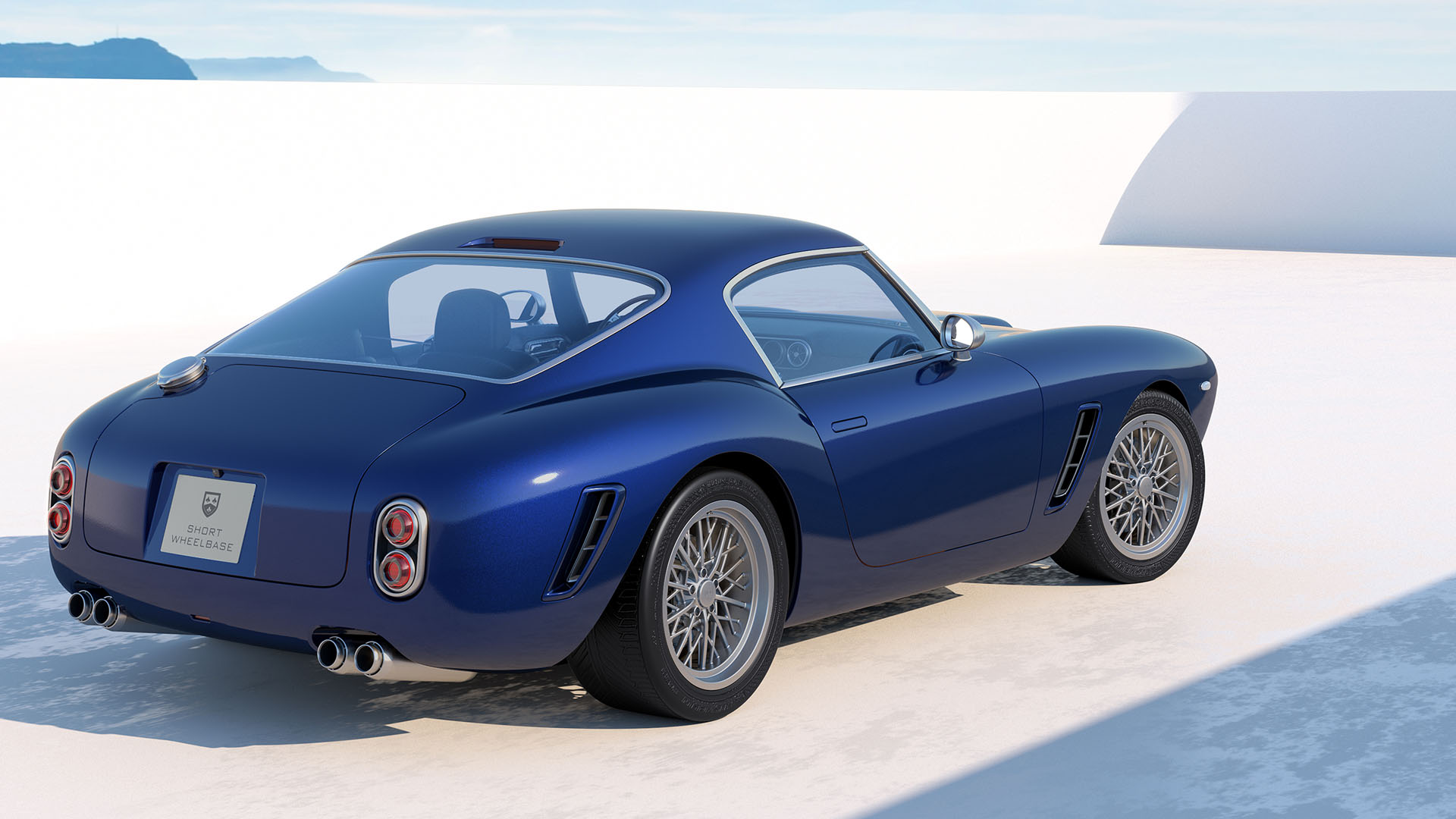
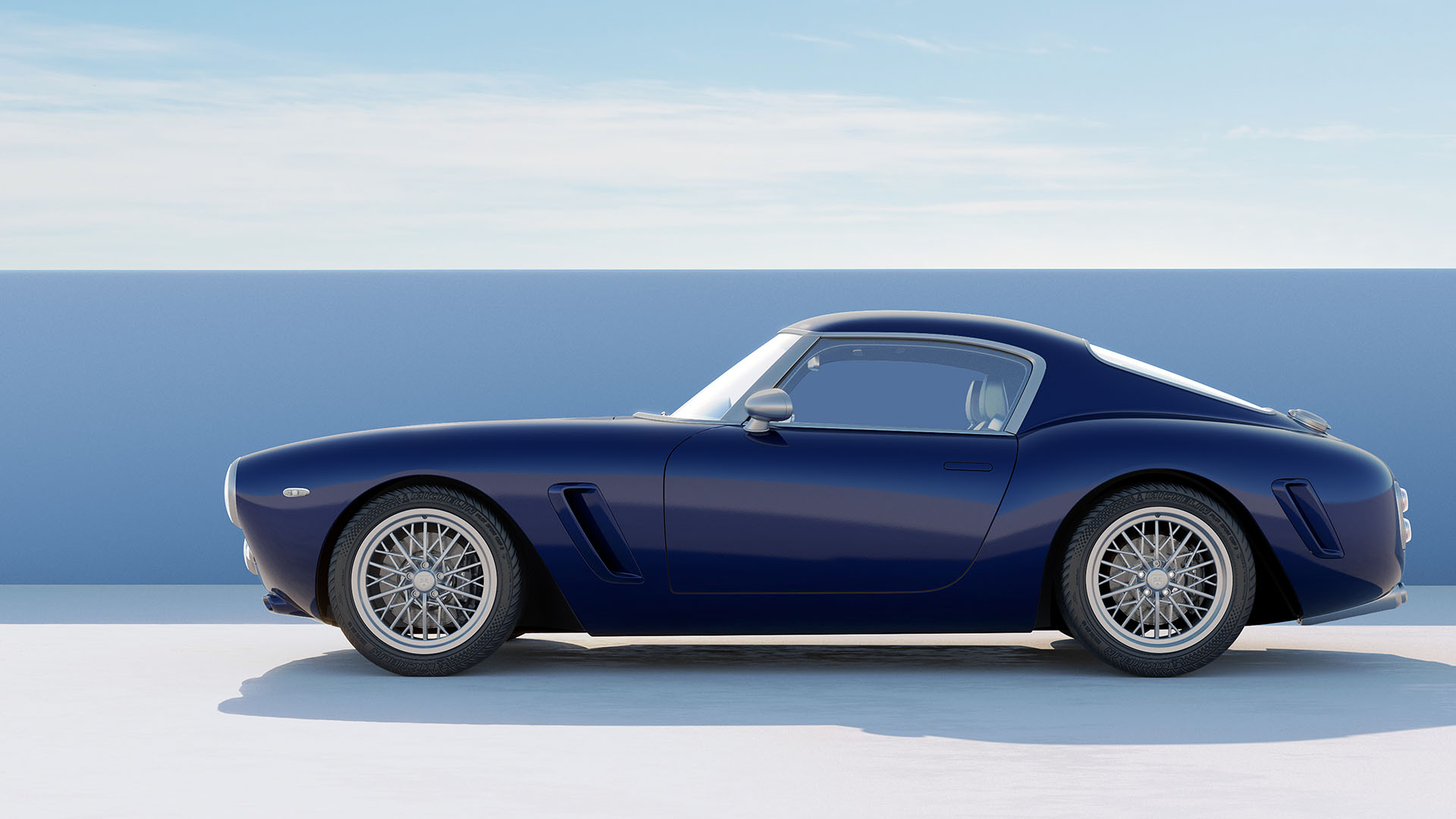
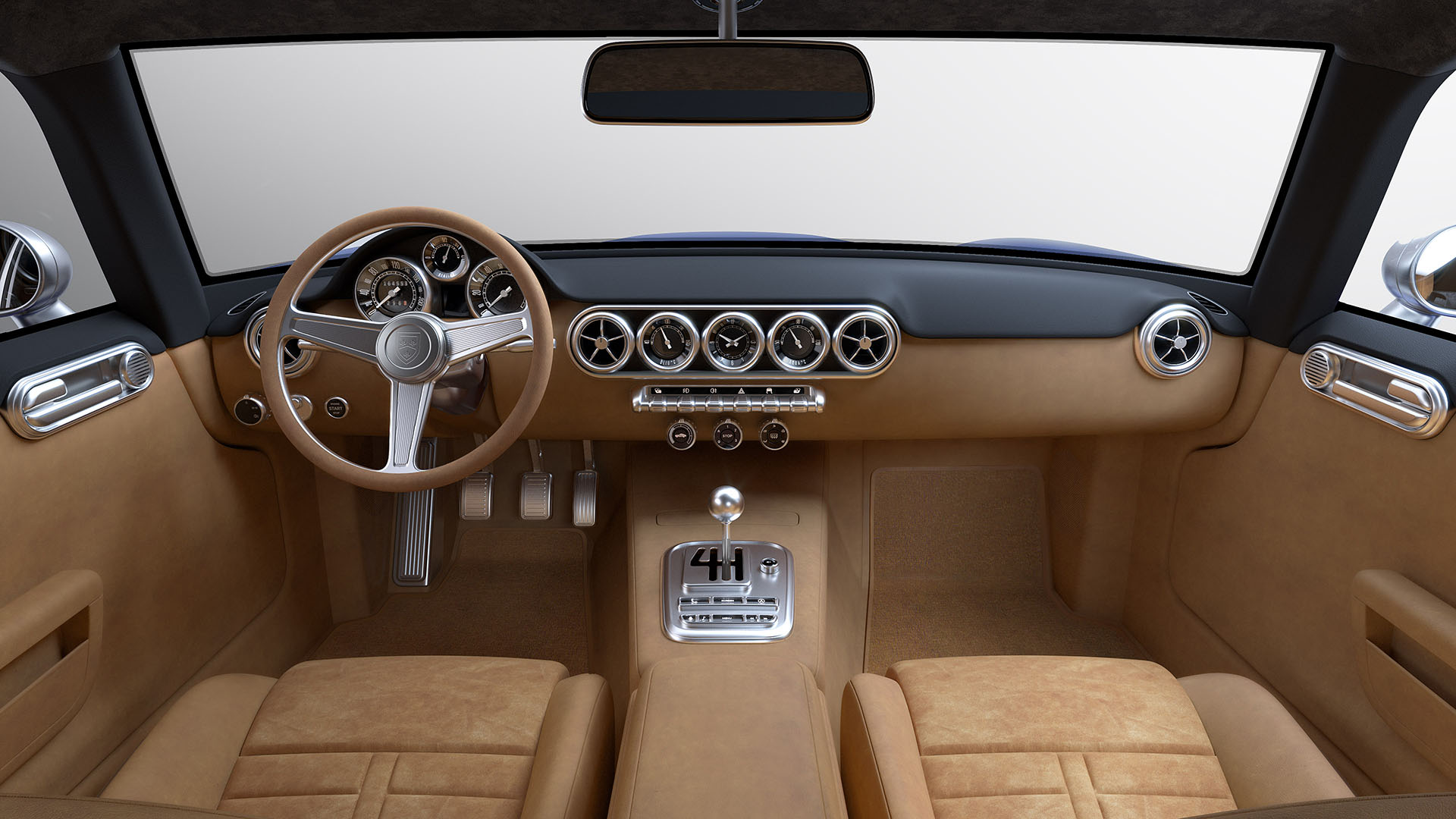
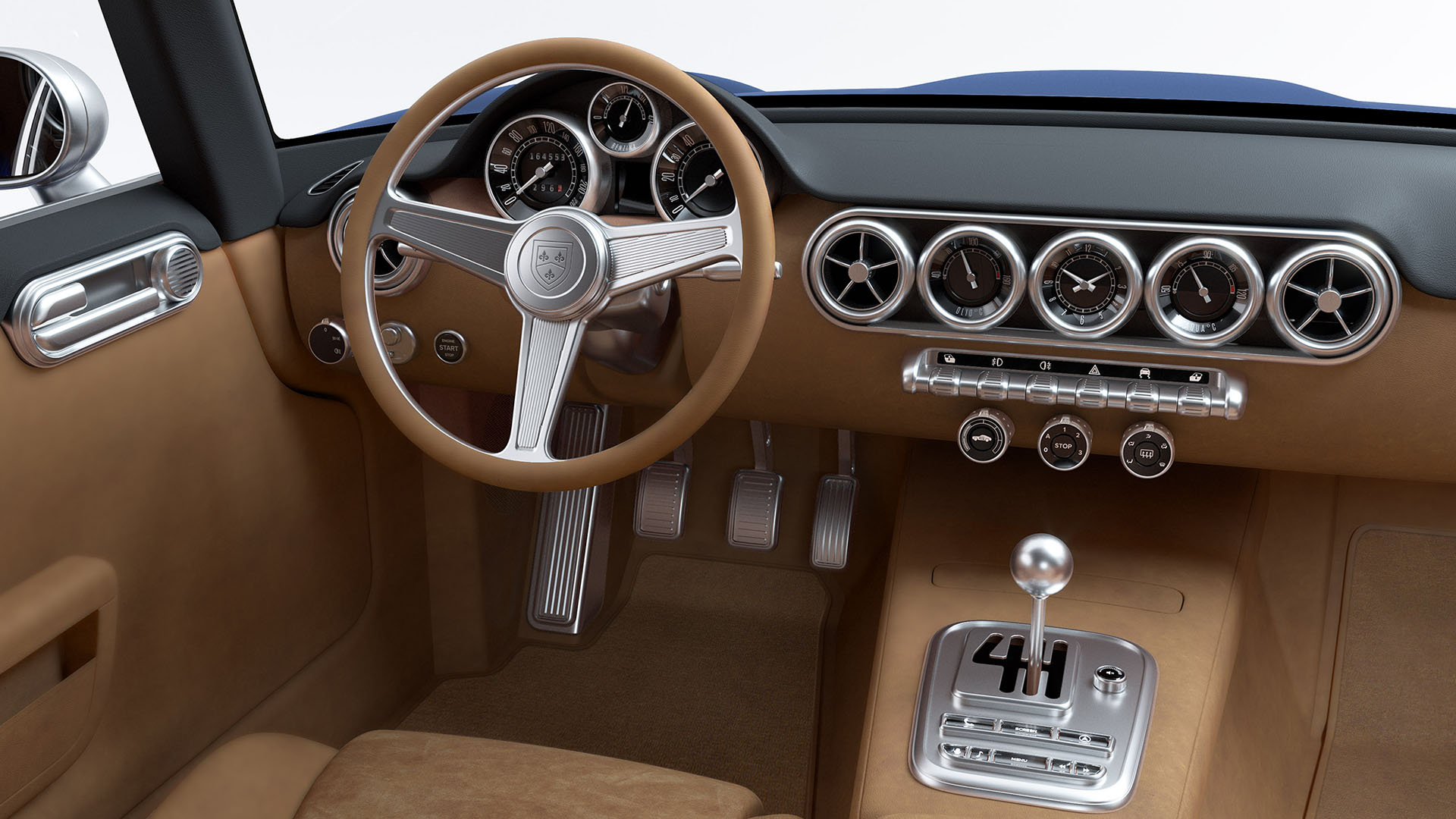
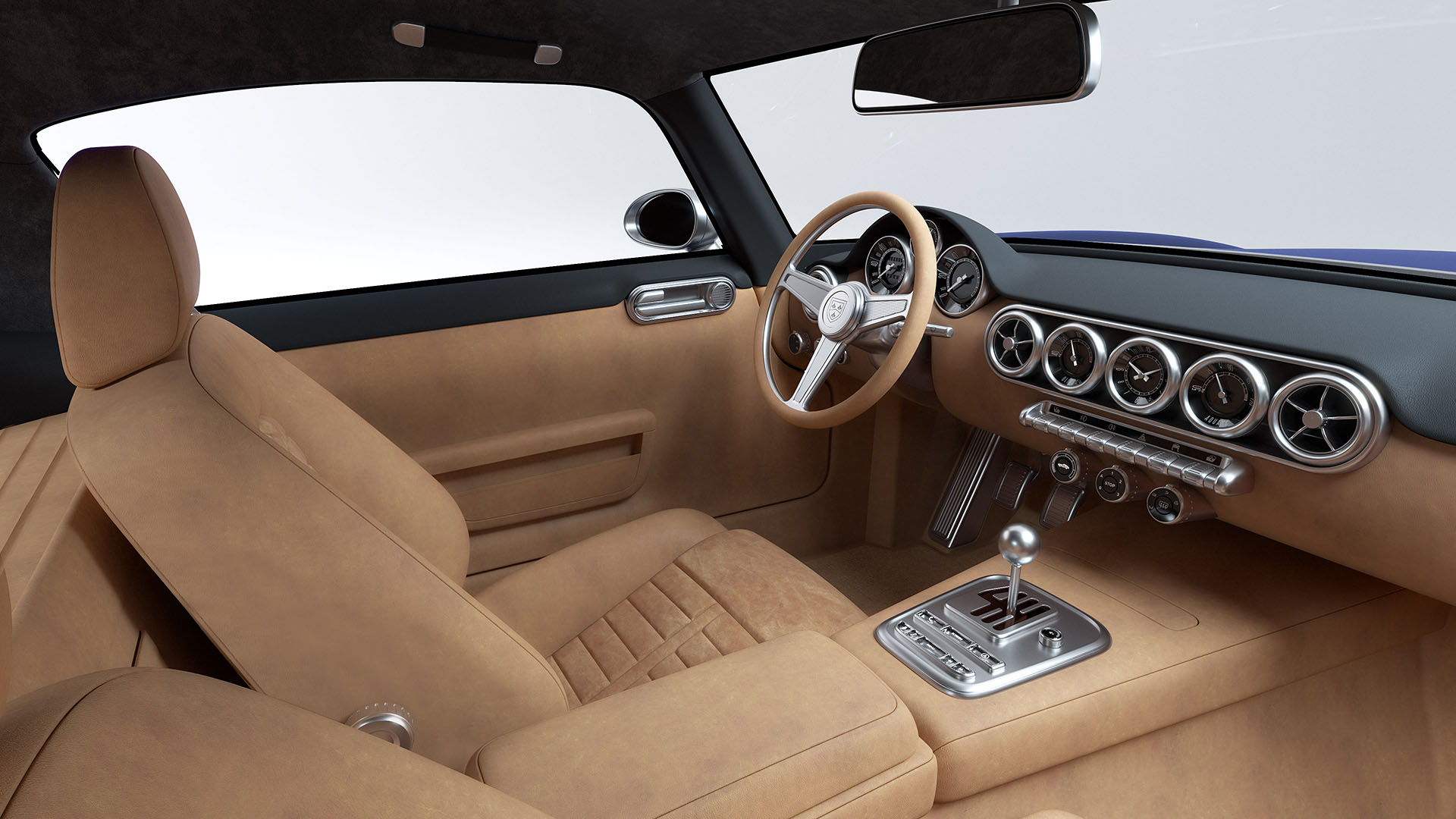
The RML Short Wheelbase interior

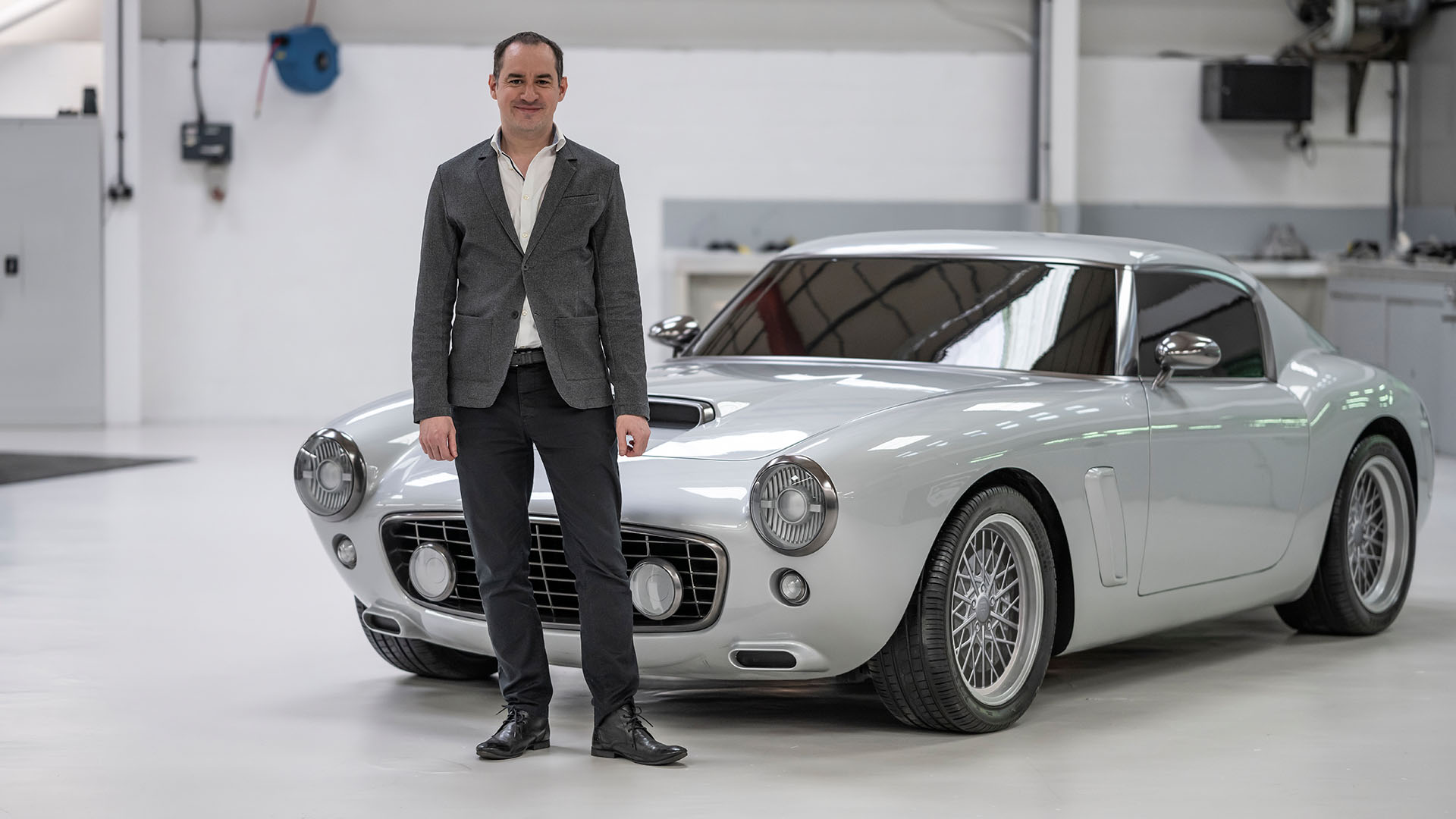
Remember the RLM SWB, which stands for Short Wheelbase we posted a while ago? Don’t worry, it’s still in the concept stage at this time, but it seems we’ll be seeing the first actual cars being delivered by Q1 2022, and if the renders are anything to go by, this might be a great looking, classic GT inspired by some of the greatest cars of the Fifties and Sixties.

A quick recap: RML Group located in Wellingborough, UK, will be building their “Short Wheelbase” as it is fully called, inspired by the legendary 250GT SWB from 1959, but while on one hand, the RLM SWB looks like a car from the Fifties, on the other hand, she will feature all the 21st-century amenities we’ve come to expect from a modern GT.

The RLM SWB will be using a genuine Ferrari engine, front-mounted, V12 with a displacement of 5474cc and a power output of 478 hp and 568 Nm of torque, all going to the rear wheels only, through a six-speed manual gearbox, the RML Short Wheelbase will not be available with an automatic paddle shifter for this modern-day classic GT, naturally the gearshift lever is mounted in an open-gated grid, just like in the good old days, and today RML finally reveals how the interior for this limited edition SWB will look like.

The body of the RML SWB is made from modern carbon fiber but still looks classic, that same idea has been taken into the interior too, it all looks classic and analog, but make no mistake, this is a very modern cabin that can easily fit drivers up to 6 ft 6 … the roofline for this amazing looking SWB was actually dictated by putting RML’s tallest employee inside the car, with a helmet on, none other than CEO Michael Mallock.

While an adjustable steering column was unheard of back in the Fifties, the RML SWB comes with both reach and rake adjustment of the stylish steering wheel, the seats inside this beautiful modern-day classic can be finished in either smooth leather or gripping Alcantara, but whatever upholstery the client requests, these seats offer so much adjustability just about any driver should be able to sit behind the wheel in the utmost comfort.

Some companies shop around for the more mundane items found inside the cockpit of their low-volume limited-edition car, but RML went the opposite route and spend a small fortune to make sure every little switch, every dial, and every stalk is a bespoke RML item, the stunning dials in front of the driver remind us of an expensive watch, and every surface on the inside of the RML SWB is either made from leather, Alcantara, aluminum, or glass … not a single piece of plastic will be found inside this GT.

The RML SWB really is a modern car with classic looks, and this means a good working airconditioning system will be installed to keep both the driver and passenger cool, no matter what the climate is on the outside, this car even comes with cupholders, electric windows, electric seats, and electrically adjustable mirrors.

But how do you install a decent infotainment system in such a classically inspired car, both for the bodywork and for the interior, clients that are putting down this much money for a car these days expect to get the best of the best, not only in a pure driving experience but also in infotainment … so the RML SWB comes with a ‘hidden’ infotainment screen that only ‘pops up’ from the central console when needed. And it isn’t just a small, limited system either, it incorporates everything a customer expects these days from a high-end modern vehicle: Apple Car Play, Android Auto, and mobile phone connectivity.

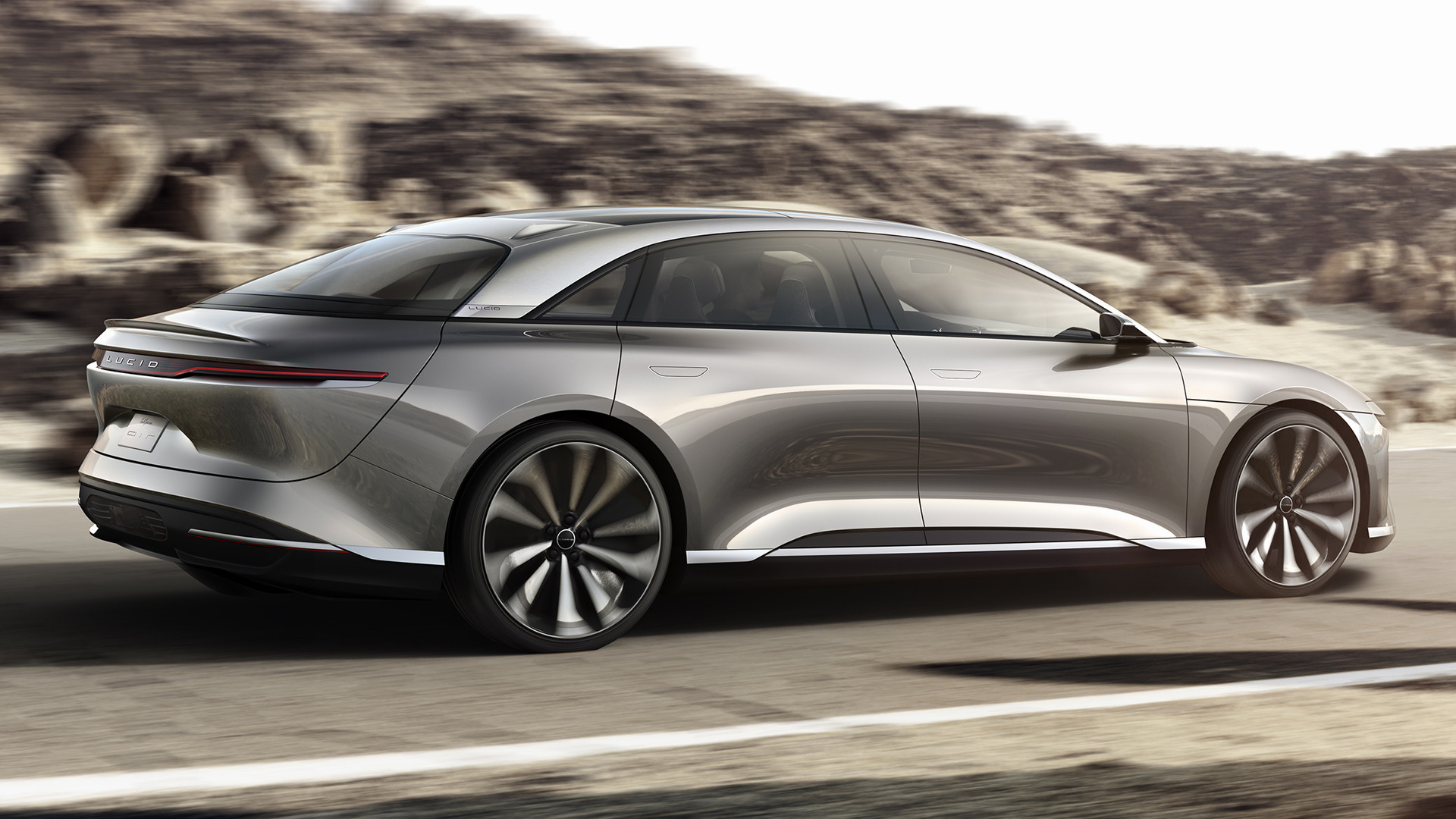
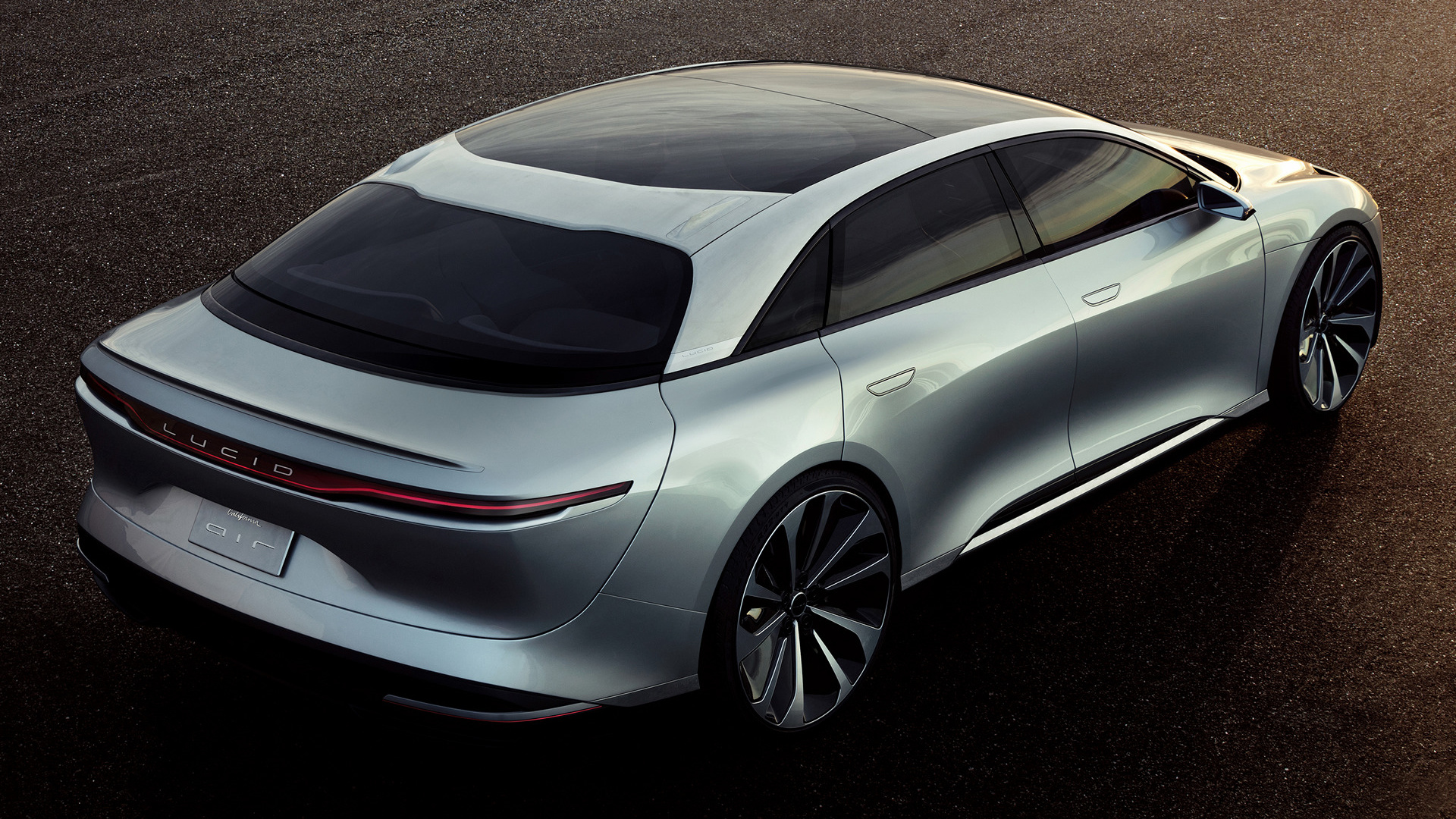
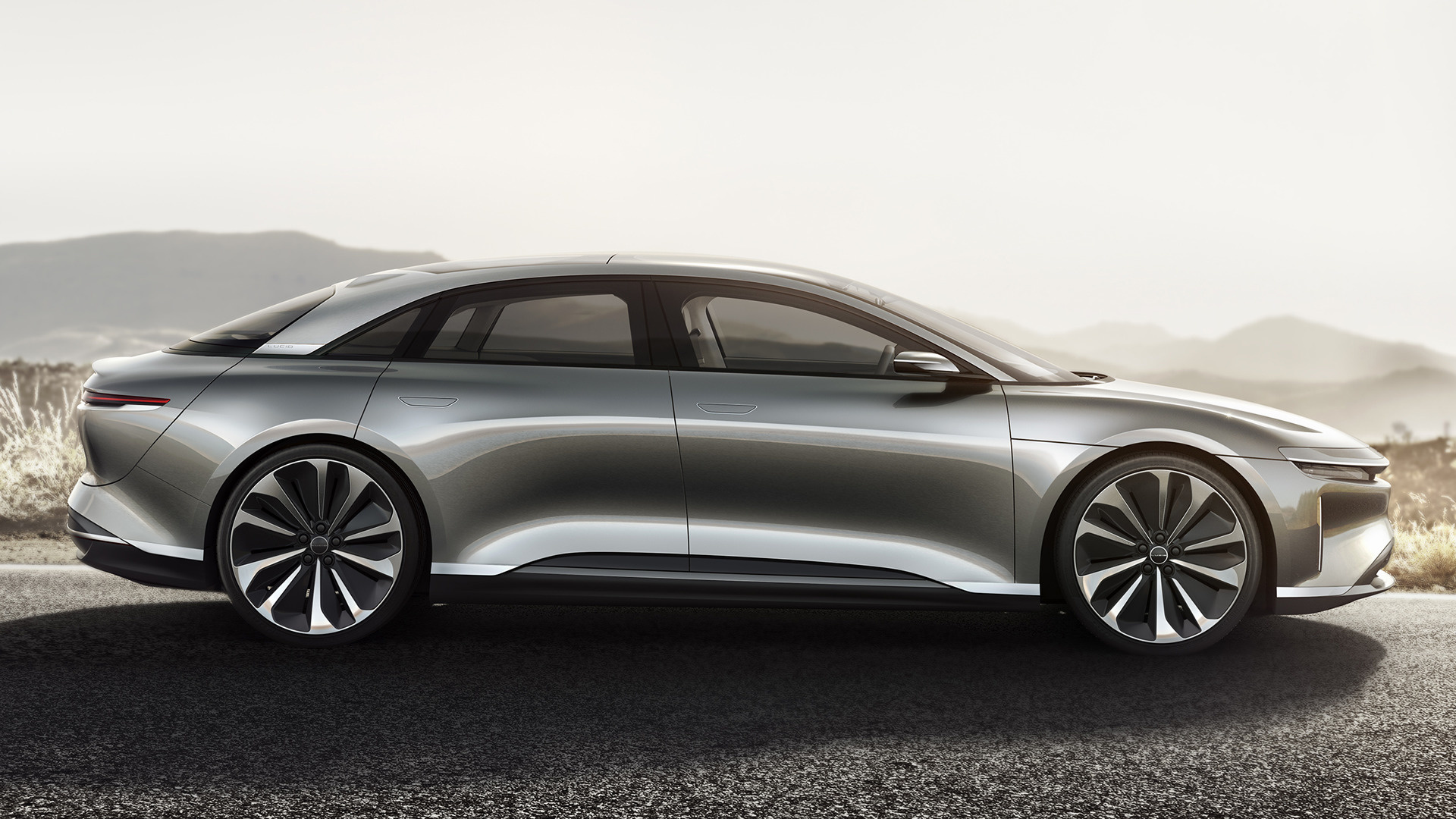
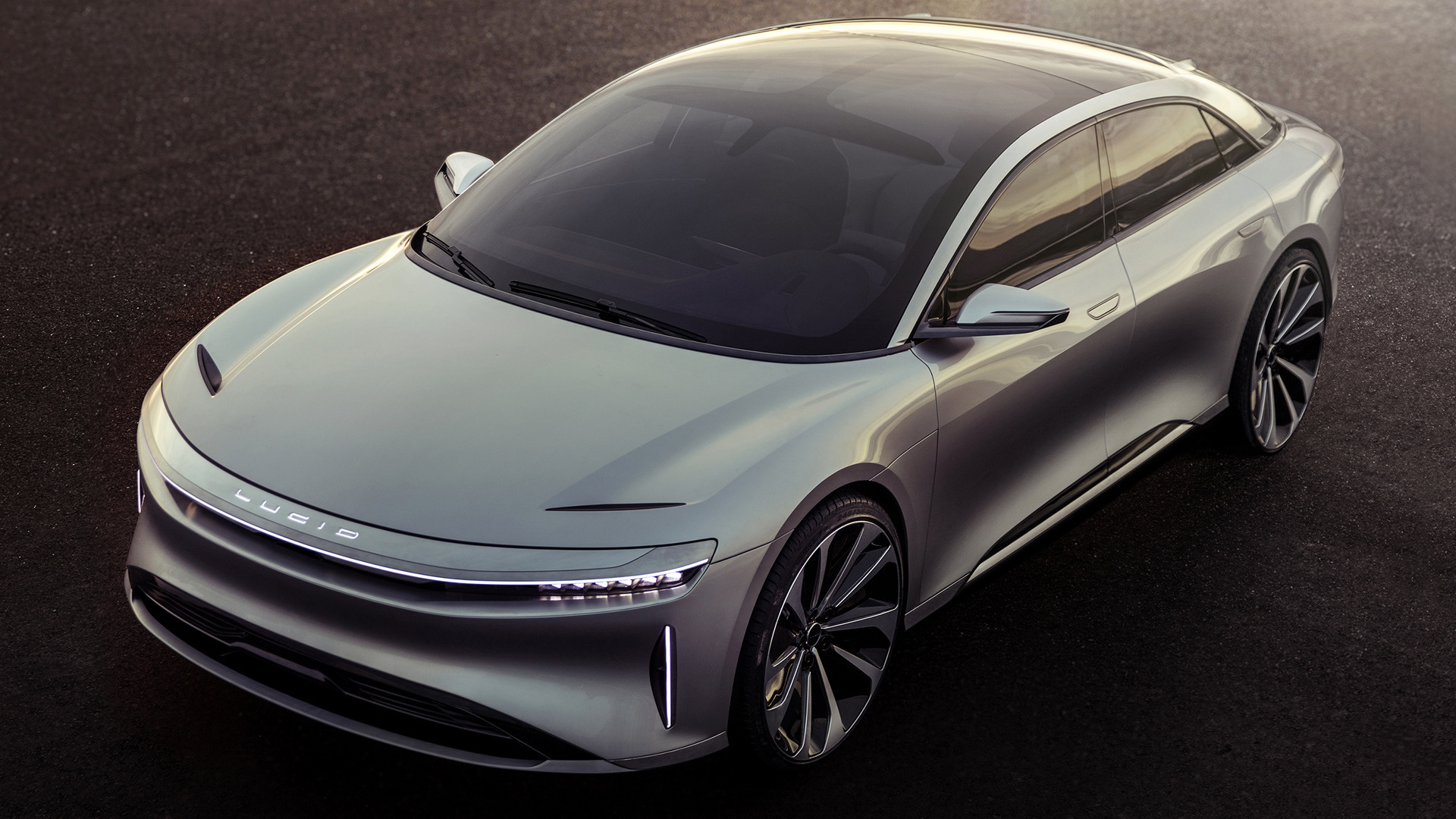
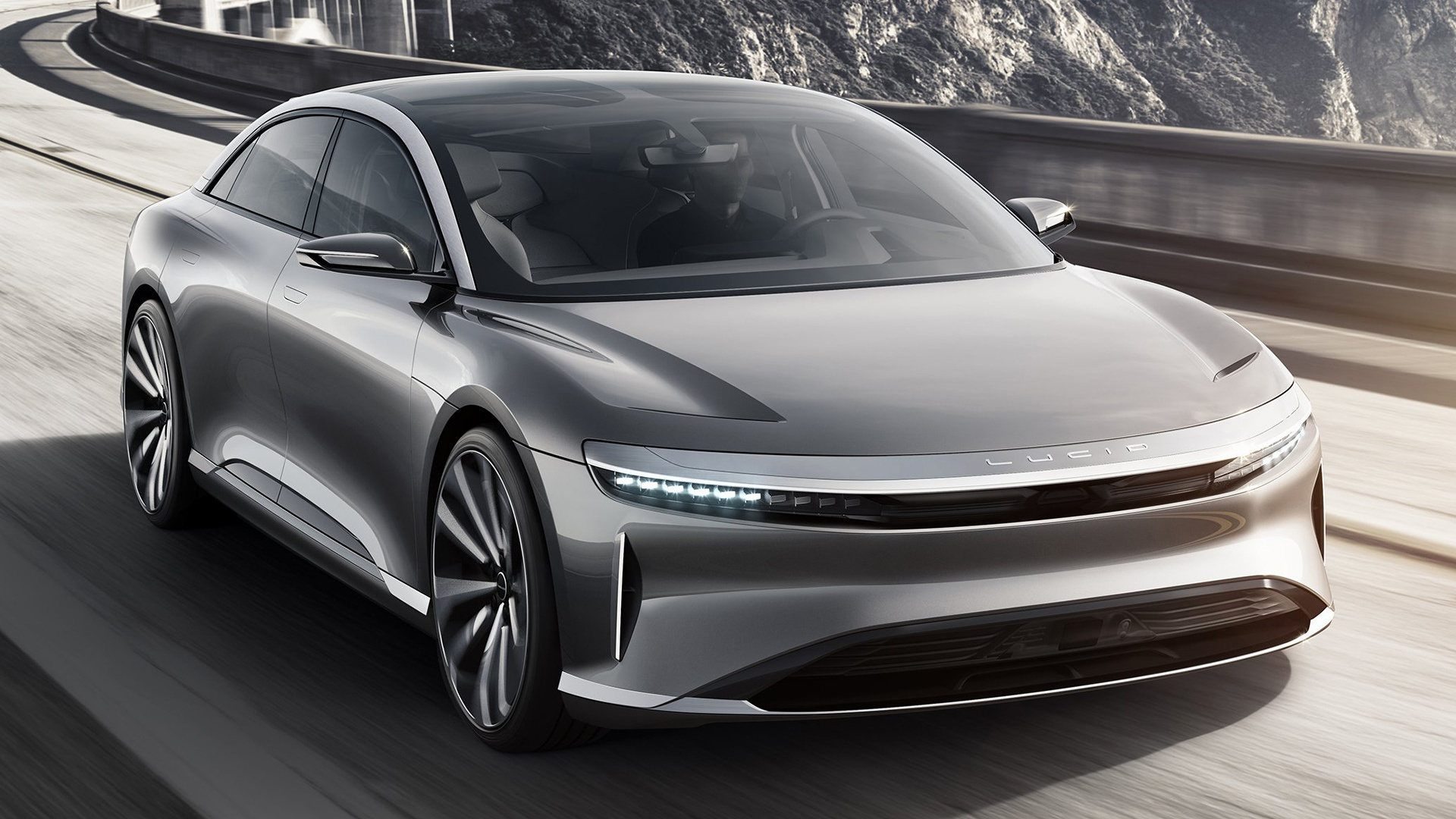
2016 Lucid Air Concept Wallpapers

We have curated the ultimate collection of the best 2016 Lucid Air Concept Wallpapers and HD backgrounds for you to enjoy. Our team focused on finding the top 2016 Lucid Air Concept Wallpapers only to keep the quality high. These 2016 Lucid Air Concept Wallpapers are free to download so go ahead. To download any of these pictures for use as a wallpaper, right click the picture and choose Save As…

Find more awesome Lucid Wallpapers

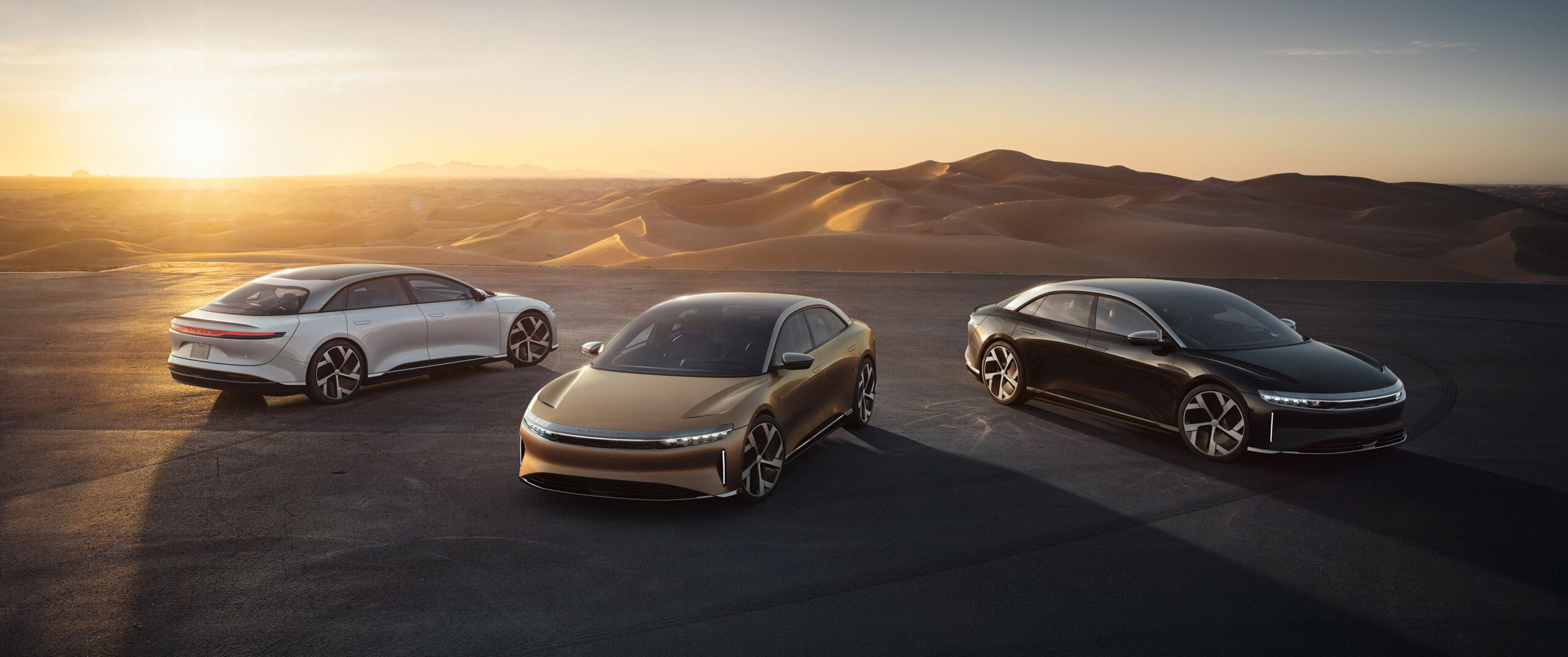
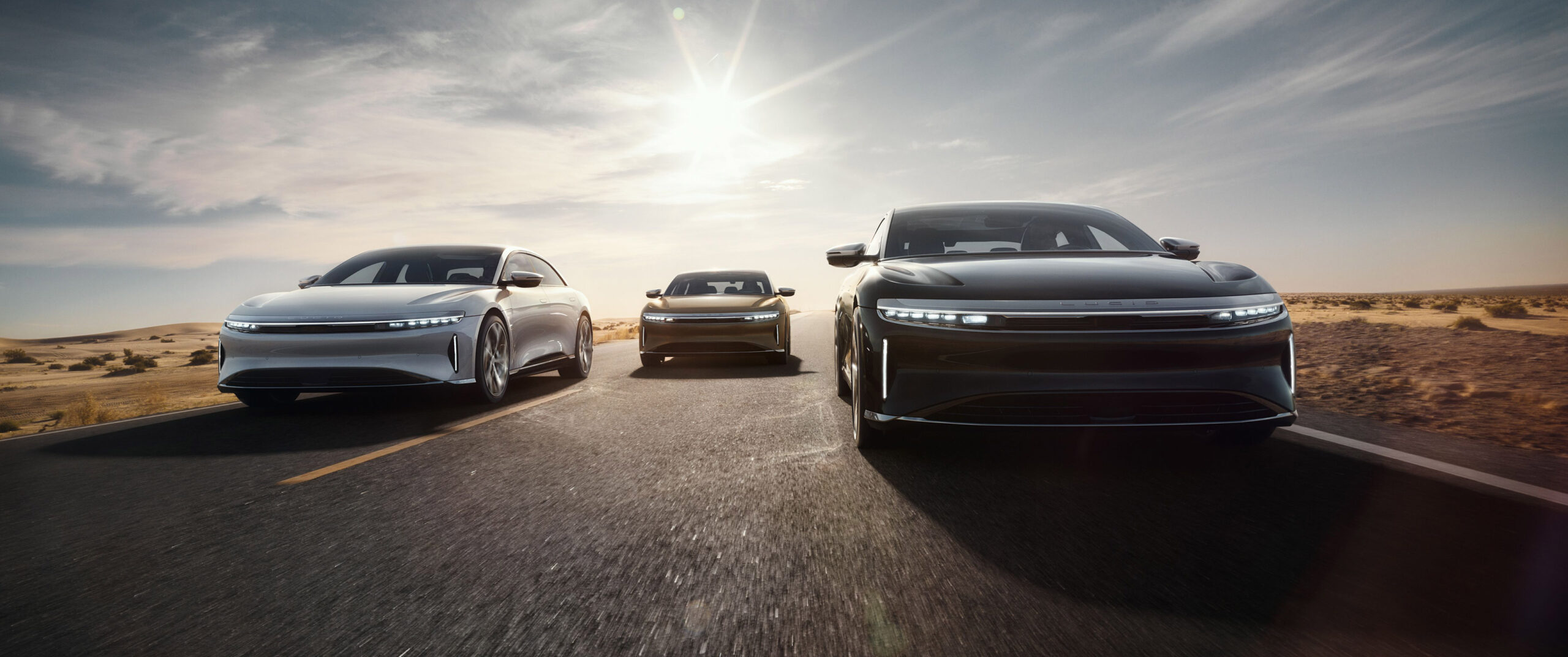
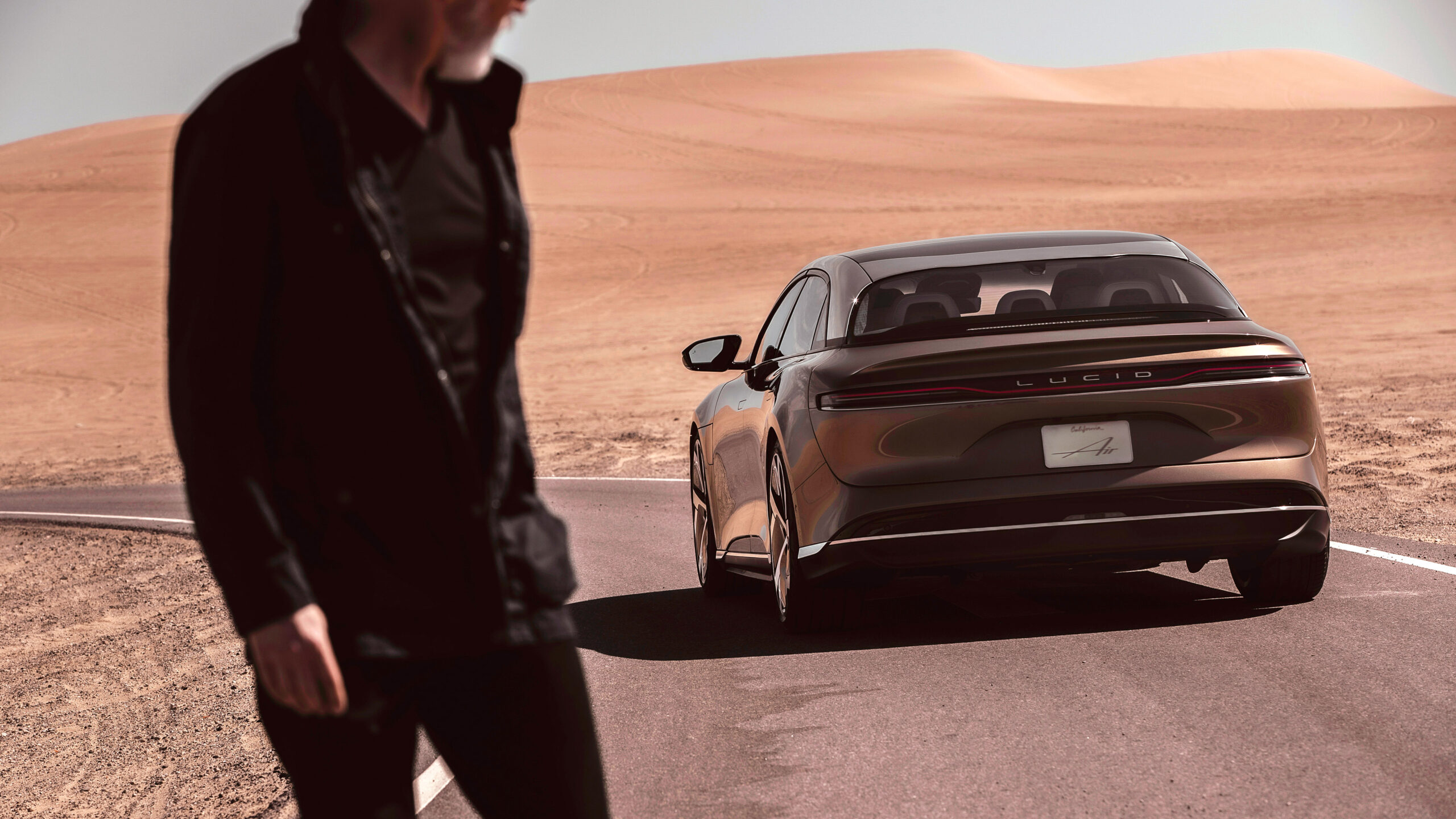
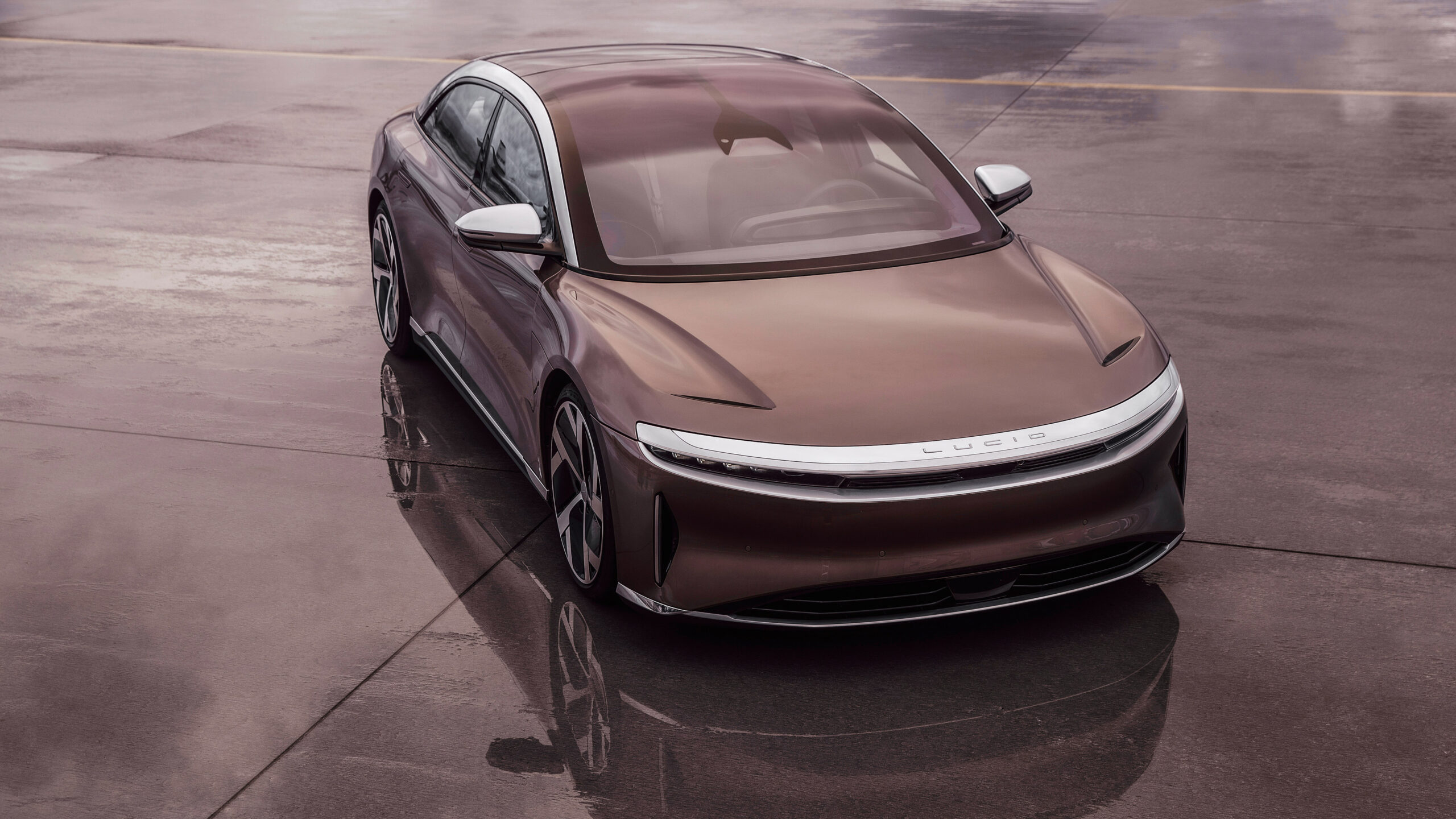
2021 Lucid Air Wallpapers

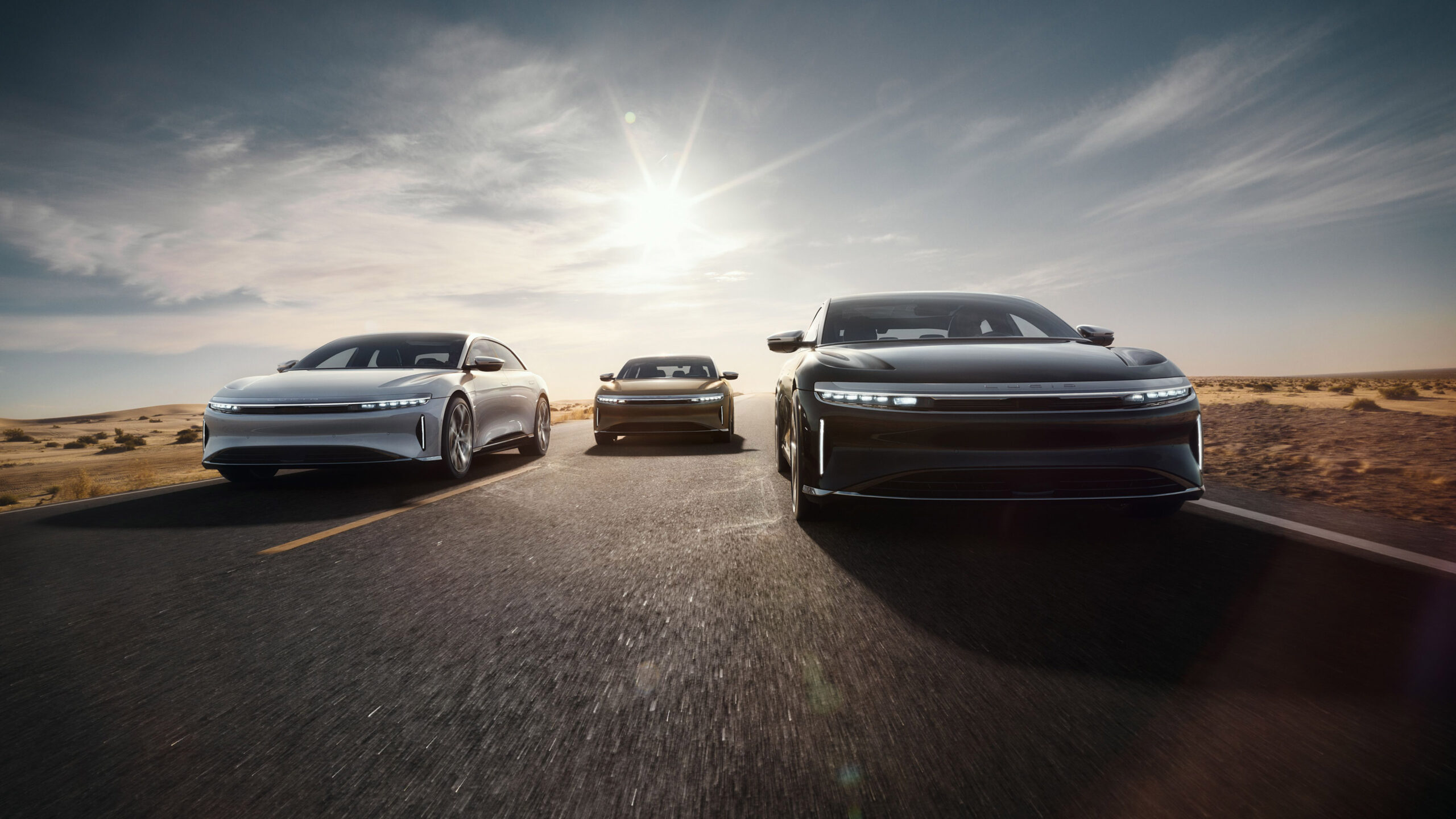
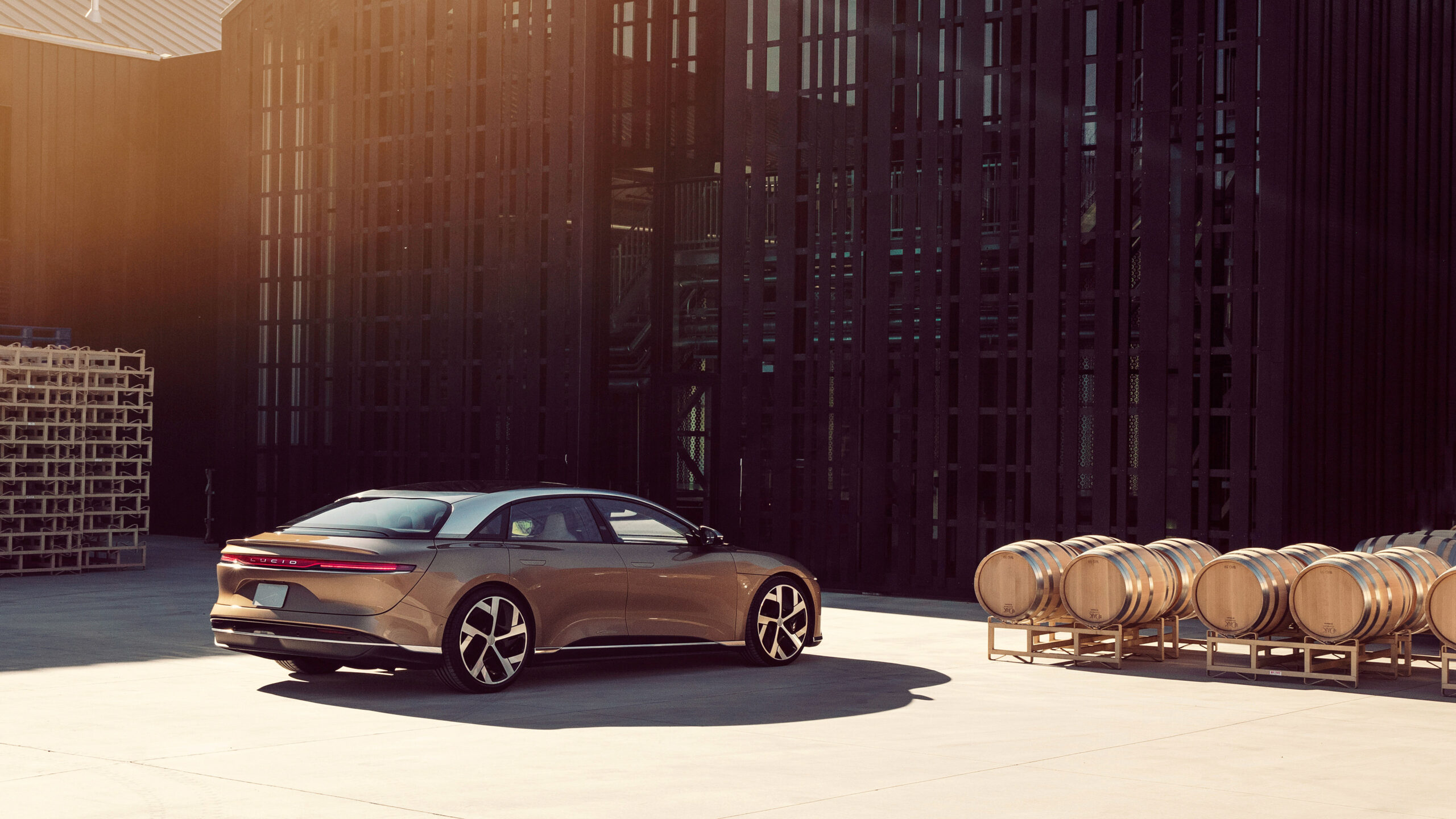
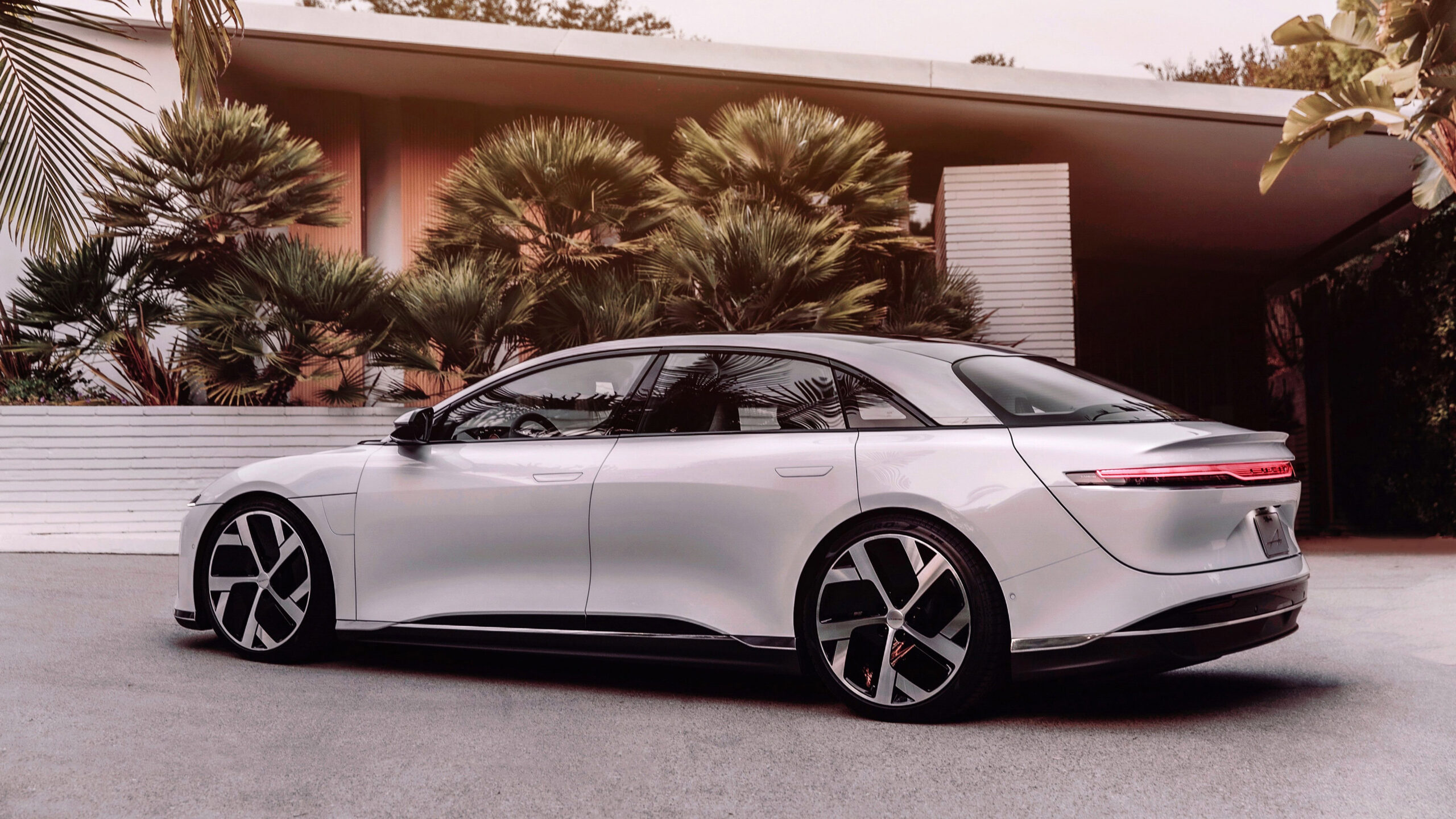
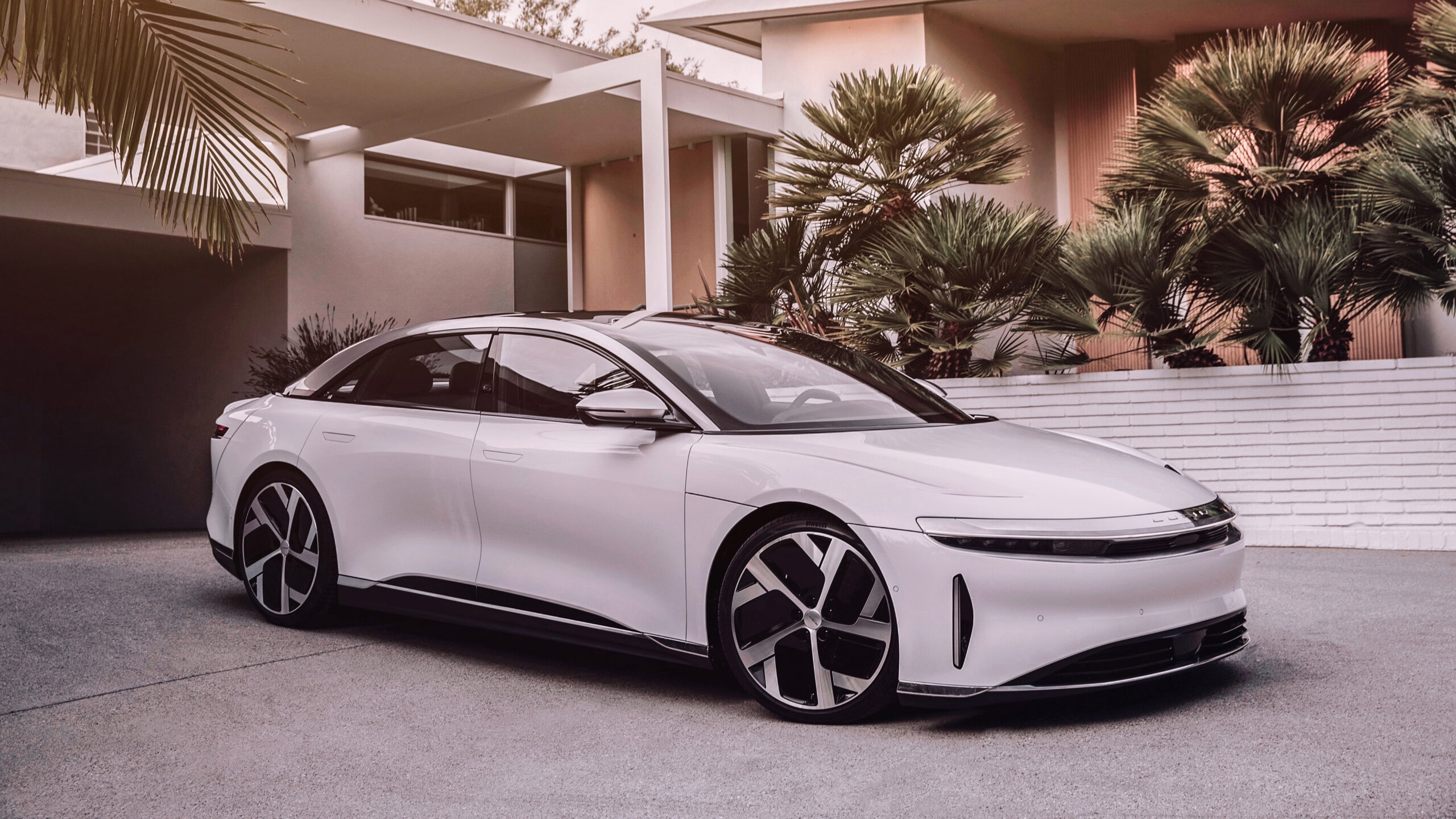
We have curated the ultimate collection of the best 2021 Lucid Air Wallpapers and HD backgrounds for you to enjoy. Our team focused on finding the top 2021 Lucid Air Wallpapers only to keep the quality high. These 2021 Lucid Air Wallpapers are free to download so go ahead. To download any of these pictures for use as a wallpaper, right click the picture and choose Save As…

Find more awesome Lucid Wallpapers