All posts in “Cars”

Koenigsegg’s first Jesko is a tribute to one of its first cars

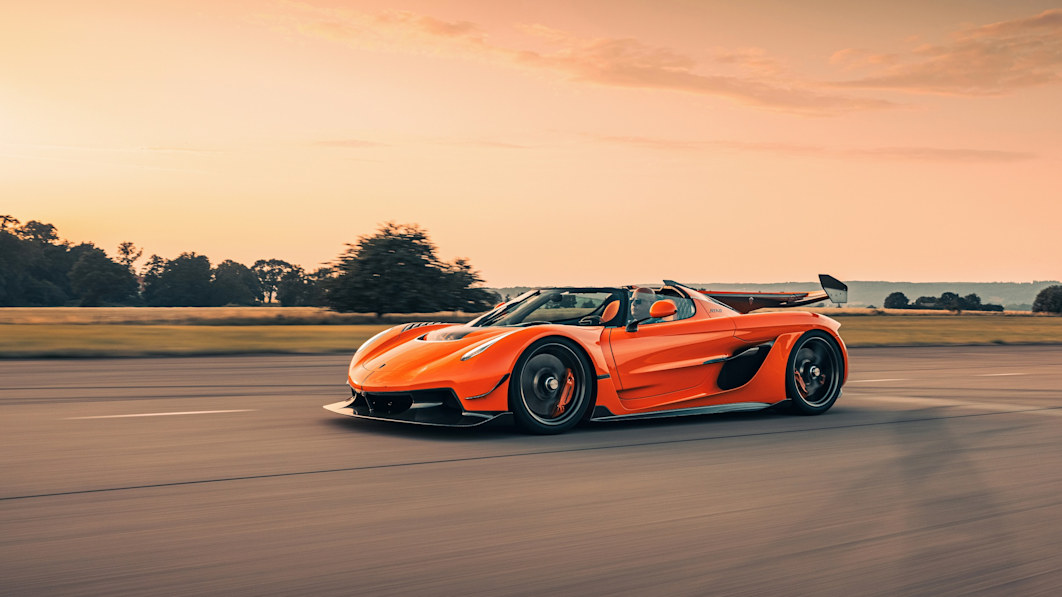
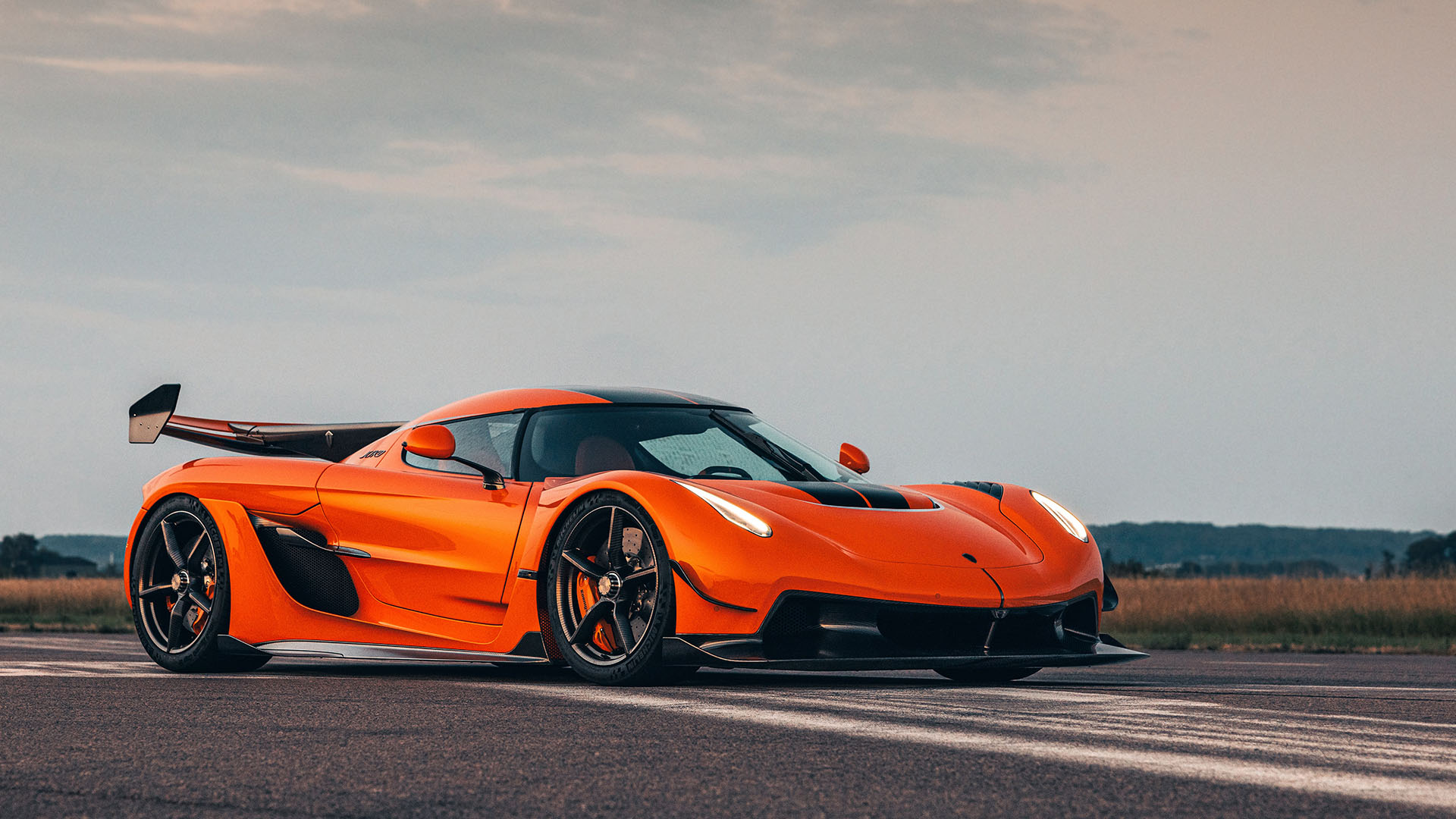
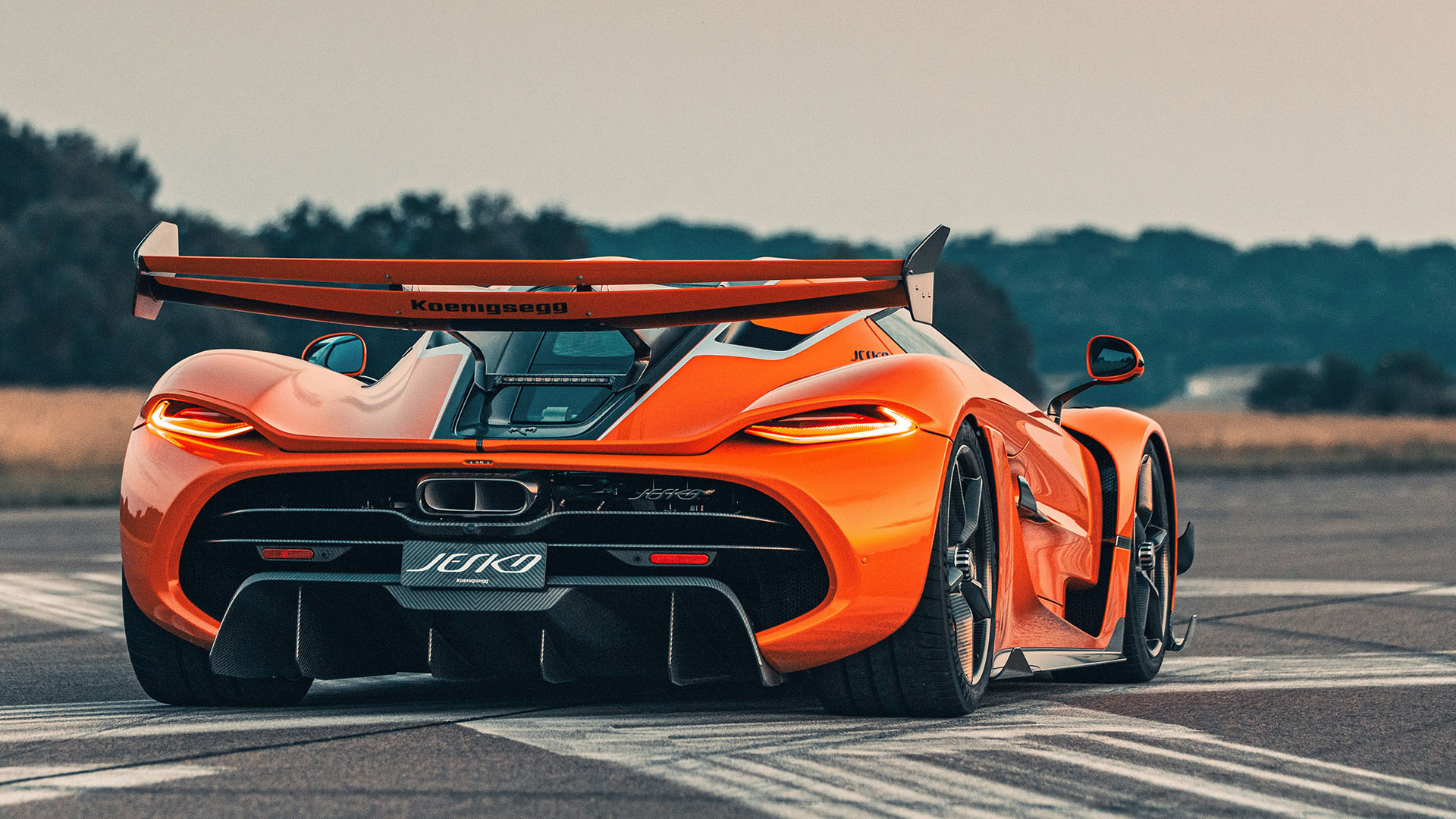
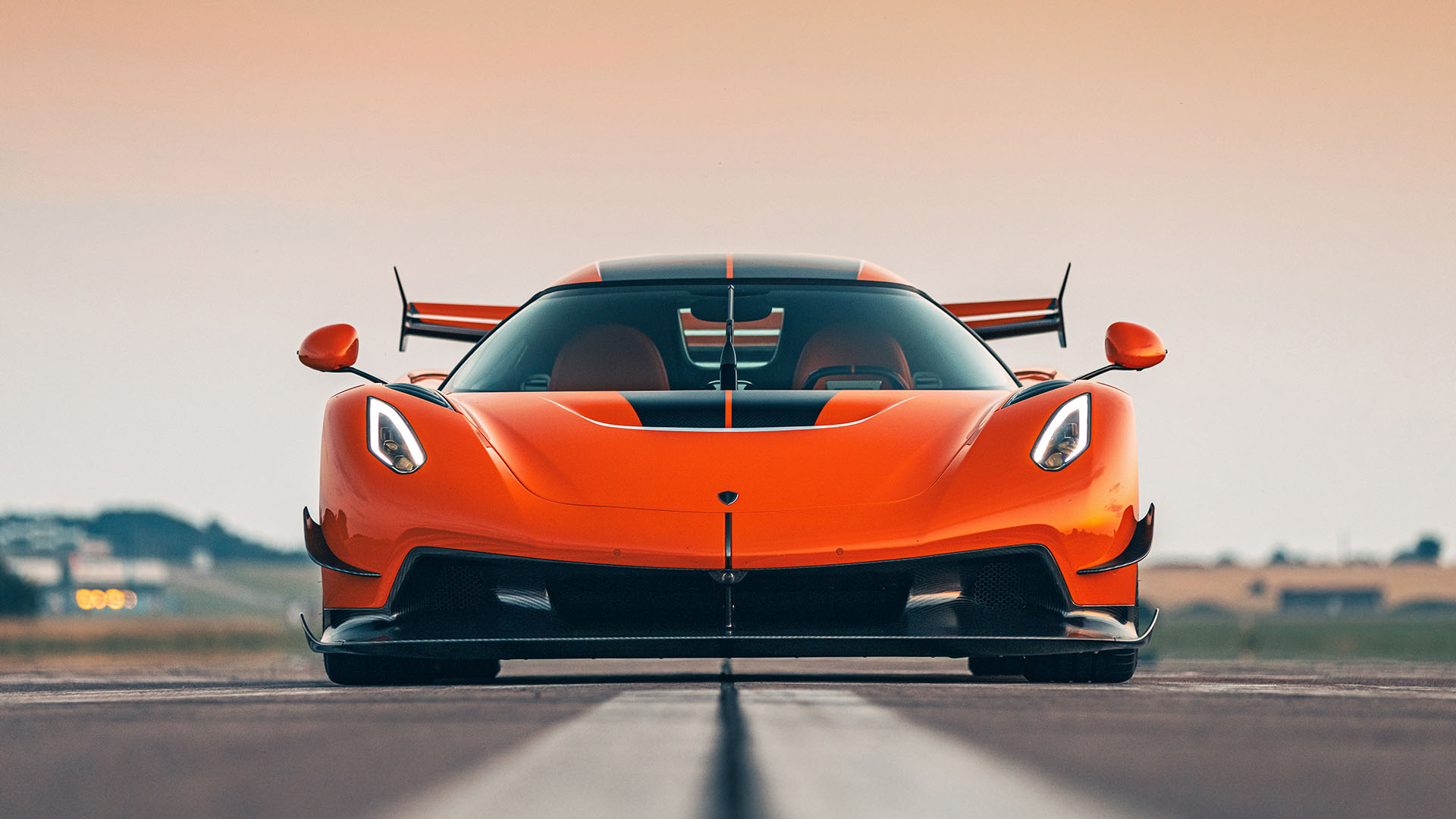
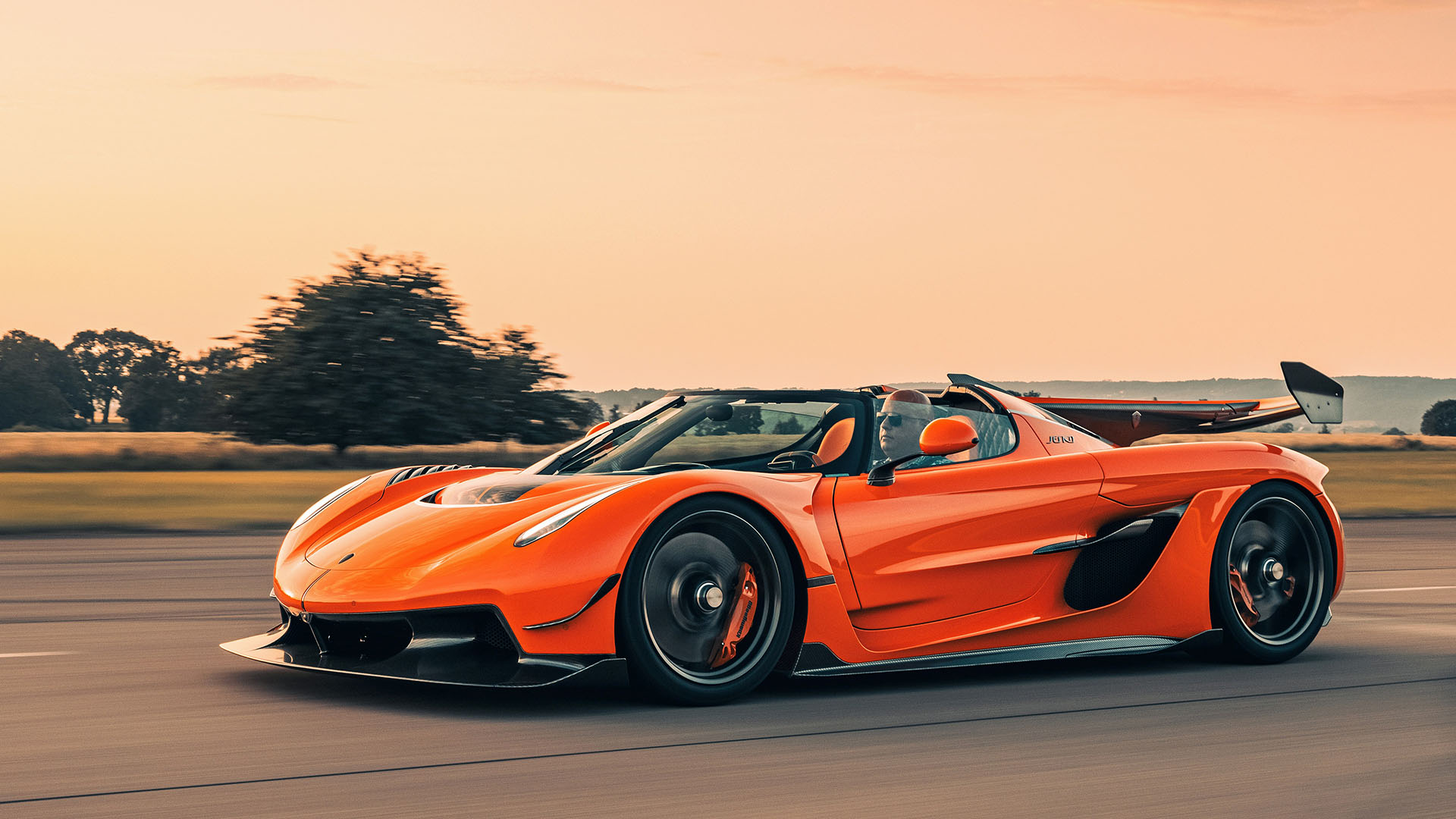
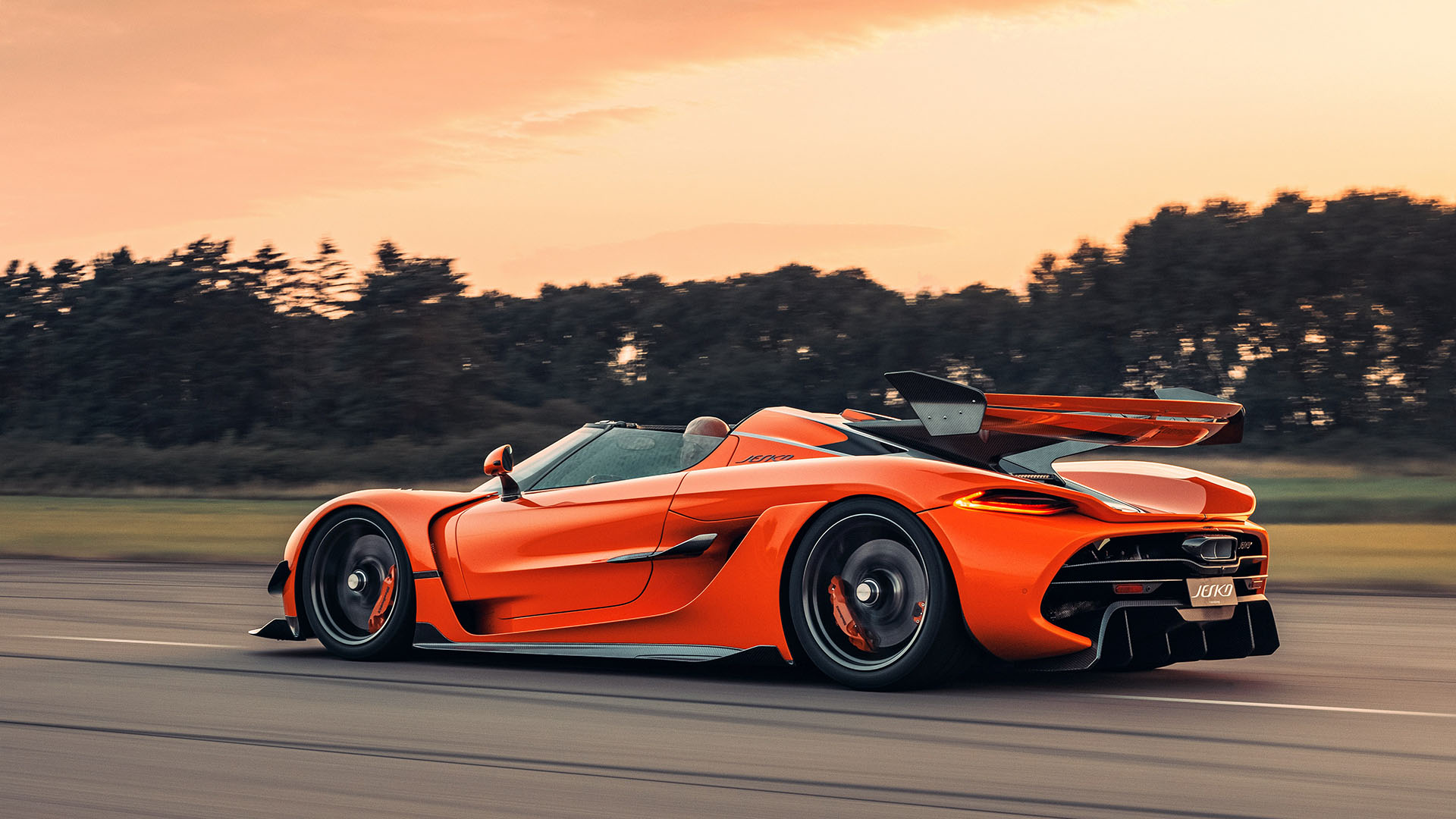
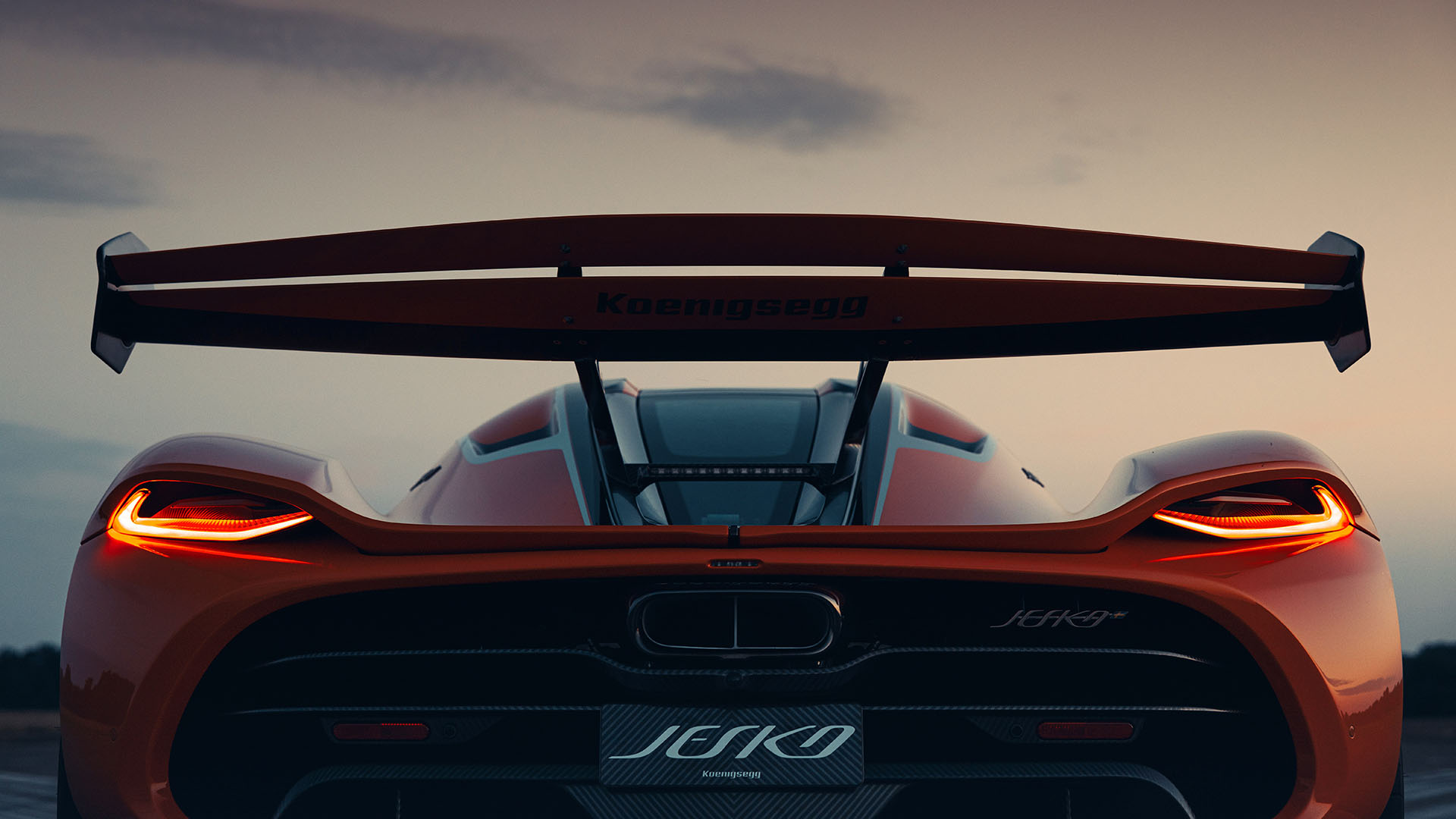
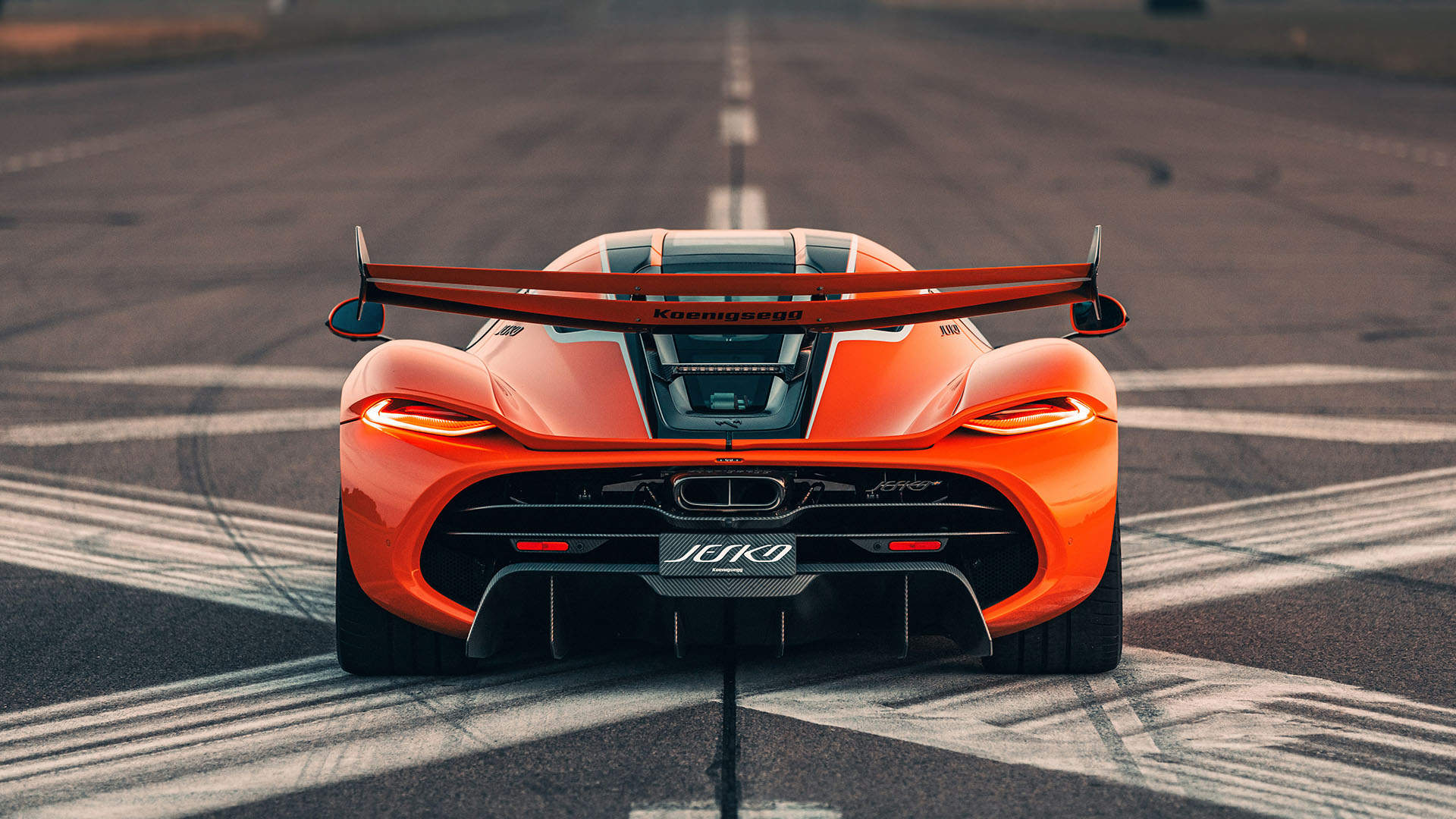
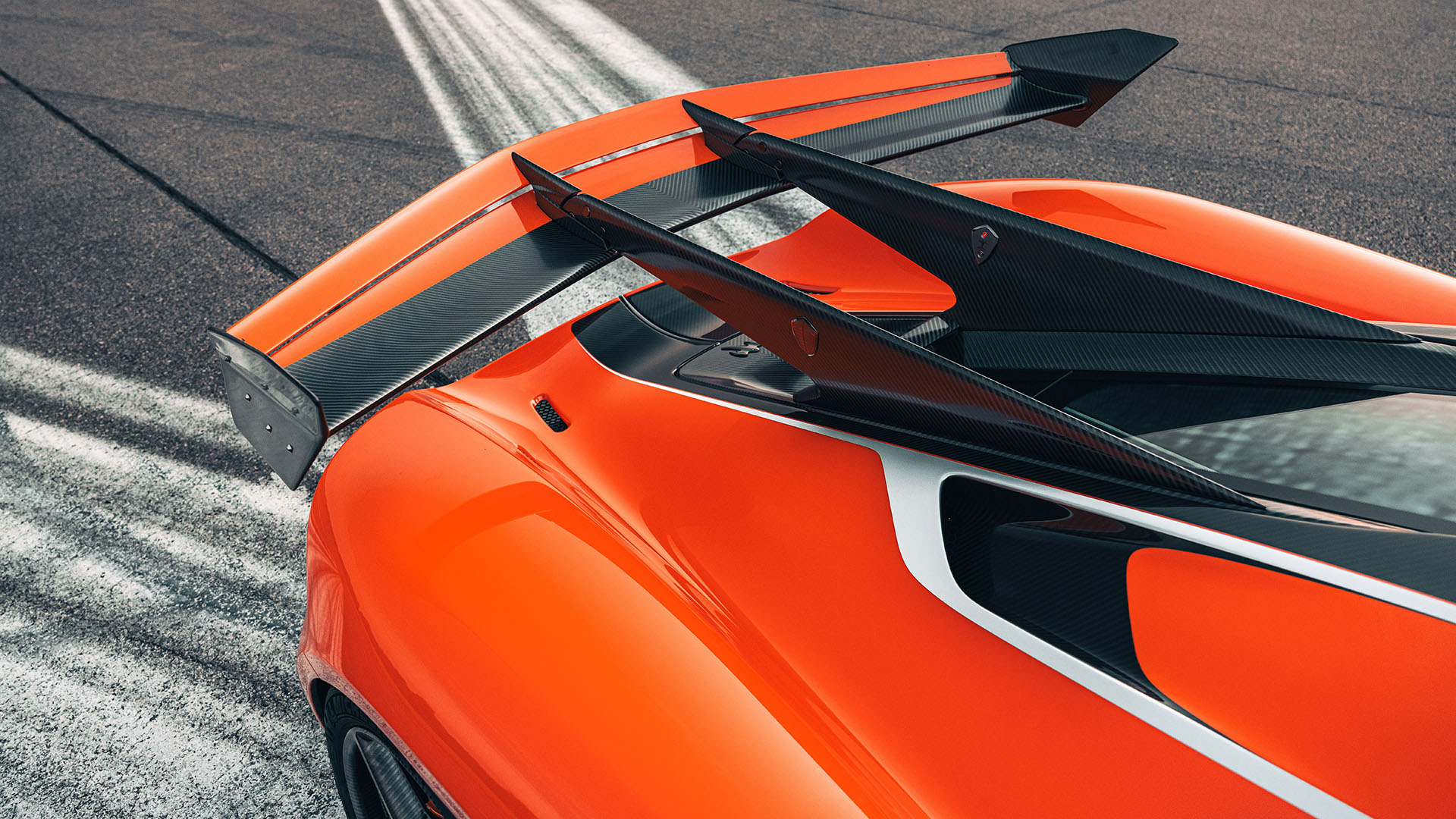
Koenigsegg released images of the pre-series Jesko it built to test on the 1,900-yard runway it owns next to its headquarters. The orange hypercar is the result of a massive development program that began years ago.

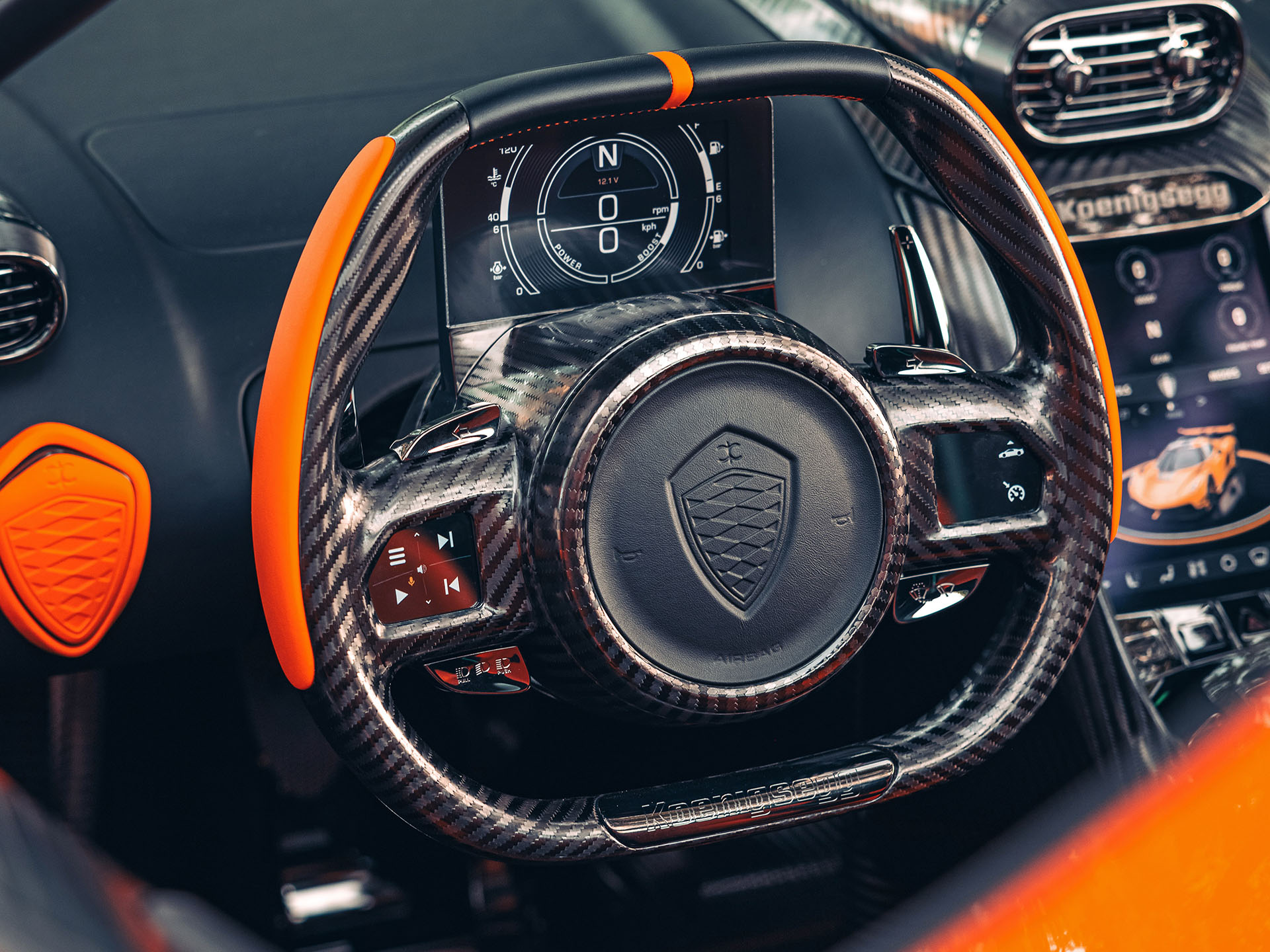
Unveiled in 2019, the Jesko is not simply an evolution of its predecessor. It’s an entirely new car, one developed by a relatively small company without the scale and the footprint of bigger carmakers, and it’s stunningly advanced. The graphics on its digital instrument cluster rotate as the driver turns the steering wheel, for example.

There’s a different kind of technology under the body. Power for the Jesko comes from a 5.0-liter V8 that’s twin-turbocharged to develop 1,600 horsepower and 1,106 pound-feet of torque when it’s slurping E65 fuel. Instead of using an electric compressor, Koenigsegg solved the turbo lag problem by fitting the Jesko with an air tank and a compressor that sends a 20-bar shot of air through the system to pre-spool it. It’s almost rocket science.

Follow the power flow out of the crankshaft and you’ll find a nine-speed automatic gearbox called Light Speed Transmission (LST) that has seven multi-disk clutches. These are just some of the features Koenigsegg’s pre-series Jesko will let test drivers experience.

While an airstrip is the ideal venue for testing acceleration, the one Koenigsegg has access to is too short to allow the Jesko to reach top speed. Even the three-mile runway at the Johnny Bohmer Proving Grounds in Florida isn’t long enough. Simulations say the Jesko should hit 330 mph, but Koenigsegg still hasn’t figured out where to try it.

As to the livery, Koenigsegg founder Christian von Koenigsegg didn’t choose the orange hue after drinking a big glass of Sunny D or because he’s already looking forward to Halloween. It’s a reference to one of the Swedish company’s first cars, the CCR, which was presented to the public at the 2004 edition of the Geneva auto show in an eye-catching shade of orange named Lava Orange. It was featured in press images and later sold to a private buyer. It traded hands again at an RM Sotheby’s auction held in Milan, Italy, in June 2021, where it sold for €798,125 (approximately $942,400).

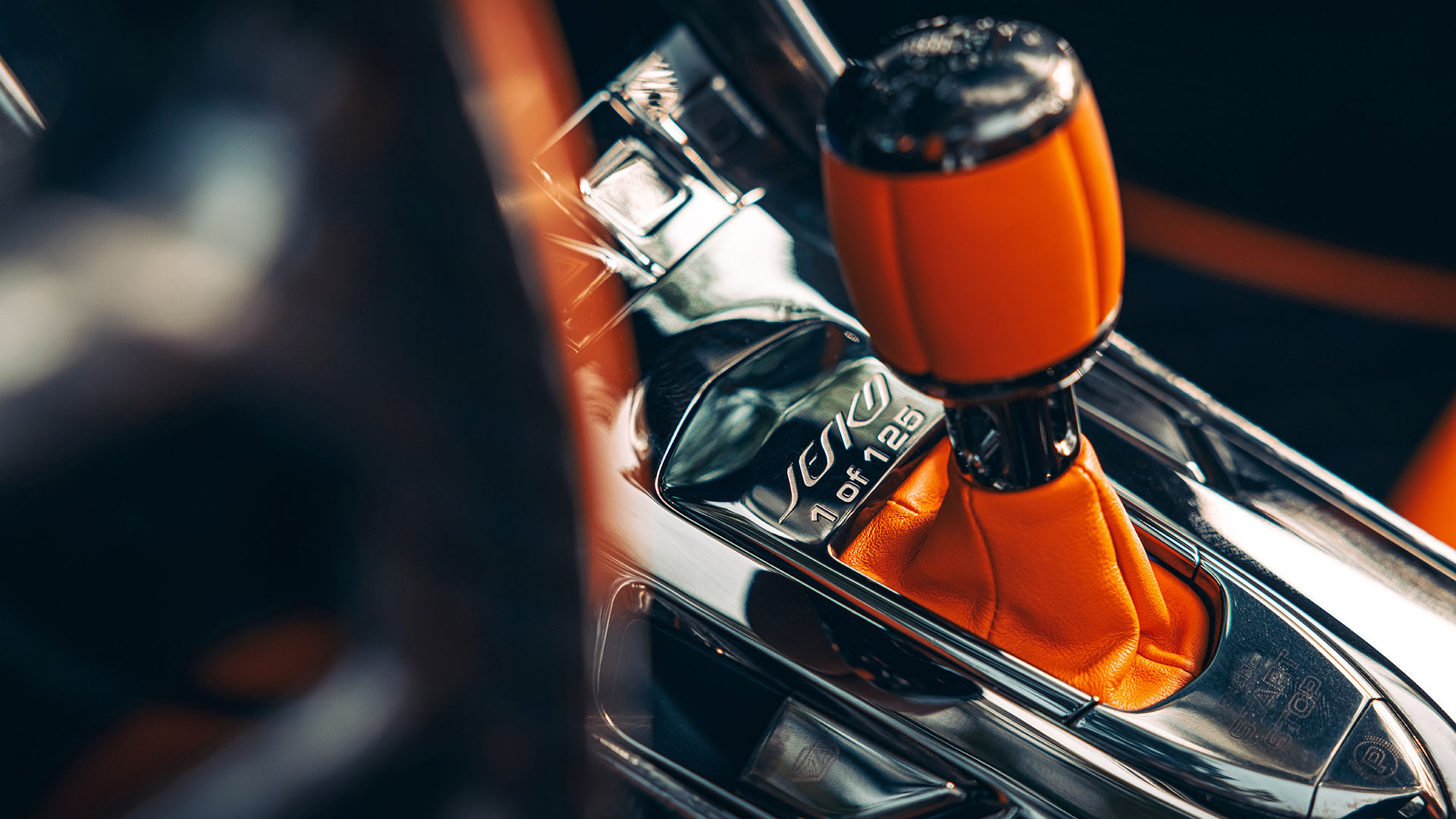
Only 14 units of the CCR were built between 2004 and 2006, meaning it’s an exceptionally rare sight. The Jesko will be more common. Production will be limited to 125 units globally, and all of them are already spoken for, though some were claimed by dealers hoping to offer a car to a local buyer, so it might not be too late to get one. However, we hope you’ve started saving: pricing starts at $3 million. Deliveries are scheduled to begin in the spring of 2022.

First pre-series production Jesko ready

The Koenigsegg Jesko was unveiled at the last Geneva Motor Show to date, the 2019 edition, and this new hypercar drew a lot of attention in Switzerland when the covers came off, this was a brutal looking car in true Koenigsegg tradition, with a claimed top speed of 300 mph from what they claim is their lightest and most powerful 5.0-liter twin-turbo V8 engine yet.

Koenigsegg Jesko at Geneva in 2019 – photo copyright Mark Smeyers

Numbers like 1,600 hp on E85 biofuel and 1,280 on regular gasoline were mentioned, a maximum torque of 1,106 lb-ft required a special 9-speed multi-clutch gearbox built in-house by Koenigsegg at 170 mp the aerodynamic design of this Jesko with that massive rear wing creates 2,200 pounds of downforce … at top speed, this number increases to more than 3,000 pounds!

Koenigsegg Jesko at Geneva in 2019 – photo copyright Mark Smeyers

About a year later Koenigsegg unveiled something even more impressive … the Jesko Absolut, built for all-out top speed records, while the ‘regular’ Jesko is more track-focused with her massive front spoiler lip and imposing rear wing with double struts, the Jesko Absolut has been made as smooth as possible, with the least possible drag … a drag coefficient value of only 0.278 Cd has been achieved for a top speed in excess of 330 mph, that is 532 km/h, which would shatter any top speed record to date.

Koenigsegg limited the production for the Jesko to 125 units, priced at US$3,000,000 each with initial deliveries by the spring of 2022, customers will have the option to choose between either the Jesko or the Jesko Absolut trim, if there will be a price difference isn’t mentioned in the official documentation, but I guess if you’re ready to part with $3,000,000 for such an amazing car, a few $100,000 more or less don’t really matter anyway.

The Koenigsegg CCR was also shown at the 2019 Geneva Motor Show – Photo copyright Mark Smeyers

Today we have passed the design and prototype stage for the Koenigsegg Jesko as their first pre-series production car comes off the assembly line … and she is stunning, to say the least, finished in Tang Orange Pearl with silver and carbon-fiber accents, this specific pre-production Jesko is an homage to original Koenigsegg CCR color … a testament to how Christian von Koenigsegg brings the past into the future of his company.

If you look at the amazing cars made by Koenigsegg it might be hard to imagine this hypercar company was founded only 27 years ago, Christian von Koenigsegg started Koenigsegg Automotive AB in 1994 and quickly became a world leader in engineering and manufacturing of extreme performance hypercars, based in Ängelholm in the south of Sweden, Koenigsegg now holds about 400 employees, and they are still expanding as we speak.

CEO and Founder Christian von Koenigsegg states: “We are very excited to showcase this pre-series Jesko in conjunction with the start of production of the 125 Jesko and Jesko Absolut customer cars. As part of our gradual expansion, the Jesko’s pre-assembly begins at an extended 10,000 square meter facility”

To be honest, I wasn’t really blown away by the white Koenigsegg Jesko at the 2019 GIMS in Switzerland, I was fortunate enough to be there at the press conference when Christian von Koenigsegg unveiled the car, and while the aero is extremely wild, the white and green just didn’t work for me, but seeing this Jesko in bright orange changes everything, especially with the orange interior now looking so much better than the plain-looking black upholstery inside the Geneva show car.

Koenigsegg is getting ready to start production of the 125 Jesko and Jesko Absolut customer cars, after almost three years of prototype, testing, redesigning, and preparing for production, and judging from the photos of this bright orange production prototype, there isn’t too much different in terms of overall look compared to the 2019 Geneva show car, and I absolutely love the fact you can still take the top off and drive the Jesko as a convertible … I’m sorry, I like open-top cars, even if they can go over 300 mph.

During final shakedown testing, which Koenigsegg does at very high speeds mind you, it became clear this hypercar handles like no other, thanks to an active triplex damper added to the front suspension, active aerodynamics (that massive rear wing moves!), Michelin tires that have been developed specifically for the Jesko, and the Koenigsegg bespoke Electronic Stability system.

An evolution in DCT, Dual Clutch transmissions, that is yet unseen since its development is the new LST, or Koenigsegg own patented Light Speed Transmission that offers seamless gear shifts, both upshifting and downshifting, a gear change is as fast as the speed of light according to Christian von Koenigsegg, this ‘world’s fastest transmission’ consists of nine forward gears and seven wet, multidisc clutches in a compact, ultra-light package.

Jesko prototype driver Markus Lundh: “The Jesko feels very natural to drive. Because of its seamless shifting, whether up or down, everything just happens much faster. There are no delays, it is very responsive and behaves exactly the way you want it to. For a car of its size and power, it is very agile in the way it reacts to steering and does not spin out even with sudden movements at full throttle”

The Koenigsegg Jesko will come with ‘Autoskin’, first seen on their Regera, at the touch of a button on the remote control, miniaturized hydraulics initially designed to operate aerodynamic systems will engage to open the car’s doors and hoods, for a true touchless entry, but more importantly, it looks amazing at a car event too.

A redesign of Koenigsegg’s very special, signature dihedral synchro-helix door hinge now allows opening slightly outwards and upwards compared to the Regera, unveiling a truly mesmerizing interior in leather, Alcantara, carbon fiber, aluminum, and even glass. The SmartCluster display behind the steering wheel actually rotates when the driver takes a turn, while two SmartWheel touchscreens embedded into the actual steering wheel make several features accessible with just a touch or a swipe.

Controls for seat position and heating are available via the SmartCenter touchscreen. Drivers can find the perfect driving position by matching their carbon fiber seat position with the fully adjustable steering column and pedal box, and whit that amazing von Koenigsegg shield adorned key that can be fitted onto its very own indent on the dashboard, the interior just looks so luxurious and sporty at the same time … this isn’t some Sparton, uncomfortable supercar, but more of an ultra-fast Grand Touring version of a hypercar.

As already mentioned, the first of these $3,000,000 hypercars ‘Made in Sweden’ will be delivered to their fortunate customers by the spring of 2022, I’m really curious as to what special color combination we’ll be seeing on the Koenigsegg Jesko, and just how the split between Jesko and Jesko Absolut will be … will more customers opt for the brutal race-track, LeMans style of the Jesko, or will the Jesko Absolut with her sleeker lines and higher top speed be more popular?

And what about this … will the Koenigsegg Jesko beat the 282.9 mph top speed record of the SSC TUATARA? On paper the Jesko Absolut should be capable of going well over 300 mph, Koenigsegg even mentioned 330 mph for the Jesko Absolut, but what will be the top speed in a real-life environment, on the road, going in two opposite directions … what will the average top speed of the Koenigsegg Jesko Absolut be in that case … only time will tell …

Best V12 Engines Ever Produced

As far as internal combustion engines go, V12 engines are at the zenith. This is while still acknowledging the omnipotent W16 motors seen in today’s Bugatti hypercars, while not forgetting the likes of mainstream automakers – such as BMW and Mercedes-Benz – also having flirted with the idea of series-production V16 engines in the past. With the 16-cylinder power plants essentially synonymous with the French automaker, the V12 is the de facto ruler for the broader spectrum of ultra-high-performance automobiles.

The diversity of this list fully demonstrates the universal appeal that V12s have around the world, to both producers and consumers alike. This unanimous and long-spanning support for the technology has helped to spawn some of the most impressive engines ever produced. The usual suspects are at play here, with Ferrari and Lamborghini making their totally not unexpected appearances. The British – via Aston Martin, Jaguar, and GMA – have shared their own highly impressive interpretations as well, while more conventional brands such as BMW, Mercedes-Benz, and even Toyota have had their say.
For the most part, these engines are naturally aspirated and characteristically rev all the way to the moon. In totality, each and every one of them is nothing short of a legend.
Here’s the shortlist of 10 such engines, curated for your reading pleasure:

Ferrari Colombo V12Ferrari Colombo V12 Engine

Originally designed by Gioacchino Colombo, this engine can trace its roots back to the very first Ferrari-branded model designed by Ferrari Enzo – the 1947 Ferrari 125 S – where it debuted as a 1.5L V12. The core design of the engine would persevere for more than 4 decades; along the way growing in size, having various levels of forced induction, and becoming a dual-overhead-cam configuration with EFI. Many credit the motor’s longevity to its reputation for being bulletproof.
Successful in both road-going and race track derivatives, the list of Ferrari cars this engine has graced has no shortage of automotive icons; the Ferrari 250 Testa Rossa, Ferrari 250 GTO, and Ferrari 365 GTB/4, just to name a few.

BMW S70/2

BMW S70/2 Engine

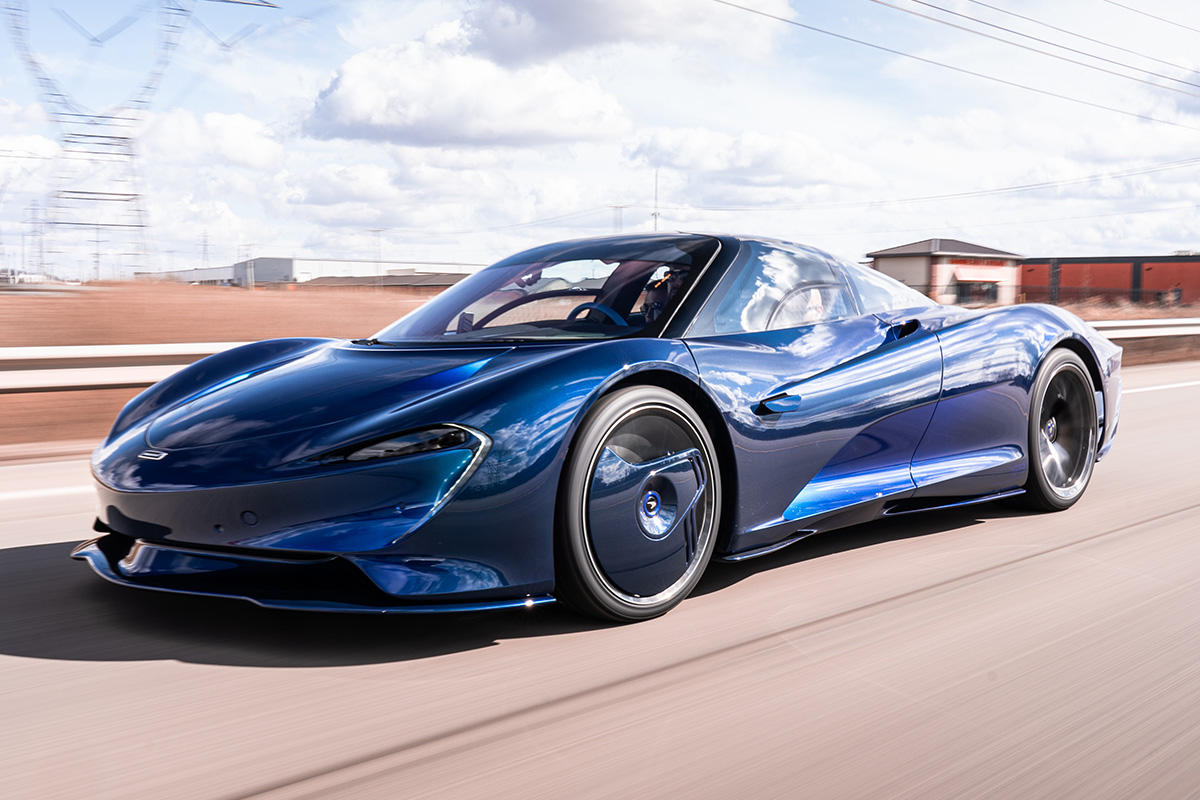
Despite being produced by BMW, the S70/2 didn’t feature in one of the Bavarian automaker’s own production cars. Nevertheless, it did end up powering none other than arguably the most iconic supercars ever made – the 1992-1998 McLaren F1. The 6.1L naturally-aspirated unit produced 627 hp and was capable of 0-60 mph in just 3.2 seconds, and had a top speed of 240 mph. It wouldn’t be until the next millennium before those figures could be surpassed.

Interestingly enough, BMW wasn’t Gordon Murray’s first choice to supply the engine for his groundbreaking supercar, with collaborations with the likes of Honda and Isuzu falling apart before they would opt for the Munich-built power plant. Whatever might’ve happened if things turned out differently, who’s to know? But what we do know is that BMW got things absolutely spot-on with the S70/2, which continues to be regarded as one of the true and timeless masterpieces in automotive history.

Jaguar V12

Jaguar V12 Engine

Jaguar’s first foray into the world of V12 engines began in motorsport as early as 1951, with its 1964 XJ13 Le Mans race car eventually serving as the trickle-down technology source for its production cars. For the latter, this would begin with a 5.3L naturally-aspirated unit in the 1971 Jaguar E-Type and would even go on to be used by other automakers such as Daimler and Panther. An HE (or “high-efficiency”) version of this engine would be released in 1981 – featuring on the XJ12, XJ-S, and Daimler Double-Six – which improved fuel economy by almost 50% compared to its predecessor, without affecting performance.

In its final iteration, the V12 would evolve into a 6.0L HE unit which produced as much as 333 hp and 365 lb-ft of torque. It was likely to be some variation of this engine which was initially being marketed for use on the Jaguar XJ220, before the British automaker controversially decided on a 3.5L twin-turbocharged V6 engine instead. The last Jaguar V12 engined was produced on April 17, 1997.

Lamborghini V12 L539

Lamborghini V12 L539 Engine

Like Ferrari, Lamborghini also has a long and storied history with V12 engines, having created its very own first version of this power plant for its mid-’60s era Lamborghini 350GT production car. Starting off as a considerably brawny 270 hp 3.5L naturally-aspirated unit, the “Bizzarrini” engine would evolve into a 661 hp 6.5L naturally-aspirated unit and be fashioned by models as recent as the 2010 Lamborghini Murciélago LP-670 SV.

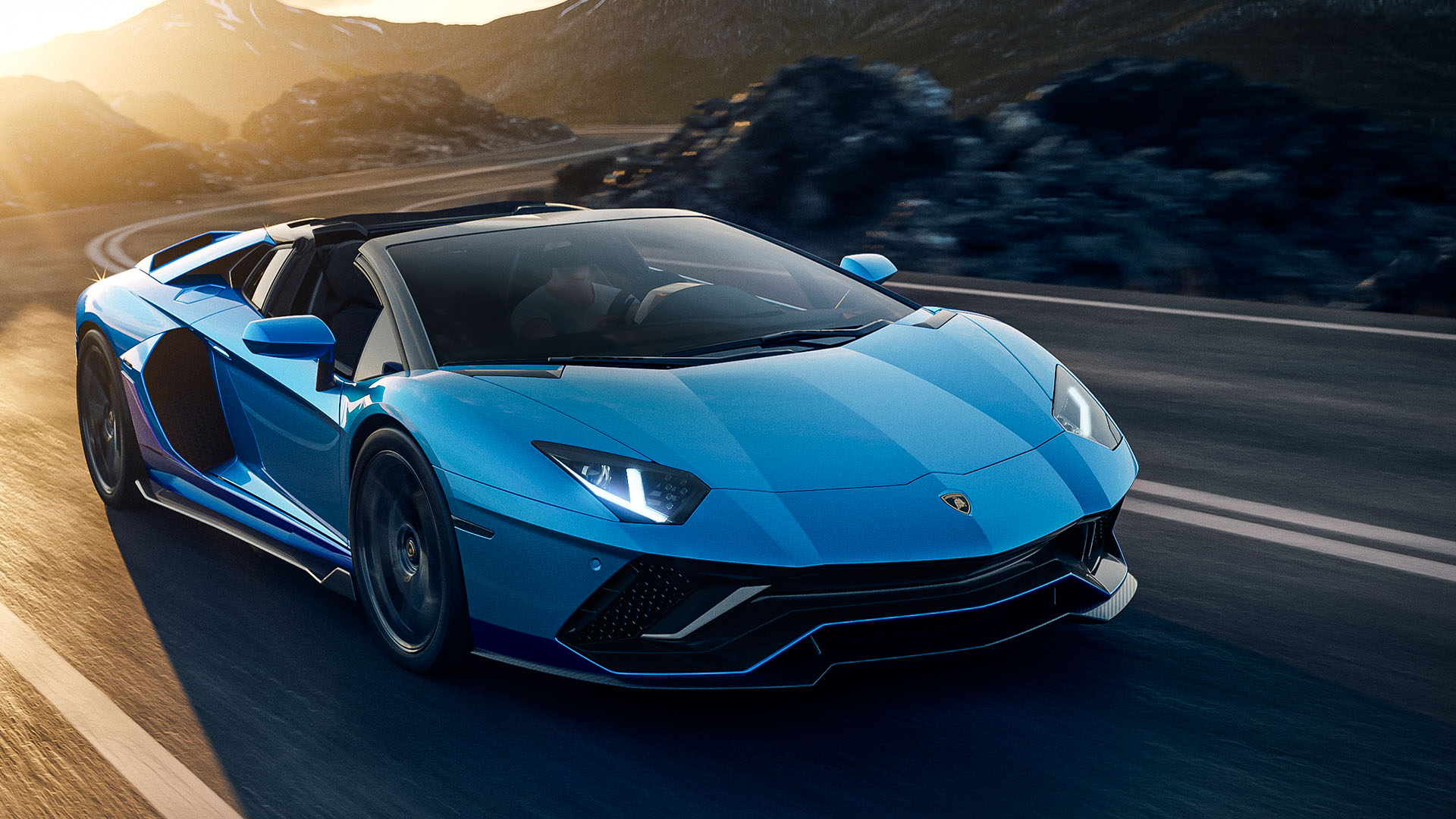
As long as the Bizzarrini engine persisted, we feel that the most significant statement of Lamborghini’s V12 mastery comes in the form of its latest iteration of the engine, dubbed ‘L539’. This power plant would share its debut with the 2011 Lamborghini Aventador, of which it initially powered with 690 hp via a 6.5L naturally-aspirated configuration. With a fresh design, the new engine was over 18 kg lighter than its predecessor and was programmed with a new firing order.  The all-wheel-drive supercar would see significant improvements during its lifecycle, with the latest iteration of the L539 car producing 770 hp in the limited-edition 2021 Lamborghini Aventador Ultimae.

Ferrari F140

Ferrari F140 Engine

If the F140 had only powered the (2002-2005) Ferrari Enzo – the first Prancing Horse model where it featured – it would have been no less significant or legendary than it is today. The 65-degree V12 engine debuted on the Enzo as a 6.0L naturally-aspirated V12 unit which produced a staggering 651 hp @ 7,800 rpm and 458 lb-ft of torque @ 5,500 rpm. Over the years, 6.3L versions of the F140 have powered the likes of the hybrid LaFerrari and the F12berlinetta.

It has since evolved to its current peak as a 6.5L power plant – dubbed the F140 GA – which produces 789 hp @ 8,500 rpm and 530 lb-ft of torque @ 7,000 rpm in the 812 Superfast; this makes it the most powerful naturally-aspirated production car engine ever produced to this day. It is likely that this could be one of the final generations of Ferrari V12 engines – whether it be naturally aspirated, turbocharged, or even hybridized – so appreciate it while it’s still around!

Mercedes-Benz M120 / M297

Mercedes-Benz M120 / M297 Engine

When Mercedes-Benz caught wind of archrival BMW’s side-hustle with Gordon Murray, let’s just say that there was no resting on any laurels going on at their Stuttgart headquarters. With a clever riposte, Mercedes would debut their first-ever V12 engine through the 1993 600 SEC (later to be renamed the S600 Coupé, and frequently referred to as the S-Class). The 6.0L naturally-aspirated power plant was good for 389 hp, 420 lb-ft of torque, and a top speed of 155 mph in its initial configuration.

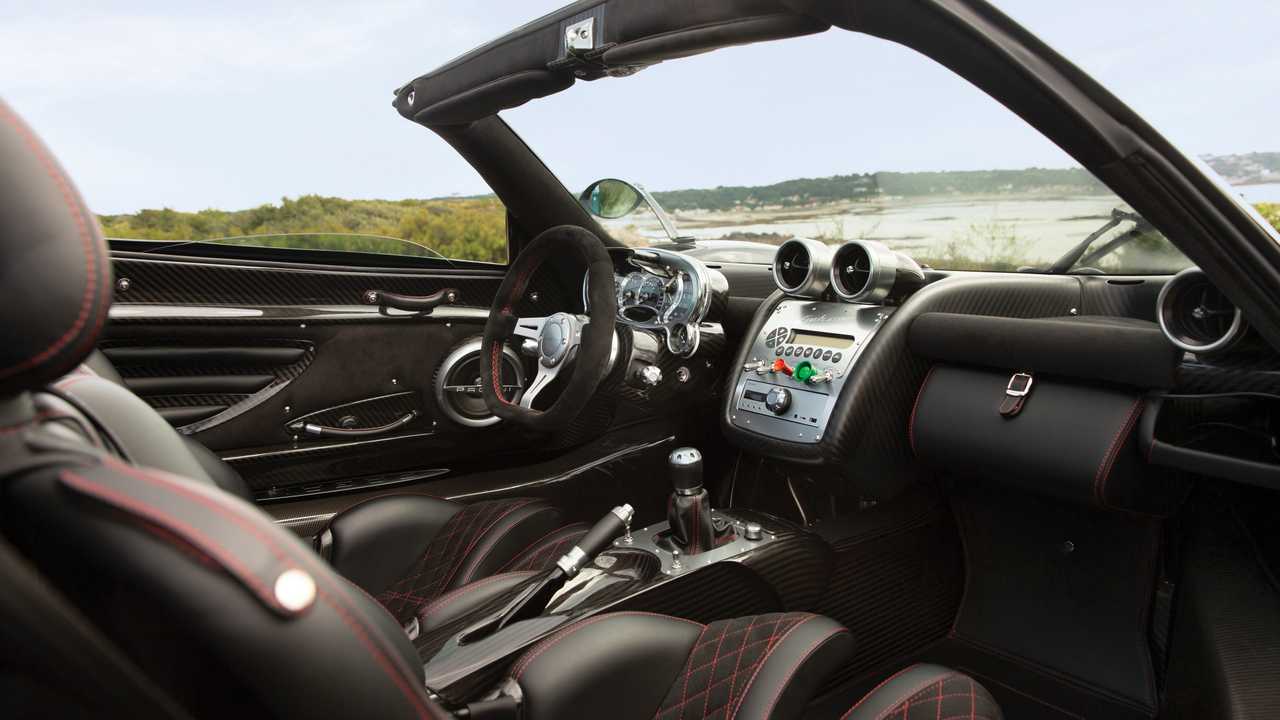
Not only did Mercedes-Benz one-up BMW by using the engine for their own cars, but they also borrowed a page from their opponent’s playbook and had their M120 engine fashioned for use in the magnificent Pagani Zonda supercar as well. Hand-built and tuned by AMG, the M120 also featured on the Mercedes-Benz CLK GTR race car and also saw its displacement increased to 7.3L for use on the SL73 AMG and CL73 AMG – and at which point it was commonly referred to as the M297.  The most powerful iteration of the M120 features in the Pagani Zonda Revolución, with the non-street-legal car good for 789 hp and 538 lb-ft of torque.

Aston Martin NA V12

Aston Martin NA V12 Engine

With one of the best sounding V12s (and automobile engines, period), the story of how the Aston Martin (naturally-aspirated) V12 came to be is rather more peculiar and convoluted. The project had less, should we say, glamorous beginnings, when things basically started off with the development of a 2.5L naturally-aspirated V6 engine. This particular unit was essentially the brainchild of Suzuki and Mazda, with the latter’s then-majority owner, Ford, then taking the blueprint to Cosworth, who would go on to build the Duratec V6.

Needless to say, the story didn’t end there, and Aston Martin would end up bolting two of those engines together to create the 5.9L naturally-aspirated V12 it would stamp its name on (and market as a 6.0L). Having more in common with a Ford Taurus than owners or enthusiasts would like to admit, the motor produced 414 hp and 398 lb-ft of torque in the 1999 DB7 V12 Vantage. Aston Martin continues to employ a V12 engine to this day, with the 2017 DB11 having fashioned a 5.2L twin-turbocharged version. More recently, the company has referred back to the naturally-aspirated configuration, with a 6.5L unit designed to power its Valkyrie hypercar with over 1,000 hp @ 10,500 rpm (plus an additional 160 hp with its hybrid-electric system).

Toyota 1GZ-FE

Toyota 1GZ-FE Engine

To call Toyota’s 1GZ-FE the “Godfather” of Japanese automobile engines would be neither an understatement nor unbefitting. After all, the venerable V12 from the land of the Rising Sun – which exclusively powers the Toyota Century luxury sedan – is both one-of-a-kind and has a penchant for attracting a particular type of “underworldly” owner in its homeland. It’s the only production V12 engine to come from Japan and still manages to invoke all of the essential philosophies of Japanese craftsmanship – such as reliability, build quality, and refinement.
That being said, it’s certainly not the most powerful engine on this list and remained at around the 300 hp mark during its lengthy production run from 1997-2016. Nevertheless, it remains one of the most unique engines on this list and is no less iconic than its near-1000 hp contemporaries. This engine is prime for swapping into other platforms, with automotive personality Smokey Nagata fitting a twin-turbocharged version to his ‘Top Secret’ Toyota Supra. Thanks in large part to its distinctive engine, the Century remains a status symbol in Japan; in the way a Rolls-Royce Phantom does the same just about everywhere else.

GMA Cosworth V12

GMA Cosworth V12 Engine

It’s impossible to speak about the naturally-aspirated engine in the GMA T.50, without getting into how it’s involved in so much more than just spinning the new supercar’s rear wheels, or about how other design elements of the car are built around it. As impressive as a 12,100 rpm redline sounds, its 654 hp and 345 lb-ft of torque doesn’t sound extraordinary by today’s standards. But rest assured this engine, and this car, are on the cusp of a truly “redefining” moment in automotive history. Crucially weighing at just 178 kg, the engine plays a huge factor towards the T.50’s overall curb weight of just 980 kg – about one-third that of a contemporary supercar or hypercar.

The GMA T.50 is the culmination of decades of Gordon Murray’s aerodynamic and mechanical engineering experience. Part of what makes the T.50 so exciting, is that it incorporates the design and function of the infamous Brabham BT46 “Fan Car.” A gigantic fan –  powered by the camshaft of the engine and coupled with the curved underbody of the BT46 – created an active venturi effect that quite literally vacuumed the car onto the road, and allowed it to corner at barely believable speeds and levels of grip. The T.50 will feature something similar, and likely more advanced. On a road car. We can’t wait to see this in the flesh.

Bugatti 3.5L Quad-Turbocharged V12

Bugatti 3.5L Quad-Turbocharged V12 Engine

This Bugatti engine has had a very decorated career, albeit a short one, which makes it all the more impressive. Featured exclusively on the (1991-1995) Bugatti EB110, this 3.5L quad-turbocharged V12 is responsible for some very notable distinctions. First, it is widely regarded as being one of the catalysts in the revival of the French marque even though it failed to be directly responsible for this. It became the world’s fastest production car of its time, beating the Jaguar XJ220 in the process.

Suffice to say, it grabbed all the headlines, and really, that was the whole point. I mean, for what other purposes would the use of four turbochargers be given the green light for? Sure, it produced a whopping 553 hp and 450 lb-ft of torque, but you would have to argue that this likely could’ve been achieved with a more conventional design. After all, quad-turbocharged engines never really proliferated, and there’s probably good science behind why that’s been the case. Nevertheless, there’s nothing un-iconic about a V12 engine with almost as many turbochargers as you can count on one hand; and we love it all the same.

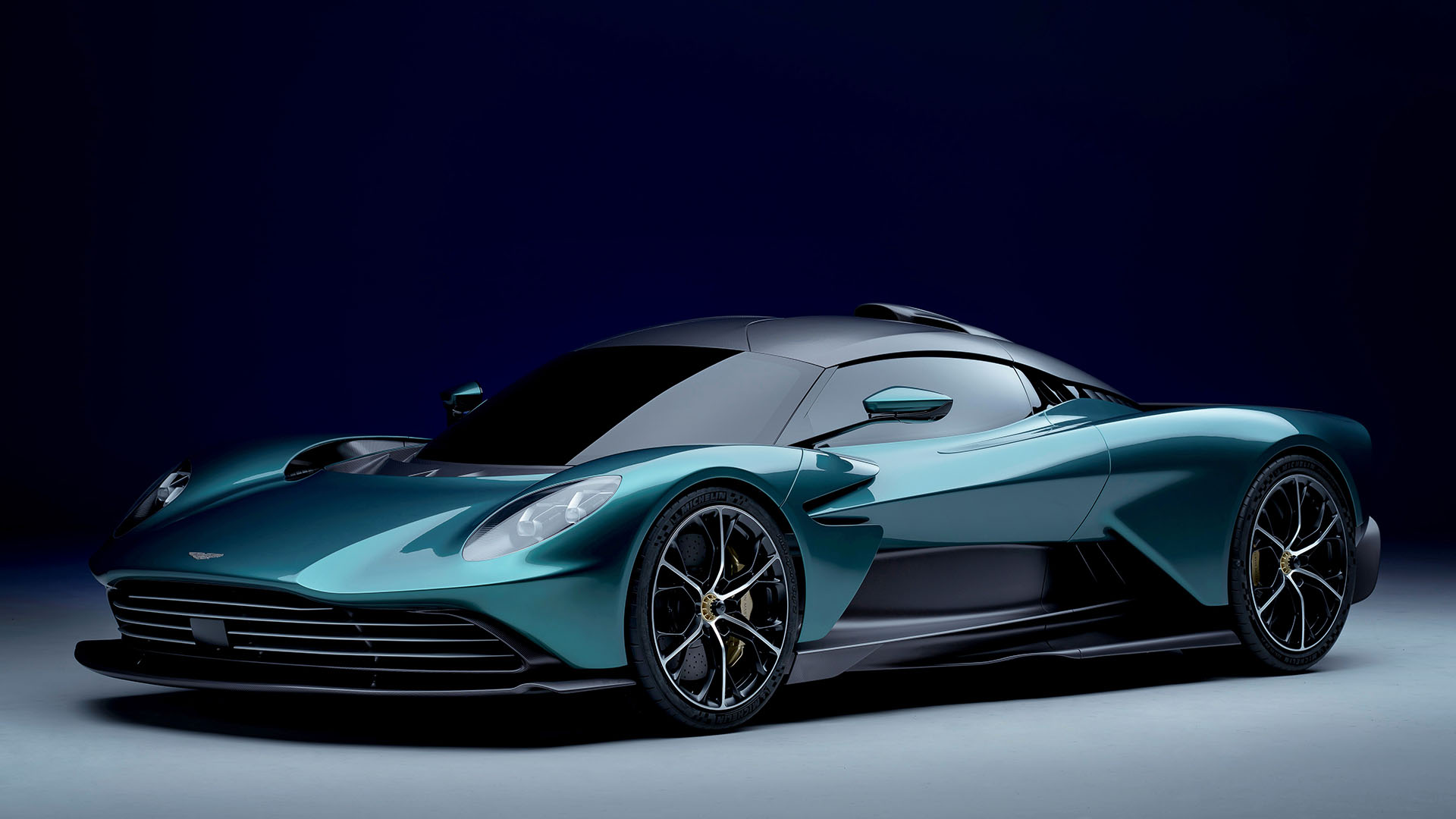
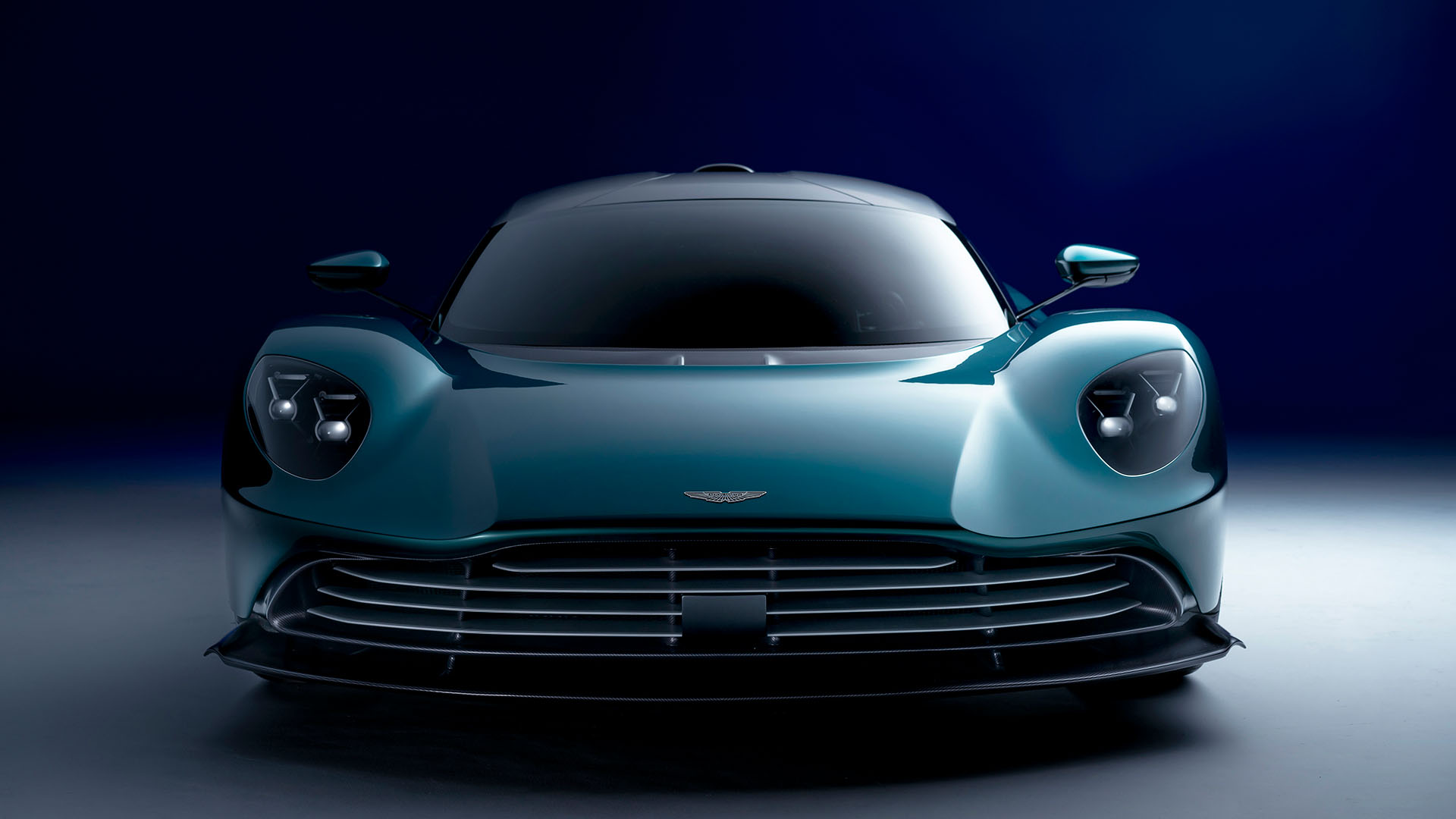
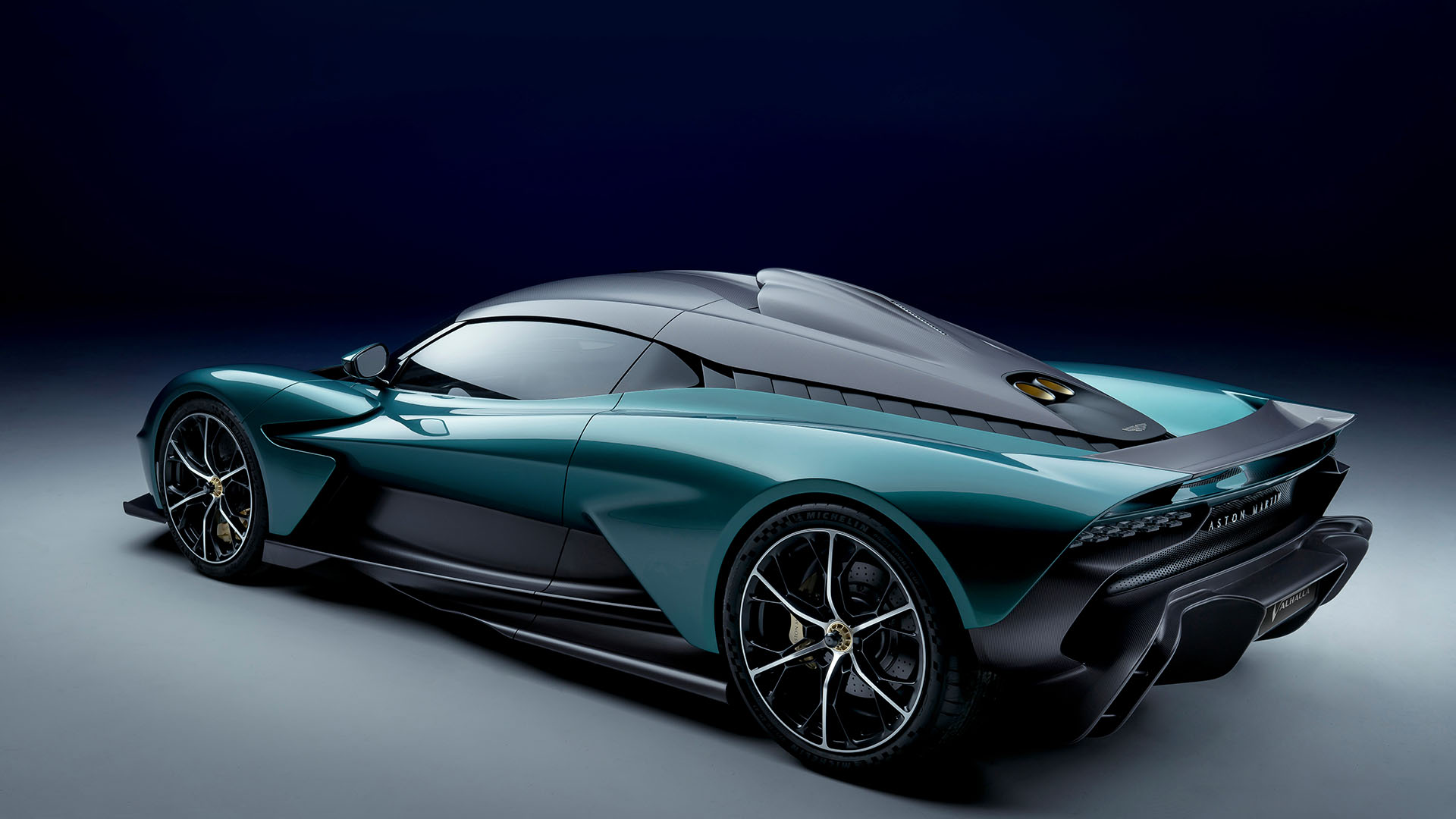
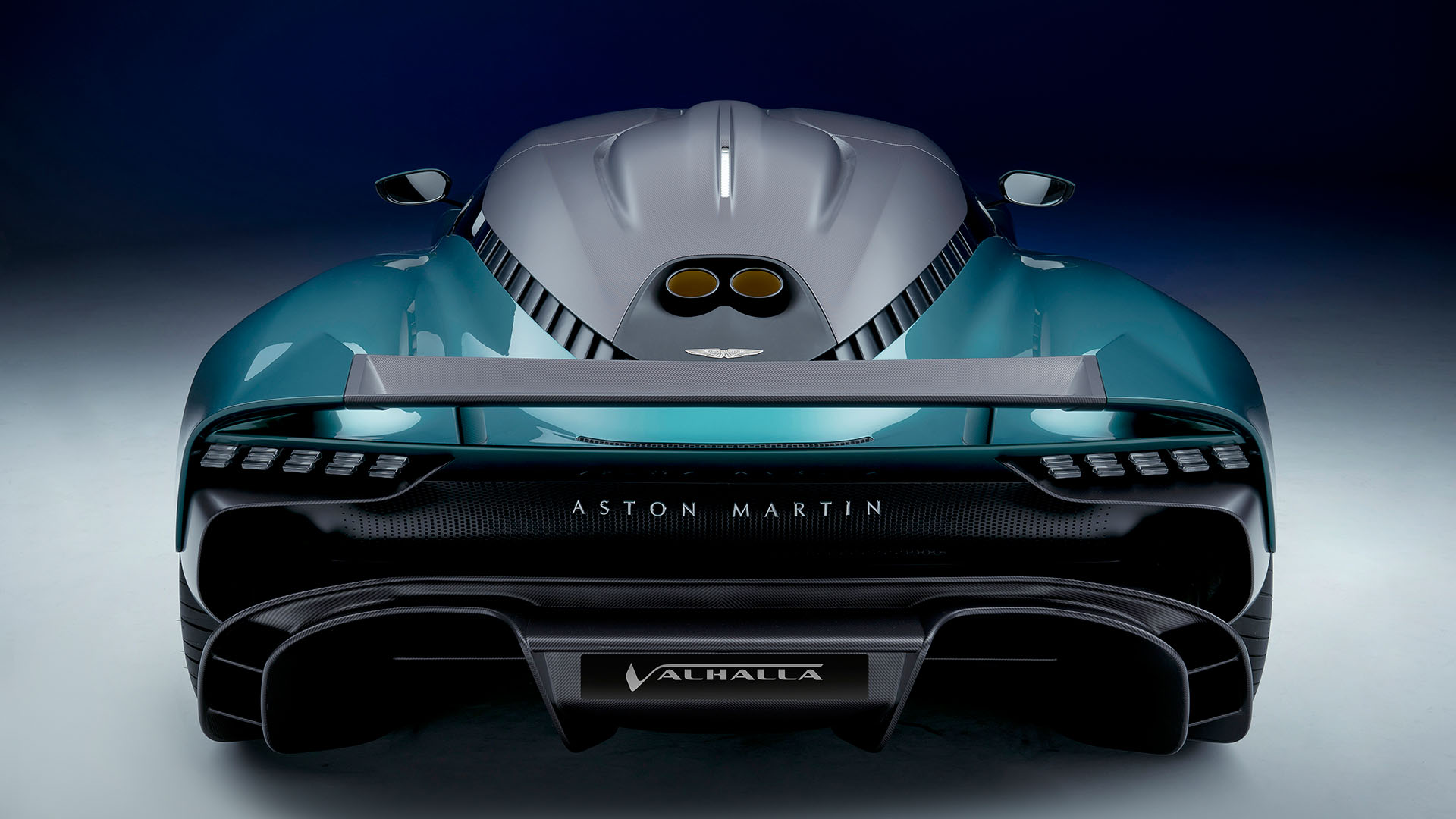
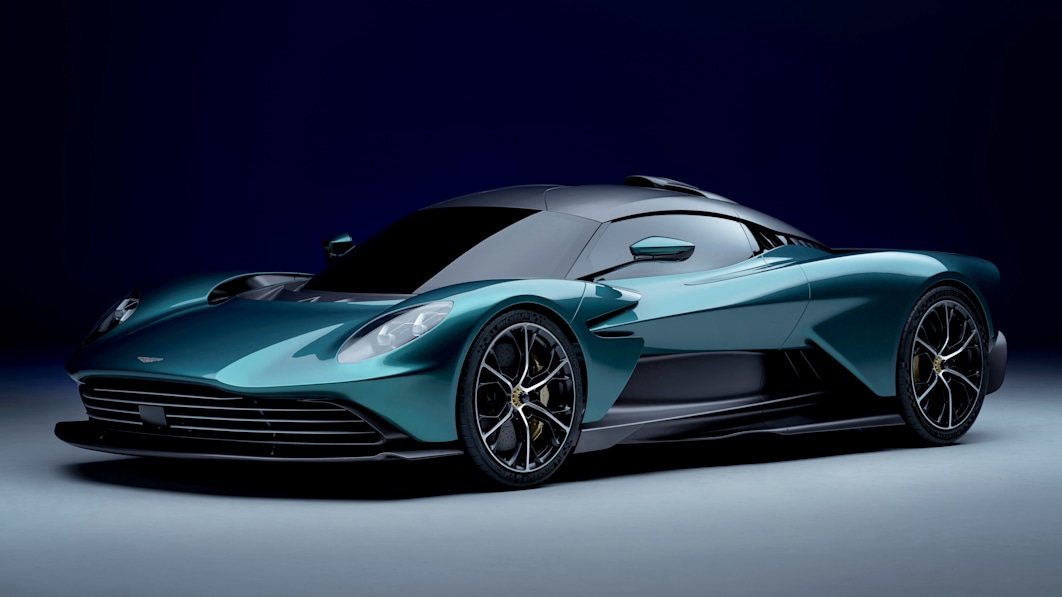
Aston Martin Valhalla, ready for production

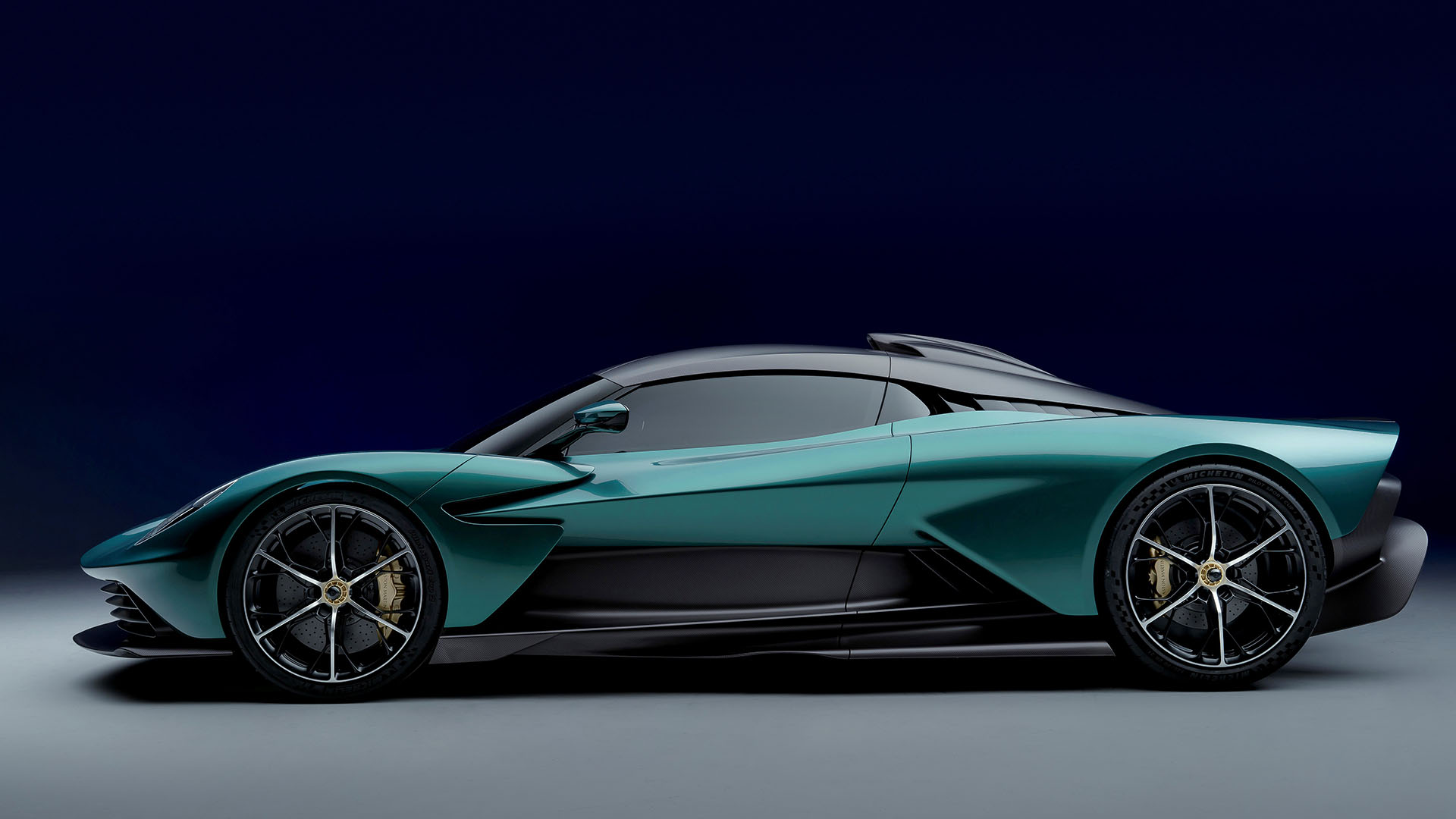
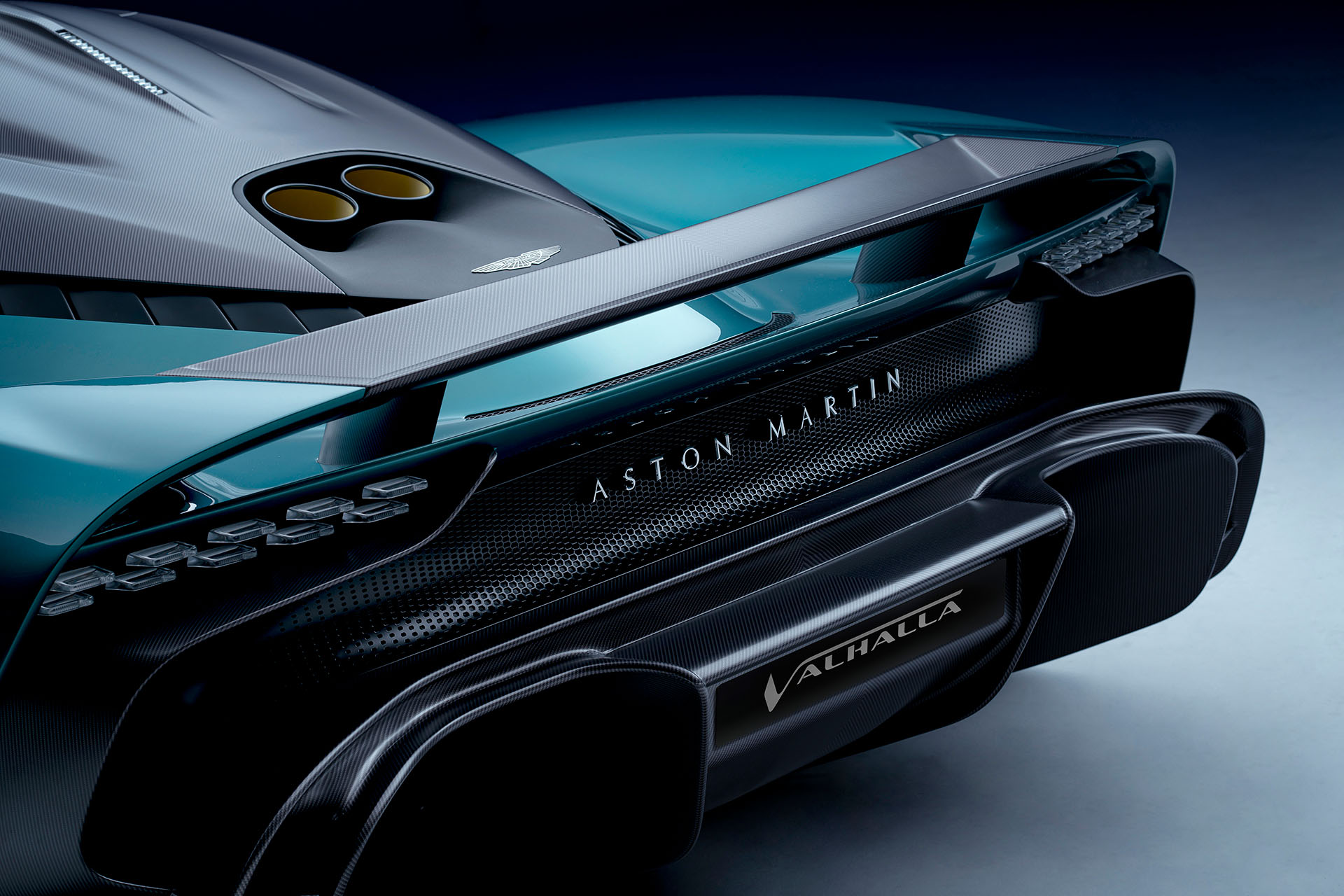
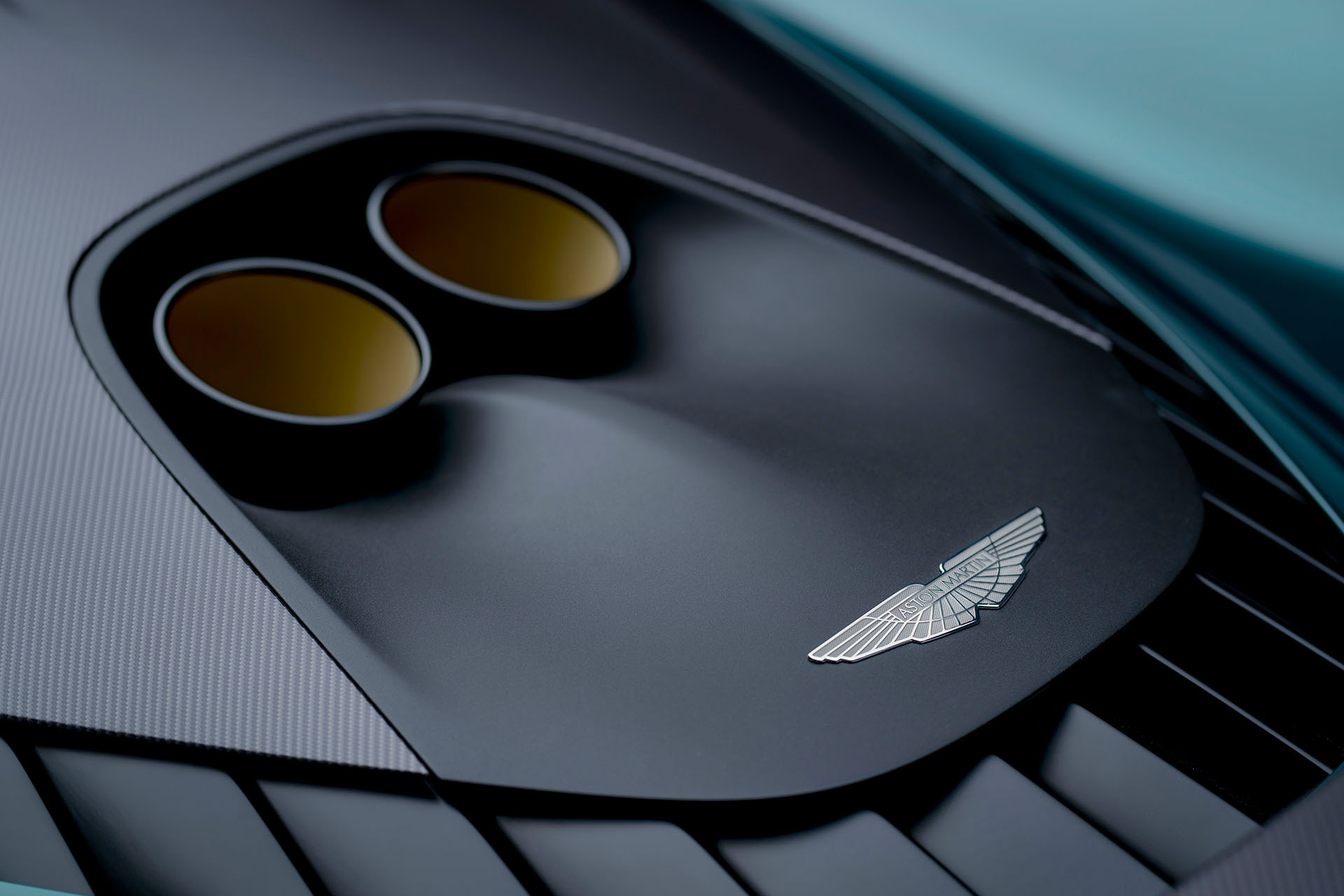
The Aston Martin Valhalla concept was introduced at the 2019 Geneva Motor Show, intended to become Aston Martin’s hybrid supercar with an in-house developed V6 engine coupled to multiple electric motors, and while the production of the 150 units has been postponed a few times, as late as 2023, another blow came when rumors surfaced Aston Martin wouldn’t be able to continue the development of their bespoke V6 engine, but instead would turn to a Mercedes AMG sourced V8 for their $3,000,000 Valhalla supercar.

Just about every car manufacturer out there is talking about electrification or at least hybridization, and that’s what Aston Martin’s Project Horizon is all about, the transition from internal combustion engines to hybrid, which will lead to full electrification later on, and not only will the Valhalla be a high-power hybrid, but it will also be Aston Martin’s first mid-engined supercar, a move away from ultra-luxury GT cars they are famous for globally today.

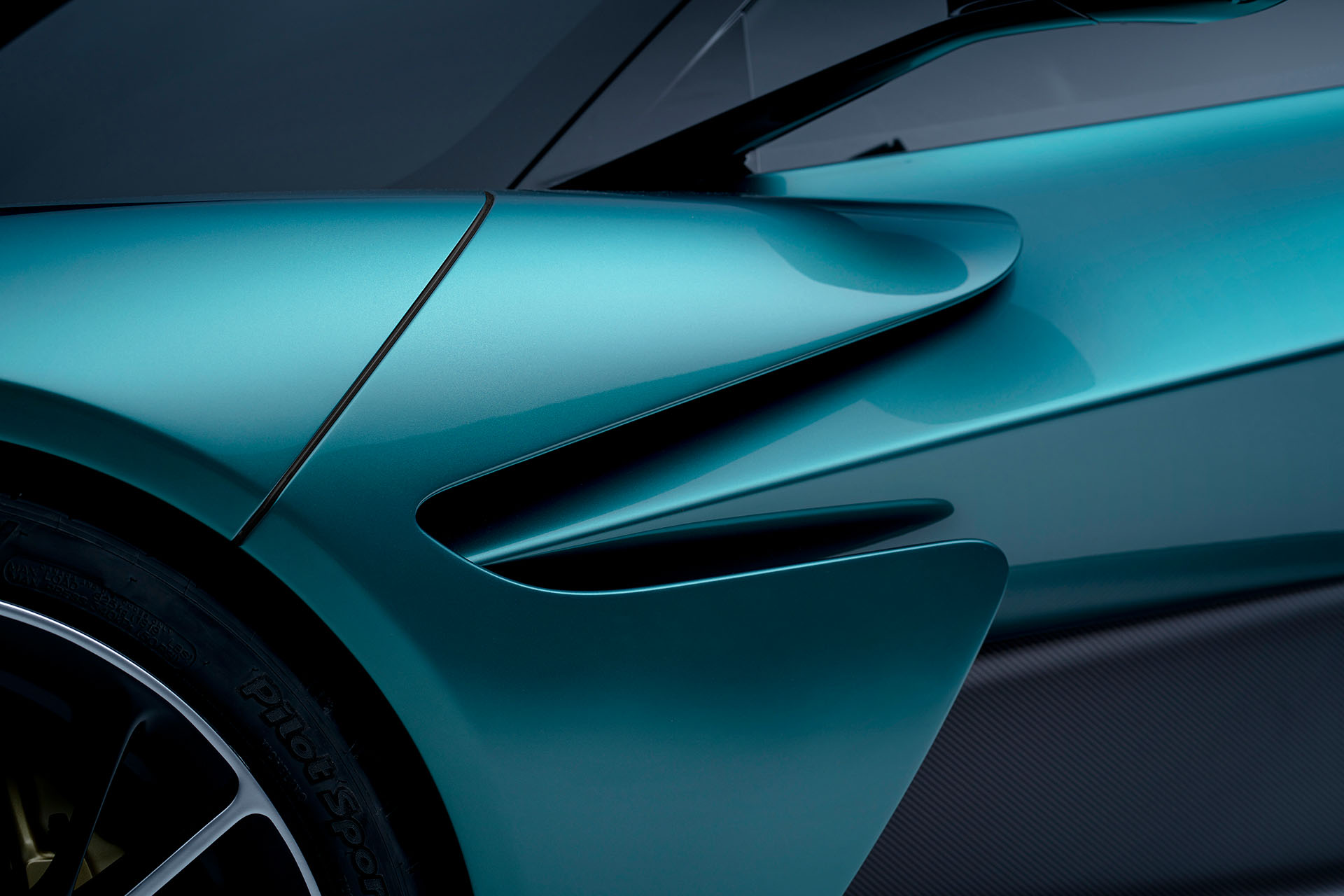
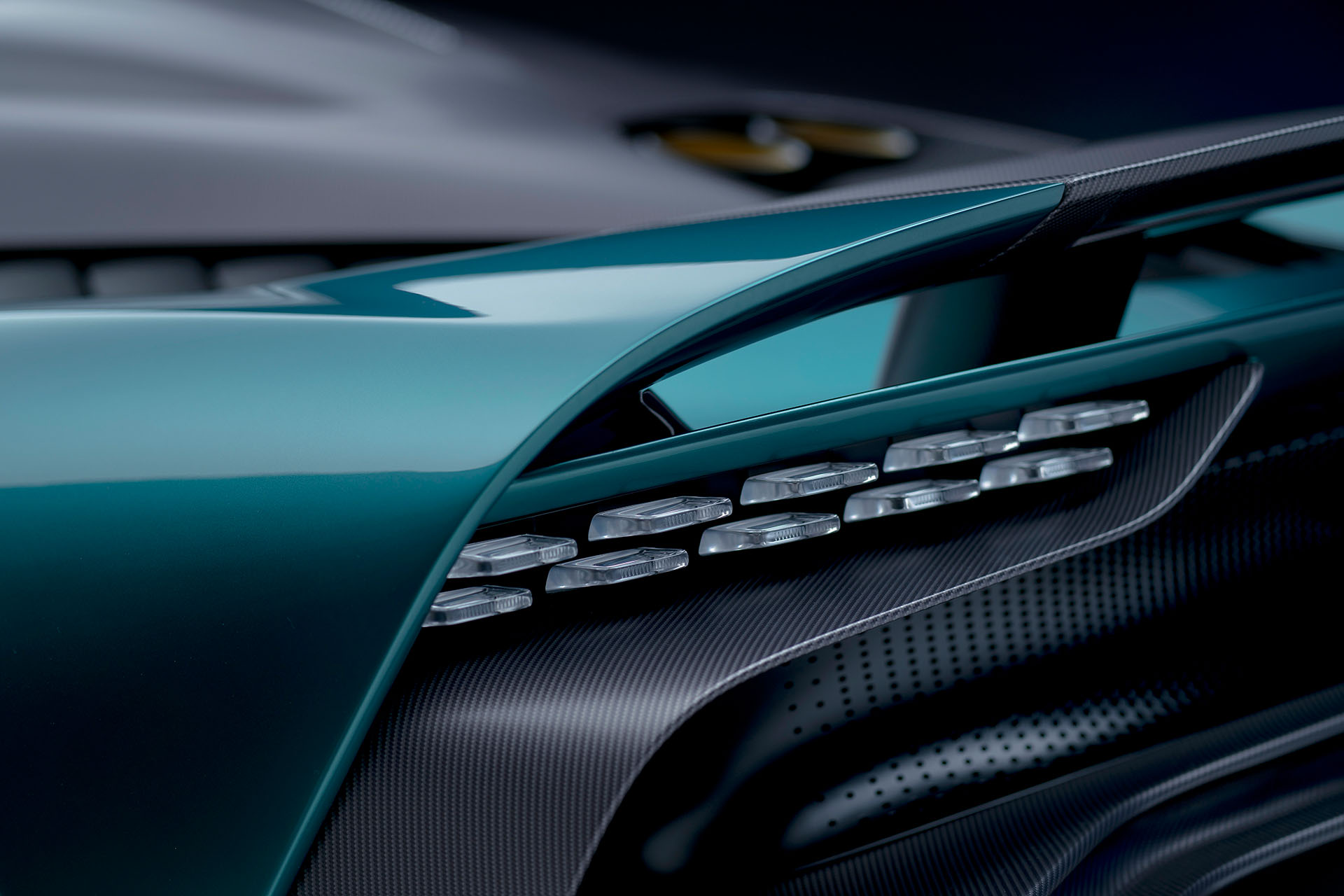
The Aston Martin Valhalla is a showcase of technology, with Lawrence Stroll as Executive Chairman and the return of Aston Martin in Formula One racing, it shouldn’t come as a surprise the Valhalla’s chassis, aerodynamics, and electronics are taken from Formula One experiences, add a mid-mounted V8 engine into the mix with the aid of electric motors, the torque is instant, the Valhalla will offer an amazing driving experience for the 150 fortunate owners that can enjoy this first for Aston Martin.

The total power output on the Aston Martin Valhalla is 950 hp, with 750 hp from the turbocharged V8 engine and the remaining 200 hp from the electric powertrain, and while 4-Liter V8 twin-turbo engine might have been sourced from Mercedes AMG, it is a bespoke unit for the Aston Martin Valhalla, at 7,200 rpm the maximum power of 750 hp goes to the rear wheels only, while a 150kW/400V battery hybrid system uses an E-Motor on the front axle, and a second E-Motor on the rear axle to add 200 hp more.

If the driver opts to use EV mode only, there will be power to the front axle exclusively, in all other driving modes, the electric motors are engaged on both axles, in a varying split front to rear, when conditions are right the full-electric power will be sent to the rear axle only, making sure the combined output from the V8 engine and the rear E-Motor offer exhilarating performance and acceleration to the driver.

Aston Martin’s CEO, Tobias Moers commented: “Preserving the essence of an exceptional concept car is vital when meeting the challenge of bringing it into production. With Valhalla not only have we stayed true to our commitment to building a world-beating supercar, but we have exceeded our original aims. The result is a pure driving machine – one which exists right at the cutting edge of performance and technology yet allows the driver to feel the emotion and thrill of complete connection and control.”

Being a hybrid, the transmission had to be completely redesigned for the Valhalla, the 8-Speed DCT unit is also bespoke for the Aston Martin Valhalla, there is no real reverse gear, to move backward the electric motors are used, still this transmission comes with an Electronic Limited Slip Differential at the rear for top-of-the-line traction and handling, thanks to the fact the V8 and E-Motors can be in a different gear inside the DCT, the maximum torque of 1,000 Nm is possible.

A totally silent drive is possible in full EV-mode while a top speed of 80 Mph (130 km/h) can be achieved this way over a range of 15 km, but when that big twin-turbo V8 engine comes to join the top speed goes to 217 mph (330 km/h) with an acceleration of 0 to 60 mph in just 2.5 seconds, as this is a street-legal race car, Aston Martin is hoping to set a record time of 6:30 on the famous Nürburgring Nordschleife.

Ralph Illenberger, Head of Powertrain Engineering said: “Valhalla is our first opportunity to really show what we are capable of in a true production sense.  We have created our own bespoke air-to-air charge-cooled, flat-plane crank V8 engine and have combined it with a powerful hybrid system. And, of course, we also have our own bespoke Dual Clutch Transmission – a first for Aston Martin and an essential component both for Valhalla and future Aston Martin models. The result is a truly world-class powertrain for an efficient, ultra-performing supercar.”

The base for the Aston Martin Valhalla is a lightweight carbon fiber tub with F1 inspired pushrod front suspension while the rear suspension is a multilink design, with Multimatic Variable Spring rate and Adaptive Spool Valve (ASV) Damper units, when in ‘Track mode’ the dampers aren’t only stiffer, but the ride height is considerably lowered for maximum downforce, but for more practicality, the front axle comes with a lift system to get onto driveways.

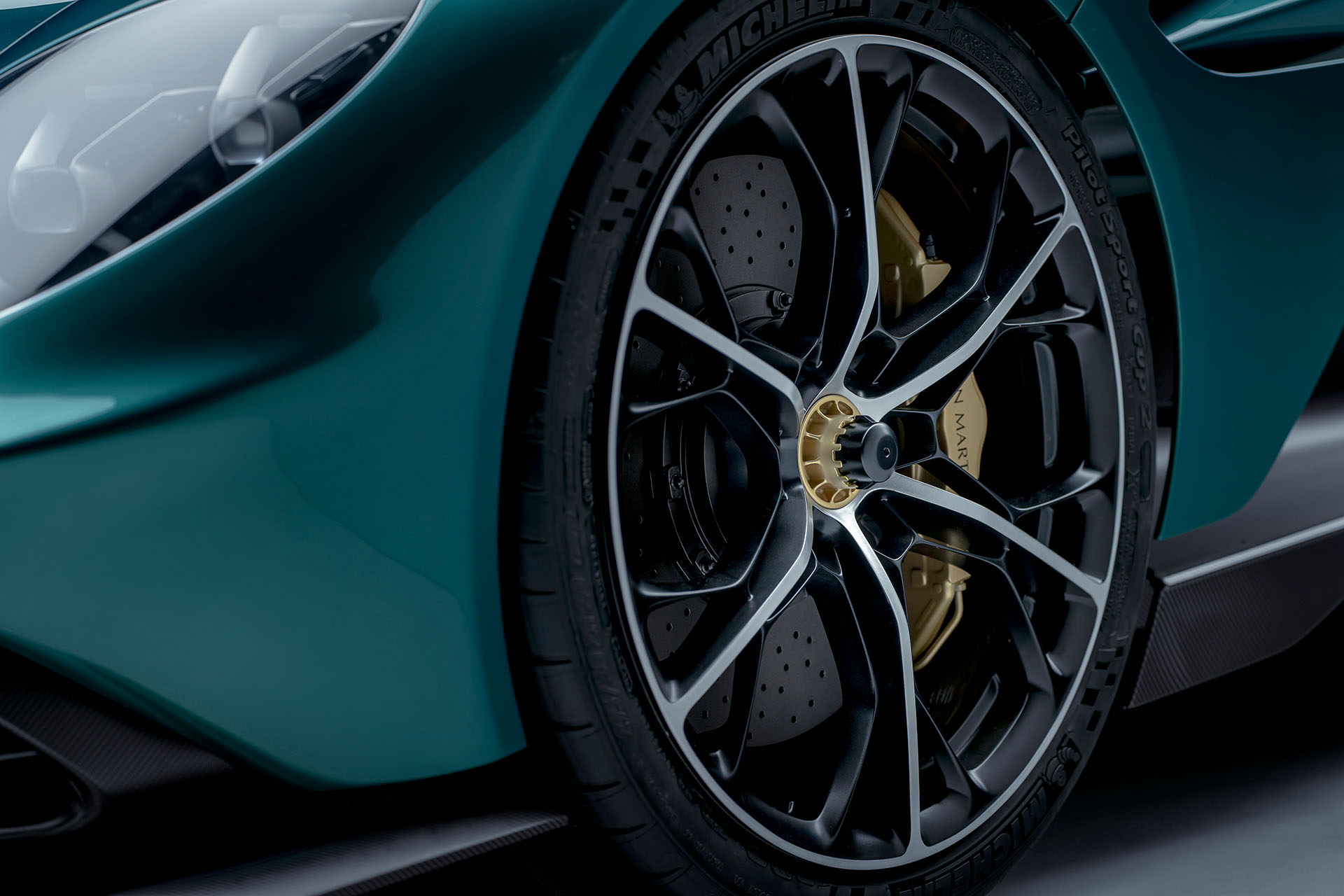
Stopping power comes from large carbon-ceramic disc brakes together with bespoke Michelin tires in a staggered 20-inch and 21-inch, as usual, the tires have been specifically designed for this car which comes in at an overall weight of 1,550 kg, thanks to the experience gained from the Valkyrie hypercar, the aerodynamics on the Valhalla have been optimized to create an impressive downforce of 600 kg at 150 mph giving this car amazing stability at speed and offers high-speed cornering with ease.

When opening the forward-hinged dihedral doors that have cut-outs in the roof for easier entry or exit of the Aston Martin Valhalla, you can be greeted by either an RHD or an LHD configuration as Aston Martin intends to offer both options to their clients, and in case you are too tall to fit into the Valkyrie, you’re in luck as interior space in the Valhalla is larger, and features a touchscreen HMI on the central console with Apple CarPlay and Android Auto. The two seats inside the Valhalla are fixed onto the carbon-fiber tub, instead, both the pedals and the steering wheel can be adjusted to fit the driver, with a raised footwell you’ll get that Formula One feeling behind the wheel of the Valhalla.

For Aston Martin’s Chief Creative Officer, Marek Reichman, Valhalla is an opportunity for the Aston Martin design team to express extreme performance with fresh form and proportion, and to capture the brand’s bold future-forward approach: “When we created the Valhalla concept we were keen to emphasize the design legacy of the Aston Martin Valkyrie and that intent remains unchanged, but the execution has evolved considerably in order to reach production of this all-new car. Though the legacy of Valkyrie is clear, Valhalla is now a more mature, fully resolved piece of design. One which combines the pure aerodynamic function you would expect from a marque competing in Formula One® together with the beautiful form, striking proportions, and exemplary detailing for which Aston Martin is renowned.”

There is no mention in the latest press release about delivery dates for the first customer cars from Aston Martin, but while this amazing looking, classic British Racing Green finished ‘production prototype’ for the Valhalla is production-ready according to Aston Martin, there is still a long way of development to go before the first of the 150 units can be shipped out, I’m sure we’ll be seeing Sebastian Vettel, Lance Stroll, and Nico Hulkenburg behind the wheel of several Valhalla test mules to fine-tune the dynamic properties over the next year or so, and that 2023 date for initial deliveries sounds plausible.

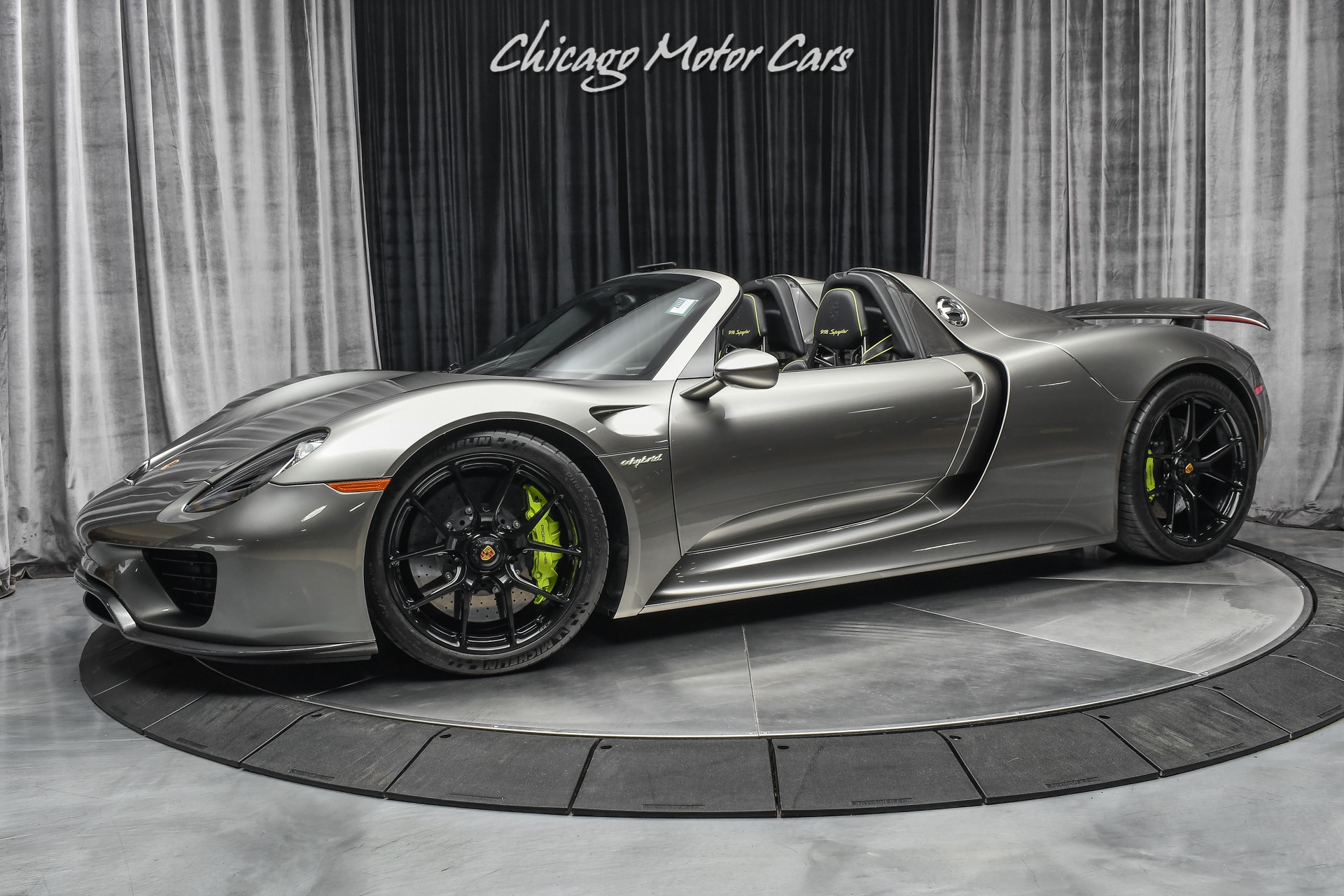
Porsche’s follow-up to the 918 Spyder hypercar turns up in the rumor mill

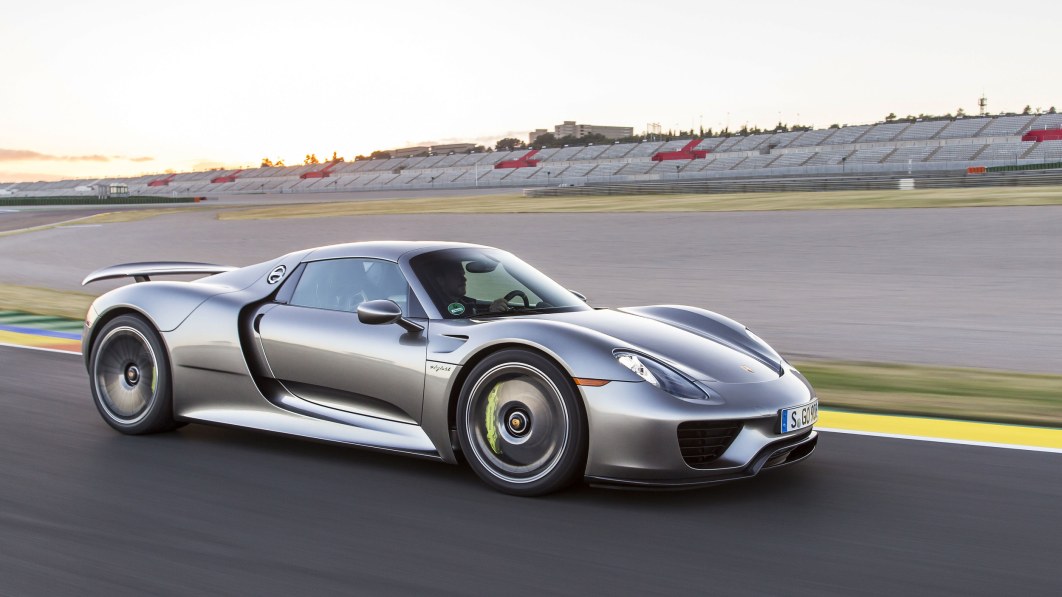
It’s been nearly a decade since Porsche introduced its last hypercar, the 918 Spyder, and a recent report claims the model’s long-awaited follow-up is almost ready. It’s so close that the firm has reportedly started taking orders.

Spike Feresten, a former Seinfeld writer and a Porsche enthusiast, spoke about the mysterious car with comedian and noted collector Jerry Seinfeld on his podcast. “Right now, if you’d like to, you can put a deposit down on a Porsche GT1,” he revealed without citing sources, according to Drive. “The rumor is, they’re going to announce this in August. There is going to be a new Porsche GT1 mid-engined special car that will follow in the footsteps of the Carrera GT and the 918,” he added. None of this is official, but some of it might not be as far-fetched as it sounds.

Porsche has vaguely discussed the 918’s successor on several occasions, though it significantly hasn’t confirmed it’s releasing the model, let alone provided a precise idea of when we’ll see it. If it’s indeed around the corner, we’re not surprised to find out the order book is already open. Carmakers routinely show new limited-edition models to their most loyal (and wealthiest) clients before revealing them to the public. That’s why many hypercars are sold out by the time they break cover. And, we have every reason to believe production of the next 918 will be limited.

Presenting the car in August makes sense, too. Monterey Car Week is back on the calendar, after all. Porsche could hold a private unveiling, or it could introduce the model at one of the dozens of high-octane events, like The Quail.

What the rumored GT1 will look like is still up in the air. It could be related to the 911, like the 1996 911 GT1 was, or it could be an entirely different beast. One inspired by the 680-horsepower hybrid prototype Porsche will enter in endurance races starting in 2023, perhaps? Or, something along the lines of the 919 Street built in 2017 and first shown in 2020? It’s too early to tell. However, we know Porsche wasn’t out of ideas when it came to improving or replacing the 918, it shed light on four never-before-seen hypercar prototypes in late 2020, and some of their genes could get spliced into the new project. What’s seemingly certain is that it won’t be purely electric; the German firm hinted in 2020 that it’s not interested in following companies like Lotus and Rimac into the EV hypercar segment.

At this point, anything is possible, including Porsche steering well clear of the hypercar segment in the foreseeable future. If the report is accurate, additional details about the flagship will undoubtedly emerge in the coming weeks.

Featured Video

Everrati and Superformance team up to build an all-electric GT40

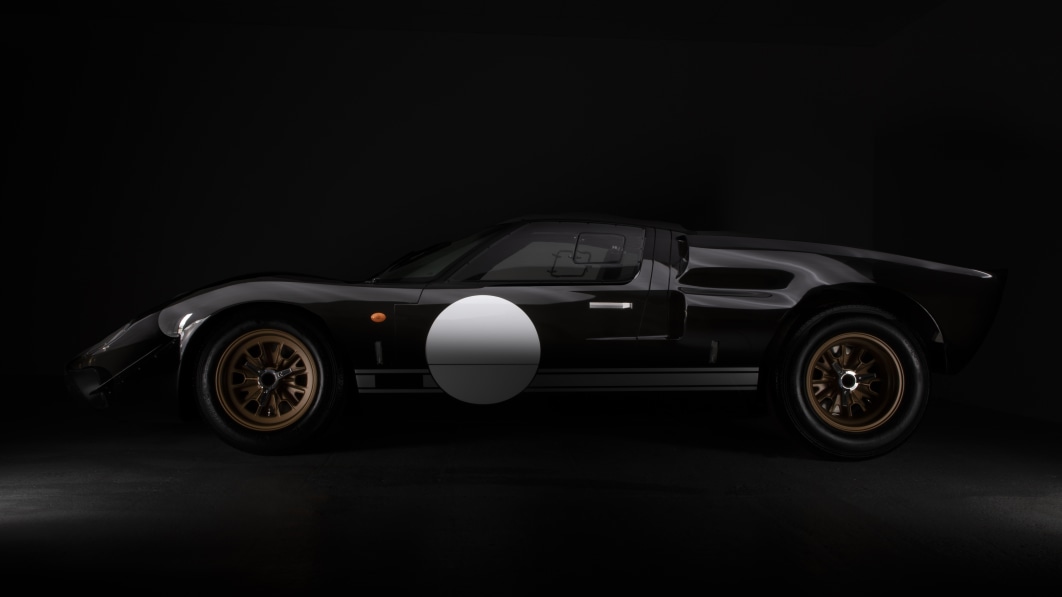
Britain’s Everrati and America’s Superformance are teaming up to build all-electric continuation models of the iconic GT40 race car. Everrati, which has developed electric overhauls for the Porsche 911 (964), Land Rover Series IIA and Mercedes-Benz SL Pagoda, will take the lead on the powertrain, with Superformance supplying the body. 

Superformance’s licensed replicas may conjure images of America challenging the best from Italy at Le Mans, but that was a trans-Atlantic effort as well; the body for the original was built in Coventry. The roles may be reversed, but the pairing is as old as the idea of dethroning Enzo Ferrari. 

“The Everrati and Superformance partnership will allow enthusiasts to drive an electric-powered GT40, with development of this first model already underway,” the two said in their announcement. “A prototype chassis has been built and is being comprehensively adapted from ICE power to advanced electric propulsion at Everrati’s UK development centre in Upper Heyford, a former U.S. air base in the English Cotswolds.”

Neither provided any details regarding the GT40’s potential powertrain or its ultimate performance, but Superformance has pretty much always left such things up to the end customer, letting them choose from existing vintage and modern powertrains for its licensed replicas. There likely won’t be as many options for the electric GT40, but we sincerely doubt it will be a one-size-fits-all setup. Stay tuned. 

Related video:

Aston Martin Valhalla is ready to Ragnarok with 937 plug-in horsepower

The Aston Martin Valhalla is here. The company’s first series-production, mid-engine monster packs 937 plug-in hybrid horsepower in a lightweight carbon fiber chassis. This 217-mph hypercar is expected to run a 6:30 lap around the Nürburgring Nordschleife.

Originally, the hopeful Ferrari killer was referred to as Project 003. It was later renamed Valhalla and was on track to make its debut with an in-house, 3.0-liter turbocharged V6 – the first engine Aston developed in-house since a 5.3-liter V8 entered production in 1969. After Daimler increased its stake in the British luxury builder in 2020, those plans went out the window. 

Rather than an in-house V6, the Valhalla will now be powered by a customized AMG Black series V8 plug-in hybrid powertrain. The twin-turbocharged, 4.0-liter flat-plane-öcrank V8 makes a respectable 740 horsepower all on its own. Two electric motors combine for an additional 201. That should add up to 941, not 937; we’re assuming a few stray horses drowned crossing the Great Sea of Unit Conversion. 

The engine and motors are paired to a unique eight-speed dual-clutch automatic gearbox that has no physical reverse gear. Instead, the electric motors are run the opposite direction to simulate a backward gear, saving both weight and complexity in the gearbox. This is mated to an advanced torque vectoring all-wheel drive system can send 100% of available electric power to either the front or rear axles.

Aston Martin says it will do 0-60 in just 2.5 seconds on the way to a 217 mph top speed. Around town, it can also cruise in electric-only mode for up to 9 miles up to a speed of 80 mph, but we suspect you’ll deplete the battery much more quickly than that if you floor it up to its top EV speed. 

“Preserving the essence of an exceptional concept car is vital when meeting the challenge of bringing it into production,” said CEO Tobias Moers. “With Valhalla not only have we stayed true to our commitment to build a world-beating supercar, but we have exceeded our original aims. The result is a pure driving machine — one which exists right at the cutting edge of performance and technology yet allows the driver to feel the emotion and thrill of complete connection and control.”

Its carbon fiber body construction makes it ultra-light (just 3,417 pounds, which is nothing for a PHEV) and super rigid. Its adaptive spring and damper suspension was developed with Multimatic, and like most modern supercars it offers adjustable ride height and a front-axle lift system for clearing troublesome obstacles. The aero was inspired by (and in some ways borrowed from) F1 and produces 600 kg (1,322 pounds) of downforce at 150 mph. 

While this may be a series-production model, don’t expect to see too many of them around town. In fact, we wouldn’t be surprised if they’re all already spoken for. Stay tuned for more details as Aston Martin ramps toward production and reveals more details about the Valhalla’s driving experience. 

Related video:

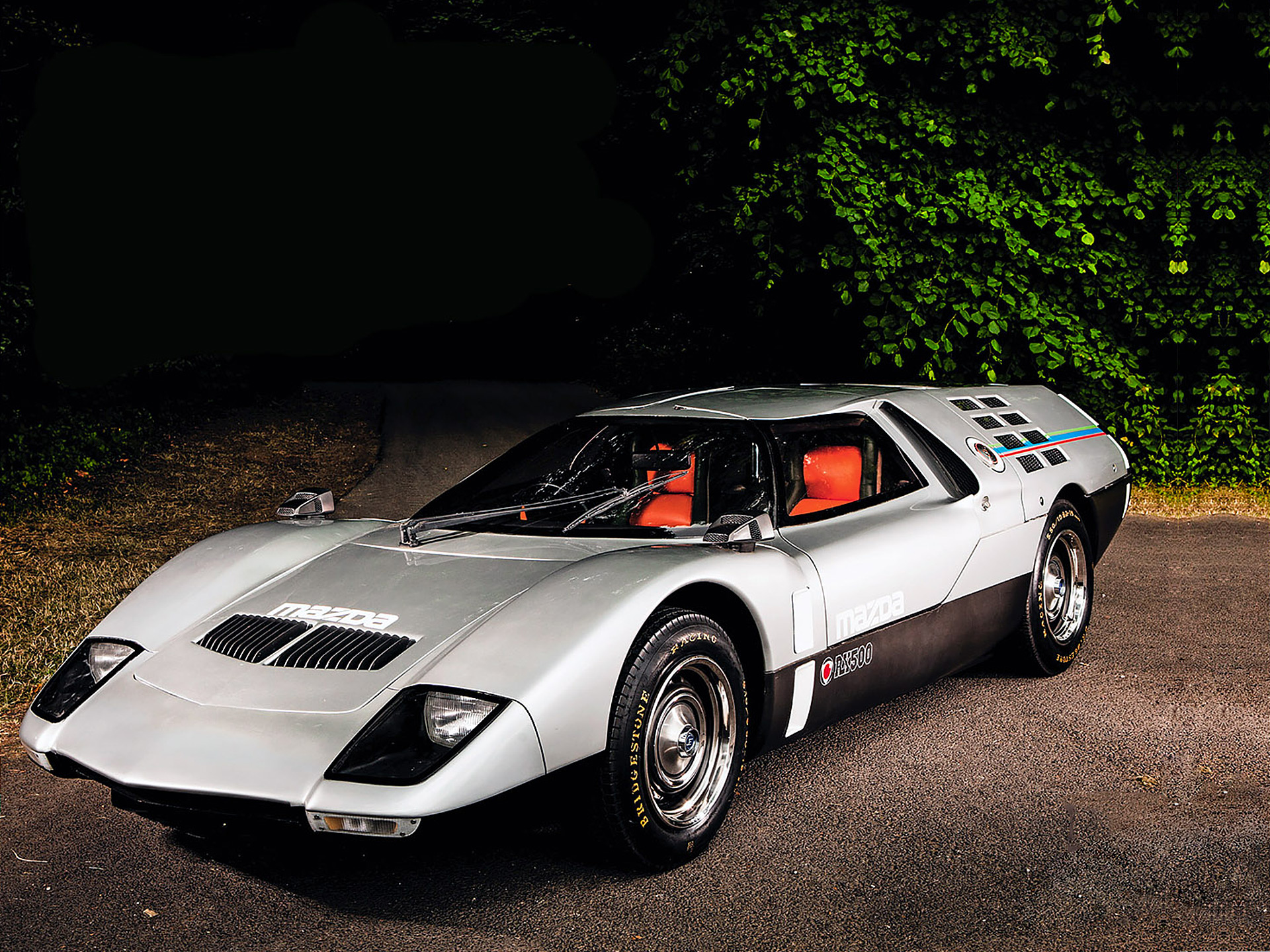
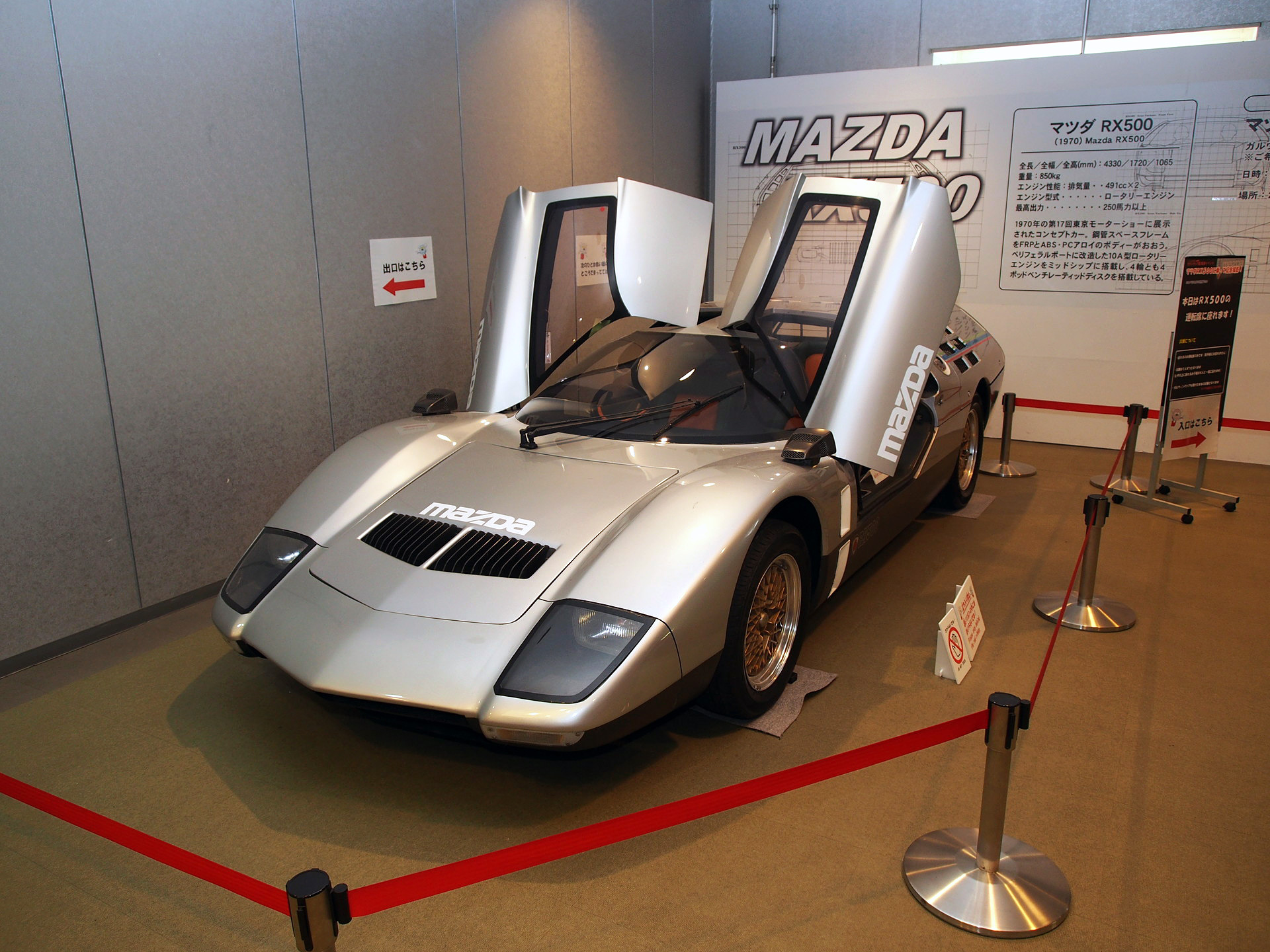
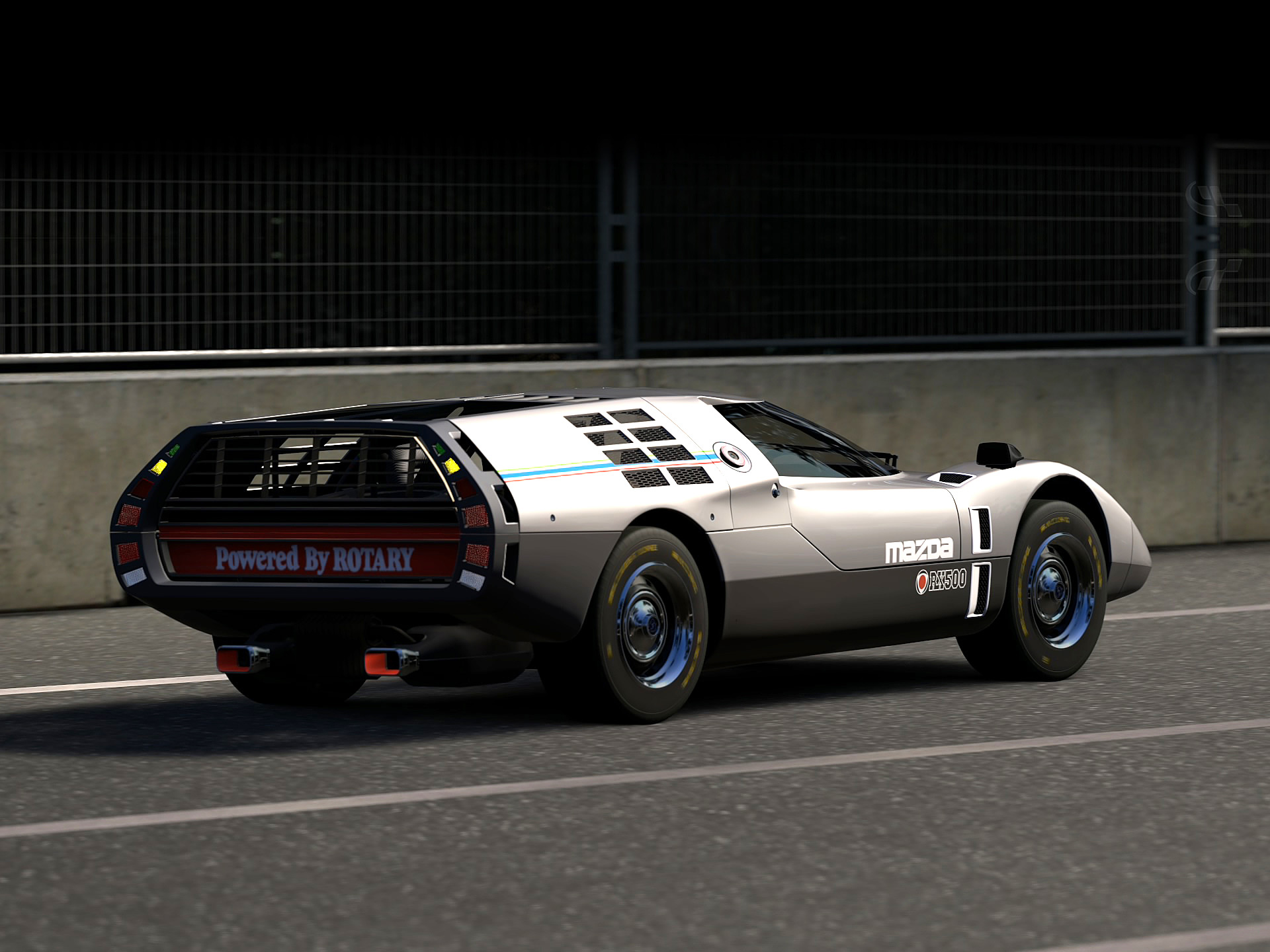
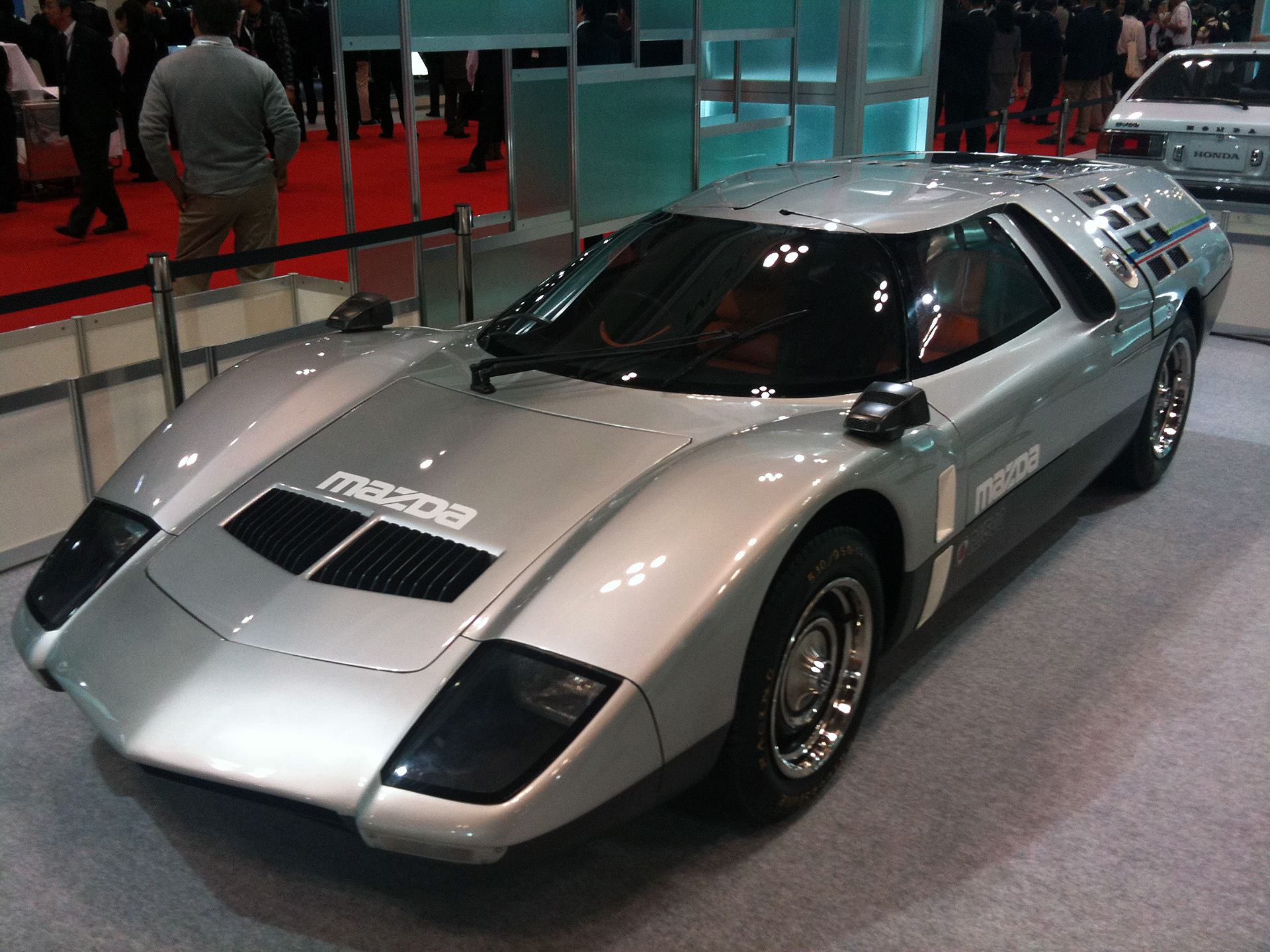
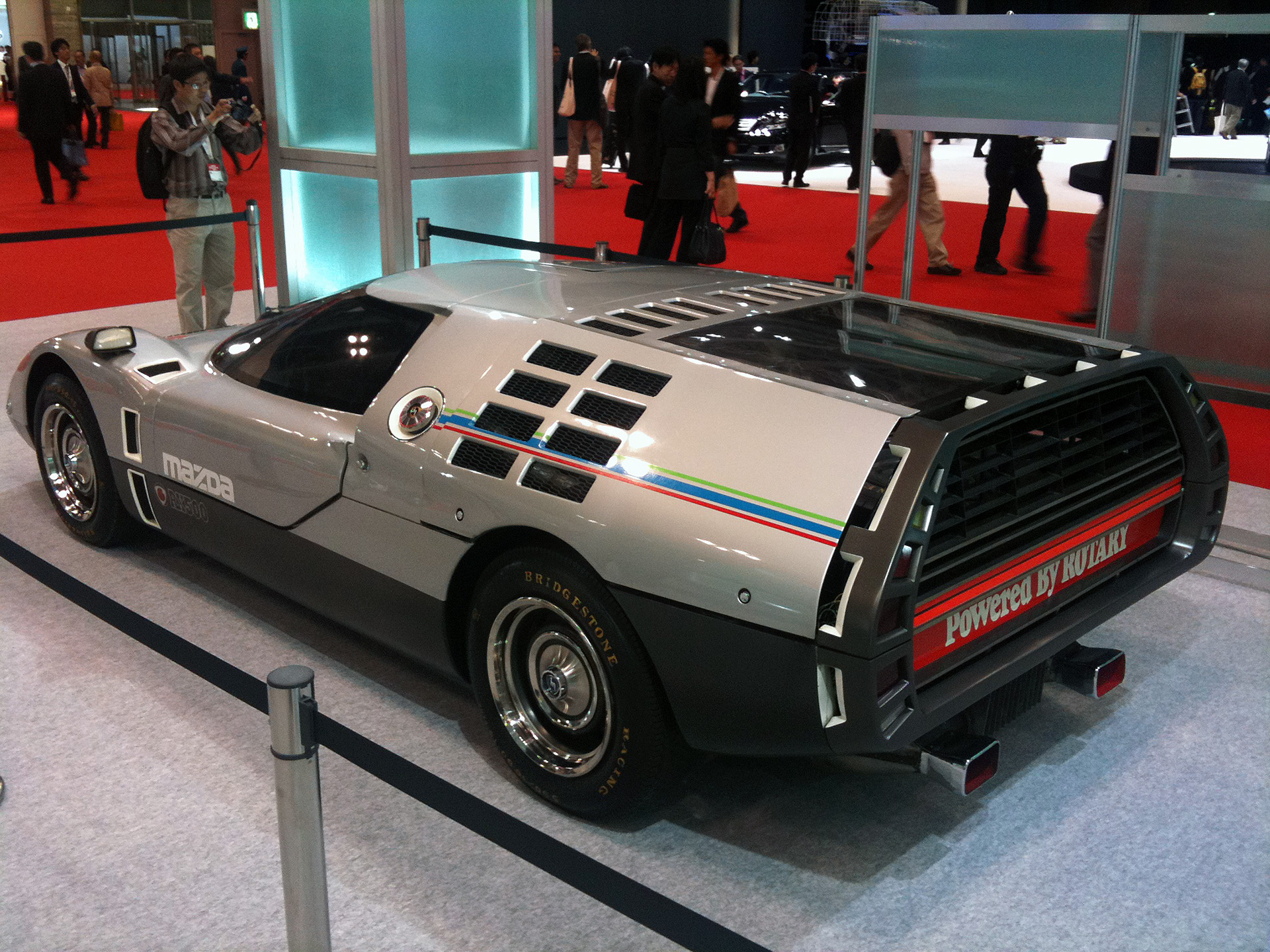
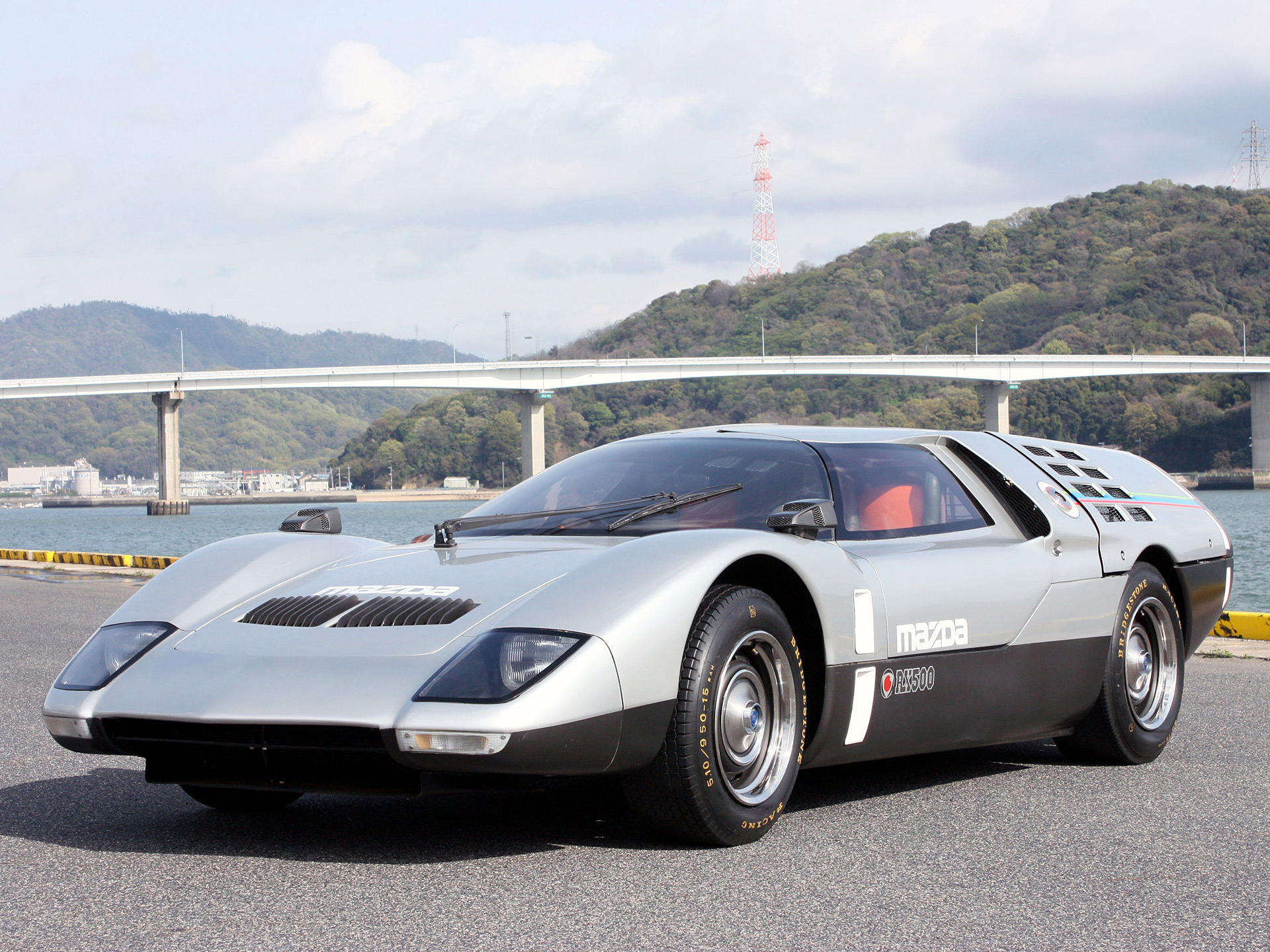
1970 Mazda RX-500 Concept Wallpapers

We have curated the ultimate collection of the best 1970 Mazda RX-500 Concept Wallpapers and HD backgrounds for you to enjoy. Our team focused on finding the top 1970 Mazda RX-500 Concept Wallpapers only to keep the quality high. These 1970 Mazda RX-500 Concept Wallpapers are free to download so go ahead. To download any of these pictures for use as a wallpaper, right click the picture and choose Save As…

Find more awesome Mazda Wallpapers

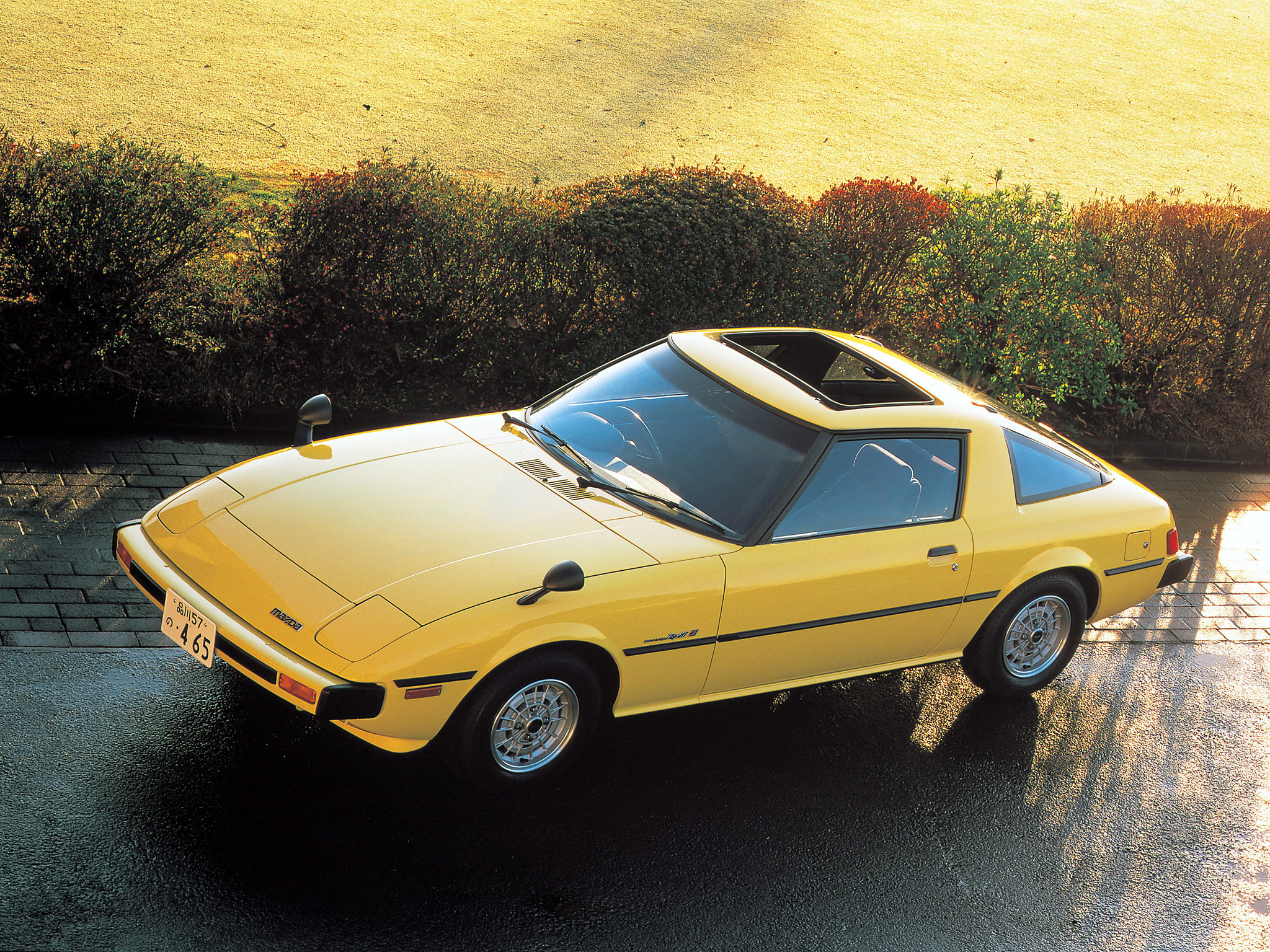
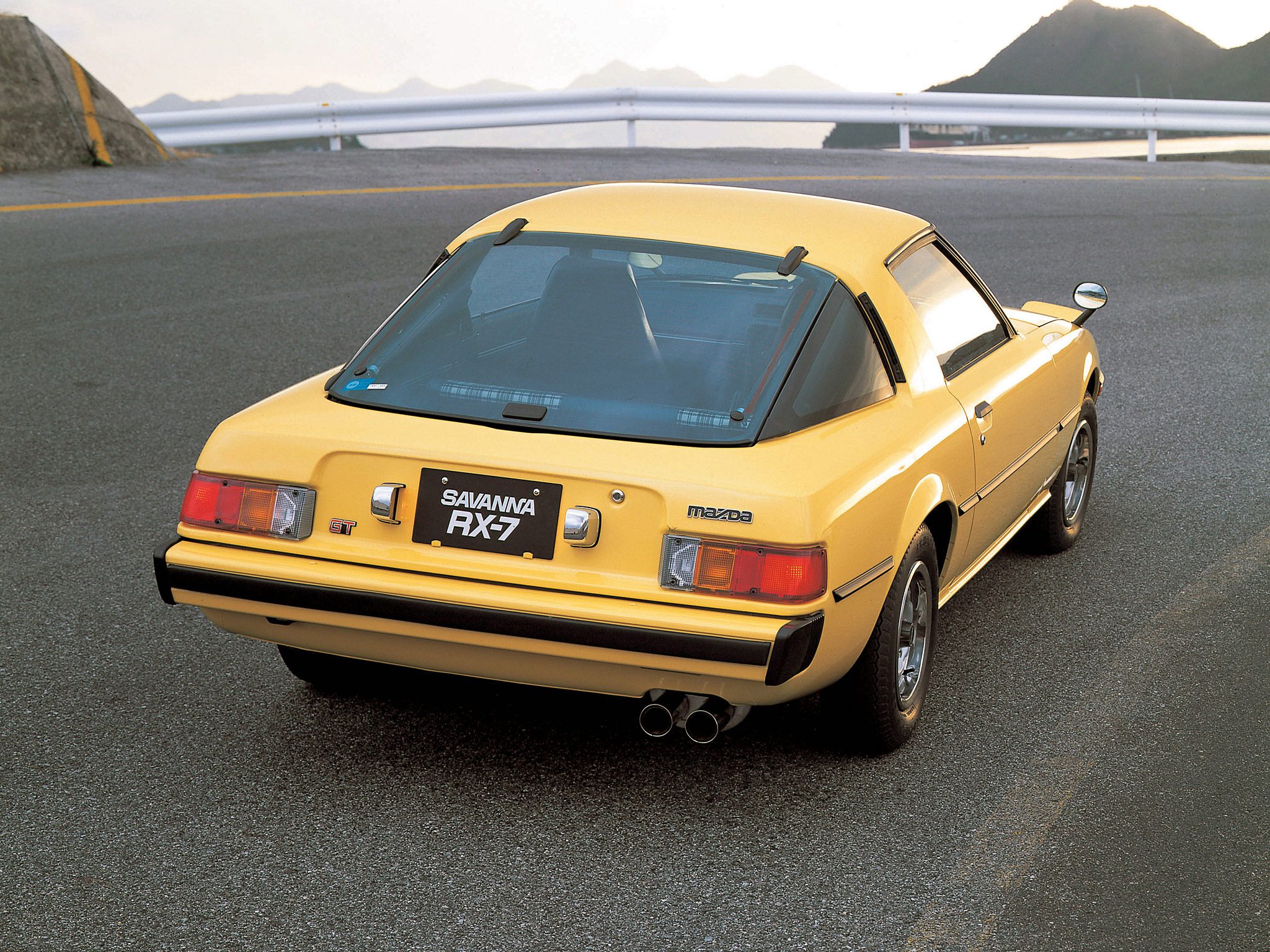
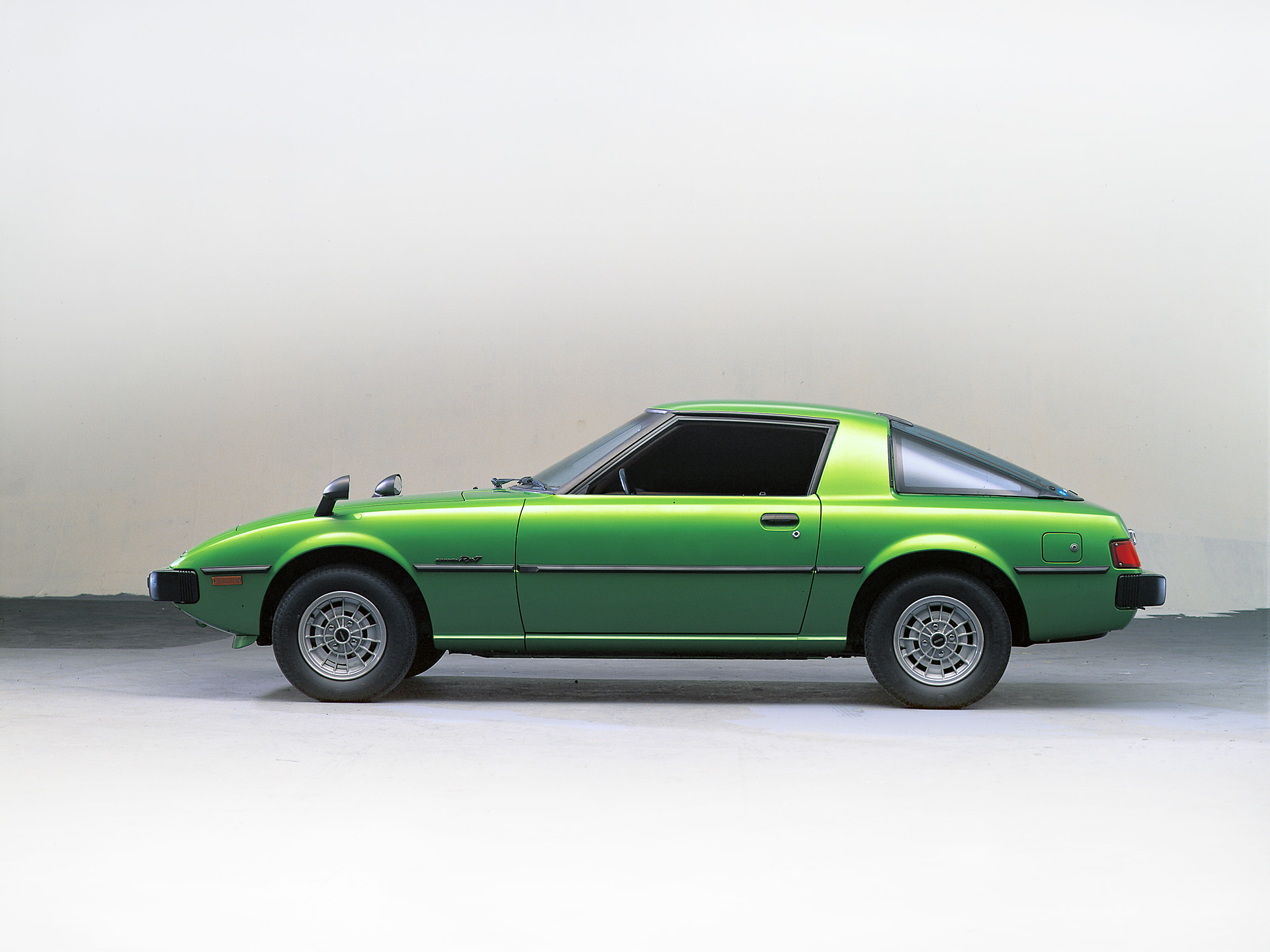
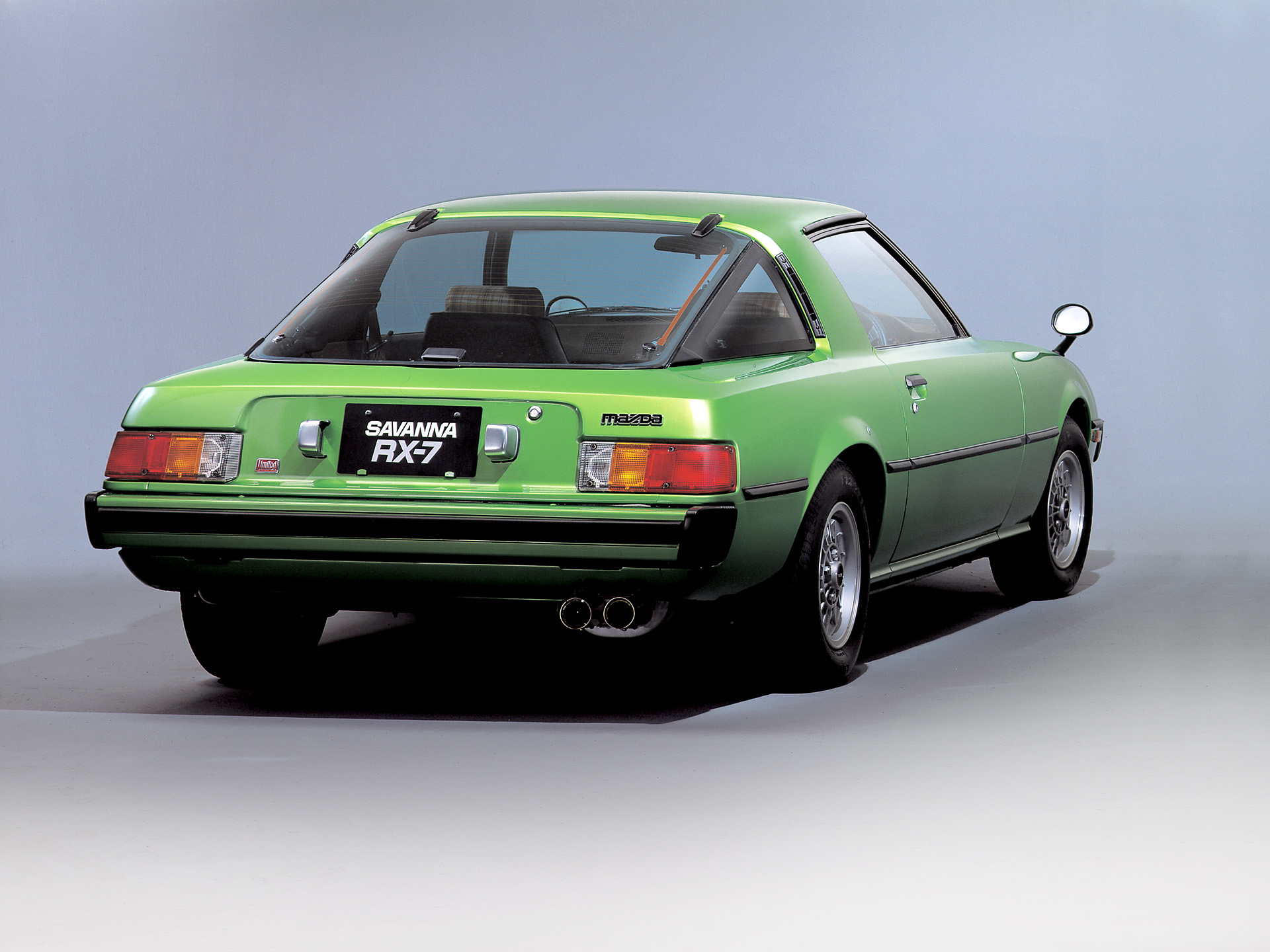
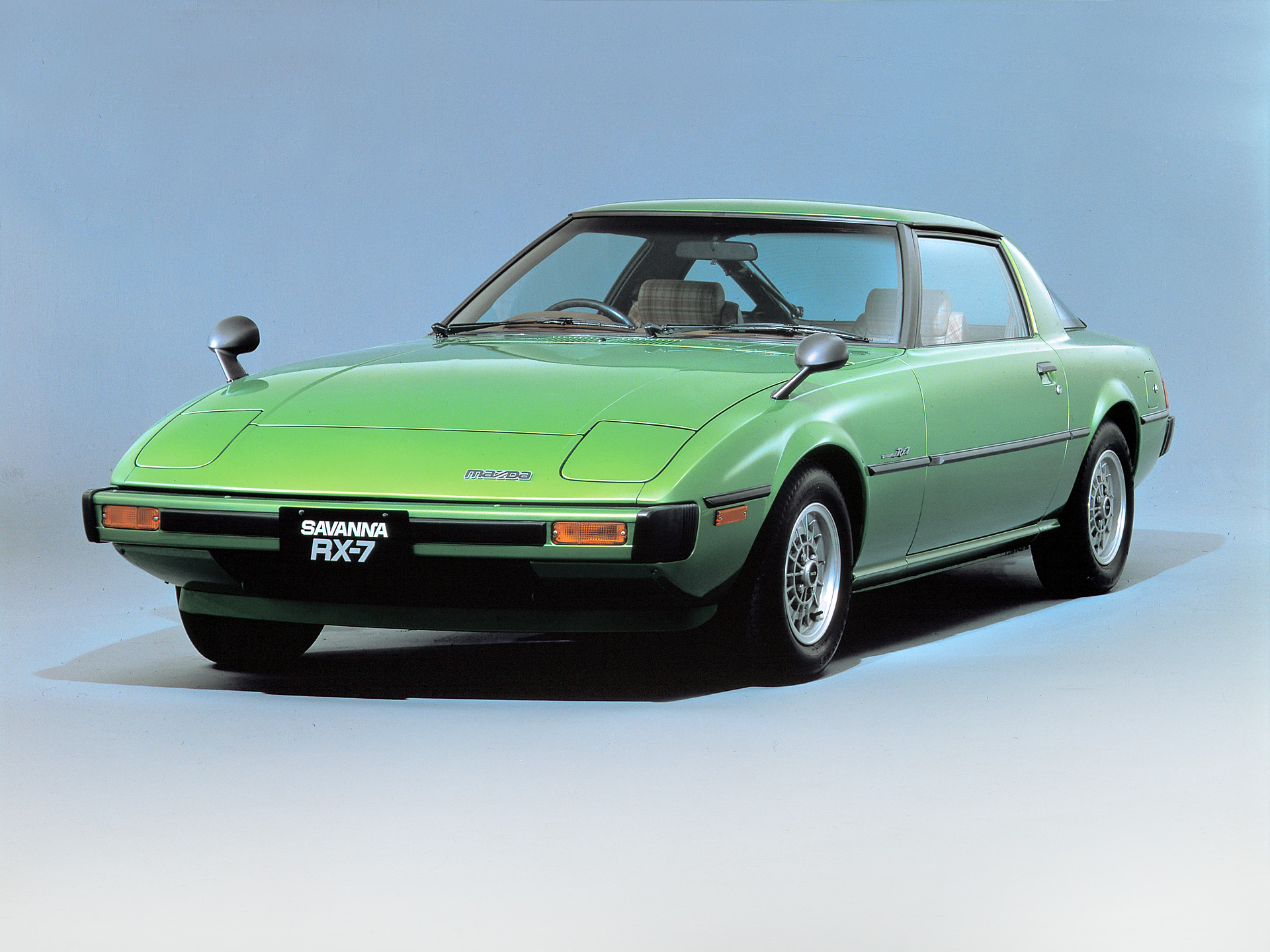
1978 Mazda RX-7 Wallpapers

We have curated the ultimate collection of the best 1978 Mazda RX-7 Wallpapers and HD backgrounds for you to enjoy. Our team focused on finding the top 1978 Mazda RX-7 Wallpapers only to keep the quality high. These 1978 Mazda RX-7 Wallpapers are free to download so go ahead. To download any of these pictures for use as a wallpaper, right click the picture and choose Save As…

Find more awesome Mazda Wallpapers

The Marc Philipp Gemballa Marsien

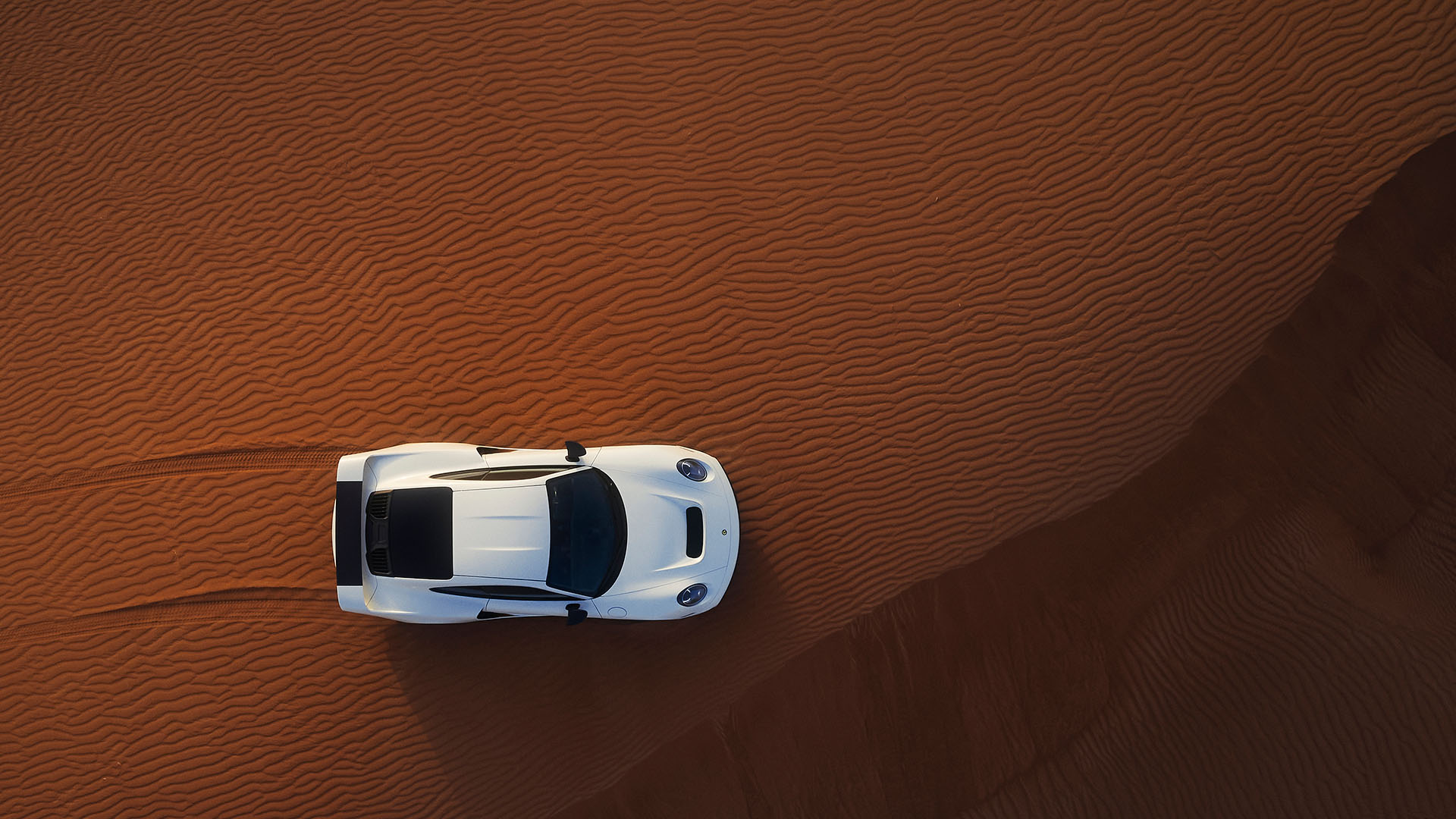
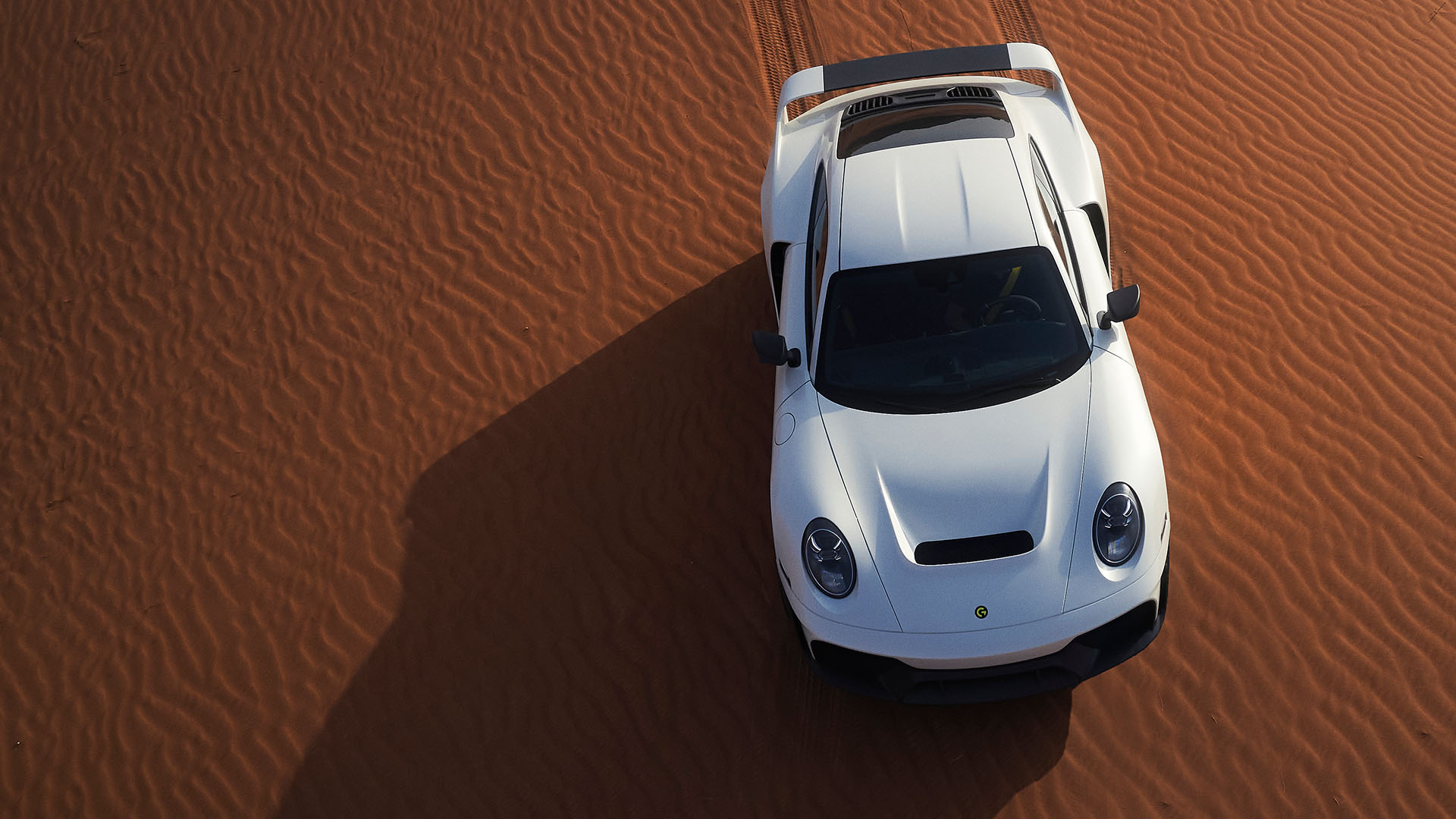
I can’t help myself, but when I look at these photos of the new Marc Philipp Gemballa Marsien, I’m thinking about the legendary Paris Dakar rally where Porsche entered a few of their rare 959 models, complete with a raised suspension to be able to cope with the desert racing … and then I read in the official press release the Project Sandbox as this concept was initially called, took inspiration from that rally, so my feeling was correct.

© MARC PHILIPP GEMBALLA GmbH / Oskar Bakke & Victor Goico

This is Gemballa’s first production-ready car, do note Marc Philipp Gemballa is a separate company from Gemballa GmbH, this bespoke off-road capable supercar is a combination of a comfortable contemporary supercar and an off-road sand eating monster, a development with partners like Akrapovič,  KW Automotive, and RUF Automobile.

© MARC PHILIPP GEMBALLA GmbH / Oskar Bakke & Victor Goico

We published the early renders on this car a while ago in our ‘The return of Gemballa‘ article, but today Project Sandbox is ready for production, albeit very limited and all bespoke builds, and more importantly the car is now named Marsien, at the 27, this young entrepreneur and son of late Uwe Gemballa launched his very first production-ready supercar, starting a new era in 2021, Marc Philipp quickly realized if he wanted to build a successful company for the future and not just toss the next imitator product onto the market, he needed to come up with something very special for his clients.

© MARC PHILIPP GEMBALLA GmbH / Oskar Bakke & Victor Goico

After two years of design and perfecting the initial renders to put into production, a new concept is now introduced, in fact, we’re looking at a completely new supercar segment, a modern supercar with the comfort we’ve come to expect in this day and age, with daily driver practicality that can go off-road, at high speed, and bringing the latest technology into the mix … something only an SUV like the Lamborghini Urus or Bentley Bentayga could offer, but every customer is tempted by an SUV, they want an off-road supercar … like this Marsien.

© MARC PHILIPP GEMBALLA GmbH / Oskar Bakke & Victor Goico

At this early stage, Marc Philipp Gemballa’s new company is not ready for a new car built entirely in-house, unlike Rimac who designed, developed, and is building their Nevera from scratch with every single piece being built in their own factory, Marc Philipp is taken a well-proven, respected supercar from Porsche and turns it into his Marsien, and the all-wheel-drive Porsche 992 Turbo S is just what he needed with its state-of-the-art technology on a cutting-edge platform.

© MARC PHILIPP GEMBALLA GmbH / Oskar Bakke & Victor Goico

Only 40 units of the Marc Philipp Gemballa Marsien will be built, and while you are reading this, over 20 have already been sold, so if you want to add this ‘made in Germany’ off-road supercar to your collection you might want to act quick, the car will be available globally and has been thoroughly tested on the sand dunes of the Arabian desert as can clearly be seen in the official launch video at the end of this article.

© MARC PHILIPP GEMBALLA GmbH / Oskar Bakke & Victor Goico

From the press release: During the intense test phase in the beautiful Al Faya desert, the development team was amazed by the stunning red desert sand in combination with the sharp fossil rocks and mountain backdrops shaping the landscape of the desert making it very special and unlike any other. “We felt like as if we were in an entirely different universe,” says Marc Philipp Gemballa. The Al Faya desert located in the emirate of Sharjah in the United Arab Emirates has been famous ever since for its unique and extremely red desert sand and Mars-like environment visually. “Since it looked and felt like we were on Mars paired with the futuristic design and the vehicle’s off-road capabilities, we couldn’t think of a more fitting name for our first project.” The name ‘MARSIEN’ was born – derived from the French word ‘Martian’ or ‘from Mars’.

As we would expect, the body for this Marsien is made entirely from lightweight but strong carbon fiber and comes from the same German company that produces carbon fiber parts as an OEM to leading supercar manufacturers, but also to Formula One teams, for the sleek design Marc Philipp turned to Porsche aficionado Alan Derosier, known for his beautiful Porsche 908 design study while the bespoke LED taillights have been developed together with GERG Lighthouse.

© MARC PHILIPP GEMBALLA GmbH / Oskar Bakke & Victor Goico

The German-based technical service provider FAKT is currently working on road homologation for the Marc Philipp Gemballa Marsien, together with Gemballa’s technical team they are working on getting the Marsien street-legal in Europe, including the more stringent Switzerland, but also for the Middle-East, probably one of their biggest market. The Marsien will also be imported into the United States of America … and if possible into any other market in the world later on.

The car in these photos is the first completed car from Marc Philipp Gemballa, it’s the official launch vehicle, and it’s finished in a stunning, triple-layer pearl metallic white with bespoke metallic flakes, as this is an off-road supercar, they also applied a though ceramic coat for added protection to this expensive paint job, on customer cars the color palette is vast, a state-of-the-art certified paint shop will be able to create the exact shade and finish the future owner requests, or you can opt for an exposed carbon fiber body … now that would be my choice, to be honest.

The Marsien comes with a special engine upgrade POWERED BY RUF, and while the six-cylinder boxer engine is still compliant with EOR 6 emissions, power output is raised to more than 750 hp … but it gets even better, RUF offers a Stage II power upgrade with modified VTG turbochargers and different EVU mapping that bumps power to 830 hp, in this case, you’ll also need some revised PDK transmission settings to cope with that much power.

To ensure the Marsien was as capable on the road as off the road, Marc Philipp together with KW Automotive developed a new double-wishbone front suspension with solid piston damper technology with intelligent active dampers and adjustable ride height, there is an electronically controlled hydraulic lift system that can raise the Marsien from normal road level up to a ground clearance of 250 mm!

The driver of the Marsien has several driving modes at his, or her disposal through the knob on the steering wheel, in addition to the standard Porsche modes, this Gemballa comes with bespoke off-road modes like gravel, mud, sand, and even snow … also note the entire underbody of the Marsien is protected from debris by a solid aluminum guard plate.

© MARC PHILIPP GEMBALLA GmbH / Oskar Bakke & Victor Goico

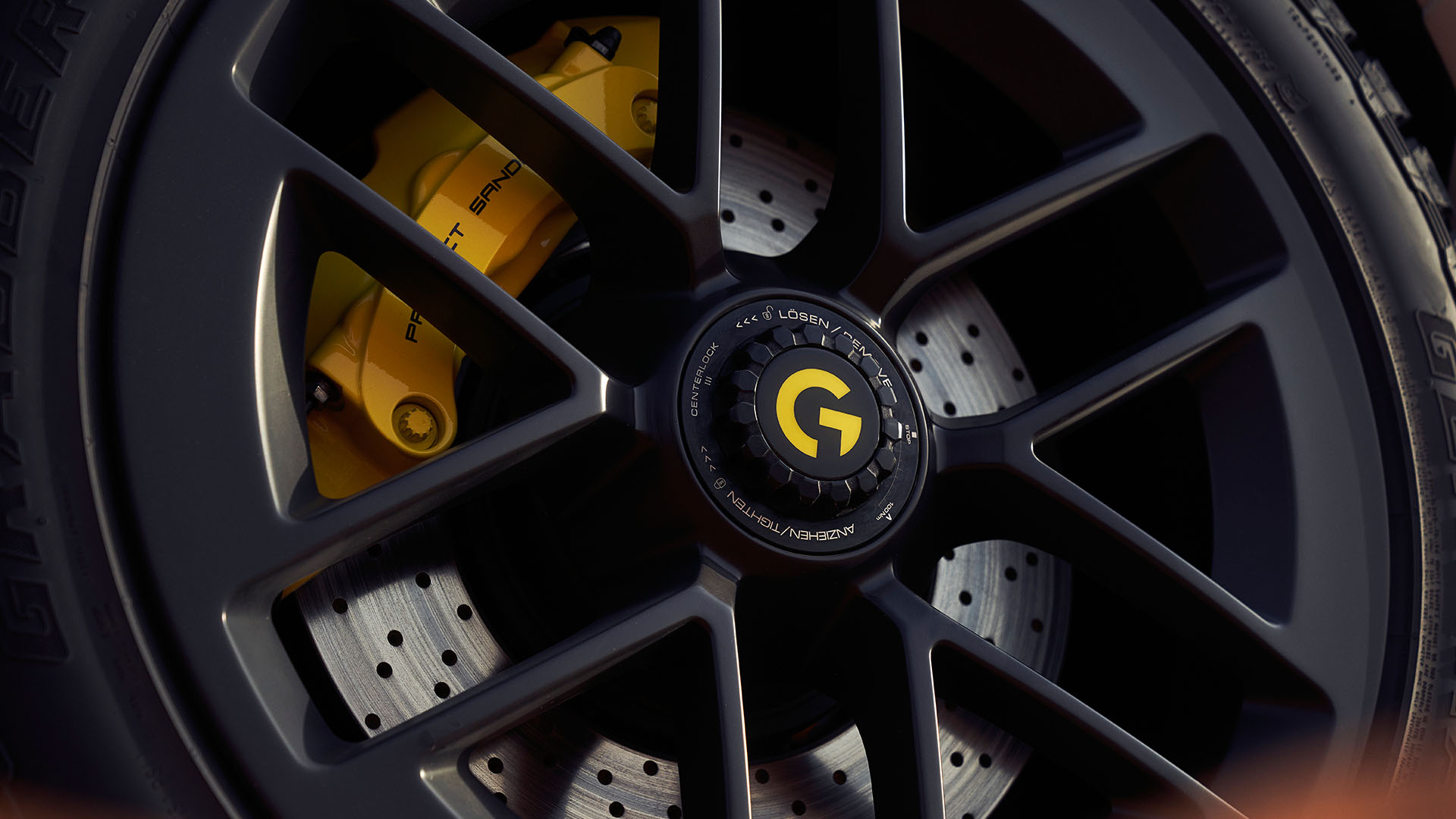
The MARSIEN is delivered with two different, bespoke forged aluminum wheel sets, both with track-inspired center locking bolts, the first set comes with Michelin Ultra High Performance (UHP) tires for road use, while the second set is shod with All-Terrain tires for off-road use. If you really want to go crazy on the sand, there is the option of a Reiger Suspension rally-spec off-road dampers further enhancing the suspension travel and increasing the ground clearance to a fixed off-road ride height.

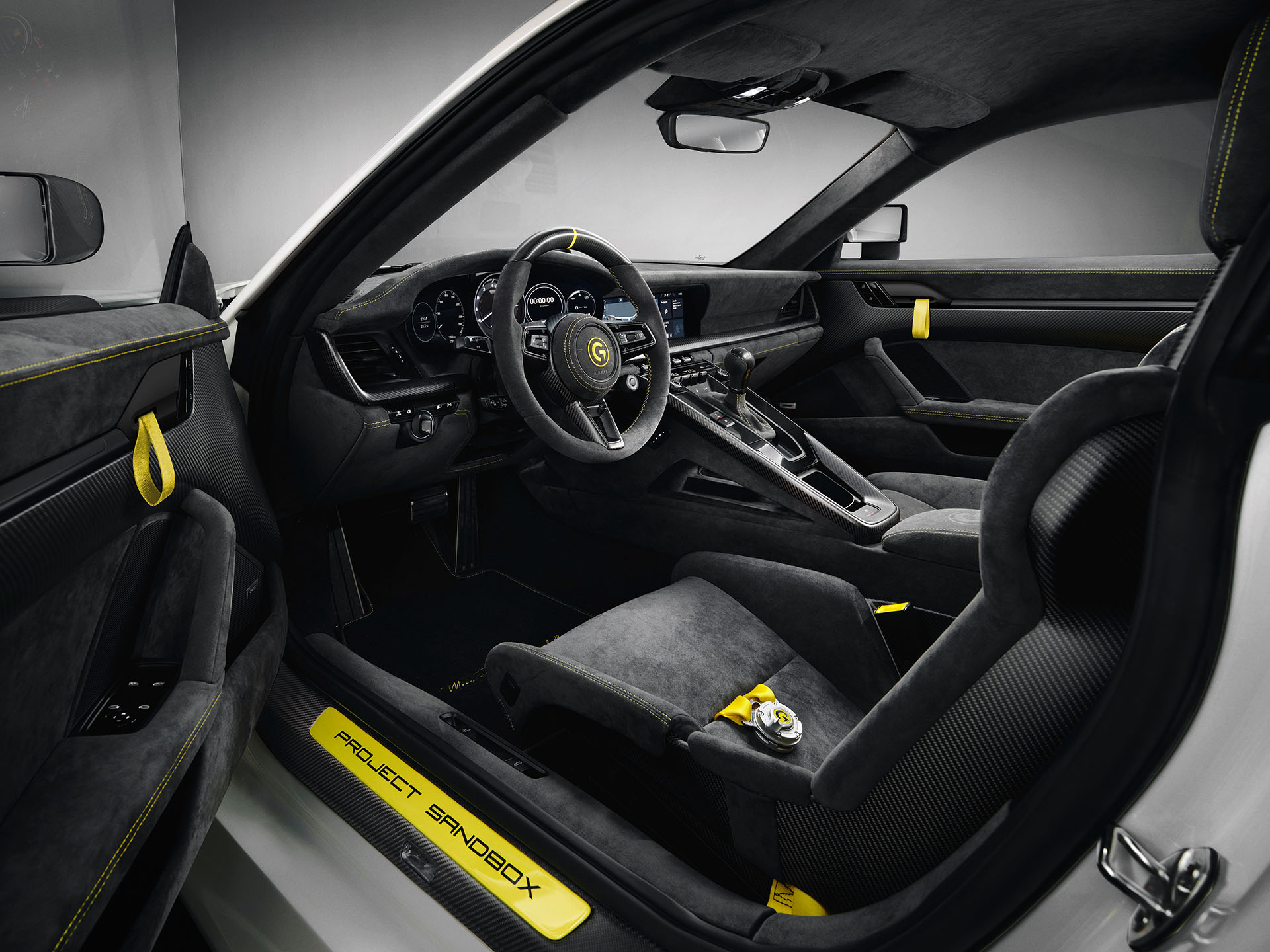
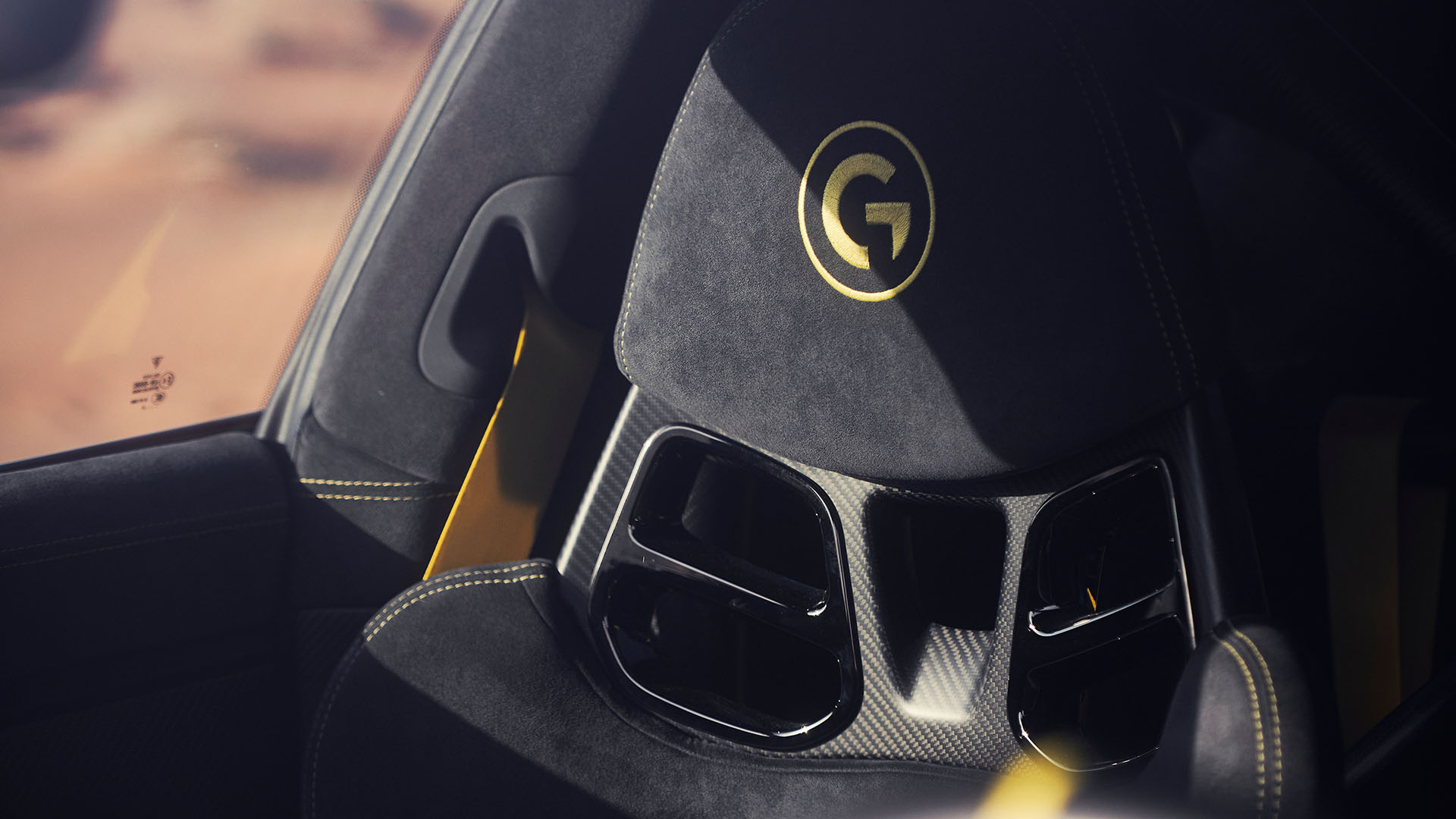
The interior is another fine balance between form and function, fitted with either a leather or an Alcantara upholstery, the overall look and feel is inspired by the magnificent Porsche Carrera GT, with a ‘flying’ carbon fiber central console and custom ‘ribbons’ to pull the door shut. There are handstitched Gemballa logos on the headrests, and the logo is also embedded on the armrest.

Also note there is a special plaque fitted to the interior with the serial number of that specific car, one of only 40, with the 10 ‘Launch Edition’ models being sold out long ago, only a handful of the 40 units are still available while production of the Marsien will start in late 2021, each with a starting price of €495,000 before taxes (about US$586,000), and you’ll have to add duties, shipping, custom requests or options … and your base, that Porsche 992 Turbo S … yes, that price tag of almost $600,000 is just for the conversion alone … exclusivity doesn’t come cheap.

TECHNICAL SPECIFICATIONS

Base vehicle: Porsche 911 Turbo S (992 Series)
Engine: RUF upgraded twin-turbocharged flat-six engine
Power (hp): 750 up to 830 hp (Series: 650 hp)
Power (kW): 552 kW (Series: 478 kW)
Max. torque: 930 Nm torque (Series: 800 Nm torque)
Vmax: 330 km/h (with on-road tire set only)
0-100 km/h: 2.6 seconds (with on-road tIre set only)

Exhaust: Bespoke Akrapovič titanium exhaust system
Suspension: Double wishbone front suspension Multi-link rear suspension KW Automotive solid piston dampers with two electronic valves and semi-active Dynamic Damper and Chassis Control (KW DDCC) and adjustable ride height via Hydraulic Lift System (HLS)

Ground clearance: 250 mm in off-road mode / 120 mm in on-road mode
Dimensions: L 4714 / W 2030 / H 1450 (in off-road mode)

Wheels & Tyres:
On-road wheels
Bespoke 20″/21″ forged aluminum wheels with center lock
system in with Michelin Ultra High-Performance tires
Off-road wheels
Bespoke 19″/20″ MPG forged aluminum wheels with center lock
system in with All-Terrain tires (Vmax 210 km/h)

Exterior: Full carbon fiber body
Interior: Fully bespoke full leather / Alcantara interior with carbon fibeR accents

The official launch video:

[embedded content] [embedded content]

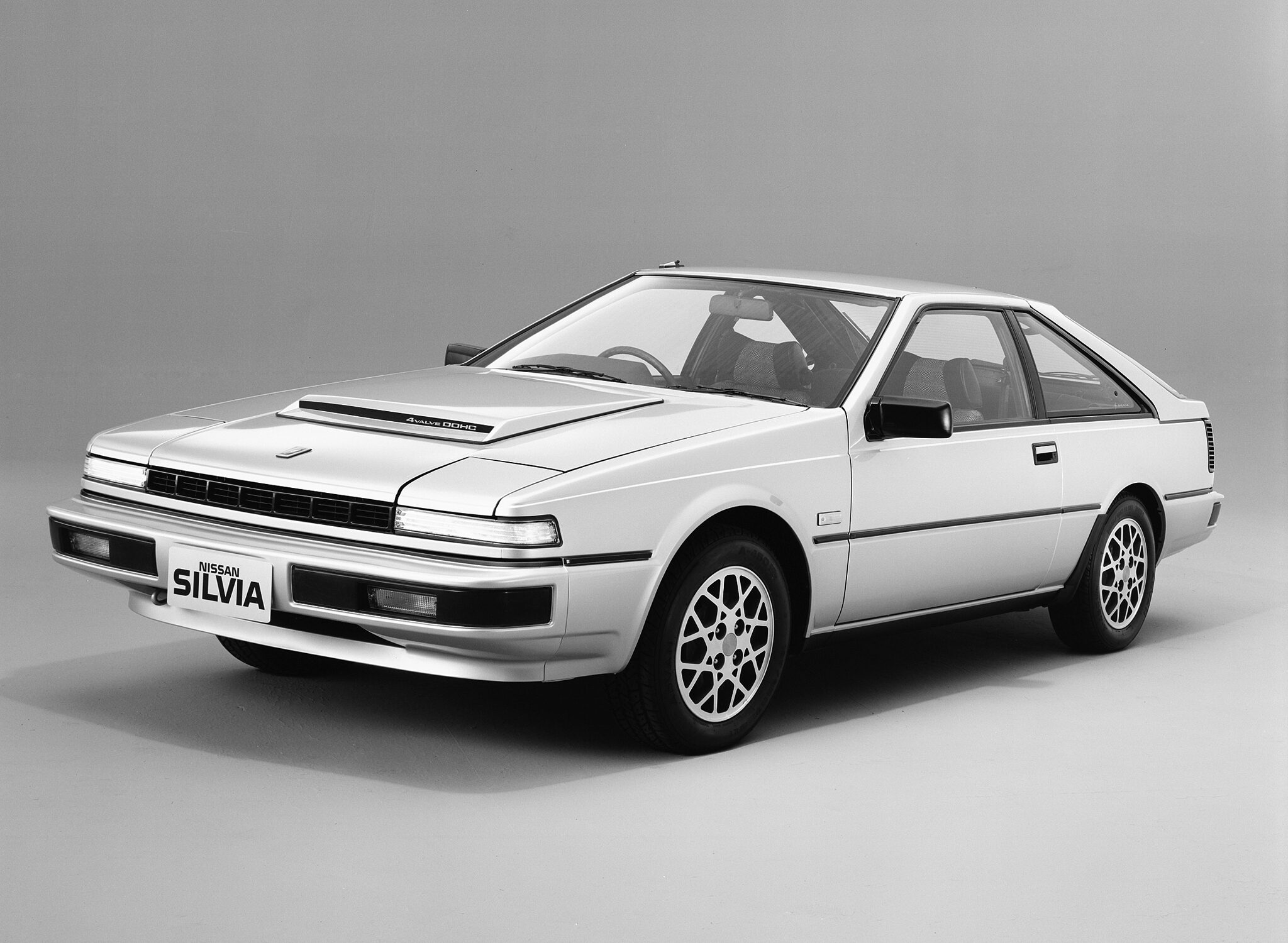
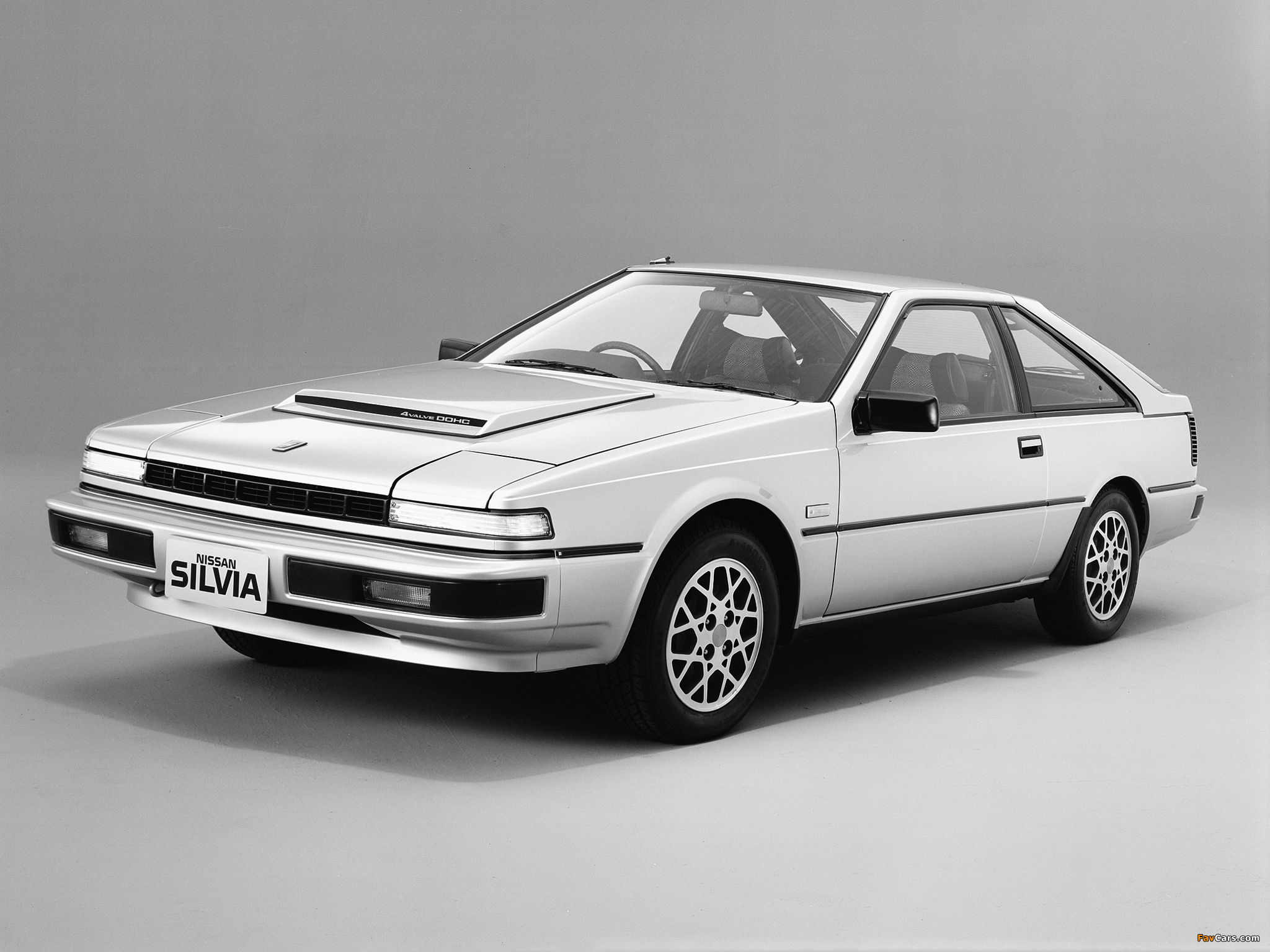
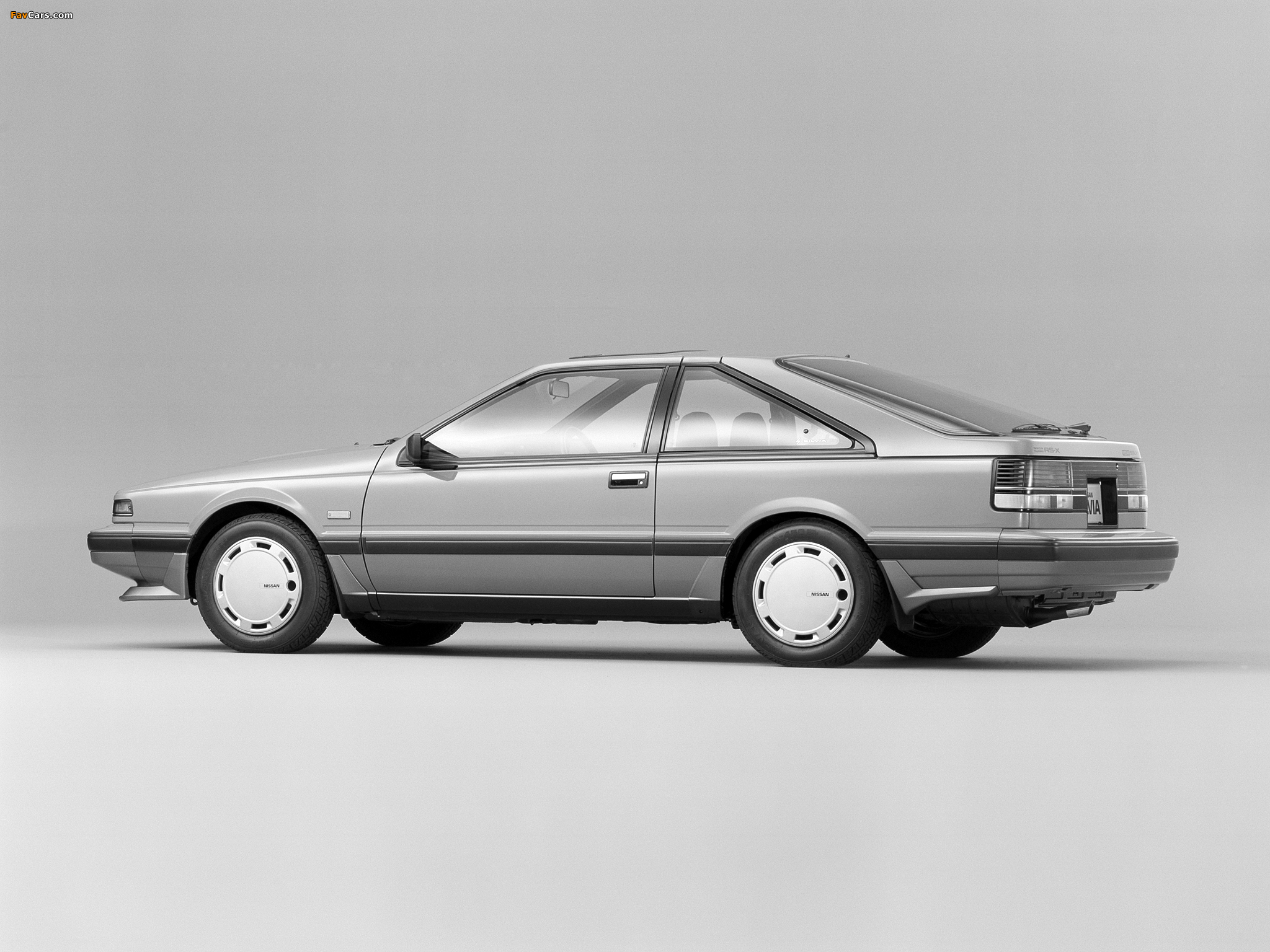
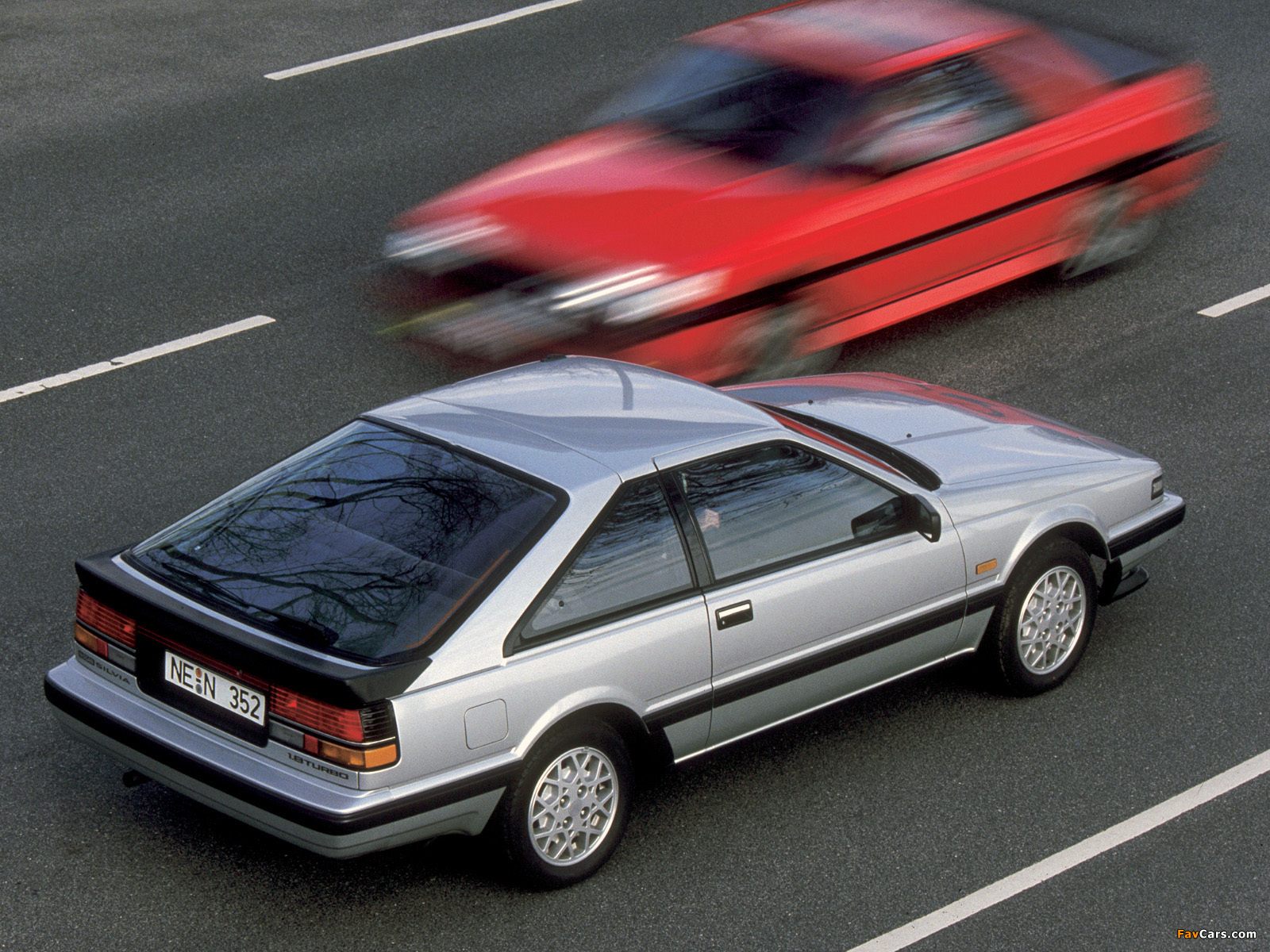
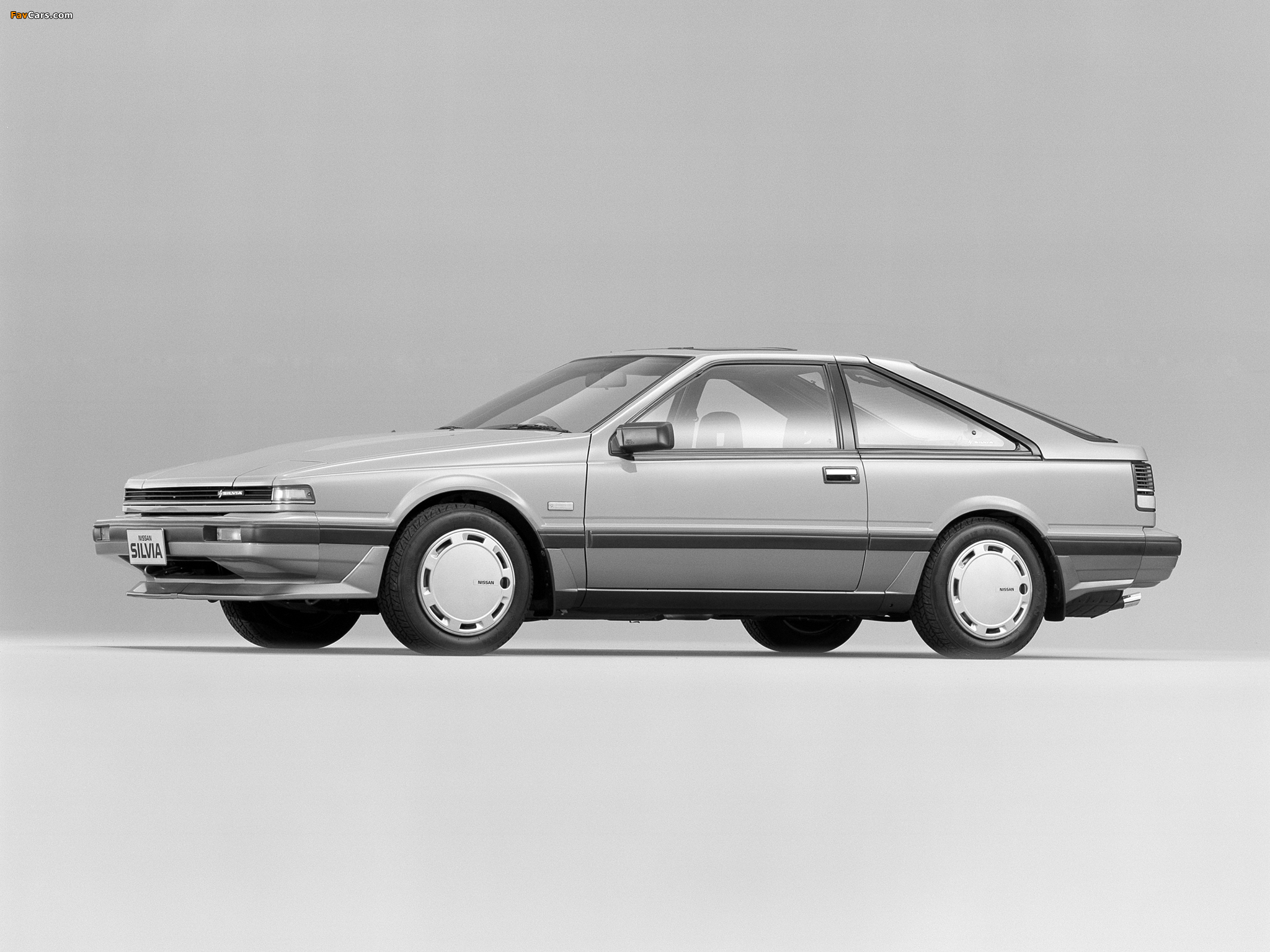
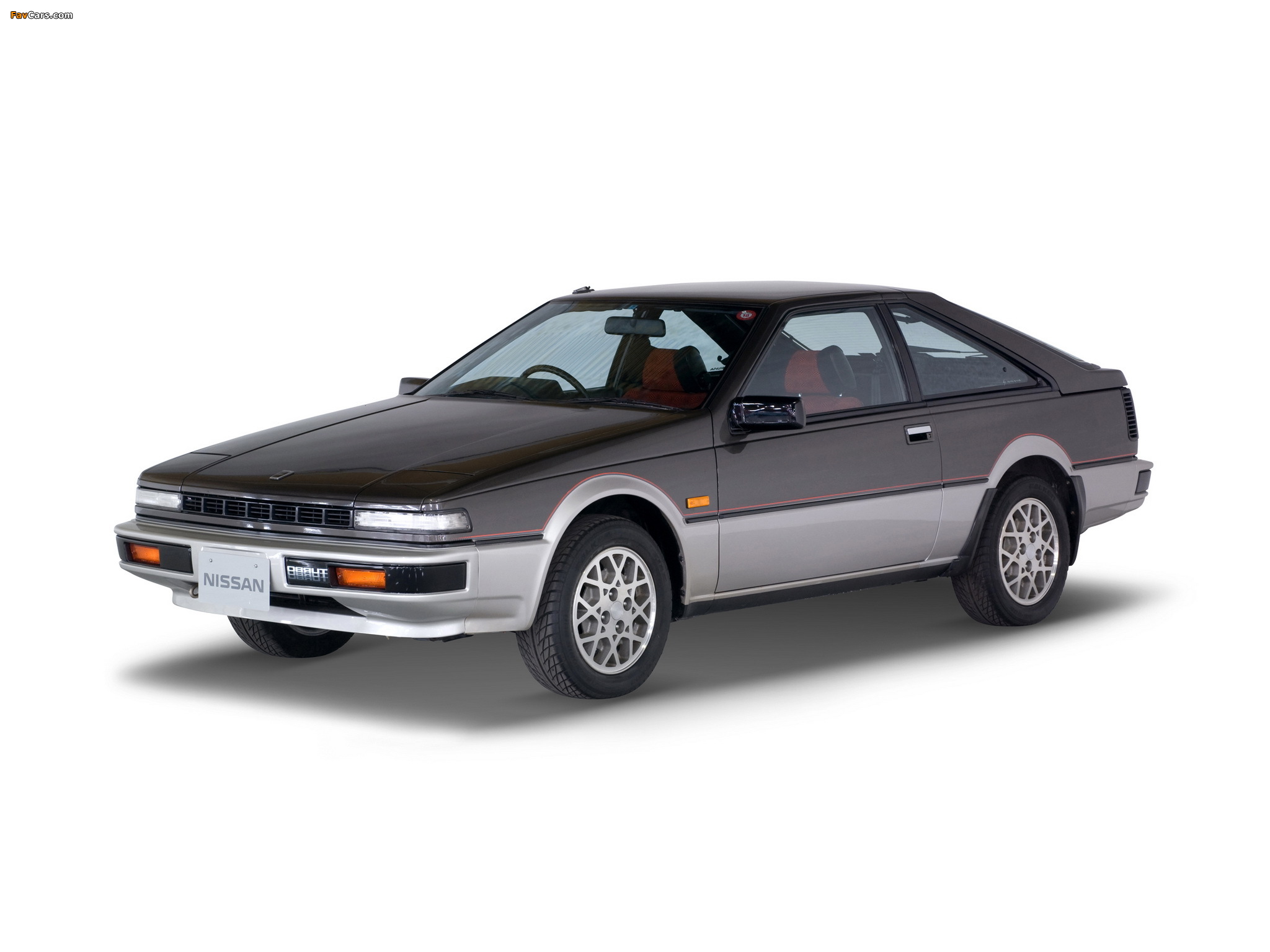
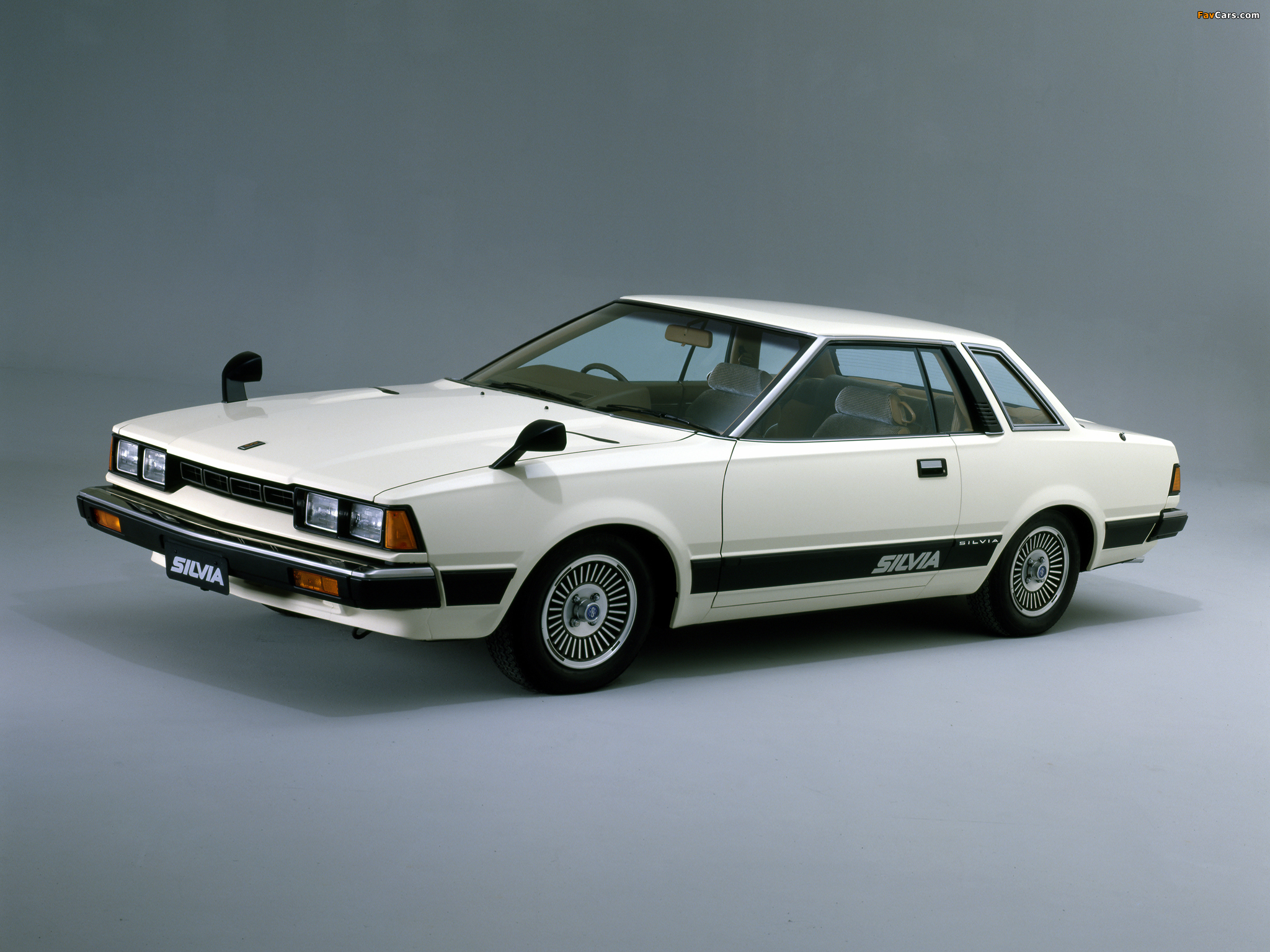
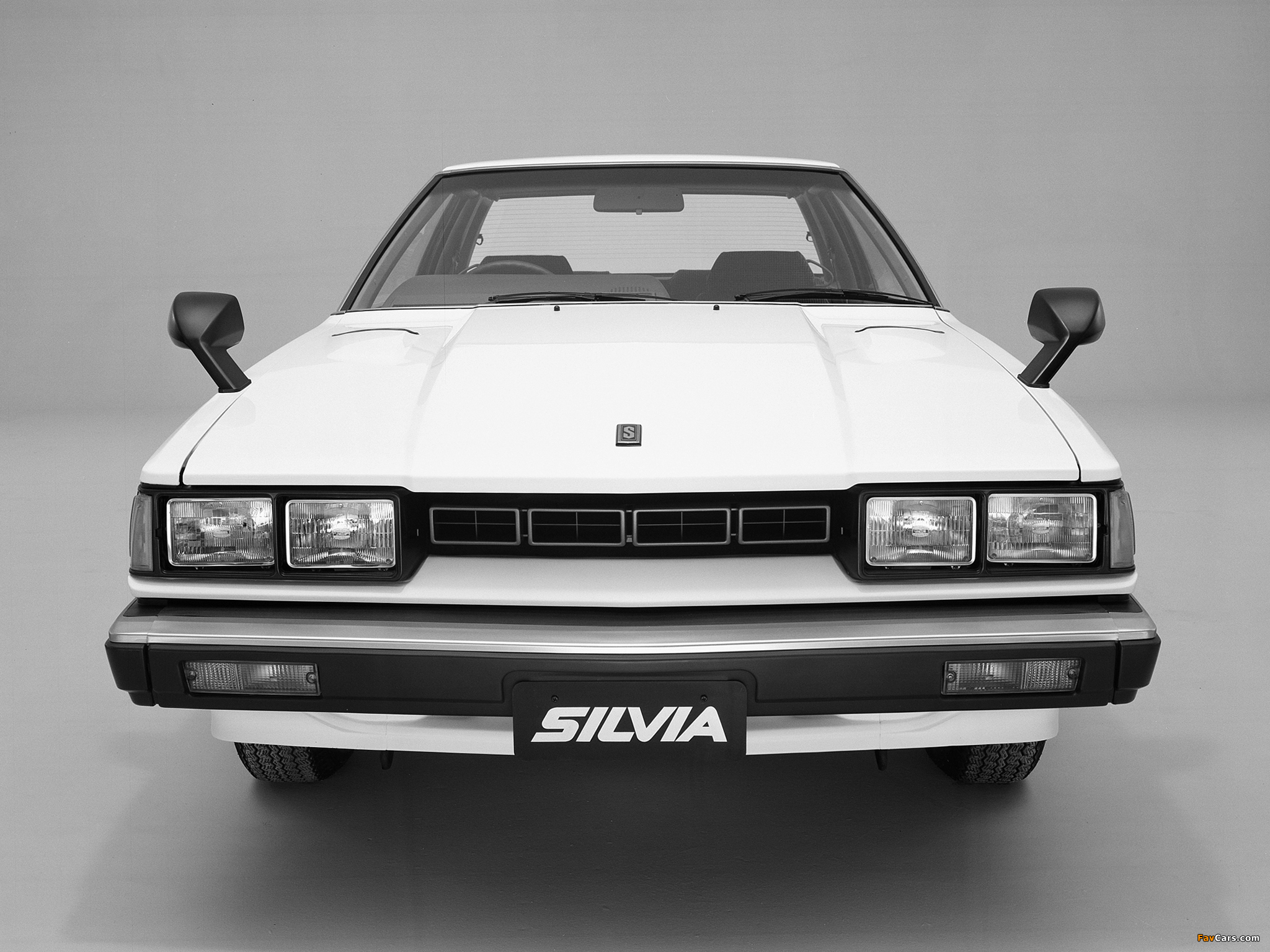
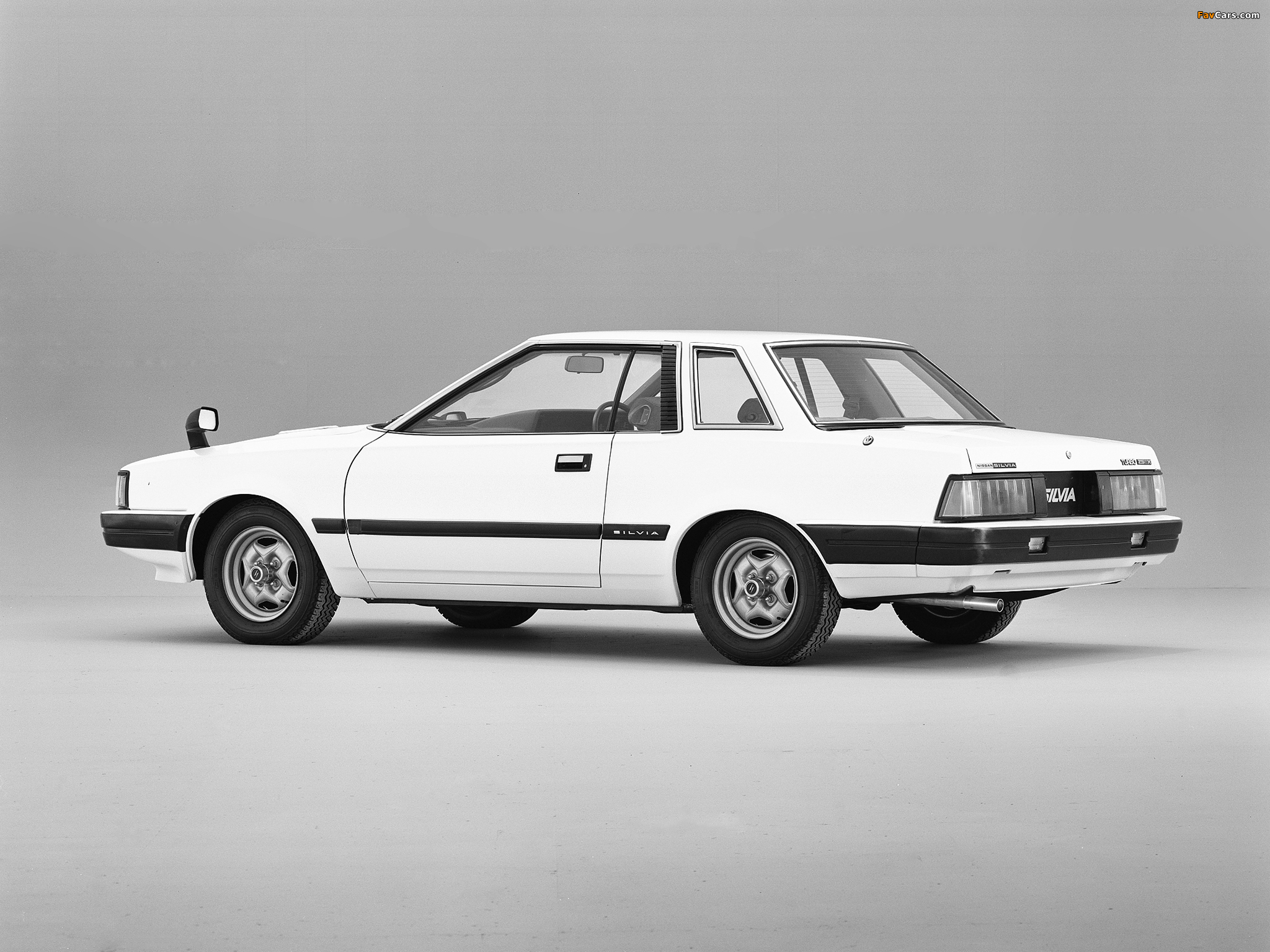
1983 Nissan Silvia Liftback Wallpapers

We have curated the ultimate collection of the best 1983 Nissan Silvia Liftback Wallpapers and HD backgrounds for you to enjoy. Our team focused on finding the top 1983 Nissan Silvia Liftback Wallpapers only to keep the quality high. These 1983 Nissan Silvia Liftback Wallpapers are free to download so go ahead. To download any of these pictures for use as a wallpaper, right click the picture and choose Save As…

Find more awesome Nissan Wallpapers

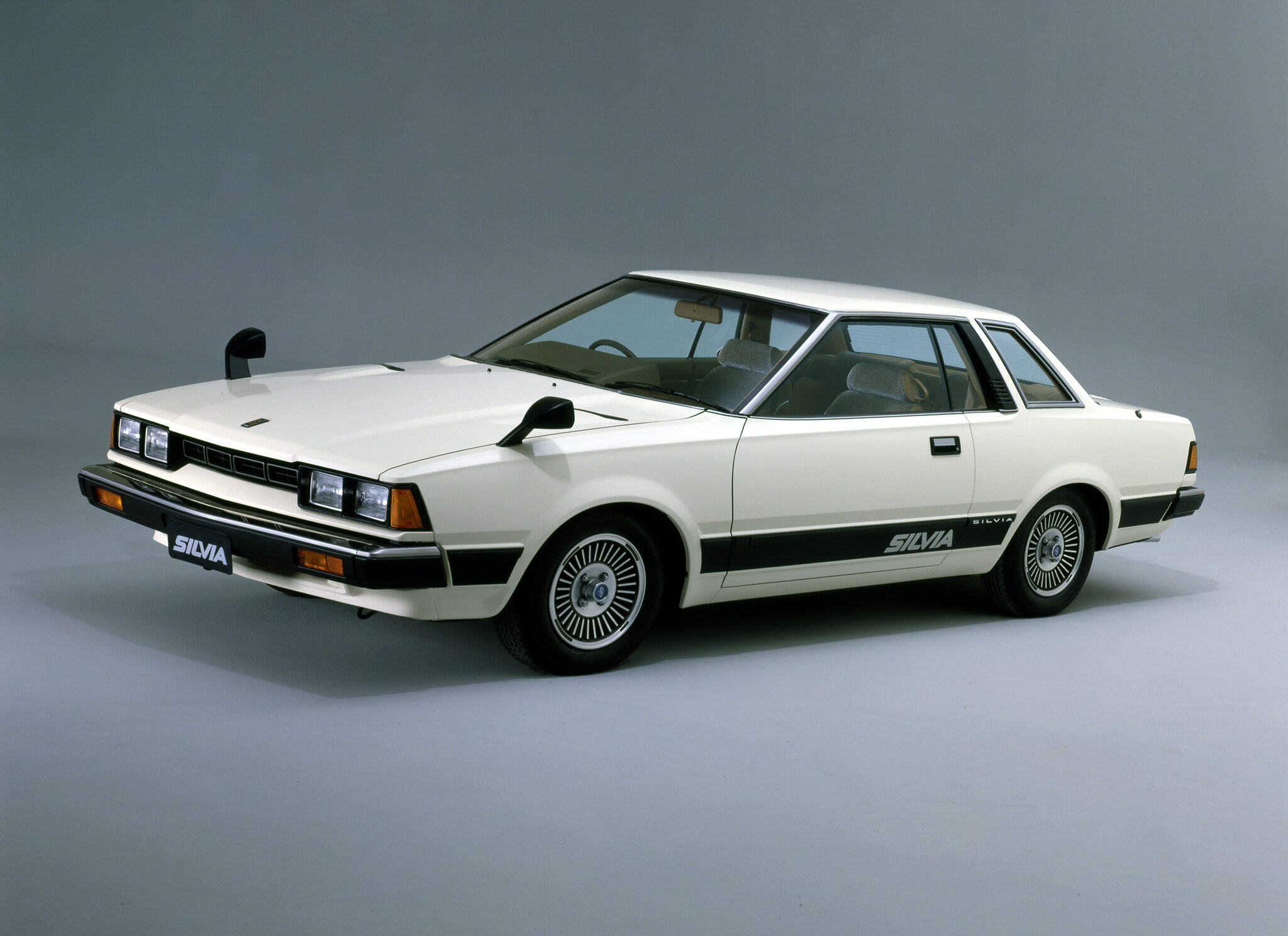
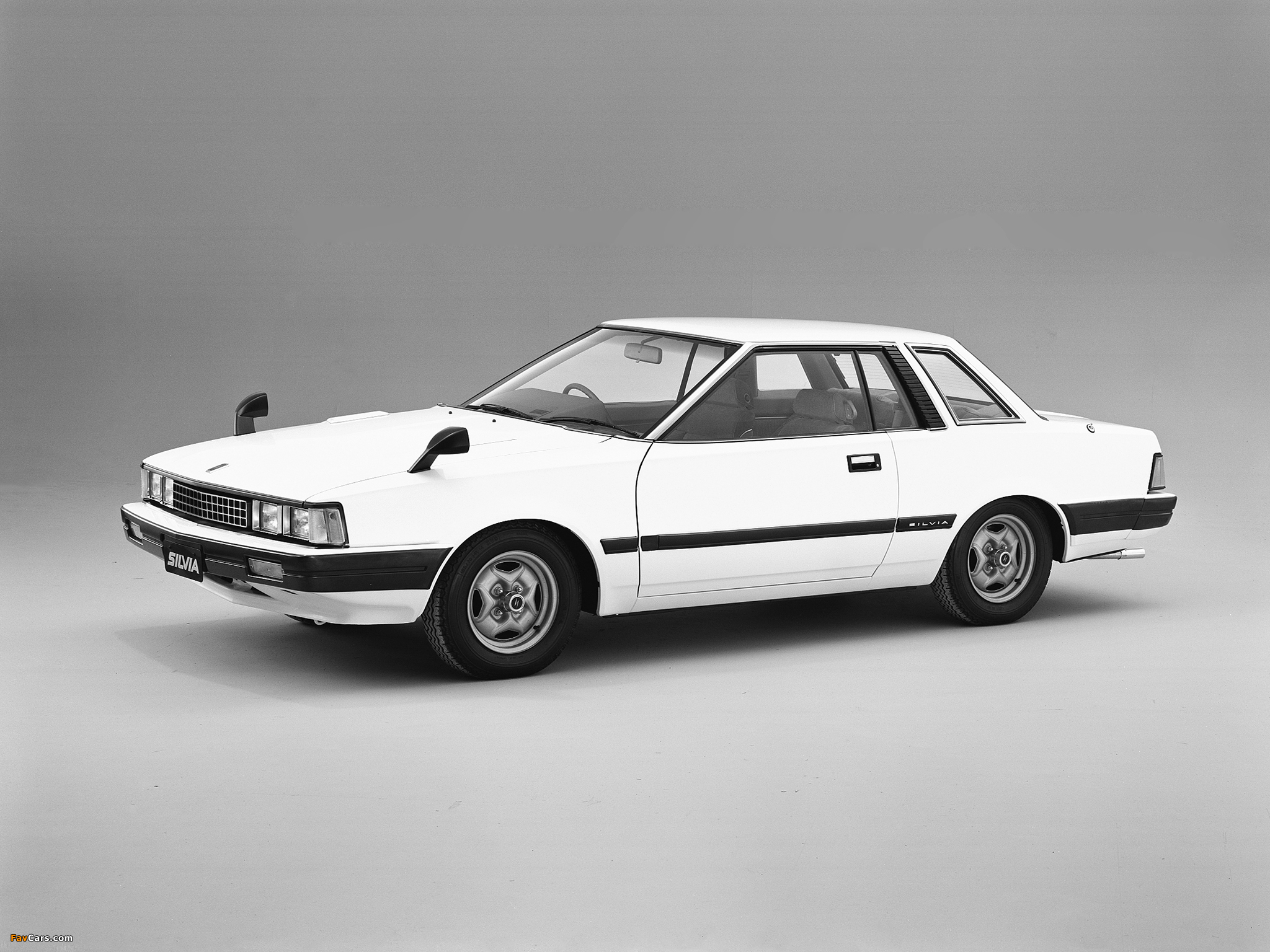
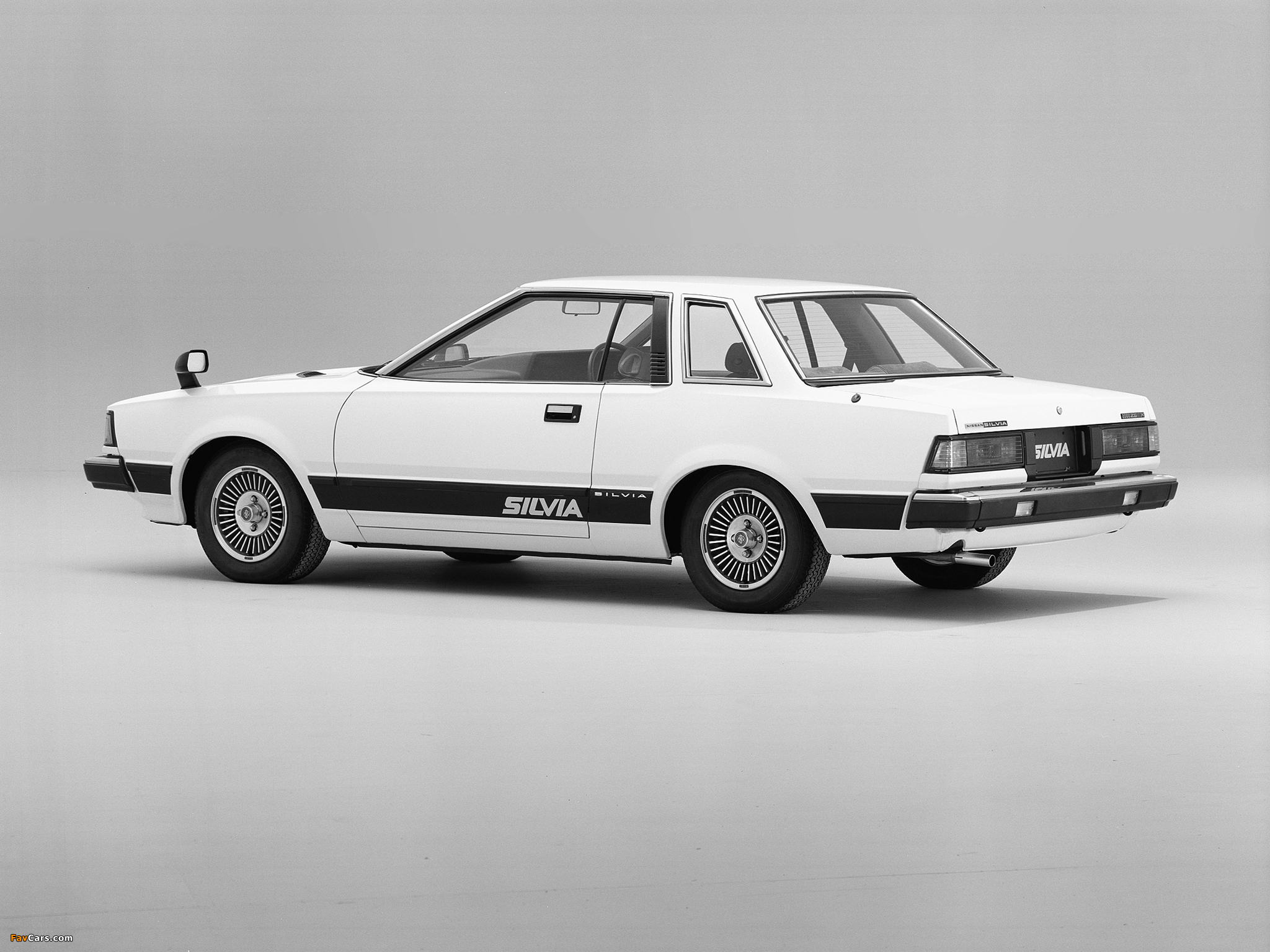
1979 Nissan Silvia Wallpapers

We have curated the ultimate collection of the best 1979 Nissan Silvia Wallpapers and HD backgrounds for you to enjoy. Our team focused on finding the top 1979 Nissan Silvia Wallpapers only to keep the quality high. These 1979 Nissan Silvia Wallpapers are free to download so go ahead. To download any of these pictures for use as a wallpaper, right click the picture and choose Save As…

Find more awesome Nissan Wallpapers

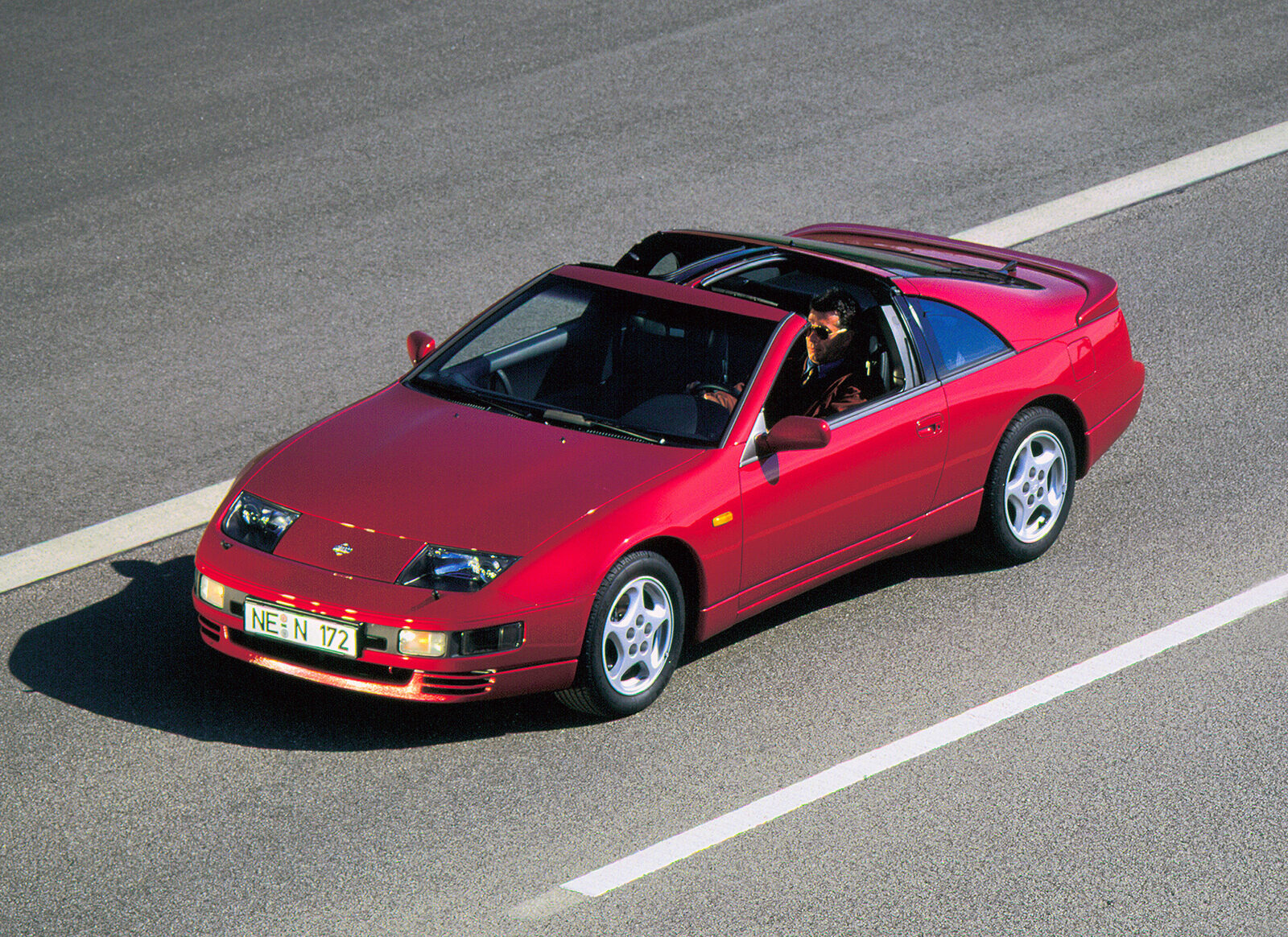
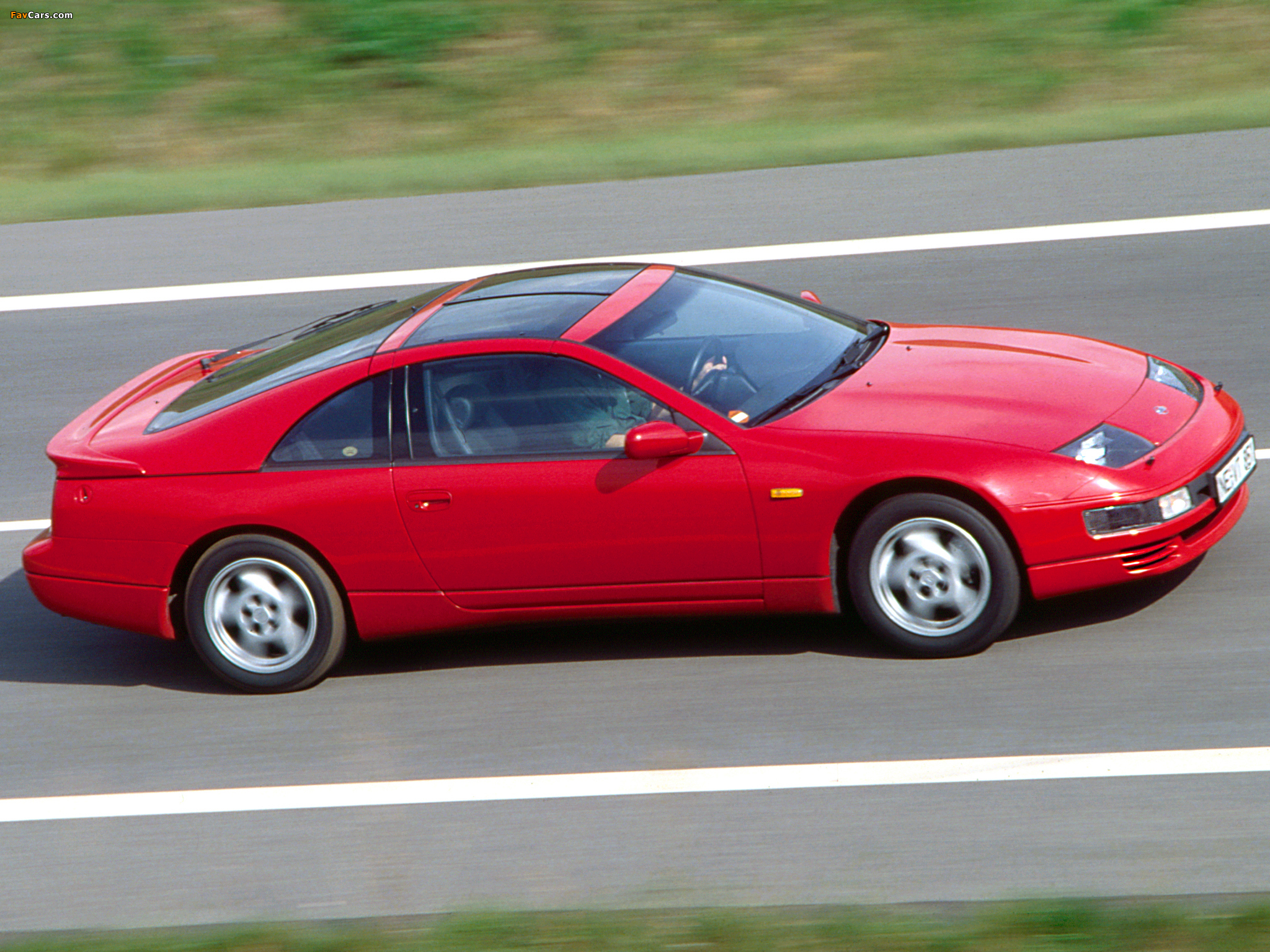
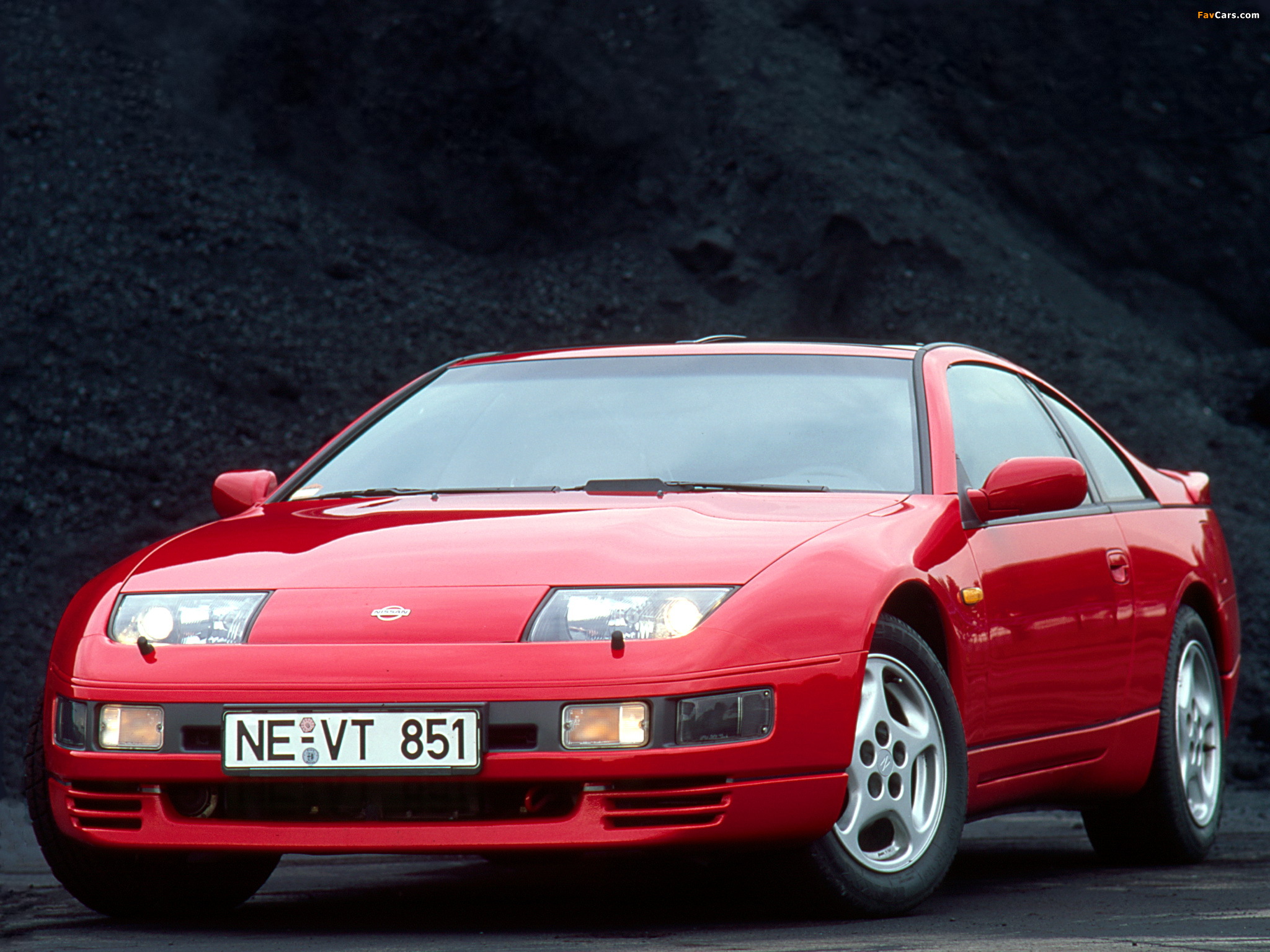
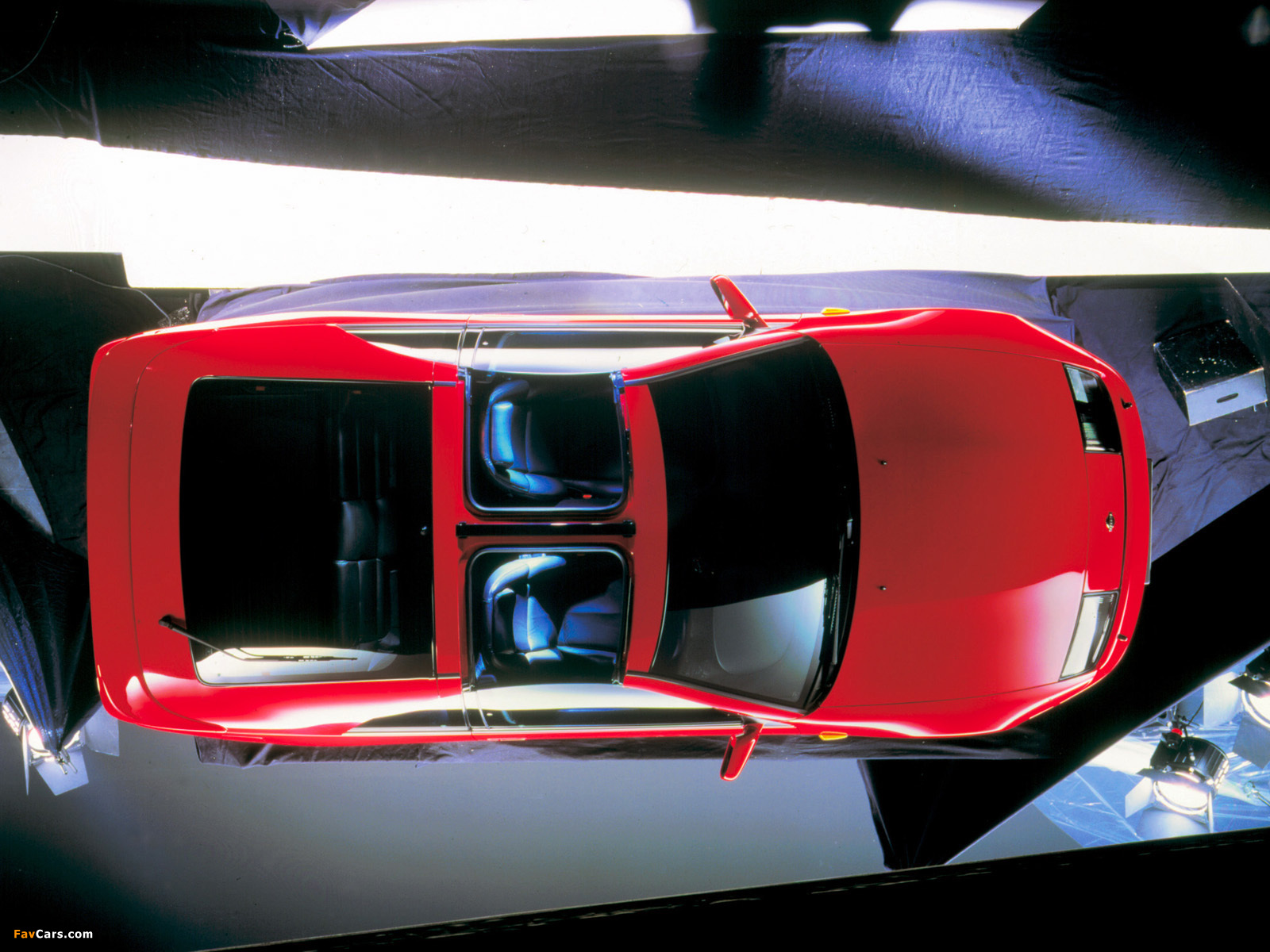
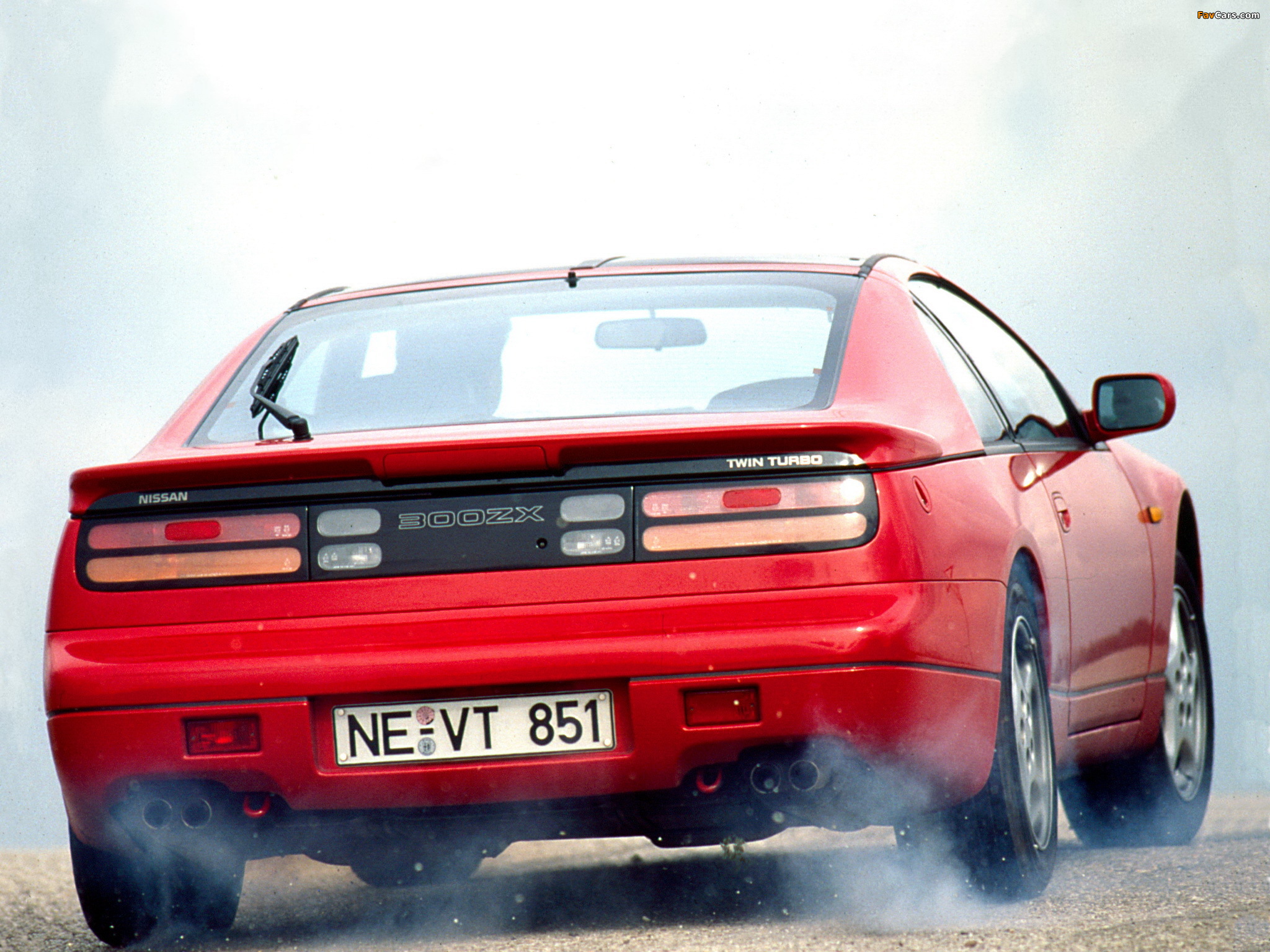
1990 Nissan 300ZX Wallpapers

We have curated the ultimate collection of the best 1990 Nissan 300ZX Wallpapers and HD backgrounds for you to enjoy. Our team focused on finding the top 1990 Nissan 300ZX Wallpapers only to keep the quality high. These 1990 Nissan 300ZX Wallpapers are free to download so go ahead. To download any of these pictures for use as a wallpaper, right click the picture and choose Save As…

Find more awesome Nissan Wallpapers

Bugatti Celebrates France’s National Day

Originally intended to commemorate the storming of the Bastille, July 14 is France’s most important national holiday, each year honoring the Grande Nation and its values. “As a French brand with a large proportion of French employees, we regard ourselves as part of the French identity,” says Bugatti President Stephan Winkelmann. “Molsheim stands for technical perfection and an exceptional sense for quality but also for French savoir vivre – a lifestyle that attracted and shaped Ettore Bugatti and which is reflected in our vehicles up to this day. This is what our products stand for and this will remain in the future.”

In 1909, Ettore Bugatti deliberately chose Molsheim in Alsace as the home of his company. The first car to be produced in Molsheim was the Bugatti Type 13. The brand entered into the world of motorsport and launched further light sports cars, such as the legendary Type 35. Between 1920 and 1935, Bugatti celebrated countless victories at international races with both standard models and their variants. Simultaneously, Bugatti developed touring cars such as the Type 30, Type 38, Type 44, and Type 49 – exceptional due to their design as well as their eight-cylinder engines. In 1926, Bugatti created a truly regal limousine: with a wheelbase of 4.3 meters and a total length of 6.4 meters, the Type 41 Royale became the longest and most luxurious vehicle in the world. Their versatility, ease of handling, suitability for many different driving situations, and elegant, often customized bodywork turned the vehicles from Alsace into some of Europe’s trendiest models.

Throughout his whole life, Ettore was more than just a car manufacturer; he was a multi-talented developer and a Frenchman at heart. He learned French and travelled regularly to Paris in search for inspiration. He kept company with Émile-Maurice Hermès and René Lalique. His first showroom was in the then-already-famous Avenue Montaigne in the heart of Paris. He was fascinated by the elegance, eccentricity, and excess to be found throughout France’s capital at that time. And so, Bugatti also designed all kinds of engines, trains, boats, airplanes, and sterile surgical tools in addition to his vehicles. Ettore Bugatti died on August 21, 1947 in Paris – in the heart of France. The company’s operations came to a halt with the cessation of the business in the early 1960s.

The biggest automotive exhibition in the vicinity of Molsheim

In the 1960s, brothers Hans and Fritz Schlumpf seem to have already sensed what the Bugatti brand would one day come to signify for the Alsace region once again. With their collection in Mulhouse, they not only set up the world’s largest car collection – but also the biggest Bugatti collection, thereby preserving the models, the brand, and its legendary status. Following the brothers’ insolvency, the French state took over the collection and opened the Musée National de l’Automobile in 1982. Across 25,000 square meters, the “Cité de L’Automobile” – as it is officially called today – exhibits 400 of the world’s rarest and most valuable automobiles – including around 100 Bugatti models and two of the six Type 41 Royale ever to be built.

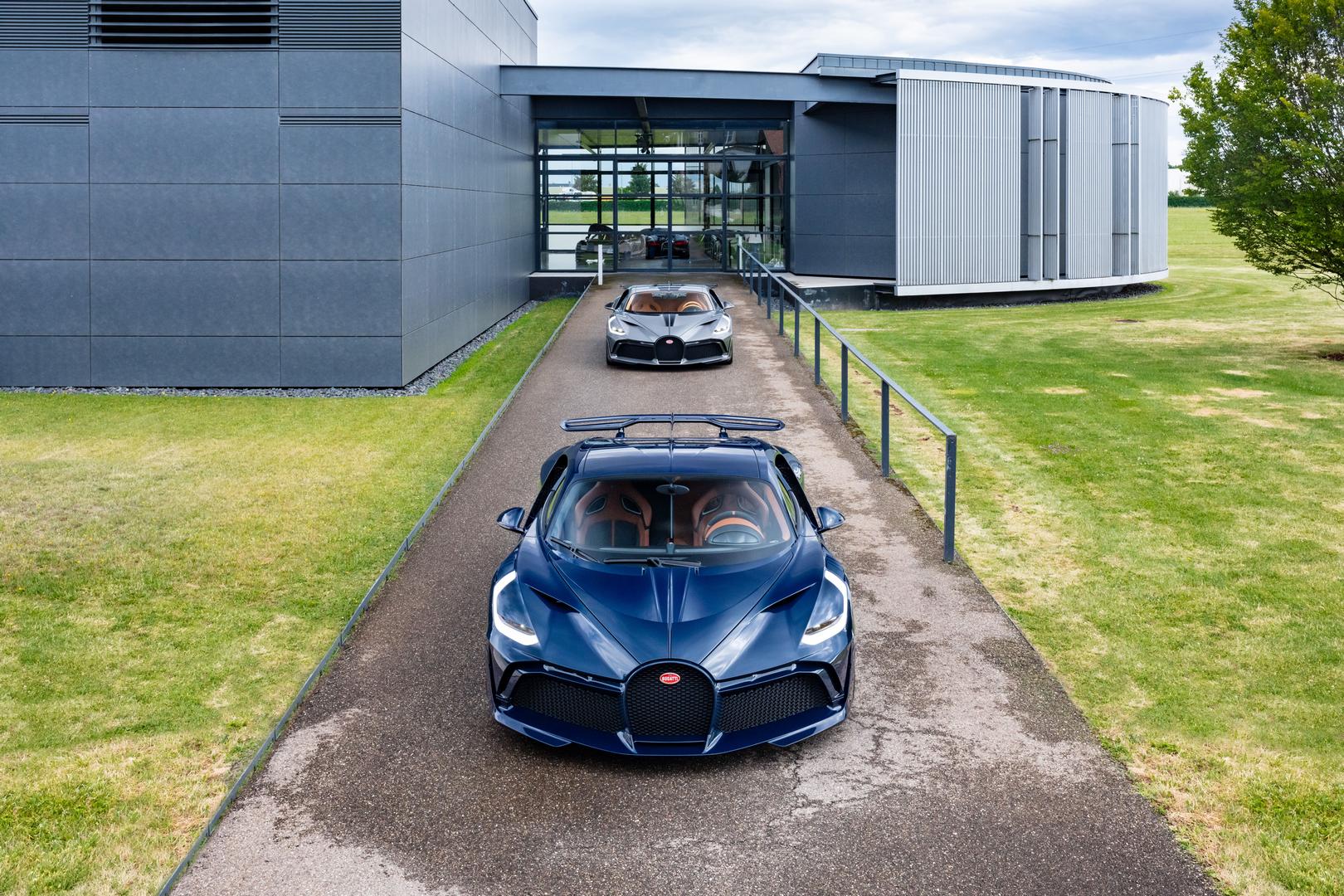
In the late 1980s, Romano Artioli brought the company back to life – albeit only until 1995 – with the development of the EB 110. A few years later, Bugatti settled once more in Molsheim, renovating the Château St. Jean, two remises and the Orangery, and builds an ultra-modern factory, known as the Atelier, in the oval shape of the famous Bugatti Macaron. This is where the Veyron 16.4, the first hyper sports car of the modern era, was produced in 2005. Since then, the precious legacy of Ettore Bugatti has continued here with highly motivated and qualified employees who are passionate about producing the world’s best hyper sports cars. 450 Veyrons were hand-manufactured here until 2015. And since 2016, the employees in the Atelier were assembling the Chiron and its highly sought-after derivatives, the Chiron Pur Sport and Chiron Super Sport, as well as the coach-built Divo, Centodieci, and La Voiture Noire models based on a tradition Bugatti successfully brought back to life in 2018.

“I quickly grew very fond of Bugatti. The history, the products, the team, the whole region,” says Winkelmann. “We are proud of being a French brand and can well understand why Ettore Bugatti was originally attracted to the Alsace region. The national day on July 14 is something truly special to our French employees and to me personally. This is why we want to commemorate it this year with an exceptional tricolore.”

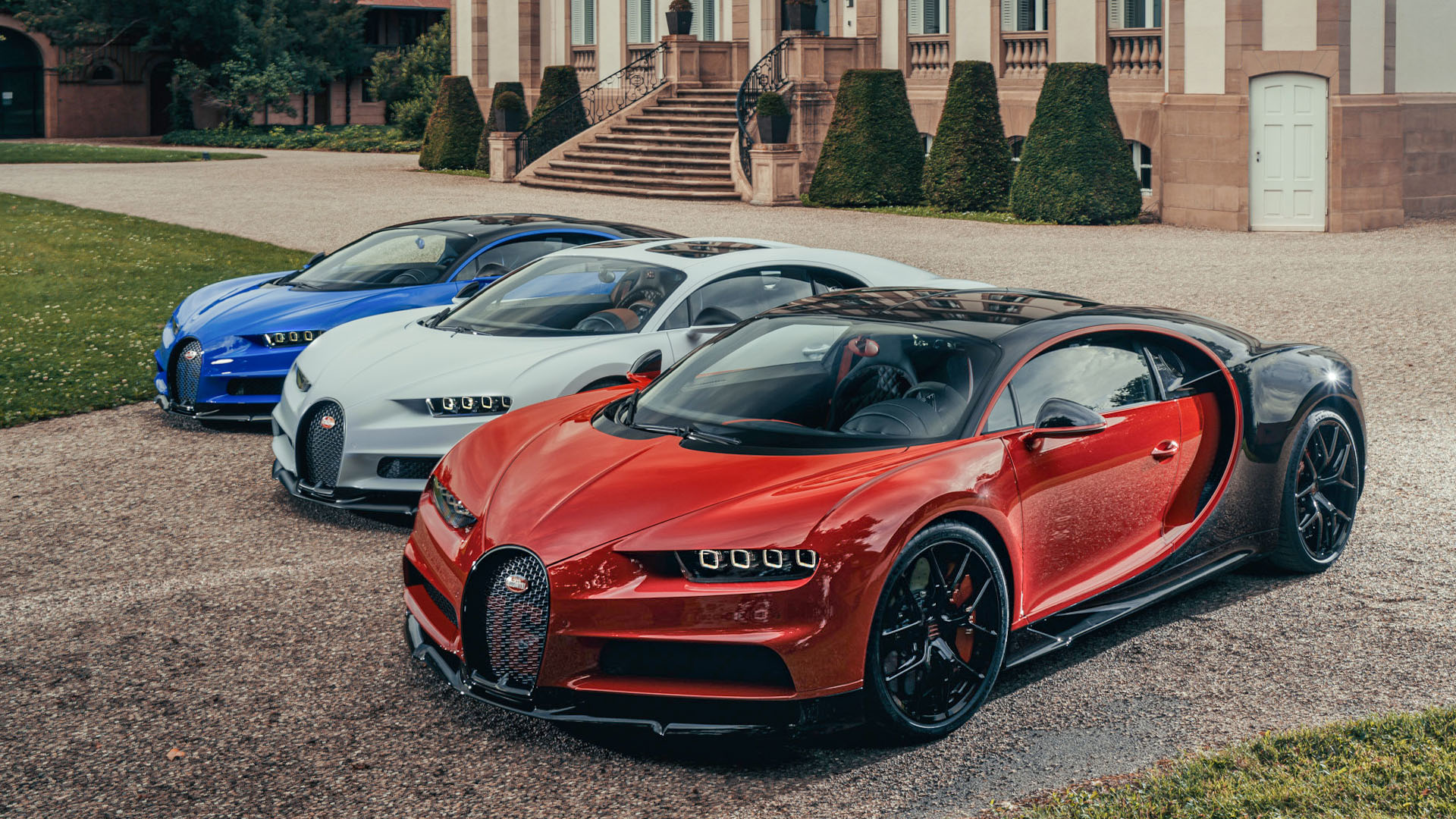
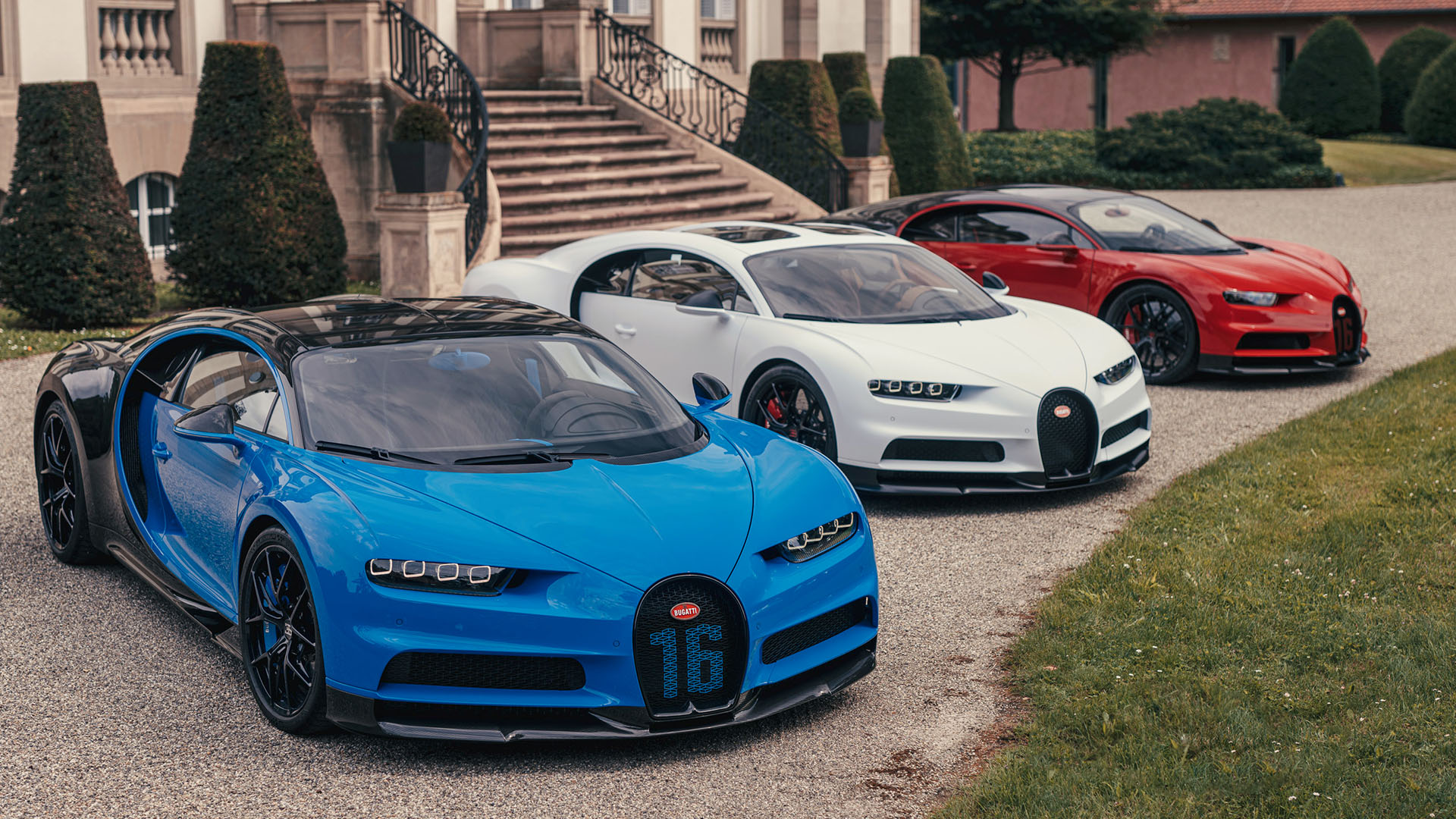
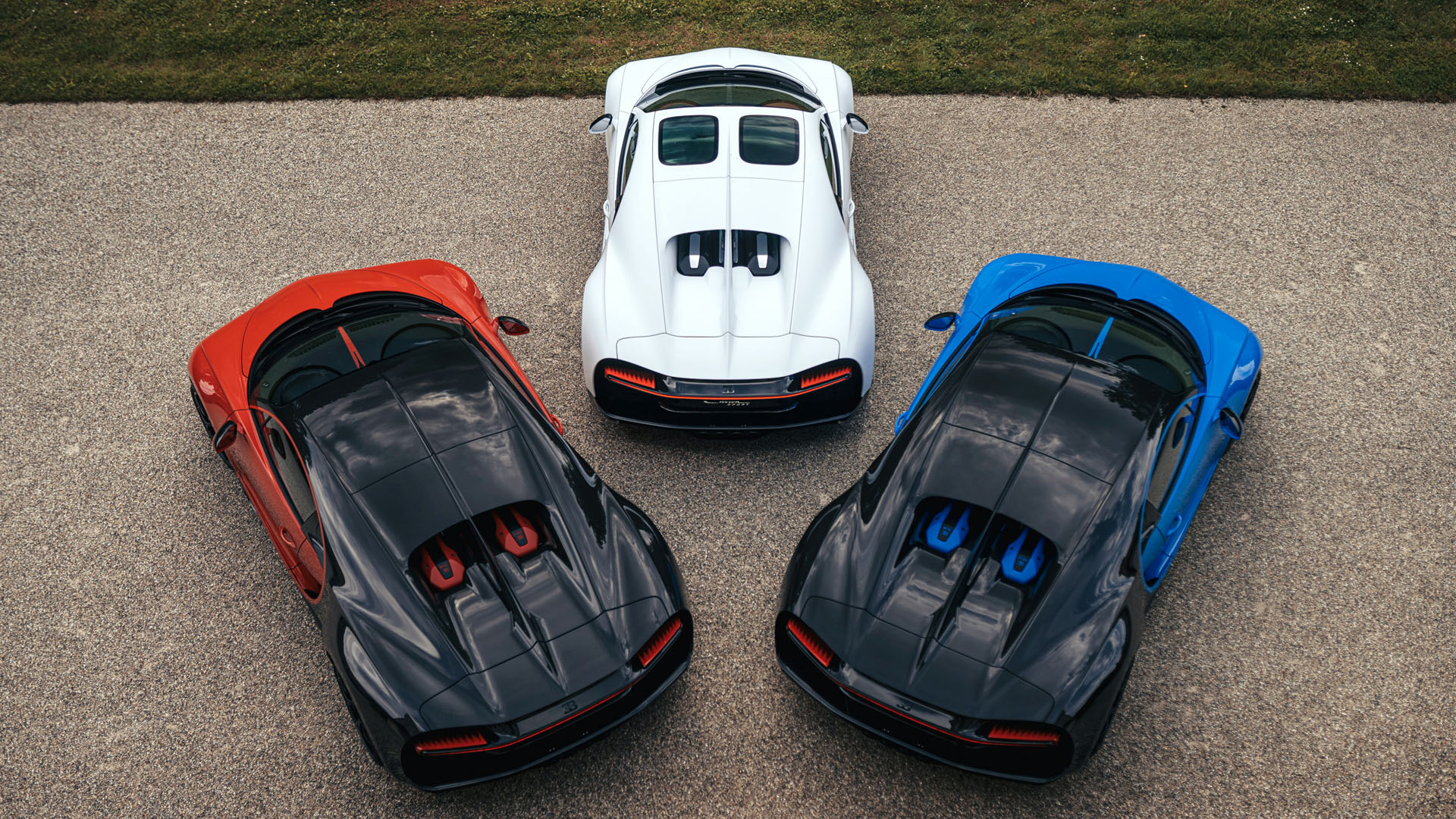
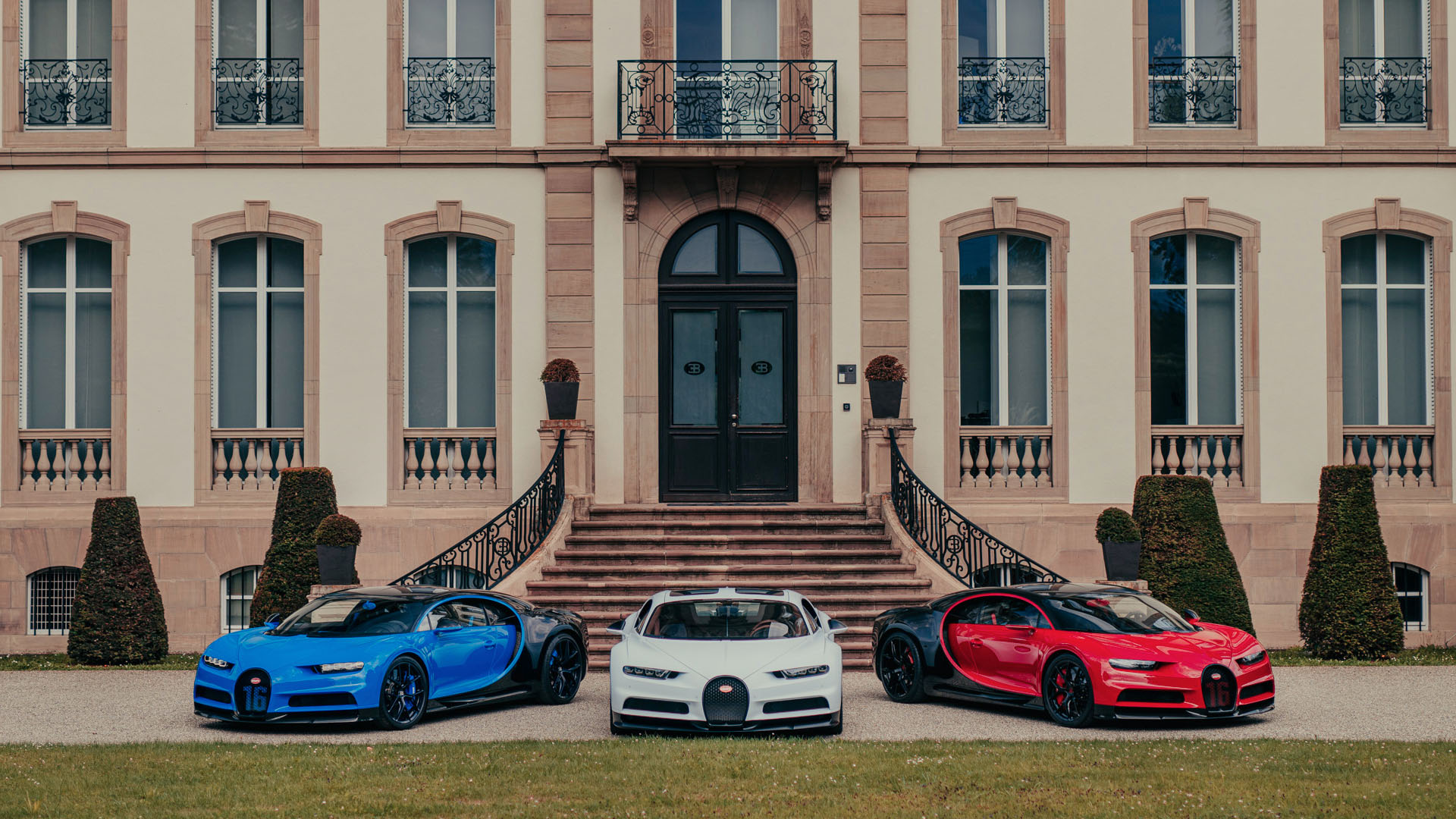
Three Chiron Sport in blue, white, red, symbolizing the French origins and Bugatti’s haute couture of the automotive industry.

The next Nissan GT-R will reportedly be pure ICE

A new report coming out of Japan says that the Nissan GT-R will be a pure internal combustion engine model. That’s an unexpected turn, as it was widely believed that the current generation, called the R35, would be succeeded by an electrified R36 of some kind.

Instead, according to a Best Car report, the next GT-R will be a heavily reworked version of the R35. It’s a template many carmakers are turning to these days if they still want to offer a low-volume performance model at a reasonable price — see Subaru BRZ, Dodge Charger, Lexus IS, and Nissan’s own Z.

It had been reported that Kazutoshi Mizuno, the top engineer behind the GT-R, had been developing a mild hybrid version of Godzilla as the R36. However, Mizuno retired from Nissan, delaying that version’s progress. Still, the R35’s end-of-production date in 2022 was said to be a hard stop, so it seemed as if there would be a hiatus where the GT-R skipped at least one model year before the R36 was ready.

Now, according to Best Car, the R36 will continue as a pure gasoline-powered car, picking right up where the R35 leaves off in early 2023. There will be no gap in GT-R model years like the long absence between the R34 and R35.

The article also states that a gasoline-only GT-R might be made possible due to Nissan’s strong position in EV and e-Power hybrid sales. Fuel economy and emissions savings on those fronts can help balance the GT-R bringing down the average in fleet calculations.

Of course, if true, this doesn’t mean the R36 will stay gasoline-only for long, especially if the generation lasts as long as the R35. We can expect continuous improvements as Nissan has done with the current gen, and it’s not a long shot to assume electrification during its lifespan.

Related video:

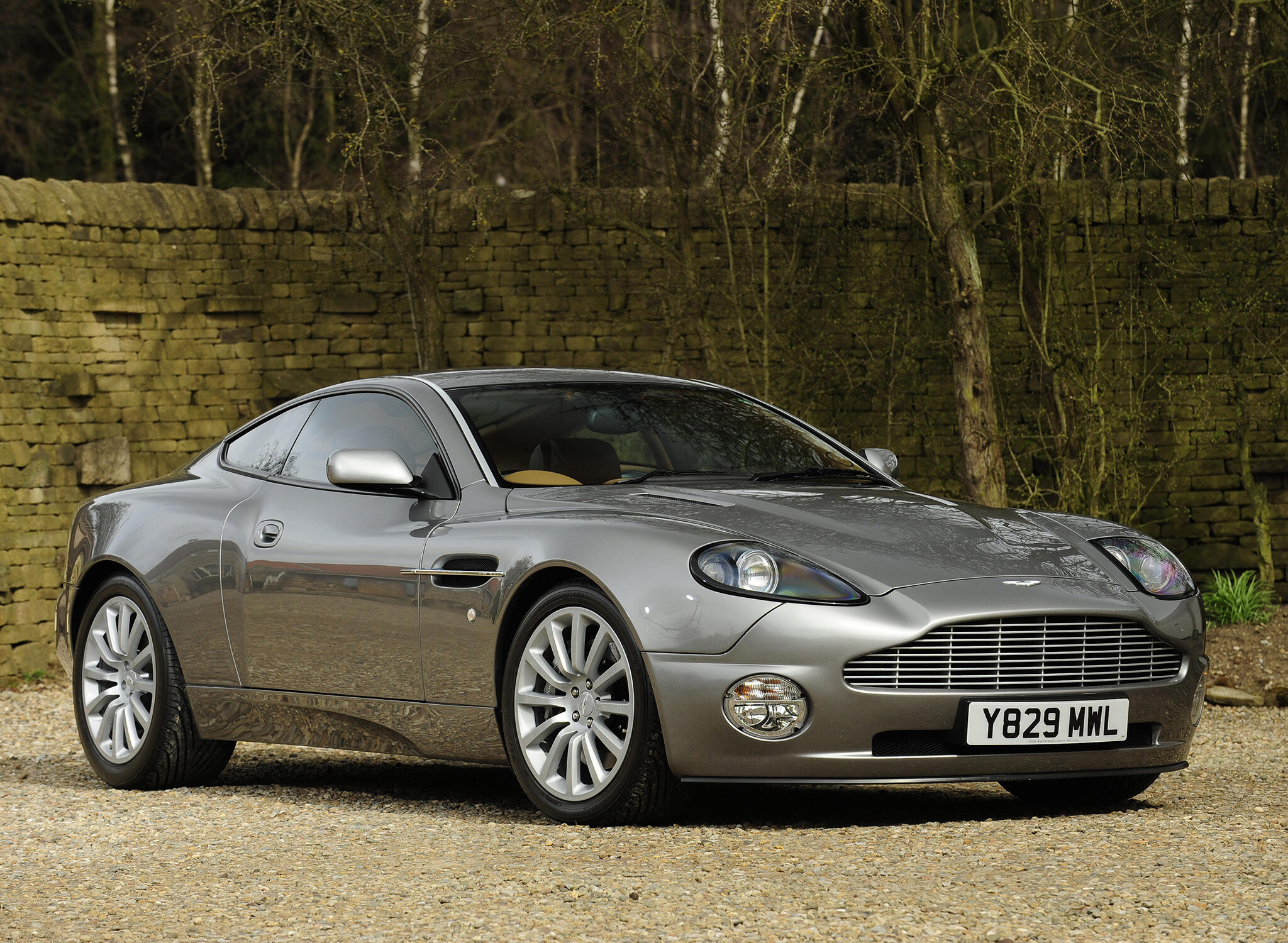
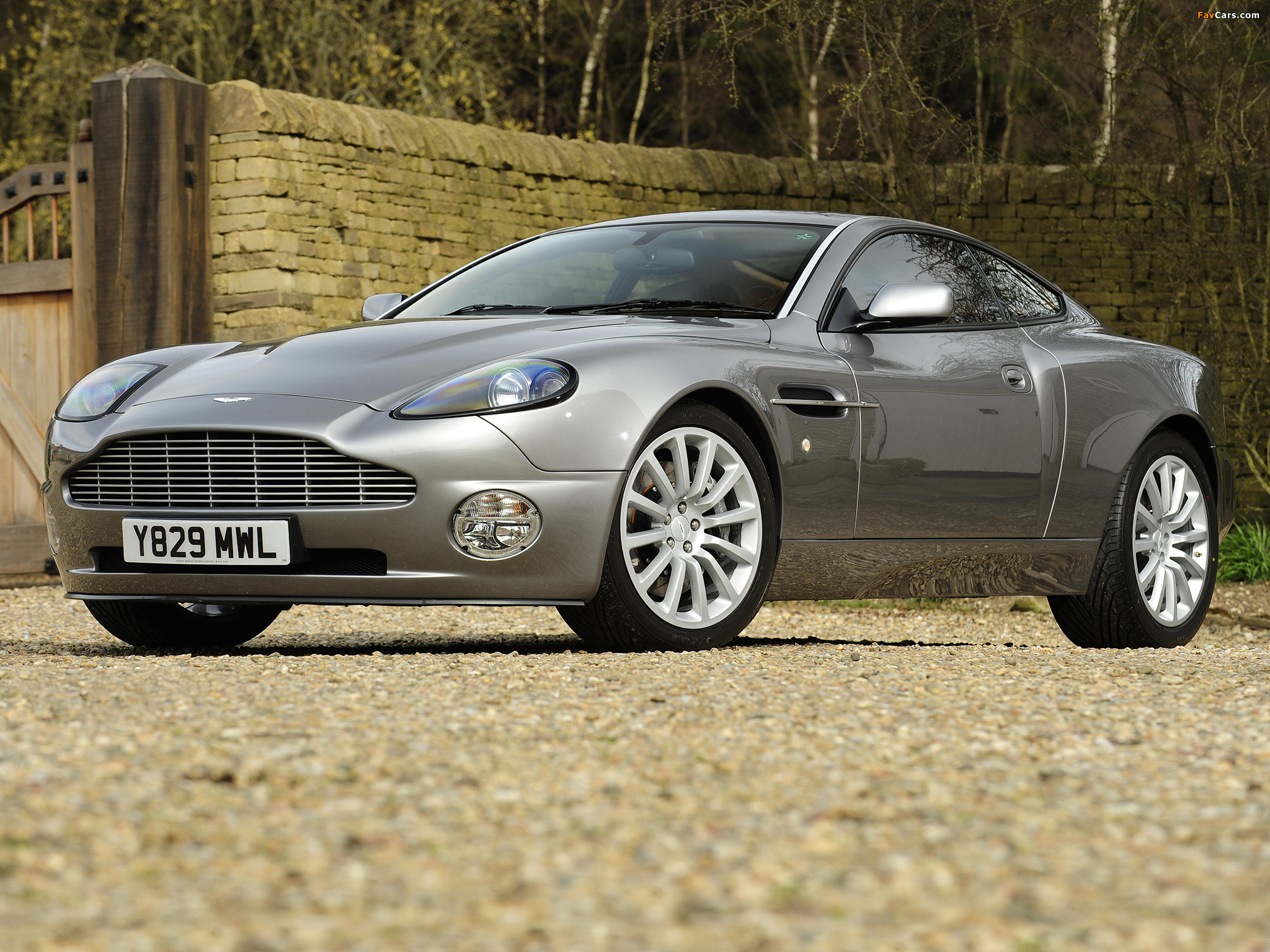
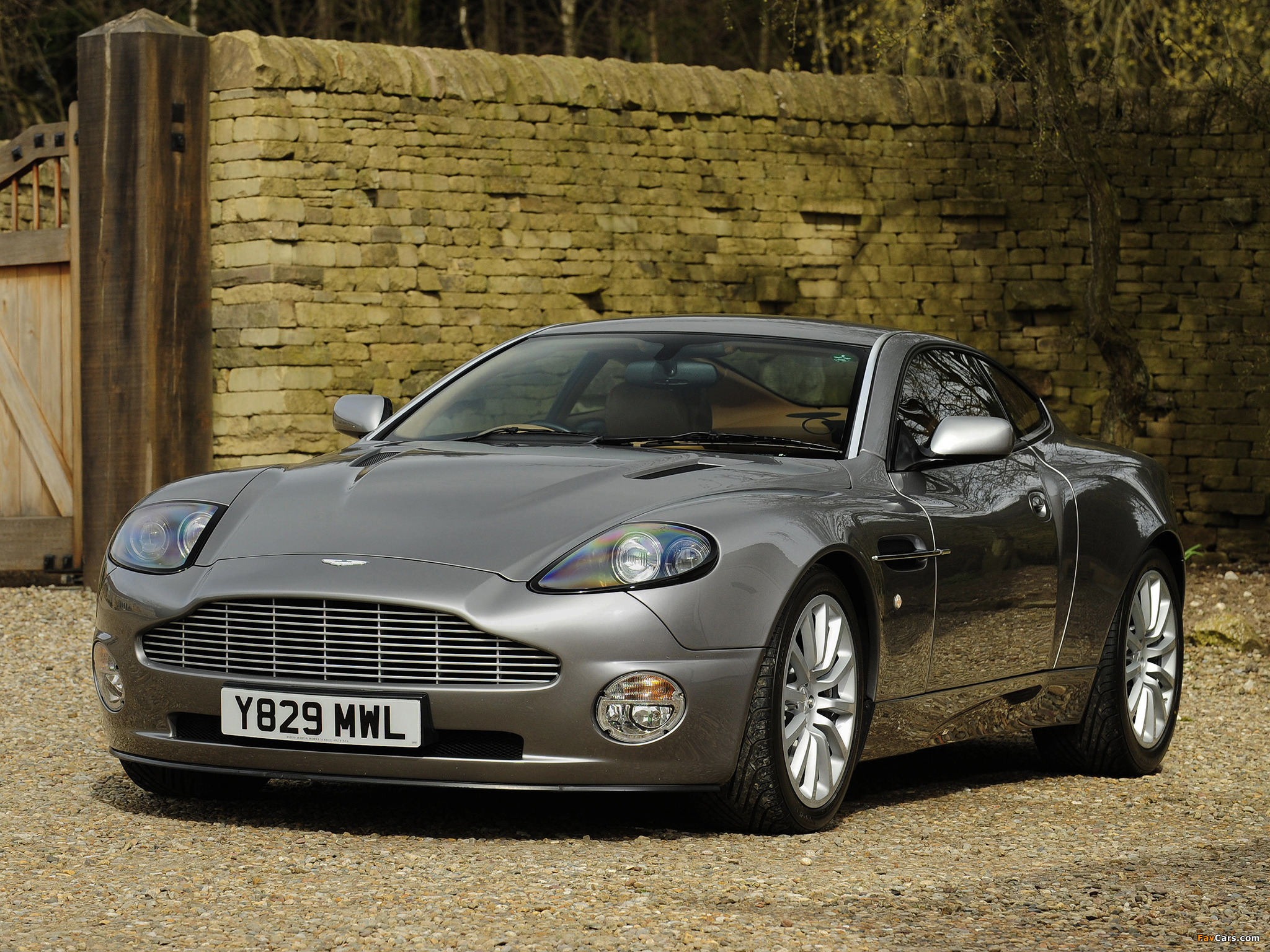
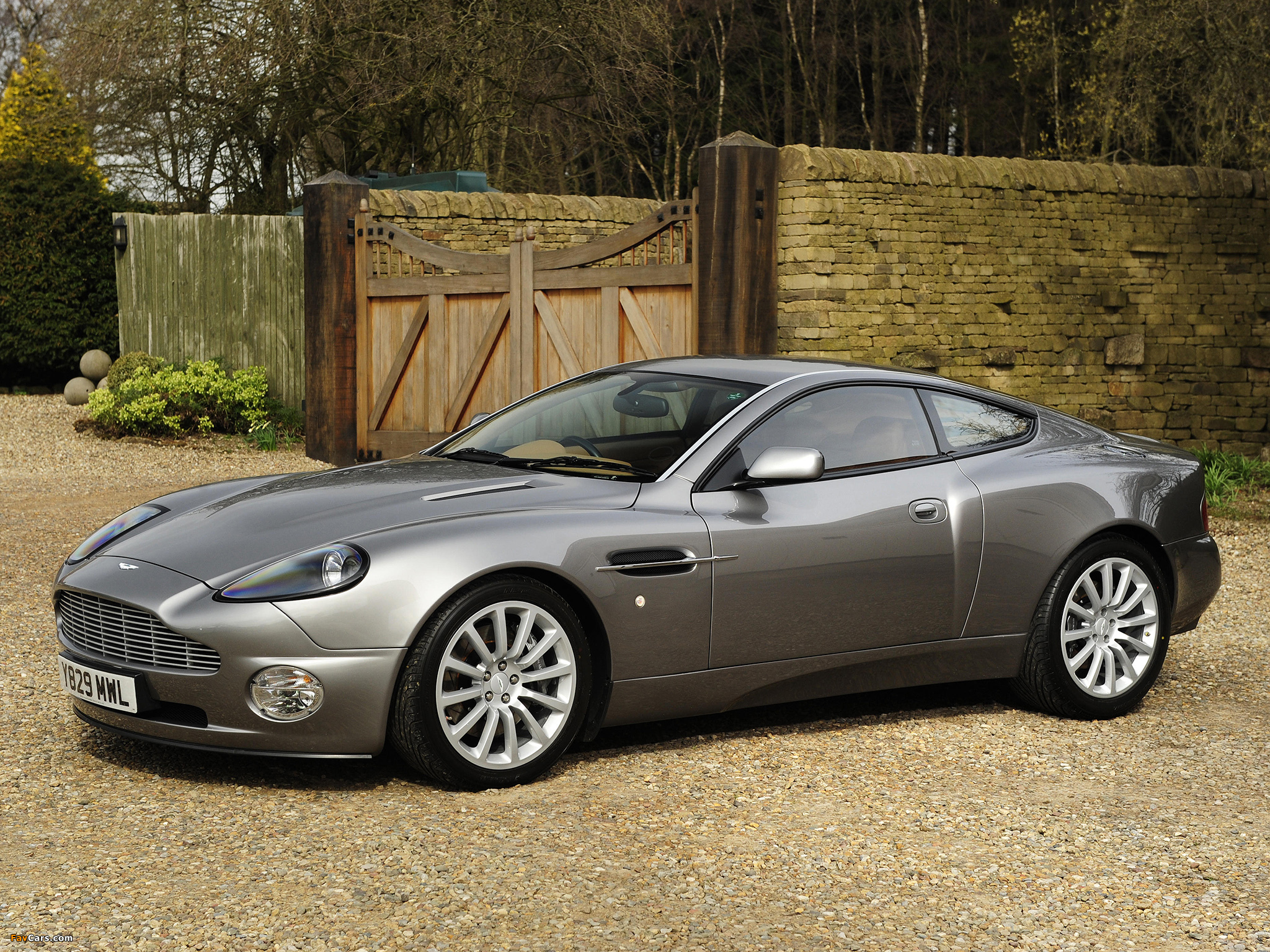
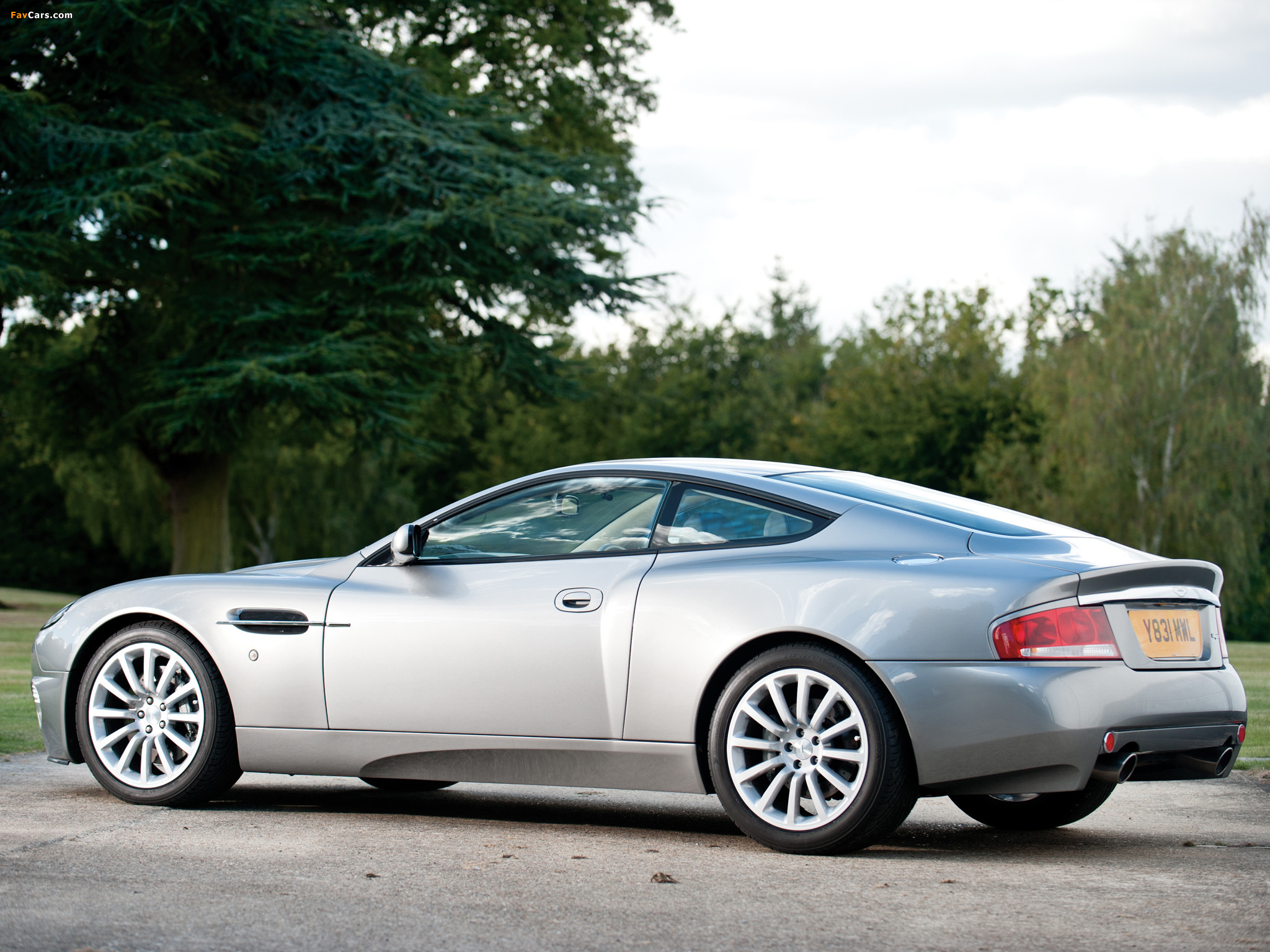
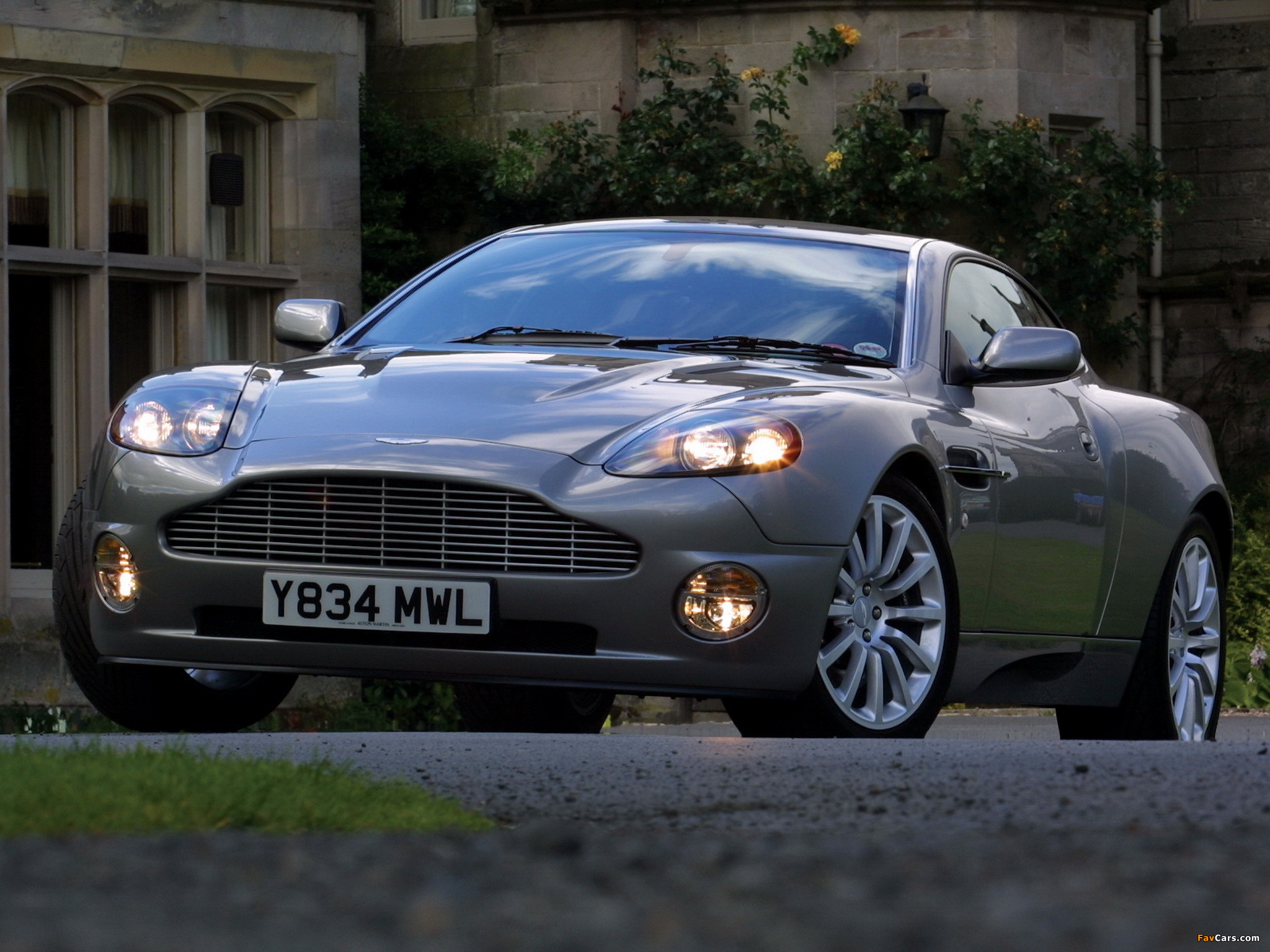
2001 Aston Martin V12 Vanquish Wallpapers

We have curated the ultimate collection of the best 2001 Aston Martin V12 Vanquish Wallpapers and HD backgrounds for you to enjoy. Our team focused on finding the top 2001 Aston Martin V12 Vanquish Wallpapers only to keep the quality high. These 2001 Aston Martin V12 Vanquish Wallpapers are free to download so go ahead. To download any of these pictures for use as a wallpaper, right click the picture and choose Save As…

Find more awesome Aston Martin Wallpaper

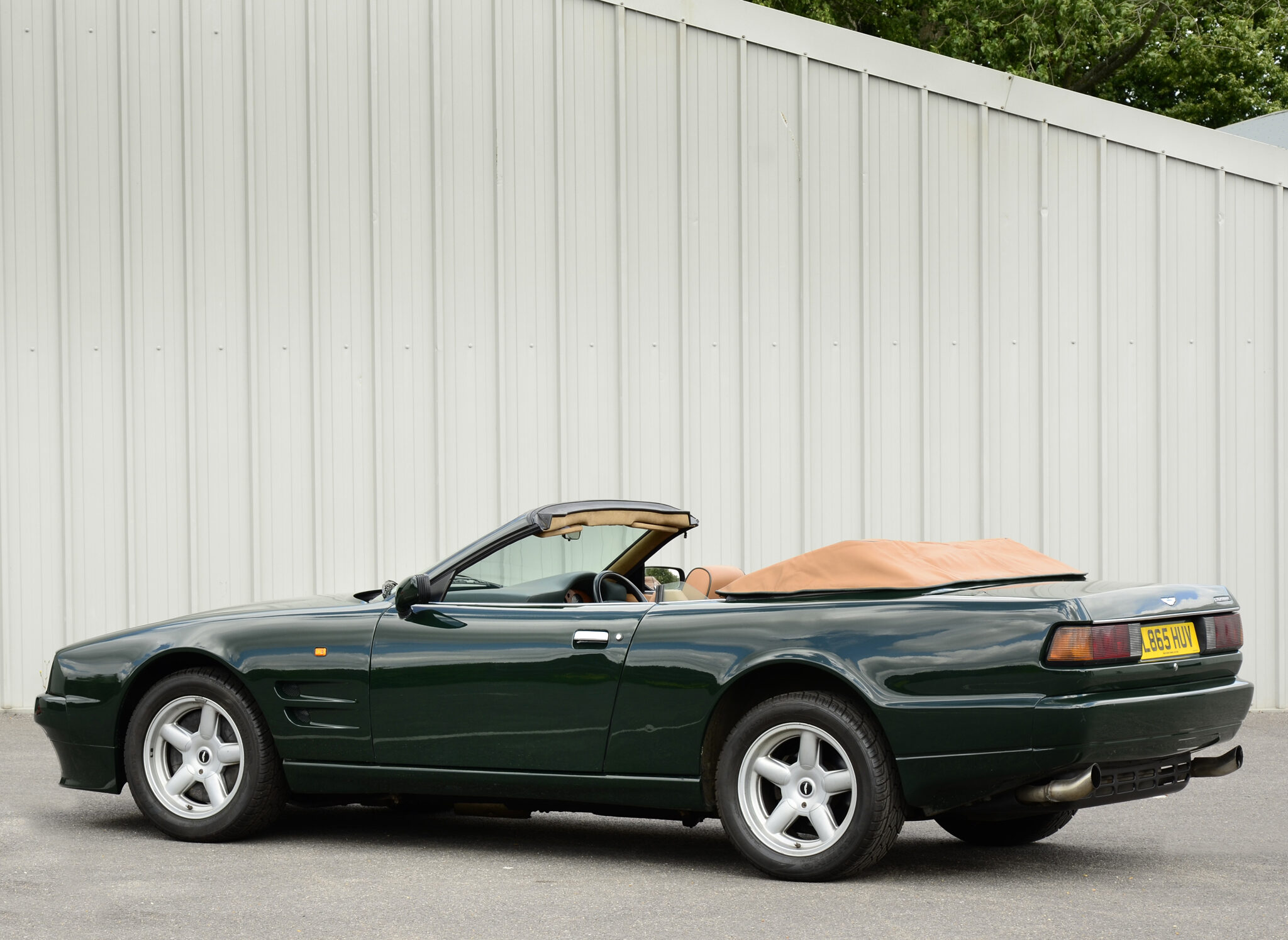
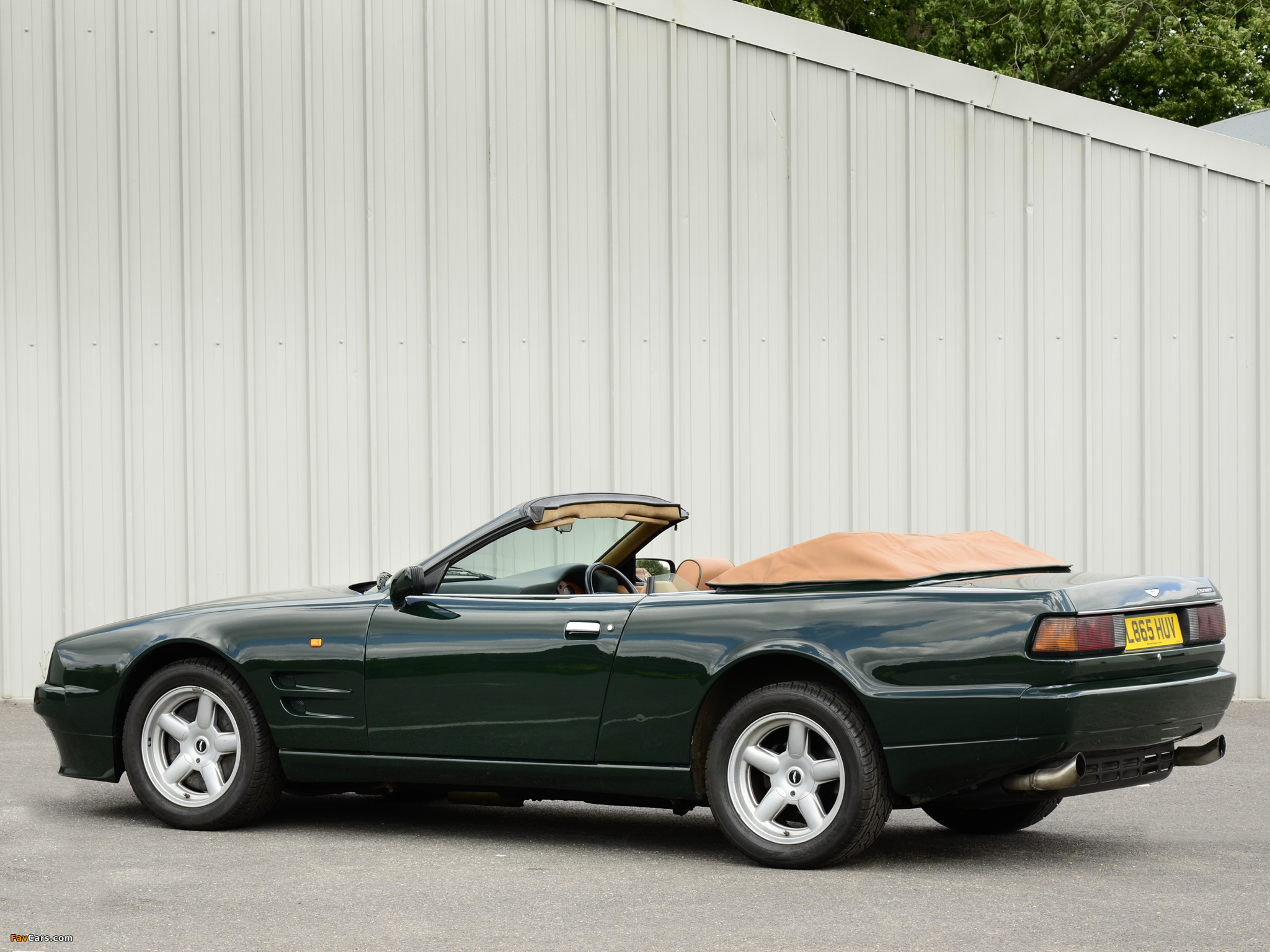
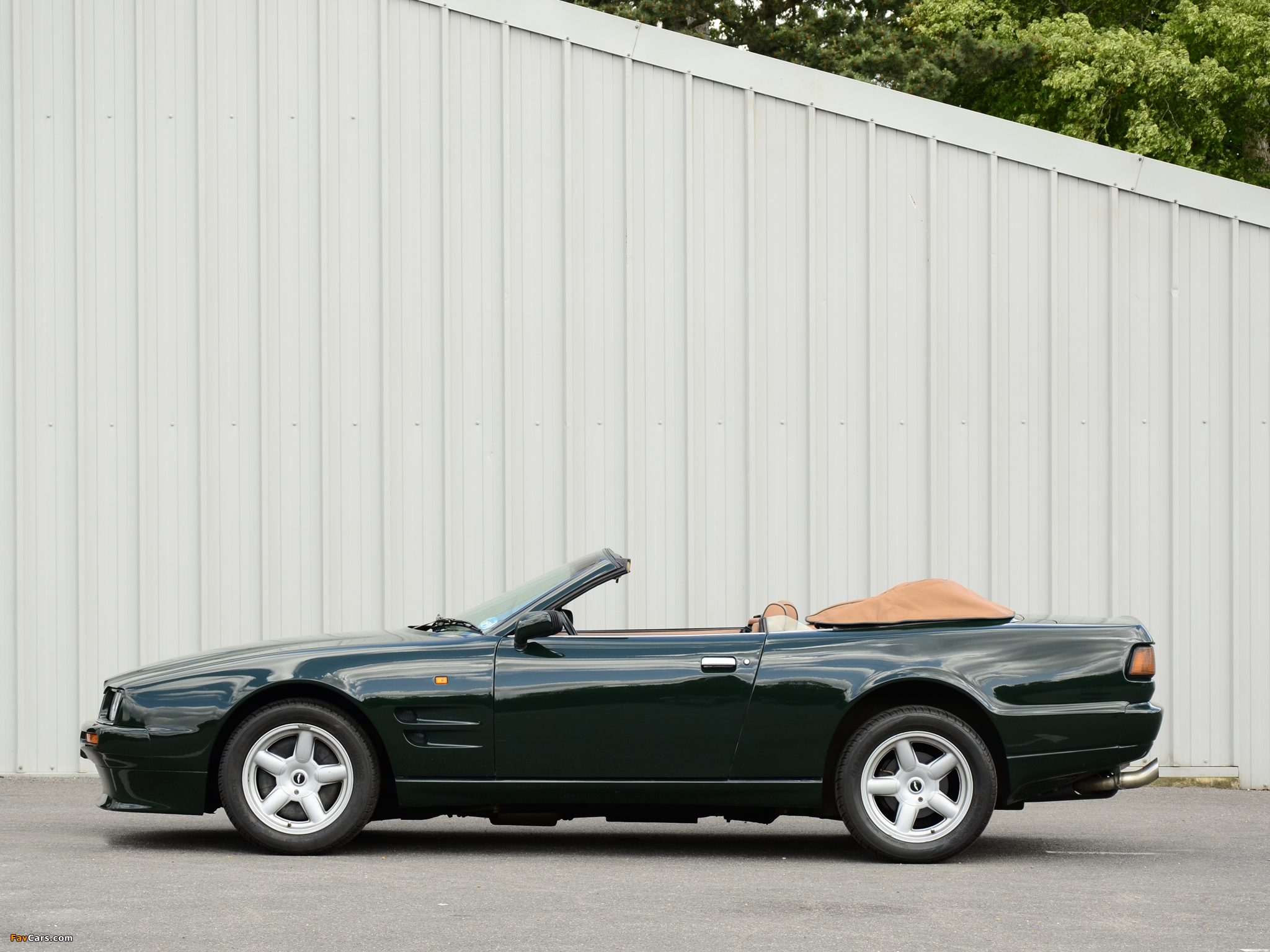
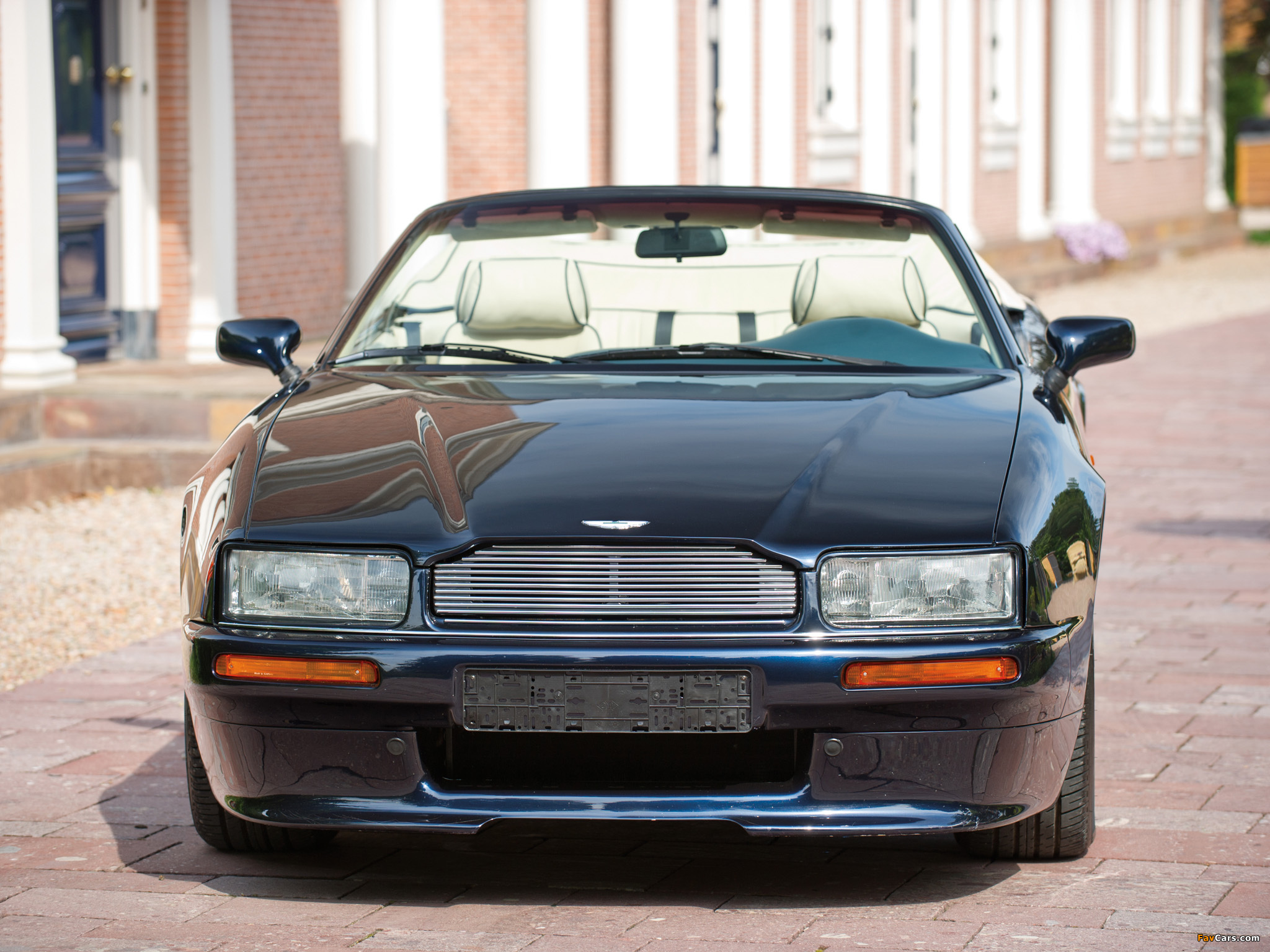
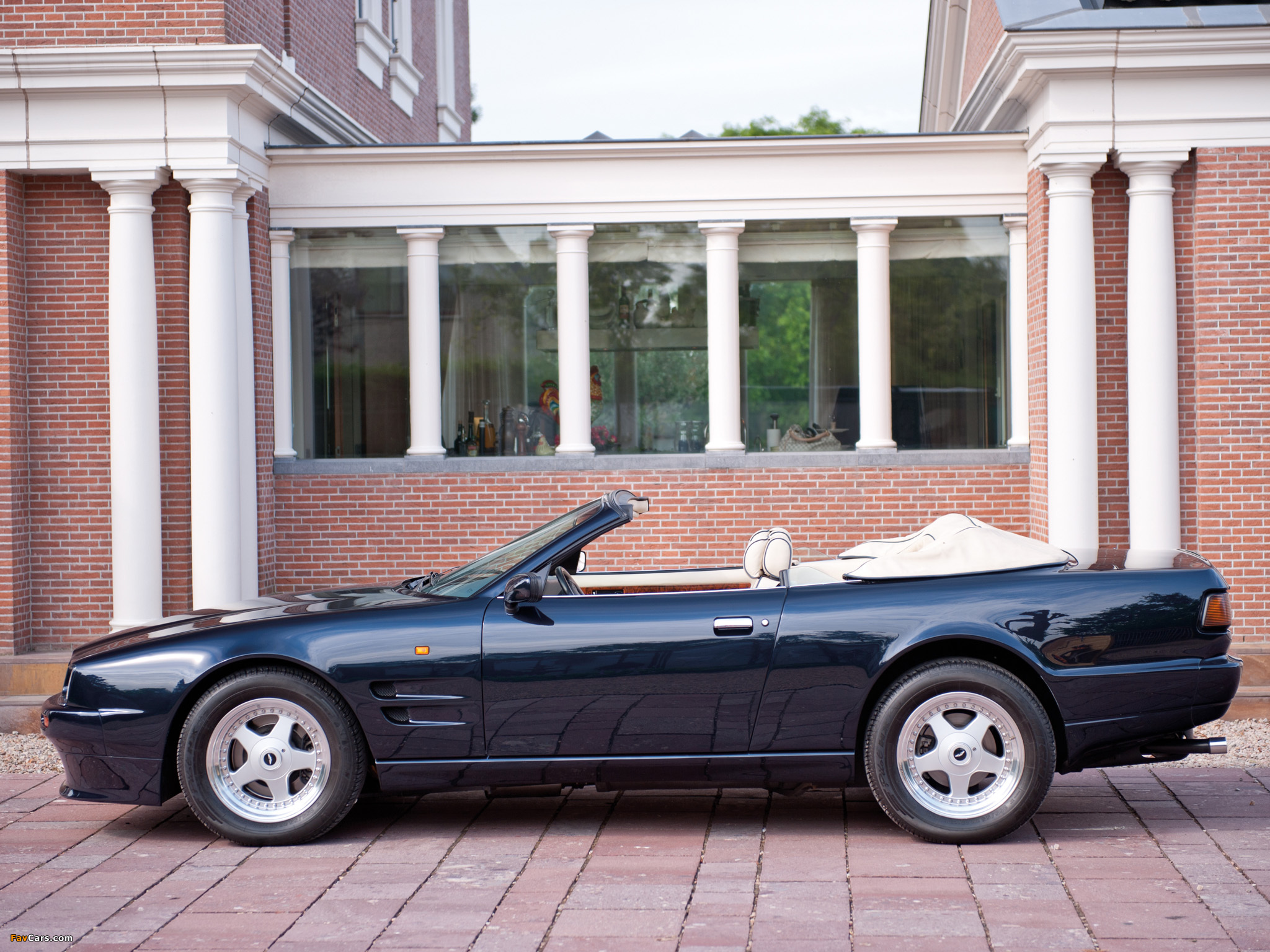
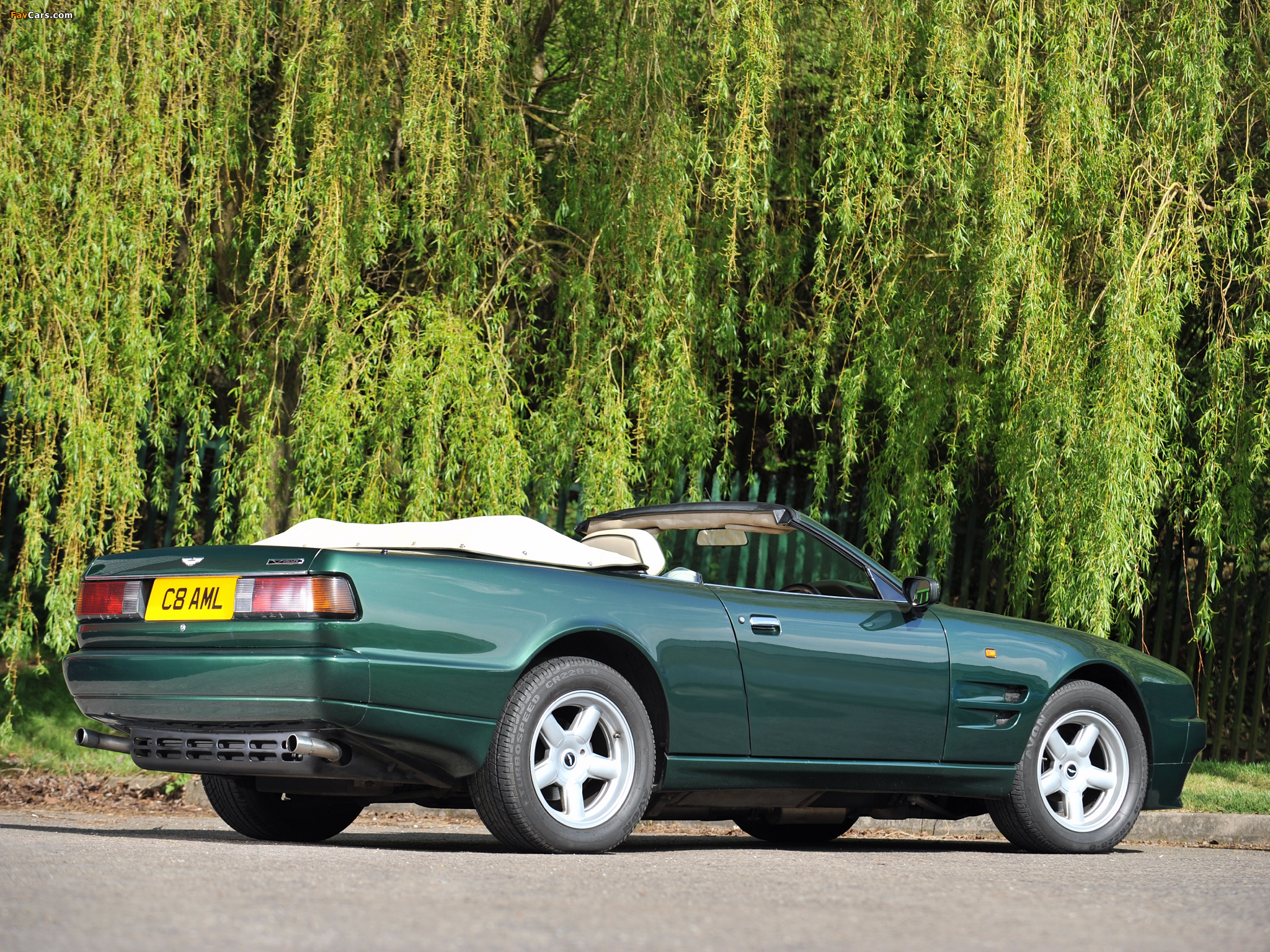
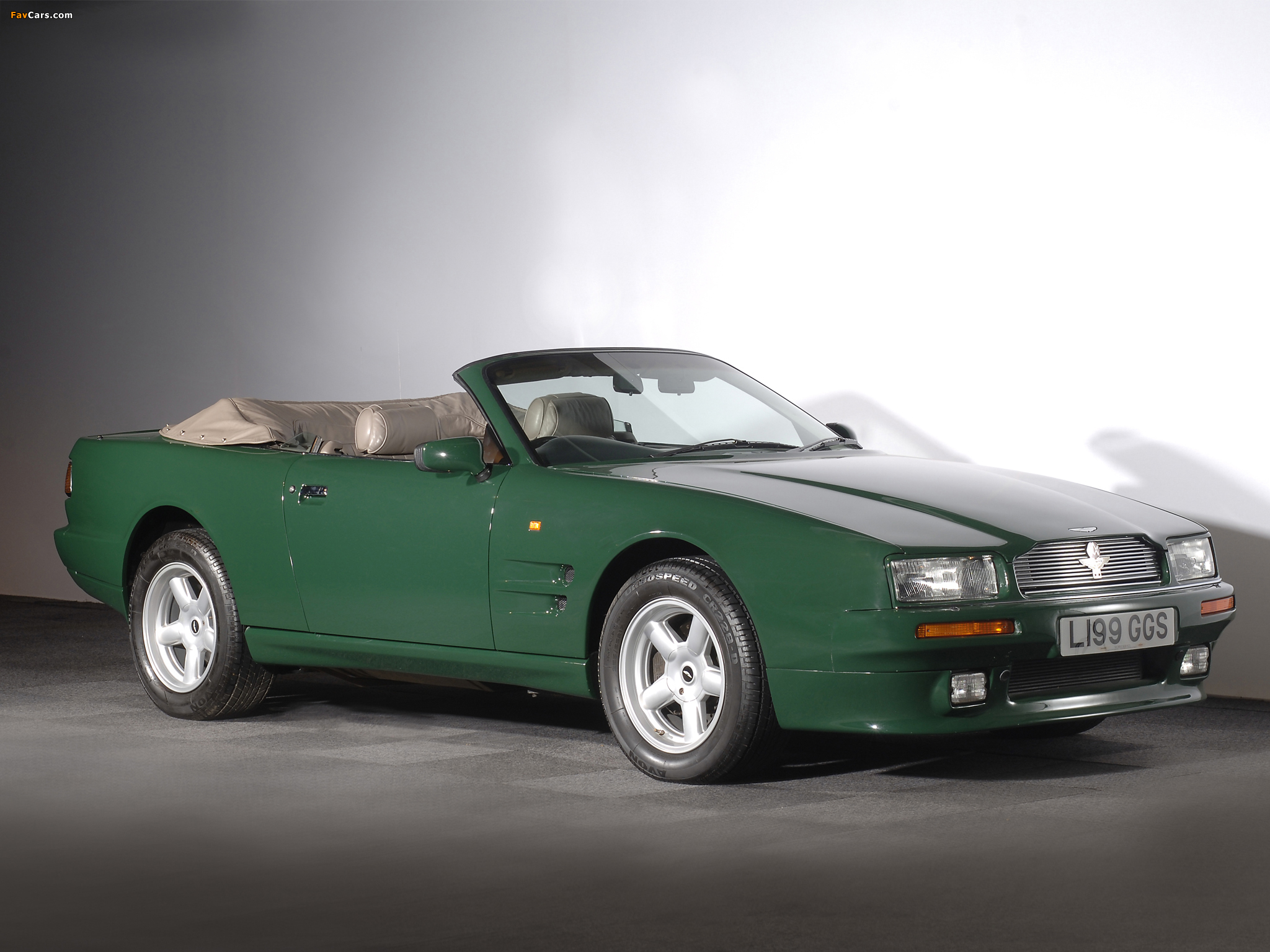
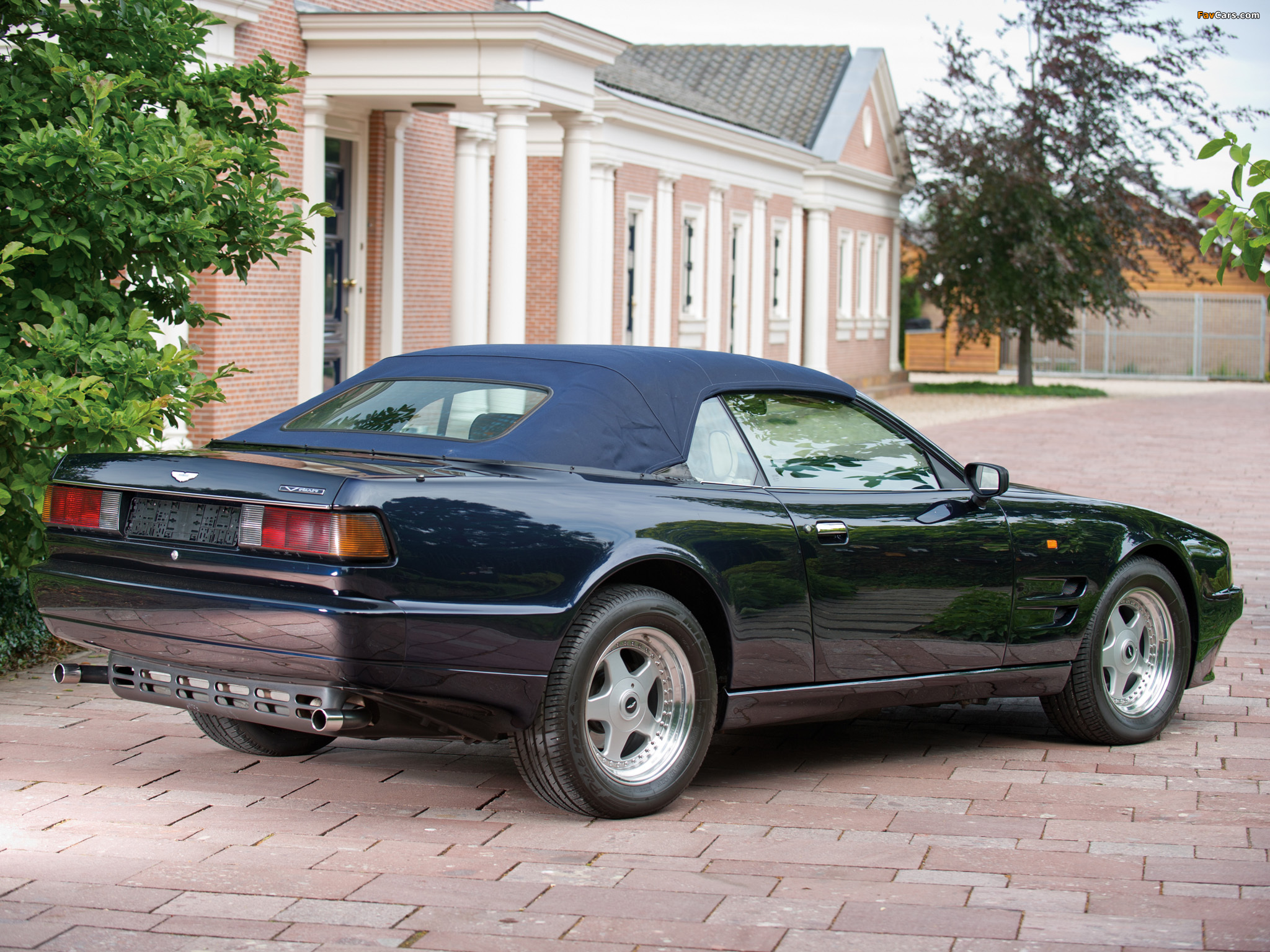
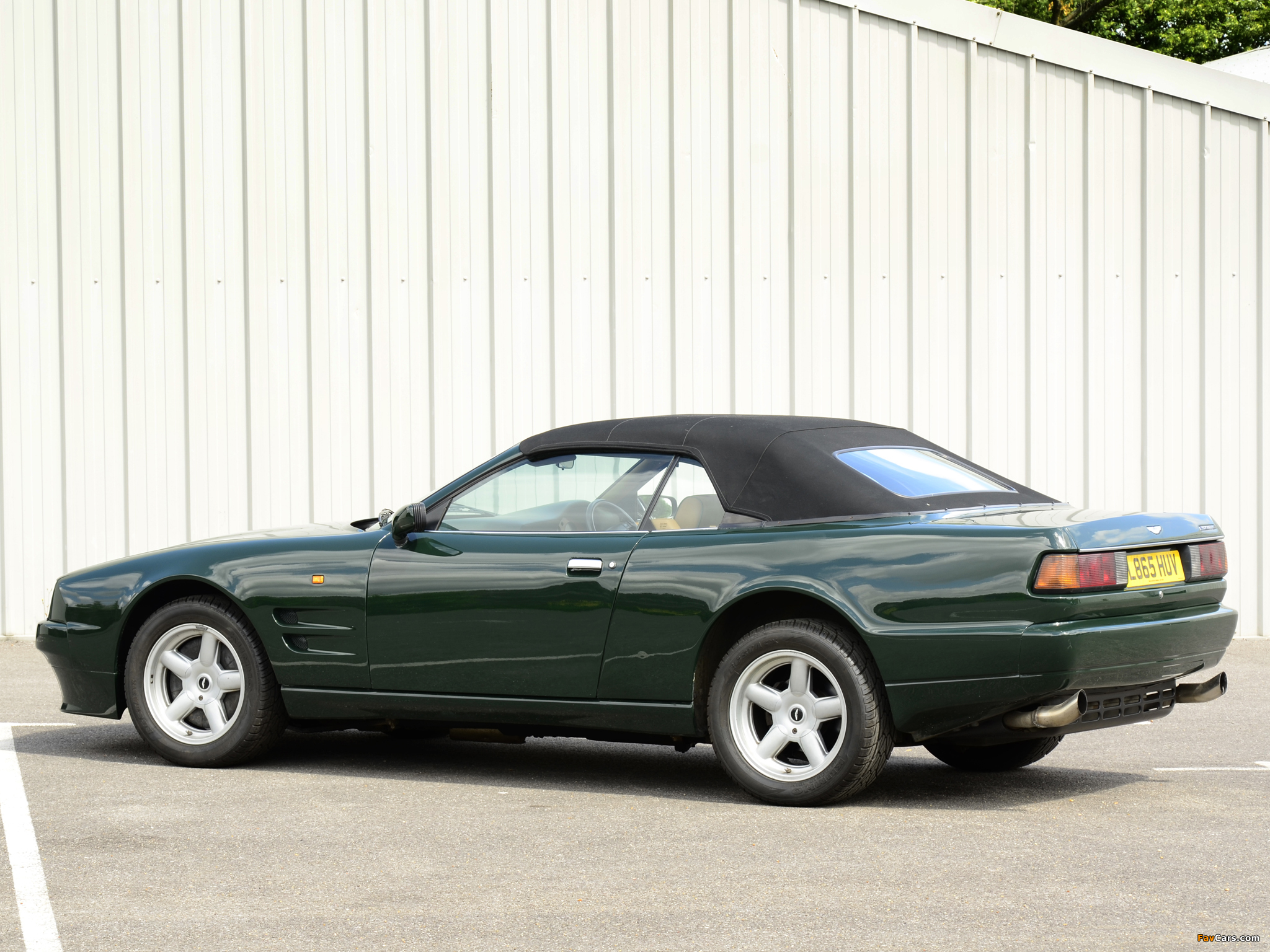
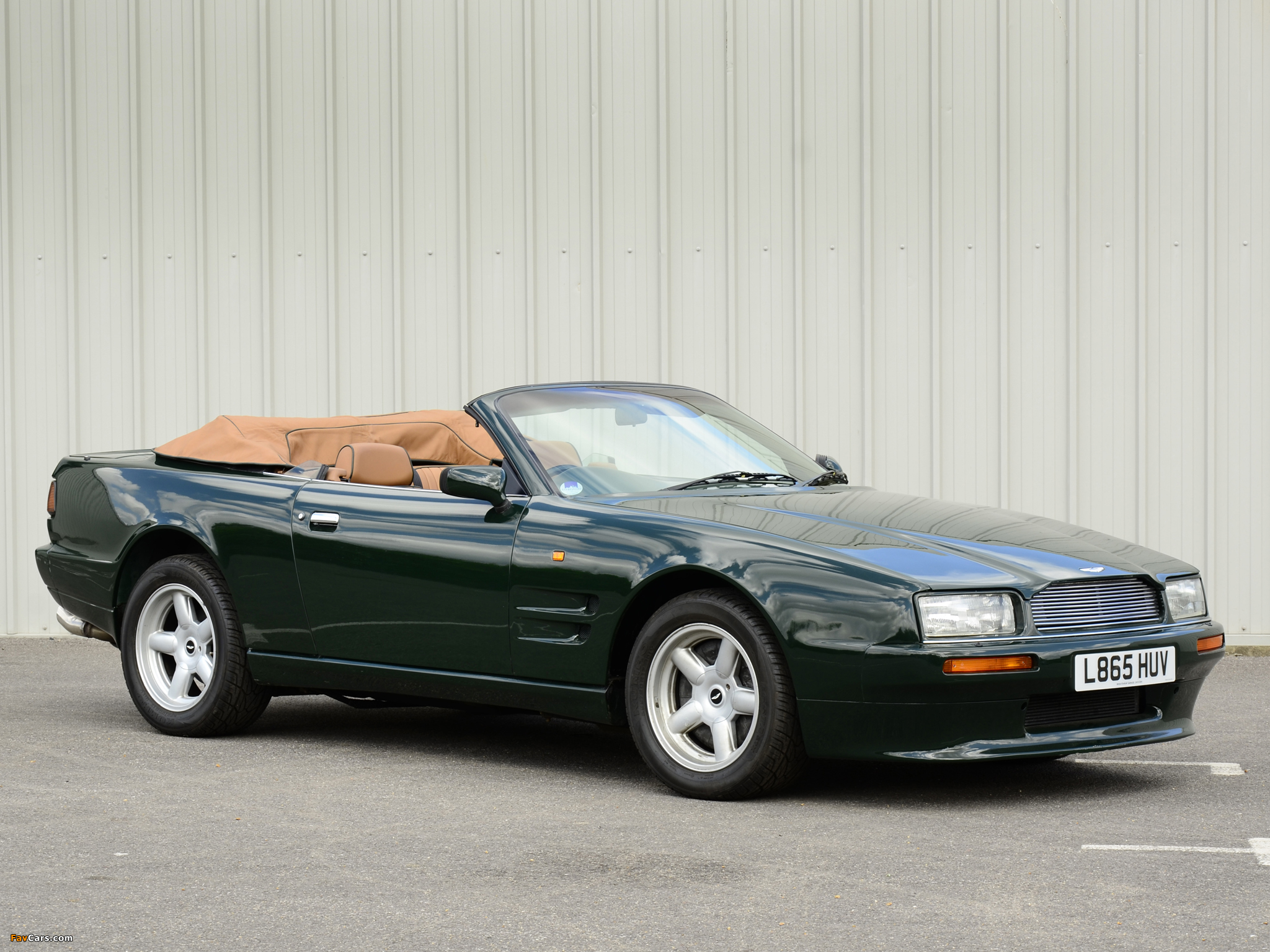
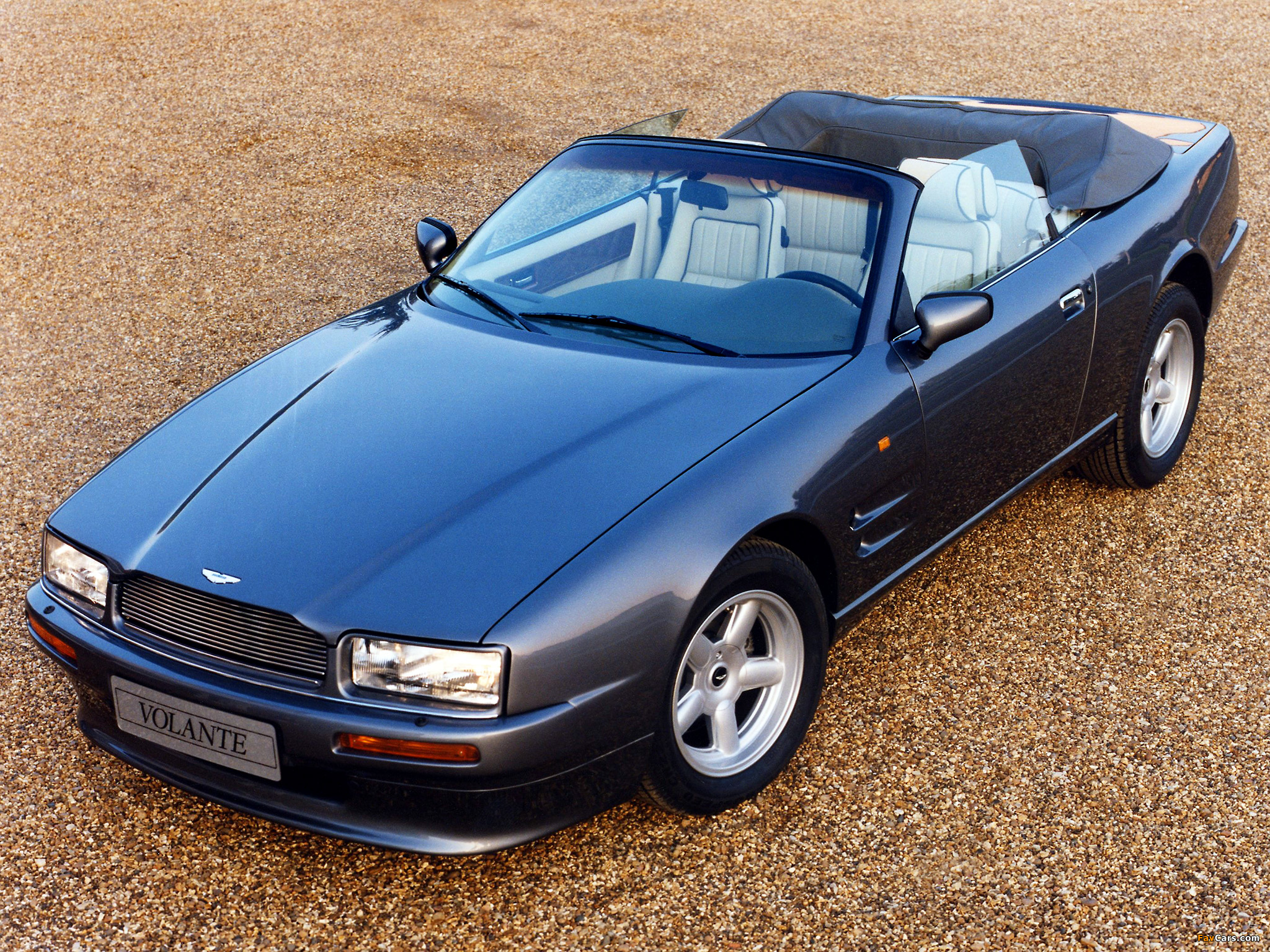
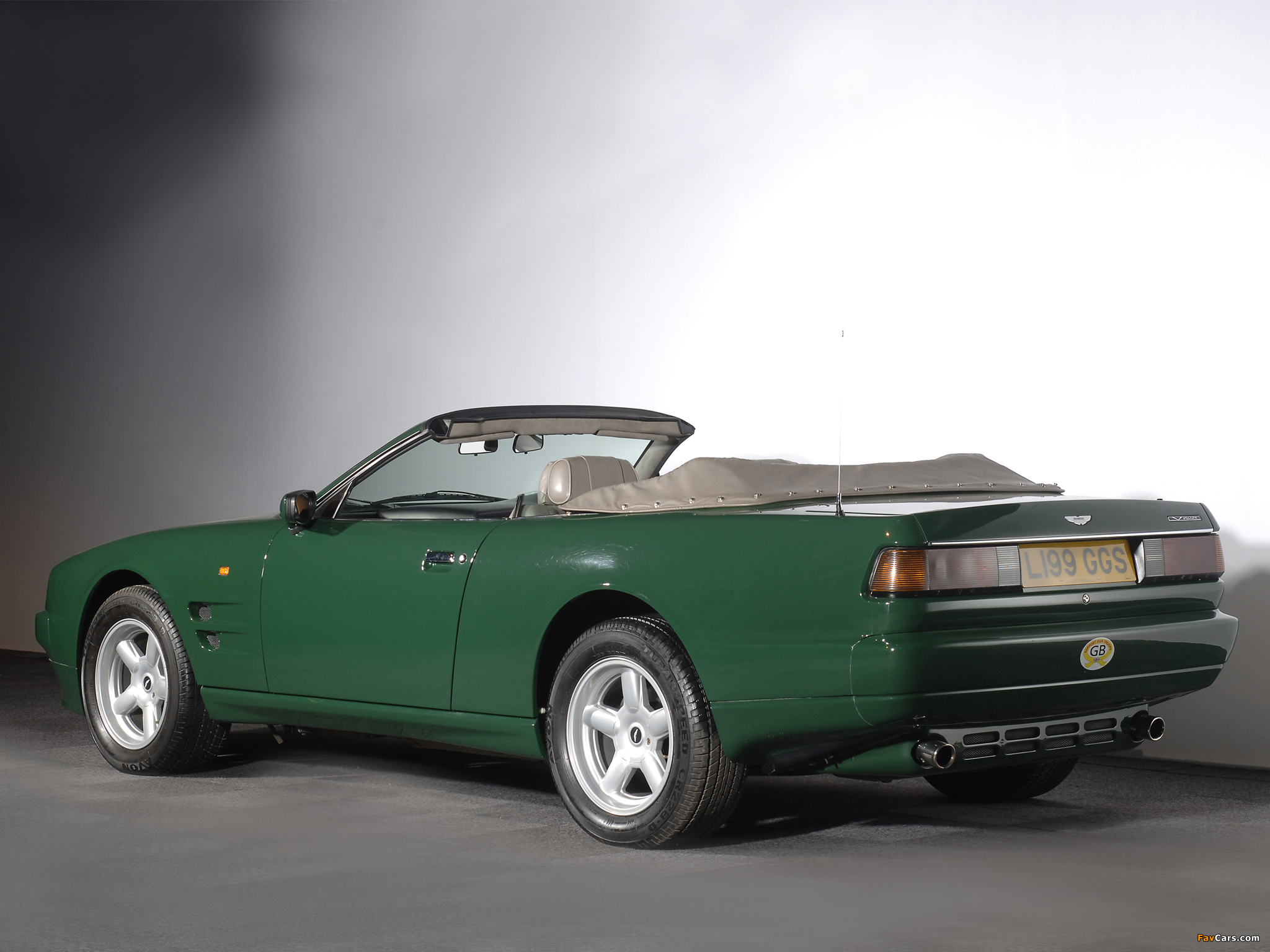
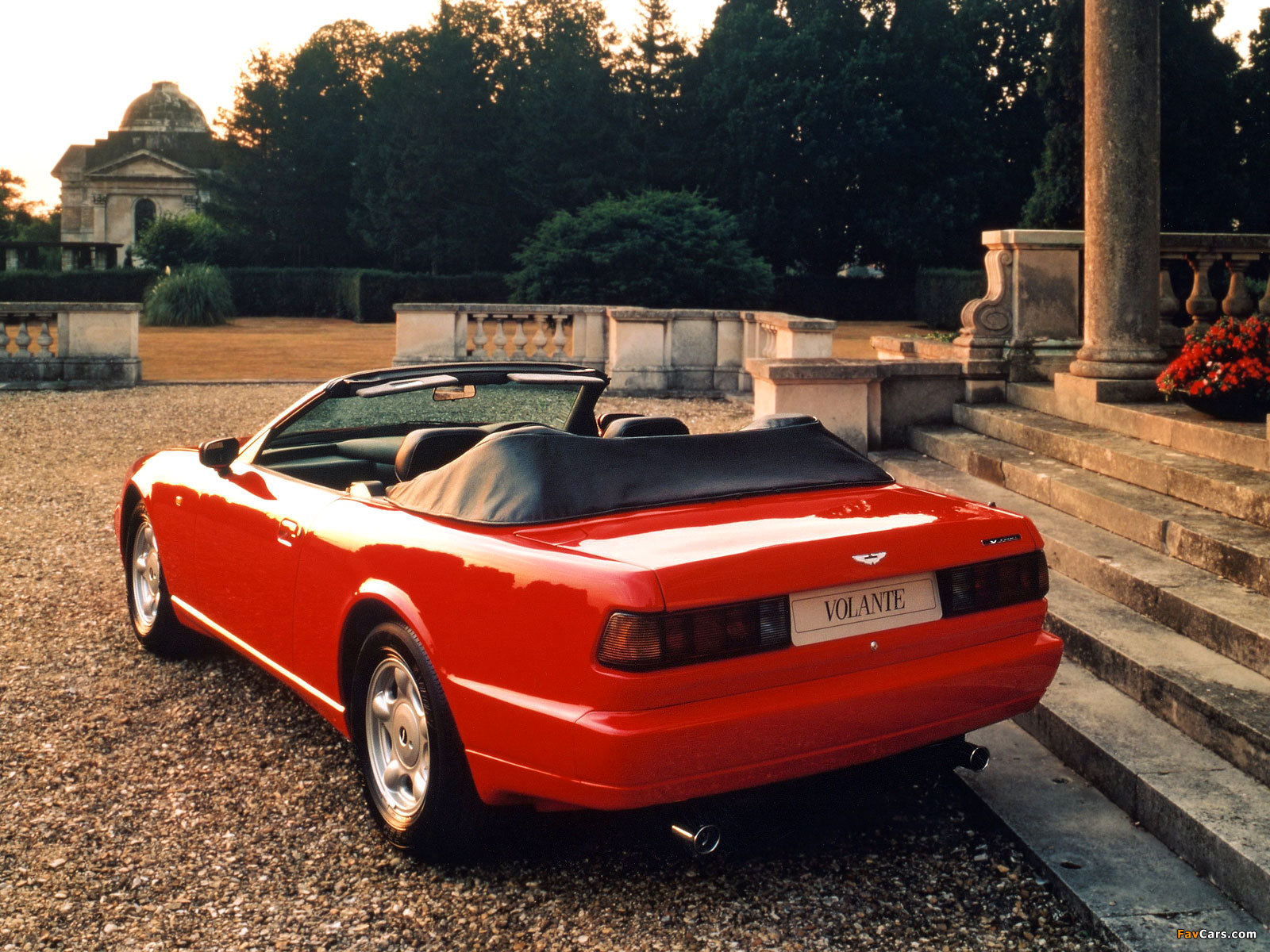
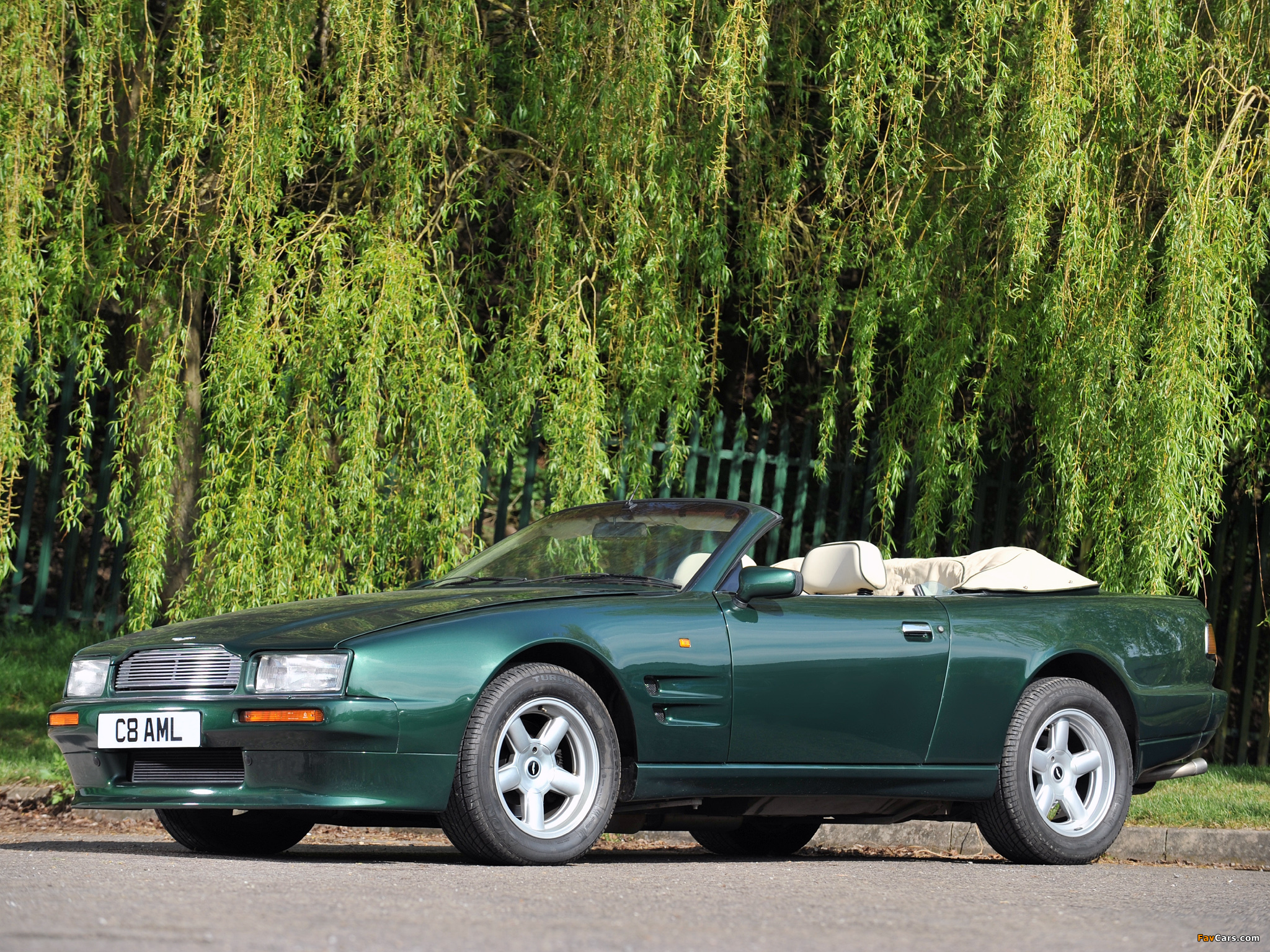
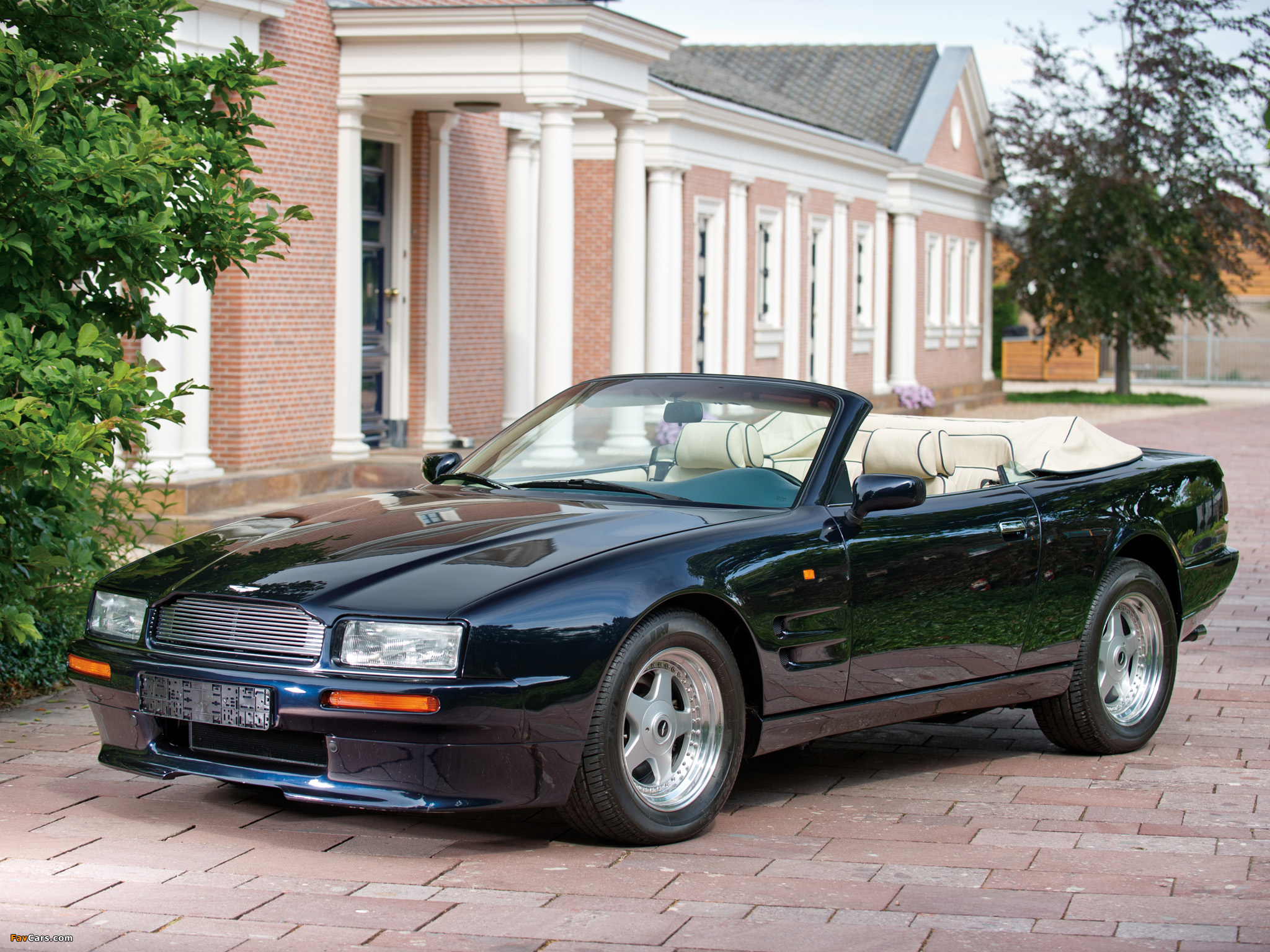
1992 Aston Martin Virage Volante Wallpapers

We have curated the ultimate collection of the best 1992 Aston Martin Virage Volante Wallpapers and HD backgrounds for you to enjoy. Our team focused on finding the top 1992 Aston Martin Virage Volante Wallpapers only to keep the quality high. These 1992 Aston Martin Virage Volante Wallpapers are free to download so go ahead. To download any of these pictures for use as a wallpaper, right click the picture and choose Save As…

Find more awesome Aston Martin Wallpaper

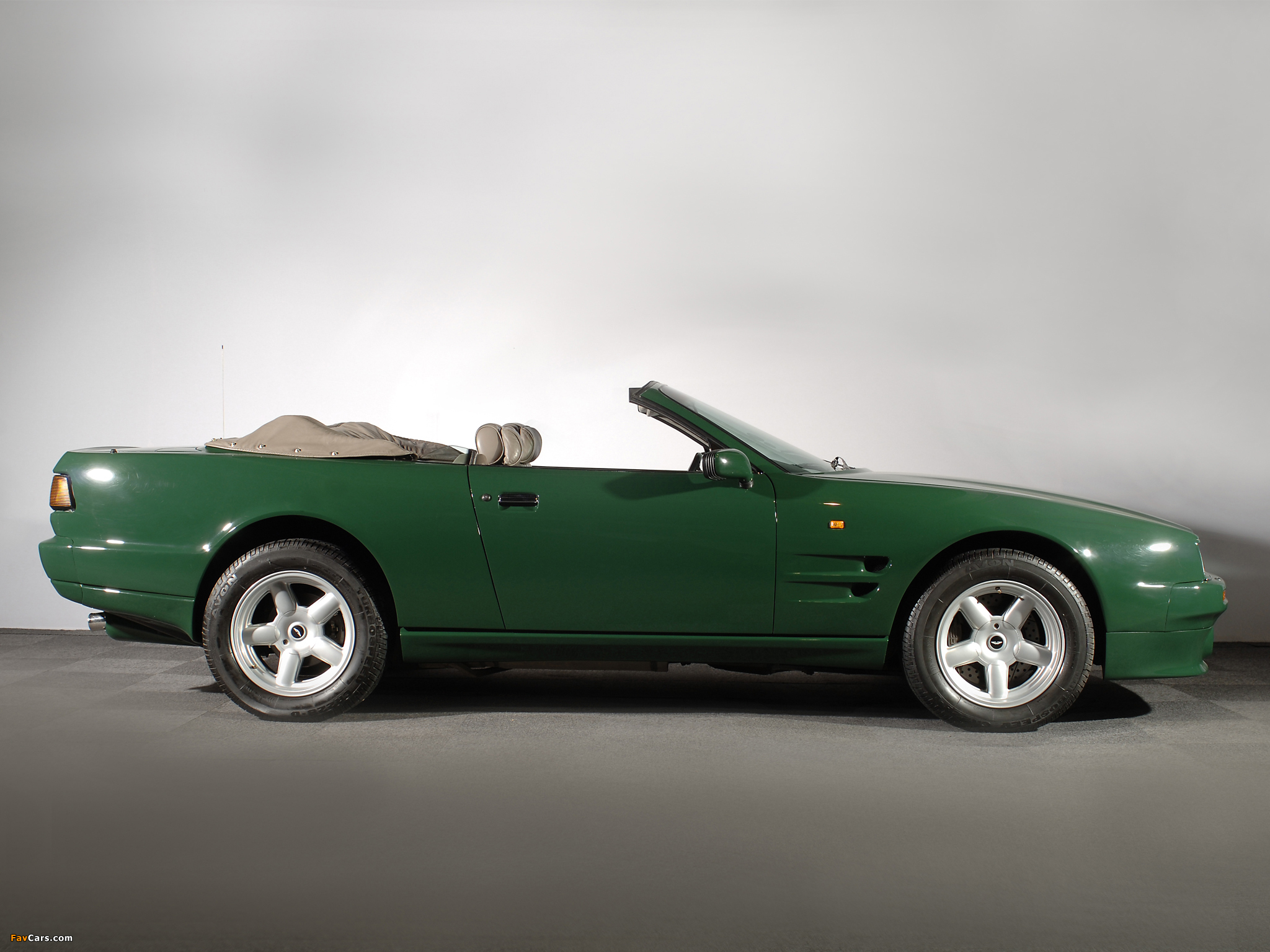
2011 Aston Martin Virage Volante Wallpapers

We have curated the ultimate collection of the best 2011 Aston Martin Virage Volante Wallpapers and HD backgrounds for you to enjoy. Our team focused on finding the top 2011 Aston Martin Virage Volante Wallpapers only to keep the quality high. These 2011 Aston Martin Virage Volante Wallpapers are free to download so go ahead. To download any of these pictures for use as a wallpaper, right click the picture and choose Save As…

Find more awesome Aston Martin Wallpaper

Rimac Nevera at Goodwood Festival of Speed 2021

Rimac Automobili just posted a video of their amazing Nevera at the 2021 edition of the Goodwood Festival of Speed, they had the dark grey car on display at the Michelin Supercar Paddock, and that car would also be taken onto the hill climb circuit, both with clients and journalists in the passenger seat, this car first arrived in the UK for some private VIP events together with H.R.Owen in London.

[embedded content] [embedded content]

A second, white Rimac Nevera with blue accents was shown on the ‘Electric Avenue’, a part of the Goodwood show exclusively dedicated to all-electric cars, and the Nevera hypercar drew a lot of attention at both parts, this two-minute video shows some of the highlights from Rimac during the four-day Goodwood event, as the doors have closed now, the Rimac Nevera continues her global voyage, next stop will be Spain.

Victory for the McLaren 720S GT3X in the Timed Shootout Final.

The famous Goodwood Festival of Speed closed its doors on Sunday, but not without an amazing victory for the McLaren 720S GT3X, taking the win at the top of the leaderboard of the Timed Shootout Final with a time of 45.01 seconds, over a second faster than the runner up from the competition. The impressive McLaren 720S GT3X has been developed by the motorsport division at McLaren, the McLaren Customer Racing department was able to create a special race car that didn’t need to adhere to regular racing regulations like the 720S GT3 that has to comply with FIA GT3 rules.

For the 1,210 kg GT3X, the hand-built, 4.0-Liter V8 twin-turbo engine delivers 720 PS, but has 30 more PS available at the push of a button, without having to deal with regulations, the 720S GT3X is a true performance-optimized evolution of the bespoke GT3 racecar. The aerodynamically optimized body has been developed using ‘Computational Fluid Dynamics’ (CFD) combined with F1 wind tunnel testing, which allowed McLaren Factory Driver Rob Bell to put down this amazing time at Goodwood.

Do keep in mind this amazing McLaren 720S GT3X can’t be ordered at a regular McLaren dealership, you will have to turn to one of only 11 official McLaren Motorsport Retailers worldwide, as part of the purchase and ownership package, McLaren Automotive can provide dedicated technical track support for each owner. This program is carried out by the customer support engineers from the in-house McLaren Customer Racing division – the team that has designed and developed the model alongside the 720S GT3 global customer race program.

But McLaren came along with several more cars aside from their black 720S GT3X, for instance, McLaren Chief Test Driver, Kenny Bräck took the wheel of a stunning gold painted McLaren Elva for several stints on the hill climb circuit at Goodwood, something the thousands of visitors convenience as the highlight of their visit, seeing the cars on display in the Supercar paddock is nice, but seeing those priceless exotics and hypercars being driven at speed during the hill climb is why Goodwood became the largest event of its kind.

And McLaren had yet another highlight at Goodwood, the brand new McLaren Artura made her dynamic debut at this year’s Festival of Speed,  the bright blue Artura was also driven hard during the hill climb, but also drew a lot of attention at the McLaren stand in the paddock, joined by a GT, a 765LT and a 620R, the latter two being piloted by Bruno Senna.

“Winning the Timed Shootout Final was the perfect end to an excellent 2021 Festival of Speed for McLaren. Rob Bell drove magnificently, showcasing the outstanding capabilities of the 720S GT3X to great effect in mastering the challenging Goodwood Hill. And with so many of our cars on display and in action – including the all-new Artura making its public dynamic debut and the remarkable Elva – this was a wonderful opportunity to meet customers and fans face-to-face once again and celebrate all things McLaren.”
Mike Flewitt, CEO, McLaren Automotive