
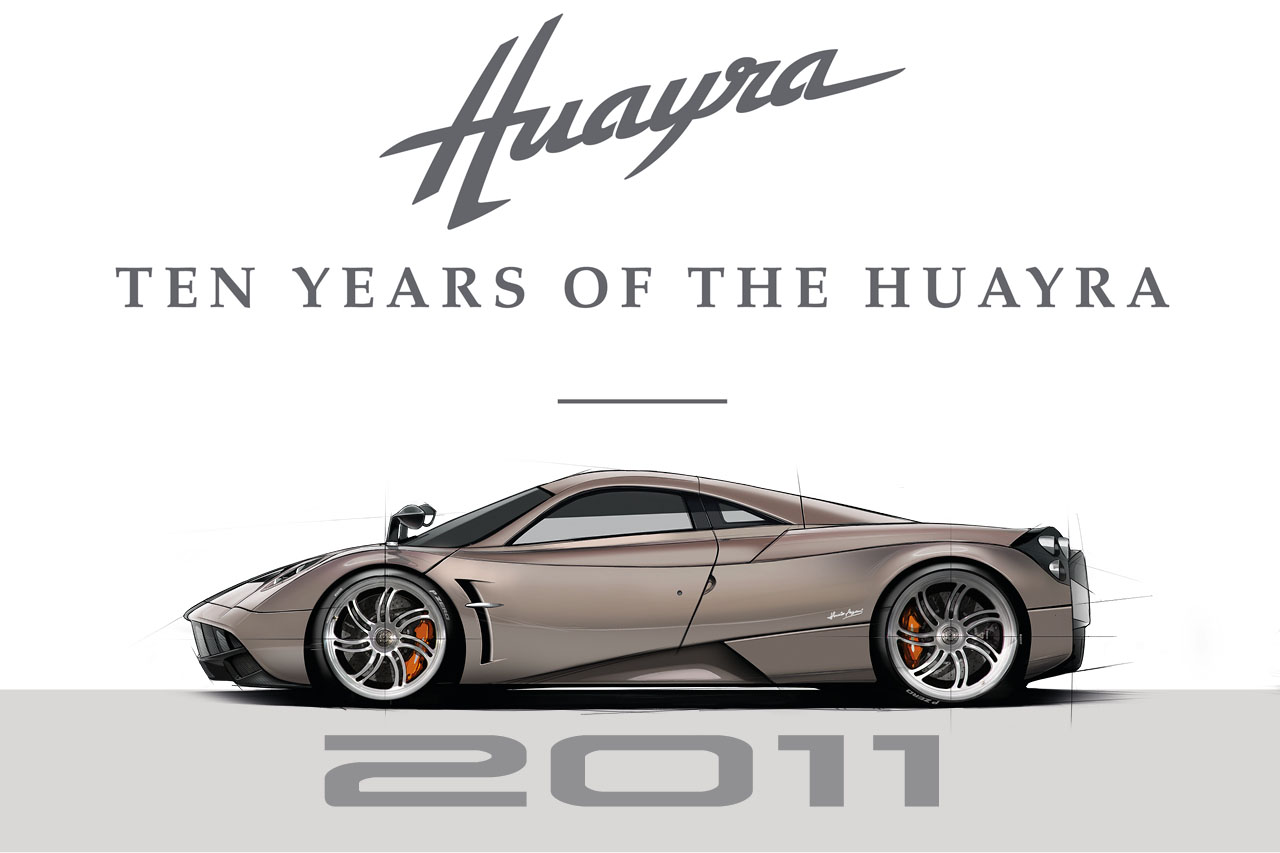
The Huayra is a decade old this year
I am sure there are people out there that never have seen a Pagani Huayra in real life yet, but this amazing model from Horatio Pagani was introduced back in 2011 already, the Huayra is celebrating her 10th anniversary this year, and with Monterey Car Week in little over a week, Automobili Pagani found the perfect venue to commemorate this event, by bringing something new to California for us to enjoy … the Huayra BC Pacchetto Tempesta.
But let’s take a trip back to 2011, when Pagani officially unveiled the Zonda successor, called Huayra, in a simple online press release in January 2011, due to the close collaboration with Pirelli the world premiere featuring a real car was done at the Milan headquarters of Pirelli a month later, because Pagani used a Mercedes-AMG sourced engine for the new Huayra, production was limited at only 100 units … four years later, by February 11, 2015, this very special Pagani was sold out.
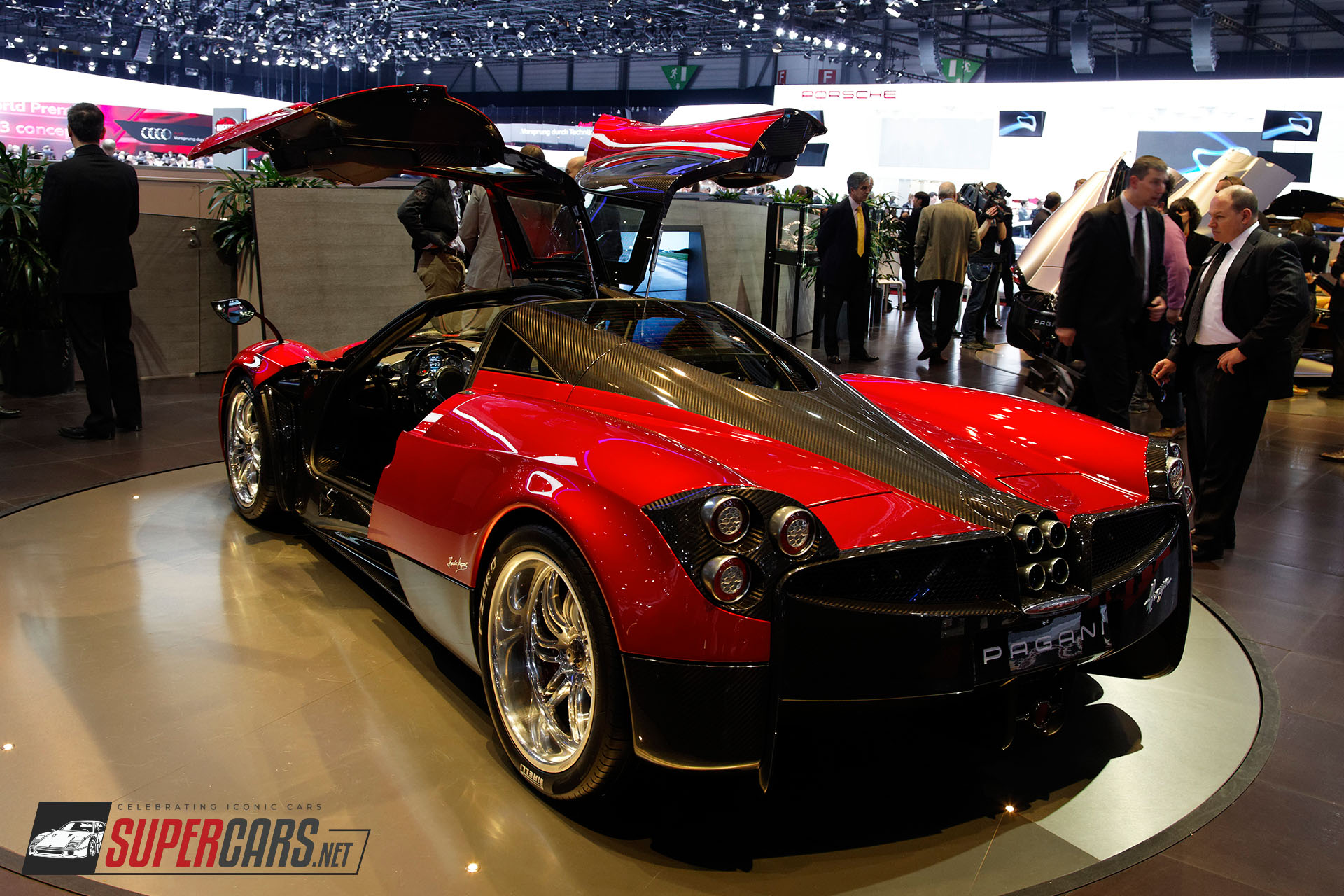 The Pagani Huayra at the 2011 Geneva Motor Show
A more public unveil for the new Pagani hypercar occurred at the 2011 Geneva Motor Show where the two cars on the stand drew a lot of attention, keep in mind at that same Geneva show Lamborghini unveiled the long-awaited Aventador LP700-4 and Koenigsegg showed the bright white Agera R, yes, the one with the ski box on the removable roof panel!
The engine for the Pagani Huayra might have been sourced from Mercedes-AMG, but it was a bespoke built for this car only, a 6-Liter twin-turbo V12 unit (internal code M158) that would deliver 720 hp at 5,800 rpm, but more importantly a massive 1,000 Nm of torque between 2,250 and 4,500 rpm … weighing in at only 1,250 kg, the Huayra was extremely fast on the track, in part due to the active aero ‘flaps’ at the front and rear of the car.
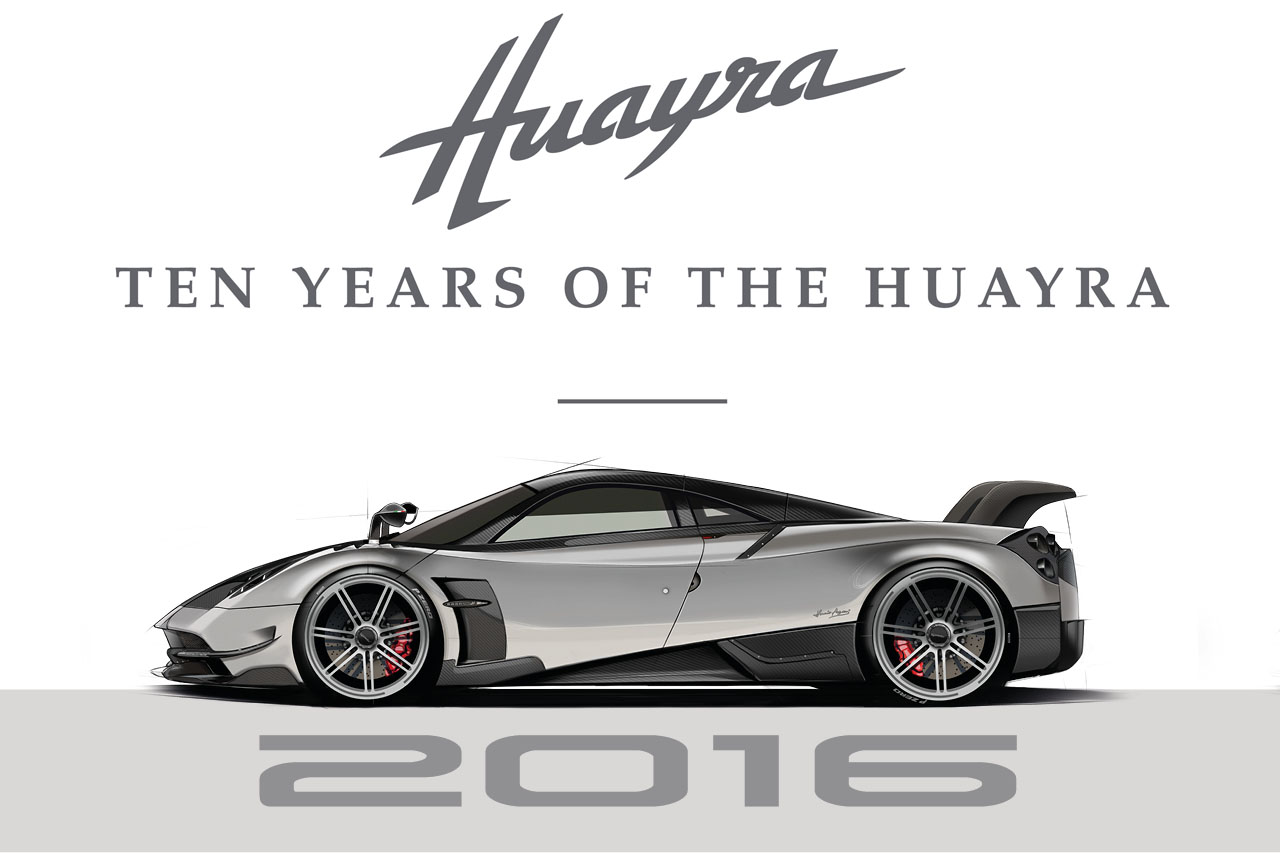
It took Pagani a few years to come up with an improved Huarya because the 100 units of the ‘base’ Huayra were sold out (not all delivered yet, however), we got the BC shown to the public at the 2016 Geneva Motor Show, a more track-focused model named after the late Benny Caiola, a close friend of Horacio Pagani, and the first Pagani customer.
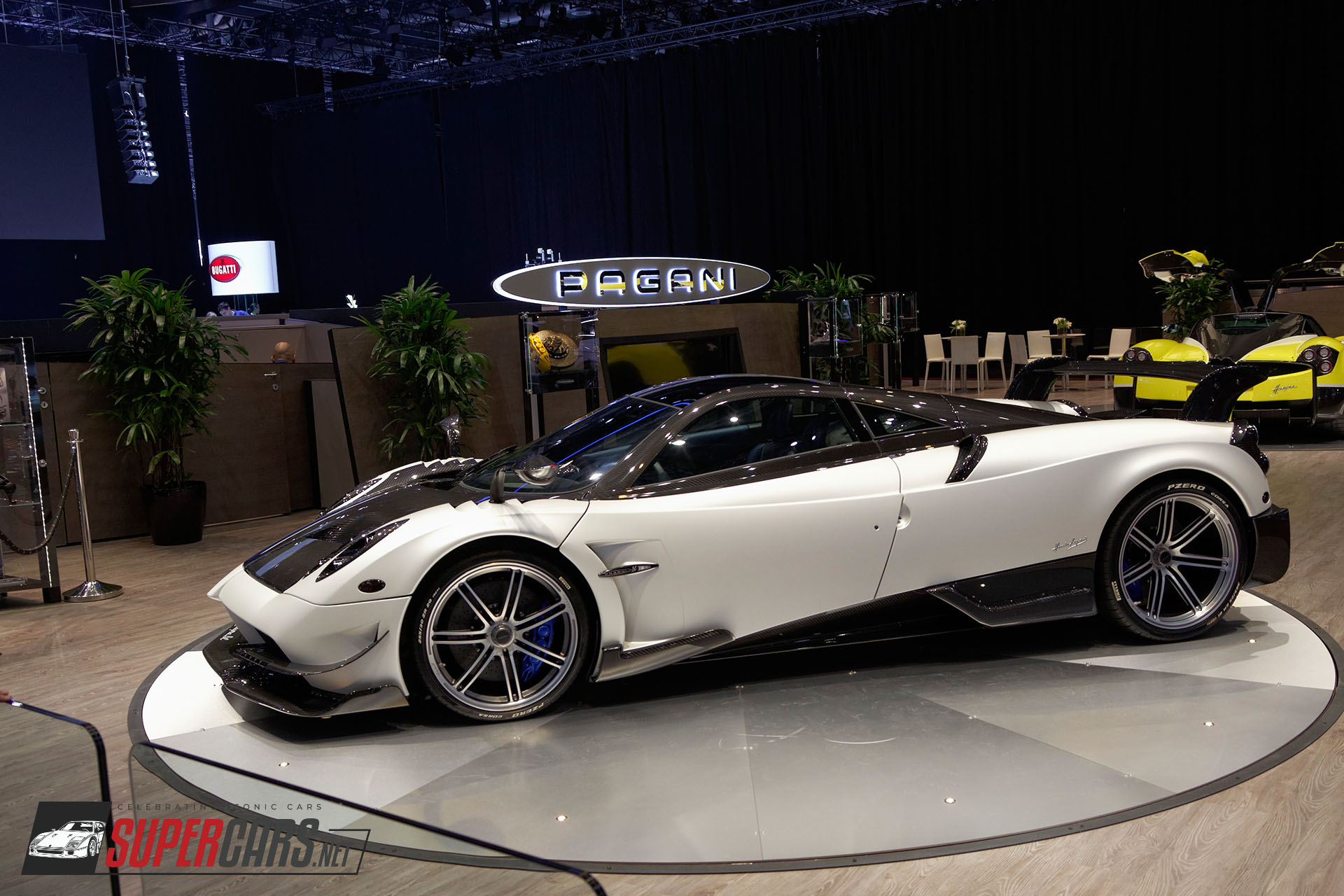 The Pagani Huayra BC at the 2016 Geneva Motor Show
The Pagani Huayra BC came with more power from the 6-Liter twin-turbo V12 engine, now rated at 745 hp with 1,100 Nm while overall weight got reduced to 1,218 kg, one of the options available on the limited edition Huarya BC was an impressive air intake on the engine cover and roof to make the car look even more like a race car … only 20 units of the Pagani Huayra BC were built.

A year later Pagani released the version of the Huayra I would be interested in the most, the Huayra Roadster, I prefer convertibles for my personal use, and the Huayra Roadster showed a rather radical, bespoke design, and I love it, she looks stunning. Naturally, the entire section over the engine had to be redesigned to offer open-top motoring, Pagani style, and on a car like this a canvas folding roof would be blasphemy, so the Huayra Roadster came with a removable hardtop section that could be left in the owner’s garage on a custom frame.
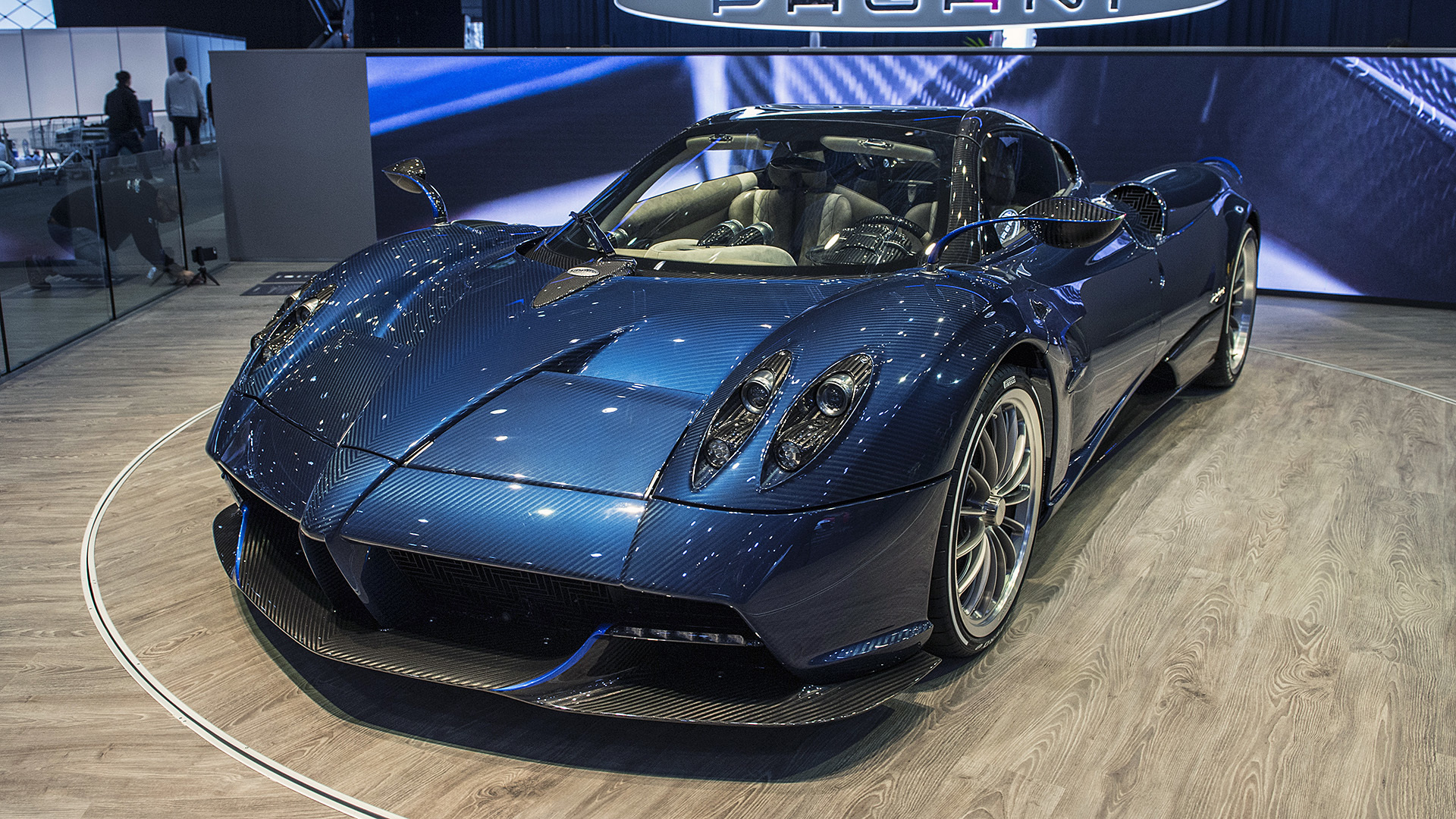 The new Pagani Huayra Roadster at the 2017 Geneva Motor Show
Unlike the Huayra that has those jaw-dropping gullwing style doors that open up, the Huayra Roadster comes with traditional doors, there is no roof to fix the hinges needed for gullwing doors, and while Horatio Pagani did some testing with a different way of opening for the doors on the Roadster, in the end, he deemed all the more ‘special’ solutions to be too heavy for this topless Huayra, so he settled for regular, horizontally swinging doors but still increased power from the V12 engine to 754 hp, the Roadster was again limited to 100 units only.

Just as with the closed coupe, the Pagani Huayra Roadster received an even more powerful BC variant, introduced in 2019, this time 40 units would be available of this $3,210,000 hypercar, now with almost 800 hp still from that Mercedes-AMG sourced twin-turbo V12 engine with a 6-Liter displacement. New to the roadster was a set of exhaust diverting flaps that would move some of the exhaust down, under, and more importantly over the sides of the rear diffuser, in effect making the Huayra BC Roadster a derivation of Formula 1 blown-diffuser technology developed in 2011 by Red Bull Racing.
The Pagani Huayra BC Roadster was intended to be unveiled at the 2020 edition of the Pebble Beach Concours d’Elegance during Monterey Car Week, but sadly that event was canceled due to the worldwide pandemic, fortunately, the 2021 edition will take place, during which Pagani intends to offer some serious experience for their owners by gathering a large number of Pagani cars on the track, more on that later.
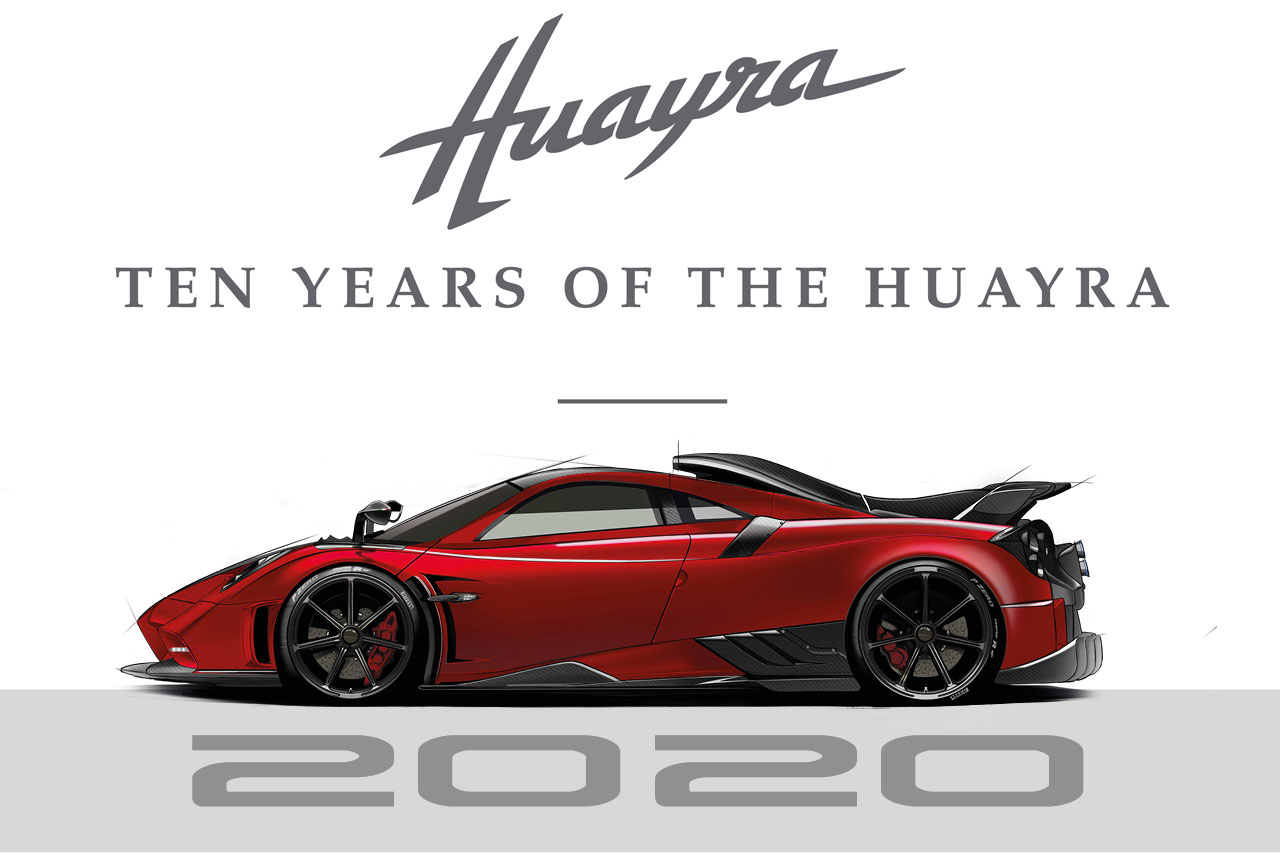
The most powerful, street-legal Pagani Huayra is the 2020 Imola version, with 827 hp, this very special model took its name from the fact Pagani did about 16,000 km of testing on the famous Italian Imola track, with an overall weight of only 1,246 kg thanks to a new way of producing the carbon fiber body, the more obvious points to recognize this version must be the new side sills, big roof scoop, and a vertical ‘shark fin’ that runs into a fixed rear wing … this looked like a race version of the Huayra, but that one was still on the drawing boards at Pagani, only 5 units of the Huayra Imola were made.
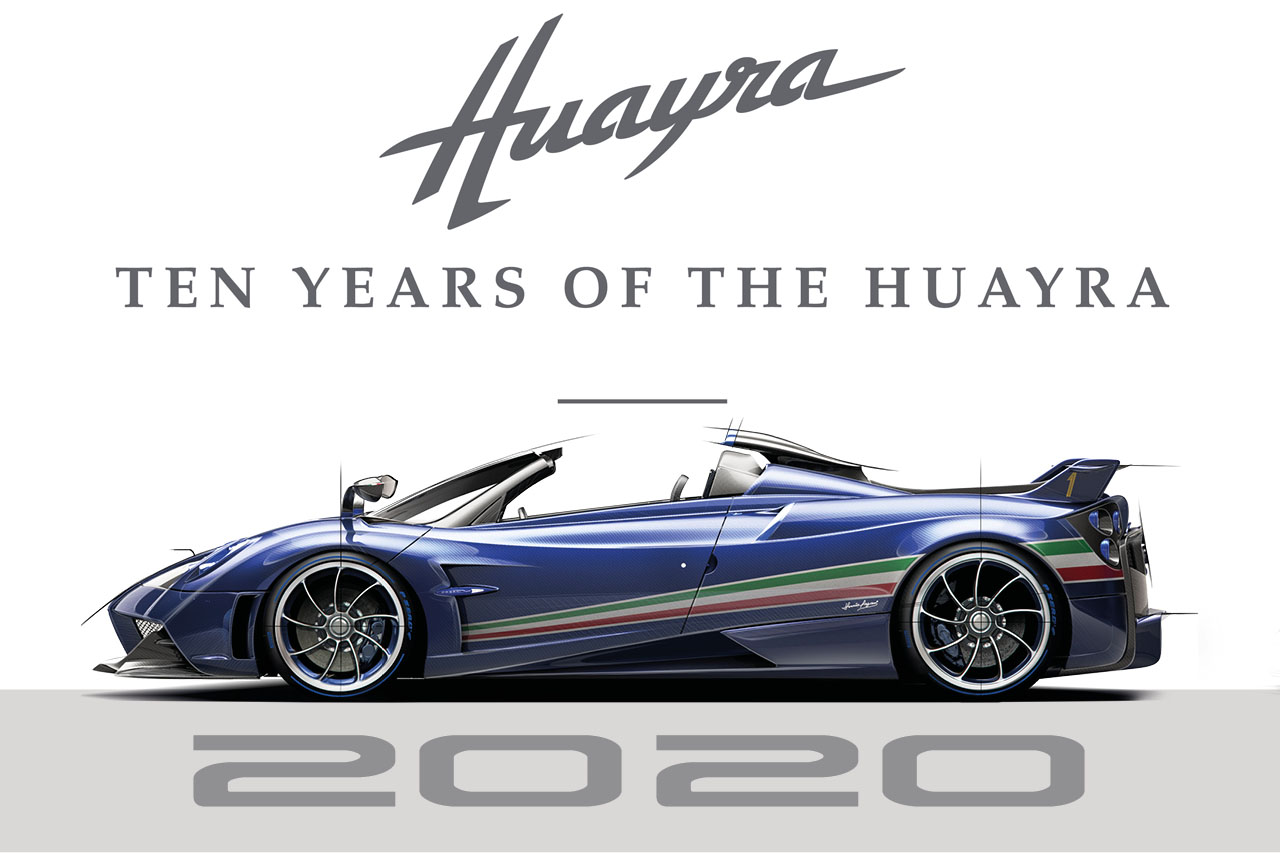
If you think a production run of 5 units on the Pagani Huayra Imola was limited, think again … the Huayra Tricolore came in only 3 units, even an MSRP of € 5,500,000 before VAT didn’t keep people from buying this ultimate Pagani. In 2010, Pagani paid tribute to 50 years of the Frecce Tricolori by creating the Zonda Tricolore, with only three built too, making it the most exclusive and sought-after Zonda model in the world.
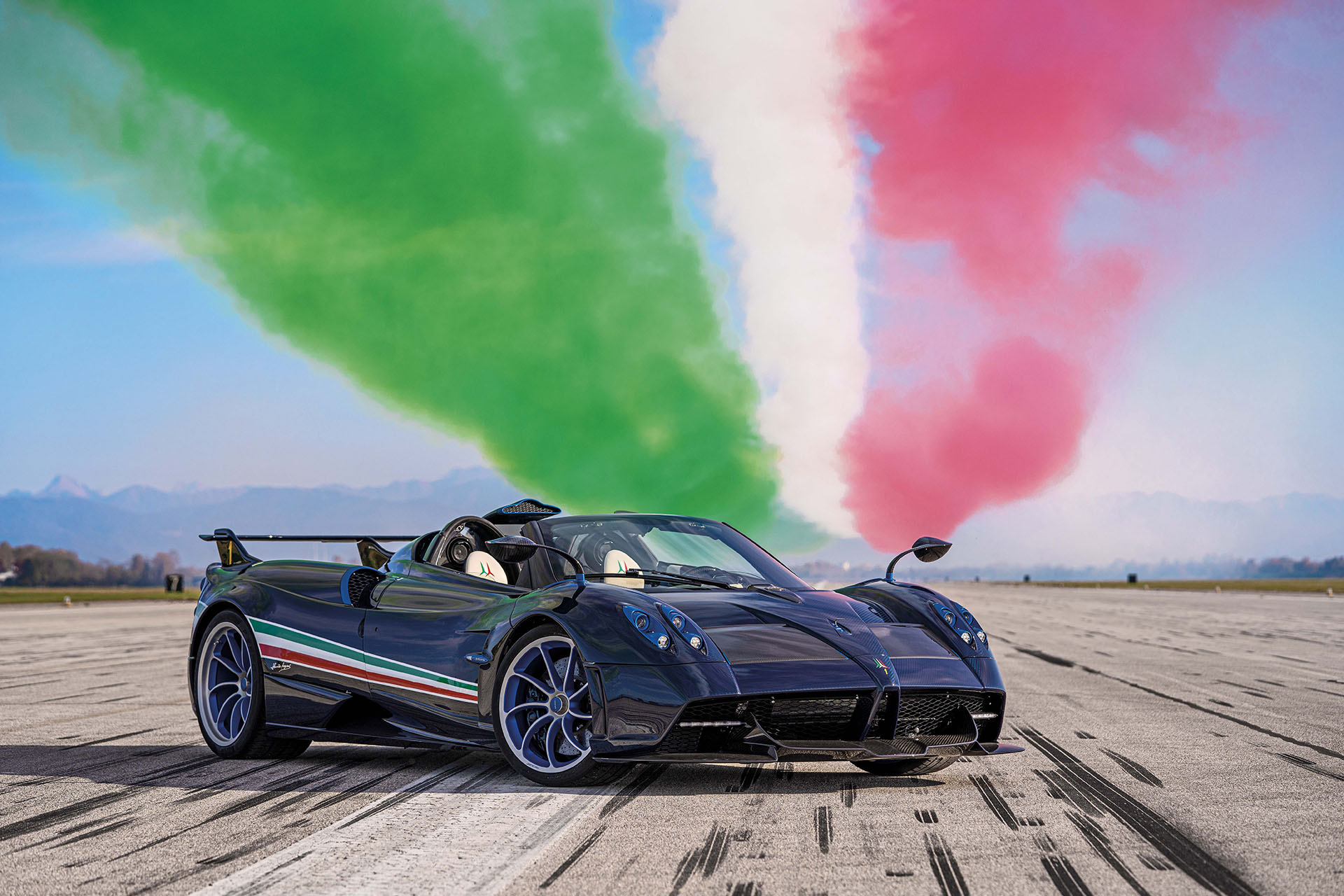
In 2020, the Frecce Tricolori reached their 60th anniversary and Pagani wanted once again to celebrate this milestone with another piece to a mosaic created from passion, tradition, and the spirit of collaboration, inspired by the Aermacchi MB-339A P.A.N., the Huayra Tricolore is powered by a new Pagani V12, a twin-turbo engine specially developed by Mercedes-AMG, now capable of delivering 840 hp at 5900 rpm and 1100 Nm of torque from 2000 to 5600 rpm in this latest iteration.
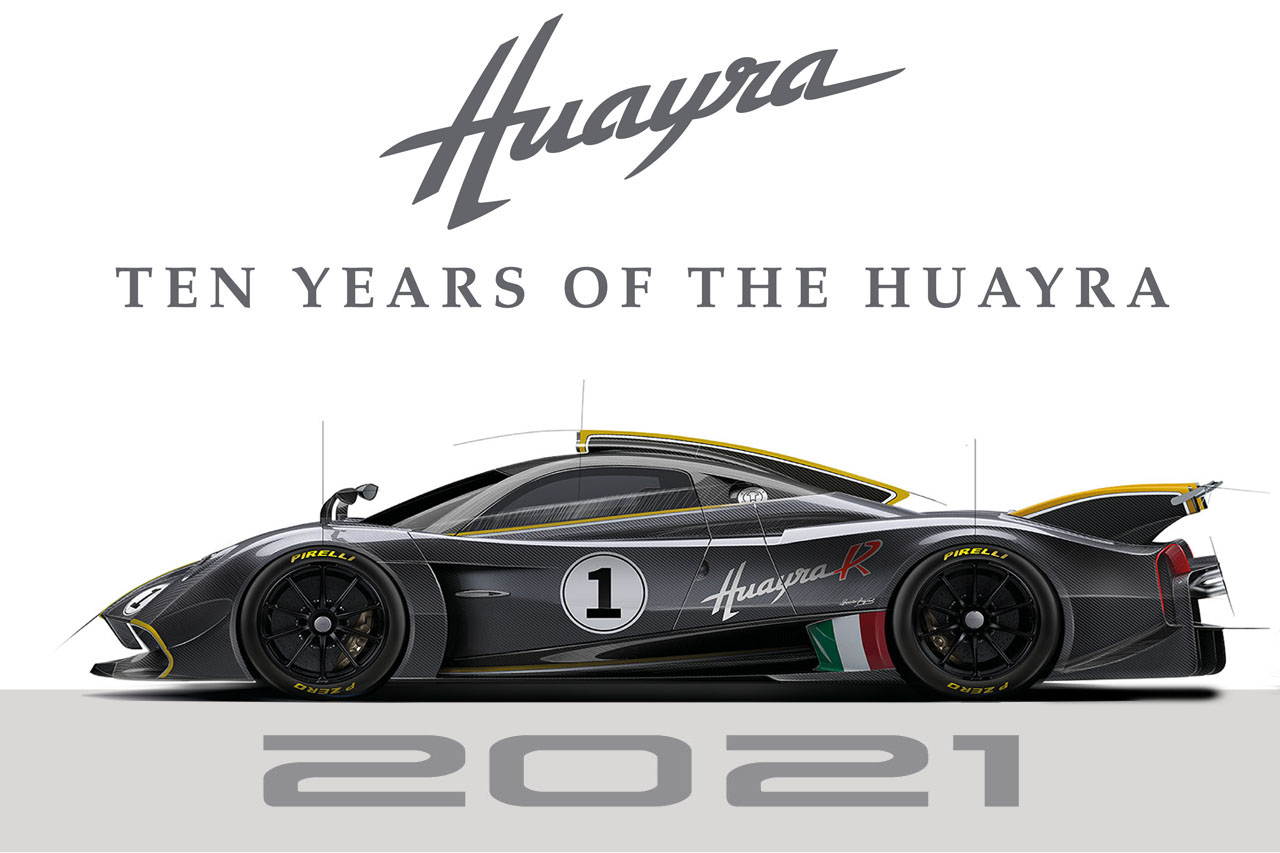
2021 marked the year when Pagani came up with the long-awaited R version of the Huayra, much like the Zonda R presented at the 2009 Geneva Motor Show, the Huayra R is a track-only car, this beast is not street-legal, but she still looks amazing, although we haven’t seen a rolling prototype yet, only a static mockup in a YouTuber video, the intention is to build a total of 30 units of the Huayra R, against 15 units of the radical Zonda R.
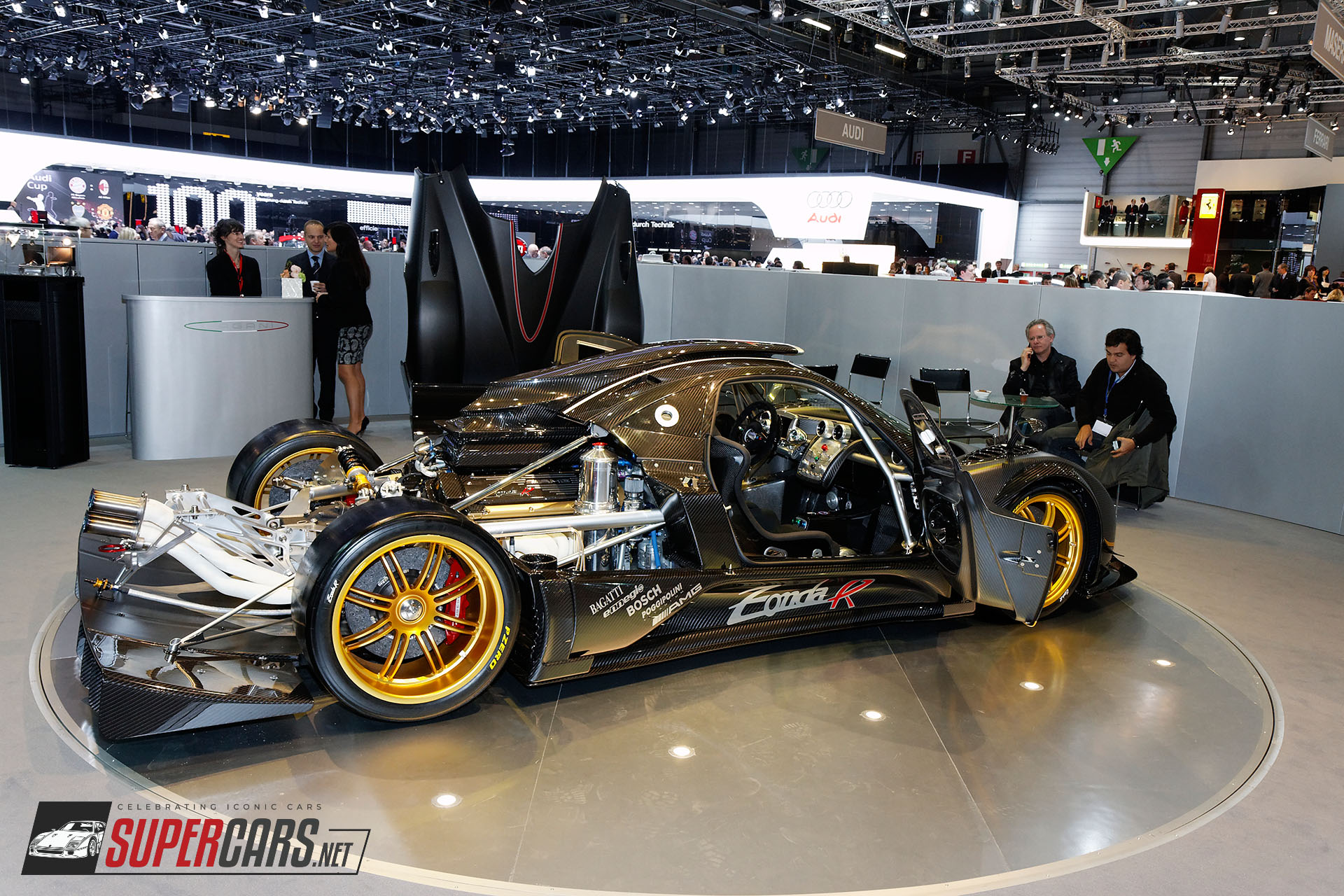 The Pagani Zonda R at the 2009 Geneva Motor Show
And it seems Pagani isn’t ready to unveil a working Huayra R yet either, their latest press release states ‘key components of the Huayra R project are on display’ at the 2021 Monterey Car Week, so we won’t be seeing an actual car in California this year, at least not a Huayra R, but we will be able to enjoy some serious Pagani hypercars over that weekend as Pagani will showcase the most iconic Huayra models at The Quail, A Motorsports Gathering, together with the world premiere of the Huayra BC Pacchetto Tempesta.

Pagani will bring along the first Huayra BC to be fitted with the new Pacchetto Tempesta together with one of the 40 units in the Huayra BC Roadster production, as they couldn’t unveil that car back in 2020 at the same event, the Pacchetto Tempesta is specifically developed to improve the already potent Huayra BC even further towards its racing attitude.

The Pacchetto Tempesta distinguishes itself from a regular Huayra BC with a different front splitter and dedicated air intake to maximize aerodynamic efficiency, a new rear wing featuring an integrated central fin comes into play, a different six-pipe exhaust system together with a new suspension. To enhance both comfort and looks, the interior of the Huayra BC gets some striking interior details and an all-new Soft Driving mode makes its appearance, power is increased by 8% to a total of 827 hp and 1,100 Nm torque.
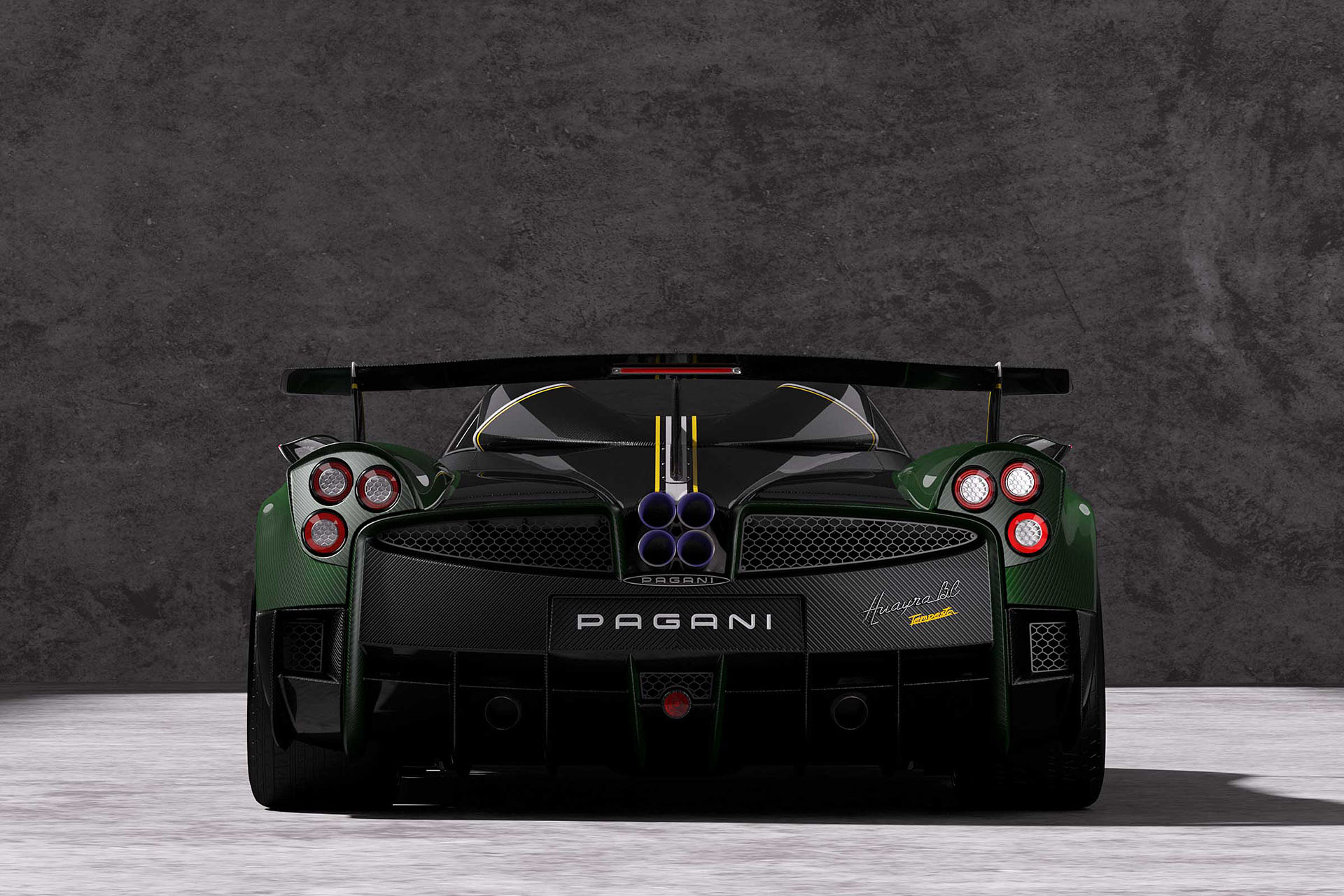
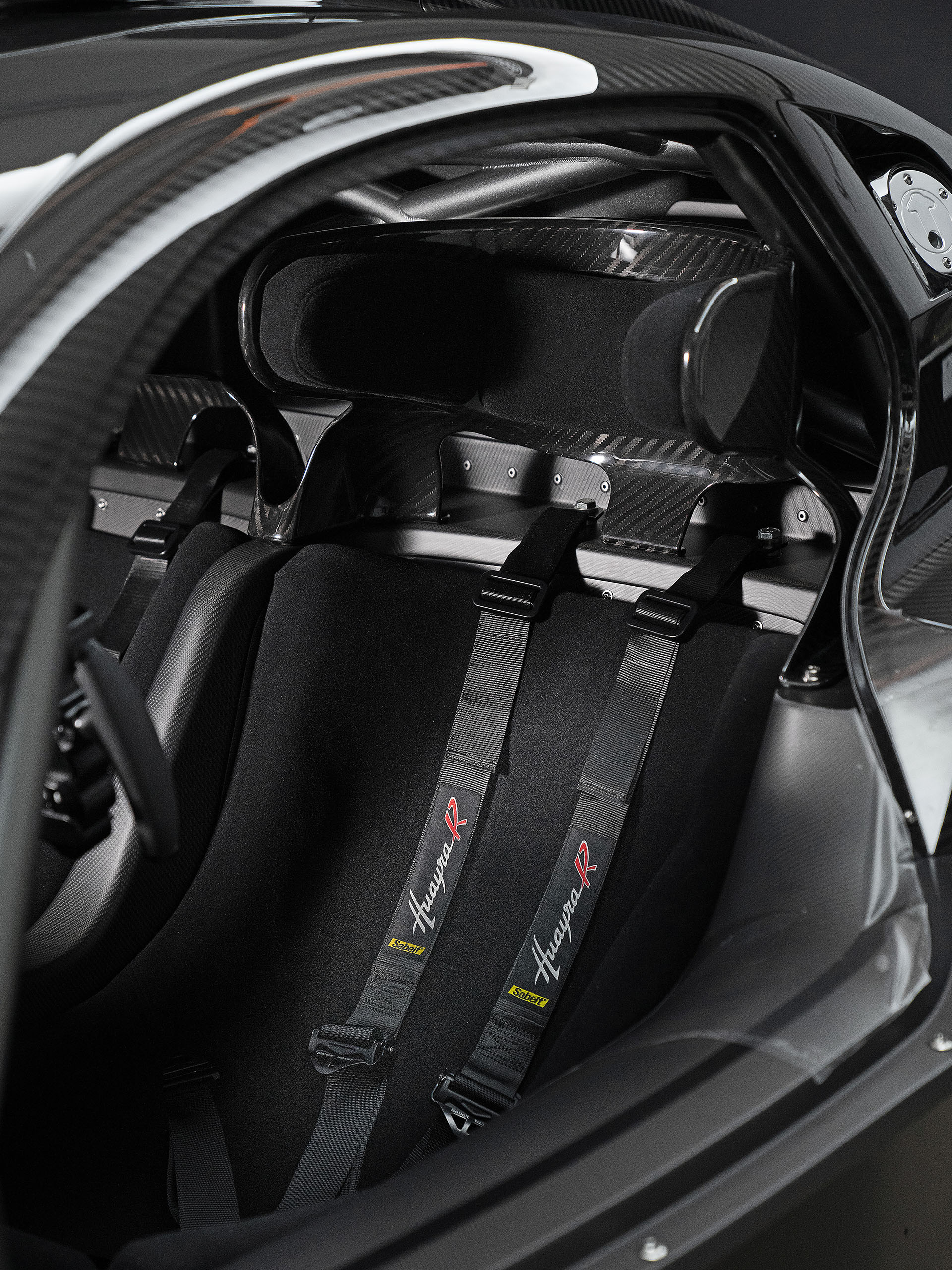
While there won’t be a completely functional Huayra R on display this year, Pagani will showcase some key components of the project, like the all-new Pagani V12-R naturally aspirated engine, the six-speed sequential gearbox (created in collaboration with HWA), and the ultra-light Carbo-Titanium HP62-G2 and Carbo-Triax HP62 monocoque, specifically designed to provide the driving thrill of a true racing car, in line with the most stringent FIA requirements.
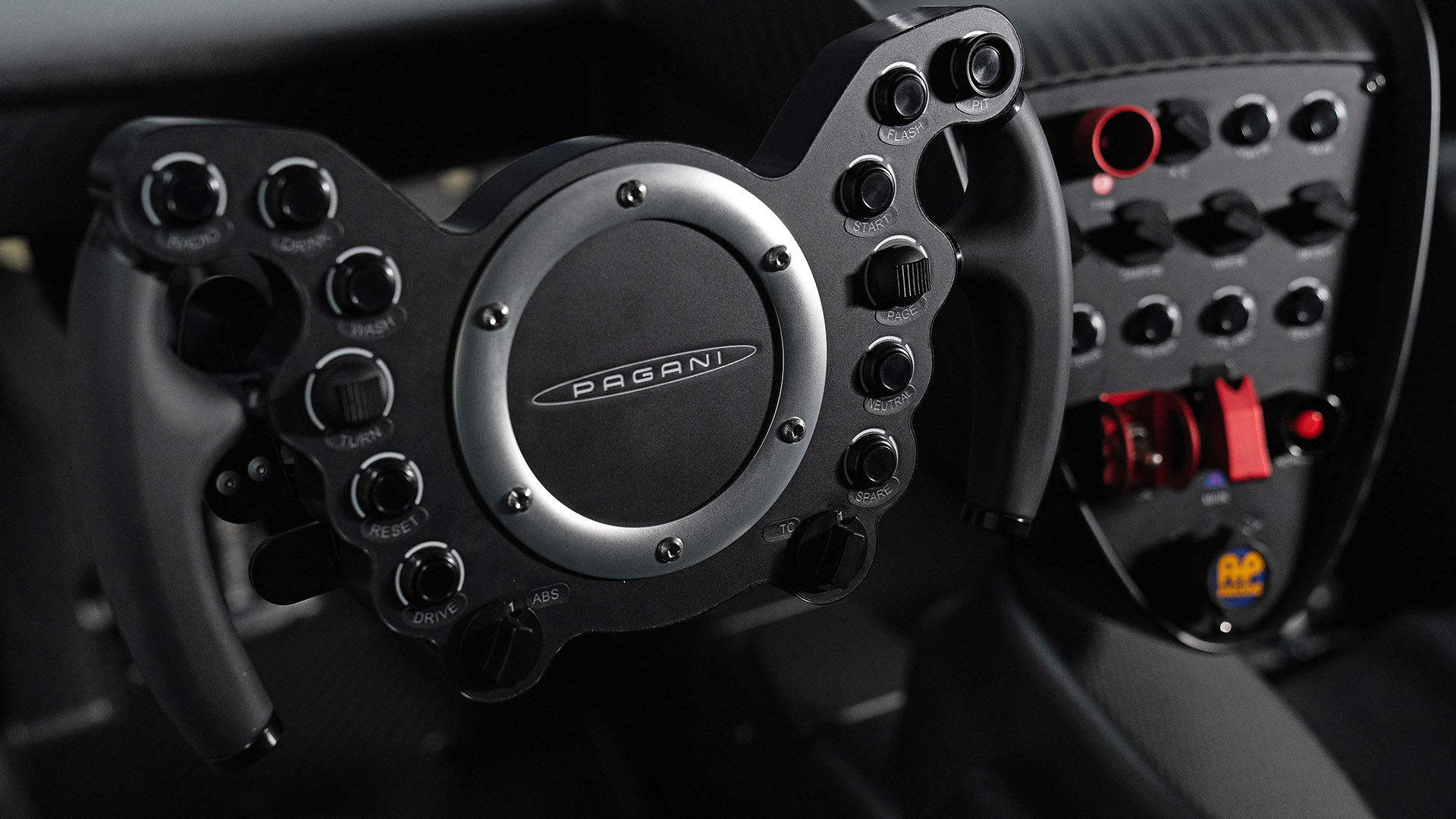
The monocoque interior to be featured inside the Huayra R shows a true racing setup, but will still be a testament to how even the most extreme, cutting-edge, models are fitted with unparalleled craftsmanship and unmistakably refined Pagani details, as even the R version, while not being street-legal, remains a Pagani masterpiece.
In the words of Pietro Berardi, CEO of the North American Market: “Passion and the continuous desire to go beyond our limits are some of the values that Pagani and Pirelli have shared for over 10 years in one of the most fruitful partnerships in the automotive world. Over the last years with Pagani we have implemented several research and development projects, always focused not on only maximum performance but also the new quality and safety standards: from the first record beaten in 2010 with a Pagani Zonda R on Pirelli P Zero at the Nürburgring, the iconic German racing track, to the use of Formula 1 modeling to develop the P Zero Trofeo R tires for the new Pacchetto Tempesta for the Huayra BC. Last but not least, just a few months ago, on the legendary Spa-Francorchamps racing track, the record set by the Roadster BC equipped with specially developed P Zero Trofeo R tires set a milestone in the history of “Motor Valley” supercars. With the new slick tires, specially developed for the Huayra R, the outlook looks much brighter for the years to come!”

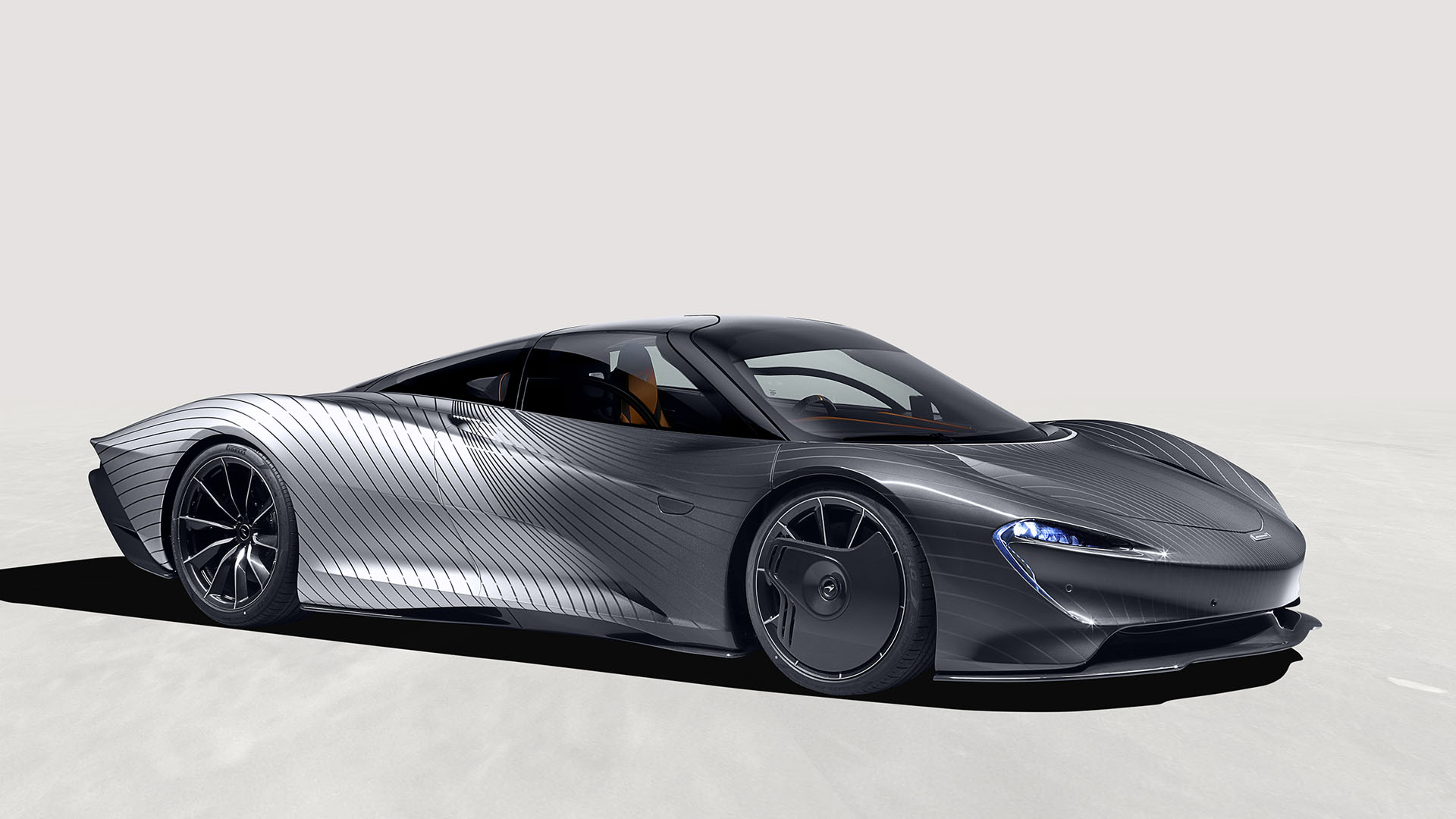
The MSO ‘Albert’ Speedtail
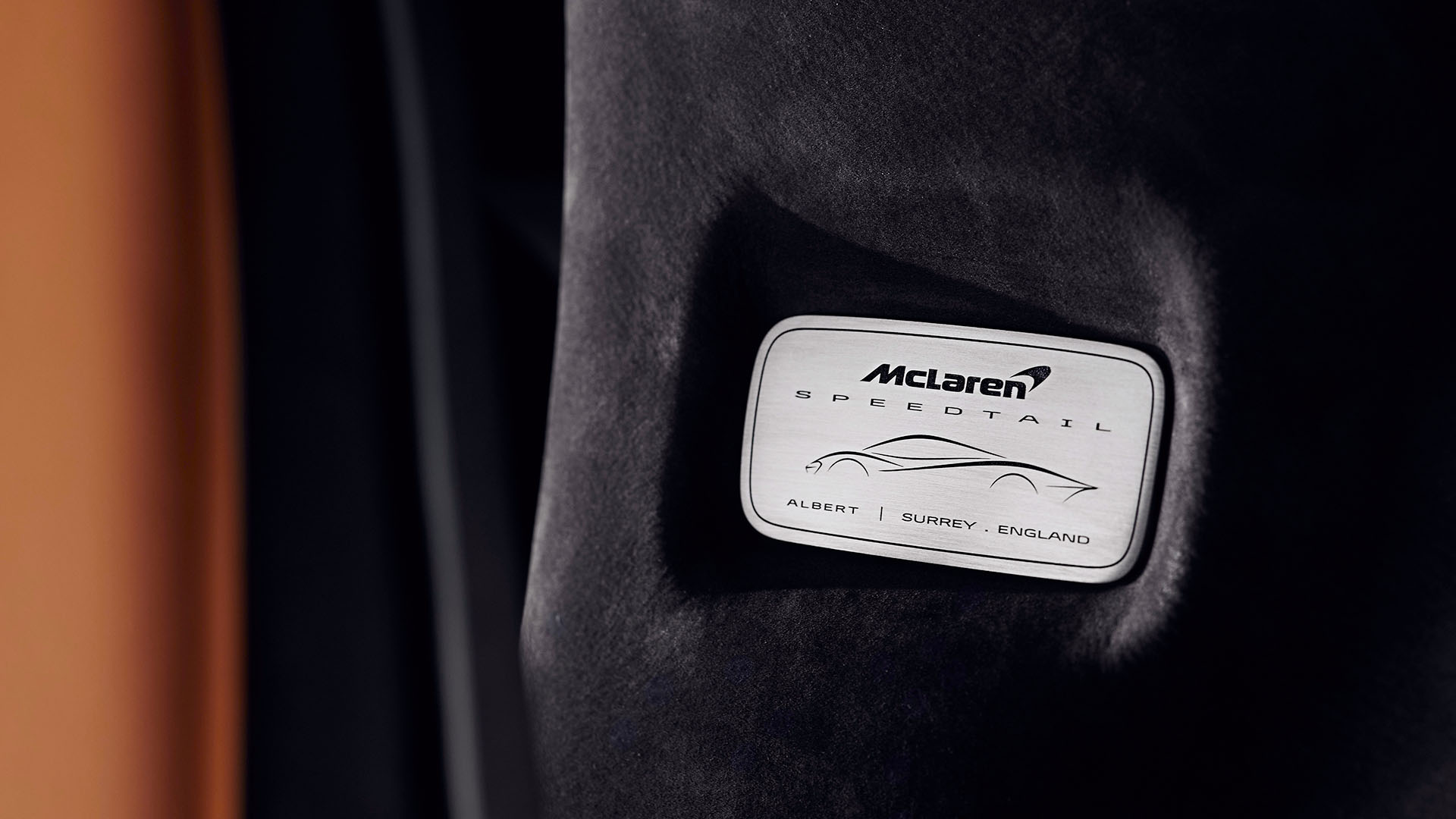
The legendary McLaren F1 test mules from back in 1992 were built at Woking in England, inside premises on Albert Drive, to commemorate that special event, McLaren Beverly Hills commissioned a rather special McLaren Speedtail from MSO, McLaren Special Operations to be inspired by those first F1 testing prototype vehicles … meet the bespoke ‘Albert’ Speedtail.
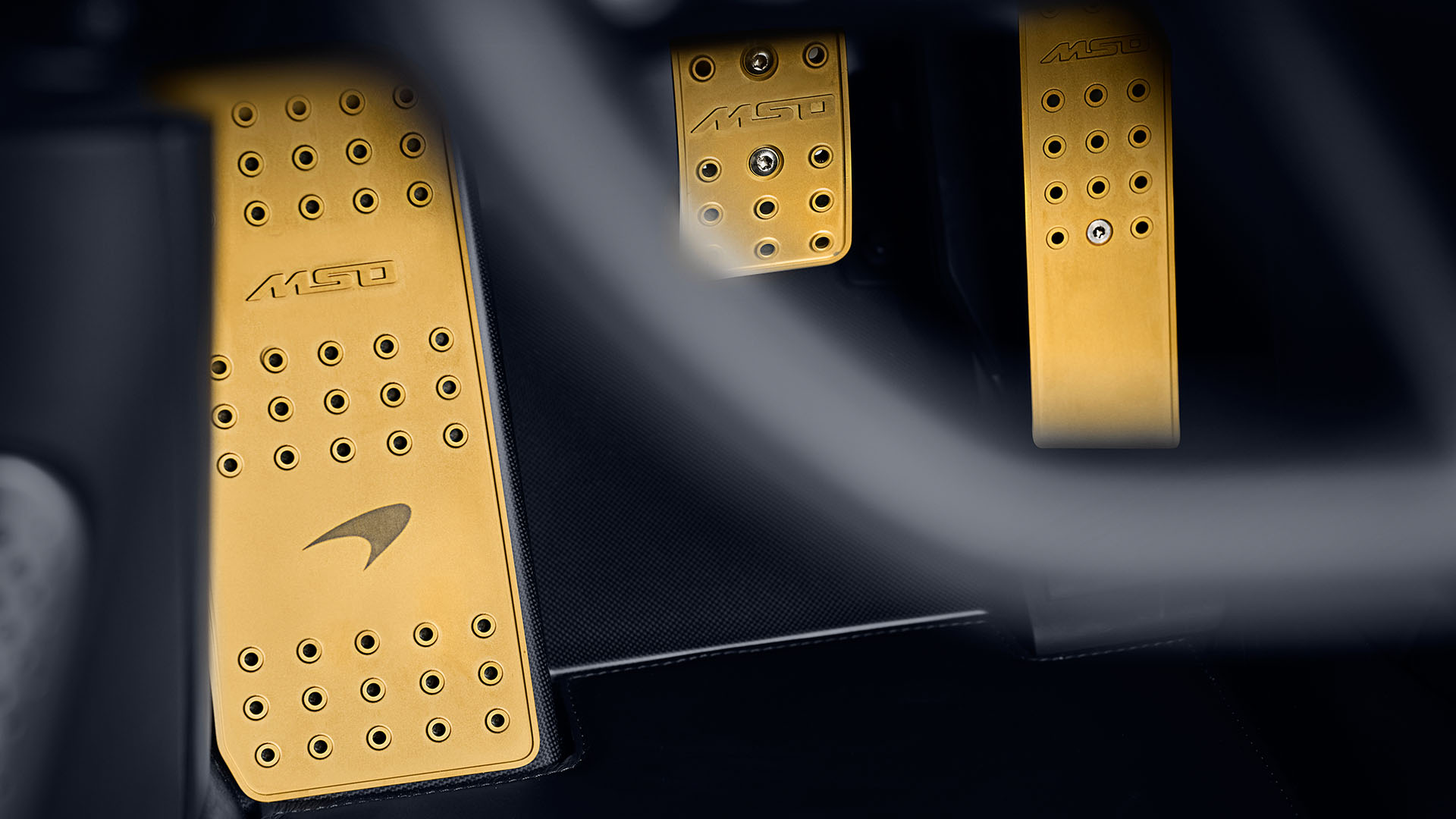
McLaren Special Operations (MSO) recently unveiled the ‘Albert’ Speedtail, as mentioned above a very special, bespoke commission by McLaren Beverly Hills, the North American McLaren retailer, this car is one of the final vehicles in the 106-car Speedtail production run, and apart from taking inspiration from the 1992 F1 test mules, this specific car is also an homage to the very first Speedtail attribute testing vehicle made back in 2018.
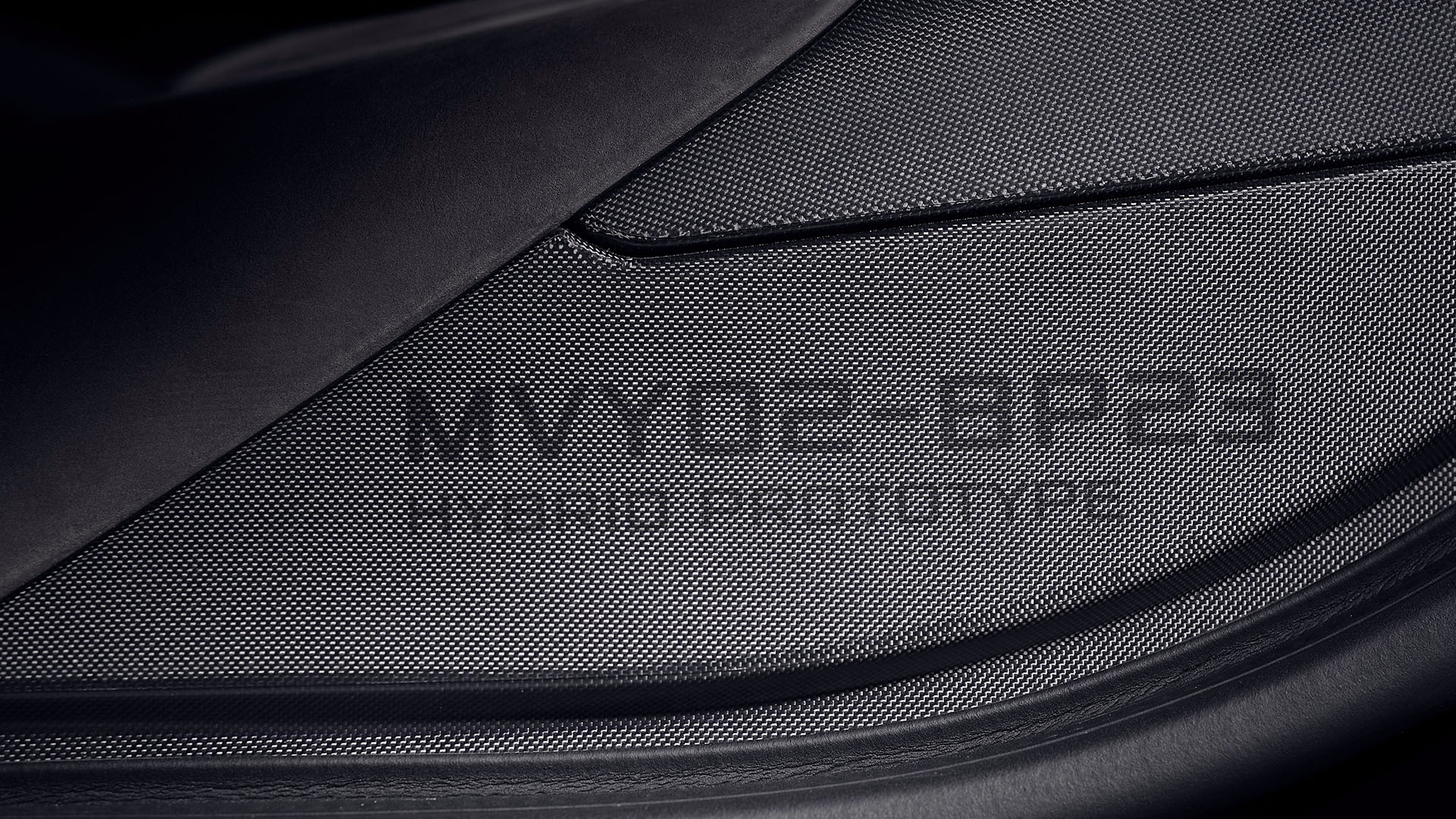
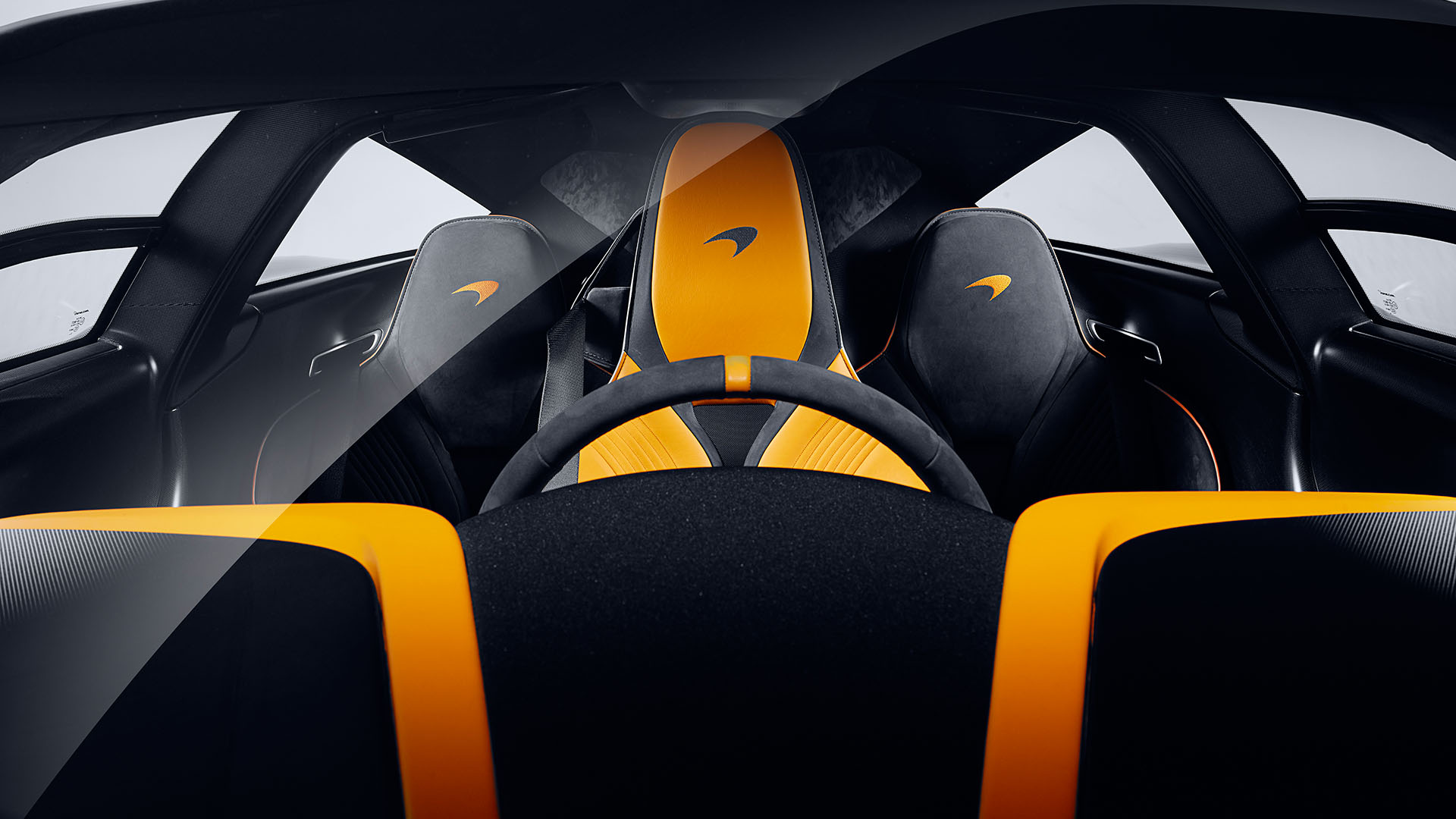
The original McLaren MVY02 Speedtail prototype vehicle was in fact christened ‘Albert’ as a tribute to its three-seat predecessor, the legendary McLaren F1, it is noteworthy that the ‘Albert’ prototype vehicle was the first Speedtail to see actual road use, at that time with front panels from a 720S as a disguise, but already with the three-seat, central driving position fitted so McLaren could test the driver ergonomics, general visibility, and figure out the optimum rear-view camera positions.
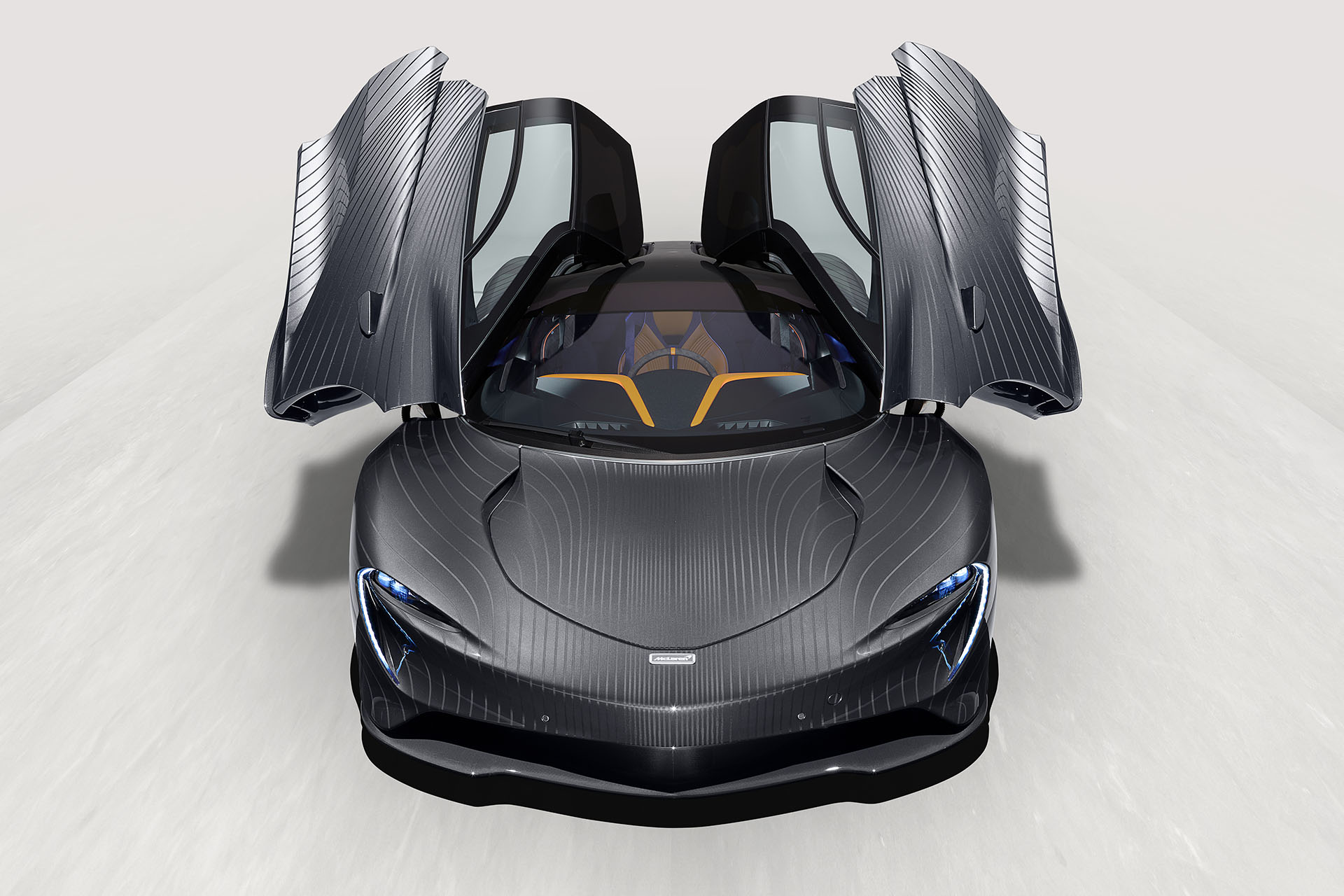
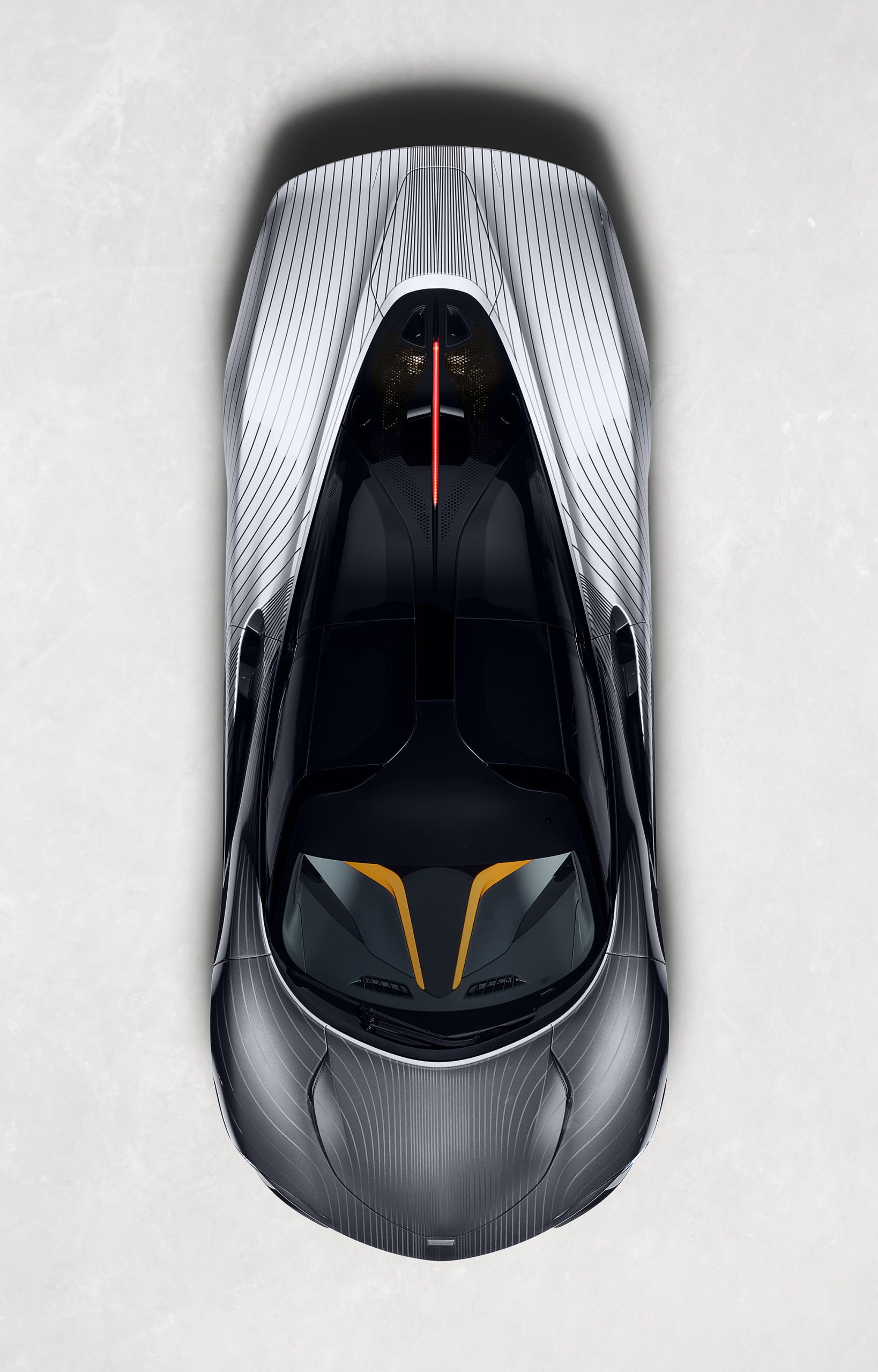
This new ‘Albert’ Speedtail homage ordered by McLaren Beverly Hills took inspiration from the camouflage wrap used on the road-going prototype that had a simple two-meter vinyl body wrap with design lines printed to represent the optimized airflow over the car, taking this into real paint by MSO took 12 weeks to complete.
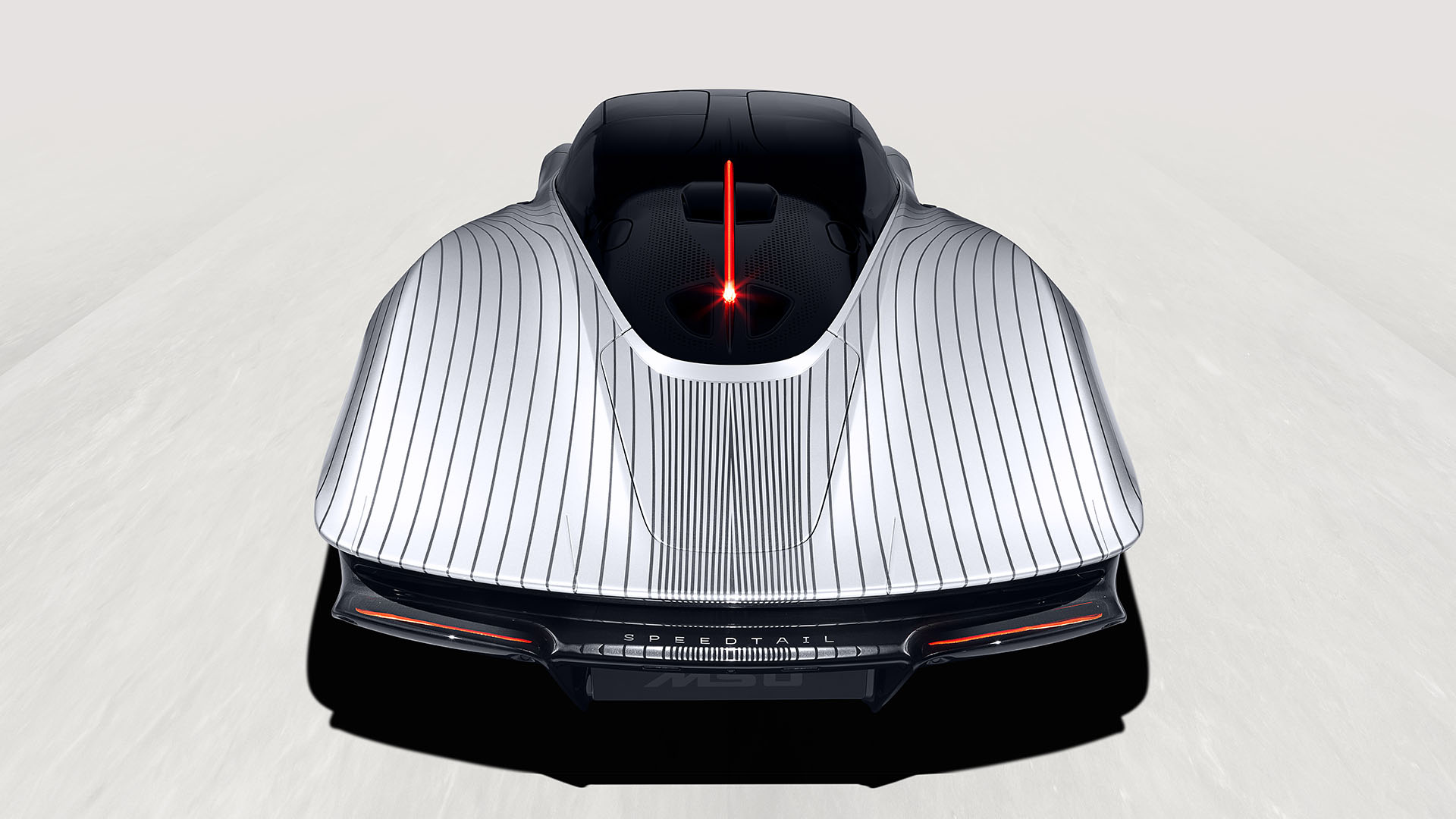
The ‘aero lines’ became one of the most complex paint themes ever completed by MSO, using Magnesium Silver, the exact color used on the F1 road car when she was shown at the 1992 Monaco Grand Prix, in a combination with Ueno Grey, taken from the F1 GTR that won the 24 Hours of Le Mans in 1995, taking both shades into a design based on the 2018 vinyl ‘cameo’ wrap.
‘”As one of the very last Speedtails to be built at the McLaren Production Centre, it was very important to us at McLaren Beverly Hills that ‘Albert’ honors the brand’s rich heritage, particularly paying tribute to the icon that is the McLaren F1. We worked alongside MSO through every stage, including concept ideation, to produce a truly bespoke and beautifully detailed car that celebrates the innovation and design excellence behind the fastest McLaren road car to date. We are fortunate to have been able to procure ‘Albert’ for one of our top clients and are absolutely thrilled with the finished result.”’ Parris Mullins, McLaren Beverly Hills
The new ‘Albert’ was built in the McLaren Production Centre (MPC) with a 1K gloss visual carbon fiber body. Due to the incredibly complex and detailed nature of the paintwork design, the MSO team completed test panels first to understand process feasibility and worked alongside the visualizer team to refine renders. In total, ‘Albert’ would require a 12-week post-build modification at MSO’s facility to reach completion; this included two week’s masking, six week’s painting, and the remaining time to dry and reassemble the vehicle after spraying.
In the end, they printed their initial renders in full scale before masking it all out on the actual car, after the car was built, including the wheels, this was the only way they could be sure it all aligned well over the entire car, during the two-week masking process the MSO specialist paint technicians used almost two kilometers of fine line-out tape to complete the airflow design layout.
“The name ‘Albert’ has a special resonance with MSO, as we are the custodians of the McLaren F1 and are based at the Albert Drive premises that McLaren Cars occupied in the 1990s. The Speedtail experience has been an exciting journey for our customers, from visualising their imaginations to realising these inspirations and sharing their delight when unveiling the finished product. ‘Albert’ brings this project to a conclusion and we are thrilled to finish on a high note.” Ansar Ali, Managing Director, McLaren Special Operations
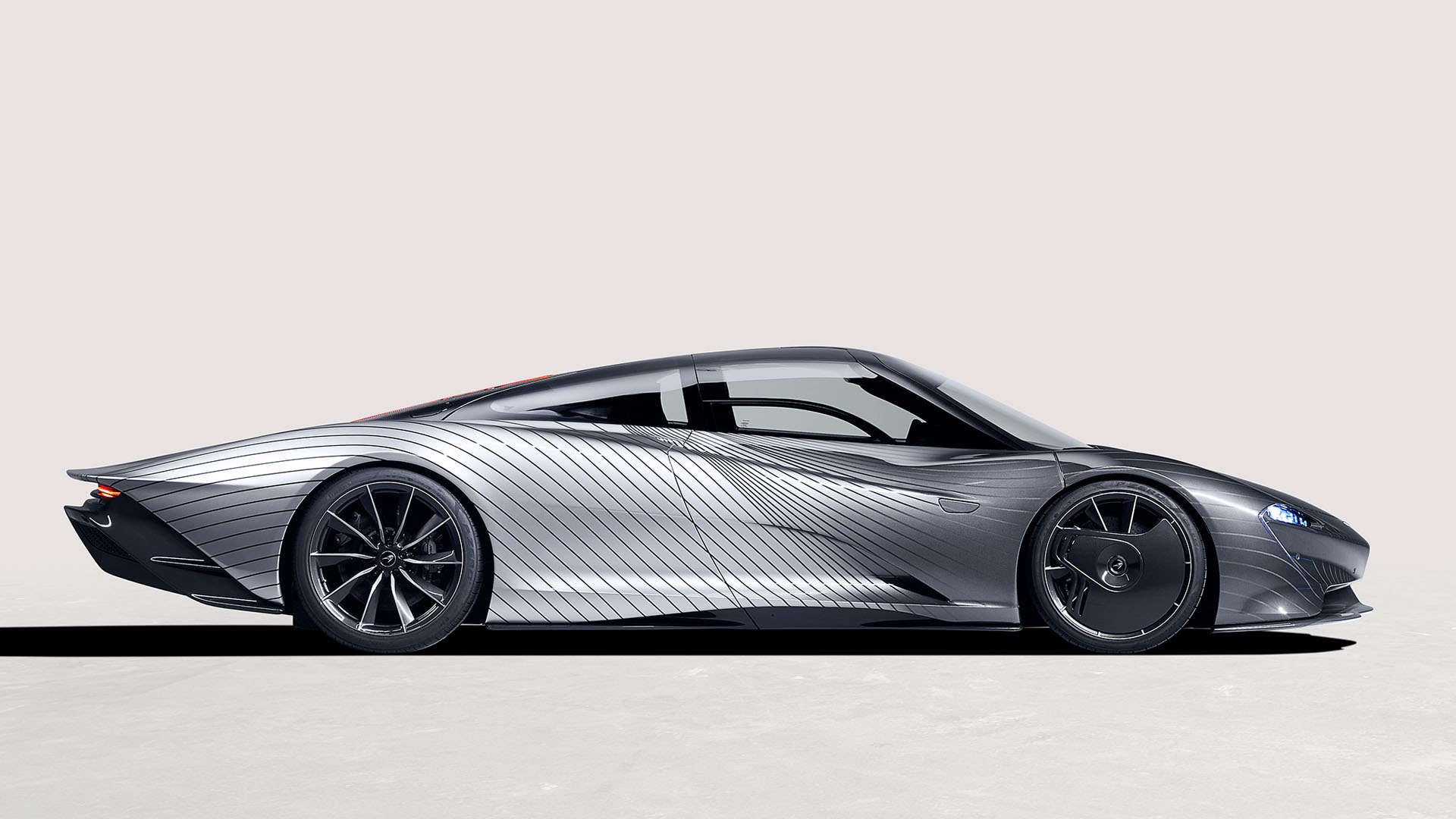
The McLaren Speedtail is the fastest road car from Woking to date, it’s the third model in the McLaren Ultimate Series, a three-seat hypercar with 1,070 hp from a hybrid powertrain that’s capable of reaching a 402 km/h (250 mph) top speed, this amazing looking ‘Albert’ Speedtail will be shown at Sunset GT, a luxury cars and coffee event hosted by O’Gara Beverly Hills on Sunday 8th August 2021 in Sunset Plaza, Los Angeles, USA.
The Battista at Monterey Car Week
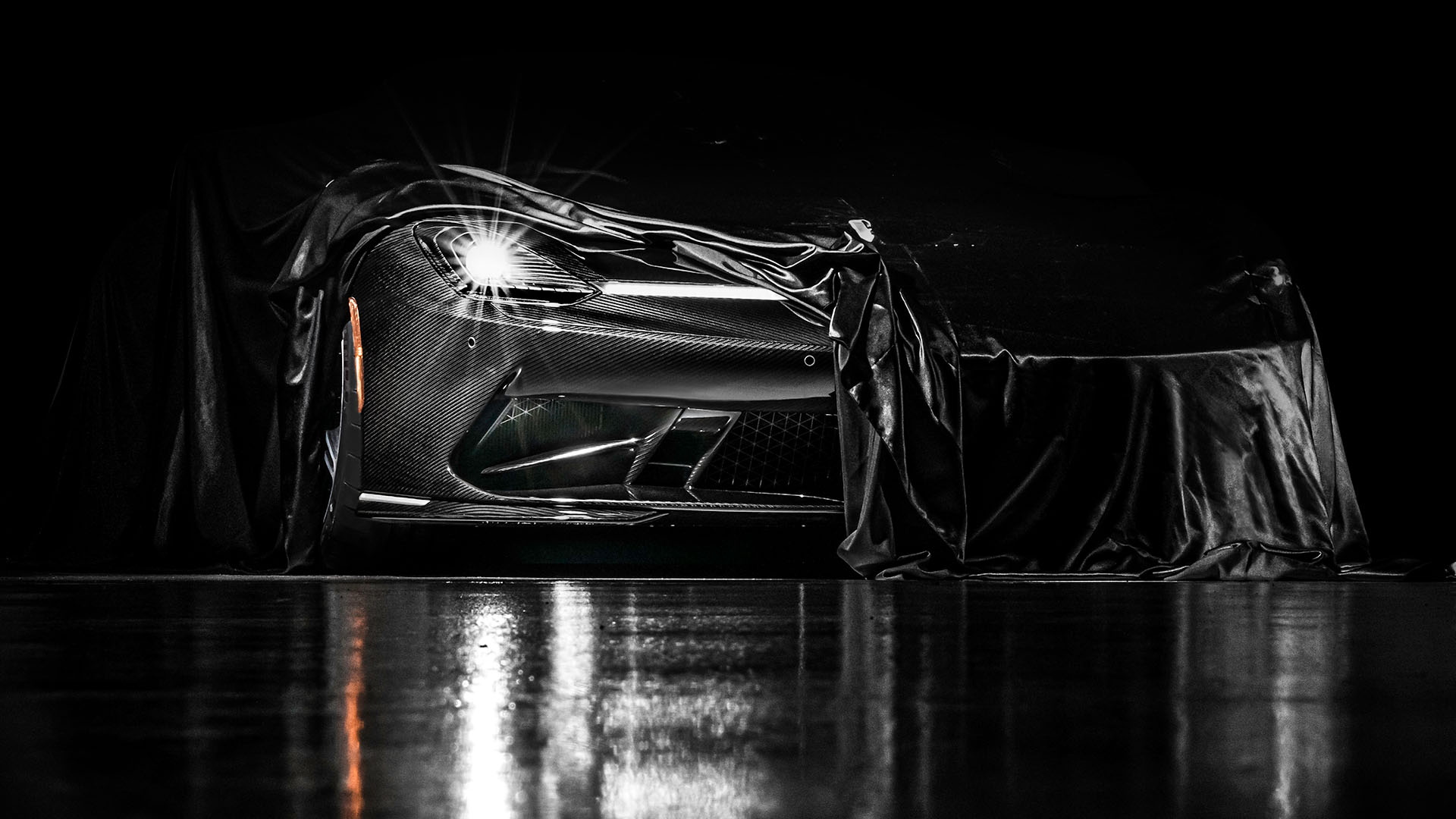
If you are dreaming about a clear carbon fiber, all-electric hypercar with an amazing pedigree from a famous Italian automotive design firm, you can now feel comfortable as Automobili Pininfarina is about to unveil the Battista, this Hyper GT will make her US debut at The Quail and Pebble Beach Concours d’Elegance during the 2021 edition of the famous Monterey Car Week, this will consequently also be the world première of this car to the public.
And Automobili Pininfarina will bring another, even more special, car to Monterey this year, the Battista Anniversario, a tribute model to the life and work of design icon Battista ‘Pinin’ Farina, this version will come with bespoke aerodynamics and special details only available on this Anniversario edition, that will be limited to only 5 units worldwide, all in a unique Automobili Pininfarina-designed livery and bi-color tinted Furiosa Pack consisting of a front splitter, side blades and rear diffuser, with outer carbon parts finished in black exposed signature carbon while the inner parts will be made in exposed carbon fiber tinted in Iconica Blu.
But back to the ‘regular’ Automobili Pininfarina Battista, the show car for Monterey Car Week will be finished in their signature black exposed carbon fiber for the entire body while the interior comes with Iconica Blu details, many electric cars have hints of blue usually, this specific Battista is actually a production prototype, the car is ready for production as we speak.

During Monterey Car Week, none other than Luca Borgogno, Chief Design Officer at Automobili Pininfarina, will be part of the judges’ panel at the Pebble Beach Concours d’Elegance, where a fleet of iconic Pininfarina-designed vehicles will gather to celebrate over 90 years of design excellence by Pininfarina.
Per Svantesson, CEO of Automobili Pininfarina, said: “The premiere of the first production-specification Battista in the US marks the beginning of another significant chapter in the Automobili Pininfarina story. We are excited to showcase the beautiful and sustainable future of luxury to our clients while celebrating more than 90 years of Pininfarina design heritage during Monterey Car Week. We look forward to our clients in the US experiencing the immense dynamic performance and personalized luxury of Battista for the first time.”
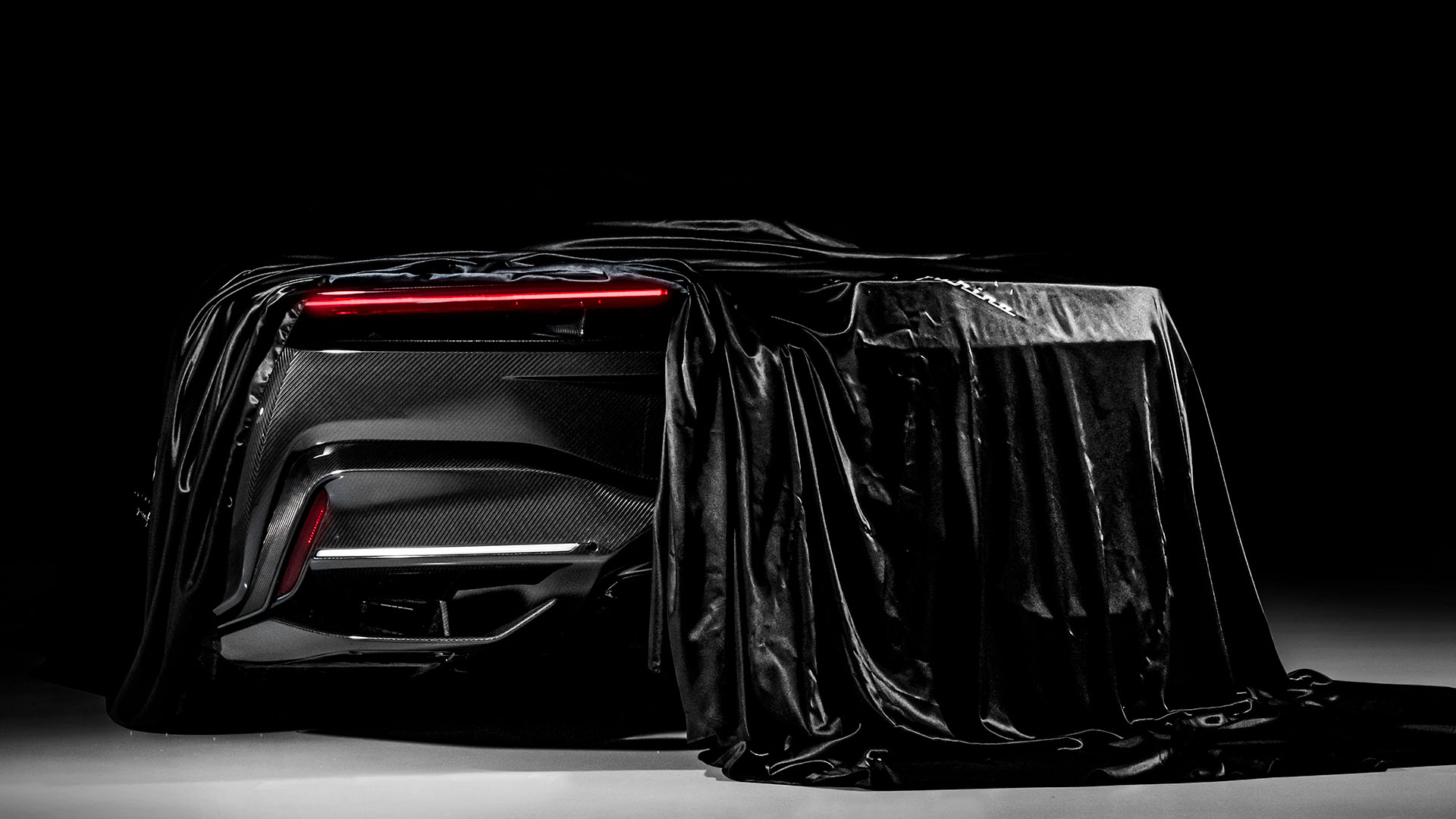
And while the clear carbon fiber exterior of this show car might attract a lot of attention, the interior is just as amazing, with black sustainable leather combined with Iconica Blu contrast stitching and quilted Pilota seats themselves also finished in Iconica Blu Alcantara while also featuring Pilota Carbon Components finished in the same black exposed carbon fiber as the body of this Hyper GT.
This is the first time the 1,900 hp hypercar from Pininfarina will be shown to the public as a production-ready vehicle, this hypercar will be able to reach 100 km/h (62 mph) from standing still in less than 2 seconds, priced at $2,200,000 each there will be only 150 units available for the entire world, while the battery can come with a warranty up to 10 years into the future.
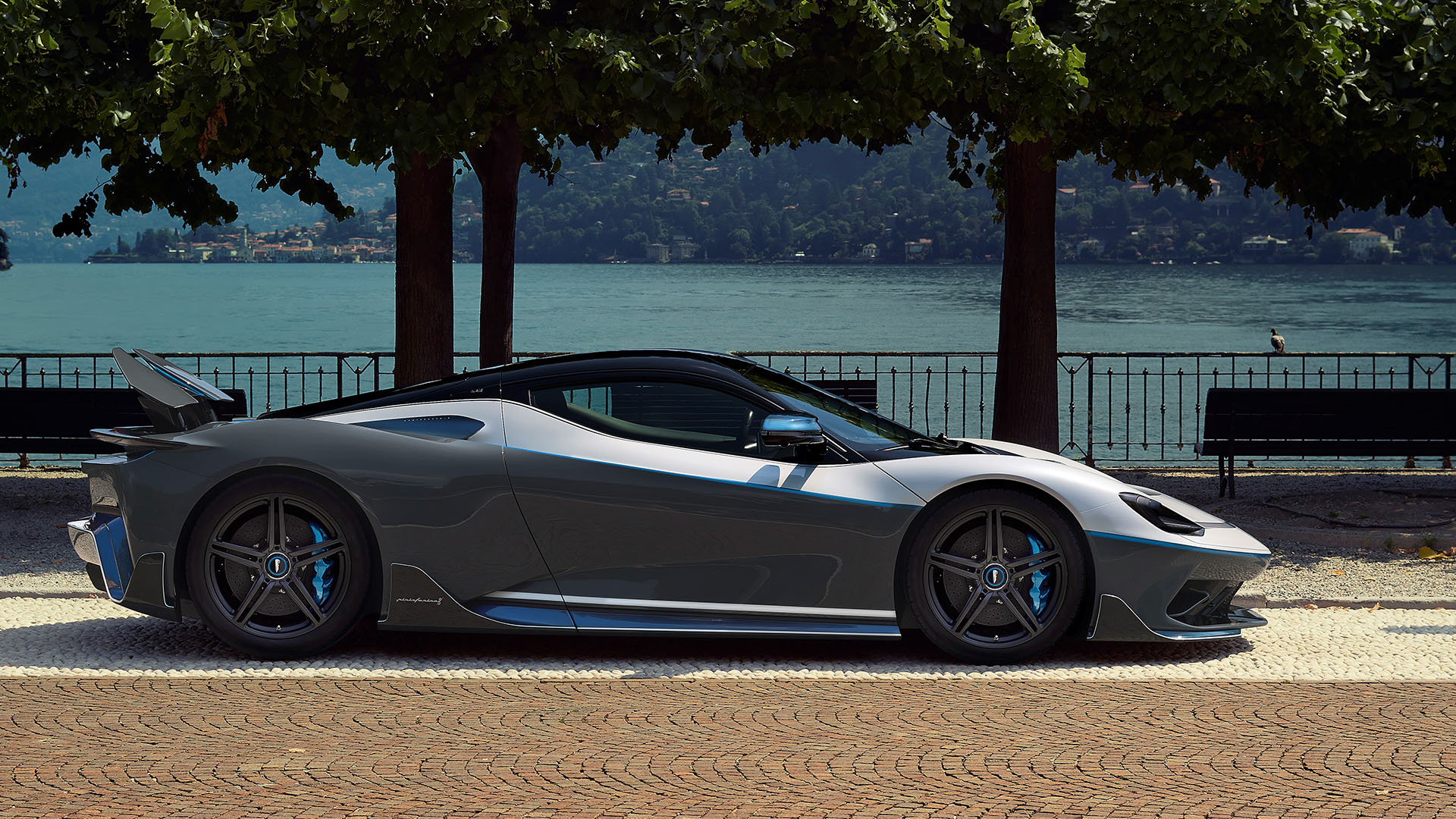
If you are interested in one of these 150 Automobili Pininfarina Battista you can turn to a global network of selected salespoints, for the USA these are located in San Fransisco, Los Angeles, Denver, Dallas, New York, and Miami, further up north, you are also able to buy this car in either Toronto or Vancouver … but why not visit their stand at the Monterey Car Week on August 13 to get an impression of this amazing hypercar first hand.

These Are The Most Expensive Car Crashes Ever
There are thousands of fender benders every day in the US alone and in most cases, the vehicles involved can easily be replaced. When it comes to supercars and hypercars alike, they can be irreparable or even irreplaceable should they be crashed.
Owning a supercar for most people is an honor and a privilege. For others, it is just another object among many others they own. In any case, we come across some horrific crashes that end in the destruction of some of the most sought-after vehicles on the planet.
The prices of the cars listed may vary but that doesn’t make it any less painful to read for us auto enthusiasts. Crashes like this can result in significant injuries so if you’re ever lucky enough to drive an exotic but unlucky enough to wreck such a beauty of a machine, you’re likely dealing with at least whiplash or some sort of muscle strain. Whether it was you or the other party at fault, it pays to have a legal professional who specializes in car accidents that can walk you through the process.
Without further ado, let’s look at some of the most expensive accidents to rock the supercar world.
Pagani Huayra Roadster – $3.4 Million
In November 2020, a 17-year old YouTuber crashed a Pagani Huayra Roadster while out for a drive with a friend. Gage Gillean took his father’s 3.4 million dollar hypercar and unfortunately lost control before colliding with a tree.
Gage walked away from the crash with minor injuries while the hypercar was completely destroyed beyond repair. Not to worry though, Gage’s father, Tim Gillean still has many other exotics in the stable including a Ferrari LaFerrari, Bugatti Chiron, McLaren Senna just to name a few.
I’m sure Gage was taught a very valuable lesson throughout the ordeal while he continues to drive his rich father’s multi-million dollar cars.

Bugatti Veyron – $1 Million
In 2009, supercar owner Andy House took his 2006 Bugatti Veyron for swim…literally. While on a Texas road, House was driving beside a lagoon where he says a pelican flew into his path causing him to swerve into the lagoon.
[embedded content] [embedded content]According to the video taken of the crash, there were no birds in sight, leaving House to deal with an unsuccessful insurance claim. Despite already losing a million-dollar supercar, he was ultimately sentenced to 1 year in federal prison in 2015. That sentence was among the $600,000 he paid back to the insurance company along with three years of supervision once he was released.
In this video, Tavarish explains the horrible undertaking of repairing the flooded 2006 Bugatti Veyron.
[embedded content] [embedded content]Pagani Zonda F Clubsport – $2 Million

German investment banker, Steffen Korbach was driving his rare, $2M hypercar on a wet Italian highway at low speed before hitting a puddle and hydroplaning into a road barrier in 2011. Both Korbach and his passenger were able to walk away from the collision while the 1 of 25 Zonda looks completely destroyed.

As luck would have it, Korbach was on his way to Milan to see a Pagani Huayra he had on order to replace his Zonda F Clubsport. Though he never made it to Milan, he wasn’t left without a nice set of wheels. He also owned two Bugatti Veyrons, Lamborghinis, and a Gemballa Mirage.
SSC Tuatara – $1.6 Million

In May 2021, TheDrive reported SSC transporting a Tuatara to Florida for another high-speed record attempt but unfortunately, it never made it to the destination. The car carrier used to transport the $1.6M, 1,750 horsepower twin-turbocharged V8 hypercar was tipped over as a result of strong winds during transit.
Lots of damage to the delicate cargo is set to be repaired as the chassis, drivetrain, and suspension were unharmed in the car carrier topple. This car is chassis number 001 and was due to set a high-speed record of well over 300mph, but that will have to wait until it’s back in shape.
Rimac C_Two – $2.4 Million
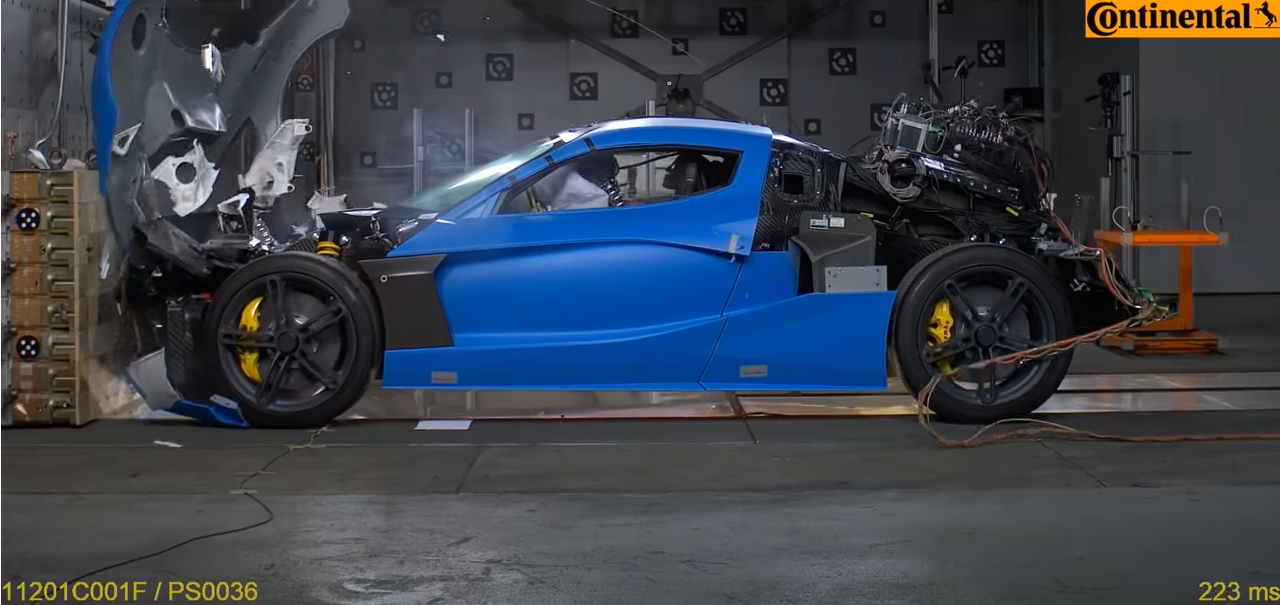
Though this isn’t an “owner crash” per se, it still hurts to watch. In this video, Rimac performs crash testing on the Rimac C_Two to collect data on safety restraints and real-world crash safety results.
[embedded content] [embedded content]Regardless of the accidental crash testing performed by Richard Hammond in 2017 while filming an episode for The Grand Tour, Rimac still needed to perform formal testing on their latest prototype. For those of you who had forgotten Richard’s 3rd near-death experience, here’s a video to bring you up to speed.
[embedded content] [embedded content]Once it’s released, the C_Two will cost $2.4M and while it seems like a lot of dough, it will have the power to back it up. The C-Two comes with a heart-stopping 1,887bhp and 1,696lb-ft of torque along with a 0-60mph time of 1.97 seconds and a 0-100mph time of just 4.3 seconds.
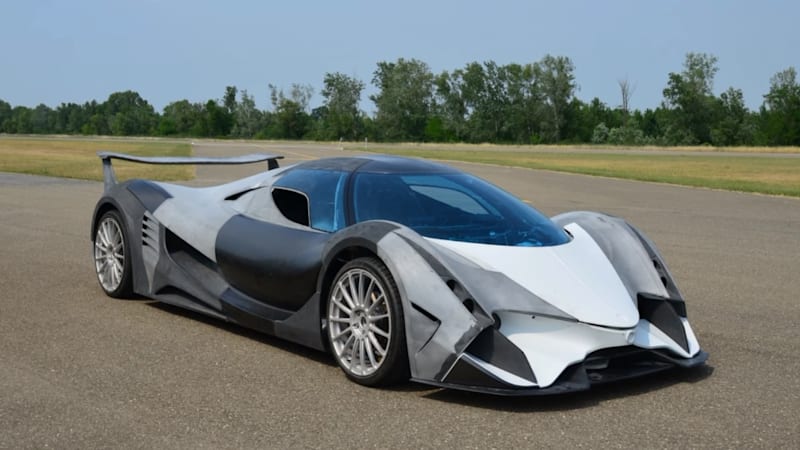
Watch as Devel begins testing a prototype of its Sixteen hypercar
It’s taken over a decade, but Dubai-based Devel has started testing the Sixteen hypercar it claims can reach 310 mph. Footage of a prototype undergoing shakedown tests on a track in Italy was published recently on YouTube.
If you need a refresher course, the Sixteen was shown to the public for the first time as a concept car in Dubai in 2013, though its development reportedly started in the late 2000s. It was revealed in its final form in 2017, and footage of it driving on a desert road surfaced in 2019. We haven’t heard much from the company since, which is hardly a surprise; 2020 was a difficult year for major carmakers, so smaller firms took an even meaner punch.
And yet, against any and all odds, Devel is back. Its prototype is unpainted and unfinished, the turbo system hasn’t been installed yet, but it runs, drives, and stops, which is a major accomplishment for the company. While no specifications were released, Devel outlined plans to build three versions of the car in 2019. First, a base model powered by a 2,000-horsepower V8. Second, a mid-range variant with a 3,000-horsepower, quad-turbocharged V16. Finally, a range-topping configuration with a quad-turbocharged, 12.3-liter V16 engine tuned to develop 5,000 horsepower. Yes, five thousand; that’s not a typo. It’s unclear which engine powers the car shown in the video.
Photos posted by Devel on its official Instagram account show the Sixteen being tested in Pininfarina’s wind tunnel, so the car is seemingly inching towards production. How many examples will be built, where, and how much each one will cost remains to be seen. What’s certain is that this hypercar could be a lot more real than many assumed.
Sweet 16
If the Sixteen reaches production, Devel will join the short list of manufacturers that have built a car with 16 cylinders. One of the most famous 16-cylinder models is the Cadillac V-16, which was built from 1930 to 1940. It was offered in a dizzying number of configurations, and many examples were fitted with a coachbuilt body. BMW briefly experimented with a V16-powered, E32-generation 7 Series in the early 1990s, at about the same time Italy-based Cizeta was putting the final touches on the Marcello Gandini-designed V16T. Only a handful were built.
In recent years, the glorious 16-cylinder layout has been associated exclusively with Bugatti. Different evolutions of its 8.0-liter, quad-turbocharged W16 have powered the Veyron, the Chiron, and few-offs like the Centodieci.
McLaren Speedtail ‘Albert’ has a paint job you absolutely must see
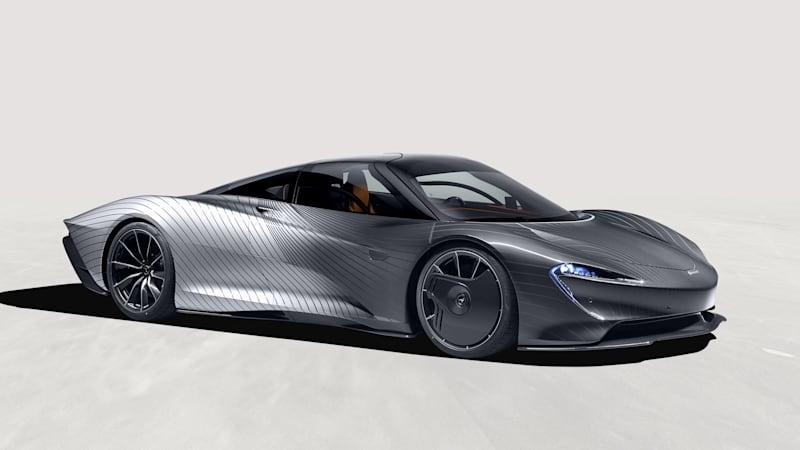
There’s no McLaren Speedtail that looks as wild and exotic as this one. Say hello to the “Albert” Speedtail, made as an homage to the first Speedtail testing vehicle.
That initial test vehicle featured a similar look, only done using crude vinyl body wrap. This Speedtail was meticulously painted and sweated over by the McLaren MSO team. The Albert name is derived from McLaren’s 1992 F1 test mules — those testers were given the name Albert, as the name of the road where the F1 was designed and built was called Albert Drive. Since the Speedtail is another three-seat McLaren, the name stuck.
The paintwork for this specific Speedtail took 12 weeks total to complete. McLaren broke that down into two weeks of masking, six weeks of painting and the remaining time for drying and reassembling. The MSO team also spent a good deal of time practicing and preparing to paint the actual car before it started. All the masking had to take place on the fully-built car, too, as painters had to ensure everything flowed around the vehicle with panel alignment and the wheels.
The final colors chosen for this project are Magnesium Silver and Ueno Gray. That silver is the first color the F1 was ever shown in, and the gray is the color of the 1995 Le Mans winning F1 GTR. The Speedtail’s teardrop shape lends itself to this sort of patterning and design better than most, and we absolutely adore it. This car already looks like a spaceship on wheels, and adding this paint job only elevates the feeling.
McLaren of Beverly Hills originally commissioned this car, and it will make a official public debut at a Beverly Hills Cars and Coffee this Sunday, August 8, in case you were curious to see it in person. Lastly, McLaren noted that this is one of the final Speedtails in the 106-car production run, so McLaren is almost done with this hypercar.
Related video:
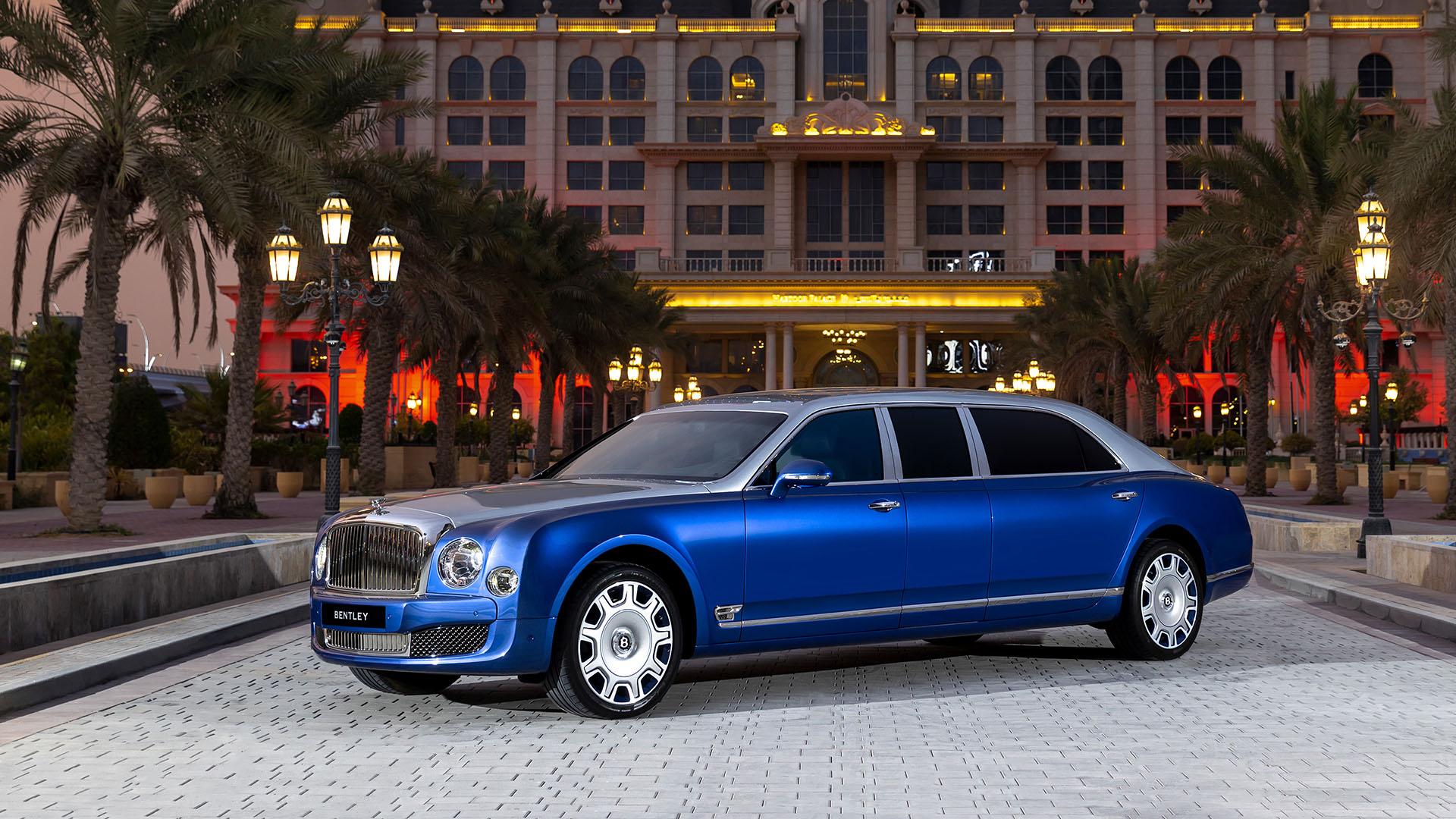
The Mulsanne Grand Limousine by Mulliner
Built for a world where size does matter, the Mulsanne Grand Limousine by Mulliner was a special commission built for customers in the United Arab Emirates, and while these cars were handbuilt back in 2015, today they are still considered ‘new’ and none of the five that are available for purchase now have ever been registered, these are five-year-old, brand new cars that have just been put on the market for those that are seeking the ultimate in luxury limousines.
The first Mulsanne Grand Limousine by Mulliner was a bespoke build, a private commission so to speak, taking Bentley’s famous Mulsanne from the production line in Crewe and taking it to the Mulliner atelier for a 1,000 mm stretch (39.47 in) to create a lot more space for the occupants behind the driver, or in this case, the private chauffeur. To make the passengers in the rear even more comfortable, Mulliner also raised the roof on the Mulsanne by 79 mm in the rear (3.11 in).
After this car was built and delivered to her happy customer, Bentley Mulliner was allowed to have this Mulsanne Grand Limousine by Mulliner as a limited production model in the books, and some were ordered by high-net-worth individuals that didn’t want to be driven around in yet another Rolls Royce Phantom (which was also available as a ‘stretch’) but preferred a similar experience of utter luxury inside a more sporty designed Bentley like the Mulsanne.
Today it seems you can’t order the Mulsanne Grand Limousine by Mulliner anymore, but fear not, if you still want to add one of these amazing handbuilt limousines from the UK to your garage, the opportunity has come up to obtain one of five of these 2015 cars that are still brand new, these five were ordered by Bentley Emirates for the rich and famous in that region, but in the end, none of these were ever registered, and they still come with delivery miles only.
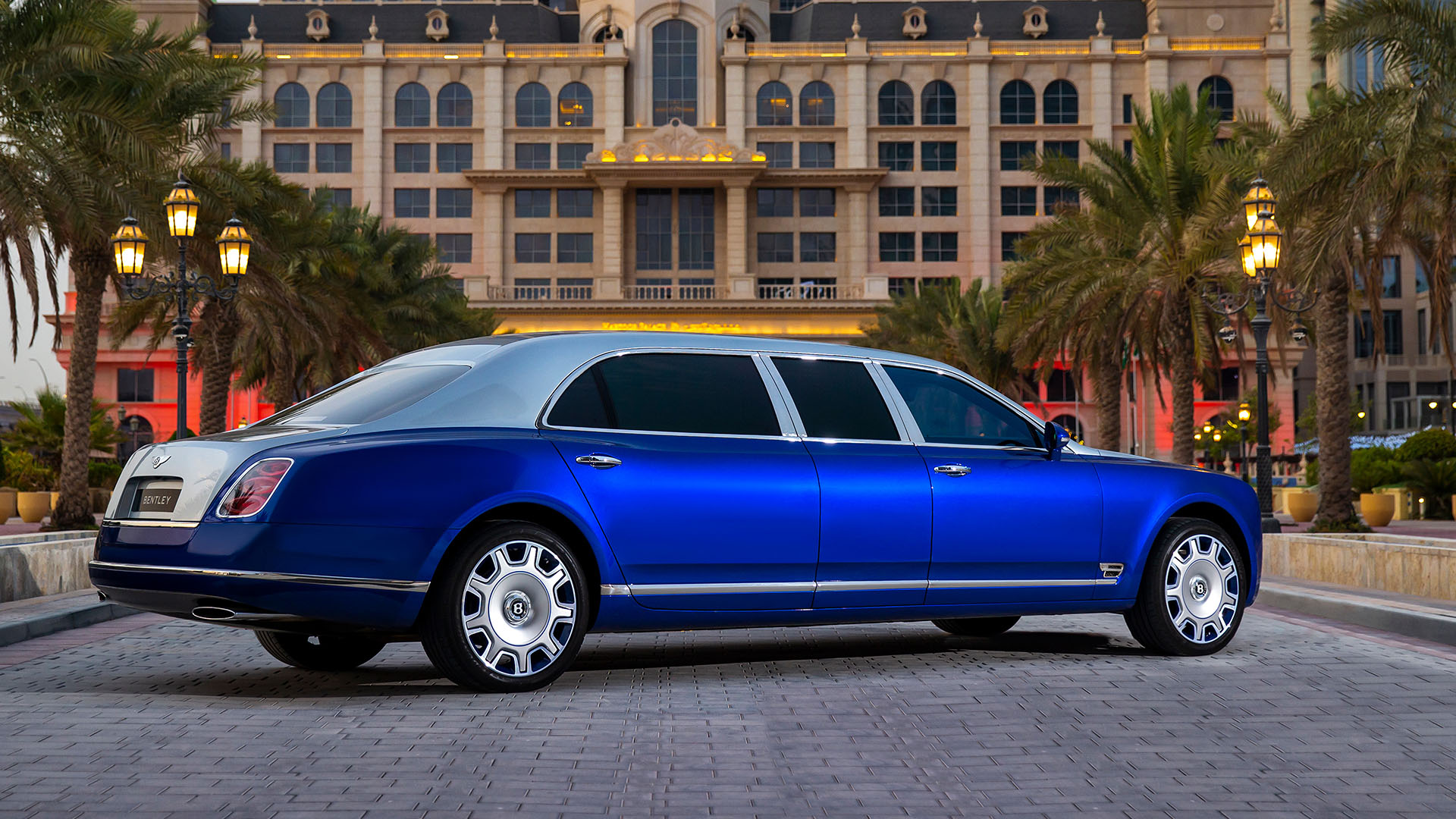
The only downside to these is the fact they are ready-built, so no bespoke specs can be ordered, but the upside is that these are available right now, no delivery time, nothing, and Bentley Emirates can deliver these Mulsanne Grand Limousine by Mulliner anywhere in the world within days, making this a unique opportunity for clients to obtain an icon of modern Bentley history.
As we would expect from a Mulliner built Bentley limousine, each of these five 2015 cars has her individual identity as customers that shop in this kind of market do not want to encounter the same car when they drive up to the restaurant or the latest party in their friend’s mansion, an overview of the five different Mulsanne Grand Limousine by Mulliner now available:
- Silver Frost over Moroccan Blue exterior paint, paired with an Imperial Blue and Linen interior completed by Burr Walnut veneer
- Damson over Black Crystal paintwork, complemented by Damson and Twine leathers and Dark Stained Burr Walnut veneer
- Onyx over Candy Red exterior, with a Hotspur and Camel interior, finished with Olive Ash veneer
- Rubino Red over Light Gazelle bodywork, with an interior in Fireglow and Twine leather paired with Burr Walnut veneer
- A single tone Black Sapphire exterior, with an Imperial Blue and Camel interior contrasted by Dark Stained Burr Walnut veneer
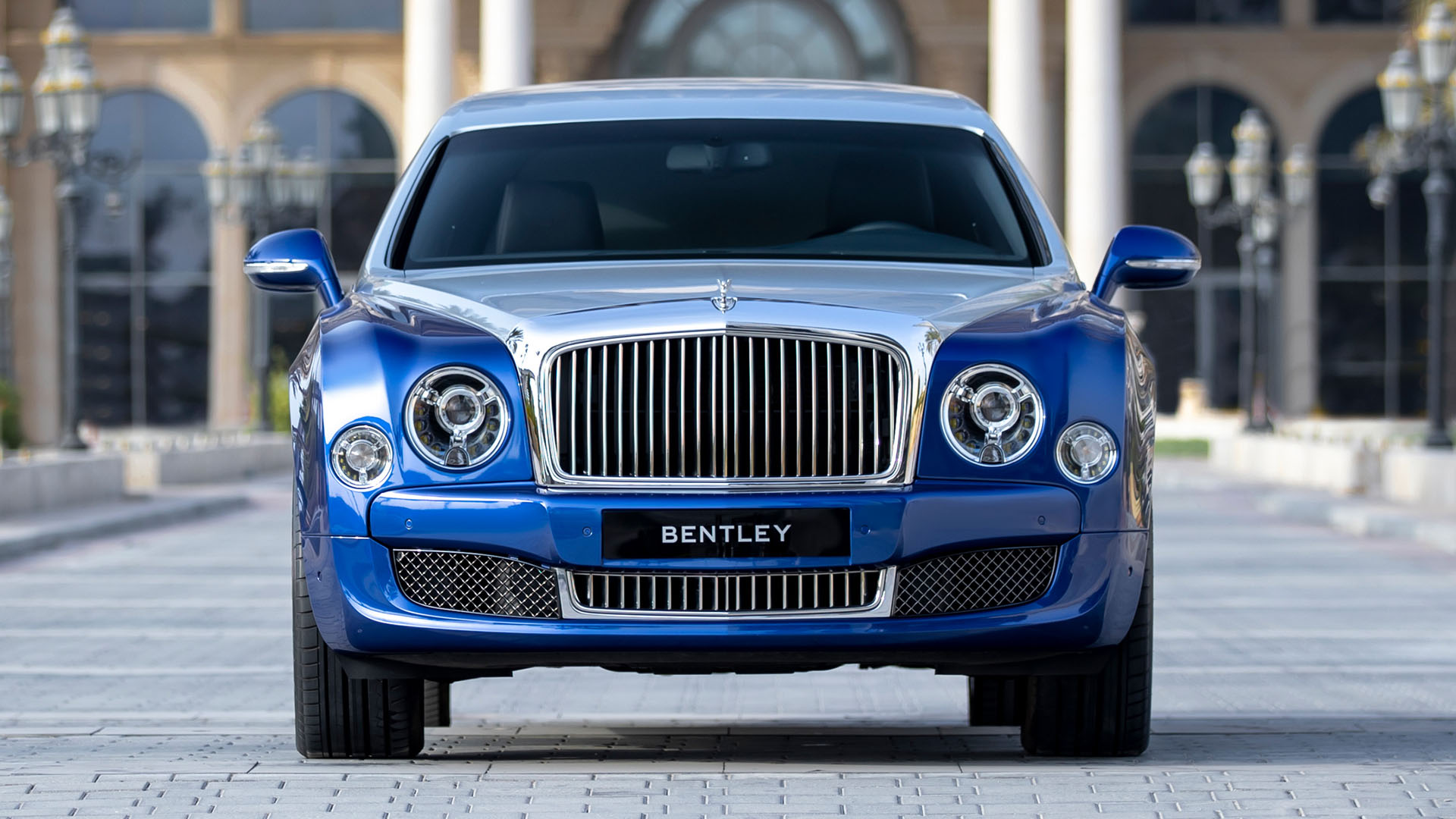
The car depicted in these photos is the nr 1, Silver Frost on Moroccan Blue, a very nice color combination, although I would prefer my Mulsanne Grand Limousine by Mulliner to be all black … a dark and sinister-looking 6,575 mm (258.9 in) long beauty with space for four passengers in the rear in a ‘face-to-face’ configuration.
The clients that are in the market for a car of this caliber usually own a superyacht with a helicopter and a private jet, and that’s where the inspiration for the rear ‘cabin’ on the Mulsanne Grand Limousine by Mulliner came from, having a setup that would allow four people to be seated two side by side, in front of each other so a conversation could be maintained with ease while being driven around in the best possible luxury available.
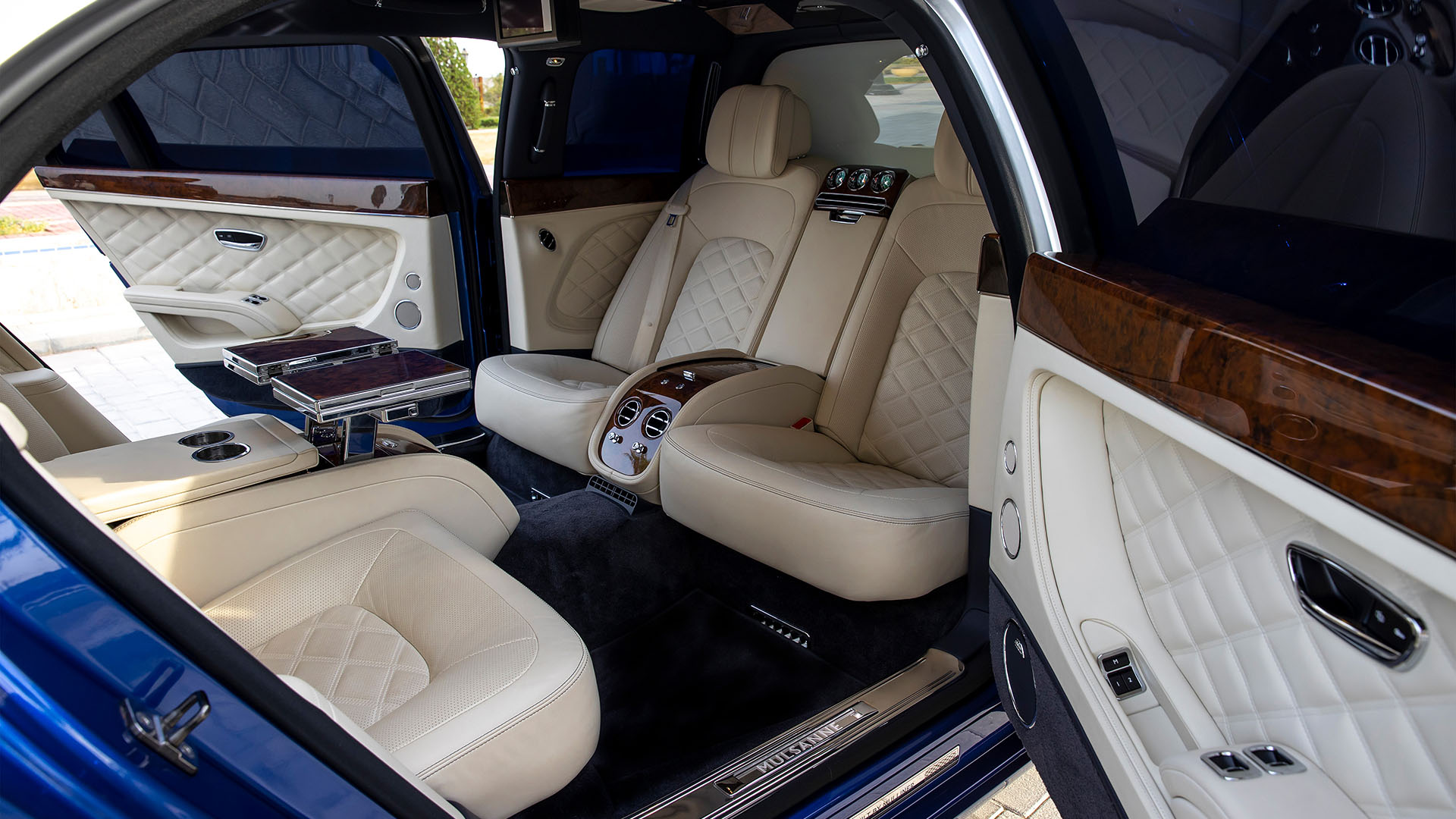
Inside such a car you’ll find a bottle cooler with bespoke flutes between the rear seats, facing forward, a special cabinet for ‘other’ beverages was fitted between the seats facing backward, complete with Mulliner bespoke crystal tumblers, just in case you needed to get some work done before arriving at your venue in style, there are foldable veneer picnic tables for the occupants, complete with iPad docking station and USB chargers.
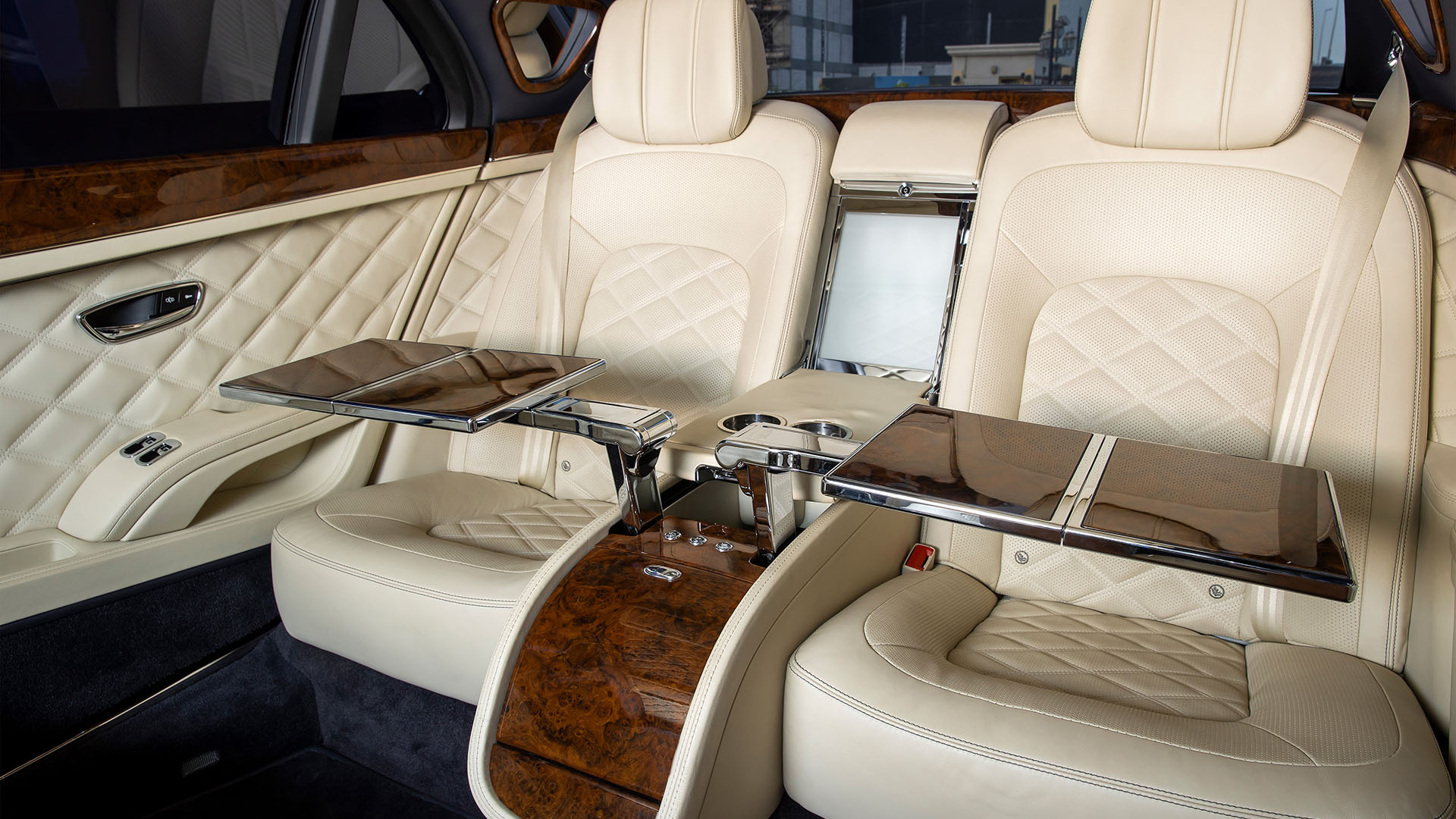
The rear passengers even have a view of three custom dials, one displaying the local time, a second one showing UK time, while the third one shows the outside temperature. A custom heating, ventilation, and air conditioning (HVAC) system was designed and built by Bentley Mulliner, specifically for the Mulsanne Grand Limousine to offer two separate zones for the rear cabin, each of the four rear passengers can control their own micro-climate, independently from their fellow companions.
These Mulsanne Grand Limousine also used a ‘smart glass’ divider for the first time on a Bentley, not only does it separate the driver from the passengers in the rear, but at the touch of a button the glass turns opaque, for convenience inside this private bubble there is an intercom system installed to talk to the driver.
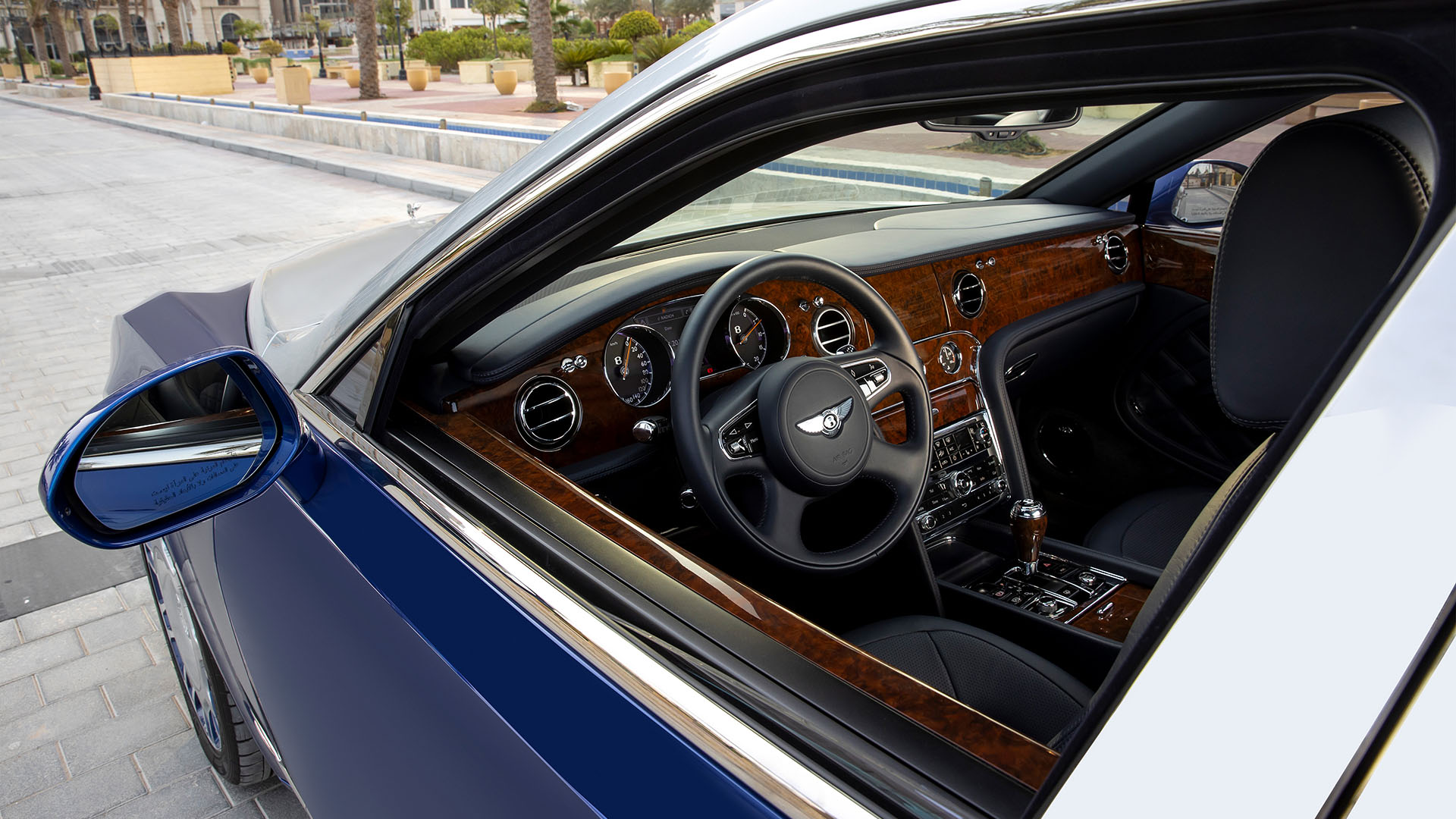
Each of the Mulsanne Grand Limousine is powered by Bentley’s famous 6¾-litre twin-turbo V8 engine, delivering 505 hp and a very impressive 1,020 Nm of torque while riding on one-of-a-kind 21-inch wheels that match the car’s paint, if you look really close at the ‘Flying B’ above the majestic grille, you’ll notice the engraved ‘Coachbuilt by Mulliner’ script to set these limousines even further apart from their lesser Bentley Mulsanne siblings.
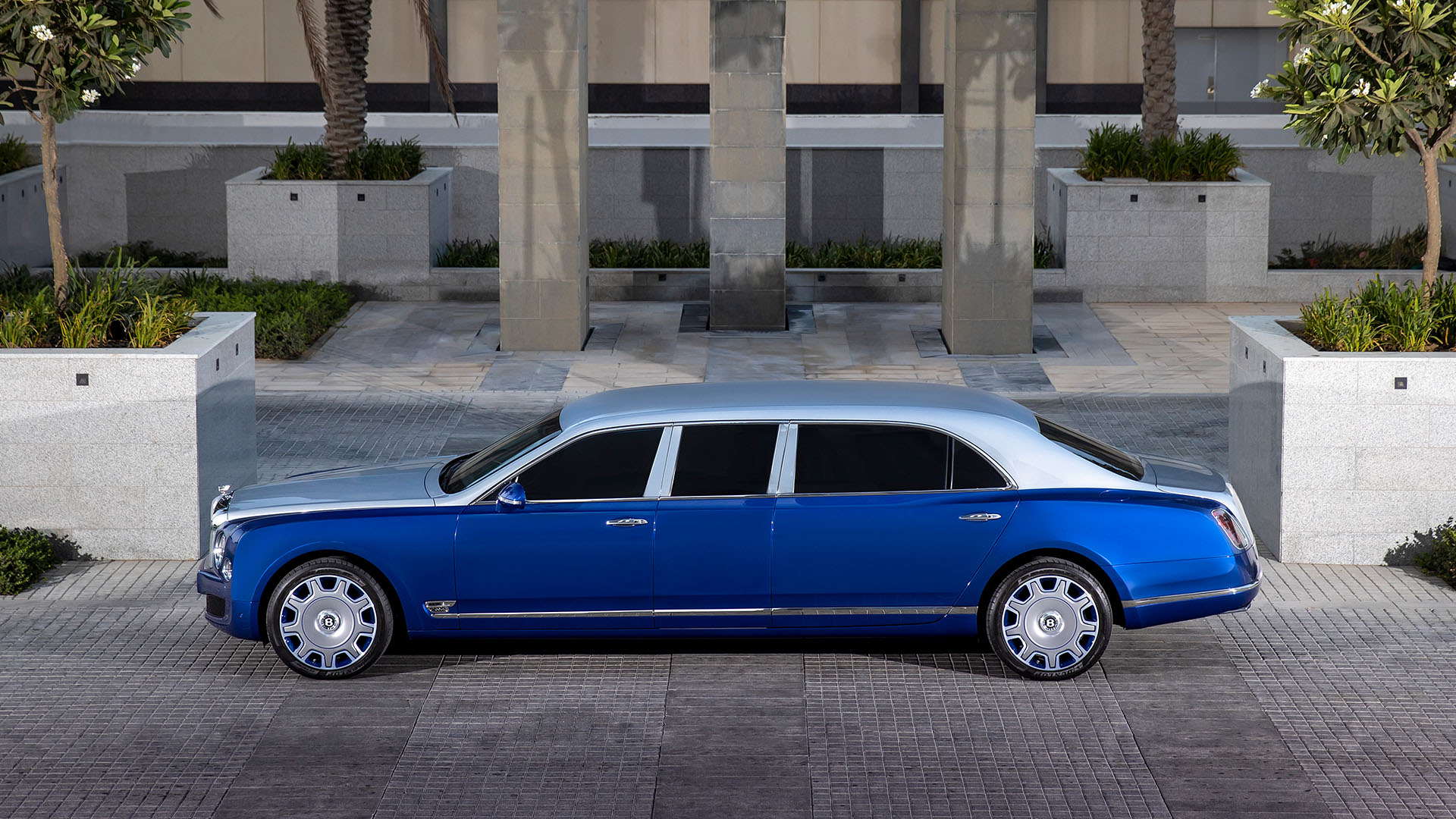
Bentley Mulliner has become a testament to what can be done if a company like Bentley goes above and beyond for their more discerning clients, Mulliner goes back almost five centuries in history when it comes to coachbuilding, they have recently celebrated the 1,000th bespoke commission, a special Bentley Bentayga since the Mulliner Design Team was put together by Bentley in 2014, and just as a reference, these Mulsanne Grand Limousine are still the longest manufacturer-built limousines in the world, other limousines are ‘stretched’ by third-party companies to greater lengths, but the Mulsanne Grand Limousine is different, it’s ‘Rare by Design’ as stated by Bentley Mulliner.
Acid Green Porsche 918 Spyder for Sale – 1 of only 4 Made in this Color
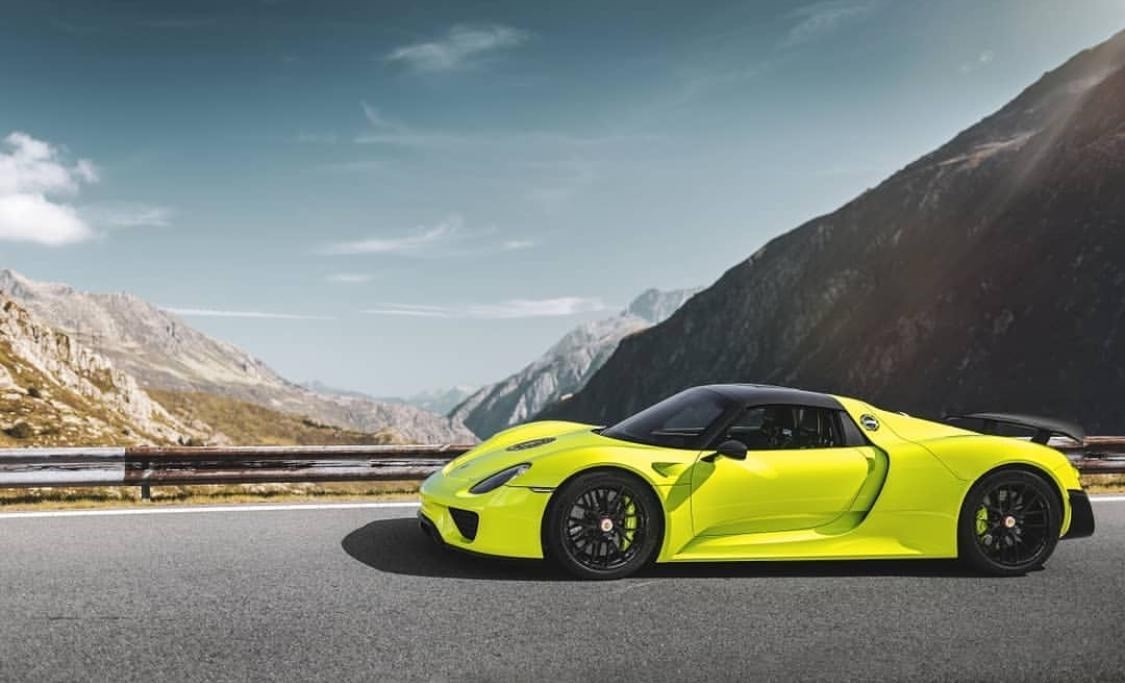
Leave it to Porsche to pull 50 shades of green on their supercar and still manage to make each shade look absolutely beautiful. Acid Green is the kind of color you only find on vinyl wraps, but this Porsche 918 Spyder for sale in Switzerland has that paint straight from the factory.
Acid green was an exclusive PTS color used on only 4 918 Spyders, this is as green as it gets and anything beyond this falls into yellow territory. The car for sale here is equipped with the desirable Weissach Package originally from the factory, worth noting that some regular 918s were later equipped with this package after Porsche offered the Weissach parts through their after market store.
The previous owner(s) were not shy of driving either as the car has already covered 17,000km, almost double the average mileage for 918s. But that’s not a bad thing as it could very well be a sign that service records are extensive and in good order.
This 918 Spyder also benefits from a full body 3M paint protection film, a treatment that costs northwards of $10,000 on hypercars. The seller adds that it’s condition is “like new”. As always pictures don’t do justice and interested buyers should instead schedule a physical viewing.
Five Exotic Car Technologies You’ll See On ‘Regular’ Cars Within 5 Years
Supercars – and more recently, a new class of Hypercars – continue to showcase the very best and most advanced technologies currently available in production road cars. While that’s not going to change (it’s the natural order of things, really), we should be anticipating an influx of exotic and wild features on the common vehicles of tomorrow.
The top-down succession of technologies has been occurring since the dawn of automobiles; however, with the exponential rate at which technology is improving these days, it won’t be inconceivably long before your average commuter car will be boasting many of today’s supercar credentials.
The proliferation of EV technology adds yet another dimension to this communal melting pot of automotive prosperity, where we’re already seeing once unimaginable horsepower and torque figures become quite easily attainable – not to mention all the other groundbreaking advancements in aerodynamics, hybrid technologies, software, and more.
Here are Five Exotic Car Technologies You’ll See On ‘Regular’ Cars Within 5 Years.
Active Aerodynamics
Disclaimer: I am fully aware that advanced aerodynamic technologies (of which active aero is certainly a part of) will be overkill for the majority of production road cars, both now and in the future.
However, we can certainly expect it to start featuring more regularly on flagship performance models – particularly those from mainstream producers – within the next few years. In fact, it has been basically confirmed that the new 992-generation Porsche 911 GT3 RS will have at minimum, an actively-adjusted rear wing. Ok, so Porsche isn’t exactly your typical “mainstream” automaker, but there’s no reason we won’t see similar adaptations on next-gen versions of cars such as say, the Honda Civic Type R, Ford Mustang Shelby GT500 and Nissan GT-R.
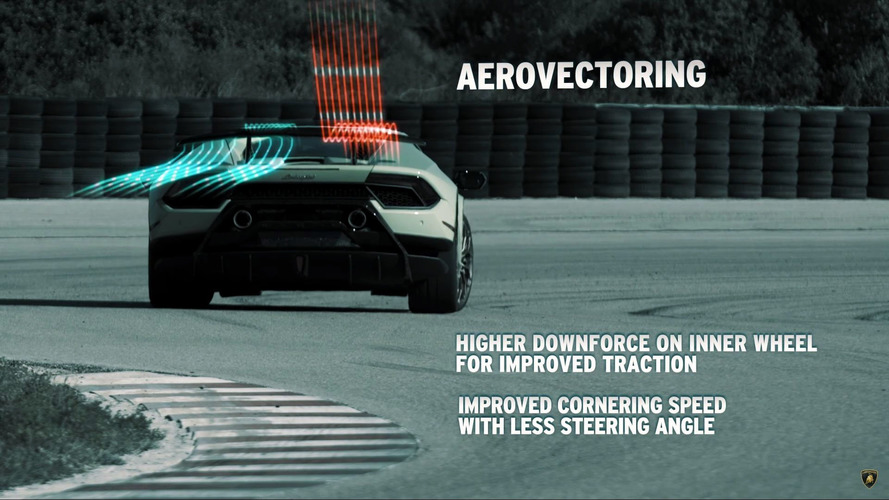
By the way, active aerodynamics can (and should) involve a lot more than just a rear wing that changes its position at certain speeds. We’re talking more along the lines of the Lamborghini Aventador SVJ’s ALA 2.0 system, which controls actuators that open and close flaps on the front splitter, engine cover and rear wing. In conjunction with Lamborghini ‘Dinamica Veicolo Attiva’ 2.0, the SVJ’s computer processors are able to determine where downforce is needed in live time.
In the same way that some cars have torque vectoring, this essentially provides the Aventador SVJ with “aero” vectoring. That is, the ability to actively manage the car’s non-static aerodynamic features to improve cornering speeds and stability with minimal adjustments to steering and pedal inputs. For example, on your typical turn, having more grip (and hence, more downforce) on the inside wheels will improve turn in. Flaps on the front splitter and rear wing will be adjusted by the system to decrease relative downforce over the outside turning wheels, creating a grip bias towards the inside. Aided by other features such as rear-wheel steering, this can significantly improve the car’s general handling capabilities.
Supercapacitors

It’d be prudent to first speak about what supercapacitors basically are, before getting into the the nitty-gritty of how they fit into the general automotive landscape – so let’s do that. After all, the likelihood is that most people don’t know what they are, and the fact of the matter is that they’re not currently a hot topic in any of the broader conversations about EVs or hybrids. So that was your first clue: it’s some sort of electrical thing-a-ma-jig. Its present application is predominantly in that of hybrid technology, storing energy which can be converted into thrusting the car forward. If this sounds to you like what your typical EV battery does, you’re definitely on the right track. However, that’s where the similarities end.
First of all, capacitors are hardly a new technology – they’ve literally been around since electricity – nor are the proprietary to automobiles. In fact, most of the gadgets we use today have them; smart phones, computers, stereos, or just about anything you can think of that has a circuit board. That’s because of their very crucial ability to store and release energy at a rapid pace, without suffering from degradation like a typical battery.
The Lamborghini Sián is the most notable example of an automobile which uses a supercapacitor – the ‘super’ added because, well, you need a really, really big capacitor to help power a car. In this configuration, the supercapacitor collects and stores energy (primarily from regenerative braking). In certain moments (such as a launch), the supercapacitor dumps all of its energy into an electric motor which immediately and briefly adds an extra 34 hp on top of what the Sián’s 785 hp naturally-aspirated V12 engine produces.
As long as the supercapacitor keeps getting recharged – which can be achieved with just seconds of hard braking – there will always be that extra bit of power boost at the car’s beckoning. Compared to an EV battery which takes much, much, longer to fully recharge, and weighs substantially more, you might be wondering why supercapacitors aren’t the dominating technology in electric or hybrid vehicles today.
Well, there are a few very important reasons for this. By nature, supercapacitors aren’t able to store energy for long periods of time like a battery, making them unviable to be the primary food source for an electric vehicle. At least for now, simply replacing a battery with a (mega?) capacitor isn’t the solution; they’re not going to be powering cars on their own, any time soon. On that note, the ‘wee-little’ 34-hp-producing supercapacitor in the Sián probably isn’t cheap either. However, we should expect that to change as the technology gets refined, eventually becoming scalable at mainstream levels.
I’m no engineer, but I figure these same principles could be applied to fully-electric platforms, with some sort of battery-supercapacitor amalgam creating a “best of both worlds” scenario. This means we could see more supercapacitors on everyday cars sooner than later, with the shift to EVs already well underway. Then there’s the concept of solid-state batteries too… but we’ll leave that one for another story.
Magnetorheological Suspension System

Magne-what? Modern automobile suspension technologies have also been put through perpetual rethinks throughout the years, significantly evolving from more humble beginnings with leaf springs and the like. Although there is still work to be done to realize the full potential of magnetorheological suspension systems, they do presently represent the current peak of suspension technology as far as handling performance is concerned; i.e. they’re good for go-fast automobiles like supercars and hypercars.
In principle, MR suspensions work very much the same as hydraulic suspensions in that they are filled with a fluid which travels between different chambers in the piston. This allows “shock” energy to be converted into heat, essentially absorbing impacts from road contact to improve ride quality and performance. The difference with an MR suspension is that it also incorporates an electric circuit into its piston assembly.
This is where the technology is revolutionary: the electrical currents supplied to the suspension create magnetic fields inside the piston, which can instantaneously change the properties of the fluids inside, subsequently altering how the suspension responds and behaves. Adaptive suspension systems rely on this process in order to calibrate the characteristics of the suspension in any given moment. Computers help monitor factors such as steering angle, g-forces, pitch and various other factors and decide on how best to optimize the geometry based on the data. Advanced systems are able to do this in real time, making calculations and adjustments at a rate of thousands of times per second.
While MR suspension systems do still face challenges – such as the dampers not being serviceable, while being prone to problems such as hysteresis, leakage and sedimentation – the technology continues to be refined. It’s destined to become a more common feature on the cars of tomorrow as things continue to improve and scale. If you like the idea of active aero, then MR dampers are basically what that is, but for suspensions. Imagine driving a car equipped with both such systems!
AI & Cloud-based Driver Aids / Monitoring Tech

When we think of ‘connectivity’ these days, we often refer to social media, various smartphone apps, zoom meetings and some degree of cloud computing. All of the aforementioned typically exist within the ecosystem of mobile devices and personal computers, but connectivity is starting to apply very much to automobiles too. Features such as GPS navigation, in-car Wi-Fi – and more recently, self-driving capability – immediately come to mind, but with the direction the industry is going, we can expect so much more than just those things.
Connectivity as we know it, is now a big part of how we get from one place to another – physically, as well as virtually. And you only need an imagination (albeit one rooted in reality) to conjure up some of the fascinating tech we’re about to see integrated into the everyday automobile. Real-time warning systems that can detect intricate anomalies or hazards using artificial intelligence? That’s already being developed by Porsche in partnership with HERE Technologies and Vodafone, and will feature a system which identifies animate objects, monitors the behavior of other drivers and anticipates inclement road conditions. Trials are currently taking place in Aldenhoven, Germany – using a Porsche Taycan amongst other vehicles – where the system will be further optimized before its rolled out to more test sites.
“5G and data processing on the roadside help to transmit hazard warnings without delay and make road traffic even safer,” Michael Reinartz, Director of Innovation at Vodafone Germany, said in a statement. “We are currently trialing this under everyday conditions.”
Rimac is working on an “AI Driving Coach” program, which should be ready before the first examples of its Nevera hypercar roll off the production line. This system uses, as its name implies, an artificial intelligence which guides drivers while they’re on a race track. Using visual and audio aids, the AI will give drivers real-time tips on how to improve their lap times. An “augmented-reality” racing line will even be available for a select group of renown international race circuits. The same AI system is also capable of providing self-driving features. Awesome.
“What we are building is a system where AI plays a key role in teaching the driver how to perform on racetracks, at the maximum vehicle performance,” Sacha Vrazic, Director of Rimac’s autonomous driving department explains. “Not all of our customers are professional drivers, but we want them to really enjoy the car and have fun with it.”
Michelin has recently released a new range of Pilot Sport Cup 2 tires, which work with their proprietary ‘Track Connect’ app to deliver unparalleled access to essential data related to a car’s handling, grip and the suitability of its tires. This data is then translated into advice for the driver with regards to optimizing tire pressures, inflation, temperatures and much more. It also provides inputs on the driver’s style, performance and skill, whether pushing the limits on the racetrack or simply commuting around town.
Naturally, the newest and most advanced technologies will typically debut on more expensive cars, before proven dependability and the economies of scale bring them to the mainstream. Expect the aforementioned technologies, and many more, to start featuring on a growing number and variety of automobiles.
Synthetic Bio Fuels (Hydrogen)

Even with the likes of Porsche taking the reigns on this recently (with McLaren and Audi also continuing to play major roles), bio fuels – or ‘eFuels’, as they’re calling it in Stuttgart – won’t require much of a trial period on exotic cars before being rolled out to the rest of the crowd; should eFuels proliferate as a viable alternative to power the world’s vehicles, it will undoubtedly benefit all players within the entire automotive landscape.
Porsche said its first iteration of Esso Renewable Racing Fuel is a blend of advanced biofuels, formulated from food waste products by ExxonMobil’s in-house team of scientists and engineers. The automaker has already begun experimenting with eFuels in its GT Cup race cars; so if it’s ultimately good enough for that level of performance, the assumption is that it will definitely suffice for production road cars as well.
The big-wigs at Porsche are already suggesting that this latest version of eFuels may even allow internal combustion cars to achieve a smaller overall carbon footprint than an electric car, particularly when taking into consideration, the byproducts created from battery manufacturing. “This technology is particularly important because the combustion engine will continue to dominate the automotive world for many years to come,” said Porsche R&D Executive, Michael Steiner. “If you want to operate the existing fleet in a sustainable manner, eFuels are a fundamental component.”
“Porsche is committed to three powertrains: purely electric, plug-in-hybrids, and highly efficient gasoline engines. From Porsche’s point of view, eFuels open up an opportunity for our plug-in hybrid models as well as our icon, the 911—either with a combustion engine or as a very sporty hybrid. This means that we could continue to drive the 911 for many years to come, which will certainly make our customers and fans happy.”
Without diminishing the significance or role that EVs will play in the more distant future – we should still expect them to become the prevailing technology – perhaps an optimally balanced coalition of clean burning fuels and fully-electric solutions is not only better for business, but for the environment too. It looks as though Porsche is already creating a model for how this could work, and if the science behind eFuels checks out, then there’s no reason that it couldn’t become the conventional formula in the years to come.
2021 Porsche Taycan Cross Turismo: An In-Depth Look
Introduction
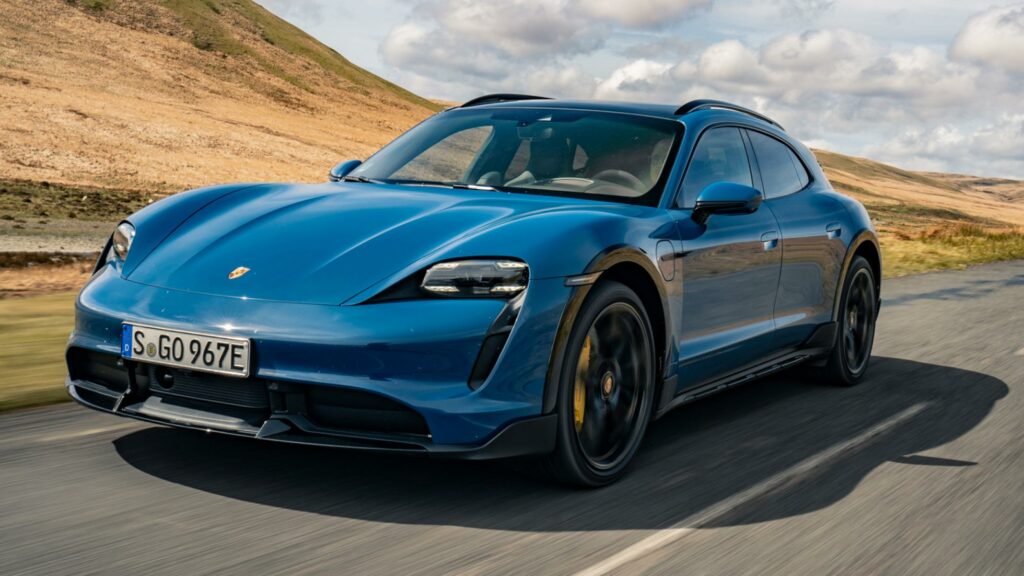
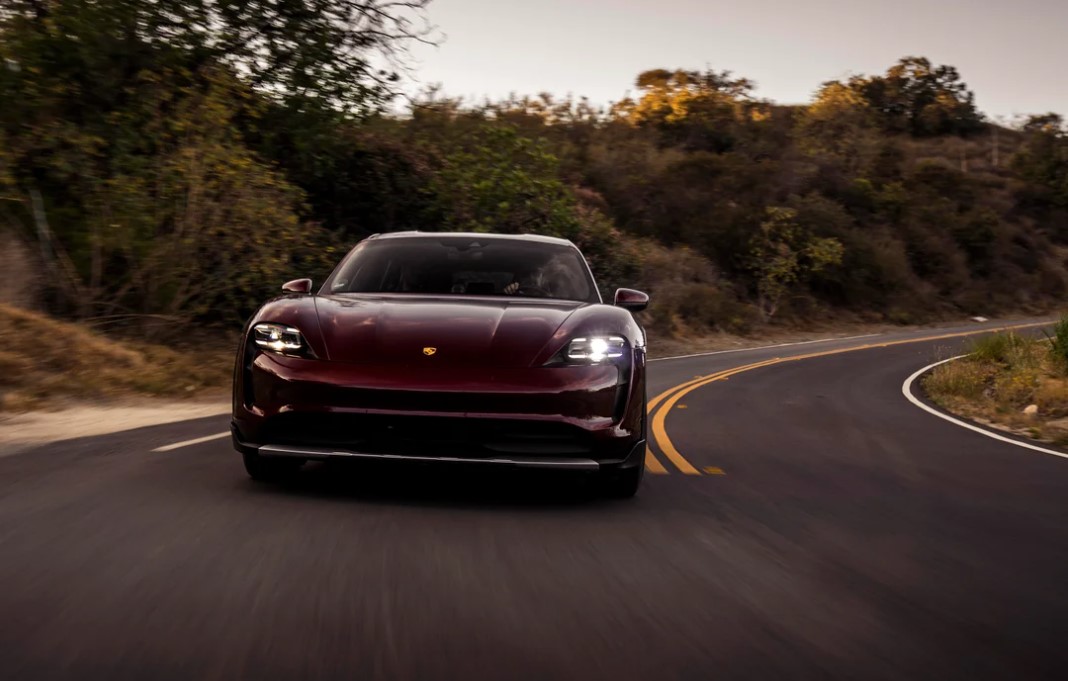
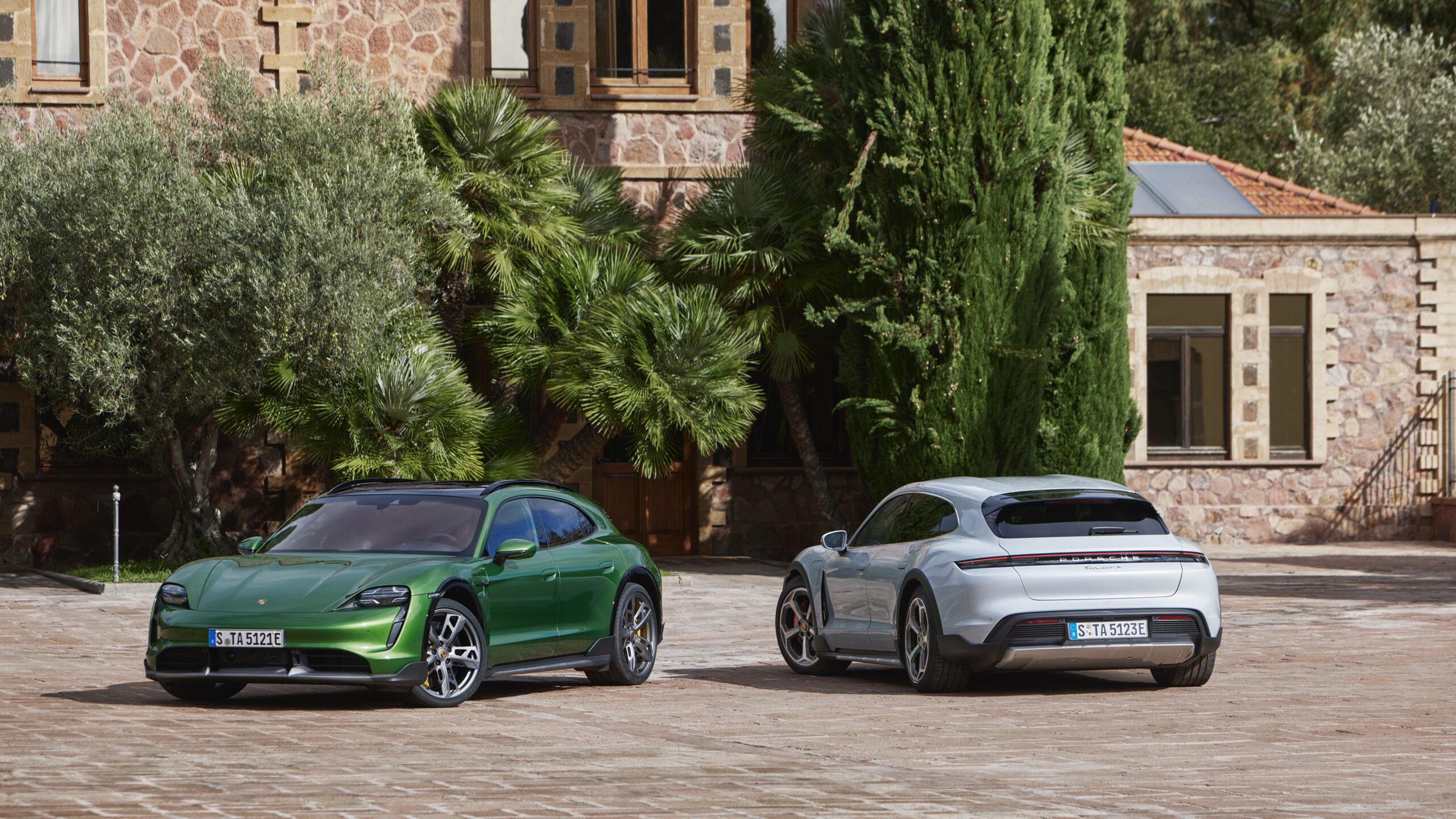
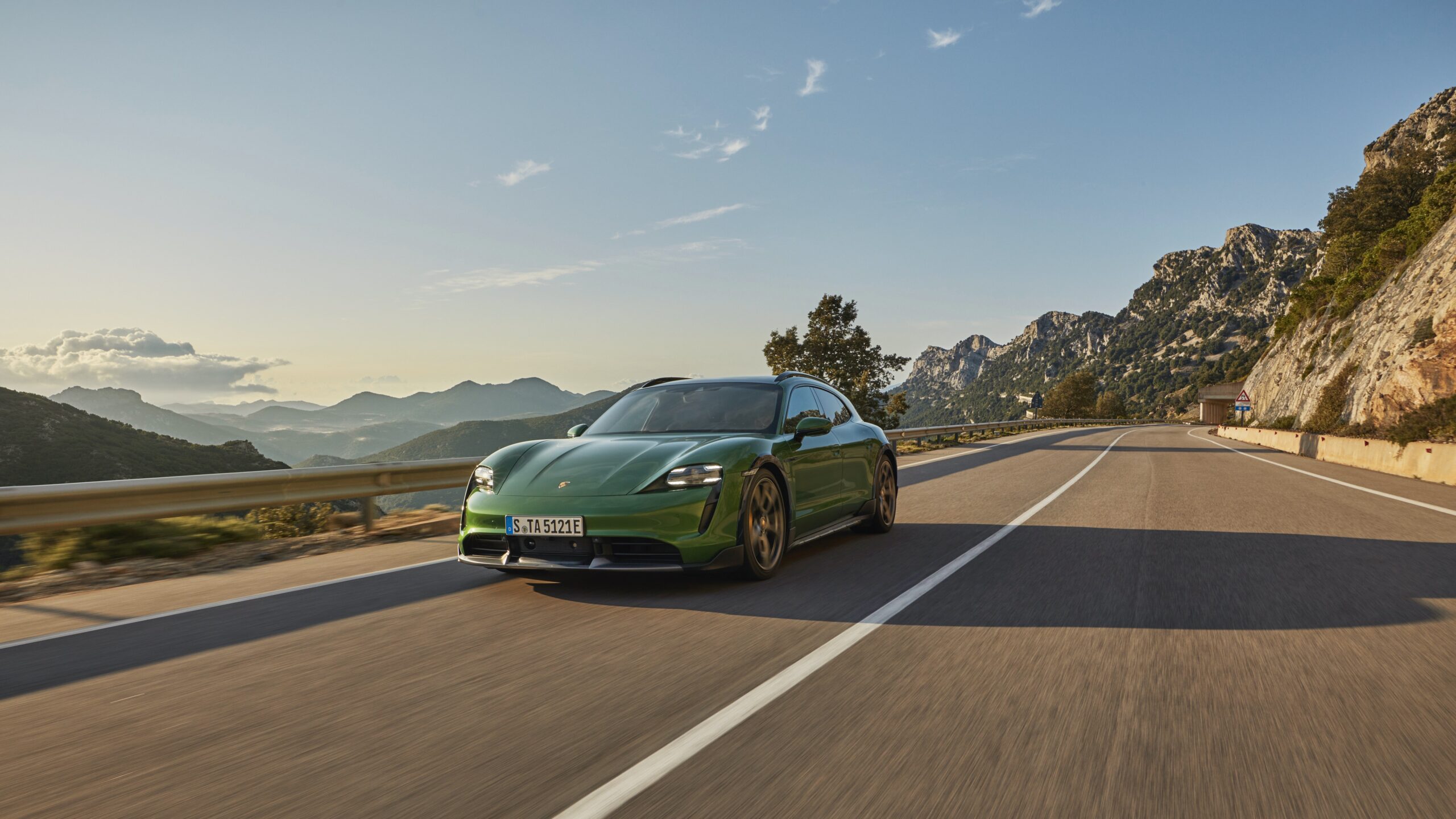
With the introduction of the new Cross Turismo range of Porsche Taycan models, we’re now entering the second act of the company’s electrification strategy. The Porsche Taycan Cross Turismo carries over the EV-platform and performance from its sedan counterpart, then amalgamates them with the utilitarianism of a sporty crossover / estate. What this means is that you can expect the same 800-volt battery architecture powering the car, with 93.4 kWh as the standard fare on all models (certain sedan trims could be had with a smaller 79.2 kWh pack).
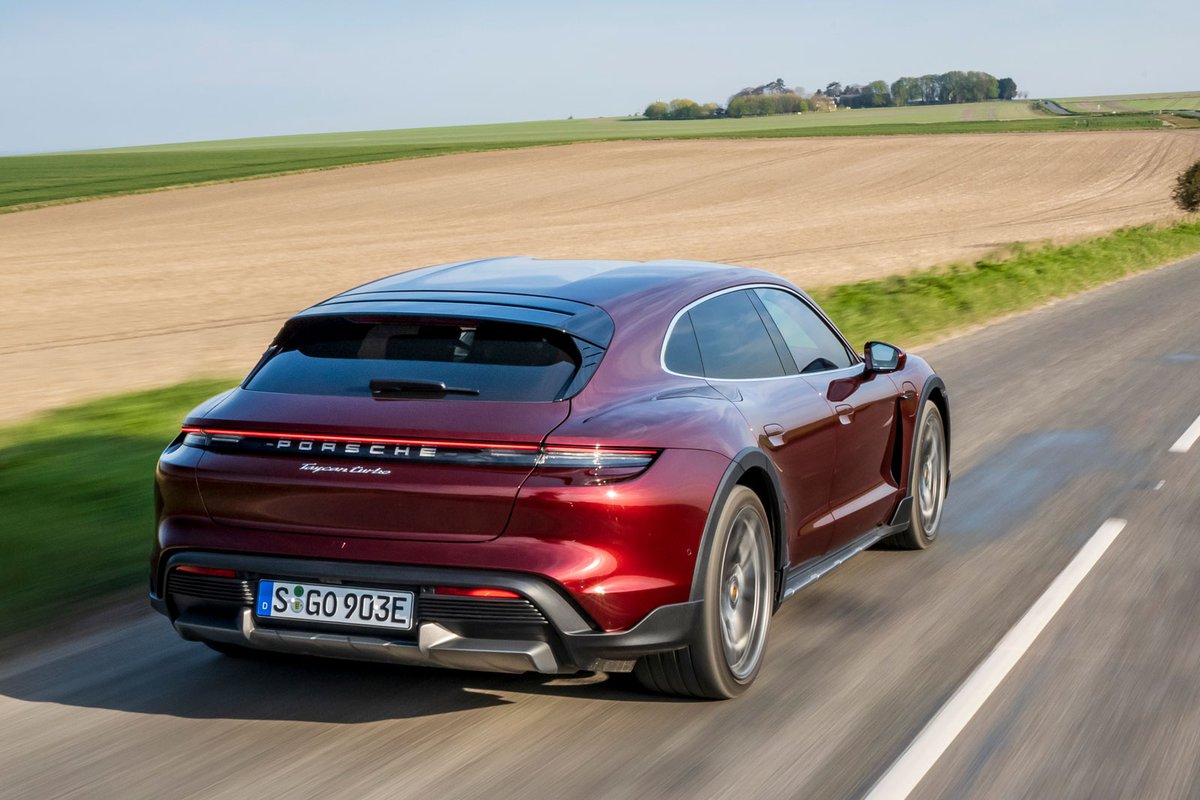
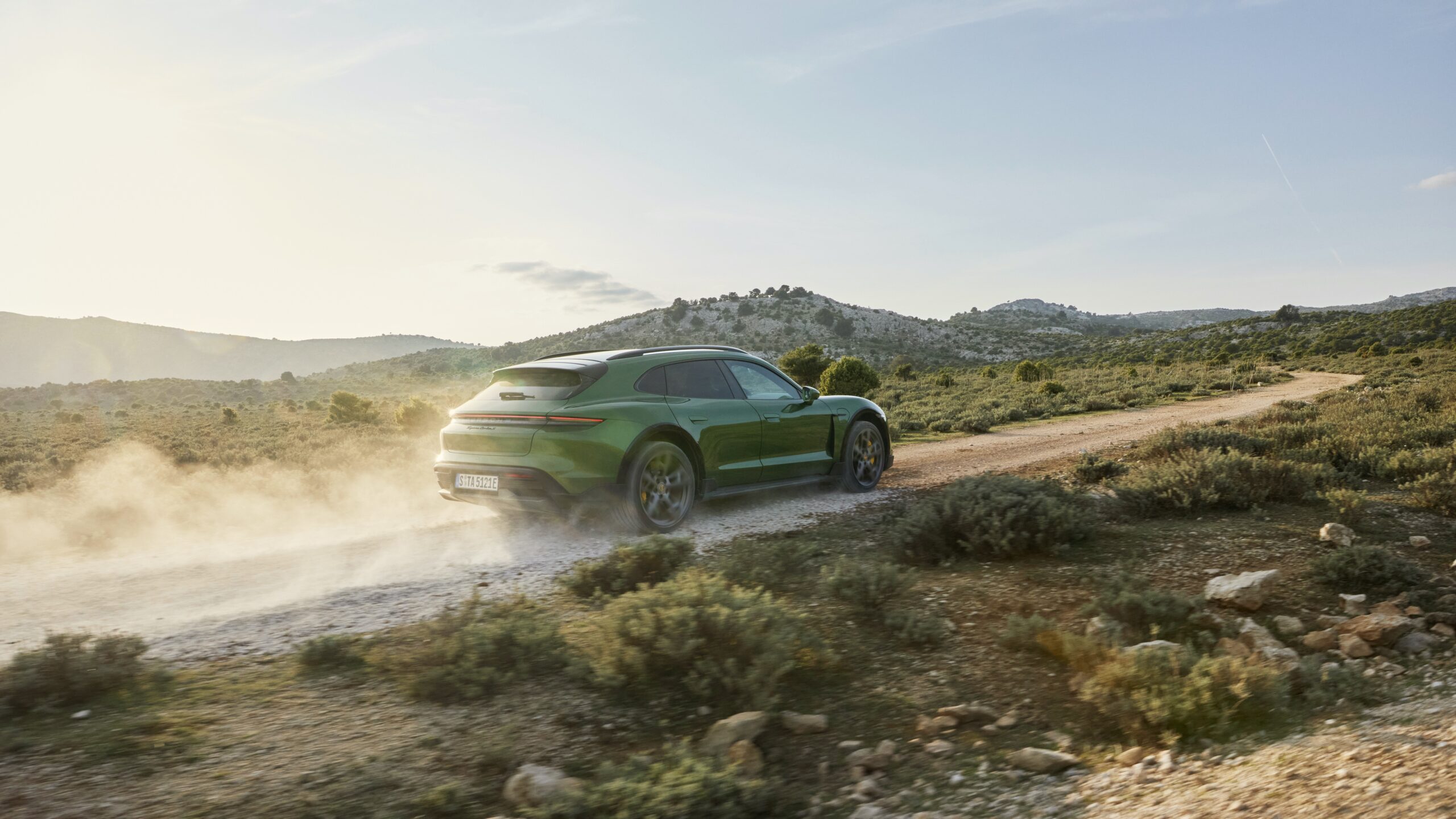
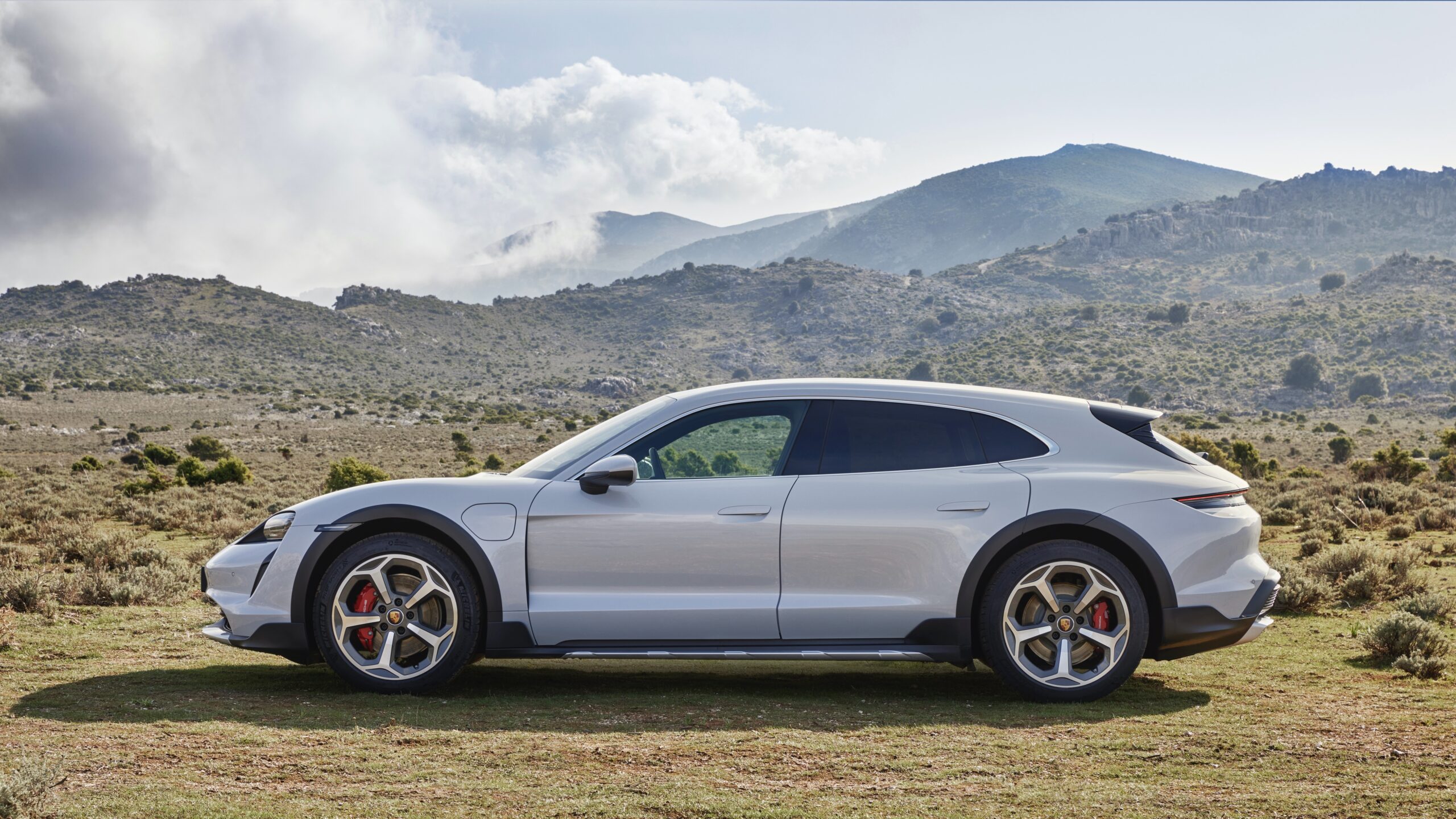
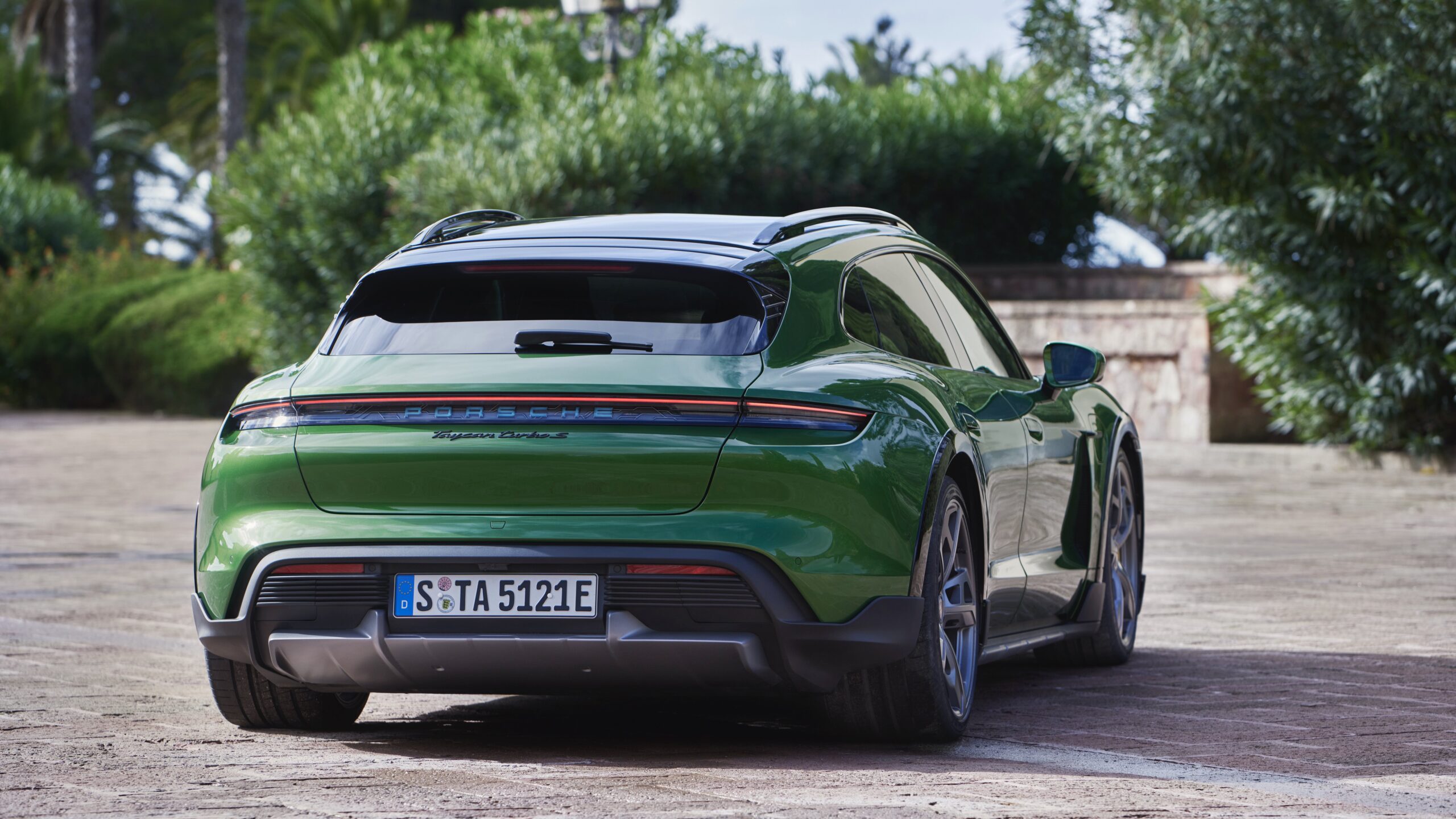
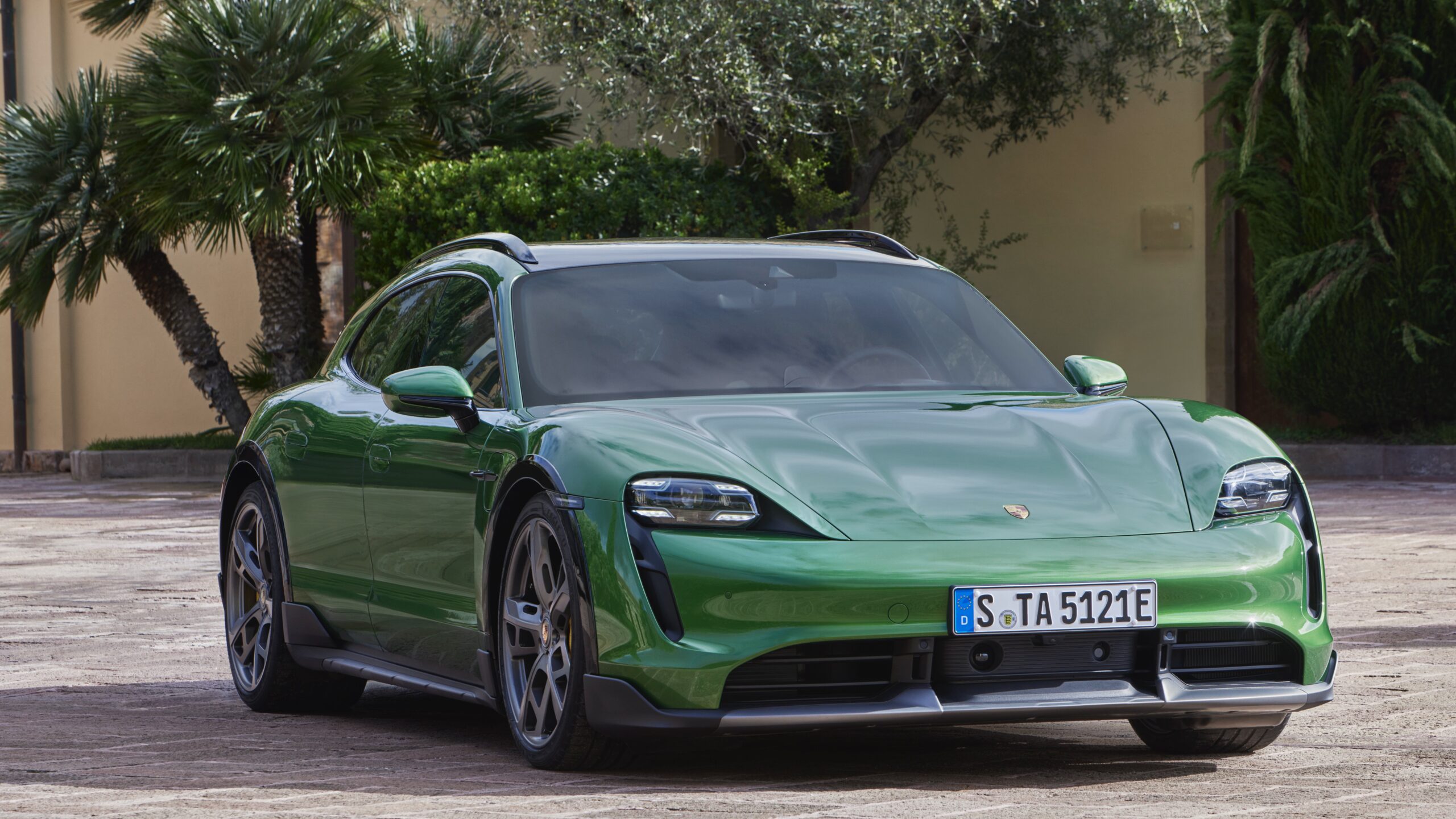
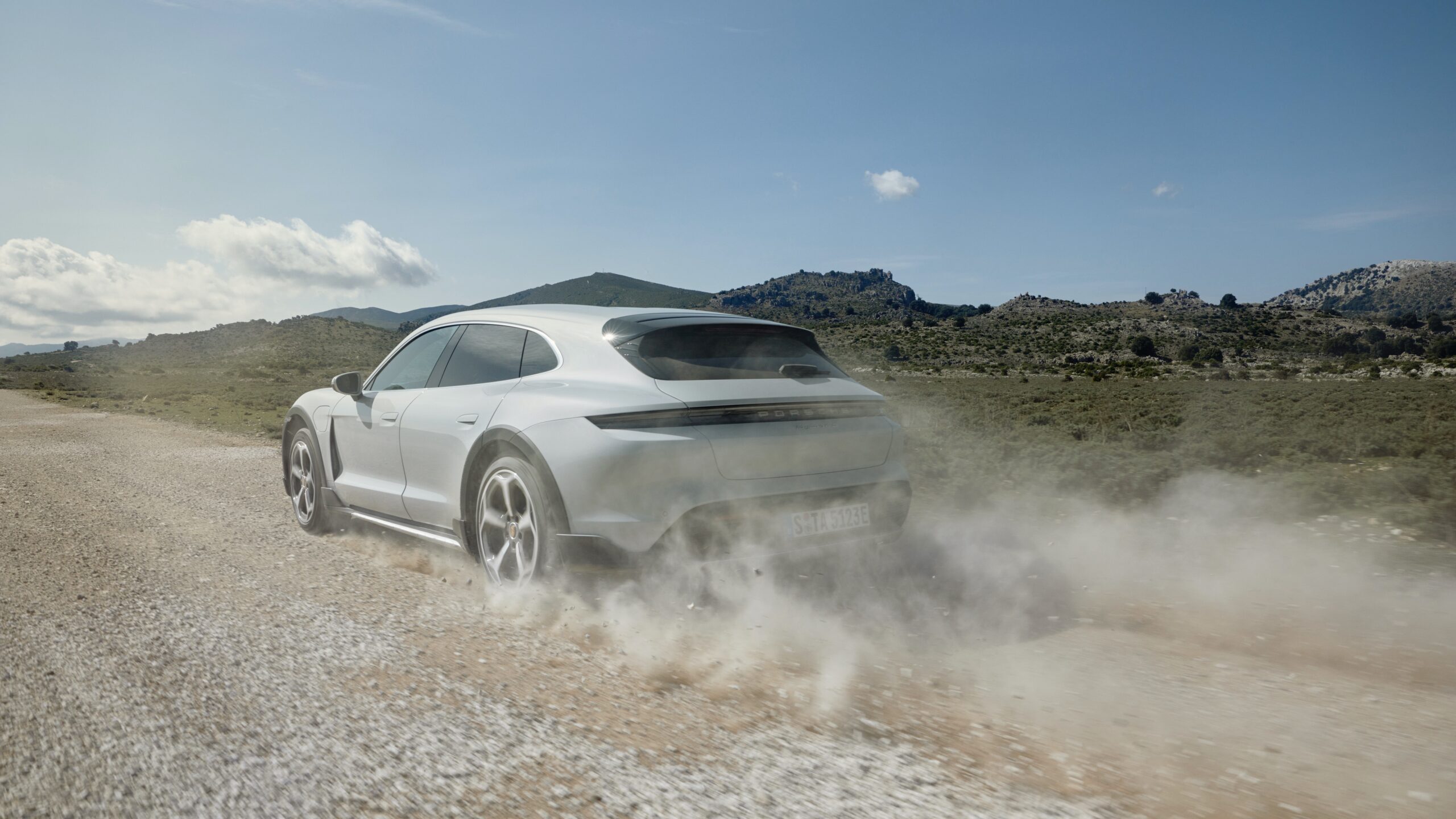
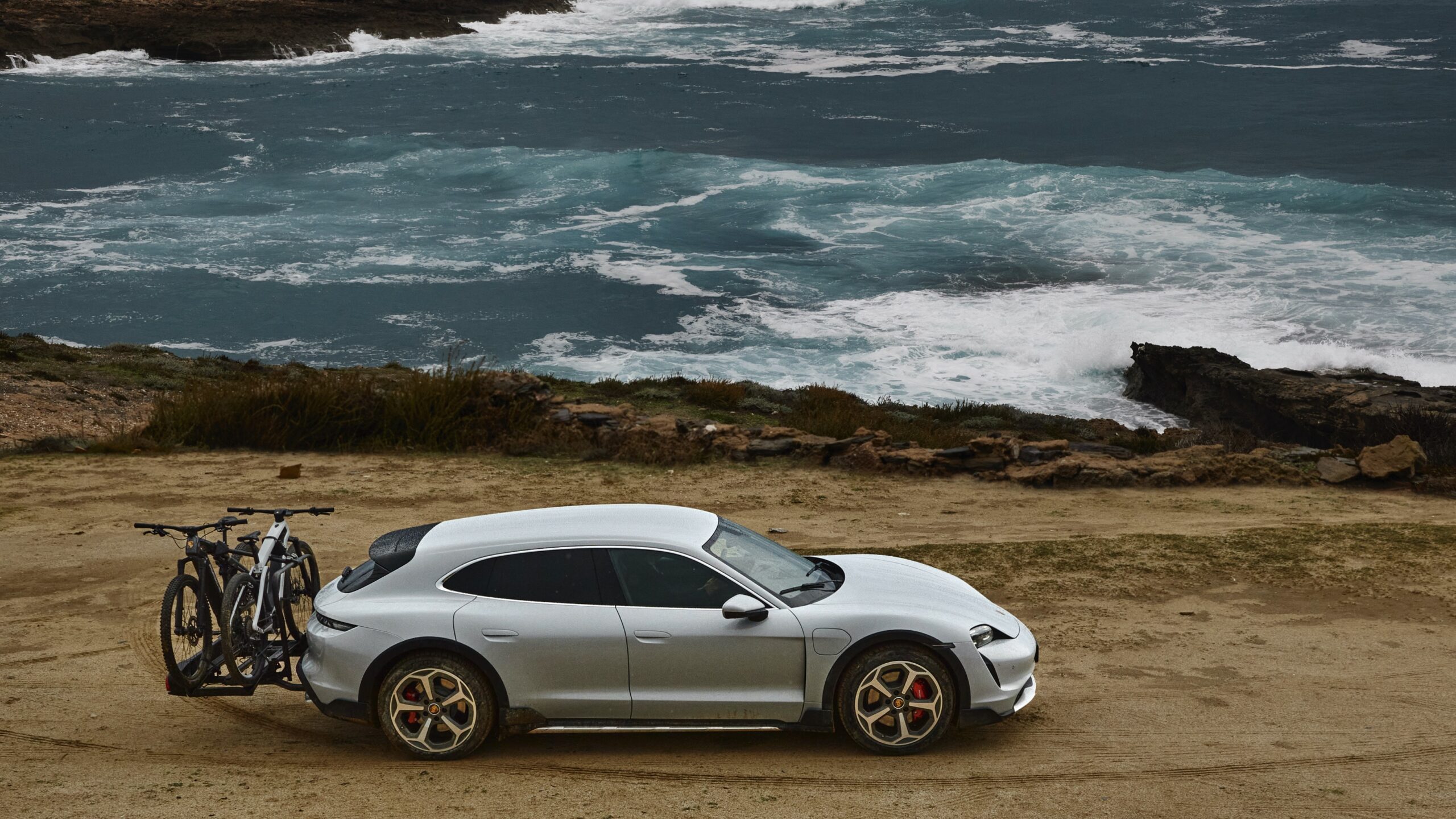
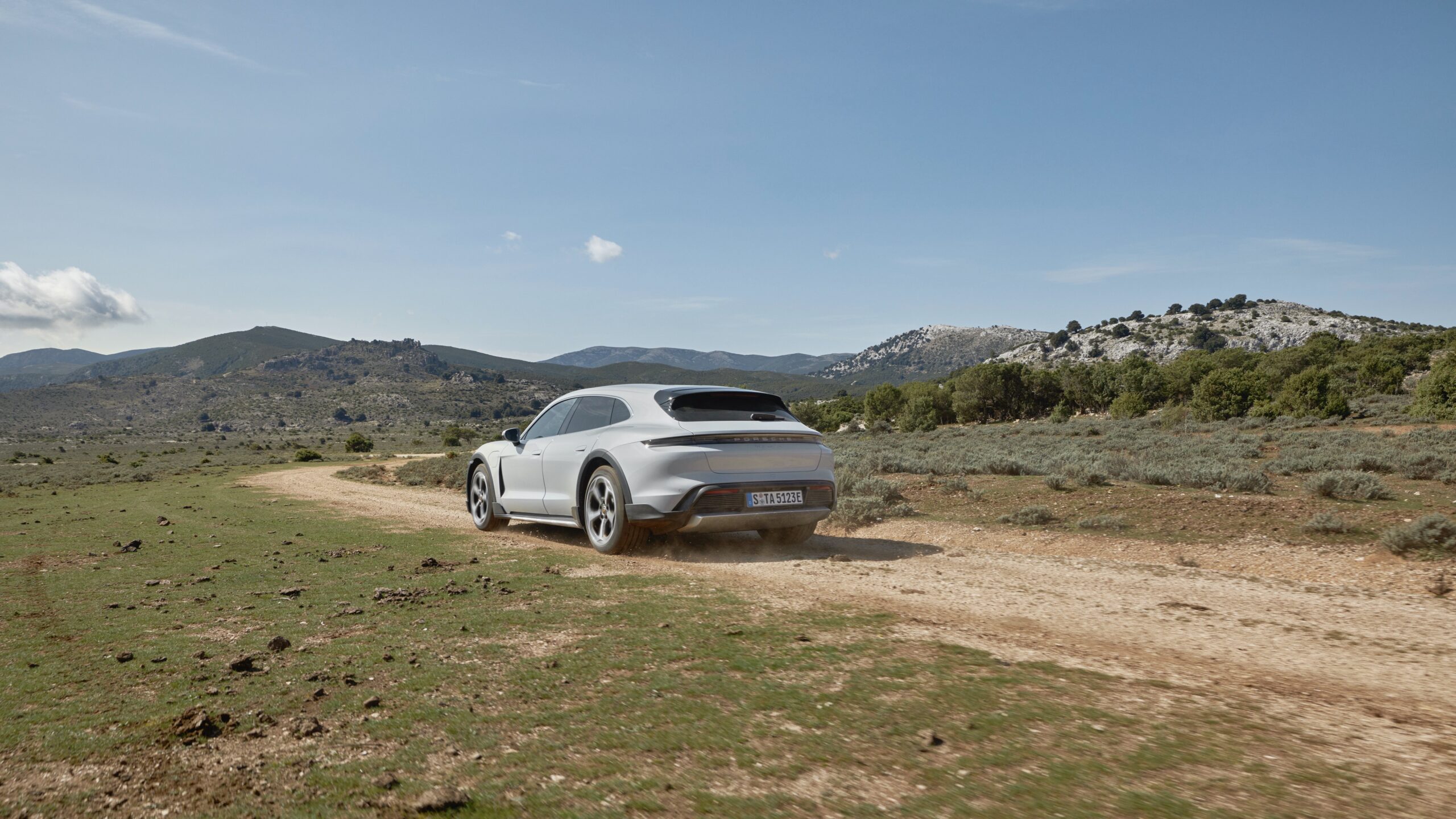
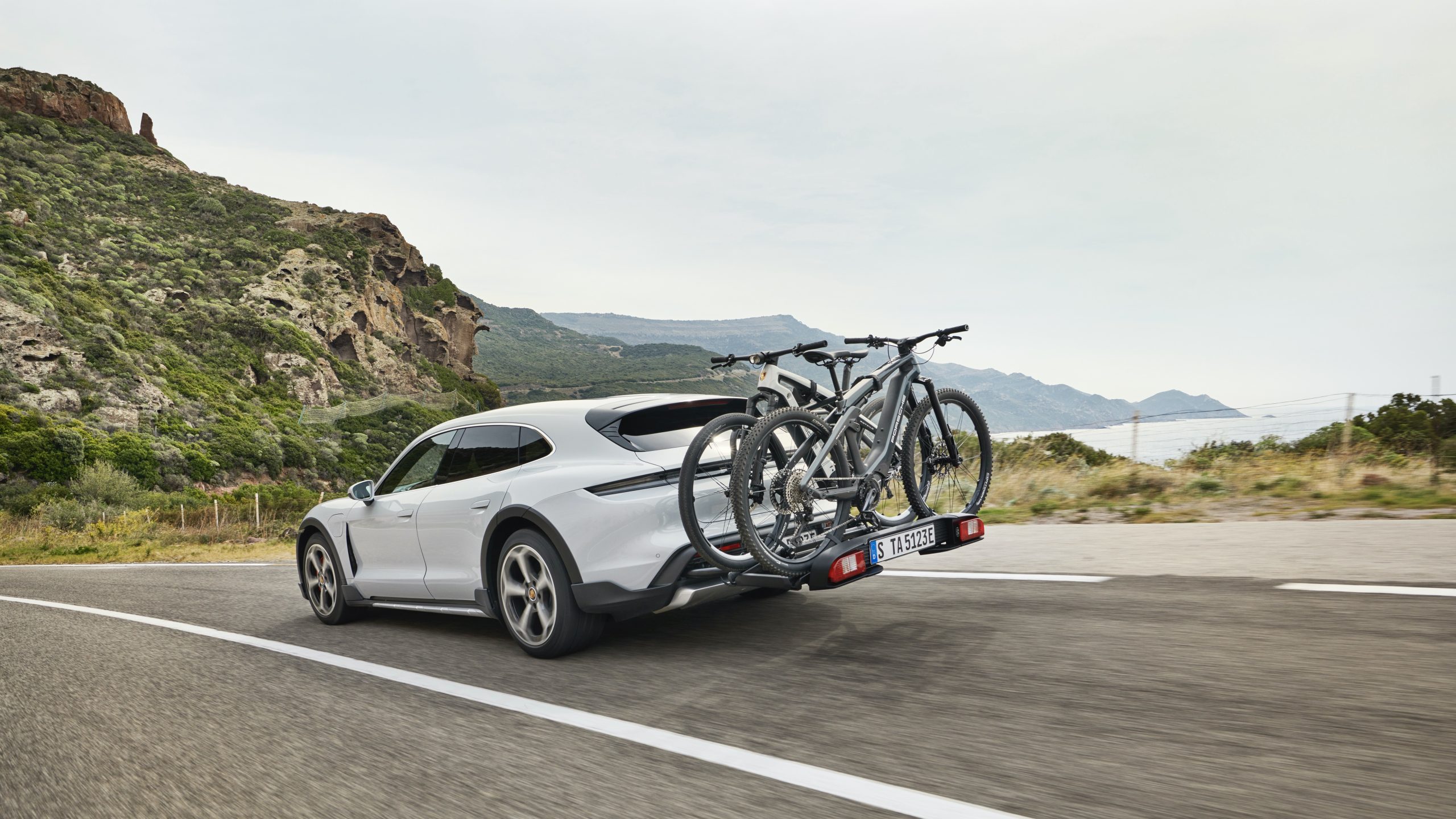
While a number of the Cross Turismo models’ design elements bear an obvious resemblance to the sedans, they offer something very distinct as well. Aside from the glaringly obvious visual and utilitarian differences that are on tap, all CT models feature a longer roof which flows into its estate-like silhouette. This allows the CT models to have up to 43 cu. ft. of cargo space – compared to the sedan’s 14 cu. ft – plus an additional 36 mm of headroom for rear-seated passengers. The Cross Turismo also comes with significantly more ground clearance too, along with a “Gravel Mode” which is unique to the CT range.
Adding the optional Off-road Design Package gives the car an even more pronounced statement of intent; one that suggests that the Cross Turismo can go places and perform tasks that the regular, more sportscar-oriented Taycan cannot. The Porsche Taycan Cross Turismo is currently available in four distinct trim levels – 4, 4S, Turbo, and Turbo S – with relative performance figures and standard features across the range, mostly in parallel with that of the sedans. The gap in performance (and price) between the 4S and Turbo models suggests that there is ample room for a GTS model to naturally slot in some time down the road, but we will have to wait and see.
Available Trims
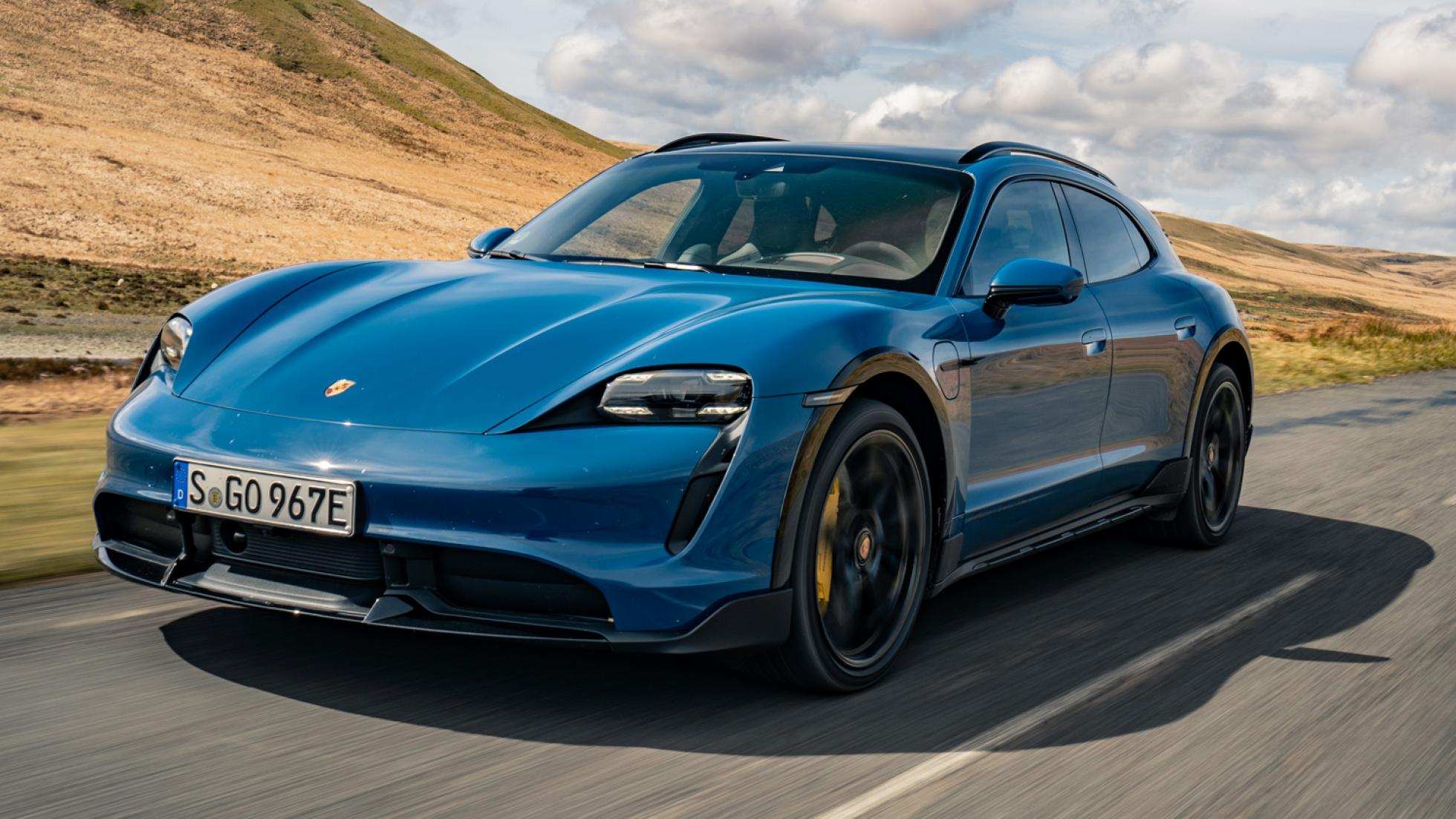
2021 Porsche Taycan 4 Cross Turismo
- Base Price: US$90,900
- Engine: AC Permanent Synchronous Motor
- Power: 375 hp (469 hp w/ Overboost Power and Launch Control)
- Torque: 368 lb-ft
- 0-60 mph: 4.8 seconds
- Top Speed: 137 mph
The Porsche Taycan 4 Cross Turismo is the entry-level offering within the CT range, with its performance figures most comparable to the base rear-wheel drive Porsche Taycan sedan. It does get a boost over the aforementioned, thanks to the larger 93.4 kWh battery and all-wheel drive coming standard.
For those who have a budget in mind and are willing to forgo a bit of performance in order to partake in Porsche’s interpretation of fully-electric-practicality, the Taycan 4 Cross Turismo is a great choice priced at well under 6-figures before options.
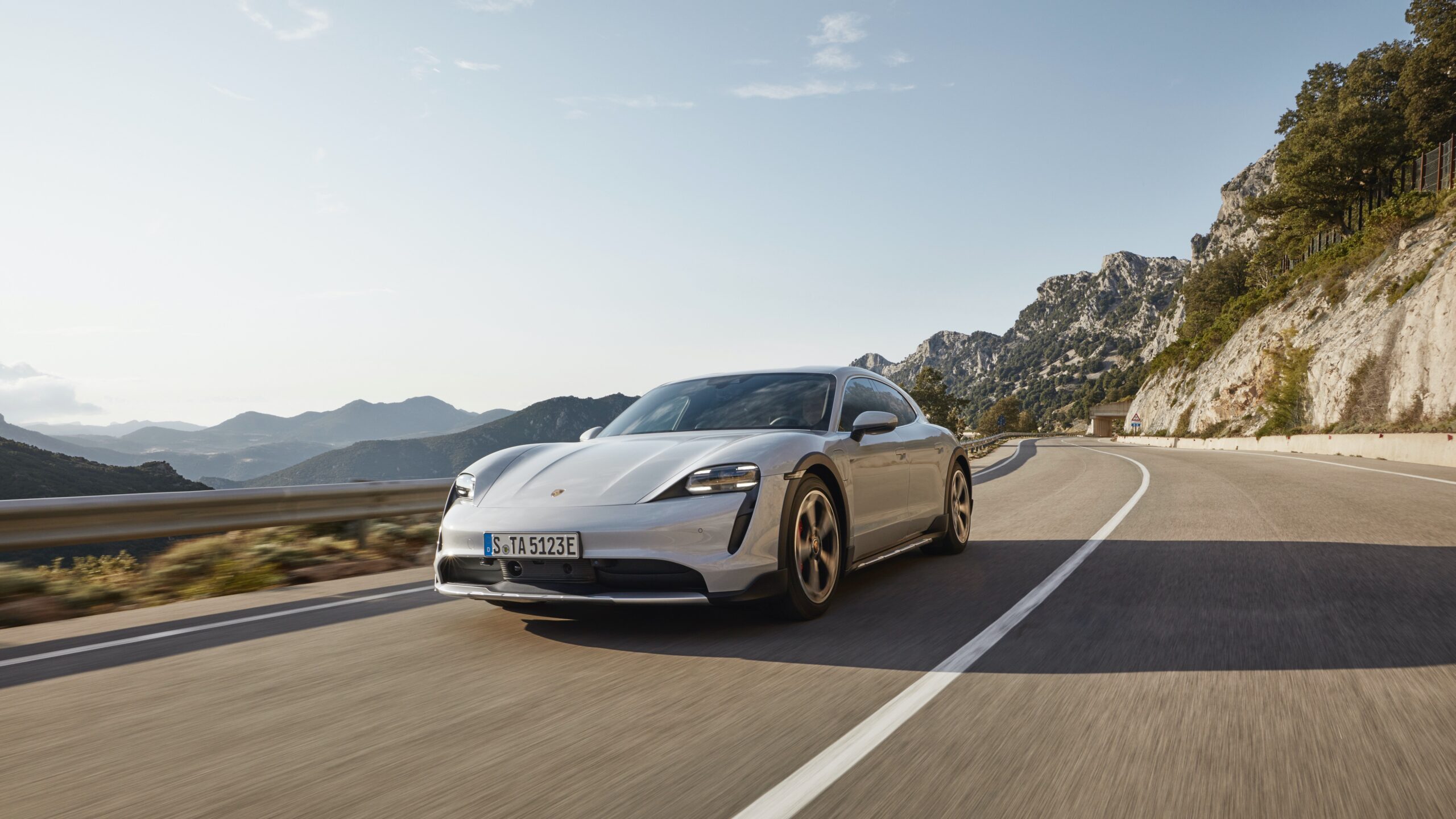
2021 Porsche Taycan 4S Cross Turismo
- Base Price: US$110,300
- Engine: AC Permanent Synchronous Motor
- Power: 482 hp (562 hp w/ Overboost Power and Launch Control)
- Torque: 479 lb-ft
- 0-60 mph: 3.9 seconds
- Top Speed: 149 mph
The Porsche Taycan 4S Cross Turismo is the second offering in the CT range, and costs $6,500 more to get into than its sedan equivalent. However, it is important to note that the 4S Cross Turismo comes standard with Performance Battery Plus (93.4 kWh battery) while the 4S sedan does not. Both models share the exact same performance specs when equipped with the 93.4 kWh battery, with the CT a smidge slower from 0-60 mph due to the extra bit of weight.
In our opinion, we feel that the 4S Cross Turismo offers the best balance of price, performance, and practicality out of all the models in the range. Where the Taycan sedan is more of a high-performance sports car, the CT is targeting the more pragmatic, family-oriented buyer; one who is more likely to find that the performance of the Turbo and Turbo S models go well beyond what is needed for the task at hand.
2021 Porsche Taycan Turbo Cross Turismo
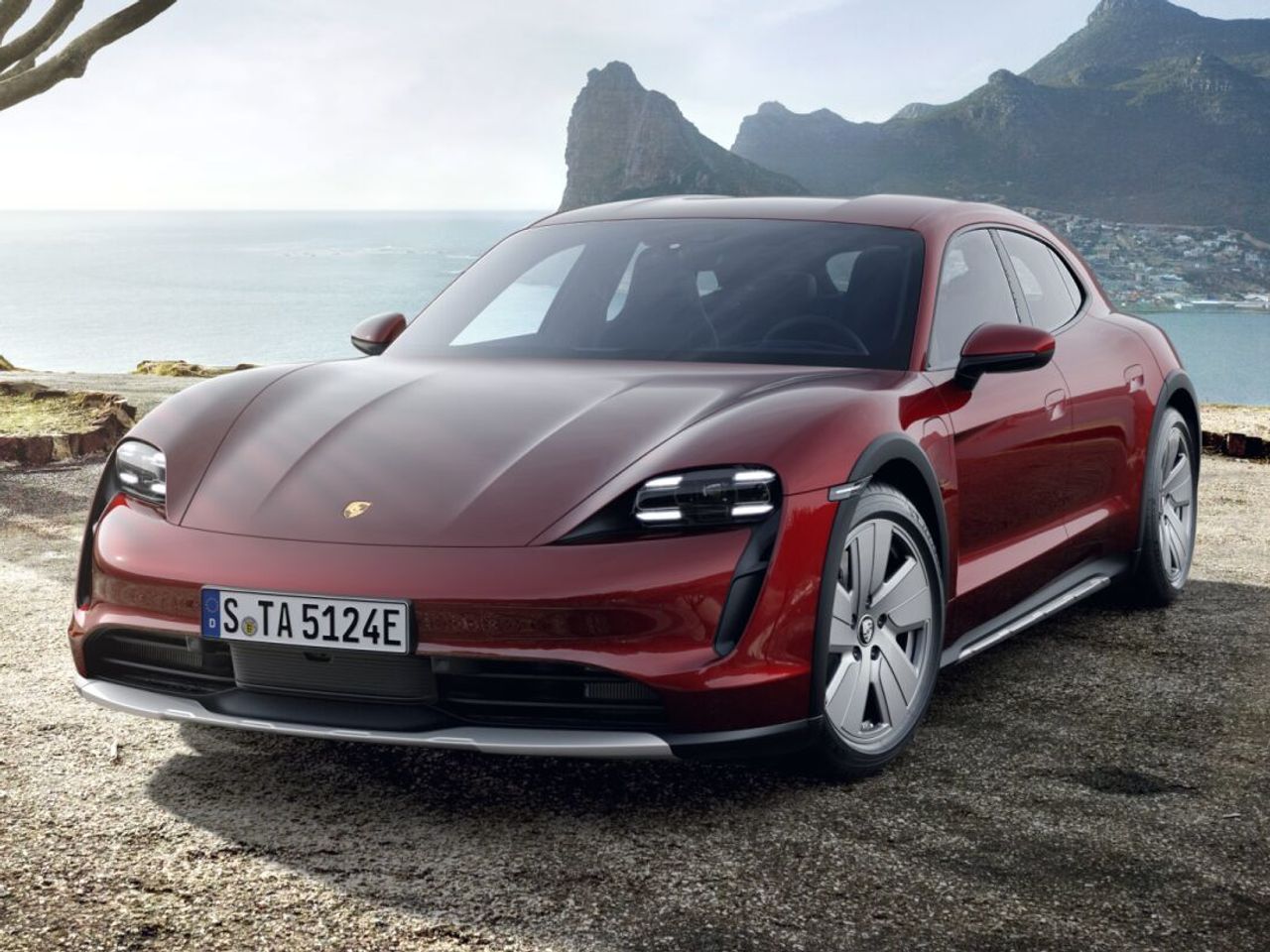
- Base Price: US$153,500
- Engine: AC Permanent Synchronous Motor
- Power: 616 hp (670 hp w/ Overboost Power and Launch Control)
- Torque: 626 lb-ft
- 0-60 mph: 3.1 seconds
- Top Speed: 155 mph
For those who want to enjoy their Taycan Cross Turismo for more than just family road-trips and running errands around town, the Turbo offers insane performance if you also fancy a weekend session at the race track or straight-line launches on the empty country backroads.
The Turbo generates up to 670 hp and can complete 0-60 mph in just 3.1 seconds, transforming the car from reliable kid-hauler to practical supercar. Among other things, the Turbo will also come standard with more features, which include 20” Taycan Turbo Design Wheels and larger brakes compared to the 4 and 4S models.
2021 Porsche Taycan Turbo S Cross Turismo

- Base Price: US$187,600
- Engine: AC Permanent Synchronous Motor
- Power: 616 hp (750 hp w/ Overboost Power and Launch Control)
- Torque: 774 lb-ft
- 0-60 mph: 2.7 seconds
- Top Speed: 155 mph
The Porsche Taycan Turbo S Cross Turismo is for those who desire performance without compromise and want to make the ultimate statement in a Porsche Taycan. While the practicality of the CT’s station wagon platform still remains, there is no doubt that it plays second fiddle to the performance credentials that only a Turbo S can offer.
Generating up to 750 hp, Porsche claims that the Turbo S Cross Turismo is capable of sprinting from 0-60 mph in just 2.7 seconds. However, a number of independent tests have been able to complete this feat in even less time, revealing hypercar credentials which are likely to overshadow the car’s inherent utilitarian qualities.
The Turbo S also comes standard with more equipment than any other CT model, with Porsche Carbon Ceramic Brakes (PCCB), Sport Chrono Package and Adaptive Sport Seats Plus (18-way) available at no extra cost. The car is also equipped with 20” Taycan Turbo S Design wheels, which can be upgraded to the 21” Cross Turismo Design Wheels for free.
Engine, Drivetrain & Performance
As mentioned earlier, all Taycan CT models will come equipped with the same 93.4 kWh battery as standard to complement the compulsory all-wheel drive. Each of the 4 trims (see above) unlock increasing stages of power as you move up the roster, with the range-topping Turbo S capable of some 750 hp and 774 lb-ft of torque. The 2-speed transmission also carries over and continues to be a stand-out feature amongst other EVs, with the platform allowing for improved battery performance and efficiency. Regardless of the power on tap, you can expect the CT models to exhibit the very same sensations and driving character as their sedan counterparts. Acceleration and throttle response are instantaneous in relation to pedal inputs, with power delivered ever so smoothly, even while at times brutally so, particularly in the Turbo and Turbo S models.
“One pedal driving” continues to elude the Taycan CT’s skillset; this is where other EVs – like Teslas – can almost be exclusively driven using only the accelerator, as merely taking the foot off the pedal is sufficient to bring the car to a stop in most situations, making the brake pedal more of a luxury than a necessity. I’m not a fan of this, but apparently many people are – frankly, I think it’s a good thing that Porsche has forgone this feature on their cars, as it would be an uncharacteristic one, to say the least. Electric Sport Sound continues to be a trademark on the Taycan CT (though optional on the lower models), providing artificial engine noises orchestrated through a sci-fi symphony.
Most critics believe that the Taycan 4S Cross Turismo hits the sweet spot in the range, with its 482 hp (562 hp w/ Overboost) deemed to be more than sufficient for what most buyers – whom have the CT shortlisted – would be in the market for. I definitely share this sentiment, as 0-60 mph in 3.9 seconds is just fine for a family hauler. Nevertheless, the Turbo and Turbo S models showcase the true potential of Porsche’s fully-electric performance line-up, and are impressive machines which should have no problems wooing thrill-junkies who have the means to buy one.
Battery, Range & Charging
It’s the same 800-volt battery architecture powering the car, with 93.4 kWh (of which 83.7 kWh is usable) as the standard fare on all models (certain sedan trims could be had with a smaller 79.2 kWh pack). EPA range estimates are known to be excessively harsh compared to the majority of real-world results, and this trend predictably continues for the Taycan CT.
Here are the EPA range estimates for the 2021 Cross Turismo models:
- Taycan 4 Cross Turismo: 215 miles
- Taycan 4S Cross Turismo: 215 miles
- Taycan Turbo Cross Turismo: 204 miles
- Taycan Turbo S Cross Turismo: 202 miles
These figures are almost identical to that of the sedan, and likewise, real-world results have similar variances from that of the EPA’s findings. Based on the former, you can expect about a 20-25% increase in mileage for each tier, meaning your Taycan 4 Cross Turismo for example, should get closer to 275 miles of range under normal and reasonable conditions.
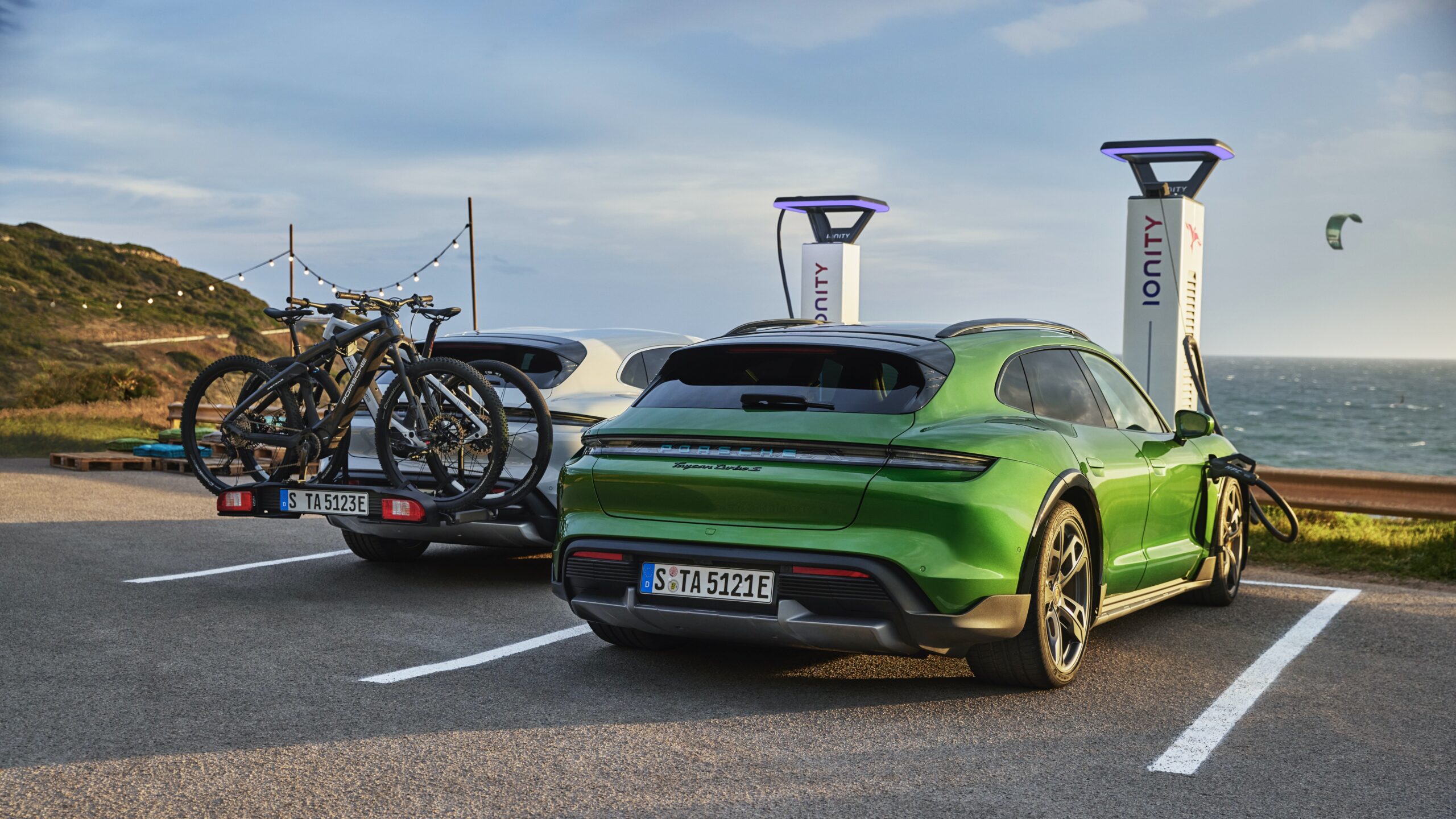
Charging speeds are the same across the entire Taycan range, with the Taycan CT also able to boost from a state-of-charge of 5% to 80%, in as quickly as 22.5 minutes at a DC fast charging station. On my personal Taycan 4S sedan, I’ve determined this to be essentially accurate.
Chassis & Handling
Despite being an obviously bigger car, Porsche has impressively kept the weight increase of the CT compared to the sedan to just 25 kg, which was likely no easy feat considering the car’s overall 2,320 kg footprint. In addition to coming exclusively with all-wheel drive, the Taycan CT also has the three-chamber air suspension (PASM) as standard. In CT guise, this allows the car to be raised up to 30 mm higher off the ground than the sedan, while revised wheel mounts, strut supports and a self-levelling system were adapted for the more utilitarian purposes of its cross-over / estate platform. The double wishbone front with multilink rear configuration is also carried over.
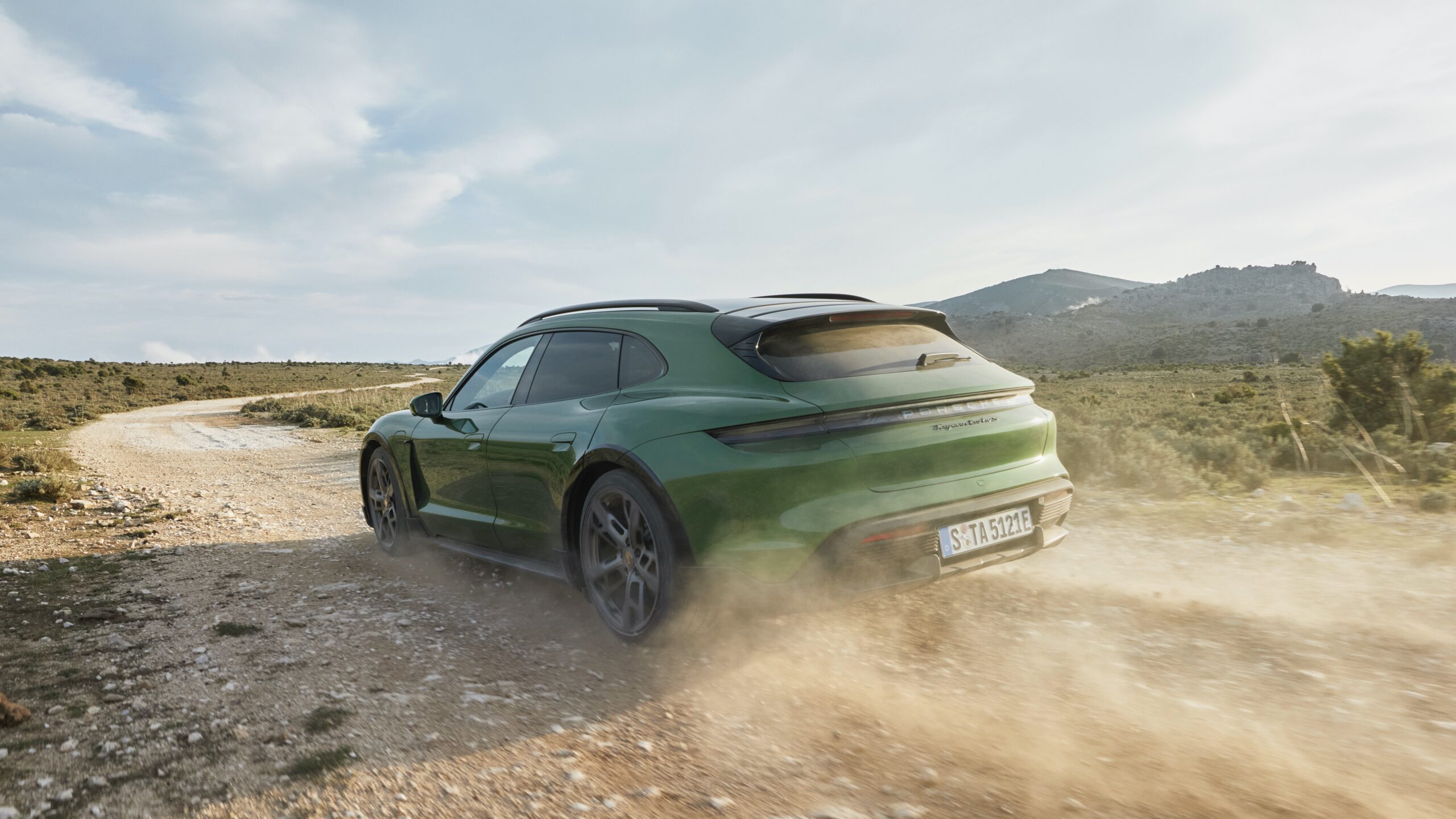
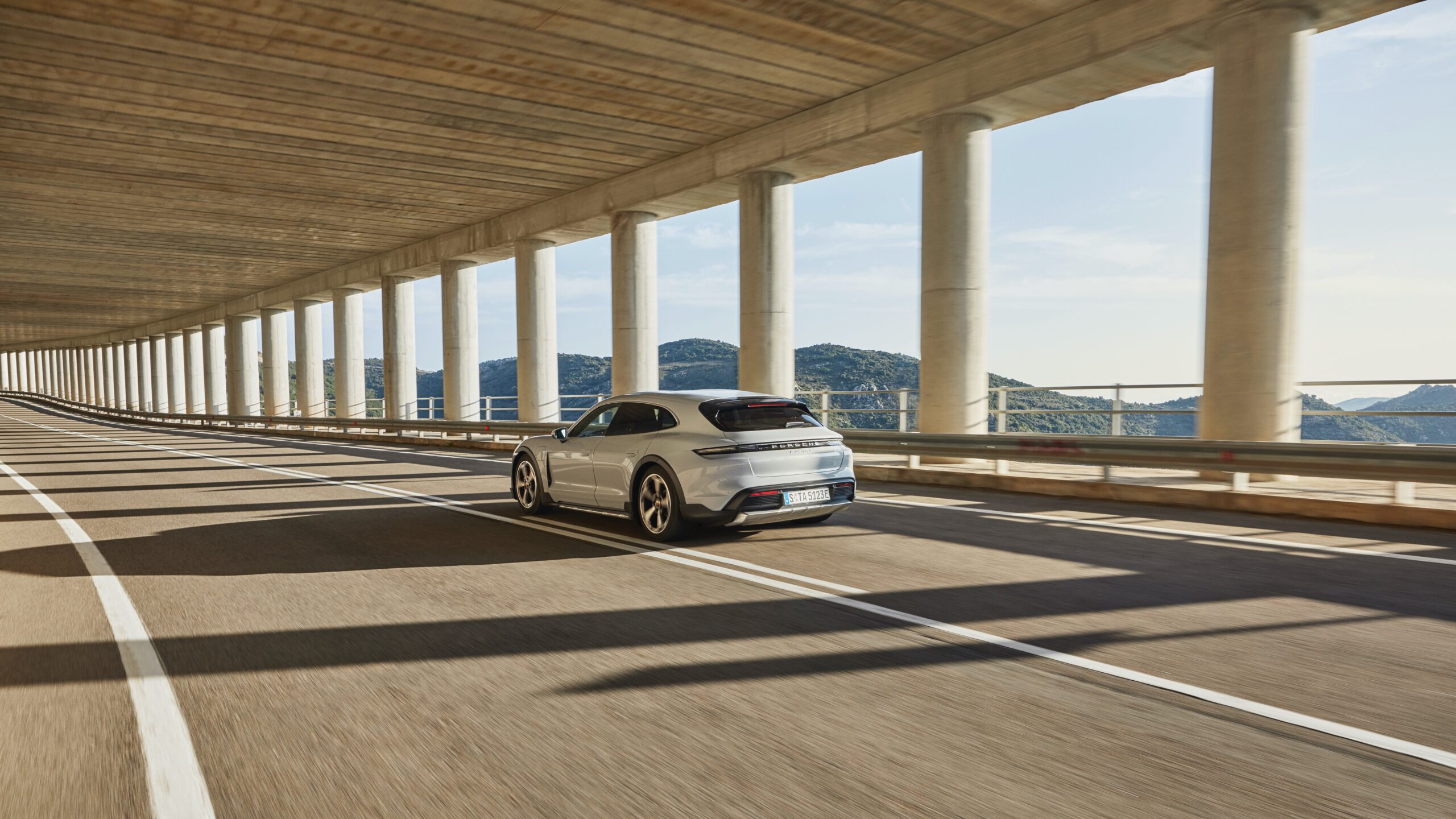
The CT also shares the same 5 selectable driving modes: Range, Normal, Sport, Sport Plus and Individual. Exclusive to the CT is a new “Gravel” mode which Porsche says, gives the car more “Bad Road Capabilities” by managing torque distribution and other chassis behaviors to be more harmonized with roads of a non-paved persuasion. Back on tarmac, the CT presents phenomenal ride quality and comfort, blended with remarkable performance and speed, all the while being discreet and unassuming as it goes about it. It’s something you have to experience to truly understand the level at which this is all achieved.
In the most extreme test of the CT’s chassis and handling, I would expect it to perform not dissimilarly to that of any of the all-wheel drive sedans. I do have some of my own data to share after taking my personal Taycan 4S on to the race track, which is laid out in point-form below:
- While it’s ultimately impossible to disguise the Taycan’s hefty weight and large footprint, the car has been phenomenally designed to handle it, and then some. The ultra low center of gravity – inherent from the battery’s weight and placement along the floor of the car – adds a new, impressive dimension to high-performance driving that is difficult to duplicate in a petrol engine road car.
- Smooth, with no nonsense near the limit. The Taycan is a confidence-inspiring performer, that feels safe without being intrusive, and shows a wild side without needing to be unrefined. Those who believe that an enjoyable track car can’t exist without the ruckus of a screaming exhaust, clunky noises and a tooth-grinding suspension, will probably have their minds changed after driving an EV that has Porsche DNA coursing through its veins.
- Combination of electric motor (regen) braking and actual braking (pads and rotors) is quite the dynamic duo in tethering the 5,900 pound Taycan. So effective is the former’s performance, that carbon ceramics would certainly be overkill for the street, while an argument can be also be made for the same (to a lesser degree, of course) on the track. Nevertheless, to squeak out the extra bit of performance in a min-max fashion, PCCB is obviously a required option.
- The OEM tires – in my case, Michelin Pilot Sport 4 XL – are a good match for any type of environment, including the track. However, I felt that they were certainly the weak point of the car when it came to high-performance driving and without question, a set of stickier tires such as r-compounds (or these) would have a transformative effect on the experience – as they would in any vehicle transitioning from street tires to track tires. I suspect range would suffer noticeably with the increased grip, though.
- PTV Plus and Rear Axle Steering (which came as part of the optional Performance Package) help rotate the car in ways that would initially be thought of as impossible for a 6,000 + pound machine (including driver), even with its uniquely low center of gravity in play. At your command is a level of precision and agility you would normally expect from cars which are mechanically much more nimble. Yes, electronics are at play here to make it possible for the Taycan to provide its “just point and go” capabilities, but as with any Porsche these days the car is remarkably tactile and driver centric.
Brakes & Tires
Let’s start with the Turbo S, which comes fitted with almost unnecessarily large and expensive brakes – I say ‘almost’, because if you do take your car to the race track, then cheers to that! Otherwise, the gigantic 420 mm carbon ceramic brake discs and 10-pot brake calipers will certainly be overkill for any road with a speed limit attached to it. This is particularly true when considering that braking forces up to 0.39G are achieved entirely by the electric motors – more than enough to come to a full-stop in everyday situations – with no pad-to-rotor contact being made until that threshold is broken.
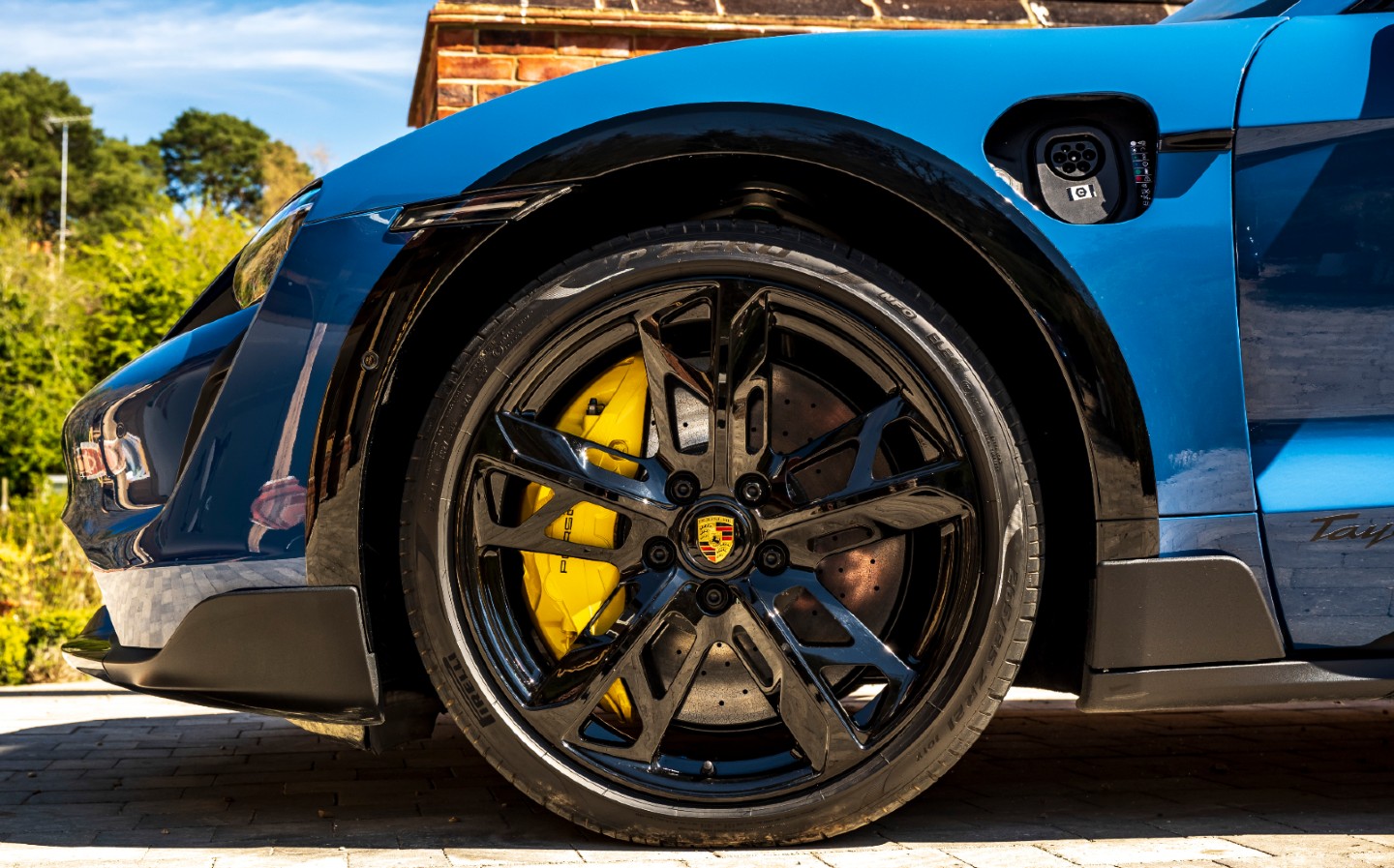
All that being said, the regular steel brakes (or surface coated brakes) will do just fine for the 99% of situations that 99% of Taycan drivers will encounter. Regen braking can be toggled on or off by a switch on the steering wheel, though as mentioned before, one pedal driving isn’t part of the deal; part of what makes it drive more like a sports car, and more like a Porsche. I’m game.
Michelin Pilot Sport 4 XL tires continue to serve as the primary OEM offering for the CT. That’s good and all, but it leaves many of us wondering why an all-terrain tire option isn’t also available from the factory, given the additional talents the CT has stored in its locker.
Design, Cabin & Amenities
Exterior
By nature of its body style and design, the CT offers more cargo space and a smidge more passenger room than the Taycan sedan. In terms of actual outcomes, this equates to an additional 30 cu. ft. of cargo space and about 36 mm of rear headroom (legroom is roughly unchanged). The CT is also 11 mm longer and sits 20 mm higher from the ground than its stablemate, while each are in their default ride settings. The aforementioned Gravel mode will lift the car an additional 10 mm.
Should off-roading or more adventurous excursions be more your flavor (or if you simply like the look, which is just as fine) then we highly recommend the optional Off-road Design Package which is available on all CT models. This package adds black lower body cladding which functions as debris-protection, while giving the car a more rugged, purposeful appearance. As the default, the package also has the car sitting at the higher Gravel mode ride height, but given that these settings can easily be toggled after the fact, makes it sort of a moot point.
Interior
With over 41 cu. ft. of cargo space with the seats folded down, the Taycan CT is sufficiently equipped to meet tackle most utilitarian demands, though competitors such as the Mercedes-Benz E-Class Wagon manage a lot more with around 64 cu. ft. at its disposal. The extra-long roof doesn’t translate to any more legroom than in the sedan – or even that much more headroom, at just an additional 36 mm – but it certainly creates the sensation of a much more spacious interior.
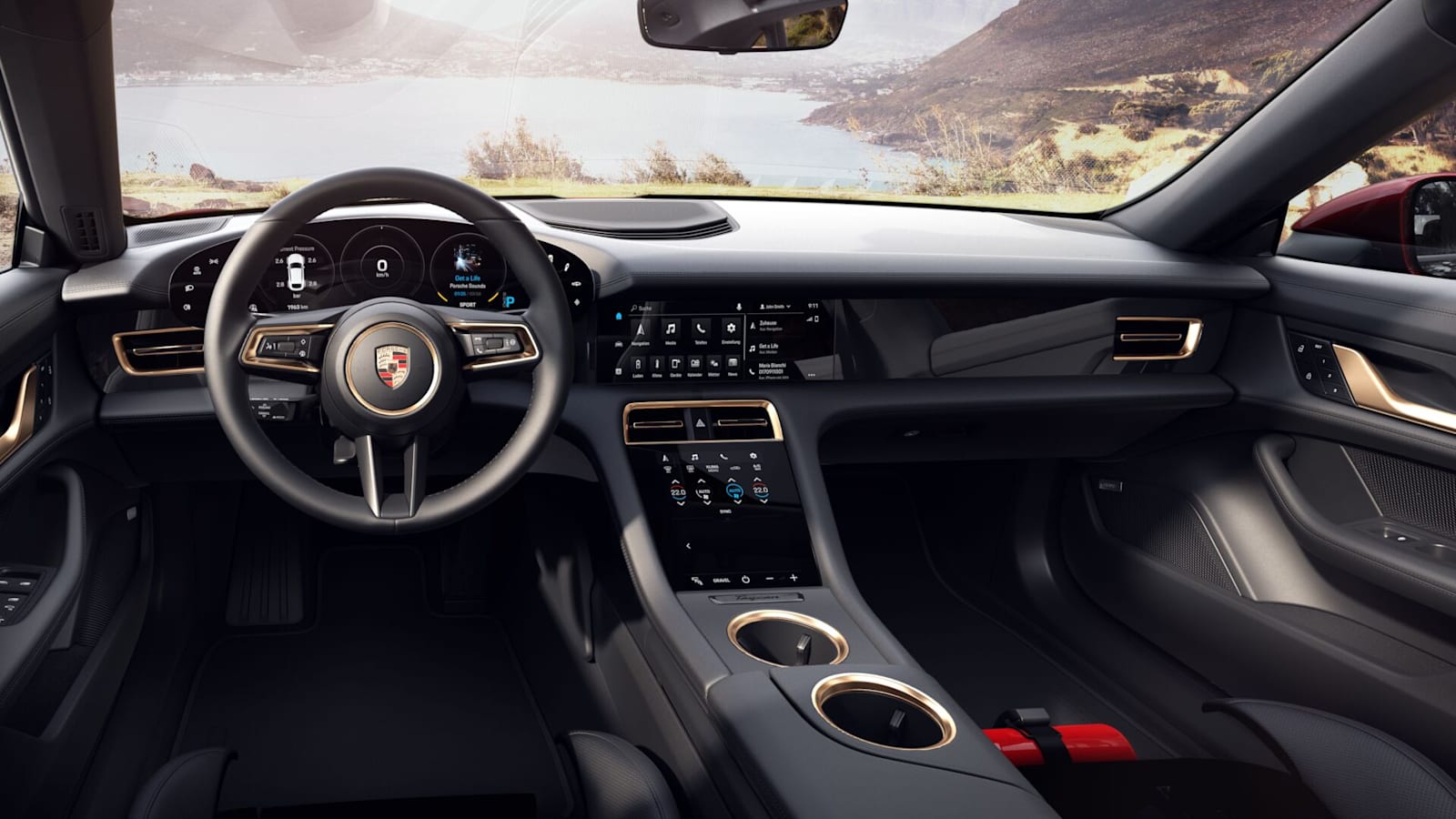
Those who have already ridden in the Taycan sedan will otherwise note that the two cars are virtually identical inside, with a minimalist touchscreen user interface and control panel at the heart of the driver’s cockpit. Despite being an crossover / estate, the driving position continues to be low-slung and sporty-feeling, with front and rear visibility likewise providing more of a sportscar POV than that of an SUV. That’s fine, as I don’t think Porsche was ever trying to market the car as being the least cool of the Taycan siblings.
As is the case with any Porsche car these days, options – of which there are a plethora – can make or break your build-sheet (and bank account). Anything from an Alcantara-wrapped steering wheel to a vegan leather interior is available as an option, and there is no shortage of selectable features to customize the car to one’s personal tastes and exacting demands. There are certain options that I think everyone should strongly consider though, such as the extra rear seat (to make it a true 5-seater instead of a 4+1), the performance roof box and heck, even the rubber floor and rear boot mats. On a car like this, it just makes sense to have all of those things on hand. At worst, it would only be good for resale value.
Verdict
supercars.net – 9/10
“These are still early days for the Taycan, its Cross Turismo derivative, and the EV ecosystem as a whole. If not for some of the challenges facing early adopters who have to contend with the likes of charging infrastructure playing catch-up in most places around the world, the notable effect that cold weather can have on range, and other distinctly-EV obstacles, it wouldn’t be farfetched to praise the Porsche Taycan Cross Turismo for achieving perfection as an all-rounder car. It’ll have to get a 1-notch-down from being just that, until improvements in technology can adequately address such issues. For now, let’s hope we can move the needle up to a ’10’ sometime in the near future.”
What Other Experts Are Saying
Top Gear – 9/10
“The most complete fast estate available today. And perhaps the best electric car, too.”
CNET – 8.9/10
“With plenty of power, range, comfort and convenience, the base Taycan 4 is all the Cross Turismo you really need.”
What Car? – 5/5
“It’s hard to think of a car that could keep pace with the Cross Turismo in Turbo guise cross-country.”
Image Gallery
Video & Review Gallery
[embedded content] [embedded content] [embedded content] [embedded content] [embedded content] [embedded content] [embedded content] [embedded content] [embedded content] [embedded content]
Collecting Classics: How Supercars Are The New Auction Superstars
There are many cars out there in the world that are deemed to be “classic cars,” from restored and Concours d’Elegance-level original 1930’s Fords, to modified mid-1960s Austin Healey’s and Lotuses. While all of these cars are classic in their own ways, there are several tiers of classics that are becoming the must-have items on the auction blocks around the world: the classic supercar.
So, what defines a supercar from before the 1980s, when the term was invoked for the Porsche 959 and Ferrari F40? Aggregating what most experts say about the subject, three major factors determine what is a classic supercar.
Rarity
While the original Ford Shelby GT350 Fastback is a prime example of a beautiful classic, it doesn’t count as much towards the rarity count as there were tens of thousands of the car made. However, another car that Carroll Shelby helped design is certainly valid for the rarity scale, the road homologation versions of the Ford GT40, of which only 105 were made.
Power at the Time of Production
To make this clear, we’re counting power as a combination of raw HP and torque, as well as the speeds that the car could reach. Using the Mk II and Mk III versions of the aforementioned GT40, power was from a Ford 427 V8 and reached a nominal 485 HP. The car also topped out at 201 MPH. This was faster than anything anyone was able to pump out for a homologation road car in 1965.
Value/Pedigree
To realistically be considered a supercar, the car in question must have some intrinsic value to it. It may be because it was the most expensive car on the market at the time, or was a demonstration of racing technology for the road, and had a racing pedigree that made it famous. As well, most of the cars that are considered classic supercars have appreciated in value over the years after the standard depreciation most vehicles undergo.
With this in mind, we can look back only a short way back to the mid-2010s to find a couple of classic supercars. One is the most expensive classic supercar, ever, to be sold at auction. The other is an American limited edition of a car with pedigree and history behind its marque.
The 1962 to 1964 Ferrari 250 GTO
In the opinion of many, the Ferrari 250 GTO is one of the, if not the, most beautiful cars ever made. Seductive curves, the classic long hood, short tail grand touring body, and one of the best V12 engines ever put in a metal body with four wheels. While there were many 250 GT’s made and sold, there were only 36 250 GTO’s… ever.
The history behind the car also adds to its overall value. Using the 250 GT SWB as a base, the Ferrari racing department got to work modifying the car to be able to enter the FIA Group 3 Grand Touring Car championship. Part of the regulations stated that at least 25 road-going versions needed to be homologated so that the race car could be certified as being based on a road-going GT.
Thus was born the GTO nameplate, which stands for Gran Turismo Omologato, or Grand Touring Homologated. Powered by the now legendary Tipo 158/62 3.0L Colombo V12, the lightweight GTO produced a respectable 296 HP and 217 lb-ft of torque. And Ferrari meant lightweight, with the body shell being made entirely out of aluminum, with a hollow oval steel chassis frame. With the engine in and all fluids topped, the 250 GTO weighed only 2,000 lbs. 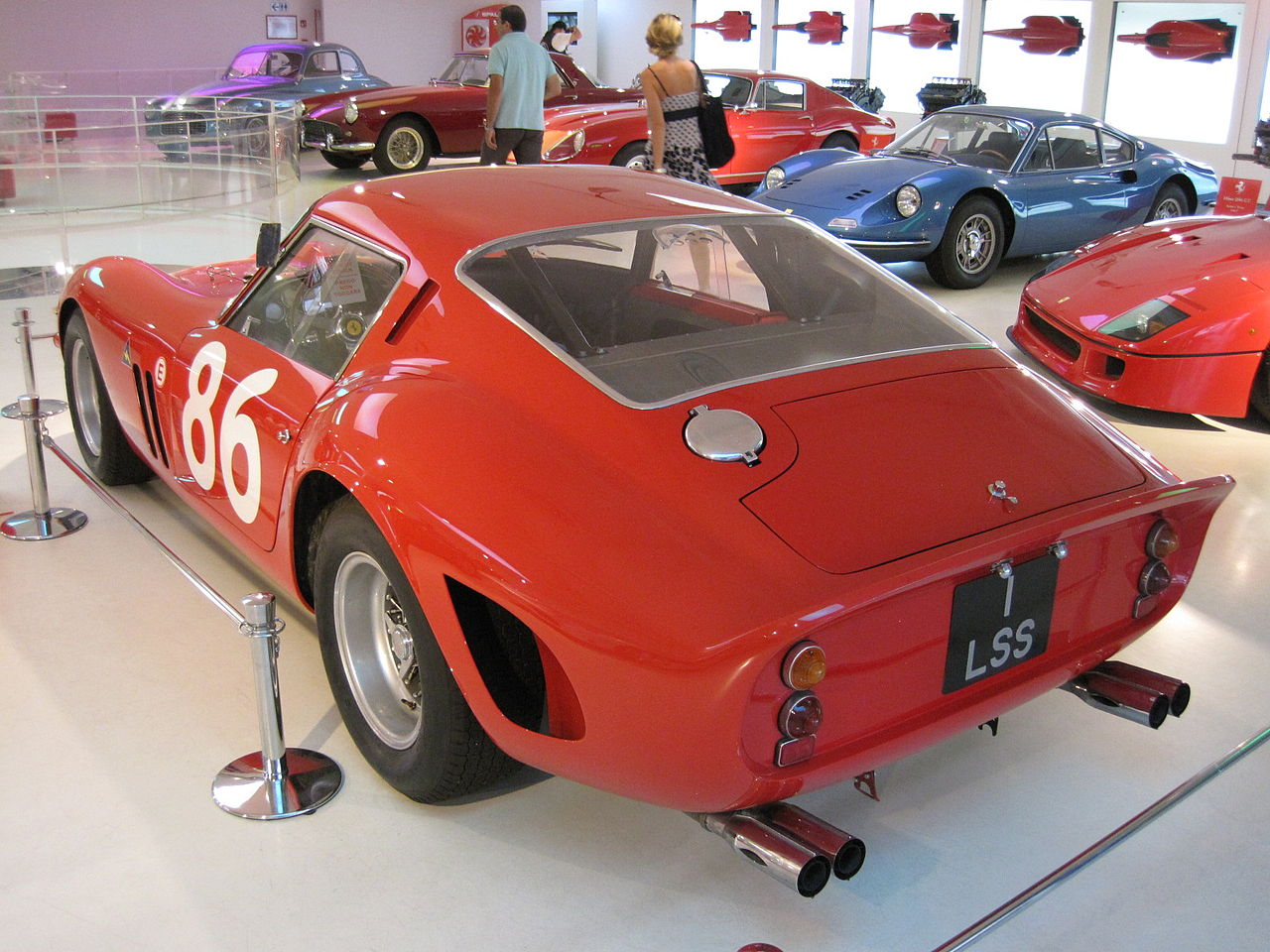
This, of course, made it ridiculously fast for the day. In fact, during the very first race outing of a 1962 250 GTO, in the 1962 12 Hours of Sebring, the car, driven by Phil Hill and Olivier Gendebien, came in second overall. The pedigree of the car was secured overnight, and it soon became the hot item for the wealthy of the world to drive.
However, this proved to be a bit of a problem for 99% of the wealthy, as to be allowed to buy the car, you needed to be approved by Enzo Ferrari himself. The $18,000 USD asking price was really a bit of an afterthought (equivalent to $160,000 USD in 2021), but you had to sit down with Il Commendatore himself, look him in the eye, and explain why you wanted to buy the car. If he didn’t like your reasons, you didn’t get the car.
Immediately, all three of the determining factors to name the 250 GTO a classic supercar are instantly met. It is extremely rare, it established its pedigree in the very first race it entered, and it was immensely fast with a glorious V12 3.0L engine. Of the original 36 cars, 33 were what is known as Series I, the classic, well-known body shape. Only the last 3, after redesigns of the 250 GTO to make it competitive for the 1964 Le Mans race, were given the scalloped rear window and dropped trunk, known as the LM or Series II body.
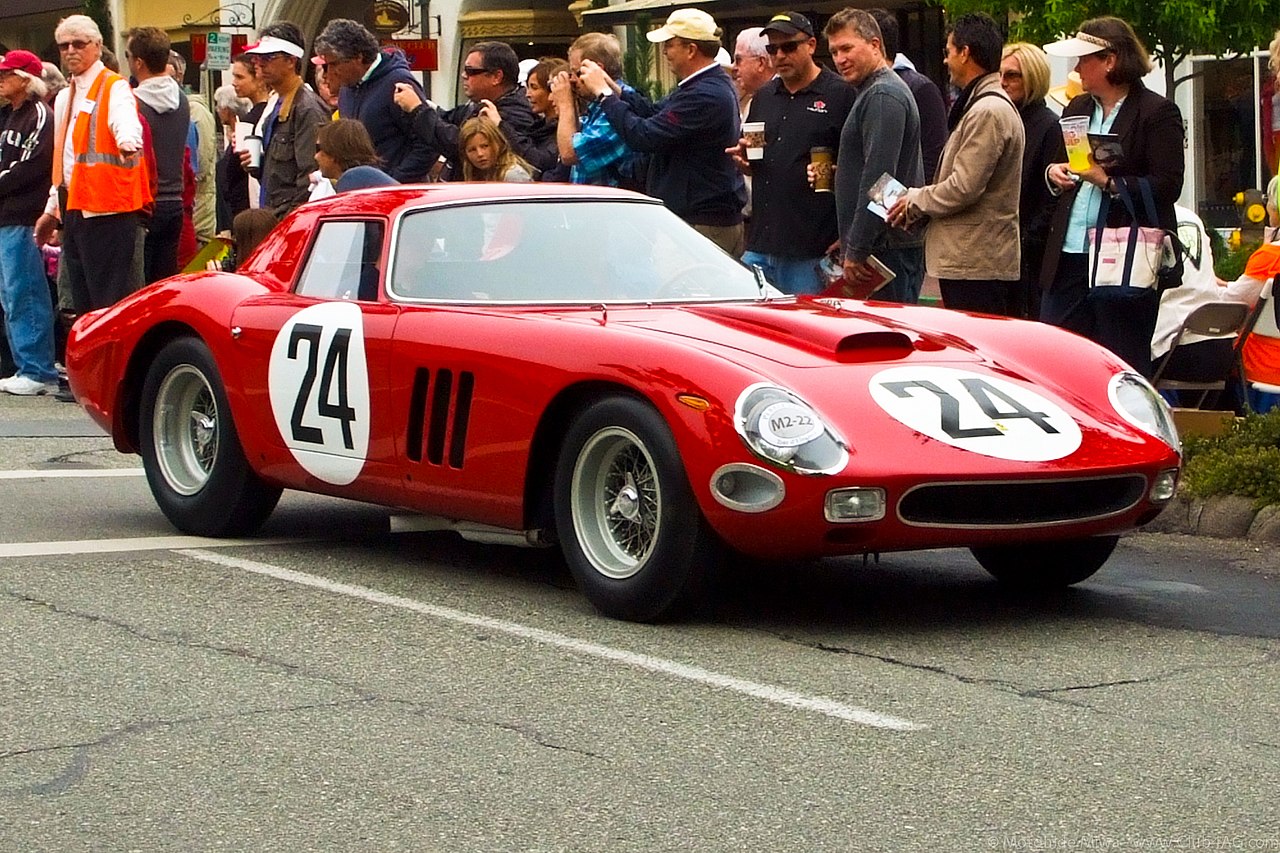
A combination of its timeless beauty, racing pedigree, and the purchase process has made the car one of the most highly sought-after classic supercars of all time. In 2012, a 1963 250 GTO went across the block at $35 million USD, and a scant 5 years later, one of the first chassis made in 1962 crossed the Sotheby’s of London block for $48 million USD.
However, in 2018, at 1963 Ferrari 250 GTO, chassis number 4153GT, changed hands privately for $70 million USD. This specific chassis was actually raced, taking part in the 1963 24 Hours of Le Mans where it finished fourth, and the 1964 Tour de France road race, where it won outright. It was also, at the time, owned by the Marquis Philippe de Montaigu, a very wealthy and popular gentleman racer.

Out of interest, and to give an idea of what kind of protection you would need to insure such a classic car, we contacted American Collectors Insurance, a specialist in classic supercars, collectibles, and heirloom level insurance. Following their guidelines of needing the car to be stored in a temperature-stable garage, only driven a few times a year to a Concours or such, and based on the average $50 to $70 million USD assessed value of the car, the average owner of a 250 GTO would be paying about $250,000 to $300,000 per year.
Yet, if you have the $50 to $70 million to afford the auction price of a 250 GTO, that is almost pocket change.
The 2017 Corvette Grand Sport Collector Edition
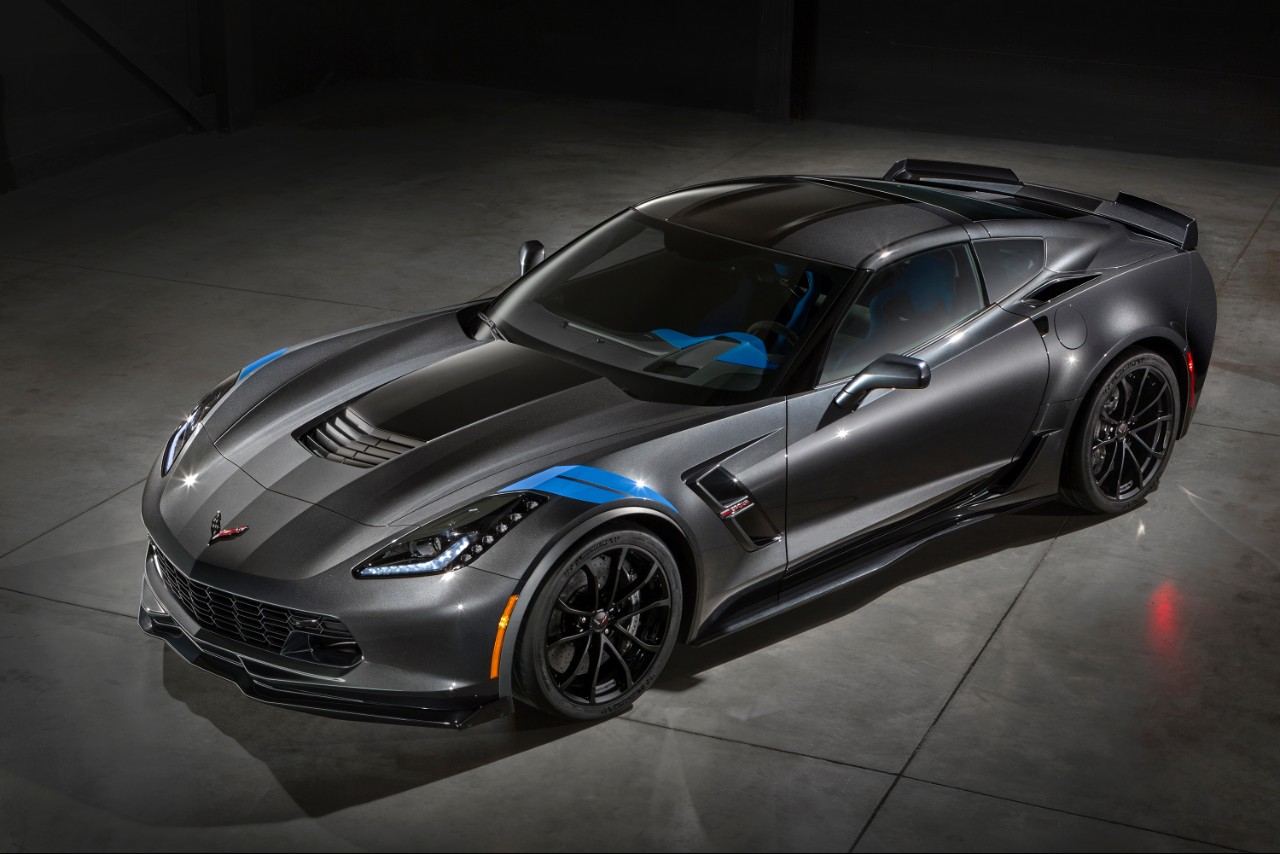
Now, before you point out that this car is way too recent to be a classic supercar, hear us out. The 2017 Corvette C7 Grand Sport Collector Edition ticks off all three of the boxes required to be labeled as such. At the time of its introduction, the Collector Edition was the most expensive Corvette released by Chevrolet, often starting at $90,000 despite an official MSRP of $81.185 for the Coupe Manual version.
It is a limited series, with only 935 made, and has a special VIN code that was assigned to it. Any Grand Sport Collector Edition has a VIN that ends in 530XXXX, where XXXX is the sequence it left the production line. It also is an auction superstar, as the original Chassis #0001 was auctioned off in the 2016 Barrett-Jackson Classic Car Auction for $170,000. The final car, Chassis #0935, was not sold to anyone but given to the Corvette Museum.
And it has pedigree, as this specific version of the C7 Grand Sport was made to celebrate recent successes of the C6.R and C7.R in both North American and international racing events. With the production code Z25, it included a lot of exclusive features, including a special paint (Watkins Glen Gray) with Tension Blue hash marks over the front wheels. It also had a two-tone Tension Blue leather interior.
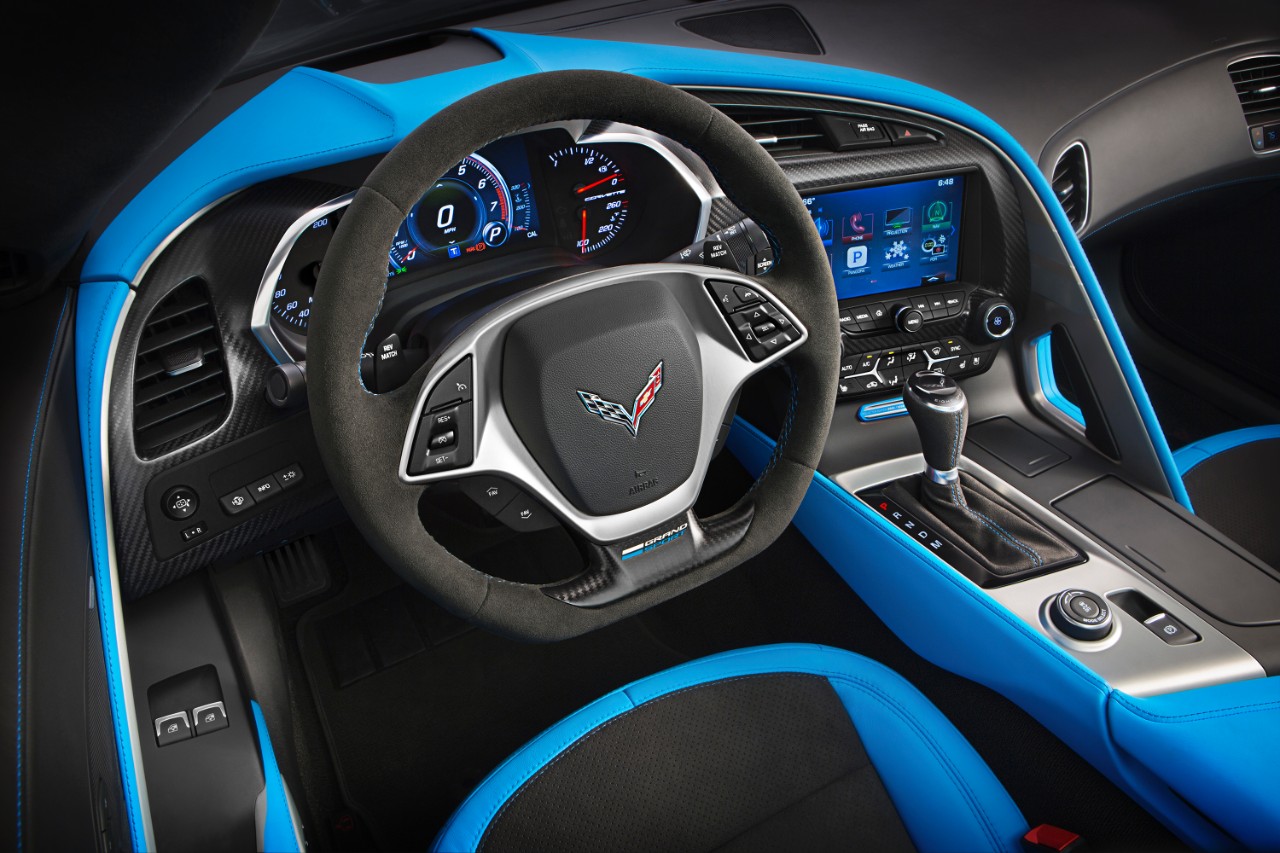
It received all of the carbon fiber options that could be added to a non-Collector Edition Grand Sport, as well as a special carbon fiber flash badge and carbon-fiber instrument panel. As standard, the Z07 performance package was included, with carbon fiber ground effects and aerodynamic parts added. It could be ordered as either a coupe or convertible and the 3LT package was also a standard feature.
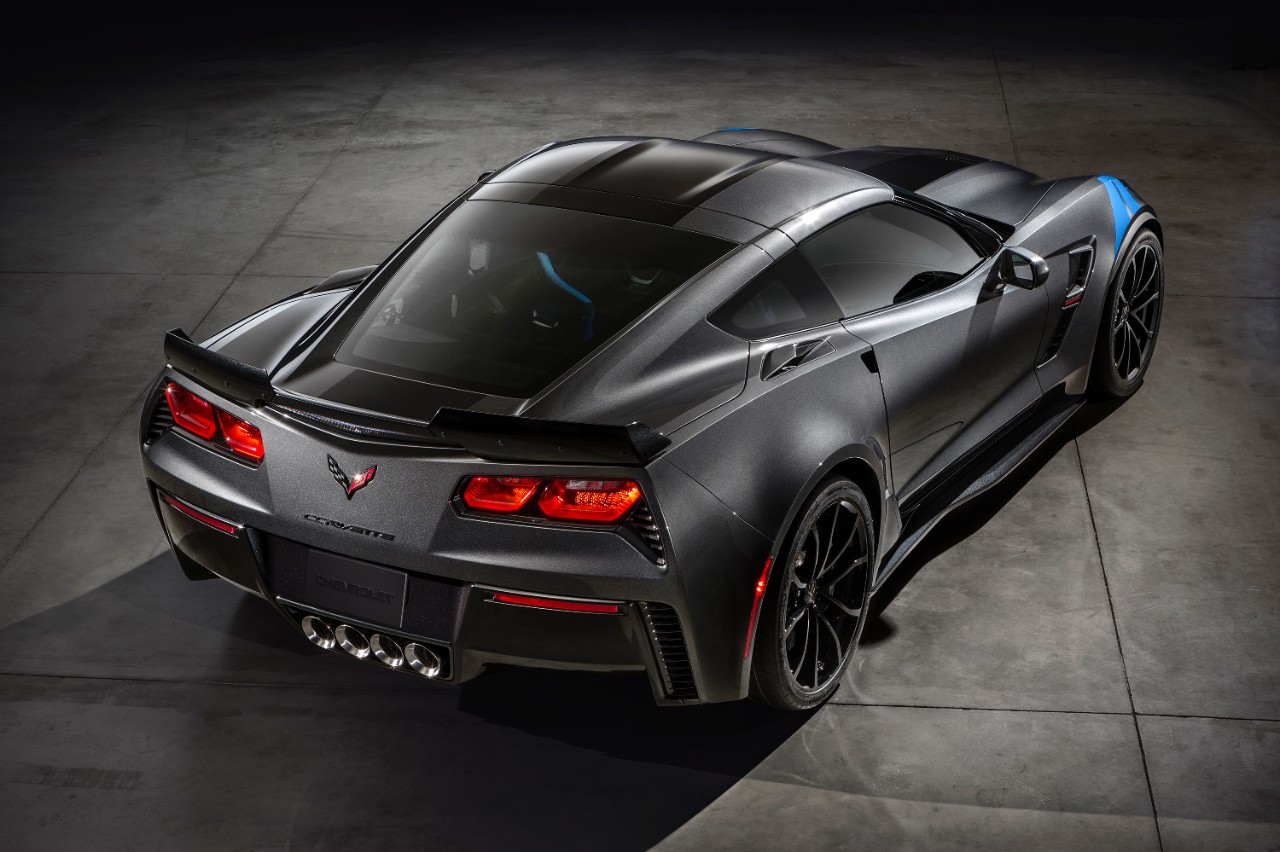
What also made the 2017 Grand Sport Collector Edition special is that it was in 2017 that Chevrolet revealed that the next Corvette, the C8, would be mid-engined, not front-engined. This meant that many “purists” wanted to get in on the best version of the Grand Sport. It carried the same LT1 V8 engine as the base Grand Sport, producing a nominal 460 HP, but the special cosmetic and aerodynamic features made it worth pursuing in the view of many.
These days, if you look at auction listings, you will often find that if a 2017 Corvette C7 Grand Sport comes up, they usually sell between $40,000 and $65,000, depending on condition, miles, history, et al. If a Collector Edition comes up, however, you will often find that price exceeding $100,000, as year over year the waitlist for a Corvette C8 grows longer. This is driving collectors to desire one of the best versions of the C7 to both have a Corvette, as well as have a front-engine, rear-drive Corvette with a factory standard electronically controlled limited-slip differential and the Z07 performance package.
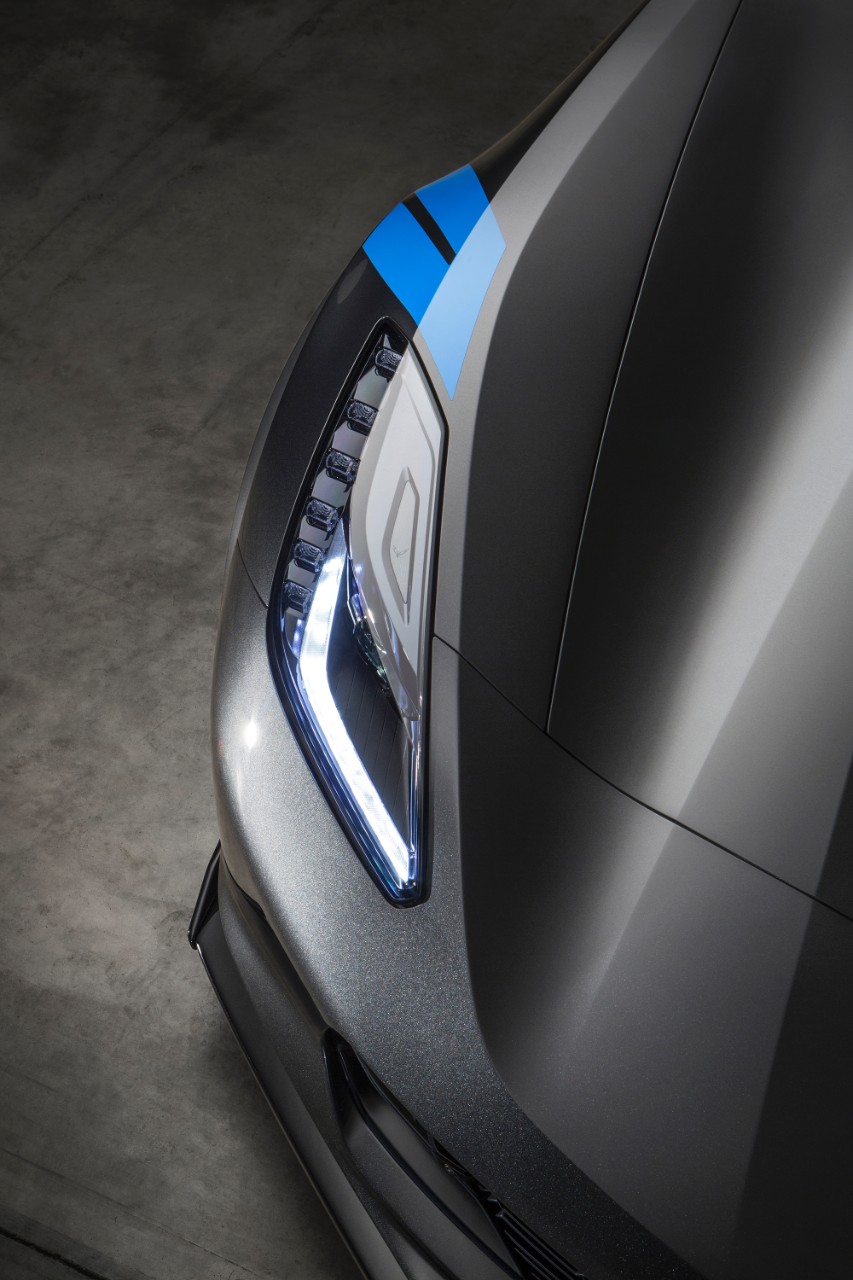
Unlike many classics, however, the Collector Edition is still a viable, driveable modern supercar, and can be insured as such. However, with those looking to have low mile versions, with few if any modifications, they are also able to be registered as classics, with collector plates and insurance premiums to match. Again asking our friends at American Collectors Insurance, you would be looking at a much more reasonable $7,000 to $10,000 per year if registered as a classic collector car.
The Future Of Classic Supercars
While we have two prime examples of a truly awesome collector’s prize in the 250 GTO, and an attainable, if a bit pricey, auction superstar in the Corvette C7 Grand Sport Collector Edition, the future of collectible, classic supercars is looking a bit strange. As the push for electric vehicles surges, many manufacturers have looked at how to best harness the newest technology to keep the supercar alive, and have also created a new type of vehicle entirely with their development.
While limited series, extremely rare, and expensive cars like the Bugatti Chiron 300 or the Ferrari SF90 will certainly be considered classics, it is the hypercar that seems destined to become the new auction superstar.
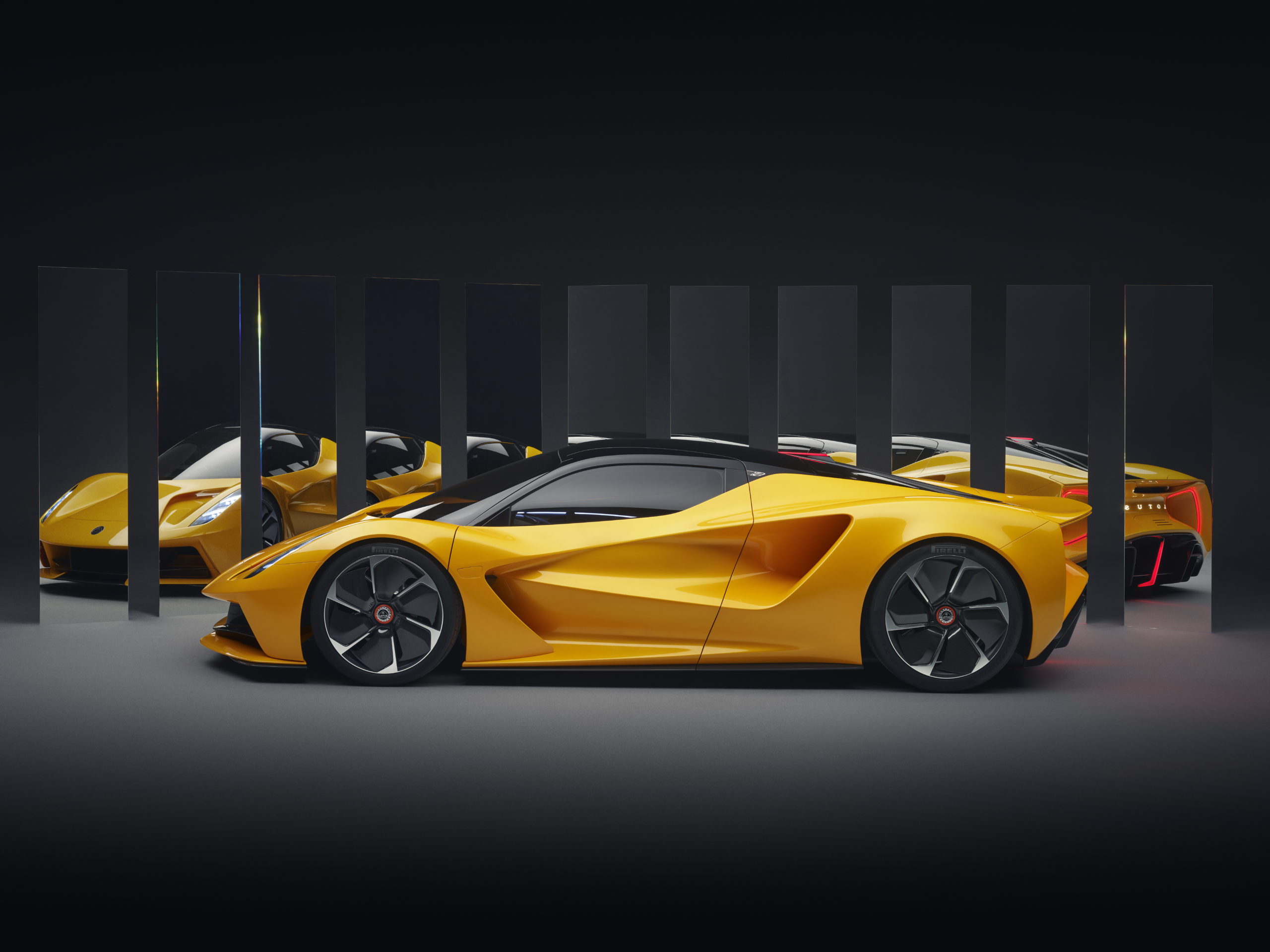
Take, for example, the 2022 Lotus Evija. Limited to 130 total units, the electric hypercar is made out of the latest space-age materials including carbon-titanium weave, carbon composite, and a variety of resin-impregnated organic fibers. It carries a massive 70 kWh lithium-ion battery stack where a traditional mid-mount engine would sit, and that battery powers four independent electric motors, one at each wheel, that is capable of 500 HP each. The Evija, therefore, is the first production car to come from the factory with 2,000 HP.
At over $2 million USD, each Evija is already a classic hypercar, and desirable to those that missed out on getting onto the purchase list for one. As the first real, roadgoing electric hypercar, it will certainly be gracing auction blocks in a few year’s time, after it has appreciated beyond its original cost.
Yet, there is still hope for those that prefer the internal combustion engine, with rare supercars and hypercars coming from companies such as Koenigsegg, Ferrari, McLaren, Rimac, and the American company SSC, whose Tuatara hypercar can reach the ungodly number of 1,750 HP when fueled with E85.
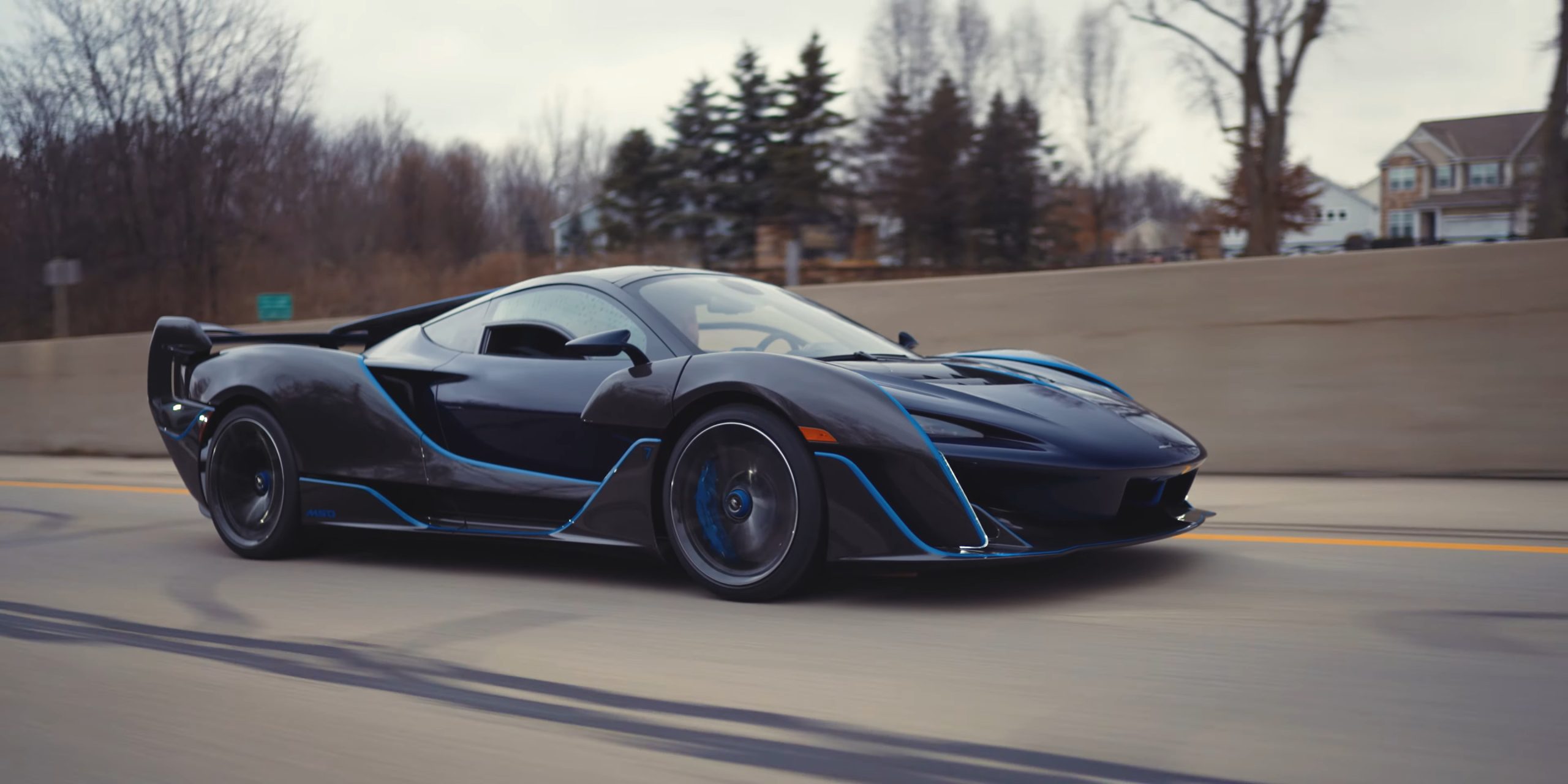
All of those companies specialize in limited series, low production, high-cost special supercars and hypercars, and as the world pushes more and more towards electric vehicles, it may just free up enough gas that these rare beasts, in 20 years time, will be on the auction block for tens of millions, just like the 250 GTO.
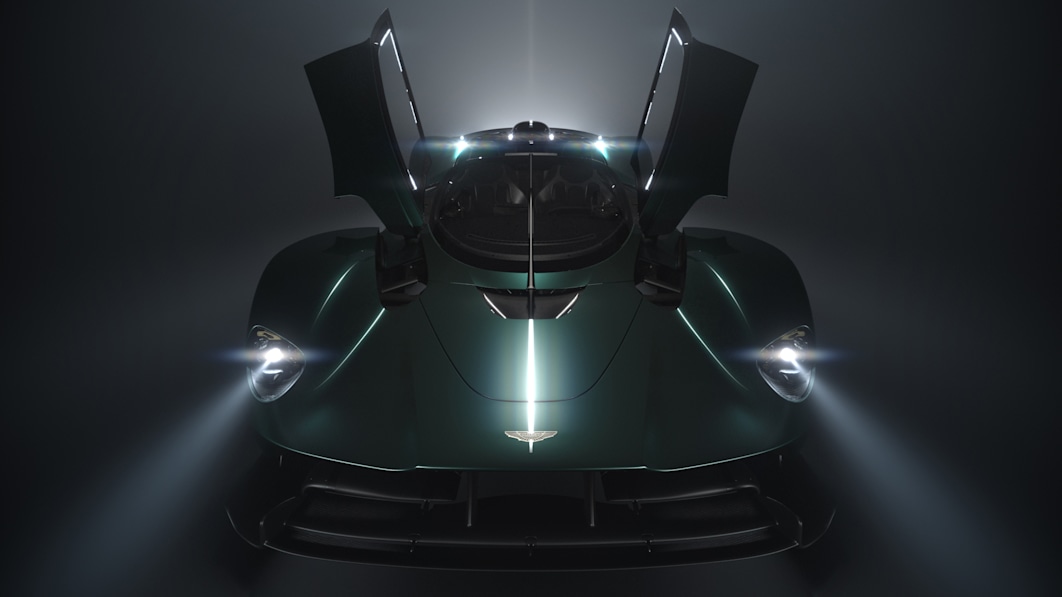
Aston Martin Valkyrie is set to lose its roof at Pebble Beach with roadster variant
Aston Martin is coming to Monterey Car Week with a new car reveal. The specific model name isn’t explicitly mentioned by Aston, but one look at the “teaser” gives us all the information we might need to suss it out.
The Valkyrie is losing its roof for a new Roadster variant that will join the existing hardtop and racing-only AMR Pro model. You must look rather closely at the roof area of the teaser, but upon inspection, the roof of the Valkyrie shown here is missing. Additionally, the doors have a new design to accommodate the missing roof. Instead of opening via the roof in gullwing fashion, they appear to be scissor doors. Beyond these details, we’re left to guess at the rest. The car looks similar to the standard coupe up front, and the convertible appears to keep the roof scoop, too.
Aston says the wraps will officially be taken off this new model on Thursday, August 12. After being revealed at a private event, the car will be available to see by invitation-only beginning the following day at the Aston Martin Club 1913. All Aston will say about the model so far is that it’s “a new product from the brand which extends the company’s performance credentials a step further.”
In addition to the new Valkyrie, Aston is also bringing the Valhalla supercar to North America for the first time. You can read all about that mid-engine car here, and then go check it out on Pebble Beach’s 18th fairway. If you want one, Aston just made its production run official — only 999 Valhallas will be built over the next two years.
Related video:
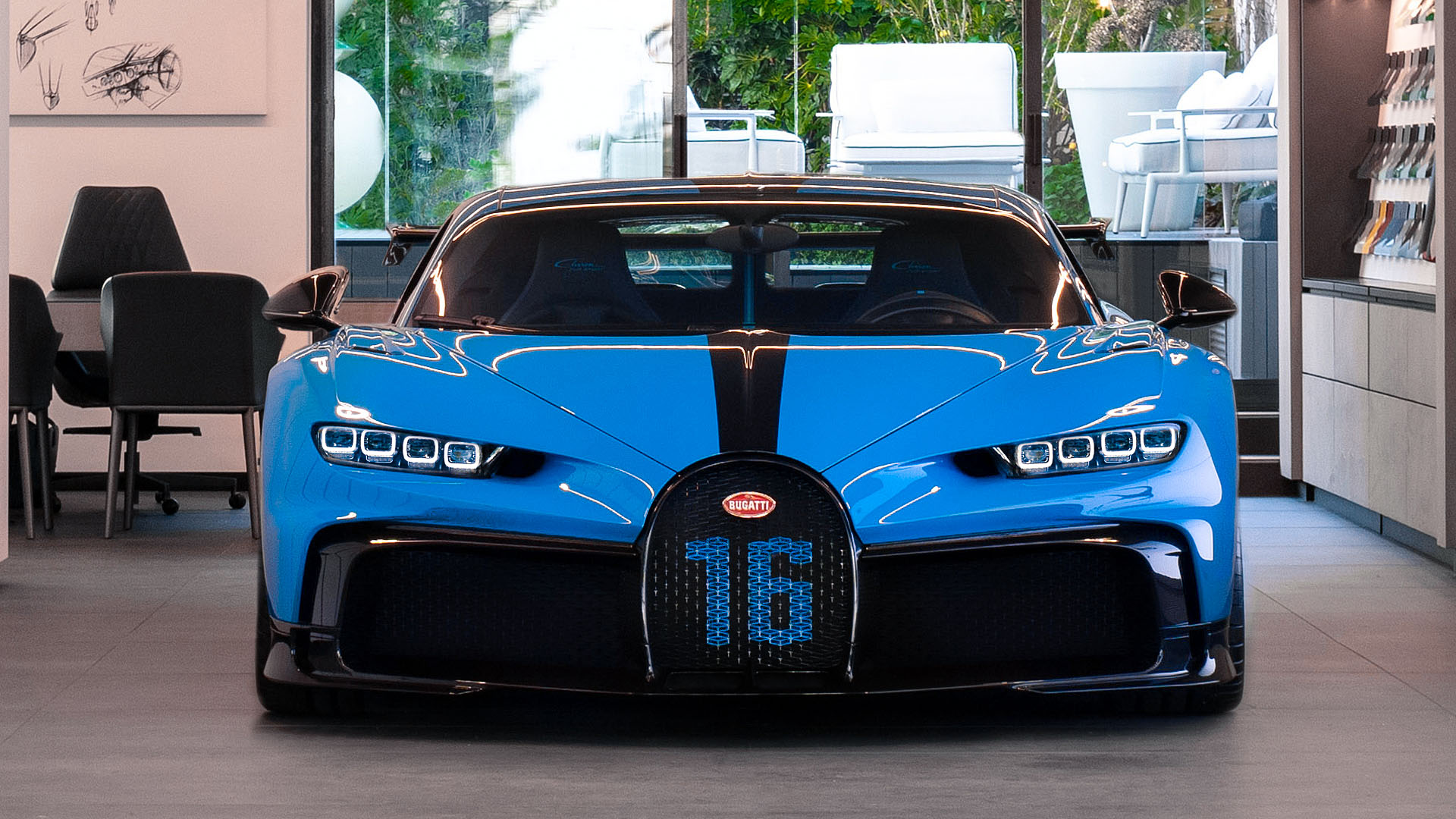
Bugatti’s global dealer network
A Bugatti customer just doesn’t walk onto a dealer lot and gets one of the cars from the showroom floor, or from the stock hiding away in some dark warehouse, each Bugatti is a unique car, bespoke-built for that client with the exact options he or she selected from a vast list of possibilities, someone in the market for a new million-dollar hypercar built in Molsheim, France wants to taste a special experience, usually taking days, weeks, or usually even longer to configure the car just the way the future owners wants it.
So a Bugatti dealer isn’t a massive showroom filled with demo cars and tens if not hundreds of salespeople running around trying to make that sale so they get their commission, each of the 34 officially approved Bugatti dealerships around the world have their specific brand manager, a full-time job whose sole purpose is to bring the unique Molsheim Experience into the world and deliver the ultimate in luxury, design, and technology to both existing and potential customers.
Back when the Bugatti Veyron 16.4 was unveiled in 2005 as the revival of the famous French make, it wasn’t easy to bring this new super sports car to the public, Bugatti didn’t have any dealers yet, buying a 1,000 PS car with 16 cylinders that could do over 400 km/h from a make that was dormant for decades after the EB110 production was halted might not have been too enticing for those that could actually afford this amazing car, it took them six years to put together some kind of network.
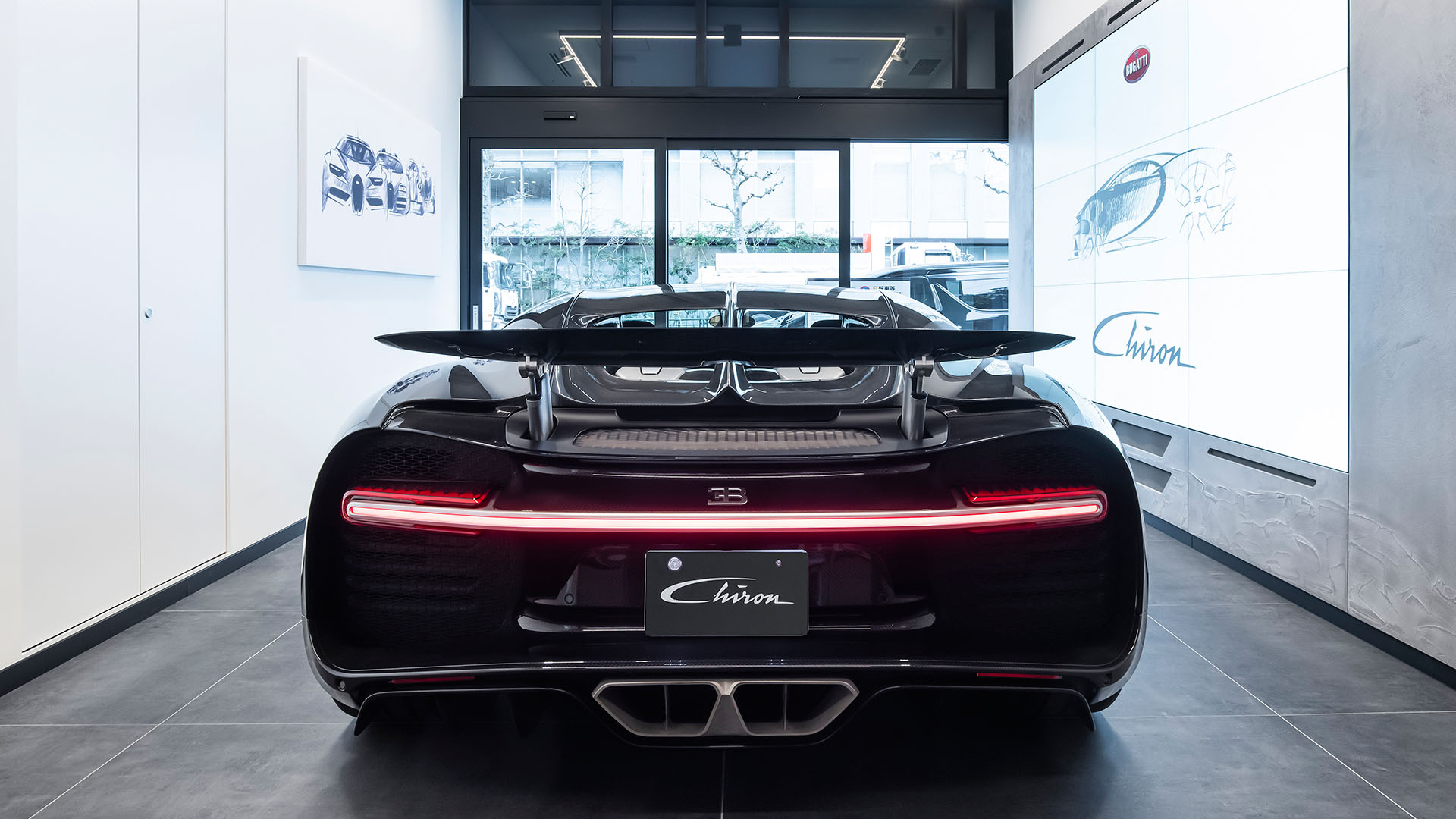
If you were in the market for a new Bugatti Veyron in 2011, you could turn to official dealers in North America, the Middle East, and Asia, but neither of them actually had a demo car for you to experience, in those days Bugatti would fly out a driver with a Veyron to your location to test drive, a very costly situation, each Bugatti was sold straight from the factory. The same would happen if you already owned a Bugatti Veyron and something went wrong, you would get a “Flying Doctor” to come to you to resolve the issue, after which they would take the airplane and fly to the next customer … this way of working could no longer be sustained.
 Markus Vögele Head of Dealer Network and Business Development for Bugatti
In 2012 Bugatti attracted Markus Vögele, having a decade of experience at the Porsche Group, working in CRM, dealership/product marketing, and consulting, he became Head of Dealer Network and Business Development, developing a unique dealer network strategy for Bugatti over the next years that would include a global Salesforce CRM cloud solution that would emerge any potential client in the Molsheim Experience, no matter in what part of the world they walk into the Bugatti showroom.
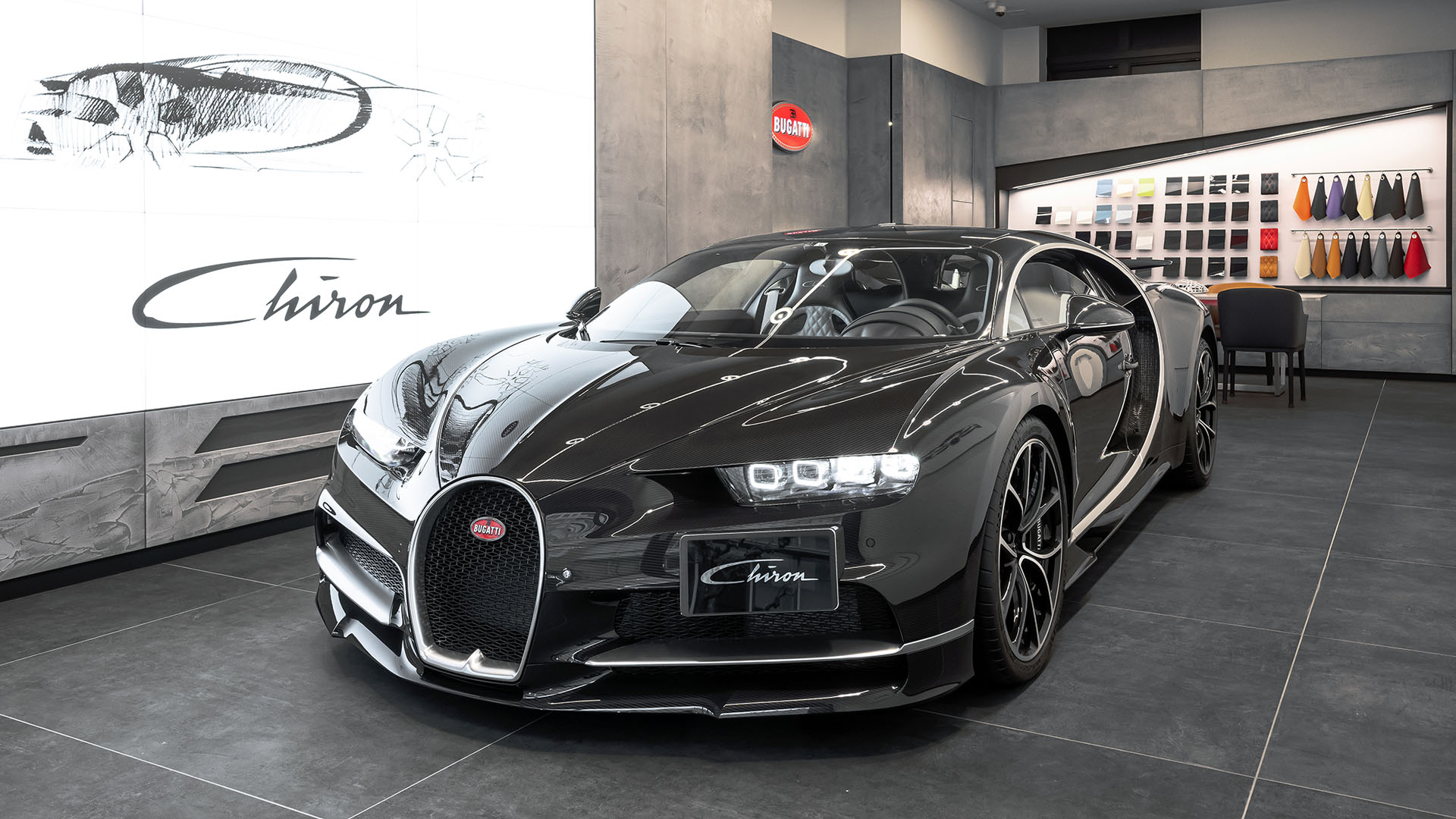
The new Bugatti showroom would become an emotive concept, reflecting the core values and century-old history of this French make, each showroom will have a similar feeling for the customer as they would walk into the lounge at the Molsheim headquarters, with samples of paintwork/carbon and leather patterns, as well as decorative elements to be found inside a new Bugatti Chiron, the lounge will allow clients to contemplate over their options for their future hypercar in all serenity.
There is even a massive display screen in the showroom that will show a 3D render of the Bugatti Chiron you are configuring in real-time, the display is so large it can show the actual car in full size for that complete experience, the customer is virtually immersed into their new car. “The showroom is our flagship to the outside world, customers and fans alike. It is the place where they can meet with Bugatti ‘family members,’” says Vögele.

Three exclusive Mercedes-AMG GT3
Fifty years ago a bright red Mercedes-Benz 300 SEL 6.8 AMG won its class and took second place overall in the famous Spa-Francorchamps 24-hour race, driven by Hans Heyer and Clemens Schickentanz, creating the foundation of what would become the most important Mercedes tuner ever, AMG was still a very young brand in those days, the classic race at the Ardennes circuit resulted into the first major success.
As an homage to that legendary red saloon from 1971, Mercedes-AMG created a limited edition GT3 race car in a similar red body, called the “50 Years Legend of Spa”, these are not your ordinary GT3 cars that are entered into this years 24 Hours of Spa race, there are three cars in this “50 Years Legend of Spa” special edition builds, and they are based on the three GT3 generations that have been available since 2010.
Production of the “50 Years Legend of Spa” GT3 cars is limited to a single unit of each model, the Mercedes-Benz SLS AMG GT3, the 2016 Mercedes-AMG GT3, and the current evolution version of the Mercedes-AMG GT3, all three cars are finished in the famous red paint, but these ready-to-race unique cars show a special 50 style cartouche to fit their number and come with a range of sponsor decals to mimic the looks of the 300 SEL 6.8 AMG from 1971.
Do keep in mind these three very special Mercedes-AMG GT3 cars come without FIA homologation, the full 650 hp from their 6.3-Liter engine is unleashed through an unrestricted exhaust while the interior boasts a Graphite Metallic Matt finish with the instrument cluster on a carbon fiber panel, complete with the 50th-anniversary plaque and the signature of Hans Werner Aufrecht who founded AMG originally.
Mercedes-Benz SLS AMG GT3 “50 Years Legend of Spa”
Production of the Mercedes-Benz SLS AMG ended back in 2015 already, but this commemorative edition for the Legend of Spa series is a brand new, 2021 car. So how is this possible you might ask? Simple, Mercedes-AMG still had one, and only one, bodyshell in their warehouse, they took this final car and built it into this brand-new competition gullwing, hence creating a one-of-a-kind 2021 SLS AMG GT3, truly a unique car in every sense of the word.
Mercedes-AMG GT3 “50 Years Legend of Spa”
The second GT3 in the series is based upon the now discontinued 2016 model year for the Mercedes-AMG GT3, it is still a new car, but from the first model generation in this case, complete with the famous red color and sponsor decals fitted, and there is something really special about this celebration edition too … the spaceframe used for this “50 Years Legend of Spa” is number 100.
The second Mercedes-AMG GT3 “50 Years Legend of Spa”
The third car in this series is also a Mercedes-AMG GT3, but the more recent 2020 edition, and apart from the special performance exhaust fitted to these commemorative “50 Years Legend of Spa” versions, this specific car is identical to the ones that will compete in the 2021 edition of the 24 Hours of Spa that is being held this weekend.
With the design of this modern GT3 race car, she represents both the past and the future in one go as a tribute to the DNA and the history of AMG as a brand, or as Jochen Hermann, technical managing director, Mercedes-AMG GmbH puts it: “The special editions recall one of the most important milestones in AMG’s corporate history. The 24-hour race at Spa in 1971 stands as an example for the spirit of our brand: daring to take on the impossible, overcoming challenges and convincing with performance!”
“I am very happy that we have been present with our Customer Racing Programme in the Belgian endurance racing classic without exception since 2011. This year, my joy is even bigger as I will be on-site for the race myself. I am curious what the public response to our special editions will be like. Technically and optically, they are highlights, there is no doubt about that. And the exclusivity of the three cars is really extraordinary!”
Specific characteristics and pricing of the “50 Years Legend of Spa”
Bespoke Interior Features
Special chassis paint: Graphite Metallic Matt
Seat with “50 Years Legend of Spa” logo
Red seat belts
AMG logo in door panels and entry strips painted red
Badge with original signature of Hans Werner Aufrecht
“50 Years Legend of Spa – One of One” badge
Instrument panel in visible carbon with matt finish
Bespoke Exterior Features
Special paint “50 Years Legend of Spa”
Special paint rims
Performance exhaust system without silencer
Optimized engine performance
Limited car cover with “50 Years Legend of Spa” logo
Delivery on slicks
Pricing (before VAT)
SLS AMG GT3: 650.000 Euro
GT3 (MY 2016): 500.000 Euro
GT3 (MY 2020): 575.000 Euro
A one-of-a-kind Porsche 911 to honour Mexico’s greatest racer
There are not too many professional drivers in the world that can show two Formula One Grand Prix wins, a victory at the 24 Hours of Le Mans, and four triumphs in the 24 Hours of Daytona, 50 years ago … Pedro Rodriguez is probably the most successful driver Mexico ever had, sadly he lost his life at the Norisring street circuit in Nuremberg, Germany on 11 July 1971 after he managed to secure the championship win for Porsche in 1970 and 1971 in the World Championship of Makes, called the World Endurance Championship (WEC) today, Pedro held 11 titles in this series.
To commemorate this amazing Mexican driver, Porsche Latin America together with Porsche Mexico commissioned a bespoke build from Zuffenhausen … a tribute version of the Porsche 911 Turbo S, with the help of Porsche Exclusive Manufaktur, this one of a kind 911 was put together, the Porsche 911 Turbo S ‘One of a Kind’ Pedro Rodríguez to be unveiled at a Sportscar Together Day at the Centro de Alto Rendimiento Pegaso, in Toluca, Mexico.
A total of 8 of those 11 victories in the World Championship of Makes were behind the wheel of the famous Porsche 917 KH racecar, in the very distinctive, but immensely famous, Gulf Oil livery, the combination of Gulf blue and bright orange that adorned numerous racecars over the years, with the Porsche 917 KH being among the most famous cars from Germany ever, so this tribute 911 just had to wear this dress again, 50 years later.
This one-of-a-kind Porsche 911 Turbo S tribute will remain a unique car forever, Porsche actually locked this specific configuration in their configurator, nobody else in the entire world will be able to order a Porsche 911 Turbo S exactly like this, with these specific options. “This car has unique elements that no other car in the world can have,” says Camilo San Martin, Director of Porsche Mexico.
This specific Porsche 911 Turbo S comes with custom-designed wheels in a glossy black finish and aluminum center-locking bolts, but the light blue body also features a racing cartouche, populated with the number 2 in this case. Another amazing detail is the custom plaque fitted onto the B-pillar of this car, showing the silhouette of the famous Porsche 917 KH for this occasion in the colors of the Mexican flag accompanied by Pedro Rodriguez’s name and signature.
As yet another tribute to a unique, irreplaceable driver, an idol of the past and a legend of today, the names of the eight races he won with the 917 KH are engraved under the rear spoiler, while more attention to detail can be found on the door sills, when you open the door the carbon fiber trim on these sills contains an illuminated version of the plaque from the B-pillar … simply amazing.
The interior of this unique Porsche 911 Turbo S Pedro Rodgriguez tribute is just astonishing with a graphite blue upholstery in soft leather with contrasting stitching in bright orange to match the outside livery, and while these might just be small details, you’ll find the 917 profile as embroidery on both headrests again, in orange naturally, and Rodriguez’s signature embossed into the armrest between the seats, and additionally on the carbon fiber dashboard trim.
And that’s not even all of the bespoke elements for this special car, even the key for this Porsche 911 Turbo S was color-coded to the Gulf blue exterior … and shows the signature of the two-time world endurance champion as well. To complete the extensive options list of this one-off, there is a bespoke luggage set that comes with the car, finished in Graphite Blue leather with orange stitching and details, so it matches the interior upholstery perfectly.
Interested in adding this car to your collection, despite the fact you will not be able to order a second, similar one from Porsche directly? Fear not, this Porsche 911 Turbo S “One of a Kind” Pedro Rodríguez will be auctioned off later this year with all proceeds going to various charitable causes.
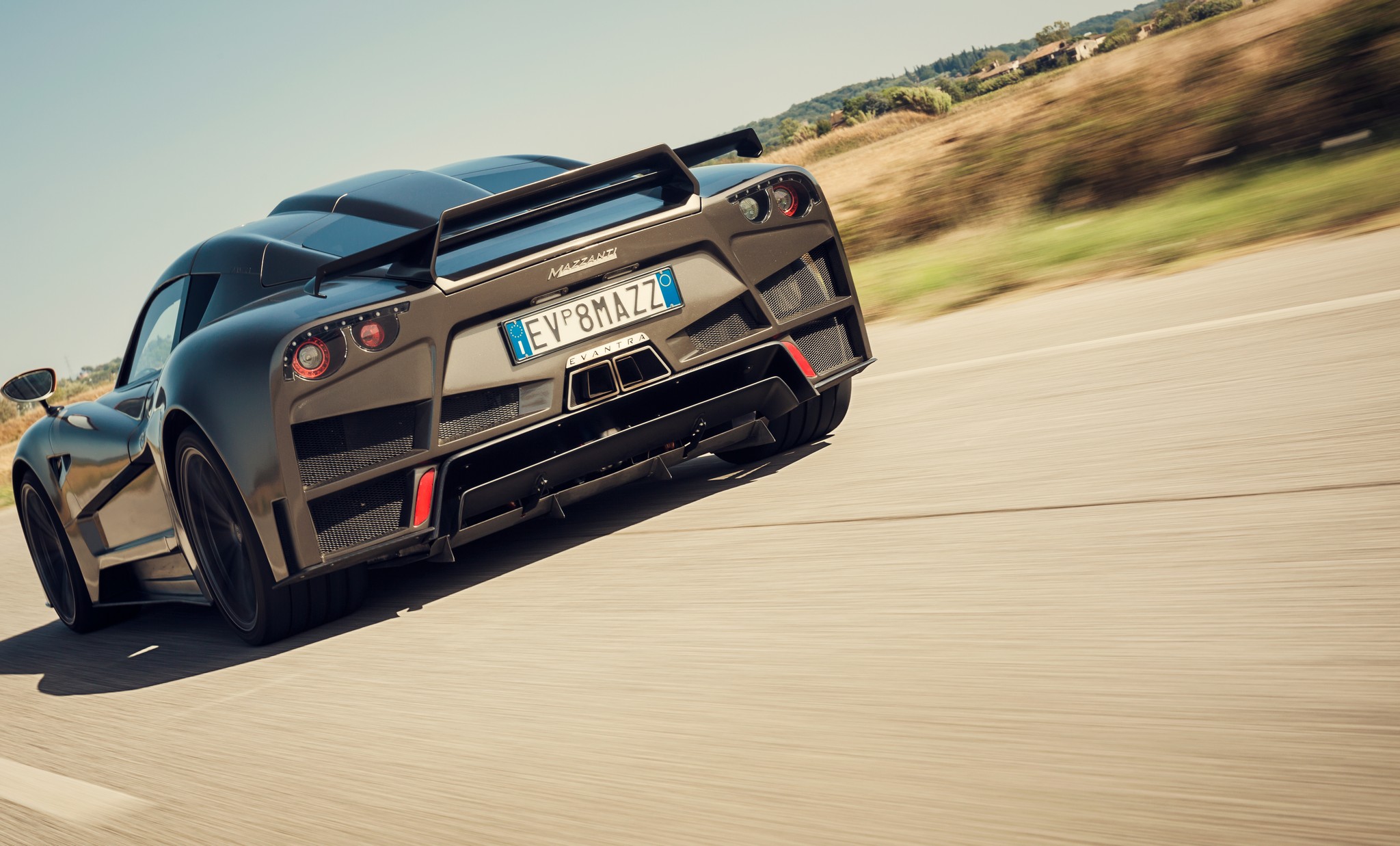
Mazzanti Automobili: One of Italy’s Best Kept Secrets
Earlier this month, we here at Supercars.net were lucky to be invited by Mazzanti Automobili to watch an introduction to the brand livestream. Presenting the stream were Guy Jenner, CEO of HWM, the UK’s oldest Aston Martin and Supercar dealership, and Luca Mazzanti, CEO and founder of Mazzanti Automobili. However, before we pass along the amazing things we learned, we should introduce Mazzanti Automobili to those who may never have come across them before.
Founded in 2002 as Faralli & Mazzanti by co-founders Walter Faralli and Luca Mazzanti, the original company was focused on restoration of classic high performance cars, while also gaining experience in design and development of modern supercar ideas. This experience and appreciation of the classic sports car style led to the F&M Antas V8 in 2006, a design concept that evokes the lines and timeless beauty of the early years of the Italian berlinetta coupes with long hoops and sloping tails, with a plush cabin in between.
In 2010, Luca and Walter split the company into two units, with Farelli Restauri continuing the classic car restoration business, and Mazzanti Automobili becoming a supercar and hypercar developer and manufacturer. The next year, in 2011, the Mazzanti Evantra was premiered after 3 years of design work, with the help of Zsolt Tarnok.
This production supercar, which in light of the new classification that came about around 2018 is now considered a hypercar, is highly customizable by each client, and production has been limited to only five per year since 2013. This brings exclusivity to each car and client, as well as leveraging the coachbuilding and customization skills of Mazzanti Automobili to make the interior of each car, in a literal sense, tailored to fit each driver individually, to their tastes and requirements.
The numbers that are attached to the car are also quite impressive. Weighing in at just 2,866 lbs fully wet, it is powered along by 701 HP and a tarmac shredding 625 lb-ft of torque, all generated by a naturally aspirated 7,011cc GM V8, which Mazzanti has specially modified in-house for the Evantra. Connected to a six-speed paddle shift semi-automatic transmission, the Evantra will reach over 220 MPH, and clears 60 MPH in a hair over 3 seconds. However, a multitude of engines are now available, from a modified 6.4L GM V8 in the Evantra Pura, to a modified 7.4L GM V8 with a twin-turbocharger system in the Evantra Millecavalli, giving it insane power over 1,000 HP. And for the Millecavalli R, that power is raised even further so that the “R” may reach speeds of over 250 MPH.
 Now that you are familiar with Mazzanti Automobili and their superb Evantra hypercar, let us delve into the “fireside chat” between Guy Jenner and Luca Mazzanti. While this will not be a full transcript of the entire chat, we will be highlighting certain questions and answers that we felt would give you the best introduction and insight into Mazzanti Automobili as a whole.
———–
Guy Jenner: So Luca, I’ve browsed the Mazzanti Automobili website but it’s not often you get the opportunity to talk to the founder of a hypercar manufacturer – how would you best describe what Mazzanti is all about?
Luca Mazzanti: You know, I’ve been involved in cars all my life; first starting in our family business here in Tuscany in 1990 straight from school – we did repairs and upgrades for many types of sportscars in this period. And later I was involved in what you might call restoration and refurbishment of classic sports cars to a very high standard, even total rebuilds, with our partner Walter Faralli. These 15 years really were the foundation period for Mazzanti Automobili and for sure it put a lot of pressure on our family, this period.
———–
 This introduction right at the start of the livestream resonated with a lot of us here at Supercars.net. For some of us, the love of cars big and small came through the experience of that love with family. When your father likes to rebuild engines, he’ll obviously share that with you. When your mother is a part-time racing driver, she’ll obviously want you watching her win at the track.
The same can be said about Luca, who joined the family restoration, repair, and upgrading business right away. Getting hands on at an early age allows for the love of design, the appreciation of shape and flow, and the learning of all the intricacies that go into making real sports cars to be absorbed into his own design style. Of course, this could only lead to great things in the future.
—————
Guy Jenner: So, the Evantra project, that’s the program that gave rise to the stable of cars Mazzanti has on offer today? What did you want to achieve with that?
Luca Mazzanti: Really, it came as a progression out of the Antas to the Vulca and then to Evantra where we now have three versions, the Evantra Pura, the Evantra 781 and the Millecavalli. If you look at the shape and styling of each car, you can see they have a common link, a heritage so to say. And as a small manufacturer you are always thinking about how to make your cars different from everyone else so that this is your edge.
For us it is a combination of the racing experience that comes with hypercar performance but also the quality of the driving experience. There are many supercar manufacturers out there trying to be the fastest car or the most horsepower and so on, and while the Evantra can hold its own in this company, we don’t think this alone is enough.
—————
Luca makes the excellent point at this part of the stream, about five minutes in, where he recognizes that in the supercar and hypercar spaces, there really is a war going on about being the most powerful, the fastest accelerating, the highest speed car. Look at McLaren and Ferrari, for example, one upping each other with each new model release. McLaren released the 720S, Ferrari fired back with the 812 Superfast, and so on.
So what sets the Evantra apart?
————–
Guy Jenner: …We see more and more that customers are looking for driver involvement rather than simply chasing performance (in supercars). It is not how fast you go but how you go fast. Would you agree?
Luca Mazzanti: Absolutely! Too many manufacturers produce a stripped back, almost ‘brutal’ experience so they can get a little extra performance. And if we have a customer who really wants this, we can provide it, as indeed we have done in the past. But the drive becomes uncomfortable, even very uncomfortable.
Many hypercar owners keep their cars in the garage and only come out very rarely, maybe only once a month for a couple of kilometres: they like owning the hypercar but they don’t enjoy driving it. That’s what we focus on. Making the experience something that encourages the owner to want to drive their car.
————–
This is, to borrow the word from Luca, brutally true. Take, for example, the astonishingly fast Lotus Evija, a fully electric hypercar. Being typically Lotus, weight savings in the Evija are at a level even many German engineers would consider to be slightly beyond normal. In the cabin, where the owner involves himself or herself with the act of driving the car, there isn’t even a full dashboard, and the seats are carbon composite with the absolutely thinnest layer of comfort foam that can be reasonably gotten away with.
It may be an absolutely mental experience to drive a 2,000 HP car that weighs a little over 2,300 lbs, but it wouldn’t be comfortable for the longer cruise that an owner might actually want to go on, to get the car to a Concours d’Elegance or some such event.
Further on in the chat, Luca also had a follow up as to what his ultimate design goal was with the Evantra…
——————-
Guy Jenner: And where does the customer sit in all this? Why would they want to buy a Mazzanti as opposed to an Aston Martin or a Lamborghini or the others?
Luca Mazzanti: Look, everything we do is for the customer – I always believe we should give the driver the opportunity to re-engage with their car as one of their most valued and cherished possessions, as they did in the golden age of motoring. And we achieve this by inviting them to be part of the team throughout the production process from when they first come to Pontedera, when I sit with them in an Evantra and get to know them, what they like and what they don’t like, through to sign offs on the designs and customisation through to the handover. In fact, we are building in the opportunity for customers to name their cars in the same way that a century ago, every Rolls Royce that was built was given its own name.
——————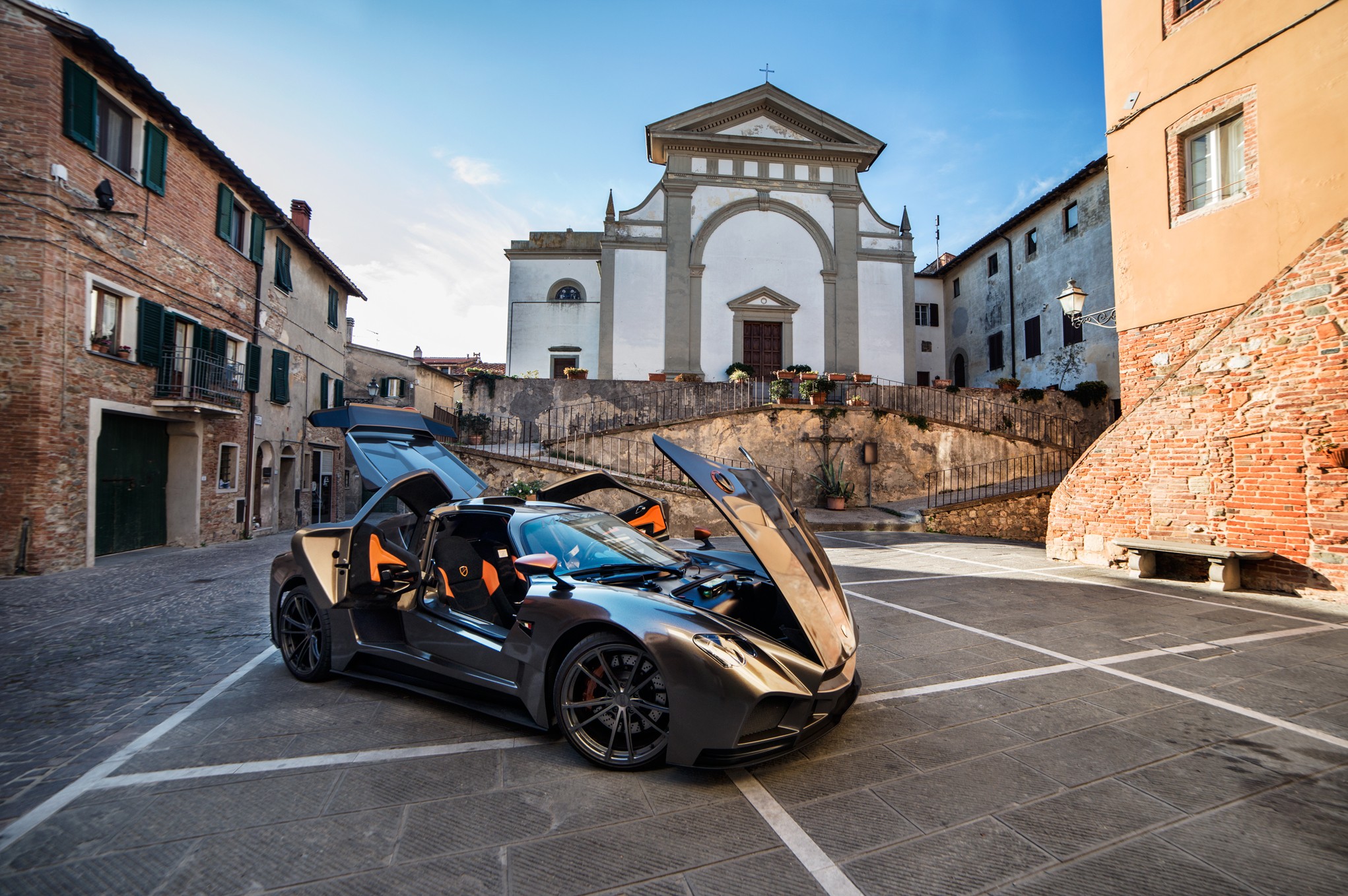 By owning the process from customer visit, through design and development of their specific car, to individual sign-offs, through to handover, Mazzanti Automobili is following the example of several great manufacturers and people at the dawn of motoring. Rolls Royce started this way, with classics such as the Silver Ghost and the original 1938 Wraith. Ettore Bugatti made many a car this way for his most premium and favored customers, such as the Kellner Coupe, and the Type 57SC Atlantique Coupe.
This is why some of the Evantra’s in the introduction seemed to have unusual names, as they were one-off’s built for just one owner. This level of coachbuilding and premium customization for each and every customer, using a team of 15 highly skilled people in Pontedera, Italy, is why Mazzanti is one of Italy’s best kept secrets.
And if you were wondering if there is enough passion in that small team to make the best driver’s hypercar, this is the transcript from the end of the livestream, which shows just how much it means to Luca Mazzanti to be building the Evantra.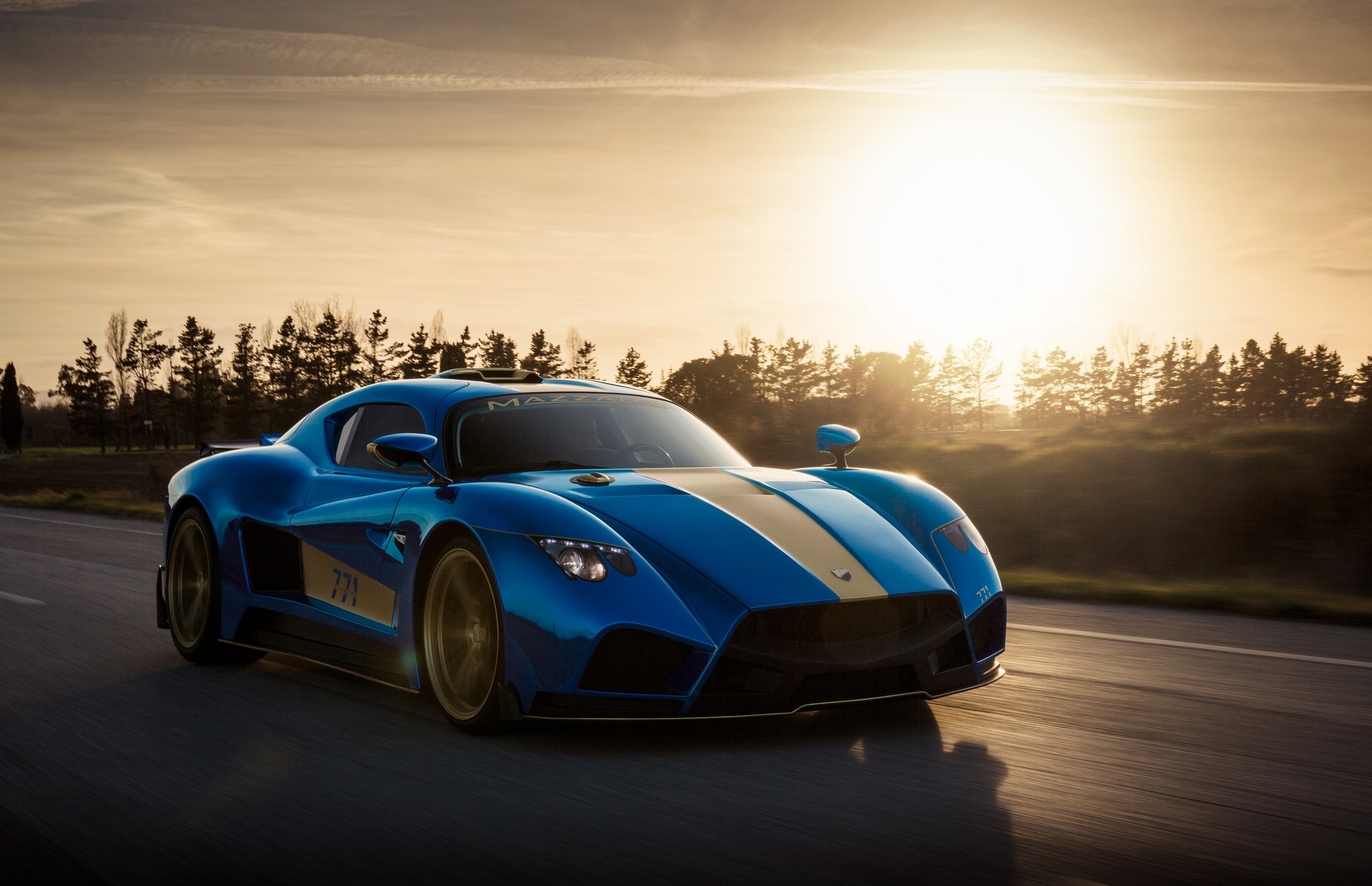 —————–
Luca Mazzanti: Well, it doesn’t end there: in some ways we are not selling a car but a lifestyle, and this is something we are expanding right now so that customers can join us in Tuscany, and in due course at our other locations around the world, for events focused around the cars that are also social events.
The new Mazzanti Racing Club for friends of the company is very much aimed at enabling all our supporters to get involved with what we do. We want owners and their family and friends to join us at some of the events we appear at and to feel part of the Project.
Guy Jenner: And how about technology for customer support, how do you see that?
Luca Mazzanti: Yes, very important – we’re in the 21st Century now!
So, we are rolling out this year our Virtual Reality offering which will enable customers and dealers to join us in Pontedera from the comfort of their own homes, so to speak. I really think this will be a game changer.
Also, although we have a fly-in maintenance team, we are already able to connect online to our cars and this enables us to diagnose most issues remotely, identifying servicing requirements and so on.
Guy Jenner: And how has this translated into sales?
Luca Mazzanti: So far we are at 15 cars sold including 11 in the Evantra range, all hand-made-in-Italy, and we currently have 5 in production. But we have a limit of 20 cars for each model, so we are constantly looking at ways to make changes so we are different from our competitors. Right now we are planning the racing version of the Millecavalli – the “Millecavalli R”.
Guy Jenner: And pricing?
Luca Mazzanti: In the current range the Evantra Pura is offered at €1.0 million for track and €1.3 million for road while the 781 which has a more ‘grand touring’ character is €1.5 million on the track and €1.8 million on the road. The Millecavalli is currently only in a track version and is €2.4 million.
——————
Want to know more about these amazing hypercars? Visit Mazzanti Automobili to learn more.
Tom Cruise’s ‘Risky Business’ 1979 Porsche 928

The Porsche 928 was intended to replace the iconic 911. Well, that never happened, but that doesn’t mean the bug-eyed 928 isn’t worthy. This one, in particular, was used in the filming of the 1979…
The post Tom Cruise’s ‘Risky Business’ 1979 Porsche 928 first appeared on Cool Material.


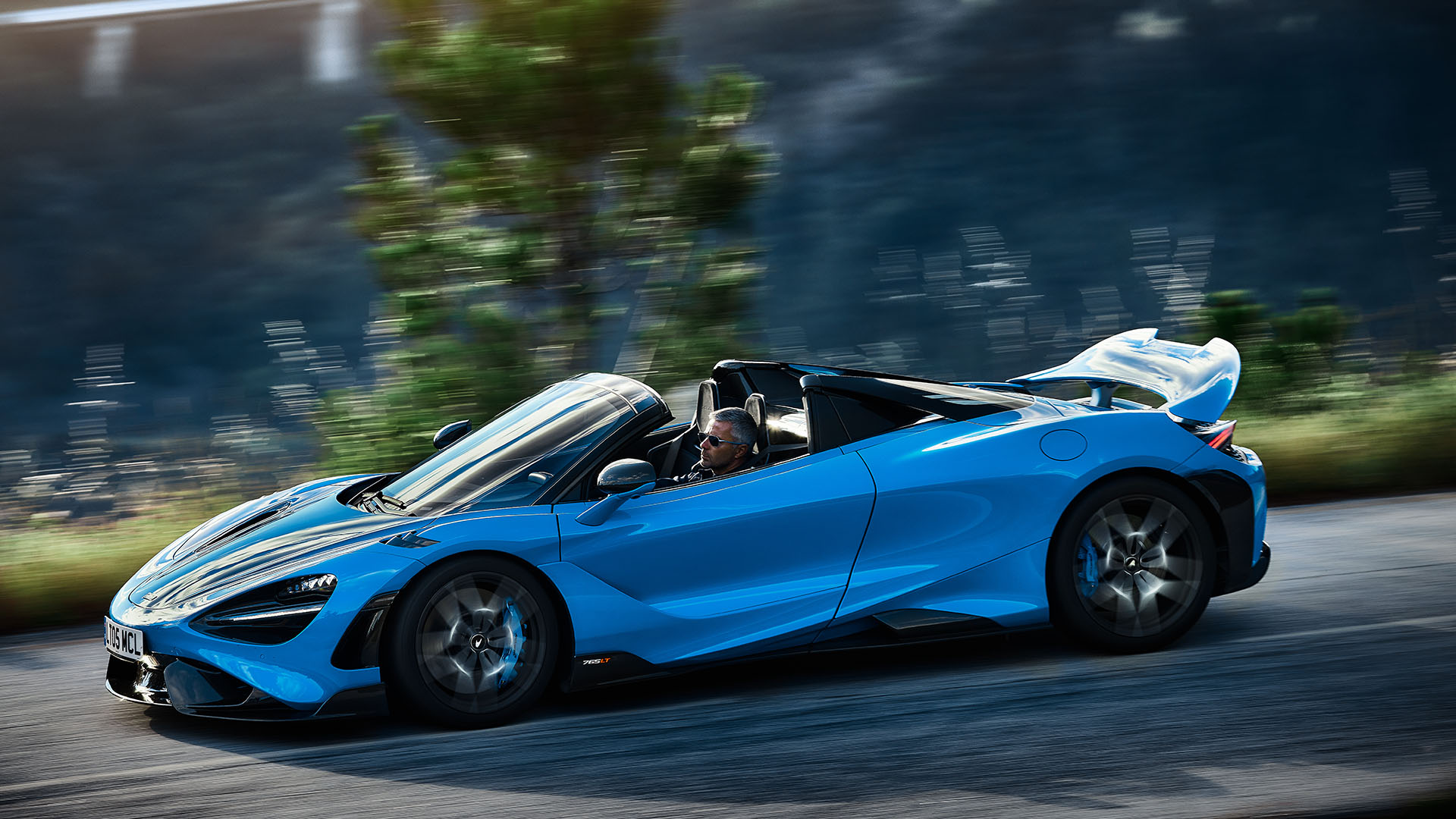
The McLaren 765LT Spider
The McLaren 765LT is an impressive car on her own, continuing the Long Tail legacy we know from McLaren since the 675LT, 675LT Spider, 600LT, and 600LT Spider, but the Long Tail name was born back in 1997 when a McLaren F1 GTR Longtail took the victory in the GT1 class during the world’s most famous endurance race, the legendary 24 Hours of Le Mans in France.
When you are reading this article, the McLaren 765LT Coupe is already sold out, every single one of the 765 units has found a customer, so for McLaren, this is the perfect opportunity to make some more money from this chassis and release the Spider version, a convertible based on the 765 PS strong model, making this the most powerful open-top McLaren supercar to date … and once again, production for the McLaren 765LT Spider is limited to 765 units, what would you expect?
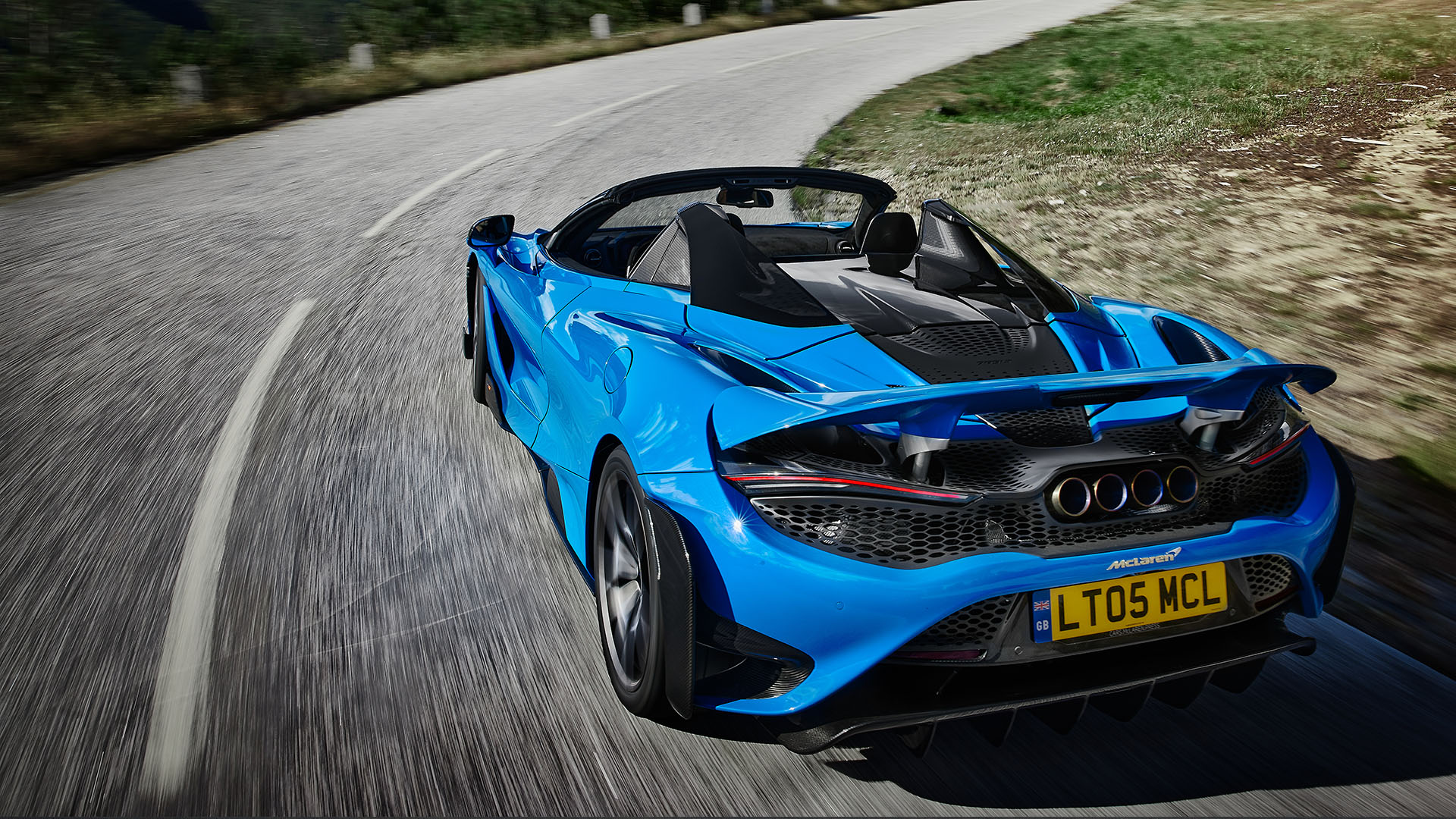
Now, I hear you thinking … most powerful-ever convertible supercar from McLaren? What about the McLaren Elva with her 804 hp then? Simple, apart from the ‘Windscreen edition Elva‘ for certain markets or for those clients that prefer having some protection in front of them, there is no roof on the Elva, so technically it’s not a convertible … you can’t ‘convert’ it into a closed model as this 765LT Spider can, so with 765 PS the latter takes that crown.
Turning the McLaren 765LT into the Spider only adds 49 kg to the overall weight of 1,388 kg, compared to the McLaren 720S Spider that’s still 80 kg lighter, and the press release states her closest rivals are all at least 100 kg heavier, part of that lightweight comes from an innovative roof design McLaren calls the RHT, or Retractable Hard Top, a single-piece carbon fiber top that can be stowed away in just 11 seconds while driving at up to 50 km/h, very impressive.
Despite being launched after all the units of the McLaren 765LT Coupe were sold, the MonoCage II-S structure (with the S for Spider) was developed at the same time as the coupe monocoque, many of the structural components are shared among the two, such as the windshield surround for instance. An amazing feat is the fact the Spider monocoque didn’t need any additional bracing for rigidity due to not having a roof structure, the rollover protection is fully bonded into the chassis by the way.
Despite being a hardtop convertible, the windshield does not need to be extended above the occupants as seen on many open-top cars with a rigid roof, using a single piece carbon fiber roof also increases headroom thanks to no seam needed above your head, and when closed the entire structure is stronger than ever thanks to it being all carbon fiber from front to back … for the Spider version McLaren did have to reprogram the active rear wing to counteract the difference in airflow with the roof in place compared to when driving topless.
The engine from the 765LT is used for the Spider, what else, this 4-Liter V8 engine with twin-turbocharging gives the 765LT Spider an amazing power to weight ratio of 598PS-per-tonne, with 800 Nm of torque the acceleration figures are equally as impressive, 0 to 100 km/h takes 2.8 seconds, the 0 to 60 mph time is just 2.7 seconds. 200 km/h (124 mph) comes up after only 7.2 seconds with a top speed of 330 km/h (205 mph). This new Longtail Spider achieved the fastest lap times ever posted by a convertible LT model while the famous quarter-mile from standstill is completed in 10 seconds flat!
You might want to head over to your local McLaren dealer as this 765LT Spider is available to order right now, pricing in the UK is set at £310,500 and it seems the entire production capacity for the remainder of 2021 is already sold out, with only 765 units in total, you might want to hurry up and get that order signed so you don’t miss out on this latest and most engaging addition to the McLaren Longtail lineage, this is a new classic collector’s car in the making for sure.
Enjoy some more photos of this amazing looking McLaren 765LT Spider in our image gallery below:
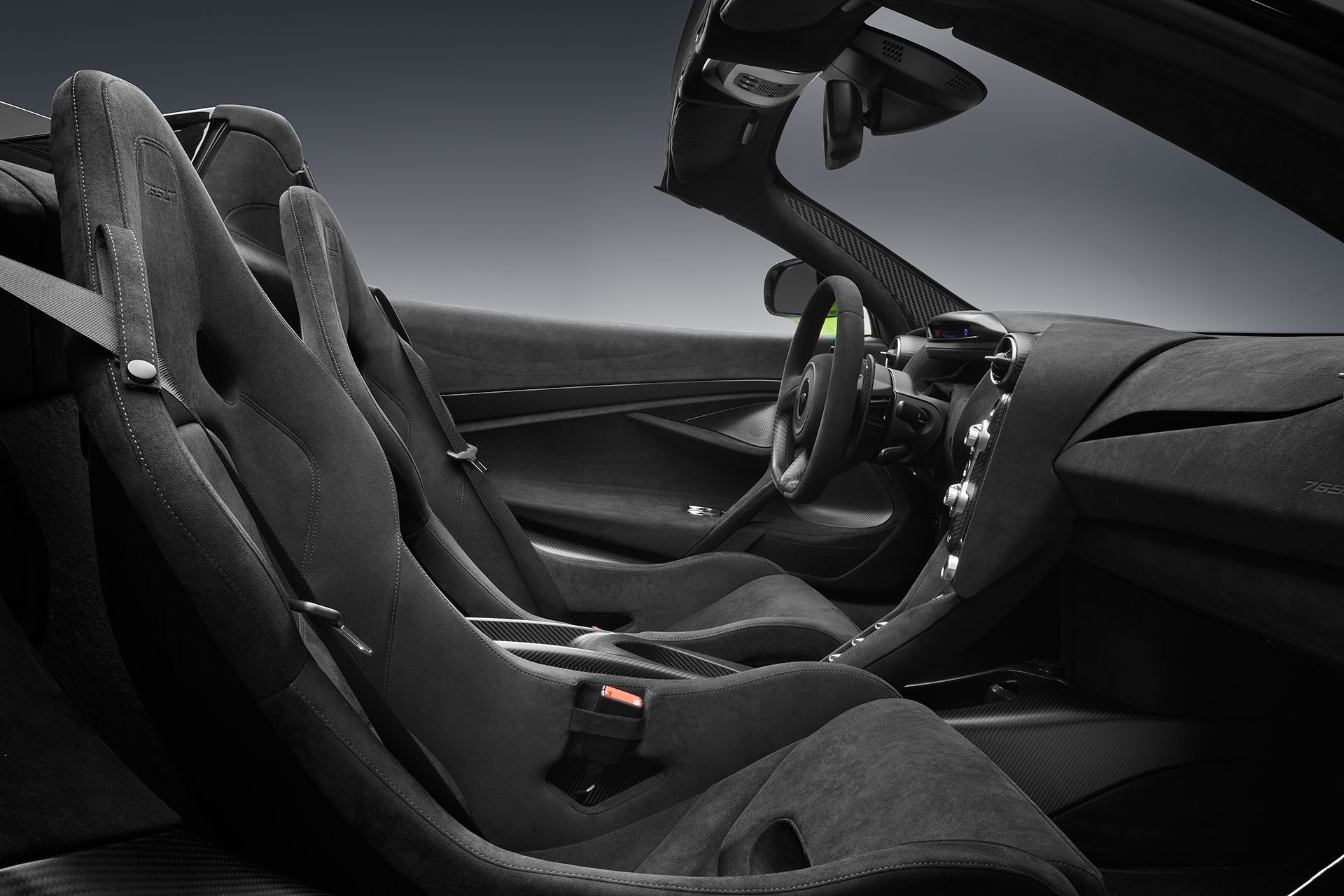
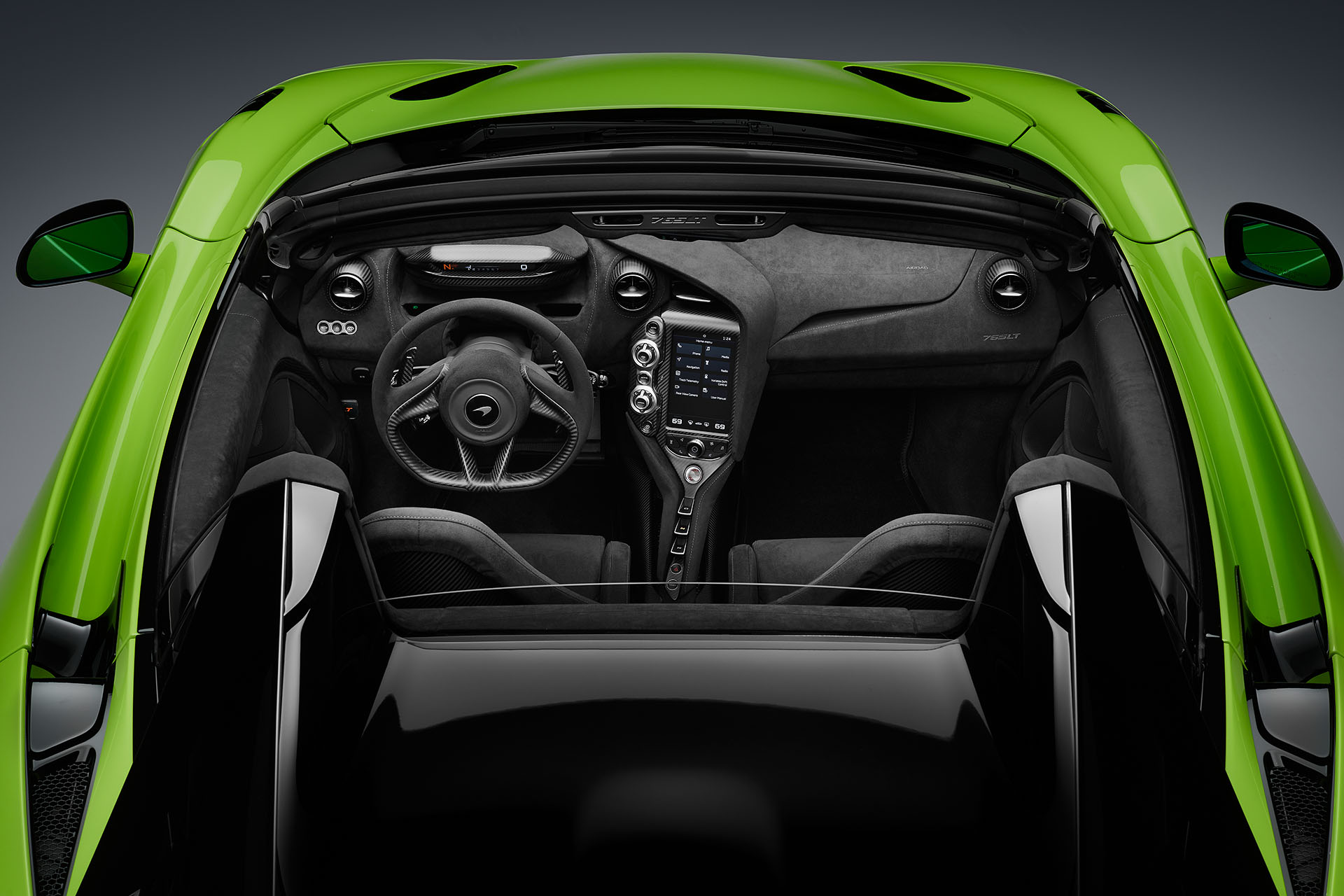

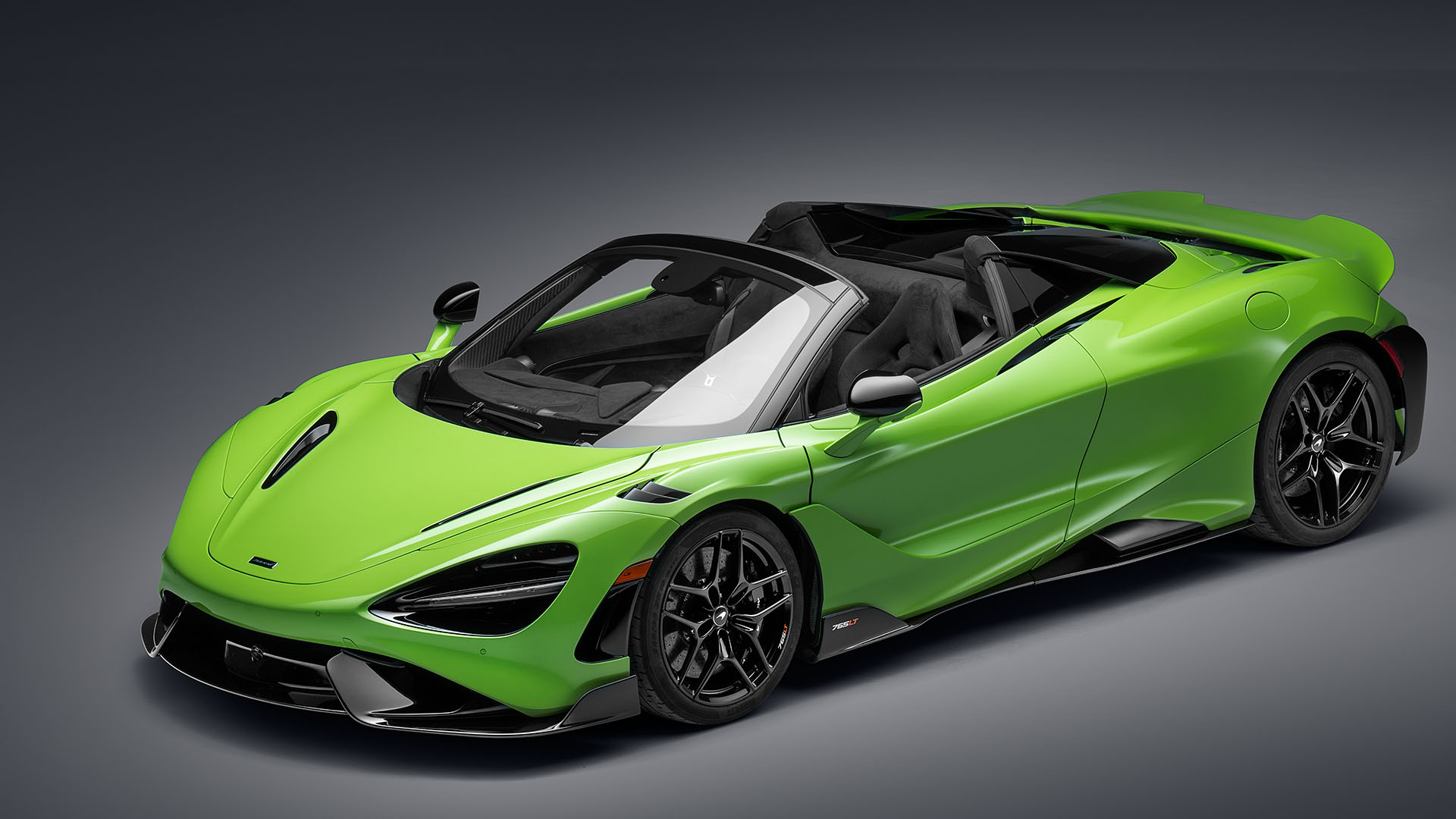
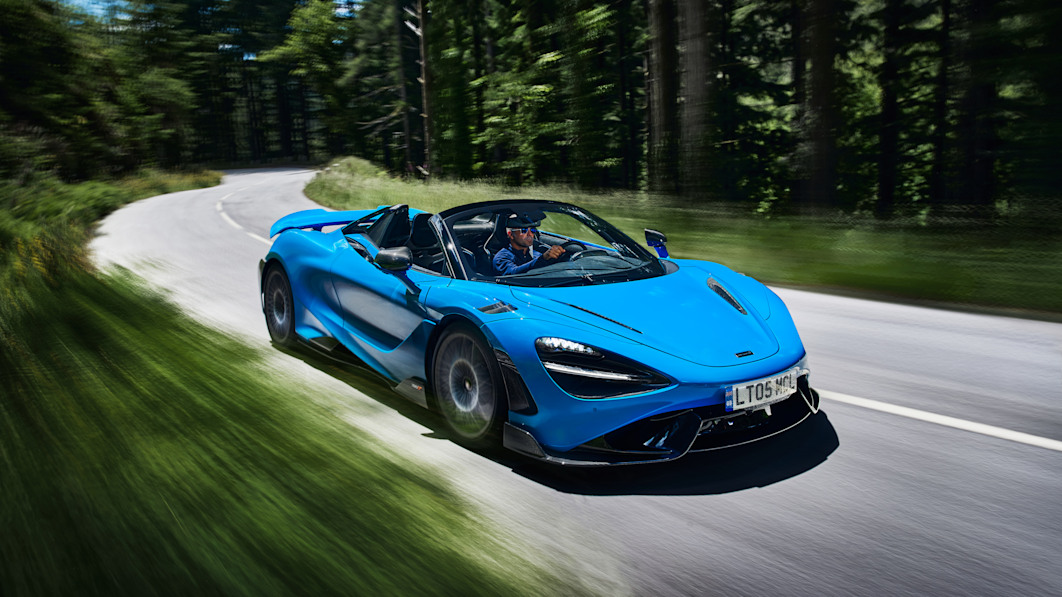
McLaren 765LT Spider drops the roof on the 755-horsepower supercar
The McLaren 765LT Spider is here, and just like the coupe, it’s a total monster. In fact, it’s a near carbon copy of the 765LT coupe in every way that it could be.
We’ll start with what’s new and different about the Spider. The power retractable roof is a single slab of carbon fiber. McLaren says it completes the opening or closing procedure in just 11 seconds at speeds up to 31 mph. The roof mechanism is also far more refined than McLaren Spiders of the past, as McLaren promises the mechanism produces half as much noise as the 675LT Spider’s roof does.
McLaren LT cars are known for shedding pounds, and this 765LT Spider is no different. It weighs 176 pounds less than the 720S Spider it’s based on. This weight savings is accomplished through a variety of means. The LT’s forged wheels drop 49 pounds. The carbon fiber seats shed another 40 pounds. A lightweight battery drops 6.6 pounds. All the new carbon bodywork offers 11 pounds of weight savings. Deleting the floor carpet loses another 5.3 pounds. The titanium exhaust weighs 40% less than the standard stainless steel system. And lastly, McLaren deletes the air conditioning and radio as standard, dropping another 22 pounds and 3.3 pounds respectively. You can option both A/C and the radio back on as no-cost options, which is something we’d recommend you do.
Of course, making a removable roof version of the coupe means adding weight back. McLaren says the Spider is 108 pounds heavier than the coupe, a relatively light penalty for losing the roof. McLaren says the inherent stiffness of its carbon monocoque is enough that it didn’t need to add in a bunch of additional stiffening to keep the car rigid. Acceleration times are hardly diminished with the added weight. It has an identical 0-60 time as the coupe at 2.7 seconds. Unfortunately, the 0-124 time is reduced by 0.2 second to an agonizingly long 7.2 seconds (/sarcasm). Top speed is a coupe-matching 205 miles per hour.
Those bonkers acceleration capabilities come courtesy of the same mega powerful engine used in the coupe. The 4.0-liter twin-turbo V8 makes 755 horsepower and 590 pound-feet of torque. You can listen to the exhaust via the powered rear window that brings you closer to the noise even if the top is up.
Just like the coupe, the Spider gets bespoke wheels, tires and brakes to add performance. All the aero enhancements for increased downforce are impossible to miss on the car’s heavily modified exterior — it makes 25% more downforce than the 720S Spider. Plus, the suspension is enhanced with more bespoke LT parts for the springs and dampers. It also gets a wider front track, lower ride height and unique suspension tuning above and beyond the 720S Spider.
Getting your hands on a 765LT Spider coupe prove difficult due to the low production run McLaren is setting. Only 765 will be sold around the world, and McLaren says one-third of the production will come to the U.S. The starting price is $382,500. That’s $24,500 more than the coupe for those who are keeping track.
Related video: