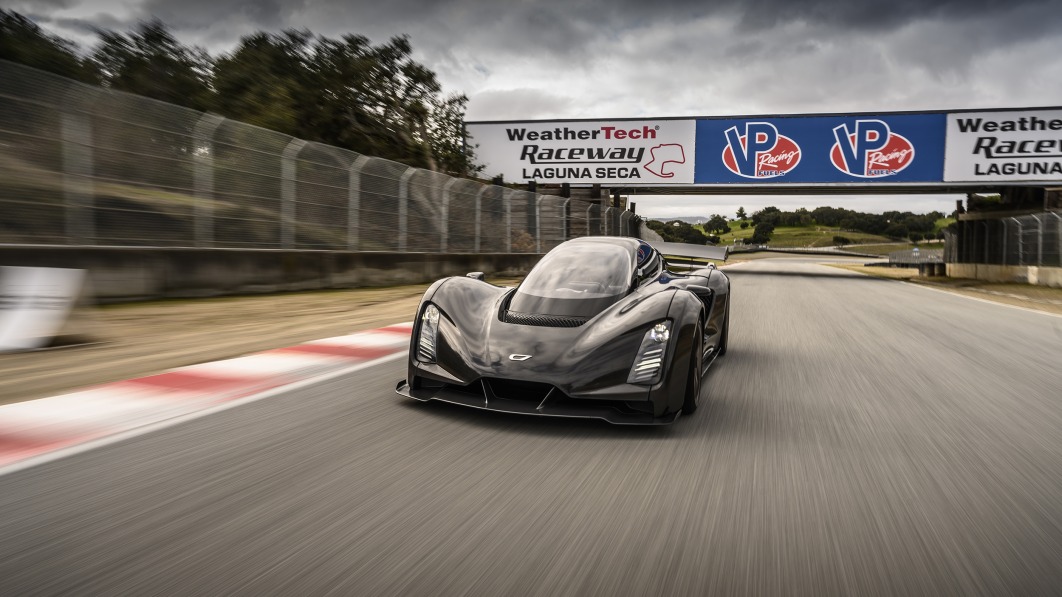
Los Angeles-based supercar builder Czinger claims to have broken a Laguna Seca lap record with a prototype of its 21C. The time of 1:25:44 is said to have been set by driver Joel Miller, and eclipses the old track record of 1:27.62, set by Randy Pobst in a McLaren Senna.
The time would seem to back up the ambitious specs laid out by the supercar startup. The strong hybrid electric is powered by a 2.9-liter twin-turbo V8 and dual electric motors for an output of 1,331 horsepower. The entire car will weigh less than 2,800 pounds, putting 0-62 times at what the company says is just 1.9 seconds, on its way to a top speed of 268 mph.
The Czinger was engineered to be built via 3D-printing, allowing for dramatically shortened development times and cost savings. Advantages include being able to produce, say, a suspension arm without having to manufacture the tooling first. Still, each tandem-seater supercar takes 3,000 to 4,000 hours to make.
Only 80 units will be made, for a price of about $1.7 million. Included in that tally is a more track-oriented widebody version. The car was supposed to be shown to the public in 2020, first at its Geneva Motor Show debut, and then at the Goodwood Festival of Speed, but both of those events were canceled due to the COVID-19 pandemic. During the downtime, however, Czinger says they’ve been making incremental improvements to the car.
Production has been delayed, partially due to the chip shortage caused by the pandemic. After 21C production ends, Czinger says they’re looking to offer three additional models. Some will utilize what they’ve learned in making the 21C for a lower-priced model.
The Laguna Seca lap record proves that the car has solid design behind it. We look forward to seeing what production looks like when it begins in 2022.
August 13, 2021 / Comments Off on 3D-printed Czinger 21C supercar breaks Laguna Seca lap record
I don’t think any customer has already received his (or her) Aston Martin Valkyrie hypercar yet, but deliveries should start imminently as prototypes have been seen on the open road, some have been able to be a passenger in Aston Martin’s first hypercar at the Goodwood Festival of Speed Hill Climb, and apparently, demand for this 1,160 hp F1 car for public roads has succeeded availability tremendously, despite the price tag between £2m and £3m (about $2.46 million to $3.69 million), all 150 units are long sold out.
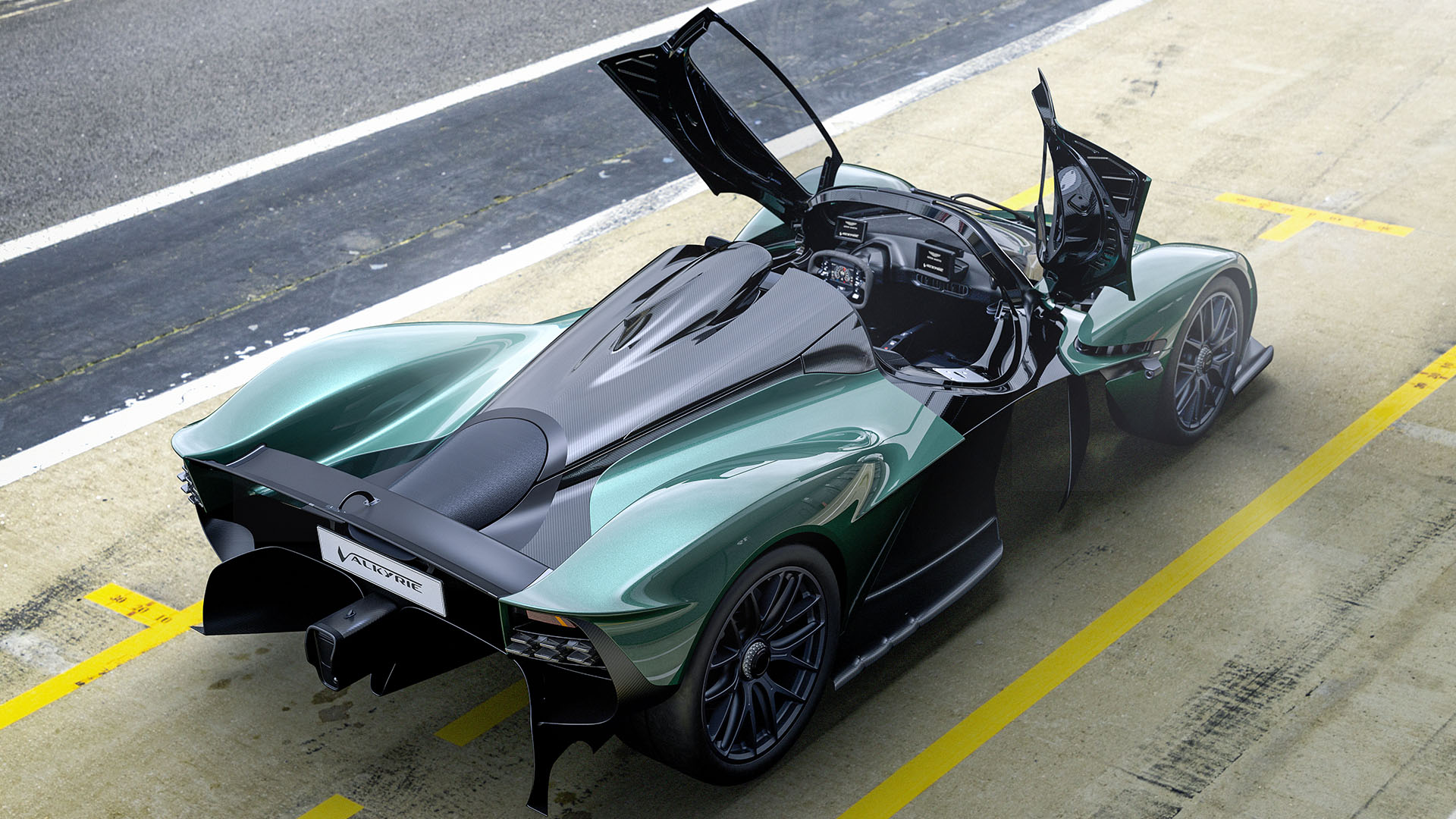
And that’s just for the Valkyrie road car, remember there will also be another 40 units of the Valkyrie AMR Pro track-only version, and thanks to demand, Aston Martin now unveils the Valkyrie Spider … open-top motoring at its best, this time, limited to 85 units in total, and according to the official press release from Aston Martin, these are already are over-subscribed and allocations will only begin shortly, available in both left and right-hand drive version, the first deliveries scheduled for H2 2022 but it seems not all that have put their name down will eventually receive this amazing hybrid hypercar.
This amazing looking Valkyrie Spider has been developed from the coupe version, taking unique engineering solutions by combining the talents of both Aston Martin themselves and Red Bull Advanced Technologies (RBAT), the engine is still the same 1,160 hp hybrid unit, combining 1,000 hp from the Cosworth developed 6.5-Liter V12 engine with 160 hp from the KERS-style hybrid system, using a 12-in-1 exhaust design, the Valkyrie’s soundtrack is reminiscent of a 90s F1 race car.
These days the roof is an integral part of the body structure and supplies overall rigidity, removing it isn’t as clear cut as it sounds, for the Valkyrie Spider this meant a modification of the carbon fiber structure, and that also implied a total recalibration of the active chassis, and the impressive active aerodynamic parts on the Valkyrie to make sure removing the roof didn’t compromise the overall experience, and more importantly … performance.
Thanks to a lot of development and slight modifications between the Valkyrie and the new Valkyrie Spider, Aston Martin managed to keep the weight gain on the Spider to a strict minimum … the result is still a top speed in excess of 350 km/h with the roof in place while driving topless will still get you over 330 km/h … all while sitting nearly in the center of the car, fixed in place by a six-point safety harness.
Even the entire removable roof system is special, consisting of a central panel made from carbon fiber that contains the hinges for the two panels above the occupants, all of these panels can be removed once the doors open, and stowed in their dedicated sections, carefully cut into the new carbon fiber structure … due to the lack of a roof, the gullwing doors from the coupe had to be redesigned into front-hinged dihedral doors, bespoke to the Valkyrie Spider.
The brand new Aston Martin Valkyrie Spider will be shown during the upcoming Pebble Beach Concours d’Elegance in Monterey, California, from 12 August 15 August 2021, but getting into the VIP section holding this amazing roofless hypercar will be by invitation only … no information in pricing either, by the way.
August 13, 2021 / Comments Off on Valkyrie Spider, an F1 for the road
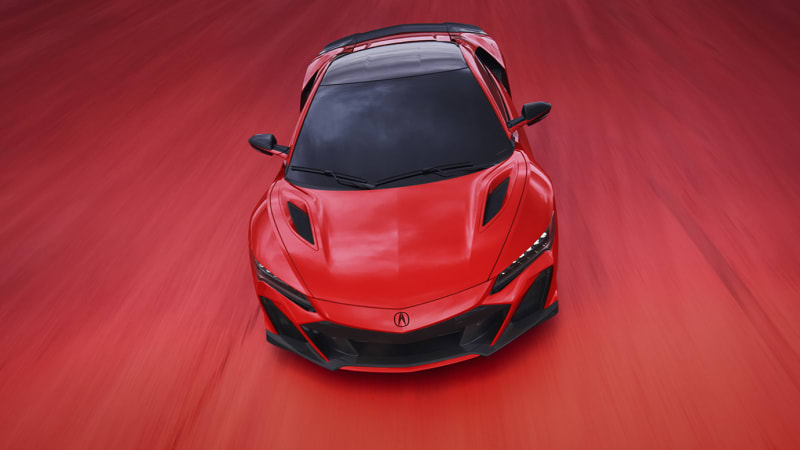
The 2022 Acura NSX Type S is here, and it’s the most impressive NSX the company has created. It now makes 600 horsepower and 492 pound-feet of torque, increases of 27 ponies and 16 pound-feet. But that’s only the tip of the many little changes Acura has done to make this the ultimate NSX.
Gaining that extra power involved quite a few little changes. The engine now gets larger turbochargers borrowed from the GT3 race car. The various intakes have been changed for improved cooling and airflow. The main front grille has been enlarged to allow more air into the radiators, and the outboard grilles now feature ducting for air curtains that help direct air to the side intakes. Those intakes feed more efficient intercoolers. The batteries even feature greater capacity.
Power isn’t the only area to receive upgrades. The Type S gets a carbon fiber roof for slightly less weight and a lower center of gravity. The aerodynamics have been tweaked with a new carbon fiber splitter, side skirts, rear spoiler and a GT3 race car-inspired rear diffuser, all of which help with downforce. The adjustable suspension, all-wheel-drive system and transmission have all been retuned for sportier driving. The latter shifts faster now and has a Rapid Downshift mode that allows you to shift to the lowest possible gear with one half-second paddle pull. Even the tires are stickier Pirelli P-Zeroes designed specifically for the NSX Type S. All of these improvements mean that the Type S is a full two seconds faster around Suzuka than a regular NSX.
And if you need just that little bit more in the performance department, there is a Lightweight Package. It costs an extra $13,000 and adds carbon ceramic brakes, a carbon fiber engine cover and carbon fiber interior parts. Total weight savings is 58 pounds.
Acura did pay some attention to styling, too. On top of the more aggressive aerodynamic bits, the grille has a new shape that has hints of the corporate pentagonal grille. The grille mesh is even steel instead of plastic now. The lights get dark lenses, and all the badging, mirrors and door handles are finished in black. Type S decals adorn the rear fenders. Inside, there’s an Alcantara headliner and NSX and Type S logos embroidered in the seats and dashboard. One of the cars in the gallery at top is painted in an exclusive Gotham Gray matte metallic color, which will only be applied to 70 cars.
To get into an NSX Type S, you’ll need to be ready to fork over $171,495 including destination charge. Acura is taking orders now. You’ll want to be quick: 350 units are on offer, and 300 of those are for the U.S. You can put in your order at this link.
Related video:
August 12, 2021 / Comments Off on 2022 Acura NSX Type S is revealed as the most powerful NSX ever
You know it’s going to be a good Thursday when you get a notification like this in your inbox.
Word on the street is that photos of the all-new 2021 Lamborghini Countach’s premiere have been leaked ahead of the big reveal tomorrow evening.
The report came from AutoExpress – along with the apparent photos in question.
Take a look at what’s floating around the wide web (and yes, we know the headlights have gone wonky in the image below. All the more reason to place bets on what the darned things will look like – and slap the wrist of whoever did such shoddy media workmanship):
The Countach’s 2021 resurrection was announced via Lamborghini’s social media three days ago, to a surge of excitement.
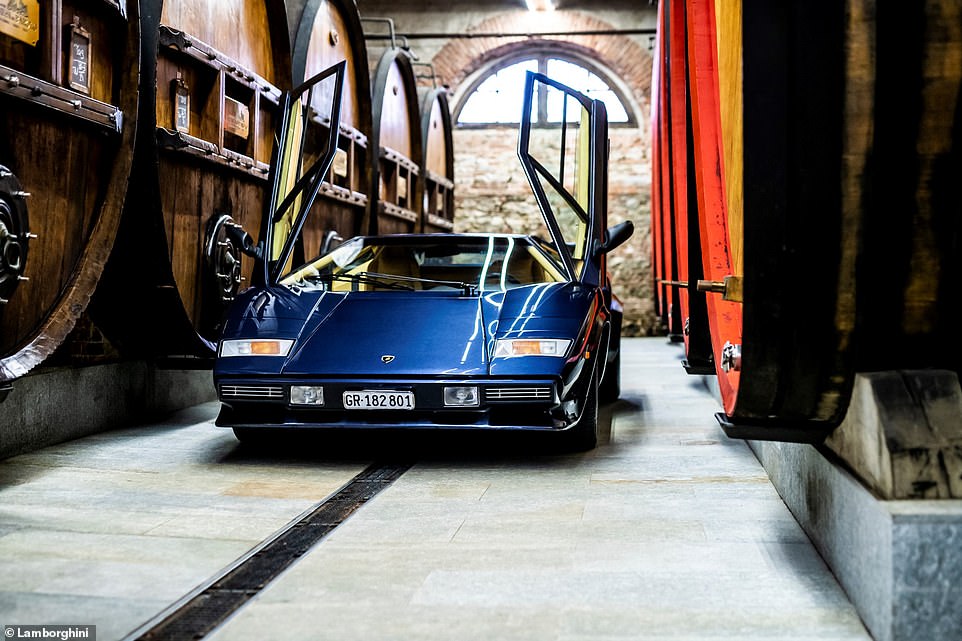
It’s been a fast 50 years since the original Countach model debuted at the 1971 Geneva Motor Show as the LP500 prototype.
18 years later, and the iconic 25th Anniversary edition Countach was selling faster than hotcakes for a very nifty $240,000 USD – a scoff-worthy sum for a supercar from Lambo in today’s inflated market.
To keep the supercar in line with today’s emission restrictions, the Countach will purportedly go the way of the Sián hypercar, housing a 6.5-liter V12 engine with a supercapacitor to keep the dinosaurs at bay while still allowing more than enough pull to play around in the powerband.
All told, we’re looking at around 800 pretty ponies under the hood – and if the 2021 Countach follows even remotely in the steps of the Sián, we’re also looking at 0-62mph in less than three seconds, with a top speed of nearly 220mph.
We’ve dug up some exclusive information from AutoCar, who spoke with President and CEO of Automobili Lamborghini S.p.A., Stephan Winkelmann, on the matter.
President and CEO of Automobili Lamborghini S.p.A., Stephan Winkelmann
The president admits that “a supercapacitor, in our opinion, is a bridge technology which does not fulfill the needs we have for the future to reduce emissions.”
That means we may also see a bit of hybridized technology coming from Automobili Lamborghini S.p.A. in the coming years, if not in this model then perhaps the next.
Keep a tight hold of your bonnets, and stay tuned for the big reveal!
August 12, 2021 / Comments Off on Leaked: 2021 Lamborghini Countach Photos
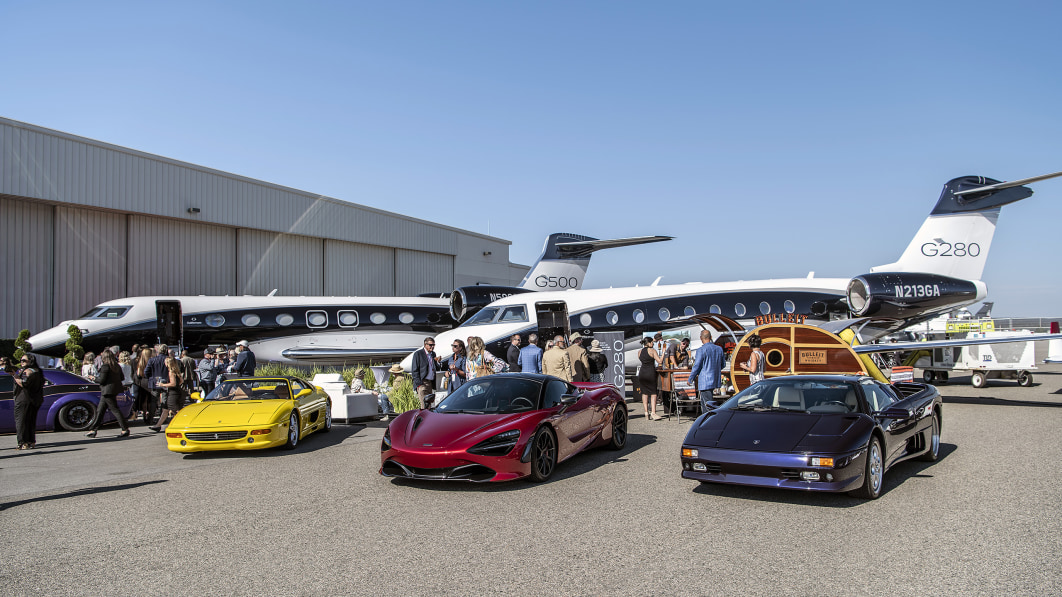
Yesterday, the McCall’s Motorworks Revival happened, for the 30th time no less, kicking off Monterey Car Week. Which is another way of saying it happened before most people showed up.
So what is it? Fancy cars parked among fancy planes while fancy people walk about with fancy food and cocktails. This differs from other Monterey events, such as the Pebble Beach Concours d’Elegance and The Quail, A Motorsports Gathering, in that it takes place at an airport rather than a golf course. It’s also more of an evening affair than a garden party, complete with a DJ, a band and dancing. Oh, and the cars are less impressive. That, admittedly, says more about the prime metal displayed elsewhere, especially at Pebble. There’s still a lot to ogle, even if you didn’t get to enjoy the fancy food and cocktails. We dispatched ace photographer Drew Phillips to take it all in and to put down an offer for us on that Citation Longitude.
Amongst the new cars on display, most brought there by their manufacturers, we see a Corvette Stingray, Lucid Air, Aston Martin DBX, Land Rover Defender, Polestar 1, Hennessey Venom F5, Ruf 911s, and a big showing by Ford with a GT500, a Mustang Mach-E, a Bronco and multiple GTs. Two were done up to match an original parked alongside it, while the Bronco flanked an original prototype from 1966. Neat. Hopefully no one spilled Perrier Jouet on it.
Classics? There were aplenty, but frankly, we’re most fond of the two VW buses: one towing the No. 22 1957 Denzel 1300SS Roadster in front of that Citation Longitude and another from Meyers Manx supporting an adorable flying boat with “Smiles for Miles” written on the side. Now that’s the kind of private plane I could get behind.
August 12, 2021 / Comments Off on McCall Motorworks Revival Photos | Monterey kicks off with fancy airport party
Monterey Car Week 2021 is upon us and auctions will highlight the festivities throughout the weekend, the first auctions will kick off today (August 12th).
We have taken the liberty to compile a list of 10 hypercars that will be going under the hummer in the next few days, among them are stars from the 90s as well as those from the current era. The auctions will have all sorts of cars ranging from motorsport to road legal cars. Those into the pre war era will have a chance to bid for some very unique cars including those that need a bit of work as they are barn finds.
For now, lets see if this list gets you as excited as we are!
10. 1994 Bugatti EB110 Super Sport
Estimate: $2,750,000 – $3,000,000 Auction House: RM Sotheby’s The Bugatti EB110 Super Sport is becoming a desirable collectible quicker than most of its peers from the 90s. About 30 were made and this one is the same car that Bugatti displayed at The Quail in 2019. It has only covered 6,215 miles and is finished in Grigio Chiaro over Nero Inchios.
9. 1995 Ferrari F50
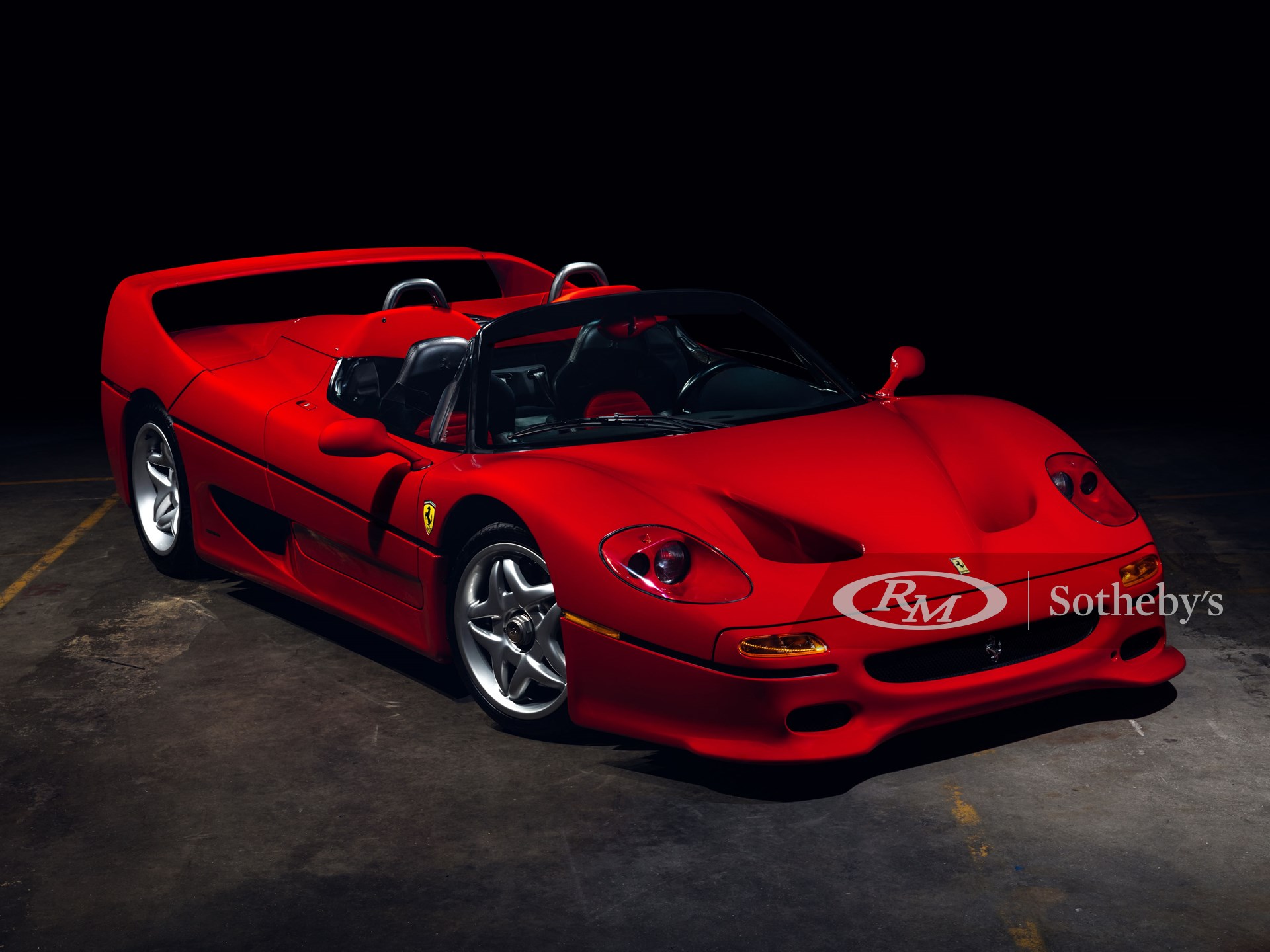
Estimate: $3,600,000 – $4,000,000 Auction House: RM Sotheby’s The Ferrari F50 has only gained proper appreciation in recent months, prices were still under $2m back in 2019 but not anymore. Finally collectors are willing to pay for one of the most exciting Ferraris ever made. It’s also truly limited, only 349 were made and this is car #76. It comes will all the factory packaging including luggage, “circus box,” tools, manuals etc. It was under single ownership till 2018, and in 2013 it was awarded the Ferrari Classiche certificate.
8. 2020 McLaren Speedtail
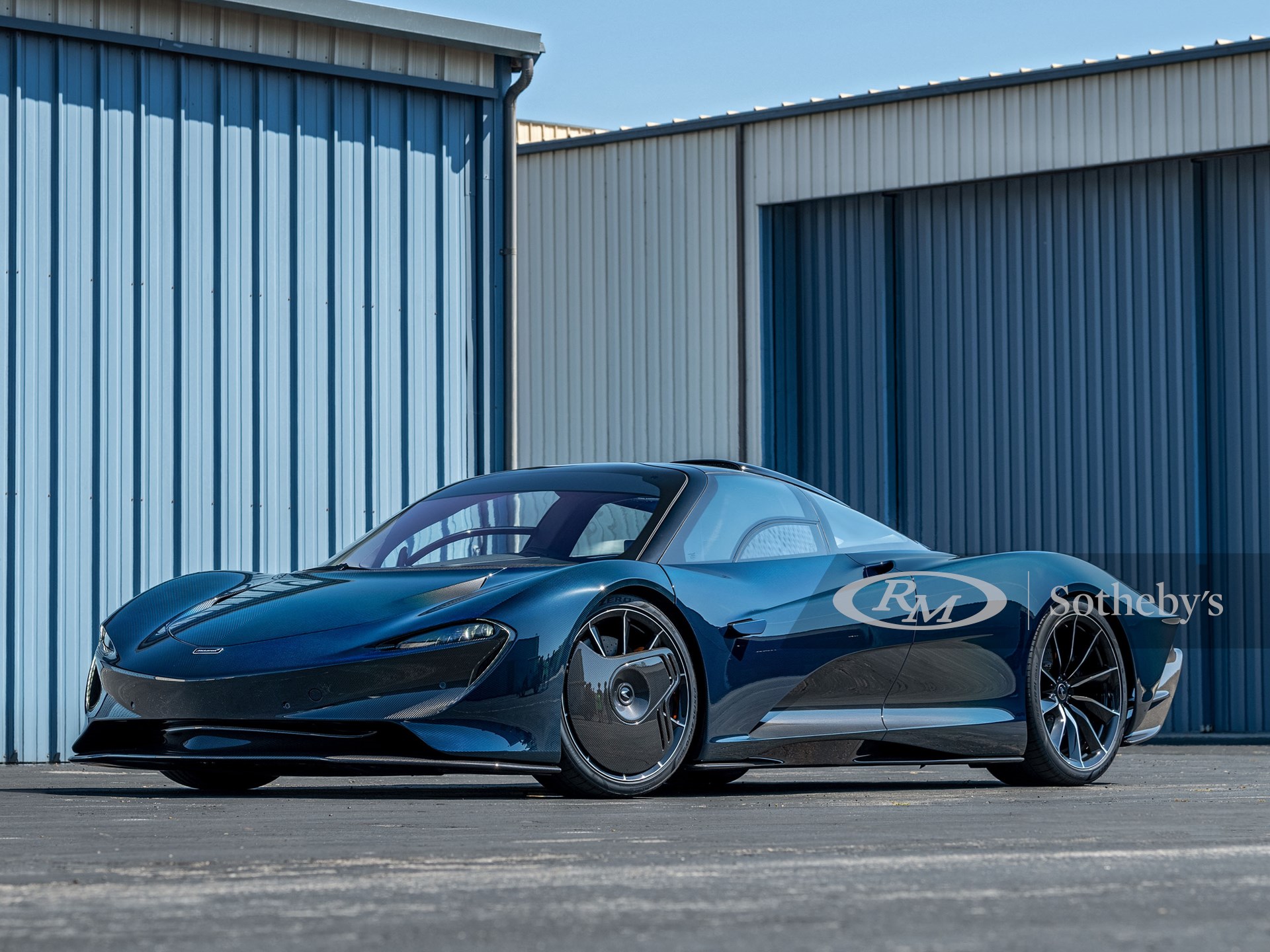
$3,000,000 – $3,500,000 Auction House: RM Sotheby’s The McLaren Speedtail pays tribute to the legendary F1 from the 90s. They even made only 106 just like the McLaren F1, and it also comes with a central driver’s seat. The Speedtail here is car #81 of 106 and is finished in blue carbon with options exceeding $500k, the MSO roof scoop alone costs over $100k.
7. 2015 McLaren P1 GTR
Estimate: $2,000,000 – $2,500,000 Auction House: Mecum Hardcore version of the road going McLaren P1, the GTR was created solely for the track even though a few owners would eventually do road legal conversions. Only 35 GTRs were made and this is car #26, it has only covered 120 miles from new and is finished in carbon black with orange details.
6. 2017 Lamborghini Centenario Roadster
Estimate: $2,000,000 – $2,500,000 Auction House: Mecum Only 20 Lamborghini Centenario Roadsters were made, and 9 of them went to the North American market. The Centenario here is finished in Blu Cepheus and has only covered 893 miles. The last service was done in weeks leading to the auction by Lamborghini of Newport Beach.
5. 2015 Porsche 918 Spyder Weissach Martini
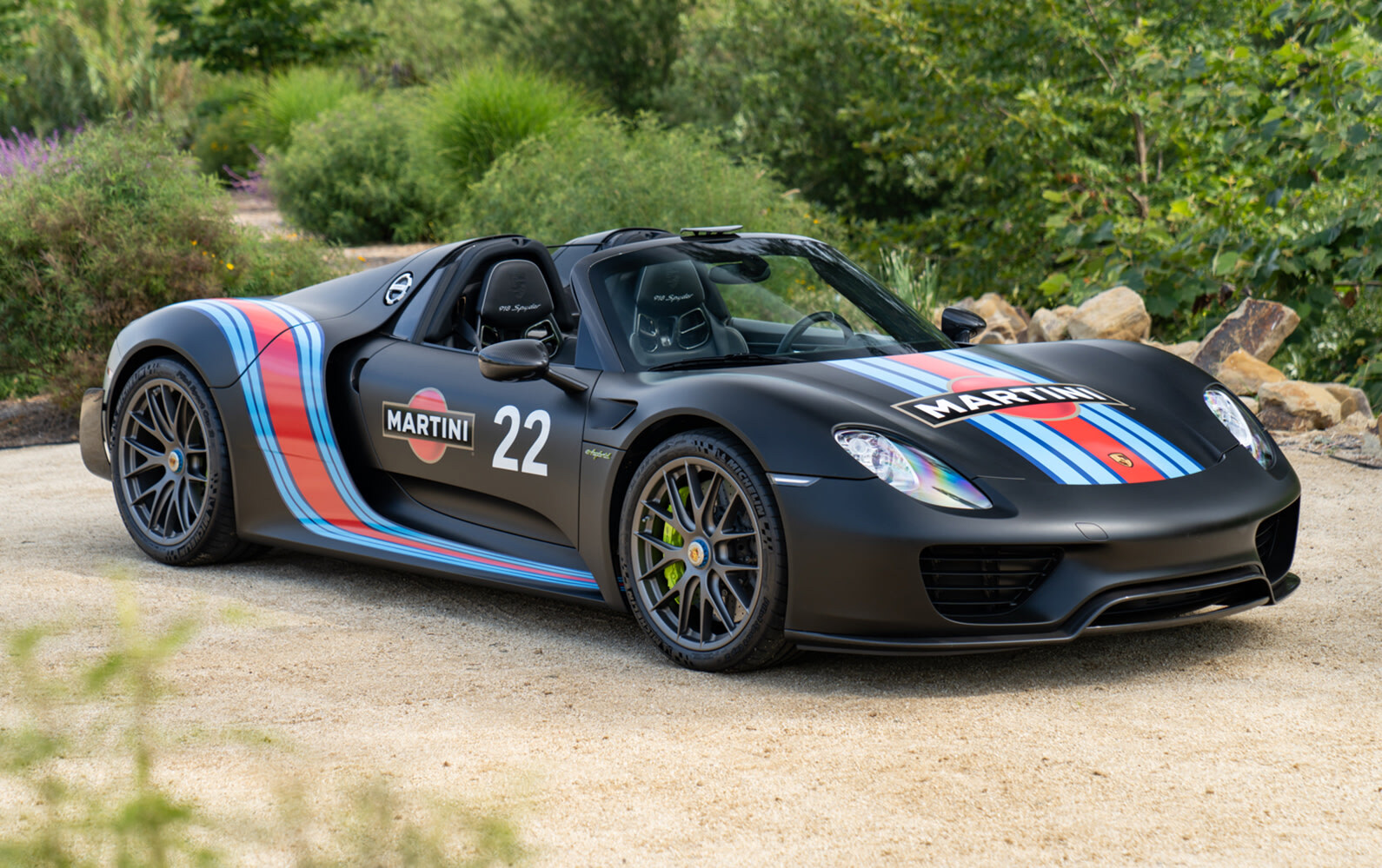
Estimate: $1,100,000 – $1,300,000 Auction House: Gooding and Co Porsche’s first hybrid hypercar, the 918 Spyder still holds a special place in many car collections and that’s why prices have never dipped below $1 million especially on well kept and spec’d examples like this one. Only 918 were made, this one is finished in Onyx black with factory Martini livery wrap. It also has the desirable Weissach Package.
4. 2014 Ferrari LaFerrari
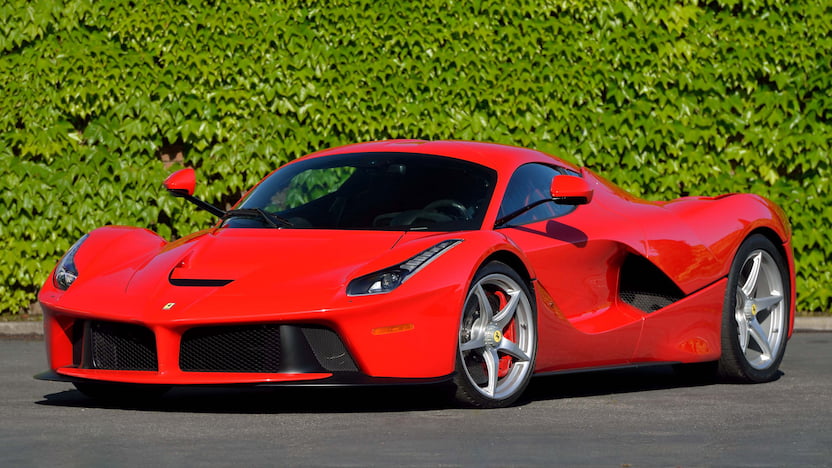
Estimate: $3,000,000 – $3,500,000 Auction House: Mecum A Rosso Corsa Ferrari LaFerrari, and while red is common among Ferraris – this particular LaFerrari comes with a matching rosso corsa roof. This is something that many buyers did not spec, the most common spec was rosso corsa with a black roof. It has only covered 131 miles from new and according to Mecum it must be sold to “an out of state resident or licensed dealer”.
3. 2003 Ferrari Enzo
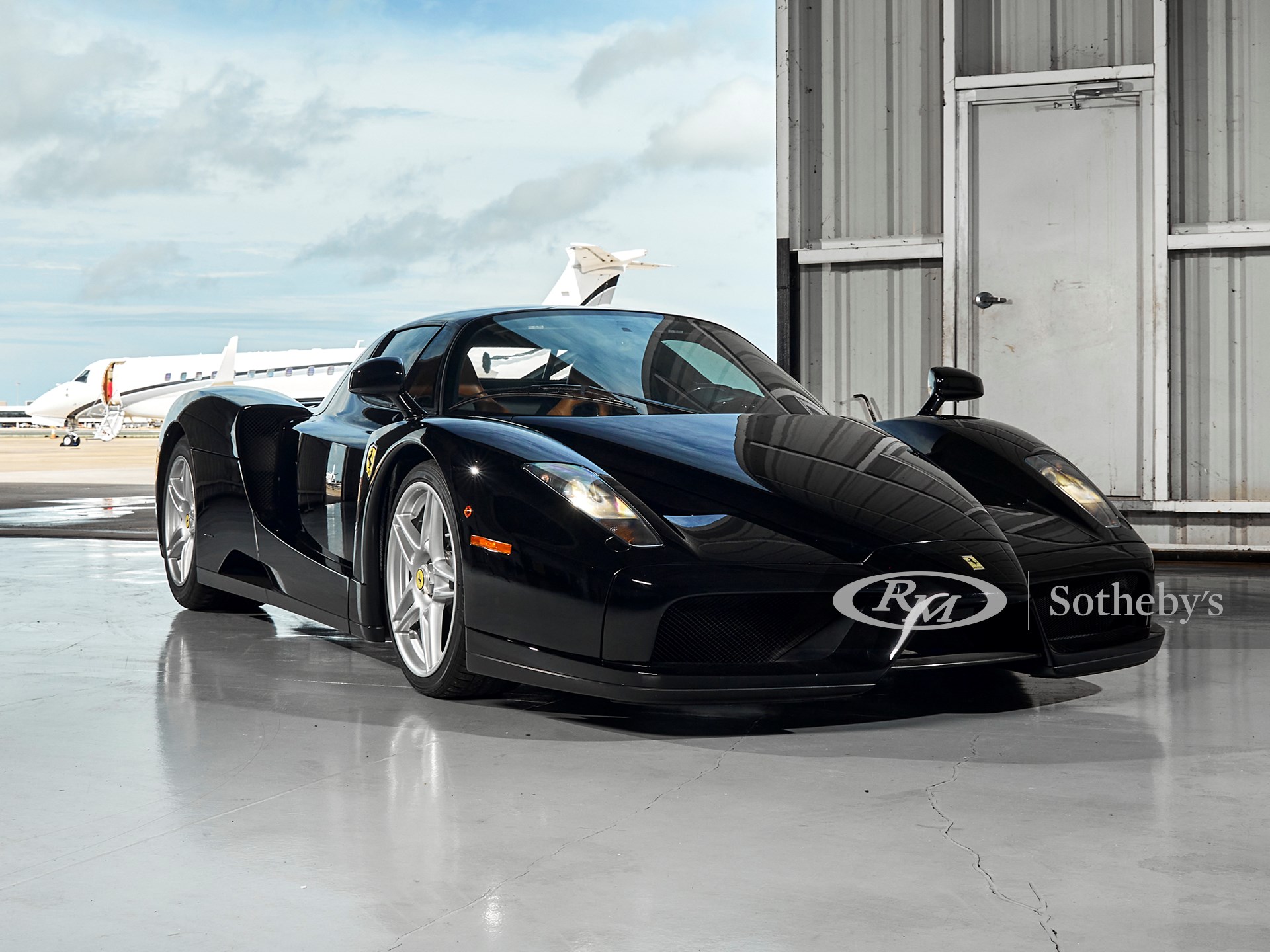
Estimate: $2,200,000 – $2,450,000 Auction House: RM Sotheby’s For new age Ferrari collectors, this is a must have. But notice how the Enzo estimates have gotten lower by the years while those of the F50 have increased by almost $1 million. Not a bad thing necessarily, as this makes it a good time to a add a Ferrari Enzo to your collection. The car for sale here comes from the Fox Collection and is only 1 of 2 finished in Nero over Cuoio interior. It has covered a total of 17,540 miles from new.
2. 1995 McLaren F1
Estimate: $15,000,000 plus Auction House: Gooding and Co No intro needed, most iconic car from the 90s and one that put McLaren on the map properly. The car for sale here was delivered new to Japan before being shipped to the US where it was Federalized and given a US title. It is finished in Creighton Brown with Light Tan and Brazilian Brown Upholstery and has only covered 390km from new. It comes with a FACOM Tool Chest, Luggage, Handbooks, Tool Roll, and Watch.
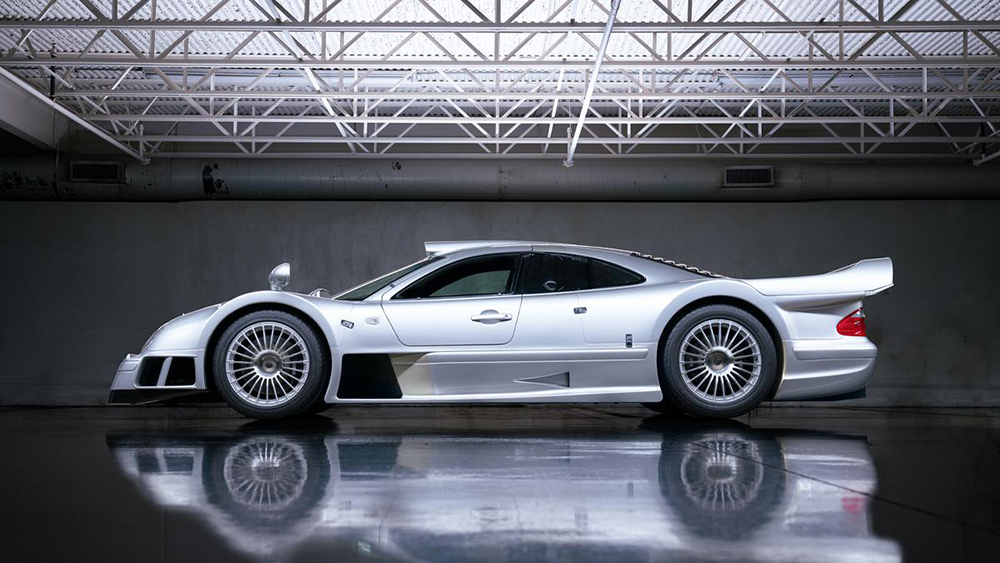
1. 1998 Mercedes-Benz CLK GTR Strassenversion
Estimate: $8,500,000 – $10,000,000 Auction House: Gooding and Co Top of our list is this 1998 Mercedes-Benz CLK GTR Strassenversion, you dont see many of these come up for sale and there is a good reason for that – only 25 were made, this is car #9. It’s powered by a 6.9L naturally aspirated V12 mated to a 6-Speed Xtrac Sequential gearbox. Power output is rated at 604bhp. For USA buyers, this car can only be registered under a “show and display” title.
August 12, 2021 / Comments Off on Top 10 Hypercars for Sale at Monterey Car Week 2021
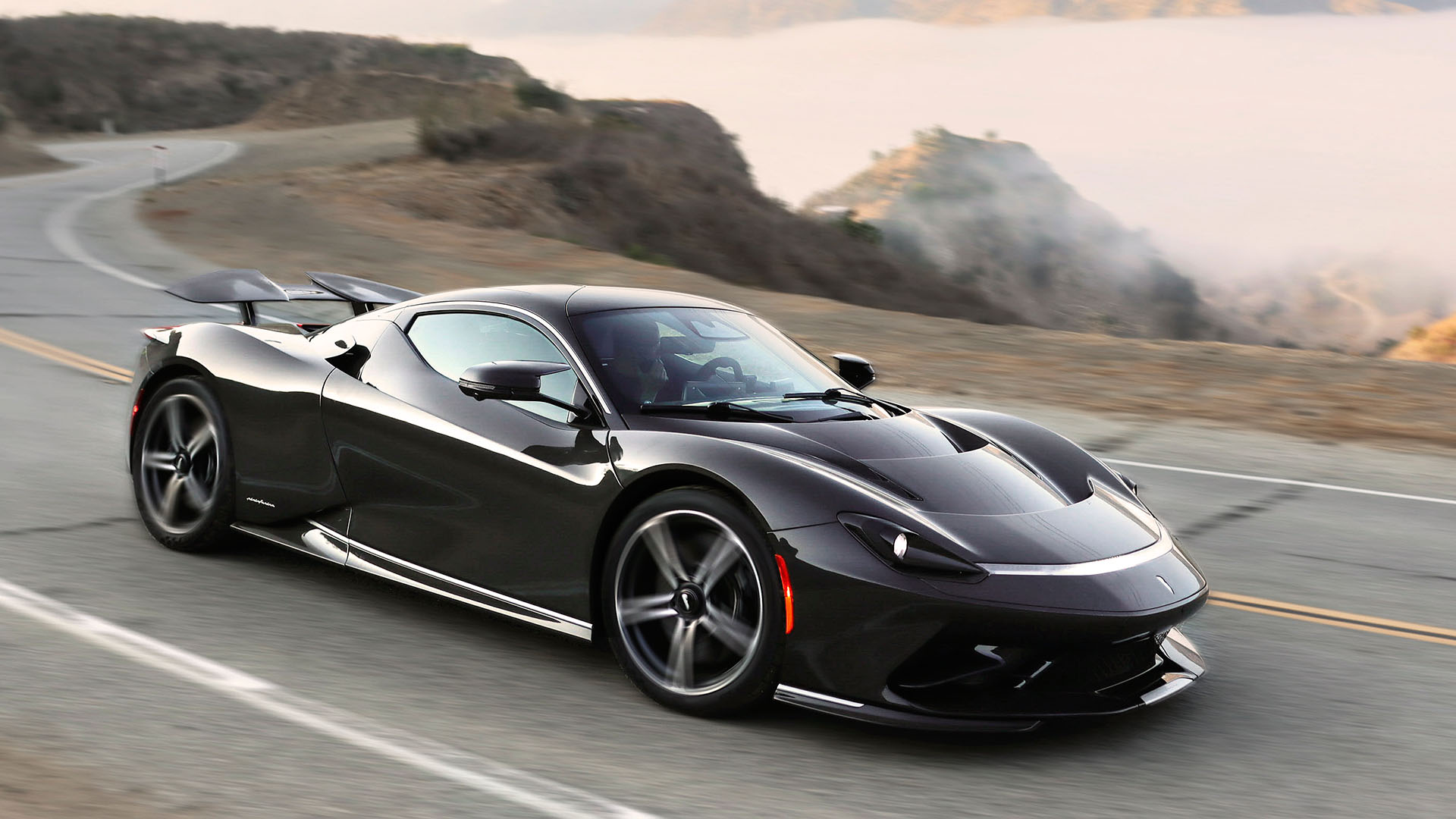
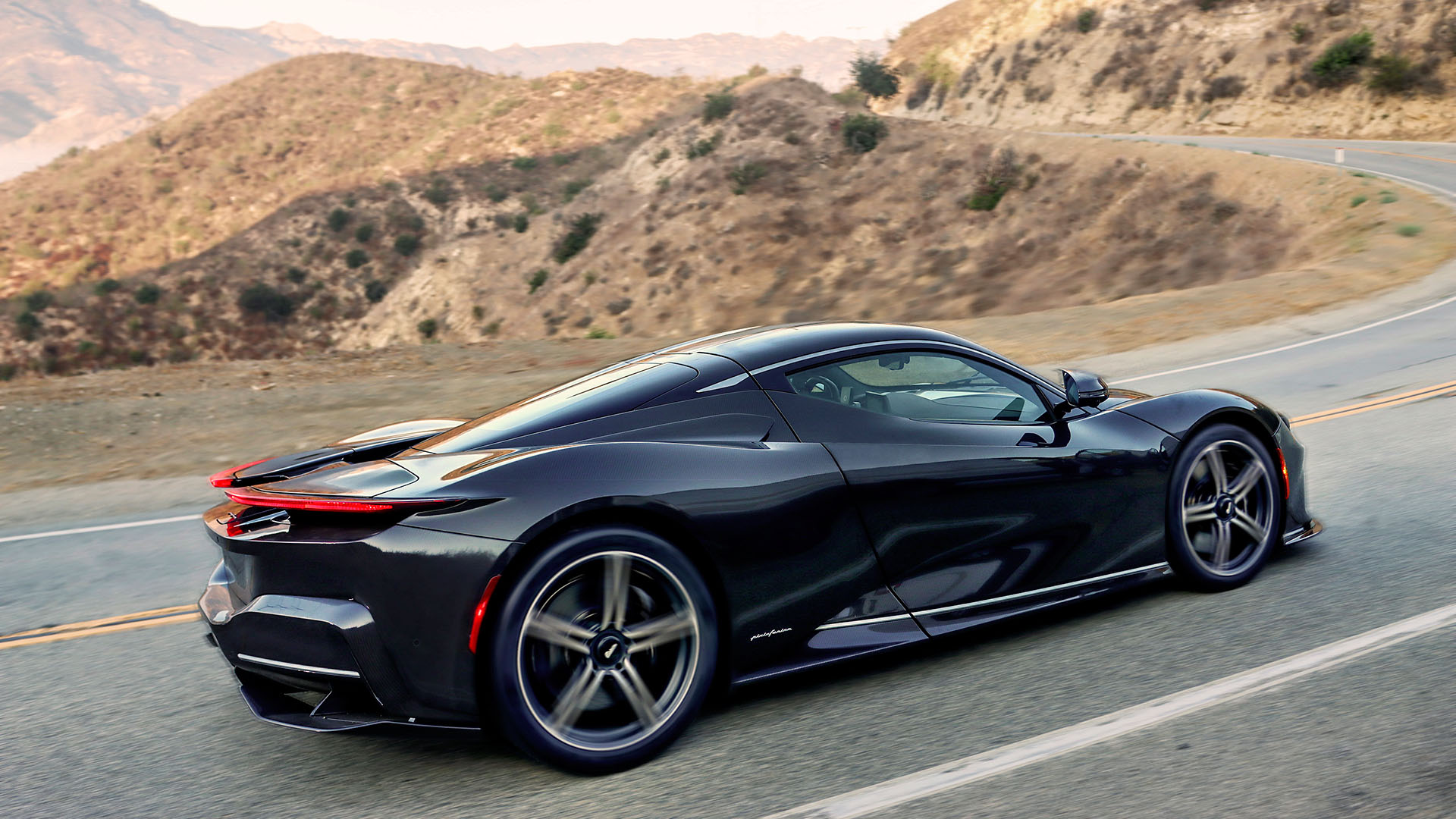
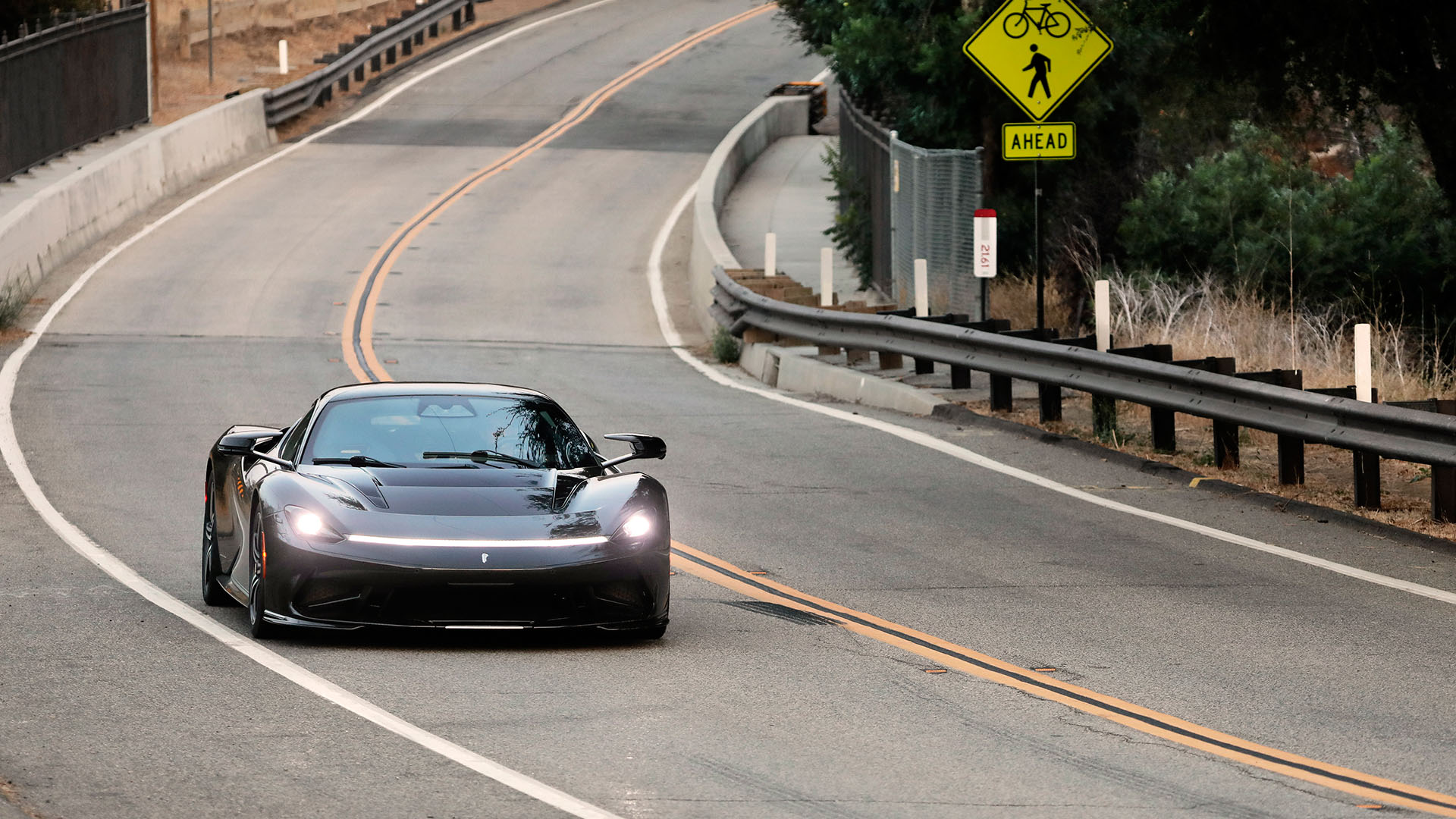
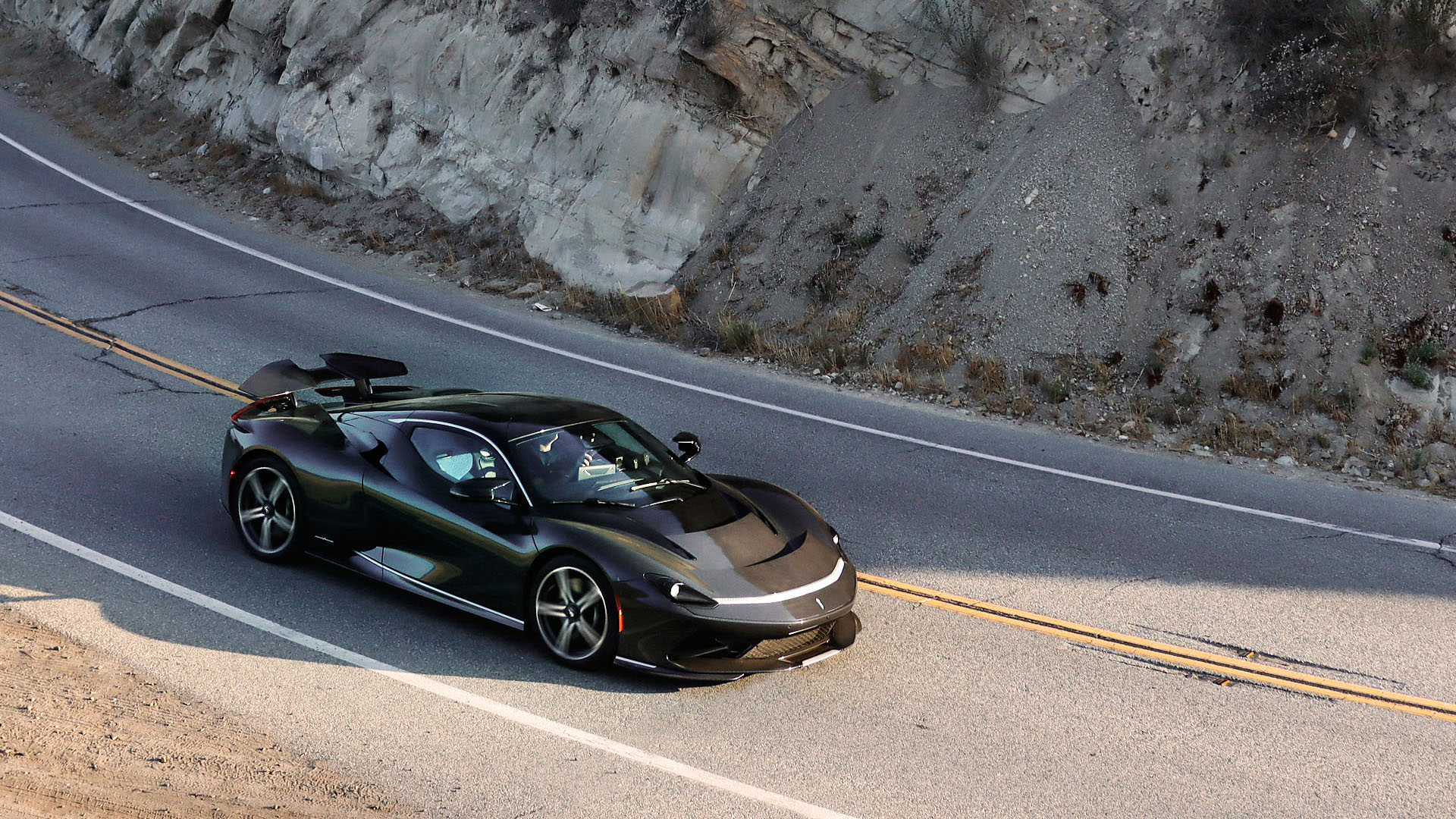
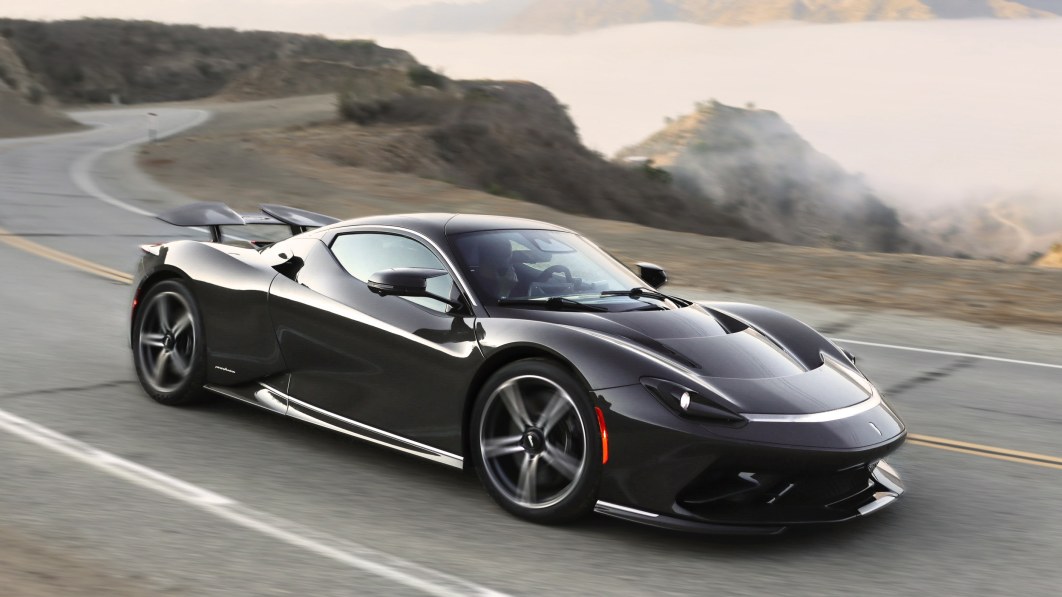
We already mentioned the Automobili Pininfarina Battista would be present at the upcoming Monterey Car Week in California, but it seems they just couldn’t wait and took this impressive all-electric hypercar onto the open road when it arrived in the United States, as a dynamic debut before the official unveiling this weekend at the Pebble Beach Concours d’Elegance.
The Automobili Pininfarina Battista is the first in the world of electric Hyper GT cars, and the car seen on the streets of California is actually the final production form, marking the Battista’s first road outing and the beginning of a new chapter in the story of Automobili Pininfarina and it will give US clients the chance to experience her 1,900 hp performance and admire the stunning ‘Black Exposed Signature Carbon’ bodywork, made at the Automobili Pininfarina’s manufacturing facility in Cambiano, Italy.
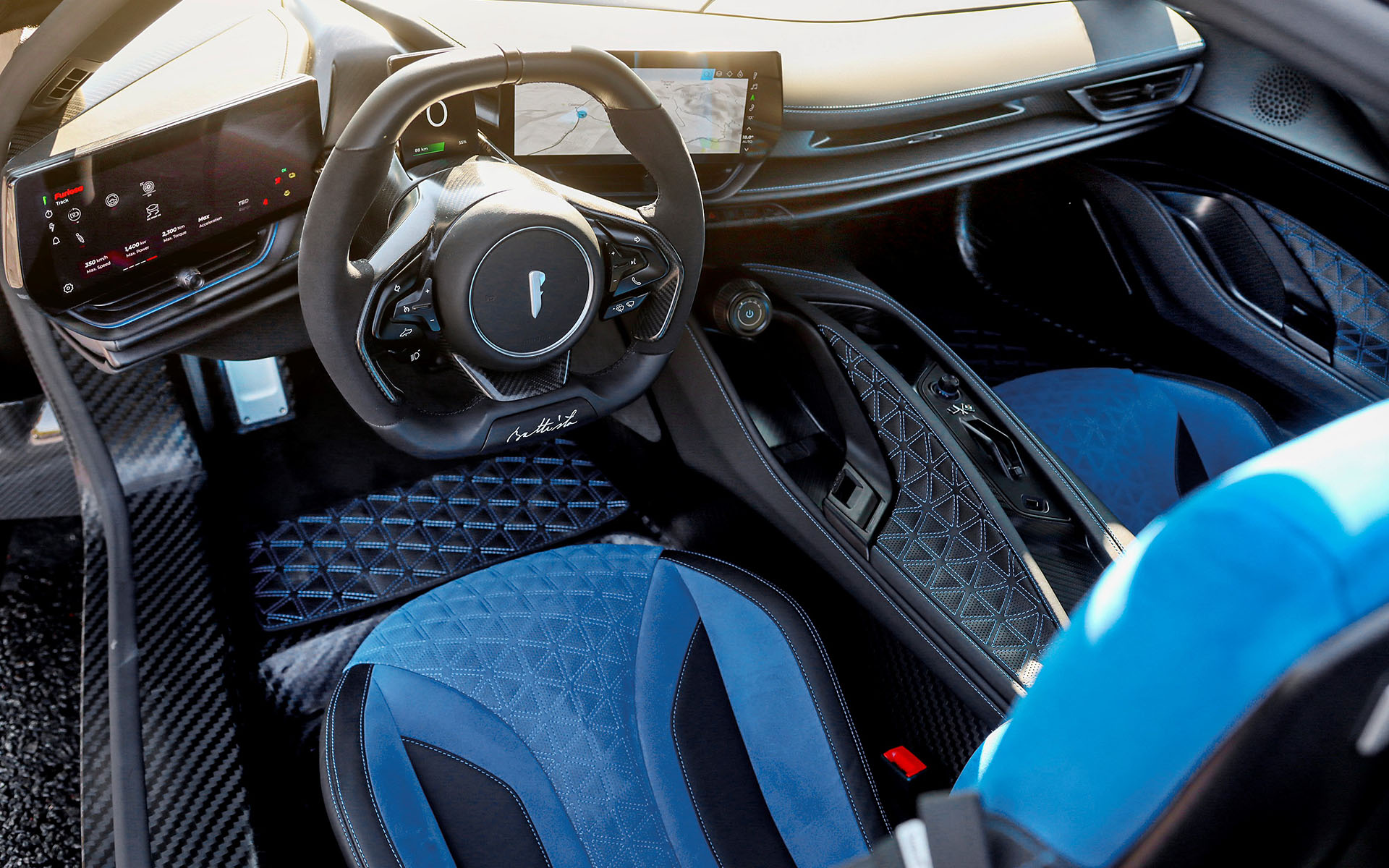
The exposed bodywork and precision polished Impulso forged aluminium alloy wheels are complemented by an exquisitely tailored interior featuring optional Pilota seats finished in sustainable black leather and quilted Iconica Blu Alcantara upholstery, with Iconica Blu contrast stitching, complemented by the Interior Jewellery Pack finished in brushed aluminium anodised in black.
Paolo Dellachà, Chief Product and Engineering Officer, Automobili Pininfarina, said: “The Battista will provide a thrilling all-round experience on road and track – in the city and on the open road. To see the first production-intent example of our pure-electric hyper GT on the highways of California signals the beginning of an exciting new chapter in its development. This is a significant landmark and hugely rewarding moment as we count down towards making the first client deliveries later this year.”
At the upcoming Monterey Car Week event, we will also see be able to admire the even more exclusive Battista Anniversario, a limited edition version of only five units for the entire world, a tribute model to the life and work of design icon Battista ‘Pinin’ Farina, this version will come with bespoke aerodynamics and special details only available on this Anniversario edition, that will be limited to only 5 units worldwide, all in a unique Automobili Pininfarina-designed livery and bi-color tinted Furiosa Pack consisting of a front splitter, side blades and rear diffuser, with outer carbon parts finished in black exposed signature carbon while the inner parts will be made in exposed carbon fiber tinted in Iconica Blu.
Both vehicles’ presence at Monterey Car Week signals the first opportunity for clients to experience the 1,900 hp Battista, both on the roads and on the lawn of The Quail. At the Pebble Beach Concours d’Elegance the pure-electric hyper GT will be displayed alongside an exclusively curated selection of classic Pininfarina designs from the company’s 91-year history.
THE SOUND OF BATTISTA
The arrival of the first production-specification vehicle also gives clients a chance to hear Battista for the first time, showcasing the unique soundscape that is currently in development for the world’s first pure-electric hyper GT. The individual sound is being tuned to create an emotional reaction for occupants and onlookers, ensuring Battista will deliver an intoxicating experience for all the senses.
Following Automobili Pininfarina’s ‘Pure Sound’ philosophy, the soundscape has a core frequency of 54 Hz, an organic frequency that is a multiple of 432 Hz – known as ‘Verdi’s A,’ conceived by famous Italian composer Giuseppe Verdi. The distinctive aural signature is tailored for the most powerful road-legal Italian sports car ever produced.
René Wollmann, Product Platform Director Sports Cars, Automobili Pininfarina, said: “Every driver has an emotional bond with a car and the sound of Battista will nurture this connection, not by replicating a familiar car sound, but with one that radiates the beauty of Battista’s design both inside and out. This way, the Battista will not only impress with its aesthetic appeal and performance, but also on a new emotional level enhanced through the sound. We look forward to the input we will receive from clients in the US as we fine-tune Battista’s sonic experience.”
According to music theory, 432 Hz is mathematically consistent with the universe. Music tuned to 432 Hz is said to be a pure sound – complementing the Battista’s pure design – while providing greater clarity, and is easier on the ears. As a multiple of 432 Hz, Automobili Pininfarina’s engineers have chosen 54 Hz as the core frequency for Battista, delivering a distinctive and recognisable aural signature that will generate the kind of emotional reaction clients expect from a 1,900 hp hyper GT.
From this starting point, the frequency will rise in multiples of 54Hz with new sound layers added as the speed of the vehicle increases. The seamlessly responsive acoustics will reflect the pure-electric performance of Battista combining rich bass tones to create a signature sound.
The Automobili Pininfarina Battista is named after Battista ‘Pinin’ Farina, the founder of the Carrozzeria Pininfarina coachbuilding company, which he established in 1930. The hyper GT is the realisation of Battista’s dream to see a car produced wearing the Pininfarina name with the first vehicles due to be delivered to customers later this year.
August 12, 2021 / Comments Off on Battista hits the open road
The Pininfarina Battista is officially here in production form. Pininfarina released the first images and video of the production car today, tooling around Southern California roads ahead of it being displayed during Monterey Car Week.
There are no additional specs or figures available beyond what has already been announced. The Battista will produce 1,900 horsepower from its four electric motors, have a range of about 280 miles on a full charge and hit 60 mph in “under 2 seconds.” Those in Monterey will have a chance to see the exposed carbon bodywork in person for the first time. Plus, potential clients will be provided the opportunity to go for a ride.
It’s not just this single Battista that will be shown, either. Pininfarina says it will also be debuting a Battista Anniversario. This special edition of the Battista will have “aerodynamic enhancements and tailored detailing producing a uniquely dynamic personality.” It will also be limited to just five total vehicles worldwide. Seeing it at Monterey may be the first and last chance you get to ever lay eyes on one.
The one nugget of information Pininfarina gave us today besides the new photos is detail on the Battista’s sound. It takes after a sound philosophy conceived by Italian composer Giuseppe Verdi. Any multiple of 432 Hz is said to be a “pure sound” according to Verdi, so Pininfarina used 54 Hz (a multiplier of 432) as the core frequency of noise for the Battista. As you accelerate, the frequency will continue to increase in multiples of 54 Hz to keep the in-cabin sound pure and consistent with Verdi’s principles. How very Italian.
“Every driver has an emotional bond with a car, and the sound of Battista will nurture this connection, not by replicating a familiar car sound, but with one that radiates the beauty of Battista’s design both inside and out,” says René Wollmann, product platform director for sports cars at Automobili Pininfarina. “This way, the Battista will not only impress with its aesthetic appeal and performance, but also on a new emotional level enhanced through the sound. We look forward to the input we will receive from clients in the U.S. as we fine-tune Battista’s sonic experience.”
We’ll look forward to hearing the sound ourselves one day. For now, the wait is on to see the ultra-exclusive Battista Anniversario. Look out for more Pininfarina news soon as Monterey Car Week revs up.
Related video:
August 12, 2021 / Comments Off on Pininfarina Battista production car revealed to kick off Monterey Car Week
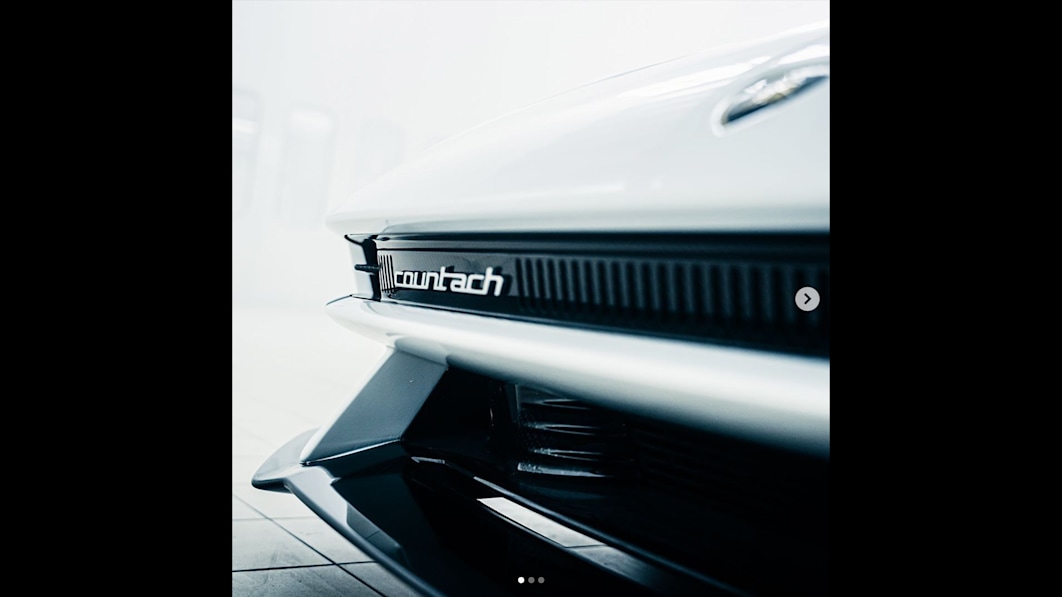
Lamborghini posted three more teaser photos of the coming Countach resurrection to its Instagram page. We’ll have to let the pictures do most of the talking since we don’t have any more information than we did when the first tease dropped a couple of days ago. We get a shot of a nose unlike any other Lamborghini in the current stable. A narrow black grille just inches wide splits the upper and lower section of the front fascia, recalling the area where the original exotic placed its black front bumper and fog lights. The name “Countach” appears on the right side of the coupe, in all lowercase letters just like the original, but stretched and angular befitting the brand’s modern design language.
A second shot exposes the engine cover, this a new design based on the clear cover that can be fitted to the Aventador. Three flat hexagon panels, thickly bordered in black, step down from the roof to the tail. Beneath them is the longitudinal and posterior V12 portion of the LPI 800 powertrain. The initialism stands for Longitudinale PosterioreIbrido, and we’re still waiting for any information on that last bit, the hybrid. The V12 in the Lamborghini Sian FKP 37 received help from a supercapacitor, but that special edition didn’t get official designation as a hybrid. The last car from Sant’Agata to do so was the 2014 Asterion LPI 910-4 concept from the 2014 Paris Motor Show. The Asterion hid a V10 in back for the rear wheels, and two e-motors with a combined 296 horsepower on the front axle powered by a lithium-ion battery. The Sian produces about 785 horsepower, the Countach will deliver about 789, the Aventador S makes 690. So Lamborghini isn’t using electricity to chase gaudy numbers. Yet.
The last pic presents the area behind the side window. This is a slightly tighter shot of an image that a site called Lamborghini Specs posted a few days ago, snagged somehow from the automaker’s customer-only site, Lamborghini Unica. This reveals a Huracan-like intake treatment, the opening descending from the roof to the rear fenders. Ahead of the intake, a row of slats harks back to Gandini’s Countach prototype that arranged a flat row of vents along the fender, just behind the glasshouse. The fender is decorated with a cap that could be the fuel filler or a charging port or something else.
Way back in 1987, Lamborghini worked up a Countach Evoluzione prototype to test new technologies that made their way into the last of the production Countach run and the successor Diablo. This Countach could be doing something similar. The brand has already been taking orders for whatever’s coming, so there’s an excellent chance it will be sold out by the time it debuts on Sunday, August 15, at Monterey Car Week.
August 11, 2021 / Comments Off on New Lamborghini Countach teased again with three images
This isn’t what we expected to see today, but one of our spy shooters just caught a Ford GT mule rolling around Allen Park, Michigan. We’d all but put the Ford GT off to the side at this point, as production was expected to wrap up shortly.
There’s always the chance of a special edition-something at the end, but we didn’t expect to see any GTs with emissions testing pipes driving around Ford’s test laboratory where it performs EPA testing on future vehicles. The longstanding assumption, of course, was that the GT would use its 3.5-liter twin-turbo V6 engine until the end. Any suggestion otherwise seems easy to dismiss and semi-unfathomable at first blush. However, the presence of this test mule, and some recent reports that we’ll get into, throw this assumption into doubt.
We’ll start with a recent Ford Authority report, wherein they cite an unnamed source telling them Ford is testing a GT in metro Detroit with an engine other than the twin-turbo V6. The report goes on to say that this mystery powertrain GT sounds “very different” from the V6 we’re accustomed to at this point.
Next up, our spy shooter is also telling us he’s heard rumors of a different engine making its way into the GT. The rumor, and we’re not giving it any more credit than that, points to the 7.3-liter Godzilla V8 with a pair of turbos strapped to it — there are even more rumors to back this rumor up. It sounds fairly far-out to us, but do keep in mind that the 7.3 is a significantly more compact pushrod motor, not a DOHC design like the 3.5-liter V6 is. Maybe Ford could make it work.
Where is any kind of evidence for these musings? Well, the spy shots do indicate that Ford is up to something with the GT’s powertrain. For one, this engine’s oil cap (circled in red in the closeup) is sitting atop the glass where a standard GT’s trunk would extend to. That’s a clear hint that all isn’t normal underneath the engine cover. Plus (and it’s very difficult to tell), the exhaust routing in and around all of the chassis and suspension components doesn’t look identical to that of a regular GT. The blurriness of the photo and general mess going on underneath keep us from getting a super clear comparison, but some of the twists and curves in the exhaust appear slightly changed. All that said, we’ll need a better photo comparison to come to any grand conclusions.
All of the above put together is enough to put us on high alert for Ford GT news. Ford is up to something with its mid-engine supercar, and it seems certain at this point that it won’t be letting the GT go silently into the night.
Related video:
August 11, 2021 / Comments Off on Ford GT test mule spied, and rumors of a new engine are swirling
The future of cars is electric, we have been told that time and time again, many car builders have already committed to stop building internal combustion engines in the not too distant future, while even supercars and hypercars are going electric, or at least hybrid for the next few years, and while I personally do love the sound of a Lamborghini V12, I know it will be a dying breed within a few years, and despite cars like the Rimac Nevera that is all-electric and would obliterate anything from Sant’Agata or Maranello in an acceleration battle, I’m old-school and would still go for a Raging Bull … but that’s just me I guess.
I do look at cars like the Porsche Taycan and the Tesla S, those are some seriously quick cars that can seat four people, but they just don’t give that same sensation in terms of looks like a Lamborghini Urus (if you really need to seat four or five people) or an Aventador, Bugatti Chiron … and other hypercars … but it seems Audi is evolving into the right direction with their latest Skysphere concept, an all-electric two-seater roadster that looks amazing.
Apart from amazing looks and a futuristic design, the Audi Skysphere comes with something really amazing … to offer the client the option of either a sportscar they drive themselves and a comfortable GT with autonomous driving in one single car, the Audi Skysphere can stretch itself by 250mm … yes, you are reading that correctly, the Skysphere can lengthen her wheelbase at the touch of a button to offer more interior space, complete with body panels that slide on top of each other in the ‘Sport’ setting, only to extend in the ‘Grand Touring’ mode.
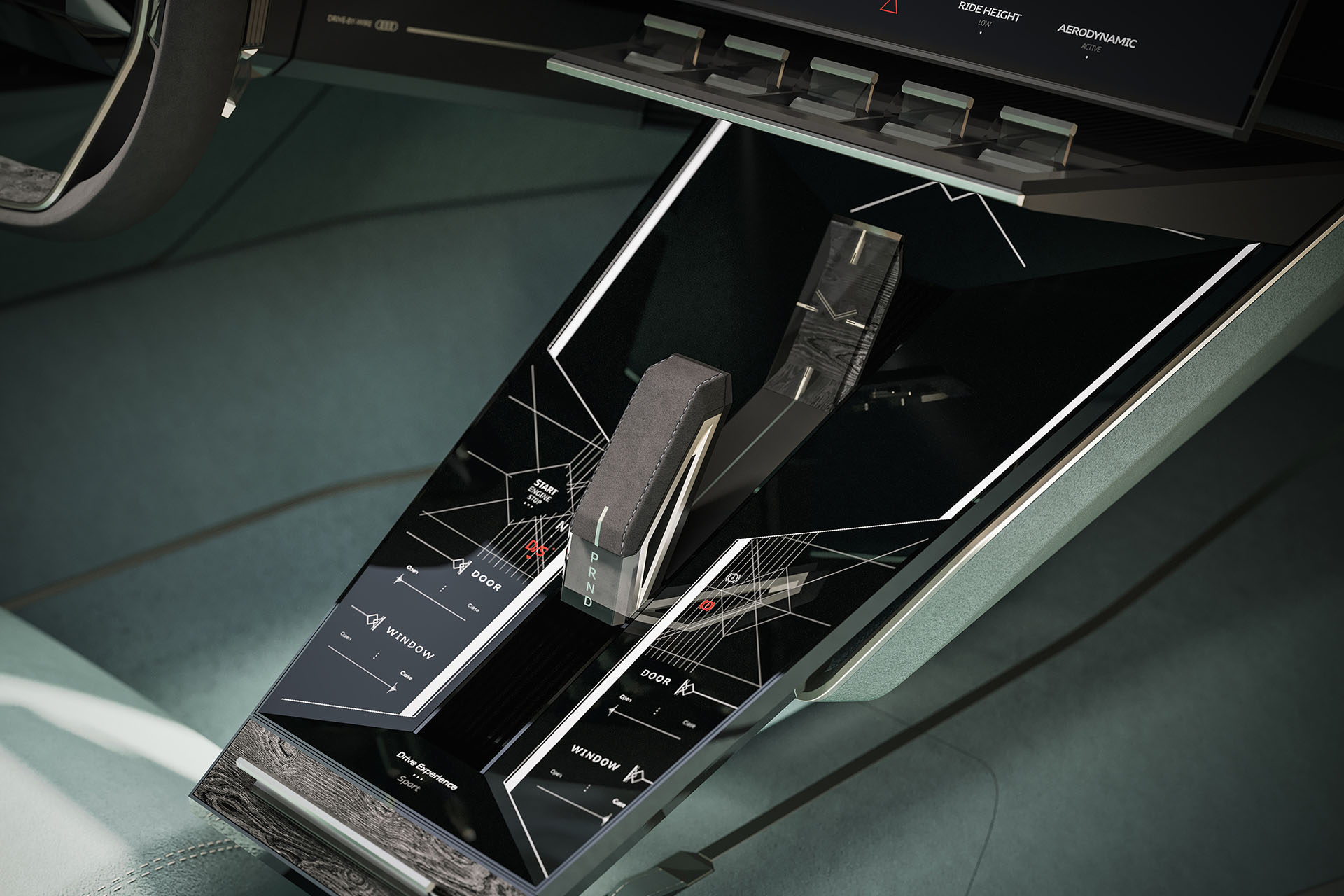
If that doesn’t blow your mind, get ready for this one … in the ‘Grand Touring’ autonomous driving mode, both the steering wheel and the pedals disappear … since you don’t need them anyway as the Skysphere drives herself, these items would take up unnecessary space in the cabin, so they are moved into an invisible area to give the passengers the best possible feeling of space while the Audi Skysphere worries about the road ahead and other drivers with multiple sensor systems to safely transport the occupants to their destination … I know about self-driving cars already, but this is another level altogether.
But Audi wants to take this autonomous driving even further, the Skysphere can pick up her passengers completely on her own, keeping track of their individual destinations, and when she dropped off the occupants, the Skysphere will drive herself onto a parking spot and take care of recharging her batteries … all on her own, no more waiting in line at the charging station when someone else has taken your spot and you see the battery level drop in fear.
Since this concept car was conceived and designed at the Audi Design Studio in Malibu, we’ll be seeing a public unveiling at the Monterey Car Week later this week, on the legendary fairways of the Pebble Beach golf course to be exact, a really nice anecdote is the fact this Audi Skysphere took inspiration from the Horch 853 roadster, an impressive convertible, that was about 5.20 meters in length that was the definition of modern luxury back in the 1930s, the Horch 853 won the Concours d’Elegance in Pebble Beach in 2009.
But unlike the Horch 5-Liter straight 8-cylinder engine, the Audi Skysphere comes with 465 kilowatts of power and 750Nm of torque from an electric motor to the rear wheels, with an overall weight of 1,800 kg, the acceleration should only take 4 seconds from 0 to 100 km/h, this is a luxury, convertible GT, not a supercar, with a battery capacity of 80 kWh the Skysphere should come with a 500 km range.
The Audi Skysphere comes with active suspension to offer different handling characteristics, in comfort or Grand Touring mode, the individual wheels are selectively raised or lowered to compensate for unevenness and undulations in the road surface taking information from the navigation system’s digital predictions and the active chassis’ sophisticated control and actuation systems. Fitted with massive, aerodynamically styled 23-inch alloy wheels with 285/30 tires the Skysphere offers both minimal rolling resistance and a sporty, active driving style with high longitudinal and lateral acceleration.
Seen from the side, the rocker panels seem to protrude into the rear wheel arch, a requirement for the varying wheelbase, being attached to the front end of the car, as it moves, the panel slides to the rear under the fixed door, during this process, the wheelbase is reduced from the standard size of an A8 L to the significantly more compact size of the curve-compatible Audi RS 5, a 25 centimetres difference. Also, note the multitude of LED lights both at the front and the rear of this Audi Skysphere change between the Sport and the Grand Touring mode.
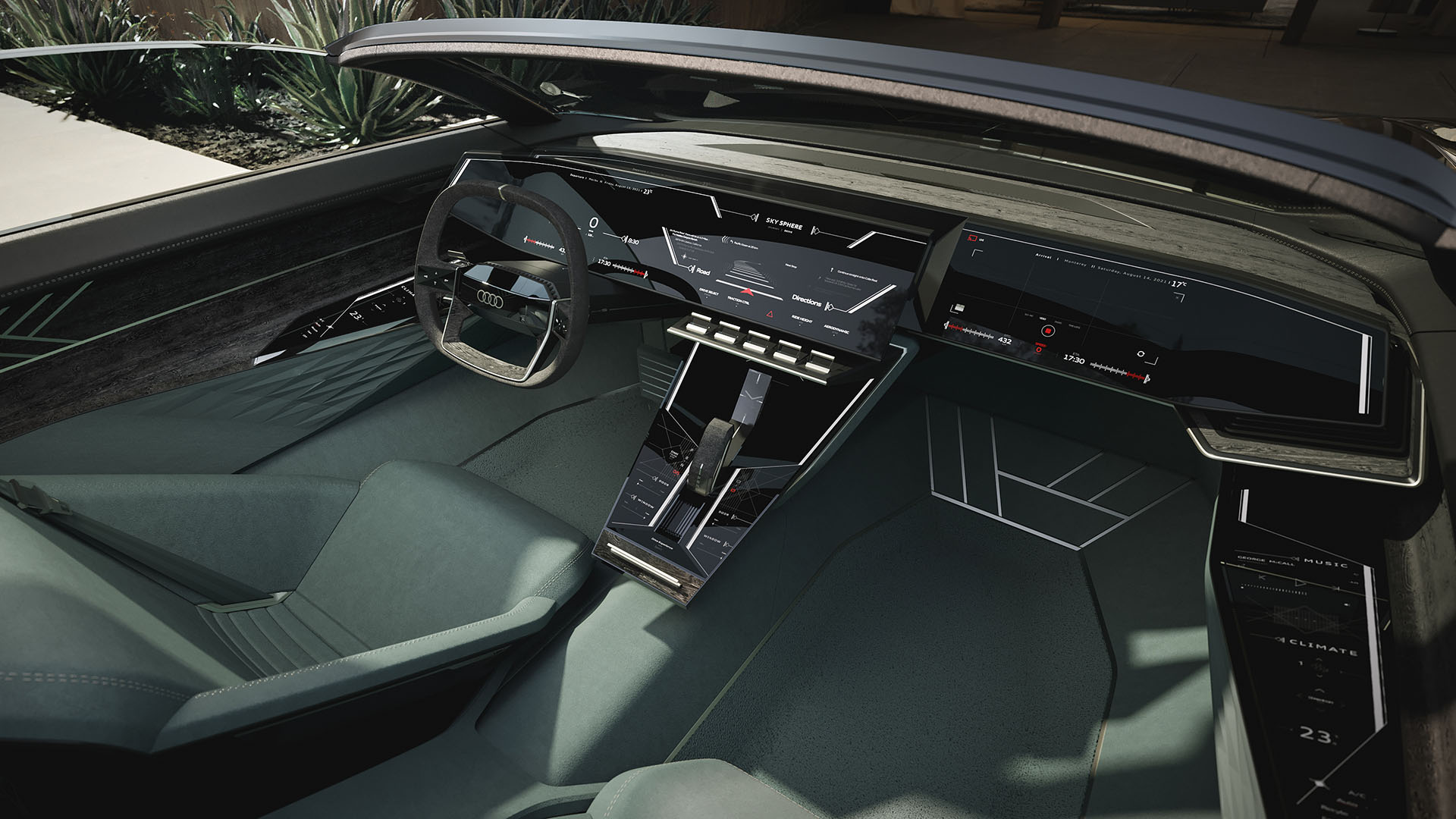
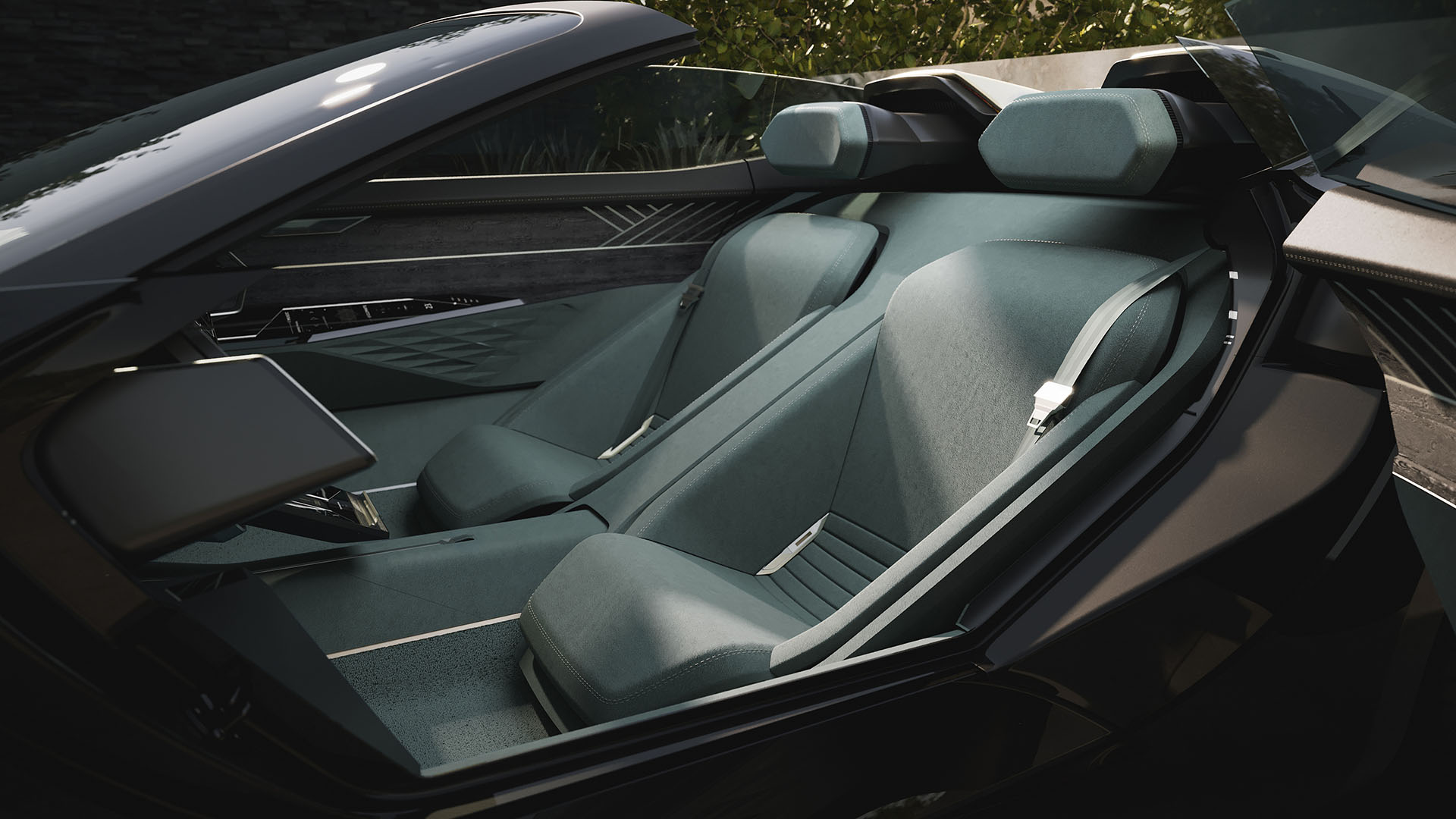
Entering the interior is achieved via rear-hinged doors, so-called suicide doors, that unveil a very special Art Deco style design, the comfortable seats look like designer furnishings, upholstered in sustainably produced microfiber fabric, and offer legroom usually only found in first-class airplane seating, other items in the interior are made from environmentally certified eucalyptus wood and synthetically produced imitation leather.
August 11, 2021 / Comments Off on Skysphere, the electric roadster concept from Audi
You’re just a quick Google search away from discovering that there are A LOT of mind-blowingly-expensive cars out there. Take your pick from any variation of search terms like “most expensive cars in the world”, “highest price paid for an automobile” or “most valuable cars ever made”, and be prepared for results that will probably surprise you; a list of cars that is more diverse and extensive than you’re probably thinking right now.
It’s no longer uncommon to see automobiles being sold for well into the tens-of-millions, with auction sales – particularly for classic cars – skewing prices upwards into the stratosphere. Our list is focused on cars that can still be bought from the manufacturer brand new, either as a new build or right off the showroom floor (no auctions or older cars). We’ve gone ahead and done the work of filtering candidates from this interestingly vast pool of cars, using further criteria (outlined below) which allows us to whittle the shortlist down to ‘just’ 20 multi-million-dollar cars.
Still for sale or not explicitly declared by the producer as being discontinued
Well beyond the concept phase (i.e. it’s actually going into production, if not yet already)
While it’s totally expected that all of these cars will be built in extremely limited quantities, one-off models are not included
Even with all of these filters in place, compiling this list still presented some challenges. Given these cars’ limitless and bespoke customization options – in addition to limited-edition trims and special packages – actual prices can have little to no bounds. So, we go on the best information that’s out there with regards to “starting prices”, which manufacturers aren’t shy to asterisk as being “estimates” or “uh…we’ll tell you sometime after we get your down payment”. Everyone’s usually fine with this arrangement – that’s just how things work at this level of the game.
Prices can even change drastically throughout the production process (and from as early as the concept phase) as automakers and customers encounter their own boons and obstacles – it’s amazing for example, how much currency exchange rates are at play when it comes to determining the final MSRP. Things like this may notably increase or even decrease previously marketed prices. Ultimately, $2.0 Million (USD) ended up being the baseline for entry onto this list. We tried to include a wider range of “supercars”, but at this stage our hand was forced to declare this as a hypercar-only space. That’s how crazy things have become, but I digress…
Hypercars are the new zenith in today’s automotive landscape, transcending the boundaries of the supercar to create a space occupied only by the most outlandish things that can still be called cars. While some of the relatively larger luxury and exotic car companies have created their own interpretations of the hypercar, many of these vehicles have been crafted by specialty automotive boutiques or singular-focused companies who are looking to showcase new technologies or smash land speed records. It is these very outfits that we will be focusing on, in this list of hypercars that are available to purchase in 2021. In terms of the everyday automobile, none of these will be household names; but they will be more than familiar to those who worship the automotive deities.
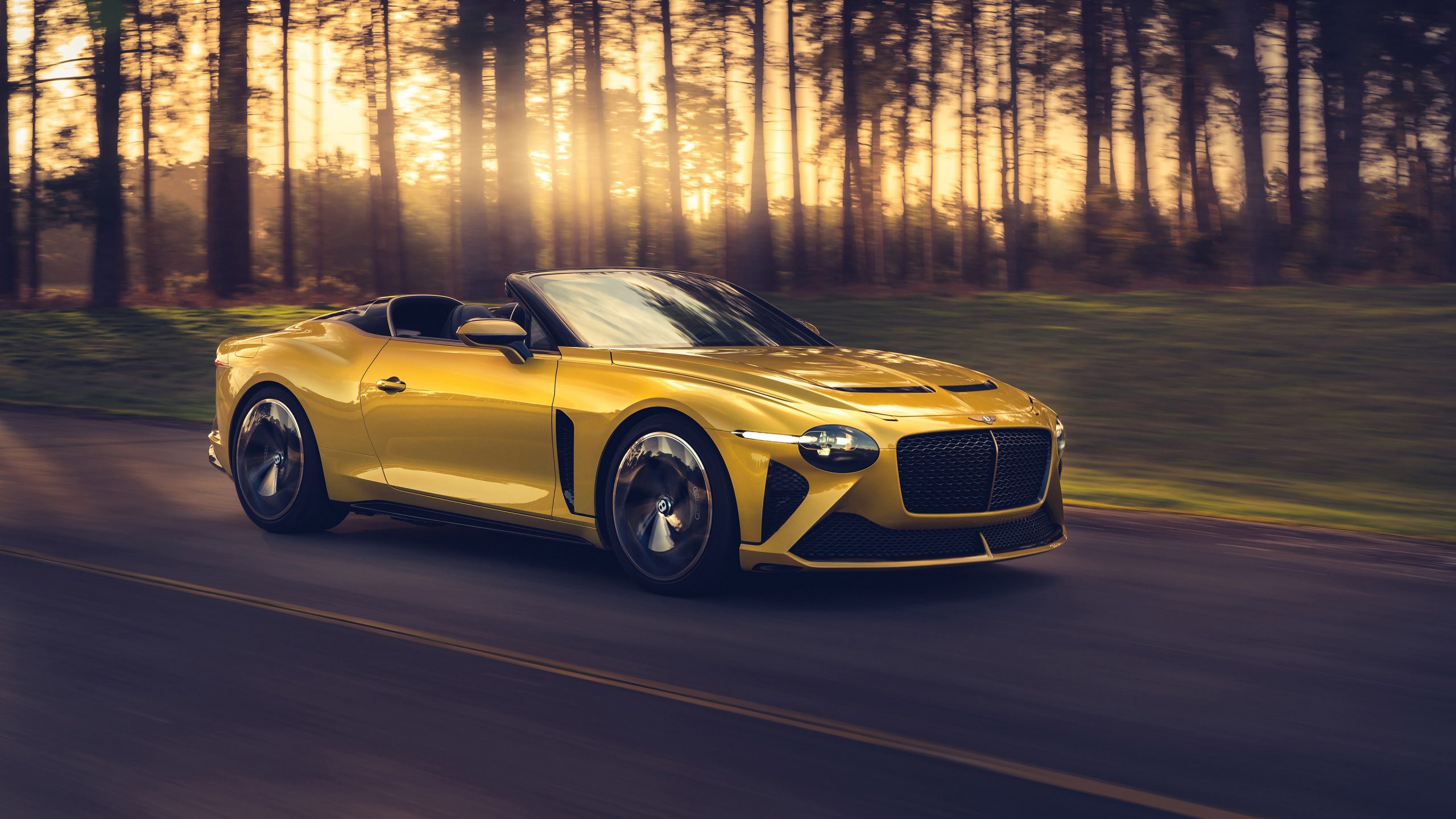
Bentley Bacalar – $2.0 Million
So what’s the most expensive, modern-day Bentley money can buy? That would have to be the $2,000,000 Bentley Bacalar, a two-seater, convertible luxury sports car that comes with the famous W12 engine and uses 5,000-year-old wood for its interior trim. While its engine is the evergreen W12 6.0L TSI unit that has been around since 2003, it has been further enhanced for the Bacalar to offer the smoothest ride possible, and still provide a massive 650 hp and 900 Nm of torque. Despite being closely related to the Continental GT, Bentley still had to produce over 750 custom parts for this car even though they only plan on releasing just twelve units to the public. While not normally considered a ‘hypercar’ marque, this particular Bentley however, certainly checks all the right boxes.
Ferrari Monza SP1 & SP2 – $2.0 Million
Both the Monza SP1 and SP2 are based on the Ferrari 812 Superfast and come with a 6.5LV12 engine with 810 hp sent to the rear wheels. An aluminum chassis and carbon fiber body make for a lightweight car with an absurd power-to-weight ratio. Expect a sub-3-second sprint from standstill to 60 mph, and scintillating 7.9 seconds to get up to 125 mph. Top speed will be around 186 mph. The primary difference between the two models is that the SP1 is a single seater, while the SP2 is a two-seater, with each configuration also impacting other elements of the car. The Monza SP1 has a tonneau cover, while the SP2 gets rid of the cover to make room for the second passenger. There is small windscreen and a second roll bar hoop in the SP2, which further differentiates the two designs from one another. We don’t think these cars will be approved for road use, so expect them to be track-day-only machines. Furthermore, only a maximum of 500 examples will be produced.
Lotus Evija – $2.1 Million
Lotus has been hyping their new fully-electric automobile, going as far as saying that the Evija will be a “mind-blowing supercar”. The car features two electric motors which output its outrageous 2,000 hp. The battery is placed in the middle of the car where a typical internal combustion mid-engine car would have its beating heart, helping it to achieve an ideal weight distribution. Lotus sought to strike the perfect balance between a track car and a road car, and that extends to the cabin – a minimalist, driver-focused interior design but with plenty of the comfort and convenience features you’d expect in a civil grand tourer. The Lotus Evija has been named as ‘The One to Watch‘ in Top Gear’s 2021 Electric Awards .
McLaren Speedtail – $2.3 Million
Meet the new Speedtail – an aptly-named addition to McLaren’s UltimateSeries of automobiles. This limited-edition car – of which only 106 examples will be built – represents McLaren’s unyielding pursuit of maximum top-speed. Whereas other McLaren’s blend handling, acceleration, and driving dynamics in a harmonious package, the Speedtail has a more singular focus. That focus is speed; ludicrous amounts of it. McLaren has labeled the Speedtail a Hyper GT, which seems fitting given the excess of the car and its abilities. This 1,055 hp car will take you to 250 mph, and then to the Opera, on the same set of tires (to paraphrase McLaren spokesperson, Wayne Bruce). More than that, the Speedtail is a car that reminds us that the automotive world serves to inspire and excite us, as much as it does in moving us from one place to the next. Though, in the case of the Speedtail, it moves us unlike anything else out there.
Rimac Nevera – $2.4 Million
Although it is not the first EV to be powered by 4 permanent magnet electric motors, the Rimac Nevera does come with its own unique electric drivetrain design. By strategically placing a pair of 200 kW electric motors in front and another two 500 kW electric motors in the rear, the engineers were able to give the rear-biased Nevera an ideal 48:52 (front:rear) weight distribution. It’s probably a good thing that this Rimac was built with a predisposition to exhibit ballet-like agility, because it’s going to need all the grace in the world to tame all that’s brewing within. In combination, all of the 4 electric motors can generate up to 1,914 hp (1.4 mW) and 1,740 lb-ft of torque (2,360 Nm). This allows the Nevera to absolutely annihilate the popular 0-60 mph benchmark in just 1.85 seconds, with an equally impressive 1/4 mile time of just 8.6 seconds – good enough to make it the fastest production vehicle ever made, by some margin. Top speed is stated as 258 mph (412 km/h).
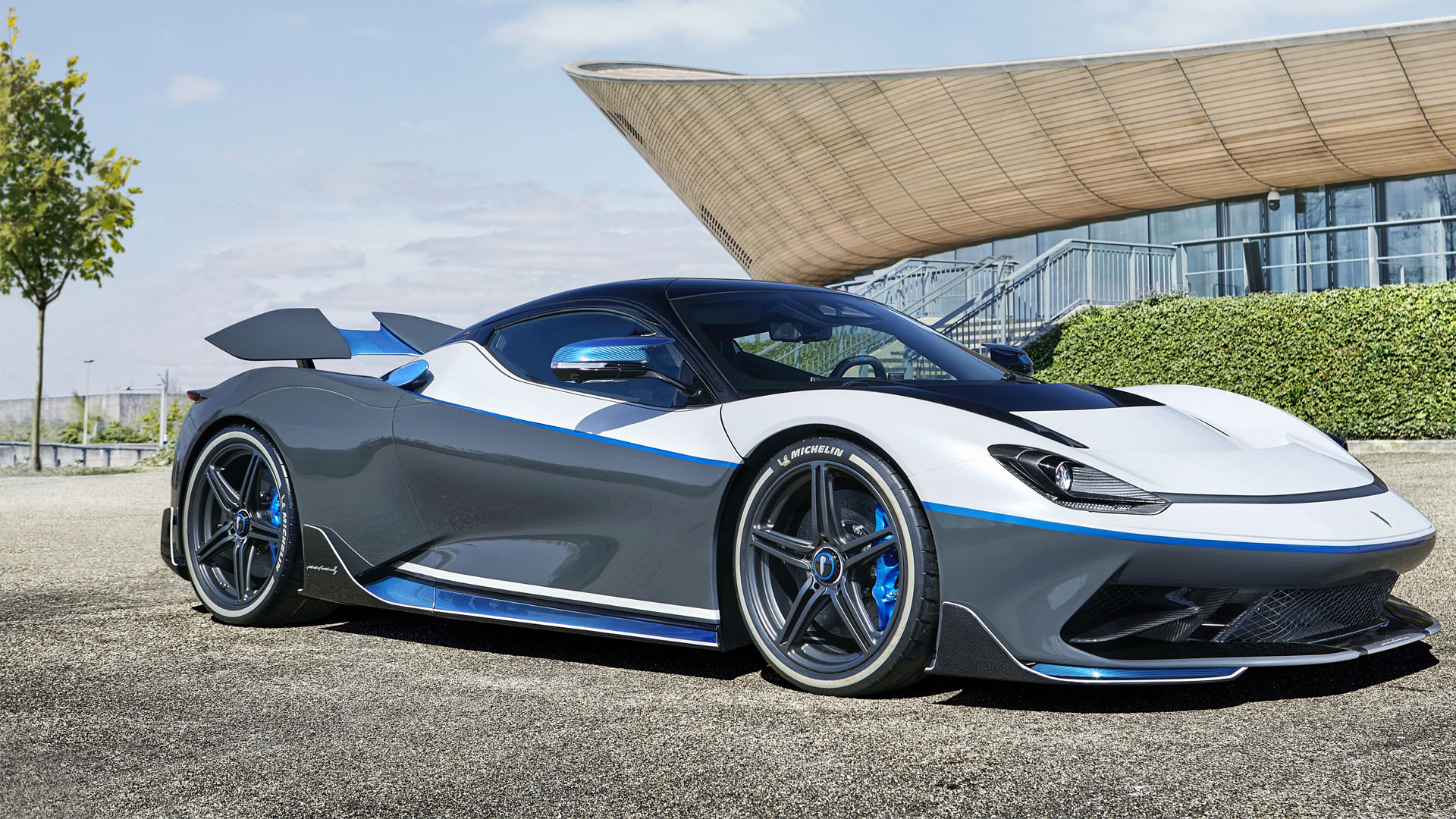
Pininfarina Battista – $2.5 Million
I doubt that anyone would be offended – least of all, Pininfarina – if the Battista was mistaken as ‘just another’ one of Ferrari’s super cars. Afterall, the design elements are deliberately signature from the company; and that’s really the best part of it all. Beneath the silhouette lies something less familiar – the absence a typically mid-mounted combustion engine, for one. The Ferrari…. I mean…. Pininfarina Battista is fully-electric, and beyond that very notion, things only start to get even more crazy. The Battista utilizes 4 motors – one for each wheel – which produce a combined 1,900 hp and 1696 ft-lb of torque. That level of performance and technological sophistication won’t come cheap either, with each car priced at around $2.5 million USD. The decision by Automobili Pininfarina to start producing electric cars right off the bat came relatively easy for the company, which was not tied down by a past involving the combustion engine – they could begin their journey with a clean (no pun intended) slate.
Mercedes-AMG Project One – $2.7 Million
After months of teasing and speculation, Mercedes-AMG has officially unveiled the world’s first road legal car equipped with a Formula 1 powertrain – the 1,000 hp Project One. Its 4-digit power output comes from an improved version of the hybrid system found inside the W08 F1 car, which also includes a turbocharged 1.6L V6 engine and four electric motors. The two front electric motors on the Project One are of the latest and greatest technologies available, with each unit being capable of revving up to 50,000 rpm and producing 160 hp on their own. The third electric motor is integrated into the turbocharger, while the fourth is mounted directly on the car’s combustion engine, producing another 120 hp of the Project One’s total power output of “beyond 1,000 hp”. Mercedes-AMG has also claimed that the turbo lag on the Project One is not only eliminated in this setup, but the response times should now be shorter than those cars powered by a naturally-aspirated V8.
Koenigsegg Jesko – $2.8 Million
The Koenigsegg Jesko was unveiled at the most recent Geneva Motor Show to date – the 2019 edition – drawing a lot of attention in Switzerland when the covers came off. This was a brutal looking car in true Koenigsegg tradition; with a claimed top speed of 300 mph, from what they claim is their lightest and most powerful 5.0L twin-turbocharged V8 engine yet. Numbers like 1,600 hp on E85 biofuel and 1,280 on regular gasoline were mentioned, along with a maximum torque of 1,106 lb-ft requiring a special 9-speed multi-clutch gearbox built in-house by Koenigsegg. At 170 mph, the aerodynamic design of the Jesko with its massive rear wing at play, creates 2,200 lbs of downforce … at its top speed, this number increases to more than 3,000 lbs of downforce!
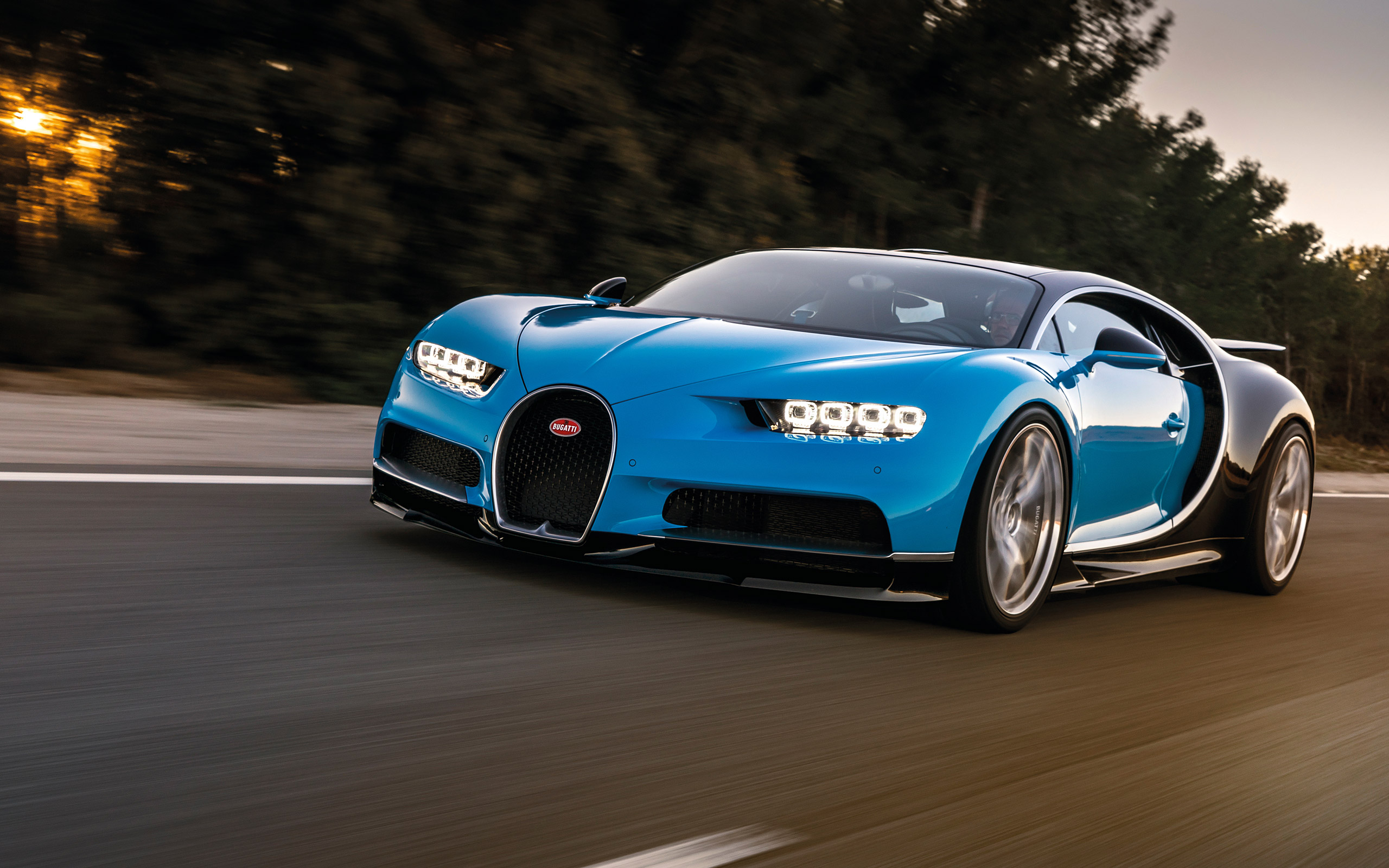
Bugatti Chiron $2.9 Million
With a name honoring Louis Chiron – Bugatti’s Grand Prix driver in the 20s and 30s, who swept up virtually all the major races he participated in – the stakes were always going to be raised even higher. Operating beyond the known best-standard in any field is incredibly tough; new battle lines had to be drawn. Alongside the pre-marketing activity, which led to those hundreds of names on the pre-order list, Bugatti tested the Chiron extensively across several continents. This was to ensure that whatever the conditions, it was head and shoulders above the competition. The 8.0L W16 from the Veyron is no bad place to start from any perspective; that engine had no shortage of power, producing 1183 hp in ‘SuperSports’ configuration – at launch, the fastest production car in the world. With the Chiron, Bugatti has built upon that blueprint and founded an entirely new platform – one which has seen extensive improvements in all areas over its predecessor. It is stunning, it is capable, and it has the price tag to match. The “base” Chiron is still a monster.
GMA T.50 $3.0 Million
As impressive as a 12,100 rpm redline sounds, its 654 hp and 345 lb-ft of torque doesn’t sound extraordinary by today’s standards. But rest assured this engine, and this car, are on the cusp of a truly “redefining” moment in automotive history. Crucially weighing at just 178 kg, the engine plays a huge factor towards the T.50’s overall curb weight of just 980 kg – about one-third that of a contemporary supercar or hypercar. The GMA T.50 is the culmination of decades of Gordon Murray’s aerodynamic and mechanical engineering experience. Part of what makes the T.50 so exciting, is that it incorporates the design and function of the infamous Brabham BT46 “Fan Car.” A gigantic fan – powered by the camshaft of the engine and coupled with the curved underbody of the BT46 – created an active venturi effect that quite literally vacuumed the car onto the road, and allowed it to corner at barely believable speeds and levels of grip. The T.50 will feature something similar, and likely more advanced. On a road car. We can’t wait to see this in the flesh.
Aston Martin Valkyrie AMR Pro – $3.1 Million
The new Aston Martin Valkyrie AMR Pro isn’t just another version of the original Aston Martin Valkyrie with some added aerodynamic parts. They’ve also increased the wheelbase of the original chassis by 380 mm, and added 96 mm and 115 mm to the front and rear track width respectively. These changes effectively lengthen the entire car by 266 mm, essentially making it a ‘longtail’ version, as their rivals McLaren would call it. The Aston Martin Valkyrie AMR Pro still uses the same Cosworth-built naturally-aspirated V12 engine with a 6.5L displacement – but now with 1,000 hp available at a screaming 11,000 rpm. Significant weight has been shed on the Valkyrie AMR Pro by removing the entire hybrid system, using an extremely light carbon fiber body, and incorporating carbon fiber suspension components. Thanks to its aerodynamic efficiency, the Valkyrie AMR Pro offers track performance previously only seen on Formula One cars.
W Motors Lykan Hypersport – $3.4 Million
This list just wouldn’t be complete without a car that had a starring role in the Fast and Furious Movie franchise, or would it? Well, here is one such car – the W Motors Lykan Hypersport. After its World Premiere launch at the International Qatar Motor Show on July 28th 2013, W Motors revealed to the world its first model, the Lykan HyperSport limited to only 7 units worldwide. Over 150,000 visitors attended this event with the presence of regional and international media covering this historical event for a global exposure and coverage. Other than having some legit Hollywood cred, the car is also famous for being the first to feature a holographic display system with interactive motion, giving the driver and passenger full interaction with the multimedia interface of the Lykan as well as other vehicle control systems. So the car is hardly new; but according to the W Motors website, they’re still open for business and are keen to take on new orders.
Koenigsegg Jesko Absolut – $3.4 Million
About a year later Koenigsegg unveiled the Jesko, they had something even more impressive on tap – the Jesko Absolut. While the ‘regular’ Jesko is more of a track-focused machine with balanced attributes and extensive aerodynamics, the Absolut was built to smash all top speed records. It has been designed to be as smooth as possible, with the least possible amount of drag – a coefficient value of only 0.278 Cd has been achieved, allowing for a top speed in excess of 330 mph (532 km/h), figures which would certainly fulfill its purpose. The first of these $3,000,000-ish hypercars are ‘Made in Sweden’ and will be delivered to their fortunate customers by the spring of 2022. I’m really curious as to what special color combinations we’ll be seeing for the builds, and just how split the numbers will be between the Jesko and Jesko Absolut; will more customers opt for the brutal, race-inspired-LeMans-style of the Jesko, or will the Absolut woo over more customers with her sleeker lines and higher top speed?
McLaren Sabre -$3.5 Million
McLaren’s Special Operations bespoke division has produced 15 cars exclusively for the US market. The first McLaren Sabre has already been delivered by McLaren Beverly Hills, with the company stating that the Sabre has “ideas and innovations that global homologation would not permit.” – this probably explains why it’s only available to customers west of the Atlantic. The McLaren Sabre is powered by a twin-turbocharged V8 engine which produces 824 hp and 590 ft-lb torque (with a top speed of 218 mph), which happens to make it the most powerful non-hybrid engine to date. Every example of the Sabre has been built specially for each customer, all of whom were intimately involved during the development and assembly process. In terms of looks, the Sabre could best be described as if the McLaren Speedtail and Senna had a child – with such good genes to draw from, that ultimately serves as a compliment. McLaren is not sharing any other specifications at this time, but we’ll probably get to know more as the other 14 cars get delivered in the coming months.
Pagani Huayra Roadster BC – $3.5 Million
If you like your hypercars over-the-top and amazing, then the Huayra Roadster BC is for you. We’ve reported on this car before – now it’s officially here. The car is a $3.5 Million machine with a crazy powerful engine and looks that will catch the eye of anyone. Pagani recently revealed the car, and it’s a stunning example of what makes them so special as an automaker. The Huayra Roadster BC features a 6.0L AMG V12 which is good for a whopping 800 hp and 774 lb-ft of torque, making the Roadster BC is more powerful than the coupe version. It weighs only 2,685 pounds and should be good for a 0-60 mph run in under 2.5 seconds. However, what the Roadster BC was truly designed for, was to conquer the twisty roads and race tracks. Pagani says the car can pull 1.9 Gs of max lateral force in corners. The company will make only 40 of the Roadster BC, and the car made its first official appearance during Monterey Car Week.
Lamborghini Sián – $3.6 Million
The original Sián introduced the concept of a naturally-aspirated V12 engine with a mild hybrid electric motor built into the transmission to boost performance. Unlike other hybrids that came before it, the electric motor provides only 34 HP and instead of a battery pack, uses a regenerative supercapacitor instead. With the newfangled hybrid system and the revamped 6.5L V12 engine, the car is able to do a 0-62 mph sprint in just 2.8 seconds along with a top speed of over 217 mph. The regenerative braking has the ability to fully recharge the supercapacitor in full, adding to the electric motor’s capability to assist the engine at speeds under 80 mph. Compared to an EV battery which takes much, much, longer to fully recharge, and weighs substantially more, you might be wondering why supercapacitors aren’t the dominating technology in electric or hybrid vehicles today. Well, there are a few very important reasons for this. By nature, supercapacitors aren’t able to store energy for long periods of time like a battery, making them unviable to be the primary food source for an electric vehicle – at least for now.
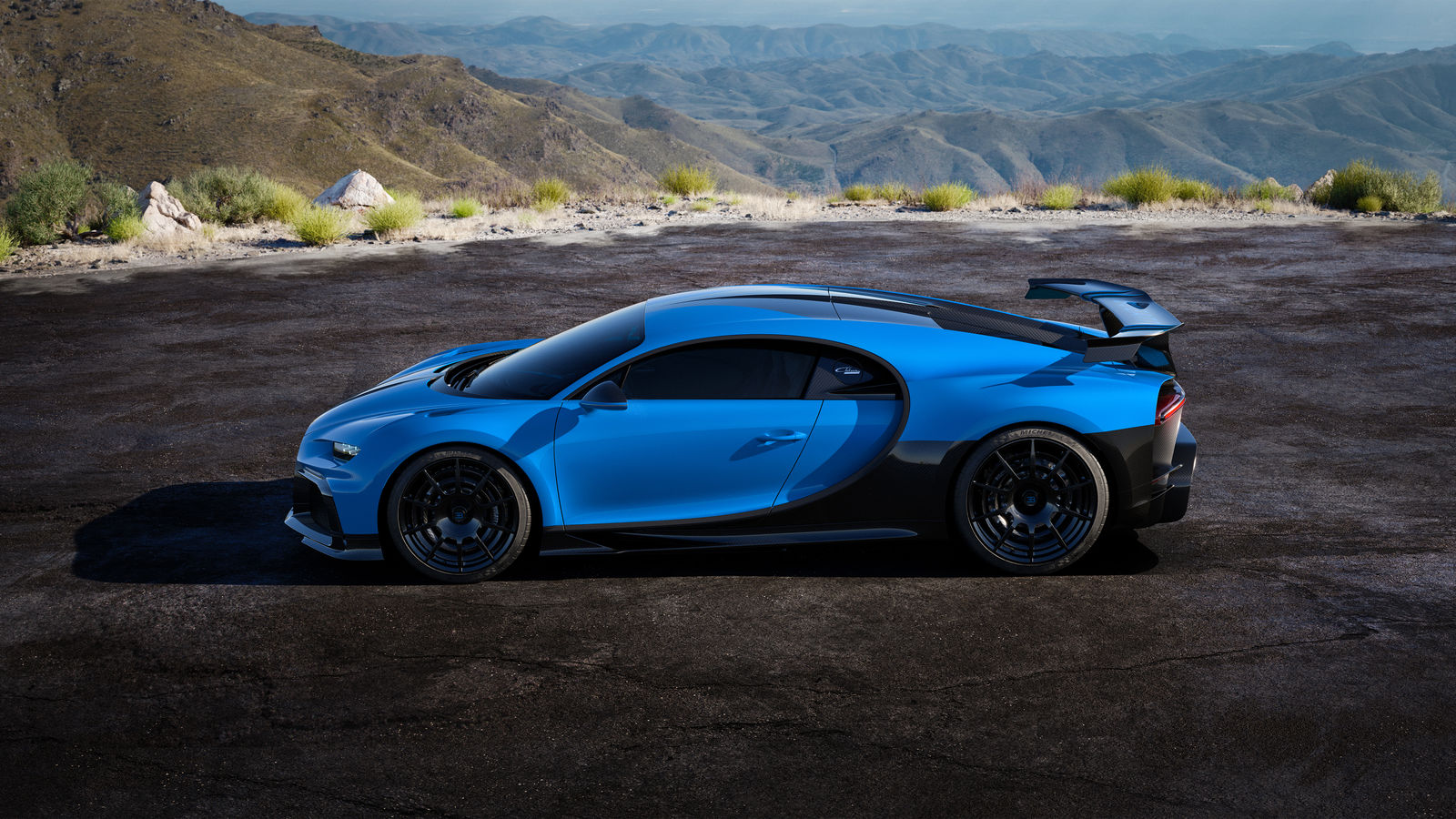
Bugatti Chiron Pur Sport – $3.6 Million
Usually, Europe is the most important market for Bugatti, but for the first time in history, during the first six months of 2021, the leading region has been taken over by the United States of America, with an immense interest in the impressive Bugatti Chiron, and more specifically the very special Pur Sport, a model that focusses on agility and acceleration instead of all-out top speed. Even 24 Hour of Le Mans class winner and longtime Bugatti test driver Butch Leitzinger was impressed with the Chiron Pur Sport during extended testing in Southern California, he stated: “The seamless marriage of agility and brute force give the Pur Sport abilities that are unmatched, not only by any other car, but also by any other Bugatti.”, so despite the price tag in the $4,000,000 region, there are more customers than ever willing to park the Chiron in their garage. There will be only 60 units built for the entire world.
Bugatti Divo – $5.8 Million
For starters, the Bugatti Divo is based on the Bugatti Chiron, and is certainly no less over-the-top. The Divo shares most of the important mechanical features with the Chiron; most notably the same quad-turbocharged 8.0L W16 engine which produces an extravagant 1,500 horsepower. According to Bugatti President, Stephan Winkelmann, the goal of the Divo is to be “the most agile and dynamic car Bugatti has ever created – a perfect homage for the 110th anniversary, which will be held in 2019”. In order to achieve this, many changes to the Chiron were made to its bodywork and chassis to amp up its aerodynamic efficiency and handling. Such drastic changes ensured that the Divo and Chiron are easily distinguishable, visually. Overall the Divo also has sharper angles and more aggressive looking body lines, with the horseshoe shaped grill, centre line running over the top of the car, and scoop-shaped doors being the only truly pronounced Bugatti features. “Happiness Isn’t Just Around The Corner. It Is The Corner.” – The Bugatti Divo.
Bugatti Centodieci – $9.0 Million
The Bugatti Centodieci is the brand’s homage to one of its most iconic supercars of all time – the Bugatti EB110. Images of the Centodieci were leaked ahead of its launch and many rumors had spread before the reveal. Despite this, the car is undeniably impressive and a force to be reckoned with when compared to any car ever produced. With sleek EB110-inspired looks, Bugatti did a good job of making the car look like an homage to the old supercar, while still giving it modern appeal. It might be built upon the Chiron platform, but there’s no question that this vehicle is much more than the car it’s loosely based on. After all, it shares the same engine with the Chiron, but in the Centodieci, it makes quite a bit more power with 1,578 hp on tap. The car is also 44 pounds lighter than the Chiron and will complete the 0-60 mph sprint in just 2.4 seconds, on its way up to 124 mph in as little as 6.1 seconds and a top speed of 236 mph. In short, the Centodieci appears to be a near-perfect blend of the Chiron and EB110, with a few of its own unique design elements to set it apart from both of those cars.
August 10, 2021 / Comments Off on 20 Most Expensive Hypercars On Sale Today
I’m sure we all remember the Ferrari 599XX from 2009, a track-only version of the famous Ferrari 599, but one that couldn’t be entered into endurance or GT racing, this kind of race car was only eligible to be used during Ferrari track days, when the owner of the car could count on the support of actual Ferrari mechanics present at the track, complete with a pit crew and even engineers gathering data for research and development … only a select group of VIP customers could even buy this car. But that wasn’t even the first kind in the ‘XX’ series, in 2005 some clients were invited to buy the Ferrari FXX, the was developed into the FXX Evoluzione by 2008 … but the best came around in 2015 when Ferrari launched the LaFerrari for road use, and the Ferrari FXX K as a track-toy for the ultra-rich.
Lamborghini joined this select club with their Essenza SCV12 in 2020, we’ve been able to enjoy it on the famous hill climb during the last Goodwood Festival of Speed, thundering loud, a race car pur sang, but just like the Ferrari XX series, only possible to enjoy on closed tracks, not in an actual FIA race … and now it seems the Porsche marketing team took that idea and executed it onto their flagship model, the famous 911, more specifically the GT2 RS model.
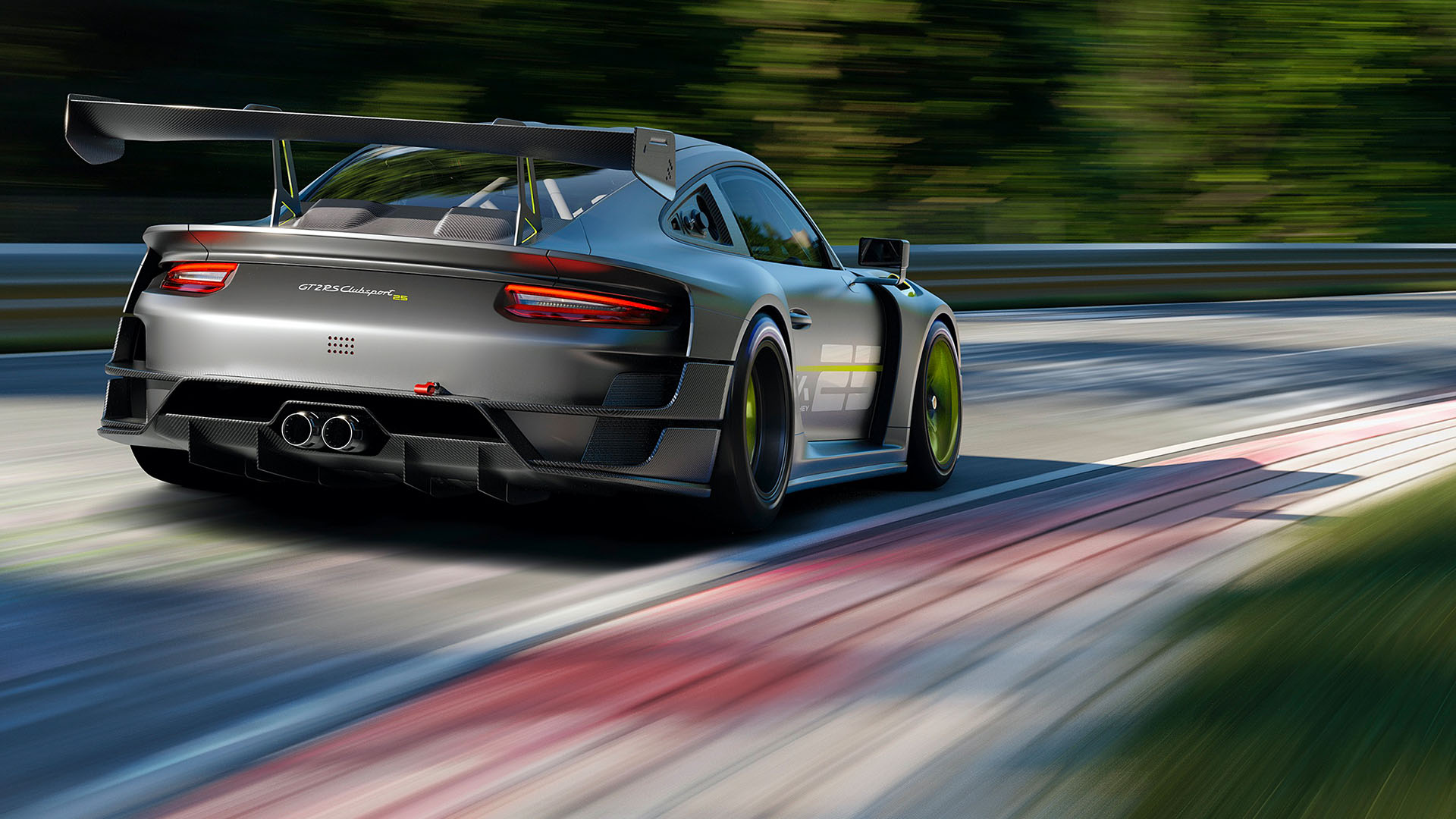
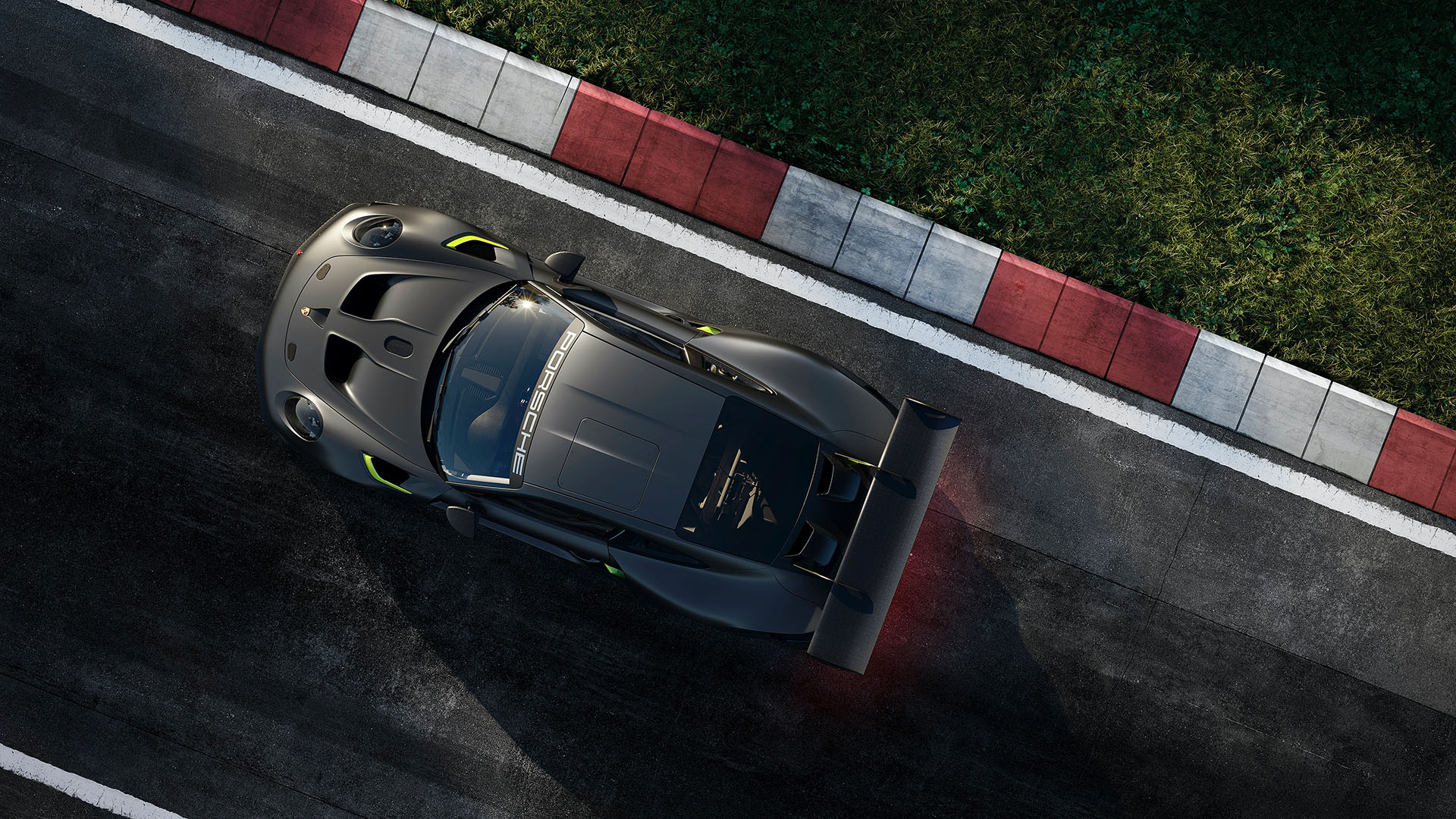
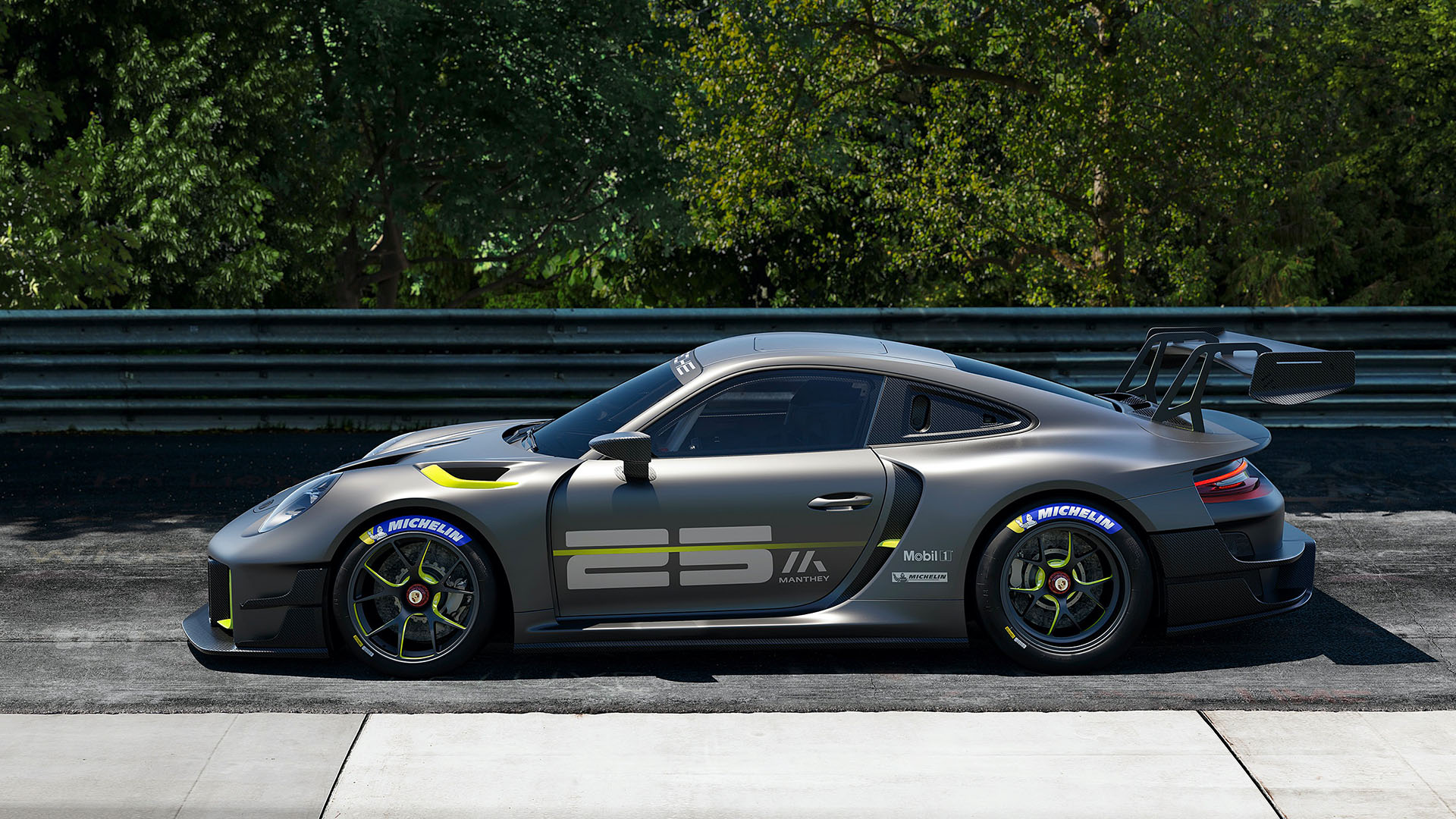
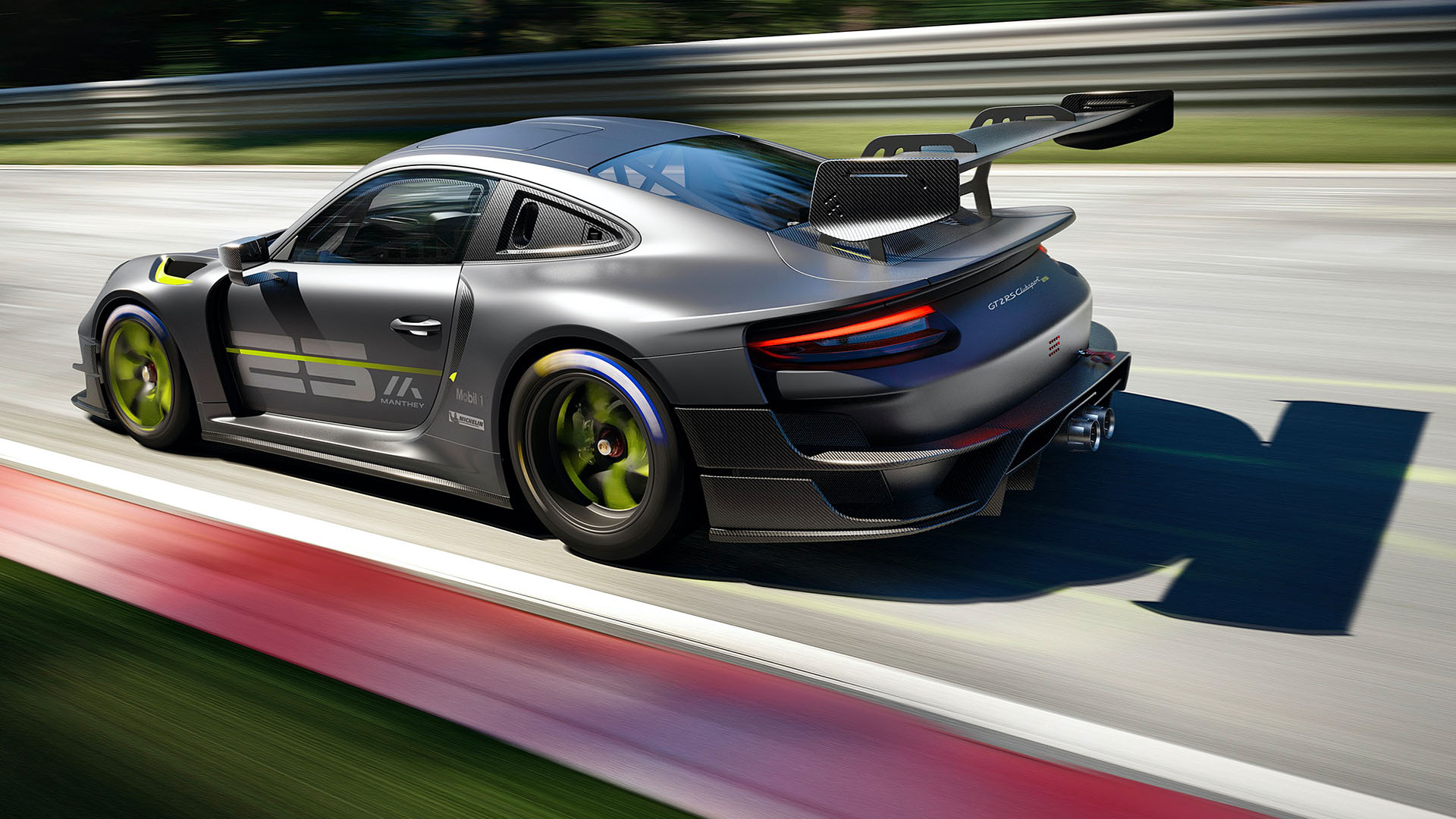
Porsche unveiled the limited edition 911 GT2 RS Clubsport 25, only 30 units of this track-only model will be made, as a celebration of the 25th anniversary of Manthey-Racing GmbH, being a joint venture in design and development between Porsche and Manthey, but none of these will be able to be driven on the open road, based on the 911 GT2 RS Clubsport, this new limited edition is powered by the 3.8-liter flat-six twin-turbo engine, pumping out 700 PS (or 515 kW) to the rear wheels only through the seven-speed Porsche dual-clutch gearbox (PDK).
The exterior design for this new 911 GT2 RS Clubsport 25 shows various elements from familiar and future Porsche racing cars, the technology, and aerodynamics seen on this car bridge the gap between the 991 and 992 model generations of the 911, with inspiration from Manthey’s 911 GT3 R, which Nürburgring fans fondly dubbed “Grello” thanks to its distinctive green and yellow finish, but in the end, Grant Larson from Style Porsche added some final optical touches, remember Larson designed some legendary racing cars like the 911 RSR, 911 GT3 R as well as the modern 935 and many more.
Similar to the Porsche 935, the new 911 GT2 RS Clubsport of the 991 model generation is used as the base for this limited edition version, the centrally-positioned radiator is one of its defining features to resemble the 911 GT3 R, the totally new front bumper comes with a central intake for optimum airflow, this special edition also boasts a closed underbody and a carbon fiber front lid in a new design where the two large vents, separated by a center divider, channel hot air over the roof to the rear wing while the center-mounted NACA duct pulls fresh air to the cockpit.
The suspension for this new 911 GT2 RS Clubsport 25 uses parts sourced from the modern 935, with massively wide center-lock 18-inch wheels that boasts large offsets so this car features a significantly wider track than the regular 911 GT2 RS Clubsport, to cope with that wider track the fenders on this car had to be redesigned thoroughly, a massive rear wing is an integrated unit into the rear of the body, it serves as a wrap-around separation edge, a design element that distinguished Manthey’s first MR.
“With the 911 GT2 RS Clubsport 25 special edition, which we designed and developed in conjunction with Porsche Motorsport, we’ve reached another milestone in the 25-year history of Manthey. It’s a perfect example of our guiding principle ‘Closer to Perfection,’” states Nicolas Raeder, Managing Director of Manthey-Racing GmbH. “With every modification, technological function always takes priority. That’s why the 911 GT2 RS Clubsport 25 has its very own character, which also reflects our brand values: straightforward and meticulous, flexible and uncompromising.”
The taillights meet current rules and are shared with the 911 GT3 Cup, while the headlights are derived from the Le Mans-winning 911 RSR, but have been further developed for this model specifically, they now have integrated turn signals and are particularly efficient in illuminating the track, while a bespoke rear diffuser is a perfect surrounding for the newly developed exhaust system, with its dual tailpipes that draw attention to themselves even without the engine running.
August 10, 2021 / Comments Off on The 911 GT2 RS Clubsport 25
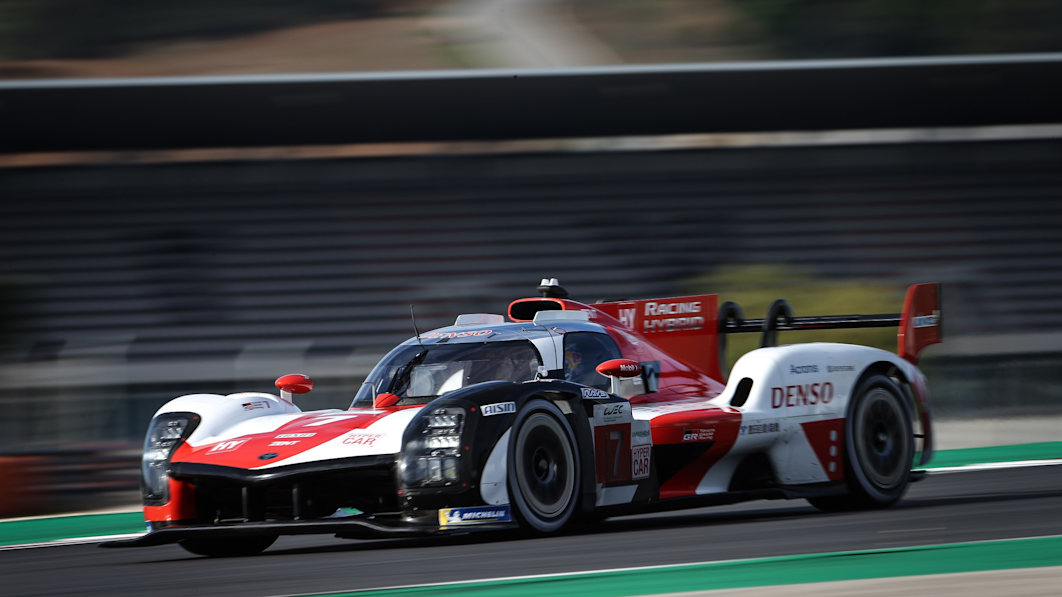
Toyota has placed its first street-legal hypercar on the back burner, according to a recent report, after a fire destroyed a prototype during testing. But the race variant isn’t in danger.
Although official details about the Japanese carmaker’s hypercar program are few and far between, Racer learned the street-legal version of the GR010 (pictured) unveiled earlier in 2021 was canceled because of what’s described as a “serious incident” that took place on the Fuji Speedway. One of the pre-production cars Toyota was testing was badly damaged by a fire, according to the publication. The source of the blaze remains unknown outside of Toyota.
If the report is accurate, it means Toyota has chosen to consign about three years of research and development to the automotive attic; the issue must have been a seriously alarming one. Details about the hypercar haven’t been released yet, so all we know is that it should have been closely related to the Le Mans-bound race car and that it would have been built in strictly limited numbers. For context, the track version of the GR010 uses a gasoline-electric hybrid powertrain rated at 938 horsepower, though race regulations cap its total output at 670 horses.
Some feared the incident would put an end to Toyota’s involvement in the World Endurance Championship (WEC), but anonymous sources told Racer that’s not the case. The firm doesn’t need to build a pre-determined number of road cars for homologation purposes; it can if it wants to, and that was the plan until recently, but it’s not required.
While those saving up for a GR010 will be disappointed, Toyota might have a consolation prize. It’s allegedly considering entering the GR010 in the WeatherTech SportsCar Championship in 2023. Racing in two similar yet fundamentally different series isn’t as expensive as it sounds because the Automobile Club de l’Ouest (ACO), the Fédération Internationale de l’Automobile (FIA), and the International Motor Sports Association (IMSA) aligned their technical regulations to let manufacturers compete in events on both sides of the pond without going through the resource-sapping process of developing a specific car for each series. Dodgeis considering taking advantage of the new rules as well; it would race its own version of Peugeot’s Le Mans car.
We’ve reached out to Toyota for additional details about the GR010, and we’ll update this story if we learn more.
August 10, 2021 / Comments Off on Toyota reportedly cancels its street-legal Le Mans-inspired hypercar
The Lotus Emira, the last fuel-burning car from Lotus made its dynamic debut during the Goodwood Festival of Speed in the UK a few weeks ago, this time it’s the US introduction of this amazing car to be held during Monterey Car Week in California. The main event for Lotus will occur at The Quail: A Motorsport Gathering, while the Emira will make her dynamic debut at the legendary Laguna Seca Raceway for a very special celebrity track day.
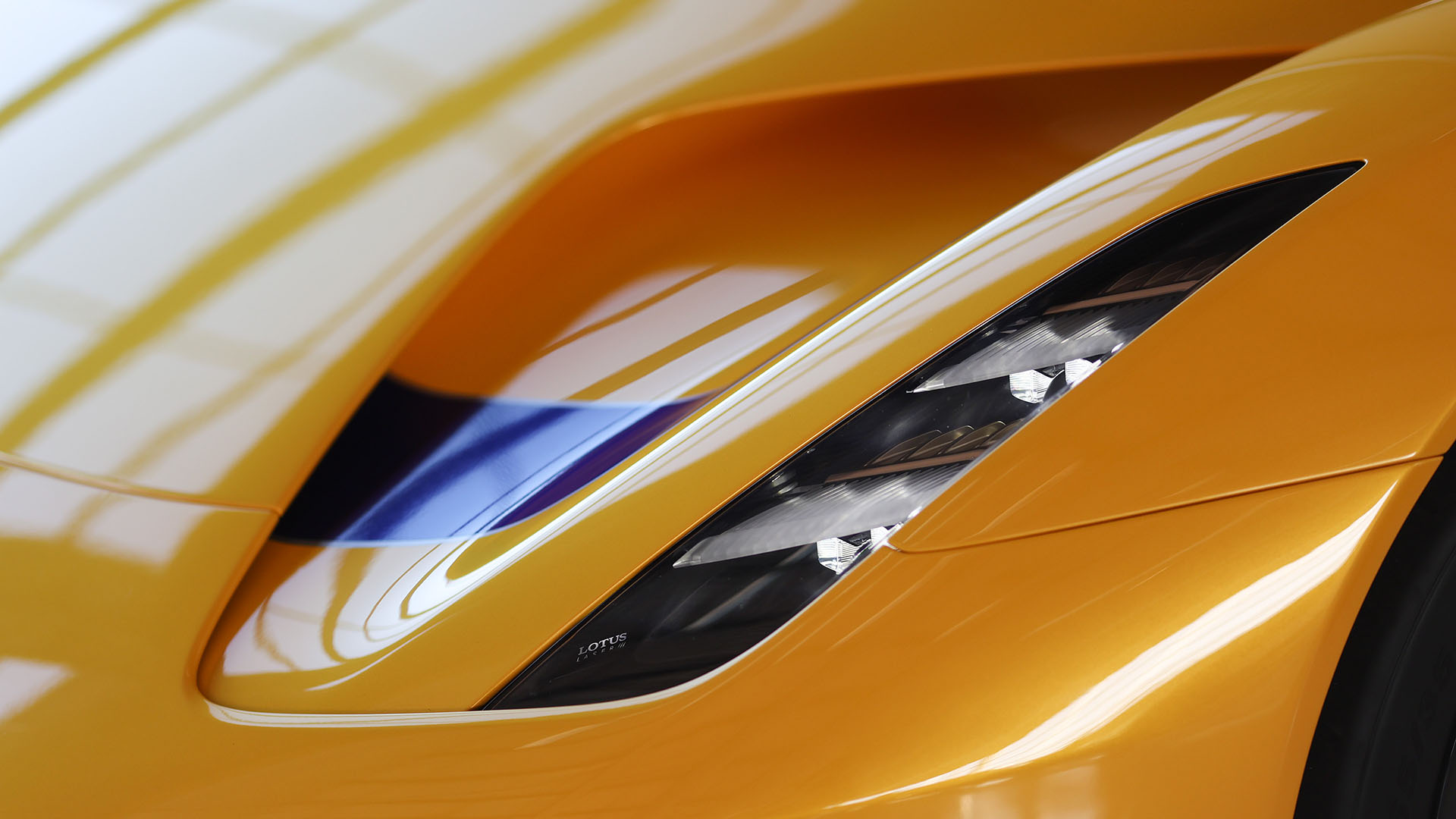
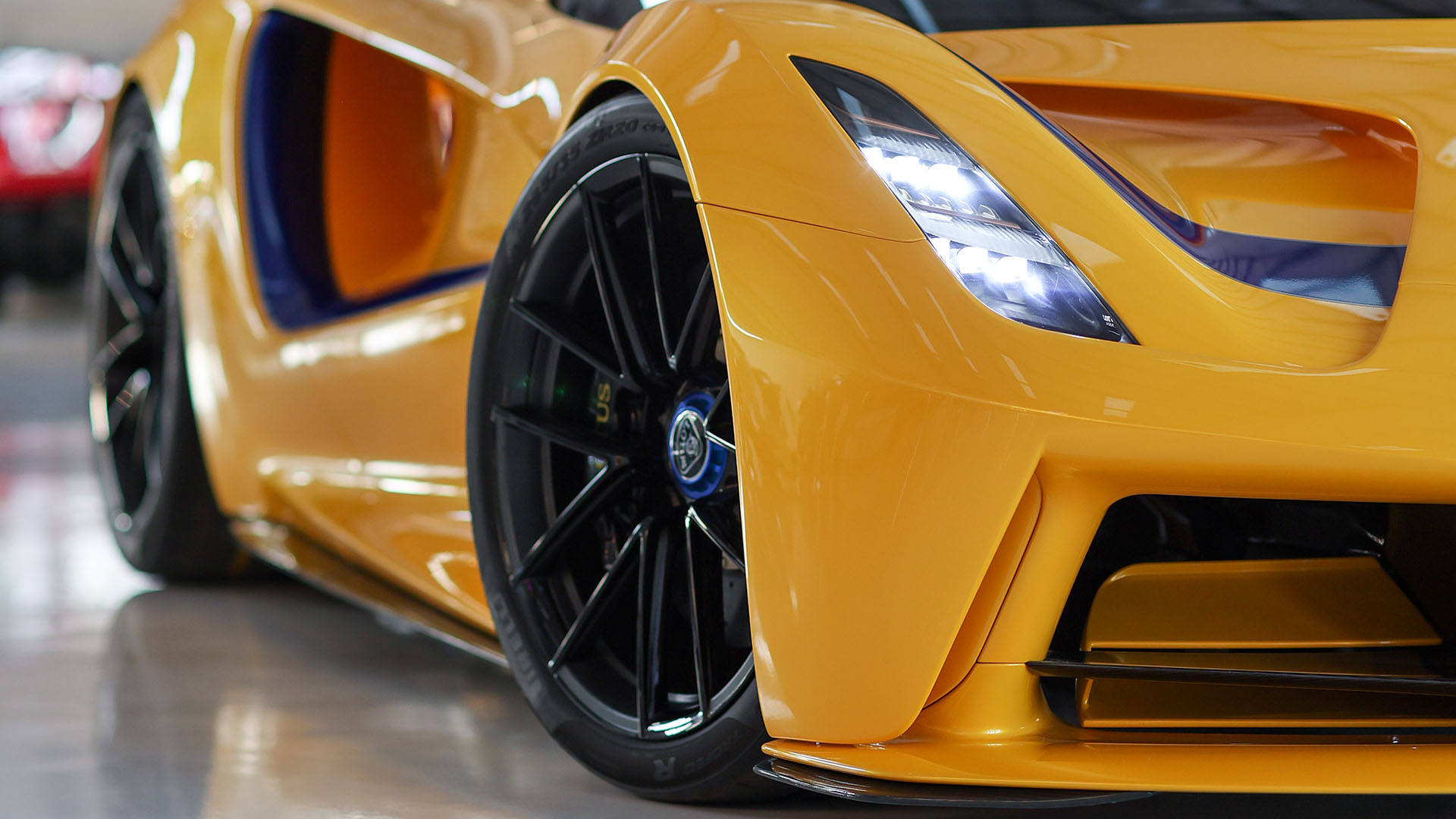
But it will be the all-electric hypercar from Lotus, the Evija, to take center stage in California in a brand new color scheme of yellow with accents, inspired by the iconic Lotus Type 99T that competed in the 1987 Formula One championship with none other than Ayrton Senna behind the wheel, taking the victory at the 1987 Detroit Grand Prix.
This will not be the first time the Lotus Evija is shown during Monterey Car Week, a few weeks after being unveiled back in July 2019, the first event of the world tour the Evija undertook in 2019 was the California Car Week, after that this prototype was taken all over the world, from Japan to China and later on to the Middle East.
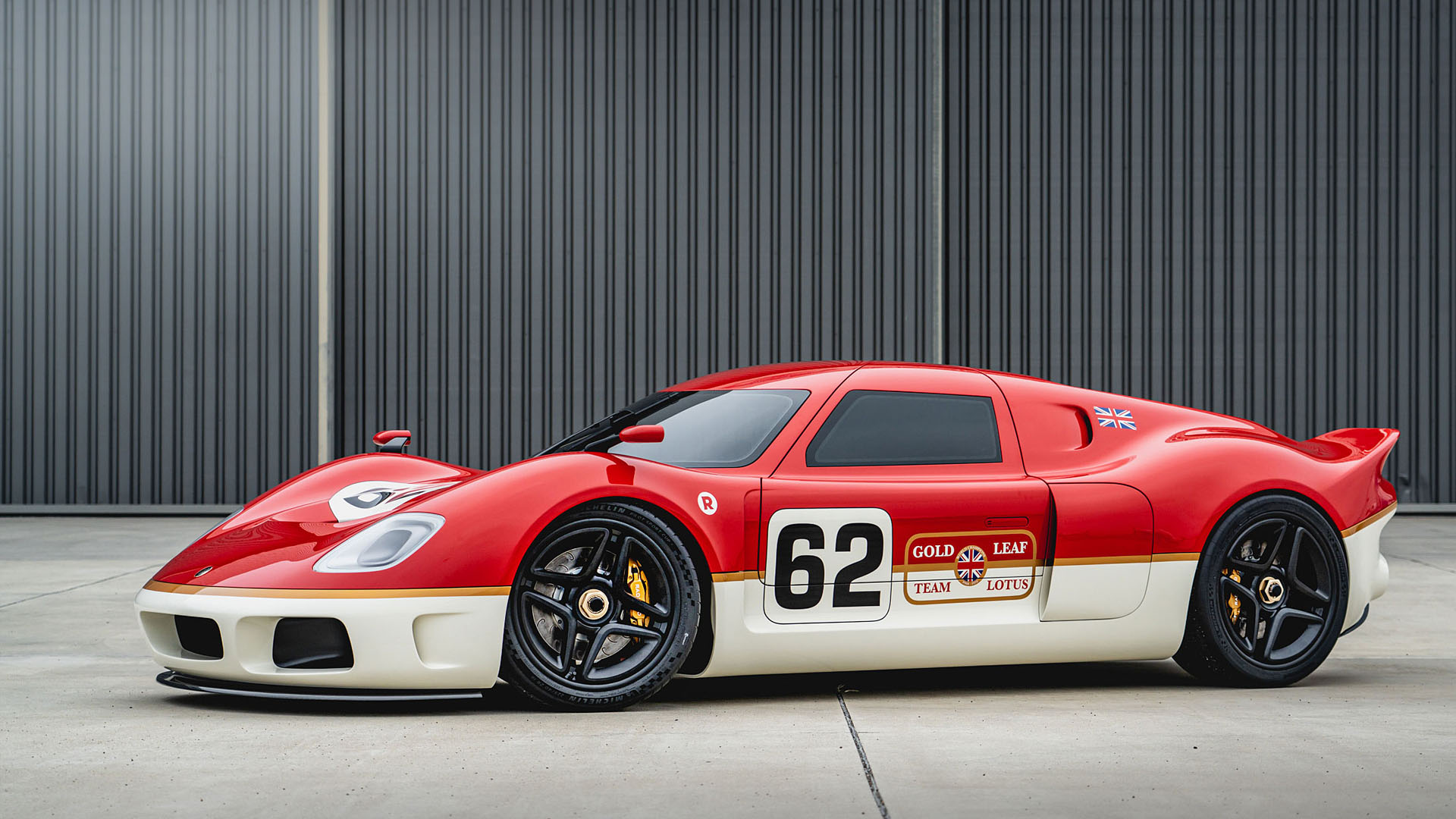
For this 2021 stint to the United States, the Lotus Evija had a jam-packed agenda even before heading to Monterey, this new all-electric supercar also attended the world premiere of the Radford 62-2 at the Lyon Air Museum, Santa Ana, the Radford 62-2 is limited to just 62 examples, and is a recreation of the Lotus Type 62 built using current Lotus technology.
Before taking center stage at The Quail: A Motorsport Gathering at Quail Lodge & Golf Club in Carmel Valley, the bright yellow Lotus Evija will be admired during private VIP events for those that have already put down money to obtain this 2,000 PS supercar and to gather even more possible clients for this amazing car.
August 10, 2021 / Comments Off on Lotus comes to Monterey Car Week
The Ferrari Roma is named after one of the most beautiful cities in Italy. In an odd turn of events, an Italian city could have a street named in honor of the Roma (if its mayor has a sense of humor) after one got stuck in a narrow street. Footage showing the $225,000-plus grand tourer scraping its sides on centuries-old buildings surfaced on YouTube.
Where the video was shot is up in the air. It was taken in a small street that’s partly paved with cobblestones and located somewhere in Italy. There are thousands of strade that meet this description. They’re picturesque, and we fully understand the temptation to explore them, but what the driver seemingly forgot is that the Roma is not a small car. At 77.7 inches wide, it’s about three and a half inches narrower than a Chevrolet Suburban. And, while “low clearance” signs are common around the world, “tight street” indications are rarer.
It looks like the Roma fit (barely) until the narrowest part of the street trapped its quarter panels. Seeing the coupe stuck, a bystander tried to help the driver through but stopped when a presumably very angry woman came running with her hands in the air. At that point, the bystander calls it: zero for the Ferrari and one for the street.
The video doesn’t show the aftermath, so we can only guess how the Ferrari was freed and how much damage it drove (or was hauled) away with. What’s certain is that the driver now understands why small cars reign supreme in Italy. And, nothing suggests the street will be named after the Roma, but it would be a creative way to spur tourism.
While it’s tempting to blame this incident on human error, especially when we’re talking about a car that costs more than the average house, it’s important not to forget about the possibility that technology played a role in embedding the Roma into its home country’s architecture. Navigation apps don’t know that your Ferrari is too wide for the street they’re sending you on. You’re ultimately responsible for how you drive, where you turn, and which detours you take, but the main takeaway here might be “don’t blindly follow directions” rather than “don’t blindly assume it fits.”
Related Video:
August 9, 2021 / Comments Off on Watch a Ferrari Roma get trapped in a narrow Italian street
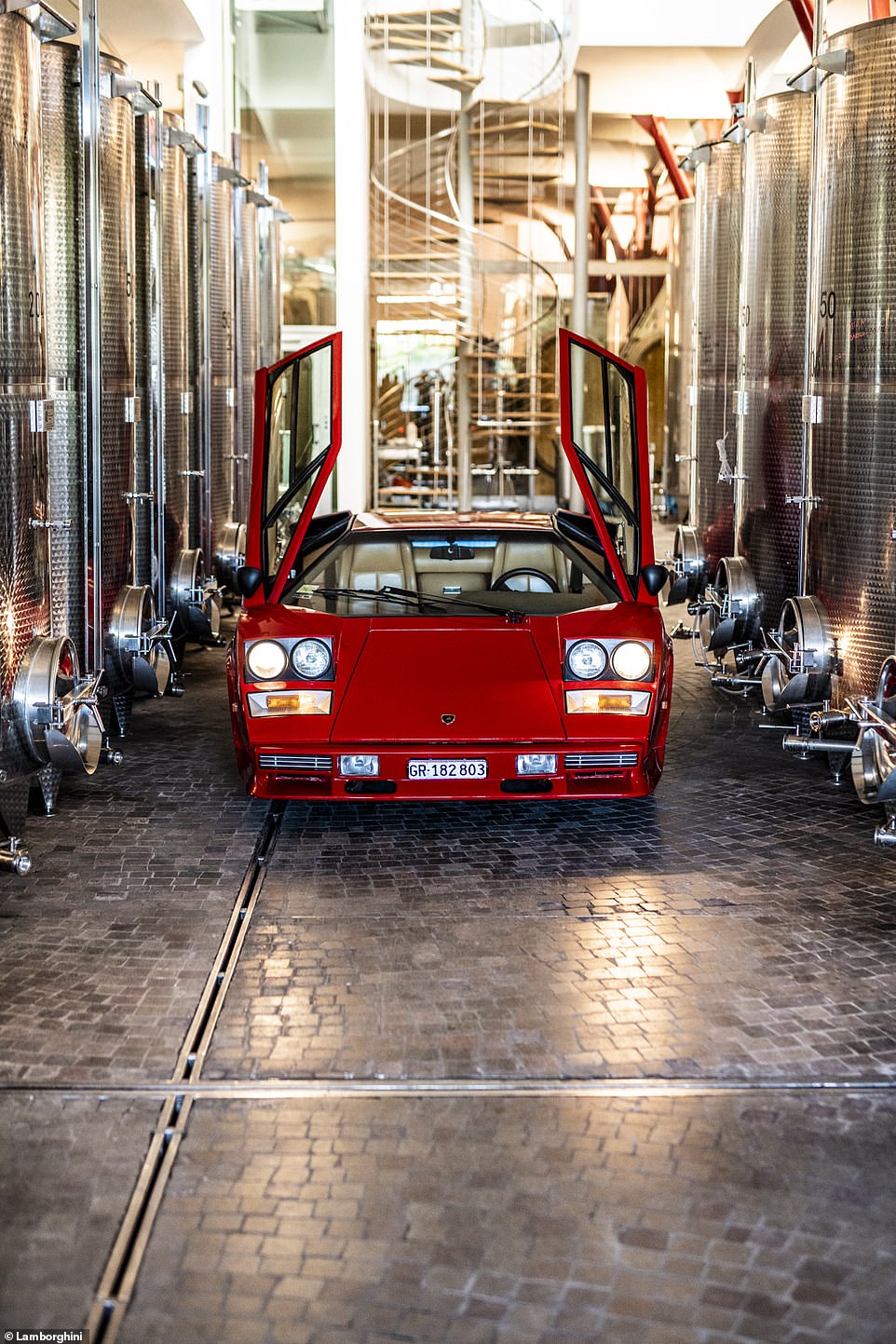
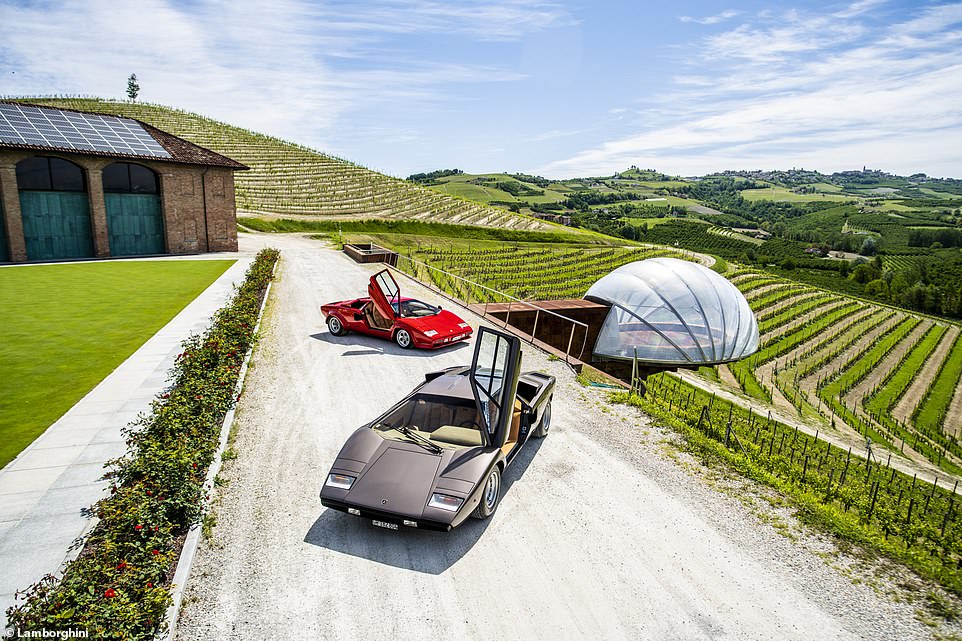
Lamborghini just announced that a new Countach is coming. Let us repeat. Lamborghini just announced that a new Countach is coming!
OK. Let that soak in for a few seconds, or minutes, however long it takes. We’re a bit shocked over here, too.
There’s one teaser image to go off of, and Lamborghini hasn’t let loose any details beyond giving us the name. You can see the car under a car cover and shrouded by haze in the photo above. However, there’s a video that’s been posted to Twitter that you can watch below.
We make dreams come true. We did it with the classic Countach in the 1970s. And we’re doing it again. The new Lamborghini Countach is coming. #Lamborghini#Countachpic.twitter.com/nXctgIuyqe
We get some great engine noises, and the new Countach appears to be parked a long way away from the camera at the end of the video. It appears to be painted white, but that’s all we can tell about it from that distance. There’s no doubt that Lamborghini is leaning heavily into nostalgic feelings, as you see original Countach posters pinned up to a kid’s room in the video. Lamborghini seems intent on recapturing that wild, exotic magic that the old Countach brought to the supercar landscape. It’s tough to say what the styling will be like besides being a wedge like most Lambos. It could be a very retro design, sort of like the Miura concept from over a decade ago. It could also be a thoroughly modern Lamborghini design that happens to have a classic nameplate attached. For what it’s worth, Lamborghini’s design boss seemed to be against anything overtly retro as of a few years ago.
For the time being, our best guess is that this could be the car housing a hybrid V12 powertrain. The Italian supercar maker has said the only way to keep the V12 alive is to hybridize it. Starting off with a hybrid V12 Countach sounds like one hell of a way to kick off a new era of hybrid Lamborghinis. Plus, with an anticipated launch date of 2023 for a hybrid, the timing would be pretty good for the new Countach.
We’ll just have to wait and see what it is before we get too far ahead of ourselves, though. Lamborghini says it “is coming,” but doesn’t say when. For now, all we can say is stay tuned.
Related Video:
August 9, 2021 / Comments Off on A new Lamborghini Countach is coming soon
Lamborghini has officially teased a new Countach which could see a debut at Monterey Car Week 2021 this weekend or a European debut at Villa d’Este in October. Another possible debut venue could be IAA 2021 in September, Lamborghini has in the past used Frankfurt Motor Show to unveil the Reventon and Sian in 2007 and 2019 respectively.
For now, the Italian car maker only says “a new Lamborghini Countach is coming”. 2021 marks the 50th anniversary of one of the greatest poster pin-up cars. Like the Sian before it, only a handful will be produced – most likely 50 cars worldwide. According to our inside source, each unit will go for €2.01 million before taxes and options.
It will share the same powertrain with the Sian, a 6.5L V12 engine assisted by a 48v e-motor whose power is stored a supercapacitor unit. Lamborghini will most likely retain the Countach name as this is essentially a homage model. The Countach was officially revealed to the world in 1971 at the Geneva Motor Show before going into production between 1974–1990. A total of 1983 cars were made.
We will be sharing more information on the new Lamborghini Countach as soon as we have it!
August 9, 2021 / Comments Off on New Lamborghini Countach Homage to Cost €2 Million Each
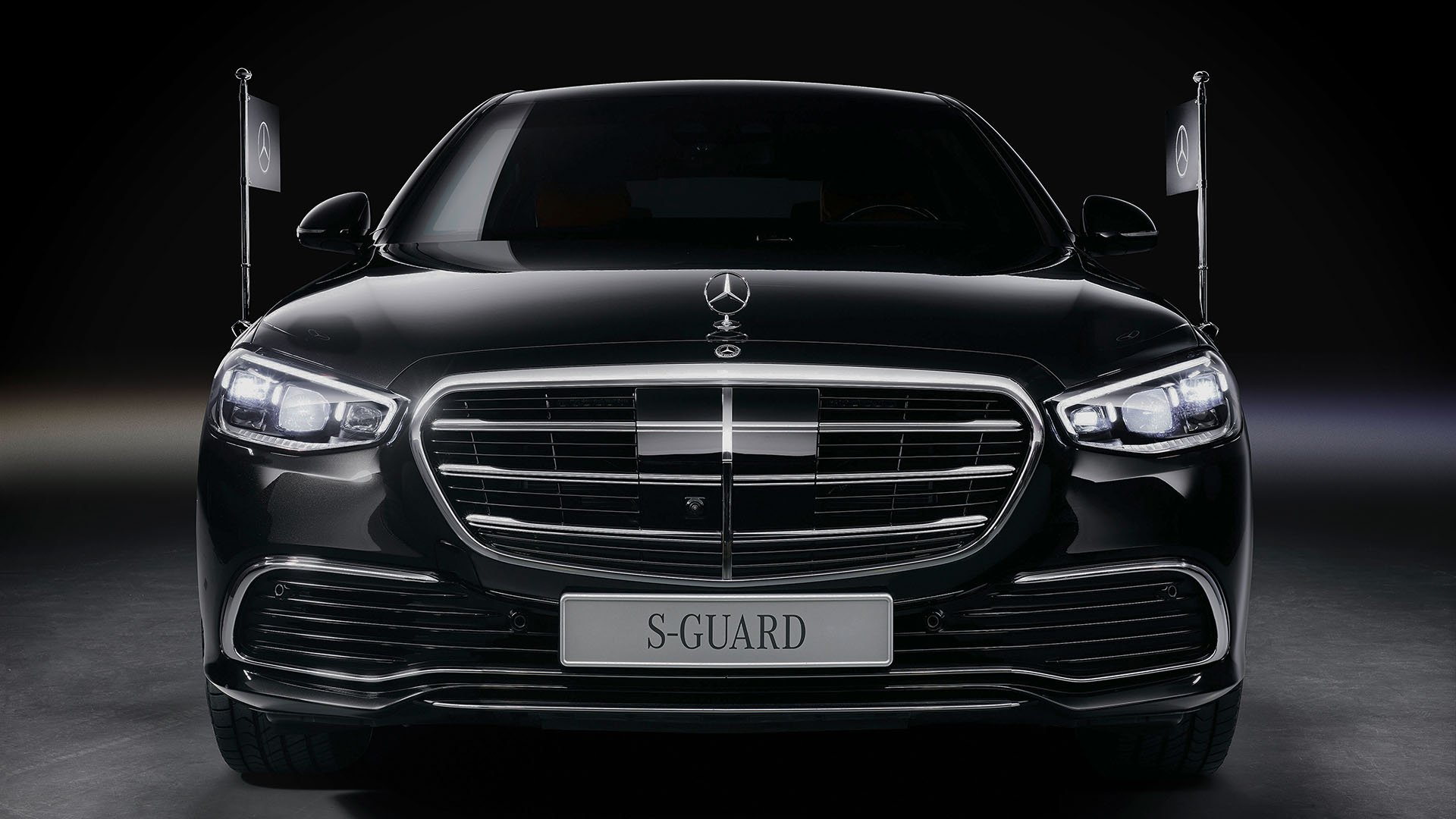
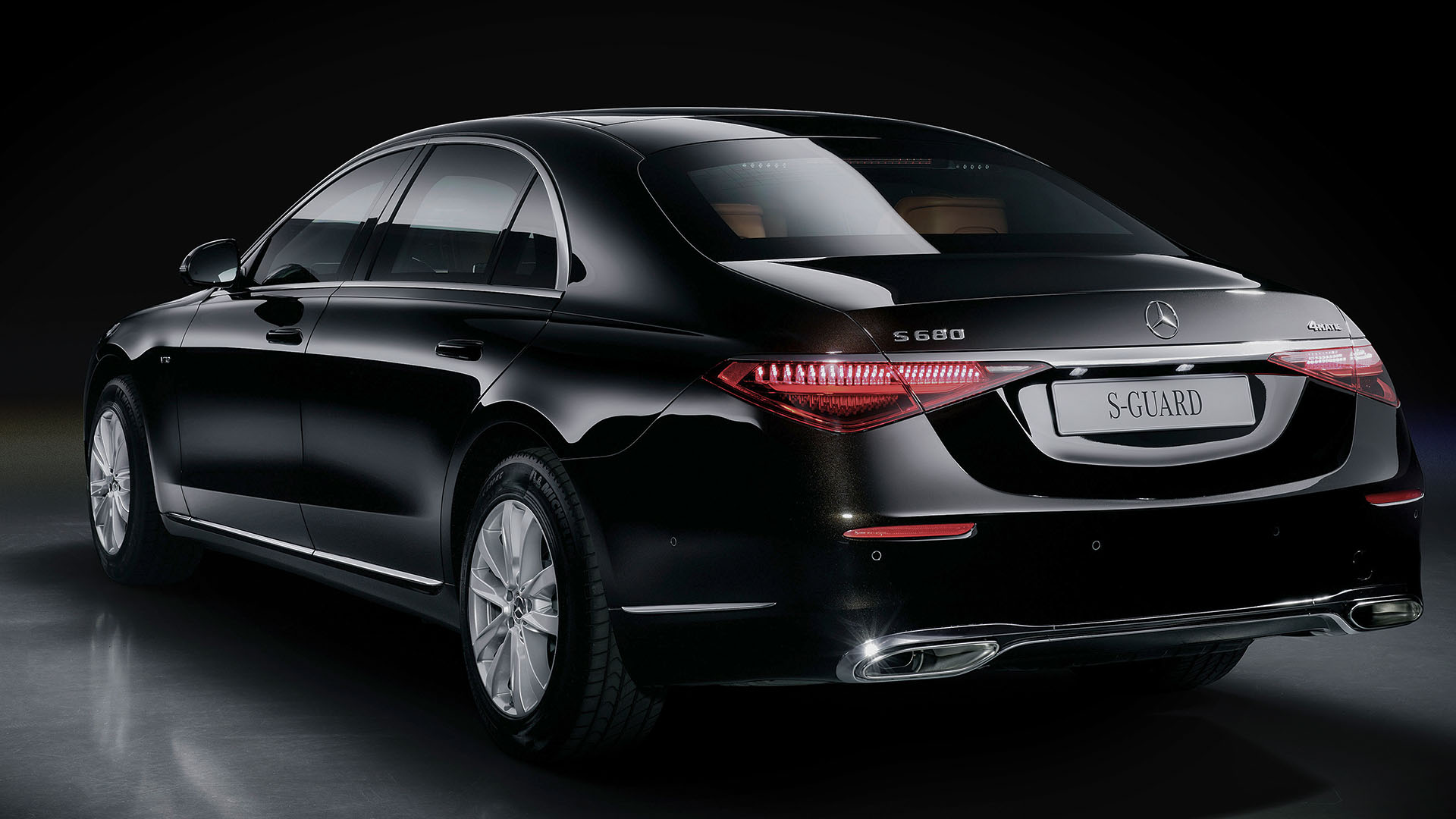
This is the latest of what Mercedes-Benz calls their ‘Special Protection’ vehicles, better known as the ‘Guard’ series, based on regular Mercedes models but modified into behemoths that offer the highest protection level for civilian vehicles, the latest S680 Guard now introduces all-wheel drive into this segment for the first time.
The new S680 GUARD 4MATIC offers protection class VPAM and meets the highest ballistic test level for civilian vehicles being particularly resistant to explosive charges, the official certification by Beschussamt Ulm (ballistic testing authority) was carried out for the first time using so-called biofidelic dummies that come with bone and soft tissue-like constructions to imitate the human body particularly realistically.
With a base price of €457,100, the S680 GUARD 4MATIC is powered by the renowned M279 V12 engine from Mercedes, delivering 612 hp (450kW) and it’s the first time a GUARD model comes with all-wheel drive in the more than 90 years Mercedes-Benz has been building these Special Protection models since 1928, over that period they have perfected every aspect it takes to create a car that literally has to protect the lives of the occupants, even under attack.
On earlier GUARD versions of Mercedes-Benz cars, the required protective materials were added or integrated onto the original chassis and body of the base model, on this S680 GUARD the entire bodyshell has been developed as a GUARD-specific unit from the start to raise the iSS, the integrated protection system, to an entirely new height, this is now a self-supporting protective cell core part of the iSS, the exterior aluminum body panels are just there for looks, and to camouflage the fact this is a high-level, bullet-proof car to drive high-net-worth individuals around.
The GUARD iSS not only consists of a new protective cell, a car with this kind of added weight also requires a bespoke suspension to cope with the additional weight compared to the regular series model, this also includes modifications to the engine and transmission, so the driver can expect similar handling as he would behind the wheel of a normal S-Class Mercedes-Benz because these new GUARD models are being developed alongside the normal production models, but they also reach production level longevity.
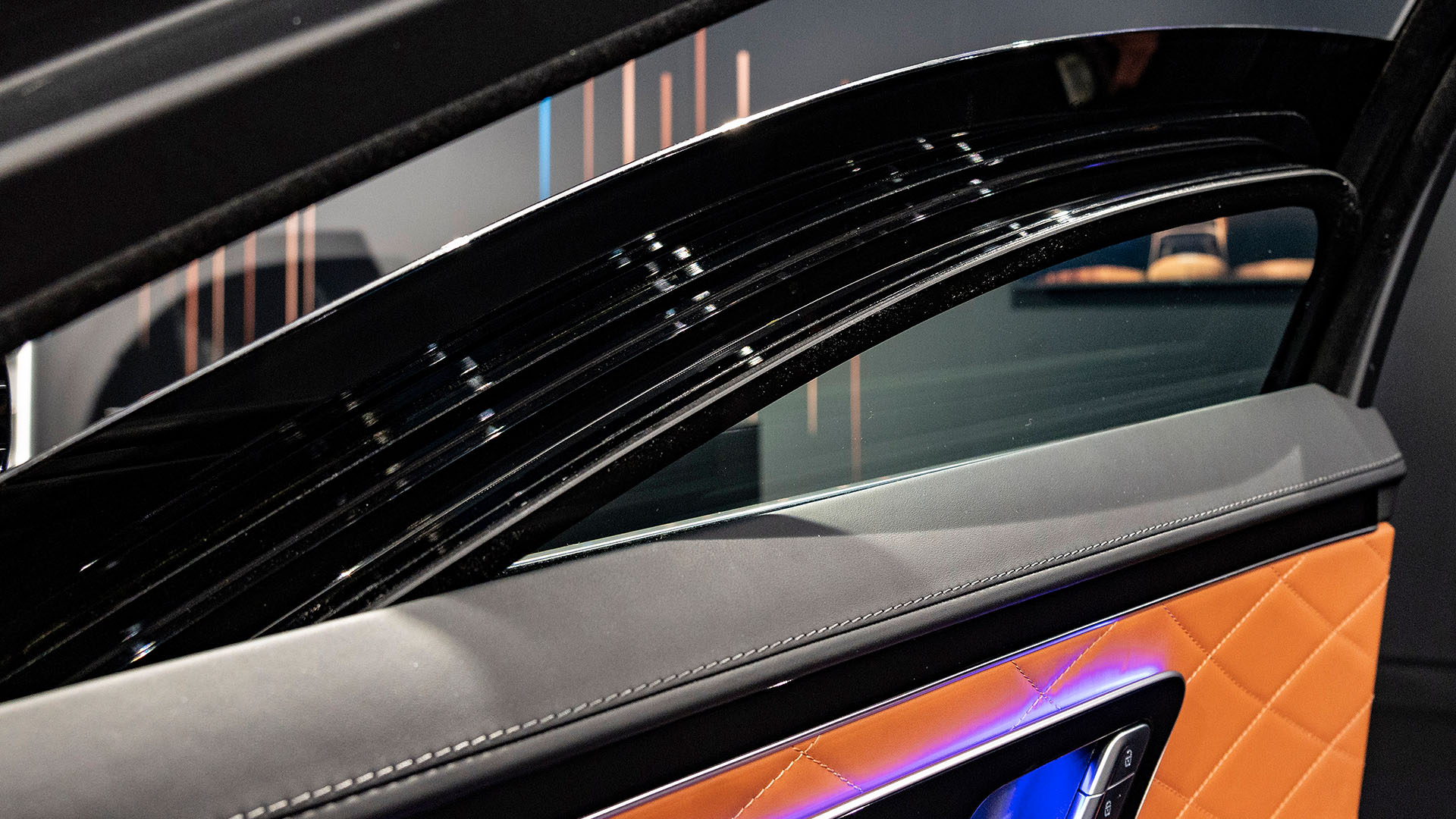
When it comes to the glass surfaces on a GUARD model, the multi-layer glass ‘sandwich’ has to meet the highest requirements of VR10 safety classification, on the inside the glass gets a polycarbonate coating for splinter protection but still show excellent visibility, while at the same time the thick glass has been integrated in such a way that they are not noticeable at first glance, another significant advantage of the integrated protection system.
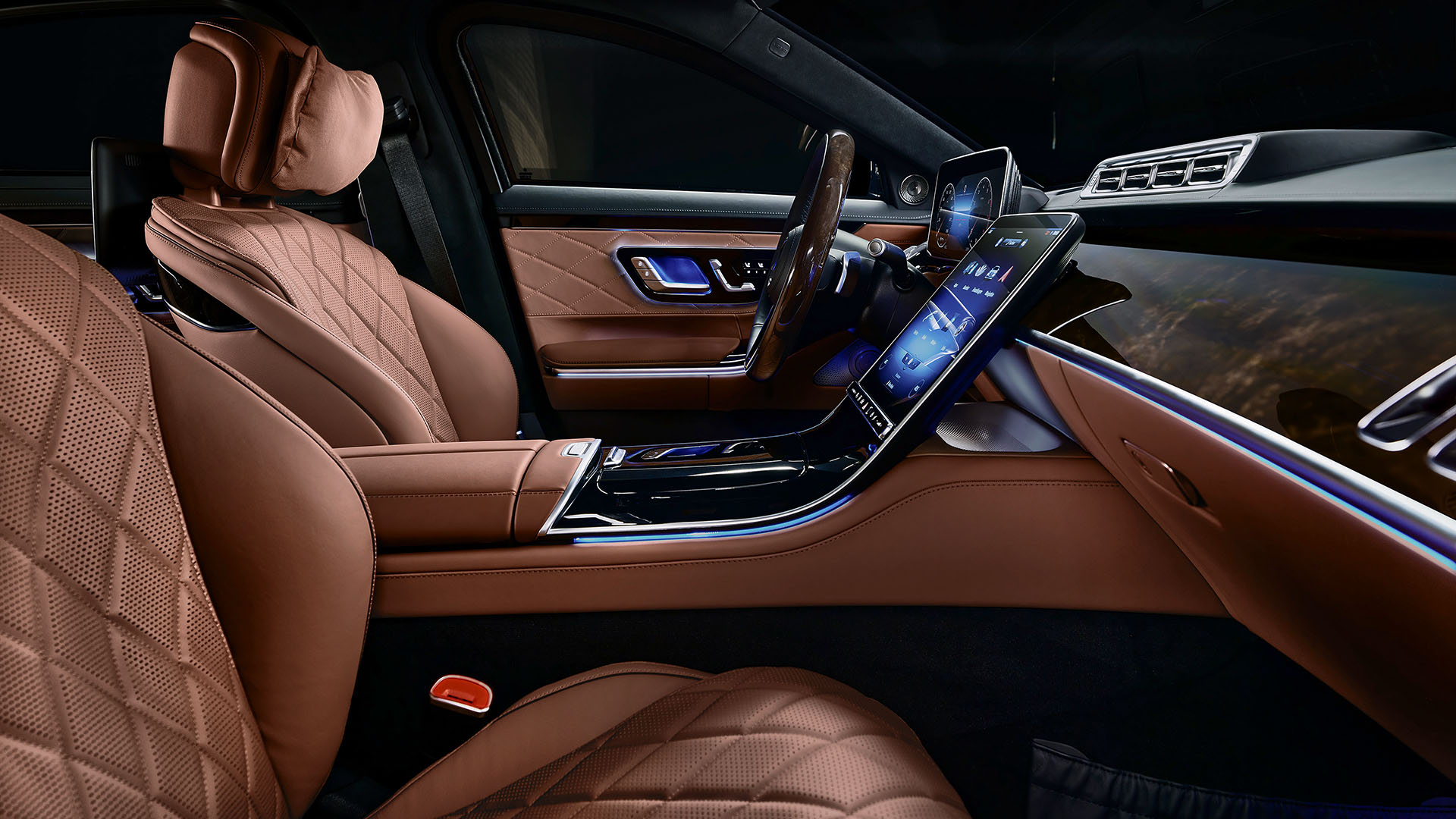
On the S680 GUARD 4MATIC you can get just about every option for the exterior and interior as you would on the regular Mercedes S-Class, with a total of more than 80 options from interior lights, integrated media systems with OLED tech to Mercedes’ First-Class rear suite … you can opt for a three-seat rear or a two-seat rear compartment, whichever the client prefers … always keeping in mind that any ‘unsafe’ options will not be available … a large panoramic sunroof is not possible for instance.
This new S680 GUARD meets the requirements of the highest civilian protection class VR10 according to the standard VPAM BRV version three (Bullet Resistant Vehicles), during testing, both the body and the windows must be able to withstand direct impacts from an assault rifle using armor-piercing ammunition, this new S-Class GUARD also meets the requirements of Germany’s Federal Criminal Police Office (BKA). Protection against blast attacks is documented by compliance with the latest version of the VPAM ERV(Explosive Resistant Vehicles) standard, the test criteria for which are not freely available. The S 680 GUARD 4MATIC was not only the very first vehicle to complete the current tests, it also achieved the top scores in all three tests (roof, floor, and side) with three out of three stars. Test result: “no damage” to dummies and indicators according to assessment scheme VPAM ERV.
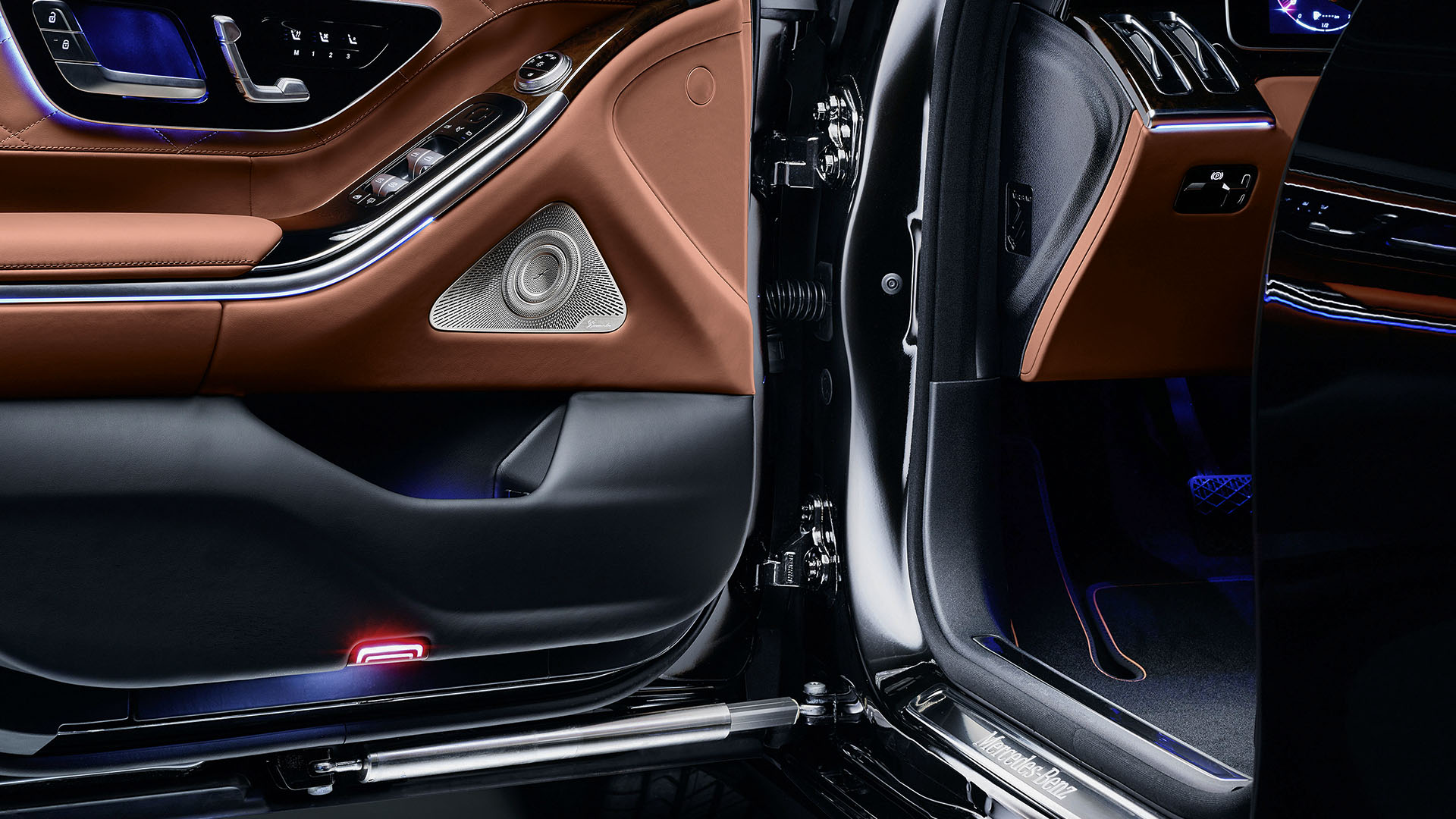
The problem with highly-armored cars like this is weight, the added layers of protection add a lot of weight to the base model, for instance, the doors are reinforced on the inside, but they also carry a lot of weight from the thick glass that has to be fitted, this requires special hydraulic window lifters to cope with the heavy glass, but imagine opening the door on a slope, that would be almost impossible without electro-mechanical door actuators that actively push the door open when you pull the latch to facilitate the work of the bodyguards, and at the same time, they can keep one hand free.
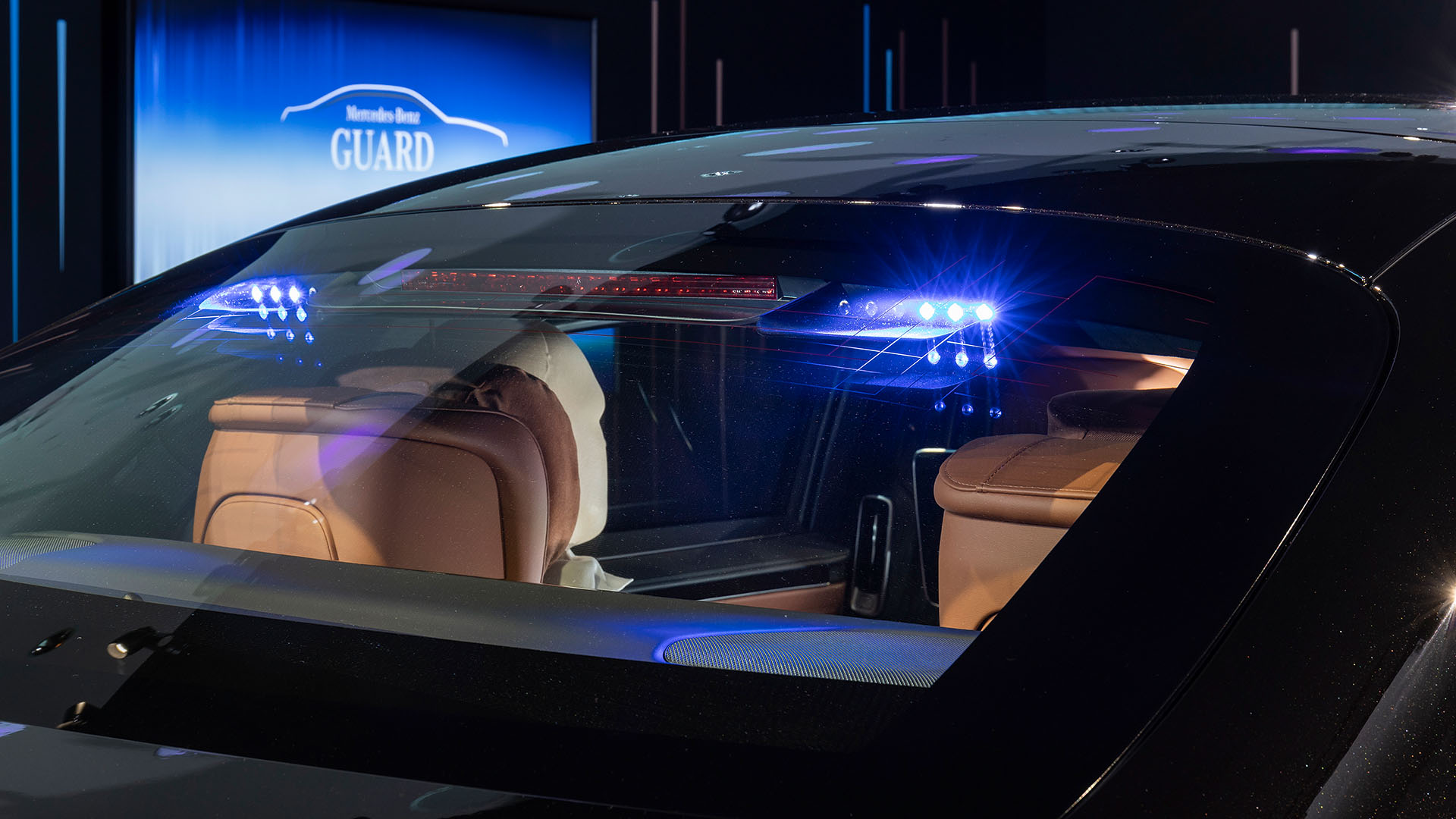
Cars like the S 680 GUARD 4MATIC include a lot of special equipment bespoke-made just for them, like a fire extinguishing system with an automatic triggering function, or an emergency fresh air system that protects occupants from penetrating smoke or irritant gases, but there are also options available that aren’t listed on the normal S-Class list: including an extensive range of equipment for official authorities, such as a siren, flashing lights, and radios, as well as a panic alarm system.
Naturally, a car like this Mercedes-Benz S680 GUARD 4MATIC doesn’t roll on standard tires, this car comes with a set of Michelin PAX run-flat tires are a standard feature, even when perforated these can keep going for up to 30 kilometers to get the occupants safe and out of harms way in case of an emergency, and while the 6-Liter V12 engine boasts 612 hp and 830 Nm of torque at as low as 2,000 rpm, due to the increased weight of the GUARD version, the top speed has been electronically limited to 190 Km/h … but you can have people move out of your way with the flashing blue lights on this car.
August 8, 2021 / Comments Off on The S680 Guard, piece of mind on wheels