All posts in “Cars”

The 2021 Rolex Monterey Motorsports Reunion

2021 Rolex Monterey Motorsports Reunion

By Michael Rockich

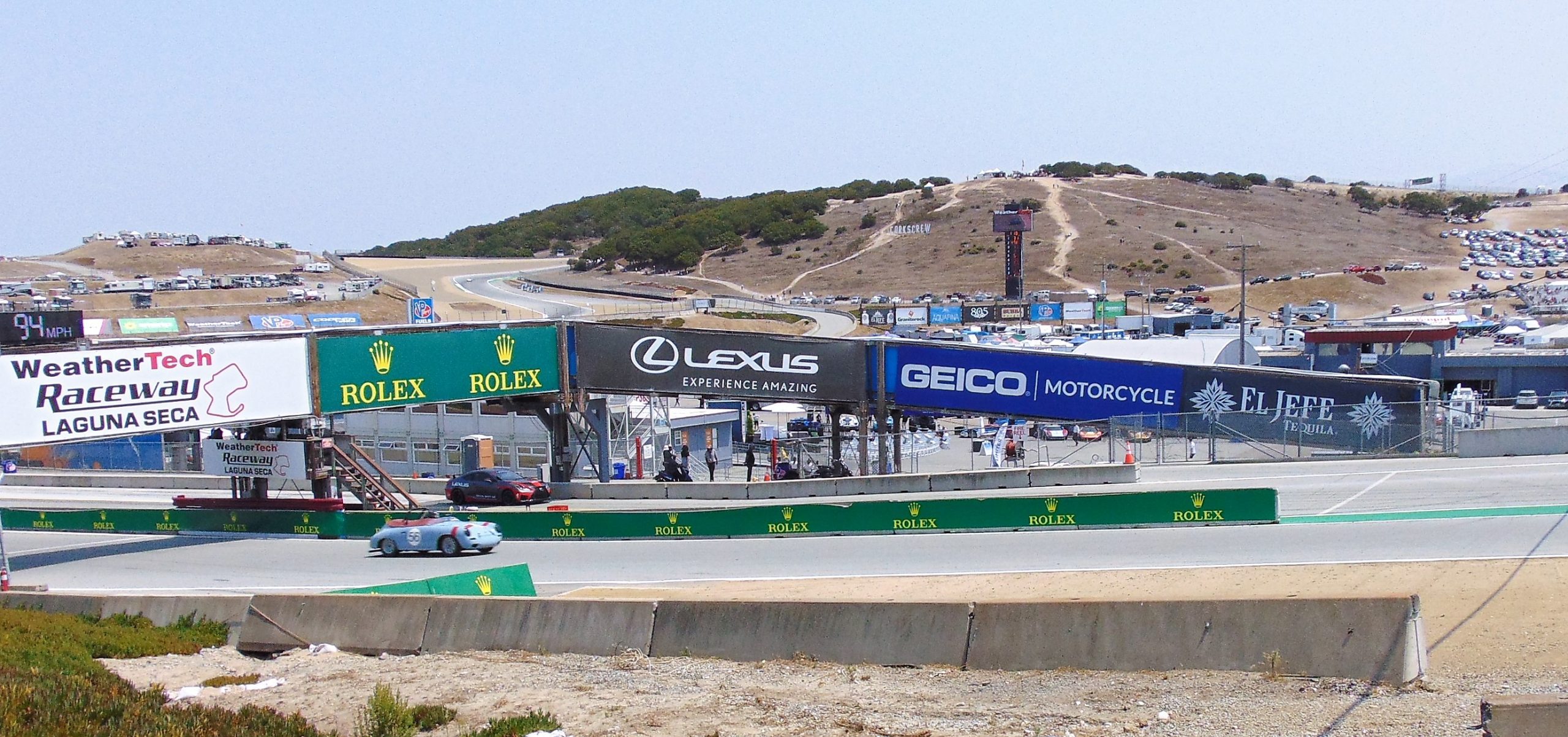
We couldn’t be happier that the 2021 Rolex rolled in as usual after a year away during the upside-down world of the pandemic.  The Rolex Monterey Motorsports Reunion took place August 13-15 at the WeatherTech Raceway Laguna Seca in Salinas, California.

The Reunion is virtually a racecar museum brought to life!  Not to mention the wheel-to-wheel competition, smoking brakes, and smell of burning rubber!  What a fabulous track is the Laguna Seca 2.2-mile traditional road course!  The crowd’s adrenaline pumps, but not at the level the drivers’ does at the end of the long straight and up a rise, then downhill into a threatening hairpin.  Much the same across the track down the notorious Corkscrew!

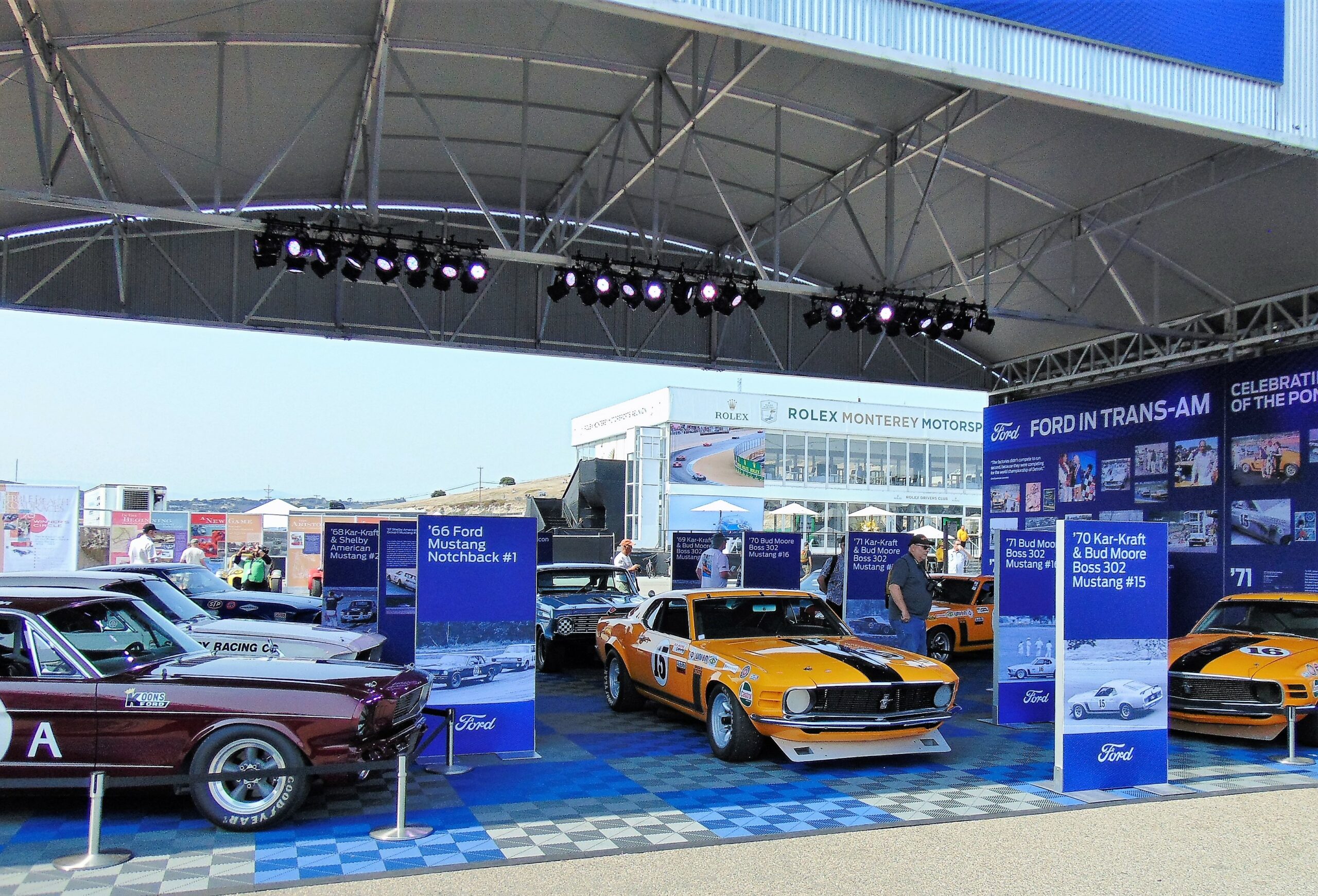
Ford and Trans-Am

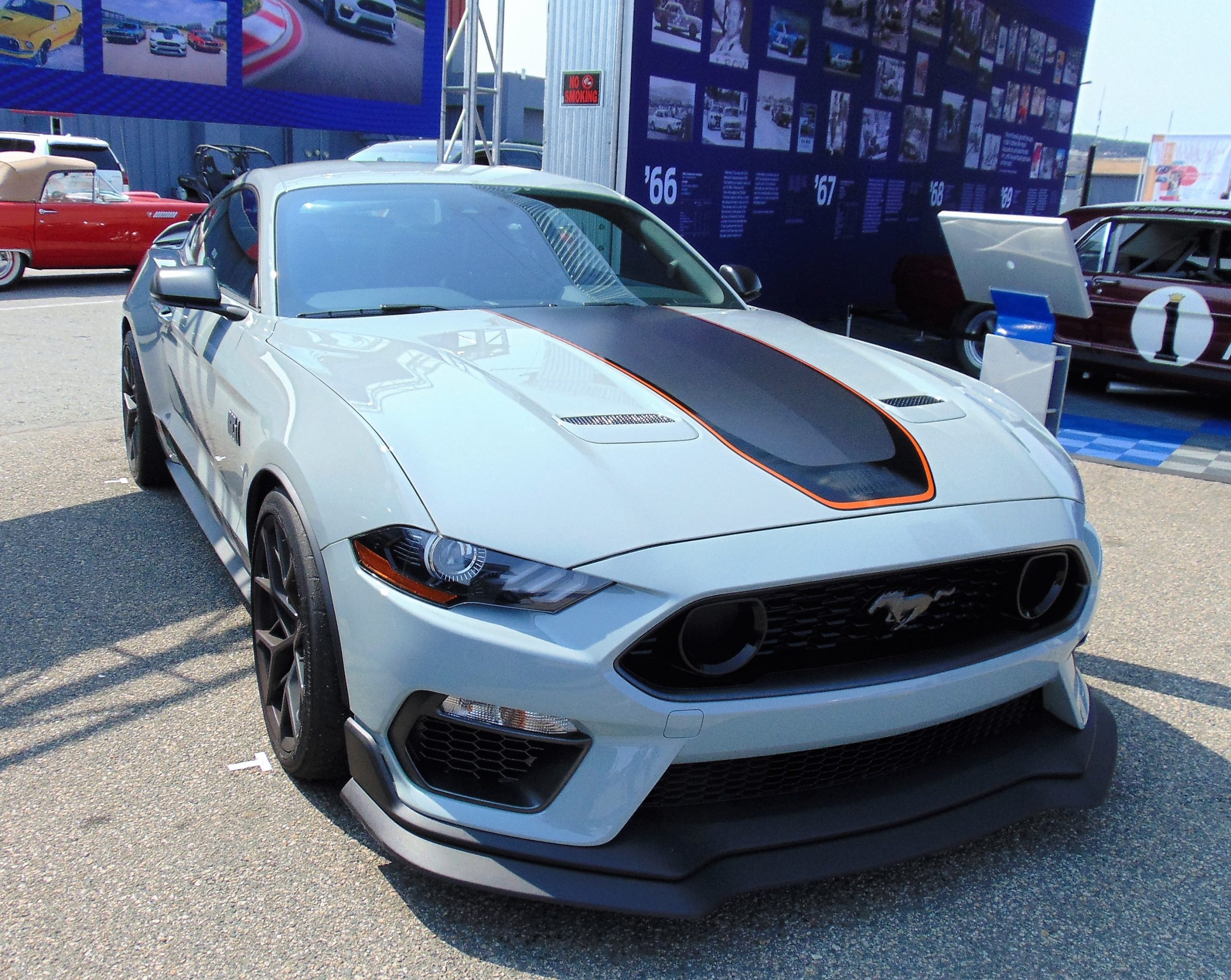
For 2021, the Motorsports Reunion is recognizing Ford in Trans-Am as the featured marque, and is celebrating the 55th anniversary of what are known as the Pony Car Wars.  This competition was mainly racing for American sports coupes powered by small block V8 engines of 302 cu. in. (5 liters) maximum.  Ford Mustang won the first two manufacturer’s titles against cars including Camaro, Barracuda, and Javelin.  Big names were at the wheel – George Follmer, Mark Donohue (Unfair Advantage), Richard Petty, A.J. Foyt, and Parnelli Jones.  Battles on track and in the showroom were hard fought.  Eventually the big “E” words, external events, caught up with the Pony Car Wars.  Even bigger, more powerful engines brought the baggage of greater cost and higher insurance premiums, the 1973 oil crisis, and the intrigue of offshore imports all began unwinding things.

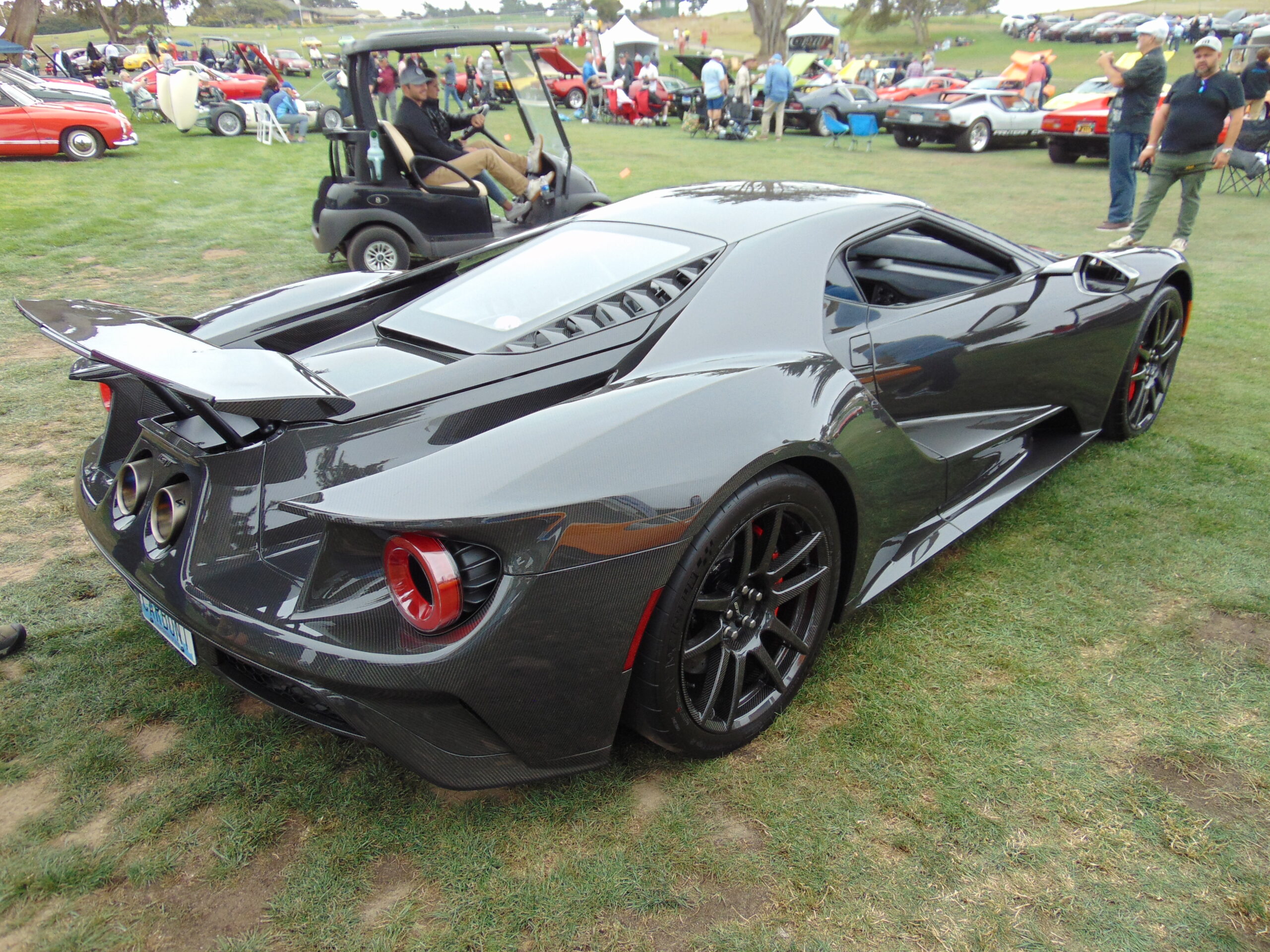
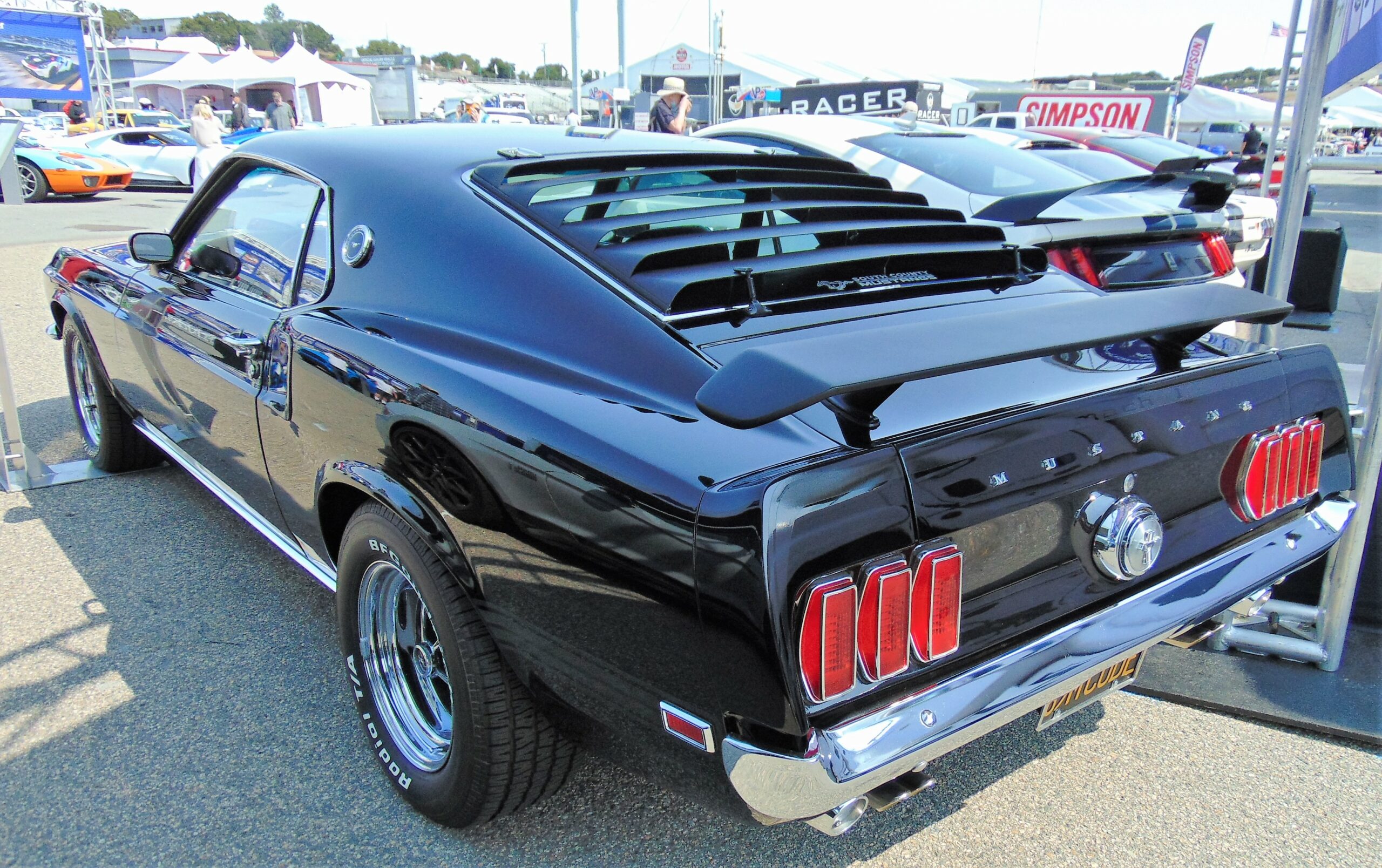
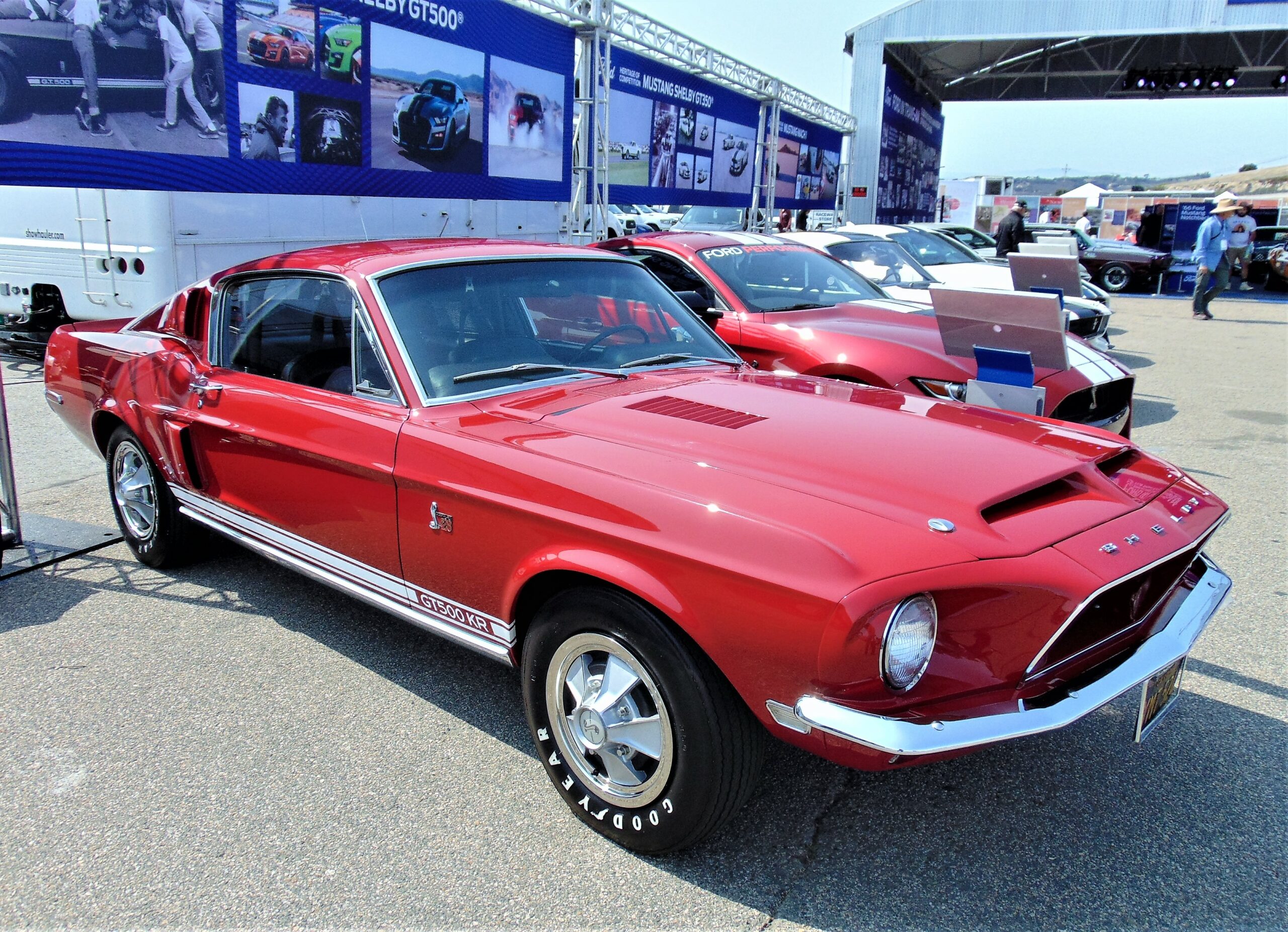
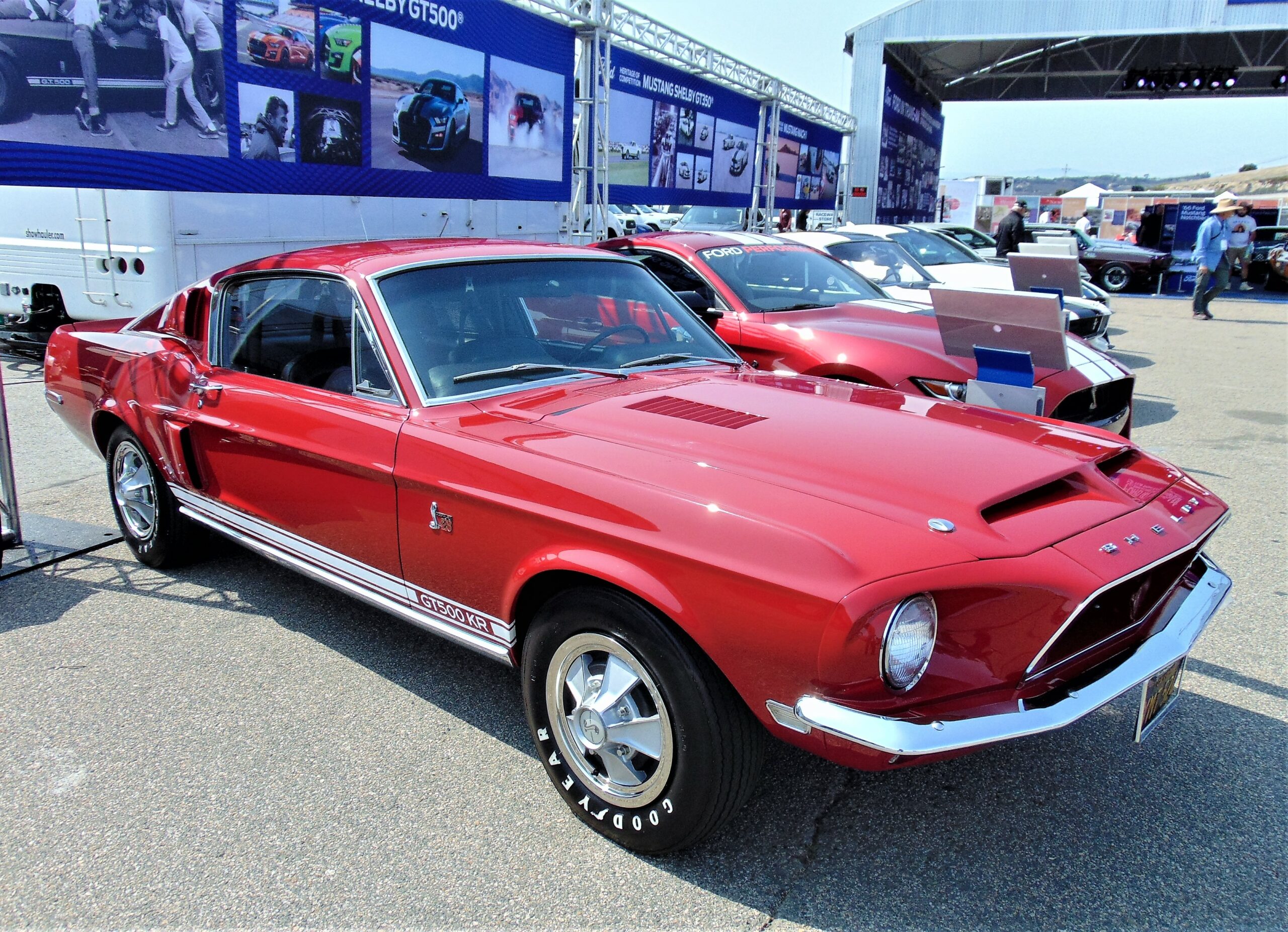
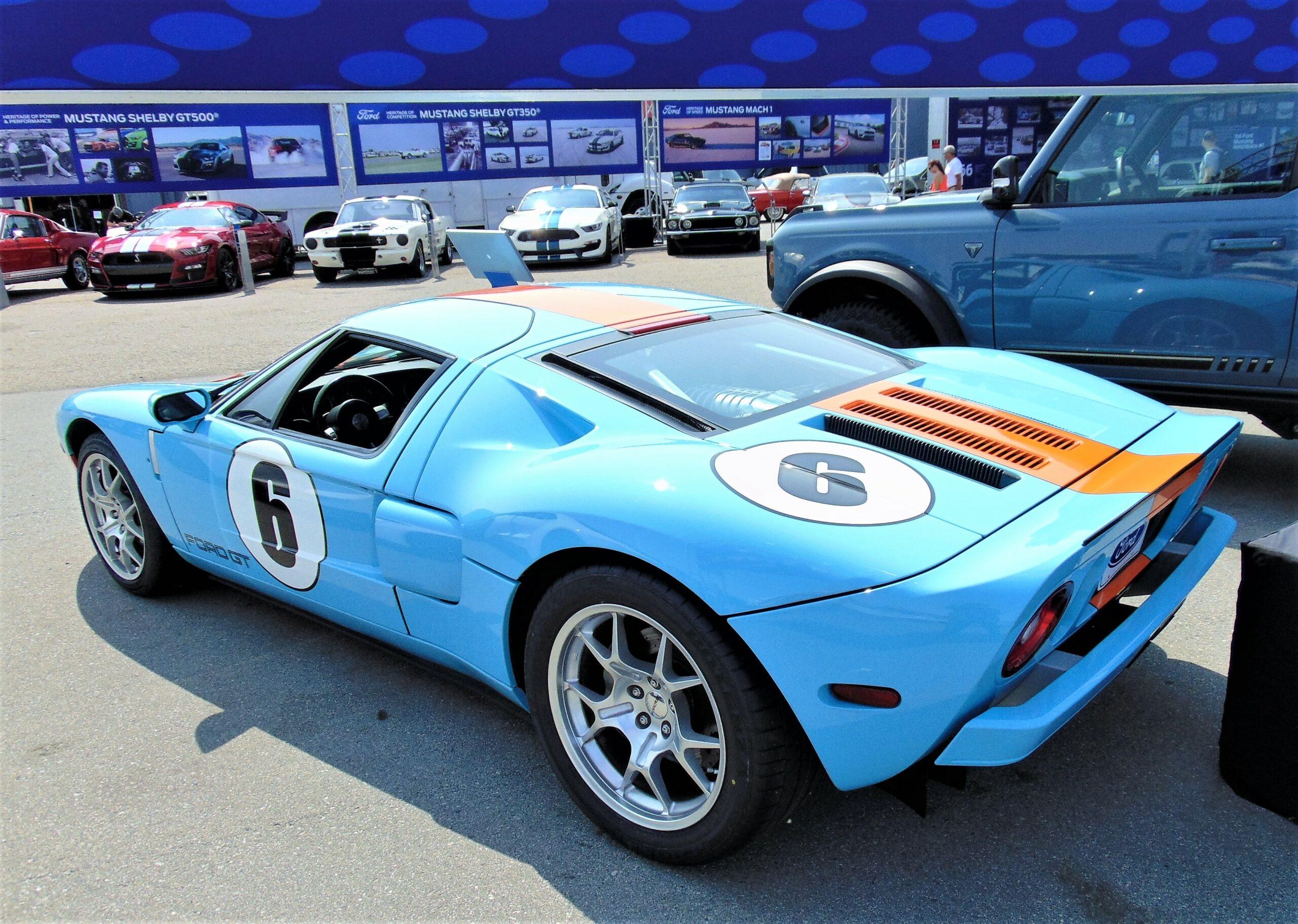
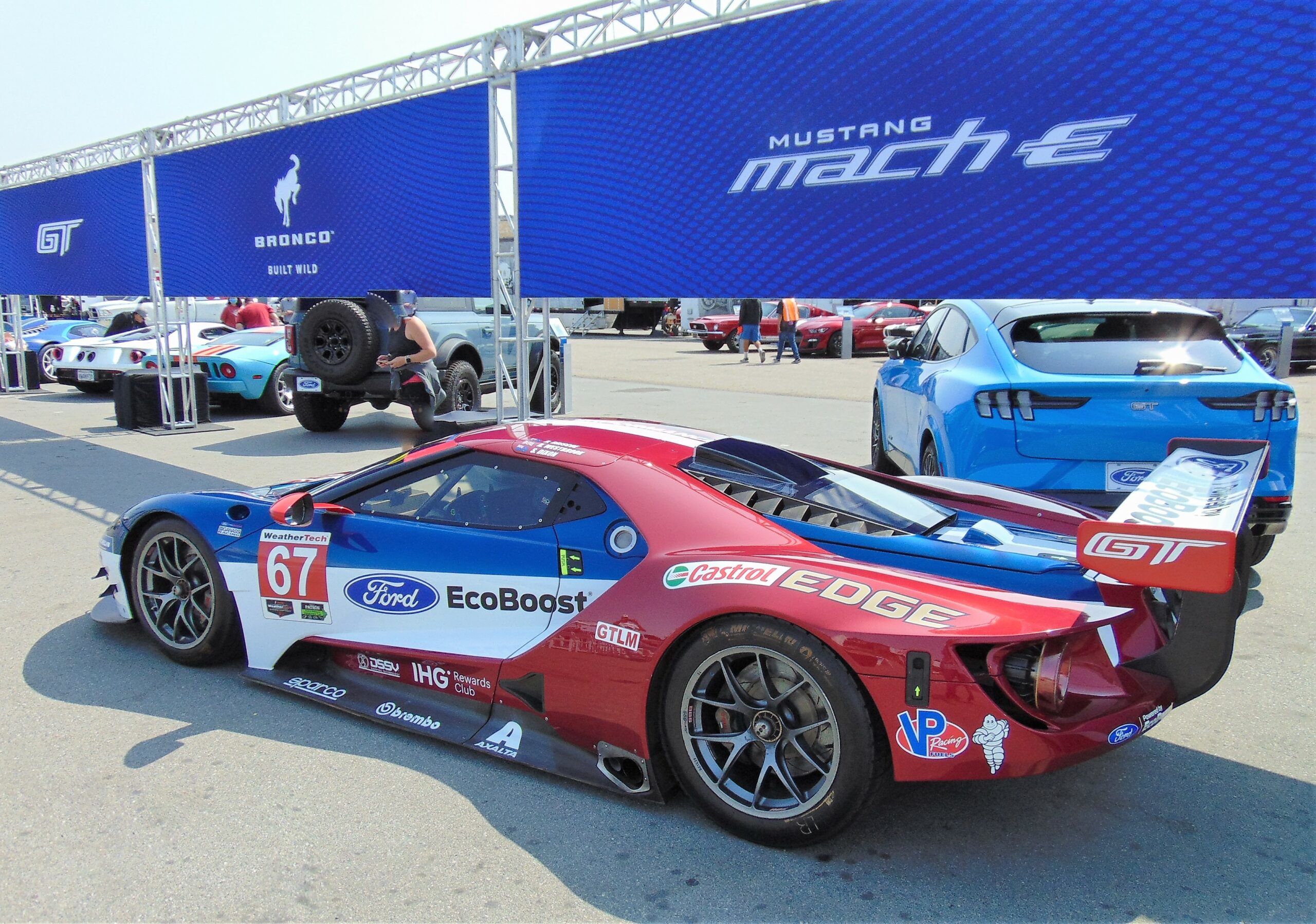
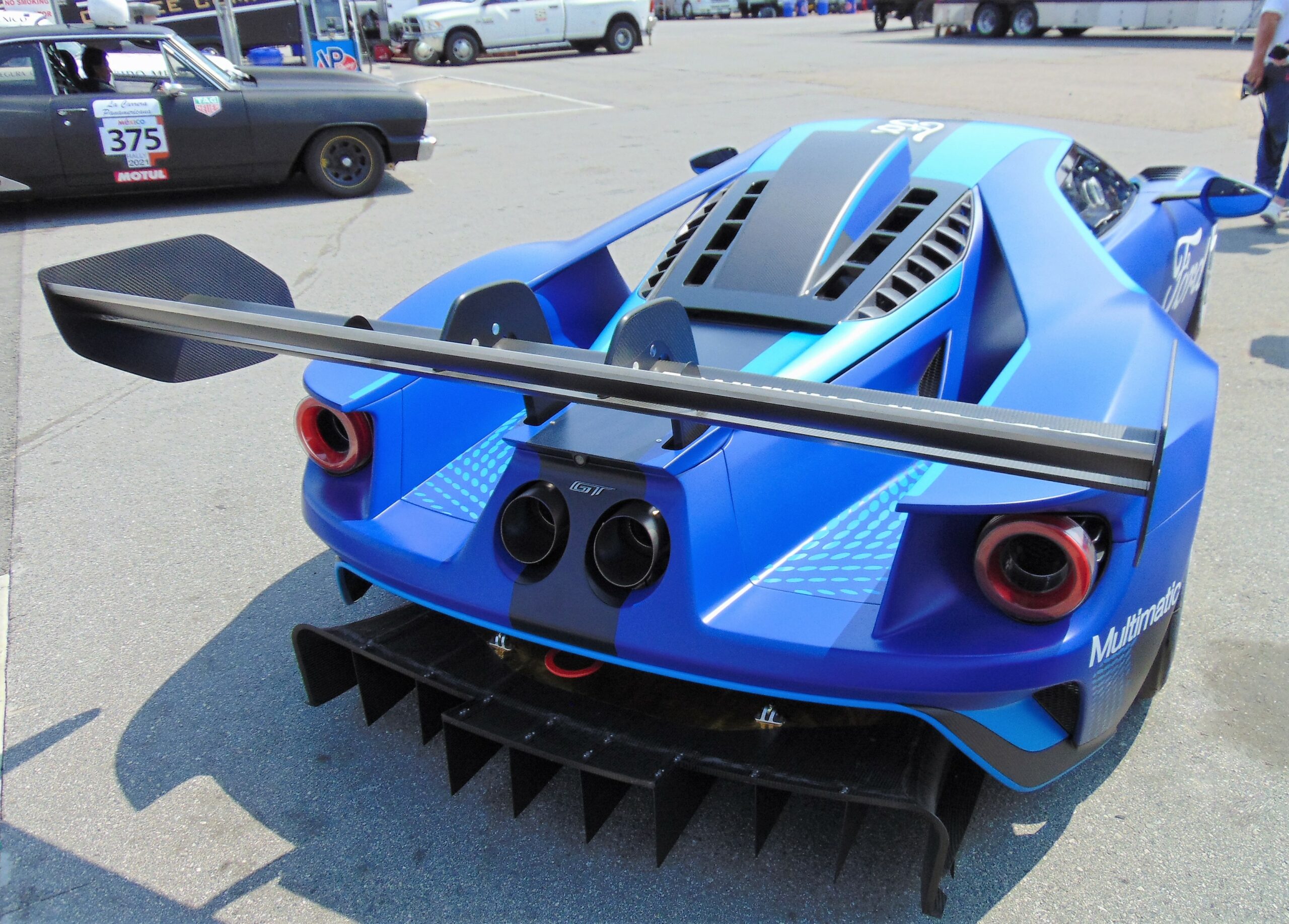
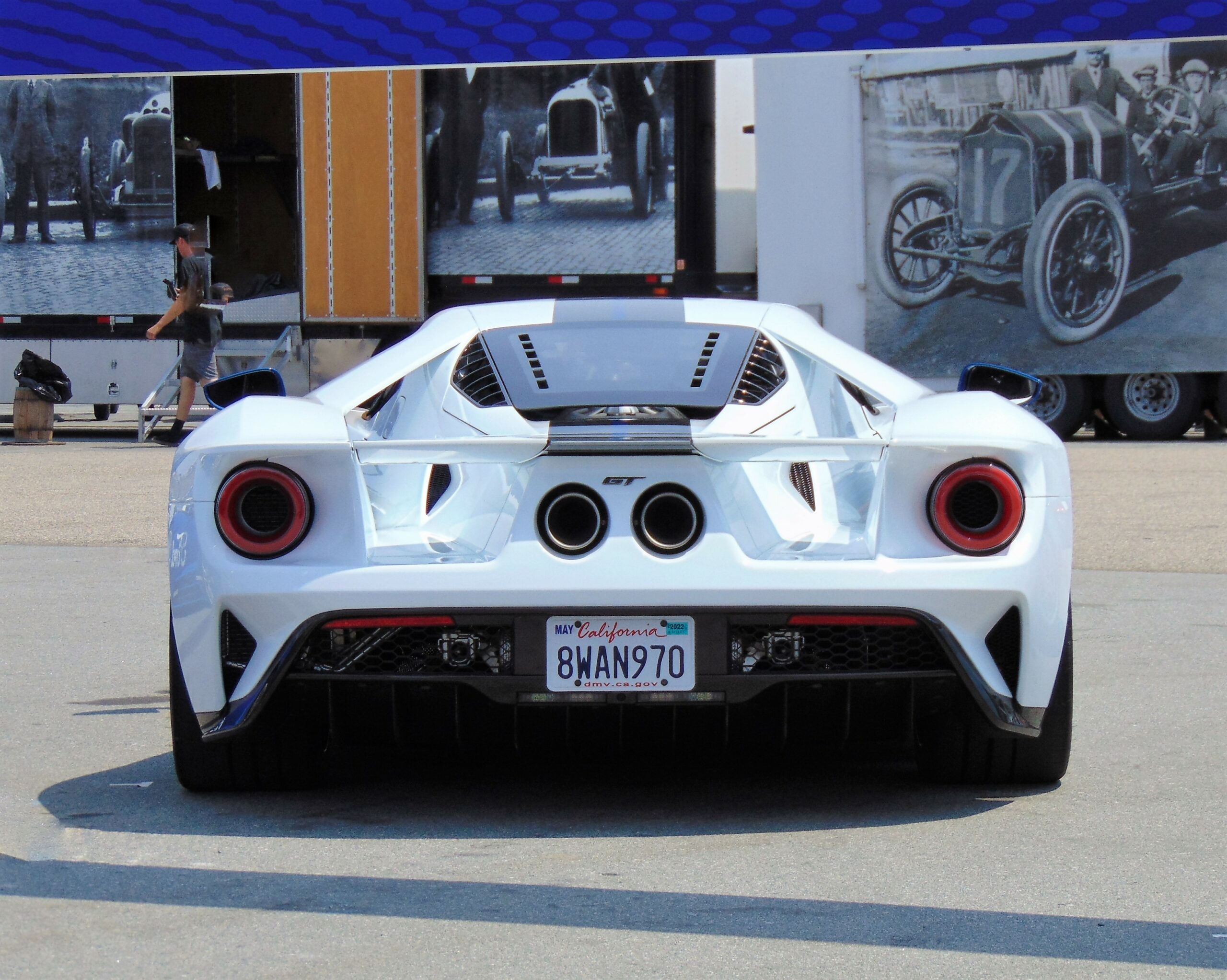
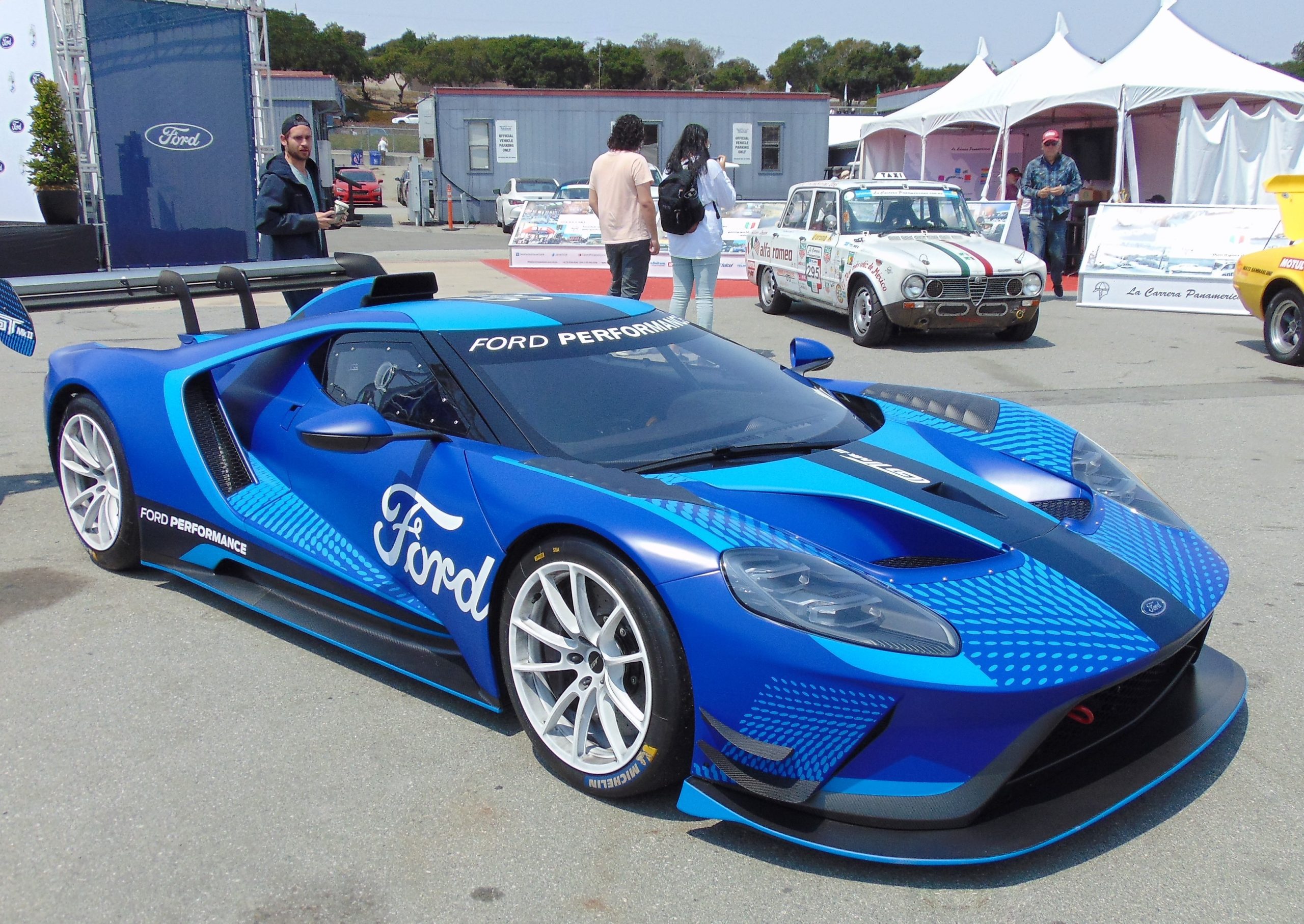
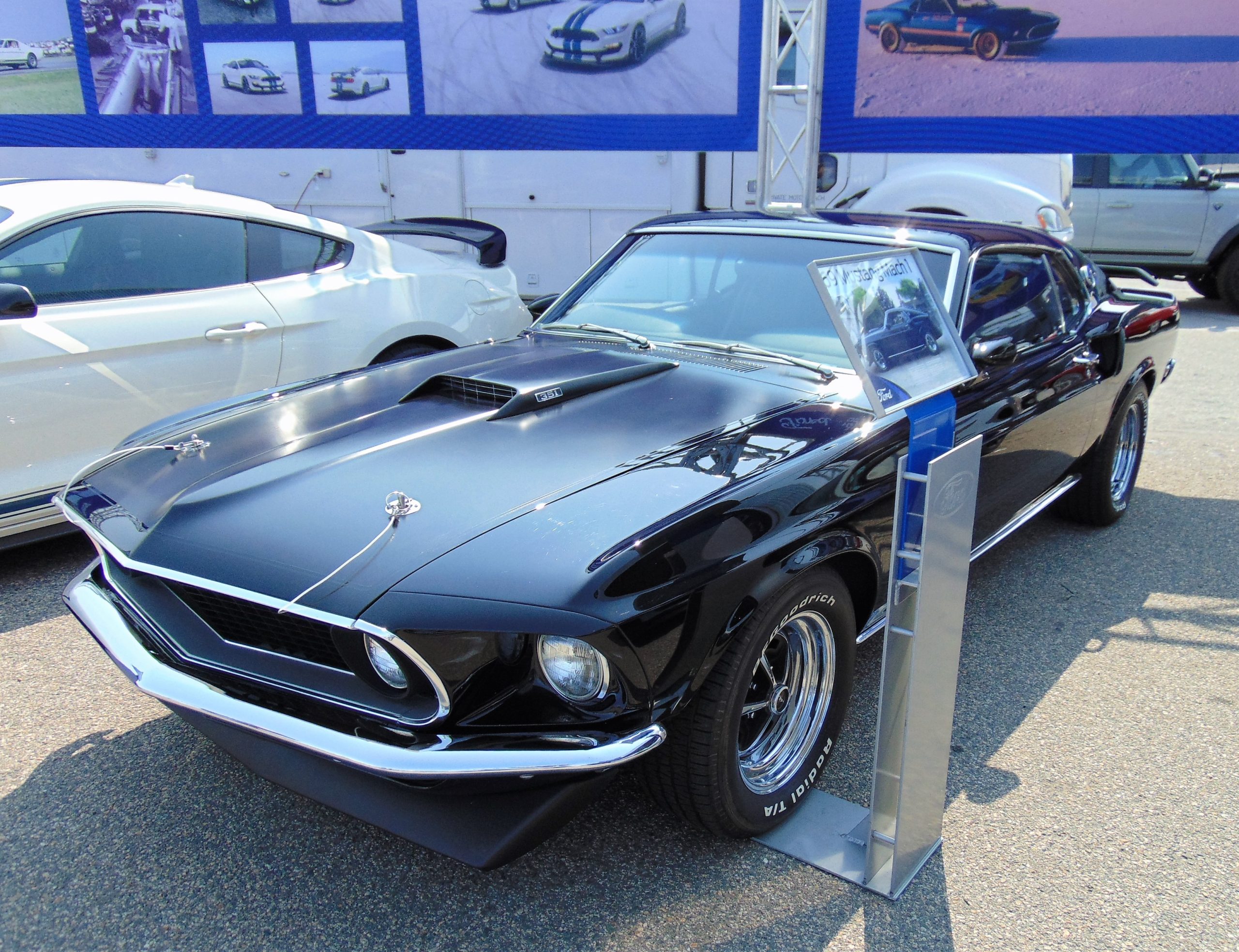
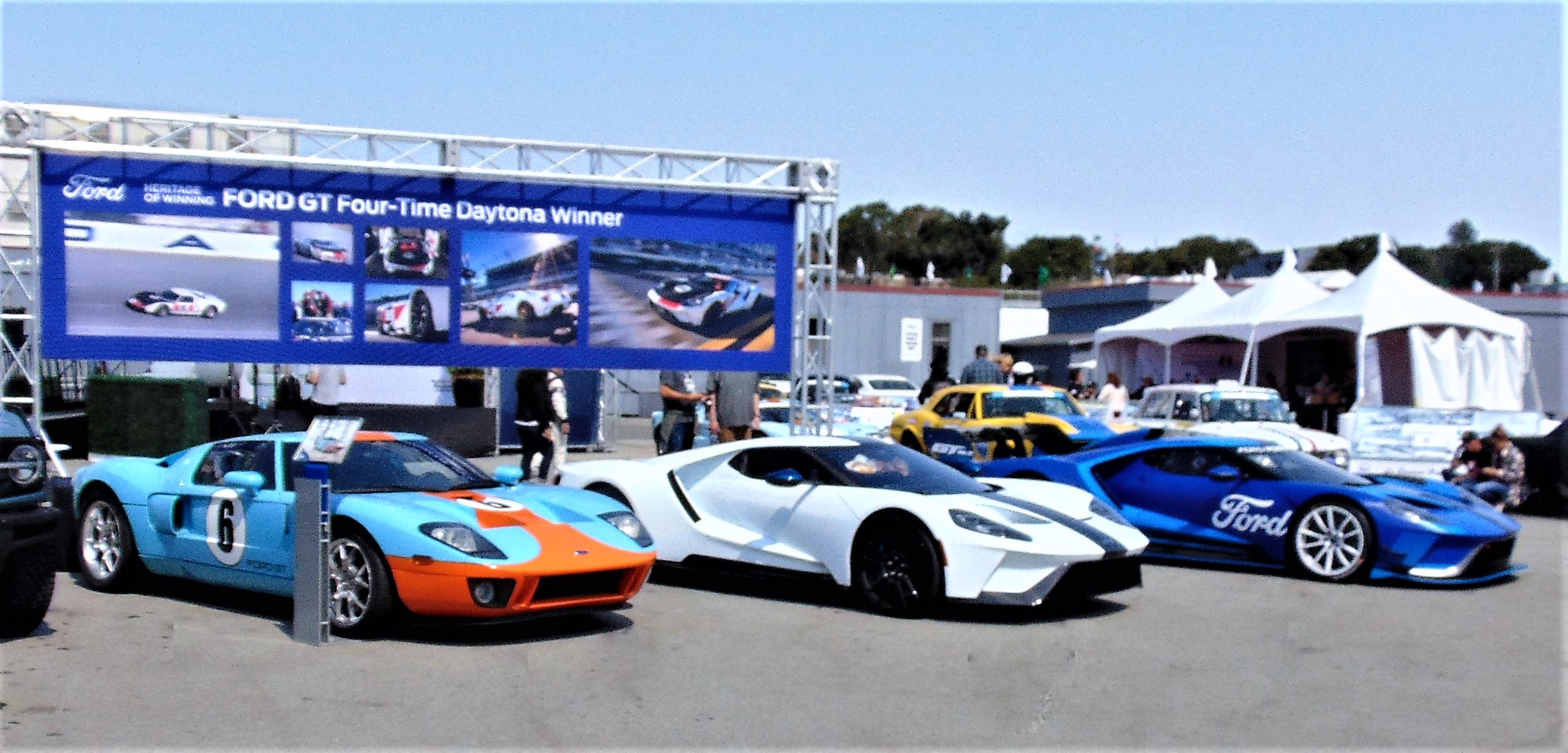
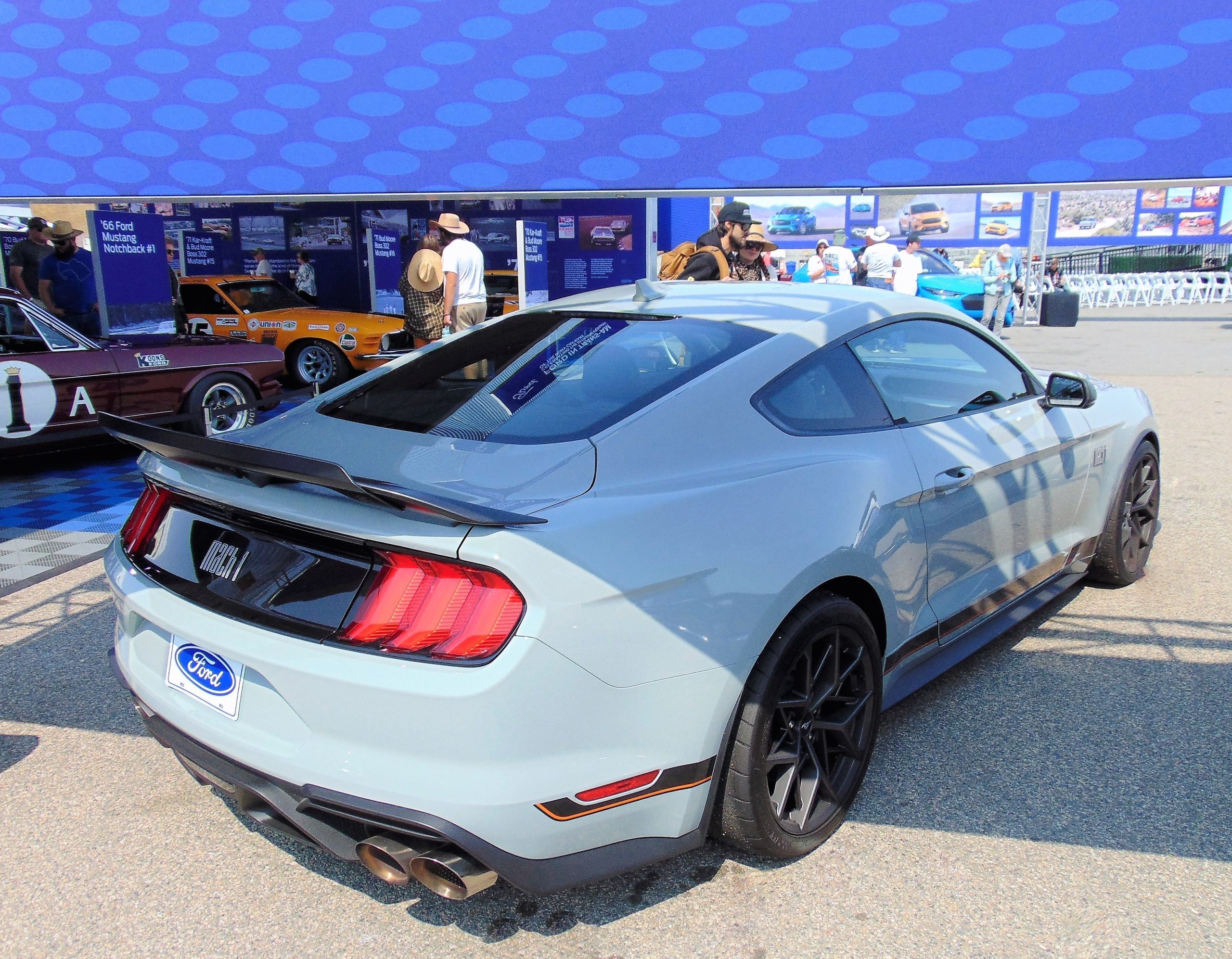
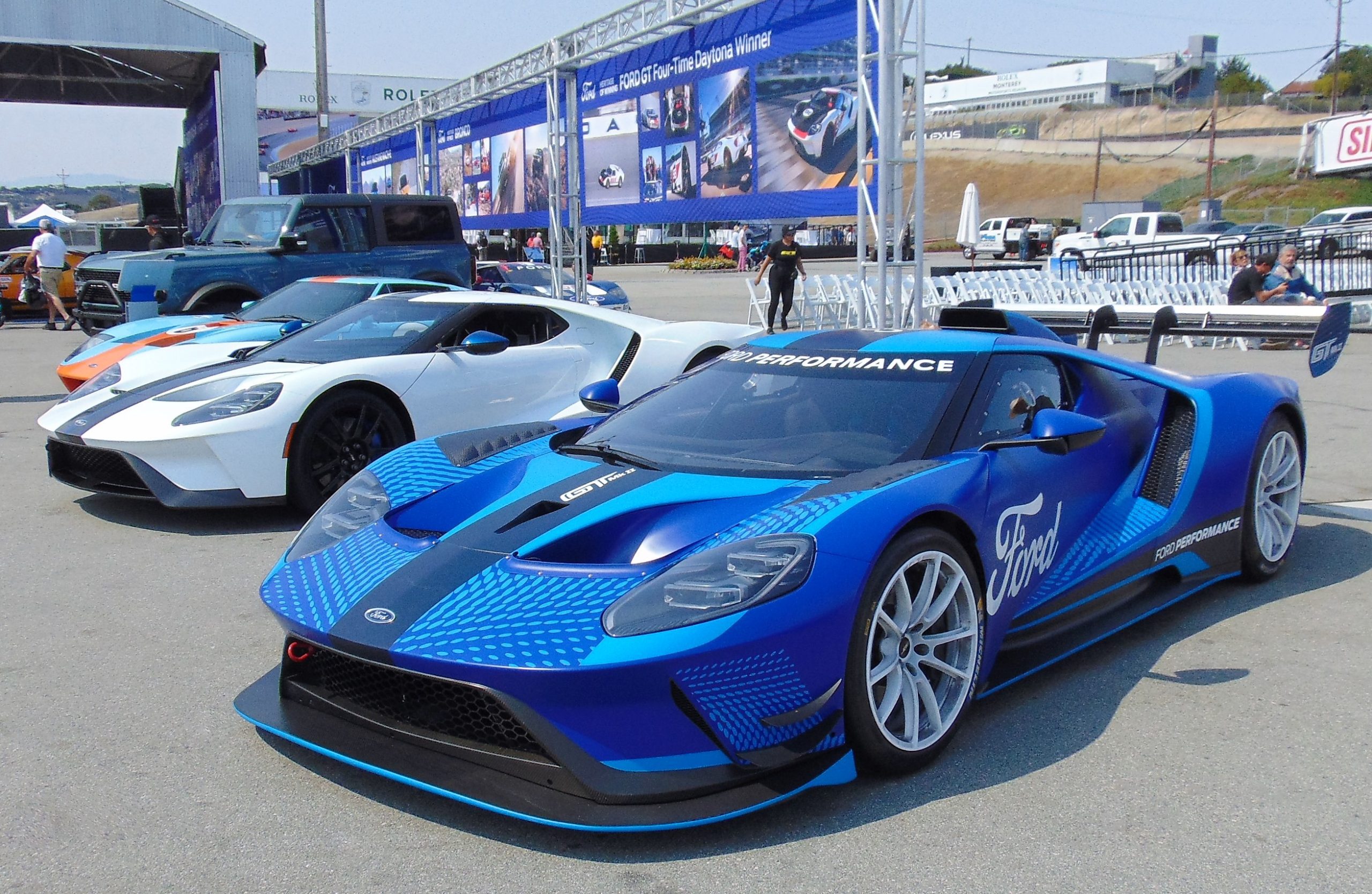
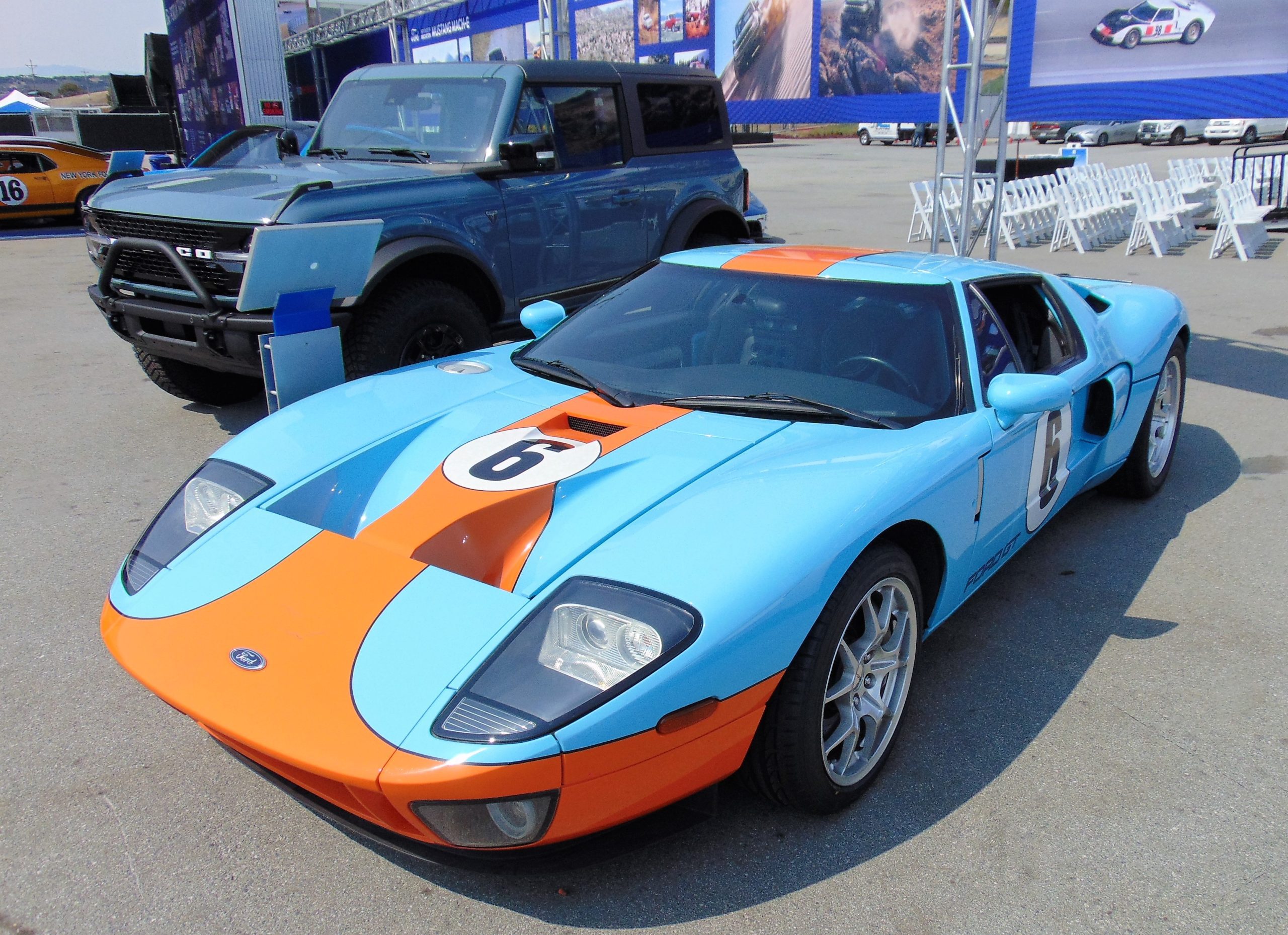
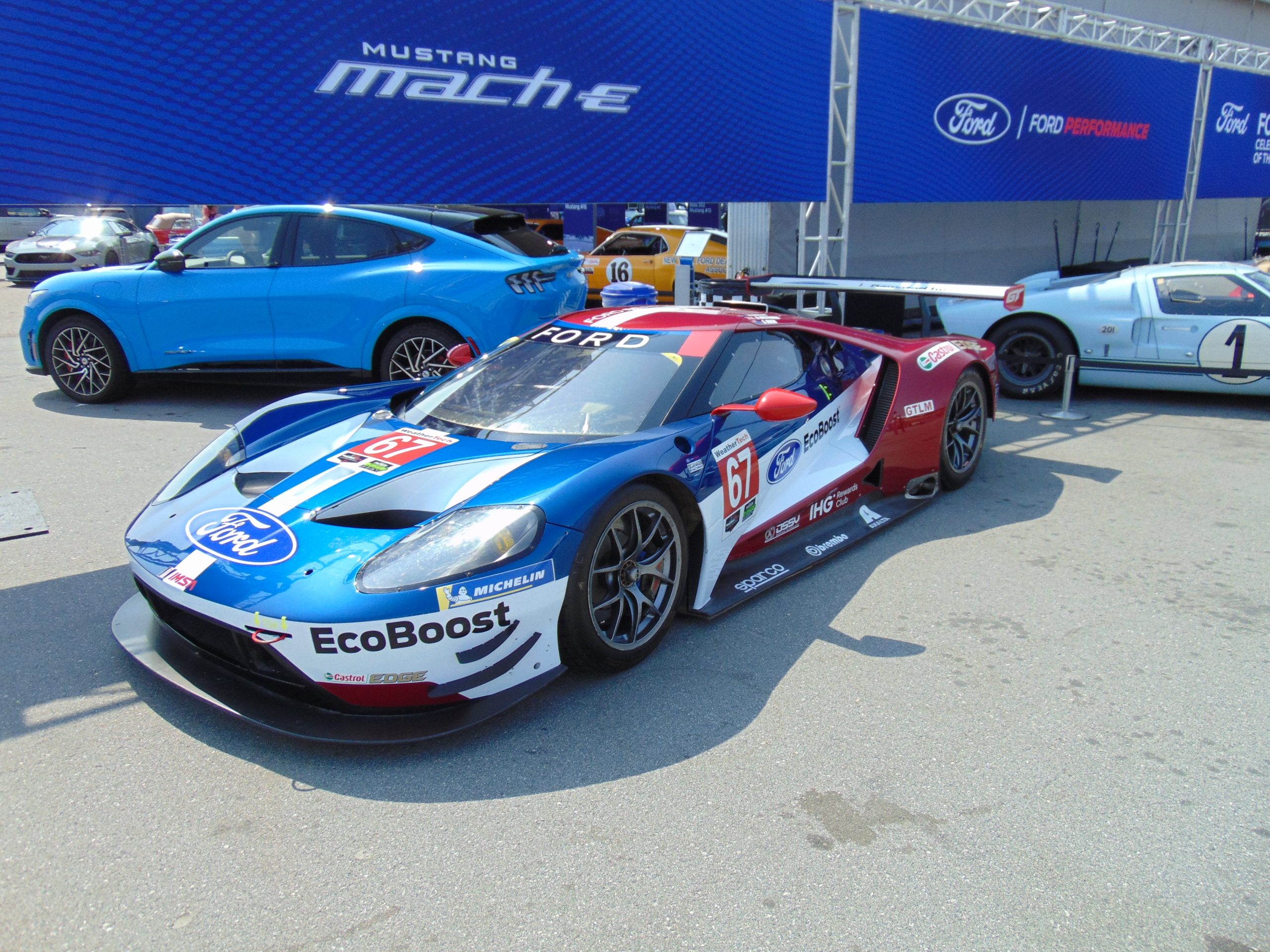
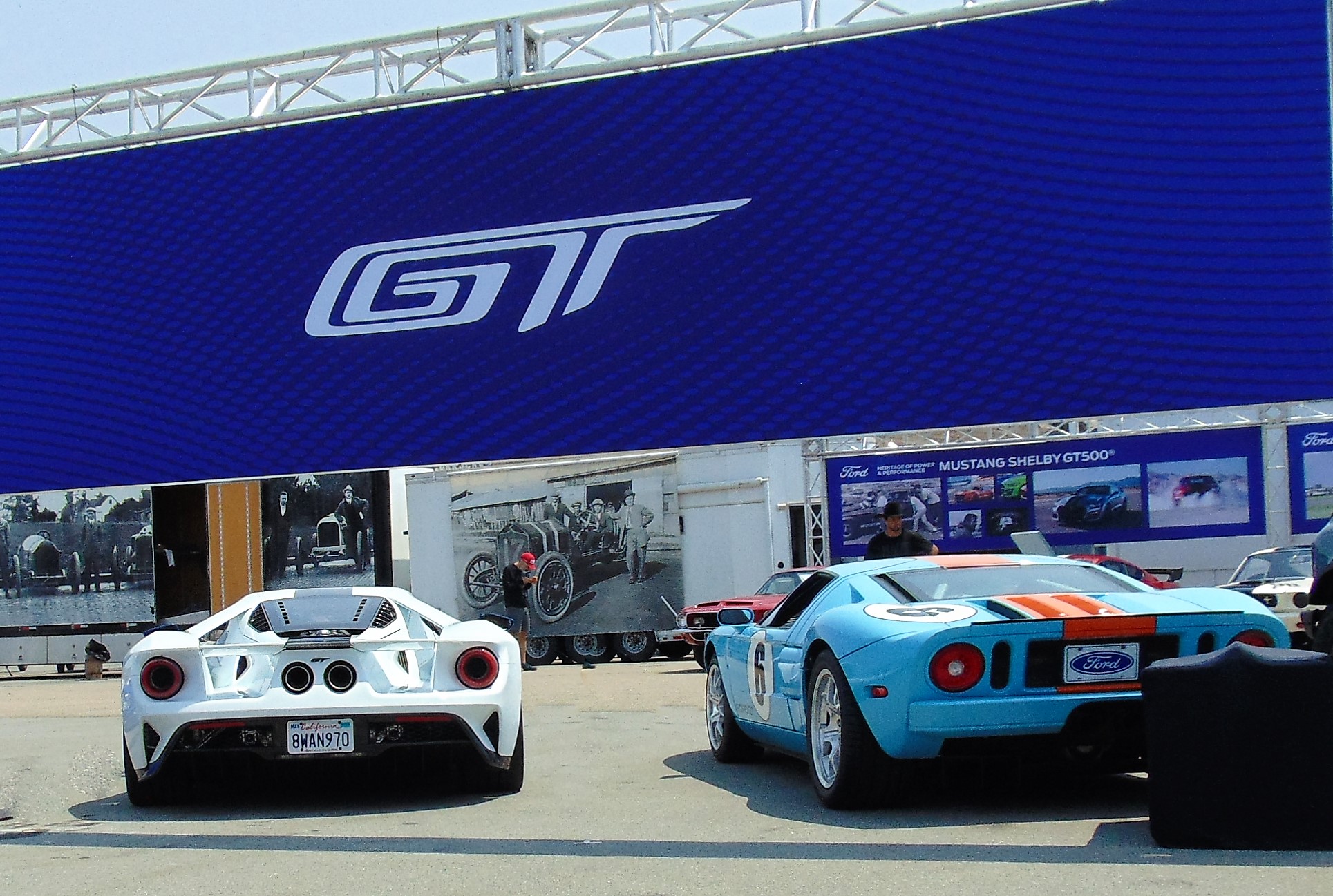
Pertinent Ford Mustangs of past and present glory were on display at the Motorsports Reunion inside and outside of the large covered display structure between old and new Media Centers, near the race track.  Display cars included the Bud Moore #16 1971 Boss 302 Mustang in fruit-orange, a 1969 Ford Mustang Mach 1 in glossy black, a 1968 Shelby GT500KR Mustang in red, and several Ford GT endurance race cars.

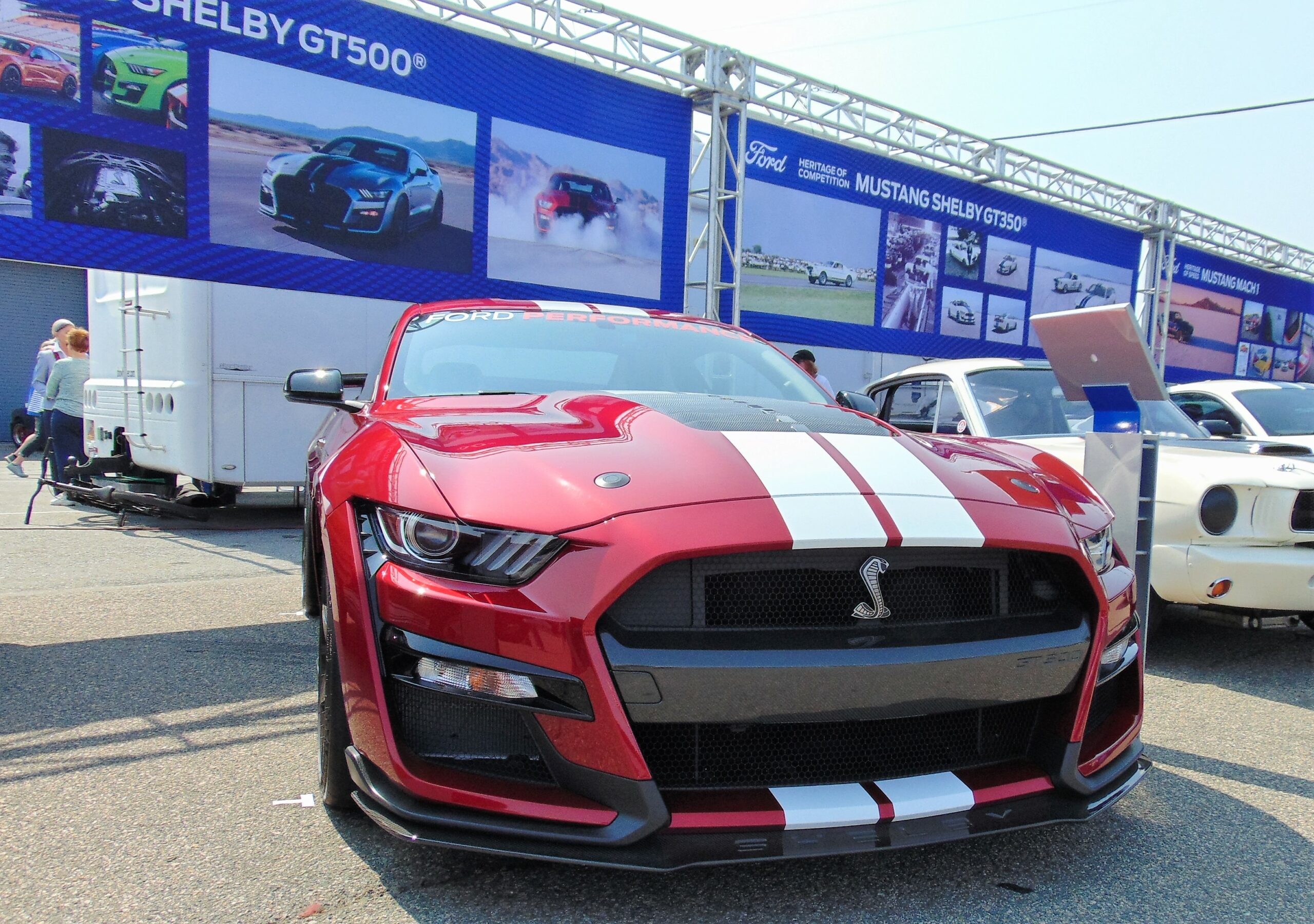
A notable Mustang on display was the current Shelby GT500 in beautiful livery of deep red with twin white racing stripes.  The engine was a supercharged and intercooled DOHC, 32-valve, Cross Plane Crank V-8, and incorporating port fuel injection with aluminum block and heads of 315 cu. in. displacement generating 760 hp at 7300 rpm and torque of 625 lb-ft at 5000 rpm applied through a 7-speed dual-clutch automatic transmission.  The car is equipped with struts/multilink suspension, 16.5-in vented disc/14.6-in vented disc brakes, 20 inch Carbon Fiber wheels, and has a curb weight of 4171 lb.  Zero to 60 mph time is under 3 ½ seconds.  A few options included on this car will exceed the base price of nearly $75,000.

I will mention a 1969 Mustang 5-liter small block V8 that I once owned.  In a controlled, vacant asphalt-covered area at a car event (wheel-spin on roads risks loss of control) I noticed the car was able to spin the rear wheels despite its automatic transmission, stock condition, and having passed the 100,000-mile mark.  Surprised, I personally tested the engine’s compression.  The reading unbelievably exceeded the specification for a new Mustang. 

Indy Cars

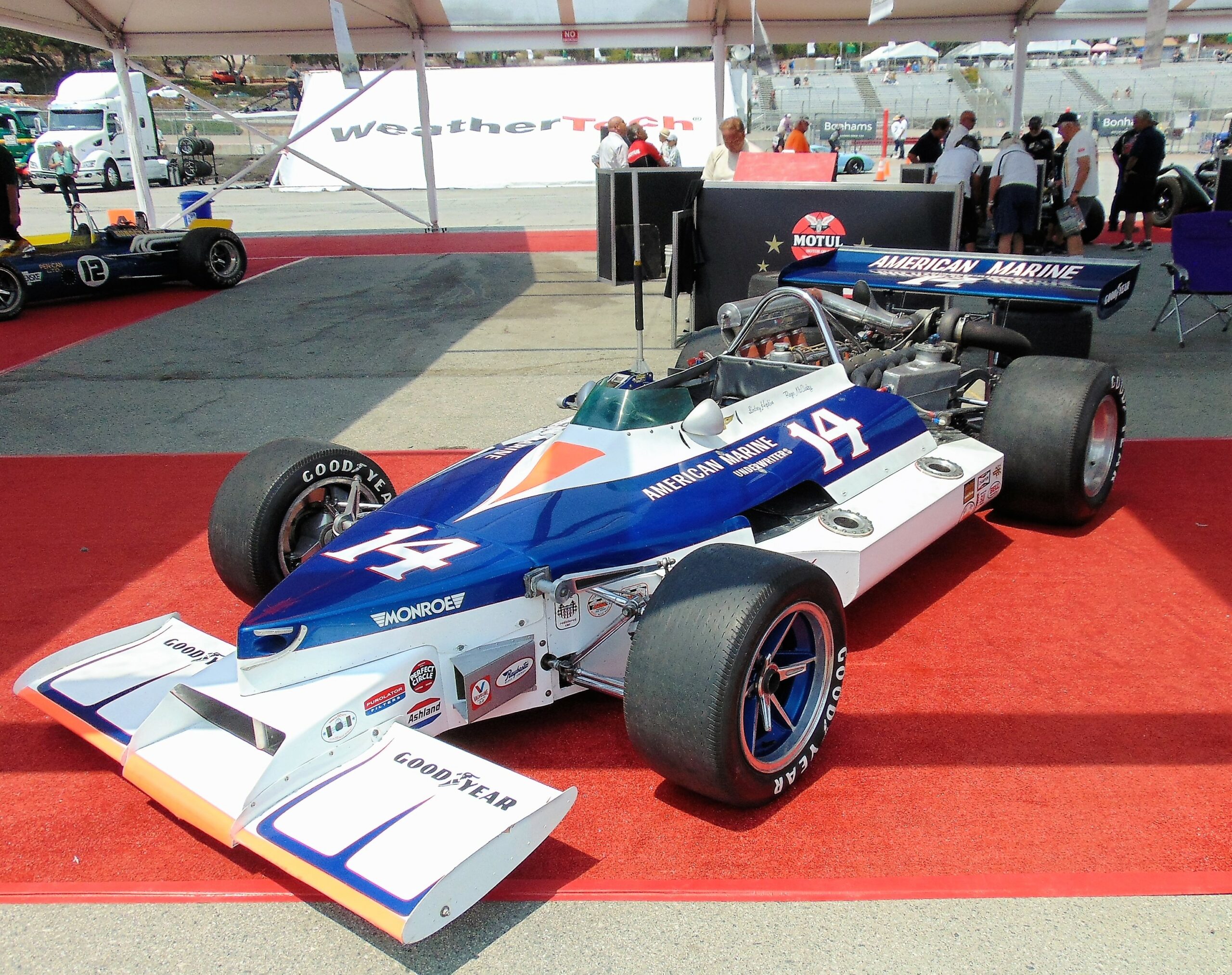
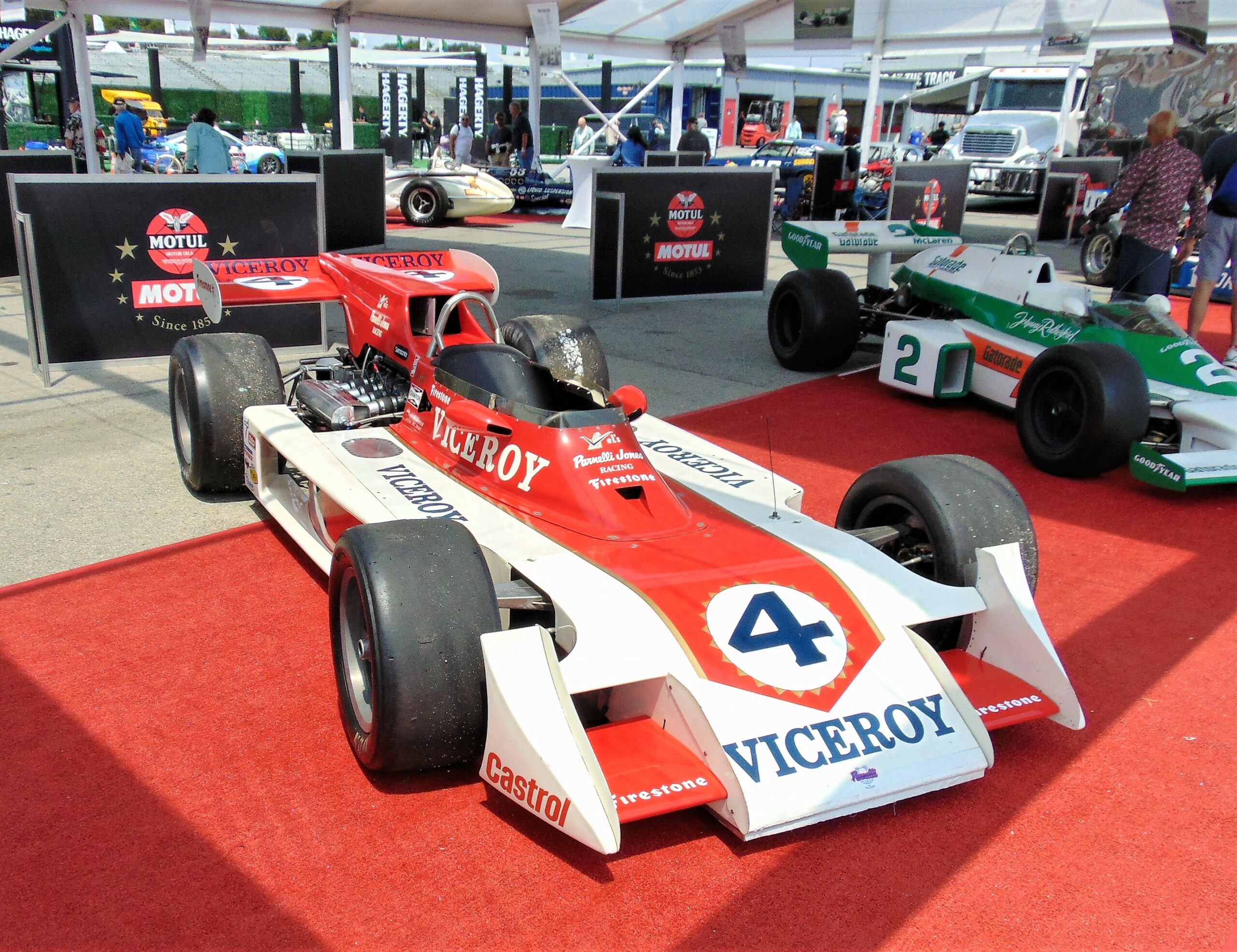
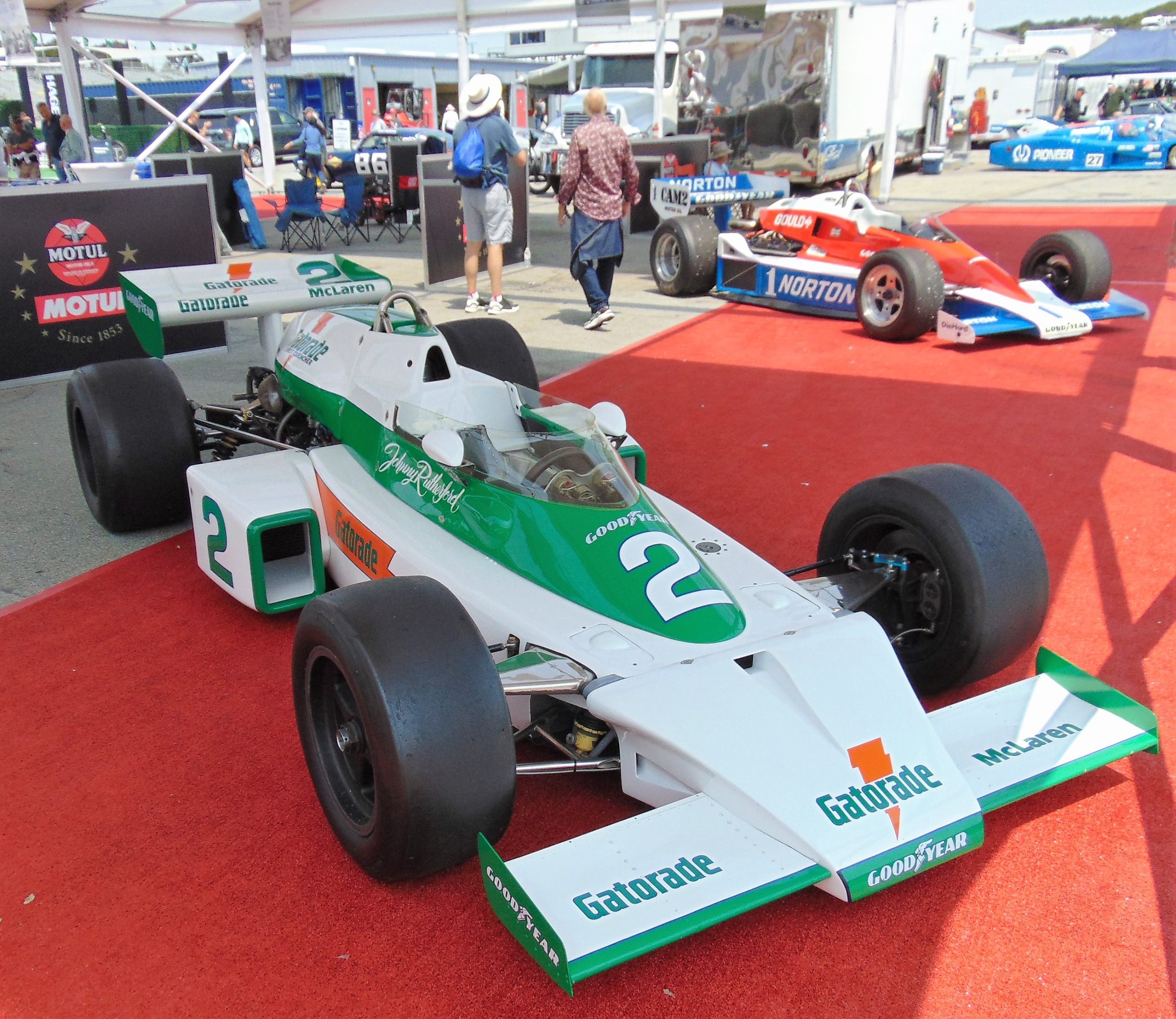
Vintage Indy cars were a special feature at the 2021 Reunion.   These racecars entertained fans with several demonstrations on track.  A group of them from the 1960’s and 1970’s was on display under the large tent across from the pit garages.  One of these well preserved racers was the 1973 VPJ-2 originally built by Parnelli Jones, appearing in red and white livery weighing in at 1,550 pounds.  It’s powered by a 159-cu. in. 4-cylinder turbocharged Offenhauser producing 800 hp.  Some big names drove for Viceroy including Al Unser with Mario Andretti in the VPJ-2 sister chassis.  The 1972 Antares built by former Chevy engineers Don Gates and Mike Pocobello was under tent and is also powered by a turbocharged Offenhauser.  The Antares is notable for pioneering new technology in IndyCars including being the first fully instrumented IndyCar with onboard telemetry, the first to use composite materials, first to be designed on a computer, and one of the first to use early ground effects.

Early Cars

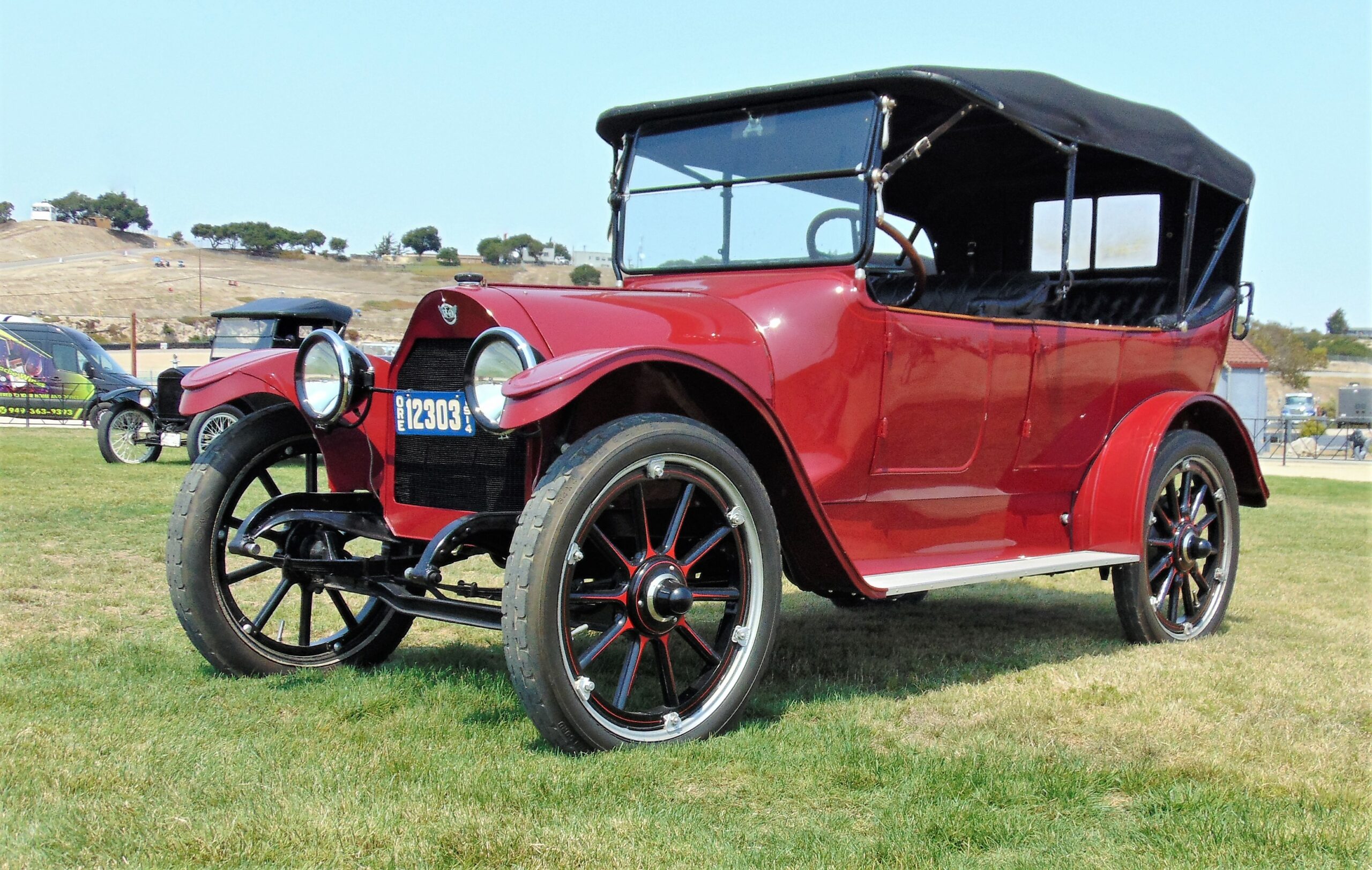
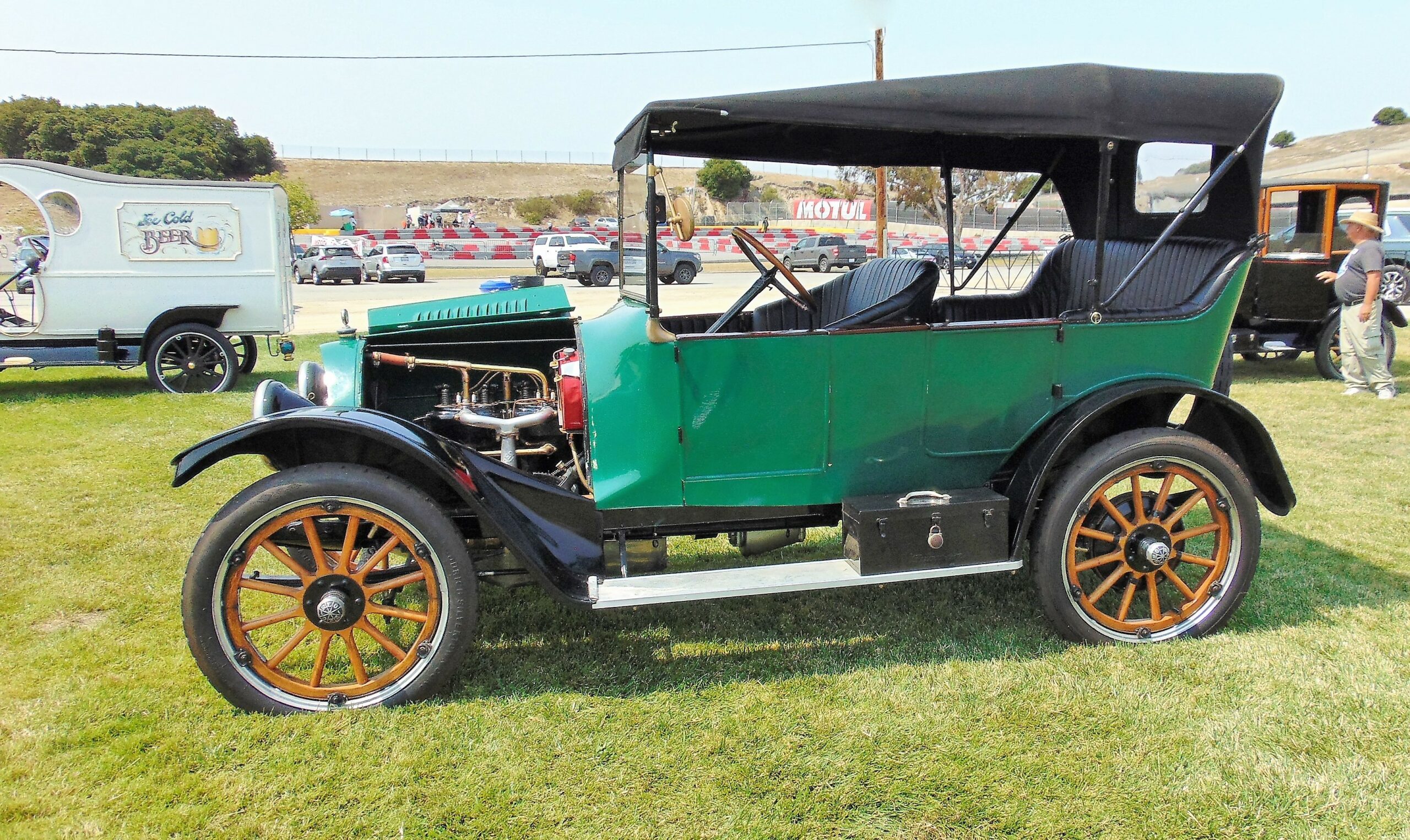
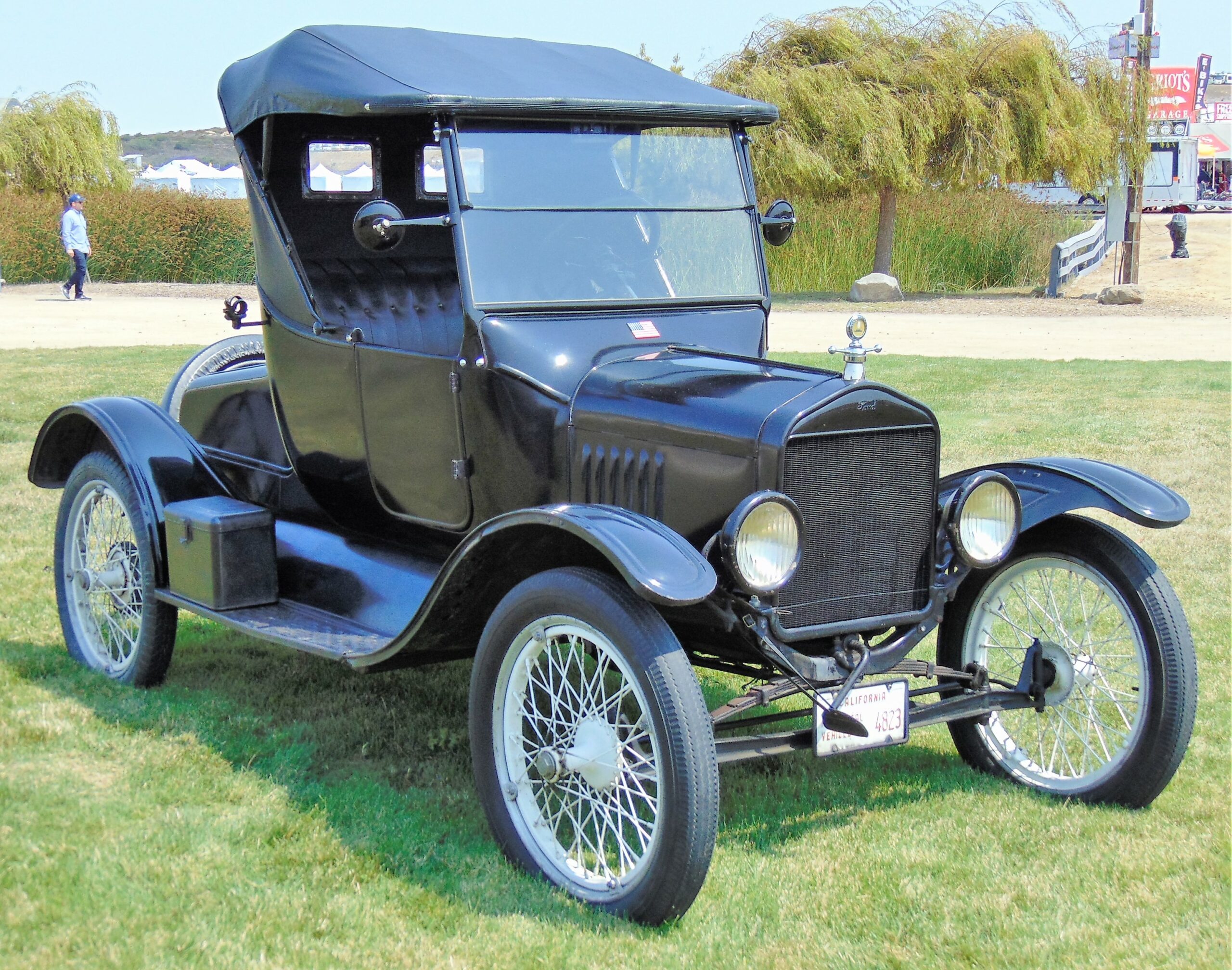
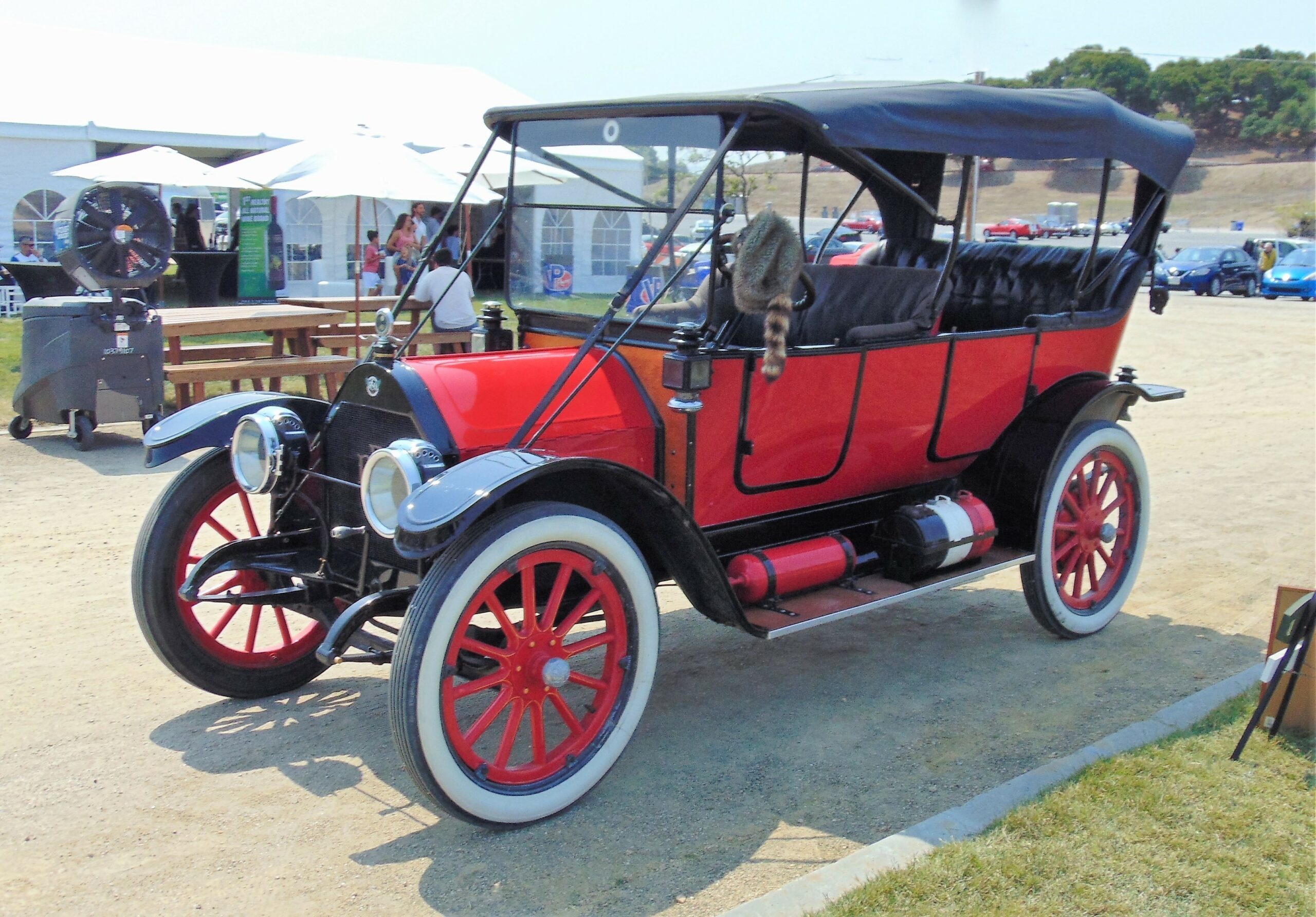
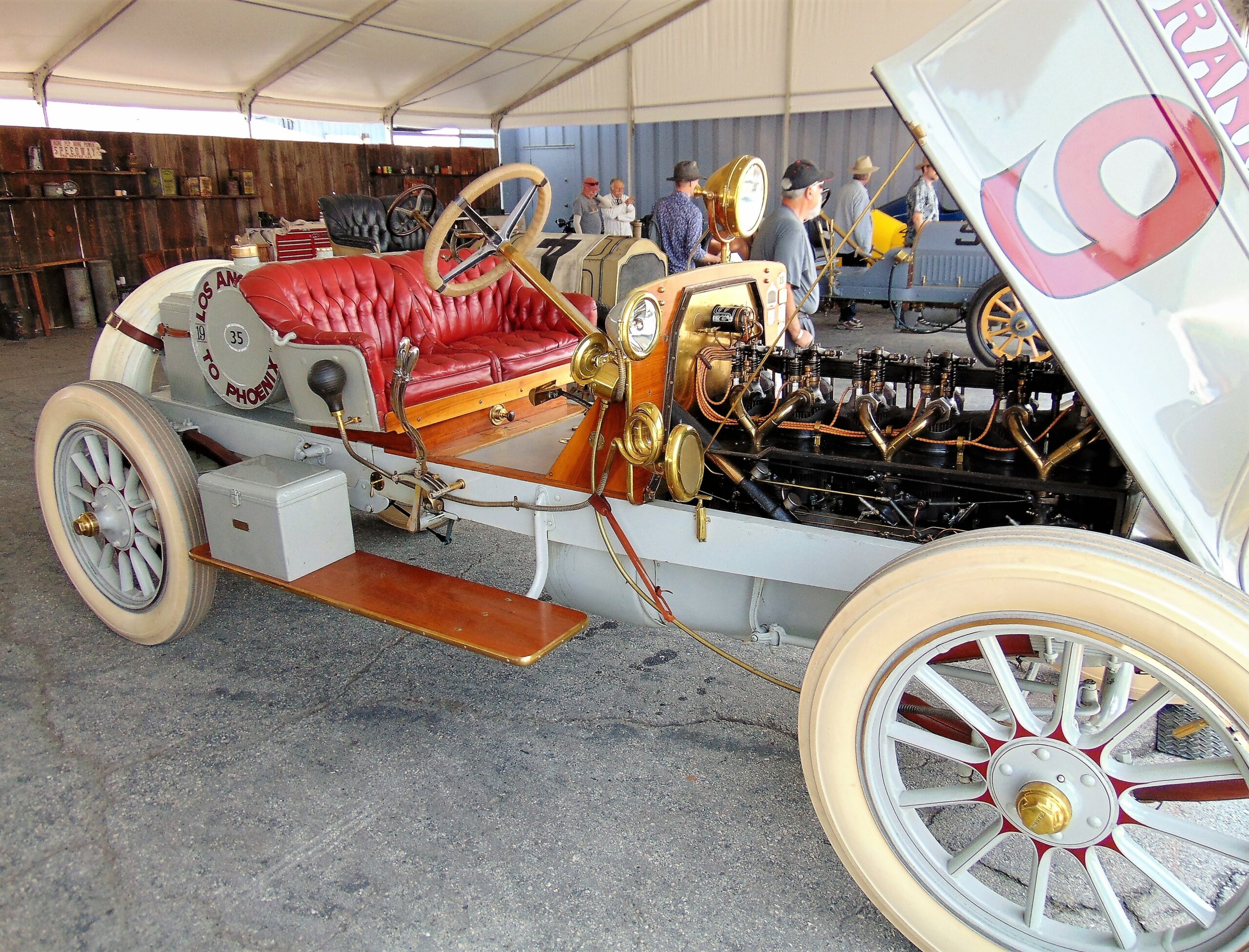
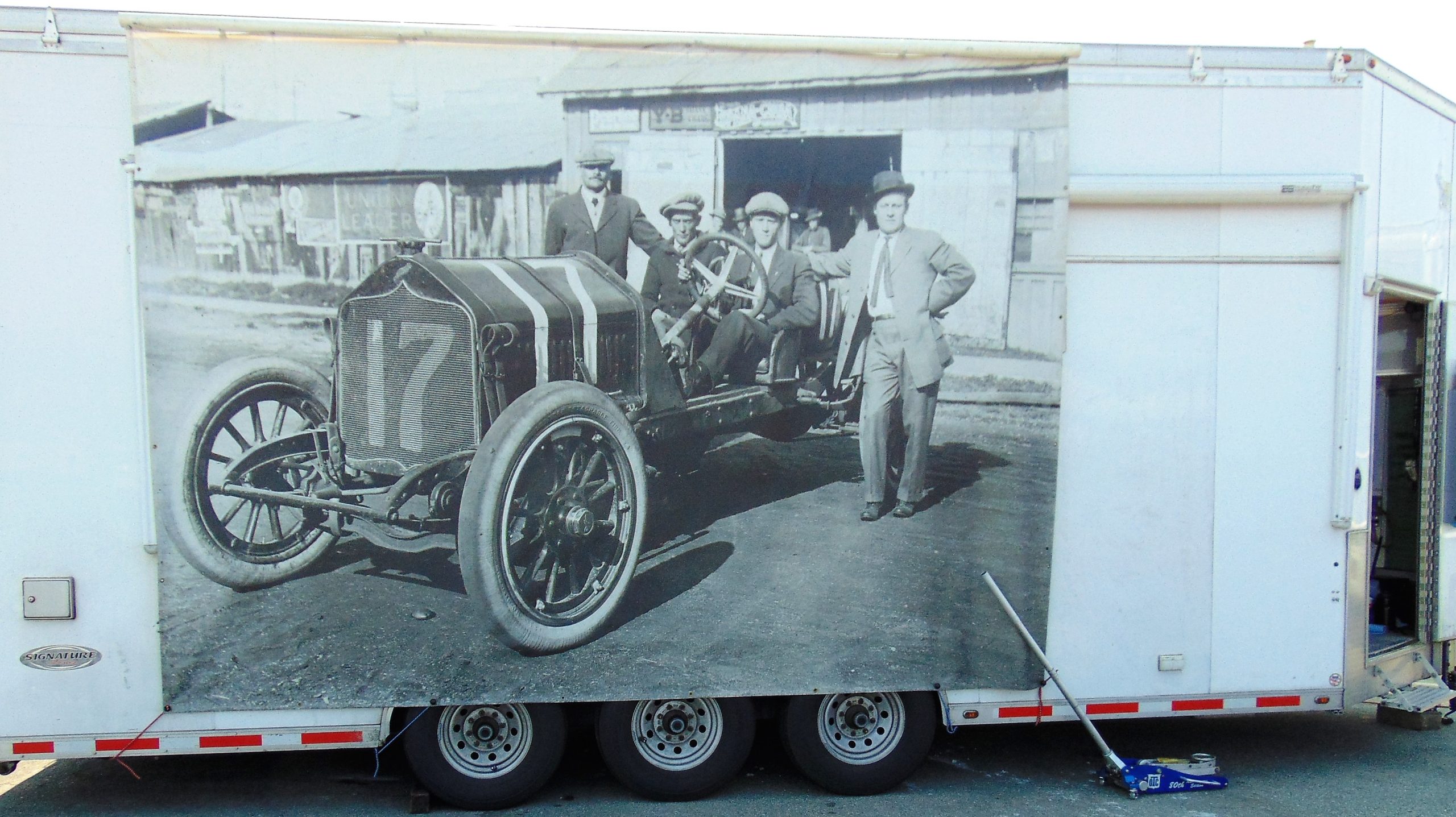
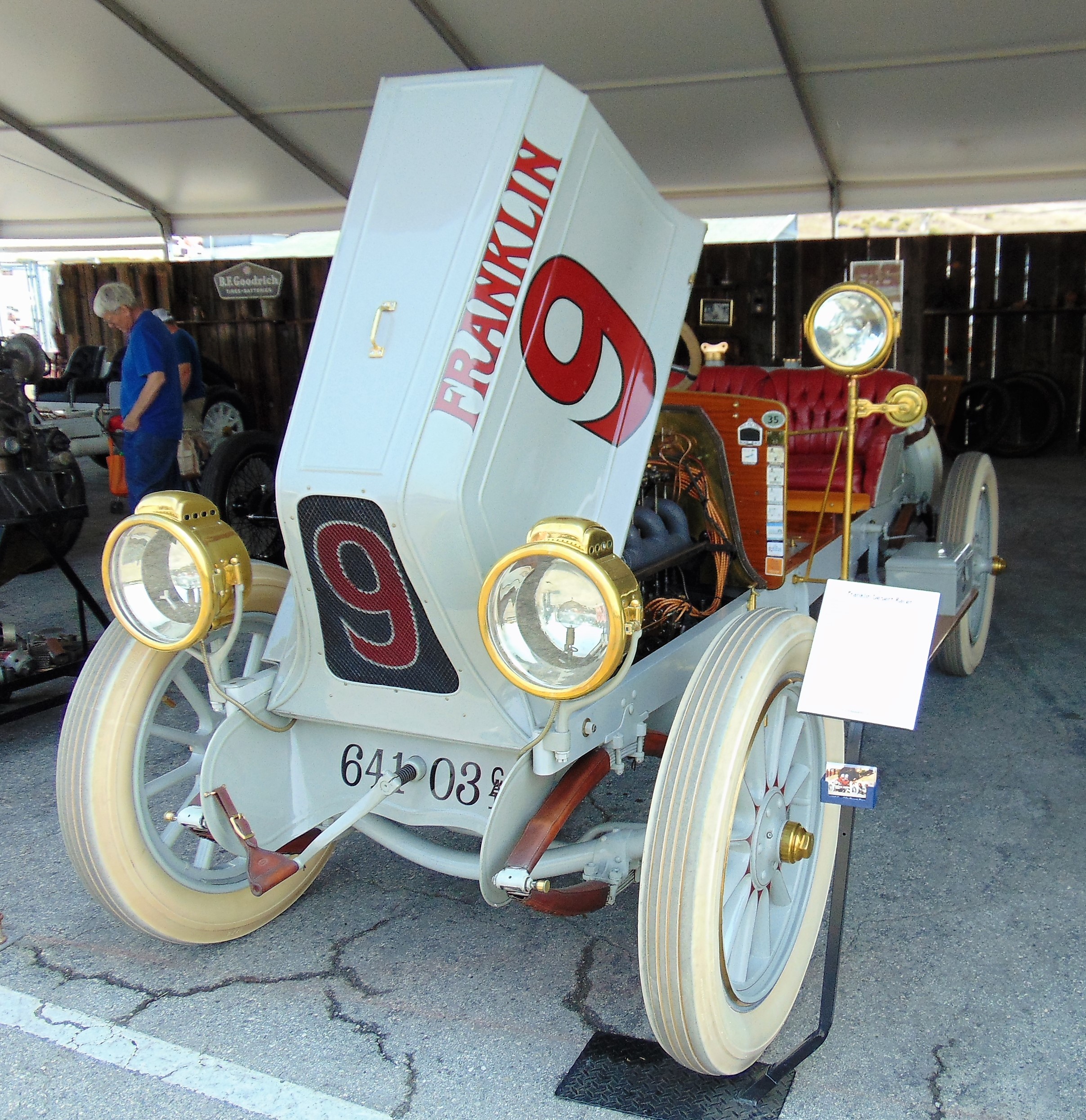
Some of the very early production automobiles were on display close to the Island at the Motorsports Reunion.  Don’t think these cars hesitate to enter the competition on track too!  

Motorcars have come a long way in just over a century.  One of the first, maybe the first, gasoline powered automobiles patented was made by Karl Benz in Mannheim, Germany, circa 1885, who soon began the first production of automobiles.  The Thomas Jeffery Company in the United States is credited with the world’s second mass-produced automobile.  The first automobile to be mass-produced on a moving assembly line was Ford Motor Company’s Model T in 1908.

Displays

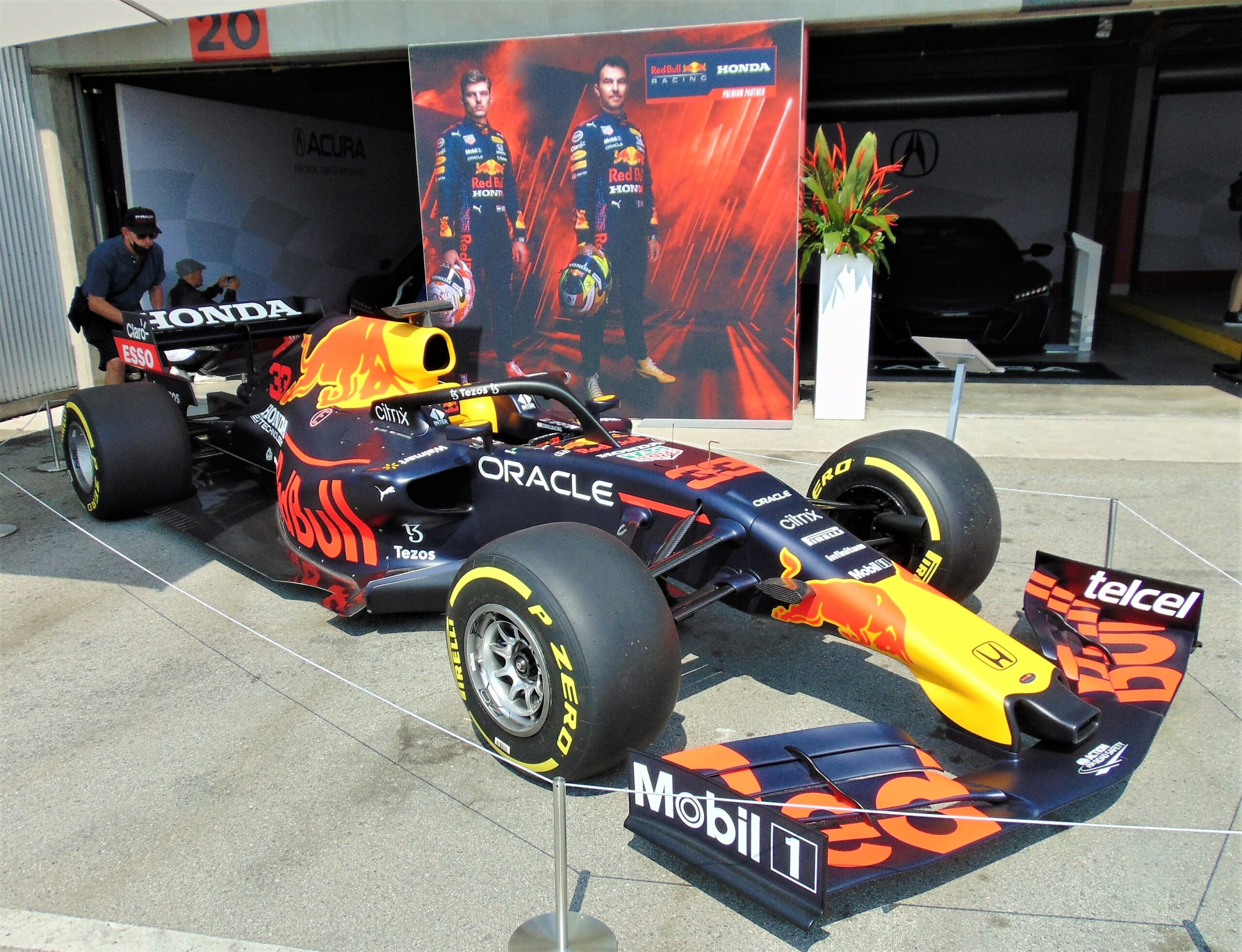
Some of the excellent displays really grabbed the attention, starting with the current Formula One Red Bull race car, the RB16.  The car is powered by a 1.6 liter 90-degree V6 engine generating 900 hp, with four valves per cylinder for good breathing and reaching 15,000 rpm.

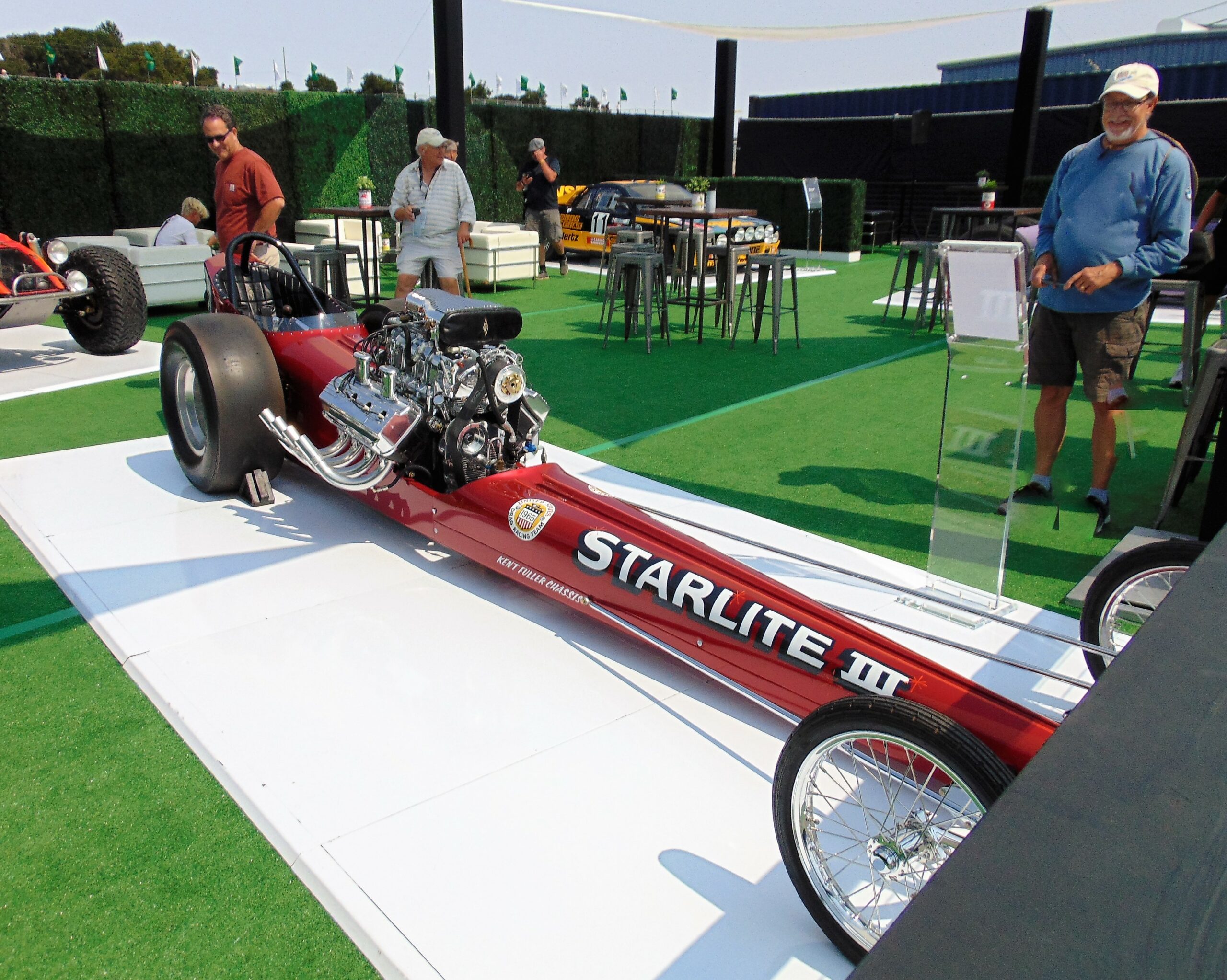
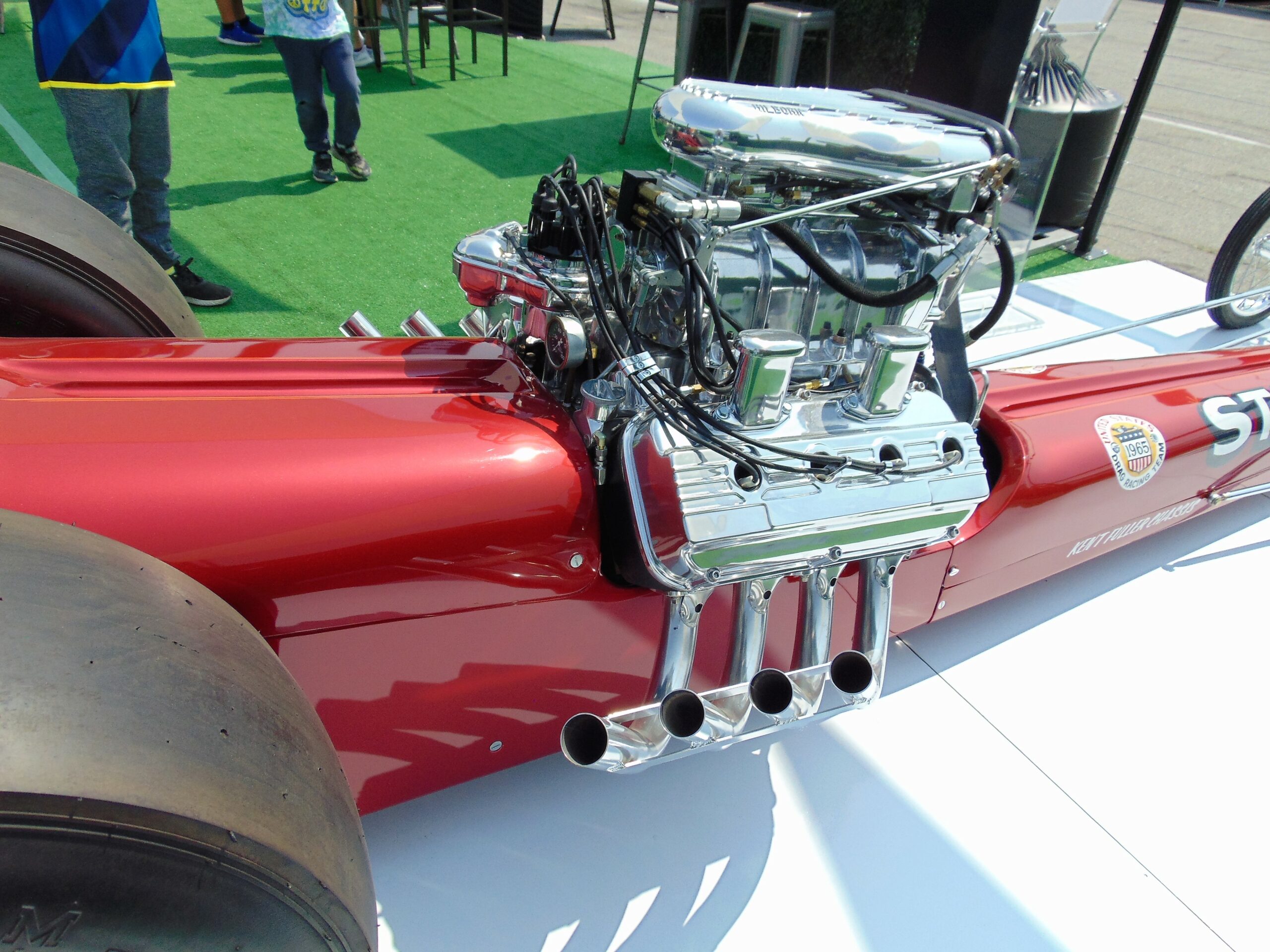
The 1964 “Starlite III” Fuller/Roberts Top Fuel Dragster was nearby, built in 1964 by Chuck Griffith with a Kent Fuller chassis and a hand made Arnie Roberts aluminum body.  Fuller was one of the top builders of the 60s.

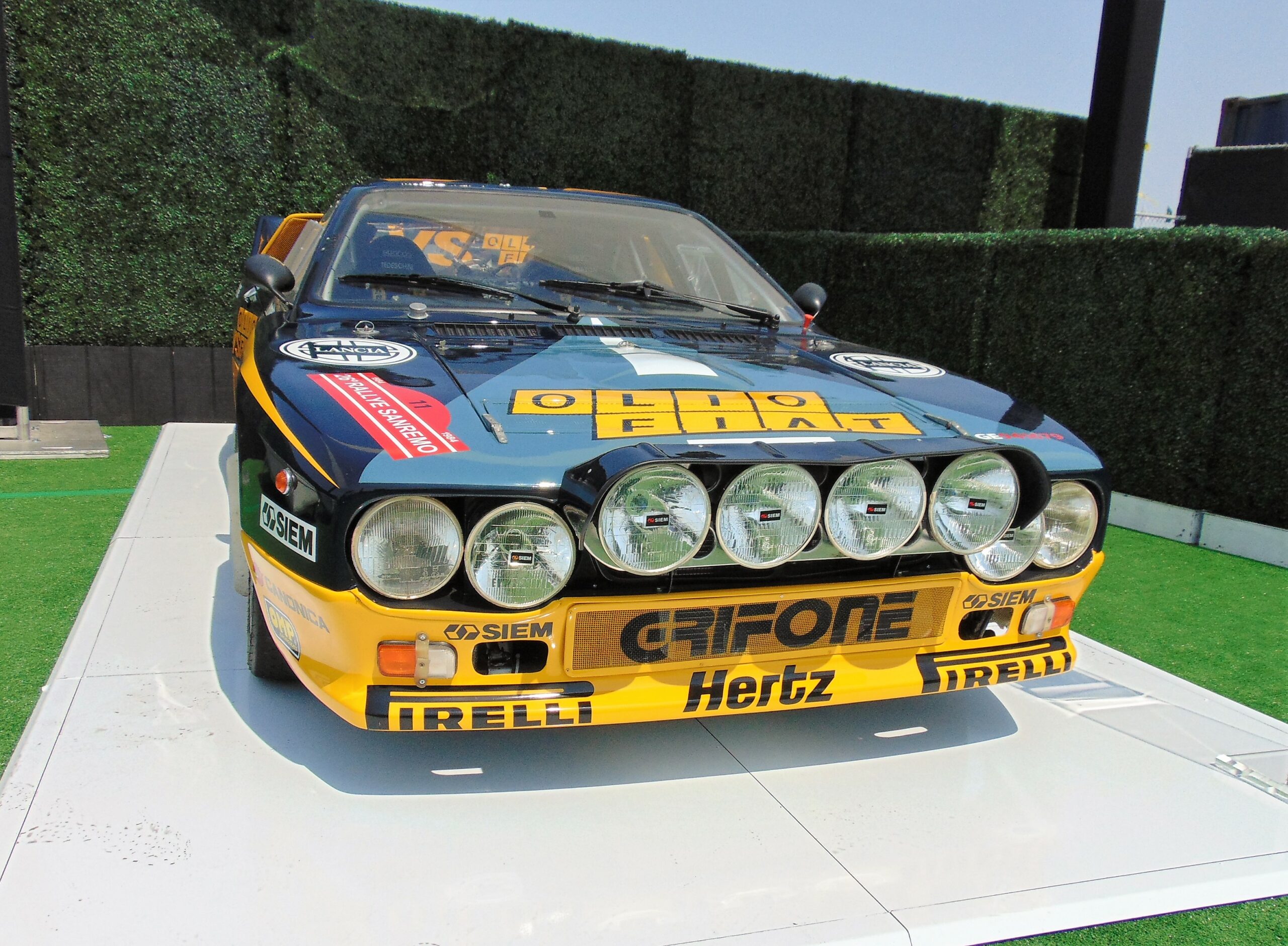
The 1983 Lancia (Rally Group B), also displayed, has no problem racing at night with its eight front headlights.  This car made its debut at the 67th Targa Florio Rally with Cario Capone piloting and Luigi Pirollo navigating.  Capone was later crowned European Rally Champion.

Race Results

A few of the many race results from Saturday and Sunday that are notable for various reasons –

Group 6A Trans Am, 1st Ken Adams 1969 Ford Mustang Boss 302 4949
Group 5A Formula One, 1st Charles Nearburg 1981 Williams FW07C 2992
Group 3B 1920-1951, 3rd Nathanael Greene 1925 Bugatti Type 35 1990
Group 2B Cars Under 2500cc, 1st Alan Benjamin / Patrick I 1968 Porsche 911 T/R 2463

Awards

This year’s award recipients epitomize the Rolex Monterey Motorsports Reunion’s tenet of excellence. 
Recipients include –

Group 6A: 1966-1972 Trans-Am – Forrest Straight in his 1970 Ford Mustang Boss 302
Group 7A: 1963-1978 Indy Car – Michael McKinney in his 1967 Vollstedt Indy Car
Group 3B: 1920-1951 Racing cars – Luca Maciucesu in his 1928 Bugatti 37A
Group 4B: Ragtime Racers – Brian Blain for recreating a 1920s garage and driving his 1916 Romano-Sturtevant Special
Phil Remington Award, Presented by Ford – This is awarded to the mechanic who unselfishly went above and beyond –  John Schirtzer

Tune in for more next season in 2022 – The Rolex Monterey Motorsports Reunion announced the world’s most prestigious endurance race—the 24 Hours of Le Mans—will be the featured marque as the kick-off to the French classic’s 100th anniversary in 2023.

More Event Coverage

Did Lamborghini make a mistake re-releasing the Countach?

During Monterey Car Week, Automobili Lamborghini SpA unveiled the long-awaited Countach homage to the public, there had been a few teasers released before the official presentation, and these created some very high hopes for the car, it seems the homage was put on a pedestal before most of us even saw the car … so when the black silk cover finally came off the car in California the reactions were … let’s keep it polite … mixed.

Let’s get some facts straight first, Automobili Lamborghini SpA was founded in 1963 with the classic 350 GT being their first production car, but things changed considerably when the Lamborghini Miura was introduced a few years later, by many considered to be the first supercar on the road, the Miura is a sensual beauty of Italian automotive art, and currently requires a payment of well into the 7 figures range to obtain, and while the Miura made Lamborghini famous around the world, their next flagship would change the automotive world forever.

We are talking early Seventies now, Lamborghini isn’t even ten years around, still, the Miura is already in her SV evolution, for Spinto Veloce, arguably the best production version (apart from the special SVJ versions), and then you visit the 1971 Geneva Motor Show to discover their next generation of supercars … the game-changing Lamborghini Countach! Think about this one for a second: upward-opening doors in 1971, a massive 5-Liter V12 engine, a thundering sound from quadruple round exhausts, a digital dashboard … the automotive world was shocked, and clients ambushed Ferruccio Lamborghini to put their order in, the Countach was an instant success, people were lining up to buy this spaceship on four wheels.

But the 1971 Lamborghini Countach was a concept car, it was nowhere near ready for production, and that was never the intention either … until after seeing the impact this car had on the Geneva Motor Show visitors, Ferruccio decided not to order additional Miura bodyshells from Bertone hence the production of the Miura SV was halted after only 150 units in December 1972, and all attention was directed to getting the Countach ready for production, initially Ferruccio considered a very limited production of the Countach, but that plan changed along the way of developing into a functional production car.

It would take three years for Lamborghini to get the Countach to a point it could be available for customers, in 1974 the Countach LP400 was unveiled, the upward-opening doors remained and would become a Lamborghini trademark for every V12 flagship model ever since the Countach, but the engine was downsized to 4-Liter, the prototype’s 5-Liter V12 wasn’t reliable and got scrapped only to make a return after being completely redesigned for the 1982 Countach LP500 S with a 4754 cc / 290 ci displacement. The digital dashboard was also replaced with analog dials on the production car and because that V12 needed a lot of cool air, several intakes and vents got added, more specifically the famous NACA duct on the side of the Countach.

The Lamborghini Countach LP400 was a beautiful car, very much ahead of her time in the mid-Seventies and unlike anything else on the open road, while the Miura had a track inspired transverse engine behind the cockpit, the Countach engine was positioned lengthwise with the gearbox directly underneath the gear lever in the wide central tunnel … the Lamborghini Countach was unique, and according to people close to the development in the Seventies, the only thing that limited the performance somewhat were the narrow tires that weren’t up to the task of a 300 Km/h top speed.

Only four years later things changed considerably for the Lamborghini Countach, mainly under the influence of Walter Wolf, a Canadian F1 team owner who requested several custom-made Countach for himself, the S model was developed, and in 1978 Lamborghini revealed the Countach S, or Countach LP400 S, to the public, initially as an option to the original Countach LP400, now with wide wheel arch extensions, revised suspension and massively wide 345mm Pirelli P8 Cinturato tires at the rear … some called it a Countach on steroids, but this even wilder version would become a poster car in many bedrooms during the Eighties.

And while Lamborghini didn’t want to, eventually they had to add the most quintessential option to the list for the Countach S … the rear wing, a very controversial option at the factory because the Countach didn’t need a rear wing, the car was designed with enough downforce, even at 300 km/h, and in all honesty, the rear wing even slowed the car down because of added drag … if you look really closely to the angle of the aerofoil, it does absolutely nothing … no additional downforce whatsoever, the rear wing on a Countach is purely cosmetical … but many owners insisted on adding it to their Raging Bull, to the point a Countach without that massive wing almost looks naked now.

The Lamborghini Countach became an icon, both in Lamborghini’s own history, but also in automotive history, probably the most depicted car on bedroom posters ever, built between 1974 and 1990, when the last ever Countach left the assembly to be added to the official factory museum, this silver metallic (Argento Luna) Lamborghini Countach was the 25th Anniversary edition of which 657 units were built, and while we all agree the Miura changed Lamborghini’s history, the Countach changed the automotive world … this car became more than an icon or a work of art, a Lamborghini Countach is special, but on a whole different level, it might not be perfect, or necessarily beautiful … but it’s a Countach, and that says it all … Countach!

In 2016 Automobili Lamborghini SpA was celebrating the 50th anniversary of their first supercar, the sensual Miura … with an Aventador Miura Homage, merely a special paint scheme, some custom stitching pattern on the interior, and a few bespoke badges. Limited to 50 units worldwide, the Aventador Miura Homage did come in a few Miura classic paint schemes with the gold or silver side sills, but that’s about it, nothing too extensive, so when the rumor got out they were doing a Countach homage in 2021 the reactions were mixed … until more details came out, all unofficial, but things sounded interesting, the 2021 Countach Ommagio would be totally different car to the Miura Homage.

At the 2021 edition of Monterey Car Week in mid-August, we finally got to see the new Lamborghini Countach LPI 800-4, the new Countach Ommagio to celebrate the 50th anniversary of the legendary Lamborghini Countach … and this is where things started to go in a different direction, both from fans and owners of the original Countach. The bright white Bianco Siderale show car in California is based on the current Lamborghini Aventador and takes the Sián concept into the Countach legacy with slightly more power, a total of 814 hp thanks to the 34 hp from the electric motor with the supercapacitor while the V12 ICE is borrowed from the LP780-4 Ultimae without modifications.

But herein lies the problem, when designing this Countach Ommagio, they had to stay within the Aventador parameters, which let’s face it, is a 10-year old model by now, things have evolved quite considerably, and yes, the Aventador has evolved too from the 2011 LP700-4 to the wild SVJ and now the Ultimae, but still, the carbon fiber tub is determined, the roofline is fixed and while you can play around a little with the front and rear sections, ultimately you are bound by the Aventador basis, and this is where most of the reactions come down to … an homage to a car as legendary as the Lamborghini Countach deserves more than what this LPI 800-4 is.
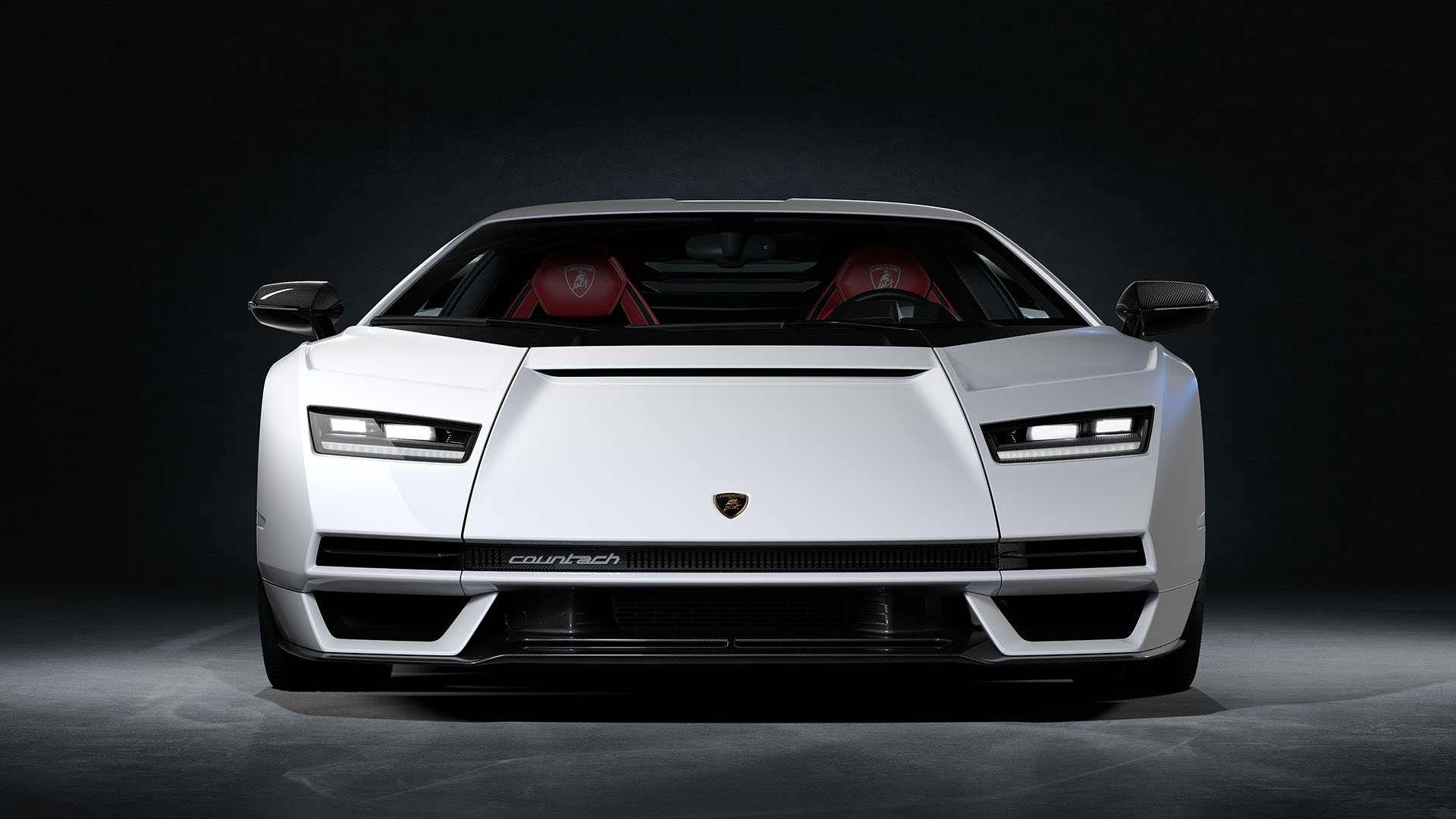
If we start from the front, the LPI 800-4 had to comply with current regulations, and that just about puts pop-up headlights into an illegal feature, so those typical Countach dual round ‘pods’ that open when in use just couldn’t be resurrected, instead Lamborghini opted for modern LED light units on the fenders in a somewhat similar location … a little bit too high up, but that also might be due to legislation, so I’m not going to complain on their position, on the other hand, the design of the front hood does remind us of the original Countach, as does the script in the air intake, so there are a few links to the design from the Seventies here.
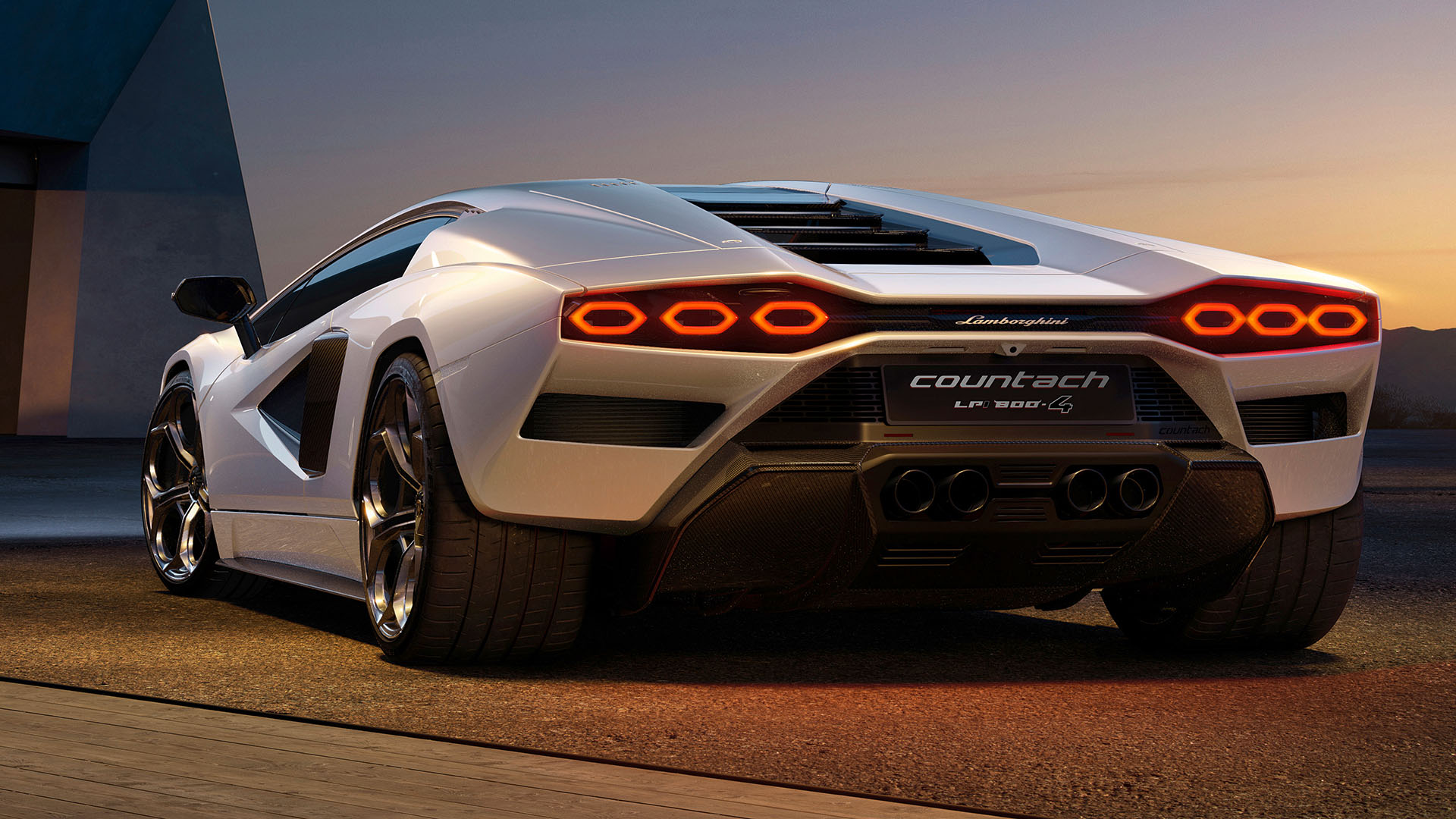
Going onto the rear design choices reveals even more ‘compromises’ to current laws and requirements for airflow on this 2021 edition of the Countach, there are massive air vents on the body section behind the wide rear tires, those are required to draw hot air through, but they do interrupt the clean lines in that area of the original Countach, the area around the taillights does look like the very recognizable units on the classic Countach, but then they decide to use the Sián taillights … shouldn’t a car like the Countach, that meant to much for Lamborghini during her 15 years of production be eligible for bespoke taillights in her homage?
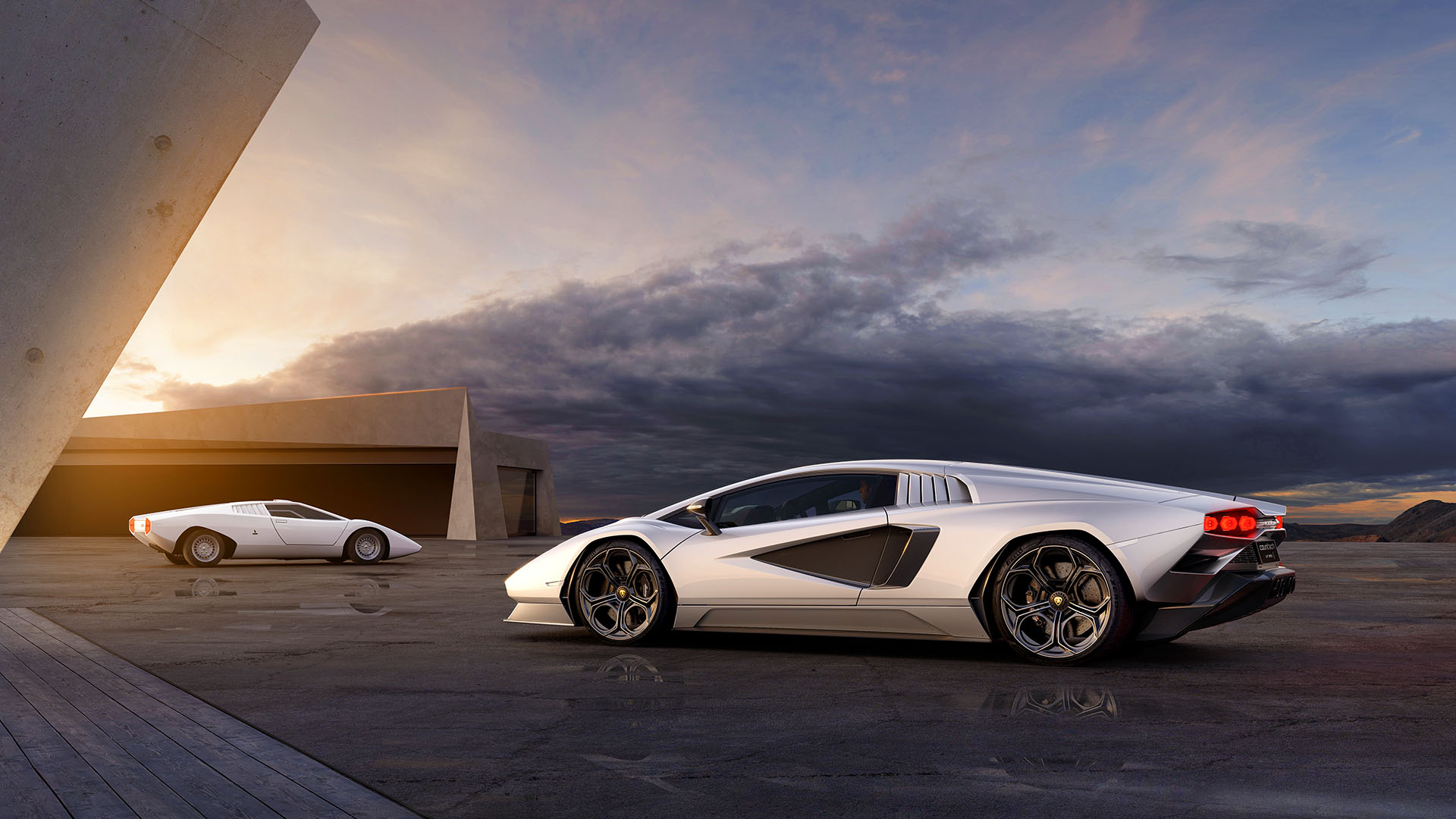
But one of the biggest complaints on the design of the 2021 Countach LPI 800-4 concentrates on the side profile, which shows the Aventador basis a bit too much, with an identical roofline, the basic Aventador rearview mirrors, and a massive, clear carbon fiber air intake that start on the door and goes into the rear fender, where it meets a big ‘fin’ that extends beyond the bodywork to draw even more air into the engine bay. But this is where things get tricky … remember this car is meant to celebrate 50 years of the Countach, so it celebrates the original prototype from 1971 … which didn’t have the NACA duct yet, while many complain this new car tries to mimic that NACA duct but fails … it is not meant to look like a modern version of the NACA duct, it’s just there because of pure necessity, to cool the engine, a problem the Countach prototype also faced back in 1971, hence they cut those NACA ducts into the smooth aluminum body.

Al least those beautiful fins behind the side windows were retained on the Countach LPI 800-4, I like them, and while many prefer to have these in black so the car looks lower and longer as it visually extends the side windows, I don’t mind them being color-coded to the body, but then you notice the wheels on the new car, where they try to mimic the telephone dial style wheels from the Countach … from the Eighties. Wait, what? This car is an homage to the 1971 Countach for her 50th anniversary, so why put wheels that look like the 1978 model on it? Wouldn’t it make more sense to create a modern interpretation of those ’71 wheels, only a lot wider at the rear … that would be more historically correct if you ask me. And while we’re on that topic, I really don’t understand why the show car is white … sure they explain it as the color of Ferruccio’s own Countach S, but we’re celebrating the 1971 Countach … which was yellow … so release the homage car in Giallo Countach at least, I just think it’s wrong to depict the Countach Prototype in white on the official photos … it was yellow, and always has been yellow right up to the day they crash-tested it at MIRA.
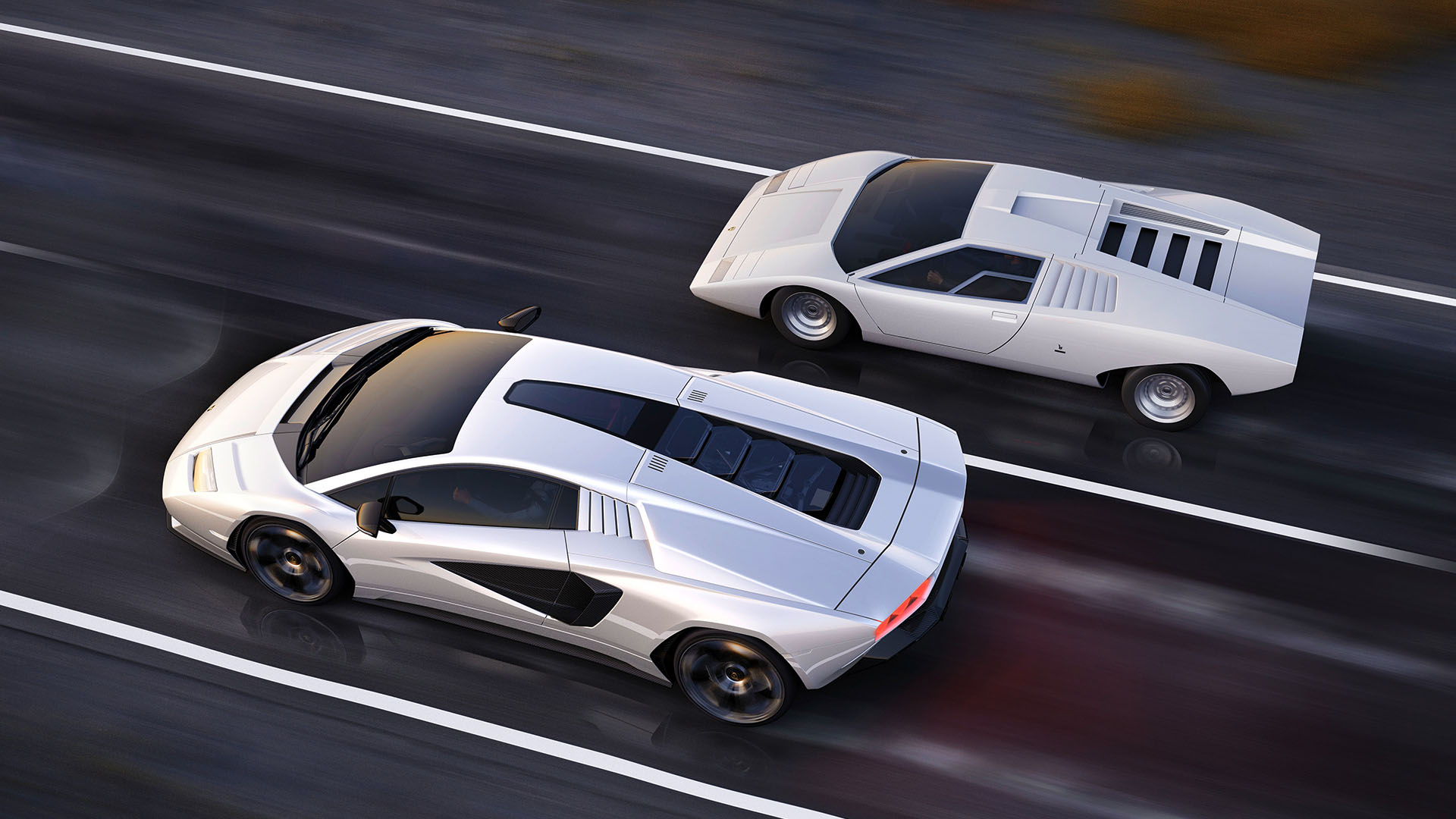
Seen from the top there are more design clues from the classic Countach to be found in this 2021 edition, like the design of the ‘periscope’ from the original car, it isn’t a functional rearview mirror tunnel anymore, but the design in there in the glass panel, while the vents on the engine cover are somewhat taken into present-day with those glass louvers, which honestly remind me of those on the Murciélago Super Veloce, what I absolutely love on the new car are those small vents next to the glass louvers on the engine cover, just behind the roof, those were used on the Miura, and on the Countach production version too, so I love that small detail they incorporated into this Countach homage, I doubt they were necessary, but they look the part.
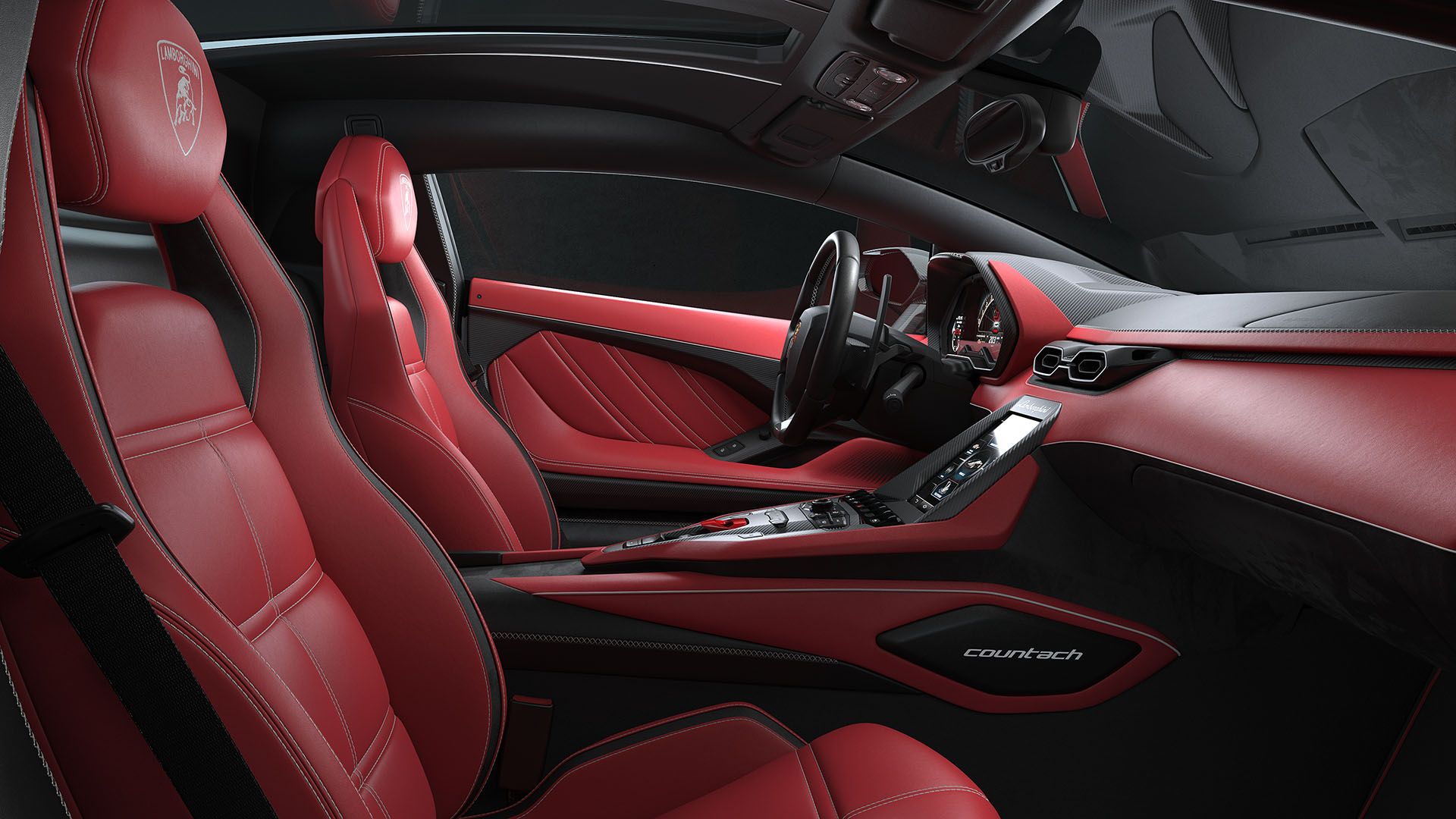
Going into the interior will really take you into the Aventador cockpit, there is a special stitching pattern on the comfort seats (it seems you will not be able to get the lightweight carbon fiber sport seats in this LPI 800-4), but other than that it’s just an Aventador interior with some custom 3D printed air vents on the dashboard and a large touchscreen for the multimedia system … the traditional start/stop button is hiding underneath the red cover as it has been ever since 2011, the switches and controls all look identical to a $500,000 Aventador … while we are talking about a $2,000,000+ limited edition Countach homage here … shouldn’t they have put some more effort into her interior to set her apart more from the base car?
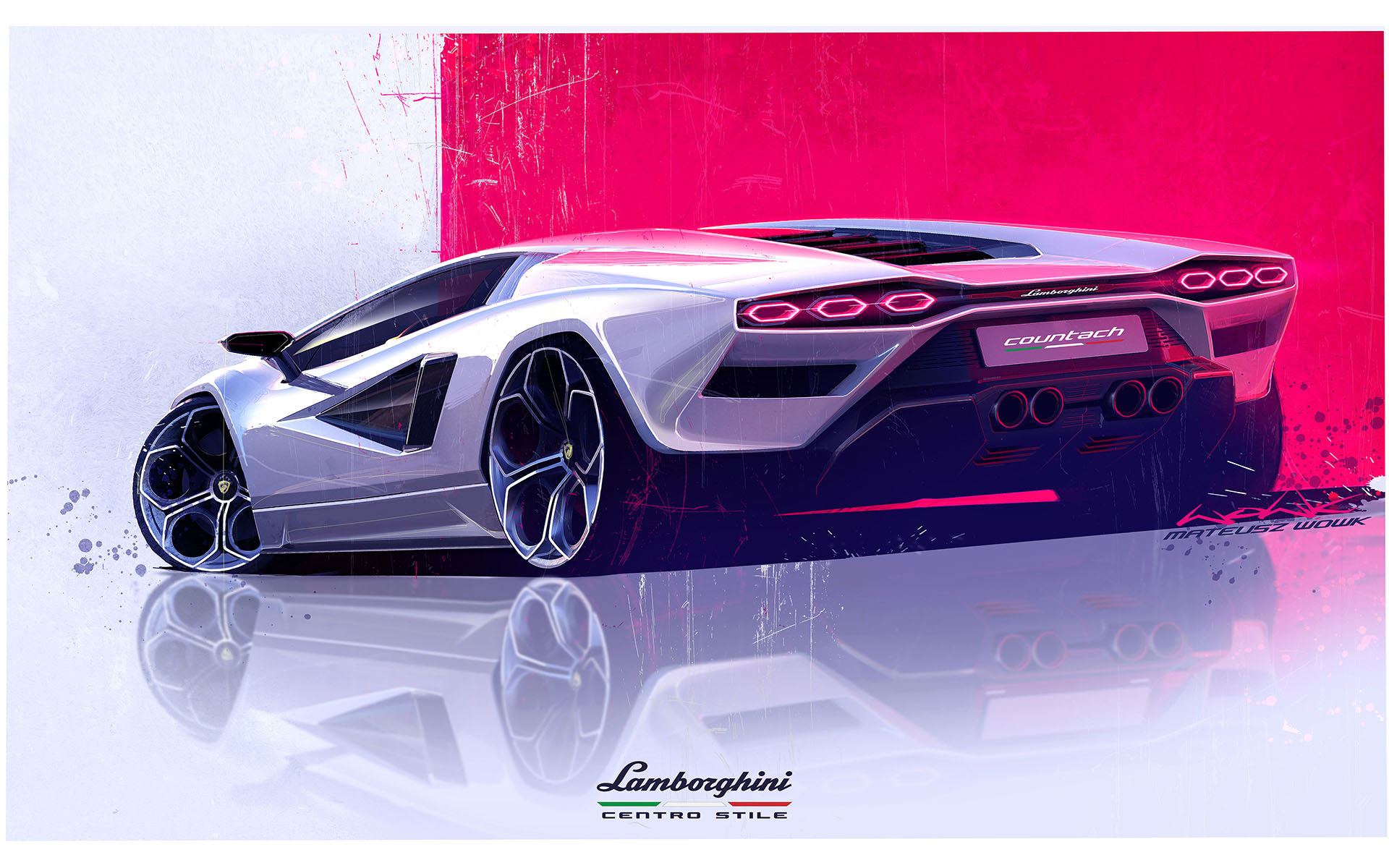
And now we get to another controversial remark often made about the 2021 Lamborghini Countach LPI 800-4 … the rear wing. As already mentioned, the massive rear wing on the Countach S from 1978 on didn’t do anything for downforce and even lowered the top speed, but people loved it anyway, so why didn’t Lamborghini put a large rear wing on this homage then? The answer is complicated … for one, the car doesn’t need a high rear wing for aerodynamics, secondly, the 1971 prototype didn’t have a rear wing either, and thirdly … there is an active rear wing on the LPI 800-4, much like on the original Aventador, the rear wing sits flush with the body but it has three different positions, to be raised when conditions require it … but it isn’t as impressive as the one on the classic Countach, and strangely enough Lamborghini hasn’t released a single photo with the rear wing ‘up’ on this Countach LPI 800-4 yet.

So the Lamborghini Countach LPI 800-4 has stirred up some controversy online, both by Lamborghini enthusiasts and by actual Countach owners, and most of the comments weren’t too positive, calling it a marketing stunt … but in the end, there will be only 112 units of this car built, as a reminder of the LP112 internal designation of the Countach back in the Seventies, all at a rumored starting price well over $2,000,000 before options and taxes … and all of these are sold already, so it’s a marketing success for Automobili Lamborghini SpA, after all, they sold out their Countach homage, whether it has been accepted or not, there were at least 112 people out there who wanted to add this special car to their collection, and let’s not forget this will be the final Lamborghini with the NA V12 engine next to the Aventador Ultimae, but the latter is intended for a totally different customer.

Do you really think the new 2021 Lamborghini Countach should have come with wide wheel arches and that massive, classic rear wing, perhaps even some center-lock wheels inspired by the Eighties versions of the Countach? And how about color-coding that massive side intake, would that make things look better?

Why not head over to LamboCARS where you will find a Virtual Car Configurator that allows you to configure your very own Countach LPI 800-4 virtually, with 121 different exterior shades, 28 interior hues, countless additional options like modern versions of the classic Countach wheels, but also the option to add the wider wheel arches and different rear wings … just so you can see how it looks … and which you prefer, in the end, I think Lamborghini created what is probably the best they could do within the parameters of the base they had to use, but personally, I would have called it a Countach homage, and not use the Countach name for this model, but that’s just my opinion.

Bentley Blower meets hybrid at Monterey

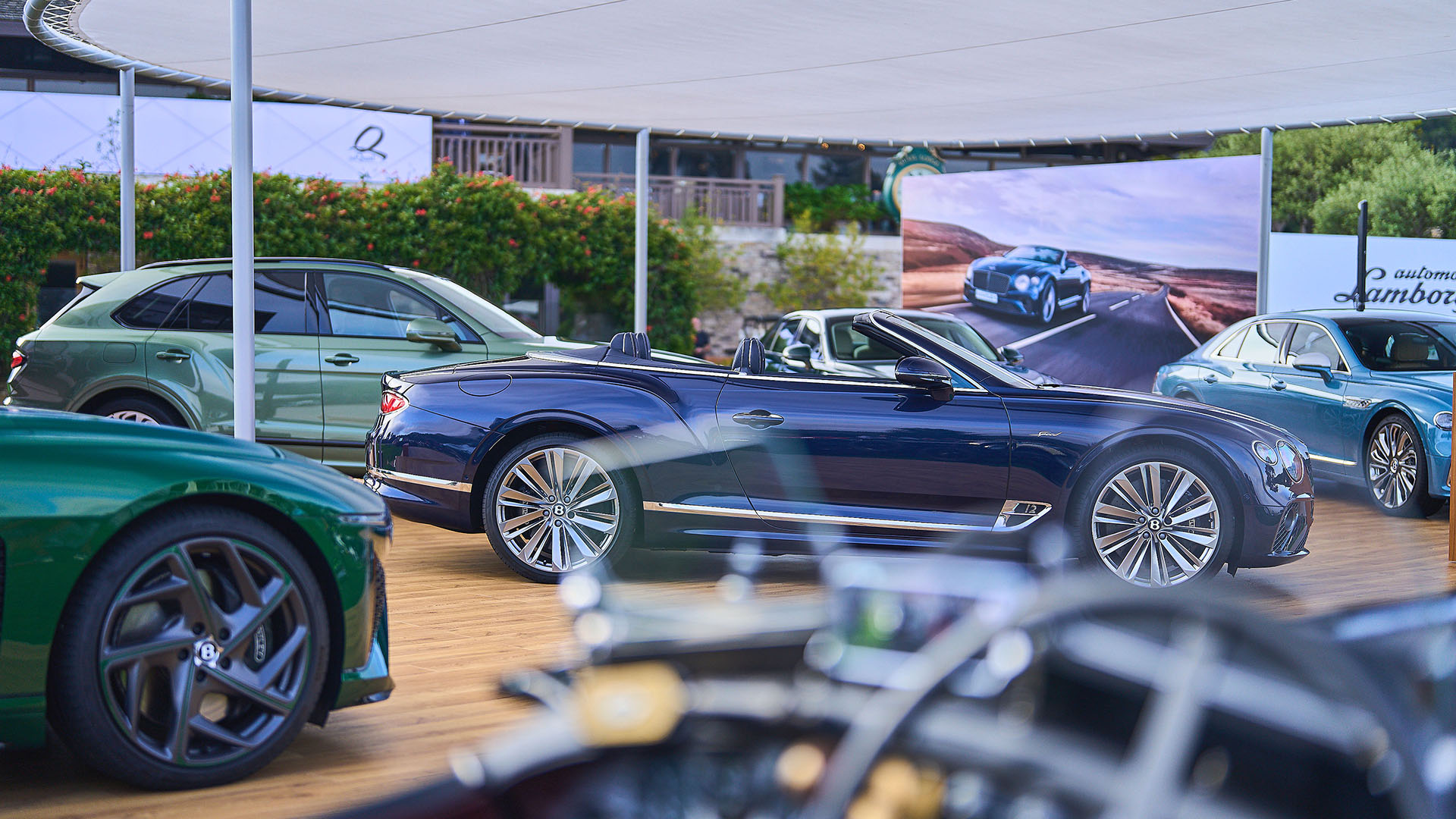
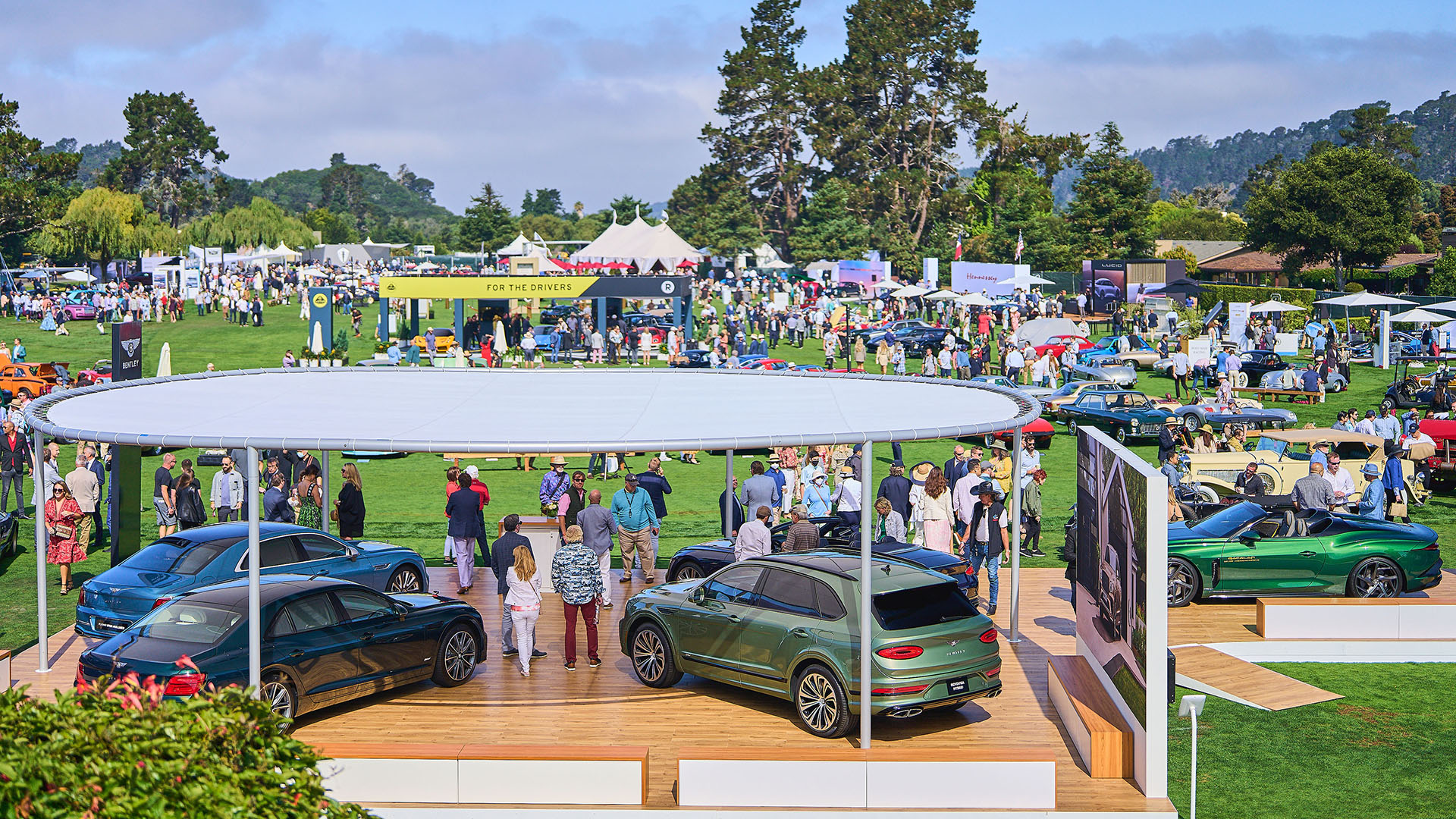
Bentley came back to the US event scene for the famous Monterey Car Week with a four-day exhibition showcasing the latest and greatest from Crewe to the public, ultimately they would have over 2,500 guests join them with 100 test drives from the Home of Bentley in Monterey, it was also the first time Bentley Mulliner had all three portfolios together: Classic, Coachbuilt, and Collections.

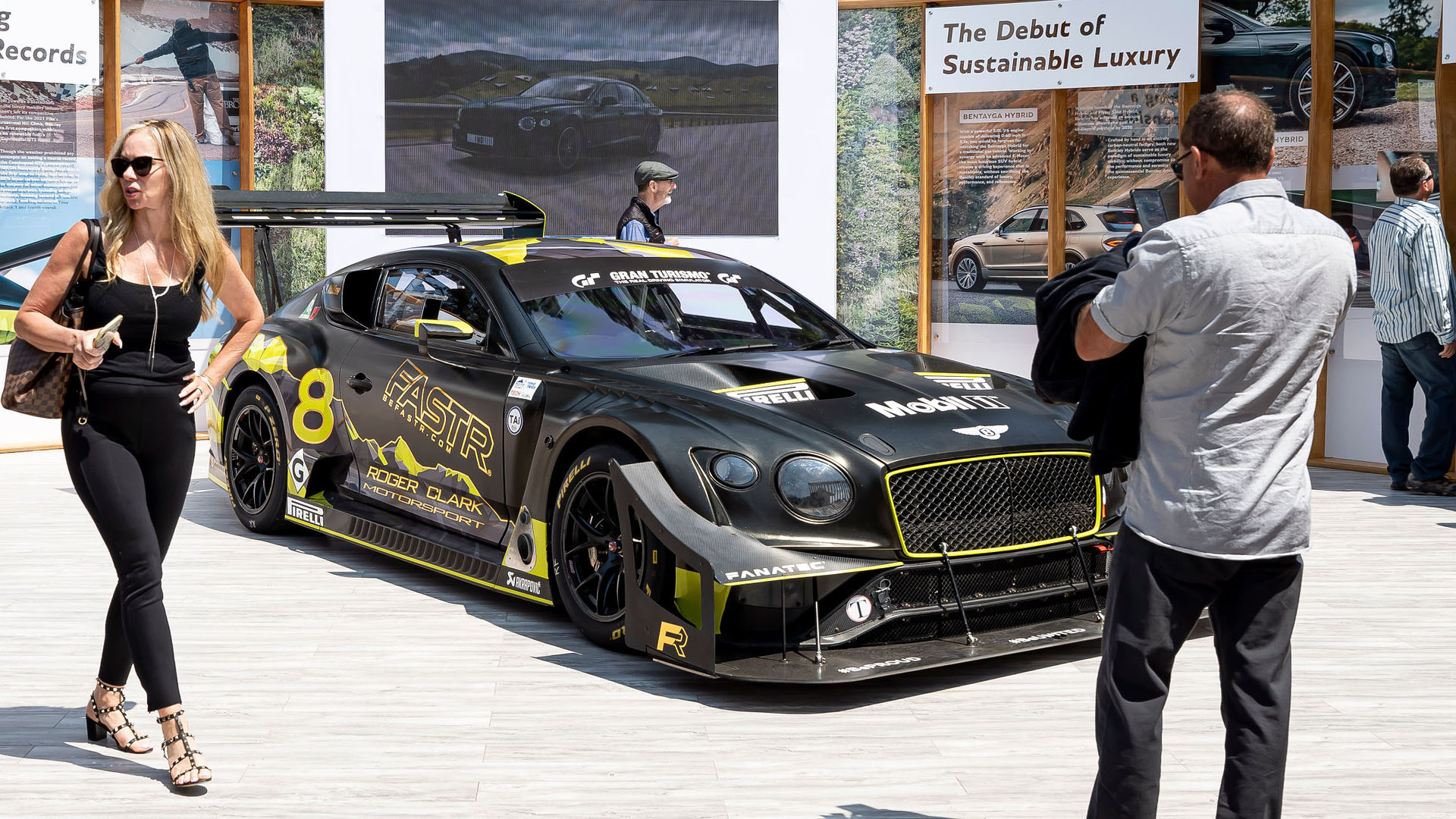
The cars shown at the Home of Bentley continually changed over the period of four days, but the famous biofuel-powered Continental GT3 Pikes Peak remained a central point of attraction throughout the event, but one car certainly drew a lot of attention too, the Bentley “Unifying Spur” featuring artwork by Rich Morris.

Christophe Georges, President, and CEO of Bentley Americas, comments: “Returning to Monterey for the first time after rejoicing in our centenary at Pebble Beach in 2019 has been a fantastic experience. After the challenges of the pandemic, we chose to celebrate our customers, alongside our thoroughly modern and diverse range of new models, and being able to see customers in person after such a long time apart was a great experience for everyone. Monterey Car Week is always a highlight in our calendar, and was particularly special this year as Bentley continues to deliver the strongest results in the company’s history.”

Talking about the Bentley Flying Spur, Monterey Car Week was also the venue where they introduced the new Flying Spur Mulliner, the top of the line version in the Flying Spur range from Crewe that comes with bespoke Mulliner details like special 22-inch Mulliner wheels with self-leveling centers, a bespoke “Double Diamond” front grille and satin silver mirror caps for more elegance, and naturally an interior to match with even higher handcraftsmanship from the Mulliner team. Together with the Continental GT Coupe and Convertible Mulliner versions, these three cars represented the Mulliners Collections portfolio.

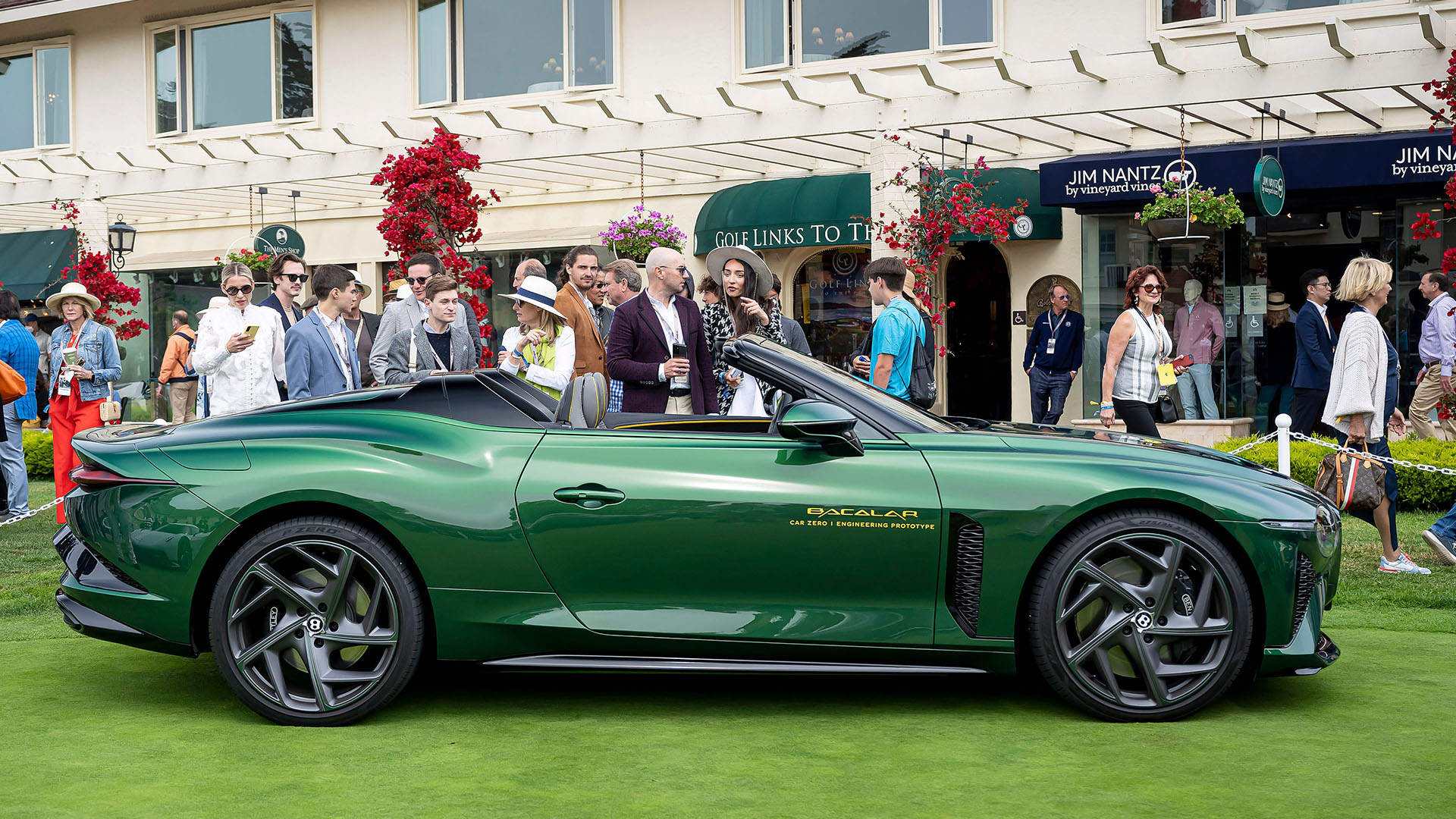
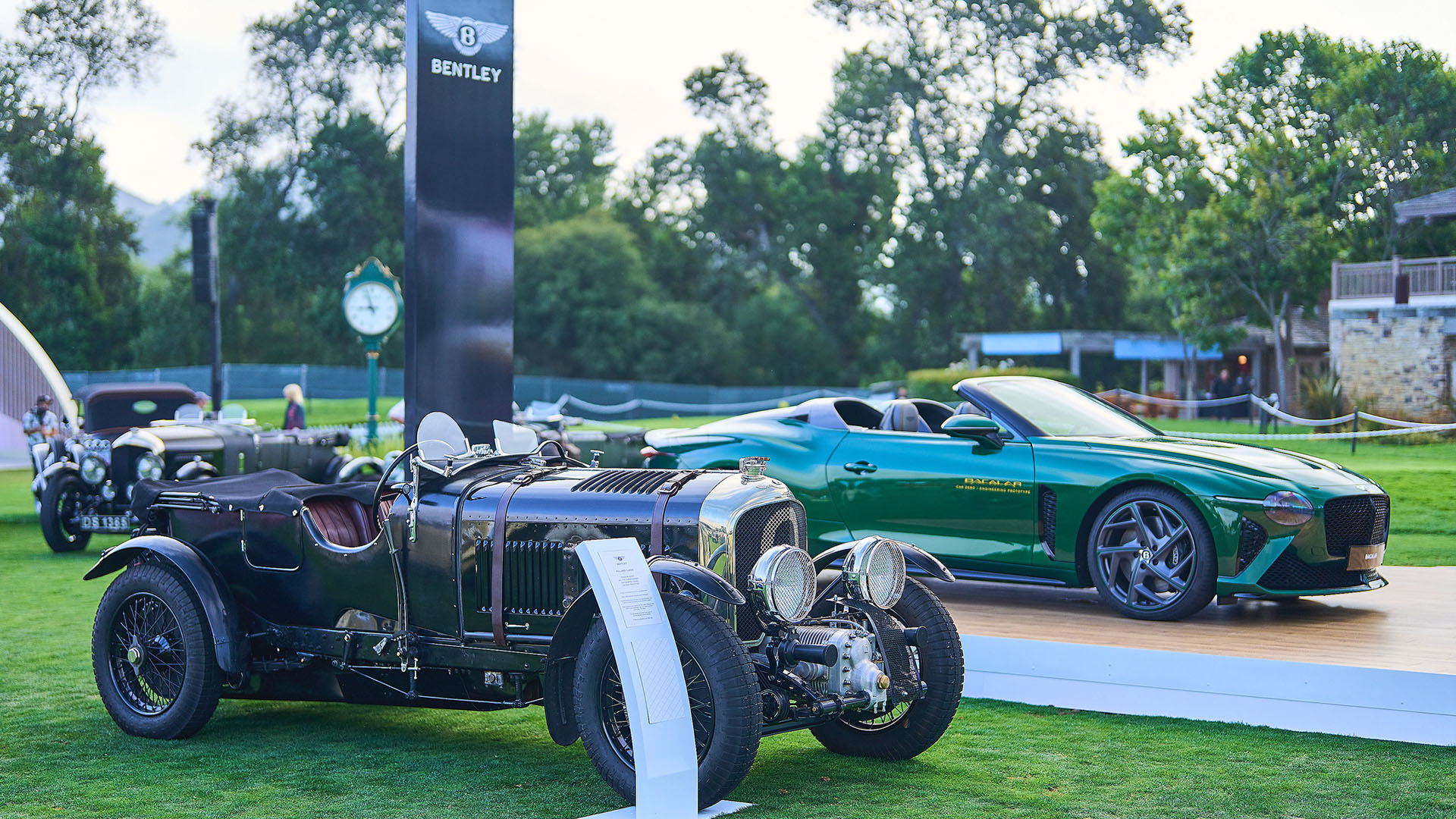
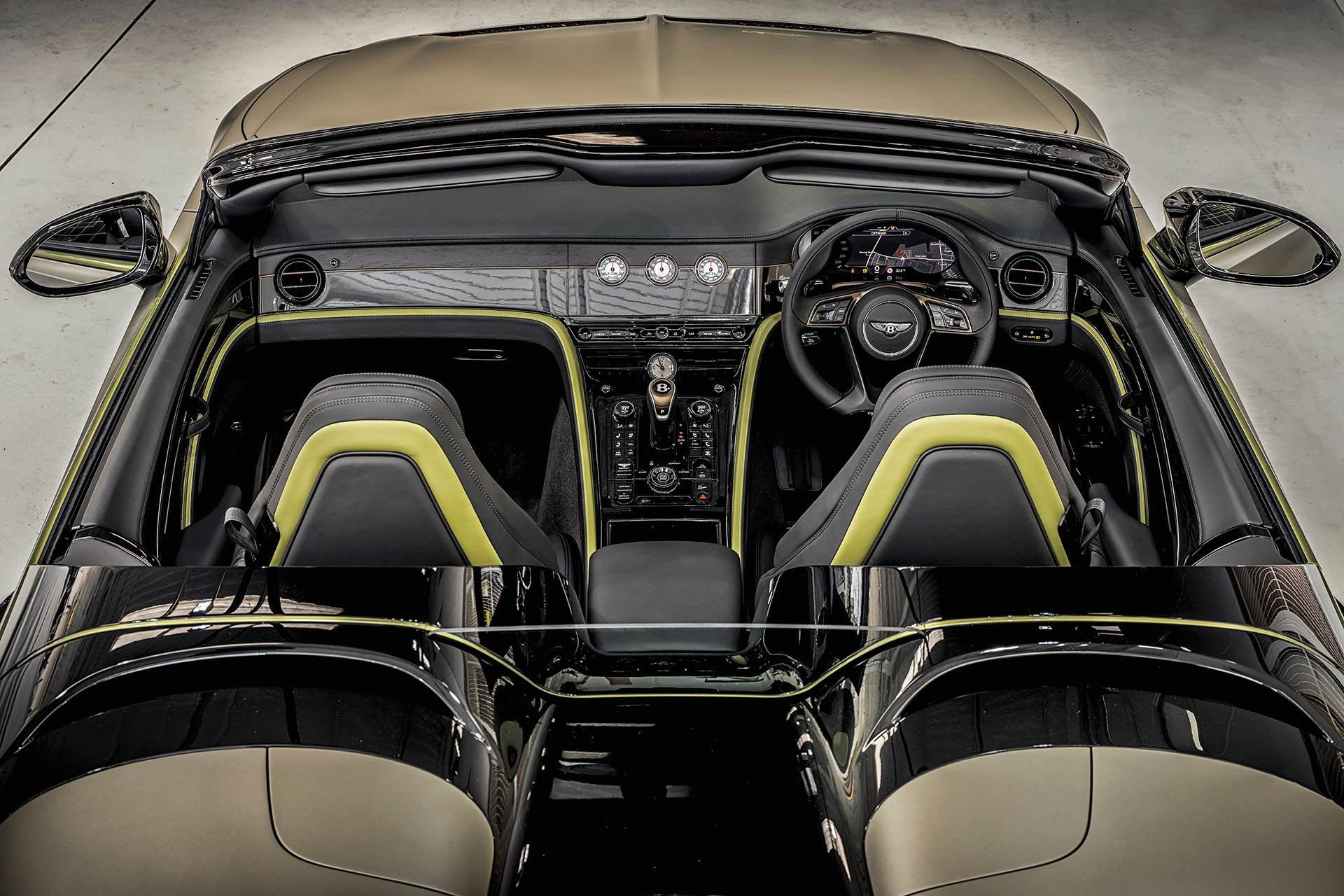
The second branch in Bentley Mulliner is the Coachbuilt portfolio, and that one was beautifully represented by the Bacalar Car Zero, the actual production prototype for the limited edition Bentley Mulliner Bacalar, the one that will not be sold, while the first customer car in the Bacalar series has been completed and is ready for delivery as we speak, the Car Zero was in fact repainted in a magnificent Scarab green and received a new upholstery for the interior, both specifically created just for Monterey Car Week 2021, this car was the star at The Quail, A Motorsports Gathering on Friday, 13 August.

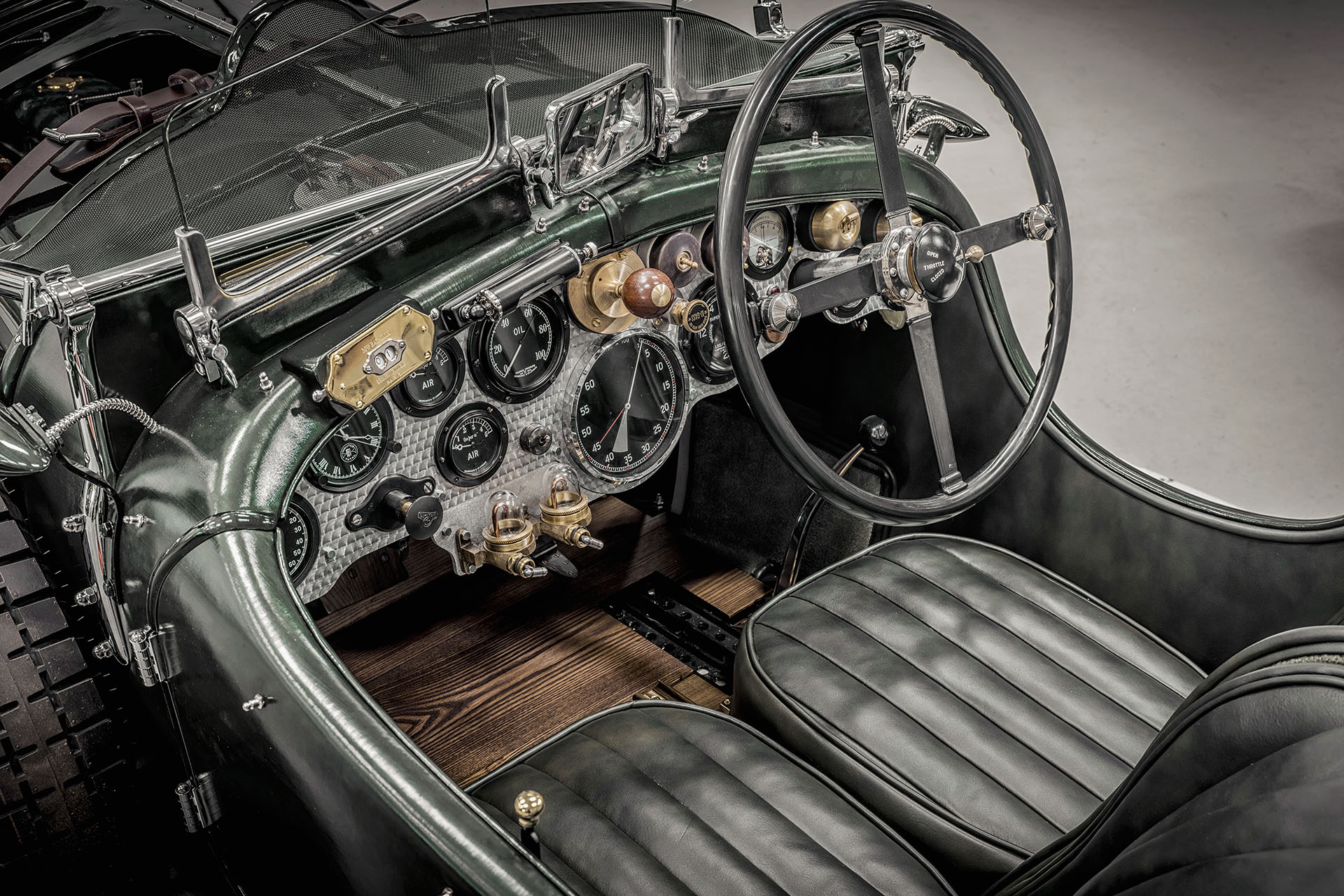
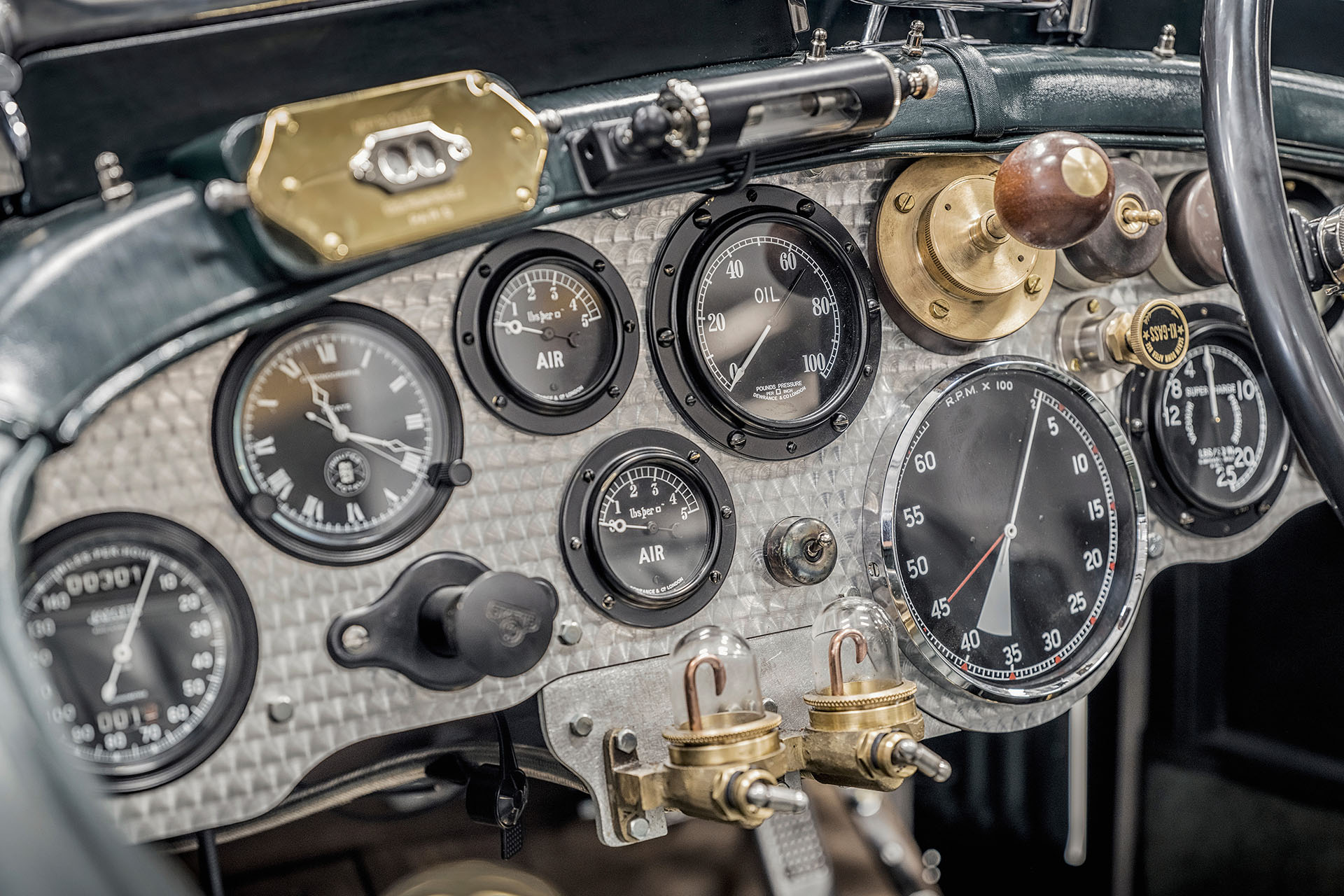
So how about the third part of Bentley Mulliner, the Classic Portfolio then? That was represented by something truly special, the actual engineering prototype of the Blower Continuation Series, another Car Zero at Monterey, this time a blast from the past that is being recreated almost exactly the way the original car was built back in 1929 as Sir Henry ‘Tim’ Birkin’s supercharged 4½-Litre.

This development test mule had already covered over 6,000 miles during the durability program, but Bentley insisted on using this very car to drive around the Monterey peninsula every single day, with customers, guests, and representatives from the media as passengers in this world’s first pre-war continuation car, she covered another 350 miles with no issues whatsoever.

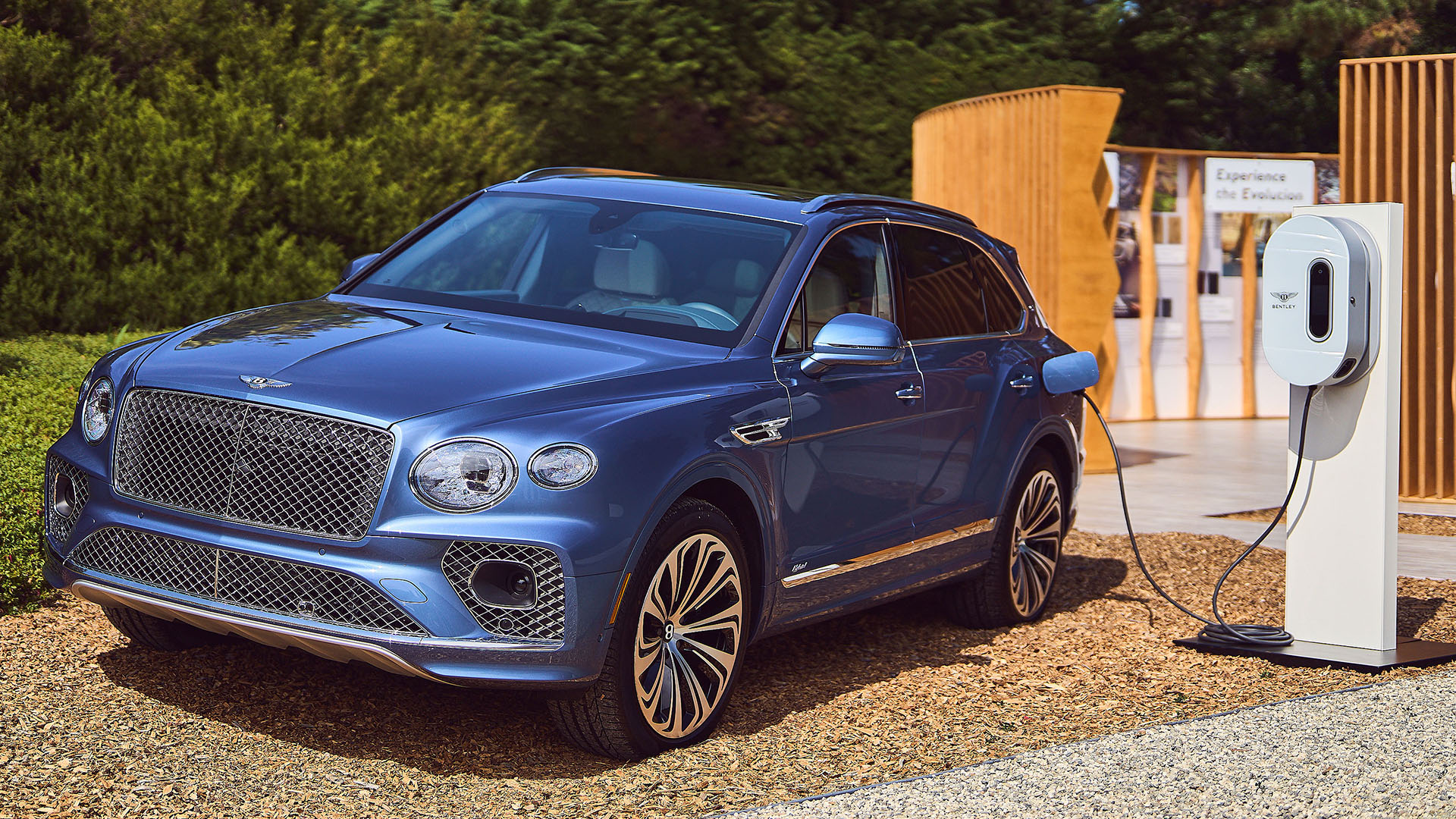
With Bentley’s hybrid cars becoming more and more important, it shouldn’t come as a surprise that both the Bentayga Hybrid and the new Flying Spur Hybrid made their appearance during Monterey Car Week, at the time of writing two-thirds of Bentley’s model range is now available with a Hybrid option, as part of their journey to electrification and a first BEV by 2025, Bentley already confirmed they will return to Monterey Car Week next year, August 15 2022.

Bugatti opens showroom in Singapore

Bugatti is known around the world for being the pinnacle when it comes to automotive design and engineers, together with performance and limited edition hypercars, some of which aren’t even street-legal like their upcoming Bolide, a true race car that can’t be driven on the road, nor be entered into any official races, but she looks absolutely stunning.

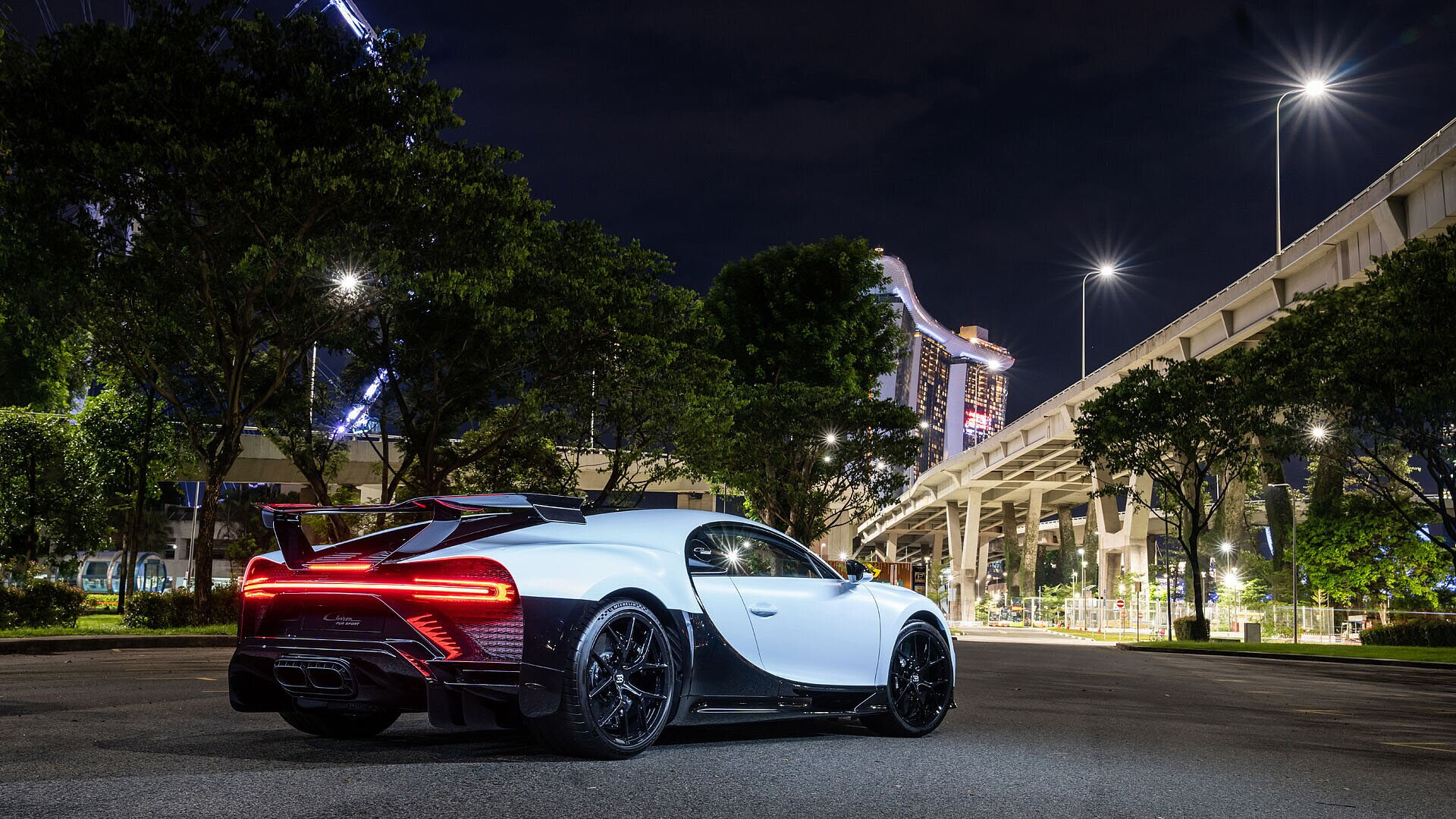
Owning a Bugatti is the dream of many car enthusiasts out there, and for a select group of fortunate clients, this dream becomes a reality, therefore Bugatti needs to expand its official dealer network constantly, and this time they opened the first Bugatti showroom in Singapore, an island city-state in maritime Southeast Asia that is known as one of the world’s most successful and stable economies.

The global Covid pandemic actually had an interesting effect on Singapore as many ultra-high net worth individuals have chosen to move and stay in Singapore for lengthy periods or settle permanently, further boosting the regional economy and the demand for luxury goods, and that also goes for buying and owning supercars and hypercars, which is where Bugatti comes into the picture now.

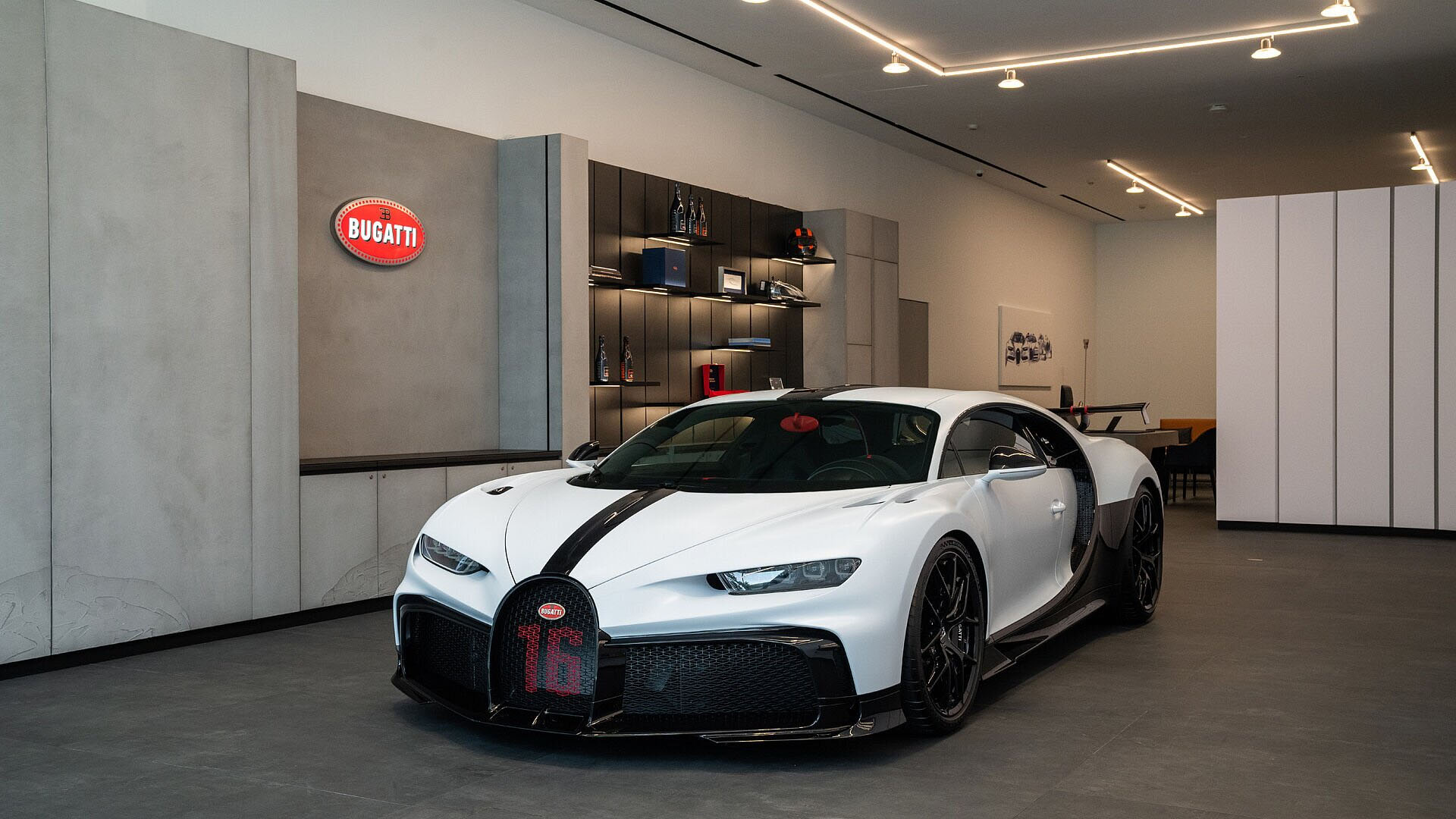
As a joint venture between Bugatti and Wearnes, the latter being a renowned luxury automotive retailer established in 1906, the new Bugatti Southeast Asian showroom is already opened for clients and enthusiasts, located south of the Singapore Botanic Gardens, this new showroom is another spectacular location, finished to the utmost standards required to meet the company’s new visual identity we already described in our Bugatti Global Network article.

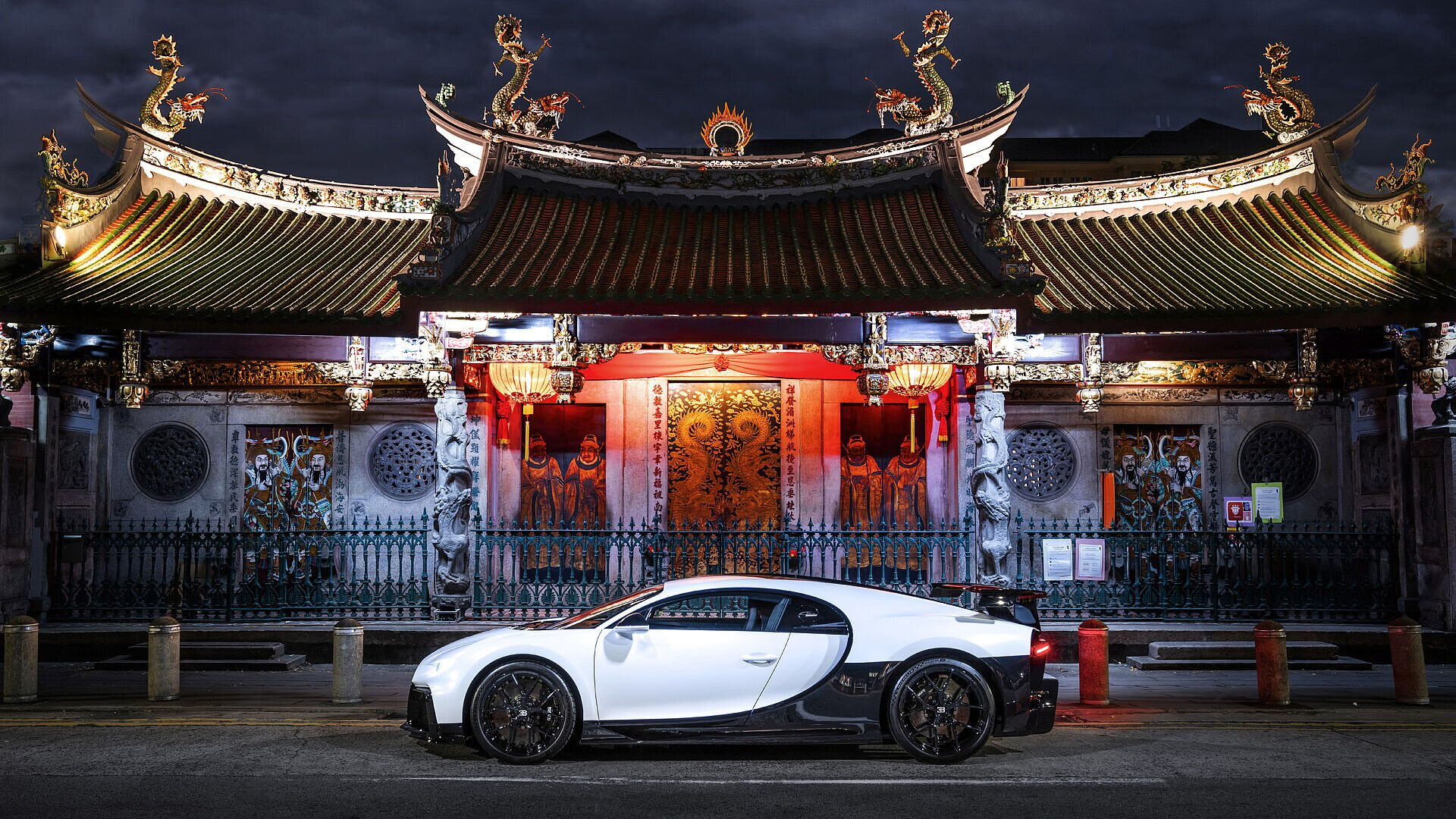
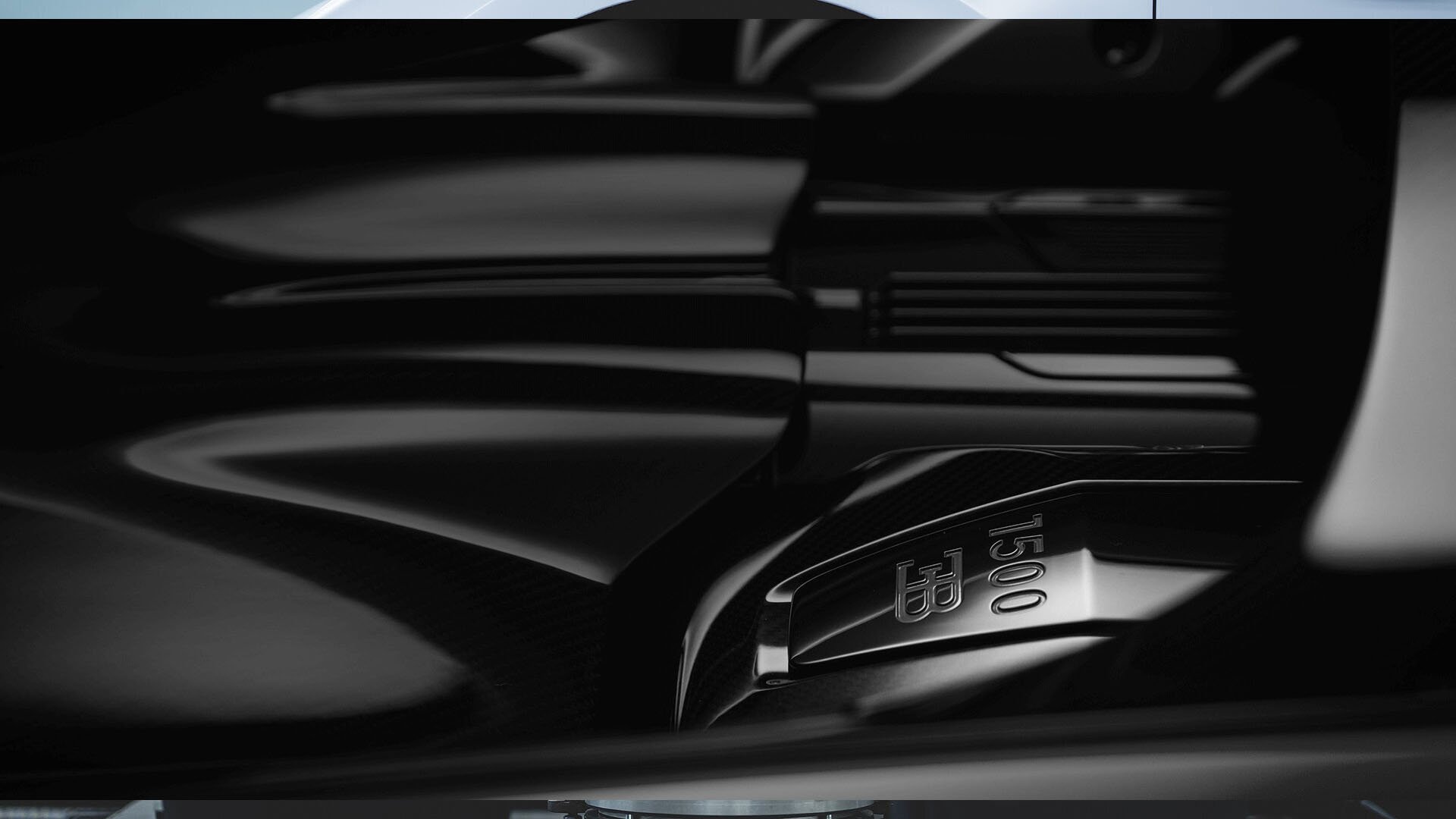
At the time of writing the stunning Bugatti Chiron Pur Sport is on display at this new showroom, being the fastest, most powerful production super sports car in their 110-year history, but this white hypercar is probably not for sale, however, the staff at Bugatti Singapore’s showroom will be more than happy to let you touch and feel the sumptuous leather swatches or browse through stunning catalogs before putting together their dream car digitally on the in-house configurator.

Konstantinos Psarris, Bugatti’s Regional Director of the Middle East & Asia, explains: “Singapore’s resilient economy, which has generated an unprecedented number of ultra-high net worth individuals, is the envy of the world. The city state’s energy and ambition are reflected in its remarkable architecture, making it an exciting place to live. Both the timing and location are perfect for Bugatti to establish a new home in Southeast Asia to meet the needs and desires of our growing numbers of customers on the continent. We look forward to enjoying a collaborative partnership with Wearnes, which has unmatched knowledge and experience of the local market.”

Most Expensive Mercedes C-Class in the World Costs $1.5 Million

Mercedes-AMG C63 DTM

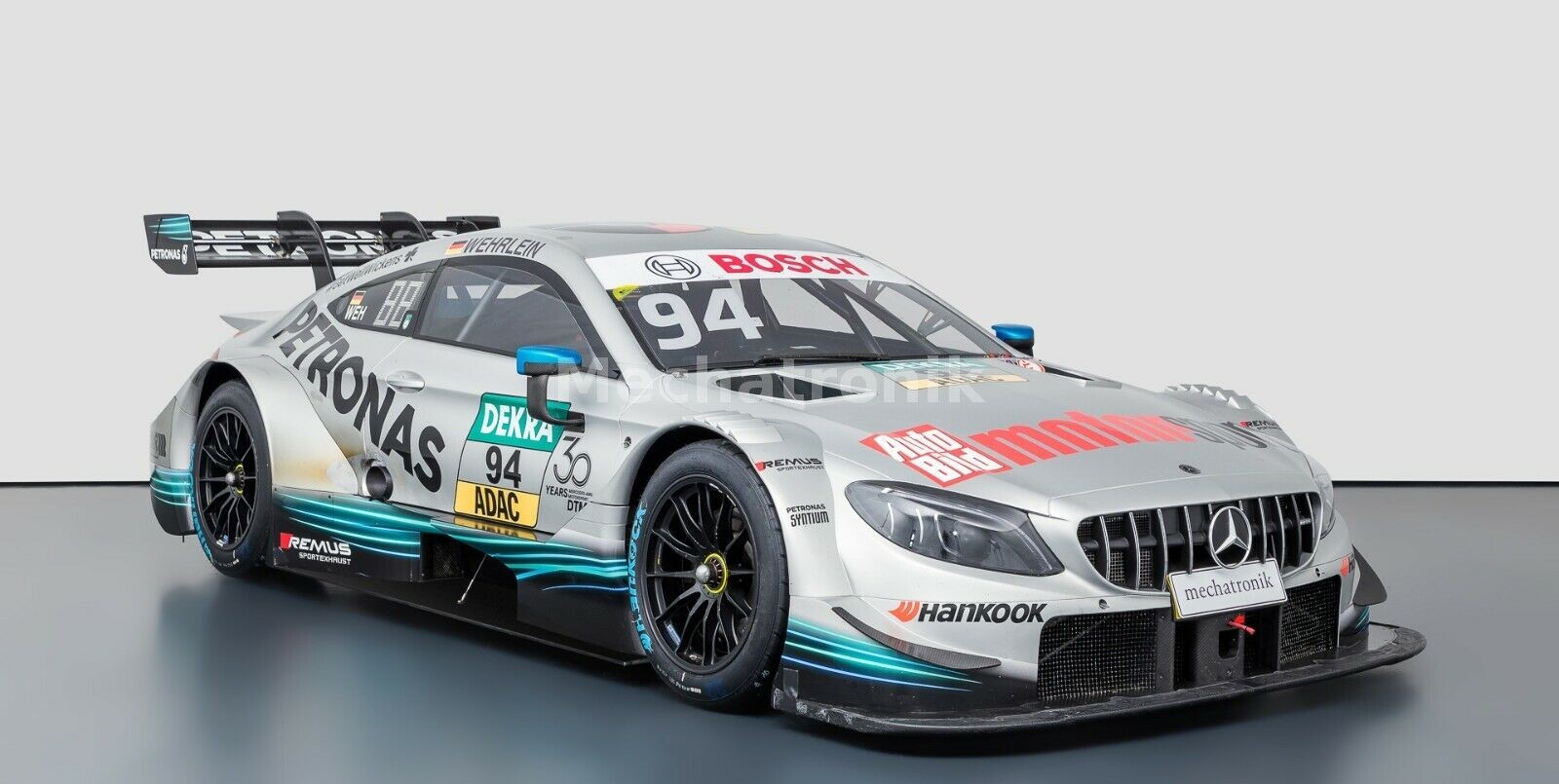
You read that right, a C-Class for the price of a McLaren Senna or a Porsche 918 Spider. Its the Mercedes-AMG Coupe DTM, also known as the Mercedes-AMG C63 DTM after the design was updated to reflect that of the W205 c-class generation.

Motorsport has changed drastically in the last few years, and if you think the car industry has changed a lot from the extensive restrictions put on internal combustion engines then you will be shocked once you see the changes that these very car makers have had to put up with in Motorsport. DTM cars for example downsized at one point from the vivacious V8 engines that once powered them to 2 liter inline-4 engines.

That move only lasted one season (2019-2020), Mercedes-AMG had already withdrawn from DTM leaving BMW and Audi to run a series of 2.0L turbo-4 engines. For Mercedes, their last outing in DTM was still represented by a lively C63 Coupe DTM, powered by a 4.0L naturally aspirated V8 engine. The road going C63 AMG cars used a twin-turbocharged version designed to meet efficiency and emission targets of that generation.

It goes without saying that both the W205 C63 DTM and C63 AMG are the last of their kind, the very last C-Class AMG models to be powered by a V8 engine.

And now we can finally address the insane price on this 2014 C63 DTM Coupe that was driven to several victories by Robert Wickens during the 2015, 2016 and 2017 seasons. Mercedes left DTM to focus on their EQ brand, they branched into Formula E and have since launched several full electric EQ models including the EQA, EQC, EQS and more.

Ironically, the upcoming C63 AMG will use a 2.0L turbo-4 engine just like the DTM turbo cars from the 2019-2020 season where BMW fielded a BMW M4 Turbo and Audi entered an RS5 Turbo. Mercedes was absent during this season after going out with a bang in the 2018 season where Gary Paffett won the DTM drivers’ championship in the last V6 C63 AMG. A total of 9 wins put Mercedes-AMG on the top, winning both the 2018 Team and Manufacturers’ championships.

This car gives collectors a unique opportunity to own the last V8 powered C-class in Motorsport. And if that doesn’t convince you, then you will be surprised (or sad like in our case) to learn that W205 and W204 C63 AMG prices have recently started going up across all markets, do we need to say why again?

And there you have it, the most expensive c-class on the market today is a C63 DTM Coupe. This car is currently listed in Germany by Mechatronics GmbH. It has covered 99,999km.

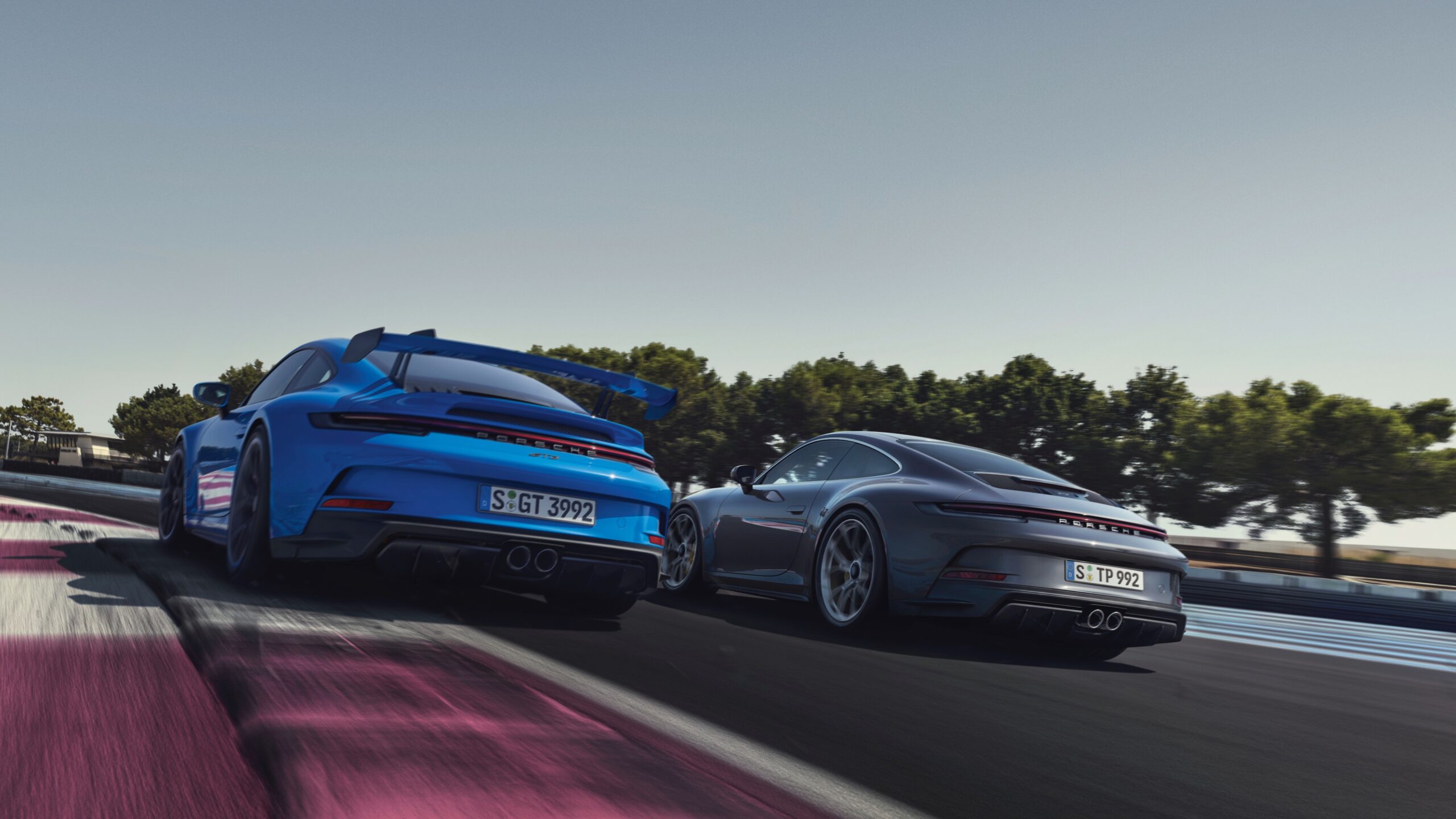
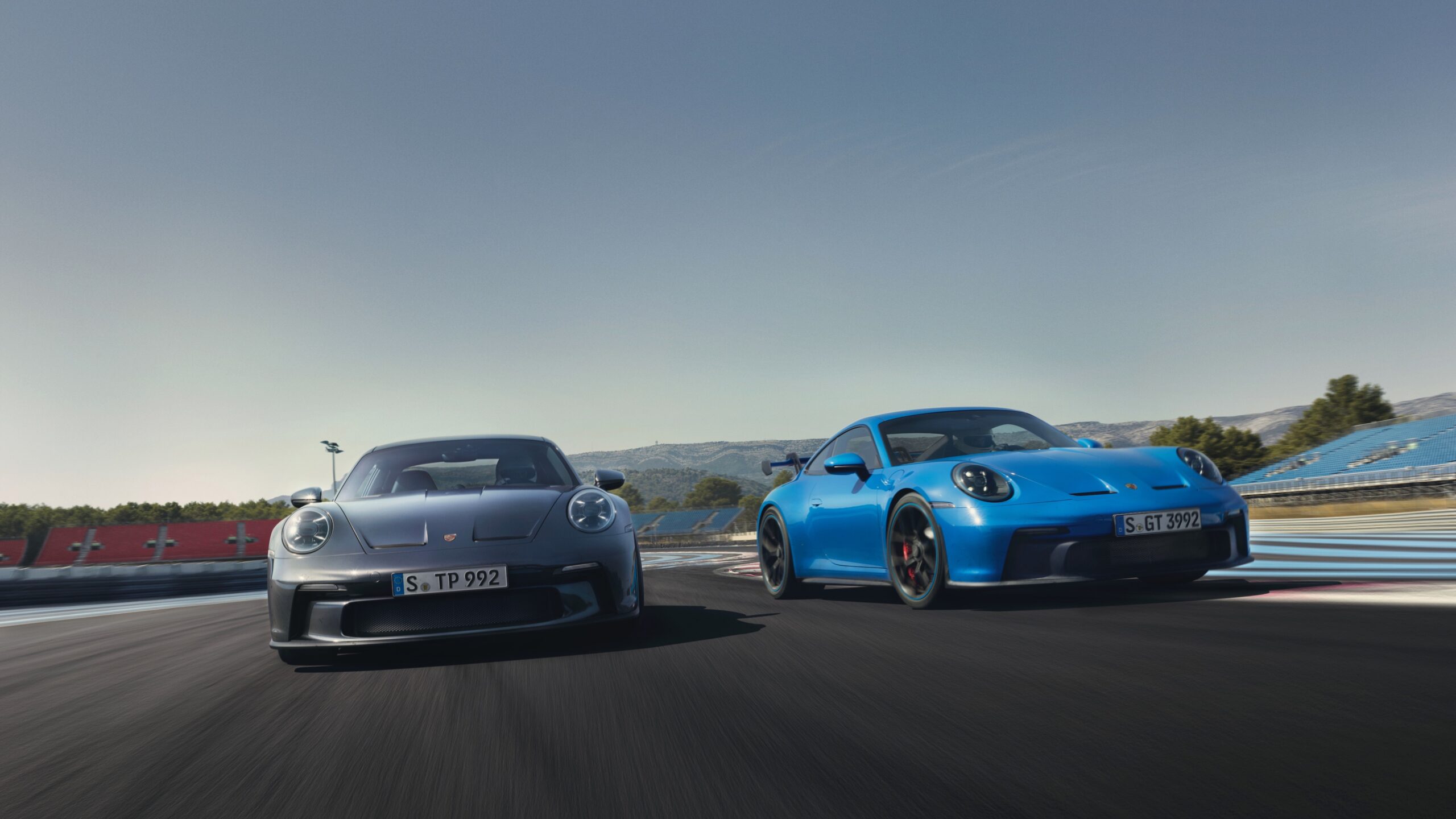
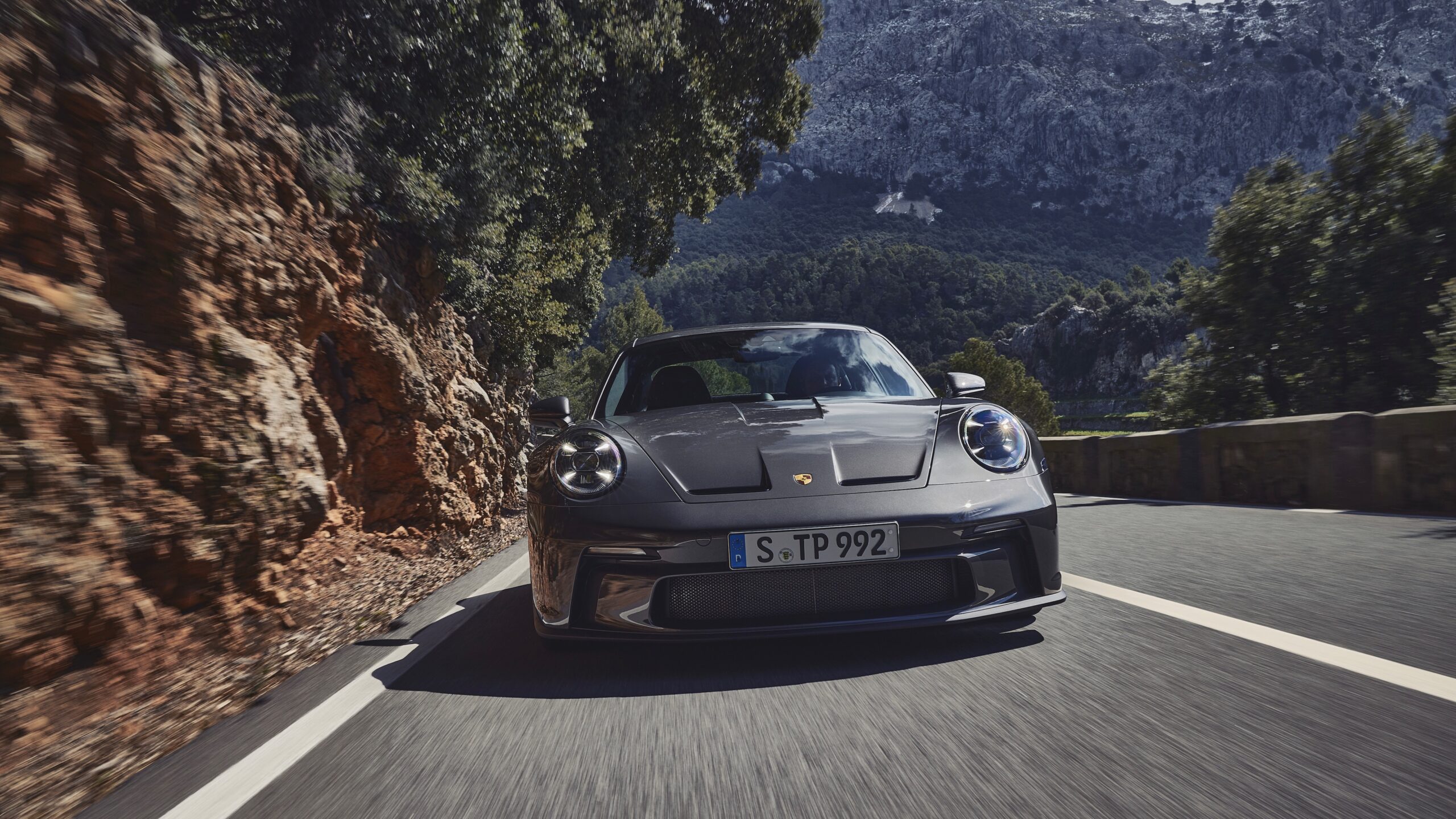
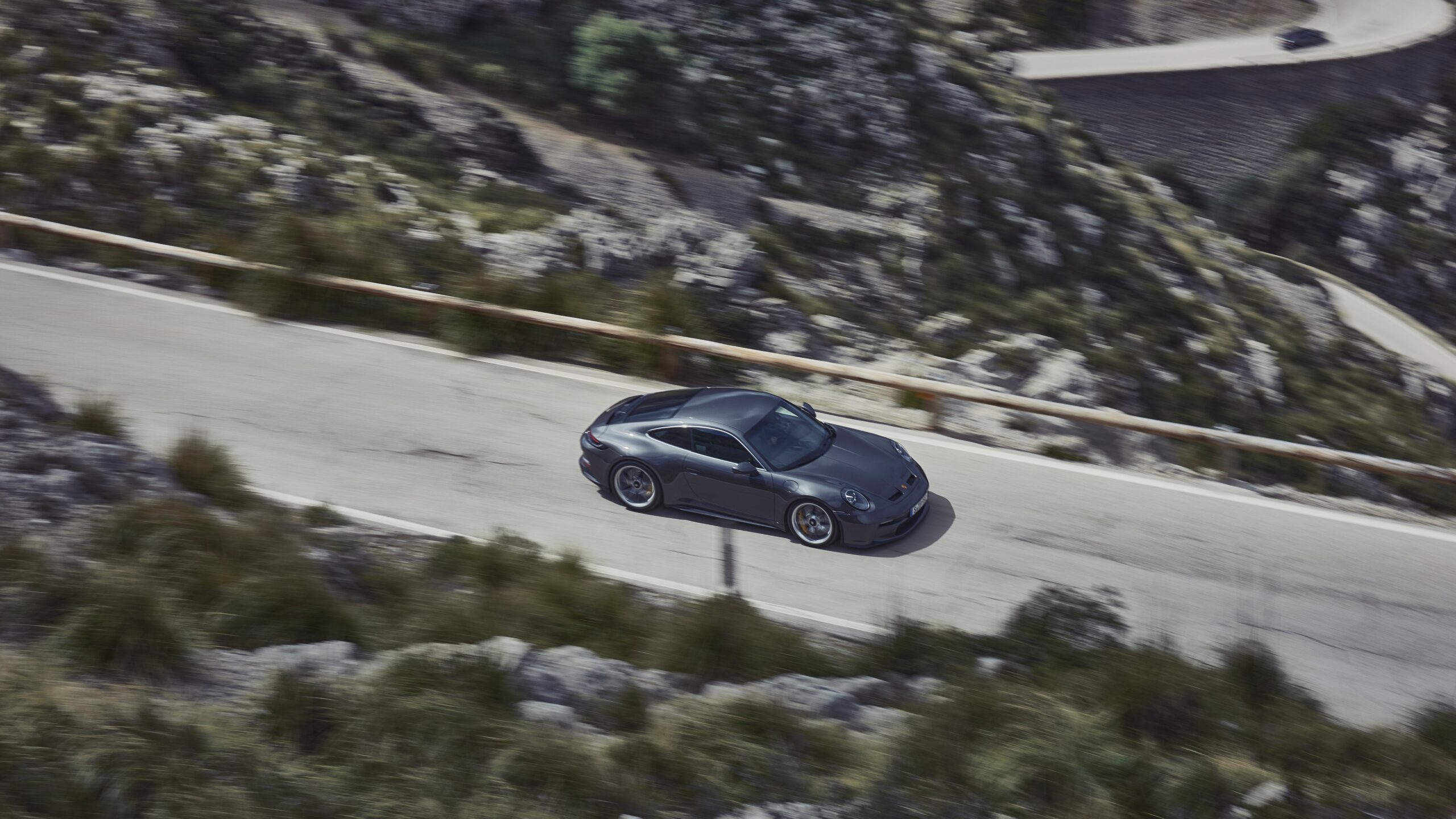
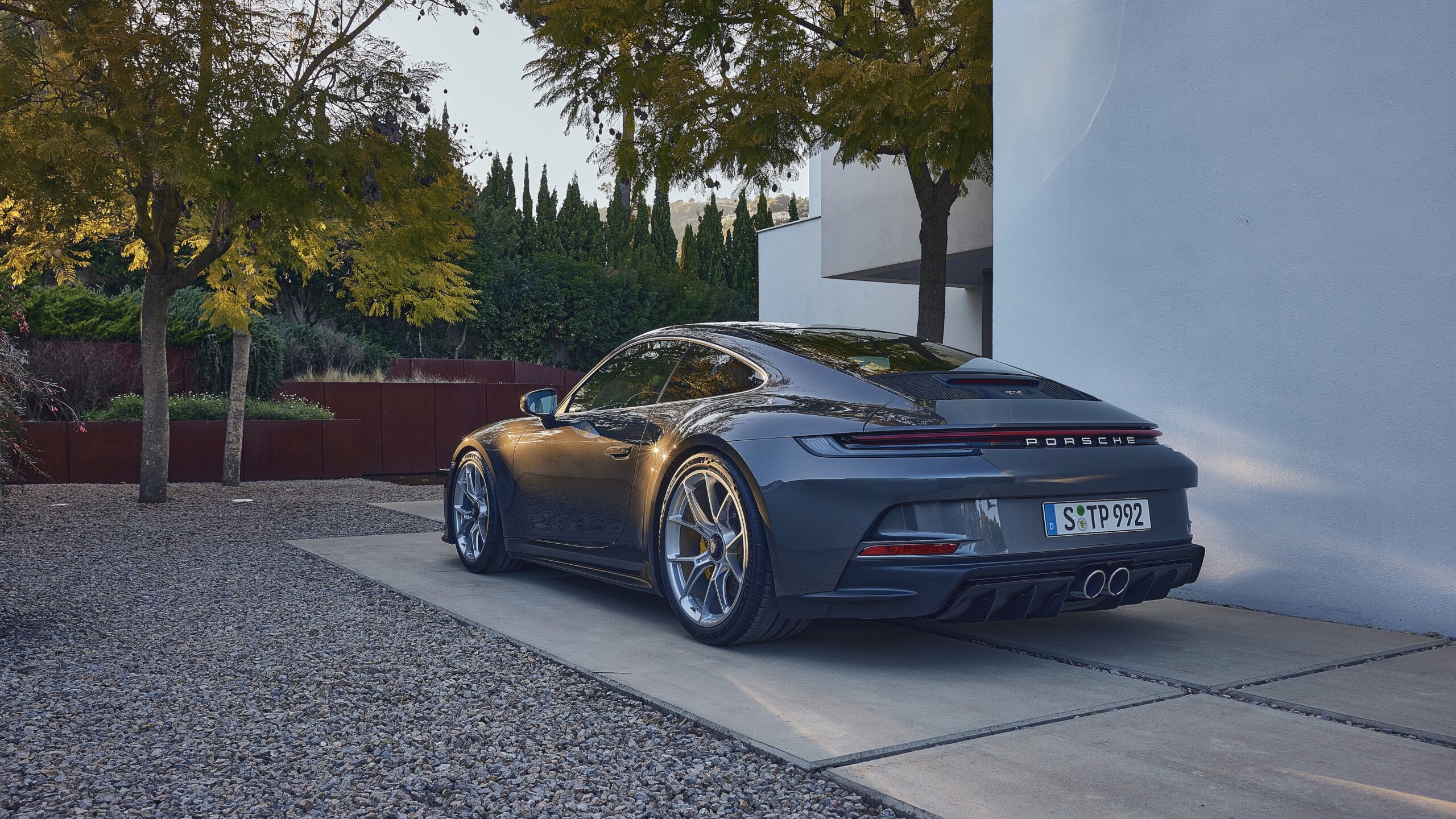
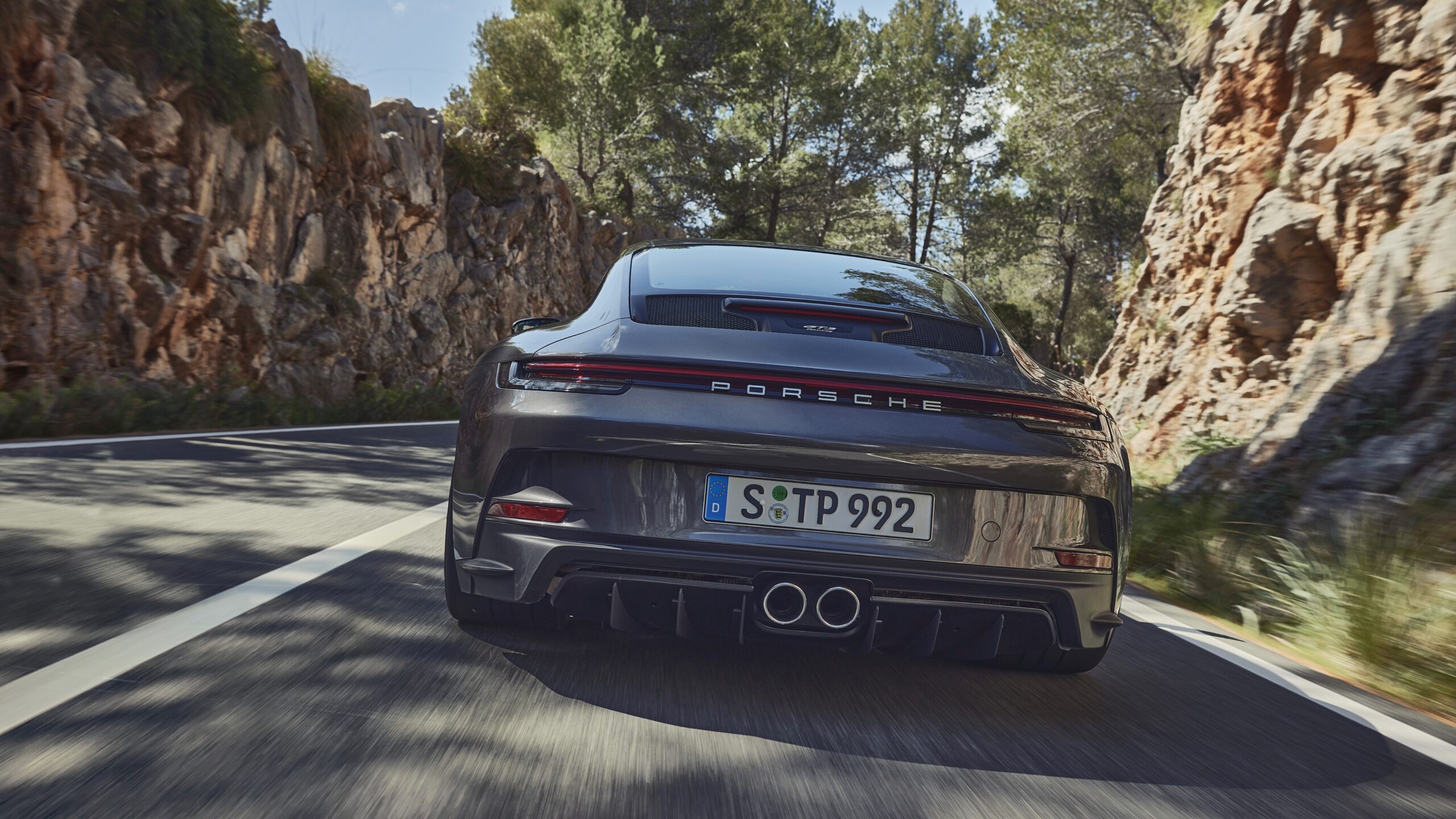
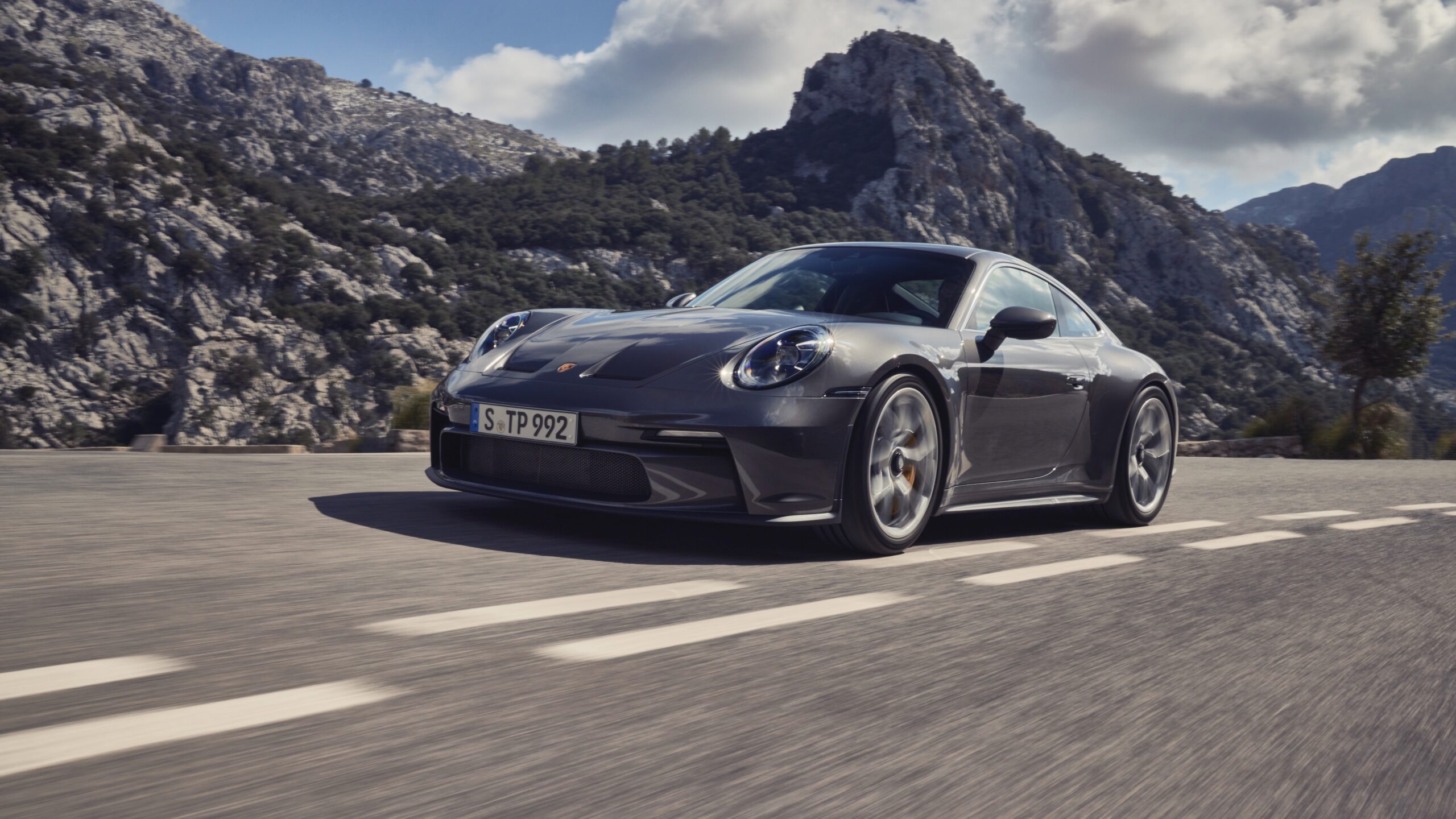
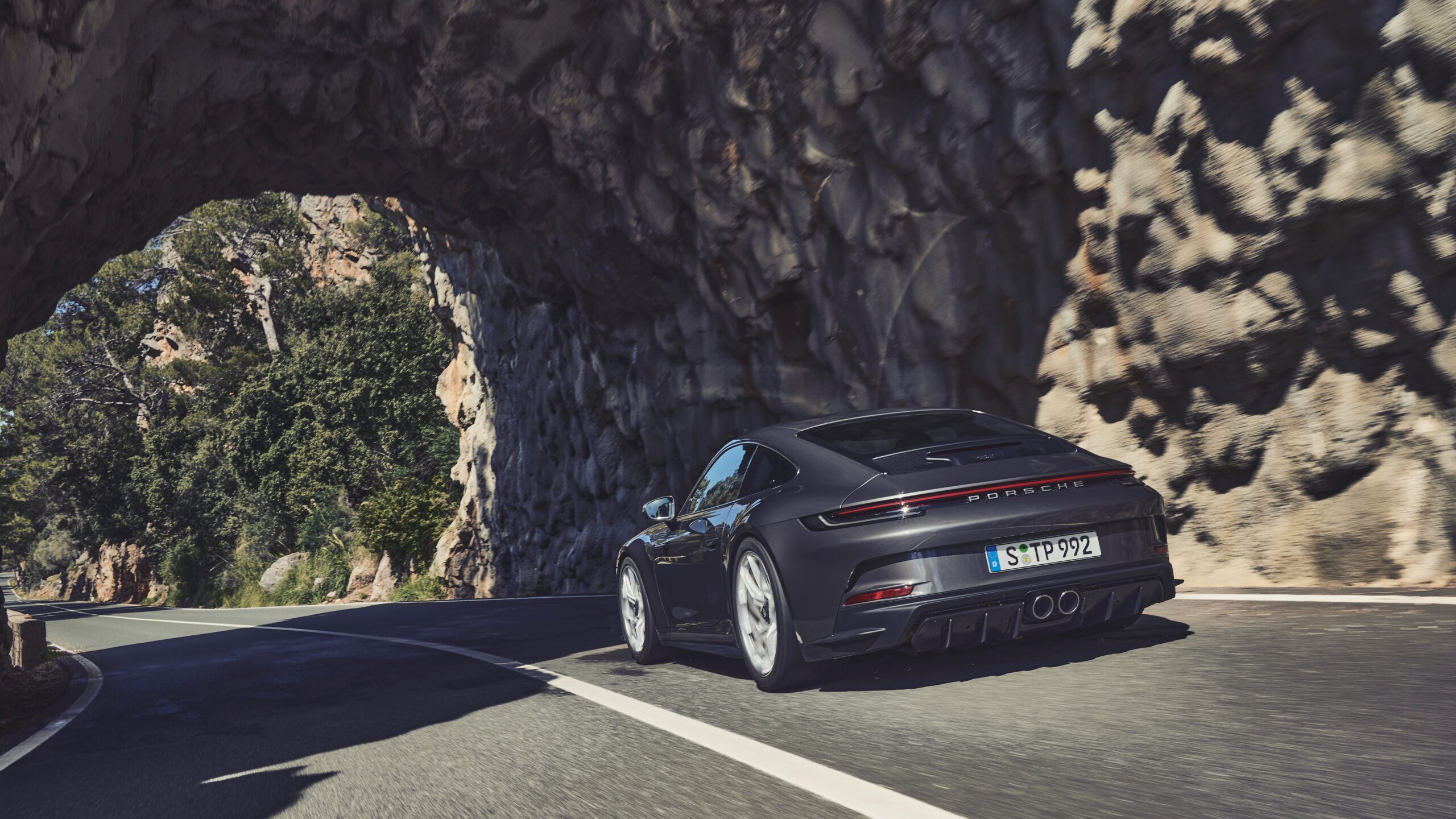
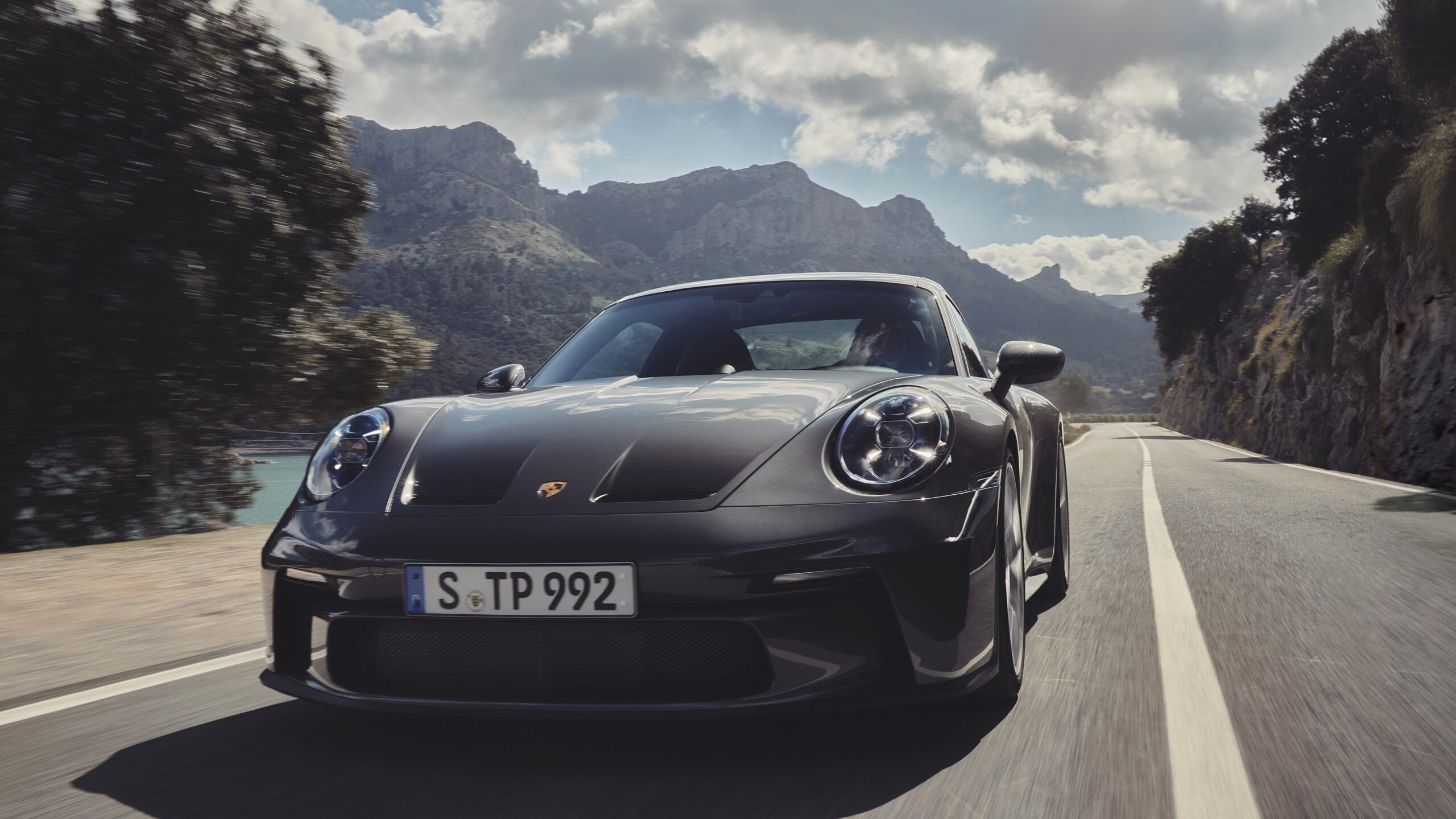
2021 Porsche 911 GT3 Touring: An In-depth Look

Introduction

When we attended the livestream unveiling of the 992-generation Porsche 911 GT3, it quickly became evident that the folks from Stuttgart had come good on a number of proclaimed and unspoken promises – the new car was far superior to those that came before it, proving that Porsche is not lacking on the level of innovation that’s required to make something so amazing, even better. The event also provided an opportunity for the gaffer to speak about some of the other commitments from the automaker, such as the development of eFuels and the confirmation of an upcoming Touring version for their latest GT car.

For those already in the know, the GT3 Touring model is as exceptional as it has become familiar over the past few years, particularly to the most diehard driving purists and deeply-rooted Porsche enthusiasts. For those wondering, “Hey, what’s the diff?”, the Touring is essentially a gentleman’s version of its otherwise track-focused road car; based on a less extroverted and more purist-centric blueprint, the Touring forgoes some key features from the regular car.

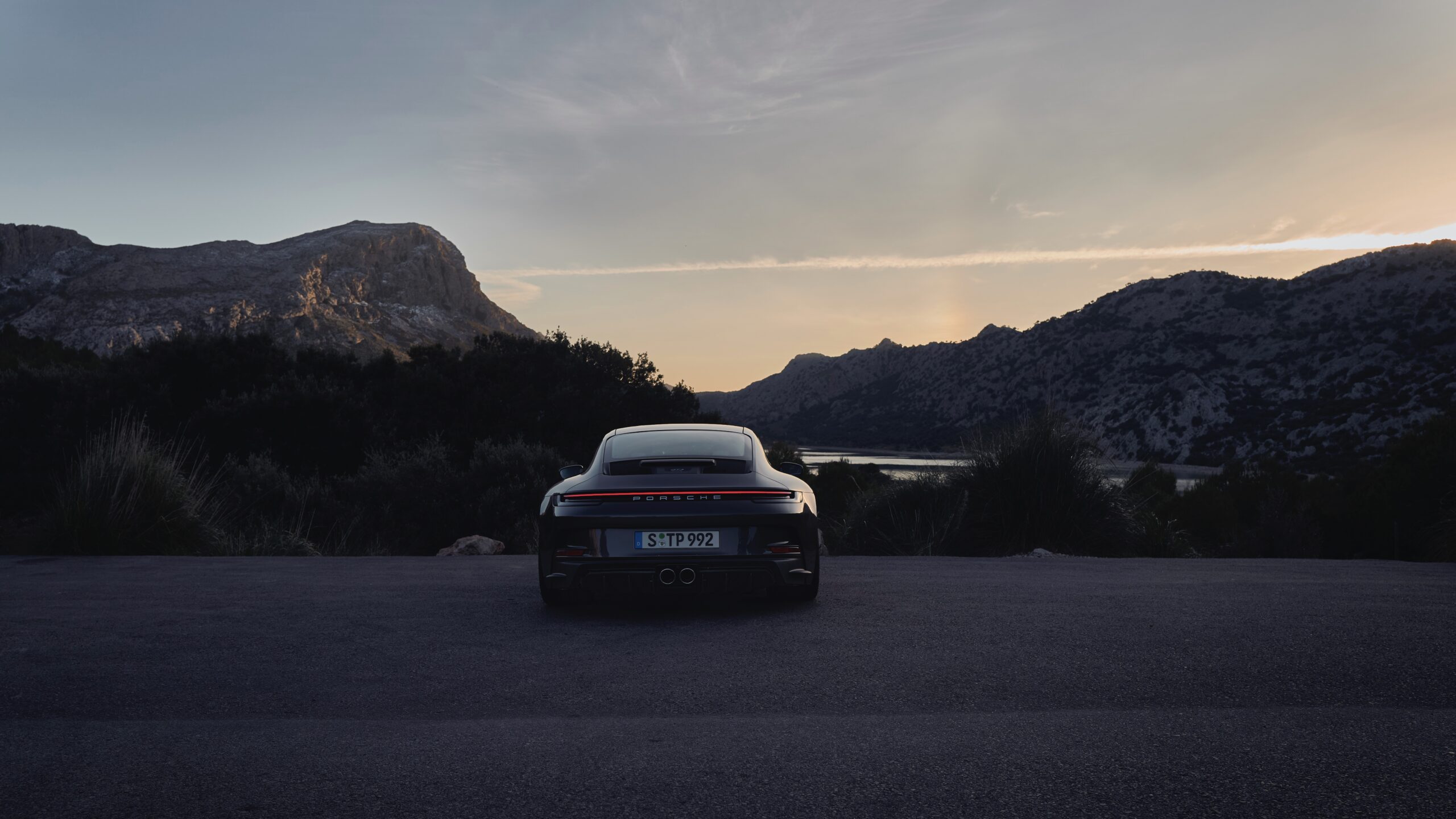
The most notable of these would be the removal of the static rear ‘swan neck’ wing, which has become one of the most defining and differentiating elements of the 992 GT3. It has been replaced by an electronically-controlled retractable wing, which in theory, would serve most of its function under race-track conditions; otherwise, expect the Touring to appear as the wing-less, more unassuming version of itself, in almost all other cases.

In actuality, this helps the car blend in more with the non-GT lineup of 911 cars, rather than simply being a less attention-grabbing version of the GT3. Subtlety is the leading philosophy here – nevertheless, those who know, really know. With that said, this is always one of the best things about owning a Touring model. It’s part of a special ensemble that plays to a small and exclusive audience. These days, being in that kind of company is priceless; in this era where society caters more to bigger egos and louder mouths, the longing to appear as something less, can’t be faked. If anything, it takes some bravery to pull off.

Interestingly enough, the 992-generation GT3 Touring model does come with the (no-cost) option to add PDK, though we reckon that manual transmission models will reign supreme as the overwhelming favorite, and for good reason. After all, it makes little sense opting for the former, in the same way that someone would make the argument for having a manual transmission in the GT3 RS because they wanted access to the fastest lap times possible from the car. In any case, Porsche has a proven track record when it comes to satisfying just about every niche via its GT lineup, with the Touring model being one such product of their open dialogue with customers.

Touring Evolution

For the genesis of the GT3 Touring, we go back to the 991-generation when the series’ first 911 GT3 was released in 2014. It came exclusively with the PDK transmission. This was followed by a bit of an outcry from Porsche customers, who felt that at the very least, the option of a manual transmission for GT3 should’ve been on the table from the get-go. Hindsight is always 20/20, and only after-the-fact is it easy to see why a GT3 Touring slots in so perfectly into the 911 hierarchy – it’s the sweet spot or those who desire a 911 grand-tourer and want a bit more than what the GTS offers, but find the Turbo models (for which a manual transmission was not offered) a bit too farfetched.

Stuttgart heard, and they delivered, though the introduction of the Touring model didn’t happen overnight. The first serving of appeasement came in the form of the manual-transmission-only 911R (which is actually more closely based on the 991.1 GT3 RS model) before a proper commitment was provided for the 991.2 GT3 in 2017, with the debut of the official Touring designation. It was the first time the 991-generation GT3 could be had with a manual transmission (including the regular model), with the Touring model being exclusively offered with the stick-shift for this iteration.

If you wanted a post-997-generation 911 GT car with a manual transmission, the 2017 GT3 and GT3 Touring were the automaker’s first offering at a relatively reasonable price point; the rarity of the 911R and the fact that it’s basically an RS model, see it demanding inflated prices to this day. With that being said, I don’t think many would have opposed the new 992 GT3 Touring continuing its exclusive relationship with the manual. But it can’t be argued that the PDK opens up more options for a wider range of buyers, which should equate to a larger market share and translate to bigger profits; it makes sense from a business standpoint.

However, we urge buyers of the new GT3 Touring to go all-in on the purity it has on tap, particularly when it comes to being a road car. If lap times are your priority, PDK (on the regular GT3, or the upcoming ‘RS’, if possible) is the way to go. Leave the PDK for what it’s good at. Keep efficiency and essence separate. It’s good for resale value too – maybe you’ll thank me later. Speaking of the 911R, perhaps a 992 iteration is in the pipeline? Though this time, we reckon it will be more in parallel with the RS program from the get-go (as it ended up being the first time), rather than a knee-jerk reaction to the lukewarm reception of a manual-transmission-less GT3. One can only hope!

Engine & Performance

  • Engine Type & Size: 4.0L naturally-aspirated flat-6
  • Horsepower: 502 hp @ 8,400 rpm
  • Torque: 346 lb-ft @ 6,250 rpm
  • Transmission: 7-speed PDK, 6-speed manual
  • 0-60 mph: 3.2 seconds (PDK), 3.7 seconds (manual)
  • Top Speed: 199 mph

Porsche has continued the use of the naturally-aspirated 4.0L 9A1 flat-6 power plant in the 2022 Porsche 911 GT3, with that engine carrying over untouched in the GT3 Touring. The only key differences between the 9A1 and the engine used in the Cup race car, are the exhaust system and ECU. Otherwise, those two engines share virtually all the same components, such as individual throttle bodies. As such, the new GT3 needed no “sound engineering” and inherently sounds amazing.

With its astronomical 9,000 rpm redline, the GT3 Touring produces 502 hp @ 8,400 rpm and 346 lb-ft of torque @ 6,250 rpm and should likewise achieve hugely similar, if not identical figures as it pertains to 0-60 mph times and top speed. Like the regular model, the Porsche 911 GT3 Touring comes with two transmission options, though as mentioned before, the 6-speed manual is expected to be the much more popular choice for buyers of this model. The GT3 and GT3 Touring continue to use the 7-speed PDK transmission, instead of a version of the 8-speed used in the rest of the 992 line-up.

Purists, rejoice! Dr. Frank Walliser – Vice President of 911 and 718 Product Lines – said that we shouldn’t count on the GT3 going electric or even hybrid, anytime too soon. It is much more likely that Porsche will transition to using synthetic fuels for motorsport and its GT line of production cars, before even considering going full-on EV. This aligns with Porsche’s intention to keep the naturally-aspirated engine alive for as long as possible – regulations and emissions standards will serve as the eventual ultimatum.

Chassis & Handling

Aerodynamics & Weight Reduction

The new 992 GT3 spent more than 160 hours across 700 simulation sessions in the wind tunnel. It generates 50% more downforce than its predecessor and up to 150% more downforce in its “high downforce” setting. Porsche has claimed that the retractable spoiler on the GT3 Touring model – while fully extended – is able to generate the same amount of downforce as the regular model’s affixed version, though it is unclear if they are including the “high downforce” setting in this comparison.

Otherwise, the GT3 Touring uses all of the same aero components including an adjustable front diffuser and a fully closed rear diffuser, which on its own generates 60 kg of downforce at top speed. Its low weight of just 1,413 kg is achieved with a myriad of lightweight components, and next to an equally-optioned GT3, it should weigh in about the same. This includes a carbon-fiber hood, roof, and rear wing, along with other items such as a super lightweight battery, lighter wheels, ultra-thin glass, carbon-fiber cross members, and lightweight interior appointments. Essentially, the 992 GT3 and GT3 Touring have achieved the same weight as their predecessors, but are loaded with a lot more technology.

Suspension & Chassis Control Systems

In this department, the GT3 Touring is also identical to the GT3. Expect the same 911-RSR-inspired handling characteristics that are spearheaded by the introduction of a new front suspension setup consisting of unequal-length control arms instead of conventional struts, making it the first time a double-wishbone suspension configuration is used in the front of a GT3. This will provide better tire contact through turns and during moments of compression and rebounding. Porsche’s new adaptive dampers are capable of adjusting every 10 milliseconds, which means the spring rates have doubled without affecting the ride quality of the GT3.

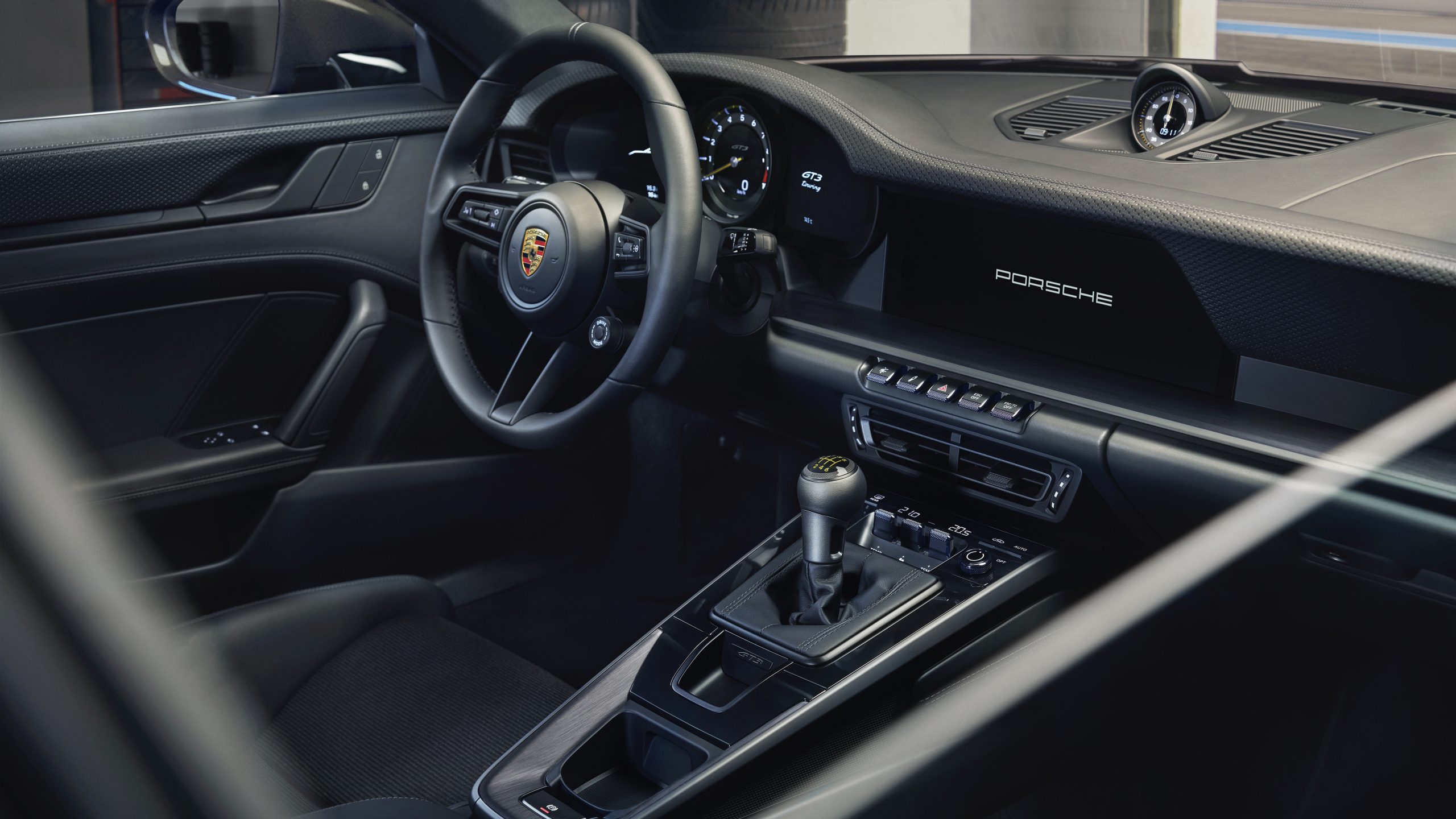
There are three available driving modes: Normal, Sport, and Track, which all provide varying degrees of driver-aid involvement and chassis settings. Aside from providing the most firm, performance-biased setup with the least amount of computer control, initiating Track mode also changes the instrumentation and displays to “Track View”. This compiles all pertinent information to the immediate field of view of the driver. Important details such as oil temperature, oil pressure, tire pressures, and shift indicators, are all in plain sight and easily visible.

Brakes & Tires

Both the GT3 and GT3 Touring draw their standard features and optional equipment from the same parts bin, with the latter car also coming standard with cast-iron rotors and Michelin Pilot Sport Cup 2 tires. Likewise, upgrading to carbon-ceramic brakes and Michelin Pilot Sport Cup 2R tires, remain as options.

Design, Styling & Interior

This, of course, is where the GT3 Touring truly begins its quest to make a name for itself, with both of the current GT3 variants being virtually identical otherwise. It really comes down to what kind of visual signals you’re intending to give off while driving the GT3 (and the resulting levels of attention you want to grab or avoid). It’s not even a question of aerodynamic performance either – as many would understandably expect – with the downforce generated remaining unchanged regardless of whether you go fixed-wing or adaptive. Porsche was adamant on lending to its mantra that subtlety doesn’t need to come with any penalty, and made sure the GT3 Touring was engineered and designed in such a mold.

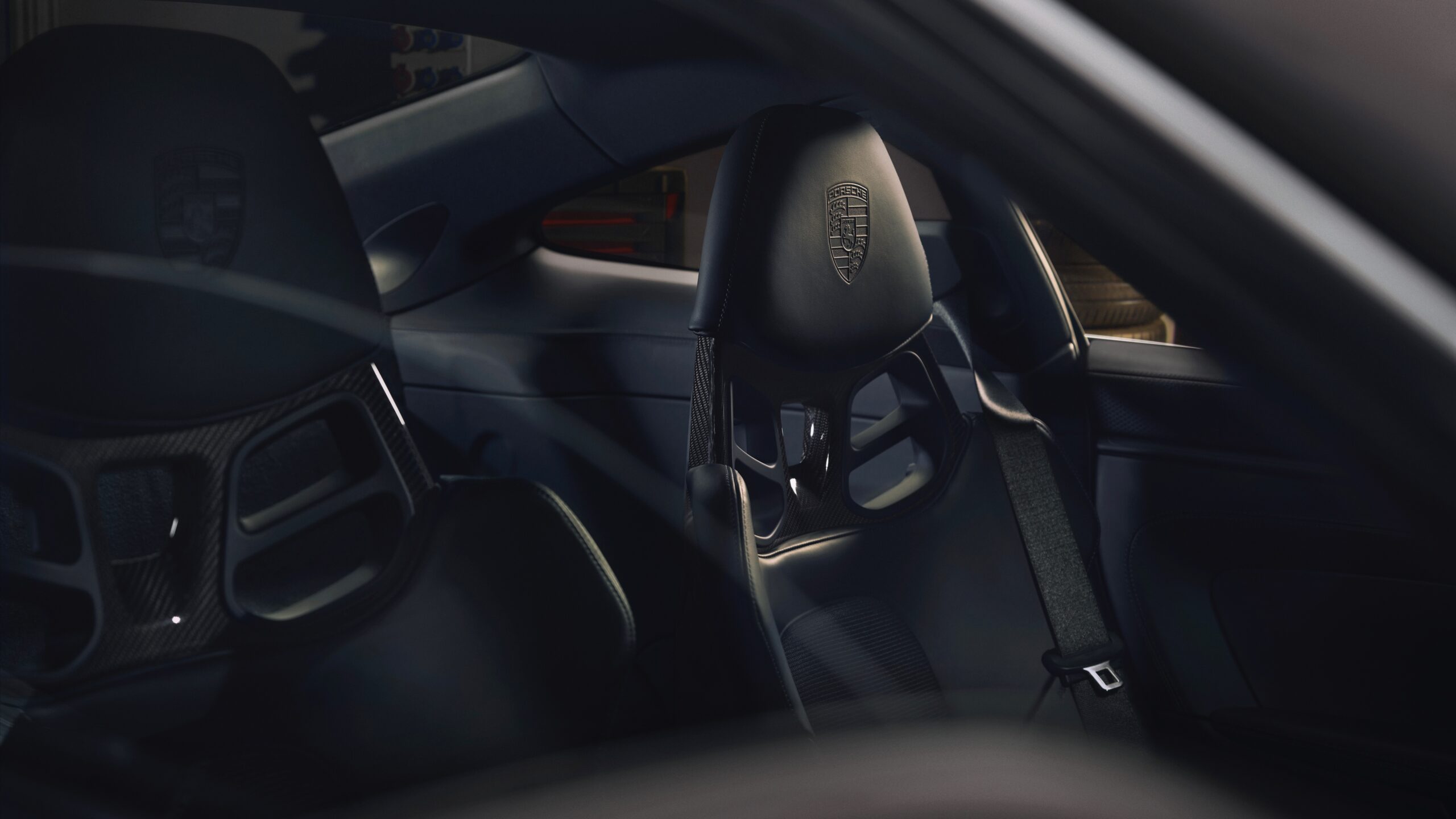
There are a number of other aesthetic details that are unique to the Touring model as well, though they’re not as individually pronounced as the rear spoiler changes. In keeping with the now deep-rooted philosophy of Touring models, standard features such as painted front bumper inserts, aluminum window trimming, and an interior wrapped in leather and brushed aluminum (in place of Alcantara and carbon fiber), give the latest GT3 variant a more reserved persona.

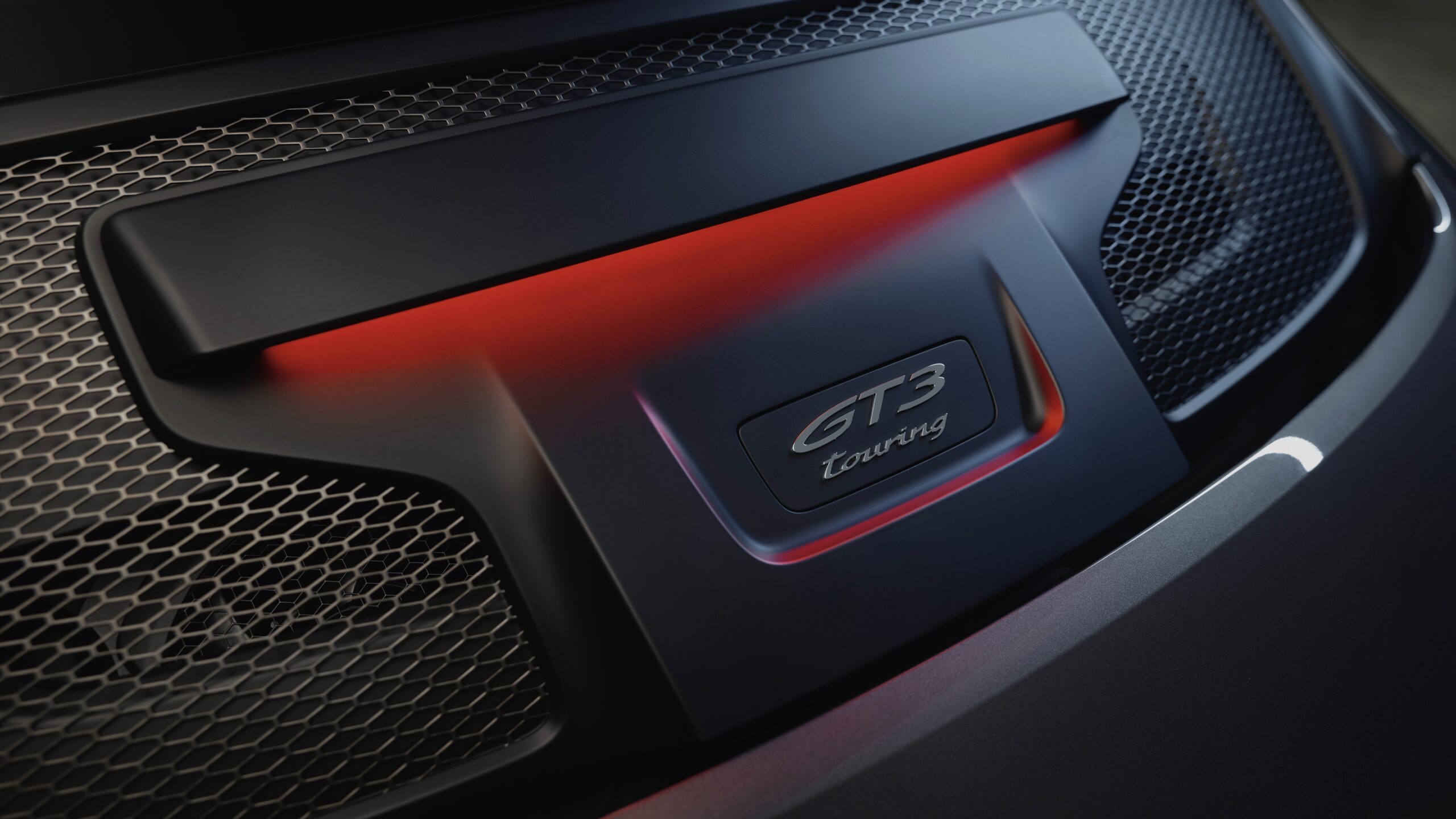
That’s not to say that the Touring has been in any way, emasculated as a GT car; if nothing, it’s simply a more mature version of itself. After all, the remaining presence of distinguishable cues such as carbon fiber bonnet vents, a front bumper with large air intakes, and a signature GT-department engine cover, provide enough hints that this isn’t just a fancy looking Carrera S. While you can spec a Touring model to be as hardcore as its more track-purposed stablemate, do so with some introspection.

For example, as cool as those lightweight carbon fiber bucket seats are, they make getting into and out of the car more difficult. This would make the case for the Touring model being a more dedicated daily driver, a bit harder to argue. Before checking all the boxes on the options list, just know what you’re getting (and why), and you won’t be disappointed. Overall, the silhouette of the new 911 GT3 Touring remains a largely familiar one – and that’s not a bad thing.  In fact, this is probably great news for Porsche and GT3 enthusiasts, who would contend that there was never anything wrong with the previous GT3 in the first place.

No confirmation yet on whether the Club Sport Package (roll cage, 4-pt harnesses) will continue to be a no-cost option, as it is in the regular GT3. If it is, it would probably only be for the European markets anyway – this package was not available on past iterations in North America due to safety regulations. Again, like PDK, the Club Sport Package kind of clashes with the whole purpose of the Touring model, in our opinion. Paint to Sample (aka, custom paint colors) will also be available for GT3 Touring examples.
Pricing

Base MSRP for both the GT3 and GT3 touring are the exact same: US $180,300. So while less is not more, more is not less either.

The good part about this is that you only have to worry about making your decision – on what GT3 variant you really want – based on your personal tastes, and not be forced into one because of a difference in price.

We see this as nothing but a good thing. Just pick what looks better to you. Which to be fair, might be easier said than done – oh Porsche, you make things so, so interesting.

Verdict

supercars.net 10/10

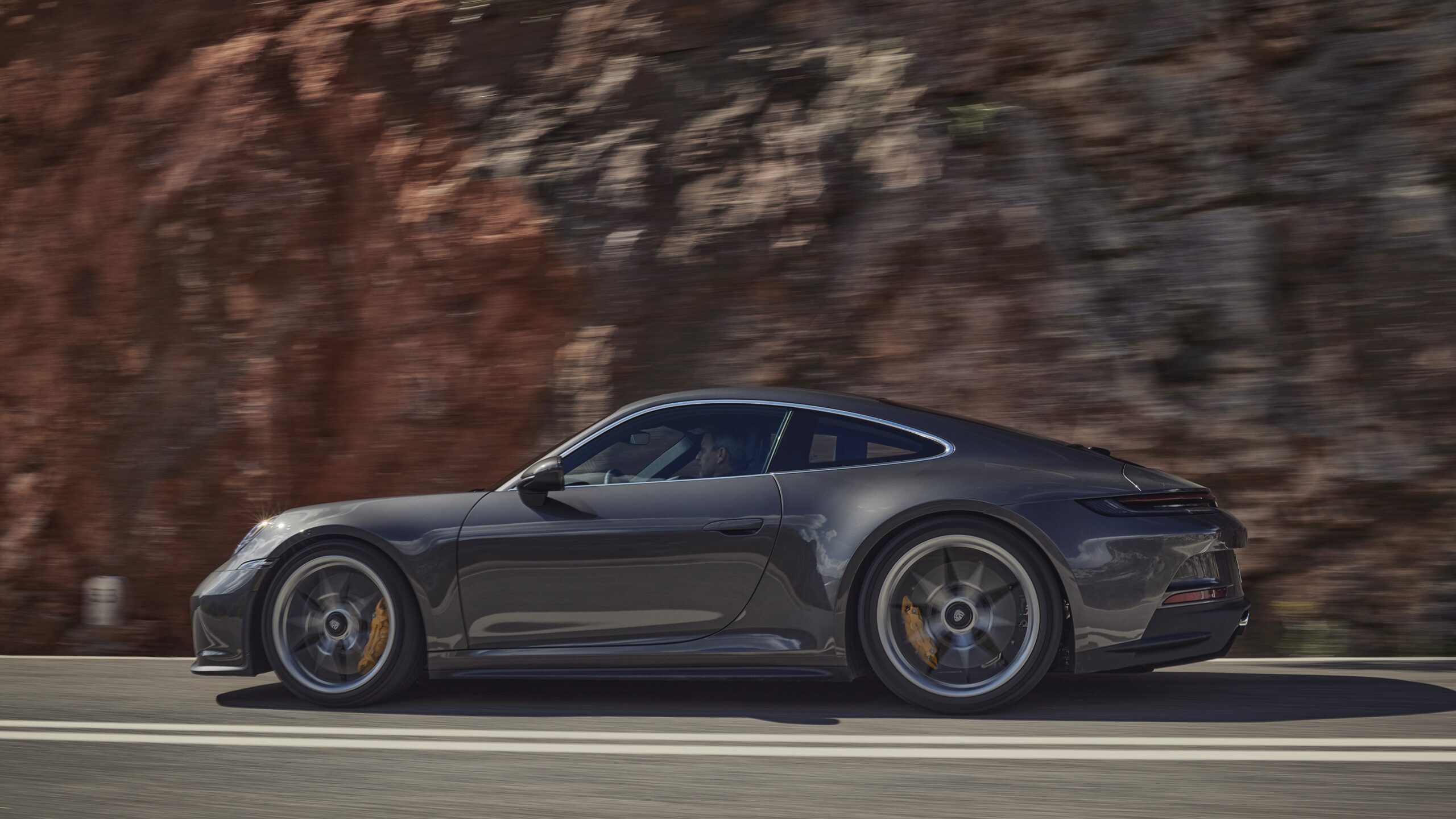
Porsche GT3 Touring Side View

“The Porsche 911 GT3 Touring is back. If this latest 992-generation version is any indication of Porsche’s commitment to this model, then it should be safe to say that it’s also here to stay. The Touring makes sense for those who envision their GT3 more as a daily mode of transportation than a track specialist, although there is nothing to suggest that it is not comfortable of filling both those roles either.

GT performance is good enough for any paved road – and that includes the race track – but we reckon that the Touring variants were created for a certain type of personality. There are few other cars, especially today, that can invoke an idealized sense of connection and purpose like a GT3 Touring (with a 6-speed manual transmission) can. Its unpretentious demeanor, in a somewhat ironic way, rounds off things with the bold statement that less really can mean more.”

What Other Experts Are Saying

Top Gear – 10/10

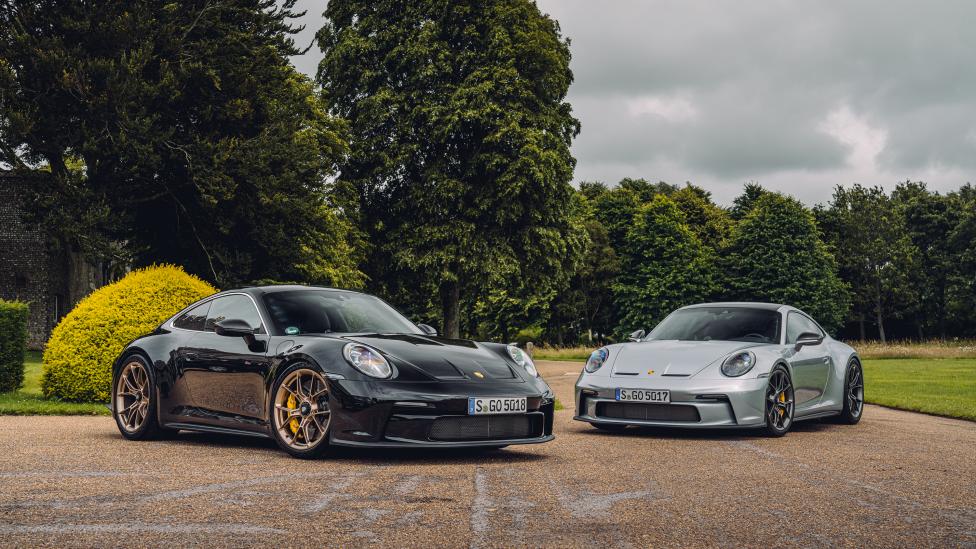
Two Porsche GT3 Touring models

“The numbers don’t matter. And that’s an important point to make. Because if they do matter, go and buy electric. You’re looking at the Touring for the wrong reason. This is a car for feels.”

Full article

Car Magazine – 5/5

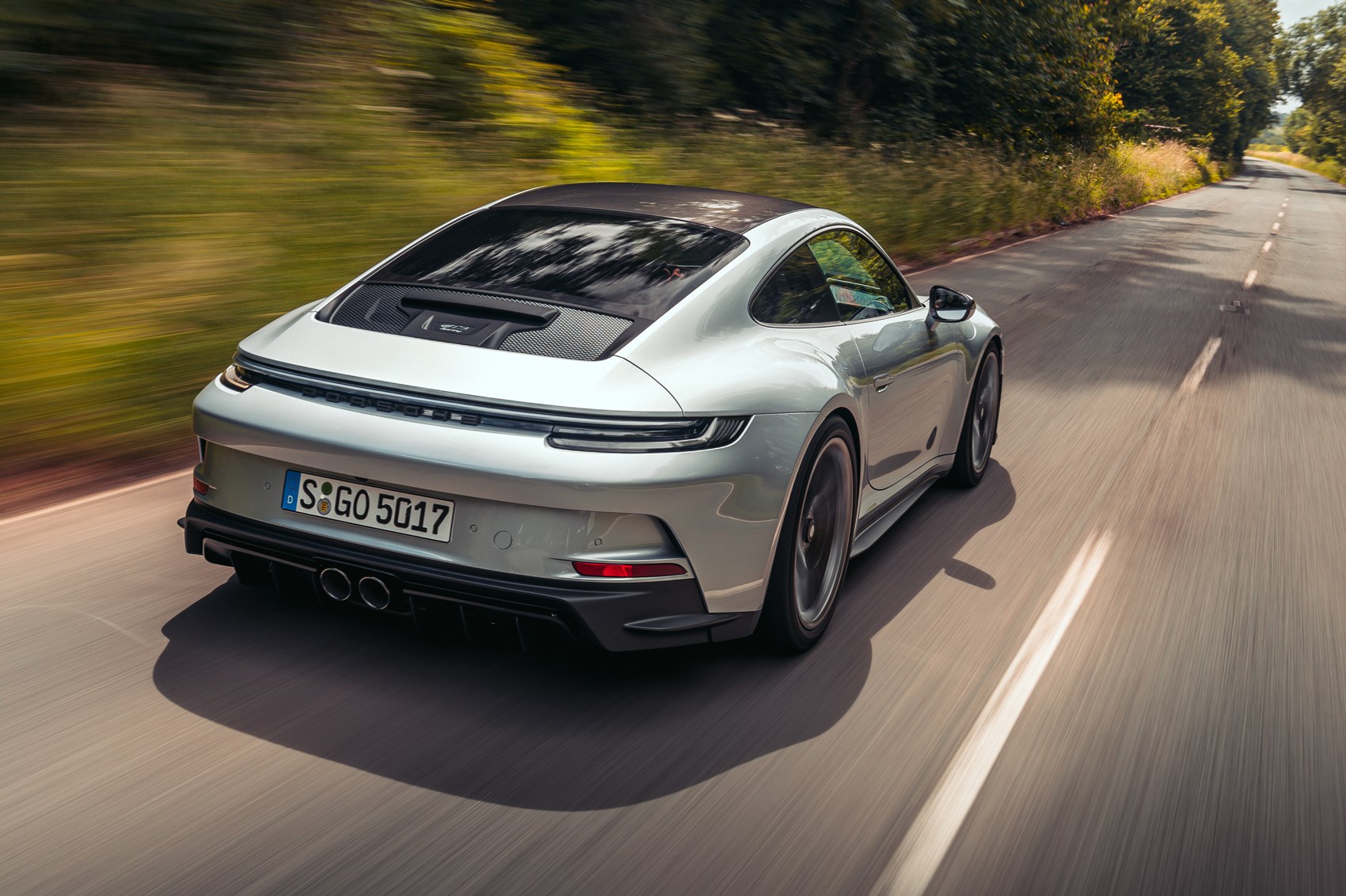
Porsche GT3 Touring Rear View

“Track drivers will want the GT3’s genuine downforce. But for the rest of us the Touring Package is the definitive road-going ‘event’ 911.”

Full article

Evo – 4.5/5

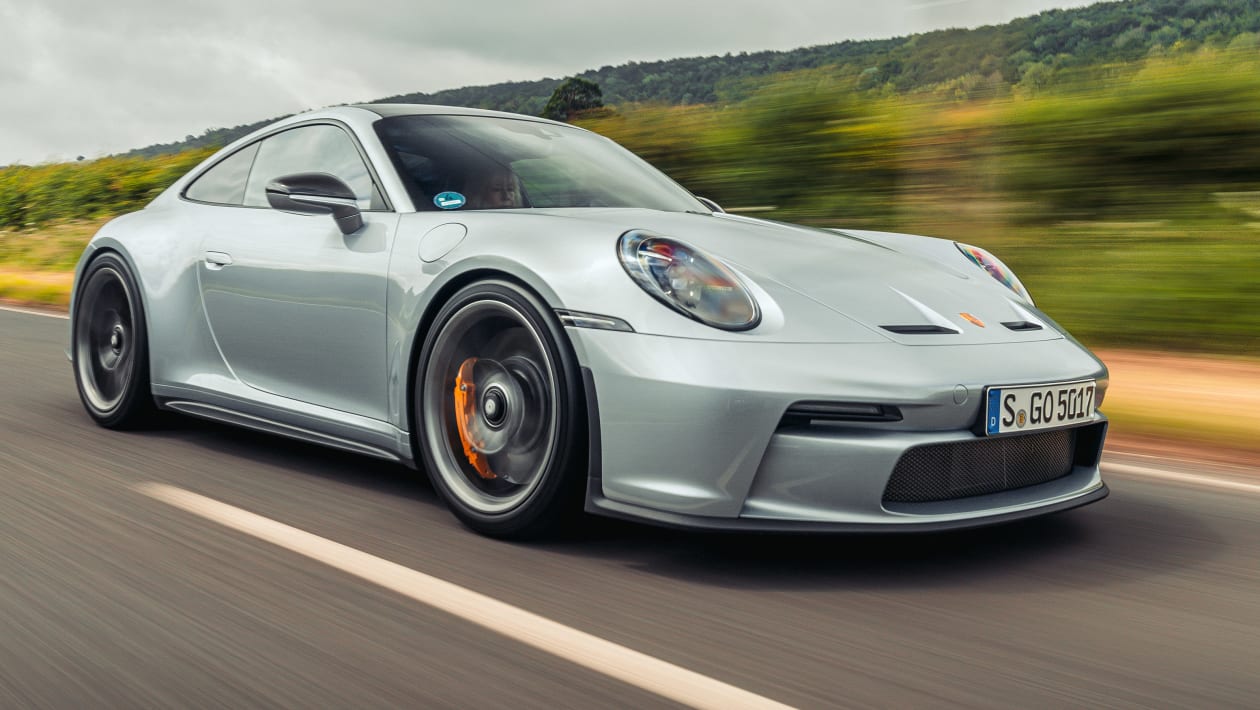
Porsche 911 GT3 Touring Side View

“There are few, if any, more rewarding, engaging, or intense experiences for those in pursuit of the thrill of driving.”

Full article

Image & Video Gallery

[embedded content] [embedded content] [embedded content] [embedded content] [embedded content] [embedded content] [embedded content] [embedded content]

The 2022 Ford GT Heritage Edition

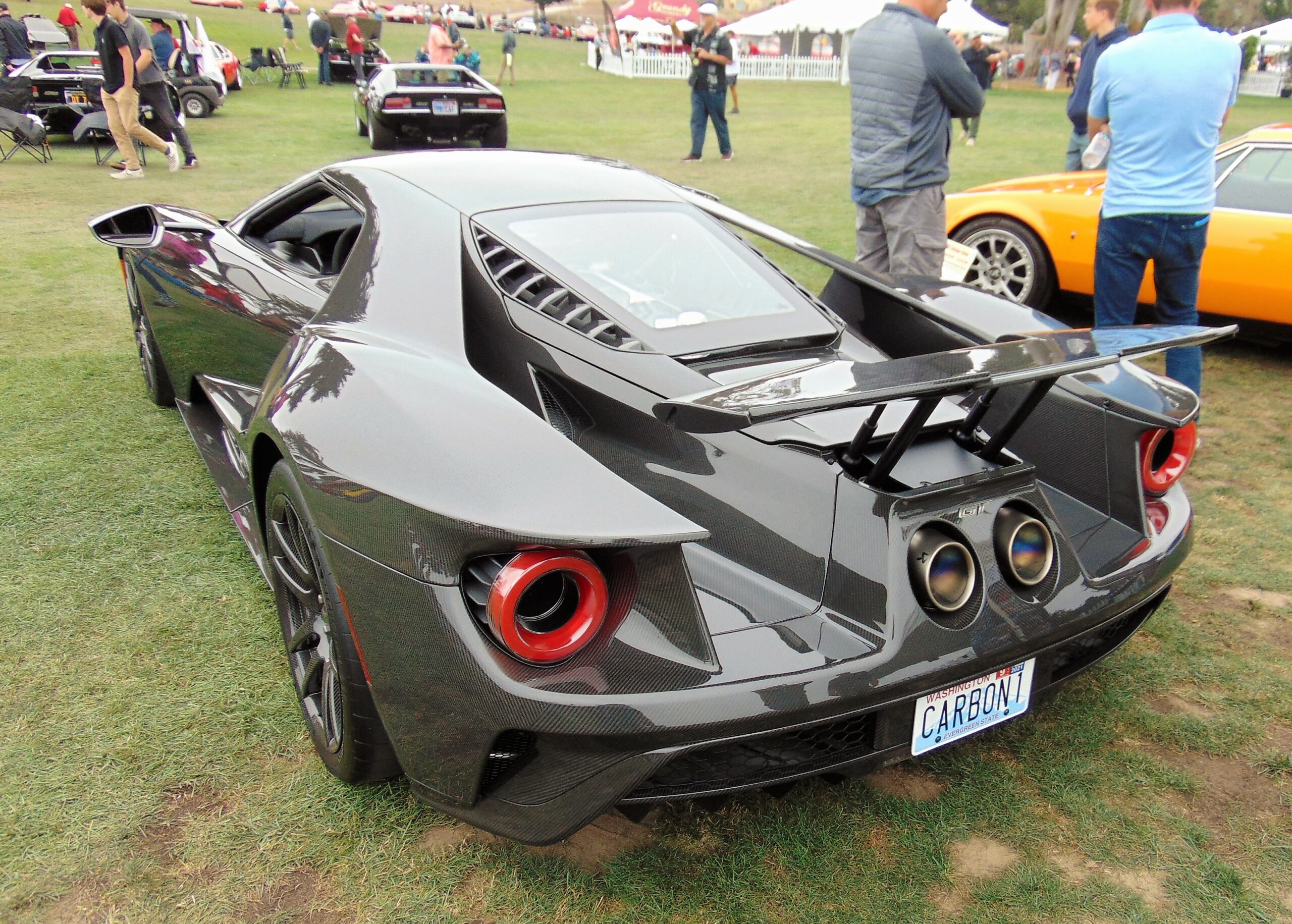
Let’s travel back in time … to April 3, 1964, at the New York International Auto Show, where Ford unveiled a new prototype of what would become one of their most important cars for years to come … the 1964 Ford GT prototype, chassis GT/101, that became America’s only Le Mans-winning supercar from 1966 to 1969 … only to repeat that feat again in 2016 with the next generation of that 1964 prototype.

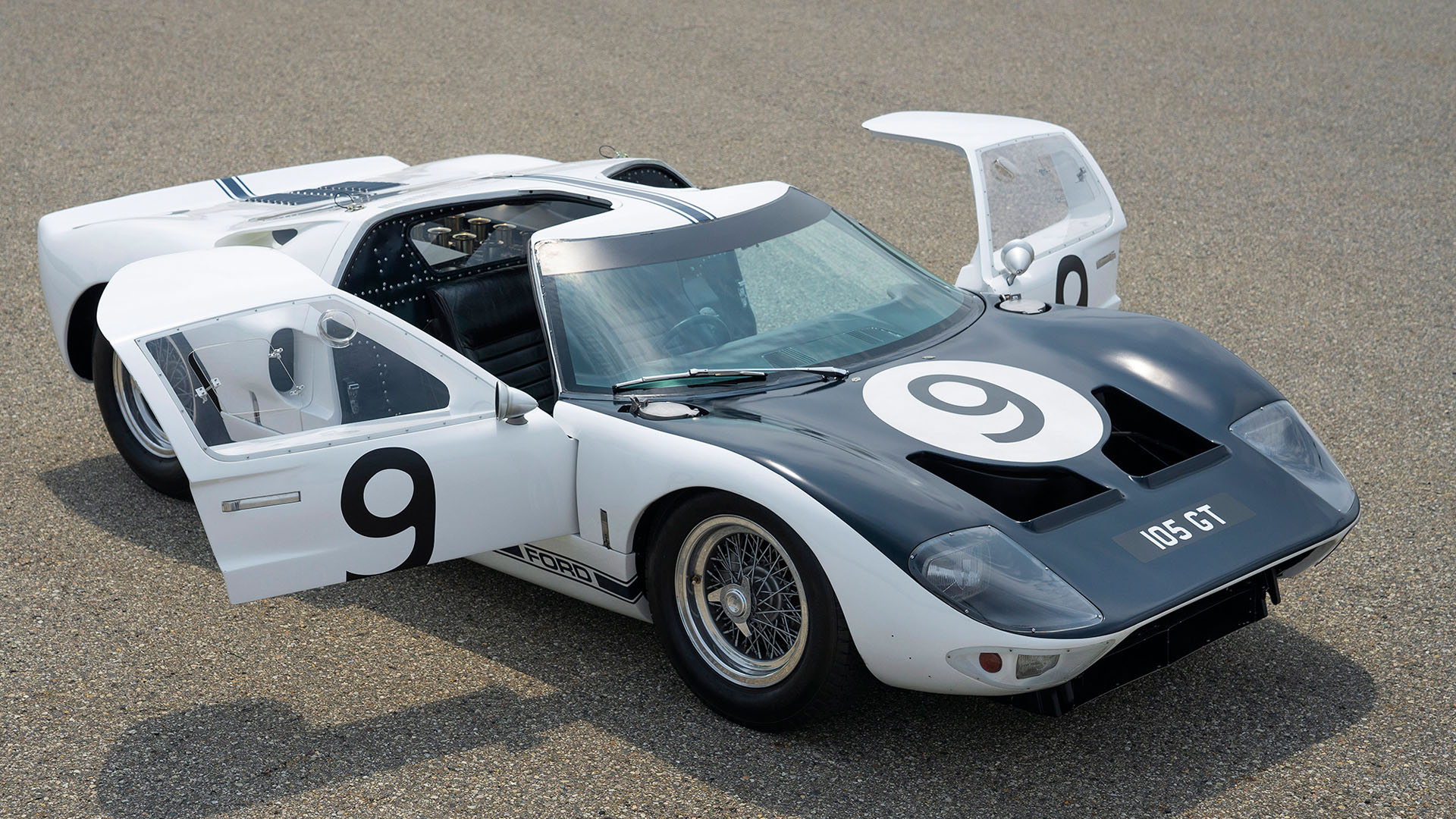
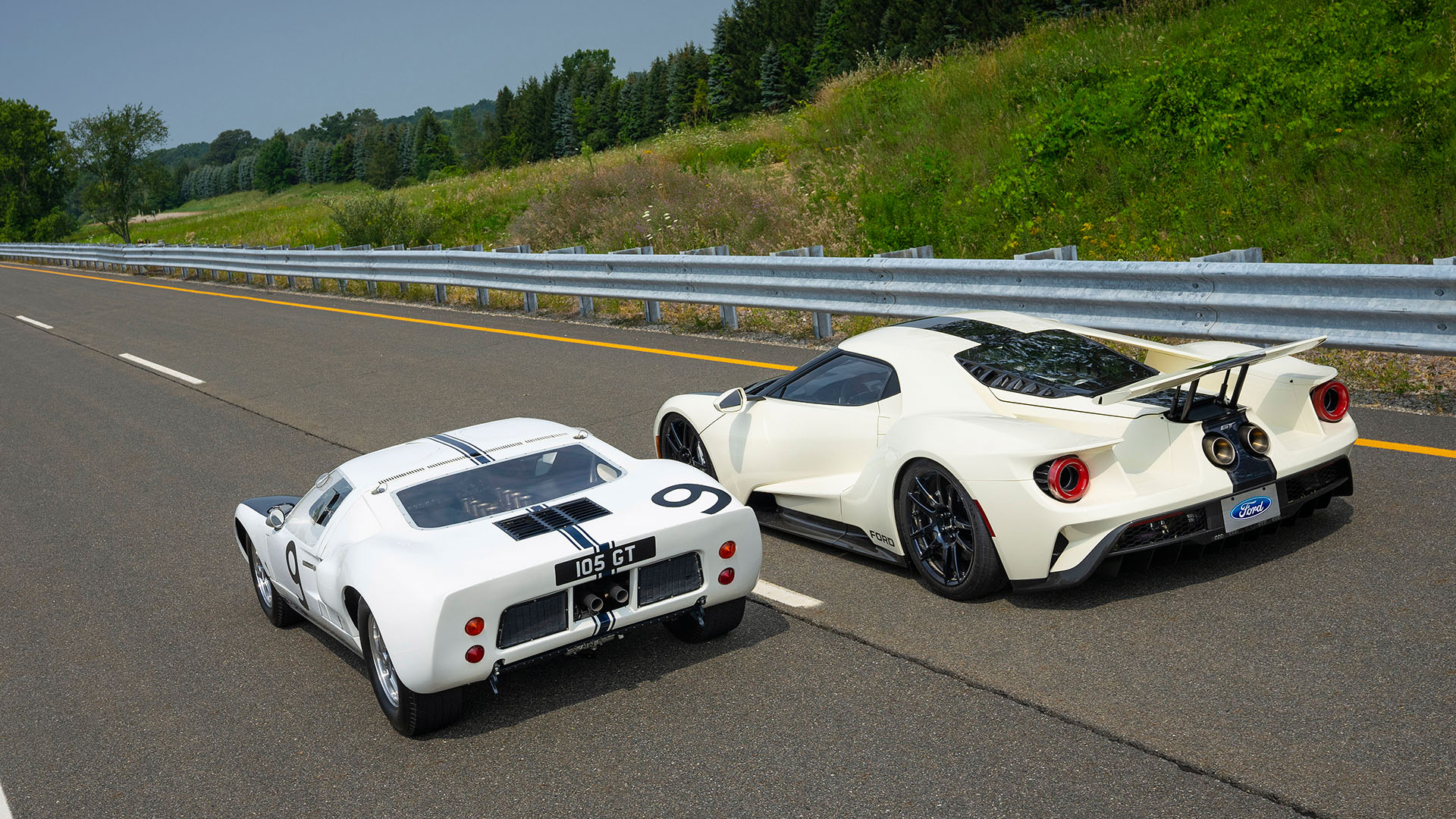
In 2021 only one of the 1964 Ford GT prototypes still exists, chassis GT/105, and she is still boasting the same livery as 57 years ago, and this car was the perfect candidate to park next to the brand new 2022 Ford GT ’64 Prototype Heritage Edition during Monterey Car Week where Ford debuted this special edition of the current Ford GT as she enters her final year of production.

“This is the first Ford GT Heritage Edition that goes beyond celebrating race wins – this one goes deep, and honors the earliest of Ford supercar heritage,” said Mike Severson, Ford GT program manager. “The Ford GT ’64 Prototype Heritage Edition is a modern interpretation of the original, with no mistaking what this car is paying tribute to.”

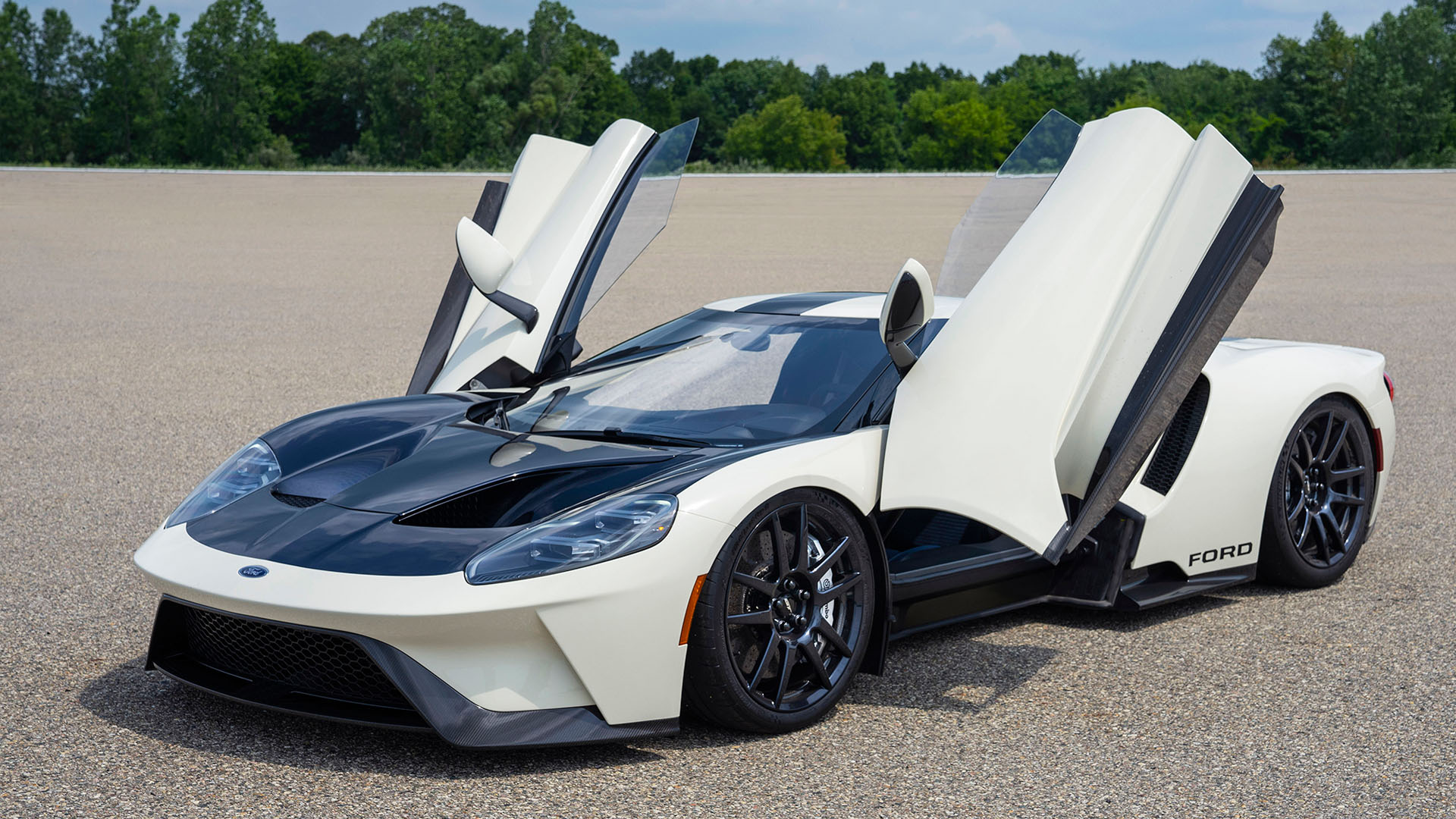
The new 2022 Ford GT ’64 Prototype Heritage Edition is finished in the classic Wimbledon White paint complete with Antimatter Blue graphics, including an over-the-roof triple racing stripe as a tribute to the five original GT prototypes. Being a 21st-century supercar, this new Ford GT comes with exposed carbon fiber components and 20-inch Antimatter Blue-painted carbon fiber wheels, a touch unique to Ford GT, as well as an exposed glossy carbon fiber front splitter, side sills, mirror stalks, engine louvers, and rear diffuser. The standard Brembo® brake calipers get a silver with a black graphics finish while black lug nuts finalize the modern look.

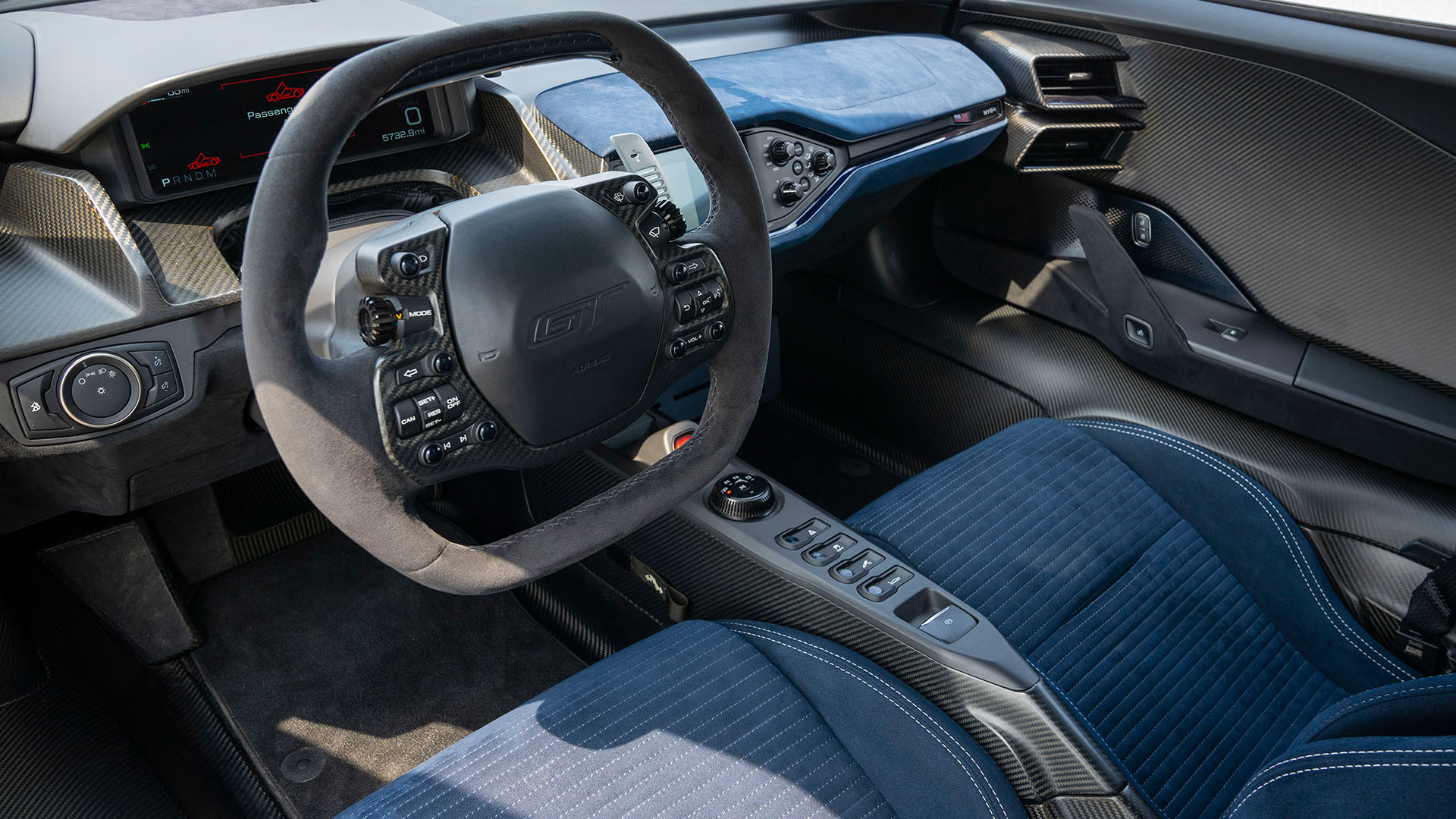
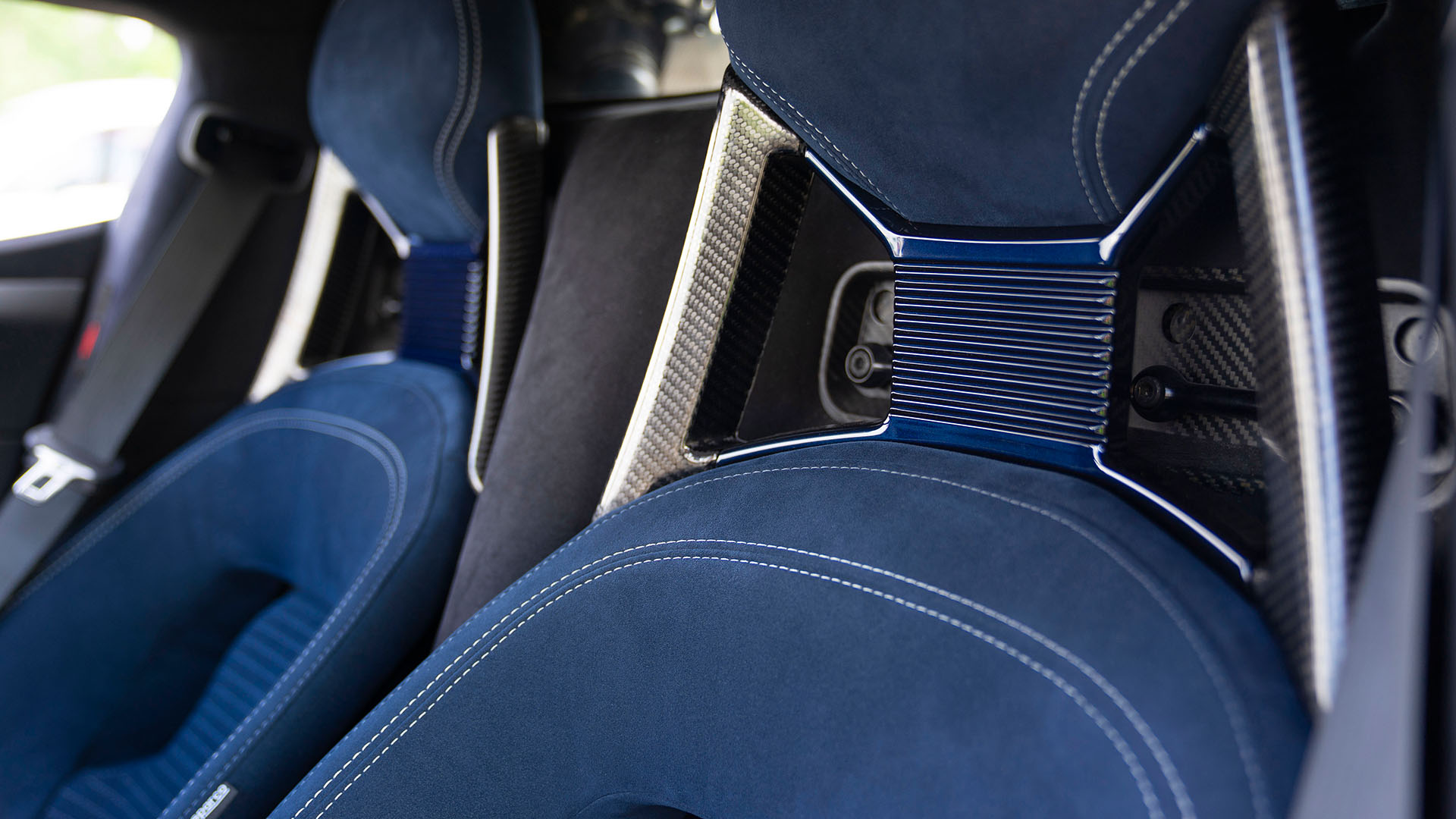
On the inside, the color-match with the blue exterior details comes in the form of blue Alcantara carbon fiber seats with silver stitching and embossed GT logo, the instrument panel is done in Ebony leather whit Lightspeed Blue Alcantara,  the pillars and headliner are finished in Ebony Alcantara. Antimatter Blue appliqués on the instrument panel, door register bezels, and seat X-brace are coordinated with the bespoke wheels.

“There are a lot of milestone moments in the history of Ford GT that we’ve celebrated, but the team was unanimous in believing the original prototype was the right vehicle this time around,” Severson said. “That 1964 prototype unleashed the creative genius of the Ford Advanced Vehicles team and paved the way for the Ford GT program. It put all of this in motion.”

Back in the Sixties only 5 Ford GT prototypes were built, GT/101 and GT/102 got scrapped after Le Mans and Monza crash testing, which lead to much-needed improvements for the next three cars, GT/103, GT/104, and GT/105 … GT/103 would win at Daytona® in 1965 with Ken Miles and Lloyd Ruby behind the wheel, at that same race GT/104 came in third with Bob Bondurant and Ritchie Ginther. While both GT/103 and GT/104 have been repainted today, the GT/105 is the only one that still wears her original livery from the Sixties.

This new 2022 Ford GT ’64 Heritage Edition isn’t the first highly limited edition model in this production series, which started in 2006 with the 2006 Ford GT Gulf Livery Heritage Edition as a commemorative edition for the GT40’s back-to-back 24 Hours of Le Mans titles in 1968 and 1969, a total of 343 units were produced in this first Heritage Edition series.

The second special edition came in 2017 with the 2017 Ford GT ’66 Heritage Edition to celebrate the Ford GT40 MK II No. 2 that Bruce McLaren and Chris Amon drove at 1966 Le Mans, only 27 units were ever built, a year later we saw the 2018 Ford GT ’67 Heritage Edition that was built to honor the Ford GT40 MK IV No. 1 race car that was victorious at Le Mans in 1967, only 39 units of this 2018 model were built. Probably one of the most iconic Heritage Editions is the one of fifty 2019 Ford GT ’68 Gulf Livery Heritage Edition that was an homage to the Ford GT40 MK I No. 9 race car that won the 1968 Le Mans endurance race.

In 2020 Ford released another 50 unit limited edition as the 2020 Ford GT ’69 Gulf Livery Heritage Edition honoring the Ford GT40 MK I No. 6 race car that took the 1969 Le Mans victory, while the 2021 Ford GT ’66 Daytona Heritage Edition is still in production at the time of writing, this one is a tribute to the Ford GT MK II No. 98 race car, and now we get the ultimate 2022 Ford GT ’64 Heritage Edition that is the sixth one in this series.

You can now get your name on the order list for the 2022 Ford GT, if you’re an approved Ford GT customer, production of this model is set to start in January 2022.

Back to the 90s: Porsche Taycan Now Available in Rubystone Red and Acid Green

The Taycan and Taycan Cross Turismo will begin a new model year in September with improved electric sports range thanks to the technological developments, additional upgrades include the deep integration of Android Auto in the Porsche Communication Management (PCM) and the availability of Remote Park Assist.

The Remote Park Assist option can be controlled using a smartphone even when the driver is not behind the wheel, the automatic control function takes over the steering and movement system and allows the driver to park in both parallel and perpendicular parking spaces by measuring the spaces using ultrasonic sensors and cameras.

Unusual and unique paint colors can now be realised with the new Paint to Sample and Paint to Sample Plus options in addition to the 17 standard paint colors i.e the Taycan can now be painted in the classic 90’s Rubystone Red or bright Acid Green, Blue Metallic, Riviera Blue And Viola Metallic.

Despite the fact that the new model year will not be homologated differently, the range of the latest version will be greater especially in day-to-day usage as a result of the extensive technological developments implemented.

The front electric motor has completely been decoupled and de-energised in the partial load range in all-wheel drive models in Normal and Range mode and no drive is transmitted to the axle when the vehicle is stopped or coasting. The electric freewheel function reduces drag losses and improves the performance of the vehicle.

Other improved functions include the thermal management and charging functions. In addition, the Turbo Charging Planner enables the high voltage battery to heat at higher temperature than before thus fast charging at a higher charge level is achievable. The excess heat from the electrical component is used for regulating the battery temperature.

The vehicle has been fitted with the sixth generation Porsche Communication Management (PCM) since its introduction, the PCM has been integrated with both an Android Auto and Apple CarPlay for iphone for the first time which means that the vehicle now supports smartphones with Google Android Operating systems.

The infotainment system also features a Voice Pilot voice assistant and a satellite navigation system which uses an online search for points of interest (POI), calculates quickly and displays information clearly.

Almost 200,000 Porsche charging stations including 6,500 50kW-Plus DC charging stations are now available in more than 20 countries across Europe. Customers are able to charge their electric or plug-in-hybrid models for free at particular stations; over 2000AC charging points have already been offered in over 50 countries at hotels, restaurants, marinas, shopping malls and airports. All the Porsche charging services and operations are carbon neutral.

Bentley Mulliner finished first Bacalar and Blower customer cars

Bentley Mulliner is all about building bespoke cars, Bentleys that go beyond what the regular production versions offer, and this time they’ve just completed the first two customer cars in what really is something very special … on one hand, there is the state-of-the-art, very limited production Mulliner Bacalar Car One, while on the other hand, we find a truly amazing piece of automotive art, the Blower Car One.

Finished in the famous Birkin Green, the Blower Car One is a perfect recreation of Sir Henry ‘Tim’ Birkin’s 1929 supercharged 4½-Litre, and it marks the first customer car of the world’s first pre-war continuation series being built by Bentley Mulliner, in a limited production run of only 12 units, at the time of writing Blower two, three and four are being built.

Bentley’s Director of Mulliner and Motorsport, Paul Williams, comments: “Seeing these first two cars now finished has given the whole team an enormous sense of pride. Years of work have gone into the design and development of these projects, and seeing them together is incredibly rewarding. These cars are totally unique, absolutely bespoke, and yet have been built to the same quality standards as any other Bentley. Mulliner is truly the only place in the world that could deliver a 21st century, coachbuilt grand touring Barchetta at the same time as recreating an iconic road-going 1929 race car. I’m excited for our customers to take delivery of their new cars, and to see the rest of the orders in both series come to life. Alongside the more mainstream yet still distinctive cars of the Mulliner Collections family, these are the first models of the Mulliner Classic and Coachbuilt portfolios – but there will be more. We’re just getting started.”

The development of the Bacalar has meant building a prototype to production specs, and take that ‘Car Zero’ onto the road for grueling testing, just to make sure the car the client receives is a real Bentley, even if only 12 units will ever be built, and each of those 12 will be unique, with every single detail specified by her future owner … to guarantee total privacy, Bentley Mulliner won’t even disclose where any of these Bacalar or Blower will be shipped to.

From the official press release:

Blower Car One
The first Blower Continuation Series car is a shining example of classic design, executed to perfection. The body is trimmed in period-correct Rexine and finished in bespoke Birkin Green paint, a recreation of the color of the original Blower on which it’s based – Team Car No.2, registration UU 5872. Built, owned, and raced by Sir Tim Birkin, the car is still owned by Bentley Motors and is run weekly. Car One is therefore the most fitting start to the Continuation Series that could be imagined. The Birkin Green body is complemented by identically colored wire wheels, with color-matched leather trimming the interior. The foldable roof is in black.

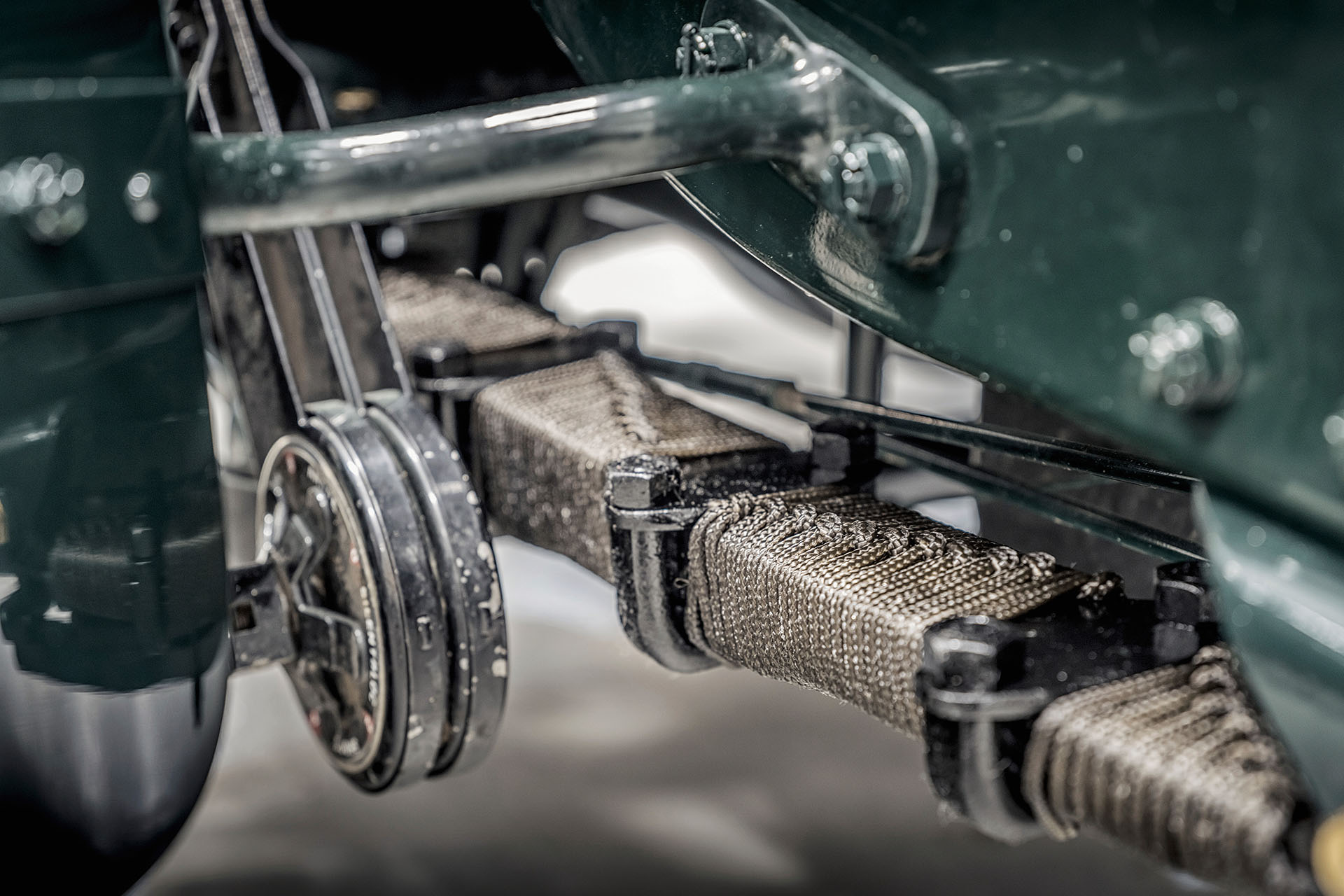
Mechanically, the car is identical to Birkin’s original, save for two safety-critical features – modern electric fuel pumps, and a foam baffle to the fuel tank. A dynator, a reworked alternative to the original dynamo has also been added, offering a more powerful and reliable charging system whilst retaining the look of the original dynamo. The engine is a brand new example of W.O. Bentley’s own 4½-litre design, featuring aluminum pistons, an overhead camshaft, four valves per cylinder, and twin spark plugs. Attached to the front is the iconic supercharger that gives the Blower its name, and is an exact recreation of that created in the 1920s by renowned engineer, Amherst Villiers. Power has been measured as part of engine sign-off, with the near-100-year old design reliably making 240 bhp.

Bacalar Car One
Alongside the Blower, Bacalar Car One has also been finished. Designing a Bacalar is an exercise in imagination, with the material, colour and finish of practically every interior and exterior surface being bespoke.

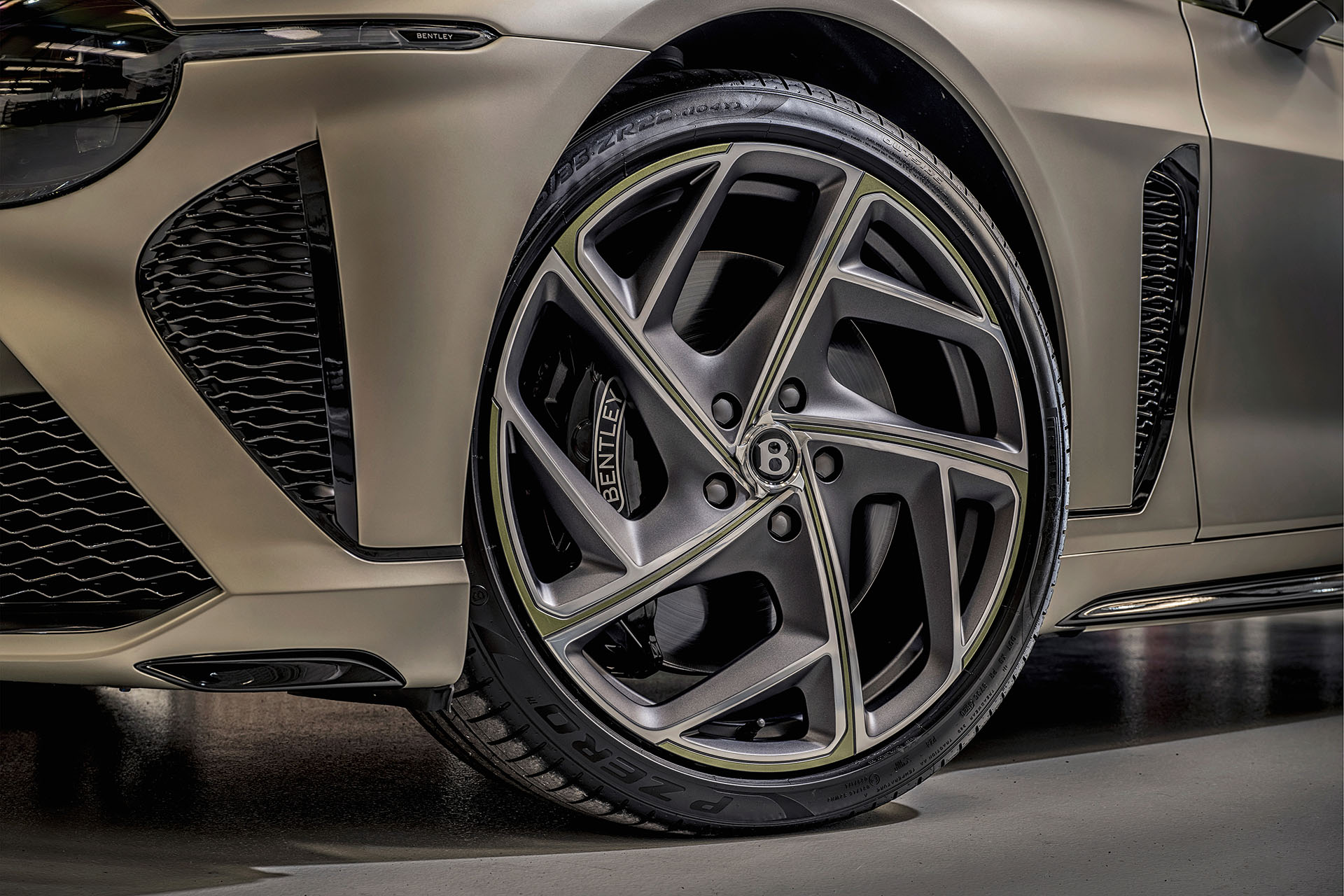
The carbon fibre body is finished in a bespoke colour for the lead customer – a champagne-tinted satin silver called Atom Silver. The car sits on 22” Bacalar Tri-Finish wheels, with polished faces, dark grey satin spokes and gloss Moss Green accent highlights. The same Moss Green accent is applied to the front grille centre bar, the insides of the headlamps, the upper body chrome surround and around the gloss black “power humps” to the rear. Gloss black also provides contrast to the A-pillars, grille meshes and surrounds, bonnet vents, side vents, lower body, rear bumper insert and brake calipers. The rear of the car is finished with gloss black outer exhaust tips with Moss Green inners.

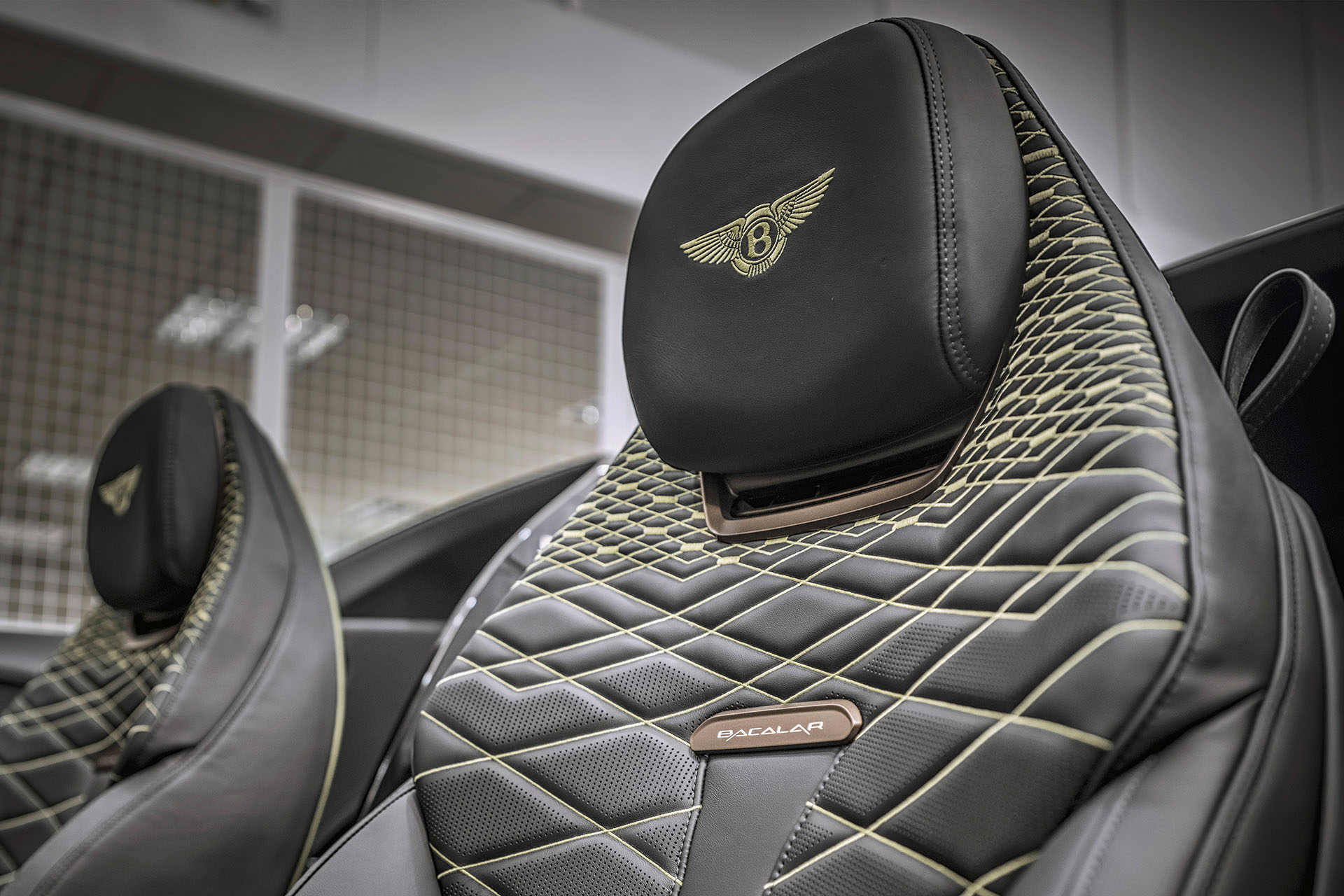
The interior of Bacalar Car One follows the same black and green trend. Beluga leather is accented with Moss Green hide to the wings of the console, the outer seat backs and throughout the cabin as contrast stitching through the unique Bacalar quilting pattern. The seat centres use fine Nappa leather, while the carpets are beluga diamond-carved overmats with Moss Green binding and stitching.

Open Pore Riverwood over Gloss Black veneer with unique satin bronze detailing flows across the cockpit into the doors and behind the front seats, creating a circle of 5,000-year-old veneer. The details of the cabin are truly special, with:

  • Bronze finishes to the steering wheel and headrest bezels, upper ventilation bullseye vents and accent rings
  • A satin nickel finish to the clock and Bentley Rotating Display dial faces
  • Black anodised interior brightware
  • Bright chrome Bentley wings
  • Gloss black finishing to the speaker grilles
  • Bespoke Bacalar luggage, that fits behind the front seats, crafted in Beluga hide with contrast Bentley embroidered emblems and Bacalar
    quilting pattern in Moss Green with Beluga fine Nappa leather piping.

Finally, the key for Bacalar Car One will be presented to the customer in a bespoke key box, trimmed in Beluga hide with Moss Green stitching to match the car. The key itself also features gloss Moss Green to the sides, with a special Bacalar knurled finish.

Both Blower Car One and Bacalar Car One now shortly begin their journeys to their respective owners, while the Mulliner build team continue work on the next three cars in both series – each one as special and unique to their owners as these first examples.

Aston Martin appears to be testing a V12 Vantage in these spy photos

For a few years now, the Aston Martin Vantage has been without V12 power. It’s technically been without Aston Martin power, too, since its twin-turbo V8 comes from Mercedes-AMG. But that may change in the near future based on these spy photos from the Nürburgring. They show a Vantage, but one that’s wider and with exhaust that suggest it may get a few more cylinders like its close cousin, the V12 Speedster.

Staring us down is the prototype’s enormous front grille, taller and wider than standard Vantage units. It’s flanked by two smaller inlets and underlined by an aggressive front splitter. The whole front seems to be wider, as evidenced by the mismatch around the front fender and hood. Speaking of the hood, there’s a big mesh “V” sitting on top to cover what are likely heat-extracting vents, which would probably be important for handling the heat from a twin-turbo 5.2-liter V12.

Changes at the back are a bit more subtle, but only a bit. The rear fenders have large fender flares, suggesting the production car will also be wider at the back with correspondingly larger tires. There’s a little gurney flap on the rear spoiler, so we may see a more aggressive spoiler in production. We also see a center exhaust instead of each of the dual pipes on the ends of the rear diffuser. This exhaust looks a lot like what Aston used on the V12 Speedster, itself based on the Vantage, but without the roof section. This is probably the strongest evidence that the car has the extra cylinders.

With Aston clearly knowing how to shove a V12 into a Vantage chassis, and the high-end sports car market’s never-satiated desire for more powerful and rarer items, a V12 Vantage seems like a slam-dunk product. The question will be, what output will it make. The V12 Speedster made 700 horsepower, but it was a limited-production special edition. The V12 Vantage could get the DB11‘s 630-horsepower variant to give the Speedster a bit of breathing room. And that would still be a nice power increase over the 503 horsepower of the regular Vantage. Based on these spy shots, we’d bet we have around a year before we see the production model, maybe a little less, maybe a little more.

Related Video:

There will be a third-generation NSX, says Acura V.P.

The second-generation Acura NSX might be going out in a blaze of glory, but it won’t be the last we see of the supercar. This promise comes directly from Acura Vice President and Brand Officer Jon Ikeda. Furthermore, Ikeda implied that the next version might be electric.

Ikeda divulged thoughts about a third-gen NSX while being interviewed by The Drive and Motor Trend. To the former, he explained Acura’s mission with the the mid-engined supercar. “We make an NSX when there’s something we want to say. The first-gen was gas. Second-gen was a hybrid. There’s gonna be another one.” Unless Ikeda is talking about hydrogen or some kind of heretofore undisclosed technology like  Mr. Fusion, this pretty much means electric.

That means the NSX is likely to take another hiatus after the Type S closes out the 2022 model year. Between the first and second generations, the halo sports car had an 11-year absence on the market. Ikeda laid out the reasons for the nameplate’s 2016 return when he spoke to Motor Trend. “Honda is one of the biggest gasoline engine makers in the world and needed to see what will happen in a world turning away from engines,” he explained. It was always meant to be a halo car. “We didn’t go into it to make a lot of money,” he stated.

The second generation had a much shorter lifespan than the game-changing first gen. That one spanned one and a half decades, from 1990 to 2005. The current generation, once it exits stage left in 2022, will have only had a six-year run.

One could argue that the first gen overstayed its welcome, though. After thoroughly turning the supercar world on its ear, by forcing Ferrari et al to reconsider their engineering, the NSX’s competitors quickly caught up to Honda’s lead. While the NSX did undergo a couple of major changes during its first lifespan, by the time it left the market it was more of a dwindle.

Acura is determined not to let that happen with the current NSX. In this case, they’re sending it off with the most powerful iteration yet, a 600-horsepower Type S with reworked turbos, cooling system and aerodynamics and limiting production to 350 worldwide. Ikeda told Motor Trend, “We didn’t want to let the NSX die on the vine either. To go quietly into the night is not what it deserves.”

2021 Lexus LC 500 Convertible Review

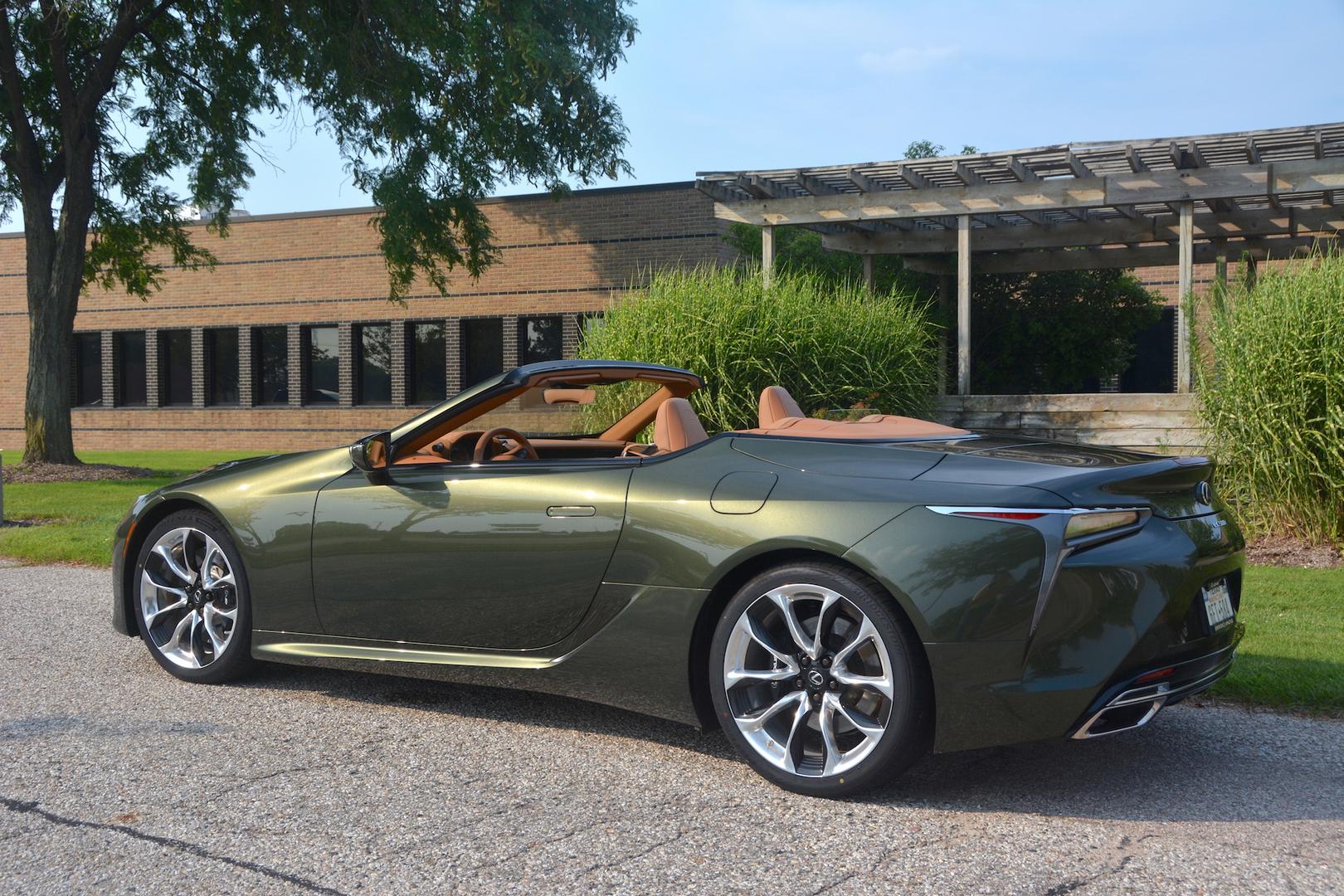
We first drove Lexus stunningly beautiful LC 500 a few years ago when it was introduced. It is a beautiful car to look at, to sit in, and to drive. It is a masterful GT, and while it isn’t a hard-core sports car, it does a pretty good impression of one. The 5.0L 32-valve V8 makes glorious noises; the looks turn heads everywhere we go; and the creatures comforts inside kept us comfortable while wringing it out. Though I’m a hardcore sports car guy, the LC won me over completely. We then drove the LC 500 Hybrid, which….well, it was okay but it was a bit disappointing after the full-on LC. A step in the wrong direction, in our opinion. Perhaps a convertible was what the LC needed to generate new interest. Lexus must have had the same thought because one showed up last year on the auto show circuit. Now that Covid has let up enough to let us get some cars delivered to be reviewed, we were able to get our hands on the new LC 500 convertible to try it out.
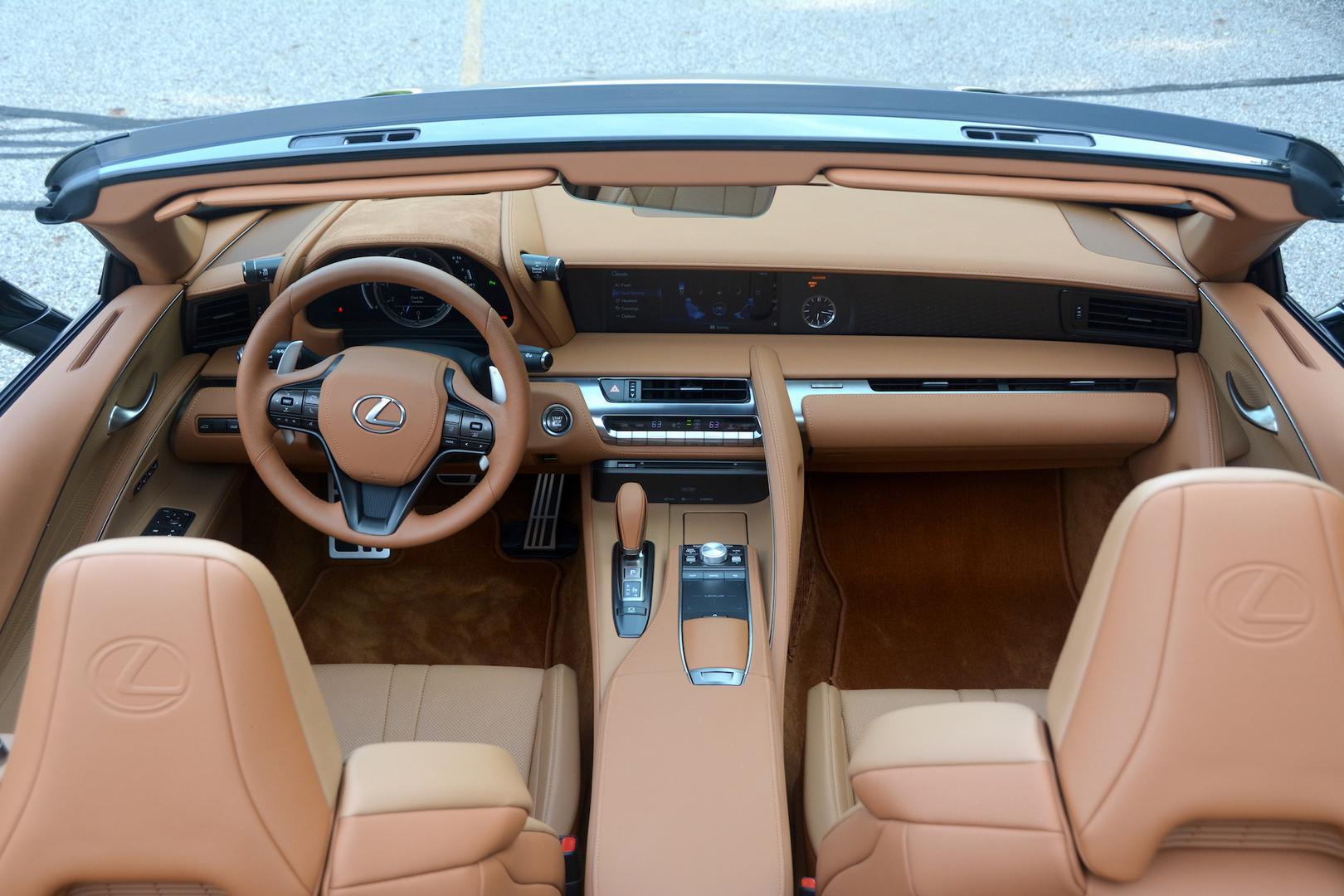
Lexus LC 500 Convertible interior

First off, it’s still as stunning to look at as when it was new. The design is gorgeous. From it’s aggressive vents to it’s retracting door handles, there’s nothing we dislike about the design. While we miss the fastback roof design that integrated with the rear deck so seamlessly, the angular lines of the soft top blend well when it’s up. When its down, it looks like the perfect summer cruising car. The top is electric and goes up and down quite quickly – roughly 10 seconds from start to finish. Seeing it in the flesh is like seeing a space ship that just landed and your jaw drops as far as everyone else when you see it. Lexus loaned us a Nori Green Pearl over beige model to try out.

Inside, nothing has changed and that’s a good thing. If the LC looks like a space ship just landed, the interior design backs that impression up. Looking like nothing else on the road, it can take a few minutes to familiarize yourself with where everything is. The seats are still exquisitely comfortable – both heated and ventilated and well bolstered. The controls take a little getting used to if you’ve never been in an LC before, but once you’re acquainted you’re set. Vision out is actually a little better than the coupe, especially with the top down. While there’s plenty of room in the front seats, the back seats are essentially package shelves. Or dog storage. Or seating for legless children. PETITE legless children. So it’s essentially a two-seat luxury convertible with some storage room in back.

Push the Start/Stop button and 5.0L 32-valve V8 rumbles to life and clears it’s throat with purpose. It provides 471 hp and 398 lb-ft of torque. With a redline of 7300 rpms, it generates some serious sporting credentials and moves the heavy car along with speed and purpose. With the top down and sport mode selected to open up the secondary exhaust valves, you’re going to want to flip through the 10 gears using the paddle shifters just to hold gears and listen to every glorious note the engine makes. And glorious notes they are, recalling the sounds the LFA makes, but without the manic 11,000 redline scream. Think of the engine noise as ‘LFA Lite” and you get the idea. The magnesium paddle shifters feel excellent in the hand and while they don’t shift with the same degree of shift immediacy as , say, the Maserati Ghibli Trofeo, they’re perfectly acceptable.

The steering is sharp and intuitive. The heavy car changes direction like a rabbit being pursued by dogs, especially at lower speeds. At higher speeds it seems to hesitate a little more, and we detected some understeer in the platform.

The suspension is a Yamaha adaptive variable system. It provides excellent comfort but feels very soft, even in sport mode. As this is a convertible, absorption of pavement irregularities is the priority and it does it well. Nobody is going to be pushing this car too hard. A little hard, yes; a lot hard, no. In basic touring mode, the rear suspension felt particularly soft and yielding. Too much for our liking in fact, so we kept it in Sport Mode most of the time we drove it.

The brakes are massive dinner plate-sized units with multi-piston calipers and they do an excellent job of slowing the car quickly, although they were a little grabby in everyday driving conditions, something we see a lot of in cars that also have sporting aspirations. The Maserati Ghibli Trofeo had the same issue, as did the Supra we drove after it. It’s not too bad. You can easily adjust your driving style to compensate for it, but it’s somewhat annoying on a car at this price level. They hide inside massive 21” wheels.

Lexus LC 500 Convertible specs

In the end though, it’s a convertible and you just want to go drive it and feel the wind toss your hair about, you want to hear the amazing engine yell, you want to enjoy the comfort and convenience of a nice interior, and you want to be noticed driving one of the most stunning cars on the planet. The LC 500 convertible does all of that very well. Should you decide you want to have some fun and push it, it’s happy to accommodate you and it will impress you with it’s looks and it’s sound and decent handling.

The EPA says it gets 25 mpg on the highway and 15 in the city. That’s about what we got too, though our city driving may have suffered as we found ourselves winding out gears to hear that engine more. We also hammered it at every stoplight to feel the acceleration.
Everyone that saw the car simply loved it. A few asked what it was. More asked “How much?”, which is a fair question. Base price was $101,000. Ours was optioned out to $111,325. There are a ton of less expensive cars that will give it a run for it’s money and there are a number of similarly priced cars that will wipe the floor with it performance-wise, but that’s not what the LC is about. The LC convertible is about the joy of top-down summertime motoring, beauty, sexiness, and the racy growl of a capable engine.
Magic at Monterey thanks to Automobili Pininfarina

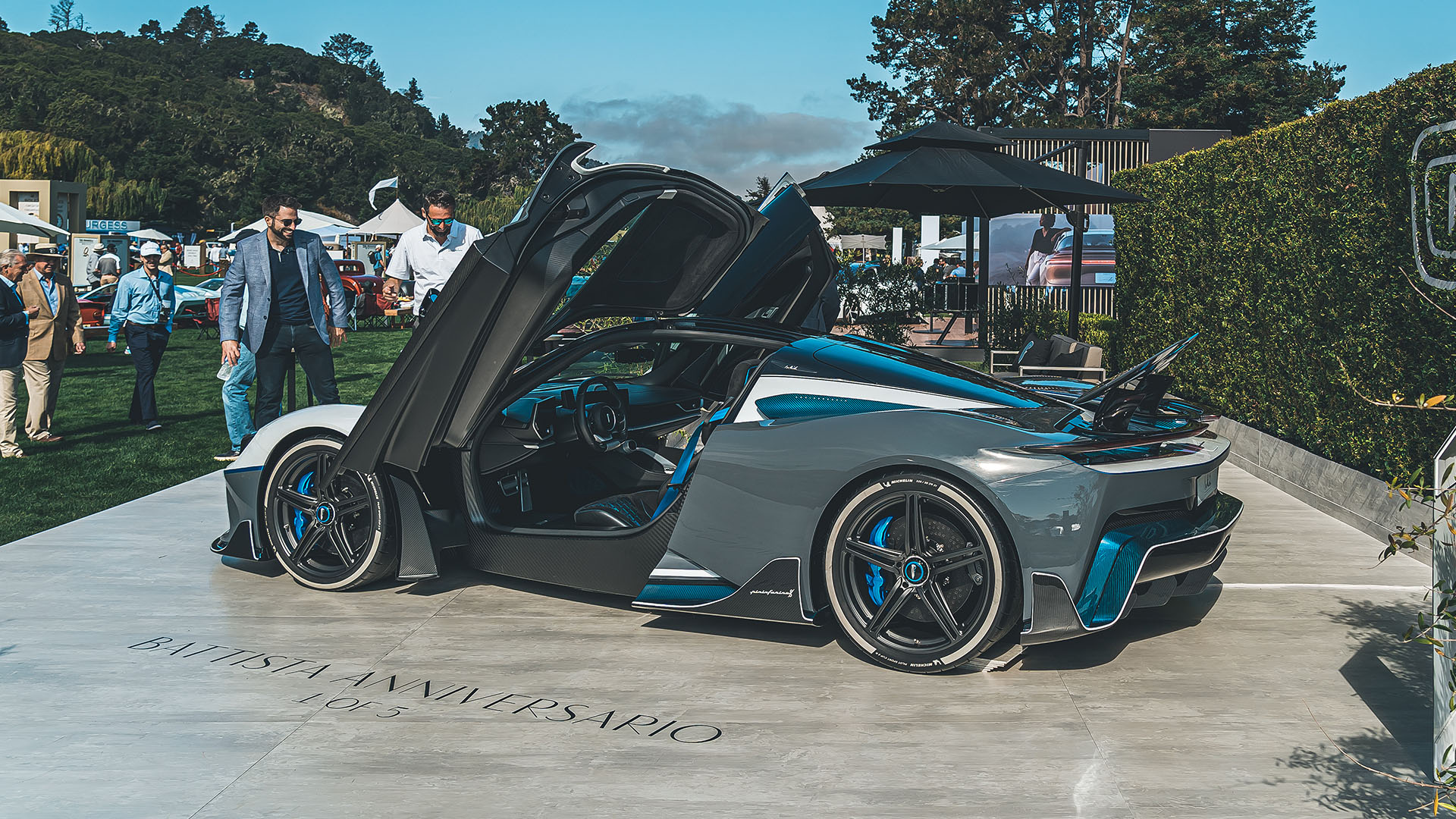
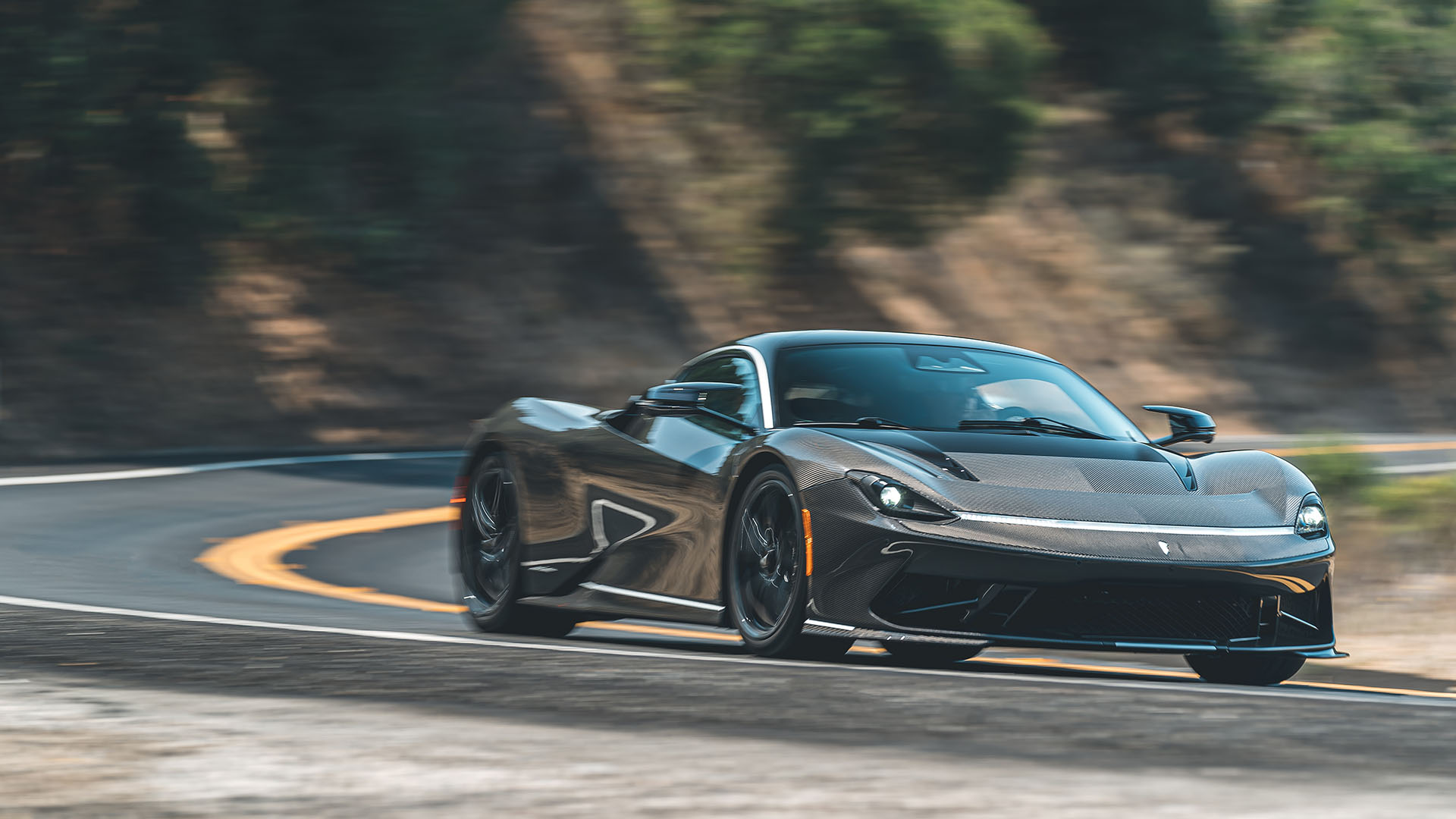
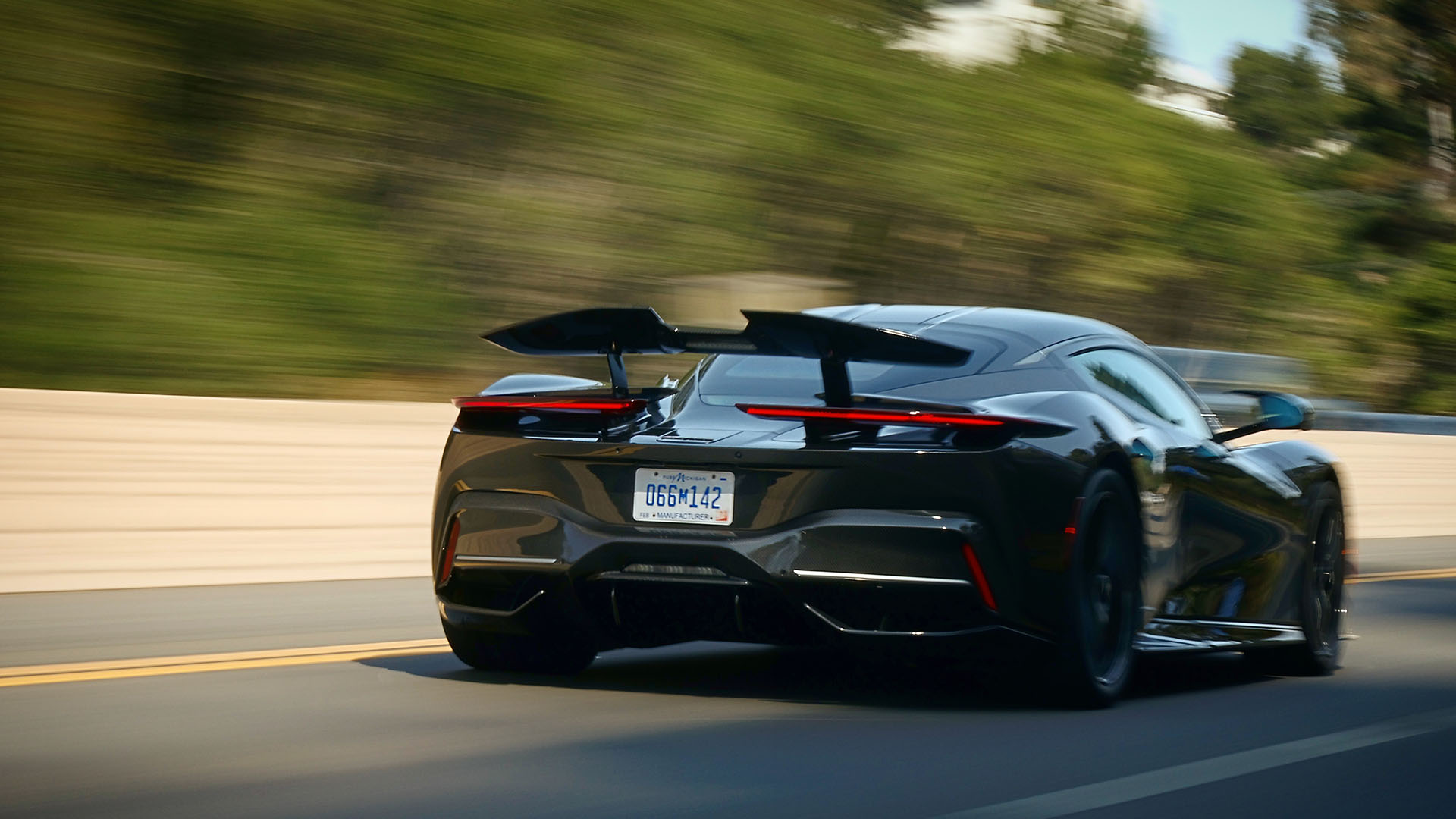
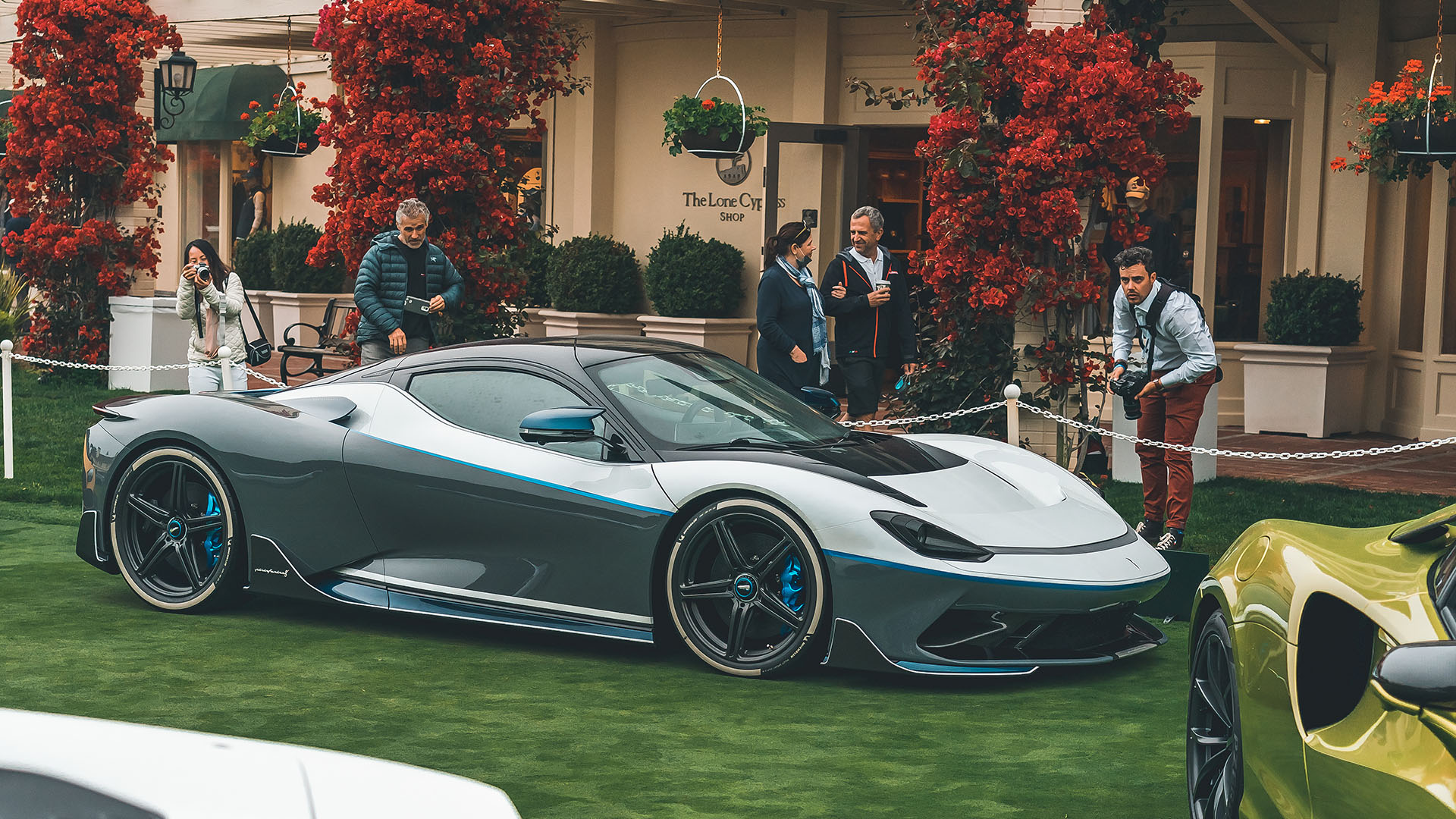
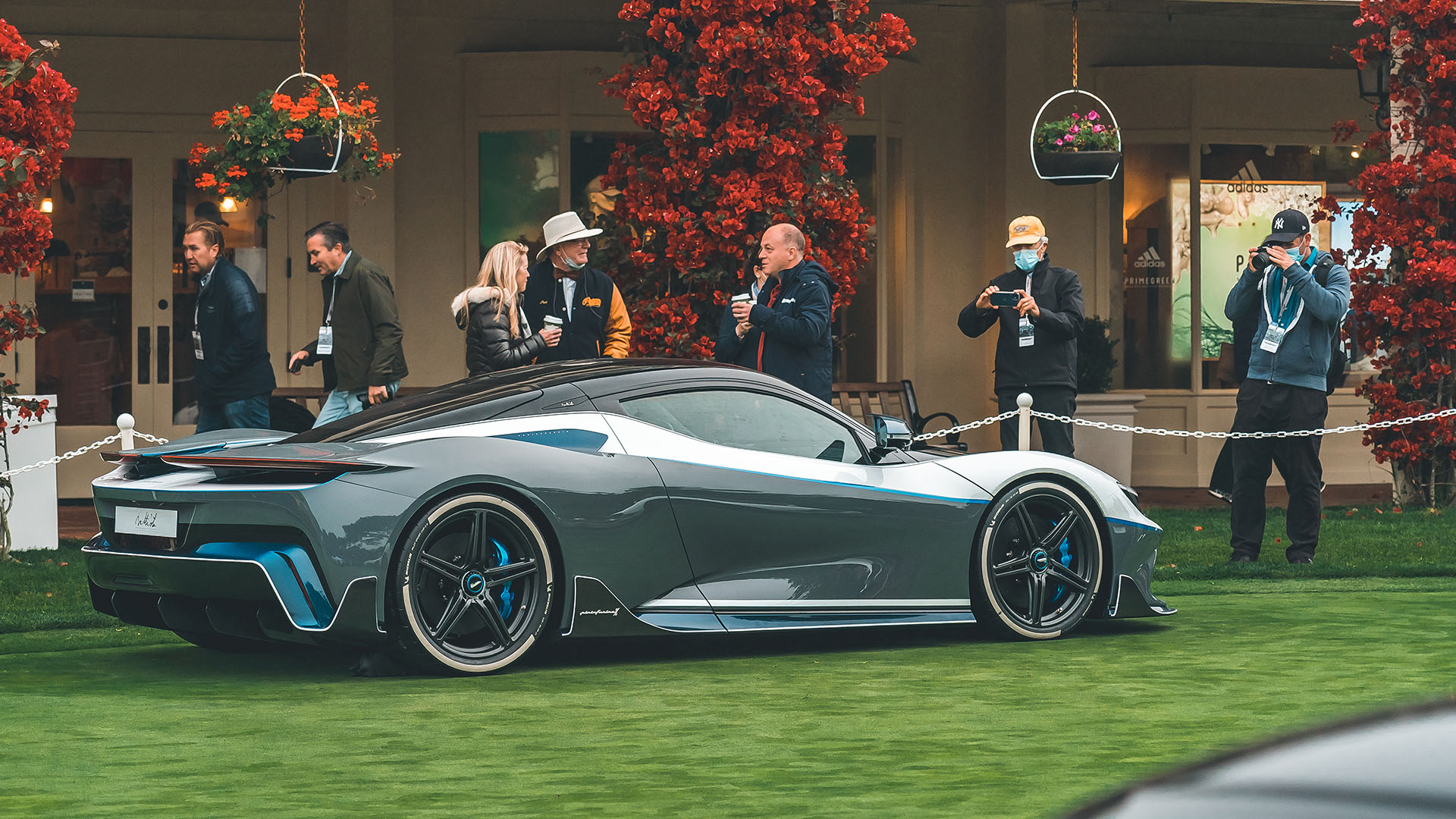
We already published our article on the Automobili Pininfarina Battista making her dynamic debut on the streets of California only days before the start of Monterey Car Week, but it turned out this wasn’t the only Hyper GT Pininfarina was bringing to the US this time, they also unveiled the one of five Battista Anniversario for the first time to the public at The Quail and the Pebble Beach Concours d’Elegance.

Per Svantesson, CEO of Automobili Pininfarina, said: “The first production-specification Battista hit the ground running on its arrival in the US, not only with the overwhelmingly positive reactions from our clients, who were impressed by the exquisite and intricate detailing of the hyper GT, but quite literally as the car made its dynamic debut on the beautiful Californian roads. We’re proud of what we’ve achieved here in the US, honoring Pininfarina’s rich history, and Automobili Pininfarina’s bright, exciting future. We’re looking forward to making the first deliveries later this year, where our clients will enjoy the definitive expression of sustainability, luxury, and exclusivity.”

And while the normal production version of the Battista was already seen on the open road in California, the Black Exposed Signature Carbon body on this Hyper GT was combined with Impulso forged alloys and a stunning black leather with quilted Iconica Blu Alcantara on optional Pilota seats … and she looked amazing, but let’s emphasize the fact Automobili Pininfarina’s recently announced their bespoke personalization service, which will make sure no two Battista will be the same by the time they start delivering this amazing beauty.

During its stay in the United States, the Pininfarina Battista will be made available to a very select group of clients that can get a stint behind the steering wheel of this production-ready car, which is referenced to as the most powerful road-legal Italian car ever built both on track and on the road with 1,900hp.

While I personally love a clear carbon fiber body car like the Battista, I have to admit the bi-color tinted Furiosa Pack as seen on the limited edition Battista Anniversario looks amazing too, this pack comprises of a front splitter, side blades and rear diffuser, and surely drew a lot of attention during Monterey Car Week as a showcase of the modern interpretation and the result of Pininfarina’s heritage and innovation, this specific model was unveiled at the exclusive The Quail event and at the Pebble Beach Concours d’Elegance.

As we all know, Automobili Pininfarina has a long history when it comes to designing cars, and lined up alongside the Battista were a number of stunning historic Pininfarina-designed icons to celebrate over 90 years of design heritage, and several of these cars took home the winning title during the Pebble Beach Concours d’Elegance.

The very nice and elegant looking, pre-war Italian 1938 Lancia Astura Pinin Farina Cabriolet took first place in the ‘Pinin Farina Prewar’ category, while a 1953 Lancia Aurelia Pinin Farina PF200 C Spider took the same honor in the ‘Pininfarina Postwar’ class with its iconic pronounced oval grille. There was a special ‘Pinin Farina Ferrari Early’ class that was won by a 1953 Ferrari 375 America Pinin Farina Coupe, while the 1966 Ferrari 365 P Pininfarina Berlinetta Speciale, Ferrari’s first mid-engined V12 presented by Pininfarina, took first place in the ‘Pininfarina Ferrari Late’ category, this latter was even listed as one of three ‘2021 Best of Show Nominees’.

2022 Acura NSX Type S Revealed

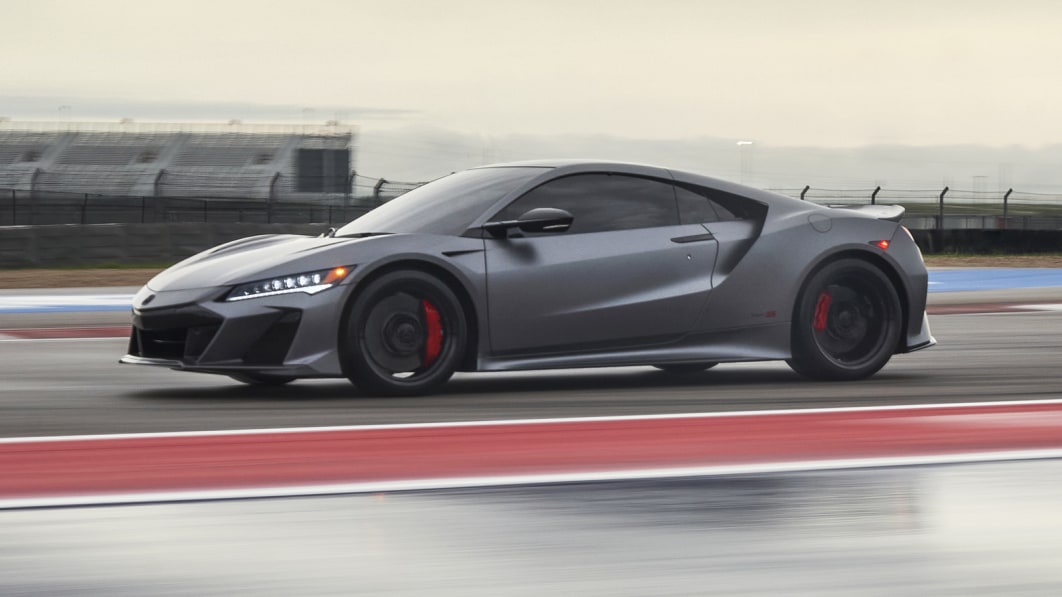
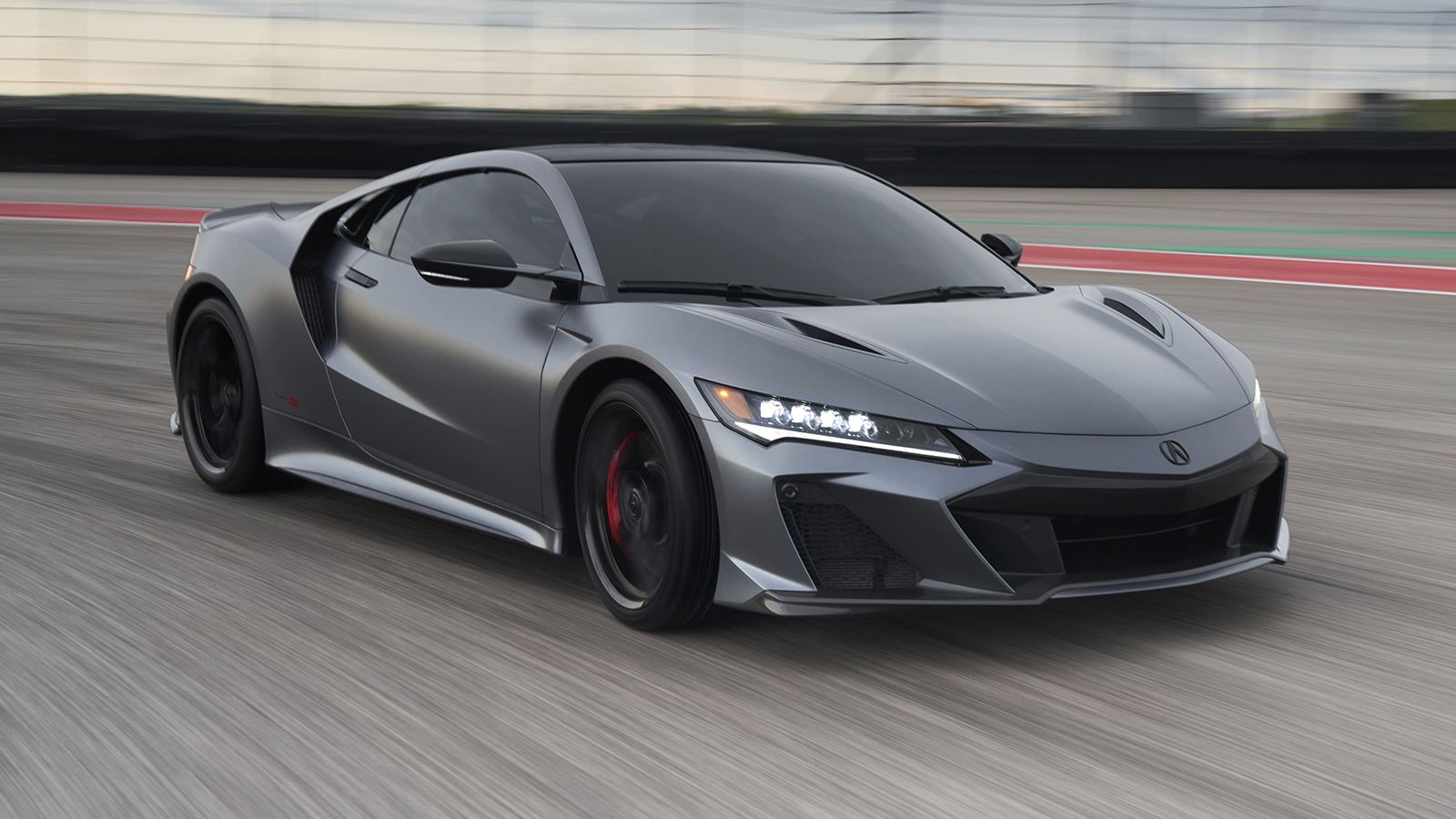
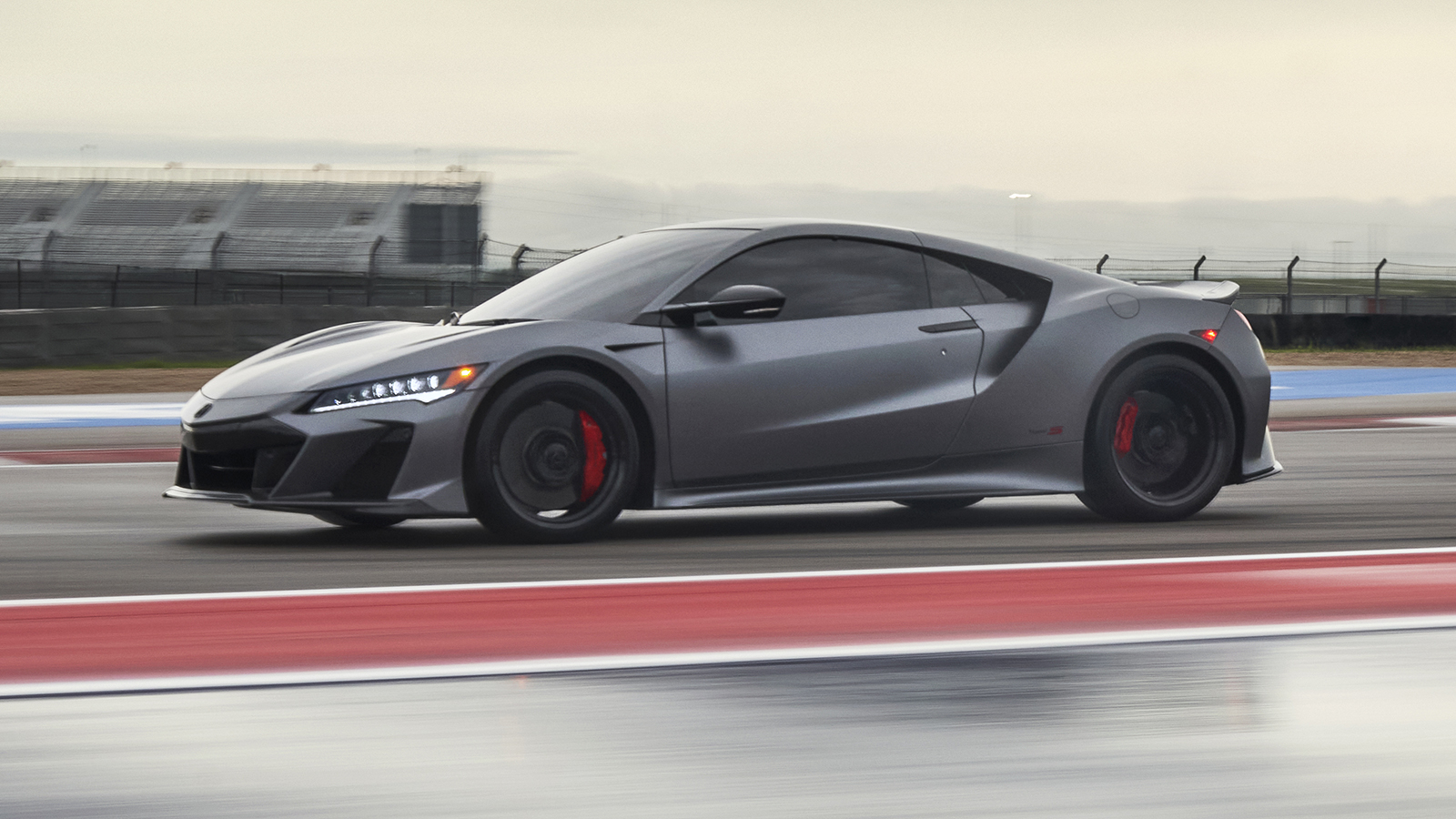
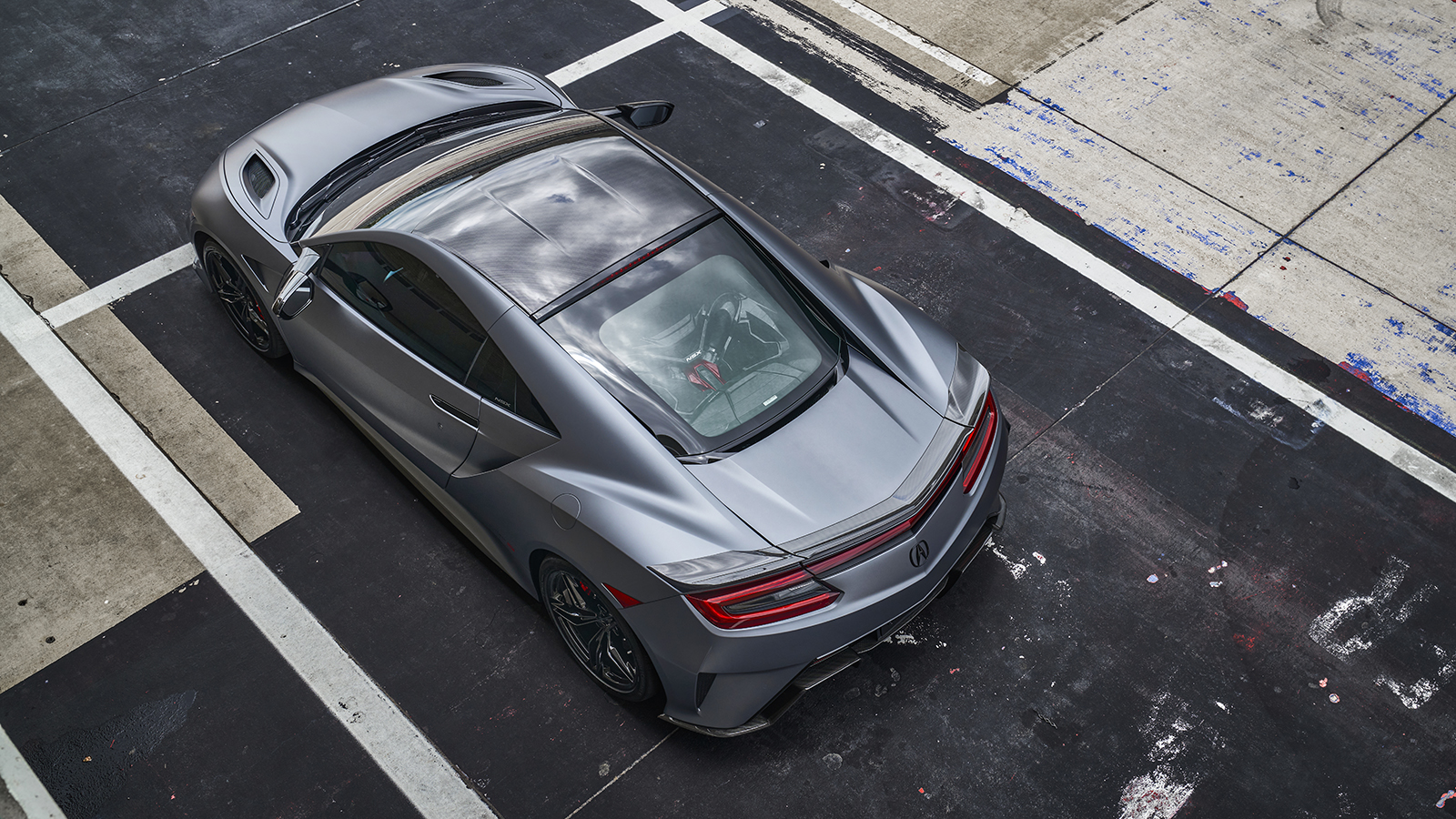
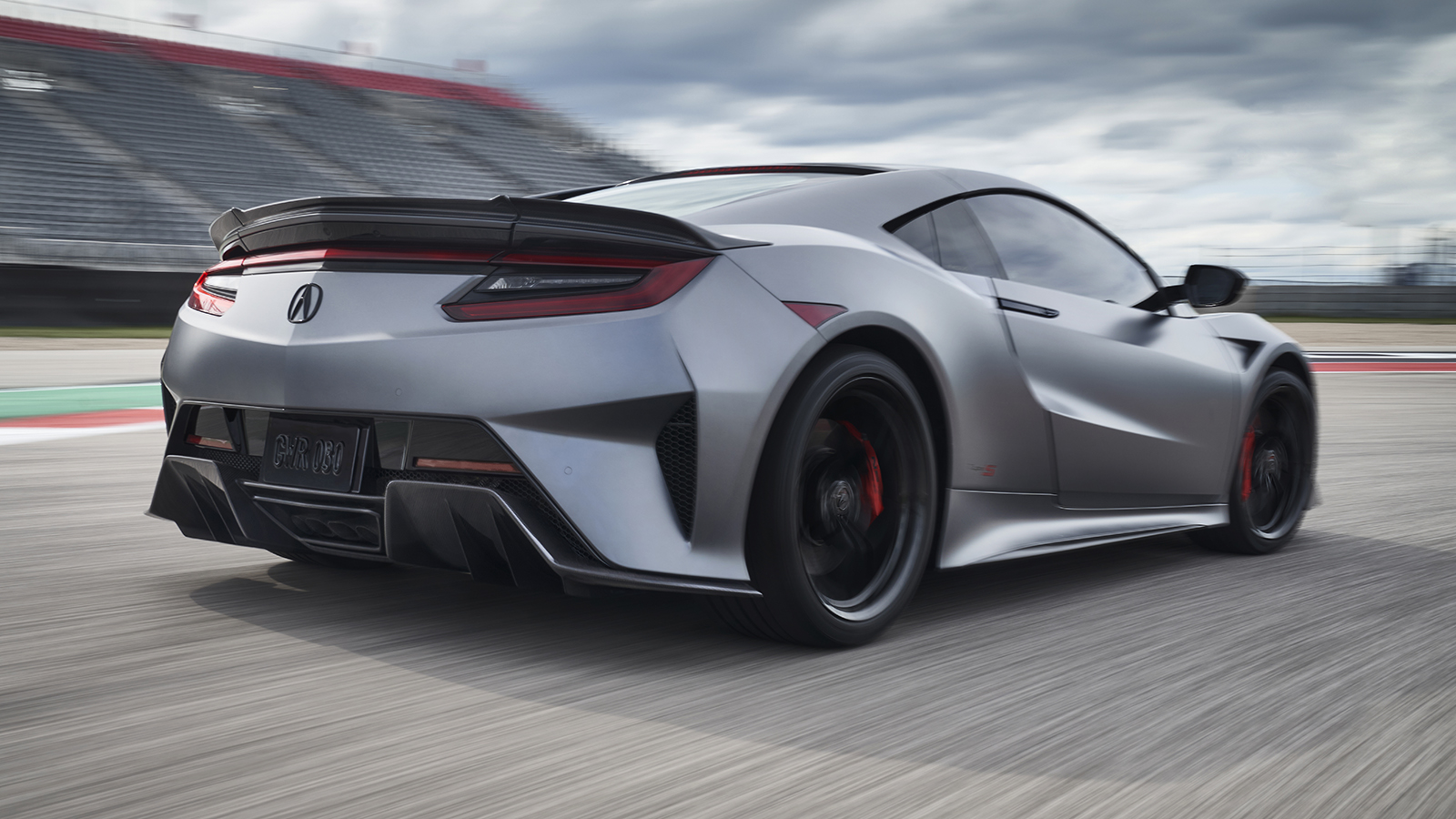
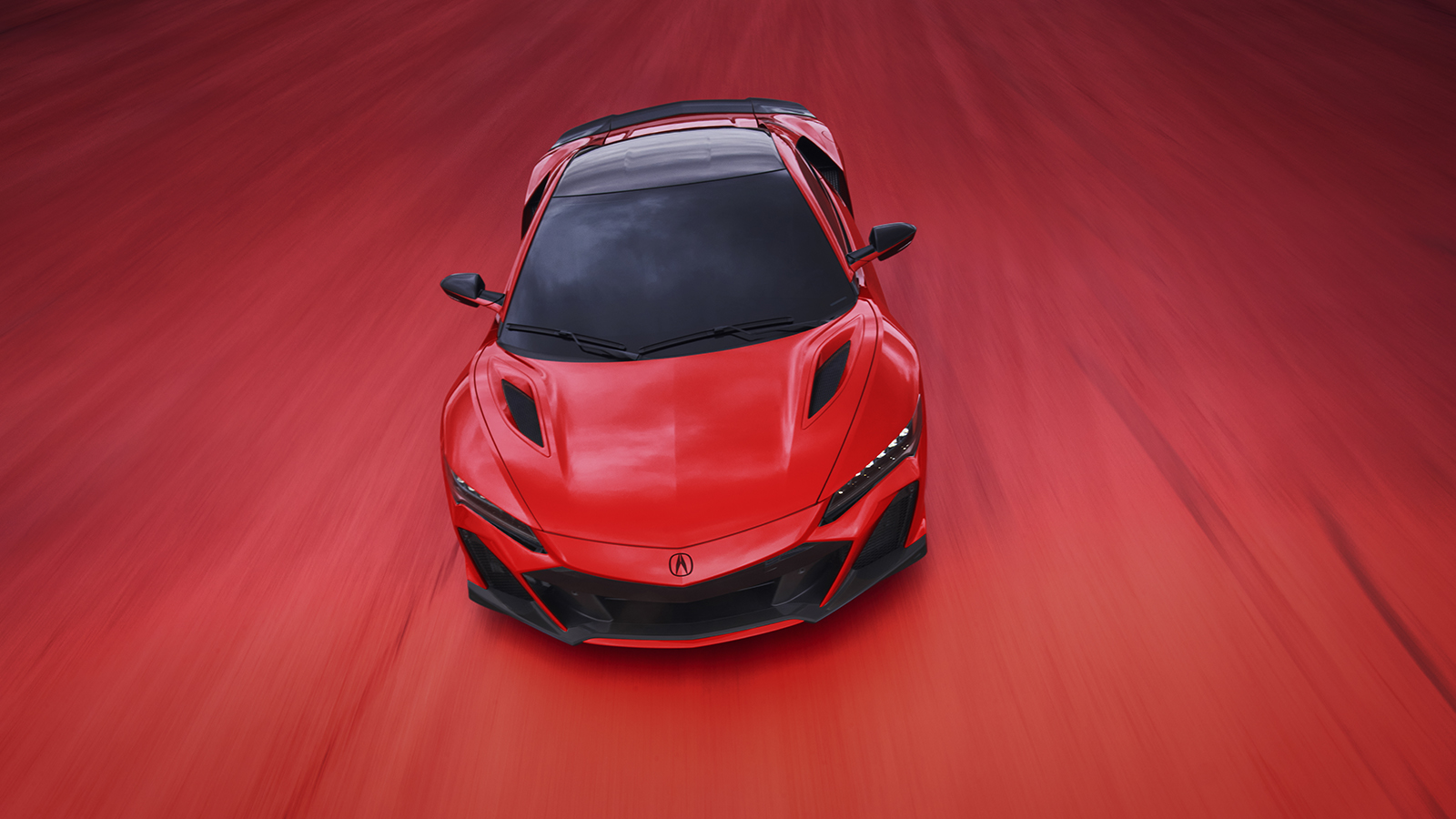
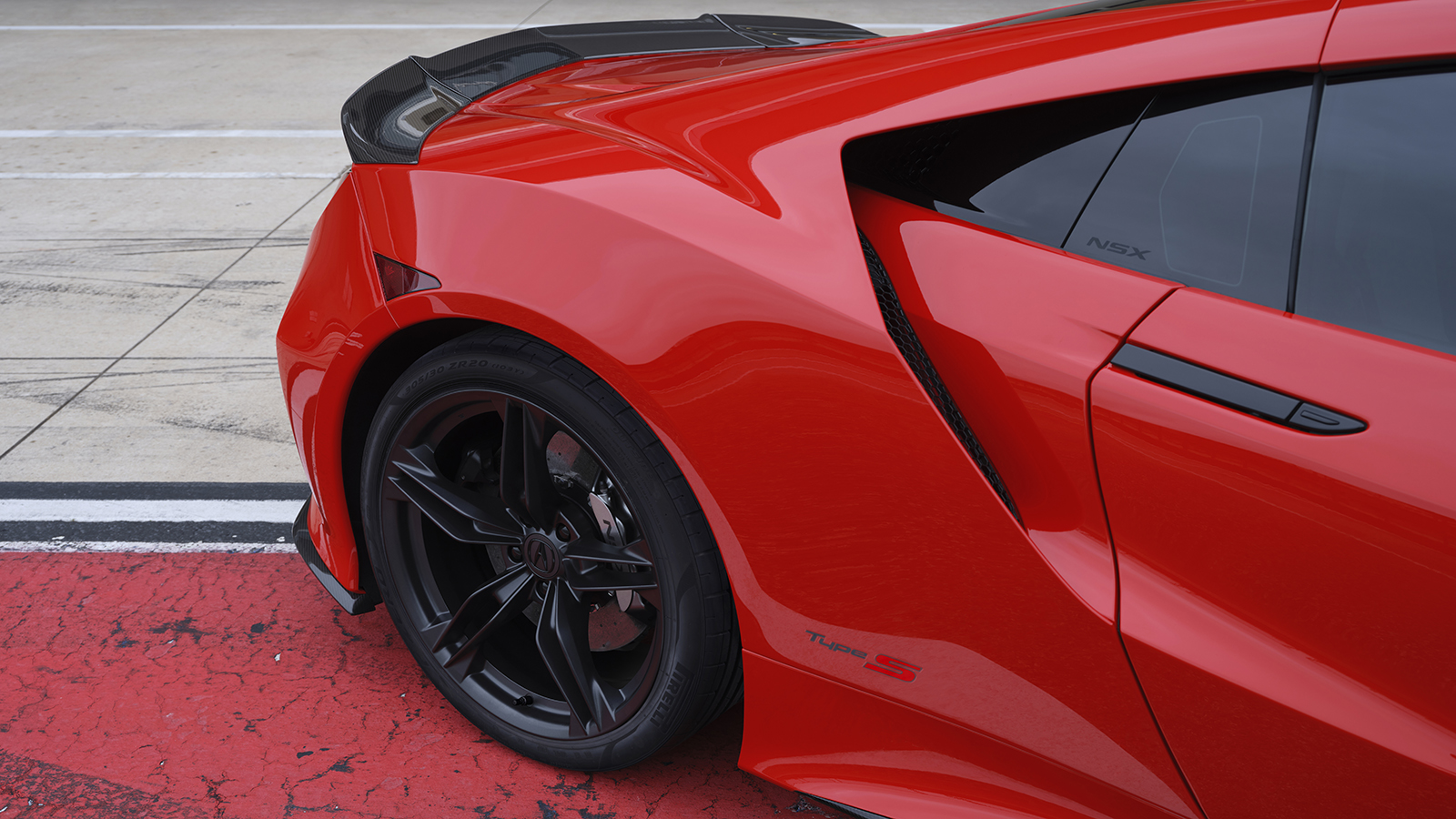
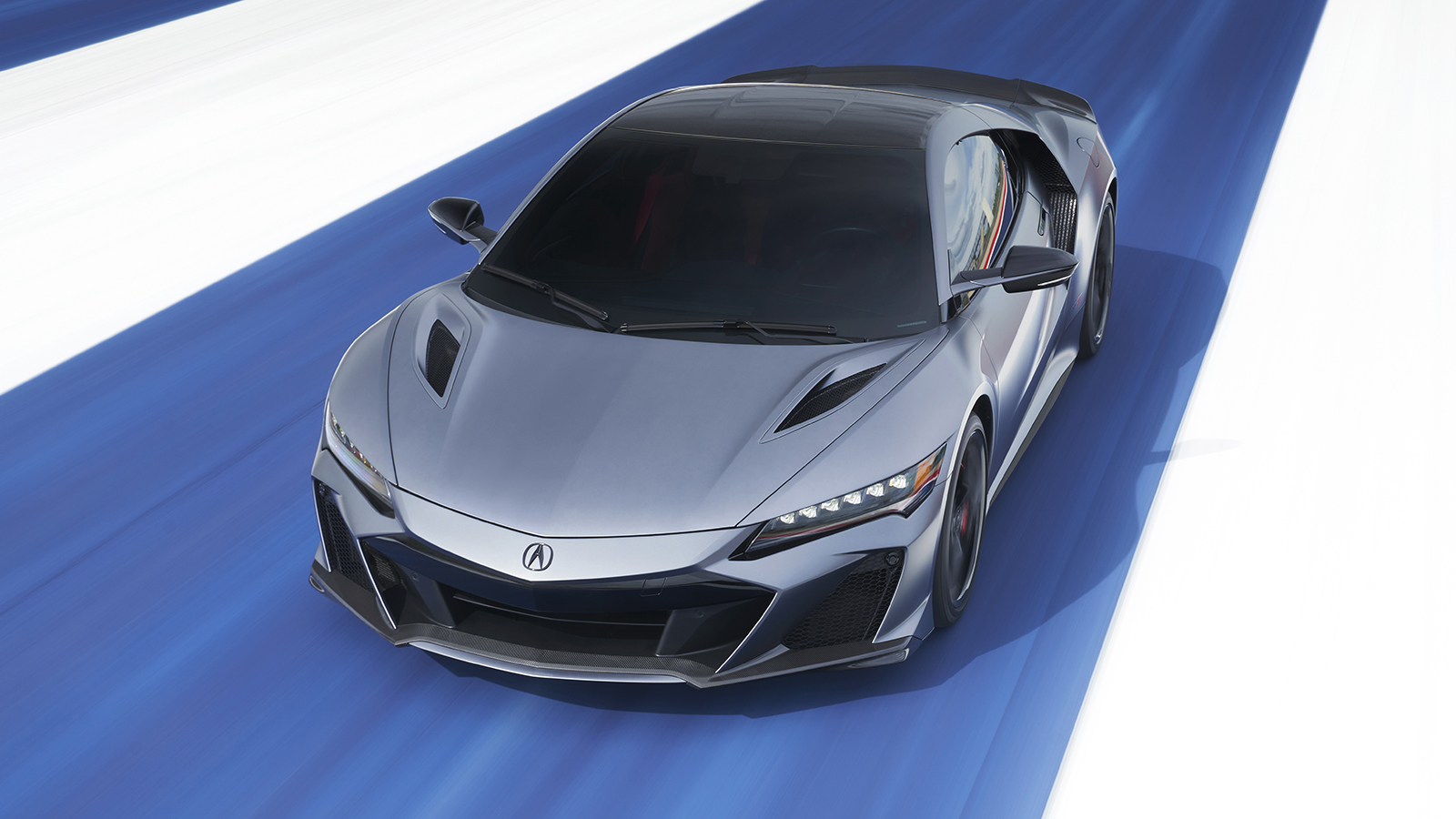
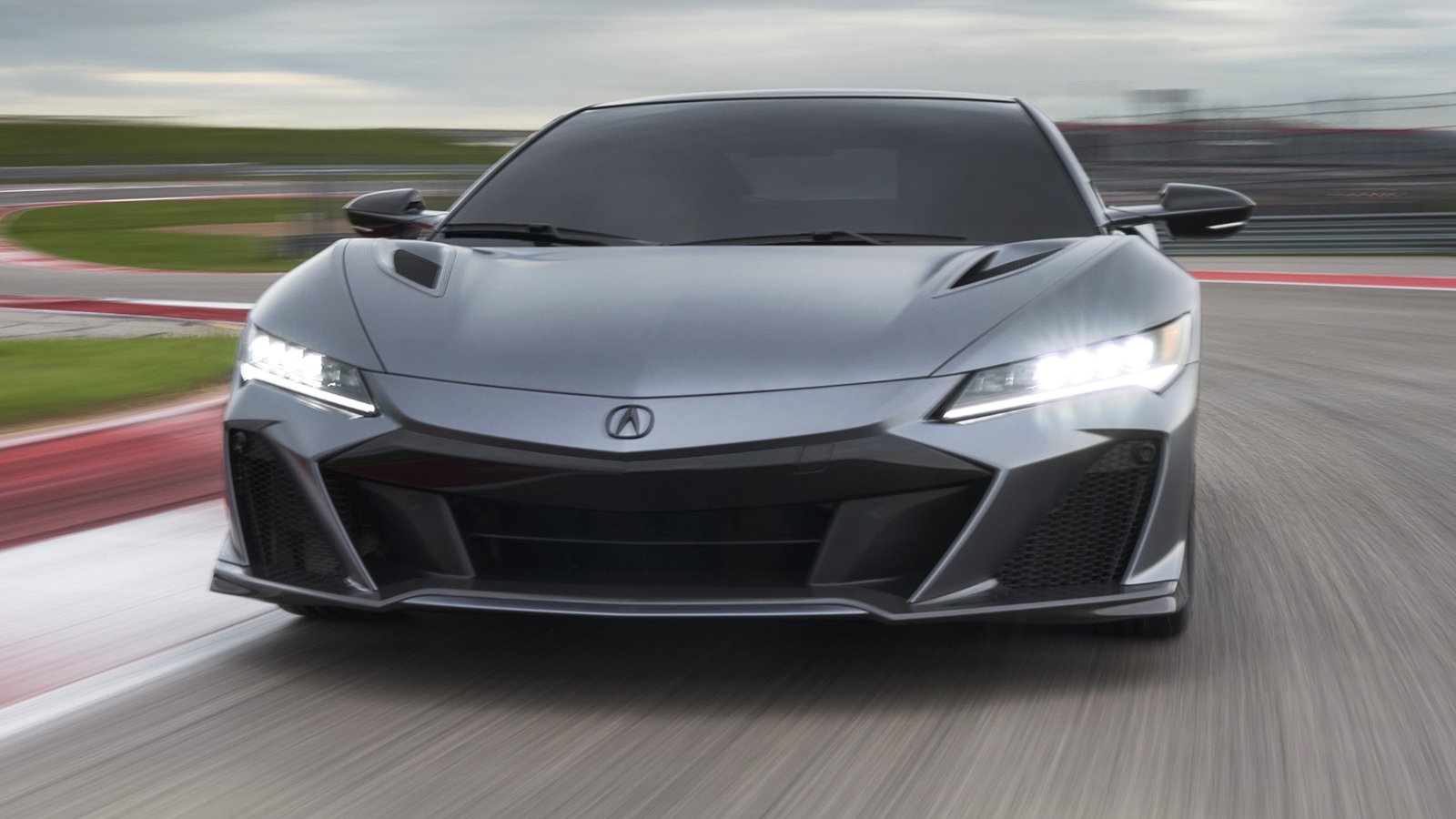
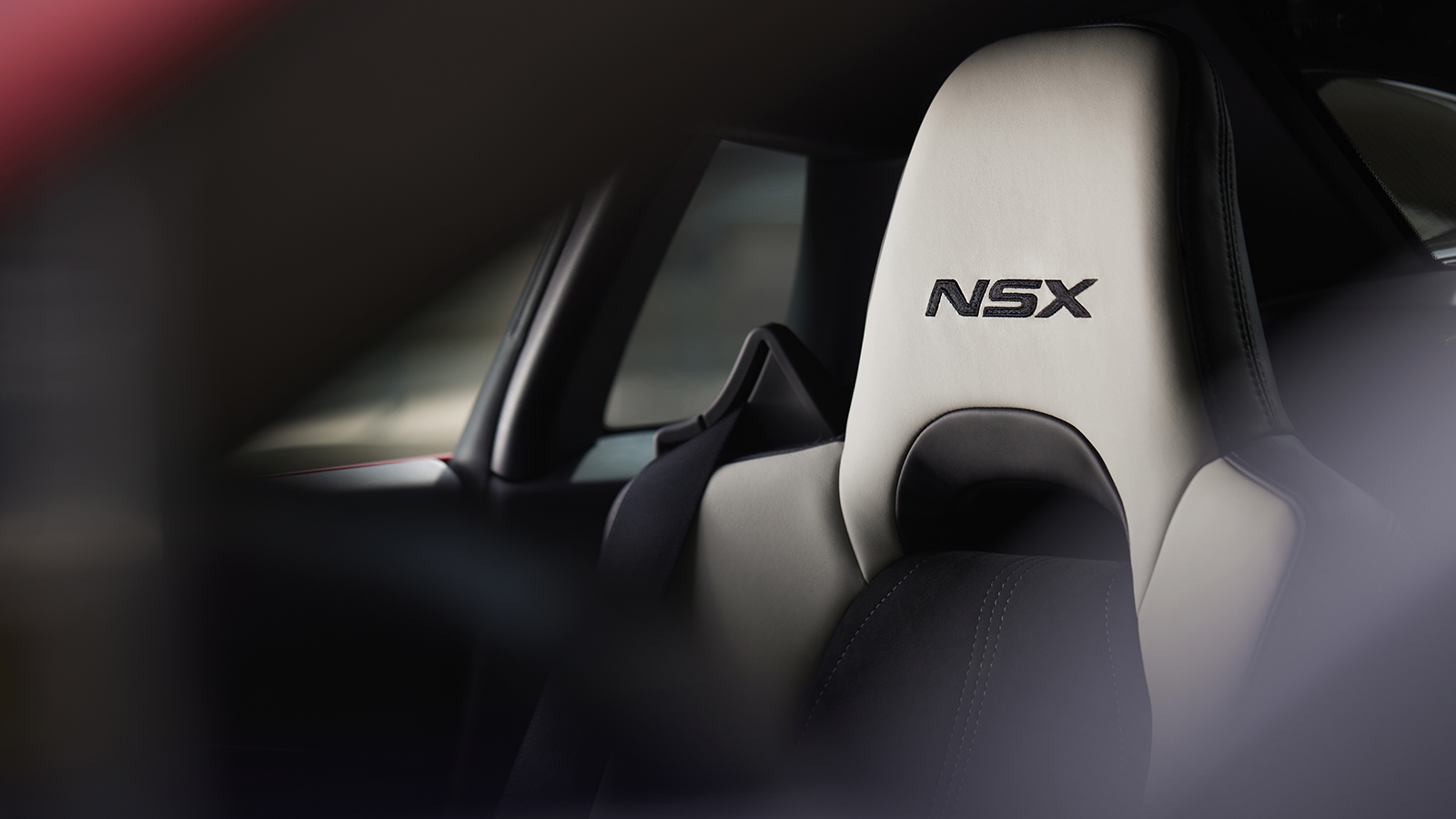
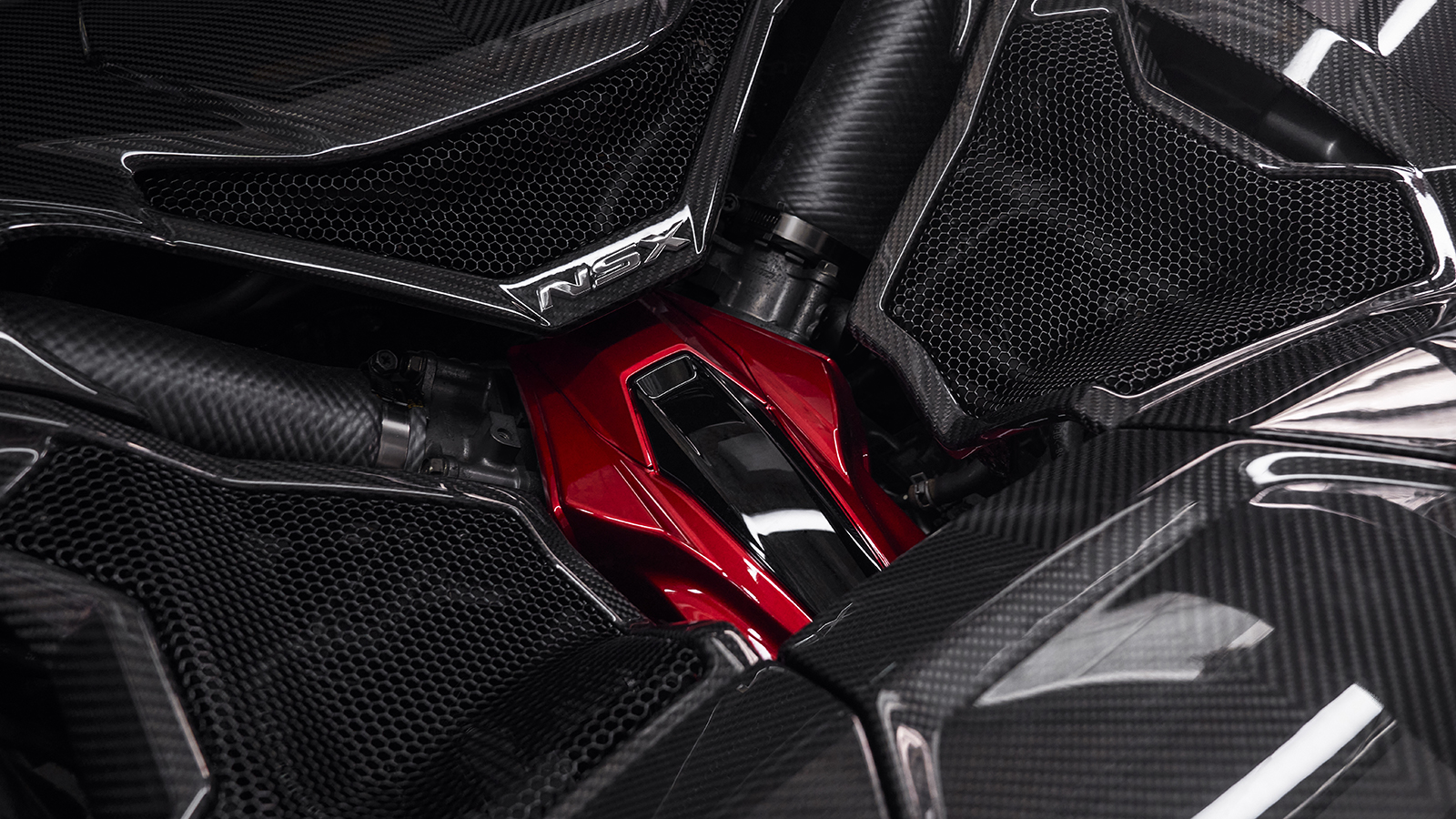
Acura has just announced that they will be producing a limited-edition NSX Type S variant for the 2022 model year, which will also serve as the swan song for the brand’s halo car (now in its second generation). Officially unveiled during Monterrey Car Week, the Type S will be the “quickest, most powerful and best-handling production NSX ever” according to the automaker, with an enhanced version of the 3.5L twin-turbocharged hybrid engine now producing 600 hp and 492 lb-ft of torque. The 9-speed DCT and Super Handling All-Wheel Drive (SH-AWD) have also been optimized to get the most out of the car’s improved performance. The NSX Type S will also come standard with a carbon-fiber roof, as part of its weight reduction protocols.

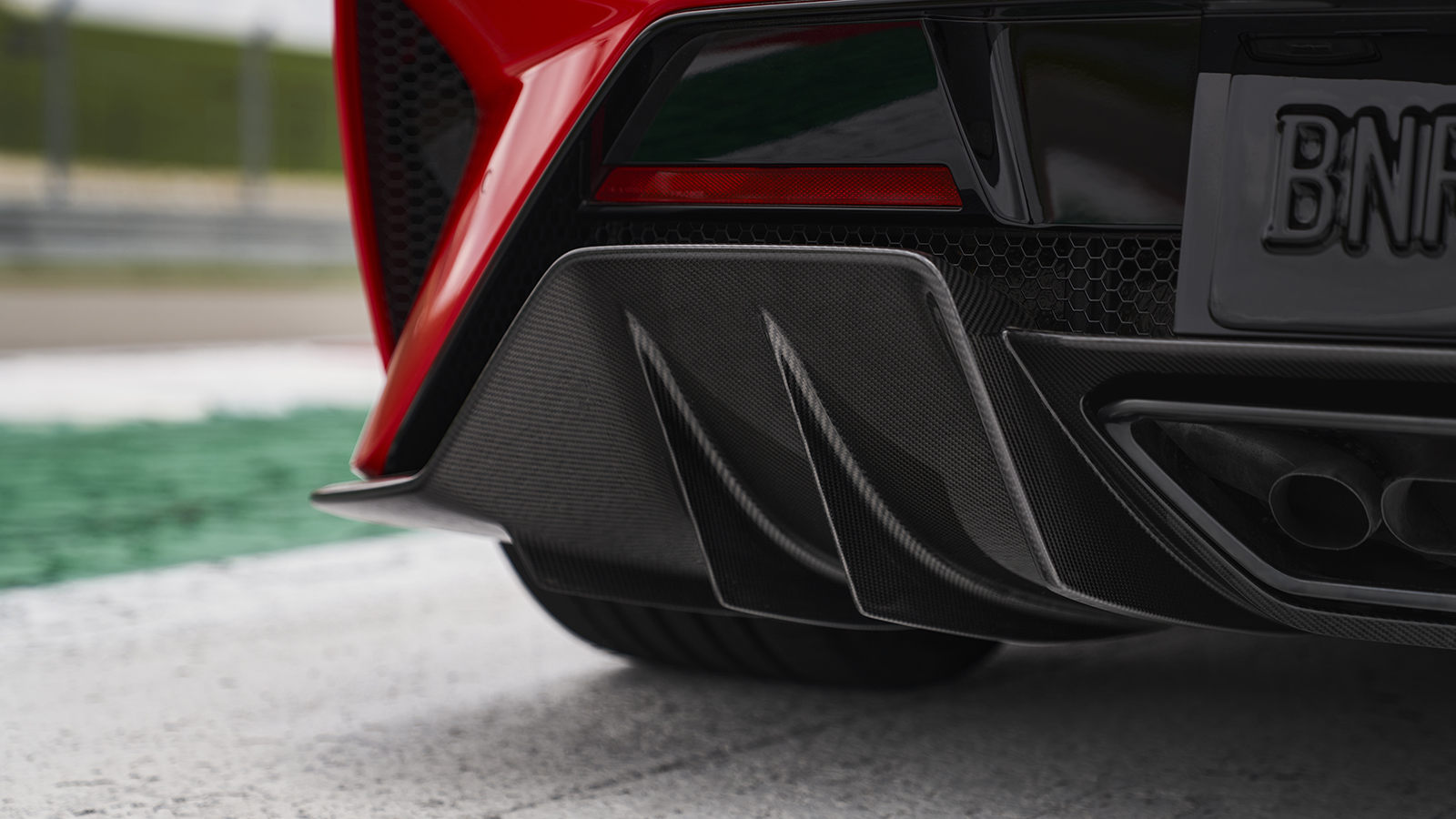
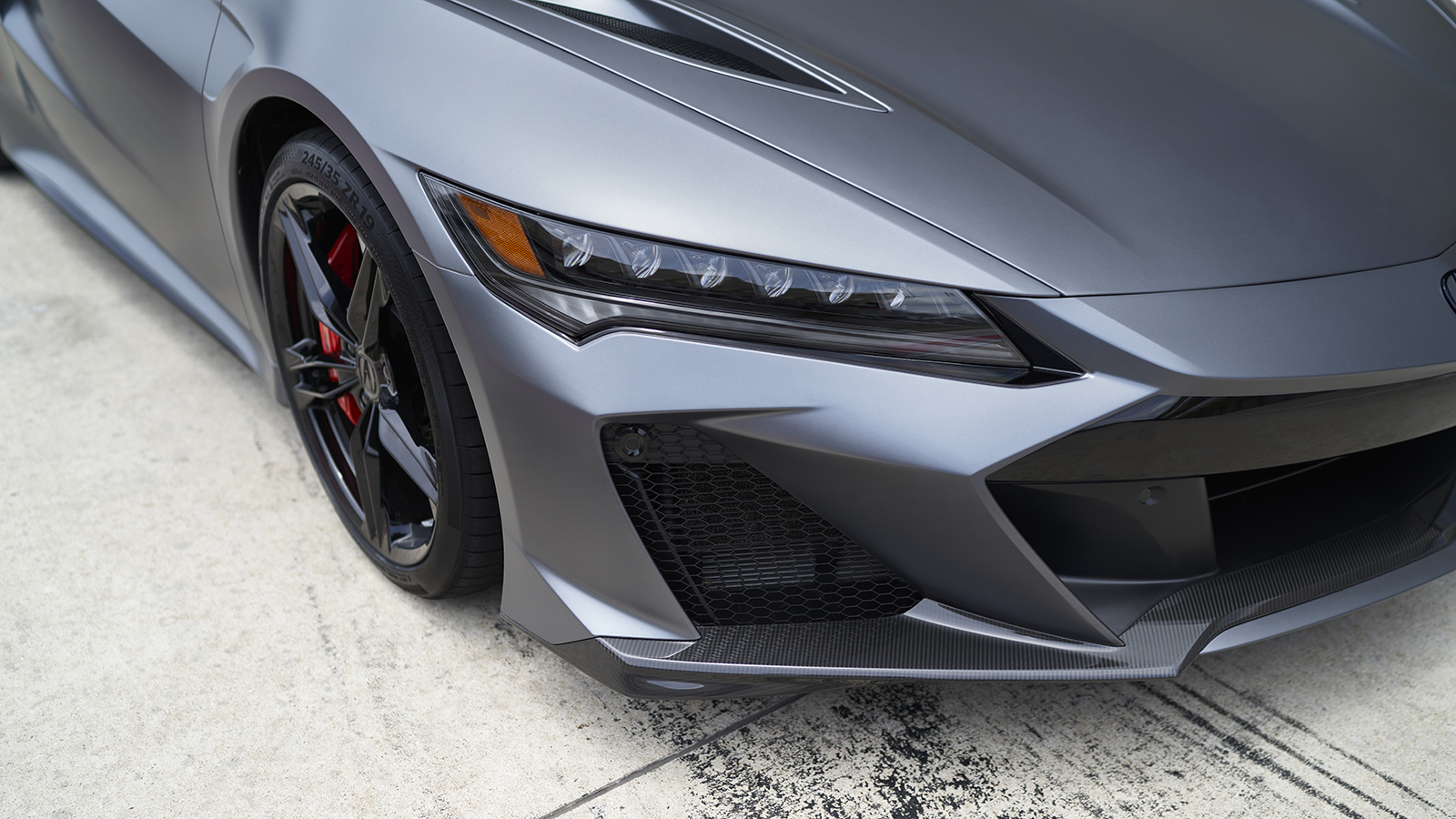
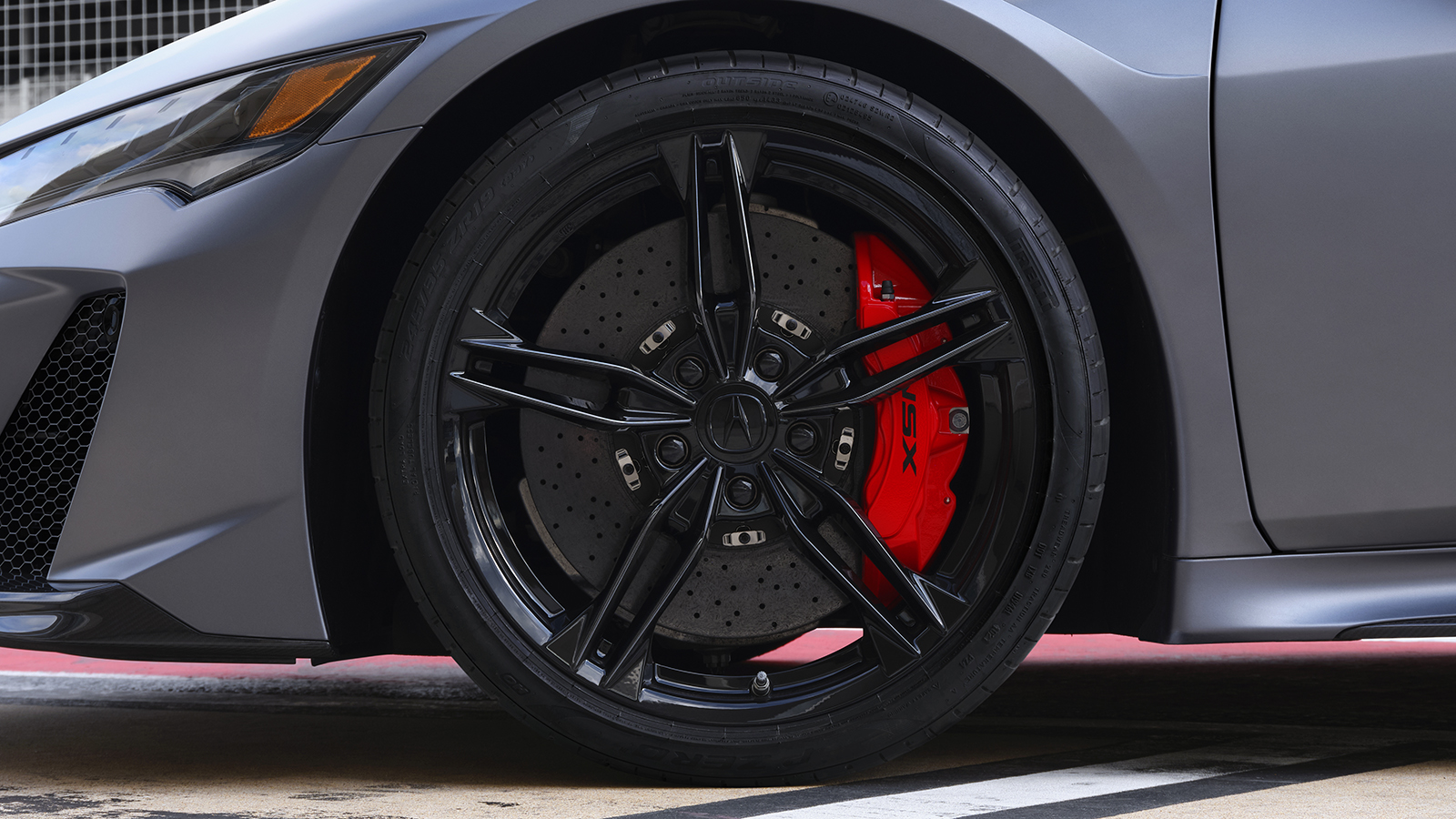
Distinctive design cues and more aggressive aerodynamics are also at the core of the car’s improved driving character, with race car components – such as a GT3-inspired rear diffuser – being among the most easily distinguishable features. The NSX Type S will also come with redesigned front and rear bumpers, unique 5-spoke wheels, Pirelli P-Zero tires, and a retuned adaptive suspension system. Optional features such as Gotham Gray exterior paint and an available Lightweight Package – which includes carbon-ceramic brakes and more carbon fiber components – are also exclusive to the Type S.

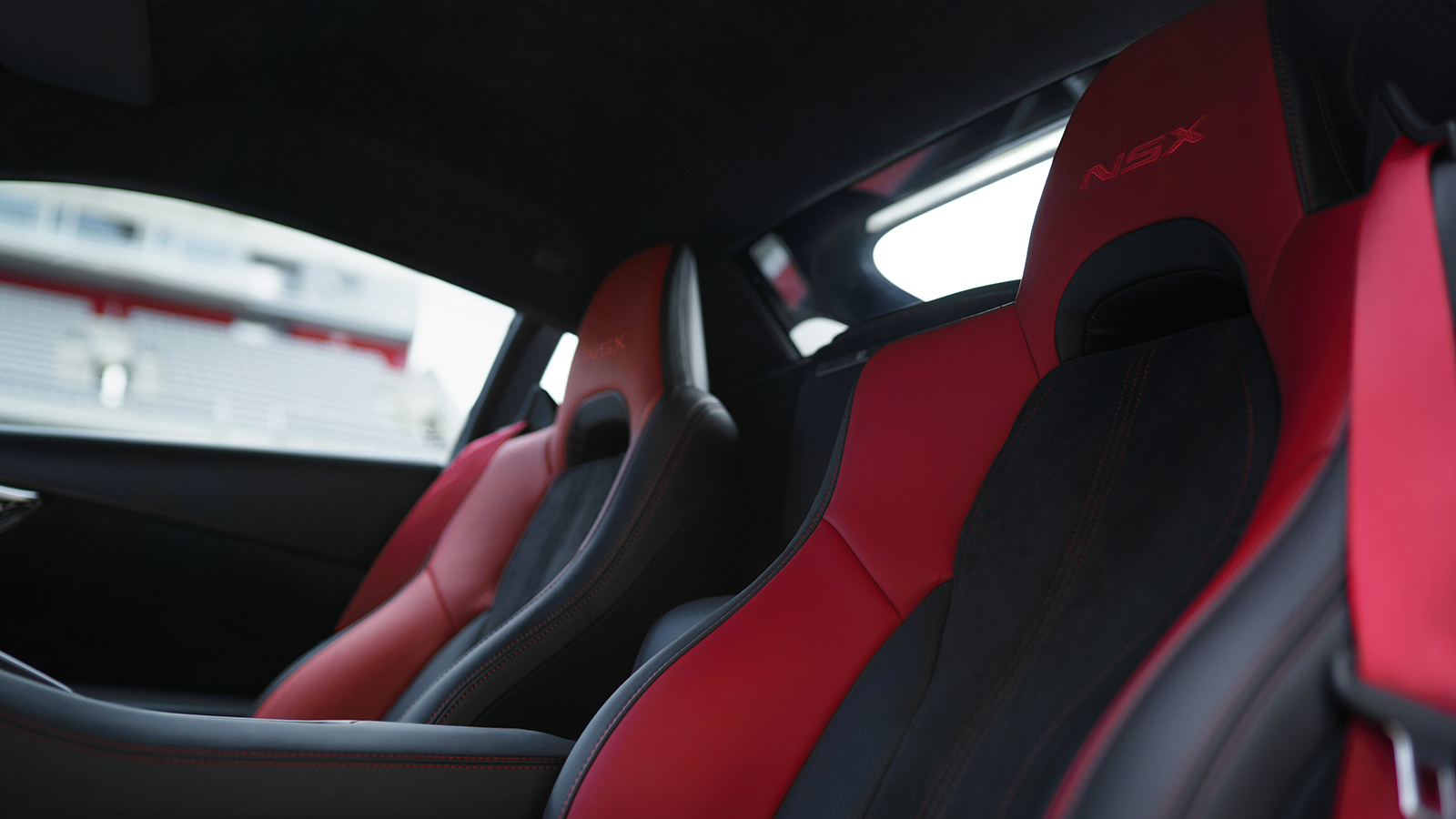
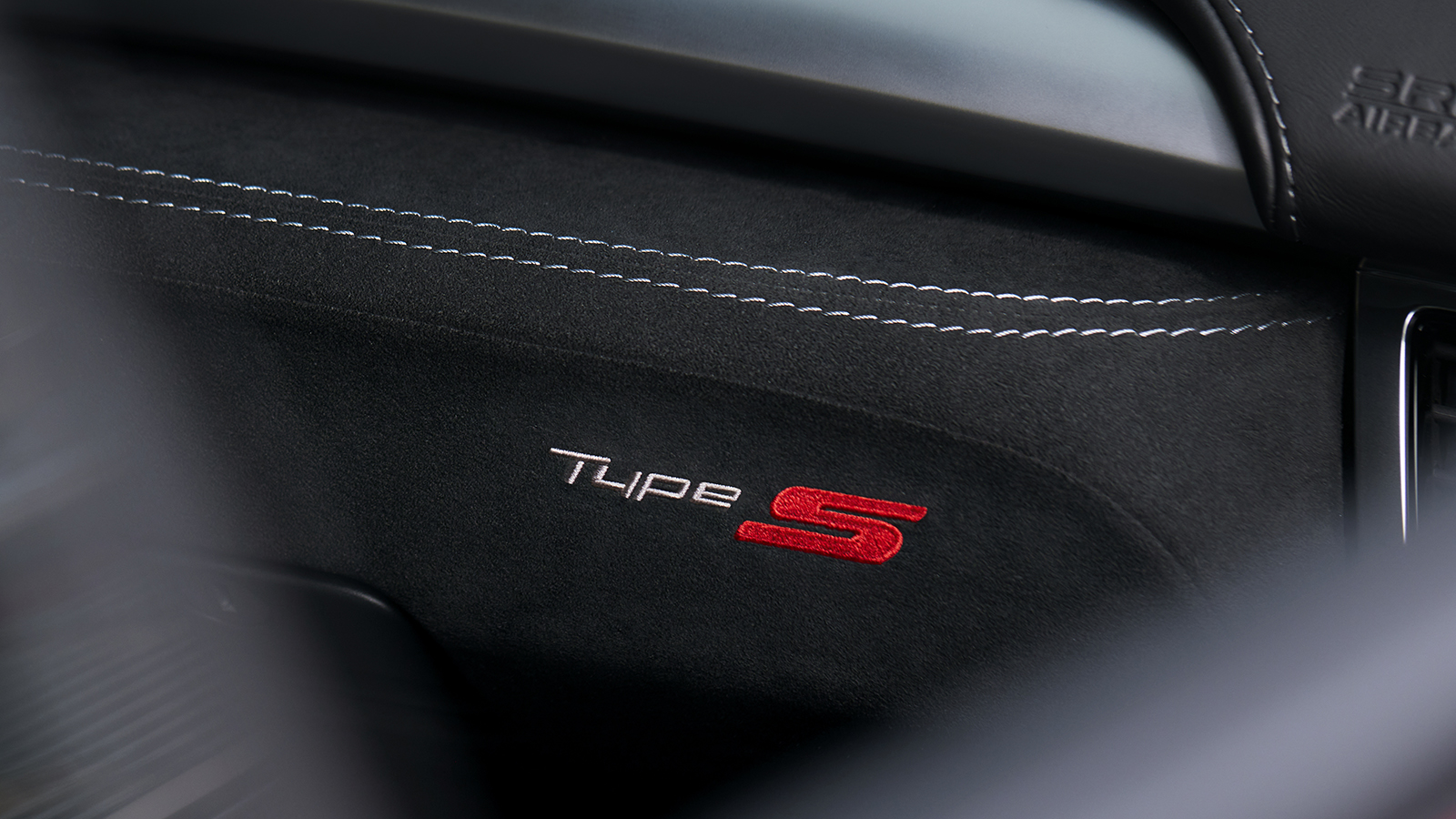
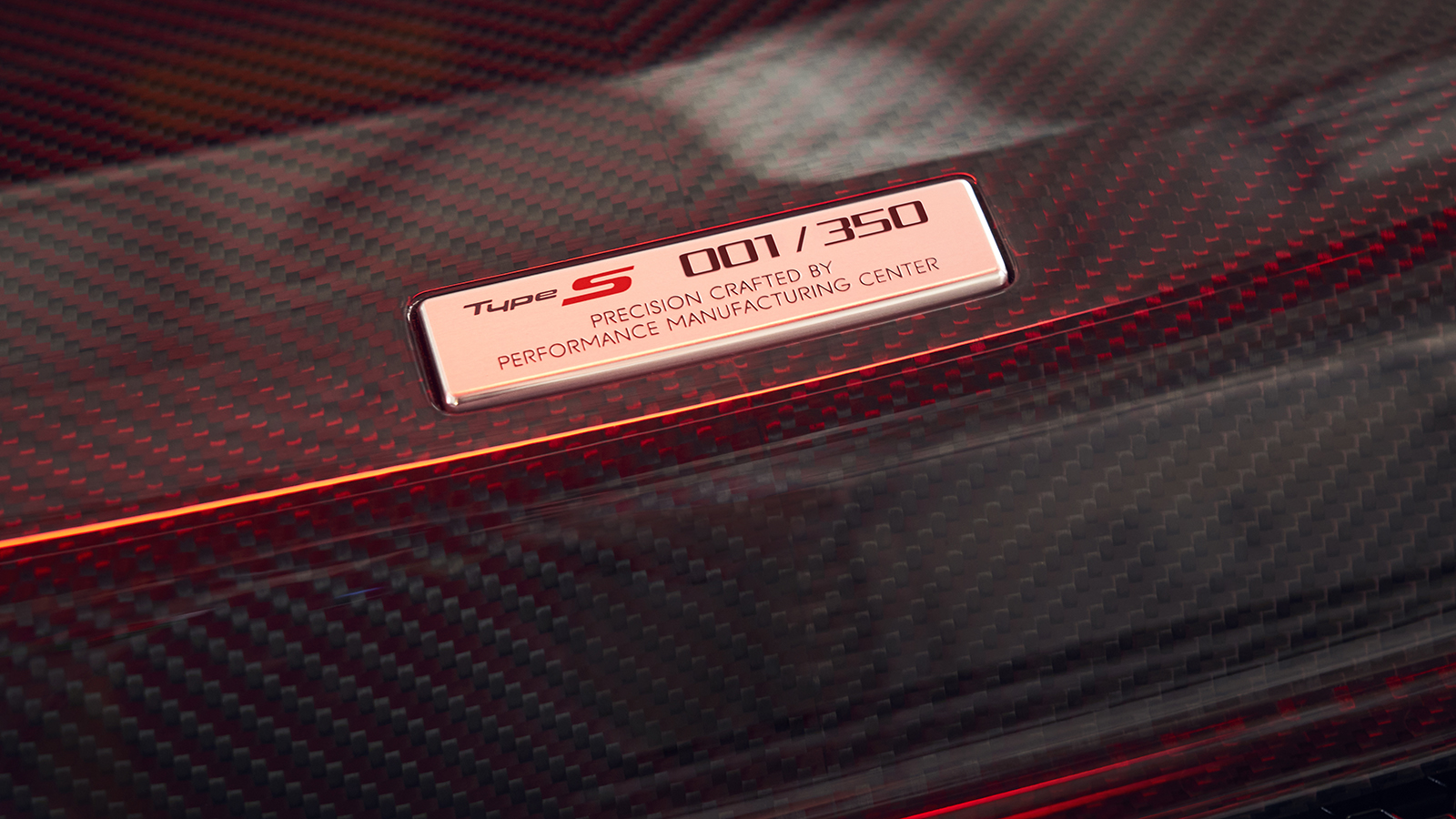
Limited to a production run of only 350 units (of which 300 will be allocated for U.S. customers), this latest rendition of the NSX further sets itself apart from the regular model with special ‘Type S’ logos and nameplates visible throughout the interior and exterior of the car. The NSX is also the latest model – with the TLX Type S and MDX Type S having already been announced – to partake in the automaker’s image-rebranding project, which through an expanding line-up of Type S variants, looks to establish Acura as a legitimate high-performance marque. It will also mark the first time the ‘Type S’-badged NSX has been sold outside of Japan.
While the new NSX Type S marks the end of an era, Acura said that it “will continue to pursue sports cars,” with Vice President Jon Ikeda noting that the company is “already investigating what the next generation of sports cars should be in the coming electrified era”. It wouldn’t be farfetched to see the return of a new NSX model in the future, though the automaker is already hinting that it would look very different from the cars of the past, should it ever be reintroduced. “NSX is an incredible success story for Acura, leading the reestablishment of Acura as a performance brand and setting the stage for the return of Type S.
The 2022 Acura NSX Type S starts at $169,500 (with the optional Lightweight Package adding another $13,000), which isn’t significantly more than the base model’s MSRP of $157,500 when factoring in all the improvements and considering the rarity of the Type S. Acura is already open for orders via its official website, though prospective buyers will have to fight over the remaining 349 build slots; VIN #001 for the Type S has already been sold, with the rights to being ‘numero uno’ auctioned off to a buyer who would end up paying $1.1 million for that privilege (as part of a charitable event). We understand that the buyer opted for the Lightweight Package, which seemed trivial at that point, but we’re sure he or she is very happy!

[embedded content] [embedded content]

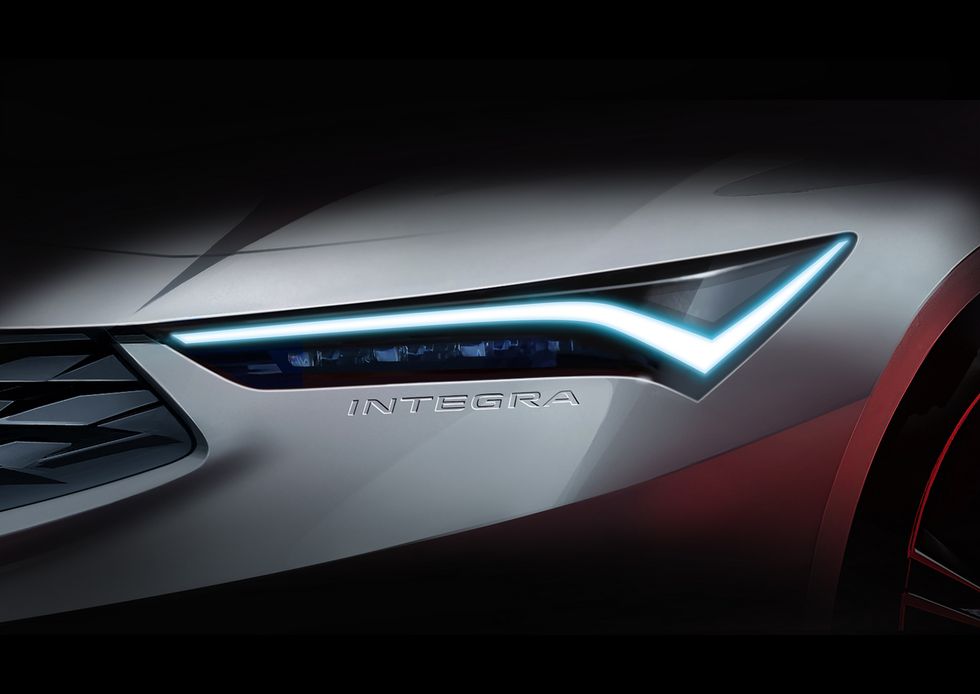
Acura Integra Returns For 2022

…Plus a Brief History of the Iconic Sport Compact Car

At supercars.net, we’re laser-focused (as our name suggests) on creating content that revolves around the world’s greatest supercars. However, the need to include more “regular” cars in the conversation is not lost on us either; after all, so many of these automobiles have contributed significantly to the vast and impressive automotive landscape we now see on history’s canvas.

One such car is the Acura/Honda Integra, and the automaker just revealed that they are bringing it back to their line-up after a 20-year hiatus. It was Acura – Honda’s North American based luxury division – who took the reigns on making this surprise announcement during Monterey Car Week, so there’s nothing definitive just yet on whether the parent company will produce their own take on it as well. Oh, and let’s not forget that they also unveiled the new limited-production Acura NSX Type S.

This is the closest “look” we currently have of the new Acura Integra.

What has been confirmed is that production will begin in 2022, and all media – albeit provided in teaser form – indicates that the new Integra will once again take the form of a 2-door sport compact coupe/hatchback. “The Integra is back,” Jon Ikeda, VP of Acura, said in a statement. “I’m thrilled to say the Integra is returning to the Acura lineup with the same fun-to-drive spirit and DNA of the original, fulfilling our commitment to Precision Crafted Performance in every way—design, performance and the overall driving experience.”

Reintroducing another Type R variant for the new Integra needs to be both the bare minimum and standard bearer, if the brand truly hopes to generate sufficient fanfare and interest; particularly from sports car enthusiasts and the performance-loving community, which will serve as the catalysts in doing so. At this conjecture, giving the green-light on a new Integra Type R feels as natural as it does necessary, with Honda already having a treasure trove of a parts bin to loot from; sharing some DNA with the impressive Honda Civic Type R seems logical, and could only produce positive results.

Proof of this sentiment is already circulating on social media, with this rendering of the new Acura Integra Type R provoking plenty of emotion.
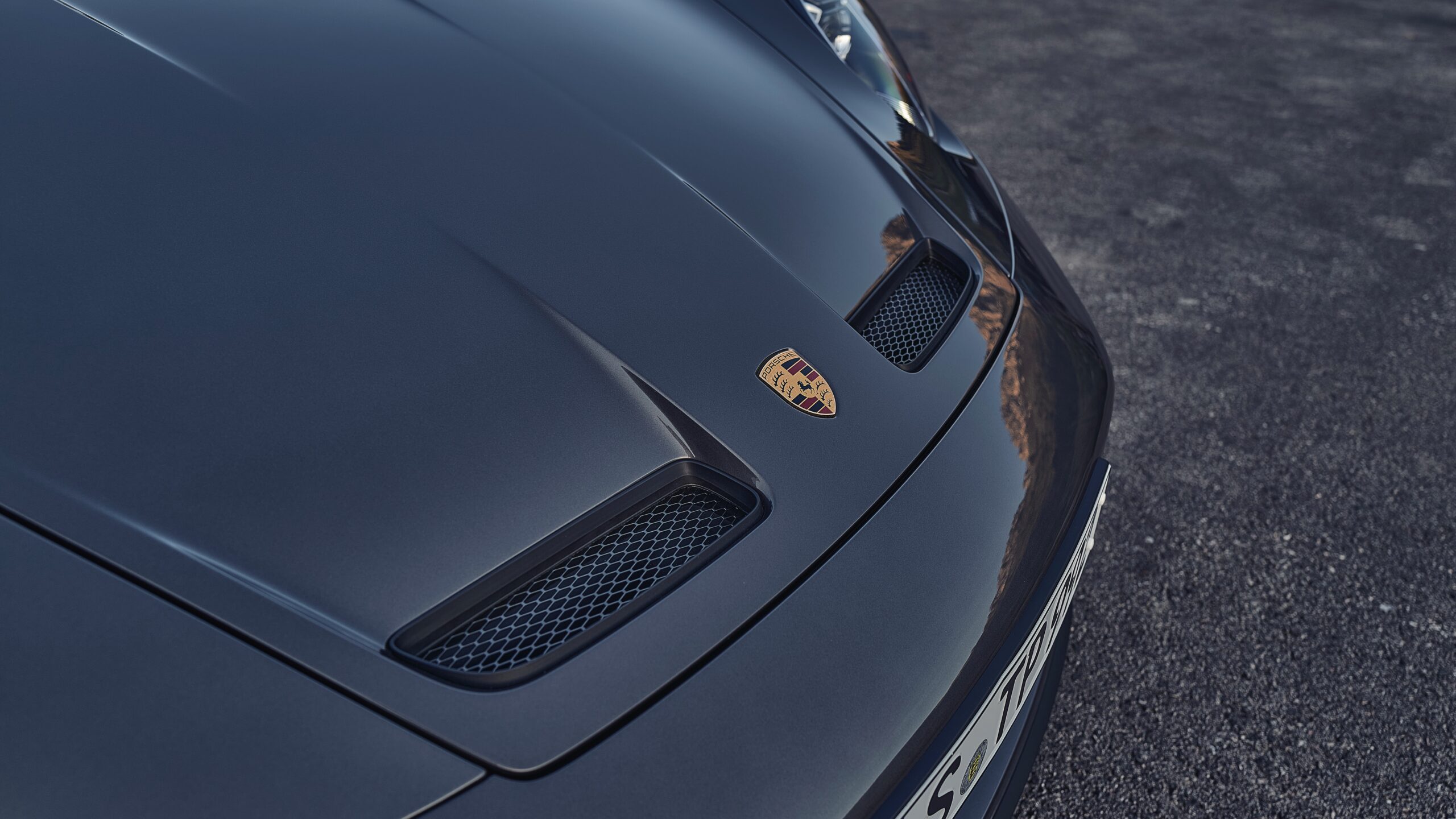
The above rendering (first seen on Instagram) pays some proper homage to the original Integra Type R – a car which would go on to help define the hugely popular sport compact and import car genres in the late ’90s. More on that iconic car, below.

The ‘OG’ ITR

From a North American point of view, the last model year for the Integra was effectively in 2001. After being collaboratively introduced in 1985 by Honda and Acura, the car would live through three generations within that time frame, with the Integra Type R (DC2) – first introduced in Japan in 1995 – eventually becoming its halo model. Exclusively sold under the Acura flag west of the Atlantic, the Type R provided top-of-the-line performance within the Integra roster, and is most famous for its peppy, high-revving and naturally-aspirated 197 hp b18c5 engine. Significant improvements to the chassis also ensured that the front-wheel drive sport compact was just as beloved for its handling capabilities and raw nature.

1997 Acura Integra Type R (DC2)

While the Integra badge would persevere in the post-DC2-era through Honda, the 2001-2006 Honda Integra was produced solely for certain countries in the eastern hemisphere. For the North American markets, the car was ultimately replaced by the RSX while continuing to be branded as an Acura. While both the Integra and RSX shared basically the same underpinnings – and for the most part, the same appearances – it became a lot more difficult for those in the west to consider the Integra and RSX as contemporaries. Here, the RSX felt more like a successor or even a different model altogether, and not necessarily in a good way. The biggest reason for this? There were no Type R models produced for any markets outside of Japan.

Importing the right-hand-drive JDM Honda ITR is the only way to get one outside of Japan.

Today, the Acura Integra Type R has gained a cult-following and is wildly sought-after amongst grassroots motorsports circles, the tuner community and avid car collectors alike. While the original ITR will always occupy a special place in our hearts, we also hope that a modern iteration of the car will breathe new life into the brand and the return of its iconic sport compact model.

Rimac CEO on Porsche-Bugatti deal: ‘I am not somebody to play it safe’

Mate Rimac is used to being the underdog. At the Geneva auto show in 2009, the then-21-year-old Croat walked to the Koenigsegg booth looking for his idol, Christian von Koenigsegg. In those pre-YouTube-saturation years, Rimac didn’t know what the namesake of his favorite car brand looked like. And no one knew him. So he approached “the most serious-looking guy” at the stand and went on to befriend his idol, Rimac said in an interview on Aug. 13 in Carmel, Calif.

Twelve years on, Rimac, now 33, has more than leveled the playing field with his Swedish friend. On July 5 his Rimac Automobili — the tech and supercar company he founded in his garage — announced a joint venture with Porsche AG to take control of Bugatti. The 112-year-old French crown jewel in parent company Volkswagen AG’s crown, Bugatti sells cars like the 1,480-horsepower Chiron Pur Sport, which gets 8 mpg in city driving. The brand traditionally does not disclose specific sales results but is known to deliver roughly 80 vehicles globally each year. Rimac has characterized the acquisition as “removing some distractions” from VW.

According to the terms of the deal, Rimac holds a 55% stake in Bugatti-Rimac while Porsche owns the remaining 45%. Earlier this year, Porsche had also separately increased its stake in Rimac to 24%.

Rimac himself will take the helm of Bugatti-Rimac, while Porsche’s Oliver Blume and Lutz Meschke will join a supervisory board for the company. It’s all quite a change of view for a guy used to working behind the scenes.

“The stakes are getting bigger,” Rimac said. “But I am not somebody to play it safe. Never. Not even close. So if there is going to be some friction with our shareholders and more experienced people that come into the company, it’s going to be that.”

The arrangement marks the first time Volkswagen has ceded control over one of its brands to a company and a person so young. It also signals a subtle stratification of the company’s premium marques, dividing those aligned with Rimac, which includes Porsche and Bugatti, from those such as Audi and Bentley that are likely to continue using VW’s own electric components.

“We are already developing stuff that will be soon in high-volume Porsches,” Rimac says. “Not special projects, but the mainstream.” The company provides EV tech such as batteries for carmakers including Koenigsegg and Pininfarina.

At this point, Rimac admits that his 1,000-person, decade-old operation is far from an underdog. Porsche just paid the company $70 million, he says, and Rimac’s $2.4 million Nevera supercar recently turned in the quickest quarter-mile time ever for a production car. The Bugatti-Rimac venture will retain both Bugatti’s headquarters in Molsheim, France, and Rimac’s headquarters in Zagreb, Croatia.

“It feels really interesting when you think where we came from — this country has never had an automotive industry,” Rimac says of Croatia. “We had absolutely no idea what we were doing. And now our tech is in so many cars, and with Bugatti this whole thing is a huge responsibility.”

He is used to the pressure by now. Call it discipline à la automaker.

“I was told by our big OEM customers, if you screw up, the next day we send 30 trucks, they pick up everything, you are dead,” Rimac says. “If you screw up and you don’t deliver, everything stands still, and then you are dead. You are dead.”

Related Video:

11 exotic cars seized by Indian authorities for tax evasion

On Sunday, road transport officials in India intercepted a convoy of 15 supercars out for a drive in Hyderabad. By the time the traffic stop had ended, 11 of the luxury and sports cars had been seized. Cars involved included those made by Lamborghini, Ferrari, Porsche, Rolls Royce, and Maserati.

According to The Times of India, the 11 confiscated vehicles were impounded on charges of tax evasion. In India, the so-called “life tax” applies to all motor vehicles, but each state levies their own rates. In Telangana state, where the 6.8 million-large city of Hyderabad is located, taxes are more expensive than other states.
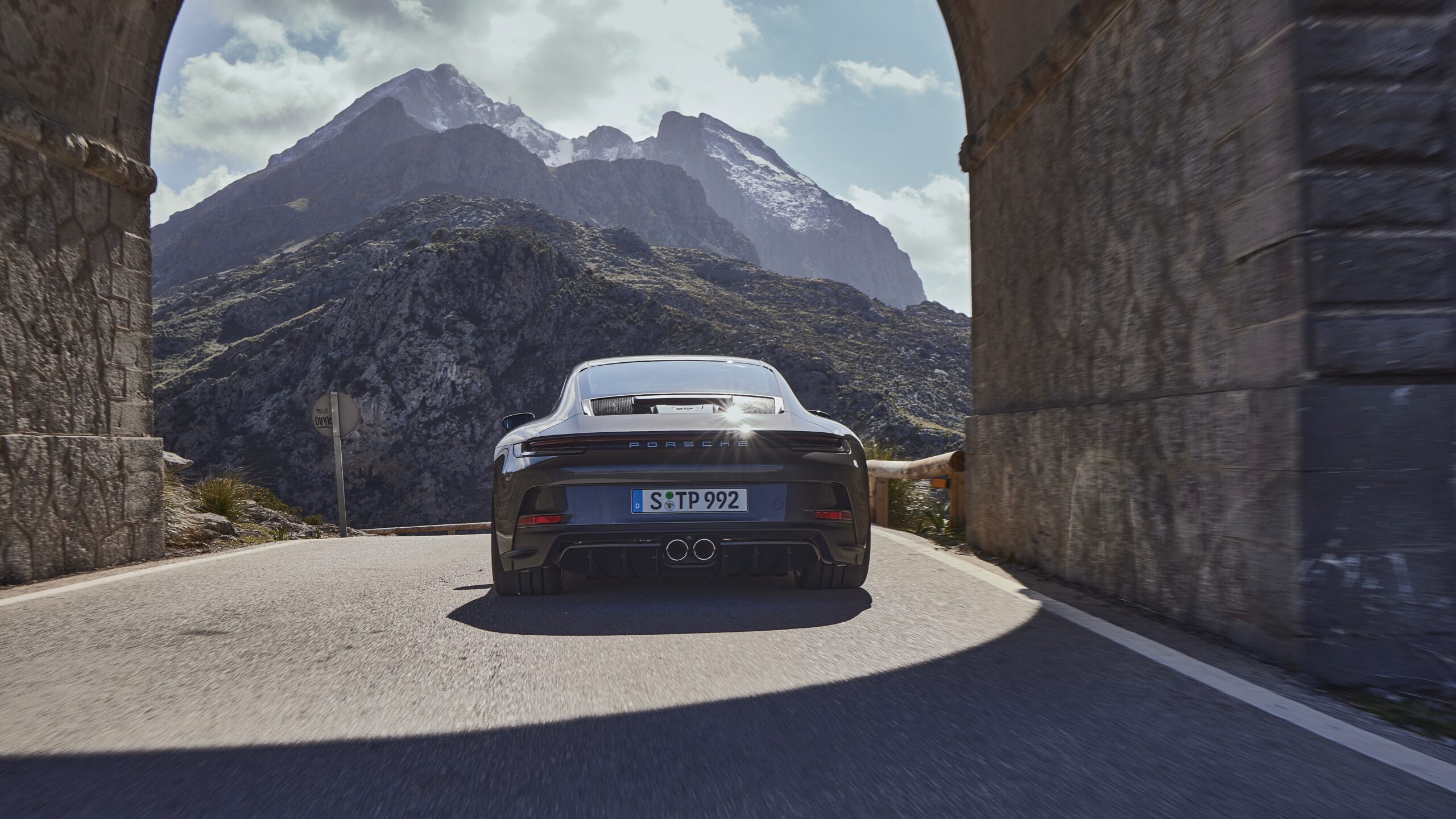
The seized cars – estimated by The Times to be worth between $500,000 and $1.3 million a piece – were registered in states where the life tax rates are cheaper, the article reports, while authorities say that the cars had been operating on Hyderabad’s roads. Authorities had been following the cars on CCTV for six months prior to Sunday’s traffic stop. In addition to the tax issues, some of the cars had outstanding traffic violations as well.

“They have been living and playing in Hyderabad. We have enough evidence for it,” said Papa Rao, the enforcement team leader who led the seizure. Rao had another message for those who might be bankrolling the drivers. “We are also requesting the parents of the youngsters to ensure that these youngsters do not speed.” According to the news outlet, the drivers were between 25 and 35 years old.

In recent years, there’s been talk in India of creating a single, country-wide road tax. While the move will help reduce confusion for car buyers, one of the goals is also to close the loophole of paying taxes in states with lower rates.

Related Video:

Bugatti Bolide will be built

It seems the several customers for hypercars are ready for the next step, track-only versions of their street-legal dream cars, we’ve seen it with the Lamborghini Essenza SCV12, an extreme version of the Aventador, but also with the Aston Martin Valkyrie AMR Pro, the track-only version of the already limited edition Valkyrie … and now Bugatti joins this exclusive club with their Bolide.

Similar to Lamborghini’s Essenza SCV12, Bugatti will be offering only 40 units of a production version of their Bolide, built in 2020 as a one-off concept, the Bolide was an experimental car created as a test-bed for future technology from Bugatti, as the ultimate driving machine in terms of power, lightness, and pure acceleration … the most extreme version of the famous Bugatti 8-Liter W16 engine.

Stephan Winkelmann, President of Bugatti, explains why they will build 40 units of this car that was never meant to be sold to customers: “The Bolide generated a great deal of enthusiasm and intrigue last year. Following its presentation, a significant number of enthusiasts and collectors asked us to develop the experimental Bolide as a production vehicle. I was absolutely amazed by the reactions and feedback from customers from all over the world. We therefore decided to make the Bolide a few-off in order to give 40 customers the opportunity to experience this incredible vehicle. Our team has now been developing a production model – the ultimate driving machine for the track.”

The Bugatti Bolide was created with the idea of ‘what if?’ … what could we do with the existing W16 engine if there were no restraints … and that is how the Bolide’s minimal bodywork was designed around the 1,850 PS engine (on 110-Octane racing fuel) … but for the Bolide production version the engine will be configured for 98 RON fuel, that will reduce the power output to 1,600 PS but still offer a massive 1,600 Nm of torque as low as 2,250 rpm, with a modified rev setup for use on the race track, together with an intake and exhaust system, this car will achieve faster, more spontaneous, and very extreme responsiveness.

The impression from the front of the Bugatti Bolide is unmistakenly that of a Formula One car, thanks to the elaborate number of air ducts and aerodynamics, the Bolide also boasts an extremely low ride height, and you can’t have a hypercar like this without a big roof scoop that runs into a massive rear wing and equally impressive rear diffuser.

While clients will most likely not be able to enter their Bugatti Bolide into any official racing class, the car is being developed with FIA rules in mind when it comes to safety and driving experience, among the safety features developed by Bugatti for the Bolide are a HANS system compatibility, an automatic fire extinguishing system, pressure refueling with a fuel bladder, central wheel locking, and a six-point safety belt system.

The Bugatti Bolide production version will come in at 1,450 kg, a weight-to-power ratio of 0.9 kilograms per PS when 98 RON gas is used, but the car is still being developed at Molsheim at the moment of writing, this will take another three years according to Bugatti, with the first customer cars ready for delivery by 2023 … at a net price of €4,000,000 each, or about US $4,680,000, but you should be quick as only 40 units will be available worldwide.

Best Sounding V12 Supercars in the World 2021-2022

10 years ago V12s were just as common as V8s, today the number has reduced drastically for both engines. V12s have been ‘restricted’ to million dollar hypercars while V8s are no longer available in the

7. Ferrari 812 + Aftermarket Exhaust

[embedded content]

Why aftermarket exhaust? Because of the current restrictions put on these cars. While manufacturers are forced to adhere to strict emission rules, the aftermarket world steps in with unfiltered solutions that allow these cars to bellow properly. The Ferrari 812 especially when paired with a Novitec export exhaust system sounds completely nuts and is one of the most affordable V12 supercars on the market today.

Engine: 6.5L V12 Naturally Aspirated
Output: 789-820hp (Superfast, GTS and Competizione)
Redline: 9,500rpm
Top Speed: 340km/h+
Price: $335k – $600k+

6. Apollo IE

[embedded content]

The Apollo IE is limited to just 10 cars which were all sold out a while back. This is the first model from Apollo Automobil (formerly Gumpert Sportwagenmanufaktur). The car is built in collaboration with HWA AG among other partners.

Engine: 6.3L V12 N/A
Output:780hp
Redline: 9,000rpm
Top Speed: 335km/h
Price: $2.6 million

5. Lamborghini Aventador SVJ + Aftermarket Exhaust

[embedded content]

One of the last remaining V12 supercars that costs under $1 million, even cheaper if you chose trims such as the Aventador S. Due to emission restrictions one may not fully appreciate the melody that comes with these cars, but throw in an aftermarket exhaust like Gintani or Brooke Race and you have yourself a screamer!

Engine: 6.5L V12 Naturally Aspirated
Output: 770hp
Redline: 8,700rpm
Top Speed: 350km/h+
Price: $570k+

4. Aston Martin Valkyrie

[embedded content]

Aston Martin’s latest hypercar, with deliveries scheduled to begin soon. The Valkyrie is one of the best sounding V12s money can buy today. The development has been overseen by both Red Bull Racing and Cosworth.
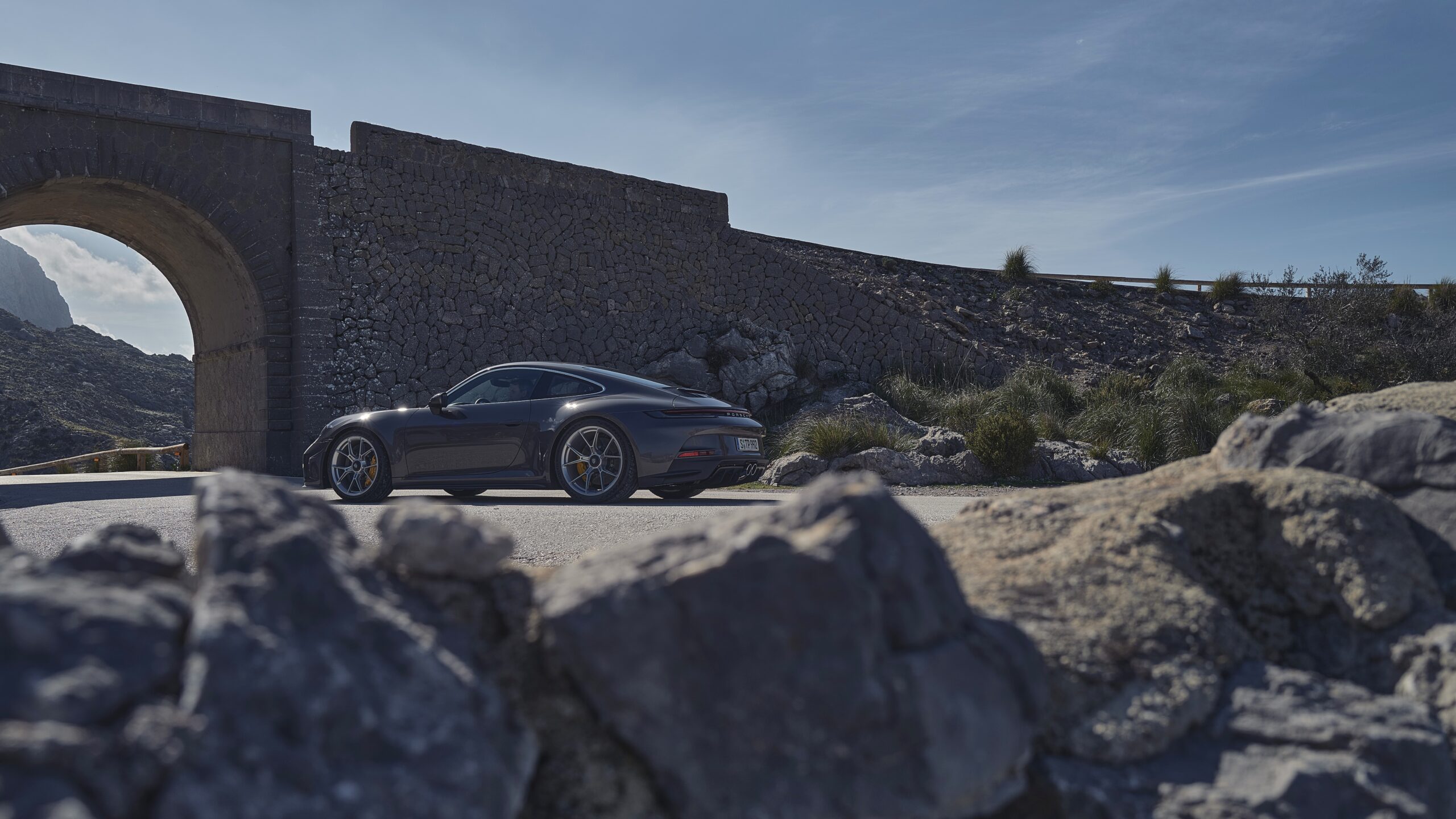
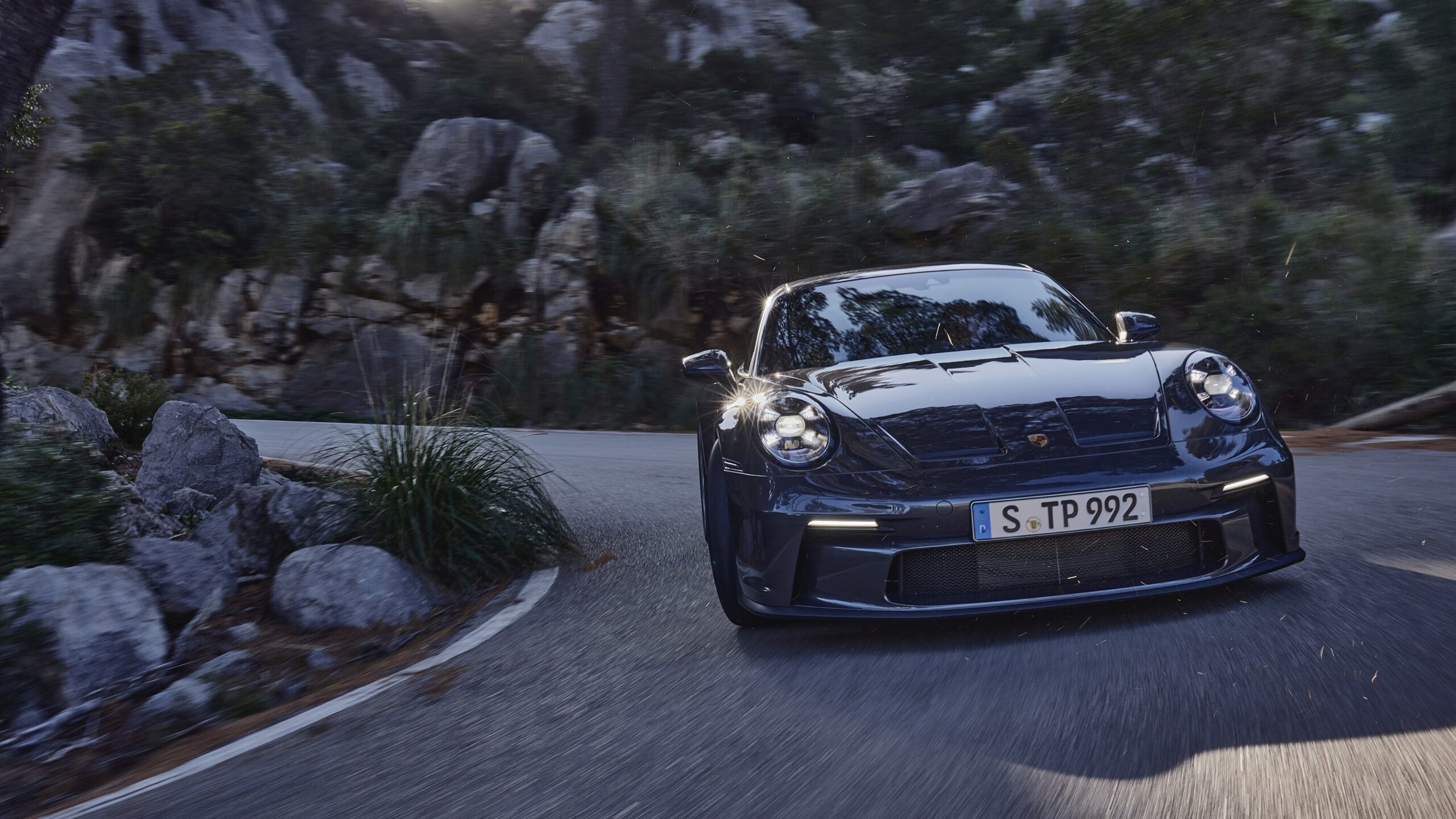
Engine: 6.5L V12 NA Hybrid⁣
Output: 1155hp
Redline: 11,100rpm⁣
Top Speed: 350kmh+
Price: $3 million

3. Lamborghini Essenza SCV12

[embedded content]

One of the last purely naturally aspirated V12 from Lamborghini, its limited to 40 units and is also not road legal. It has the same engine from the Aventador SVJ but used a 6 speed sequential manual gearbox.

Engine: 6.5L V12 NA
Output: 830hp
Price: $2.6m+

2. Gordon Murray T.50

[embedded content]

Gordon Murray is back with his genius creations, this time a true spiritual successor to the McLaren F1. Its powered by a naturally aspiared V12 mated to a 6-speed manual and like the F1, it has a centralized driving position.

Engine: 4.0L V12 by Cosworth
Output: 654hp
Redline: 12,100rpm
Price: $3.2 million

1. Pagani Huayra R

[embedded content]

A track only Pagani Huayra to mark the end of the road going Huayra production, and like the Zonda R, it is powered by a naturally aspirated V12. It is limited to 30 units worldwide.

Engine: 6.0L V12 NA⁣
Output: 850hp, 750nm torque (RWD)⁣
Gearbox: 6 spd sequential ⁣
Redline: 9,000rpm
Dry Weight: 1050kg
Price: $3 million

2022 Bentley Flying Spur Mulliner Revealed

Bentley Mulliner officially unveiled the new Flying Spur Mulliner at Monterey Car Week in California .

The most luxurious Flying Spur was created and developed by Bentley Mulliner and designed , engineered and handcrafted in Britain.

In addition, the detailing of the vehicle includes an exclusive 22 inch wheels by Mulliner finished in polished Grey with self-leveling wheel caps that remain upright even during wheel rotation, ‘Double Diamond’ front grille, chrome front lower grille matched by the bespoke Mulliner branded wing vents and mirror caps painted in Satin Silver.

The Bentley Flying B is electronically deployed and illuminated whereas the Flying Spur Mulliner features jewel fuel and oil caps. The illuminated outer tread plates and the deep-pile overmats welcome passengers inside the cabin, the cabin features 8 custom-made three-color combinations, trimmed cockpit finished in colour piping accents and hand-stitched seats with unique Mulliner embroidery.

The interior further features a combination of Imperial Blue leather to the instrument panel (Ascot), headlining and door trims whereas the style of the seats is emphasized by the light tan leather (Camel). Flare and Sirius combinations add bolder combinations such as Hotspur and Beluga and Linen and Brunel both with silver accents.

The Mulliner Driving Specifications bringing the Diamond-in-Diamond quilting to the seats and to the three-dimensional leather on the doors has been fitted as standard, contrast seat piping has been designed to match the accents surrounding the occupants from the centre console, the instrument panel and the door waistrail as well as to highlight the B chrome inlays.

In addition, the Diamond-in-Diamond interior quilting involves an embroidery process that took approximately 18 months to complete, each diamond consists 712 stitches each aligned to the centre of the diamond it creates.

The vehicle also presents a classic Bentley theme that features an LED instrument panel with new graphics, a Rotating Display, sport pedals, heated duo-tone 3-spoke steering wheel and a panoramic sunroof for a luxurious ambience.

The rear of the front seats have been mounted with electrically-operated picnic tables, the veneered tables feature unique overlays, leather-trimmed surface with a recess for stylus or pen and it can be opened and closed at the touch of a button. Customers buying the vehicle are also provided with two leather-bound keys and a Mulliner branded handcrafted presentation box that matches the three-color cabin.

The Flying Spur Mulliner is available with V8 and W12 powertrains and V6 hybrid. When powered by the 6.0L twin-turbocharged W12 powertrain, the vehicle can accelerate from 0-100km/h in 3.8seconds at a top speed of 333km/h. On the other hand, the 4.0L twin-turbocharged V8 engine can accelerate from 0-100km/h in 4.1 seconds and delivers a top speed of 318km/h. The V6 hybrid delivers a top speed of 285km/h and accelerates from 0-100km/h in 4.3 seconds.

The Flying Spur Mulliner is the third member of the new Mulliner collection alongside the Continental GT and the Continental GT Convertible.