All posts in “Cars”

The Best Porsche Engines Ever Made

Collectively, Porsche is arguably our favorite automaker here at supercars.net, and they are most certainly my personal preference. My fanaticism is born from places far beyond the scope of the Stuttgart automaker’s most recent renditions; a storied history of motorsports success and automotive savant-ism are responsible for producing some of the greatest automobiles ever to grace our planet over the past many decades.

I think most of us would agree that the greatest cars are a product of the engines that power them. Now, one would be forgiven for assuming that the greatest Porsche cars—and as such, the greatest Porsche engines—is a shortlist dominated by the Porsche 911 flagship model, but I’m pleased to say that this list we’ve compiled is a little more diverse than that.

I believe every entry here is no less deserving of recognition than any of the others. Even so, I’ve thrown in a couple that are bound to be highly controversial too. Hint: one doesn’t use petrol, and the other never featured in any Porsche production road cars. Oh no!

Here are the Best Porsche Engines Ever Made.

Porsche M97.74 Engine

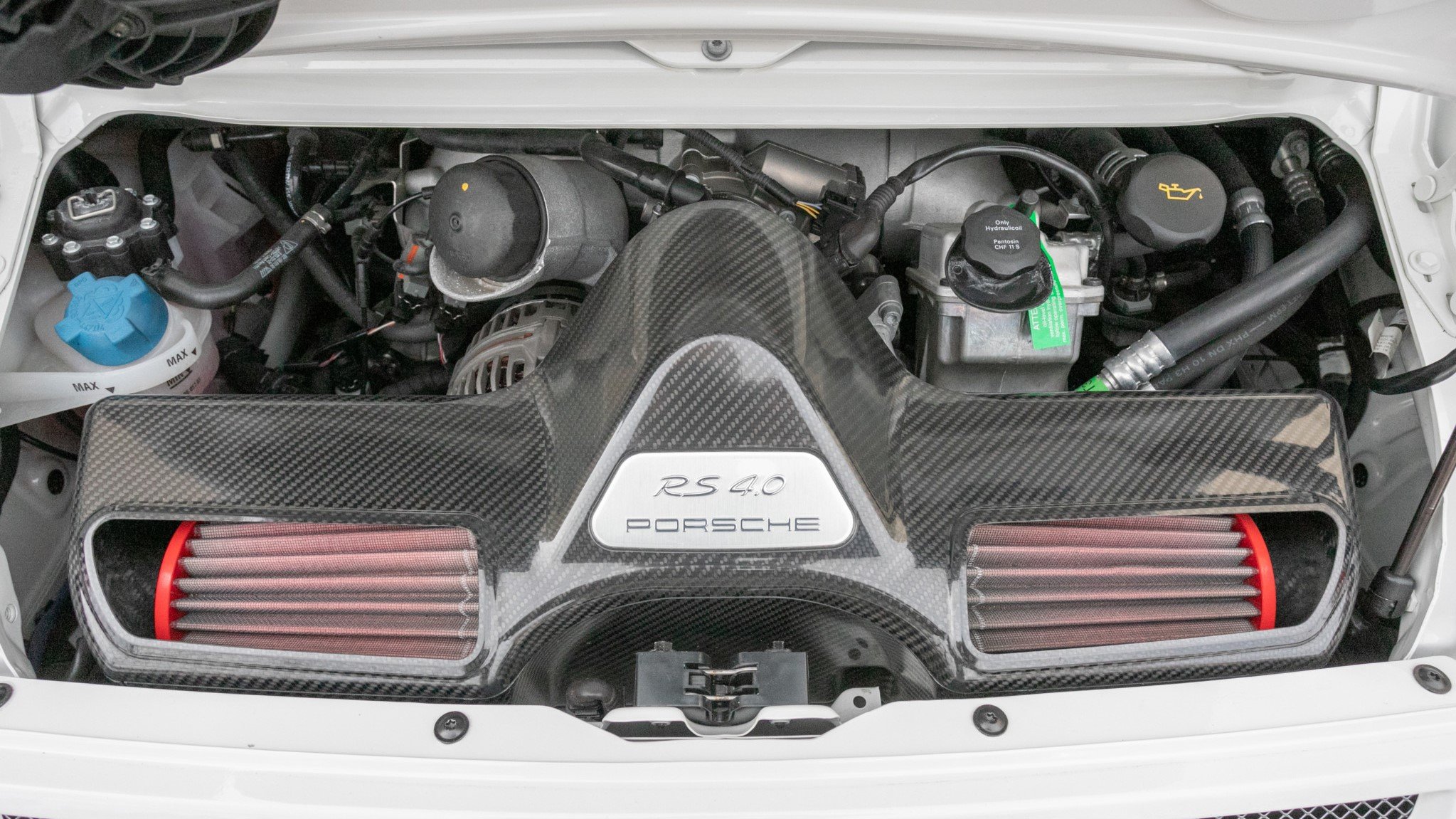
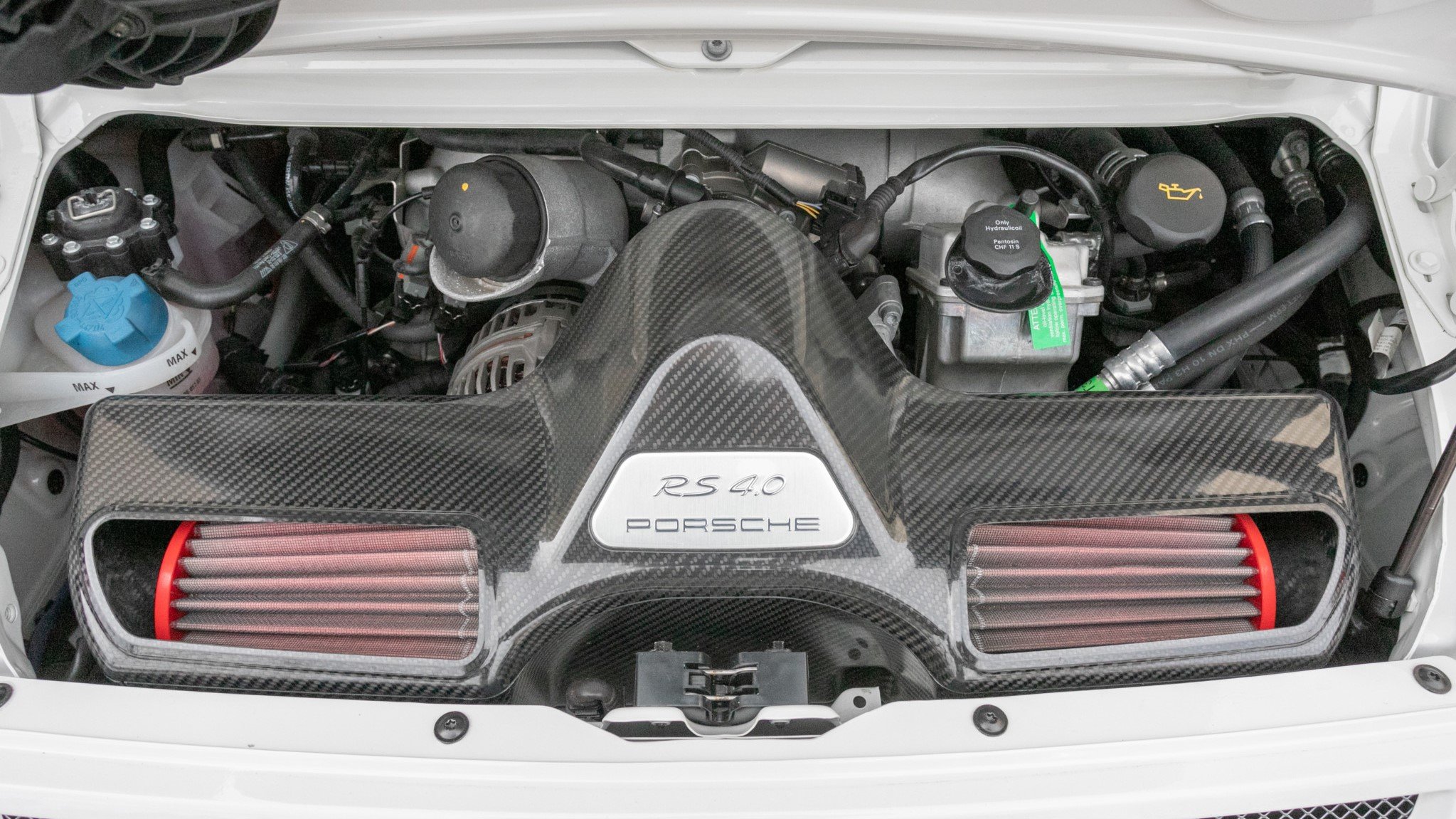
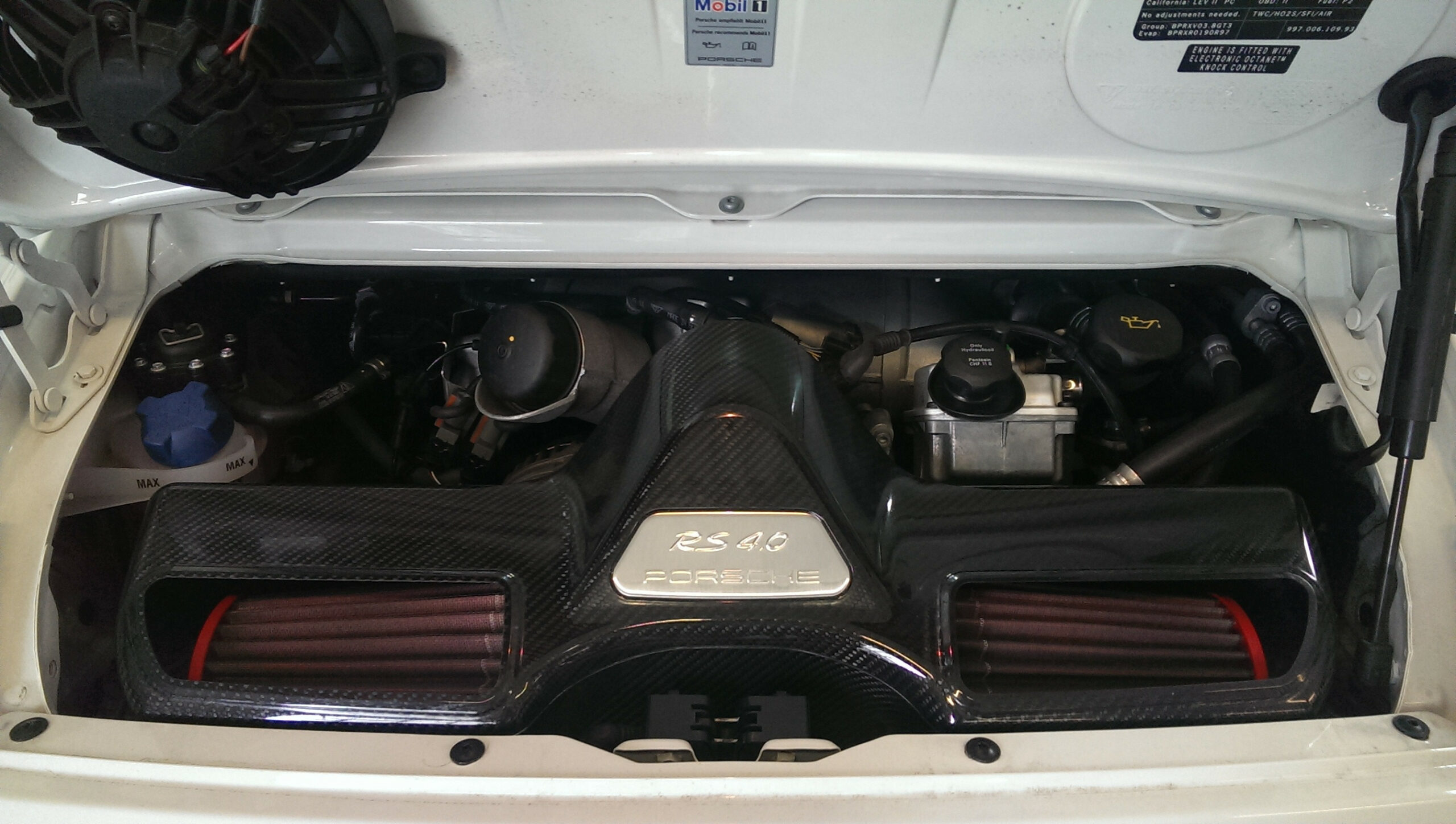
Porsche 911 GT3 RS 4.0 Engine M97.74

Appearing in the 997.2 GT3 RS 4.0, this truly special engine was the swan song for both the 997-generation (2005-2012) of Porsche 911 cars, as well as the Mezger engine design.

Borrowing a number of components from the RSR race car, the 3.8L engine in the ‘regular’ 997 GT3 RS was then upgraded to a 4.0L flat-6 (hence the name), which produced 500 hp and 339 lb-ft of torque, while having an astronomical 8,500 rpm redline.

So convincing was this move, even to Porsche’s own brass, that the following two generations (991 and 992) of 911 cars would continue to employ the 4.0L naturally-aspirated engine in the GT3 lineup, proving that the ‘godfather’ RS 4.0 was also well ahead of its time.

With the proliferation of PDK transmissions, amongst other safety-centric technological advancements, many consider the M97.74 and the GT3 RS 4.0 it powered, to be the final rendition of the purists’ GT3 RS.

Porsche 980/01 Engine

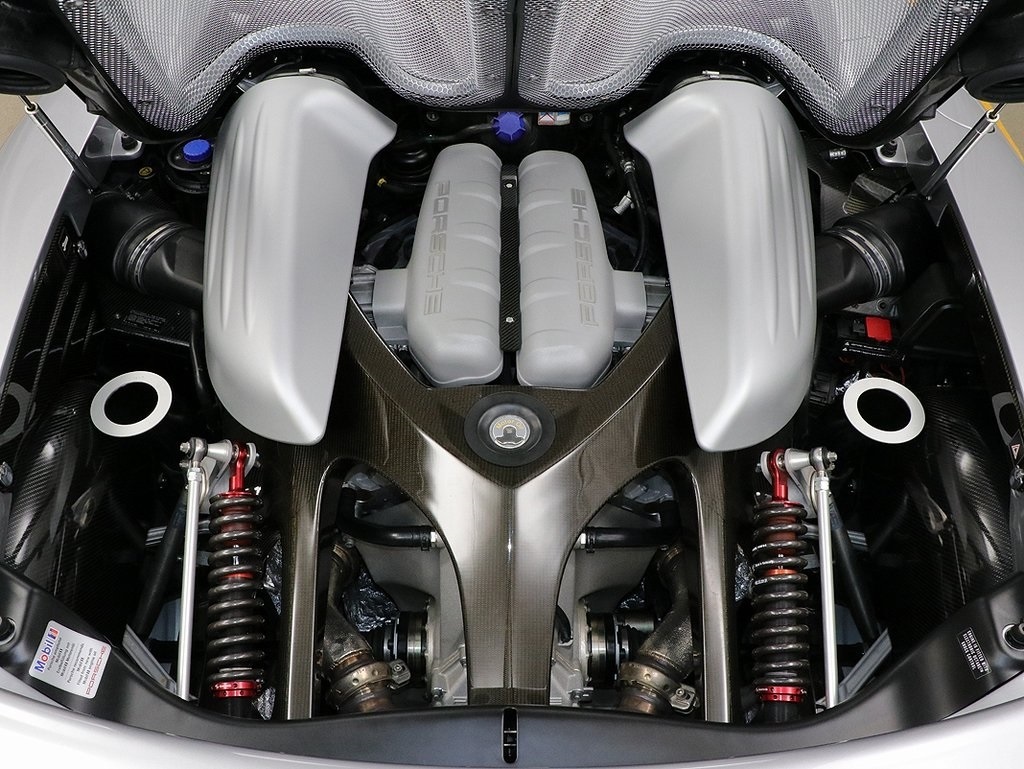
Porsche Carrera GT Engine 980/01

What makes the Porsche Carrera GT engine so special is that it is technically a race car engine. Not in that loosely-based sense—as is often used as a gimmick by salespeople—but in the true sense of the word.

In the late 1990s, Porsche engineers in Zuffenhausen were assigned the task of developing a naturally-aspirated V10 concept engine, which was to later be used in a race car for the infamous 24 Hours of Le Mans endurance race. Sadly, the completion of that race car never came to fruition, but the efforts of the engine builders would not go to waste.

Porsche decided to adapt the engine for use in the Carrera GT. They not only refined the engine to satisfy production car protocols but also managed to make it a more powerful version than the original unit.

The result is a 5.7L naturally-aspirated V10 engine, which produces 612 hp @ 8,000 rpm and 435 lb-ft of torque @ 5,750 rpm. This allowed the Carrera GT to accelerate from 0-60 mph in 3.8 seconds and 0-100 mph in 6.9 seconds, with a top speed of 205 mph.

Porsche MDH.NA Engine

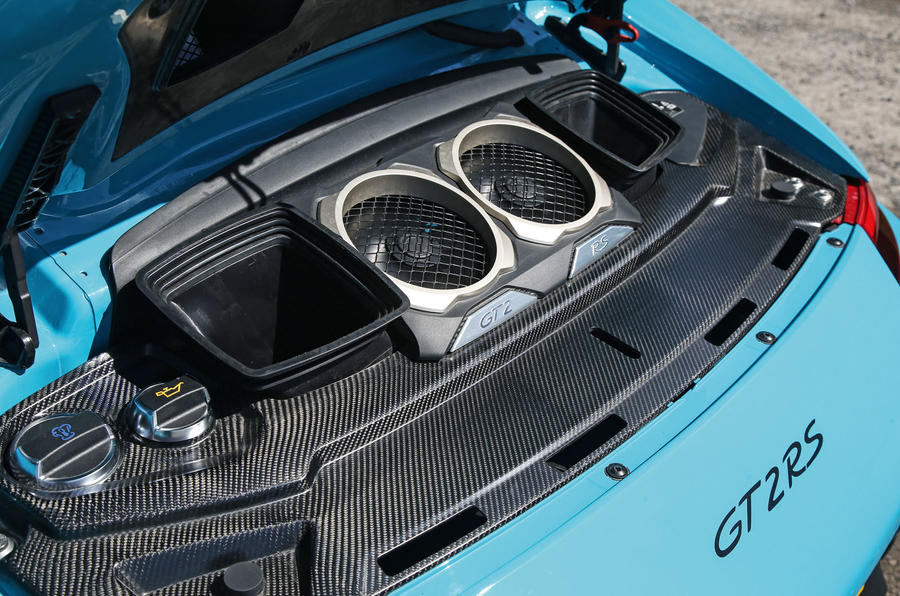
Porsche 911 GT2 RS Engine MH.NA

Suffice to say, the 991 GT2 RS is the absolute peak of 6-cylinder performance. The GT2 RS in its entirety is more closely based on a Turbo S than it is to its closest GT relative, the 911 GT3 RS.

After all, at the heart of the GT2 is a revamped version of the Turbo S engine (known as MDH.NA), while the GT3 has its own unique naturally-aspirated 4.0L power plant. The 3.8L flat-6 was fitted with larger variable-geometry turbos and was given an increase in peak boost to 22.5 psi, which is 24% higher than the Turbo S.

Larger intercoolers, a water-spray system, larger exhaust manifold primaries and redesigned pistons work in synergy with the aforementioned to provide the GT2 RS with 700 horsepower @ 7,000 rpm and 553 lb-ft of torque.

Porsche has long buried the traditional notion of “turbo-lag” in its cars with VarioCam Plus, and the GT2 RS is no different, making peak torque from 2,250 rpm to 4,000 rpm. This helped the GT2 RS to a production car record at the Nürburgring-Nordschleife, where it set a lap time of 6:43.300.

Porsche 911/83 Engine

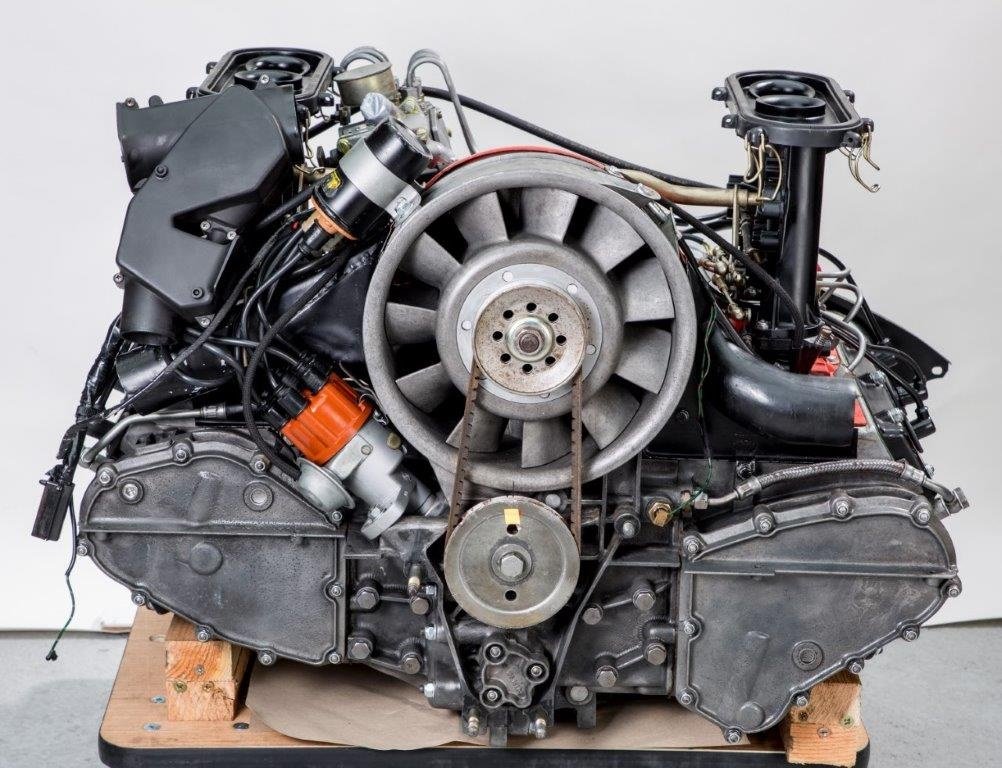
911/83 Carrera 2.7 RS Engine

The 911/83 is our lone air-cooled-production-engine entry on this list, and is our pick out of all the amazing air-cooled options out there. Apart from that being in the interest of keeping this list compact and more easily digestible, there’s also some good reasoning behind this, as it was responsible for powering none other than the legendary 1973 Porsche 911 Carrera 2.7 RS.

This partnership between the 2.7 RS and its 911/83 engine culminated in the fastest production 911 of its time, and is considered to this day to be one of the best Porsche road cars ever produced.

Made for the purposes of homologation, the 2.7 RS and its 210 hp 2,687 cc engine—benefitting from the experience gained during the 917 racing program—elevated the 911 into the 2,500 cc–3,000 cc racing class, where it could compete with heavyweight opposition such as Ferrari Daytonas and DeTomaso Panteras.

Initially, the 2.7 RS was not legal in the U.S. for anything other than racing use or car shows. As a European-spec road-race car, it lacked virtually all of the emissions equipment required. Fortunately, the EPA would eventually relax emissions standards enough to allow Porsche 911 Carrera 2.7 RS owners to legally drive these cars on public roads, some years later.

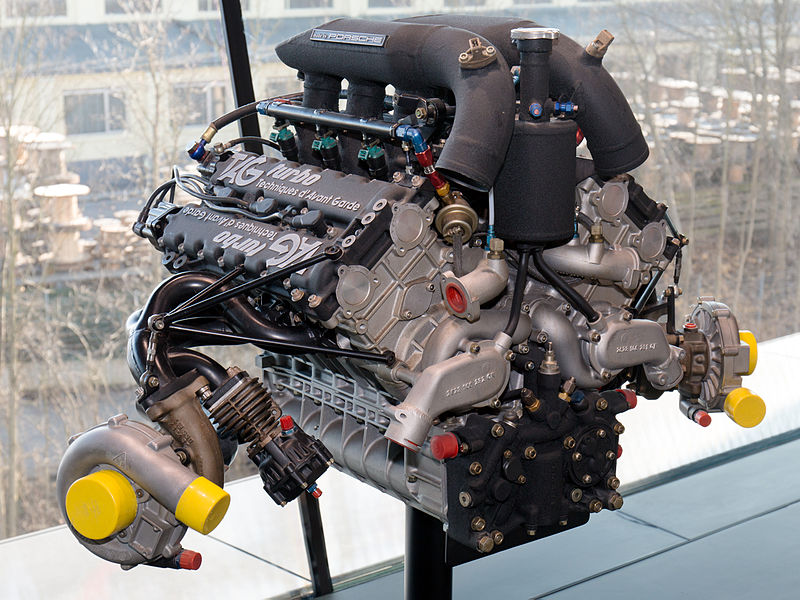
Porsche TTE P01 (TAG Turbo) Engine

TAG Turbo Engine Formula 1

These days, Porsche and Formula One are names that are hardly synonymous with one another; but once upon a time, this was certainly the case. The Porsche-TAG TTE P01 engine—commonly referred to as the TAG Turbo—was an engine developed by Porsche and funded by TAG (yes, that TAG), specially for use by the McLaren F1 team in the mid-1980s.

The TAG Turbo was a 1.5L twin-turbocharged V6 engine which produced anywhere between 750 hp–1,000 hp depending on the selected tune, and was fitted to the McLaren MP4/2 and MP4/3 race cars.

Porsche-philes will be happy to learn that the engine actually did feature in a Porsche 930 Turbo, though this lone example strictly served as a test mule and no production versions of this amalgamation were ever made.

That’s probably a good thing, considering that the powerplant could rev in excess of 10,000 rpm, forgoing almost any possibility of it becoming a road-going model—at least one which could be kept compliant within road laws, emission standards and amateur-level driving abilities.

Between 1984 and 1987, the McLarens that were powered by the TAG Turbo would win 3 Drivers’ Championships and 2 Constructors’ Titles, with race driving legends such as Niki Lauda, Alain Prost, and Keke Rosberg behind their wheels.

Needless to say, Porsche’s brief appearance in Formula One is one which provides more than just an easter-egg of a cameo; in fact, their contribution is a pretty significant one.

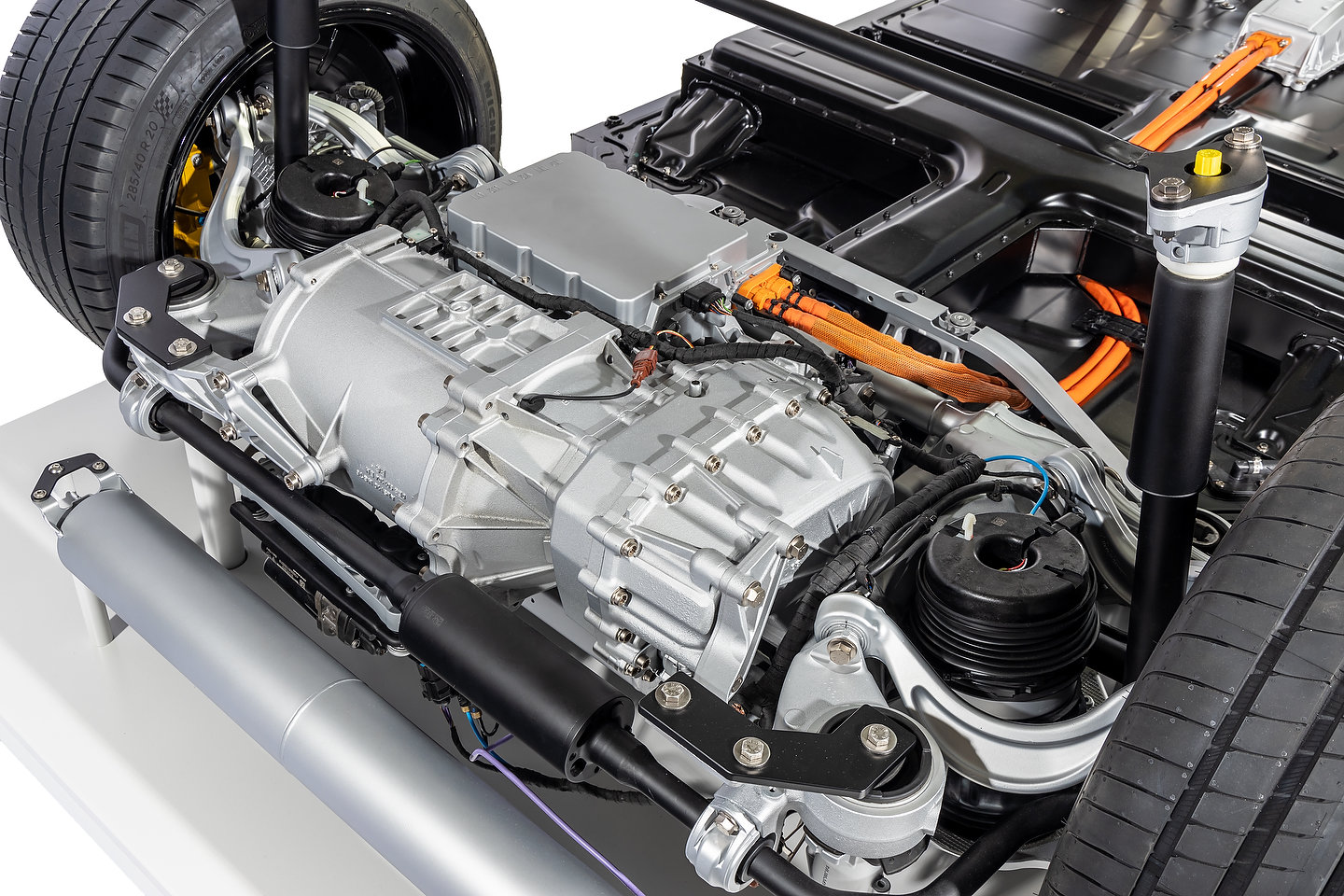
Porsche Dual Permanent Magnetic Synchronous AC Motors

Porsche Taycan Synchronous AC Motors Drivetrain
Porsche Taycan | Photo: Porsche

Queue the pitchforks and torches! This isn’t your traditional engine (if you can even call it that) but it certainly is about to become a conventional one—and for good reason, so hear me out!

With breathtaking acceleration figures, along with its continuously and instantaneously available power output, Porsche’s new EV platform—currently represented exclusively by the Porsche Taycan—embodies everything you would desire in a true sports car.

The top-of-the-line Taycan Turbo S is able to produce up to 750 hp and 774 lb-ft of torque, allowing the car to annihilate the 0-60 mph benchmark in just 2.6 seconds (mind you, this is in a machine that weighs north of 5,000 lbs).

Crucially, with all of that also comes the notion of repeatable performance; the Taycan doesn’t suffer from the overheating issues that plague its competitors when the all-electric drivetrain is subject to prolonged racing conditions.

Despite this still being the early days—and the fact that charging the Porsche Taycan can be tricky, due to a lack of charging infrastructure in many places—Porsche’s new EV architecture has already established itself as the company’s driving force for the future.

While the emergence of biofuels may prolong the combustion engine of some time to come, there is no doubt that this technology will become the basis on which the company stays relevant and competitive going forward.

Hypercar Exhibit Presented By Petersen Automotive Museum

The Petersen Automotive Museum recently announced a new exhibit that will explore the fastest and most exclusive cars money can buy: hypercars.

Starting December 4, 2021 the museum will be hosting the exhibit Hypercars: The Allure of the Extreme. For the next 18 months, they will be rotating roughly 30 vehicles that embodies what hypercars are and why they have captivated the global automotive industry.

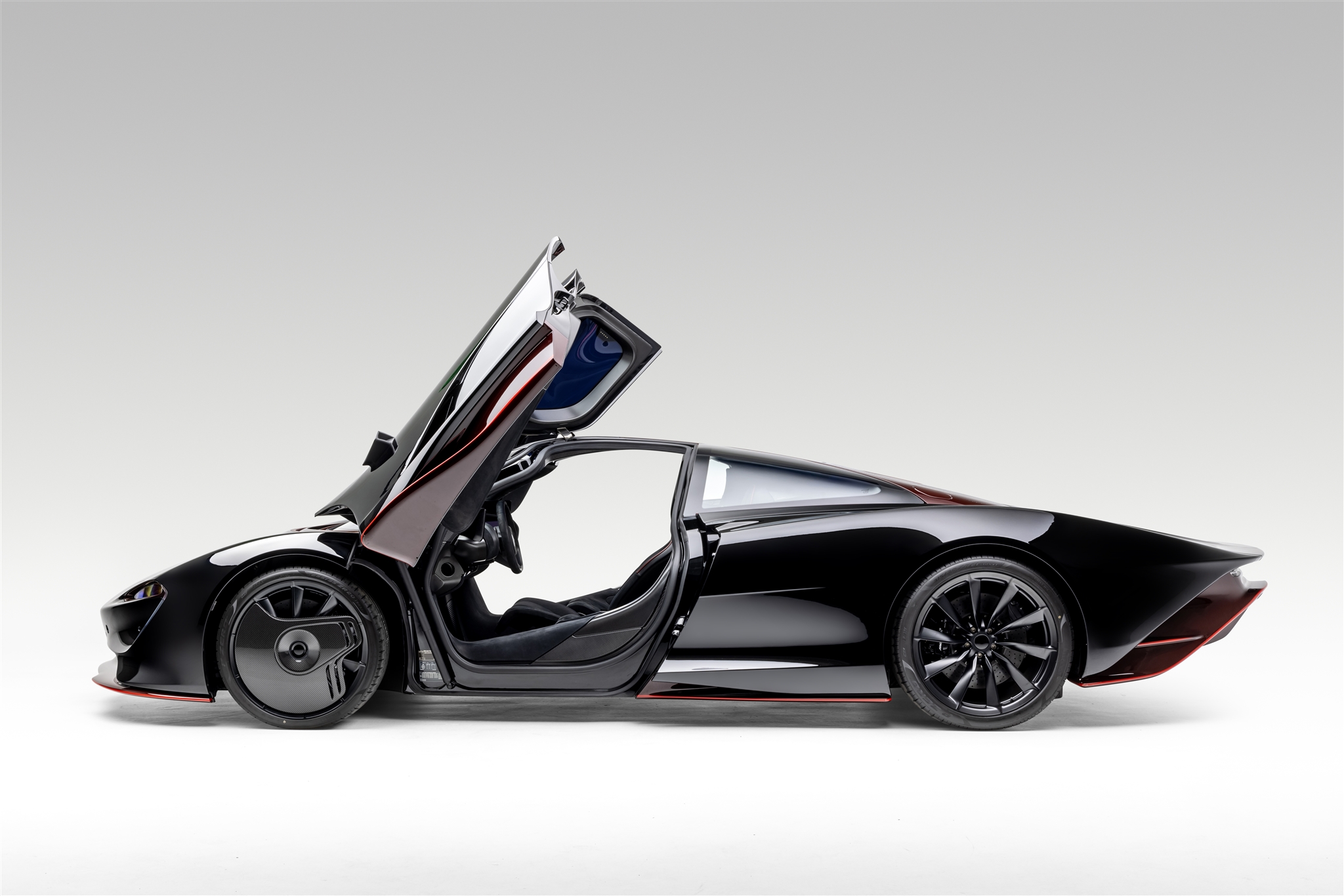
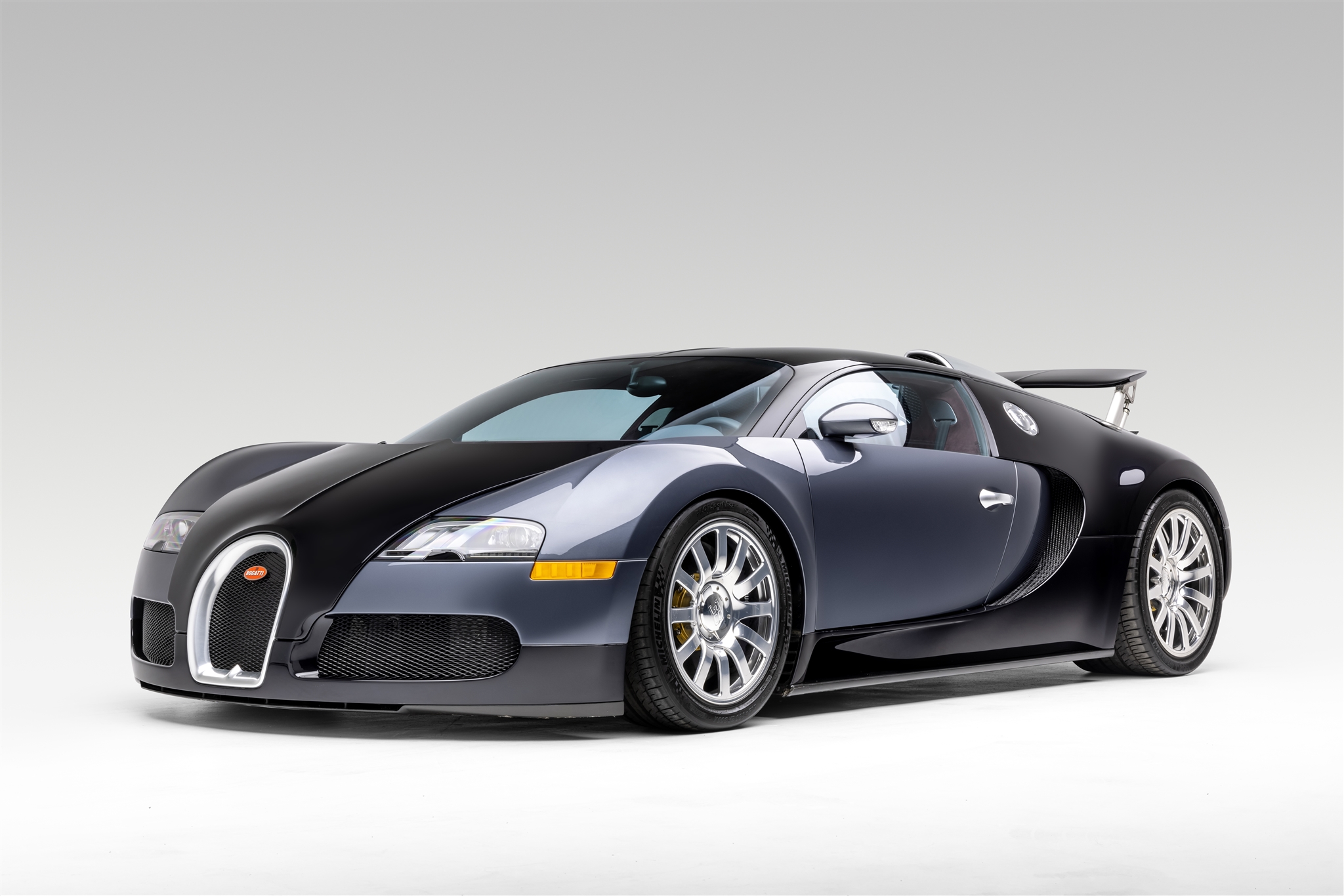
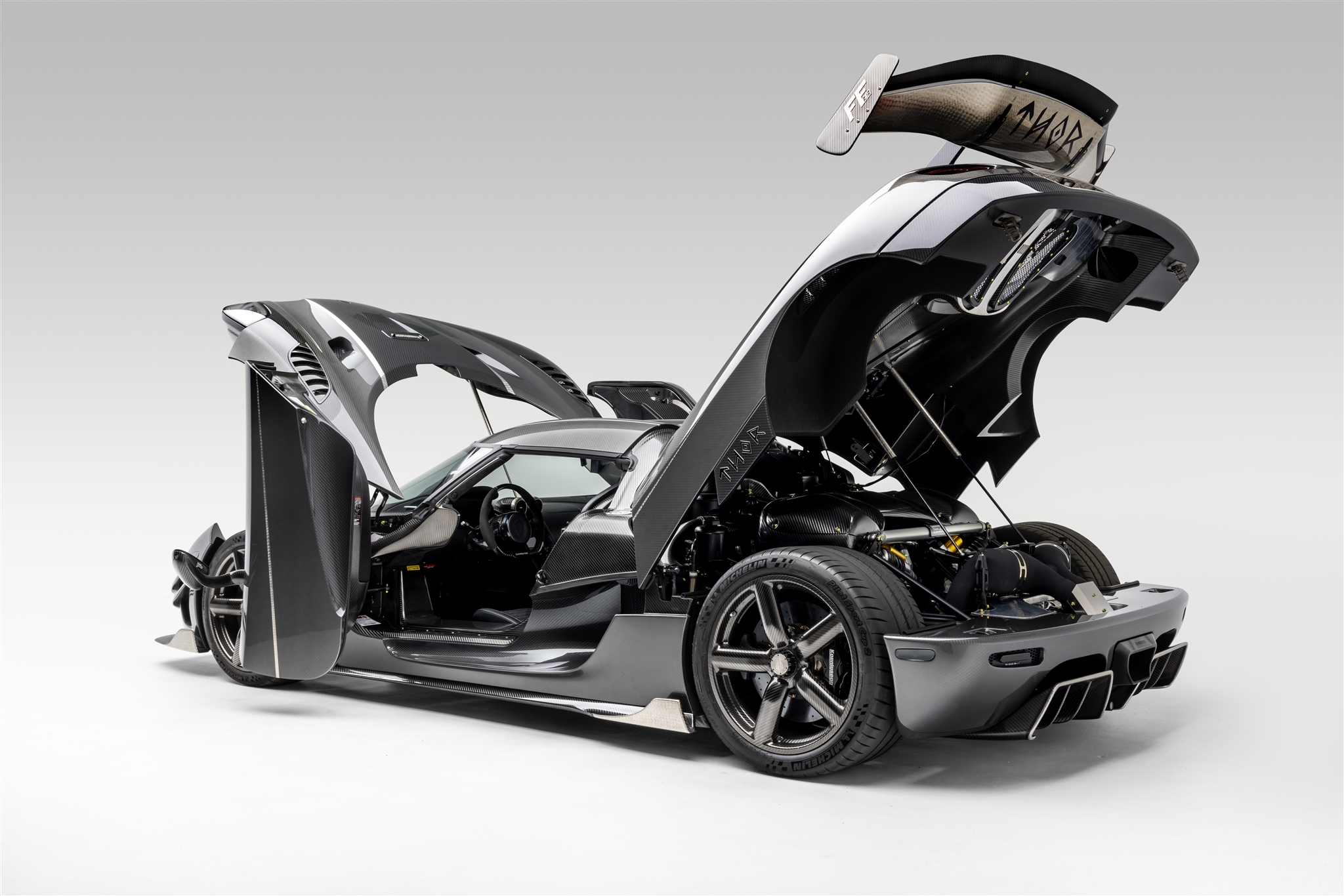
Vehicles that have been confirmed for display are the Aria FXE concept, Caparo T1, Bugatti Veyron 16.4, Ferrari LaFerrari Aperta, Devel Sixteen, Koenigsegg Agera RS Final Edition, Hennessey Venom F5 (Design Model), McLaren Speedtail, Laraki Sahara, NIO EP9, Pagani Huayra Hermes Edition, Delage D12, Rimac Concept One, and RAESR Tachyon Speed.

There will also be two motorcycles displayed that fit the description namely the Lotus C-01 and the Aston Martin AMB 001. There will be some brief and occasional appearances by the Czinger 21C, and it will be on display for the last two weeks of December 2021.

Petersen Automotive Museum Executive Director Terry L. Karges shared, “Hypercars are a glimpse of the future today. With this extensive exhibit, we want to nail down what a hypercar is while giving guests the opportunity to view some of the rarest and most luxurious vehicles available.”

A hypercar, according to the Petersen Automotive Museum, is a vehicle that is at the highest echelon of technological advancement, performance, rarity, and price. The exhibit will feature projects and examples from well-established and well-respected marques to lesser-known startups that are starting to build a name for themselves in the industry through their top-of-the-line hypercars that impresses both with their appearance and their performance.

Hypercars: The Allure of the Extreme will be in the Bruce Meyer Family Gallery and the museum lobby.

The exhibit will be presented in two parts. The first part will be displayed from December 4, 2021 until September 22, 2022. The second part which will feature a second batch of vehicles will arrive on September 17, 2022 and they can be visited and viewed until May 14, 2023.

For those who wants to know more about upcoming displays and exhibits at the Petersen Museum, they can visit the official site at www.petersen.org.

Over 200 Lamborghinis Celebrate Movember In The UK

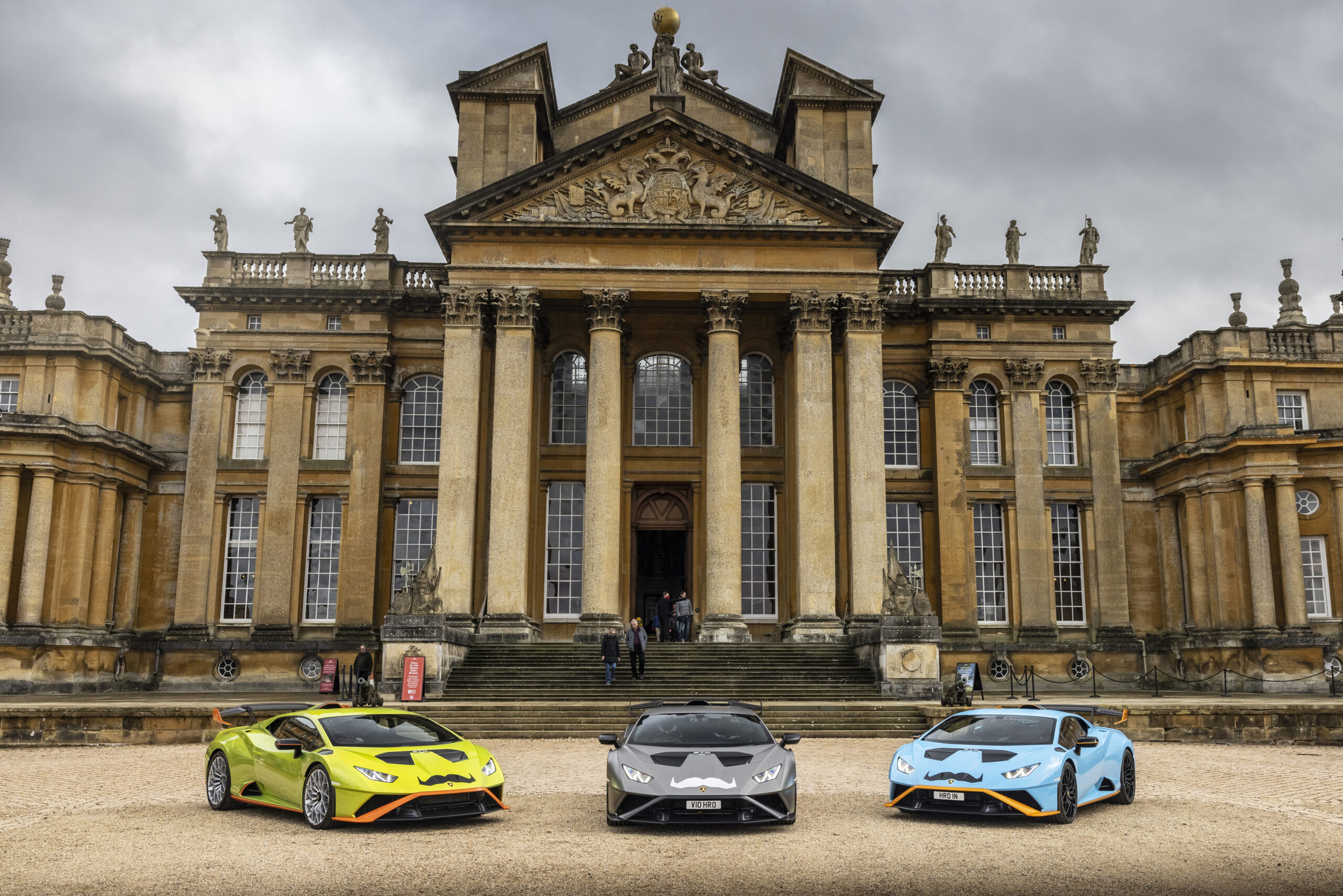
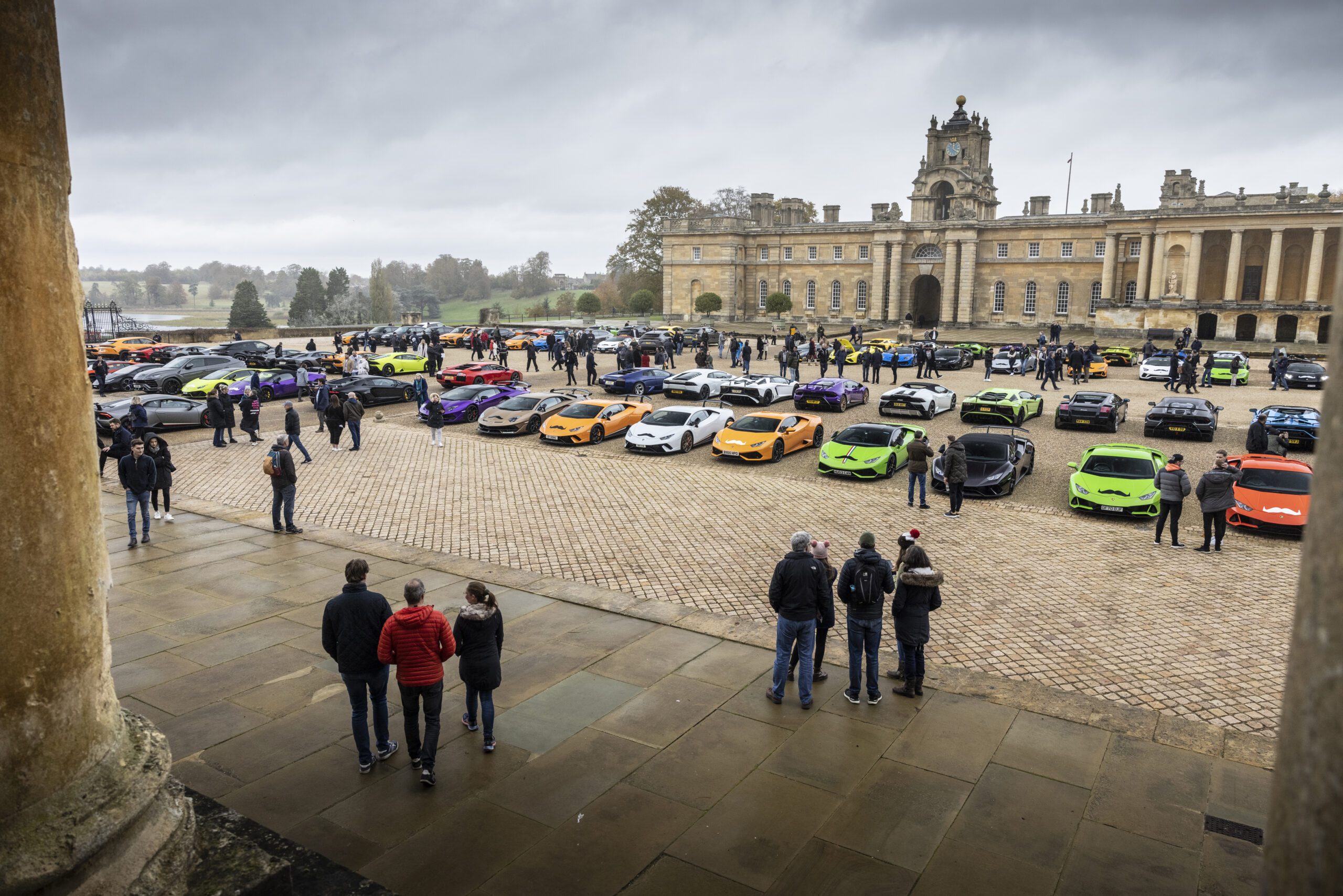
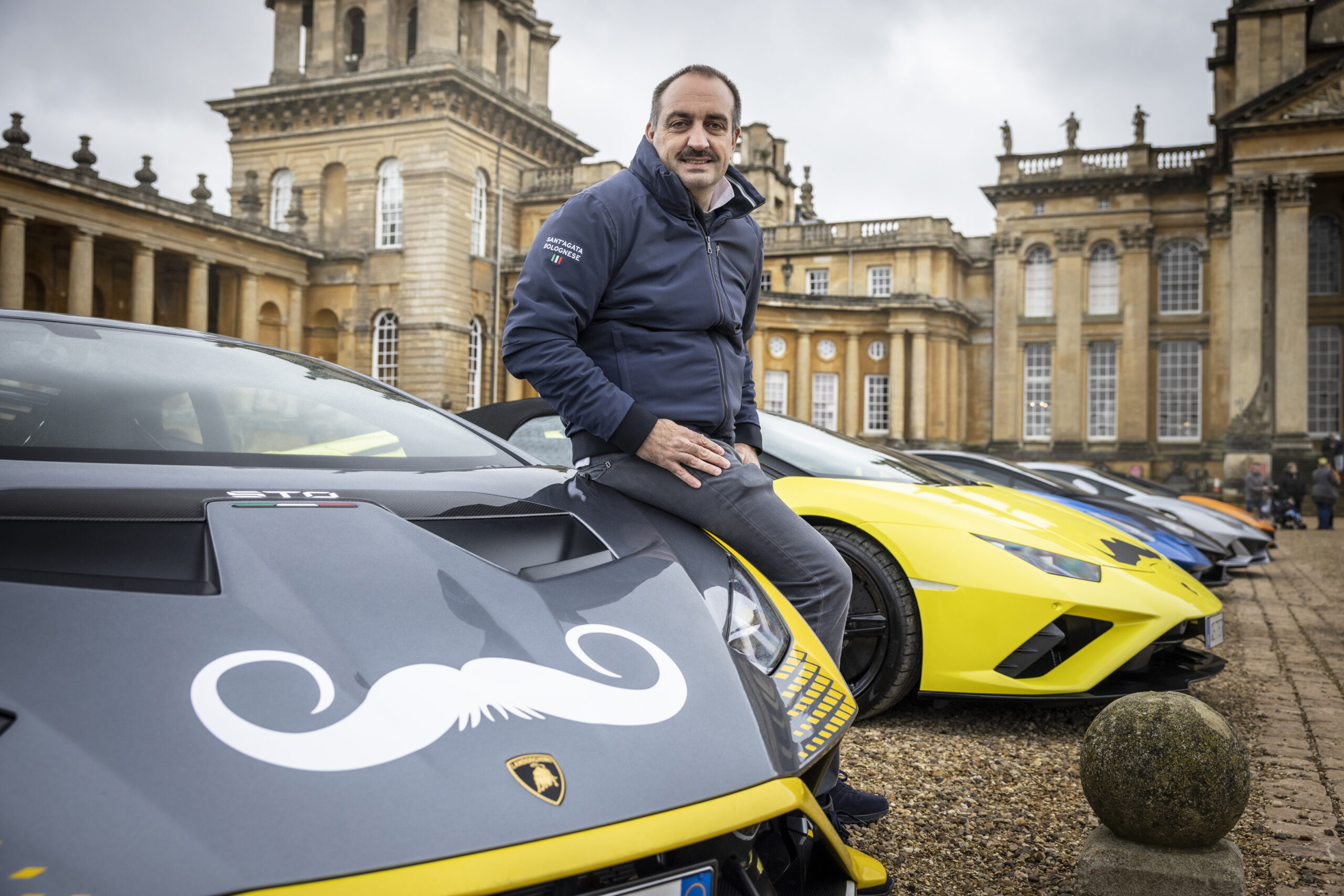
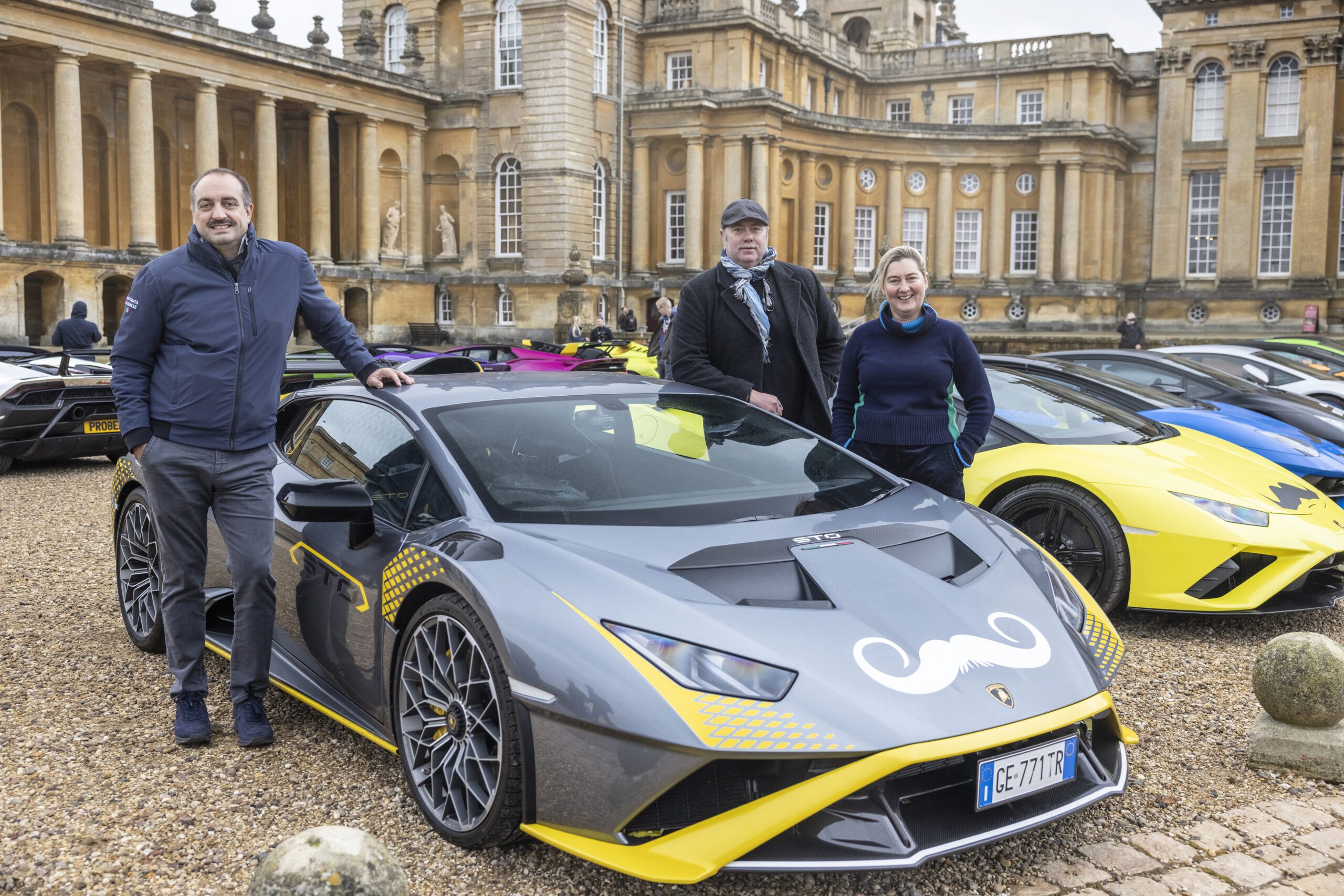
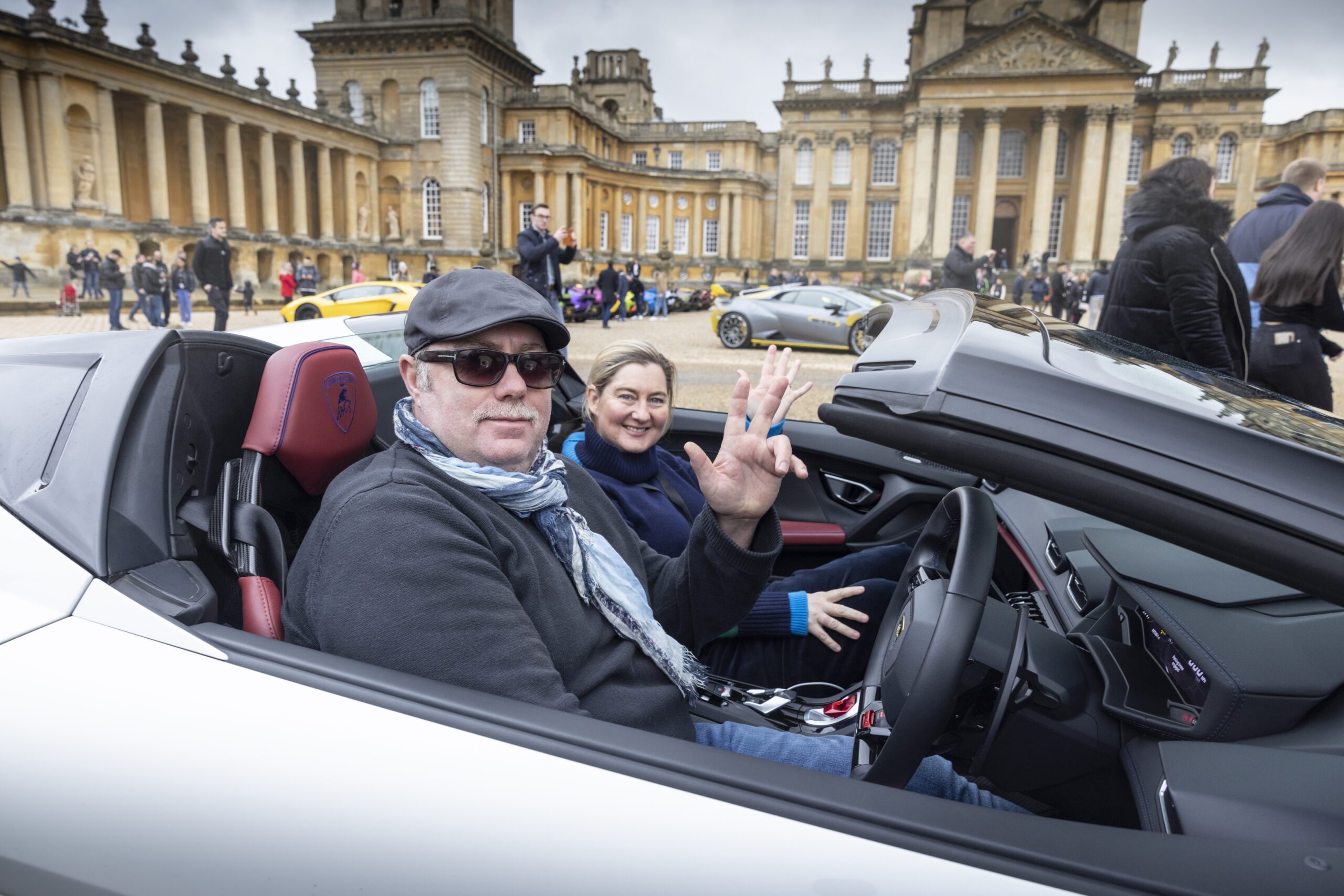
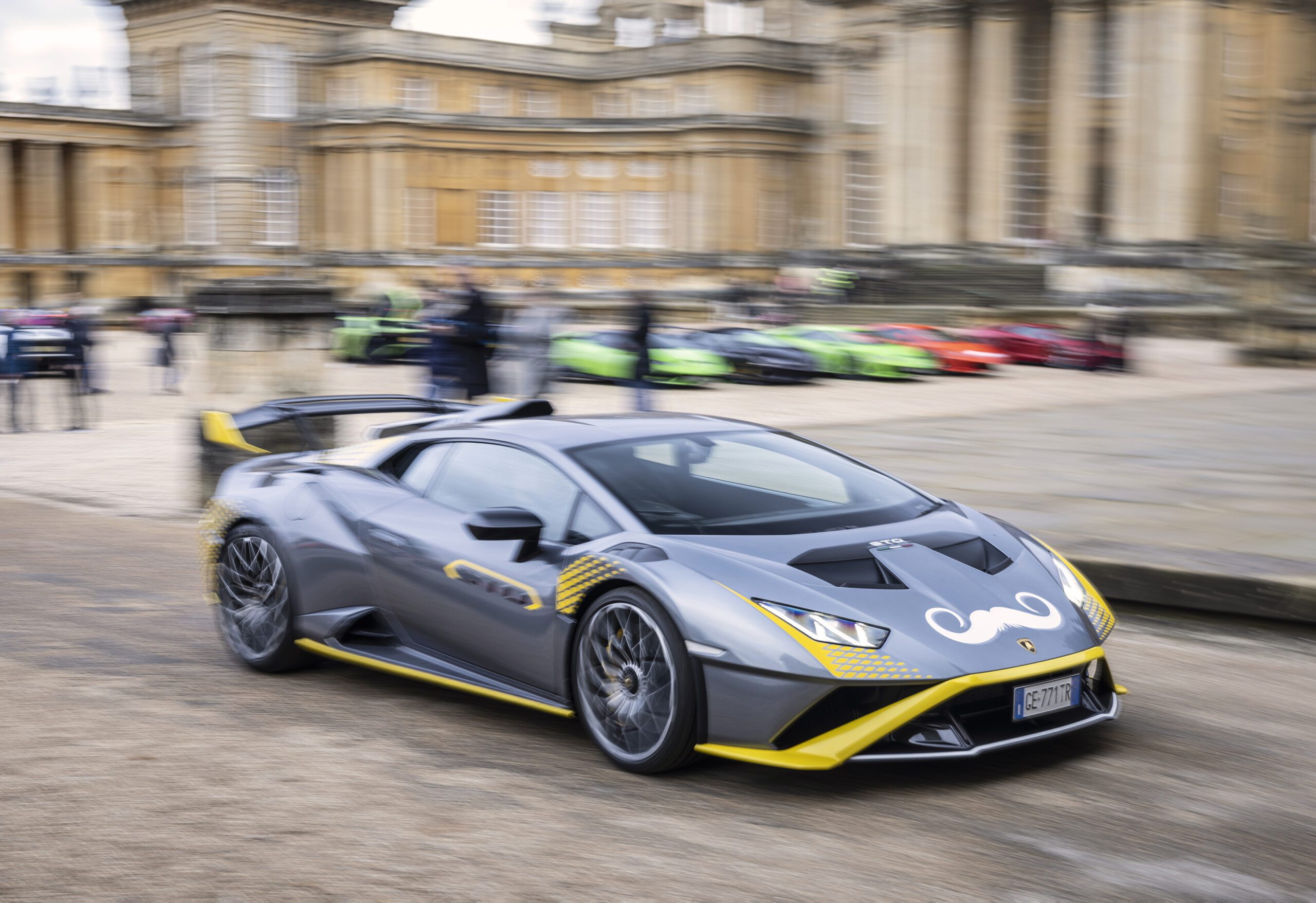
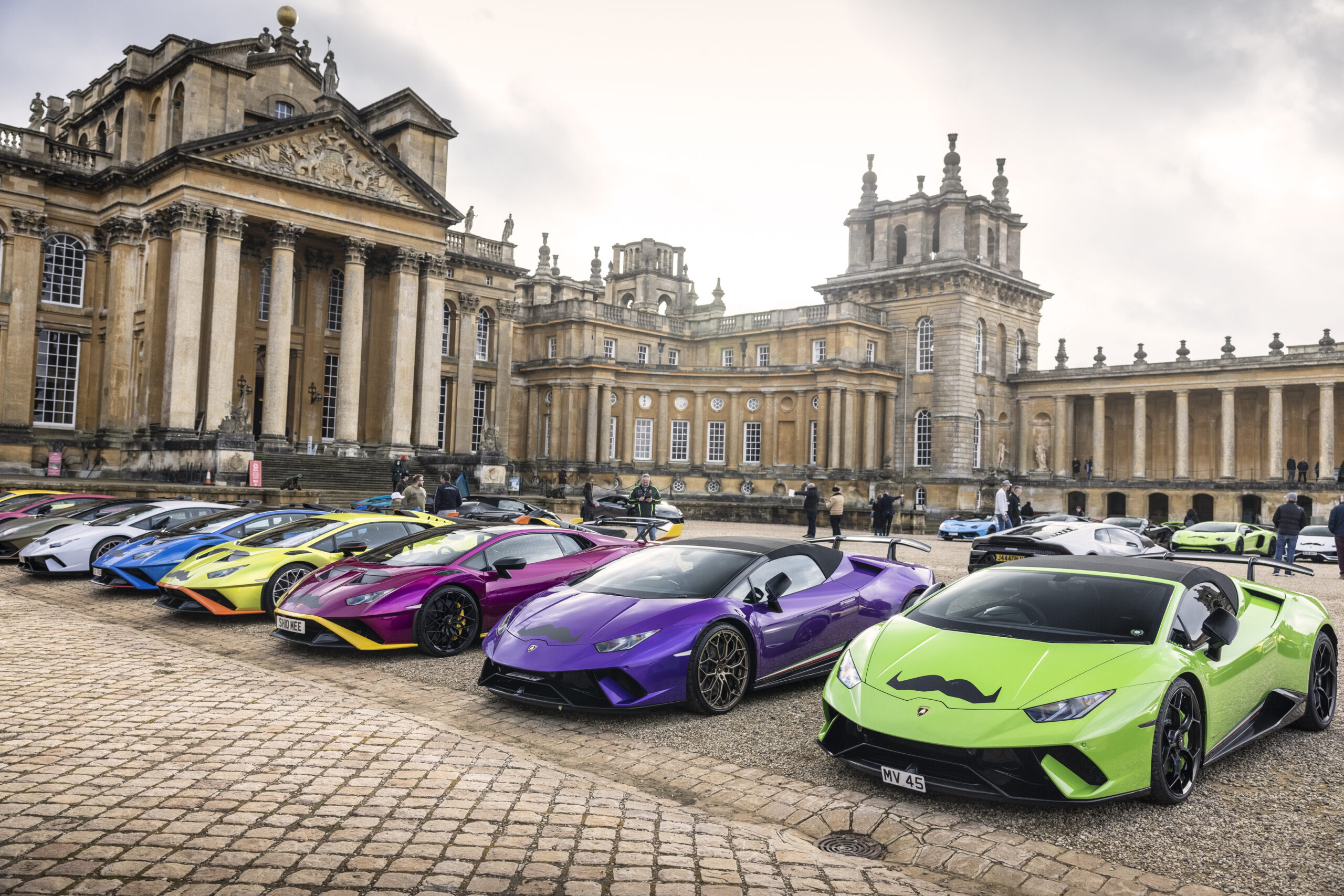
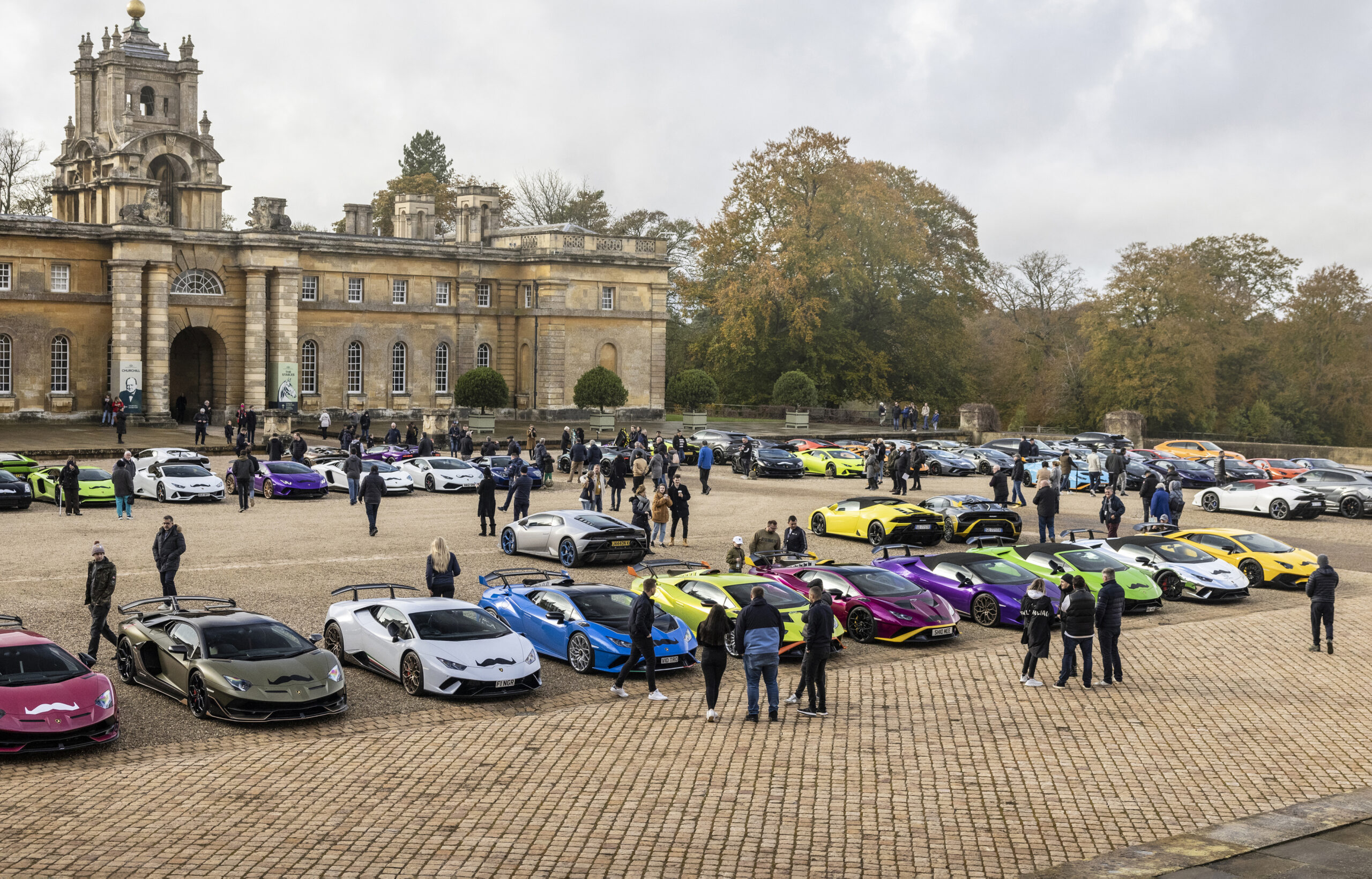
On November 6, 2021, Blenheim Palace welcomed more than 200 Lamborghini cars and their owners for Movember. The event was hosted by Automobili Lamborghini and Movember founders JC and Sarah Coghlan as part of the worldwide initiative started by the world’s leading men’s health charity and the Italian super sports car company.

Lamborghini Movember bull run

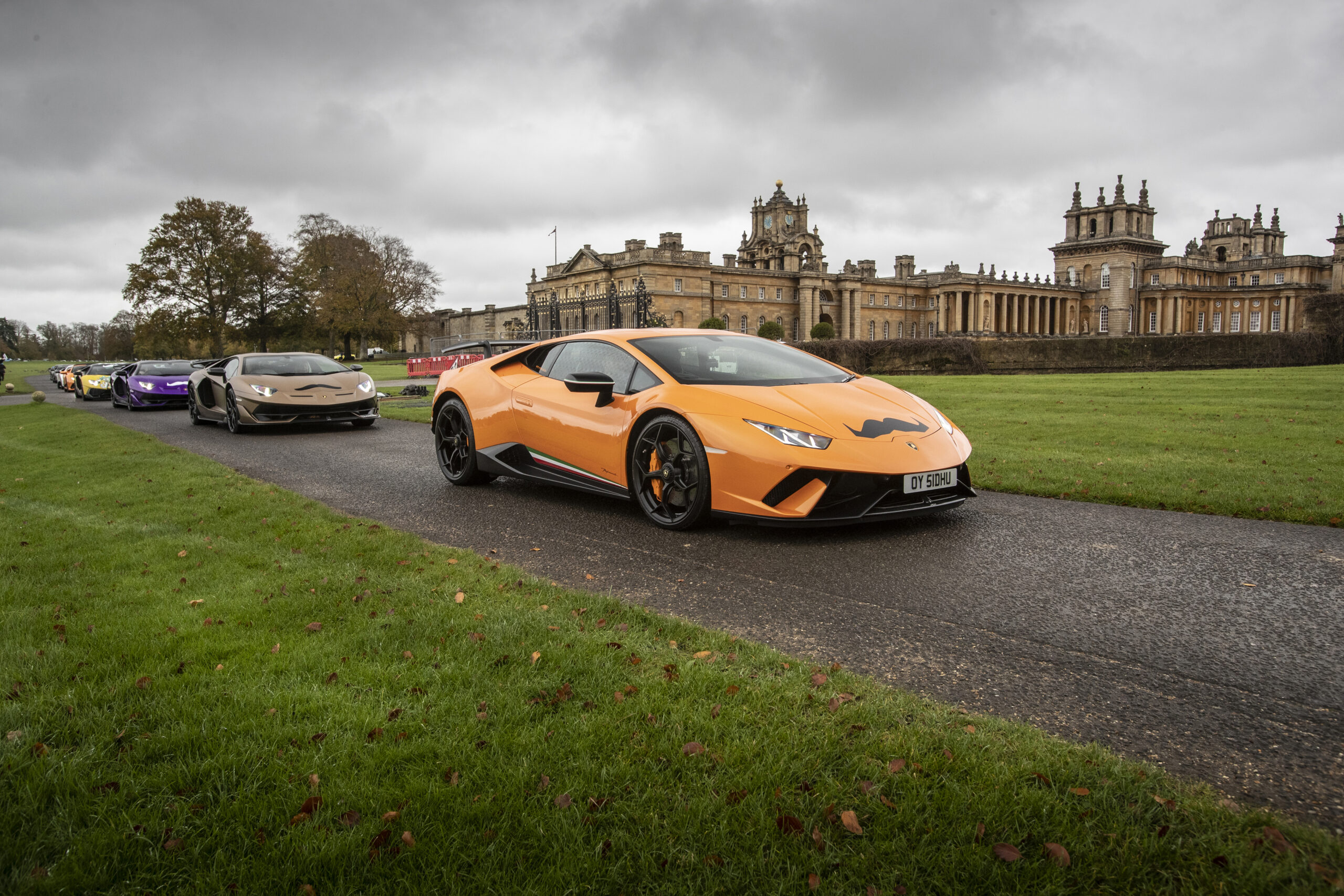
In the UK, they had a pretty unique ‘bull run’ wherein Lamborghini dealerships and their clients all over the UK headed towards Oxfordshire, at the Blenheim Palace to raise funds and awareness for Movember.

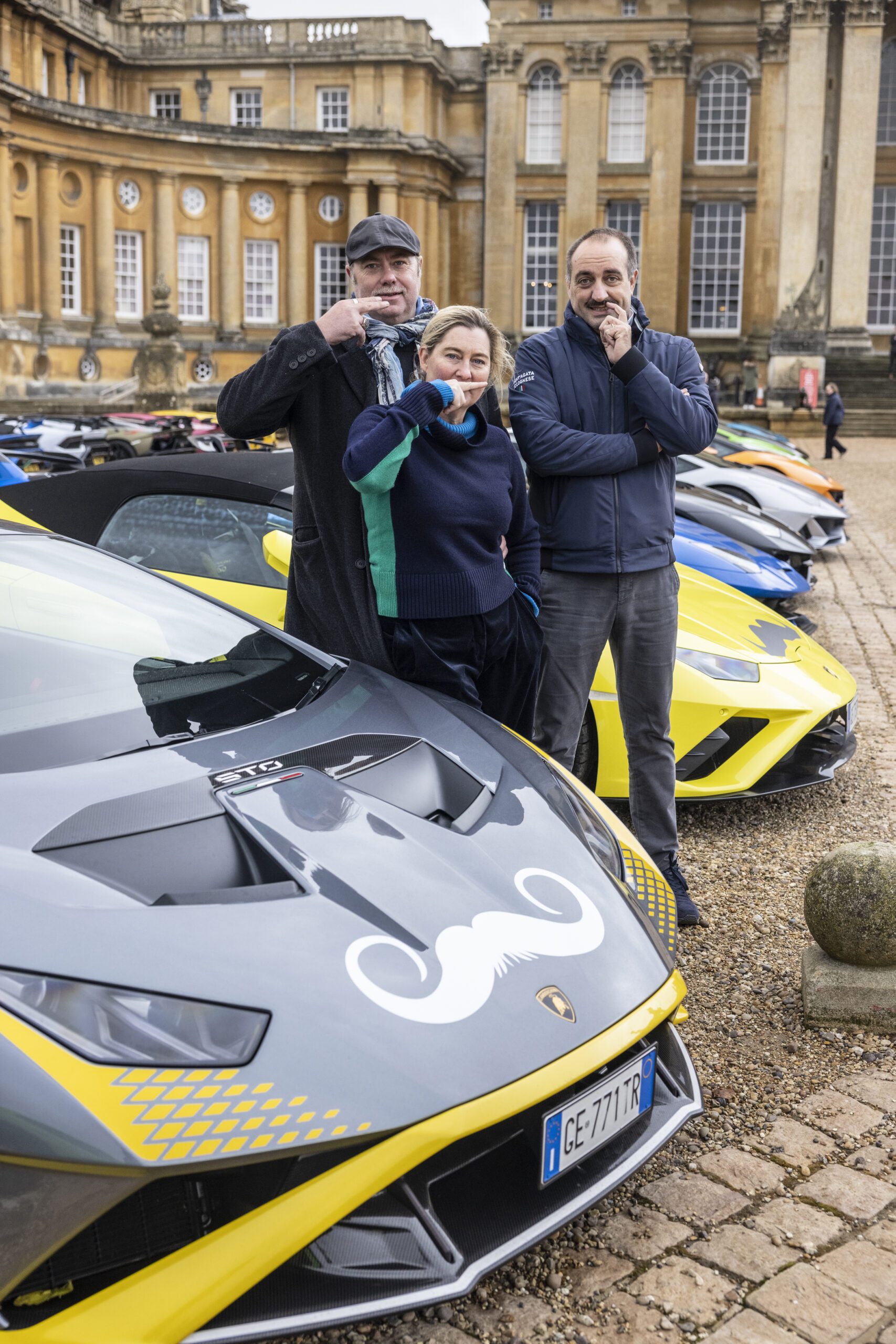
As the convoys arrived, they were given a surprise personal welcome by the Movember founders as well as by Federico Foschini, Automobili Lamborghini Board Member for Sales and Marketing.

The Lamborghini bull run held at Blenheim Palace is just one of the many worldwide events that happened on November 6. Around the world, 92 Lamborghini dealers participated along with hundreds of their clients in places like Rome, Cape Town, Bangkok, and New York.

Lamborghini Movember bull run

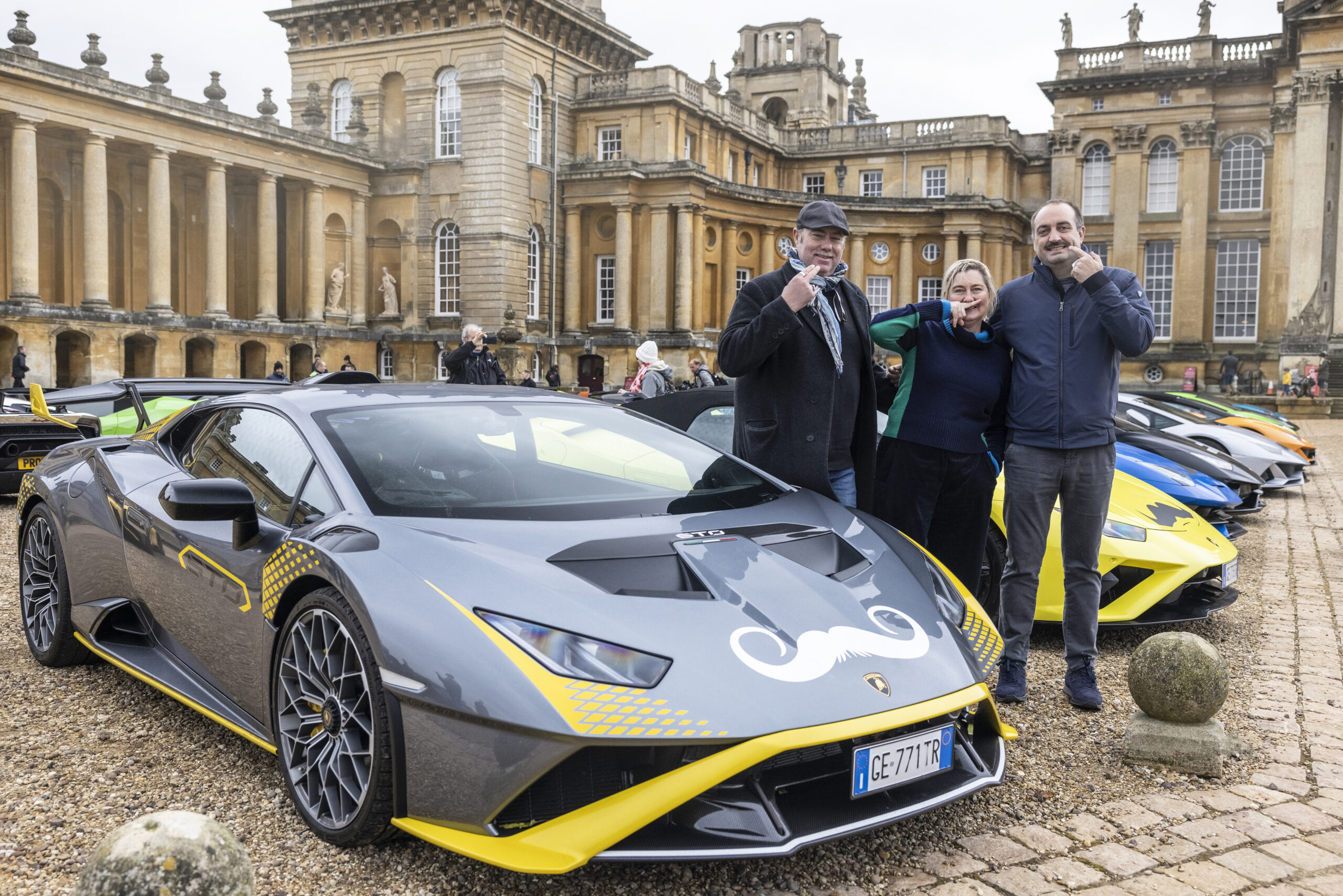
Some of the Lamborghini bonnets sported mustaches as their owners pledged funds to Movember. Lamborghini and Movember’s partnership initiative does not simply focus on raising funds for men’s health projects, they are also looking into developing awareness of issues like suicide prevention, mental health, prostate and testicular cancer.

Movember Co-Founder, JC Coghlan, joined the UK bull run with his wife Sarah, the Director of Global Men’s Health Promotion Programmes of Movember. Coghlan shared, “It’s incredible to see this collaboration come to life. Social connection is critical for men to live healthier, happier, longer lives.”

“These bull runs across the world are an amazing example of how we can gather and collectively have impact, stay connected and have some fun, doing good. It’s an absolute privilege to be driving in the London event, in a large collective of these pieces of art, each designed collaboratively with their owners. I’m looking forward to gathering and starting shoulder-to-shoulder conversations. A massive thank you to all the team at Lamborghini for creating such a special event across the world.”

Lamborghini Movember bull run

About Movember

Movember is the leading charity that hopes to change the face of men’s health on a global level. They focus on mental health and suicide prevention, prostate cancer, and testicular cancer.

The funds raised by the charity goes into innovative and breakthrough research and support programs that helps men live healthier, happier, and longer lives.

Millions have joined the movement funding more than 1,200 projects around the world.

Aside from addressing the key health issues men face, Movember also encourages men to ensure their health in all aspects of their lives. They focus on keeping men socially connected, to help them open up about their health and important moments of their lives.

The charity envisions to have a long and lasting impact in terms of men’s health. Those who are interested to donate can go to: Movember.com.

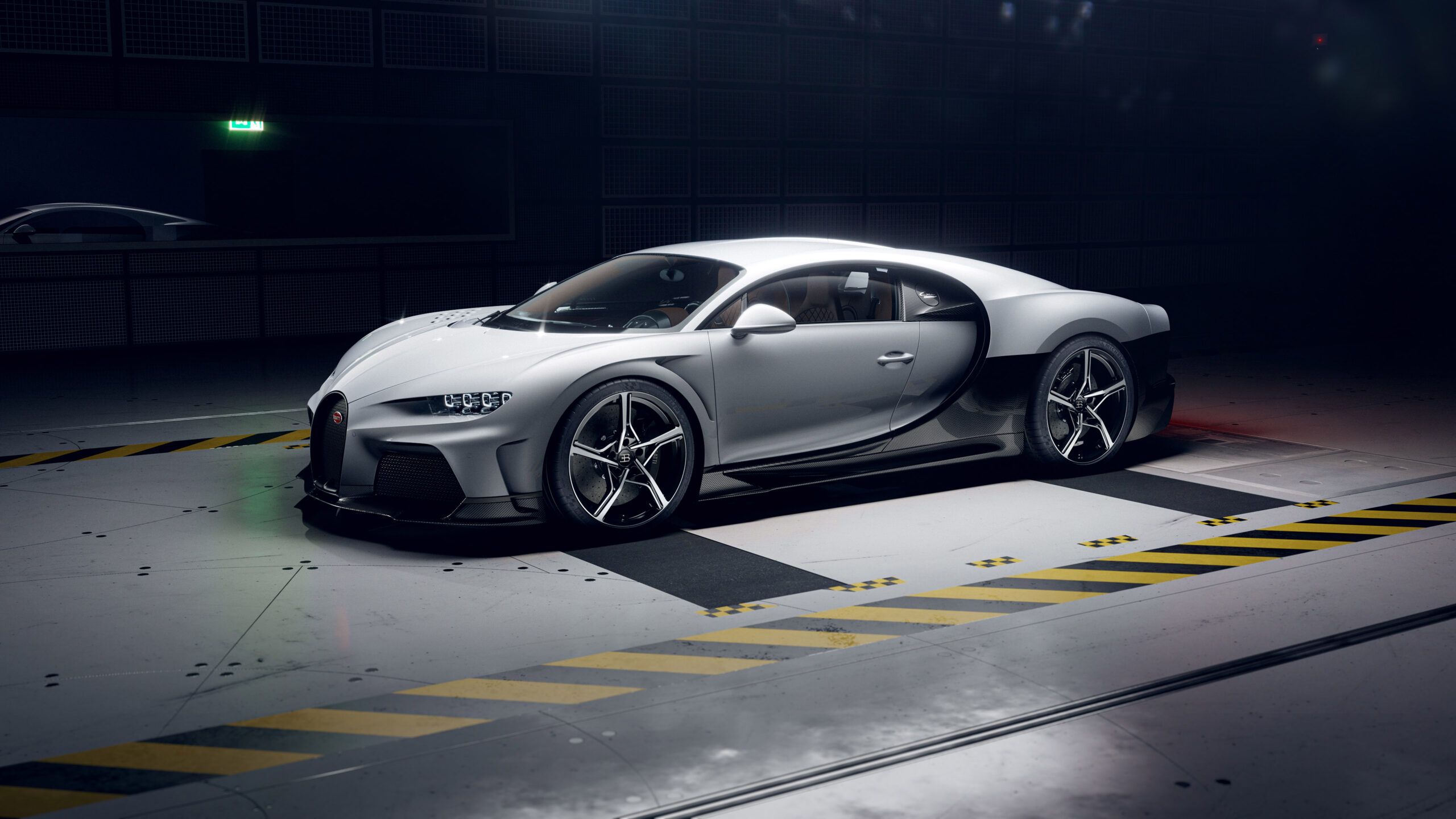
Driving the Bugatti Chiron Super Sport

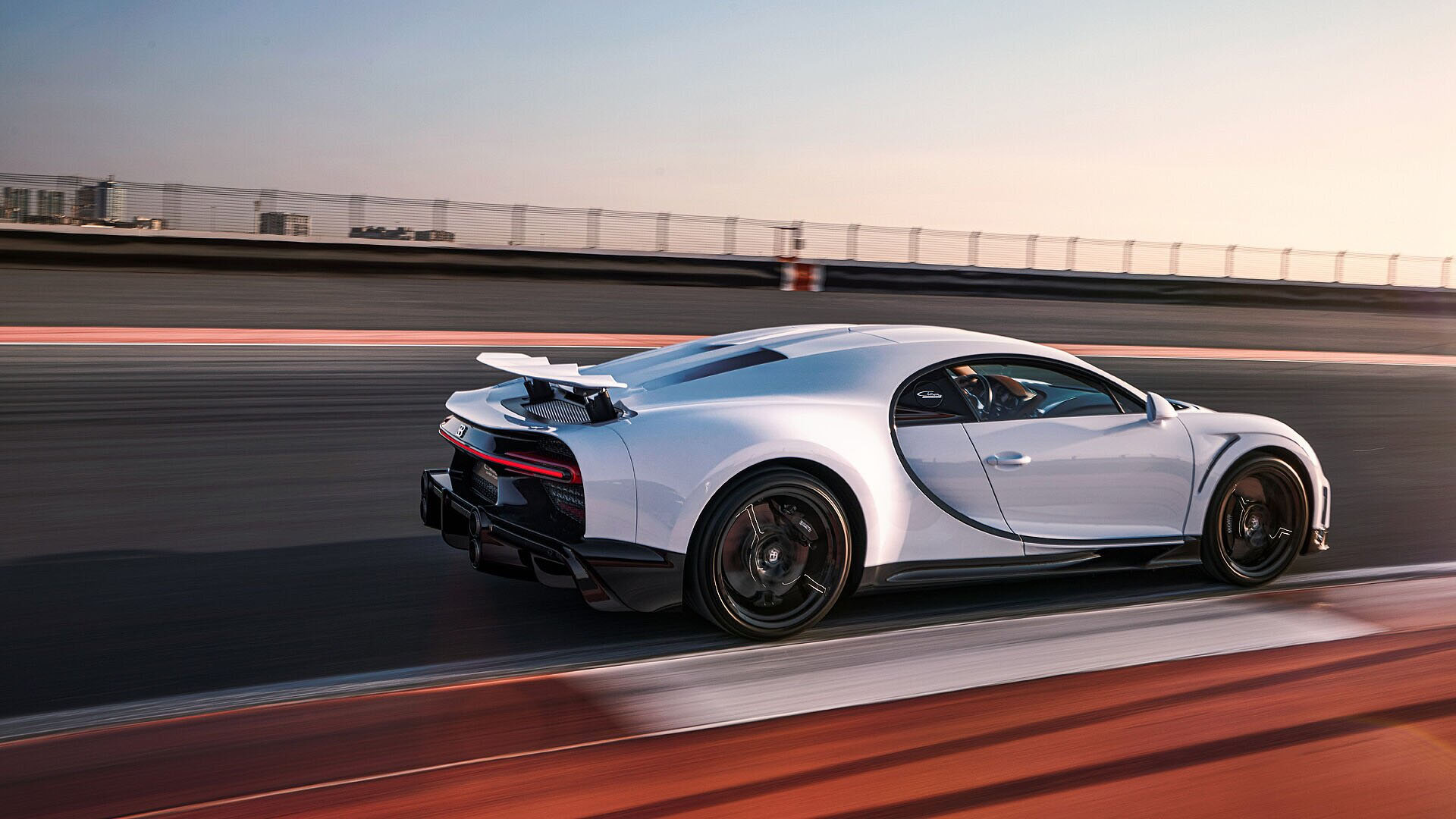
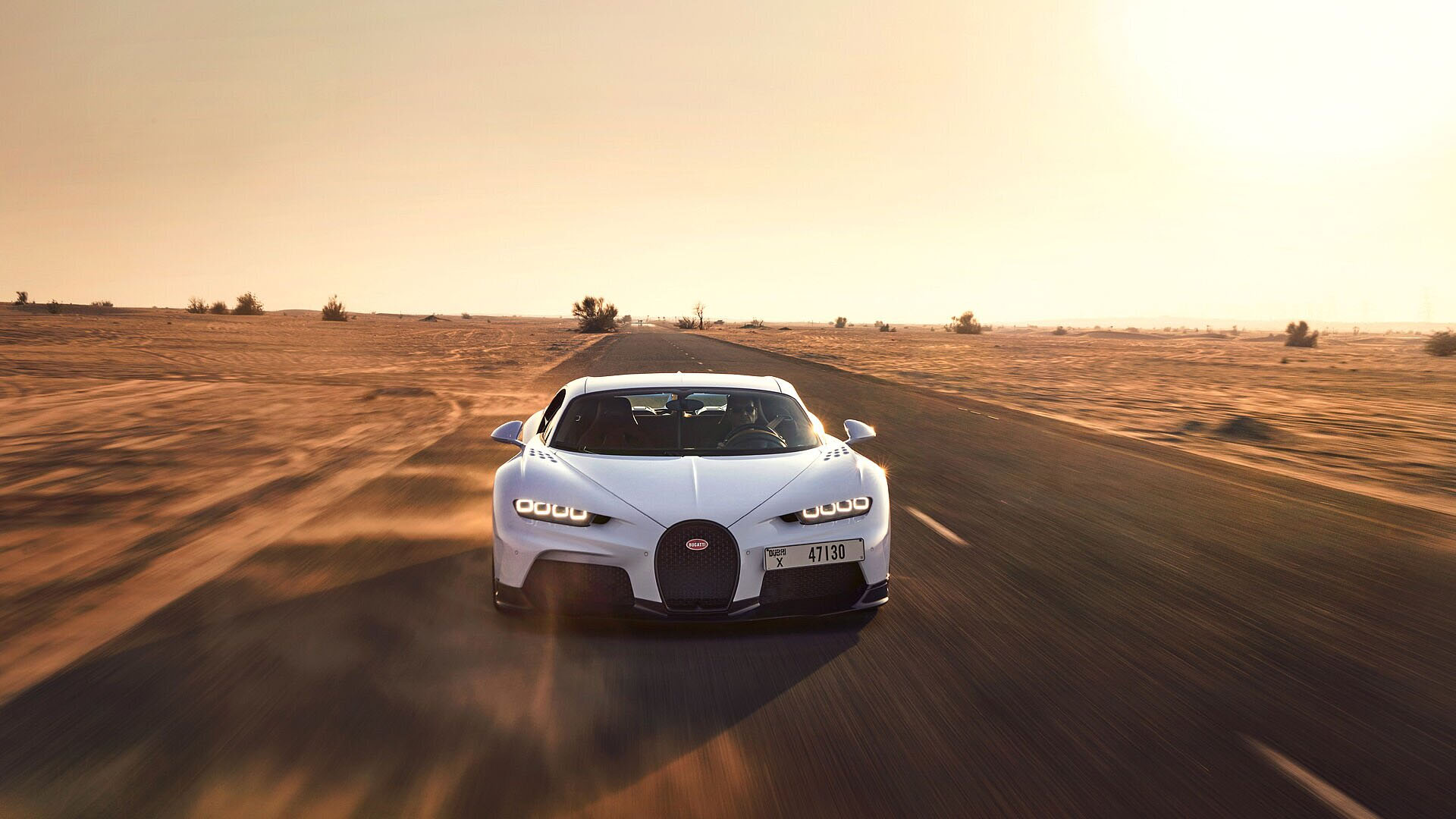
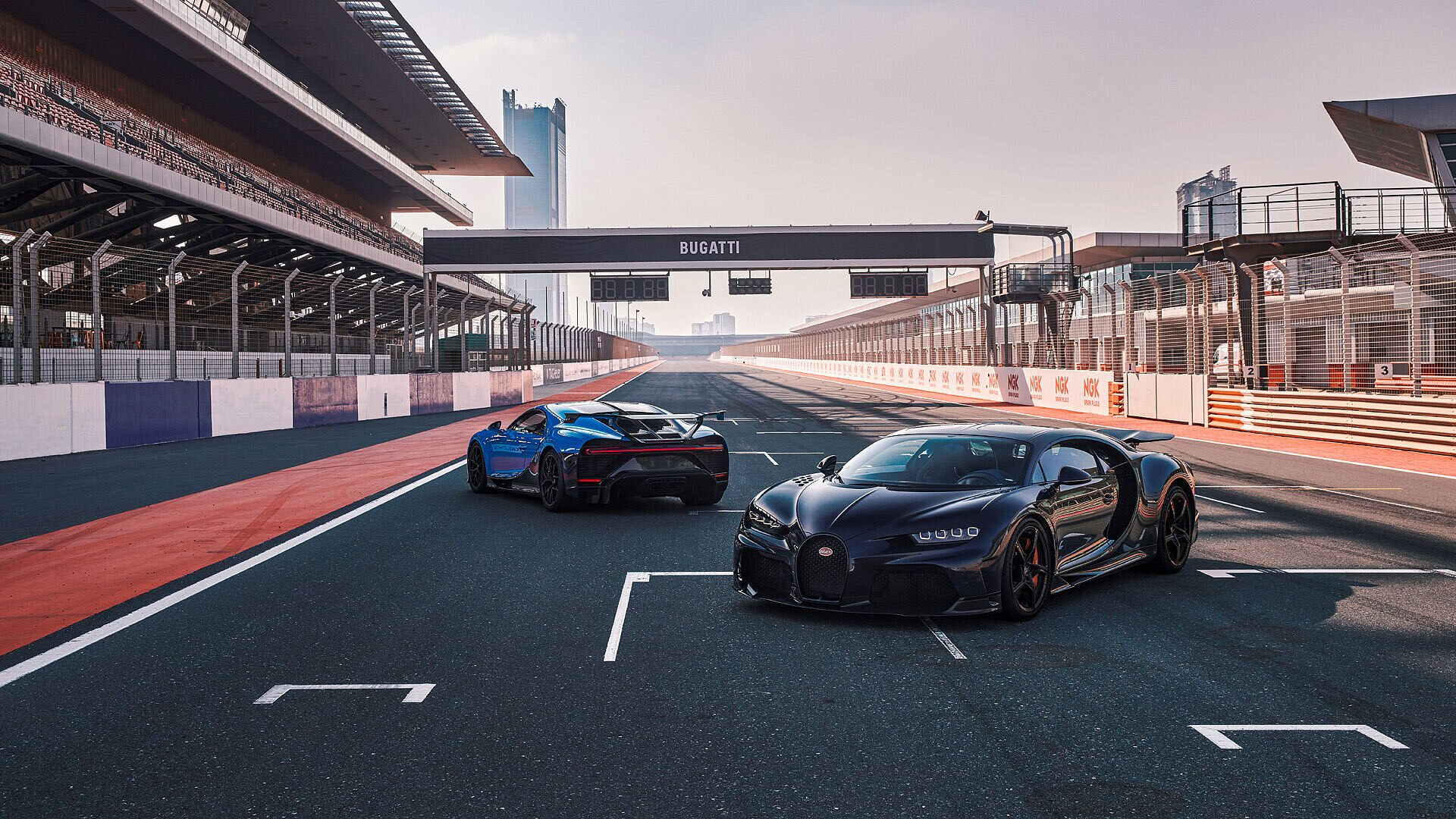
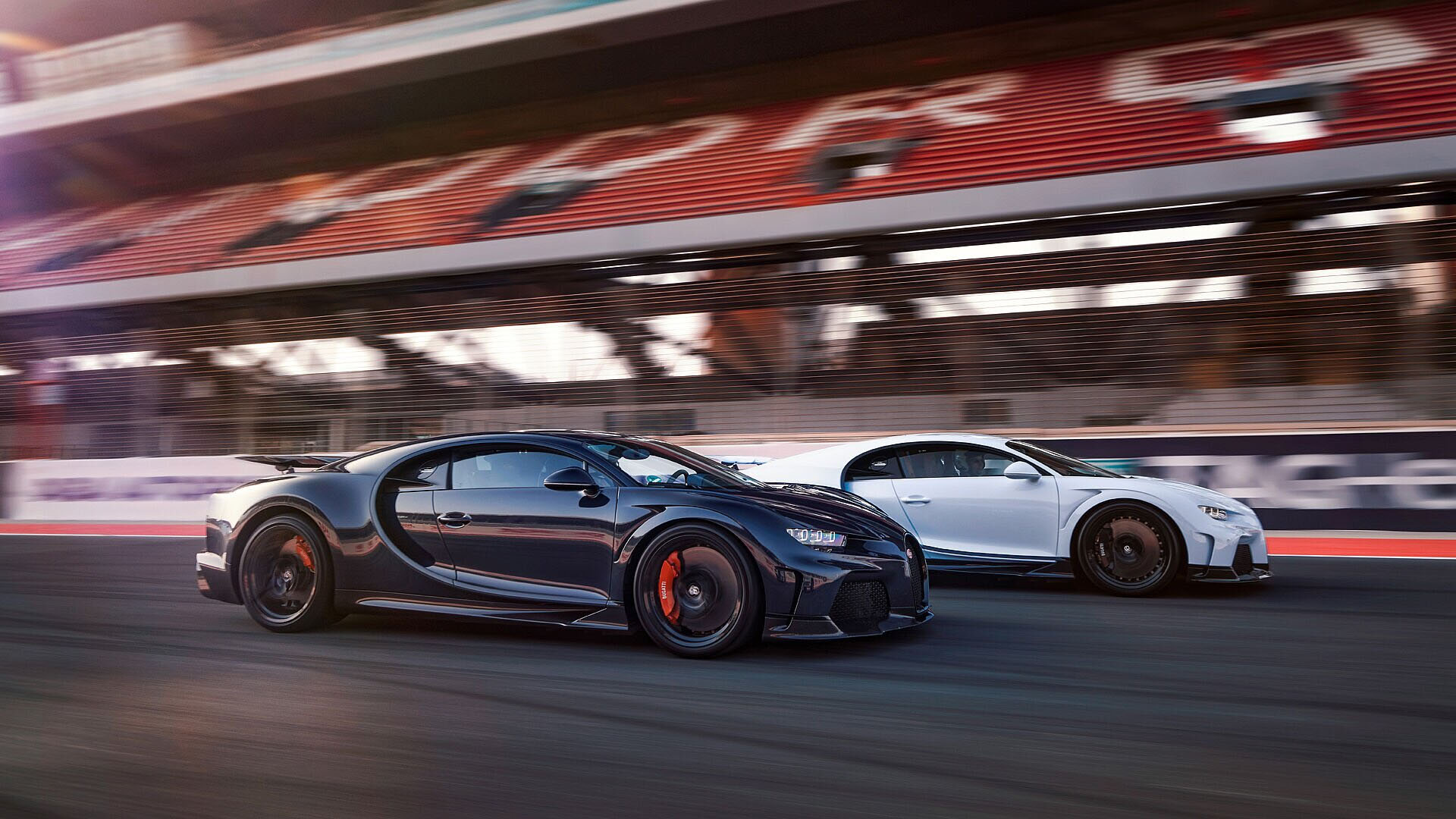
While winter is settling in for most parts of Europe, the temperature in Dubai is still a very nice 34° C, and that means the track at the famous Autodrome is even hotter when customers in the Middle East get a first opportunity to take place behind the wheel of the impressive Bugatti Chiron Super Sport, but not after seeing what this amazing 1,600 PS hypercar can do in the hands of Pierre-Henri Raphanel and Andy Wallace, Bugatti’s own official test drivers.

The Dubai Autodrome features 16 corners, and the demo consists of taking the Chiron Super Sport at full-throttle on the straights while taking on the sweeping bends at high-speed and showcasing the G-inducing braking zones before the customers are allowed in the driver seat to experience this Bugatti Chiron Super Sport for themselves to get a feel for the car most of them have already ordered, but now, for the first time, they can push the advanced technologies and cutting-edge aerodynamics to their limits.

“The Dubai Autodrome gives customers the chance to experience what these extreme hyper sports cars have to offer,” explains Kostas Psarris, Regional Director Middle East & Asia. “The Bugatti Chiron Super Sport is the quintessence of luxury and speed, and is therefore a perfect match for our customers in the Middle East.” Bugatti already offered extensive test drives in the Chiron Pur Sport in Dubai last year and the customers were astounded. This year, the customers have had the opportunity to put the new Chiron Super Sport to the test at high speeds on the Dubai Autodrome in the United Arab Emirates, before it continues its Middle East tour to other key Bugatti markets.”

“We developed a new vehicle design with optimized aerodynamics for the Chiron Super Sport’s streamlined bodywork. The Chiron Super Sport is an uncompromising reincarnation of the Bugatti design mantra “form follows performance,’” says Frank Heyl, Deputy Design Director at Bugatti. The entire design of the Super Sport was created to reach the highest top speed possible, right from the new front bumper up to the diffuser at the rear, which is about 25cm further from the front when compared to a regular Bugatti Chiron.

“The Chiron Super Sport and Chiron Pur Sport are very different to one another visually. But the difference between the two models is even more pronounced when driving,” explains Frank Heyl. For the Super Sport the W16 8-Liter engine received an increase of 100 PS to a magical 1,600 PS (1,176 kW) which translates to an acceleration figure of just 5.8 seconds to reach 200 km/h, 300 km/h takes 12.1 seconds, Bugatti has electronically limited the top speed to 440 km/h!

While the 60 units of the Chiron Pur Sport come with ‘just’ 1,500 PS, she’s a little quicker to reach 200 km/h at 5.5 seconds but is limited to a mere 350 km/h top speed, each unit came with an MSRP of €3,100,000 (net) while the Super Sport variant is just a little more expensive at €3,200,000, albeit none of the latter have been delivered to clients yet, the first Bugatti Chiron Super Sport will arrive in early 2022.

Best Naturally Aspirated Engines Ever Made

The number of entries – and the variety of automakers involved – onto this list is proof that the naturally-aspirated engine reigns supreme when it comes to the most important characteristics of what makes a good engine, and subsequently a great car. There’s always a temptation to default to turbocharged engines as being the most capable, particular in an age where 0-60 mph times are considered gospel when it comes to determining performance credentials and bragging rights. While turbochargers are typically needed to make monstrous hp numbers and remain the bread and butter of even greater aftermarket tuning potential (if getting into the 4-figures is a big deal for you), all true enthusiasts know that some of the most desirable traits of the best cars in the world come from having an NA engine. Astronomical rev ranges, unmatched acoustics and unrivaled versatility, balance, dependability and endurance. After all, what’s good for race cars is good for road cars, I’d say.

Porsche M97.74

Porsche M97.74

Appearing in the 997.2 GT3 RS 4.0, this truly special engine was the swan song for both the 997-generation (2005-2012) of Porsche 911 cars, as well as the Mezger engine design. Borrowing a number of components from the RSR race car, the 3.8L engine in the ‘regular’ 997 GT3 RS was then upgraded to a 4.0L flat-6 (hence the name) which produced 500 hp and 339 lb-ft of torque, while having an astronomical 8,500 rpm redline.

So convincing was this move, even to Porsche’s own brass, that the following two generations (991 and 992) of 911 cars would continue to employ the 4.0L naturally-aspirated engine in the GT3 lineup, despite the fact that the Mezger design was shelved and further proving that the ‘godfather’ RS 4.0 was also well ahead of its time.

With the proliferation of PDK transmissions, amongst other safety-centric technological advancements, many consider the M97.74 and the GT3 RS 4.0 it powered, to be the final rendition of the purists’ GT3 RS.

BMW S54B32

BMW S54B32

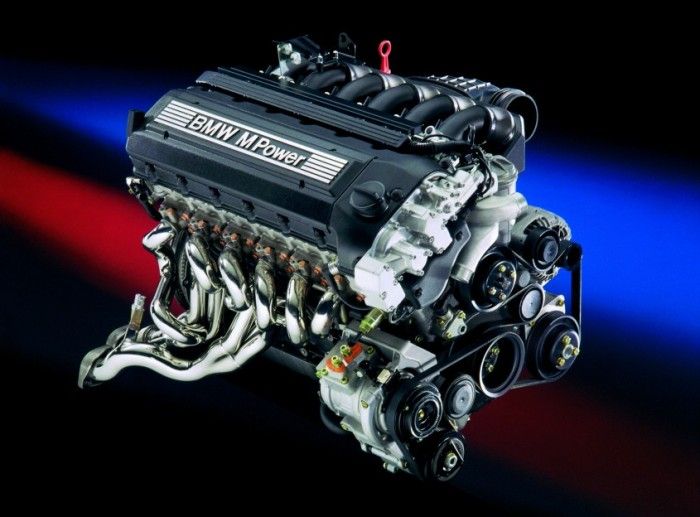
Collectively, the BMW E46 M3 (2000-2006) is one of our favorite cars here at supercars.net, and this is in no small part thanks to its S54B32 inline-6 engine. The naturally-aspirated unit is as pure as it gets from the Bavarian company, with a peak 333 hp being produced at 7,900 rpm on route to its 8,000 rpm redline. Other stand-out features include individual throttle bodies and drive-by-wire operation, further accentuating the car’s inherent rawness and driving purity.

When mated to the 6-speed manual transmission, it really doesn’t get much better than this – from BMW or any other company, for that matter. If BMW ever wanted to revert back to a more minimalist philosophy, the S54B32 and E46 M3 would be writing the playbook.

Honda F20C/F22C

Honda F20C/F22C Engine

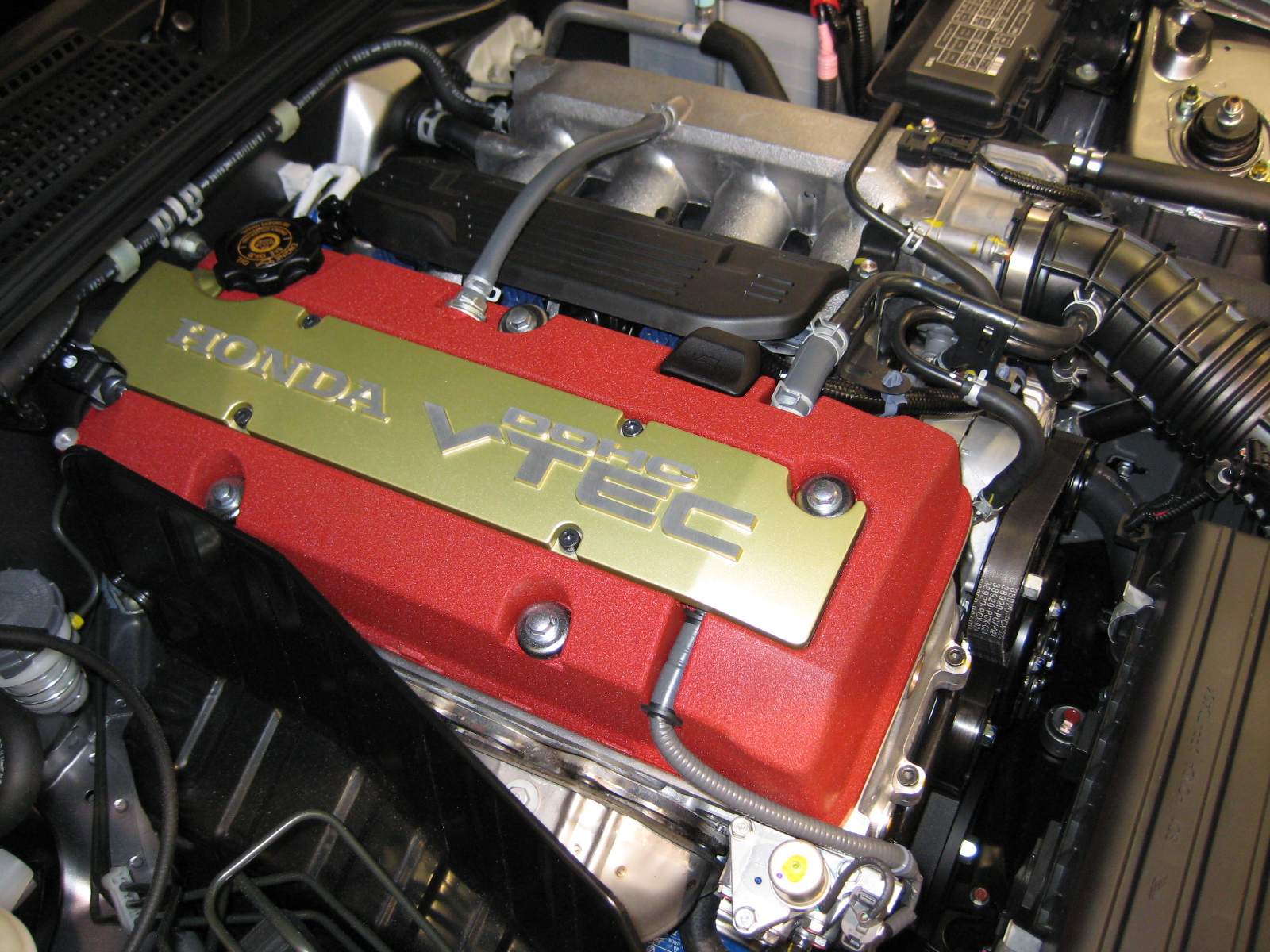
When the Honda S2000 first made its appearance in 1999, its naturally-aspirated F20C engine stole the spotlight. It was revolutionary for its time, and in many respects maintains that reputation to this day. A 9,000 rpm redline and being able to produce 120 hp/liter would be the main attractions at first, but the F series engine has also proven to be dependable and well regarded to this day.

It’s a huge reason the S2000 is one of the most sought after cars on the used market today, often fetching astronomical prices not too far off the original MSRP (or sometimes more). Halfway through the car’s lifecycle, the engine would see its displacement increase to 2.2L (with an 8,200 rpm redline) while power figures remained virtually unchanged; acceleration and low-end response were slightly improved as a result.

Honda K Series

Honda K Series

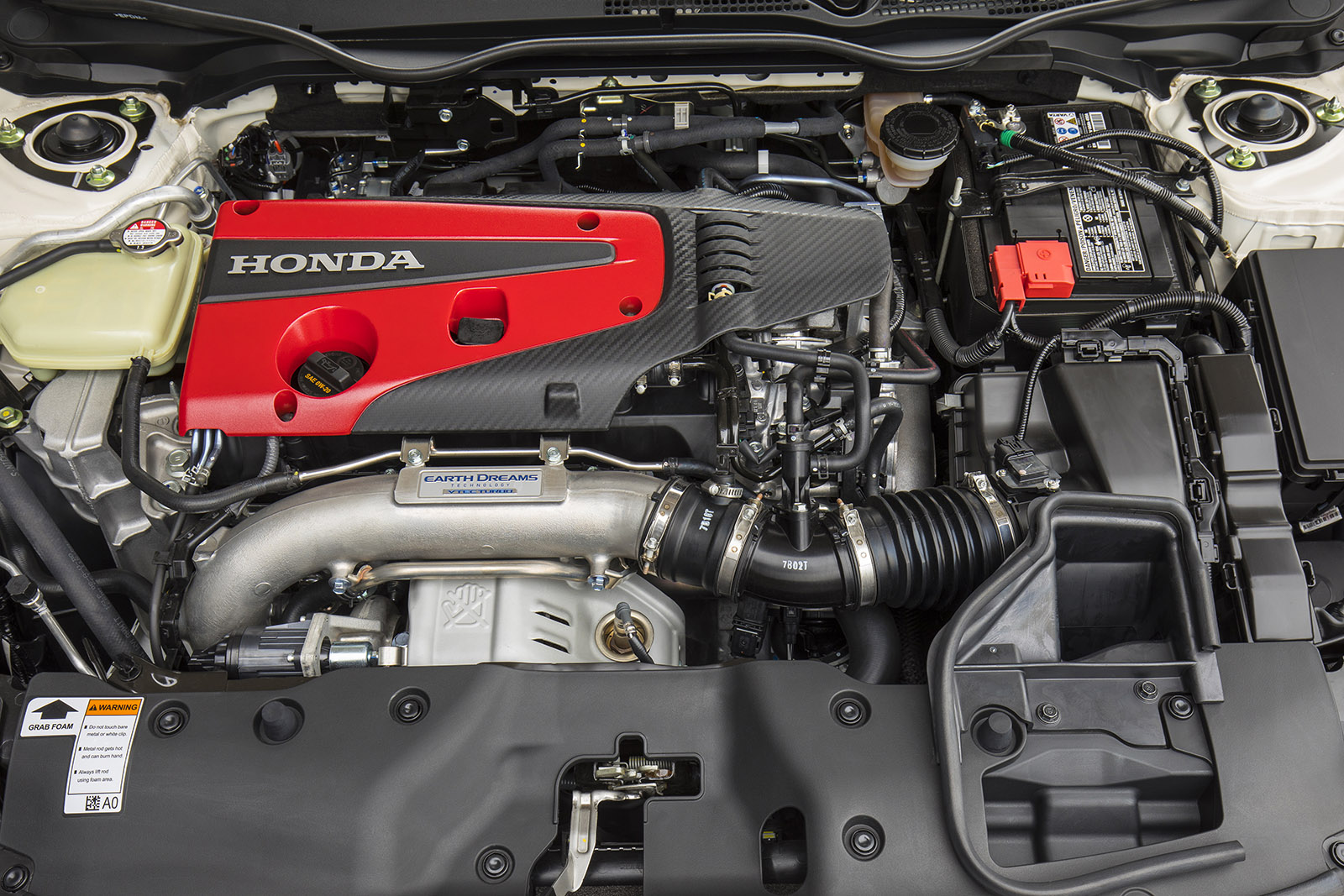
The K Series would ultimately replace the outgoing B Series engines (which would be in the honorable mention section, if there was one) for a number of Honda vehicles, most notable of which included the likes of the Civic Type R and Integra Type R.  The most recent and advanced version of the K series engine has found its way into the current Civic Type R, with the turbocharged K20C1 supplying the company’s popular sports saloon with 316 hp and 295 lb-ft of torque.

Such is the K20C1’s reputation that Honda Performance Development has recently begun to offer crate engines for use in racing and off-highway applications. Other notable K Series engines include the K20A2 (Integra Type R, RSX Type S) and the K24A2 (Acura TSX). Honda reliability, fantastic performance – I don’t doubt that we’ll be talking about the K Series engines for many more years to come.

Ferrari F106

Ferrari F106 Engine

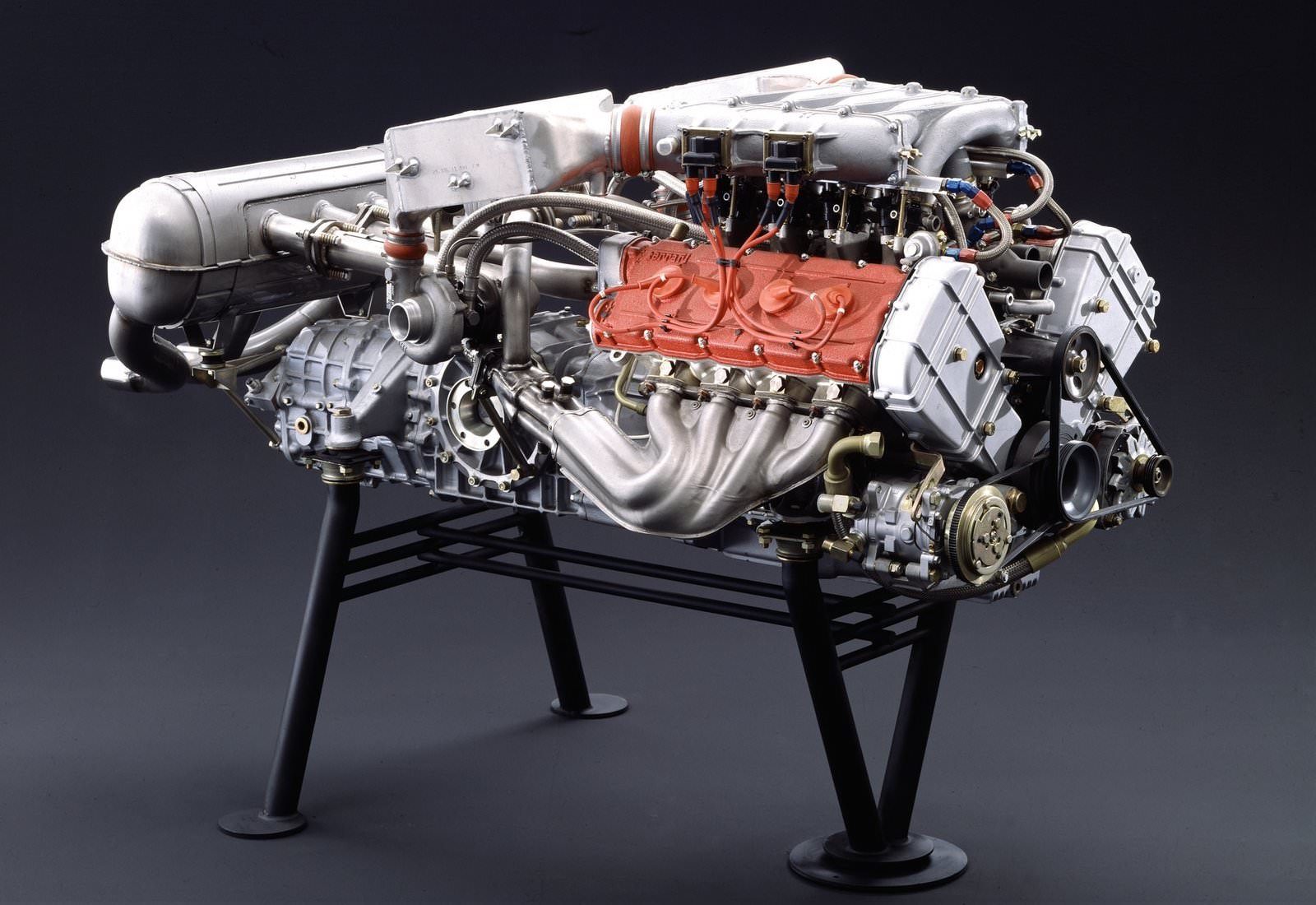
Ferrari’s F106 V8 engine dates as far back as 1973, where it first featured in the Dino 308 GT4. Right from the get-go, it produced an impressive 250 hp from a 2.9L naturally-aspirated engine, which featured a flat-plane crank and dual-overhead cams.

Such was the longevity and capability of the F106 unit, that it continued to be used – with significant updates and revisions along the way, including electronic fuel injection and multi-valve heads – for more than 30 years. Notable models which were equipped with the engine include the F355360 Modena, and arguably the most famous Ferrari of them all; the Ferrari F40, which fashioned a twin-turbocharged version of the F106 producing 471 hp.

Ferrari F136

Ferrari F136 engine

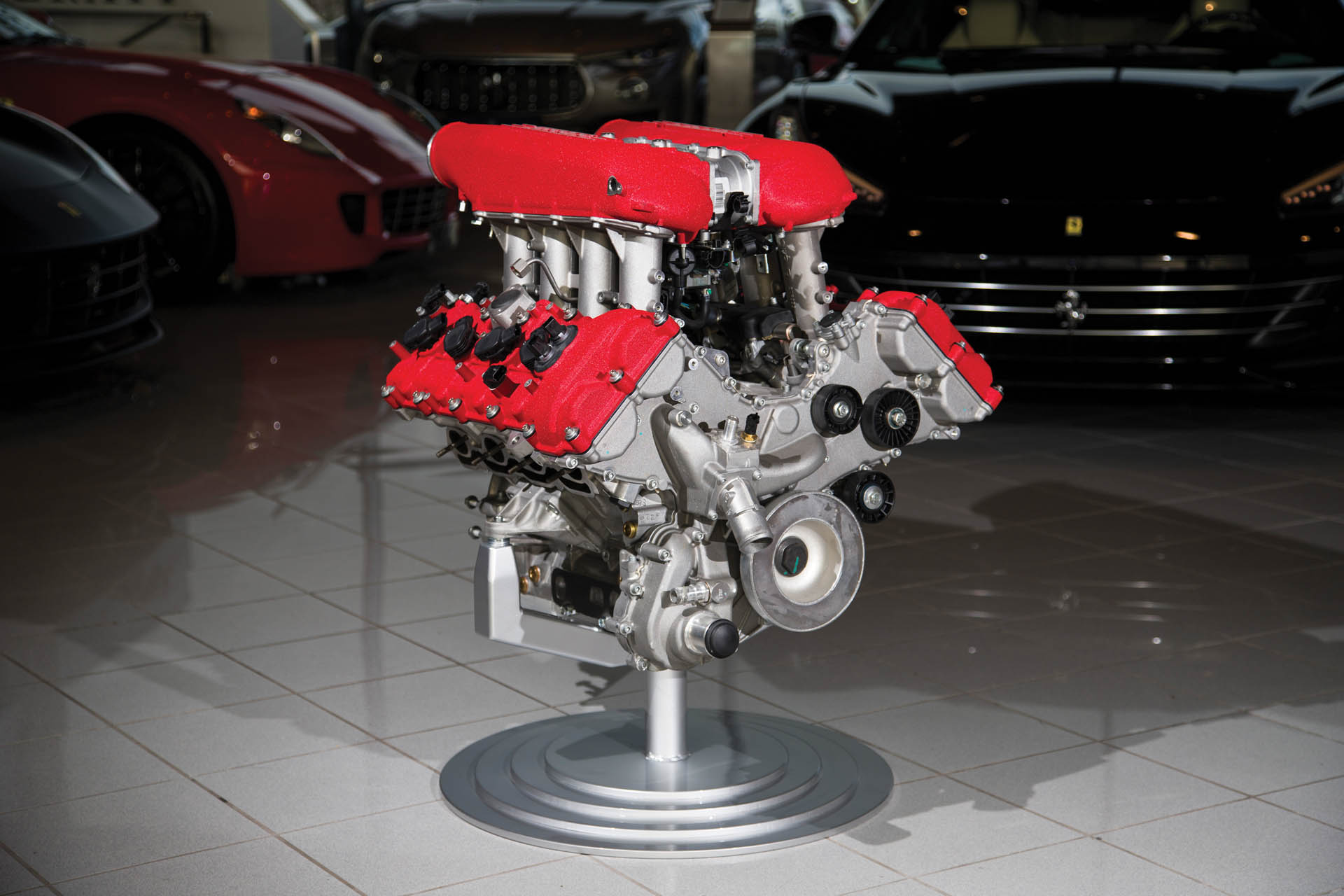
The F136 succeeded the legendary F106, first appearing as a 4.3L naturally-aspirated engine in the 2004 Ferrari F430, producing 483 hp. Like the F106, the F136 would see widespread application throughout the Ferrari lineup; however, it was also featured on a number of Maserati models in concert with the relationship between the two marques.

Most notably, a 454 hp, 4.7L version of the F136 featured on the Maserati GranTurismo and is widely regarded as having one of the best engine/exhaust notes to come out of the V8. The F136 would reach its zenith in the Ferrari 458 Italia Speciale, where it cranked out a massive 597 hp from its 4.5L naturally-aspirated power plant.

Perhaps the most significant (and regretful) fact about the F136, is that it is the last naturally-aspirated V8 engine Ferrari would ever produce. It was replaced by the twin-turbocharged F154 V8 engine in 2015, where it debuted on the Ferrari 488 GTB.

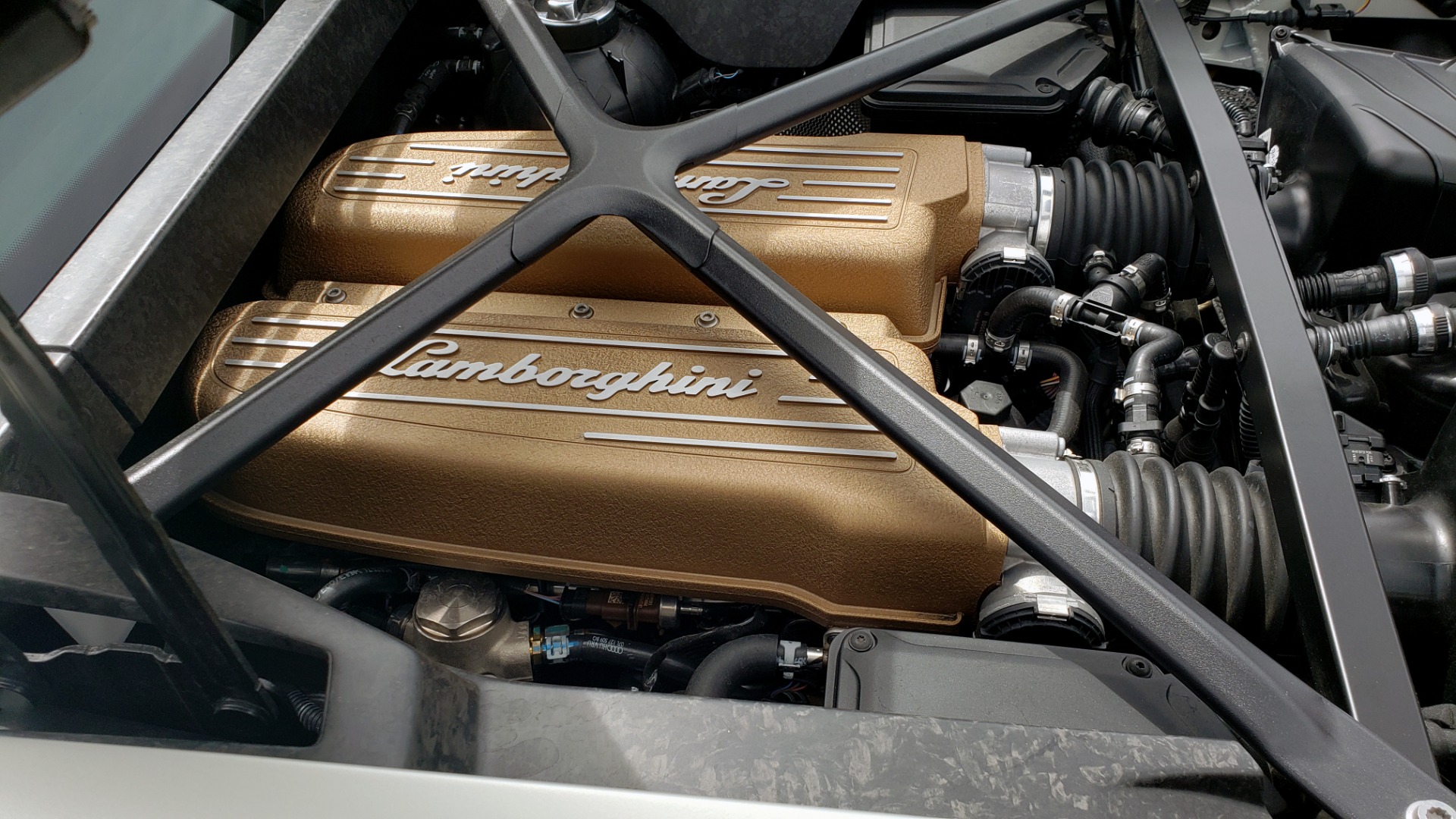
Lamborghini / Audi 5.2L V10

Lamborghini / Audi 5.2L V10 engine

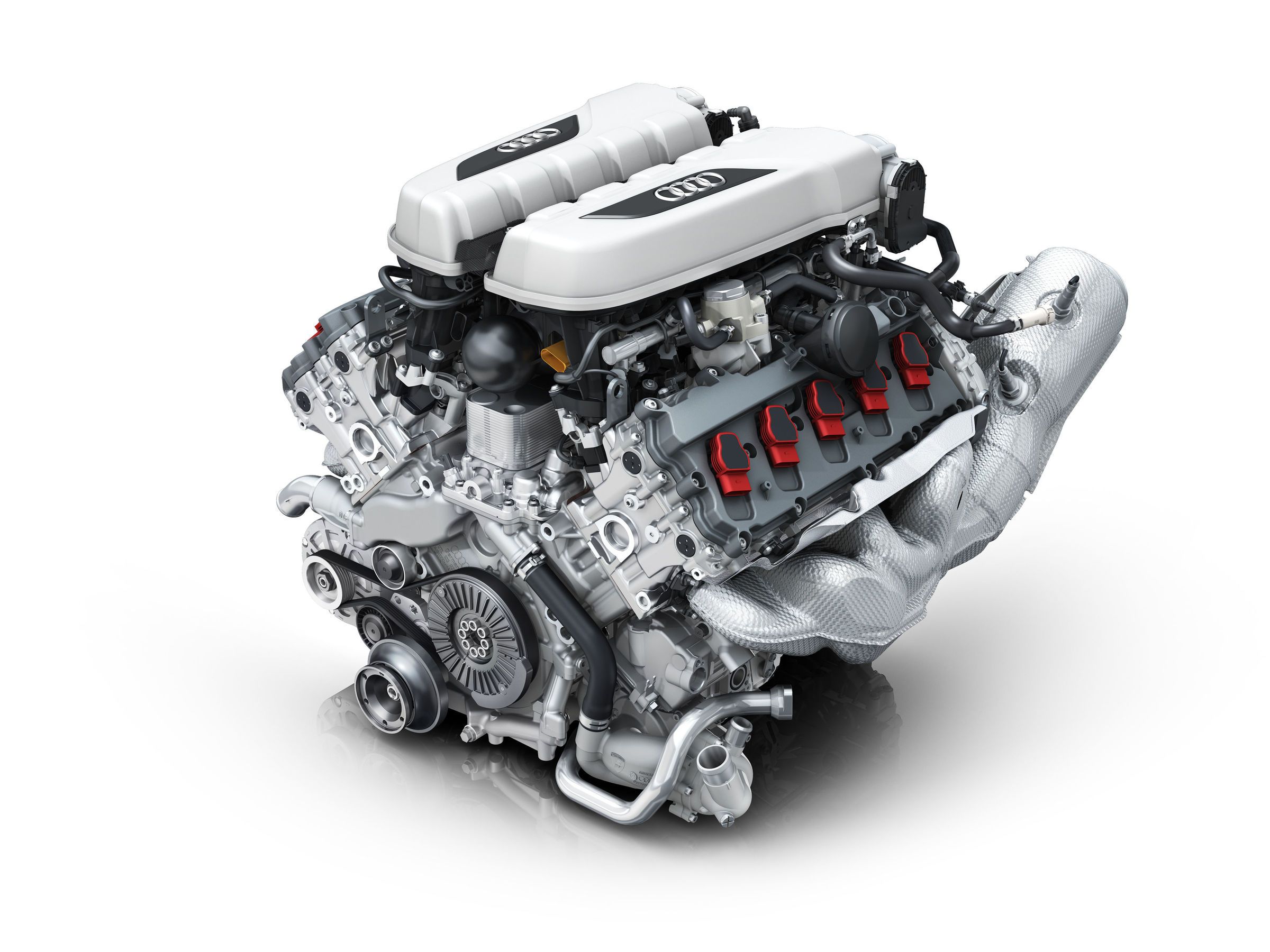
Ever since 2008 – when the refreshed Lamborghini Gallardo LP 560-4 was released – all V10 engines used in the Lamborghini line-up have been based on the 5.2L architecture. This has carried over to the Gallardo’s successor – the Lamborghini Huracán – with each and every one of its models having been fitted with the aforementioned power plant, up to this point. In the current stage of its evolution, the 5.2L naturally-aspirated V10 is mechanically identical to Audi’s version of the engine (which uses ‘Fuel Stratified Injection) and is seen in Audi’s own R8 supercar; however, power outputs vary depending on the trim levels of the respective models.

Lambo 5.2L V10 engine

The 5.2L naturally-aspirated V10 power plant we’ve been speaking so much about in this list is at the peak of its evolution via the current Lamborghini Huracán Performanté. In this configuration, the engine produces 640 hp @ 8,000 rpm and 443 lb-ft of torque @ 6,500 rpm; this makes the supercar good for 0-100 km/h in 3.1 seconds and a blistering top speed of 325 km/h, all without the assistance of any type of forced induction. Augmented with the greatest technologies available today, the motor produces its power more efficiently than ever before as well, with more than 70% of its torque already available as early as 1,000 rpm.

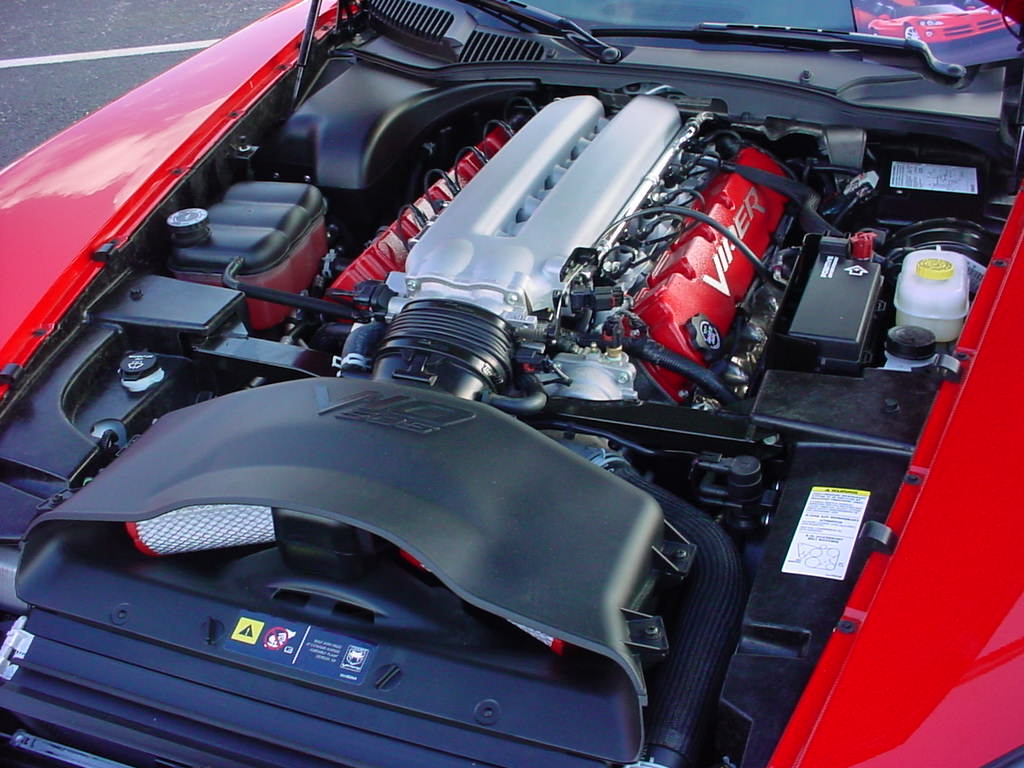
Dodge Viper ACR 8.4L V10

Dodge Viper ACR 8.4L V10 engine

Even if the Dodge Hellcat is hogging all the headlines these days, there’s always something you have to admire about the lunacy of a naturally-aspirated 8.4L V10 engine. No, the Dodge Viper doesn’t do subtlety very well. Yes, it does happen to fall under the ‘Old Testament’ definition of “awesome”. With 640 hp and 600 lb-ft of torque being produced from that colossus of an all-aluminum engine, the Viper has the exhaust note of a semi-dormant volcano. It would make absolutely no sense at all if it wasn’t just so damn fast. Variants such as the SRT-10 and ACR-X took the road-going version of the car to the next level, with the latter being a turn-key, non-street legal race car that participates in Viper racing leagues around the world.

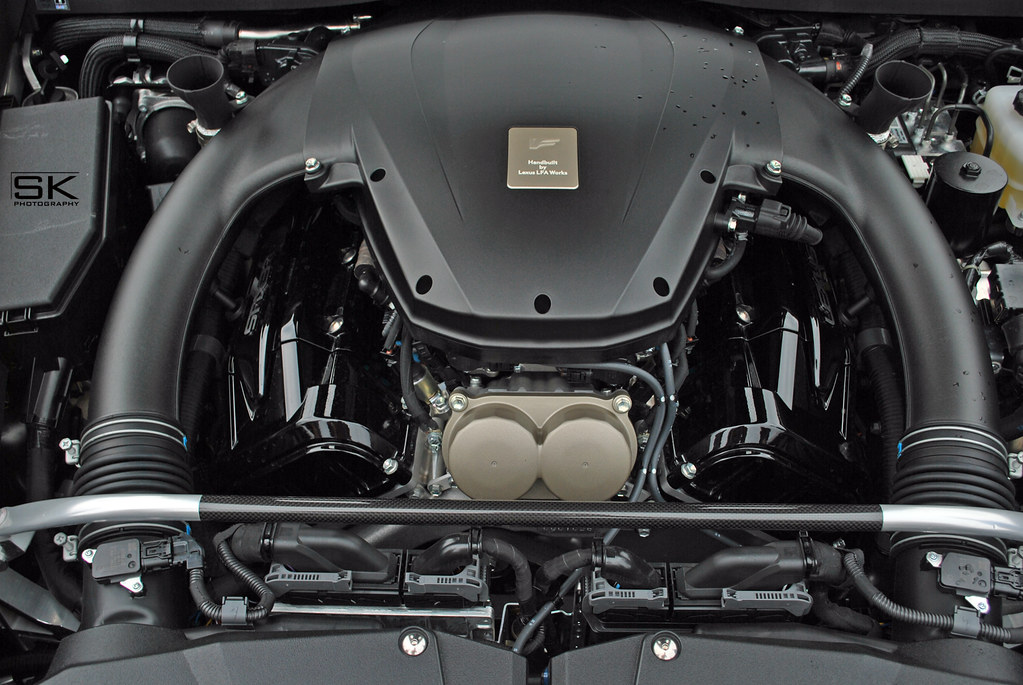
Lexus LFA 4.8L V10 (1LR-GUE)

Lexus LFA 4.8L V10 (1LR-GUE) engine

Many regard the Lexus LFA as one of the best supercars ever made. Lexus only made 500 units, and I assumed those 500 sold out quickly. I was wrong. Despite the fact that Lexus hasn’t produced the LFA since 2012, there are still seven brand new LFA supercars for sale in the US, according to Carscoops. With all that said, the LFA came with one of the best V10 engines ever produced by a Japanese automaker. The 4.8L naturally-aspirated V10 – dubbed 1LR-GUE – made 552 hp and 352 lb-ft of torque. Developed in collaboration with Yamaha, it was a free-revving engine with an exhaust note that is truly unlike any other on the planet. As the sole representative from Japan, the 1LR-GUE is certainly one for the ages.

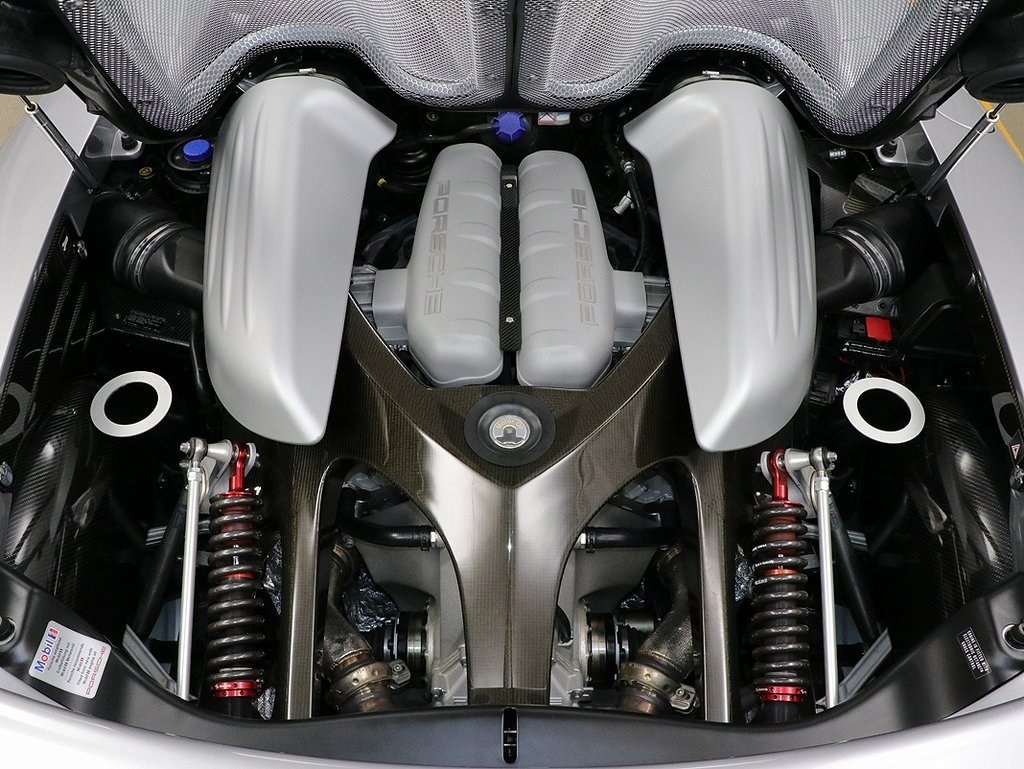
Porsche Carrera GT 5.7L V10 (980/01)

Porsche Carrera GT 5.7L V10 (980/01) engine

What makes the Porsche Carrera GT engine so special is that it is technically a race car engine. Not in that loosely-based sense – as is often used as a gimmick by salespeople – but in the true sense of the word. In the late 1990s, Porsche engineers in Zuffenhausen were assigned the task of developing a naturally-aspirated V10 concept engine, which was to later be used in a race car for the infamous 24 Hours of Le Mans endurance race. Sadly, the completion of that race car never came to fruition, but the efforts of the engine builders would not go to waste.

Porsche decided to adapt the engine for use in the Carrera GT and took the necessary steps to not only refine it in order to satisfy production car protocols but also managed to make it a more powerful version than the original unit. The result is a 5.7L naturally-aspirated V10 engine, which produces 612 hp @ 8,000 rpm and 435 lb-ft of torque @ 5,750 rpm. This allowed the Carrera GT to accelerate from 0-60 mph in 3.8 seconds and 0-100 mph in 6.9 seconds, with a top speed of 205 mph.

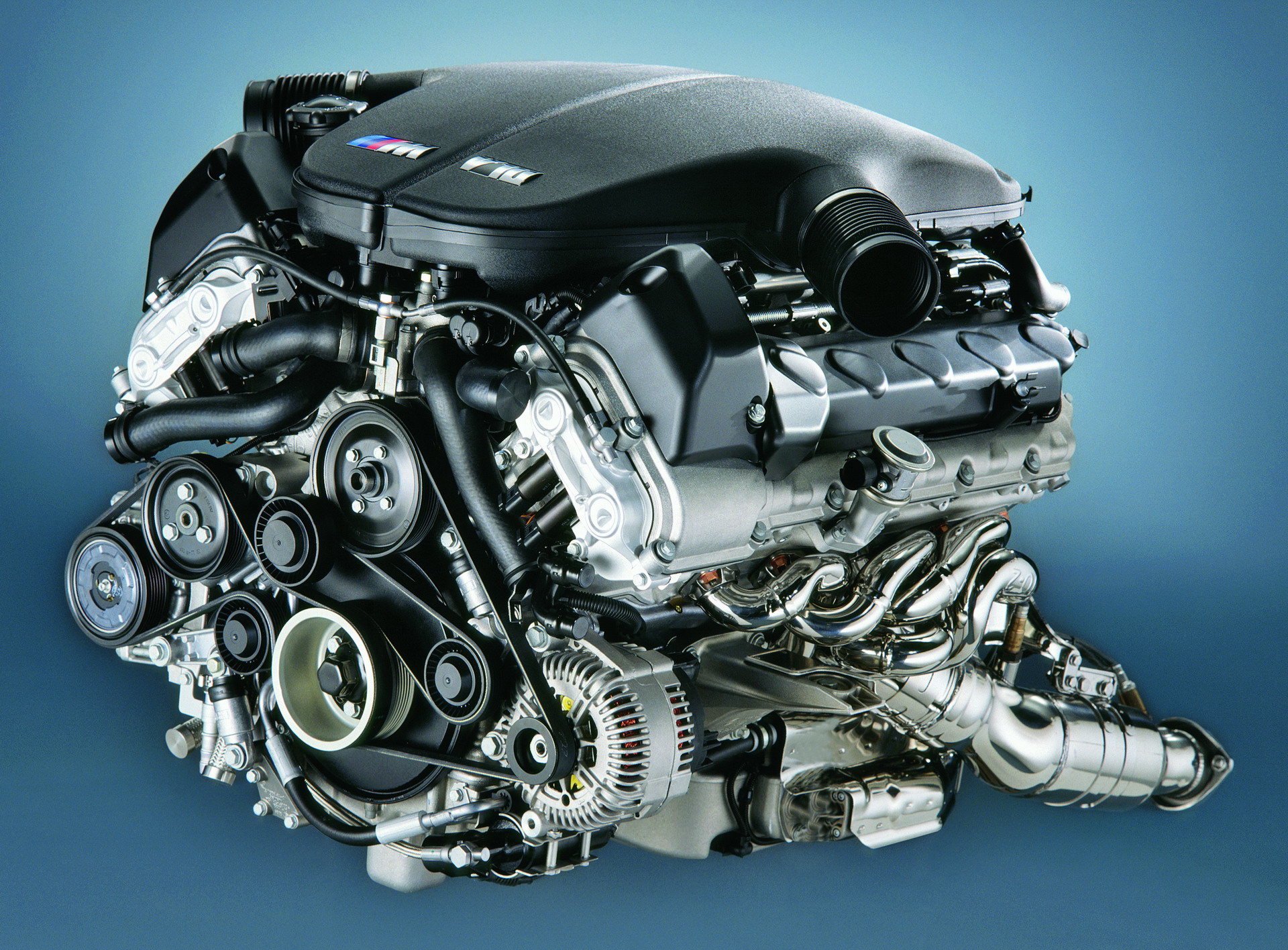
BMW M5 V10 (S85)

BMW M5 V10 (S85) engine

Released in mid-2005, the E60 M5 sedan featured a high-revving and ultra-powerful V10 engine, which was the only one of its kind in a series-production car at that moment in time (while also being the marque’s most powerful production car engine ever made). The 5.0L naturally-aspirated unit shared more than just the same number of cylinders as the Formula 1 engine that powered the BMW Williams F1 team. Technology forged in the heat of motorsport had enhanced the processes and components used in creating this new powerhouse. As you would expect from BMW M, this high-performance motor generates enormous pulling force over its entire speed range.

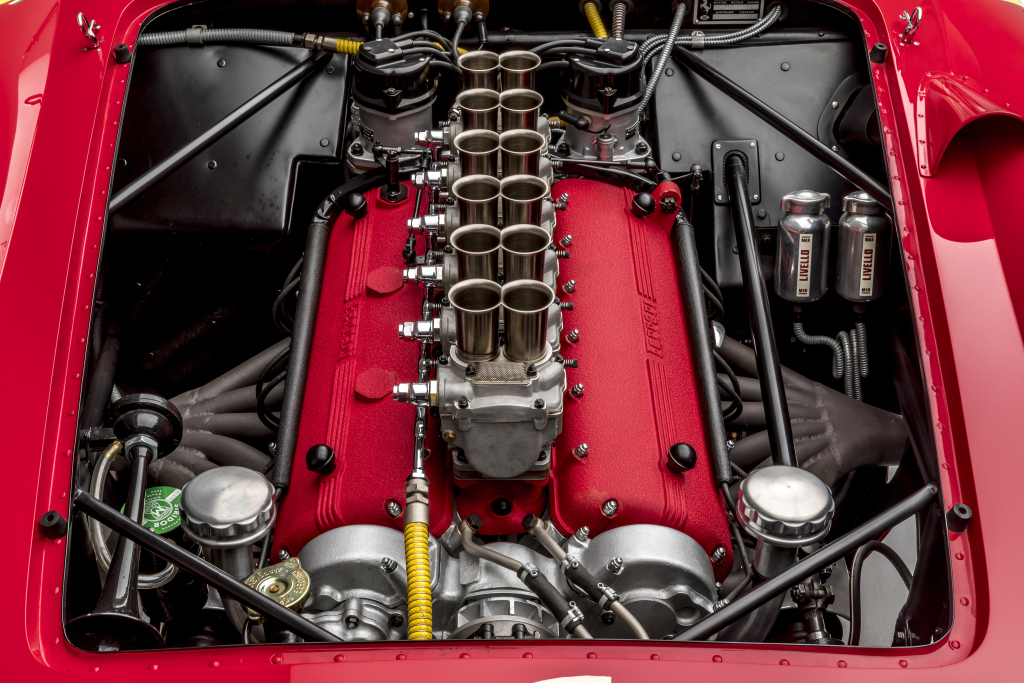
Ferrari Colombo V12

Ferrari Colombo V12 engine

Originally designed by Gioacchino Colombo, this engine can trace its roots back to the very first Ferrari-branded model designed by Ferrari Enzo – the 1947 Ferrari 125 S – where it debuted as a 1.5L V12. The core design of the engine would persevere for more than 4 decades; along the way growing in size, having various levels of forced induction, and becoming a dual-overhead-cam configuration with EFI. Many credit the motor’s longevity to its reputation for being bulletproof.

Successful in both road-going and race track derivatives, the list of Ferrari cars this engine has graced has no shortage of automotive icons; the Ferrari 250 Testa Rossa, Ferrari 250 GTO, and Ferrari 365 GTB/4, just to name a few.

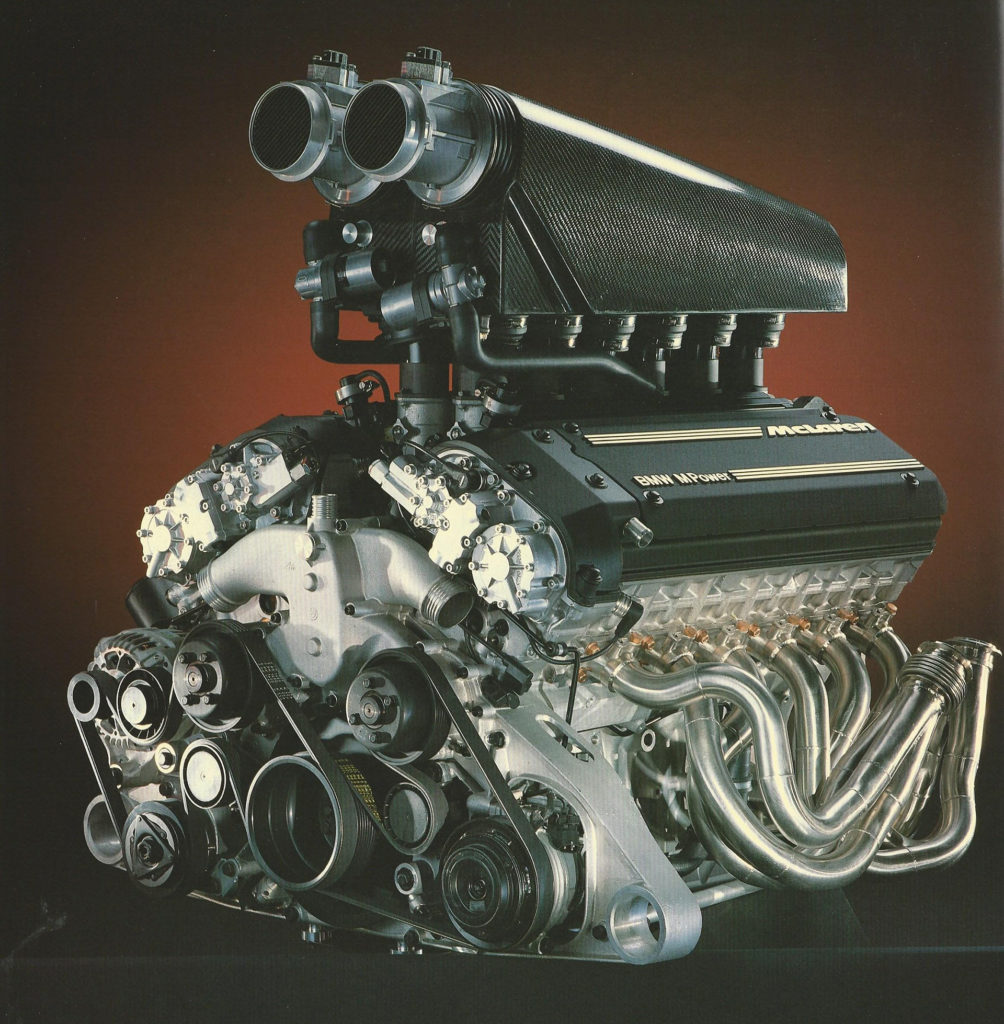
BMW S70/2

BMW S70/2 engine

Despite being produced by BMW, the S70/2 didn’t feature in one of the Bavarian automaker’s own production cars. Nevertheless, it did end up powering none other than arguably the most iconic supercars ever made – the 1992-1998 McLaren F1. The 6.1L naturally-aspirated unit produced 627 hp and was capable of 0-60 mph in just 3.2 seconds, and had a top speed of 240 mph. It wouldn’t be until the next millennium before those figures could be surpassed.

Interestingly enough, BMW wasn’t Gordon Murray’s first choice to supply the engine for his groundbreaking supercar, with collaborations with the likes of Honda and Isuzu falling apart before they would opt for the Munich-built power plant. Whatever might’ve happened if things turned out differently, who’s to know? But what we do know is that BMW got things absolutely spot-on with the S70/2, which continues to be regarded as one of the true and timeless masterpieces in automotive history.

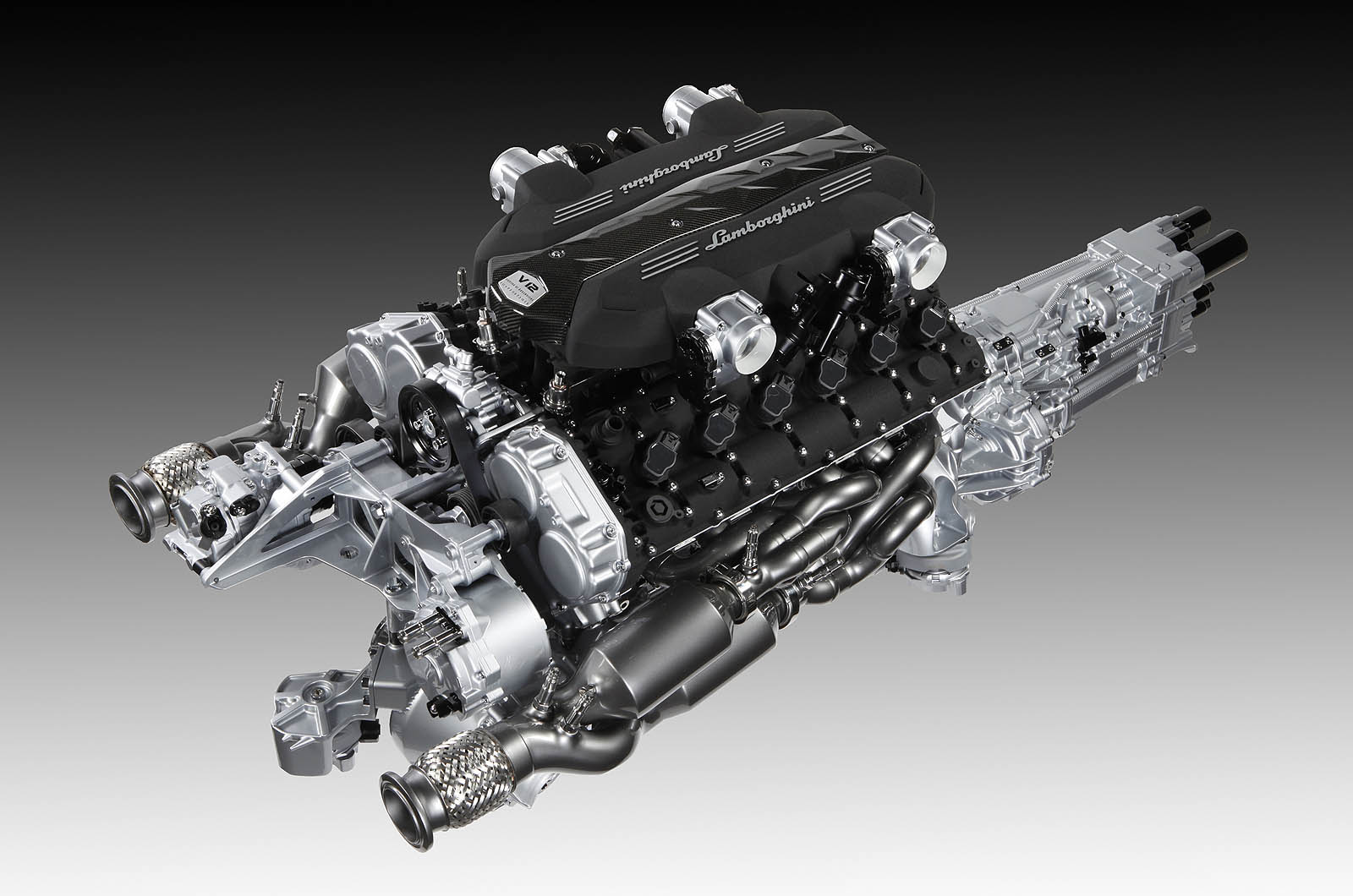
Lamborghini V12 L539

Lamborghini V12 L539 engine

Like Ferrari, Lamborghini also has a long and storied history with V12 engines, having created its very own first version of this power plant for its mid-’60s era Lamborghini 350GT production car. Starting off as a considerably brawny 270 hp 3.5L naturally-aspirated unit, the “Bizzarrini” engine would evolve into a 661 hp 6.5L naturally-aspirated unit and be fashioned by models as recent as the 2010 Lamborghini Murciélago LP-670 SV.

As long as the Bizzarrini engine persisted, we feel that the most significant statement of Lamborghini’s V12 mastery comes in the form of its latest iteration of the engine, dubbed ‘L539’. This power plant would share its debut with the 2011 Lamborghini Aventador, of which it initially powered with 690 hp via a 6.5L naturally-aspirated configuration. With a fresh design, the new engine was over 18 kg lighter than its predecessor and was programmed with a new firing order.  The all-wheel-drive supercar would see significant improvements during its lifecycle, with the latest iteration of the L539 car producing 770 hp in the limited-edition 2021 Lamborghini Aventador Ultimae.

Ferrari F140

Ferrari F140 engine

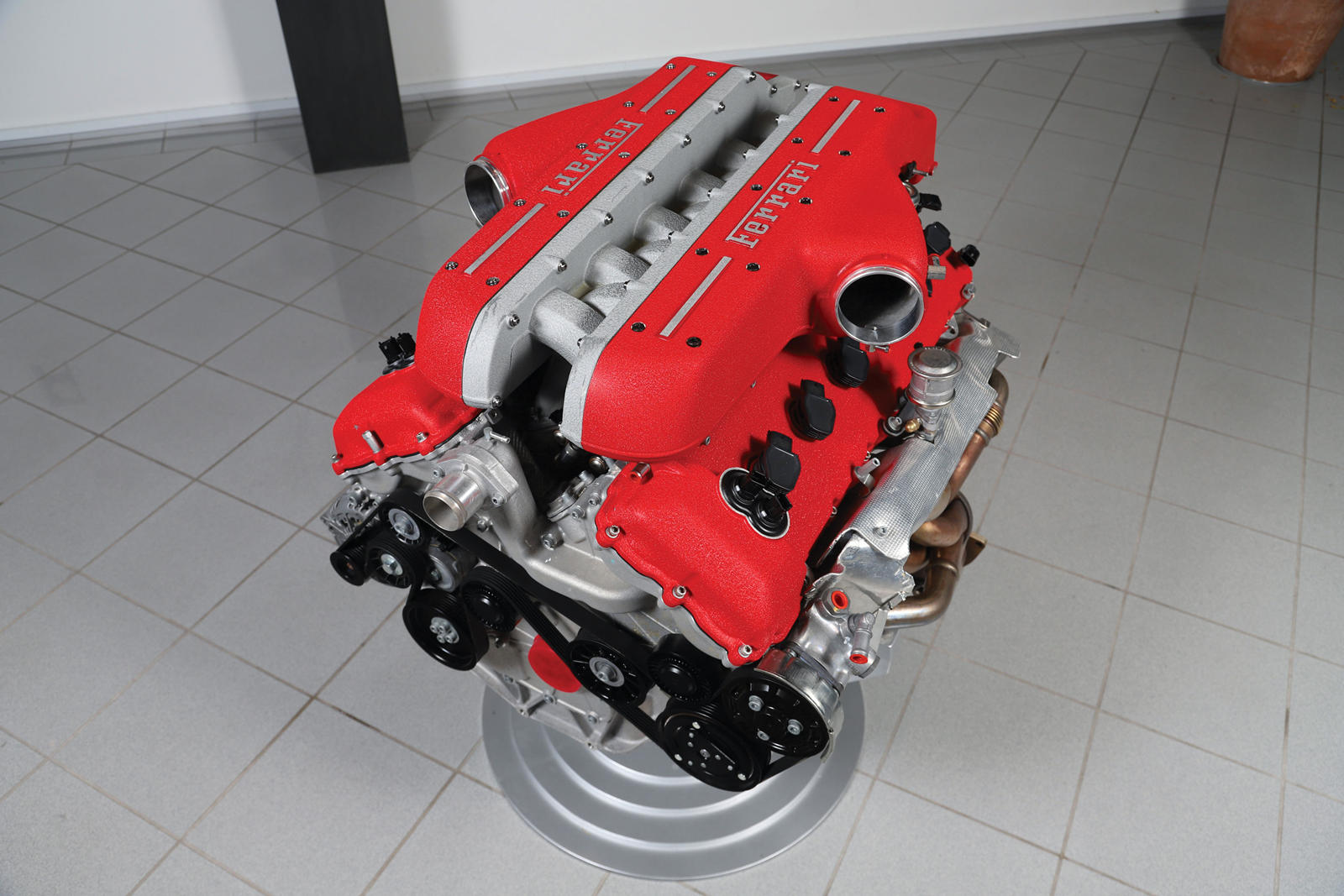
If the F140 had only powered the (2002-2005) Ferrari Enzo – the first Prancing Horse model where it featured – it would have been no less significant or legendary than it is today. The 65-degree V12 engine debuted on the Enzo as a 6.0L naturally-aspirated V12 unit which produced a staggering 651 hp @ 7,800 rpm and 458 lb-ft of torque @ 5,500 rpm. Over the years, 6.3L versions of the F140 have powered the likes of the hybrid LaFerrari and the F12berlinetta.

It has since evolved to its current peak as a 6.5L power plant – dubbed the F140 GA – which produces 789 hp @ 8,500 rpm and 530 lb-ft of torque @ 7,000 rpm in the 812 Superfast; this makes it the most powerful naturally-aspirated production car engine ever produced to this day. It is likely that this could be one of the final generations of Ferrari V12 engines – whether it be naturally aspirated, turbocharged, or even hybridized – so appreciate it while it’s still around!

Mercedes-Benz M120 / M297

Mercedes-Benz M120 / M297 engine

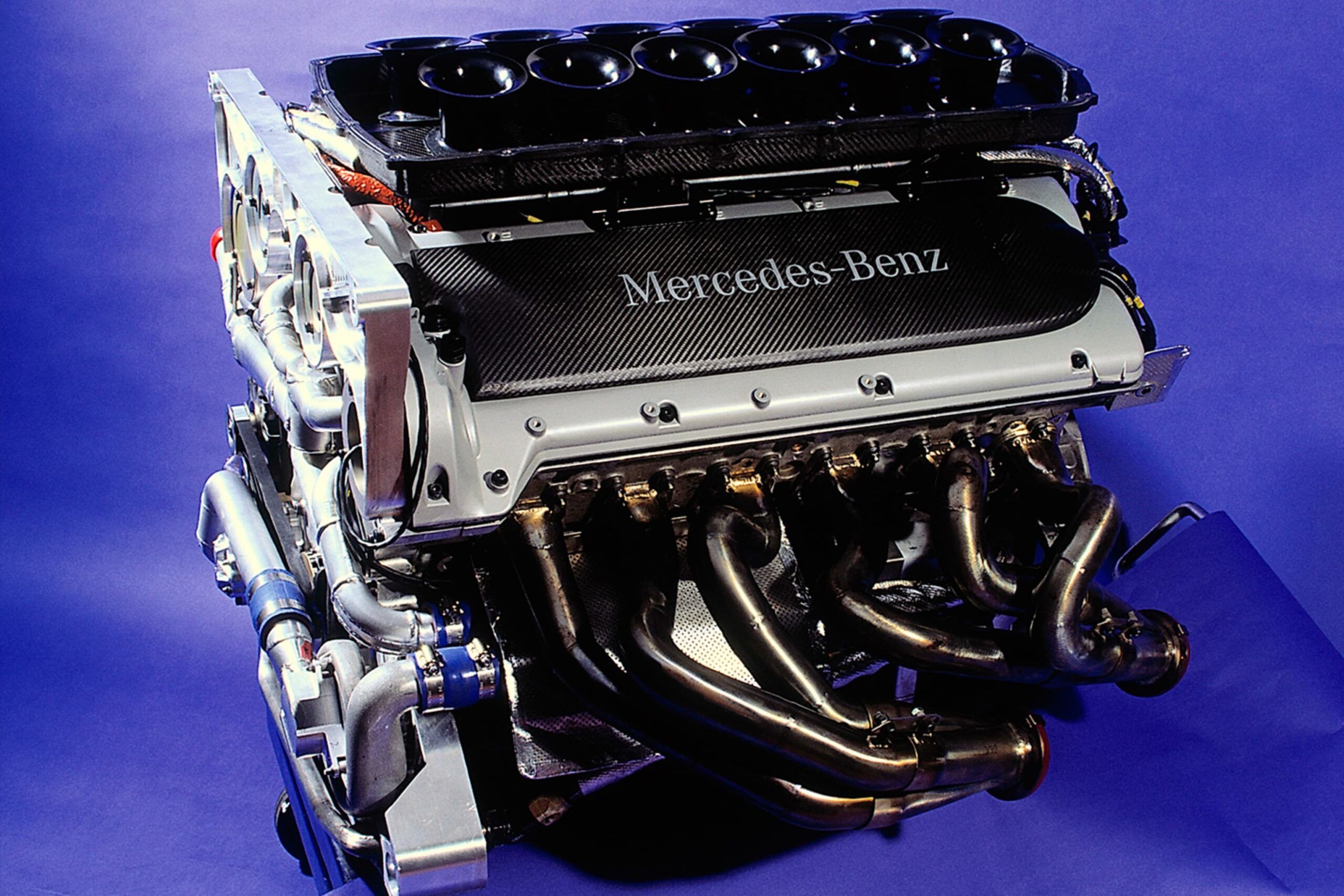
When Mercedes-Benz caught wind of archrival BMW’s side-hustle with Gordon Murray, let’s just say that there was no resting on any laurels going on at their Stuttgart headquarters. With a clever riposte, Mercedes would debut their first-ever V12 engine through the 1993 600 SEC (later to be renamed the S600 Coupé, and frequently referred to as the S-Class). The 6.0L naturally-aspirated power plant was good for 389 hp, 420 lb-ft of torque, and a top speed of 155 mph in its initial configuration.

Not only did Mercedes-Benz one-up BMW by using the engine for their own cars, but they also borrowed a page from their opponent’s playbook and had their M120 engine fashioned for use in the magnificent Pagani Zonda supercar as well. Hand-built and tuned by AMG, the M120 also featured on the Mercedes-Benz CLK GTR race car and also saw its displacement increased to 7.3L for use on the SL73 AMG and CL73 AMG – and at which point it was commonly referred to as the M297.  The most powerful iteration of the M120 features in the Pagani Zonda Revolución, with the non-street-legal car good for 789 hp and 538 lb-ft of torque.

Aston Martin NA V12

Aston Martin NA V12 engine

With one of the best sounding V12s (and automobile engines, period), the story of how the Aston Martin (naturally-aspirated) V12 came to be is rather more peculiar and convoluted. The project had less, should we say, glamorous beginnings, when things basically started off with the development of a 2.5L naturally-aspirated V6 engine. This particular unit was essentially the brainchild of Suzuki and Mazda, with the latter’s then-majority owner, Ford, then taking the blueprint to Cosworth, who would go on to build the Duratec V6.

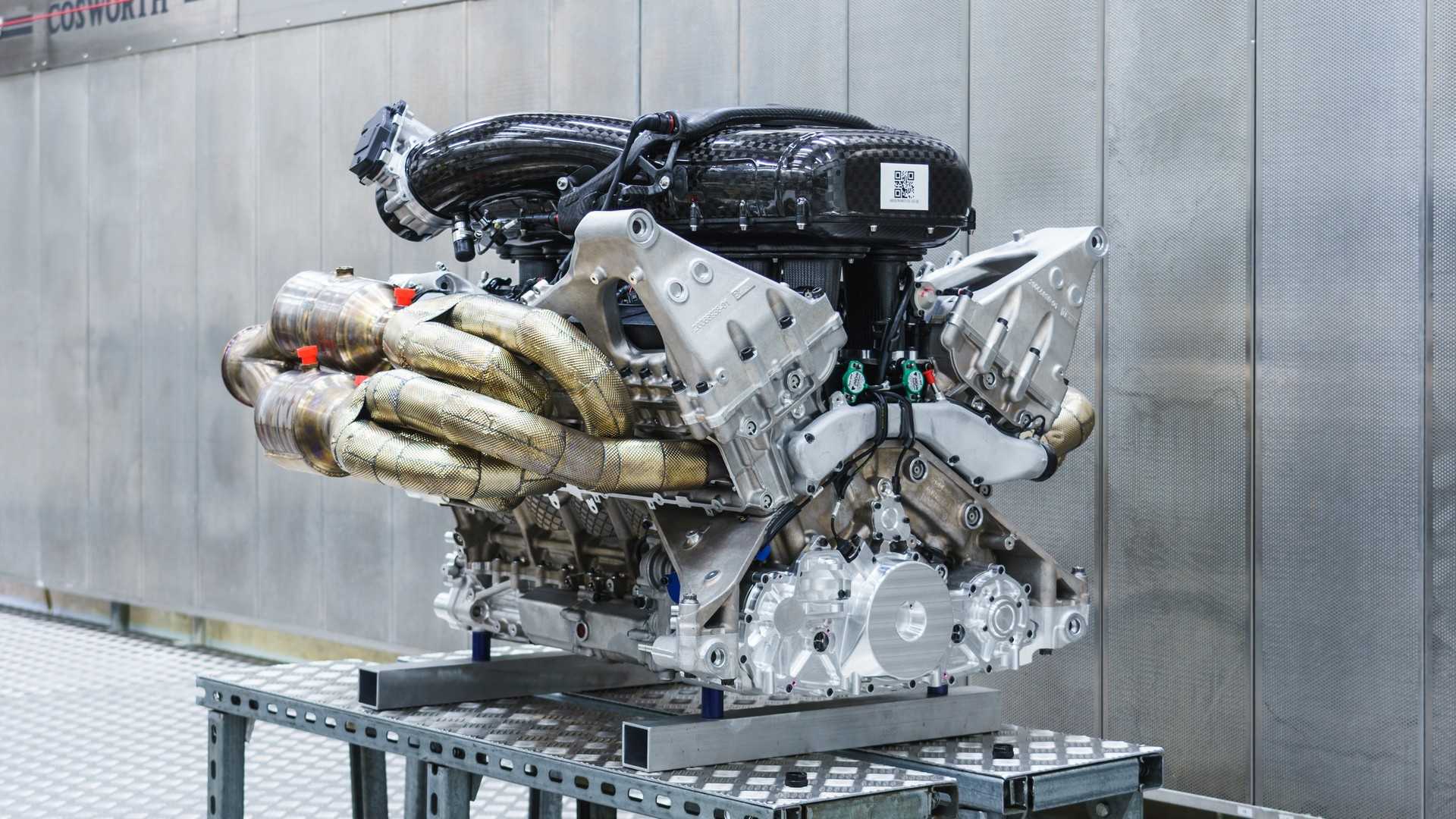
Needless to say, the story didn’t end there, and Aston Martin would end up bolting two of those engines together to create the 5.9L naturally-aspirated V12 it would stamp its name on (and market as a 6.0L). Having more in common with a Ford Taurus than owners or enthusiasts would like to admit, the motor produced 414 hp and 398 lb-ft of torque in the 1999 DB7 V12 Vantage. Aston Martin continues to employ a V12 engine to this day, with the 2017 DB11 having fashioned a 5.2L twin-turbocharged version. More recently, the company has referred back to the naturally-aspirated configuration, with a 6.5L unit designed to power its Valkyrie hypercar with over 1,000 hp @ 10,500 rpm (plus an additional 160 hp with its hybrid-electric system).

GMA Cosworth V12

GMA Cosworth V12 engine

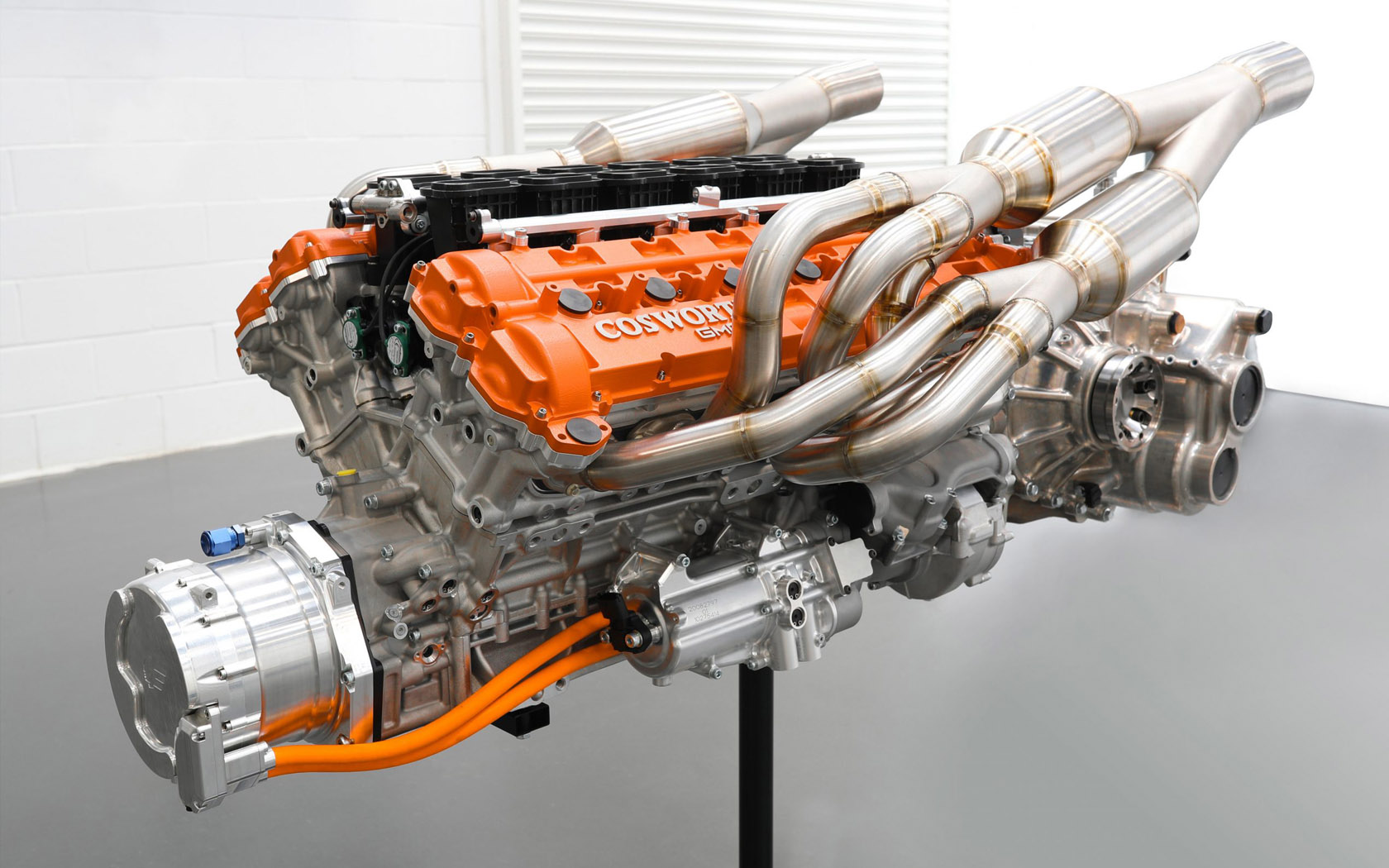
It’s impossible to speak about the naturally-aspirated engine in the GMA T.50, without getting into how it’s involved in so much more than just spinning the new supercar’s rear wheels, or about how other design elements of the car are built around it. As impressive as a 12,100 rpm redline sounds, its 654 hp and 345 lb-ft of torque doesn’t sound extraordinary by today’s standards. But rest assured this engine, and this car, are on the cusp of a truly “redefining” moment in automotive history. Crucially weighing at just 178 kg, the engine plays a huge factor towards the T.50’s overall curb weight of just 980 kg – about one-third that of a contemporary supercar or hypercar.

The GMA T.50 is the culmination of decades of Gordon Murray’s aerodynamic and mechanical engineering experience. Part of what makes the T.50 so exciting, is that it incorporates the design and function of the infamous Brabham BT46 “Fan Car.” A gigantic fan –  powered by the camshaft of the engine and coupled with the curved underbody of the BT46 – created an active venturi effect that quite literally vacuumed the car onto the road, and allowed it to corner at barely believable speeds and levels of grip. The T.50 will feature something similar, and likely more advanced. On a road car. We can’t wait to see this in the flesh.

Toyota 1GZ-FE

Toyota 1GZ-FE engine

To call Toyota’s 1GZ-FE the “Godfather” of Japanese automobile engines would be neither an understatement nor unbefitting. After all, the venerable V12 from the land of the Rising Sun – which exclusively powers the Toyota Century luxury sedan – is both one-of-a-kind and has a penchant for attracting a particular type of “underworldly” owner in its homeland. It’s the only production V12 engine to come from Japan and still manages to invoke all of the essential philosophies of Japanese craftsmanship – such as reliability, build quality, and refinement.

That being said, it’s certainly not the most powerful engine on this list and remained at around the 300 hp mark during its lengthy production run from 1997-2016. Nevertheless, it remains one of the most unique engines on this list and is no less iconic than its near-1000 hp contemporaries. This engine is prime for swapping into other platforms, with automotive personality Smokey Nagata fitting a twin-turbocharged version to his ‘Top Secret’ Toyota Supra. Thanks in large part to its distinctive engine, the Century remains a status symbol in Japan; in the way a Rolls-Royce Phantom does the same just about everywhere else.

Best New Sports & Performance Cars ($100K – $200K USD)

Porsche 911 GT3 (992)

Porsche 911 GT3 and GT3 Touring

Base Price: $160,100 USD (GT3), $160,100 USD (Touring)

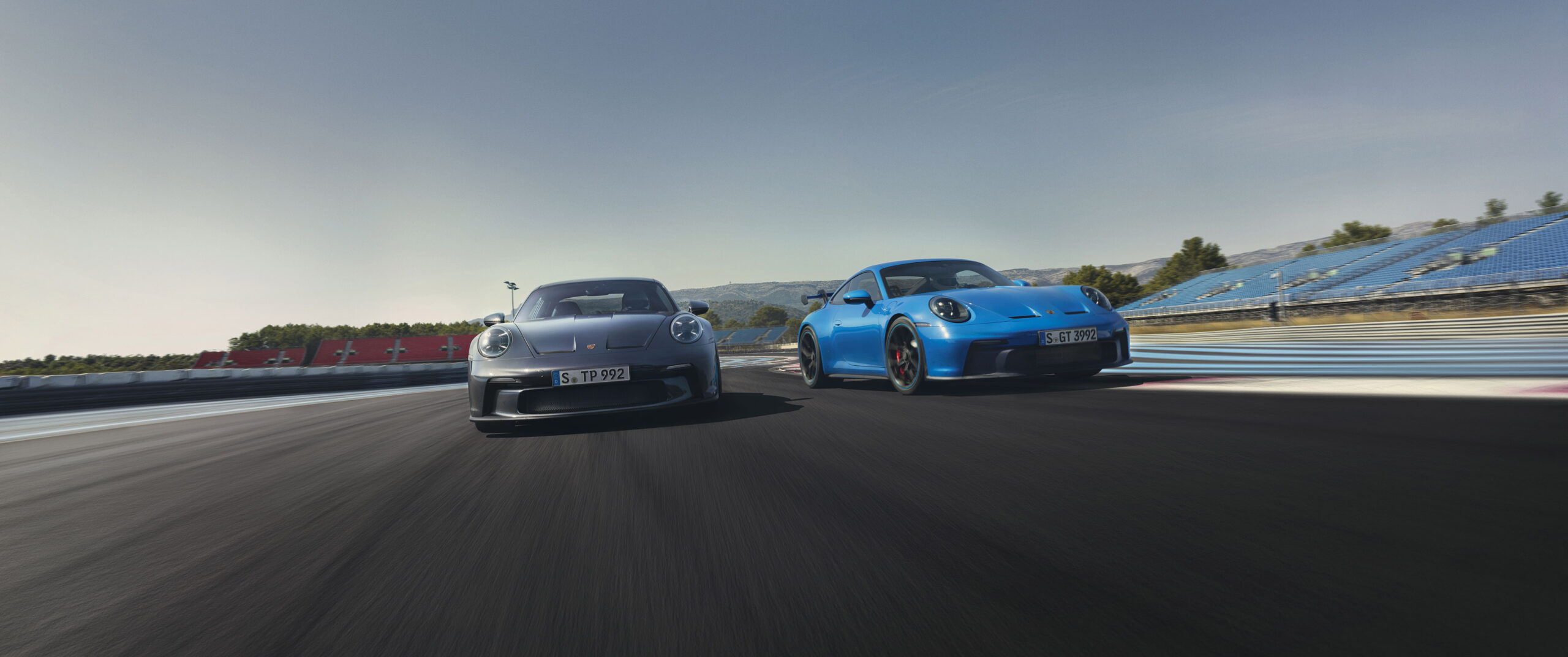
Porsche unveiled its new 992-generation Porsche 911 GT3 via digital livestream on YouTube. First deliveries are just starting to trickle in now, making it likely to be designated as a 2022 model. Semantics aside, this new GT3 becomes the seventh iteration of one of Porsche’s most established and beloved automobiles. More importantly, it continues to embody the spirit of previous GT3 models by amalgamating all that is awesome about the 911 – and the Porsche brand – in a single road car.

The automaker has continued the use of the naturally-aspirated 4.0L 9A1 flat-6 power plant in the 2022 Porsche 911 GT3. The only key differences between the engine used in the race car and the one used in the 992 GT3, are the exhaust system and ECU. Otherwise, the two engines share virtually all the same components, such as individual throttle bodies. As such, the new GT3 needed no “sound engineering” and inherently sounds amazing. With its astronomical 9,000 rpm redline, the GT3 produces 502 hp @ 8,400 rpm and 346 lb-ft of torque @ 6,250 rpm. 

Porsche Cayman GT4 RS

2022 Porsche 718 Cayman GT4 RS

Base Price: $140,000 USD (est.)

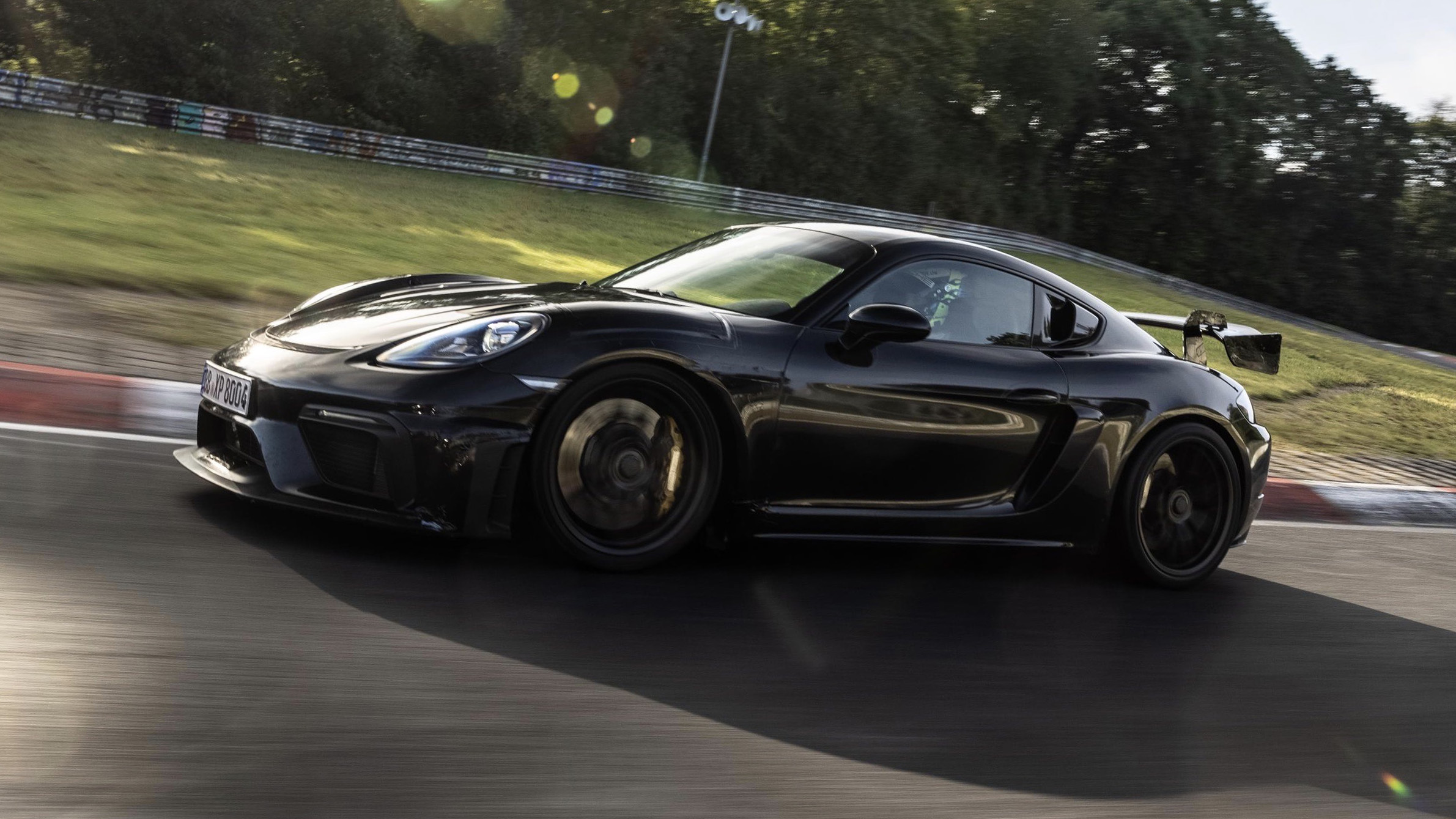
Porsche has confirmed under no uncertain terms that there will be a 718 Cayman GT4 RS model. This comes after many months of testing camouflaged mule cars (with accompanied spy shots) which had long hinted that the GT4 RS was going to be a real thing – we finally know that this will indeed be the case. Porsche has stated that they are in the process of wrapping up the final stages of testing.

The GT4 RS will come equipped with a 4.0L naturally-aspirated flat-6, though Porsche has not yet provided any horsepower figures. Besides being obviously more than that of the GT4, many media outlets are predicting that it could make as much as 500 hp, especially considering the measurable gap in their ‘Green Hell’ lap times. Other telling differences can be spotted visually, with the GT4 RS being subject to the customary aerodynamic transformation. This includes a more aggressive front splitter, front fender vents, and a swan-neck rear wing (similar to that of the 992 GT3).

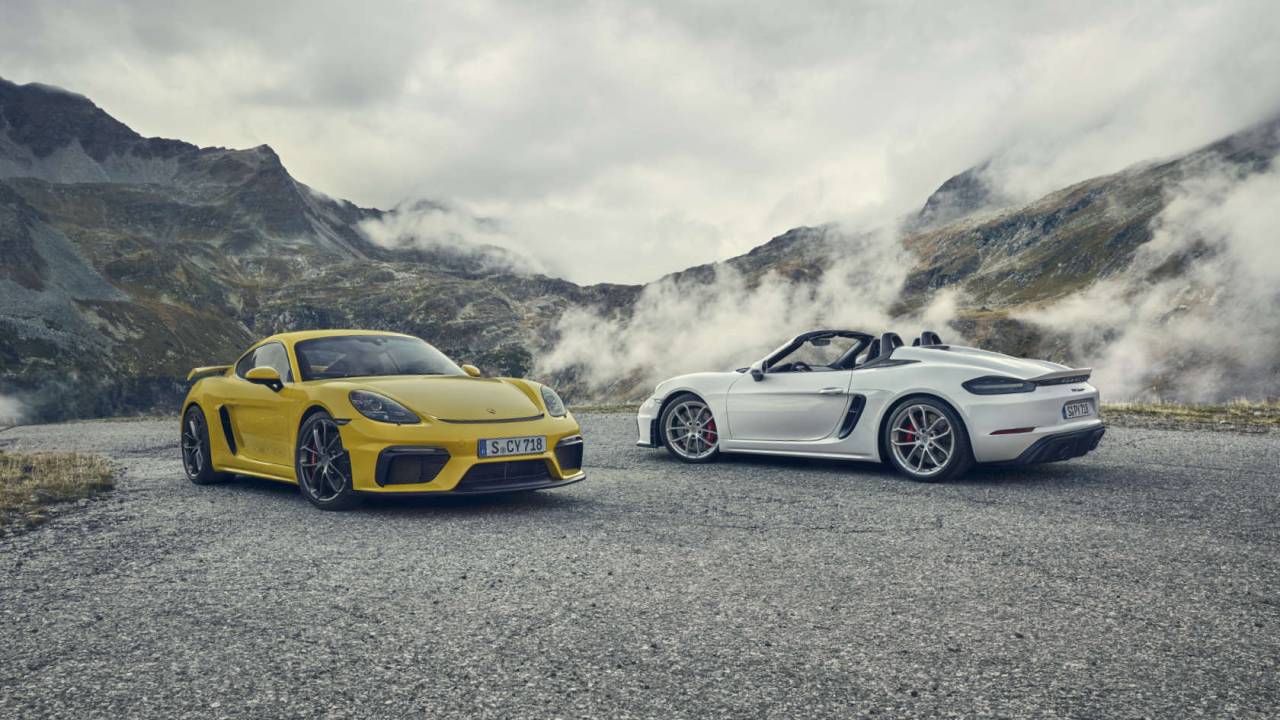
Porsche 718 Cayman GT4 / 718 Boxster Spyder

Porsche 718 Cayman GT4 Boxster Spyder & 718 Boxster Spyder overall review

Base Price: $101,200 USD (GT4) / $98,300 USD (Spyder)

The first iteration of the Porsche Cayman GT4 made its debut in 2015, drawing a conclusion to the third generation of Boxster/Cayman (981). Since that time, the GT4 has become a cult hero amongst purists with its absence of frills (not to be misheard as ‘thrills’), relative affordability and undisputable demi-god-status as one of the ultimate driver’s car. Shortly after the release of the 981 Cayman GT4, Porsche ushered in the fourth generation of the Cayman/Boxster (982) in 2016 which are marketed as the 718. The most welcome fact about the new 718 GT4/Spyder models is that they marked the reintroduction of the naturally aspirated 6-cylinder into the Cayman/Boxster series, and for the first time into the 982 generation.

With the main difference between the two cars being that the GT4 is a coupe while the Spyder is a drop-top, both cars are mechanically identical and benefit equally from the typical GT-treatment we have all come to adore. Like the inaugural GT4, the new GT ‘twins’ once again infringe on Porsche 911 territory with their stunning performance metrics to rival Stuttgart’s own flagship car.

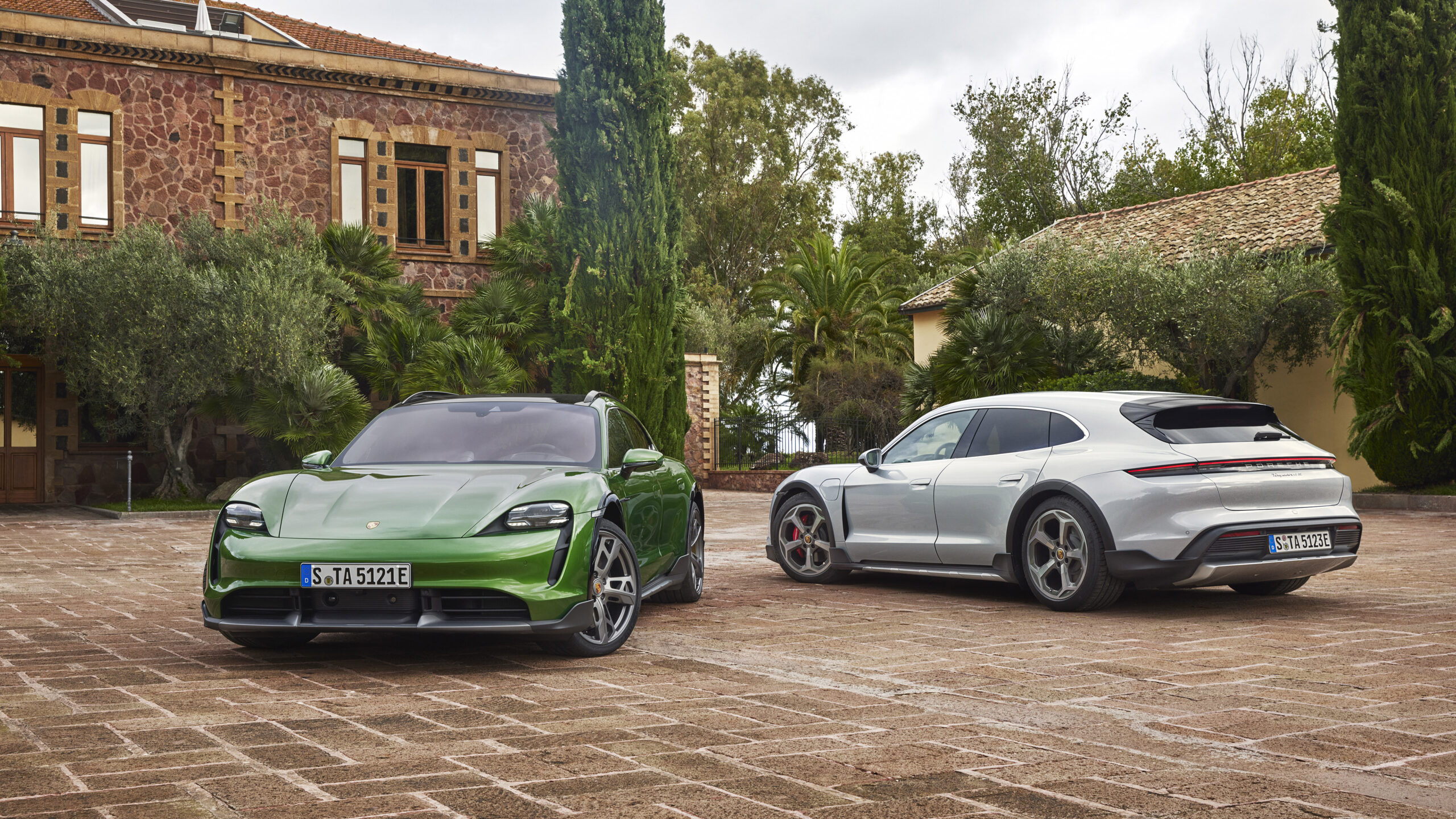
Porsche Taycan (All Models)

2021 Porsche Taycan Cross Turismo

Base Price: Starting at $79,900 USD (Sedan) / Starting at $90,900 USD (Cross Turismo)

Porsche’s first EV was the statement car of 2020, proving that a future with electrification can still embody the soul of a true sports car in the Taycan Turbo and Taycan Turbo S. Shortly after their release, Porsche added a slightly detuned version of the Taycan in a trim level known as the Taycan 4S. The company has since expanded the Taycan sports sedan lineup with even more versions, including a rear-wheel drive base model, with a future GTS version rumored to be in the works. Although base prices do start below the $100K mark, the vast majority of Taycan models (even without any options added) certainly meet this threshold.

With the introduction of the new Cross Turismo range of Porsche Taycan models in 2021, we’ve now entered the second act of the company’s electrification strategy. The Porsche Taycan Cross Turismo carries over the EV-platform and performance from its sedan counterpart, then amalgamates them with the utilitarianism of a sporty crossover/estate. What this means is that you can expect the same 800-volt battery architecture powering the car, with 93.4 kWh as the standard fare on all models (certain sedan trims could be had with a smaller 79.2 kWh pack). The Porsche Taycan Cross Turismo is currently available in four distinct trim levels – 4, 4S, Turbo, and Turbo S – with relative performance figures and standard features across the range, mostly in parallel with that of the sedans.

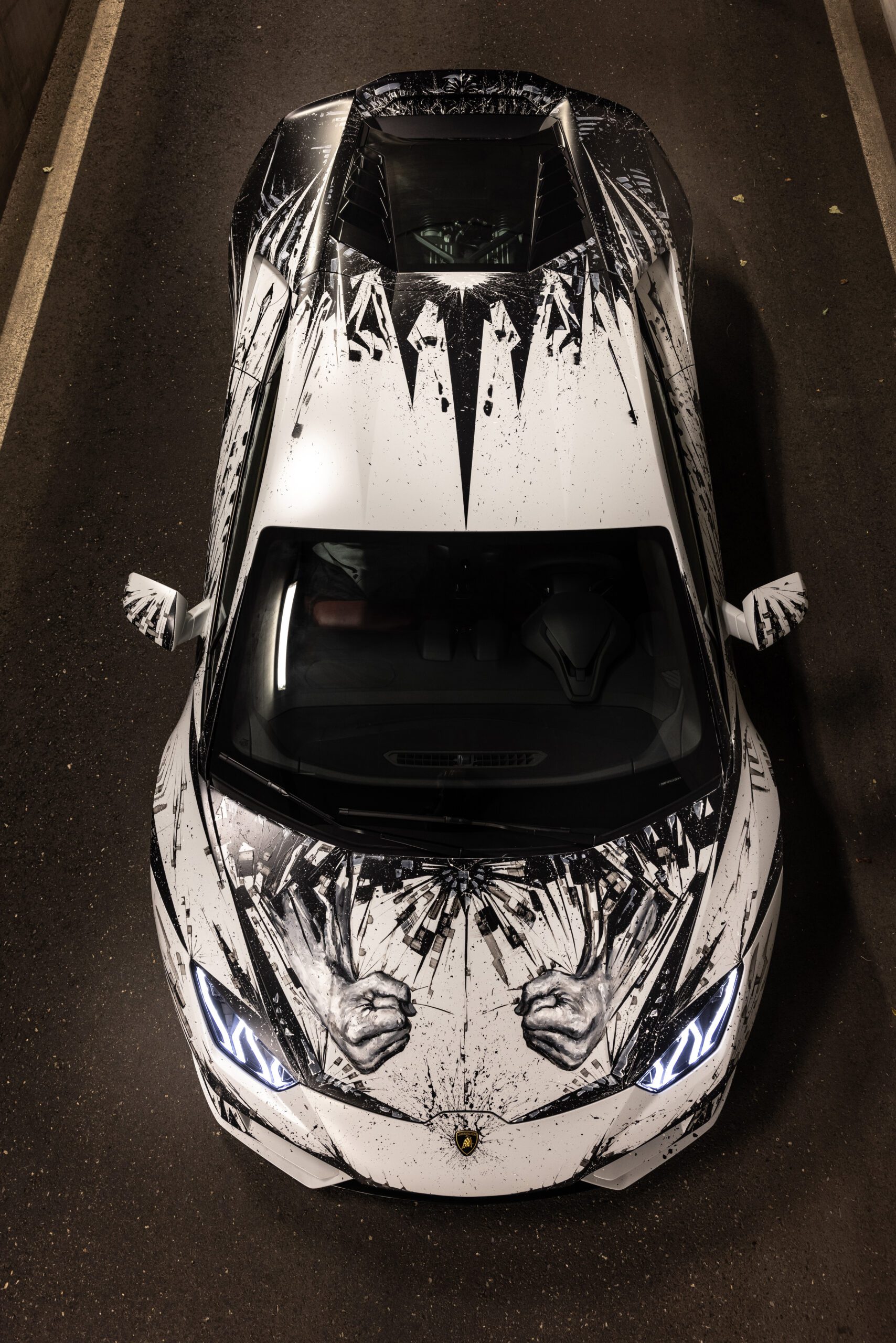
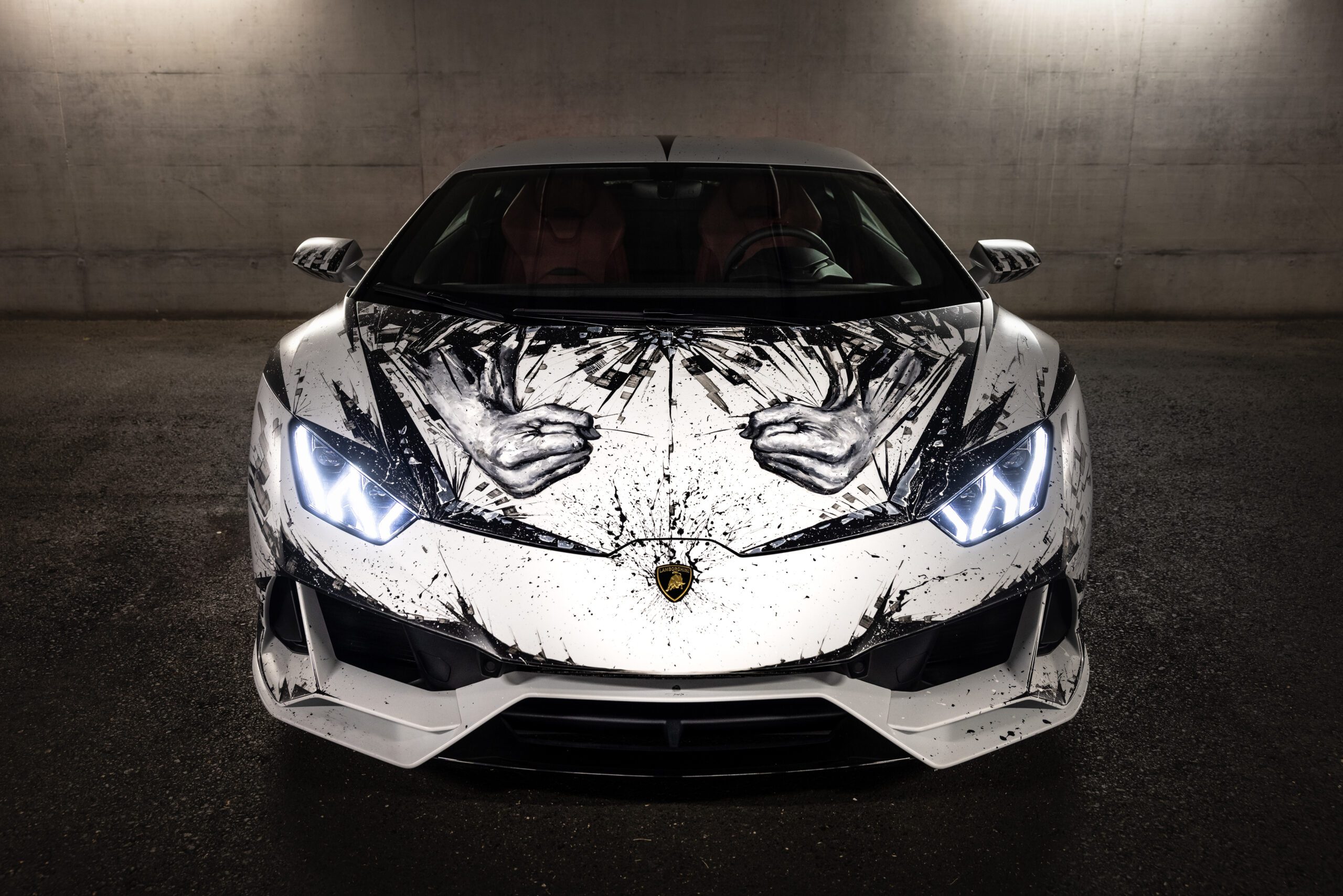
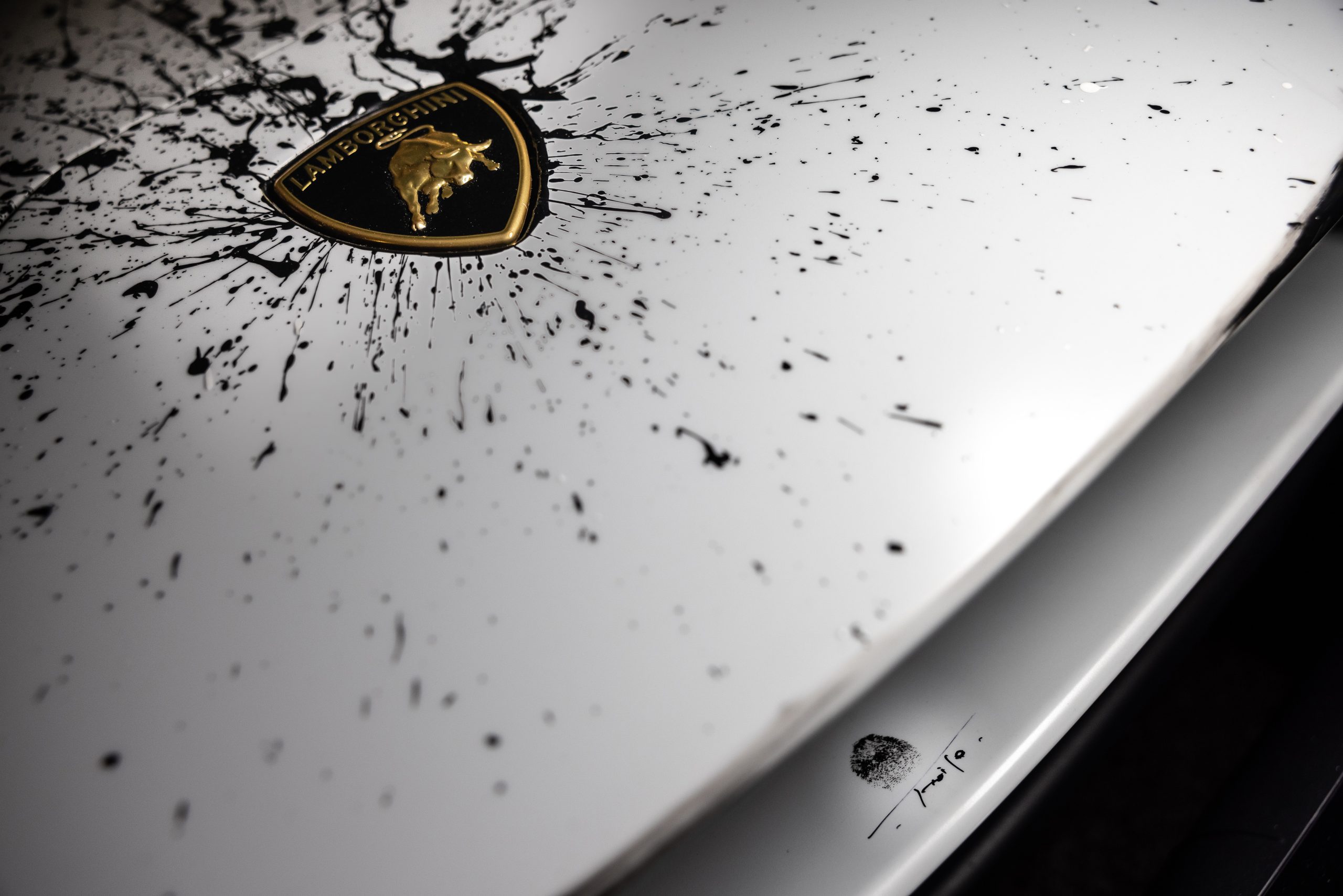
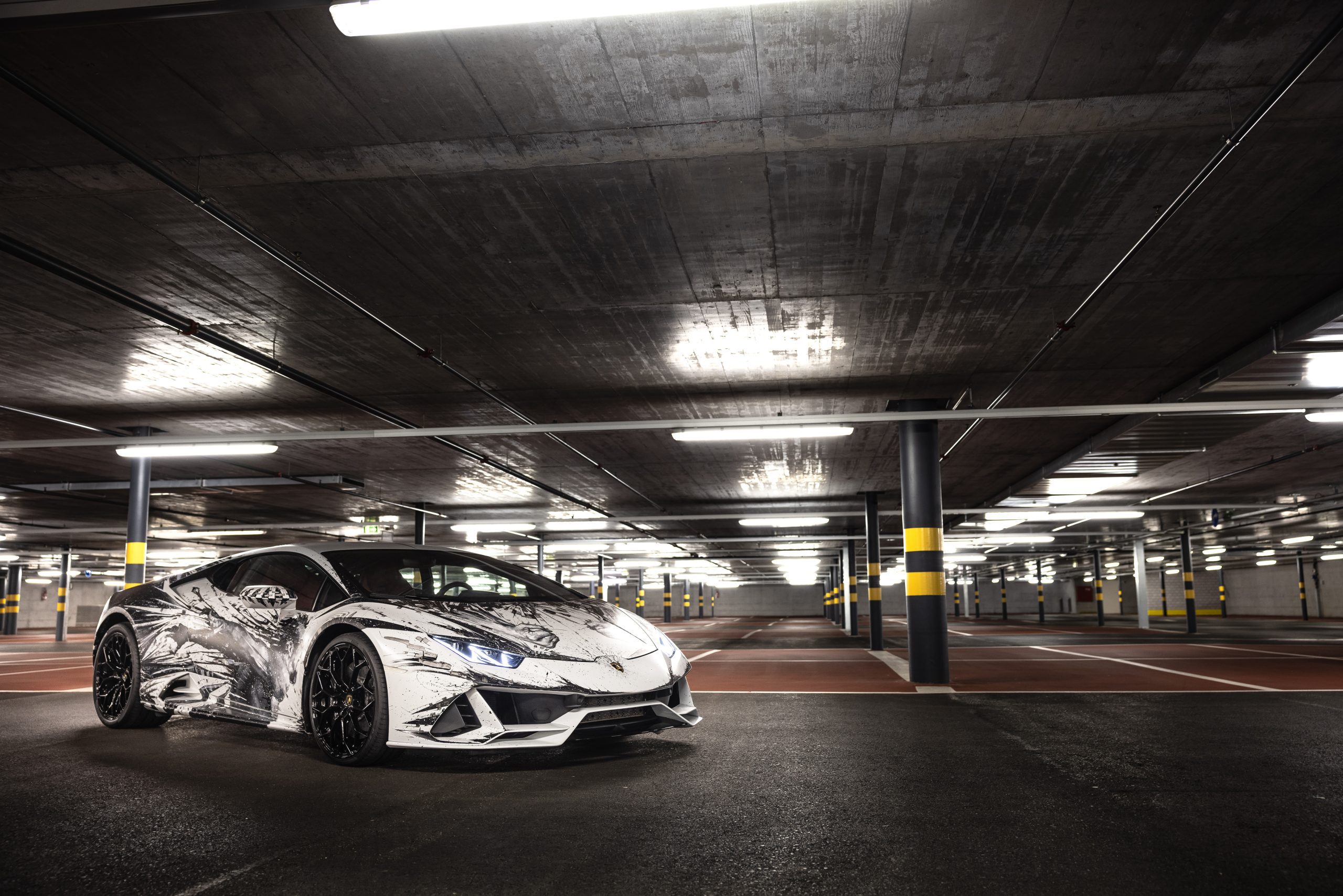
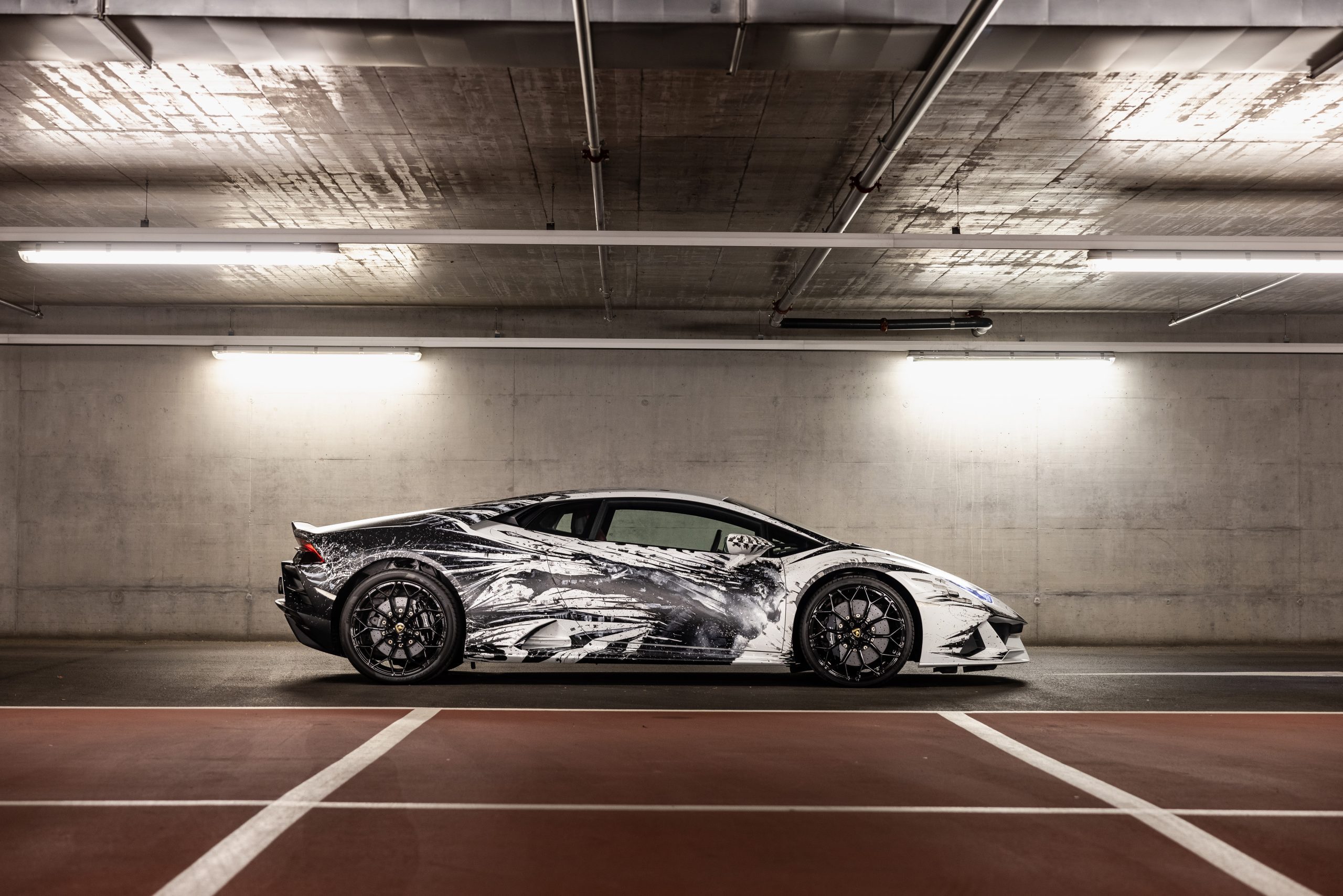
Artist Paolo Troilo’s Interpretation Of The Lamborghini Huracán EVO

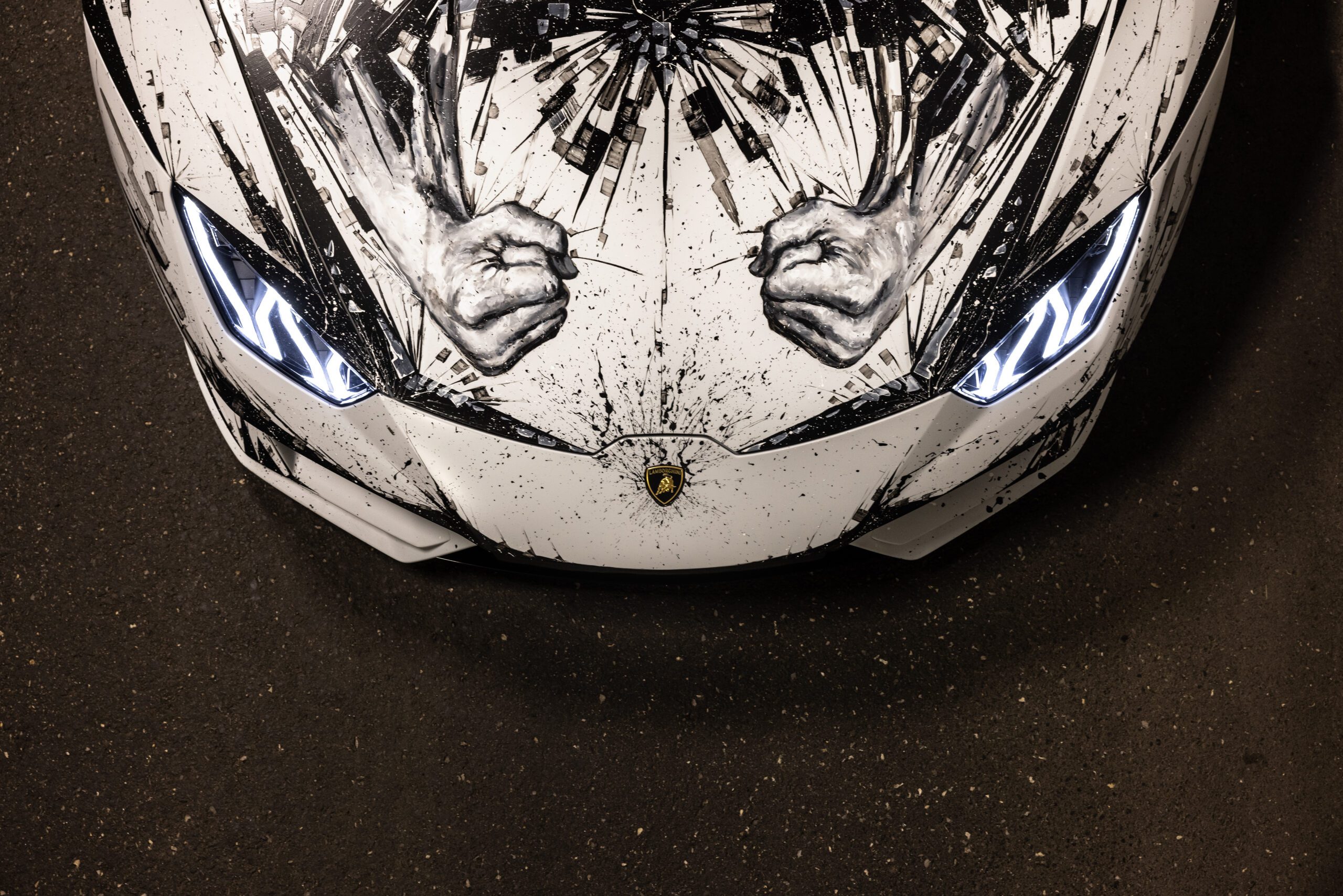
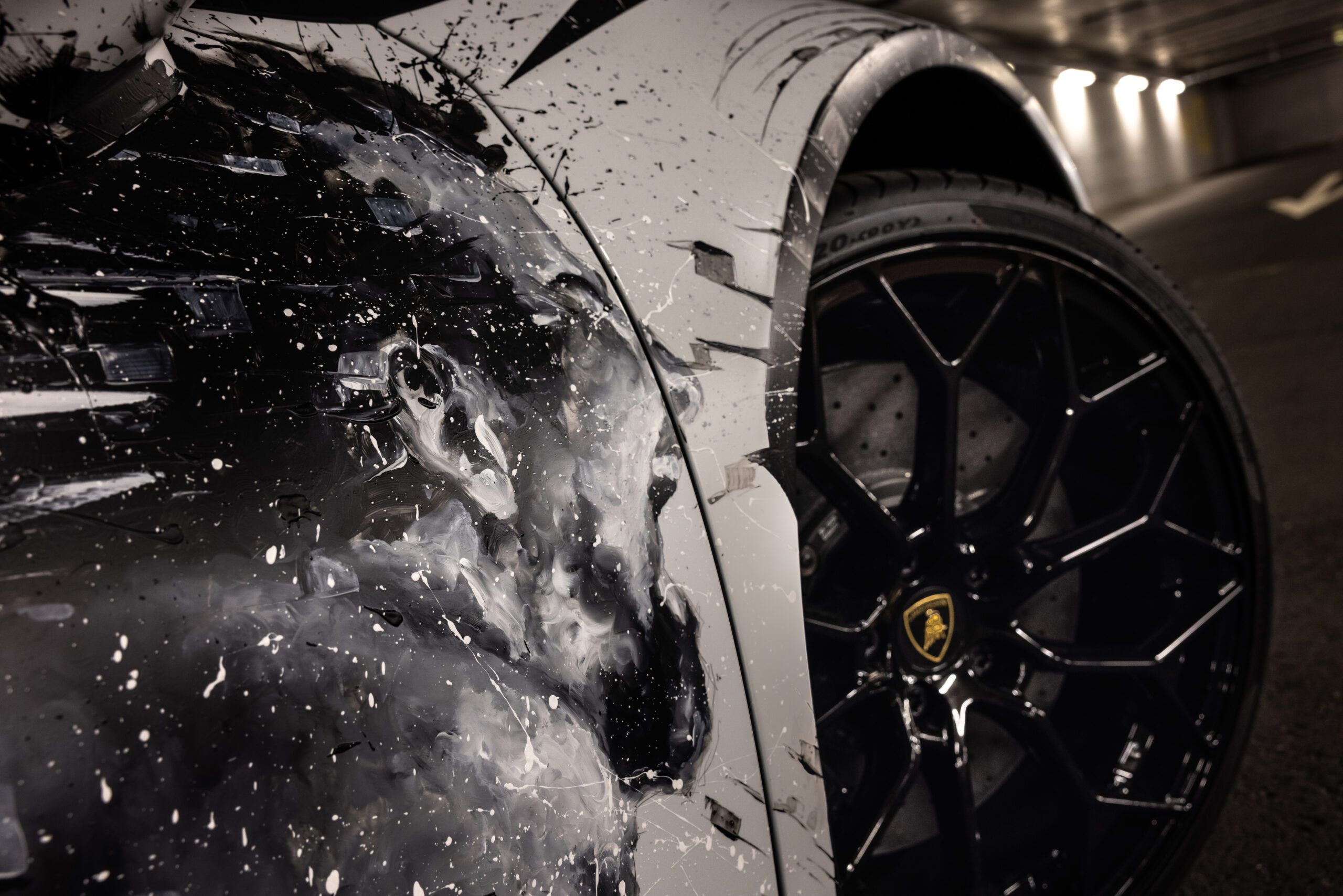
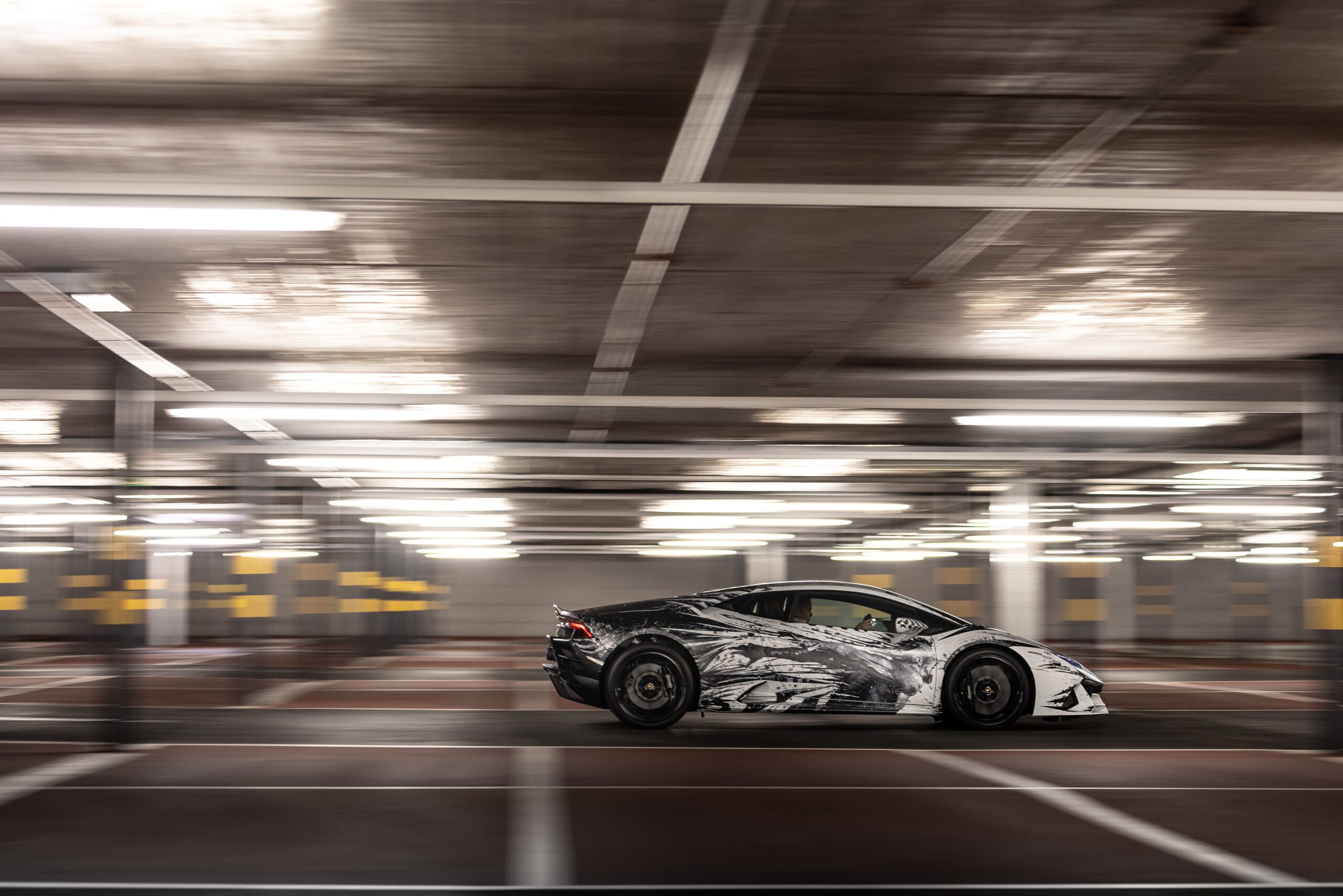
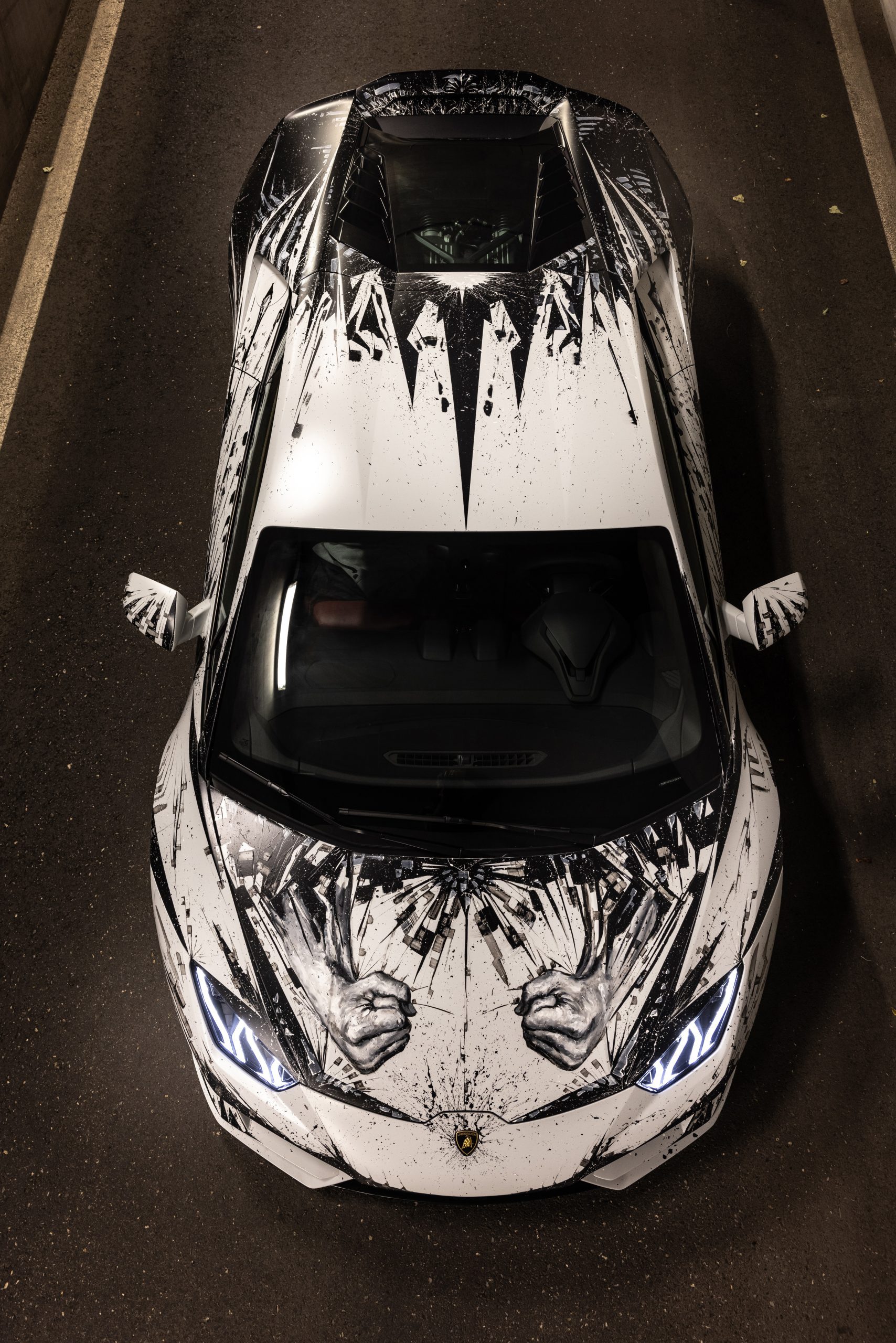
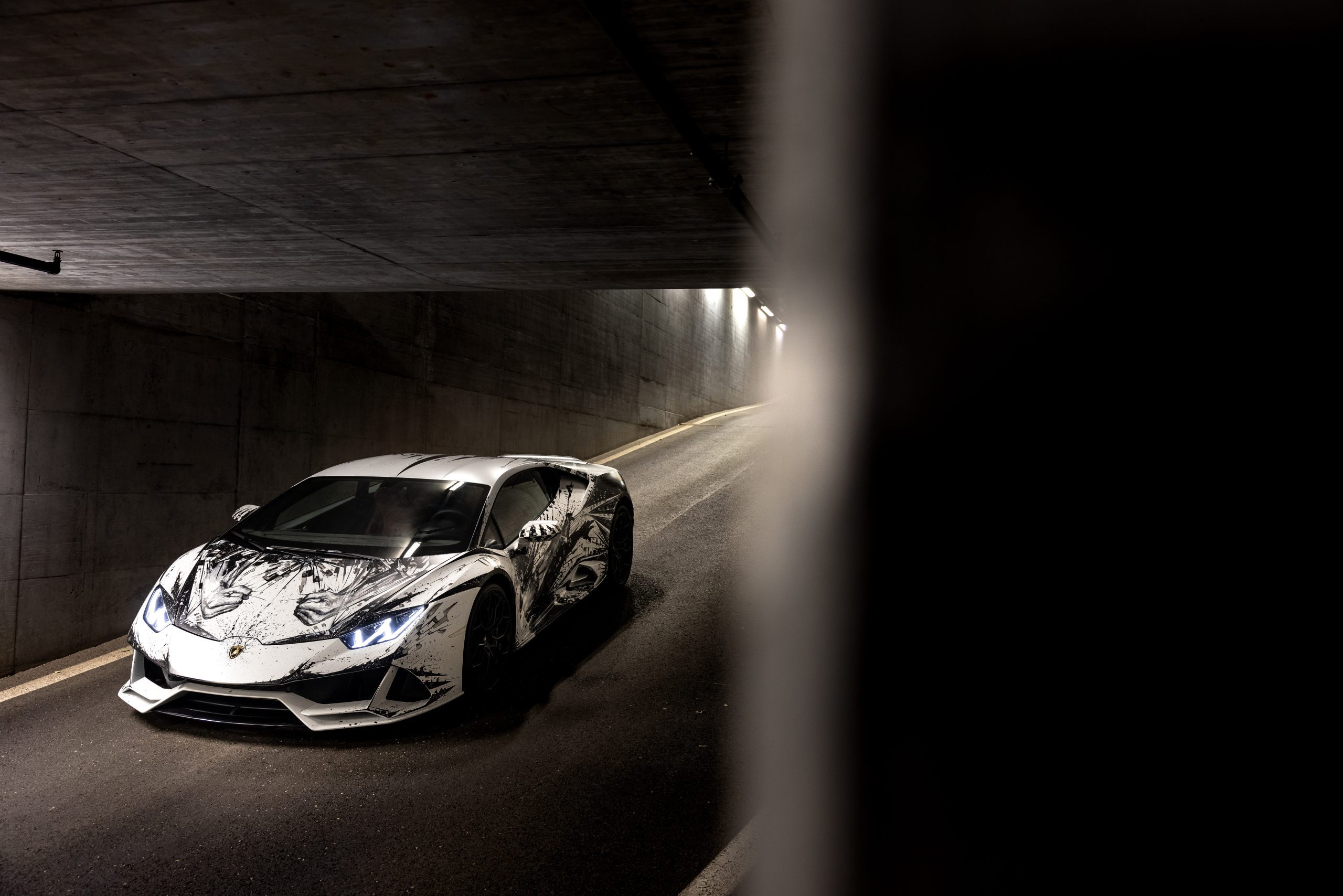
A few days ago, the “Minotauro” (Minotaur) artwork was unveiled at La Bullona in Milan. What makes this painting doubly interesting is that Paolo Troilo’s ‘canvas’ where he expressed his painting is none other than a Lamborghini Huracán EVO.

The artwork is the representation of what the artist felt when he drove the Huracán EVO. The dynamism and power are shown in the powerful features of the figure that Paolo Troilo imprinted on the supercar.

Lamborghini Huracán EVO interpreted by the artist Paolo Troilo

An ever-evolving representation of the male body is the defining element of Paolo Troilo’s work. The “Minotauro” communicates the mix of emotions Troilo experienced after encountering the Lamborghini.

Automobili Lamborghini Marketing Director Christian Mastro shared, “It was inspiring to meet Paolo Troilo and his artistic expressiveness. In our company we are accustomed to art and the way it has always influenced our cars. However, when our product and the emotions it brings come together with the sensibilities of an artist like Troilo, something different and exceptionally unique like ‘Minotauro’ is created, and we are very proud of this.”

Lamborghini Huracán EVO interpreted by the artist Paolo Troilo

The artist paid tribute to the Huracán EVO in his depiction of the man and the Automobili Lamborghini bull symbol. The concept of the myth was depicted in the supernatural and animalistic force painted on the supercar. Sitting prominently on the hood are the forearms and the clenched fists, reminiscent of a bull’s horns.

“Time. I am enamoured with the idea of slowness, and I have always championed it as a key to pleasure, culture, beauty and success. But there are some encounters that change you. Seeing the Lamborghini Huracán EVO and trying it out suggested to me that there are also things capable of releasing the same energy with acceleration, with speed, with momentum. I heard the sound of the wind picking up as the space narrowed and time distorted: I felt a flowing wind and used it to paint on the muse itself, the inspiration of these emotions: the Huracán, my Minotauro,” shared the artist, Paolo Troilo.

Lamborghini Huracán EVO interpreted by the artist Paolo Troilo

The Paolo Troilo painted Huracán EVO will be on display until November 13, 2021 at the Palazzo Serbelloni at Corso Venezia, 16 in Milan. Other works of the artist will also be displayed as part of the “TROILO-MILANO SOLO ANDATA” (TROILO-MILAN ONE WAY) exhibit, curated by Luca Beatrice.

Born on March 27, 1972 in Taranto, Paolo Troilo already showed considerable talent at a young age of seven years old.

His mother, Lucia Troilo, lovingly nurtured the budding talent by making sure that he has sheets of paper and pencils at home. It wasn’t long before his father, Antonio Troilo, an anesthetist, started to commission him to create illustrations of pathological anatomy that his father would show at medical conferences.

Lamborghini Huracán EVO interpreted by the artist Paolo Troilo

He studied at the European Institute of Design in Rome and he also took up Arts and Architecture at the University of Florence. However, he never finished those two degrees as he really wanted to work in advertising.

In 1997, he moved to Milan to start his career in advertising.

It was around April 2005, he was still very active in the advertising industry, when he decided to switch from drawing to dabble in painting.

On the day he brought the materials he would need to shift to painting, he fortuitously forgot to buy brushes. He still needed to express himself, so he started painting with his fingers. The ‘mistake’ gave birth to his technique and together with his powerful vision, make him uniquely stand out.

Lamborghini Huracán EVO interpreted by the artist Paolo Troilo

While working at the prestigious Saatchi & Saatchi. He was nominated Best Italian Creative Director in 2007 for his Grand Prix of the Italian Art Directors Club.

He left the world of advertising in 2009 to concentrate on painting and in 2011, he was selected for the 54th Venice Biennale. He became an independent artist in 2013 and with the help of patrons, set out to pursue his own path.

His art has been exhibited in San Francisco, Singapore, Tel Aviv, Istanbul, New York, Los Angeles, Roman, Palermo, Florence, and Milan.

He currently lives and works in Milan.

Is the Aston Martin Valkyrie Spider better than the V12 hard-top?

We’ve just published an article about the very first customer finally taking delivery of an Aston Martin Valkyrie when Top Gear publishes a video in which they talk about the fact it might have been a better idea to get the Spider version because let’s face it, who doesn’t like a convertible hypercar?

[embedded content] [embedded content]

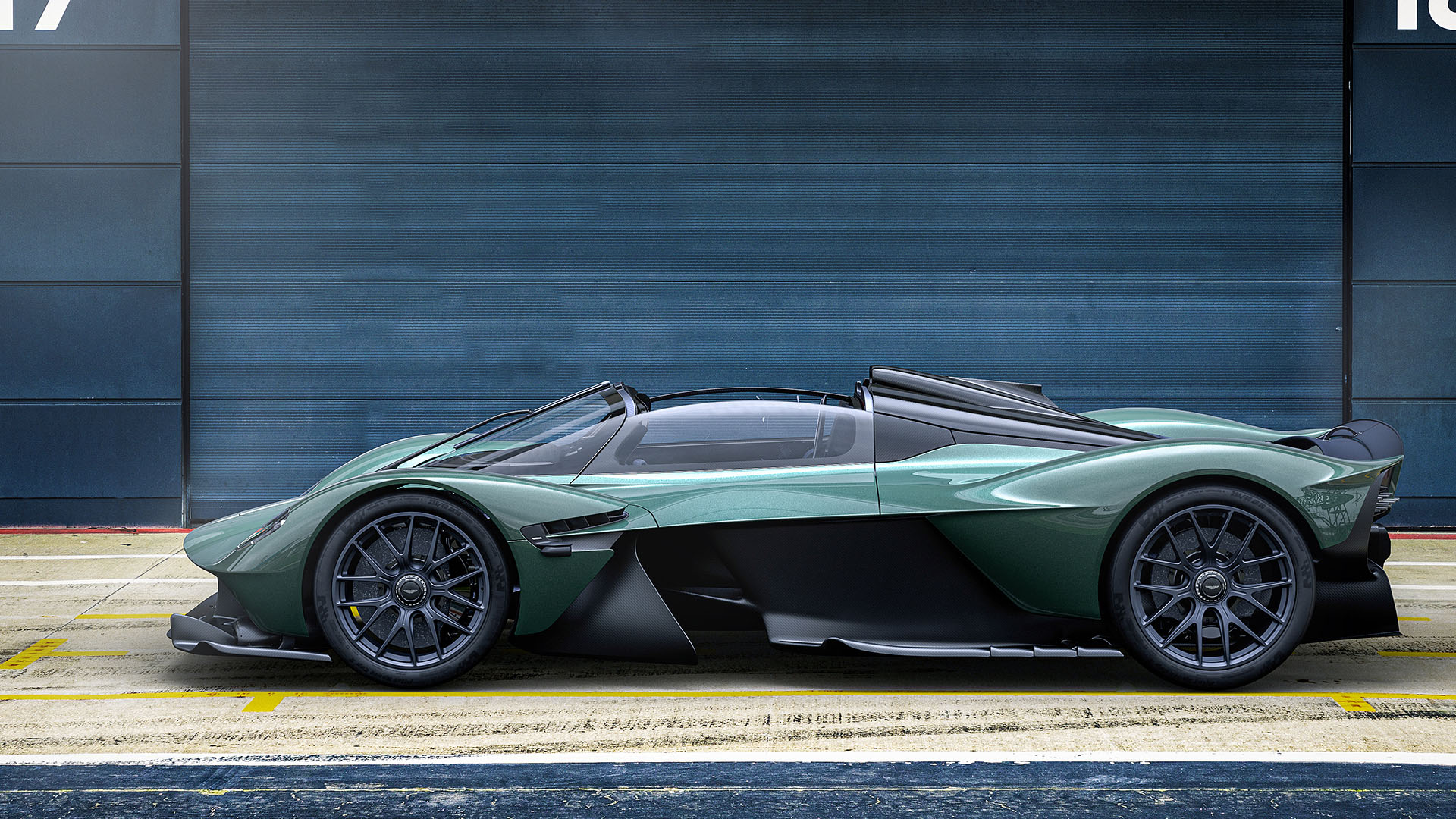
The Aston Martin Valkyrie Spider truly is the closest thing to a street-legal Formula One car you can get when you remove the roof section, and while the Valkyrie comes with nice-looking gullwing doors, the Valkyrie Spider looks even better with those outward and upward-opening doors, almost like wings on a bug, and it allows an easier entry into the cockpit, especially when you remove the small roof section with the two panels that open up too.

The first Valkyrie Spider will not be delivered until well into 2022 and with only 85 units of this convertible, production will run out quickly, the amazing looking Valkyrie Spider has been developed from the coupe version, taking unique engineering solutions by combining the talents of both Aston Martin themselves and Red Bull Advanced Technologies (RBAT), the engine is still the same 1,160 hp hybrid unit, combining 1,000 hp from the Cosworth developed 6.5-Liter V12 engine with 160 hp from the KERS-style hybrid system, using a 12-in-1 exhaust design, the Valkyrie’s soundtrack is reminiscent of a 90s F1 race car.

Thanks to a lot of development and slight modifications between the Valkyrie and the new Valkyrie Spider, Aston Martin managed to keep the weight gain on the Spider to a strict minimum … the result is still a top speed in excess of 350 km/h with the roof in place while driving topless will still get you over 330 km/h … all while sitting nearly in the center of the car, fixed in place by a six-point safety harness.

Even the entire removable roof system is special, consisting of a central panel made from carbon fiber that contains the hinges for the two panels above the occupants, all of these panels can be removed once the doors open, and stowed in their dedicated sections, carefully cut into the new carbon fiber structure … due to the lack of a roof, the gullwing doors from the coupe had to be redesigned into front-hinged dihedral doors, bespoke to the Valkyrie Spider.

The Ferrari Purosangue & The SUV’s Irresistible Allure

In 2015, Ferrari design chief Flavio Manzoni boldly declared that an SUV with the prancing horse logo was an unthinkable concept. He said that company founder Enzo Ferrari would ‘turn in his grave’ if the carmaker ever decided to jump on the SUV bandwagon.

This was even as the SUV segment was proving to be the ‘next best thing’ in the automobile industry. SUVs outsold sedans for the first time in 2015, and industry watchers were stunned by rapidly accelerating global SUV sales.

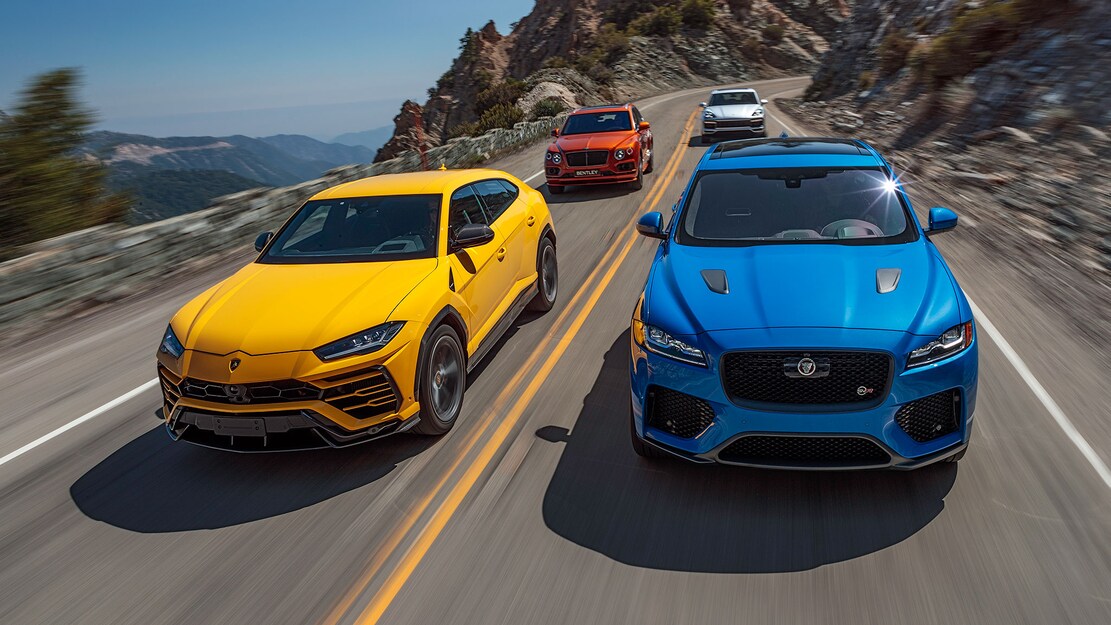
Four performance SUVs racing on mountain roadVia Motortrend.

Carmakers wasted no time exploiting this opportunity—even marque brands like Bentley and Rolls Royce, who traditionally favoured sedans and coupes over any other body type. In 2016, Jaguar, Maserati and Bentley all unleashed luxury Sport Utility Vehicles. The next year, Lamborghini followed suit with the Urus, and then Rolls Royce redefined the concept of SUV luxury with the imperious Cullinan, unveiled in 2018.

The only notable exception was Ferrari. The carmaker was just not willing to compromise its sportscar ethos by going down the SUV path. By 2017 though, cracks in Ferrari’s resolve were beginning to show, and the notion of a prancing horse SUV no longer seemed far-fetched.

During a conference call in August of that year, Sergio Marchionne, then Ferrari Chairman, stated that the company was considering ‘some sort of a utility vehicle.’ That consideration soon became a certainty when Ferrari confirmed it was going to build an SUV after all. Its name? The Purosangue, Italian for ‘thoroughbred.’

Ferrari Purosangue test mule parked on streetVia The Drive.

Ferrari’s About-Turn

There was a certain inevitability about Ferrari’s change of stance regarding the production of an SUV. You can only thumb your nose at one of the most lucrative automobile sectors for so long. Ferrari would have seen how rivals like Lamborghini were churning out record profits, driven mainly by the sale of performance SUVs.

The figures don’t lie—and here, we showcase a couple of examples that shed more light on just how important it was for Ferrari to hop on the performance SUV train.

The Urus: Lamborghini’s Cash Cow

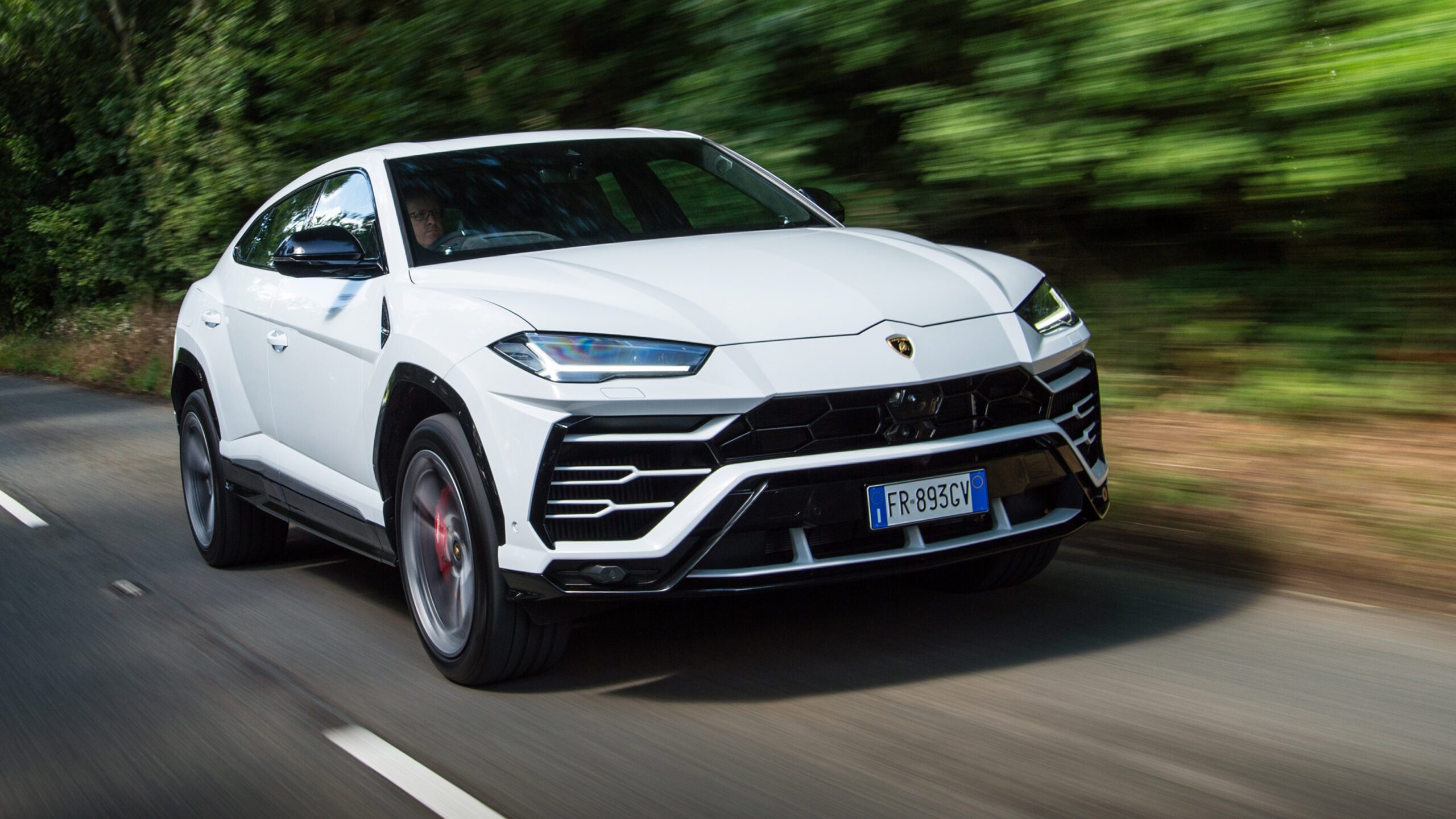
White Lamborghini Urus speeding down road with treesVia Evo.

The final production version of the Lamborghini Urus, dubbed the world’s first Super Sports Utility Vehicle (SSUV), debuted in December 2017 and has enjoyed a meteoric rise to become one of the brand’s most successful models to date. 2018 was the first model year for the Urus, and in that year, Lamborghini’s sales grew by a massive 51%, from 3,815 cars sold to 5,750. Lamborghini shipped 1,761 Urus SUVs to customers, translating to about 1 in every three vehicles sold.

Year Urus Total Sales Urus Percentage of Total Sales
2018 1,761 3,815 46%
2019 4,962 8,205 60%
2020 4,391 7,430 60%

It has only gotten better for Lamborghini. The carmaker declared record profits in 2019, and the noticeable dip in 2020 was largely due to a 70-day production shutdown as the carmaker grappled with the effects of the COVID-19 global pandemic.

2021 is already looking to be another strong year for the brand in terms of sales, and as it’s been for the past couple of years, it’s all down to the runaway success of the Urus. In July 2021, Lamborghini celebrated the production of the 15,000th Urus performance SUV.

To put that into perspective, the Gallardo, Lamborghini’s most successful model before the Urus, needed a decade of production to hit 14,000 units. The Urus has exceeded that mark in a little over three years!

DBX: A Lifeline for the Brand

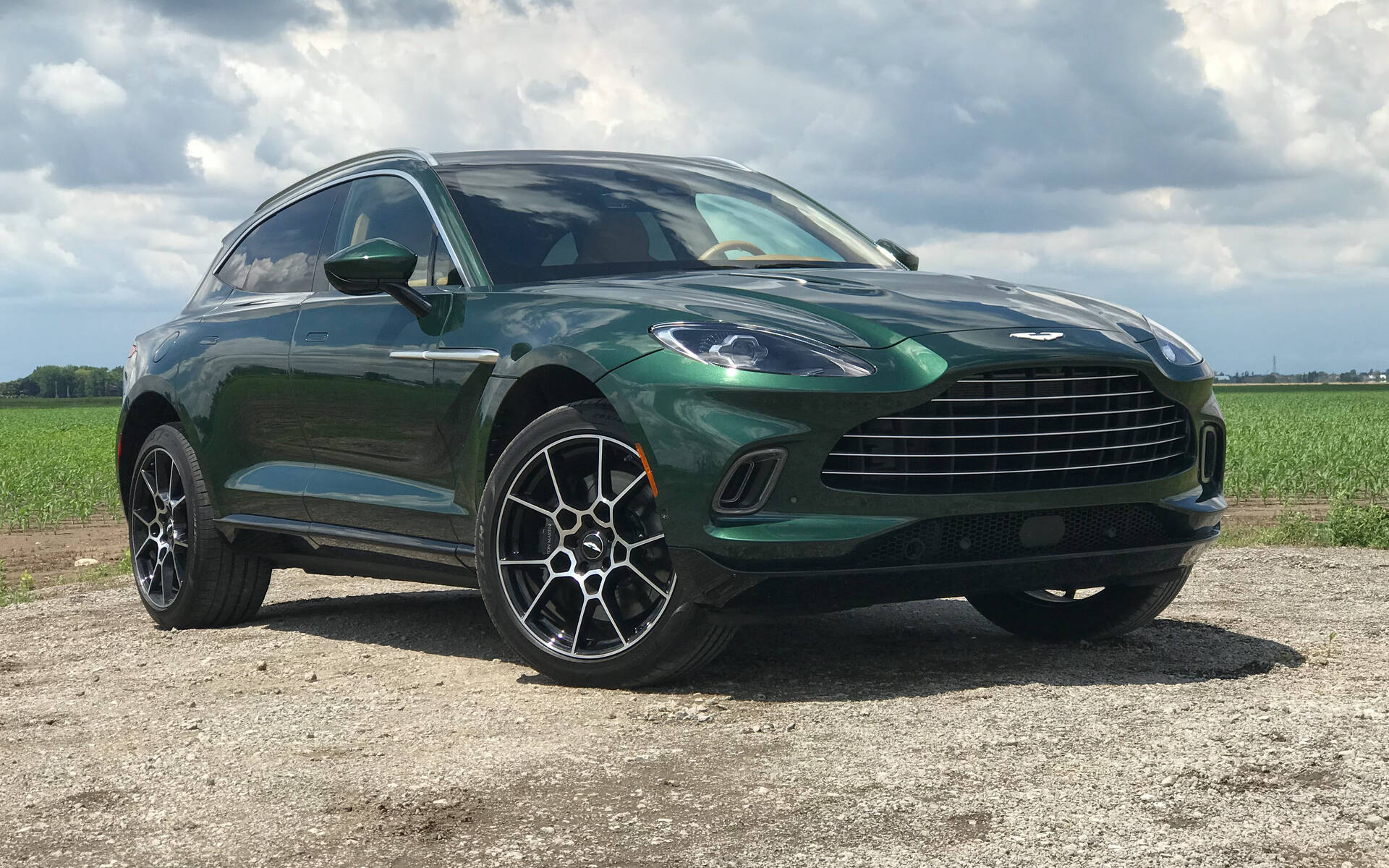
Dark green Aston Martin DBX parked on dirt road in countryVia Guide Auto Web.

Aston Martin’s struggle for survival is no secret within the automobile industry. The carmaker has gone bankrupt an astounding seven times since its incorporation in 1913, and today, it faces a tough uphill climb to remain in business.

In 2020, the carmaker reported a loss of $640 million before tax, almost quadrupling the $165 million loss for 2019. Andy Palmer, the chief executive, also stepped down from his post that year after a 94% collapse in share price.

Amid all that doom and gloom, the DBX emerged as the only real ray of hope for the ailing brand. The SUV was unveiled at the Los Angeles Auto Show in November 2019, and the first customer units rolled off the assembly line in July 2020.

That’s seven months in, yet the sporty SUV still accounted for almost 50% of Aston Martin’s total sales for the full fiscal year. Aston Martin sold 3,394 cars that year, and 1,516 units were DBX SUVs. The high demand continued in 2021, and for the first six months of 2021, 1,595 SUVs have been sold, representing about 55% of total sales volumes.

The DBX is already doing a fine job of propping up the brand, and though these are early times yet, the performance SUV may just be the spark that Aston Martin needs to get back on track.

Other Carmakers Riding the SUV Boom

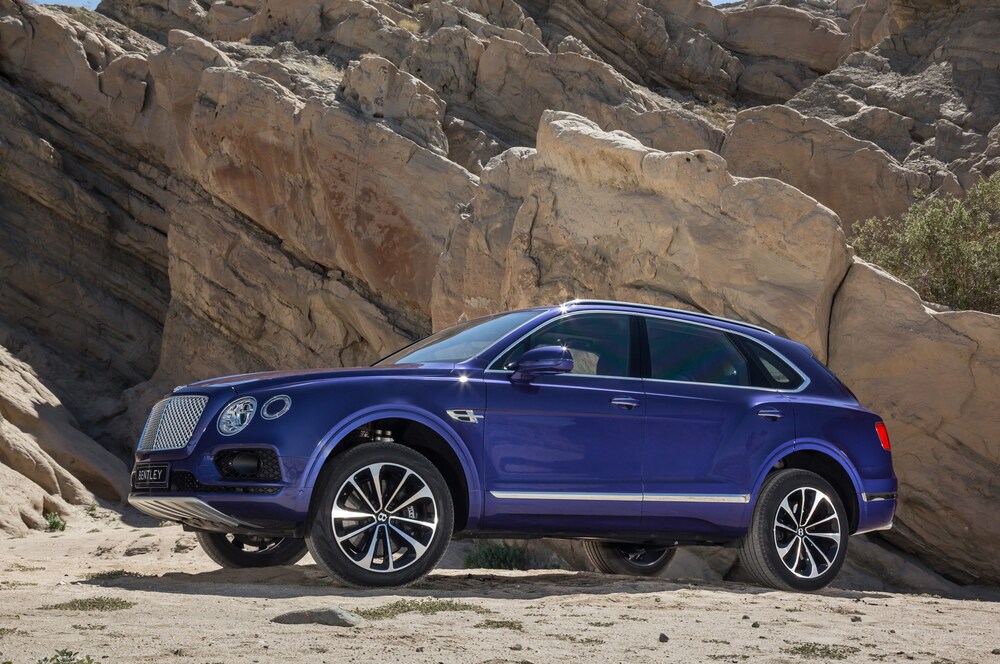
Blue Bentley Bentayga parked in desert near rock wallVia Motortrend.

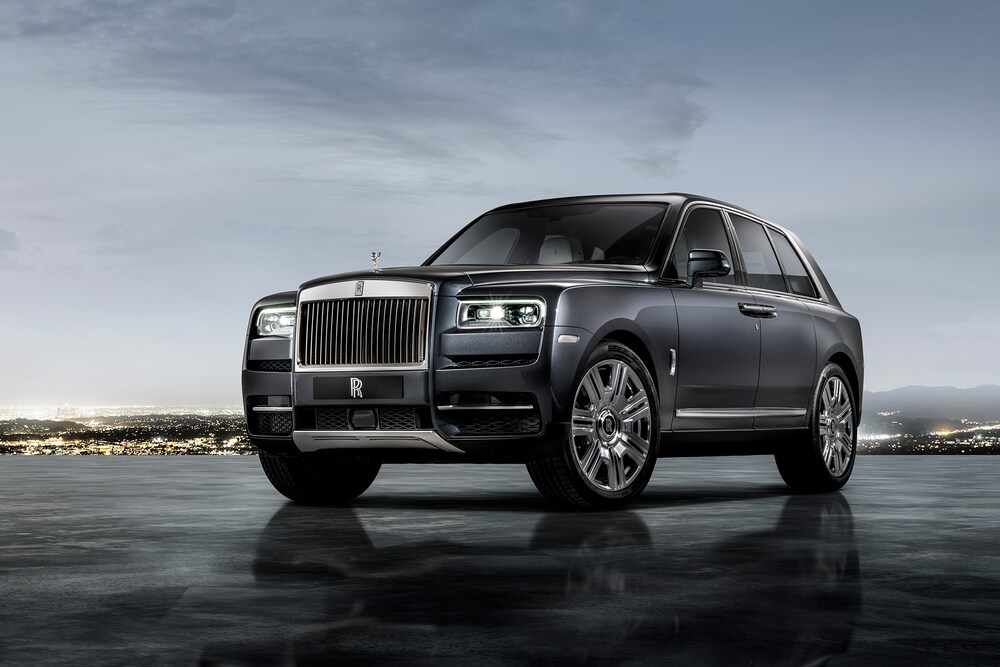
Black Rolls Royce Cullinan parked on tarmac with city lights in backgroundVia Motortrend.

Lamborghini and Aston Martin are not the only ones taking advantage of the boom in the SUV sector. Porsche is another carmaker that has gotten in on the act with its highly successful SUV offerings. In 2020, SUVs made up more than two-thirds of Porsche’s US sales, up from less than one-third in 2010. The Cayenne and Macan SUV variants continue to lead the charge today (alongside the Taycan, another successful Porsche model).

Bentley and Rolls Royce also have their own SUVs, uber-luxurious offerings that redefine the heights of exclusivity and pampered indulgence. The Bentley Bentayga and Rolls Royce Cullinan have spawned performance variants in the form of the Bentayga Speed and the Cullinan Black Badge.

These models are indicative of their brands’ intentions to remain in the sector at least for the foreseeable future, and why not? Bentley has sold over 20,000 units of the Bentayga, and in January 2020, Rolls Royce announced the highest sales figure in its 116-year history—a number driven primarily by the popularity of the Cullinan.

What We Know About the Ferrari Purosangue

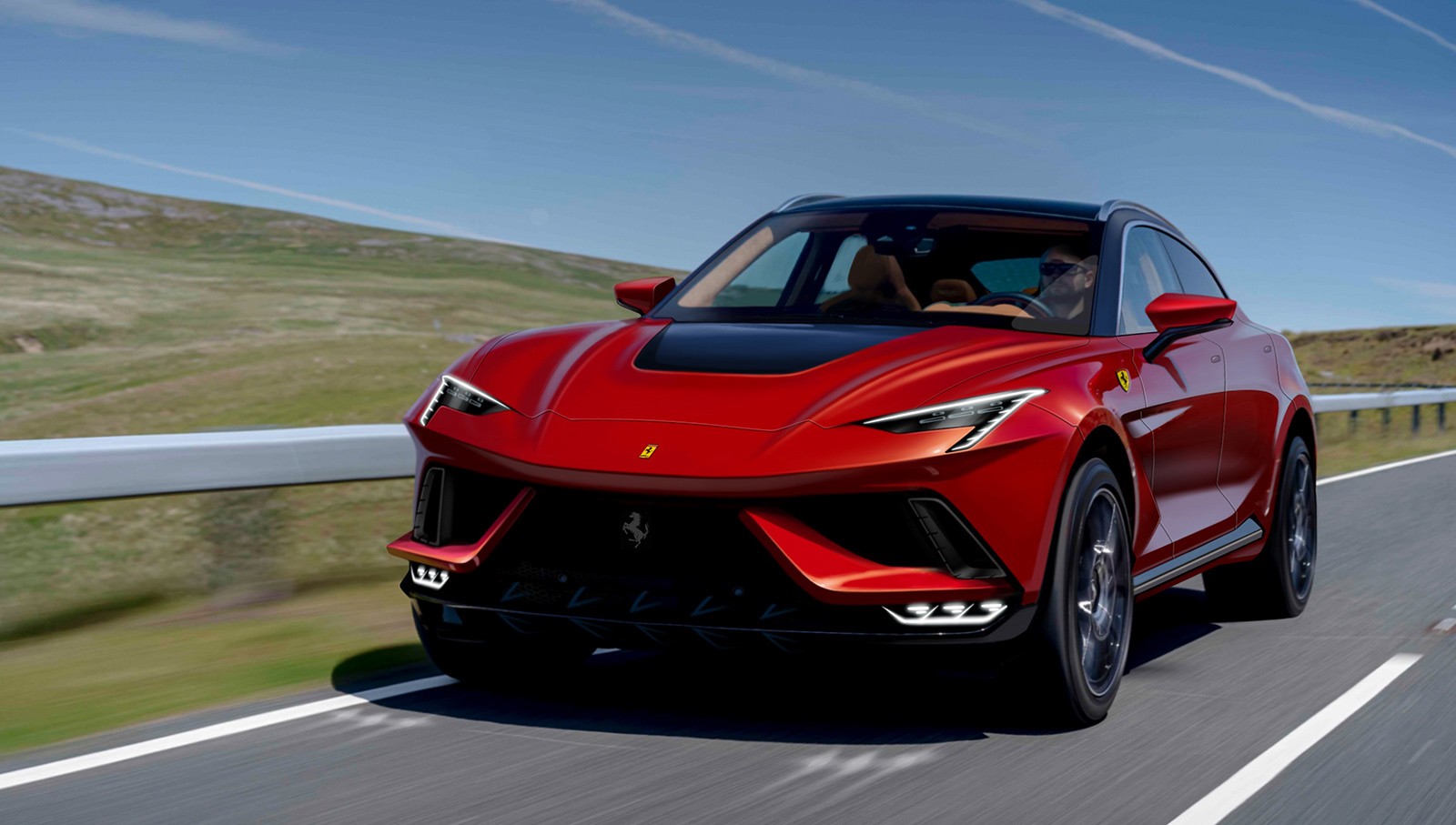
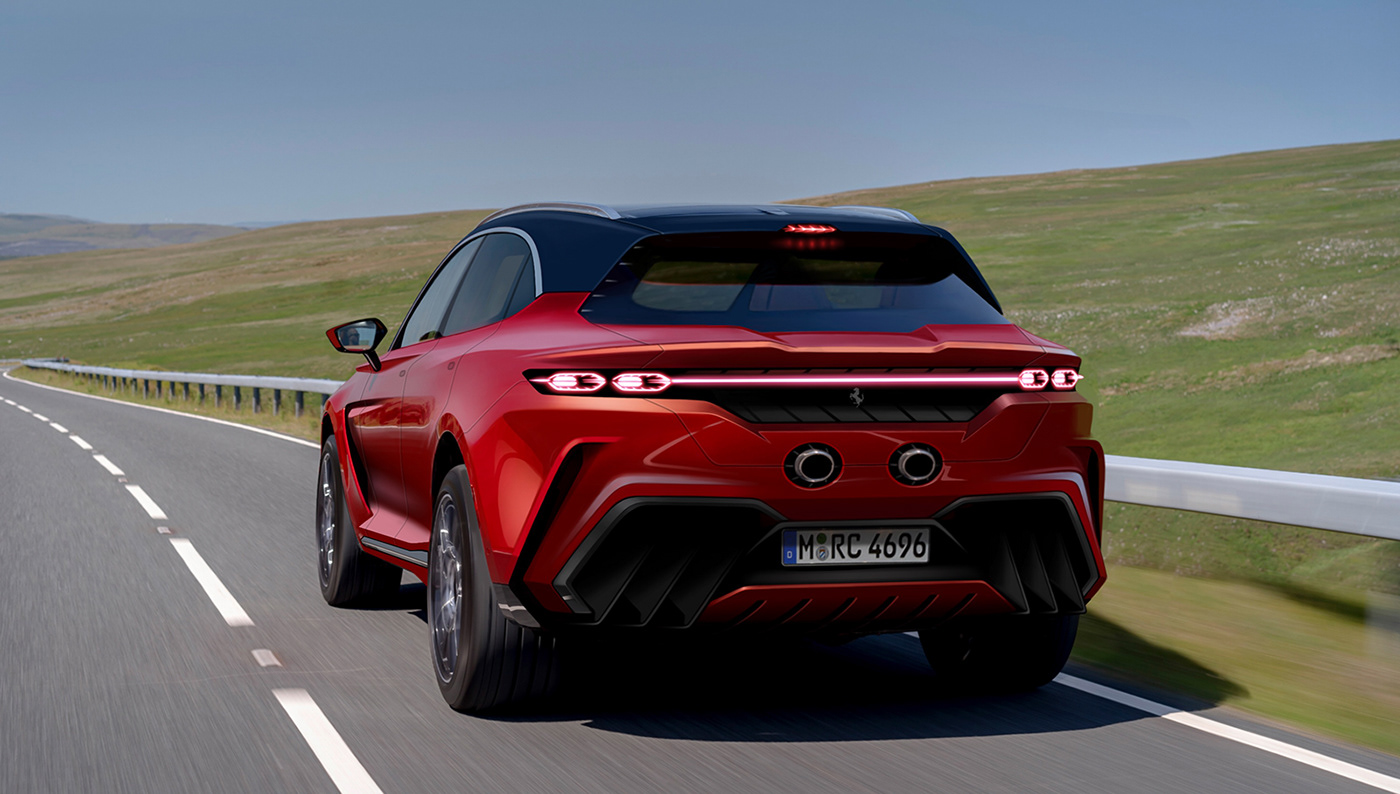
Artist rendering of red Ferrari Purosangue speeding down country road from rear

Artist rendering of red Ferrari Purosangue speeding down country road from rearImages via Giorgi Tedoradze

Ferrari is all about tradition and upholding the foundational values that have set it apart over the years. However, it’s still a commercial business at the end of the day and its bottom line—profit—is just as crucial as any fabric of culture and heritage. That is why a perfect business case can be made for the upcoming Ferrari Purosangue.

Ferrari Purosangue Design

Spy shot of Ferrari Purosangue on city streetVia Auto Express.

Ferrari has refused to classify the Purosangue as a Sports Utility Vehicle, instead, and somewhat hilariously, opting for the term, ‘Ferrari Utility Vehicle’ (FUV). It suspiciously looks like an attempt by Ferrari to avoid saying there’s an SUV in the model lineup, considering the initial resistance to the idea. Yes, it may not fit the mould of a traditional SUV, but spy shots suggest that it will be more of a crossover SUV than anything else, at least.

The Purosangue is the first front-engined car after the Roma to use the new modular platform the company announced in 2018. The platform has been modified for the SUV, though (or FUV), to create room for four passengers.

There’s been very little to work with in terms of the final design. Ferrari has been very clever with the Purosangue test mules hidden under Maserati Levante bodywork. External design images that exist are primarily online renderings of what a production-ready Purosangue could look like.

Ferrari Purosangue Powertrain

Ferrari confirmed that the Purosangue would be available with multiple powertrains, and there are electric motors somewhere in the mix. It will not be out of place to expect V6 or V8 variants and a range-topping V12 that receives a power boost from electric motors. That hybrid setup has already been tried out in some form with the LaFerrari and, more recently, the SF90 Stradale.

Not much is known about specific power outputs, but the Ferrari Purosangue will be no slouch in the power department judging by the competition. The Aston Martin boasts 542-hp, while a 641-hp twin-turbocharged V8 drives the Lamborghini Urus. Then, there’s the heavy-hitting Bentayga Speed that packs a 626-hp W12 power plant.

Ferrari Purosangue Interior Layout

Ferrari has kept mum about the interior of the Purosangue, but being an SUV, it should have seating space for four adults at the minimum. Ferrari is primarily a performance brand, but the carmaker also understands how to play the luxury game, so you can expect generously applied layers of plush leather and carbon-fibre trims on the interior.

There will undoubtedly be an extensive options list available for customers who wish to personalize their Purosangue, and you can bet there will be many such clients with the bank balance to back up their requests.

The Purosangue should also come with a suite of driver assistance and safety features. Even Ferrari’s entry-level supercar, the Portofino, boasts creature comforts and aids like a 10.3-inch touchscreen, adaptive cruise control, emergency braking, and pedestrian detection.

Ferrari Purosangue Availability

A final production-spec Purosangue is expected to be unveiled sometime in 2022, with deliveries slated for the tail end of the year or 2023. The COVID-19 pandemic and chip shortage have caused disruptions to the automobile industry. However, Ferrari has not said anything about delays to the production process, and test mules were still spotted out testing as recently as September.

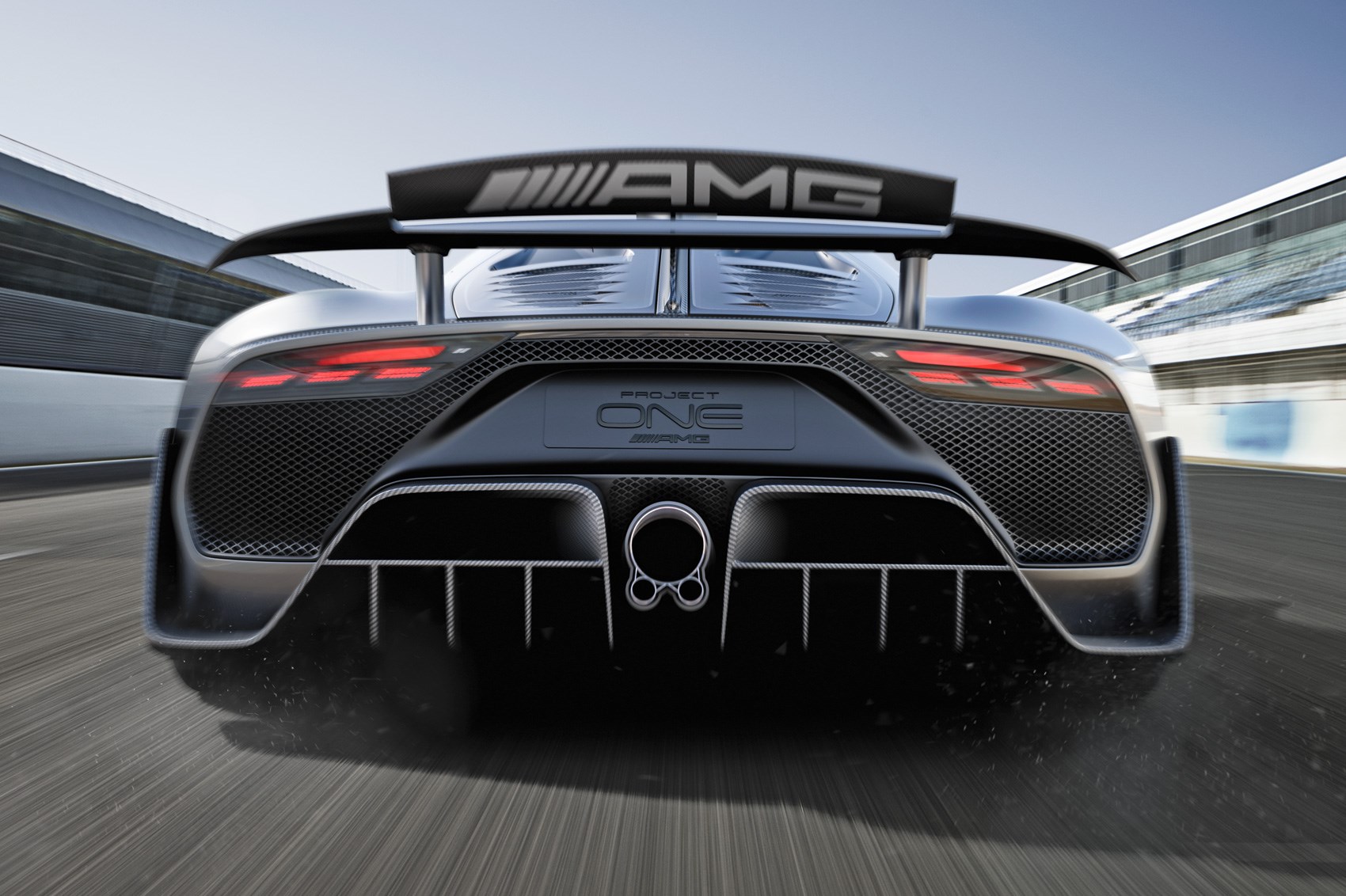
Mercedes-AMG Project One: The Bumpy Path to Building a Formula One Car for the Road

In September, Mercedes-fans.de reported that customer deliveries of the long-anticipated Mercedes-AMG Project One had been delayed yet again. Handovers expected to start by the end of this year have now been pushed out until the first quarter of 2022 at the earliest.

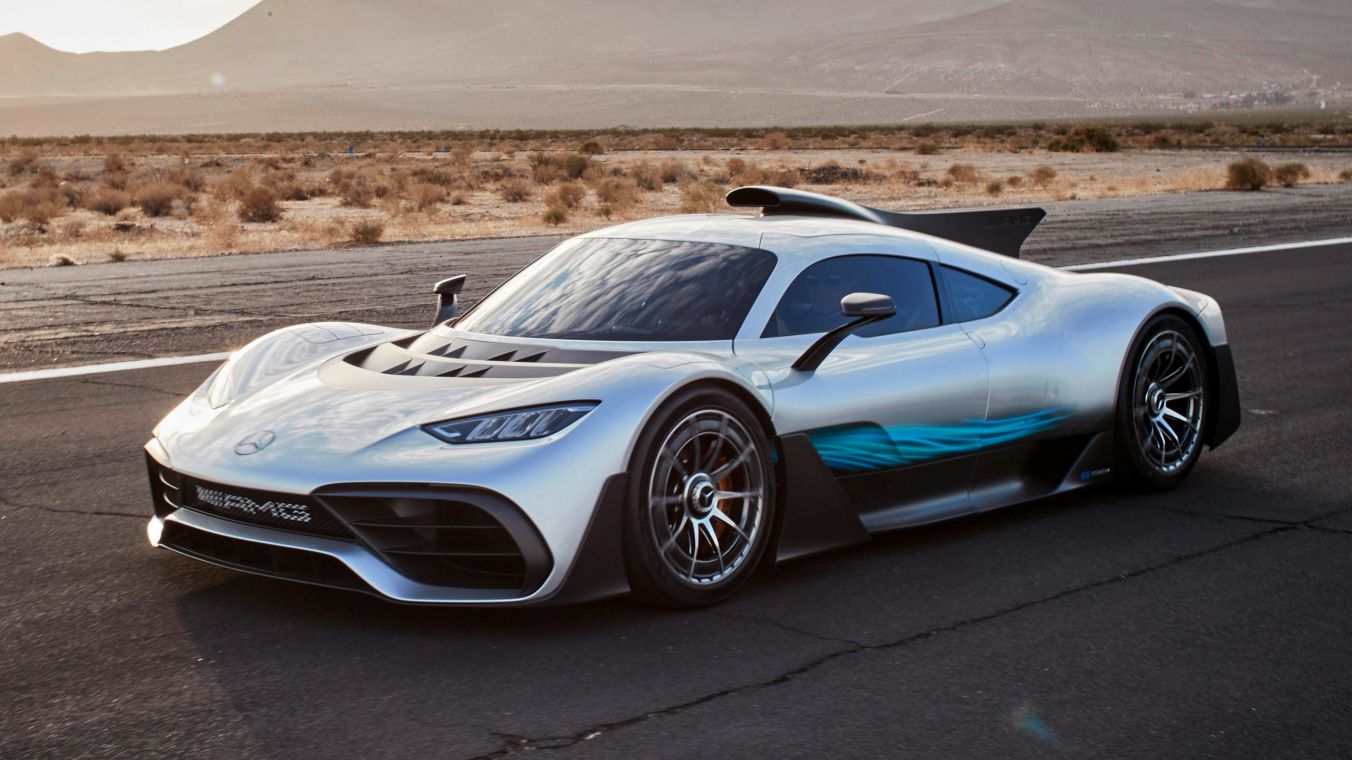
Mercedes-AMG One driving on desert roadVia Mercedes Benz.

The German carmaker has not issued an official statement confirming or denying the report. However, it would not be too far-fetched to assume that the privileged few who secured an allocation would have to wait a little longer for their new toy to arrive.

The Mercedes-AMG Project One has been delayed before, and this latest report just lends credence to the fact that the journey from concept to full production for the hybridized hypercar has been anything but straightforward.

Mercedes-AMG Project One: In the Beginning

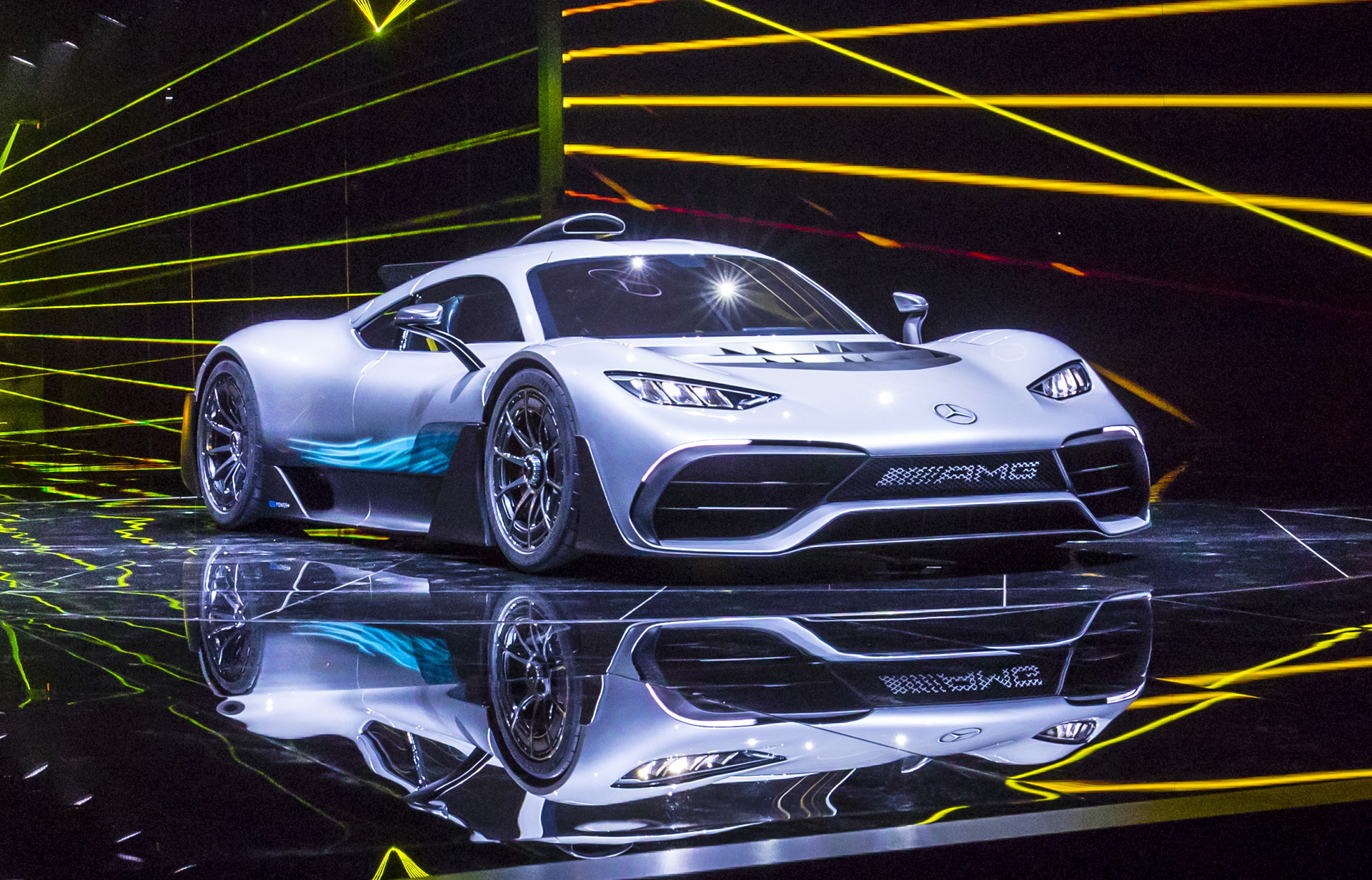
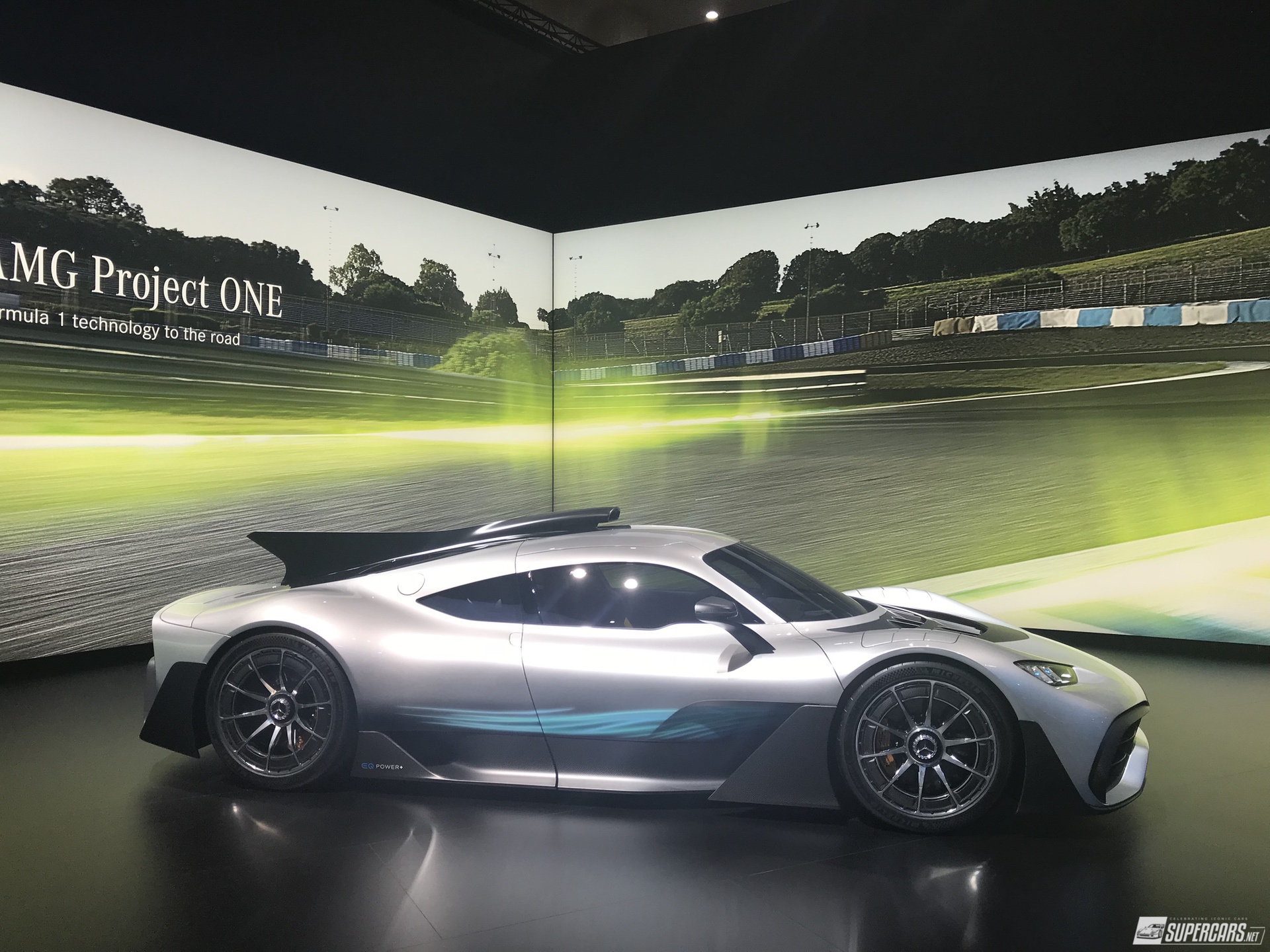
Mercedes-AMG Project One at 2017 Frankfurt Auto ShowVia Motor Authority.

At the 2017 Frankfurt Motor Show, Dieter Zetsche, then-head of Mercedes Benz, pulled the covers off the Mercedes-Benz AMG Project One concept. In Zetsche’s own words, ‘this vehicle will make all previous performance limits at AMG and Mercedes look small.’

The stats were all there to back up his bold statement—0 to 124 mph in less than 6 seconds and a top speed in excess of 217 mph. One of the most impressive features of the Project One is undoubtedly its powertrain. The hypercar boasts a combination of four electric motors and a turbocharged 1.6-litre V6 directly derived from a Formula One car for a total output of over 1,000-hp.

Mercedes-AMG One at the 2017 Dubai International Motor Show

 Side profile of Mercedes-AMG One at the 2017 Dubai International Motor Show

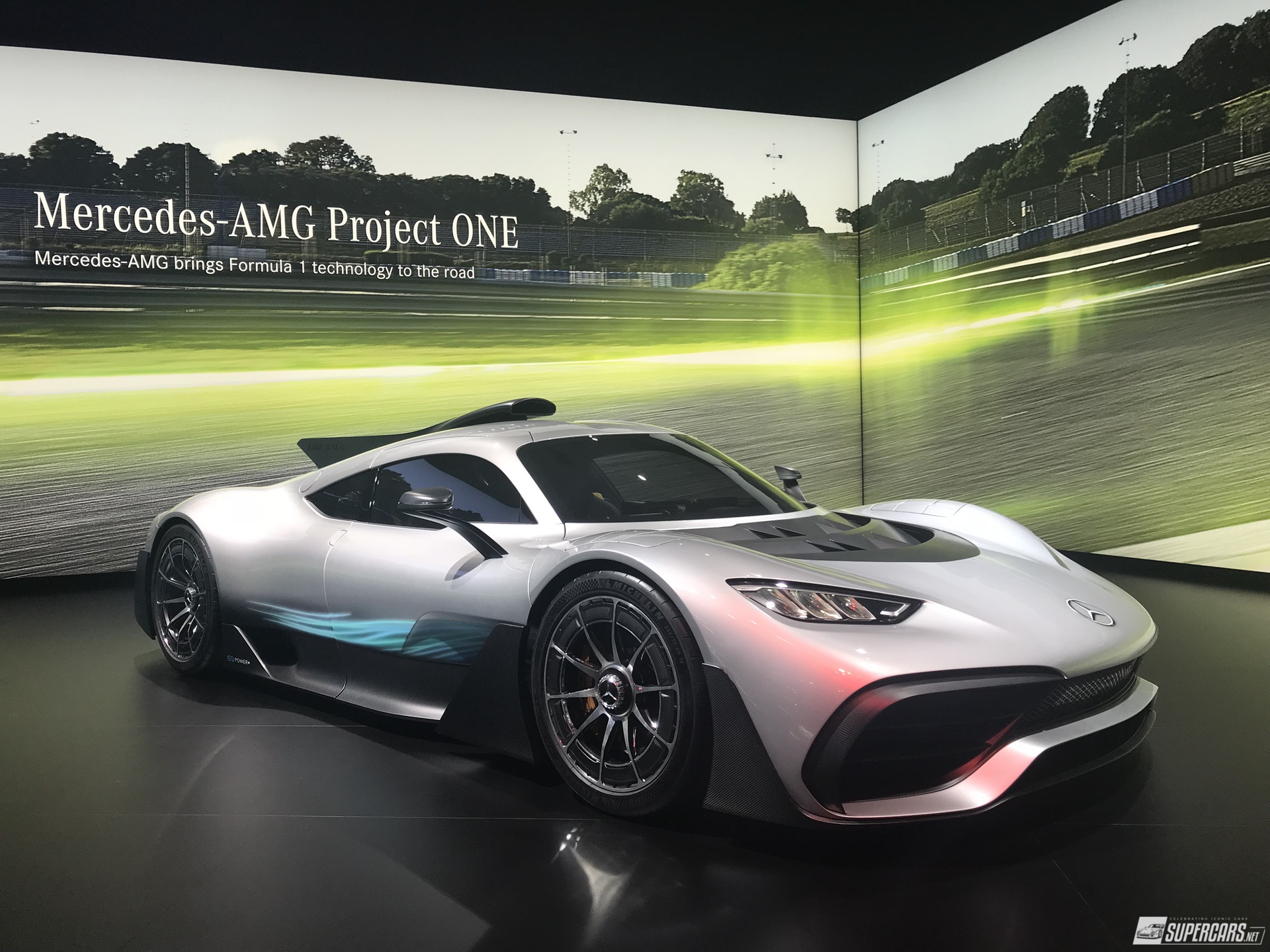
I still have vivid memories of when I was fortunate enough to see the concept car in person. It was at the 2017 Dubai International Motor Show, just a couple of months after its initial reveal in Germany.

I remember the feeling of awe that washed over me as I took in the extreme aerodynamic profile of the car while it spun slowly on a slightly raised dais. The Project One features a carbon-fibre monocoque topped off by a functional roof scoop that sucks air into the engine—a powerplant now at the heart of the various challenges faced by the design and engineering team down at their Affelterbach headquarters.
A Formula One Car for the Road

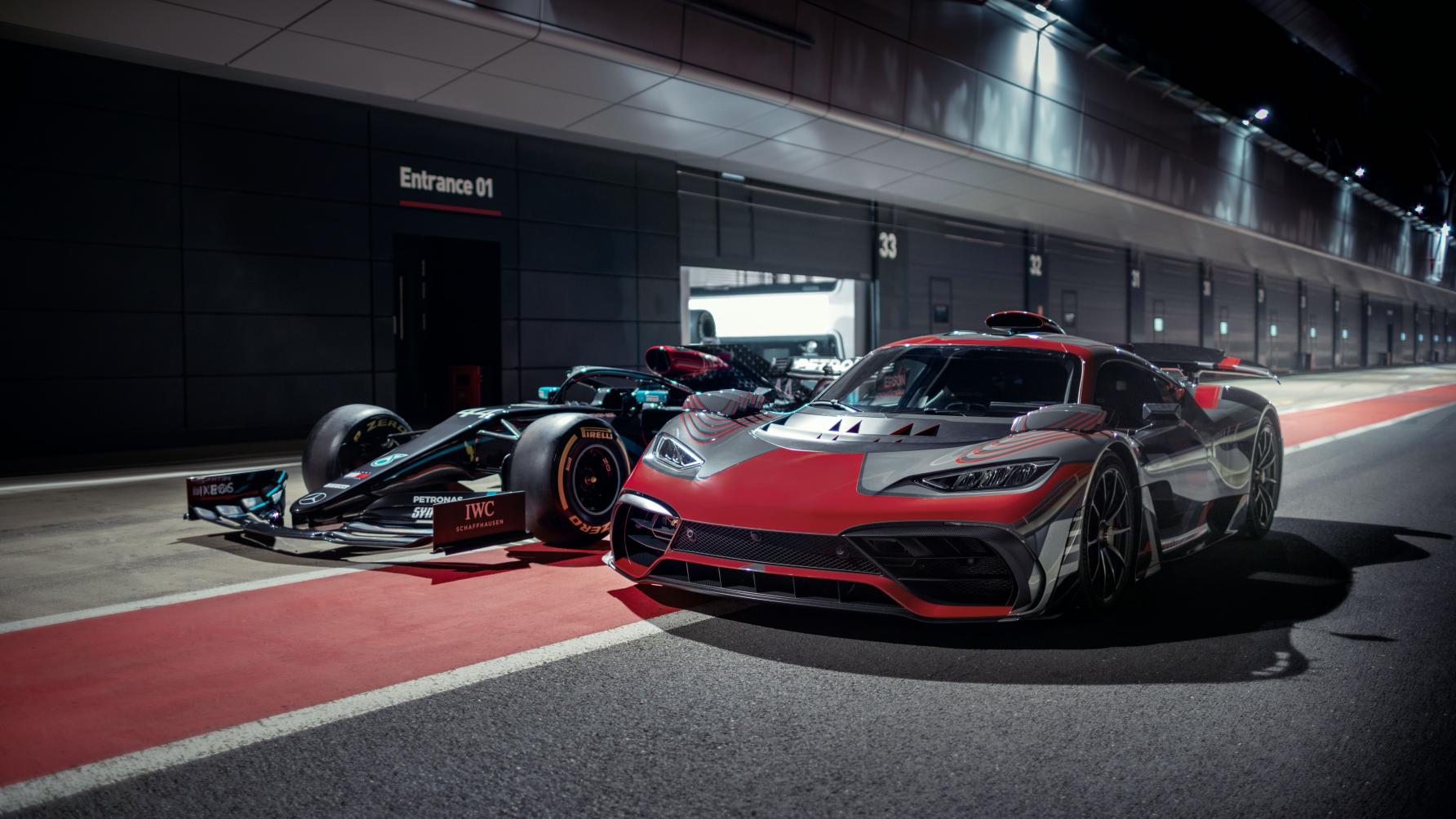
Mercedes-AMG One and Formula One car on trackVia Top Gear.
It is a road-legal car powered by a high-revving Formula One engine. That is the unique draw of the Project One hypercar, and that is what the team at Mercedes-AMG is still committed to delivering. But as stated earlier, this was never going to be a ‘walk in the park.’

The typical Formula One engine revs as high as 18,000 rpm and operates at such intense levels that it must be replaced after a few races. Granted, the Project One will not be driven like a Formula One car on public roads, but that does not make the challenge of adapting the F1 engine for road use any less daunting.

The idea has always been to develop a car that seamlessly combines racetrack performance and practical Formula One hybrid technology with exemplary efficiency. The six-cylinder turbocharged engine works with two electric motors. The first one, rated at 101-hp, is integrated directly into the turbocharger and helps keep the engine permanently spooled up. The other one has a power output of 161-hp and is linked straight to the crankshaft.

Another two electric motors drive just the front wheels, giving the car an all-electric range of about 16 miles.

The turbocharged 1.6-litre V6 engine has been tempered down from Formula One levels but still has a redline set at an astounding 11,000 rpm. Other modifications to the powertrain include a completely bespoke crankshaft, pistons and a wholly redesigned electronics package that should help make the Project One hypercar more road-friendly.

Modifications notwithstanding, the engine in every AMG One car would still have to be rebuilt entirely after about 31,000 miles. It just shows the levels of complexity involved in dreaming up a project of this magnitude.

Mercedes-AMG Project One Design & Production Challenges

There will only be 275 units of the Project One hybrid hypercar—and yes, all allocations have since been scooped up by eager customers with hefty bank balances. Each unit reportedly costs as much as $2.7 million.

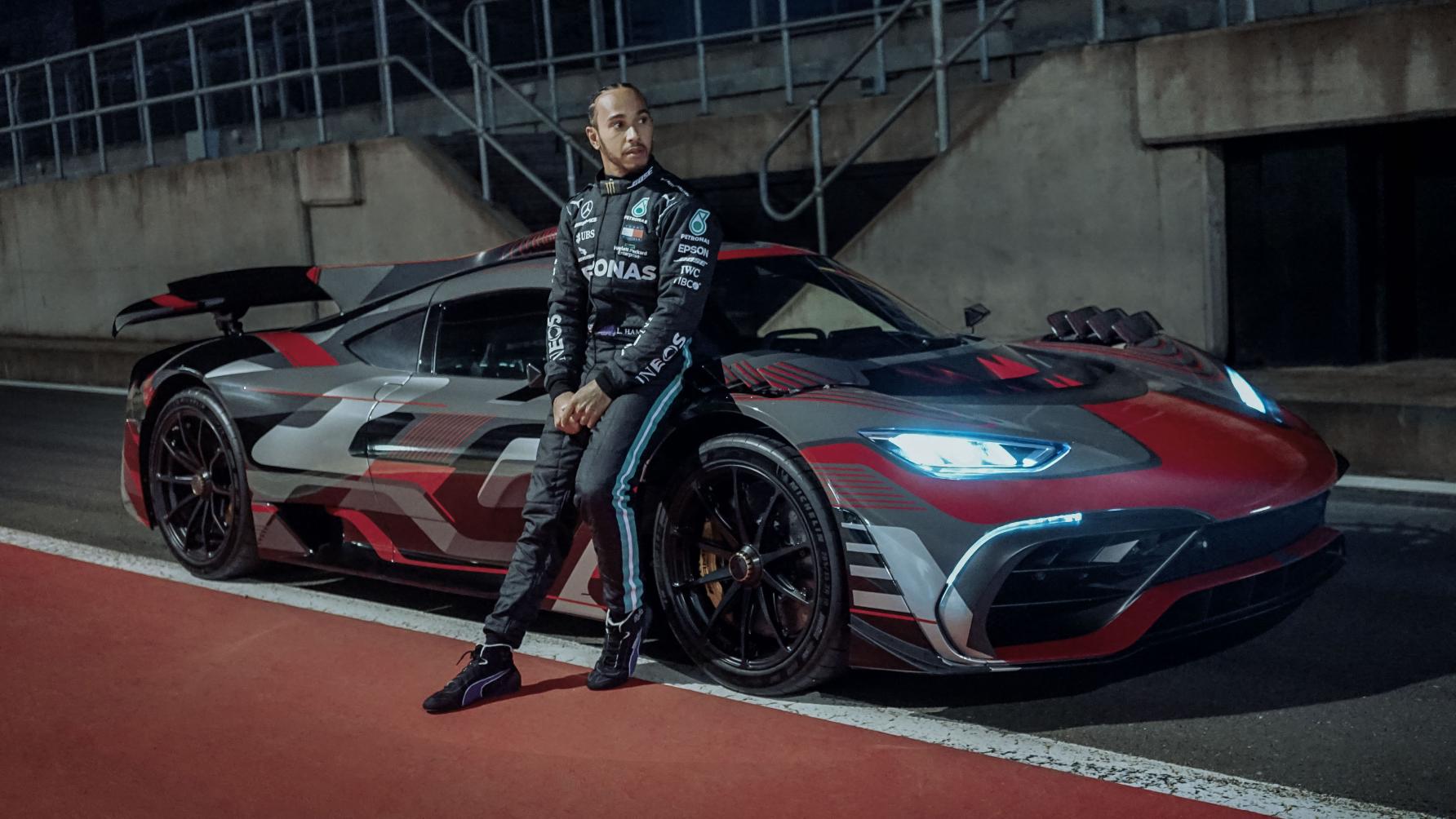
The lucky few who secured a build slot were initially promised a 2019 delivery date. Fast forward to 2021, and those customers, including real estate mogul Manny Khoshbin and seven-time Formula One champion Lewis Hamilton, are still waiting.

Lewis Hamilton poses with the Mercedes-AMG OneVia Top Gear.

In November 2019, the carmaker announced that the car would only go into production in 2021. The lengthy delay primarily stemmed from issues around noise levels and getting the engine to pass strict emissions tests.

It’s one thing hearing a Formula One engine scream around a race track, but quite another matter having one threaten to pop your eardrums on a public road. Then the engineers would have to figure out how to have the highly complex engine setup pass emissions requirements that have only gotten more stringent with time.

At the 2019 Los Angeles Auto Show, Michael Knoeller, head of product management and sales at AMG, summed up the issue nicely when he said, ‘When you make F1 technology street legal, you have to go through a journey with the customers.’ He also added, ‘We had some challenges, but now we’ve reached a tipping point.’

AMG graciously invited all 275 future owners to its headquarters and gave them a detailed report of the delays, in addition to explaining what the engineers were doing to overcome them. An early 2021 production date was set, and for a time, it looked like it would be a reality.

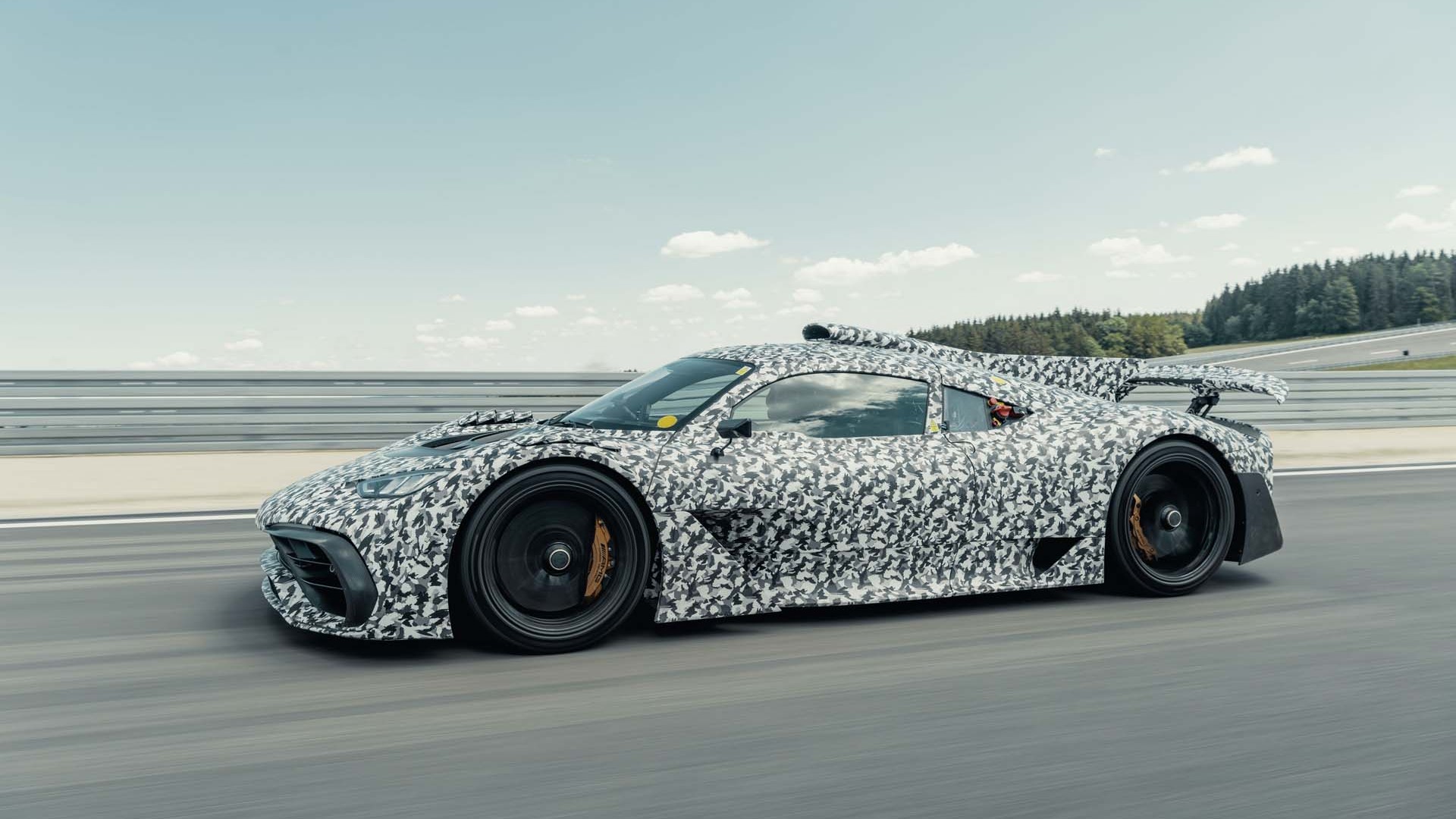
In February 2021, Mercedes-AMG posted a short clip on its YouTube channel that showed a barely-disguised AMG One being put through its paces around a race track. In September 2021, more images and video clips of the hypercar undergoing testing in various road conditions surfaced.

It was particularly heartwarming to see the Project One howling around the infamous Nurburgring race circuit as Mercedes-AMG carried out what was thought to be the final phase of testing at the time. That was before news of the latest delay began circulating.

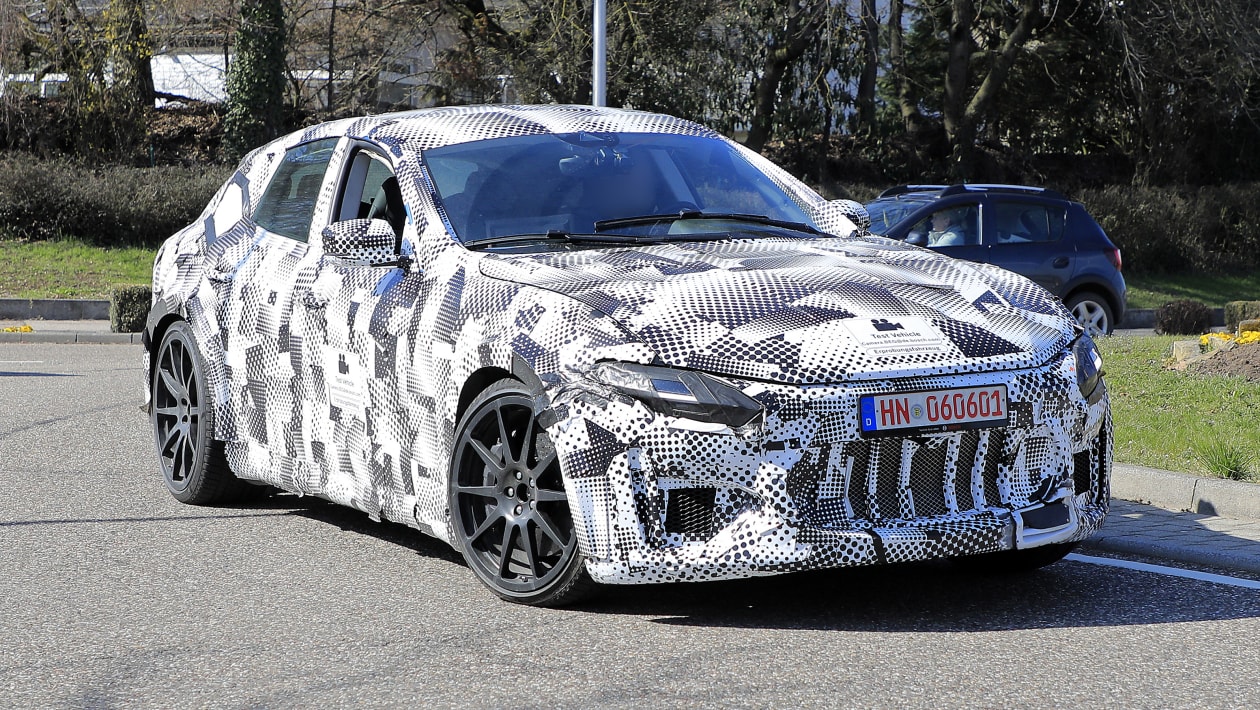
Camouflaged Mercedes-AMG One speeding down roadVia Motor Authority.

Mercedes-AMG has been silent about this latest setback; at least nothing has been revealed to the public yet. However, it seems there’s still some work to be done before the car can be declared fully production-ready.

What Happens Now? The Future of Mercedes-AMG Project One

Mercedes-AMG Project OneVia Car Magazine.

The AMG One project is still a go. The latest shots of the car at the Nurburgring revealed an example with final production parts like the LED taillights and an updated front end. We even got to see the car doing some light off-roading, and unlike a previous test back in May where one of the prototypes suffered an engine failure, this one seemed to have successfully completed the testing round.

The reputation of Mercedes-AMG will undoubtedly take a massive hit if they have to cancel at this stage, not to mention potential lawsuits from pissed-off customers. So far, they have been quite dignified about how they have handled the lengthy delays, but there’s no telling if they will be as calm if Mercedes-AMG scraps the project.

In any case, that is unlikely to happen. Mercedes-AMG has the experience and resources to resolve any lingering issues and see this through. Yes, there have been delays, but It is quite safe to assume we will yet get to see a customer-driven Mercedes-AMG One (as it is now known) someday soon.

Bugatti Chiron almost sold out

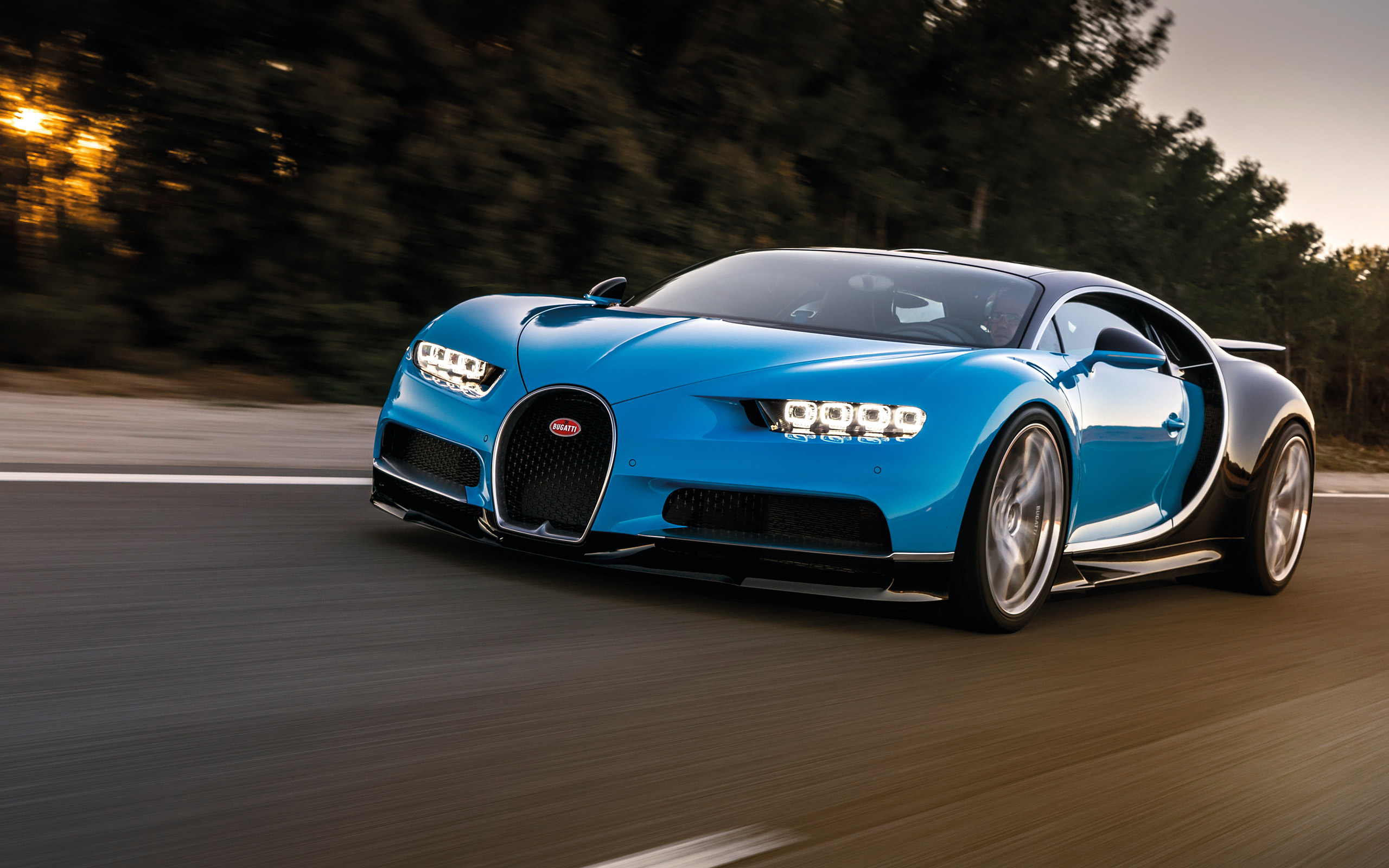
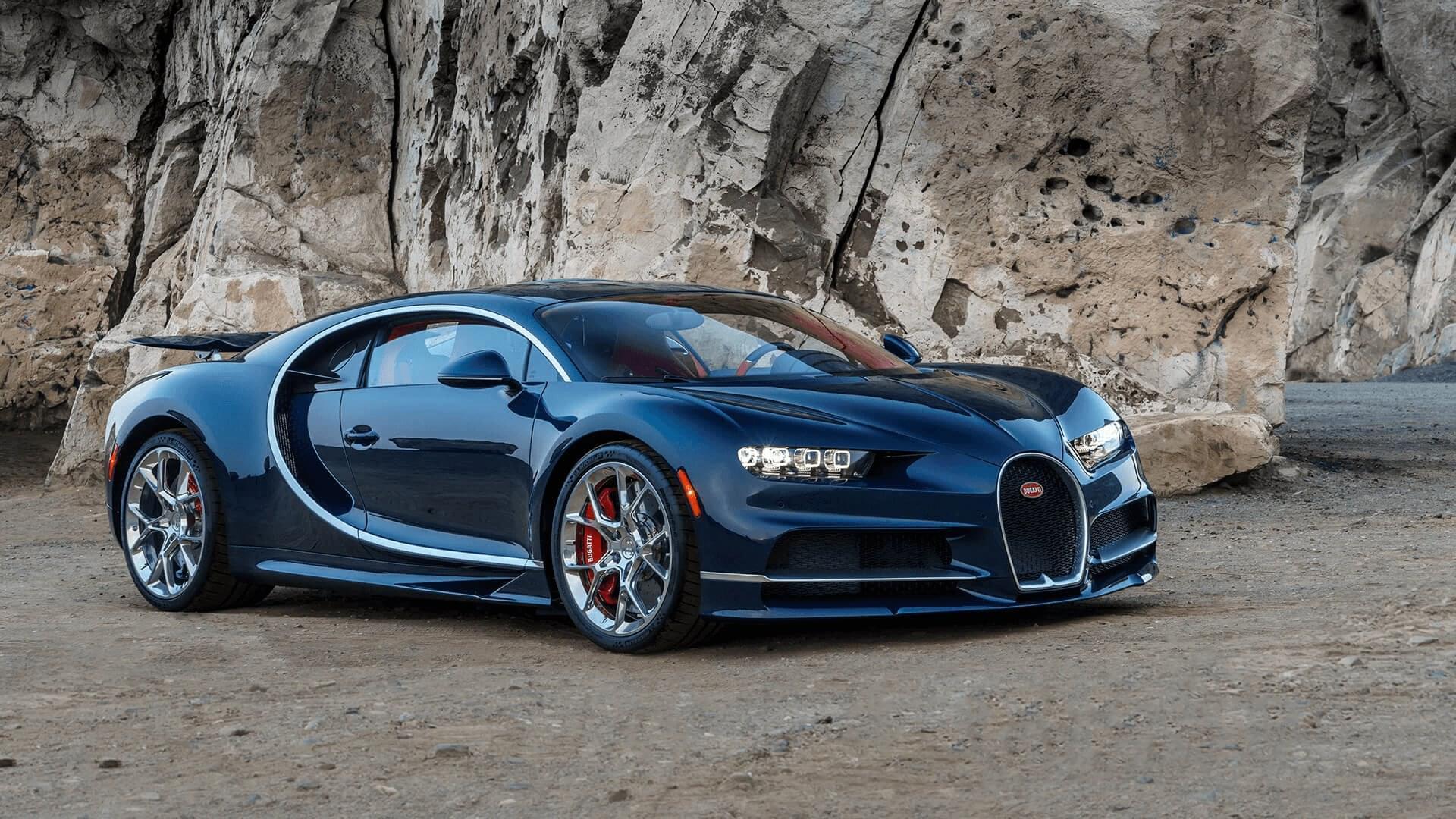
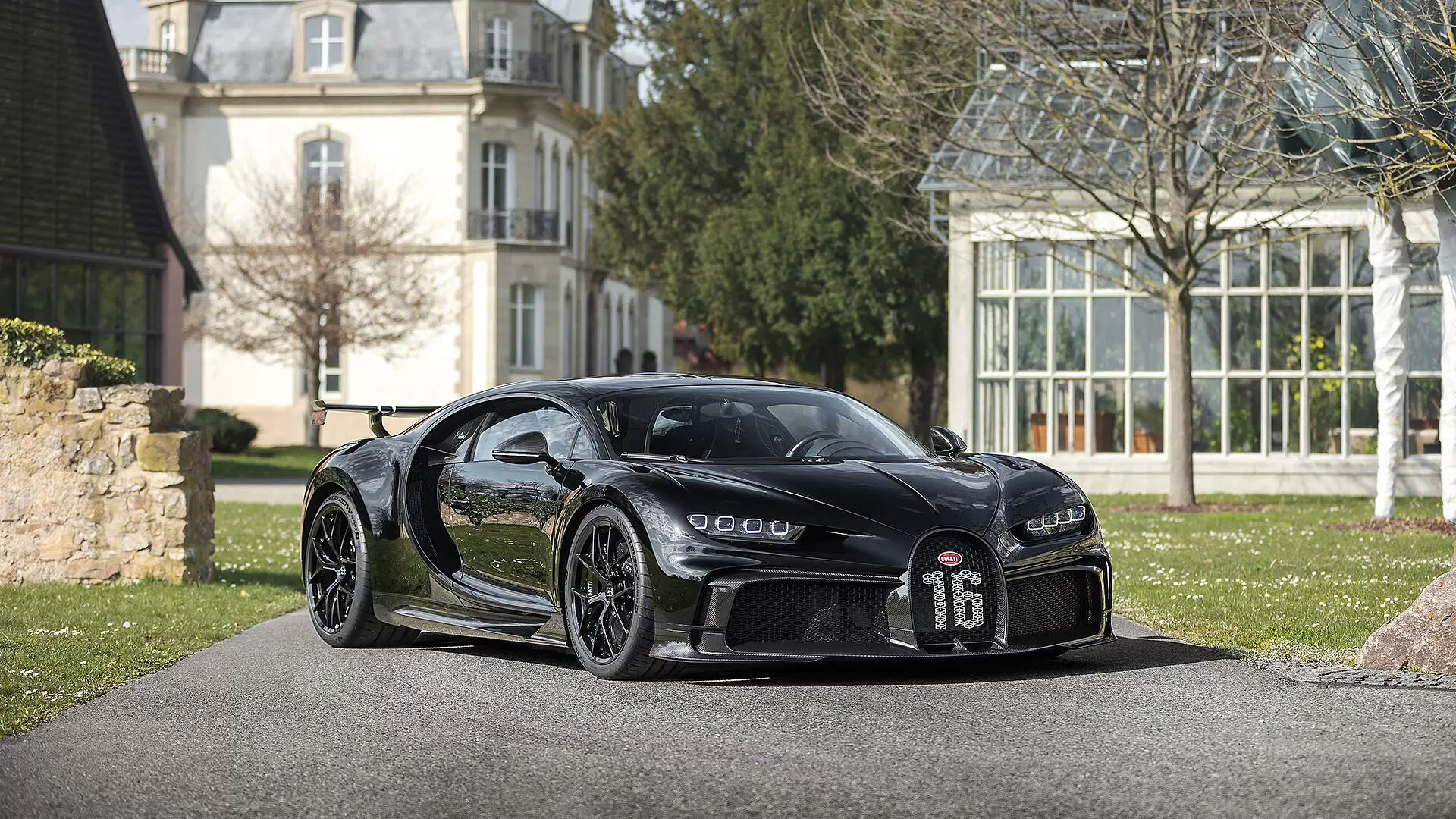
The Bugatti Chiron, the successor to the impressive Bugatti Veyron, was introduced at the 2016 Geneva Motor Show, and while production was always set to the limited at only 500 units, it took only 18 months for Bugatti to find 300 customers for this amazing hypercar from Molsheim, the fastest and most powerful production car in Bugatti’s 112-year history, and while sales kept going despite the global pitfalls over the last few years, Bugatti just announced the last cars in the Chiron line up are being built as we speak, and very few build slots remain of either the Bugatti Chiron Pur Sport or the Bugatti Chiron Super Sport.

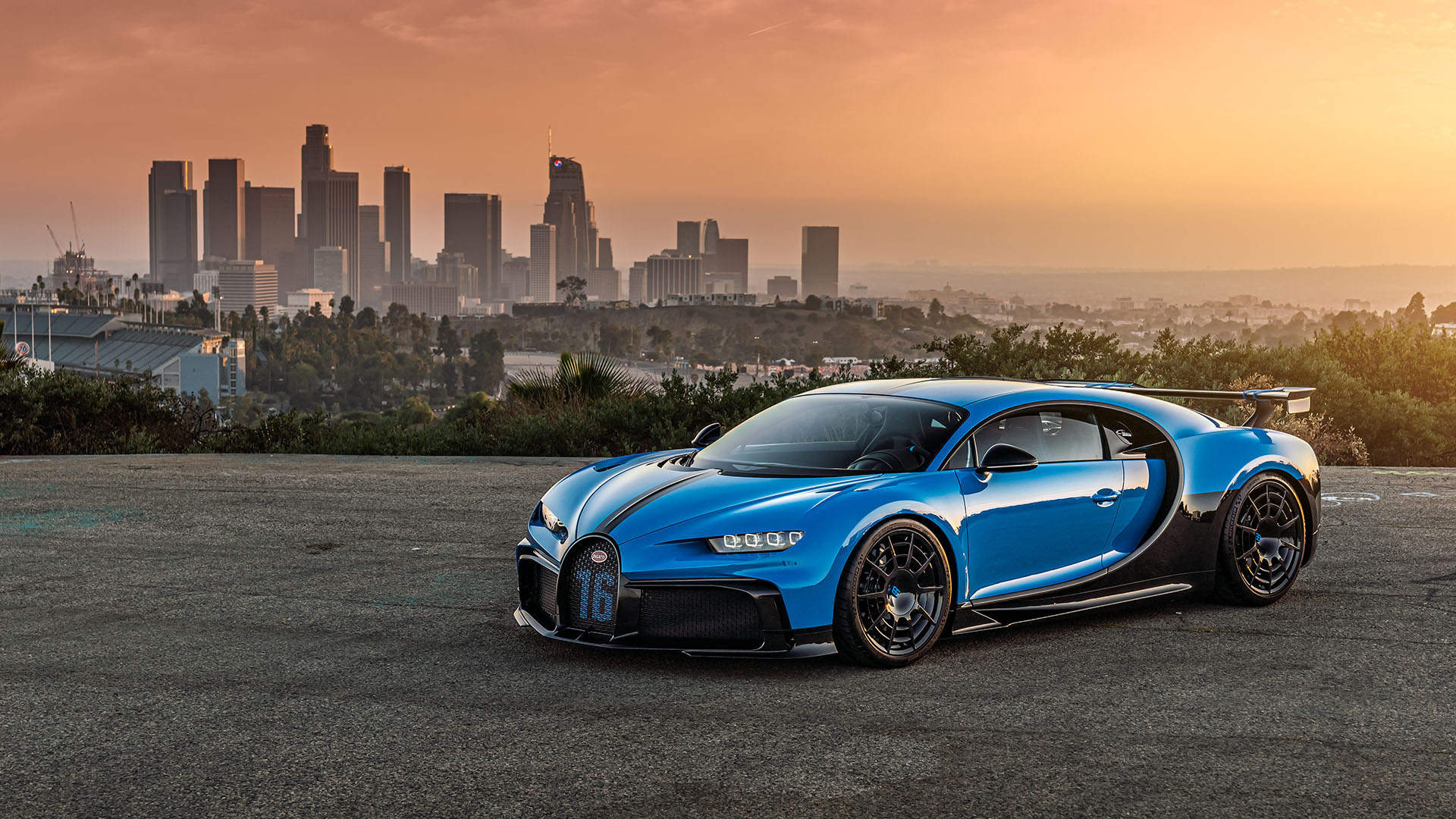
Bugatti Chiron Wallpapers

Bugatti Chiron Wallpapers

Right now the last units of the regular Chiron and the Chiron Sport are being completed at the Bugatti Atelier in Molsheim, to make place for the final encore in the Chiron lineage, with the Pur Sport and Super Sport models, less than 40 slots are available for new customers, so it’s probably safe to say Bugatti is already hard at work on a replacement for the Chiron, especially with the merger with Rimac, so the next generation Bugatti will certainly be a hybrid, perhaps even a full-electric model, but back to the current top of the line model, the Chiron.

Hendrik Malinowski, Director of Sales and Operations, comments: “Our discerning customer base across the world consists of true Bugatti connoisseurs. They are hard-working, self-made individuals who regard owning one or multiple Bugatti masterpieces as the realization of a dream. They understand the devotion behind the pioneering design and engineering of each Chiron model. Their appreciation for the provenance and performance of our hyper sports cars comes from a genuine passion for the brand. With the Chiron Pur Sport and Super Sport, we are offering customers the culmination of years of continual development of the Chiron platform. This spectrum of performance, whether it be hitting the apex on-track, or cruising on Autobahns in total luxury, takes the Chiron to an entirely new level. Now with so few build slots remaining, the purity of the W16 recipe is being honored in style.”

Bugatti Chiron

Bugatti Chiron

The Bugatti Chiron reached her first production car record in 2017, setting a new 0-400-0 km/h world record in a mere 41.96 seconds, the fastest time ever reached and officially measured at the time. Continuing a run of unrelenting success, just two years later, the Chiron reached speeds once through to be unreachable by a road car when a close to production prototype ready evolution of the hyper sports car surpassed the magic 300 mph limit with a speed of 304.773 mph (490.484 km/h), a world record that stunned the automotive world and secured the Chiron’s status as an unquestionable automotive legend.

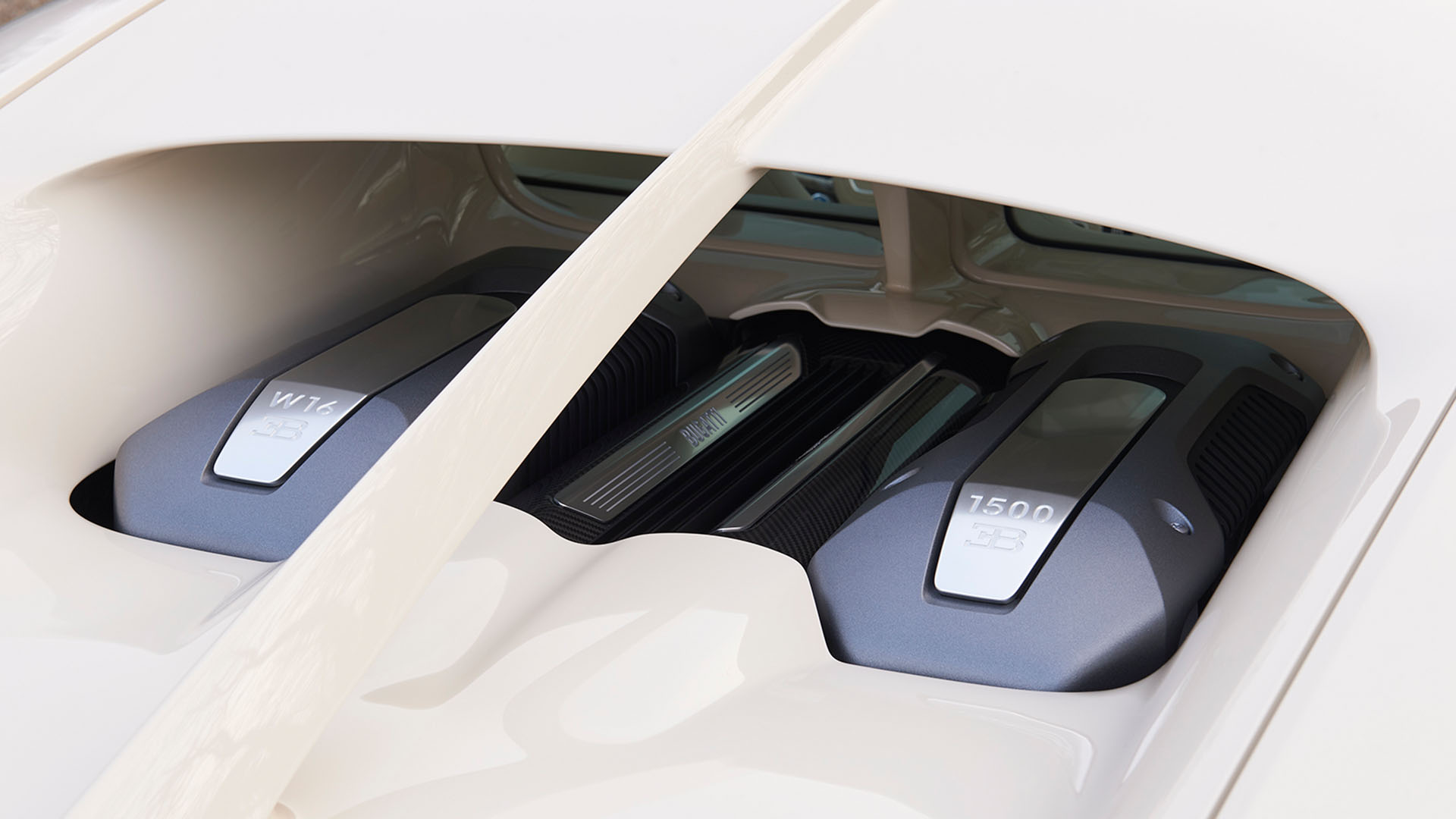
Power in the Bugatti Chiron comes from a quad-turbo W16 engine that delivers 1,500 PS and 1,600 Nm of torque, an absolute record for a production car back in 2010, the figures only solidified the Chiron’s position at the top with an acceleration from 0 to 100 km/h in 2.4 seconds, reaching 200 km/h after just 6.1 seconds, and 300 km/h comes in 13.1 seconds … staggering figures for an ICE powered only hypercar.

In 2020, we first saw the Chiron Pur Sport, created as an uncompromising hyper sports car, optimized for dynamic agility and downforce, the Pur Sport comes with new aerodynamics, a new transmission, and a  50-kilogram weight reduction together with a firmer suspension, combined with a massive 1,90-meter wide rear wing and close-ratio transmission.

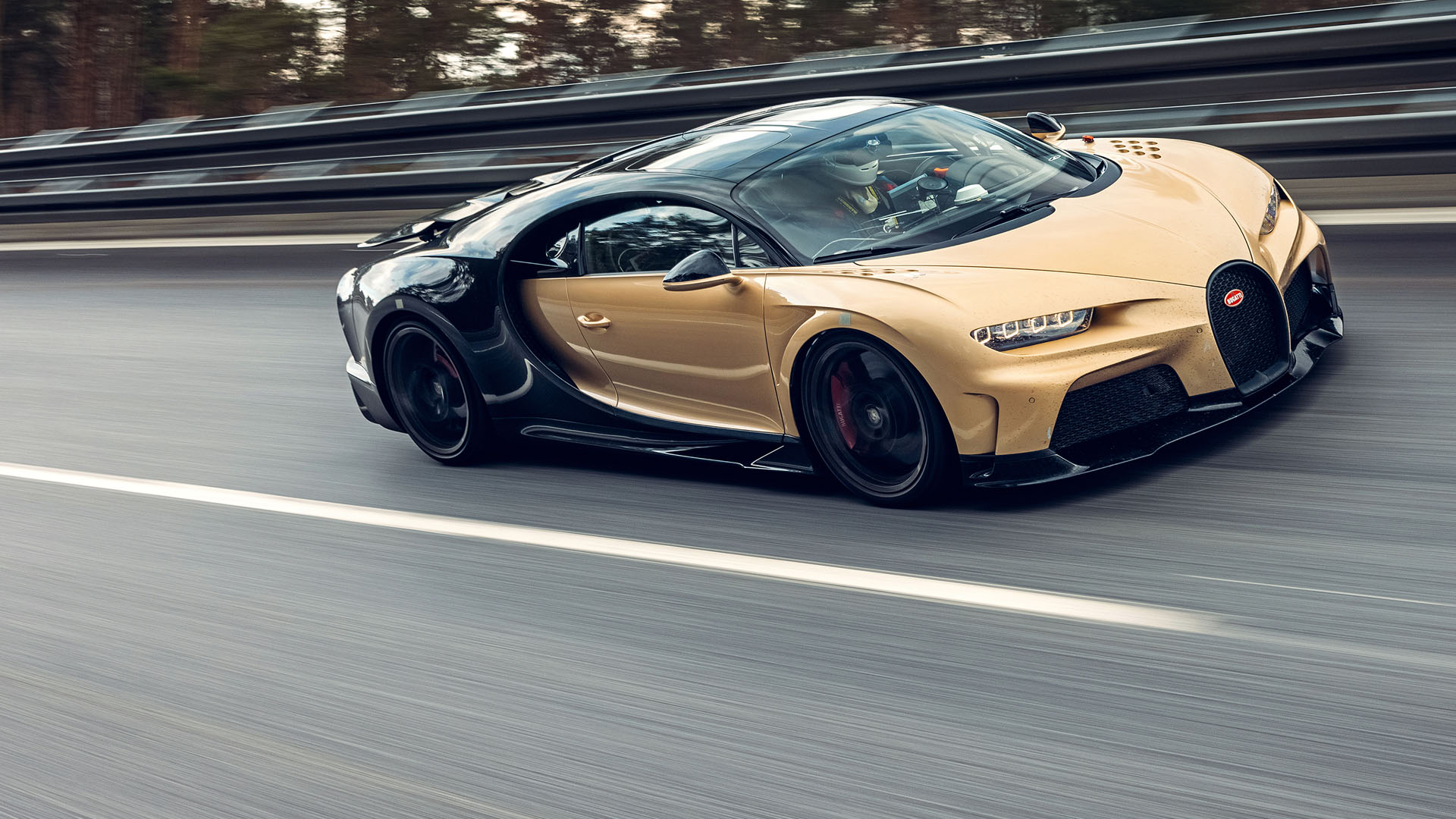
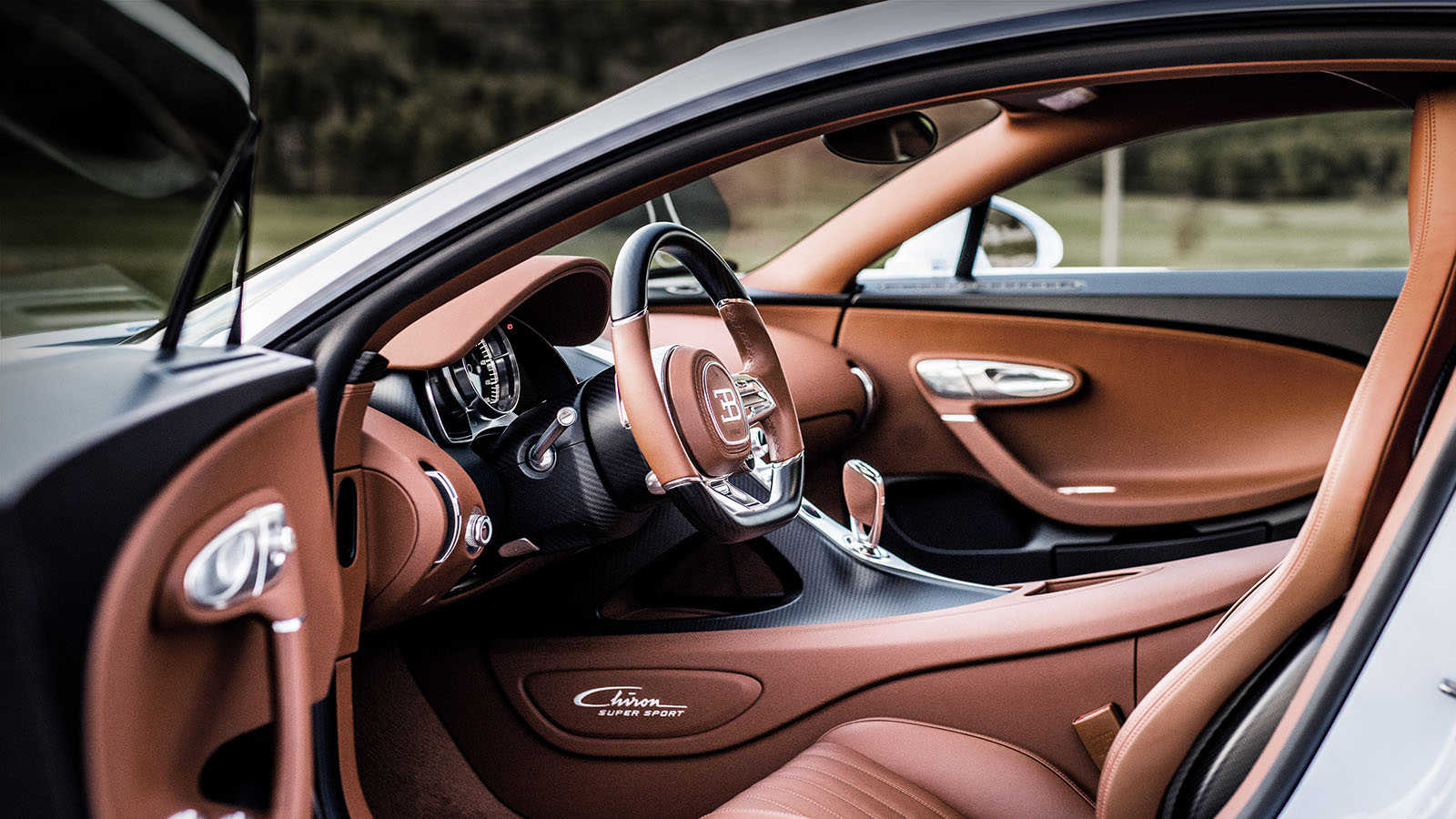
But things got even better in 2021 with the unveiling of Bugatti’s latest masterpiece: the Chiron Super Sport, which alongside the Pur Sport will make up the final 40 units of Bugatti’s 500-strong Chiron production run. As the quintessence of luxury and speed, the Chiron Super Sport has been designed to embrace supreme longitudinal speed without compromising luxury and comfort.

As such, the Chiron Super Sport is regarded as the ultimate Grand Tourisme, capable of crossing continents in a heartbeat. Defined by its longtail design, the Super Sport achieves extreme levels of aerodynamic efficiency, enabling the hyper sports car to reach speeds of up to 440 km/h. With an upgraded version of the renowned Bugatti 8.0-liter W16 engine, the Super Sport outputs 1,600PS – increasing power by 100PS over the base Chiron.

The milestones in the five-year production run of the Bugatti Chiron:

March, 2017: The very first Chiron customer deliveries take place following its global unveiling at Geneva International Motorshow in 2016.

May, 2018: a customer in the Middle East receives the chassis 100 in the Chiron production run

February, 2020: production of the Chiron is halfway with the 250th Chiron produced in the limited production run of 500 units

March, 2021: a Pur Sport as one of just 60 vehicles marks the 300th Chiron to leave the Atelier in Molsheim

November, 2021: the Chiron Pur Sport and Super Sport will complete the Chiron family production as the final 40 units.

The first Aston Martin Valkyrie for a customer is ready for delivery

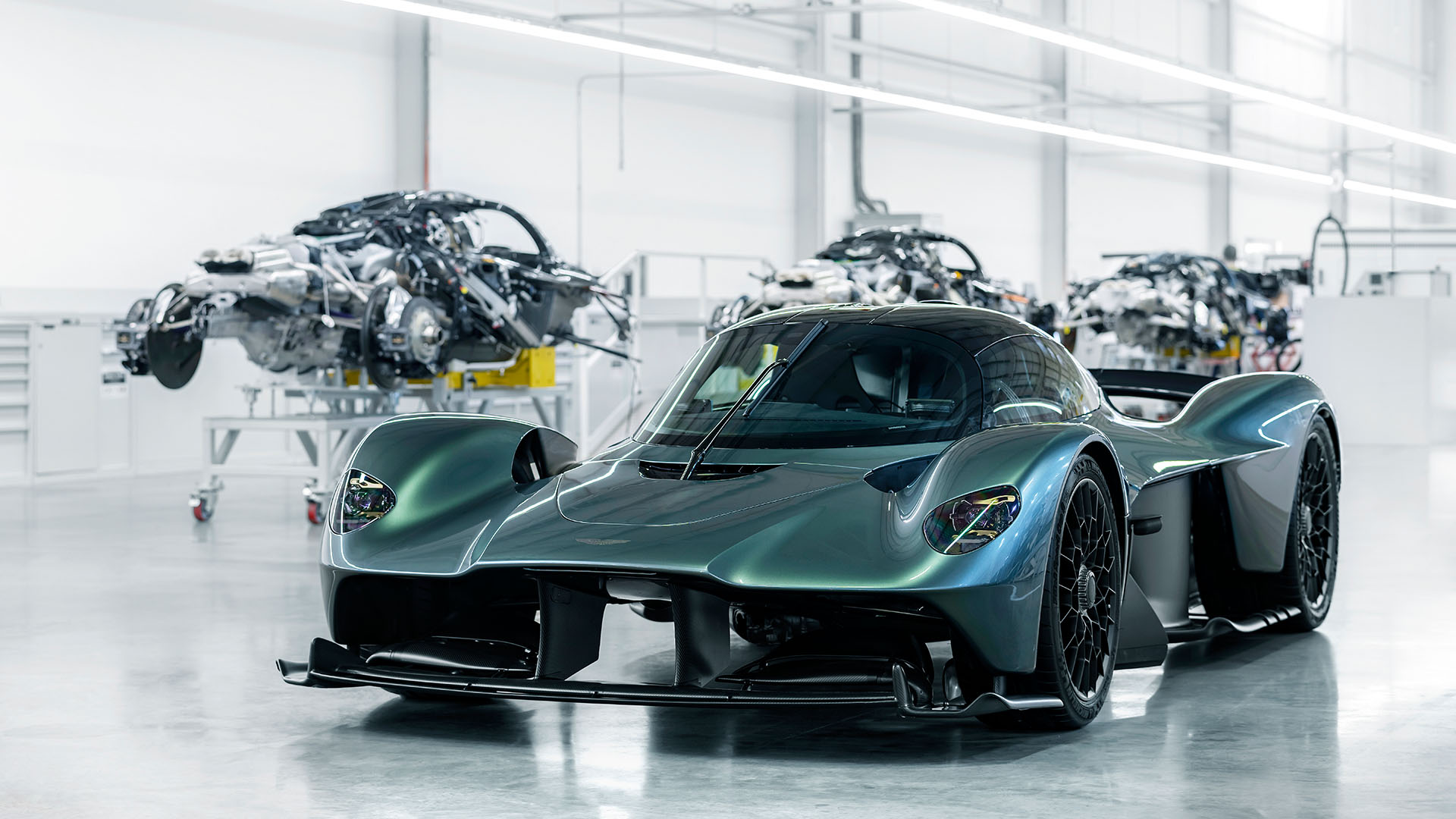
It has taken nearly 5 years for Aston Martin to finally have the first unit of their AM-RB 001, also known as the Valkyrie, ready to be delivered to a customer, it was back in 2017 when they showed the car as a concept for the first time at the Geneva Motor Show, at the time they intended to use a 6.5-liter NA V12 engine designed and built by Cosworth to be combined with a Rimac battery pack for a 1:1 power-to-weight ratio – 1 bhp per kilo, an estimated power output between 900hp and 1000hp was listed, production was to be limited at 150 units for the road, and 25 track-only versions.

Aston Martin and Red Bull Advanced Technologies teamed up to create this new hypercar, hence the internal AM-RB 001 designation and the final figures were a hybrid powertrain with a Cosworth-built 65-degree naturally aspirated 6.5-liter V12 paired with a Rimac-sourced battery-electric system, with a total power output of no less than 1,176 hp and 664 lb-ft of torque, with 106 hp of that coming from the electric motor, do note that the maximum hp from the engine is reached at the screaming 11,100 rpm!

Two years later, in 2019 we finally saw the first Aston Martin Valkyrie in action, at Silverstone ahead of the 2019 British Grand Prix, driven by Chris Goodwin who had this to say about the car: “I’ve driven this car around Silverstone for countless hours on the simulator at Aston Martin Red Bull Racing’s HQ and in many other sportscars throughout my career, but to drive Aston Martin Valkyrie here today feels exceptionally special, of course, we still have a lot of development work to go but we can now begin to really push the physical testing process and realize the capabilities of what we have developed over the past months.”

Development of this Aston Martin hypercar continued, and by March 2020 we finally saw a car being tested on the road, without any camouflage this time, equipped with a Rimac-developed Kinetic Energy Recovery System (KERS) style electric motor and battery, instead of a constant electric assist. The KERS system will dump power to the rear wheels on hard acceleration and will recover energy during braking. The aerodynamics of the car were developed alongside the Red Bull Racing Formula 1 team and used both over car airflow and venturi ground effects to suck the car onto the road. No official statistics on cornering G or total downforce have been confirmed by Aston Martin, but it is expected that at speed, the car will effectively double in weight from the force of the air moving over, through, and around it.

Back in early 2020, the intention was to have the first customer car from the 150 production run being delivered by August 2020, that didn’t happen due to the worldwide pandemic, and deliveries were pushed to Q2 of 2021, sadly that wasn’t possible either and it seems the first client will be receiving his very own Aston Martin Valkyrie in Q4 of 2021 instead, the price for this road-going monster is rumored to be between £2m and £3m or about $2.46 million to $3.69 million.

Note that Aston Martin has already unveiled the Valkyrie AMR Pro in meantime, thanks to the aerodynamic efficiency, the Valkyrie AMR Pro offers track performance previously only seen in Formula One cars, a lot of weight has been saved on the Valkyrie AMR Pro by removing the entire hybrid system, using an extremely light carbon fiber body, carbon fiber suspension wishbones, built to compete at the 24h of Le Mans, the design has been created to be able to lap the 8.5-mile Circuit de la Sarthe in a mere 3 minutes and 20 seconds, only 40 units of the AMR Pro version will be made.

In August of 2021 we found out the entire production for the Aston Martin Valkyrie had sold out, all of the 150 units were gone, so Aston Martin did what any car builder would do to maximize profit … create an additional version, hence the Valkyrie Spider was born, this time, limited to 85 units in total, and according to the official press release from Aston Martin, these are already over-subscribed and allocations would only begin shortly, available in both left and right-hand drive version, the first deliveries were scheduled for H2 2022 but it seems not all that have put their name down will eventually receive this amazing hybrid topless hypercar.

Thanks to a lot of development and slight modifications between the Valkyrie and the new Valkyrie Spider, Aston Martin managed to keep the weight gain on the Spider to a strict minimum … the result is still a top speed in excess of 350 km/h with the roof in place while driving topless will still get you over 330 km/h … all while sitting nearly in the center of the car, fixed in place by a six-point safety harness.

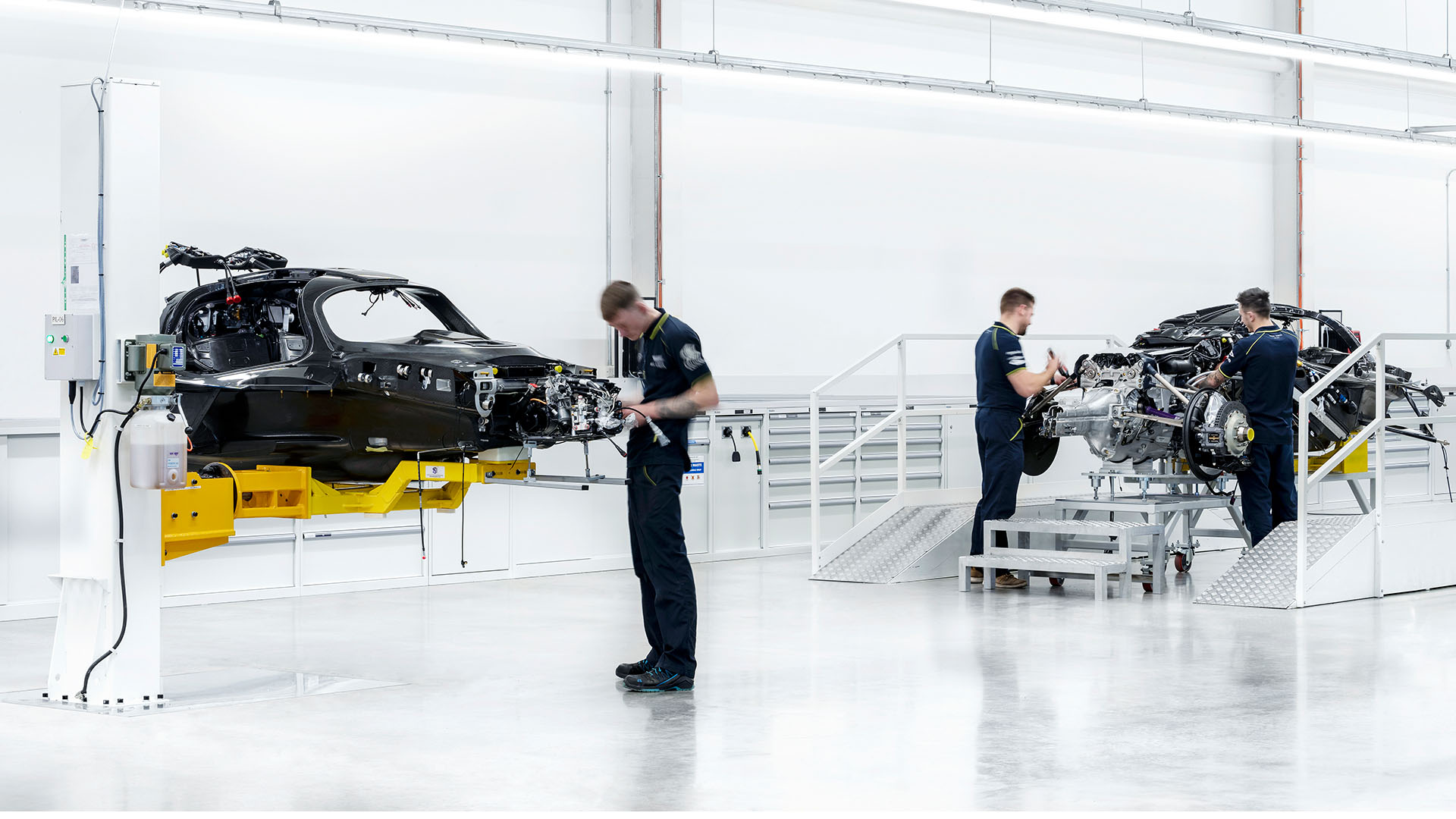
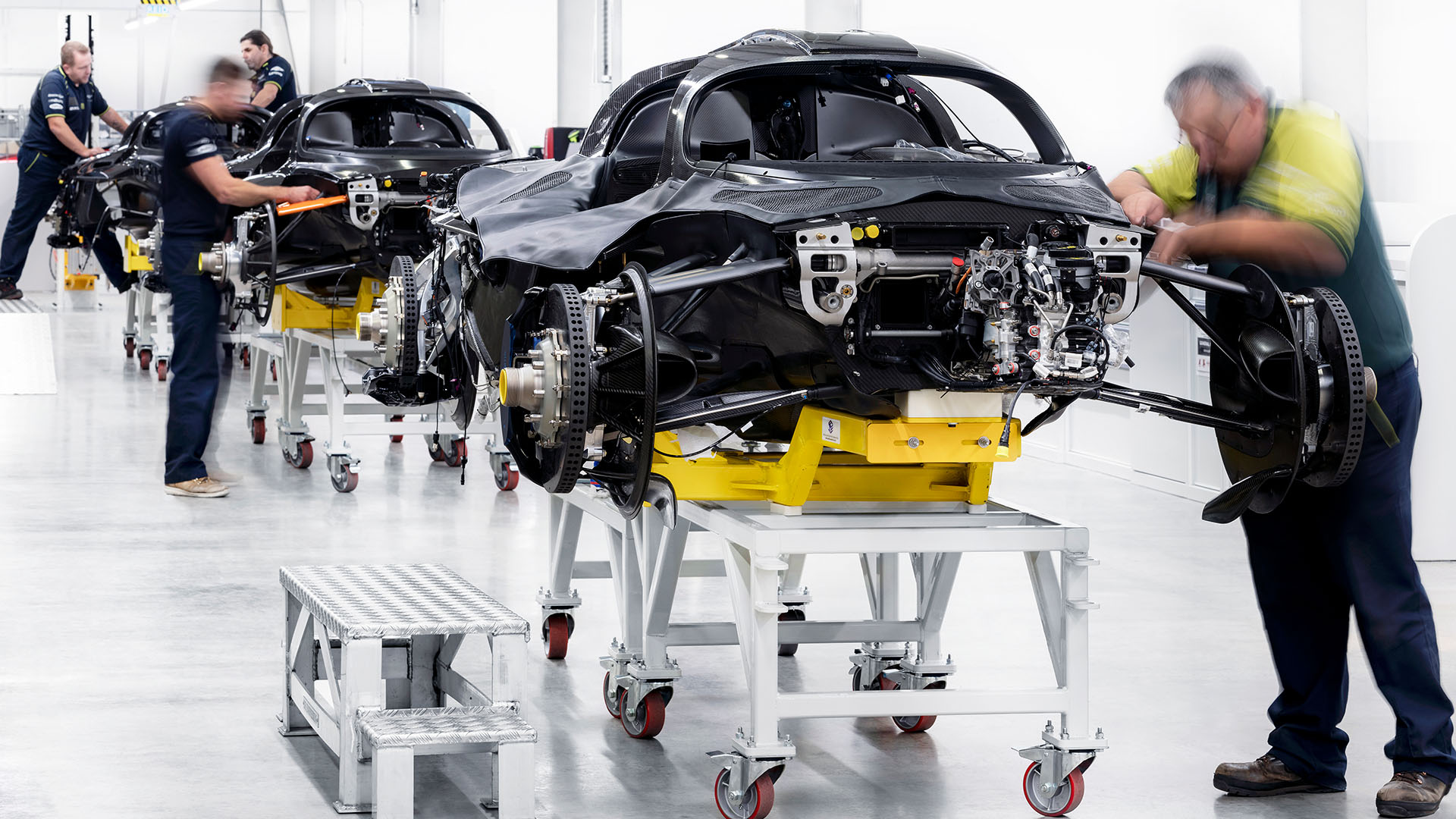
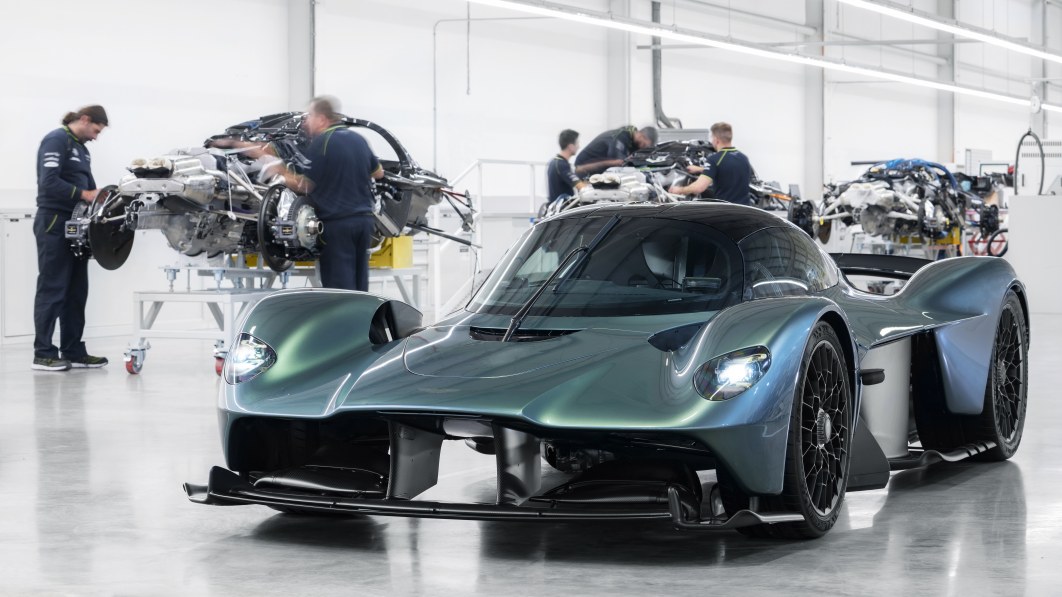
Finally, in early November 2021, it seems the very first customer will be receiving his (or hers) Aston Martin Valkyrie as the car is completed at the Gaydon HQ, production of this hypercar is started and deliveries will be happening in the coming weeks. Aston Martin Chief Executive Officer, Tobias Moers commented: “It is an immensely proud moment for us to complete our first-ever hypercar. The Aston Martin Valkyrie program has tested everyone who has worked on it to the limit but the commitment to the dream has produced a truly incredible car, an F1® car for the road. The Valkyrie is born out of the steadfast dedication of a large group of highly skilled engineers and technicians who have worked tirelessly to get Valkyrie to the production stage. I’m sure our customers will be delighted with what they have achieved.”

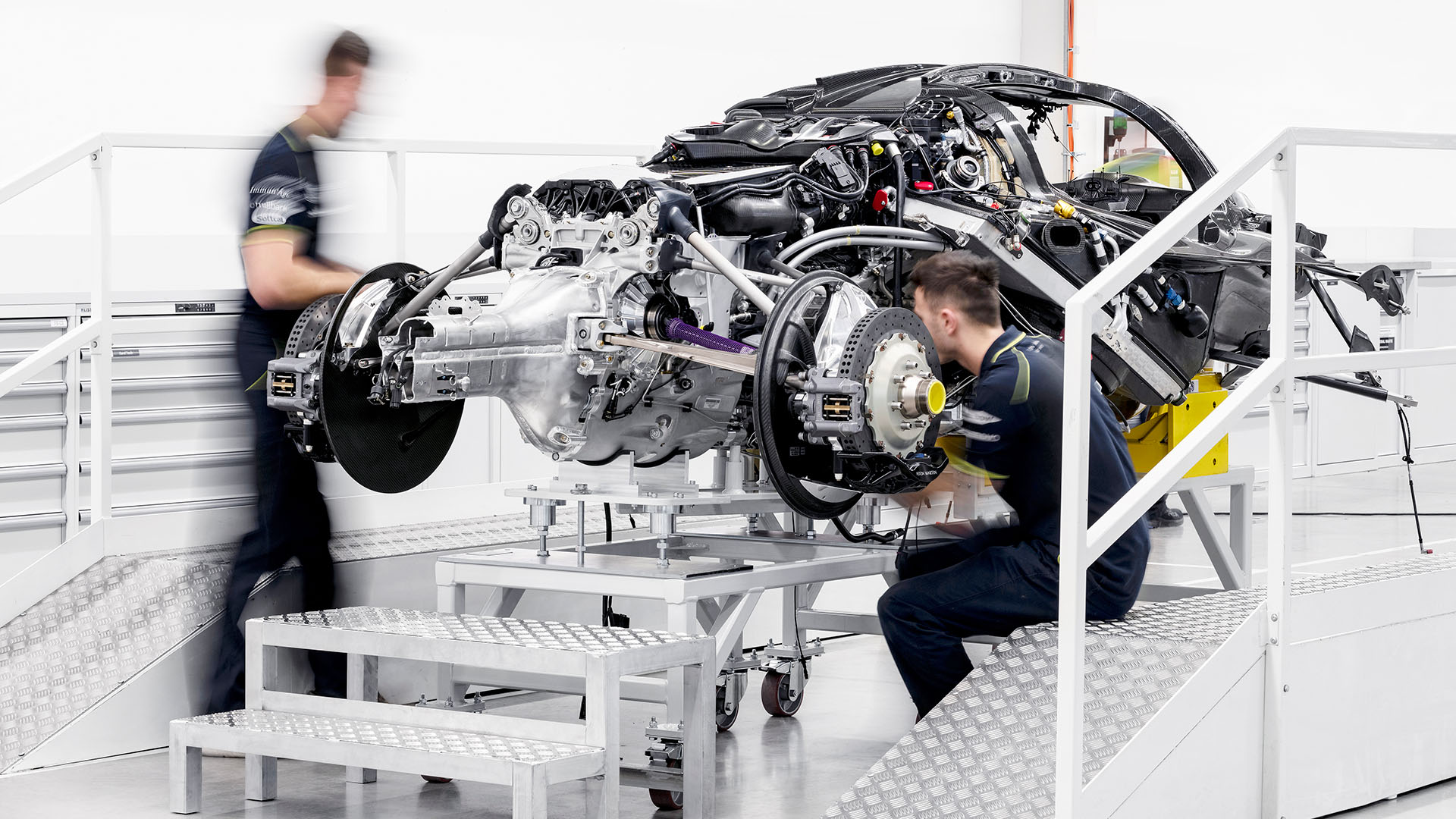
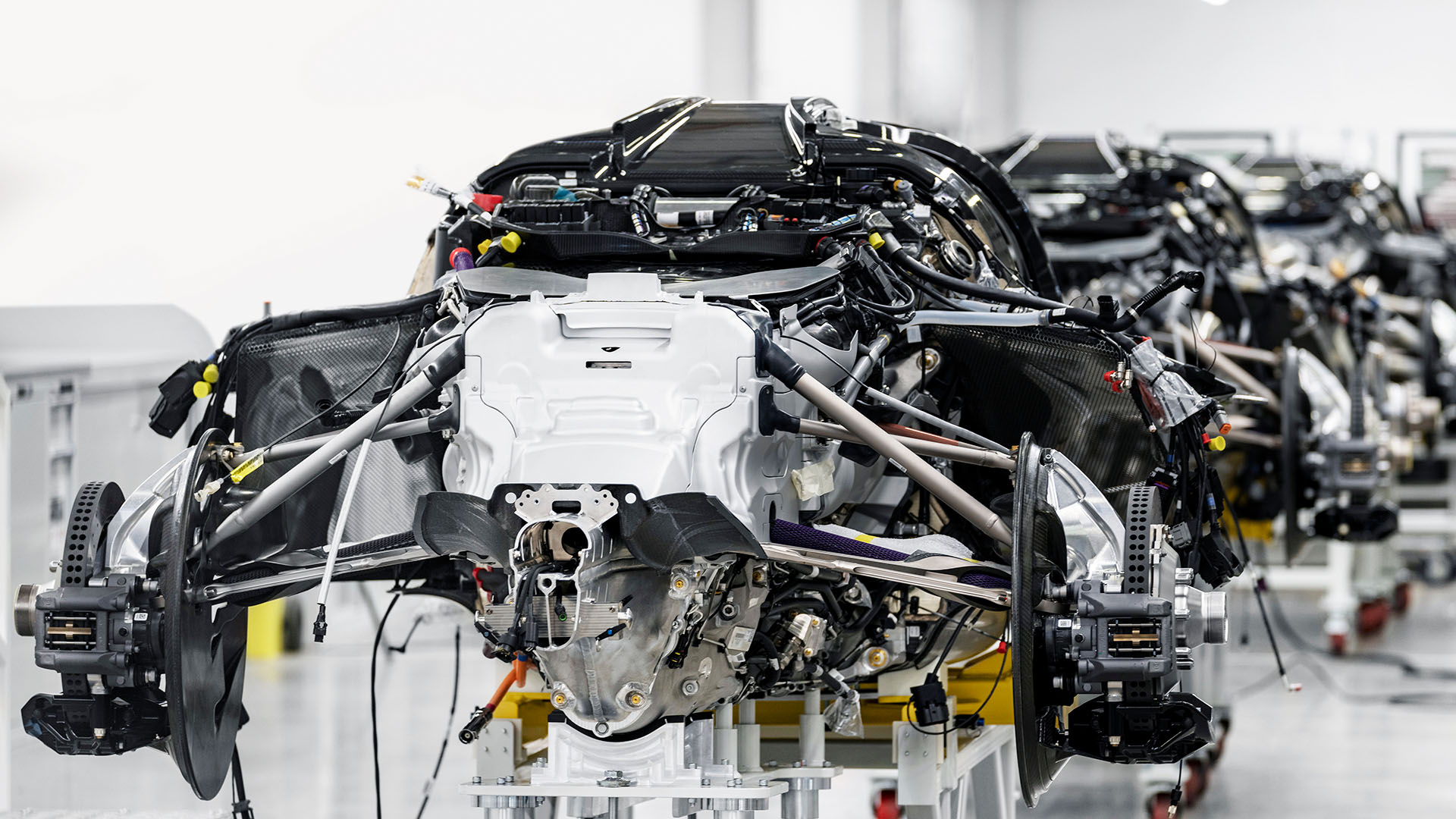
As with every Aston Martin sports car, the Valkyrie is built at the UK Headquarters in Gaydon, where a dedicated project delivery team manages the build right through to delivery in a specially commissioned Valkyrie production area, a team of highly skilled technicians will hand-built each of the 150 cars, with each Valkyrie taking over 2000 man-hours to create. Before each Valkyrie is delivered, it is track-tested at the Aston Martin high-performance facility at the home of British Motor Racing in Silverstone where much of the development of the hypercar has taken place over the last five years.

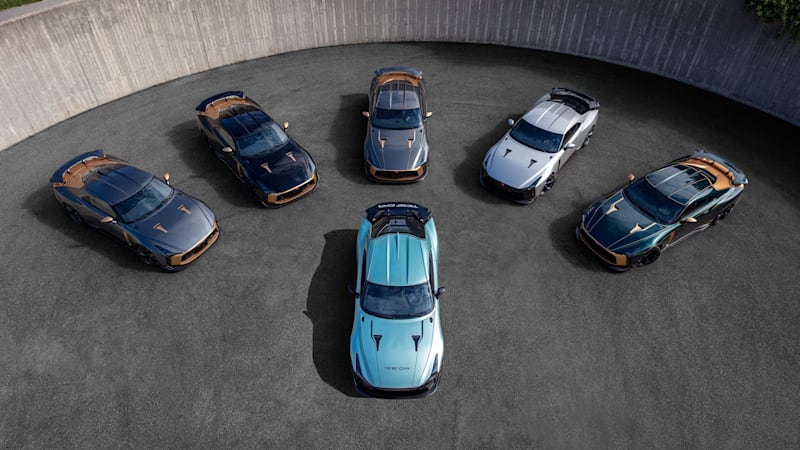
ItalDesign begins delivering exclusive 710-hp Nissan GT-R50

Italian design house ItalDesign has reached a major milestone. It has finished building the first five examples of the GT-R50, a limited-edition supercar based on the GT-R and developed jointly with Nissan, and it has sent the initial batch of cars to customers around the world.

Unveiled as a concept in June 2018, and introduced as a production model in December of that year, the GT-R50 was created to celebrate the 50th anniversary of both ItalDesign and the GT-R. It’s clearly an evolution of Godzilla, but it wears a specific design that gives it a more futuristic look than the regular-production car. Each coupe is tailor-made by hand in Turin, Italy, and the firm notes that it won’t build two identical units. Customers are invited to configure their car by selecting the exterior paint and the interior materials, among other details.

One of the first cars draws inspiration from the GT-R show car presented in 1972; ItalDesign developed a paint color called Verde Kenmeri specifically for it. Two of the others look a lot like the concept presented to the public at the 2018 edition of the Goodwood Festival of Speed.

Production is limited to 50 units globally; it will be interesting to see how the rest of the series is configured. And, while we’re not expecting to see a GT-R50 with 200,000 miles cross the auction block in 2030, it’s a model that meets the same standards as the regular GT-R. Nismo notably participated in the development process to ensure the GT-R50 delivers performance and reliability on par with the GT-R. This was easier said than done: about 12% of the parts that make up the 710-horsepower engine are new, including the turbochargers, the pistons, the connecting rods, and the crankshaft. Lessons learned from years of racing in the GT3 category helped shape many of the changes.

ItalDesign hasn’t revealed if there are build slots left. If you’re interested, keep in mind the GT-R50 carries a base price of $1,126,799.

Aston Martin Valkyrie begins production in dashing green dress

A new era of hypercars is officially born today, as the first production Aston Martin Valkyrie rolls off the line. That’s right, the Valkyrie is officially starting its extremely limited production.

The Valkyrie entering production now also means that Aston Martin has beaten Mercedes and its competing hypercar, the AMG One, to production — both cars saw their “debuts” in 2017. Last we heard from Mercedes on that front, the AMG One was still undergoing testing. Updated timing on the car’s production release was not detailed in this announcement that took place over a year ago. Perhaps those who ordered the AMG One have more insight on when their specific cars will be built, but for now, the production car is still floating out there in the ether.

Meanwhile, Aston Martin says the first Valkyrie, pictured in green here, is awaiting delivery. Aston does not say who the first owner is or detail the spec of the car, but we applaud the dark green paint chosen.

Aston Martin Valkyrie production start

“It is an immensely proud moment for us to complete our first ever hypercar,” Aston Martin CEO, Tobias Moers said. “The Aston Martin Valkyrie program has tested everyone who has worked on it to the limit but the commitment to the dream has produced a truly incredible car, an F1 car for the road.”

Production for the Valkyrie is taking place in a special Valkyrie-only area of Aston’s Gaydon headquarters. A small team of technicians spend over 2,000 hours total to build each car, and there will be 150 total Valkyries produced.

If you want to know all the nitty gritty details of Aston’s hypercar, make sure to check it out in our previous Valkyrie coverage. And enjoy the sound of its Cosworth V12, too. It’s downright magical to hear.

Related video:

2022 Audi A8 Facelift: Specs and Pricing

This is the new 2022 Audi A8 facelift model now with sharpened design and innovative technology. The active luxury sedan represents the brand’s symbiosis of high-end comfort, sporty handling and covers the full breadth of driving experience.

With all details in precision and intelligent functions, the new A8 is a high-value technology pioneer in user-centred and confident mobility.

The body of the A8 is made up of 58% aluminium parts following the same principle as the Audi Space Frame (ASF), the passenger compartment consists of hot-formed steel components with ultra high strength and the extremely rigid rear panel is made of carbon fibre reinforced polymer. Additionally, the lightweight construction concept of the A8 is completed by the Magnesium strut-tower bars.

The enhanced A8 is available with a 3.0L TFSI V6 engine and a 4.0 TFSI V8 engine which is also used in the S8. The 3.0 TFSI powers the Audi A8 55 TFSI Quattro and produces 340hp. A variant delivering 286hp and 500 Nm of torque is also available in China with the acceleration from 0-100km/h recorded in 5.6 seconds.

The 4.0 TFSI delivers an output of 460hp and 660 Nm of torque. Both the A8 60 TFSI quattro and A8 L 60 TFSI quattro can accelerate from 0-100km/h in 4.4 seconds.

The enhanced A8 features digital OLED rear lights as standard, the OLED rear lights have a proximity indication feature in conjunction with the assistance system. The vehicle also features Digital Matrix LED headlights which uses a digital micromirror device (DMD) technology, the headlights can generate dynamic coming home/ leaving home function when unlocking the car or getting out of the car.

The interior of the enhanced A8 features a range of seats and seat equipment with numerous adjustment options and footrests for warming and massaging the feet at various degrees. The relaxation seat package includes a back massage with 18 pneumatic cushions, electrically adjustable headrest, new screens at the rear and a continuous centre console as optional. The centre console is also available with optional fold-out tables and four-zone deluxe air conditioning.

The interior also features an electrically opening and closing decorative trim, air vent doors, velvety leather on the headrests, Valletta leather on the seats and an optional Valcona leather available in the new Cognac Brown color.

The exterior of the A8 features a wider Singleframe grill, more upright side air intakes,a flat roof dome, wide wheel arches and the rocker panel area has a concave design and ends in a blade pointing towards the road. The rear area features a wide segment light strip, wide chrome clasps and a customizable taillight signature with digital OLEDs.

The new A8 relies on a 10.1 inch and 8.6 inch display and natural voice operation. The vehicle consists of about 40 driver assistance systems including the Audi pre sense basic and Audi pre sense front safety system as standard for the series.

The enhanced A8 will begin production in December for the European market, the base price for the A8 is 99,500 euros in Germany and the Audi S8 is available at a start price of 144,800 euros.

Low-Mileage 2015 McLaren P1 Hypercar Debuts At Collecting Cars

Collecting Cars U.S. auction platform recently put an extremely low mileage 2015 McLaren P1 hypercar in the market. With only 433 miles on the odometer, this practically brand new, extremely rare hypercar will be on offer until November 11, 2021.

The legendary British luxury automotive maker produced only 375 examples of this impressive model. The McLaren P1 has a top speed of 217 mph. It is capable of going from 0 to 62 mph in just 2.8 seconds, and it can also go from 0 to 124 mph in just 6.8 seconds.

2015 McLaren P1

Under the hood of the P1 is a combination of a twin-turbocharged 3.8-liter V8 engine that can produce 727 hp and 531 lb-ft of torque and an impressive 177hp/192 lb-ft electric motor matched with a seven-speed Graziano dual-clutch transmission with paddle shift. It has a maximum output of 903 hp and 664 lb-ft of torque.

This P1 was meticulously constructed using an exceptionally lightweight carbon fiber monocoque chassis that weighs only 199 pounds or 90 kg. The P1 was also given a lot of lightweight features like the carbon fiber body panels, ultra-thin glass, and carbon finishes. They also removed the carpets, and the cabin was left without lacquer as an additional weight saving feature. This resulted in an ultra-lightweight McLaren P1 hypercar that has a dry weight of only 3076 pounds or 1395 kg.

2015 McLaren P1

This P1 is equipped with an F1-derived active aerodynamics, Drag Reduction System (DRS), Instant Power Assist System (IPAS), and a Kinetic Energy Recovery System (KERS).

For the interior, it was given carbon fiber racing seats with carbon black leather and Alcantara trim and Harissa Red stitching as accents.

The P1 has an “Elite Fire Black” finish with extensive gloss carbon fiber trim and contrasting red badge and brake calipers. It was equipped with Stealth wheels and Pirelli P Zero tires. Gloss carbon fiber was used for its bumpers, roof snorkel, door mirror and arms, side panels and ducts, rear wing, and rear clam insert.

As of writing, the bid for this exquisite hypercar is at $100,500.

The Safest Supercars On The Road Today

Throughout the history of supercars, safety has, at times, seemed like more of an afterthought than an actual priority. Power, looks, speed, and (to a large extent) prestige were often far higher up on the list, and these trends continued well into the 1980s.

However, when the 1990s arrived, there had been enough accidents and fatalities with supercars that brands finally started to pay more attention to the quality of their safety systems.

Now, 30 years after the first really safe supercars hit the showroom floors, safety has become probably the highest priority due to the birth of the hypercar age. These are vehicles that can travel in excess of 240 MPH, which many thought was the fastest a road car could go when the McLaren F1 was built for the sole purpose of being the greatest supercar in the world.

Advances in motorsports have also helped bring true race-grade safety design and driver safety aids to the forefront as well. The most prominent of these designs has also influenced supercar and hypercar design in the 21st century—what motorsports designers call the “safety cell,” but what is more commonly known as a monocoque.

We can wax on for ages about all the advances that have been brought to the fore through supercar design, but showing you what these advances have done for overall driver safety is far more effective. Quite a few manufacturers have played their part over time, and we will, of course, give the nod to them as we go over all the safety systems they brought forth.

What Are the Safest Supercars You Can Buy Right Now?

While there are many supercars out there, there are three that show safety advances in manufacturing methods, driver aids, and new materials better than any of the others.

Ferrari F40

You can’t talk about supercars without talking about one of the primary companies that brought the term to common usage. Before 1987, Ferrari was mostly concerned about selling cars with the brand logo on them to fund Scuderia Ferrari, the F1 racing team.

However, after the 288 GTO in 1984 woke the world up to what the Italians from Maranello could do when they actually tried, the first supercar designed to mimic the GT racing cars of the time (and the first to be made entirely of exotic materials) was released. We are, of course, talking about the Ferrari F40.

Red Ferrari F40 on road with trees behind

Oddly enough, the design concept of the monocoque being made entirely out of carbon fiber and the restraints being actual four point harnesses is still in use today at Ferrari. If you look at any of their “Speciale” cars, you will see that same basic engineering design in use—although with much more modern carbon composites.

Red Ferrari 488 parked in desert

The ultimate demonstration of this in the past few years is with the Ferrari 488, which has a twin-turbocharged V8 smack dab in the middle of the car and can reach ungodly speeds. Yet it scores nearly perfectly in the EuroNCAP crash test ratings, as well as the NHTSA ratings for America.

The 488 is famous for its side impact resistance without needing reinforcing beams in the doors, and, as you can see in the video below, it can survive a spin-out crash at 70 KPH (43 MPH)—hitting a solid fencepost and a tree trunk without the safety cell being compromised in any way.

https://youtu.be/Wuj74bPP3FY

Mercedes-AMG GT Coupe

When speaking about driver safety, another company that has been at the absolute cutting edge in terms of driver aids is Mercedes Benz. While many of their executive saloons and coupes have enough power to be considered supercars, they prefer to remain understated and are simply labled a “luxury brand.” But when you visit their AMG department, you come across one of the safest supercars that money can buy—the Mercedes-AMG GT Coupe.

Black Mercedes-AMG GT Coupe on highway at night with city lights in backgroundVia Mercedes-AMG USA.

Mercedes has had a long track record of driver aid and safety system firsts. They were the first manufacturer to have radar guided cruise control, the first with side curtain airbags as standard on all their cars, the first to develop crash detection and mitigation systems, and the like.

In the AMG GT (in any trim), this has become so advanced that even before the driver might even see or feel a possible crash happening, the dedicated safety computer will have already been acting for a second or more.

If the car detects a slide, it will apply traction control and braking to bring the car back into line. If it detects the driver is possibly getting hypnotized by the road or is tired, it will sound an alarm and automatically apply gentle braking.

Most importantly, if the computer detects that there is an unavoidable crash about to happen, it will apply emergency braking, tension the seatbelt, set the infotainment system to emergency mode (which can, if set up, automatically call emergency services using your phone), cut the fuel flow to the engine, and calculate which airbags need to be set off before the driver will have even moved his foot to the brake pedal.

Koenigsegg Regera, Agera, & Others

Front view of white 2019 Koenigsegg Regera parked on roadVia Motor1.com

One of the safest supercars out there (which actually tickles at being a hypercar) is pretty much anything that comes from Swedish manufacturer Koenigsegg.

Koenigsegg supercars are known for being brutally powerful, astoundingly fast, and expensive enough to drain the average bank account dry 10 times over. But when you pay $1.5 million (or more) for your Koenigsegg, you are quite literally buying a car made out of the most advanced materials available to keep you safe.

https://youtu.be/EC1P6LBeTEw

While major manufacturers might seem like the place to go for materials research and development, it is in fact “the small guys” that do most of the work. A beautiful example is the development of carbo-tanium by Italian manufacturer Pagani, where threads of titanium are hand woven into sheets of carbon fiber to add elasticity so that the carbon fiber doesn’t shatter on impact.

Koenigsegg set out from day one to have the most advanced materials, the most revolutionary engines, and produce the best cars with those two items.

This led to the development of what Koenigsegg calls the “carbon honeycomb tub” as the main structural member of all of their cars, which is also the monocoque safety cell. After thousands of hours testing multiple grades of carbon fiber made at the factory and selecting the best types for the best places on the tub, this pre-impregnated carbon fiber is then bonded under extreme vacuum and heat to an aerospace grade aluminum honeycomb.

Safety cell of Koenigsegg Agera on white backgroundThis is what a Koenigsegg Agera’s safety cell looks like before the car is built up around it. Via Koenigsegg.

The result is a core stress member of the entire car that weighs less than the average European male, yet has a tensile strength that makes normal automotive steel and aluminum look like paper in comparison.

In fact, this tub is so strong that when the company was crash testing the Koenigsegg Agera, they would run it into a wall at twice the necessary speed for crash testing, replace any body carbon fiber that needed to be replaced, and then crash test the same tub from a different angle.

What Are the Causes of Supercars Being “Unsafe?”

This is both an easy and difficult question to answer.

The easy answer is that most supercars built in the 21st century are, in fact, quite safe. They have some of the most advanced traction control and stability systems, excellent tensile strength, and exotic materials far in excess of the bare minimum a car needs to have. They are also crash tested aggressively and extensively.

Crash test of Bugatti Chiron at full 80 MPH one third offsetVia EuroNCAP and Bugatti Media. A crash test of a Bugatti Chiron at a full 80 MPH one-third offset. The minimum crash test speed for EuroNCAP is 30 MPH, but most cars are tested at 50 MPH and above. You can see the lines of the safety cell keeping the driver’s compartment intact as the car deforms around it.

The more difficult answer is that what makes a supercar “unsafe” is also what makes them supercars: the engine. When you buy a Ferrari or an Aston Martin, you are buying pedigree and motorsports know-how. When you buy a Lamborghini, you’re buying the insane looks and the famous “wedged wing” body shape. When you buy a Bugatti, you’re buying the total engineering might of every company under the Volkswagen Group flag, focused on one car.

Yet, to a car, they are all about power. To make an example, take your average family hatchback, for example a Ford Fiesta, and put it side by side with a sports car like the Porsche 911 Carrera. Both are cars. Both are perfectly driveable in normal traffic, and both are engineered very well. Now turn that Fiesta into the corner-munching monster that is the Fiesta ST, and the Carrera into the 911 Turbo S supercar.

One is the best sporty hatchback (what the Europeans call a hot hatch) money can buy, with 201 HP and handling that was fine tuned and perfected by Ford Performance’s UK branch. The other is an all wheel drive monster, with 640 very German horses in a flat-six configuration. Both can break the speed limit of most cities in second gear by quite a margin, yet despite the absolutely fantastic crash test ratings and superb driver aids of the Porsche, it is still considered the more unsafe of the two cars.

This comes down to the water-powered organic computer that is part of every car, namely: you. With the little Fiesta ST, there’s enough power to throw you back in your seat and pull a grin across your face, but not enough to really get you in trouble. Pin the throttle in that Turbo S, however, and you’ve suddenly stepped on the button that activates warp speed.

The Porsche 911 Turbo S is one of the safest cars to be in on the road. It is engineered specifically to be an everyday supercar, which doesn’t need to sit in a climate controlled garage and isn’t afraid of rain or even snow. The simplest answer to the difficult question is, quite simply, the human operating the machine.

Are Supercars More Vulnerable to Non-Vehicular Safety Hazards?

We’ve all experienced driving tired at some point in our lives. You’ve had a long day at work, you’re still recovering from last month’s flu, and you haven’t been drinking as much water as you should have been during the day. You get behind the wheel of your car, and off you go onto the freeway.

The lines in the road, the lane markings, the constant, unending grey of the pavement—before you know it, you snap awake because someone is blaring their horn off to your right as you slowly meander that way.

In your everyday city, fatigued driving is a factor in many rush hour accidents (although the damage is usually more to the vehicle, through its designed crumple zones and safety systems, than to the driver). Now, flip that experience around and imagine what happens if you doze off behind the wheel of a 700 HP carbon fiber monster?

That moment of the weight of your unconscious leg pushing down on your foot—and thus, the accelerator—before you snap awake is enough to send a supercar into triple digit speeds.

However, there is one cause above all else that doesn’t discriminate by wealth, car, class, background, or creed. Distracted driving is now one of the leading causes of motor vehicle accidents and is quickly becoming the number one cause of fatalities during those accidents (for more info, check the IIHS 2019 motor vehicle fatalities snapshot from the US Department of Transportation).

A full 6% of all fatal crashes involved distraction, with 62% being attributed to loss of awareness of driving (or daydreaming) and another 13% being attributed to non-urgent use of electronics such as cell phones or infotainment systems.

Hand holding phone in front of steering wheel in car
Via Pixabay.

During our research for this piece, we connected with several experts to get their ideas on why the above may be true. According to Dennis Hernandez & Associates, rates of distracted driving are higher among supercar owners (or at least, lawsuits with them as a factor are higher).

This can be attributed to the fact that many supercars (and even hypercars, nowadays) have their safety systems and materials on proud display in their information brochures and owners manuals. The marketing for these cars, to an extent, has become so much like that of “normal” cars that buyers are treating them the same way when they’re behind the wheel.

But supercars are, for the most part, race cars for the road. They are the distilled and purified essence of the driving experience, of feeling at one with the machine and hearing the howling power of the engine racing through your blood and brain. They are meant to go faster, corner harder, brake harder, and perform in ways that the average car can’t. They are pieces of pure adrenaline, contained in carbon fiber.

So when you get behind the wheel of a Lamborghini Aventador, get on the freeway, and then start checking your phone for messages from work, you’re driving distracted. All the safety systems in the world won’t help you if you don’t focus on the actual task of driving—and you need to be hyper-aware in a supercar because even the smallest twitch of your foot can send many of them into warp speed.

So Why Do People Say Supercars Are “Unsafe?”

While distracted driving is one of the leading causes of accidents (and becoming one of the leading causes of fatalities on the road), supercars and hypercars barely make any impact on injury accidents and fatality statistics.

To prove the point, we couldn’t find any meaningful numbers at all from the IIHS regarding high performance cars. The closest car to a supercar mentioned there was the Audi S6, which had a total of 3 fatalities in 2015.

However, because these crashes and accidents are so exceedingly rare, when one does happen, it’s big news. And since America is a very litigious nation, civil lawsuits regarding damages, insurance write-offs, and both medical and emotional trauma are more likely to be filed against the driver of a supercar involved in an accident because, frankly, it is a fairly blatant and loud display of wealth.

The truth of the matter is that all the safety features that now come standard on most average cars are there because supercars and hypercars had them first.

Blue Rimac Nevara after repeated front and rear crashes with safety cell intactVia Rimac. A Rimac Nevara (at the time of the testing the C_Two) crashed repeatedly from the front and back, on the same safety cell, without it deforming due to advanced carbon composite materials.

Hybrid drive? Thank Audi, Toyota, and Porsche for that one with their racing cars. Direction sensing safety systems to deploy the right airbags for maximum safety faster than a human can think? Mercedes-AMG takes that one handily with their C36 AMG. Crumple zones on your car that are designed to deform to protect the driver? The BMW E36 M3 was the first high-performance “supercar” to test it out, and now all cars are made with crumple zones.

It’s not the car that’s unsafe. You are more likely to survive a crash, in fact, in a supercar or hypercar because of the inherent strength of carbon fiber and the array of safety systems that come with the high price tag.

It’s the drivers of supercars and hypercars that are unsafe, and at a rate below that of “normal” car drivers. So the next time you see a supercar pass by, rest assured in the knowledge that five to ten years down the road, your car will have the same safety systems that half-million dollar car does.

The New Bugatti Rimac Company Launched

It was only a few months ago that they announced the plans for a joint venture between Bugatti and Rimac, and recently, they officially announced the new company: Bugatti Rimac. The new company brings together two automotive powerhouses Bugatti and Rimac, creating a completely new powerhouse in the automotive industry.

Unlike Bugatti, Rimac is relatively new in the automotive industry, having only started 10 years ago by Mate Rimac as a garage start-up. It has now grown to be its own force, and now, it will be making a huge leap forward as it officially operates under the umbrella of Bugatti Rimac starting November 1, 2021.

Rimac Group Shareholder Structure

The Rimac Group is the major shareholder in Bugatti Rimac having 55% stake in the company. Mate Rimac will keep his 35% share in the Rimac Group while Porsche has 22% of the company. Hyundai Group has also kept steady with 11% share, with the rest of the investors at 32%.

Rimac Group will keep 100% shares of Rimac Technology which oversees the development, production, and supply of battery systems, drivetrains, and other EV components that Rimac has built their reputation on.

Bugatti Rimac will be overseeing two automotive and technological trailblazers. Bugatti has a 110-year history of design, innovation, and engineering, matched with Rimac’s technical expertise and unquenchable thirst for innovations in the EV niche, are now brought together to conquer the hypercar industry.

Porsche will also be a strategic partner in the new company. Apart from the two managers, the Stuttgart based sports car manufacturer will be appointing two Supervisory Board members, namely Porsche AG Chairman Oliver Blume, and Porsche AG deputy chairman and CFO Lutz Meschke.

“I am convinced that we have found the right mix of experience and know-how, innovative strength and team spirit for the management. That’s why I’m very optimistic. And because the project is very close to my heart, I will continue to accompany it closely and passionately in the future,” Deputy Chairman of the Executive Board and member of the board for Finance and IT at Porsche AG, Lutz Meschke shared.

Bugatti Rimac

Bugatti Rimac has appointed Mate Rimac as its new Chief Executive Officer. Mate Rimac’s leadership and vision has seen the fledging garage startup grow into an exceptional industry force that it is today. As the current CEO of the Rimac Group, he will be overseeing both the Bugatti Rimac and the new division, Rimac Technology.

Currently, the headquarters of the new Bugatti Rimac will still be at its current base in Zagreb, Croatia. Eventually the new company will be moved to the €200M Rimac Campus which will also be the home of Rimac Technology.

Construction on the campus has now begun. Eventually, joint research and development for future Rimac Automobili and Bugatti hypercars will be done at the Rimac Campus. It is scheduled to open in 2023.

The latest technologies will be seen in the new state-of-the-art facility. It will be able to host 2,500 innovators and it will be the home of groundbreaking developments.

Bugatti Rimac currently has 435 employees in the new company. 300 are currently in Zagreb while 135 are currently in Molsheim, France. There will also be 180 people at the Bugatti Engineering’s Wolfsburg plant that will be supporting the new company. Rimac Technology will have more than 900 employees. Currently, the Rimac Group have more than 1,300 employees in their various locations.

Christophe Piochon is the new Chief Operating Officer at Bugatti Rimac’s new Board of Management. He was the Director General at Bugatti Automobiles.

Larissa Fleischer is the new Chief Financial Officer. She was Porsche’s Director of Digitalization, New Mobility, e-Mobility and Connected Car Controlling.

Emilio Scervo is the new Chief Technology Officer, having held the same position at Rimac Automobili.

For now, Rimac Automobili and Bugatti Automobiles will be operating and working as separate brands and manufacturers. They will also be keeping their production facilities in Zagreb and Molsheim, respectively. The same will be done for their distribution channels.

Rimac Technology will keep on innovating and developing vehicle systems and technologies for global OEMs. These same technologies may also be used in future Bugatti and Rimac models.

Mate Rimac

Bugatti Rimac CEO, Mate Rimac shared, “I am honored to be leading this new fusion of automotive minds and begin what will no doubt be a successful, revolutionary and exciting new chapter for everyone involved. I am also extremely curious to oversee the profound impact Bugatti Rimac will have on the industry, and I look forward to developing innovative new hypercars and technologies.”

The New Mercedes-AMG SL

The newest edition of an icon, the Mercedes-AMG SL goes back to basic with a classic soft top and sporty character. The 2+2-seater is great for everyday use and for the first time, they created an all-wheel drive.

The SL is equipped with high-tech components like the AMG ACTIVE RIDE CONTROL suspension with active anti-roll stabilization and rear-axle steering. To really maximize the sporty profile, Mercedes-AMG added as standard the DIGITAL LIGHT with projection function. The AMG ceramic high-performance composite brake system is being offered as an option.

Matched with the AMG 4.0-liter V8 biturbo engine, the combination gives unparalleled driving experience. Mercedes-AMG has built their reputation as a Performance Luxury manufacturer, and the company developed the SL in Affalterbach completely independently.

Mercedes-AMG SL 63 und Mercedes-AMG SL 55
Mercedes-AMG SL 63 and Mercedes-AMG SL 55

Kicking off the market launch are two models with AMG V8 engines.

It has almost been 70 years when a sports car launched in Stuttgart became an instant legend. From that first success, Mercedes-Benz envisioned expanding their potential through motor racing successes. This vision produced the first SL – a road-going racing sports car.

The 300 SL – with an internal designation of W 194 – made its debut in 1952, it recorded victory after victory in various racetracks all over the world. In its first year alone, it achieved an impressive one-two victory in the legendary 24 Hours of Le Mans. If that is not enough, it also recorded four first place finishes at the Nürburgring Grand Jubilee Prize for sports cars. The successes of the 300 SL made it a legend.

In 1954, the highly successful racing car was followed by the production sports car 300 SL – internally dubbed as the W 198. Due to its unusual doors, it was given the nickname “Gullwing”. Its influence is so strong, that in 1999, a jury of motoring journalists picked the Gullwing as the “Sports Car of the Century”.

Mercedes-AMG SL 63

Other notable cars in its model history include the “Pagoda” called W 113 and was produced from 1963-1971, the evergreen R 107 had a really long production time from its release in 1971, with the last produced in 1989. The R 129 came next and due to its striking wedge shape, was considered to be an automotive structure.

To this day, the SL is considered to be one of the few real automotive icons in the world.

The development of the SL spans for decades with car enthusiasts following its evolution from full-blooded racing cars to open-top luxury sports car. Now, the new Mercedes-AMG SL creates another milestone. It seamlessly brought together the sportiness of the original SL with the luxury of technological advancements that embodies the modern Mercedes models.

“The SL is an icon: For almost 70 years, the distinctive sports car has delighted Mercedes customers of every generation around the world. With the rebirth of the roadster from Mercedes-AMG, the new SL more than ever remains the symbol of this timeless fascination”, shared Britta Seeger, Member of the Board of Management of Daimler AG and Mercedes-Benz AG, responsible for Mercedes-Benz Cars Marketing and Sales.

Mercedes-AMG GmbH Chairman of the Board of Management Philipp Schiemer added, “The new SL combines the sporty genes of the original SL with the driving performance typical of AMG. At the same time, it offers luxury and comfort at the absolute top level. This combination is unique in the sports car segment and is also reflected in the interior – where the highest levels of comfort and quality meet the right helping of sportiness. The high-quality combination of analogue world and state-of-the-art digital equipment makes it clear that the new SL is the rebirth of an icon for the modern era”.

Mercedes-AMG SL 63 and Mercedes-AMG SL 55

Daimler Group Chief of Design Officer Gorden Wagener said, “With the new SL, we have created a repositioning of the iconic SL design. The expressively modelled exterior conveys a light and purist impression and brings sensual beauty and extravagant design into perfect harmony”.

“We at Mercedes-AMG consider it a great honour to have had the privilege to develop the new edition of this sports car icon. When we were tasked with the overall development of the new SL, we were able to start from scratch without building on an existing structure. We are proud of the result, which once again demonstrates the high level of engineering expertise in Affalterbach. The new 2+2 concept combines agile driving dynamics with a high level of comfort and unrestricted suitability for everyday use”, says Jochen Hermann, Chief Technical Officer of Mercedes-AMG GmbH.

The new Mercedes-AMG SL really raises the bar in the luxury sports car segment with its state-of-the-art technology, outstanding driving characteristics, and exquisite design.

The exterior design of the Mercedes-AMG SL perfectly brings together the sensual purity of modern Mercedes-Benz design with the typical sportiness of AMG, with characteristic details. The two power bulges on the bonnet of the new SL is one of the features that is clearly inspired by the first SL generation. The interaction of the light and shadow on the new SL gives an overall light and low appearance, making it clear at just the first glance that the new SL has gone back to basics with its sporty roots.

Mercedes-AMG SL 63

Balanced Exterior Design with Sporty Genes

The body design of the new SL has kept some of its characteristic features like the short overhands, long wheelbase, long bonnet, the passenger compartment set back with a strongly raked windscreen, as well as the powerful rear end. Those combinations resulted in a typical SL in terms of proportions. Matched with the large alloy wheels and voluminously sculpted wheel arches, it resulted into a roadster that looks both powerful and dynamic. When the seamlessly integrated soft top is closed, it emphasizes the purist, sporty appearance.

The AMG-specific radiator grille highlights the effect of width of the front and its 14 vertical slats, reminiscent of original SL model: the legendary 1952 300 SL racing sports car. The new SL also has other unique design elements like the thin, sharply outlined DIGITAL LIGHT LED headlamps as well as the really thin LED rear lamps.

Mercedes-AMG SL 63 dash

Interior design: ‘Hyperanalogue” cockpit and Performance Luxury

The interior of the new Mercedes-AMG SL brings forward the tradition of the first 300 SL Roadster into the modern era. The new edition is the perfect combination of luxury with sporting virtues. To provide the highest levels of comfort, the new SL used the best materials and expert workmanship. The cockpit was designed with the driver as the focus, even to the adjustable central display in the center console.

The new interior space concept with 2+2 seats provides more room and functionality. The rear seats make the SL practical for daily use and gives more space for people up to 1.5 meters tall.

The 300 SL Roadster’s minimalist interior using the highest quality materials are what inspired the designers in conceptualizing the interior of the new SL. This resulted in an exciting combination of analogue technology with the digital world, called ‘hyperanalogue”. This is seen on the fully digital instrument cluster which is integrated into a three-dimensional visor. The standard MBUX infotainment system also gives a choice between several different modes and specific display styles.

Mercedes-AMG SL 63 interior

One of the many notable features in the interior of the new SL is the sculptural seat design that comes in the standard, electrically adjustable AMG sports seats. The backrest integrates the head restraints, emphasizing the sporty character of the car. The AIRSCARF comes as standard. Air outlets in the head restraints allow warm air to flow into the passenger compartment and wraps around the head and neck area of the driver as well as the front passenger like a scarf. The interior has perfect ergonomics. Available as an option are the AMG Performance seats.

The new SL comes with the latest generation Mercedes-Benz User Experience (MBUX) and it has the capacity to learn and is intuitive to use. It has numerous functional contents as well as the operating structure used on the second-generation MBUX system which was first seen in the new Mercedes-Benz S-Class. The SL comes with AMG-specific content that can be seen in the five display styles. The sporty character of the car is emphasized in its exclusive menu items like the “AMG Performance” and the “AMG TRACK PACE”.

Mercedes-AMG SL

Body Shell

Mercedes-AMG developed a completely new vehicle architecture for the 2+2-seater 2021 SL. The chassis was made from a lightweight composite aluminum structure that is made up of an aluminum space frame with a self-supporting structure. The design ensures maximum rigidity that provides the highest comfort, precise driving dynamics, optimal packaging, and sporty body proportions. Like the first SL back in 1952, the new body shell was designed literally on a blank sheet of paper. No component in the new SL came from its predecessors nor from any other model like the AMG GT Roadster.

The body shell architecture aims to provide the driving performance that is expected of AMG focusing on the lateral and longitudinal dynamics while also delivering on the high standards of comfort and safety. The intelligent material mix in the new SL allows the highest possible rigidity at a low weight. Material cross-sections are optimized, and the sophisticated component shapes allows for the comprehensive comfort and safety features as well as the soft top to be added. A mix of materials are used like aluminum, fiber composites, magnesium, and steel to create different parts like the windscreen frame. It serves as a roll-over protection along with the roll bar system at the back of the rear seats which can immediately be extended when needed.

The torsional rigidity of the body shell structure is improved by 18 percent compared to the previous model series. The transverse rigidity is 50 percent better than the already impressive value of the AMG GT Roadster, while the longitudinal rigidity is 40 percent higher. The plain body shell weights around 270 kilograms. Matched with a low center of gravity, the lightweight construction guarantees outstanding driving dynamics.

Mercedes-AMG SL

Active aerodynamics gives perfect balance and high efficiency

High aerodynamic efficiency was one of the key development focuses of the new SL. They specifically worked on the balance between low drag and reduced lift. This is where the luxurious roadster is greatly benefited from the wide-ranging motorsport expertise of Mercedes-AMG.

Extensive active aerodynamic elements can be seen on the front and rear with all the streamlining elements integrated perfectly with the exterior design. Additional detailed measures lowered the drag coefficient to Cd 0.31 which is an excellent figure for an open-top sports car.

The aerodynamics of the SL had to deal with the complex requirements of drag, cooling, handling stability, and wind noise. The driving characteristics and vehicle character of the new SL are constant whether the top is down or up. The even aerobalance assists in defusing critical driving situations like a sudden evasive maneuver while driving at high speed.

Mercedes-AMG SL

AIRPANEL air control system

The AIRPANEL is an active air control system that is a technical highlight in the aero development of the new SL. The car is equipped with two AIRPANELs. The first piece is placed behind the lower air intake in the front apron, and it operates with vertical louvres. The second piece is hidden behind the upper air intake and has horizontal louvres. All louvres are normally closed. This position minimizes drag and leads the air specifically towards the underbody, further lowering front lift. When certain temperatures on predefined components are reached and there is a need for cooling air, the louvres open. The second system only opens from 180 kph, to let maximum cooling air to flow to the heat exchangers.

The retractable rear spoiler that is flawlessly integrated into the lid is another active component. Its position is changed depending on the driving status. To do this, the control software takes into account a few things: the driving speed, longitudinal and lateral acceleration, and the steering speed. The spoiler has five different angular positions that it can use from 80 kph to either reduce drag or to optimize handling stability.

Hidden in the underbody in front of the engine is the optional active aerodynamic element that also helps in improving handling. The carbon profile roughly weights two kilograms, and it reacts to the setting of the AMG driving modes. At the speed of 80 kph, it automatically extends downwards by roughly 40 millimeters, activating the AMG driving modes. It creates what is called the Venturi effect, which reduces the front-axle lift as it sucks the car more to the road surface. The driver feels the change in the steering, allowing for more precise and stable steering in bends and tracks.

The new SL has a variety of aerodynamically optimized alloy wheels that comes in 19, 20, or 21 inches in diameter, minimizing drag by having less turbulence. The 20-inch wheels with plastic aero rings are particularly sophisticated, and also save weight.

Mercedes-AMG SL 63

The Soft Top

With the new SL promising to be sportier than its immediate predecessors, it is not a surprise that it was given an electric soft top instead of the metal vario roof that was previously used. It took away a huge 21 kilograms in weight, while also giving the new SL a lower center of gravity, giving it an overall positive effect on handling and driving dynamics. The space- and weight-saving Z-fold, the conventional soft-top compartment cover can be removed. The front roof cap makes sure that the final position of the open soft top is flush with the surface.

The developers were also tasked to create the new SL to be suitable for everyday use and to provide great noise comfort. They created a three-layer design which had a tightly stretched outer shell, precisely crafted roof liner, and in between the two is the acoustic mat made from high-quality 450 g/m² material.

It takes only about 15 seconds to open and close the soft top, and it can even be done even at speeds of 60 kph. A switch panel in the center console operates the soft top. It can also be done through the multimedia touchscreen wherein it’ll show an animation of the car to show how the process is progressing.

Mercedes-AMG SL 63 engine

Engine, transmission, and all-wheel drive

At market launch, the new SL will have two output levels with the AMG 4.0-liter V8 biturbo engine. The engines are assembled at Affalterbach, purely by hand adhering to the company’s “One Man, One Engine” principle.

The SL 63 4MATIC+ (combined fuel consumption is 12.7-11.8 l/100 km, combined CO2 emissions is 288-268 g/km) the engine produces 430 kW (585 hp) with a maximum torque of 800 Nm on a wide rev range of 2500 to 4500 rpm. It only takes 3.6 seconds to accelerate from 0 to 100 kph. It has a top speed of 315 kph.

The SL 55 4MATIC+ (combined fuel consumption is 12.7-11.8 l/100 km, combined CO2 emissions is 288-268 g/km) the V8 engine can produce 350 kW (476 hp) with a maximum torque of 700 Nm. It takes 3.9 seconds for the car to accelerate from 0 to 100 kph. It has a top speed of 295 kph.

For the new SL, the engine was equipped with a new oil pan while they repositioned the active crankcase ventilation and the intercoolers. To have a more effective gas exchange, the intake and exhaust ducts were optimized, while they made the exhaust gas routing for the catalytic converter box and petrol particulate filter larger. The increased output of the SL 63 4MATIC+ was achieved by the developers mainly through the higher boost pressure, modified engine software, and increased air flow.

In summary, the eight-cylinder engine thrills with its excellent power delivery and powerful acceleration in all engine speed ranges along with maximum efficiency for low consumption and emission values.

Design sketch of the Mercedes-AMG SL

Performance Hybrid in Development

Mercedes-AMG will also eventually be offering the SL as a powerful Performance hybrid drive. The AMG E PERFORMANCE drive strategy is guided by its principle of providing an electrified powertrain that improves driving dynamics and efficiency.

Transmission

The AMG SPEEDSHIFT MCT 9G transmission brings together a satisfying gearshift experience with short shift times that is specially developed for the new SL. The former torque converter is replaced by a wet start-off clutch. It not only reduces the weight, but it also optimizes the response of the accelerator pedal commands due to its lower inertia especially during spurts and load changes.

Design sketch of the Mercedes-AMG SL

Fully variable AMG Performance 4MATIC+ all-wheel drive

In its almost 70-year history, this is the first time that the SL will be available with an all-wheel drive system. As standard, the two V8 models will have the AMG Performance MATIC+ all-wheel drive technology. The intelligent system brings together the advantages of different drive concepts: the fully variable torque distribution to the front and rear axles guarantees optimal traction until its physical limit. The driver can depend on high handling stability and safety in all conditions.

Suspension and Brakes

The newly developed AMG RIDE CONTROL steel suspension with very capable aluminum shock absorbers and lightweight coil springs will come as standard on the SL 55 4MATIC+.

As another first, the series-production Mercedes-AMG will also be equipped with a multi-link front axle with five links arranged completely within the rim, greatly improving the kinematics. A 5-link design also controls the wheels at the rear axle.

Making its debut in the SL 63 4MATIC+ is the innovative AMG ACTIVE RIDE CONTROL suspension with active, hydraulic anti-roll stabilization. Its biggest innovation is the introduction of Active hydraulic elements that replaces the typical mechanical anti-roll bars and compensate for rolling movements of the new SL in milliseconds. The system also provides optimal steering and load-change behavior with the AMG-typical driving characteristics in terms of precision, dynamics, and feedback for the driver. It also improves on ride comfort with driving in straight lines and over bumps.

The new AMG high-performance composite braking system also ensures great deceleration values and complete control. It responds excellently in short braking distances while also providing high stability- even in extreme stress. The new composite brake discs are more compact and lighter which makes it even better for brake cooling. The directional perforation is another innovation, aside from improved heat dissipation and lighter weight, it also gives faster response in wet conditions and has improved pad cleaning after braking.

Mercedes-AMG SL 63

Active rear-axle steering

Another first in the new SL is the active rear-axle steering that comes as standard. While steering, the rear wheels changes direction from the front wheels depending on the speed. They steer in the opposite direction for speeds up to 100 kph or they’ll steer in the same direction for speeds faster than 100 kph. This allows the system to provide agile and stable handling, characteristics that are contrasting without the rear-axle steering.

Other improvements include better vehicle control at the limits, while also lowering steering effort due to the more direct front-wheel steering ratio.

Mercedes-AMG SL

Six driving modes and AMG DYNAMICS

The AMG DYNAMIC SELECT provides six driving modes: Individual, Comfort, Slippery, Sport, Sport +, and RACE. The RACE driving mode comes as standard in the SL 63 4MATIC+, while the AMG DYNAMIC PLUS can be added as an option for the SL 55 4MATIC+. The six modes give a variety of vehicle characteristics from comfortable to dynamic.

Each driving mode provides a different driving experience tailored specifically for different driving conditions. The SL models also feature the AMG DYNAMICS as a feature of the AMG DYNAMIC SELECT driving modes. The integrated vehicle dynamics control broadens the stabilizing functions of the ESP® with the agility-enhancing intervention in the steering characteristics, all-wheel control, and more ESP® functions. When cornering at speeds, the inner rear wheels get a brief braking intervention through a defined yawing motion around the vertical axis for responsive and precise entry into the bend. The spectrum ranges from highly dynamic to extremely stable.

SL range of equipment

The new SL offers a wide variety of equipment details and options for individualization that can accommodate a variety of customer preferences from the luxurious-elegant to the sporty-dynamic. They offer twelve paint color options including two exclusive SL paints, the Hyper Blue metallic and the MANUFAKTUR Monza Grey magno. It has three roof color variants, and a lot of new wheel designs that make the choice a whole new exciting experience.

There are three exterior design packages on offer to fit better with the customer preference from the more elegant to the more dynamic.

As a standard, the SL 55 4MATIC+ will have a 19-inch AMG multi-spoke alloy wheels, but it can also come in silver or matt black as an option. The SL 63 4MATIC+ has a 20-inch AMG 5-twin-spoke alloy wheels. There are nine different variants of wheels to choose from including two aerodynamically optimized 20-inch options in 5-twin-spoke or multi-spoke design. There are also the 21-inch AMG forged wheels in a 5-twin-spoke design and a 21-inch AMG alloy wheels in a 10-spoke design, both will be offered in two color variants.

Mercedes-AMG SL 63

Driving assistance systems and MBUX

The new roadster is equipped with a driving assistance system that can observe the traffic and its surroundings using the numerous sensors, radars, and cameras. The intelligent helpers can intervene at lightning speed if necessary. As seen in the current Mercedes C-Class and S-Class generations, a lot of new or enhanced systems help support the driver in everyday situations like distance control, assistance for speed adaptation, steering and lane changes.

The assistance systems have the capability to respond to impending collisions when the situation demands. The instrument cluster has a new display concept that visualizes how the system functions.

The new assistance display in the instrument cluster is transparent and comprehensive in showing how the driving assistance systems work in a full-screen view. The instrument cluster shows the driver their own car, the lanes, lane markings, and other things on the road like other cars, trucks, and two-wheelers in an abstract 3D way. The system status and assistant operations are shown in this depiction of the surroundings. The new animated assistance display uses a 3D scene generated in real time. The dynamic, high-quality render makes the driving assistance systems operation transparent as an augmented reality experience.

Mercedes-AMG SL 55

Connectivity Services

The Mercedes-Benz User Experience (MBUX) infotainment system provides extensive intuitive operating options and a lot of digital services from Mercedes me connect. Its features include the intuitive operating concept through touchscreen or touch control buttons on the steering wheel, hands-free system via Bluetooth connection, smartphone integration of Apple CarPlay and Android Auto, and digital radio (DAB and DAB+).

Customers already have access to connectivity services like the Live Traffic Information, but the Mercedes me connects helps the SL become more intelligent overall. Additional functions can be used before, during, and after the drive.

All that is needed is to have the roadster linked to a Mercedes me account in the Mercedes me portal and accept the terms of use. Live Traffic Information and Car-to-X communication helps the customer navigate the roads with real-time traffic data. This helps the driver efficiently avoid traffic jams to save valuable time. Car-to-X communication allows connected vehicles to exchange information about traffic events.

Mercedes-AMG SL 63 rear

Technical data1

Mercedes-AMG SL 63 4MATIC+

Engine
Number of cylinders/arrangement 8/V
Displacement cc 3982
Rated output kW/hp 430/585
at engine speed rpm 5500-6500
Rated torque Nm 800
at engine speed rpm 2500-5000
Compression ratio 8.6
Mixture formation Microprocessor-controlled petrol injection, twin turbocharging
Power transmission
Drive system layout Fully variable AMG Performance 4MATIC+ all-wheel drive
Transmission AMG SPEEDSHIFT MCT 9G (automatic transmission with wet multi-disc start-off clutch)
Gear ratios
1st/2nd/3rd/4th/5th/6th/7th/8th/9th gear 5.35/3.24/2.25/1.64/1.21/1.00/0.87/0.72/0.60
Reverse 4.80
Suspension
Front axle AMG ACTIVE RIDE CONTROL suspension with semi-active anti-roll stabilisation, aluminium double wishbones, anti-dive control, coil springs and adaptive adjustable damping
Rear axle AMG ACTIVE RIDE CONTROL suspension with semi-active anti-roll stabilisation, aluminium double wishbones, anti-dive control, coil springs and adaptive adjustable damping
Brake system Hydraulic dual-circuit brake system; front 390 mm composite brake discs, vented and perforated, 6-piston aluminium fixed calliper; rear 360 mm composite brake discs, vented and perforated, 1-piston aluminium floating calliper; electric parking brake, ABS, Brake Assist, 3-stage ESP®
Steering Electromechanical speed-sensitive power steering with rack and pinion, variable steering ratio (12.8:1 at dead centre) and variable power assistance
Wheels front: 9.5 J x 20 H2; rear: 11 J x 20 H2
Tyres front: 265/40 ZR 20; rear: 295/35 ZR 20
Dimensions and weights
Wheelbase mm 2700
Front/rear track mm 1660/1625
Length/height/width mm 4705/1353/1915
Turning circle m 12.84
Boot capacity l 213-240
Kerb weight acc. to EC kg 1970
Payload kg 320
Tank capacity/of which reserve l 70/10
Performance, consumption, emissions
Acceleration 0-100 km/h sec. 3.6
Maximum speed km/h 315
Combined fuel consumption, WLTP l/100 km 12.7-11.8
Combined CO2 emissions, WLTP g/km 288-268


Technical data1

Mercedes-AMG SL 55 4MATIC+

Engine
Number of cylinders/arrangement 8/V
Displacement cc 3982
Rated output kW/hp 350/476
at engine speed rpm 5500-6500
Rated torque Nm 700
at engine speed rpm 2250-4500
Compression ratio 8.6
Mixture formation Microprocessor-controlled petrol injection, twin turbocharging
Power transmission
Drive system layout Fully variable AMG Performance 4MATIC+ all-wheel drive
Transmission AMG SPEEDSHIFT MCT 9G (automatic transmission with wet multi-disc start-off clutch)
Gear ratios
1st/2nd/3rd/4th/5th/6th/7th/8th/9th gear 5.35/3.24/2.25/1.64/1.21/1.00/0.87/0.72/0.60
Reverse 4.80
Suspension
Front axle AMG RIDE CONTROL suspension with aluminium double wishbones, anti-squat and anti-dive control, lightweight coil springs, stabiliser and adaptive adjustable damping
Rear axle AMG RIDE CONTROL suspension with aluminium double wishbones, anti-squat and anti-dive control, lightweight coil springs, stabiliser and adaptive adjustable damping
Brake system Hydraulic dual-circuit brake system; front 390 mm composite brake discs, vented and perforated, 6-piston aluminium fixed calliper; rear 360 mm composite brake discs, vented and perforated, 1-piston aluminium floating calliper; electric parking brake, ABS, Brake Assist, 3-stage ESP®
Steering Electromechanical speed-sensitive power steering with rack and pinion, variable steering ratio (12.8:1 at dead centre) and variable power assistance
Wheels front: 9.5 J x 19; rear: 11 J x 19
Tyres front: 255/45 ZR 19; rear: 285/40 ZR 19
Dimensions and weights
Wheelbase mm 2700
Front/rear track mm 1665/1629
Length/height/width mm 4705/1359/1915
Turning circle m 12.84
Boot capacity l 213-240
Kerb weight acc. to EC kg 1950
Payload kg 330
Tank capacity/of which reserve l 70/10
Performance, consumption, emissions
Acceleration 0-100 km/h sec. 3.9
Maximum speed km/h 295
Combined fuel consumption, WLTP l/100 km 12.7-11.8
Combined CO2 emissions, WLTP g/km 288-268


[1]
Technical data on power, torque, mileage, fuel consumption and emissions in this publication are provisional and have been determined internally in accordance with the applicable certification method. Confirmed TÜV figures, EC type approval and certificate of conformity with official figures are not yet available. Differences between the stated figures and the official figures are possible.

Unique Ferrari 328 Convertible for sale

I know you’ve probably seen the rare Ferrari Spider conversions created in the Eighties by companies like Straman, but did you know that there are a few factory-made Testarossa Spider too? One was made specifically for Gianni Agnelli, but the Sultan of Brunei managed to convince Ferrari to make five more for him, and another six Ferrari F512 Spider, so those are very rare today, but how about a one-off 1984 Ferrari 328 Convertible?

And no, this isn’t a third party conversion, this is actually a real, factory-made, one of a kind 328 Spider or Convertible, whichever you prefer, built on chassis number 49543, this unique Ferrari was finished in Giallo Modena over a Nero interior with matching soft top, and it’s listed for sale in Italy as you read this, but get this … asking price is €1,200,000 (about $1,300,000), while a regular Ferrari 328 GTS in good condition goes for €100,000 on average.

Back in 1984 Ferrari had the intention to replace their 308 with the updated 328 version, named after the 3.2-Liter V8 engine used, and while the 308 came in GTB (closed coupe) and GTS (targa top convertible), Ferrari wanted to offer a full convertible in the 328 series too, so the development prototype for this model was built on chassis 49543, and because they already had the necessary experience with both closed and targa-style cars, they made the development car into a convertible.

A design by renowned Pininfarina, the production-ready 328 Convertible prototype was built by Ferrari’s own Carrozzeria Scaglietti in Modena and went through the full certification path, it was even registered for road use so they could test the new 3.2-Liter engine regarding performance and to see how the improved chassis would handle the extra power.

But the marketing department at Ferrari canceled the 328 Convertible before it ever reached production, they went along with only the 328 GTB and 328 GTS of which 7,412 would be built in the end, the reason we didn’t get a 328 Convertible was simple … marketing feared it would eat into sales of the Ferrari Mondial Convertible that was available at the same time.

Usually, a development prototype like this is kept as a test mule, mostly going through some harsh long-term testing, and subsequently, the car gets destroyed or ends up in the factory museum, but this yellow Ferrari 328 Convertible somehow got sold to a client who drove it for many years, today the 272 hp V8 has covered 14,000 km and is listed for sale in Reggio Emilia.

Check out the listing here : Auto Scout 24