All posts in “Cars”

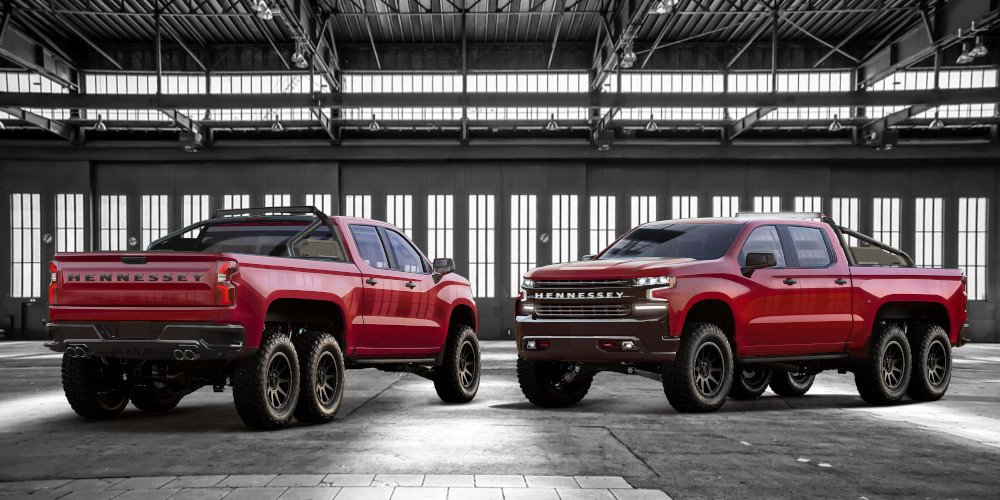
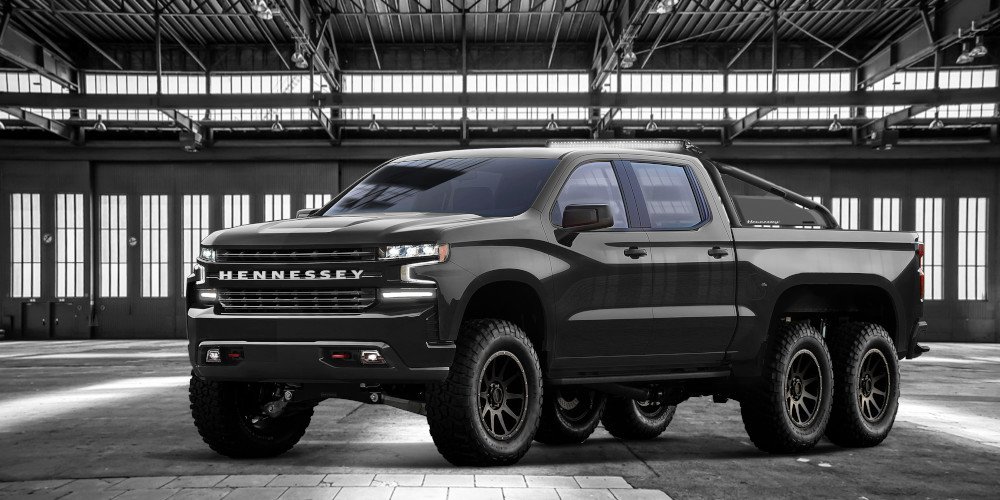
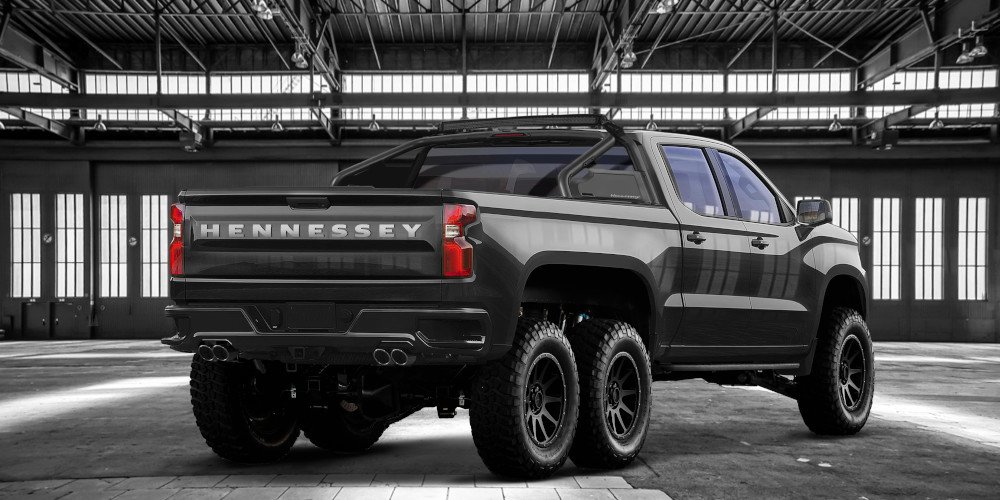
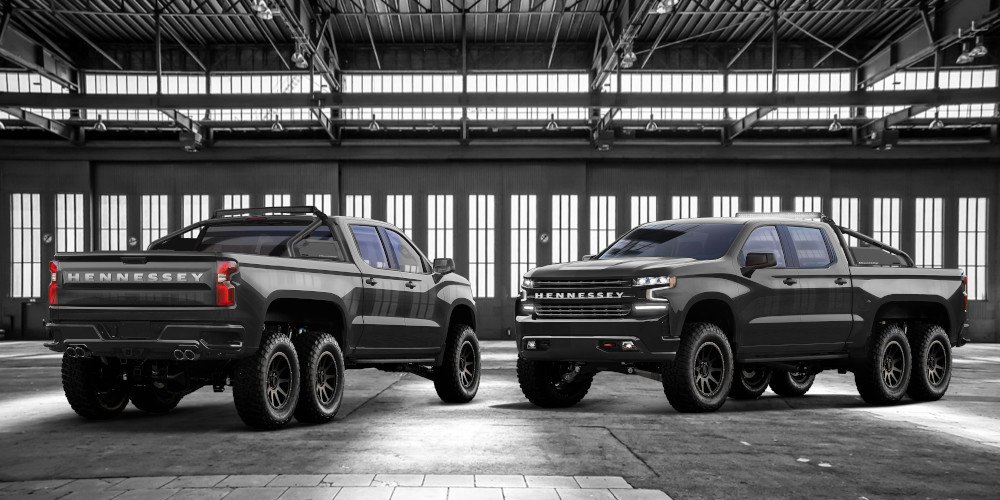
Hennessey’s “Goliath” 2019 Chevrolet Silverado

American tuner Hennessey now comes out with its own six-wheeled version of the all-new Chevrolet Silverado, nicknamed Hennessey Goliath 6×6.

The car began life as a Trail Boss Z71 model, but now it’s gained a third axle with an additional pair of wheels (all six run on automatic transmission), which means it also has a new suspension system as well. Hennessey says it lifted the truck by eight inches to help it course through anything that stands in its way.

You’ll find more upgrades upon closer inspection. Among them is the 6.2-liter V8 engine (same as the base vehicle) with a 2.9-liter supercharger. That’s if you want to boost the Silverado’s horsepower to 705 at 6,200 rpm and 675 pound-feet of torque at 4,200 rpm.

Outside, you’ll find that Hennessey created a grille specific to this model. In addition, there’s also a roll bar in the bed. Also, you’ll find BF Goodrich 37-inch off-road tires for the 20-inch wheels. However, there’s no information yet on whether the company did some tinkering in the interior, too.

Planning to get your hands on the Hennessey Goliath? Bear in mind that it’s not going to be easy. Production of the custom car is underway, to be sure. However, Hennessey is only making 24 examples worldwide, costing $375,000 apiece. Optionals include Brembo brakes on all three axles, a custom-designed interior, and an upgraded V8 engine. That’ll bump the horsepower to 808 if you’re mad for speed.

The best part about all this is that Hennessey’s latest handiwork is actually approved by Chevrolet, which means customers will be able to order the vehicle at participating Chevrolet dealers knowing that Chevrolet itself gave the go-ahead.

SEE MORE HERE

Photos courtesy of Hennessey 

All Is Right in the World. 1966 Broncos Are Being Built with Ford’s Blessing

Getting a major manufacturer’s permission to build licensed models they no longer make is near impossible. Companies like Superformance are the only outfit with proper licensing – and the official blessing of Carroll Shelby – to develop Cobras and the GT40. Meanwhile, Porsche still makes Singer Vehicle Design jump through hoops to avoid trademark infringements and barely recognizes the brand’s existence. Which is why Gateway Bronco inking a deal with Ford to build, recreate and resto-mod 1966 and 1977 Broncos all the more amazing.

Gateway Bronco started back in 2016, but this new licensing agreement strengthens the bond between the small builder and the big manufacturer. Gateway Bronco offers three models. Each commission starts with a donor car which then goes through a frame off restoration before being rebuilt using modern components to defend against rust (something early Broncos suffered from, horribly). Each receives an updated chassis and suspension tunes to improve the ride both on and off-road.

The ‘entry-level’ model, called Fuelie, goes for $120,000. It gets a 347 Stroker V8 up front, either a four-speed automatic or five-speed manual transmission and a classic leather interior; customers can choose between classic or cut fenders. The $150,000 Coyote Edition offers much of the same but instead of the big carbureted Stroker, you get a modern 5.0-liter V8 from the Mustang. Go one more step up the ladder to the $180,000 Modern Day Warrior trim and the six-speed transmission from the Ford Raptor handles gear shifts.

If you desperately want a vintage Bronco, there are plenty of examples out there that come in way below $120,000. However, you can bet those used and restored Broncos don’t come with full support from Ford, from which Gateway now benefits. Even as we await the impending release of a new Bronco, it’s nice to see Ford recognizing enthusiasts supporting the classics.

Opinion: BMW Should Replace The Mini Cooper With A 2002 EV Remake

The 2002 was one of BMW’s most iconic vehicles. The boxy little sedan was quick, well-balanced, and agile. It was well-proportioned. It was comfortable. It offered tremendous visibility. It could whup a GTO. It was a precisely engineered German middle finger to bloated, lazy American car manufacturers. It defined what BMW would become in the coming decades.

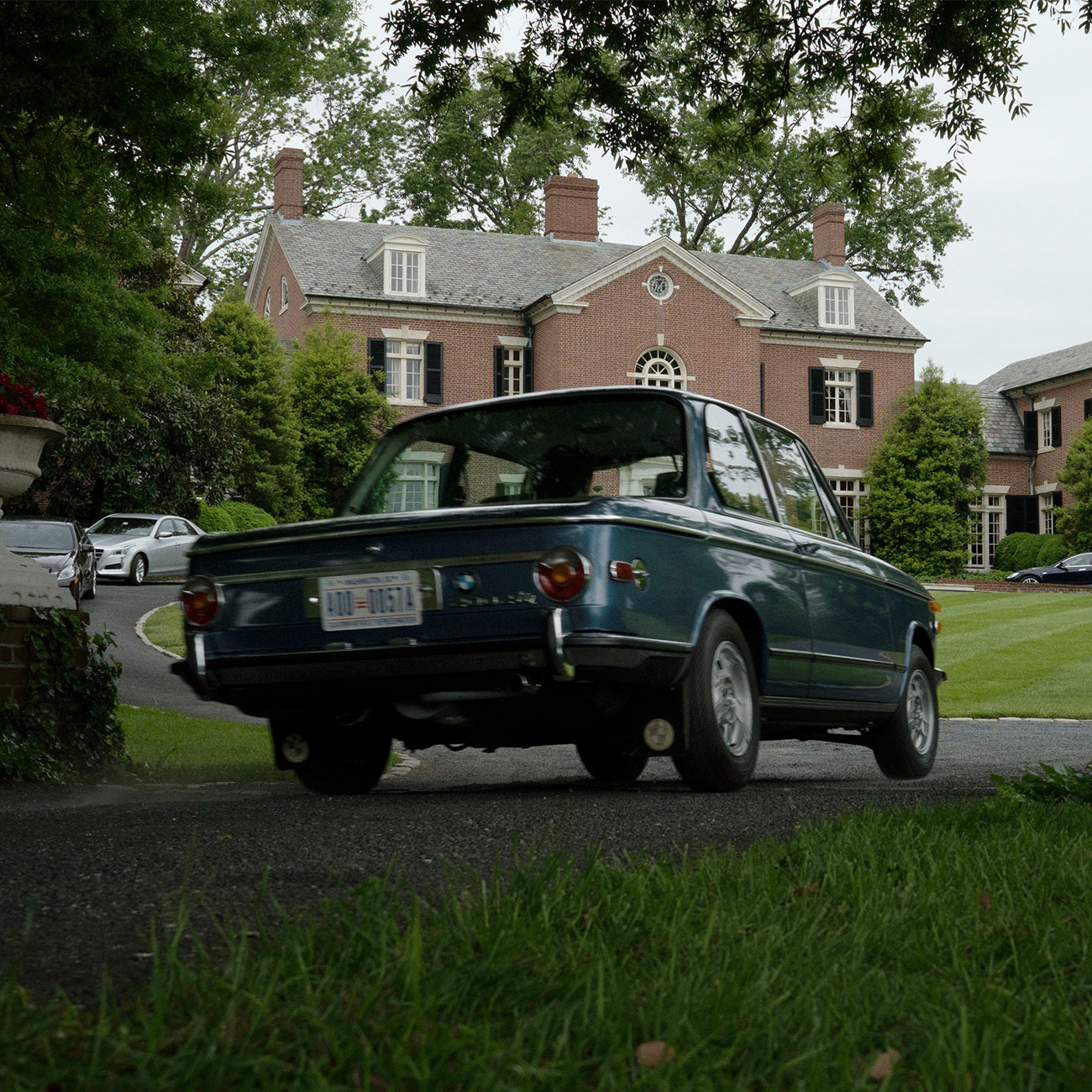
Loved by enthusiasts and general car folk, the car still has cultural resonance. John Krasinski drove a clean blue 2002tii in Amazon’s Jack Ryan, when he wasn’t sculling, cycling to work, or deploying his prodigious intellect as a deus ex machina. He motored his highly distinctive vintage car right up to a safe house while being tracked by terrorists because he was just that much of a discerning badass.

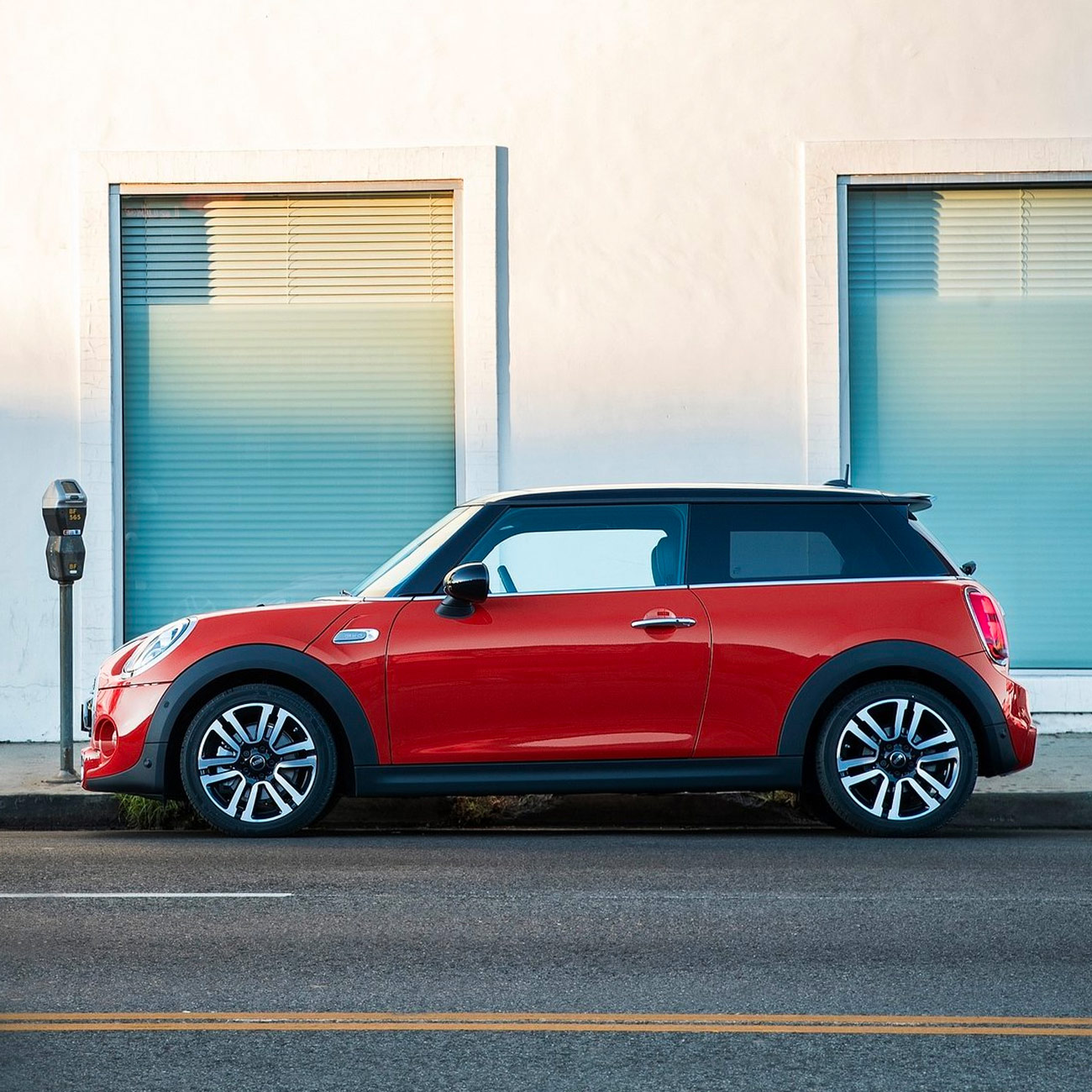
We’ve seen revivals of lesser cars like the Beetle, the Mini and the Fiat 500. It’s time for BMW to remake the 2002, aka the “Whispering Bomb,” and do so as an EV.

In this time of manufacturer upheavals, BMW will have to do something about Mini (which it owns). American sales have been down double digits in October and November, particularly among the non-Countryman versions. BMW is considering selling Minis out of BMW dealerships to save costs.

Mini Cooper’s nostalgia train has run its course. The car is nearing its 20th year in production. A new generation emerging would be the car’s fourth. What resonance the Mini Cooper still has is less about the brand and more about what’s going on underneath the Cool Britannia styling: a quick, agile and well-handling BMW. Why not dispense with the shtick and make (or faithfully remake) a small, awesome BMW instead?

The 2002 concept should work for the EV era. Nostalgia would generate initial buzz. A chuckable, scaled down BMW sedan with a ton of torque from an electric motor is something just about anyone would want to drive. Now, imagine if it were available at an affordable price point. Lift it a little and put on some more aggressive tires for a rallying version. I’m just throwing out some ideas here – great ideas.

Sure, trends would have BMW stick to sport activity vehicles, SUVs, light trucks or whatever one wants to term them. That’s what is selling. But, that trend seems ripe to be disrupted. If Lamborghini embarking on an “SUV” racing series is not a sign we’ve reached “peak” crossover, what is?

It seems clear where the luxury end of the EV spectrum is heading. Our social superiors will be lording around stoplights in absurdly spec’d performance beasts. But, the affordable EV market, indeed whether there will be an affordable EV market vs. ride-sharing, will be defined by whatever manufacturer can produce a capable and fun car at an affordable price point. BMW stumbled onto magic once before, why not try to recreate it?

The Best Gifts for Car Lovers

It’s a common misconception that car lovers only want or need gifts with three- and four-digit price tags. While yes, an affordable vintage car or a well-designed watch wouldn’t go unappreciated, gifts that are $50 and under can still strike a chord with the motoring enthusiast in your life.

Petrolicious Tee

There are fewe better ways to profess your love of cars than to wear it across your chest. Sure, there are some incredibly tacky ways to do it – this tee isn’t one of them.

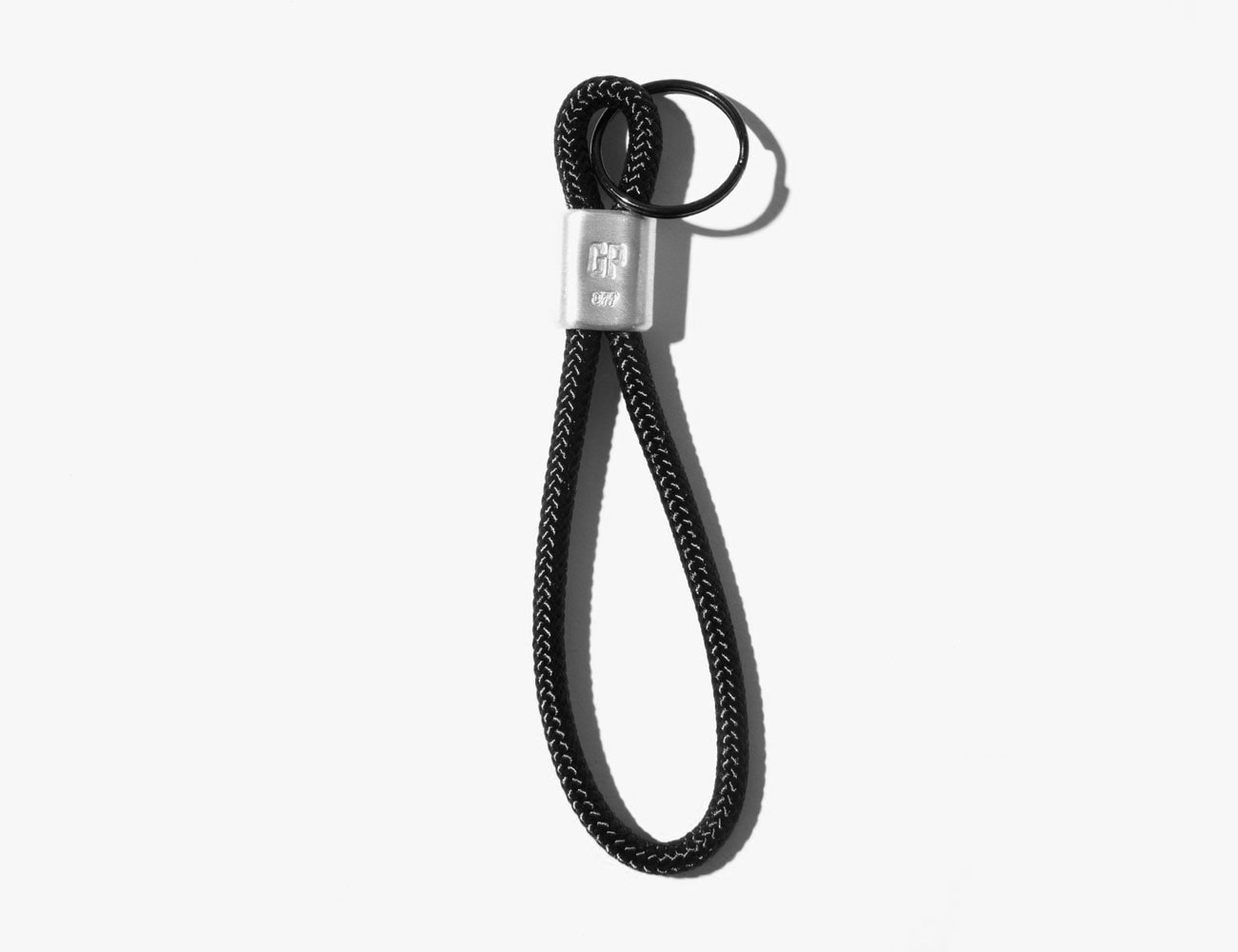
877 Workshop Keychain

Keys are a constant in the life of a car lover; therefore, key chains are an absolute necessity. The car lover can put all their keys in one with a sturdy and stylish 877 Workshop Keychain.

Velomacchi Tool Pouch

Whether you’re on a bike or in your car, a full tool box isn’t exactly the most practical way to carry your essential tools. The Velomacchi Tool Pouch lets you keep your most used and critical sockets, ratchets or extra bolts and washers in a compact pouch under your seat, in the trunk or even in the glove box.

Sunday and Sons Jersey Tee

Sunday and Sons is “driven by the passion of cafés racers, flat trackers, bobbers and scramblers… with the ambition to create an elegant and comfortable style.” As a lover of motorcycles, that’s an easy mantra to get behind.

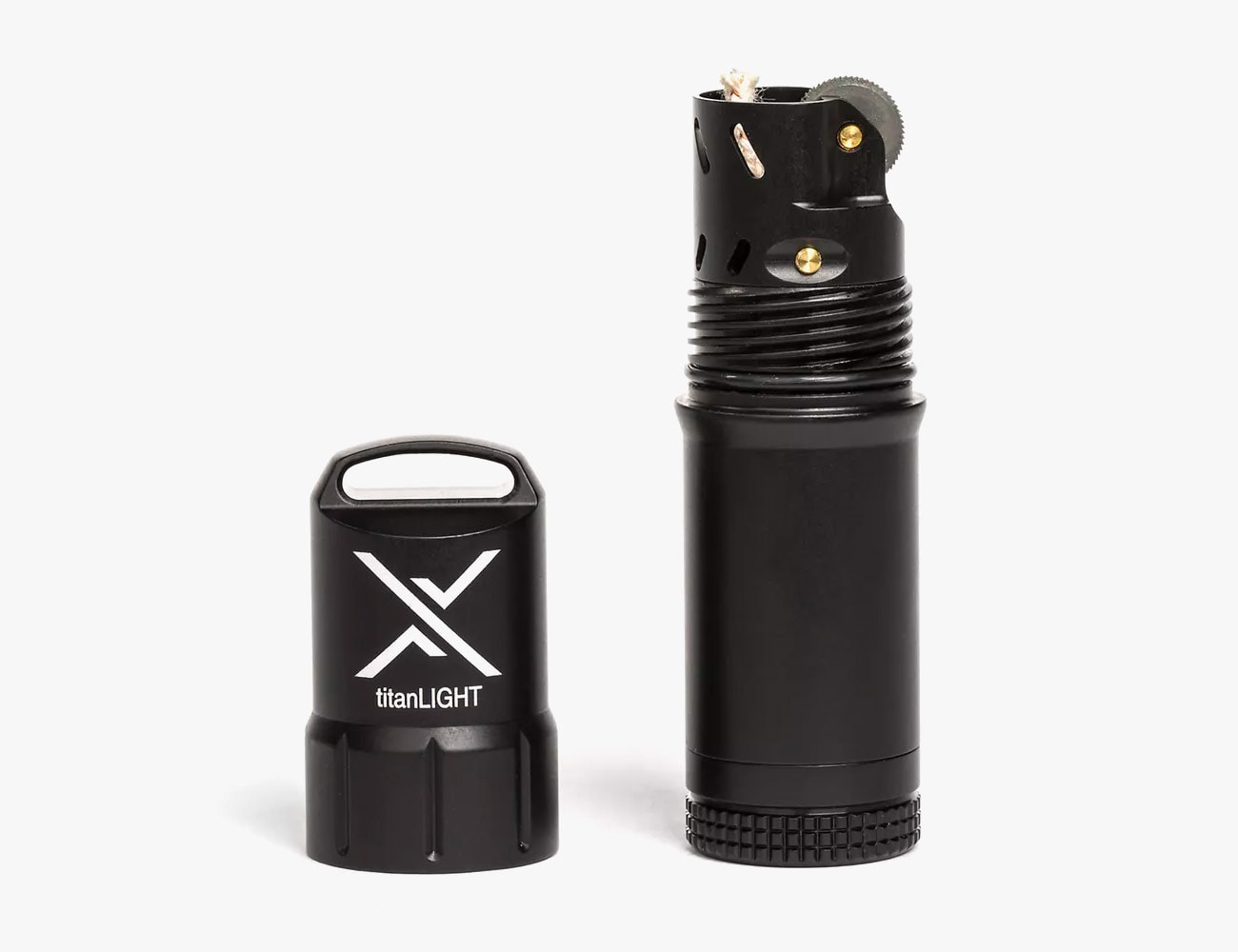
TitanLight Waterproof Lighter

Camping off the back of a motorcycle or out of the back of a trusty overlander is one of the most enjoyable pastimes a motoring enthusiast can take part in — but only if they’re properly prepared. Instead of rubbuing two sticks together, the TitanLight Waterproof Lighter is a much less frustrating alternative. The machined aluminum body not only looks good, it’s also lightweight and durable — essential qualities for any overlanding gear.

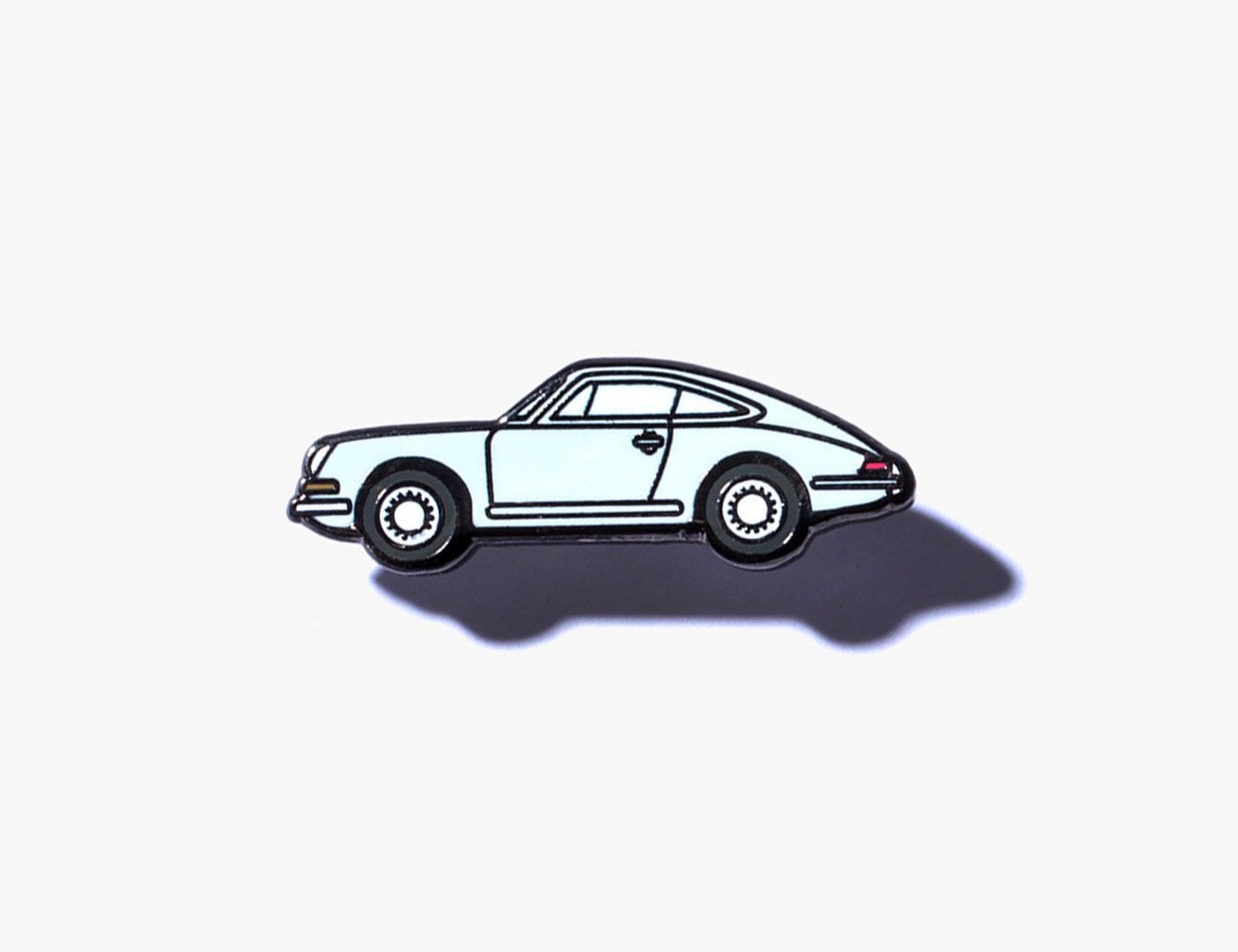
Pintrill × Gear Patrol Air-Cooled Coupe Pin

There’s more than one way to show your love for cars. You can always go the overt route with flags and banners. Or, you can employ a dose of subtle class with a Pintrill × Gear Patrol Pin.

Heritage Lensatic Compass

One look at the Heritage Lensatic Compass and you might think, although it looks incredibly classy and well made, it’s a bit archaic. Consider being out on the trail with no service or, worse yet, with a dead smartphone battery. Suddenly that handsome, archaic piece of brass is your best chance of getting home.

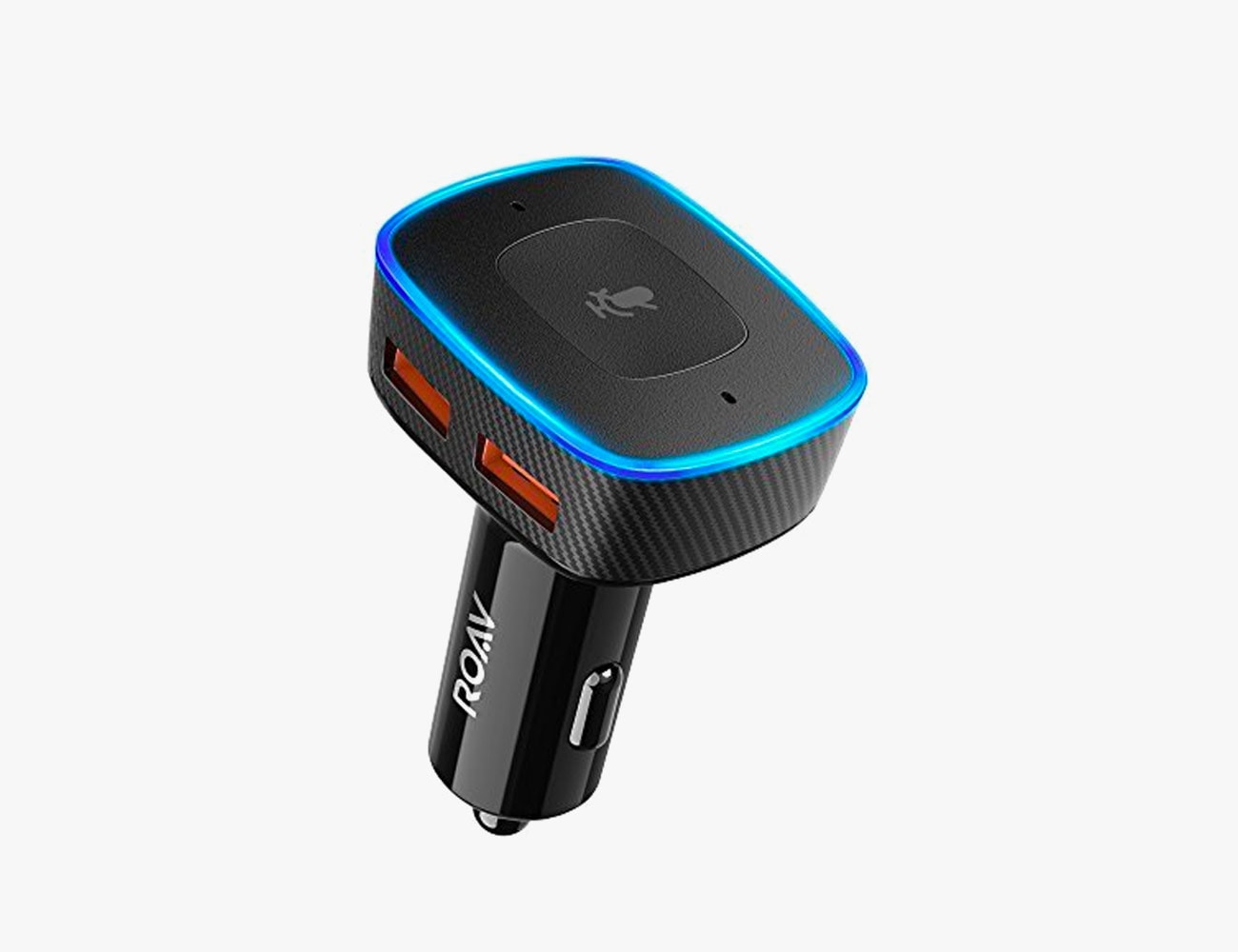
Roav Viva by Anker, Alexa-Enabled 2-Port USB Car Charger

Integrating Amazon’s Alexa into your life is incredibly easy these days. You probably have your home covered already, but plug the Roav Viva by Anker into your car and you have a two-port USB charger, in-car navigation, voice-activated dialing, music streaming and all the other voice assistant perks you’re used to.

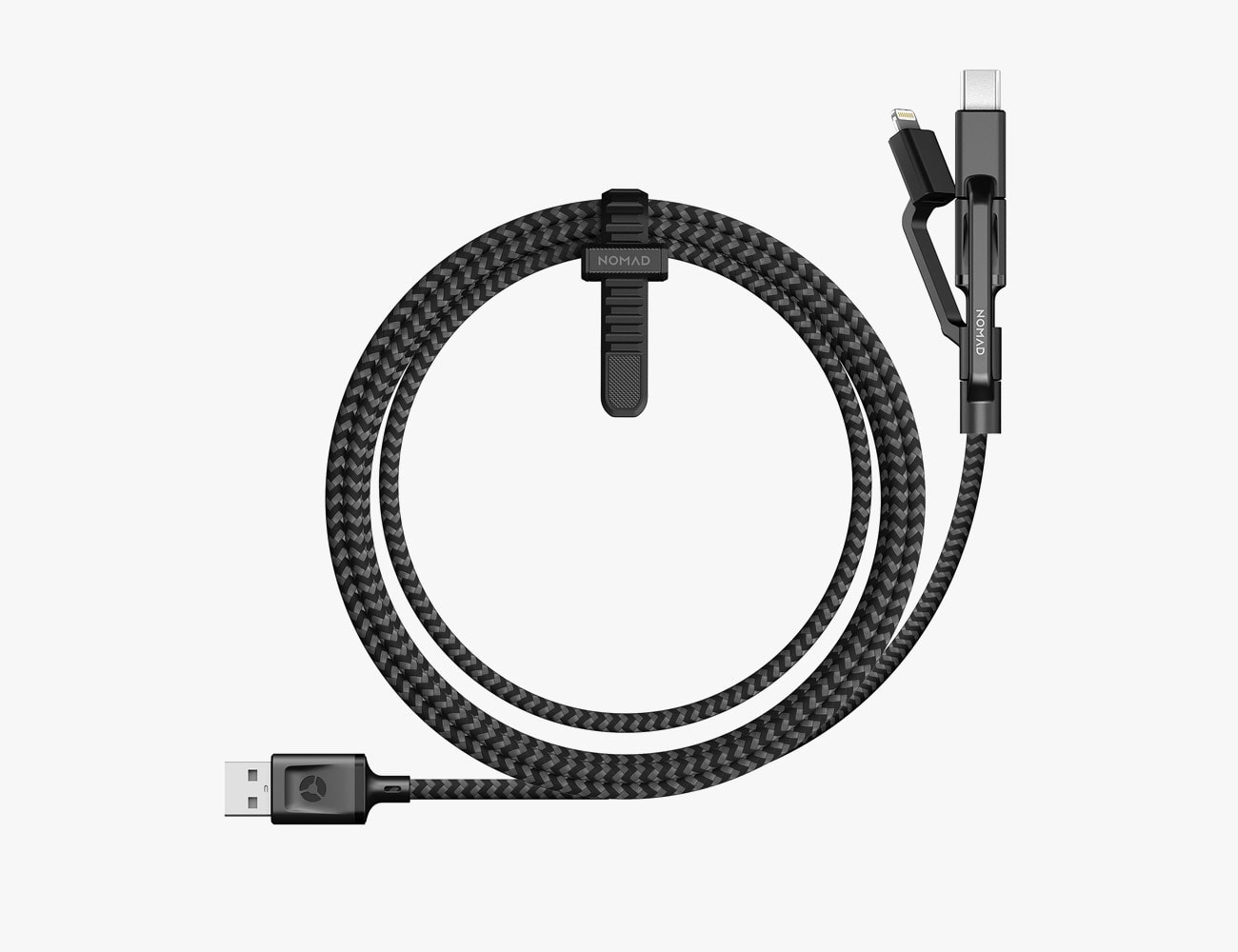
Nomad Universal 1.5 Meter Charging Cable

Instead of untying the knotted mess of charging cables stored in the glove box, just carry one: the Nomad Universal 1.5 Meter Charging Cable. The multi-tip charging cable is a USB A to Micro USB base with USB Type C and iPhone tip converters.

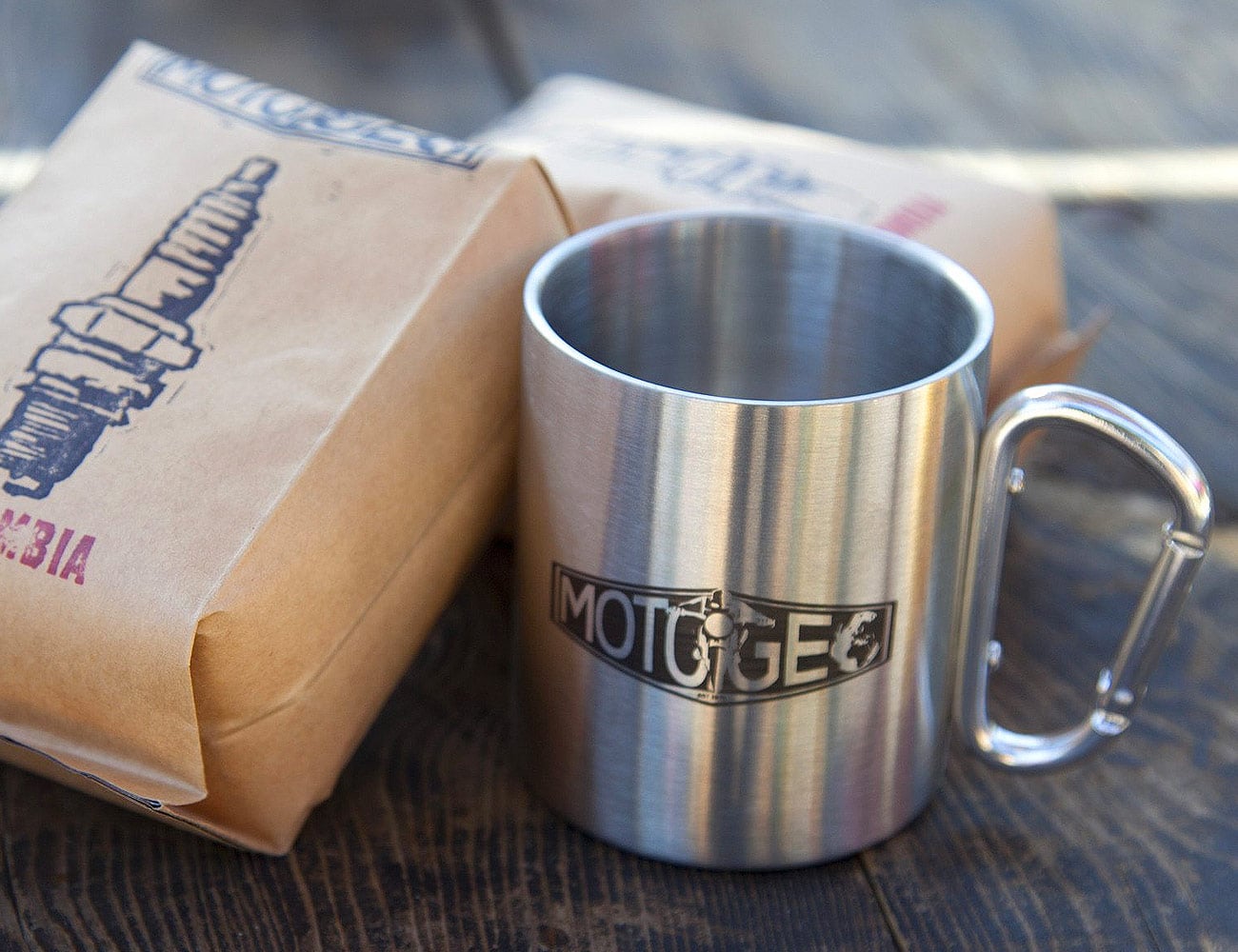
MotoGeo Coffee and Mug

There’s nothing like a hot, fresh cup of coffee in front of the morning’s campfire a few days in to an epic ride. No one knows this better than MotoGeo, which is why its own coffee and stainless steel coffee mug make the perfect road trip companions.

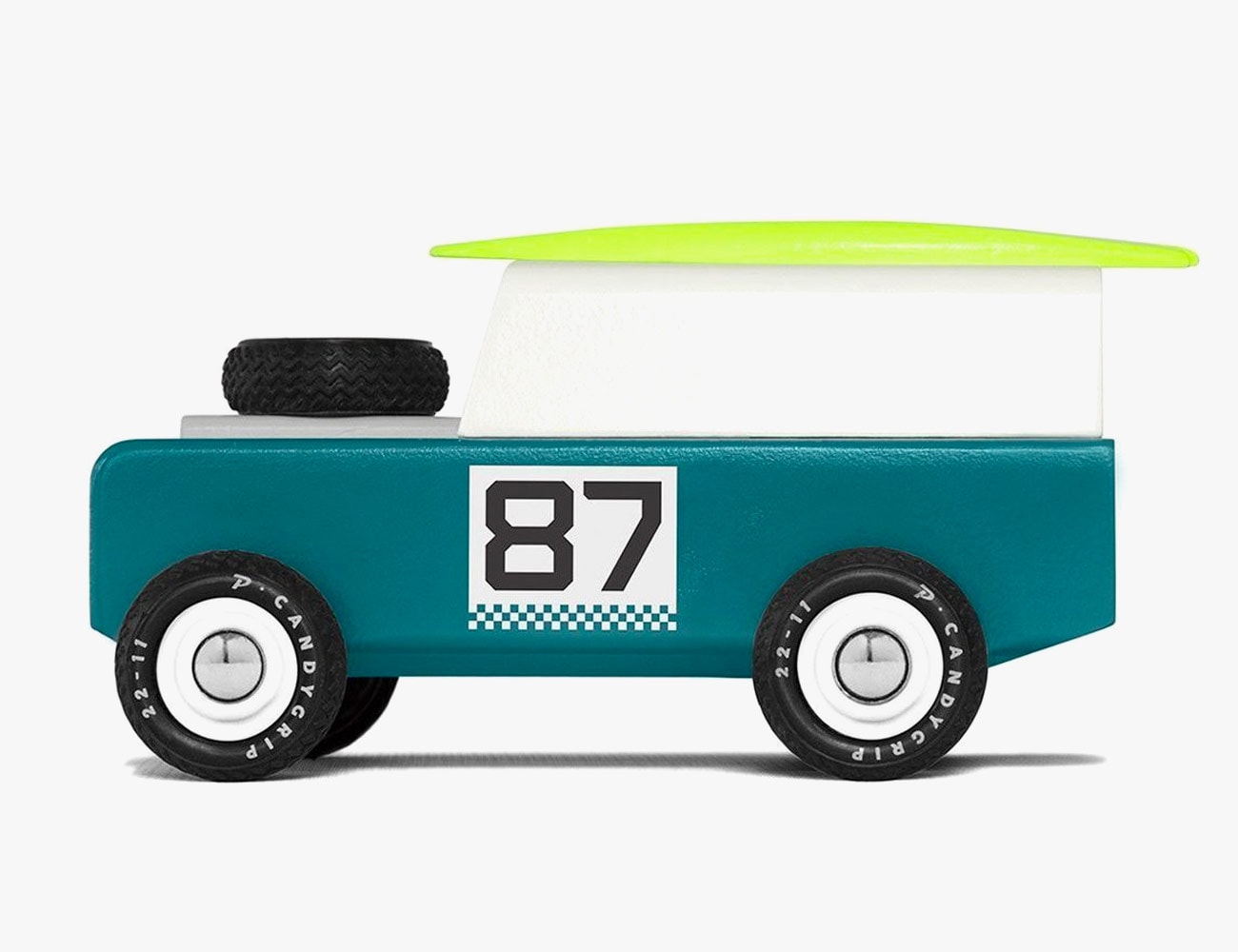
Candy Lab Drifter 87

The beauty of Candy Lab cars and trucks is in their simple, clean design, which evokes mid-century romanticism few other modern toys can. The Drifter 87 is fit for car lovers of any age, but get it for someone as ‘desk art’ and you can still be damn sure they’ll be making ‘vroom’ noises before the work day is over.

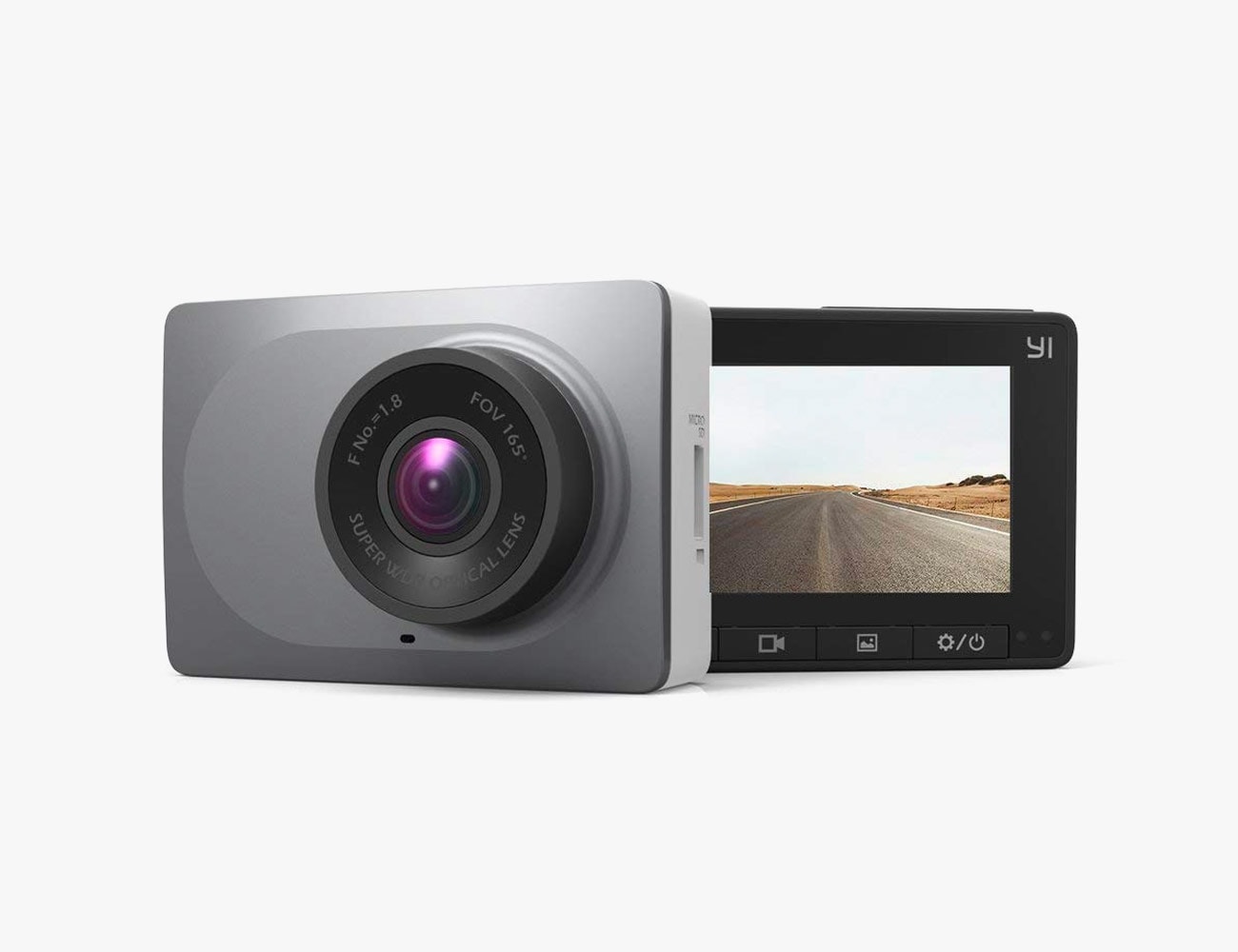
YI 2.7″ HD Wide Angle Dashboard Camera

By now, we all know dash cams are more than just tools for making Youtube gold in Russia. But the market is prety crowded these days – finding one as compact as the YI 2.7-inch, that’ll take care of all your on-road recording needs is a rarity.

Leather Honey

When it comes to the car lover’s leather interior, you can bet they want it staying as supple and soft as possible throughout their ownership. Conditioning all sorts of leather since 1968, Leather Honey is one of the best conditioners available, especially since it rings in under $20.

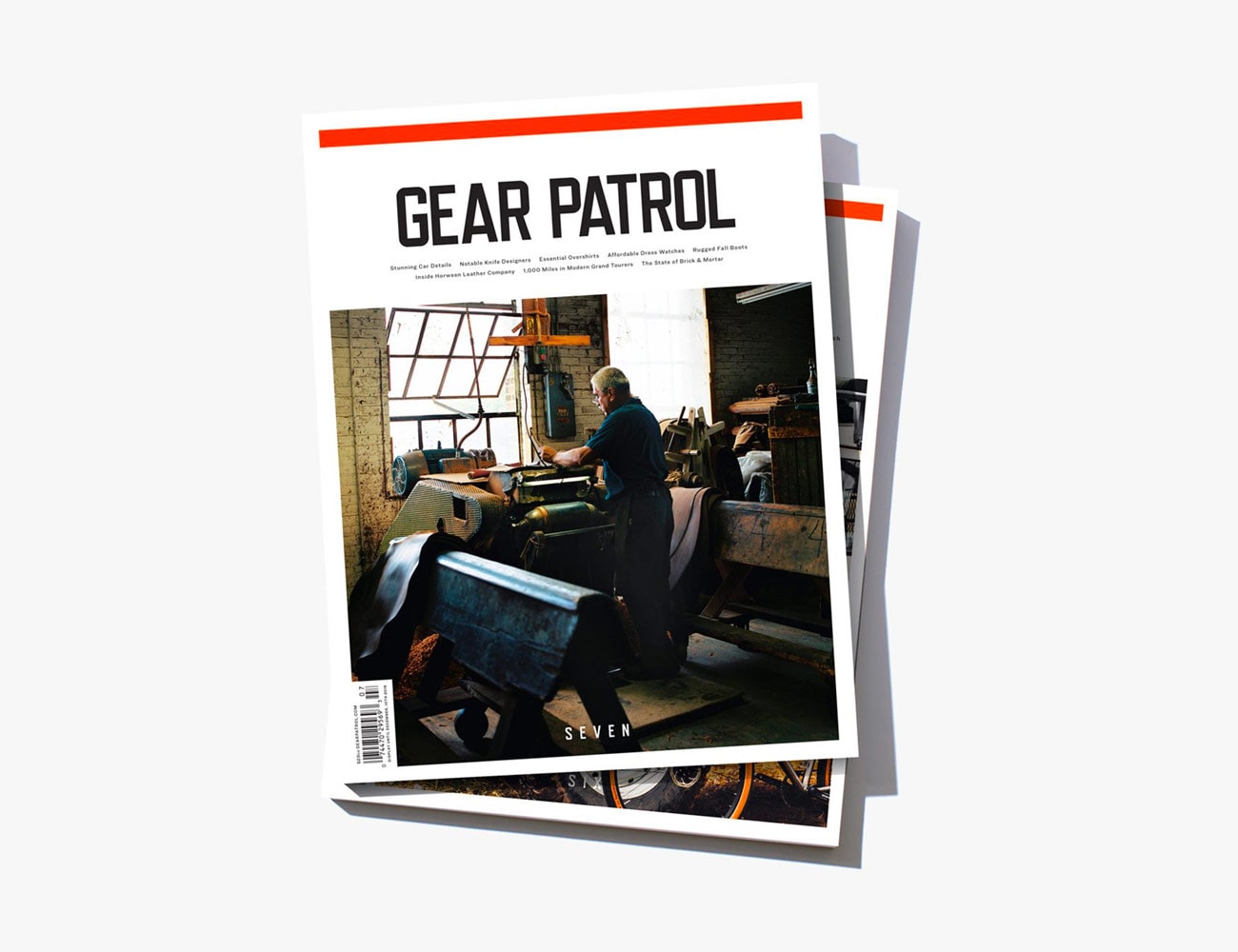
Gear Patrol Magazine

Perfect for whoever is manning the back seat. Inside its 200-plus pages, we explore what it takes to turn an office chair into a thing of beauty, an accidental invention into a culinary essential and a 1970s French automobile into one of the most evocative cars of the last century. Plus much more.

Note: Purchasing products through our links may earn us a portion of the sale, which supports our editorial team’s mission. Learn more here.

Nissan GT-R50 by Italdesign production version shown, will cost over $1 million

The final design for a production Nissan GT-R50 by Italdesign is done, and Nissan has officially opened the order books for the limited-run vehicle. Thankfully, the production version is just as stunning as the prototype because Nissan didn’t change much of anything.

This blue/gold color combination shown here is but an example of what a customer could special order for the 50th anniversary GT-R — you can have whatever you want. Interior colors and packages will be completely customizable as well. The base price for the GT-R50 is $1,126,799 converted from Euros — and that’s before you add any options. That number is over $100,000 more than the first estimate Nissan gave us back in July of this year. We don’t imagine that price increase will bother any of the über-rich who plan to buy one of these anyway.

Nissan didn’t specify any change in performance from what it revealed to us at its debut. The car is essentially a GT-R Nismo with all the bodywork done by Italdesign. The 3.8-liter V6 gets the larger turbos from Nissan’s GT3-class race car, beefier internals, more aggressive cams and larger intercoolers. All this allows it to make an extra 110 horsepower and 94 pound-feet of torque over your run-of-the-mill GT-R Nismo.

Stronger differentials and axles are fitted to better handle hard launches. Bigger six-piston Brembo brake calipers up front and four-piston clampers in the rear bring it all to a stop, while active Bilstein dampers soak up the bumps.

If you want to get your hands on one of these, it’s not going to be easy. There are only 50 set for world production, and we can be sure that a fair amount will end up in Asia and Europe. Now’s your chance to buy a Nissan for over $1 million.

Related video:

1,000 Miles Through Michigan in a $600,000 Grand Tourer Trio

From Issue Seven of Gear Patrol Magazine.

WWhen I was a boy, I learned from my late uncle — the owner of a string of high-performance and very desirable cars — a trick for falling asleep. Think of something abstract, he told me, a manufactured, waking dream. You’ll quickly drift to dreamland. If you think of something real, like your next day’s schedule or a dinner party conversation earlier that evening, your mind can’t release into slumber. His method works well, as I’ve discovered through half a lifetime or more of restless and anxious attempts at sleep. But I recently ruined my go-to abstract dream-lullaby in the parking lot of a Northern Michigan Applebee’s.

It was after midnight. I was buzzed on Bell’s beer and waxing philosophical about the same cars I’d been pre-sleep dreaming about for decades — because I’d just driven them all 1,000 miles through my home state. “Eatin’ good in the neighborhood” hadn’t been my Last-Supper plan to commemorate circumnavigating most of Michigan. If our crew had wrapped the day earlier, perhaps we’d have found a venue more appropriate for the vehicles we’d just piloted and photographed for the previous four days. A venue where three magnificent, top-end, top-dollar, archetypal “baller” cars might not have been so out of place. Indeed, even if I had a dollar for every boneless buffalo wing I’d inhaled in my life, I couldn’t come close to a down payment on these cars. But price alone isn’t enough for a motor vehicle to achieve waking-dream status, anyway; no, these particular cars are a higher breed. They belong to the grand tourer genus, a nearly intangible echelon of vehicle that, especially in the age of the quickly evolving automobile, demands examination.

Grand tourers (in which one goes “grand touring”; also called “GTs”) are, in the automotive world, the epitome of style and design — the ultimate form of rolling luxury. To me, a car-geek kid turned car-geek thirty-something, that belief has always been canon. Ultra-luxury chauffeur-driven sedans and $1.5 million hypercars are, indeed, over-the-top indulgences, the most hyperbolic of automobiles. But a grand tourer is more than a machine with massive performance cred and a price to match. It’s more than a bejeweled luxo-barge. It’s more than a daily drivable golf-bag caddy, more than a technological powerhouse, more than a stunning work of design.

A grand tourer is, by necessity, all of those things in one. A grand tourer must have a larger-than-necessary high-performance engine and be comfortable enough for long-distance trips; it must have only two doors, with rear seats optional; it must maintain perfect proportions, with graceful lines and wide hips and a powerful stance. And let me be perfectly clear: grand tourers aren’t sports cars. They’re sporting cars.

Because it checks all these boxes, a grand tourer is partially a compromise by a thousand cuts. Throw all those extreme qualities into the same car then dial them up all the way, and you’ve got the beautiful antithesis of practicality. All grand tourers share specific characteristics, yet fall along a wide spectrum, ranging from very luxurious and complex on one end to simple and lithe on the other. To tell this story, we brought along three models — the Lexus LC 500, Aston Martin DB11 V12 and Mercedes-AMG S65 Coupe — that represent waypoints along that spectrum.

I enlisted some of the best minds in the biz to help me test these cars and pontificate on the spectrum itself: crack auto journalists Eric Adams and Alex Kalogianni and the ferociously talented automotive photographer Dave “DW” Burnett. Eric and I have worked together for years now; his automotive, aerospace and tech reporting appears all over the Gear Patrol universe and beyond. Alex and I met recently on a similarly epic road trip through Europe; he is a formidable automotive expert, having edited, written and opined on video about the industry for years. Dave’s work graces the pages of such publications as Road & Track, Vanity Fair and many others. And, I discovered, they’re all hyperactive opinion factories.

So then how do each of these cars of ours avoid being, as Dave put it, “a finely tuned experience for people who maybe understand what going fast is like,” and instead allow a driver’s skill and enthusiast spirit to shine? We would exercise a combined 1,692 horsepower and around $600,000 worth of GT machinery over four days and 1,000 miles to find out. Not to choose a winner, but to understand the essence of the contemporary grand tourer.

More immediately, though, why put the Grand Tour Philosophy to the test in Michigan? Why drive three cars that have nothing to do with the state’s — let alone the country’s — deeply historic auto industry through the Motor City and beyond? Several reasons, mostly selfish: I’m proudly from Michigan (you could say I’m #PureMichigan, in fact); Michigan is unbelievably gorgeous on every level; Detroit was a great meeting point for us all; and… I kind of wanted to park an Aston Martin in my parents’ garage for a night. After all, I’d drifted to sleep on that notion for decades, and now I had a chance to make my hazy fantasy an acute fever dream.

Day 1 — Detroit to Muskegon, 200 miles

After pre-dawn alarms, taxis, a TSA drug dog incident, a few flights out of the greater New York area and a Detroit airport shuttle, we convened at an off-site parking lot where our touring trio awaited. Cold and still, the cars waited patiently but expectantly, like medieval war steeds just before a long campaign; we approached like sweaty and already travel-weary knights of the Grand Touring Table.

I’d promised Dave plenty of room for photo gear in the Mercedes — after all, as a sedan-made-coupe, I thought it would have a cavernous S-Class-sized trunk. So imagine our surprise when we found a sizeable back seat-accessible refrigerator taking up valuable storage real estate (“the most disappointing part of the trip for me,” Dave would claim later as we debriefed). We hadn’t started a single engine, and already the Benz was vying for the designation of most opulent, perhaps to a fault. The Aston, at 10 cubic feet, and the Lexus, at only five, have just enough trunk space between them for a moderate golf bag and a few duffels. But, coupled with the Mercedes’s adult-sized back seat — in contrast to the less-than-reasonable back seat space in the Lexus and the Aston’s complete lack of a rear seat — all the excess legroom gave us plenty of room to pack Dave’s gear and set off for the heart of the city.
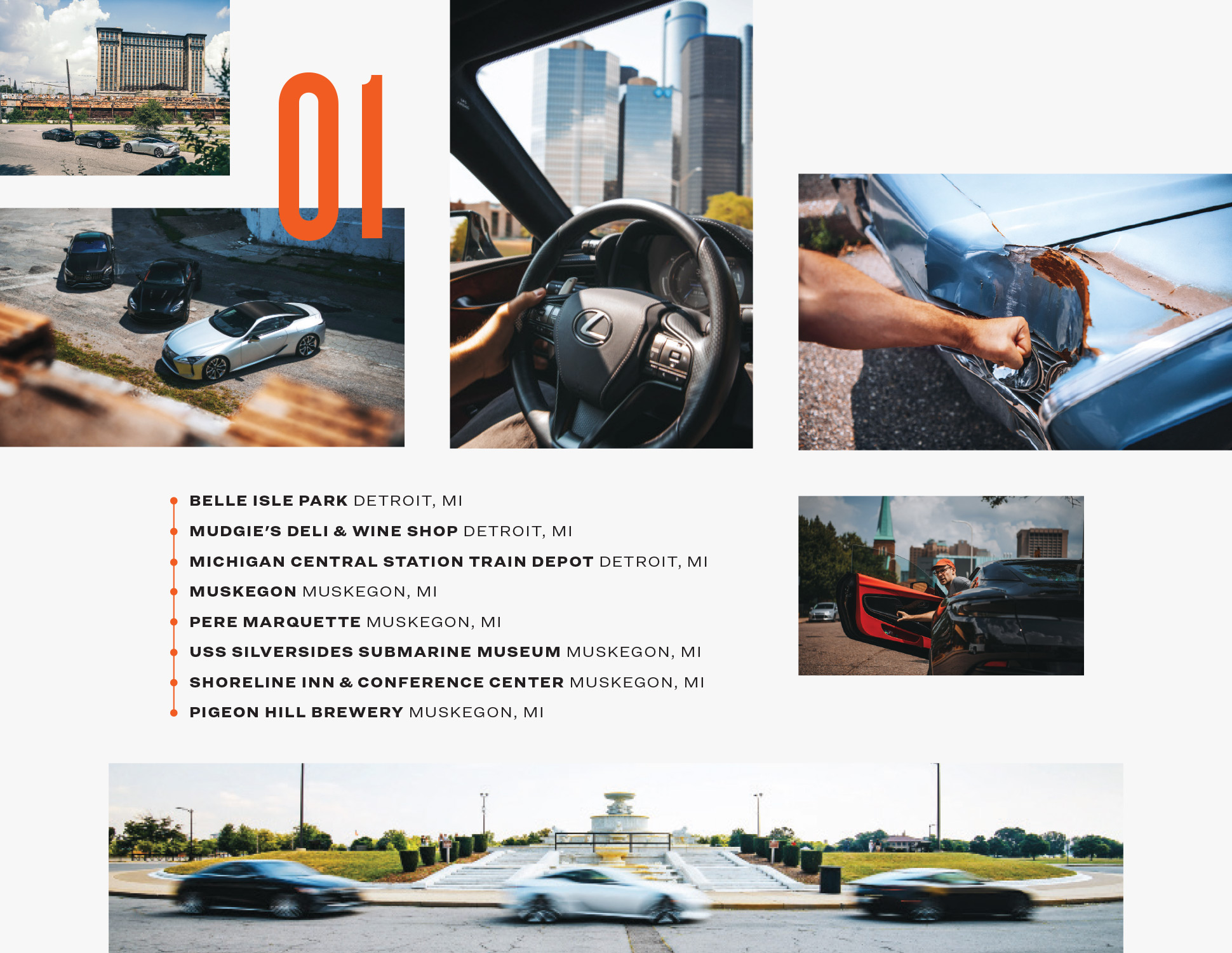
After a quick briefing, we saddled up and took off immediately for Belle Isle, a 1,000-acre island park situated right between Michigan and Canada in the middle of the Detroit River. It was high noon and sticky-hot in the vast, still park where, among its meandering roads, we found an inactive marble fountain for our glamor-shot debut.

Alex, a Mustang owner, was immediately at home in the Lexus. “My short one-sentence review of the LC 500 is that it’s the most expensive Mustang I’ve ever driven,” he told the group.

Dave echoed his high praise: “The LC punches above its weight. We can take it on a trip like this with cars more than double its cost and it’s hanging.”

Indeed, in that way, Lexus has made the entry-level car of the GT pantheon, if you can consider $100,000 “entry level.” Were I personally unable to swing an Aston Martin, I’d pick up an LC 500 and feel fine about my purchase — at least partially because, at full tilt, its big V8 sounds like an insane gasoline-gulping banshee.

But if I could drop a quarter-million dollars on a DB11 V12, nothing on earth would stop me. Every time I drive one, it feels menacingly familiar, maybe like Bruce Wayne feels when he slips into the bat cowl. It’s an objectively spectacular feat of automobile design, engineering and manufacturing. Eric described it as the “skittish thoroughbred” of the group; “You feel like you have to perform for it,” he said. True, the DB11 is always “on,” and when driving one, so must you be, too. I find that sensation intoxicating and seductive, but it’s not for everyone.

Initial thoughts on the S65 were myriad, but all seemed to cement it early on as occupying the far, opulent and majestic end of the spectrum. “It’s like the minivan of the trip,” said Dave, as an honest compliment — relatively, there is so much room and such a vast array of conveniences that it was the long-haul choice straight away. Initially, I found it overwhelmingly confusing to operate, for the most part; but that impression faded even in the short time I spent with the car. It is, plainly put, a pleasure to cruise in.

After wrapping our first shoot, opinions developing with rapidity and stomachs alive with audible growls, our $600,000 caravan wound its way through the Motor City in search of food. We found it at Mudgie’s Deli in Corktown, where, over spicy noodle salad and huge sandwiches, conversation flowed as we planned our next move.
Detroit is quickly overcoming its fraught history. After a decades-long downturn, ignited in part by the automotive industry moving its manufacturing beyond the city and out of the U.S. entirely, entrepreneurs and the younger generation have found new roots, creating housing opportunities, jobs and commerce among the relics and ruins of the old city. There is, as you might imagine, much to photograph there, though we were going straight for the belle of the ball. Michigan Central Station, an abandoned, looming train hub that stands like a time machine in the middle of an evolving metropolis, was recently purchased by the Ford Motor Company for revitalization and preservation. The building is epic to behold and rife with photogenic vantage points, and as we flagrantly staged photos and blocked streets for prime angles, we drew plenty of attention, including that of a cop.

As his patrol car approached, we disbanded; he pulled up next to the Aston, glared, and I steeled myself for the worst. I rolled down my window, and without breaking the scowl on his face, he boomed, “Which one’s the fastest?” Then flashed a massive smile and offered to help us however possible, going so far to say he’d alert the precinct that we weren’t causing trouble and thanked us for choosing his city to feature in our story. Detroit gets a bad rap for its history; not only is its future bright, its present is, too.

Our day only half over, we bid adieu to the state’s re-budding metropolis and shot westward toward my hometown, Muskegon, on the Lake Michigan shore. The familiar three-hour drive gave me time to reacquaint myself with the sublime DB11, a car that’s at once taut and sinewy to its core, but also supple and plush.

I entered this GT showdown with the working theory that the Aston is the quintessential example of this kind of car. Not all my companions were totally sold.

“My problem is the usability of the car compared to the other ones,” Eric said. “There’s no real cupholder. No convenient place to put my phone. You don’t feel like you’re really inside something special. I don’t mean it has to be eye candy everywhere, but it just has to have a little energy to it, and I don’t get that on the inside.”

That’s by design, Dave countered. “You’re having the experience that Aston wants you to have, and I kind of get that. If you put other stuff on a car like that it’s like putting a fanny pack on a tuxedo.”

Trying to keep my bias in check, I showed off Muskegon’s sights: a World War II submarine; the lighthouse-studded, sandy lakeshore (where a boy walked by and asked if any of our cars had “doors that go up”); a classic West Michigan sunset. Afterward, I checked the guys into the Shoreline Inn, which overlooks downtown and the inland Muskegon Lake, and headed home with my Aston.

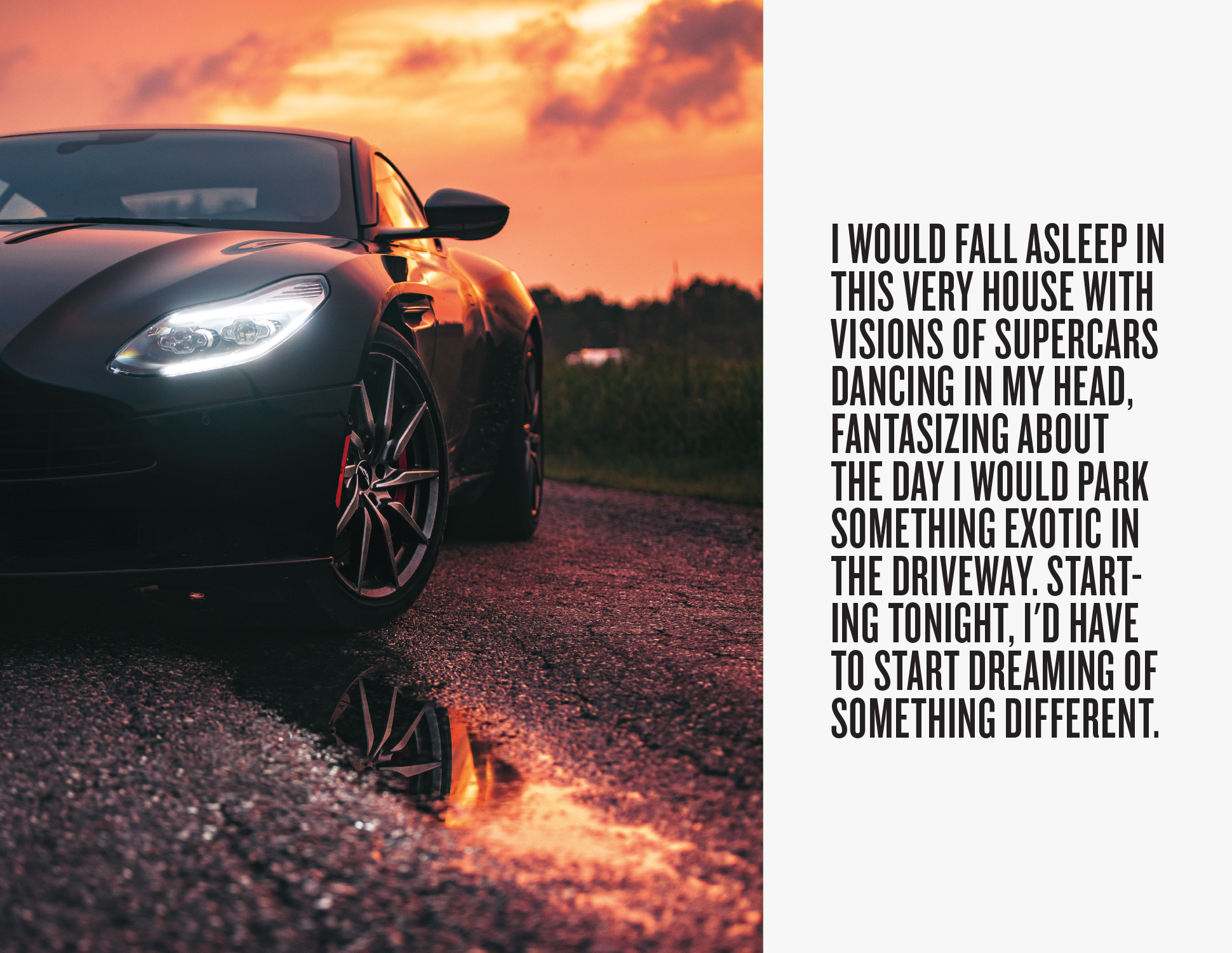
Decades ago, I would fall asleep in this very house with visions of supercars dancing in my head, fantasizing about the day I would park something exotic in the driveway. After I burbled into the garage with the DB11, and my dad emerged from the house already snapping photos, it hit me. Starting tonight, I’d have to start dreaming of something different.

Day 2 — Muskegon to Glen Arbor, 148 miles

During a leisurely morning with my parents (plus a curious neighbor who popped in to offer us “twenty grand” to take the Lexus off our hands), we discussed and debated the state of the grand tourers.

First, the Mercedes-Benz, with its 6.0-liter twin-turbo V12. Twelve-cylinders are signature elements of the classic GT car, Dave pointed out. “It’s not a sports car engine. It’s an oil tanker. That’s why it’s in the G65 [SUV] and that car. It just torques the earth around.” My feelings exactly: with 621 horsepower and a truly mental 738 lb-ft of torque, the earth moves for Mercedes. But do wealthy bankers actually need to be carving corners, or do they just want to go fast sometimes? “The guys who buy these probably get as much sportiness as they’re looking for,” my dad noted. “They’re not taking it on a gymkhana.”
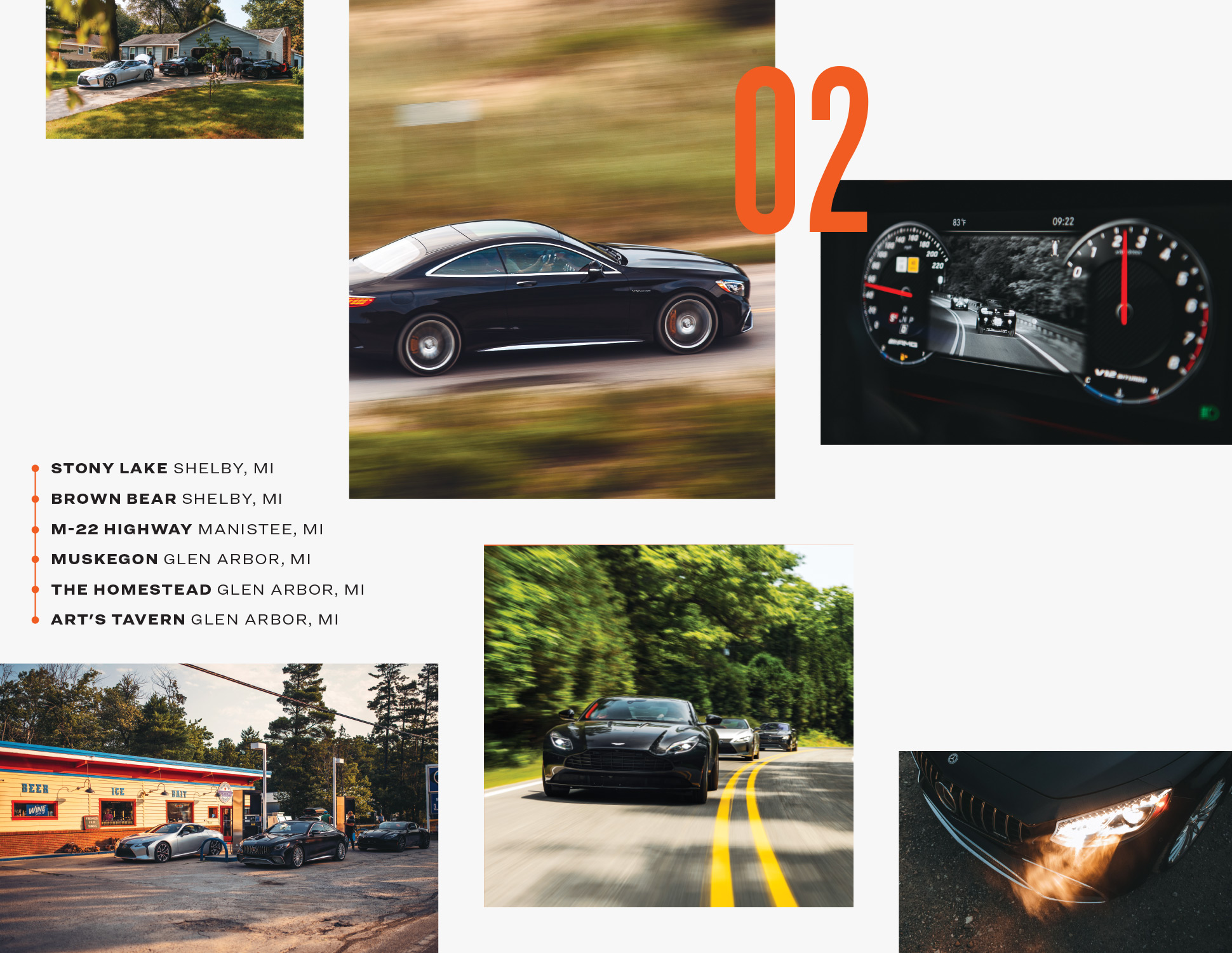
After a long goodbye, we shoved off for a quick drive north to Stony Lake. My brother and his family were spending a few days at our lake house before the school year began, and, aside from wanting to get in a couple hours of quality time, I needed to recruit a camera car (my sister-in-law’s Explorer), a copilot (my 11-year-old nephew) and a driver, my brother Matt. His skills honed by years behind the wheel of an ambulance, my brother was more than up to the task of bombing down the oncoming lane so Dave could perform insane acrobatics to procure photos. It helped, of course, that as a teenager Matt would drive in the empty opposite lane screaming “we’re in England!” to scare me senseless — a skill allegedly passed down to him from our oldest brother, Chris.

The roads around Shelby, Michigan, are mostly arrow-straight paths through acres of farmland where grassy asparagus and rough cherry trees grow in massive patches across the entire landscape. You can see for miles down those roads, and the colors of the hay and trees and sky beat like America’s heartland — it’s a magnificent place. And good exercise for big engines to reach passing speed around tractors and slower, loping locals.

My nephew, who has soaked up a love for fast mechanical things, was wide-eyed at the sight of our high-dollar, high-performance herd. He first rode with me in the LC 500, which he claimed was his favorite; after a fast run in the DB11, he naturally changed his mind. Then he rode with Alex in the S65 and didn’t look back. Won over by the endless gadgets and gizmos, like the glass roof and the refrigerator and the night vision and the colored LED lighting system, he’d found the modern preteen automotive dream: a playground of tech on four wheels. As I understand it, he went on to lecture about the merits of Mercedes-Benz for days afterward.

My whole family was taken by it, actually. Dad was amazed by the Mercedes’s dimmable electrochromic glass roof, which changes from a light to dark blue shade should you wish to shun the sun; Mom and I closely inspected the car’s scent diffuser together. The S65 is an astonishing car, magnificently plush and so laden with technology that it would be at home in a sci-fi blockbuster.
Truth be told, it’s probably the most complicated car I’ve ever driven, and getting behind the wheel was a mini dream come true. The V12-powered Mercedes-Benz coupe was the first “fuck you” car I ever knew existed. As a budding auto enthusiast about my nephew’s age, I first figured out the excess — the non-necessity — of the early ’90s CL 600 and understood that other cars were made in its image.

But the S65 stirred contention among our ranks. “With the LC, you get a sense that there’s real deep-tissue design going on there in the architecture,” Eric said. “It’s the only one [of our three] that wasn’t a clean sheet design for the intent of a coupe. I have great respect for this car, but it does not feel like a $239,000 car. I’m sure it is, but if they were to set out with that budget and these performance parameters and design a coupe, would it be this car?”

“No. It would be something else,” Alex said.

Or, as Dave put it: “By cutting doors off, It’s like they sort of targeted a demographic… like the millionaire on Bumble or something.”

With sparse cell reception, no one was using Bumble out here in the country anyway. And, with their duties done, we parted ways with my family and recharged at the Brown Bear, the bar and restaurant with the best burgers in the state.

After a time-consuming morning, the rest of the day would be occupied by a winding drive along the West Michigan coastline and a search for stunning views and photo opps among the dunes and cliffs of scenic route M-22. Our destination for the night was Glen Arbor, a tiny town on the Leelanau Peninsula, adjacent to the utterly magnificent Sleeping Bear Dunes National Lakeshore. Under cover of night, we arrived at our stopover: the Homestead Resort, where a four-person lakefront condo awaited us. Though it’s a full-service resort with restaurants and spa, our time was limited; we had an entire state to cover. After scaring up some grub at Art’s Tavern — a college pennant-covered, Michigan beer-saturated restaurant popular with locals and vacationers alike — we hit the hay.

Day 3 — Glen Arbor to Sault Ste. Marie, 259 miles

After breakfast and a quick car wash to brighten our chariots (“No towels? Oh shucks, we’ll have to air dry…“), we headed straight to Traverse City, one of the better-known spots along the northern tip of Michigan’s lower peninsula. It’s a summer vacation destination with sweeping views of Grand Traverse Bay, which feeds off of Lake Michigan and points straight north toward the Upper Peninsula (pro tip: locals call it the “U.P.”). It’s a quick stop, inundated by curious onlookers held rapt by our unfamiliar machines. As I drove through a parking lot, a man walked right up to the Lexus and began screaming with his arms outstretched, apparently concerned neither with his safety nor the fact that he looked deranged. I rolled down the window and he exclaimed again, as his wife shrunk away, “What IS this? It’s BEAUTIFUL!” Small crowds gathered around the Aston Martin, too, and the Mercedes drew some beguiled glances.
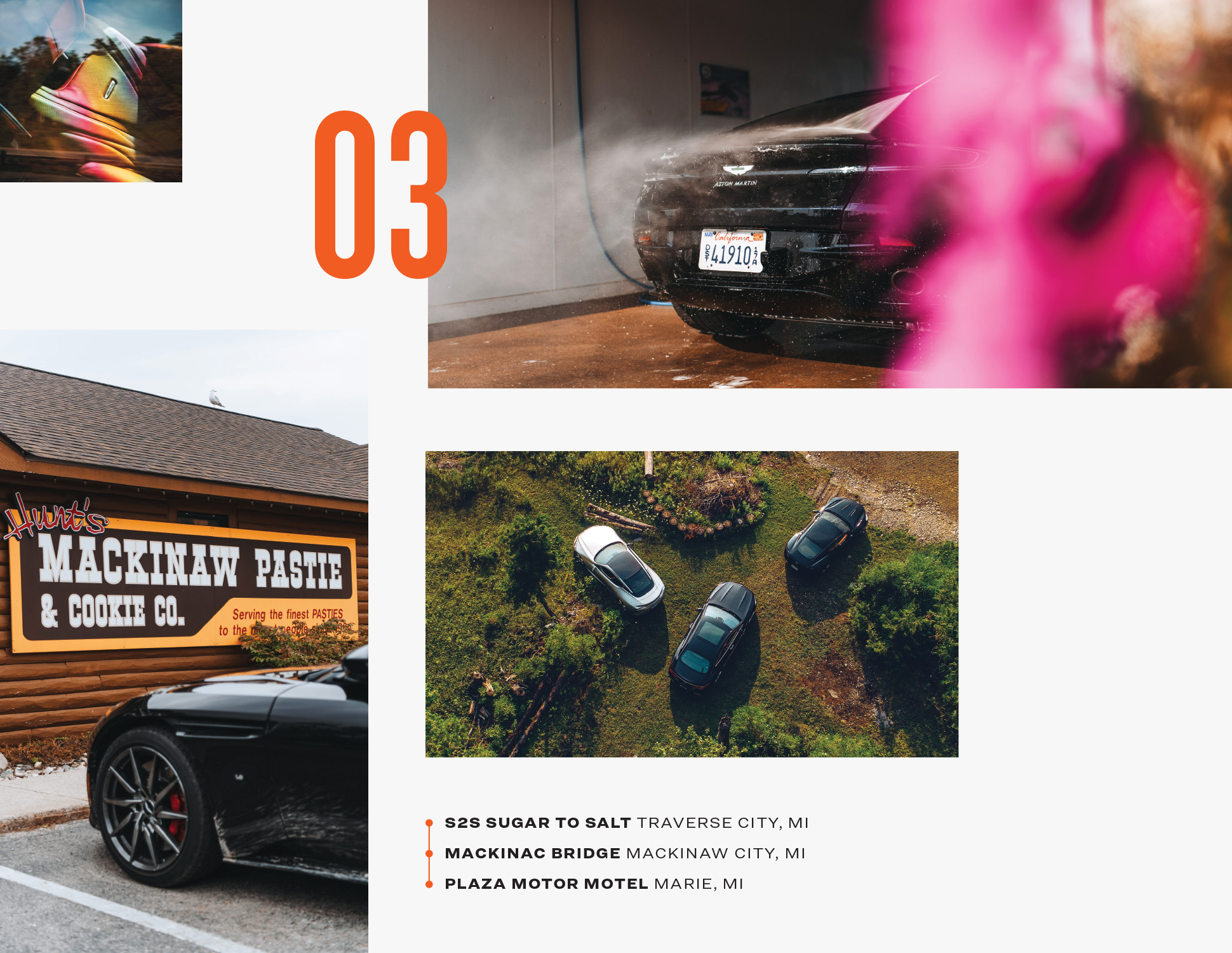
Rabid fans aside, we had miles to go before we rested, and heavy rain clouds quickly approached from the west. We were chasing sunlight and dry roads. Our destination, the far edge of the Upper Peninsula, was hours away.

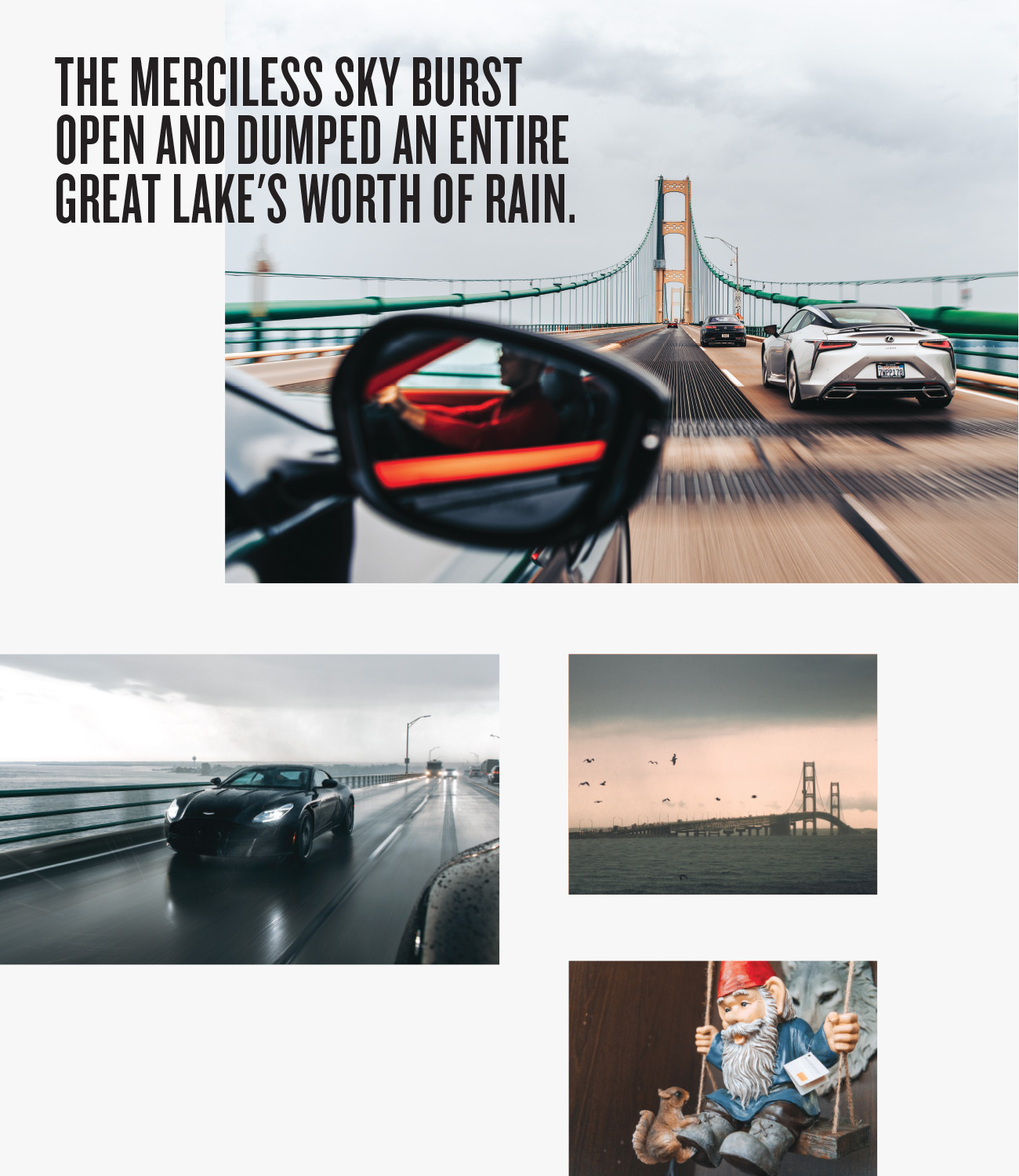
The Mackinac Bridge is a nearly five-mile stretch of proud, tall civil engineering conjoining the two very disparate parts of Michigan. Whereas the Lower Peninsula is full of metropolitan cities and seaside resort towns, the U.P. is largely a quiet place set upon by extreme winter weather and full of vast swaths of forest. Scattered throughout are smaller towns and some cities, like Marquette, Escanaba and our home for the night, Sault (pronounced “soo”) Ste. Marie.

Massive bolts of lightning began striking the bridge when we were only a few minutes away. White cracks of light split swirling, midnight blue swirling skies as larger and larger raindrops activated our automatic windshield wipers. Were the rain to start in earnest and keep up, our plans for bridge photography would be ruined. And so, as we rolled onto the south side of the span, the merciless sky burst open and dumped an entire Great Lake’s worth of rain.

And then, as we crossed through the toll booth, a meteorological miracle: the rain stopped completely.

Navigating into Bridgeview Park to the northwest of the Mackinac, we watched as skies brightened, yellowed and cleared. We were alone in the park, with nothing but a majestic suspension bridge backdrop, a world of photographic possibility and enough humidity to require SCUBA training. Elated and emboldened by our luck, we followed Dave’s hunch and went exploring in the U.P.
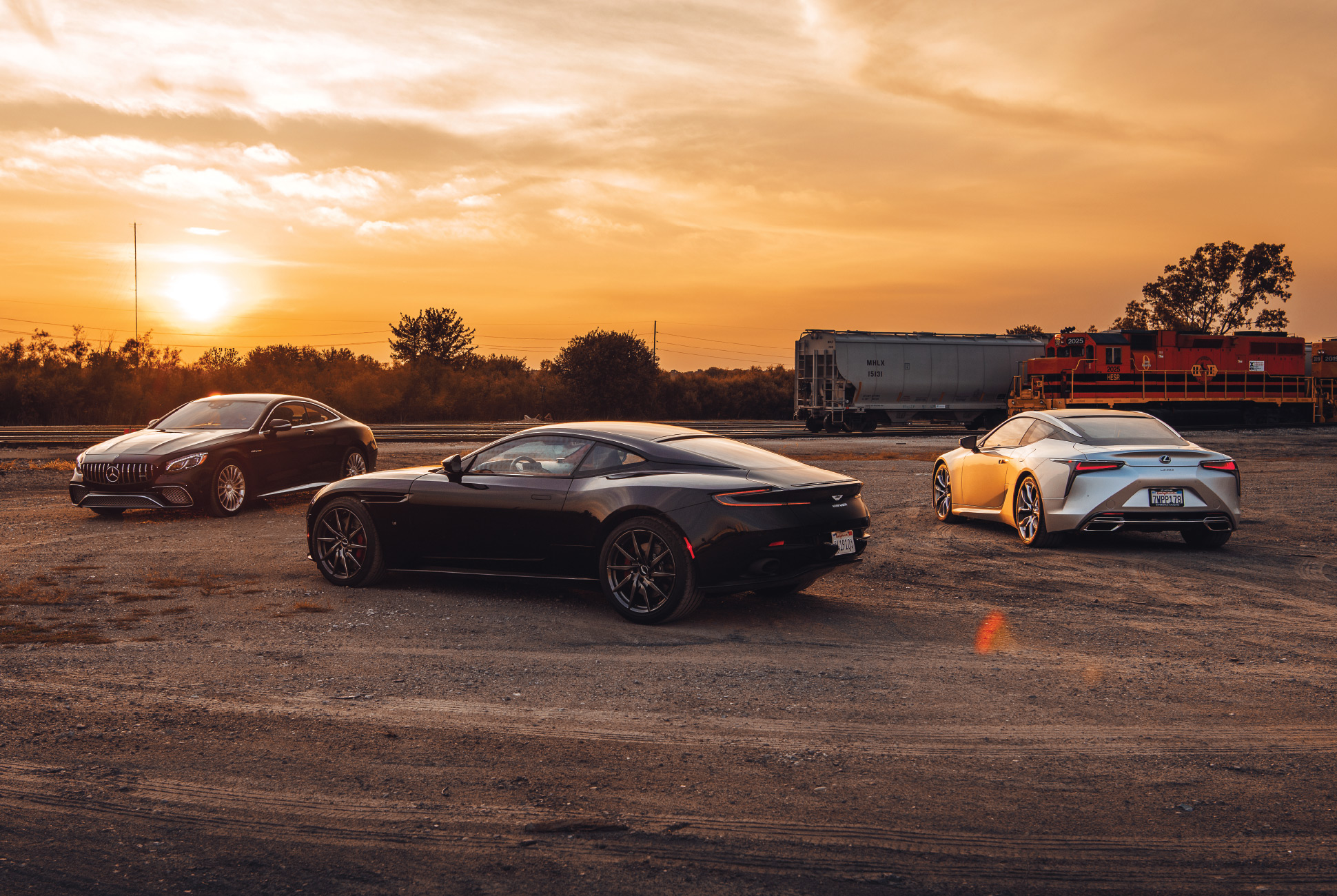
There’s a small town named (very appropriately) De Tour Village tucked in the far southeastern corner of the U.P. We found our way to a sparsely occupied point overlooking St. Mary’s River, which serves in part to connect Lakes Huron and Superior in the space between Michigan and Canada. I have no scientific basis for this claim, but I am certain in my heart that never before has there been, and never again will there be, a grouping of these three vehicles on that point. I can, however, definitively state that the Aston Martin DB11 can handle light off-roading.

Our photo cup overflowing, we doubled back and headed north to Sault Ste. Marie just as the sun was beginning to glow a gorgeous amber over the farmland horizon, providing us, almost too perfectly, with a final photoshoot for the trip.
After checking in to the the Plaza Motor Motel, a throwback motor lodge so far north that Yelp suggested Canadian restaurants while we were there, we explained our cars to curious motel neighbors and set out for the open-late godsend that is Applebee’s, where all but one of us guzzled Michigan beer as the whole crew discussed our grand tourers until well after closing time.

Day 4 — Sault Ste. Marie to Detroit, 353 miles

We didn’t have much time the next day and, frankly, we didn’t need it. Photos complete, and our destination checklist totally crossed off, we only needed to head back to Detroit and fly away.

The previous night, as we stood in the Applebee’s parking lot, volleying opinions and arguments, several definitive conclusions emerged. When I asked the guys to pick their favorite among the three, we unanimously voted for the Aston. “But,” Dave said, “it’s not a fair fight.”

Yeah, it’s rigged. The Aston is, as Eric later put it, a “rare bird.” It’s exotic in a way the others aren’t — it’s handbuilt, it’s 007’s choice, it’s among the most beautiful cars on the road. “If it’s my own money… I’d probably go for the Mercedes,” Eric said. “I’m a closet bling hound. It’s got those wheels, it’s got that chrome trim. I dig the LED color-changing thing inside. It’s got shiny things inside and out, and I like that. If I wanted a car I could go out in on the weekends and do the occasional trip with my wife, then yeah, the Aston.”
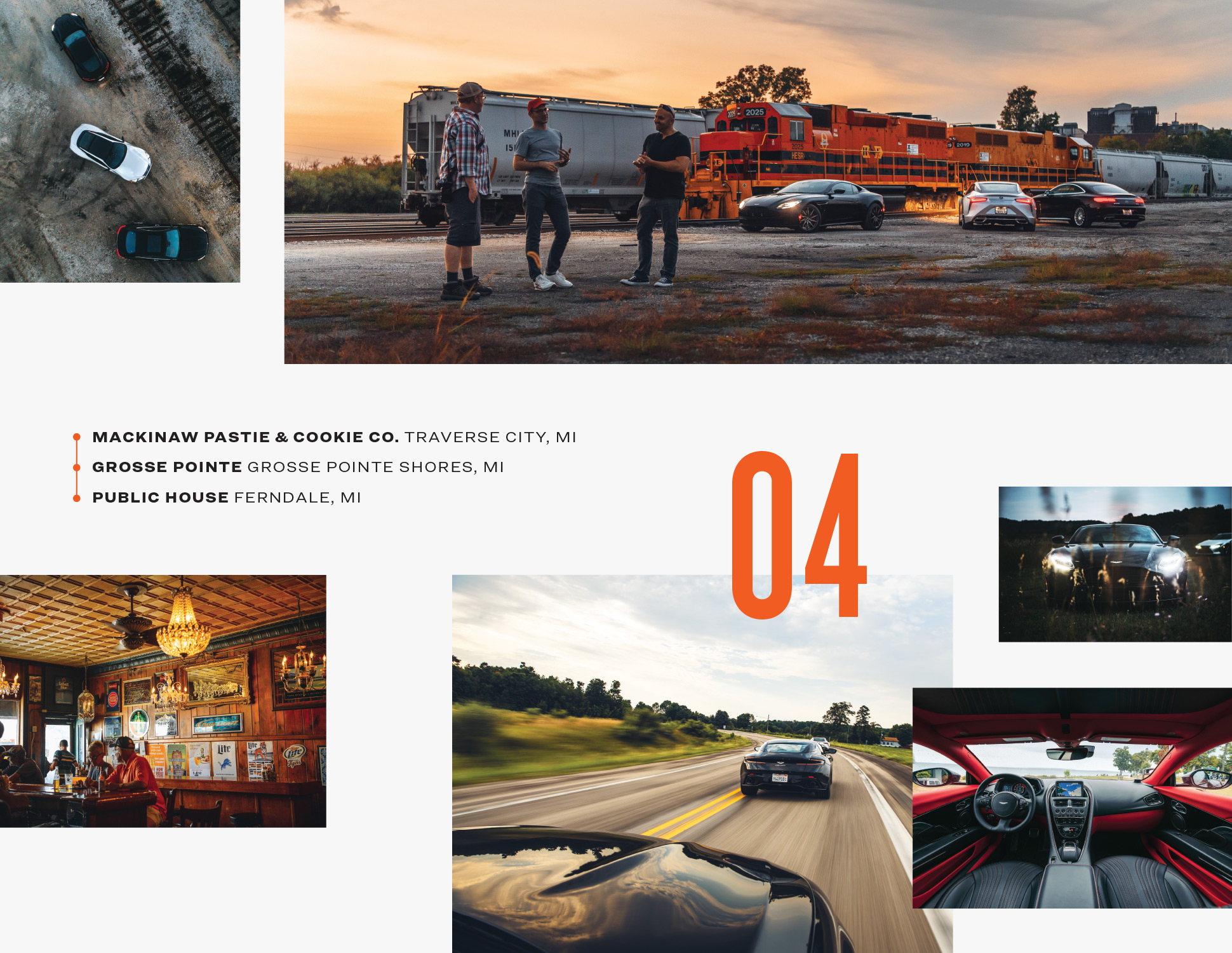
“[The S65] is the only car of all three that can do the pure-luxury thing,” Dave said. “The Lexus could be a daily driver, but it’s not gonna be. You can’t throw something in the back seat. That’s why I’m riding in the Mercedes all day: my gear. But German engineers are gonna win every time. They’re going to turn everything up to eleven. I need a car that kinda sucks sometimes so I can love the parts that are great.”

Personally, I’m still torn. The DB11 V12 is a monumental car that means a great deal to me. I would love to own one. Then again, I can’t conceive of having a quarter-million dollars, let alone paying that much for… anything. But the Lexus is just such a gem. It’s light and lithe and comfortably simple, yet it delivers all the kinds of tech conveniences and modern enjoyment one might want. We all agreed that it’s the satisfying, perfect culmination of Lexus’s sometimes quizzical design exercises over the past five to ten years; all the brand’s visual cues work incredibly well here. Plus, it’s got reliable Toyota DNA and a relatable, sonorous V8 engine. In Detroit, a guy in an old Suburban stopped traffic to pull next to me and say, “I’ve been doing exhaust work for thirty-five, forty years, and you sound pretty good, brother.” It’s superb, and I’d be tempted if it were at all possible.

Alex wasn’t backing down. “The DB11 suits me. It needles you a little bit. It’s a super tight, super rigid experience. It’s not as nice ride-wise as the Mercedes or the LC. And even some of the conveniences aren’t as good. When I got bored, I turned on Sport mode. In the other cars, when I got bored, I was looking for another radio station.”

“You were driving,” Dave replied.

There it is. Driving. Grand tourers aren’t made for drag strips or gymkhanas. They’re not made for cruising Rodeo Drive or parking at your lake house. They’re made to extract the very best out of the driving experience. People notice these cars, partially because they look athletic and aggressive (as Dave pointed out, there’s chain mail on the front of the S65), and because they look opulent. But they make people happy because they look like emotion; they look like what it is to love the art and act of driving.

“All three absolutely satisfy the nebulous qualities of a GT, but at different ends of the spectrum,” Alex said. The relatively simple, light and beautiful Lexus balances out the heavy, plush, computerized Mercedes-Benz. The aggressive, sultry Aston Martin is in the middle somewhere. And so, the unsatisfying but entirely philosophical conclusion is that there isn’t a definitive choice here — not that we set out to find the “best” among these three anyhow.

The best grand tourer is what speaks loudest and most directly to the driver’s enthusiasm for driving. Do you require German opulence and locomotive torque? English aesthetics and brutish muscle? Japanese serenity and fine design? It really all comes down to whatever helps you sleep at night.

Editor’s Note: minor adjustments have been made to this story in order to accommodate online publishing.

Special thanks to the Michigan Economic Development Corporation.

Dometic CFX 75DZW Portable Refrigerator Review: A Gift to Overlanding

The Dometic CFX 75DZW is a 70-liter capacity travel refrigerator with two individual cooling chambers that can be programmed +/- 2°F between – 7°F and +50°F. Designed for overland enthusiasts or those who enjoy extended time off the grid, the CFX is made from durable materials, can be run from a variety of power sources and has significantly higher food capacity than a similarly sized cooler filled with ice. A smart battery protection system assures the Dometic fridge won’t leave you stranded and a Wi-Fi app affords the convenience of programming either compartment remotely.

The Good: Two independent zones and doors let you separate freezer and fridge items. AC, DC and solar power options mean you can run the cooler at home or in the car. A Wi-Fi app makes setting and monitoring fridge temperatures a breeze. Built-in lighting helps you find goodies quickly in the dark. Removable trays and a drain plug allow for easy clean-up.

Who It’s For: The Dometic 75-liter fridge/freezer is for those who want to spend a week or more off the grid and have sufficient vehicle space to store and access their mega fridge. Even a high-end cooler’s ice will melt after a few days, but a large capacity fridge/freezer won’t force you to seek civilization until you’re ready.

Watch Out For: The 12V DC charging cable that comes with the fridge is very short – too short to stretch from one seating area to the next. A quick fix is a DC cord extension (widely available for about $15). Under normal conditions the 75DZW’s power consumption is modest (1.3 amps per hour), however, used in high ambient temps or without pre-cooling, the fridge can put a big drain on your battery. A deep cycle battery is a must-have, an accessory battery is highly encouraged and planned operation will make a huge difference in performance.

Alternatives: Dometic is likely the biggest name in travel fridges, but it isn’t the only option. Both ARB and SnoMaster make 70+ liter fridge/freezers that run off AC, DC, and solar power like the CFX 75. The Dometic CFX 75DZW ($1,229.99) is, price-wise, right in line of its key competitors and is the only to offer two individual compartments, a Wi-Fi app and a USB port.

Other large capacity, portable fridges in this general price range include:
ARB Fridge/Freezer 82QT ($1,294)
SnoMaster EX75 ($1,299.95)

Verdict: The Dometic CFX 75DZW is a gift to the camping community. With precise temperature control, generous capacity, and a smart dual-chamber layout, this fridge is one of the most rewarding upgrades an overlander can make. Finally, we can stop worrying about keeping our food fresh and just enjoy the adventure.

Review: Sometimes I miss the days when I needed nothing more than a sleeping bag, a ground tent and a few granola bars to enjoy a weekend outdoors. Youth had a part to play in my minimalist pleasure (sleeping on the ground these days guarantees a chiropractic visit), but it was more impacted by my obliviousness to available conveniences.

As I matured, I introduced luxury after luxury, resulting in more comfortable excursions. I traded a ground tent for a rooftop refuge, my backpack for a capable 4×4 and granola bars for a stovetop and red meat. It became increasingly difficult to camp with inferior gear, but the trips grew more extravagant and exciting, so I leaned into the change. Today, it’s impossible to imagine even an overnight escape without my accessories.

Through all these upgrades, however, I maintained a traditional cooler. At first, a $20 off-brand unit was sufficient, but it didn’t take long before I secured a double-walled, well-insulated model from a big-name manufacturer. Replenishing ice every three days instead of every 12 hours was such relief — or so I thought.

All was going well until an overland buddy brought a new toy to our group getaway. Badged “Dometic” and drawing power from his truck’s standard 12V DC port, this portable refrigerator kept food at a steady 40°F, had ample capacity and didn’t require a single ice cube. My spell was broken – I needed to get my hands on a travel fridge.

A month later, I have Dometic’s CFX 75DZW fridge stocked with food for a five-day, 2,000-mile round trip to southern Utah. Plugged into my home’s AC outlet, the fridge needs just two hours to cool from 70°F to 40°F for the larger compartment, and to 5°F for the smaller one.

At dawn, I wrap the fridge in its insulating cover, load the hefty unit onto the Dometic fridge slide in the back of my 1994 Land Cruiser, plug the DC stem into the socket, turn on the fridge’s Wi-Fi and hit the road. Before my trip, I’d intended to set up a dual battery system so the CFX could run exclusively off the accessory battery. I successfully installed the additional battery but failed to sort out the inverter. As such, the accessory battery is now powering the fridge, but the car’s alternator isn’t recharging it.

Gear and supplies obscure a clear view of the Dometic’s display from the front seats, so I ask my wife to pull up the CFX app to check on the temperatures. 40°F and 5°F – just as we’d left it an hour ago. She slides the temp setting for the smaller compartment down to 0°F just to be safe, then goes back to scrolling Instagram.

Two fill-ups and eight hours later, we arrive at camp in Toquerville, UT. It’s getting dark and frigid in a hurry, so we break out the headlamps, layer up and get to work. Thirty minutes later, the stove and table are assembled, the fire’s going, the tent is erect and we’re hangry. I slide out the fridge and retrieve the hamburger ingredients. A bright LED light helps me find everything quickly and individual fridge doors allow me to access the cold foods without disturbing the temperature in the frozen/smaller compartment.

After dinner, we dig into the freezer compartment for some ice cream (because why not make ourselves colder?), then stow the fridge for the night. The next morning, I climb down the tent ladder, open up the car and find the CFX display blank. Overnight, the accessory battery had dropped below the CFX’s low voltage cutoff, so the fridge turned itself off. I swap DC sockets so the cooler is getting power from the starter battery, and the unit turns on. With the outside temperature at 22°F, the CFX is even colder than our pre-set temps — the food is safe.

It’s another two hours of driving to Bryce Canyon, with several stops along the way for photos, gas, and a short hike. Outside, it’s warmed to 65°F, but when we stop for lunch, we pull chilled cold cuts, romaine lettuce, and apples from the CFX. Based on the previous night’s rushed effort to eat and clean before it got too cold, we decide to find our campsite in a BLM forest before sunset.

I kill the engine and start the countdown to when the fridge will hit the 12-volt battery cutoff. When we head off to bed three hours later, the fridge has switched to standby, meaning the internal temperature is stable at or below our pre-sets.

The same pattern repeats for the next three days and nights. From the moment we fire up the truck to several hours later when we find camp and turn off the ignition, the CFX silently saves the day. And in the interim between the fridge switching to stand-by and breakfast the next day, Dometic’s insulated cover and efficient design fight off rising temperatures.

The thought of returning to even the highest quality cooler after experiencing the bliss of a Dometic travel fridge is inconceivable. Maximizing our time and peace of mind in the great outdoors is well worth the price of admission — even if we feel a bit spoiled.

Dometic provided this product for review.

Note: Purchasing products through our links may earn us a portion of the sale, which supports our editorial team’s mission. Learn more here.

Koenigsegg creates a lighter, special Regera with hand-polished bare carbon fiber

Though Koenigsegg sold its last Regera last year, that doesn’t mean all the cars it has sold have been built yet. And Koenigsegg clearly still has some surprises up its sleeves for the cars yet to come. Take this latest Regera, for example. It may look at first like a normal Regera with carbon fiber under a clear epoxy, but in reality, you’re looking at truly bare carbon fiber panels. Koenigsegg calls it “Koenigsegg Naked Carbon” or KNC for short.

The process for creating these panels is laborious. After making the panels in the normal fashion with epoxy and an autoclave, each panel has to have the exterior side sanded and polished down by hand right up to the carbon fiber weave. The company notes that employees have to be especially careful toward the end of the process so as not to damage the carbon fibers in the weave, and thus ruin the whole panel.

The result of all that work is a very unique finish. You can see and feel the texture of the carbon weave. Koenigsegg says that it even feels much colder to the touch without the epoxy covering it up. The company also claims it’s less likely to scratch and chip, since the carbon fiber is stronger than the epoxy. That may be the case, but we would still be worried about some sort of object hitting the weave and fraying some of the fibers at some point. Temperature and weather shouldn’t be a problem, though, since Koenigsegg left panels outside for a few years before deciding to do a whole car exterior in the finish.

The KNC material has benefits beyond aesthetics, though. Koenigsegg says that the completed car weighs 44 pounds less than one that was given a full paint job. It’s remarkable that all the epoxy and paint could add that much.

Related Video:

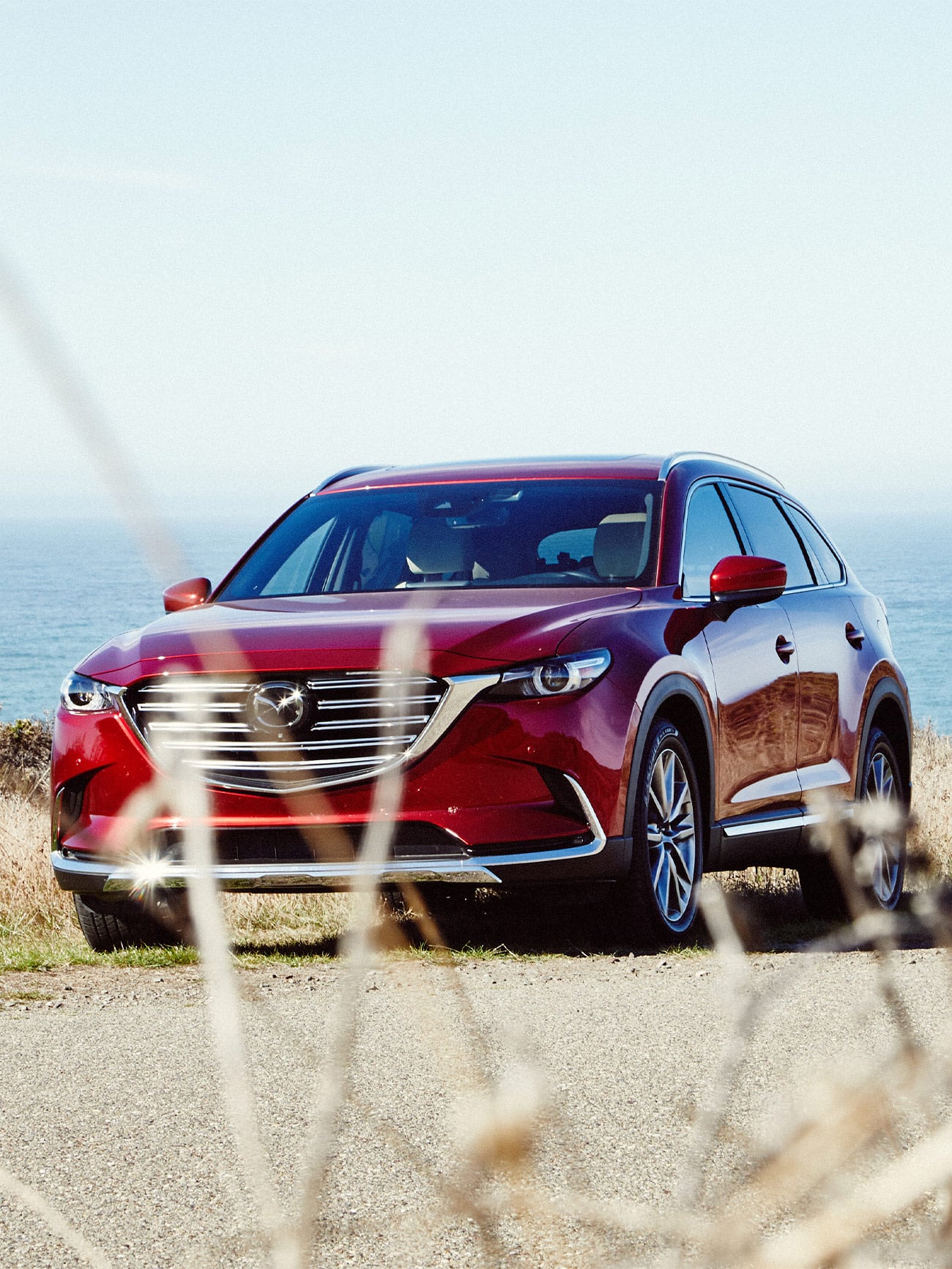
2019 Mazda CX-9 Review: The Best SUV I’ve Ever Driven

In search of the perfect family SUV (and because my editor wouldn’t let me test the MX-5 Miata RF), I took to California’s Highway 1 and put the Mazda CX-9 thoroughly through its paces. Does it hit the handling highs set by other Mazdas? Does it eschew the lumbering oafy-ness of most SUVs? Would its body roll induce seasickness previously only known to high-seas sailors? There was only one way to find out.

The Good: Like all Mazdas that we’ve tested, the handling and steering on the CX-9 are top notch. It’s predictable, does not exhibit body roll like similarly sized SUVs/crossovers and is genuinely spectacular to drive. Though it may look big and lumbering, the turbocharged four-cylinder does more than enough to get the CX-9 up and moving with its 250 horsepower and 310 lb-ft of torque. The handling and engine, paired together with an interior that leaves little to be desired, makes for an SUV that fights well above its weight.

Who It’s For: The CX-9 makes for a great family car. It’ll keep the driver entertained while still offering plenty of space. It’s also great for outdoor-minded types that like to get outside and onto gravel and dirt roads in snow and sun. The SKYACTIV all-wheel drive works admirably and will get you where you need to go.

Watch Out For: I have few qualms with the CX-9, though minor. First, I find the steering wheel to be a bit thin. (I know, it needs a steering wheel that finds a middle ground for all hand types and shapes.)Second, I wish that the CX-9 got slightly better gas mileage. 20 city / 26 highway isn’t terrible, but it certainly isn’t setting any records.

Alternatives: The best alternatives to the CX-9 would be VW’s Atlas V6 ($34,095+) and Subaru’s Ascent ($31,995+). Both are excellent options and are among the best in their class. You can read our review of the Atlas here, or the Ascent here.

Review: My first experience with Mazda was a 2003 MPV. For the unfamiliar, the MPV was Mazda’s Honda Odyssey minivan fighter. Not much else needs to be said in order for you to gauge my opinion on it; suffice it to say… not great. But the CX-9 is a different beast altogether. The first CX-9 replaced the MPV in 2006 as the SUV/crossover craze was taking full flight and has continued to be improved upon since. The most recent update, aside from a few cosmetic upgrades here and there, is the addition of Apple Carplay and Android Auto. But those updates are, frankly, unexciting and any modern car priced above $25k should come standard with those capabilities.

Instead of talking about the small technological advancements made to Mazda’s infotainment system, I’m going to talk about how the CX-9 was to drive, how it made me feel and the reactions I got from passersby.

Given Mazda’s reputation for producing cars that handle extremely well, I felt the best place to test a 4,383-pound SUV was to drive from Jenner, California to Sausalito via Highway 1, then up and over the Panoramic Highway. It’s a windy, labyrinthine stretch of asphalt that for some would be motion sickness-inducing. The CX-9 handled it far better than I would have anticipated. In fact, I’d even argue that it was the perfect car for the job. The bolstered, cooled leather seats kept my organs in place and of a regulated temperature. The steering felt tight, smooth and predictable. The brakes were adequate and as soon as the road straightened, punching up to the speed limit forced me back in my seat just enough to make things interesting.

And as promised, the reactions of passersby: I got more reactions to the CX-9 than I did in a Durango SRT, which was shocking to me. People were struck by the crisp body lines of the Mazda. In fact, I actually had someone walk 200 yards down the cliff where these photos were taken to ask me about what I thought of the CX-9.

Verdict: Sure, the CX-9 is no MX-5 Miata, but if you crave a big hulking SUV with handling on par with some of Mazda’s smaller offerings, the CX-9 should be at or near the top of your list. It’s peppy enough to keep you entertained when the kids aren’t in the car and still has enough space for kids plus luggage – plus skis plus plants plus cases of soda plus two medium to large dogs and on and on. It’s refined and comfortable in a way that it shouldn’t be for just over $40k.

Key Specs

Horsepower: 250
Engine: turbocharged 2.5 four-cyclinder
Transmission: 6-speed automatic
Drivetrain: all-wheel-drive
Towing capacity: 3,500 lbs
Fuel capacity: 19.5 gallons
Curb weight: 4,383 lbs

Note: Mazda provided the 2019 CX-9 for review.
Read More Gear Patrol Reviews

Hot takes and in-depth reviews on noteworthy, relevant and interesting products. Read the Story

Note: Purchasing products through our links may earn us a portion of the sale, which supports our editorial team’s mission. Learn more here.

The Runge RS Racer Is a Hand-Built Bespoke Automobile

As much as we’re all for modern automotive innovations like superchargers, turbochargers, tiptronic transmissions and crumple zones, there’s something to be said for the absolute beauty and pure mechanical performance of the race cars from…

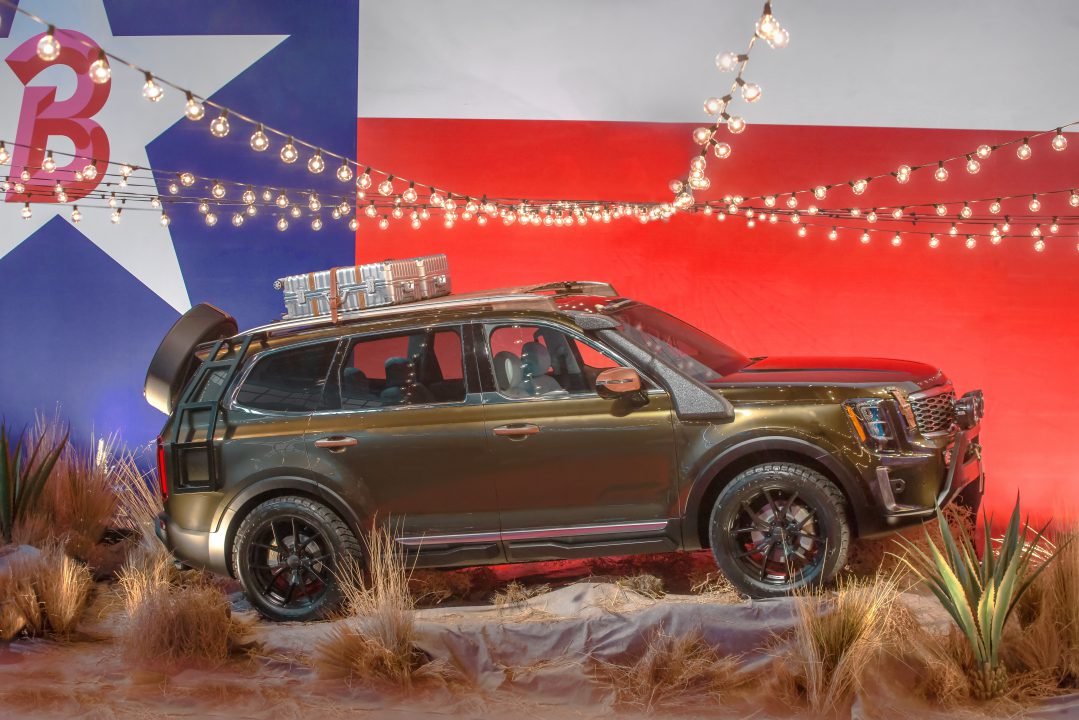
2020 Kia Telluride By Brandon Maxwell

An unexpected guest just crashed a show during New York Fashion Week 2018. Attendees who looked forward to a catwalk lined with models dressed in the latest trends also caught a glimpse of something exciting. We are talking about the 2020 Kia Telluride that flaunted its wares on the runway. It only seems fitting that it made its debut during the event. That’s because this SUV just got a fresh coat of style courtesy of Brandon Maxwell.

According to sources, the Texas-born fashion designer claims that he always loved the brand. Therefore, he collaborated with Kia on a unique project. What we have is an exclusive variant of the eight-seater that any Texan would undoubtedly line up to own. Going with a theme that purposely reflects Maxwell’s state of origin, the SUV is adorned with a lot of materials that border on the impractical from a carmaker’s standpoint. However, when it comes to haute couture, practically anything goes.

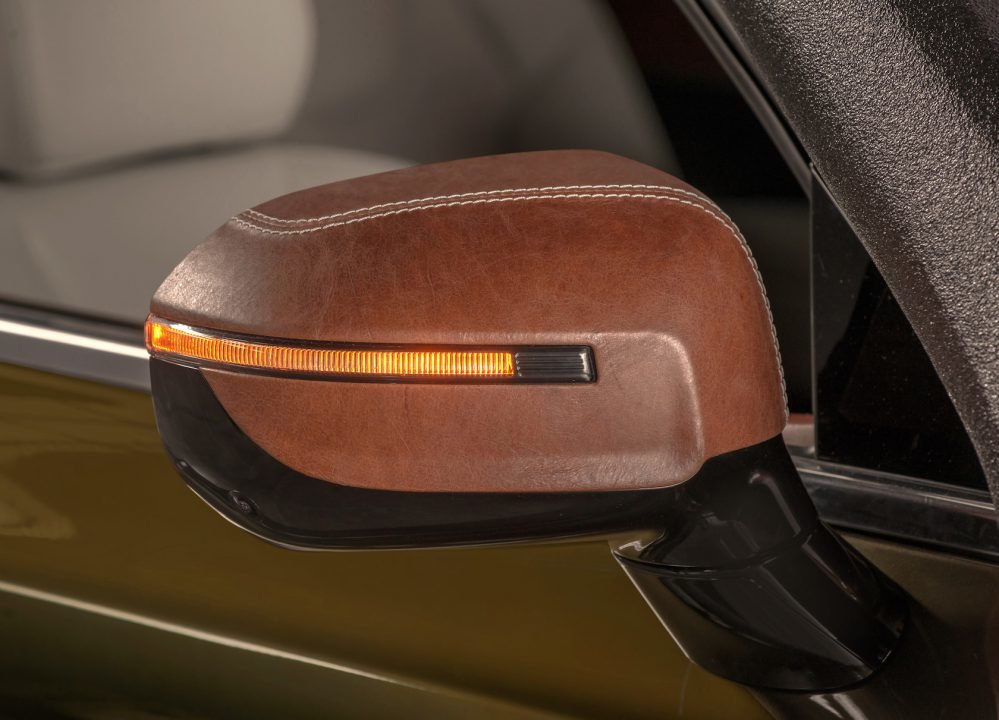
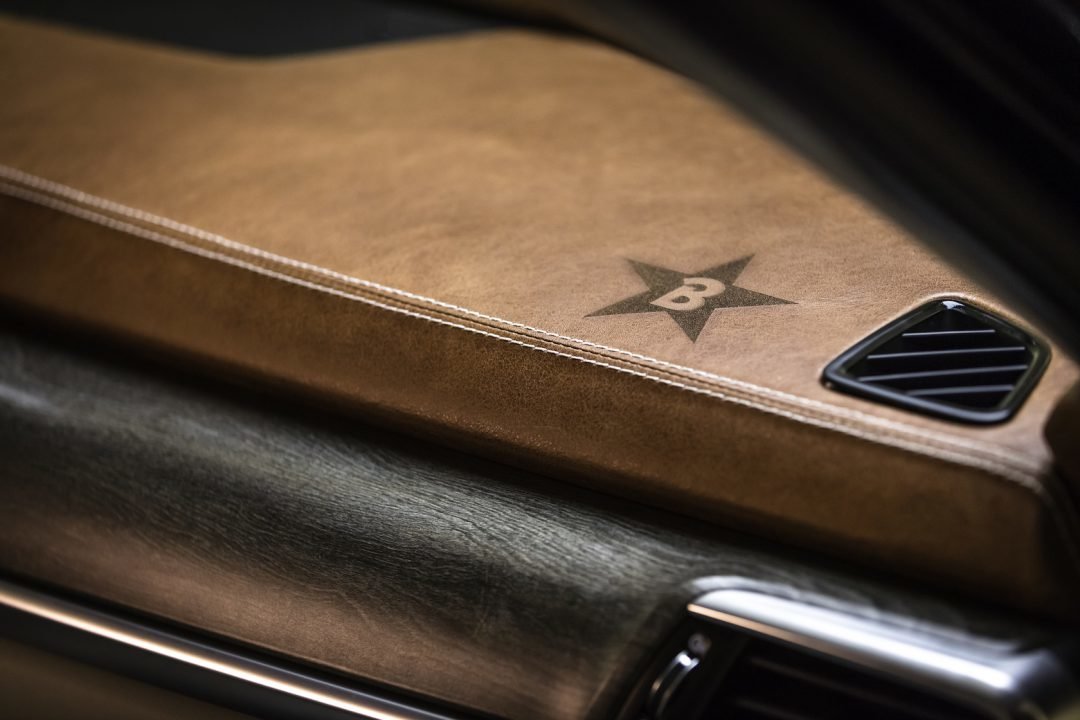
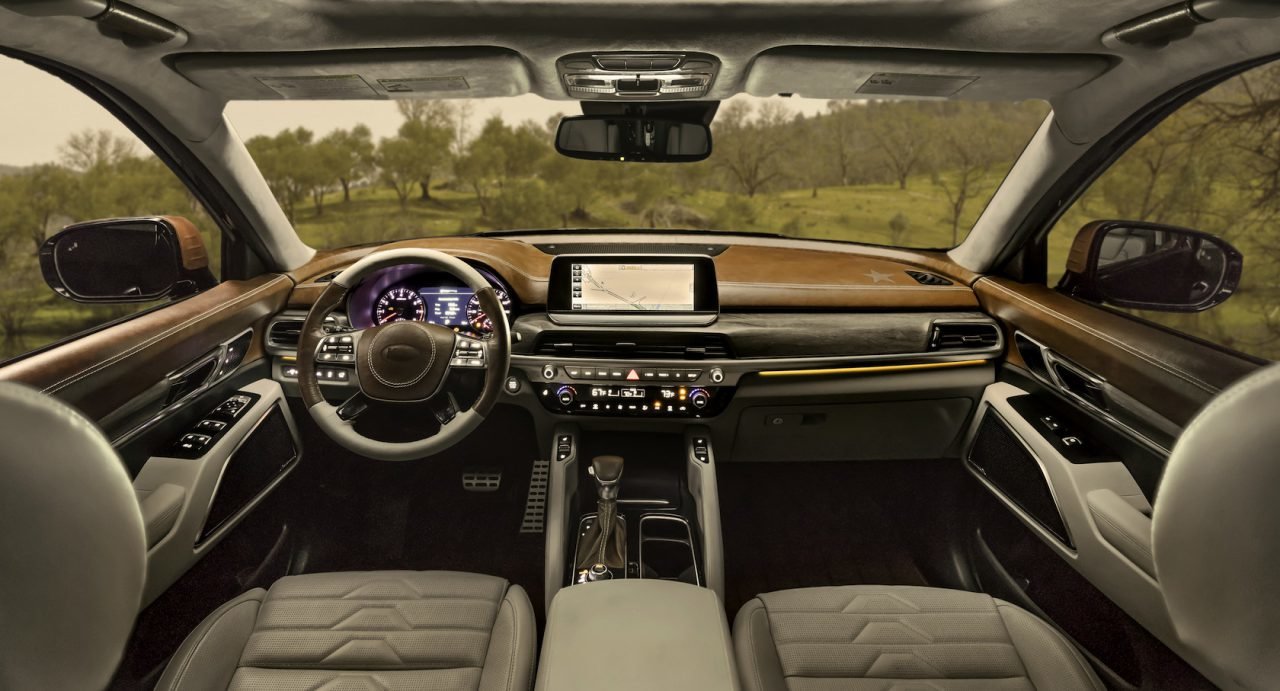
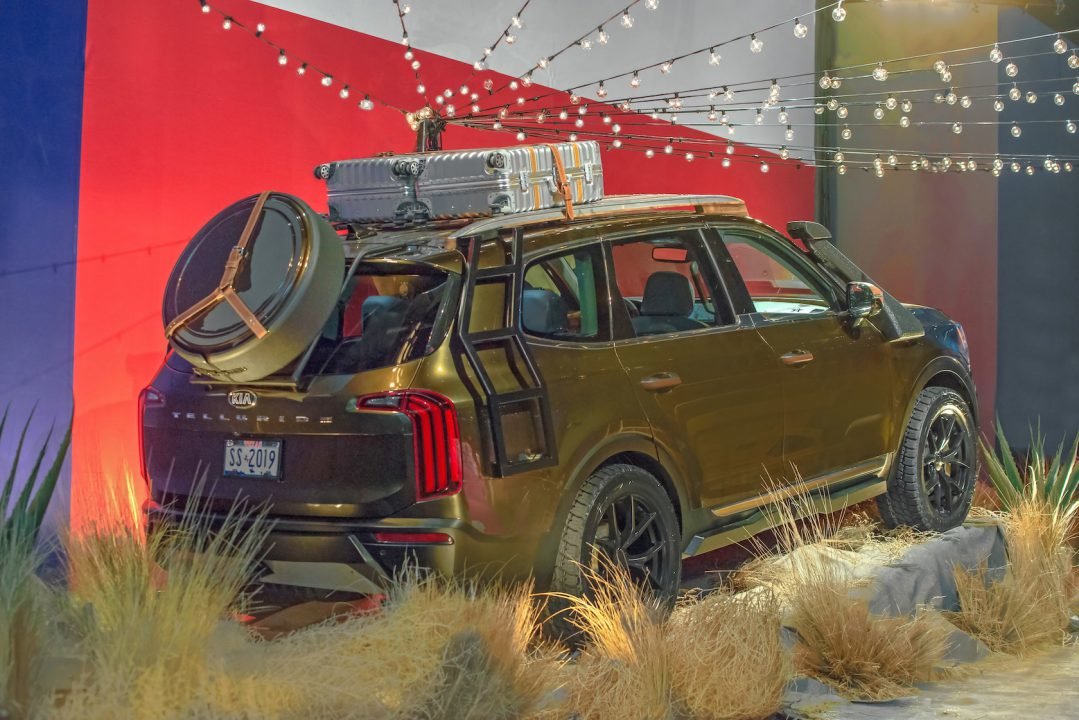
Let’s start with the interior. The roomy cabin receives a healthy dose of natural wood trims that just looks perfect along with the liberal patches of leather all over. It doesn’t stop there—even the exterior components such as the side mirrors, grab handles, and the straps that hold the spare tire all feature brown double-stitched hide. This bespoke 2020 Kia Telluride definitely throws everything that Brandon Maxwell believes best showcases Texas. We hope it will be offered as an optional trim when the SUV officially arrives in showrooms next year.

Learn more from Kia

Photos courtesy of Kia

Porsche 918 successor needs to do the ‘Ring in 6:30

When TopGear.com spoke to Porsche Motorsport chief Frank-Steffen Walliser at the LA Auto Show, Walliser provided the primary benchmark for brand’s next hypercar: a 6:30 ‘Nürburgring time. That would cut 27 seconds from the 6:57 time set by the 918 Spyder in 2013. Walliser’s so focused on that particular benchmark that he said, “I don’t care about the drivetrain, 6m 30s is the target. Sports cars are defined by their performance, then we have to look how to achieve it.”

The 918 Spyder used a 4.6-liter V8 with 608 horsepower, aided by two electric motors contributing another 281 hp, for a total system output of 887 hp and 944 pound-feet of torque. Since that lap in 2013, four regular production cars have gone faster: a Porsche 911 GT3 RS did 6:56.4 earlier this year, a Lamborghini Huracán Performante did 6:52.01 in 2016, the 911 GT2 RS took the record in September last year with a 6:47.25, outdone in July of this year by the current production-car record holder, a Lamborghini Aventador SVJ with a 6:44.97.

Unofficially, a 911 GT2 RS prepared by Manthey Racing ran the ‘Ring in 6:40.33 at the beginning of November. Last year, a road-legal McLaren P1 LM prepped by Lanzante pulled off a 6:43.2, and in 2015 a Pagani Zonda Revolucion supposedly tore off a 6:30. The 6:30 mark is also the target for the Scuderia Cameron Glickenhaus 003 Stradale.

Officially, none of the four faster vehicles are hybrids, making Walliser’s powertrain-agnostic position interesting. We’d be shocked if Porsche’s coming hypercar weren’t hybrid; that would counter the general thrust of Porsche and the industry, and refute the last three OEM hypercars. Don’t expect something all-electric, either, Walliser admitting, “An electric car in 6m 30s is quite a challenge.”

The sports car maker will get a lot more practice finding what goes fastest with the launch of the GT2 RS Clubsport (pictured). Porsche expects the new customer race car to grace numerous tracks around the world, and the carmaker plans a trip to the ‘Ring next year. Walliser figures the new competition coupe can get down to around 6:35.

Related Video:

Opinion: Can We All Please Agree That These Just Aren’t SUVs?

Americans are buying SUVs, crossovers, or whatever one wishes to call them with reckless (for the environment) abandon. Big Three automakers are jettisoning models in other non-truck segments. Even for super niche luxury and sports car brands, the financial future rests on SUV sales.

Rolls Royce debuted the Cullinan. Bentley offers the Bentayga. Lamborghini created the Urus. Former Ferrari CEO Sergio Marchionne pledged someone would have to shoot him before Ferrari produced an SUV in 2016. The hybrid Purosangue was already in the works before his untimely death last summer. Even freaking Pininfarina is considering making a Crossover-type thing.

Building such vehicles makes financial sense. Many of them are, to be fair, beautiful looking and fun to drive. The trouble is they aren’t SUVs. They are engineered to meet that minimum threshold. But they are SUVs in name only, SUVINOs if you will. They should not have the same moniker as the Jeep Wrangler.

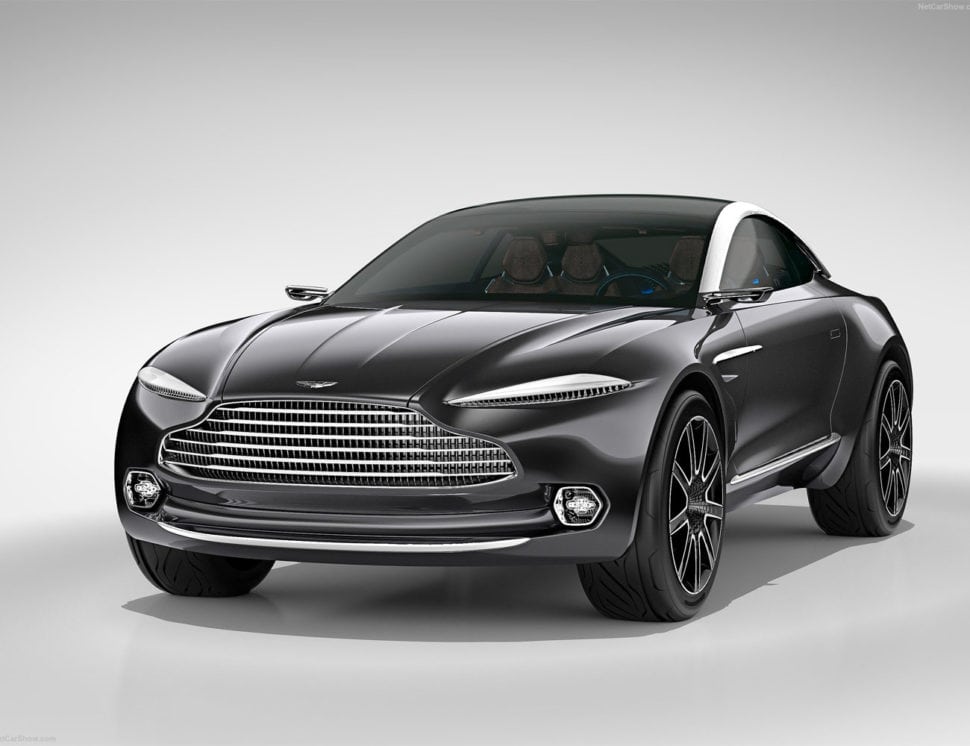
Consider the upcoming Aston Martin DBX or the Jaguar I-Pace. Companies will market both as SUVs. Photographers will capture both “off-roading” through manicured stretches of dust or perched on a “rock formation” a VW Golf could handle. But, look closely. Both are sleek and low to the ground. Both have the barest of distinctions between what are technically C and D pillars. Drop them an inch, put less aggressive tread on the tires, or even just view them head on and you will see hatchbacks.

There’s nothing wrong with hatchbacks. They are practical. They hold lots of stuff. You can get them with AWD for the winter (even if you only need a good set of winter tires). Luxury and sports car brand should make them. There’s no reason for Aston Martin to turn away the customer who needs to drop their kids off at school. But, call them hatchbacks and Americans won’t touch them.

Why they won’t is unclear. Perhaps “commanding ride height” is just that seductive. Maybe we’re just a nation of preppers, preoccupied with the 4-5 days we might need an SUV versus the 360 where owning one is unnecessary. It could be a snowball effect. More SUV/Crossovers on the road means more customers seeking a vehicle that height to see around them. Whatever the reason, that preference seems unlikely to change. Faux-SUVs can be fuel efficient. If customers opt for smaller cars, manufacturers can tempt them with ludicrous compact baby SUVs. Cute little convertible, anyone?

Arguing how the I-Pace would be even more remarkable as a purpose-designed road car is swimming against too strong of a current. But, if we’re going to live in the brave new SUV/Crossover/Whatever reality we need more precise terminology for what is fast becoming the entire non-truck automotive market. Our most gratuitous seven-seater orchestra chiming land-yachts and our sports cars of the future can’t both be “SUVs.”

Terming the road dwelling sportier variants designed for the road “sport activity vehicles” is even less precise. Stop trying to make SAV happen, BMW and others.

Subaru Was Overlanding Before it Was Cool

Right now, there’s an undeniable swell in the popularity of overlanding, recreational off-roading and adventure in general. At any given motorcycle expo, almost every brand is showing off its new scrambler, dual sport or adventure bike. On the four-wheeled side of the industry, if the SUV, pickup truck or even the wagon in a manufacturer’s lineup doesn’t have a version that can tackle a rocky road and take you that much further, it’s almost written off.

Programs like Backcountry Discovery Routes — an initiative to let off-roaders and adventurers explore the natural beauty of our country’s national parks and forest using as few paved roads as possible — are seeing massive growth and expansion because people are demanding it. How else are people supposed to cover their shiny new off-roaders in a fresh coat of dirt, dust and mud? Professional off-road racing is benefiting too. But where brands like Ford, Chevy and Ducati are just now leaning into more dedicated off-road models fueled by the rise in the popularity of the outdoor lifestyle, Subaru has been doing it for decades.

Rally racing has had its ups and downs in this country. Depending on who you talk to and what decade you reference, rally racing, like the type of events the American Rally Association puts on — where small hatchbacks, sedans and vintage cars go from one gravel and dirt trail to another seeing who can finish in the quickest time — either feel like a national pastime or are nonexistent.

Bill Stokes, Subaru Motorsport Manager, wants to use the current overland craze to boost the sport’s popularity and, at the same time work with overland enthusiasts to help open up more land for recreational off-roading. “We’re hopeful we can find some way of distributing the series so more people can find out about it and watch it and work with the organizers to achieve that.” And as far as expanding where the ARA can hold events? Well, the types of fire roads and forest service trails the overlanding community loves so much are ready-made rally stages too. “There’s this whole movement for people to go out and use these roads for UTVs; therefore, its easier to then say ‘hey, we want to use these roads, but we’re also going to drive cars on them as well.’ It’s a natural fit.”

Subaru’s relationship with adventure and rally racing is more than just marketing, says Stokes. “To be involved in rallying as a manufacturer, there has to be a product to sell that makes sense in that environment. And we’re seeing more rally fans getting involved in more overland-style vehicle modification. There are more folks seeing the adventure angle of rallying and appreciating it for what it is, so we see a lot of support from a grassroots level.” And where motorsports tend to attract a niche crowd, the rally racing-overland relationship is more inclusive. “It doesn’t just fit for our performance owners; it caters to all of our outdoor adventure-focused owners. It’s just more of a fit now than its ever been. Even if we’re racing the WRX sedan, people show up with Crosstreks, Outbacks and Foresters, so it makes a ton of sense to continue to support the sport.”

Rimac goes in-depth on the C_Two’s ultra-tech aero testing

Today, performance vehicles more closely resemble complex computing machines than they do the traditional automobile. Building supercars requires supercomputers, as well as an army of human intelligence, both of which Rimac Automobili has been using for the past two years as it’s been building its C_Two electric supercar. Rimac recently dropped a behind-the-scenes video giving the public a look at just how thorough and detail-oriented the process is.

The C_Two is one of the most impressive vehicles to hit the auto show circuit in recent memory. It debuted at the 2018 Geneva Motor Show with absolutely insane claimed stats: 1888 horsepower, 1696 lb-ft of torque, 258-mph top speed, 0-60 time of 1.9 seconds, quarter-mile time of 9.1 seconds and a 404-mile single-charge range on the New European Driving Cycle.

Building a car to that level of world-eating power requires not only a state-of-the-art propulsion system, but an exterior design that works with the air rather than fighting against it. Although the C_Two has certain evolutionary design features that call back to the Concept_One, it was built from scratch to ensure everything was crafted with the most up-to-date technology.

Like most cars these days, the design and aerodynamics of the car were concocted through computer programming before taking real-world physical form. Once a satisfactory starter shape was figured out on screen, Rimac built a model with parts that can be changed, altered and adapted to further findings and advancements throughout the testing process.

Supercars are no longer inanimate objects, however, and Rimac’s wind tunnel model included the active parts on the car, such as the massive rear wing, the diffuser flap and flaps in the hood and nose. According to Rimac, the air around the vehicle splits into more than 70 million parts, each of which factor into how the vehicle is affected and reacts. This is where computational fluid dynamics (CFD) simulations help to solve complex equations that are far too complicated for simpleton bloggers to comprehend.

Essentially, it’s a game of trial and error. Change a tiny thing here, and see how it changes the car’s dynamics. Rimac says the lowest coefficient of drag it achieved with the C_Two was 0.28. Watch the video to learn more about how that was realized and how computers play just as much of a part in development as humans do.

Related Video:

LA Auto Show 2018: Mercedes-AMG GT R PRO

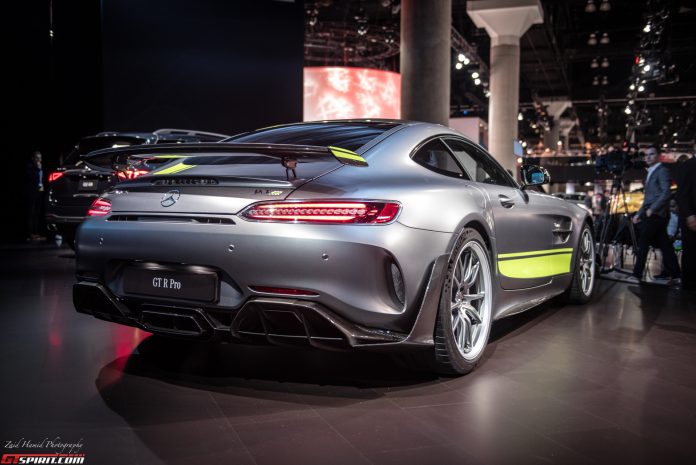
GTspirit are live at the LA Motor Show 2018 and the wraps have just been pulled off the Mercedes-AMG GT R PRO. When you buy a Porsche RS car you have the option of ticking a box for something called the Weissach Package. This adds an extra track focus you the already crazy fast GT3/2RS that you are buying. Now AMG have cooked up something similar for the bonkers AMG GT R – meet the GTR PRO.

The new PRO shares its powertrain with the AMG GT R. It differs in what it offers for the suspension, aerodynamics and weight reduction packages. The PRO gets a new coilover suspension system which can be mechanically adjusted by the driver depending on the circuit they are driving. The front axle gets an adjustable carbon fiber torsion bar, the rear steel unit is also adjustable. Dynamic engine and transmission mounts have been re-tuned specifically for the PRO.

Cars delivered outside of the Chinese, US and Canadian markets will get the option of a track pack. This adds roll over protection, a four point safety harness and a 2 kg fire extinguisher. Ceramic brakes are fitted as standard in the PRO as well as AMG bucket seats. Aerodynamics are taken care of with a variety of unique carbon fiber pieces. These include two front flicks, a larger front splitter, a larger rear diffuser and rear air vents.

This culminates, along with the new facelift lights and dashboard, to make the AMG GT R even more angry and menacing. This really is a racecar for the streets that holds the title of being the fastest front engined production car ever to lap the fearsome Nurburgring.

The Ritz-Carlton Hong Kong Review

My ears pop as the elevator shoots up from the 9th floor entrance to the 103rd floor lobby 425 meters above sea-level. I’m at the highest hotel in the world – the Ritz-Carlton Hong Kong. The hotel occupies the top 17 floors of the 484 tall ICC tower in the Kowloon area of this intriguing city.

The hotel is easily reached from the airport with the clean and efficient MTR express train to Kowloon station. Club guests enjoy a complimentary limousine service around Kowloon. Hotspots on Hong Kong Island can be reached with a taxi, ferry or underground.

The 302 rooms and suites are spread are located on floors 104 through to 117 with the incredible 2,800 m2 presidential suite taking up a large part of the 117th floor. All rooms offer spectacular views of Hong Kong and the South China Sea with the view of Hong Kong Island being the most desirable one.

I have booked a club room giving access to the Ritz-Carlton Club Lounge on the 116th floor. Here it is also possible to check-in, so on the 103rd floor lobby I head straight to the guest elevators taking me up to the 116th floor. The Club Lounge is the perfect all-day hang-out and meeting place. Even though the hotel has 302 rooms and runs close to full occupancy the club lounge is fairly quiet most of the day.

My deluxe queen room 115-20 is on the 115th floor with perfect views of Hong Kong Island and parts of Kowloon. A little bench below the window allows guests to sit and just take in the world down below. The hotel is so high up that helicopters and small airplanes pass by below. The street more than 450 meters is so far away that you feel disconnected from it all.

The room itself is well equipped with a desk, large double bed and large bathroom with double sinks, a large marble rain shower, separate toilet and bathtub. I could spend all day relaxing in the room and taking in the jaw-dropping views but there is so much more to explore in the hotel and Hong Kong that I end up spending hardly any time in the room.

Opposite the Club Lounge you can find the Spa with several treatment rooms and men and women dressing rooms with a sauna. From the spa take the elevator up to the 118th floor for a swim in the highest pool in the world with floor to ceiling windows overlooking the South China Sea and parts of Hong Kong Island. There is also a jacuzzi and terrace where guests can do yoga or other sports. On the same level is also a well equipped gym.

Also on the 118th floor, but well separated from the guest-only spa and pool area, is the Ozone bar serving cocktails and tapas. More restaurants can be accessed from the 103rd floor lobby with Italian restaurant Tosca and Chinese restaurant Tin Lung Heen both awarded by Michelin. The Almas Caviar Bar, Cafe 103 and The Lounge & Bar wrap up the wide range of dining options. Club guests can also enjoy breakfast, lunch, high-tea and dinner in the club lounge.

The facilities and dining options are top notch with the occasional compromise due to the limited floor plan size of the tower. The dressing rooms on the pool level are a bit small per example. But one aspect really stands out during my stay at the Ritz-Carlton and that is the effortless and professional service. No request is too much and there are many little gestures (like bringing a dry towel and hot water with lemon without asking when I started coughing after swimming) which made my stay even more memorable and comfortable. Add the incredible views and unique experience to stay in the world’s highest hotels and this is one of the most desirable hotels to visit around the globe.

Bentley CEO Adrian Hallmark explains carmaker’s situation and plan for recovery

In August, we posted on some of the issues plaguing Bentley at the moment, namely the large loss the carmaker’s posted this year. The same Autocar piece we referenced, carmaker CEO Adrian Hallmark said Bentley would not be making more sports cars. Bentley wrote to us to clarify that a single year’s loss isn’t a calamity, that “it is a mistake to suggest that sports cars are the same as GTs,” and that the brand “will continue to design, engineer, and craft” GT cars. We must note, though, that at the time, Hallmark himself said, “The sports car sector – like our own….” More recently, Hallmark expounded on some of the factors slowing the company down this year, from delayed launches to exchange rates.

Through the first nine months of the year, Bentley sold 6,654 units, an 11 percent decline from the 7,498 units sold through the first nine months of 2017. In addition to other matters like huge investments in new technologies, that helped the Crewe carmaker to a $44.7-million year-over-year drop in revenue, and a $156-million overall loss, compared to a $35 million profit over the same period last year.

On top of declining sales overall, the nine-month delay in launching the Continental GT, the brand’s second-best seller, was the first of two big issues causing red finances. Hallmark said the Continental GT “just wasn’t ready for launch. But we’d paid for it – we’d paid all the money out, but not got any money back in.”

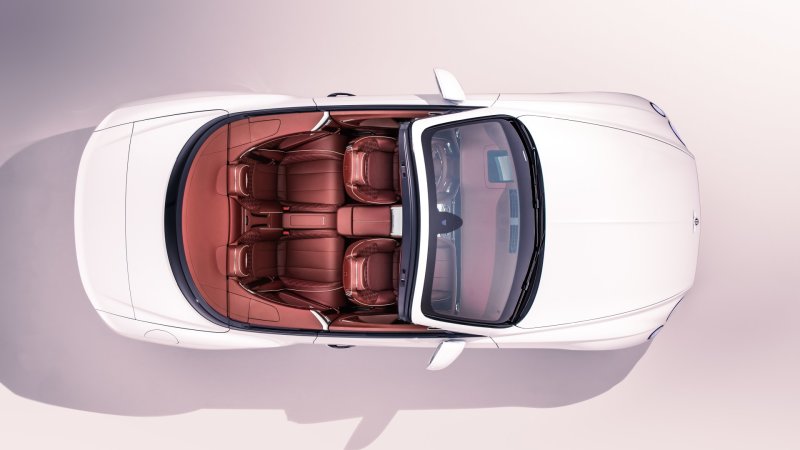
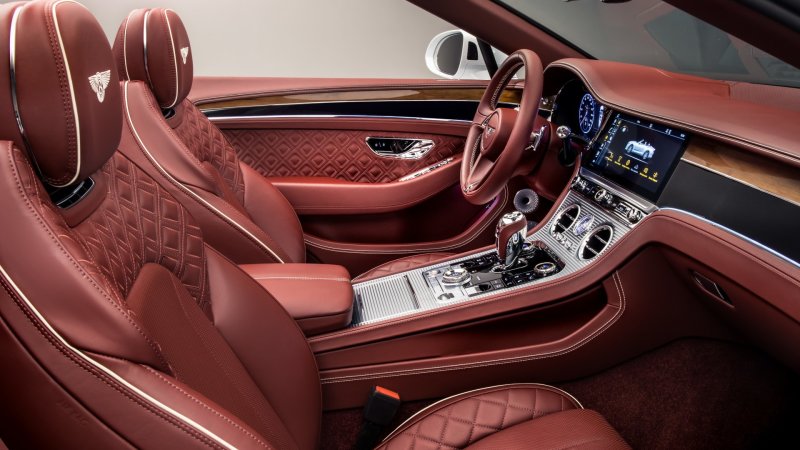
Bentley dévoile la nouvelle Continental GTC

Having got that sorted, the second issue arose: WLTP certification. Unlike the New European Driving Cycle (NEDC) before it, the Worldwide harmonized Light vehicles Test Procedure requires every model variant get tested for certification. Hallmark told Automotive News Europe, “We were not quick enough unfortunately to book capacity or prioritize our derivatives within some of the group processes to get them certified on time.” Bentley wasn’t alone in this; Volkswagen had only managed to get seven of its 14 models approved by September 1 when the WLTP rules took effect.

Bentley’s much smaller scale exacerbated the problem, turning the situation “close to catastrophic.” Hallmark said the snafu robbed the Bentayga of 300 to 400 sales – a gigantic number with respect to a $200,000 vehicle – and pushed the Bentayga plug-in hybrid launch back to March 2019 so Bentley could get volume models certified.

Furthermore, preparing for Brexit hasn’t been easy on any of the UK’s manufacturers. For Bentley, which sources many components from The Continent, uncertainty around a Brexit deal has weakened the pound sterling against the euro. That makes parts more expensive.

The carmaker’s already on the road back, led by the uncorked Bentayga V12, V8, and Continental GT, and just-revealed GTC. The CEO said Bentley be back in black in Q4 of this year, but 2019 is the real measure. “This year is a conversion year to a better business model,” he said, “and next year you will start to see significant growth and a return to normality in terms of profit.”

Bentley dévoile la nouvelle Continental GTC

The phrase “significant growth” doesn’t just apply to sales figures of the current lineup. Hallmark intends to grow the range, and Bentley’s interests beyond cars. Plug-in hybrid versions of current models will help build the bridge to a battery-electric offering by 2025. Engineers are aiming for substantial EV range in the hybrids, eventually around 60 to 70 miles. It seems Bentley turned down the chance to build its own car on Porsche’s Taycan platform, because a GT car isn’t a sports car, and it won’t be until the mid 2020s that “the [battery] technology will meet the needs of the bigger cars we need to build.”

The other bridge-builder will be a new nameplate “that will probably be… the transition between conventional products and battery electrical products.”

On the subject of conventional products, the Bentayga will evolve with a facelift and a coupe-ish sub-model, but Hallmark wouldn’t be drawn on that latter point. With an eye on launching something new every year, Mulliner will be drafted into creating more “limited or special editions, slightly different body styles or limited-run cars.” Next year being the centenary, we already know there’ll be something special for every current nameplate.

Once the traditional sheetmetal business is back on track, Hallmark wants more involvement in brick-and-mortar businesses. The firm designed 26 apartments in Miami’s Porsche Tower and will provide on-demand Bentleys for residents, there’s a Bentley furniture collection, a re-upped agreement with watchmaker Breitling, and plans for more jewelry. We’ll see how it turns out, but this could be the road map to that makes The Flying B soar.

Related Video:

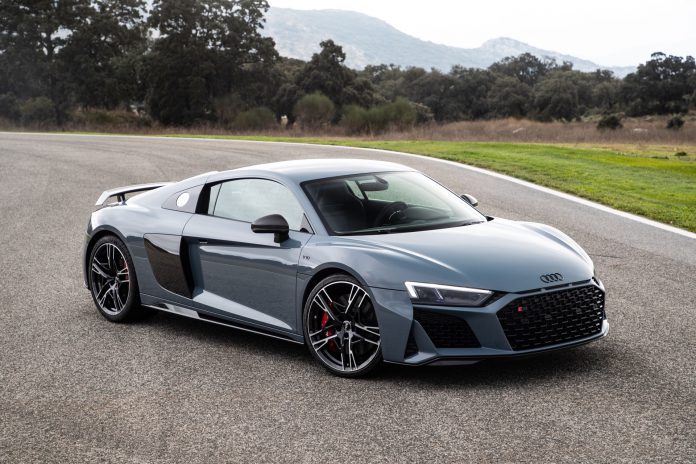
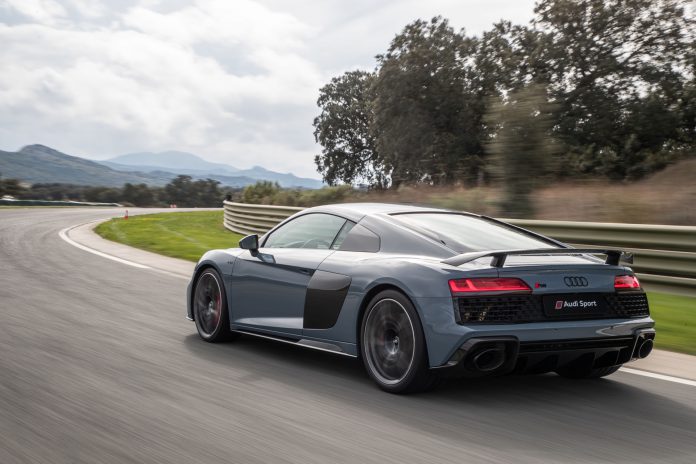
2019 Audi R8 Performance Review

There are a number of cars that aim to serve more than a single defined purpose. Bear with me. We live in a slightly strange world with blurred lines where Lamborghini build a 4×4, Ferrari build a hatchback and Rolls-Royce build Black Badge limousines with enough torque to transform rubber into smoke at an alarming rate. All of these cars try to be more capable and versatile than ever before. Many insist that these cars have come into existence to make money and cater for the likes of the Russian and Chinese markets, both of which seem to have insatiable appetites for these unconventional motor vehicles.

Then there is a camp of drivers that would not be seen dead in these Frankenstein like machines and would rather just have cars such the Porsche 911 to drive to work in and take on fun drives – a car that is able to serve more than a single purpose, but not at the cost of seeming incongruous. They are likely to have a second car for the boring stuff like school drop offs and IKEA collections. Where there used to be a 911 Turbo S as a go to option, there are now a host of alternatives to the daily supercar. A decade ago another German manufacturer burst onto the scene with a mid-engined supercar that blew the game open – the Audi R8. Now there’s an updated iteration and I’ve been driving it to see what’s what.

This, then 2019 Audi R8 Performance, is a facelift of the Plus so things aren’t vastly different from what they used to be. That being said, the changes are big enough to warrant a flight to Spain…bedsides, I was not going to turn down the opportunity to drive a naturally aspirated V10 as such chances are rarer than a spelling error free Trump tweet. It is not fake news that the V8 R8 is yet to be updated because it is not going to return, a hybridised V6 will take its place and who knows if we will we see an NA V10 in a road car again.

Enough of the future, let’s enjoy the here and now whilst we have it. There is a lot to enjoy, but the list is topped by one stand out feature, or ten. The engine is the headline and it is a masterpiece. Everyone needs to experience an empty racetrack and a 5.2-litre V10 because this things HAULS and makes turbo charging look like the Grinch on Christmas morning. The redline is up at 8,500rpm and you WILL chase it to the line because it sounds like nothing else. It will also be pushing out 614 brake horsepower (up 10 from the Plus). This power hike is significant as the new figures matches some serious metal, including the McLaren 570S. The Mac is, however, 200 kilograms lighter, and having spent significant time behind the McLaren, I am confident that the R8 would struggle to see where the 570S went in anything but wet conditions. That being said, the R8 is far from being a slouch. 0-100 is accomplished in just 3.1 seconds and it won’t stop accelerating until it hits 330. Supercar standards are certainly met.

So, it is fast enough to mix with supercars, but can you really live with an R8 everyday? Comfort is fundamental to being able to live with a car – this is where the R8 tramples the likes of the Porsche GT3 and the aforementioned McLaren. The usual Comfort, Auto and Dynamic modes are available from the Audi Drive Select switch. Annoyingly, you are still required to prod a single button to cycle through the modes. Miss the one you desire and the cycle begins again. I digress, the driving modes really do make a difference to the way the car responds to inputs. Leave it in Comfort and it is all very serene. The engine is quiet and the transmission keeps the shifts smooth. The suspension is supple, the steering (still an annoying variable rack, albeit an improved one) is light. It really does behave like a plush Audi saloon to the extent that one bank of the ten cylinders will deactivate at a cruise and the supercar becomes a frugal five cylinder. The seats are comfortable (do not spec the buckets unless you really think you will be on track days) and there are host of cubby holes and storage spaces, in addition to the front truck, to stow you phone, chewing gum et al.

Chances are that if you are in the market for such a car, you can handle the fuel, insurance and any other ownership costs. It may have a V10, but it is still and Audi so maintenance should not be that steep – you can really drive this car everyday.

On the topic of phones, the R8 is just as well connected as any other Audi, however, the lack of a central control screen means it is all controlled via the Virtual Cockpit and the buttons on the steering wheel. This means there are complex menus and submenus to navigate. On the move, where you inevitably need to turn, this is often quite a testing task, but one I am sure would become less challenging as you spend more time behind the wheels. Ahh, behind the wheel…there are two paddles and things go downhill.

It’s been a bugbear that has plagued every R8 generation since the inception of the model – the paddles used to shift manually are constructed of plastic that feel horrible to touch and even more woeful to shift with. This is seemingly something that should not be difficult to address, but has not been despite the many facelifts the R8 has been subject to.

It is hard not to be impressed by the R8 V10 Performance. The drivetrain and bonkers fast gearbox present a package that is excellent and appealing in a world of turbocharged, downsized engines. It also must be noted that I did not have to chance to drive the car on the road to asses its street manners.

Driving on track was not exactly smooth sailing – the brakes (carbon ceramic options) struggled with the harsh braking at Ascari. They were left smoking and struggling to bring the car to a swift halt after just three laps. When you pick up the pace understeer creeps in, this can we neutralised and overcome with a slower corner entry speed and heavier right foot post apex. Truth be told, learning how to drive the car was an enjoyable challenge, but one I think will not be much of a concern to potential owners that I suspect will ever drive it on a circuit. Subsequently, the R8 maintains its reputation as being on of the best all rounders and daily drivable supercars available today.