All posts in “Cars”

The Absolute Worst Trend in Automotive Design Today

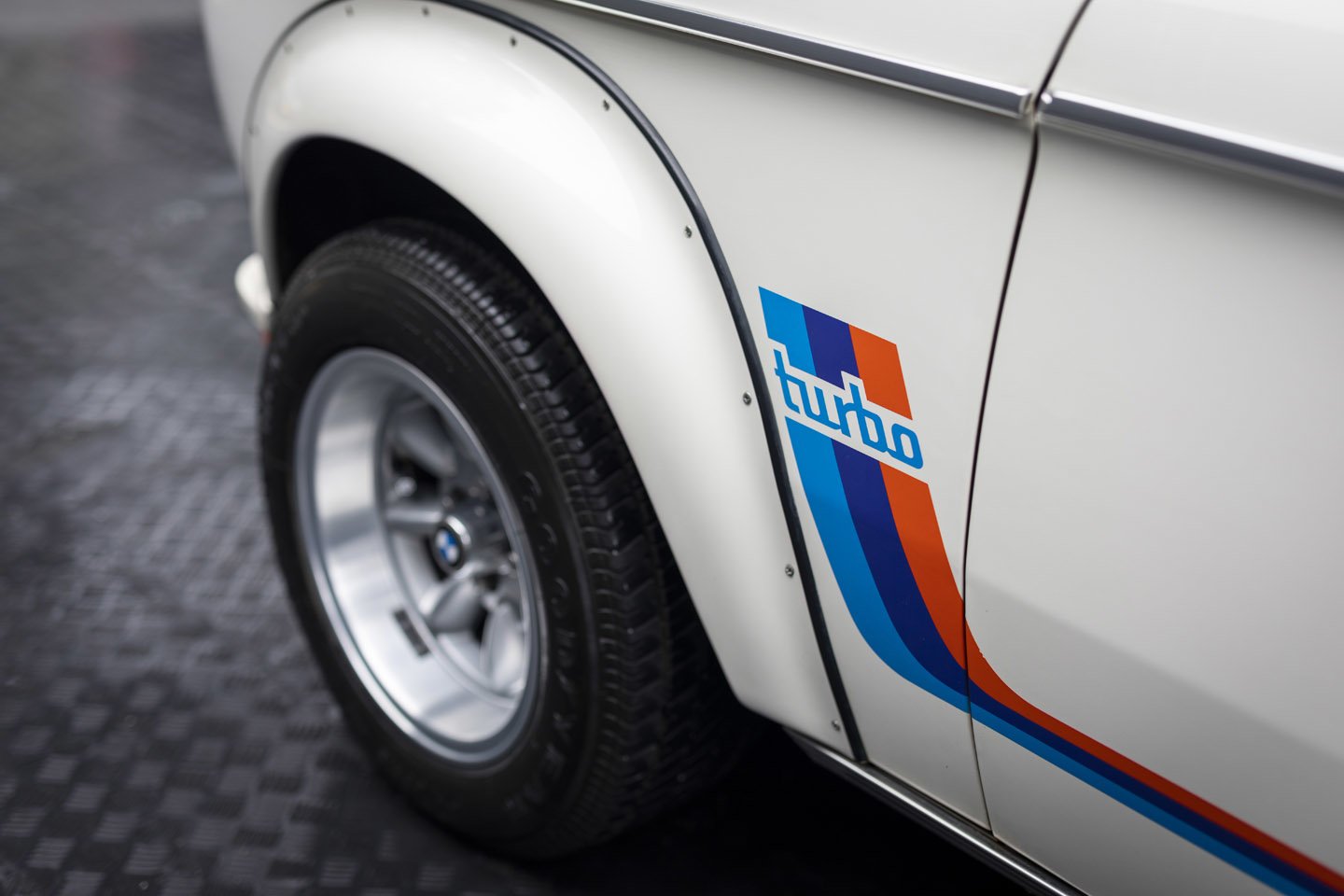
No matter the industry, trends come and go with the tide — some fizzle out and don’t catch on, some can really hit the mark and truly define an era, while others are just plain awful. The automotive industry is no different. In the ‘50s there was jet-age styling with turbine-inspired intakes and fins sprouting up everywhere. In the ’80s it was turbos and stylized graphics down the door panels.

A couple of years ago, seemingly damn near every sports car needed to have a vent of some size or shape behind the front wheels — a trend we’re still very much in the throes of. Which isn’t as bad as the fake intake vents designers seem to be using as a crutch to fill the massive amount of space on the front of cars. But the most recent and most egregious design quirk that has been quietly swelling in popularity is fake exhausts. Stainless steel pipe ends built into bumpers just for show.

There are even varying levels of this design lie. The first high-profile case was the first generation Lexus IS-F. A car that, at a glance, looked like it had a unique set up: two pipes vertically stacked on either side of the car. But if you took a closer look you’d see the bottom exhaust tip of each pair wasn’t actually connected to anything. And if you look at most luxury cars on the road today, you’ll see the “exhaust tips” aren’t connected to anything other than the bumper. They just masquerade as big, wide-mouthed sport exhausts with puny, seemingly unfinished pipes just sort of hanging out behind them and hidden under the car. Now that you know you won’t be able to unsee it — you’ll notice fake exhausts everywhere.

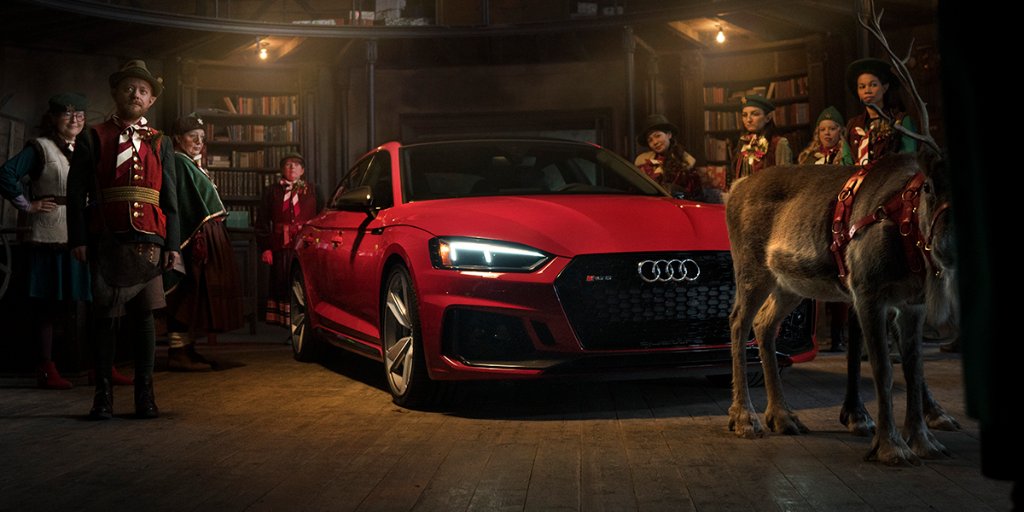
One of the most recent examples I’ve come across is the 2018 Audi SQ5. I reached out to Audi (and a few other manufacturers) to ask what the point of it was, but none responded. Maybe because there is no good answer. What Audi did (and what other brands are guilty of as well) was design the lower rear bumper to look like it has a chiseled, edgy, performance-orientated quad exhaust; in reality, it’s just black plastic.

Which, plainly speaking, is just a waste of perfectly good plastic. Why even bother? What’s the point? Are we that addicted to the connotation of performance that Audi would have felt ashamed had it not added fakes? At this point, Audi is no better than the guys who bolt on false hood scoops or the ones who buy BMW M and AMG badges and stick them on their Corollas.

Newsflash: guys, we know.

Here Are Some Details We Absolutely Love

A car is certainly more than the sum of its parts. Read the Story

Festive Wishes From the GTspirit Team!

It’s that time of the year where everything shuts down. The out of office goes on, the phone is left off the hook and the shutters are drawn on the office one final time. Wherever you are, and whatever you have planned for the festive period, the GTspirit Team wishes you a very Merry Christmas and a Happy New Year!

2018 has been an incredible year for the GTspirit team, covering more events that ever before, and brining you the latest news and supercar news from across the industry. We have a few recaps to bring you in the lead up to the New Year, however, we are expecting to slow down until after the New Year when we will be back with coverage of CES 2018.

Here’s a few Christmas wishes from some of our friends:

BMW

BMW Christmas Message 2018

Audi

Audi Christmas Message

Mercedes-Benz

Mercedes-Benz Christmas 2018

Bugatti

Bugatti Christmas 2018

Lamborghini

Porsche

The Only Feature You Should Spend Extra Money On When Getting a New Car

Our cars are so laden with technology and creature comforts that luxury options are almost becoming burdens. Infotainment systems are the epicenters of that information overload, and gauge clusters are also now one of a handful of screens that cram every gigabyte of data they can get onto one of the even smaller screens in the car. Navigation, tire pressure, suspension height, ride settings, radio station, who’s calling you; in sportscars it’s track time and horsepower meters on top of the speedometer and tachometer stalwarts. And those are just a sliver of what some cars can come with. Option lists go on ad infinitum across the board.

At what point does a relaxing drive turn into a source of stress? We’re at a point where most of these options are a waste of money because you stop using them or never used them at all. But if you’re buying a new car, save time, money and stress — skip all the frivolous extras and focus on the seats. You won’t regret it.

According to J.D. Power rating report, at least 20 percent of new-vehicle owners have never used 16 of the 33 technology features measured. The five features owners most commonly report that they ‘never use’ are the in-vehicle concierge, mobile routers, automatic parking systems, head-up display, and built-in apps.” Not only that, but those are also among some of the features listed that drivers actively won’t get in their next car. But, as far as the interior goes, seats are most assuredly features you can’t forgo. Therefore, they should be as good as possible.

While pedals pretty much come as they are and steering wheels can be fitted with heaters and switches for ancillary options, think about how much of your body touches the wheel and, inversely, how big of a contact patch you have with your seat. Then consider that you’ll spend about 300 hours in that seat next year alone. All of a sudden, money spent on a better seat is incredibly more appealing than dropping an extra $3,000 just to have satellite navigation — something your smartphone can telegraph through the speaker system with a $10 cable.

Seats aren’t merely a common-sense expenditure anymore, with the best seat options you’re really getting your money’s worth. Manufacturers spend a massive amount of time developing seats, which makes sense since the driver’s seat is the most significant interface the driver has with the car. It’s also quite literally one of the largest objects in the vehicle, second only to the back seat if there is one (and probably the driver).

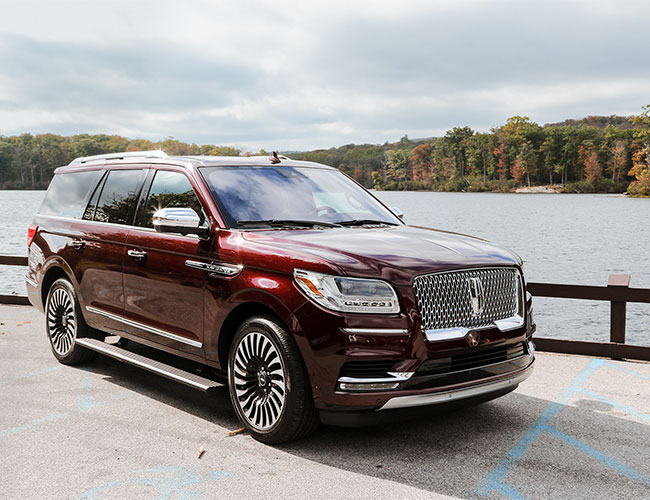
According to Jonathan Line, Lincoln’s Advanced Seat Innovation Supervisor, when it comes to their flagship captains chairs, for instance, Lincoln started development on them in 2011, debuted them in 2016 with the Continental and premiered a new-and-improved version in the 2018 Navigator. “We were really striving to achieve an experience, not so much to outdo the competition with features but we were going after the greatest human experience we could find in a seat to make them optimally comfortable,” Line admits. You don’t spend six years, as Lincoln did, just to come up with a porch swing. Lincoln dedicated a 15-20 person team to study materials, suspensions and structural composites, and went even further to study biometrics and pressure points to analyze where the body needs to be supported and how to increase blood flow for both comfort and alertness while driving. The result is a 30-way adjustable seat that’s both heated and air-conditioned, massages your back and legs and supports every square inch of you than rests on it — stopping just short of supporting you emotionally.

Now, I’m not saying any less research and development goes into a Sport mode, Apple Carplay, or whatever you can think of that can connect wirelessly to your car. Or, it should be said, any other manufacturer’s premium seats. But, much like “if a tree falls in the forest and no one is around to hear it, does it make a sound,” if a luxury option or creature comfort goes completely unused, is it any good? Is it worth it? There’s no practical circumstance wherein you’re in your car and not using the seat. It stands to reason that you’ll always appreciate the time and money you spend optioning it out to its fullest capacity. Get the best seats you can.

The Chair that Comes with a Navigator

Simply put, the Navigator does the “big luxury SUV” thing far, far better. Read the Story

Lamborghini LB48H hypercar due next year: You might even say it glows

We know there’s a hybridLamborghini Aventador successor coming sometime between 2020 and 2022. Due to deleted Instagram posts and a fissures in the rumor-verse, we expect a hypercar codenamed LB48H to preview the next electrified V12 Lamborghini. Autocar reports the next model in the Italian carmaker’s series of low-volume specials will cost about $2.6 million, making it just another walk in the hypercar park as for price. The weird part is where Road & Track, referencing “a source familiar with Lamborghini’s plans,” says the LB48H will glow in the dark.

The source didn’t elaborate, so not even RT knows what that means. The Lamborghini Terzo Millennio concept from 2017 revealed a smattering of Tron-like light sculpture in its launch video. The wheels and engine bay glow, illuminated Italian flag graphics mark the front fenders, LED piping runs down the centerline. But lights don’t come under the traditional definition of “glow in the dark.” If the LB48H really does sport some kind of overall incandescence, well, we’re about to enter a new chapter in hypercars.

Other questions remain about how the LB48H will preview the future of Sant’ Agata. The company’s head of R&D has bemoaned the weight of batteries, admitting that the best-case scenario for the coming series-production hybrid V12 flagship means an additional 330 to 440 pounds.

It’s thought that the hypercar will use supercapacitors instead of batteries, providing a lightweight solution that would also showcase future technical potential. The all-electric Terzo Millennio employed nascent supercapacitor tech Lamborghini has been developing with MIT. That solution’s upside is lighter size and weight compared to batteries, longer service life, a supercapacitor’s fast charge and discharge ability, and the fact that it can discharge and recover energy at the same time. The downside is that supercapacitors have low energy density compared to lithium-ion batteries, so it’s possible the LB48H could use a battery and a supercapacitor to work a 49-horsepower motor aiding an 789-hp V12.

The production V12 is expected to get a more mundane solution. Lamborghini’s looking ahead to cities mandating a minimum all-electric range up to 31 miles. One idea in play is a split hybrid layout, with an electric motor in charge of the front axle. That eliminates a prop shaft, and sharpens front axle response and torque vectoring. However, without a front transmission, a split system loses efficiency when approaching the triple-digit speeds integral to the brand. The other option would be a more traditional blended hybrid.

Lamborghini’s said to have shown the LB48H to prospective buyers in June. We should see the real thing and its possibly glowing carbon fiber soon.

Related Video:

C8 Corvette rumored to launch next summer at dedicated event

GM Authority returns with more insider trading on the C8 Chevrolet Corvette. The site, which recently reported that America’s sports car will be delayed six months over an electrical issue, says now that the launch won’t come at an auto show. Citing “sources close to the matter,” GMA says we’re looking at a summer reveal, “perhaps May at the earliest,” at a dedicated event where the ‘Vette won’t share its new look on life with any other vehicle. Seems only fitting, since two years ago Chevrolet launched the latest Camaro at a standalone event in May in Detroit.

Price has been an even more confusing topic than the launch date, with numbers from $70,000 to $170,000 making claims. Seems that three months ago, Bob Lutz told Autoline the C8 would run roughly $5,000 more than the current C7. With 2019 C7 prices having just risen for the new year, the entry Stingray Coupe starts at $56,995 out-the-door, putting a Lutz-based estimate around $62,000.

The Bob has revised his figures, though. The Mid-Engined Corvette Forum got hold of Road and Track‘s December 2018/January 2019 issue, and posted a snippet from Lutz’s “Ask Bob” column. He writes, “I expect the goal is to sell the C8, version for version, at a little more than the C7.” We don’t know how Lutz defines “a little?” If Chevy can get the cap the starting bid at $70,000, that feels like win in spite of a 25-percent price jump. There’s a healthy gap to the C7’s price, which will sell beside the C8 for a while, and that buys a 6.2-liter mid-engined V8 with more than 455 horsepower. Besides, the 992-series Porsche 911 starts at $110,000.

More expensive versions will come, though. In the same column, Lutz wrote, “The superfast variants will come out two to three years later and cost more than $100,000.” Those roaring trims are predicted to include the much-discussed twin-turbo DOHC V8, and a hybridized model with four-figure horsepower and all-wheel drive thanks to an electrified front axle.

On a side note, Hagerty ran a story in October interviewing three previous Corvette chief engineers whose tenures ran back to 1975, when Zora Arkus-Duntov retired. They talk about why the mid-engined Corvette has taken so long, from GM skepticism to core-customer apathy. There are a few revelations, such as when Dave McLellan says it was clear Chevrolet designed the C8 first, then designed the C7 to be an obvious evolutionary step from the C6. And Dave Hill, sounding just like Porsche 911 boss August Achleitner, says of the C8’s automatic gearbox, “Traditional customers will certainly resent that change because the manual-shift cars are fun to drive. But I believe that machines often outdo humans…”

Related Video:

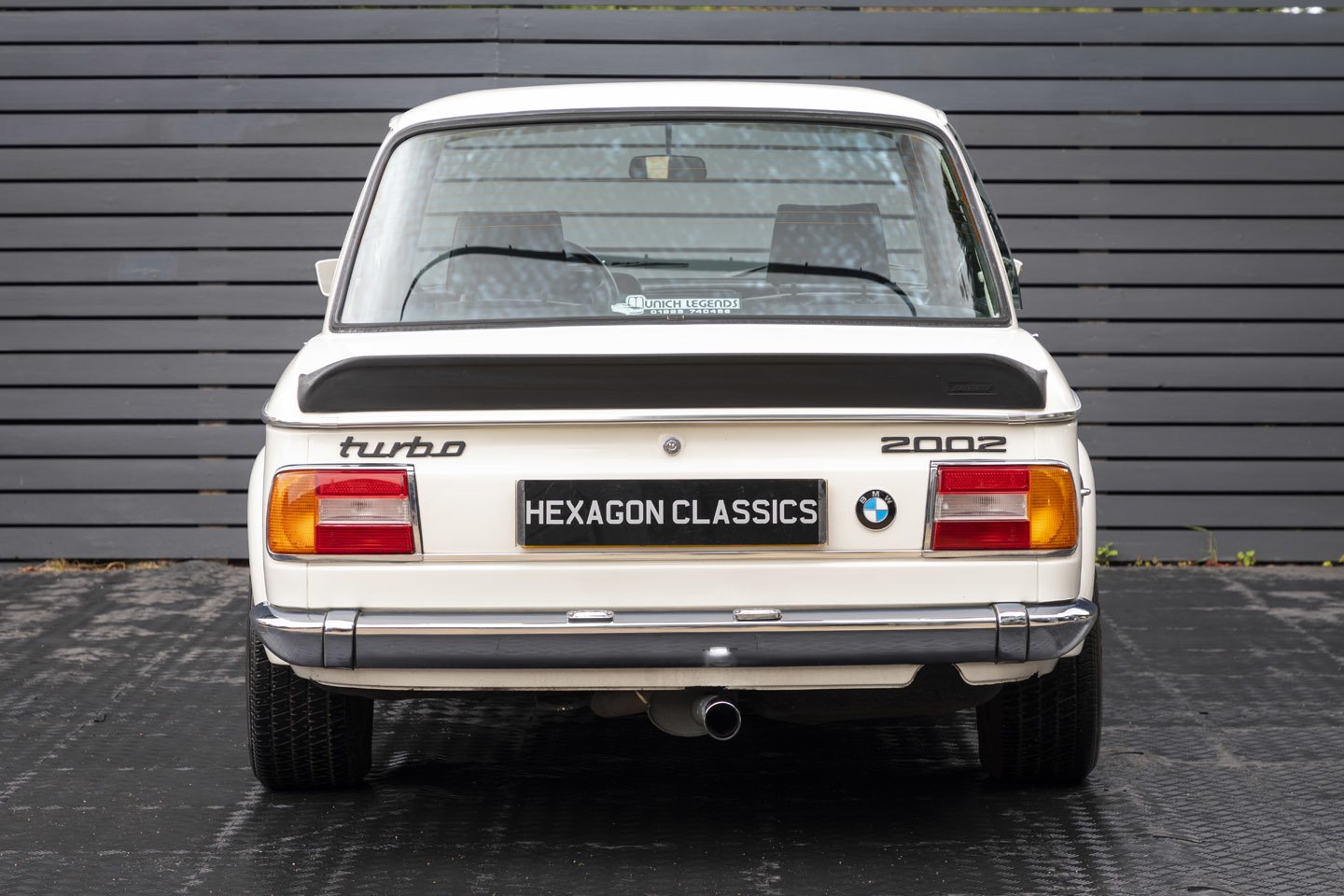
1975 BMW 2002 Turbo

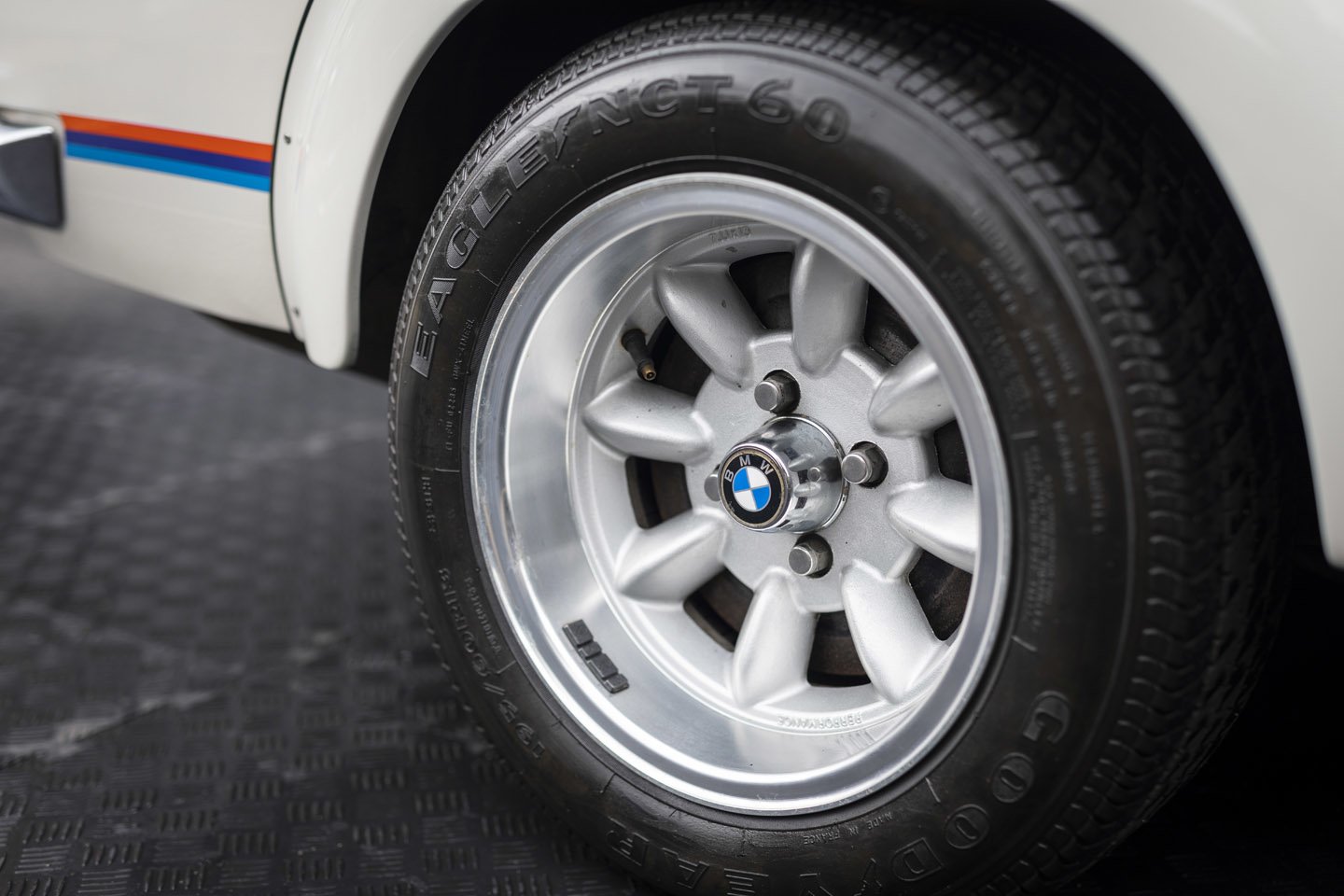
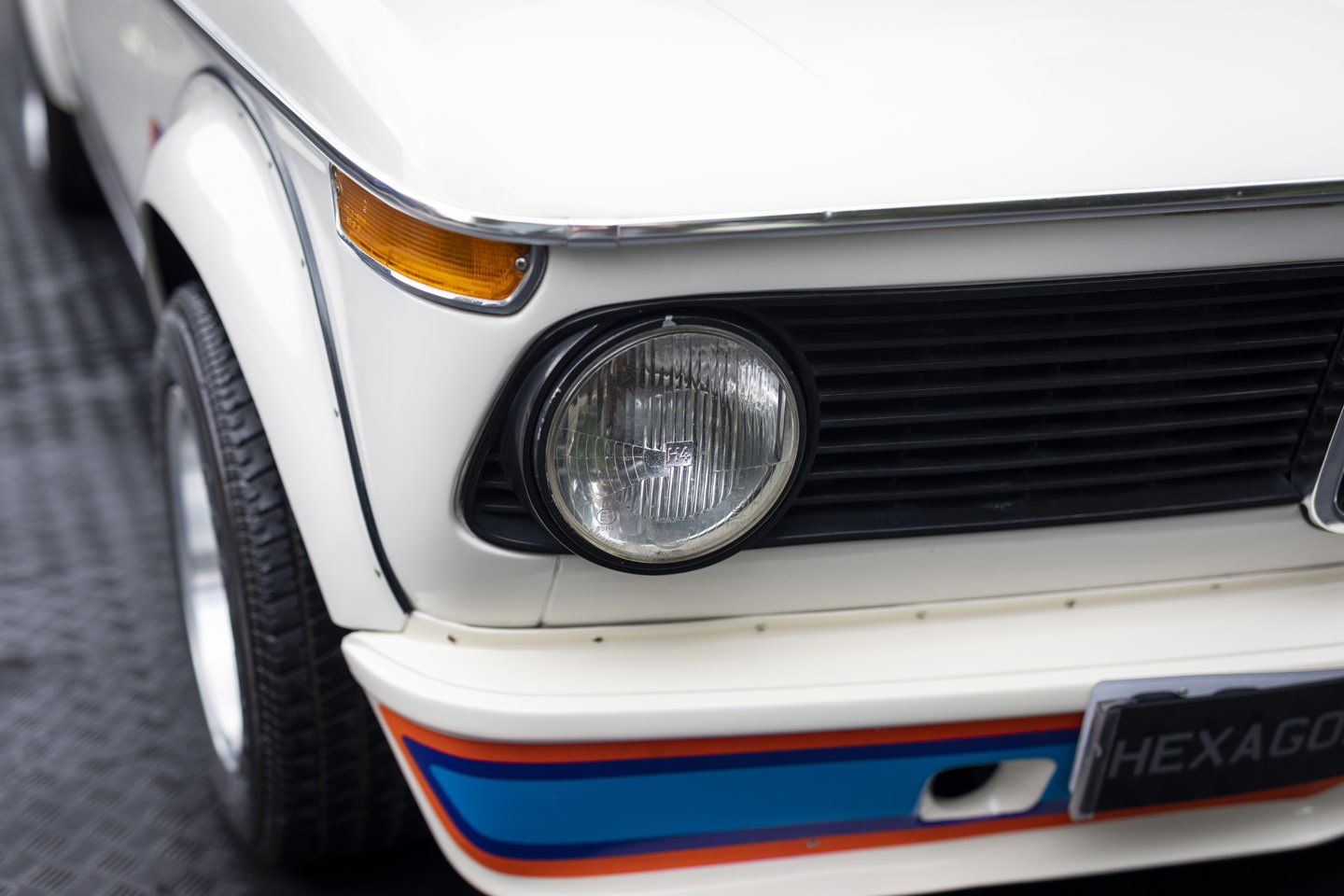
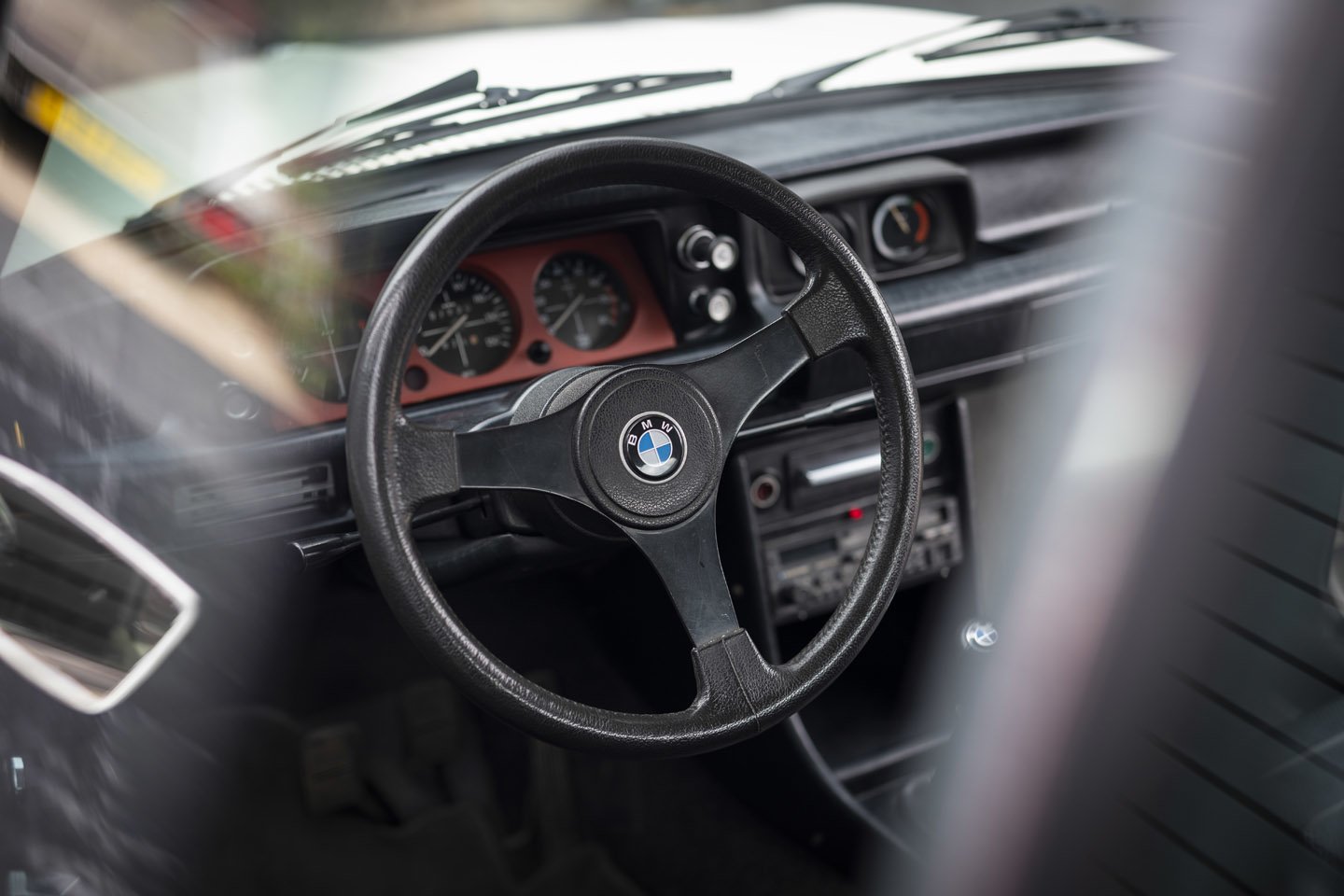
The design of the car you see above might look a bit less dapper now, but this 2002 Turbo is actually a historic model for BMW. It was the first turbocharged car in Europe, if you must know. Plus, it singlehandedly helped launch what would become the automaker’s M performance tag. Suffice it to say it’s one of the true landmark heroes in the automobile world.

BMW took the 2002 chassis and bumped it to 170 horsepower by virtue of the KKK turbocharger with 0.55 overpressure. They also increased the compression from 6:9:1 to 9:5:1 and threw in an oil cooler for good measure. It fit in bigger breaks to cope with the increased engine power, then added a limited slip differential for improved high-speed cornering. You’re looking at the ultimate vintage car brought up to modern day standards.

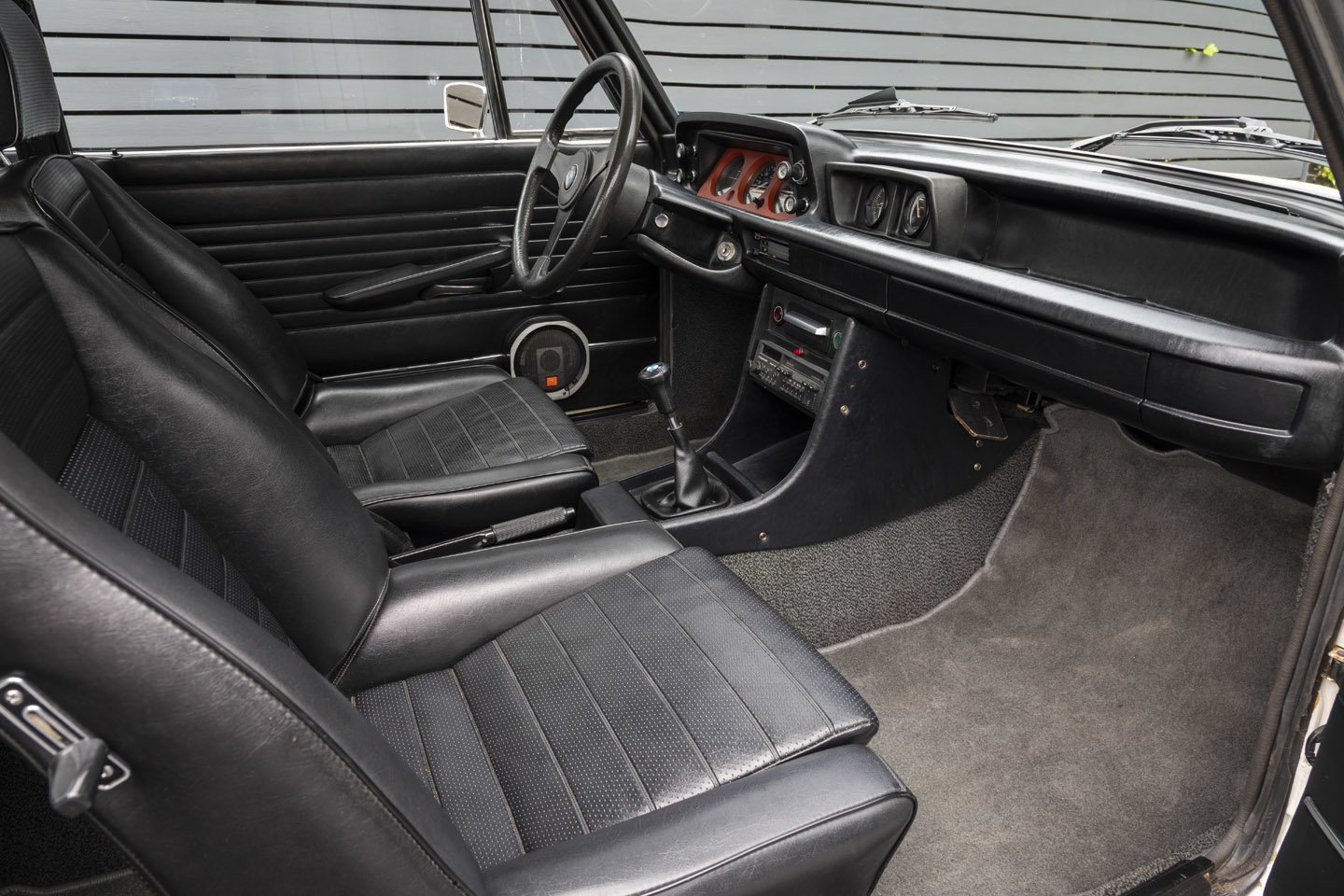
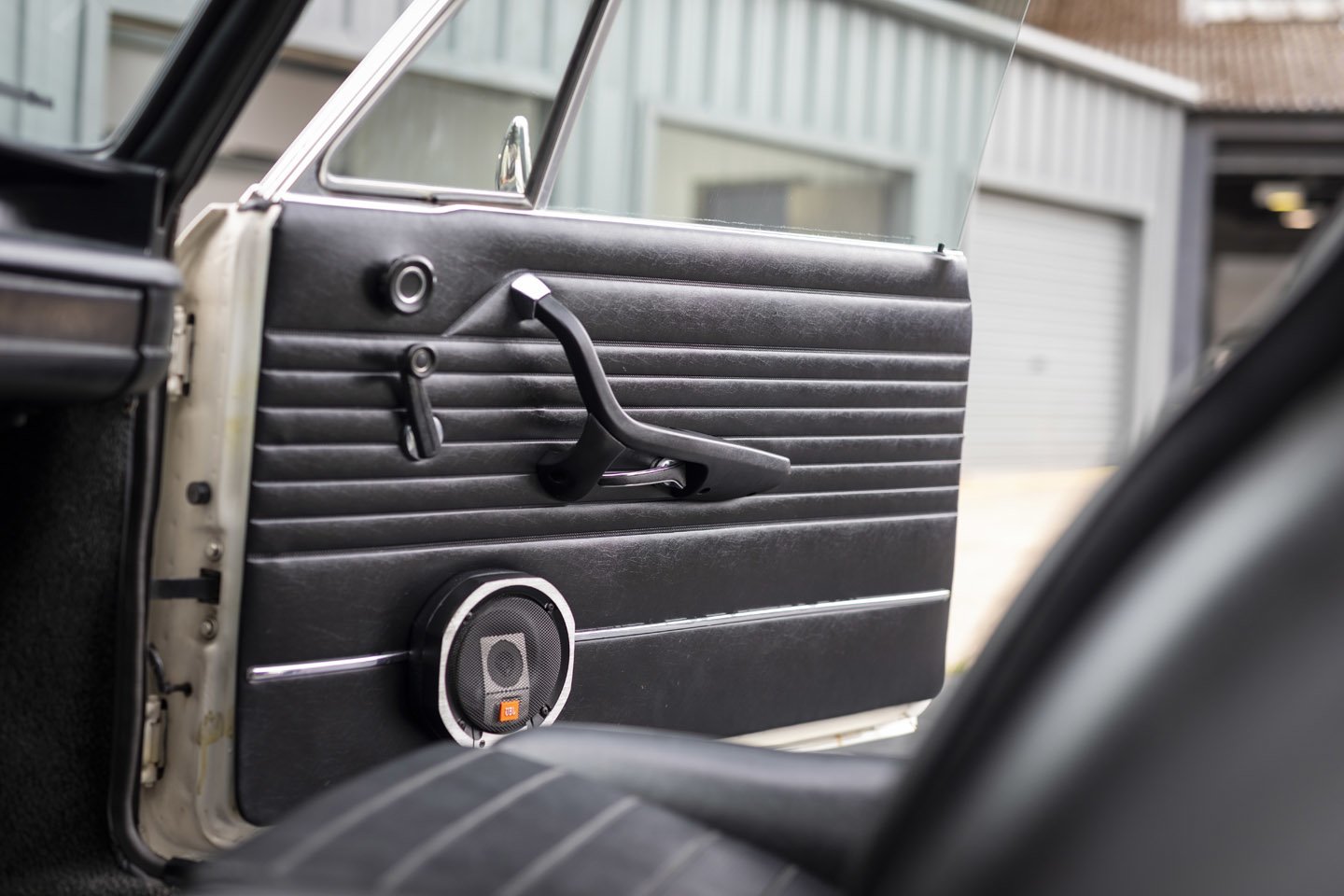
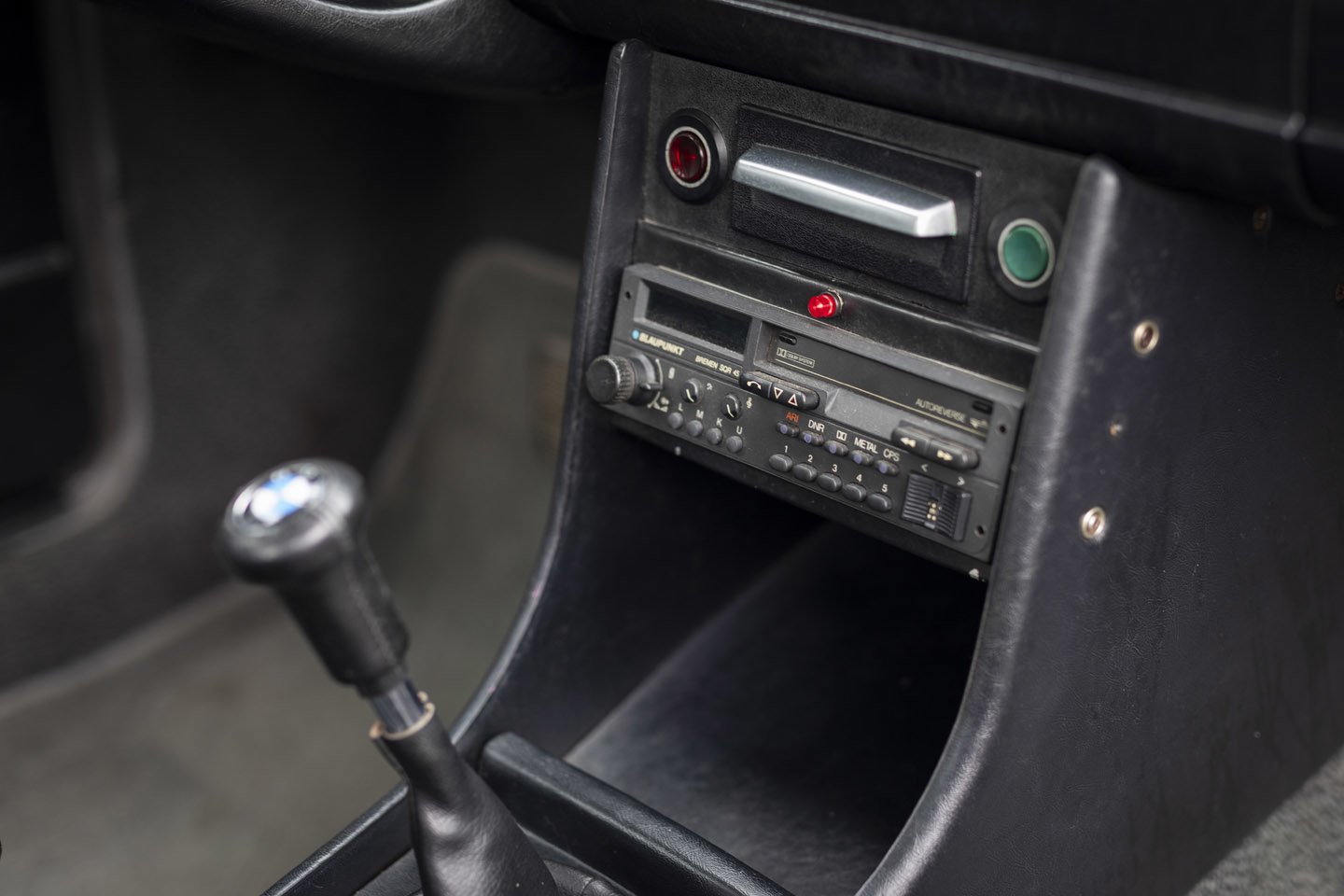
That’s not all — BMW also went ahead and added huge wheel arch extensions for the ider 6J alloy wheels and 185/70 VR13 tires, and everything came together with the red instrument surround and turbo boost gauge and new sports seats that made the interior as intriguing as the exterior.

The 2002 Turbo you see above is an original model from the UK, with the car registered there in 1975. BMW only made 1,672 units; only 10 are roaming England to this day. This car was restored in the early ‘90s and has been in Carcoon storage for nearly two decades. Now, it’s time for this bad boy to hit the road again, and you can drive one around town for a cool $154,000.

BUY IT HERE

Photos courtesy of Hexagon Classics

Bugatti speeds up testing on its 3D-printed titanium brake caliper

There are only a few manufacturers on that planet that are so important and so specialized that their production of a brake caliper would warrant any amount of attention. Bugatti is one of those few. After premiering a 3D-printed titanium caliper early in 2018, Volkswagen Group released a video of engineers putting the new design to extreme speed and heat testing. Spoiler alert: flames and sparks are involved.

Bugatti had a lot of claims and planted a lot of flags when it first showed this caliper. “World’s first brake caliper to be produced by a 3D printer. Largest brake caliper in the automotive industry as a whole. First series manufacturer to use titanium. Largest titanium functional component produced by 3D printing in the world.” Long story short, it’s a big deal, but it is not yet stamped as ready for production. That’s what the testing seen here is for.

The video, which was brought to our attention by Motor1, shows the brake caliper in action, not on a car but in a lab. VW claims it’s one of the most powerful brake test benches on the market, which we’re inclined to believe considering the groundbreaking technology that has come from its Veyron, Chiron and Divo supercars.

The test is exactly what you’d expect. They put the caliper onto a rotor, which is attached to a machine that spins the rotor and has all sorts of sensors that show the engineers the specs of the test. The video shows it spinning up to speeds in excess of 230 mph multiple times. The disc temperature skyrockets to 1,877 degrees Fahrenheit on the third spin, which elicits a light show of thermal heat, sparks, and flames. The engineers then take off the caliper and show the camera that everything is still in place and intact.

The video does not clear the caliper for production, but it certainly looks like its getting close to that point. The package will likely debut for the Chiron, the Divo, or both and will most definitely cost thousands and thousands of dollars.

Related Video:

36 Hours in South Africa with the Mercedes-AMG G63

07:15 local time, and I’ve just touched down at O. R. Tambo International Airport, Kempton Park, Gauteng, South Africa. This would mark the start of a whirlwind 36hour trip to the Cradle of Humankind and Kevin Richardson Wildlife Sanctuary with Mercedes-AMG and their all new Mercedes-AMG G63.

An hour or so after landing at O.R. Tambo International and we are pulling up to The Cradle Boutique Hotel, to the north west of Johannesburg. The Cradle Boutique Hotel is situated on 7,000 hectares of private nature reserve, that boasts 16 timber & thatched roofed luxury self-standing cottages, in the 47,000 hectares UNESCO Paleoanthropological World Heritage site known as the Cradle of Humankind.

Situated in the Cradle of Humankind are the Sterkfontein Caves, a network of caves that have produced more that a third of the early hominid fossils found prior to 2010, some of which date back around 3.5 million years.
The Cradle Boutique Hotel on the other hand is a lot younger, but worthy of being in the same surroundings, run to subsidise the understating and preservation of the heritage and landscape surrounding the hotel grounds. Some of the many options available to visotrts to this area of outstanding natural beauty include, private safaris, fossil explorations, games walks and magnificent views of the Highveld.

After checking into the Cradle Hotel, we arrived at the latest addition to the Hotels new pavilion. Positioned in front of the Pavilion area three new Mercedes-AMG G63 AMG’s, two of which are Edition 1. With the new 4.0-litre biturbo V8 replacing the previous generations 5.5-litre biturbo V8, it develops 585 horsepower and 850Nm whilst also hitting 100km/h in just 4.5 seconds on its way to a 220km/h top speed, or 240km/h with the optional AMG Drivers package. This new engine is mated to a 9-speed automatic transmission that now has a model-specific calibration, meaning the engine and transmission are in greater unison.

Inside the cabin, there is a redesigned dashboard that blends two 12.3-inch display screens seamlessly joined together, with three different views being available, “Classic”, “Sporty” and “Progressive”. There is also a new AMG Performance steering wheel wrapped in nappa leather, a perforated grip and flat bottom, which comes as standard. The exclusive “Edition 1” edition G63 is the flagship model of the range, and comes with additional paint options and matte-graphite grey sports striping along the side of the vehicle. The 22-inch cross-spoked wheels are finished in matte black with a red painted rim edge. The red highlights continue through the cabin with red contrasting stitching on the dashboard, centre console, door panels and rear seats.

Opposite the line-up of new G63’s are five classic G-wagons from throughout it’s history, all brought along by members of the Mercedes-Benz Geländewagen Club of Southern Africa. Through this line up you could see the evolution of the G-wagen, and how it still kept the same characteristics and details that the originals did 40-years previous.

After lunch and the introduction to the new Mercedes-AMG G63, we were handed the keys to our ride for the first driving experience, a matte-black Mercedes-AMG G63 Edition 1. After leaving the hotel we headed north-west, giving us a chance to test the new G63 on some faster, flowing ‘R’ roads. Thanks to its new front axle arrangement and electro-mechanical steering the G63 feels more grounded, agile and direct whilst sweeping round these long and tightening bends on our way to Derby in the neighbouring North West Province. Around Halfway through our drive we pulled over for a short photoshoot with another of the edition-1’s.

After the photoshoot I switched in to the passenger seat for the short trip back to the hotel. On the inside the new G63 feels more spacious, with a more user-friendly layout and a very similar infotainment system that Mercedes-Benz began rolling out with the E-Cass the previous year. One essential feature on a hot day like today is the cooling seats, that when combined with the smooth ride of the G63 in comfort mode and the massage function of the seats, is very reminiscent of the S63.

Once returning to the hotel, there was time to quickly freshen up before sundowners by the pool followed by a bush cookout with entertainment from some tribal dancers.

The next day it was an early start, and back in to the G63 AMG First Edition to powering our way northwesterly through rush hour traffic around Pretoria to make our way to Kevin Richardsons Wildlife Sanctuary. You may have heard of Kevin Richardson and his Wildlife Sanctuary before, as he is commonly known as “The Lion Whisperer”. Kevin’s Sanctuary is a self-sustaining African carnivore sanctuary for the purposes of wild species preservation. With the aim of teaching and bringing awareness to the ever increasing decline of lions and other large carnivores due to decreasing habitat, illegal meat trade, hunting, disease, and other illegal trades.

After a tour round the sanctuary there were background stories on all the lions. These stories included the life each one had led, how they had ended up in his sanctuary and some of the ailments and diseases the lions had due to their upbringing in “Lion Farms”, where they were destined for nothing more than to be a rich tourists trophy hunt, or to be ground down into an east-asian traditional medicine.

Mercedes-Benz have been in partnership for the past couple of years with Kevin, supplying him with his own G-Wagen, and offering support and platforms when needed to get the ever increasing severity of the plight of the Lions out to the wider world. One way in which the Lions lives are enriched at the sanctuary, compared to other Wildlife Parks, is Kevins ability to create a bond with the Lions. This allows him greater access and freedom with the Lions, allowing hime to observe and interact with Lions in their enclosures, ranging from feeding them to play fighting and grooming them.

This includes taking the lions out in small groups to specially demarcated areas away from their enclosures, where the lions are able to stretch their legs and get environmental enrichment from their surroundings which in turn helps to stimulate and keep their brains and body active. We joined Kevin on one of these enrichment walks with one of our G63 AMGs and a viewing 4×4. Once the designated spot Kevin arrived with the Lions, they explored the area surrounding the G63 wondering freely around, heading back at the sound of his voice and bonus of fresh meat. For around 45-minutes the two females and one male lion casually explored the chosen area, the G63, and the small amount of surrounding shade as temperatures soared, before it was time to head back.

Whilst loading the Lions back onto their truck for the short journey back to the sanctuary, we saw that they still had their big cat personality too, they were fighting over the last bit of fresh meat on the floor of the truck. It was then time for us to round up the remaining G63 AMG’s and find our way back out of the sanctuary and on to the R573 and then M18 for the drive back to The Cradle to for a late lunch, and to depart for the airport.

So, 36hours after landing in South Africa I was back on a Boeing 737, with the same cabin crew that I flew down with, reminiscing about this amazing trip, and the Mercedes-AMG G63.
The G63 is a big step up over the previous generation of G. It feels more responsive under throttle and smoother in the gear changes with its new gearbox calibration, whilst the new suspension set-up makes it feel sturdier and more comfortable at high speeds in the corners.

It’s also worth mentioning the fantastic work Kevin and his team are doing in looking after all their animals, whilst also bringing new exposure and insight to the realities of the majority of the Lion Parks, and the trade that goes on behind them, and how they can and showed be brought into line so that we don’t lose more endangered species.

For a full review of the Mercedes-AMG G63, read Des Sellmeyer’s review here

Kode 0 Supercar Based on Lamborghini Aventador For Sale

Another bespoke supercar has hit the market. The Kode0 was the brainchild of Ken Okuyama, the designer of the Ferrari Enzo. Unveiled at The Quail in 2017, it is believed that this is the only example of the angular, bespoke supercar. It has now been offered for sale via an advert placed on ClassicDriver by dealership TPE Ltd.

The Kode 0 was built upon the platform of a Lamborghini Aventador, it features a design unlike anything else on the market. Taking inspiration from cars like the Lancia Stratos Zero, Lamborghini Countach and Ferrari Moduro, it is a modern interpretation of a 1970’s design philosophy.

The Kode 0 uses a low, wedge type, sharp nose with integrated brake cooling ducts. LED headlights are vertically mounted and stacked towards the front windscreen. The basis of the Aventador is clear to see in the shape of the side while the rear is something else entirely. A unique exhaust pipe and diffuser combination are just two of the standout features.

It uses the V12 engine from the Aventador packing a 700 hp punch. It uses the Aventador’s carbon fibre monocoque chassis, tipping the scales at 1,550 kg’s it weighs 25 kg less than the car upon which it is based. Inside, the Lamborghini provinence is clear with very little changed from the standard Aventador.

Kode 0 isn’t the only Ken Okuyama car which TPE Ltd appear to be offering. Within their inventory they have also listed the 2016 Kode 57, another of Ken Okuyama’s bespoke supercars. This speedster is even more bespoke than the Kode0, based upon the Ferrari 599. It gets the Ferrari V12 and a completely unique, concept car syle.

Pricing for both cars is undisclosed.

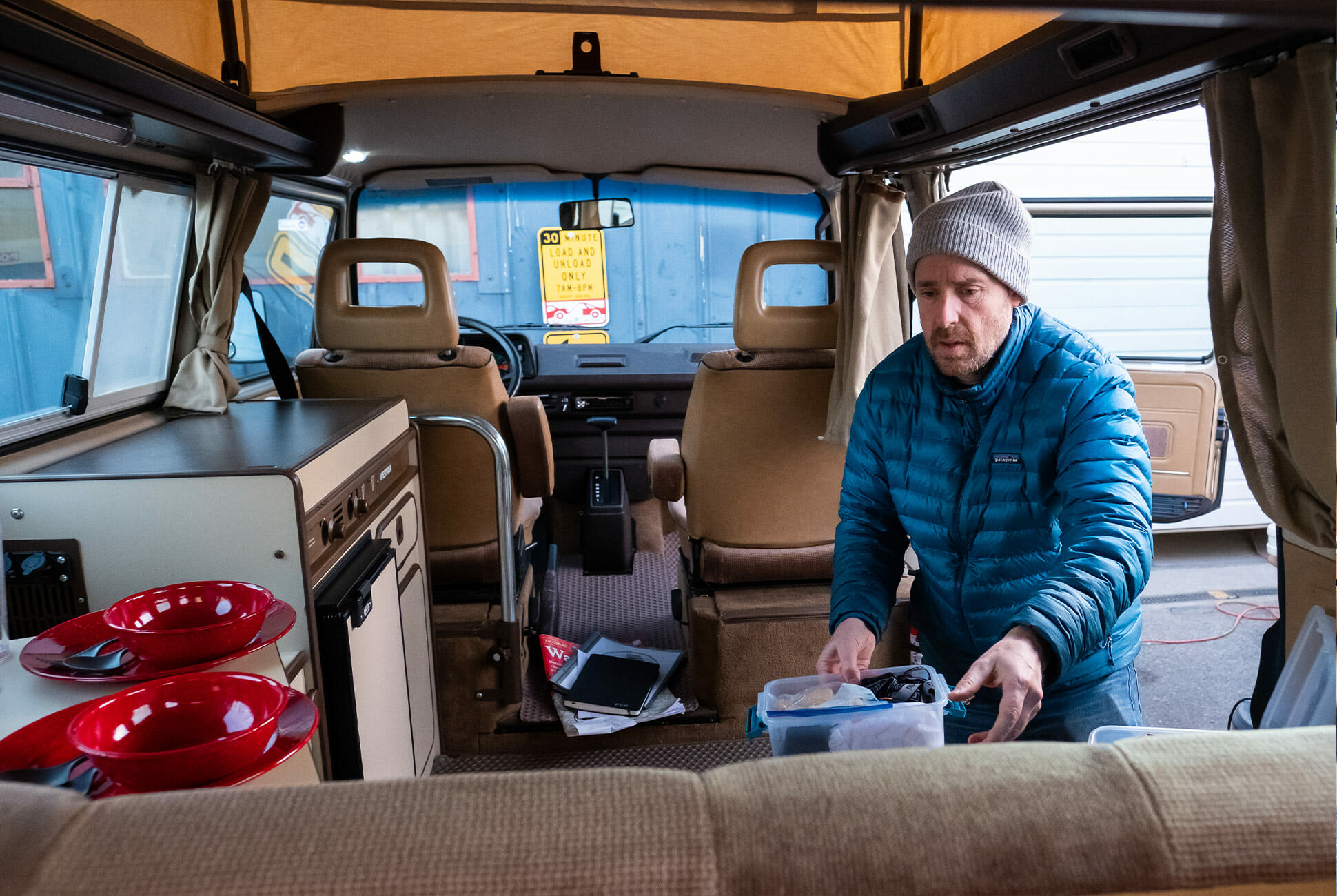
Camper Van Restoration Pros at Peace Vans Make Modern Magic of Retro VWs

Harley Sitner didn’t plan on owning an auto body repair shop. He’s a tech entrepreneur by trade with a long tenure at Microsoft on his resume, and he’d helped launch a few businesses throughout his career, including a skin care line and a nursery. Van repair wasn’t in his 10-year plan – that is until he bought his first VW camper van in 2008.

It’s hard to get older vans repaired, Sitner said, and he struggled to find a shop in the Pacific Northwest that could help him get the parts he needed for his new purchase. Then he found a small van repair shop in Seattle, WA called Peace Vans. The business was about to shut its doors, which gave Sitner an idea: What if he bought the place?

“I was like wow, I think I can do this. I’m passionate. I know what the market needs,” he remembered, laughing. “My wife was like ‘Really? This is what you want to do next?’ But I did it.”

When Sitner sets his mind to something, it’s clear there’s really no stopping him. It’s been six years since he purchased the shop and Peace Vans is now a small empire hidden behind a rather unremarkable storefront in Seattle’s Sodo neighborhood. Sitner has grown the business into one of the biggest camper van repair shops in the United States, with a staff of talented auto body repair folks in tow. He attributes the business’s quick growth to great customer service, deep expertise and a community vibe.

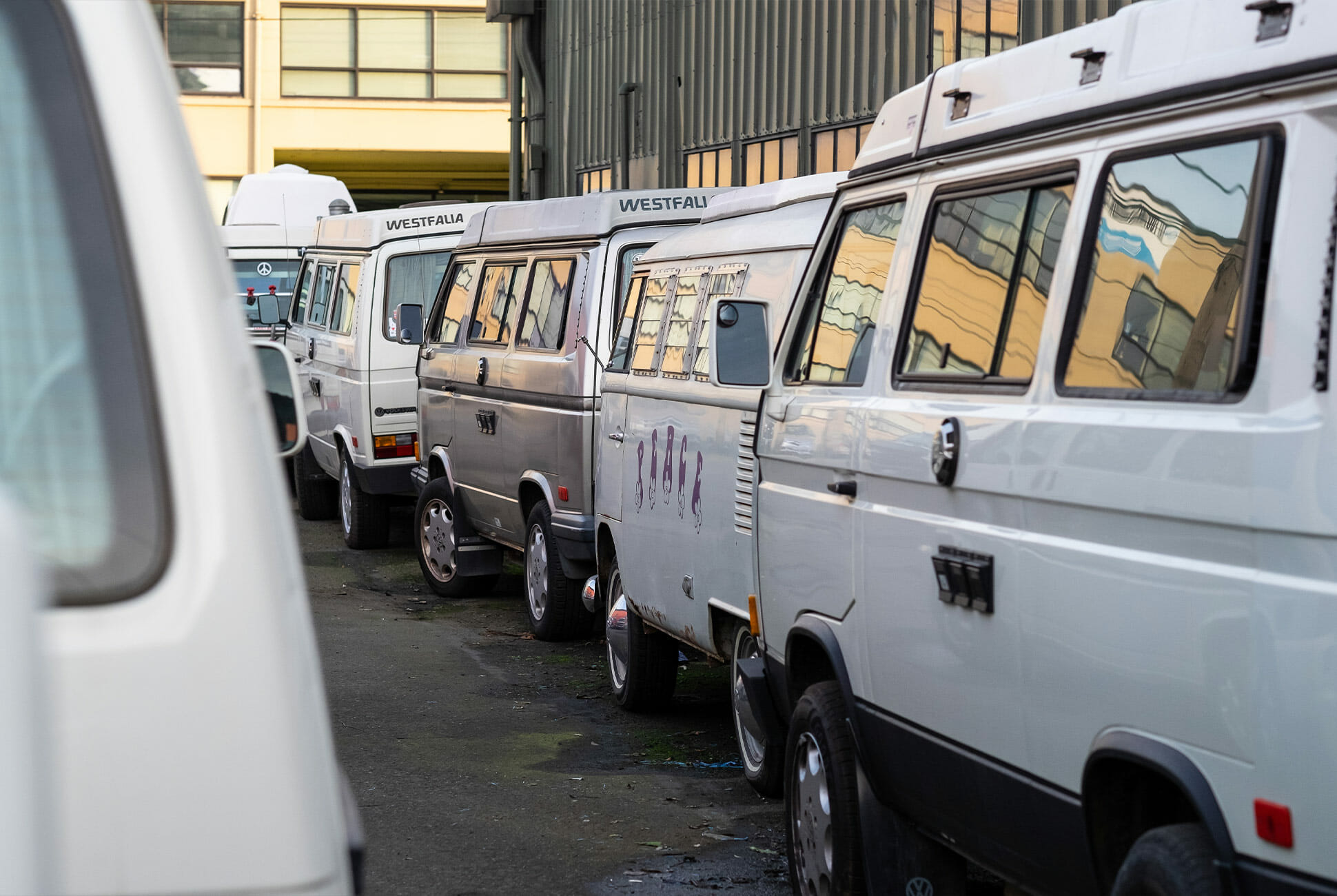
Peace Vans is made up of three parts. The first and largest is the repair shop, which boasts a month-long waitlist and offers fixes for all types of retro camper vans, especially Vanagon Westfalias. Most of the repairs are basic, focused on safety concerns like brakes and fuel. A few cases are more serious, requiring updates on motors or transmissions. Still fewer are bespoke projects, which Sitner only takes on when someone has a very clear and reasonable vision of what they want. In fact, Sitner says he was once offered his own television show about bespoke van repairs – but he turned it down. “They wanted me to put an aquarium in a van,” he said. “That’s ridiculous!”

When I visited the Peace Vans shop in the early fall months, camper vans were lined up end-to-end in the side yard, three deep. Sitner pointed out specific projects, like a van that a father-son pair had driven from the east coast to Seattle for a winter re-up. This is typical, Sitner said. Many of his clients come from far away because owning a Vanagon Westfalia is no small undertaking and finding a good repair shop is a big deal. Parts can be tough to find, although Sitner said VW recently sprung up a whole business dedicated to creating new parts for their older vehicles.

“It’s tough to work on these vans,” Sitner said. “Most of the ones we work on are children of the ’80s, and the ’80s were a weird period in automotive engineering. At this point, a lot of the vehicles we fix are 30 to 40 years old and they have deferred maintenance.”

Sitner also cultivates relationships with folks who make certain parts for older vans (some are even 3D printed) and Peace Vans sometimes strips older vans for parts, too. Still, he said, this is a hard business to move forward. Retro van repair is a dying art, something he’s all too aware of as he tries to keep his employees engaged. After all, the business depends on people with niche knowledge.

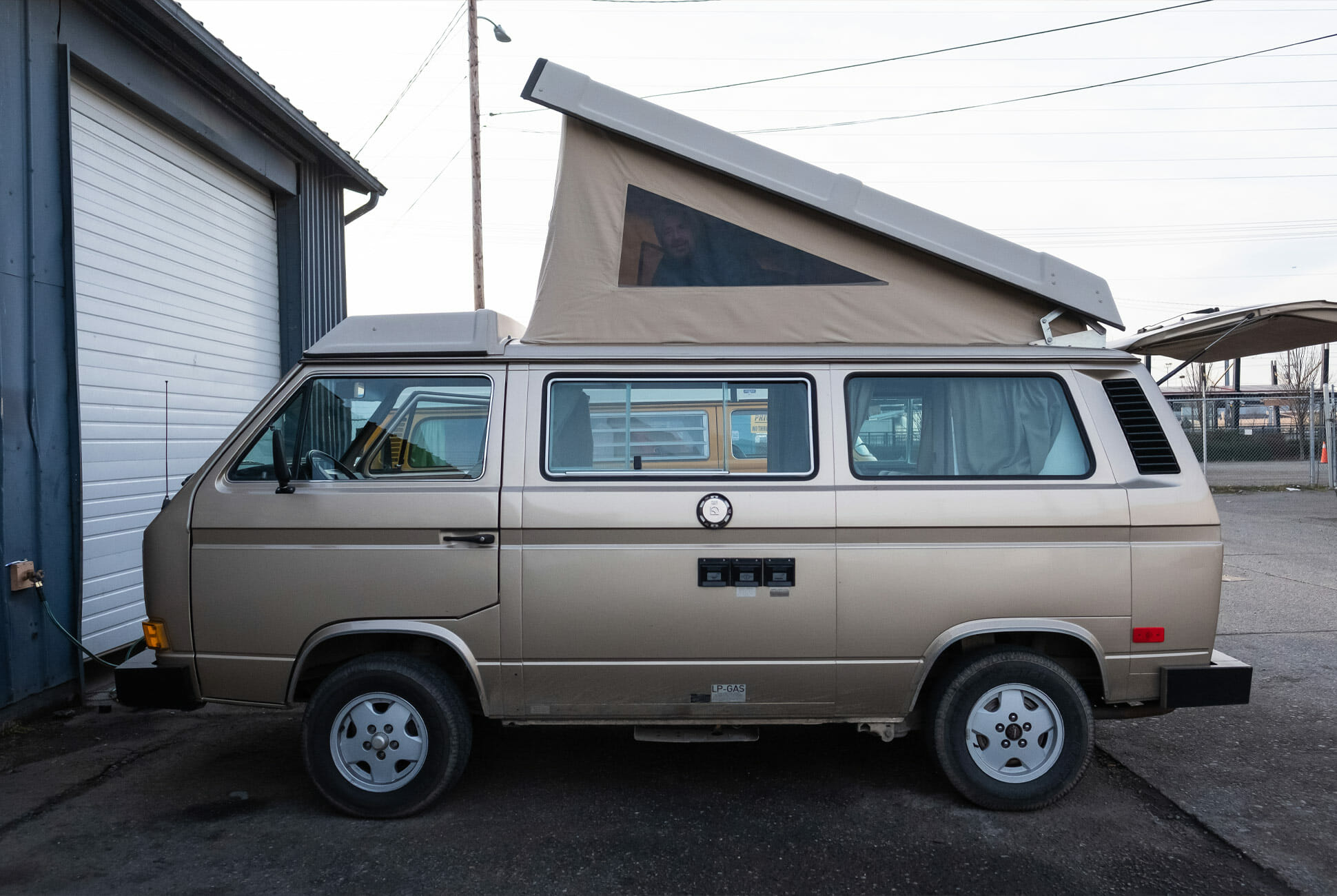
You can rent camper vans from Peace Vans, too, which is the second branch of Sitner’s business. For a not-so-low price, Sitner will hand you the keys to a retro VW van stocked with all the gear you need for a week or two out in the Pacific Northwest wilderness. The vans come with fridges, beds that fold down, pop tops, tables and other well-thought-out features. They’re typically reserved months in advance by out-of-town visitors who plan to explore the Pacific Northwest during the summer months.

The third part of the Peace Vans business is new. They’ve partnered with Mercedes-Benz to turn the newest fleet of 2019 Mercedes vans into camper vans. For people who are interested in a high-end camper van experience, this is the way to go, Sitner said. When I visited, he was coaching an older couple on their options for decking out their new Mercedes-Benz van, including a trailer for e-bikes and enough power to support other essentials.

Not to be forgotten in this business equation is Sitner’s ability to build a strong community, which is more than likely the secret to a deeply loyal clientele. He said that people often bring six-packs of beer into his office at the end of the day, asking for free bits of advice about the best updates they can make to their vans. He’s happy to share what he knows because he truly believes in this lifestyle – so much so that he lives it, too. Sitner recently returned from Burning Man, where he slept in his maroon VW camper van the whole time. “Van life is evocative of authenticity and nostalgia, of simpler times, of an escape and disconnection,” he said.

Sitner is also set on sharing the van love with his eight-year-old daughter. Recently, they went on a four-night father-daughter van trip to the Olympic Peninsula. They spent their time together making crafts, reading and cooking their own food. “There was never once a ‘Dad, can I use your phone?’ or ‘Dad I’m bored,’” he said. “That’s magic.”

MSO Creates Unique McLaren P1 GTR to Celebrate to Ayrton Senna

McLaren have taken the covers off of a brand new McLaren P1 GTR. Although the production run for the P1 came to an end years ago, McLaren have been convinced by one lucky individual to produce one last model, given the chassis designation 12. This particular P1 is very special. It has been designed to celebrate the 30th anniversary of Ayrton Senna’s first Formula 1 championship victory!

The bespoke McLaren P1 GTR is finished in the colours of Ayrton’s Marlboro sponsored McLaren MP4/4. It uses MSO’s McLaren Rocket Red and Anniversary White paint finish. The cigarette branding is gone, replaced by a barcode design. The car features further liveries including the Brazilian flag and Senna’s recognisable helmet design.

The owner, with the blessing of the Senna family, has named the bespoke P1 ‘Beco’, a reference to the family’s nickname for the legendary racing drive. The project has been three years in the making at an undisclosed cost.

What makes this P1 GTR so special are the unique touches applied to the aerodynamics. The car features new front dive planes, a wider front splitter and a rear a Gurney flap. New barge boards offer better channel airflow along the sides of the car and new endplates feature for the rear wing. A secondary wing element has also been added, the sum of these changes means that this P1 GTR generates 800 kg of downforce as against the 600 kg generated by standard GTR’s.

Other custom touches include lightweight racing seats lifted directly from the McLaren Senna, a 24ct gold heatshield, Lexan rear cover and modified engine bay shrouds. The McLaren press release also hints at increased power from the electric part of the hybrid drivetrain.

It Looks Like Volkswagen Is Definitely Bringing Back the Beach Buggy

According to a report from Autocar, Volkswagen has all but confirmed the return of the Beach Buggy with its annual Christmas card. This time around, however, it’ll be powered by VW’s ID electric platform, which is set to underpin the upcoming Microbus-inspired Buzz van and an unnamed hatchback. As random and frivolous as a new electric Beach Buggy might sound, it couldn’t be more perfectly timed.

The original Beetle-based Meyers Manx was built for desert racing and romping around beaches – it’s one of the most iconic off-roaders off all time. Steve McQueen drove one in the original Thomas Crown Affair if you need any endorsement of its cool-factor. But the Meyers Manx wasn’t just an off-road vehicle; it was street legal too, like a four-wheeled scrambler of its day. Accessible and practical off-roaders are in the middle of a comeback, fueled by the swell in popularity of the outdoors and adventure lifestyle.

Electric vehicles, so far, are severely underrepresented in the adventure category. Now that Alta Motors ceased operations, Zero currently has the electric off-road motorcycle market cornered. In the four-wheeled category, electric recreational off-roaders are nearly non-existent, especially when it comes to mass-production.

If Volkswagen comes through and puts the new all-electric Beach Buggy into production, it’ll be the only major manufacturer to have anything in the category. And, seeing how the market is in an upswing, it’s not unreasonable to think the new electric Buggy will fly off dealership floors. With the might of VW production and marketing, the popularity of fun on-road-off-road capable vehicles and the ever-growing community of adventure lifestyle and overlanding, now is the perfect time for Volkswagen to bring back the Beach Buggy — making it electric is the modern, smart choice.

Mid-engine Corvette spied up-close on public roads

Mid-engine Corvette sightings have been rare, but that looks to be changing. Chevrolet is finally taking them out into the real world and a couple folks from the Detroit area snapped up-close pictures and posted them on Instagram. These shots show the C8 with much less camouflage and fabric than we’ve been seeing.

The first thing we noticed was that giant angular air intake jutting out behind the door, similar to shots of it running around the Nurburgring. Also, the front bumper area has dropped a lot of the mesh coverings, leaving what looks like a gaping maw meant to be covered. This looks like a huge departure from what we saw previously, but still far from a finished product. Body lines are much more prominent running down the sides, giving this Vette a ton of sharp angles. We can’t really see the headlights, but there is a vertical LED strip that appears to be a daytime running light.

It’s tough to distinguish new details from the rear compared to previous shots, but the shooters posted those too. In trying to peer through the black, the taillights look square-ish like the C7, but with rounded corners. A sizable rear spoiler sits out back, but doesn’t protrude far from the rear hatch.

News about the C8 hasn’t been favorable for GM this week, with reports of possible electrical gremlins setting the timeline back. We won’t be seeing the car at the Detroit Auto Show come January, either. In the meantime, keep a lookout. Chevy is driving them around, and we’d all love to see more details of the mid-engine Corvette.

Related video:

McLaren P1 GTR Senna tribute car built by MSO as the ultimate P1

McLaren just finished what looks to be one of its most incredible MSO (McLaren Special Operations) projects ever with a P1 GTR. As is obvious in the photos, this P1 GTR is meant to celebrate the McLaren MP4/4 F1 car Ayrton Senna raced to complete dominance in the 1988 championship season.

There is no shortage of Senna projects going on over at McLaren, clearly. This car has been in the works for three years running, along with McLaren’s actual car, the Senna. Don’t be confused, however, this is a one-off P1 GTR that a McLaren collector/Ayrton fan commissioned to be built. The livery isn’t the only thing that sets it apart from other P1 GTRs either. McLaren says this car has a unique engine specification. Its heat shield is made out of 24 carat gold; the rear cover is made out of Lexan (type of plastic) and it has modified engine bay shrouds. We’re not told how much more power it makes, but apparently it’s more than the 986 horses in your standard P1 GTR.

This Senna fan managed to wrangle the McLaren engineers into designing him a bespoke aero package for the car too. It has new front dive planes, a wider front splitter, Gurney flap, new barge boards and bigger endplates on the rear wing. Even more downforce is generated by inboard secondary wing elements. A “normal” P1 GTR produces 1,433 pounds of downforce, but this car brings that up to a whopping 1,763 pounds. Yeah, it’s going to stick just fine.

The design and customization on this car is pretty next-level. McLaren Rocket red and Anniversary white are the same color codes used on the F1 car. Both doors have the Marlboro barcode that was used in lieu of Marlboro script when regulations changed to bar that sort of advertising. Senna branding is all over the thing, everywhere you look. The seats are actually the same ones McLaren used in the Senna (actual car) itself. Yeah, there’s a whole lot of Senna going on here.

With the unbelievable attention to detail and expense that went into this car, we wonder what the owner’s plans are for it. Will it live at the track (we hope) as the extra power and aero suggests? Or is this something to be put away in a collection because it’s just too freaking special? Call it a good problem to have. This thing is awesome.

Related video:

Four Vanquish Zagatos go to one buyer with the most beautiful garage ever

Aston Martin is building 99 Vanquish Zagato coupes, 99 Vanquish Zagato Volantes, 99 Vanquish Zagato Shooting Brakes, and a mere 28 Vanquish Zagato Speedsters. One extremely tasteful, extremely rich, and extremely fortunate man named Dylan bought one Vanquish Zagato coupe, one Vanquish Zagato Volante, one Vanquish Zagato Shooting Brake, and one Vanquish Zagato Speedster. That’s four Vanquish Zagatos in one collection, and that is how to properly say, “Merry Christmas to me.”

This news comes courtesy of popular Youtube car enthusiast and personality Mr. JWW. He was invited to Aston Martin headquarters in Gaydon, England, to capture the four artworks, all of which are done in Lava Red with gold accents. This is known as the Villa d’Este pack, named after the place where the first car was unveiled. To help JWW take in and understand the totality of the beauty before him, Aston Martin Director of Design Miles Nurnberger discusses each of the cars and their unique qualities.

One particularly interesting bit regarded the shooting brake, which Nurnberger said, “we sort of started it and then realized to make a really good shooting brake we had to do a lot more engineering.” Thus, the long-roof Vanquish actually has a longer wheelbase than the rest of the cars. According to Nunberger, the rear of the car is taken from a modular platform and is essentially a rear of a Rapide that has been added on. Of course, that required total reengineering, retesting, as well as re-crashing to bring it to production.

Nurnberger goes on to discuss the specific designs of the other cars, including the aerodynamic challenges of the insanely rare Speedster. Check out the full 18-minute video above.

Related Video:

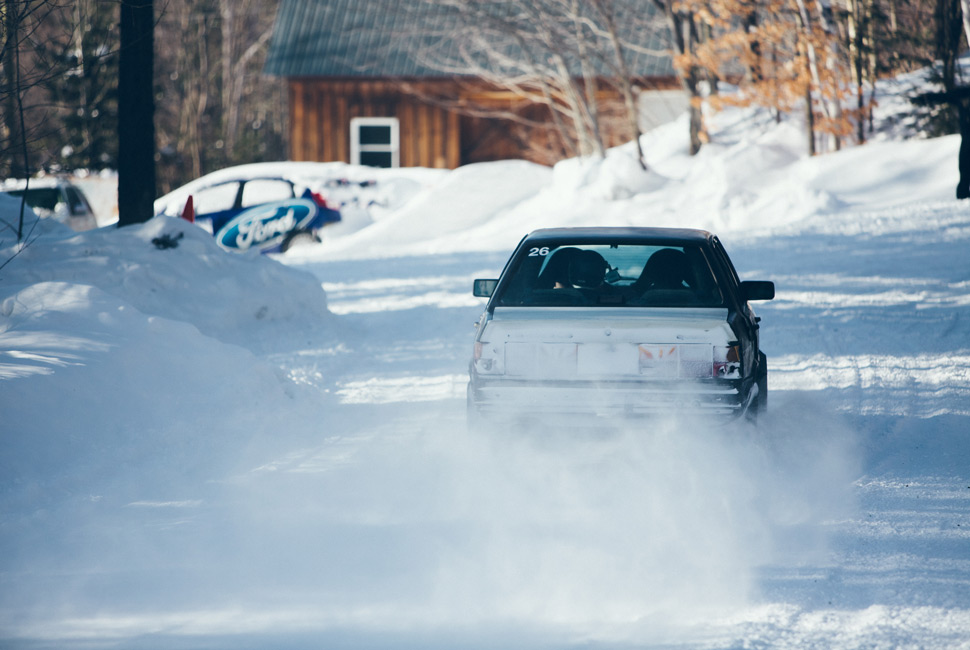
Winter Car Prep and Snow Driving Tips from a Rally Pro

Though an affordable older car is a great way to spare your shiny performance car the pains of driving through winter, it can also make for fun and safe winter conveyance. Ironically, beaters make great winter cars because they lack many of today’s standard safety features. “ABS brakes can take twice as long to get a car stopped on snow than a halfway decent driver without them,” says Wyatt Knox, special projects director at Team O’Neil Rally School and Rally America 2WD National Champion. “Traction Control will cut your engine power or apply brakes when it senses spinning wheels, such as when you try to drive up a hill, meaning you might not make it and could potentially go sliding back down. Without these systems, you know what you’ve got. You know exactly what the car will do when you give it a specific input, you quickly learn what it can and can’t do, then just operate within those boundaries and you’re fine.”

Knox also notes that while four- and all-wheel drive are great advancements, they aren’t the be-all-end-all for winter driving. Proof positive is his personal choice of car, a 1996 Mazda Miata, which he uses year-round — yes, even in the winter, in New Hampshire. “I guess I’ve always just liked the challenge of getting around with only two-wheel-drive. It makes you think more, work harder, plan ahead, be smooth, and you really don’t get away with too many mistakes. It’s great training,” said Knox. “You also slide around more, which is always good entertainment.”

Should you decide to tackle winter in an older car, it’s best to be prepared. Understand the importance of knowing how your car reacts in the snow, and, equally importantly, be open to doing a little wrenching (or pay for someone to do the wrenching for you). Knox shared some tips for getting any old car ready for the imminent snowfall.

First and foremost: tires. “Number one will always be acquiring the best possible winter tires that you can find and afford, mounting them to all four wheels,” says Knox. Winter tires are thinner, taller sidewalls and rubber compounds that offer more grip in low temperatures — if you’re going to do one thing for winter, make it a tire upgrade. But Knox notes traction goes beyond just having the right tires. “Tire pressure changes about one psi per ten degrees, so if you set your tires at thirty-two psi on a sixty-degree day, you might be surprised to see that on a zero-degree morning they only have twenty-six psi in them. If you take a corner hard or get right up to highway speeds, that tire could easily have a catastrophic failure.”

Winterize your car. There are tons of little things you can do to make your car operate optimally in low temperatures. Knox suggests topping of the anti-freeze, swapping oil to a thinner viscosity, mounting winter windshield wiper blades and adding de-icing washer fluid. Knox also highly recommends making sure the car is caught up with regular maintenance before wintertime. “If your car breaks down at night on a back road, it can turn into a legitimate survival situation pretty quickly. ”

Rally-School-Gear-Patrol-Slide-21

Pack a survival kit. In case you do get stranded, pack a duffle with some essentials: a first aid kit, blankets, extra winter clothes, matches, flashlight, tow straps, jumper cables, an extra phone charger, road salt and/or traction mats and water and snacks. “The peace of mind alone is worth the effort,” says Knox.

Change up your suspension. “If you’re going to be driving quickly in the snow and ice, there are a number of things you can do to have more fun and get around a little better. You really want more ground clearance and much slower, more exaggerated weight transfer in the winter,” said Knox. When turning and accelerating or decelerating the weight of the car can affect the amount of traction the wheels get. But with slower and smoother weight transfer, the risk of sudden added (or removed) traction from the wheels reduces the likelihood of spinning. To achieve this, Knox recommends adding a taller, softer suspension, and fitting lighter sway bars (or removing them completely).

Adjust your brake bias. Normally, your car’s braking power is biased towards the front on dry pavement because when you stop, the vehicle’s weight transfers towards the front, thus more braking power at the front means quicker stops. However, when on slippery surfaces like snow and ice, less weight transfers to the front in the absence of traction, which means less braking power. When setting up a car to perform better on slippery surfaces, a brake-proportioning valve can be used to send more brake fluid to the rear brakes than usual, increasing stopping power at the back. Knox notes this technique really only works properly on cars without antilock brakes. ABS, generally, is a great safety feature to have in inclement weather, but should you disable it or drive a car without it, be prepared to master threshold braking.

If you want to go the extra mile, install a limited-slip differential. When you execute a turn in a car, because the outside wheel is covering more distance, an open differential makes it turn at a faster rate, which in turn facilitates stable cornering. But on cars with open differentials, it allows all driven wheels to continue to spin in the absence of traction, while the other wheel with traction remains stationary. The fix here is a limited-slip differential, which will provide more power to the wheel with more traction. While it’s ideal to have a car already equipped with a limited-slip diff, according to Knox, “You can usually find limited-slip or other replacement differentials pretty easily and have them replaced.”
Be a better driver. Knox’s final point: if you really want to drive safely in the snow, take the time and effort to learn from professionals how to master driving in bad conditions. “If you do get into a skid and start to lose control, there’s always something you can do to either regain control or, at the very least, minimize the damage to your vehicle if you know it’s going to crash. Our specialty is training drivers to see these things ahead of time and to take action before a bad situation occurs, and also giving them the skills they need to get out of those bad situations when they are absolutely unavoidable.”

2019 McLaren 720S Spider: How the Autoblog staff would configure it

Hi! We notice you’re using an ad blocker. Please consider whitelisting Autoblog.

We get it. Ads can be annoying. But ads are also how we keep the garage doors open and the lights on here at Autoblog – and keep our stories free for you and for everyone. And free is good, right? If you’d be so kind as to whitelist our site, we promise to keep bringing you great content. Thanks for that. And thanks for reading Autoblog.
Hey again!

You still haven’t turned off your adblocker or whitelisted our site. It only takes a few seconds.

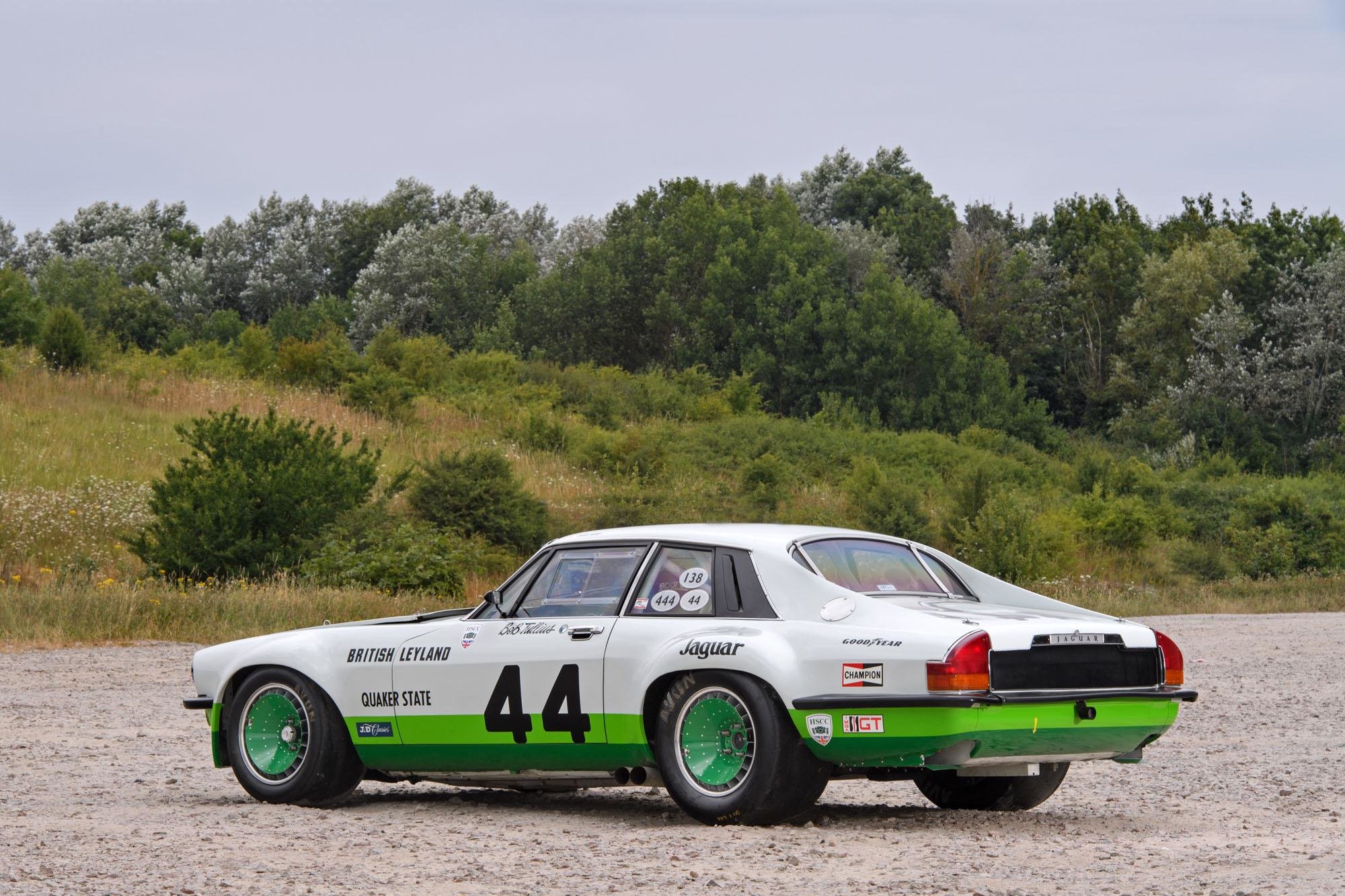
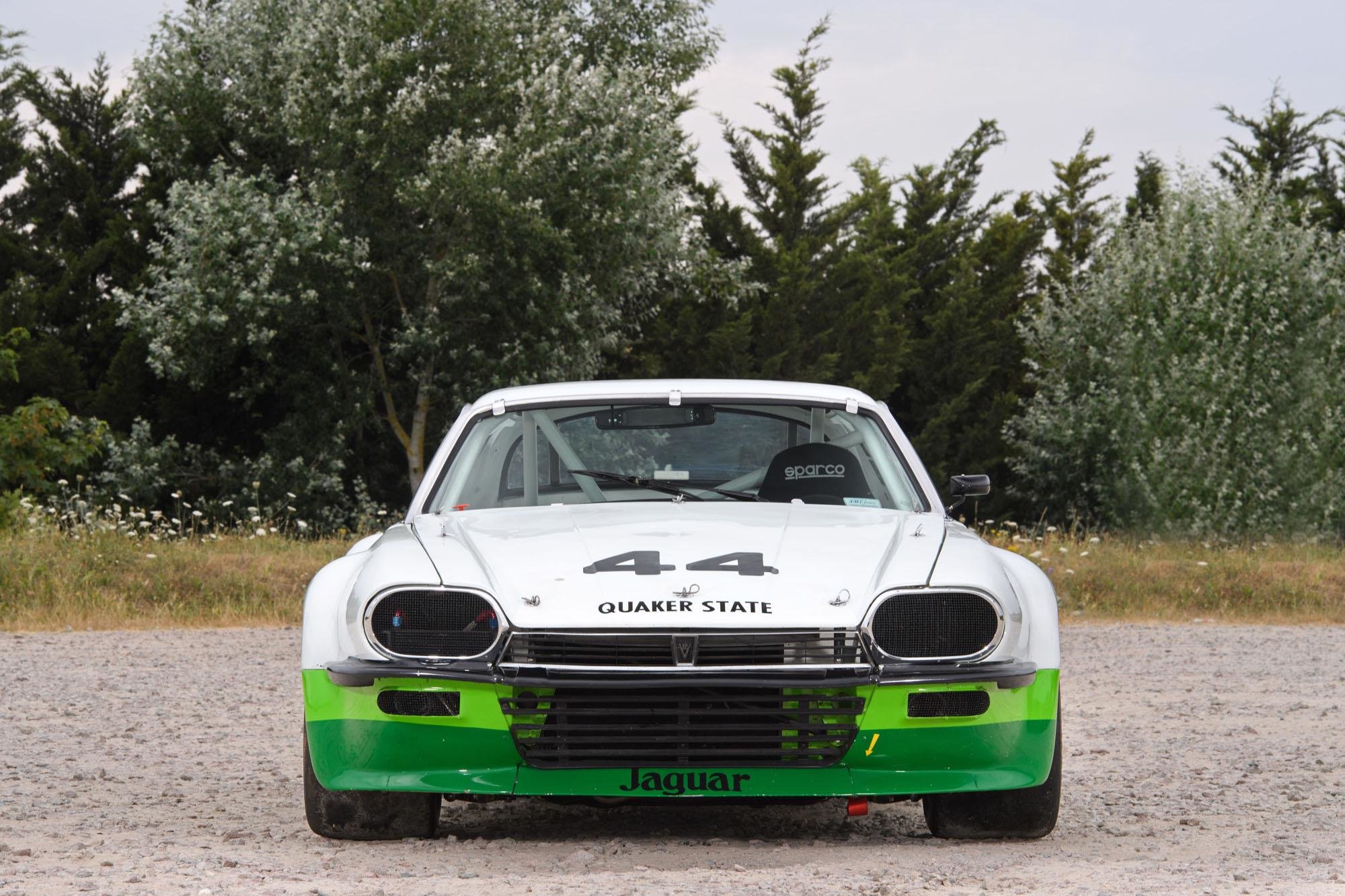
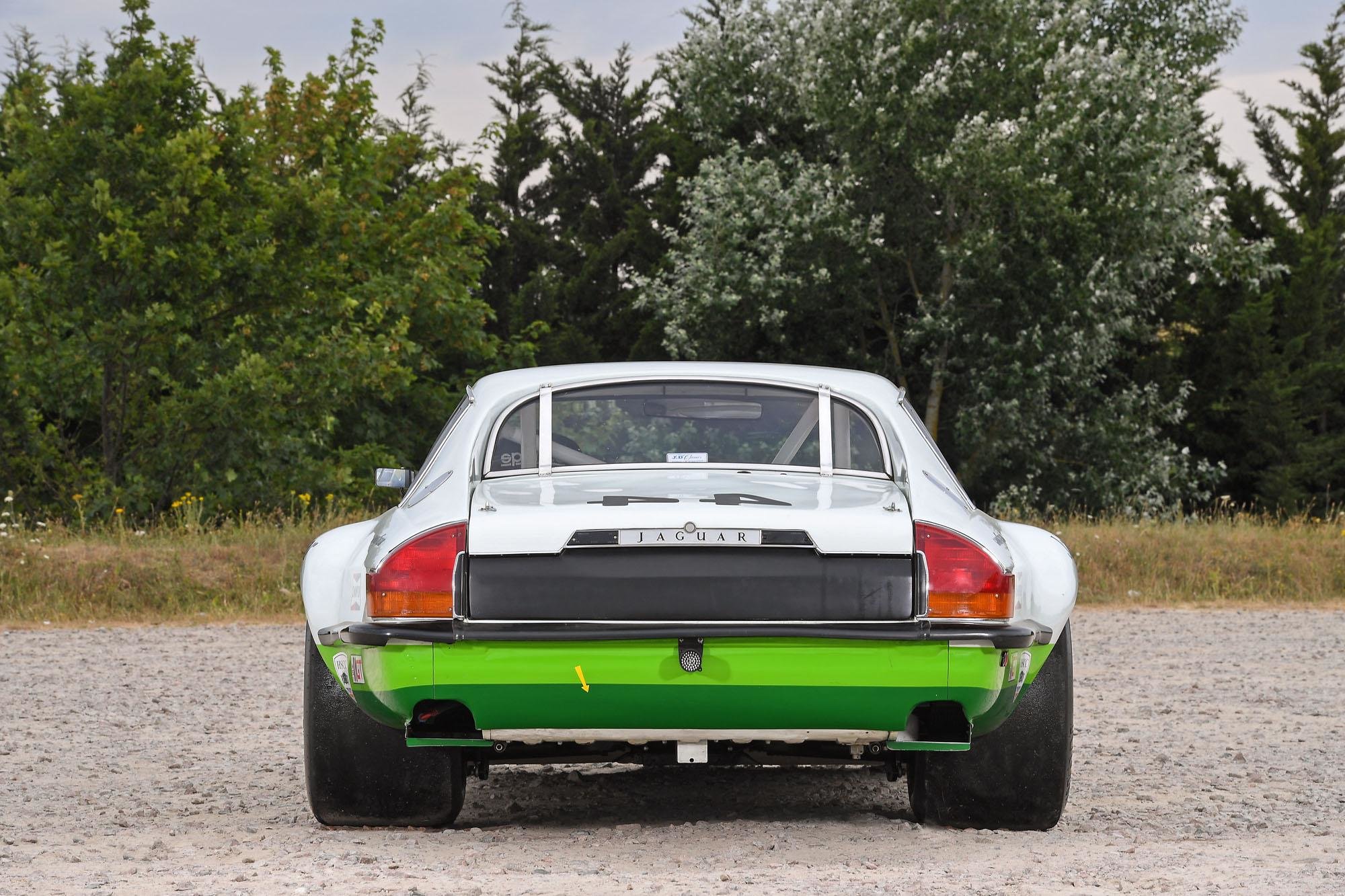
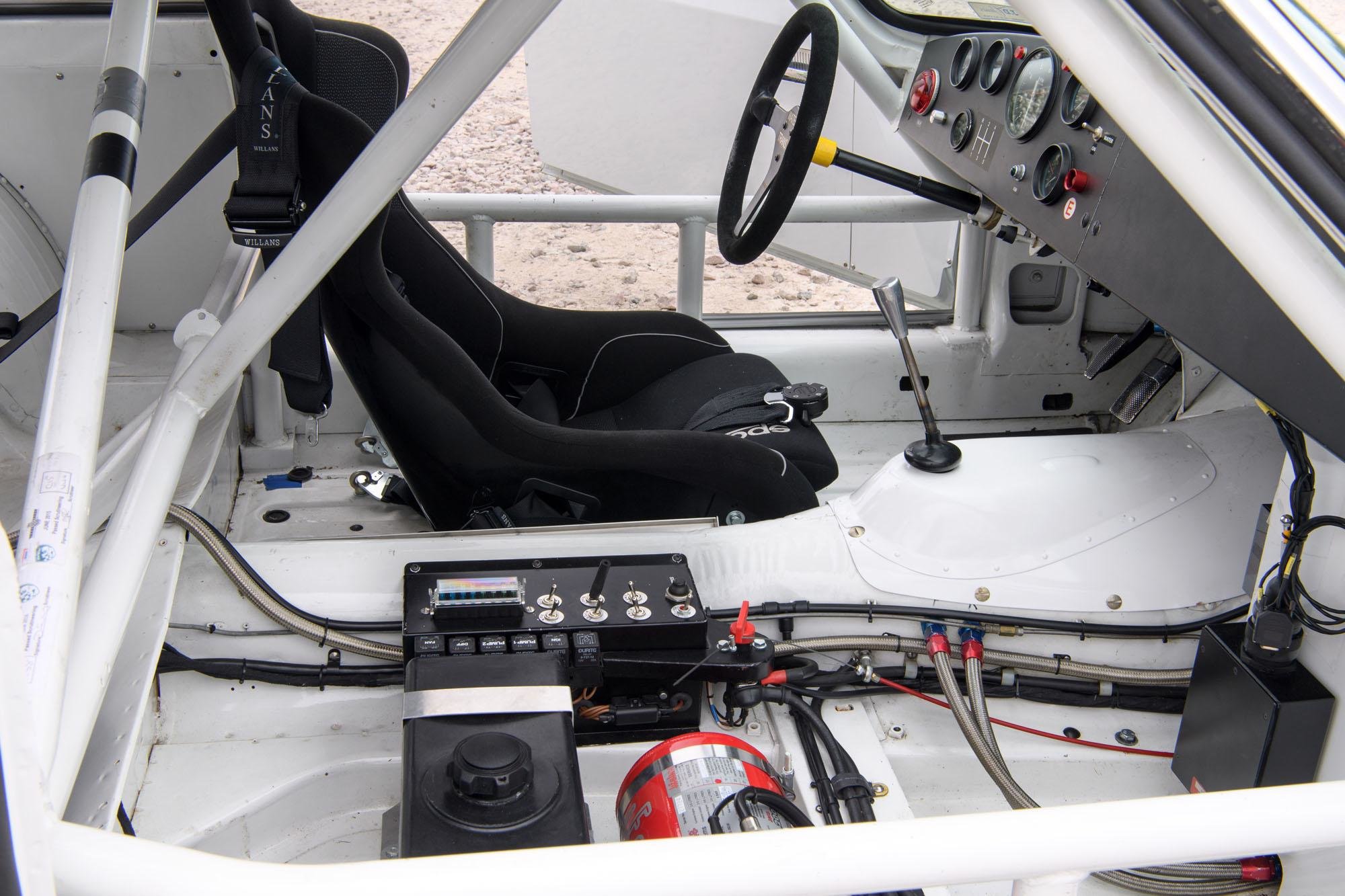
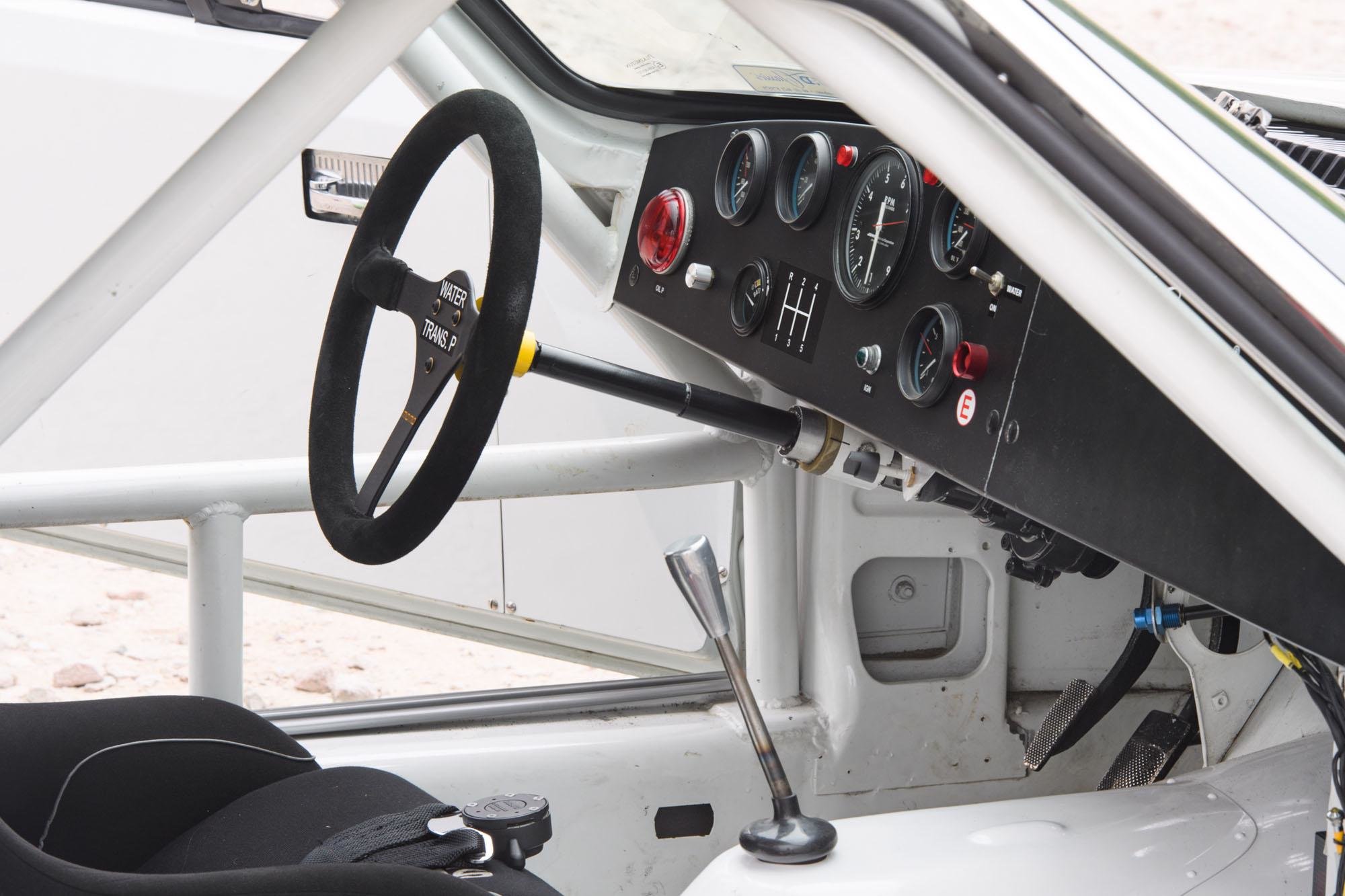
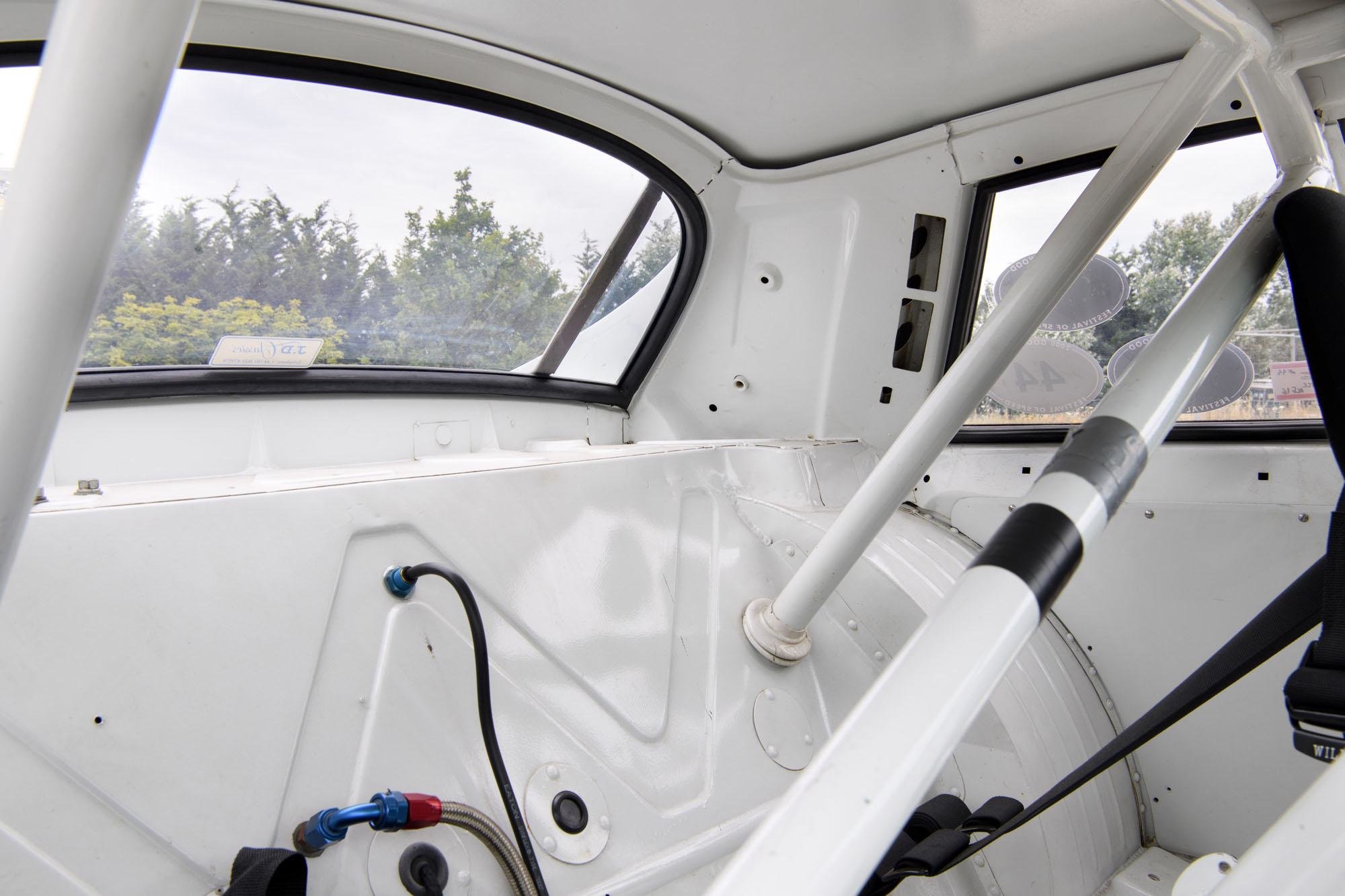
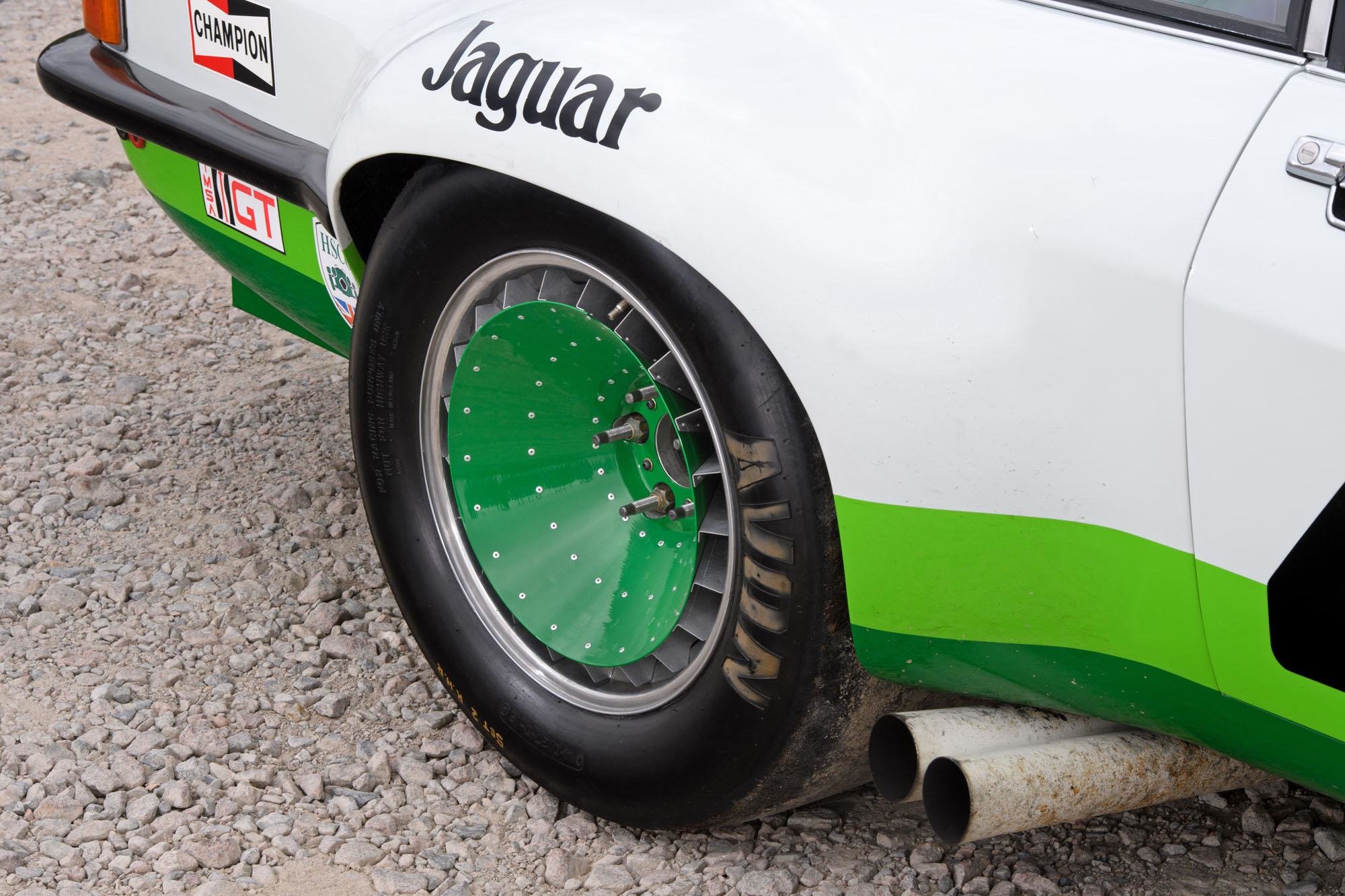
1976 Jaguar XJ-S Group 44

We don’t need to remind you that Jaguar makes some of the best automobiles in the entire planet. And you also don’t need reminding that owning a Jaguar ride is like owning a part of history. If you’re looking to buy your first Jaguar, or just trying to expand your vintage collection, you might want to take a look at this 1976 XJ-S Group 44.

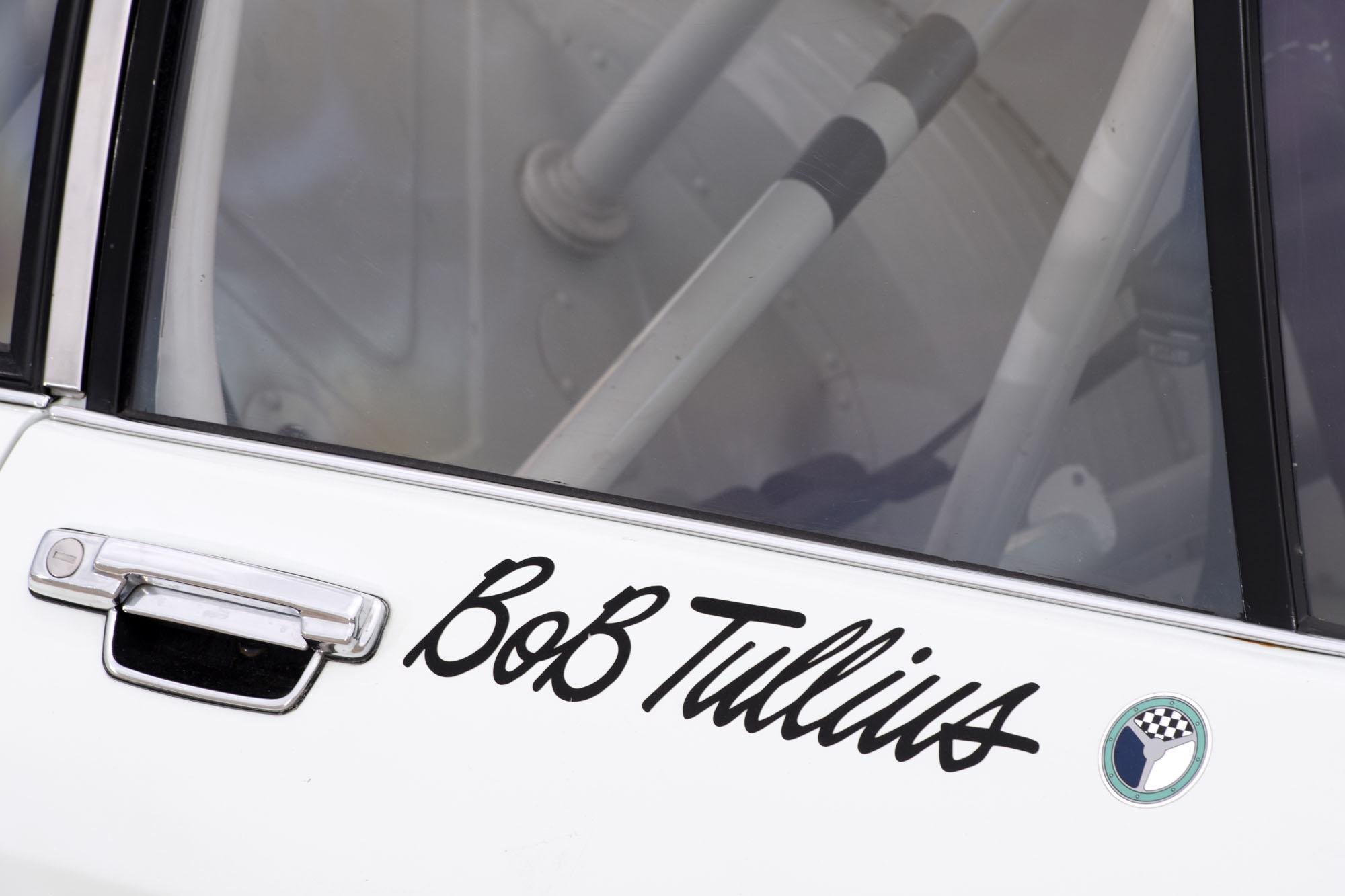
Featuring a design created and modified by Bob Tullius along with his Group 44 crew, the 1976 Jaguar XJ-S Group 44 is one of the most successful vehicles Jaguar has ever released. It has earned more victories in a single season than any other chassis in the British carmaker’s history. Tullius alone racked up seven wins in a row with this bad boy.

Between the 1977 and 1978 racing seasons, the car went through modification yet again. They revamped the camshafts and heads to increase the engine’s horsepower to 580 and bring its rpm to 8,000.

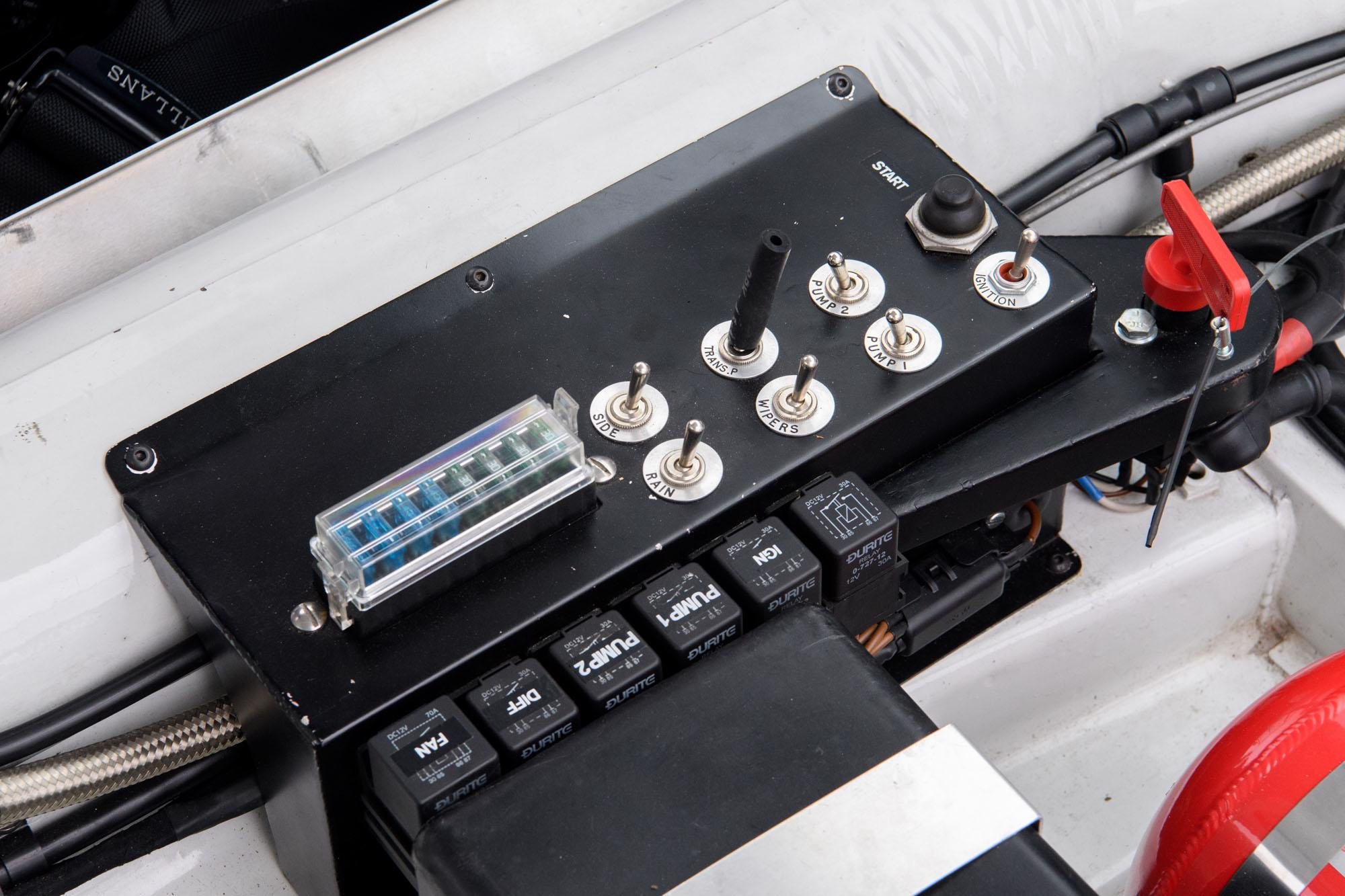
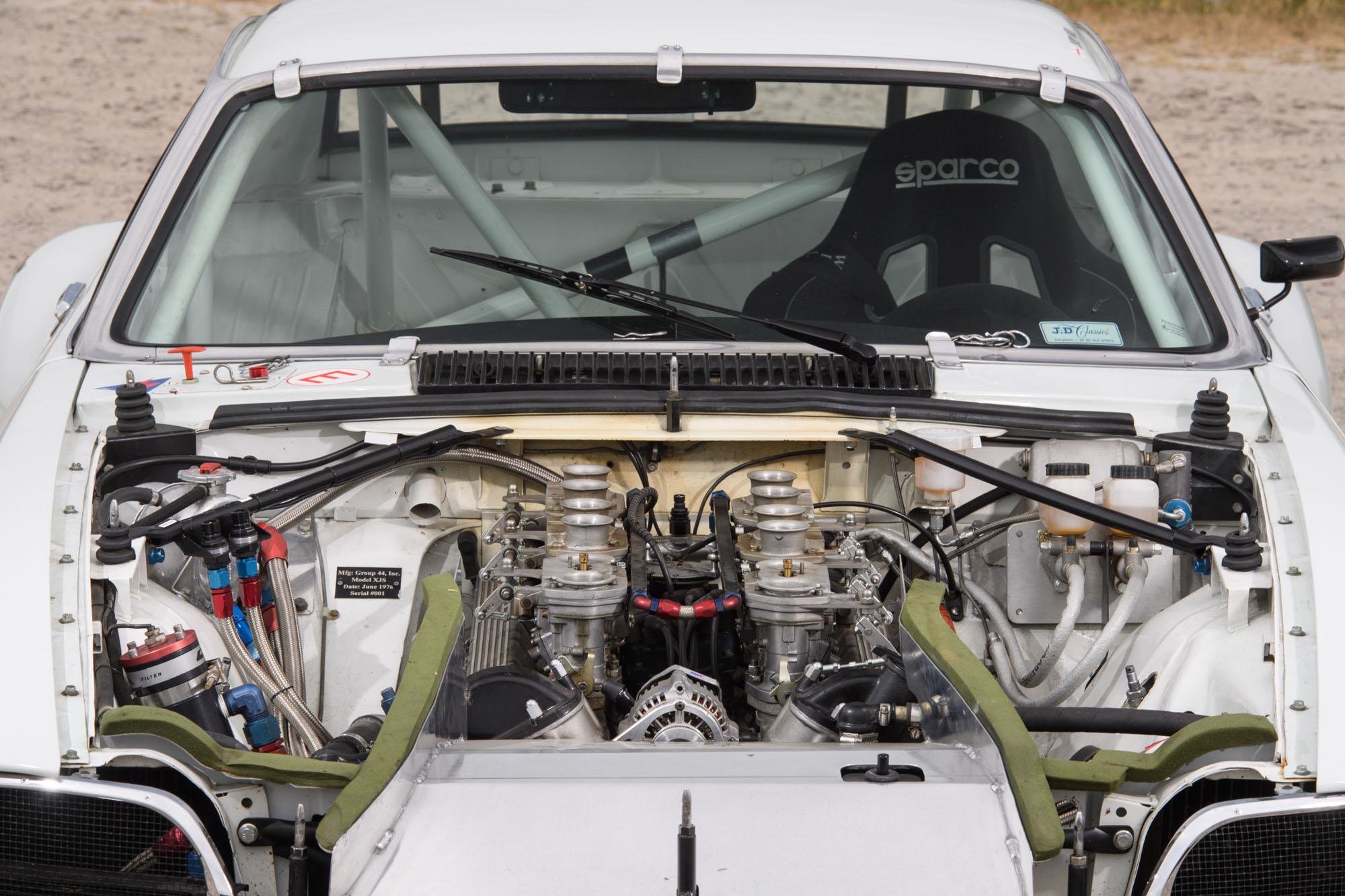
The ride comes in Group 44’s signature Quaker State coating, which highlights the acid-dipped bodyshell Jaguar itself supplied to make the whole thing super light. You get stock suspension and huge Goodyear Tires. Power comes from the latest SOHC Jaguar V12. It features carburettors as the fuel injection fitted on the road cars was unsuitable for use on the track.

This is only one of two 976 Jaguar XJ-S Group 44 models ever built. It was restored some years past and is now in excellent condition. And it’s ready to roam the streets again.

BUY IT HERE

Photos courtesy of Woodham | Mortimer

2019 Porsche Cayenne Review: A Proper Porsche, and One You’ll Pay For

The Cayenne is Porsche’s larger mid-size luxury SUV. For its third generation, the self-described “sports car for five” has gotten lighter, faster, and more performance-inclined to distinguish itself from external competitors and similar internal competitors like the Audi Q8 and the Porsche Macan S.

The Good: Porsche designed it. Quick for an SUV. Excellent balance and low center of gravity. Responsive steering. Intuitive transmission. Notably comfortable front seats.

Who It’s For: Affluent SUV buyers who want Porsche cachet and performance. Perhaps a one-car Porsche enthusiast whose kids have outgrown the 911’s rear seat.

Watch Out For: Engine noise underwhelms. Standard suspension feels tight. The option tree gets pricey and borderline exploitative.

Alternatives: Other high-end European performance geared SUVs in this general price range include:
Range Rover Sport ($67,050, base)

Audi Q8 ($67,400, base)

BMW X5 ($60,700, base)

Review: The thing about driving a Porsche around Napa for a day is you can’t describe it as work. Social mores mandate at least a knowing smirk when you say that. We all know why. Porsche means premium, precisely engineered, and damn near perfect. When Porsche needed to redefine the Cayenne for its third generation (and differentiate it from its Audi Q8 cousin using the same MLB platform and engine) the answer was to play up just how much of a Porsche this midsize SUV is.

Porsche made the Cayenne more athletic. The SUV has gotten lighter (down 120lbs) from the last generation. The new 3.0L Turbo V6 in the base model generates more power (+35hp) and torque (37lb-ft) than the last model. Getting lighter, more powerful, and having the driving dynamics improved makes it faster. Every iteration of the Cayenne will do 0-60mph in under six seconds.

Porsche wants the Cayenne to look more like a Porsche. Truth be told, it looks similar to Gen 2. But, Porsche wants the wide shoulders to remind you of the 911’s characteristic, much fawned over back end. The new Cayenne also incorporates a number of performance features from other Porsches. It has staggered front and rear wheels, replacing the predecessor’s square alignment. It can be fitted with rear axle steering and launch control. The Cayenne will be the first Porsche fitted with proprietary Porsche Surface Coated Brakes (PSCB). These deliver most of the benefits of ceramics, cost much less, and leave a boss mirror finish.

Upping the Porsche quotient (surprise, surprise) produces an engaging SUV to drive. The Cayenne is quick. It is well-balanced. The steering is responsive. It has a low center of gravity and an impressive amount of grip. The transmission intuits what the driver wants seamlessly. It’s a keen corner taker. It behaves when bottled up behind a Subaru on a two-line highway. About the only criticism is the engine note which was either too mild or too mild to puncture the noise canceling glass.

Rest assured. Porsche did not go full-on “SAV” here. The Cayenne is still an SUV. The grab bag of Porsche sports car features available did not include the PDK transmission, because Porsche believes its 8-Speed Tiptronic is better for off-roading and towing. The Cayenne has multiple off-road terrain settings. The closest we got to testing them was ducking into a scenic roadside lookout for pictures.

The Adaptive Air Suspension is worth the expense. The standard one felt very tight and unforgiving on our morning tester with 21-inch wheels. The air suspension gives a smoother and more composed ride. Even when the car is being pushed, the copilot can settle into a notably comfy front seat for a post-lunch snooze.

I would lean toward taking the PSCB brakes as well. I found them too touchy starting out at slow speed. I missed how easily they stopped the car when I didn’t have them. The standard brakes are adequate. The PCSBs, as they should be for the cost, are better and look cool.

I didn’t futz with the infotainment system too much. The Cayenne has dual customizable 7-inch displays behind the wheel and a 12.3-inch tablet screen in the center. The design was clean. Menu progression was natural. I wish the big screen had been angled toward the driver slightly more.

Where the Cayenne offers the truest Porsche experience is when you reach for the checkbook. Porsche makes nearly everything, including many features most luxury cars would make standard, options. Those options get expensive in a hurry. Embark with me on a quick configurator journey.
Let’s add the air suspension ($4160) and the PSCB brakes ($3490). The latter require you to upgrade to at least 20 inch wheels ($1720 minimum). That alone is approaching $10,000. You probably want adaptive cruise control ($2000) and lane change assist ($950) on your kid transporter. Sunroof? That’s an additional ($1850). Want your car to remember your seat settings ($1900) and heat up during the winter? ($530 for just the front).
Does the performance stuff intrigue you? The Sport Chrono package for launch control and sport plus driving mode ($1130) is a must have. There’s the rear-axle steering ($1650) Do you plan to use your Cayenne for SUV stuff? That will be an additional off-road package ($2000) and tow rig ($660). Yeah, I dig that Biscay Blue Metallic paint ($800) too. This stuff only scratches the surface of the customization options.

Our lightly outfitted, base model tester vehicles were pricing out north of $80,000 for what, reminder, is the third best engine you can have in a Cayenne. That price tag factors into the perception. The Cayenne provides a great drive for an SUV. It’s an all-around, capable, and fun car. It’s recognizable as a Porsche. It’s more than a profitable placeholder in the Porsche lineup. But, an $80,000-plus or more car should have some outstanding quality that makes that expenditure feel justified. However improved or formidable, the Cayenne in the base trim doesn’t.

The Cayenne will be more than enough SUV for most buyers. Porsche will sell a number of them. The cachet from that Porsche emblem alone will keep many Cayenne customers happy. It better, because they are paying a steep premium for it.

Verdict: The Cayenne is a proper Porsche. It’s top notch engineering. It performs just about every task well. It will be more than enough for most buyers. But, a near $90,000 car, SUV or no, should give you the giggles. It should have one exceptional quality that excites you about spending that much money. The Cayenne didn’t.

What Others Are Saying:

• “It took Porsche 53 years to sell a million 911s. Porsche has sold 770,000 Cayennes in the 15 years since it was launched in 2002, and the millionth will probably be built in about three years. As much as we love and cherish the sports cars from Stuttgart, Porsche in the 21st century is the house that the Cayenne SUV built.” – Tony Quiroga, Car and Driver

• “If you’re willing to pay the premium, though, the new Cayenne delivers precisely what cargo-hauling Porsche fanboys consistently insist they want: an SUV that satisfies the sport part of the equation while offering a level of functionality and people-moving they can’t get in a 911 or 718. – Basem Wasef, Autoblog

2019 Porsche Cayenne Key Specs

Engine: 3.0L Turbo V6
Transmission: 8-Speed Tiptronic
Horsepower: 335hp
Torque: 332lb-ft
Weight: 4,377 lbs
0-60: 5.6sec (with Sport Chrono package)
Top Speed: 152mph

Porsche hosted us and provided this product for review.

Read More Gear Patrol Reviews

Hot takes and in-depth reviews on noteworthy, relevant and interesting products. Read the Story
Note: Purchasing products through our links may earn us a portion of the sale, which supports our editorial team’s mission. Learn more here.

G-Power Reveals 800 hp Mercedes-AMG C63 Sedan

G-Power recently released a series of modifications for the Mercedes-AMG C 63. This is unusual as G-Power have traditionally been known for their BMW supercharger packages. With the death of series-produced naturally aspirated engines and the prevalence of turbocharging, there is little demand for the humble supercharger. This is why G-Power seem to be moving away from BMW and into other German brands.

It’s take on the Mercedes-AMG C 63 is impressive. The 4.0 litre V8 has received some significant attention. The C 63 left the factory with 510 hp, after some felting in Germany, the sedan gets a heady 800 hp. The power is released through the combination of an ECU tune and a new set of turbochargers. The later come optimised with a larger CNC-machined compressor and turbine wheels, an optimised compressor housing and an enlarged intake area.

G-Power have also fitted lighter pistons, made changes to the manifold and a new high performance fuel pump. A new system and replacement down pipes complete the package together with a new exhaust system. In order to handle the impressive performance increases, G-Power have reinforced the C 63’s standard transmission.

Aside from the distinctive wrap, G-Power engineers have also added a set of its characteristic Hurricane RR wheels. The 20-inch forged rims are shod with 255/30 ZR20 tyres at the front and 285/30 ZR20 tyres at the rear. With all of the modifications, the G-Power Mercedes-AMG C 63 is capable of a 100 km/h sprint in just 3.4 seconds with a top speed in excess of 330 km/h with the limiter removed.

[embedded content]

As you would expect, the cost of these fairly extensive modifications is substantial. The engine modifications cost 8,500 euros, turbochargers an additional 5,420 euros, intake system 1,250 euros, down pipes 2,240 euros and transmission enhancement 1,500 euros. Complete with a 2,892 euro charge for the ECU enhancements, 800 hp equates to an additional 21,000 euros. Of course, go to Brabus, Renntech or any other tuner and you likely pay the same money…