All posts in “Cars”

The 2016-2019 VW Golf GTI May Be the Best Ever

Base MSRP: $27,595
• 228 horsepower and 258 lb-ft of torque
• Exceptional balance and utility
• “The GTI is subtle and understated, a car for adults.”

The Volkswagen Golf, as James May noted in his BBC documentary series, is the preeminent people’s car. The well-regarded hatchback offers fun driving and practicality at an affordable price. The Golf has seen off all comers during a production run approaching 50 years. It killed off the old Beetle. It will bury the new Beetle, which, truth be told, was a Golf beneath its retro styling.

German engineers designed the Golf. So, it took all of a few minutes before someone inserted a more powerful engine, tuned it for racing and stumbled upon something brilliant. That brilliant creation became the Golf GTI. The Mk1 version debuting in 1975 became an icon, birthing a new market segment for the “hot hatchback.” The latest and perhaps greatest GTI, the Mk7, should prove a collectors’ item in its own right.

|

VW has come up with some goofy catchphrases for the current GTI. A brief sampling includes “the stylish hot hatchback” and “raw power, fully cooked,” whatever that means. The trouble stems from VW not being able to touch on what the Mk7 GTI is: perfection. Doing so would leave no reason to upgrade to the Golf R (raw power, burnt?). It would make buying a standard Golf or any other Volkswagen, by definition, imperfect.

The GTI has a proven basic formula: precise handling, peppy engine with strong torque and a smooth manual transmission. VW has refined that formula for 40-plus years. Some batches have been a touch weak, heavy or outmoded. But, the Mk7 came out just right, capturing all of the car’s heritage and accrued wisdom. It may be the best-balanced car on the road, not only for its price point.
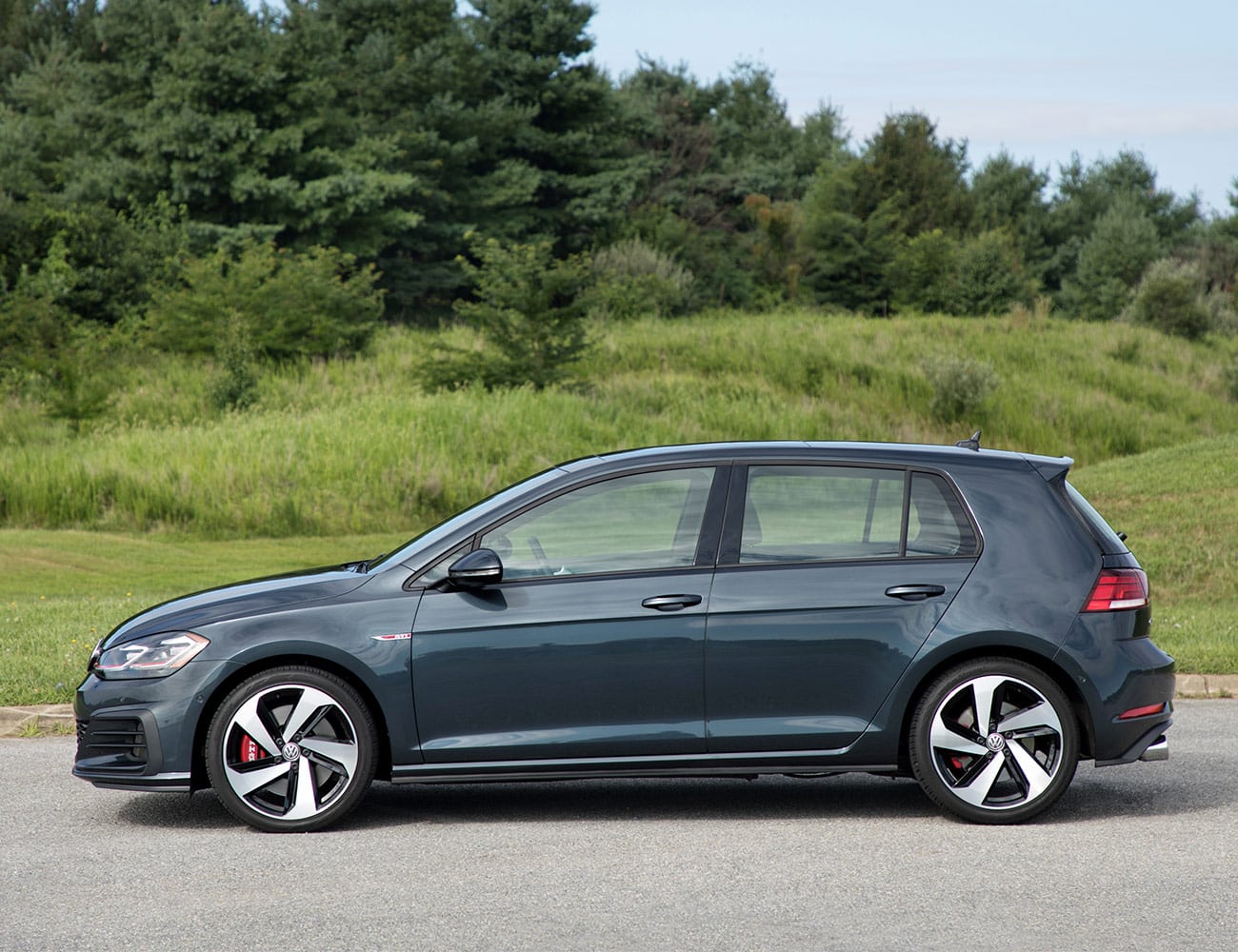
With 228 horsepower and 258 lb-ft of torque, the GTI offers the exact power optimal for exuberant driving. You can push the GTI on real roads at speeds that won’t see you carted away in handcuffs. Automobile writers have extolled the car’s handling with every synonym of the word “sublime.” It rounds corners masterfully. Despite packing all that performance, the GTI is also still a Golf. You can park it easily, help a friend move and get a well-equipped base model for less than $30,000.

The GTI’s style exhibits its refinement. Other “hot” cars (the Honda Civic Type-R, for example) announce their presence like young rock stars, strutting around in the automotive equivalent of indescribably tight, red leather pants. The GTI is subtle and understated, a car for adults. It has a clean exterior and an elevated interior. What flair the GTI does offer – the red grille lipstick, the tartan seats, the golf ball shift knob – is traditional. You don’t know what you’re looking at with the GTI unless you know what you’re looking at.

The Mk8 GTI will arrive in 2020. Changes, mild and drastic, will be afoot. The best GTI we have yet seen – the current Mk7 – may be the best we ever get, or at least the purest incarnation of the GTI’s initial vision.

VW developed the new GTI during an awkward transition period. Dieselgate has cost Volkswagen AG $33 billion and counting, sapping resources and forcing a complete reorientation of production strategy. VW plans to phase out the combustion engine in 2026. Meanwhile, trucks and SUVs continue dominating the market. Plowing R&D into further perfecting an already perfect gasoline-powered hatchback, when well enough would do, makes little sense.

Golf sales have dipped in the U.S., so moving toward the market may work against getting an optimal GTI. To sell more Golfs, the hatchback will have to get longer and wider to be more viable families. The purist-favored three-door alignment may be scrapped altogether. We can presume VW won’t drop the manual (yet). But, development will go toward more fuel-efficient hybrid powertrains and improving the automatic transmission. VW has also hinted at a fully digital cockpit overhaul, which, if it does not annoy present buyers, will date the car, as technology tends to do, in the decades to come.
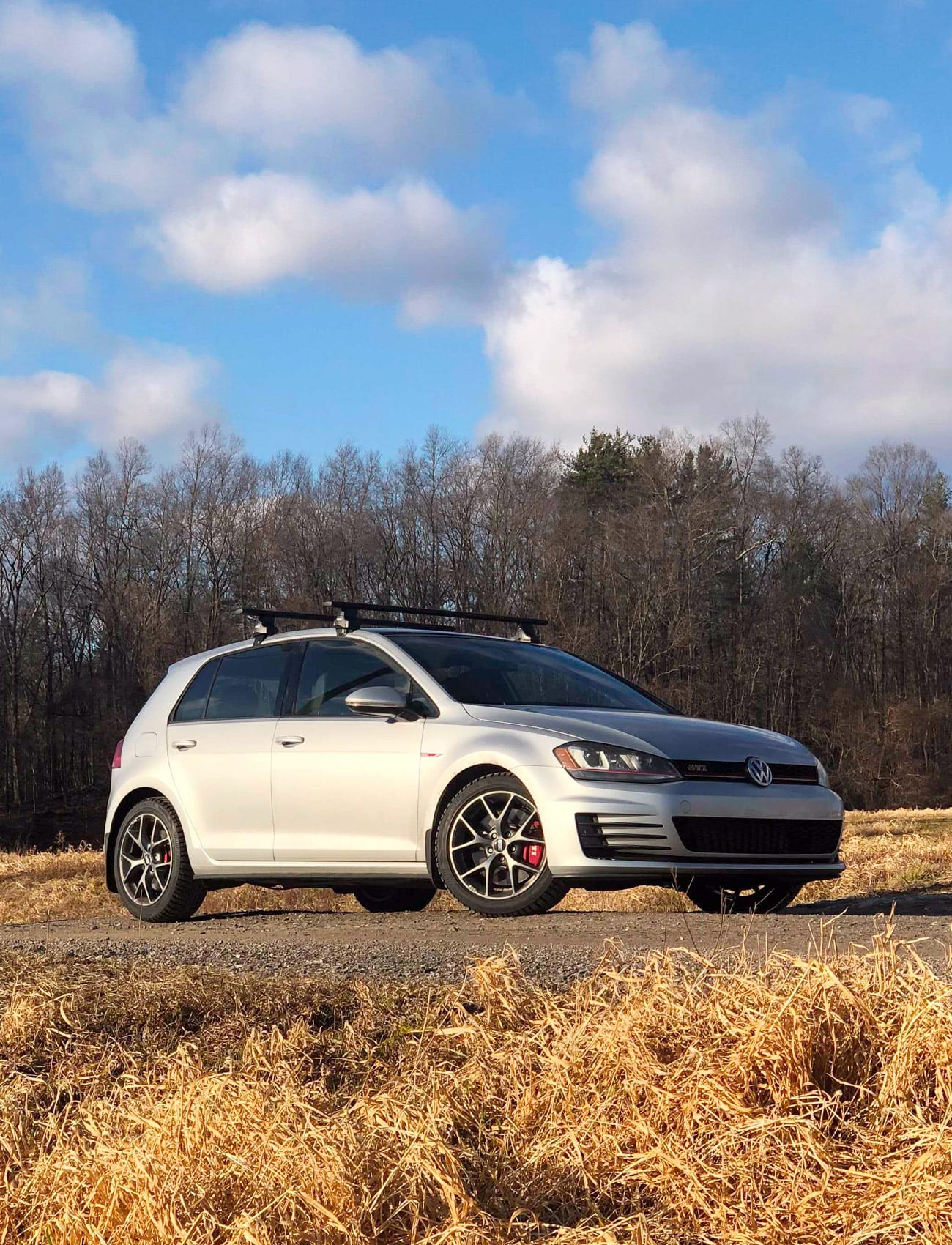
An MK7 GTI, tastefully modified for winter conditions – Photo: Hunter Kelley

If the base Golf goes more family-friendly, the Volkswagen likely would differentiate the GTI further by making it hotter. Expect more power. Ditto for more aggressive styling. The “Rabbit” and “Autobahn” trims, as well as the bevy of metallic paint options, may prove a harbinger of what is to come. It may be faster. Though, the balance and sophistication of the present model, not to mention the reasonable MSRP, may be difficult to preserve.

The Mk7 GTI arrived when Volkswagen was a car manufacturer and the best modern technology went toward producing an optimal driving experience. The Mk8 GTI will be a showcase for the Volkswagen Group’s broader ambitions as a mobility-oriented tech firm. The driver will always be connected, for better or more probably worse. We may get objectively more efficient and better-performing GTIs moving forward (and the climate will be better for it). But, they won’t feel the same.

Cars of the future will be electric or powered by other eco-friendly means. Many will be automated. Fewer than now will be individually owned. Driving a classic internal combustion car will be an expensive pastime, if not outlawed in some areas altogether (Aston Martin is prepping for that eventuality).

“Ludicrous” performance will be obtainable from EVs. The gas-powered cars that still resonate will be those that provide a unique, well-tailored and deep-rooted driving experience that disconnects the driver. The Mk7 GTI, perhaps the best Volkswagen creation to date, does that.

So, cover a Mk7 Volkswagen GTI in bubble wrap and store one in a climate-controlled garage, right? No. Save for retirement like a normal person. Use the GTI as the extraordinary daily driver it was designed to be.
Porsche Taycan GT3 Rendering Looks Awesome

Hopefully, Porsche Pays Attention

The Porsche Taycan will come to the market as one of the company’s most highly-anticipated models ever. It’s an important car, too. It has a fully electric powertrain and the rumors say 600 hp. It will have a range of around 310 miles and can charge up to 248 miles worth of its battery in just 15 minutes.

According to Autoweek, its 0-60 mph time should be 3.5 seconds and 124 mph should come in a quick 14 seconds. Not good enough? What about a GT3 version? A new rendering from Porsche Taycan EV Forum shows what the model could look like. It’s stunning, and if Porsche is paying attention it should take note. 
Will There be a Taycan GT3?

The Taycan will debut later this year, and when it does Porsche will have three versions of the vehicle. The Taycan, Taycan 4S, and Taycan Turbo. Because the vehicle is a fully electric machine and therefore can’t have turbos, we’re not really sure why Porsche will call one of the versions the Turbo.

The Turbo designation will likely just be for the higher-performance model. However, it seems that Porsche could have just come up with a different name, one that would have made sense. Anyway, the Taycan should be a riot on the road with that kind of horsepower, and it will show what Porsche plans to do as cars transition away from fossil fuels. 

With all that said, I sincerely hope the company chooses to make a GT3 version of the Taycan, and when that happens, I hope it looks as good as the rendering shown above. The model gets a revised front end with a new splitter, front fascia, and grille. The rear has a big wing on it. It looks fantastic, and with the interest in this model Porsche should consider something like it. 

Rapide E: Secrets of First All-Electric Aston Martin

The evolution of the inaugural all-electric car by Aston Martin, also known as the Rapide E, is advancing rapidly with confirmed specific technicalities for the 155-unit limited special edition. Aston Martin has collaborated with WAE (Williams Advanced Engineering), a leading organization in the EV (Electronic Vehicle) technology to initiate a new generation for the manufacturer’s powertrain technology. Further, the collaboration has come in handy to help overcome the technical challenges involved in the motors and battery system packaging.

The engineering team has strived to establish an effective cooling system for the motor and batteries to guarantee dependable performance. Carbon composite elements and lightweight alloys have been utilized to ensure that rigorous weight targets are observed.

Powering the Rapide E

An 800 volt with 65kWh build in capacity electrical battery design will be used to power the Rapide E. It will be fitted with 5600 lithium ion 18650 cylindrical cells which shall be firmly fixed in a designated battery pack. This will also house the fuel tank, gearbox, and the standard 6.0 liter V12.

The two electrical motors fixed at the rear are powered by this battery system which enables them to generate a connected output target of slightly over 610PS and an immense torque of 950Nm.  The WLTP (Worldwide Harmonized Light Vehicle Test Procedure) estimates Rapid E’s scope target to be more than 200 miles. This car model can achieve an 1851, 2 miles per hour charging rate when using an ordinary 400V 50kW charger.

Still, its high voltage battery system can allow for up to 3101, 2 charging rate per hour while utilizing an 800V outlet and conveying more than 100kW. Aston Martin has designed the Rapid E to be a high-performance machine that can be utilized to enhance Milani Exotic Rentals services. Its estimated speed is 155mph complete with a 0-60mph sub-4.0sec time and a 50-70mph time of 15sec.

Absolute Performance

These figures, however, are not only limited to a partial window when the batteries are ultimately charged. Rather, the focus is towards an absolute performance on demand over a huge percentage of the battery charge window state, as would be the case from a traditional in-house combustion-engine vehicle.  This is inclusive of the ability to endure the day to day demands of redundant braking and solid acceleration, as well as the power to drive an entire Nürburgring lap without de-rating the battery.

The Rapid E underbody and exterior have been aerodynamically advanced and finished with modern designed aerodynamic wheels. According to the engineers, the car’s tires are designed to minimize cavity noise while conveying a reduced rolling resistance and a greater power capability. Further, the Rapid E is specially designed to accomplish greater aerodynamic levels, cooling performance, and frictional loss as compared to the Rapid S. This project seeks to improve and maintain the delivery, character, and feel of the Rapid S’s V12- engine.

Finally

The manufacturer will pay special attention to the tuning and evolution of the chassis and electric powertrain while focusing on software integration. Even though the Rapide E will be developed in low volumes, it is currently being exposed to strict Aston Martin’s protocols and a committed Williams Advanced Engineering team collaborating with the manufacturer’s team to ensure that its prototype adheres to the model’s laid down procedures.

The Complete Audi Buying Guide: Every Model Explained

Audi is a German luxury car manufacturer based in Ingolstadt and owned by Volkswagen. The Audi name dates back to 1910. VW consolidated multiple companies into the modern “Audi” in 1969. Audi made its name in motorsport with the four-wheel drive rally champion Audi Quattro in the early 1980s. Volkswagen has positioned Audi as its upmarket competitor for Mercedes and BMW.

Audi follows a simple naming format, for the most part, employing letters and numbers. Base models have an “A” designation. Sportier luxury models get an “S.” The sportiest, pared-down “RennSport” models get an “RS.” Audi uses “Q” for its SUV line. The TT, R8, and e-tron exist outside that nomenclature.

Audi pairs letters with numbers 3 through 8. Higher numbers can mean different things. It could mean a larger, more powerful car. It could mean a near identical car with a different body style. Whatever the distinction, it will be more expensive. Most Audi models offer Premium, Premium Plus, and Prestige trim levels with added tech and luxury features.

The major Audi news for 2019, besides canceling the European vacation delivery option, is the company dropping the manual transmission entirely from the U.S. market or the first time.

Audi Terminology

Cabriolet: French for “convertible.” For Audi, a Cabriolet has a back seat.
e-tron: This is Audi’s electric performance sub-brand. Cars with an “e-tron” label employ either a hybrid or full-electric powertrain.
quattro: Audi’s trademark all-wheel-drive system. Audi spells it with a lowercase to distinguish quattro from the Audi Quattro model. Almost every Audi vehicle except the barest base models come equipped with it.
Sportback: This is Audi’s preferred term for the fastback body style with a continuous slope through the back end of the car. The exception is the A3 Sportback, which is a hatchback. Sportbacks cost significantly more than sedans.
TFSI Turbo Fuel Stratified Injection. This is VW engine technology. The engine is turbocharged. The engine also directly injects fuel into the combustion chamber. This makes the engines more powerful and more efficient.

Buying Guide

A3, S3, and RS 3

The A3 is the subcompact, entry-level Audi. It comes in three U.S. versions. A3 sedans and cabriolets come in either 184 hp FWD or 228 hp quattro AWD versions. The A3 Sportback e-tron uses a plug-in-hybrid generating a combined 204 hp.

Audi offers two sportier sedan variants. The S3 ($44,500) uses the same 2.0-liter turbo as the Golf R, generating 288 hp and 280 lb-ft of torque. The RS 3 ($56,200) employs a 2.5-liter five-cylinder turbo producing 394 hp and 354 lb-ft of torque. It accelerates from 0-60 mph in 3.9 seconds. It featured in Gear Patrol’s list of best AWD cars.

Body Styles: Sedan, Sportback, Cabriolet

Models:

• A3 Sedan
• A3 Cabriolet
• A3 Sportback e-tron
• S3
• RS 3

Engines:

• Turbocharged 1.4-liter TFSI inline-four PHEV (75 kW)
• Turbocharged 2.0-liter TFSI inline-four
• Turbocharged 2.5-liter TFSI inline-five

Base MSRP: $32,500

Read our review of the Audi RS 3.

A4 and S4

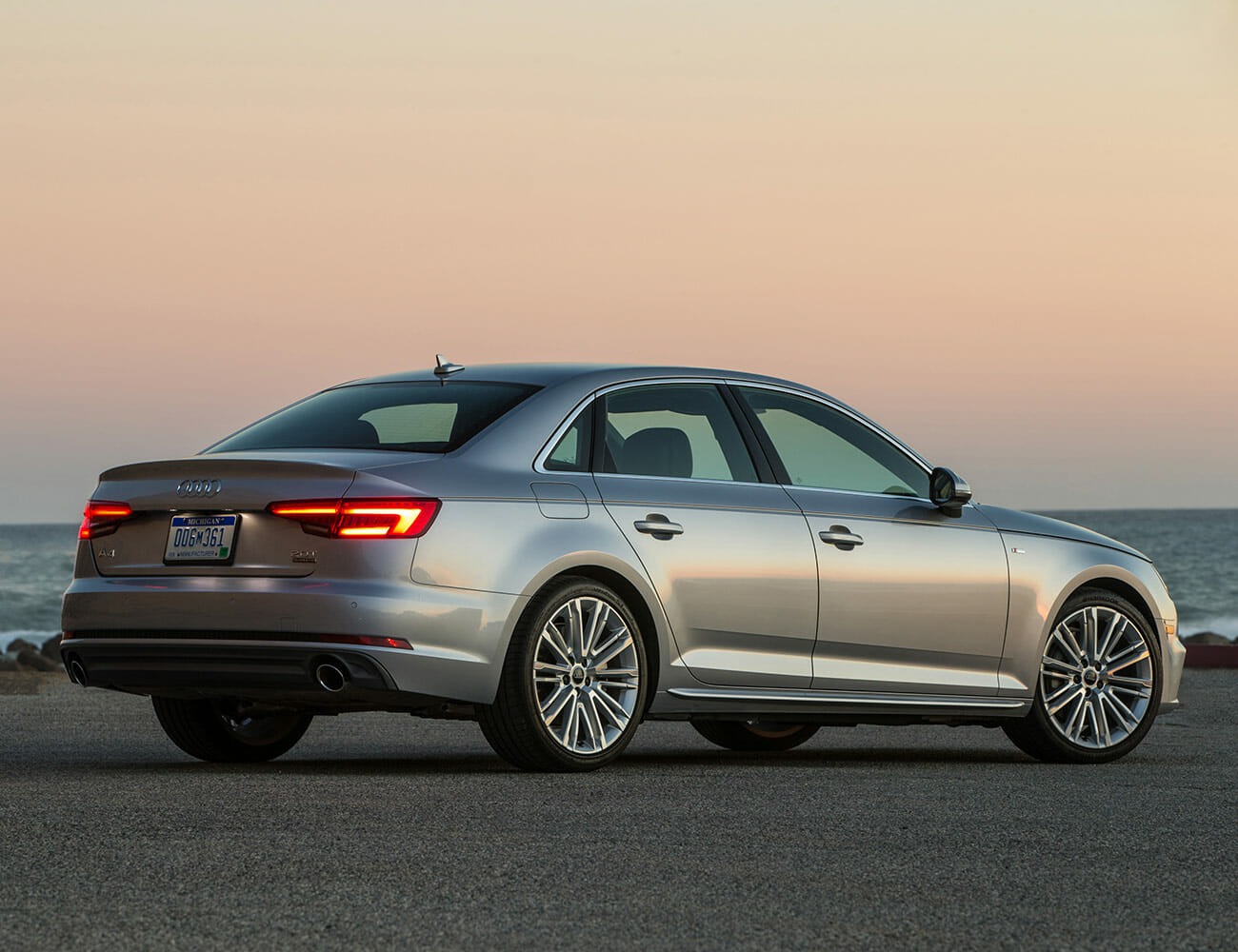
The A4 is Audi’s compact vehicle offered as a sedan and more rugged “allroad” wagon. The A4 sedan uses slightly more powerful versions of the 2.0-liter I-4 (188 hp FWD, 248 hp AWD). It was one of the final Audi models to lose a manual transmission option or 2019. The allroad ($45,700), the Audi lineup’s only U.S. wagon, only uses the 248 hp AWD engine.

The A4 gets one sportier entry, the S4 sedan ($50,200). The S4 upgrades to a 3.0-liter V6 engine producing 349 hp and 369 lb-ft of torque. Audi does make a stupendous 450 hp RS 4 Avant wagon, but won’t sell it to Americans.

Body Styles: Sedan, Wagon

Models:

• A4 Sedan
• A4 allroad Wagon
• S4

Engines:

• Turbocharged 2.0-liter TFSI inline-four
• Turbocharged 3.0-liter TFSI V6

Base MSRP: $37,400

Read our review of the S4.

A5, S5, and RS 5

Audi’s A5 is essentially an A4 with a more expensive body style. The sportback, coupe and cabriolet each employ the same 248 hp 2.0-liter I-4 from the A4. The A5 was the other vehicle to lose its stick option for 2019.

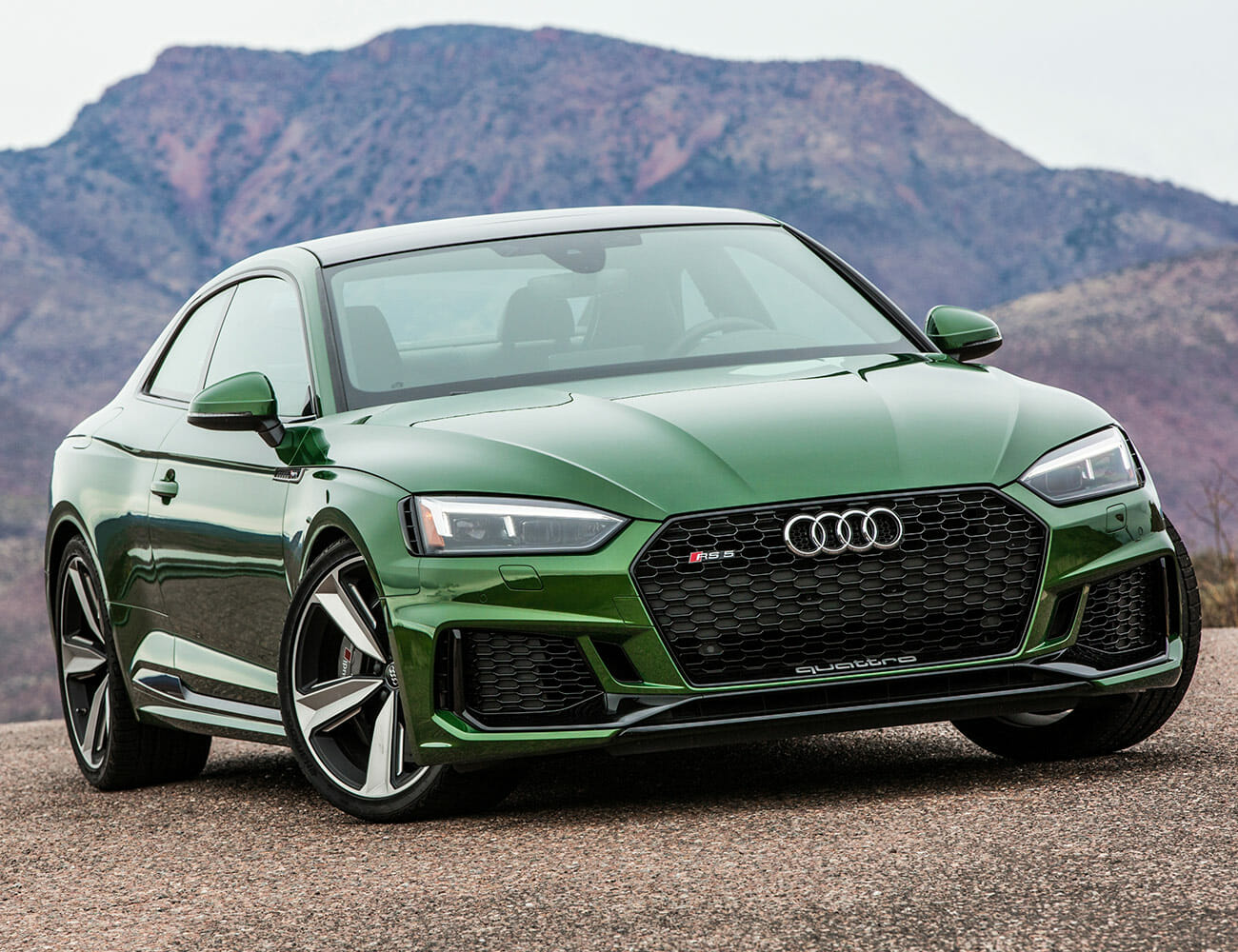
S5 sportback, coupe and cabriolet versions ($52,400) use the same 349hp 3.0L V6 found in the S4. Even sportier RS 5 sportback and coupe models ($74,200) use a 2.9-liter biturbo V6 that offers 444 hp and 443 lb-ft of torque. The RS 5 can accelerate from 0-60 mph in 3.7 seconds. It has earned a “Ph.D. in performance.”

Body Style: Sportback, Coupe, Cabriolet

Models:

• A5 Sportback
• A5 Coupe
• A5 Cabriolet
• S5 Sportback
• S5 Coupe
• S5 Cabriolet
• RS 5 Sportback
• RS 5 Coupe

Engines:

• Turbocharged 2.0-liter TFSI inline-four
• Turbocharged 3.0-liter TFSI V6
• Twin-Turbocharged 2.9-liter TFSI V6

Base MSRP: $44,200

Read our review of the RS 5.

A6 and S6

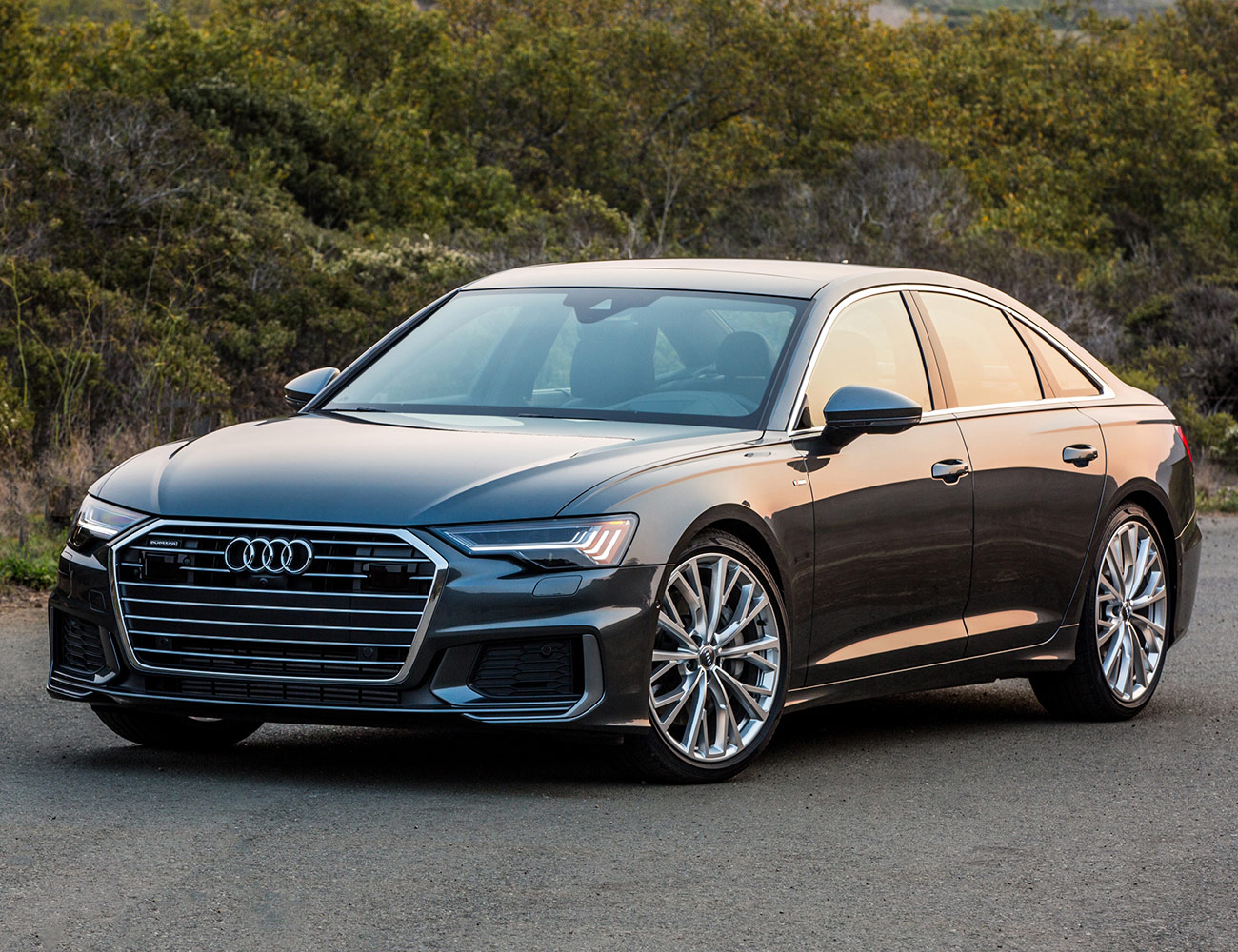
The A6 is Audi’s midsize luxury sedan that has been redesigned for the 2019 model year. It gets 335 hp and 369 lb-ft of torque from the 3.0-liter V6 engine. Critics deride the A6 as a boring car bought by German bankers. That reputation is not entirely fair. Nor is it entirely unfair.

The higher performance S6 version ($71,900) upgrades to a 4.0-liter V8 putting out 450 hp and 406 lb-ft of torque. An RS 6 Avant wagon fit for incredibly awesome German bankers is not sold in the U.S.

Body Style: Sedan

Models:

• A6
• S6

Engines:

• Turbocharged 3.0-liter TFSI V6
• Turbocharged 4.0-liter TFSI V8

Base MSRP: $58,900

Read our review of the A6.

A7, S7, and RS7

The A7, also redesigned for 2019, is the Sportback version of the A6 that costs an additional $10,000. It uses the same 335 hp 3.0-liter V6 engine. The S7 ($81,200) upgrades to the same 450 hp 4.0-liter V8 as the S6, delivering “powerful performances that demand an encore.”

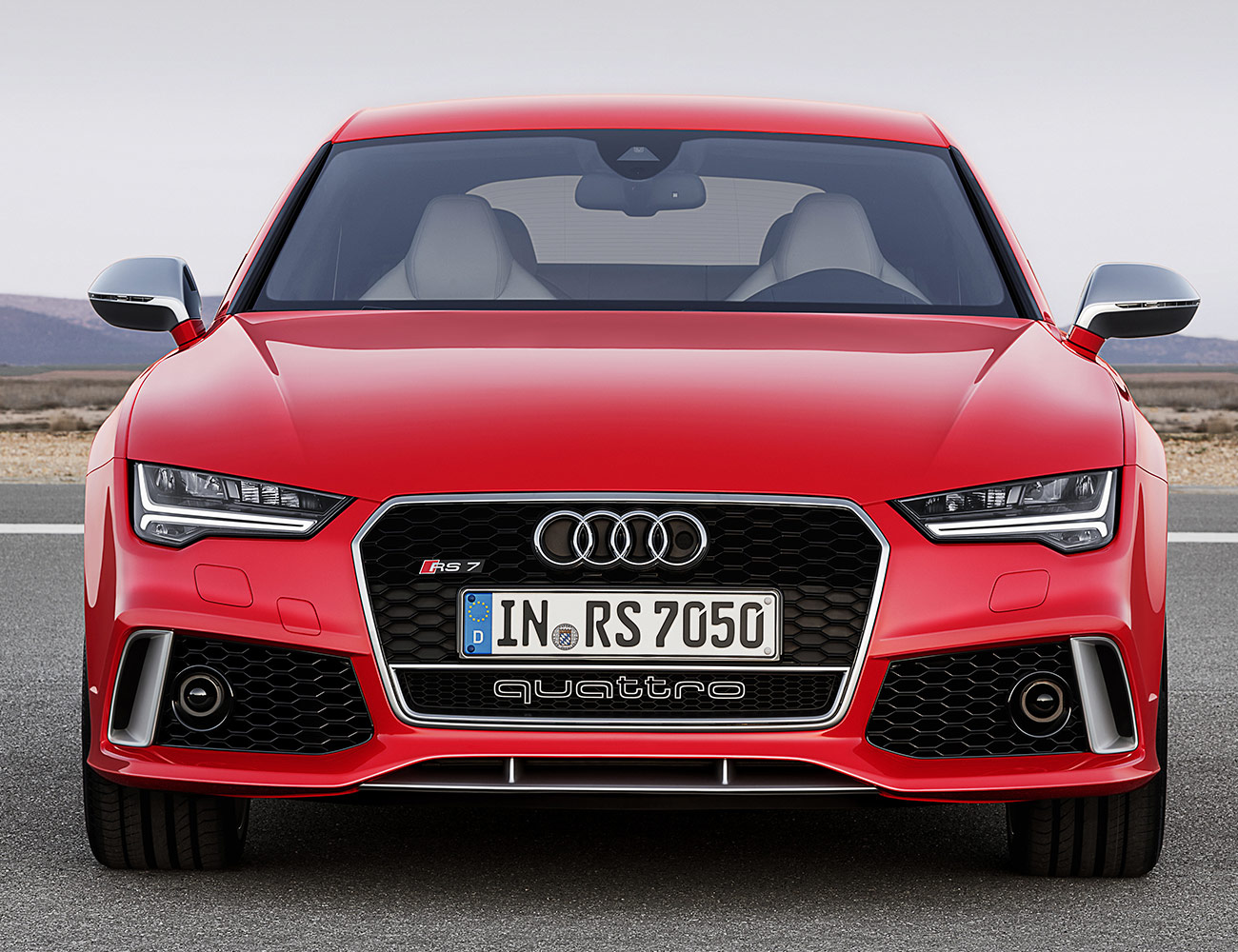
Audi also offers an even higher performance RS 7 ($113,900) version. A twin turbo setup supplements its 4.0-liter V8 to 605 hp and up to 553 lb-ft of torque. The RS 7 accelerates from 0-60mph in 3.6 seconds.

Body Style: Sportback

Models:

• A7
• S7
• RS 7

Engines:

• Turbocharged 3.0-liter TFSI V6
• Turbocharged 4.0-liter TFSI V8
• Twin-turbocharged 4.0-liter TFSI V8

Base MSRP: $68,000

Read our review of the A7.

A8

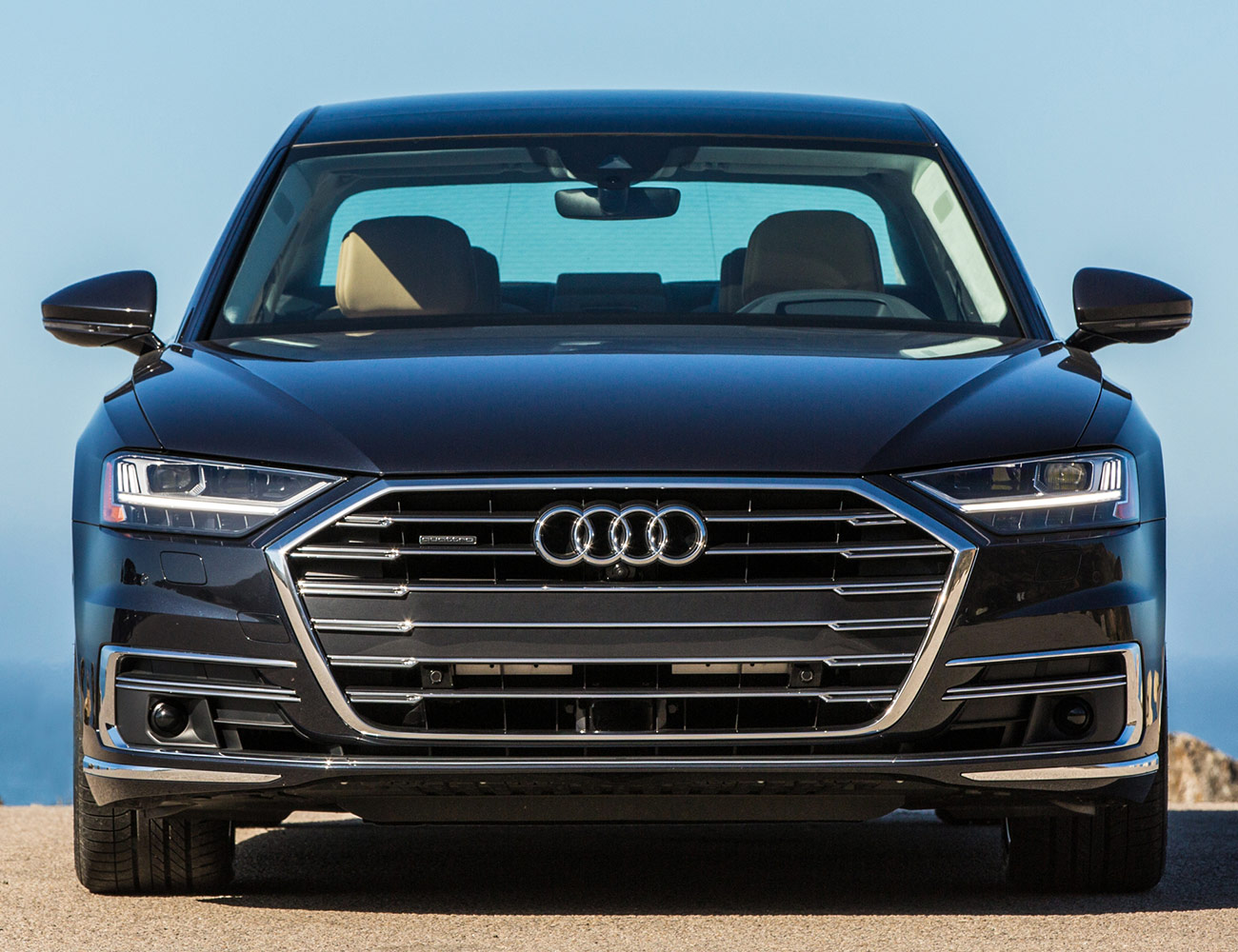
The A8 is Audi’s flagship full-sized luxury sedan. It uses the same 3.0-liter V6 with 335 hp as the A6. Audi terms the A8 “experience for the senses.” The A8 is loaded with luxury, driver assistance and advanced tech features. The A8 is only available with the long wheelbase in the U.S. It is a car to be driven in as much as driven. An available “Executive Rear Seat Comfort Package” includes a foot massager among other features.

Body Style: Sedan

Models:

• A8

Engines:

• Turbocharged 3.0-liter TFSI V6

Base MSRP: $83,800

Read our review of the A8.

Q3

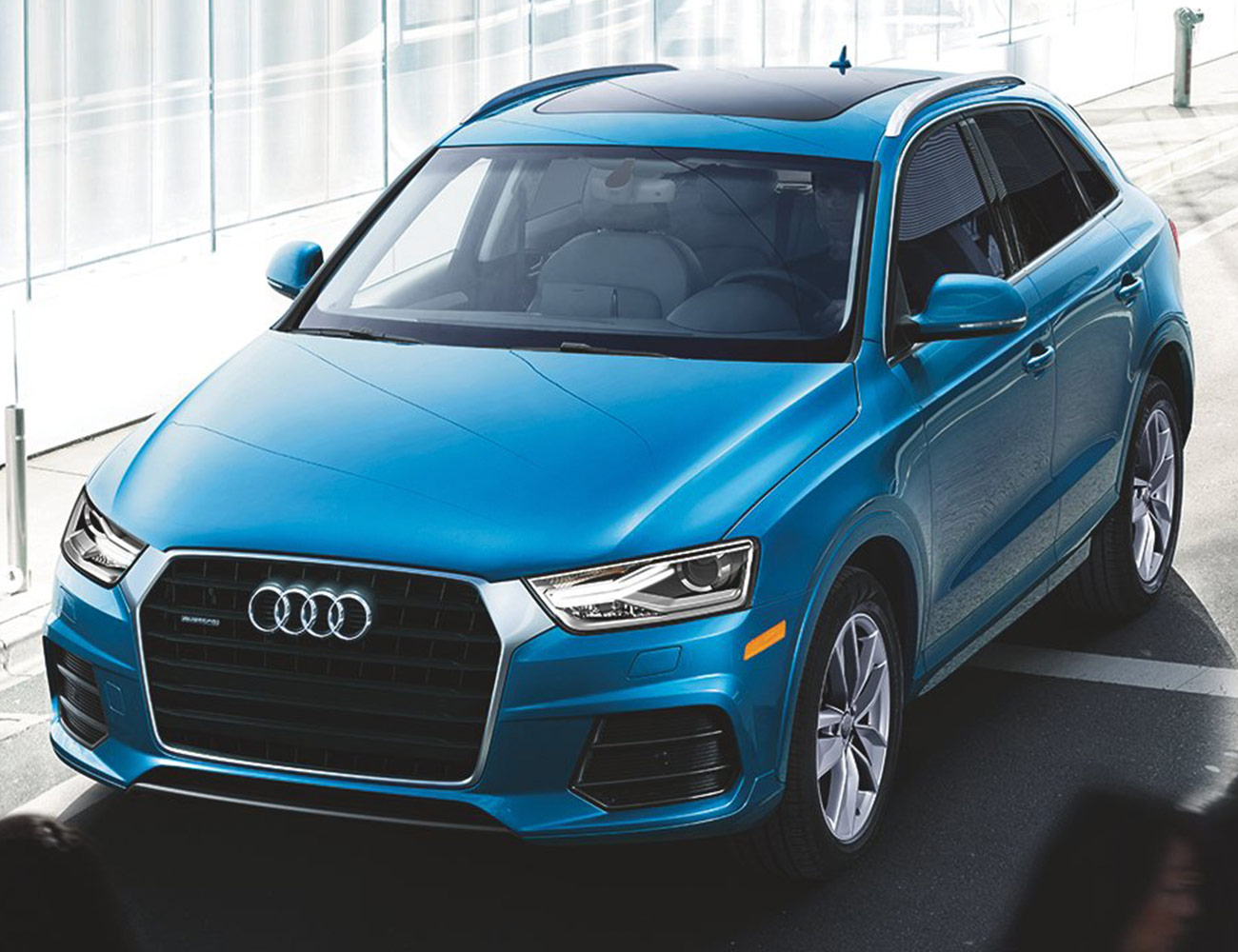
The Q3 is the SUV equivalent of the A3. It’s a subcompact crossover, the smallest “Q” vehicle. Similar to the A3, the 2019 Q3 will have 184 hp and 228 hp variations of the 2.0-liter I-4 and be available in FWD and AWD. A 2018 redesign offered more sophisticated and aggressive design language and received better reviews. Rumors have some hotter Q3s making it to the U.S.

Body Style: SUV

Models:

• Q3

Engines:

• Turbocharged 2.0-liter TFSI inline-four

Base MSRP: TBA ($32,900 in 2018)

Read our overview of the Q3.

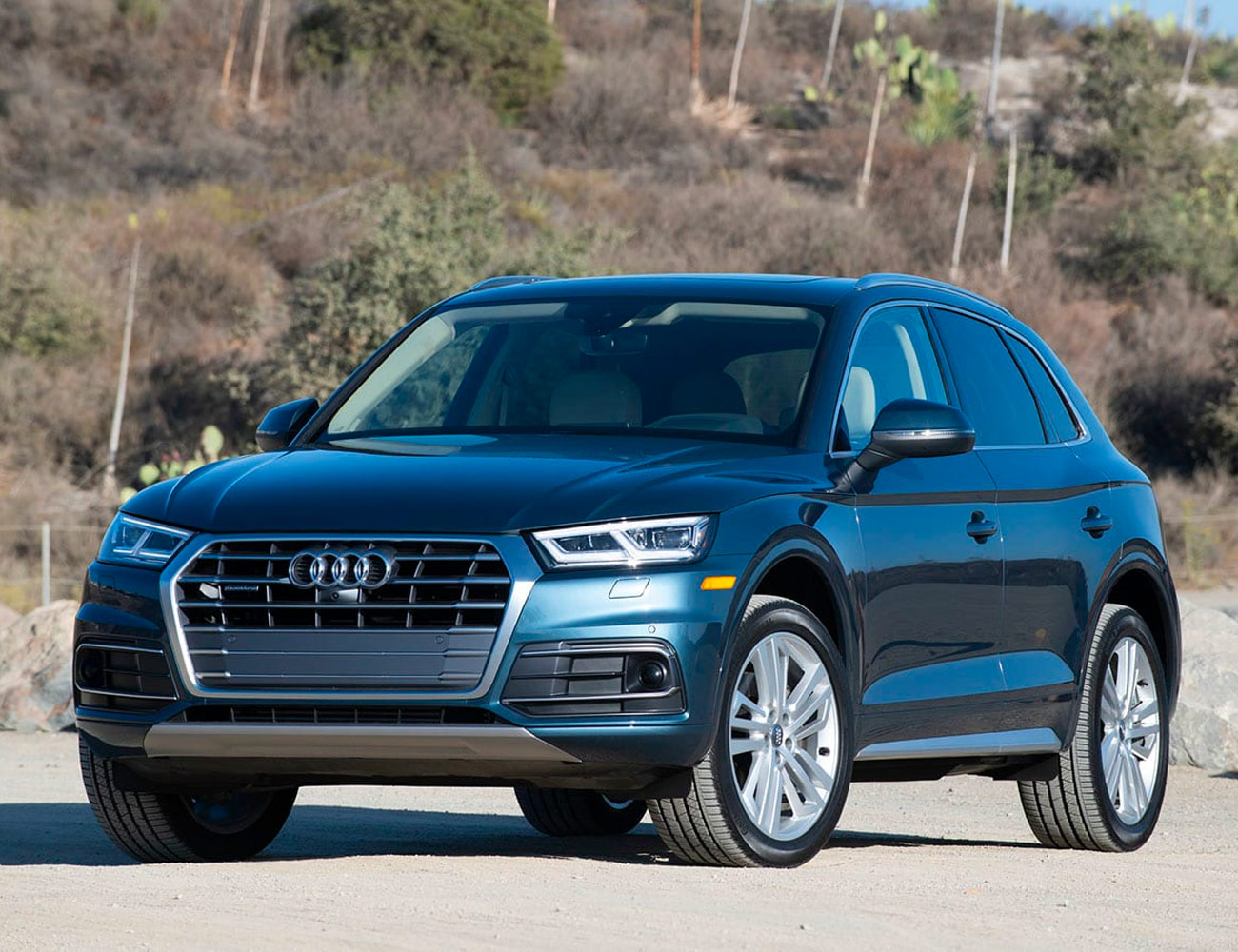
Q5 and SQ5

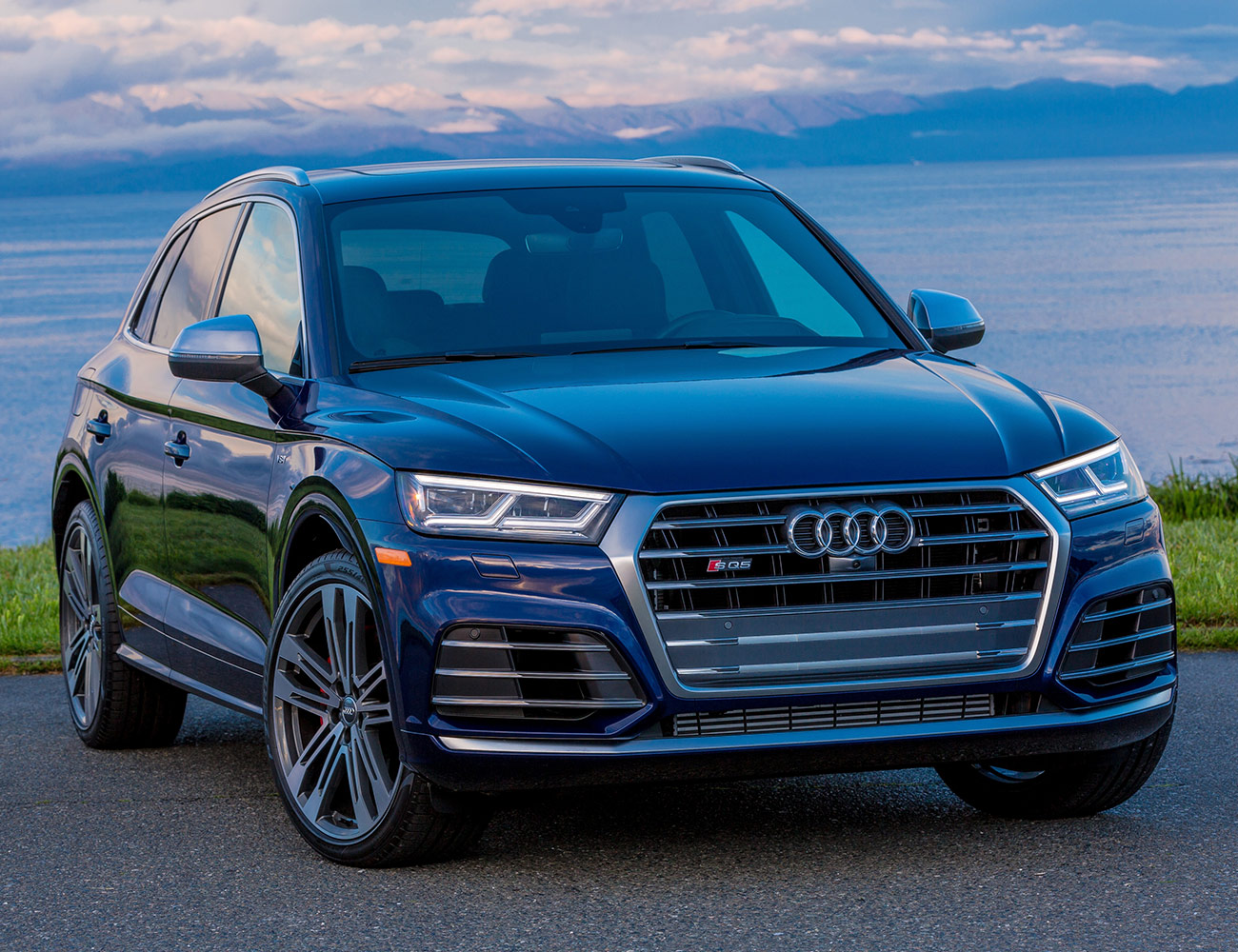
The Q5 is Audi’s compact luxury SUV. It’s the company’s best-selling vehicle in the U.S. market. It uses a 248 hp and 273 lb-ft of torque variant of the 2.0-liter I-4 engine. A 2018 redesign of the Q5 made a myriad of improvements on a new platform. For about $10,000 more, the SQ5 ($52,400) upgrades to the 349hp 3.0-liter V6 and an eight-speed transmission.

Body Style: SUV

Models:

• Q5
• SQ5

Engines:

• Turbocharged 2.0-liter TFSI inline-four
• Turbocharged 3.0-liter TFSI V6

Base MSRP: $42,950

Read our review of the Q5.

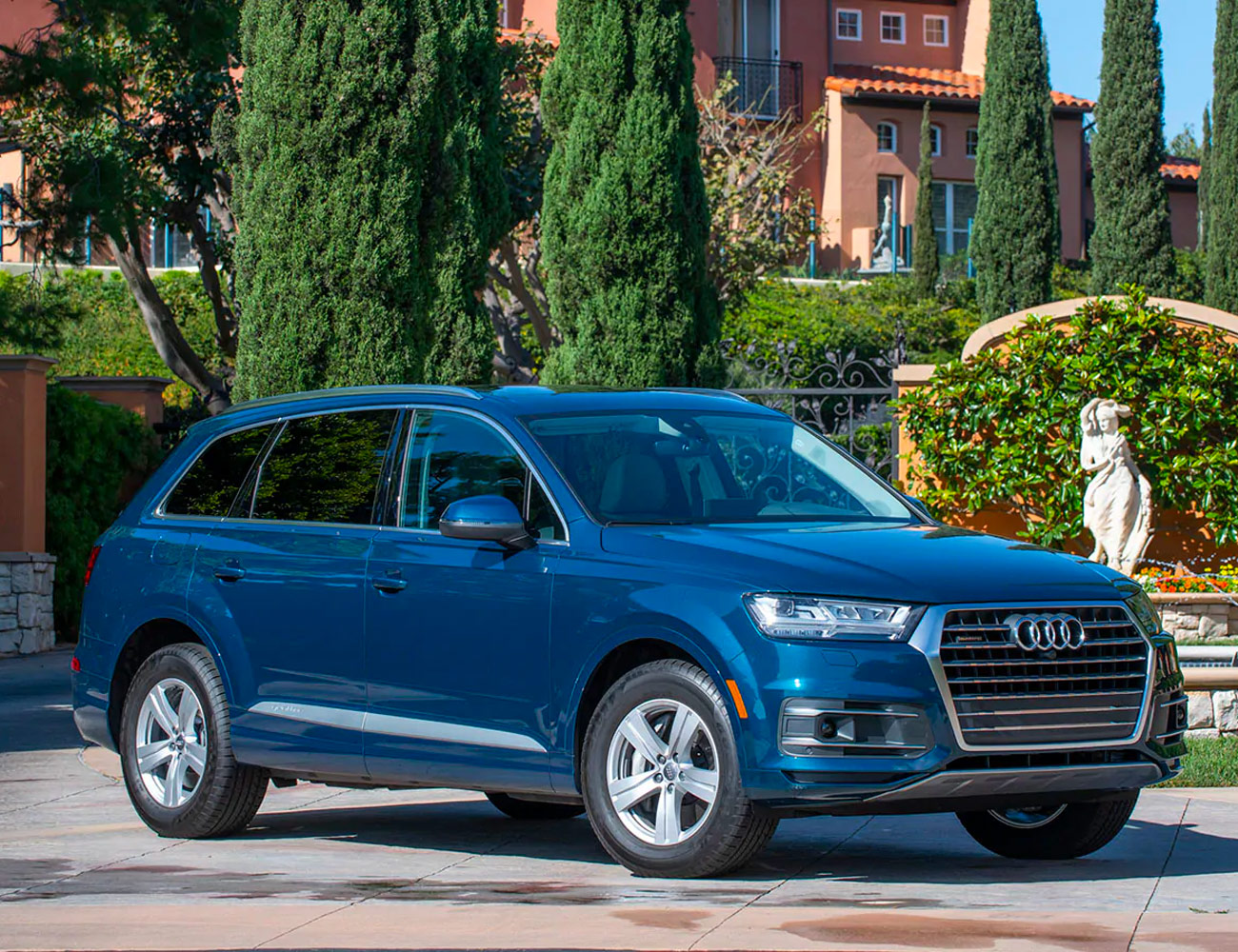
Q7


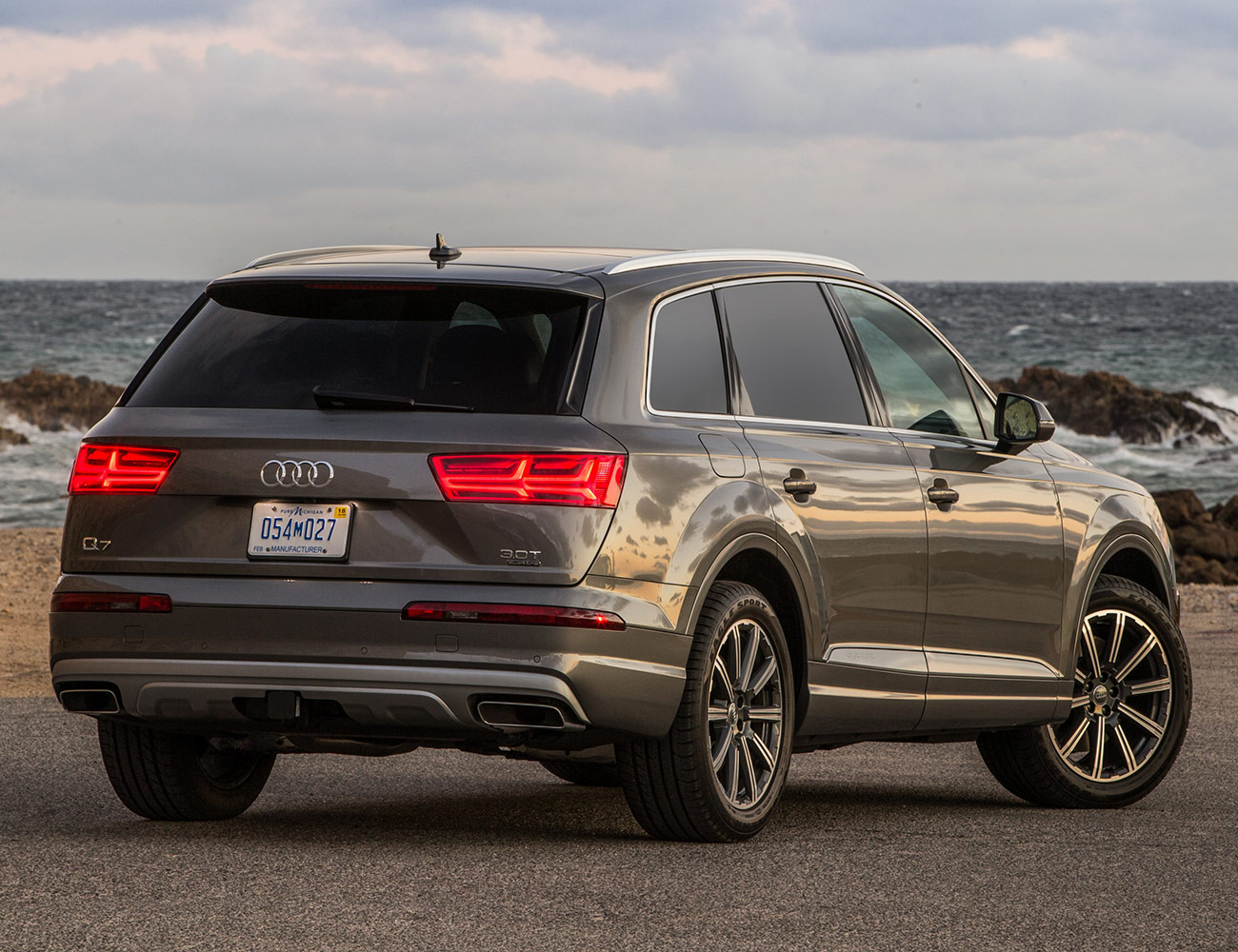
The Q7 is Audi’s full-sized luxury crossover SUV. It was the first Audi SUV model launched in 2005. The base engine is the 248 hp 2.0L I-4. Buyers can also outfit any Q7 trim with a 329 hp 3.0-liter V6. It can offer up to 71.6 cubic feet of cargo space with the seats folded.

Body Style: SUV

Models:

• Q7

Engines:

• Turbocharged 2.0-liter TFSI inline-four
• Turbocharged 3.0-liter TFSI V6

Base MSRP: $53,550

The Q7 is among the best cars to buy in 2019, according to Kelley Blue Book.

Q8

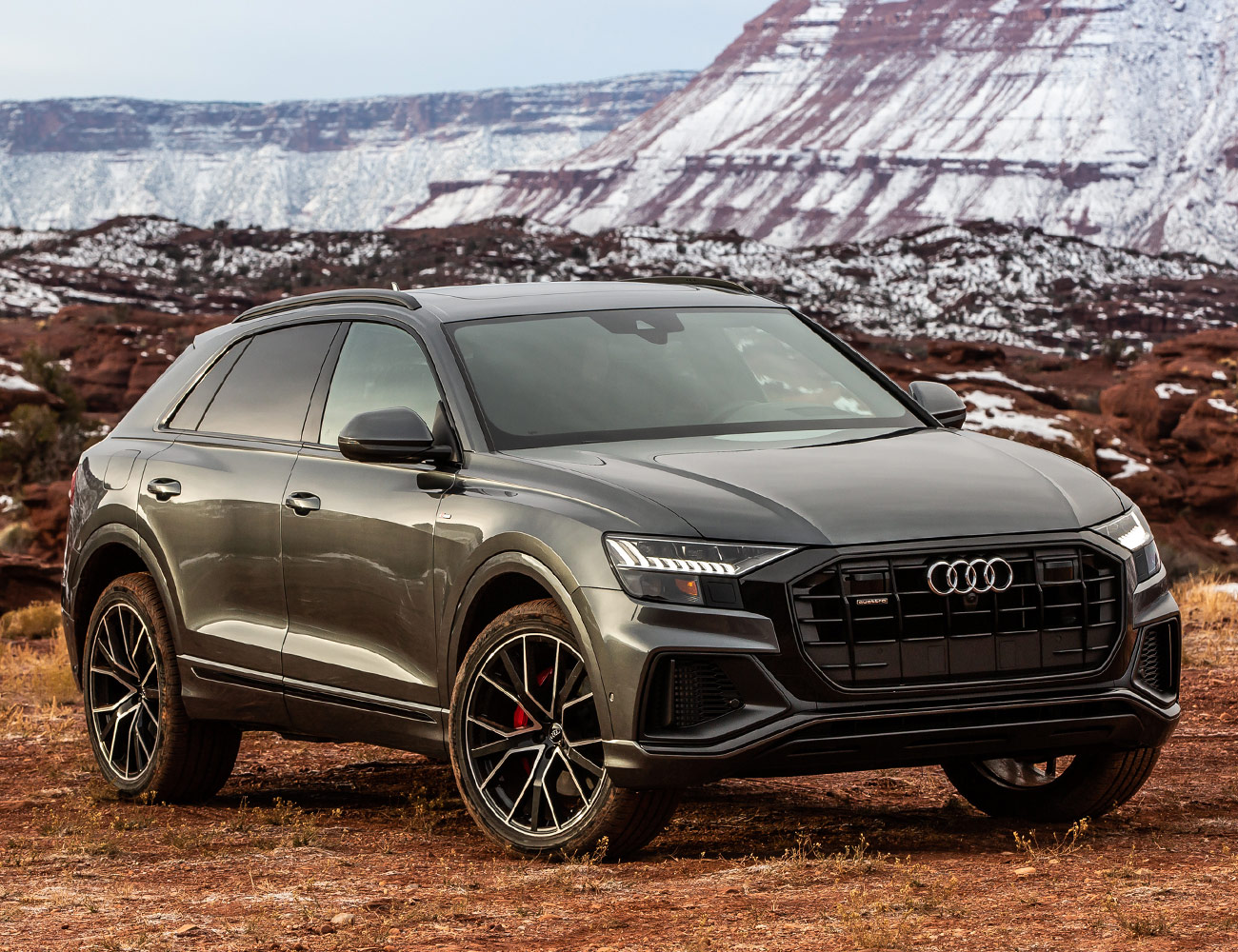
The Q8 is Audi’s SUV equivalent of the flagship A8 sedan. Introduced in the 2018 model year, it shares a platform, powertrain (335 hp 3.0-liter TFSI V6), and relative price point with the base model Porsche Cayenne. Buyers can add features such as four-wheel steering. The Q8 can accelerate from 0-60mph in 5.6 seconds.

Body Style: SUV

Models:

• Q8

Engines:

• Turbocharged 3.0-liter TFSI V6

Base MSRP: $67,400

Read our overview of the Q8.

e-tron

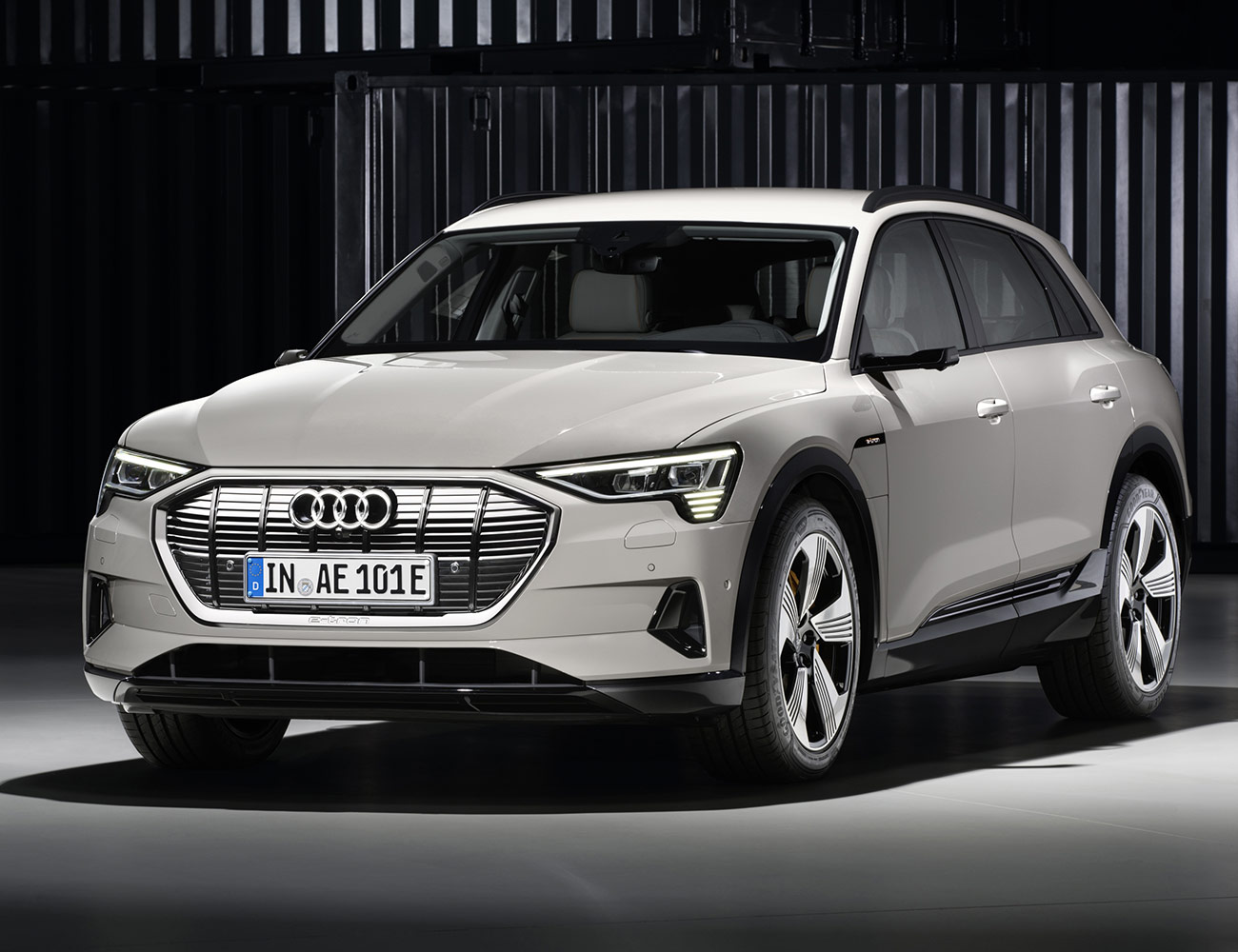
The e-tron is Audi’s premium all-electric SUV which goes into production this year. Audi is taking reservations but has yet to release key details such as range (it is expected to be between 200 and 220 miles per full charge). The e-tron will accelerate from 0-60 in 5.5 seconds and a top speed of 124 mph. It will have a five-mode adaptable air suspension.

Body Style: SUV

Models:

• e-tron

Engines:

• Dual electric motors

Base MSRP: $74,800

Read our review of the e-tron.

TT

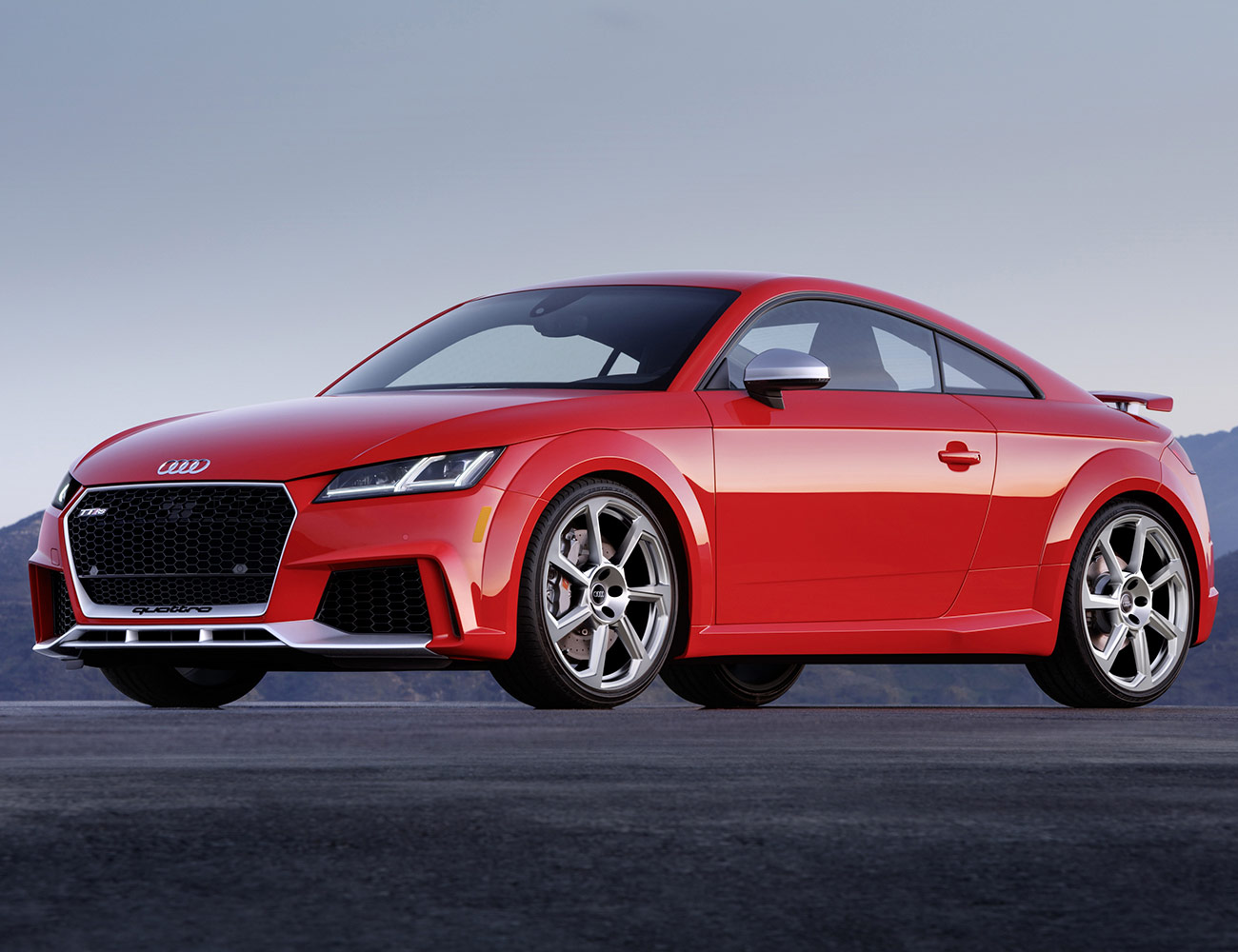
The Audi TT is a two-door sports car. It comes in both coupe and convertible roadster form. It comes with all-wheel drive and the 228 hp 2.0-liter I-4 Turbo. There are two higher performance versions. The TTS ($53,800) has the 288 hp version of the 2.0-liter I-4 Turbo from the Golf R. The TT RS ($64,900) upgrades to the 400hp 2.5-liter I-5 Turbo found in the RS 3.

Body Style: Coupe, Roadster

Models:

• TT Coupe
• TT Roadster
• TT S Coupe
• TT RS Coupe

Engines:

• Turbocharged 2.0-liter TFSI inline-four
• Turbocharged 2.5-liter TFSI inline-five

Base MSRP: $44,900

Read our review of the TT RS.

R8 and R8 Spyder

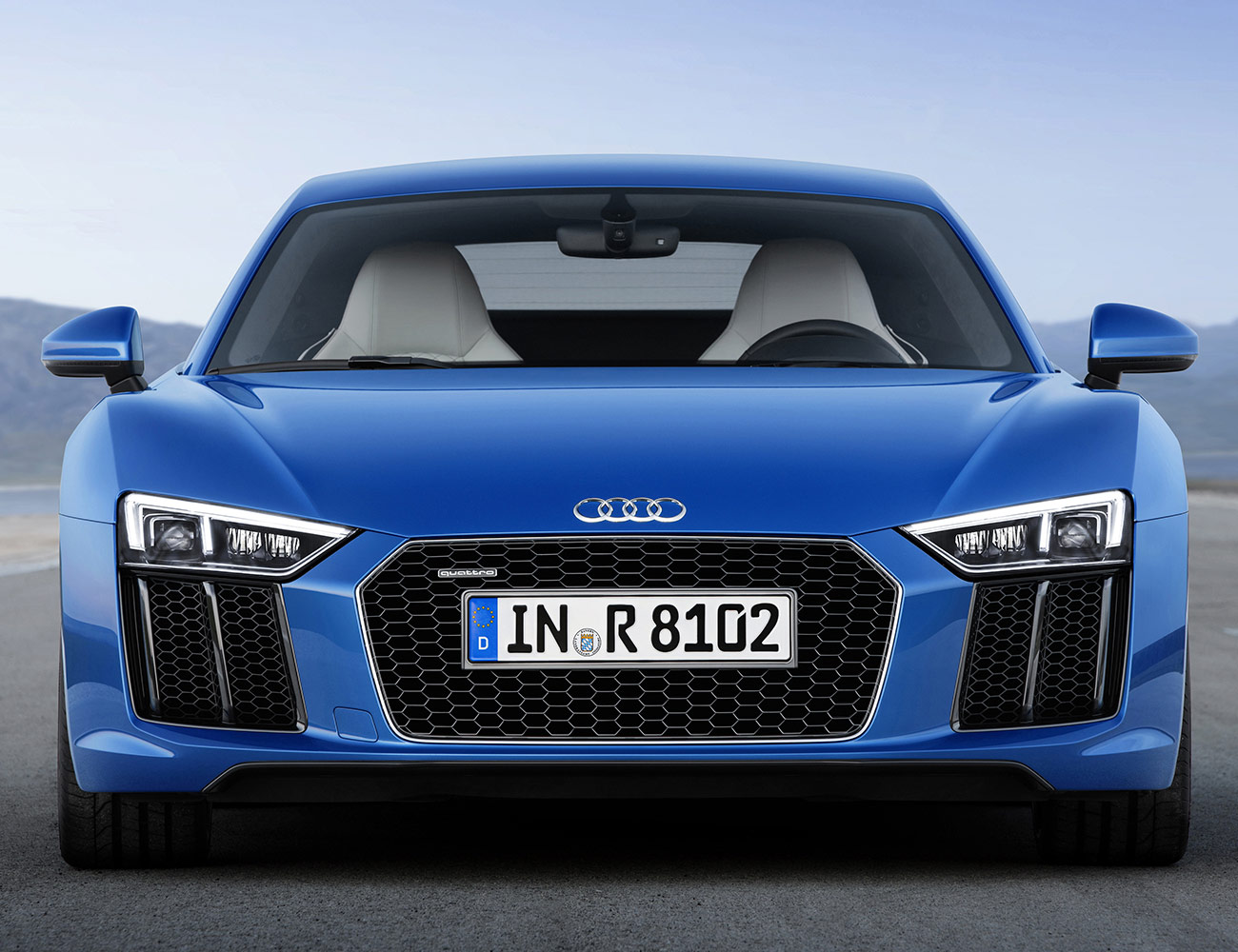
The R8 is Audi’s supercar. It uses a naturally aspirated 5.2-liter dual injection V10. The standard edition gets 532 hp and 398 lb-ft of torque. The “plus” version produces 602 hp and 413 lb-ft of torque. The plus version can accelerate from 0-60 in just 3.2 seconds. Audi is also producing a limited run R8 RWS which will have the 532 hp V10 but reduced weight and rear-wheel drive. The R8 Spyder offers the same powertrains and an R8 Spyder, or convertible, ($177,100) for a steep premium.

Body Styles: Coupe, Roadster

Models:

• R8
• R8 Spyder

Engines:

• 5.2-liter FSI V10

Base MSRP: $138,700

Read our overview of the R8.

G-Power BMW M850i Revealed with 670hp

More BMW 8 Series are making their way onto the hands of customers. As this happens, we expect some interesting tuning projects to emerge. G Power are one of the first to present their project. Based on the current range topping BMW M850i, this particular 8 Series possesses some significant performance credentials.

G Power have applied their ECU tune to the Coupe. It’s 4.4 liter twin-turbo V8 gains 140 hp and 140 Nm of torque for total figures in the range of 670 hp and 890 Nm of torque. The power is realised through a 2,481 euro ECU package together with a set of 4,155 euro downpipes. A top speed of 320 km/h is quoted with the limiters removed together with a 100 km/h sprint time of 3.1 seconds.

While there are no cosmetic enhancements on offer, it is simply too early for this, G Power have fitted a set of their HURRICANE RR forged rims. The double spoke design is available in sizes 9×21” and 10.5×21”. The most expensive part of the package, G Power charge 7,521 euros for the wheel and tyre set.

There is more the come from the BMW 8 Series over the next month. We expect that the Geneva Motor Show 2019 will see more tuning projects released. Companies like Hamann and Alpina will almost certainly release competing packages.

Volkswagen Will Take on the EV Record Around the Nürburgring

The I.D. R. Will Take On the Challenge

Volkswagen will have driver Romain Dumas take a chance at the EV lap time record around the Nürburgring in its electric I.D. R. zero-emissions electric racecar. VW will attempt the run this summer. 

Before the German company decides to go after the EV title at the track, it will make some updates the I.D. R., according to Carscoops. The updates will include aerodynamic changes to the machine. The power output of 670 hp 650 lb-ft of torque from its two electric motors will remain the same. 

In its current set up, the I.D. R. is capable of hitting 62 mph from a standstill in just two seconds. The aerodynamic upgrades shouldn’t impact this stat, but those changes should help the vehicle corner around the 12.9-mile racetrack. there are 75 corners on the track, so being able to take them at as high a speed as possible is vitally important for setting a good lap time.

In order to beat the record, VW’s electric racer will have to complete the lap in less than 6:45.90. The current record is held by the NIO EP9, which set the record in 2017. The driver behind the wheel of the NIO EP9 was Peter Dumbreck. 

Romain Dumas thinks he will be able to beat Dumbreck’s time. However, he did say that the time Dumbreck put down in 2017 will be hard to beat. “The thought of driving the I.D. R on the Nordschleife is already enough to give me goosebumps,” he said. 

When VW attempts to make the run this summer we’ll be watching and will let you know how much faster they complete it, if they can break the record at all. 

Crashed Lamborghini Urus Hits the Market for $117,000

A crashed Lamborghini Urus has emerged through salvage website Copart. When we first heard about it we assumed it was the Dubai plated car which suffered a highway collision last week. It turns out that a second Lamborghini Urus suffered an accident in Texas.

The car Copart are advertising carried just 752 miles before the accident. It’s listed with a staggering $236,053 retail value and a bidding value of $117,000. The damage is mostly front end, it looks like the Urus ran into something fairly solid.

The windscreen is smashed and the airbags have also deployed. Hopefully the occupants managed to escape the accident without injury. The damage looks fairly substantial and could incur some significant cost to fix. As far as these things go, we suspect it might either get snapped up for parts or by a tuning company looking for a project.

Copart also have some other interesting supercars. A Lamborghini Aventador prepared by DKH Autosports seems to have suffered some front end damage too. The Florida-based car asks $82,500. The company are also advertising a Ferrari F430 Scuderia prepared by Novice which seems to have suffered significant frame damage.

10 Used Foreign Cars You Can Finally Import in 2019

New year, new you, new list of cars that can finally be brought to the United States. If you’re a car enthusiast, arguably the best part of rolling into a new year is the opportunity to purchase cars that were once forbidden fruit, made possible now that they’re a quarter of a century old. And trust me, 2019 has some real good shit in store, ranging from a Porsche-tuned station wagon to a few rally homologation specials to an apocalypse-ready minivan.

Keep in mind, you’ll have to wait until 25 years from the month your import was produced for it to be fully legal. (Read about the “25 Year Law” here.) But if you’ve been after any one of these wonderful obscurities, consider the wait nearly through.

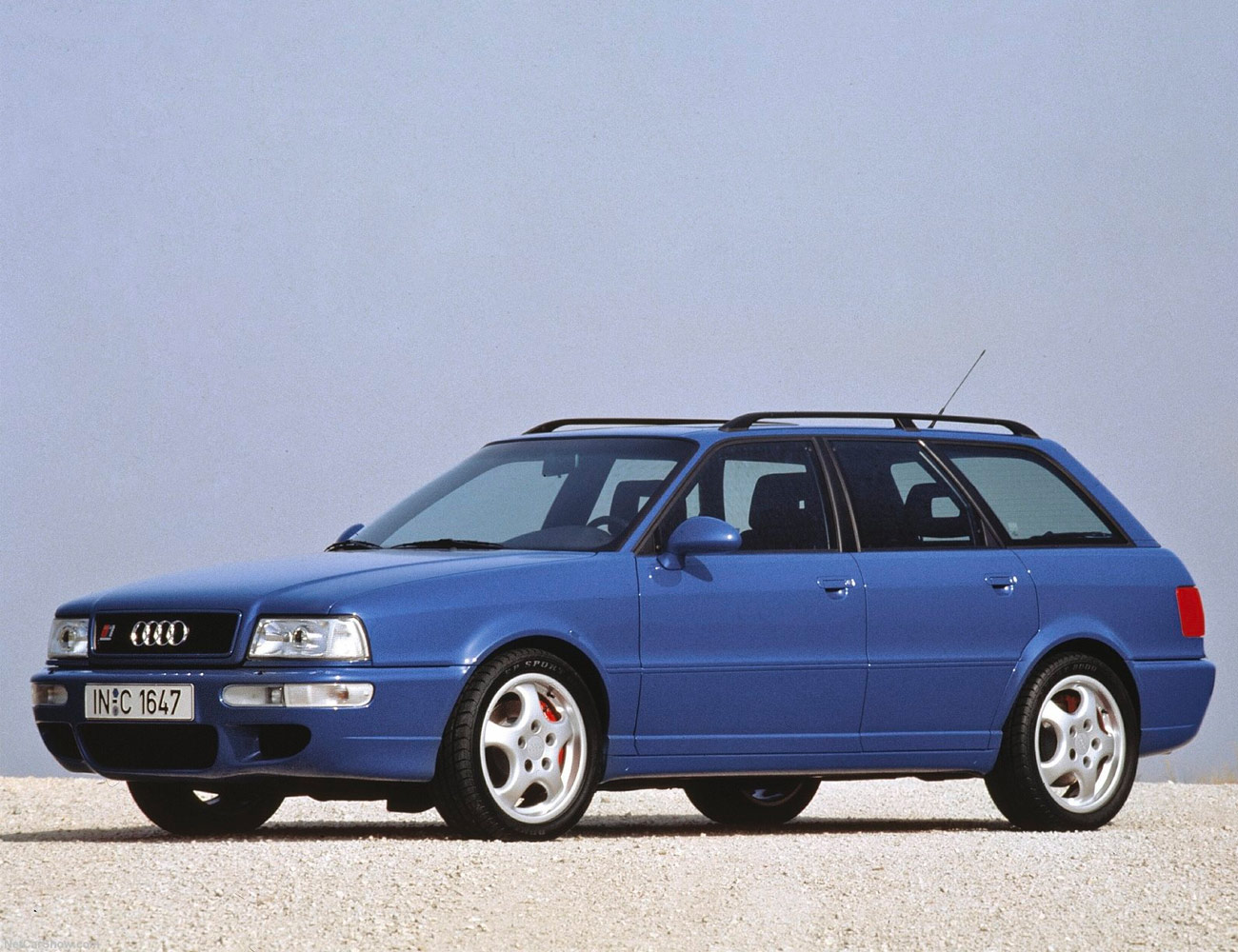
Audi RS2 Avant

Arguably the most anticipated import car for 2019 will be the Audi RS2 Avant, grandfather to all hardcore sports wagons. Launched in March of 1994, the RS2 was a collaborative venture between Audi and Porsche and the harbinger of Audi’s insane “RS” cars. Based on the vanilla Audi 80, the RS2 was assembled at the same Porsche factory that made the legendary 959. It was bestowed with a turbocharged inline five-cylinder engine tuned by Porsche to produce well over 300 horsepower and sent to all four wheels via a six-speed manual gearbox. That glorious combination of running gear made a 0 to 60 mph sprint possible in under five seconds, which was supercar-rivaling acceleration at the time. Other goodies include Brembo brakes and Recaro sports seats.

Unfortunately, the RS2 was a particularly limited-run car, with fewer than 3,000 examples built. As such, the RS2 is already seeing massive demand in Europe, with prices extending well beyond $35,000 for a good example. So if you want one stateside next year, you’ll need fairly deep pockets.

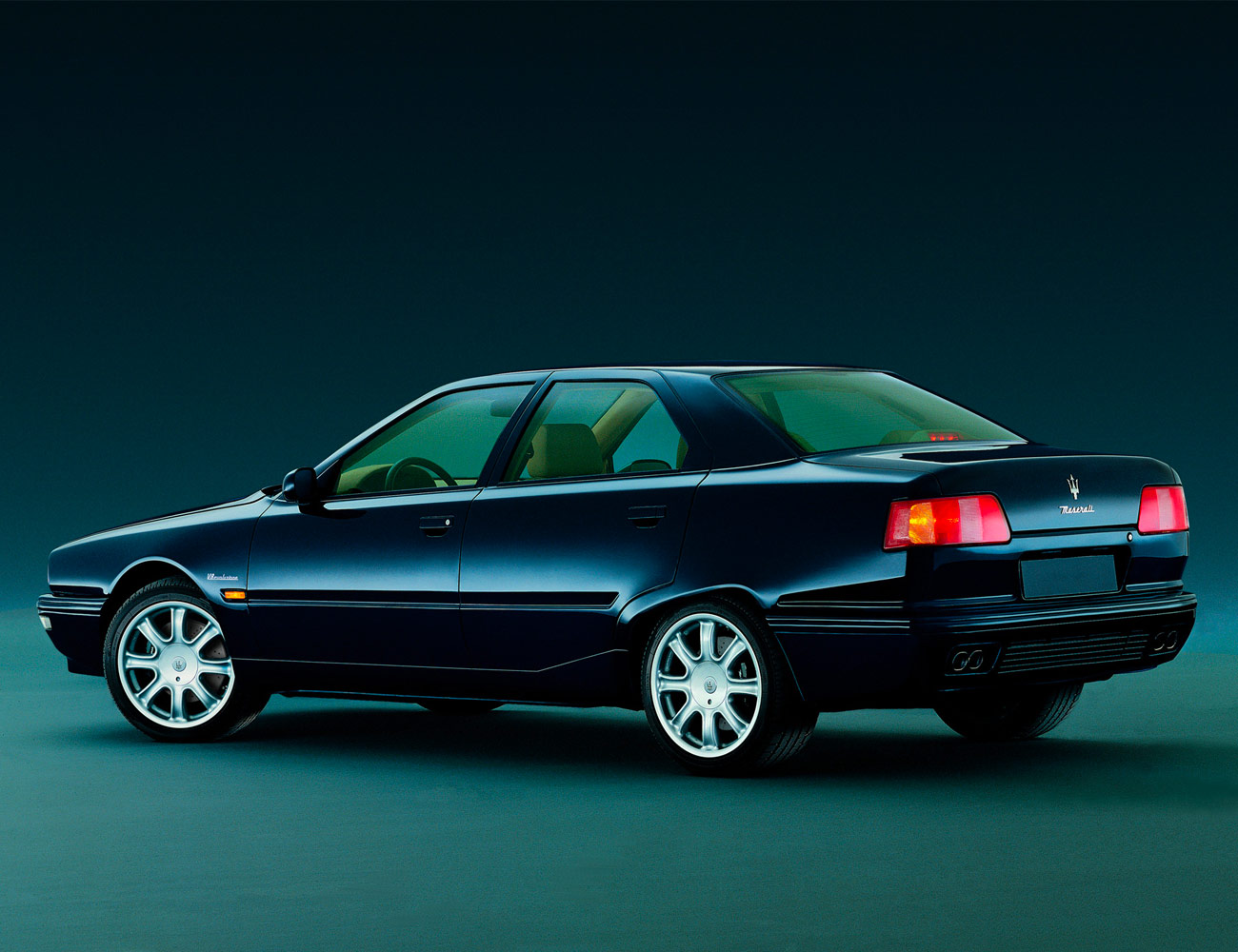
Maserati Quattroporte IV

Most Maseratis of the ‘80s and ‘90s were weird, but also strangely desirable. The Quattroporte IV – a generation of the marque’s four-door we never saw stateside – is certainly no different. The car’s wedgy and angular styling was penned by Italian design legend Marcello Gandini (whose credits include the Lancia Stratos, Lamborghini Miura and De Tomaso Pantera). The engine powering it was a twin-turbo V6 (a couple of years later a twin-turbo V8 was also offered). That was good for a top speed of just over 160 mph and a 0 to 62 mph sprint in under six seconds, according to Maserati.

So it’s a reasonable performer then, with a luxurious interior, and it’s a bit of a rarity, to boot. Only some 2,400 Quattroporte IVs were made during its run between 1994 and 2000; it’d certainly stand out on American roads today. So if you want one, good news: you can find early examples in good condition for under $20,000. Bad news? It’s a 25-year-old, Italian exotic. Know what you’re getting into.

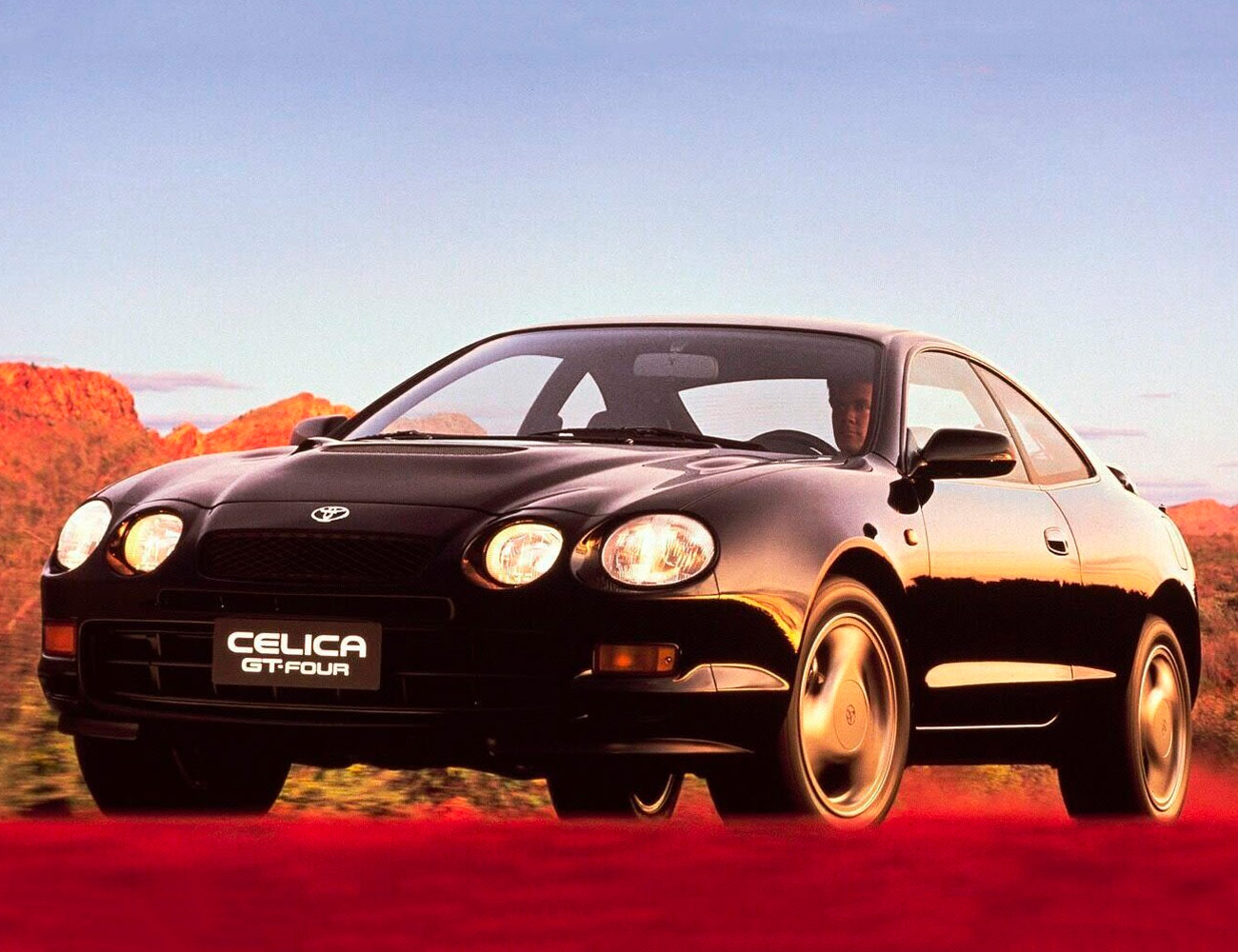
Toyota Celica GT-Four (ST205)

Think WRC homologation car and your mind probably conjures up images of Lancia Deltas and Audi Quattros sliding through the dirt and snow. But the Celica GT-Four ST205 is, arguably, one of the most underrated homologation specials to what is, arguably, the most infamous rally car of all time. In short, the Toyota Celica GT-Four competing in Group A rallying used a device that was able to bypass the turbo restrictor plate during competition yet could appear completely normal under inspection. This, supposedly, gave the car a 50 horsepower advantage over the competition. The technical explanation is longer and far more clever than just that – so much so that FIA president Max Mosley called it “the most sophisticated device I’ve ever seen in 30 years of motorsport.”

The road-going variant of the Group A car, introduced in February 1994, was just as much a friend, sporting an all-wheel-drive system, a 2.0-liter turbocharged four-cylinder producing 255 horsepower and a big-ass spoiler. It even featured all the plumbing needed to install an anti-lag system. It’s a little-known gem from the height of Toyota’s experimental phase, and that alone makes it worth seeking out (as if the rally-like handling and ear-piercing turbo noises weren’t enough).

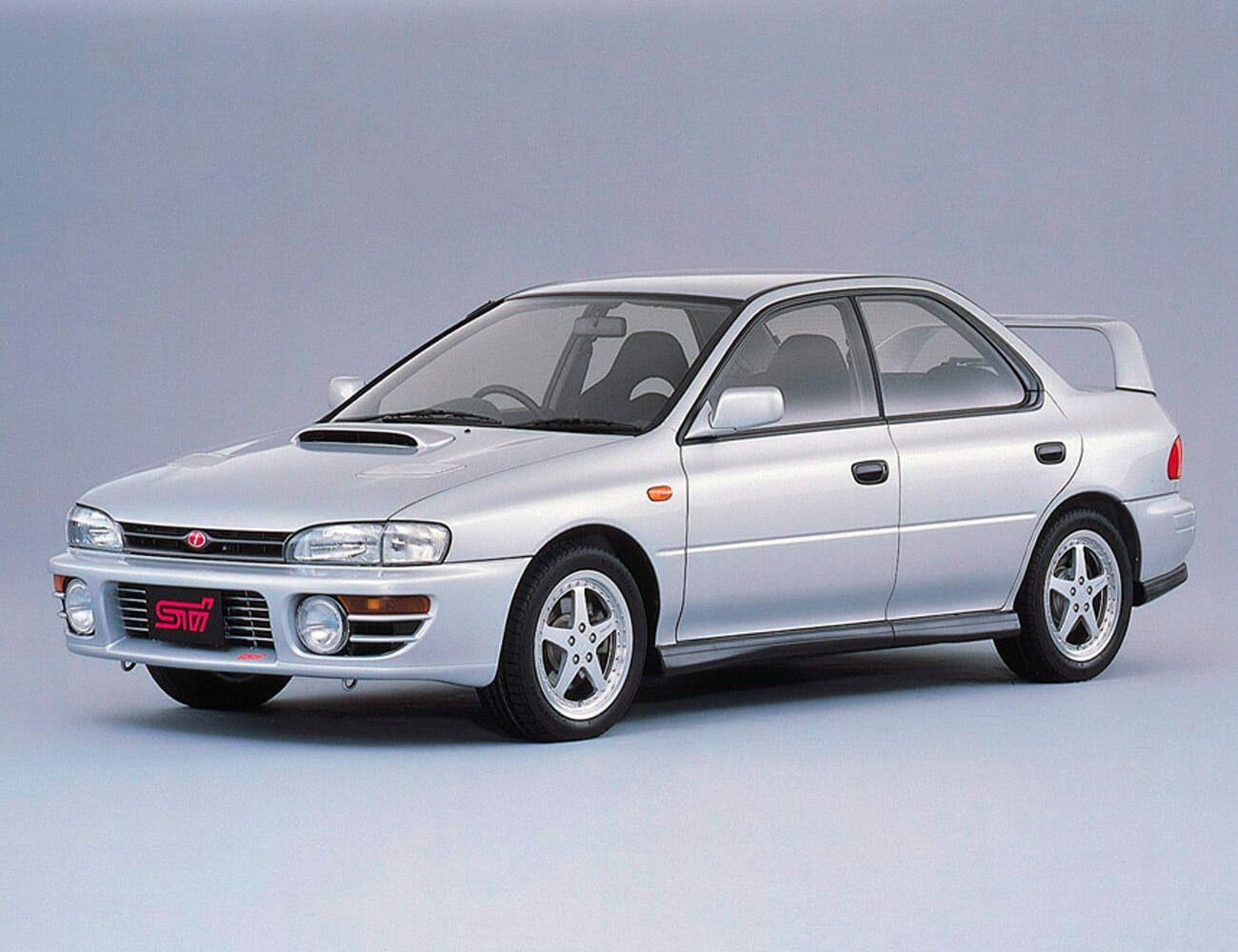
Subaru WRX STi

While the rally-bred Subaru WRX STi has been available for a few generations in the U.S., the very early cars – the ones that first made Subaru a sensation with tuners and boy racers – was a Japan-only affair. The earliest WRX came into being in 1992, but the coveted variant warmed over by Subaru Technical International was introduced two years later. The first cars were essentially finished WRXs taken from the production line, then modified by STi. The 2.0-liter turbocharged four-pot received a modest power boost, from 240 horsepower to 250, while upgraded suspension and transmission components were added for good measure.

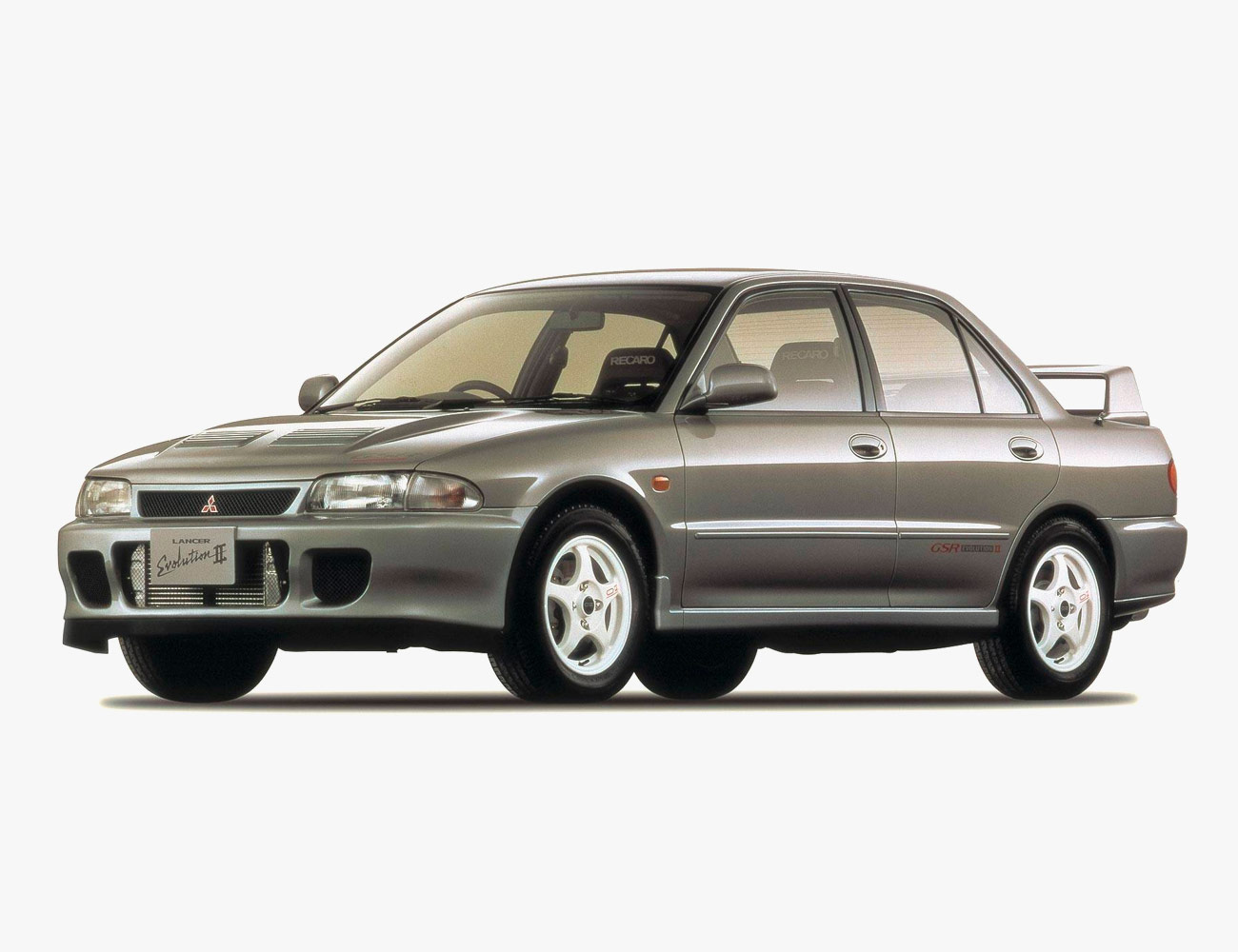
Mitsubishi Lancer Evo II

The first Lancer Evo has been legal in the U.S. for about two years now, but in 2019 you’ll be able to import that car’s successor. On the surface, there isn’t much to distinguish the Evo II from the original, mostly because the improvements made were incredibly subtle. That included a slightly lengthened wheelbase, wider tires and improved sway bars. Most notable, though, was a modest increase in power, now up to 252 horsepower over the original’s 244hp.

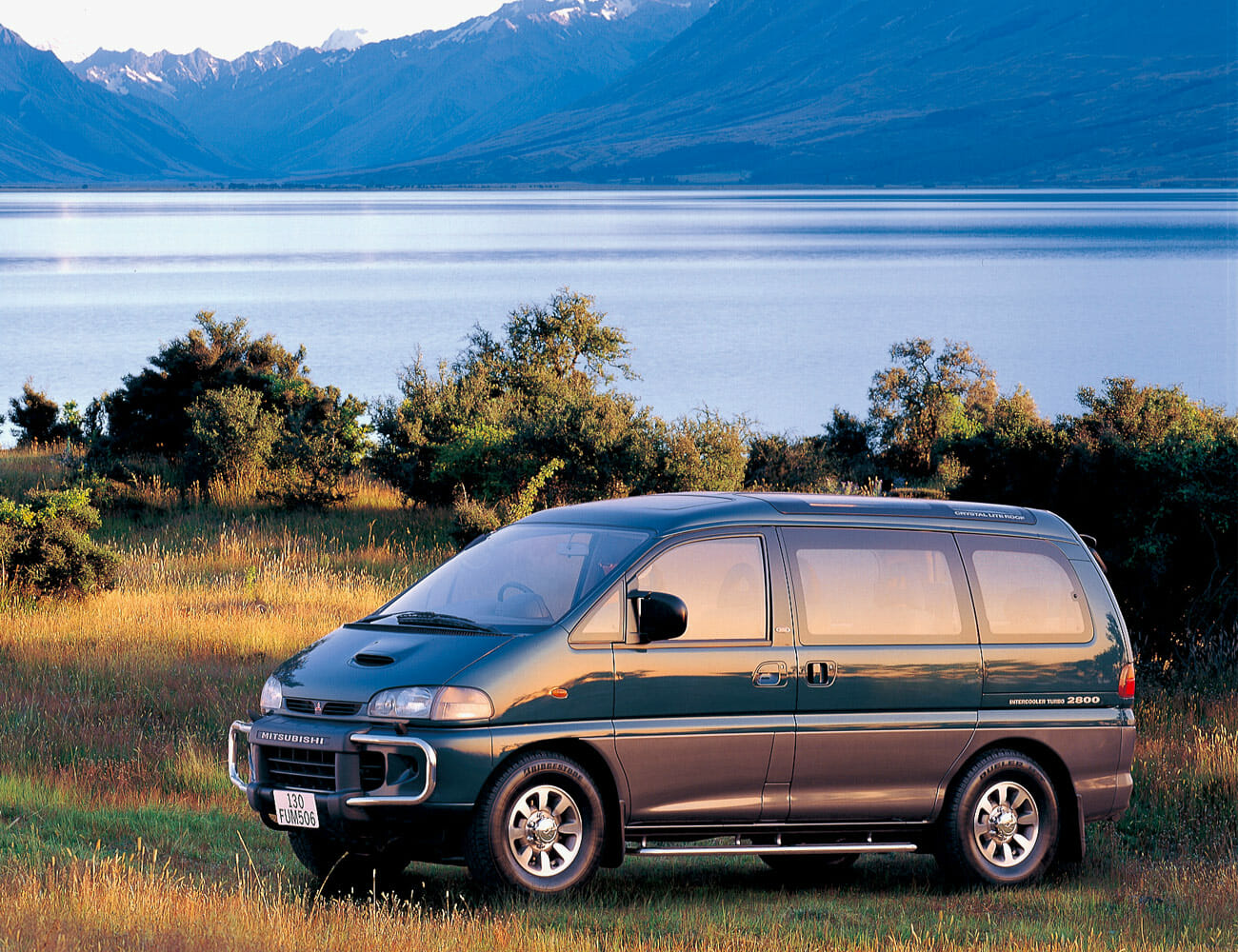
Mitsubishi Delica Space Gear

Mitsubishi’s off-road-ready third-generation Delica has been an import staple in the US for years now, but this year we’ll likely start seeing the car’s fourth-gen successor make its way stateside. In addition to the new “Space Gear” moniker, the fourth-gen Delica received smoother, more aerodynamic design language, perfect if you’re going for that “helicopter parenting in the end times” look. Though it lacks the edgier look of the third-gen, the Space Gear has a more refined interior, and it still retains — in 4WD guise — all the off-road underpinnings you’d need for an adventure: high-riding suspension, transfer case and a locking differential.

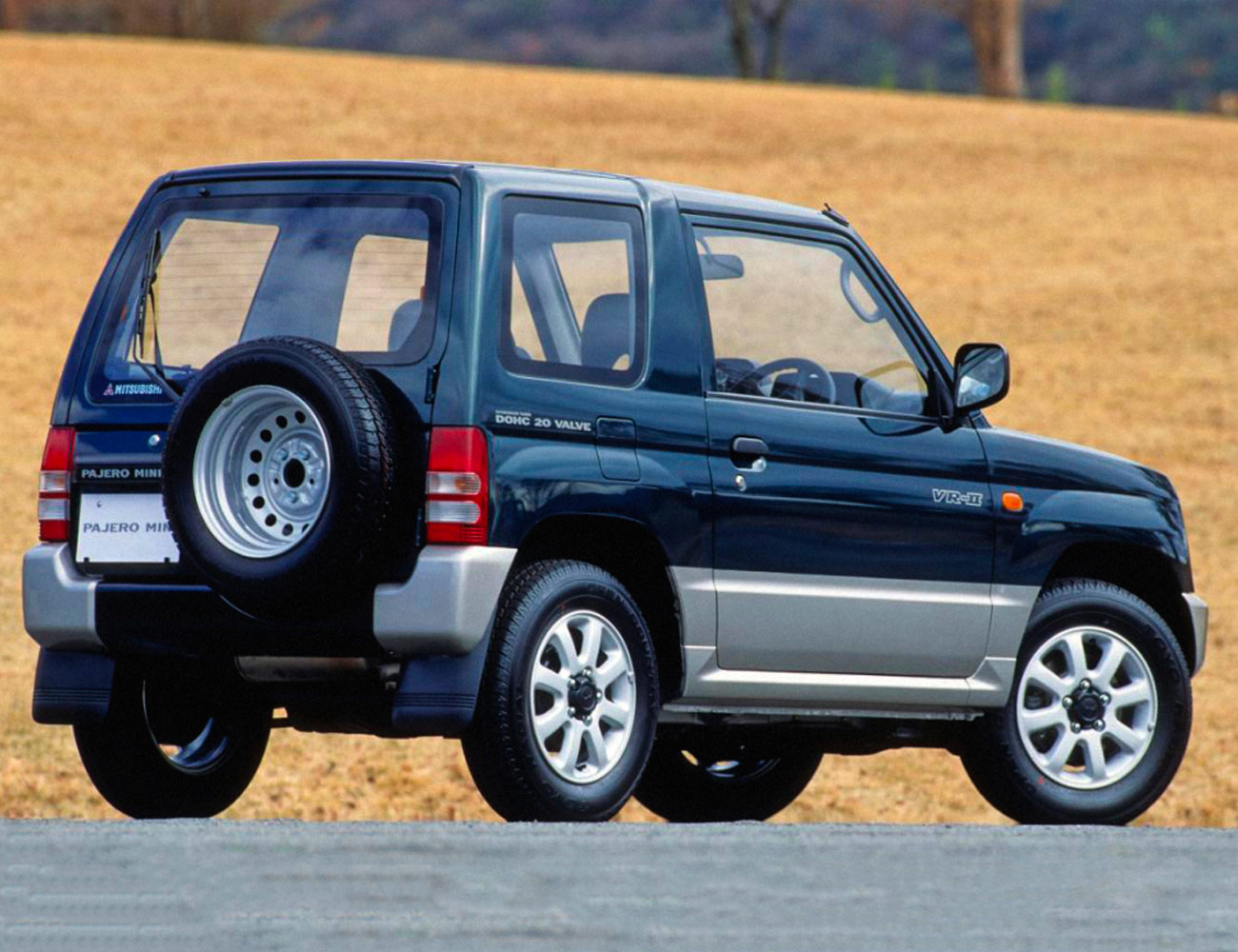
Mitsubishi Pajero Mini

Maybe you’ve fallen in love with the fourth-generation Jimny (we don’t blame you), but the idea of waiting a full 25 years for one is disparaging. For a replacement in the interim, might we suggest the Pajero Mini?

As the name suggests, the Pajero Mini takes inspiration from the legendary Mitsubishi Pajero SUV but is small enough to fit into Japan’s “Kei” class of microcars. That means you get a tiny 659cc engine and the car is even shorter than the modern Mini Cooper, but you get a 4WD system and transfer case for proper backwoods shenanigans.

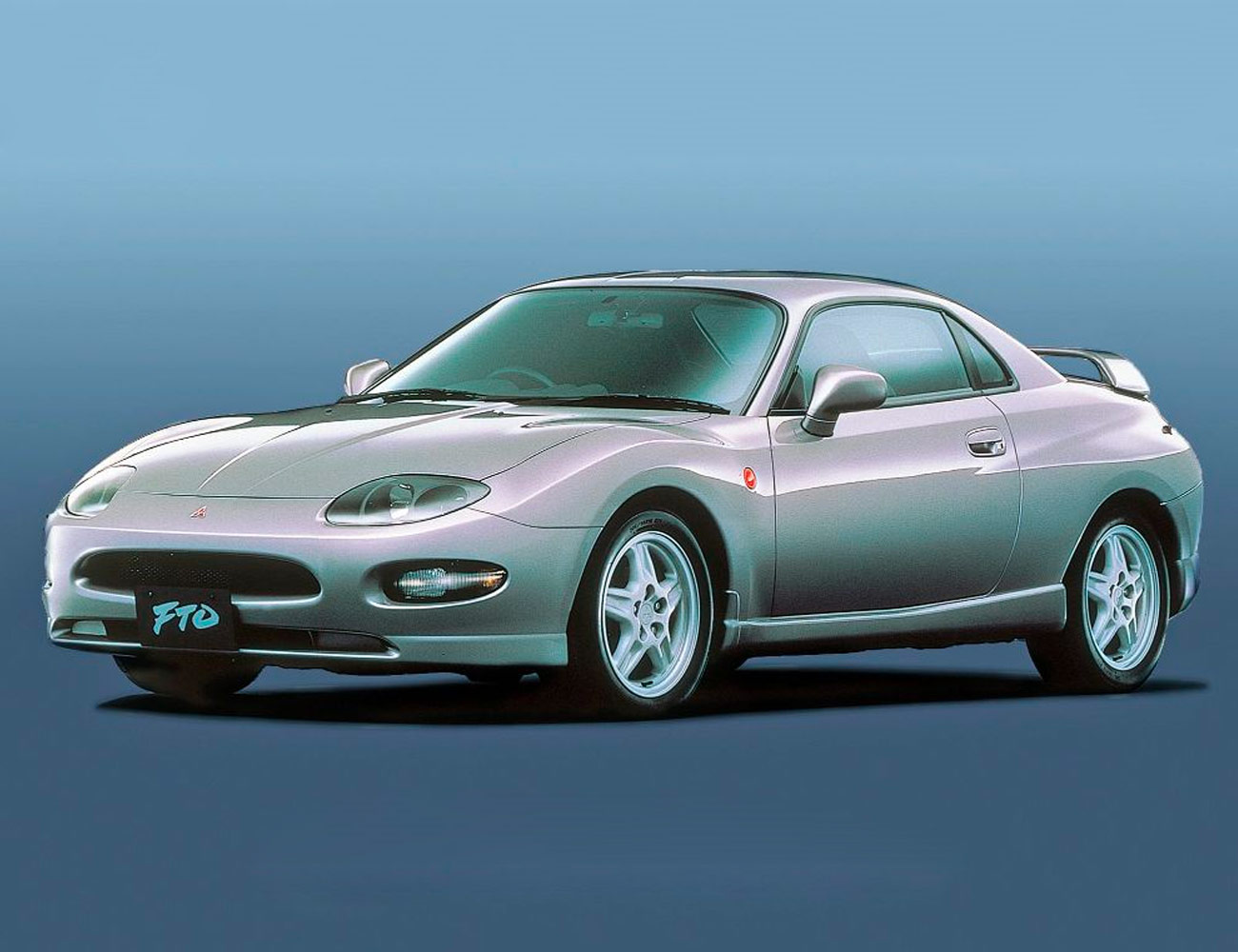
Mitsubishi FTO

Clearly, 1994 was a big year for Mitsubishi, as it also saw the introduction of the FTO, the brand’s compact, FWD sports coupe. It’s an obscure little car, unless you spent a lot of time playing Grand Turismo as a kid, but was available with a revvy 2.0-liter V6 that pumped out 170 horsepower – or nearly 200hp in “GPX” trim (a smaller four-cylinder was the base option). Transmission options boil down to a five-speed manual or a four- or five-speed automatic with selectable gears that can “learn” your driving style and shift accordingly.

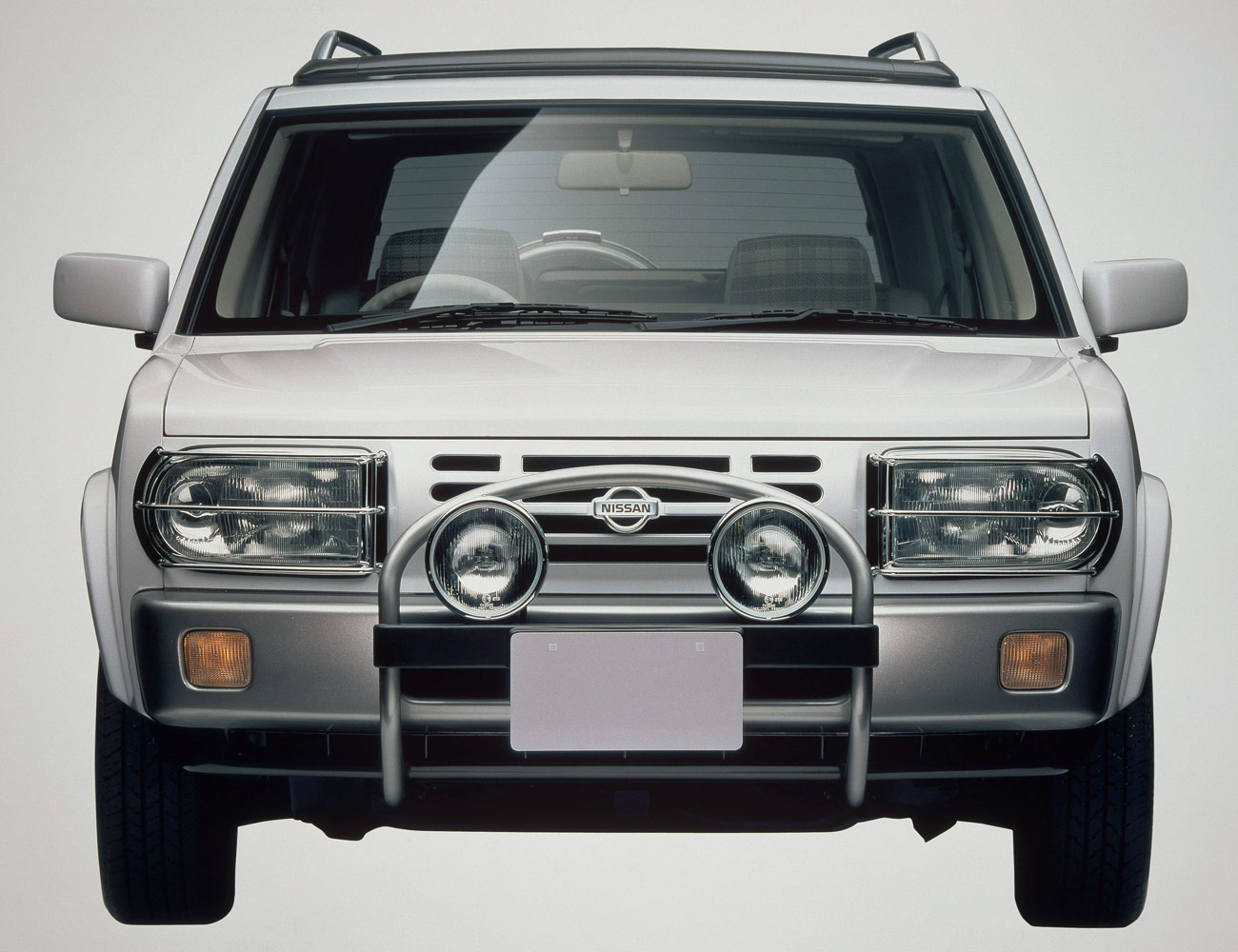
Nissan Rasheen

Compact crossovers are a dime a dozen these days, but if you want something small and practical that’s a bit more forward-thinking and quirky, the Nissan Rasheen might be your chariot. The Rasheen’s pseudo-retro styling looks inspired by the Wartburg 353 and smacks of Nissan’s oddball “Pike Factory” cars. Mechanically, there’s nothing particularly notable: it’s powered by a trio of small four-cylinders (1.5, 1.8 and 2.0-liter options were available) and Nissan’s ATTESA all-wheel-drive system. What is notable, however, is the option for plaid seating! Expect the earliest examples of the Rasheen to become eligible for import starting in November.

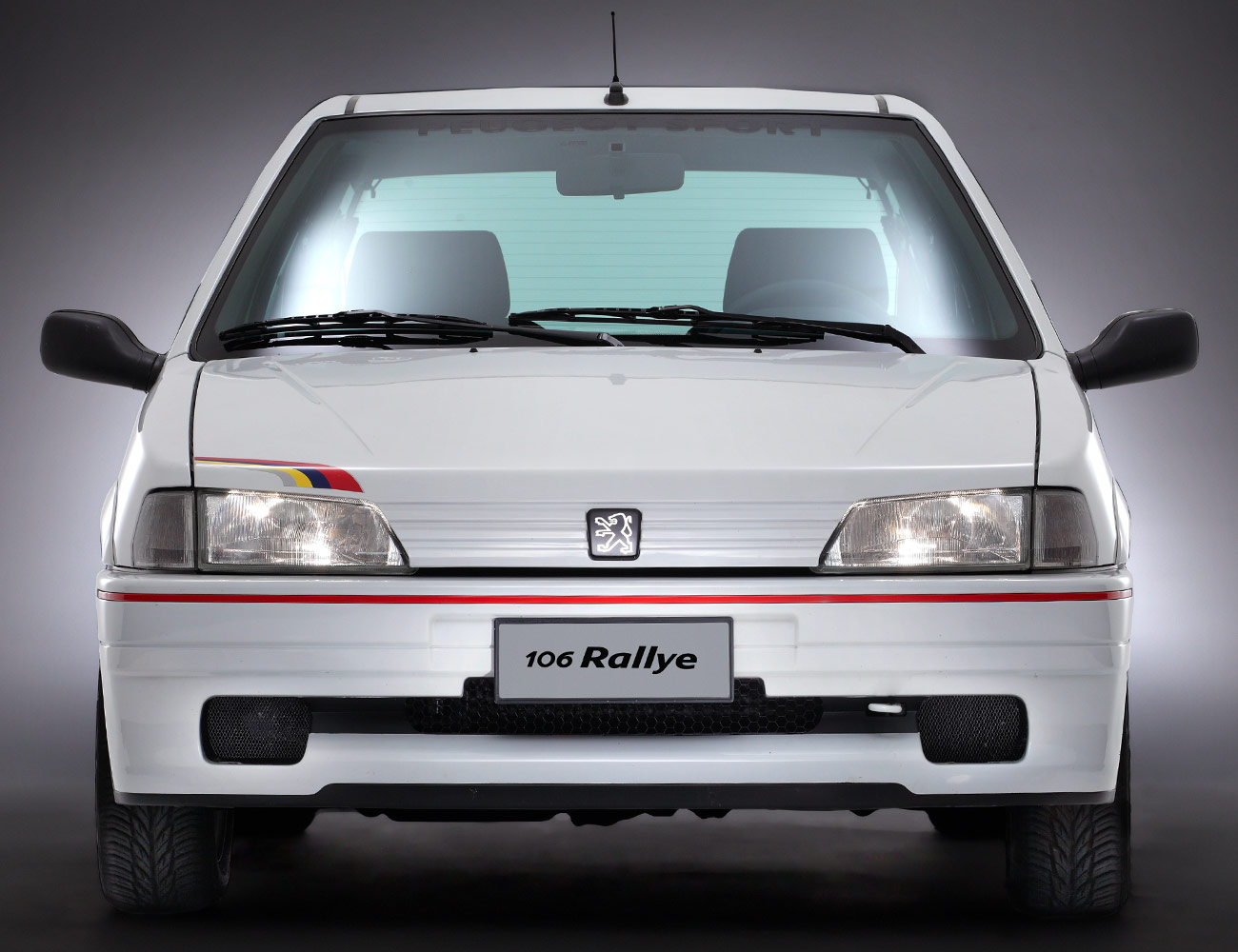
Peugeot 106 Rallye

This year is the year of the import rally car. In addition to the Celica GT-Four, WRX STi and Lancer Evo II, you’ll be able to import this: the Peugeot 106 Rallye, which was Peugeot’s homologation special for competing in 1,300cc class rally back in the day. The car’s humble (but high-revving) 1.3-liter engine only puts out around 100 horsepower, but with a stripped interior and a lightweight chassis, it only has to move around 1,800 pounds, making it a tossable little corner carver.

Note: Purchasing products through our links may earn us a portion of the sale, which supports our editorial team’s mission. Learn more here.

Bugatti to Reveal New Models in 2019, Denies SUV Rumors

Bugatti chief executive Stephan Winkelmann recently took steps to curb rumours of that the company are working on a Bugatti SUV. He said that “an SUV would not do justice to the brand or its history”.

Winkelmann was speaking at Bugatti’s 110th anniversary celebrations. Despite the denial of the SUV rumours, Winkelmann did confirm that the company would release “further models” this year with a “few surprises”. Winkelmann also confirmed a celebratory tour to commemorate Bugatti’s founder, Ettore Bugatti.

Speculation is now rife for what the company might release at the upcoming Geneva Motor Show 2019. Bugatti had previously rule out a roadster version of the Chiron, however, thoughts on this may have changed since the question was first raised in 2016.

While the roadster remains the prime candidate, it is possible that Bugatti might choose to release a SuperSport version the Chiron. Given the relatively recent release of the Bugatti Divo and the lack of deliveries to date, we feel this is unlikely to happen this year.

It is possible that Bugatti could instead open up the books on special edition models. We saw plenty of those for the Bugatti Veyron. Cars like the Pur Sang and the Les Légendes de Bugatti.

All 40 Bugatti Divo special editions are sold out with Bugatti’s order books filled until the end of 2021. 76 Chirons were delivered to customers last year and Bugatti are expecting to deliver more this year.

Opinion: Ford’s Biggest Problem Is That It’s Simply Not Cool

Ford is flailing. That’s what the media coverage will tell you at least. 2018 was a disaster. Profits were down. Presentations for the future underwhelmed. Shareholders are antsy. TheFord-VW alliance does not go far enough. Execs will be doing public penance for the sake of the stock price. Spot CEO Jim Hackett scuttling around the Dearborn campus with tools and plaster to keep the edifice from crumbling.

That narrative may overstate matters a bit. Ford still has solid fundamentals, and there are some things to like moving forward. We’re still talking about profit, in the billions. Last time I checked, no Ford vehicle was built in an impromptu tent in 2018.

Ford still claims the automotive industry’s biggest gold mine. The companysold more than 900,000 F-Series pickups in 2018. It turns a significant profit on each truck. The gap between the F-150 and the No. 2 best-seller Chevy Silverado, about 324,000, is close to the number of Honda Civics sold. Selling trucks now funds mobility, connectivity and every other buzzword.

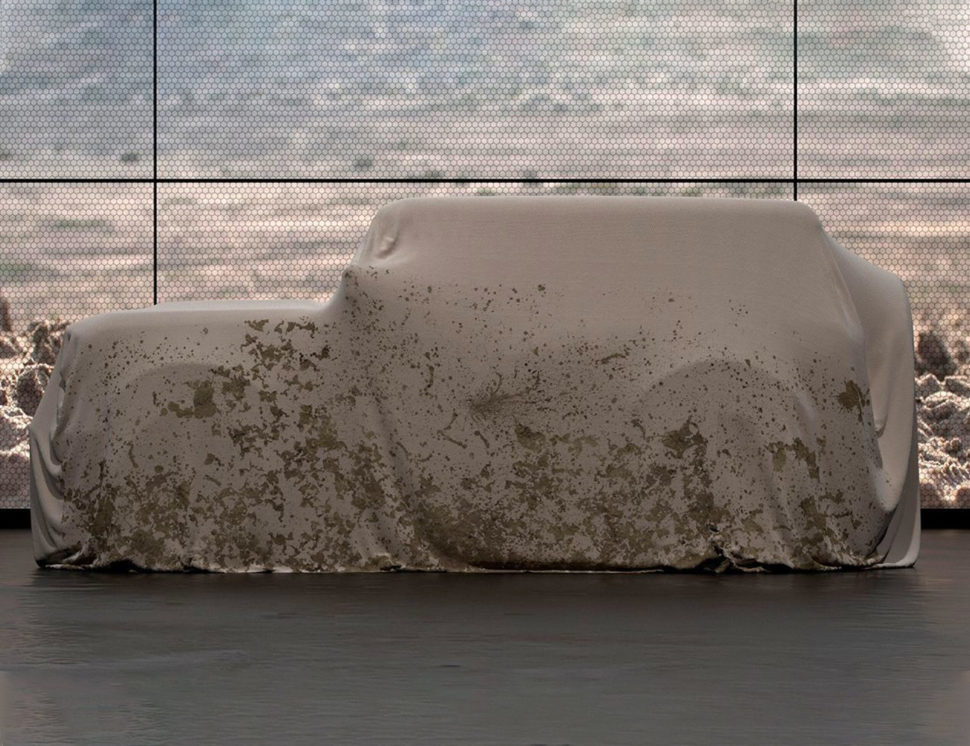
Ford still produces good cars. It’s hard to find a segment where an American competitor makes a better vehicle. The Mustang remains a cut above the Camaro or the Challenger, whatever the horsepower. It’s still the world’s best sports car per dollar spent. The new Bronco will be the most anticipated 2020 automotive debut. Ford drew laments for getting out of the traditional car market because cars like the Focus and Fiesta were fun to drive.

Ford does things the right way, relatively. Ford, as often noted by Ford, never took a government bailout. Ford isn’tstill in court hashing out a multi-billion dollar safety settlement. Media coverage gets lost in investor jargon about streamlining and reducing Ford’s infrastructure costs. Those costs are euphemisms for people working, often in well-compensated union jobs in the Midwest.

Much of Ford’s volatility has not been Ford’s fault. 2018 was the worst year for stocks in a decade. Declining revenue projections hit share prices like Zeus bolts, even in Silicon Valley. Applelost 12 percent of its value in December and could drop further in 2019. Last July, Facebook posted the largest one-day drop (19 percent) in stock market history. The Tariff War and an economic slowdown in China aren’t Ford’s fault. Ford made an $877 million payment to its pension plan to cover for stock market losses. Ford estimates tariffs cost the company $750 million. That accounts for a lot of the lost revenue.

Ford is doing what its shareholders should want. Ford has emphasized the profitable part of the business (America, trucks, and SUVs). It is paring back unprofitable foreign investments and cars dramatically. Ford is investing in EVs, automation technology and, well, scooters. In an uncertain automotive market, Ford is getting more flexible. Sure, the market may shift back toward smaller vehicles and EVs. But, smaller more efficient vehiclescan still be trucks and SUVs. Having an established, expandable platform sharing and development partnership with Volkswagen would not be a bad hedge for that eventuality.

The chief issue for Ford is simple. Ford can’t be the cool new thing, despite the company’s best efforts. Ford doesn’t fit the modern Silicon Valley innovation paradigm. It’s the already grown company, established in 1903, Silicon Valley wants to disrupt. Ford doesn’t produce the quirky, ludicrously performing sports cars venture capitalists and their friends buy. Not being cool has ramifications with investors and beyond that with recruiting talent. There’s a reason Ford bought Michigan Central Station and plans to become a fixture in happening Corktown, Detroit.

As Apple and others have found out, however, the car industry is not the tech industry. Innovation can change the industry. But, it’s much easier for established players like Ford to catch up on technology than it is for a small EV company to scale up to mass production.

Moreover, this is not the first time the media consensus has doubted Jim Hackett. His last high-profile gig was interim University of Michigan athletic director. Hackett inherited a tire fire of scandal, alumni alienation and football underperformance. Reporters convinced themselves he was a dilettante. The national media rubbernecked around Michigan’s coaching search, waiting for the inevitable train wreck. It didn’t work out that way.

Hackett hired Jim Harbaugh, the NFL’s hottest head coaching candidate, to coach a college team. He modernized Michigan’s brand with a $174 million Nike deal. He walked off into the sunset, then to a bigger management role at Ford.

There’s still a chance Ford’s changes could work. Hackett could make a lot of skeptics look stupid. But, Ford desperately needs better headlines. Maybe the new Bronco will be Ford’s Jim Harbaugh.

Lamborghini Caps Production at 8,000 Cars for 2020

Driving Price and Exclusivity Higher

Supercar manufacturers place exclusivity at the top of their list of priorities. Companies can keep exclusivity high by limiting volume. The fewer the cars out there, the more highly sought those cars become. Ferrari capped its production for years with this principle in mind. Now, it seems Lamborghini will follow suit.

In an interview with CarAdvice, the Raging Bull’s CEO Stefano Domenicali said that the company will cap its production at 8,000 units for 2020. There would also be no increases in new markets. That means Lamborghini wants to keep close watch over its brand recognition. 

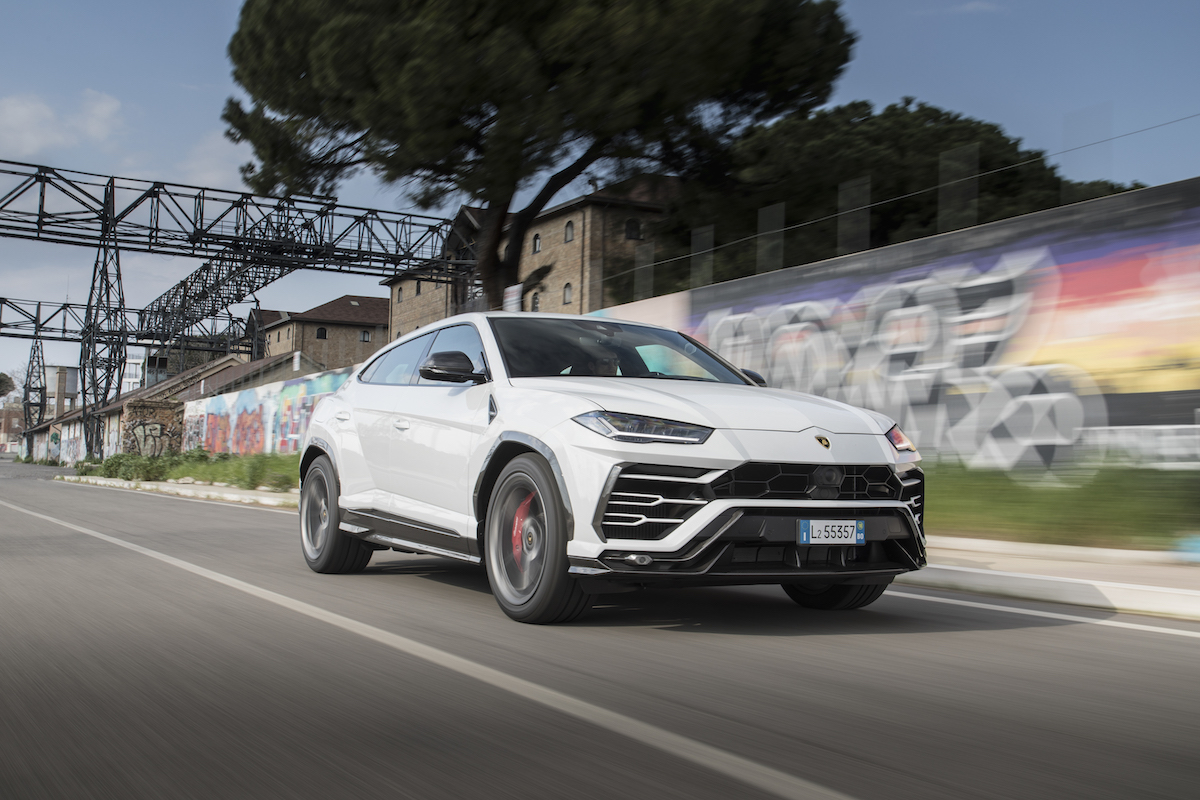
8,000 might not seem like much. If you look at the company’s sales, though, it’s plenty. The company sold 5750 models in 2018. That’s an over 50 percent increase from 2017. With the introduction of the Urus SUV, Lamborghini is expected to see similar or even more dramatic sales increases in 2019. However, for 2020, sales growth will definitely slow with the cap set at 8,000. 

Lamborghini UrusLamborghini Urus
Image from Lamborghini

With the addition of the Urus to the lineup, Lamborghini could sell all of the 8,000 vehicles it plans to make. The Urus just came into the lineup midway through 2018 and still managed to rack up 1,800 sales. A full year of sales could be a considerable money maker for the Raging Bull. 

According to CarAdvice, the company will break the 8,000 units down like this: half will be Urus and the other half will be either Aventador or Huracán supercars. 

Domenicali said the brand management of restricting the supply of the cars should help further with the residual value of the cars. He said Lamborghini’s residual value is already really high. He also said the brand’s cars seem to appeal to a younger generation of buyers. “It’s one of the reasons why we have to be at the right level when it comes to exclusivity,” he said.

Affordable Dream Car: The Poor Man’s Porsche

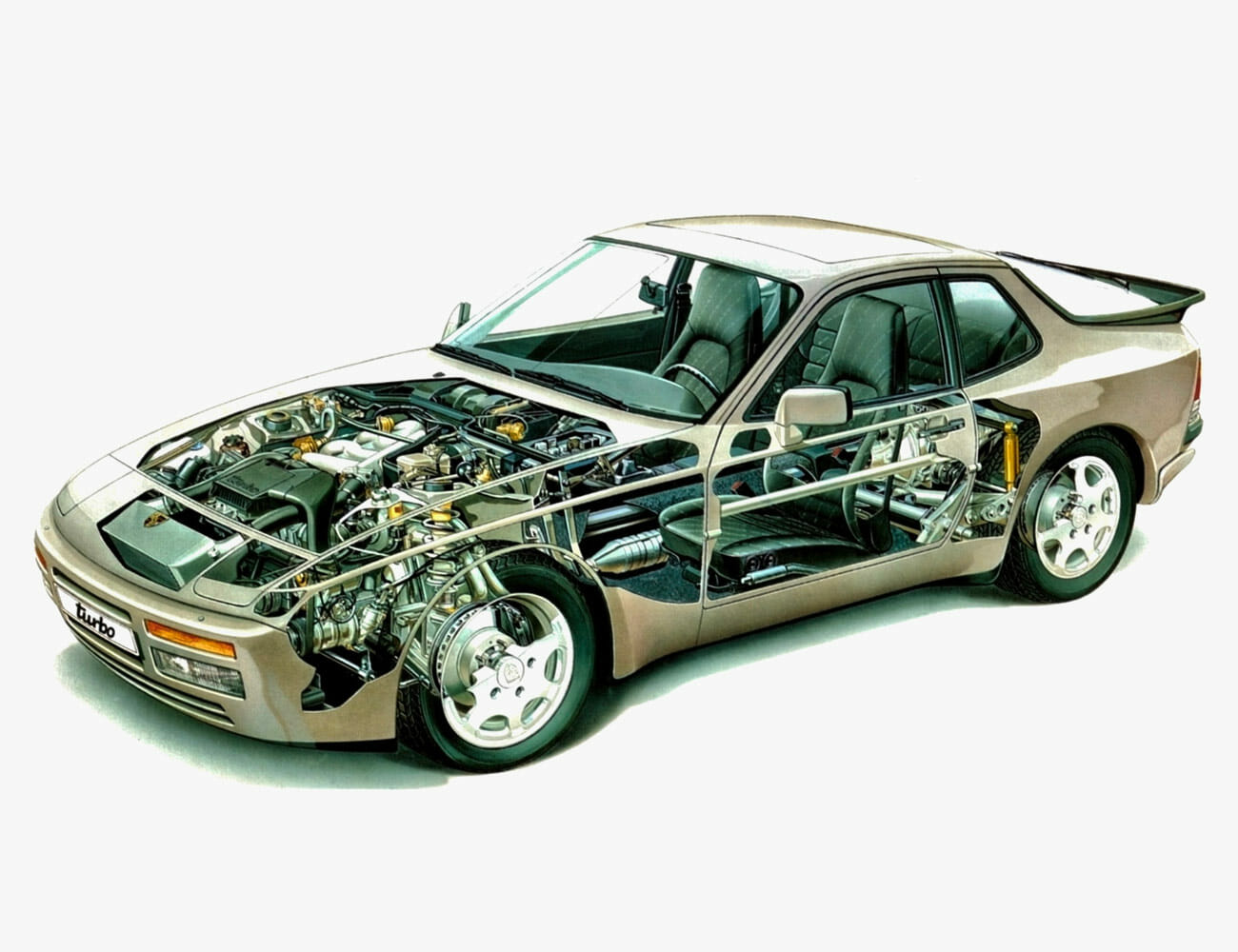
Porsche 944 / 944 Turbo
Price When New (1985): $25,550 / $33,255
Expect to Pay: ~$8,300-$36,000 (good condition)
Model Years: 1982-1991
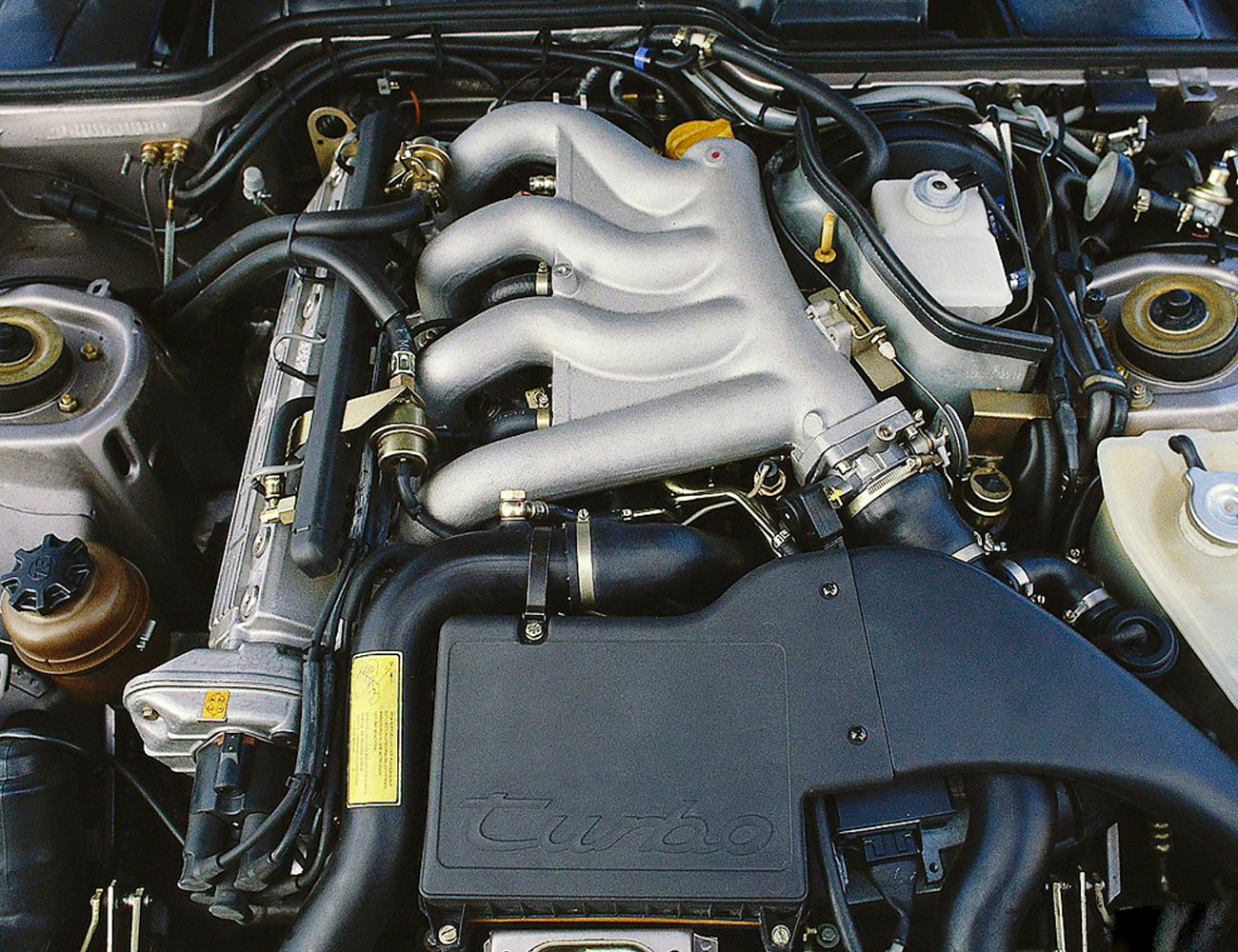
Engine: 2.5-Liter inline-four, 2.7-Liter inline-four / 2.5-Liter Tubro inline-four
Horsepower: 147 / 247
Weight: 2,932 lbs / 3,122 lbs

Before the mid-engined 718 Cayman and Boxster established themselves as Stuttgart’s entry-level benchmark, their predecessors made do with a front-engine, rear-wheel-drive setup and even with that, left some massive shoes to fill. From 1976-1995, the 924, 944, and 968 progressively got better performance-wise, but when design and the current going price are factored in, the 944 is a perfect balance, the Goldilocks option of the three.

Despite working with a front-engine architecture, Porsche built the 944 with a near perfect 50/50 weight balance. Between the 147 horsepower of the base model and the 247 hp output of the turbo, the chassis was never overpowered. Rounding corners, it’s poised and predictable and lauded as one of Porsche’s best-handling cars, on top of being one of its best-selling, ever.

If you want to look for a modern sports car to go head-to-head with, the Mazda MX-5 is an excellent place to start. It’s that good. While other ’80s-sports cars were trying to kill its drivers with massive power curves and no electronic aides mixed with short wheelbases (namely Porsches own 911 Turbo), the 944 kept an even keel, was easily controllable and enjoyable to almost everyone.

A total of 56,921 standard 944s, 13,982 Turbo models, and over 14,000 944 “S” variants made it to US shores, so the entry-level Porsche isn’t exactly a rare find. And seeing as how they’re relatively ubiquitous, it’s easy to come across one in absolute disrepair sitting right next to another in mint-condition, on the same site. However, when a Porsche is described as “mint-condition,” shelling out heaps of cash tends to comes soon after — not the 944. A pristine 944 can run from below $10,000 to just below $40,000 for a turbo, but considering they’re known for classic Porsche performance and handling (and what a 718 cayman goes for today), these are absolute bargains and an easy way to be part of the Porsche party.

Examples:
CarGurus: 1988 944 Coupe, w/ 60,282 miles$13,995
KBB: 1985 944 Coupe, w/ 49,769 miles$9,900
eBay Motors: 1986 944 Turbo, w/ 43,150 miles$23,395
KBB: 1986 944 Turbo, w/ 85,975 miles$24,900

Mecum Barred From Selling Ford GT Within First Two Years of Customer Ownership

Ford’s Buyers Agreement Reigns Supreme

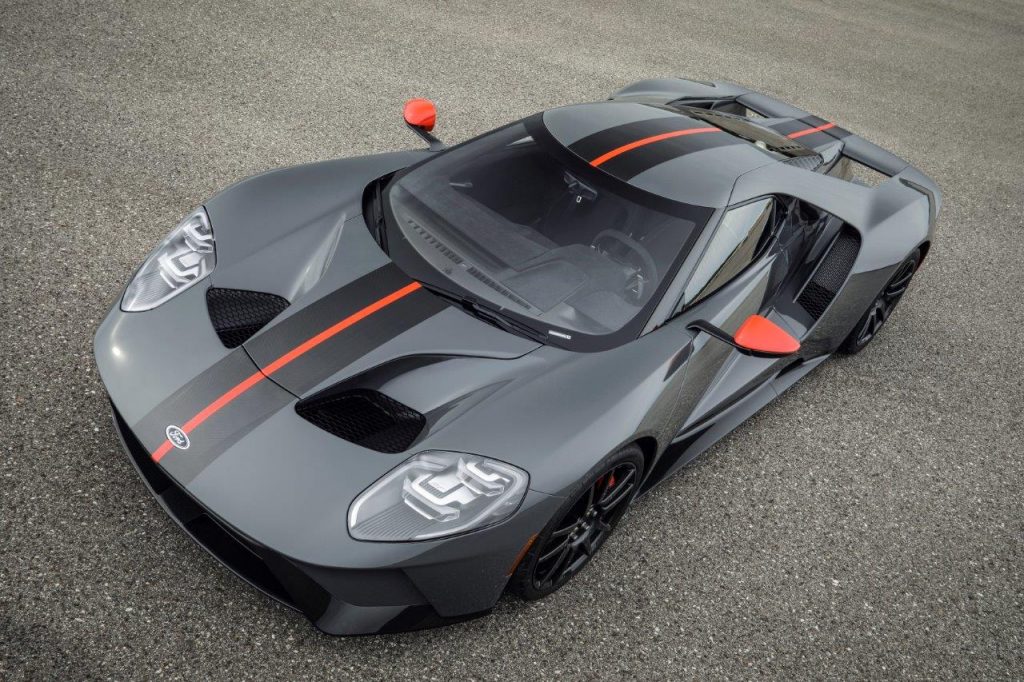
When you buy a Ford GT, you sign an agreement that prohibits you from selling the car within the first two years of ownership. Some people have violated that agreement. Mecum auction house participated in the sale of a 2017 Ford GT at the Spring Classic Auction in Indianapolis, IN. The car sold for $1.6 million.

This angered Ford because the company wanted the agreement honored. Ford actually filed a lawsuit against Mecum. According to Carscoops, the lawsuit was just settled on terms “designed to promote mutual good will and business respect.”

This agreement means that Mecum can’t auction off any Ford GTs that are still within their two years of ownership. Additionally, Mecum will have to alert Ford of any “downstream purchaser” it comes across. This refers to people who have acquired a Ford GT somehow if it is still within its first two years since the original sale. 

Ford GT

Ford GT

Ford wants to control the resale of its GTs, and the agreement signed by customers seems to be a good way of doing it. The downstream purchaser portion of the settlement applies to people who are not bound by Ford’s original agreement. It allows Ford to keep track of who is trying to resell its supercar. 

Carscoops also reported that Mecum will have to pay Ford an undisclosed monetary fee for the sale of the GT that violated the owner agreement. I wouldn’t be surprised to learn that it was quite a high amount. 

Ford’s tizzy with the auction house seems a little silly because the company just partnered with Barrett-Jackson to auction off a 2019 Ford GT Heritage Edition for a whopping $2.5 million. However, that deal didn’t violate the owner’s agreement because Ford set up the deal itself and there was no prior owner to the car. 

Ford has an All-New, Smaller Pickup On the Way

Thought the 2019 Ranger would be the smallest pickup Ford wants to build? Think again. According to a report from Automotive News, Ford president Jim Farley confirmed plans to build a pickup both sized and priced below the new Ranger.

Right now, only scant details exist, but Automotive News reports the subcompact pickup will ride on an extended wheelbase version of the Ford Focus Active and hit the road in 2022. As for what will power the micro-utility vehicle, it’s still up in the air. Up until 2013, Ford sold a Fiesta-based pickup in South America named the Courier and Ford recently trademarked that name in the US. It’s a fair assumption that’ll be the model name we get.

The compact pickup isn’t exactly a new frontier for the US market, but its history has mixed results. The Mazda B-Series pickups ceased production in 2009, three years after the more recognizable Subaru Baja called it quits. Both those trucks were close to what the supposed Courrier is attempting to achieve, but their sales numbers were too dismal for them to survive. Both came along at odd times too. The Mazda was a small, basic pickup in a world where trucks were increasing in size and levels of technology and luxury. And Subaru’s Outback-based Baja was just that — a weirder version of a segment already on the outs in terms of popularity in the US.

Considering the compact SUV craze at the moment, it’s entirely possible Ford’s crossover-based pickup could sell well enough to justify its existence. But, then again, it might be too weird or too niche for its own good.

The Best Cars to Buy in 2019

Kelley Blue Book announced a slew of awards late last year for the best cars to buy in 2019. And, since January is the official month of “New Year, new everything,” now’s a good as time as any to dive into what new cars will be the smartest automotive purchases of the year.

As segments split into subsegments, the decision process arguably gets more robust, more complicated. For this year KBB added new categories that better define the evolving platforms car companies continue to produce. Once broken down, KBB considers “affordability, quality, driving dynamics, dependability, and low cost to own,” which might mean the winners aren’t necessarily top sellers, just the smarter buy.

There are a few no-brainers on the list — it shouldn’t come as a surprise that Honda swept six of the 14 categories. But, Hyundai, winning the overly crowded subcompact SUV segment and earning the best performance car award show just how far the South Korean brand has come. The same can be said for Volvo taking top honors as the “Best New Model,” too. Going into 2019, the market was always going to be packed with choices, no matter the segment you’re leaning towards, but Kelley Blue Book’s list should help you through the decision process.

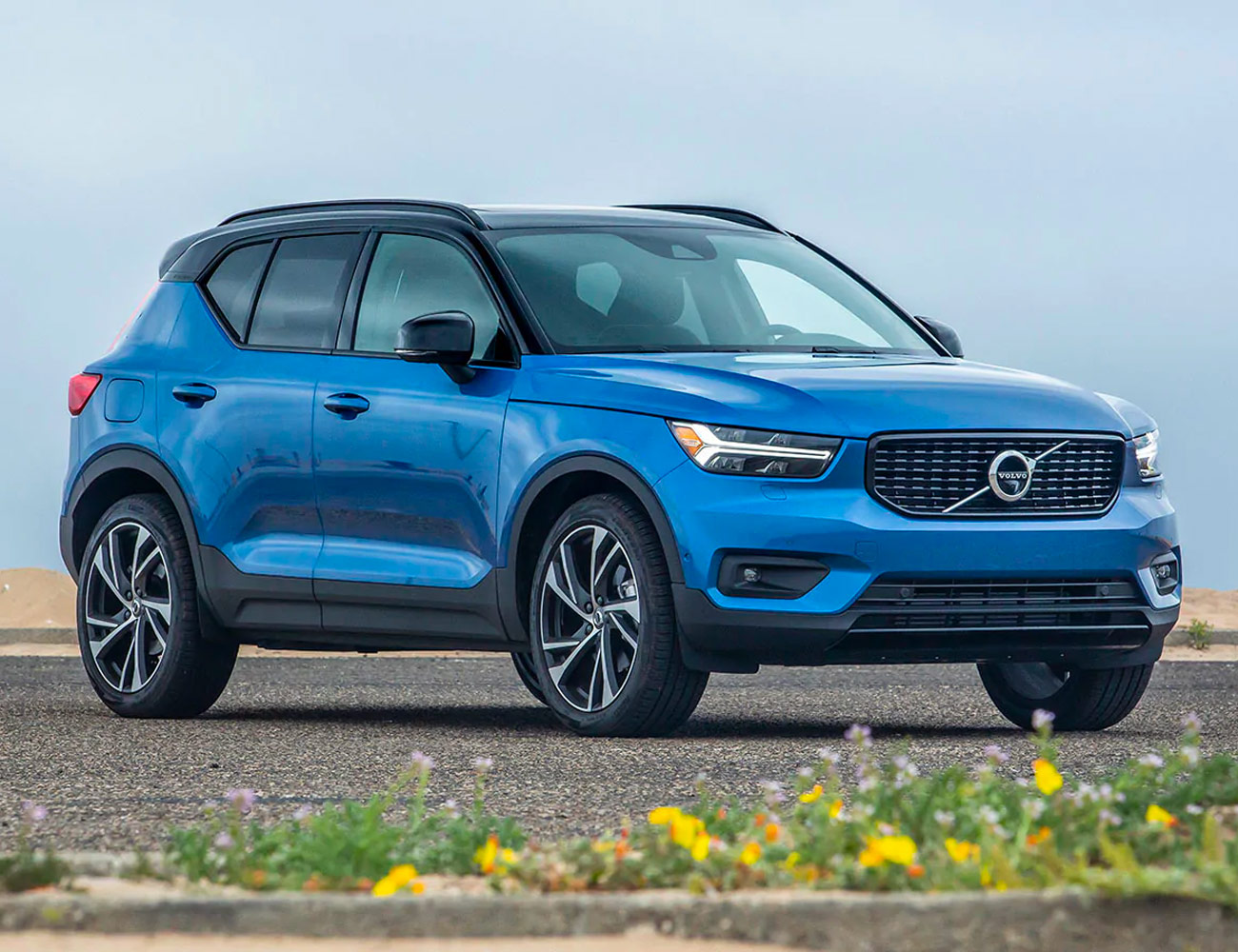
Best New Model / Subcompact Luxury SUV: 2019 Volvo XC40

Read Our Review: Here

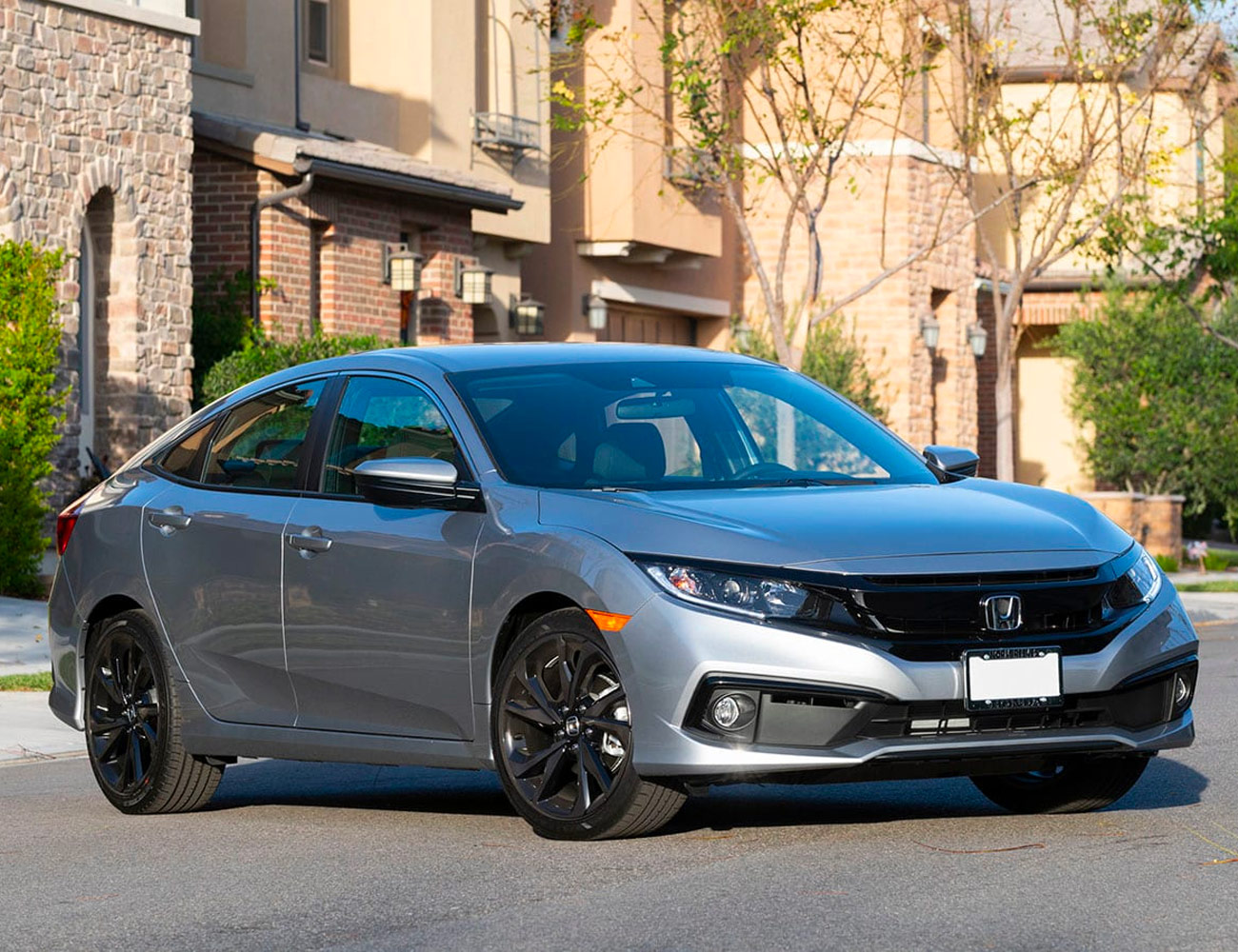
Compact Car: 2019 Honda Civic

Midsize Car: 2019 Honda Accord

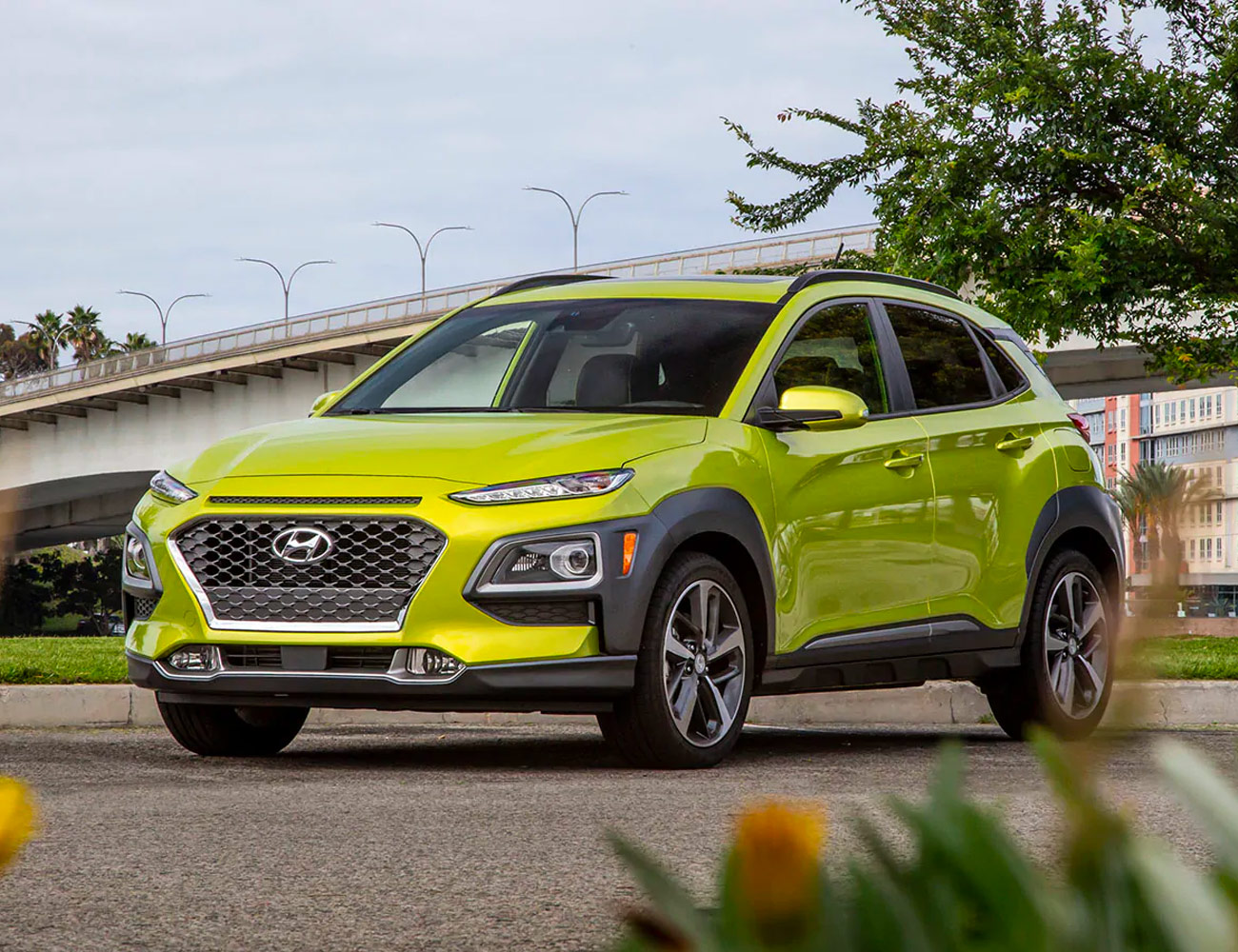
Subcompact SUV: 2019 Hyundai Kona

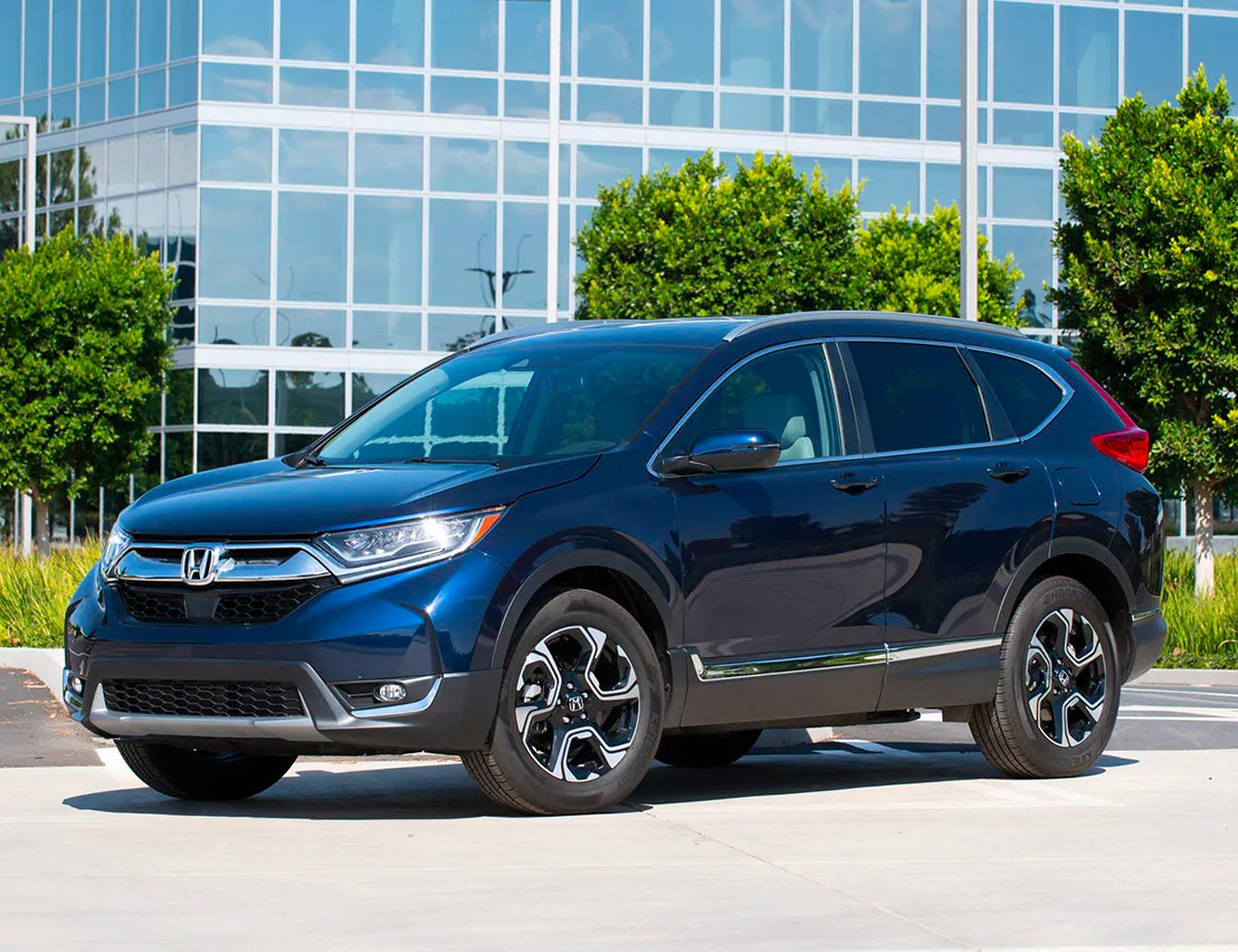
Compact SUV: 2019 Honda CR-V

Read Our Review: Here

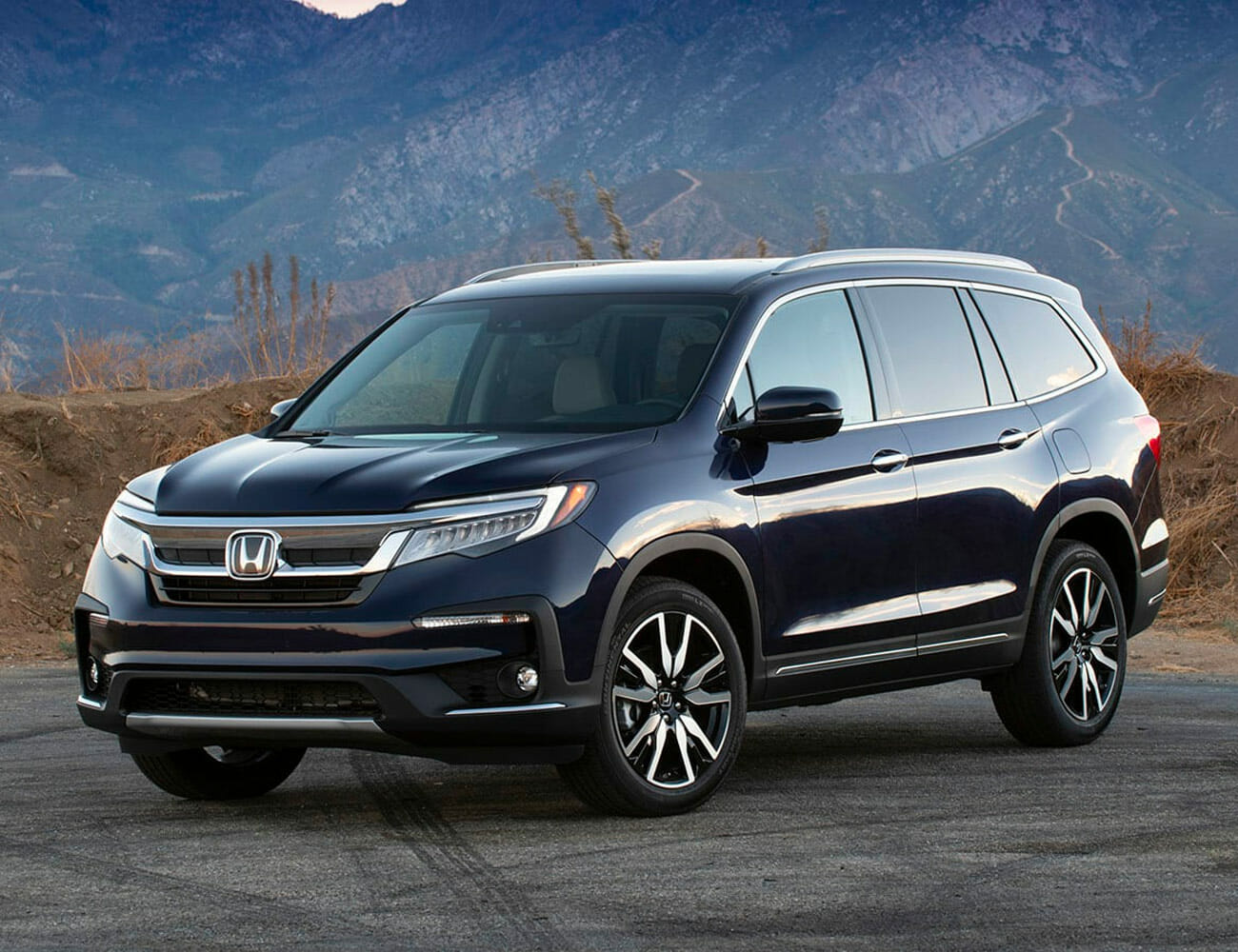
Midsize SUV: 2019 Honda Pilot

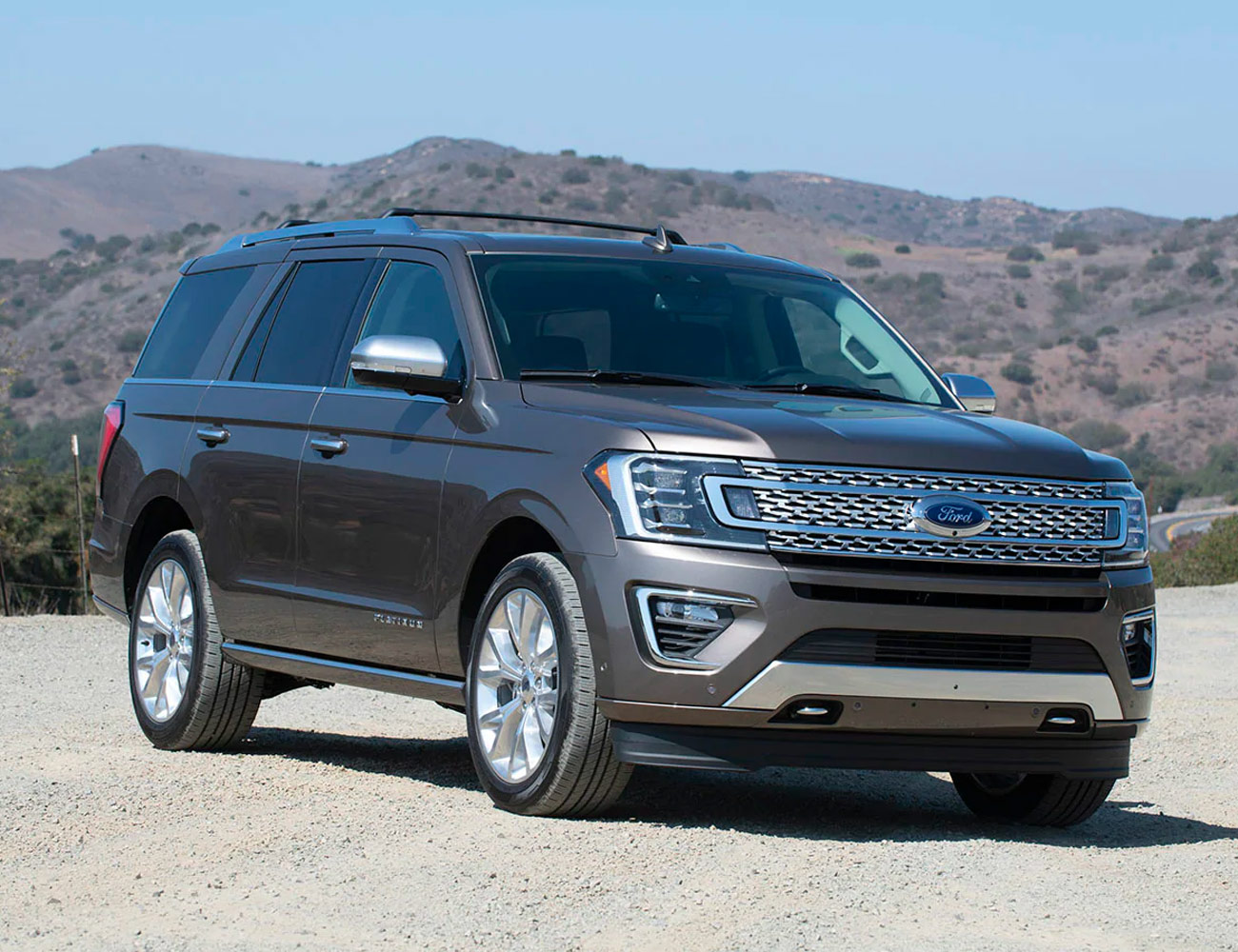
Full-Size SUV: 2019 Ford Expedition

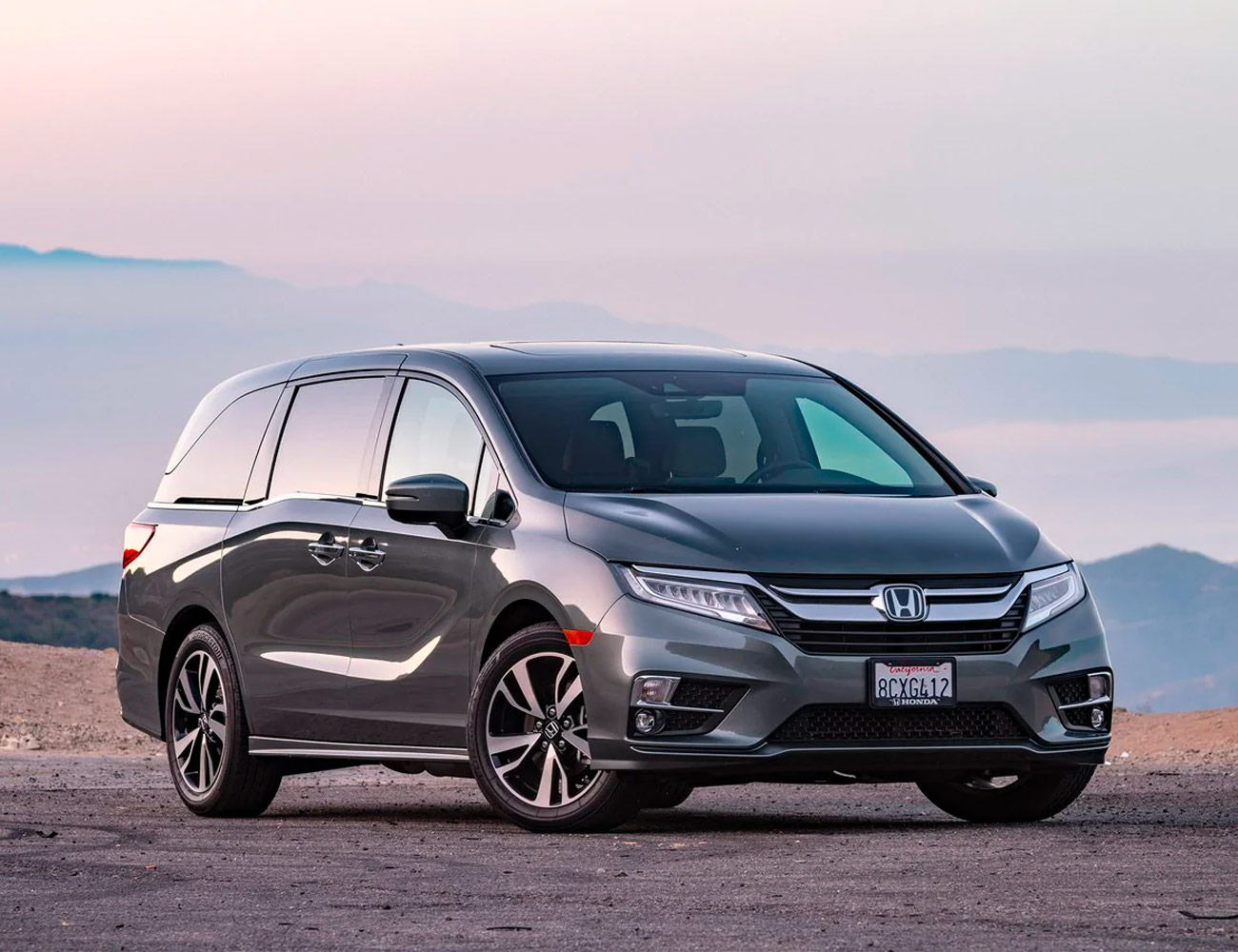
Minivan 2019: Honda Odyssey

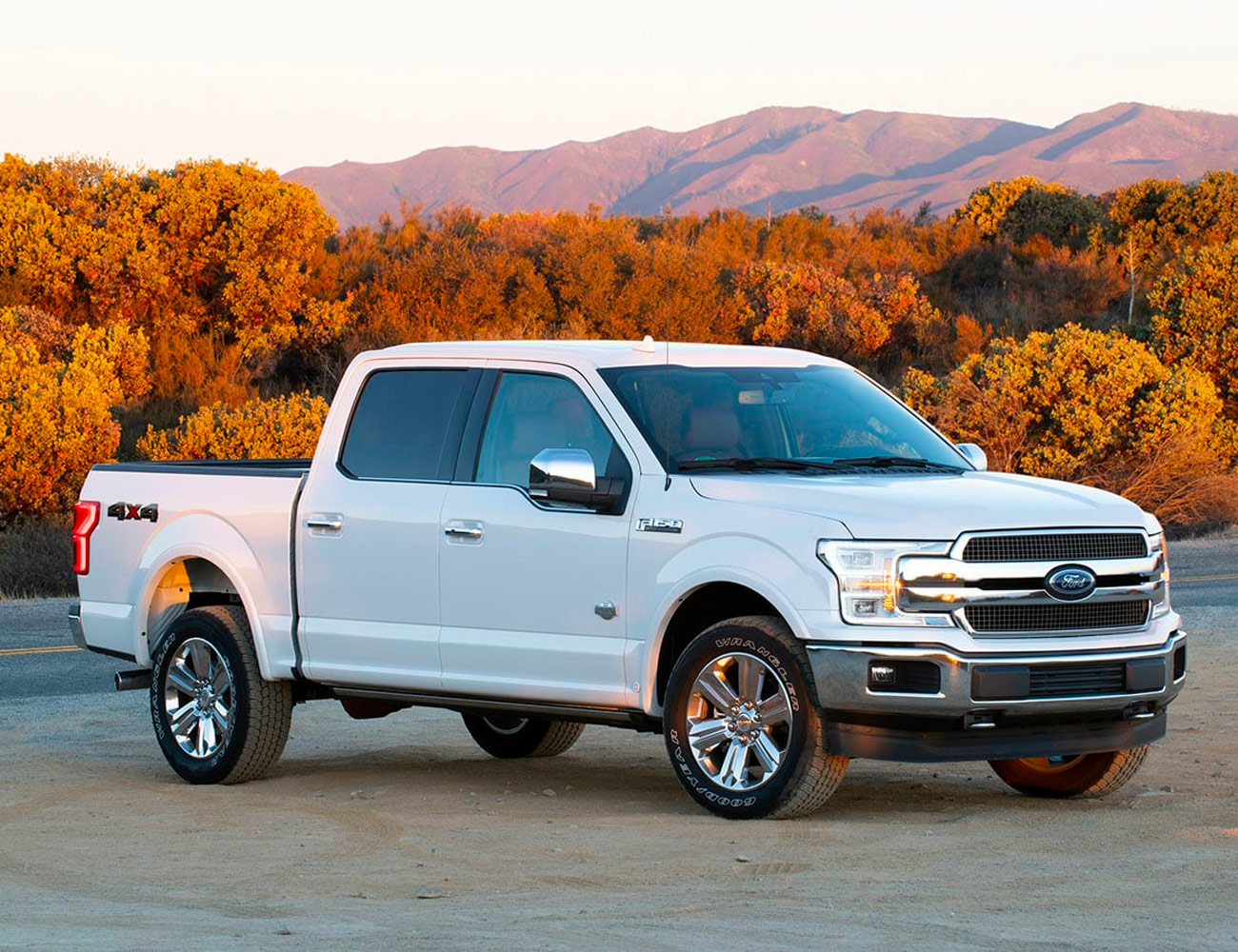
Pickup Truck: 2019 Ford F-150

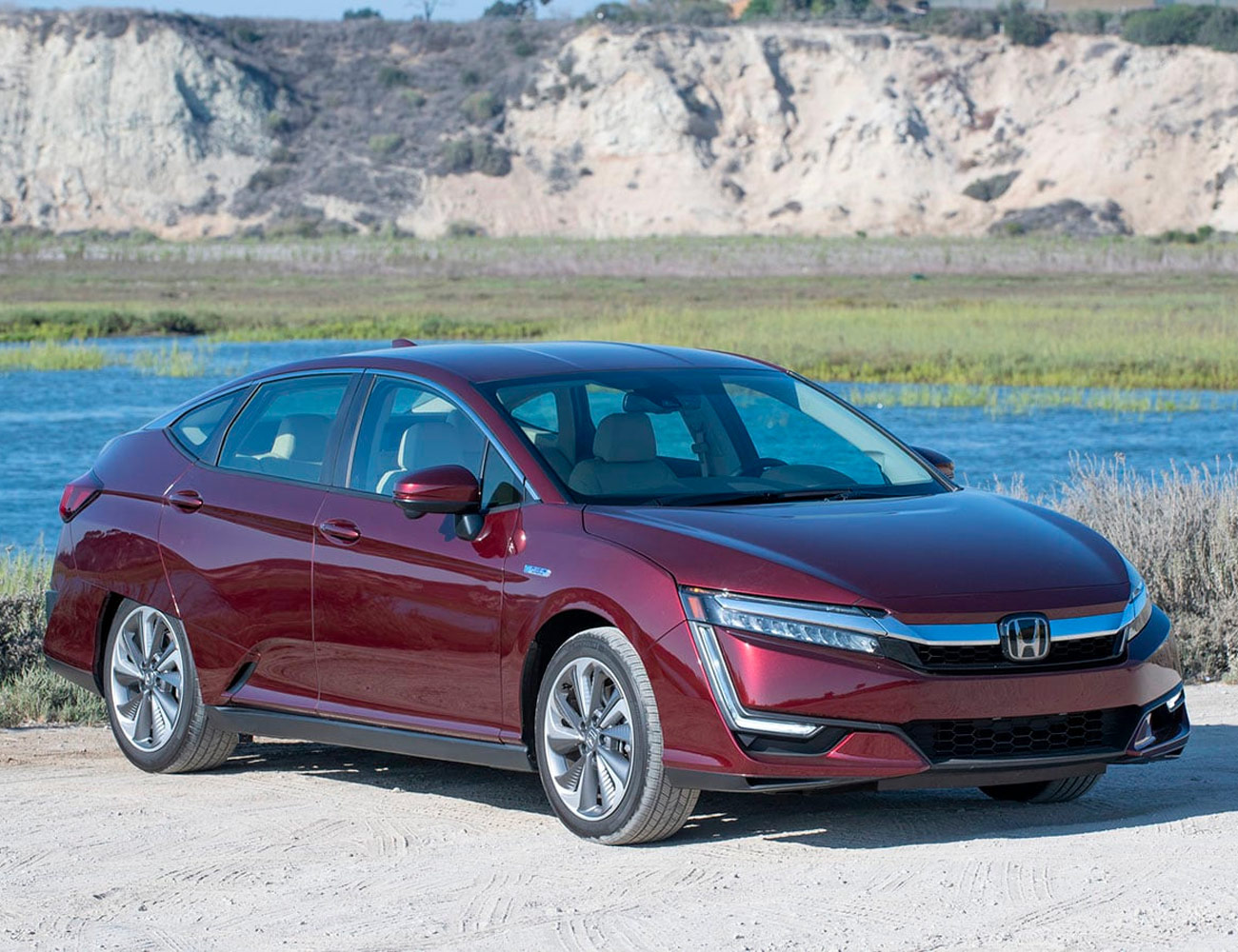
Electric/Hybrid Car: 2019 Honda Clarity PHEV

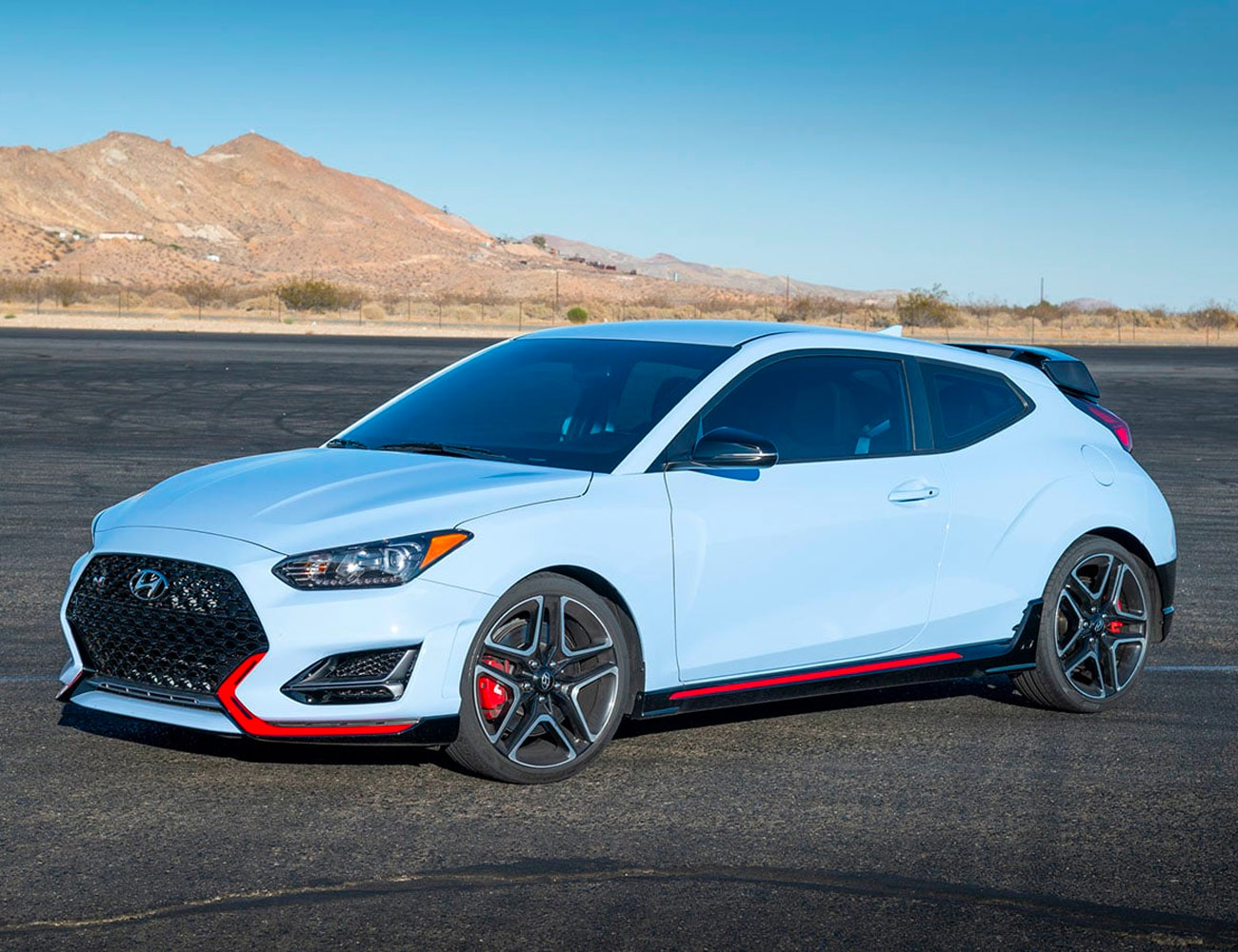
Performance Car: 2019 Hyundai Veloster N

Read Our Review: Here

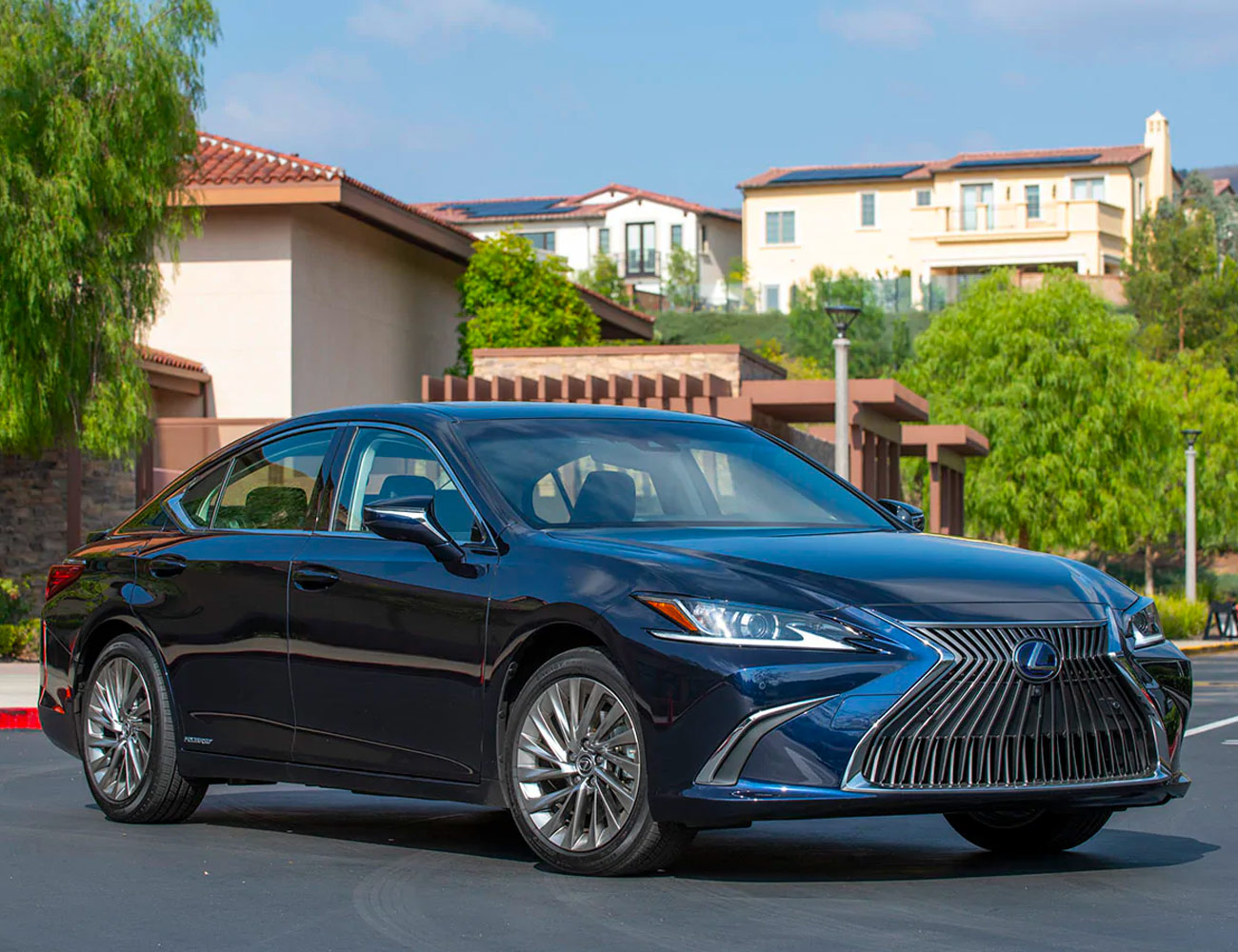
Luxury Car: 2019 Lexus ES

Compact Luxury SUV: 2019 Audi Q5

Read Our Review: Here

Midsize Luxury SUV: 2019 Audi Q7

Note: Purchasing products through our links may earn us a portion of the sale, which supports our editorial team’s mission. Learn more here.

McLaren Applied Technologies Envisions the Future of F1 in 2050

Things Could Get Weird

Looking like a mashup of TRON and every futuristic racing video game you can imagine, McLaren Applied Technologies has a vision for F1 racing in 2050. It is nothing if not exciting. The company talked with fans, racecar drivers, engineers, and others intimately involved in Formula 1 racing to create a vision of the future for the sport. 

McLaren chose 2050 as the year to focus on. It chose that because 2050 marks 100 years for F1 racing. The car that the company came up with is called the MCLExtreme. The car has an open-wheel design and includes a driver, but uses futuristic technology. That tech includes shapeshifting active aerodynamics, an onboard advanced AI co-pilot, all-electric powertrain with 500 km/h inductive charging, autonomous and mixed reality technology and a whole lot more. 

[embedded content]

McLaren noted that a car could even steal electrical energy from the car ahead of it. That would further enhance race strategy for the drivers and their racing teams. The company sees the future of the sport shifting from how to get the most out of the stored power, to how to maximize the power itself.

McLaren says cars of the future may still use actual plug-in charging tech to get to full charge. However, at least some of the charging will be wireless. Additionally, the company says the cars themselves could glow the color of the driver’s emotions and the tires could be self-repairing.

It Won’t Just Be the Cars

The tracks will change too. Fans expressed a want for longer and wider tracks with steep banking. McLaren thinks this will come to fruition by 2050. With the popularity of street races, the company thinks smart cities with banked streets will be the future. 

=McLaren Applied Technologies 2050 racetrack=McLaren Applied Technologies 2050 racetrack
Image from McLaren Applied Technologies

“Smart cities will give us the chance to put the track action on people’s doorsteps,” said Rodi Basso, Motorsport Director at McLaren Applied Technologies. “We’re going to see more racing take place where the fans are, as part of a continued effort to bring the show to them…”

It’s clear that the future of F1 is full of possibilities. I highly doubt all the things McLaren envisions will come true. 2050, like it or not is not that far away, and the company is talking seriously large-scale changes. While technology moves fast, I doubt it will move this fast.

Maybe this is more like 2100 instead of 2050. With that said, we’re seeing the beginnings of this technology already added to cars, and it could be the future of F1. I just think it’s unlikely for changes like this to hit in only a little more than 30 years time. 

Ford and Mecum settle Ford GT auction lawsuit out of court

Last year, John Cena selling his Ford GT and the subsequent lawsuit became dominant news about the supercar, but it wasn’t the only GT exchange to become litigious. Mecum Auctions consigned a 2017 Ford GT, number 48 of the production run, for its May auction in Indianapolis, and according to Fox News, Ford first tried to institute a restraining order on the sale, but the local court ruled in favor of Mecum. The car sold for $1.8 million, and Ford sued. The same car even went for auction again at Mecum’s Monterey auction that year, but didn’t sell, even with the high bid of $1.6 million. After all this, the lawsuit between the two companies has been settled out of court.

Ford announced the settlement that notes an undisclosed amount of money coming from Mecum Auctions. That money will be donated to the Ford Motor Company Fund, which provides money to various community organizations with a focus on education, safety and community services. In addition, Mecum Auctions agreed to not consign any Ford GTs from original owners that are still under the two-year restriction on resale. The company will also contact Ford for permission before offering Ford GTs from non-original owners that have cars still within the two-year restriction. Both companies also ask original owners to abide by the two-year sale policy.

With this lawsuit settled, we realized that the Cena Ford GT alone was sold a few times in the span of a year, and we were curious if there are any other suits pending. A Ford representative confirmed that there are some additional lawsuits, and the company is “confident we can enforce the ownership agreements.” As the lawsuits are current, he couldn’t give us any further information. We also reached out to Mecum Auctions for a statement, but did not receive one by the time we published.

Related Video:

Aston Martin Valkyrie AMR Track Performance Pack and Options Confirmed

Customize Your Valkyrie Hypercar

Aston Martin’s extreme Valkyrie Hypercar finally had its options confirmed. In a press release, Aston discussed the new AMR Track Performance Pack and the entire list of options for the car. The company’s personalization service called Q by Aston Martin—the company’s nod to the 007 movies—offers special customization to the 150-unit road-going hypercars. 

The AMR Track Performance Pack brings track enhancements to the road-legal version of the car. However, the addition of the track-only components will eliminate road legality. The pack should improve track lap times by eight percent, according to Aston Martin. With the AMR Track Performance Pack comes a more aerodynamic front clam, another set of all other exterior body panels,  titanium brakes, track-focused suspension, matte black magnesium performance wheels, and carbon-fiber aero-disk set.

Aston Martin also offers customers who buy the AMR Track Performance Pack their choice of three different AMR livery finishes. The liveries can also be further customized thanks to Q by Aston Martin. 

Other Customization Options

If the AMR Performance Pack doesn’t sound worth it, customers can choose between four different Designer Specification themes. Each theme comes with its own color scheme. The colors include Slipstream Green, Liquid Petroleum, Ethanol Silver and Maximum Orange.

If none of the Designer Specification themes look good, customers can also choose to go the Ultimate Personalization programme route. This allows owners to work with Aston’s design team directly to craft the special one-of-a-kind design. Those customization options include the exterior and interior of the car. 

The 150 Valkyrie models will all likely be a little different thanks to the numerous customization options for the car. Delivery of the vehicles should start this year. All of the cars have already been sold. The 25 Valkrie AMR Pro models that will come in addition to the standard car should come in 2020, and will have many of the same customization options. 

Goodwood 2019 Theme: Speed Kings – Motorsport’s Record Breakers

Goodwood have announced the theme to this year’s Festival of Speed. The event normally carries a loose theme, focusing some of the entrant vehicles and displays. This year it will be “Speed Kings – Motorsport’s Record Breakers”. The theme has a thinly veiled goal too.

The Festival of Speed has established itself as the biggest U.K. car event and a destination for the release of the biggest performance cars. In recent years we have seen the release of new Aston Martin’s, Mercedes-Benz and BMW’s. This year we expect just as much excitement!

The theme this year has the 20th anniversary of the hill climb record in mind. If you’ve been to the event before you will have seen Nick Heidfeld’s fantastic 41.6 second run at the wheel of a McLaren MP4/13. The Volkswagen I.D. R Pikes Peak car came very close to toppling that time last year, yet the McLaren remains the fastest. By setting such a theme, Goodwood have made their intentions clear.

Away from the hill, Goodwood have announced that there will be changes to some of the attractions at the event this year. Details will be released over the coming months in the run up to the event.

The Best Used 4x4s We’d Buy for $10,000 Right Now

Go into any dealership, tell the salesman you have a strict budget of $10,000 and you want to buy a new car. First, he’ll smile and try to hold back a laugh, then he’ll point in the direction of the “used car” lot. You can’t get much for $10,000 when it comes to new cars except for, maybe a couple things off the options list on a Porsche 911. On the other hand, in the used car realm, $10,000 opens up your world: sports cars, vintage cars, big, small, foreign or domestic, you’re spoiled for choice of halfway decent vehicles. That’s why used car shopping online can quickly spiral into an internet rabbit hole. To narrow the field, this time around we stuck to 4x4s and a budget of $10,000.

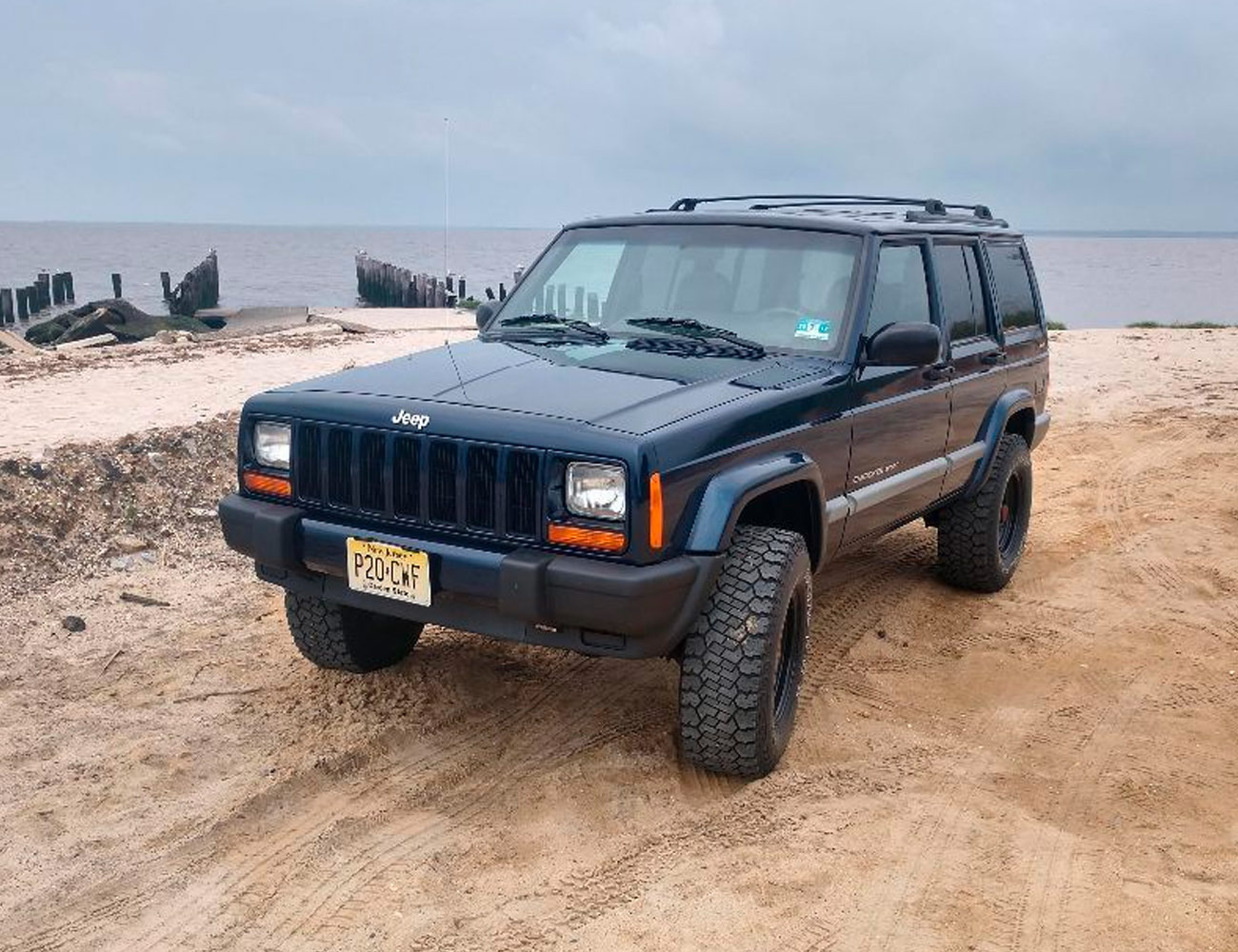
2001 Jeep Cherokee Sport

The search for a Cherokee began about a year ago, born of a desire to have an all-purpose vehicle that could accommodate fly fishing gear and go off-roading and still cruise comfortably on the highway to and from New York City. The four-door Cherokee Sport offers the cabin room I’m looking for while still being relatively compact when compared with modern SUVs. Finding a simple, unmolested example is tricky as so many of these have been hacked up to be rock crawlers and mudders.

Crisp examples can still be found for under-$10,000, which makes these really approachable for an off-duty utility vehicle you wouldn’t think twice about putting through its paces. Besides, its boxy body design is charming by today’s standards and the wide array of available aftermarket parts makes it a great base for just about any application. — Jacob Sotak,, Content Director, Gear Patrol Store

Mileage: 133,000 miles
Original MSRP: $21,915

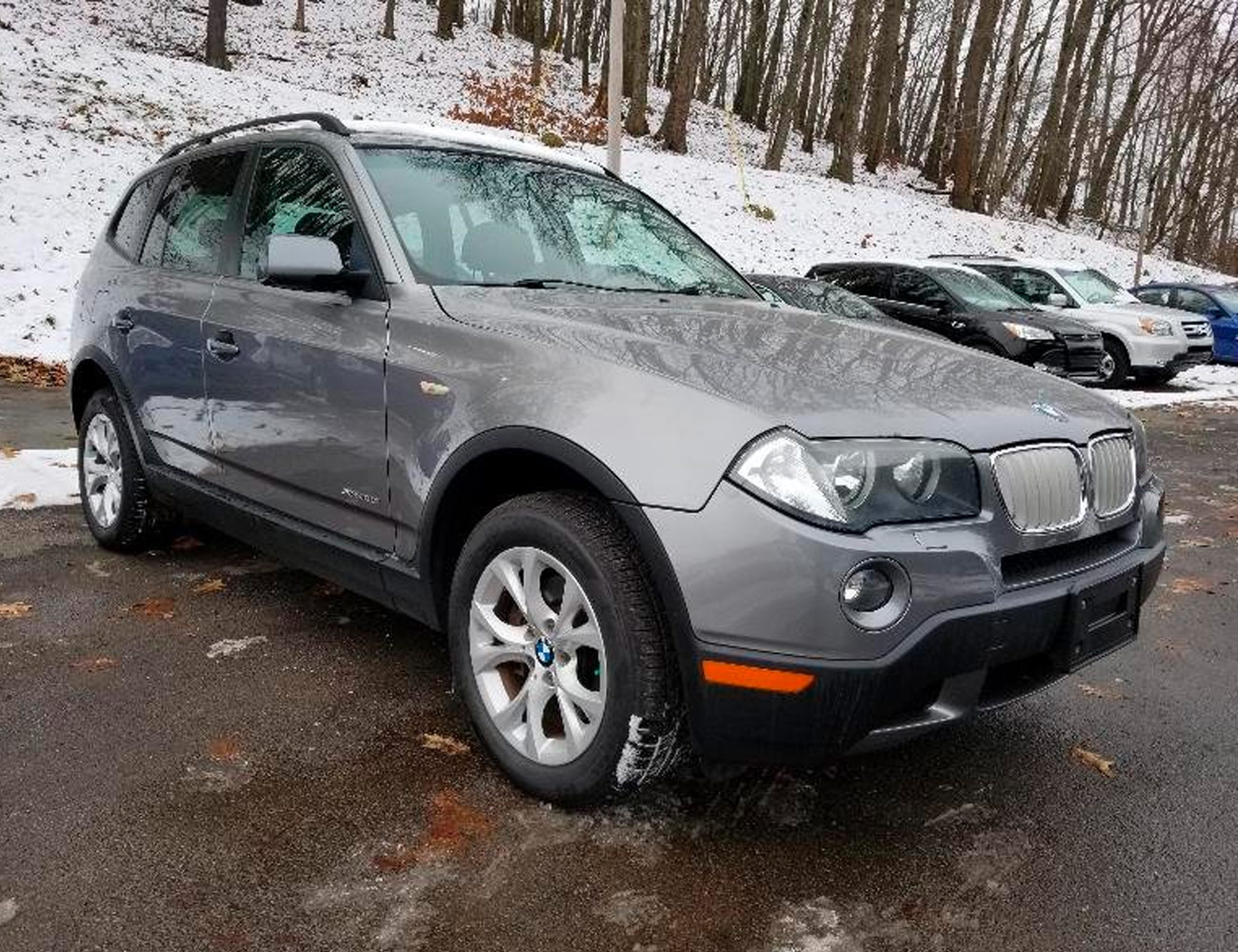
2009 BMW X3 xDrive30i

In a world where crossovers make up the vast majority of manufacturers’ stock, the BMW X3 is at an interesting point in the marketplace. When it first debuted, the X3 was a hit and BMW made a ton of them, particularly in the e83 body style. Its decently powered straight-six, sports sedan-like handling and nice lines make it an easy-to-flog weekend workhorse. And it turns out you can now find a ton on the used market, many with only a single previous owner. Many also have low miles due to so many having been leased. There are so many, in fact, that you find a trove of clean examples under $10,000 with less than 100,000 miles clocked and have your choice of color too. — Kyle Snarr, Head of Marketing

Mileage: 84,034 miles
Original MSRP: $39,700

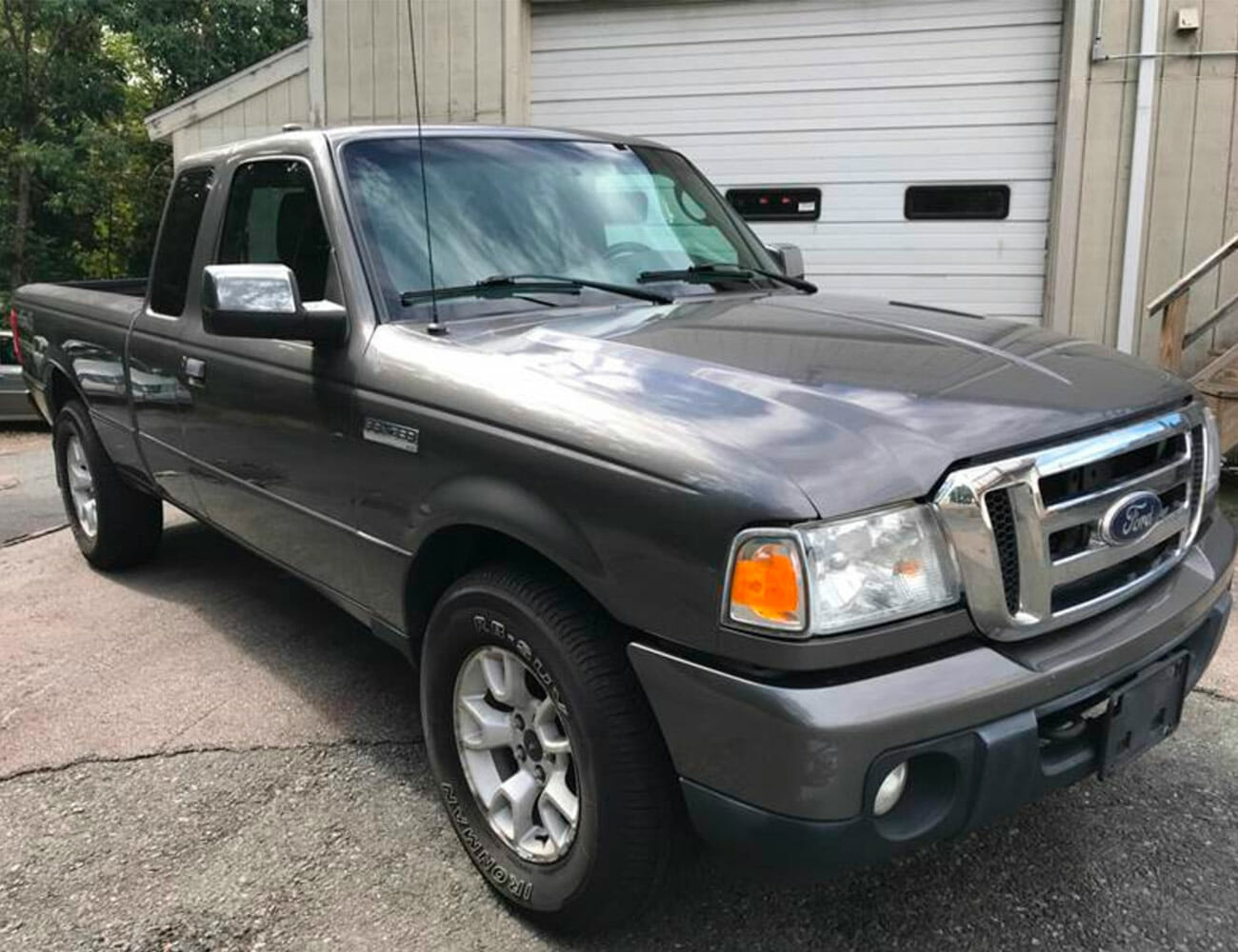
2010 Ford Ranger Sport

I drove a bitchin’ new Ranger my junior and senior years of high school. It was red with color matching steel bumpers. It was a Sport 4×4 model. It had those squirrely Firestone tires that tended to blow up. This is not that truck, and I’d wager that it’s a lot worse. But it’s still what I’d get, due mostly to nostalgia alone. Edmunds lists its cons as “cramped interior with dated design, choppy ride, subpar handling and braking, lacks many modern-day convenience and safety features.” So, you know, everything about it kinda sucks. Moreover, in 2010 the Ranger received a weaksauce mid-cycle refresh that only served to make it worse. This one features a V6 (“pep in the step,” says the dealer) and a two-tone interior (which is terrible). But there are few things like a simple little truck, especially from an era when trucks were trucks and crossovers – the invasive species that they are – were still an unknown. — Nick Caruso, Coordinating Producer

Mileage: 130,115 miles
Original MSRP: $25,800

1988 Toyota 4Runner

When it comes to buying 30-year-old-plus trucks, it doesn’t get much better than this. This first gen 4Runner comes with the original six-cylinder 3VZ-E engine, plus an upgraded transmission, transfer case and cable shifters and an aftermarket rear bumper. Inside it’s got an upgraded head unit and speakers, as well as working windows (the owner replaced the window board with new relays). The seats are in decent shape too. And best of all, the paint doesn’t look half bad for an old truck. Yeah, it’s got 280,000 miles on the clock, but who would own a 4Runner for this long and not drive the hell out of it? — Chandler Bondurant, Associate Staff Photographer

Mileage: 240,000 miles
Original MSRP: $16,000

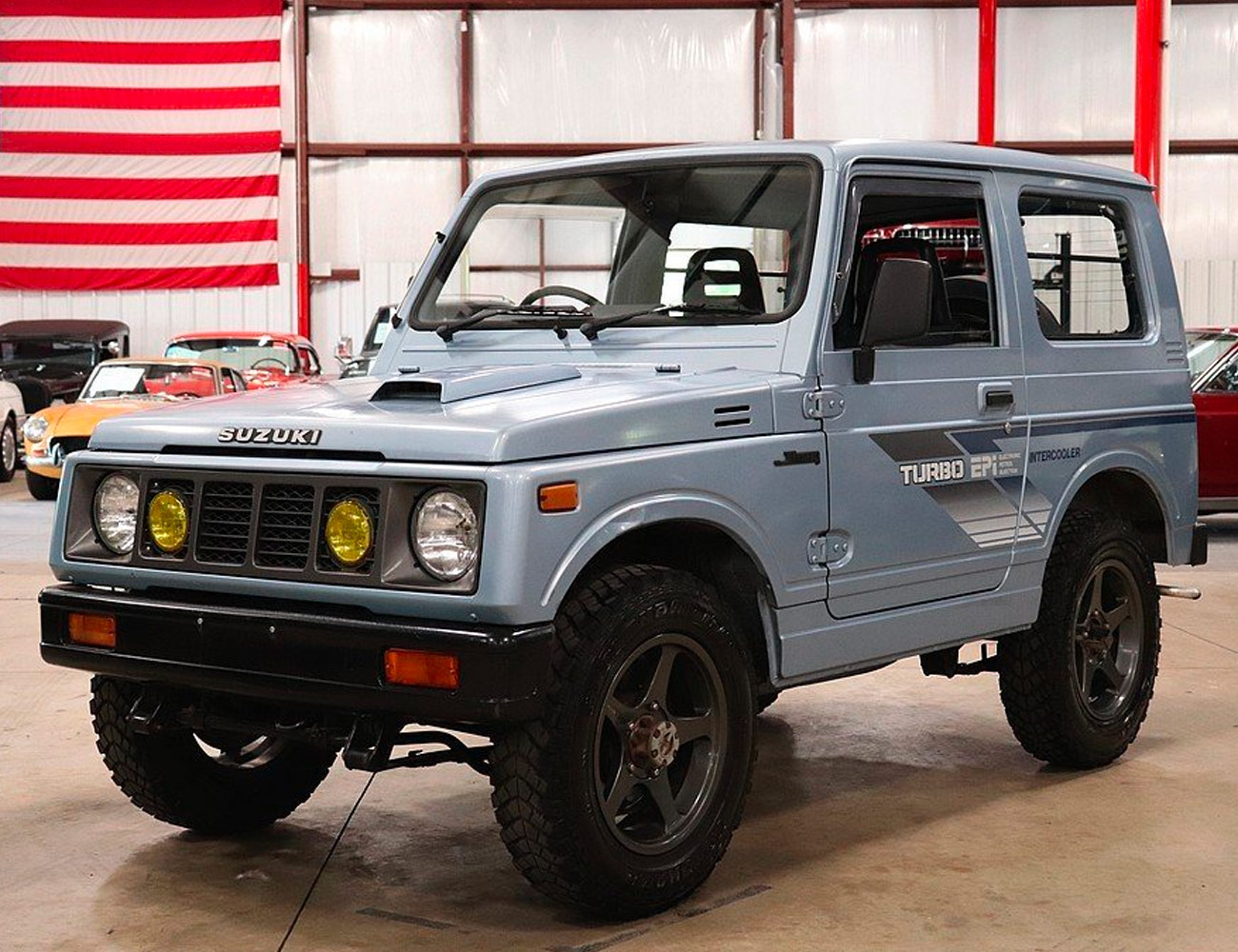
1974 Suzuki Jimny

Here we have a 1974 Suzuki Jimmy, a fun-sized JDM 4×4 with a manual transmission and the words “TURBO EPI INTERCOOLER” written across the side. This example has only done roughly 41,073 miles. If you’re good at math, that means less than 1000 miles on average were put on this little guy each year. This thing is absolutely mint and I want it.– Hunter D. Kelley, Associate Designer

Mileage: 41,073 miles
Original MSRP: $2,800

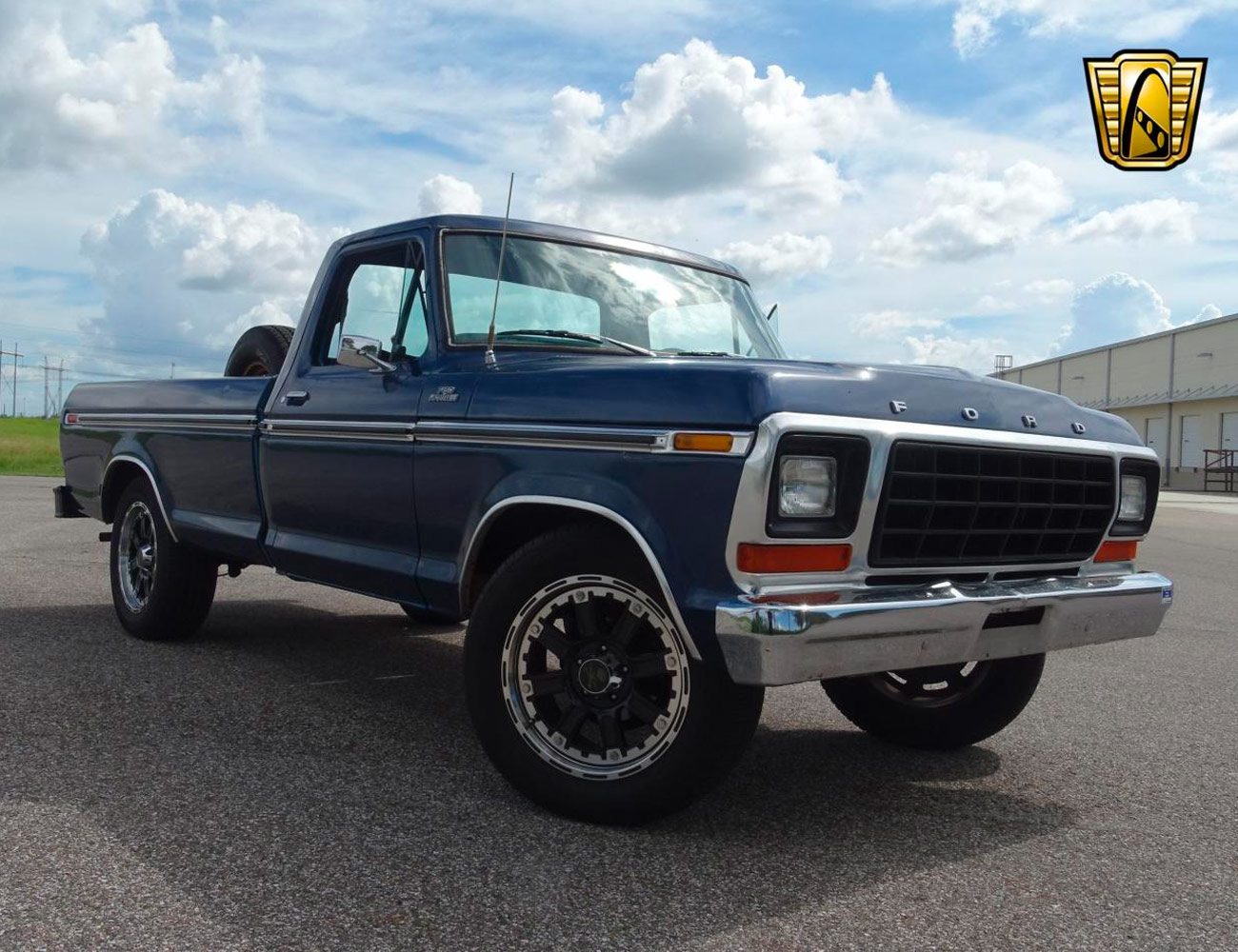
1978 Ford F-150 Ranger

There’s a reason everyone is excited to see the new Ranger back on the road. When it left us back in 2012, the Ranger was a little lackluster, but the original F-150 Ranger was one of the F-150’s top trims. It was also one of the first models to get front disc brakes and a fuel tank located outside of the cabin and underneath the bed. That change afforded the Ranger more space in the cabin, and, you know, safety too.

Overall, this ’78 Ranger isn’t in ery bad shape given its age. The undercarriage looks like it still has some life left in it, but judging by the way the engine bay looks, its a solid bet this isn’t the first time the five-digit odometer has seen 69,145 miles. With that said, these old Fords were built like tanks so even if the next few miles are rough, it’ll take them in stride. — Bryan Campbell, Staff Writer

Mileage: TMU
Original MSRP: $5,500+
Note: Purchasing products through our links may earn us a portion of the sale, which supports our editorial team’s mission. Learn more here.