All posts in “Cars”

The Subaru Ascent Has a Big Target on Its Back

We got our first glimpse of the Kia Telluride – and what the Korean manufacturer has in store for its all-new three-row SUV – at this year’s NAIAS. Today, with the announcement of the $31,690 price tag along with a few specs, it’s clear Kia is gunning for the Subaru Ascent, and the Volkswagen Atlas should watch its back.

A 3.8-liter V6 engine making 291 HP and 262 lb-ft of torque gives the Telluride life and is standard across all available trims. The base model comes in at just under $32,000 but the top trim Telluride SX starts at only $41,490. Considering all the luxuries that come as standard, the Telluride is priced to compete. Even the base LX trim comes with a slew of driver assistance, collision avoidance and safety systems, but move up to the SX, and you get second-row heated and ventilated captains chairs, all-wheel-drive, dual sunroofs, and Harmon/Kardon speakers as standard — all in a truck Kia is claiming is off-road capable, too.

It’s a bold move into territory fraught with stiff competition, but, it shouldn’t come as a surprise play from Kia. The Korean brand is riding a wild wave of momentum generated from its luxury sub-brand Genisis and, most notably, the Stinger sedan. Kia has already proven it can build quality cars at incredibly affordable prices, the problem is its name, and Kia knows it.

If you were one of the 98 million people to tune into Super Bowl last Sunday (and somehow make it through the excruciating mess of a half-time show), chances are you caught Kia’s commercial spot for the Telluride. The first full minute of the commercial was so laden with moody, blue-collar, small-town-America overtones that no one in the room would’ve batted an eyelash if a Chevy, Dodge, or Ford plowed into the water at the end. But it was a Kia, so naturally, everyone groaned.

Rewatch the commercial, knowing it’s for a Kia and listen to what the voiceover says. “We are not famous… We’re not known for who we are. We hope to be known for what we do, what we build. This thing we’ve assembled — it has a chance to be remembered. No, we are not famous, but we are incredible, and we make incredible things.” Kia is politely self-deprecating, admitting it’s not legendary like Subaru or Volkswagen while at the same time acknowledging its most recent run of form. If Kia can pour the same quality and care into the Telluride as it did the Stinger and Genisis line, groan all you want, but don’t be surprised when it becomes the top choice in its segment.

2019 Acura NSX quick spin review | Japan takes on the world, again

I drove the 2019 Acura NSX on track a while back, and it’s an absolute freight train. But now that I’ve driven it in the snow and the rain and our pothole-riddled streets around Southeast Michigan, I can tell you about what it’s like to live with the Japanese supercar.

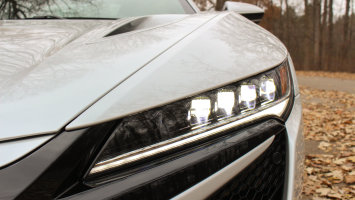
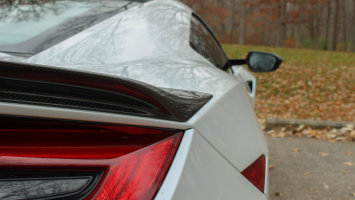
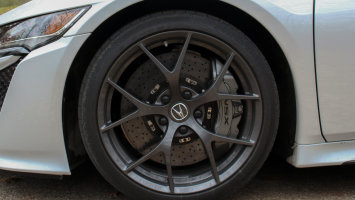
Our tester was painted in gorgeous Casino White pearl. It’s a stunner in this color, highlighting the NSX’s proper supercar styling – impressions were reinforced by the constant stares and craned necks over a cold November weekend. All $21,600 of carbon fiber exterior parts (several carbon packages combined) probably didn’t contribute a whole lot to this, but man does it look cool up close. Updates to the 2019 car consist mostly of more suspension and tire to give it the edge it was missing before. Stiffer stabilizer bars, rear toe link bushings and re-tuned magnetorheological dampers do the bulk of the work. A complete recalibration of the steering and SH-AWD system ties it all together, and boy does it work wonders.

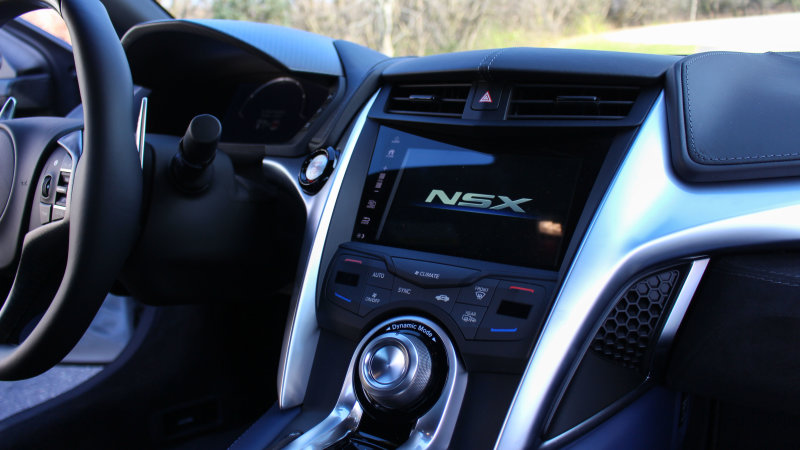
Of course, I spent most of my time inside the NSX, which, just like before the 2019 update is the most controversial part of this car. Acura likes to say it has “excellent ergonomics” and “simple driver interfaces presented with elegant materials.” Critics say it looks like any other Acura, giving the nearly $200,000 supercar a cheap vibe.

I think there’s a disconnect between what Acura thinks is a perfect supercar interior – a focus on superb visibility and ease of use so you can focus on driving – and what enthusiasts are hardwired to believe a supercar interior should be – wild, at times nonsensical, and exotic.

I find myself on Acura’s side in this debate, more so after spending so much time in the cabin. The skinny A-pillars, long windows and excellent view out the rear make driving this car through rush-hour traffic a calming adventure. Our car’s blue/black leather and suede interior combination looks the business and feels luxurious — the $3,800 carbon fiber interior package helps it feel exotic. I spent plenty of hours in the saddle over a long weekend and was never fatigued or sore from the seat. The car is downright approachable to drive for anybody, partly thanks to the straightforward interior. The only part that ever frustrated me was the lack of a volume knob, an annoyance carried over from Honda.

2019 NSX details2019 NSX details

One knob you will end up using often is the giant Dynamic Mode control knob. I did most of my commuting in either Quiet or Sport mode. Quiet is perfect for creeping along in traffic and getting peak fuel economy. I managed just over 22 mpg over the course of a couple hundred miles to and from the office, and I definitely opened it up when I had the opportunity. The hybrid technology is what sets this supercar apart from others at its price point. I was able to accelerate to over 40 mph running in EV mode on plenty of occasions, and the gas engine shut off above 50 mph sometimes.

Of course, only a fraction of my time was spent exploring the eco-friendly nature of the NSX. The rest was spent testing out how great this car is at tackling some twisty backroads. Hint: it’s damn good.

Click the center dial twice to the right for Sport Plus, and just drive. All the compliments I paid the car on the track translate to the road. Steering is telepathic. The engine and transmission respond as quickly as my brain decides what it wants. New Continental SportContact 6 all-season tires provide sure-footed agility even in the sub-30-degree weather I was pounding around in. I never tired of the loud intake and engine roaring behind my ear, no matter how many trips to 7,500 rpm I took.

That said, a track is truly needed to explore the limits of adhesion and speed in this car. If you have your foot down for three seconds, you’re already going 60 mph. Keep it planted for a couple more and … well, hopefully you caught the cops napping. Because of the three electric motors, there’s no wait for turbos to spool up or revs to build, and launches are brutal.

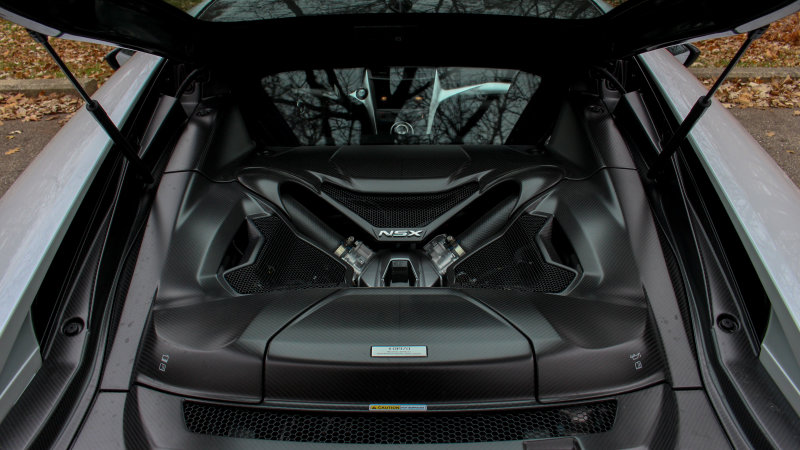
Acura NSX interior photoAcura NSX engine photo

Even with the stiffer and re-tuned suspension for 2019, it handles potholes and road imperfections with ease. The platform itself feels extremely rigid no matter the road surface, but with the magnetorheological shocks in their softest setting, I was able to drive in total comfort. Snowy roads didn’t faze the NSX either. All-wheel drive was there to pull me along without unwanted slippage, and I even managed to do some donuts in a snow-coated, empty parking lot. I lost count of the times I just had to chuckle to myself about how great this car handles any situation I threw at it.

That includes taking it through a Wendy’s drive-thru and a run to the grocery store. The large-for-a-supercar trunk space is remarkably useful. It held my large camera bag, a case of beer and a few other groceries just fine. Acura says you can even fit a set of golf clubs back there, but it’s long past golfing season in the Midwest. The parking sensors help to keep you from scuffing your carbon fiber splitter on a parking block — they were able to sense a block barely 5 inches off the ground.

No other electrified supercar can touch its base price of $159,300 — yep, that’s the way things are rolling nowadays. However, buyers aren’t exactly lining up for the NSX like they do for supercars from Ferrari and McLaren. Perhaps its understandable apprehension about a hybrid supercar – something I felt before I drove this one. After all, efficiency isn’t high on the supercar priority list.

No, supercars are meant to be evocative, alluring beasts that pull you in with outrageous sounds. You should feel more alive behind the wheel of these cars than any other. For a substantial period of time, Honda was king of the world in this department. I’ll stand around all day and heap praise on how the original NSX feels to drive. I cannot do that for the 2019 NSX. It’s not 1991 anymore, and others have stepped up to the plate. The 911 GT3’s 9,000 rpm flat-six is automotive bliss — again, something I can’t say for the NSX’s clinical 3.5-liter twin-turbo V6. The NSX’s lack of aural bliss may be one of the holdups accounting for slow sales. Acura sold 17 in December last year and 170 for the year, total.

Then there’s the price itself. Our NSX was loaded up to $196,500. Yours doesn’t have to be. However, it’s still significantly more expensive than the original was, adjusted for inflation. When it wasn’t marked up due to insane demand, the original NSX was a relative bargain supercar by today’s standards. Tack on a few options to the new car like ours, and a sea of other exotics come into play.

Maybe Honda thought the market for a gas-electric hybrid supercar was bigger than it is in reality? Most likely, it’s a combination of all these potential hangups: a crowded market for sports cars at its price point, the lack of passion coming from the powertrain, the mere idea of a hybrid supercar. That’s a true shame, because it might keep potential buyers from even giving it a test drive. I’d wager that if more people actually took an NSX for a spin, and if there was a better sales pitch for its incredible performance, more people would buy them. As it stands now, the 2019 NSX is an incredibly impressive supercar that I would drive every day. It’s just not as desirable as some of the other toys on the market.

Related video:

Tesla Just Knocked $1,100 Off the Model 3 Price Tag

Tesla unveiled the Model 3 as an awesome mass-market vehicle in 2016. A promised base price of $35,000 precipitated an initial flood of reservations. Tesla is moving closer toward achieving it. The company cut the Model 3 base price by $1100 to $42,900, after a $2000 cut in January. That price will get you a black, rear-wheel drive Model 3 with the lower 264-mile battery range.

Elon Musk and Tesla’s purchasing website claim the $35,000 target has already been met when you include tax credits and fuel savings, which is a bit of a stretch. The federal credit for Tesla has fallen to $3,750 and expires completely at the end of the year.

Tesla getting the Model 3 price down is important, not just to live up to its initial claim. While the Model 3 has received ebullient reviews, from those who have not had quality control issues, it’s still expensive. There’s room for the rest of the market to undercut it, especially with Tesla’s tax credits expiring.

The Hyundai Kona EV and Kia Niro EV will likely have base prices below $30,000 with full tax credits factored in. Volkswagen is planning for multiple-front domination of the affordable EV market. The luxury EV niche Tesla created for itself is also about to get much more crowded.

Competitors won’t catch out Tesla on aesthetics or sub-4.0-second 0-60mph times at a lower price point. But potentially many more customers will sacrifice both to pay less.

The Future of the Audi TT Is in Doubt

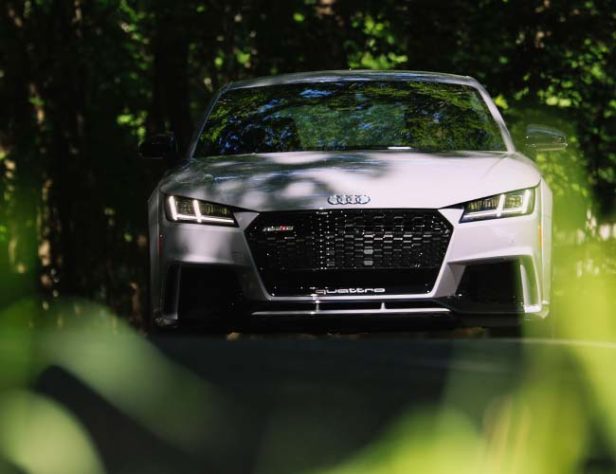
Trying to improve on the current Audi TT RS is a delicate situation. The coupe is already such a phenomenal car, giving it more power, a stiffer chassis, or more aggressive suspension and Audi runs the risk of over-cooking it. So it’s probably for the best the TT RS only receives cosmetic updates for 2019, but with the new facelift comes reports Audi’s pint-sized supercar is in danger of extinction.

Going into 2019 the TT RS keeps the 2.5-liter turbocharged five-cylinder cranking out 400 horsepower and 350 lb-ft of torque to all four wheels, all of which is available from barely-off-idle at 1,700 rpm. The sprint from a standstill to 60 mph is over within 3.6 seconds, which, for the record, threatens the first-generation R8.

According to an Audi insider , the TT as we know it will morph into something else entirely. The TT’s replacement will share a platform with the A3 to stay relevant, practical, and cost-effective and also to give the Mercedes CLA and BMW 2-Series Gran Coupe competition.

A two-door version might still be an option, but with cost-effectiveness and market trends on Audi’s mind, don’t be surprised if a four-door version of the two-door car comes to life. Audi internally floated the idea of spinning off the TT into its own sub-brand, but it was ultimately squashed in favor of building out the A3 line. So it looks like a mini RS7 will replace the tiny R8 we’ve come to know and love.

It’ll be a bittersweet moment should the TT line disappear after more than 20 years in the Audi lineup. We’ll lose a modern icon and gain a more practical version in the process.

Read the Review

In a flat out race, it’s entirely possible the new 2018 Audi TT RS would demolish the 2012 R8 4.2-liter V8, then Audi’s top-end sports car. Read the Story

Alfa Romeo Giulia Quadrifoglio Is Already a Legendary Car

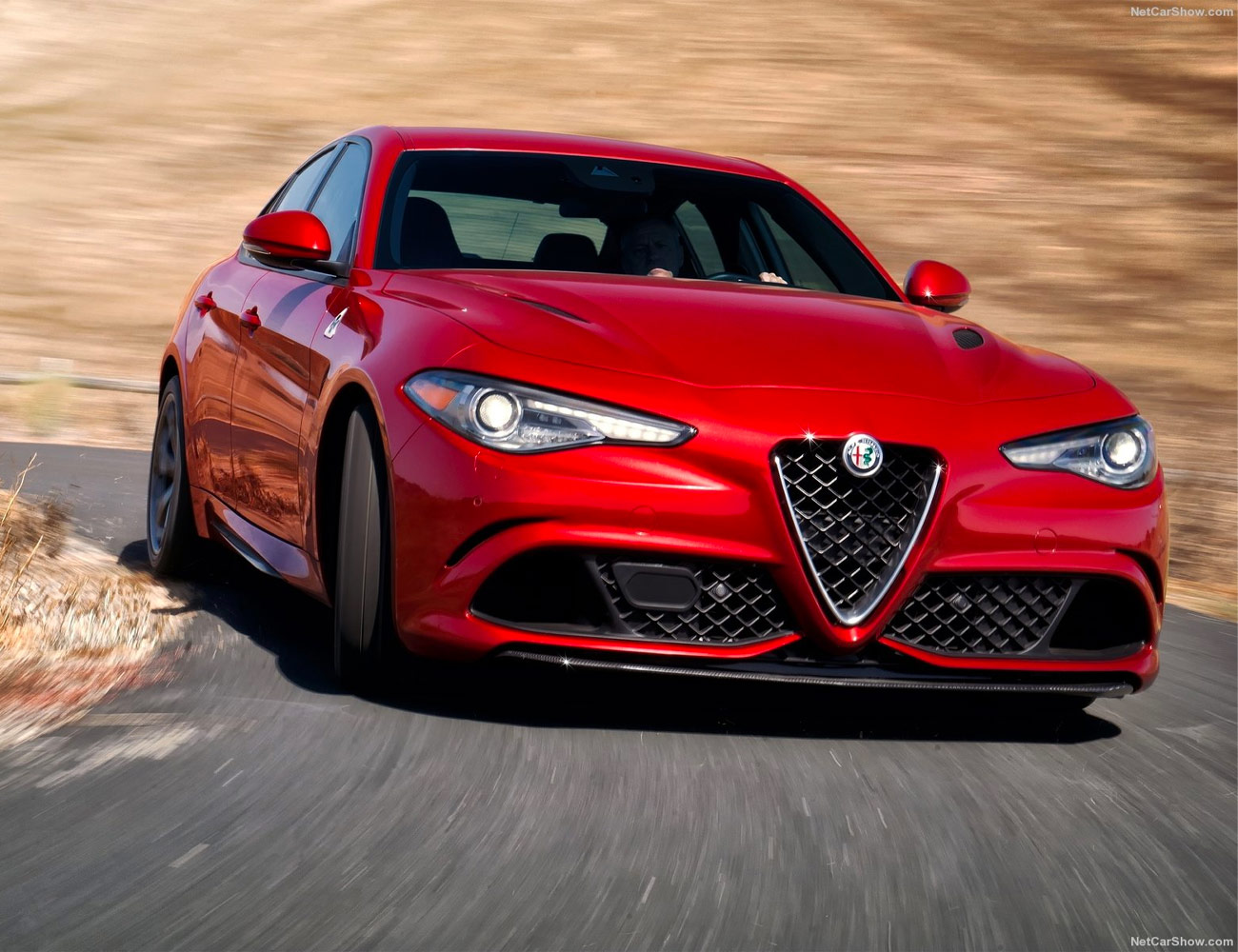
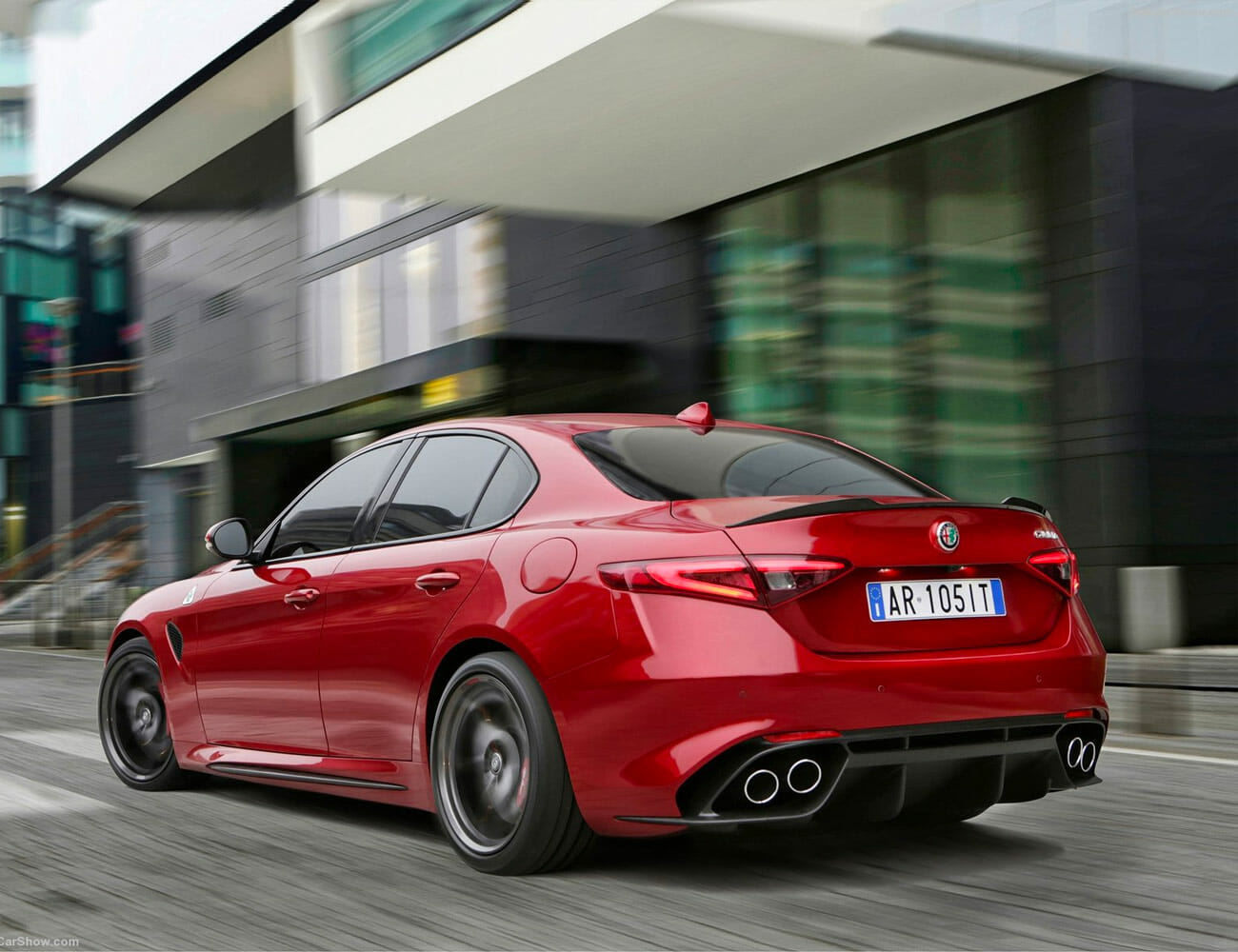
SYou can’t be a genuine gearhead unless you’ve owned an Alfa Romeo. It’s a common axiom. That’s because Alfa Romeo, above all other automakers, understands that driving is a sensual, visceral experience. Alfas look gorgeous. Their engines sound explosive and sonorous. Their potency comes with a distinct personality. Driving an Alfa Romeo reminds you why you love cars.

The current Giulia Quadrifoglio ($73,700) is a proper Alfa Romeo. It was the perfect car to reintroduce Alfa Romeo to the U.S. market. Already a legend, it is destined to be a modern classic.

One must appreciate Alfa Romeo’s sheer ambition. BMW’s M3 provides the benchmark for sport sedans. That reputation stems from decades of excellence. Alfa, with help from Ferrari, took on the M3 with the Giulia Quadrifoglio and blew it out of the water. The Giulia Quadrifoglio is faster. It’s more compliant. It looks better in metallic blue paint.

A German dad and former M3 owner hailed me in a grocery store parking lot. He asked whether the Giulia Quadrifoglio was as good as he had heard. The most forthright answer, after admitting the car wasn’t mine, was “yes, it’s incredible.”

Driving the Giulia Quadrifoglio thrills. It’s as close to a four-door Ferrari production sedan as we’ll ever get. The “Ferrari-derived” 505hp Twin Turbo V6 makes the Giulia QF lightning quick. It would be unnerving but for the supreme balance and laser-precise steering. It can be as maniacal or as composed as you want it to be. The German ZF transmission is dulcet and intuitive. You forget the paddles (or the absent manual option in the States) after a short while. The Giulia shifts better than you can.

The transmission misstepped once in a week’s worth of driving. When I accelerated from zero to 20mph over the speed limit, the Giulia Quadrifoglio presumed I wish to keep going. In true Alfa fashion, it was more in tune with my heart than my head.

Daily driving the Giulia Quadrifoglio is not annoyance free. Lane clogging SUVs will annoy you. Our oppressive regime of traffic laws will subdue your buzz. The Giulia QF can still provide a compelling drive at normal speeds. But, you’re ever cognizant of how much fun you could be having if not for other people.

Performance comes with impeccable Alfa style. The Giulia is beautiful. Clear lines project the available power and aggression under the hood. But a subtlety and effortless restraint underlie the whole package. The Quadrifoglio version does not announce its hotness beyond the odd clover. It doesn’t need to. The Giulia looks like what it is, an M3 redone with better taste.

The sports sedan is the ultimate real-life driver’s car. The Giulia Quadrifoglio may be the ultimate high-performance variant. It may never be topped.

It also brings the noise. The Giulia Quadrifoglio’s engine is a purified raucousness. Think Beethoven over Metal Machine Music. You find yourself cranking up the revs to hear it again, at every stop sign, light, or gap in the traffic.

Alfa Romeos are perfect. Why doesn’t everyone who can afford one own one? They don’t always run. Stereotypes depict Alfas as notoriously unreliable. Some stereotypes are rooted in fact. My parents still remember the name of their old GTV 2000’s mechanic forty years later. They remain convinced he was sabotaging the car. It didn’t seem possible to them that many things could go wrong with a car.

In that respect as well, the Giulia Quadrifoglio has proved itself a proper Alfa Romeo. There are two general reviews of the car. The first rates it as at or near “best car on the road” status. The second describes where the reviewer was driving when the engine light popped on and the car died with an unclear prognosis. Mine had zero issues for what it’s worth. Though, I only drove it for a week and did not track it.

Issues, particularly in early press cars, no doubt stemmed from the development process. Alfa Romeo rushed the Giulia into production in two and a half years. Most cars take four-plus to put out. Working out some of the inevitable electrical gremlins happened with real drivers on the road. Things could get worse as these cars age. If you want a sedan to bore you with its obsessive reliability, buy a Toyota Camry.

Okay, so the Giulia Quadrifoglio is a great car. It’s a mind-blowing drive when it runs. Why, beyond that, will it be collectible?

Animalistic car performance will be at a premium moving forward. The sports sedan is the ultimate real-life driver’s car. The Giulia Quadrifoglio may be the ultimate high-performance variant. It may never be topped. A pocket rocket sedan with a 3/10 EPA smog won’t be on the menu moving forward. Manufacturers are phasing out both sedans and internal combustion. Even Alfa will be moving toward plug-in hybrids and EVs. Performance may well be “ludicrous.” But, it won’t feel or sound the same. This car will remind purists what they loved about gas and be worth what may be a crushing expense to fuel it.

The Giulia Quadrifoglio is part Ferrari, the important part. It’s not an affordable car. But, it’s more attainable than a true Ferrari. It’s a special and memorable collaboration. The notion is similar to the legendary Mercedes 500E from the early 1990s that had a Porsche designed chassis and was assembled on a Porsche line.

Giulia Quadrifoglios should be relatively rare. Alfa does not sell in huge numbers compared to Mercedes and BMW. The Italian company did have a record U.S. sales year in 2018. But, that was still fewer vehicles than Mercedes sells in the U.S. during one month. Most Giulias sold will be lower trims, not the Quadrifoglio. My local Alfa dealer has 86 2018 and 2019 Giulias listed in its present inventory. None are Quadrifoglios.

Finally, it’s an Alfa Romeo, a darn near impeccable one. Alfas charm car people. They charm non-car people. My wife scolded me for shifting out of dynamic mode and softening the suspension on the highway on the way back from dinner. My other passengers gushed about rides around the block. The Giulia Quadrifoglio’s charisma was infectious. Or, perhaps, it was my persistent glee rubbing off on everyone I met.

The Alfa Romeo Giulia Quadrifoglio Is Already a Legendary Car

You can’t be a genuine gearhead unless you’ve owned an Alfa Romeo. It’s a common axiom. That’s because Alfa Romeo, above all other automakers, understands that driving is a sensual, visceral experience. Alfas look gorgeous. Their engines sound explosive and sonorous. Their potency comes with a distinct personality. Driving an Alfa Romeo reminds you why you love cars.

The current Giulia Quadrifoglio ($73,700) is a proper Alfa Romeo. It was the perfect car to reintroduce Alfa Romeo to the U.S. market. Already a legend, it is destined to be a modern classic.

One must appreciate Alfa Romeo’s sheer ambition. BMW’s M3 provides the benchmark for sport sedans. That reputation stems from decades of excellence. Alfa, with help from Ferrari, took on the M3 with the Giulia Quadrifoglio and blew it out of the water. The Giulia Quadrifoglio is faster. It’s more compliant. It looks better in metallic blue paint.

A German dad and former M3 owner hailed me in a grocery store parking lot. He asked whether the Giulia Quadrifoglio was as good as he had heard. The most forthright answer, after admitting the car wasn’t mine, was “yes, it’s incredible.”

Driving the Giulia Quadrifoglio thrills. It’s as close to a four-door Ferrari production sedan as we’ll ever get. The “Ferrari-derived” 505hp Twin Turbo V6 makes the Giulia QF lightning quick. It would be unnerving but for the supreme balance and laser-precise steering. It can be as maniacal or as composed as you want it to be. The German ZF transmission is dulcet and intuitive. You forget the paddles (or the absent manual option in the States) after a short while. The Giulia shifts better than you can.

The transmission misstepped once in a week’s worth of driving. When I accelerated from zero to 20mph over the speed limit, the Giulia Quadrifoglio presumed I wish to keep going. In true Alfa fashion, it was more in tune with my heart than my head.

Daily driving the Giulia Quadrifoglio is not annoyance free. Lane clogging SUVs will annoy you. Our oppressive regime of traffic laws will subdue your buzz. The Giulia QF can still provide a compelling drive at normal speeds. But, you’re ever cognizant of how much fun you could be having if not for other people.

Performance comes with impeccable Alfa style. The Giulia is beautiful. Clear lines project the available power and aggression under the hood. But a subtlety and effortless restraint underlie the whole package. The Quadrifoglio version does not announce its hotness beyond the odd clover. It doesn’t need to. The Giulia looks like what it is, an M3 redone with better taste.

The sports sedan is the ultimate real-life driver’s car. The Giulia Quadrifoglio may be the ultimate high-performance variant. It may never be topped.

It also brings the noise. The Giulia Quadrifoglio’s engine is a purified raucousness. Think Beethoven over Metal Machine Music. You find yourself cranking up the revs to hear it again, at every stop sign, light, or gap in the traffic.

Alfa Romeos are perfect. Why doesn’t everyone who can afford one own one? They don’t always run. Stereotypes depict Alfas as notoriously unreliable. Some stereotypes are rooted in fact. My parents still remember the name of their old GTV 2000’s mechanic forty years later. They remain convinced he was sabotaging the car. It didn’t seem possible to them that many things could go wrong with a car.

In that respect as well, the Giulia Quadrifoglio has proved itself a proper Alfa Romeo. There are two general reviews of the car. The first rates it as at or near “best car on the road” status. The second describes where the reviewer was driving when the engine light popped on and the car died with an unclear prognosis. Mine had zero issues for what it’s worth. Though, I only drove it for a week and did not track it.

Issues, particularly in early press cars, no doubt stemmed from the development process. Alfa Romeo rushed the Giulia into production in two and a half years. Most cars take four-plus to put out. Working out some of the inevitable electrical gremlins happened with real drivers on the road. Things could get worse as these cars age. If you want a sedan to bore you with its obsessive reliability, buy a Toyota Camry.

Okay, so the Giulia Quadrifoglio is a great car. It’s a mind-blowing drive when it runs. Why, beyond that, will it be collectible?

Animalistic car performance will be at a premium moving forward. The sports sedan is the ultimate real-life driver’s car. The Giulia Quadrifoglio may be the ultimate high-performance variant. It may never be topped. A pocket rocket sedan with a 3/10 EPA smog won’t be on the menu moving forward. Manufacturers are phasing out both sedans and internal combustion. Even Alfa will be moving toward plug-in hybrids and EVs. Performance may well be “ludicrous.” But, it won’t feel or sound the same. This car will remind purists what they loved about gas and be worth what may be a crushing expense to fuel it.

The Giulia Quadrifoglio is part Ferrari, the important part. It’s not an affordable car. But, it’s more attainable than a true Ferrari. It’s a special and memorable collaboration. The notion is similar to the legendary Mercedes 500E from the early 1990s that had a Porsche designed chassis and was assembled on a Porsche line.

Giulia Quadrifoglios should be relatively rare. Alfa does not sell in huge numbers compared to Mercedes and BMW. The Italian company did have a record U.S. sales year in 2018. But, that was still fewer vehicles than Mercedes sells in the U.S. during one month. Most Giulias sold will be lower trims, not the Quadrifoglio. My local Alfa dealer has 86 2018 and 2019 Giulias listed in its present inventory. None are Quadrifoglios.

Finally, it’s an Alfa Romeo, a darn near impeccable one. Alfas charm car people. They charm non-car people. My wife scolded me for shifting out of dynamic mode and softening the suspension on the highway on the way back from dinner. My other passengers gushed about rides around the block. The Giulia Quadrifoglio’s charisma was infectious. Or, perhaps, it was my persistent glee rubbing off on everyone I met.

Watch and Listen to the Ferrari Monza SP1 and SP2 Take on the Open Road

Just Listen to That Engine Note

Of all the cars to debut in the last couple of years, the Ferrari Monza SP1 and SP2 are probably the most unforgettable. They harken back to the old school, open-top racecars of old while still leaving room for innovation and utterly astonishing modern design and speed.

As soon as they hit the real world, they became modern collector items. They’re simply stunning machines with no true competitor. They’re the first of what the Prancing Horse dubbed its Icona cars. If Ferrari is able to produce more amazing models like this then we’re all very lucky people to partake in the experience, even if the closest you ever get to these cars is the video above. 

Watch and listen to this beautifully shot short video and imagine what it’s like to whip this car through city streets or around the bend on an Italian country road.

Porsche, Lamborghini, Koenigsegg, McLaren, and Bugatti all do what they do well, but there will only ever be one Ferrari. It’s cars like the Monza SP1 and SP2 and videos like this that make the brand what it is.

For the uninitiated, the Monza SP1 and SP2 are beautiful machines powered by a monster of a V12 engine that makes more than 800 hp can propel these cars from 0-60 mph in under three seconds and 124 mph in just 7.9 seconds. It has a top speed of 186 mph. The cars are aerodynamic and low to the ground, making them the ideal car for the driver looking for a unique open-air experience.

Range Rover Velar SVAutobiography Dynamic Edition Revealed

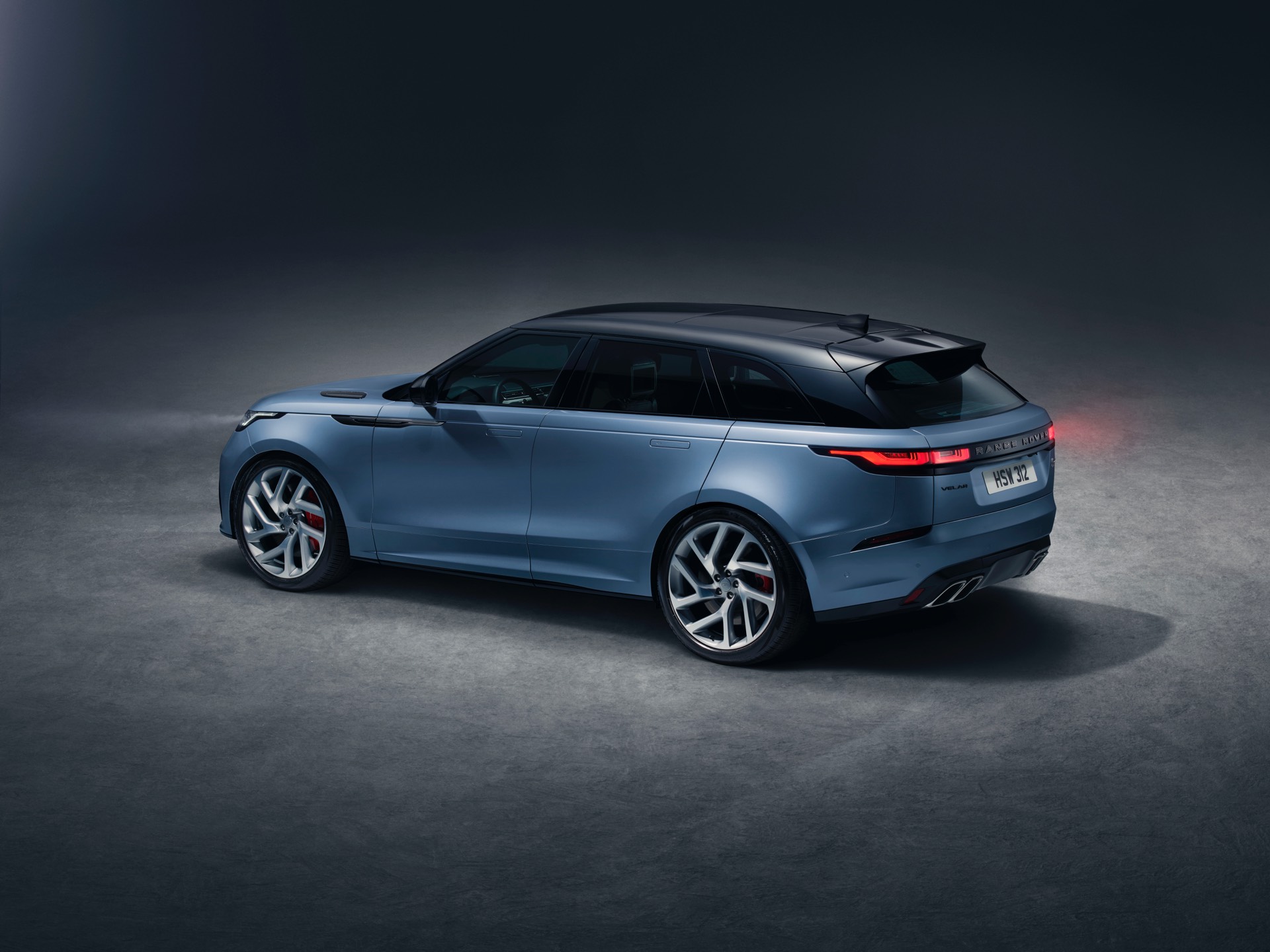
Having taken away the Range Rover SV Coupe with one hand, Land Rover have given the Range Rover Velar SVAutobiography Dynamic Edition with the other. Smaller in scale than the SV Coupe, but just as interesting, the Velar will be priced significantly lower, starting at £86,120 OTR in the UK.

The Velar SVAutobiography Dynamic Edition has been developed by Land Rover’s Special Vehicle Operations. This is Land Rover’s bespoke department. At its heart, sits the supercharged 5.0 litre V8. It is the first time this engine has been placed into the Velar. It has 550 hp. As a result, it is capable of a 0-100 km/h blast in 4.5 seconds (0-60 mph in 4.3 seconds) and a top speed of around 274 km/h (170 mph).

The work carried out on the Range Rover Velar SVAutobiography Dynamic Edition is said to be extensive. As a result, the Velar carried uprated brakes and suspension components as well as bespoke settings for everything from the powertrain to the safety systems. There is an upgraded anti-roll bar to reduce body roll and a reworked all wheel drive system to cope with the new power. The new exhaust system sheds 7.1 kg of weight and unleashes a distinctive growl thanks to active elements.

The Range Rover Velar SVAutobiography Dynamic Edition gets a new front bumper with larger air intakes, a new grille and lower side mouldings, a revised rear bumper, new quad exhaust finishers and a new transmission tunnel undertray. The changes are help the Velar cut through the air more efficiently.

The Range Rover lettering on the bonnet and tailgate get a knurled finish on the metal element. The Range Rover Velar SVAutobiography Dynamic Edition is also the only Velar available in Satin Byron Blue. As standard, all models will get a contrasting Narvik Black roof. If Satin Byron Blue is not your thing, five other exterior colours are on offer: Firenze Red; Santorini Black; Corris Grey; Fuji White and Indus Silver.

Range Rover Velar SVAutobiography Dynamic Edition

Two wheel options are available. The standard 21-inch rims weigh as much as the 20-inch versions offered with the standard Velar. A set of 22-inch rims, which include a unique Silver Sparkle finish, can also be ordered. 395mm front and 396mm diameter rear brake callipers are also on offer.

Inside, twin-stitched, perforated and quilted Windsor leather is unique to the Velar SVAutobiography Dynamic Edition. Four leather colour combinations are on offer with Ebony, Cirrus, Vintage Tan and Pimento leather. 20-way adjustable heated and cooled front seats with memory and massage functions are included as standard with a new sport steering wheel, aluminium gear shift paddles and an optional carbon fibre pack.

Range Rover Velar SVAutobiography Dynamic Edition Interior

Competition? Logically, the Porsche Macan Turbo is about as close as it gets at this size. The Mercedes-AMG GLC 63 and Jaguar F-Type SVR also look very attractive. Which one would you go for? Does the Range Rover Velar SVAutobiography Dynamic Edition hit the right buttons for you?

Land Rover Announces the Velar SVAutobiography Dynamic

Land Rover unveiled the Range Rover Velar SVAutobiography Dynamic edition, going on sale later this year. Per our helpful Land Rover buying guide, the Range Rover Velar is Land Rover’s luxury compact SUV. It has more modern and aerodynamic styling with recessed door handles. “SV” means it will be high performance. “Autobiography” means it will be fancy. “Dynamic” means it will be more aggressively styled. This model will be a one-year special edition.

The SVAutobiography Dynamic edition of the Velar adds a 550-horsepower version of Jaguar Land Rover’s Supercharged 5.0-liter V8. It has SV tuning for the brakes and an eight-speed Quickshift transmission. It will accelerate from 0-60mph in 4.3 seconds and reach a limited top speed of 170mph, performance on par with the Range Rover Sport SVR.

The new top-of-the-line Velar is geared for on-road performance (though still “an SUV for any occasion”) with 21-inch standard wheels. It won’t skip out on the luxury with “quilted, perforated and twin-stitched” leather upholstery, a lot of “knurled aluminum,” many items that are “bespoke” and optional 22-inch wheels with a “diamond-turned finish.”

There’s definitely room in the Land Rover lineup for an even smaller, but still hot SUV. We will hold a candle for an absolutely raucous Evoque. Though, this Velar will be a cut well above “hot SUV” efforts like the Ford Explorer ST. American pricing has not yet been revealed. But, the Velar SVAutobiography Dynamic edition will start at £86,120 in the U.K. which is more than $111,000.

Read now: The Complete Land Rover Buying Guide

Could Hispano Suiza Make a Comeback With Its Electric Supercar?

The Spanish Automaker’s Return Could be Coming

This year’s Geneva Motor Show is shaping up to be a blast from the past. Now, the long-dormant Hispano Suiza brand could start a comeback with an electric supercar. From the 1900s to the mid-1940s Hispano Suiza sold thousands of unique luxury cars. After that, it more or less disappeared from the luxury automotive world. That changes this year in Geneva.

Hispano Suiza recently teased an image of a new car. According to a press release from the company, its next car will be an all-electric grand touring luxury supercar. The details on the model are currently scarce, and it will be interesting to see a modern Hispano Suiza appear.

According to Top Gear, the car will be called Carmen. The name Carmen comes from the mother of the company’s current president. The great-grandson of the founder of Hispano Suiza and the company’s current president, Miguel Suqué Mateu, sounded excited in his statement to the press. He said he wants to see Hispano Suiza cars on roads around the world. 

Back in 1900, when Hispano Suiza started, it built the first electric car in the world, but the prototype was never industrially manufactured. Now, 119 years later, in March 2019, Hispano Suiza has its first 100% electric car, offering great performance and manufactured in Barcelona, the realization of my great grandfather’s dream.

The rich heritage of the Hispano Suiza brand is engaging. While many people don’t have any recollection of the company’s cars, it would seem that’s about to change with the introduction of a new model. We eagerly await the Geneva Motor Show as it’s shaping up to be quite an interesting show. 

Ginetta Is Working on a 600 hp Supercar

An All-New British Supercar? Yes Please

The British sporting car company Ginetta has a new supercar in the works. Over the years, the car company has garnered quite the reputation in racing circles. However, it hasn’t spent as much time and effort on road cars. That could change with its new supercar that the company recently announced. 

The car will feature a carbon fiber body and chassis and with a good old naturally aspirated V8 engine. Ginetta says the engine will produce upwards of 600 hp. The car was developed in-house, and from the image teased, it will be a front-engine car. Ginetta said it would send all the 600 horsepower to the rear wheels and the big V8 engine would be mated to a sequential gearbox. 

As Motor Authority points out the car will likely be similar to Ginetta’s other racecars, like the G40 and G50 models. Those cars also feature a front-engine rear-wheel-drive design, lightweight chassis and body, and plenty of power. Chairman of the company Lawrence Tomlinson said Ginetta has come a long way in 60 years but still has a lot to contribute to the automotive industry.

“In the 1960s our G10 was a giant killer on and off the track, regularly beating Jaguar E-Types; 60 years on, we’re again applying knowledge and technology from our racing programs to build an uncompromised yet utterly capable road-going supercar,” Tomlinson said. 

It’s exciting to see the British company working on something new and different. The classic front-engine, rear-wheel drive layout is less common now for true supercars, it seems, and it will be wonderful to see what Ginetta comes up with. 

McLaren 570GT MSO Cabbeen Collection Comes to the U.S.

The Year of the Pig Car Comes Stateside

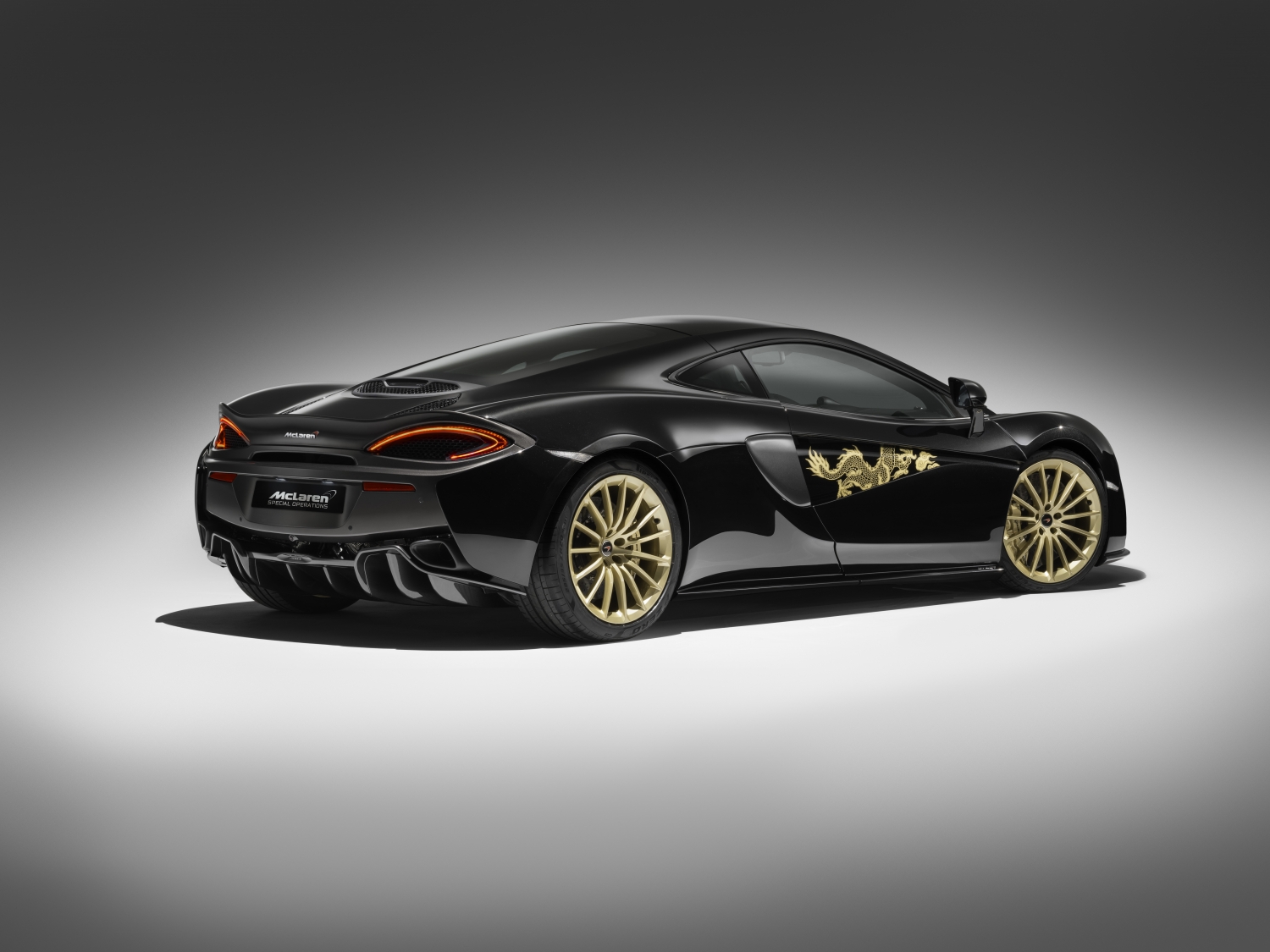
McLaren built the 570GT MSO Cabbeen Collection as a China-only model. The company made five of the cars that appeared at the 2018 Beijing Auto Show in China. Now, there is a sixth car that made its American debut at the Lunar New Year: Year of the Pig celebration in Los Angeles. 

McLaren Special Operations and Mr. Cabbeen, a Chinese fashion designer teamed up to build the bespoke models. The cars feature unique Chinese design elements and have a special Obsidian Black paint job that also features dragons in Gloss Speedline Gold paint on both door inserts. Additional exterior features include new 15-Spoke GT wheels. The wheels and brake calipers are finished in Gloss Speedline Gold paint. 

McLaren 570GT Cabbeen CollectionMcLaren 570GT Cabbeen Collection
Image from McLaren

Inside the cabin, the car gets McLaren Special Operations defined carbon sill covers. There’s Alcantara material throughout the cabin and Mr. Cabbeen added beautiful dragons to the center tunnel and rear luggage area. The embroidered dragons were made using Chao Embroidery, which McLaren notes is a technique that’s part of China’s heritage. 

One of the most special features of the car is that its VIN number and the VIN numbers of all the collection’s cars end in 888888 to commemorate the Lunar New Year: Year of the Pig. From a performance standpoint, the model has not received changes or updates. The car comes with a twin-turbo 3.8-liter V8 that makes 562 hp and 443 lb-ft of torque. You can find the sixth 570GT MSO Cabbeen Collection car for sale at McLaren Beverly Hills 

Porsche Carrera GT recommissioned by Porsche and made new again

There’s no better restoration shop than the people who originally built the car, chiefly when those people happen to be Porsche. One lucky Carrera GT owner decided to have their car recommissioned and rebuilt by Porsche Classic, and now we get to see the results.

Porsche Classic is Porsche’s in-house restoration team. They take care of Porsches from any generation, whether they be relatively new like this Carrera GT, or as old as a 356. This particular car was entirely disassembled into individual parts for the restoration project. All those parts were examined and either refurbished or replaced if they weren’t up to the team’s standards. We’re especially jealous of the rebuilt 5.7-liter V10 engine and six-speed manual transmission the owner gets to enjoy now. Supercars with 604 horsepower and 435 pound-feet of torque just don’t get three pedals anymore.

The most extraordinary part of the project has to be the extreme detail work in the car’s appearance. It’s now painted in Oak Green Metallic, a Porsche color that made its debut in the 1970s. Porsche used magnesium wheels for the Carrera GT, but this set was made even more special. The owner wanted gold spokes and a polished rim. Engineers warned that polishing the magnesium rim could structurally alter the magnesium, making it weaker. The solution? Lay in silver, then paint a coat of clear on top to prevent oxidation but keep the simulated chrome appearance.

Since the entire car was taken apart, Porsche was able to manually sand and re-coat every last bit of carbon fiber on the car. They even refinished the car’s carbon monocoque. In case you were thinking this was overkill, carbon fiber does have a tendency to fade over time.

We’re huge fans of the carbon fiber bucket seats covered in houndstooth fabric and a maroon-colored leather. Green, gold and maroon accents are sprinkled about the interior in an agreeable fashion, as well. Porsche doesn’t detail how much it costs for something like this to be done, but we can assume it’s astronomical for a car like the Carrera GT.

Related video:

The Complete Land Rover Buying Guide: Every Model, Explained

These days, we find ourselves constantly dreaming of having a fully restored vintage Defender in our country house garage (barn?). Aside from Jeep, there isn’t a more storied brand that is so consistently dedicated to full-on adventure and overlanding as Land Rover. Furthermore, its vehicles have become synonymous with prestige; even if an owner isn’t traversing rocky, muddy terrain on the Scottish Highlands, their fine, British SUV will look the business on Rodeo Drive. If you’re in the market for a Landy, here’s everything you need to know.

Land Rover History

Land Rover is a British company that produces luxury four-wheel drive vehicles. The Rover Company launched the Land Rover Series in 1948. Land Rover became an independent brand under successive ownerships. Current owner Tata Motors created the current company, Jaguar Land Rover based in Whitley, a suburb of Coventry, England, in 2013. The company has had a Royal Warrant for supplying vehicles to the British Royal Family since 1951. While definite luxury cars, Land Rovers maintain a reputation for off-road capability. Currently, Land Rover and Jaguar are part of the same umbrella company, Jaguar Land Rover (or JLR).

How Land Rover Names its Cars

Naming conventions for Land Rover vehicles can get complicated. There are six current models. All six models are relatively similar looking, mostly five-door SUVs. Four of the six models are referred to as “Range Rovers” instead of Land Rovers. Each of the six models has at least three trim levels. Some trim levels follow similar nomenclature to the others. Some do not. To be extra confusing, the basically-named models, i.e. the Range Rover, are the premium brands.

Land Rover Terminology

HSE: Stands for “High Specification Equipment.” This is a higher-than-standard trim level offered on most Land Rover models.
SVO and SVR: SVO stands for “Special Vehicles Operations,” the brand’s high-performance wing. The highest-performance vehicles under the SVO wing replace the O with an R, which stands for “racing.” SVO and SVR trims aren’t available across the board, but vehicles that sport the trim level are, in scientific terms, “fun as hell.”
Autobiography: This is a Range Rover trim offered on the Range Rover, the Range Rover Sport and the Evoque. This trim is fancy. It will have luxury finishes, an array of standard features and come at a significantly higher price point.
Dynamic: This is a term affixed to Range Rover trims. These cars are more aggressive and dynamic than non-dynamic trims. That can mean styling. It can also mean a more powerful engine.
Landmark: A mid-level trim on the Range Rover Evoque and Discovery Sport meant to offer distinctive styling.
Range Rover: Land Rover has equity in “Range Rover” as a luxury brand. Thus, four of the six are “Range Rovers.” These cars tend to be referred to as just “Range Rovers” because “Land Rover Range Rover X” is a mouthful.
Sport: Smaller version. The Range Rover Sport is smaller than the Range Rover. The Discovery Sport is smaller than the Discovery.

Buying Guide

Range Rover
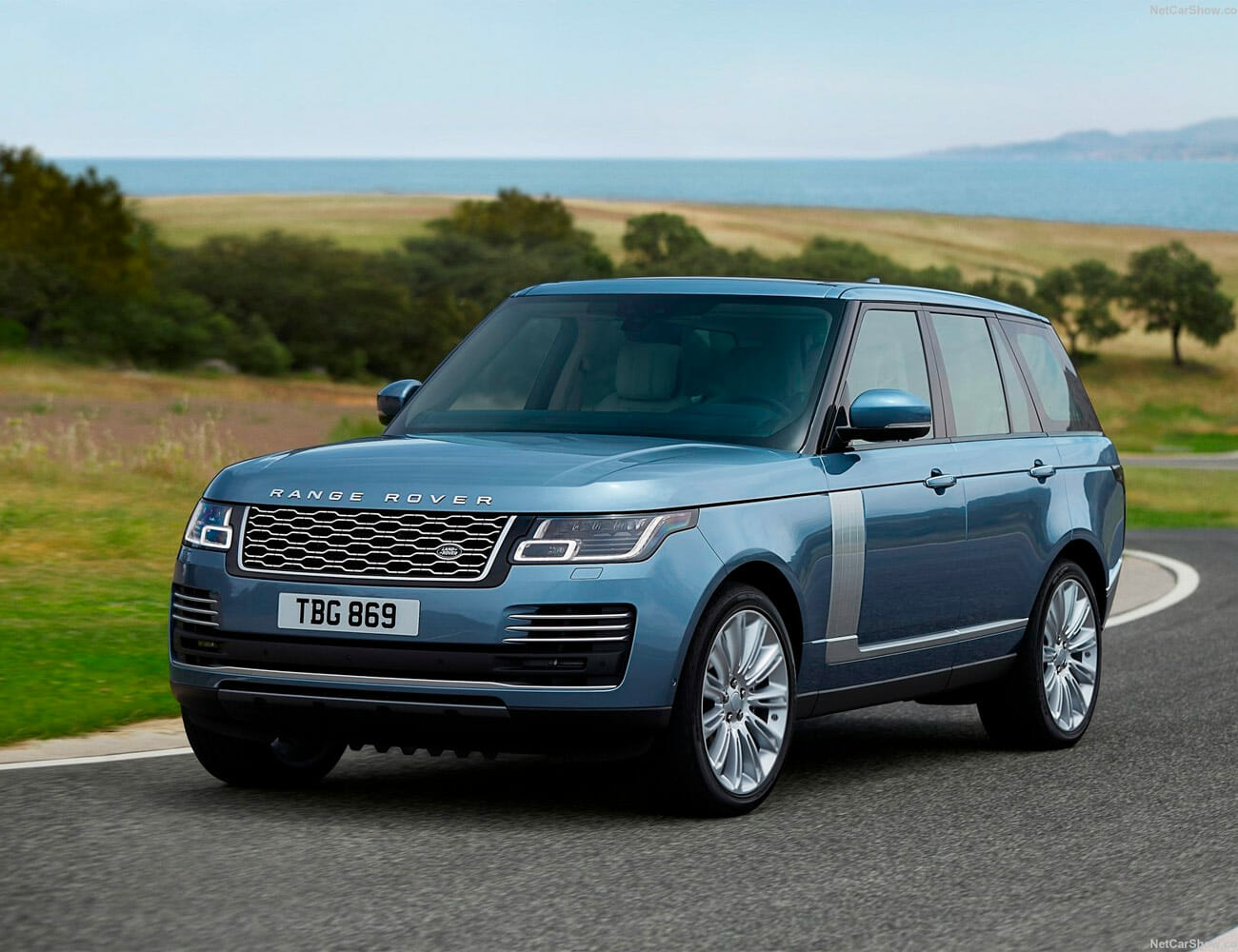
The Range Rover is Land Rover’s flagship, full-sized luxury SUV, first built in 1970. It defined Land Rover as a luxury brand. It recast the entire SUV segment as premium, fashionable and fit for important people. The Range Rover can have a standard or a long wheelbase with an extra 7.3 inches of rear legroom. It can be fitted with six different engine setups, including diesel and hybrid electric powertrains.

There are five trim levels, beginning with the base “Range Rover.” HSE adds another 40 horsepower, bringing the 3.0-liter V6 output to 380hp. Supercharged upgrades to the 518hp 5.0-liter V8. Autobiography takes Supercharged to another luxury level. Top-of-the-line SV Autobiography Dynamic ($177,500) offers a 557 hp from the V8 and, crucially, upgrades from the standard massaging seats to “hot stone” massaging seats.

The Diesel (254 hp) is available on the Range Rover and HSE trims. The plug-in-hybrid (398 hp) is only available in HSE. Long wheelbase versions are available in Supercharged, Autobiography and SV Autobiography (non-dynamic) trims.

Body Style: SUV

Seating: 4 or 5

Models:

• Range Rover
• Range Rover HSE
• Range Rover Supercharged
• Range Rover Autobiography
• Range Rover SV Autobiography Dynamic

Engines:

• 3.0-liter TD6 Diesel
• 2.0-liter P400e Plug-in-hybrid
• Supercharged 3.0-liter V6
• Supercharged 5.0-liter V8

Base MSRP: $89,160

Read about am incredible, classic V-12-powered Range Rover here.

Range Rover Sport
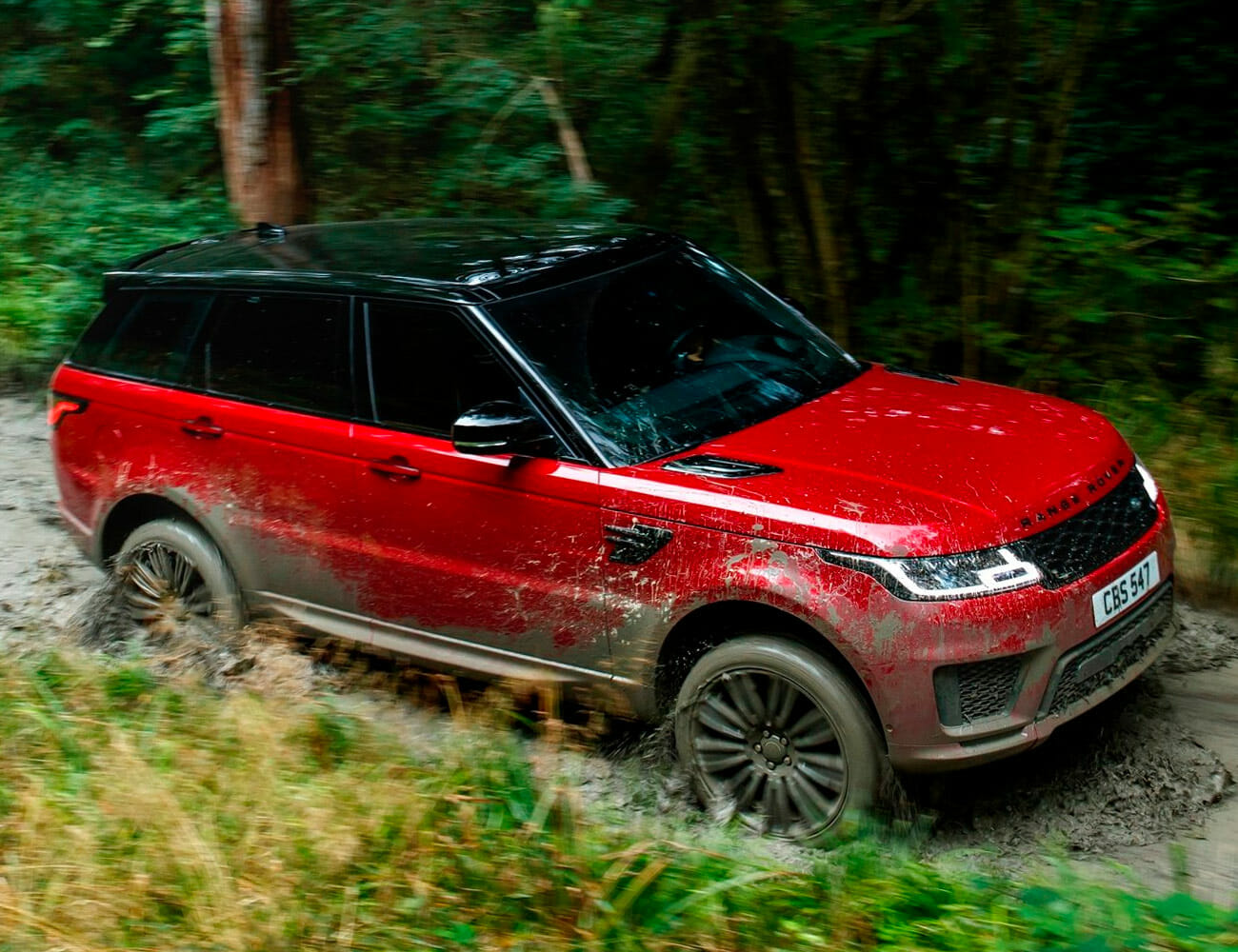
The Range Rover Sport is the midsize Range Rover. It’s smaller and, yes, a bit sportier than the flagship SUV. It can be fitted with a third row of seats. The trim levels are similar to the Range Rover but with “dynamic” tags on lower-level trims. HSE Dynamic brings the 3.0-liter V6 to 380 hp. The Supercharged Dynamic trim upgrades to the 518 hp V8. Autobiography Dynamic is the luxed out edition. Like the Range Rover, the diesel can be had with SE and HSE trims. Buyers can opt for the plug-in hybrid with HSE.

The Range Rover Sport SVR ($113,900) is Land Rover’s on-road performance vehicle. It is the most powerful Land Rover with 575 hp from the 5.0-liter V8. It is the fastest Land Rover, acceleration from 0-60 mph in just 4.3 seconds. It also has some quite sporty features, including a carbon fiber hood.

Body Style: SUV

Seating: 5 or 7

Models:

• Range Rover Sport SE
• Range Rover Sport HSE
• Range Rover Sport HSE Dynamic
• Range Rover Sport Supercharged Dynamic
• Range Rover Sport Autobiography Dynamic
• Range Rover Sport SVR

Engines:

• 3.0-liter TD6 Diesel
• 2.0-liter P400e Plug-in-hybrid
• Supercharged 3.0-liter V6
• Supercharged 5.0-liter V8

Base MSRP: $67,050

Read our review of the Range Rover Sport SVR here.

Range Rover Velar
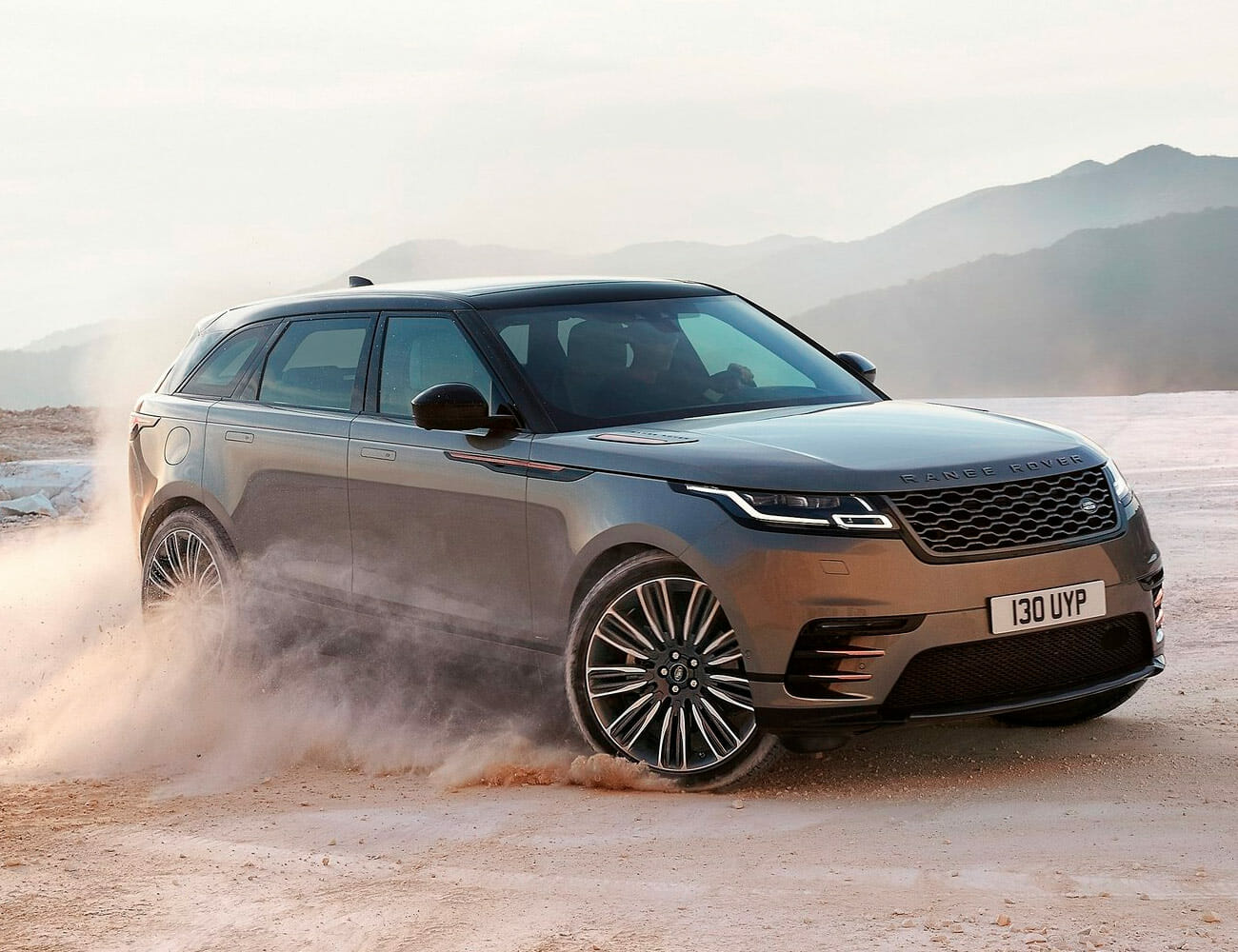
The Range Rover Velar is Land Rover’s more premium compact crossover SUV introduced in 2017. It’s sleek and aerodynamic with features such as recessed door handles. It is oriented toward on-road driving. It shares a platform with the Jaguar F-Pace. Land Rover describes the Velar as “avant-garde.”

The Velar comes in two broad styles, the Velar and the Velar R-Dynamic. The Velar comes in a base Velar and S versions. The Velar R-Dynamic has SE and HSE trims. Higher trims add luxury, tech and style features. Four and six-cylinder gasoline engines can come with any trim. The non-dynamic Velar can come with a diesel.

Body Style: Crossover SUV

Seating: 5

Models:

• Range Rover Velar
• Range Rover Velar S
• Range Rover Velar R-Dynamic SE
• Range Rover Velar R-Dynamic HSE

Engines:

• Turbocharged 2.0-liter inline-four diesel
• Turbocharged 2.0-liter inline-four
• Supercharged 3.0-liter V6

Base MSRP: $49,600

Read our review of the Range Rover Velar here.

Range Rover Evoque
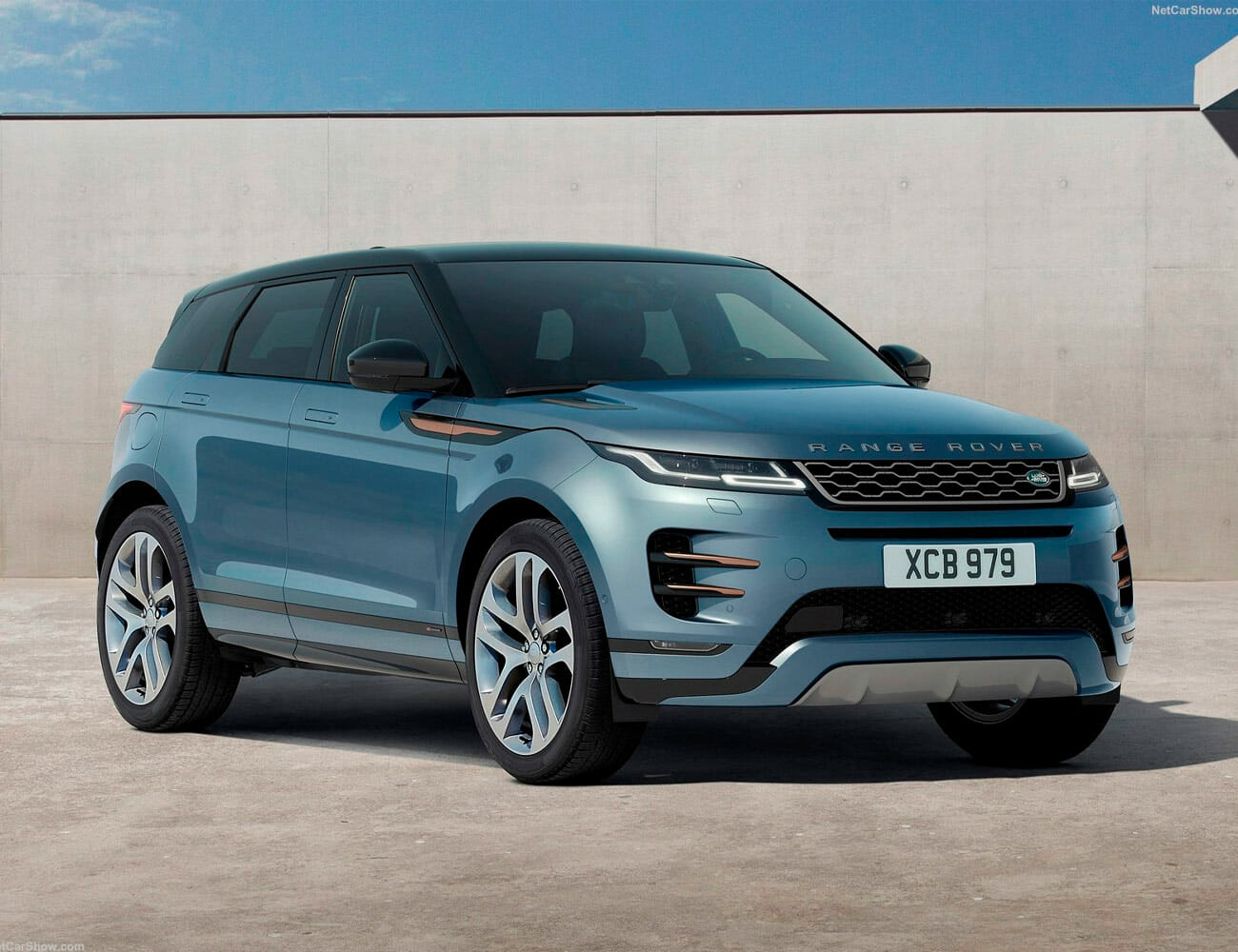
The Range Rover Evoque is a subcompact crossover. It’s the smallest Range Rover model with the cheapest base price. U.S. buyers can have it as either a five-door hard top or a three-door convertible. Every Evoque comes with a 2.0-liter I-4 Turbo. There are six hardtop trims (SE, SE Premium, Landmark, HSE, HSE Dynamic, Autobiography) and two convertible trims (SE Dynamic, HSE Dynamic). The HSE Dynamic and Autobiography trims of the hardtop get a bump from 237 hp to 286 hp.

Of Note: Victoria Beckham collaborated on a special limited edition of the Evoque in 2012. She sold her limited edition Evoque in 2016 after three years and 1,400 miles. Land Rover’s chief designer says that Mrs. Beckham overstated her involvement when she claimed to have designed the car.

Body Style: Crossover SUV, Convertible Crossover SUV

Seating: 4 or 5

Models:

• Range Rover Evoque SE
• Range Rover Evoque SE Premium
• Range Rover Evoque Landmark
• Range Rover Evoque HSE
• Range Rover Evoque HSE Dynamic
• Range Rover Evoque Autobiography
• Range Rover Evoque SE Dynamic Convertible
• Range Rover Evoque HSE Dynamic Convertible

Engines:

• Turbocharged 2.0-liter inline-four

Base MSRP: $41,800

Read our review of the Range Rover Evoque Convertible here.

Land Rover Discovery
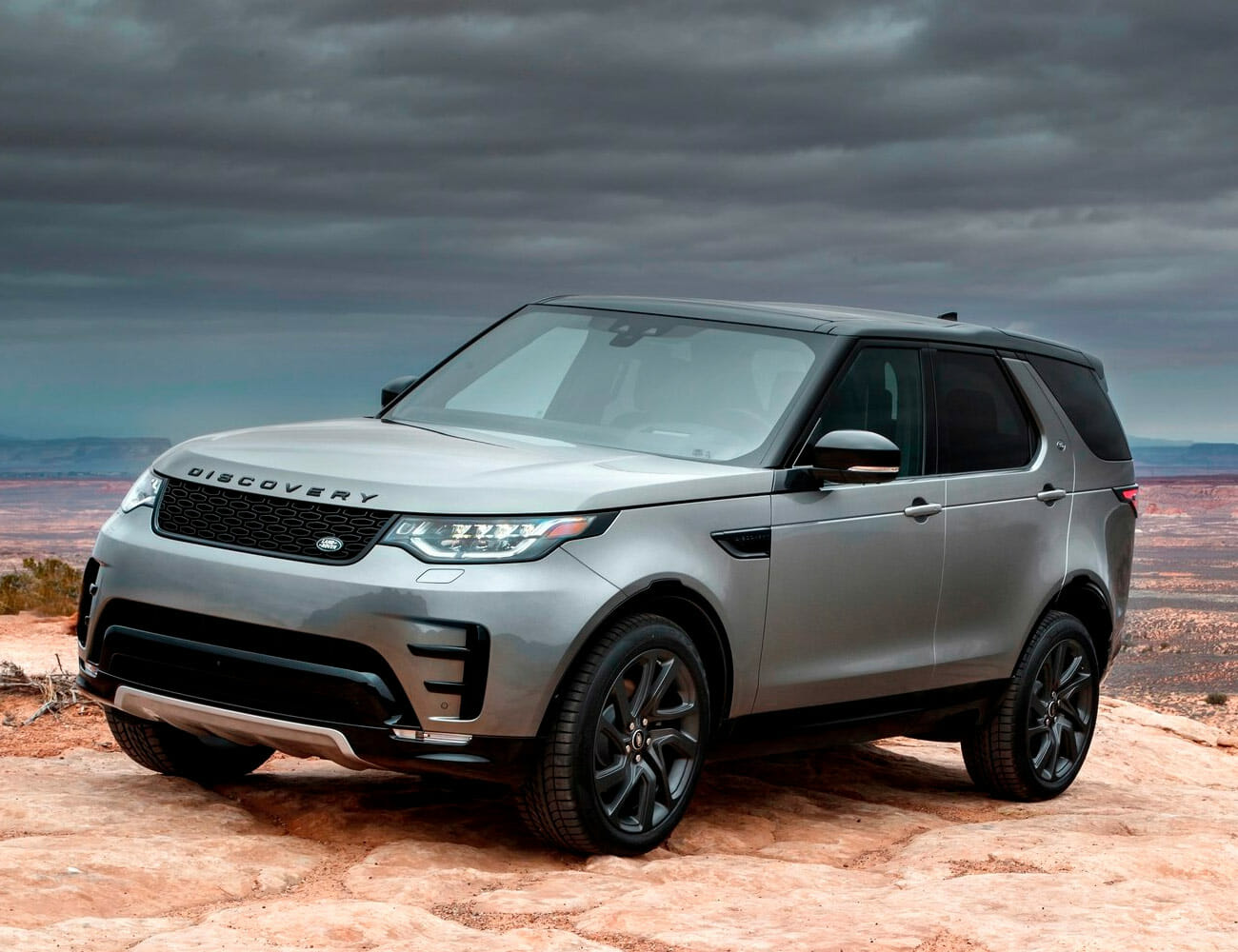
The Land Rover Discovery is Land Rover’s less premium, but still quite premium midsize SUV. It is less luxury-oriented and more family-oriented than the Range Rover Sport. It’s in its fifth generation since 1989. It comes with six-cylinder diesel and gas variants. Buyers can choose from three trims (SE, HSE, HSE Luxury). A seven-seat alignment is optional on SE and HSE trims and standard on HSE Luxury.

Of Note: Car folk will occasionally refer to the Discovery as “the Disco” and express annoyance about its asymmetrical back end.

Body Style: SUV

Seating: 5 or 7

Models:

• Land Rover Discovery SE
• Land Rover Discovery HSE
• Land Rover Discover HSE Luxury

Engines:

• Supercharged 3.0-liter V6
• Turbocharged 3.0-liter Diesel

Base MSRP: $52,600

Read our review of the Land Rover Discovery here.

Land Rover Discovery Sport
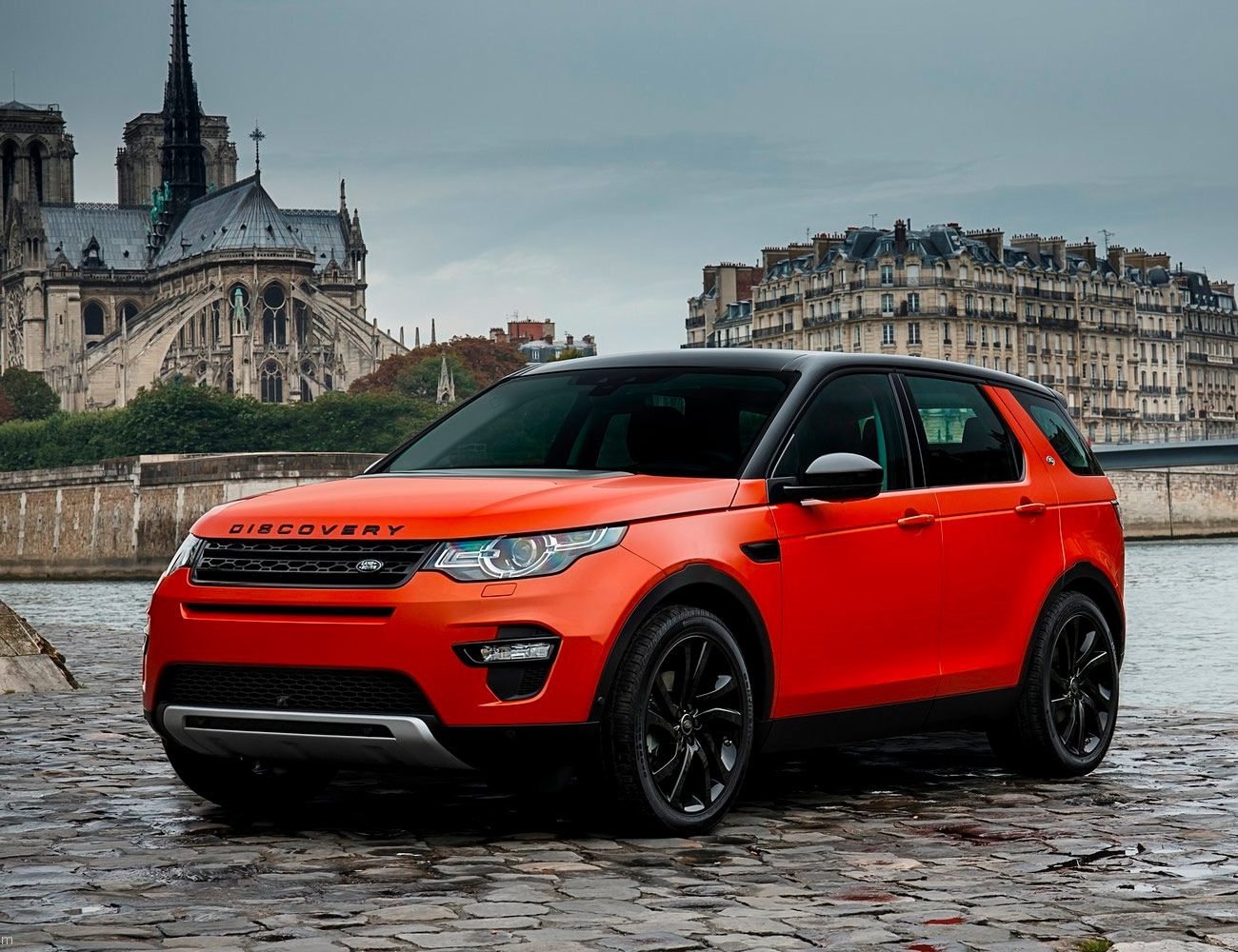
The Land Rover Discovery Sport is a compact SUV. It is the entry-level Land Rover with a base price starting below $40,000. There are four trim levels (SE, HSE, Landmark and HSE Luxury). HSE and HSE Luxury trims can opt for a 286 hp version of the 2.0-liter I-4.

Body Style: SUV

Seating: 5 or 7

Models:

• Land Rover Discovery Sport SE
• Land Rover Discovery Sport HSE
• Land Rover Discovery Sport Landmark
• Land Rover Discovery Sport HSE Luxury

Engines:

• Turbocharged 2.0-liter inline-four

Base MSRP: $37,795

Land Rover Defender
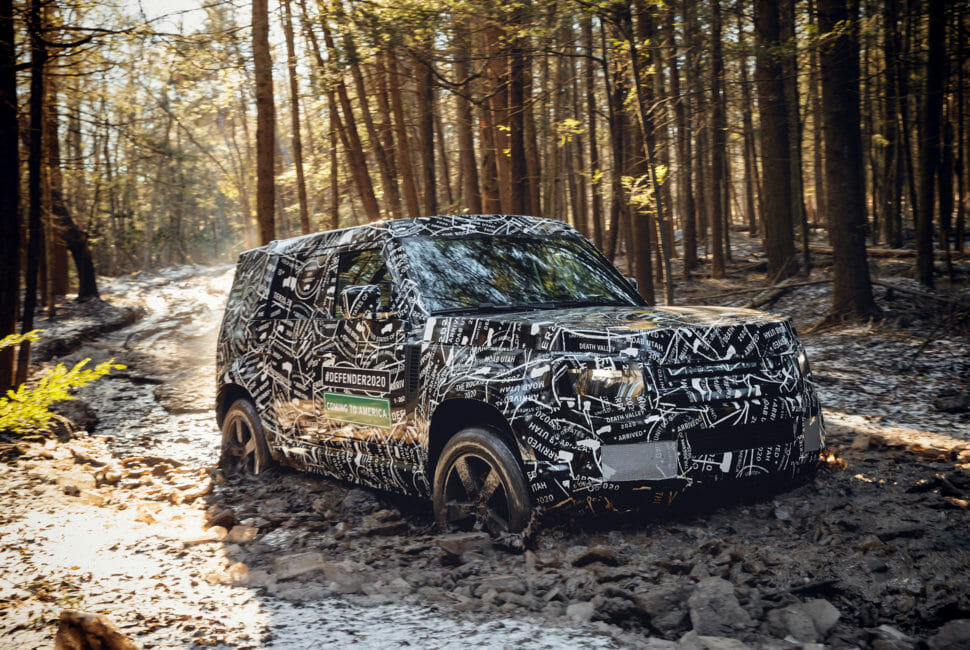
The Land Rover Defender is Land Rover’s original overland vehicle, the British equivalent of the Jeep Wrangler. Land Rover will debut a new version of the Defender for the 2020 model year. It will be the first time a new Defender will be sold in the U.S. since the 1997 model year. Above is an image of the forthcoming production vehicle, which Land Rover has begun to tease out.

Initially, the Defender was just known as “the Land Rover.” It was renamed “the Defender” in 1983 to differentiate it from other models. Its nearly 68-year production run ended in January 2016. It was produced with hard and soft tops, as models called 90 (93-inch wheelbase) and 110 (110-inch). Vintage Defenders have become popular and pricey. Modified custom restorations from companies such as E.C.D. Automotive Designs can stretch well past $100,000.

Body Style: SUV

Seating: 5 (likely)

Models:

•TBD

Engines:

• TBD

Base MSRP:TBD

Read what we know about the all-new 2020 Defender here.

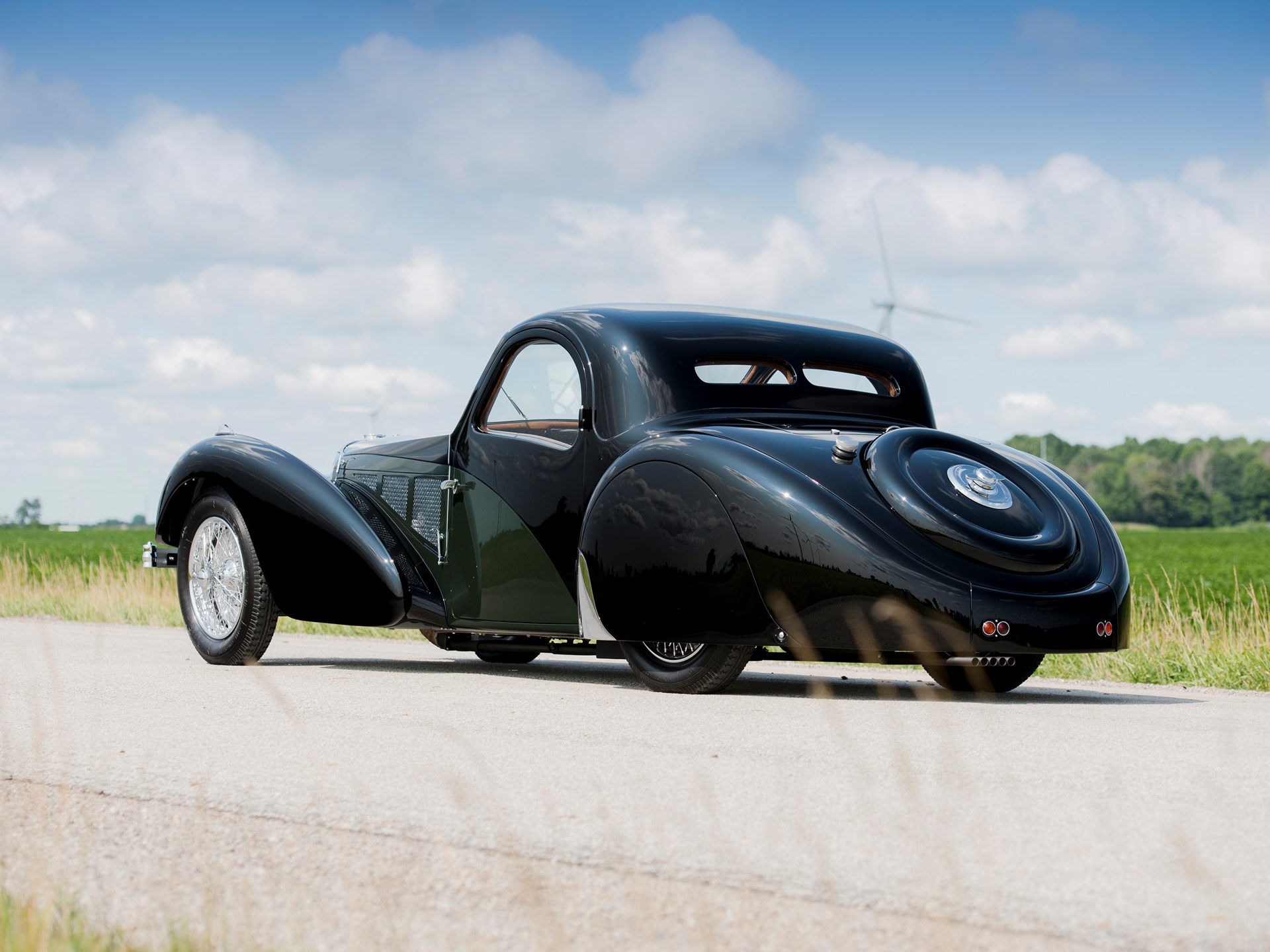
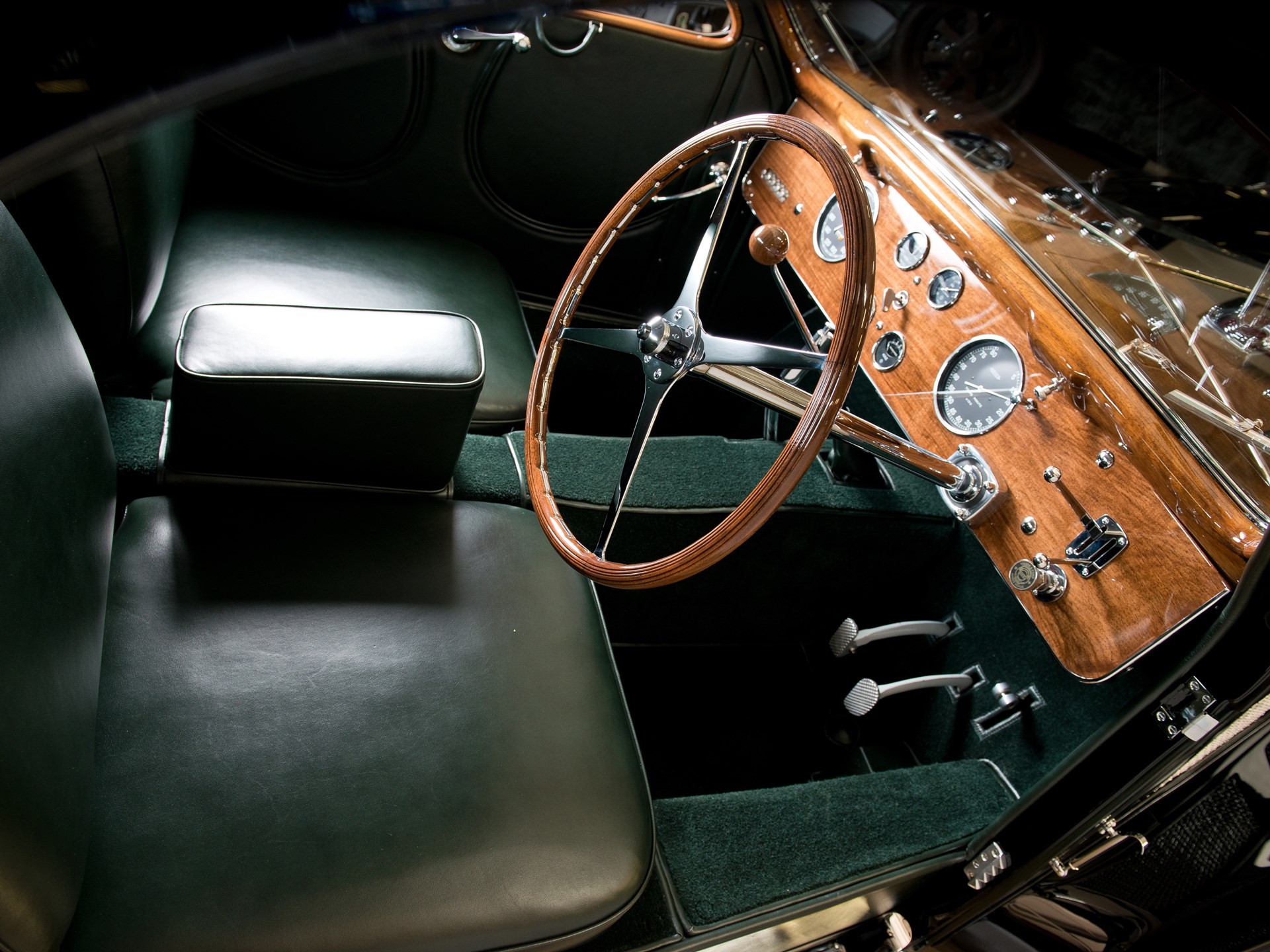
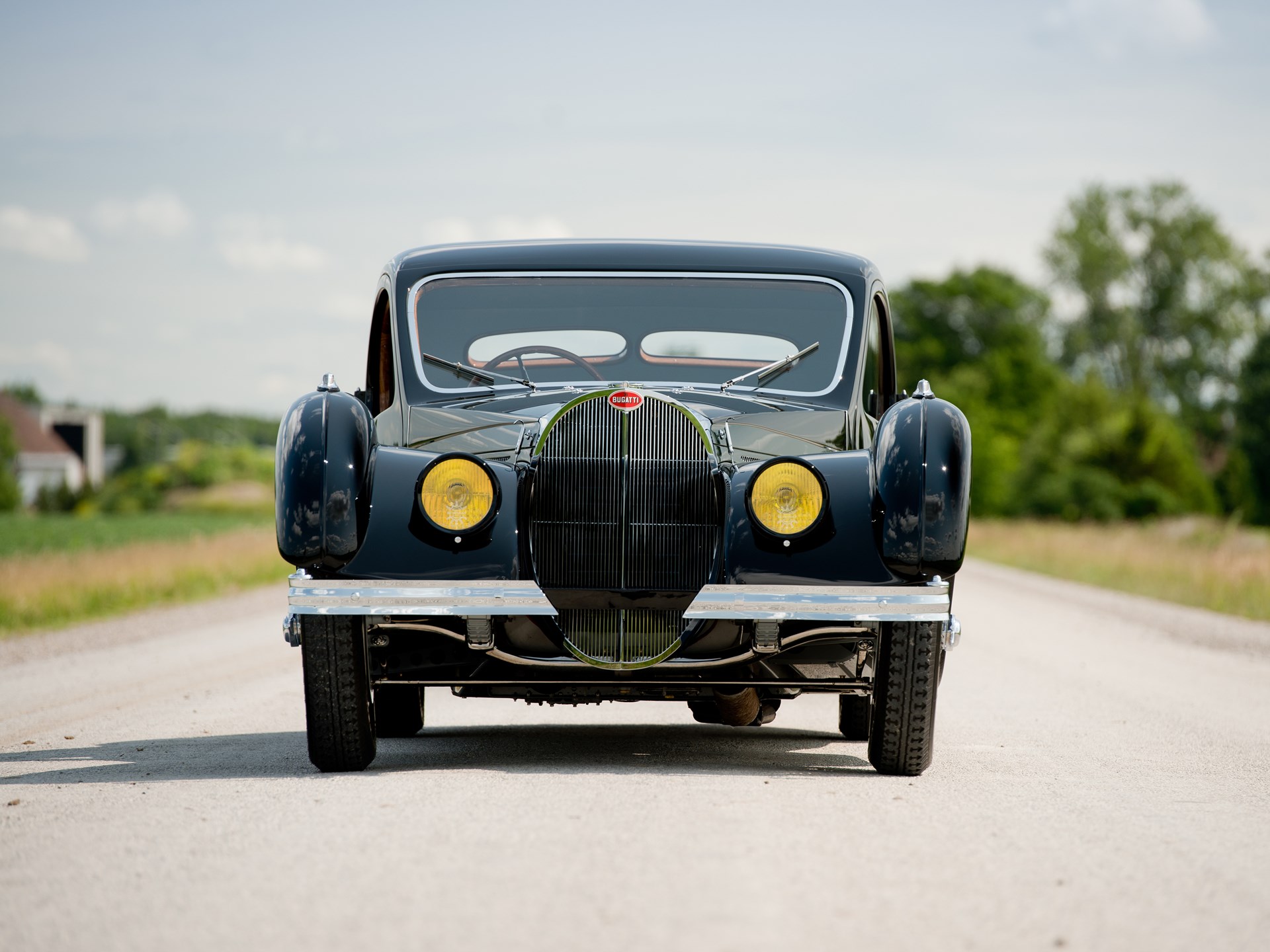
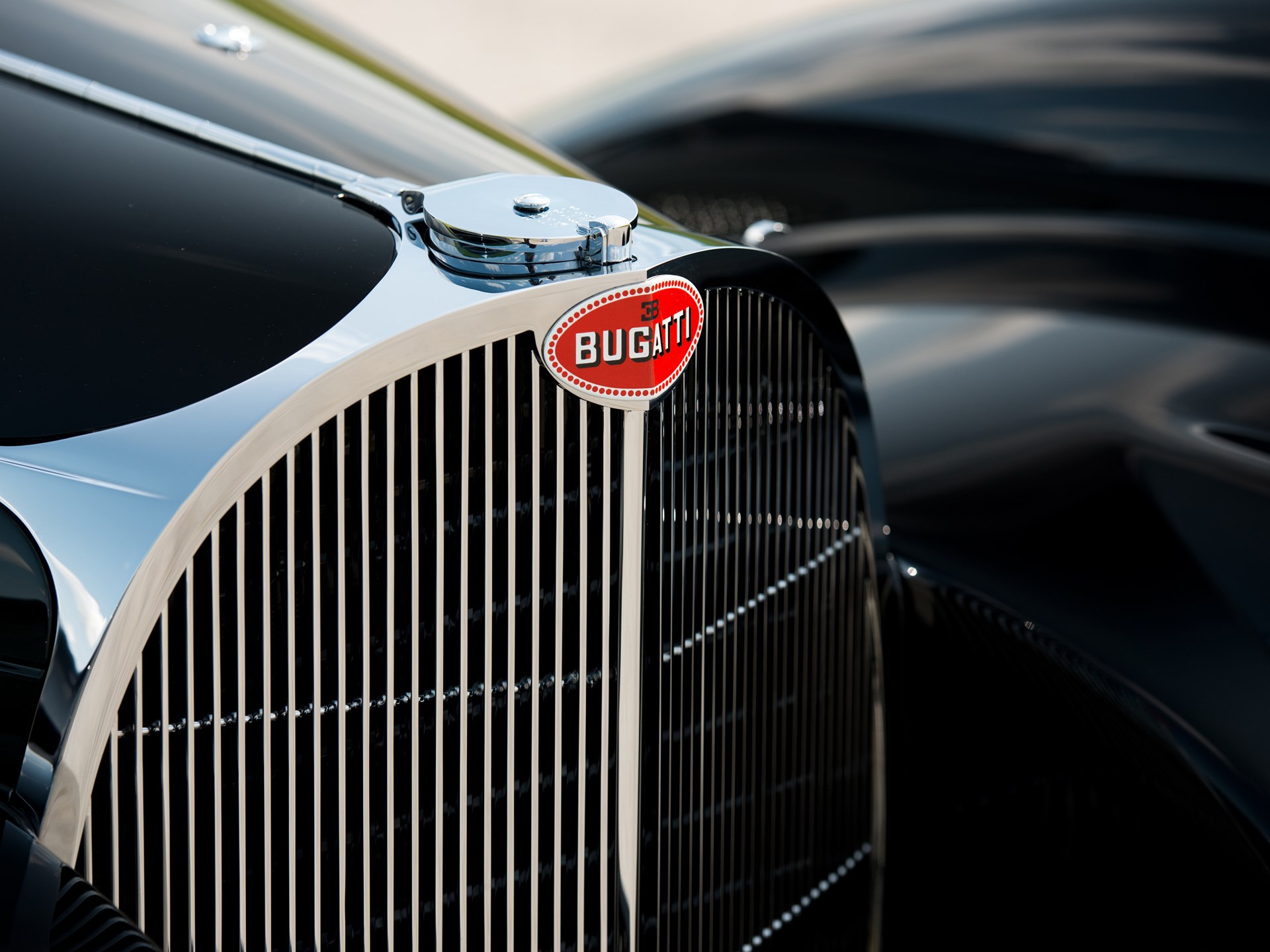
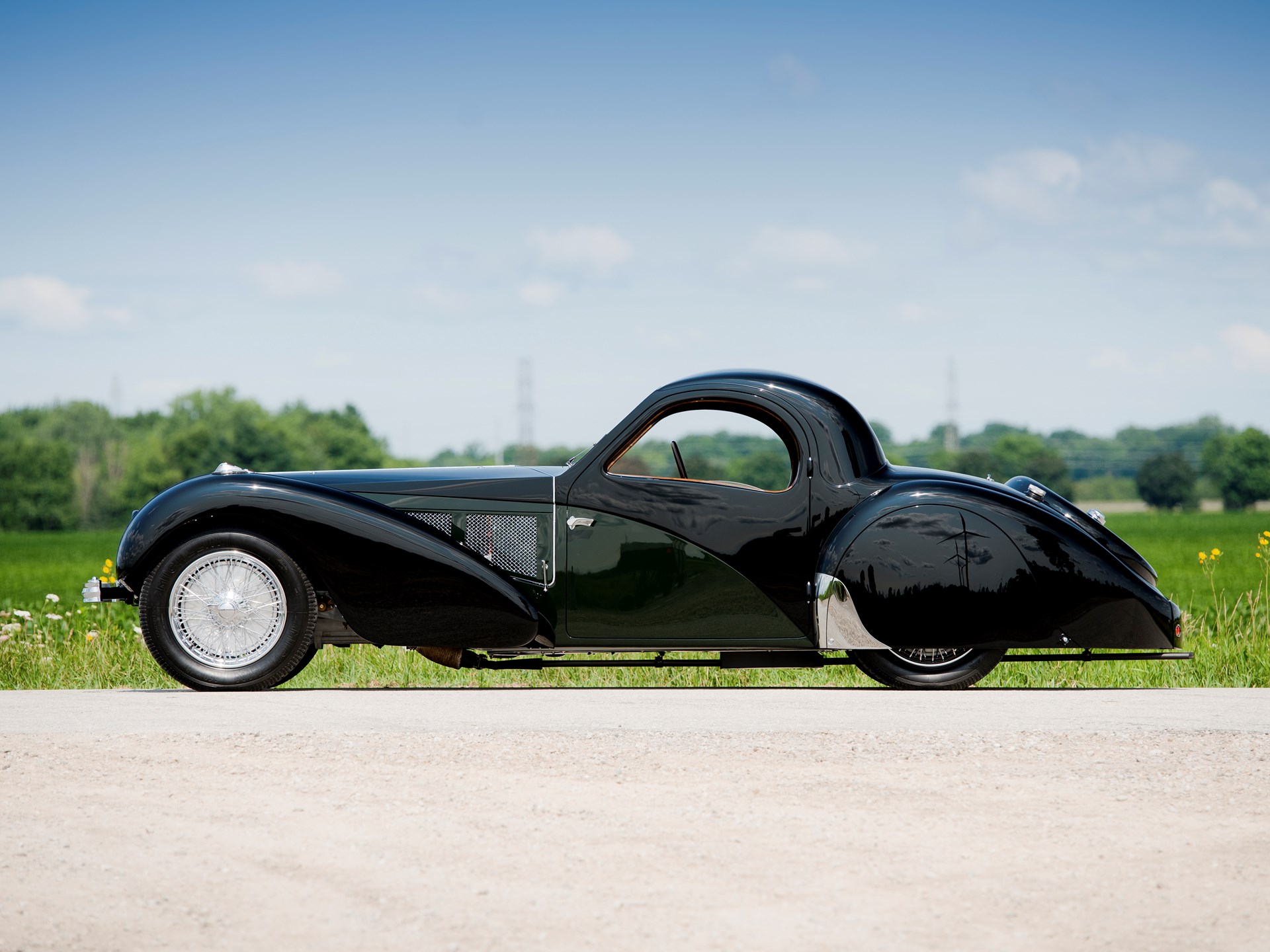
1937 Bugatti Type 57SC Atalante

Few road cars can rival the Bugatti Type 57SC Atalante, one of the rarest Bugatti models in history and one of the first to come with the automaker’s “low-headlight” design in 1937.

Ettore Bugatti didn’t design this ride himself, though. It’s actually courtesy of his son, Jean. Clearly, genius is genetic, because this car is packing serious aesthetic aplomb. Ettore’s craft certainly rubbed off on Jean, and look no further the the above image if you need proof.

Bugatti only ever built 48 Type 57SC Atalante units. And only 17 of them came with the Atalante coachwork as seen on this particular model now up for auction at RM Sotheby’s. It’s got a twin-cam straight-eight motor, which it borrows from the Type 49. However, it comes modified with a period-correct supercharger.

But beyond the specs sheet, you’ll appreciate this ride’s storied journey. From its completion in 1937 to its complete restoration care of RM Auto Restoration in 2013, everything is well-documented. You’ll learn that Jean Lévy first owned the ride, deputy Administrator of a grain milling company. He later later handed it off to Maurice Weber, a livestock feed manager, in 1941.

But lo and behold, it’s here. In all its vintage glory. Chassis no. 57551, seen above, is one of the most beautiful, desirable, best-performing, and advanced of all Bugatti cars. Pricing is available upon request, but we imagine it will cost a fortune to have this thing in your private collection. You can contact RM Sotheby’s if you’re interested. Click the link below to learn more.
BID AT RM SOTHEBY’S

Photos courtesy of RM Sotheby’s

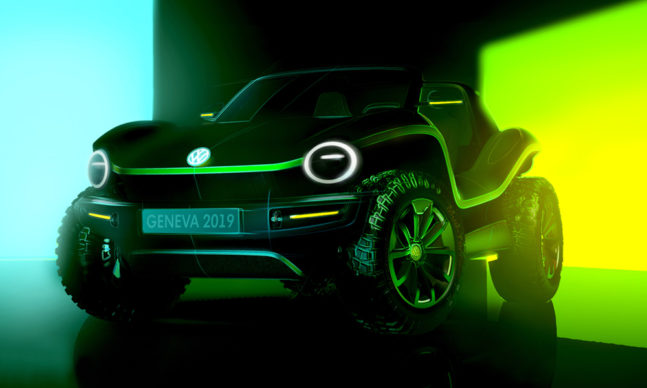
Volkswagen Is Making an All New Electric Dune Buggy Concept

Volkswagen just announced that they’re breathing new life into their lineup with a few teaser shots of a one-of-a-kind electric dune buggy. What they’re actually doing is resurrecting the idea of the Beetle-based buggy that…

2019 McLaren Senna

Successor to the P1, Tribute to a Legend

When it was first unveiled in late 2017, the Senna proclaimed itself as the ultimate street-legal McLaren. We can go back as early as the 1990s when tracing the Senna’s lineage, with the McLaren F1 pioneering the first production car with full carbon-fibre construction. More than two decades later, its predecessor – the McLaren P1 – gave the British automaker a refreshed sense of supremacy with its redesigned flagship car.

Fast forward into the current era of automobiles, and the Senna epitomizes a collaboration of the latest and greatest technologies, while paying tribute to a legend of the past – not so much to a car, as much as it is to a driver; none other than the late F1 driver Aryton Senna. The Brazilian’s namesake is shared with the car as a salute to his tenure as a McLaren Formula One driver. Though he is not with us anymore, one would be confident stating in his place that this is an automobile that Mr. Senna would be proud to have named after him.

2019 McLaren Senna

2019 McLaren Senna

2019 McLaren Senna

The McLaren Senna is the pinnacle of McLaren performance. It combines the three principal matters of a high performance vehicle – aerodynamics, chassis and power – in an unrivaled manner. As a purpose-built track car, it still manages to be road-legal; but don’t expect to have a chance encounter with it at any race tracks or on the street.

Due to its spartan interior and physically demanding nature, the car precludes mostly any sense of ‘daily use’ and will require an experienced and capable driver behind the wheel to push the car over seven-tenths on a road course. The car is also a bit of a unicorn with all 500 units having been spoken for.

With a starting price of $959,000 USD – for better or for worse – we are all unlikely to see owners braving the perils of a potential trackday incident or a fender bender in a mall parking lot. The cars are inevitable collectors items, and will be mainly limited to brief cameos at posh private gatherings and events, while their value continues to appreciate.

McLaren’s marketing team accurately sums things up, stating “The McLaren Senna is the personification of McLaren’s DNA at its most extreme, creating the purest connection between car and driver. It is the most track-focused road car we have ever built, and it will set the fastest lap times of any McLaren to date. That is what has driven us to build a track car that is unashamedly without compromise. One that is legalised for road use, but not sanitised to suit it. Nothing else matters but to deliver the most intense driving experience around a circuit.”

Features & Highlights

Engine and Performance

The McLaren Senna is powered by a twin-turbocharged 4.0L V8 engine which produces 789-horsepower @ 7,250 rpm and 590 lb-ft of torque at 5,500 rpm. With its lightweight and mid-engined-rear-wheel-drive layout, the Senna predictably provides its occupants with head banging acceleration via its 7-speed SSG dual clutch transmission.

While characteristically high revving in nature, the car still packs plenty of punch in the lower range as it surges forward towards peak power in a linear (not to be mistaken as boring) manner. With launch control enabled, the rear-driven car is able to achieve 0-62 mph in 2.8 seconds, 0-124 mph in 6.8 seconds, and complete the ¼ mile in 9.8 seconds and can reach a top speed of 211 mph.

2019 mclaren senna

2019 mclaren senna

Chassis, Design and Aerodynamics

With its dry weight of just 2,641 pounds, the Senna is the lightest production car McLaren has made since the F1.  At the core of this ultra lightweight design is McLaren’s state-of-the-art carbon  fiber Monocage III chassis.  This is an improvement over the Monocage II version used in the 720S thanks in part to a repositioning of woven, stitched, and sheet-molded sections which provide the chassis with strength, rigidity, and lightweightedness while providing the canvas for the exterior design elements required for the flagship hypercar.

Speaking of such design elements, we can refer primarily to the Senna’s aerodynamics. Having the luxury of direct access to a world leader in aerodynamics – McLaren’s F1 Team – it’s no surprise to see many of their technologies amalgamate with their production vehicles. The Senna is equipped with an active aerodynamics system which can produce up to 1,764 pounds of downforce at 155 mph.

2019 mclaren senna

2019 mclaren senna

With the help of elements such as an enormous rear wing, rear diffuser and an array of ducts and splitters, the Senna generates 40% more downforce than the P1 model it replaces.  “The advantage a road car has over a racecar that has to conform to a rulebook is that we can use active aerodynamics,” Ian Howshall, McLaren’s Product Manager for the Ultimate Series explained.

Even under the most extreme g-force inducing situations – such as threshold braking at high speeds – the active aerodynamics ensures the car remains balanced by tempering the undesirable effects of significant weight transfer. In this scenario, downforce over the front axle is reduced while downforce over the rear axle sees a large relative increase. “Our computer controlled active aero will take care of this with precisely the right amount of transfer.” The mapping will also alter the downforce going into, through and out of a bend, optimizing stability and mechanical grip on the driven rear wheels”, Mr. Howshall iterates.

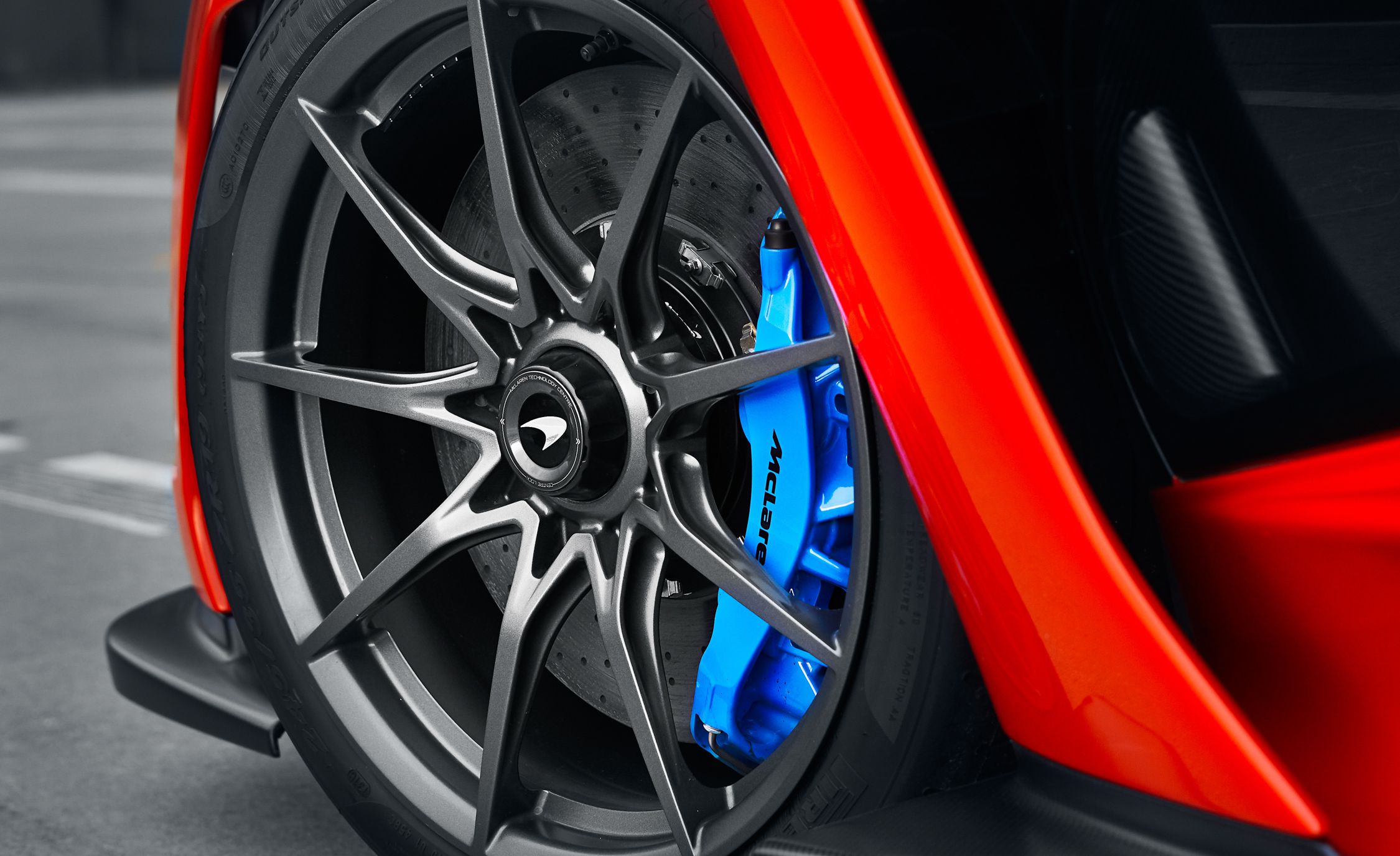
The Senna is the beneficiary of equally impressive suspension technology thanks to McLaren’s RaceActive Chassis Control II suspension, which has evolved from the P1’s setup. This suspension links the dampers laterally and longitudinally to manage both roll and heave. The system also lowers the car closer to the road in Race mode; by 1.5 inches in the front axle and 1.2 inches in the rear. Making contact with the tarmac are Pirelli Super Trofeo R tires (245/35/19 in front and 315/30/20 in the rear), while six-pot monobloc alloy calipers and carbon ceramic discs provide enough stopping power to bring the Senna to a standstill from 124 mph in just 100 meters.

2019 mclaren senna

2019 mclaren senna

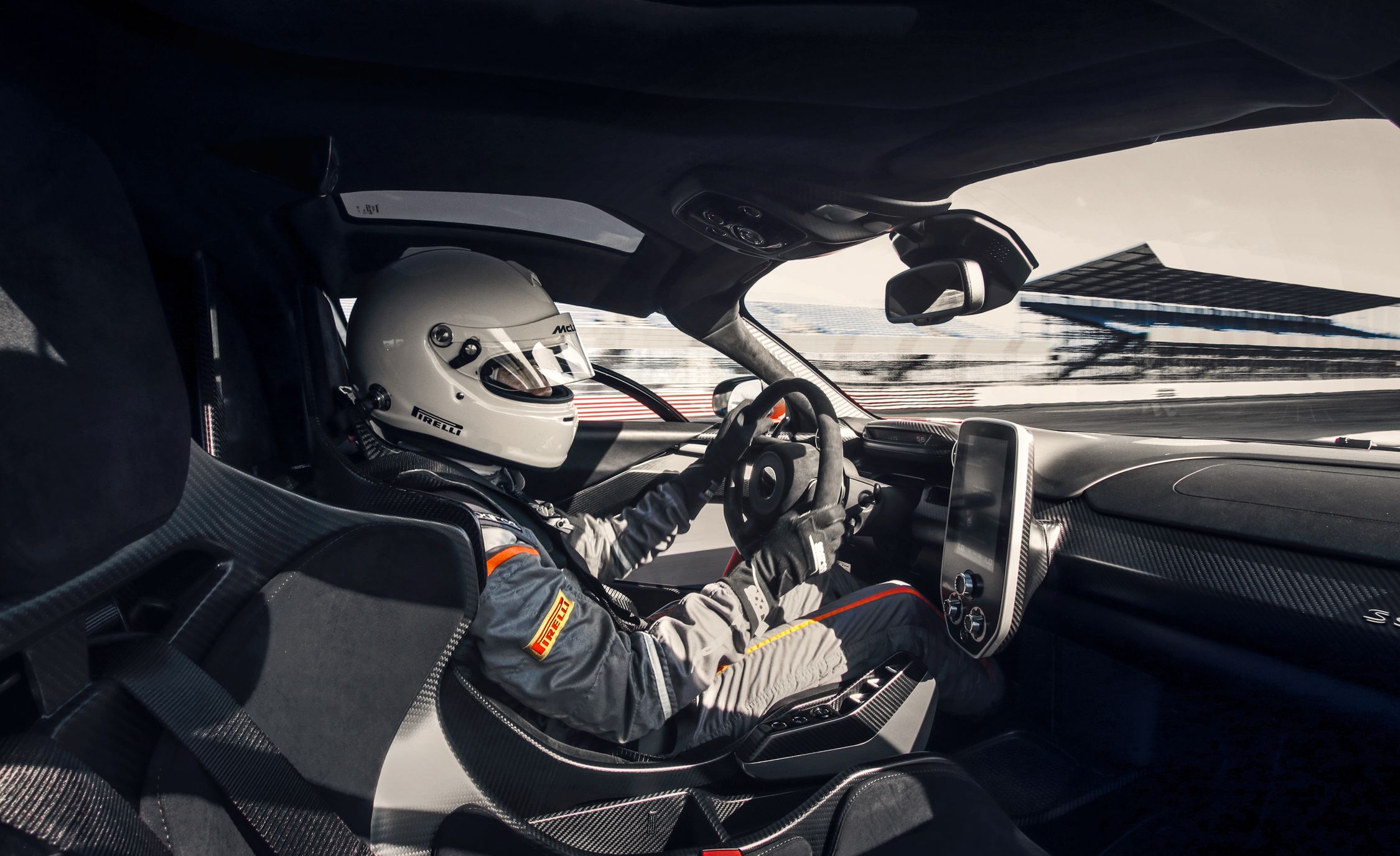
In contrast to its extroverted exterior, the interior is notably spartan and stripped down to accommodate less in order to get more. “Less” in this case would be refinement and comfort, and “more” would be unadulterated performance. Depending on where you order your car, you will be provided with either a left or right hand drive configuration – McLaren decided to go this route in spite of some earlier prototypes having a centrally located drivers seat, like the McLaren F1.

2019 mclaren senna

2019 mclaren senna

Verdict

Hypercars in general are difficult to compare anything else to, as they are by nature, cars that effectively create and exist in their own class. The McLaren Senna is no exception, and even though other hypercars such as the Bugatti Divo make claim to being a “rival” of sorts, the Senna remains in a league of its own.

In my opinion, if anything were to rival the Senna, it would come from within McLaren’s own lineup. The 600LT is widely perceived to offer a large majority of the Senna’s performance and characteristics at a fraction of the cost, while the 720S is the pragmatist’s choice when it comes to having the best all-around car.

In spite of the McLaren Senna’s unworldly performance, it is not the car you would get for its bang-for-buck or inherent value. The car will be owned by those where money is no factor, and ultimately it is destined to become more of a status symbol – with the goods to back up its claims but rarely with an opportunity to display its true power.

As the halo car for one of the world’s leading supercar producers, this is perfectly fine as the Senna fulfills its purpose of being the conduit which broadcasts very explicitly, McLaren’s prowess to the rest of the automotive world.  

2019 mclaren senna

2019 mclaren senna

Specifications and Performance Summary

Model & Price Info

Make McLaren
Model Senna
Generation Ultimate Series
Car type Coupe
Category Series Production Car
Built At Woking, UK
Introduced 2019
Base Price (US) $959,000
Units built 500

Chassis, Suspension & Powertrain

Curb Weight (Dry Weight) 2,850 lbs (2,641 lbs)
Layout Mid-engined, rear-wheel drive
Body / Frame Carbon fiber Monocage III monocoque, with aluminium front and rear crash structures
Suspension RaceActive Chassis Control II suspension w/ Normal, Sport and Race modes.
Steering Electro-hydraulic; power-assisted
Brakes Carbon Ceramic Discs, Monobloc 6-pot Alloy Calipers
Tires

Pirelli Super Trofeo R

Front: 245/35/R19; Rear: 315/30/R20

Transmission 7 Speed SSG. Normal, Sport and Race modes

Engine & Output

Engine V8
Displacement (Litres) 4.0L
Position Longitudinal
Aspiration Twin-turbocharged, intercooled
Power (hp) 789 hp @ 7,250 rpm
Power (hp) / litre 197.25 hp / litre
Power (hp) / weight 0.28 hp / lbs
Torque 590 lb-ft @ 5,500 rpm
Average Fuel Consumption 17 mpg

Performance, Acceleration & Braking Stats

Top speed 211 mph
0 – 60 mph 2.6 s
0 – 62 mph 2.8 s
0 – 100 mph 5.1 s
¼ mile (standing) 9.8 s
124 mph – 0 100 m

2019 McLaren Senna Image Gallery

Video Reviews and Promotions

[embedded content][embedded content][embedded content][embedded content][embedded content]

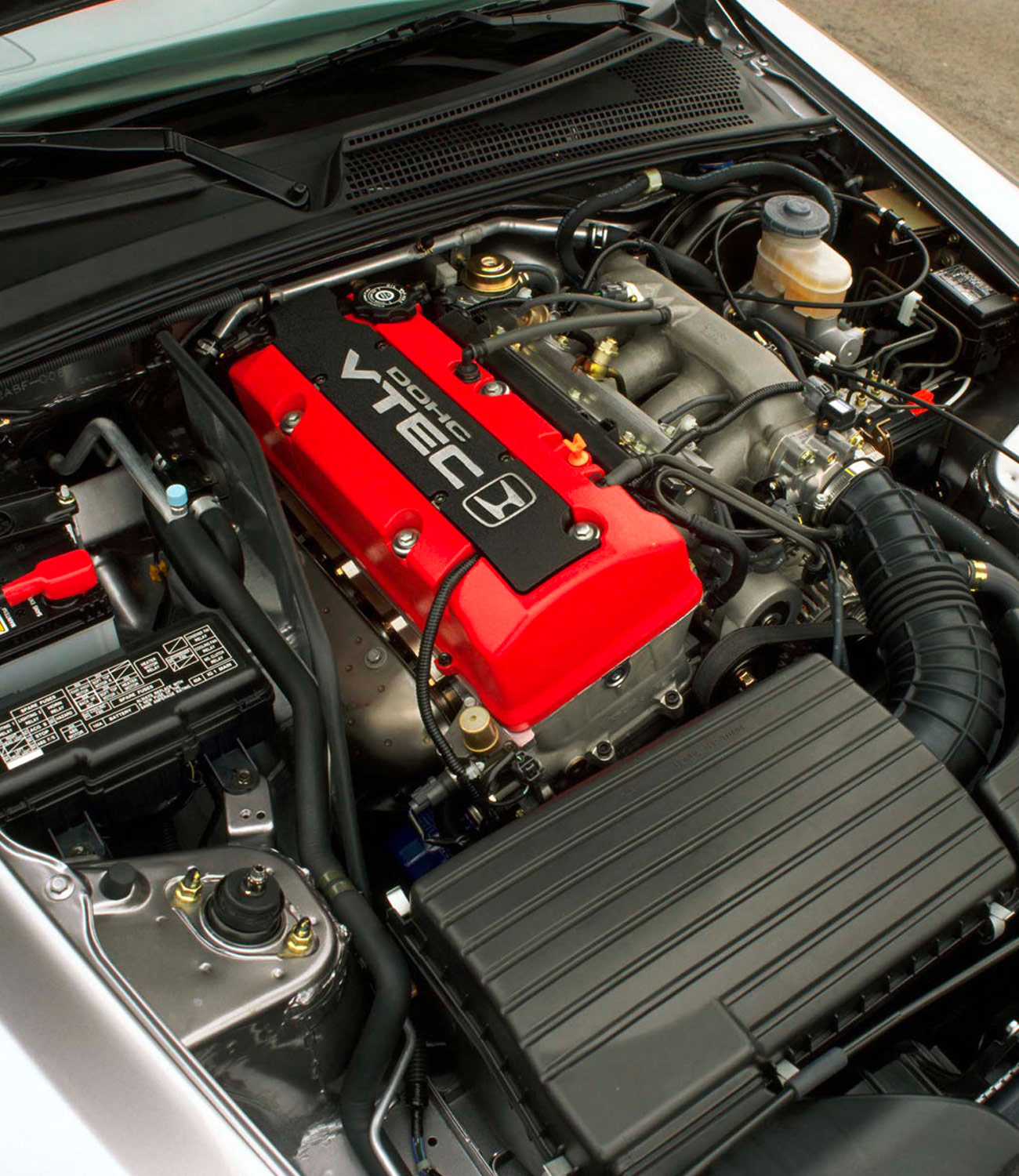
Affordable Dream Car: The Honda S2000 Is an Incredible All-Rounder

Honda S2000
Price When New: $34,995-$37,995
Expect to Pay: ~$15,000-$30,000
Model Years: 1999-2009
Powertrain: 2.0-Liter / 2.2-Liter inline-four; six-speed manual; rear-wheel-drive
Horsepower: 237+
Weight: 2,809 lbs

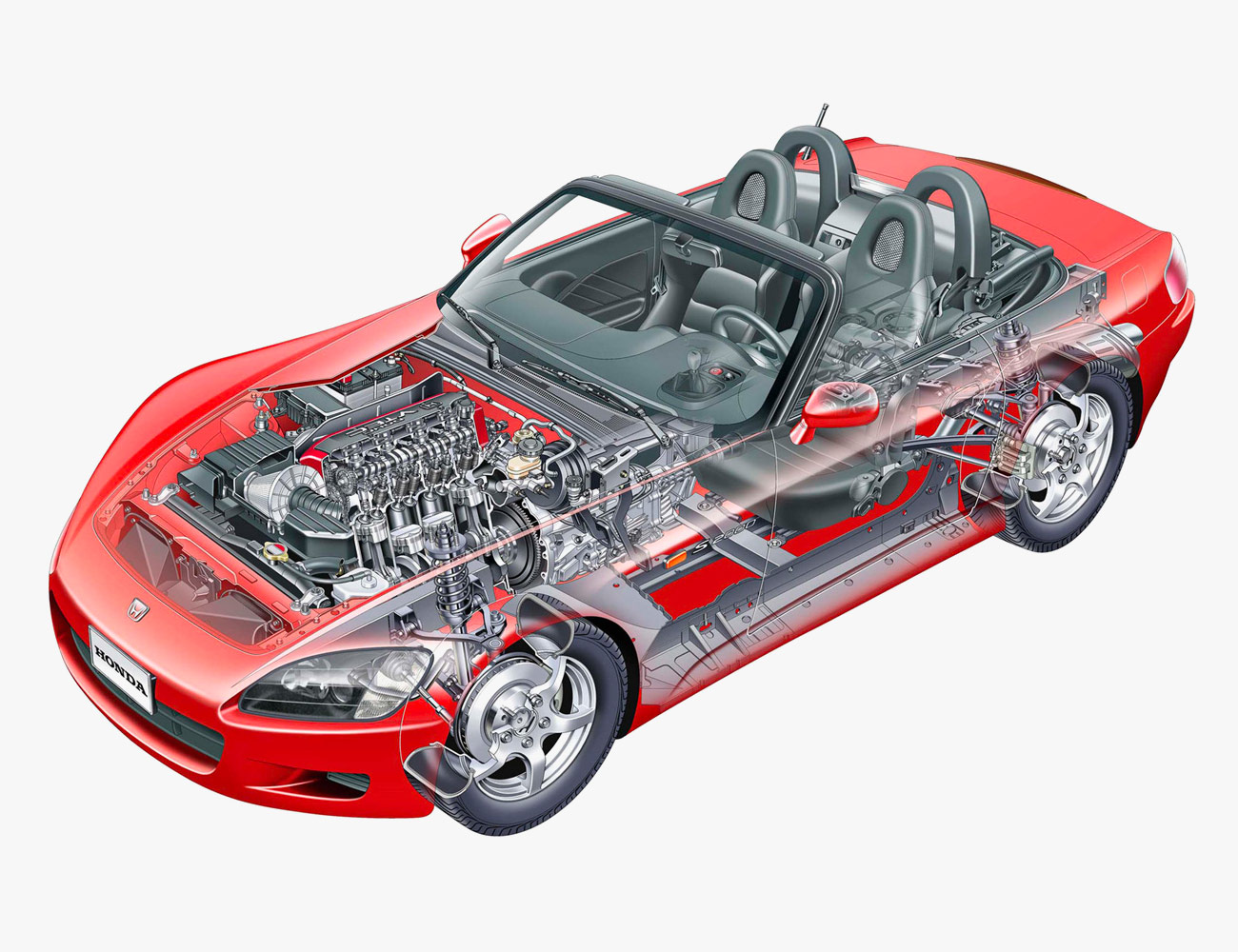
After England and Italy all but gave up on two-seater sports cars, Japan swooped in and took up the reins. And, arguably, did a better job at it. The Nissan Z cars have enjoyed a long legacy, the Supra just made a comeback and the list starts and ends with the Mazda MX-5. Still, overall, the relatively short-lived Honda S2000 is the pick of the litter. Its high-revving engine, lightweight and low chassis and relative affordability make iconic, classic Japanese performance accessible.

When it was brand new, the S2000 boasted facts and figures that still widen a few eyes compared to today’s sports cars. For instance, the inline-four engine was mounted entirely behind the front suspension to provide a perfect 50-50 front-rear balance. That configuration is considered front-mid-engined — something you’ll find more common in cars named Corvette or Ferrari. The little 2.0-Liter powerplant also revved up to a screaming 9,000 rpm redline and with 247 horsepower on tap (in the Japanese market) it claimed the title for the highest output per liter of any car in the world at the time. What’s more, with only 2,809 pounds to push around the S2000 was in a class of its own — it was almost as light as the Mazda MX-5 but had twice the power.

Unfortunately, the S2000 was one of those stars that burned hot and bright, living only for ten years before Honda called it quits in 2009. It came along at the tail end of as era wherein Japan was absolutely dominating the affordable sports car market. And so, it’s easy to see why it gained such a cult status — it punched way above its weight and for a fraction of what its rivals cost. The same can easily be said for the older Supras, but where those are commanding high five-figure price tags and in some cases six-figures, the S2000 remains humble. The two-seater was one of those cars that was dragged into tuner culture, resulting in many being flogged to hell and back and/or tuned within an inch of their lives.

Find an S2000 of any vintage in good condition, though, and you’ll only spend between $15,000-$30,000. Since production only lasted from 1999-2009, low-mileage examples are still out there, too, and not hard to find. Between price and the performance, it’s the easiest way to experience legendary Japanese performance without crushing your accountant’s soul.

Examples:
eBay: 2001 S2000, w/ 40,415 miles $15,300
KBB: 2001 S2000, w/ 72,626 miles $16,991
eBay: 2006 S2000, w/ 25,923 miles $22,900
CarGurus: 2008 S2000, w/ 61,620 miles $22,991

5 Automotive Trends We Want to See Dominate This Year

Big auto shows like last month’s NAIAS are an excuse for dozens of car manufacturers to all gather under one roof and show off upcoming models, technology, concepts and future plans. It’s also one of the few times throughout the year you’ll get rival names like Ford and Chevy to amicably park their latest and greatest in adjacent square footage. Take a longer look around the show floor and key themes begin to crop up – design details, technologies and vehicle types begin to reveal themselves more as industry trends than unique news from an individual marque.

Trends and technology naturally become obsolete over time. That’s why we don’t see big taillight fins or jet-age styling anymore; instead, we have homogenous CUVs and cars nearly drive themselves. It’s all a matter of fashion and engineering capability. These are the design, technology and style trends we hope to see more of in 2019.

More Factory-Built Overlanders

Jeep has been in on the adventure lifestyle game for years now, offering whole catalogs full of factory add-ons, particularly to make their iconic Wrangler 4×4 even more capable off-road and custom-fit to individual owners’ tastes. Considering how much interest has poured into overlanding in the past few years, it makes sense that other manufacturers are starting to follow suit.

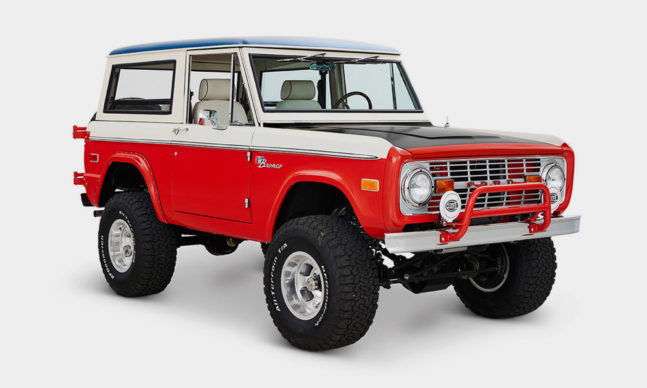
Ford, of course, is introducing the new Bronco later this year, but the Ranger pickup is the Blue Oval’s first modern attempt at building a truck purely for recreational entertainment. It only takes one look at the Ranger’s options list – which includes 30-plus Yakima products like roof racks, roof top tents and bike racks – to realize where Ford is aiming its new mid-sized pickup. Chevy has the Colorado Bison AEV edition, Jeep is doubling down with the Gladiator and Toyota recently revamped the TRD line.

At this point, if a manufacturer is still only considering an overlanding-focused version of its SUV or pickup or just testing the waters with concepts like the Kia Telluride, they’re only delaying the inevitable. If those marques wait any longer, they risk getting left behind — which is why 2019 will be more likely than not see an explosion of adventure vehicles straight from the factory.

Light Weight To Take Importance Over Power

The current horsepower war needs to end soon. Whether you look at the 650 hp Cadillac CTS-V, the new 700 hp-plus Mustang GT 500 or the handful of supercars flirting with or eclipsing the four-digit mark, no matter the price range, it’s getting ridiculous. Not only are the majority of these cars’ power being not being put to use, super-high horsepower is counter-intuitive to the direction the industry is heading as a whole.

McLaren already announced its push to focus more on lightweight technologies rather than “just” cranking up the boost on the turbos. Performance wise, a lighter car means there’s less weight for the engine to move and less weight transfer in corners. Efficiency-wise, less weight effectively means better fuel consumption. Lotus founder Colin Chapman said it best: “Adding power makes you faster on the straights; subtracting weight makes you faster everywhere.” We’re already at a point where most cars crank out a surplus of power, most of it going unused most of the time. A usable level of power combined with a well-tuned, lightweight chassis can be a true track weapon, not to mention wildly entertaining on a canyon road.

Affordable, Good-Looking All-Electric Cars

Compared to 10 years ago, we’re spoiled for choice when it comes to good-looking electric cars. There’s the upcoming Porsche Taycan, the entire Tesla range and the out-of-this-world Rimac supercar. Still, throw in “affordable” as a criterion and you’re left the Tesla Model 3. There are other affordable electric cars, but the Kia SOul EV and Smart Fortwo don’t exactly scream design excellence.

It’s a shame “affordable EV” translates to oversized kitchen appliance with wheels, but 2019 could be a year of change. Ford hinted that an all-electric Mustang car was on the way; the Audi e-Tron inherits Audi’s understated design language; the Volkswagen I.D line looks promising. Electric vehicles are the way forward, but if manufacturers want the masses to adopt them, faster, desirable, emotion-evoking designs are a nust.

More “Back to Basics” Trim Sports Cars

BMW recently made it known that the next BMW M3 and M4 will come with a new “Pure” trim level featuring a manual transmission and rear-drive-only drivetrain. The Pure trim will also feature basic interiors, going so far as to delete some creature comforts to save weight and lower the price. This could be in response to the success and applause Porsche garnered when it announced its Touring trims for the 911 and 718 ranges which also focused more on the driving experience rather than low lap times.

The world of sports cars is increasingly becoming laden with computer aides, electronic steering systems, active suspensions and aerodynamics. While all of that technological progress is inevitable, it can seem overwhelming, especially for purists. There aren’t any doubts the Pure M cars will be a hit like the Porsche Touring models. Hopefully, more marques catch on and offer similar trims.

Hybrid Power for More Affordable Performance Cars

Aside from the Acura NSX, the only performance cars using battery power to suppliment engine power are multi-million dollar supercars. Of course there are plenty of hybrid economy cars and sedans that deploy battery power to help the engine along, but more for efficiency than speed. When it come to outright performance, the technology comes at a price.

However, this may be the year affordable performance cars will finally see hybrid powertrains make their way to the segment. Based on patents filed by Chevy and Ford, both the highly anticipated mid-engine Corvette and an upcoming Mustang are rumored to get hybrid power. The current-generation Porsche 911 was built with a hybrid model in mind and Porsche all but confirmed it will be the quickest accelerating 911 in history. Once these top-tier sports cars take on the technology, it’ll only be a matter of time before it trickles down to even more affordable performance cars, but expect the trend to get its start this year.

Note: Purchasing products through our links may earn us a portion of the sale, which supports our editorial team’s mission. Learn more here.