All posts in “Cars”

This Work of Art Just So Happens to be a Coffee Table Too

Discommon adds yet another installment to its Automotive Icon Table Series with the Aston Martin Valkyrie “Wake” table. The Valkyrie marks the eighth table in the series, joining other legendary cars such as the Ferrari F40, Ford GT, and Lamborghini Miura. The whole series thus far is an impressive display of what Discommon can do with a few blocks of aluminum and a CNC machine, but the Valkyrie takes the run of custom tables in a different direction, entirely.

Where the other coffee tables were fully machined aluminum, the Valkyrie is made from a four-inch-thick block of solid American walnut then finished in a Rubio Monocoat satin and fitted with machined aerospace-grade aluminum legs. If that’s not impressive enough given the level of detail on the replica car in the center of the table, the press release from Discommon says “the painstaking project requires 30 hours of 3-D CAD modeling, 30 hours of prepping and bonding the wooden block, 27 hours of CNC machining and three days of sanding and finishing.”

And unlike the other Automotive Icon Tables, it wasn’t a customer who commissioned the work, Discommon founder Neil Ferrier simply said, “we have to do it.” But, similar to the other tables, the Valkyrie will be a limited release, so if you want one, you’ll have to act fast. You’ll also have to be willing to part with $17,000. It’ll pair nicely with a set of Discommon lowball whiskey tumblers, just make sure you get into the habit of using coasters.

Gordan Murray’s T50 Hypercar to Take On Aston Martin’s Valkyrie

A Successor to the Iconic McLaren F1

Designer Gordan Murray is reportedly working on a car that will be more advanced than Aston Martin’s Valkyrie hypercar. It will be the spiritual successor to the McLaren F1. According to The Supercar Blog, Gordan Murray has quietly been working on a project called codenamed the T50 while everyone around the world discusses the Mercedes-AMG One and the Aston Martin Valkyrie.

According to the publication, a person intimate with Murray was able to see the car. That person said it looks like a modern-day McLaren F1. “Think of a Mclaren F1, but 30 years later,” this unnamed source told the publication. Gordan Murray worked on the original McLaren F1 among other great hyper and supercars.

The source also told the publication that the car will feature a new and totally unique naturally aspirated V12. That comes as a surprise considering all of the hybrid, turbocharged, and supercharged vehicles out there today, especially in the hypercar and supercar space.

What’s most interesting, though, is that the engine in the T50 is said to be lighter weight and smaller than the one in Aston Martin’s Valkyrie. The publication reported the entire car will weigh less than 1,000 kg (about 2,200 pounds). The model will be produced in “ultra limited” numbers.

Bentley 3rd-Gen Continental GT V8

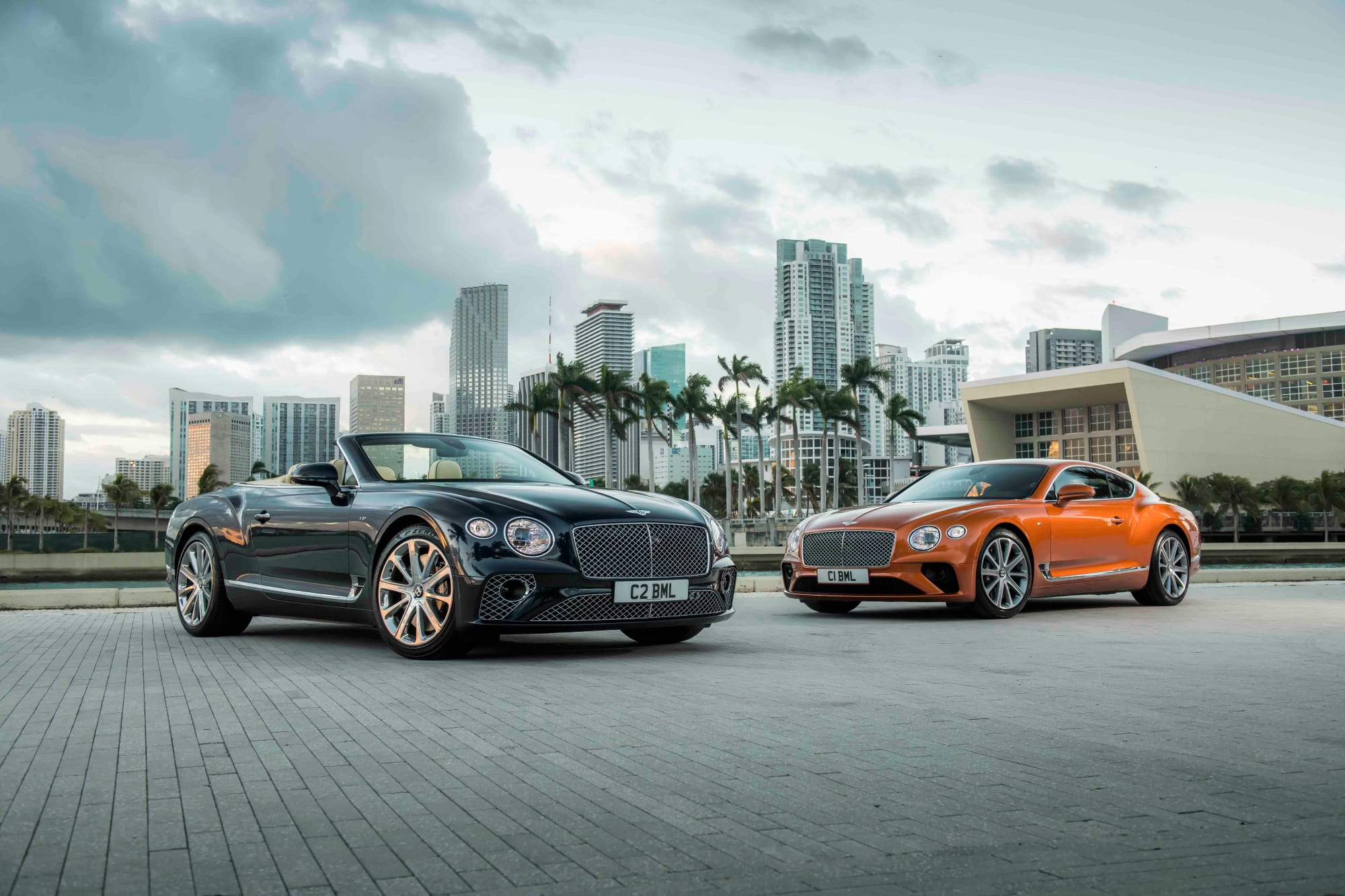
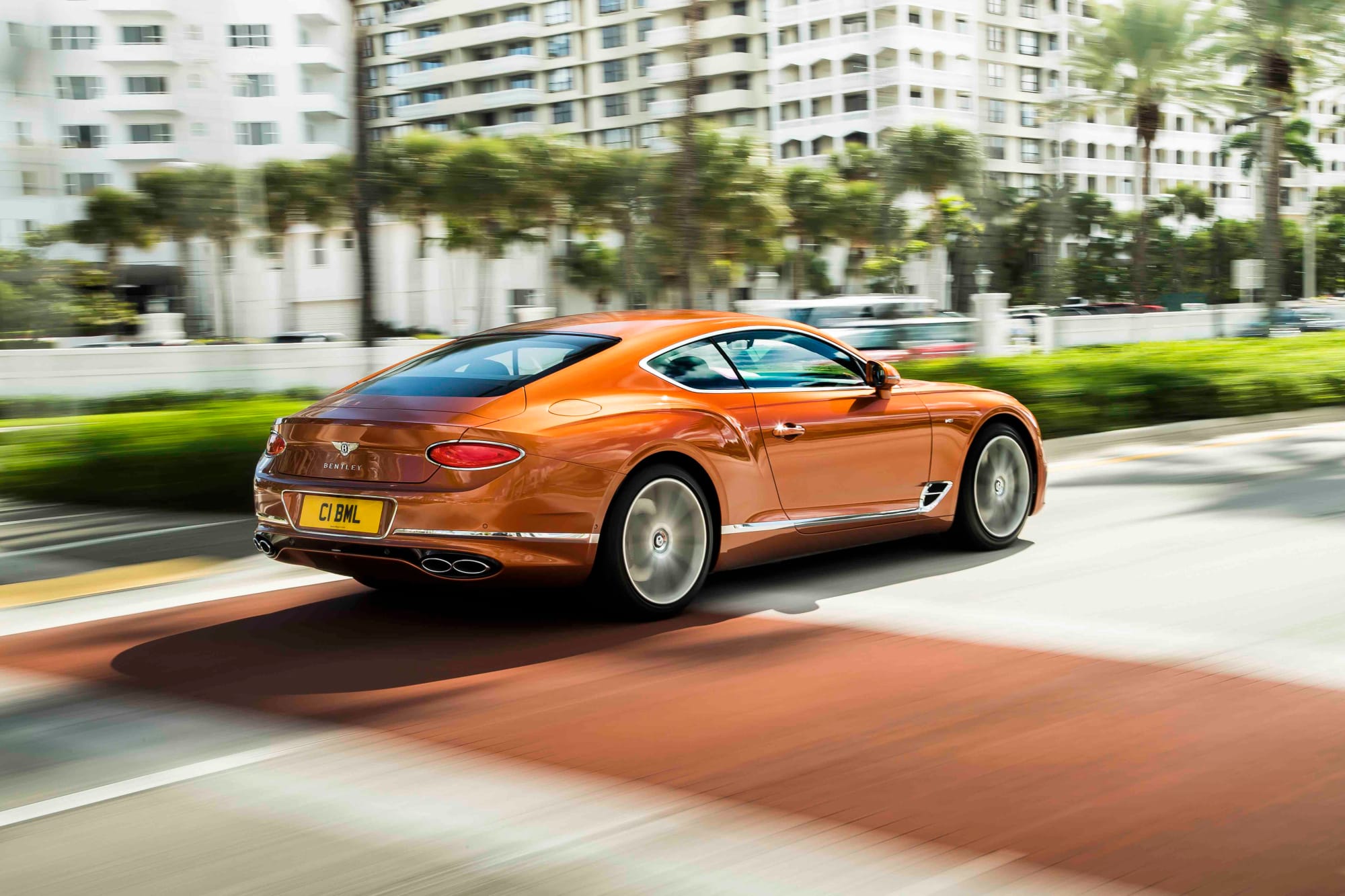
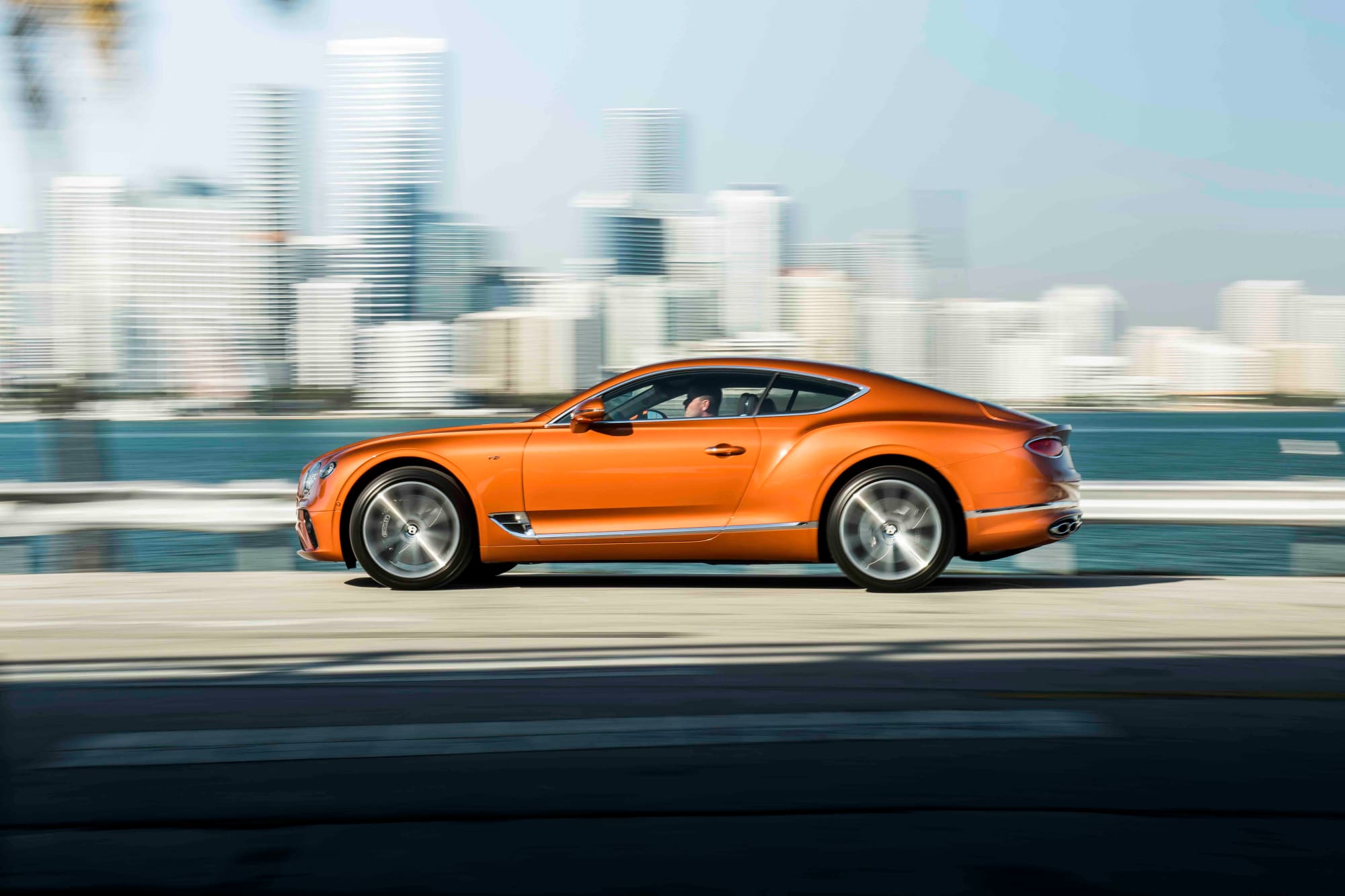
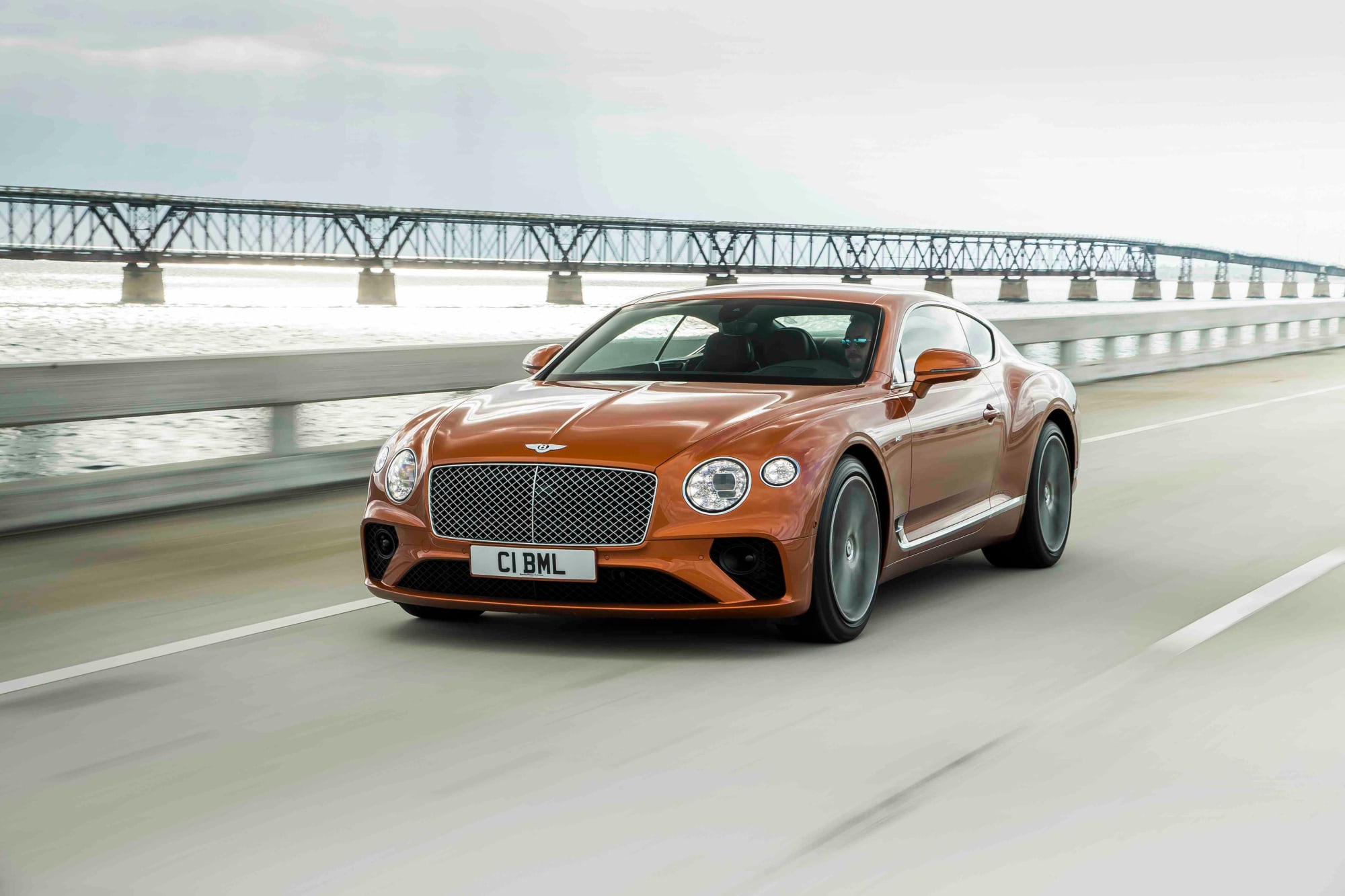
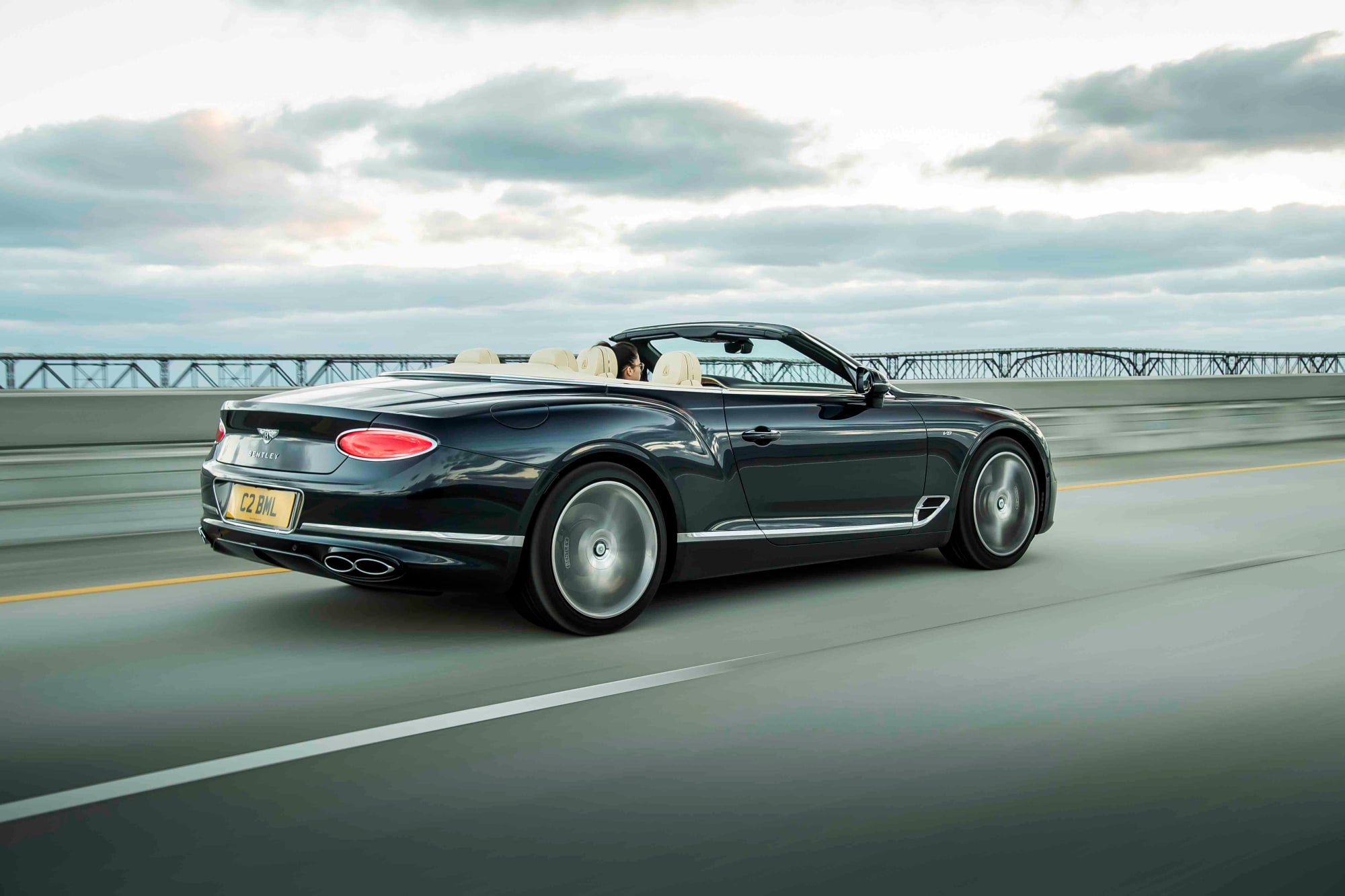
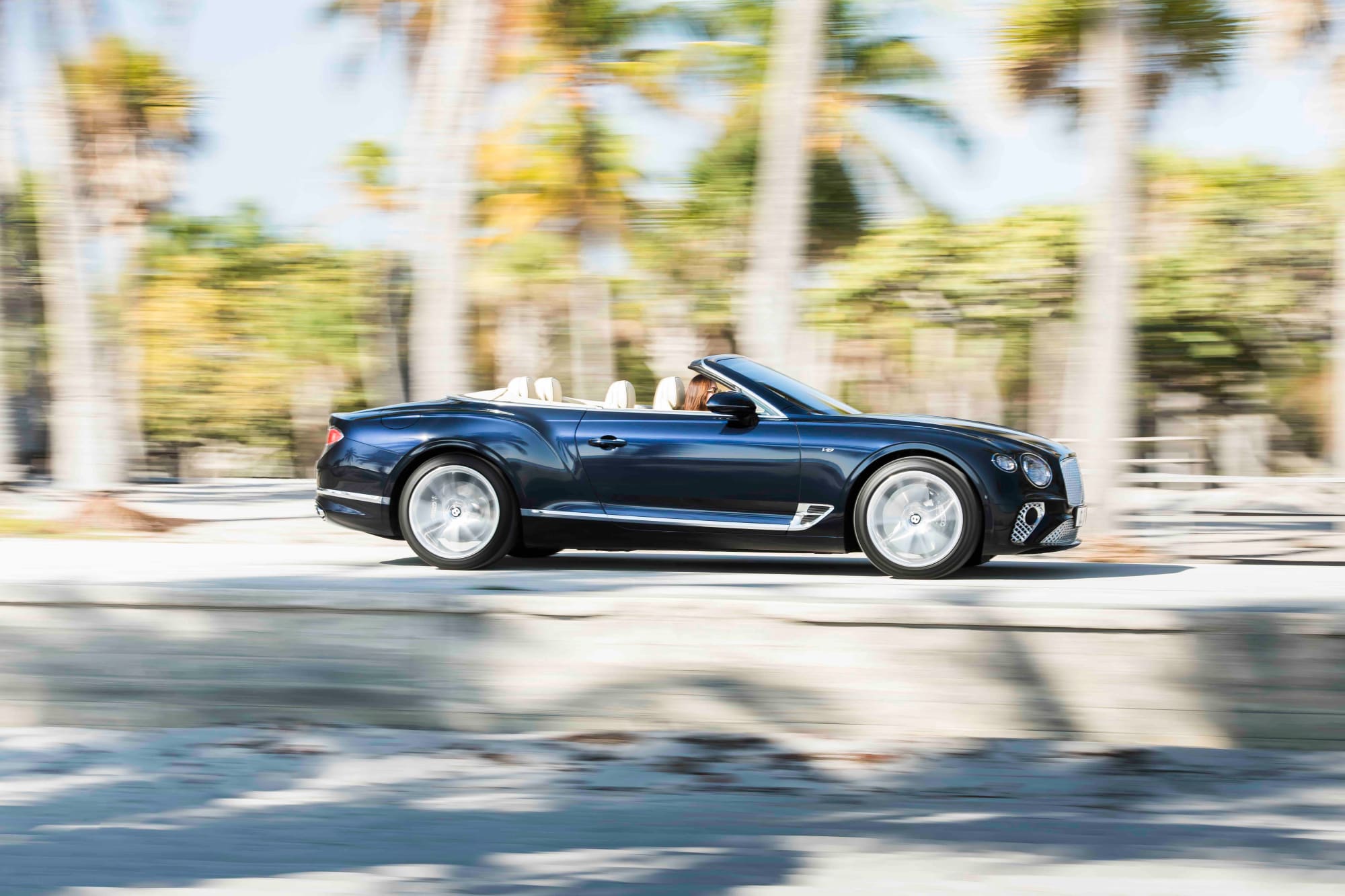
What better car to give a V8 engine to than a grand tourer? Thankfully, Bentley knows full well that’s true, so its latest Continental GT coupe and convertible boast twin-turbocharged 4.0L V8s. At 542 ponies and 568 lb-ft of torque, they’re two of the highest-performing GTs Bentley has ever assembled. That and the fact that these rides feature improved fuel efficiency is sure to impress any coupe head out there, Bentley fan or not.

The Continental GT V8 coupe and convertible will zoom from zero to 60 in just 3.9 seconds. The convertible, meanwhile, does it a hair longer at four seconds. Both can hit a stop speed of 198mph. An all-wheel-drive system comes standard, although the car defaults to a rear-wheel-drive in normal driving situations. No need fret, though. That’s a deliberate failsafe from Bentley to ensure sportiness and efficiency.

Customers will get to pick from a number of selections. There’s a variant with wheels that include 20-inch, 10-spoke alloys, for starters. Some options go all the way up to 22-inch wheels.

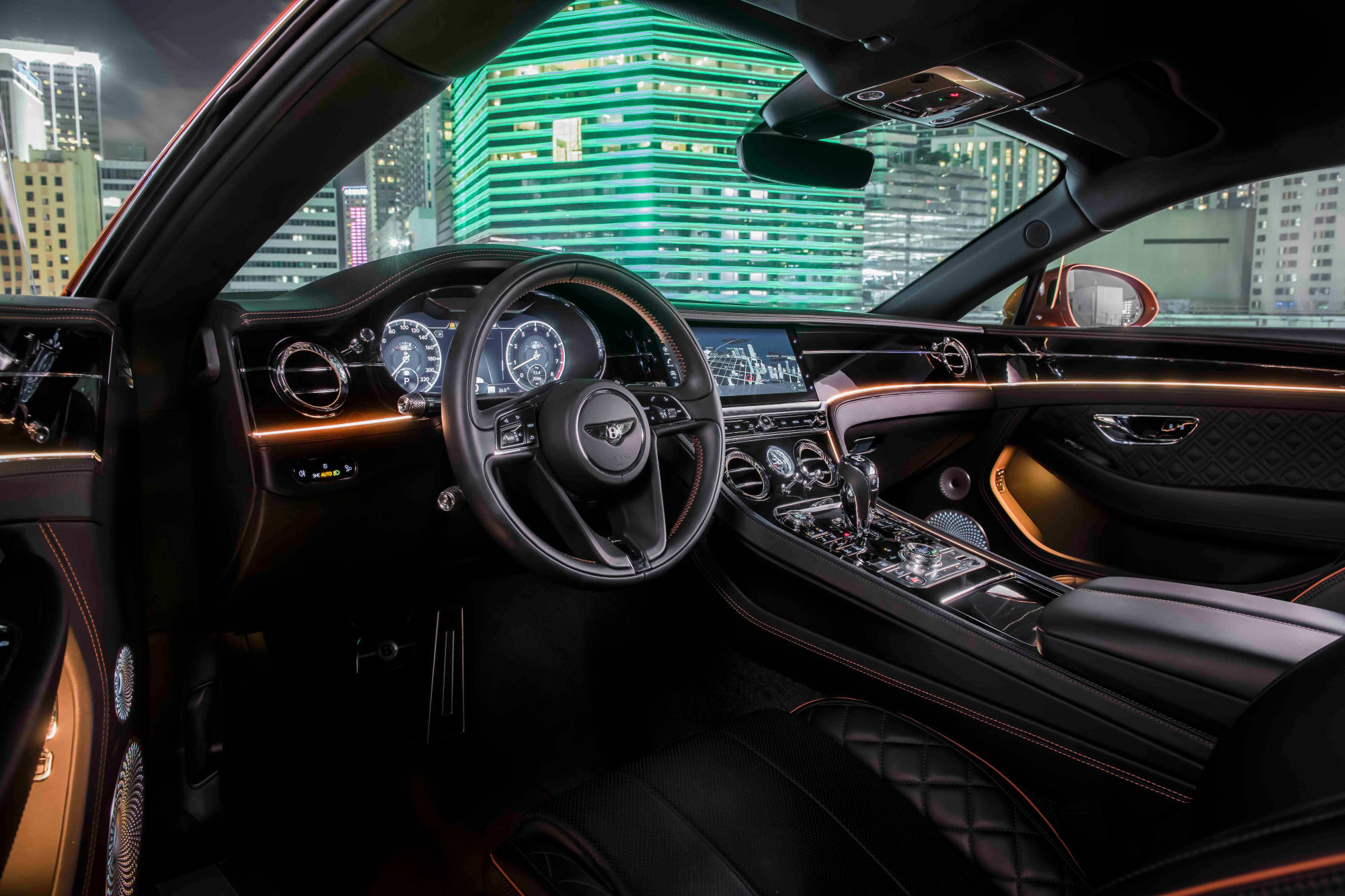
You get a handful of extras, as well, like an improved neckwarmer in the convertible, LED Matrix headlight technology, and twenty-way adjustable leather seats. Onboard is a stunning roster of technology and interior options, from Bentley’s 007-esque Rotating Display to a 650-watt, 10-speaker Bentley Audio system, which comes standard.

Both the V8 GT coupe and convertible will start rolling out in the United States once the third quarter hits, then hightail toward the rest of the world starting in 2020.

CHECK IT OUT

Photos courtesy of Bentley

Fisker’s Affordable, All-Electric SUV is Coming Soon(ish)

Niche electric automaker Fisker may not be niche for much longer. They just unveiled a forthcoming mid-priced SUV. The dates for its official release are a bit sketchy but the renderings look legit and early leaks mention a 300-mile range from a 80kWh + battery powerplant as well as a price tag somewhere in the neighborhood of $40,000. Let’s hope we seen this on the road sooner than later.

Feast Your Eyes on the Pagani Huayra Dragon

The Most Extreme Huayra

There were some spy shots and videos floating around the web of a new version of the Huayra from Pagani, but now there are some exclusive images of the upcoming car. The Pagani Huayra Dragon is the most advanced version of the car yet and has all of the features spied on the car in the spy shots. This is the next big thing for the company.

GT Spirit first shared the images of the Huayra Dragon, which we’ve included above and below. The car looks amazing with all kinds of special aerodynamic elements including a massive rear diffuser, a huge carbon fiber wing, and a flatter front splitter.

There are various vents and air outlets on the car that are not on previous versions of the Huayra. According to reports, Pagani will begin producing the Huayra Dragon once it is done building the 100 Huayra Roadsters. TopCar Design commissioned the Dragon from Pagani.

Official details for this car are scarce. However, you can bet the vehicle will have the twin-turbo 6.0-liter V12 engine that the company sources from AMG. In Huayra BC form, that engine made 754 hp. It would make sense for Pagani to work on upgrading the engine in this model to produce more horsepower than that.

We’d love to see the car produce over 800 hp, but as of yet, there is no indication that is the case. Until official details come to light, enjoy the images included. 

Ares Design Panther Project Spyder Confirmed

A Modern Day De Tomaso Pantera Spyder

We’ve always loved the De Tomaso Pantera, and we’re thrilled to see Ares Design come out with a car that was heavily inspired by the vehicle. It’s like the modern-day car that we thought we’d never get. Now Ares Design has confirmed that it will build a Spyder variant of the car. 

In an interview with Top Gear, Dany Bahar, who is the company’s boss, said that the deliveries for the coupe version of the car will begin getting to customers by the end of April. Then he said, “a few months later, [Ares] will present the Spyder version.”

The Panter Project is a car built on the Lamborghini Huracan. Lamborghini also has a Spyder version of the car, so Ares Design will likely use this version of the car to make the Spyder. According to Top Gear, only 70 Panter Project cars will be built. This includes both the coupe and Spyder. 

As far as the performance numbers go, we’d expect them to be essentially the same as the coupe version of the car. It will be interesting to see how Ares Design manages with the styling of the car. The coupe version looks fantastic, so we’d imagine the convertible one will too, but you never know. Full details will be released at a later date when the company shows off the car. As Bahar said, that will occur a few months later. Until then, we’ll keep you posted on any new developments.

The 2019 Lincoln Black Label Nautilus Breaks Out of the MKX’s Shell

The Lincoln Motor Company has been making strides to revitalize its brand, eager to remind the world it is indeed an American luxury carmaker. Bolder design and revitalized nameplates are meant to dim the memory of its long-running line of also-ran cars and SUVs that did their job without much passion or fanfare. So: out with the MKX, and in with the Nautilus, the new title for Lincoln’s luxury midsize crossover. As it turns out, the car is more than a new name.

The Good: Smooth ride and excellent pull from the optional 2.7-liter twin-turbo V6 engine. The touchscreen is easy to use, and the all-digital gauge cluster is clear and informative without being distracting. The massaging seats are nice.

Who It’s For: Lincoln loyalists on a lease are sure to upgrade, but the updated styling is enough to attract those who want to haul around families in style.

Watch Out For: Plugging multiple phones in the USB ports seems to confuse the Nautilus’s infotainment system.

Alternatives:

• Cadillac XT5 ($41,695)
• Audi Q5 ($42,950)
• Volvo XC60 ($39,800)
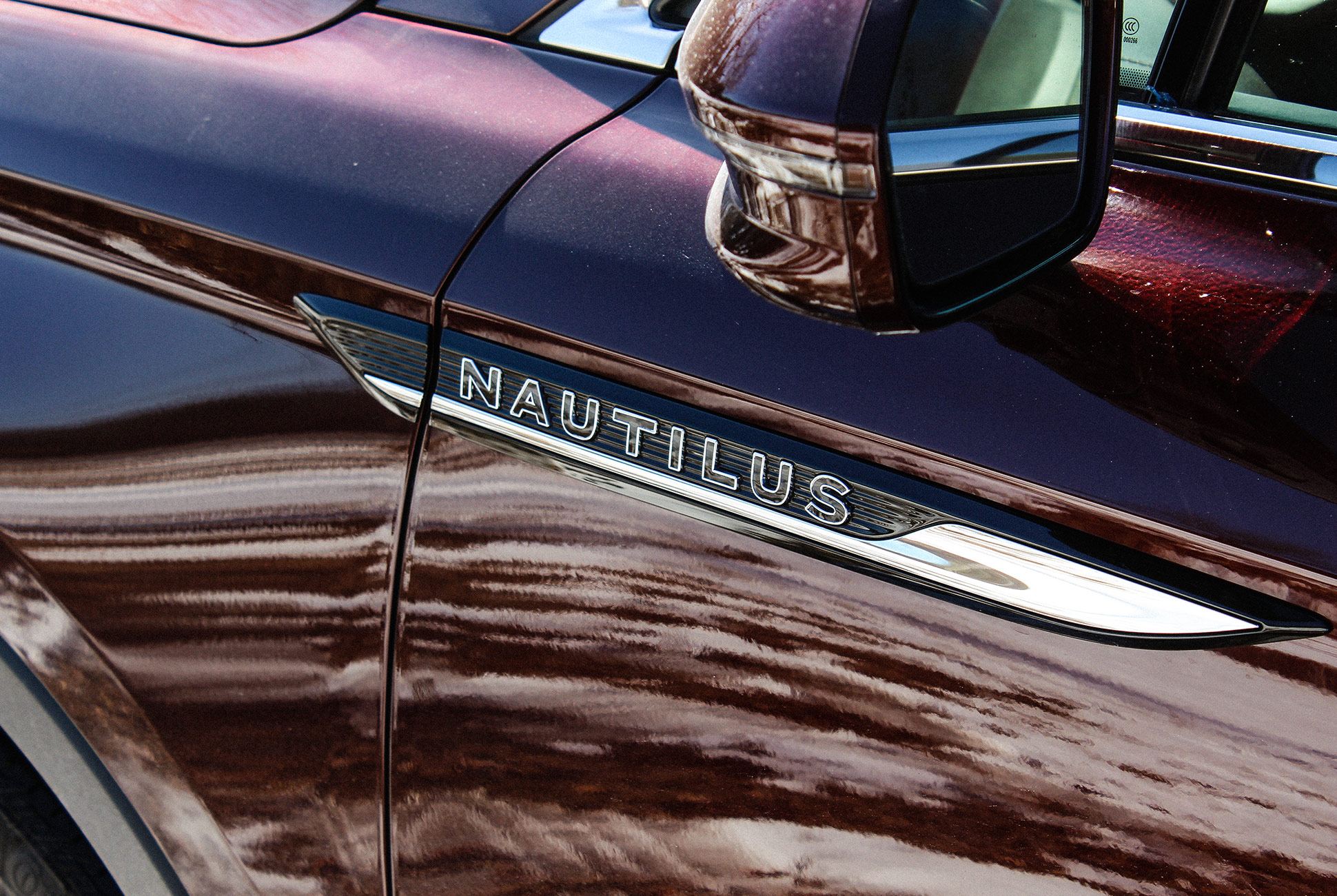
Verdict: The Lincoln Nautilus accomplishes everything it sets out to do, and even manages to be a delight in some surprising respects. Though the driving engagement is uninspired regardless of engine choice, it never leaves you lacking for power, whether merging onto the highway or pushing up a hill. It’s a comfortable ride with few distractions, yet all the amenities the modern SUV buyer demands. It’s a welcome day-trip shuttle for four or five passengers with room enough for each to bring a bag. And the updated style goes a long way to distinguish the Nautilus from what came before, even if most of the guts are the same. With a starting price around $60,000 all of this makes the Nautilus a compelling entry in a competitive segment.

Review: Picking up the SUV for a weekend trip I consider that “Nautilus” is the name of Captain Nemo’s submarine in Jules Verne’s stories about a madman who exiles himself from a civilization he deems overly chaotic. It seems a fitting parallel as I attempt to escape the insanity of Manhattan traffic for a tranquil weekend in the Catskills. But that’s where the comparison ends. The big truck doesn’t evoke a sense of awe or mystery, nor is it packed with groundbreaking technology. It’s a Lincoln. It’s not built for madmen — it’s made for your grandmother.

But Lincoln is in the middle of a transition, trying to satisfy their older (and loyal) customer base while enticing younger buyers. The new look is surprisingly attractive, bringing it in line with other current Lincoln offerings like the Navigator and Continental. The updated facia sports a bold grille that flexes some chunky curves, nicely complemented by chromed vent wings and deep-set headlamps. The sense of substance carries through to the back, where everything is elegantly shaped. It’s a well-proportioned package; the only glaring misstep is the keyless entry keypad on the driver side door frame, a vestigial feature that dates the car significantly.
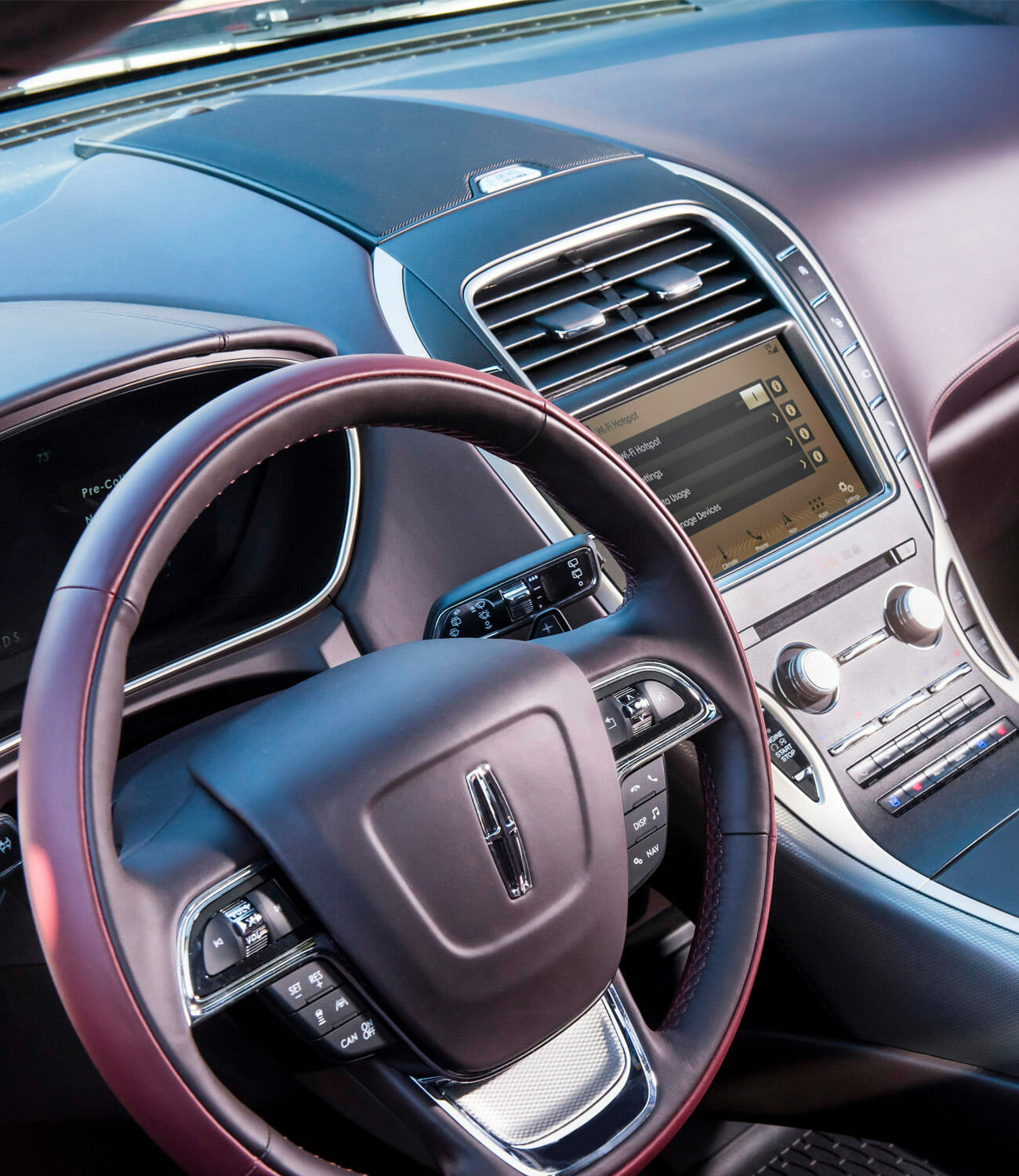
Photo: Lincoln

Sadly, the interior didn’t receive as much attention as the exterior. It’s essentially the same interior the MKX has had since 2016, with a few minor tweaks that modernize it only slightly, though the design is clean enough overall that Lincoln can get away with it — for now. An array of optional interior materials and patterns can go a long way toward dressing things up, particularly if you opt for the Black Label edition, a top-tier trim that sets it apart from the other three trim levels, which includes additional privileges and services along with exclusive thematic interior packages — Chalet, Gala, and Thoroughbred.

My Onyx Burgundy Nautilus was equipped with “Gala,” with deep Onyx leather, aluminum accents, and 22-way comfort seats that swathed me and my traveling companion in luxury all the way to the mountains. Plus, the seat massagers actually performed a real function. There are no different massage types to choose from like “shiatsu,” just different levels of intensity. When activated, the system provides a gradual, sustained push into your seat and lower back, alternating sides. It wasn’t trying to provide “a spa experience on the road,” but it greatly extended my ability to tolerate long miles and allowed me to actually enjoy the trip instead of just endure it.

The car came equipped with a suite of safety features Lincoln dubs Co-Pilot360, a collection of features like blind spot and cross-traffic alert, auto high-beams, pre-collision assist and pedestrian detection. Adaptive cruise control and lane-keep assist are also available, as well as adaptive cruise control. It’s just the right amount of driver assistance, keeping me engaged with the act of driving but providing a second set of eyes, just in case. Lane keep assist was a little aggressive, applying small course corrections when I was already actively maneuvering.

Certain creature comforts became necessities before long. Using remote start to prep the car to warm us up after a snowy scramble up a hill became second nature, as did lazily waving my foot under the rear bumper to engage the tailgate.
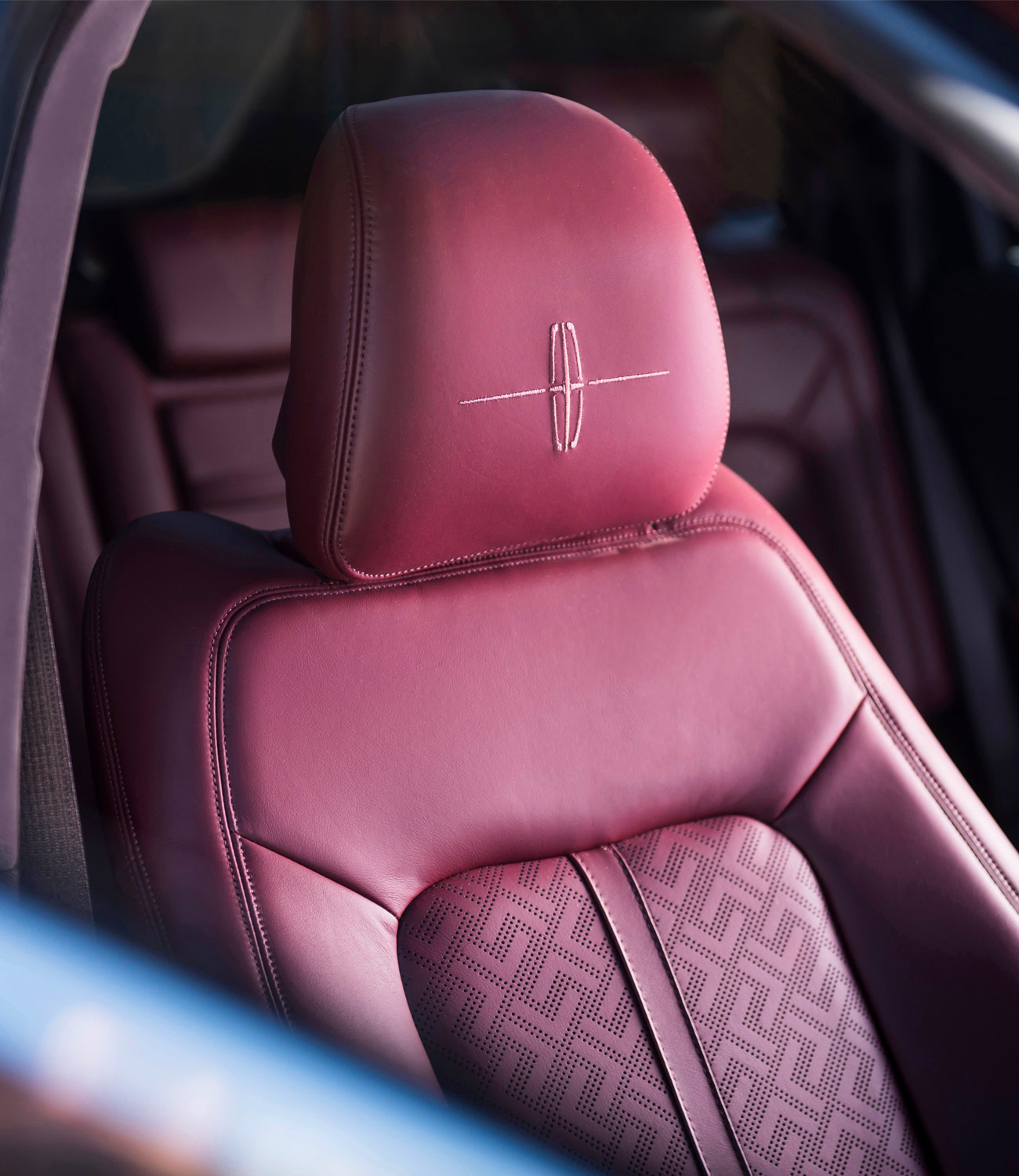
Photo: Lincoln

Driving from trailhead to trailhead through rural mountain roads let us feel out more of the Nautilus’ capabilities outside of highway cruising. The optional, 2.7-liter twin-turbo V6 engine has a surprising amount of pull, generating 335 horsepower and 380 lb-ft of torque. I mostly kept the drive mode in the standard “D” setting, but hitting the “S” button on the dash opened up the throttle response in a way I wasn’t expecting. It wasn’t going to be a backroad stunner, regardless of the independent front and rear suspension, but it at least took nice advantage of some of the more windy downhill paths. Our Nautilus sported an optional all-wheel drive layout, though the front wheels still did most of the heavy lifting. When the road got rough, the ride was no worse for wear, and the in-cabin noise was kept to a low hum even on dusty paths. Even when overnight snows threatened our journey home, the Nautilus kept its composure.

What Others Are Saying:

“Most buyers probably won’t venture out of Normal mode, which we found taut enough to keep us from getting queasy on winding mountain roads yet able to provide a blissful ride on the freeway.” – Joe Lorio, Car + Driver

“Except for a little noticeable wind noise, the updated Lincoln effectively eliminates most of the outside world so you can concentrate on your massage from the Ultra Comfort front seats.” – Zach Gale, Motor Trend

“Inside, things should largely feel familiar to anyone who ever sat in the previous MKX … or, for that matter, a Lincoln MKZ, as both models share the trait of a center console that flows into the dashboard. Still, while it may be a bit plastic-y, it works well.” – Will Sabel Courtney, The Drive

Specs:
Year / Make / Model: 2019 Lincoln Black Label Nautilus
Purchase URL: https://www.lincoln.com/luxury-crossovers/nautilus/
Price: $59,390 BASE/ $67,630 AS TESTED
Engine: Twin-turbocharged 2.7-liter V6
Transmission: 8-speed Automatic
Horsepower: 335 hp
Torque: 380 lb-ft
Weight: 4,305 lbs

Lincoln hosted us and provided this product for review.

Read More Gear Patrol Reviews

Hot takes and in-depth reviews on noteworthy, relevant and interesting products. Read the Story
Note: Purchasing products through our links may earn us a portion of the sale, which supports our editorial team’s mission. Learn more here.

Porsche 911 GT2 RS is going back into production after ship sinks with cars aboard

An Italian container ship named “Grande America” caught fire and sank last week off the French Atlantic coast. Thankfully, all the crew were able to safely evacuate, but more than 2,000 cars went down with the ship. Most of these were various Audis (A3, A4, A5, RS4, RS5, Q7), but there were 37 Porsches on the boat, too. The most precious cargo happened to be four 911 GT2 RS models, destined for a life in Brazil. Porsche confirmed the shipwreck and another even more interesting tidbit to us: The 911 GT2 RS will be going back into production to fulfill these lost orders.

Porsche ended production on the stupid-fast 911 designed for the racetrack in February this year, so it hasn’t been that long since the car was made. Still, putting the fastest 911 ever back into production over a shipwreck is eye-catching news. Here’s Porsche’s statement on the situation via Porsche Brasil:

“Porsche Brasil confirms that 37 of its new cars, in route from Hamburg, Germany, to Santos, Brazil, were aboard the vessel Grande America that suffered a maritime incident near the coast of Brest, France, on March 12, 2019. Among the fleet were four 911 GT2 RS units. In a special decision and to uphold its commitment to its valued Brazilian customers, Porsche has ensured that those units will be reproduced in the order in which they were originally confirmed.”

We’re excited to hear Porsche won’t leave those customers hanging just because a ship sank. Perhaps Porsche won’t be using the same kind of ship to transport the next batch across the Atlantic. On a completely unrelated note, we’ve heard the French coast is a wonderful place to go scuba diving this time of year.

Bentley Slows Down the Continental GT But Makes it Better

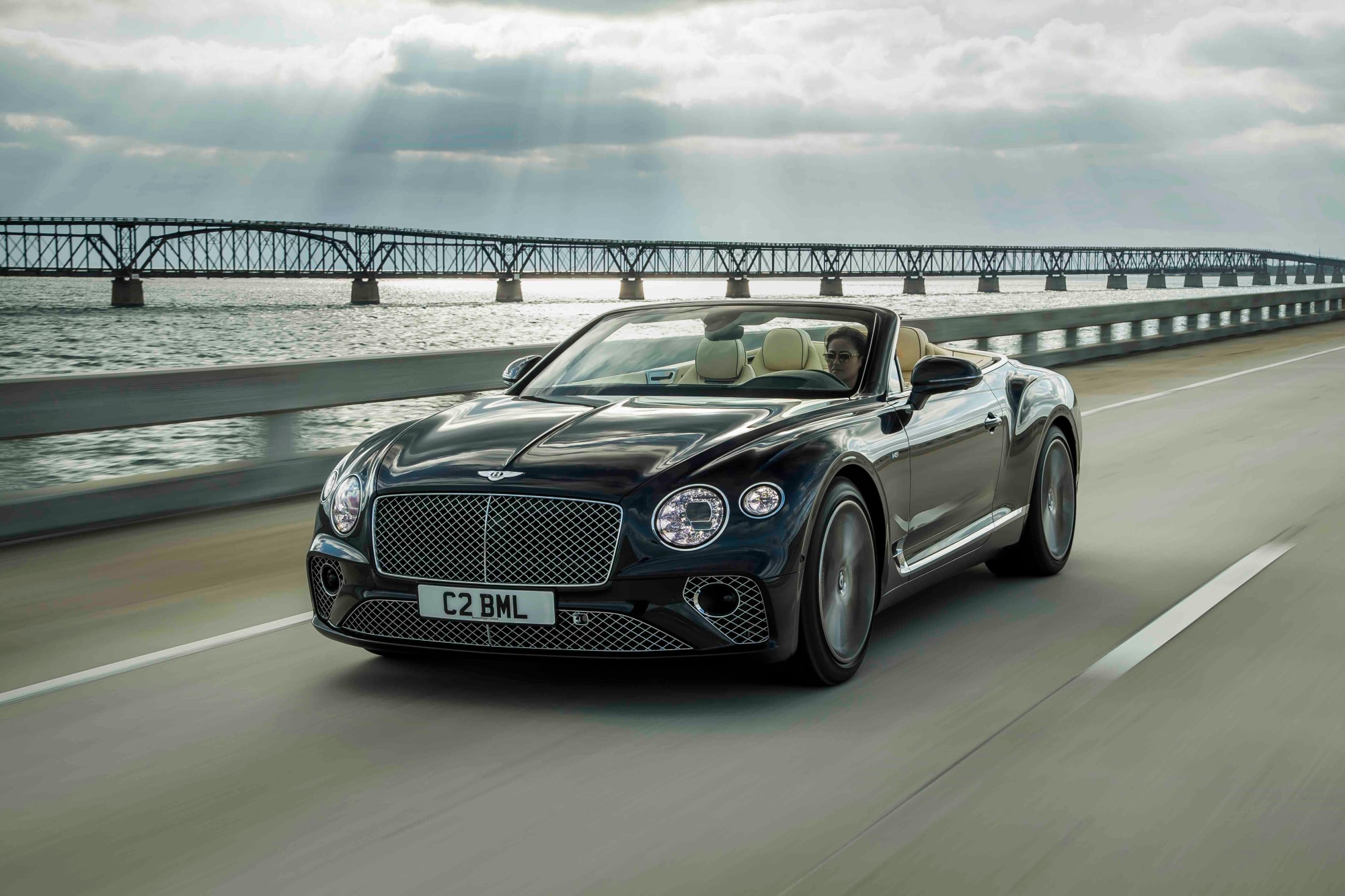
Bentley’s Continental GT has always been the minor-miracle of the supercar world — a wicked-fast machine that’s still somehow fabulously comfortable and luxurious, thanks in no small part to its outsized dimensions. The 626-hp, 12-cylinder version of the newly redesigned coupe is good for 207 mph and a 0-60 time of 3.6 seconds and now the company has announced the V8 variant, which will get you to 60 mph a hair slower, at 3.9 seconds and a lower top speed of 198 mph. It may not have the bragging right of the 200 mph crowd, but it’s still no slouch.

The coupe and convertible V8 versions will be coming stateside before this fall—and actually ahead of the already debuted 12-cylinder model, due to certification timing. This is the third generation to feature the more fuel-efficient four-liter V8 variants. The new engine uses twin-scroll turbochargers nestled inside the “V” for tighter packaging of the engine. It features deactivation of four cylinders in gentle cruising to boost efficiency, and it offers start-stop technology to help that further along—though we’d certainly miss sitting at stop signs enjoying the burbling V8 exhaust.

The new car will have V8 badging and quad exhaust pipes to distinguish it from the W12-powered versions, along with assorted cosmetic tweaks all its own both inside and out, and the convertible will get the sped-up 19-second roof retraction and neck warmers that come with the 12-cylinder droptop. The V8’s carry some performance mods to suit the engine more appropriately, including an all-wheel-drive system biased toward efficiency-enhancing rear-drive, which will also boost its dynamic feel. Its suspension and damping control also have been tweaked to optimize the different weight and balance impact of the smaller engine.

Previous generations of the V8-powered Contis were frequently lauded as being in many ways preferred over the W12-powered monsters, and not just because of the fuel efficiency and lower cost. (Neither numbers have been announced yet.) They felt lighter and more responsive. We’ll be driving these new V8s over the summer, and will see if that remains true. As for coming to a scant two miles-per-hour shy of the magic bragging-right threshold of 200 mph — well, you’ll have to take that up with Bentley.

Cadillac Unveils the Follow-Up to Its Greatest Modern Sedan

Ahead of this year’s New York International Auto Show, Cadillac has unveiled images of the 2020 CT5 sedan, a car that will be handed the monumental task of replacing both the CTS and ATS sedans — and competing with the BMW 3-Series and Audi A4 family. To say the CT5 has big shoes to fill is an understatement. After all, as the platform for the CTS-V — arguably Cadillac’s greatest modern sedan — the CTS is the car credited with bringing Cadillac into the modern era.

The CT5 will come with a 2.0-Liter turbocharged inline-four good for 275 horsepower and 295 lb-ft of torque, but buyers will have the option to upgrade to a twin-turbo 3.0-Liter V6 rated at 404 hp and 400 lb-ft of torque. The CT5 will also come with a 10-speed automatic transmission.

Along with the new model nomenclature, Cadillac is adding extra digits to the badge to point out the car’s torque. The new number on the will be in Newton-meters instead of the pound-foot measurement more commonly used in the United Staes. For example, a CT5 with the inline-four will have 350T; if you opt for the V6, you’ll get a 550T badge (“T” denotes a turbo).

The CT5 advances Cadillac’s design language and brings a healthy dose of the Escala concept car to the road. The slight kink and fold in the C-pillar is an odd choice and stands out, but like its predecessor, the new sedan keeps things clean and sharp.

If the exterior upgrade is subtle, changes to the interior seem more pronounced. Piano black plastic always let down Cadillac interiors, but early images indicate most of it has been replaced with wood grain. Along with the visual upgrade, Cadillac promises the CT5 will come with Super Cruise, the brand’s hands-free driver assistance software, but it won’t be available until 2020.

The CTS is one of the most important cars in Cadillac’s history. Not only did it make the brand competitive with other luxury carmakers, but it also improved with each generation so steadily that the final CTS-V is cemented as an all-time great. We won’t know for sure how the CT5 performs until it hits the road later this year, but it stands to reason the new sedan will carry on that tradition.

Bugatti La Voiture Noire is suspiciously silent leaving Geneva

Fellow plebeians, now is our one chance to chuckle at the most expensive new car from a production manufacturer ever made. The $18,795,716 Bugatti La Voiture Noire was captured leaving the Geneva Motor Show floor, and it appears Bugatti still has a lot of work to do on the one-of-one custom supercar. Not only did the car seemingly move by electric power, the brake calipers are seen rotating with the wheels.

Blogged by AutoEvolution, YouTuber SellerieCimes was walking around the Palexpo convention center following the Geneva Motor Show as manufacturers cleaned up and prepared their vehicles for transportation. At any auto show, that’s typically a great time to see some of the cars in motion, which adds a new dynamic to certain rare vehicles that are carefully guarded and only seen at a stand-still.

Take the La Voiture Noire, for example. Bugatti was one of the biggest talks of the show after debuting an eight-figure supercar inspired by one of the most elegant cars ever made, the Type 57 SC Atlantic. But Bugatti wasn’t fully prepared to show a finished product, so it put a display car on the stand for show. According to The Verge, the full engineering and homologation process will likely take another 30 months to finish.

The Noire lifted its mask in this video. There is no startup or exhaust sound when the car is driving, leaving us to believe the show car had some sort of electric motivation in order to move short distances.
Furthermore, a closer look at the wheels will reveal the calipers rotate, meaning they aren’t functional. AE also pointed out that the exhaust tips were just for show.

The finished Noire will surely be a masterpiece and live on in automotive history for the rest of our lives. But it’s still funny to see such an expensive car with fake parts.

Matzker MDX Land Rover Defender Expedition Camper

When it comes to campers, we’ve long since graduated from pop-ups you pull behind your truck and enormous RVs that aren’t off-road capable and impossible to park. When it comes to the campers we want to…

The Aston Martin Vantage Roadster Should Come Soon

The Drop Top Vantage Can’t Come Soon Enough

We love the Aston Martin Vantage and the upcoming Vantage Roadster should be just as awesome. It’s still unclear when exactly the Vantage Roadster will break cover, but according to the chief creative officer, Marek Reichman, all the work on the car is done. That means it will come very soon, indeed. 

Reichman sat down with Car Advice to chat about the car and let slip that all the work on the vehicle is already done. “They’re going through some of the final testing, [but] the car’s all done,” he told the publication. He also said that Aston Martin would debut the car later this year, specifically late in the year. 

The Vantage Roadster will be more or less the same to the coupe but obviously with a drop top. The powertrain and most of the car’s performance bits will likely be the same. Reichman didn’t say much more about the car other than the fact that it was finished and more or less ready to go. 

Car Advice asked him about whether or not a V12 would be added to the Vantage lineup with the addition of the roadster. He did not say whether or not Aston had plans to add a 12-cylinder engine. That would mean the Vantage Roadster would get the 4.0-liter bi-turbo V8 that’s currently in the car. That would make the most sense for the company, too because it has the powertrain already installed on the coupe model.

Now is the Time to Buy a Jeep Wrangler CJ

Few cars are as fashion-forward as the vintage off-roader. It shows up in the premium you pay for them. Used Land Rover Defenders go for astronomical sums; the Toyota FJ40 Land Cruiser has at least reached near-Earth orbit. The closest most enthusiasts of either car will get is following an Instagram hashtag.

This phenomenon begs the question. If you want a vintage off-roader, why not just buy a Jeep? Specifically, why not buy a CJ-7?

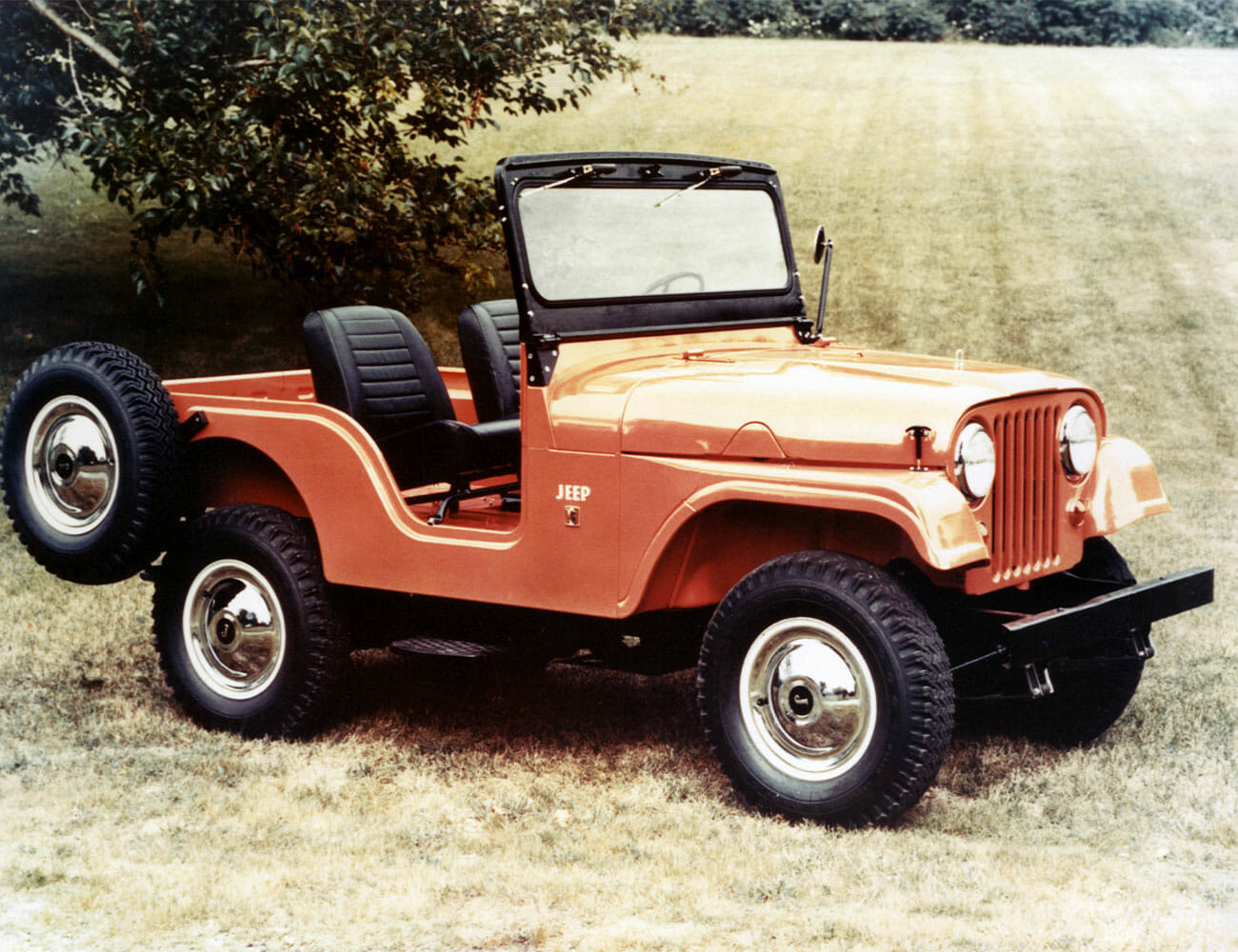
The CJ-7 comes from the perfect spot in the Jeep lineage. It’s the last of the CJ (Civilian Jeep) line dating back to the original Willys. But, it also has decades worth of improvements. The CJ-7, debuting in 1976, brought a longer wheelbase, better stability and more room for passengers and a proper door. The shocks are better positioned. It’s the point where rugged character met relatively modern ride quality.

One could go newer with the Wrangler YJ that came out in 1987. It was formidable. I have a soft spot for it because it was my first car. But, going newer means approaching the wall of absurd Wrangler resale value. The square headlights from that gen aren’t “90’s rad.” They are an eyesore.

The CJ-7 is cheap compared to foreign idols. A search for a CJ-7 on AutoTrader Classics will find a private seller going fishing with a restored $40,000 version. But, judging from Bring a Trailer auctions, there’s a definite CJ-7 price ceiling. Only three of the 25 auctioned on site (as of this writing) have gone for more than $20,000. Only one CJ-7, with $38,000 worth of restoration work, gaveled north of $30,000 and didn’t meet the reserve.

For comparison, four Land Rover Defenders on Bring a Trailer have been bid past $90,000. So, well-worn 1990s trucks are going for the same price as a new Range Rover. If a Land Rover Defender sells for less than 20,000, it has a weird body style, an odometer well past 150,000 miles, or some form of the word “project” in the headline. Whether you want a base for restoration or a fully restored CJ-7, you can find one for a relative bargain.

Provenance is less complicated with a Jeep. About 7,000 Defenders were sold new in the U.S. from 1992 to 1998. The rest are imported. Maybe you find a Defender that has spent its first few decades traipsing around a Tuscan wine estate. But, the import has probably lived a hard life, especially if kept in the British weather.

Maintaining a Jeep is easier. The Jeep aftermarket is a multi-billion-dollar industry. Whether you want to restore a CJ-7, mod the heck out of it, or just keep it running, a myriad of sites like Morris 4×4 Center, Quadratec, and CJ Jeep Parts sell any conceivable part.

The Jeep does not have the Defender’s premium appeal. Land Rover has become a more premium marque in recent decades. Something British can be a byword for sophistication among us colonials. Exclusivity counts for something. There aren’t hundreds of thousands of similar looking new Defenders or FJ40s roaming every mall parking lot in America. All that appeal for the Defender over a Jeep, however, is mostly superficial. It’s not a function of the car’s capability, build quality, or (I would argue) aesthetics.

The CJ-7 is just as classic and timeless as a Defender or FJ40. You can afford to have a charming, vintage off-roader and send your offspring to college. You will have just as much fun. The Jeep wave may get a bit tiresome. But, hey, it’s better than being hounded by car photographers.

TAG Heuer Autavia 1972 Re-Edition

Most watches have some sort of heritage built into them. But the TAG Heuer Autavia 1972 Re-Edition has more than most. The name Autavia comes from TAG Heurer’s history in auto racing and aviation — “AUT” from “auto” and “AVIA” from “aviation.” The 42mm 1972 Re-Edition is fashioned after the iconic 1972 Heuer Autavia 1163V Viceroy but contains modern updates like a two-register dial layout, a sapphire case back and a date window at 6 o’clock. This modern automatic chronograph update is a commendable addition to the Autavia family. Learn More: Here

2019 Maserati Ghibli 350 GranSport Review

We recently drove the Maserati Ghibli 350 GranSport, the most common Ghibli 350 but with a different level of both interior as exterior finish. The GranSport version is one of the two separate and totally different versions you can get. Next to the Gransport you can get a GranLusso, fairly similar to the previous Levante we tested towards the end of last year.

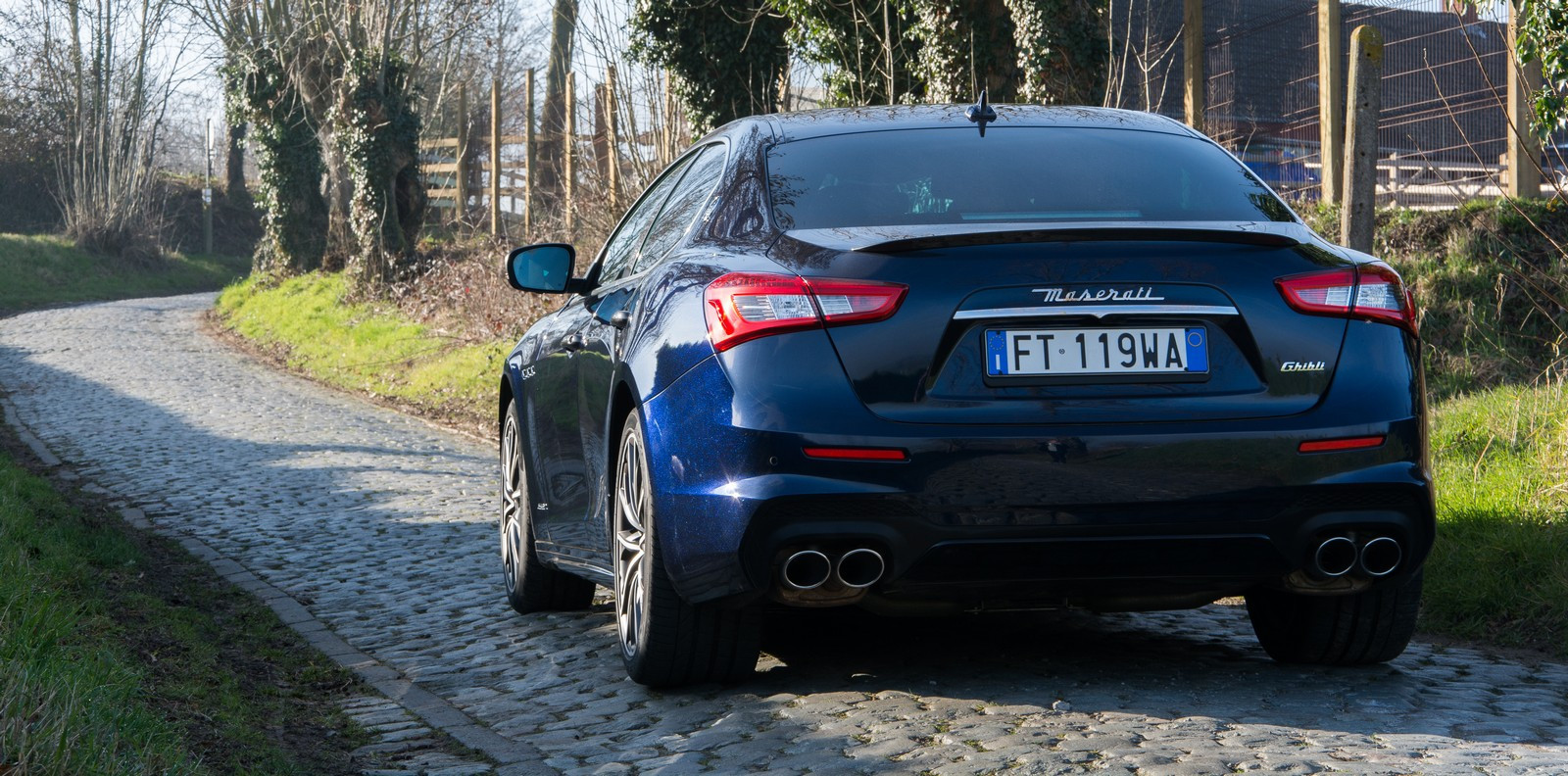
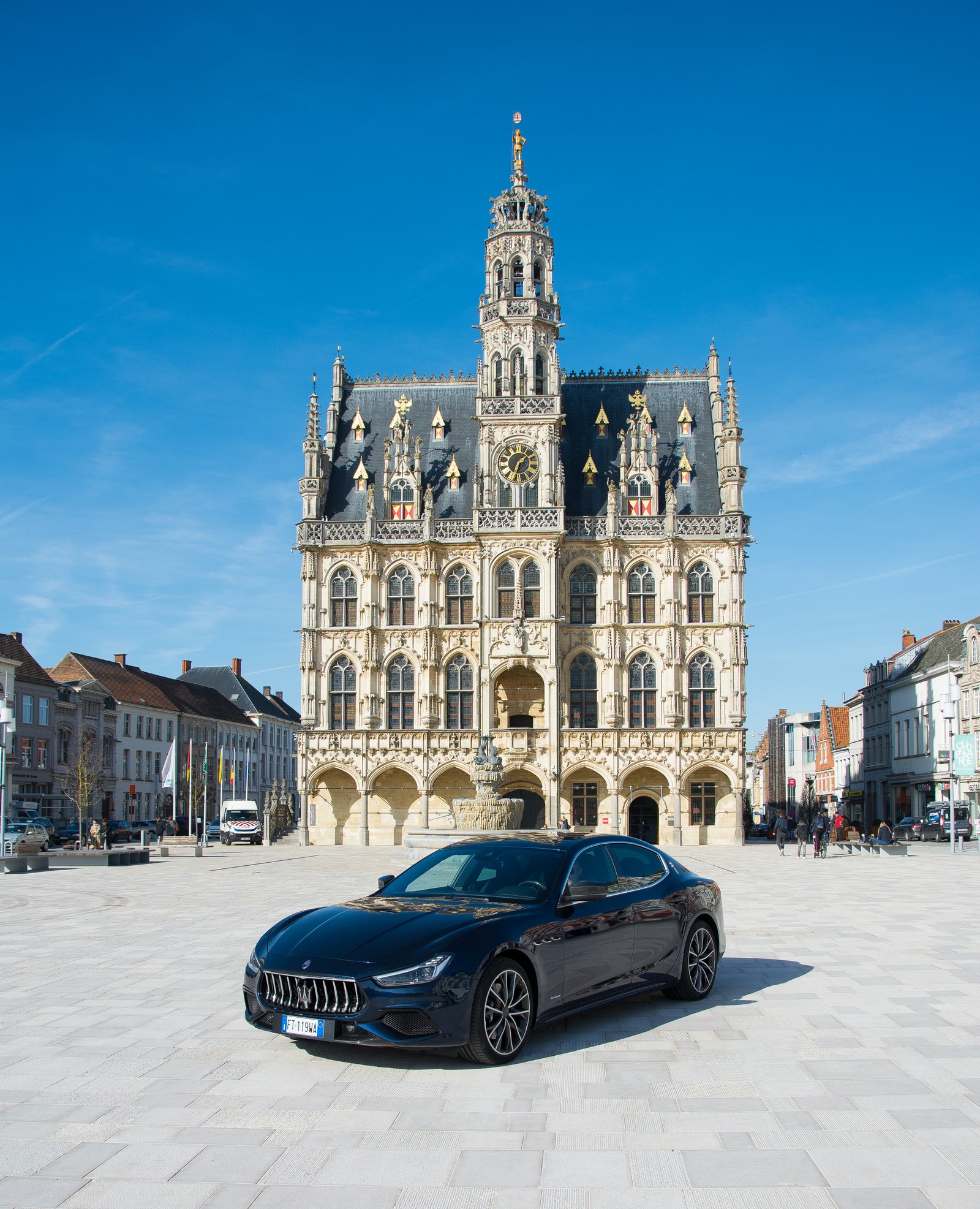
In the world of sports cars it is always important to make a difference in one way or another. That’s exactly what Maserati did with this Ghibli 350 GranSport. Finished in a brand new color “Blu Nobile”, the new 20 inch “Teseo” rims and the blue brake calipers fits the Ghibli just perfect.

The Maserati Ghibli 350 GranSport we drove had a lot more options. When taking a closer look at the car we can see a lot of carbon accents in both the interior and exterior.

Engine and Performance

The engines include two petrol units and one diesel. The step-in petrol engine is a 350 hp strong V6 that allows the car to do 0 to 62 mph (100 km/h) in just 5.5 seconds. If you want to go 0.8 seconds faster to the 62 mph marker there’s the Ghibli S Q4 with a V6 engine producing 430 hp combined with 580 Nm of torque. The diesel version, that we drove a while back, comes with 600 Nm of torque combined with 275 hp. Sprint to 62 mph is done in 6.3 seconds.

Power to wheels is done through the advanced 8 speed ZF automatic gearbox that can be set in different driving modes. For daily use there’s the ‘Normal Mode’ where the accent is set on smooth driving combined with lower fuel consumption. Bringing the gearbox in ‘I.C.E.” you can get maximum fuel efficiency while still having pleasure in driving the car. The Sports mode combined with a push on the suspension button makes the car go in ‘race’ mode. Full power and stiffer suspension.

2019 Maserati Ghibli 350 GranSport

GranSport Design

As mentioned above the the Maserati Ghibli 350 GranSport has several characteristics to make it different. Our test car had new styled black leather seats, carbon shift paddles and sport steering wheel with carbon inserts. Also included are ventilated and heated seats and America size cup holders.

For us, the most eye-catching details of this GranSport edition were the carbon fiber accents on the exterior of the car and the small wing at the back.

Driving Experience

These days, the busy traffic in Belgium reduces the driving pleasure for any enthusiast. Let alone that there are many (mostly justified) speed checks. With that idea in mind and the beautiful clear weather we moved into the countryside. Small lanes, many bends, hills and cobblestones. If you look at the pictures, the experts among us will recognize parts of the course of Flanders most beautiful cycling race, the Tour of Flanders.

The rolling hills, the rising sun and the early spring in combination with the roar of a Maserati make for an almost perfect combination. That is also what the many cycling tourists thought of it. Several of them stopped, took pictures and spoke to us. A form of respect enforced by this Italian.

Conclusion

The Maserati Ghibli 350 GranSport as we drove it, is yours for € 114,625 excluding taxes. That is not cheap but you get a lot of car for it.

The only question that remains with us is what Maserati will do in the near future. This Ghibli is quite beautiful, but the production is gradually coming to an end.

2020 Will Be the Electric Car Tipping Point

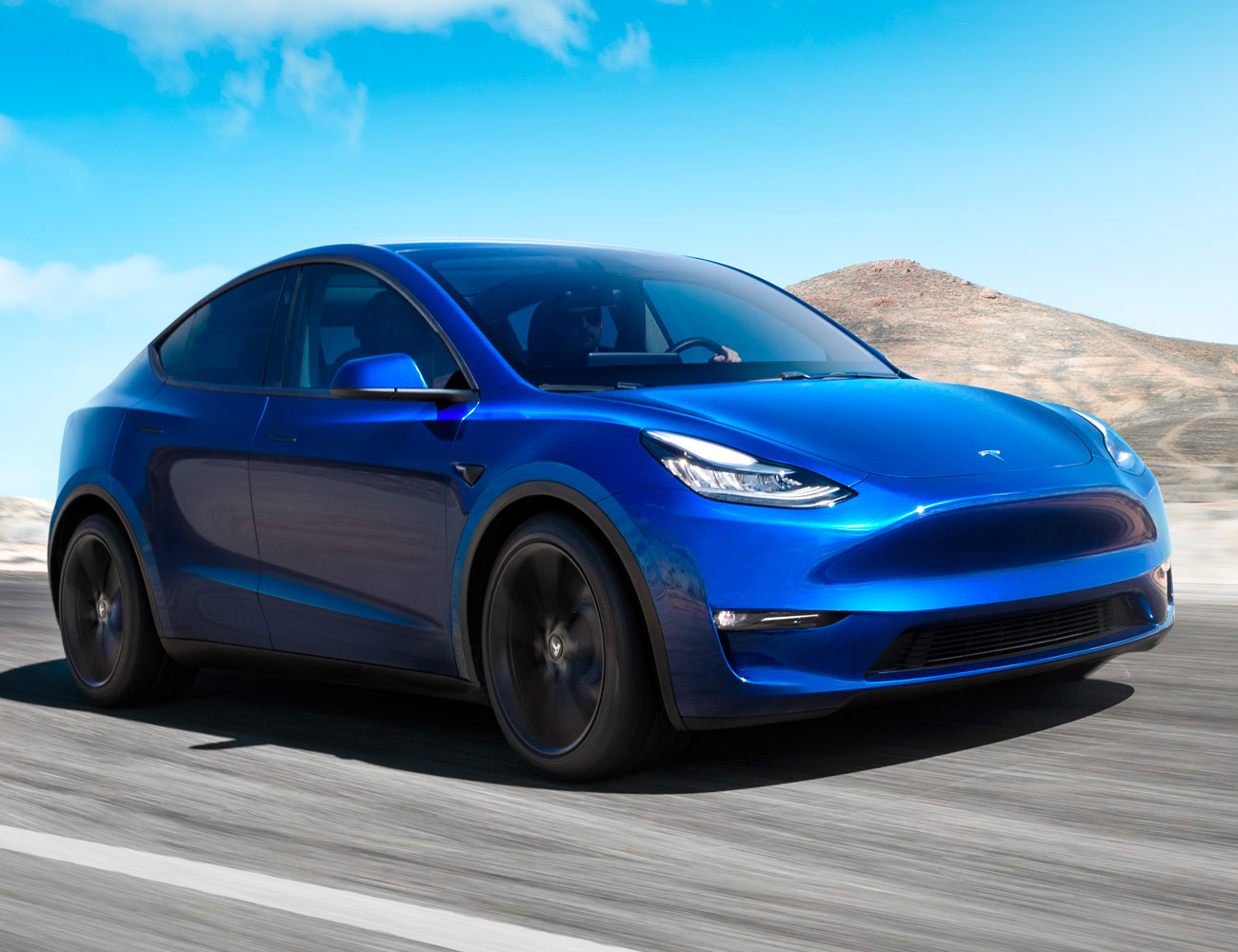
Tesla revealed its mass-market Model 3 in 2016. The company promised an affordable, $35,000 pre-federal tax credit price tag. Buyers went berserk. Tesla received about 400,000 Model 3 reservations, a number higher than Mercedes’ total U.S. sales in a year.

The Model 3 launch showed how strong the potential demand was for quality electric vehicles. Tesla’s struggles to meet that demand since highlight how challenging it is to produce an affordable EV. Tesla finally, sort of, got the Model 3 base price down to $35,000 this year, by stripping down the car among other measures.

We know gasoline is on its way out. We know, at least in the short and intermediate term, electric vehicles will be the replacement. What we’ve been waiting for is the “tipping point.” This will be the point where all manufacturers are bringing EVs to market. Component costs start to come down. Range and charging infrastructure grow to make mass market adoption convenient. The future materializes. We should come close to hitting that tipping point in 2020.

The luxury market will be a beachhead for EV adoption. Tesla’s success has terrified those companies into action. We’ll see results, beyond the already extant Jaguar I-Pace and Audi e-tron in 2020. Porsche is releasing its Taycan EV for the 2020 model year. Porsche already has doubled its production plans due to high interest and is reevaluating the gasoline future of its best-selling vehicle.

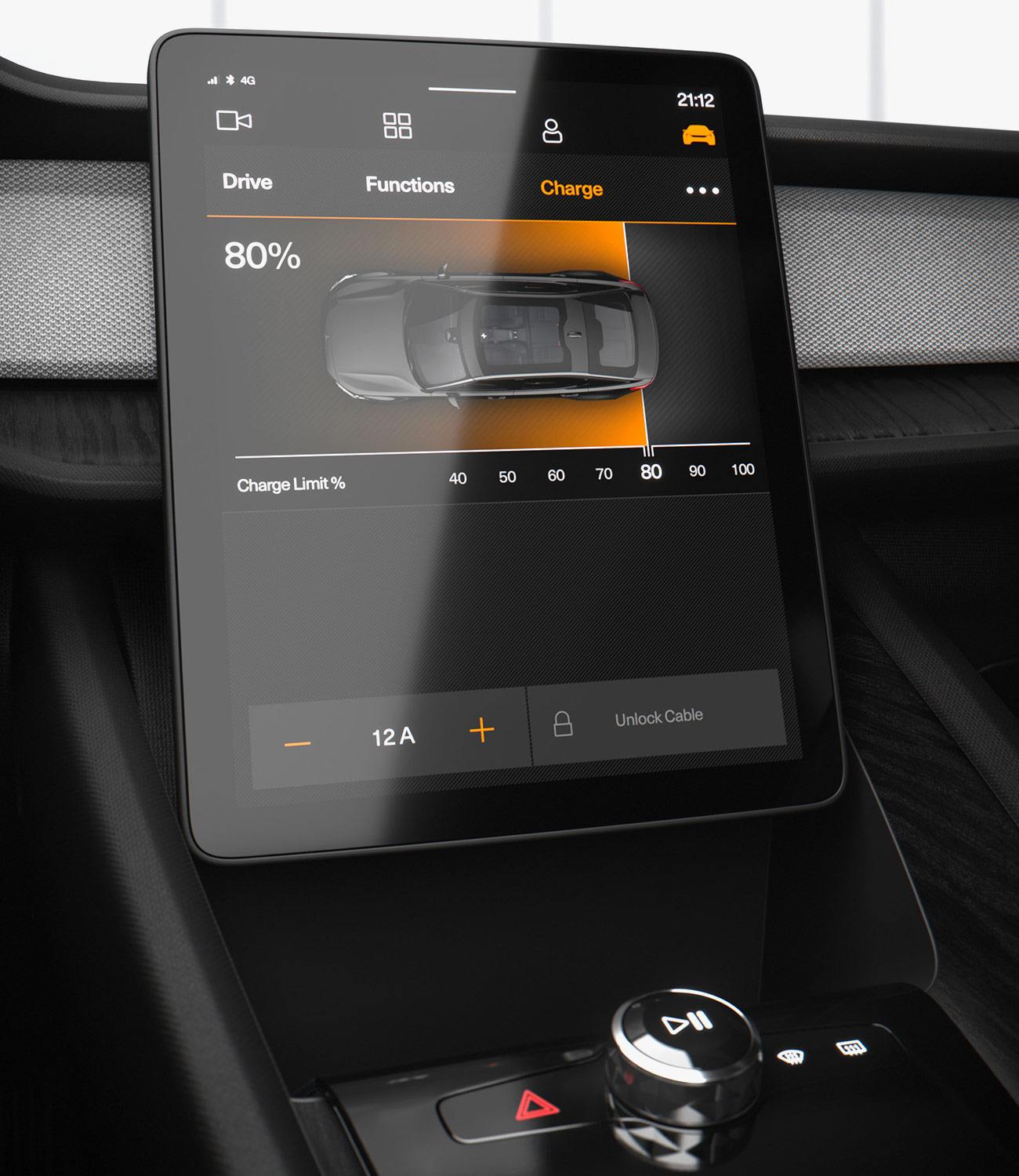
Volvo and Geely’s electric performance brand Polestar is set to become a thing. The Polestar 1 sports car is due to begin production for the 2020 model year. The company just unveiled the Model 3-battling Polestar 2. Neither will have Volvo’s speed-limiting tech.

Mercedes (EQC) and BMW (iX3) are launching luxury EV crossovers. Aston Martin is bringing the RapidE, more powerful than the Rapide S V12, to market in 2020. Maserati may finally be (fingers crossed) bringing the Alfieri into production as an EV supercar in 2020 as well. That’s before we get to the stupidly powerful EV hypercars unveiled in Geneva and six-figure classic EV conversions.

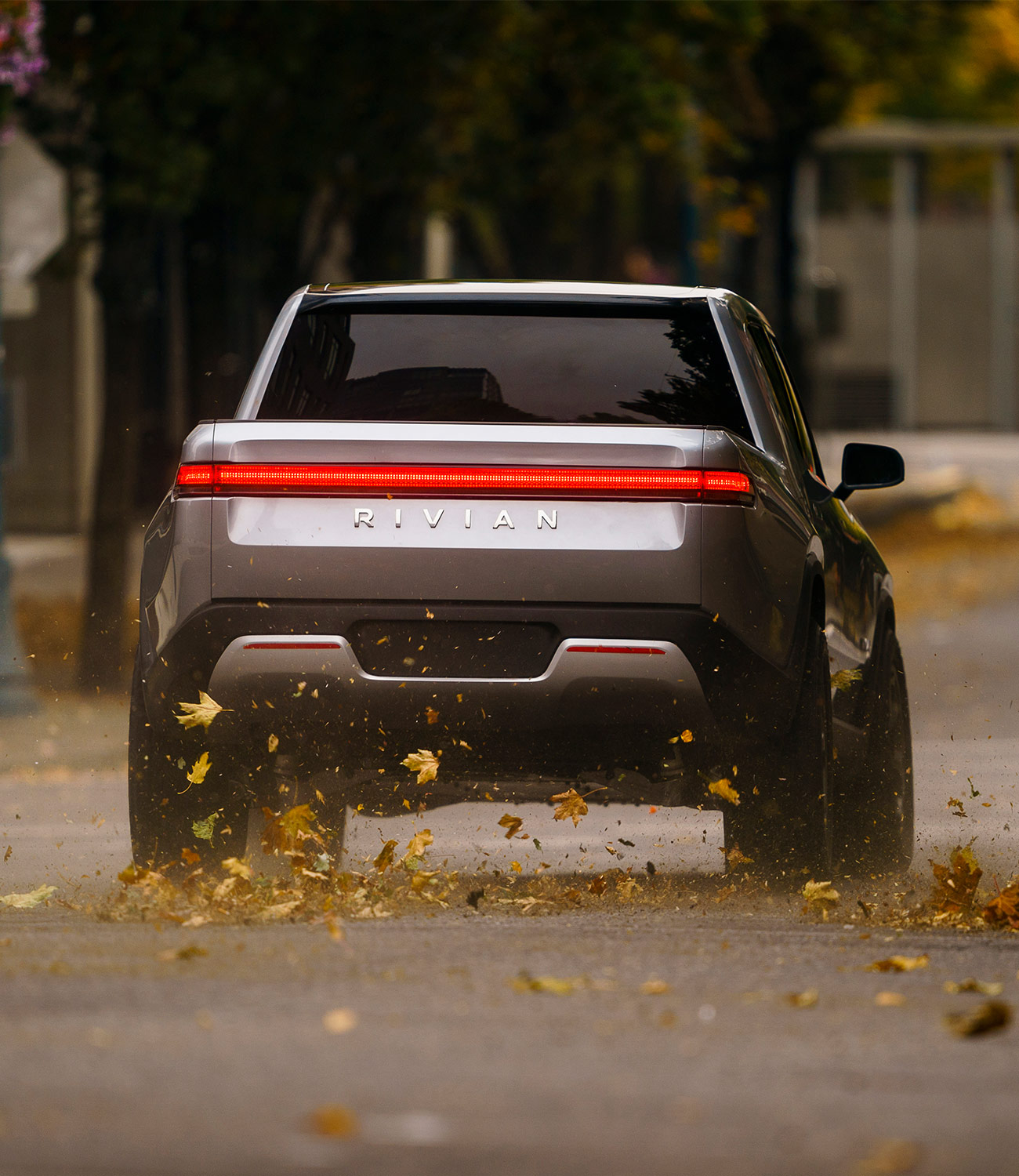
Even the full-sized truck and three-row SUV markets are in for a jolt of electricity. Rivian has a planned 2020 launch for the R1T truck and R1S SUV. If Rivian can meet the price targets, those will be competitive with the top end of those markets. Rivian’s performance will exceed anything in those markets.

The next and tricky step is having enthusiasm at the top of the market trickle down to the masses. Base-level EVs are relatively affordable. The Nissan Leaf Plus, the Hyundai Kona Electric, and Chevy Volt will offer a 200-plus mile range and a price tag of around $37,500, dropping to $30,000 with the federal tax credit.

These vehicles do make EVs affordable. But, they don’t provide the same value as internal combustion. The Kona Electric, for instance, is $10,000 more than the base model Kona that gets about 30 mpg combined. It will take years of driving before the fuel savings cover the purchase premium. The same general price point in the gasoline realm will get you an efficient, luxurious Mercedes A-Class.

2020 should see some developments at the lower end of the EV market. Though the details remain nebulous. Volkswagen has an I.D. crossover and hatchback that should start production by 2020. The hatch may have a base version for less than $30,000 (unclear when VW would start selling the cheaper one). There are also reports of VW entering the market with a super cheap (sub-$23,000) subcompact EV. Mini should be launching an electric version of the Mini Cooper hatch to begin sales in 2020.

We won’t all be driving EVs by 2020. The best-selling American vehicles will still be three full-sized trucks traveling less than 20 miles on a gallon of gas. But, buyers, particularly on the luxury end, will have a range of EV options. Buying one should feel far more normal than niche.

Watch Chris Harris Hustle the Porsche 919 Around a Racetrack

Harris Looks Genuinely Amazed

The Porsche 919 is the amazing hybrid Le Mans-winning car that the company recently retired from racing. Top Gear’s Chris Harris was lucky enough to have a chance to take the car for a spin around Cuidad Del Motor De Aragon in Spain. He also took a look behind the scenes of the car to see the nitty-gritty details, too.

The Porsche 919 Hybrid is an amazing vehicle. It pairs a 2.0-liter V4 engine that makes 500 hp with an electric motor that adds another 400 hp. Add to all that some serious aerodynamic treatment, computer power management systems that help with power assist and torque vectoring, and you’ve got one of the most amazing cars ever built.

Before Harris was allowed to drive the 919 on the Spanish racetrack, he had to spend some time in a simulator. The simulator looks like an awesome giant video game. Most car enthusiasts dream video game. However, Harris claims it isn’t a fun place to be. The simulator looks amazingly real, though. 

After that, Harris goes over the 919 EVO, which Porsche is using to try to beat track lap times around the world. The EVO is a souped-up version of the regular 919 and roughly makes an amazing 1,200 hp in a car that weighs about 1,940 pounds. That’s an insane power-to-weight ratio.

Then Harris gets out on the racetrack. The 919 looks like a true force. You can tell in the video that the electronics are picking up the slack and allowing for faster speeds. Harris says it feels like the car is “doing more thinking around the lap than me.”

The advanced electronics systems make adjustments to the car to compensate for the driver. This allows corners to be taken faster and boost applied when necessary. It’s a lot of fun to watch. Check out the video below. 

[embedded content]

What the Lotus Hypercar Could Be

Lotus and Williams Advanced Engineering Team Up

Recent rumors and reports indicate that Lotus will build a hypercar with the help of Williams Advanced Engineering that will challenge the likes of Aston Martin and Mercedes-AMG’s hypercars. According to Carscoops, the car that got people excited about future possibilities is called the Lotus Evil Vision GT concept that was a design concept created by Antonio Paglia.

The car looks like its straight out of a future F1 race. It has huge air intakes up front, a rear-mid-engine overall design, and some of the most aerodynamic-looking elements we’ve seen on any hypercar. There is not a central part of the front bumper. Instead, there’s a large expanse that helps direct air in the right ways.

The concept is striking and would definitely put Lotus on the hypercar map. However, there’s no true indicator that this will be anything like the actual Lotus car that’s likely in development. With that said, we’d love to see it become that.

Lotus is known for its sports cars, but it hasn’t dived into the hypercar and supercar markets. With the help of Williams Advanced Engineering, the company could probably pull it off. We’re all for more high-performing cars in the world, and something from Lotus would scratch us right where we itch. We’ll be keeping an eye out for future developments.

De Tomaso Pantera to be reborn? Prototype prowled the streets of Geneva

What a strange year. We’ve already witnessed the return of two Hispano-Suiza automobiles from two Hispano-Suiza companies when nobody would have expected even one of either. Now we get the news that the original De Tomaso Pantera could get two resurrections this year. Italian Coachbuilder Ares Design showed off its Panther, based on a Lamborghini Huracán, last week. During the Geneva Motor Show, the company that owns the De Tomaso brand loosed a camouflaged coupe around the Swiss city, the car’s windshield topped with a banner reading, “DTProjectP.”

That company is Hong Kong’s Consolidated Ideal TeamVenture (CIT), which bought the rights to De Tomaso in 2015 for $1.1 million. One year later, the same firm bought sports car maker Gumpert, quickly turning the Gumpert Apollo gullwing racer into the Apollo brand. At the moment the company seems most occupied with the Apollo Intensa Emotion, the gullwing racer powered by a 6.3-liter V12 good for 780 horsepower. The Pantera makes for a very interesting side gig, assuming anything comes of it.

The Apollo IE tracked Geneva in front of the supposed reborn Pantera, both cars wearing the same camouflage wrap. CIT filed trademark applications for model names Pantera and Mangusta, and a European patent search in 2018 turned up designs for a toothsome Pantera with pop-up headlights.

In Geneva, however, Apollo general manager and CMO Ryan Berry wouldn’t be drawn on what’s in store. Seems like there must be something, though — there’d be no reason to parade around Geneva with a prototype something without cause. And this year marks the 60th anniversary of the De Tomaso brand, as ideal a birthday as any for the return of the cat.

Related Video:

The Mercedes-AMG GLC 63 Shouldn’t Be This Good

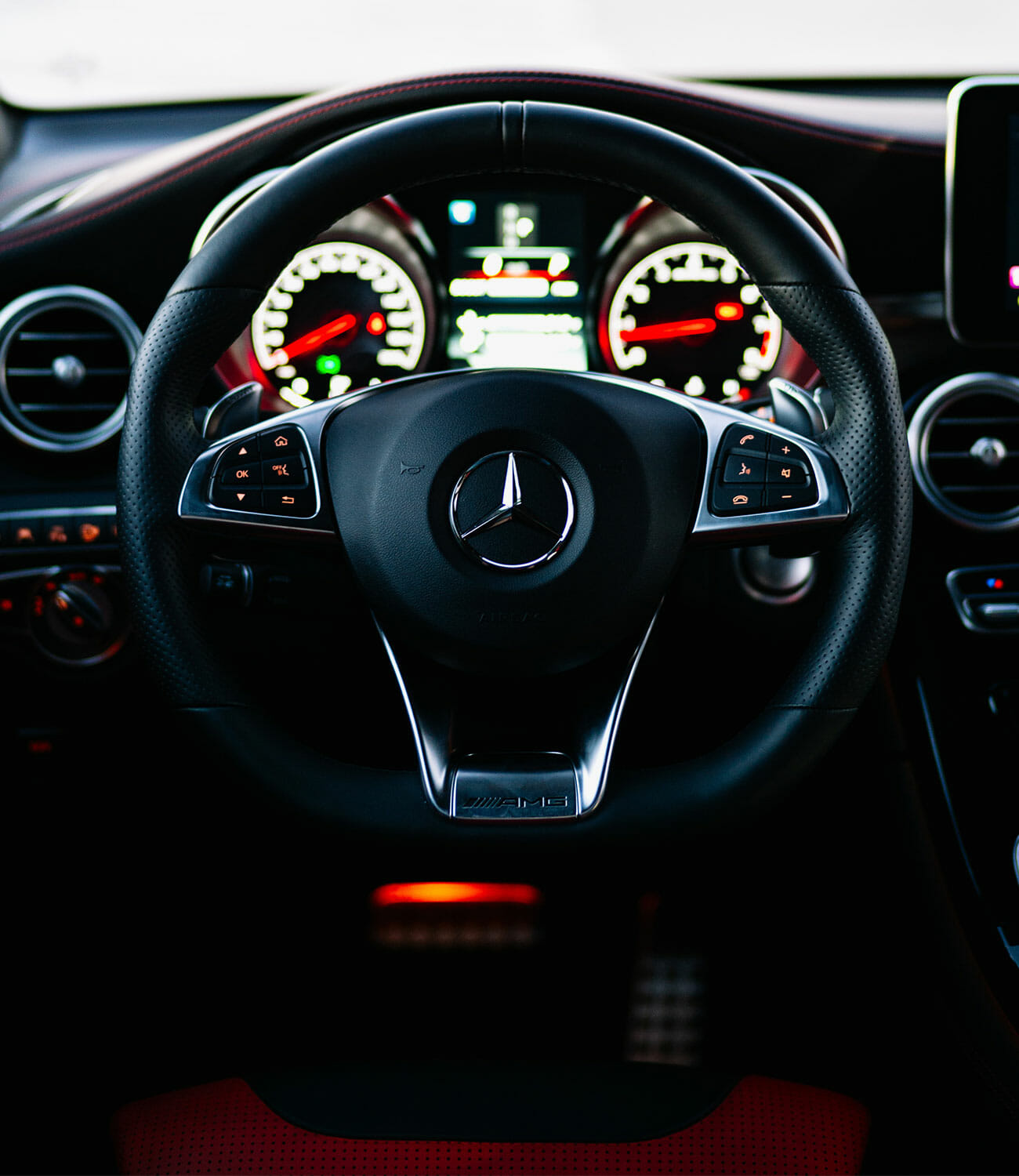
For most city-dwellers, the idea of owning more than one vehicle is laughable. So what’s an enthusiast urbanite to drive if not something that is both sporty and practical? Weekend getaways out of the city require cargo space, ground clearance and all-wheel-drive, even if the vehicle rides on performance-oriented summer tires. Just about any midsize SUV will tick those boxes, but high-performance examples seek to deliver a genuinely enjoyable driving experience on top of the practicality.

Not a tall order if going fast in a straight line over and over is your idea of a good time. However, when the road gets twisty, a legitimately powerful vehicle should scare you a little just before that big smile arrives. The GLC 63 is capable of shaming a few sports cars, yet it will happily swallow up all your ambitious adventure gear. It’s one of those rare vehicles that is comprised of contradictions, yet works oh-so-well as a whole.

Like any AMG product, attention first goes to the engine. The GLC 63 makes use of the exceptional 4.0-liter twin-turbo V8 used in other Mercedes-AMG products where it has to pull less weight. In this application, it cranks out 469 hp and 479 lb-ft of torque. What’s more, is that all that torque is available from 1,750 rpm to 4,500 rpm. The sprint from 0-60 mph happens in 3.8 seconds, and that’s in a vehicle which weighs 4,462 lbs and boasts 56.5 cubic feet of cargo space with the rear seats down.

Impressive numbers and systems are certainly integral parts of any performance vehicle, but take most modern cars, strip away the tech and the luxury and you’re left with something pretty dull. The GLC63 is a different story. Underneath all the accouterments that come with a Mercedes-Benz, there’s still an AMG hot rod. Few companies do the V8 engine justice like AMG.

One necessary option box is the AMG performance exhaust system. It announces the engine starting up with a bark, settling into a burbling rumble at idle. Perhaps most enjoyable is the crack-of-lightning that comes when downshifting high in the rev range.

With a push of a button, however, “utterly ridiculous” turns to “mild-mannered” and you can fly under the radar of anyone who doesn’t appreciate the eight-cylinder symphony broadcast at full blast. The GLC 63 is many vehicles rolled into one excellent package, and it’s worthy of praise in its own right.