All posts in “Cars”

The 2019 Easter Jeep Safari Concepts Will Make You Want a Gladiator More

The biggest news to come from Jeep this year is easily the release of the long-awaited Gladiator pickup truck, so it makes sense it’s the star of the show at this year’s Easter Jeep Safari in Moab, Utah. Each year Jeep brings a handful of working concepts to show off at the off-road gathering — some are too extreme to become a reality, others subtly hint at what Jeep has in the pipeline.

Five of the six 2019 concepts are based on the Gladiator, with one being a restomod military truck. Like in year’s past, peppered throughout the group are some fairly odd additions and options, like an external, flush-mounted fuel can storage and see-through truck bed walls, but the light bars, bed rack and tent are entirely feasible — some are already available. If even a fraction of the more extreme ideas Jeep plans to bring to this year’s Easter Jeep Safari makes it to production, the Gladiator’s desirability factor will skyrocket even more.

Wayout

Considering how much camping gear Ford is making available for the Ranger, it’d be a smart move for Jeep to push the over-bed rack and tent. As the dedicated overlander, the Wayout seems to be one of the more plausible concepts of the group. Jeep already has a huge following in the adventure lifestyle community, and it’d be wise to lean into that following even more, before the Ranger and new Tacoma TRD get a good foothold in the next year or two.

Flatbill

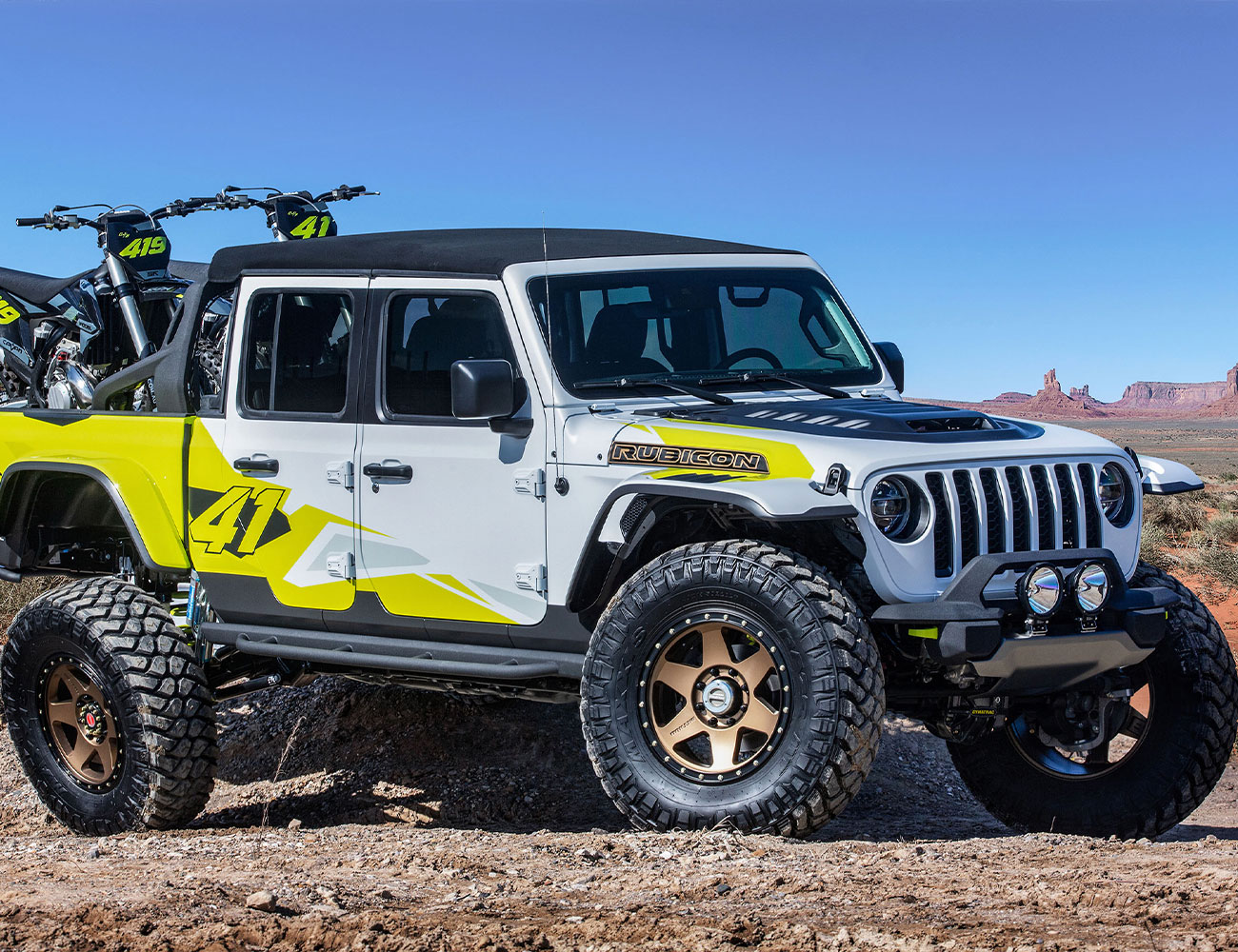
The Flatbill is easily the loudest concept of the six, in more ways than one. Not only does the Flatbill sport bright neon motocross-inspired graphics, but the truck bed is designed to haul a pair of dirtbikes as well. The tailgate detaches and two wheel ramps slide out for loading and unloading the desert toys.

J6

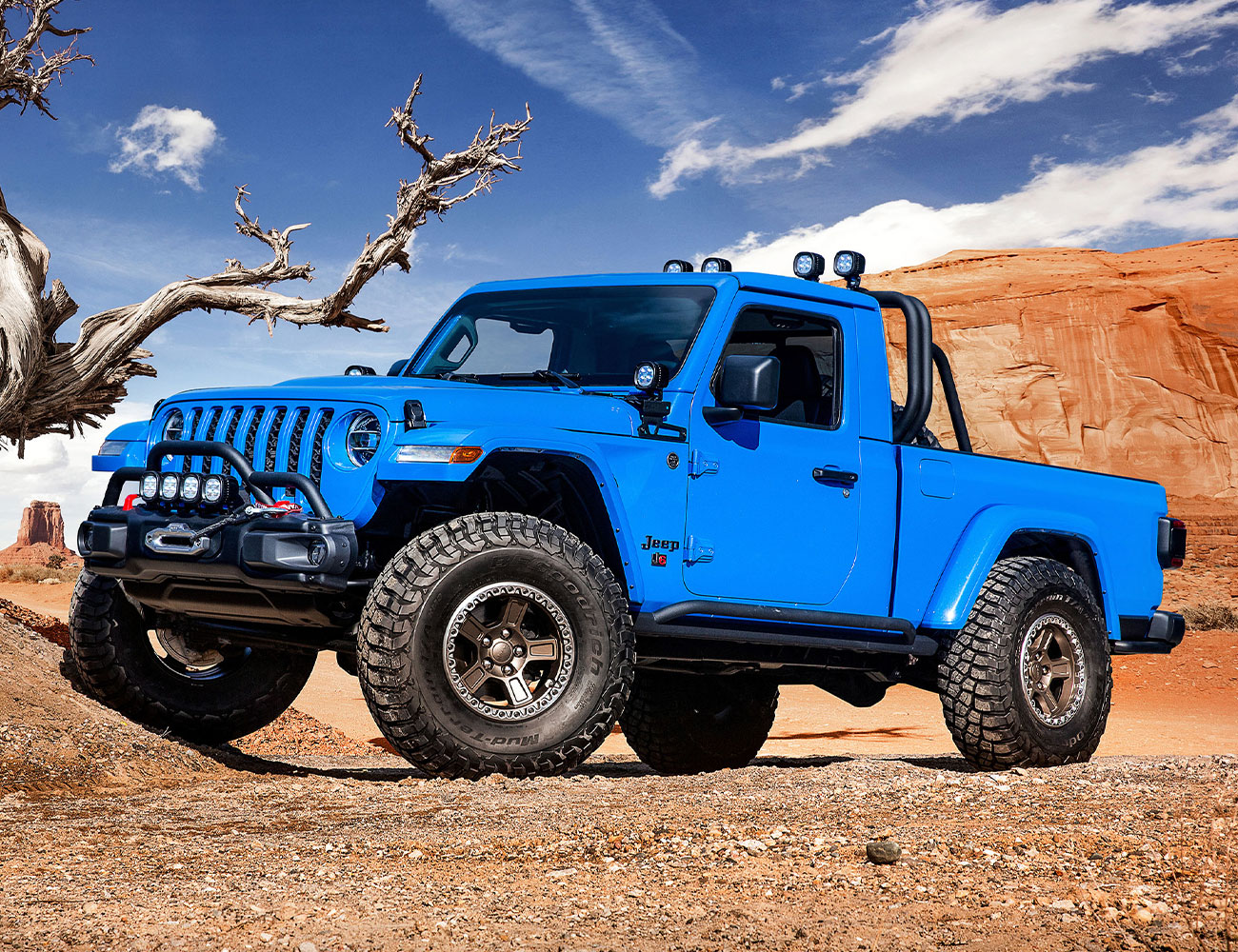
One of the two vintage-styled concepts, the J6 takes inspiration from ’70s-era Jeeps but is adorned with modern Mopar performance parts. The two-door concept gets a removable hard top, a two-and-a-quarter-inch steel roll bar, 10 five-inch 4,800-lumen LED lights and it all rides on a two-inch lift kit, 37-inch tires and 17-inch beadlock wheels. And, for extra off-road protection, the front bumber and rockrails are reincorced with two-inch steal tubing.

JT Scrambler

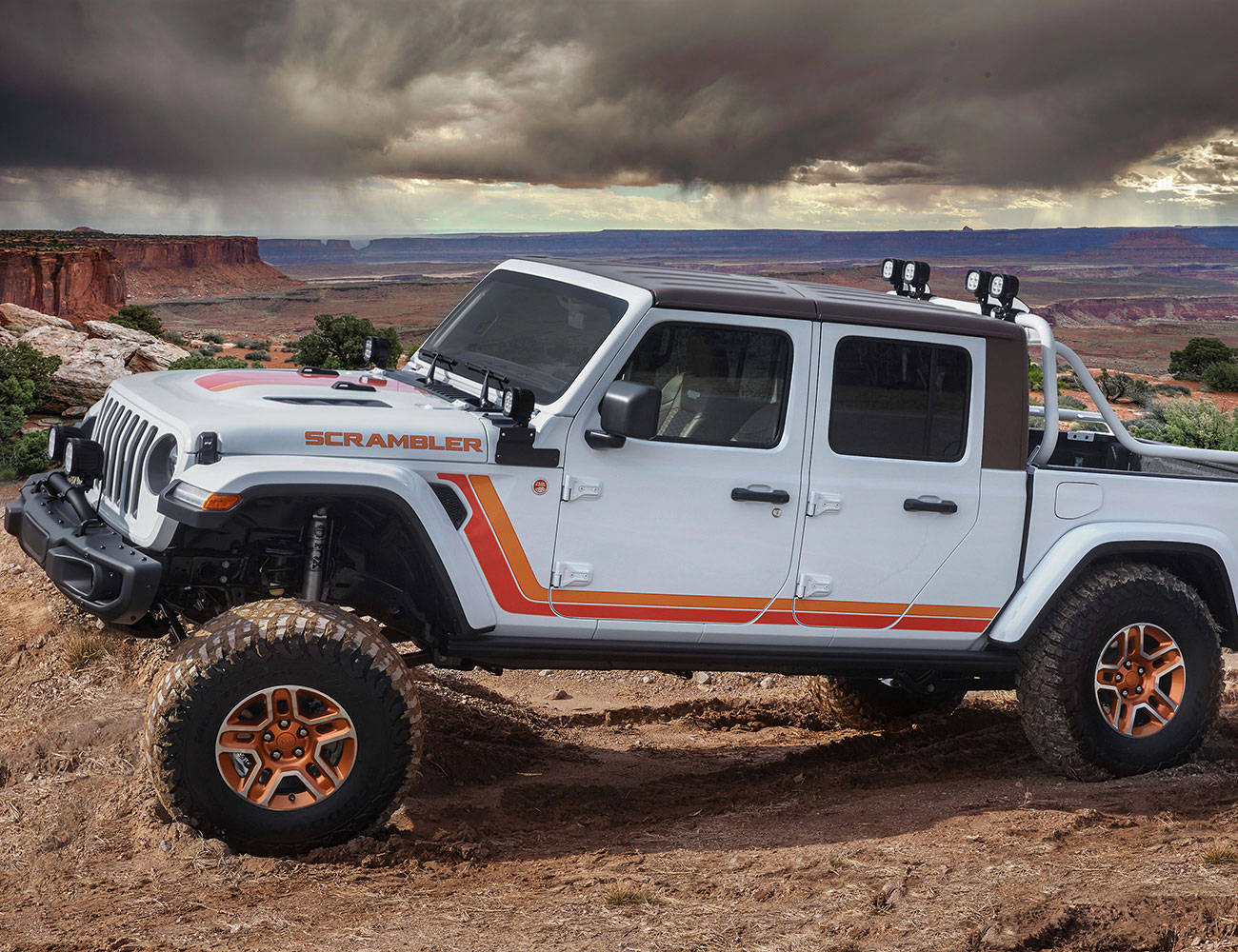
If it wasn’t already obvious, the JT Scrambler is the second heritage-inspired concept of the group. The Scrambler pulls its looks from the ’80s-era CJ8 with “Punk’N Metallic Orange and Nacho body-side stripes” on a white body and accented with a tan hard top. The JT scrambler also gets a two-inch lift kit, 17-inch wheels wrapped in 37-inch rubber and a Mopar cold air intake and cat-back exhaust to help move 3.6-liter V6 move everything along. And, if the 4,800-lumen LEDs weren’t enough, the JT Scrambler gets a pair of seven-inch 8,000-lumen LEDs on the front bumper to light the trail.

Gladiator Gravity

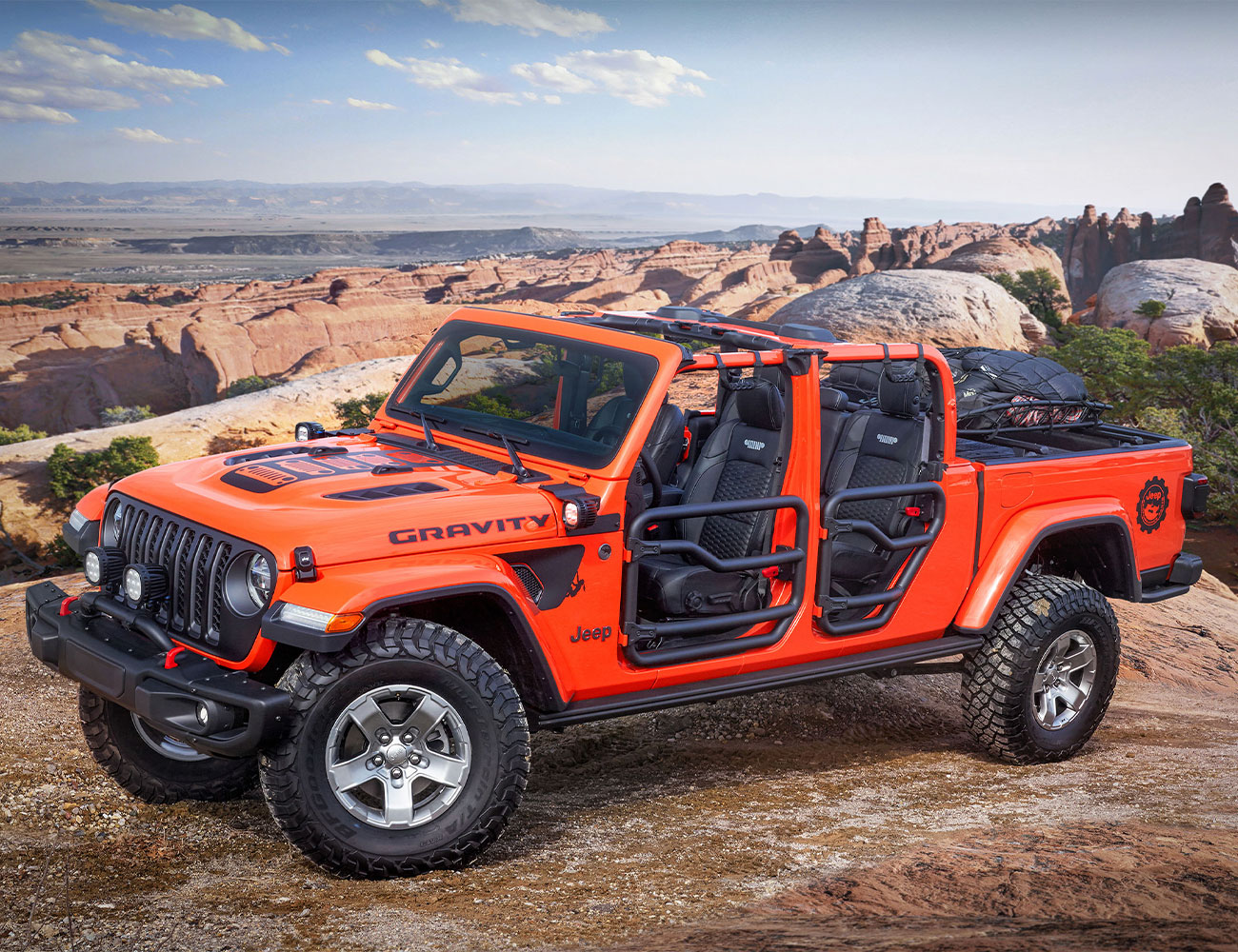
The Gladiator Gravity is a little more niche than the other concepts in its focus, but most of what you see on it is ready to order. Aimed at the rock climbing community, th Gravity concept sports Mopar cross rails over the bed, a cargo carrier basket for gear storage and a Mopar/Decked truck bed storage system for lockable cargo space underneath with dual sliding drawers.

Five-Quarter

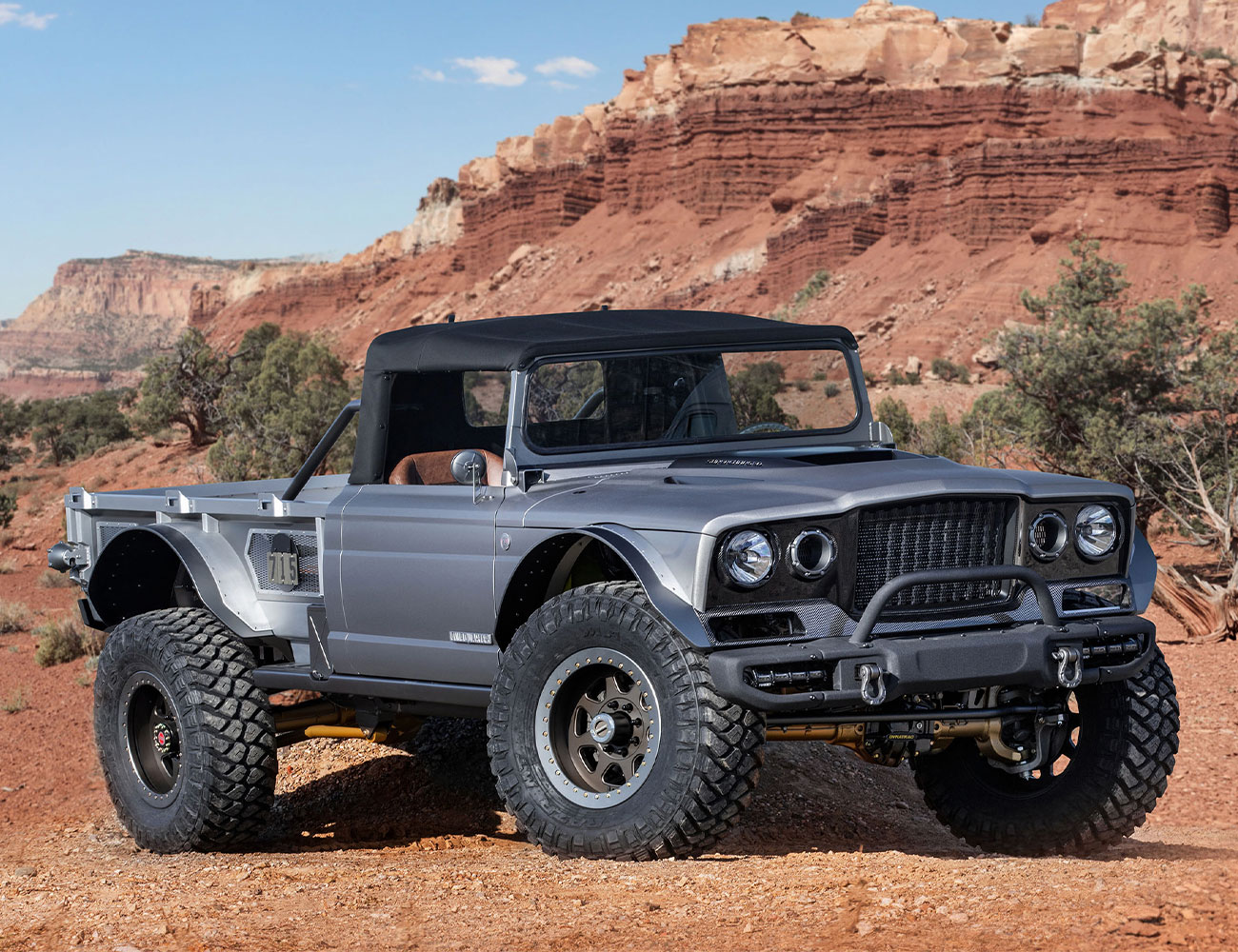
Jeep started with a 1968 M-715, this Gladiator-based military vehicle and went to town upgrading everything from the chassis and drivetrain to the storage capability. Jeep reinforced the original frame, replaced the out-dated leaf springs with a modern link/coil setup and replaced the old axels with aDynatrac Pro-rock 60 in the front and a Dynatrac Pro-rock 80 axle in the rear. It all sits on 20-inch beadlock wheels and unapologetically massive 40-inch tires. Best of all, the Five-Quarter gets its power from 707 horsepower supercharged 6.2-liter V8 from the Hellcat.

2019 Mercedes-AMG GT R PRO Review

The AMG GT family is a well established gaggle of sports cars that arrived on the scene and quickly proved that they were worthy of competing with the mighty Porsche 911 with their caricature like proportions and preposterously charming V8s. Every model from the base GT, to the Beyoncé hipped GT C and batshit GT R brute – there is a GT model for everyone.

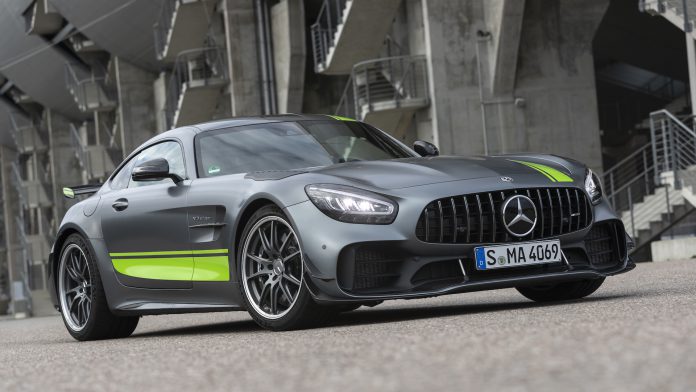
The latest addition has clearly been targeted at the fiend that eats blue steak for breakfast, small children for lunch and lion flesh for dinner – a little unhinged. Meet the Mercedes-AMG GT R PRO. This is the new poster boy for Mercedes-AMG until the Black Series arrives and scares us all half to death. It is no more powerful than the GT R, but that isn’t the point of the PRO. The PRO is for the track…pro that is set on shaving milliseconds off their Nordschleife PB lap time.

Ahh yes, the Green Hell. The GT R was broke built to, and broke, the production car lap record and was branded ‘The Beast of The Green Hell’. It has since been beaten by the GT2 RS and Huracán Performante – the PRO is six and a bit seconds quicker than the boggo GT R, an impressive feat given that the powertrain is identical. This highlights just how significant the changes to the rest of the car are.

So there is still 577bhp and 516lb, how is it so much quicker and how much does this PRO cost? Well, it costs £188,345, some £40,000 more than the GT R. You must consider that the Track Pack (4 point harnesses, roll cage and fire extinguisher), Carbon Ceramic Brakes and Carbon Aero Kit are all included in the base price of the PRO where they are options on the GT R. What else does the price hike include? Well, there is some serious race tech borrowed from the GT4 car that is based on the AMG GT. There are adjustable dampers, a plethora of weight reduced parts including carbon fibre antiroll bar at the front, carbon fibre shear panel on the rear underfloor to stiffen the structure and the fixed lightweight carbon buckets. However, it does not make the GT R PRO a straw weight fighter like the Porsche GT3 RS as it has only burnt off 25 kilograms (1,575kg dry).

The aero is where you start to see your moneys worth – there is a chunk more aero action over the front half of the car bringing the PRO closer to the 50/50 aero balance that race cars aim to achieve. There is an additional 99kg of downforce at 250km/h, a lot of which is working on the front half of the car – AMG did not divulge exactly how much but it can be felt through the steering and overall balance in the high speed sections.

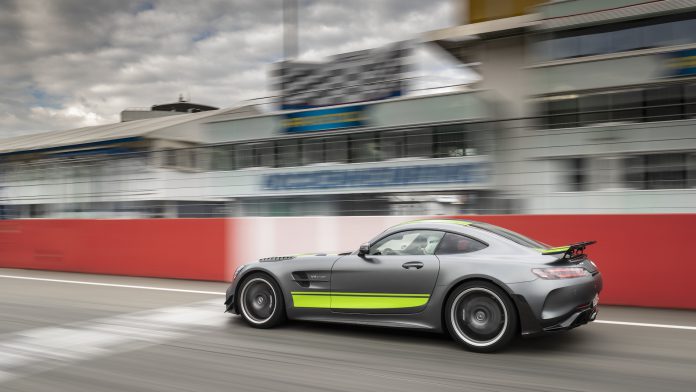
Sounds like you had a go at testing the high speed stability? Well, yes. I was only allowed to drive the car on track – Hockenheim, an ideal venue with its scary fast bends that require you to push hard to make the most of. It is on the circuit when pushing hard that the quality of the dampers over kerbs and under hard braking that the changes are felt. Cup 2 tires are flattering out of the slower corners with immense traction firing you onto the next straight.

The long sweeping left hand bend sees speeds of 250km/h on the speedo and the car feels supremely stable – still sounds fabulous too. It inspires confidence and trust and that is perhaps what lacked in the standard GT R. The aero and suspension have cut the floating feeling that the GT R often unnerved me with on track last year.

Sounds like the dream package? Better than an GT3 RS? Well, the GT R PRO is still based on the AMG GT. This means that it is BIG and there is a lot of car ahead of you. I wish it was a little smaller and a tad more nimble. In some of the slower corners there is a smudge of front end push that the magicians at Porsche have eliminated – perhaps it is a weight issue that the Black Series will manage to address. The Porsche is still a sizeable 10 or so seconds quicker around the benchmark ‘Ring time that we all pine about – AMG are quick to say that the PRO lap time was not set in optimal conditions.

What I could deduce from my quick stint at Hockenheim is that the GT R PRO is just as much of a laugh as the rest of the AMG GT family – it is up for having a bit of a fun. Set the ESP to Sport or OFF and pick a level of traction control using the stubby yellow knob and the GT R PRO will still have you laughing out loud. A GT3 RS might be more pointy and focused, but the GTR PRO is still a worthy of being held in equally high regard as a track day weapon. The GT R stops and goes hard, the PRO takes the on track abilities to another level.

New Aston Martin DB4 GT Zagato Priced at $4,000,000

The love affair between Aston Martin and Zagato is one the world relishes in. Like Kate Middleton and Prince William, the relationship between the British automobile manufacturer and the Italian coach building company is a match made in heaven. Their celebrated love child, the Vanquish Zagato has been an icon of modern automotive design, and their earlier offspring, the DB4 GT Zagato is a symbol of triumphant automotive engineering. In short, the 58 year romance between the two companies has given birth to nothing but prosperity. Name a better duo, we’ll wait.

With the widely acclaimed success of the Vanquish Zagato quartet, Aston Martin and Zagato are all geared up for their next collaboration: the DBS Centenary Collection – a celebration of their upcoming six year anniversary. The collection is an interesting one: it consists of a restyled DBS GT Zagato (for which Aston Martin has released some very sleek design sketches) and a revived, track-only, DB4 GT Zagato continuation. The two cars will only be sold as a pair, and production will be limited to 19 units per model with a price tag of $8,000,000 for the pair.

The rejuvenation of the DB4 is a monumental event in Aston Martin’s history with the original model being one of the most iconic and sought after cars in the brand’s history. With 380bhp produced by a straight-six engine and a four-speed manual gearbox, the DB4 GT Zagato will be a true driver’s car.
As for the DBS GT Zagato, which traces its roots back to the DBS Superleggera, it will feature the design elements from the DB4, and of course the famed ‘double bubble’ roof, which now also extends to the hood of the car. There have been no official statements as to what kind of witchcraft Aston Martin will install under the hood of the car, but we can expect the DBS GT to be based on the twin-turbo 5.2-liter V12 engine with 715 horsepower from the Superleggera. With this, the Superleggera completes the 0-100km/h stint in merely 3.4 seconds, and keeps the fun going until 340km/h. We can only imagine how much more brutal the Zagato iteration will be.

Aston Martin will start deliveries of the 19 sets with the DB4 GT Zagato Continuation deliveries in the fourth quarter of 2019, while the DBS GT Zagato will be in the hands of a few lucky customers from Q4 2020.

2020 Karma Revero Gets a BMW Engine and More Power Than Ever Before

A Newer, Faster Revero

The Karma Revero will make its official debut at the Shanghai Auto Show in a few weeks. When it does you’ll get to see a faster and more advanced version of the car than Karma has ever produced before. The vehicle will sprint from 0 to 60 mph in 4.5 seconds, and it has a top speed of 125 mph.

Pair that with its advanced hybrid system and its sleek exterior, and you have a car worth getting excited about. Oh, and BMW helped the company with an engine and onboard generator. Yep, Karma and BMW worked together on the Revero.

While the company was very tight-lipped on the specifications for the car, it did say that BMW and Karma have collaborated since 2015 on the project. The engine that powers the generator, which is what BMW worked on with Karma, works to provide juice to the battery when needed and adds additional power when needed. The engine is a TwinPower Turbo three-cylinder engine.

The previous Revero used a 2.0-liter turbo four-cylinder to bring the combined power output up to 403 hp and a whopping 981 lb-ft of torque. The new car should have more than that. If it’s going to get the kinds of performance gains Karma says it has, then it will have to.

The 2020 Revero should come out near the end of 2019. Karma is building the car in California. When it comes available Karma may find the hybrid car space a little crowded.

Watch Porsche’s Most Iconic Racecars at the 77th Goodwood Members Meeting

You Might Not See This Again

Porsche is really going all out celebrating the 50th anniversary of the 917. The company released the modern concept car, has an exhibit in Stuttgart, and now has showcased several versions of the car at the 77th Goodwood Members Meeting. 

The company wanted to celebrate the 917’s prowess as a racecar, and showcase all of its victories of the 24 Hours of Le Mans, of which, the company has 19.

The showing at the 77th Goodwood Members Meeting showcased the original 917 as well as four other versions. At the Member’s Meeting, it was driven by none other than Richard Atwood who piloted the 917 to a victory at Le Mans, which was Porsches’ first. That victory started Porsche’s strong performances at the race. It also helped save the company from obscurity and bankruptcy at the time.

The video below shows some of the action at the Goodwood Meeting. That car’s more or less cruise around. It’s nice to see them out on the track moving. There are so many good shots of these iconic cars. It makes you imagine just what they must have been like in their time. Porsche at the moment has no plans to create a production car out of the modern 917 concept mentioned above, but we sure wish the company would.

[embedded content]

Why Doesn’t Toyota, Which Spurred the Electrification Craze, Have any Pure EVs in the Works?

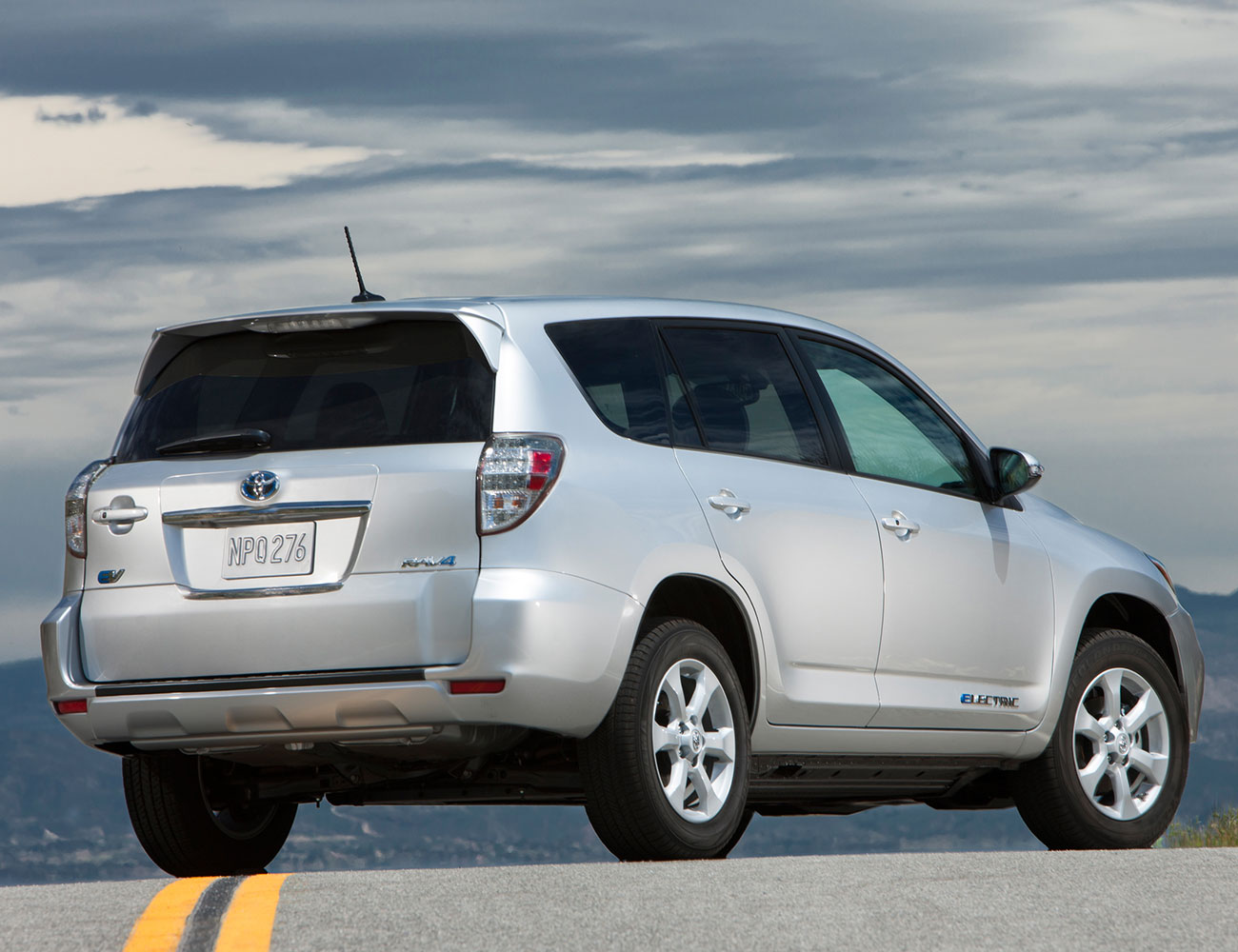
With the debut of its hybrid-electric Prius, in 1997, Toyota spurred a movement toward automotive electrification that can be traced directly to modern EVs like the Tesla Model Y and Rivian R1T. But more than two decades after its groundbreaking hybrid, Toyota has fallen behind the movement it helped kickstart, with no full battery-electric vehicles on offer since dumping the Rav4 EV in 2014 — and none in the works. Instead, Toyota plans to stick to a range of hybrids and hydrogen fuel cell vehicles. Even its luxury division, Lexus, remains at the concept stage for full electrification while rivals Mercedes and BMW prepare to roll out full-electric production crossovers. Is Toyota simply ignoring the obvious electric future? Or is the Japanese manufacturer playing a long game by betting on hydrogen-electric technology?

Some Toyota skepticism about EVs may be warranted. Those cars have yet to prove profitable, particularly at the affordable end of the spectrum. (Development of all-new platforms doesn’t come cheap.) Battery tech and components remain expensive. Before tax subsidies, the cheapest competitive EVs — those with the features and range buyers demand — still run around $35K or more. Toyota is a value brand, and one could argue the value simply isn’t yet there for EVs compared to internal combustion cars. Other value-conscious brands planning bold EV initiatives, like Ford and VW, can offset loss leaders with massive sales of F-150 pickup trucks and Atlases.

Toyota still has a dominant market share. The Rav4 is the best-selling car in the U.S. outside of pickup trucks from Detroit’s Big Three; add the Camry, Corolla, Tacoma and Highlander, and Toyota boasts five of the top 15 bestselling cars in the U.S. Toyota isn’t watching its customers flee to expensive Teslas. Perhaps it can wait for EV demand to materialize.

Toyota RAV4 EV

For those who would argue Toyota has a moral imperative to move forward with electric vehicles given concerns over climate change, know that EVs are not a panacea. While they are significantly more efficient than gasoline vehicles and have zero tailpipe emissions, the batteries that power them require environmentally destructive mining for rare earth metals, and they draw power from the U.S. grid, only 17 percent of which is powered by renewables, which means EVs still boast a significant carbon footprint across their total product lifecycles. Despite what you may read on Tesla vanity plates, buying electric at the moment is more like an e-cigarette for carbon than going cold turkey.

Where Toyota is investing is hydrogen fuel cells. Japan is looking to showcase itself as a “hydrogen society” during the 2020 Olympics in Tokyo. Hydrogen offers some distinct advantages over battery electric. First, there’s no charging time as with a battery; you fill a car with hydrogen in a few minutes like you would gasoline. Next, there are no huge, cumbersome battery packs, which make it a more viable fuel source outside the automotive realm for planes, ships, work vehicles and more.

But hydrogen has substantial technological and logistical hurdles. It needs to be produced, for one. And once the hydrogen is created, it must be stored by compressing it, liquifying it, or through chemical alteration. If production happens off-site, the hydrogen also needs to be transported. Logistically, a wide-scale adoption of hydrogen would require massive infrastructure investment.

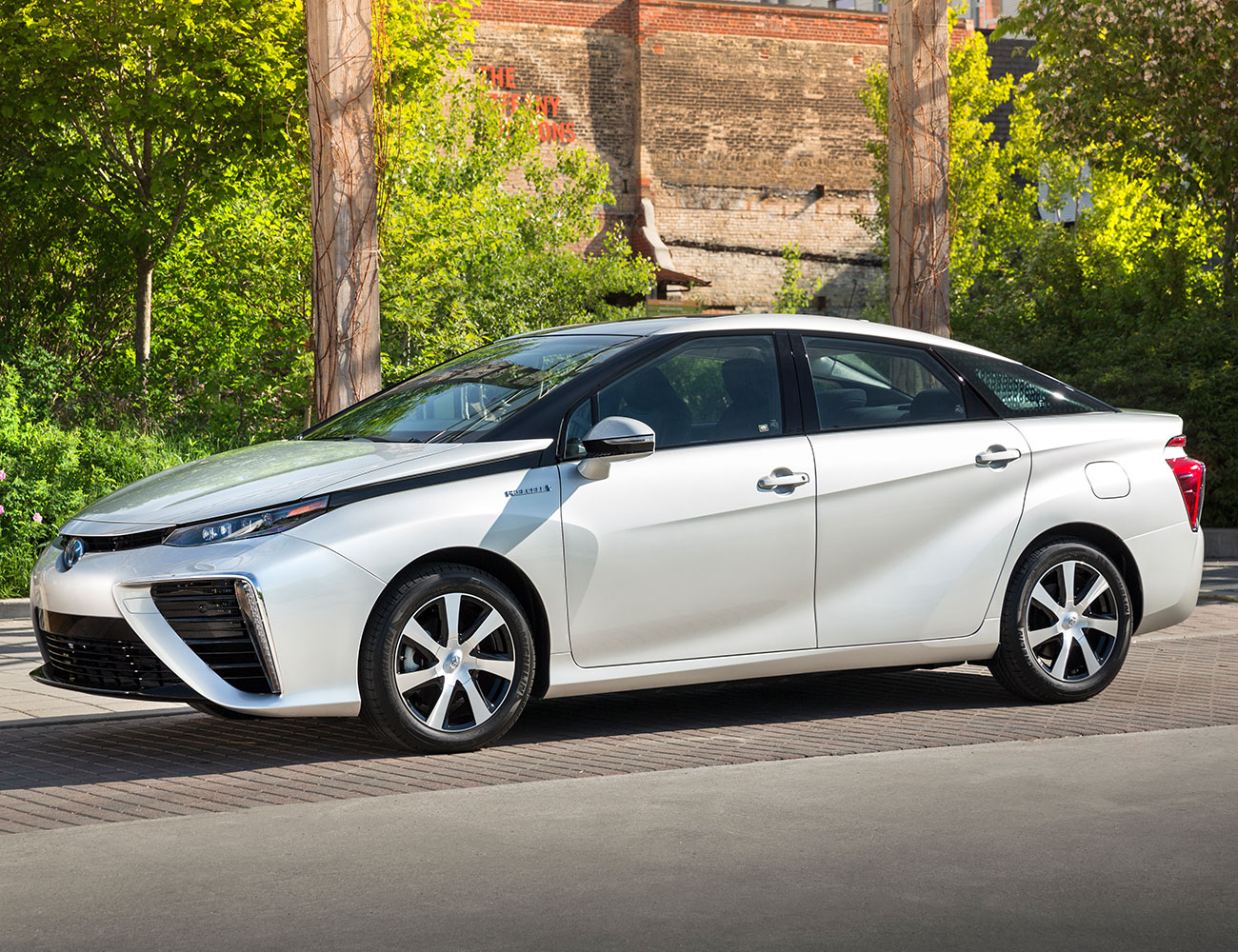
Toyota Mirai

And making hydrogen fuel cell cars affordable (let alone desirable) is a far more daunting challenge than for EVs. Toyota needs significant tax incentives to push the cost of fuel-cell-powered Mirai down to around $60,000. For the same price as a Tesla Model 3 Performance, you can get a dorky-looking Mirai with just 151 hp and and a modest 9.4-second 0-60 mph acceleration time. And a similar refueling time to gasoline-powered cars means very little when there’s only one hydrogen station in all of North America not located in California.

The future of electric mobility will be multifaceted. There will be battery electric vehicles. There will be hydrogen-powered vehicles. There will be a significant push toward more efficient mass transit. All automakers are dealing with the pressure to forge the future amid huge uncertainty, not to mention bold, headline-grabbing competition from upstarts like Tesla and Rivian. But maybe Toyota alone can afford to stay flexible, let others eat the costs, and allow the future play out as it will. But it’s a plan with huge inherent risk: that of being left behind.

More Electric Vehicles

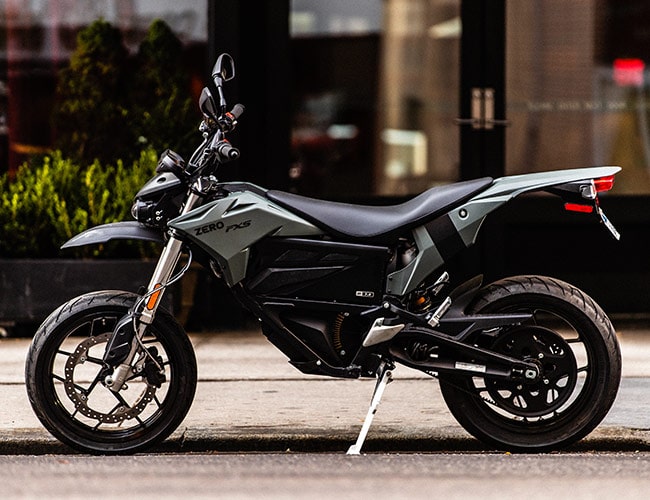
The 2019 Zero FXs is one of the entry-level models in Zero Motorcycle’s all-new 2019 lineup. It is aimed at the city-dwelling rider and designed for quick commutes and short rides. Read the Story

Watch This Week In Gear, Episode One: We Review the All-New Porsche 911, Apple Airpods & More

Welcome to the premiere episode of Gear Patrol’s first video series: This Week In Gear, the ultimate news show for gear enthusiasts.

As the definitive executive briefing on what’s new in product culture, every week we’ll be talking shop about the latest and best gear, from outdoor & fitness, automotive and tech to home, style, grooming and watches. Hosted by Editor-in-Chief Eric Yang, every episode will feature insights from Gear Patrol staff experts as well as field tests, interviews, buying advice and beyond.

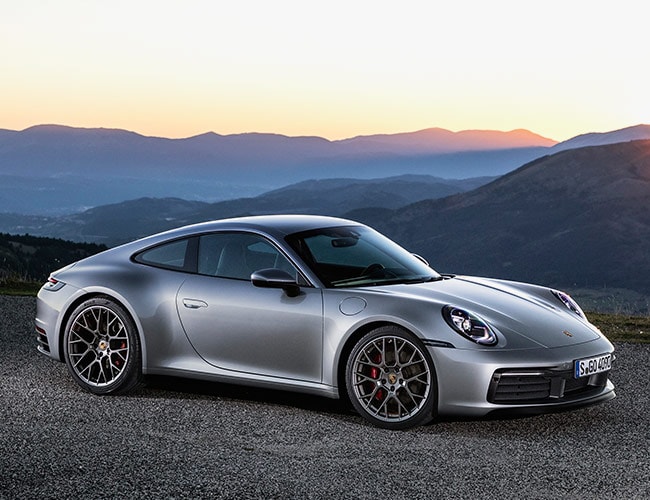
In this episode of This Week In Gear: Nick Caruso gives a rundown of the all-new 2020 Porsche 911 Carrera S; Tanner Bowden introduces The James Brand Ellis multitool; Jacob Sotak explains just how hugely advanced the Orvis H3 fly rod is; and Tucker Bowe describes what’s new in Apple’s second-generation AirPods. Also in this episode, a lightning-round Q&A with Staff Writer Meg Lappe.

This episode of This Week In Gear is presented by Crown & Caliber: the convenient online marketplace for pre-owned luxury watches. Visit crownandcaliber.com/gearpatrol to get $175 towards any watch purchase until May 31st.

Featured Products

2020 Porsche 911 Carrera S

Porsche’s all-new 911 is, as expected, a tremendous performer.

|

The James Brand ‘The Ellis’

The brand’s first multi-tool is a gorgeous shot across the Swiss Army Knife’s bow.

|

Orvis Helios 3D 8-Weight 9′ Fly Rod

“Without a doubt, the most scientifically accurate rod ever produced.”

|

Apple AirPods with Wireless Charging Case

The second-generation earbuds feature incremental tweaks, which means they’re still great.

|

Advertisement

Note: Purchasing products through our links may earn us a portion of the sale, which supports our editorial team’s mission. Learn more here.

Part Coffee Shop, Part DIY Garage: Behind the Scenes with Atlanta’s Brother Moto

Take a drive through Atlanta’s Cabbagetown neighborhood and you’ll see the contrast: mixed-use developments shooting up among historic homes. Brother Moto, situated in a nondescript warehouse that stands in opposition to shiny new buildings on Memorial Drive, takes this duality one step further — it’s part coffee shop, part motorcycle workshop. Confused yet? Think of it as a community clubhouse: a dream garage where people can work on their bikes and have their friends over for a killer cup of coffee.

Brother Moto is the brainchild of Jared Erickson and Bobby Russell, who were brought together by motorcycles and mutual friends. “We both live in the city and have bikes. The bikes always broke down so we ended up working on them together and always wished we had a space to work on them,” Erickson says.

About seven years ago, the pair opened the first Brother Moto location in East Atlanta Village. Not long after, zoning issues forced them to close shop and relocate to their current location in Cabbagetown, where they’ve been cruising since 2017.

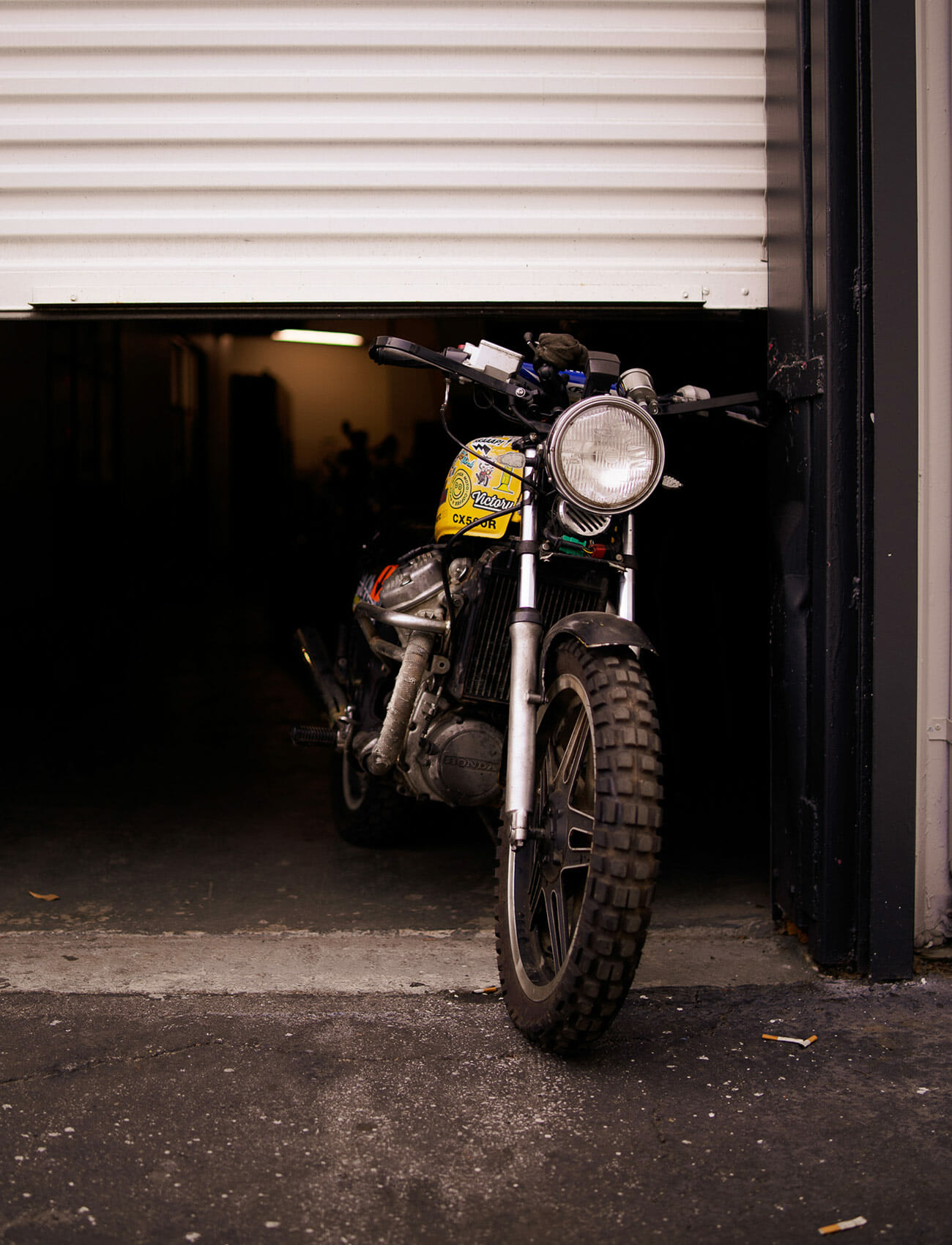
“We try not to be too cliquey,” says Erickson, who owns a Royal Infield, a Continental GT and an old Honda CX5000. “There are a lot of vintage bikes in here, but we accept any type. Some of these groups, they don’t get that, or don’t want to. Maybe they’re not open enough, I don’t know.” Brother Moto hosts a weekly ride to Victory Sandwich Bar, a local eatery about two miles away. “It’s been really cool for the community, just getting new riders out, or people curious about bikes,” Erickson says.

Members pay a monthly fee to access the workshop, equipped with specialty tools and a welding area. “It’s nothing too elaborate, but something you’d find in most builder garages,” Erickson says. He grew up working on cars and had a dad who kept a great garage, so when it came time to stock the garage at Brother Moto he thought, “Well, what would I want?” He must have hit the nail on the head, because over 120 riders are members.

Even customers who don’t work on bikes come for the coffee and community vibe. The warehouse’s softened industrial aesthetic doesn’t hurt, either. The flooring is concrete, the ceilings are exposed, the walls are black and white and a neon sign that says “Moto” provides the quintessential hipster beacon for Instagram. Floor-to-ceiling windows connecting to the garage give coffee shop goers the chance to peer in at the bikers at work. It’s cool and edgy, but warm enough that you feel at ease. A shipping container flanks the back of the space, serving as the coffee counter where surprisingly friendly baristas skillfully whip up espresso beverages.

The coffee itself comes from nearby Radio Roasters, which furthers Brother Moto’s sense of community. In the shop, head manager Zach Gordon-Kane applies a bartender’s touch to the espresso beverages. They change seasonally, but a recurring hit is the Chockwork Orange — a latte infused with chocolate and orange syrup, playfully garnished with a Terry’s chocolate orange slice. There’s also the Hometown, a nod to the Atlanta-based giant, blending Coca-Cola and espresso with vanilla. But even for those who don’t like frilly drinks, the espresso classics are smooth and balanced, easy to drink. It would be easy to assume that coffee takes a back seat to the motorcycles, but that’s not the case.

Brother Moto regularly organizes pop-ups in the coffee shop with vendors that include local food makers without brick-and-mortars. It once hosted a pop-up with LA-based tattoo artist Coral Monday, who was visiting Atlanta — not your usual pop-up. “It’s just been kind of fun to bring in a different crowd,” Erickson says. You hear on the street, ‘Oh, Brother Moto motorcycles, I may not be cool enough to go there, I’m kind of scared, I don’t ride a bike.’ So we want to use the pop-ups as a way to bring in different people that can come here to grab a cup of coffee and just hang out.”

Looking forward, Erickson hopes to replicate the Brother Moto concept in other cities. “There’s a motorcycle culture, and different cities will have different aspects of it,” he says. “Maybe it’s not a coffee shop, maybe it’s a bar.” What probably won’t change: cool bikes and good vibes.

Arrested: Former Porsche dealer who’s accused of stealing $2.2M from customers

Federal authorities have arrested the former executive at a South Florida Porsche dealership who disappeared in September after customers say he bilked them out of millions of dollars in deposits for 911 GTsupercars that they never received.

U.S. marshals on Tuesday arrested Shiraaz Sookralli, 44, the former vice president of marketing for Champion Porsche in Pompano Beach, Florida, the top-selling Porsche dealer in the U.S. He’ll likely face charges of mail and wire fraud and money laundering when he’s arraigned April 16.

Much of the story was spelled out in media reports and online forums last summer, but the FBI offers some new details in an arrest affidavit. It alleges that Sookralli received more than $2.2 million from around 30 customers that he routed into a shell account named Champion Autosports. The complaint says Sookralli spent tens of thousands of dollars on luxury vehicles and jewelry, nightclubs and restaurants around Miami after initiating the scheme sometime in 2017. The customers never received their Porsches.

The affidavit further describes interviews with former co-workers and employees of high-end nightclubs and restaurants in Miami who “confirmed that Sookralli frequently enjoyed an extravagant and opulent lifestyle. Bank records analysis shows that Sookralli amassed large tabs at these night clubs and restaurants that were paid with the proceeds of his fraudulent activity.” Further, despite being VP of marketing, Sookralli was found not to be an authorized Porsche salesman at the dealership and never reported his sales transactions to the sales manager at Champion Porsche.

Further, a lawyer for Champion Porsche managed to contact Sookralli on Sept. 10, 2018, days after he disappeared, and asked him if he had taken hundreds of thousands of dollars from customers. “Sookralli responded something to the effect of, ‘More like millions,'” the complaint reads. He also agreed in the conversation to send over a list of the customers from whom he’d taken money for deposits. The complaint does not say where Sookralli went after he disappeared.

The dealership filed suit in September against Sookralli, his wife, Vimla Sookralli; and the shell account it alleges he created, named Champion Autosport, to siphon off deposits. A lawyer for the dealer says it has reimbursed all of the affected customers, either by refunding their deposits or applying them to new vehicles.

Sookralli, who is married with 10 children, had credit card debt of more than $176,000 as of 2016, the Orlando Sentinel reports. He made his first appearance in federal court in Fort Lauderdale earlier this week and was to have a bond hearing Friday, according to the Miami Herald. He plans to plead not guilty.

2019 Audi S5 Sportback Review: This Excellent Sportback Is the Future of the Sedan

When Audi brought the A7 to market in 2010 it was heralded as a bold take on the traditional sedan. Four frameless doors and a sleek rear hatch gave the A7 a sporty silhouette that still looks fresh today — especially in the guise of the fresh new second-generation A7. Audi may not have invented the five-door liftback, but they’ve certainly elevated it to new heights with the A7 and its S7 and RS7 variants. But not everyone needs the space or refinement of an executive-class vehicle; for those who want the A7’s style at a more accessible price point there’s now the S5 sportback, based on the A4 sedan but with the A5 coupe’s commanding design language.

The A5 Sportback has been on sale in Europe since 2009, but only made it to the U.S. market in 2017 as a 2018 model. The S5 variant, like its larger S7 stablemate, is a sportier variant of the A-badged car. I prefer the S7 to the even sportier RS7 and suspected I might feel the same about the S5 compared to the RS5 I tested in March of 2018. After a week with a Tango Red Metallic S5 Sportback I can confirm my suspicions were correct.

The Good: Nobody has figured out the 5 door liftback look quite like Audi. The S5 Sportback is enjoyable to look at from every angle. The design doesn’t try to do too much: there are creases and sporty flourishes in the right places, but it isn’t shouting. This car can fly under the radar even in metallic red paint — and with the kind of power the 3.0T V6 puts out, it’s easy to fly. It’s funny to consider a car with 354 horsepower and 369 lb-ft of torque as the “sensible” choice, but that’s where we’re at in 2019.

Who It’s For: People that want an S4 Avant even though Audi has stopped offering sporty wagons in the U.S. Also, anyone who wants the driving experience of a mid-size sport sedan but with more versatility, and who likes to go fast but look subtle while doing so.

Watch Out For: I like the interior of the S5 Sportback (shared with the current A4) but there’s some longing for the next generation design and tech found in the A6, A7, and Q8. As you may expect, this being a German car, options will move the base price from “Reasonable” to “How much?!” without breaking a sweat.
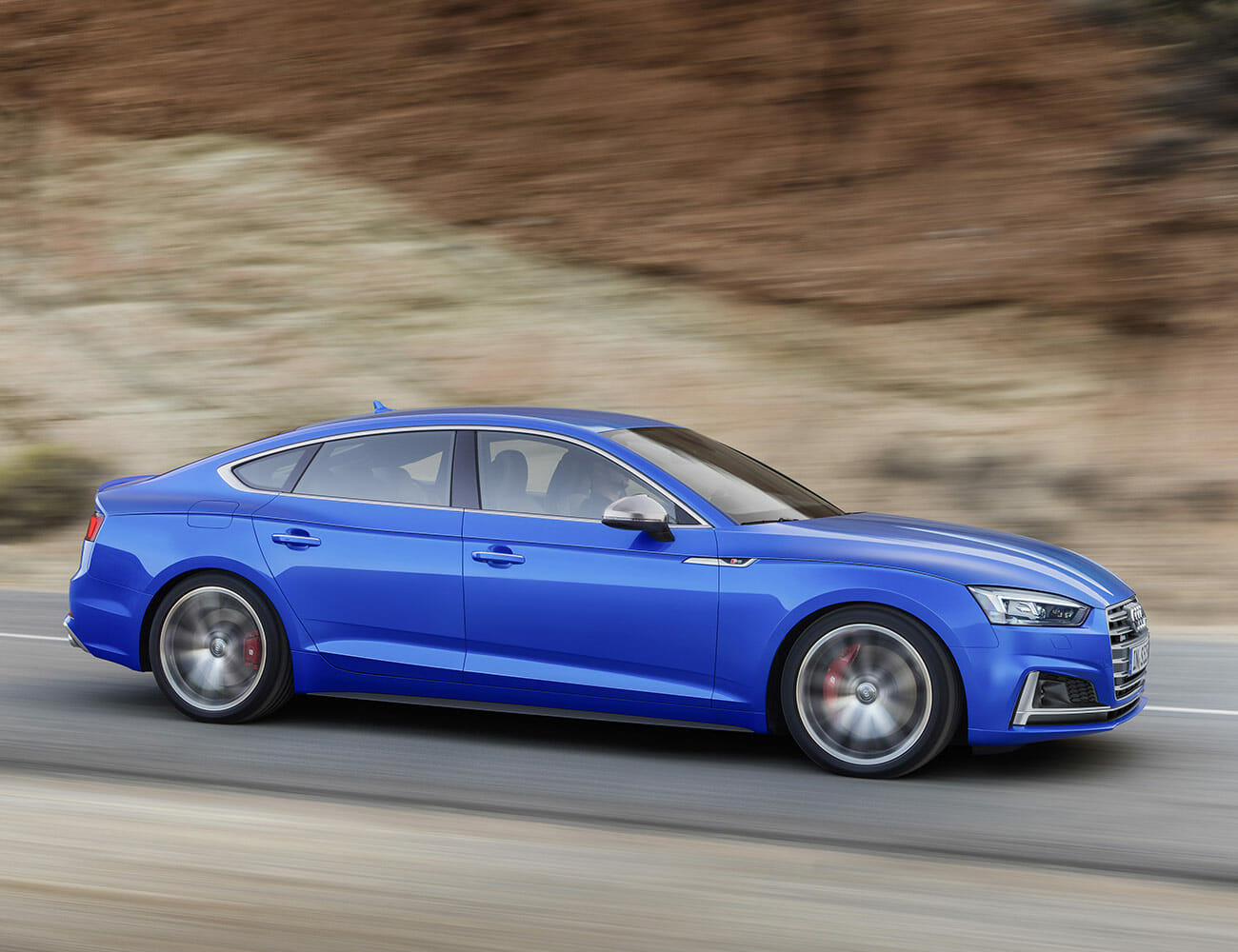
Alternatives: Though Mercedes-Benz kicked off the trend with the CLS, they don’t currently compete in the midsize sportback segment in the U.S. That leaves BMW, which offers the 4 Series Gran Coupe and 3 Series Gran Turismo. Both top out at 320 horsepower and even with the optional M-Sport package don’t achieve the same special feeling of the S5 Sportback, though they do handily outperform the S5’s 35 cu-ft of cargo space with 45.9 and 56.8, respectively.

Review: When you’ve got the keys to a Quattro-equipped Audi and a winter storm bearing down on your favorite mountain resort a couple of hours away, there’s only one thing to do: get while the getting’s good. I shot out of LA just as the sun began its climb over the San Bernardino mountains, early enough for the freeways to be sparsely populated with cars. I’d already had a few days to enjoy Audi’s suite of driver assistance technology, primarily the adaptive cruise control and active lane assist. Both admirably reduce fatigue when traffic starts crawling and keep things in check while traffic is flowing. In the wee hours of the morning, though, I had no need for these advanced systems; it was just me, the turbocharged V6 and six lanes. Those six would eventually become four, then three, then two.

As the hours wore on I came to appreciate more aspects of the car. The interior isn’t as fresh as Audi’s latest design but it’s a great one in its own right, with high-quality materials, tasteful design choices and Audi’s comfortable sport seats with adjustable bolsters at both levels. This “Prestige” trim level came with Audi’s virtual cockpit cluster, which I kept in “Sport” configuration for the large tachometer set dead-center. You can also show a full Google Earth map display on the cockpit, but that’s better suited to the center-mounted tablet-style screen. Of course, Audi could do away that tablet screen entirely, like they do in the TT and R8, but the right-seat occupant might feel left out, this being a grand tourer and all.

Some may question the validity of a sportback as a true grand tourer, but the joyous way this car gobbles asphalt puts that debate to rest. The second-gen S5 Sportback was certainly built with American consumers in mind, offering plenty of comfort in one mode and impressive performance in another. My favorite combination for a balanced driving experience: Steering: Auto; E-Diff: Dynamic; ACC: Auto; Suspension: Auto; Engine/Trans: Dynamic; Engine Sound: Dynamic. Should choosing your own adventure prove to be too much of a headache, you can simply select from the pre-set Comfort, Auto or Dynamic modes.

The S5 Sportback doesn’t have particularly great steering feedback; leaving it in “Auto” lets the computer decide when to slide towards comfort or dynamic feel, and it actually does a good job of choosing based on how you’re driving. The optional rear sport differential, though, should stay set to Dynamic to maximize cornering capability through the magic of torque vectoring. Similarly, the eight-speed automatic plays best in Dynamic: shifts are crisp, power is delivered predictably and the car just keeps pulling thanks to all the low-end torque. (Keeping Engine Sound in Dynamic is self-explanatory — and I’ll go on record saying the authentically visceral noises made by the S5 Sportback exhaust are superior to those of the RS5, which sound too much like a video game.)
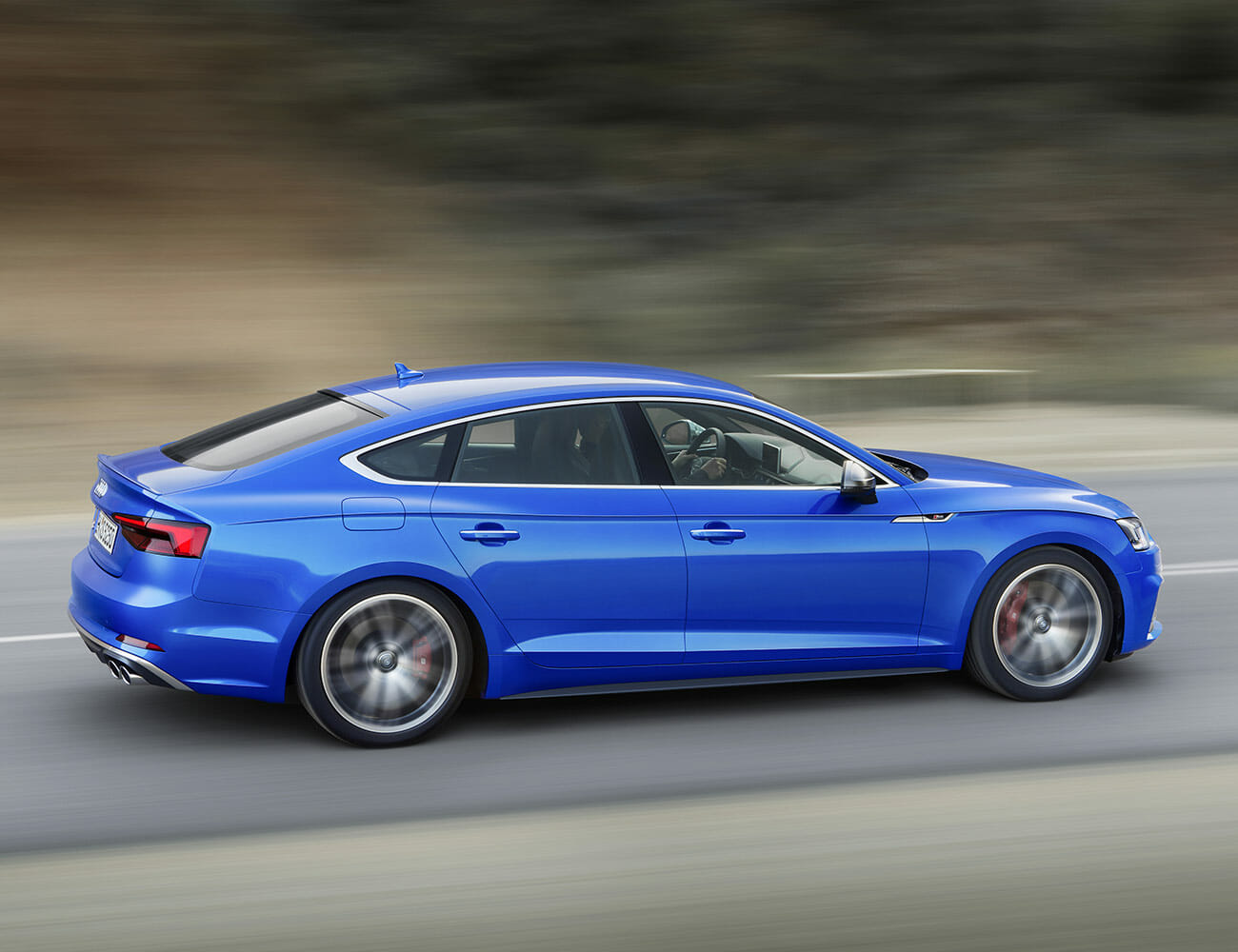
By the time I reached the snowline, the storm hadn’t quite blown out as early as expected. A road closure slowed me down, but the S5’s surefootedness guaranteed me turns in fresh powder that day. Slow and steady won the race, but I can only imagine what fun the last 45 minutes of the drive would have been with a set of proper winter tires on the car. But even with the lower ride height that comes with the optional adaptive sport suspension, the S5 Sportback got me through without flinching.

Verdict: The S5 Sportback isn’t perfect, but it’s damn close. Where if falls short, it’s close, and where it succeeds, it soars. It’s the perfect everyday driver whether your commute is 15 minutes or two hours. If you can afford to shop in this price bracket, the S5 Sportback deserves to be on your list.

What Others Are Saying:

“This swoopy S5 looks cooler than the traditional A4 or S4 sedans, and the hatchback configuration makes it more functional, to boot. Plus, it has four doors, so you can easily throw backpacks and grocery bags (and, you know, people) in the rear seats – no need to flip the front seats forward, like in a two-door A5/S5 Coupe. If I were shopping Audi A4/A5/S4/S5 models, this S5 Sportback is definitely the one I’d buy.” – Steven Ewing, Motor1

“The steering has a sharper and heavier feel to it in comparison with the A5, that shouldn’t be confused with a harsh suspension. In fact, until those rare moments when the clouds of traffic part along with the clouds in the northwest sky, the S5 doesn’t differ much in feel from its milder sibling, only offering a slightly meaner growl from the exhaust. When pressed, the S5 delivers flat cornering along with a solid kick in acceleration.” – Jay Ramey, Autoweek

Specs:
Model Year/Brand/Model: 2018 Audi S5 Sportback
Purchase URL: www.audiusa.com
Price: $67,900 (As Tested) $54,400 (Base MSRP)
Engine: 3.0-Liter V6 Turbo
Transmission: Eight Speed Tiptronic Automatic
Horsepower: 354
Torque: 369 lb-ft
0-60 mph: 4.5 seconds
MPG City/Highway/Comb Est.: 21/24/30

Audi provided this product for review.

Read More Gear Patrol Reviews

Hot takes and in-depth reviews on noteworthy, relevant and interesting products. Read the Story
Note: Purchasing products through our links may earn us a portion of the sale, which supports our editorial team’s mission. Learn more here.


2019 BMW 750Li Review

Since I was a small boy (still am) I’ve always been envious of the person driving me around – I am forever curious about how it feels to drive the car in which in sat in, whatever it is. There have, however, been a handful of exceptions – I’m sure the reasons speak for themselves. These anomalies include a Rolls-Royce Phantom, Bentley Mulsanne, Mercedes-Maybach S600 and the BMW 7 Series.

These are cars that, in my mind, are meant to be enjoyed not from behind the wheel, but from behind the front seats. The rear seats are lounges, spaces that are designed to take you away from the reality of being stuck in the horrendous LA traffic or the ugly concrete clad surroundings of the M25 in London.

Chances are that if you find yourself in the rear cocoons of the aforementioned limousines you have a few more cars that you drive for pleasure or to flex at the golf club. The limousine is for the Micky Mouse gloved driver, not the owner, to put miles on.

It just so happened that I recently drove an S600 Maybach, Phantom and Mulsanne and I found them to be remarkable to drive, not just to be driven in. When the invitation to pilot the new BMW 7 Series popped into the inbox my childish curiosity had me hitting accept.

A couple of weeks later I found myself in the back of the BMW 750Li and it was a phenomenal place to be sat. Just a week before I was in the back seats of the Mulsanne and the BMW felt as plush, equally special and even more technologically advanced. The loungers were sublime, the cabin whisper quiet and the fit and finish something that would not be out of place in the Sultan of Brunei’s living room. Once again, I found myself enjoying the opulence of soft leathers, massage seats and near silence – I almost fell asleep.

Then my driver pulled over, chucked me the keys and disappeared. I would be lying if I said it was not a little intimidating, the 7 Series is, I think it is fair to say, an utter enormous car. Let’s get one thing out of the way from the outset – those ginormous grilles. The kidneys have over the years evolved into a plethora of shapes and sizes – on the X2 they appear to be fitted the wrong way up, on the X7…well let’s skip past that, but on the 7 Series face lift they are big enough to swallow small children and other cars alike.

Confession time – I did not like them before, I hated them when I saw them on a M760Li at Geneva and I still do not like them on the M Sport trimmed cars. However, on the Design Pure Elegance package cars, the swooping lower section of the bumper combined with the slender laser lights and that imposing pair of grilles looks mighty impressive to my eyes, something akin to a majestic and proud cruise ship.

The rear continues the design language I first saw on the 3er and Z4 with the L shaped lights, this time presented with the horizontal connecting light beam that you can find on most Porsches…and the Bugatti Chiron. Unless you are reading this is China, your opinion in the styling is somewhat irrelevant as that is where 40% of 7 Series cars are delivered and the new status promoting styling is very much catered to the Chinese market…and me apparently.

Back to my driving experience – I’m behind the wheel and the space upfront is impressive, the width of the car continues to make itself known in a good way. The view from the side mirrors accentuates the the length. Into drive and away I…sail. It is just as quite up here, you would never know that the engine under the hood is a hefty great V8. The 750Li xDrive I am piloting packs a supercar worthy 530 bhp and a twisting 750 Nm of torque. Considering that it weighs the same as a small cottage it is impressive that it will shift to 100km/h in 4 seconds.

As I pull out of the hotel onto the baked Spanish tarmac my eyes are drawn to something in the aforementioned wing mirrors. I stop turn the wheel and discover that it is the rear wheel steer system the I can physically see turning the rear wheels. It helps explain why I only had to apply a marginal amount of steering lock to navigate the 90 degree turn. The steering was so light that it could have been done with a single finger. Innovations like this are only the start of the list of things that make driving the car as much of a breeze as it is to be the VIP passenger in the back of it.

All of the controls are light – yes, this translates to a total absence of feel in a number of aspects, but this is not exactly a car you drive to the Nordschleife on a Sunday. As with the steering input, everything is effortless, simple and does not require much concentration. The gigantic length and width of 7 Series soon becomes less frightening and, as is the passenger experience, it is very soothing.

The raft of tech aids such as active cruise control and lane assist means that the 7 Series is essentially able to drive itself on the highway and the rest of the technologies packed into the cabin further sooth the driving experience. The new iDrive system still proves itself to be the best in the business, gesture controls are far more useful than I first imagines and there is still a lovely, tactile wheel to use to control the screen in addition to the touch screen feature (take note every other manufacture in the world. #SaveTheControlWheel).

All in all it is very easy to summarise the BMW 750Li xDrive. The car is an incredible place to be sat, whether it be in the front seat or the rear. It is a calming, enjoyable place to be and one that I think challenges and proves itself to be worthy of the best in the segment. I am sure you will be seeing those imposing grilles in a capital city near you very often indeed.

If You Want a Deal On a New Luxury Car, Start With These

It doesn’t take a well thought out, intensive google search to see how expensive brand-new luxury cars are, today. With full-sized sedans like the BMW 3-Series and Mercedes C-Class cresting $60,000 with certain trims and options, it could explain why the used car market is booming right now. But if you’re on the market for a new car and want something modern (not everyone likes classic cars), iSeeCars.com released a study you can use as a cheat sheet to get deals on one-year-old luxury cars.

The study shows the cars most likely to be returned within one year of ownership, and the ones who top the list are luxury brands like BMW, Mercedes and Land Rover. Now, this doesn’t necessarily mean the cars are bad, car buyers or lesses in this segment tend to stick with what’s cutting edge, the newest of the new. The quick turnaround, however, works out insanely well for anyone shopping on the secondhand market.

Even with such low mileage, and barely being one-year-old, depreciation hits luxury cars reasonably hard. iSeeCars.com lists the Mercedes C-Class, BMW 3-Series, Land Rover Discovery Sport and the Range Rover Evoque as the cars most likely to be returned within a year and even though they’re not brand-new you can find 2018 model-year examples of each of those $10,000-$20,000 under their original MSRP. So if you want a luxury car, have a desire to save a heap of cash and don’t mind an already slightly broken-in driver’s seat, this is list is the right place to start shopping.

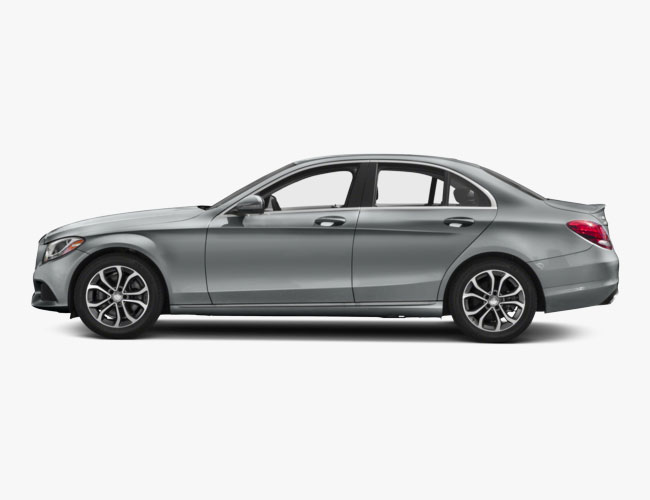
Mercedes-Benz C-Class

Percentage Resold Within a Year: 12.4%

BMW 3-Series

Percentage Resold Within a Year: 11.8%

Land Rover Discovery Sport

Percentage Resold Within a Year: 11.8%

Land Rover Evoque

Percentage Resold Within a Year: 10.9%

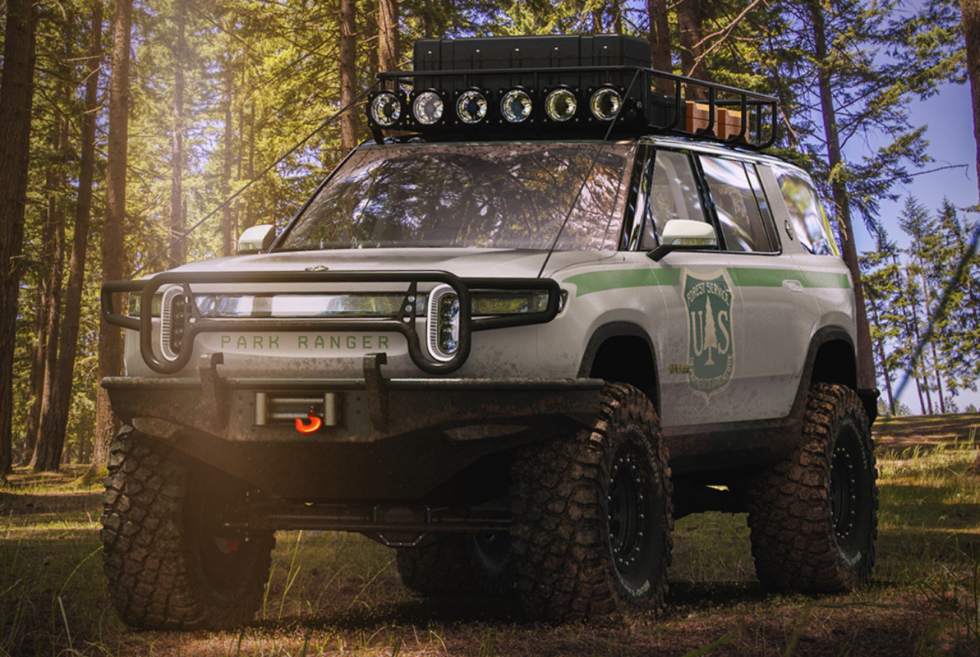
Rivian R1S U.S. Forest Ranger Edition Concept

A while back, Rivian unveiled its all-electric R1S SUV, dubbed as the automaker’s Tesla killer. It immediately grabbed everyone’s attention, and understandably so. The car, after all, offers an intriguing argument against getting one of Elon Musk’s battery-powered beassts.

But even though the road version is set to become a fantastic electric vehicle, designer Mo Aoun couldn’t help but imagine a much better version. Which is why this exists — a concept for a Rivian R1S Forest Ranger Edition.

Aoun cobbled this made-for-nature custom job himself. You can get a better look on his Behance page, which you can check out below. The eco-friendly powerplant tops up to 750 ponies, boasting a range of more than 400 miles in the standard version. That means this 4x4v SUV is ready for navigating forests, however dense or thick.

You’ll also find a lift kit here, massive all-terrain tires, and a front-end which. There’s also a light bar on the roof, a grille guard, and a roof rack.

That’s not the most impressive part. The kicker? If Rivian really wanted to, they could add everything to the existing vehicle after the fact. That means they wouldn’t even have to alter the main vehicle before inputting Aoun’s upgrades. It’s rare that a concept is so close to reality. If we were Rivian, we’d definitely be on the phone with Aoun, stat.

Will Rivian ever try to make this build into a reality? Probably not. Is it a cool concept? Definitely. Hopefully the folks at Rivian frequent Behance.

CHECK IT OUT HERE

Top Gear’s Chris Harris Drives the Record-Setting Porsche 911 GT2 RS MR

The Guys at Manthey Racing Know What They’re Doing

The Porsche 911 GT2 RS is a sensational car, but add Manthey Racing to the end of the name of the car, and it becomes an even more of a beast of a machine. Manthey Racing takes the 911 GT2 RS and improves upon the chassis, aerodynamics, and brakes. This makes the car even better. As Chris Harris of Top Gear says in the video below, “Manthey makes the RS model even more RS.”

Harris gets the opportunity to drive the Manthey Racing GT2 RS at the Portimao Circuit in Portugal. During the day, Harris expresses his admiration for the car’s prowess on the race track praising the car’s smoothness and grip thanks to its suspension, tires, and improved aerodynamics. He went around the racetrack in Portugal two seconds faster in the 911 GT2 RS MR than he did in the McLaren P1.

One of the Porche racing and test drivers previously set a record at the Nürburgring in this car. It made it the fastest road-legal car to lap the Nürburgring. He also sets a record at Portimao Circuit on the day that Harris shoots the video. There’s a short interview well into the video that’s worth watching. You can check out the whole video below.

[embedded content]

Watch this McLaren 720S Run an 8 Second Quarter Mile

The Driver’s Guts are Still Stuck to His Spine

When the McLaren 720S comes from the factory it has a very strong 4.0-liter twin-turbo V8. That engine creates 710 hp. That makes it good for a quarter-mile time under 10 seconds if all conditions are perfect. Apparently, with some fine-tuning, that’s not all the car is capable of. 

In the video below, there’s a McLaren 720S that’s been tuned to 943 hp. The owner of the car fitted some aftermarket turbochargers and a new exhaust, according to Carscoops. He also fitted some super sticky Toyo R888 tires. The result? A quarter mile time in the 8-second range. 

Of course, the team for the car had to get everything right. The tires needed to be properly warmed up, the track conditions had to be good, and the car had to be running at its peak. The day started with runs in the 9s and then after several more runs, the car manages to sneak one into the 8-second range. The best was an 8.993-second quarter mile at 159.55 mph.

That’s the fastest any street-legal McLaren car can do. The car also did 0-60 mph in 1.9 seconds, which is simply mind-bogglingly fast for a street car. You can watch the whole video of the whole adventure from the time the guys leave for the track to the time they complete the run. Skip ahead to about the 21-minute mark to see just the 8-second run.

[embedded content]

This $2,350 Mercedes-Benz Wagon Is the Ultimate Classic Daily Driver

When car enthusiasts talk about old Mercedes-Benzes it always comes out wistful — a twinkle in the eye and a “they don’t make ’em like they used to” tone, which probably has to do with how often they throw around the word “over-engineered.” Usually it’s the classic, dogmatic old-Merc screed about building a car to a standard not a cost, and a manufacturing ethos that places value on quality and reliability. And they’re right — mostly.

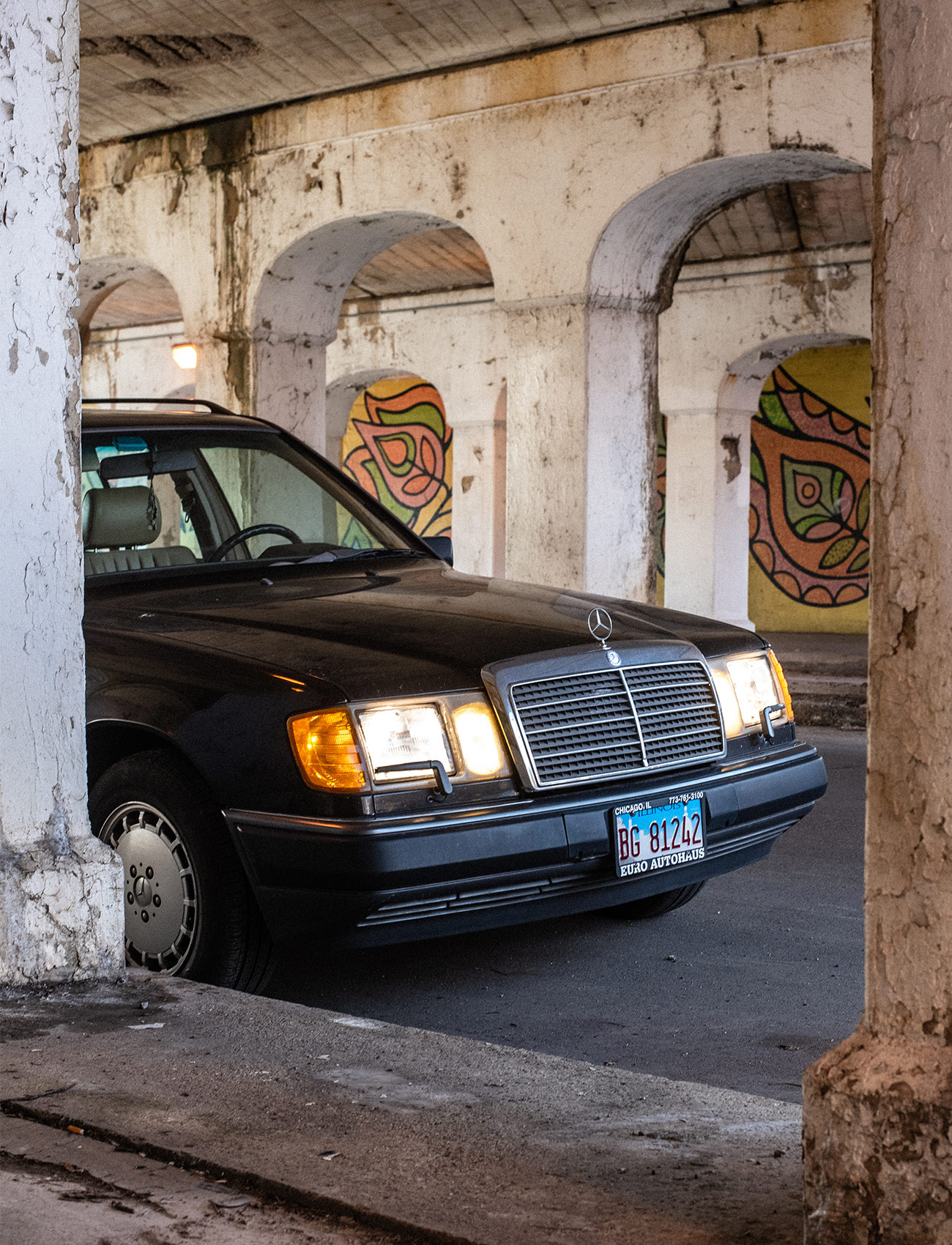
Hence, the myth of the bulletproof Mercedes-Benz. As I own a 1990 Mercedes 300TE wagon, built on the purportedly indestructible W124 chassis and regarded as one of the last of the “over-engineered” Benzes, I can attest that rumors of its reliability have been greatly exaggerated. In my month-and-a-half of ownership I’ve had to take the car to my mechanic twice; both times he handed the key back and said, “I’m sure I will see you again soon” in his vaguely Eastern European accent.

It’s not that old Benzes are particularly unreliable, it’s just that old cars in general aren’t reliable. And hell, W124’s weren’t even infallible from the factory, even if the myth states that Mercedes-Benz in the late 20th century cracked the code to automotive invincibility. The M103 inline-six engine is known to eat through head gaskets, and cars built between 1993 and 1995 were fitted with “bio-wire” wiring which departed this mortal coil full decades sooner than the engineers intended. This doesn’t even account for leaks and electrical gremlins, of which there are plenty.

I only say all this because it’s important to temper your expectations with an old Benz. Because if you anticipate that the car will occasionally let you down, you’ll have one of the damn finest vintage daily drivers you can buy upfront for $2,350. (Well, that’s what I paid for mine, anyway.)

In the early ‘90s, the 300TE wagon was the crown jewel of the suburban elite, especially given that its base MSRP was $49,650 — roughly $97,500 in today’s money for a fairly staid and simple family car. Experience it in the metal nearly 30 years on, and you start to understand why.

Mercedes really did set out to build the best car it could at the time. The design brief for the W124 was essentially to make the preceding W123, another icon of Mercedes-Benz’s “overbuilt” era, but better. That mostly consisted of using the best materials possible and getting as detail-oriented as one could at the time, then introducing technologies that improved the overall experience without being gimmicky.

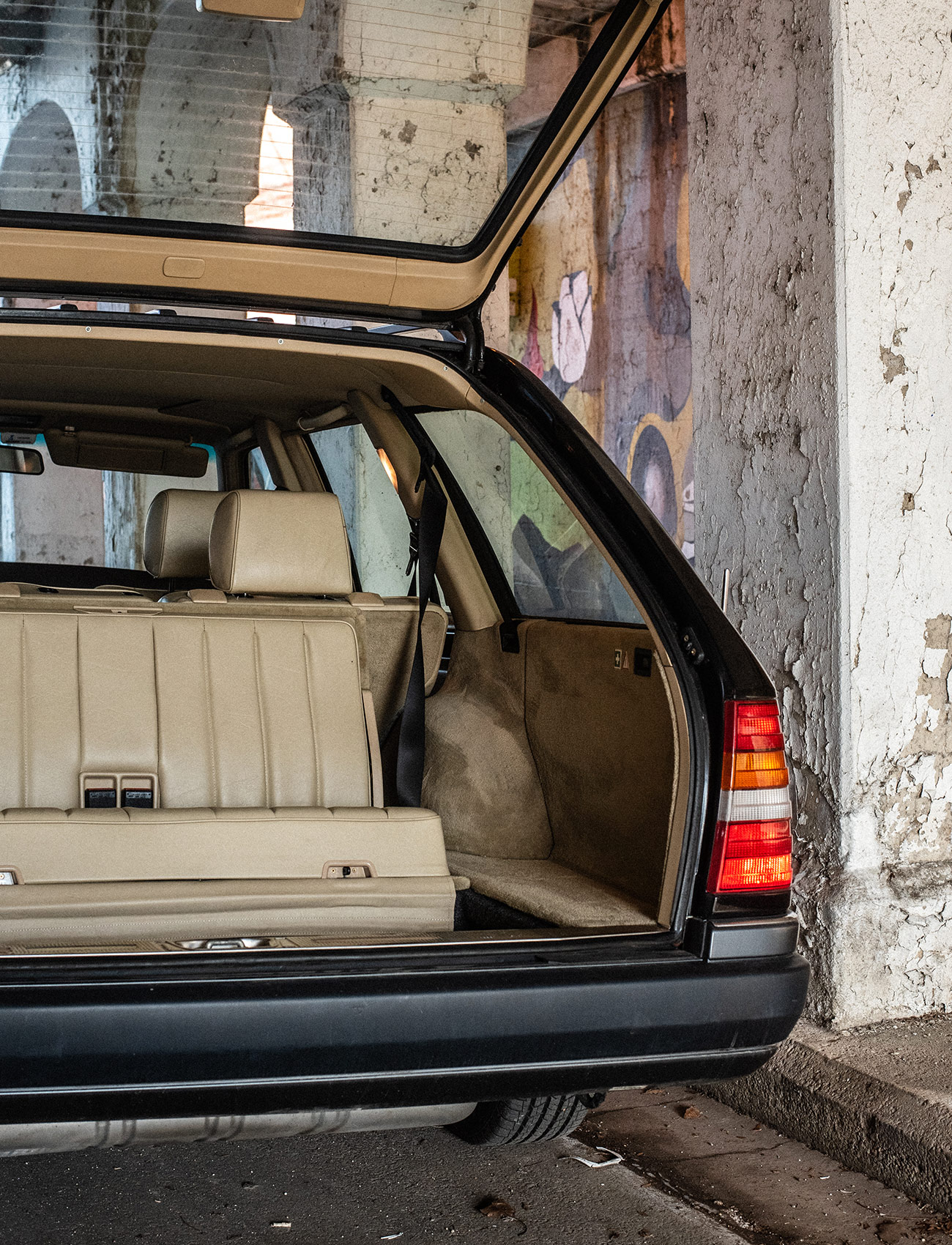
Consider the tailgate: It features a “soft close” mechanism that latches the rear hatch gently and automatically, without the need to put in the physical force required to close a typical car door. Similarly, the headrests in the front seats are adjusted electronically, saving the trouble of reaching backward and fiddling with some little button or switch like a peasant. I mean, could you imagine? I sure couldn’t. Not after owning this car.

There’s also the suspension, which is one of the most magnificent things on this car. It’s a hydraulic, self-leveling system that, in the clichéd words of so many automotive journalists (this one included) “irons out the bumps in the road.” Truly, the smoothness encroaches into the realm of Bentleys and Rolls-Royces. The self-leveling feature also accommodates for a loaded rear end, keeping the back from dragging along the ground when you have full-grown occupants in the rear-facing third-row jump seats. Yes, this old wagon can seat seven people, with a reasonable amount of legroom, so if you’ve got #squadgoals, this is the car for you.

The W124 offers a buttery-smooth driving experience, from the steering to the transmission to the suspension. The car also filters out an incredible amount of road and engine noise, forming a cocoon of excellence that shields you cacophony of the outside world. In fact, the car’s interior is often considered the star of the show.

This is something I noticed while researching YouTube videos on the W124. Generally speaking, one can expect a certain level of uniformity of video style depending on the car being featured (and the car owner making the video). Subaru WRX drivers like doing “snow donuts” while chomping on vape pens; Italian exotic owners storm through European tunnels; Mustang owners tend to crash into crowds of people. But W124 owners enjoy posting videos of the car’s interior as it gently wafts down country roads. These videos are typically free of music, the audio comprised entirely of the faint whisper of the inline six engine and the satisfying clicking of the turn signals, like automotive ASMR.

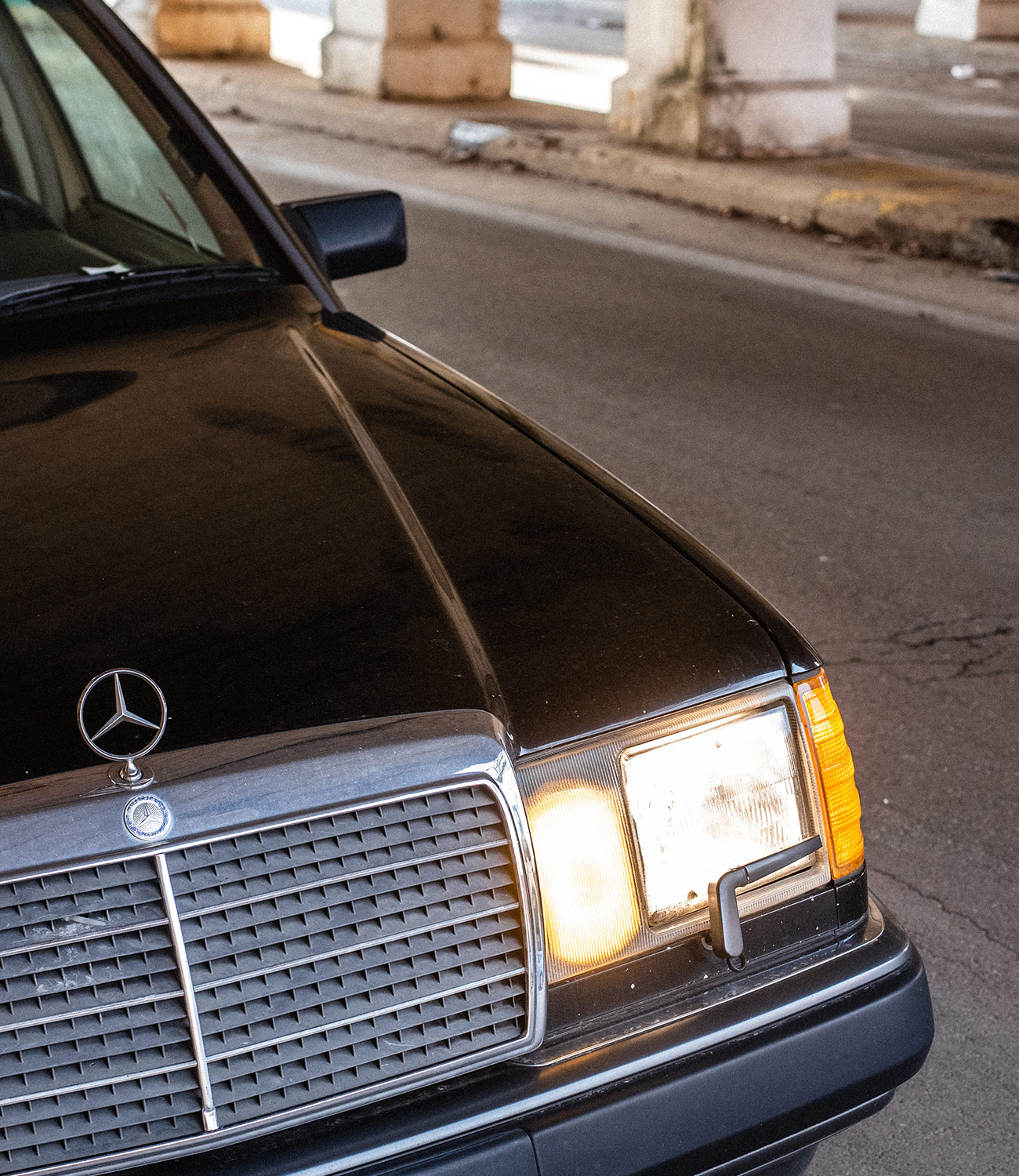
But it’s the stylish simplicity, arguably the calling card of the W124, that most contributes to the sensation of serenity and peace. The interior makes you yearn for a bygone era of restraint in automotive interior design. There are only a few functions, all simple, each having its own dedicated rocker switch on the dash, engaging and disengaging with a satisfying tactile click. The steering wheel is a basic black circle devoid of buttons; the gauges are, in typical German fashion, lacking any semblance of nonsense or frivolity. The exterior projects just the right amount of substance and no more. There’s none of the peacocking you see in the style of newer Benzes, just sufficient flare from the grille and hood ornament to convey a tasteful amount of stealth wealth. (When it was new, anyway.)

The ultimate satisfaction from this car lies in the calm, orderly manner in which it gets you from point A to point B. Being a city dweller with a busy life, that counts for a lot, and any opportunity to navigate Chicago’s sea of potholes and inattentive drivers in peace is greatly appreciated. The fact that this comes from a car that’s almost thirty years old is remarkable, and finally makes the nebulous concept of over-engineering feel clear. It’s one I can certainly appreciate, even if my mechanic’s prophecy about seeing me again soon proves true.

TAG Heuer Autavia 1972 Re-Edition

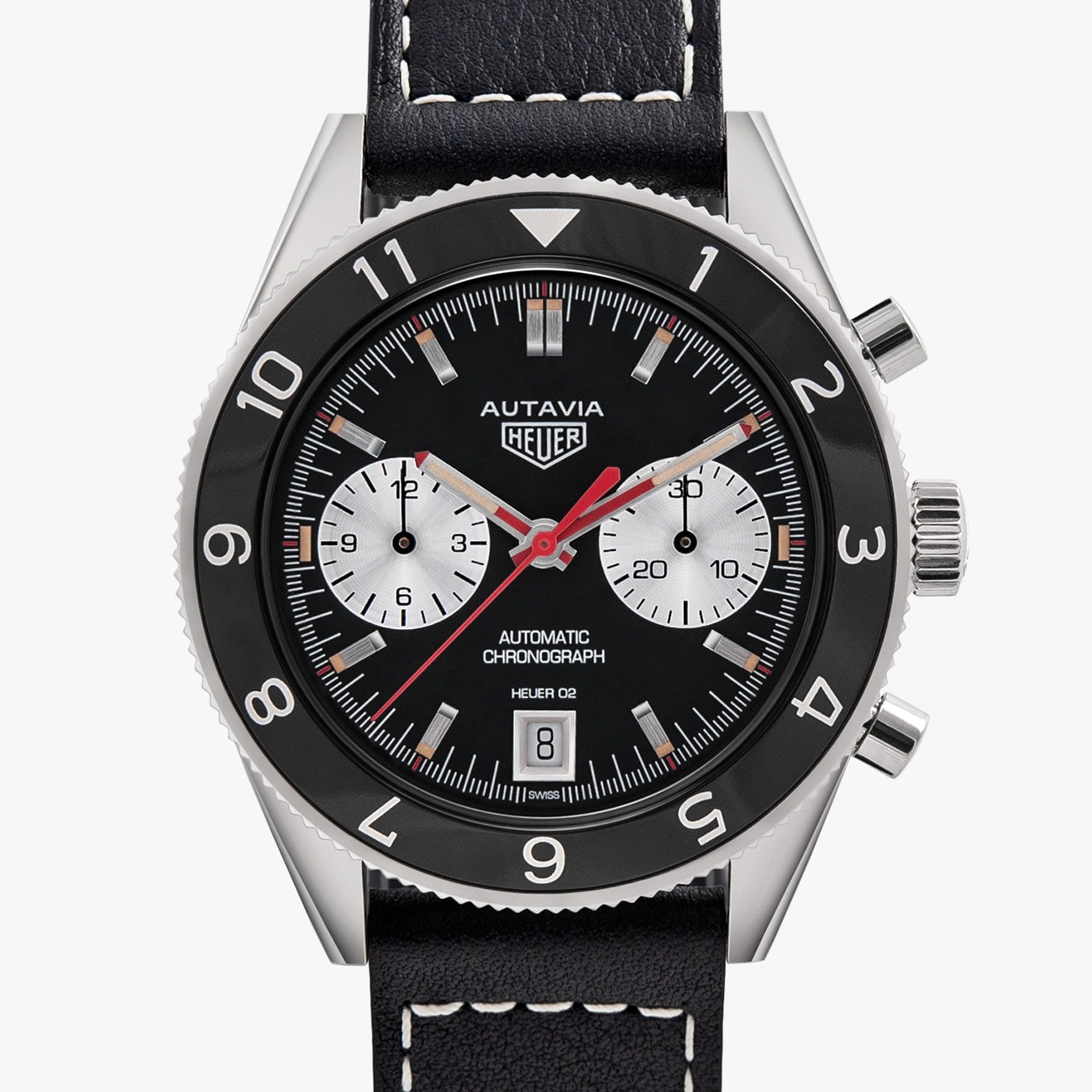
Most watches have some sort of heritage built into them. But the TAG Heuer Autavia 1972 Re-Edition has more than most. The name Autavia comes from TAG Heurer’s history in auto racing and aviation — “AUT” from “auto” and “AVIA” from “aviation.” The 42mm 1972 Re-Edition is fashioned after the iconic 1972 Heuer Autavia 1163V Viceroy but contains modern updates like a two-register dial layout, a sapphire case back and a date window at 6 o’clock. This modern automatic chronograph update is a commendable addition to the Autavia family. Learn More: Here

2020 Porsche Cayenne Coupe

Porsche to Release Cayenne “Coupe” Late in 2019

If you hadn’t yet seen any pictures of this new Cayenne, you might be wondering if we would be talking about some 2-door-cross-utility version of Porsche’s largest SUV. At first glance of the photos, calling the upcoming Cayenne a “coupe” seems somewhat oxymoronic, because the Cayenne Coupe is still very much an SUV. In fact, Porsche says that the Coupe is mostly similar to the regular SUV, particularly on the inside.

Where the Coupe differs is through “an even more dynamic design and new technical details that position it as more progressive, athletic and emotional.” What that translates to most notably is the sloping rear hatch, with an adaptive roof and tailgate spoiler.

As is the case with the Turbo SUV, the spoilers are the beneficiary of Porsche Active Aerodynamics, and extend from the body by 135mm at speeds above 90 km/h. The aforementioned features give the Cayenne Coupe a silhouette much more alike to its smaller relative, the Macan. The Coupe will be available with either a panoramic glass roof or carbon roof option.

There will be two engines to choose from at launch: a 3.0L 355-horsepower turbo V6 or a 4.0L 545-horsepower twin-turbo V8 – both carried over from the current Cayenne lineup and which achieve 0-100 km/h in 6.0 seconds and 3.9 seconds, respectively.

Porsche plans to have the Cayenne Coupe in the hands of customers worldwide later this year, with pricing to start at $75,300 USD for the base car and all the way up to $200,000 USD for the most loaded version.
[embedded content]

Image Gallery

The Best Used Wagons Under $10,000 Right Now

A Note on Pricing: The going prices for these cars are accurate at the time of publishing but may change the longer the classified ads are live.

Wagons were once one of the most popular types of car on America’s roads. With the advent the U.S. Interstate System in the ’50s and ’60s, and the subsequent rise of road tripping culture, the grand touring qualities and massive cargo space of the wagon put it in prime position to be our nation’s car of choice. Since then, it’s lost its “cool” factor and fallen from grace — which makes it perfect budget pick-up for nostalgia seekers or simply drivers tired of the cookie-cutter crossovers parked across America’s dealerships. Here, some of the best wagons we could find for less than $10,000.

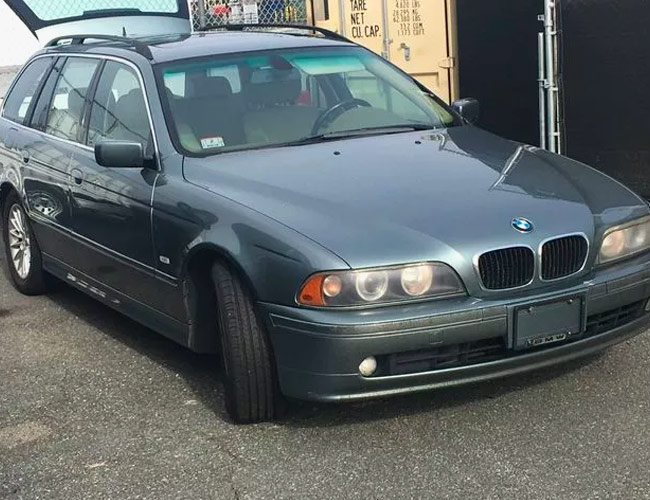
2002 BMW 540i Touring

What happens when you take a massive, Bavarian-built eight-cylinder engine and pair it with rear wheel drive, one of the best sport sedans in the business and then put a wagon hatch on it? One of the most attractive and most powerful sport wagons, well, ever. These highly functional beasts may have been designed for family-hauling on the Autobahn, but purists know wht lies beneath hood. — Kyle Snarr, Head of Marketing

Mileage: 126,000 miles
Original MSRP: $46,750+

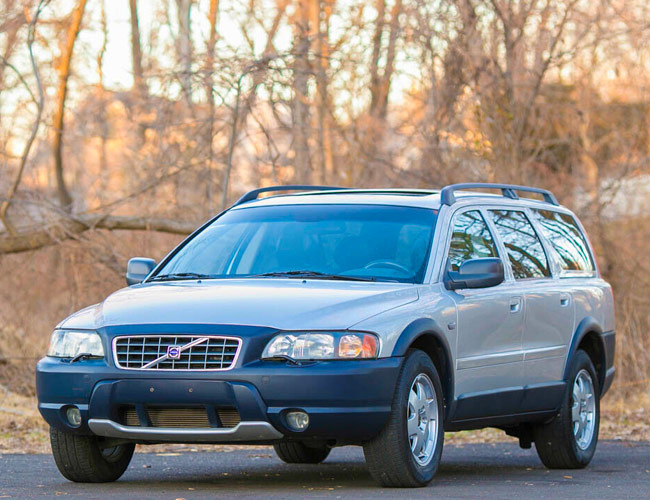
2003 Volvo XC70 AWD

Beating the utility and comfort of the Volvo wagons is difficult. Ergonomic interiors that don’t skimp on creature comforts are matched well with good ground clearance and AWD capability. I owned a 2001 S60 with the same engine in this XC70 and found that even up over 100,000 miles, regular maintenance was all that was necessary for reliable daily driving, despite the low-pressure turbo system burning up coils. The extra cargo room is an obvious bonus as is the minty leather interior and well-maintained dash and cockpit. It’s a great option for long-distance trips or people moving. — Jacob Sotak, Content Director, Commerce

Mileage: 70,612 miles
Original MSRP: $36,000 +

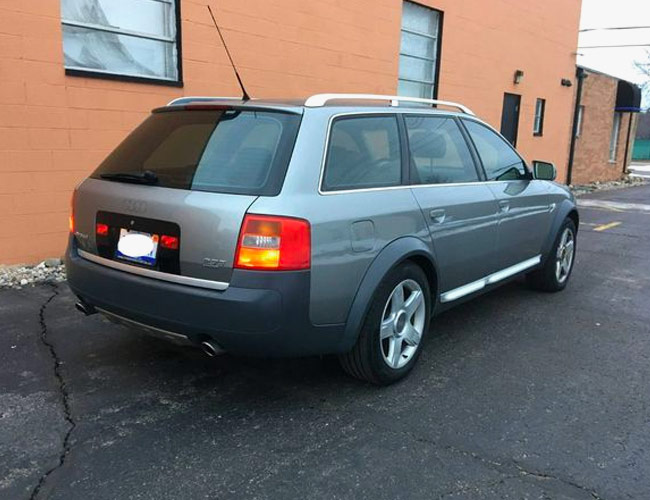
2003 Audi Allroad 2.7T

The Audi Allroad is a certified sleeper car but not in the traditional sense; it doesn’t blow the doors off of sports cars with an insane amount of horsepower. The Allroad looks like any other mundane wagon, but underneath, you’ll find raised suspension and quattro all-wheel-drive. It’s essentially a rally car with cargo space.

One of the previous owners of this Allroad already did the job of replacing the unreliable air suspension with conventional springs and swapped in a new timing belt. And it come with a manual. Yes, please. — Bryan Campbell, Staff Writer

Mileage: 97,650 miles
Original MSRP: $39,950+

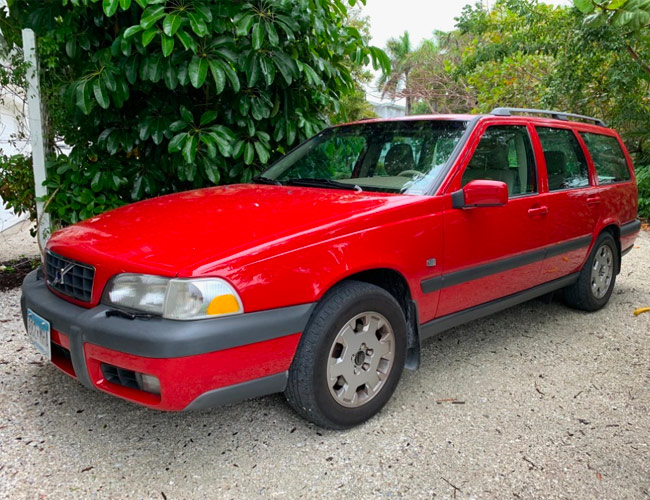
2002 Volvo V70 XC

I drove one of these in college, and my dad and I spent an entire summer poring over online forums to fix and tweak a handful of little issues we found within the car. Was the car reliable? Not really. Did it handle well? Not especially. But between working on the car myself, hauling friends out to secluded trailheads and long drives around Michigan’s Upper Peninsula, I developed a special kind of attachment. I’d buy this car again. — Andy Frakes, Editorial Assistant

Mileage: 101,000 miles
Original MSRP: $29,450+
Note: Purchasing products through our links may earn us a portion of the sale, which supports our editorial team’s mission. Learn more here.
Watch the HPE800 Ferrari F12 by Hennessey Performance At the Track

They Call This Validation Testing

Hennessey Performance recently posted a video of its HPE800 Ferrari F12 testing on a racetrack, and it’s pure elegance and madness all at once. The Ferrari F12 Berlinetta is no typical car, and after Hennessey gets its hands on it, the car is an 800 hp pissed off beautiful Italian creation.
In its standard form, the Ferrari F12 Berlinetta has a 6.3-liter naturally aspirated V12 that makes 730 hp and 509 lb-ft of torque. After the tuner company takes it into its garage and has its way with it, the car comes out with 800 hp and beautifully angry exhaust note. 

Hennessey doesn’t have a whole lot of information about the car on its website at this time. The video description that accompanies the video below simply listed the company’s main website instead of a specific page for the car. All we do know is that it will make 800 hp and look darn good doing it. 

This seems like the best way to forget about the Ferrari 812 Superfast. That particular car comes with 789 hp from the factory and this model beats that out. Suddenly, the Superfast doesn’t look so super fast.

Hennessey has several other projects in the works right now judging from the company’s news page on its website. It’s safe to assume the tuner company will keep putting out amazing cars. Watch the video below to see what we mean. 

[embedded content]

The E63 AMG Will Be One of the Most Coveted Wagons Ever

Only just a few years ago, wagons gained a reputation as the uncool car of your grandparents. Now, either through nostalgia or as a breath of fresh air from cookie-cutter crossovers, wagons are “cool” again, but they’re still a relatively rare sight on the road, and the E63 AMG Wagon might be the most attractive modern wagon on the bunch. But, a 2012 E63 with the insane Renntech R1 performance package might end up being one of the most coveted wagons of all time.

An easy way to make any mundane, practical family car interesting is to give a mountain of power and performance upgrades. The 2012 E63 Wagon has, without, question more than enough of both those in its stock setup. However, this E63 is not stock. One of the previous owners didn’t think the 550 horsepower and 590 lb-ft of torque from the E63’s 5.5-Liter twin-turbo V8 was enough, so they got an authorized Mercedes dealer to install a Renntech R1 performance package and upped the power to 696 horsepower and 801 lb-ft of torque. If that’s not enough grunt to shake off the stigma of being a car for retirees, nothing is.

Creating all that power is a Renntech R1 performance package which includes an upgraded air filter, a larger intercooler pump, a sport exhaust and an ECU flash to recalibrate the engine. To keep it all in check, the E63 also comes with performance brakes, AMG-tuned suspension and super sticky Michelin Pilot Super Sport tires.

Base-level wagons — generally, ones with less than 500 horsepower — can have a certain appeal. Their practicality and utility factor hasn’t changed over the decades, but their design proportions certainly evolved for the better, especially compared to an awkwardly sized modern crossover. Add in heaping amounts of tire torturing torque and 0-60mph times more suitable for a supercar, and you have a categorically rare type of car, but not because of limited production numbers. If form, function, impracticality and ostentatiousness all got drunk at a Bauhaus afterparty, the E63 AMG Wagon would be the result. There’s no other car on the road that quite like a performance wagon, chiefly a 696 hp E63 and as of this writing this particular one is going for under $40,000, but don’t expect that to last.